window.__IS_SSR__=true
window.__INITIAL_STATE__={
"attachmentsReducer": {
"audio_0": {
"type": "attachments",
"id": "audio_0",
"imgSizes": {
"kqedFullSize": {
"file": "https://ww2.kqed.org/news/wp-content/themes/KQED-unified/img/audio_bgs/background0.jpg"
}
}
},
"audio_1": {
"type": "attachments",
"id": "audio_1",
"imgSizes": {
"kqedFullSize": {
"file": "https://ww2.kqed.org/news/wp-content/themes/KQED-unified/img/audio_bgs/background1.jpg"
}
}
},
"audio_2": {
"type": "attachments",
"id": "audio_2",
"imgSizes": {
"kqedFullSize": {
"file": "https://ww2.kqed.org/news/wp-content/themes/KQED-unified/img/audio_bgs/background2.jpg"
}
}
},
"audio_3": {
"type": "attachments",
"id": "audio_3",
"imgSizes": {
"kqedFullSize": {
"file": "https://ww2.kqed.org/news/wp-content/themes/KQED-unified/img/audio_bgs/background3.jpg"
}
}
},
"audio_4": {
"type": "attachments",
"id": "audio_4",
"imgSizes": {
"kqedFullSize": {
"file": "https://ww2.kqed.org/news/wp-content/themes/KQED-unified/img/audio_bgs/background4.jpg"
}
}
},
"placeholder": {
"type": "attachments",
"id": "placeholder",
"imgSizes": {
"thumbnail": {
"file": "https://cdn.kqed.org/wp-content/uploads/2024/12/KQED-Default-Image-816638274-2000x1333-1-160x107.jpg",
"width": 160,
"height": 107,
"mimeType": "image/jpeg"
},
"medium": {
"file": "https://cdn.kqed.org/wp-content/uploads/2024/12/KQED-Default-Image-816638274-2000x1333-1-800x533.jpg",
"width": 800,
"height": 533,
"mimeType": "image/jpeg"
},
"medium_large": {
"file": "https://cdn.kqed.org/wp-content/uploads/2024/12/KQED-Default-Image-816638274-2000x1333-1-768x512.jpg",
"width": 768,
"height": 512,
"mimeType": "image/jpeg"
},
"large": {
"file": "https://cdn.kqed.org/wp-content/uploads/2024/12/KQED-Default-Image-816638274-2000x1333-1-1020x680.jpg",
"width": 1020,
"height": 680,
"mimeType": "image/jpeg"
},
"1536x1536": {
"file": "https://cdn.kqed.org/wp-content/uploads/2024/12/KQED-Default-Image-816638274-2000x1333-1-1536x1024.jpg",
"width": 1536,
"height": 1024,
"mimeType": "image/jpeg"
},
"fd-lrg": {
"file": "https://cdn.kqed.org/wp-content/uploads/2024/12/KQED-Default-Image-816638274-2000x1333-1-1536x1024.jpg",
"width": 1536,
"height": 1024,
"mimeType": "image/jpeg"
},
"fd-med": {
"file": "https://cdn.kqed.org/wp-content/uploads/2024/12/KQED-Default-Image-816638274-2000x1333-1-1020x680.jpg",
"width": 1020,
"height": 680,
"mimeType": "image/jpeg"
},
"fd-sm": {
"file": "https://cdn.kqed.org/wp-content/uploads/2024/12/KQED-Default-Image-816638274-2000x1333-1-800x533.jpg",
"width": 800,
"height": 533,
"mimeType": "image/jpeg"
},
"post-thumbnail": {
"file": "https://cdn.kqed.org/wp-content/uploads/2024/12/KQED-Default-Image-816638274-2000x1333-1-672x372.jpg",
"width": 672,
"height": 372,
"mimeType": "image/jpeg"
},
"twentyfourteen-full-width": {
"file": "https://cdn.kqed.org/wp-content/uploads/2024/12/KQED-Default-Image-816638274-2000x1333-1-1038x576.jpg",
"width": 1038,
"height": 576,
"mimeType": "image/jpeg"
},
"xxsmall": {
"file": "https://cdn.kqed.org/wp-content/uploads/2024/12/KQED-Default-Image-816638274-2000x1333-1-160x107.jpg",
"width": 160,
"height": 107,
"mimeType": "image/jpeg"
},
"xsmall": {
"file": "https://cdn.kqed.org/wp-content/uploads/2024/12/KQED-Default-Image-816638274-2000x1333-1-672x372.jpg",
"width": 672,
"height": 372,
"mimeType": "image/jpeg"
},
"small": {
"file": "https://cdn.kqed.org/wp-content/uploads/2024/12/KQED-Default-Image-816638274-2000x1333-1-672x372.jpg",
"width": 672,
"height": 372,
"mimeType": "image/jpeg"
},
"xlarge": {
"file": "https://cdn.kqed.org/wp-content/uploads/2024/12/KQED-Default-Image-816638274-2000x1333-1-1020x680.jpg",
"width": 1020,
"height": 680,
"mimeType": "image/jpeg"
},
"full-width": {
"file": "https://cdn.kqed.org/wp-content/uploads/2024/12/KQED-Default-Image-816638274-2000x1333-1-1920x1280.jpg",
"width": 1920,
"height": 1280,
"mimeType": "image/jpeg"
},
"guest-author-32": {
"file": "https://cdn.kqed.org/wp-content/uploads/2025/01/KQED-Default-Image-816638274-1333x1333-1-160x160.jpg",
"width": 32,
"height": 32,
"mimeType": "image/jpeg"
},
"guest-author-50": {
"file": "https://cdn.kqed.org/wp-content/uploads/2025/01/KQED-Default-Image-816638274-1333x1333-1-160x160.jpg",
"width": 50,
"height": 50,
"mimeType": "image/jpeg"
},
"guest-author-64": {
"file": "https://cdn.kqed.org/wp-content/uploads/2025/01/KQED-Default-Image-816638274-1333x1333-1-160x160.jpg",
"width": 64,
"height": 64,
"mimeType": "image/jpeg"
},
"guest-author-96": {
"file": "https://cdn.kqed.org/wp-content/uploads/2025/01/KQED-Default-Image-816638274-1333x1333-1-160x160.jpg",
"width": 96,
"height": 96,
"mimeType": "image/jpeg"
},
"guest-author-128": {
"file": "https://cdn.kqed.org/wp-content/uploads/2025/01/KQED-Default-Image-816638274-1333x1333-1-160x160.jpg",
"width": 128,
"height": 128,
"mimeType": "image/jpeg"
},
"detail": {
"file": "https://cdn.kqed.org/wp-content/uploads/2025/01/KQED-Default-Image-816638274-1333x1333-1-160x160.jpg",
"width": 160,
"height": 160,
"mimeType": "image/jpeg"
},
"kqedFullSize": {
"file": "https://cdn.kqed.org/wp-content/uploads/2024/12/KQED-Default-Image-816638274-2000x1333-1.jpg",
"width": 2000,
"height": 1333
}
}
},
"arts_13931800": {
"type": "attachments",
"id": "arts_13931800",
"meta": {
"index": "attachments_1716263798",
"site": "arts",
"id": "13931800",
"found": true
},
"parent": 13931795,
"imgSizes": {
"twentyfourteen-full-width": {
"file": "https://ww2.kqed.org/app/uploads/sites/2/2023/07/Hus-Jack-1038x576.jpg",
"width": 1038,
"mimeType": "image/jpeg",
"height": 576
},
"thumbnail": {
"file": "https://ww2.kqed.org/app/uploads/sites/2/2023/07/Hus-Jack-160x107.jpg",
"width": 160,
"mimeType": "image/jpeg",
"height": 107
},
"post-thumbnail": {
"file": "https://ww2.kqed.org/app/uploads/sites/2/2023/07/Hus-Jack-672x372.jpg",
"width": 672,
"mimeType": "image/jpeg",
"height": 372
},
"kqedFullSize": {
"file": "https://ww2.kqed.org/app/uploads/sites/2/2023/07/Hus-Jack.jpg",
"width": 1920,
"height": 1280
},
"large": {
"file": "https://ww2.kqed.org/app/uploads/sites/2/2023/07/Hus-Jack-1020x680.jpg",
"width": 1020,
"mimeType": "image/jpeg",
"height": 680
},
"1536x1536": {
"file": "https://ww2.kqed.org/app/uploads/sites/2/2023/07/Hus-Jack-1536x1024.jpg",
"width": 1536,
"mimeType": "image/jpeg",
"height": 1024
},
"medium": {
"file": "https://ww2.kqed.org/app/uploads/sites/2/2023/07/Hus-Jack-800x533.jpg",
"width": 800,
"mimeType": "image/jpeg",
"height": 533
},
"medium_large": {
"file": "https://ww2.kqed.org/app/uploads/sites/2/2023/07/Hus-Jack-768x512.jpg",
"width": 768,
"mimeType": "image/jpeg",
"height": 512
}
},
"publishDate": 1689746039,
"modified": 1689746368,
"caption": "Islam and Bay Area hip-hop have often intertwined. For the Jacka, above, the overlap was deeply personal.\n",
"description": null,
"title": "Hus-Jack",
"credit": "D-Ray",
"status": "inherit",
"altTag": "A man in a durag and football jersey holds his arms spread, with friends in the background",
"isLoading": false,
"fetchFailed": false
},
"arts_13931314": {
"type": "attachments",
"id": "arts_13931314",
"meta": {
"index": "attachments_1716263798",
"site": "arts",
"id": "13931314",
"found": true
},
"parent": 13931295,
"imgSizes": {
"twentyfourteen-full-width": {
"file": "https://ww2.kqed.org/app/uploads/sites/2/2023/07/Whats-Pimpin-Ep-3-square-1038x576.jpg",
"width": 1038,
"mimeType": "image/jpeg",
"height": 576
},
"thumbnail": {
"file": "https://ww2.kqed.org/app/uploads/sites/2/2023/07/Whats-Pimpin-Ep-3-square-160x160.jpg",
"width": 160,
"mimeType": "image/jpeg",
"height": 160
},
"post-thumbnail": {
"file": "https://ww2.kqed.org/app/uploads/sites/2/2023/07/Whats-Pimpin-Ep-3-square-672x372.jpg",
"width": 672,
"mimeType": "image/jpeg",
"height": 372
},
"kqedFullSize": {
"file": "https://ww2.kqed.org/app/uploads/sites/2/2023/07/Whats-Pimpin-Ep-3-square.jpg",
"width": 1080,
"height": 1080
},
"large": {
"file": "https://ww2.kqed.org/app/uploads/sites/2/2023/07/Whats-Pimpin-Ep-3-square-1020x1020.jpg",
"width": 1020,
"mimeType": "image/jpeg",
"height": 1020
},
"medium": {
"file": "https://ww2.kqed.org/app/uploads/sites/2/2023/07/Whats-Pimpin-Ep-3-square-800x800.jpg",
"width": 800,
"mimeType": "image/jpeg",
"height": 800
},
"medium_large": {
"file": "https://ww2.kqed.org/app/uploads/sites/2/2023/07/Whats-Pimpin-Ep-3-square-768x768.jpg",
"width": 768,
"mimeType": "image/jpeg",
"height": 768
}
},
"publishDate": 1688753328,
"modified": 1688753546,
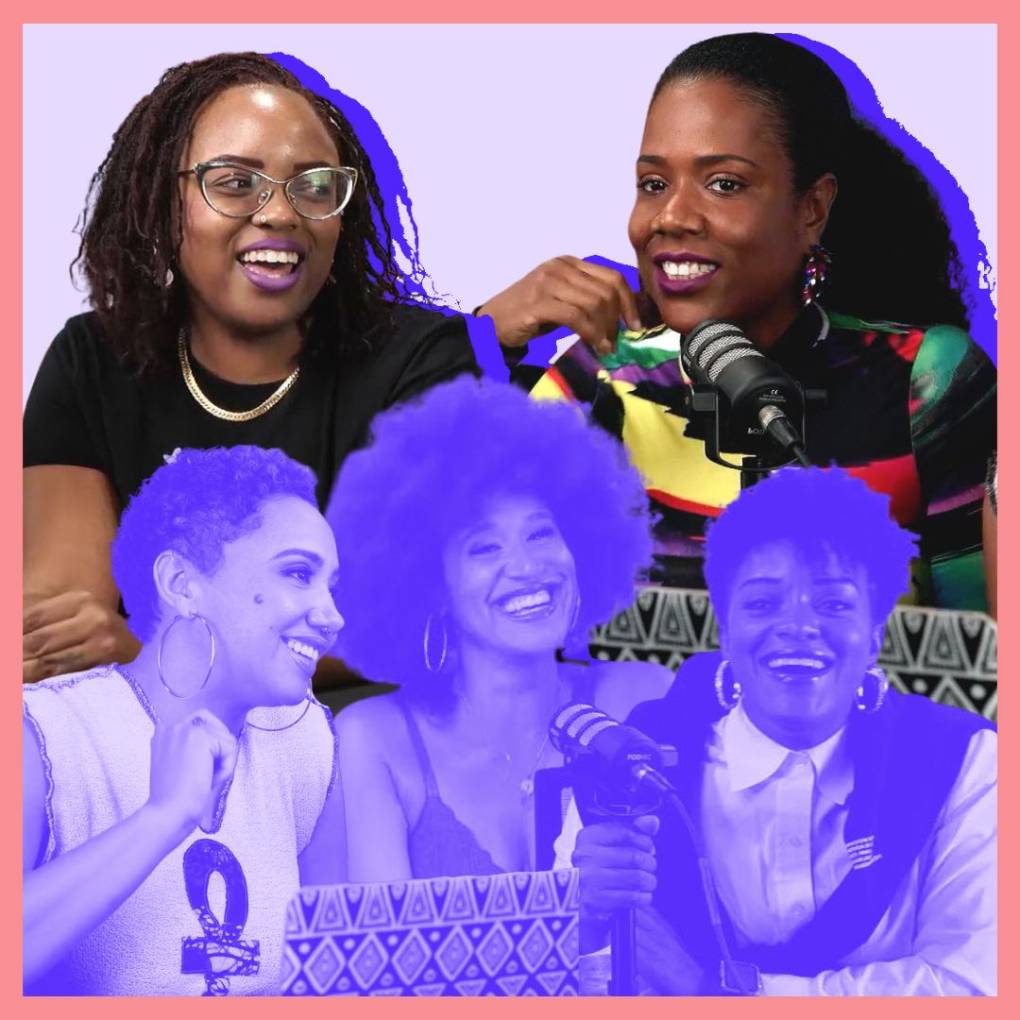
"caption": "Tiara Mbonisi and Xenia St. Charles (top left to right) get real about sex trafficking and exploitation in the Bay Area with 'What's Pimpin'?' hosts Maddy Clifford, Coco Peila and RyanNicole (left to right). ",
"description": null,
"title": "Whats Pimpin Ep 3 square",
"credit": "Photo: DIFF WORKS LLC; illustration: Becca Kao",
"status": "inherit",
"altTag": "A collage features five Black women in their 30s laughing while engaging in discussion.",
"isLoading": false,
"fetchFailed": false
},
"arts_13931308": {
"type": "attachments",
"id": "arts_13931308",
"meta": {
"index": "attachments_1716263798",
"site": "arts",
"id": "13931308",
"found": true
},
"parent": 13931295,
"imgSizes": {
"twentyfourteen-full-width": {
"file": "https://ww2.kqed.org/app/uploads/sites/2/2023/07/Whats-Pimpin-Episode-3-Wordpress-Thumbnail-1038x576.jpg",
"width": 1038,
"mimeType": "image/jpeg",
"height": 576
},
"thumbnail": {
"file": "https://ww2.kqed.org/app/uploads/sites/2/2023/07/Whats-Pimpin-Episode-3-Wordpress-Thumbnail-160x90.jpg",
"width": 160,
"mimeType": "image/jpeg",
"height": 90
},
"post-thumbnail": {
"file": "https://ww2.kqed.org/app/uploads/sites/2/2023/07/Whats-Pimpin-Episode-3-Wordpress-Thumbnail-672x372.jpg",
"width": 672,
"mimeType": "image/jpeg",
"height": 372
},
"kqedFullSize": {
"file": "https://ww2.kqed.org/app/uploads/sites/2/2023/07/Whats-Pimpin-Episode-3-Wordpress-Thumbnail.jpg",
"width": 1920,
"height": 1080
},
"large": {
"file": "https://ww2.kqed.org/app/uploads/sites/2/2023/07/Whats-Pimpin-Episode-3-Wordpress-Thumbnail-1020x574.jpg",
"width": 1020,
"mimeType": "image/jpeg",
"height": 574
},
"1536x1536": {
"file": "https://ww2.kqed.org/app/uploads/sites/2/2023/07/Whats-Pimpin-Episode-3-Wordpress-Thumbnail-1536x864.jpg",
"width": 1536,
"mimeType": "image/jpeg",
"height": 864
},
"medium": {
"file": "https://ww2.kqed.org/app/uploads/sites/2/2023/07/Whats-Pimpin-Episode-3-Wordpress-Thumbnail-800x450.jpg",
"width": 800,
"mimeType": "image/jpeg",
"height": 450
},
"medium_large": {
"file": "https://ww2.kqed.org/app/uploads/sites/2/2023/07/Whats-Pimpin-Episode-3-Wordpress-Thumbnail-768x432.jpg",
"width": 768,
"mimeType": "image/jpeg",
"height": 432
}
},
"publishDate": 1688753016,
"modified": 1688753525,
"caption": "Tiara Mbonisi and Xenia St. Charles (center) get real about sex trafficking and exploitation in the Bay Area with 'What's Pimpin'?' hosts Maddy Clifford (far left), Coco Peila and RyanNicole (middle right and far right). ",
"description": null,
"title": "Whats Pimpin Episode 3 Wordpress Thumbnail",
"credit": "Photo: DIFF WORKS LLC; illustration: Becca Kao",
"status": "inherit",
"altTag": "Five Black women in their 30s sit at a table together and laugh while engaging in discussion.",
"isLoading": false,
"fetchFailed": false
},
"arts_13931113": {
"type": "attachments",
"id": "arts_13931113",
"meta": {
"index": "attachments_1716263798",
"site": "arts",
"id": "13931113",
"found": true
},
"parent": 13931108,
"imgSizes": {
"twentyfourteen-full-width": {
"file": "https://ww2.kqed.org/app/uploads/sites/2/2023/06/Episode-2-—-Wordpress-Thumbnail-1-1038x576.jpg",
"width": 1038,
"mimeType": "image/jpeg",
"height": 576
},
"thumbnail": {
"file": "https://ww2.kqed.org/app/uploads/sites/2/2023/06/Episode-2-—-Wordpress-Thumbnail-1-160x160.jpg",
"width": 160,
"mimeType": "image/jpeg",
"height": 160
},
"post-thumbnail": {
"file": "https://ww2.kqed.org/app/uploads/sites/2/2023/06/Episode-2-—-Wordpress-Thumbnail-1-672x372.jpg",
"width": 672,
"mimeType": "image/jpeg",
"height": 372
},
"kqedFullSize": {
"file": "https://ww2.kqed.org/app/uploads/sites/2/2023/06/Episode-2-—-Wordpress-Thumbnail-1.jpg",
"width": 1080,
"height": 1080
},
"large": {
"file": "https://ww2.kqed.org/app/uploads/sites/2/2023/06/Episode-2-—-Wordpress-Thumbnail-1-1020x1020.jpg",
"width": 1020,
"mimeType": "image/jpeg",
"height": 1020
},
"medium": {
"file": "https://ww2.kqed.org/app/uploads/sites/2/2023/06/Episode-2-—-Wordpress-Thumbnail-1-800x800.jpg",
"width": 800,
"mimeType": "image/jpeg",
"height": 800
},
"medium_large": {
"file": "https://ww2.kqed.org/app/uploads/sites/2/2023/06/Episode-2-—-Wordpress-Thumbnail-1-768x768.jpg",
"width": 768,
"mimeType": "image/jpeg",
"height": 768
}
},
"publishDate": 1688149504,
"modified": 1688151341,
"caption": "In episode two of 'What's Pimpin'?,' rappers Dregs One (top left) and Ian Kelly (top right) talk about how growing up around pimp culture influenced their views on relationships and masculinity with hosts Maddy Clifford, Coco Peila and RyanNicole (bottom left to right).",
"description": null,
"title": "Episode 2 — Wordpress Thumbnail (1)",
"credit": "Photo: DIFF WORKS LLC; collage: Becca Kao",
"status": "inherit",
"altTag": "A collage with a yellow background features large photos of Dregs One and Ian Kelly, two Black men in their 30s. Dregs wears an SF Giants hat and holds up his hand in a \"phone\" gesture. Ian smiles and wears a yellow hat. A blue-tinted collage of Maddy, Ryan and Coco in the lower row shows the three hosts smiling and engaged in thoughtful conversation.",
"isLoading": false,
"fetchFailed": false
},
"arts_13931140": {
"type": "attachments",
"id": "arts_13931140",
"meta": {
"index": "attachments_1716263798",
"site": "arts",
"id": "13931140",
"found": true
},
"parent": 13931108,
"imgSizes": {
"twentyfourteen-full-width": {
"file": "https://ww2.kqed.org/app/uploads/sites/2/2023/06/Episode-2-—-Youtube-Thumbnail-1038x576.jpg",
"width": 1038,
"mimeType": "image/jpeg",
"height": 576
},
"thumbnail": {
"file": "https://ww2.kqed.org/app/uploads/sites/2/2023/06/Episode-2-—-Youtube-Thumbnail-160x90.jpg",
"width": 160,
"mimeType": "image/jpeg",
"height": 90
},
"post-thumbnail": {
"file": "https://ww2.kqed.org/app/uploads/sites/2/2023/06/Episode-2-—-Youtube-Thumbnail-672x372.jpg",
"width": 672,
"mimeType": "image/jpeg",
"height": 372
},
"kqedFullSize": {
"file": "https://ww2.kqed.org/app/uploads/sites/2/2023/06/Episode-2-—-Youtube-Thumbnail.jpg",
"width": 1920,
"height": 1080
},
"large": {
"file": "https://ww2.kqed.org/app/uploads/sites/2/2023/06/Episode-2-—-Youtube-Thumbnail-1020x574.jpg",
"width": 1020,
"mimeType": "image/jpeg",
"height": 574
},
"1536x1536": {
"file": "https://ww2.kqed.org/app/uploads/sites/2/2023/06/Episode-2-—-Youtube-Thumbnail-1536x864.jpg",
"width": 1536,
"mimeType": "image/jpeg",
"height": 864
},
"medium": {
"file": "https://ww2.kqed.org/app/uploads/sites/2/2023/06/Episode-2-—-Youtube-Thumbnail-800x450.jpg",
"width": 800,
"mimeType": "image/jpeg",
"height": 450
},
"medium_large": {
"file": "https://ww2.kqed.org/app/uploads/sites/2/2023/06/Episode-2-—-Youtube-Thumbnail-768x432.jpg",
"width": 768,
"mimeType": "image/jpeg",
"height": 432
}
},
"publishDate": 1688159750,
"modified": 1688159835,
"caption": "In episode two of 'What's Pimpin'?,' rappers Dregs One (top left) and Ian Kelly (top right) talk about how growing up around pimp culture influenced their views on relationships and masculinity with hosts Maddy Clifford, Coco Peila and RyanNicole (bottom left to right).",
"description": null,
"title": "Episode 2 — Youtube Thumbnail",
"credit": "Photo: DIFF WORKS LLC; collage: Matt Morales",
"status": "inherit",
"altTag": "A collage with a pink background features large photos of Dregs One and Ian Kelly, two Black men in their 30s. A blue-tinted collage of Maddy, Ryan and Coco in the lower row shows the three hosts smiling and engaged in thoughtful conversation.",
"isLoading": false,
"fetchFailed": false
},
"arts_13930890": {
"type": "attachments",
"id": "arts_13930890",
"meta": {
"index": "attachments_1716263798",
"site": "arts",
"id": "13930890",
"found": true
},
"parent": 13930886,
"imgSizes": {
"twentyfourteen-full-width": {
"file": "https://ww2.kqed.org/app/uploads/sites/2/2023/06/Episode-1-—-Wordpress-Thumbnail-1038x576.png",
"width": 1038,
"mimeType": "image/png",
"height": 576
},
"thumbnail": {
"file": "https://ww2.kqed.org/app/uploads/sites/2/2023/06/Episode-1-—-Wordpress-Thumbnail-160x160.png",
"width": 160,
"mimeType": "image/png",
"height": 160
},
"post-thumbnail": {
"file": "https://ww2.kqed.org/app/uploads/sites/2/2023/06/Episode-1-—-Wordpress-Thumbnail-672x372.png",
"width": 672,
"mimeType": "image/png",
"height": 372
},
"kqedFullSize": {
"file": "https://ww2.kqed.org/app/uploads/sites/2/2023/06/Episode-1-—-Wordpress-Thumbnail.png",
"width": 1080,
"height": 1080
},
"large": {
"file": "https://ww2.kqed.org/app/uploads/sites/2/2023/06/Episode-1-—-Wordpress-Thumbnail-1020x1020.png",
"width": 1020,
"mimeType": "image/png",
"height": 1020
},
"medium": {
"file": "https://ww2.kqed.org/app/uploads/sites/2/2023/06/Episode-1-—-Wordpress-Thumbnail-800x800.png",
"width": 800,
"mimeType": "image/png",
"height": 800
},
"medium_large": {
"file": "https://ww2.kqed.org/app/uploads/sites/2/2023/06/Episode-1-—-Wordpress-Thumbnail-768x768.png",
"width": 768,
"mimeType": "image/png",
"height": 768
}
},
"publishDate": 1687557363,
"modified": 1687557519,
"caption": "Maddy Clifford, RyanNicole and Coco Peila lead necessary conversations about hip-hop and misogynoir in our new vodcast, 'What's Pimpin'?'",
"description": null,
"title": "Episode 1 — Wordpress Thumbnail",
"credit": "Photo: DIFF WORKS LLC, illustration: Becca Kao",
"status": "inherit",
"altTag": "Three Black women in colorful clothing sit in front of microphones while laughing.",
"isLoading": false,
"fetchFailed": false
},
"arts_13930892": {
"type": "attachments",
"id": "arts_13930892",
"meta": {
"index": "attachments_1716263798",
"site": "arts",
"id": "13930892",
"found": true
},
"parent": 13930886,
"imgSizes": {
"twentyfourteen-full-width": {
"file": "https://ww2.kqed.org/app/uploads/sites/2/2023/06/Episode-1-—-Wordpress-Thumbnail-1-1038x576.png",
"width": 1038,
"mimeType": "image/png",
"height": 576
},
"thumbnail": {
"file": "https://ww2.kqed.org/app/uploads/sites/2/2023/06/Episode-1-—-Wordpress-Thumbnail-1-160x90.png",
"width": 160,
"mimeType": "image/png",
"height": 90
},
"post-thumbnail": {
"file": "https://ww2.kqed.org/app/uploads/sites/2/2023/06/Episode-1-—-Wordpress-Thumbnail-1-672x372.png",
"width": 672,
"mimeType": "image/png",
"height": 372
},
"kqedFullSize": {
"file": "https://ww2.kqed.org/app/uploads/sites/2/2023/06/Episode-1-—-Wordpress-Thumbnail-1.png",
"width": 1920,
"height": 1080
},
"large": {
"file": "https://ww2.kqed.org/app/uploads/sites/2/2023/06/Episode-1-—-Wordpress-Thumbnail-1-1020x574.png",
"width": 1020,
"mimeType": "image/png",
"height": 574
},
"1536x1536": {
"file": "https://ww2.kqed.org/app/uploads/sites/2/2023/06/Episode-1-—-Wordpress-Thumbnail-1-1536x864.png",
"width": 1536,
"mimeType": "image/png",
"height": 864
},
"medium": {
"file": "https://ww2.kqed.org/app/uploads/sites/2/2023/06/Episode-1-—-Wordpress-Thumbnail-1-800x450.png",
"width": 800,
"mimeType": "image/png",
"height": 450
},
"medium_large": {
"file": "https://ww2.kqed.org/app/uploads/sites/2/2023/06/Episode-1-—-Wordpress-Thumbnail-1-768x432.png",
"width": 768,
"mimeType": "image/png",
"height": 432
}
},
"publishDate": 1687557651,
"modified": 1687557679,
"caption": "Maddy Clifford, RyanNicole and Coco Peila lead necessary conversations about hip-hop and misogynoir in our new vodcast, 'What's Pimpin'?'",
"description": null,
"title": "Episode 1 — Wordpress Thumbnail (1)",
"credit": "Photo: DIFF WORKS LLC, illustration: Becca Kao",
"status": "inherit",
"altTag": "Three Black women in colorful clothing sit in front of microphones while laughing.",
"isLoading": false,
"fetchFailed": false
},
"arts_13930929": {
"type": "attachments",
"id": "arts_13930929",
"meta": {
"index": "attachments_1716263798",
"site": "arts",
"id": "13930929",
"found": true
},
"parent": 13930867,
"imgSizes": {
"twentyfourteen-full-width": {
"file": "https://ww2.kqed.org/app/uploads/sites/2/2023/06/pimp-culture-essay-2-1038x576.png",
"width": 1038,
"mimeType": "image/png",
"height": 576
},
"thumbnail": {
"file": "https://ww2.kqed.org/app/uploads/sites/2/2023/06/pimp-culture-essay-2-160x160.png",
"width": 160,
"mimeType": "image/png",
"height": 160
},
"post-thumbnail": {
"file": "https://ww2.kqed.org/app/uploads/sites/2/2023/06/pimp-culture-essay-2-672x372.png",
"width": 672,
"mimeType": "image/png",
"height": 372
},
"kqedFullSize": {
"file": "https://ww2.kqed.org/app/uploads/sites/2/2023/06/pimp-culture-essay-2.png",
"width": 1080,
"height": 1080
},
"large": {
"file": "https://ww2.kqed.org/app/uploads/sites/2/2023/06/pimp-culture-essay-2-1020x1020.png",
"width": 1020,
"mimeType": "image/png",
"height": 1020
},
"medium": {
"file": "https://ww2.kqed.org/app/uploads/sites/2/2023/06/pimp-culture-essay-2-800x800.png",
"width": 800,
"mimeType": "image/png",
"height": 800
},
"medium_large": {
"file": "https://ww2.kqed.org/app/uploads/sites/2/2023/06/pimp-culture-essay-2-768x768.png",
"width": 768,
"mimeType": "image/png",
"height": 768
}
},
"publishDate": 1687885716,
"modified": 1687886892,
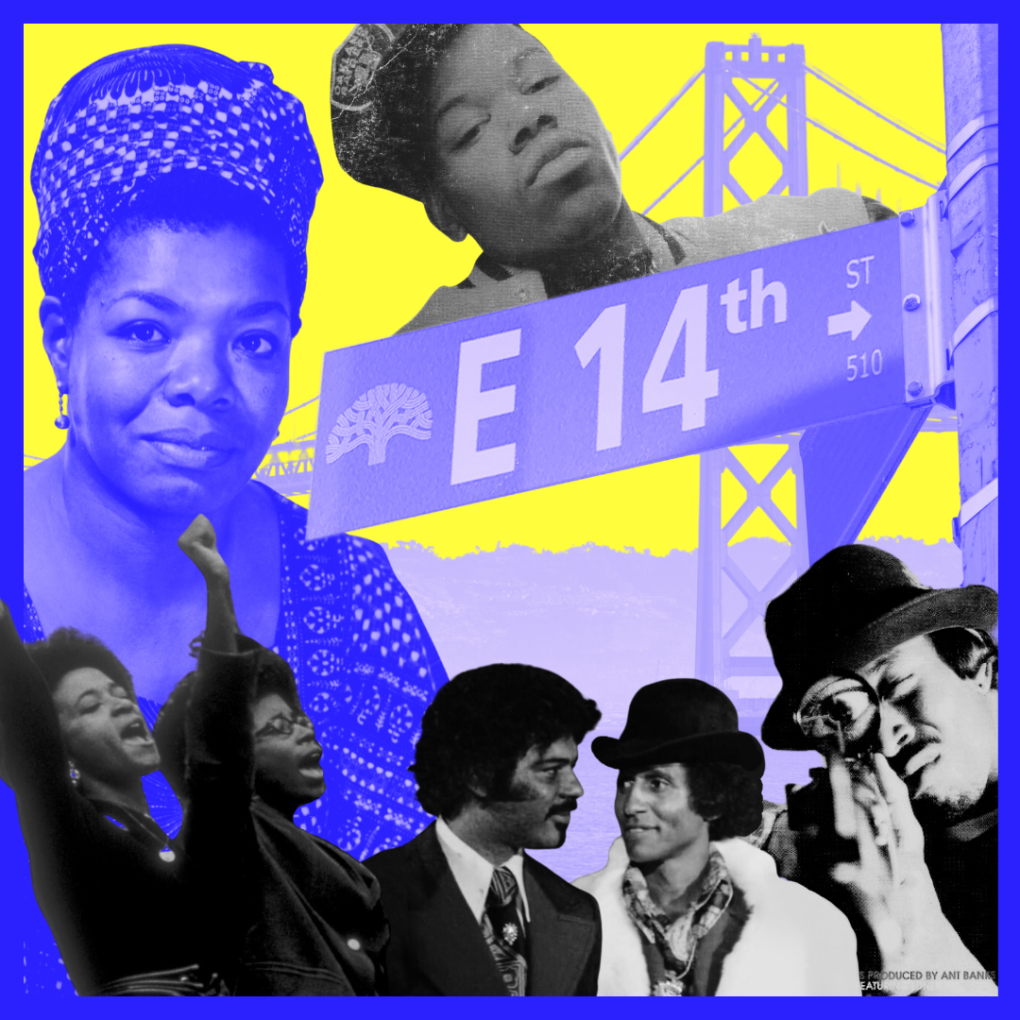
"caption": "In our new vodcast 'What's Pimpin'?,' hosts Maddy Clifford, Coco Peila and RyanNicole dissect why Oakland came to be known as \"the land of pimps and Panthers.\" Clockwise from left: Maya Angelou; Too Short; Dru Down; Frank Ward and Max Julien in 'The Mack;' and women of the Black Panther Party.",
"description": null,
"title": "pimp culture essay 2",
"credit": "Michael Ochs Archives/Getty Images; Jive Records/Dangerous Music; C-Note Records; New Line Cinema; Pirkle Jones and Ruth-Marion Baruch",
"status": "inherit",
"altTag": "A yellow-and-blue collage features cultural figures that represent Black feminism and pimp culture, two themes explored in our new vodcast, 'What's Pimpin'?'",
"isLoading": false,
"fetchFailed": false
},
"arts_13930933": {
"type": "attachments",
"id": "arts_13930933",
"meta": {
"index": "attachments_1716263798",
"site": "arts",
"id": "13930933",
"found": true
},
"parent": 13930867,
"imgSizes": {
"twentyfourteen-full-width": {
"file": "https://ww2.kqed.org/app/uploads/sites/2/2023/06/pimp-culture-essay-1038x576.png",
"width": 1038,
"mimeType": "image/png",
"height": 576
},
"thumbnail": {
"file": "https://ww2.kqed.org/app/uploads/sites/2/2023/06/pimp-culture-essay-160x90.png",
"width": 160,
"mimeType": "image/png",
"height": 90
},
"post-thumbnail": {
"file": "https://ww2.kqed.org/app/uploads/sites/2/2023/06/pimp-culture-essay-672x372.png",
"width": 672,
"mimeType": "image/png",
"height": 372
},
"kqedFullSize": {
"file": "https://ww2.kqed.org/app/uploads/sites/2/2023/06/pimp-culture-essay.png",
"width": 1920,
"height": 1080
},
"large": {
"file": "https://ww2.kqed.org/app/uploads/sites/2/2023/06/pimp-culture-essay-1020x574.png",
"width": 1020,
"mimeType": "image/png",
"height": 574
},
"1536x1536": {
"file": "https://ww2.kqed.org/app/uploads/sites/2/2023/06/pimp-culture-essay-1536x864.png",
"width": 1536,
"mimeType": "image/png",
"height": 864
},
"medium": {
"file": "https://ww2.kqed.org/app/uploads/sites/2/2023/06/pimp-culture-essay-800x450.png",
"width": 800,
"mimeType": "image/png",
"height": 450
},
"medium_large": {
"file": "https://ww2.kqed.org/app/uploads/sites/2/2023/06/pimp-culture-essay-768x432.png",
"width": 768,
"mimeType": "image/png",
"height": 432
}
},
"publishDate": 1687886878,
"modified": 1687886908,
"caption": "In our new vodcast 'What's Pimpin'?,' hosts Maddy Clifford, Coco Peila and RyanNicole dissect why Oakland came to be known as \"the land of pimps and Panthers.\" Clockwise from left: Maya Angelou; Too Short; Dru Down; Frank Ward and Max Julien in 'The Mack;' and women of the Black Panther Party.",
"description": null,
"title": "pimp culture essay",
"credit": "Michael Ochs Archives/Getty Images; Jive Records/Dangerous Music; C-Note Records; New Line Cinema; Pirkle Jones and Ruth-Marion Baruch",
"status": "inherit",
"altTag": "A yellow-and-blue collage features cultural figures that represent Black feminism and pimp culture, two themes explored in our new vodcast, 'What's Pimpin'?'",
"isLoading": false,
"fetchFailed": false
},
"arts_13930748": {
"type": "attachments",
"id": "arts_13930748",
"meta": {
"index": "attachments_1716263798",
"site": "arts",
"id": "13930748",
"found": true
},
"parent": 13930686,
"imgSizes": {
"twentyfourteen-full-width": {
"file": "https://ww2.kqed.org/app/uploads/sites/2/2023/06/2004_0702macdreb-day0014-square-1038x576.jpg",
"width": 1038,
"mimeType": "image/jpeg",
"height": 576
},
"thumbnail": {
"file": "https://ww2.kqed.org/app/uploads/sites/2/2023/06/2004_0702macdreb-day0014-square-160x160.jpg",
"width": 160,
"mimeType": "image/jpeg",
"height": 160
},
"post-thumbnail": {
"file": "https://ww2.kqed.org/app/uploads/sites/2/2023/06/2004_0702macdreb-day0014-square-672x372.jpg",
"width": 672,
"mimeType": "image/jpeg",
"height": 372
},
"kqedFullSize": {
"file": "https://ww2.kqed.org/app/uploads/sites/2/2023/06/2004_0702macdreb-day0014-square.jpg",
"width": 1068,
"height": 1068
},
"large": {
"file": "https://ww2.kqed.org/app/uploads/sites/2/2023/06/2004_0702macdreb-day0014-square-1020x1020.jpg",
"width": 1020,
"mimeType": "image/jpeg",
"height": 1020
},
"medium": {
"file": "https://ww2.kqed.org/app/uploads/sites/2/2023/06/2004_0702macdreb-day0014-square-800x800.jpg",
"width": 800,
"mimeType": "image/jpeg",
"height": 800
},
"medium_large": {
"file": "https://ww2.kqed.org/app/uploads/sites/2/2023/06/2004_0702macdreb-day0014-square-768x768.jpg",
"width": 768,
"mimeType": "image/jpeg",
"height": 768
}
},
"publishDate": 1687366643,
"modified": 1695926691,
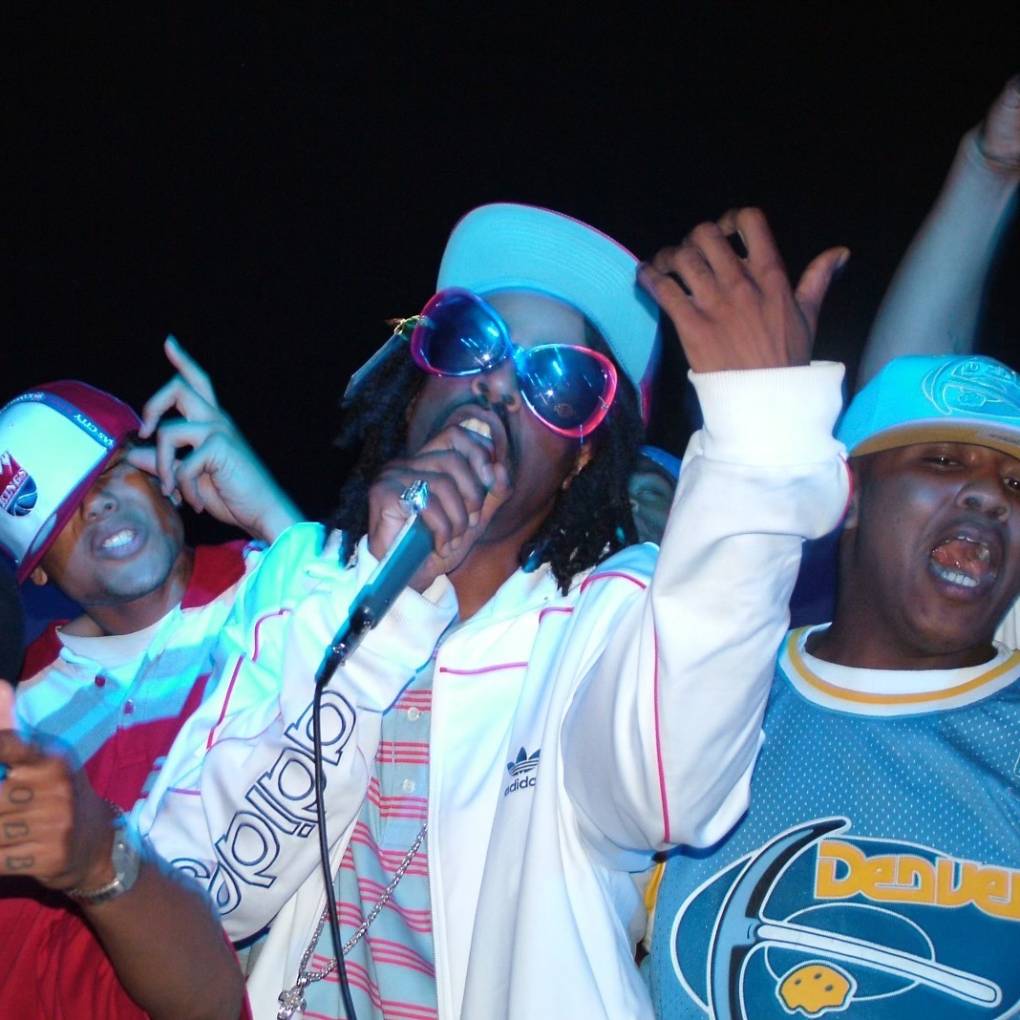
"caption": "Mac Dre performs in 2004. His Thizz Entertainment label, founded in 1999, put out his best-known albums, as well as releases from Mistah F.A.B., The Jacka, J Diggs and more.",
"description": null,
"title": "2004_0702macdreb-day0014-square",
"credit": "D-Ray",
"status": "inherit",
"altTag": "Mac Dre performs on stage in 2004, wearing giant sunglasses, a striped polo shirt and Adidas jacket. Men on stage are going dumb, dancing and singing along to the lyrics.",
"isLoading": false,
"fetchFailed": false
},
"arts_13930125": {
"type": "attachments",
"id": "arts_13930125",
"meta": {
"index": "attachments_1716263798",
"site": "arts",
"id": "13930125",
"found": true
},
"parent": 13930122,
"imgSizes": {
"twentyfourteen-full-width": {
"file": "https://ww2.kqed.org/app/uploads/sites/2/2023/06/RS65564_013_KQEDArts_HipHop4ChangeBayview_05082023-qut-1038x576.jpg",
"width": 1038,
"mimeType": "image/jpeg",
"height": 576
},
"thumbnail": {
"file": "https://ww2.kqed.org/app/uploads/sites/2/2023/06/RS65564_013_KQEDArts_HipHop4ChangeBayview_05082023-qut-160x107.jpg",
"width": 160,
"mimeType": "image/jpeg",
"height": 107
},
"post-thumbnail": {
"file": "https://ww2.kqed.org/app/uploads/sites/2/2023/06/RS65564_013_KQEDArts_HipHop4ChangeBayview_05082023-qut-672x372.jpg",
"width": 672,
"mimeType": "image/jpeg",
"height": 372
},
"kqedFullSize": {
"file": "https://ww2.kqed.org/app/uploads/sites/2/2023/06/RS65564_013_KQEDArts_HipHop4ChangeBayview_05082023-qut.jpg",
"width": 1920,
"height": 1280
},
"large": {
"file": "https://ww2.kqed.org/app/uploads/sites/2/2023/06/RS65564_013_KQEDArts_HipHop4ChangeBayview_05082023-qut-1020x680.jpg",
"width": 1020,
"mimeType": "image/jpeg",
"height": 680
},
"1536x1536": {
"file": "https://ww2.kqed.org/app/uploads/sites/2/2023/06/RS65564_013_KQEDArts_HipHop4ChangeBayview_05082023-qut-1536x1024.jpg",
"width": 1536,
"mimeType": "image/jpeg",
"height": 1024
},
"medium": {
"file": "https://ww2.kqed.org/app/uploads/sites/2/2023/06/RS65564_013_KQEDArts_HipHop4ChangeBayview_05082023-qut-800x533.jpg",
"width": 800,
"mimeType": "image/jpeg",
"height": 533
},
"medium_large": {
"file": "https://ww2.kqed.org/app/uploads/sites/2/2023/06/RS65564_013_KQEDArts_HipHop4ChangeBayview_05082023-qut-768x512.jpg",
"width": 768,
"mimeType": "image/jpeg",
"height": 512
}
},
"publishDate": 1686075051,
"modified": 1686090701,
"caption": "The Hip Hop for Change leadership team (from left) Marlon Richardson, Pallavi Kidambi, Marc Stretch and Malina King at the organization's new Bayview-Hunters Point film and recording studio in San Francisco on May 8, 2023.",
"description": null,
"title": "RS65564_013_KQEDArts_HipHop4ChangeBayview_05082023-qut",
"credit": "Beth LaBerge/KQED",
"status": "inherit",
"altTag": "The four Hip-Hop for Change leaders, two men and two women, stand in front of a red studio backdrop covered in graffiti.",
"isLoading": false,
"fetchFailed": false
},
"arts_13929874": {
"type": "attachments",
"id": "arts_13929874",
"meta": {
"index": "attachments_1716263798",
"site": "arts",
"id": "13929874",
"found": true
},
"parent": 13929861,
"imgSizes": {
"twentyfourteen-full-width": {
"file": "https://ww2.kqed.org/app/uploads/sites/2/2023/05/Latyrx.Square.fin_-1038x576.jpg",
"width": 1038,
"mimeType": "image/jpeg",
"height": 576
},
"thumbnail": {
"file": "https://ww2.kqed.org/app/uploads/sites/2/2023/05/Latyrx.Square.fin_-160x160.jpg",
"width": 160,
"mimeType": "image/jpeg",
"height": 160
},
"post-thumbnail": {
"file": "https://ww2.kqed.org/app/uploads/sites/2/2023/05/Latyrx.Square.fin_-672x372.jpg",
"width": 672,
"mimeType": "image/jpeg",
"height": 372
},
"kqedFullSize": {
"file": "https://ww2.kqed.org/app/uploads/sites/2/2023/05/Latyrx.Square.fin_.jpg",
"width": 1920,
"height": 1920
},
"large": {
"file": "https://ww2.kqed.org/app/uploads/sites/2/2023/05/Latyrx.Square.fin_-1020x1020.jpg",
"width": 1020,
"mimeType": "image/jpeg",
"height": 1020
},
"1536x1536": {
"file": "https://ww2.kqed.org/app/uploads/sites/2/2023/05/Latyrx.Square.fin_-1536x1536.jpg",
"width": 1536,
"mimeType": "image/jpeg",
"height": 1536
},
"medium": {
"file": "https://ww2.kqed.org/app/uploads/sites/2/2023/05/Latyrx.Square.fin_-800x800.jpg",
"width": 800,
"mimeType": "image/jpeg",
"height": 800
},
"medium_large": {
"file": "https://ww2.kqed.org/app/uploads/sites/2/2023/05/Latyrx.Square.fin_-768x768.jpg",
"width": 768,
"mimeType": "image/jpeg",
"height": 768
}
},
"publishDate": 1685547787,
"modified": 1685547826,
"caption": "Lateef the Truthspeaker and Lyrics Born (L–R) interviewed at KQED on April 29, 2023.",
"description": null,
"title": "Latyrx.Square.fin",
"credit": "Alain McLaughlin",
"status": "inherit",
"altTag": "Two men in streetwear sit on a green couch, holding microphones",
"isLoading": false,
"fetchFailed": false
},
"arts_13929466": {
"type": "attachments",
"id": "arts_13929466",
"meta": {
"index": "attachments_1716263798",
"site": "arts",
"id": "13929466",
"found": true
},
"parent": 13929461,
"imgSizes": {
"twentyfourteen-full-width": {
"file": "https://ww2.kqed.org/app/uploads/sites/2/2023/05/IMG_5427-1038x576.jpg",
"width": 1038,
"mimeType": "image/jpeg",
"height": 576
},
"thumbnail": {
"file": "https://ww2.kqed.org/app/uploads/sites/2/2023/05/IMG_5427-160x90.jpg",
"width": 160,
"mimeType": "image/jpeg",
"height": 90
},
"post-thumbnail": {
"file": "https://ww2.kqed.org/app/uploads/sites/2/2023/05/IMG_5427-672x372.jpg",
"width": 672,
"mimeType": "image/jpeg",
"height": 372
},
"kqedFullSize": {
"file": "https://ww2.kqed.org/app/uploads/sites/2/2023/05/IMG_5427.jpg",
"width": 1920,
"height": 1080
},
"large": {
"file": "https://ww2.kqed.org/app/uploads/sites/2/2023/05/IMG_5427-1020x574.jpg",
"width": 1020,
"mimeType": "image/jpeg",
"height": 574
},
"1536x1536": {
"file": "https://ww2.kqed.org/app/uploads/sites/2/2023/05/IMG_5427-1536x864.jpg",
"width": 1536,
"mimeType": "image/jpeg",
"height": 864
},
"medium": {
"file": "https://ww2.kqed.org/app/uploads/sites/2/2023/05/IMG_5427-800x450.jpg",
"width": 800,
"mimeType": "image/jpeg",
"height": 450
},
"medium_large": {
"file": "https://ww2.kqed.org/app/uploads/sites/2/2023/05/IMG_5427-768x432.jpg",
"width": 768,
"mimeType": "image/jpeg",
"height": 432
}
},
"publishDate": 1684774791,
"modified": 1684774977,
"caption": "Mistah F.A.B. performs during the Hyphy Era Tour at the New Parish in Oakland on May 18, 2023.",
"description": null,
"title": "IMG_5427",
"credit": "\u003ca href='https://www.isawdray.com/'>D-Ray\u003c/a>",
"status": "inherit",
"altTag": null,
"isLoading": false,
"fetchFailed": false
},
"arts_13929202": {
"type": "attachments",
"id": "arts_13929202",
"meta": {
"index": "attachments_1716263798",
"site": "arts",
"id": "13929202",
"found": true
},
"parent": 13929183,
"imgSizes": {
"twentyfourteen-full-width": {
"file": "https://ww2.kqed.org/app/uploads/sites/2/2023/05/OFFICIAL-BAHHA-PHOTO-2.3.23-1-1-1038x576.jpg",
"width": 1038,
"mimeType": "image/jpeg",
"height": 576
},
"thumbnail": {
"file": "https://ww2.kqed.org/app/uploads/sites/2/2023/05/OFFICIAL-BAHHA-PHOTO-2.3.23-1-1-160x144.jpg",
"width": 160,
"mimeType": "image/jpeg",
"height": 144
},
"post-thumbnail": {
"file": "https://ww2.kqed.org/app/uploads/sites/2/2023/05/OFFICIAL-BAHHA-PHOTO-2.3.23-1-1-672x372.jpg",
"width": 672,
"mimeType": "image/jpeg",
"height": 372
},
"kqedFullSize": {
"file": "https://ww2.kqed.org/app/uploads/sites/2/2023/05/OFFICIAL-BAHHA-PHOTO-2.3.23-1-1.jpg",
"width": 1896,
"height": 1702
},
"large": {
"file": "https://ww2.kqed.org/app/uploads/sites/2/2023/05/OFFICIAL-BAHHA-PHOTO-2.3.23-1-1-1020x916.jpg",
"width": 1020,
"mimeType": "image/jpeg",
"height": 916
},
"1536x1536": {
"file": "https://ww2.kqed.org/app/uploads/sites/2/2023/05/OFFICIAL-BAHHA-PHOTO-2.3.23-1-1-1536x1379.jpg",
"width": 1536,
"mimeType": "image/jpeg",
"height": 1379
},
"medium": {
"file": "https://ww2.kqed.org/app/uploads/sites/2/2023/05/OFFICIAL-BAHHA-PHOTO-2.3.23-1-1-800x718.jpg",
"width": 800,
"mimeType": "image/jpeg",
"height": 718
},
"medium_large": {
"file": "https://ww2.kqed.org/app/uploads/sites/2/2023/05/OFFICIAL-BAHHA-PHOTO-2.3.23-1-1-768x689.jpg",
"width": 768,
"mimeType": "image/jpeg",
"height": 689
}
},
"publishDate": 1684263526,
"modified": 1684263830,
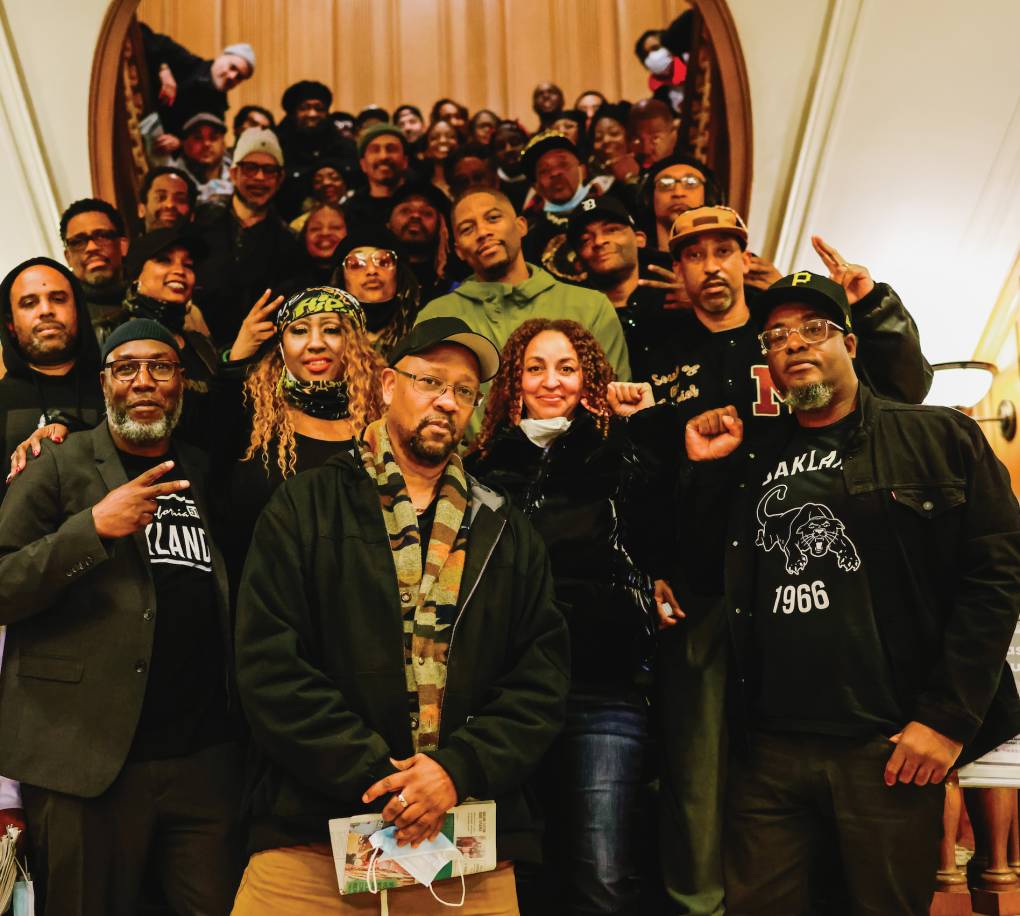
"caption": "The inaugural class of the Bay Area Hip-Hop Archives and friends at the African American Museum and Library at Oakland on Feb. 3, 2023. Front row, left to right: curator Jahi, Davey D and Refa One. Second row, left to right: Suga T, Mystic, Phesto Dee of Souls of Mischief. Third row, center: DJ D Sharp.",
"description": null,
"title": "OFFICIAL BAHHA PHOTO 2.3.23 (1)",
"credit": "Oakland Roots",
"status": "inherit",
"altTag": "A large group of hip-hop artists and cultural practitioners in their 40s and 50s stands in a stairwell of a library.",
"isLoading": false,
"fetchFailed": false
},
"arts_13928967": {
"type": "attachments",
"id": "arts_13928967",
"meta": {
"index": "attachments_1716263798",
"site": "arts",
"id": "13928967",
"found": true
},
"parent": 13928948,
"imgSizes": {
"twentyfourteen-full-width": {
"file": "https://ww2.kqed.org/app/uploads/sites/2/2023/05/BR.SelfReflection-1038x576.jpg",
"width": 1038,
"mimeType": "image/jpeg",
"height": 576
},
"thumbnail": {
"file": "https://ww2.kqed.org/app/uploads/sites/2/2023/05/BR.SelfReflection-160x160.jpg",
"width": 160,
"mimeType": "image/jpeg",
"height": 160
},
"post-thumbnail": {
"file": "https://ww2.kqed.org/app/uploads/sites/2/2023/05/BR.SelfReflection-672x372.jpg",
"width": 672,
"mimeType": "image/jpeg",
"height": 372
},
"kqedFullSize": {
"file": "https://ww2.kqed.org/app/uploads/sites/2/2023/05/BR.SelfReflection.jpg",
"width": 1920,
"height": 1920
},
"large": {
"file": "https://ww2.kqed.org/app/uploads/sites/2/2023/05/BR.SelfReflection-1020x1020.jpg",
"width": 1020,
"mimeType": "image/jpeg",
"height": 1020
},
"1536x1536": {
"file": "https://ww2.kqed.org/app/uploads/sites/2/2023/05/BR.SelfReflection-1536x1536.jpg",
"width": 1536,
"mimeType": "image/jpeg",
"height": 1536
},
"medium": {
"file": "https://ww2.kqed.org/app/uploads/sites/2/2023/05/BR.SelfReflection-800x800.jpg",
"width": 800,
"mimeType": "image/jpeg",
"height": 800
},
"medium_large": {
"file": "https://ww2.kqed.org/app/uploads/sites/2/2023/05/BR.SelfReflection-768x768.jpg",
"width": 768,
"mimeType": "image/jpeg",
"height": 768
}
},
"publishDate": 1683755291,
"modified": 1683762115,
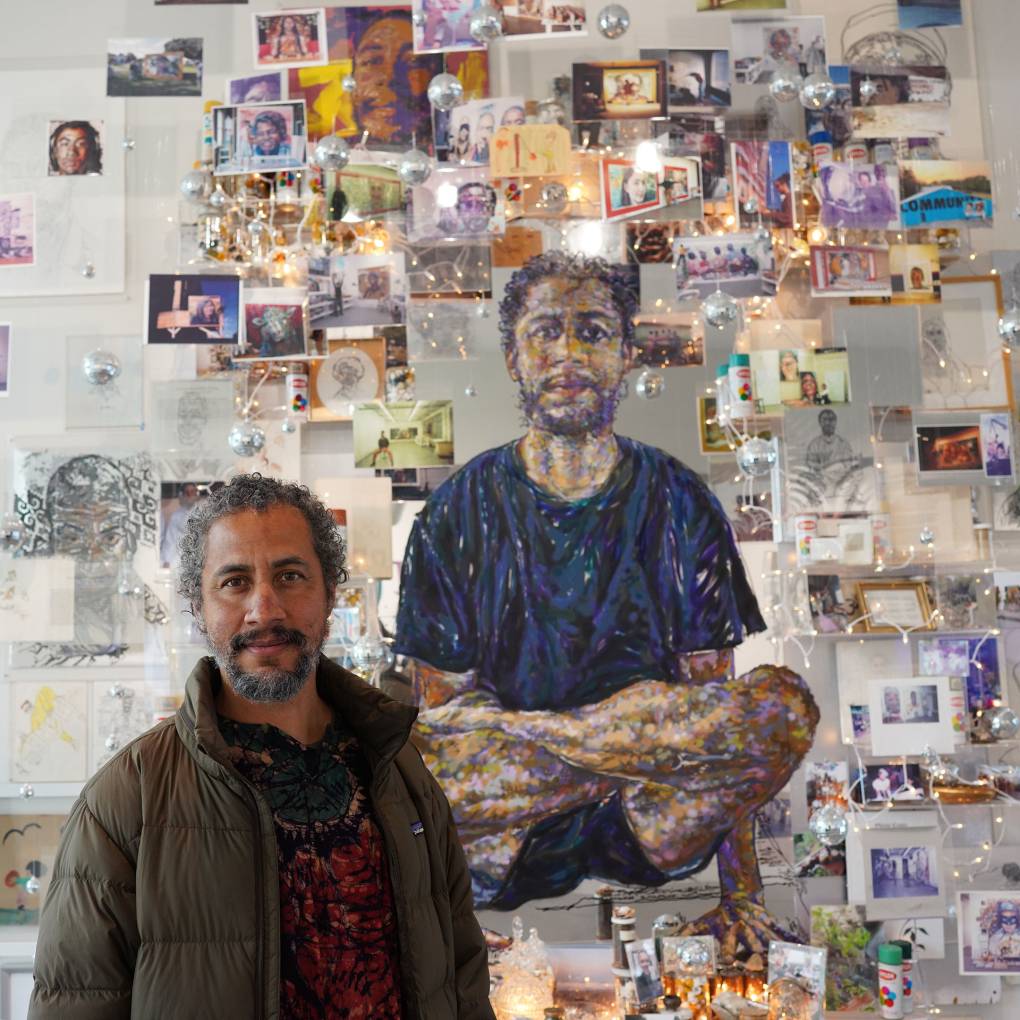
"caption": "Brett Cook stands before his piece 'Self Reflection' at YBCA, as part of the exhibition 'Reflection & Action.'",
"description": null,
"title": "BR.SelfReflection",
"credit": "Eric Arnold/KQED",
"status": "inherit",
"altTag": null,
"isLoading": false,
"fetchFailed": false
},
"arts_13928990": {
"type": "attachments",
"id": "arts_13928990",
"meta": {
"index": "attachments_1716263798",
"site": "arts",
"id": "13928990",
"found": true
},
"parent": 13928948,
"imgSizes": {
"twentyfourteen-full-width": {
"file": "https://ww2.kqed.org/app/uploads/sites/2/2023/05/BR.SelfReflection.16.9-1038x576.jpg",
"width": 1038,
"mimeType": "image/jpeg",
"height": 576
},
"thumbnail": {
"file": "https://ww2.kqed.org/app/uploads/sites/2/2023/05/BR.SelfReflection.16.9-160x90.jpg",
"width": 160,
"mimeType": "image/jpeg",
"height": 90
},
"post-thumbnail": {
"file": "https://ww2.kqed.org/app/uploads/sites/2/2023/05/BR.SelfReflection.16.9-672x372.jpg",
"width": 672,
"mimeType": "image/jpeg",
"height": 372
},
"kqedFullSize": {
"file": "https://ww2.kqed.org/app/uploads/sites/2/2023/05/BR.SelfReflection.16.9.jpg",
"width": 1664,
"height": 936
},
"large": {
"file": "https://ww2.kqed.org/app/uploads/sites/2/2023/05/BR.SelfReflection.16.9-1020x574.jpg",
"width": 1020,
"mimeType": "image/jpeg",
"height": 574
},
"1536x1536": {
"file": "https://ww2.kqed.org/app/uploads/sites/2/2023/05/BR.SelfReflection.16.9-1536x864.jpg",
"width": 1536,
"mimeType": "image/jpeg",
"height": 864
},
"medium": {
"file": "https://ww2.kqed.org/app/uploads/sites/2/2023/05/BR.SelfReflection.16.9-800x450.jpg",
"width": 800,
"mimeType": "image/jpeg",
"height": 450
},
"medium_large": {
"file": "https://ww2.kqed.org/app/uploads/sites/2/2023/05/BR.SelfReflection.16.9-768x432.jpg",
"width": 768,
"mimeType": "image/jpeg",
"height": 432
}
},
"publishDate": 1683763584,
"modified": 1683763609,
"caption": "Brett Cook at YBCA in San Francisco.",
"description": null,
"title": "BR.SelfReflection.16.9",
"credit": "Eric Arnold/KQED",
"status": "inherit",
"altTag": null,
"isLoading": false,
"fetchFailed": false
},
"arts_13928636": {
"type": "attachments",
"id": "arts_13928636",
"meta": {
"index": "attachments_1716263798",
"site": "arts",
"id": "13928636",
"found": true
},
"parent": 13928550,
"imgSizes": {
"twentyfourteen-full-width": {
"file": "https://ww2.kqed.org/app/uploads/sites/2/2023/05/CassetteTapesOakland_Square-1038x576.jpg",
"width": 1038,
"mimeType": "image/jpeg",
"height": 576
},
"thumbnail": {
"file": "https://ww2.kqed.org/app/uploads/sites/2/2023/05/CassetteTapesOakland_Square-160x160.jpg",
"width": 160,
"mimeType": "image/jpeg",
"height": 160
},
"post-thumbnail": {
"file": "https://ww2.kqed.org/app/uploads/sites/2/2023/05/CassetteTapesOakland_Square-672x372.jpg",
"width": 672,
"mimeType": "image/jpeg",
"height": 372
},
"kqedFullSize": {
"file": "https://ww2.kqed.org/app/uploads/sites/2/2023/05/CassetteTapesOakland_Square.jpg",
"width": 1080,
"height": 1080
},
"large": {
"file": "https://ww2.kqed.org/app/uploads/sites/2/2023/05/CassetteTapesOakland_Square-1020x1020.jpg",
"width": 1020,
"mimeType": "image/jpeg",
"height": 1020
},
"medium": {
"file": "https://ww2.kqed.org/app/uploads/sites/2/2023/05/CassetteTapesOakland_Square-800x800.jpg",
"width": 800,
"mimeType": "image/jpeg",
"height": 800
},
"medium_large": {
"file": "https://ww2.kqed.org/app/uploads/sites/2/2023/05/CassetteTapesOakland_Square-768x768.jpg",
"width": 768,
"mimeType": "image/jpeg",
"height": 768
}
},
"publishDate": 1683155527,
"modified": 1683156115,
"caption": "Along with major artists like Too Short and Tupac, the streets of the Town produced dozens of independent rappers whose rare underground cassettes contain Oakland gold. (Clockwise from top left: Mr. Fresh & Master T.M.D., Cassidine, Easy-A-Ski.",
"description": null,
"title": "CassetteTapesOakland_Square",
"credit": "Collage by Sarah Hotchkiss",
"status": "inherit",
"altTag": null,
"isLoading": false,
"fetchFailed": false
},
"arts_13928637": {
"type": "attachments",
"id": "arts_13928637",
"meta": {
"index": "attachments_1716263798",
"site": "arts",
"id": "13928637",
"found": true
},
"parent": 13928550,
"imgSizes": {
"twentyfourteen-full-width": {
"file": "https://ww2.kqed.org/app/uploads/sites/2/2023/05/CassetteTapesOakland_COVER-1038x576.jpg",
"width": 1038,
"mimeType": "image/jpeg",
"height": 576
},
"thumbnail": {
"file": "https://ww2.kqed.org/app/uploads/sites/2/2023/05/CassetteTapesOakland_COVER-160x90.jpg",
"width": 160,
"mimeType": "image/jpeg",
"height": 90
},
"post-thumbnail": {
"file": "https://ww2.kqed.org/app/uploads/sites/2/2023/05/CassetteTapesOakland_COVER-672x372.jpg",
"width": 672,
"mimeType": "image/jpeg",
"height": 372
},
"kqedFullSize": {
"file": "https://ww2.kqed.org/app/uploads/sites/2/2023/05/CassetteTapesOakland_COVER.jpg",
"width": 1920,
"height": 1080
},
"large": {
"file": "https://ww2.kqed.org/app/uploads/sites/2/2023/05/CassetteTapesOakland_COVER-1020x574.jpg",
"width": 1020,
"mimeType": "image/jpeg",
"height": 574
},
"1536x1536": {
"file": "https://ww2.kqed.org/app/uploads/sites/2/2023/05/CassetteTapesOakland_COVER-1536x864.jpg",
"width": 1536,
"mimeType": "image/jpeg",
"height": 864
},
"medium": {
"file": "https://ww2.kqed.org/app/uploads/sites/2/2023/05/CassetteTapesOakland_COVER-800x450.jpg",
"width": 800,
"mimeType": "image/jpeg",
"height": 450
},
"medium_large": {
"file": "https://ww2.kqed.org/app/uploads/sites/2/2023/05/CassetteTapesOakland_COVER-768x432.jpg",
"width": 768,
"mimeType": "image/jpeg",
"height": 432
}
},
"publishDate": 1683155533,
"modified": 1683156068,
"caption": "Along with major artists like Too Short and Tupac, the streets of the Town produced dozens of independent rappers whose rare underground cassettes contain Oakland gold. (Clockwise from top left: Mr. Fresh & Master T.M.D., Cassidine, Mac Mill, M.C. Jay and DJ Villian, Easy-A-Ski.",
"description": null,
"title": "CassetteTapesOakland_COVER",
"credit": "Collage by Sarah Hotchkiss",
"status": "inherit",
"altTag": null,
"isLoading": false,
"fetchFailed": false
}
},
"audioPlayerReducer": {
"postId": "stream_live",
"isPaused": true,
"isPlaying": false,
"pfsActive": false,
"pledgeModalIsOpen": true,
"playerDrawerIsOpen": false,
"liveAudioPlayStartedAt": 0,
"liveAudioPlayContext": ""
},
"authorsReducer": {
"byline_arts_13931795": {
"type": "authors",
"id": "byline_arts_13931795",
"meta": {
"override": true
},
"slug": "byline_arts_13931795",
"name": "Adisa Banjoko",
"isLoading": false
},
"byline_arts_13931295": {
"type": "authors",
"id": "byline_arts_13931295",
"meta": {
"override": true
},
"slug": "byline_arts_13931295",
"name": "KQED Arts & Culture",
"isLoading": false
},
"byline_arts_13931108": {
"type": "authors",
"id": "byline_arts_13931108",
"meta": {
"override": true
},
"slug": "byline_arts_13931108",
"name": "KQED Arts & Culture",
"isLoading": false
},
"byline_arts_13930886": {
"type": "authors",
"id": "byline_arts_13930886",
"meta": {
"override": true
},
"slug": "byline_arts_13930886",
"name": "KQED Arts & Culture",
"isLoading": false
},
"byline_arts_13928550": {
"type": "authors",
"id": "byline_arts_13928550",
"meta": {
"override": true
},
"slug": "byline_arts_13928550",
"name": "J. Darrah",
"isLoading": false
},
"gmeline": {
"type": "authors",
"id": "185",
"meta": {
"index": "authors_1716337520",
"id": "185",
"found": true
},
"name": "Gabe Meline",
"firstName": "Gabe",
"lastName": "Meline",
"slug": "gmeline",
"email": "gmeline@kqed.org",
"display_author_email": true,
"staff_mastheads": [
"arts"
],
"title": "Senior Editor, KQED Arts & Culture",
"bio": "Gabe Meline entered journalism at age 15 making photocopied zines, and has since earned awards from the Edward R. Murrow Awards, the Society for Professional Journalists, the Online Journalism Awards, the Association of Alternative Newsweeklies and the California Newspaper Publishers Association. Prior to KQED, he was the editor of the \u003cem>North Bay Bohemian\u003c/em> and a touring musician. He lives with his wife and daughter in his hometown of Santa Rosa, CA.",
"avatar": "https://secure.gravatar.com/avatar/5bebe57be0d8bc2dd318934feb47299e2d2d10cba28d09d8d7afb389a2ce2bdd?s=600&d=blank&r=g",
"twitter": null,
"bluesky": null,
"facebook": null,
"instagram": null,
"linkedin": null,
"sites": [
{
"site": "",
"roles": [
"editor"
]
},
{
"site": "arts",
"roles": [
"administrator"
]
},
{
"site": "artschool",
"roles": [
"editor"
]
},
{
"site": "news",
"roles": [
"author"
]
},
{
"site": "pop",
"roles": [
"editor"
]
},
{
"site": "bayareabites",
"roles": [
"editor"
]
},
{
"site": "food",
"roles": [
"editor"
]
},
{
"site": "forum",
"roles": [
"administrator"
]
},
{
"site": "liveblog",
"roles": [
"editor"
]
},
{
"site": "hiphop",
"roles": [
"editor"
]
}
],
"headData": {
"title": "Gabe Meline | KQED",
"description": "Senior Editor, KQED Arts & Culture",
"ogImgSrc": "https://secure.gravatar.com/avatar/5bebe57be0d8bc2dd318934feb47299e2d2d10cba28d09d8d7afb389a2ce2bdd?s=600&d=blank&r=g",
"twImgSrc": "https://secure.gravatar.com/avatar/5bebe57be0d8bc2dd318934feb47299e2d2d10cba28d09d8d7afb389a2ce2bdd?s=600&d=blank&r=g"
},
"isLoading": false,
"link": "/author/gmeline"
},
"tamarapalmer": {
"type": "authors",
"id": "5111",
"meta": {
"index": "authors_1716337520",
"id": "5111",
"found": true
},
"name": "Tamara Palmer",
"firstName": "Tamara",
"lastName": "Palmer",
"slug": "tamarapalmer",
"email": "countryfriedsoul@gmail.com",
"display_author_email": false,
"staff_mastheads": [],
"title": "KQED Contributor",
"bio": "I'm a professional DJ, freelance writer, recipe developer and independent publisher of zines about music and food. You'll find my byline in a wide range of news, tech and entertainment publications. My first book \u003ci>Country Fried Soul: Adventures in Dirty South Hip-Hop\u003c/i> was published in 2005, and a more personal West Coast anthology called \u003ci>California Love\u003c/i> is planned for 2023.",
"avatar": "https://secure.gravatar.com/avatar/c8befc278d4c9854b7bbbaa2b9b37a3acb2a834e69d071b638644f0a1739362d?s=600&d=blank&r=g",
"twitter": null,
"bluesky": null,
"facebook": null,
"instagram": null,
"linkedin": null,
"sites": [
{
"site": "arts",
"roles": [
"contributor"
]
},
{
"site": "bayareabites",
"roles": [
"subscriber"
]
}
],
"headData": {
"title": "Tamara Palmer | KQED",
"description": "KQED Contributor",
"ogImgSrc": "https://secure.gravatar.com/avatar/c8befc278d4c9854b7bbbaa2b9b37a3acb2a834e69d071b638644f0a1739362d?s=600&d=blank&r=g",
"twImgSrc": "https://secure.gravatar.com/avatar/c8befc278d4c9854b7bbbaa2b9b37a3acb2a834e69d071b638644f0a1739362d?s=600&d=blank&r=g"
},
"isLoading": false,
"link": "/author/tamarapalmer"
},
"nvoynovskaya": {
"type": "authors",
"id": "11387",
"meta": {
"index": "authors_1716337520",
"id": "11387",
"found": true
},
"name": "Nastia Voynovskaya",
"firstName": "Nastia",
"lastName": "Voynovskaya",
"slug": "nvoynovskaya",
"email": "nvoynovskaya@kqed.org",
"display_author_email": false,
"staff_mastheads": [
"arts"
],
"title": "Editor and reporter",
"bio": "Nastia Voynovskaya is a reporter, editor and host at KQED Arts & Culture. She's been covering the arts in the Bay Area for over a decade, with a focus on music, queer culture, labor issues and grassroots organizing. She has edited KQED story series such as Trans Bay: A History of San Francisco's Gender-Diverse Community, and co-created KQED's Bay Area hip-hop history project, That's My Word. Nastia's work has been recognized by the Society of Professional Journalists and San Francisco Press Club. She regularly appears on podcasts and radio programs, including NPR's All Songs Considered, and hosts live events where music, culture and conversation meet.",
"avatar": "https://secure.gravatar.com/avatar/5025ee460e5a85d69ca20ea6c6f2f80d7e17795c828f61ea3aecfcd924e9042e?s=600&d=blank&r=g",
"twitter": null,
"bluesky": null,
"facebook": null,
"instagram": "https://www.instagram.com/nananastia/",
"linkedin": null,
"sites": [
{
"site": "",
"roles": [
"editor"
]
},
{
"site": "arts",
"roles": [
"administrator"
]
},
{
"site": "news",
"roles": [
"editor"
]
},
{
"site": "pop",
"roles": [
"administrator"
]
},
{
"site": "bayareabites",
"roles": [
"editor"
]
},
{
"site": "podcasts",
"roles": [
"editor"
]
},
{
"site": "hiphop",
"roles": [
"editor"
]
}
],
"headData": {
"title": "Nastia Voynovskaya | KQED",
"description": "Editor and reporter",
"ogImgSrc": "https://secure.gravatar.com/avatar/5025ee460e5a85d69ca20ea6c6f2f80d7e17795c828f61ea3aecfcd924e9042e?s=600&d=blank&r=g",
"twImgSrc": "https://secure.gravatar.com/avatar/5025ee460e5a85d69ca20ea6c6f2f80d7e17795c828f61ea3aecfcd924e9042e?s=600&d=blank&r=g"
},
"isLoading": false,
"link": "/author/nvoynovskaya"
},
"maddycliff": {
"type": "authors",
"id": "11725",
"meta": {
"index": "authors_1716337520",
"id": "11725",
"found": true
},
"name": "Maddy Clifford",
"firstName": "Maddy",
"lastName": "Clifford",
"slug": "maddycliff",
"email": "maddycliff@gmail.com",
"display_author_email": true,
"staff_mastheads": [],
"title": "KQED Contributor",
"bio": "Maddy Clifford is an Oakland-based writer, artist, and activist. She has a notable career highlighted by her eight-year tenure as a Poet in Residence at the San Francisco Juvenile Justice Center. Following this, Maddy released a solo album titled \"downCHANTS\" and composed a forty-minute musical score for the aerial dance piece \"Apparatus of Repair\" in collaboration with Flyaway Productions. Her latest project is a video-podcast called \"What’s Pimpin’?\" produced with KQED Arts. Maddy's written contributions can be found in Prism Reports, Truthout and 48hills.",
"avatar": "https://secure.gravatar.com/avatar/a90ce07df8d231f24acf7ea72e94e394?s=600&d=blank&r=g",
"twitter": "@mad_lines",
"facebook": "https://www.facebook.com/MADlinesmusic/",
"instagram": "https://www.instagram.com/mad.lines/",
"linkedin": "https://www.linkedin.com/in/maddy-clifford-65ba7729/",
"sites": [
{
"site": "arts",
"roles": [
"contributor"
]
}
],
"headData": {
"title": "Maddy Clifford | KQED",
"description": "KQED Contributor",
"ogImgSrc": "https://secure.gravatar.com/avatar/a90ce07df8d231f24acf7ea72e94e394?s=600&d=blank&r=g",
"twImgSrc": "https://secure.gravatar.com/avatar/a90ce07df8d231f24acf7ea72e94e394?s=600&d=blank&r=g"
},
"isLoading": false,
"link": "/author/maddycliff"
},
"earnold": {
"type": "authors",
"id": "11839",
"meta": {
"index": "authors_1716337520",
"id": "11839",
"found": true
},
"name": "Eric Arnold",
"firstName": "Eric",
"lastName": "Arnold",
"slug": "earnold",
"email": "earnold@kqed.org",
"display_author_email": false,
"staff_mastheads": [],
"title": "Contributing Editor, 'That's My Word'",
"bio": "Eric Arnold has covered hip-hop locally and nationally for over 30 years. Formerly the managing editor of \u003cem>4080\u003c/em> and columnist for \u003cem>The Source\u003c/em>, he chronicled hyphy’s rise and fall, co-curated the Oakland Museum of California’s first hip-hop exhibit in 2018 and won a 2022 Northern California Emmy Award for a mini-documentary on Oakland’s Boogaloo dance culture. He is a contributing editor for \u003cem>That’s My Word\u003c/em>, KQED's series on the history of Bay Area hip-hop.",
"avatar": "https://secure.gravatar.com/avatar/ede45b04898456ad0893a2811e78b0a2?s=600&d=blank&r=g",
"twitter": null,
"facebook": null,
"instagram": null,
"linkedin": null,
"sites": [
{
"site": "arts",
"roles": [
"contributor"
]
},
{
"site": "news",
"roles": [
"contributor"
]
},
{
"site": "hiphop",
"roles": [
"contributor"
]
}
],
"headData": {
"title": "Eric Arnold | KQED",
"description": "Contributing Editor, 'That's My Word'",
"ogImgSrc": "https://secure.gravatar.com/avatar/ede45b04898456ad0893a2811e78b0a2?s=600&d=blank&r=g",
"twImgSrc": "https://secure.gravatar.com/avatar/ede45b04898456ad0893a2811e78b0a2?s=600&d=blank&r=g"
},
"isLoading": false,
"link": "/author/earnold"
}
},
"pagesReducer": {
"arts_series_thats-my-word": {
"type": "terms",
"id": "arts_22314",
"meta": {
"index": "terms_1716263798",
"site": "arts",
"id": "22314",
"score": 14.901979
},
"name": "That’s My Word",
"slug": "thats-my-word",
"taxonomy": "series",
"description": null,
"featImg": null,
"headData": {
"title": "That’s My Word | KQED Arts",
"description": null,
"ogTitle": null,
"ogDescription": null,
"ogImgId": null,
"twTitle": null,
"twDescription": null,
"twImgId": null
},
"ttid": 22326,
"isLoading": false,
"title": "That’s My Word",
"pageMeta": {
"site": "arts",
"WpPageTemplate": "page-topic-editorial",
"currentPage": 4
},
"blocks": [
{
"blockName": "kqed/post-list",
"attrs": {
"layout": "cardArticle2",
"query": "posts/arts?series=thats-my-word",
"seeMore": false,
"paginated": true,
"page": 4
}
},
{
"blockName": "kqed/ad"
}
]
}
},
"pfsSessionReducer": {},
"postsReducer": {
"stream_live": {
"type": "live",
"id": "stream_live",
"audioUrl": "https://streams.kqed.org/kqedradio",
"title": "Live Stream",
"excerpt": "Live Stream information currently unavailable.",
"link": "/radio",
"featImg": "",
"label": {
"name": "KQED Live",
"link": "/"
}
},
"stream_kqedNewscast": {
"type": "posts",
"id": "stream_kqedNewscast",
"audioUrl": "https://www.kqed.org/.stream/anon/radio/RDnews/newscast.mp3?_=1",
"title": "KQED Newscast",
"featImg": "",
"label": {
"name": "88.5 FM",
"link": "/"
}
},
"arts_13931795": {
"type": "posts",
"id": "arts_13931795",
"meta": {
"index": "posts_1716263798",
"site": "arts",
"id": "13931795",
"score": null,
"sort": [
1689804699000
]
},
"guestAuthors": [],
"slug": "the-jacka-allah-muslim-bay-area-islam-hip-hop",
"title": "The Jacka: In Search of Allah on the Mic",
"publishDate": 1689804699,
"format": "standard",
"headTitle": "The Jacka: In Search of Allah on the Mic | KQED",
"labelTerm": {},
"content": "\u003cp>\u003cem>\u003cstrong>Editor’s note\u003c/strong>: This story is part of \u003c/em>\u003ca href=\"https://www.kqed.org/bayareahiphop\">That’s My Word\u003c/a>\u003cem>, KQED’s year-long exploration of \u003ca href=\"https://www.kqed.org/bayareahiphop\">Bay Area hip-hop\u003c/a> history.\u003c/em>\u003c/p>\n\u003cp>[dropcap]I[/dropcap]t was a characteristic East Oakland scene: On the night of Feb. 2, 2015, a group of friends sat in their car on 94th Avenue and MacArthur Boulevard in East Oakland, taking turns rapping. Another group, including Dominick Newton, stood on the sidewalk, watching the fun go down. As the vibes continued, all was good.\u003c/p>\n\u003cp>Suddenly, around 8:15 p.m, a car slid by spitting bullets at the parked car. Newton was hit in the head. A neighbor tried to slow the bleeding with a towel until medics arrived, but Newton, known in Islamic circles as Shaheed Akbar, \u003ca href=\"https://www.kqed.org/arts/10357773/the-jacka-killed-in-oakland-shooting\">died at Eden Medical Center\u003c/a> a few hours later.\u003c/p>\n\u003cp>[aside postID='arts_13923938']If you really knew the gangsta rap scene well, you knew Newton as \u003ca href=\"https://www.instagram.com/jackamobfigaz/?hl=en\">The Jacka\u003c/a>. Hailing from Pittsburg, California, Jacka was respected around the world for his violently visual lyrics laced with positive Islamic undertones. The murder of the 37-year-old rapper \u003ca href=\"https://www.kqed.org/arts/13874024/five-years-after-his-death-the-jackas-collaborators-remember-his-complex-legacy\">shook the Bay Area rap world to its core\u003c/a>, and his killers have never been caught.\u003c/p>\n\u003cp>Very few murders of rappers are ever solved. The shootings of \u003ca href=\"https://www.kqed.org/arts/13869588/slow-burn-season-3-is-taking-on-the-murders-of-biggie-and-tupac\">Tupac Shakur\u003c/a>, \u003ca href=\"https://podcasts.apple.com/us/podcast/105-remembering-mac-dre-the-jacka/id1459775067?i=1000464857465\">Mac Dre\u003c/a> and \u003ca href=\"https://podcasts.apple.com/us/podcast/105-remembering-mac-dre-the-jacka/id1459775067?i=1000464857465\">The Jacka\u003c/a>, along with the\u003ca href=\"https://www.kqed.org/arts/13920198/zumbi-zion-i-improper-restraint-at-hospital\"> death of Zion I’s Zumbi\u003c/a> under suspicious circumstances at Alta Bates Medical Center, remain conspicuously unsolved or ignored by local police departments. For many, this can feel like deliberate psychological warfare on Black America; piles upon piles of cold cases leave grieving families and fans hollow from the pain inside.\u003c/p>\n\u003cfigure id=\"attachment_13931803\" class=\"wp-caption aligncenter\" style=\"max-width: 1920px\">\u003cimg loading=\"lazy\" decoding=\"async\" class=\"size-full wp-image-13931803\" src=\"https://ww2.kqed.org/app/uploads/sites/2/2023/07/The-Jacka-Freeway-17Hertz-Studio-day-2-094.jpg\" alt=\"\" width=\"1920\" height=\"1275\" srcset=\"https://cdn.kqed.org/wp-content/uploads/sites/2/2023/07/The-Jacka-Freeway-17Hertz-Studio-day-2-094.jpg 1920w, https://cdn.kqed.org/wp-content/uploads/sites/2/2023/07/The-Jacka-Freeway-17Hertz-Studio-day-2-094-800x531.jpg 800w, https://cdn.kqed.org/wp-content/uploads/sites/2/2023/07/The-Jacka-Freeway-17Hertz-Studio-day-2-094-1020x677.jpg 1020w, https://cdn.kqed.org/wp-content/uploads/sites/2/2023/07/The-Jacka-Freeway-17Hertz-Studio-day-2-094-160x106.jpg 160w, https://cdn.kqed.org/wp-content/uploads/sites/2/2023/07/The-Jacka-Freeway-17Hertz-Studio-day-2-094-768x510.jpg 768w, https://cdn.kqed.org/wp-content/uploads/sites/2/2023/07/The-Jacka-Freeway-17Hertz-Studio-day-2-094-1536x1020.jpg 1536w\" sizes=\"(max-width: 1920px) 100vw, 1920px\">\u003cfigcaption class=\"wp-caption-text\">The Jacka, in contemplation between takes, recording at 17 Hertz Studios in Hayward. \u003ccite>(D-Ray)\u003c/cite>\u003c/figcaption>\u003c/figure>\n\u003cp>Often, a rapper’s murder becomes their identity, eclipsing their artistry. In death, most rappers’ music fades under the algorithms as new artists and sounds try to claw their way to the top. Many die with no legacy.\u003c/p>\n\u003cp>[ad fullwidth]\u003c/p>\n\u003cp>But The Jacka was different. His legacy in rap shines bright as the light from the East. Why is that so? The most common answer, for most who knew him well, is Islam.\u003c/p>\n\u003ch2>A Black crescent over The Bay\u003c/h2>\n\u003cp>To those outside of hip-hop, Islam’s influence on the art form might seem unlikely. But if you know that the seeds of hip-hop were sown in Black American ghettos, and understand their history, it makes perfect sense.\u003c/p>\n\u003cp>The religion of Islam arrived in America within the hearts of Muslims trapped in the hulls of ships during the transatlantic slave trade. Some of them were \u003ca href=\"https://www.youtube.com/watch?v=qXVAE4eMFn8\">legitimate royalty\u003c/a>, and intellectually miles above those who kidnapped, tortured and sold their people. Centuries of this brutal treatment, along with Jim Crow, redlining and other racist policies, created the degraded living environment of the 1970s American ghetto.\u003c/p>\n\u003cp>[aside postID='arts_13924126']Rap music arose in these hoods like a divine phoenix from of the ashes of the civil rights era, during which the United States government demolished radical Black Power movements (and their \u003ca href=\"https://www.politico.com/news/magazine/2020/05/03/us-history-first-women-terrorist-group-191037\">white allies\u003c/a>). As rap music got its baby legs, the crack epidemic and an unprecedented \u003ca href=\"https://www.youtube.com/watch?v=XWX562Q8t38\">wave of gang violence\u003c/a> spread across the country.\u003c/p>\n\u003cp>Those in Black neighborhoods lucky enough to avoid being murdered usually did some time in jail. Poet Sonia Sanchez once remarked that, for Black men, prison was the first time they were able to be still and think. Copies of \u003cem>\u003ca href=\"https://en.wikipedia.org/wiki/The_Autobiography_of_Malcolm_X\">The Autobiography of Malcolm X\u003c/a>\u003c/em> and Elijah Muhammad’s \u003cem>\u003ca href=\"https://en.wikipedia.org/wiki/Message_to_the_Blackman_in_America\">Message to the Blackman in America\u003c/a>\u003c/em> circulated, and the \u003ca href=\"https://www.youtube.com/watch?v=AJZ6lxgQjiM\">5% Nation of Gods and Earths\u003c/a> grew in American prisons.\u003c/p>\n\u003cp>In the late 1980s and early 1990s, African American Sunni Muslims and followers of the Nation of Islam helped the hood thrive with new dignity, negotiating truces among warring gangs and creating entrepreneurial businesses. Among the gang violence and crack epidemic of the era, the Muslim message of self-reliance and living a clean lifestyle held an understandable appeal.\u003c/p>\n\u003cfigure id=\"attachment_13925188\" class=\"wp-caption aligncenter\" style=\"max-width: 750px\">\u003cimg loading=\"lazy\" decoding=\"async\" class=\"size-full wp-image-13925188\" src=\"https://ww2.kqed.org/app/uploads/sites/2/2023/02/tcd1.jpg\" alt=\"\" width=\"750\" height=\"745\" srcset=\"https://cdn.kqed.org/wp-content/uploads/sites/2/2023/02/tcd1.jpg 750w, https://cdn.kqed.org/wp-content/uploads/sites/2/2023/02/tcd1-160x159.jpg 160w\" sizes=\"(max-width: 750px) 100vw, 750px\">\u003cfigcaption class=\"wp-caption-text\">The Conscious Daughters with mentor and producer Paris in the 1990s. \u003ccite>(Courtesy of CMG)\u003c/cite>\u003c/figcaption>\u003c/figure>\n\u003cp>Parallel with the rise of hip-hop, Islam gave young Black people an understanding of their history before slavery. It highlighted Black achievements in math, science, art and literature that weren’t taught in the racially bigoted American education system. While both Black and Islamic societies were often framed in America’s schools as savage, rap became the pathway by which many Black kids learned about Black and Muslim history and culture.\u003c/p>\n\u003cp>The impact on hip-hop was immeasurable.\u003c/p>\n\u003cp>“In the 1980s, the rising despair, unemployment rates, violence and cases of police brutality fomented conditions that made the Black nationalist message of self-determination, racial pride and self-defense more attractive,” says Dr. Jeffrey O.G. Ogbar, author of \u003cem>Hip-Hop Revolution: The Culture and Politics of Rap\u003c/em>. “Malcolm X, the former spokesman for the Nation of Islam, was sampled by everyone from Public Enemy to Ice Cube. Simultaneously, the current head of the Nation of Islam, Louis Farrakhan, was ascending in popularity among the hip-hop generation.”\u003c/p>\n\u003cp>Zaheed, a.k.a. \u003ca href=\"https://www.instagram.com/mobmanagement/?hl=en\">Big Za\u003c/a> from Richmond, was one of the early young Muslims to convert in that late-’80s, early-’90s era.\u003c/p>\n\u003cp>“Rap had consciousness to it and it had substance to it,” Za recalls. He names \u003ca href=\"https://www.youtube.com/watch?v=h1vKOchATXs\">Boogie Down Productions\u003c/a>, \u003ca href=\"https://www.youtube.com/watch?v=jo83vZkS8Zc\">Public Enemy\u003c/a>, \u003ca href=\"https://www.youtube.com/watch?v=rhEQ43gGTuU\">Brand Nubian\u003c/a> and \u003ca href=\"https://www.youtube.com/watch?v=Ze0C08bkPJY\">Big Daddy Kane\u003c/a> as long-distance teachers to millions of Black youth. The influence of the Nation of Islam, Malcolm X and Oakland’s Black Panthers pulsed in their veins.\u003c/p>\n\u003cp>https://www.youtube.com/watch?v=9SatYcmmSWA\u003c/p>\n\u003cp>Big Za swung on a deadly pendulum between the cocaine-powdered street corners and a love for the Qu’ran. He was not alone: In 1991, the West Coast success of Ice Cube’s \u003cem>\u003ca href=\"https://www.youtube.com/watch?v=7hPEHrRWCYo&list=PLJaQqb1_vqOR61QOgVgb9femXfFW6BDZz\">Death Certificate\u003c/a>\u003c/em> and Da Lench Mob’s \u003cem>\u003ca href=\"https://www.youtube.com/watch?v=7hPEHrRWCYo&list=PLJaQqb1_vqOR61QOgVgb9femXfFW6BDZz\">Guerillas in The Mist\u003c/a>\u003c/em> brought an intoxicating balance of Black Panther militance with Islamic spiritual conviction.\u003c/p>\n\u003cp>Meanwhile, albums arrived from Bay Area rappers like Paris with \u003cem>\u003ca href=\"https://www.youtube.com/watch?v=-RSQqcvvmp4\">The Devil Made Me Do It\u003c/a>\u003c/em>, Askari X with \u003cem>\u003ca href=\"https://www.youtube.com/watch?v=9SatYcmmSWA\">Ward of the State \u003c/a>\u003c/em>and the Ansārs with \u003cem>\u003ca href=\"https://www.youtube.com/watch?v=TSnLtTdiG_s\">Righteous Black Guerillas\u003c/a>\u003c/em>, keeping the streets aflame with militant \u003ca href=\"https://www.youtube.com/watch?v=rXiK47eSncw\">anti-war\u003c/a>, anti-police abuse lyrics.\u003c/p>\n\u003cp>To government officials, church leaders and white America at large, these fearless, militant Black men in rap were cause for full-blown alarm. Black Islam-infused rap lyrics were feeding the minds and hearts of millions of young Black men and women.\u003c/p>\n\u003cp>Young aspiring rapper Dominick Newton was one of them.\u003c/p>\n\u003cfigure id=\"attachment_13931799\" class=\"wp-caption aligncenter\" style=\"max-width: 800px\">\u003cimg loading=\"lazy\" decoding=\"async\" class=\"size-medium wp-image-13931799\" src=\"https://ww2.kqed.org/app/uploads/sites/2/2023/07/DJQUESTJACK-015-800x1200.jpg\" alt=\"\" width=\"800\" height=\"1200\" srcset=\"https://cdn.kqed.org/wp-content/uploads/sites/2/2023/07/DJQUESTJACK-015-800x1200.jpg 800w, https://cdn.kqed.org/wp-content/uploads/sites/2/2023/07/DJQUESTJACK-015-1020x1530.jpg 1020w, https://cdn.kqed.org/wp-content/uploads/sites/2/2023/07/DJQUESTJACK-015-160x240.jpg 160w, https://cdn.kqed.org/wp-content/uploads/sites/2/2023/07/DJQUESTJACK-015-768x1152.jpg 768w, https://cdn.kqed.org/wp-content/uploads/sites/2/2023/07/DJQUESTJACK-015-1024x1536.jpg 1024w, https://cdn.kqed.org/wp-content/uploads/sites/2/2023/07/DJQUESTJACK-015.jpg 1280w\" sizes=\"(max-width: 800px) 100vw, 800px\">\u003cfigcaption class=\"wp-caption-text\">The Jacka. \u003ccite>(D-Ray)\u003c/cite>\u003c/figcaption>\u003c/figure>\n\u003ch2>Straight outta Pittsburg\u003c/h2>\n\u003cp>Newton was born in Phoenix, Arizona to young teenage parents before moving to Richmond. Family life was hard, and in the late ’80s, along with many other Black families, Newton moved to Pittsburg. Despite being new to town, he quickly got along with pretty much everyone.\u003c/p>\n\u003cp>Jacka’s former manager \u003ca href=\"https://www.instagram.com/goldenmeanpk/?hl=en\">PK\u003c/a> was just 15 when he met Newton through a mutual friend known as Tron, sometime around 1994. PK and Tron both went to De La Salle High School in Concord. Jacka cut hair on the side for cash, and PK and Tron would often be at Jacka’s place to get a fade or to just hang out.\u003c/p>\n\u003cp>PK can still recall his first impression of Newton. “He was a cool dude. You wanted to be around him. He made people feel good about themselves just being around him,” he says. After attending USC and moving back to the Bay Area, PK reconnected with Newton, who asked PK to be his manager. Their partnership would last until Jacka’s death.\u003c/p>\n\u003cp>[pullquote size='large' citation='Husalah']It was hard to find anybody who had knowledge of self at all. There were people that all they knew was crack cocaine.[/pullquote]\u003c/p>\n\u003cp>But before he was known as The Jacka, Newton recorded with his friend FedX at the Pittsburg home of then-undiscovered producer \u003ca href=\"https://www.instagram.com/robloblahkop/?hl=en\">RobLo\u003c/a>. “They had a song out back then called ‘\u003ca href=\"https://www.youtube.com/watch?v=YX0Cv1oEnL8\">Million Dollar Dream\u003c/a>,’ under the group name Fatal Mentality,” PK says.\u003c/p>\n\u003cp>Through RobLo, Newton met Husalah, an aspiring rapper who played first-chair trumpet in high school. His grandfather had introduced him to the beauty of jazz, but he grew to love rap more. Huslah was raised in Pittsburg on “the project side of town,” and connected with Newton at RobLo’s house, which was central for many teen boys in the ‘hood at that time.\u003c/p>\n\u003cfigure id=\"attachment_13931809\" class=\"wp-caption aligncenter\" style=\"max-width: 2560px\">\u003cimg loading=\"lazy\" decoding=\"async\" class=\"size-full wp-image-13931809\" src=\"https://ww2.kqed.org/app/uploads/sites/2/2023/07/Photos-By-D-Ray-1-scaled.jpg\" alt=\"\" width=\"2560\" height=\"1707\" srcset=\"https://cdn.kqed.org/wp-content/uploads/sites/2/2023/07/Photos-By-D-Ray-1-scaled.jpg 2560w, https://cdn.kqed.org/wp-content/uploads/sites/2/2023/07/Photos-By-D-Ray-1-800x533.jpg 800w, https://cdn.kqed.org/wp-content/uploads/sites/2/2023/07/Photos-By-D-Ray-1-1020x680.jpg 1020w, https://cdn.kqed.org/wp-content/uploads/sites/2/2023/07/Photos-By-D-Ray-1-160x107.jpg 160w, https://cdn.kqed.org/wp-content/uploads/sites/2/2023/07/Photos-By-D-Ray-1-768x512.jpg 768w, https://cdn.kqed.org/wp-content/uploads/sites/2/2023/07/Photos-By-D-Ray-1-1536x1024.jpg 1536w, https://cdn.kqed.org/wp-content/uploads/sites/2/2023/07/Photos-By-D-Ray-1-2048x1365.jpg 2048w, https://cdn.kqed.org/wp-content/uploads/sites/2/2023/07/Photos-By-D-Ray-1-1920x1280.jpg 1920w\" sizes=\"(max-width: 2560px) 100vw, 2560px\">\u003cfigcaption class=\"wp-caption-text\">Along with close friend the Jacka, Husalah (above) found a way out of dire circumstances through music. \u003ccite>(D-Ray)\u003c/cite>\u003c/figcaption>\u003c/figure>\n\u003cp>Husalah says of meeting Jacka, “He was one of the coolest dudes. He didn’t have to act tough or act hard. He hung with all the tough guys and all the square guys. We were learning how to rhyme, and how to make intricate rhyme patterns. Our styles were all over the place.”\u003c/p>\n\u003cp>Husalah recounts how drug dealing permeated their circle. The schools and the streets had them “indoctrinated with self-hate. It was hard to find anybody who had knowledge of self at all. There were people that all they knew was crack cocaine. Almost everyone you knew had a physical vice. Aunties, uncles, parents, neighbors. Crack cocaine was everywhere.”\u003c/p>\n\u003cp>Music and searching for a higher power through Islam became pathways out for both of them.\u003cbr>\n\u003c/p>\n\u003ch2>Thugs in the masjid\u003c/h2>\n\u003cp>Before long, Jacka, \u003ca href=\"https://www.instagram.com/golasoaso/?hl=en\">Husalah\u003c/a>, his cousin \u003ca href=\"https://www.instagram.com/klydesta/?hl=en\">Rydah J. Clyde\u003c/a>, \u003ca href=\"https://www.instagram.com/mobfigaz_ap9/?hl=en\">AP-9\u003c/a> and \u003ca href=\"https://www.instagram.com/fedx_mobfigaz/?hl=en\">FedX\u003c/a> came together to create the group \u003ca href=\"https://www.youtube.com/shorts/f5CfU2pSUqY\">Mob Figaz\u003c/a>. Their music quickly took over the streets with RobLo’s hypnotic mix of Bay Area basslines, hard drums and emotionally shifting samples. Sacramento gangsta rapper C-Bo was impressed by their lyricism and authenticity, and agreed to put out their debut album. \u003cem>C-Bo’s Mob Figaz\u003c/em> moved more than 100,000 units with almost zero support from local radio. The streets, however, validated their sound and their flow.\u003c/p>\n\u003cfigure id=\"attachment_13931802\" class=\"wp-caption aligncenter\" style=\"max-width: 1920px\">\u003cimg loading=\"lazy\" decoding=\"async\" class=\"size-full wp-image-13931802\" src=\"https://ww2.kqed.org/app/uploads/sites/2/2023/07/PHOTOS-BY-D-RAY-mob-figaz-15-Copy.jpg\" alt=\"\" width=\"1920\" height=\"1500\" srcset=\"https://cdn.kqed.org/wp-content/uploads/sites/2/2023/07/PHOTOS-BY-D-RAY-mob-figaz-15-Copy.jpg 1920w, https://cdn.kqed.org/wp-content/uploads/sites/2/2023/07/PHOTOS-BY-D-RAY-mob-figaz-15-Copy-800x625.jpg 800w, https://cdn.kqed.org/wp-content/uploads/sites/2/2023/07/PHOTOS-BY-D-RAY-mob-figaz-15-Copy-1020x797.jpg 1020w, https://cdn.kqed.org/wp-content/uploads/sites/2/2023/07/PHOTOS-BY-D-RAY-mob-figaz-15-Copy-160x125.jpg 160w, https://cdn.kqed.org/wp-content/uploads/sites/2/2023/07/PHOTOS-BY-D-RAY-mob-figaz-15-Copy-768x600.jpg 768w, https://cdn.kqed.org/wp-content/uploads/sites/2/2023/07/PHOTOS-BY-D-RAY-mob-figaz-15-Copy-1536x1200.jpg 1536w\" sizes=\"(max-width: 1920px) 100vw, 1920px\">\u003cfigcaption class=\"wp-caption-text\">The Mob Figaz. \u003ccite>(D-Ray)\u003c/cite>\u003c/figcaption>\u003c/figure>\n\u003cp>Not long after, Jacka got caught for some robberies in the East Bay. At that point, he had already studied the Nation of Islam theology under Oakland’s Dr. Yusuf Bey. While locked up, though, Jacka was exposed to the Orthodox practice of Sunni Islam, and his mind and music began to expand.\u003c/p>\n\u003cp>According to Big Za, after serving time in Santa Rita Jail, Newton took Shahada, the Islamic testimony that affirms one’s faith. Big Za and his friend Shak had taken Shahada in 1991; Shak was involved in a murder case in 1995 and met Newton in Santa Rita. Behind the cold steel and cement walls of the jail, Shak taught Jacka how to pray and gave him his Islamic foundation. Not long after, Jacka took on the Islamic name Shaheed Akbar.\u003c/p>\n\u003cp>\u003cstrong>\u003cem>Listen to a playlist of songs by the Jacka influenced by Islam, curated by his former manager PK:\u003c/em>\u003c/strong>\u003c/p>\n\u003cp>\u003c!-- iframe plugin v.4.3 wordpress.org/plugins/iframe/ -->\u003cbr>\n\u003ciframe style=\"border-radius:12px\" src=\"https://open.spotify.com/embed/playlist/2JDsWmFPJDkccZa7WuKYlB?utm_source=generator\" width=\"100%\" height=\"352\" frameborder=\"0\" allowfullscreen allow=\"autoplay; clipboard-write; encrypted-media; fullscreen; picture-in-picture\" loading=\"lazy\" scrolling=\"yes\" class=\"iframe-class\">\u003c/iframe>\u003c/p>\n\u003cp>Obviously there is a clash between how young men like Jacka know they should be living and the backdrop of soul-scorching poverty, addiction and miseducation. Unfortunately, few support systems exist for new converts stuck between the Detroit Red lifestyle of a young Malcolm X and the cultivation of a higher self. For converts like Big Za, Jacka and millions of others, the Shahada does not always mean an immediate 180-degree turn from the life they’ve been living.\u003c/p>\n\u003cp>[aside postID='arts_13928550']Also, like Tupac, Jacka had respect from East Coast rappers with real street credibility. His relationships with Cormega, \u003ca href=\"https://www.youtube.com/watch?v=AS670D0j7UQ\">Freeway\u003c/a>, Beanie Sigel and many others were truly unique.\u003c/p>\n\u003cp>As PK points out, it helped that Freeway and Beanie Sigel were also Sunni Muslim. “But I think it was because he was a real rapper, an MC with skills,” he adds. When they came out to California, they got firsthand proof that what Jacka rapped about was authentic. “Whether it’s the sideshows, the guns, the drugs — all that stuff is really happening out here. Then they were like ‘OK, this dude is real.’”\u003c/p>\n\u003cp>That magnitude of respect from the East Coast was rare for a Bay Area rapper. “Other than Pac, I never saw anybody get love like that,” PK recounts.\u003c/p>\n\u003ch2>Deeper than rap\u003c/h2>\n\u003cp>As Jacka’s star rose, instead of staying in the streets or partying 24/7, he could often be seen in Richmond’s Masjid An-Noor on Cutting Boulevard. Filled with books and ruby-red rugs, the mosque provided Jacka with solace in searching for Allah.\u003c/p>\n\u003cfigure id=\"attachment_13931804\" class=\"wp-caption aligncenter\" style=\"max-width: 1920px\">\u003cimg loading=\"lazy\" decoding=\"async\" class=\"size-full wp-image-13931804\" src=\"https://ww2.kqed.org/app/uploads/sites/2/2023/07/IR3725868.jpg\" alt=\"\" width=\"1920\" height=\"1280\" srcset=\"https://cdn.kqed.org/wp-content/uploads/sites/2/2023/07/IR3725868.jpg 1920w, https://cdn.kqed.org/wp-content/uploads/sites/2/2023/07/IR3725868-800x533.jpg 800w, https://cdn.kqed.org/wp-content/uploads/sites/2/2023/07/IR3725868-1020x680.jpg 1020w, https://cdn.kqed.org/wp-content/uploads/sites/2/2023/07/IR3725868-160x107.jpg 160w, https://cdn.kqed.org/wp-content/uploads/sites/2/2023/07/IR3725868-768x512.jpg 768w, https://cdn.kqed.org/wp-content/uploads/sites/2/2023/07/IR3725868-1536x1024.jpg 1536w\" sizes=\"(max-width: 1920px) 100vw, 1920px\">\u003cfigcaption class=\"wp-caption-text\">During the hyphy era, the Jacka remained close with others who weren’t necessarily on his same spiritual path. \u003ccite>(D-Ray)\u003c/cite>\u003c/figcaption>\u003c/figure>\n\u003cp>He could just as easily be over at Masjid Al-Islam on 82nd and MacArthur in Oakland — or anywhere he could continue his search for knowledge and a higher understanding of Islamic philosophy. Kevin, a.k.a. K9, his former assistant manager, says that “Islam spoke to more of the realities that he was seeing. He got interested and read the Qu’ran in jail, and went back to it often.”\u003c/p>\n\u003cp>K9 recalls a day in 2008, when Jacka brought him to Rumi Bookstore in Fremont, owned by respected teacher \u003ca href=\"https://www.youtube.com/watch?v=NEfyDMkdlxI&t=20s\">Feraidoon Mojadedi\u003c/a>. Jacka bought up a series of lectures from Zaytuna College Founder Hamza Yusuf. One of the books recommended to him was called \u003cem>\u003ca href=\"https://www.youtube.com/watch?v=bp9KifxHZy8&list=PLNVqarhUYzInkISPRcMVFnUjnqFMFdpu6\">Purification of the Heart\u003c/a>\u003c/em>, a Mauritanian sacred text from 1844 CE about the spiritual diseases of the heart (greed, anger, jealousy) and their cures.\u003c/p>\n\u003cp>[aside postID='arts_13874024']After studying the text deeply in 2009, Jacka released \u003ca href=\"https://www.youtube.com/watch?v=ss_z3d6sV2Q\">a song with the same title\u003c/a>. A rap song with Islamic themes — the streets went nuts for it.\u003c/p>\n\u003cp>When asked how such an unlikely situation could unfold, Mojadedi says that Jacka “was with the right people, in the right place, with the right intention.”\u003c/p>\n\u003cp>Those intentions took The Jacka across the planet, something most kids from the Bay can only dream of.\u003c/p>\n\u003ch2>Writing without a pen\u003c/h2>\n\u003cp>Philadelphia rapper \u003ca href=\"https://www.instagram.com/phillyfreeway/?hl=en\">Freeway\u003c/a> met Jacka in 2001 while on tour with Jay-Z in Oakland. Once they connected, they never stopped working together, be it in the studio or learning about their faith. They traveled across Africa together in 2012, and went on a lecture tour in the UK in 2014 on the topic of Islam and hip-hop.\u003c/p>\n\u003cp>“I realized that they [Bay Area rappers like Jacka] were just like me,” Freeway says today. “They were living just like me. They were Muslim, but they were on the West Coast.”\u003c/p>\n\u003cfigure id=\"attachment_13931806\" class=\"wp-caption aligncenter\" style=\"max-width: 1920px\">\u003cimg loading=\"lazy\" decoding=\"async\" class=\"size-full wp-image-13931806\" src=\"https://ww2.kqed.org/app/uploads/sites/2/2023/07/Thanksgiving-Nipsey-Hussle-280.jpg\" alt=\"\" width=\"1920\" height=\"1262\" srcset=\"https://cdn.kqed.org/wp-content/uploads/sites/2/2023/07/Thanksgiving-Nipsey-Hussle-280.jpg 1920w, https://cdn.kqed.org/wp-content/uploads/sites/2/2023/07/Thanksgiving-Nipsey-Hussle-280-800x526.jpg 800w, https://cdn.kqed.org/wp-content/uploads/sites/2/2023/07/Thanksgiving-Nipsey-Hussle-280-1020x670.jpg 1020w, https://cdn.kqed.org/wp-content/uploads/sites/2/2023/07/Thanksgiving-Nipsey-Hussle-280-160x105.jpg 160w, https://cdn.kqed.org/wp-content/uploads/sites/2/2023/07/Thanksgiving-Nipsey-Hussle-280-768x505.jpg 768w, https://cdn.kqed.org/wp-content/uploads/sites/2/2023/07/Thanksgiving-Nipsey-Hussle-280-1536x1010.jpg 1536w\" sizes=\"(max-width: 1920px) 100vw, 1920px\">\u003cfigcaption class=\"wp-caption-text\">(L–R) The Jacka, photographer D-Ray and Nipsey Hussle backstage at the New Parish nightclub in Oakland, 2013. \u003ccite>(D-Ray)\u003c/cite>\u003c/figcaption>\u003c/figure>\n\u003cp>In the studio, Freeway says, Jacka was a force of nature.\u003c/p>\n\u003cp>“He mastered writing [songs] without a pen. He would write in his phone. But by the time he got to \u003cem>\u003ca href=\"https://www.youtube.com/watch?v=8I4QJ4F_mgg\">What Happened to the World\u003c/a>\u003c/em>, he said, ‘Yeah Free, I mastered writing [whole songs] without a pen.’” Jacka was keeping whole songs complete, in his head, with no paper and no phone.\u003c/p>\n\u003cp>While on tour together, Freeway says he saw Jacka literally give people the shirt off his back: “He would get an outfit for the tour. Then when he got off stage he would give the hoodie away. When he died it affected me more than with some people I grew up with. That’s how much our hearts connected.”\u003c/p>\n\u003cfigure id=\"attachment_13931801\" class=\"wp-caption aligncenter\" style=\"max-width: 1920px\">\u003cimg loading=\"lazy\" decoding=\"async\" class=\"size-full wp-image-13931801\" src=\"https://ww2.kqed.org/app/uploads/sites/2/2023/07/DSC_0507.jpg\" alt=\"\" width=\"1920\" height=\"1767\" srcset=\"https://cdn.kqed.org/wp-content/uploads/sites/2/2023/07/DSC_0507.jpg 1920w, https://cdn.kqed.org/wp-content/uploads/sites/2/2023/07/DSC_0507-800x736.jpg 800w, https://cdn.kqed.org/wp-content/uploads/sites/2/2023/07/DSC_0507-1020x939.jpg 1020w, https://cdn.kqed.org/wp-content/uploads/sites/2/2023/07/DSC_0507-160x147.jpg 160w, https://cdn.kqed.org/wp-content/uploads/sites/2/2023/07/DSC_0507-768x707.jpg 768w, https://cdn.kqed.org/wp-content/uploads/sites/2/2023/07/DSC_0507-1536x1414.jpg 1536w\" sizes=\"(max-width: 1920px) 100vw, 1920px\">\u003cfigcaption class=\"wp-caption-text\">A roadside memorial for The Jacka near the intersection of 94th and MacArthur in East Oakland, shortly after his murder in 2015. \u003ccite>(D-Ray)\u003c/cite>\u003c/figcaption>\u003c/figure>\n\u003cp>Freeway was not alone in that feeling. Bay Area rap fans and Muslims across the planet are still mourning Dominick Newton, a.k.a. the Jacka, a.k.a. Shaheed Akbar. However, his impact on the streets — and in the hearts of young Muslims — will remain through his music for decades to come.\u003c/p>\n\u003cp>\u003cimg loading=\"lazy\" decoding=\"async\" class=\"aligncenter size-full wp-image-12127869\" src=\"https://ww2.kqed.org/app/uploads/sites/2/2016/09/Q.Logo_.Break_.jpg\" alt=\"\" width=\"800\" height=\"78\" srcset=\"https://cdn.kqed.org/wp-content/uploads/sites/2/2016/09/Q.Logo_.Break_.jpg 800w, https://cdn.kqed.org/wp-content/uploads/sites/2/2016/09/Q.Logo_.Break_-400x39.jpg 400w, https://cdn.kqed.org/wp-content/uploads/sites/2/2016/09/Q.Logo_.Break_-768x75.jpg 768w\" sizes=\"(max-width: 800px) 100vw, 800px\">\u003c/p>\n\u003cp>\u003cem>\u003ca href=\"https://www.instagram.com/real64blocks/?hl=en\">Adisa Banjoko\u003c/a> is an author and curator of hip-hop history. In 2015, he delivered a lecture on The Jacka and Malcolm X at the \u003ca href=\"https://vimeo.com/120733251\">Malcolm X 50 Conference at Lehigh University\u003c/a>. \u003c/em>\u003c/p>\n\u003cp>[ad floatright]\u003c/p>\n\u003cp>\u003cem>This story has been updated to reflect that Newton was born in Phoenix, Ariz., and not Richmond, Calif. as originally stated. \u003c/em>\u003c/p>\n\n",
"blocks": [],
"excerpt": "Islam and Bay Area hip-hop have intertwined since the 1980s. For the Jacka, the overlap was deeply personal.",
"status": "publish",
"parent": 0,
"modified": 1726790673,
"stats": {
"hasAudio": false,
"hasVideo": true,
"hasChartOrMap": false,
"iframeSrcs": [],
"hasGoogleForm": false,
"hasGallery": false,
"hasHearkenModule": false,
"hasPolis": false,
"paragraphCount": 56,
"wordCount": 2730
},
"headData": {
"title": "The Jacka: In Search of Allah on the Mic | KQED",
"description": "Islam and Bay Area hip-hop have intertwined since the 1980s. For the Jacka, the overlap was deeply personal.",
"ogTitle": "",
"ogDescription": "",
"ogImgId": "",
"twTitle": "",
"twDescription": "",
"twImgId": "",
"schema": {
"@context": "https://schema.org",
"@type": "Article",
"headline": "The Jacka: In Search of Allah on the Mic",
"datePublished": "2023-07-19T15:11:39-07:00",
"dateModified": "2024-09-19T17:04:33-07:00",
"image": "https://cdn.kqed.org/wp-content/uploads/2020/02/KQED-OG-Image@1x.png"
}
},
"source": "That's My Word",
"sourceUrl": "/bayareahiphop",
"sticky": false,
"WpOldSlug": "the-jacka-in-search-of-allah-on-the-mic",
"nprByline": "Adisa Banjoko",
"templateType": "standard",
"featuredImageType": "standard",
"excludeFromSiteSearch": "Include",
"showOnAuthorArchivePages": "No",
"articleAge": "0",
"path": "/arts/13931795/the-jacka-allah-muslim-bay-area-islam-hip-hop",
"audioTrackLength": null,
"parsedContent": [
{
"type": "contentString",
"content": "\u003cdiv class=\"post-body\">\u003cp>\u003cp>\u003cem>\u003cstrong>Editor’s note\u003c/strong>: This story is part of \u003c/em>\u003ca href=\"https://www.kqed.org/bayareahiphop\">That’s My Word\u003c/a>\u003cem>, KQED’s year-long exploration of \u003ca href=\"https://www.kqed.org/bayareahiphop\">Bay Area hip-hop\u003c/a> history.\u003c/em>\u003c/p>\n\u003cp>\u003c/p>\u003cp>\u003cspan class=\"utils-parseShortcode-shortcodes-__dropcapShortcode__dropcap\">I\u003c/span>\u003c/p>\u003cp>t was a characteristic East Oakland scene: On the night of Feb. 2, 2015, a group of friends sat in their car on 94th Avenue and MacArthur Boulevard in East Oakland, taking turns rapping. Another group, including Dominick Newton, stood on the sidewalk, watching the fun go down. As the vibes continued, all was good.\u003c/p>\n\u003cp>Suddenly, around 8:15 p.m, a car slid by spitting bullets at the parked car. Newton was hit in the head. A neighbor tried to slow the bleeding with a towel until medics arrived, but Newton, known in Islamic circles as Shaheed Akbar, \u003ca href=\"https://www.kqed.org/arts/10357773/the-jacka-killed-in-oakland-shooting\">died at Eden Medical Center\u003c/a> a few hours later.\u003c/p>\n\u003cp>\u003c/p>\u003c/div>",
"attributes": {
"named": {},
"numeric": []
}
},
{
"type": "component",
"content": "",
"name": "aside",
"attributes": {
"named": {
"postid": "arts_13923938",
"label": ""
},
"numeric": []
}
},
{
"type": "contentString",
"content": "\u003cdiv class=\"post-body\">\u003cp>If you really knew the gangsta rap scene well, you knew Newton as \u003ca href=\"https://www.instagram.com/jackamobfigaz/?hl=en\">The Jacka\u003c/a>. Hailing from Pittsburg, California, Jacka was respected around the world for his violently visual lyrics laced with positive Islamic undertones. The murder of the 37-year-old rapper \u003ca href=\"https://www.kqed.org/arts/13874024/five-years-after-his-death-the-jackas-collaborators-remember-his-complex-legacy\">shook the Bay Area rap world to its core\u003c/a>, and his killers have never been caught.\u003c/p>\n\u003cp>Very few murders of rappers are ever solved. The shootings of \u003ca href=\"https://www.kqed.org/arts/13869588/slow-burn-season-3-is-taking-on-the-murders-of-biggie-and-tupac\">Tupac Shakur\u003c/a>, \u003ca href=\"https://podcasts.apple.com/us/podcast/105-remembering-mac-dre-the-jacka/id1459775067?i=1000464857465\">Mac Dre\u003c/a> and \u003ca href=\"https://podcasts.apple.com/us/podcast/105-remembering-mac-dre-the-jacka/id1459775067?i=1000464857465\">The Jacka\u003c/a>, along with the\u003ca href=\"https://www.kqed.org/arts/13920198/zumbi-zion-i-improper-restraint-at-hospital\"> death of Zion I’s Zumbi\u003c/a> under suspicious circumstances at Alta Bates Medical Center, remain conspicuously unsolved or ignored by local police departments. For many, this can feel like deliberate psychological warfare on Black America; piles upon piles of cold cases leave grieving families and fans hollow from the pain inside.\u003c/p>\n\u003cfigure id=\"attachment_13931803\" class=\"wp-caption aligncenter\" style=\"max-width: 1920px\">\u003cimg loading=\"lazy\" decoding=\"async\" class=\"size-full wp-image-13931803\" src=\"https://ww2.kqed.org/app/uploads/sites/2/2023/07/The-Jacka-Freeway-17Hertz-Studio-day-2-094.jpg\" alt=\"\" width=\"1920\" height=\"1275\" srcset=\"https://cdn.kqed.org/wp-content/uploads/sites/2/2023/07/The-Jacka-Freeway-17Hertz-Studio-day-2-094.jpg 1920w, https://cdn.kqed.org/wp-content/uploads/sites/2/2023/07/The-Jacka-Freeway-17Hertz-Studio-day-2-094-800x531.jpg 800w, https://cdn.kqed.org/wp-content/uploads/sites/2/2023/07/The-Jacka-Freeway-17Hertz-Studio-day-2-094-1020x677.jpg 1020w, https://cdn.kqed.org/wp-content/uploads/sites/2/2023/07/The-Jacka-Freeway-17Hertz-Studio-day-2-094-160x106.jpg 160w, https://cdn.kqed.org/wp-content/uploads/sites/2/2023/07/The-Jacka-Freeway-17Hertz-Studio-day-2-094-768x510.jpg 768w, https://cdn.kqed.org/wp-content/uploads/sites/2/2023/07/The-Jacka-Freeway-17Hertz-Studio-day-2-094-1536x1020.jpg 1536w\" sizes=\"(max-width: 1920px) 100vw, 1920px\">\u003cfigcaption class=\"wp-caption-text\">The Jacka, in contemplation between takes, recording at 17 Hertz Studios in Hayward. \u003ccite>(D-Ray)\u003c/cite>\u003c/figcaption>\u003c/figure>\n\u003cp>Often, a rapper’s murder becomes their identity, eclipsing their artistry. In death, most rappers’ music fades under the algorithms as new artists and sounds try to claw their way to the top. Many die with no legacy.\u003c/p>\n\u003cp>\u003c/p>\u003c/div>",
"attributes": {
"named": {},
"numeric": []
}
},
{
"type": "component",
"content": "",
"name": "ad",
"attributes": {
"named": {
"label": "fullwidth"
},
"numeric": [
"fullwidth"
]
}
},
{
"type": "contentString",
"content": "\u003cdiv class=\"post-body\">\u003cp>\u003c/p>\n\u003cp>But The Jacka was different. His legacy in rap shines bright as the light from the East. Why is that so? The most common answer, for most who knew him well, is Islam.\u003c/p>\n\u003ch2>A Black crescent over The Bay\u003c/h2>\n\u003cp>To those outside of hip-hop, Islam’s influence on the art form might seem unlikely. But if you know that the seeds of hip-hop were sown in Black American ghettos, and understand their history, it makes perfect sense.\u003c/p>\n\u003cp>The religion of Islam arrived in America within the hearts of Muslims trapped in the hulls of ships during the transatlantic slave trade. Some of them were \u003ca href=\"https://www.youtube.com/watch?v=qXVAE4eMFn8\">legitimate royalty\u003c/a>, and intellectually miles above those who kidnapped, tortured and sold their people. Centuries of this brutal treatment, along with Jim Crow, redlining and other racist policies, created the degraded living environment of the 1970s American ghetto.\u003c/p>\n\u003cp>\u003c/p>\u003c/div>",
"attributes": {
"named": {},
"numeric": []
}
},
{
"type": "component",
"content": "",
"name": "aside",
"attributes": {
"named": {
"postid": "arts_13924126",
"label": ""
},
"numeric": []
}
},
{
"type": "contentString",
"content": "\u003cdiv class=\"post-body\">\u003cp>Rap music arose in these hoods like a divine phoenix from of the ashes of the civil rights era, during which the United States government demolished radical Black Power movements (and their \u003ca href=\"https://www.politico.com/news/magazine/2020/05/03/us-history-first-women-terrorist-group-191037\">white allies\u003c/a>). As rap music got its baby legs, the crack epidemic and an unprecedented \u003ca href=\"https://www.youtube.com/watch?v=XWX562Q8t38\">wave of gang violence\u003c/a> spread across the country.\u003c/p>\n\u003cp>Those in Black neighborhoods lucky enough to avoid being murdered usually did some time in jail. Poet Sonia Sanchez once remarked that, for Black men, prison was the first time they were able to be still and think. Copies of \u003cem>\u003ca href=\"https://en.wikipedia.org/wiki/The_Autobiography_of_Malcolm_X\">The Autobiography of Malcolm X\u003c/a>\u003c/em> and Elijah Muhammad’s \u003cem>\u003ca href=\"https://en.wikipedia.org/wiki/Message_to_the_Blackman_in_America\">Message to the Blackman in America\u003c/a>\u003c/em> circulated, and the \u003ca href=\"https://www.youtube.com/watch?v=AJZ6lxgQjiM\">5% Nation of Gods and Earths\u003c/a> grew in American prisons.\u003c/p>\n\u003cp>In the late 1980s and early 1990s, African American Sunni Muslims and followers of the Nation of Islam helped the hood thrive with new dignity, negotiating truces among warring gangs and creating entrepreneurial businesses. Among the gang violence and crack epidemic of the era, the Muslim message of self-reliance and living a clean lifestyle held an understandable appeal.\u003c/p>\n\u003cfigure id=\"attachment_13925188\" class=\"wp-caption aligncenter\" style=\"max-width: 750px\">\u003cimg loading=\"lazy\" decoding=\"async\" class=\"size-full wp-image-13925188\" src=\"https://ww2.kqed.org/app/uploads/sites/2/2023/02/tcd1.jpg\" alt=\"\" width=\"750\" height=\"745\" srcset=\"https://cdn.kqed.org/wp-content/uploads/sites/2/2023/02/tcd1.jpg 750w, https://cdn.kqed.org/wp-content/uploads/sites/2/2023/02/tcd1-160x159.jpg 160w\" sizes=\"(max-width: 750px) 100vw, 750px\">\u003cfigcaption class=\"wp-caption-text\">The Conscious Daughters with mentor and producer Paris in the 1990s. \u003ccite>(Courtesy of CMG)\u003c/cite>\u003c/figcaption>\u003c/figure>\n\u003cp>Parallel with the rise of hip-hop, Islam gave young Black people an understanding of their history before slavery. It highlighted Black achievements in math, science, art and literature that weren’t taught in the racially bigoted American education system. While both Black and Islamic societies were often framed in America’s schools as savage, rap became the pathway by which many Black kids learned about Black and Muslim history and culture.\u003c/p>\n\u003cp>The impact on hip-hop was immeasurable.\u003c/p>\n\u003cp>“In the 1980s, the rising despair, unemployment rates, violence and cases of police brutality fomented conditions that made the Black nationalist message of self-determination, racial pride and self-defense more attractive,” says Dr. Jeffrey O.G. Ogbar, author of \u003cem>Hip-Hop Revolution: The Culture and Politics of Rap\u003c/em>. “Malcolm X, the former spokesman for the Nation of Islam, was sampled by everyone from Public Enemy to Ice Cube. Simultaneously, the current head of the Nation of Islam, Louis Farrakhan, was ascending in popularity among the hip-hop generation.”\u003c/p>\n\u003cp>Zaheed, a.k.a. \u003ca href=\"https://www.instagram.com/mobmanagement/?hl=en\">Big Za\u003c/a> from Richmond, was one of the early young Muslims to convert in that late-’80s, early-’90s era.\u003c/p>\n\u003cp>“Rap had consciousness to it and it had substance to it,” Za recalls. He names \u003ca href=\"https://www.youtube.com/watch?v=h1vKOchATXs\">Boogie Down Productions\u003c/a>, \u003ca href=\"https://www.youtube.com/watch?v=jo83vZkS8Zc\">Public Enemy\u003c/a>, \u003ca href=\"https://www.youtube.com/watch?v=rhEQ43gGTuU\">Brand Nubian\u003c/a> and \u003ca href=\"https://www.youtube.com/watch?v=Ze0C08bkPJY\">Big Daddy Kane\u003c/a> as long-distance teachers to millions of Black youth. The influence of the Nation of Islam, Malcolm X and Oakland’s Black Panthers pulsed in their veins.\u003c/p>\u003c/p>\u003cp>\u003cspan class='utils-parseShortcode-shortcodes-__youtubeShortcode__embedYoutube'>\n \u003cspan class='utils-parseShortcode-shortcodes-__youtubeShortcode__embedYoutubeInside'>\n \u003ciframe\n loading='lazy'\n class='utils-parseShortcode-shortcodes-__youtubeShortcode__youtubePlayer'\n type='text/html'\n src='//www.youtube.com/embed/9SatYcmmSWA'\n title='//www.youtube.com/embed/9SatYcmmSWA'\n allowfullscreen='true'\n style='border:0;'>\u003c/iframe>\n \u003c/span>\n \u003c/span>\u003c/p>\u003cp>\u003cp>Big Za swung on a deadly pendulum between the cocaine-powdered street corners and a love for the Qu’ran. He was not alone: In 1991, the West Coast success of Ice Cube’s \u003cem>\u003ca href=\"https://www.youtube.com/watch?v=7hPEHrRWCYo&list=PLJaQqb1_vqOR61QOgVgb9femXfFW6BDZz\">Death Certificate\u003c/a>\u003c/em> and Da Lench Mob’s \u003cem>\u003ca href=\"https://www.youtube.com/watch?v=7hPEHrRWCYo&list=PLJaQqb1_vqOR61QOgVgb9femXfFW6BDZz\">Guerillas in The Mist\u003c/a>\u003c/em> brought an intoxicating balance of Black Panther militance with Islamic spiritual conviction.\u003c/p>\n\u003cp>Meanwhile, albums arrived from Bay Area rappers like Paris with \u003cem>\u003ca href=\"https://www.youtube.com/watch?v=-RSQqcvvmp4\">The Devil Made Me Do It\u003c/a>\u003c/em>, Askari X with \u003cem>\u003ca href=\"https://www.youtube.com/watch?v=9SatYcmmSWA\">Ward of the State \u003c/a>\u003c/em>and the Ansārs with \u003cem>\u003ca href=\"https://www.youtube.com/watch?v=TSnLtTdiG_s\">Righteous Black Guerillas\u003c/a>\u003c/em>, keeping the streets aflame with militant \u003ca href=\"https://www.youtube.com/watch?v=rXiK47eSncw\">anti-war\u003c/a>, anti-police abuse lyrics.\u003c/p>\n\u003cp>To government officials, church leaders and white America at large, these fearless, militant Black men in rap were cause for full-blown alarm. Black Islam-infused rap lyrics were feeding the minds and hearts of millions of young Black men and women.\u003c/p>\n\u003cp>Young aspiring rapper Dominick Newton was one of them.\u003c/p>\n\u003cfigure id=\"attachment_13931799\" class=\"wp-caption aligncenter\" style=\"max-width: 800px\">\u003cimg loading=\"lazy\" decoding=\"async\" class=\"size-medium wp-image-13931799\" src=\"https://ww2.kqed.org/app/uploads/sites/2/2023/07/DJQUESTJACK-015-800x1200.jpg\" alt=\"\" width=\"800\" height=\"1200\" srcset=\"https://cdn.kqed.org/wp-content/uploads/sites/2/2023/07/DJQUESTJACK-015-800x1200.jpg 800w, https://cdn.kqed.org/wp-content/uploads/sites/2/2023/07/DJQUESTJACK-015-1020x1530.jpg 1020w, https://cdn.kqed.org/wp-content/uploads/sites/2/2023/07/DJQUESTJACK-015-160x240.jpg 160w, https://cdn.kqed.org/wp-content/uploads/sites/2/2023/07/DJQUESTJACK-015-768x1152.jpg 768w, https://cdn.kqed.org/wp-content/uploads/sites/2/2023/07/DJQUESTJACK-015-1024x1536.jpg 1024w, https://cdn.kqed.org/wp-content/uploads/sites/2/2023/07/DJQUESTJACK-015.jpg 1280w\" sizes=\"(max-width: 800px) 100vw, 800px\">\u003cfigcaption class=\"wp-caption-text\">The Jacka. \u003ccite>(D-Ray)\u003c/cite>\u003c/figcaption>\u003c/figure>\n\u003ch2>Straight outta Pittsburg\u003c/h2>\n\u003cp>Newton was born in Phoenix, Arizona to young teenage parents before moving to Richmond. Family life was hard, and in the late ’80s, along with many other Black families, Newton moved to Pittsburg. Despite being new to town, he quickly got along with pretty much everyone.\u003c/p>\n\u003cp>Jacka’s former manager \u003ca href=\"https://www.instagram.com/goldenmeanpk/?hl=en\">PK\u003c/a> was just 15 when he met Newton through a mutual friend known as Tron, sometime around 1994. PK and Tron both went to De La Salle High School in Concord. Jacka cut hair on the side for cash, and PK and Tron would often be at Jacka’s place to get a fade or to just hang out.\u003c/p>\n\u003cp>PK can still recall his first impression of Newton. “He was a cool dude. You wanted to be around him. He made people feel good about themselves just being around him,” he says. After attending USC and moving back to the Bay Area, PK reconnected with Newton, who asked PK to be his manager. Their partnership would last until Jacka’s death.\u003c/p>\n\u003cp>\u003c/p>\u003c/div>",
"attributes": {
"named": {},
"numeric": []
}
},
{
"type": "component",
"content": "It was hard to find anybody who had knowledge of self at all. There were people that all they knew was crack cocaine.",
"name": "pullquote",
"attributes": {
"named": {
"size": "large",
"citation": "Husalah",
"label": ""
},
"numeric": []
}
},
{
"type": "contentString",
"content": "\u003cdiv class=\"post-body\">\u003cp>\u003c/p>\n\u003cp>But before he was known as The Jacka, Newton recorded with his friend FedX at the Pittsburg home of then-undiscovered producer \u003ca href=\"https://www.instagram.com/robloblahkop/?hl=en\">RobLo\u003c/a>. “They had a song out back then called ‘\u003ca href=\"https://www.youtube.com/watch?v=YX0Cv1oEnL8\">Million Dollar Dream\u003c/a>,’ under the group name Fatal Mentality,” PK says.\u003c/p>\n\u003cp>Through RobLo, Newton met Husalah, an aspiring rapper who played first-chair trumpet in high school. His grandfather had introduced him to the beauty of jazz, but he grew to love rap more. Huslah was raised in Pittsburg on “the project side of town,” and connected with Newton at RobLo’s house, which was central for many teen boys in the ‘hood at that time.\u003c/p>\n\u003cfigure id=\"attachment_13931809\" class=\"wp-caption aligncenter\" style=\"max-width: 2560px\">\u003cimg loading=\"lazy\" decoding=\"async\" class=\"size-full wp-image-13931809\" src=\"https://ww2.kqed.org/app/uploads/sites/2/2023/07/Photos-By-D-Ray-1-scaled.jpg\" alt=\"\" width=\"2560\" height=\"1707\" srcset=\"https://cdn.kqed.org/wp-content/uploads/sites/2/2023/07/Photos-By-D-Ray-1-scaled.jpg 2560w, https://cdn.kqed.org/wp-content/uploads/sites/2/2023/07/Photos-By-D-Ray-1-800x533.jpg 800w, https://cdn.kqed.org/wp-content/uploads/sites/2/2023/07/Photos-By-D-Ray-1-1020x680.jpg 1020w, https://cdn.kqed.org/wp-content/uploads/sites/2/2023/07/Photos-By-D-Ray-1-160x107.jpg 160w, https://cdn.kqed.org/wp-content/uploads/sites/2/2023/07/Photos-By-D-Ray-1-768x512.jpg 768w, https://cdn.kqed.org/wp-content/uploads/sites/2/2023/07/Photos-By-D-Ray-1-1536x1024.jpg 1536w, https://cdn.kqed.org/wp-content/uploads/sites/2/2023/07/Photos-By-D-Ray-1-2048x1365.jpg 2048w, https://cdn.kqed.org/wp-content/uploads/sites/2/2023/07/Photos-By-D-Ray-1-1920x1280.jpg 1920w\" sizes=\"(max-width: 2560px) 100vw, 2560px\">\u003cfigcaption class=\"wp-caption-text\">Along with close friend the Jacka, Husalah (above) found a way out of dire circumstances through music. \u003ccite>(D-Ray)\u003c/cite>\u003c/figcaption>\u003c/figure>\n\u003cp>Husalah says of meeting Jacka, “He was one of the coolest dudes. He didn’t have to act tough or act hard. He hung with all the tough guys and all the square guys. We were learning how to rhyme, and how to make intricate rhyme patterns. Our styles were all over the place.”\u003c/p>\n\u003cp>Husalah recounts how drug dealing permeated their circle. The schools and the streets had them “indoctrinated with self-hate. It was hard to find anybody who had knowledge of self at all. There were people that all they knew was crack cocaine. Almost everyone you knew had a physical vice. Aunties, uncles, parents, neighbors. Crack cocaine was everywhere.”\u003c/p>\n\u003cp>Music and searching for a higher power through Islam became pathways out for both of them.\u003cbr>\n\u003c/p>\n\u003ch2>Thugs in the masjid\u003c/h2>\n\u003cp>Before long, Jacka, \u003ca href=\"https://www.instagram.com/golasoaso/?hl=en\">Husalah\u003c/a>, his cousin \u003ca href=\"https://www.instagram.com/klydesta/?hl=en\">Rydah J. Clyde\u003c/a>, \u003ca href=\"https://www.instagram.com/mobfigaz_ap9/?hl=en\">AP-9\u003c/a> and \u003ca href=\"https://www.instagram.com/fedx_mobfigaz/?hl=en\">FedX\u003c/a> came together to create the group \u003ca href=\"https://www.youtube.com/shorts/f5CfU2pSUqY\">Mob Figaz\u003c/a>. Their music quickly took over the streets with RobLo’s hypnotic mix of Bay Area basslines, hard drums and emotionally shifting samples. Sacramento gangsta rapper C-Bo was impressed by their lyricism and authenticity, and agreed to put out their debut album. \u003cem>C-Bo’s Mob Figaz\u003c/em> moved more than 100,000 units with almost zero support from local radio. The streets, however, validated their sound and their flow.\u003c/p>\n\u003cfigure id=\"attachment_13931802\" class=\"wp-caption aligncenter\" style=\"max-width: 1920px\">\u003cimg loading=\"lazy\" decoding=\"async\" class=\"size-full wp-image-13931802\" src=\"https://ww2.kqed.org/app/uploads/sites/2/2023/07/PHOTOS-BY-D-RAY-mob-figaz-15-Copy.jpg\" alt=\"\" width=\"1920\" height=\"1500\" srcset=\"https://cdn.kqed.org/wp-content/uploads/sites/2/2023/07/PHOTOS-BY-D-RAY-mob-figaz-15-Copy.jpg 1920w, https://cdn.kqed.org/wp-content/uploads/sites/2/2023/07/PHOTOS-BY-D-RAY-mob-figaz-15-Copy-800x625.jpg 800w, https://cdn.kqed.org/wp-content/uploads/sites/2/2023/07/PHOTOS-BY-D-RAY-mob-figaz-15-Copy-1020x797.jpg 1020w, https://cdn.kqed.org/wp-content/uploads/sites/2/2023/07/PHOTOS-BY-D-RAY-mob-figaz-15-Copy-160x125.jpg 160w, https://cdn.kqed.org/wp-content/uploads/sites/2/2023/07/PHOTOS-BY-D-RAY-mob-figaz-15-Copy-768x600.jpg 768w, https://cdn.kqed.org/wp-content/uploads/sites/2/2023/07/PHOTOS-BY-D-RAY-mob-figaz-15-Copy-1536x1200.jpg 1536w\" sizes=\"(max-width: 1920px) 100vw, 1920px\">\u003cfigcaption class=\"wp-caption-text\">The Mob Figaz. \u003ccite>(D-Ray)\u003c/cite>\u003c/figcaption>\u003c/figure>\n\u003cp>Not long after, Jacka got caught for some robberies in the East Bay. At that point, he had already studied the Nation of Islam theology under Oakland’s Dr. Yusuf Bey. While locked up, though, Jacka was exposed to the Orthodox practice of Sunni Islam, and his mind and music began to expand.\u003c/p>\n\u003cp>According to Big Za, after serving time in Santa Rita Jail, Newton took Shahada, the Islamic testimony that affirms one’s faith. Big Za and his friend Shak had taken Shahada in 1991; Shak was involved in a murder case in 1995 and met Newton in Santa Rita. Behind the cold steel and cement walls of the jail, Shak taught Jacka how to pray and gave him his Islamic foundation. Not long after, Jacka took on the Islamic name Shaheed Akbar.\u003c/p>\n\u003cp>\u003cstrong>\u003cem>Listen to a playlist of songs by the Jacka influenced by Islam, curated by his former manager PK:\u003c/em>\u003c/strong>\u003c/p>\n\u003cp>\u003c!-- iframe plugin v.4.3 wordpress.org/plugins/iframe/ -->\u003cbr>\n\u003ciframe style=\"border-radius:12px\" src=\"https://open.spotify.com/embed/playlist/2JDsWmFPJDkccZa7WuKYlB?utm_source=generator\" width=\"100%\" height=\"352\" frameborder=\"0\" allowfullscreen allow=\"autoplay; clipboard-write; encrypted-media; fullscreen; picture-in-picture\" loading=\"lazy\" scrolling=\"yes\" class=\"iframe-class\">\u003c/iframe>\u003c/p>\n\u003cp>Obviously there is a clash between how young men like Jacka know they should be living and the backdrop of soul-scorching poverty, addiction and miseducation. Unfortunately, few support systems exist for new converts stuck between the Detroit Red lifestyle of a young Malcolm X and the cultivation of a higher self. For converts like Big Za, Jacka and millions of others, the Shahada does not always mean an immediate 180-degree turn from the life they’ve been living.\u003c/p>\n\u003cp>\u003c/p>\u003c/div>",
"attributes": {
"named": {},
"numeric": []
}
},
{
"type": "component",
"content": "",
"name": "aside",
"attributes": {
"named": {
"postid": "arts_13928550",
"label": ""
},
"numeric": []
}
},
{
"type": "contentString",
"content": "\u003cdiv class=\"post-body\">\u003cp>Also, like Tupac, Jacka had respect from East Coast rappers with real street credibility. His relationships with Cormega, \u003ca href=\"https://www.youtube.com/watch?v=AS670D0j7UQ\">Freeway\u003c/a>, Beanie Sigel and many others were truly unique.\u003c/p>\n\u003cp>As PK points out, it helped that Freeway and Beanie Sigel were also Sunni Muslim. “But I think it was because he was a real rapper, an MC with skills,” he adds. When they came out to California, they got firsthand proof that what Jacka rapped about was authentic. “Whether it’s the sideshows, the guns, the drugs — all that stuff is really happening out here. Then they were like ‘OK, this dude is real.’”\u003c/p>\n\u003cp>That magnitude of respect from the East Coast was rare for a Bay Area rapper. “Other than Pac, I never saw anybody get love like that,” PK recounts.\u003c/p>\n\u003ch2>Deeper than rap\u003c/h2>\n\u003cp>As Jacka’s star rose, instead of staying in the streets or partying 24/7, he could often be seen in Richmond’s Masjid An-Noor on Cutting Boulevard. Filled with books and ruby-red rugs, the mosque provided Jacka with solace in searching for Allah.\u003c/p>\n\u003cfigure id=\"attachment_13931804\" class=\"wp-caption aligncenter\" style=\"max-width: 1920px\">\u003cimg loading=\"lazy\" decoding=\"async\" class=\"size-full wp-image-13931804\" src=\"https://ww2.kqed.org/app/uploads/sites/2/2023/07/IR3725868.jpg\" alt=\"\" width=\"1920\" height=\"1280\" srcset=\"https://cdn.kqed.org/wp-content/uploads/sites/2/2023/07/IR3725868.jpg 1920w, https://cdn.kqed.org/wp-content/uploads/sites/2/2023/07/IR3725868-800x533.jpg 800w, https://cdn.kqed.org/wp-content/uploads/sites/2/2023/07/IR3725868-1020x680.jpg 1020w, https://cdn.kqed.org/wp-content/uploads/sites/2/2023/07/IR3725868-160x107.jpg 160w, https://cdn.kqed.org/wp-content/uploads/sites/2/2023/07/IR3725868-768x512.jpg 768w, https://cdn.kqed.org/wp-content/uploads/sites/2/2023/07/IR3725868-1536x1024.jpg 1536w\" sizes=\"(max-width: 1920px) 100vw, 1920px\">\u003cfigcaption class=\"wp-caption-text\">During the hyphy era, the Jacka remained close with others who weren’t necessarily on his same spiritual path. \u003ccite>(D-Ray)\u003c/cite>\u003c/figcaption>\u003c/figure>\n\u003cp>He could just as easily be over at Masjid Al-Islam on 82nd and MacArthur in Oakland — or anywhere he could continue his search for knowledge and a higher understanding of Islamic philosophy. Kevin, a.k.a. K9, his former assistant manager, says that “Islam spoke to more of the realities that he was seeing. He got interested and read the Qu’ran in jail, and went back to it often.”\u003c/p>\n\u003cp>K9 recalls a day in 2008, when Jacka brought him to Rumi Bookstore in Fremont, owned by respected teacher \u003ca href=\"https://www.youtube.com/watch?v=NEfyDMkdlxI&t=20s\">Feraidoon Mojadedi\u003c/a>. Jacka bought up a series of lectures from Zaytuna College Founder Hamza Yusuf. One of the books recommended to him was called \u003cem>\u003ca href=\"https://www.youtube.com/watch?v=bp9KifxHZy8&list=PLNVqarhUYzInkISPRcMVFnUjnqFMFdpu6\">Purification of the Heart\u003c/a>\u003c/em>, a Mauritanian sacred text from 1844 CE about the spiritual diseases of the heart (greed, anger, jealousy) and their cures.\u003c/p>\n\u003cp>\u003c/p>\u003c/div>",
"attributes": {
"named": {},
"numeric": []
}
},
{
"type": "component",
"content": "",
"name": "aside",
"attributes": {
"named": {
"postid": "arts_13874024",
"label": ""
},
"numeric": []
}
},
{
"type": "contentString",
"content": "\u003cdiv class=\"post-body\">\u003cp>After studying the text deeply in 2009, Jacka released \u003ca href=\"https://www.youtube.com/watch?v=ss_z3d6sV2Q\">a song with the same title\u003c/a>. A rap song with Islamic themes — the streets went nuts for it.\u003c/p>\n\u003cp>When asked how such an unlikely situation could unfold, Mojadedi says that Jacka “was with the right people, in the right place, with the right intention.”\u003c/p>\n\u003cp>Those intentions took The Jacka across the planet, something most kids from the Bay can only dream of.\u003c/p>\n\u003ch2>Writing without a pen\u003c/h2>\n\u003cp>Philadelphia rapper \u003ca href=\"https://www.instagram.com/phillyfreeway/?hl=en\">Freeway\u003c/a> met Jacka in 2001 while on tour with Jay-Z in Oakland. Once they connected, they never stopped working together, be it in the studio or learning about their faith. They traveled across Africa together in 2012, and went on a lecture tour in the UK in 2014 on the topic of Islam and hip-hop.\u003c/p>\n\u003cp>“I realized that they [Bay Area rappers like Jacka] were just like me,” Freeway says today. “They were living just like me. They were Muslim, but they were on the West Coast.”\u003c/p>\n\u003cfigure id=\"attachment_13931806\" class=\"wp-caption aligncenter\" style=\"max-width: 1920px\">\u003cimg loading=\"lazy\" decoding=\"async\" class=\"size-full wp-image-13931806\" src=\"https://ww2.kqed.org/app/uploads/sites/2/2023/07/Thanksgiving-Nipsey-Hussle-280.jpg\" alt=\"\" width=\"1920\" height=\"1262\" srcset=\"https://cdn.kqed.org/wp-content/uploads/sites/2/2023/07/Thanksgiving-Nipsey-Hussle-280.jpg 1920w, https://cdn.kqed.org/wp-content/uploads/sites/2/2023/07/Thanksgiving-Nipsey-Hussle-280-800x526.jpg 800w, https://cdn.kqed.org/wp-content/uploads/sites/2/2023/07/Thanksgiving-Nipsey-Hussle-280-1020x670.jpg 1020w, https://cdn.kqed.org/wp-content/uploads/sites/2/2023/07/Thanksgiving-Nipsey-Hussle-280-160x105.jpg 160w, https://cdn.kqed.org/wp-content/uploads/sites/2/2023/07/Thanksgiving-Nipsey-Hussle-280-768x505.jpg 768w, https://cdn.kqed.org/wp-content/uploads/sites/2/2023/07/Thanksgiving-Nipsey-Hussle-280-1536x1010.jpg 1536w\" sizes=\"(max-width: 1920px) 100vw, 1920px\">\u003cfigcaption class=\"wp-caption-text\">(L–R) The Jacka, photographer D-Ray and Nipsey Hussle backstage at the New Parish nightclub in Oakland, 2013. \u003ccite>(D-Ray)\u003c/cite>\u003c/figcaption>\u003c/figure>\n\u003cp>In the studio, Freeway says, Jacka was a force of nature.\u003c/p>\n\u003cp>“He mastered writing [songs] without a pen. He would write in his phone. But by the time he got to \u003cem>\u003ca href=\"https://www.youtube.com/watch?v=8I4QJ4F_mgg\">What Happened to the World\u003c/a>\u003c/em>, he said, ‘Yeah Free, I mastered writing [whole songs] without a pen.’” Jacka was keeping whole songs complete, in his head, with no paper and no phone.\u003c/p>\n\u003cp>While on tour together, Freeway says he saw Jacka literally give people the shirt off his back: “He would get an outfit for the tour. Then when he got off stage he would give the hoodie away. When he died it affected me more than with some people I grew up with. That’s how much our hearts connected.”\u003c/p>\n\u003cfigure id=\"attachment_13931801\" class=\"wp-caption aligncenter\" style=\"max-width: 1920px\">\u003cimg loading=\"lazy\" decoding=\"async\" class=\"size-full wp-image-13931801\" src=\"https://ww2.kqed.org/app/uploads/sites/2/2023/07/DSC_0507.jpg\" alt=\"\" width=\"1920\" height=\"1767\" srcset=\"https://cdn.kqed.org/wp-content/uploads/sites/2/2023/07/DSC_0507.jpg 1920w, https://cdn.kqed.org/wp-content/uploads/sites/2/2023/07/DSC_0507-800x736.jpg 800w, https://cdn.kqed.org/wp-content/uploads/sites/2/2023/07/DSC_0507-1020x939.jpg 1020w, https://cdn.kqed.org/wp-content/uploads/sites/2/2023/07/DSC_0507-160x147.jpg 160w, https://cdn.kqed.org/wp-content/uploads/sites/2/2023/07/DSC_0507-768x707.jpg 768w, https://cdn.kqed.org/wp-content/uploads/sites/2/2023/07/DSC_0507-1536x1414.jpg 1536w\" sizes=\"(max-width: 1920px) 100vw, 1920px\">\u003cfigcaption class=\"wp-caption-text\">A roadside memorial for The Jacka near the intersection of 94th and MacArthur in East Oakland, shortly after his murder in 2015. \u003ccite>(D-Ray)\u003c/cite>\u003c/figcaption>\u003c/figure>\n\u003cp>Freeway was not alone in that feeling. Bay Area rap fans and Muslims across the planet are still mourning Dominick Newton, a.k.a. the Jacka, a.k.a. Shaheed Akbar. However, his impact on the streets — and in the hearts of young Muslims — will remain through his music for decades to come.\u003c/p>\n\u003cp>\u003cimg loading=\"lazy\" decoding=\"async\" class=\"aligncenter size-full wp-image-12127869\" src=\"https://ww2.kqed.org/app/uploads/sites/2/2016/09/Q.Logo_.Break_.jpg\" alt=\"\" width=\"800\" height=\"78\" srcset=\"https://cdn.kqed.org/wp-content/uploads/sites/2/2016/09/Q.Logo_.Break_.jpg 800w, https://cdn.kqed.org/wp-content/uploads/sites/2/2016/09/Q.Logo_.Break_-400x39.jpg 400w, https://cdn.kqed.org/wp-content/uploads/sites/2/2016/09/Q.Logo_.Break_-768x75.jpg 768w\" sizes=\"(max-width: 800px) 100vw, 800px\">\u003c/p>\n\u003cp>\u003cem>\u003ca href=\"https://www.instagram.com/real64blocks/?hl=en\">Adisa Banjoko\u003c/a> is an author and curator of hip-hop history. In 2015, he delivered a lecture on The Jacka and Malcolm X at the \u003ca href=\"https://vimeo.com/120733251\">Malcolm X 50 Conference at Lehigh University\u003c/a>. \u003c/em>\u003c/p>\n\u003cp>\u003c/p>\u003c/div>",
"attributes": {
"named": {},
"numeric": []
}
},
{
"type": "component",
"content": "",
"name": "ad",
"attributes": {
"named": {
"label": "floatright"
},
"numeric": [
"floatright"
]
}
},
{
"type": "contentString",
"content": "\u003cdiv class=\"post-body\">\u003cp>\u003c/p>\n\u003cp>\u003cem>This story has been updated to reflect that Newton was born in Phoenix, Ariz., and not Richmond, Calif. as originally stated. \u003c/em>\u003c/p>\n\n\u003c/div>\u003c/p>",
"attributes": {
"named": {},
"numeric": []
}
}
],
"link": "/arts/13931795/the-jacka-allah-muslim-bay-area-islam-hip-hop",
"authors": [
"byline_arts_13931795"
],
"series": [
"arts_22314"
],
"categories": [
"arts_1",
"arts_69",
"arts_235"
],
"tags": [
"arts_11374",
"arts_9850",
"arts_10342",
"arts_10278",
"arts_831",
"arts_5139",
"arts_9847",
"arts_19347"
],
"featImg": "arts_13931800",
"label": "source_arts_13931795"
},
"arts_13931295": {
"type": "posts",
"id": "arts_13931295",
"meta": {
"index": "posts_1716263798",
"site": "arts",
"id": "13931295",
"score": null,
"sort": [
1689174231000
]
},
"guestAuthors": [],
"slug": "whats-pimpin-madlines-coco-peila-ryan-nicole-xen-stcharles-tiara-mbonisi",
"title": "Watch: ‘What’s Pimpin’?’ Tells Survivor Stories from Bay Area Pimp Culture",
"publishDate": 1689174231,
"format": "video",
"headTitle": "Watch: ‘What’s Pimpin’?’ Tells Survivor Stories from Bay Area Pimp Culture | KQED",
"labelTerm": {},
"content": "\u003cp>\u003cb>\u003ci>Editor’s note:\u003c/i>\u003c/b>\u003ci> This story is part of \u003c/i>\u003ca href=\"http://kqed.org/bayareahiphop\">That’s My Word\u003c/a>\u003ci>, KQED’s year-long exploration of \u003ca href=\"https://www.kqed.org/bayareahiphop\">Bay Area hip-hop history\u003c/a>, with new content dropping all throughout 2023. \u003c/i>[aside postid='arts_13930886,arts_13931108,arts_13930867']\u003c/p>\n\u003cp>Since Too Short’s \u003cem>Born to Mack\u003c/em> dropped in 1987, countless Bay Area rap albums have portrayed pimps as folk heroes who get money and status through the sex trade. But there’s a grim reality behind this aspirational image. Although adult sex workers do consensually participate in the industry, the Bay Area is also an international hub for sex trafficking, including of minors, many of whom have survived abuse and neglect from their caregivers, and often go through the foster care system.\u003c/p>\n\u003cp>In a discussion with hip-hop artists \u003ca href=\"https://www.instagram.com/mad.lines/\">Maddy Clifford\u003c/a>, \u003ca href=\"https://www.msryannicole.com/\">RyanNicole\u003c/a> and \u003ca href=\"https://www.cocopeila.com/\">Coco Peila\u003c/a>, survivor advocate \u003ca href=\"https://www.instagram.com/bighairbawse/?hl=en\">Xenia St. Charles\u003c/a> explains how struggling young people get lured into exploitation. Later in the conversation, womanist writer and podcast host \u003ca href=\"https://www.instagram.com/bigmoufwoman/\">Tiara Mbonisi\u003c/a> of \u003cem>Big Mouf Woman\u003c/em> offers tools women can use to protect themselves in a misogynistic culture. \u003cem>— Nastia Voynovskaya, lead producer\u003c/em>\u003c/p>\n\u003cp>\u003cimg loading=\"lazy\" decoding=\"async\" class=\"aligncenter size-medium wp-image-11687704\" src=\"https://ww2.kqed.org/app/uploads/sites/2/2016/06/Turntable.Break_-800x60.jpg\" alt=\"\" width=\"800\" height=\"60\" srcset=\"https://cdn.kqed.org/wp-content/uploads/sites/2/2016/06/Turntable.Break_.jpg 800w, https://cdn.kqed.org/wp-content/uploads/sites/2/2016/06/Turntable.Break_-400x30.jpg 400w, https://cdn.kqed.org/wp-content/uploads/sites/2/2016/06/Turntable.Break_-768x58.jpg 768w\" sizes=\"(max-width: 800px) 100vw, 800px\">\u003c/p>\n\u003cp>\u003cem>\u003ca href=\"https://distrokid.com/hyperfollow/stillirise2/whats-pimpin-feat-ryannicole-madlines--coco-peila\">Listen to the track “What’s Pimpin’?”\u003c/a> by Still I Rise (MADlines, Coco Peila and RyanNicole).\u003c/em>\u003c/p>\n\u003cp>[ad fullwidth]\u003c/p>\n\u003cp>\u003c/p>\n\u003cp>\u003cem>If you or anyone you know is experiencing sexual violence, you can get free, confidential help at the RAINN hotline at 800-656-4673 or via chat at online.rainn.org. The National Human Trafficking Hotline is available at 1-888-373-7888 or via text message at 233733.\u003c/em>\u003c/p>\n\n",
"blocks": [],
"excerpt": "Pimps are folk heroes in rap, but there's a grim reality behind the aspirational image.",
"status": "publish",
"parent": 0,
"modified": 1726790676,
"stats": {
"hasAudio": false,
"hasVideo": false,
"hasChartOrMap": false,
"iframeSrcs": [],
"hasGoogleForm": false,
"hasGallery": false,
"hasHearkenModule": false,
"hasPolis": false,
"paragraphCount": 8,
"wordCount": 256
},
"headData": {
"title": "Watch: ‘What’s Pimpin’?’ Tells Survivor Stories from Bay Area Pimp Culture | KQED",
"description": "Pimps are folk heroes in rap, but there's a grim reality behind the aspirational image.",
"ogTitle": "",
"ogDescription": "",
"ogImgId": "arts_13931308",
"twTitle": "",
"twDescription": "",
"twImgId": "arts_13931308",
"schema": {
"@context": "https://schema.org",
"@type": "Article",
"headline": "Watch: ‘What’s Pimpin’?’ Tells Survivor Stories from Bay Area Pimp Culture",
"datePublished": "2023-07-12T08:03:51-07:00",
"dateModified": "2024-09-19T17:04:36-07:00",
"image": "https://cdn.kqed.org/wp-content/uploads/2020/02/KQED-OG-Image@1x.png"
}
},
"videoEmbed": "https://youtu.be/y9Q82Ro5Uts",
"source": "That's My Word",
"sourceUrl": "https://www.kqed.org/bayareahiphop",
"sticky": false,
"nprByline": "KQED Arts & Culture",
"templateType": "standard",
"featuredImageType": "standard",
"excludeFromSiteSearch": "Include",
"showOnAuthorArchivePages": "Yes",
"articleAge": "0",
"path": "/arts/13931295/whats-pimpin-madlines-coco-peila-ryan-nicole-xen-stcharles-tiara-mbonisi",
"audioTrackLength": null,
"parsedContent": [
{
"type": "contentString",
"content": "\u003cdiv class=\"post-body\">\u003cp>\u003cp>\u003cb>\u003ci>Editor’s note:\u003c/i>\u003c/b>\u003ci> This story is part of \u003c/i>\u003ca href=\"http://kqed.org/bayareahiphop\">That’s My Word\u003c/a>\u003ci>, KQED’s year-long exploration of \u003ca href=\"https://www.kqed.org/bayareahiphop\">Bay Area hip-hop history\u003c/a>, with new content dropping all throughout 2023. \u003c/i>\u003c/p>\u003c/div>",
"attributes": {
"named": {},
"numeric": []
}
},
{
"type": "component",
"content": "",
"name": "aside",
"attributes": {
"named": {
"postid": "arts_13930886,arts_13931108,arts_13930867",
"label": ""
},
"numeric": []
}
},
{
"type": "contentString",
"content": "\u003cdiv class=\"post-body\">\u003cp>\u003c/p>\n\u003cp>Since Too Short’s \u003cem>Born to Mack\u003c/em> dropped in 1987, countless Bay Area rap albums have portrayed pimps as folk heroes who get money and status through the sex trade. But there’s a grim reality behind this aspirational image. Although adult sex workers do consensually participate in the industry, the Bay Area is also an international hub for sex trafficking, including of minors, many of whom have survived abuse and neglect from their caregivers, and often go through the foster care system.\u003c/p>\n\u003cp>In a discussion with hip-hop artists \u003ca href=\"https://www.instagram.com/mad.lines/\">Maddy Clifford\u003c/a>, \u003ca href=\"https://www.msryannicole.com/\">RyanNicole\u003c/a> and \u003ca href=\"https://www.cocopeila.com/\">Coco Peila\u003c/a>, survivor advocate \u003ca href=\"https://www.instagram.com/bighairbawse/?hl=en\">Xenia St. Charles\u003c/a> explains how struggling young people get lured into exploitation. Later in the conversation, womanist writer and podcast host \u003ca href=\"https://www.instagram.com/bigmoufwoman/\">Tiara Mbonisi\u003c/a> of \u003cem>Big Mouf Woman\u003c/em> offers tools women can use to protect themselves in a misogynistic culture. \u003cem>— Nastia Voynovskaya, lead producer\u003c/em>\u003c/p>\n\u003cp>\u003cimg loading=\"lazy\" decoding=\"async\" class=\"aligncenter size-medium wp-image-11687704\" src=\"https://ww2.kqed.org/app/uploads/sites/2/2016/06/Turntable.Break_-800x60.jpg\" alt=\"\" width=\"800\" height=\"60\" srcset=\"https://cdn.kqed.org/wp-content/uploads/sites/2/2016/06/Turntable.Break_.jpg 800w, https://cdn.kqed.org/wp-content/uploads/sites/2/2016/06/Turntable.Break_-400x30.jpg 400w, https://cdn.kqed.org/wp-content/uploads/sites/2/2016/06/Turntable.Break_-768x58.jpg 768w\" sizes=\"(max-width: 800px) 100vw, 800px\">\u003c/p>\n\u003cp>\u003cem>\u003ca href=\"https://distrokid.com/hyperfollow/stillirise2/whats-pimpin-feat-ryannicole-madlines--coco-peila\">Listen to the track “What’s Pimpin’?”\u003c/a> by Still I Rise (MADlines, Coco Peila and RyanNicole).\u003c/em>\u003c/p>\n\u003cp>\u003c/p>\u003c/div>",
"attributes": {
"named": {},
"numeric": []
}
},
{
"type": "component",
"content": "",
"name": "ad",
"attributes": {
"named": {
"label": "fullwidth"
},
"numeric": [
"fullwidth"
]
}
},
{
"type": "contentString",
"content": "\u003cdiv class=\"post-body\">\u003cp>\u003c/p>\n\u003cp>\u003c/p>\n\u003cp>\u003cem>If you or anyone you know is experiencing sexual violence, you can get free, confidential help at the RAINN hotline at 800-656-4673 or via chat at online.rainn.org. The National Human Trafficking Hotline is available at 1-888-373-7888 or via text message at 233733.\u003c/em>\u003c/p>\n\n\u003c/div>\u003c/p>",
"attributes": {
"named": {},
"numeric": []
}
}
],
"link": "/arts/13931295/whats-pimpin-madlines-coco-peila-ryan-nicole-xen-stcharles-tiara-mbonisi",
"authors": [
"byline_arts_13931295"
],
"series": [
"arts_22314"
],
"categories": [
"arts_1",
"arts_2303",
"arts_69"
],
"tags": [
"arts_21002",
"arts_20980",
"arts_10278",
"arts_831",
"arts_19579",
"arts_19347",
"arts_20984"
],
"featImg": "arts_13931314",
"label": "source_arts_13931295"
},
"arts_13931108": {
"type": "posts",
"id": "arts_13931108",
"meta": {
"index": "posts_1716263798",
"site": "arts",
"id": "13931108",
"score": null,
"sort": [
1688569380000
]
},
"guestAuthors": [],
"slug": "whats-pimpin-madlines-coco-peila-ryannicole-dregs-one-ian-kelly",
"title": "Watch: 'What's Pimpin'?' Dives Into Masculinity, Dating with Dregs One, Ian Kelly",
"publishDate": 1688569380,
"format": "video",
"headTitle": "Watch: ‘What’s Pimpin’?’ Dives Into Masculinity, Dating with Dregs One, Ian Kelly | KQED",
"labelTerm": {},
"content": "\u003cp>\u003cb>\u003ci>Editor’s note:\u003c/i>\u003c/b>\u003ci> This story is part of\u003c/i>\u003ca href=\"http://kqed.org/bayareahiphop\"> That’s My Word\u003c/a>\u003ci>, KQED’s year-long exploration of \u003ca href=\"https://www.kqed.org/bayareahiphop\">Bay Area hip-hop history\u003c/a>, with new content dropping all throughout 2023. [aside postid='arts_13930886,arts_13931295,arts_13930867']\u003c/i>\u003c/p>\n\u003cp>Growing up in Oakland and San Francisco respectively, hip-hop artists \u003ca href=\"https://www.instagram.com/firstnameian/?hl=en\">Ian Kelly\u003c/a> and \u003ca href=\"https://www.instagram.com/dregs_one/?hl=en\">Dregs One\u003c/a> witnessed their peers enter the sex trade to make a living — a reality reflected in, and sometimes glamorized by, music and pop culture.\u003c/p>\n\u003cp>In a candid discussion with hosts \u003ca href=\"https://www.instagram.com/mad.lines/\">Maddy Clifford\u003c/a>, \u003ca href=\"https://www.msryannicole.com/\">RyanNicole\u003c/a> and \u003ca href=\"https://www.cocopeila.com/\">Coco Peila\u003c/a>, Dregs and Kelly share how growing up around pimping impacted their views of masculinity and relationships, and shaped the messages they now share in their music.\u003c/p>\n\u003cp>\u003ca href=\"https://www.kqed.org/arts/13930886/madlines-coco-peila-ryannicole-whats-pimpin-vodcast-1\">Catch up on episode one here\u003c/a> and stay tuned for the final episode of this three-part series dropping on July 12. \u003cem>— Nastia Voynovskaya, lead producer\u003c/em>\u003c/p>\n\u003cp>\u003cimg loading=\"lazy\" decoding=\"async\" class=\"aligncenter size-medium wp-image-11687704\" src=\"https://ww2.kqed.org/app/uploads/sites/2/2016/06/Turntable.Break_-800x60.jpg\" alt=\"\" width=\"800\" height=\"60\" srcset=\"https://cdn.kqed.org/wp-content/uploads/sites/2/2016/06/Turntable.Break_.jpg 800w, https://cdn.kqed.org/wp-content/uploads/sites/2/2016/06/Turntable.Break_-400x30.jpg 400w, https://cdn.kqed.org/wp-content/uploads/sites/2/2016/06/Turntable.Break_-768x58.jpg 768w\" sizes=\"(max-width: 800px) 100vw, 800px\">\u003c/p>\n\u003cp>[ad fullwidth]\u003c/p>\n\u003cp>\u003c/p>\n\u003cp>\u003cem>If you or anyone you know is experiencing sexual violence, you can get free, confidential help at the RAINN hotline at 800-656-4673 or via chat at online.rainn.org. The National Human Trafficking Hotline is available at 1-888-373-7888 or via text message at 233733.\u003c/em>\u003c/p>\n\n",
"blocks": [],
"excerpt": "The two hip-hop artists get into how growing up around pimping impacted their views on relationships.",
"status": "publish",
"parent": 0,
"modified": 1726790678,
"stats": {
"hasAudio": false,
"hasVideo": false,
"hasChartOrMap": false,
"iframeSrcs": [],
"hasGoogleForm": false,
"hasGallery": false,
"hasHearkenModule": false,
"hasPolis": false,
"paragraphCount": 8,
"wordCount": 197
},
"headData": {
"title": "What's Pimpin'? Dregs One, Ian Kelly on Bay Area Dating, Pimp Culture | KQED",
"description": "The two hip-hop artists get into how growing up around pimping impacted their views on relationships.",
"ogTitle": "Watch: 'What's Pimpin'?' Dives Into Masculinity and Dating with Dregs One, Ian Kelly",
"ogDescription": "",
"ogImgId": "arts_13931140",
"twTitle": "Watch: 'What's Pimpin'?' Dives Into Masculinity and Dating with Dregs One, Ian Kelly",
"twDescription": "",
"twImgId": "arts_13931140",
"socialTitle": "What's Pimpin'? Dregs One, Ian Kelly on Bay Area Dating, Pimp Culture%%page%% %%sep%% KQED",
"schema": {
"@context": "https://schema.org",
"@type": "Article",
"headline": "Watch: 'What's Pimpin'?' Dives Into Masculinity, Dating with Dregs One, Ian Kelly",
"datePublished": "2023-07-05T08:03:00-07:00",
"dateModified": "2024-09-19T17:04:38-07:00",
"image": "https://cdn.kqed.org/wp-content/uploads/2020/02/KQED-OG-Image@1x.png"
}
},
"videoEmbed": "https://youtu.be/ORp7VKY483I",
"source": "That's My Word",
"sourceUrl": "https://www.kqed.org/bayareahiphop",
"sticky": false,
"nprByline": "KQED Arts & Culture",
"templateType": "standard",
"featuredImageType": "standard",
"excludeFromSiteSearch": "Include",
"showOnAuthorArchivePages": "Yes",
"articleAge": "0",
"path": "/arts/13931108/whats-pimpin-madlines-coco-peila-ryannicole-dregs-one-ian-kelly",
"audioTrackLength": null,
"parsedContent": [
{
"type": "contentString",
"content": "\u003cdiv class=\"post-body\">\u003cp>\u003cp>\u003cb>\u003ci>Editor’s note:\u003c/i>\u003c/b>\u003ci> This story is part of\u003c/i>\u003ca href=\"http://kqed.org/bayareahiphop\"> That’s My Word\u003c/a>\u003ci>, KQED’s year-long exploration of \u003ca href=\"https://www.kqed.org/bayareahiphop\">Bay Area hip-hop history\u003c/a>, with new content dropping all throughout 2023. \u003c/p>\u003c/div>",
"attributes": {
"named": {},
"numeric": []
}
},
{
"type": "component",
"content": "",
"name": "aside",
"attributes": {
"named": {
"postid": "arts_13930886,arts_13931295,arts_13930867",
"label": ""
},
"numeric": []
}
},
{
"type": "contentString",
"content": "\u003cdiv class=\"post-body\">\u003cp>\u003c/i>\u003c/p>\n\u003cp>Growing up in Oakland and San Francisco respectively, hip-hop artists \u003ca href=\"https://www.instagram.com/firstnameian/?hl=en\">Ian Kelly\u003c/a> and \u003ca href=\"https://www.instagram.com/dregs_one/?hl=en\">Dregs One\u003c/a> witnessed their peers enter the sex trade to make a living — a reality reflected in, and sometimes glamorized by, music and pop culture.\u003c/p>\n\u003cp>In a candid discussion with hosts \u003ca href=\"https://www.instagram.com/mad.lines/\">Maddy Clifford\u003c/a>, \u003ca href=\"https://www.msryannicole.com/\">RyanNicole\u003c/a> and \u003ca href=\"https://www.cocopeila.com/\">Coco Peila\u003c/a>, Dregs and Kelly share how growing up around pimping impacted their views of masculinity and relationships, and shaped the messages they now share in their music.\u003c/p>\n\u003cp>\u003ca href=\"https://www.kqed.org/arts/13930886/madlines-coco-peila-ryannicole-whats-pimpin-vodcast-1\">Catch up on episode one here\u003c/a> and stay tuned for the final episode of this three-part series dropping on July 12. \u003cem>— Nastia Voynovskaya, lead producer\u003c/em>\u003c/p>\n\u003cp>\u003cimg loading=\"lazy\" decoding=\"async\" class=\"aligncenter size-medium wp-image-11687704\" src=\"https://ww2.kqed.org/app/uploads/sites/2/2016/06/Turntable.Break_-800x60.jpg\" alt=\"\" width=\"800\" height=\"60\" srcset=\"https://cdn.kqed.org/wp-content/uploads/sites/2/2016/06/Turntable.Break_.jpg 800w, https://cdn.kqed.org/wp-content/uploads/sites/2/2016/06/Turntable.Break_-400x30.jpg 400w, https://cdn.kqed.org/wp-content/uploads/sites/2/2016/06/Turntable.Break_-768x58.jpg 768w\" sizes=\"(max-width: 800px) 100vw, 800px\">\u003c/p>\n\u003cp>\u003c/p>\u003c/div>",
"attributes": {
"named": {},
"numeric": []
}
},
{
"type": "component",
"content": "",
"name": "ad",
"attributes": {
"named": {
"label": "fullwidth"
},
"numeric": [
"fullwidth"
]
}
},
{
"type": "contentString",
"content": "\u003cdiv class=\"post-body\">\u003cp>\u003c/p>\n\u003cp>\u003c/p>\n\u003cp>\u003cem>If you or anyone you know is experiencing sexual violence, you can get free, confidential help at the RAINN hotline at 800-656-4673 or via chat at online.rainn.org. The National Human Trafficking Hotline is available at 1-888-373-7888 or via text message at 233733.\u003c/em>\u003c/p>\n\n\u003c/div>\u003c/p>",
"attributes": {
"named": {},
"numeric": []
}
}
],
"link": "/arts/13931108/whats-pimpin-madlines-coco-peila-ryannicole-dregs-one-ian-kelly",
"authors": [
"byline_arts_13931108"
],
"series": [
"arts_22314"
],
"categories": [
"arts_1",
"arts_2303"
],
"tags": [
"arts_8505",
"arts_21002",
"arts_20980",
"arts_10342",
"arts_10278",
"arts_1962",
"arts_831",
"arts_6129",
"arts_18801",
"arts_4740",
"arts_17020",
"arts_19579",
"arts_19347",
"arts_4494",
"arts_20984"
],
"featImg": "arts_13931113",
"label": "source_arts_13931108"
},
"arts_13930886": {
"type": "posts",
"id": "arts_13930886",
"meta": {
"index": "posts_1716263798",
"site": "arts",
"id": "13930886",
"score": null,
"sort": [
1687964467000
]
},
"guestAuthors": [],
"slug": "madlines-coco-peila-ryannicole-whats-pimpin-vodcast-1",
"title": "Watch: ‘What’s Pimpin’?’ Takes on Misogynoir in Bay Area Hip-Hop",
"publishDate": 1687964467,
"format": "video",
"headTitle": "Watch: ‘What’s Pimpin’?’ Takes on Misogynoir in Bay Area Hip-Hop | KQED",
"labelTerm": {},
"content": "\u003cp>\u003cb>\u003ci>Editor’s note:\u003c/i>\u003c/b>\u003ci> This story is part of \u003c/i>\u003ca href=\"http://kqed.org/bayareahiphop\">That’s My Word\u003c/a>\u003ci>, KQED’s year-long exploration of \u003ca href=\"https://www.kqed.org/bayareahiphop\">Bay Area hip-hop history\u003c/a>, with new content dropping all throughout 2023.\u003c/i>\u003c/p>\n\u003cp>Picture this: You’re on the dance floor at a Bay Area function, and “\u003ca href=\"https://youtu.be/6vE6oUc0t4o\">Feelin’ Myself\u003c/a>” by Mac Dre pumps through the speakers. The whole room erupts with joy, and everyone chants the lyrics: “I’m sicker than SARS / higher than Mars.” Then the beat stops and the crowd screams: “And I treat my bitch like an ATM card!”\u003c/p>\n\u003cp>There’s power in this ritual, which has been a mainstay at local clubs and house parties since Mac Dre’s hyphy anthem came out in 2004. The music allows us to \u003ca href=\"https://www.kqed.org/arts/13929461/at-mistah-f-a-b-s-hyphy-tour-going-dumb-was-spiritual\">partake in a collective experience\u003c/a>, and to feel a sense of Bay Area pride at a crucial time when so many have been pushed out of this unaffordable region.\u003c/p>\n\u003cp>But, scratching below the surface, “Feelin’ Myself” and many of our beloved, local ’90s and 2000s anthems — Dru Down’s “\u003ca href=\"https://youtu.be/HzaqvldQO3I\">Pimp of the Year\u003c/a>,” D-Lo’s “\u003ca href=\"https://youtu.be/HzaqvldQO3I\">No Hoe\u003c/a>” — contain casual references to violence against and the exploitation of women.\u003c/p>\n\u003cp>Pimp culture is in Bay Area hip-hop’s DNA as much as the liberation politics of the Black Panthers. Some of the region’s \u003ca href=\"https://www.kqed.org/arts/13924126/the-bay-area-was-hip-hop-before-there-was-hip-hop\">earliest rappers based their personas on blaxploitation films\u003c/a> like 1973’s \u003cem>The Mack\u003c/em>, which was shot in Oakland and featured real-life pimps and sex workers. Not to mention, \u003ca href=\"https://www.kqed.org/arts/13925761/magic-mike-richmond-calvin-t-rap-hip-hop\">some of these original MCs \u003cem>were\u003c/em> actual pimps\u003c/a>. As hip-hop \u003ca href=\"https://www.kqed.org/arts/13927349/bay-area-hip-hop-1980s\">became a commercial force in the late ’80s\u003c/a>, albums like Too Short’s \u003cem>Born to Mack\u003c/em> helped define the Bay Area’s style and identity for the rest of the nation.\u003c/p>\n\u003cp>[ad fullwidth]\u003c/p>\n\u003cp>But considering that the Bay Area is an international hub for sex trafficking, this art reflects a dangerous reality.\u003c/p>\n\u003cp>In our new vodcast, \u003cem>What’s Pimpin’?\u003c/em>, women rappers and activists \u003ca href=\"https://www.instagram.com/mad.lines/\">Maddy Clifford\u003c/a> (aka MADlines), \u003ca href=\"https://www.cocopeila.com/\">Coco Peila\u003c/a> and \u003ca href=\"https://www.msryannicole.com/\">RyanNicole\u003c/a> take back the mic. Across three episodes, the three hosts facilitate candid discussions about the disproportionate rates of violence Black women face, and how systemic racism and wealth inequality breed desperate conditions where pimp culture thrives. They also get deep, drawing from their personal experiences of moving through an Oakland rap scene that at times espouses both misogynistic and revolutionary ideals. [aside postid='arts_13930867,arts_13931295,arts_13931108']\u003c/p>\n\u003cp>As Clifford writes in her essay, “\u003ca href=\"https://www.kqed.org/arts/13930867/whats-pimpin-culture-hip-hop-rap-sexism-misogynoir-black-women\">It’s Time to Unpack Pimp Culture in Bay Area Hip-Hop\u003c/a>,” pimp culture has roots in the exploitative power dynamics that have been part of American culture since colonialism and slavery: “We can sugarcoat the truth, but at the root, pimp culture is about exploitation. Ignoring this reality risks harming some of the most marginalized people in the Bay Area. I’m talking about poor folks, and about Black, brown and Indigenous women, in addition to LGBTQ people. I promise you, they’re already paying the ultimate price.”\u003c/p>\n\u003cp>Stay tuned for \u003cem>What’s Pimpin’? \u003c/em>episodes two and three dropping on July 5 and July 12. \u003cem>\u003cspan style=\"font-weight: 400\">— Nastia Voynovskaya, lead producer\u003c/span>\u003c/em>\u003c/p>\n\u003cp>\u003cimg loading=\"lazy\" decoding=\"async\" class=\"aligncenter size-medium wp-image-11687704\" src=\"https://ww2.kqed.org/app/uploads/sites/2/2016/06/Turntable.Break_-800x60.jpg\" alt=\"\" width=\"800\" height=\"60\" srcset=\"https://cdn.kqed.org/wp-content/uploads/sites/2/2016/06/Turntable.Break_.jpg 800w, https://cdn.kqed.org/wp-content/uploads/sites/2/2016/06/Turntable.Break_-400x30.jpg 400w, https://cdn.kqed.org/wp-content/uploads/sites/2/2016/06/Turntable.Break_-768x58.jpg 768w\" sizes=\"(max-width: 800px) 100vw, 800px\">\u003c/p>\n\u003cp>\u003c/p>\n\u003cp>\u003cem>If you or anyone you know is experiencing sexual violence, you can get free, confidential help from the \u003ca href=\"https://www.rainn.org/\">RAINN\u003c/a> hotline at 800-656-4673 or via chat at \u003ca href=\"http://online.rainn.org\">online.rainn.org\u003c/a>. The \u003ca href=\"https://humantraffickinghotline.org/en\">National Human Trafficking Hotline\u003c/a> is available at 888-373-7888 or via text message at 233733.\u003c/em>\u003c/p>\n\n",
"blocks": [],
"excerpt": "MADlines, RyanNicole and Coco Peila discuss pimp culture, and open up about their experiences in rap.",
"status": "publish",
"parent": 0,
"modified": 1726790680,
"stats": {
"hasAudio": false,
"hasVideo": false,
"hasChartOrMap": false,
"iframeSrcs": [],
"hasGoogleForm": false,
"hasGallery": false,
"hasHearkenModule": false,
"hasPolis": false,
"paragraphCount": 13,
"wordCount": 602
},
"headData": {
"title": "Watch: 'What's Pimpin'?' Takes on Misogynoir in Bay Area Hip-Hop | KQED",
"description": "MADlines, RyanNicole and Coco Peila discuss pimp culture, and open up about their experiences in rap.",
"ogTitle": "",
"ogDescription": "",
"ogImgId": "arts_13930892",
"twTitle": "",
"twDescription": "",
"twImgId": "arts_13930892",
"socialTitle": "Watch: 'What's Pimpin'?' Takes on Misogynoir in Bay Area Hip-Hop %%page%% %%sep%% KQED",
"schema": {
"@context": "https://schema.org",
"@type": "Article",
"headline": "Watch: ‘What’s Pimpin’?’ Takes on Misogynoir in Bay Area Hip-Hop",
"datePublished": "2023-06-28T08:01:07-07:00",
"dateModified": "2024-09-19T17:04:40-07:00",
"image": "https://cdn.kqed.org/wp-content/uploads/2020/02/KQED-OG-Image@1x.png"
}
},
"videoEmbed": "https://youtu.be/OU6ko1Qb97o",
"source": "That's My Word",
"sourceUrl": "https://www.kqed.org/bayareahiphop",
"sticky": false,
"nprByline": "KQED Arts & Culture",
"templateType": "standard",
"featuredImageType": "standard",
"excludeFromSiteSearch": "Include",
"showOnAuthorArchivePages": "Yes",
"articleAge": "0",
"path": "/arts/13930886/madlines-coco-peila-ryannicole-whats-pimpin-vodcast-1",
"audioTrackLength": null,
"parsedContent": [
{
"type": "contentString",
"content": "\u003cdiv class=\"post-body\">\u003cp>\u003cp>\u003cb>\u003ci>Editor’s note:\u003c/i>\u003c/b>\u003ci> This story is part of \u003c/i>\u003ca href=\"http://kqed.org/bayareahiphop\">That’s My Word\u003c/a>\u003ci>, KQED’s year-long exploration of \u003ca href=\"https://www.kqed.org/bayareahiphop\">Bay Area hip-hop history\u003c/a>, with new content dropping all throughout 2023.\u003c/i>\u003c/p>\n\u003cp>Picture this: You’re on the dance floor at a Bay Area function, and “\u003ca href=\"https://youtu.be/6vE6oUc0t4o\">Feelin’ Myself\u003c/a>” by Mac Dre pumps through the speakers. The whole room erupts with joy, and everyone chants the lyrics: “I’m sicker than SARS / higher than Mars.” Then the beat stops and the crowd screams: “And I treat my bitch like an ATM card!”\u003c/p>\n\u003cp>There’s power in this ritual, which has been a mainstay at local clubs and house parties since Mac Dre’s hyphy anthem came out in 2004. The music allows us to \u003ca href=\"https://www.kqed.org/arts/13929461/at-mistah-f-a-b-s-hyphy-tour-going-dumb-was-spiritual\">partake in a collective experience\u003c/a>, and to feel a sense of Bay Area pride at a crucial time when so many have been pushed out of this unaffordable region.\u003c/p>\n\u003cp>But, scratching below the surface, “Feelin’ Myself” and many of our beloved, local ’90s and 2000s anthems — Dru Down’s “\u003ca href=\"https://youtu.be/HzaqvldQO3I\">Pimp of the Year\u003c/a>,” D-Lo’s “\u003ca href=\"https://youtu.be/HzaqvldQO3I\">No Hoe\u003c/a>” — contain casual references to violence against and the exploitation of women.\u003c/p>\n\u003cp>Pimp culture is in Bay Area hip-hop’s DNA as much as the liberation politics of the Black Panthers. Some of the region’s \u003ca href=\"https://www.kqed.org/arts/13924126/the-bay-area-was-hip-hop-before-there-was-hip-hop\">earliest rappers based their personas on blaxploitation films\u003c/a> like 1973’s \u003cem>The Mack\u003c/em>, which was shot in Oakland and featured real-life pimps and sex workers. Not to mention, \u003ca href=\"https://www.kqed.org/arts/13925761/magic-mike-richmond-calvin-t-rap-hip-hop\">some of these original MCs \u003cem>were\u003c/em> actual pimps\u003c/a>. As hip-hop \u003ca href=\"https://www.kqed.org/arts/13927349/bay-area-hip-hop-1980s\">became a commercial force in the late ’80s\u003c/a>, albums like Too Short’s \u003cem>Born to Mack\u003c/em> helped define the Bay Area’s style and identity for the rest of the nation.\u003c/p>\n\u003cp>\u003c/p>\u003c/div>",
"attributes": {
"named": {},
"numeric": []
}
},
{
"type": "component",
"content": "",
"name": "ad",
"attributes": {
"named": {
"label": "fullwidth"
},
"numeric": [
"fullwidth"
]
}
},
{
"type": "contentString",
"content": "\u003cdiv class=\"post-body\">\u003cp>\u003c/p>\n\u003cp>But considering that the Bay Area is an international hub for sex trafficking, this art reflects a dangerous reality.\u003c/p>\n\u003cp>In our new vodcast, \u003cem>What’s Pimpin’?\u003c/em>, women rappers and activists \u003ca href=\"https://www.instagram.com/mad.lines/\">Maddy Clifford\u003c/a> (aka MADlines), \u003ca href=\"https://www.cocopeila.com/\">Coco Peila\u003c/a> and \u003ca href=\"https://www.msryannicole.com/\">RyanNicole\u003c/a> take back the mic. Across three episodes, the three hosts facilitate candid discussions about the disproportionate rates of violence Black women face, and how systemic racism and wealth inequality breed desperate conditions where pimp culture thrives. They also get deep, drawing from their personal experiences of moving through an Oakland rap scene that at times espouses both misogynistic and revolutionary ideals. \u003c/p>\u003c/div>",
"attributes": {
"named": {},
"numeric": []
}
},
{
"type": "component",
"content": "",
"name": "aside",
"attributes": {
"named": {
"postid": "arts_13930867,arts_13931295,arts_13931108",
"label": ""
},
"numeric": []
}
},
{
"type": "contentString",
"content": "\u003cdiv class=\"post-body\">\u003cp>\u003c/p>\n\u003cp>As Clifford writes in her essay, “\u003ca href=\"https://www.kqed.org/arts/13930867/whats-pimpin-culture-hip-hop-rap-sexism-misogynoir-black-women\">It’s Time to Unpack Pimp Culture in Bay Area Hip-Hop\u003c/a>,” pimp culture has roots in the exploitative power dynamics that have been part of American culture since colonialism and slavery: “We can sugarcoat the truth, but at the root, pimp culture is about exploitation. Ignoring this reality risks harming some of the most marginalized people in the Bay Area. I’m talking about poor folks, and about Black, brown and Indigenous women, in addition to LGBTQ people. I promise you, they’re already paying the ultimate price.”\u003c/p>\n\u003cp>Stay tuned for \u003cem>What’s Pimpin’? \u003c/em>episodes two and three dropping on July 5 and July 12. \u003cem>\u003cspan style=\"font-weight: 400\">— Nastia Voynovskaya, lead producer\u003c/span>\u003c/em>\u003c/p>\n\u003cp>\u003cimg loading=\"lazy\" decoding=\"async\" class=\"aligncenter size-medium wp-image-11687704\" src=\"https://ww2.kqed.org/app/uploads/sites/2/2016/06/Turntable.Break_-800x60.jpg\" alt=\"\" width=\"800\" height=\"60\" srcset=\"https://cdn.kqed.org/wp-content/uploads/sites/2/2016/06/Turntable.Break_.jpg 800w, https://cdn.kqed.org/wp-content/uploads/sites/2/2016/06/Turntable.Break_-400x30.jpg 400w, https://cdn.kqed.org/wp-content/uploads/sites/2/2016/06/Turntable.Break_-768x58.jpg 768w\" sizes=\"(max-width: 800px) 100vw, 800px\">\u003c/p>\n\u003cp>\u003c/p>\n\u003cp>\u003cem>If you or anyone you know is experiencing sexual violence, you can get free, confidential help from the \u003ca href=\"https://www.rainn.org/\">RAINN\u003c/a> hotline at 800-656-4673 or via chat at \u003ca href=\"http://online.rainn.org\">online.rainn.org\u003c/a>. The \u003ca href=\"https://humantraffickinghotline.org/en\">National Human Trafficking Hotline\u003c/a> is available at 888-373-7888 or via text message at 233733.\u003c/em>\u003c/p>\n\n\u003c/div>\u003c/p>",
"attributes": {
"named": {},
"numeric": []
}
}
],
"link": "/arts/13930886/madlines-coco-peila-ryannicole-whats-pimpin-vodcast-1",
"authors": [
"byline_arts_13930886"
],
"series": [
"arts_22314"
],
"categories": [
"arts_1",
"arts_2303",
"arts_69"
],
"tags": [
"arts_11374",
"arts_8505",
"arts_10342",
"arts_10278",
"arts_17464",
"arts_19579",
"arts_19347",
"arts_3478",
"arts_20984"
],
"featImg": "arts_13930890",
"label": "source_arts_13930886"
},
"arts_13930867": {
"type": "posts",
"id": "arts_13930867",
"meta": {
"index": "posts_1716263798",
"site": "arts",
"id": "13930867",
"score": null,
"sort": [
1687964431000
]
},
"guestAuthors": [],
"slug": "whats-pimpin-culture-hip-hop-rap-sexism-misogynoir-black-women",
"title": "It’s Time to Unpack Pimp Culture in Bay Area Hip-Hop",
"publishDate": 1687964431,
"format": "aside",
"headTitle": "It’s Time to Unpack Pimp Culture in Bay Area Hip-Hop | KQED",
"labelTerm": {},
"content": "\u003cfigure id=\"attachment_13930933\" class=\"wp-caption aligncenter\" style=\"max-width: 800px\">\u003cimg loading=\"lazy\" decoding=\"async\" class=\"size-medium wp-image-13930933\" src=\"https://ww2.kqed.org/app/uploads/sites/2/2023/06/pimp-culture-essay-800x450.png\" alt=\"A yellow-and-blue collage features cultural figures that represent Black feminism and pimp culture, two themes explored in our new vodcast, 'What's Pimpin'?'\" width=\"800\" height=\"450\" srcset=\"https://cdn.kqed.org/wp-content/uploads/sites/2/2023/06/pimp-culture-essay-800x450.png 800w, https://cdn.kqed.org/wp-content/uploads/sites/2/2023/06/pimp-culture-essay-1020x574.png 1020w, https://cdn.kqed.org/wp-content/uploads/sites/2/2023/06/pimp-culture-essay-160x90.png 160w, https://cdn.kqed.org/wp-content/uploads/sites/2/2023/06/pimp-culture-essay-768x432.png 768w, https://cdn.kqed.org/wp-content/uploads/sites/2/2023/06/pimp-culture-essay-1536x864.png 1536w, https://cdn.kqed.org/wp-content/uploads/sites/2/2023/06/pimp-culture-essay.png 1920w\" sizes=\"(max-width: 800px) 100vw, 800px\">\u003cfigcaption class=\"wp-caption-text\">In our new vodcast ‘What’s Pimpin’?,’ hosts Maddy Clifford, Coco Peila and RyanNicole dissect why Oakland came to be known as “the land of pimps and Panthers.” Clockwise from left: Maya Angelou; Too Short; Dru Down; Frank Ward and Max Julien in ‘The Mack;’ and women of the Black Panther Party. \u003ccite>(Michael Ochs Archives/Getty Images; Jive Records/Dangerous Music; C-Note Records; New Line Cinema; Pirkle Jones and Ruth-Marion Baruch)\u003c/cite>\u003c/figcaption>\u003c/figure>\n\u003cp>\u003cb>\u003ci>Editor’s note:\u003c/i>\u003c/b>\u003ci> This story is part of\u003c/i>\u003ca href=\"http://kqed.org/bayareahiphop\"> That’s My Word\u003c/a>\u003ci>, KQED’s year-long exploration of \u003ca href=\"https://www.kqed.org/bayareahiphop\">Bay Area hip-hop history\u003c/a>, with new content dropping all throughout 2023. \u003c/i>\u003c/p>\n\u003cp>I’m a teaching artist standing before 20 teenage boys, mostly Black and brown. They’re inquisitive at the moment, which means I have just minutes to grab their attention before they zone out. Oh, and by the way, they’re incarcerated in the high-security unit at San Francisco Juvenile Hall.\u003c/p>\n\u003cp>“So feminism is…”\u003c/p>\n\u003cp>I trail off. The white, male teacher assigned to leading discussions for Women’s History Month eyes me. I’m nervous he’ll interrupt again, launching into a mansplanation about why the unit should care about the girls in their community.\u003c/p>\n\u003cp>“I know it’s sometimes hard for y’all to understand feminism because y’all go through so much,” I continue.\u003c/p>\n\u003cp>[ad fullwidth]\u003c/p>\n\u003cp>It’s true. Most of them sleep on concrete beds each night. They’re at a pivotal age, a time when they’re in desperate need of positive direction. Unfortunately, they’re locked up instead. And they’re inundated with notions of toxic masculinity.\u003c/p>\n\u003cp>It doesn’t help that most of the rap music they love reinforces the idea that women are objects. Sometimes they waste sharp wits cooking up ways to exploit young women in their lives. I remember one boy telling me: “I can’t wait to have a wife so she can pay for all my shit.” I guess that Mac Dre line — “\u003ca href=\"https://www.youtube.com/watch?v=6vE6oUc0t4o\">I treat my bitch like an ATM card\u003c/a>” — already got to him.\u003c/p>\n\u003cp>To combat this messaging, I handpick rap bars for our creative writing lessons. 2pac’s “\u003ca href=\"https://youtu.be/Mb1ZvUDvLDY\">Dear Mama\u003c/a>” is essentially an epistolary poem, and “\u003ca href=\"https://youtu.be/vYJCT8EqbtU\">Birds Eye View\u003c/a>” by Zion I is a great example of personification. But how am I supposed to compete with the allure of patriarchy?\u003c/p>\n\u003cp>I clear my throat and keep talking.\u003c/p>\n\u003cp>“Y’all probably heard about the #MeToo movement, right? Well, I met \u003ca href=\"https://www.taranaburke.com/\">Tarana Burke\u003c/a>. She’s the founder of the movement. She told me #MeToo isn’t a women’s movement, it’s a survivors’ movement.”\u003c/p>\n\u003cp>To my delight, some of my students nod. Furrowed brows begin to soften, and empathy permeates the room. It makes sense. Almost \u003ca href=\"https://kidsimprisoned.news21.com/foster-care-kids-juvenile-justice-system/\">60% of incarcerated youth\u003c/a> have been through the foster care system. And, according to one Johns Hopkins University study, foster youth are \u003ca href=\"https://www.focusforhealth.org/sex-abuse-and-the-foster-care-system/\">four times as likely to experience sexual abuse\u003c/a> as their peers. I wasn’t merely standing in front of a group of teenage boys. I was standing with fellow survivors. [aside postid='arts_13930886' hero='https://ww2.kqed.org/app/uploads/sites/2/2023/06/Whats-Pimpin-Episode-1-Wordpress-Thumbnail.jpg']\u003c/p>\n\u003cp>For decades, hip-hop has empowered and given voice to countless young people like my students. And now, the culture has grown up. In light of its 50th anniversary, isn’t it time we seriously examine hip-hop’s contradictions? If Bay Area hip-hop is “\u003ca href=\"https://www.kqed.org/arts/13923938/thats-my-word-intro\">the product of pimps and hustlers just as much as activists and intellectuals\u003c/a>,” how do we uplift its innovative potential while holding space to look at all the ways it falls short?\u003c/p>\n\u003cp>Throughout my decade-plus of experience as an educator, MC and community organizer, I’ve seen firsthand how hip-hop’s glorification of pimp culture harms people of all genders. Pimping obviously predates hip-hop. But that doesn’t mean we should normalize antiquated ideas about gender, or push played-out power dynamics. We can sugarcoat the truth, but at its root, pimp culture is about exploitation. Ignoring this reality risks harming some of the most marginalized people in the Bay Area. I’m talking about poor folks, and about Black, brown and Indigenous women, in addition to LGBTQ people. I promise you, they’re already paying the ultimate price.\u003c/p>\n\u003cp>In my poetry classes in juve, the poem “Still I Rise” by Maya Angelou was a favorite, especially among incarcerated girls. Something about rising “like dust” against all odds resonated with them. Still I Rise is also the name of a recent creative collaboration among myself and the Bay Area-rooted rappers \u003ca href=\"https://www.kqed.org/arts/13890558/with-labor-ryannicole-uplifts-black-womens-invisible-work\">RyanNicole\u003c/a> and \u003ca href=\"https://www.kqed.org/arts/13915289/hip-hop-songs-lyrics-abortion\">Coco Peila\u003c/a>. Together we’ve created a three-part video podcast, \u003ca href=\"https://www.kqed.org/arts/13930886/madlines-coco-peila-ryannicole-whats-pimpin-vodcast-1\">\u003ci>What’s Pimpin’?\u003c/i>\u003c/a> A new episode drops each Wednesday on \u003ca href=\"https://www.youtube.com/channel/UCS7Oxr5knNkZ8SlryFZnq0g\">KQED Arts & Culture’s YouTube channel\u003c/a> June 28–July 12, and our EP of the same title is coming soon. The project examines pimp culture, with a particular focus on misogynoir. Our goal: having tough conversations and cultivating solutions.\u003c/p>\n\u003cp>[pullquote size=\"large\" citation=\"Maddy Clifford, artist and co-host of 'What's Pimpin'?'\"]We want to separate hip-hop culture from pimp culture, which mirrors the exploitation and domination of colonialism, slavery and racial capitalism.[/pullquote]\u003c/p>\n\u003cp>Despite its flaws, Bay Area hip-hop is incredibly creative and full of liberatory potential. I saw this as a young rapper growing up in Seattle, when I had Andre Nickatina’s “\u003ca href=\"https://youtu.be/Ad4Bx8QCKSU\">Jungle\u003c/a>” on repeat. There was something wildly unique about his sound. He was nerdy — referencing \u003ci>Alice in Wonderland\u003c/i> and \u003ci>Star Wars\u003c/i> in his rhymes — yet dangerous. I could relate. Other Bay Area rappers shared my desire to use the music for revolutionary change. I sang along to Mystic’s “\u003ca href=\"https://youtu.be/GoK01XY52Uc\">The Life\u003c/a>” because it captured my passion to alleviate suffering. Bay Area hip-hop influenced my decision to move to Oakland in my early 20s, over a decade ago. It’s as multifaceted as the streets where it originates. [aside postid='arts_13931108' hero='https://ww2.kqed.org/app/uploads/sites/2/2023/07/Episode-2-Youtube-Thumbnail.jpg']\u003c/p>\n\u003cp>The conversations we’re having in \u003ci>What’s Pimpin’?\u003c/i> are challenging because critiquing Bay Area hip-hop can feel like airing out dirty laundry. The Bay Area often gets overlooked in the music industry despite its outsized influence. Since the \u003ca href=\"https://slate.com/podcasts/slow-burn/s3/biggie-and-tupac/e4/c-delores-tucker-against-hip-hop\">gangsta rap moral panic\u003c/a> of the early ’90s, white \u003ca href=\"https://apnews.com/article/a249c215c523dbd528710412cb91b193\">politicians\u003c/a>, pundits and other outsiders have bolstered their careers by vilifying hip-hop. And our racist criminal justice system has used \u003ca href=\"https://www.nbcnews.com/news/us-news/black-rappers-call-double-standard-using-hip-hop-lyrics-evidence-rappe-rcna65529\">rap lyrics to put people behind bars\u003c/a>. Fans are rightfully protective.\u003c/p>\n\u003cp>But as hip-hop artists who believe in gender equality, we want to push the culture forward. We want to separate hip-hop culture from pimp culture, which mirrors the exploitation and domination of colonialism, slavery and racial capitalism — it didn’t start in 1973 with the movie \u003ci>The Mack\u003c/i> and didn’t end the day Too Short got a \u003ca href=\"https://www.kqed.org/arts/13922548/too-short-way-oakland-street-renamed\">street named after him\u003c/a>.\u003c/p>\n\u003cfigure id=\"attachment_13930868\" class=\"wp-caption aligncenter\" style=\"max-width: 800px\">\u003cimg loading=\"lazy\" decoding=\"async\" class=\"size-medium wp-image-13930868\" src=\"https://ww2.kqed.org/app/uploads/sites/2/2023/06/SIR-artists-2-800x533.jpg\" alt=\"Three young Black female MCs pose together wearing black. A shadow falls over their faces.\" width=\"800\" height=\"533\" srcset=\"https://cdn.kqed.org/wp-content/uploads/sites/2/2023/06/SIR-artists-2-800x533.jpg 800w, https://cdn.kqed.org/wp-content/uploads/sites/2/2023/06/SIR-artists-2-1020x679.jpg 1020w, https://cdn.kqed.org/wp-content/uploads/sites/2/2023/06/SIR-artists-2-160x107.jpg 160w, https://cdn.kqed.org/wp-content/uploads/sites/2/2023/06/SIR-artists-2-768x511.jpg 768w, https://cdn.kqed.org/wp-content/uploads/sites/2/2023/06/SIR-artists-2.jpg 1280w\" sizes=\"(max-width: 800px) 100vw, 800px\">\u003cfigcaption class=\"wp-caption-text\">RyanNicole, Coco Peila and Maddy Clifford are Still I Rise. \u003ccite>(DIFF WORKS LLC)\u003c/cite>\u003c/figcaption>\u003c/figure>\n\u003cp>Rapping about pimping is profitable, but behind the glamorous image are real-world statistics about how Black women and girls are particularly vulnerable to exploitation and violence. A 2011 study tracking a two-year period showed that \u003ca href=\"https://rights4girls.org/wp-content/uploads/2019/05/Racial-Disparties-FactSheet-_Jan-2021.pdf\">94% of U.S. sex-trafficking victims were female\u003c/a>. Of those victims, 40% were Black and 24% were Latinx. Meanwhile, buyers are overwhelmingly white men.\u003c/p>\n\u003cp>Protecting Black women and girls is particularly difficult because they’re less likely to be reported missing. According to a \u003ca href=\"https://www.oaklandca.gov/news/2023/council-unanimously-votes-in-favor-of-councilmember-reids-resolution-supporting-the-establishment-of-a-statewide-ebony-alert-to-help-locate-missing-black-women-and-girls\">May statement from Oakland City Councilmember Treva Reid\u003c/a>, of the 1,500 missing-persons cases in Oakland this year, 400 of them are Black women. The stakes couldn’t be higher.\u003c/p>\n\u003cp>I’m a firm believer in the kind of love that Assata Shakur describes as “contraband in hell.” She says it’s as powerful as “an acid that eats away bars.” If we love our Bay Area community, then we can’t expect to actualize that love without having some uncomfortable conversations. My love for the men in my community motivates me to hold them accountable instead of coddling harmful behavior. My love has inspired me to spend almost a decade uplifting youth trapped in jail cells. My love isn’t about censorship — it’s about owning up to what’s being said. [aside postid='arts_13931295' hero='https://ww2.kqed.org/app/uploads/sites/2/2023/07/Whats-Pimpin-Episode-3-Wordpress-Thumbnail.jpg']\u003c/p>\n\u003cp>But I can’t love alone. I need men to step up and question their own conditioning. Our project \u003ca href=\"https://www.kqed.org/arts/13930886/madlines-coco-peila-ryannicole-whats-pimpin-vodcast-1\">\u003ci>What’s Pimpin’?\u003c/i>\u003c/a> isn’t the first to ask an age-old question about exploitation, coercion and control. I can only hope it won’t be the last.\u003c/p>\n\u003ch2>Resources\u003c/h2>\n\u003cp>The \u003ca href=\"https://humantraffickinghotline.org/en\">National Human Trafficking Hotline\u003c/a> is available at 1-888-373-7888 or via text message at 233733.\u003c/p>\n\u003cp>\u003ca href=\"https://bayareaworkerssupport.org/\">Bay Area Worker Support\u003c/a> offers mutual aid, social support and resources to people working in the sex trade.\u003c/p>\n\u003cp>\u003ca href=\"https://www.loveneverfailsus.com/\">Love Never Fails\u003c/a> provides housing and support to human-trafficking survivors.\u003c/p>\n\u003cp>\u003ca href=\"https://www.npr.org/podcasts/510357/louder-than-a-riot\">\u003cem>Louder Than a Riot\u003c/em>\u003c/a>, an NPR Podcast, examines misogynoir and homophobia in hip-hop.\u003c/p>\n\u003cp>\u003ca href=\"https://misssey.org/\">MISSSEY\u003c/a> works to prevent girls and gender-expansive youth from being sexually exploited, and supports survivors.\u003c/p>\n\u003cp>\u003ca href=\"https://www.rainn.org/\">RAINN\u003c/a> offers free, confidential help for survivors of sexual violence at 800-656-4673 or via chat at \u003ca href=\"http://online.rainn.org\">online.rainn.org\u003c/a>.\u003c/p>\n\u003cp>\u003ca href=\"https://rights4girls.org/\">Rights4Girls\u003c/a> offers numerous educational resources about sex trafficking.\u003c/p>\n\u003cp>The \u003ca href=\"https://southbayendtrafficking.org/\">South Bay Coalition to End Human Trafficking\u003c/a> provides resources to survivors in Santa Clara and San Benito counties.\u003c/p>\n\u003cp>[ad floatright]\u003c/p>\n\u003cp>\u003ca href=\"https://www.shademovement.org/about-us\">Survivors Healing, Advising and Dedicated to Empowerment (SHADE)\u003c/a> offers support groups, crisis response, peer counseling and more to human-trafficking survivors.\u003c/p>\n\n",
"blocks": [],
"excerpt": "'We can sugarcoat the truth, but at the root, pimp culture is about exploitation,' writes Maddy Clifford. ",
"status": "publish",
"parent": 0,
"modified": 1726790683,
"stats": {
"hasAudio": false,
"hasVideo": false,
"hasChartOrMap": false,
"iframeSrcs": [],
"hasGoogleForm": false,
"hasGallery": false,
"hasHearkenModule": false,
"hasPolis": false,
"paragraphCount": 33,
"wordCount": 1704
},
"headData": {
"title": "Unpacking Pimp Culture in Bay Area Hip-Hop | KQED",
"description": "'We can sugarcoat the truth, but at the root, pimp culture is about exploitation,' writes Maddy Clifford. ",
"ogTitle": "It's Time to Unpack Pimp Culture in Bay Area Hip-Hop",
"ogDescription": "",
"ogImgId": "arts_13930933",
"twTitle": "It's Time to Unpack Pimp Culture in Bay Area Hip-Hop",
"twDescription": "",
"twImgId": "arts_13930933",
"socialTitle": "Unpacking Pimp Culture in Bay Area Hip-Hop %%page%% %%sep%% KQED",
"schema": {
"@context": "https://schema.org",
"@type": "Article",
"headline": "It’s Time to Unpack Pimp Culture in Bay Area Hip-Hop",
"datePublished": "2023-06-28T08:00:31-07:00",
"dateModified": "2024-09-19T17:04:43-07:00",
"image": "https://cdn.kqed.org/wp-content/uploads/2020/02/KQED-OG-Image@1x.png"
}
},
"source": "That's My Word",
"sourceUrl": "https://www.kqed.org/bayareahiphop",
"sticky": false,
"templateType": "standard",
"featuredImageType": "standard",
"excludeFromSiteSearch": "Include",
"showOnAuthorArchivePages": "No",
"articleAge": "0",
"path": "/arts/13930867/whats-pimpin-culture-hip-hop-rap-sexism-misogynoir-black-women",
"audioTrackLength": null,
"parsedContent": [
{
"type": "contentString",
"content": "\u003cdiv class=\"post-body\">\u003cp>\u003cfigure id=\"attachment_13930933\" class=\"wp-caption aligncenter\" style=\"max-width: 800px\">\u003cimg loading=\"lazy\" decoding=\"async\" class=\"size-medium wp-image-13930933\" src=\"https://ww2.kqed.org/app/uploads/sites/2/2023/06/pimp-culture-essay-800x450.png\" alt=\"A yellow-and-blue collage features cultural figures that represent Black feminism and pimp culture, two themes explored in our new vodcast, 'What's Pimpin'?'\" width=\"800\" height=\"450\" srcset=\"https://cdn.kqed.org/wp-content/uploads/sites/2/2023/06/pimp-culture-essay-800x450.png 800w, https://cdn.kqed.org/wp-content/uploads/sites/2/2023/06/pimp-culture-essay-1020x574.png 1020w, https://cdn.kqed.org/wp-content/uploads/sites/2/2023/06/pimp-culture-essay-160x90.png 160w, https://cdn.kqed.org/wp-content/uploads/sites/2/2023/06/pimp-culture-essay-768x432.png 768w, https://cdn.kqed.org/wp-content/uploads/sites/2/2023/06/pimp-culture-essay-1536x864.png 1536w, https://cdn.kqed.org/wp-content/uploads/sites/2/2023/06/pimp-culture-essay.png 1920w\" sizes=\"(max-width: 800px) 100vw, 800px\">\u003cfigcaption class=\"wp-caption-text\">In our new vodcast ‘What’s Pimpin’?,’ hosts Maddy Clifford, Coco Peila and RyanNicole dissect why Oakland came to be known as “the land of pimps and Panthers.” Clockwise from left: Maya Angelou; Too Short; Dru Down; Frank Ward and Max Julien in ‘The Mack;’ and women of the Black Panther Party. \u003ccite>(Michael Ochs Archives/Getty Images; Jive Records/Dangerous Music; C-Note Records; New Line Cinema; Pirkle Jones and Ruth-Marion Baruch)\u003c/cite>\u003c/figcaption>\u003c/figure>\n\u003cp>\u003cb>\u003ci>Editor’s note:\u003c/i>\u003c/b>\u003ci> This story is part of\u003c/i>\u003ca href=\"http://kqed.org/bayareahiphop\"> That’s My Word\u003c/a>\u003ci>, KQED’s year-long exploration of \u003ca href=\"https://www.kqed.org/bayareahiphop\">Bay Area hip-hop history\u003c/a>, with new content dropping all throughout 2023. \u003c/i>\u003c/p>\n\u003cp>I’m a teaching artist standing before 20 teenage boys, mostly Black and brown. They’re inquisitive at the moment, which means I have just minutes to grab their attention before they zone out. Oh, and by the way, they’re incarcerated in the high-security unit at San Francisco Juvenile Hall.\u003c/p>\n\u003cp>“So feminism is…”\u003c/p>\n\u003cp>I trail off. The white, male teacher assigned to leading discussions for Women’s History Month eyes me. I’m nervous he’ll interrupt again, launching into a mansplanation about why the unit should care about the girls in their community.\u003c/p>\n\u003cp>“I know it’s sometimes hard for y’all to understand feminism because y’all go through so much,” I continue.\u003c/p>\n\u003cp>\u003c/p>\u003c/div>",
"attributes": {
"named": {},
"numeric": []
}
},
{
"type": "component",
"content": "",
"name": "ad",
"attributes": {
"named": {
"label": "fullwidth"
},
"numeric": [
"fullwidth"
]
}
},
{
"type": "contentString",
"content": "\u003cdiv class=\"post-body\">\u003cp>\u003c/p>\n\u003cp>It’s true. Most of them sleep on concrete beds each night. They’re at a pivotal age, a time when they’re in desperate need of positive direction. Unfortunately, they’re locked up instead. And they’re inundated with notions of toxic masculinity.\u003c/p>\n\u003cp>It doesn’t help that most of the rap music they love reinforces the idea that women are objects. Sometimes they waste sharp wits cooking up ways to exploit young women in their lives. I remember one boy telling me: “I can’t wait to have a wife so she can pay for all my shit.” I guess that Mac Dre line — “\u003ca href=\"https://www.youtube.com/watch?v=6vE6oUc0t4o\">I treat my bitch like an ATM card\u003c/a>” — already got to him.\u003c/p>\n\u003cp>To combat this messaging, I handpick rap bars for our creative writing lessons. 2pac’s “\u003ca href=\"https://youtu.be/Mb1ZvUDvLDY\">Dear Mama\u003c/a>” is essentially an epistolary poem, and “\u003ca href=\"https://youtu.be/vYJCT8EqbtU\">Birds Eye View\u003c/a>” by Zion I is a great example of personification. But how am I supposed to compete with the allure of patriarchy?\u003c/p>\n\u003cp>I clear my throat and keep talking.\u003c/p>\n\u003cp>“Y’all probably heard about the #MeToo movement, right? Well, I met \u003ca href=\"https://www.taranaburke.com/\">Tarana Burke\u003c/a>. She’s the founder of the movement. She told me #MeToo isn’t a women’s movement, it’s a survivors’ movement.”\u003c/p>\n\u003cp>To my delight, some of my students nod. Furrowed brows begin to soften, and empathy permeates the room. It makes sense. Almost \u003ca href=\"https://kidsimprisoned.news21.com/foster-care-kids-juvenile-justice-system/\">60% of incarcerated youth\u003c/a> have been through the foster care system. And, according to one Johns Hopkins University study, foster youth are \u003ca href=\"https://www.focusforhealth.org/sex-abuse-and-the-foster-care-system/\">four times as likely to experience sexual abuse\u003c/a> as their peers. I wasn’t merely standing in front of a group of teenage boys. I was standing with fellow survivors. \u003c/p>\u003c/div>",
"attributes": {
"named": {},
"numeric": []
}
},
{
"type": "component",
"content": "",
"name": "aside",
"attributes": {
"named": {
"postid": "arts_13930886",
"hero": "https://ww2.kqed.org/app/uploads/sites/2/2023/06/Whats-Pimpin-Episode-1-Wordpress-Thumbnail.jpg",
"label": ""
},
"numeric": []
}
},
{
"type": "contentString",
"content": "\u003cdiv class=\"post-body\">\u003cp>\u003c/p>\n\u003cp>For decades, hip-hop has empowered and given voice to countless young people like my students. And now, the culture has grown up. In light of its 50th anniversary, isn’t it time we seriously examine hip-hop’s contradictions? If Bay Area hip-hop is “\u003ca href=\"https://www.kqed.org/arts/13923938/thats-my-word-intro\">the product of pimps and hustlers just as much as activists and intellectuals\u003c/a>,” how do we uplift its innovative potential while holding space to look at all the ways it falls short?\u003c/p>\n\u003cp>Throughout my decade-plus of experience as an educator, MC and community organizer, I’ve seen firsthand how hip-hop’s glorification of pimp culture harms people of all genders. Pimping obviously predates hip-hop. But that doesn’t mean we should normalize antiquated ideas about gender, or push played-out power dynamics. We can sugarcoat the truth, but at its root, pimp culture is about exploitation. Ignoring this reality risks harming some of the most marginalized people in the Bay Area. I’m talking about poor folks, and about Black, brown and Indigenous women, in addition to LGBTQ people. I promise you, they’re already paying the ultimate price.\u003c/p>\n\u003cp>In my poetry classes in juve, the poem “Still I Rise” by Maya Angelou was a favorite, especially among incarcerated girls. Something about rising “like dust” against all odds resonated with them. Still I Rise is also the name of a recent creative collaboration among myself and the Bay Area-rooted rappers \u003ca href=\"https://www.kqed.org/arts/13890558/with-labor-ryannicole-uplifts-black-womens-invisible-work\">RyanNicole\u003c/a> and \u003ca href=\"https://www.kqed.org/arts/13915289/hip-hop-songs-lyrics-abortion\">Coco Peila\u003c/a>. Together we’ve created a three-part video podcast, \u003ca href=\"https://www.kqed.org/arts/13930886/madlines-coco-peila-ryannicole-whats-pimpin-vodcast-1\">\u003ci>What’s Pimpin’?\u003c/i>\u003c/a> A new episode drops each Wednesday on \u003ca href=\"https://www.youtube.com/channel/UCS7Oxr5knNkZ8SlryFZnq0g\">KQED Arts & Culture’s YouTube channel\u003c/a> June 28–July 12, and our EP of the same title is coming soon. The project examines pimp culture, with a particular focus on misogynoir. Our goal: having tough conversations and cultivating solutions.\u003c/p>\n\u003cp>\u003c/p>\u003c/div>",
"attributes": {
"named": {},
"numeric": []
}
},
{
"type": "component",
"content": "We want to separate hip-hop culture from pimp culture, which mirrors the exploitation and domination of colonialism, slavery and racial capitalism.",
"name": "pullquote",
"attributes": {
"named": {
"size": "large",
"citation": "Maddy Clifford, artist and co-host of 'What's Pimpin'?'",
"label": ""
},
"numeric": []
}
},
{
"type": "contentString",
"content": "\u003cdiv class=\"post-body\">\u003cp>\u003c/p>\n\u003cp>Despite its flaws, Bay Area hip-hop is incredibly creative and full of liberatory potential. I saw this as a young rapper growing up in Seattle, when I had Andre Nickatina’s “\u003ca href=\"https://youtu.be/Ad4Bx8QCKSU\">Jungle\u003c/a>” on repeat. There was something wildly unique about his sound. He was nerdy — referencing \u003ci>Alice in Wonderland\u003c/i> and \u003ci>Star Wars\u003c/i> in his rhymes — yet dangerous. I could relate. Other Bay Area rappers shared my desire to use the music for revolutionary change. I sang along to Mystic’s “\u003ca href=\"https://youtu.be/GoK01XY52Uc\">The Life\u003c/a>” because it captured my passion to alleviate suffering. Bay Area hip-hop influenced my decision to move to Oakland in my early 20s, over a decade ago. It’s as multifaceted as the streets where it originates. \u003c/p>\u003c/div>",
"attributes": {
"named": {},
"numeric": []
}
},
{
"type": "component",
"content": "",
"name": "aside",
"attributes": {
"named": {
"postid": "arts_13931108",
"hero": "https://ww2.kqed.org/app/uploads/sites/2/2023/07/Episode-2-Youtube-Thumbnail.jpg",
"label": ""
},
"numeric": []
}
},
{
"type": "contentString",
"content": "\u003cdiv class=\"post-body\">\u003cp>\u003c/p>\n\u003cp>The conversations we’re having in \u003ci>What’s Pimpin’?\u003c/i> are challenging because critiquing Bay Area hip-hop can feel like airing out dirty laundry. The Bay Area often gets overlooked in the music industry despite its outsized influence. Since the \u003ca href=\"https://slate.com/podcasts/slow-burn/s3/biggie-and-tupac/e4/c-delores-tucker-against-hip-hop\">gangsta rap moral panic\u003c/a> of the early ’90s, white \u003ca href=\"https://apnews.com/article/a249c215c523dbd528710412cb91b193\">politicians\u003c/a>, pundits and other outsiders have bolstered their careers by vilifying hip-hop. And our racist criminal justice system has used \u003ca href=\"https://www.nbcnews.com/news/us-news/black-rappers-call-double-standard-using-hip-hop-lyrics-evidence-rappe-rcna65529\">rap lyrics to put people behind bars\u003c/a>. Fans are rightfully protective.\u003c/p>\n\u003cp>But as hip-hop artists who believe in gender equality, we want to push the culture forward. We want to separate hip-hop culture from pimp culture, which mirrors the exploitation and domination of colonialism, slavery and racial capitalism — it didn’t start in 1973 with the movie \u003ci>The Mack\u003c/i> and didn’t end the day Too Short got a \u003ca href=\"https://www.kqed.org/arts/13922548/too-short-way-oakland-street-renamed\">street named after him\u003c/a>.\u003c/p>\n\u003cfigure id=\"attachment_13930868\" class=\"wp-caption aligncenter\" style=\"max-width: 800px\">\u003cimg loading=\"lazy\" decoding=\"async\" class=\"size-medium wp-image-13930868\" src=\"https://ww2.kqed.org/app/uploads/sites/2/2023/06/SIR-artists-2-800x533.jpg\" alt=\"Three young Black female MCs pose together wearing black. A shadow falls over their faces.\" width=\"800\" height=\"533\" srcset=\"https://cdn.kqed.org/wp-content/uploads/sites/2/2023/06/SIR-artists-2-800x533.jpg 800w, https://cdn.kqed.org/wp-content/uploads/sites/2/2023/06/SIR-artists-2-1020x679.jpg 1020w, https://cdn.kqed.org/wp-content/uploads/sites/2/2023/06/SIR-artists-2-160x107.jpg 160w, https://cdn.kqed.org/wp-content/uploads/sites/2/2023/06/SIR-artists-2-768x511.jpg 768w, https://cdn.kqed.org/wp-content/uploads/sites/2/2023/06/SIR-artists-2.jpg 1280w\" sizes=\"(max-width: 800px) 100vw, 800px\">\u003cfigcaption class=\"wp-caption-text\">RyanNicole, Coco Peila and Maddy Clifford are Still I Rise. \u003ccite>(DIFF WORKS LLC)\u003c/cite>\u003c/figcaption>\u003c/figure>\n\u003cp>Rapping about pimping is profitable, but behind the glamorous image are real-world statistics about how Black women and girls are particularly vulnerable to exploitation and violence. A 2011 study tracking a two-year period showed that \u003ca href=\"https://rights4girls.org/wp-content/uploads/2019/05/Racial-Disparties-FactSheet-_Jan-2021.pdf\">94% of U.S. sex-trafficking victims were female\u003c/a>. Of those victims, 40% were Black and 24% were Latinx. Meanwhile, buyers are overwhelmingly white men.\u003c/p>\n\u003cp>Protecting Black women and girls is particularly difficult because they’re less likely to be reported missing. According to a \u003ca href=\"https://www.oaklandca.gov/news/2023/council-unanimously-votes-in-favor-of-councilmember-reids-resolution-supporting-the-establishment-of-a-statewide-ebony-alert-to-help-locate-missing-black-women-and-girls\">May statement from Oakland City Councilmember Treva Reid\u003c/a>, of the 1,500 missing-persons cases in Oakland this year, 400 of them are Black women. The stakes couldn’t be higher.\u003c/p>\n\u003cp>I’m a firm believer in the kind of love that Assata Shakur describes as “contraband in hell.” She says it’s as powerful as “an acid that eats away bars.” If we love our Bay Area community, then we can’t expect to actualize that love without having some uncomfortable conversations. My love for the men in my community motivates me to hold them accountable instead of coddling harmful behavior. My love has inspired me to spend almost a decade uplifting youth trapped in jail cells. My love isn’t about censorship — it’s about owning up to what’s being said. \u003c/p>\u003c/div>",
"attributes": {
"named": {},
"numeric": []
}
},
{
"type": "component",
"content": "",
"name": "aside",
"attributes": {
"named": {
"postid": "arts_13931295",
"hero": "https://ww2.kqed.org/app/uploads/sites/2/2023/07/Whats-Pimpin-Episode-3-Wordpress-Thumbnail.jpg",
"label": ""
},
"numeric": []
}
},
{
"type": "contentString",
"content": "\u003cdiv class=\"post-body\">\u003cp>\u003c/p>\n\u003cp>But I can’t love alone. I need men to step up and question their own conditioning. Our project \u003ca href=\"https://www.kqed.org/arts/13930886/madlines-coco-peila-ryannicole-whats-pimpin-vodcast-1\">\u003ci>What’s Pimpin’?\u003c/i>\u003c/a> isn’t the first to ask an age-old question about exploitation, coercion and control. I can only hope it won’t be the last.\u003c/p>\n\u003ch2>Resources\u003c/h2>\n\u003cp>The \u003ca href=\"https://humantraffickinghotline.org/en\">National Human Trafficking Hotline\u003c/a> is available at 1-888-373-7888 or via text message at 233733.\u003c/p>\n\u003cp>\u003ca href=\"https://bayareaworkerssupport.org/\">Bay Area Worker Support\u003c/a> offers mutual aid, social support and resources to people working in the sex trade.\u003c/p>\n\u003cp>\u003ca href=\"https://www.loveneverfailsus.com/\">Love Never Fails\u003c/a> provides housing and support to human-trafficking survivors.\u003c/p>\n\u003cp>\u003ca href=\"https://www.npr.org/podcasts/510357/louder-than-a-riot\">\u003cem>Louder Than a Riot\u003c/em>\u003c/a>, an NPR Podcast, examines misogynoir and homophobia in hip-hop.\u003c/p>\n\u003cp>\u003ca href=\"https://misssey.org/\">MISSSEY\u003c/a> works to prevent girls and gender-expansive youth from being sexually exploited, and supports survivors.\u003c/p>\n\u003cp>\u003ca href=\"https://www.rainn.org/\">RAINN\u003c/a> offers free, confidential help for survivors of sexual violence at 800-656-4673 or via chat at \u003ca href=\"http://online.rainn.org\">online.rainn.org\u003c/a>.\u003c/p>\n\u003cp>\u003ca href=\"https://rights4girls.org/\">Rights4Girls\u003c/a> offers numerous educational resources about sex trafficking.\u003c/p>\n\u003cp>The \u003ca href=\"https://southbayendtrafficking.org/\">South Bay Coalition to End Human Trafficking\u003c/a> provides resources to survivors in Santa Clara and San Benito counties.\u003c/p>\n\u003cp>\u003c/p>\u003c/div>",
"attributes": {
"named": {},
"numeric": []
}
},
{
"type": "component",
"content": "",
"name": "ad",
"attributes": {
"named": {
"label": "floatright"
},
"numeric": [
"floatright"
]
}
},
{
"type": "contentString",
"content": "\u003cdiv class=\"post-body\">\u003cp>\u003c/p>\n\u003cp>\u003ca href=\"https://www.shademovement.org/about-us\">Survivors Healing, Advising and Dedicated to Empowerment (SHADE)\u003c/a> offers support groups, crisis response, peer counseling and more to human-trafficking survivors.\u003c/p>\n\n\u003c/div>\u003c/p>",
"attributes": {
"named": {},
"numeric": []
}
}
],
"link": "/arts/13930867/whats-pimpin-culture-hip-hop-rap-sexism-misogynoir-black-women",
"authors": [
"11725"
],
"series": [
"arts_22314"
],
"categories": [
"arts_1",
"arts_2303"
],
"tags": [
"arts_16989",
"arts_14452",
"arts_21002",
"arts_20980",
"arts_10278",
"arts_1962",
"arts_831",
"arts_10135",
"arts_17020",
"arts_1143",
"arts_974",
"arts_10325",
"arts_19347",
"arts_20984"
],
"featImg": "arts_13930929",
"label": "source_arts_13930867"
},
"arts_13930686": {
"type": "posts",
"id": "arts_13930686",
"meta": {
"index": "posts_1716263798",
"site": "arts",
"id": "13930686",
"score": null,
"sort": [
1687366851000
]
},
"guestAuthors": [],
"slug": "thizz-entertainment-dj-mix-mac-dre-vallejo-rap-hyphy",
"title": "Listen: Our Thizz DJ Mix Honors Mac Dre’s Complicated, Posthumous Empire",
"publishDate": 1687366851,
"format": "standard",
"headTitle": "Listen: Our Thizz DJ Mix Honors Mac Dre’s Complicated, Posthumous Empire | KQED",
"labelTerm": {},
"content": "\u003cp>\u003cb>\u003ci>Editor’s note:\u003c/i>\u003c/b>\u003ci> This story is part of\u003c/i>\u003ca href=\"http://kqed.org/bayareahiphop\"> That’s My Word\u003c/a>\u003ci>, KQED’s year-long exploration of \u003ca href=\"https://www.kqed.org/bayareahiphop\">Bay Area hip-hop history\u003c/a>, with new content dropping all throughout 2023. \u003c/i>\u003c/p>\n\u003cp>\u003cspan style=\"font-weight: 400\">After March’s \u003c/span>\u003ca href=\"https://www.kqed.org/arts/13927070/listen-our-thats-my-word-dj-mix-honors-36-years-of-women-in-hip-hop\">\u003cspan style=\"font-weight: 400\">special DJ mix\u003c/span>\u003c/a>\u003cspan style=\"font-weight: 400\"> paying tribute to 36 years of incredible women rappers, DJs and producers from the Bay Area, my latest mix for KQED concerns a decidedly more male-dominated subject: Thizz Entertainment, the record label founded by Mac Dre in 1999. (Since his untimely death in 2004, Thizz has been run by his mother, “Mac Wanda” Salvatto.)\u003c/span>\u003c/p>\n\u003cp>\u003cspan style=\"font-weight: 400\">Although his rap career began in 1989, Mac Dre is best known for his work from the early-to-mid-2000s: party-pitched music that showed the world a fun slice of Bay Area street life. He captured the electric energy of the post-grind afterparty, and the standouts of his many posthumous songs lean into the deep, live funk slung in the East Bay for decades.\u003c/span>\u003c/p>\n\u003cp>\u003c!-- iframe plugin v.4.3 wordpress.org/plugins/iframe/ -->\u003cbr>\n\u003ciframe loading=\"lazy\" width=\"100%\" height=\"120\" src=\"https://www.mixcloud.com/widget/iframe/?hide_cover=1&feed=%2Fteemoney415%2Fthizz%2F\" frameborder=\"0\" scrolling=\"yes\" class=\"iframe-class\">\u003c/iframe>\u003c/p>\n\u003cp>\u003cspan style=\"font-weight: 400\">If you’re into true crime or soap operas, the list of people who have claimed to be affiliated with Thizz Entertainment (rightfully or not) after Mac Dre’s demise offers substance for several movies. It’s easy to go down a rabbit hole of conspiracy theories and interviews on YouTube, and hard to crawl out.\u003c/span>\u003c/p>\n\u003cp>[ad fullwidth]\u003c/p>\n\u003cp>\u003cspan style=\"font-weight: 400\">The term “thizz” was originally slang for ecstasy, which Mac Dre dabbled in thanks to the local rave scene. The loved-up stimulant was a staple of the \u003ca href=\"https://www.kqed.org/arts/13924109/stream-we-were-hyphy-documentary\">hyphy movement\u003c/a>. And it would continue to figure into the Thizz Entertainment storyline long after Mac Dre’s death, most notably in a \u003c/span>\u003ca href=\"https://www.npr.org/sections/therecord/2013/09/09/220682752/federal-drug-case-ensnares-the-home-of-hyphy\">\u003cspan style=\"font-weight: 400\">2012 federal drug bust\u003c/span>\u003c/a>\u003cspan style=\"font-weight: 400\"> of men who sold ecstasy and said they represented Thizz. Salvatto quickly moved to distance Thizz Entertainment from the subjects of the drug probe.\u003c/span>\u003c/p>\n\u003cp>\u003cspan style=\"font-weight: 400\">“I worked very hard to clean up and maintain a legitimate label and business for my son,” she told \u003c/span>\u003ca href=\"https://www.mercurynews.com/2012/04/25/mac-dres-mother-distances-her-sons-label-thizz-entertainment-from-drug-probe/\">\u003ci>\u003cspan style=\"font-weight: 400\">The Mercury News\u003c/span>\u003c/i>\u003c/a>\u003cspan style=\"font-weight: 400\">. “I don’t want to confuse what we do with our fans.”\u003c/span>\u003c/p>\n\u003cp>\u003cspan style=\"font-weight: 400\">Assembling a DJ mix like this as a woman was an interesting creative exercise. The label had few female artists. We’re mostly referred to as “skirts” and “crevices” in the catalog, and the misogyny is on 1800 Jose Cuervo pretty much all the time. Pimping and drug dealing are more popular topics than partying, but, like J Diggs says, he’s “\u003ca href=\"https://www.youtube.com/watch?v=A6S37wb4tFo\">Really Not a Rapper\u003c/a>,” and that can describe many of the men who’ve released tracks on Thizz.[aside postid='arts_13929461']\u003c/span>\u003c/p>\n\u003cp>\u003cspan style=\"font-weight: 400\">Thizz Entertainment’s discography is vast: Discogs counts \u003ca href=\"https://www.discogs.com/label/46457-Thizz-Entertainment\">178 different releases\u003c/a>, though it’s difficult to tell how many of those aren’t official. As a hip-hop and dance music DJ, I tend to gravitate towards the happier and more drugged-out sound that Mac Dre popularized. I’ve also long appreciated that there are a lot of \u003c/span>\u003ca href=\"https://www.kqed.org/arts/13925958/bay-area-west-coast-south-rap-hip-hop-master-p-no-limit\">\u003cspan style=\"font-weight: 400\">Bay Area and Southern rap connections\u003c/span>\u003c/a>\u003cspan style=\"font-weight: 400\"> in the vast Thizzcography, including a whole “chopped and screwed” collection.\u003c/span>\u003cspan style=\"font-weight: 400\"> (Sadly, the \u003c/span>\u003ci>\u003cspan style=\"font-weight: 400\">Merry Thizzmas\u003c/span>\u003c/i>\u003cspan style=\"font-weight: 400\"> compilation featuring Lil Wayne isn’t available on iTunes.)\u003c/span>\u003c/p>\n\u003cp>\u003cspan style=\"font-weight: 400\">If you thought Tupac Shakur had a lot of posthumous works, you’ll be impressed with Mac Dre’s output in the afterlife (perhaps unsurprising if you know that he \u003ca href=\"http://www.kqed.org/bayareahiphop/timeline#mac-dre-records-songs-from-jail-over-the-phone\">once recorded a whole album over a jail telephone\u003c/a>). My favorite by far is “Roll Wit” featuring Zion I, a song with even more weight since the 2021 passing of the group’s MC \u003ca href=\"https://www.kqed.org/arts/13920198/zumbi-zion-i-improper-restraint-at-hospital\">Steve “Zumbi” Gaines\u003c/a>.\u003c/span>\u003c/p>\n\u003cp>\u003cspan style=\"font-weight: 400\"> This isn’t a purely hyphy mix — the label veered away from the sound when the scene did, though you’ll hear some peak hyphy fun in there for sure. And please note that one selection in the set, “Angel in the Sky” by Mac Dre’s “Thizzelle Dance” guest stars Sumthin Terrible, was released on their own Stupid Ent label and not Thizz; it’s included as an example of one of the more sincere posthumous tribute songs to Andre Hicks. [aside postid='arts_13924109']\u003c/span>\u003c/p>\n\u003cp>\u003cspan style=\"font-weight: 400\">Mixcloud.com, which hosts this DJ mix, places restrictions on how many songs can be included from a single artist or album release. But the spirit of Mac Dre still flows through every selection in the set, which begins and ends with his voice from \u003c/span>\u003ci>\u003cspan style=\"font-weight: 400\">Treal T.V.\u003c/span>\u003c/i>\u003cspan style=\"font-weight: 400\">, his cult-favorite DVD that dropped in September 2003. I recorded it all live with love on two turntables and Serato DJ Pro software.\u003c/span>\u003c/p>\n\u003cp>\u003cspan style=\"font-weight: 400\">While you can find Mac Dre mixtapes online, I haven’t yet seen a Thizz-themed mix that pays respect to this fascinating and complicated label. That changes right now, because Thizz iz what it iz!\u003c/span>\u003c/p>\n\u003ch2>Tracklist\u003c/h2>\n\u003cp>\u003cspan style=\"font-weight: 400\">Intro — \u003cem>Treal T.V.\u003c/em>\u003c/span>\u003c/p>\n\u003cp>\u003cspan style=\"font-weight: 400\">Mac Dre featuring Sumthin Terrible, “Thizzelle Dance” (2002)\u003c/span>\u003c/p>\n\u003cp>\u003cspan style=\"font-weight: 400\">Mac Dre, “Feelin’ Myself” (2004)\u003c/span>\u003c/p>\n\u003cp>\u003cspan style=\"font-weight: 400\">Mistah F.A.B. featuring Turf Talk and E-40, “Super Sic Wit It” (2005)\u003c/span>\u003c/p>\n\u003cp>\u003cspan style=\"font-weight: 400\">Keak Da Sneak, “Eatin’” (2006)\u003c/span>\u003c/p>\n\u003cp>\u003cspan style=\"font-weight: 400\">Dubee AKA Sugawolf, “Thizz Overdose” (2010)\u003c/span>\u003c/p>\n\u003cp>\u003cspan style=\"font-weight: 400\">Mac Mall, “Mac to the Future” (2014) \u003c/span>\u003c/p>\n\u003cp>\u003cspan style=\"font-weight: 400\">Mac Mall, “Mac Dre T-Shirt” (2009)\u003c/span>\u003c/p>\n\u003cp>\u003cspan style=\"font-weight: 400\">J Diggs, “Really Not a Rapper” (2005)\u003c/span>\u003c/p>\n\u003cp>\u003cspan style=\"font-weight: 400\">Blu Davinci featuring Dru Down, J Diggs & Yukmouth, “Locked Up” (2005)\u003c/span>\u003c/p>\n\u003cp>\u003cspan style=\"font-weight: 400\">Fendi Boys & Johnny Cash, “Thizz How We Talk” (2011)\u003c/span>\u003c/p>\n\u003cp>\u003cspan style=\"font-weight: 400\">Farm Boyz, “All N Da Doe” (2009)\u003c/span>\u003c/p>\n\u003cp>\u003cspan style=\"font-weight: 400\">Rydah J. Klyde, “Hustlin” and “Thizz Kids” (2005)\u003c/span>\u003c/p>\n\u003cp>\u003cspan style=\"font-weight: 400\">Mistah F.A.B. featuring J. Nash, “Nation of Thizzlam” (2006)\u003c/span>\u003c/p>\n\u003cp>\u003cspan style=\"font-weight: 400\">Husalah featuring Cutthoat Committee, “Song 4 You” (2010)\u003c/span>\u003c/p>\n\u003cp>\u003cspan style=\"font-weight: 400\">Sumthin Terrible, “Angel in the Sky” (2006)\u003c/span>\u003c/p>\n\u003cp>\u003cspan style=\"font-weight: 400\">The Jacka, “Want It All” (2011)\u003c/span>\u003c/p>\n\u003cp>\u003cspan style=\"font-weight: 400\">Mac Dre featuring Zion I, “Roll Wit” (2008)\u003c/span>\u003c/p>\n\u003cp>\u003c/p>\n\u003cp>\u003cspan style=\"font-weight: 400\">Outro — \u003cem>Treal T.V.\u003c/em>\u003c/span>\u003c/p>\n\n",
"blocks": [],
"excerpt": "His party-pitched music showed the world a fun slice of Bay Area street life — and created a movement. ",
"status": "publish",
"parent": 0,
"modified": 1726790685,
"stats": {
"hasAudio": false,
"hasVideo": false,
"hasChartOrMap": true,
"iframeSrcs": [
"https://www.mixcloud.com/widget/iframe/"
],
"hasGoogleForm": false,
"hasGallery": false,
"hasHearkenModule": false,
"hasPolis": false,
"paragraphCount": 34,
"wordCount": 1002
},
"headData": {
"title": "Listen: Our Thizz DJ Mix Honors Mac Dre’s Complicated, Posthumous Empire | KQED",
"description": "His party-pitched music showed the world a fun slice of Bay Area street life — and created a movement. ",
"ogTitle": "",
"ogDescription": "",
"ogImgId": "",
"twTitle": "",
"twDescription": "",
"twImgId": "",
"schema": {
"@context": "https://schema.org",
"@type": "Article",
"headline": "Listen: Our Thizz DJ Mix Honors Mac Dre’s Complicated, Posthumous Empire",
"datePublished": "2023-06-21T10:00:51-07:00",
"dateModified": "2024-09-19T17:04:45-07:00",
"image": "https://cdn.kqed.org/wp-content/uploads/2020/02/KQED-OG-Image@1x.png"
}
},
"source": "That's My Word",
"sourceUrl": "kqed.org/bayareahiphop",
"sticky": false,
"templateType": "standard",
"featuredImageType": "standard",
"excludeFromSiteSearch": "Include",
"articleAge": "0",
"path": "/arts/13930686/thizz-entertainment-dj-mix-mac-dre-vallejo-rap-hyphy",
"audioTrackLength": null,
"parsedContent": [
{
"type": "contentString",
"content": "\u003cdiv class=\"post-body\">\u003cp>\u003cp>\u003cb>\u003ci>Editor’s note:\u003c/i>\u003c/b>\u003ci> This story is part of\u003c/i>\u003ca href=\"http://kqed.org/bayareahiphop\"> That’s My Word\u003c/a>\u003ci>, KQED’s year-long exploration of \u003ca href=\"https://www.kqed.org/bayareahiphop\">Bay Area hip-hop history\u003c/a>, with new content dropping all throughout 2023. \u003c/i>\u003c/p>\n\u003cp>\u003cspan style=\"font-weight: 400\">After March’s \u003c/span>\u003ca href=\"https://www.kqed.org/arts/13927070/listen-our-thats-my-word-dj-mix-honors-36-years-of-women-in-hip-hop\">\u003cspan style=\"font-weight: 400\">special DJ mix\u003c/span>\u003c/a>\u003cspan style=\"font-weight: 400\"> paying tribute to 36 years of incredible women rappers, DJs and producers from the Bay Area, my latest mix for KQED concerns a decidedly more male-dominated subject: Thizz Entertainment, the record label founded by Mac Dre in 1999. (Since his untimely death in 2004, Thizz has been run by his mother, “Mac Wanda” Salvatto.)\u003c/span>\u003c/p>\n\u003cp>\u003cspan style=\"font-weight: 400\">Although his rap career began in 1989, Mac Dre is best known for his work from the early-to-mid-2000s: party-pitched music that showed the world a fun slice of Bay Area street life. He captured the electric energy of the post-grind afterparty, and the standouts of his many posthumous songs lean into the deep, live funk slung in the East Bay for decades.\u003c/span>\u003c/p>\n\u003cp>\u003c!-- iframe plugin v.4.3 wordpress.org/plugins/iframe/ -->\u003cbr>\n\u003ciframe loading=\"lazy\" width=\"100%\" height=\"120\" src=\"https://www.mixcloud.com/widget/iframe/?hide_cover=1&feed=%2Fteemoney415%2Fthizz%2F\" frameborder=\"0\" scrolling=\"yes\" class=\"iframe-class\">\u003c/iframe>\u003c/p>\n\u003cp>\u003cspan style=\"font-weight: 400\">If you’re into true crime or soap operas, the list of people who have claimed to be affiliated with Thizz Entertainment (rightfully or not) after Mac Dre’s demise offers substance for several movies. It’s easy to go down a rabbit hole of conspiracy theories and interviews on YouTube, and hard to crawl out.\u003c/span>\u003c/p>\n\u003cp>\u003c/p>\u003c/div>",
"attributes": {
"named": {},
"numeric": []
}
},
{
"type": "component",
"content": "",
"name": "ad",
"attributes": {
"named": {
"label": "fullwidth"
},
"numeric": [
"fullwidth"
]
}
},
{
"type": "contentString",
"content": "\u003cdiv class=\"post-body\">\u003cp>\u003c/p>\n\u003cp>\u003cspan style=\"font-weight: 400\">The term “thizz” was originally slang for ecstasy, which Mac Dre dabbled in thanks to the local rave scene. The loved-up stimulant was a staple of the \u003ca href=\"https://www.kqed.org/arts/13924109/stream-we-were-hyphy-documentary\">hyphy movement\u003c/a>. And it would continue to figure into the Thizz Entertainment storyline long after Mac Dre’s death, most notably in a \u003c/span>\u003ca href=\"https://www.npr.org/sections/therecord/2013/09/09/220682752/federal-drug-case-ensnares-the-home-of-hyphy\">\u003cspan style=\"font-weight: 400\">2012 federal drug bust\u003c/span>\u003c/a>\u003cspan style=\"font-weight: 400\"> of men who sold ecstasy and said they represented Thizz. Salvatto quickly moved to distance Thizz Entertainment from the subjects of the drug probe.\u003c/span>\u003c/p>\n\u003cp>\u003cspan style=\"font-weight: 400\">“I worked very hard to clean up and maintain a legitimate label and business for my son,” she told \u003c/span>\u003ca href=\"https://www.mercurynews.com/2012/04/25/mac-dres-mother-distances-her-sons-label-thizz-entertainment-from-drug-probe/\">\u003ci>\u003cspan style=\"font-weight: 400\">The Mercury News\u003c/span>\u003c/i>\u003c/a>\u003cspan style=\"font-weight: 400\">. “I don’t want to confuse what we do with our fans.”\u003c/span>\u003c/p>\n\u003cp>\u003cspan style=\"font-weight: 400\">Assembling a DJ mix like this as a woman was an interesting creative exercise. The label had few female artists. We’re mostly referred to as “skirts” and “crevices” in the catalog, and the misogyny is on 1800 Jose Cuervo pretty much all the time. Pimping and drug dealing are more popular topics than partying, but, like J Diggs says, he’s “\u003ca href=\"https://www.youtube.com/watch?v=A6S37wb4tFo\">Really Not a Rapper\u003c/a>,” and that can describe many of the men who’ve released tracks on Thizz.\u003c/p>\u003c/div>",
"attributes": {
"named": {},
"numeric": []
}
},
{
"type": "component",
"content": "",
"name": "aside",
"attributes": {
"named": {
"postid": "arts_13929461",
"label": ""
},
"numeric": []
}
},
{
"type": "contentString",
"content": "\u003cdiv class=\"post-body\">\u003cp>\u003c/span>\u003c/p>\n\u003cp>\u003cspan style=\"font-weight: 400\">Thizz Entertainment’s discography is vast: Discogs counts \u003ca href=\"https://www.discogs.com/label/46457-Thizz-Entertainment\">178 different releases\u003c/a>, though it’s difficult to tell how many of those aren’t official. As a hip-hop and dance music DJ, I tend to gravitate towards the happier and more drugged-out sound that Mac Dre popularized. I’ve also long appreciated that there are a lot of \u003c/span>\u003ca href=\"https://www.kqed.org/arts/13925958/bay-area-west-coast-south-rap-hip-hop-master-p-no-limit\">\u003cspan style=\"font-weight: 400\">Bay Area and Southern rap connections\u003c/span>\u003c/a>\u003cspan style=\"font-weight: 400\"> in the vast Thizzcography, including a whole “chopped and screwed” collection.\u003c/span>\u003cspan style=\"font-weight: 400\"> (Sadly, the \u003c/span>\u003ci>\u003cspan style=\"font-weight: 400\">Merry Thizzmas\u003c/span>\u003c/i>\u003cspan style=\"font-weight: 400\"> compilation featuring Lil Wayne isn’t available on iTunes.)\u003c/span>\u003c/p>\n\u003cp>\u003cspan style=\"font-weight: 400\">If you thought Tupac Shakur had a lot of posthumous works, you’ll be impressed with Mac Dre’s output in the afterlife (perhaps unsurprising if you know that he \u003ca href=\"http://www.kqed.org/bayareahiphop/timeline#mac-dre-records-songs-from-jail-over-the-phone\">once recorded a whole album over a jail telephone\u003c/a>). My favorite by far is “Roll Wit” featuring Zion I, a song with even more weight since the 2021 passing of the group’s MC \u003ca href=\"https://www.kqed.org/arts/13920198/zumbi-zion-i-improper-restraint-at-hospital\">Steve “Zumbi” Gaines\u003c/a>.\u003c/span>\u003c/p>\n\u003cp>\u003cspan style=\"font-weight: 400\"> This isn’t a purely hyphy mix — the label veered away from the sound when the scene did, though you’ll hear some peak hyphy fun in there for sure. And please note that one selection in the set, “Angel in the Sky” by Mac Dre’s “Thizzelle Dance” guest stars Sumthin Terrible, was released on their own Stupid Ent label and not Thizz; it’s included as an example of one of the more sincere posthumous tribute songs to Andre Hicks. \u003c/p>\u003c/div>",
"attributes": {
"named": {},
"numeric": []
}
},
{
"type": "component",
"content": "",
"name": "aside",
"attributes": {
"named": {
"postid": "arts_13924109",
"label": ""
},
"numeric": []
}
},
{
"type": "contentString",
"content": "\u003cdiv class=\"post-body\">\u003cp>\u003c/span>\u003c/p>\n\u003cp>\u003cspan style=\"font-weight: 400\">Mixcloud.com, which hosts this DJ mix, places restrictions on how many songs can be included from a single artist or album release. But the spirit of Mac Dre still flows through every selection in the set, which begins and ends with his voice from \u003c/span>\u003ci>\u003cspan style=\"font-weight: 400\">Treal T.V.\u003c/span>\u003c/i>\u003cspan style=\"font-weight: 400\">, his cult-favorite DVD that dropped in September 2003. I recorded it all live with love on two turntables and Serato DJ Pro software.\u003c/span>\u003c/p>\n\u003cp>\u003cspan style=\"font-weight: 400\">While you can find Mac Dre mixtapes online, I haven’t yet seen a Thizz-themed mix that pays respect to this fascinating and complicated label. That changes right now, because Thizz iz what it iz!\u003c/span>\u003c/p>\n\u003ch2>Tracklist\u003c/h2>\n\u003cp>\u003cspan style=\"font-weight: 400\">Intro — \u003cem>Treal T.V.\u003c/em>\u003c/span>\u003c/p>\n\u003cp>\u003cspan style=\"font-weight: 400\">Mac Dre featuring Sumthin Terrible, “Thizzelle Dance” (2002)\u003c/span>\u003c/p>\n\u003cp>\u003cspan style=\"font-weight: 400\">Mac Dre, “Feelin’ Myself” (2004)\u003c/span>\u003c/p>\n\u003cp>\u003cspan style=\"font-weight: 400\">Mistah F.A.B. featuring Turf Talk and E-40, “Super Sic Wit It” (2005)\u003c/span>\u003c/p>\n\u003cp>\u003cspan style=\"font-weight: 400\">Keak Da Sneak, “Eatin’” (2006)\u003c/span>\u003c/p>\n\u003cp>\u003cspan style=\"font-weight: 400\">Dubee AKA Sugawolf, “Thizz Overdose” (2010)\u003c/span>\u003c/p>\n\u003cp>\u003cspan style=\"font-weight: 400\">Mac Mall, “Mac to the Future” (2014) \u003c/span>\u003c/p>\n\u003cp>\u003cspan style=\"font-weight: 400\">Mac Mall, “Mac Dre T-Shirt” (2009)\u003c/span>\u003c/p>\n\u003cp>\u003cspan style=\"font-weight: 400\">J Diggs, “Really Not a Rapper” (2005)\u003c/span>\u003c/p>\n\u003cp>\u003cspan style=\"font-weight: 400\">Blu Davinci featuring Dru Down, J Diggs & Yukmouth, “Locked Up” (2005)\u003c/span>\u003c/p>\n\u003cp>\u003cspan style=\"font-weight: 400\">Fendi Boys & Johnny Cash, “Thizz How We Talk” (2011)\u003c/span>\u003c/p>\n\u003cp>\u003cspan style=\"font-weight: 400\">Farm Boyz, “All N Da Doe” (2009)\u003c/span>\u003c/p>\n\u003cp>\u003cspan style=\"font-weight: 400\">Rydah J. Klyde, “Hustlin” and “Thizz Kids” (2005)\u003c/span>\u003c/p>\n\u003cp>\u003cspan style=\"font-weight: 400\">Mistah F.A.B. featuring J. Nash, “Nation of Thizzlam” (2006)\u003c/span>\u003c/p>\n\u003cp>\u003cspan style=\"font-weight: 400\">Husalah featuring Cutthoat Committee, “Song 4 You” (2010)\u003c/span>\u003c/p>\n\u003cp>\u003cspan style=\"font-weight: 400\">Sumthin Terrible, “Angel in the Sky” (2006)\u003c/span>\u003c/p>\n\u003cp>\u003cspan style=\"font-weight: 400\">The Jacka, “Want It All” (2011)\u003c/span>\u003c/p>\n\u003cp>\u003cspan style=\"font-weight: 400\">Mac Dre featuring Zion I, “Roll Wit” (2008)\u003c/span>\u003c/p>\n\u003cp>\u003c/p>\n\u003cp>\u003cspan style=\"font-weight: 400\">Outro — \u003cem>Treal T.V.\u003c/em>\u003c/span>\u003c/p>\n\n\u003c/div>\u003c/p>",
"attributes": {
"named": {},
"numeric": []
}
}
],
"link": "/arts/13930686/thizz-entertainment-dj-mix-mac-dre-vallejo-rap-hyphy",
"authors": [
"5111"
],
"series": [
"arts_22314"
],
"categories": [
"arts_1",
"arts_69"
],
"tags": [
"arts_8505",
"arts_10278",
"arts_2640",
"arts_17464",
"arts_19347"
],
"featImg": "arts_13930748",
"label": "source_arts_13930686"
},
"arts_13930122": {
"type": "posts",
"id": "arts_13930122",
"meta": {
"index": "posts_1716263798",
"site": "arts",
"id": "13930122",
"score": null,
"sort": [
1686157218000
]
},
"guestAuthors": [],
"slug": "hip-hop-for-change-studio-oakland-san-francisco-leadership-change",
"title": "At Hip Hop For Change, Two New Creative Studios and a Seismic Shift",
"publishDate": 1686157218,
"format": "standard",
"headTitle": "At Hip Hop For Change, Two New Creative Studios and a Seismic Shift | KQED",
"labelTerm": {},
"content": "\u003cp>\u003cem>\u003cstrong>Editor’s note\u003c/strong>: This story is part of \u003ca href=\"https://www.kqed.org/bayareahiphop\">That’s My Word\u003c/a>, KQED’s year-long exploration of \u003ca href=\"https://www.kqed.org/bayareahiphop\">Bay Area hip-hop\u003c/a> history.\u003c/em>\u003c/p>\n\u003cp>There’s a new creative hub blossoming between auto shops and construction businesses in San Francisco’s Bayview-Hunters Point. On a recent afternoon, \u003ca href=\"https://www.hiphopforchange.org/\">Hip Hop For Change\u003c/a>’s education director Marlon Richardson beams with excitement as he walks us through the 1,200-square-foot studio, which will soon come alive with possibilities: a recording space for music and podcasts; a lighting set-up for photography and video shoots; a screen-printing press for artist merch.\u003c/p>\n\u003cp>On June 26, Hip Hop For Change’s new San Francisco studio will be ready to welcome the thousands of children and young people the organization serves every year, plus local artists from its staff and the surrounding community. A second studio is coming soon to the organization’s North Oakland headquarters. And other developments are on the horizon, including a 24/7 online radio station and Pipeline 2 Positivity, a paid internship program for system-impacted youth to get training in artistic, professional and restorative justice skills.\u003c/p>\n\u003cp>“We’re putting them in a system that’s going to change the individual for the better, that’s going to prepare them for a world that has historically kept them out of the equation,” says Richardson, an MC and producer who performs as \u003ca href=\"https://www.instagram.com/unlearntheworld/\">UnLearn The World\u003c/a>. “And we’re saying that you can do so by being your most authentic self, finding your voice and letting your voice be heard as loud as possible across all these different creative spectrums.”\u003c/p>\n\u003cp>These new, ambitious projects come at an exciting time for Hip Hop For Change, but also one of seismic shifts for the organization. The most prominent hip-hop education nonprofit in the Bay Area has recently received an influx of funding from partners such as Meta and the San Francisco 49ers, which has allowed it to expand its youth programming. And the organization has ambitions to take its hip-hop curriculum — which teaches history, culture, beatmaking and other music skills at schools throughout California — nationwide.\u003c/p>\n\u003cfigure id=\"attachment_13930126\" class=\"wp-caption aligncenter\" style=\"max-width: 800px\">\u003cimg loading=\"lazy\" decoding=\"async\" class=\"size-medium wp-image-13930126\" src=\"https://ww2.kqed.org/app/uploads/sites/2/2023/06/RS65563_016_KQEDArts_HipHop4ChangeBayview_05082023-qut-800x533.jpg\" alt=\"\" width=\"800\" height=\"533\" srcset=\"https://cdn.kqed.org/wp-content/uploads/sites/2/2023/06/RS65563_016_KQEDArts_HipHop4ChangeBayview_05082023-qut-800x533.jpg 800w, https://cdn.kqed.org/wp-content/uploads/sites/2/2023/06/RS65563_016_KQEDArts_HipHop4ChangeBayview_05082023-qut-1020x680.jpg 1020w, https://cdn.kqed.org/wp-content/uploads/sites/2/2023/06/RS65563_016_KQEDArts_HipHop4ChangeBayview_05082023-qut-160x107.jpg 160w, https://cdn.kqed.org/wp-content/uploads/sites/2/2023/06/RS65563_016_KQEDArts_HipHop4ChangeBayview_05082023-qut-768x512.jpg 768w, https://cdn.kqed.org/wp-content/uploads/sites/2/2023/06/RS65563_016_KQEDArts_HipHop4ChangeBayview_05082023-qut-1536x1024.jpg 1536w, https://cdn.kqed.org/wp-content/uploads/sites/2/2023/06/RS65563_016_KQEDArts_HipHop4ChangeBayview_05082023-qut.jpg 1920w\" sizes=\"(max-width: 800px) 100vw, 800px\">\u003cfigcaption class=\"wp-caption-text\">Marlon Richardson, education director, poses for a portrait at Hip Hop For Change’s new Bayview-Hunters Point film and recording studio in San Francisco on May 8, 2023. \u003ccite>(Beth LaBerge/KQED)\u003c/cite>\u003c/figcaption>\u003c/figure>\n\u003cp>This period of growth has not been without turbulence: In March, the nonprofit announced on its Instagram that founder Khafre James was removed as executive director in January, and that he subsequently resigned. James, who oversaw the growth of the organization from a grassroots initiative, had been the face of the organization for 10 years, and the announcement stirred up controversy and speculation.\u003c/p>\n\u003cp>[ad fullwidth]\u003c/p>\n\u003cp>Since James’ departure, Hip Hop For Change is now collectively helmed by Richardson, grassroots director Malina King, marketing and creative director \u003ca href=\"https://www.instagram.com/stretchito/\">Marc Stretch\u003c/a> and grants manager \u003ca href=\"https://www.instagram.com/pallavi.kidambi/\">Pallavi Kidambi\u003c/a>. And the four of them were tight-lipped during our interview about the circumstances surrounding James’ departure, saying only that the organization’s board of directors hired an outside investigator to look into allegations about his leadership, which led to his removal. When reached by KQED, James pointed to a “disgruntled employee” and said “there was no merit” to the allegations.\u003c/p>\n\u003cp>“I’ve always been proud of what I started at Hip Hop For Change, and I wish them the best simply for the fact that they’re teaching babies in the community, the culture,” says James, whose new nonprofit, Hip Hop For the People, is hosting a free health and wellness summit at the New Parish with Inspectah Deck of Wu-Tang Clan on June 25. “As long as they’re doing that, they have my full blessing.”\u003c/p>\n\u003cfigure id=\"attachment_13930127\" class=\"wp-caption aligncenter\" style=\"max-width: 800px\">\u003cimg loading=\"lazy\" decoding=\"async\" class=\"size-medium wp-image-13930127\" src=\"https://ww2.kqed.org/app/uploads/sites/2/2023/06/RS65568_018_KQEDArts_HipHop4ChangeBayview_05082023-qut-800x533.jpg\" alt=\"\" width=\"800\" height=\"533\" srcset=\"https://cdn.kqed.org/wp-content/uploads/sites/2/2023/06/RS65568_018_KQEDArts_HipHop4ChangeBayview_05082023-qut-800x533.jpg 800w, https://cdn.kqed.org/wp-content/uploads/sites/2/2023/06/RS65568_018_KQEDArts_HipHop4ChangeBayview_05082023-qut-1020x680.jpg 1020w, https://cdn.kqed.org/wp-content/uploads/sites/2/2023/06/RS65568_018_KQEDArts_HipHop4ChangeBayview_05082023-qut-160x107.jpg 160w, https://cdn.kqed.org/wp-content/uploads/sites/2/2023/06/RS65568_018_KQEDArts_HipHop4ChangeBayview_05082023-qut-768x512.jpg 768w, https://cdn.kqed.org/wp-content/uploads/sites/2/2023/06/RS65568_018_KQEDArts_HipHop4ChangeBayview_05082023-qut-1536x1024.jpg 1536w, https://cdn.kqed.org/wp-content/uploads/sites/2/2023/06/RS65568_018_KQEDArts_HipHop4ChangeBayview_05082023-qut.jpg 1920w\" sizes=\"(max-width: 800px) 100vw, 800px\">\u003cfigcaption class=\"wp-caption-text\">Malina King, grassroots director, poses for a portrait at Hip Hop For Change’s new Bayview film and recording studio in San Francisco on May 8, 2023. \u003ccite>(Beth LaBerge/KQED)\u003c/cite>\u003c/figcaption>\u003c/figure>\n\u003cp>At Hip Hop For Change, its four leaders are focused on forward motion. King is building up the grassroots staff — the canvassing team with clipboards often seen asking passersby if they want to help end white supremacy — and expanding their professional development opportunities. Richardson is busy getting more hip-hop history and musical programming into schools up and down the state, from Los Angeles to Santa Rosa.\u003c/p>\n\u003cp>A number of schools have already seen those programs unlock students’ creativity and self-expression. Dr. Delores Thompson, the pathway coordinator at Oakland School for the Arts who began her career at Black-owned television station \u003ca href=\"https://www.kqed.org/arts/13877570/a-tribute-to-soul-beat-tv-the-black-owned-network-of-east-oakland\">Soul Beat TV\u003c/a>, says she appreciates Hip Hop For Change’s emphasis on storytelling — an empowering facet of the culture that is often neglected in the mainstream music industry.\u003c/p>\n\u003cfigure id=\"attachment_13930128\" class=\"wp-caption aligncenter\" style=\"max-width: 800px\">\u003cimg loading=\"lazy\" decoding=\"async\" class=\"size-medium wp-image-13930128\" src=\"https://ww2.kqed.org/app/uploads/sites/2/2023/06/RS65573_023_KQEDArts_HipHop4ChangeBayview_05082023-qut-800x533.jpg\" alt=\"\" width=\"800\" height=\"533\" srcset=\"https://cdn.kqed.org/wp-content/uploads/sites/2/2023/06/RS65573_023_KQEDArts_HipHop4ChangeBayview_05082023-qut-800x533.jpg 800w, https://cdn.kqed.org/wp-content/uploads/sites/2/2023/06/RS65573_023_KQEDArts_HipHop4ChangeBayview_05082023-qut-1020x680.jpg 1020w, https://cdn.kqed.org/wp-content/uploads/sites/2/2023/06/RS65573_023_KQEDArts_HipHop4ChangeBayview_05082023-qut-160x107.jpg 160w, https://cdn.kqed.org/wp-content/uploads/sites/2/2023/06/RS65573_023_KQEDArts_HipHop4ChangeBayview_05082023-qut-768x512.jpg 768w, https://cdn.kqed.org/wp-content/uploads/sites/2/2023/06/RS65573_023_KQEDArts_HipHop4ChangeBayview_05082023-qut-1536x1024.jpg 1536w, https://cdn.kqed.org/wp-content/uploads/sites/2/2023/06/RS65573_023_KQEDArts_HipHop4ChangeBayview_05082023-qut.jpg 1920w\" sizes=\"(max-width: 800px) 100vw, 800px\">\u003cfigcaption class=\"wp-caption-text\">Pallavi Kidambi, grants manager, poses for a portrait at Hip Hop for Change’s new Bayview film and recording studio in San Francisco on May 8, 2023. \u003ccite>(Beth LaBerge/KQED)\u003c/cite>\u003c/figcaption>\u003c/figure>\n\u003cp>“We’ve had hip-hop artists like Grandmaster Flash, ‘The Message,’ Public Enemy, you know, all these people that actually told stories and either undergirded movements and or started movements,” she says.\u003c/p>\n\u003cp>“Storytellers not only can lift up our community, but they can also help our community to go to the next level or kind of kite us to where we’re going,” Thompson adds. [aside postid='arts_13929183']\u003c/p>\n\u003cp>Kidambi, the grants manager, is securing more funding and also working on next year’s annual Women’s Empowerment Summit. Along with Stretch, the four Hip Hop For Change leaders are moving as a unit. All artists themselves, the youngest among them are still establishing themselves within hip-hop while the oldest have seen its evolution into a global force. As conversations about inclusivity evolve, the team has embraced intergenerational collaboration, and is a rare example of an explicitly pro-woman and pro-LGBTQ+ hip-hop organization.\u003c/p>\n\u003cfigure id=\"attachment_13930129\" class=\"wp-caption aligncenter\" style=\"max-width: 800px\">\u003cimg loading=\"lazy\" decoding=\"async\" class=\"size-medium wp-image-13930129\" src=\"https://ww2.kqed.org/app/uploads/sites/2/2023/06/RS65575_026_KQEDArts_HipHop4ChangeBayview_05082023-qut-800x533.jpg\" alt=\"\" width=\"800\" height=\"533\" srcset=\"https://cdn.kqed.org/wp-content/uploads/sites/2/2023/06/RS65575_026_KQEDArts_HipHop4ChangeBayview_05082023-qut-800x533.jpg 800w, https://cdn.kqed.org/wp-content/uploads/sites/2/2023/06/RS65575_026_KQEDArts_HipHop4ChangeBayview_05082023-qut-1020x680.jpg 1020w, https://cdn.kqed.org/wp-content/uploads/sites/2/2023/06/RS65575_026_KQEDArts_HipHop4ChangeBayview_05082023-qut-160x107.jpg 160w, https://cdn.kqed.org/wp-content/uploads/sites/2/2023/06/RS65575_026_KQEDArts_HipHop4ChangeBayview_05082023-qut-768x512.jpg 768w, https://cdn.kqed.org/wp-content/uploads/sites/2/2023/06/RS65575_026_KQEDArts_HipHop4ChangeBayview_05082023-qut-1536x1024.jpg 1536w, https://cdn.kqed.org/wp-content/uploads/sites/2/2023/06/RS65575_026_KQEDArts_HipHop4ChangeBayview_05082023-qut.jpg 1920w\" sizes=\"(max-width: 800px) 100vw, 800px\">\u003cfigcaption class=\"wp-caption-text\">Marc Stretch, marketing and creative director, poses for a portrait at Hip Hop For Change’s new Bayview film and recording studio in San Francisco on May 8, 2023. \u003ccite>(Beth LaBerge/KQED)\u003c/cite>\u003c/figcaption>\u003c/figure>\n\u003cp>“I am a Black Latina queer woman from East Oakland, and that is hip-hop,” says King. “I’m in the right place.”\u003c/p>\n\u003cp>“Hip-hop is expansive,” says Stretch. “It’s not defined by the ’90s, it’s not defined by the 2000s. It’s defined by whoever is listening to it, whoever’s creating it. … The culture is for all of us now, and we take from it what’s important to us. And sometimes the important part is just to be quiet and listen to someone else.”\u003c/p>\n\u003cp>\u003cimg loading=\"lazy\" decoding=\"async\" class=\"aligncenter size-medium wp-image-11687704\" src=\"https://ww2.kqed.org/app/uploads/sites/2/2016/06/Turntable.Break_-800x60.jpg\" alt=\"\" width=\"800\" height=\"60\" srcset=\"https://cdn.kqed.org/wp-content/uploads/sites/2/2016/06/Turntable.Break_.jpg 800w, https://cdn.kqed.org/wp-content/uploads/sites/2/2016/06/Turntable.Break_-400x30.jpg 400w, https://cdn.kqed.org/wp-content/uploads/sites/2/2016/06/Turntable.Break_-768x58.jpg 768w\" sizes=\"(max-width: 800px) 100vw, 800px\">\u003c/p>\n\u003cp>\u003cem>Hip Hop For Change’s \u003ca href=\"https://www.hiphopforchange.org/copy-of-agents-of-change\">Pipeline 2 Positivity\u003c/a> youth internship program is currently accepting applications. The organization’s San Francisco studio opens for bookings on June 26.\u003c/em>\u003c/p>\n\u003cp>\u003cem>UnLearn The World hosts a \u003ca href=\"https://www.instagram.com/p/CtH_AFluII8/\">youth MC Competition for Town Nights\u003c/a> with \u003ca href=\"https://www.kqed.org/arts/13918908/oakland-department-violence-prevention-curyj-restorative-justice-town-nights\">CURYJ\u003c/a> on June 16 at Josie de la Cruz Park in Oakland. UnLearn The World and Marc Stretch host \u003ca href=\"https://enjoymillvalley.com/double-the-juneteenth-mill-valleys-freedom-festival-on-downtown-plaza-is-june-17-marin-citys-follows-on-june-19/\">Mill Valley’s Juneteenth celebration\u003c/a> on June 17. And Hip Hop For Change curates a youth performance showcase at the \u003ca href=\"https://www.sjearthquakes.com/news/news-earthquakes-announce-2023-theme-nights\">San Jose Earthquakes\u003c/a> soccer game on July 1, celebrating hip-hop’s 50th anniversary.\u003c/em>\u003c/p>\n\u003cp>[ad floatright]\u003c/p>\n\u003cp>\u003cstrong>\u003cem>Correction: \u003c/em>\u003c/strong>\u003cem>This story listed the size of Hip Hop For Change’s San Francisco studio as 12,000 square feet when it is 1,200. \u003c/em>\u003c/p>\n\n",
"blocks": [],
"excerpt": "The Oakland educational nonprofit opens new facilities and expands its scope after its founder’s departure. ",
"status": "publish",
"parent": 0,
"modified": 1726791173,
"stats": {
"hasAudio": false,
"hasVideo": false,
"hasChartOrMap": false,
"iframeSrcs": [],
"hasGoogleForm": false,
"hasGallery": false,
"hasHearkenModule": false,
"hasPolis": false,
"paragraphCount": 21,
"wordCount": 1282
},
"headData": {
"title": "At Hip Hop for Change, New Leadership and an SF Studio | KQED",
"description": "The Oakland educational nonprofit opens new facilities and expands its scope after its founder’s departure. ",
"ogTitle": "At Hip Hop For Change, Two New Creative Studios and a Seismic Shift",
"ogDescription": "",
"ogImgId": "",
"twTitle": "At Hip Hop For Change, Two New Creative Studios and a Seismic Shift",
"twDescription": "",
"twImgId": "",
"socialTitle": "At Hip Hop for Change, New Leadership and an SF Studio %%page%% %%sep%% KQED",
"schema": {
"@context": "https://schema.org",
"@type": "Article",
"headline": "At Hip Hop For Change, Two New Creative Studios and a Seismic Shift",
"datePublished": "2023-06-07T10:00:18-07:00",
"dateModified": "2024-09-19T17:12:53-07:00",
"image": "https://cdn.kqed.org/wp-content/uploads/2020/02/KQED-OG-Image@1x.png"
}
},
"source": "That's My Word",
"sourceUrl": "https://www.kqed.org/bayareahiphop",
"sticky": false,
"templateType": "standard",
"featuredImageType": "standard",
"excludeFromSiteSearch": "Include",
"articleAge": "0",
"path": "/arts/13930122/hip-hop-for-change-studio-oakland-san-francisco-leadership-change",
"audioTrackLength": null,
"parsedContent": [
{
"type": "contentString",
"content": "\u003cdiv class=\"post-body\">\u003cp>\u003cp>\u003cem>\u003cstrong>Editor’s note\u003c/strong>: This story is part of \u003ca href=\"https://www.kqed.org/bayareahiphop\">That’s My Word\u003c/a>, KQED’s year-long exploration of \u003ca href=\"https://www.kqed.org/bayareahiphop\">Bay Area hip-hop\u003c/a> history.\u003c/em>\u003c/p>\n\u003cp>There’s a new creative hub blossoming between auto shops and construction businesses in San Francisco’s Bayview-Hunters Point. On a recent afternoon, \u003ca href=\"https://www.hiphopforchange.org/\">Hip Hop For Change\u003c/a>’s education director Marlon Richardson beams with excitement as he walks us through the 1,200-square-foot studio, which will soon come alive with possibilities: a recording space for music and podcasts; a lighting set-up for photography and video shoots; a screen-printing press for artist merch.\u003c/p>\n\u003cp>On June 26, Hip Hop For Change’s new San Francisco studio will be ready to welcome the thousands of children and young people the organization serves every year, plus local artists from its staff and the surrounding community. A second studio is coming soon to the organization’s North Oakland headquarters. And other developments are on the horizon, including a 24/7 online radio station and Pipeline 2 Positivity, a paid internship program for system-impacted youth to get training in artistic, professional and restorative justice skills.\u003c/p>\n\u003cp>“We’re putting them in a system that’s going to change the individual for the better, that’s going to prepare them for a world that has historically kept them out of the equation,” says Richardson, an MC and producer who performs as \u003ca href=\"https://www.instagram.com/unlearntheworld/\">UnLearn The World\u003c/a>. “And we’re saying that you can do so by being your most authentic self, finding your voice and letting your voice be heard as loud as possible across all these different creative spectrums.”\u003c/p>\n\u003cp>These new, ambitious projects come at an exciting time for Hip Hop For Change, but also one of seismic shifts for the organization. The most prominent hip-hop education nonprofit in the Bay Area has recently received an influx of funding from partners such as Meta and the San Francisco 49ers, which has allowed it to expand its youth programming. And the organization has ambitions to take its hip-hop curriculum — which teaches history, culture, beatmaking and other music skills at schools throughout California — nationwide.\u003c/p>\n\u003cfigure id=\"attachment_13930126\" class=\"wp-caption aligncenter\" style=\"max-width: 800px\">\u003cimg loading=\"lazy\" decoding=\"async\" class=\"size-medium wp-image-13930126\" src=\"https://ww2.kqed.org/app/uploads/sites/2/2023/06/RS65563_016_KQEDArts_HipHop4ChangeBayview_05082023-qut-800x533.jpg\" alt=\"\" width=\"800\" height=\"533\" srcset=\"https://cdn.kqed.org/wp-content/uploads/sites/2/2023/06/RS65563_016_KQEDArts_HipHop4ChangeBayview_05082023-qut-800x533.jpg 800w, https://cdn.kqed.org/wp-content/uploads/sites/2/2023/06/RS65563_016_KQEDArts_HipHop4ChangeBayview_05082023-qut-1020x680.jpg 1020w, https://cdn.kqed.org/wp-content/uploads/sites/2/2023/06/RS65563_016_KQEDArts_HipHop4ChangeBayview_05082023-qut-160x107.jpg 160w, https://cdn.kqed.org/wp-content/uploads/sites/2/2023/06/RS65563_016_KQEDArts_HipHop4ChangeBayview_05082023-qut-768x512.jpg 768w, https://cdn.kqed.org/wp-content/uploads/sites/2/2023/06/RS65563_016_KQEDArts_HipHop4ChangeBayview_05082023-qut-1536x1024.jpg 1536w, https://cdn.kqed.org/wp-content/uploads/sites/2/2023/06/RS65563_016_KQEDArts_HipHop4ChangeBayview_05082023-qut.jpg 1920w\" sizes=\"(max-width: 800px) 100vw, 800px\">\u003cfigcaption class=\"wp-caption-text\">Marlon Richardson, education director, poses for a portrait at Hip Hop For Change’s new Bayview-Hunters Point film and recording studio in San Francisco on May 8, 2023. \u003ccite>(Beth LaBerge/KQED)\u003c/cite>\u003c/figcaption>\u003c/figure>\n\u003cp>This period of growth has not been without turbulence: In March, the nonprofit announced on its Instagram that founder Khafre James was removed as executive director in January, and that he subsequently resigned. James, who oversaw the growth of the organization from a grassroots initiative, had been the face of the organization for 10 years, and the announcement stirred up controversy and speculation.\u003c/p>\n\u003cp>\u003c/p>\u003c/div>",
"attributes": {
"named": {},
"numeric": []
}
},
{
"type": "component",
"content": "",
"name": "ad",
"attributes": {
"named": {
"label": "fullwidth"
},
"numeric": [
"fullwidth"
]
}
},
{
"type": "contentString",
"content": "\u003cdiv class=\"post-body\">\u003cp>\u003c/p>\n\u003cp>Since James’ departure, Hip Hop For Change is now collectively helmed by Richardson, grassroots director Malina King, marketing and creative director \u003ca href=\"https://www.instagram.com/stretchito/\">Marc Stretch\u003c/a> and grants manager \u003ca href=\"https://www.instagram.com/pallavi.kidambi/\">Pallavi Kidambi\u003c/a>. And the four of them were tight-lipped during our interview about the circumstances surrounding James’ departure, saying only that the organization’s board of directors hired an outside investigator to look into allegations about his leadership, which led to his removal. When reached by KQED, James pointed to a “disgruntled employee” and said “there was no merit” to the allegations.\u003c/p>\n\u003cp>“I’ve always been proud of what I started at Hip Hop For Change, and I wish them the best simply for the fact that they’re teaching babies in the community, the culture,” says James, whose new nonprofit, Hip Hop For the People, is hosting a free health and wellness summit at the New Parish with Inspectah Deck of Wu-Tang Clan on June 25. “As long as they’re doing that, they have my full blessing.”\u003c/p>\n\u003cfigure id=\"attachment_13930127\" class=\"wp-caption aligncenter\" style=\"max-width: 800px\">\u003cimg loading=\"lazy\" decoding=\"async\" class=\"size-medium wp-image-13930127\" src=\"https://ww2.kqed.org/app/uploads/sites/2/2023/06/RS65568_018_KQEDArts_HipHop4ChangeBayview_05082023-qut-800x533.jpg\" alt=\"\" width=\"800\" height=\"533\" srcset=\"https://cdn.kqed.org/wp-content/uploads/sites/2/2023/06/RS65568_018_KQEDArts_HipHop4ChangeBayview_05082023-qut-800x533.jpg 800w, https://cdn.kqed.org/wp-content/uploads/sites/2/2023/06/RS65568_018_KQEDArts_HipHop4ChangeBayview_05082023-qut-1020x680.jpg 1020w, https://cdn.kqed.org/wp-content/uploads/sites/2/2023/06/RS65568_018_KQEDArts_HipHop4ChangeBayview_05082023-qut-160x107.jpg 160w, https://cdn.kqed.org/wp-content/uploads/sites/2/2023/06/RS65568_018_KQEDArts_HipHop4ChangeBayview_05082023-qut-768x512.jpg 768w, https://cdn.kqed.org/wp-content/uploads/sites/2/2023/06/RS65568_018_KQEDArts_HipHop4ChangeBayview_05082023-qut-1536x1024.jpg 1536w, https://cdn.kqed.org/wp-content/uploads/sites/2/2023/06/RS65568_018_KQEDArts_HipHop4ChangeBayview_05082023-qut.jpg 1920w\" sizes=\"(max-width: 800px) 100vw, 800px\">\u003cfigcaption class=\"wp-caption-text\">Malina King, grassroots director, poses for a portrait at Hip Hop For Change’s new Bayview film and recording studio in San Francisco on May 8, 2023. \u003ccite>(Beth LaBerge/KQED)\u003c/cite>\u003c/figcaption>\u003c/figure>\n\u003cp>At Hip Hop For Change, its four leaders are focused on forward motion. King is building up the grassroots staff — the canvassing team with clipboards often seen asking passersby if they want to help end white supremacy — and expanding their professional development opportunities. Richardson is busy getting more hip-hop history and musical programming into schools up and down the state, from Los Angeles to Santa Rosa.\u003c/p>\n\u003cp>A number of schools have already seen those programs unlock students’ creativity and self-expression. Dr. Delores Thompson, the pathway coordinator at Oakland School for the Arts who began her career at Black-owned television station \u003ca href=\"https://www.kqed.org/arts/13877570/a-tribute-to-soul-beat-tv-the-black-owned-network-of-east-oakland\">Soul Beat TV\u003c/a>, says she appreciates Hip Hop For Change’s emphasis on storytelling — an empowering facet of the culture that is often neglected in the mainstream music industry.\u003c/p>\n\u003cfigure id=\"attachment_13930128\" class=\"wp-caption aligncenter\" style=\"max-width: 800px\">\u003cimg loading=\"lazy\" decoding=\"async\" class=\"size-medium wp-image-13930128\" src=\"https://ww2.kqed.org/app/uploads/sites/2/2023/06/RS65573_023_KQEDArts_HipHop4ChangeBayview_05082023-qut-800x533.jpg\" alt=\"\" width=\"800\" height=\"533\" srcset=\"https://cdn.kqed.org/wp-content/uploads/sites/2/2023/06/RS65573_023_KQEDArts_HipHop4ChangeBayview_05082023-qut-800x533.jpg 800w, https://cdn.kqed.org/wp-content/uploads/sites/2/2023/06/RS65573_023_KQEDArts_HipHop4ChangeBayview_05082023-qut-1020x680.jpg 1020w, https://cdn.kqed.org/wp-content/uploads/sites/2/2023/06/RS65573_023_KQEDArts_HipHop4ChangeBayview_05082023-qut-160x107.jpg 160w, https://cdn.kqed.org/wp-content/uploads/sites/2/2023/06/RS65573_023_KQEDArts_HipHop4ChangeBayview_05082023-qut-768x512.jpg 768w, https://cdn.kqed.org/wp-content/uploads/sites/2/2023/06/RS65573_023_KQEDArts_HipHop4ChangeBayview_05082023-qut-1536x1024.jpg 1536w, https://cdn.kqed.org/wp-content/uploads/sites/2/2023/06/RS65573_023_KQEDArts_HipHop4ChangeBayview_05082023-qut.jpg 1920w\" sizes=\"(max-width: 800px) 100vw, 800px\">\u003cfigcaption class=\"wp-caption-text\">Pallavi Kidambi, grants manager, poses for a portrait at Hip Hop for Change’s new Bayview film and recording studio in San Francisco on May 8, 2023. \u003ccite>(Beth LaBerge/KQED)\u003c/cite>\u003c/figcaption>\u003c/figure>\n\u003cp>“We’ve had hip-hop artists like Grandmaster Flash, ‘The Message,’ Public Enemy, you know, all these people that actually told stories and either undergirded movements and or started movements,” she says.\u003c/p>\n\u003cp>“Storytellers not only can lift up our community, but they can also help our community to go to the next level or kind of kite us to where we’re going,” Thompson adds. \u003c/p>\u003c/div>",
"attributes": {
"named": {},
"numeric": []
}
},
{
"type": "component",
"content": "",
"name": "aside",
"attributes": {
"named": {
"postid": "arts_13929183",
"label": ""
},
"numeric": []
}
},
{
"type": "contentString",
"content": "\u003cdiv class=\"post-body\">\u003cp>\u003c/p>\n\u003cp>Kidambi, the grants manager, is securing more funding and also working on next year’s annual Women’s Empowerment Summit. Along with Stretch, the four Hip Hop For Change leaders are moving as a unit. All artists themselves, the youngest among them are still establishing themselves within hip-hop while the oldest have seen its evolution into a global force. As conversations about inclusivity evolve, the team has embraced intergenerational collaboration, and is a rare example of an explicitly pro-woman and pro-LGBTQ+ hip-hop organization.\u003c/p>\n\u003cfigure id=\"attachment_13930129\" class=\"wp-caption aligncenter\" style=\"max-width: 800px\">\u003cimg loading=\"lazy\" decoding=\"async\" class=\"size-medium wp-image-13930129\" src=\"https://ww2.kqed.org/app/uploads/sites/2/2023/06/RS65575_026_KQEDArts_HipHop4ChangeBayview_05082023-qut-800x533.jpg\" alt=\"\" width=\"800\" height=\"533\" srcset=\"https://cdn.kqed.org/wp-content/uploads/sites/2/2023/06/RS65575_026_KQEDArts_HipHop4ChangeBayview_05082023-qut-800x533.jpg 800w, https://cdn.kqed.org/wp-content/uploads/sites/2/2023/06/RS65575_026_KQEDArts_HipHop4ChangeBayview_05082023-qut-1020x680.jpg 1020w, https://cdn.kqed.org/wp-content/uploads/sites/2/2023/06/RS65575_026_KQEDArts_HipHop4ChangeBayview_05082023-qut-160x107.jpg 160w, https://cdn.kqed.org/wp-content/uploads/sites/2/2023/06/RS65575_026_KQEDArts_HipHop4ChangeBayview_05082023-qut-768x512.jpg 768w, https://cdn.kqed.org/wp-content/uploads/sites/2/2023/06/RS65575_026_KQEDArts_HipHop4ChangeBayview_05082023-qut-1536x1024.jpg 1536w, https://cdn.kqed.org/wp-content/uploads/sites/2/2023/06/RS65575_026_KQEDArts_HipHop4ChangeBayview_05082023-qut.jpg 1920w\" sizes=\"(max-width: 800px) 100vw, 800px\">\u003cfigcaption class=\"wp-caption-text\">Marc Stretch, marketing and creative director, poses for a portrait at Hip Hop For Change’s new Bayview film and recording studio in San Francisco on May 8, 2023. \u003ccite>(Beth LaBerge/KQED)\u003c/cite>\u003c/figcaption>\u003c/figure>\n\u003cp>“I am a Black Latina queer woman from East Oakland, and that is hip-hop,” says King. “I’m in the right place.”\u003c/p>\n\u003cp>“Hip-hop is expansive,” says Stretch. “It’s not defined by the ’90s, it’s not defined by the 2000s. It’s defined by whoever is listening to it, whoever’s creating it. … The culture is for all of us now, and we take from it what’s important to us. And sometimes the important part is just to be quiet and listen to someone else.”\u003c/p>\n\u003cp>\u003cimg loading=\"lazy\" decoding=\"async\" class=\"aligncenter size-medium wp-image-11687704\" src=\"https://ww2.kqed.org/app/uploads/sites/2/2016/06/Turntable.Break_-800x60.jpg\" alt=\"\" width=\"800\" height=\"60\" srcset=\"https://cdn.kqed.org/wp-content/uploads/sites/2/2016/06/Turntable.Break_.jpg 800w, https://cdn.kqed.org/wp-content/uploads/sites/2/2016/06/Turntable.Break_-400x30.jpg 400w, https://cdn.kqed.org/wp-content/uploads/sites/2/2016/06/Turntable.Break_-768x58.jpg 768w\" sizes=\"(max-width: 800px) 100vw, 800px\">\u003c/p>\n\u003cp>\u003cem>Hip Hop For Change’s \u003ca href=\"https://www.hiphopforchange.org/copy-of-agents-of-change\">Pipeline 2 Positivity\u003c/a> youth internship program is currently accepting applications. The organization’s San Francisco studio opens for bookings on June 26.\u003c/em>\u003c/p>\n\u003cp>\u003cem>UnLearn The World hosts a \u003ca href=\"https://www.instagram.com/p/CtH_AFluII8/\">youth MC Competition for Town Nights\u003c/a> with \u003ca href=\"https://www.kqed.org/arts/13918908/oakland-department-violence-prevention-curyj-restorative-justice-town-nights\">CURYJ\u003c/a> on June 16 at Josie de la Cruz Park in Oakland. UnLearn The World and Marc Stretch host \u003ca href=\"https://enjoymillvalley.com/double-the-juneteenth-mill-valleys-freedom-festival-on-downtown-plaza-is-june-17-marin-citys-follows-on-june-19/\">Mill Valley’s Juneteenth celebration\u003c/a> on June 17. And Hip Hop For Change curates a youth performance showcase at the \u003ca href=\"https://www.sjearthquakes.com/news/news-earthquakes-announce-2023-theme-nights\">San Jose Earthquakes\u003c/a> soccer game on July 1, celebrating hip-hop’s 50th anniversary.\u003c/em>\u003c/p>\n\u003cp>\u003c/p>\u003c/div>",
"attributes": {
"named": {},
"numeric": []
}
},
{
"type": "component",
"content": "",
"name": "ad",
"attributes": {
"named": {
"label": "floatright"
},
"numeric": [
"floatright"
]
}
},
{
"type": "contentString",
"content": "\u003cdiv class=\"post-body\">\u003cp>\u003c/p>\n\u003cp>\u003cstrong>\u003cem>Correction: \u003c/em>\u003c/strong>\u003cem>This story listed the size of Hip Hop For Change’s San Francisco studio as 12,000 square feet when it is 1,200. \u003c/em>\u003c/p>\n\n\u003c/div>\u003c/p>",
"attributes": {
"named": {},
"numeric": []
}
}
],
"link": "/arts/13930122/hip-hop-for-change-studio-oakland-san-francisco-leadership-change",
"authors": [
"11387"
],
"series": [
"arts_22314"
],
"categories": [
"arts_1",
"arts_69"
],
"tags": [
"arts_8505",
"arts_10278",
"arts_831",
"arts_1143",
"arts_1146",
"arts_19347"
],
"featImg": "arts_13930125",
"label": "source_arts_13930122"
},
"arts_13929861": {
"type": "posts",
"id": "arts_13929861",
"meta": {
"index": "posts_1716263798",
"site": "arts",
"id": "13929861",
"score": null,
"sort": [
1685566853000
]
},
"guestAuthors": [],
"slug": "latyrx-lateef-lyrics-born-solesides-quannum",
"title": "Lateef and Lyrics Born on Latyrx’s Early Years",
"publishDate": 1685566853,
"format": "video",
"headTitle": "Lateef and Lyrics Born on Latyrx’s Early Years | KQED",
"labelTerm": {},
"content": "\u003cp>\u003cem>\u003cstrong>Editor’s note\u003c/strong>: This story is part of \u003ca href=\"https://www.kqed.org/bayareahiphop\">That’s My Word\u003c/a>, KQED’s year-long exploration of \u003ca href=\"https://www.kqed.org/bayareahiphop\">Bay Area hip-hop\u003c/a> history.\u003c/em>\u003c/p>\n\u003cp>In the Hall of Game that is Bay Area hip-hop, independent collectives loom large. Along with Hieroglyphics and Living Legends, the fiercely creative, multicultural group \u003ca href=\"http://www.kqed.org/bayareahiphop/timeline#solesides-makes-its-debut\">Solesides\u003c/a> helped define a certain only-in-the-Bay sensibility. With groundbreaking artists like \u003ca href=\"https://www.kqed.org/arts/13842646/hip-hop-photographer-b-shot-just-about-anyone-that-mattered\">DJ Shadow\u003c/a> and \u003ca href=\"https://www.kqed.org/arts/13899416/the-gift-of-gab-5-songs-to-know-by-the-blackalicious-legend\">Blackalicious\u003c/a>, the crew added a new, abstracted dimension to Bay Area hip-hop. \u003c/p>\n\u003cp>One of its most dizzying groups was Latyrx. Above, watch Latyrx’s Lateef and Lyrics Born discuss Solesides’ early formation at UC Davis, its transformation into Quannum and its high-profile successes as a diverse Bay Area collective — as well as their enduring respect for their Bay Area colleagues and each other. \u003c/p>\n\u003cp>[aside postID='arts_13923938']\u003cem>Select questions from the interview, edited for length and clarity:\u003c/em>\u003c/p>\n\u003cp>\u003cstrong>In your own words, what makes Bay Area hip-hop special? \u003c/strong>\u003c/p>\n\u003cp>[ad fullwidth]\u003c/p>\n\u003cp>\u003cstrong>Lateef\u003c/strong>: The Bay Area has always been a hodgepodge of a lot of different cultures and communities. And you see a reflection of that in Bay Area hip-hop in a way that you don’t in a lot of the other parts of the country. So here you have early, early on, contributing, folks of all different cultures. You got the \u003ca href=\"https://www.kqed.org/arts/13905208/a-new-generation-of-filipino-hip-hop-builds-on-a-deep-bay-area-legacy\">Invisibl Skratch Piklz\u003c/a>, which have been holding down the Bay for a long time. Obviously you have \u003ca href=\"https://www.kqed.org/arts/13927349/bay-area-hip-hop-1980s\">Too Short\u003c/a>, \u003ca href=\"https://www.kqed.org/arts/13927692/del-funky-homosapien-no-need-for-alarm-30-years-anniversary\">Del\u003c/a>, \u003ca href=\"https://www.kqed.org/arts/13927349/bay-area-hip-hop-1980s\">MC Hammer\u003c/a>. Those three styles right there. Too Short is as gangster and pimp shit as it gets. MC Hammer, who’s the blueprint for what Puff Daddy did — just the idea that you could take over the world with your music, and it didn’t matter that you were from the Bay Area. That’s part of the Bay Area identity. Musically, Del, just extreme creativity. I sound the way that I do because of Del. And \u003ca href=\"https://www.kqed.org/arts/13824571/oakland-sideshows-legalize-macarthur\">Richie Rich\u003c/a>. I sound the way I do because of \u003cem>all\u003c/em> of those people. \u003c/p>\n\u003cfigure id=\"attachment_13929863\" class=\"wp-caption aligncenter\" style=\"max-width: 800px\">\u003cimg loading=\"lazy\" decoding=\"async\" src=\"https://ww2.kqed.org/app/uploads/sites/2/2023/05/Latyrx.Lateef-800x532.jpg\" alt=\"\" width=\"800\" height=\"532\" class=\"size-medium wp-image-13929863\" srcset=\"https://cdn.kqed.org/wp-content/uploads/sites/2/2023/05/Latyrx.Lateef-800x532.jpg 800w, https://cdn.kqed.org/wp-content/uploads/sites/2/2023/05/Latyrx.Lateef-1020x678.jpg 1020w, https://cdn.kqed.org/wp-content/uploads/sites/2/2023/05/Latyrx.Lateef-160x106.jpg 160w, https://cdn.kqed.org/wp-content/uploads/sites/2/2023/05/Latyrx.Lateef-768x511.jpg 768w, https://cdn.kqed.org/wp-content/uploads/sites/2/2023/05/Latyrx.Lateef-1536x1022.jpg 1536w, https://cdn.kqed.org/wp-content/uploads/sites/2/2023/05/Latyrx.Lateef.jpg 1920w\" sizes=\"(max-width: 800px) 100vw, 800px\">\u003cfigcaption class=\"wp-caption-text\">Lateef the Truthspeaker onstage at KQED. \u003ccite>(Alain McLaughlin)\u003c/cite>\u003c/figcaption>\u003c/figure>\n\u003cp>\u003cstrong>One thing we find in Bay Area hip-hop is this rich tradition of the independent hustle. You came together in the 1990s at this incredible scene around KDVS, the radio station at UC Davis, and became a major part of this lineage of independent collectives. Can you tell people a little bit about that? \u003c/strong>\u003c/p>\n\u003cp>\u003cstrong>Lyrics Born\u003c/strong>: You can’t really talk about music, in particular hip-hop, in the Bay Area without talking about this independent spirit. And then the label and music movement that spawned from that. You just have this intersectionality of free thought and politics and culture and history. You have all these dynamics that kind of converge. We have this very special culture. And the other thing that I think is notable is that we’re \u003cem>not\u003c/em> in New York. We’re \u003cem>not\u003c/em> in LA. So when we started Quannum and Solesides, it wasn’t because we wanted to set the world on fire as executives. Nobody else would put our music out! We had no choice. If we didn’t put it out, nobody else would. \u003c/p>\n\u003cp>\u003cstrong>Right out of the gate, Solesides and Latyrx reflected that multiculturalism of the Bay Area. Lyrics Born, you’re Japanese-American. Born in Tokyo, raised in Berkeley. And Lateef, you’re half Black, half Puerto Rican, some Algerian. How would you say your personal identity has come through in your music?\u003c/strong>\u003c/p>\n\u003cp>\u003cstrong>Lyrics Born\u003c/strong>: The interesting thing about the Bay Area, and particularly Solesides and Quannum in the early ’90s, is that it’s kind of a case study in how multicultural groups can really succeed. We had probably the most diverse group collective of professional musicians, successful professional musicians, maybe in the history of music. Right? Period. Black, white, Indian, Japanese, Chinese, Italian, Algerian, Puerto Rican. Every single food group was represented.\u003c/p>\n\u003cfigure id=\"attachment_13929864\" class=\"wp-caption aligncenter\" style=\"max-width: 800px\">\u003cimg loading=\"lazy\" decoding=\"async\" src=\"https://ww2.kqed.org/app/uploads/sites/2/2023/05/Latyrx.LyricsBorn-800x532.jpg\" alt=\"\" width=\"800\" height=\"532\" class=\"size-medium wp-image-13929864\" srcset=\"https://cdn.kqed.org/wp-content/uploads/sites/2/2023/05/Latyrx.LyricsBorn-800x532.jpg 800w, https://cdn.kqed.org/wp-content/uploads/sites/2/2023/05/Latyrx.LyricsBorn-1020x678.jpg 1020w, https://cdn.kqed.org/wp-content/uploads/sites/2/2023/05/Latyrx.LyricsBorn-160x106.jpg 160w, https://cdn.kqed.org/wp-content/uploads/sites/2/2023/05/Latyrx.LyricsBorn-768x511.jpg 768w, https://cdn.kqed.org/wp-content/uploads/sites/2/2023/05/Latyrx.LyricsBorn-1536x1022.jpg 1536w, https://cdn.kqed.org/wp-content/uploads/sites/2/2023/05/Latyrx.LyricsBorn.jpg 1920w\" sizes=\"(max-width: 800px) 100vw, 800px\">\u003cfigcaption class=\"wp-caption-text\">Lyrics Born onstage at KQED. \u003ccite>(Alain McLaughlin)\u003c/cite>\u003c/figcaption>\u003c/figure>\n\u003cp>\u003cstrong>Lateef\u003c/strong>: I’m going to add to this question of cultural diversity, and I’m just going to point out that, you know, one of the things that I was always impressed by with Lyrics Born, from the first time that I met him, was his originality. Even when we were really young, he found his voice very early, and it didn’t sound like anybody else’s voice.\u003c/p>\n\u003cp>But here’s the thing about him, that I think people don’t really realize, is that as far as Asian American males in music, Lyrics Born is like, the most successful pioneer. I consider myself to be revolutionary and, you know, on the edge and all that. But I’m supporting someone who is arguably more … there’s a quality to what Lyrics Born has been able to do that you can’t replicate. I don’t really care who you are. You can only be the first person to step on the moon. Only one person gets to do that! You know what I mean? And it’s like outside of Don Ho, this guy’s got the most records.\u003c/p>\n\u003cp>So when you talk about diversity, that’s true in a lot of ways for the Bay Area, and a lot of artists from here. But also for this man in particular. \u003c/p>\n\u003cp>\u003cem>Watch the whole interview above.\u003c/em>\u003c/p>\n\u003cp>\u003c/p>\n\u003cp>\u003cimg loading=\"lazy\" decoding=\"async\" src=\"https://ww2.kqed.org/app/uploads/sites/2/2016/06/Turntable.Break_-800x60.jpg\" alt=\"\" width=\"800\" height=\"60\" class=\"aligncenter size-medium wp-image-11687704\" srcset=\"https://cdn.kqed.org/wp-content/uploads/sites/2/2016/06/Turntable.Break_.jpg 800w, https://cdn.kqed.org/wp-content/uploads/sites/2/2016/06/Turntable.Break_-400x30.jpg 400w, https://cdn.kqed.org/wp-content/uploads/sites/2/2016/06/Turntable.Break_-768x58.jpg 768w\" sizes=\"(max-width: 800px) 100vw, 800px\">\u003c/p>\n\n",
"blocks": [],
"excerpt": "Watch Latyrx onstage at KQED, discussing their Solesides/Quannum crew and its place in Bay Area hip-hop.",
"status": "publish",
"parent": 0,
"modified": 1726791175,
"stats": {
"hasAudio": false,
"hasVideo": false,
"hasChartOrMap": false,
"iframeSrcs": [],
"hasGoogleForm": false,
"hasGallery": false,
"hasHearkenModule": false,
"hasPolis": false,
"paragraphCount": 17,
"wordCount": 912
},
"headData": {
"title": "Lateef and Lyrics Born on Latyrx’s Early Years | KQED",
"description": "Watch Latyrx onstage at KQED, discussing their Solesides/Quannum crew and its place in Bay Area hip-hop.",
"ogTitle": "",
"ogDescription": "",
"ogImgId": "",
"twTitle": "",
"twDescription": "",
"twImgId": "",
"schema": {
"@context": "https://schema.org",
"@type": "Article",
"headline": "Lateef and Lyrics Born on Latyrx’s Early Years",
"datePublished": "2023-05-31T14:00:53-07:00",
"dateModified": "2024-09-19T17:12:55-07:00",
"image": "https://cdn.kqed.org/wp-content/uploads/2020/02/KQED-OG-Image@1x.png"
}
},
"videoEmbed": "https://www.youtube.com/watch?v=JYcxUdaO1n4",
"source": "That's My Word ",
"sourceUrl": "/bayareahiphop",
"sticky": false,
"WpOldSlug": "lateef-and-lyrics-born-on-latyrxs-early-years",
"templateType": "standard",
"featuredImageType": "standard",
"excludeFromSiteSearch": "Include",
"articleAge": "0",
"path": "/arts/13929861/latyrx-lateef-lyrics-born-solesides-quannum",
"audioTrackLength": null,
"parsedContent": [
{
"type": "contentString",
"content": "\u003cdiv class=\"post-body\">\u003cp>\u003cp>\u003cem>\u003cstrong>Editor’s note\u003c/strong>: This story is part of \u003ca href=\"https://www.kqed.org/bayareahiphop\">That’s My Word\u003c/a>, KQED’s year-long exploration of \u003ca href=\"https://www.kqed.org/bayareahiphop\">Bay Area hip-hop\u003c/a> history.\u003c/em>\u003c/p>\n\u003cp>In the Hall of Game that is Bay Area hip-hop, independent collectives loom large. Along with Hieroglyphics and Living Legends, the fiercely creative, multicultural group \u003ca href=\"http://www.kqed.org/bayareahiphop/timeline#solesides-makes-its-debut\">Solesides\u003c/a> helped define a certain only-in-the-Bay sensibility. With groundbreaking artists like \u003ca href=\"https://www.kqed.org/arts/13842646/hip-hop-photographer-b-shot-just-about-anyone-that-mattered\">DJ Shadow\u003c/a> and \u003ca href=\"https://www.kqed.org/arts/13899416/the-gift-of-gab-5-songs-to-know-by-the-blackalicious-legend\">Blackalicious\u003c/a>, the crew added a new, abstracted dimension to Bay Area hip-hop. \u003c/p>\n\u003cp>One of its most dizzying groups was Latyrx. Above, watch Latyrx’s Lateef and Lyrics Born discuss Solesides’ early formation at UC Davis, its transformation into Quannum and its high-profile successes as a diverse Bay Area collective — as well as their enduring respect for their Bay Area colleagues and each other. \u003c/p>\n\u003cp>\u003c/p>\u003c/div>",
"attributes": {
"named": {},
"numeric": []
}
},
{
"type": "component",
"content": "",
"name": "aside",
"attributes": {
"named": {
"postid": "arts_13923938",
"label": ""
},
"numeric": []
}
},
{
"type": "contentString",
"content": "\u003cdiv class=\"post-body\">\u003cp>\u003cem>Select questions from the interview, edited for length and clarity:\u003c/em>\u003c/p>\n\u003cp>\u003cstrong>In your own words, what makes Bay Area hip-hop special? \u003c/strong>\u003c/p>\n\u003cp>\u003c/p>\u003c/div>",
"attributes": {
"named": {},
"numeric": []
}
},
{
"type": "component",
"content": "",
"name": "ad",
"attributes": {
"named": {
"label": "fullwidth"
},
"numeric": [
"fullwidth"
]
}
},
{
"type": "contentString",
"content": "\u003cdiv class=\"post-body\">\u003cp>\u003c/p>\n\u003cp>\u003cstrong>Lateef\u003c/strong>: The Bay Area has always been a hodgepodge of a lot of different cultures and communities. And you see a reflection of that in Bay Area hip-hop in a way that you don’t in a lot of the other parts of the country. So here you have early, early on, contributing, folks of all different cultures. You got the \u003ca href=\"https://www.kqed.org/arts/13905208/a-new-generation-of-filipino-hip-hop-builds-on-a-deep-bay-area-legacy\">Invisibl Skratch Piklz\u003c/a>, which have been holding down the Bay for a long time. Obviously you have \u003ca href=\"https://www.kqed.org/arts/13927349/bay-area-hip-hop-1980s\">Too Short\u003c/a>, \u003ca href=\"https://www.kqed.org/arts/13927692/del-funky-homosapien-no-need-for-alarm-30-years-anniversary\">Del\u003c/a>, \u003ca href=\"https://www.kqed.org/arts/13927349/bay-area-hip-hop-1980s\">MC Hammer\u003c/a>. Those three styles right there. Too Short is as gangster and pimp shit as it gets. MC Hammer, who’s the blueprint for what Puff Daddy did — just the idea that you could take over the world with your music, and it didn’t matter that you were from the Bay Area. That’s part of the Bay Area identity. Musically, Del, just extreme creativity. I sound the way that I do because of Del. And \u003ca href=\"https://www.kqed.org/arts/13824571/oakland-sideshows-legalize-macarthur\">Richie Rich\u003c/a>. I sound the way I do because of \u003cem>all\u003c/em> of those people. \u003c/p>\n\u003cfigure id=\"attachment_13929863\" class=\"wp-caption aligncenter\" style=\"max-width: 800px\">\u003cimg loading=\"lazy\" decoding=\"async\" src=\"https://ww2.kqed.org/app/uploads/sites/2/2023/05/Latyrx.Lateef-800x532.jpg\" alt=\"\" width=\"800\" height=\"532\" class=\"size-medium wp-image-13929863\" srcset=\"https://cdn.kqed.org/wp-content/uploads/sites/2/2023/05/Latyrx.Lateef-800x532.jpg 800w, https://cdn.kqed.org/wp-content/uploads/sites/2/2023/05/Latyrx.Lateef-1020x678.jpg 1020w, https://cdn.kqed.org/wp-content/uploads/sites/2/2023/05/Latyrx.Lateef-160x106.jpg 160w, https://cdn.kqed.org/wp-content/uploads/sites/2/2023/05/Latyrx.Lateef-768x511.jpg 768w, https://cdn.kqed.org/wp-content/uploads/sites/2/2023/05/Latyrx.Lateef-1536x1022.jpg 1536w, https://cdn.kqed.org/wp-content/uploads/sites/2/2023/05/Latyrx.Lateef.jpg 1920w\" sizes=\"(max-width: 800px) 100vw, 800px\">\u003cfigcaption class=\"wp-caption-text\">Lateef the Truthspeaker onstage at KQED. \u003ccite>(Alain McLaughlin)\u003c/cite>\u003c/figcaption>\u003c/figure>\n\u003cp>\u003cstrong>One thing we find in Bay Area hip-hop is this rich tradition of the independent hustle. You came together in the 1990s at this incredible scene around KDVS, the radio station at UC Davis, and became a major part of this lineage of independent collectives. Can you tell people a little bit about that? \u003c/strong>\u003c/p>\n\u003cp>\u003cstrong>Lyrics Born\u003c/strong>: You can’t really talk about music, in particular hip-hop, in the Bay Area without talking about this independent spirit. And then the label and music movement that spawned from that. You just have this intersectionality of free thought and politics and culture and history. You have all these dynamics that kind of converge. We have this very special culture. And the other thing that I think is notable is that we’re \u003cem>not\u003c/em> in New York. We’re \u003cem>not\u003c/em> in LA. So when we started Quannum and Solesides, it wasn’t because we wanted to set the world on fire as executives. Nobody else would put our music out! We had no choice. If we didn’t put it out, nobody else would. \u003c/p>\n\u003cp>\u003cstrong>Right out of the gate, Solesides and Latyrx reflected that multiculturalism of the Bay Area. Lyrics Born, you’re Japanese-American. Born in Tokyo, raised in Berkeley. And Lateef, you’re half Black, half Puerto Rican, some Algerian. How would you say your personal identity has come through in your music?\u003c/strong>\u003c/p>\n\u003cp>\u003cstrong>Lyrics Born\u003c/strong>: The interesting thing about the Bay Area, and particularly Solesides and Quannum in the early ’90s, is that it’s kind of a case study in how multicultural groups can really succeed. We had probably the most diverse group collective of professional musicians, successful professional musicians, maybe in the history of music. Right? Period. Black, white, Indian, Japanese, Chinese, Italian, Algerian, Puerto Rican. Every single food group was represented.\u003c/p>\n\u003cfigure id=\"attachment_13929864\" class=\"wp-caption aligncenter\" style=\"max-width: 800px\">\u003cimg loading=\"lazy\" decoding=\"async\" src=\"https://ww2.kqed.org/app/uploads/sites/2/2023/05/Latyrx.LyricsBorn-800x532.jpg\" alt=\"\" width=\"800\" height=\"532\" class=\"size-medium wp-image-13929864\" srcset=\"https://cdn.kqed.org/wp-content/uploads/sites/2/2023/05/Latyrx.LyricsBorn-800x532.jpg 800w, https://cdn.kqed.org/wp-content/uploads/sites/2/2023/05/Latyrx.LyricsBorn-1020x678.jpg 1020w, https://cdn.kqed.org/wp-content/uploads/sites/2/2023/05/Latyrx.LyricsBorn-160x106.jpg 160w, https://cdn.kqed.org/wp-content/uploads/sites/2/2023/05/Latyrx.LyricsBorn-768x511.jpg 768w, https://cdn.kqed.org/wp-content/uploads/sites/2/2023/05/Latyrx.LyricsBorn-1536x1022.jpg 1536w, https://cdn.kqed.org/wp-content/uploads/sites/2/2023/05/Latyrx.LyricsBorn.jpg 1920w\" sizes=\"(max-width: 800px) 100vw, 800px\">\u003cfigcaption class=\"wp-caption-text\">Lyrics Born onstage at KQED. \u003ccite>(Alain McLaughlin)\u003c/cite>\u003c/figcaption>\u003c/figure>\n\u003cp>\u003cstrong>Lateef\u003c/strong>: I’m going to add to this question of cultural diversity, and I’m just going to point out that, you know, one of the things that I was always impressed by with Lyrics Born, from the first time that I met him, was his originality. Even when we were really young, he found his voice very early, and it didn’t sound like anybody else’s voice.\u003c/p>\n\u003cp>But here’s the thing about him, that I think people don’t really realize, is that as far as Asian American males in music, Lyrics Born is like, the most successful pioneer. I consider myself to be revolutionary and, you know, on the edge and all that. But I’m supporting someone who is arguably more … there’s a quality to what Lyrics Born has been able to do that you can’t replicate. I don’t really care who you are. You can only be the first person to step on the moon. Only one person gets to do that! You know what I mean? And it’s like outside of Don Ho, this guy’s got the most records.\u003c/p>\n\u003cp>So when you talk about diversity, that’s true in a lot of ways for the Bay Area, and a lot of artists from here. But also for this man in particular. \u003c/p>\n\u003cp>\u003cem>Watch the whole interview above.\u003c/em>\u003c/p>\n\u003cp>\u003c/p>\n\u003cp>\u003cimg loading=\"lazy\" decoding=\"async\" src=\"https://ww2.kqed.org/app/uploads/sites/2/2016/06/Turntable.Break_-800x60.jpg\" alt=\"\" width=\"800\" height=\"60\" class=\"aligncenter size-medium wp-image-11687704\" srcset=\"https://cdn.kqed.org/wp-content/uploads/sites/2/2016/06/Turntable.Break_.jpg 800w, https://cdn.kqed.org/wp-content/uploads/sites/2/2016/06/Turntable.Break_-400x30.jpg 400w, https://cdn.kqed.org/wp-content/uploads/sites/2/2016/06/Turntable.Break_-768x58.jpg 768w\" sizes=\"(max-width: 800px) 100vw, 800px\">\u003c/p>\n\n\u003c/div>\u003c/p>",
"attributes": {
"named": {},
"numeric": []
}
}
],
"link": "/arts/13929861/latyrx-lateef-lyrics-born-solesides-quannum",
"authors": [
"185"
],
"series": [
"arts_22314"
],
"categories": [
"arts_1",
"arts_69"
],
"tags": [
"arts_10278",
"arts_831",
"arts_11789",
"arts_20720",
"arts_20719",
"arts_19347",
"arts_3478"
],
"featImg": "arts_13929874",
"label": "source_arts_13929861"
},
"arts_13929461": {
"type": "posts",
"id": "arts_13929461",
"meta": {
"index": "posts_1716263798",
"site": "arts",
"id": "13929461",
"score": null,
"sort": [
1684776464000
]
},
"guestAuthors": [],
"slug": "at-mistah-f-a-b-s-hyphy-tour-going-dumb-was-spiritual",
"title": "At Mistah F.A.B.’s Hyphy Tour, Going Dumb Was Spiritual",
"publishDate": 1684776464,
"format": "standard",
"headTitle": "At Mistah F.A.B.’s Hyphy Tour, Going Dumb Was Spiritual | KQED",
"labelTerm": {},
"content": "\u003cp>Electricity filled the New Parish on May 18 as The Hyphy Era Tour, led by Mistah F.A.B., touched down in Oakland after a successful run up and down the West Coast. But something deeper was evident in the sold-out crowd — and felt by one of hyphy’s figureheads.\u003c/p>\n\u003cp>“This is a real spiritual journey right here, man,” said \u003ca href=\"https://www.instagram.com/officialkeakdasneak/?hl=en\">Keak Da Sneak\u003c/a> backstage before taking the stage. “The hyphy movement is spiritual.”\u003c/p>\n\u003cp>It’s been almost two decades since the hyphy movement exploded from the Bay Area’s inner cities to its suburbs and the rest of the country: Mac Dre laid the foundation for its bombastic self-expression with “\u003ca href=\"https://youtu.be/BbdpEPoN9Kw\">Thizzelle Dance\u003c/a>” in 2002. The Federation’s 2003 “\u003ca href=\"https://youtu.be/zwztQ1TWwLE\">Hyphy\u003c/a>” and Keak’s 2005 “\u003ca href=\"https://youtu.be/KrH-VKYY3nw\">Super Hyphy\u003c/a>” crystalised the movement; F.A.B.’s “\u003ca href=\"https://youtu.be/fRqtmCvWXFs\">Super Sick Wid It\u003c/a>” and “\u003ca href=\"https://youtu.be/vJbNS9T5WWY\">N.E.W. Oakland\u003c/a>” united turfs from Oakland to Vallejo; and hyphy finally hit its national peak in 2006 with Too Short’s “\u003ca href=\"https://youtu.be/CBJtzEKetBM\">Blow the Whistle\u003c/a>” and E-40 and Keak’s “\u003ca href=\"https://youtu.be/2GZbaXdK8Js\">Tell Me When to Go\u003c/a>.”\u003c/p>\n\u003cp>These songs burst with ecstatic, joyful chaos, and, for Baydestrians, going dumb to them is a ritual of catharsis — an energetic release from life’s troubles and traumas. At 8 p.m., when the doors were set to open, a multigenerational, multiracial line of fans — rocking tie-dye, neon, crisp white tees, shades and \u003ca href=\"https://www.instagram.com/explore/locations/1894876794120846/dope-era-clothing-co/?hl=en\">Dope Era\u003c/a> clothes — was already wrapped around the block, ready for that spiritual communion and a mega-dose of Bay Area nostalgia.\u003c/p>\n\u003cfigure id=\"attachment_13929468\" class=\"wp-caption aligncenter\" style=\"max-width: 800px\">\u003cimg loading=\"lazy\" decoding=\"async\" class=\"size-medium wp-image-13929468\" src=\"https://ww2.kqed.org/app/uploads/sites/2/2023/05/keak-800x852.jpg\" alt=\"\" width=\"800\" height=\"852\" srcset=\"https://cdn.kqed.org/wp-content/uploads/sites/2/2023/05/keak-800x852.jpg 800w, https://cdn.kqed.org/wp-content/uploads/sites/2/2023/05/keak-1020x1086.jpg 1020w, https://cdn.kqed.org/wp-content/uploads/sites/2/2023/05/keak-160x170.jpg 160w, https://cdn.kqed.org/wp-content/uploads/sites/2/2023/05/keak-768x818.jpg 768w, https://cdn.kqed.org/wp-content/uploads/sites/2/2023/05/keak-1443x1536.jpg 1443w, https://cdn.kqed.org/wp-content/uploads/sites/2/2023/05/keak.jpg 1920w\" sizes=\"(max-width: 800px) 100vw, 800px\">\u003cfigcaption class=\"wp-caption-text\">Keak Da Sneak performs during the Hyphy Era Tour at the New Parish in Oakland on May 18, 2023. \u003ccite>(Eric Arnold)\u003c/cite>\u003c/figcaption>\u003c/figure>\n\u003cp>“The hyphy movement was the era I was in my 20s, I had the best time. Like, you had to be there,” said a woman wearing lime green spandex and purple lipstick named Mo, from Oakland. “Sideshows were better than they are now.”\u003c/p>\n\u003cp>[ad fullwidth]\u003c/p>\n\u003cp>“Middle school, going stupid dumb,” reminisced a fan in a red snapback named Alex from Antioch. “At least one person would have a car where their parents let you ghost ride it. We were always hoppin’ out, doors open, mayne.”\u003c/p>\n\u003cp>Inside at show time, blunt smoke filled the air, and that ecstatic energy began to swirl through the room, picking up speed when D-Lo performed his sad-player slap “\u003ca href=\"https://youtu.be/gZdUHNl6BwQ\">You Played Me\u003c/a>.” The crowd began to coalesce into a congregation, shouting the lyrics, making thizz faces, throwing up T’s and vibrating to the rhythm in collective feeling.\u003c/p>\n\u003cfigure id=\"attachment_13929470\" class=\"wp-caption aligncenter\" style=\"max-width: 800px\">\u003cimg loading=\"lazy\" decoding=\"async\" class=\"size-medium wp-image-13929470\" src=\"https://ww2.kqed.org/app/uploads/sites/2/2023/05/IMG_5325-800x600.jpg\" alt=\"\" width=\"800\" height=\"600\" srcset=\"https://cdn.kqed.org/wp-content/uploads/sites/2/2023/05/IMG_5325-800x600.jpg 800w, https://cdn.kqed.org/wp-content/uploads/sites/2/2023/05/IMG_5325-1020x765.jpg 1020w, https://cdn.kqed.org/wp-content/uploads/sites/2/2023/05/IMG_5325-160x120.jpg 160w, https://cdn.kqed.org/wp-content/uploads/sites/2/2023/05/IMG_5325-768x576.jpg 768w, https://cdn.kqed.org/wp-content/uploads/sites/2/2023/05/IMG_5325-1536x1152.jpg 1536w, https://cdn.kqed.org/wp-content/uploads/sites/2/2023/05/IMG_5325.jpg 1920w\" sizes=\"(max-width: 800px) 100vw, 800px\">\u003cfigcaption class=\"wp-caption-text\">D-Lo performs during the Hyphy Era Tour at the New Parish in Oakland on May 18, 2023. \u003ccite>(\u003ca href=\"https://www.isawdray.com/\">D-Ray\u003c/a>)\u003c/cite>\u003c/figcaption>\u003c/figure>\n\u003cp>The Team, The Federation, Turf Talk, \u003ca href=\"https://www.kqed.org/arts/13924042/nump-hyphy-i-gott-grapes-interview\">Nump\u003c/a> and numerous special guests lit up the room, and the energy carried throughout the night until 2 a.m. When Mistah F.A.B. finally took the stage — in a total 2004 throwback, wearing Girbaud jeans and an air-brushed tall tee with his own portrait — he expertly rocked the mic, living up to his “freestyle king” nickname with crisply delivered bars on “Sideshow” and “Ghost Ride It.”\u003c/p>\n\u003cp>One of hyphy’s missed opportunities was that there was no national hyphy tour when the subgenre was at its peak. Backstage at the New Parish, F.A.B. — now a successful \u003ca href=\"https://www.kqed.org/arts/13908484/mistah-fab-week-dope-era-academy-dezis-oakland\">entrepreneur and philanthropist\u003c/a> — reflected with gratitude on the opportunity to finally take his heroes and peers on the road, and to unite multiple generations of Bay Area hip-hop.\u003c/p>\n\u003cp>“We’re on God’s timing, man, and I’m a big fan of that,” F.A.B. said. “What better time to do it now? To be able to be still in the energy, to receive these flowers and be able to provide these roses.”\u003c/p>\n\u003cfigure id=\"attachment_13929469\" class=\"wp-caption aligncenter\" style=\"max-width: 800px\">\u003cimg loading=\"lazy\" decoding=\"async\" class=\"size-medium wp-image-13929469\" src=\"https://ww2.kqed.org/app/uploads/sites/2/2023/05/FAB-crowd-800x600.jpg\" alt=\"\" width=\"800\" height=\"600\" srcset=\"https://cdn.kqed.org/wp-content/uploads/sites/2/2023/05/FAB-crowd-800x600.jpg 800w, https://cdn.kqed.org/wp-content/uploads/sites/2/2023/05/FAB-crowd-1020x765.jpg 1020w, https://cdn.kqed.org/wp-content/uploads/sites/2/2023/05/FAB-crowd-160x120.jpg 160w, https://cdn.kqed.org/wp-content/uploads/sites/2/2023/05/FAB-crowd-768x576.jpg 768w, https://cdn.kqed.org/wp-content/uploads/sites/2/2023/05/FAB-crowd-1536x1152.jpg 1536w, https://cdn.kqed.org/wp-content/uploads/sites/2/2023/05/FAB-crowd.jpg 1920w\" sizes=\"(max-width: 800px) 100vw, 800px\">\u003cfigcaption class=\"wp-caption-text\">Mistah F.A.B. brings out special guest Tajai of Souls of Mischief during the hyphy era tour. \u003ccite>(Eric Arnold)\u003c/cite>\u003c/figcaption>\u003c/figure>\n\u003cp>For Mistah F.A.B. and others in the hyphy generation, the reunion tour is deeper than having a good time — it’s also about coming out on the other side of trauma and thriving. “It’s the struggles of what we’ve all been through over these years, you know. \u003ca href=\"https://www.kqed.org/arts/13849409/keak-da-sneak-heads-to-prison-no-compassion-for-disabilities-he-says\">Keak Da Sneak had a life-altering situation\u003c/a> where many people would have gave up,” he said, referring to a 2017 shooting that left Keak Da Sneak no longer able to walk. Keak served a prison term for a gun charge while still recuperating from serious injuries, and has fortunately made a strong return to performing since \u003ca href=\"https://www.kqed.org/arts/13867431/it-made-me-appreciate-life-keak-da-sneak-celebrates-prison-release-at-rolling-loud\">his release in 2019\u003c/a>.\u003c/p>\n\u003cfigure id=\"attachment_13929471\" class=\"wp-caption aligncenter\" style=\"max-width: 800px\">\u003cimg loading=\"lazy\" decoding=\"async\" class=\"size-medium wp-image-13929471\" src=\"https://ww2.kqed.org/app/uploads/sites/2/2023/05/IMG_5374-800x450.jpg\" alt=\"\" width=\"800\" height=\"450\" srcset=\"https://cdn.kqed.org/wp-content/uploads/sites/2/2023/05/IMG_5374-800x450.jpg 800w, https://cdn.kqed.org/wp-content/uploads/sites/2/2023/05/IMG_5374-1020x574.jpg 1020w, https://cdn.kqed.org/wp-content/uploads/sites/2/2023/05/IMG_5374-160x90.jpg 160w, https://cdn.kqed.org/wp-content/uploads/sites/2/2023/05/IMG_5374-768x432.jpg 768w, https://cdn.kqed.org/wp-content/uploads/sites/2/2023/05/IMG_5374-1536x864.jpg 1536w, https://cdn.kqed.org/wp-content/uploads/sites/2/2023/05/IMG_5374.jpg 1920w\" sizes=\"(max-width: 800px) 100vw, 800px\">\u003cfigcaption class=\"wp-caption-text\">Mistah F.A.B. watches from the audience during The Hyphy Era tour at the New Parish on May 18, 2023. \u003ccite>(\u003ca href=\"https://www.isawdray.com/\">D-Ray\u003c/a>)\u003c/cite>\u003c/figcaption>\u003c/figure>\n\u003cp>“He’s still the most stand-up guy that I know because of his willpower and his courage — for him to get up, and still show face every night, and go out and give it 110%, that alone is why we do it,” F.A.B. added.\u003c/p>\n\u003cp>As he spoke, \u003ca href=\"https://www.instagram.com/billybavgate/?hl=en\">Bavgate\u003c/a> — who performed “N.E.W. Oakland” with Mistah F.A.B. and G-Stack for the first time since 2006 — lifted his shirt to reveal a torso marked by bullet and surgery scars, a testament to his own miraculous perseverance. Fans routinely tell F.A.B. stories along similar lines. For many who’ve come to see The Hyphy Era Tour, from Seattle to Humboldt, the music evokes happy memories that can feel like medicine: “This was the time where people was like, ‘Damn, I remember that my mama was still alive. My brother was still alive, and that’s before my cousin went to jail,’” F.A.B. said. [aside postid='arts_13924109']\u003c/p>\n\u003cp>When it came time for Keak Da Sneak to close out the show, the room enveloped him in love. F.A.B., Turf Talk, D-Lo and Bavgate looked on in admiration as he rapped his “Tell Me When to Go” verse, “Fast (Like a Nascar)” and other turnup classics. The room chanted his name, and voices yelled “we love you” from the crowd. It was a well deserved reception for a legend finally getting his due.\u003c/p>\n\u003cp>Hyphy “won’t die, it can’t die,” Keak said backstage. “I’m just glad to be here, man, to witness, to be a part of it, to be one of the founders.”\u003c/p>\n\u003cfigure id=\"attachment_13929472\" class=\"wp-caption aligncenter\" style=\"max-width: 800px\">\u003cimg loading=\"lazy\" decoding=\"async\" class=\"size-medium wp-image-13929472\" src=\"https://ww2.kqed.org/app/uploads/sites/2/2023/05/san-quinn-800x600.jpg\" alt=\"\" width=\"800\" height=\"600\" srcset=\"https://cdn.kqed.org/wp-content/uploads/sites/2/2023/05/san-quinn-800x600.jpg 800w, https://cdn.kqed.org/wp-content/uploads/sites/2/2023/05/san-quinn-1020x765.jpg 1020w, https://cdn.kqed.org/wp-content/uploads/sites/2/2023/05/san-quinn-160x120.jpg 160w, https://cdn.kqed.org/wp-content/uploads/sites/2/2023/05/san-quinn-768x576.jpg 768w, https://cdn.kqed.org/wp-content/uploads/sites/2/2023/05/san-quinn-1536x1152.jpg 1536w, https://cdn.kqed.org/wp-content/uploads/sites/2/2023/05/san-quinn.jpg 1920w\" sizes=\"(max-width: 800px) 100vw, 800px\">\u003cfigcaption class=\"wp-caption-text\">Special guest San Quinn makes an appearance on stage during The Hyphy Era Tour at the New Parish on May 18, 2023. \u003ccite>(Eric Arnold)\u003c/cite>\u003c/figcaption>\u003c/figure>\n\u003cp>\u003cimg loading=\"lazy\" decoding=\"async\" class=\"aligncenter size-medium wp-image-11687704\" src=\"https://ww2.kqed.org/app/uploads/sites/2/2016/06/Turntable.Break_-800x60.jpg\" alt=\"\" width=\"800\" height=\"60\" srcset=\"https://cdn.kqed.org/wp-content/uploads/sites/2/2016/06/Turntable.Break_.jpg 800w, https://cdn.kqed.org/wp-content/uploads/sites/2/2016/06/Turntable.Break_-400x30.jpg 400w, https://cdn.kqed.org/wp-content/uploads/sites/2/2016/06/Turntable.Break_-768x58.jpg 768w\" sizes=\"(max-width: 800px) 100vw, 800px\">\u003c/p>\n\u003cp>[ad floatright]\u003c/p>\n\u003cp>\u003cem>Mistah F.A.B. hosts the public health fair \u003ca href=\"https://www.instagram.com/p/CsR90UYsV6N/\">Oakland Drinks Water\u003c/a> on June 3, 12-4 p.m. at Verdese Carter Park. \u003ca href=\"https://www.instagram.com/fabbydavisjr1/\">Follow Mistah F.A.B.\u003c/a> for more Hyphy Era Tour date announcements. \u003c/em>\u003c/p>\n\n",
"blocks": [],
"excerpt": "For many fans and artists, hyphy is about community, celebration and coming out on the other side of trauma. ",
"status": "publish",
"parent": 0,
"modified": 1726791177,
"stats": {
"hasAudio": false,
"hasVideo": false,
"hasChartOrMap": false,
"iframeSrcs": [],
"hasGoogleForm": false,
"hasGallery": false,
"hasHearkenModule": false,
"hasPolis": false,
"paragraphCount": 19,
"wordCount": 1203
},
"headData": {
"title": "At Mistah F.A.B.’s Hyphy Tour, Going Dumb Was Spiritual | KQED",
"description": "For many fans and artists, hyphy is about community, celebration and coming out on the other side of trauma. ",
"ogTitle": "",
"ogDescription": "",
"ogImgId": "",
"twTitle": "",
"twDescription": "",
"twImgId": "",
"schema": {
"@context": "https://schema.org",
"@type": "Article",
"headline": "At Mistah F.A.B.’s Hyphy Tour, Going Dumb Was Spiritual",
"datePublished": "2023-05-22T10:27:44-07:00",
"dateModified": "2024-09-19T17:12:57-07:00",
"image": "https://cdn.kqed.org/wp-content/uploads/2020/02/KQED-OG-Image@1x.png"
}
},
"source": "That's My Word",
"sourceUrl": "kqed.org/bayareahiphop",
"sticky": false,
"templateType": "standard",
"featuredImageType": "standard",
"excludeFromSiteSearch": "Include",
"articleAge": "0",
"path": "/arts/13929461/at-mistah-f-a-b-s-hyphy-tour-going-dumb-was-spiritual",
"audioTrackLength": null,
"parsedContent": [
{
"type": "contentString",
"content": "\u003cdiv class=\"post-body\">\u003cp>\u003cp>Electricity filled the New Parish on May 18 as The Hyphy Era Tour, led by Mistah F.A.B., touched down in Oakland after a successful run up and down the West Coast. But something deeper was evident in the sold-out crowd — and felt by one of hyphy’s figureheads.\u003c/p>\n\u003cp>“This is a real spiritual journey right here, man,” said \u003ca href=\"https://www.instagram.com/officialkeakdasneak/?hl=en\">Keak Da Sneak\u003c/a> backstage before taking the stage. “The hyphy movement is spiritual.”\u003c/p>\n\u003cp>It’s been almost two decades since the hyphy movement exploded from the Bay Area’s inner cities to its suburbs and the rest of the country: Mac Dre laid the foundation for its bombastic self-expression with “\u003ca href=\"https://youtu.be/BbdpEPoN9Kw\">Thizzelle Dance\u003c/a>” in 2002. The Federation’s 2003 “\u003ca href=\"https://youtu.be/zwztQ1TWwLE\">Hyphy\u003c/a>” and Keak’s 2005 “\u003ca href=\"https://youtu.be/KrH-VKYY3nw\">Super Hyphy\u003c/a>” crystalised the movement; F.A.B.’s “\u003ca href=\"https://youtu.be/fRqtmCvWXFs\">Super Sick Wid It\u003c/a>” and “\u003ca href=\"https://youtu.be/vJbNS9T5WWY\">N.E.W. Oakland\u003c/a>” united turfs from Oakland to Vallejo; and hyphy finally hit its national peak in 2006 with Too Short’s “\u003ca href=\"https://youtu.be/CBJtzEKetBM\">Blow the Whistle\u003c/a>” and E-40 and Keak’s “\u003ca href=\"https://youtu.be/2GZbaXdK8Js\">Tell Me When to Go\u003c/a>.”\u003c/p>\n\u003cp>These songs burst with ecstatic, joyful chaos, and, for Baydestrians, going dumb to them is a ritual of catharsis — an energetic release from life’s troubles and traumas. At 8 p.m., when the doors were set to open, a multigenerational, multiracial line of fans — rocking tie-dye, neon, crisp white tees, shades and \u003ca href=\"https://www.instagram.com/explore/locations/1894876794120846/dope-era-clothing-co/?hl=en\">Dope Era\u003c/a> clothes — was already wrapped around the block, ready for that spiritual communion and a mega-dose of Bay Area nostalgia.\u003c/p>\n\u003cfigure id=\"attachment_13929468\" class=\"wp-caption aligncenter\" style=\"max-width: 800px\">\u003cimg loading=\"lazy\" decoding=\"async\" class=\"size-medium wp-image-13929468\" src=\"https://ww2.kqed.org/app/uploads/sites/2/2023/05/keak-800x852.jpg\" alt=\"\" width=\"800\" height=\"852\" srcset=\"https://cdn.kqed.org/wp-content/uploads/sites/2/2023/05/keak-800x852.jpg 800w, https://cdn.kqed.org/wp-content/uploads/sites/2/2023/05/keak-1020x1086.jpg 1020w, https://cdn.kqed.org/wp-content/uploads/sites/2/2023/05/keak-160x170.jpg 160w, https://cdn.kqed.org/wp-content/uploads/sites/2/2023/05/keak-768x818.jpg 768w, https://cdn.kqed.org/wp-content/uploads/sites/2/2023/05/keak-1443x1536.jpg 1443w, https://cdn.kqed.org/wp-content/uploads/sites/2/2023/05/keak.jpg 1920w\" sizes=\"(max-width: 800px) 100vw, 800px\">\u003cfigcaption class=\"wp-caption-text\">Keak Da Sneak performs during the Hyphy Era Tour at the New Parish in Oakland on May 18, 2023. \u003ccite>(Eric Arnold)\u003c/cite>\u003c/figcaption>\u003c/figure>\n\u003cp>“The hyphy movement was the era I was in my 20s, I had the best time. Like, you had to be there,” said a woman wearing lime green spandex and purple lipstick named Mo, from Oakland. “Sideshows were better than they are now.”\u003c/p>\n\u003cp>\u003c/p>\u003c/div>",
"attributes": {
"named": {},
"numeric": []
}
},
{
"type": "component",
"content": "",
"name": "ad",
"attributes": {
"named": {
"label": "fullwidth"
},
"numeric": [
"fullwidth"
]
}
},
{
"type": "contentString",
"content": "\u003cdiv class=\"post-body\">\u003cp>\u003c/p>\n\u003cp>“Middle school, going stupid dumb,” reminisced a fan in a red snapback named Alex from Antioch. “At least one person would have a car where their parents let you ghost ride it. We were always hoppin’ out, doors open, mayne.”\u003c/p>\n\u003cp>Inside at show time, blunt smoke filled the air, and that ecstatic energy began to swirl through the room, picking up speed when D-Lo performed his sad-player slap “\u003ca href=\"https://youtu.be/gZdUHNl6BwQ\">You Played Me\u003c/a>.” The crowd began to coalesce into a congregation, shouting the lyrics, making thizz faces, throwing up T’s and vibrating to the rhythm in collective feeling.\u003c/p>\n\u003cfigure id=\"attachment_13929470\" class=\"wp-caption aligncenter\" style=\"max-width: 800px\">\u003cimg loading=\"lazy\" decoding=\"async\" class=\"size-medium wp-image-13929470\" src=\"https://ww2.kqed.org/app/uploads/sites/2/2023/05/IMG_5325-800x600.jpg\" alt=\"\" width=\"800\" height=\"600\" srcset=\"https://cdn.kqed.org/wp-content/uploads/sites/2/2023/05/IMG_5325-800x600.jpg 800w, https://cdn.kqed.org/wp-content/uploads/sites/2/2023/05/IMG_5325-1020x765.jpg 1020w, https://cdn.kqed.org/wp-content/uploads/sites/2/2023/05/IMG_5325-160x120.jpg 160w, https://cdn.kqed.org/wp-content/uploads/sites/2/2023/05/IMG_5325-768x576.jpg 768w, https://cdn.kqed.org/wp-content/uploads/sites/2/2023/05/IMG_5325-1536x1152.jpg 1536w, https://cdn.kqed.org/wp-content/uploads/sites/2/2023/05/IMG_5325.jpg 1920w\" sizes=\"(max-width: 800px) 100vw, 800px\">\u003cfigcaption class=\"wp-caption-text\">D-Lo performs during the Hyphy Era Tour at the New Parish in Oakland on May 18, 2023. \u003ccite>(\u003ca href=\"https://www.isawdray.com/\">D-Ray\u003c/a>)\u003c/cite>\u003c/figcaption>\u003c/figure>\n\u003cp>The Team, The Federation, Turf Talk, \u003ca href=\"https://www.kqed.org/arts/13924042/nump-hyphy-i-gott-grapes-interview\">Nump\u003c/a> and numerous special guests lit up the room, and the energy carried throughout the night until 2 a.m. When Mistah F.A.B. finally took the stage — in a total 2004 throwback, wearing Girbaud jeans and an air-brushed tall tee with his own portrait — he expertly rocked the mic, living up to his “freestyle king” nickname with crisply delivered bars on “Sideshow” and “Ghost Ride It.”\u003c/p>\n\u003cp>One of hyphy’s missed opportunities was that there was no national hyphy tour when the subgenre was at its peak. Backstage at the New Parish, F.A.B. — now a successful \u003ca href=\"https://www.kqed.org/arts/13908484/mistah-fab-week-dope-era-academy-dezis-oakland\">entrepreneur and philanthropist\u003c/a> — reflected with gratitude on the opportunity to finally take his heroes and peers on the road, and to unite multiple generations of Bay Area hip-hop.\u003c/p>\n\u003cp>“We’re on God’s timing, man, and I’m a big fan of that,” F.A.B. said. “What better time to do it now? To be able to be still in the energy, to receive these flowers and be able to provide these roses.”\u003c/p>\n\u003cfigure id=\"attachment_13929469\" class=\"wp-caption aligncenter\" style=\"max-width: 800px\">\u003cimg loading=\"lazy\" decoding=\"async\" class=\"size-medium wp-image-13929469\" src=\"https://ww2.kqed.org/app/uploads/sites/2/2023/05/FAB-crowd-800x600.jpg\" alt=\"\" width=\"800\" height=\"600\" srcset=\"https://cdn.kqed.org/wp-content/uploads/sites/2/2023/05/FAB-crowd-800x600.jpg 800w, https://cdn.kqed.org/wp-content/uploads/sites/2/2023/05/FAB-crowd-1020x765.jpg 1020w, https://cdn.kqed.org/wp-content/uploads/sites/2/2023/05/FAB-crowd-160x120.jpg 160w, https://cdn.kqed.org/wp-content/uploads/sites/2/2023/05/FAB-crowd-768x576.jpg 768w, https://cdn.kqed.org/wp-content/uploads/sites/2/2023/05/FAB-crowd-1536x1152.jpg 1536w, https://cdn.kqed.org/wp-content/uploads/sites/2/2023/05/FAB-crowd.jpg 1920w\" sizes=\"(max-width: 800px) 100vw, 800px\">\u003cfigcaption class=\"wp-caption-text\">Mistah F.A.B. brings out special guest Tajai of Souls of Mischief during the hyphy era tour. \u003ccite>(Eric Arnold)\u003c/cite>\u003c/figcaption>\u003c/figure>\n\u003cp>For Mistah F.A.B. and others in the hyphy generation, the reunion tour is deeper than having a good time — it’s also about coming out on the other side of trauma and thriving. “It’s the struggles of what we’ve all been through over these years, you know. \u003ca href=\"https://www.kqed.org/arts/13849409/keak-da-sneak-heads-to-prison-no-compassion-for-disabilities-he-says\">Keak Da Sneak had a life-altering situation\u003c/a> where many people would have gave up,” he said, referring to a 2017 shooting that left Keak Da Sneak no longer able to walk. Keak served a prison term for a gun charge while still recuperating from serious injuries, and has fortunately made a strong return to performing since \u003ca href=\"https://www.kqed.org/arts/13867431/it-made-me-appreciate-life-keak-da-sneak-celebrates-prison-release-at-rolling-loud\">his release in 2019\u003c/a>.\u003c/p>\n\u003cfigure id=\"attachment_13929471\" class=\"wp-caption aligncenter\" style=\"max-width: 800px\">\u003cimg loading=\"lazy\" decoding=\"async\" class=\"size-medium wp-image-13929471\" src=\"https://ww2.kqed.org/app/uploads/sites/2/2023/05/IMG_5374-800x450.jpg\" alt=\"\" width=\"800\" height=\"450\" srcset=\"https://cdn.kqed.org/wp-content/uploads/sites/2/2023/05/IMG_5374-800x450.jpg 800w, https://cdn.kqed.org/wp-content/uploads/sites/2/2023/05/IMG_5374-1020x574.jpg 1020w, https://cdn.kqed.org/wp-content/uploads/sites/2/2023/05/IMG_5374-160x90.jpg 160w, https://cdn.kqed.org/wp-content/uploads/sites/2/2023/05/IMG_5374-768x432.jpg 768w, https://cdn.kqed.org/wp-content/uploads/sites/2/2023/05/IMG_5374-1536x864.jpg 1536w, https://cdn.kqed.org/wp-content/uploads/sites/2/2023/05/IMG_5374.jpg 1920w\" sizes=\"(max-width: 800px) 100vw, 800px\">\u003cfigcaption class=\"wp-caption-text\">Mistah F.A.B. watches from the audience during The Hyphy Era tour at the New Parish on May 18, 2023. \u003ccite>(\u003ca href=\"https://www.isawdray.com/\">D-Ray\u003c/a>)\u003c/cite>\u003c/figcaption>\u003c/figure>\n\u003cp>“He’s still the most stand-up guy that I know because of his willpower and his courage — for him to get up, and still show face every night, and go out and give it 110%, that alone is why we do it,” F.A.B. added.\u003c/p>\n\u003cp>As he spoke, \u003ca href=\"https://www.instagram.com/billybavgate/?hl=en\">Bavgate\u003c/a> — who performed “N.E.W. Oakland” with Mistah F.A.B. and G-Stack for the first time since 2006 — lifted his shirt to reveal a torso marked by bullet and surgery scars, a testament to his own miraculous perseverance. Fans routinely tell F.A.B. stories along similar lines. For many who’ve come to see The Hyphy Era Tour, from Seattle to Humboldt, the music evokes happy memories that can feel like medicine: “This was the time where people was like, ‘Damn, I remember that my mama was still alive. My brother was still alive, and that’s before my cousin went to jail,’” F.A.B. said. \u003c/p>\u003c/div>",
"attributes": {
"named": {},
"numeric": []
}
},
{
"type": "component",
"content": "",
"name": "aside",
"attributes": {
"named": {
"postid": "arts_13924109",
"label": ""
},
"numeric": []
}
},
{
"type": "contentString",
"content": "\u003cdiv class=\"post-body\">\u003cp>\u003c/p>\n\u003cp>When it came time for Keak Da Sneak to close out the show, the room enveloped him in love. F.A.B., Turf Talk, D-Lo and Bavgate looked on in admiration as he rapped his “Tell Me When to Go” verse, “Fast (Like a Nascar)” and other turnup classics. The room chanted his name, and voices yelled “we love you” from the crowd. It was a well deserved reception for a legend finally getting his due.\u003c/p>\n\u003cp>Hyphy “won’t die, it can’t die,” Keak said backstage. “I’m just glad to be here, man, to witness, to be a part of it, to be one of the founders.”\u003c/p>\n\u003cfigure id=\"attachment_13929472\" class=\"wp-caption aligncenter\" style=\"max-width: 800px\">\u003cimg loading=\"lazy\" decoding=\"async\" class=\"size-medium wp-image-13929472\" src=\"https://ww2.kqed.org/app/uploads/sites/2/2023/05/san-quinn-800x600.jpg\" alt=\"\" width=\"800\" height=\"600\" srcset=\"https://cdn.kqed.org/wp-content/uploads/sites/2/2023/05/san-quinn-800x600.jpg 800w, https://cdn.kqed.org/wp-content/uploads/sites/2/2023/05/san-quinn-1020x765.jpg 1020w, https://cdn.kqed.org/wp-content/uploads/sites/2/2023/05/san-quinn-160x120.jpg 160w, https://cdn.kqed.org/wp-content/uploads/sites/2/2023/05/san-quinn-768x576.jpg 768w, https://cdn.kqed.org/wp-content/uploads/sites/2/2023/05/san-quinn-1536x1152.jpg 1536w, https://cdn.kqed.org/wp-content/uploads/sites/2/2023/05/san-quinn.jpg 1920w\" sizes=\"(max-width: 800px) 100vw, 800px\">\u003cfigcaption class=\"wp-caption-text\">Special guest San Quinn makes an appearance on stage during The Hyphy Era Tour at the New Parish on May 18, 2023. \u003ccite>(Eric Arnold)\u003c/cite>\u003c/figcaption>\u003c/figure>\n\u003cp>\u003cimg loading=\"lazy\" decoding=\"async\" class=\"aligncenter size-medium wp-image-11687704\" src=\"https://ww2.kqed.org/app/uploads/sites/2/2016/06/Turntable.Break_-800x60.jpg\" alt=\"\" width=\"800\" height=\"60\" srcset=\"https://cdn.kqed.org/wp-content/uploads/sites/2/2016/06/Turntable.Break_.jpg 800w, https://cdn.kqed.org/wp-content/uploads/sites/2/2016/06/Turntable.Break_-400x30.jpg 400w, https://cdn.kqed.org/wp-content/uploads/sites/2/2016/06/Turntable.Break_-768x58.jpg 768w\" sizes=\"(max-width: 800px) 100vw, 800px\">\u003c/p>\n\u003cp>\u003c/p>\u003c/div>",
"attributes": {
"named": {},
"numeric": []
}
},
{
"type": "component",
"content": "",
"name": "ad",
"attributes": {
"named": {
"label": "floatright"
},
"numeric": [
"floatright"
]
}
},
{
"type": "contentString",
"content": "\u003cdiv class=\"post-body\">\u003cp>\u003c/p>\n\u003cp>\u003cem>Mistah F.A.B. hosts the public health fair \u003ca href=\"https://www.instagram.com/p/CsR90UYsV6N/\">Oakland Drinks Water\u003c/a> on June 3, 12-4 p.m. at Verdese Carter Park. \u003ca href=\"https://www.instagram.com/fabbydavisjr1/\">Follow Mistah F.A.B.\u003c/a> for more Hyphy Era Tour date announcements. \u003c/em>\u003c/p>\n\n\u003c/div>\u003c/p>",
"attributes": {
"named": {},
"numeric": []
}
}
],
"link": "/arts/13929461/at-mistah-f-a-b-s-hyphy-tour-going-dumb-was-spiritual",
"authors": [
"11387"
],
"series": [
"arts_22314"
],
"categories": [
"arts_1"
],
"tags": [
"arts_8505",
"arts_10278",
"arts_6975",
"arts_2173",
"arts_13352",
"arts_19347"
],
"featImg": "arts_13929466",
"label": "source_arts_13929461"
},
"arts_13929183": {
"type": "posts",
"id": "arts_13929183",
"meta": {
"index": "posts_1716263798",
"site": "arts",
"id": "13929183",
"score": null,
"sort": [
1684339247000
]
},
"guestAuthors": [],
"slug": "at-the-bay-area-hip-hop-archives-leaving-a-legacy-is-an-art",
"title": "At the Bay Area Hip-Hop Archives, Leaving a Legacy is an Art",
"publishDate": 1684339247,
"format": "standard",
"headTitle": "At the Bay Area Hip-Hop Archives, Leaving a Legacy is an Art | KQED",
"labelTerm": {},
"content": "\u003cp>\u003cem>\u003cstrong>Editor’s note\u003c/strong>: This story is part of \u003c/em>\u003ca href=\"https://www.kqed.org/bayareahiphop\">That’s My Word\u003c/a>\u003cem>, KQED’s year-long exploration of \u003ca href=\"https://www.kqed.org/bayareahiphop\">Bay Area hip-hop\u003c/a> history.\u003c/em>\u003c/p>\n\u003cp>The uneven power dynamics in hip-hop — and the music industry in general — are no secret: Mostly white executives enrich themselves from Black ingenuity, invest in the salacious and the sensational, and ignore the true diversity of the culture. That’s why, on a January Zoom call with the inaugural inductee class of the \u003ca href=\"https://microphonemechanics.com/bay-area-hip-hop-archives\">Bay Area Hip-Hop Archives\u003c/a>, Jahi implored: “Don’t leave your legacy to chance.”\u003c/p>\n\u003cp>Those in the virtual room included well-known figures like \u003ca href=\"https://www.instagram.com/suga_t_/\">Suga T\u003c/a> and \u003ca href=\"https://djdsharp.co/\">DJ D Sharp\u003c/a> of the Golden State Warriors. There was also \u003ca href=\"https://thembisamshaka.com/\">Thembisa Mshaka\u003c/a>, former editor of the influential industry magazine \u003ci>Gavin Report\u003c/i>; Helen Warren, mother of the late, great turntablist Pam the Funkstress; Black Panther-descended aerosol artist \u003ca href=\"http://www.refa1.com/\">Refa One\u003c/a>; rapper-turned-elementary educator \u003ca href=\"https://mysticworldwide.com/\">Mystic\u003c/a>; and others connected to hip-hop’s revolutionary core, who’ve helped build the culture in the Bay from the ground up. [aside postid='arts_13927349']\u003c/p>\n\u003cp>For archive curator Jahi, the time is right to preserve the Bay Area’s impact on hip-hop culture, which celebrates its 50th anniversary on Aug. 11, the day of \u003ca href=\"https://www.theguardian.com/music/2011/jun/13/dj-kool-herc-block-party\">DJ Kool Herc’s fateful 1973 Bronx block party\u003c/a>. Not to mention that, in recent years, the Bay Area has seen the untimely passing of numerous hip-hop greats in their 40s and 50s. The loss of \u003ca href=\"https://www.kqed.org/arts/13818092/pam-the-funkstress-pioneering-bay-area-dj-passes-away\">Pam the Funkstress\u003c/a>, Digital Underground frontman \u003ca href=\"https://www.kqed.org/arts/13896288/remembering-shock-g-the-funky-digital-underground-frontman-who-shaped-oakland-rap\">Shock G\u003c/a>, Zion I’s \u003ca href=\"https://www.kqed.org/arts/13920198/zumbi-zion-i-improper-restraint-at-hospital\">Zumbi\u003c/a> and Blackalicious’ \u003ca href=\"https://www.kqed.org/arts/13899378/blackalicious-gift-of-gab-a-celebrated-mc-dies-at-age-50\">Gift of Gab\u003c/a> sent shockwaves of grief throughout the Bay Area. For Jahi’s generation, time is precious, and the creators of the culture feel an imperative to leave a record for posterity.\u003c/p>\n\u003cp>“When you think about ancient Egypt and other societies, their cultures took dynasties to grow and develop,” says Jahi with reverence. “And in 50 years, look what we’ve created.”\u003c/p>\n\u003cfigure id=\"attachment_13929194\" class=\"wp-caption aligncenter\" style=\"max-width: 800px\">\u003cimg loading=\"lazy\" decoding=\"async\" class=\"size-medium wp-image-13929194\" src=\"https://ww2.kqed.org/app/uploads/sites/2/2023/05/Jahi-photo-1-800x1028.jpg\" alt=\"Jahi wears a fedora and black suit while giving a speech on stage. \" width=\"800\" height=\"1028\" srcset=\"https://cdn.kqed.org/wp-content/uploads/sites/2/2023/05/Jahi-photo-1-800x1028.jpg 800w, https://cdn.kqed.org/wp-content/uploads/sites/2/2023/05/Jahi-photo-1-160x206.jpg 160w, https://cdn.kqed.org/wp-content/uploads/sites/2/2023/05/Jahi-photo-1-768x987.jpg 768w, https://cdn.kqed.org/wp-content/uploads/sites/2/2023/05/Jahi-photo-1.jpg 935w\" sizes=\"(max-width: 800px) 100vw, 800px\">\u003cfigcaption class=\"wp-caption-text\">Bay Area Hip-Hop Archives curator Jahi had a successful career as an MC before foraying into exhibitions, theater and legacy work. \u003ccite>(Courtesy of Jahi)\u003c/cite>\u003c/figcaption>\u003c/figure>\n\u003cp>Indeed, hip-hop is now a multi-billion dollar industry with influence on Wall Street, the \u003ca href=\"https://www.paris2024.org/en/sport/breaking/\">2024 Olympics\u003c/a> and beyond. But it still remains a Black, working-class, grassroots culture that empowers, heals and politically mobilizes, an aspect that was front of mind for Jahi as he planned the archive, which is housed at the \u003ca href=\"https://oaklandlibrary.org/aamlo/\">African American Museum and Library at Oakland\u003c/a> (AAMLO).\u003c/p>\n\u003cp>[ad fullwidth]\u003c/p>\n\u003cp>Since inducting the first Bay Area Hip-Hop Archives class of 15 honorees during Black History Month, Jahi has gathered 1,000 artifacts and counting from their personal collections, some of which will be on view at AAMLO’s Aug. 11 block party celebrating hip-hop’s 50th anniversary, with another viewing to come in February 2024. Concert flyers, setlists, photos, audio and video interviews are getting the “white-glove” museum treatment for future fans, artists and scholars to explore. Jahi is also hosting a \u003ca href=\"https://www.instagram.com/p/Cryc31GpDH6/?igshid=MzRlODBiNWFlZA%3D%3D\">Meet the Curator Night\u003c/a> with music and discussion at AAMLO on May 19, and is gearing up to announce the next 40 honorees on Juneteenth next month. [pullquote size='large' citation='Jahi, Bay Area Hip-Hop Archives curator']‘When you think about ancient Egypt and other societies, their cultures took dynasties to grow and develop. And in 50 years, look what we’ve created.’[/pullquote]\u003c/p>\n\u003cp>To create the archive, Jahi sought out a partnership with a Black-led institution, and he found the right collaborator in AAMLO and its Chief Curator Bamidele Agbasegbe-Demerson. Prior to the Bay Area Hip-Hop Archives’ launch, AAMLO already had close to 12,000 artifacts and documents chronicling Black life in Northern California, from the Gold Rush to the Black Panther Party. “So we’re joining their community,” Jahi says. “And when we’re done, we’ll probably have about ten or 12,000 pieces from the Bay Area Hip-Hop Archives. It’s a level up — in terms of preservation, protection and, most importantly, the opportunity for artists to tell their story in their own voices so they are not erased.”\u003c/p>\n\u003cp>Beyond artists, the Bay Area Hip-Hop Archives honors people who’ve played a crucial role in facilitating the local scene, such as promoter \u003ca href=\"https://ankhmarketing.com/\">Ankh Marketing\u003c/a>, which has produced community events and big-name concerts with Goapele and Erykah Badu alike, and \u003ca href=\"https://youtu.be/lkadOO6UuR0\">the Upper Room\u003c/a>, a substance-free gathering space for the San Francisco spoken word and alternative hip-hop scenes of the ’90s. Other inductees include MC and queer party producer \u003ca href=\"https://www.instagram.com/aimathedrmr/?hl=en\">Aima the Dreamer\u003c/a>; journalist, scholar and DJ \u003ca href=\"https://daveyd.com/\">Davey D\u003c/a> (who serves as an advisor on KQED’s \u003cem>That’s My Word\u003c/em>); dance historian and photographer \u003ca href=\"http://www.iamtracibartlow.com/\">Traci Bartlow\u003c/a>; \u003ca href=\"https://www.instagram.com/realdjkevykev/?hl=en\">DJ Kevy Kev\u003c/a>; the “Black Panther of hip-hop,” \u003ca href=\"https://www.guerrillafunk.com/paris\">Paris\u003c/a>; poet and educator \u003ca href=\"https://www.instagram.com/mrdavis510/?hl=en\">Hodari Davis\u003c/a>; and \u003ca href=\"https://www.instagram.com/phestohierosoul/?hl=en\">Phesto Dee\u003c/a> of Souls of Mischief.\u003c/p>\n\u003cp>https://youtu.be/uMqQgf__apQ\u003c/p>\n\u003cp>Jahi himself comes from the activist, alternative corner of hip-hop — what he refers to as the “socially conscious, mostly profanity-free, life-affirming lane.” He’s called Oakland home for 24 years, but he grew up DJing and freestyling in East Cleveland in the early ’80s. It was a turbulent time in American history, with the crack epidemic and rise of mass incarceration, and hip-hop offered him a sense of belonging and an artistic outlet. “All the rappers had perfect attendance, because we was always at school 30 minutes before school opened so we could battle,” says Jahi.\u003c/p>\n\u003cp>Jahi’s path into music was somewhat unconventional: He had a successful career at an educational nonprofit before embarking on a professional music career at 28 years old, in the late ’90s. Public Enemy’s Chuck D and KRS One gave him some of his first big opportunities, which led to a major-label album and a successful stint in Europe. He later founded the production company Microphone Mechanics, which has been his springboard into museum exhibitions, theater and, now, the archives.\u003c/p>\n\u003cp>Jahi has an inclusive vision of hip-hop, and isn’t about creating a dichotomy of street-versus-conscious, mainstream-versus-underground — nor is he into shaming or excluding practitioners of the art form who are different from him. Instead, he wants to celebrate the many styles and philosophies, the collective efforts, that have made the culture such a potent form of expression. “Hip-hop is a house with many rooms, and we’ve been in the sex, drugs, violence, pimp, hustler room,” he says. “It’s not the whole house.”\u003c/p>\n\u003cp>At the unveiling of the Bay Area Hip-Hop Archives in February, artists spoke of unity and pride. “We built this community,” said Mystic. “We built this when we had no models. We created magazines, we produced albums, we threw events. We created what the dream needed to be, and it was grounded in the radically loving and socially political foundation that is Oakland.” [aside postid='arts_13906176']\u003c/p>\n\u003cp>“Everybody likes to make us believe, especially as Black people, that our history is kind of happenstance. You know, Martin just kind of wrote a speech, and Malcolm just showed up,” said Davey D. “And that makes for a good story, it makes it sound like these individuals were superhuman, when in fact they put in a lot of work. They were very intentional, they were in the pocket, they thought about things. Even in hip-hop.”\u003c/p>\n\u003cp>As the mic was passed around, other inductees spoke of their hopes for the next 50 years of hip-hop culture as calls of “ashe” resounded throughout AAMLO’s high-ceilinged, marbled halls. “For the level of murder and violence that exists in our streets, what are we saying with this culture?” asked Refa One. “Is it more healing and food, or is it toxic? Because it could be either one. … It could be a weapon to liberate us, or one to put our people down. … It’s got to have that knowledge element. That fifth element is key.” [aside postid='arts_13923978']\u003c/p>\n\u003cp>For his part, Jahi has ambitious plans to invest in that fifth element. After the next group of Bay Area Hip-Hop Archives inductees are announced on Juneteenth, he’s planning on hosting Friday nights at OMCA throughout the month of August, curating talks, performances and screenings for hip-hop’s 50th anniversary.\u003c/p>\n\u003cp>DJ Kool Herc’s foundational 1973 party was a back-to-school event. So in that spirit, AAMLO’s Aug. 11 block party will be a family-friendly affair hosted by \u003ca href=\"http://www.kqed.org/bayareahiphop/timeline#home-turf-premieres-on-kron-tv\">Dominique DiPrima\u003c/a>, with school supply giveaways, music by DJs Davey D, \u003ca href=\"https://www.kqed.org/arts/13915614/black-the-bay-areas-mother-of-djs-is-getting-the-recognition-she-deserves\">Black\u003c/a> and True Justice and an appearance from 12-year-old race car driver Cam-Man Races. The second class of the Archives will be formally inducted, and select items from the collections will be on view, with more to come next year.\u003c/p>\n\u003cp>And, of course, Jahi is busy documenting items and stories for the Bay Area Hip-Hop Archives, which he anticipates will be fully up and running in person and online in two to five years. He’s moving with intention, and already coming up with a succession plan and fundraising structure to keep the archives sustainable for generations to come.\u003c/p>\n\u003cp>“So a Black child that looks like me, that comes from the hood, can know that without anything other than sheer determination, you can make something happen,” Jahi says. “That’s what this legacy work is also about.”\u003c/p>\n\u003cp>\u003cimg loading=\"lazy\" decoding=\"async\" class=\"aligncenter size-medium wp-image-11687704\" src=\"https://ww2.kqed.org/app/uploads/sites/2/2016/06/Turntable.Break_-800x60.jpg\" alt=\"\" width=\"800\" height=\"60\" srcset=\"https://cdn.kqed.org/wp-content/uploads/sites/2/2016/06/Turntable.Break_.jpg 800w, https://cdn.kqed.org/wp-content/uploads/sites/2/2016/06/Turntable.Break_-400x30.jpg 400w, https://cdn.kqed.org/wp-content/uploads/sites/2/2016/06/Turntable.Break_-768x58.jpg 768w\" sizes=\"(max-width: 800px) 100vw, 800px\">\u003c/p>\n\u003cp>\u003cstrong>\u003cem>Upcoming Events\u003c/em>\u003c/strong>\u003c/p>\n\u003cp>\u003cem>The Bay Area Hip-Hop Archives’ \u003ca href=\"https://www.instagram.com/p/Cryc31GpDH6/?igshid=MzRlODBiNWFlZA%3D%3D\">Meet the Curator night\u003c/a> takes place at the African American Museum and Library at Oakland on May 19, 5-7 p.m.\u003c/em>\u003c/p>\n\u003cp>[ad floatright]\u003c/p>\n\u003cp>\u003cem>Jahi curates \u003ca href=\"https://museumca.org/about-friday-nights-at-omca-with-off-the-grid/?utm_campaign=OMCA+friday&utm_source=g&utm_medium=g&utm_campaignid=17402932715&utm_adgroupid=143053530931&utm_adid=601813286558&utm_placement=g&utm_agency=gupta&gclid=CjwKCAjw04yjBhApEiwAJcvNoeLJe-Tq8pu1hXdxKKrMNMwIdyAT1TnduoOrcc2dy-Osklytg0t1rhoCP3QQAvD_BwE\">Friday Nights at the Oakland Museum of California\u003c/a> throughout the month of August. Diamano Coura West African Dance Company performs on Aug. 4; Aug. 11 features DJ sets by Jahi and Davey D, a meet-and-greet with race-car driver Cameron “Cam-Man” Carraway, a turfing dance class with Telice and an induction ceremony for the Bay Area Hip-Hop Archives. Destiny Muhammad plays Bay Area hip-hop on jazz harp on Aug. 18; and programming concludes Aug. 25 with an evening of aerosol art with Refa One and hands-on beatmaking activities led by Seti X of June Jordan School for Equity. KQED’s \u003ca href=\"https://www.kqed.org/if-cities-could-dance\">If Cities Could Dance\u003c/a> series will screen on Aug. 4 and 11, and our video podcast \u003ca href=\"https://www.kqed.org/whatspimpin\">What’s Pimpin’?\u003c/a> screens on Aug. 18 and 25. \u003c/em>\u003c/p>\n\n",
"blocks": [],
"excerpt": "Housed at AAMLO, the archive gears up for its next inductee class — and a summer of musical events.",
"status": "publish",
"parent": 0,
"modified": 1726791179,
"stats": {
"hasAudio": false,
"hasVideo": false,
"hasChartOrMap": false,
"iframeSrcs": [],
"hasGoogleForm": false,
"hasGallery": false,
"hasHearkenModule": false,
"hasPolis": false,
"paragraphCount": 25,
"wordCount": 1826
},
"headData": {
"title": "At the Bay Area Hip-Hop Archives, Leaving a Legacy is an Art | KQED",
"description": "Housed at AAMLO, the archive gears up for its next inductee class — and a summer of musical events.",
"ogTitle": "",
"ogDescription": "",
"ogImgId": "",
"twTitle": "",
"twDescription": "",
"twImgId": "",
"schema": {
"@context": "https://schema.org",
"@type": "Article",
"headline": "At the Bay Area Hip-Hop Archives, Leaving a Legacy is an Art",
"datePublished": "2023-05-17T09:00:47-07:00",
"dateModified": "2024-09-19T17:12:59-07:00",
"image": "https://cdn.kqed.org/wp-content/uploads/2020/02/KQED-OG-Image@1x.png"
}
},
"source": "That's My Word",
"sourceUrl": "/bayareahiphop",
"sticky": false,
"templateType": "standard",
"featuredImageType": "standard",
"excludeFromSiteSearch": "Include",
"articleAge": "0",
"path": "/arts/13929183/at-the-bay-area-hip-hop-archives-leaving-a-legacy-is-an-art",
"audioTrackLength": null,
"parsedContent": [
{
"type": "contentString",
"content": "\u003cdiv class=\"post-body\">\u003cp>\u003cp>\u003cem>\u003cstrong>Editor’s note\u003c/strong>: This story is part of \u003c/em>\u003ca href=\"https://www.kqed.org/bayareahiphop\">That’s My Word\u003c/a>\u003cem>, KQED’s year-long exploration of \u003ca href=\"https://www.kqed.org/bayareahiphop\">Bay Area hip-hop\u003c/a> history.\u003c/em>\u003c/p>\n\u003cp>The uneven power dynamics in hip-hop — and the music industry in general — are no secret: Mostly white executives enrich themselves from Black ingenuity, invest in the salacious and the sensational, and ignore the true diversity of the culture. That’s why, on a January Zoom call with the inaugural inductee class of the \u003ca href=\"https://microphonemechanics.com/bay-area-hip-hop-archives\">Bay Area Hip-Hop Archives\u003c/a>, Jahi implored: “Don’t leave your legacy to chance.”\u003c/p>\n\u003cp>Those in the virtual room included well-known figures like \u003ca href=\"https://www.instagram.com/suga_t_/\">Suga T\u003c/a> and \u003ca href=\"https://djdsharp.co/\">DJ D Sharp\u003c/a> of the Golden State Warriors. There was also \u003ca href=\"https://thembisamshaka.com/\">Thembisa Mshaka\u003c/a>, former editor of the influential industry magazine \u003ci>Gavin Report\u003c/i>; Helen Warren, mother of the late, great turntablist Pam the Funkstress; Black Panther-descended aerosol artist \u003ca href=\"http://www.refa1.com/\">Refa One\u003c/a>; rapper-turned-elementary educator \u003ca href=\"https://mysticworldwide.com/\">Mystic\u003c/a>; and others connected to hip-hop’s revolutionary core, who’ve helped build the culture in the Bay from the ground up. \u003c/p>\u003c/div>",
"attributes": {
"named": {},
"numeric": []
}
},
{
"type": "component",
"content": "",
"name": "aside",
"attributes": {
"named": {
"postid": "arts_13927349",
"label": ""
},
"numeric": []
}
},
{
"type": "contentString",
"content": "\u003cdiv class=\"post-body\">\u003cp>\u003c/p>\n\u003cp>For archive curator Jahi, the time is right to preserve the Bay Area’s impact on hip-hop culture, which celebrates its 50th anniversary on Aug. 11, the day of \u003ca href=\"https://www.theguardian.com/music/2011/jun/13/dj-kool-herc-block-party\">DJ Kool Herc’s fateful 1973 Bronx block party\u003c/a>. Not to mention that, in recent years, the Bay Area has seen the untimely passing of numerous hip-hop greats in their 40s and 50s. The loss of \u003ca href=\"https://www.kqed.org/arts/13818092/pam-the-funkstress-pioneering-bay-area-dj-passes-away\">Pam the Funkstress\u003c/a>, Digital Underground frontman \u003ca href=\"https://www.kqed.org/arts/13896288/remembering-shock-g-the-funky-digital-underground-frontman-who-shaped-oakland-rap\">Shock G\u003c/a>, Zion I’s \u003ca href=\"https://www.kqed.org/arts/13920198/zumbi-zion-i-improper-restraint-at-hospital\">Zumbi\u003c/a> and Blackalicious’ \u003ca href=\"https://www.kqed.org/arts/13899378/blackalicious-gift-of-gab-a-celebrated-mc-dies-at-age-50\">Gift of Gab\u003c/a> sent shockwaves of grief throughout the Bay Area. For Jahi’s generation, time is precious, and the creators of the culture feel an imperative to leave a record for posterity.\u003c/p>\n\u003cp>“When you think about ancient Egypt and other societies, their cultures took dynasties to grow and develop,” says Jahi with reverence. “And in 50 years, look what we’ve created.”\u003c/p>\n\u003cfigure id=\"attachment_13929194\" class=\"wp-caption aligncenter\" style=\"max-width: 800px\">\u003cimg loading=\"lazy\" decoding=\"async\" class=\"size-medium wp-image-13929194\" src=\"https://ww2.kqed.org/app/uploads/sites/2/2023/05/Jahi-photo-1-800x1028.jpg\" alt=\"Jahi wears a fedora and black suit while giving a speech on stage. \" width=\"800\" height=\"1028\" srcset=\"https://cdn.kqed.org/wp-content/uploads/sites/2/2023/05/Jahi-photo-1-800x1028.jpg 800w, https://cdn.kqed.org/wp-content/uploads/sites/2/2023/05/Jahi-photo-1-160x206.jpg 160w, https://cdn.kqed.org/wp-content/uploads/sites/2/2023/05/Jahi-photo-1-768x987.jpg 768w, https://cdn.kqed.org/wp-content/uploads/sites/2/2023/05/Jahi-photo-1.jpg 935w\" sizes=\"(max-width: 800px) 100vw, 800px\">\u003cfigcaption class=\"wp-caption-text\">Bay Area Hip-Hop Archives curator Jahi had a successful career as an MC before foraying into exhibitions, theater and legacy work. \u003ccite>(Courtesy of Jahi)\u003c/cite>\u003c/figcaption>\u003c/figure>\n\u003cp>Indeed, hip-hop is now a multi-billion dollar industry with influence on Wall Street, the \u003ca href=\"https://www.paris2024.org/en/sport/breaking/\">2024 Olympics\u003c/a> and beyond. But it still remains a Black, working-class, grassroots culture that empowers, heals and politically mobilizes, an aspect that was front of mind for Jahi as he planned the archive, which is housed at the \u003ca href=\"https://oaklandlibrary.org/aamlo/\">African American Museum and Library at Oakland\u003c/a> (AAMLO).\u003c/p>\n\u003cp>\u003c/p>\u003c/div>",
"attributes": {
"named": {},
"numeric": []
}
},
{
"type": "component",
"content": "",
"name": "ad",
"attributes": {
"named": {
"label": "fullwidth"
},
"numeric": [
"fullwidth"
]
}
},
{
"type": "contentString",
"content": "\u003cdiv class=\"post-body\">\u003cp>\u003c/p>\n\u003cp>Since inducting the first Bay Area Hip-Hop Archives class of 15 honorees during Black History Month, Jahi has gathered 1,000 artifacts and counting from their personal collections, some of which will be on view at AAMLO’s Aug. 11 block party celebrating hip-hop’s 50th anniversary, with another viewing to come in February 2024. Concert flyers, setlists, photos, audio and video interviews are getting the “white-glove” museum treatment for future fans, artists and scholars to explore. Jahi is also hosting a \u003ca href=\"https://www.instagram.com/p/Cryc31GpDH6/?igshid=MzRlODBiNWFlZA%3D%3D\">Meet the Curator Night\u003c/a> with music and discussion at AAMLO on May 19, and is gearing up to announce the next 40 honorees on Juneteenth next month. \u003c/p>\u003c/div>",
"attributes": {
"named": {},
"numeric": []
}
},
{
"type": "component",
"content": "‘When you think about ancient Egypt and other societies, their cultures took dynasties to grow and develop. And in 50 years, look what we’ve created.’",
"name": "pullquote",
"attributes": {
"named": {
"size": "large",
"citation": "Jahi, Bay Area Hip-Hop Archives curator",
"label": ""
},
"numeric": []
}
},
{
"type": "contentString",
"content": "\u003cdiv class=\"post-body\">\u003cp>\u003c/p>\n\u003cp>To create the archive, Jahi sought out a partnership with a Black-led institution, and he found the right collaborator in AAMLO and its Chief Curator Bamidele Agbasegbe-Demerson. Prior to the Bay Area Hip-Hop Archives’ launch, AAMLO already had close to 12,000 artifacts and documents chronicling Black life in Northern California, from the Gold Rush to the Black Panther Party. “So we’re joining their community,” Jahi says. “And when we’re done, we’ll probably have about ten or 12,000 pieces from the Bay Area Hip-Hop Archives. It’s a level up — in terms of preservation, protection and, most importantly, the opportunity for artists to tell their story in their own voices so they are not erased.”\u003c/p>\n\u003cp>Beyond artists, the Bay Area Hip-Hop Archives honors people who’ve played a crucial role in facilitating the local scene, such as promoter \u003ca href=\"https://ankhmarketing.com/\">Ankh Marketing\u003c/a>, which has produced community events and big-name concerts with Goapele and Erykah Badu alike, and \u003ca href=\"https://youtu.be/lkadOO6UuR0\">the Upper Room\u003c/a>, a substance-free gathering space for the San Francisco spoken word and alternative hip-hop scenes of the ’90s. Other inductees include MC and queer party producer \u003ca href=\"https://www.instagram.com/aimathedrmr/?hl=en\">Aima the Dreamer\u003c/a>; journalist, scholar and DJ \u003ca href=\"https://daveyd.com/\">Davey D\u003c/a> (who serves as an advisor on KQED’s \u003cem>That’s My Word\u003c/em>); dance historian and photographer \u003ca href=\"http://www.iamtracibartlow.com/\">Traci Bartlow\u003c/a>; \u003ca href=\"https://www.instagram.com/realdjkevykev/?hl=en\">DJ Kevy Kev\u003c/a>; the “Black Panther of hip-hop,” \u003ca href=\"https://www.guerrillafunk.com/paris\">Paris\u003c/a>; poet and educator \u003ca href=\"https://www.instagram.com/mrdavis510/?hl=en\">Hodari Davis\u003c/a>; and \u003ca href=\"https://www.instagram.com/phestohierosoul/?hl=en\">Phesto Dee\u003c/a> of Souls of Mischief.\u003c/p>\u003c/p>\u003cp>\u003cspan class='utils-parseShortcode-shortcodes-__youtubeShortcode__embedYoutube'>\n \u003cspan class='utils-parseShortcode-shortcodes-__youtubeShortcode__embedYoutubeInside'>\n \u003ciframe\n loading='lazy'\n class='utils-parseShortcode-shortcodes-__youtubeShortcode__youtubePlayer'\n type='text/html'\n src='//www.youtube.com/embed/uMqQgf__apQ'\n title='//www.youtube.com/embed/uMqQgf__apQ'\n allowfullscreen='true'\n style='border:0;'>\u003c/iframe>\n \u003c/span>\n \u003c/span>\u003c/p>\u003cp>\u003cp>Jahi himself comes from the activist, alternative corner of hip-hop — what he refers to as the “socially conscious, mostly profanity-free, life-affirming lane.” He’s called Oakland home for 24 years, but he grew up DJing and freestyling in East Cleveland in the early ’80s. It was a turbulent time in American history, with the crack epidemic and rise of mass incarceration, and hip-hop offered him a sense of belonging and an artistic outlet. “All the rappers had perfect attendance, because we was always at school 30 minutes before school opened so we could battle,” says Jahi.\u003c/p>\n\u003cp>Jahi’s path into music was somewhat unconventional: He had a successful career at an educational nonprofit before embarking on a professional music career at 28 years old, in the late ’90s. Public Enemy’s Chuck D and KRS One gave him some of his first big opportunities, which led to a major-label album and a successful stint in Europe. He later founded the production company Microphone Mechanics, which has been his springboard into museum exhibitions, theater and, now, the archives.\u003c/p>\n\u003cp>Jahi has an inclusive vision of hip-hop, and isn’t about creating a dichotomy of street-versus-conscious, mainstream-versus-underground — nor is he into shaming or excluding practitioners of the art form who are different from him. Instead, he wants to celebrate the many styles and philosophies, the collective efforts, that have made the culture such a potent form of expression. “Hip-hop is a house with many rooms, and we’ve been in the sex, drugs, violence, pimp, hustler room,” he says. “It’s not the whole house.”\u003c/p>\n\u003cp>At the unveiling of the Bay Area Hip-Hop Archives in February, artists spoke of unity and pride. “We built this community,” said Mystic. “We built this when we had no models. We created magazines, we produced albums, we threw events. We created what the dream needed to be, and it was grounded in the radically loving and socially political foundation that is Oakland.” \u003c/p>\u003c/div>",
"attributes": {
"named": {},
"numeric": []
}
},
{
"type": "component",
"content": "",
"name": "aside",
"attributes": {
"named": {
"postid": "arts_13906176",
"label": ""
},
"numeric": []
}
},
{
"type": "contentString",
"content": "\u003cdiv class=\"post-body\">\u003cp>\u003c/p>\n\u003cp>“Everybody likes to make us believe, especially as Black people, that our history is kind of happenstance. You know, Martin just kind of wrote a speech, and Malcolm just showed up,” said Davey D. “And that makes for a good story, it makes it sound like these individuals were superhuman, when in fact they put in a lot of work. They were very intentional, they were in the pocket, they thought about things. Even in hip-hop.”\u003c/p>\n\u003cp>As the mic was passed around, other inductees spoke of their hopes for the next 50 years of hip-hop culture as calls of “ashe” resounded throughout AAMLO’s high-ceilinged, marbled halls. “For the level of murder and violence that exists in our streets, what are we saying with this culture?” asked Refa One. “Is it more healing and food, or is it toxic? Because it could be either one. … It could be a weapon to liberate us, or one to put our people down. … It’s got to have that knowledge element. That fifth element is key.” \u003c/p>\u003c/div>",
"attributes": {
"named": {},
"numeric": []
}
},
{
"type": "component",
"content": "",
"name": "aside",
"attributes": {
"named": {
"postid": "arts_13923978",
"label": ""
},
"numeric": []
}
},
{
"type": "contentString",
"content": "\u003cdiv class=\"post-body\">\u003cp>\u003c/p>\n\u003cp>For his part, Jahi has ambitious plans to invest in that fifth element. After the next group of Bay Area Hip-Hop Archives inductees are announced on Juneteenth, he’s planning on hosting Friday nights at OMCA throughout the month of August, curating talks, performances and screenings for hip-hop’s 50th anniversary.\u003c/p>\n\u003cp>DJ Kool Herc’s foundational 1973 party was a back-to-school event. So in that spirit, AAMLO’s Aug. 11 block party will be a family-friendly affair hosted by \u003ca href=\"http://www.kqed.org/bayareahiphop/timeline#home-turf-premieres-on-kron-tv\">Dominique DiPrima\u003c/a>, with school supply giveaways, music by DJs Davey D, \u003ca href=\"https://www.kqed.org/arts/13915614/black-the-bay-areas-mother-of-djs-is-getting-the-recognition-she-deserves\">Black\u003c/a> and True Justice and an appearance from 12-year-old race car driver Cam-Man Races. The second class of the Archives will be formally inducted, and select items from the collections will be on view, with more to come next year.\u003c/p>\n\u003cp>And, of course, Jahi is busy documenting items and stories for the Bay Area Hip-Hop Archives, which he anticipates will be fully up and running in person and online in two to five years. He’s moving with intention, and already coming up with a succession plan and fundraising structure to keep the archives sustainable for generations to come.\u003c/p>\n\u003cp>“So a Black child that looks like me, that comes from the hood, can know that without anything other than sheer determination, you can make something happen,” Jahi says. “That’s what this legacy work is also about.”\u003c/p>\n\u003cp>\u003cimg loading=\"lazy\" decoding=\"async\" class=\"aligncenter size-medium wp-image-11687704\" src=\"https://ww2.kqed.org/app/uploads/sites/2/2016/06/Turntable.Break_-800x60.jpg\" alt=\"\" width=\"800\" height=\"60\" srcset=\"https://cdn.kqed.org/wp-content/uploads/sites/2/2016/06/Turntable.Break_.jpg 800w, https://cdn.kqed.org/wp-content/uploads/sites/2/2016/06/Turntable.Break_-400x30.jpg 400w, https://cdn.kqed.org/wp-content/uploads/sites/2/2016/06/Turntable.Break_-768x58.jpg 768w\" sizes=\"(max-width: 800px) 100vw, 800px\">\u003c/p>\n\u003cp>\u003cstrong>\u003cem>Upcoming Events\u003c/em>\u003c/strong>\u003c/p>\n\u003cp>\u003cem>The Bay Area Hip-Hop Archives’ \u003ca href=\"https://www.instagram.com/p/Cryc31GpDH6/?igshid=MzRlODBiNWFlZA%3D%3D\">Meet the Curator night\u003c/a> takes place at the African American Museum and Library at Oakland on May 19, 5-7 p.m.\u003c/em>\u003c/p>\n\u003cp>\u003c/p>\u003c/div>",
"attributes": {
"named": {},
"numeric": []
}
},
{
"type": "component",
"content": "",
"name": "ad",
"attributes": {
"named": {
"label": "floatright"
},
"numeric": [
"floatright"
]
}
},
{
"type": "contentString",
"content": "\u003cdiv class=\"post-body\">\u003cp>\u003c/p>\n\u003cp>\u003cem>Jahi curates \u003ca href=\"https://museumca.org/about-friday-nights-at-omca-with-off-the-grid/?utm_campaign=OMCA+friday&utm_source=g&utm_medium=g&utm_campaignid=17402932715&utm_adgroupid=143053530931&utm_adid=601813286558&utm_placement=g&utm_agency=gupta&gclid=CjwKCAjw04yjBhApEiwAJcvNoeLJe-Tq8pu1hXdxKKrMNMwIdyAT1TnduoOrcc2dy-Osklytg0t1rhoCP3QQAvD_BwE\">Friday Nights at the Oakland Museum of California\u003c/a> throughout the month of August. Diamano Coura West African Dance Company performs on Aug. 4; Aug. 11 features DJ sets by Jahi and Davey D, a meet-and-greet with race-car driver Cameron “Cam-Man” Carraway, a turfing dance class with Telice and an induction ceremony for the Bay Area Hip-Hop Archives. Destiny Muhammad plays Bay Area hip-hop on jazz harp on Aug. 18; and programming concludes Aug. 25 with an evening of aerosol art with Refa One and hands-on beatmaking activities led by Seti X of June Jordan School for Equity. KQED’s \u003ca href=\"https://www.kqed.org/if-cities-could-dance\">If Cities Could Dance\u003c/a> series will screen on Aug. 4 and 11, and our video podcast \u003ca href=\"https://www.kqed.org/whatspimpin\">What’s Pimpin’?\u003c/a> screens on Aug. 18 and 25. \u003c/em>\u003c/p>\n\n\u003c/div>\u003c/p>",
"attributes": {
"named": {},
"numeric": []
}
}
],
"link": "/arts/13929183/at-the-bay-area-hip-hop-archives-leaving-a-legacy-is-an-art",
"authors": [
"11387"
],
"series": [
"arts_22314"
],
"categories": [
"arts_1",
"arts_69"
],
"tags": [
"arts_8505",
"arts_7711",
"arts_10342",
"arts_10278",
"arts_903",
"arts_831",
"arts_3477",
"arts_1143",
"arts_19347"
],
"featImg": "arts_13929202",
"label": "source_arts_13929183"
},
"arts_13928948": {
"type": "posts",
"id": "arts_13928948",
"meta": {
"index": "posts_1716263798",
"site": "arts",
"id": "13928948",
"score": null,
"sort": [
1683820845000
]
},
"guestAuthors": [],
"slug": "brett-cook-reflects-on-30-years-of-socially-conscious-art",
"title": "Brett Cook Reflects on 30 Years of Socially Conscious Art",
"publishDate": 1683820845,
"format": "standard",
"headTitle": "Brett Cook Reflects on 30 Years of Socially Conscious Art | KQED",
"labelTerm": {},
"content": "\u003cp>One of the highlights of \u003cem>Reflection & Action\u003c/em>, Brett Cook’s career-spanning exhibit at Yerba Buena Center for the Arts (with choreographer Liz Leman) seeks to make poignant, emotionally-resonant art out of unthinkable tragedy.\u003c/p>\n\u003cp>“The Black (W)hole” is an installation of six “Young Ghosts” — people of color from Oakland, all killed before their 32nd birthdays. Cook fashioned ancestor altars for the six subjects – Alex Goodwin Jr., Sahleem Tindle, Sultan Bey, Vernon Eddins Jr., Victor McElhaney, and Yasmeen Vaughan – using oil paint, mirrored plexiglass, wood, dye-infused metal prints, artificial flowers, and string lights. The choice of a mirrored surface is especially appropriate, as viewers can gaze deeply into the portal-like portraits and see their own reflections. \u003c/p>\n\u003cp>The portraits, adorned with photographs of their subjects from various stages of their brief lives, effectively serve as bridges to the spirit world, and reminders that urban youth of today often face greater trauma than their parents once did. These six Black lives mattered. Honoring their lives is an opportunity to lift up community health by naming them and acknowledging their existence. Some of us knew these six young people. Many of us know people just like them, who were taken too soon. While grief is unavoidable in these situations, there is solace to be found in Cook’s art, which celebrates these unfortunate martyrs while issuing a subliminal call to end the violence on our streets that kills our youth. \u003c/p>\n\u003cfigure id=\"attachment_13928966\" class=\"wp-caption aligncenter\" style=\"max-width: 640px\">\u003cimg loading=\"lazy\" decoding=\"async\" src=\"https://ww2.kqed.org/app/uploads/sites/2/2023/05/BR.victor-1020x801.jpg\" alt=\"\" width=\"640\" height=\"503\" class=\"size-large wp-image-13928966\" srcset=\"https://cdn.kqed.org/wp-content/uploads/sites/2/2023/05/BR.victor-1020x801.jpg 1020w, https://cdn.kqed.org/wp-content/uploads/sites/2/2023/05/BR.victor-800x628.jpg 800w, https://cdn.kqed.org/wp-content/uploads/sites/2/2023/05/BR.victor-160x126.jpg 160w, https://cdn.kqed.org/wp-content/uploads/sites/2/2023/05/BR.victor-768x603.jpg 768w, https://cdn.kqed.org/wp-content/uploads/sites/2/2023/05/BR.victor-1536x1206.jpg 1536w, https://cdn.kqed.org/wp-content/uploads/sites/2/2023/05/BR.victor.jpg 1920w\" sizes=\"(max-width: 640px) 100vw, 640px\">\u003cfigcaption class=\"wp-caption-text\">Brett Cook’s portrait of Victor McElhaney, as part of the ‘The Black (W)hole.’ \u003ccite>(Eric Arnold)\u003c/cite>\u003c/figcaption>\u003c/figure>\n\u003cp>That the installation serves its intended function was confirmed by a recent visit to the YBCA gallery, where Lynette McElhaney, Victor’s mother and a former Oakland city councilmember, was observed communing with her son’s portrait. McElhaney’s suffering has been the most public of all the Young Ghosts’ mothers; it’s entirely ironic that the founder of Oakland’s Department of Violence Prevention was later personally impacted by violence. She will never be the same again. But on this Thursday afternoon, in a nearly-empty gallery, she appears to be having a therapeutic experience, staring into Victor’s portrait and thinking unspoken words. The installation won’t bring her son back. But it allows her to interact with his image in a deeply spiritual way. \u003c/p>\n\u003cp>Cook’s artistic practice over the past 30-something years has frequently attained these elevated levels of poignance. His journey of creative expression began with a cultural identification with hip-hop, and an attraction to graffiti. Cook went from being a tagger to a piecer, and then a muralist, portraitist and multimedia creator, mastering each step along the way. His art has been intertwined with his work in education, which has added pedagogy, often of a radical nature, to his toolkit. And though he’s exhibited in Europe, completed projects in Mexico, and been part of an avant-garde New York loft scene during the late ’90s and early 2000s, much of his formative years as an artist-educator were shaped by his time in the Bay Area of the early ’80s through mid-’90s. \u003c/p>\n\u003cp>[ad fullwidth]\u003c/p>\n\u003cp>“When I started painting on walls, there was no hip-hop section at the record store,” Cook remembers, though hip-hop was already an extension of his cultural existence. “I was a popper. I was a writer. I wrote rhymes. And because I could draw good, I started painting on walls. I was painting in San Diego before Beat Street, before Sprite commercials with beats in them. And so there wasn’t even that traditional apprenticeship program, to kind of scaffold what I thought graffiti or hip-hop was supposed to be. It was really just a cultural expression of myself.” \u003c/p>\n\u003cfigure id=\"attachment_13928965\" class=\"wp-caption aligncenter\" style=\"max-width: 800px\">\u003cimg loading=\"lazy\" decoding=\"async\" src=\"https://ww2.kqed.org/app/uploads/sites/2/2023/05/BR.Crayon-800x530.jpg\" alt=\"\" width=\"800\" height=\"530\" class=\"size-medium wp-image-13928965\" srcset=\"https://cdn.kqed.org/wp-content/uploads/sites/2/2023/05/BR.Crayon-800x530.jpg 800w, https://cdn.kqed.org/wp-content/uploads/sites/2/2023/05/BR.Crayon-1020x676.jpg 1020w, https://cdn.kqed.org/wp-content/uploads/sites/2/2023/05/BR.Crayon-160x106.jpg 160w, https://cdn.kqed.org/wp-content/uploads/sites/2/2023/05/BR.Crayon-768x509.jpg 768w, https://cdn.kqed.org/wp-content/uploads/sites/2/2023/05/BR.Crayon.jpg 1089w\" sizes=\"(max-width: 800px) 100vw, 800px\">\u003cfigcaption class=\"wp-caption-text\">‘The Crayon,’ spray enamel on masonry (non-permissional\u003cbr>work), Psycho City, Market and Franklin Streets, San Francisco, 1988. \u003ccite>(Courtesy Brett Cook)\u003c/cite>\u003c/figcaption>\u003c/figure>\n\u003ch2>Coming of age in hip-hop\u003c/h2>\n\u003cp>Cook arrived in the Bay Area as a young UC Berkeley undergrad in 1986 – a time when local hip-hop and the graffiti subculture were both in formative stages. During the late ’80s, “there were comic book stores all over Telegraph (Avenue in Berkeley), and people were tagging all around. You could tell what a writer looked like, and you’re still stealing caps from spray fixative shops, from the art stores. For me, that was the burgeoning of the golden age of graffiti here in the Bay.”\u003c/p>\n\u003cp>[aside postID='arts_13926619']Cook studied art classes as an undergrad. But he also got an education in Hip-Hop Community 101. His neighbor in the UC Berkeley dorms was Ben “Beni B” Nickleberry – a hip-hop DJ who would mix records on turntables in his dorm room, whose KALX-FM show featured some of the earliest appearances by Digital Underground, and who would go on to become a founding member of the Bay Area Hip-Hop Coalition and the force behind indie hip-hop label ABB Records. Cook also soon met Dave “Davey D” Cook (no relation), who would go from KALX DJ to KMEL on-air personality to KPFA public affairs host and San Francisco State professor. Cook the art student also played on the lacrosse team with Michael O’Connor, who would later become a nightlife impresario, known for legendary venues Mr. Fives, the Justice League, and the New Parish. He remembers zipping on a scooter with O’Connor to catch shows at Wolfgang’s nightclub.\u003c/p>\n\u003cp>“We’re all just there as part of the same cultural tokens, all these people that became pillars of hip-hop evolution,” Cook says. “That was just part of our social network, you know, we need to call it hip-hop. (But) we were just like, yeah, that’s our folks.” \u003c/p>\n\u003cfigure id=\"attachment_13928969\" class=\"wp-caption aligncenter\" style=\"max-width: 600px\">\u003cimg loading=\"lazy\" decoding=\"async\" src=\"https://ww2.kqed.org/app/uploads/sites/2/2023/05/BR.self_.jpg\" alt=\"\" width=\"600\" height=\"745\" class=\"size-full wp-image-13928969\" srcset=\"https://cdn.kqed.org/wp-content/uploads/sites/2/2023/05/BR.self_.jpg 600w, https://cdn.kqed.org/wp-content/uploads/sites/2/2023/05/BR.self_-160x199.jpg 160w\" sizes=\"(max-width: 600px) 100vw, 600px\">\u003cfigcaption class=\"wp-caption-text\">‘Self,’ spray enamel on masonry,\u003cbr>non-permissional public work, Fruitvale tracks, Oakland, 1998.\u003cbr>The text reads: ‘The wall is my canvas, the canvas is my message, the message is my theory, the theory is my life.’ \u003ccite>(Courtesy Brett Cook)\u003c/cite>\u003c/figcaption>\u003c/figure>\n\u003cp>Back then, aerosol art was regarded as “a pejorative medium,” Cook says. When he started studying painting at UC Berkeley, his art teachers “would not look at this as a legitimate medium. And I understood that as racist. It was almost part of this chip on my shoulder that I had as a young practitioner.”\u003c/p>\n\u003cp>In San Diego, Cook recalls associating hip-hop with Black and brown inner-city communities, and thinking that was what defined hip-hop. The Bay’s multiculturalism threw him for a loop, before becoming part of his milieu. Another compelling aspect was the Bay’s focus on social justice and activism, and the influence of both institutional and non-profit spaces. In addition to hip-hop culture and graffiti style being embraced locally, he says, “this is a place with a mural tradition. This is a place with a public art tradition. There were all these other kind of engines that gave it energy in a unique way.” \u003c/p>\n\u003cp>In the late ’80s, he says, the Bay stood out from other regions. “Chicago, Los Angeles and San Francisco were all mural-making centers at that time,” Cook says, but “spray paint was not really embraced the same way it was here.” While New York also had an established mural tradition, and was obviously a major center of hip-hop culture, Cook notes street artists there felt more pressured to go the commercial route. \u003c/p>\n\u003cfigure id=\"attachment_13928959\" class=\"wp-caption aligncenter\" style=\"max-width: 600px\">\u003cimg loading=\"lazy\" decoding=\"async\" src=\"https://ww2.kqed.org/app/uploads/sites/2/2023/05/BR.headshot-800x800.jpg\" alt=\"\" width=\"600\" height=\"600\" class=\"size-medium wp-image-13928959\" srcset=\"https://cdn.kqed.org/wp-content/uploads/sites/2/2023/05/BR.headshot-800x800.jpg 800w, https://cdn.kqed.org/wp-content/uploads/sites/2/2023/05/BR.headshot-160x160.jpg 160w, https://cdn.kqed.org/wp-content/uploads/sites/2/2023/05/BR.headshot-768x768.jpg 768w, https://cdn.kqed.org/wp-content/uploads/sites/2/2023/05/BR.headshot.jpg 1000w\" sizes=\"(max-width: 600px) 100vw, 600px\">\u003cfigcaption class=\"wp-caption-text\">Brett Cook. \u003ccite>(Courtesy Brett Cook)\u003c/cite>\u003c/figcaption>\u003c/figure>\n\u003cp>In the ’90s, Cook threw himself into street art, most of it non-permitted, sometimes collaborating with another artist named Aaron Wade, sometimes piecing on his own. In addition to graffiti’s continued development, all kinds of other public work flourished at the time, in what Cook refers to as “a high-water mark of public art expression.”\u003c/p>\n\u003cp>Institutional support came first from community-oriented nonprofits and cultural centers, and later spread to museums and academic institutions. Early on, he says, the Luggage Store and Mural Resource Center supported emerging artists, as did Precita Eyes, which named Cook “Best New Muralist” for his spray-paint creations in 1993. \u003c/p>\n\u003cp>[aside postID='arts_13928681']In the mid-’90s, Cook became part of the first wave of Bay Area aerosol artists to exhibit at larger, well-respected institutional spaces, along with Barry “Twist” McGee. Those years were especially vibrant: Cook worked at Southern Exposure as a curator, created murals in Mission District alleys and elsewhere around the city, and still painted at the railroad tracks. “There was a really diverse way of understanding what it meant to be an artist,” he says. “(You) didn’t have to just be a writer, didn’t have to just do portraits, didn’t have to just be in the nonprofit system. That, I think, is part of how I got to manifest in the complexity that I am now.”\u003c/p>\n\u003cfigure id=\"attachment_13928962\" class=\"wp-caption aligncenter\" style=\"max-width: 800px\">\u003cimg loading=\"lazy\" decoding=\"async\" src=\"https://ww2.kqed.org/app/uploads/sites/2/2023/05/BR.youngghosts-800x450.jpg\" alt=\"\" width=\"800\" height=\"450\" class=\"size-medium wp-image-13928962\" srcset=\"https://cdn.kqed.org/wp-content/uploads/sites/2/2023/05/BR.youngghosts-800x450.jpg 800w, https://cdn.kqed.org/wp-content/uploads/sites/2/2023/05/BR.youngghosts-1020x574.jpg 1020w, https://cdn.kqed.org/wp-content/uploads/sites/2/2023/05/BR.youngghosts-160x90.jpg 160w, https://cdn.kqed.org/wp-content/uploads/sites/2/2023/05/BR.youngghosts-768x432.jpg 768w, https://cdn.kqed.org/wp-content/uploads/sites/2/2023/05/BR.youngghosts-1536x864.jpg 1536w, https://cdn.kqed.org/wp-content/uploads/sites/2/2023/05/BR.youngghosts.jpg 1920w\" sizes=\"(max-width: 800px) 100vw, 800px\">\u003cfigcaption class=\"wp-caption-text\">A portion of Brett Cook’s ‘Reflection & Action,’ at YBCA. \u003ccite>(Eric Arnold/KQED)\u003c/cite>\u003c/figcaption>\u003c/figure>\n\u003ch2>Voices of the people\u003c/h2>\n\u003cp>Intentionally, Cook’s portraits at YBCA aren’t overly photorealistic, which would perhaps conceal the human essence of the subjects, the seeming imperfections which reveal character and intangible qualities. Instead, though his portraits utilize photos as starting points, the finished images contain vibrant color palettes imbued with dynamic energy that become windows into the souls of the people Cook paints. The Young Ghosts – all of them joyful and filled with vitality – will be remembered as they were on their best days.\u003c/p>\n\u003cp>This empathetic connection with his subjects stretches back at least three decades. One of Cook’s first major installations, Homelessness, was completed in 1993 on the exterior of YBCA while the center was under construction. By all accounts, that project – photos of which are included in the current exhibition – was a turning point for the artist. \u003c/p>\n\u003cp>He recalls applying for the project (“at the time, no one was doing construction walls”) and being accepted, along with Michael Rios and Barry McGee. In those years, SoMA “was really an extension of the Tenderloin at that time,” he says, with working-class and immigrant families alongside unhoused people, who in the public’s perception were an eyesore but not yet an epidemic. \u003c/p>\n\u003cfigure id=\"attachment_13928963\" class=\"wp-caption aligncenter\" style=\"max-width: 800px\">\u003cimg loading=\"lazy\" decoding=\"async\" src=\"https://ww2.kqed.org/app/uploads/sites/2/2023/05/BR.YBCA_93-800x533.jpg\" alt=\"\" width=\"800\" height=\"533\" class=\"size-medium wp-image-13928963\" srcset=\"https://cdn.kqed.org/wp-content/uploads/sites/2/2023/05/BR.YBCA_93-800x533.jpg 800w, https://cdn.kqed.org/wp-content/uploads/sites/2/2023/05/BR.YBCA_93-1020x680.jpg 1020w, https://cdn.kqed.org/wp-content/uploads/sites/2/2023/05/BR.YBCA_93-160x107.jpg 160w, https://cdn.kqed.org/wp-content/uploads/sites/2/2023/05/BR.YBCA_93-768x512.jpg 768w, https://cdn.kqed.org/wp-content/uploads/sites/2/2023/05/BR.YBCA_93.jpg 1086w\" sizes=\"(max-width: 800px) 100vw, 800px\">\u003cfigcaption class=\"wp-caption-text\">A portion of ‘Homelessness,’ from the YBCA construction wall site.\u003cbr>Spray enamel on wood, Third\u003cbr>and Howard Streets, San Francisco, 1992. \u003ccite>(Courtesy Brett Cook )\u003c/cite>\u003c/figcaption>\u003c/figure>\n\u003cp>Initially, for the project, Cook “was just going to do portraits with statistics about homelessness, or being unhoused — we didn’t even use that term then. And then somewhere in the process, I got this idea to actually interview the people and use their voices, their quotes. And really, that was the beginning of my 30-year practice.”\u003c/p>\n\u003cp>After graduating from college, Cook moved to New York City in the late ’90s – a vibrant time for the city, with all kinds of cultural immersion opportunities. Headquartered in a live-work loft that he used as a studio, as well as to throw memorable all-night parties, he eased into the NYC art world and was embraced by the city’s hip-hop community. He took part in the first hip-hop exhibition at the Brooklyn Museum, and later exhibited in Europe with Sanford Biggars in another hip-hop-themed exhibition.\u003c/p>\n\u003cp>While his art eschews hip-hop cliches, incorporating hip-hop’s social and cultural sensibilities lent Cook agency. “Doing a project in hip-hop in Brooklyn in 1999, it was an investigation for me to realize like, yeah, really, hip-hop is me,” Cook says. “It’s my culture. It comes from me, from being a Black American exposed to the kind of aesthetic cues and the postmodernist sensibility of what it was and really the expression of my voice at that time.”\u003c/p>\n\u003cfigure id=\"attachment_13928964\" class=\"wp-caption aligncenter\" style=\"max-width: 800px\">\u003cimg loading=\"lazy\" decoding=\"async\" src=\"https://ww2.kqed.org/app/uploads/sites/2/2023/05/BR.Poor_-800x531.jpg\" alt=\"\" width=\"800\" height=\"531\" class=\"size-medium wp-image-13928964\" srcset=\"https://cdn.kqed.org/wp-content/uploads/sites/2/2023/05/BR.Poor_-800x531.jpg 800w, https://cdn.kqed.org/wp-content/uploads/sites/2/2023/05/BR.Poor_-1020x677.jpg 1020w, https://cdn.kqed.org/wp-content/uploads/sites/2/2023/05/BR.Poor_-160x106.jpg 160w, https://cdn.kqed.org/wp-content/uploads/sites/2/2023/05/BR.Poor_-768x510.jpg 768w, https://cdn.kqed.org/wp-content/uploads/sites/2/2023/05/BR.Poor_-1536x1019.jpg 1536w, https://cdn.kqed.org/wp-content/uploads/sites/2/2023/05/BR.Poor_.jpg 1810w\" sizes=\"(max-width: 800px) 100vw, 800px\">\u003cfigcaption class=\"wp-caption-text\">A public project with photos from the 6th Street photography workshop and the Luggage Store. Spray enamel on wood, San Francisco, 1993. \u003ccite>(Courtesy Brett Cook)\u003c/cite>\u003c/figcaption>\u003c/figure>\n\u003cp>Cook’s approach may not sound like the revolutionary counternarrative that it is. “In the history of Western art,” he explains, “the model almost never has a voice. …When you see Gauguin paint those naked ladies in Polynesia, even when you see someone doing a character on a wall somewhere, it’s usually through the filter of the artist (that) you’re hearing about that person. What started for me 30 years ago, and now has kind of evolved, is recognizing that actually, this is an opportunity to magnify this person’s voice, both literally and using quotations from interviews with them.”\u003c/p>\n\u003cp>Examples of this technique inform nearly every aspect of \u003cem>Reflection & Action\u003c/em>. Some of Cook’s subjects are well-known, with a degree of familiarity, celebrity, or at least expertise in their fields. But the majority are unsung figures like Oakland muralist Melanie Cervantes, grounded in community sensibilities and/or a personal aesthetic, who will be unfamiliar to many viewers. \u003c/p>\n\u003cfigure id=\"attachment_13928968\" class=\"wp-caption aligncenter\" style=\"max-width: 800px\">\u003cimg loading=\"lazy\" decoding=\"async\" src=\"https://ww2.kqed.org/app/uploads/sites/2/2023/05/BR.Bedoya-800x450.jpg\" alt=\"\" width=\"800\" height=\"450\" class=\"size-medium wp-image-13928968\" srcset=\"https://cdn.kqed.org/wp-content/uploads/sites/2/2023/05/BR.Bedoya-800x450.jpg 800w, https://cdn.kqed.org/wp-content/uploads/sites/2/2023/05/BR.Bedoya-1020x574.jpg 1020w, https://cdn.kqed.org/wp-content/uploads/sites/2/2023/05/BR.Bedoya-160x90.jpg 160w, https://cdn.kqed.org/wp-content/uploads/sites/2/2023/05/BR.Bedoya-768x432.jpg 768w, https://cdn.kqed.org/wp-content/uploads/sites/2/2023/05/BR.Bedoya-1536x864.jpg 1536w, https://cdn.kqed.org/wp-content/uploads/sites/2/2023/05/BR.Bedoya.jpg 1920w\" sizes=\"(max-width: 800px) 100vw, 800px\">\u003cfigcaption class=\"wp-caption-text\">Brett Cook with his portrait of Oakland poet and Cultural Affairs Manager Robert Bedoya at YBCA in San Francisco. \u003ccite>(Eric Arnold)\u003c/cite>\u003c/figcaption>\u003c/figure>\n\u003cp>Encountering Cook’s portrait of Roberto Bedoya, the viewer is led to contrast the portrait with its source photo, but also to balance the visual image with quotes about belonging, equity, and culture as important societal values. Awareness of Bedoya’s long history as a progressive Chicano-Latino poet, cultural policy advocate, and current Cultural Affairs Manager for the City of Oakland aren’t prerequisites for allowing his words and likeness to resonate. \u003c/p>\n\u003cp>“When I think about the conventions of the way people are trained to come into a museum or come into a gallery, there’s not the expectation that they’re supposed to do anything other than consume these passive objects,” he says. His work, however, has been informed “by the crucible of the Bay Area, of having a social justice sensibility, for so much of my life that it wasn’t just enough to make an object.”\u003c/p>\n\u003cfigure id=\"attachment_13928958\" class=\"wp-caption aligncenter\" style=\"max-width: 800px\">\u003cimg loading=\"lazy\" decoding=\"async\" src=\"https://ww2.kqed.org/app/uploads/sites/2/2023/05/BR.LilBobby-800x435.jpg\" alt=\"\" width=\"800\" height=\"435\" class=\"size-medium wp-image-13928958\" srcset=\"https://cdn.kqed.org/wp-content/uploads/sites/2/2023/05/BR.LilBobby-800x435.jpg 800w, https://cdn.kqed.org/wp-content/uploads/sites/2/2023/05/BR.LilBobby-1020x555.jpg 1020w, https://cdn.kqed.org/wp-content/uploads/sites/2/2023/05/BR.LilBobby-160x87.jpg 160w, https://cdn.kqed.org/wp-content/uploads/sites/2/2023/05/BR.LilBobby-768x418.jpg 768w, https://cdn.kqed.org/wp-content/uploads/sites/2/2023/05/BR.LilBobby.jpg 1500w\" sizes=\"(max-width: 800px) 100vw, 800px\">\u003cfigcaption class=\"wp-caption-text\">Brett Cook’s portrait of Little Bobby Hutton, accompanied by the 10th point of the Black Panthers’ Ten-Point Program, as part of a 2012 Oakland Museum of California installation in collaboration with Life is Living/Reflections of Healing. \u003ccite>(Courtesy Brett Cook)\u003c/cite>\u003c/figcaption>\u003c/figure>\n\u003ch2>Art as a healing force\u003c/h2>\n\u003cp>Healing urban communities of deep-rooted trauma has been a recurring theme of Cook’s work long before “The Black (W)hole.” \u003cem>Reflection & Action\u003c/em> includes a series of portraits done while Cook was living in Harlem in the late ’90 and 2000s that show everyday denizens of the New York neighborhood, which first appeared as public art installations intended to foster an authentic sense of community. Cook’s “Reflections of Healing” series from the 2010s immortalized local legends like former Black Panthers Lil Bobby Hutton — depicted as an angel, with wings — and Joan Tarika Lewis. This series was displayed during the annual Life Is Living festival in West Oakland’s DeFremery Park, which Cook assisted in curating, and has appeared on the exterior wall of the Oakland Museum of California, facing traffic on Lake Merritt Boulevard. \u003c/p>\n\u003cp>Addressing trauma remains a common theme in hip-hop as well, whether expressed through R.I.P. T-shirts, mural memorials, rapped eulogies, or turf dance tributes. Urban dwellers often have to maintain positivity in less-than-ideal living and environmental conditions, address social, cultural and economic inequity in positive ways, and claim identity separate from being othered.\u003c/p>\n\u003cfigure id=\"attachment_13928957\" class=\"wp-caption aligncenter\" style=\"max-width: 800px\">\u003cimg loading=\"lazy\" decoding=\"async\" src=\"https://ww2.kqed.org/app/uploads/sites/2/2023/05/BR.Overhead.YBCA_-800x533.jpg\" alt=\"\" width=\"800\" height=\"533\" class=\"size-medium wp-image-13928957\" srcset=\"https://cdn.kqed.org/wp-content/uploads/sites/2/2023/05/BR.Overhead.YBCA_-800x533.jpg 800w, https://cdn.kqed.org/wp-content/uploads/sites/2/2023/05/BR.Overhead.YBCA_-1020x680.jpg 1020w, https://cdn.kqed.org/wp-content/uploads/sites/2/2023/05/BR.Overhead.YBCA_-160x107.jpg 160w, https://cdn.kqed.org/wp-content/uploads/sites/2/2023/05/BR.Overhead.YBCA_-768x512.jpg 768w, https://cdn.kqed.org/wp-content/uploads/sites/2/2023/05/BR.Overhead.YBCA_-1536x1024.jpg 1536w, https://cdn.kqed.org/wp-content/uploads/sites/2/2023/05/BR.Overhead.YBCA_.jpg 1920w\" sizes=\"(max-width: 800px) 100vw, 800px\">\u003cfigcaption class=\"wp-caption-text\">An installation view of ‘Reflection & Action’ at YBCA. \u003ccite>(Charlie Villyard/YBCA)\u003c/cite>\u003c/figcaption>\u003c/figure>\n\u003cp>But while hip-hop has leaned in on social, economic and environmental conditions as causes for trauma and PTSD, considerably less emphasis has been placed on finding ways to heal. Cook doesn’t necessarily have all the answers. But he believes members of urban communities who can relate to the struggle do; they may just not know it yet. This is where the “Action” in \u003cem>Reflection & Action\u003c/em> comes in. Cook’s art is not intended to elicit passive participation. It’s a call for an intentional response; to find answers by looking at static-seeming fields like policymaking with creative eyes.\u003c/p>\n\u003cp>Cook explains how, a few years ago, he was involved in a collaborative project with SF State and the Health Equity Institute, “looking at public housing in San Francisco and what art and healing existed there, with the idea to support funding and programs through the development of these public housing projects, to give people more access to those things.”\u003c/p>\n\u003cp>The experience cemented a core belief in Cook’s work, and the way art interacts with the world. “I don’t think it’s just about developers,” he says. “It’s policymakers, it’s politicians, it’s educators. Within all of these different sectors, there is the possibility to be more creative with the way that we work.”\u003c/p>\n\u003cp>\u003cimg loading=\"lazy\" decoding=\"async\" src=\"https://ww2.kqed.org/app/uploads/sites/2/2017/03/Q.Logo_.Break_-400x39.jpg\" alt=\"\" width=\"400\" height=\"39\" class=\"aligncenter size-full wp-image-12904247\" srcset=\"https://cdn.kqed.org/wp-content/uploads/sites/2/2017/03/Q.Logo_.Break_-400x39.jpg 400w, https://cdn.kqed.org/wp-content/uploads/sites/2/2017/03/Q.Logo_.Break_-400x39-160x16.jpg 160w, https://cdn.kqed.org/wp-content/uploads/sites/2/2017/03/Q.Logo_.Break_-400x39-240x23.jpg 240w, https://cdn.kqed.org/wp-content/uploads/sites/2/2017/03/Q.Logo_.Break_-400x39-375x37.jpg 375w\" sizes=\"(max-width: 400px) 100vw, 400px\">\u003c/p>\n\u003cp>[ad floatright]\u003c/p>\n\u003cp>\u003cem>‘Reflection & Action’ runs through June 11, 2023, at the Yerba Buena Center for the Arts. \u003ca href=\"https://ybca.org/event/brett-cook-liz-lerman-reflection-and-action/\">Details here\u003c/a>.\u003c/em>\u003c/p>\n\n",
"blocks": [],
"excerpt": "Rooted in hip-hop, the Bay Area multimedia artist empathetically addresses trauma and healing.",
"status": "publish",
"parent": 0,
"modified": 1726791182,
"stats": {
"hasAudio": false,
"hasVideo": false,
"hasChartOrMap": false,
"iframeSrcs": [],
"hasGoogleForm": false,
"hasGallery": false,
"hasHearkenModule": false,
"hasPolis": false,
"paragraphCount": 34,
"wordCount": 2963
},
"headData": {
"title": "Brett Cook Reflects on 30 Years of Socially Conscious Art | KQED",
"description": "Rooted in hip-hop, the Bay Area multimedia artist empathetically addresses trauma and healing.",
"ogTitle": "Brett Cook Reflects on 30 Years of Socially Conscious Art",
"ogDescription": "Rooted in hip-hop, the Bay Area multimedia artist empathetically addresses trauma and healing.",
"ogImgId": "arts_13928990",
"twTitle": "Brett Cook Reflects on 30 Years of Socially Conscious Art",
"twDescription": "Rooted in hip-hop, the Bay Area multimedia artist empathetically addresses trauma and healing.",
"twImgId": "arts_13928990",
"schema": {
"@context": "https://schema.org",
"@type": "Article",
"headline": "Brett Cook Reflects on 30 Years of Socially Conscious Art",
"datePublished": "2023-05-11T09:00:45-07:00",
"dateModified": "2024-09-19T17:13:02-07:00",
"image": "https://cdn.kqed.org/wp-content/uploads/2020/02/KQED-OG-Image@1x.png"
}
},
"source": "That's My Word",
"sourceUrl": "/bayareahiphop",
"sticky": false,
"templateType": "standard",
"featuredImageType": "standard",
"excludeFromSiteSearch": "Include",
"articleAge": "0",
"path": "/arts/13928948/brett-cook-reflects-on-30-years-of-socially-conscious-art",
"audioTrackLength": null,
"parsedContent": [
{
"type": "contentString",
"content": "\u003cdiv class=\"post-body\">\u003cp>\u003cp>One of the highlights of \u003cem>Reflection & Action\u003c/em>, Brett Cook’s career-spanning exhibit at Yerba Buena Center for the Arts (with choreographer Liz Leman) seeks to make poignant, emotionally-resonant art out of unthinkable tragedy.\u003c/p>\n\u003cp>“The Black (W)hole” is an installation of six “Young Ghosts” — people of color from Oakland, all killed before their 32nd birthdays. Cook fashioned ancestor altars for the six subjects – Alex Goodwin Jr., Sahleem Tindle, Sultan Bey, Vernon Eddins Jr., Victor McElhaney, and Yasmeen Vaughan – using oil paint, mirrored plexiglass, wood, dye-infused metal prints, artificial flowers, and string lights. The choice of a mirrored surface is especially appropriate, as viewers can gaze deeply into the portal-like portraits and see their own reflections. \u003c/p>\n\u003cp>The portraits, adorned with photographs of their subjects from various stages of their brief lives, effectively serve as bridges to the spirit world, and reminders that urban youth of today often face greater trauma than their parents once did. These six Black lives mattered. Honoring their lives is an opportunity to lift up community health by naming them and acknowledging their existence. Some of us knew these six young people. Many of us know people just like them, who were taken too soon. While grief is unavoidable in these situations, there is solace to be found in Cook’s art, which celebrates these unfortunate martyrs while issuing a subliminal call to end the violence on our streets that kills our youth. \u003c/p>\n\u003cfigure id=\"attachment_13928966\" class=\"wp-caption aligncenter\" style=\"max-width: 640px\">\u003cimg loading=\"lazy\" decoding=\"async\" src=\"https://ww2.kqed.org/app/uploads/sites/2/2023/05/BR.victor-1020x801.jpg\" alt=\"\" width=\"640\" height=\"503\" class=\"size-large wp-image-13928966\" srcset=\"https://cdn.kqed.org/wp-content/uploads/sites/2/2023/05/BR.victor-1020x801.jpg 1020w, https://cdn.kqed.org/wp-content/uploads/sites/2/2023/05/BR.victor-800x628.jpg 800w, https://cdn.kqed.org/wp-content/uploads/sites/2/2023/05/BR.victor-160x126.jpg 160w, https://cdn.kqed.org/wp-content/uploads/sites/2/2023/05/BR.victor-768x603.jpg 768w, https://cdn.kqed.org/wp-content/uploads/sites/2/2023/05/BR.victor-1536x1206.jpg 1536w, https://cdn.kqed.org/wp-content/uploads/sites/2/2023/05/BR.victor.jpg 1920w\" sizes=\"(max-width: 640px) 100vw, 640px\">\u003cfigcaption class=\"wp-caption-text\">Brett Cook’s portrait of Victor McElhaney, as part of the ‘The Black (W)hole.’ \u003ccite>(Eric Arnold)\u003c/cite>\u003c/figcaption>\u003c/figure>\n\u003cp>That the installation serves its intended function was confirmed by a recent visit to the YBCA gallery, where Lynette McElhaney, Victor’s mother and a former Oakland city councilmember, was observed communing with her son’s portrait. McElhaney’s suffering has been the most public of all the Young Ghosts’ mothers; it’s entirely ironic that the founder of Oakland’s Department of Violence Prevention was later personally impacted by violence. She will never be the same again. But on this Thursday afternoon, in a nearly-empty gallery, she appears to be having a therapeutic experience, staring into Victor’s portrait and thinking unspoken words. The installation won’t bring her son back. But it allows her to interact with his image in a deeply spiritual way. \u003c/p>\n\u003cp>Cook’s artistic practice over the past 30-something years has frequently attained these elevated levels of poignance. His journey of creative expression began with a cultural identification with hip-hop, and an attraction to graffiti. Cook went from being a tagger to a piecer, and then a muralist, portraitist and multimedia creator, mastering each step along the way. His art has been intertwined with his work in education, which has added pedagogy, often of a radical nature, to his toolkit. And though he’s exhibited in Europe, completed projects in Mexico, and been part of an avant-garde New York loft scene during the late ’90s and early 2000s, much of his formative years as an artist-educator were shaped by his time in the Bay Area of the early ’80s through mid-’90s. \u003c/p>\n\u003cp>\u003c/p>\u003c/div>",
"attributes": {
"named": {},
"numeric": []
}
},
{
"type": "component",
"content": "",
"name": "ad",
"attributes": {
"named": {
"label": "fullwidth"
},
"numeric": [
"fullwidth"
]
}
},
{
"type": "contentString",
"content": "\u003cdiv class=\"post-body\">\u003cp>\u003c/p>\n\u003cp>“When I started painting on walls, there was no hip-hop section at the record store,” Cook remembers, though hip-hop was already an extension of his cultural existence. “I was a popper. I was a writer. I wrote rhymes. And because I could draw good, I started painting on walls. I was painting in San Diego before Beat Street, before Sprite commercials with beats in them. And so there wasn’t even that traditional apprenticeship program, to kind of scaffold what I thought graffiti or hip-hop was supposed to be. It was really just a cultural expression of myself.” \u003c/p>\n\u003cfigure id=\"attachment_13928965\" class=\"wp-caption aligncenter\" style=\"max-width: 800px\">\u003cimg loading=\"lazy\" decoding=\"async\" src=\"https://ww2.kqed.org/app/uploads/sites/2/2023/05/BR.Crayon-800x530.jpg\" alt=\"\" width=\"800\" height=\"530\" class=\"size-medium wp-image-13928965\" srcset=\"https://cdn.kqed.org/wp-content/uploads/sites/2/2023/05/BR.Crayon-800x530.jpg 800w, https://cdn.kqed.org/wp-content/uploads/sites/2/2023/05/BR.Crayon-1020x676.jpg 1020w, https://cdn.kqed.org/wp-content/uploads/sites/2/2023/05/BR.Crayon-160x106.jpg 160w, https://cdn.kqed.org/wp-content/uploads/sites/2/2023/05/BR.Crayon-768x509.jpg 768w, https://cdn.kqed.org/wp-content/uploads/sites/2/2023/05/BR.Crayon.jpg 1089w\" sizes=\"(max-width: 800px) 100vw, 800px\">\u003cfigcaption class=\"wp-caption-text\">‘The Crayon,’ spray enamel on masonry (non-permissional\u003cbr>work), Psycho City, Market and Franklin Streets, San Francisco, 1988. \u003ccite>(Courtesy Brett Cook)\u003c/cite>\u003c/figcaption>\u003c/figure>\n\u003ch2>Coming of age in hip-hop\u003c/h2>\n\u003cp>Cook arrived in the Bay Area as a young UC Berkeley undergrad in 1986 – a time when local hip-hop and the graffiti subculture were both in formative stages. During the late ’80s, “there were comic book stores all over Telegraph (Avenue in Berkeley), and people were tagging all around. You could tell what a writer looked like, and you’re still stealing caps from spray fixative shops, from the art stores. For me, that was the burgeoning of the golden age of graffiti here in the Bay.”\u003c/p>\n\u003cp>\u003c/p>\u003c/div>",
"attributes": {
"named": {},
"numeric": []
}
},
{
"type": "component",
"content": "",
"name": "aside",
"attributes": {
"named": {
"postid": "arts_13926619",
"label": ""
},
"numeric": []
}
},
{
"type": "contentString",
"content": "\u003cdiv class=\"post-body\">\u003cp>Cook studied art classes as an undergrad. But he also got an education in Hip-Hop Community 101. His neighbor in the UC Berkeley dorms was Ben “Beni B” Nickleberry – a hip-hop DJ who would mix records on turntables in his dorm room, whose KALX-FM show featured some of the earliest appearances by Digital Underground, and who would go on to become a founding member of the Bay Area Hip-Hop Coalition and the force behind indie hip-hop label ABB Records. Cook also soon met Dave “Davey D” Cook (no relation), who would go from KALX DJ to KMEL on-air personality to KPFA public affairs host and San Francisco State professor. Cook the art student also played on the lacrosse team with Michael O’Connor, who would later become a nightlife impresario, known for legendary venues Mr. Fives, the Justice League, and the New Parish. He remembers zipping on a scooter with O’Connor to catch shows at Wolfgang’s nightclub.\u003c/p>\n\u003cp>“We’re all just there as part of the same cultural tokens, all these people that became pillars of hip-hop evolution,” Cook says. “That was just part of our social network, you know, we need to call it hip-hop. (But) we were just like, yeah, that’s our folks.” \u003c/p>\n\u003cfigure id=\"attachment_13928969\" class=\"wp-caption aligncenter\" style=\"max-width: 600px\">\u003cimg loading=\"lazy\" decoding=\"async\" src=\"https://ww2.kqed.org/app/uploads/sites/2/2023/05/BR.self_.jpg\" alt=\"\" width=\"600\" height=\"745\" class=\"size-full wp-image-13928969\" srcset=\"https://cdn.kqed.org/wp-content/uploads/sites/2/2023/05/BR.self_.jpg 600w, https://cdn.kqed.org/wp-content/uploads/sites/2/2023/05/BR.self_-160x199.jpg 160w\" sizes=\"(max-width: 600px) 100vw, 600px\">\u003cfigcaption class=\"wp-caption-text\">‘Self,’ spray enamel on masonry,\u003cbr>non-permissional public work, Fruitvale tracks, Oakland, 1998.\u003cbr>The text reads: ‘The wall is my canvas, the canvas is my message, the message is my theory, the theory is my life.’ \u003ccite>(Courtesy Brett Cook)\u003c/cite>\u003c/figcaption>\u003c/figure>\n\u003cp>Back then, aerosol art was regarded as “a pejorative medium,” Cook says. When he started studying painting at UC Berkeley, his art teachers “would not look at this as a legitimate medium. And I understood that as racist. It was almost part of this chip on my shoulder that I had as a young practitioner.”\u003c/p>\n\u003cp>In San Diego, Cook recalls associating hip-hop with Black and brown inner-city communities, and thinking that was what defined hip-hop. The Bay’s multiculturalism threw him for a loop, before becoming part of his milieu. Another compelling aspect was the Bay’s focus on social justice and activism, and the influence of both institutional and non-profit spaces. In addition to hip-hop culture and graffiti style being embraced locally, he says, “this is a place with a mural tradition. This is a place with a public art tradition. There were all these other kind of engines that gave it energy in a unique way.” \u003c/p>\n\u003cp>In the late ’80s, he says, the Bay stood out from other regions. “Chicago, Los Angeles and San Francisco were all mural-making centers at that time,” Cook says, but “spray paint was not really embraced the same way it was here.” While New York also had an established mural tradition, and was obviously a major center of hip-hop culture, Cook notes street artists there felt more pressured to go the commercial route. \u003c/p>\n\u003cfigure id=\"attachment_13928959\" class=\"wp-caption aligncenter\" style=\"max-width: 600px\">\u003cimg loading=\"lazy\" decoding=\"async\" src=\"https://ww2.kqed.org/app/uploads/sites/2/2023/05/BR.headshot-800x800.jpg\" alt=\"\" width=\"600\" height=\"600\" class=\"size-medium wp-image-13928959\" srcset=\"https://cdn.kqed.org/wp-content/uploads/sites/2/2023/05/BR.headshot-800x800.jpg 800w, https://cdn.kqed.org/wp-content/uploads/sites/2/2023/05/BR.headshot-160x160.jpg 160w, https://cdn.kqed.org/wp-content/uploads/sites/2/2023/05/BR.headshot-768x768.jpg 768w, https://cdn.kqed.org/wp-content/uploads/sites/2/2023/05/BR.headshot.jpg 1000w\" sizes=\"(max-width: 600px) 100vw, 600px\">\u003cfigcaption class=\"wp-caption-text\">Brett Cook. \u003ccite>(Courtesy Brett Cook)\u003c/cite>\u003c/figcaption>\u003c/figure>\n\u003cp>In the ’90s, Cook threw himself into street art, most of it non-permitted, sometimes collaborating with another artist named Aaron Wade, sometimes piecing on his own. In addition to graffiti’s continued development, all kinds of other public work flourished at the time, in what Cook refers to as “a high-water mark of public art expression.”\u003c/p>\n\u003cp>Institutional support came first from community-oriented nonprofits and cultural centers, and later spread to museums and academic institutions. Early on, he says, the Luggage Store and Mural Resource Center supported emerging artists, as did Precita Eyes, which named Cook “Best New Muralist” for his spray-paint creations in 1993. \u003c/p>\n\u003cp>\u003c/p>\u003c/div>",
"attributes": {
"named": {},
"numeric": []
}
},
{
"type": "component",
"content": "",
"name": "aside",
"attributes": {
"named": {
"postid": "arts_13928681",
"label": ""
},
"numeric": []
}
},
{
"type": "contentString",
"content": "\u003cdiv class=\"post-body\">\u003cp>In the mid-’90s, Cook became part of the first wave of Bay Area aerosol artists to exhibit at larger, well-respected institutional spaces, along with Barry “Twist” McGee. Those years were especially vibrant: Cook worked at Southern Exposure as a curator, created murals in Mission District alleys and elsewhere around the city, and still painted at the railroad tracks. “There was a really diverse way of understanding what it meant to be an artist,” he says. “(You) didn’t have to just be a writer, didn’t have to just do portraits, didn’t have to just be in the nonprofit system. That, I think, is part of how I got to manifest in the complexity that I am now.”\u003c/p>\n\u003cfigure id=\"attachment_13928962\" class=\"wp-caption aligncenter\" style=\"max-width: 800px\">\u003cimg loading=\"lazy\" decoding=\"async\" src=\"https://ww2.kqed.org/app/uploads/sites/2/2023/05/BR.youngghosts-800x450.jpg\" alt=\"\" width=\"800\" height=\"450\" class=\"size-medium wp-image-13928962\" srcset=\"https://cdn.kqed.org/wp-content/uploads/sites/2/2023/05/BR.youngghosts-800x450.jpg 800w, https://cdn.kqed.org/wp-content/uploads/sites/2/2023/05/BR.youngghosts-1020x574.jpg 1020w, https://cdn.kqed.org/wp-content/uploads/sites/2/2023/05/BR.youngghosts-160x90.jpg 160w, https://cdn.kqed.org/wp-content/uploads/sites/2/2023/05/BR.youngghosts-768x432.jpg 768w, https://cdn.kqed.org/wp-content/uploads/sites/2/2023/05/BR.youngghosts-1536x864.jpg 1536w, https://cdn.kqed.org/wp-content/uploads/sites/2/2023/05/BR.youngghosts.jpg 1920w\" sizes=\"(max-width: 800px) 100vw, 800px\">\u003cfigcaption class=\"wp-caption-text\">A portion of Brett Cook’s ‘Reflection & Action,’ at YBCA. \u003ccite>(Eric Arnold/KQED)\u003c/cite>\u003c/figcaption>\u003c/figure>\n\u003ch2>Voices of the people\u003c/h2>\n\u003cp>Intentionally, Cook’s portraits at YBCA aren’t overly photorealistic, which would perhaps conceal the human essence of the subjects, the seeming imperfections which reveal character and intangible qualities. Instead, though his portraits utilize photos as starting points, the finished images contain vibrant color palettes imbued with dynamic energy that become windows into the souls of the people Cook paints. The Young Ghosts – all of them joyful and filled with vitality – will be remembered as they were on their best days.\u003c/p>\n\u003cp>This empathetic connection with his subjects stretches back at least three decades. One of Cook’s first major installations, Homelessness, was completed in 1993 on the exterior of YBCA while the center was under construction. By all accounts, that project – photos of which are included in the current exhibition – was a turning point for the artist. \u003c/p>\n\u003cp>He recalls applying for the project (“at the time, no one was doing construction walls”) and being accepted, along with Michael Rios and Barry McGee. In those years, SoMA “was really an extension of the Tenderloin at that time,” he says, with working-class and immigrant families alongside unhoused people, who in the public’s perception were an eyesore but not yet an epidemic. \u003c/p>\n\u003cfigure id=\"attachment_13928963\" class=\"wp-caption aligncenter\" style=\"max-width: 800px\">\u003cimg loading=\"lazy\" decoding=\"async\" src=\"https://ww2.kqed.org/app/uploads/sites/2/2023/05/BR.YBCA_93-800x533.jpg\" alt=\"\" width=\"800\" height=\"533\" class=\"size-medium wp-image-13928963\" srcset=\"https://cdn.kqed.org/wp-content/uploads/sites/2/2023/05/BR.YBCA_93-800x533.jpg 800w, https://cdn.kqed.org/wp-content/uploads/sites/2/2023/05/BR.YBCA_93-1020x680.jpg 1020w, https://cdn.kqed.org/wp-content/uploads/sites/2/2023/05/BR.YBCA_93-160x107.jpg 160w, https://cdn.kqed.org/wp-content/uploads/sites/2/2023/05/BR.YBCA_93-768x512.jpg 768w, https://cdn.kqed.org/wp-content/uploads/sites/2/2023/05/BR.YBCA_93.jpg 1086w\" sizes=\"(max-width: 800px) 100vw, 800px\">\u003cfigcaption class=\"wp-caption-text\">A portion of ‘Homelessness,’ from the YBCA construction wall site.\u003cbr>Spray enamel on wood, Third\u003cbr>and Howard Streets, San Francisco, 1992. \u003ccite>(Courtesy Brett Cook )\u003c/cite>\u003c/figcaption>\u003c/figure>\n\u003cp>Initially, for the project, Cook “was just going to do portraits with statistics about homelessness, or being unhoused — we didn’t even use that term then. And then somewhere in the process, I got this idea to actually interview the people and use their voices, their quotes. And really, that was the beginning of my 30-year practice.”\u003c/p>\n\u003cp>After graduating from college, Cook moved to New York City in the late ’90s – a vibrant time for the city, with all kinds of cultural immersion opportunities. Headquartered in a live-work loft that he used as a studio, as well as to throw memorable all-night parties, he eased into the NYC art world and was embraced by the city’s hip-hop community. He took part in the first hip-hop exhibition at the Brooklyn Museum, and later exhibited in Europe with Sanford Biggars in another hip-hop-themed exhibition.\u003c/p>\n\u003cp>While his art eschews hip-hop cliches, incorporating hip-hop’s social and cultural sensibilities lent Cook agency. “Doing a project in hip-hop in Brooklyn in 1999, it was an investigation for me to realize like, yeah, really, hip-hop is me,” Cook says. “It’s my culture. It comes from me, from being a Black American exposed to the kind of aesthetic cues and the postmodernist sensibility of what it was and really the expression of my voice at that time.”\u003c/p>\n\u003cfigure id=\"attachment_13928964\" class=\"wp-caption aligncenter\" style=\"max-width: 800px\">\u003cimg loading=\"lazy\" decoding=\"async\" src=\"https://ww2.kqed.org/app/uploads/sites/2/2023/05/BR.Poor_-800x531.jpg\" alt=\"\" width=\"800\" height=\"531\" class=\"size-medium wp-image-13928964\" srcset=\"https://cdn.kqed.org/wp-content/uploads/sites/2/2023/05/BR.Poor_-800x531.jpg 800w, https://cdn.kqed.org/wp-content/uploads/sites/2/2023/05/BR.Poor_-1020x677.jpg 1020w, https://cdn.kqed.org/wp-content/uploads/sites/2/2023/05/BR.Poor_-160x106.jpg 160w, https://cdn.kqed.org/wp-content/uploads/sites/2/2023/05/BR.Poor_-768x510.jpg 768w, https://cdn.kqed.org/wp-content/uploads/sites/2/2023/05/BR.Poor_-1536x1019.jpg 1536w, https://cdn.kqed.org/wp-content/uploads/sites/2/2023/05/BR.Poor_.jpg 1810w\" sizes=\"(max-width: 800px) 100vw, 800px\">\u003cfigcaption class=\"wp-caption-text\">A public project with photos from the 6th Street photography workshop and the Luggage Store. Spray enamel on wood, San Francisco, 1993. \u003ccite>(Courtesy Brett Cook)\u003c/cite>\u003c/figcaption>\u003c/figure>\n\u003cp>Cook’s approach may not sound like the revolutionary counternarrative that it is. “In the history of Western art,” he explains, “the model almost never has a voice. …When you see Gauguin paint those naked ladies in Polynesia, even when you see someone doing a character on a wall somewhere, it’s usually through the filter of the artist (that) you’re hearing about that person. What started for me 30 years ago, and now has kind of evolved, is recognizing that actually, this is an opportunity to magnify this person’s voice, both literally and using quotations from interviews with them.”\u003c/p>\n\u003cp>Examples of this technique inform nearly every aspect of \u003cem>Reflection & Action\u003c/em>. Some of Cook’s subjects are well-known, with a degree of familiarity, celebrity, or at least expertise in their fields. But the majority are unsung figures like Oakland muralist Melanie Cervantes, grounded in community sensibilities and/or a personal aesthetic, who will be unfamiliar to many viewers. \u003c/p>\n\u003cfigure id=\"attachment_13928968\" class=\"wp-caption aligncenter\" style=\"max-width: 800px\">\u003cimg loading=\"lazy\" decoding=\"async\" src=\"https://ww2.kqed.org/app/uploads/sites/2/2023/05/BR.Bedoya-800x450.jpg\" alt=\"\" width=\"800\" height=\"450\" class=\"size-medium wp-image-13928968\" srcset=\"https://cdn.kqed.org/wp-content/uploads/sites/2/2023/05/BR.Bedoya-800x450.jpg 800w, https://cdn.kqed.org/wp-content/uploads/sites/2/2023/05/BR.Bedoya-1020x574.jpg 1020w, https://cdn.kqed.org/wp-content/uploads/sites/2/2023/05/BR.Bedoya-160x90.jpg 160w, https://cdn.kqed.org/wp-content/uploads/sites/2/2023/05/BR.Bedoya-768x432.jpg 768w, https://cdn.kqed.org/wp-content/uploads/sites/2/2023/05/BR.Bedoya-1536x864.jpg 1536w, https://cdn.kqed.org/wp-content/uploads/sites/2/2023/05/BR.Bedoya.jpg 1920w\" sizes=\"(max-width: 800px) 100vw, 800px\">\u003cfigcaption class=\"wp-caption-text\">Brett Cook with his portrait of Oakland poet and Cultural Affairs Manager Robert Bedoya at YBCA in San Francisco. \u003ccite>(Eric Arnold)\u003c/cite>\u003c/figcaption>\u003c/figure>\n\u003cp>Encountering Cook’s portrait of Roberto Bedoya, the viewer is led to contrast the portrait with its source photo, but also to balance the visual image with quotes about belonging, equity, and culture as important societal values. Awareness of Bedoya’s long history as a progressive Chicano-Latino poet, cultural policy advocate, and current Cultural Affairs Manager for the City of Oakland aren’t prerequisites for allowing his words and likeness to resonate. \u003c/p>\n\u003cp>“When I think about the conventions of the way people are trained to come into a museum or come into a gallery, there’s not the expectation that they’re supposed to do anything other than consume these passive objects,” he says. His work, however, has been informed “by the crucible of the Bay Area, of having a social justice sensibility, for so much of my life that it wasn’t just enough to make an object.”\u003c/p>\n\u003cfigure id=\"attachment_13928958\" class=\"wp-caption aligncenter\" style=\"max-width: 800px\">\u003cimg loading=\"lazy\" decoding=\"async\" src=\"https://ww2.kqed.org/app/uploads/sites/2/2023/05/BR.LilBobby-800x435.jpg\" alt=\"\" width=\"800\" height=\"435\" class=\"size-medium wp-image-13928958\" srcset=\"https://cdn.kqed.org/wp-content/uploads/sites/2/2023/05/BR.LilBobby-800x435.jpg 800w, https://cdn.kqed.org/wp-content/uploads/sites/2/2023/05/BR.LilBobby-1020x555.jpg 1020w, https://cdn.kqed.org/wp-content/uploads/sites/2/2023/05/BR.LilBobby-160x87.jpg 160w, https://cdn.kqed.org/wp-content/uploads/sites/2/2023/05/BR.LilBobby-768x418.jpg 768w, https://cdn.kqed.org/wp-content/uploads/sites/2/2023/05/BR.LilBobby.jpg 1500w\" sizes=\"(max-width: 800px) 100vw, 800px\">\u003cfigcaption class=\"wp-caption-text\">Brett Cook’s portrait of Little Bobby Hutton, accompanied by the 10th point of the Black Panthers’ Ten-Point Program, as part of a 2012 Oakland Museum of California installation in collaboration with Life is Living/Reflections of Healing. \u003ccite>(Courtesy Brett Cook)\u003c/cite>\u003c/figcaption>\u003c/figure>\n\u003ch2>Art as a healing force\u003c/h2>\n\u003cp>Healing urban communities of deep-rooted trauma has been a recurring theme of Cook’s work long before “The Black (W)hole.” \u003cem>Reflection & Action\u003c/em> includes a series of portraits done while Cook was living in Harlem in the late ’90 and 2000s that show everyday denizens of the New York neighborhood, which first appeared as public art installations intended to foster an authentic sense of community. Cook’s “Reflections of Healing” series from the 2010s immortalized local legends like former Black Panthers Lil Bobby Hutton — depicted as an angel, with wings — and Joan Tarika Lewis. This series was displayed during the annual Life Is Living festival in West Oakland’s DeFremery Park, which Cook assisted in curating, and has appeared on the exterior wall of the Oakland Museum of California, facing traffic on Lake Merritt Boulevard. \u003c/p>\n\u003cp>Addressing trauma remains a common theme in hip-hop as well, whether expressed through R.I.P. T-shirts, mural memorials, rapped eulogies, or turf dance tributes. Urban dwellers often have to maintain positivity in less-than-ideal living and environmental conditions, address social, cultural and economic inequity in positive ways, and claim identity separate from being othered.\u003c/p>\n\u003cfigure id=\"attachment_13928957\" class=\"wp-caption aligncenter\" style=\"max-width: 800px\">\u003cimg loading=\"lazy\" decoding=\"async\" src=\"https://ww2.kqed.org/app/uploads/sites/2/2023/05/BR.Overhead.YBCA_-800x533.jpg\" alt=\"\" width=\"800\" height=\"533\" class=\"size-medium wp-image-13928957\" srcset=\"https://cdn.kqed.org/wp-content/uploads/sites/2/2023/05/BR.Overhead.YBCA_-800x533.jpg 800w, https://cdn.kqed.org/wp-content/uploads/sites/2/2023/05/BR.Overhead.YBCA_-1020x680.jpg 1020w, https://cdn.kqed.org/wp-content/uploads/sites/2/2023/05/BR.Overhead.YBCA_-160x107.jpg 160w, https://cdn.kqed.org/wp-content/uploads/sites/2/2023/05/BR.Overhead.YBCA_-768x512.jpg 768w, https://cdn.kqed.org/wp-content/uploads/sites/2/2023/05/BR.Overhead.YBCA_-1536x1024.jpg 1536w, https://cdn.kqed.org/wp-content/uploads/sites/2/2023/05/BR.Overhead.YBCA_.jpg 1920w\" sizes=\"(max-width: 800px) 100vw, 800px\">\u003cfigcaption class=\"wp-caption-text\">An installation view of ‘Reflection & Action’ at YBCA. \u003ccite>(Charlie Villyard/YBCA)\u003c/cite>\u003c/figcaption>\u003c/figure>\n\u003cp>But while hip-hop has leaned in on social, economic and environmental conditions as causes for trauma and PTSD, considerably less emphasis has been placed on finding ways to heal. Cook doesn’t necessarily have all the answers. But he believes members of urban communities who can relate to the struggle do; they may just not know it yet. This is where the “Action” in \u003cem>Reflection & Action\u003c/em> comes in. Cook’s art is not intended to elicit passive participation. It’s a call for an intentional response; to find answers by looking at static-seeming fields like policymaking with creative eyes.\u003c/p>\n\u003cp>Cook explains how, a few years ago, he was involved in a collaborative project with SF State and the Health Equity Institute, “looking at public housing in San Francisco and what art and healing existed there, with the idea to support funding and programs through the development of these public housing projects, to give people more access to those things.”\u003c/p>\n\u003cp>The experience cemented a core belief in Cook’s work, and the way art interacts with the world. “I don’t think it’s just about developers,” he says. “It’s policymakers, it’s politicians, it’s educators. Within all of these different sectors, there is the possibility to be more creative with the way that we work.”\u003c/p>\n\u003cp>\u003cimg loading=\"lazy\" decoding=\"async\" src=\"https://ww2.kqed.org/app/uploads/sites/2/2017/03/Q.Logo_.Break_-400x39.jpg\" alt=\"\" width=\"400\" height=\"39\" class=\"aligncenter size-full wp-image-12904247\" srcset=\"https://cdn.kqed.org/wp-content/uploads/sites/2/2017/03/Q.Logo_.Break_-400x39.jpg 400w, https://cdn.kqed.org/wp-content/uploads/sites/2/2017/03/Q.Logo_.Break_-400x39-160x16.jpg 160w, https://cdn.kqed.org/wp-content/uploads/sites/2/2017/03/Q.Logo_.Break_-400x39-240x23.jpg 240w, https://cdn.kqed.org/wp-content/uploads/sites/2/2017/03/Q.Logo_.Break_-400x39-375x37.jpg 375w\" sizes=\"(max-width: 400px) 100vw, 400px\">\u003c/p>\n\u003cp>\u003c/p>\u003c/div>",
"attributes": {
"named": {},
"numeric": []
}
},
{
"type": "component",
"content": "",
"name": "ad",
"attributes": {
"named": {
"label": "floatright"
},
"numeric": [
"floatright"
]
}
},
{
"type": "contentString",
"content": "\u003cdiv class=\"post-body\">\u003cp>\u003c/p>\n\u003cp>\u003cem>‘Reflection & Action’ runs through June 11, 2023, at the Yerba Buena Center for the Arts. \u003ca href=\"https://ybca.org/event/brett-cook-liz-lerman-reflection-and-action/\">Details here\u003c/a>.\u003c/em>\u003c/p>\n\n\u003c/div>\u003c/p>",
"attributes": {
"named": {},
"numeric": []
}
}
],
"link": "/arts/13928948/brett-cook-reflects-on-30-years-of-socially-conscious-art",
"authors": [
"11839"
],
"series": [
"arts_22314"
],
"categories": [
"arts_1",
"arts_69",
"arts_70"
],
"tags": [
"arts_903",
"arts_831",
"arts_19347",
"arts_1040"
],
"featImg": "arts_13928967",
"label": "source_arts_13928948"
},
"arts_13928550": {
"type": "posts",
"id": "arts_13928550",
"meta": {
"index": "posts_1716263798",
"site": "arts",
"id": "13928550",
"score": null,
"sort": [
1683157005000
]
},
"guestAuthors": [],
"slug": "20-best-rare-oakland-rap-tapes",
"title": "20 Oakland Rap Tapes You've (Probably) Never Heard Before",
"publishDate": 1683157005,
"format": "aside",
"headTitle": "20 Oakland Rap Tapes You’ve (Probably) Never Heard Before | KQED",
"labelTerm": {},
"content": "\u003cfigure id=\"attachment_13928637\" class=\"wp-caption aligncenter\" style=\"max-width: 1920px\">\u003cimg loading=\"lazy\" decoding=\"async\" src=\"https://ww2.kqed.org/app/uploads/sites/2/2023/05/CassetteTapesOakland_COVER.jpg\" alt=\"\" width=\"1920\" height=\"1080\" class=\"size-full wp-image-13928637\" srcset=\"https://cdn.kqed.org/wp-content/uploads/sites/2/2023/05/CassetteTapesOakland_COVER.jpg 1920w, https://cdn.kqed.org/wp-content/uploads/sites/2/2023/05/CassetteTapesOakland_COVER-800x450.jpg 800w, https://cdn.kqed.org/wp-content/uploads/sites/2/2023/05/CassetteTapesOakland_COVER-1020x574.jpg 1020w, https://cdn.kqed.org/wp-content/uploads/sites/2/2023/05/CassetteTapesOakland_COVER-160x90.jpg 160w, https://cdn.kqed.org/wp-content/uploads/sites/2/2023/05/CassetteTapesOakland_COVER-768x432.jpg 768w, https://cdn.kqed.org/wp-content/uploads/sites/2/2023/05/CassetteTapesOakland_COVER-1536x864.jpg 1536w\" sizes=\"(max-width: 1920px) 100vw, 1920px\">\u003cfigcaption class=\"wp-caption-text\">Along with major artists like Too Short and Tupac, the streets of the Town produced dozens of independent rappers whose rare underground cassettes contain Oakland gold. (Clockwise from top left: Mr. Fresh & Master T.M.D., Cassidine, Mac Mill, M.C. Jay and DJ Villian, Easy-A-Ski. \u003ccite>(Collage by Sarah Hotchkiss)\u003c/cite>\u003c/figcaption>\u003c/figure>\n\u003cp>\u003cem>\u003cstrong>Editor’s note\u003c/strong>: This story is part of \u003c/em>\u003ca href=\"https://www.kqed.org/bayareahiphop\">That’s My Word\u003c/a>\u003cem>, KQED’s year-long exploration of \u003ca href=\"https://www.kqed.org/bayareahiphop\">Bay Area hip-hop\u003c/a> history.\u003c/em>\u003c/p>\n\u003cp>\u003cem>An obsessive collector of underground Bay Area rap cassettes, J. Darrah has chronicled \u003ca href=\"https://12manrambotapes.blogspot.com/\">over 500 Northern California hip-hop tapes from 1985–2000\u003c/a> on his blog, \u003ca href=\"https://12manrambotapes.blogspot.com/\">12ManRambo\u003c/a>. Here, he shares 20 standout tracks from mostly unknown Oakland rap artists who recorded some straight-up heat for posterity.\u003c/em>\u003c/p>\n\u003cp>\u003cspan style=\"font-size: 4.6875em;float: left;line-height: 0.733em;padding: 0.05em 0.1em 0 0;font-family: times, serif, georgia\">I\u003c/span>t’s an exhilarating and strange feeling to randomly find a tape like \u003ca href=\"https://12manrambotapes.blogspot.com/2012/08/step-g-dream-oakland-strip-oakland-91.html\">MC Sirgeo’s “Oakland Strip”\u003c/a> and, after being mesmerized by the “self-done” cover art, you pop the tape into the deck and think “Damn, this guy’s got sort of a funny voice… but so did MC Pooh and even Too Short, right?”\u003c/p>\n\u003cp>[aside postID='arts_13927349']The beat is a slumper, and the dude is rapping about “taking Coolidge up to Macarthur” (an intersection I lived near for 10 years) in his drop-top Mustang. Then you start finding other tapes from the same era and city, and they just happen to have MC Sirgeo listed prominently in the shout-outs inside the J-card. You start to wonder why you’ve never heard of this guy before.\u003c/p>\n\u003cp>Or when you find a tape from the early ’90s at the Oakland Coliseum flea market by a rapper named \u003ca href=\"https://12manrambotapes.blogspot.com/2012/08/the-govenor-feat-2pac-richie-rich.html\">The Govenor\u003c/a> and see that he’s got 2pac & Richie Rich featured on there, and you pop \u003cem>that\u003c/em> tape in the deck and it’s absolutely incredible. The Govenor not only keeps up with the two heavyweights, he even seems to have been actual friends with them for a while. (Would you believe that the “feature” fee was \u003cem>zero\u003c/em> dollars?).\u003c/p>\n\u003cp>These are just two of the many revelations I’ve had digging around the East Bay and beyond for the past 20 years, finding different releases, most on cassette, from Bay Area artists that seem to have been almost completely overlooked. You won’t find these songs on streaming, but they all link together in small ways to form a clearer picture of Oakland rap history.\u003c/p>\n\u003cp>Here are 20 tracks from Oakland rappers from the mid ’80s to early ’90s that you’ve likely never heard — but that definitely have historical significance, and influenced the formative years of Bay Area rap.\u003c/p>\n\u003cp>https://youtu.be/qC7ecFVkGIE\u003c/p>\n\u003ch2>1. Mr. Fresh & Master T.M.D., ‘What Fer’ (1986)\u003c/h2>\n\u003cp>A fun little jam from way back in ’86 featuring a very young Master T.M.D. (Total Mind Devastator), whose later group \u003ca href=\"https://www.youtube.com/watch?v=1_dnat21y5w\">Capital Tax\u003c/a> went on to be signed to MCA. Was this really the “slang of Oakland” at the time, or did they simply make this track “just to be buggin’,” as they state at the end?\u003c/p>\n\u003cp>https://youtu.be/vfMxP1fUzVE\u003c/p>\n\u003ch2>2. MC Sirgeo, ‘Oakland Strip’ (1989)\u003c/h2>\n\u003cp>An underground classic from MC Sirgeo before he formed his group \u003ca href=\"https://www.discogs.com/artist/963392-Step-G\">Step G\u003c/a>. Lingo is spit and spots are name-dropped as Sirgeo gives a virtual tour of East Oakland via his drop-top ‘Stang: “The light turned green and I was back on the scene / Right by Eastmont and Mickey D’s / Parked right by the 43 bus stop / Ya see they all love me ‘cuz I’m rollin’ a drop.”\u003c/p>\n\u003cp>https://youtu.be/Ds_psH1TrJo\u003c/p>\n\u003ch2>3. East Side Oakland, ‘Eastmont Mall’ (1990)\u003c/h2>\n\u003cp>MC Tray-C and Gino Blacknell (the son of legendary Bay soul/funk artist \u003ca href=\"https://studylib.net/doc/8069642/in-1961-the-earliest-incarnation-of-the-band-was-at-hoove...\">Eugene Blacknell\u003c/a>, and whose \u003ca href=\"https://www.discogs.com/artist/370548-Gino-Blacknell?type=Credits&subtype=Production&filter_anv=0\">production credits\u003c/a> comprise a who’s-who of formative East Oakland rap) come with a dreamy ode to the town square of the East Side, the \u003ca href=\"http://www.kqed.org/bayareahiphop/timeline#the-eastmont-malls-grand-opening\">Eastmont Mall\u003c/a>.\u003c/p>\n\u003cp>https://youtu.be/3q8mwbBRvoc\u003c/p>\n\u003ch2>4. Underground Rebellion, ‘Gin & Juice’ (1991)\u003c/h2>\n\u003cp>Preceding Snoop’s classic hit of the same name by a few years, MC Jullie D and pioneering West Oakland MC and producer \u003ca href=\"https://www.discogs.com/artist/359766-Krushadelic?type=Credits&filter_anv=0\">Krushadelic\u003c/a> (RIP) take a few too many gulps “down the throat chamber” over a clever Jimmy Spicer “Money (Dollar Bill Y’all)” / Vaughan Mason & Crew “Bounce, Rock, Skate, Roll” blend, all the while hittin’ the dank and gettin’ “major high!”\u003c/p>\n\u003cp>https://www.youtube.com/watch?v=-6_Ln7LhzwQ&ab_channel=deathsounds\u003c/p>\n\u003ch2>5. Cassidine, ‘Yeah Bitch I’m Cassidine’ (1988)\u003c/h2>\n\u003cp>Seen as by some as the original Foxy Brown or Lil Kim of Rap, Cassidine definitely aimed to prove that she could get as nasty as her labelmate Too Short. Call her or her other labelmate \u003ca href=\"https://www.youtube.com/watch?v=9yB2vcs16VY&ab_channel=rapreal\">Kimmie Fresh\u003c/a> gimmicky Dean Hodges-funded products of his infamous \u003ca href=\"https://www.discogs.com/label/27733-75-Girls-Records-And-Tapes\">75 Girls\u003c/a> label if you want, but these girls could \u003cem>rap\u003c/em> — and in an ideal world, they would have been the start of a much bigger movement of Oakland female rappers.\u003c/p>\n\u003cp>https://www.youtube.com/watch?v=YEOpHvj2rLI\u003c/p>\n\u003ch2>6. Conscious Daughters, ‘Princess of Poetry (Original Demo Version)’ (1991)\u003c/h2>\n\u003cp>Though the explosion of female rappers didn’t quite materialize, the \u003ca href=\"https://www.kqed.org/arts/13925177/the-conscious-daughters-raps-sucka-free-thelma-and-louise-rewrote-the-rules\">Conscious Daughters\u003c/a> took the Bay by storm. We all know CMG and Special One’s classic \u003cem>\u003ca href=\"https://www.youtube.com/watch?v=Pa3iq2CsW-g\">Ear to the Street\u003c/a>\u003c/em> LP, but prior to their full-length debut came their demo tape from ’91, which includes the original version of “Princess of Poetry.” Witness how they simply rip the mic to shreds despite the rather generic, skeletal production, which under the guidance of SF’s mighty “Black Panther of Hip-Hop,” Paris, would be vastly improved upon two years later.\u003c/p>\n\u003cp>https://www.youtube.com/watch?v=UiBQEHtLts0\u003c/p>\n\u003ch2>7. Mac Mill, ‘Lifetime Mission’ (1990)\u003c/h2>\n\u003cp>Before Mac Mall, there was \u003ca href=\"https://www.youtube.com/watch?v=5u3eiG9BtdE&list=PLHaMBojaobux8fAV_B3Iq-KsXOKbK2V0e&index=3\">Mac Mill\u003c/a>, a North Oakland veteran on the mic who had been making tapes since the mid-’80s, similar to those of Too Short and \u003ca href=\"https://www.youtube.com/watch?v=4I-LUdwVn_8&t=1s\">Freddy B\u003c/a> with 10-minute raps over Sugar Hill and Def Jam 12″ instrumentals. The fact that he never delivered a full-length is a damn shame. His 1990 \u003cem>Run of the Mill\u003c/em> EP release, however, contained three solid tracks that showcased his talents. “Lifetime Mission” is a long, way-out storytelling rhyme with his “funky def rhymes and Arabian words” that finds him mackin’ on a tender while visiting his cousins in Zanzibar and beyond.\u003c/p>\n\u003cp>https://www.youtube.com/watch?v=sqZIfdbutt8\u003c/p>\n\u003ch2>8. Em-Cee Quik and DJ K-OS, ‘Just Rollin’ (1988)\u003c/h2>\n\u003cp>Em-Cee Quik a.k.a. Sir Quickdraw a.k.a. A Brotha Named Quick a.k.a. Naru is somewhat of a silent factor in the East Bay rap scene. With his 1987 Macola-distributed “\u003ca href=\"https://www.youtube.com/watch?v=NRuv7r_6A24\">Rapaholic\u003c/a>” 12″, he got an early start busting solid rhymes on wax. A year later, he and DJ Dav-id K-os came hard and ballsy as hell with B-side “Just Rollin,” which is not about rollin’ in his Cougar or Mustang…but on his \u003cem>bike\u003c/em>! Quick went on to release his dope album \u003cem>\u003ca href=\"https://www.youtube.com/watch?v=BEgpsTIPnmU\">Never in Your Wildest Dreams\u003c/a>\u003c/em> in ’94 on the APG-related Basement Flavor label, with production from \u003ca href=\"https://www.discogs.com/artist/198047-Bas-1\">Bas-1\u003c/a> and \u003ca href=\"https://www.discogs.com/artist/379417-Turntable-T?type=Credits&filter_anv=0\">Turntable T\u003c/a>.\u003c/p>\n\u003cp>https://www.youtube.com/watch?v=iVc2d4ufBVM\u003c/p>\n\u003ch2>9. MC Jay & DJ Villian, ‘City Of A Gangster’ (1990)\u003c/h2>\n\u003cp>MC Jay a.k.a. Jay Soul was a super-talented rapper and producer from East Oakland who put down an impressive but virtually unheard catalog on his \u003ca href=\"https://www.discogs.com/label/467354-Cali-Jam-Music\">Cali-Jam Music\u003c/a> label in the early ’90s. After releasing his own killer cassette-only release \u003cem>\u003ca href=\"https://12manrambotapes.blogspot.com/2013/04/mc-jay-dj-villian-once-again-oakland-91.html\">Once Again\u003c/a>\u003c/em> along with DJ Villian, as well as his ventures with \u003ca href=\"https://12manrambotapes.blogspot.com/2013/04/lavish-style-hustlers-klan-ridin-high.html\">Lavish Style Hustlers Klan\u003c/a> and \u003ca href=\"https://12manrambotapes.blogspot.com/2012/08/twon-dead-end-oakland-93.html\">Twon\u003c/a>, he seemed to simply disappear. “City of a Gangster” is a classic slow and heavy-rolling track warning of the dangers of the crime-ridden streets of Oakland in the late ’80s/early ’90s.\u003c/p>\n\u003cp>https://www.youtube.com/watch?v=tsJYRTCpl1Q\u003c/p>\n\u003ch2>10. Freddy B, ‘Dopefene Beat (I Want Some Helium)’ (1992)\u003c/h2>\n\u003cp>A lethal, bugged-out display of imaginative storytelling from Too Short’s old partner in crime Freddy B. (“Oh yeah, it takes me back to back in the days / When me and my boy Short Dog were just chillin’ / Oh yeah, we used to do somethin’ like this…”) Far outdated for ’92 (sadly, Freddy B was behind bars for much of the ’80s while Short made major moves), this song hints at the more far-out tracks the duo might have made selling “special request” tapes to local dealers and pimps around Sobrante Park and beyond.\u003c/p>\n\u003cp>https://www.youtube.com/watch?v=ogNoOCIVPrI\u003c/p>\n\u003ch2>11. Morocco Moe, ‘Task’ (1988)\u003c/h2>\n\u003cp>A classic overlooked cut by \u003ca href=\"https://12manrambotapes.blogspot.com/2013/04/morocco-moe-did-it-my-damn-self-oakland.html\">Morocco Moe\u003c/a> (RIP), this comes off as an updated, more hardcore version of Toddy Tee’s “\u003ca href=\"https://www.youtube.com/watch?v=wUxH5APAEmA&ab_channel=The4-TrackIsKing\">Batteram\u003c/a>” complete with a slick Kraftwerk “Man Machine” sample. Over omnipresent local producer Raul “EFX” Recinos’ beat, Moe warns of the feds that come knocking on your door when you least expect it.\u003c/p>\n\u003cp>https://www.youtube.com/watch?v=oxP_y-ACG_A\u003c/p>\n\u003ch2>12. Spice 1, ‘East Bay Gangsta (Original Version)’ (1991)\u003c/h2>\n\u003cp>OK, yeah — we don’t care he was originally from Hayward! This \u003ca href=\"https://12manrambotapes.blogspot.com/2013/04/spice-1-etc-187-proof-dope-like-pound.html\">mysterious tape\u003c/a>, likely put out by \u003ca href=\"https://www.discogs.com/artist/1272883-Pizo\">DJ Pizo\u003c/a>, introduced the world to \u003ca href=\"https://www.discogs.com/artist/137528-The-Coup\">The Coup\u003c/a>. On the heels of Too Short’s \u003ca href=\"https://www.discogs.com/release/734047-The-Dangerous-Crew-Dangerous-Crew\">first Dangerous Crew compilation\u003c/a>, it also reintroduced a more full-fledged hardcore Spice 1 just before signing to Jive Records. With classic punchline- and murder-laced rhymes over a brilliantly dense sample merging of the O’Jays “Got To Give The People” and 9th Creation’s “Bubble Gum,” Spice shows why he became one of the top Bay Area rappers of all time, especially with lines as mundane as “Rollin’ thicker than a milkshake / I like to eat crab but I prefer steak” that \u003cem>still\u003c/em> sound fly as all hell.\u003c/p>\n\u003cp>https://www.youtube.com/watch?v=YsuZZxRrxt0\u003c/p>\n\u003ch2>13. Commanda C & DJ MF, ‘Check ‘Em’ (1992)\u003c/h2>\n\u003cp>A random demo tape found at \u003ca href=\"https://www.daveyd.com/whoisdaveyd.html\">Davey “I Got Everyone’s Demo Tape” D\u003c/a>‘s crib about 10 years ago, only to find out afterward that \u003ca href=\"https://www.youtube.com/watch?v=L_71XuDWzeE&t=42s&ab_channel=JimRichards\">Commanda C was wreckin’ Sproul Plaza as far back as ’84\u003c/a>. With a thick East Bay “\u003ca href=\"https://youtu.be/7xKkSpna9bA?t=100\">country accent, hillbillies-and-all-that\u003c/a>” delivery and Hiero-esque wordplay (“Here’s the album / Now tell me how come / You haven’t bought it yet / Man, how dumb”), this guy definitely gets my vote for Influential Rapper That Almost Nobody Ever Heard Of.\u003c/p>\n\u003cp>https://www.youtube.com/watch?v=4f7warzCk78\u003c/p>\n\u003ch2>14. FM Blue feat. Dangerous Dame, ‘Oakland Styles’ (1993)\u003c/h2>\n\u003cp>A loose \u003ca href=\"https://www.discogs.com/artist/197231-The-Dangerous-Crew\">Dangerous Crew\u003c/a> member with flows for days, this track finds FM Blue and the legendary \u003ca href=\"http://www.kqed.org/bayareahiphop/timeline#dangerous-dames-town-tribute-oaktown\">Dangerous Dame\u003c/a> (RIP) trading verses over a classic Ant Banks beat. Likely the very first release on \u003ca href=\"https://www.discogs.com/label/662358-CELLBLOCK-Productions\">Cell Block Records\u003c/a>, which also released Dangerous Crew members Rappin’ Ron & Ant Diddley Dog’s almost equally slept-on album \u003cem>\u003ca href=\"https://12manrambotapes.blogspot.com/2018/07/rappin-ron-ant-diddly-dog-bad-n-fluenz.html\">Bad N-Fluenz\u003c/a>\u003c/em>, it’s still a bit of a mystery why this wasn’t released on any other format than cassette in ’93.\u003c/p>\n\u003cp>https://www.youtube.com/watch?v=vpoFnXAC-8U\u003c/p>\n\u003ch2>15. Easy A-Ski, ‘High Stepping’ (1990)\u003c/h2>\n\u003cp>Before he shortened his name and got with a young up-and-coming New Orleans transplant by the name of \u003ca href=\"http://www.kqed.org/bayareahiphop/timeline#master-p-establishes-no-limit-records-in-richmond\">Master P\u003c/a> who signed him to No Limit Records, EA-Ski was gettin’ busy over James Brown loops with his DJ, CMT. A solid debut here, but his production sound would soon change drastically post-\u003cem>Chronic\u003c/em> (EA-Ski became a frequent Dr. Dre collaborator through the mid- to late-’90s) and help pave the way for the glorious sound of \u003ca href=\"https://www.youtube.com/watch?v=AQnnIlk7ojU\">mobb music\u003c/a>.\u003c/p>\n\u003cp>https://www.youtube.com/watch?v=VC6bf3ib3Hc\u003c/p>\n\u003ch2>16. APG, ‘Action Packed Gangstas’ (1989)\u003c/h2>\n\u003cp>The \u003ca href=\"https://www.youtube.com/watch?v=WXBkiwQ_ZGo\">APG Crew\u003c/a> was a legendary 12-or-more-man crew outta North Oakland (853 Apgar St., to be exact), including the main dudes putting the whole Voltron-like ensemble together, the Blackwell brothers. Marlon (a.k.a. \u003ca href=\"https://www.discogs.com/artist/680232-MC-Mello-Mar\">MC Mello Mar\u003c/a>) and \u003ca href=\"https://www.discogs.com/artist/233085-Allen-Blackwell\">Allen Blackwell\u003c/a> (RIP), who ran Metro Records, linked with the very fine talents of DJ Red, \u003ca href=\"https://www.discogs.com/artist/224834-J-Cutt?type=Credits&subtype=Production&filter_anv=0\">J-Cutt\u003c/a> and MC Money Ray, who is featured here on the lead-off track from the album. It’s a perfect early blend of East Coast-style production and undeniably Oakland vocal delivery. Long live APG!\u003c/p>\n\u003cp>https://www.youtube.com/watch?v=jRTZ5iwtI24\u003c/p>\n\u003ch2>17. Delinquents, ‘Bitches Ain’t Shit’ (1992)\u003c/h2>\n\u003cp>Incredibly dope duo G-Stak and Big V a.k.a. V-Dal of East Oakland started their own label \u003ca href=\"https://www.discogs.com/label/44068-Dank-Or-Die-Records\">Dank Or Die\u003c/a> in ’92 and were even briefly signed to Priority Records in ’97. This track, off their solid debut \u003cem>Insane\u003c/em>, utilizes a cool Middle Eastern sample alongside The Controllers “Stay.”\u003c/p>\n\u003ch2>18. The Govenor feat. Richie Rich & 2pac, ‘Gaffled Like That’ (1992)\u003c/h2>\n\u003cp>https://www.youtube.com/watch?v=JBN2n_KnxRc\u003c/p>\n\u003cp>An absolutely classic “\u003ca href=\"https://www.youtube.com/watch?v=oTfkAicXmEo&ab_channel=IceCubeVEVO\">Jackin’ For Beats\u003c/a>“-style jam featuring some top-notch ’92 verses from major factors 2pac and Richie Rich over A-1 production from 415’s \u003ca href=\"https://www.discogs.com/artist/173778-DJ-Daryl?type=Credits&subtype=Production&filter_anv=0\">DJ Daryl\u003c/a>, who went on to be a bonafide super-producer shortly after this. Their sense of fun in the studio and camaraderie really shows; 2pac fires off an amazing verse, but nothing can beat the 415 veteran Rich’s tale of outsmarting the po-po’s while simultaneously ducking the jackers in the Fillmore, on his way to “get a fat feast on” at his cousin’s Thanksgiving party.\u003c/p>\n\u003cp>https://www.youtube.com/watch?v=7jY7Q-vGZ34\u003c/p>\n\u003ch2>19. The Ansārs, ‘Not A Dance Tune’ (1991)\u003c/h2>\n\u003cp>Led by a very young \u003ca href=\"https://www.discogs.com/artist/190818-Askari-X\">Askari X\u003c/a> and featuring veteran MC Tray-C of \u003ca href=\"https://www.discogs.com/release/7963606-East-Side-Oakland-Tyme-4-Unutha-Blackout-\">East Side Oakland\u003c/a>, this serious group was aligned philosophically with the Nation Of Islam and the Uhuru Movement. They only dropped one EP release in ’91 on the \u003ca href=\"https://www.discogs.com/label/43966-Righteous-Records\">Righteous Records\u003c/a> label before Askari was incarcerated for suspected bank robbery the very next year (the same year in which his classic solo debut \u003cem>\u003ca href=\"https://www.youtube.com/watch?v=9SatYcmmSWA\">Ward Of The State\u003c/a>\u003c/em> was released). NYC’s Dead Prez cite Askari as a major influence, and even commissioned him to produce a track off their 2003 mixtape \u003cem>Get Free or Die Tryin’\u003c/em>.\u003c/p>\n\u003cp>https://www.youtube.com/watch?v=bW7904AQhNE\u003c/p>\n\u003ch2>20. TKO, ‘415-510’ (1993)\u003c/h2>\n\u003cp>Mac Ted (RIP) and Kette of the “twomps” make up the duo TKO (Ted & Kette from Oakland) and put out a true gem of a tape, \u003cem>\u003ca href=\"https://12manrambotapes.blogspot.com/2012/08/tko-lets-get-ready-to-rumble-oakland-93.html\">Let’s Get Ready To Rumble\u003c/a>\u003c/em>, in ’93. Ted had already been featured on the Triple R Productions \u003cem>\u003ca href=\"https://12manrambotapes.blogspot.com/2013/08/triple-r-productions-extra-extra.html\">Extra! Extra!\u003c/a>\u003c/em> mini-compilation from ’89, in addition to kicking a dope guest verse on overlooked Oakland rapper \u003ca href=\"https://www.discogs.com/release/12721272-Chocolate-Milk-Big-Payback\">Chocolate Milk\u003c/a>‘s debut full-length. Here, he gets so honed in on the details of the day’s activities in his hood he even mentions the hat his homeboy is sporting (“Reg has got a hat that reads ‘All The Way To Heaven'”) and name-drops \u003ca href=\"https://www.loc8nearme.com/california/oakland/eng-market-tonys-liquor/3757328/\">Tony’s Liquor Store\u003c/a>, which is still around on 23rd and East 20th.\u003c/p>\n\u003cp>But mainly, in this song (essentially a glorious ode to Richie Rich’s “\u003ca href=\"https://www.youtube.com/watch?v=K9GIhOBH9fU&ab_channel=TunedInMusicChannel\">415\u003c/a>“), he’s frustrated about the area code change in the East Bay that occurred in late ’92 (“Me, I kinda took the shit personal / I think the shit shoulda been vice-verso / They changed the 415 to the 510… / Now what the fuck they do that fo’?”).\u003c/p>\n\u003cp>[ad fullwidth]\u003c/p>\n\u003cp>This track has to be my favorite of all the lesser-known Oakland raps, and it truly marks the end of an era in East Bay rap. Years ago, I was blown away when I mentioned this track to my boy Clint at my local liquor store \u003ca href=\"https://2starmarket.com/\">Two Star Market\u003c/a> and he immediately started reciting the hook. I mentioned Mac Ted and he said “Yep, from the 20’s — that’s where I grew up!”\u003c/p>\n\u003cp>Stuff like that makes me very happy to be a life-long rap fan – especially after moving to Oaktown and discovering what a treasure this city really is. Dangerous Dame (RIP) once said “New York is the place where the rappers dwell / But I don’t even care cuz I’m hard as hell / Yes Oakland’s comin’ up and it’s gonna be known / As the itty-bitty-city of the microphone.” But as I’ve found more and more tapes like these, I can say: Oakland deserves to be known as “The city where you got your whole style, swagger and slang from!”\u003c/p>\n\u003cp>\u003cimg loading=\"lazy\" decoding=\"async\" src=\"https://ww2.kqed.org/app/uploads/sites/2/2016/06/Turntable.Break_.jpg\" alt=\"\" width=\"800\" height=\"60\" class=\"aligncenter size-full wp-image-11687704\" srcset=\"https://cdn.kqed.org/wp-content/uploads/sites/2/2016/06/Turntable.Break_.jpg 800w, https://cdn.kqed.org/wp-content/uploads/sites/2/2016/06/Turntable.Break_-400x30.jpg 400w, https://cdn.kqed.org/wp-content/uploads/sites/2/2016/06/Turntable.Break_-768x58.jpg 768w\" sizes=\"(max-width: 800px) 100vw, 800px\">\u003c/p>\n\u003cp>\u003c/p>\n\u003cp>[ad alignright]\u003c/p>\n\u003cp>[ad floatright]\u003c/p>\n",
"blocks": [],
"excerpt": "Listen to rare songs from a massive archive of over 500 underground rap tapes.",
"status": "publish",
"parent": 0,
"modified": 1726791184,
"stats": {
"hasAudio": false,
"hasVideo": true,
"hasChartOrMap": false,
"iframeSrcs": [],
"hasGoogleForm": false,
"hasGallery": false,
"hasHearkenModule": false,
"hasPolis": false,
"paragraphCount": 35,
"wordCount": 2924
},
"headData": {
"title": "20 Oakland Rap Tapes You've (Probably) Never Heard Before | KQED",
"description": "Listen to rare songs from a massive archive of over 500 underground rap tapes.",
"ogTitle": "20 Oakland Rap Tapes You've (Probably) Never Heard Before",
"ogDescription": "Listen to rare songs from a massive archive of over 500 underground rap tapes.",
"ogImgId": "arts_13928637",
"twTitle": "20 Oakland Rap Tapes You've (Probably) Never Heard Before",
"twDescription": "Listen to rare songs from a massive archive of over 500 underground rap tapes.",
"twImgId": "arts_13928637",
"schema": {
"@context": "https://schema.org",
"@type": "Article",
"headline": "20 Oakland Rap Tapes You've (Probably) Never Heard Before",
"datePublished": "2023-05-03T16:36:45-07:00",
"dateModified": "2024-09-19T17:13:04-07:00",
"image": "https://cdn.kqed.org/wp-content/uploads/2020/02/KQED-OG-Image@1x.png"
}
},
"source": "That's My Word",
"sourceUrl": "/bayareahiphop",
"sticky": false,
"nprByline": "J. Darrah",
"templateType": "standard",
"featuredImageType": "standard",
"excludeFromSiteSearch": "Include",
"showOnAuthorArchivePages": "No",
"articleAge": "0",
"path": "/arts/13928550/20-best-rare-oakland-rap-tapes",
"audioTrackLength": null,
"parsedContent": [
{
"type": "contentString",
"content": "\u003cdiv class=\"post-body\">\u003cp>\u003cfigure id=\"attachment_13928637\" class=\"wp-caption aligncenter\" style=\"max-width: 1920px\">\u003cimg loading=\"lazy\" decoding=\"async\" src=\"https://ww2.kqed.org/app/uploads/sites/2/2023/05/CassetteTapesOakland_COVER.jpg\" alt=\"\" width=\"1920\" height=\"1080\" class=\"size-full wp-image-13928637\" srcset=\"https://cdn.kqed.org/wp-content/uploads/sites/2/2023/05/CassetteTapesOakland_COVER.jpg 1920w, https://cdn.kqed.org/wp-content/uploads/sites/2/2023/05/CassetteTapesOakland_COVER-800x450.jpg 800w, https://cdn.kqed.org/wp-content/uploads/sites/2/2023/05/CassetteTapesOakland_COVER-1020x574.jpg 1020w, https://cdn.kqed.org/wp-content/uploads/sites/2/2023/05/CassetteTapesOakland_COVER-160x90.jpg 160w, https://cdn.kqed.org/wp-content/uploads/sites/2/2023/05/CassetteTapesOakland_COVER-768x432.jpg 768w, https://cdn.kqed.org/wp-content/uploads/sites/2/2023/05/CassetteTapesOakland_COVER-1536x864.jpg 1536w\" sizes=\"(max-width: 1920px) 100vw, 1920px\">\u003cfigcaption class=\"wp-caption-text\">Along with major artists like Too Short and Tupac, the streets of the Town produced dozens of independent rappers whose rare underground cassettes contain Oakland gold. (Clockwise from top left: Mr. Fresh & Master T.M.D., Cassidine, Mac Mill, M.C. Jay and DJ Villian, Easy-A-Ski. \u003ccite>(Collage by Sarah Hotchkiss)\u003c/cite>\u003c/figcaption>\u003c/figure>\n\u003cp>\u003cem>\u003cstrong>Editor’s note\u003c/strong>: This story is part of \u003c/em>\u003ca href=\"https://www.kqed.org/bayareahiphop\">That’s My Word\u003c/a>\u003cem>, KQED’s year-long exploration of \u003ca href=\"https://www.kqed.org/bayareahiphop\">Bay Area hip-hop\u003c/a> history.\u003c/em>\u003c/p>\n\u003cp>\u003cem>An obsessive collector of underground Bay Area rap cassettes, J. Darrah has chronicled \u003ca href=\"https://12manrambotapes.blogspot.com/\">over 500 Northern California hip-hop tapes from 1985–2000\u003c/a> on his blog, \u003ca href=\"https://12manrambotapes.blogspot.com/\">12ManRambo\u003c/a>. Here, he shares 20 standout tracks from mostly unknown Oakland rap artists who recorded some straight-up heat for posterity.\u003c/em>\u003c/p>\n\u003cp>\u003cspan style=\"font-size: 4.6875em;float: left;line-height: 0.733em;padding: 0.05em 0.1em 0 0;font-family: times, serif, georgia\">I\u003c/span>t’s an exhilarating and strange feeling to randomly find a tape like \u003ca href=\"https://12manrambotapes.blogspot.com/2012/08/step-g-dream-oakland-strip-oakland-91.html\">MC Sirgeo’s “Oakland Strip”\u003c/a> and, after being mesmerized by the “self-done” cover art, you pop the tape into the deck and think “Damn, this guy’s got sort of a funny voice… but so did MC Pooh and even Too Short, right?”\u003c/p>\n\u003cp>\u003c/p>\u003c/div>",
"attributes": {
"named": {},
"numeric": []
}
},
{
"type": "component",
"content": "",
"name": "aside",
"attributes": {
"named": {
"postid": "arts_13927349",
"label": ""
},
"numeric": []
}
},
{
"type": "contentString",
"content": "\u003cdiv class=\"post-body\">\u003cp>The beat is a slumper, and the dude is rapping about “taking Coolidge up to Macarthur” (an intersection I lived near for 10 years) in his drop-top Mustang. Then you start finding other tapes from the same era and city, and they just happen to have MC Sirgeo listed prominently in the shout-outs inside the J-card. You start to wonder why you’ve never heard of this guy before.\u003c/p>\n\u003cp>Or when you find a tape from the early ’90s at the Oakland Coliseum flea market by a rapper named \u003ca href=\"https://12manrambotapes.blogspot.com/2012/08/the-govenor-feat-2pac-richie-rich.html\">The Govenor\u003c/a> and see that he’s got 2pac & Richie Rich featured on there, and you pop \u003cem>that\u003c/em> tape in the deck and it’s absolutely incredible. The Govenor not only keeps up with the two heavyweights, he even seems to have been actual friends with them for a while. (Would you believe that the “feature” fee was \u003cem>zero\u003c/em> dollars?).\u003c/p>\n\u003cp>These are just two of the many revelations I’ve had digging around the East Bay and beyond for the past 20 years, finding different releases, most on cassette, from Bay Area artists that seem to have been almost completely overlooked. You won’t find these songs on streaming, but they all link together in small ways to form a clearer picture of Oakland rap history.\u003c/p>\n\u003cp>Here are 20 tracks from Oakland rappers from the mid ’80s to early ’90s that you’ve likely never heard — but that definitely have historical significance, and influenced the formative years of Bay Area rap.\u003c/p>\u003c/p>\u003cp>\u003cspan class='utils-parseShortcode-shortcodes-__youtubeShortcode__embedYoutube'>\n \u003cspan class='utils-parseShortcode-shortcodes-__youtubeShortcode__embedYoutubeInside'>\n \u003ciframe\n loading='lazy'\n class='utils-parseShortcode-shortcodes-__youtubeShortcode__youtubePlayer'\n type='text/html'\n src='//www.youtube.com/embed/qC7ecFVkGIE'\n title='//www.youtube.com/embed/qC7ecFVkGIE'\n allowfullscreen='true'\n style='border:0;'>\u003c/iframe>\n \u003c/span>\n \u003c/span>\u003c/p>\u003cp>\u003ch2>1. Mr. Fresh & Master T.M.D., ‘What Fer’ (1986)\u003c/h2>\n\u003cp>A fun little jam from way back in ’86 featuring a very young Master T.M.D. (Total Mind Devastator), whose later group \u003ca href=\"https://www.youtube.com/watch?v=1_dnat21y5w\">Capital Tax\u003c/a> went on to be signed to MCA. Was this really the “slang of Oakland” at the time, or did they simply make this track “just to be buggin’,” as they state at the end?\u003c/p>\u003c/p>\u003cp>\u003cspan class='utils-parseShortcode-shortcodes-__youtubeShortcode__embedYoutube'>\n \u003cspan class='utils-parseShortcode-shortcodes-__youtubeShortcode__embedYoutubeInside'>\n \u003ciframe\n loading='lazy'\n class='utils-parseShortcode-shortcodes-__youtubeShortcode__youtubePlayer'\n type='text/html'\n src='//www.youtube.com/embed/vfMxP1fUzVE'\n title='//www.youtube.com/embed/vfMxP1fUzVE'\n allowfullscreen='true'\n style='border:0;'>\u003c/iframe>\n \u003c/span>\n \u003c/span>\u003c/p>\u003cp>\u003ch2>2. MC Sirgeo, ‘Oakland Strip’ (1989)\u003c/h2>\n\u003cp>An underground classic from MC Sirgeo before he formed his group \u003ca href=\"https://www.discogs.com/artist/963392-Step-G\">Step G\u003c/a>. Lingo is spit and spots are name-dropped as Sirgeo gives a virtual tour of East Oakland via his drop-top ‘Stang: “The light turned green and I was back on the scene / Right by Eastmont and Mickey D’s / Parked right by the 43 bus stop / Ya see they all love me ‘cuz I’m rollin’ a drop.”\u003c/p>\u003c/p>\u003cp>\u003cspan class='utils-parseShortcode-shortcodes-__youtubeShortcode__embedYoutube'>\n \u003cspan class='utils-parseShortcode-shortcodes-__youtubeShortcode__embedYoutubeInside'>\n \u003ciframe\n loading='lazy'\n class='utils-parseShortcode-shortcodes-__youtubeShortcode__youtubePlayer'\n type='text/html'\n src='//www.youtube.com/embed/Ds_psH1TrJo'\n title='//www.youtube.com/embed/Ds_psH1TrJo'\n allowfullscreen='true'\n style='border:0;'>\u003c/iframe>\n \u003c/span>\n \u003c/span>\u003c/p>\u003cp>\u003ch2>3. East Side Oakland, ‘Eastmont Mall’ (1990)\u003c/h2>\n\u003cp>MC Tray-C and Gino Blacknell (the son of legendary Bay soul/funk artist \u003ca href=\"https://studylib.net/doc/8069642/in-1961-the-earliest-incarnation-of-the-band-was-at-hoove...\">Eugene Blacknell\u003c/a>, and whose \u003ca href=\"https://www.discogs.com/artist/370548-Gino-Blacknell?type=Credits&subtype=Production&filter_anv=0\">production credits\u003c/a> comprise a who’s-who of formative East Oakland rap) come with a dreamy ode to the town square of the East Side, the \u003ca href=\"http://www.kqed.org/bayareahiphop/timeline#the-eastmont-malls-grand-opening\">Eastmont Mall\u003c/a>.\u003c/p>\u003c/p>\u003cp>\u003cspan class='utils-parseShortcode-shortcodes-__youtubeShortcode__embedYoutube'>\n \u003cspan class='utils-parseShortcode-shortcodes-__youtubeShortcode__embedYoutubeInside'>\n \u003ciframe\n loading='lazy'\n class='utils-parseShortcode-shortcodes-__youtubeShortcode__youtubePlayer'\n type='text/html'\n src='//www.youtube.com/embed/3q8mwbBRvoc'\n title='//www.youtube.com/embed/3q8mwbBRvoc'\n allowfullscreen='true'\n style='border:0;'>\u003c/iframe>\n \u003c/span>\n \u003c/span>\u003c/p>\u003cp>\u003ch2>4. Underground Rebellion, ‘Gin & Juice’ (1991)\u003c/h2>\n\u003cp>Preceding Snoop’s classic hit of the same name by a few years, MC Jullie D and pioneering West Oakland MC and producer \u003ca href=\"https://www.discogs.com/artist/359766-Krushadelic?type=Credits&filter_anv=0\">Krushadelic\u003c/a> (RIP) take a few too many gulps “down the throat chamber” over a clever Jimmy Spicer “Money (Dollar Bill Y’all)” / Vaughan Mason & Crew “Bounce, Rock, Skate, Roll” blend, all the while hittin’ the dank and gettin’ “major high!”\u003c/p>\u003c/p>\u003cp>\u003cspan class='utils-parseShortcode-shortcodes-__youtubeShortcode__embedYoutube'>\n \u003cspan class='utils-parseShortcode-shortcodes-__youtubeShortcode__embedYoutubeInside'>\n \u003ciframe\n loading='lazy'\n class='utils-parseShortcode-shortcodes-__youtubeShortcode__youtubePlayer'\n type='text/html'\n src='//www.youtube.com/embed/-6_Ln7LhzwQ'\n title='//www.youtube.com/embed/-6_Ln7LhzwQ'\n allowfullscreen='true'\n style='border:0;'>\u003c/iframe>\n \u003c/span>\n \u003c/span>\u003c/p>\u003cp>\u003ch2>5. Cassidine, ‘Yeah Bitch I’m Cassidine’ (1988)\u003c/h2>\n\u003cp>Seen as by some as the original Foxy Brown or Lil Kim of Rap, Cassidine definitely aimed to prove that she could get as nasty as her labelmate Too Short. Call her or her other labelmate \u003ca href=\"https://www.youtube.com/watch?v=9yB2vcs16VY&ab_channel=rapreal\">Kimmie Fresh\u003c/a> gimmicky Dean Hodges-funded products of his infamous \u003ca href=\"https://www.discogs.com/label/27733-75-Girls-Records-And-Tapes\">75 Girls\u003c/a> label if you want, but these girls could \u003cem>rap\u003c/em> — and in an ideal world, they would have been the start of a much bigger movement of Oakland female rappers.\u003c/p>\u003c/p>\u003cp>\u003cspan class='utils-parseShortcode-shortcodes-__youtubeShortcode__embedYoutube'>\n \u003cspan class='utils-parseShortcode-shortcodes-__youtubeShortcode__embedYoutubeInside'>\n \u003ciframe\n loading='lazy'\n class='utils-parseShortcode-shortcodes-__youtubeShortcode__youtubePlayer'\n type='text/html'\n src='//www.youtube.com/embed/YEOpHvj2rLI'\n title='//www.youtube.com/embed/YEOpHvj2rLI'\n allowfullscreen='true'\n style='border:0;'>\u003c/iframe>\n \u003c/span>\n \u003c/span>\u003c/p>\u003cp>\u003ch2>6. Conscious Daughters, ‘Princess of Poetry (Original Demo Version)’ (1991)\u003c/h2>\n\u003cp>Though the explosion of female rappers didn’t quite materialize, the \u003ca href=\"https://www.kqed.org/arts/13925177/the-conscious-daughters-raps-sucka-free-thelma-and-louise-rewrote-the-rules\">Conscious Daughters\u003c/a> took the Bay by storm. We all know CMG and Special One’s classic \u003cem>\u003ca href=\"https://www.youtube.com/watch?v=Pa3iq2CsW-g\">Ear to the Street\u003c/a>\u003c/em> LP, but prior to their full-length debut came their demo tape from ’91, which includes the original version of “Princess of Poetry.” Witness how they simply rip the mic to shreds despite the rather generic, skeletal production, which under the guidance of SF’s mighty “Black Panther of Hip-Hop,” Paris, would be vastly improved upon two years later.\u003c/p>\u003c/p>\u003cp>\u003cspan class='utils-parseShortcode-shortcodes-__youtubeShortcode__embedYoutube'>\n \u003cspan class='utils-parseShortcode-shortcodes-__youtubeShortcode__embedYoutubeInside'>\n \u003ciframe\n loading='lazy'\n class='utils-parseShortcode-shortcodes-__youtubeShortcode__youtubePlayer'\n type='text/html'\n src='//www.youtube.com/embed/UiBQEHtLts0'\n title='//www.youtube.com/embed/UiBQEHtLts0'\n allowfullscreen='true'\n style='border:0;'>\u003c/iframe>\n \u003c/span>\n \u003c/span>\u003c/p>\u003cp>\u003ch2>7. Mac Mill, ‘Lifetime Mission’ (1990)\u003c/h2>\n\u003cp>Before Mac Mall, there was \u003ca href=\"https://www.youtube.com/watch?v=5u3eiG9BtdE&list=PLHaMBojaobux8fAV_B3Iq-KsXOKbK2V0e&index=3\">Mac Mill\u003c/a>, a North Oakland veteran on the mic who had been making tapes since the mid-’80s, similar to those of Too Short and \u003ca href=\"https://www.youtube.com/watch?v=4I-LUdwVn_8&t=1s\">Freddy B\u003c/a> with 10-minute raps over Sugar Hill and Def Jam 12″ instrumentals. The fact that he never delivered a full-length is a damn shame. His 1990 \u003cem>Run of the Mill\u003c/em> EP release, however, contained three solid tracks that showcased his talents. “Lifetime Mission” is a long, way-out storytelling rhyme with his “funky def rhymes and Arabian words” that finds him mackin’ on a tender while visiting his cousins in Zanzibar and beyond.\u003c/p>\u003c/p>\u003cp>\u003cspan class='utils-parseShortcode-shortcodes-__youtubeShortcode__embedYoutube'>\n \u003cspan class='utils-parseShortcode-shortcodes-__youtubeShortcode__embedYoutubeInside'>\n \u003ciframe\n loading='lazy'\n class='utils-parseShortcode-shortcodes-__youtubeShortcode__youtubePlayer'\n type='text/html'\n src='//www.youtube.com/embed/sqZIfdbutt8'\n title='//www.youtube.com/embed/sqZIfdbutt8'\n allowfullscreen='true'\n style='border:0;'>\u003c/iframe>\n \u003c/span>\n \u003c/span>\u003c/p>\u003cp>\u003ch2>8. Em-Cee Quik and DJ K-OS, ‘Just Rollin’ (1988)\u003c/h2>\n\u003cp>Em-Cee Quik a.k.a. Sir Quickdraw a.k.a. A Brotha Named Quick a.k.a. Naru is somewhat of a silent factor in the East Bay rap scene. With his 1987 Macola-distributed “\u003ca href=\"https://www.youtube.com/watch?v=NRuv7r_6A24\">Rapaholic\u003c/a>” 12″, he got an early start busting solid rhymes on wax. A year later, he and DJ Dav-id K-os came hard and ballsy as hell with B-side “Just Rollin,” which is not about rollin’ in his Cougar or Mustang…but on his \u003cem>bike\u003c/em>! Quick went on to release his dope album \u003cem>\u003ca href=\"https://www.youtube.com/watch?v=BEgpsTIPnmU\">Never in Your Wildest Dreams\u003c/a>\u003c/em> in ’94 on the APG-related Basement Flavor label, with production from \u003ca href=\"https://www.discogs.com/artist/198047-Bas-1\">Bas-1\u003c/a> and \u003ca href=\"https://www.discogs.com/artist/379417-Turntable-T?type=Credits&filter_anv=0\">Turntable T\u003c/a>.\u003c/p>\u003c/p>\u003cp>\u003cspan class='utils-parseShortcode-shortcodes-__youtubeShortcode__embedYoutube'>\n \u003cspan class='utils-parseShortcode-shortcodes-__youtubeShortcode__embedYoutubeInside'>\n \u003ciframe\n loading='lazy'\n class='utils-parseShortcode-shortcodes-__youtubeShortcode__youtubePlayer'\n type='text/html'\n src='//www.youtube.com/embed/iVc2d4ufBVM'\n title='//www.youtube.com/embed/iVc2d4ufBVM'\n allowfullscreen='true'\n style='border:0;'>\u003c/iframe>\n \u003c/span>\n \u003c/span>\u003c/p>\u003cp>\u003ch2>9. MC Jay & DJ Villian, ‘City Of A Gangster’ (1990)\u003c/h2>\n\u003cp>MC Jay a.k.a. Jay Soul was a super-talented rapper and producer from East Oakland who put down an impressive but virtually unheard catalog on his \u003ca href=\"https://www.discogs.com/label/467354-Cali-Jam-Music\">Cali-Jam Music\u003c/a> label in the early ’90s. After releasing his own killer cassette-only release \u003cem>\u003ca href=\"https://12manrambotapes.blogspot.com/2013/04/mc-jay-dj-villian-once-again-oakland-91.html\">Once Again\u003c/a>\u003c/em> along with DJ Villian, as well as his ventures with \u003ca href=\"https://12manrambotapes.blogspot.com/2013/04/lavish-style-hustlers-klan-ridin-high.html\">Lavish Style Hustlers Klan\u003c/a> and \u003ca href=\"https://12manrambotapes.blogspot.com/2012/08/twon-dead-end-oakland-93.html\">Twon\u003c/a>, he seemed to simply disappear. “City of a Gangster” is a classic slow and heavy-rolling track warning of the dangers of the crime-ridden streets of Oakland in the late ’80s/early ’90s.\u003c/p>\u003c/p>\u003cp>\u003cspan class='utils-parseShortcode-shortcodes-__youtubeShortcode__embedYoutube'>\n \u003cspan class='utils-parseShortcode-shortcodes-__youtubeShortcode__embedYoutubeInside'>\n \u003ciframe\n loading='lazy'\n class='utils-parseShortcode-shortcodes-__youtubeShortcode__youtubePlayer'\n type='text/html'\n src='//www.youtube.com/embed/tsJYRTCpl1Q'\n title='//www.youtube.com/embed/tsJYRTCpl1Q'\n allowfullscreen='true'\n style='border:0;'>\u003c/iframe>\n \u003c/span>\n \u003c/span>\u003c/p>\u003cp>\u003ch2>10. Freddy B, ‘Dopefene Beat (I Want Some Helium)’ (1992)\u003c/h2>\n\u003cp>A lethal, bugged-out display of imaginative storytelling from Too Short’s old partner in crime Freddy B. (“Oh yeah, it takes me back to back in the days / When me and my boy Short Dog were just chillin’ / Oh yeah, we used to do somethin’ like this…”) Far outdated for ’92 (sadly, Freddy B was behind bars for much of the ’80s while Short made major moves), this song hints at the more far-out tracks the duo might have made selling “special request” tapes to local dealers and pimps around Sobrante Park and beyond.\u003c/p>\u003c/p>\u003cp>\u003cspan class='utils-parseShortcode-shortcodes-__youtubeShortcode__embedYoutube'>\n \u003cspan class='utils-parseShortcode-shortcodes-__youtubeShortcode__embedYoutubeInside'>\n \u003ciframe\n loading='lazy'\n class='utils-parseShortcode-shortcodes-__youtubeShortcode__youtubePlayer'\n type='text/html'\n src='//www.youtube.com/embed/ogNoOCIVPrI'\n title='//www.youtube.com/embed/ogNoOCIVPrI'\n allowfullscreen='true'\n style='border:0;'>\u003c/iframe>\n \u003c/span>\n \u003c/span>\u003c/p>\u003cp>\u003ch2>11. Morocco Moe, ‘Task’ (1988)\u003c/h2>\n\u003cp>A classic overlooked cut by \u003ca href=\"https://12manrambotapes.blogspot.com/2013/04/morocco-moe-did-it-my-damn-self-oakland.html\">Morocco Moe\u003c/a> (RIP), this comes off as an updated, more hardcore version of Toddy Tee’s “\u003ca href=\"https://www.youtube.com/watch?v=wUxH5APAEmA&ab_channel=The4-TrackIsKing\">Batteram\u003c/a>” complete with a slick Kraftwerk “Man Machine” sample. Over omnipresent local producer Raul “EFX” Recinos’ beat, Moe warns of the feds that come knocking on your door when you least expect it.\u003c/p>\u003c/p>\u003cp>\u003cspan class='utils-parseShortcode-shortcodes-__youtubeShortcode__embedYoutube'>\n \u003cspan class='utils-parseShortcode-shortcodes-__youtubeShortcode__embedYoutubeInside'>\n \u003ciframe\n loading='lazy'\n class='utils-parseShortcode-shortcodes-__youtubeShortcode__youtubePlayer'\n type='text/html'\n src='//www.youtube.com/embed/oxP_y-ACG_A'\n title='//www.youtube.com/embed/oxP_y-ACG_A'\n allowfullscreen='true'\n style='border:0;'>\u003c/iframe>\n \u003c/span>\n \u003c/span>\u003c/p>\u003cp>\u003ch2>12. Spice 1, ‘East Bay Gangsta (Original Version)’ (1991)\u003c/h2>\n\u003cp>OK, yeah — we don’t care he was originally from Hayward! This \u003ca href=\"https://12manrambotapes.blogspot.com/2013/04/spice-1-etc-187-proof-dope-like-pound.html\">mysterious tape\u003c/a>, likely put out by \u003ca href=\"https://www.discogs.com/artist/1272883-Pizo\">DJ Pizo\u003c/a>, introduced the world to \u003ca href=\"https://www.discogs.com/artist/137528-The-Coup\">The Coup\u003c/a>. On the heels of Too Short’s \u003ca href=\"https://www.discogs.com/release/734047-The-Dangerous-Crew-Dangerous-Crew\">first Dangerous Crew compilation\u003c/a>, it also reintroduced a more full-fledged hardcore Spice 1 just before signing to Jive Records. With classic punchline- and murder-laced rhymes over a brilliantly dense sample merging of the O’Jays “Got To Give The People” and 9th Creation’s “Bubble Gum,” Spice shows why he became one of the top Bay Area rappers of all time, especially with lines as mundane as “Rollin’ thicker than a milkshake / I like to eat crab but I prefer steak” that \u003cem>still\u003c/em> sound fly as all hell.\u003c/p>\u003c/p>\u003cp>\u003cspan class='utils-parseShortcode-shortcodes-__youtubeShortcode__embedYoutube'>\n \u003cspan class='utils-parseShortcode-shortcodes-__youtubeShortcode__embedYoutubeInside'>\n \u003ciframe\n loading='lazy'\n class='utils-parseShortcode-shortcodes-__youtubeShortcode__youtubePlayer'\n type='text/html'\n src='//www.youtube.com/embed/YsuZZxRrxt0'\n title='//www.youtube.com/embed/YsuZZxRrxt0'\n allowfullscreen='true'\n style='border:0;'>\u003c/iframe>\n \u003c/span>\n \u003c/span>\u003c/p>\u003cp>\u003ch2>13. Commanda C & DJ MF, ‘Check ‘Em’ (1992)\u003c/h2>\n\u003cp>A random demo tape found at \u003ca href=\"https://www.daveyd.com/whoisdaveyd.html\">Davey “I Got Everyone’s Demo Tape” D\u003c/a>‘s crib about 10 years ago, only to find out afterward that \u003ca href=\"https://www.youtube.com/watch?v=L_71XuDWzeE&t=42s&ab_channel=JimRichards\">Commanda C was wreckin’ Sproul Plaza as far back as ’84\u003c/a>. With a thick East Bay “\u003ca href=\"https://youtu.be/7xKkSpna9bA?t=100\">country accent, hillbillies-and-all-that\u003c/a>” delivery and Hiero-esque wordplay (“Here’s the album / Now tell me how come / You haven’t bought it yet / Man, how dumb”), this guy definitely gets my vote for Influential Rapper That Almost Nobody Ever Heard Of.\u003c/p>\u003c/p>\u003cp>\u003cspan class='utils-parseShortcode-shortcodes-__youtubeShortcode__embedYoutube'>\n \u003cspan class='utils-parseShortcode-shortcodes-__youtubeShortcode__embedYoutubeInside'>\n \u003ciframe\n loading='lazy'\n class='utils-parseShortcode-shortcodes-__youtubeShortcode__youtubePlayer'\n type='text/html'\n src='//www.youtube.com/embed/4f7warzCk78'\n title='//www.youtube.com/embed/4f7warzCk78'\n allowfullscreen='true'\n style='border:0;'>\u003c/iframe>\n \u003c/span>\n \u003c/span>\u003c/p>\u003cp>\u003ch2>14. FM Blue feat. Dangerous Dame, ‘Oakland Styles’ (1993)\u003c/h2>\n\u003cp>A loose \u003ca href=\"https://www.discogs.com/artist/197231-The-Dangerous-Crew\">Dangerous Crew\u003c/a> member with flows for days, this track finds FM Blue and the legendary \u003ca href=\"http://www.kqed.org/bayareahiphop/timeline#dangerous-dames-town-tribute-oaktown\">Dangerous Dame\u003c/a> (RIP) trading verses over a classic Ant Banks beat. Likely the very first release on \u003ca href=\"https://www.discogs.com/label/662358-CELLBLOCK-Productions\">Cell Block Records\u003c/a>, which also released Dangerous Crew members Rappin’ Ron & Ant Diddley Dog’s almost equally slept-on album \u003cem>\u003ca href=\"https://12manrambotapes.blogspot.com/2018/07/rappin-ron-ant-diddly-dog-bad-n-fluenz.html\">Bad N-Fluenz\u003c/a>\u003c/em>, it’s still a bit of a mystery why this wasn’t released on any other format than cassette in ’93.\u003c/p>\u003c/p>\u003cp>\u003cspan class='utils-parseShortcode-shortcodes-__youtubeShortcode__embedYoutube'>\n \u003cspan class='utils-parseShortcode-shortcodes-__youtubeShortcode__embedYoutubeInside'>\n \u003ciframe\n loading='lazy'\n class='utils-parseShortcode-shortcodes-__youtubeShortcode__youtubePlayer'\n type='text/html'\n src='//www.youtube.com/embed/vpoFnXAC-8U'\n title='//www.youtube.com/embed/vpoFnXAC-8U'\n allowfullscreen='true'\n style='border:0;'>\u003c/iframe>\n \u003c/span>\n \u003c/span>\u003c/p>\u003cp>\u003ch2>15. Easy A-Ski, ‘High Stepping’ (1990)\u003c/h2>\n\u003cp>Before he shortened his name and got with a young up-and-coming New Orleans transplant by the name of \u003ca href=\"http://www.kqed.org/bayareahiphop/timeline#master-p-establishes-no-limit-records-in-richmond\">Master P\u003c/a> who signed him to No Limit Records, EA-Ski was gettin’ busy over James Brown loops with his DJ, CMT. A solid debut here, but his production sound would soon change drastically post-\u003cem>Chronic\u003c/em> (EA-Ski became a frequent Dr. Dre collaborator through the mid- to late-’90s) and help pave the way for the glorious sound of \u003ca href=\"https://www.youtube.com/watch?v=AQnnIlk7ojU\">mobb music\u003c/a>.\u003c/p>\u003c/p>\u003cp>\u003cspan class='utils-parseShortcode-shortcodes-__youtubeShortcode__embedYoutube'>\n \u003cspan class='utils-parseShortcode-shortcodes-__youtubeShortcode__embedYoutubeInside'>\n \u003ciframe\n loading='lazy'\n class='utils-parseShortcode-shortcodes-__youtubeShortcode__youtubePlayer'\n type='text/html'\n src='//www.youtube.com/embed/VC6bf3ib3Hc'\n title='//www.youtube.com/embed/VC6bf3ib3Hc'\n allowfullscreen='true'\n style='border:0;'>\u003c/iframe>\n \u003c/span>\n \u003c/span>\u003c/p>\u003cp>\u003ch2>16. APG, ‘Action Packed Gangstas’ (1989)\u003c/h2>\n\u003cp>The \u003ca href=\"https://www.youtube.com/watch?v=WXBkiwQ_ZGo\">APG Crew\u003c/a> was a legendary 12-or-more-man crew outta North Oakland (853 Apgar St., to be exact), including the main dudes putting the whole Voltron-like ensemble together, the Blackwell brothers. Marlon (a.k.a. \u003ca href=\"https://www.discogs.com/artist/680232-MC-Mello-Mar\">MC Mello Mar\u003c/a>) and \u003ca href=\"https://www.discogs.com/artist/233085-Allen-Blackwell\">Allen Blackwell\u003c/a> (RIP), who ran Metro Records, linked with the very fine talents of DJ Red, \u003ca href=\"https://www.discogs.com/artist/224834-J-Cutt?type=Credits&subtype=Production&filter_anv=0\">J-Cutt\u003c/a> and MC Money Ray, who is featured here on the lead-off track from the album. It’s a perfect early blend of East Coast-style production and undeniably Oakland vocal delivery. Long live APG!\u003c/p>\u003c/p>\u003cp>\u003cspan class='utils-parseShortcode-shortcodes-__youtubeShortcode__embedYoutube'>\n \u003cspan class='utils-parseShortcode-shortcodes-__youtubeShortcode__embedYoutubeInside'>\n \u003ciframe\n loading='lazy'\n class='utils-parseShortcode-shortcodes-__youtubeShortcode__youtubePlayer'\n type='text/html'\n src='//www.youtube.com/embed/jRTZ5iwtI24'\n title='//www.youtube.com/embed/jRTZ5iwtI24'\n allowfullscreen='true'\n style='border:0;'>\u003c/iframe>\n \u003c/span>\n \u003c/span>\u003c/p>\u003cp>\u003ch2>17. Delinquents, ‘Bitches Ain’t Shit’ (1992)\u003c/h2>\n\u003cp>Incredibly dope duo G-Stak and Big V a.k.a. V-Dal of East Oakland started their own label \u003ca href=\"https://www.discogs.com/label/44068-Dank-Or-Die-Records\">Dank Or Die\u003c/a> in ’92 and were even briefly signed to Priority Records in ’97. This track, off their solid debut \u003cem>Insane\u003c/em>, utilizes a cool Middle Eastern sample alongside The Controllers “Stay.”\u003c/p>\n\u003ch2>18. The Govenor feat. Richie Rich & 2pac, ‘Gaffled Like That’ (1992)\u003c/h2>\u003c/p>\u003cp>\u003cspan class='utils-parseShortcode-shortcodes-__youtubeShortcode__embedYoutube'>\n \u003cspan class='utils-parseShortcode-shortcodes-__youtubeShortcode__embedYoutubeInside'>\n \u003ciframe\n loading='lazy'\n class='utils-parseShortcode-shortcodes-__youtubeShortcode__youtubePlayer'\n type='text/html'\n src='//www.youtube.com/embed/JBN2n_KnxRc'\n title='//www.youtube.com/embed/JBN2n_KnxRc'\n allowfullscreen='true'\n style='border:0;'>\u003c/iframe>\n \u003c/span>\n \u003c/span>\u003c/p>\u003cp>\u003cp>An absolutely classic “\u003ca href=\"https://www.youtube.com/watch?v=oTfkAicXmEo&ab_channel=IceCubeVEVO\">Jackin’ For Beats\u003c/a>“-style jam featuring some top-notch ’92 verses from major factors 2pac and Richie Rich over A-1 production from 415’s \u003ca href=\"https://www.discogs.com/artist/173778-DJ-Daryl?type=Credits&subtype=Production&filter_anv=0\">DJ Daryl\u003c/a>, who went on to be a bonafide super-producer shortly after this. Their sense of fun in the studio and camaraderie really shows; 2pac fires off an amazing verse, but nothing can beat the 415 veteran Rich’s tale of outsmarting the po-po’s while simultaneously ducking the jackers in the Fillmore, on his way to “get a fat feast on” at his cousin’s Thanksgiving party.\u003c/p>\u003c/p>\u003cp>\u003cspan class='utils-parseShortcode-shortcodes-__youtubeShortcode__embedYoutube'>\n \u003cspan class='utils-parseShortcode-shortcodes-__youtubeShortcode__embedYoutubeInside'>\n \u003ciframe\n loading='lazy'\n class='utils-parseShortcode-shortcodes-__youtubeShortcode__youtubePlayer'\n type='text/html'\n src='//www.youtube.com/embed/7jY7Q-vGZ34'\n title='//www.youtube.com/embed/7jY7Q-vGZ34'\n allowfullscreen='true'\n style='border:0;'>\u003c/iframe>\n \u003c/span>\n \u003c/span>\u003c/p>\u003cp>\u003ch2>19. The Ansārs, ‘Not A Dance Tune’ (1991)\u003c/h2>\n\u003cp>Led by a very young \u003ca href=\"https://www.discogs.com/artist/190818-Askari-X\">Askari X\u003c/a> and featuring veteran MC Tray-C of \u003ca href=\"https://www.discogs.com/release/7963606-East-Side-Oakland-Tyme-4-Unutha-Blackout-\">East Side Oakland\u003c/a>, this serious group was aligned philosophically with the Nation Of Islam and the Uhuru Movement. They only dropped one EP release in ’91 on the \u003ca href=\"https://www.discogs.com/label/43966-Righteous-Records\">Righteous Records\u003c/a> label before Askari was incarcerated for suspected bank robbery the very next year (the same year in which his classic solo debut \u003cem>\u003ca href=\"https://www.youtube.com/watch?v=9SatYcmmSWA\">Ward Of The State\u003c/a>\u003c/em> was released). NYC’s Dead Prez cite Askari as a major influence, and even commissioned him to produce a track off their 2003 mixtape \u003cem>Get Free or Die Tryin’\u003c/em>.\u003c/p>\u003c/p>\u003cp>\u003cspan class='utils-parseShortcode-shortcodes-__youtubeShortcode__embedYoutube'>\n \u003cspan class='utils-parseShortcode-shortcodes-__youtubeShortcode__embedYoutubeInside'>\n \u003ciframe\n loading='lazy'\n class='utils-parseShortcode-shortcodes-__youtubeShortcode__youtubePlayer'\n type='text/html'\n src='//www.youtube.com/embed/bW7904AQhNE'\n title='//www.youtube.com/embed/bW7904AQhNE'\n allowfullscreen='true'\n style='border:0;'>\u003c/iframe>\n \u003c/span>\n \u003c/span>\u003c/p>\u003cp>\u003ch2>20. TKO, ‘415-510’ (1993)\u003c/h2>\n\u003cp>Mac Ted (RIP) and Kette of the “twomps” make up the duo TKO (Ted & Kette from Oakland) and put out a true gem of a tape, \u003cem>\u003ca href=\"https://12manrambotapes.blogspot.com/2012/08/tko-lets-get-ready-to-rumble-oakland-93.html\">Let’s Get Ready To Rumble\u003c/a>\u003c/em>, in ’93. Ted had already been featured on the Triple R Productions \u003cem>\u003ca href=\"https://12manrambotapes.blogspot.com/2013/08/triple-r-productions-extra-extra.html\">Extra! Extra!\u003c/a>\u003c/em> mini-compilation from ’89, in addition to kicking a dope guest verse on overlooked Oakland rapper \u003ca href=\"https://www.discogs.com/release/12721272-Chocolate-Milk-Big-Payback\">Chocolate Milk\u003c/a>‘s debut full-length. Here, he gets so honed in on the details of the day’s activities in his hood he even mentions the hat his homeboy is sporting (“Reg has got a hat that reads ‘All The Way To Heaven'”) and name-drops \u003ca href=\"https://www.loc8nearme.com/california/oakland/eng-market-tonys-liquor/3757328/\">Tony’s Liquor Store\u003c/a>, which is still around on 23rd and East 20th.\u003c/p>\n\u003cp>But mainly, in this song (essentially a glorious ode to Richie Rich’s “\u003ca href=\"https://www.youtube.com/watch?v=K9GIhOBH9fU&ab_channel=TunedInMusicChannel\">415\u003c/a>“), he’s frustrated about the area code change in the East Bay that occurred in late ’92 (“Me, I kinda took the shit personal / I think the shit shoulda been vice-verso / They changed the 415 to the 510… / Now what the fuck they do that fo’?”).\u003c/p>\n\u003cp>\u003c/p>\u003c/div>",
"attributes": {
"named": {},
"numeric": []
}
},
{
"type": "component",
"content": "",
"name": "ad",
"attributes": {
"named": {
"label": "fullwidth"
},
"numeric": [
"fullwidth"
]
}
},
{
"type": "contentString",
"content": "\u003cdiv class=\"post-body\">\u003cp>\u003c/p>\n\u003cp>This track has to be my favorite of all the lesser-known Oakland raps, and it truly marks the end of an era in East Bay rap. Years ago, I was blown away when I mentioned this track to my boy Clint at my local liquor store \u003ca href=\"https://2starmarket.com/\">Two Star Market\u003c/a> and he immediately started reciting the hook. I mentioned Mac Ted and he said “Yep, from the 20’s — that’s where I grew up!”\u003c/p>\n\u003cp>Stuff like that makes me very happy to be a life-long rap fan – especially after moving to Oaktown and discovering what a treasure this city really is. Dangerous Dame (RIP) once said “New York is the place where the rappers dwell / But I don’t even care cuz I’m hard as hell / Yes Oakland’s comin’ up and it’s gonna be known / As the itty-bitty-city of the microphone.” But as I’ve found more and more tapes like these, I can say: Oakland deserves to be known as “The city where you got your whole style, swagger and slang from!”\u003c/p>\n\u003cp>\u003cimg loading=\"lazy\" decoding=\"async\" src=\"https://ww2.kqed.org/app/uploads/sites/2/2016/06/Turntable.Break_.jpg\" alt=\"\" width=\"800\" height=\"60\" class=\"aligncenter size-full wp-image-11687704\" srcset=\"https://cdn.kqed.org/wp-content/uploads/sites/2/2016/06/Turntable.Break_.jpg 800w, https://cdn.kqed.org/wp-content/uploads/sites/2/2016/06/Turntable.Break_-400x30.jpg 400w, https://cdn.kqed.org/wp-content/uploads/sites/2/2016/06/Turntable.Break_-768x58.jpg 768w\" sizes=\"(max-width: 800px) 100vw, 800px\">\u003c/p>\n\u003cp>\u003c/p>\n\u003cp>\u003c/p>\u003c/div>",
"attributes": {
"named": {},
"numeric": []
}
},
{
"type": "component",
"content": "",
"name": "ad",
"attributes": {
"named": {
"label": "alignright"
},
"numeric": [
"alignright"
]
}
},
{
"type": "contentString",
"content": "\u003cdiv class=\"post-body\">\u003cp>\u003c/p>\n\u003cp>\u003c/p>\u003c/div>",
"attributes": {
"named": {},
"numeric": []
}
},
{
"type": "component",
"content": "",
"name": "ad",
"attributes": {
"named": {
"label": "floatright"
},
"numeric": [
"floatright"
]
}
},
{
"type": "contentString",
"content": "\u003cdiv class=\"post-body\">\u003cp>\u003c/p>\n\u003c/div>\u003c/p>",
"attributes": {
"named": {},
"numeric": []
}
}
],
"link": "/arts/13928550/20-best-rare-oakland-rap-tapes",
"authors": [
"byline_arts_13928550"
],
"series": [
"arts_22314"
],
"categories": [
"arts_1",
"arts_69"
],
"tags": [
"arts_8505",
"arts_20453",
"arts_10342",
"arts_10278",
"arts_831",
"arts_1143",
"arts_974",
"arts_19347"
],
"featImg": "arts_13928636",
"label": "source_arts_13928550"
}
},
"podcastsReducer": {
"isFetching": false,
"fetchFailed": false,
"hasFetched": false,
"podcasts": {}
},
"radioProgramsReducer": {
"isFetching": false,
"fetchFailed": false,
"hasFetched": false,
"radioPrograms": {}
},
"radioSearchSegmentsReducer": {},
"programsReducer": {
"all-things-considered": {
"id": "all-things-considered",
"title": "All Things Considered",
"info": "Every weekday, \u003cem>All Things Considered\u003c/em> hosts Robert Siegel, Audie Cornish, Ari Shapiro, and Kelly McEvers present the program's trademark mix of news, interviews, commentaries, reviews, and offbeat features. Michel Martin hosts on the weekends.",
"airtime": "MON-FRI 1pm-2pm, 4:30pm-6:30pm\u003cbr />SAT-SUN 5pm-6pm",
"imageSrc": "https://cdn.kqed.org/wp-content/uploads/2024/04/All-Things-Considered-Podcast-Tile-360x360-1.jpg",
"officialWebsiteLink": "https://www.npr.org/programs/all-things-considered/",
"meta": {
"site": "news",
"source": "npr"
},
"link": "/radio/program/all-things-considered"
},
"american-suburb-podcast": {
"id": "american-suburb-podcast",
"title": "American Suburb: The Podcast",
"tagline": "The flip side of gentrification, told through one town",
"info": "Gentrification is changing cities across America, forcing people from neighborhoods they have long called home. Call them the displaced. Now those priced out of the Bay Area are looking for a better life in an unlikely place. American Suburb follows this migration to one California town along the Delta, 45 miles from San Francisco. But is this once sleepy suburb ready for them?",
"imageSrc": "https://cdn.kqed.org/wp-content/uploads/2024/04/American-Suburb-Podcast-Tile-703x703-1.jpg",
"officialWebsiteLink": "/news/series/american-suburb-podcast",
"meta": {
"site": "news",
"source": "kqed",
"order": 19
},
"link": "/news/series/american-suburb-podcast/",
"subscribe": {
"npr": "https://rpb3r.app.goo.gl/RBrW",
"apple": "https://itunes.apple.com/WebObjects/MZStore.woa/wa/viewPodcast?mt=2&id=1287748328",
"tuneIn": "https://tunein.com/radio/American-Suburb-p1086805/",
"rss": "https://ww2.kqed.org/news/series/american-suburb-podcast/feed/podcast",
"google": "https://podcasts.google.com/feed/aHR0cHM6Ly9mZWVkcy5tZWdhcGhvbmUuZm0vS1FJTkMzMDExODgxNjA5"
}
},
"baycurious": {
"id": "baycurious",
"title": "Bay Curious",
"tagline": "Exploring the Bay Area, one question at a time",
"info": "KQED’s new podcast, Bay Curious, gets to the bottom of the mysteries — both profound and peculiar — that give the Bay Area its unique identity. And we’ll do it with your help! You ask the questions. You decide what Bay Curious investigates. And you join us on the journey to find the answers.",
"imageSrc": "https://cdn.kqed.org/wp-content/uploads/2024/04/Bay-Curious-Podcast-Tile-703x703-1.jpg",
"imageAlt": "KQED Bay Curious",
"officialWebsiteLink": "/news/series/baycurious",
"meta": {
"site": "news",
"source": "kqed",
"order": 3
},
"link": "/podcasts/baycurious",
"subscribe": {
"apple": "https://podcasts.apple.com/us/podcast/bay-curious/id1172473406",
"npr": "https://www.npr.org/podcasts/500557090/bay-curious",
"rss": "https://ww2.kqed.org/news/category/bay-curious-podcast/feed/podcast",
"amazon": "https://music.amazon.com/podcasts/9a90d476-aa04-455d-9a4c-0871ed6216d4/bay-curious",
"stitcher": "https://www.stitcher.com/podcast/kqed/bay-curious",
"spotify": "https://open.spotify.com/show/6O76IdmhixfijmhTZLIJ8k"
}
},
"bbc-world-service": {
"id": "bbc-world-service",
"title": "BBC World Service",
"info": "The day's top stories from BBC News compiled twice daily in the week, once at weekends.",
"airtime": "MON-FRI 9pm-10pm, TUE-FRI 1am-2am",
"imageSrc": "https://cdn.kqed.org/wp-content/uploads/2024/04/BBC-World-Service-Podcast-Tile-360x360-1.jpg",
"officialWebsiteLink": "https://www.bbc.co.uk/sounds/play/live:bbc_world_service",
"meta": {
"site": "news",
"source": "BBC World Service"
},
"link": "/radio/program/bbc-world-service",
"subscribe": {
"apple": "https://itunes.apple.com/us/podcast/global-news-podcast/id135067274?mt=2",
"tuneIn": "https://tunein.com/radio/BBC-World-Service-p455581/",
"rss": "https://podcasts.files.bbci.co.uk/p02nq0gn.rss"
}
},
"californiareport": {
"id": "californiareport",
"title": "The California Report",
"tagline": "California, day by day",
"info": "KQED’s statewide radio news program providing daily coverage of issues, trends and public policy decisions.",
"imageSrc": "https://cdn.kqed.org/wp-content/uploads/2024/04/The-California-Report-Podcast-Tile-703x703-1.jpg",
"imageAlt": "KQED The California Report",
"officialWebsiteLink": "/californiareport",
"meta": {
"site": "news",
"source": "kqed",
"order": 8
},
"link": "/californiareport",
"subscribe": {
"apple": "https://podcasts.apple.com/us/podcast/kqeds-the-california-report/id79681292",
"amazon": "https://music.amazon.com/podcasts/26099305-72af-4542-9dde-ac1807fe36d5/kqed-s-the-california-report",
"npr": "https://www.npr.org/podcasts/432285393/the-california-report",
"stitcher": "https://www.stitcher.com/podcast/kqedfm-kqeds-the-california-report-podcast-8838",
"rss": "https://ww2.kqed.org/news/tag/tcram/feed/podcast"
}
},
"californiareportmagazine": {
"id": "californiareportmagazine",
"title": "The California Report Magazine",
"tagline": "Your state, your stories",
"info": "Every week, The California Report Magazine takes you on a road trip for the ears: to visit the places and meet the people who make California unique. The in-depth storytelling podcast from the California Report.",
"airtime": "FRI 4:30pm-5pm, 6:30pm-7pm, 11pm-11:30pm",
"imageSrc": "https://cdn.kqed.org/wp-content/uploads/2024/04/The-California-Report-Magazine-Podcast-Tile-703x703-1.jpg",
"imageAlt": "KQED The California Report Magazine",
"officialWebsiteLink": "/californiareportmagazine",
"meta": {
"site": "news",
"source": "kqed",
"order": 10
},
"link": "/californiareportmagazine",
"subscribe": {
"apple": "https://podcasts.apple.com/us/podcast/the-california-report-magazine/id1314750545",
"google": "https://podcasts.google.com/feed/aHR0cHM6Ly9mZWVkcy5tZWdhcGhvbmUuZm0vS1FJTkM3NjkwNjk1OTAz",
"npr": "https://www.npr.org/podcasts/564733126/the-california-report-magazine",
"stitcher": "https://www.stitcher.com/podcast/kqed/the-california-report-magazine",
"rss": "https://ww2.kqed.org/news/tag/tcrmag/feed/podcast"
}
},
"city-arts": {
"id": "city-arts",
"title": "City Arts & Lectures",
"info": "A one-hour radio program to hear celebrated writers, artists and thinkers address contemporary ideas and values, often discussing the creative process. Please note: tapes or transcripts are not available",
"imageSrc": "https://ww2.kqed.org/radio/wp-content/uploads/sites/50/2018/05/cityartsandlecture-300x300.jpg",
"officialWebsiteLink": "https://www.cityarts.net/",
"airtime": "SUN 1pm-2pm, TUE 10pm, WED 1am",
"meta": {
"site": "news",
"source": "City Arts & Lectures"
},
"link": "https://www.cityarts.net",
"subscribe": {
"tuneIn": "https://tunein.com/radio/City-Arts-and-Lectures-p692/",
"rss": "https://www.cityarts.net/feed/"
}
},
"closealltabs": {
"id": "closealltabs",
"title": "Close All Tabs",
"tagline": "Your irreverent guide to the trends redefining our world",
"info": "Close All Tabs breaks down how digital culture shapes our world through thoughtful insights and irreverent humor.",
"imageSrc": "https://cdn.kqed.org/wp-content/uploads/2025/02/CAT_2_Tile-scaled.jpg",
"imageAlt": "KQED Close All Tabs",
"officialWebsiteLink": "/podcasts/closealltabs",
"meta": {
"site": "news",
"source": "kqed",
"order": 1
},
"link": "/podcasts/closealltabs",
"subscribe": {
"apple": "https://podcasts.apple.com/us/podcast/close-all-tabs/id214663465",
"rss": "https://feeds.megaphone.fm/KQINC6993880386",
"amazon": "https://music.amazon.com/podcasts/92d9d4ac-67a3-4eed-b10a-fb45d45b1ef2/close-all-tabs",
"spotify": "https://open.spotify.com/show/6LAJFHnGK1pYXYzv6SIol6?si=deb0cae19813417c"
}
},
"code-switch-life-kit": {
"id": "code-switch-life-kit",
"title": "Code Switch / Life Kit",
"info": "\u003cem>Code Switch\u003c/em>, which listeners will hear in the first part of the hour, has fearless and much-needed conversations about race. Hosted by journalists of color, the show tackles the subject of race head-on, exploring how it impacts every part of society — from politics and pop culture to history, sports and more.\u003cbr />\u003cbr />\u003cem>Life Kit\u003c/em>, which will be in the second part of the hour, guides you through spaces and feelings no one prepares you for — from finances to mental health, from workplace microaggressions to imposter syndrome, from relationships to parenting. The show features experts with real world experience and shares their knowledge. Because everyone needs a little help being human.\u003cbr />\u003cbr />\u003ca href=\"https://www.npr.org/podcasts/510312/codeswitch\">\u003cem>Code Switch\u003c/em> offical site and podcast\u003c/a>\u003cbr />\u003ca href=\"https://www.npr.org/lifekit\">\u003cem>Life Kit\u003c/em> offical site and podcast\u003c/a>\u003cbr />",
"airtime": "SUN 9pm-10pm",
"imageSrc": "https://cdn.kqed.org/wp-content/uploads/2024/04/Code-Switch-Life-Kit-Podcast-Tile-360x360-1.jpg",
"meta": {
"site": "radio",
"source": "npr"
},
"link": "/radio/program/code-switch-life-kit",
"subscribe": {
"apple": "https://podcasts.apple.com/podcast/1112190608?mt=2&at=11l79Y&ct=nprdirectory",
"google": "https://podcasts.google.com/feed/aHR0cHM6Ly93d3cubnByLm9yZy9yc3MvcG9kY2FzdC5waHA_aWQ9NTEwMzEy",
"spotify": "https://open.spotify.com/show/3bExJ9JQpkwNhoHvaIIuyV",
"rss": "https://feeds.npr.org/510312/podcast.xml"
}
},
"commonwealth-club": {
"id": "commonwealth-club",
"title": "Commonwealth Club of California Podcast",
"info": "The Commonwealth Club of California is the nation's oldest and largest public affairs forum. As a non-partisan forum, The Club brings to the public airwaves diverse viewpoints on important topics. The Club's weekly radio broadcast - the oldest in the U.S., dating back to 1924 - is carried across the nation on public radio stations and is now podcasting. Our website archive features audio of our recent programs, as well as selected speeches from our long and distinguished history. This podcast feed is usually updated twice a week and is always un-edited.",
"airtime": "THU 10pm, FRI 1am",
"imageSrc": "https://cdn.kqed.org/wp-content/uploads/2024/04/Commonwealth-Club-Podcast-Tile-360x360-1.jpg",
"officialWebsiteLink": "https://www.commonwealthclub.org/podcasts",
"meta": {
"site": "news",
"source": "Commonwealth Club of California"
},
"link": "/radio/program/commonwealth-club",
"subscribe": {
"apple": "https://itunes.apple.com/us/podcast/commonwealth-club-of-california-podcast/id976334034?mt=2",
"google": "https://podcasts.google.com/feed/aHR0cDovL3d3dy5jb21tb253ZWFsdGhjbHViLm9yZy9hdWRpby9wb2RjYXN0L3dlZWtseS54bWw",
"tuneIn": "https://tunein.com/radio/Commonwealth-Club-of-California-p1060/"
}
},
"forum": {
"id": "forum",
"title": "Forum",
"tagline": "The conversation starts here",
"info": "KQED’s live call-in program discussing local, state, national and international issues, as well as in-depth interviews.",
"airtime": "MON-FRI 9am-11am, 10pm-11pm",
"imageSrc": "https://cdn.kqed.org/wp-content/uploads/2024/04/Forum-Podcast-Tile-703x703-1.jpg",
"imageAlt": "KQED Forum with Mina Kim and Alexis Madrigal",
"officialWebsiteLink": "/forum",
"meta": {
"site": "news",
"source": "kqed",
"order": 9
},
"link": "/forum",
"subscribe": {
"apple": "https://podcasts.apple.com/us/podcast/kqeds-forum/id73329719",
"google": "https://podcasts.google.com/feed/aHR0cHM6Ly9mZWVkcy5tZWdhcGhvbmUuZm0vS1FJTkM5NTU3MzgxNjMz",
"npr": "https://www.npr.org/podcasts/432307980/forum",
"stitcher": "https://www.stitcher.com/podcast/kqedfm-kqeds-forum-podcast",
"rss": "https://feeds.megaphone.fm/KQINC9557381633"
}
},
"freakonomics-radio": {
"id": "freakonomics-radio",
"title": "Freakonomics Radio",
"info": "Freakonomics Radio is a one-hour award-winning podcast and public-radio project hosted by Stephen Dubner, with co-author Steve Levitt as a regular guest. It is produced in partnership with WNYC.",
"imageSrc": "https://ww2.kqed.org/news/wp-content/uploads/sites/10/2018/05/freakonomicsRadio.png",
"officialWebsiteLink": "http://freakonomics.com/",
"airtime": "SUN 1am-2am, SAT 3pm-4pm",
"meta": {
"site": "radio",
"source": "WNYC"
},
"link": "/radio/program/freakonomics-radio",
"subscribe": {
"npr": "https://rpb3r.app.goo.gl/4s8b",
"apple": "https://itunes.apple.com/us/podcast/freakonomics-radio/id354668519",
"tuneIn": "https://tunein.com/podcasts/WNYC-Podcasts/Freakonomics-Radio-p272293/",
"rss": "https://feeds.feedburner.com/freakonomicsradio"
}
},
"fresh-air": {
"id": "fresh-air",
"title": "Fresh Air",
"info": "Hosted by Terry Gross, \u003cem>Fresh Air from WHYY\u003c/em> is the Peabody Award-winning weekday magazine of contemporary arts and issues. One of public radio's most popular programs, Fresh Air features intimate conversations with today's biggest luminaries.",
"airtime": "MON-FRI 7pm-8pm",
"imageSrc": "https://cdn.kqed.org/wp-content/uploads/2024/04/Fresh-Air-Podcast-Tile-360x360-1.jpg",
"officialWebsiteLink": "https://www.npr.org/programs/fresh-air/",
"meta": {
"site": "radio",
"source": "npr"
},
"link": "/radio/program/fresh-air",
"subscribe": {
"npr": "https://rpb3r.app.goo.gl/4s8b",
"apple": "https://itunes.apple.com/WebObjects/MZStore.woa/wa/viewPodcast?s=143441&mt=2&id=214089682&at=11l79Y&ct=nprdirectory",
"tuneIn": "https://tunein.com/radio/Fresh-Air-p17/",
"rss": "https://feeds.npr.org/381444908/podcast.xml"
}
},
"here-and-now": {
"id": "here-and-now",
"title": "Here & Now",
"info": "A live production of NPR and WBUR Boston, in collaboration with stations across the country, Here & Now reflects the fluid world of news as it's happening in the middle of the day, with timely, in-depth news, interviews and conversation. Hosted by Robin Young, Jeremy Hobson and Tonya Mosley.",
"airtime": "MON-THU 11am-12pm",
"imageSrc": "https://cdn.kqed.org/wp-content/uploads/2024/04/Here-And-Now-Podcast-Tile-360x360-1.jpg",
"officialWebsiteLink": "http://www.wbur.org/hereandnow",
"meta": {
"site": "news",
"source": "npr"
},
"link": "/radio/program/here-and-now",
"subsdcribe": {
"apple": "https://itunes.apple.com/WebObjects/MZStore.woa/wa/viewPodcast?mt=2&id=426698661",
"tuneIn": "https://tunein.com/radio/Here--Now-p211/",
"rss": "https://feeds.npr.org/510051/podcast.xml"
}
},
"hidden-brain": {
"id": "hidden-brain",
"title": "Hidden Brain",
"info": "Shankar Vedantam uses science and storytelling to reveal the unconscious patterns that drive human behavior, shape our choices and direct our relationships.",
"imageSrc": "https://ww2.kqed.org/radio/wp-content/uploads/sites/50/2018/05/hiddenbrain.jpg",
"officialWebsiteLink": "https://www.npr.org/series/423302056/hidden-brain",
"airtime": "SUN 7pm-8pm",
"meta": {
"site": "news",
"source": "NPR"
},
"link": "/radio/program/hidden-brain",
"subscribe": {
"apple": "https://itunes.apple.com/us/podcast/hidden-brain/id1028908750?mt=2",
"tuneIn": "https://tunein.com/podcasts/Science-Podcasts/Hidden-Brain-p787503/",
"rss": "https://feeds.npr.org/510308/podcast.xml"
}
},
"how-i-built-this": {
"id": "how-i-built-this",
"title": "How I Built This with Guy Raz",
"info": "Guy Raz dives into the stories behind some of the world's best known companies. How I Built This weaves a narrative journey about innovators, entrepreneurs and idealists—and the movements they built.",
"imageSrc": "https://ww2.kqed.org/news/wp-content/uploads/sites/10/2018/05/howIBuiltThis.png",
"officialWebsiteLink": "https://www.npr.org/podcasts/510313/how-i-built-this",
"airtime": "SUN 7:30pm-8pm",
"meta": {
"site": "news",
"source": "npr"
},
"link": "/radio/program/how-i-built-this",
"subscribe": {
"npr": "https://rpb3r.app.goo.gl/3zxy",
"apple": "https://itunes.apple.com/us/podcast/how-i-built-this-with-guy-raz/id1150510297?mt=2",
"tuneIn": "https://tunein.com/podcasts/Arts--Culture-Podcasts/How-I-Built-This-p910896/",
"rss": "https://feeds.npr.org/510313/podcast.xml"
}
},
"hyphenacion": {
"id": "hyphenacion",
"title": "Hyphenación",
"tagline": "Where conversation and cultura meet",
"info": "What kind of no sabo word is Hyphenación? For us, it’s about living within a hyphenation. Like being a third-gen Mexican-American from the Texas border now living that Bay Area Chicano life. Like Xorje! Each week we bring together a couple of hyphenated Latinos to talk all about personal life choices: family, careers, relationships, belonging … everything is on the table. ",
"imageSrc": "https://cdn.kqed.org/wp-content/uploads/2025/03/Hyphenacion_FinalAssets_PodcastTile.png",
"imageAlt": "KQED Hyphenación",
"officialWebsiteLink": "/podcasts/hyphenacion",
"meta": {
"site": "news",
"source": "kqed",
"order": 15
},
"link": "/podcasts/hyphenacion",
"subscribe": {
"apple": "https://podcasts.apple.com/us/podcast/hyphenaci%C3%B3n/id1191591838",
"spotify": "https://open.spotify.com/show/2p3Fifq96nw9BPcmFdIq0o?si=39209f7b25774f38",
"youtube": "https://www.youtube.com/c/kqedarts",
"amazon": "https://music.amazon.com/podcasts/6c3dd23c-93fb-4aab-97ba-1725fa6315f1/hyphenaci%C3%B3n",
"rss": "https://feeds.megaphone.fm/KQINC2275451163"
}
},
"jerrybrown": {
"id": "jerrybrown",
"title": "The Political Mind of Jerry Brown",
"tagline": "Lessons from a lifetime in politics",
"info": "The Political Mind of Jerry Brown brings listeners the wisdom of the former Governor, Mayor, and presidential candidate. Scott Shafer interviewed Brown for more than 40 hours, covering the former governor's life and half-century in the political game – and Brown has some lessons he'd like to share. ",
"imageSrc": "https://cdn.kqed.org/wp-content/uploads/2024/04/The-Political-Mind-of-Jerry-Brown-Podcast-Tile-703x703-1.jpg",
"imageAlt": "KQED The Political Mind of Jerry Brown",
"officialWebsiteLink": "/podcasts/jerrybrown",
"meta": {
"site": "news",
"source": "kqed",
"order": 18
},
"link": "/podcasts/jerrybrown",
"subscribe": {
"npr": "https://www.npr.org/podcasts/790253322/the-political-mind-of-jerry-brown",
"apple": "https://itunes.apple.com/us/podcast/id1492194549",
"rss": "https://ww2.kqed.org/news/series/jerrybrown/feed/podcast/",
"tuneIn": "http://tun.in/pjGcK",
"stitcher": "https://www.stitcher.com/podcast/kqed/the-political-mind-of-jerry-brown",
"spotify": "https://open.spotify.com/show/54C1dmuyFyKMFttY6X2j6r?si=K8SgRCoISNK6ZbjpXrX5-w",
"amazon": "https://music.amazon.com/podcasts/44420f75-3b0e-4301-ab3b-16da6b09e543/the-political-mind-of-jerry-brown"
}
},
"latino-usa": {
"id": "latino-usa",
"title": "Latino USA",
"airtime": "MON 1am-2am, SUN 6pm-7pm",
"info": "Latino USA, the radio journal of news and culture, is the only national, English-language radio program produced from a Latino perspective.",
"imageSrc": "https://ww2.kqed.org/radio/wp-content/uploads/sites/50/2018/04/latinoUsa.jpg",
"officialWebsiteLink": "http://latinousa.org/",
"meta": {
"site": "news",
"source": "npr"
},
"link": "/radio/program/latino-usa",
"subscribe": {
"npr": "https://rpb3r.app.goo.gl/xtTd",
"apple": "https://itunes.apple.com/WebObjects/MZStore.woa/wa/viewPodcast?s=143441&mt=2&id=79681317&at=11l79Y&ct=nprdirectory",
"tuneIn": "https://tunein.com/radio/Latino-USA-p621/",
"rss": "https://feeds.npr.org/510016/podcast.xml"
}
},
"marketplace": {
"id": "marketplace",
"title": "Marketplace",
"info": "Our flagship program, helmed by Kai Ryssdal, examines what the day in money delivered, through stories, conversations, newsworthy numbers and more. Updated Monday through Friday at about 3:30 p.m. PT.",
"airtime": "MON-FRI 4pm-4:30pm, MON-WED 6:30pm-7pm",
"imageSrc": "https://cdn.kqed.org/wp-content/uploads/2024/04/Marketplace-Podcast-Tile-360x360-1.jpg",
"officialWebsiteLink": "https://www.marketplace.org/",
"meta": {
"site": "news",
"source": "American Public Media"
},
"link": "/radio/program/marketplace",
"subscribe": {
"apple": "https://itunes.apple.com/WebObjects/MZStore.woa/wa/viewPodcast?s=143441&mt=2&id=201853034&at=11l79Y&ct=nprdirectory",
"tuneIn": "https://tunein.com/radio/APM-Marketplace-p88/",
"rss": "https://feeds.publicradio.org/public_feeds/marketplace-pm/rss/rss"
}
},
"masters-of-scale": {
"id": "masters-of-scale",
"title": "Masters of Scale",
"info": "Masters of Scale is an original podcast in which LinkedIn co-founder and Greylock Partner Reid Hoffman sets out to describe and prove theories that explain how great entrepreneurs take their companies from zero to a gazillion in ingenious fashion.",
"airtime": "Every other Wednesday June 12 through October 16 at 8pm (repeats Thursdays at 2am)",
"imageSrc": "https://cdn.kqed.org/wp-content/uploads/2024/04/Masters-of-Scale-Podcast-Tile-360x360-1.jpg",
"officialWebsiteLink": "https://mastersofscale.com/",
"meta": {
"site": "radio",
"source": "WaitWhat"
},
"link": "/radio/program/masters-of-scale",
"subscribe": {
"apple": "http://mastersofscale.app.link/",
"rss": "https://rss.art19.com/masters-of-scale"
}
},
"mindshift": {
"id": "mindshift",
"title": "MindShift",
"tagline": "A podcast about the future of learning and how we raise our kids",
"info": "The MindShift podcast explores the innovations in education that are shaping how kids learn. Hosts Ki Sung and Katrina Schwartz introduce listeners to educators, researchers, parents and students who are developing effective ways to improve how kids learn. We cover topics like how fed-up administrators are developing surprising tactics to deal with classroom disruptions; how listening to podcasts are helping kids develop reading skills; the consequences of overparenting; and why interdisciplinary learning can engage students on all ends of the traditional achievement spectrum. This podcast is part of the MindShift education site, a division of KQED News. KQED is an NPR/PBS member station based in San Francisco. You can also visit the MindShift website for episodes and supplemental blog posts or tweet us \u003ca href=\"https://twitter.com/MindShiftKQED\">@MindShiftKQED\u003c/a> or visit us at \u003ca href=\"/mindshift\">MindShift.KQED.org\u003c/a>",
"imageSrc": "https://cdn.kqed.org/wp-content/uploads/2024/04/Mindshift-Podcast-Tile-703x703-1.jpg",
"imageAlt": "KQED MindShift: How We Will Learn",
"officialWebsiteLink": "/mindshift/",
"meta": {
"site": "news",
"source": "kqed",
"order": 12
},
"link": "/podcasts/mindshift",
"subscribe": {
"apple": "https://podcasts.apple.com/us/podcast/mindshift-podcast/id1078765985",
"google": "https://podcasts.google.com/feed/aHR0cHM6Ly9mZWVkcy5tZWdhcGhvbmUuZm0vS1FJTkM1NzY0NjAwNDI5",
"npr": "https://www.npr.org/podcasts/464615685/mind-shift-podcast",
"stitcher": "https://www.stitcher.com/podcast/kqed/stories-teachers-share",
"spotify": "https://open.spotify.com/show/0MxSpNYZKNprFLCl7eEtyx"
}
},
"morning-edition": {
"id": "morning-edition",
"title": "Morning Edition",
"info": "\u003cem>Morning Edition\u003c/em> takes listeners around the country and the world with multi-faceted stories and commentaries every weekday. Hosts Steve Inskeep, David Greene and Rachel Martin bring you the latest breaking news and features to prepare you for the day.",
"airtime": "MON-FRI 3am-9am",
"imageSrc": "https://cdn.kqed.org/wp-content/uploads/2024/04/Morning-Edition-Podcast-Tile-360x360-1.jpg",
"officialWebsiteLink": "https://www.npr.org/programs/morning-edition/",
"meta": {
"site": "news",
"source": "npr"
},
"link": "/radio/program/morning-edition"
},
"onourwatch": {
"id": "onourwatch",
"title": "On Our Watch",
"tagline": "Deeply-reported investigative journalism",
"info": "For decades, the process for how police police themselves has been inconsistent – if not opaque. In some states, like California, these proceedings were completely hidden. After a new police transparency law unsealed scores of internal affairs files, our reporters set out to examine these cases and the shadow world of police discipline. On Our Watch brings listeners into the rooms where officers are questioned and witnesses are interrogated to find out who this system is really protecting. Is it the officers, or the public they've sworn to serve?",
"imageSrc": "https://cdn.kqed.org/wp-content/uploads/2024/04/On-Our-Watch-Podcast-Tile-703x703-1.jpg",
"imageAlt": "On Our Watch from NPR and KQED",
"officialWebsiteLink": "/podcasts/onourwatch",
"meta": {
"site": "news",
"source": "kqed",
"order": 11
},
"link": "/podcasts/onourwatch",
"subscribe": {
"apple": "https://podcasts.apple.com/podcast/id1567098962",
"google": "https://podcasts.google.com/feed/aHR0cHM6Ly9mZWVkcy5ucHIub3JnLzUxMDM2MC9wb2RjYXN0LnhtbD9zYz1nb29nbGVwb2RjYXN0cw",
"npr": "https://rpb3r.app.goo.gl/onourwatch",
"spotify": "https://open.spotify.com/show/0OLWoyizopu6tY1XiuX70x",
"tuneIn": "https://tunein.com/radio/On-Our-Watch-p1436229/",
"stitcher": "https://www.stitcher.com/show/on-our-watch",
"rss": "https://feeds.npr.org/510360/podcast.xml"
}
},
"on-the-media": {
"id": "on-the-media",
"title": "On The Media",
"info": "Our weekly podcast explores how the media 'sausage' is made, casts an incisive eye on fluctuations in the marketplace of ideas, and examines threats to the freedom of information and expression in America and abroad. For one hour a week, the show tries to lift the veil from the process of \"making media,\" especially news media, because it's through that lens that we see the world and the world sees us",
"airtime": "SUN 2pm-3pm, MON 12am-1am",
"imageSrc": "https://ww2.kqed.org/radio/wp-content/uploads/sites/50/2018/04/onTheMedia.png",
"officialWebsiteLink": "https://www.wnycstudios.org/shows/otm",
"meta": {
"site": "news",
"source": "wnyc"
},
"link": "/radio/program/on-the-media",
"subscribe": {
"apple": "https://itunes.apple.com/us/podcast/on-the-media/id73330715?mt=2",
"tuneIn": "https://tunein.com/radio/On-the-Media-p69/",
"rss": "http://feeds.wnyc.org/onthemedia"
}
},
"pbs-newshour": {
"id": "pbs-newshour",
"title": "PBS NewsHour",
"info": "Analysis, background reports and updates from the PBS NewsHour putting today's news in context.",
"airtime": "MON-FRI 3pm-4pm",
"imageSrc": "https://cdn.kqed.org/wp-content/uploads/2024/04/PBS-News-Hour-Podcast-Tile-360x360-1.jpg",
"officialWebsiteLink": "https://www.pbs.org/newshour/",
"meta": {
"site": "news",
"source": "pbs"
},
"link": "/radio/program/pbs-newshour",
"subscribe": {
"apple": "https://itunes.apple.com/us/podcast/pbs-newshour-full-show/id394432287?mt=2",
"tuneIn": "https://tunein.com/radio/PBS-NewsHour---Full-Show-p425698/",
"rss": "https://www.pbs.org/newshour/feeds/rss/podcasts/show"
}
},
"perspectives": {
"id": "perspectives",
"title": "Perspectives",
"tagline": "KQED's series of daily listener commentaries since 1991",
"info": "KQED's series of daily listener commentaries since 1991.",
"imageSrc": "https://cdn.kqed.org/wp-content/uploads/2025/01/Perspectives_Tile_Final.jpg",
"imageAlt": "KQED Perspectives",
"officialWebsiteLink": "/perspectives/",
"meta": {
"site": "radio",
"source": "kqed",
"order": 14
},
"link": "/perspectives",
"subscribe": {
"apple": "https://podcasts.apple.com/us/podcast/id73801135",
"npr": "https://www.npr.org/podcasts/432309616/perspectives",
"rss": "https://ww2.kqed.org/perspectives/category/perspectives/feed/",
"google": "https://podcasts.google.com/feed/aHR0cHM6Ly93dzIua3FlZC5vcmcvcGVyc3BlY3RpdmVzL2NhdGVnb3J5L3BlcnNwZWN0aXZlcy9mZWVkLw"
}
},
"planet-money": {
"id": "planet-money",
"title": "Planet Money",
"info": "The economy explained. Imagine you could call up a friend and say, Meet me at the bar and tell me what's going on with the economy. Now imagine that's actually a fun evening.",
"airtime": "SUN 3pm-4pm",
"imageSrc": "https://ww2.kqed.org/radio/wp-content/uploads/sites/50/2018/04/planetmoney.jpg",
"officialWebsiteLink": "https://www.npr.org/sections/money/",
"meta": {
"site": "news",
"source": "npr"
},
"link": "/radio/program/planet-money",
"subscribe": {
"npr": "https://rpb3r.app.goo.gl/M4f5",
"apple": "https://itunes.apple.com/us/podcast/planet-money/id290783428?mt=2",
"tuneIn": "https://tunein.com/podcasts/Business--Economics-Podcasts/Planet-Money-p164680/",
"rss": "https://feeds.npr.org/510289/podcast.xml"
}
},
"politicalbreakdown": {
"id": "politicalbreakdown",
"title": "Political Breakdown",
"tagline": "Politics from a personal perspective",
"info": "Political Breakdown is a new series that explores the political intersection of California and the nation. Each week hosts Scott Shafer and Marisa Lagos are joined with a new special guest to unpack politics -- with personality — and offer an insider’s glimpse at how politics happens.",
"airtime": "THU 6:30pm-7pm",
"imageSrc": "https://cdn.kqed.org/wp-content/uploads/2024/04/Political-Breakdown-2024-Podcast-Tile-703x703-1.jpg",
"imageAlt": "KQED Political Breakdown",
"officialWebsiteLink": "/podcasts/politicalbreakdown",
"meta": {
"site": "radio",
"source": "kqed",
"order": 5
},
"link": "/podcasts/politicalbreakdown",
"subscribe": {
"apple": "https://podcasts.apple.com/us/podcast/political-breakdown/id1327641087",
"amazon": "https://music.amazon.com/podcasts/e0c2d153-ad36-4c8d-901d-f1da6a724824/political-breakdown",
"npr": "https://www.npr.org/podcasts/572155894/political-breakdown",
"stitcher": "https://www.stitcher.com/podcast/kqed/political-breakdown",
"spotify": "https://open.spotify.com/show/07RVyIjIdk2WDuVehvBMoN",
"rss": "https://ww2.kqed.org/news/tag/political-breakdown/feed/podcast"
}
},
"possible": {
"id": "possible",
"title": "Possible",
"info": "Possible is hosted by entrepreneur Reid Hoffman and writer Aria Finger. Together in Possible, Hoffman and Finger lead enlightening discussions about building a brighter collective future. The show features interviews with visionary guests like Trevor Noah, Sam Altman and Janette Sadik-Khan. Possible paints an optimistic portrait of the world we can create through science, policy, business, art and our shared humanity. It asks: What if everything goes right for once? How can we get there? Each episode also includes a short fiction story generated by advanced AI GPT-4, serving as a thought-provoking springboard to speculate how humanity could leverage technology for good.",
"airtime": "SUN 2pm",
"imageSrc": "https://cdn.kqed.org/wp-content/uploads/2024/04/Possible-Podcast-Tile-360x360-1.jpg",
"officialWebsiteLink": "https://www.possible.fm/",
"meta": {
"site": "news",
"source": "Possible"
},
"link": "/radio/program/possible",
"subscribe": {
"apple": "https://podcasts.apple.com/us/podcast/possible/id1677184070",
"spotify": "https://open.spotify.com/show/730YpdUSNlMyPQwNnyjp4k"
}
},
"pri-the-world": {
"id": "pri-the-world",
"title": "PRI's The World: Latest Edition",
"info": "Each weekday, host Marco Werman and his team of producers bring you the world's most interesting stories in an hour of radio that reminds us just how small our planet really is.",
"airtime": "MON-FRI 2pm-3pm",
"imageSrc": "https://cdn.kqed.org/wp-content/uploads/2024/04/The-World-Podcast-Tile-360x360-1.jpg",
"officialWebsiteLink": "https://www.pri.org/programs/the-world",
"meta": {
"site": "news",
"source": "PRI"
},
"link": "/radio/program/pri-the-world",
"subscribe": {
"apple": "https://itunes.apple.com/us/podcast/pris-the-world-latest-edition/id278196007?mt=2",
"tuneIn": "https://tunein.com/podcasts/News--Politics-Podcasts/PRIs-The-World-p24/",
"rss": "http://feeds.feedburner.com/pri/theworld"
}
},
"radiolab": {
"id": "radiolab",
"title": "Radiolab",
"info": "A two-time Peabody Award-winner, Radiolab is an investigation told through sounds and stories, and centered around one big idea. In the Radiolab world, information sounds like music and science and culture collide. Hosted by Jad Abumrad and Robert Krulwich, the show is designed for listeners who demand skepticism, but appreciate wonder. WNYC Studios is the producer of other leading podcasts including Freakonomics Radio, Death, Sex & Money, On the Media and many more.",
"airtime": "SUN 12am-1am, SAT 2pm-3pm",
"imageSrc": "https://ww2.kqed.org/radio/wp-content/uploads/sites/50/2018/04/radiolab1400.png",
"officialWebsiteLink": "https://www.wnycstudios.org/shows/radiolab/",
"meta": {
"site": "science",
"source": "WNYC"
},
"link": "/radio/program/radiolab",
"subscribe": {
"apple": "https://itunes.apple.com/us/podcast/radiolab/id152249110?mt=2",
"tuneIn": "https://tunein.com/radio/RadioLab-p68032/",
"rss": "https://feeds.wnyc.org/radiolab"
}
},
"reveal": {
"id": "reveal",
"title": "Reveal",
"info": "Created by The Center for Investigative Reporting and PRX, Reveal is public radios first one-hour weekly radio show and podcast dedicated to investigative reporting. Credible, fact based and without a partisan agenda, Reveal combines the power and artistry of driveway moment storytelling with data-rich reporting on critically important issues. The result is stories that inform and inspire, arming our listeners with information to right injustices, hold the powerful accountable and improve lives.Reveal is hosted by Al Letson and showcases the award-winning work of CIR and newsrooms large and small across the nation. In a radio and podcast market crowded with choices, Reveal focuses on important and often surprising stories that illuminate the world for our listeners.",
"airtime": "SAT 4pm-5pm",
"imageSrc": "https://ww2.kqed.org/radio/wp-content/uploads/sites/50/2018/04/reveal300px.png",
"officialWebsiteLink": "https://www.revealnews.org/episodes/",
"meta": {
"site": "news",
"source": "npr"
},
"link": "/radio/program/reveal",
"subscribe": {
"apple": "https://itunes.apple.com/us/podcast/reveal/id886009669",
"tuneIn": "https://tunein.com/radio/Reveal-p679597/",
"rss": "http://feeds.revealradio.org/revealpodcast"
}
},
"rightnowish": {
"id": "rightnowish",
"title": "Rightnowish",
"tagline": "Art is where you find it",
"info": "Rightnowish digs into life in the Bay Area right now… ish. Journalist Pendarvis Harshaw takes us to galleries painted on the sides of liquor stores in West Oakland. We'll dance in warehouses in the Bayview, make smoothies with kids in South Berkeley, and listen to classical music in a 1984 Cutlass Supreme in Richmond. Every week, Pen talks to movers and shakers about how the Bay Area shapes what they create, and how they shape the place we call home.",
"imageSrc": "https://cdn.kqed.org/wp-content/uploads/2024/04/Rightnowish-Podcast-Tile-500x500-1.jpg",
"imageAlt": "KQED Rightnowish with Pendarvis Harshaw",
"officialWebsiteLink": "/podcasts/rightnowish",
"meta": {
"site": "arts",
"source": "kqed",
"order": 16
},
"link": "/podcasts/rightnowish",
"subscribe": {
"npr": "https://www.npr.org/podcasts/721590300/rightnowish",
"rss": "https://ww2.kqed.org/arts/programs/rightnowish/feed/podcast",
"apple": "https://podcasts.apple.com/us/podcast/rightnowish/id1482187648",
"stitcher": "https://www.stitcher.com/podcast/kqed/rightnowish",
"google": "https://podcasts.google.com/feed/aHR0cHM6Ly9mZWVkcy5tZWdhcGhvbmUuZm0vS1FJTkMxMjU5MTY3NDc4",
"spotify": "https://open.spotify.com/show/7kEJuafTzTVan7B78ttz1I"
}
},
"science-friday": {
"id": "science-friday",
"title": "Science Friday",
"info": "Science Friday is a weekly science talk show, broadcast live over public radio stations nationwide. Each week, the show focuses on science topics that are in the news and tries to bring an educated, balanced discussion to bear on the scientific issues at hand. Panels of expert guests join host Ira Flatow, a veteran science journalist, to discuss science and to take questions from listeners during the call-in portion of the program.",
"airtime": "FRI 11am-1pm",
"imageSrc": "https://cdn.kqed.org/wp-content/uploads/2024/04/Science-Friday-Podcast-Tile-360x360-1.jpg",
"officialWebsiteLink": "https://www.wnycstudios.org/shows/science-friday",
"meta": {
"site": "news",
"source": "npr"
},
"link": "/radio/program/science-friday",
"subscribe": {
"apple": "https://itunes.apple.com/WebObjects/MZStore.woa/wa/viewPodcast?s=143441&mt=2&id=73329284&at=11l79Y&ct=nprdirectory",
"tuneIn": "https://tunein.com/radio/Science-Friday-p394/",
"rss": "http://feeds.wnyc.org/science-friday"
}
},
"snap-judgment": {
"id": "snap-judgment",
"title": "Snap Judgment",
"tagline": "Real stories with killer beats",
"info": "The Snap Judgment radio show and podcast mixes real stories with killer beats to produce cinematic, dramatic radio. Snap's musical brand of storytelling dares listeners to see the world through the eyes of another. This is storytelling... with a BEAT!! Snap first aired on public radio stations nationwide in July 2010. Today, Snap Judgment airs on over 450 public radio stations and is brought to the airwaves by KQED & PRX.",
"airtime": "SAT 1pm-2pm, 9pm-10pm",
"imageSrc": "https://cdn.kqed.org/wp-content/uploads/2024/05/Snap-Judgment-Podcast-Tile-703x703-1.jpg",
"imageAlt": "KQED Snap Judgment",
"officialWebsiteLink": "https://snapjudgment.org",
"meta": {
"site": "arts",
"source": "kqed",
"order": 4
},
"link": "https://snapjudgment.org",
"subscribe": {
"apple": "https://podcasts.apple.com/us/podcast/snap-judgment/id283657561",
"npr": "https://www.npr.org/podcasts/449018144/snap-judgment",
"stitcher": "https://www.pandora.com/podcast/snap-judgment/PC:241?source=stitcher-sunset",
"spotify": "https://open.spotify.com/show/3Cct7ZWmxHNAtLgBTqjC5v",
"rss": "https://snap.feed.snapjudgment.org/"
}
},
"soldout": {
"id": "soldout",
"title": "SOLD OUT: Rethinking Housing in America",
"tagline": "A new future for housing",
"info": "Sold Out: Rethinking Housing in America",
"imageSrc": "https://cdn.kqed.org/wp-content/uploads/2024/04/Sold-Out-Podcast-Tile-703x703-1.jpg",
"imageAlt": "KQED Sold Out: Rethinking Housing in America",
"officialWebsiteLink": "/podcasts/soldout",
"meta": {
"site": "news",
"source": "kqed",
"order": 13
},
"link": "/podcasts/soldout",
"subscribe": {
"npr": "https://www.npr.org/podcasts/911586047/s-o-l-d-o-u-t-a-new-future-for-housing",
"apple": "https://podcasts.apple.com/us/podcast/introducing-sold-out-rethinking-housing-in-america/id1531354937",
"rss": "https://feeds.megaphone.fm/soldout",
"spotify": "https://open.spotify.com/show/38dTBSk2ISFoPiyYNoKn1X",
"stitcher": "https://www.stitcher.com/podcast/kqed/sold-out-rethinking-housing-in-america",
"tunein": "https://tunein.com/radio/SOLD-OUT-Rethinking-Housing-in-America-p1365871/"
}
},
"spooked": {
"id": "spooked",
"title": "Spooked",
"tagline": "True-life supernatural stories",
"info": "",
"imageSrc": "https://cdn.kqed.org/wp-content/uploads/2024/10/Spooked-Podcast-Tile-703x703-1.jpg",
"imageAlt": "KQED Spooked",
"officialWebsiteLink": "https://spookedpodcast.org/",
"meta": {
"site": "news",
"source": "kqed",
"order": 7
},
"link": "https://spookedpodcast.org/",
"subscribe": {
"apple": "https://podcasts.apple.com/us/podcast/spooked/id1279361017",
"npr": "https://www.npr.org/podcasts/549547848/snap-judgment-presents-spooked",
"spotify": "https://open.spotify.com/show/76571Rfl3m7PLJQZKQIGCT",
"rss": "https://feeds.simplecast.com/TBotaapn"
}
},
"tech-nation": {
"id": "tech-nation",
"title": "Tech Nation Radio Podcast",
"info": "Tech Nation is a weekly public radio program, hosted by Dr. Moira Gunn. Founded in 1993, it has grown from a simple interview show to a multi-faceted production, featuring conversations with noted technology and science leaders, and a weekly science and technology-related commentary.",
"airtime": "FRI 10pm",
"imageSrc": "https://cdn.kqed.org/wp-content/uploads/2024/04/Tech-Nation-Radio-Podcast-Tile-360x360-1.jpg",
"officialWebsiteLink": "http://technation.podomatic.com/",
"meta": {
"site": "science",
"source": "Tech Nation Media"
},
"link": "/radio/program/tech-nation",
"subscribe": {
"rss": "https://technation.podomatic.com/rss2.xml"
}
},
"ted-radio-hour": {
"id": "ted-radio-hour",
"title": "TED Radio Hour",
"info": "The TED Radio Hour is a journey through fascinating ideas, astonishing inventions, fresh approaches to old problems, and new ways to think and create.",
"airtime": "SUN 3pm-4pm, SAT 10pm-11pm",
"imageSrc": "https://ww2.kqed.org/radio/wp-content/uploads/sites/50/2018/04/tedRadioHour.jpg",
"officialWebsiteLink": "https://www.npr.org/programs/ted-radio-hour/?showDate=2018-06-22",
"meta": {
"site": "news",
"source": "npr"
},
"link": "/radio/program/ted-radio-hour",
"subscribe": {
"npr": "https://rpb3r.app.goo.gl/8vsS",
"apple": "https://itunes.apple.com/WebObjects/MZStore.woa/wa/viewPodcast?s=143441&mt=2&id=523121474&at=11l79Y&ct=nprdirectory",
"tuneIn": "https://tunein.com/radio/TED-Radio-Hour-p418021/",
"rss": "https://feeds.npr.org/510298/podcast.xml"
}
},
"thebay": {
"id": "thebay",
"title": "The Bay",
"tagline": "Local news to keep you rooted",
"info": "Host Devin Katayama walks you through the biggest story of the day with reporters and newsmakers.",
"imageSrc": "https://cdn.kqed.org/wp-content/uploads/2024/04/The-Bay-Podcast-Tile-703x703-1.jpg",
"imageAlt": "KQED The Bay",
"officialWebsiteLink": "/podcasts/thebay",
"meta": {
"site": "radio",
"source": "kqed",
"order": 2
},
"link": "/podcasts/thebay",
"subscribe": {
"apple": "https://podcasts.apple.com/us/podcast/the-bay/id1350043452",
"amazon": "https://music.amazon.com/podcasts/d800ea4c-7a2c-42f2-b861-edaf78a5db0b/the-bay",
"npr": "https://www.npr.org/podcasts/586725995/the-bay",
"stitcher": "https://www.stitcher.com/podcast/kqed/the-bay",
"spotify": "https://open.spotify.com/show/4BIKBKIujizLHlIlBNaAqQ",
"rss": "https://feeds.megaphone.fm/KQINC8259786327"
}
},
"thelatest": {
"id": "thelatest",
"title": "The Latest",
"tagline": "Trusted local news in real time",
"info": "",
"imageSrc": "https://cdn.kqed.org/wp-content/uploads/2025/05/The-Latest-2025-Podcast-Tile-703x703-1.jpg",
"imageAlt": "KQED The Latest",
"officialWebsiteLink": "/thelatest",
"meta": {
"site": "news",
"source": "kqed",
"order": 6
},
"link": "/thelatest",
"subscribe": {
"apple": "https://podcasts.apple.com/us/podcast/the-latest-from-kqed/id1197721799",
"npr": "https://www.npr.org/podcasts/1257949365/the-latest-from-k-q-e-d",
"spotify": "https://open.spotify.com/show/5KIIXMgM9GTi5AepwOYvIZ?si=bd3053fec7244dba",
"rss": "https://feeds.megaphone.fm/KQINC9137121918"
}
},
"theleap": {
"id": "theleap",
"title": "The Leap",
"tagline": "What if you closed your eyes, and jumped?",
"info": "Stories about people making dramatic, risky changes, told by award-winning public radio reporter Judy Campbell.",
"imageSrc": "https://cdn.kqed.org/wp-content/uploads/2024/04/The-Leap-Podcast-Tile-703x703-1.jpg",
"imageAlt": "KQED The Leap",
"officialWebsiteLink": "/podcasts/theleap",
"meta": {
"site": "news",
"source": "kqed",
"order": 17
},
"link": "/podcasts/theleap",
"subscribe": {
"apple": "https://podcasts.apple.com/us/podcast/the-leap/id1046668171",
"npr": "https://www.npr.org/podcasts/447248267/the-leap",
"stitcher": "https://www.stitcher.com/podcast/kqed/the-leap",
"spotify": "https://open.spotify.com/show/3sSlVHHzU0ytLwuGs1SD1U",
"rss": "https://ww2.kqed.org/news/programs/the-leap/feed/podcast"
}
},
"the-moth-radio-hour": {
"id": "the-moth-radio-hour",
"title": "The Moth Radio Hour",
"info": "Since its launch in 1997, The Moth has presented thousands of true stories, told live and without notes, to standing-room-only crowds worldwide. Moth storytellers stand alone, under a spotlight, with only a microphone and a roomful of strangers. The storyteller and the audience embark on a high-wire act of shared experience which is both terrifying and exhilarating. Since 2008, The Moth podcast has featured many of our favorite stories told live on Moth stages around the country. For information on all of our programs and live events, visit themoth.org.",
"airtime": "SAT 8pm-9pm and SUN 11am-12pm",
"imageSrc": "https://ww2.kqed.org/radio/wp-content/uploads/sites/50/2018/04/theMoth.jpg",
"officialWebsiteLink": "https://themoth.org/",
"meta": {
"site": "arts",
"source": "prx"
},
"link": "/radio/program/the-moth-radio-hour",
"subscribe": {
"apple": "https://itunes.apple.com/us/podcast/the-moth-podcast/id275699983?mt=2",
"tuneIn": "https://tunein.com/radio/The-Moth-p273888/",
"rss": "http://feeds.themoth.org/themothpodcast"
}
},
"the-new-yorker-radio-hour": {
"id": "the-new-yorker-radio-hour",
"title": "The New Yorker Radio Hour",
"info": "The New Yorker Radio Hour is a weekly program presented by the magazine's editor, David Remnick, and produced by WNYC Studios and The New Yorker. Each episode features a diverse mix of interviews, profiles, storytelling, and an occasional burst of humor inspired by the magazine, and shaped by its writers, artists, and editors. This isn't a radio version of a magazine, but something all its own, reflecting the rich possibilities of audio storytelling and conversation. Theme music for the show was composed and performed by Merrill Garbus of tUnE-YArDs.",
"airtime": "SAT 10am-11am",
"imageSrc": "https://cdn.kqed.org/wp-content/uploads/2024/04/The-New-Yorker-Podcast-Tile-360x360-1.jpg",
"officialWebsiteLink": "https://www.wnycstudios.org/shows/tnyradiohour",
"meta": {
"site": "arts",
"source": "WNYC"
},
"link": "/radio/program/the-new-yorker-radio-hour",
"subscribe": {
"apple": "https://itunes.apple.com/us/podcast/id1050430296",
"tuneIn": "https://tunein.com/podcasts/WNYC-Podcasts/New-Yorker-Radio-Hour-p803804/",
"rss": "https://feeds.feedburner.com/newyorkerradiohour"
}
},
"the-sam-sanders-show": {
"id": "the-sam-sanders-show",
"title": "The Sam Sanders Show",
"info": "One of public radio's most dynamic voices, Sam Sanders helped launch The NPR Politics Podcast and hosted NPR's hit show It's Been A Minute. Now, the award-winning host returns with something brand new, The Sam Sanders Show. Every week, Sam Sanders and friends dig into the culture that shapes our lives: what's driving the biggest trends, how artists really think, and even the memes you can't stop scrolling past. Sam is beloved for his way of unpacking the world and bringing you up close to fresh currents and engaging conversations. The Sam Sanders Show is smart, funny and always a good time.",
"airtime": "FRI 12-1pm AND SAT 11am-12pm",
"imageSrc": "https://cdn.kqed.org/wp-content/uploads/2025/11/The-Sam-Sanders-Show-Podcast-Tile-400x400-1.jpg",
"officialWebsiteLink": "https://www.kcrw.com/shows/the-sam-sanders-show/latest",
"meta": {
"site": "arts",
"source": "KCRW"
},
"link": "https://www.kcrw.com/shows/the-sam-sanders-show/latest",
"subscribe": {
"rss": "https://feed.cdnstream1.com/zjb/feed/download/ac/28/59/ac28594c-e1d0-4231-8728-61865cdc80e8.xml"
}
},
"the-splendid-table": {
"id": "the-splendid-table",
"title": "The Splendid Table",
"info": "\u003cem>The Splendid Table\u003c/em> hosts our nation's conversations about cooking, sustainability and food culture.",
"imageSrc": "https://cdn.kqed.org/wp-content/uploads/2024/04/The-Splendid-Table-Podcast-Tile-360x360-1.jpg",
"officialWebsiteLink": "https://www.splendidtable.org/",
"airtime": "SUN 10-11 pm",
"meta": {
"site": "radio",
"source": "npr"
},
"link": "/radio/program/the-splendid-table"
},
"this-american-life": {
"id": "this-american-life",
"title": "This American Life",
"info": "This American Life is a weekly public radio show, heard by 2.2 million people on more than 500 stations. Another 2.5 million people download the weekly podcast. It is hosted by Ira Glass, produced in collaboration with Chicago Public Media, delivered to stations by PRX The Public Radio Exchange, and has won all of the major broadcasting awards.",
"airtime": "SAT 12pm-1pm, 7pm-8pm",
"imageSrc": "https://ww2.kqed.org/radio/wp-content/uploads/sites/50/2018/04/thisAmericanLife.png",
"officialWebsiteLink": "https://www.thisamericanlife.org/",
"meta": {
"site": "news",
"source": "wbez"
},
"link": "/radio/program/this-american-life",
"subscribe": {
"apple": "https://itunes.apple.com/WebObjects/MZStore.woa/wa/viewPodcast?s=143441&mt=2&id=201671138&at=11l79Y&ct=nprdirectory",
"rss": "https://www.thisamericanlife.org/podcast/rss.xml"
}
},
"tinydeskradio": {
"id": "tinydeskradio",
"title": "Tiny Desk Radio",
"info": "We're bringing the best of Tiny Desk to the airwaves, only on public radio.",
"airtime": "SUN 8pm and SAT 9pm",
"imageSrc": "https://cdn.kqed.org/wp-content/uploads/2025/04/300x300-For-Member-Station-Logo-Tiny-Desk-Radio-@2x.png",
"officialWebsiteLink": "https://www.npr.org/series/g-s1-52030/tiny-desk-radio",
"meta": {
"site": "news",
"source": "npr"
},
"link": "/radio/program/tinydeskradio",
"subscribe": {
"rss": "https://feeds.npr.org/g-s1-52030/rss.xml"
}
},
"wait-wait-dont-tell-me": {
"id": "wait-wait-dont-tell-me",
"title": "Wait Wait... Don't Tell Me!",
"info": "Peter Sagal and Bill Kurtis host the weekly NPR News quiz show alongside some of the best and brightest news and entertainment personalities.",
"airtime": "SUN 10am-11am, SAT 11am-12pm, SAT 6pm-7pm",
"imageSrc": "https://cdn.kqed.org/wp-content/uploads/2024/04/Wait-Wait-Podcast-Tile-300x300-1.jpg",
"officialWebsiteLink": "https://www.npr.org/programs/wait-wait-dont-tell-me/",
"meta": {
"site": "news",
"source": "npr"
},
"link": "/radio/program/wait-wait-dont-tell-me",
"subscribe": {
"npr": "https://rpb3r.app.goo.gl/Xogv",
"apple": "https://itunes.apple.com/WebObjects/MZStore.woa/wa/viewPodcast?s=143441&mt=2&id=121493804&at=11l79Y&ct=nprdirectory",
"tuneIn": "https://tunein.com/radio/Wait-Wait-Dont-Tell-Me-p46/",
"rss": "https://feeds.npr.org/344098539/podcast.xml"
}
},
"weekend-edition-saturday": {
"id": "weekend-edition-saturday",
"title": "Weekend Edition Saturday",
"info": "Weekend Edition Saturday wraps up the week's news and offers a mix of analysis and features on a wide range of topics, including arts, sports, entertainment, and human interest stories. The two-hour program is hosted by NPR's Peabody Award-winning Scott Simon.",
"airtime": "SAT 5am-10am",
"imageSrc": "https://cdn.kqed.org/wp-content/uploads/2024/04/Weekend-Edition-Podcast-Tile-360x360-1.jpg",
"officialWebsiteLink": "https://www.npr.org/programs/weekend-edition-saturday/",
"meta": {
"site": "news",
"source": "npr"
},
"link": "/radio/program/weekend-edition-saturday"
},
"weekend-edition-sunday": {
"id": "weekend-edition-sunday",
"title": "Weekend Edition Sunday",
"info": "Weekend Edition Sunday features interviews with newsmakers, artists, scientists, politicians, musicians, writers, theologians and historians. The program has covered news events from Nelson Mandela's 1990 release from a South African prison to the capture of Saddam Hussein.",
"airtime": "SUN 5am-10am",
"imageSrc": "https://cdn.kqed.org/wp-content/uploads/2024/04/Weekend-Edition-Podcast-Tile-360x360-1.jpg",
"officialWebsiteLink": "https://www.npr.org/programs/weekend-edition-sunday/",
"meta": {
"site": "news",
"source": "npr"
},
"link": "/radio/program/weekend-edition-sunday"
}
},
"racesReducer": {},
"racesGenElectionReducer": {},
"racesGenElection2026Reducer": {},
"racesGenElection2026PresidentialReducer": {},
"radioSchedulesReducer": {},
"listsReducer": {
"posts/arts?series=thats-my-word": {
"isFetching": false,
"latestQuery": {
"from": 36,
"size": 12
},
"vitalsOnly": false,
"totalRequested": 12,
"isLoading": false,
"isLoadingMore": true,
"total": {
"value": 86,
"relation": "eq"
},
"items": [
"arts_13931795",
"arts_13931295",
"arts_13931108",
"arts_13930886",
"arts_13930867",
"arts_13930686",
"arts_13930122",
"arts_13929861",
"arts_13929461",
"arts_13929183",
"arts_13928948",
"arts_13928550"
],
"complete": true
}
},
"recallGuideReducer": {
"intros": {},
"policy": {},
"candidates": {}
},
"savedArticleReducer": {
"articles": [],
"status": {}
},
"newslettersReducer": {
"isFetching": false,
"fetchFailed": false,
"hasFetched": false,
"newsletters": {},
"isSubscribing": false,
"isUnsubscribing": false,
"subscribedNewsletters": {}
},
"termsReducer": {
"about": {
"name": "About",
"type": "terms",
"id": "about",
"slug": "about",
"link": "/about",
"taxonomy": "site"
},
"arts": {
"name": "Arts & Culture",
"grouping": [
"arts",
"pop",
"trulyca"
],
"description": "KQED Arts provides daily in-depth coverage of the Bay Area's music, art, film, performing arts, literature and arts news, as well as cultural commentary and criticism.",
"type": "terms",
"id": "arts",
"slug": "arts",
"link": "/arts",
"taxonomy": "site"
},
"artschool": {
"name": "Art School",
"parent": "arts",
"type": "terms",
"id": "artschool",
"slug": "artschool",
"link": "/artschool",
"taxonomy": "site"
},
"bayareabites": {
"name": "KQED food",
"grouping": [
"food",
"bayareabites",
"checkplease"
],
"parent": "food",
"type": "terms",
"id": "bayareabites",
"slug": "bayareabites",
"link": "/food",
"taxonomy": "site"
},
"bayareahiphop": {
"name": "Bay Area Hiphop",
"type": "terms",
"id": "bayareahiphop",
"slug": "bayareahiphop",
"link": "/bayareahiphop",
"taxonomy": "site"
},
"campaign21": {
"name": "Campaign 21",
"type": "terms",
"id": "campaign21",
"slug": "campaign21",
"link": "/campaign21",
"taxonomy": "site"
},
"careers": {
"name": "Careers",
"type": "terms",
"id": "careers",
"slug": "careers",
"link": "/careers",
"taxonomy": "site"
},
"checkplease": {
"name": "KQED food",
"grouping": [
"food",
"bayareabites",
"checkplease"
],
"parent": "food",
"type": "terms",
"id": "checkplease",
"slug": "checkplease",
"link": "/food",
"taxonomy": "site"
},
"education": {
"name": "Education",
"grouping": [
"education"
],
"type": "terms",
"id": "education",
"slug": "education",
"link": "/education",
"taxonomy": "site"
},
"elections": {
"name": "Elections",
"type": "terms",
"id": "elections",
"slug": "elections",
"link": "/elections",
"taxonomy": "site"
},
"events": {
"name": "Events",
"type": "terms",
"id": "events",
"slug": "events",
"link": "/events",
"taxonomy": "site"
},
"event": {
"name": "Event",
"alias": "events",
"type": "terms",
"id": "event",
"slug": "event",
"link": "/event",
"taxonomy": "site"
},
"filmschoolshorts": {
"name": "Film School Shorts",
"type": "terms",
"id": "filmschoolshorts",
"slug": "filmschoolshorts",
"link": "/filmschoolshorts",
"taxonomy": "site"
},
"food": {
"name": "KQED food",
"grouping": [
"food",
"bayareabites",
"checkplease"
],
"type": "terms",
"id": "food",
"slug": "food",
"link": "/food",
"taxonomy": "site"
},
"forum": {
"name": "Forum",
"relatedContentQuery": "posts/forum?",
"parent": "news",
"type": "terms",
"id": "forum",
"slug": "forum",
"link": "/forum",
"taxonomy": "site"
},
"futureofyou": {
"name": "Future of You",
"grouping": [
"science",
"futureofyou"
],
"parent": "science",
"type": "terms",
"id": "futureofyou",
"slug": "futureofyou",
"link": "/futureofyou",
"taxonomy": "site"
},
"jpepinheart": {
"name": "KQED food",
"relatedContentQuery": "posts/food,bayareabites,checkplease",
"parent": "food",
"type": "terms",
"id": "jpepinheart",
"slug": "jpepinheart",
"link": "/food",
"taxonomy": "site"
},
"liveblog": {
"name": "Live Blog",
"type": "terms",
"id": "liveblog",
"slug": "liveblog",
"link": "/liveblog",
"taxonomy": "site"
},
"livetv": {
"name": "Live TV",
"parent": "tv",
"type": "terms",
"id": "livetv",
"slug": "livetv",
"link": "/livetv",
"taxonomy": "site"
},
"lowdown": {
"name": "The Lowdown",
"relatedContentQuery": "posts/lowdown?",
"parent": "news",
"type": "terms",
"id": "lowdown",
"slug": "lowdown",
"link": "/lowdown",
"taxonomy": "site"
},
"mindshift": {
"name": "Mindshift",
"parent": "news",
"description": "MindShift explores the future of education by highlighting the innovative – and sometimes counterintuitive – ways educators and parents are helping all children succeed.",
"type": "terms",
"id": "mindshift",
"slug": "mindshift",
"link": "/mindshift",
"taxonomy": "site"
},
"news": {
"name": "News",
"grouping": [
"news",
"forum"
],
"type": "terms",
"id": "news",
"slug": "news",
"link": "/news",
"taxonomy": "site"
},
"newsletters": {
"name": "newsletters",
"type": "terms",
"id": "newsletters",
"slug": "newsletters",
"link": "/newsletters",
"taxonomy": "site"
},
"perspectives": {
"name": "Perspectives",
"parent": "radio",
"type": "terms",
"id": "perspectives",
"slug": "perspectives",
"link": "/perspectives",
"taxonomy": "site"
},
"podcasts": {
"name": "Podcasts",
"type": "terms",
"id": "podcasts",
"slug": "podcasts",
"link": "/podcasts",
"taxonomy": "site"
},
"pop": {
"name": "Pop",
"parent": "arts",
"type": "terms",
"id": "pop",
"slug": "pop",
"link": "/pop",
"taxonomy": "site"
},
"pressroom": {
"name": "Pressroom",
"type": "terms",
"id": "pressroom",
"slug": "pressroom",
"link": "/pressroom",
"taxonomy": "site"
},
"quest": {
"name": "Quest",
"parent": "science",
"type": "terms",
"id": "quest",
"slug": "quest",
"link": "/quest",
"taxonomy": "site"
},
"radio": {
"name": "Radio",
"grouping": [
"forum",
"perspectives"
],
"description": "Listen to KQED Public Radio – home of Forum and The California Report – on 88.5 FM in San Francisco, 89.3 FM in Sacramento, 88.3 FM in Santa Rosa and 88.1 FM in Martinez.",
"type": "terms",
"id": "radio",
"slug": "radio",
"link": "/radio",
"taxonomy": "site"
},
"root": {
"name": "KQED",
"image": "https://ww2.kqed.org/app/uploads/2020/02/KQED-OG-Image@1x.png",
"imageWidth": 1200,
"imageHeight": 630,
"headData": {
"title": "KQED | News, Radio, Podcasts, TV | Public Media for Northern California",
"description": "KQED provides public radio, television, and independent reporting on issues that matter to the Bay Area. We’re the NPR and PBS member station for Northern California."
},
"type": "terms",
"id": "root",
"slug": "root",
"link": "/root",
"taxonomy": "site"
},
"science": {
"name": "Science",
"grouping": [
"science",
"futureofyou"
],
"description": "KQED Science brings you award-winning science and environment coverage from the Bay Area and beyond.",
"type": "terms",
"id": "science",
"slug": "science",
"link": "/science",
"taxonomy": "site"
},
"stateofhealth": {
"name": "State of Health",
"parent": "science",
"type": "terms",
"id": "stateofhealth",
"slug": "stateofhealth",
"link": "/stateofhealth",
"taxonomy": "site"
},
"support": {
"name": "Support",
"type": "terms",
"id": "support",
"slug": "support",
"link": "/support",
"taxonomy": "site"
},
"thedolist": {
"name": "The Do List",
"parent": "arts",
"type": "terms",
"id": "thedolist",
"slug": "thedolist",
"link": "/thedolist",
"taxonomy": "site"
},
"trulyca": {
"name": "Truly CA",
"grouping": [
"arts",
"pop",
"trulyca"
],
"parent": "arts",
"type": "terms",
"id": "trulyca",
"slug": "trulyca",
"link": "/trulyca",
"taxonomy": "site"
},
"tv": {
"name": "TV",
"type": "terms",
"id": "tv",
"slug": "tv",
"link": "/tv",
"taxonomy": "site"
},
"voterguide": {
"name": "Voter Guide",
"parent": "elections",
"alias": "elections",
"type": "terms",
"id": "voterguide",
"slug": "voterguide",
"link": "/voterguide",
"taxonomy": "site"
},
"guiaelectoral": {
"name": "Guia Electoral",
"parent": "elections",
"alias": "elections",
"type": "terms",
"id": "guiaelectoral",
"slug": "guiaelectoral",
"link": "/guiaelectoral",
"taxonomy": "site"
},
"arts_series_thats-my-word": {
"isLoading": true
},
"arts_22314": {
"type": "terms",
"id": "arts_22314",
"meta": {
"index": "terms_1716263798",
"site": "arts",
"id": "22314",
"found": true
},
"relationships": {},
"name": "That’s My Word",
"slug": "thats-my-word",
"taxonomy": "series",
"description": null,
"featImg": null,
"headData": {
"title": "That’s My Word | KQED Arts",
"description": null,
"ogTitle": null,
"ogDescription": null,
"ogImgId": null,
"twTitle": null,
"twDescription": null,
"twImgId": null
},
"ttid": 22326,
"isLoading": false,
"link": "/arts/series/thats-my-word"
},
"source_arts_13931795": {
"type": "terms",
"id": "source_arts_13931795",
"meta": {
"override": true
},
"name": "That's My Word",
"link": "/bayareahiphop",
"isLoading": false
},
"source_arts_13931295": {
"type": "terms",
"id": "source_arts_13931295",
"meta": {
"override": true
},
"name": "That's My Word",
"link": "https://www.kqed.org/bayareahiphop",
"isLoading": false
},
"source_arts_13931108": {
"type": "terms",
"id": "source_arts_13931108",
"meta": {
"override": true
},
"name": "That's My Word",
"link": "https://www.kqed.org/bayareahiphop",
"isLoading": false
},
"source_arts_13930886": {
"type": "terms",
"id": "source_arts_13930886",
"meta": {
"override": true
},
"name": "That's My Word",
"link": "https://www.kqed.org/bayareahiphop",
"isLoading": false
},
"source_arts_13930867": {
"type": "terms",
"id": "source_arts_13930867",
"meta": {
"override": true
},
"name": "That's My Word",
"link": "https://www.kqed.org/bayareahiphop",
"isLoading": false
},
"source_arts_13930686": {
"type": "terms",
"id": "source_arts_13930686",
"meta": {
"override": true
},
"name": "That's My Word",
"link": "kqed.org/bayareahiphop",
"isLoading": false
},
"source_arts_13930122": {
"type": "terms",
"id": "source_arts_13930122",
"meta": {
"override": true
},
"name": "That's My Word",
"link": "https://www.kqed.org/bayareahiphop",
"isLoading": false
},
"source_arts_13929861": {
"type": "terms",
"id": "source_arts_13929861",
"meta": {
"override": true
},
"name": "That's My Word ",
"link": "/bayareahiphop",
"isLoading": false
},
"source_arts_13929461": {
"type": "terms",
"id": "source_arts_13929461",
"meta": {
"override": true
},
"name": "That's My Word",
"link": "kqed.org/bayareahiphop",
"isLoading": false
},
"source_arts_13929183": {
"type": "terms",
"id": "source_arts_13929183",
"meta": {
"override": true
},
"name": "That's My Word",
"link": "/bayareahiphop",
"isLoading": false
},
"source_arts_13928948": {
"type": "terms",
"id": "source_arts_13928948",
"meta": {
"override": true
},
"name": "That's My Word",
"link": "/bayareahiphop",
"isLoading": false
},
"source_arts_13928550": {
"type": "terms",
"id": "source_arts_13928550",
"meta": {
"override": true
},
"name": "That's My Word",
"link": "/bayareahiphop",
"isLoading": false
},
"arts_1": {
"type": "terms",
"id": "arts_1",
"meta": {
"index": "terms_1716263798",
"site": "arts",
"id": "1",
"found": true
},
"relationships": {},
"featImg": null,
"name": "Arts",
"description": null,
"taxonomy": "category",
"headData": {
"twImgId": null,
"twTitle": null,
"ogTitle": null,
"ogImgId": null,
"twDescription": null,
"description": null,
"title": "Arts Archives | KQED Arts",
"ogDescription": null
},
"ttid": 1,
"slug": "arts",
"isLoading": false,
"link": "/arts/category/arts"
},
"arts_69": {
"type": "terms",
"id": "arts_69",
"meta": {
"index": "terms_1716263798",
"site": "arts",
"id": "69",
"found": true
},
"relationships": {},
"featImg": null,
"name": "Music",
"description": null,
"taxonomy": "category",
"headData": {
"twImgId": null,
"twTitle": null,
"ogTitle": null,
"ogImgId": null,
"twDescription": null,
"description": null,
"title": "Music Archives | KQED Arts",
"ogDescription": null
},
"ttid": 70,
"slug": "music",
"isLoading": false,
"link": "/arts/category/music"
},
"arts_235": {
"type": "terms",
"id": "arts_235",
"meta": {
"index": "terms_1716263798",
"site": "arts",
"id": "235",
"found": true
},
"relationships": {},
"featImg": null,
"name": "News",
"description": null,
"taxonomy": "category",
"headData": {
"twImgId": null,
"twTitle": null,
"ogTitle": null,
"ogImgId": null,
"twDescription": null,
"description": null,
"title": "News Archives | KQED Arts",
"ogDescription": null
},
"ttid": 236,
"slug": "news",
"isLoading": false,
"link": "/arts/category/news"
},
"arts_11374": {
"type": "terms",
"id": "arts_11374",
"meta": {
"index": "terms_1716263798",
"site": "arts",
"id": "11374",
"found": true
},
"relationships": {},
"featImg": null,
"name": "arts-featured",
"description": null,
"taxonomy": "tag",
"headData": {
"twImgId": null,
"twTitle": null,
"ogTitle": null,
"ogImgId": null,
"twDescription": null,
"description": null,
"title": "arts-featured Archives | KQED Arts",
"ogDescription": null
},
"ttid": 11386,
"slug": "arts-featured",
"isLoading": false,
"link": "/arts/tag/arts-featured"
},
"arts_9850": {
"type": "terms",
"id": "arts_9850",
"meta": {
"index": "terms_1716263798",
"site": "arts",
"id": "9850",
"found": true
},
"relationships": {},
"featImg": null,
"name": "c-bo",
"description": null,
"taxonomy": "tag",
"headData": {
"twImgId": null,
"twTitle": null,
"ogTitle": null,
"ogImgId": null,
"twDescription": null,
"description": null,
"title": "c-bo Archives | KQED Arts",
"ogDescription": null
},
"ttid": 9862,
"slug": "c-bo",
"isLoading": false,
"link": "/arts/tag/c-bo"
},
"arts_10342": {
"type": "terms",
"id": "arts_10342",
"meta": {
"index": "terms_1716263798",
"site": "arts",
"id": "10342",
"found": true
},
"relationships": {},
"featImg": null,
"name": "editorspick",
"description": null,
"taxonomy": "tag",
"headData": {
"twImgId": null,
"twTitle": null,
"ogTitle": null,
"ogImgId": null,
"twDescription": null,
"description": null,
"title": "editorspick Archives | KQED Arts",
"ogDescription": null
},
"ttid": 10354,
"slug": "editorspick",
"isLoading": false,
"link": "/arts/tag/editorspick"
},
"arts_10278": {
"type": "terms",
"id": "arts_10278",
"meta": {
"index": "terms_1716263798",
"site": "arts",
"id": "10278",
"found": true
},
"relationships": {},
"featImg": null,
"name": "featured-arts",
"description": null,
"taxonomy": "tag",
"headData": {
"twImgId": null,
"twTitle": null,
"ogTitle": null,
"ogImgId": null,
"twDescription": null,
"description": null,
"title": "featured-arts Archives | KQED Arts",
"ogDescription": null
},
"ttid": 10290,
"slug": "featured-arts",
"isLoading": false,
"link": "/arts/tag/featured-arts"
},
"arts_831": {
"type": "terms",
"id": "arts_831",
"meta": {
"index": "terms_1716263798",
"site": "arts",
"id": "831",
"found": true
},
"relationships": {},
"featImg": null,
"name": "Hip Hop",
"description": null,
"taxonomy": "tag",
"headData": {
"twImgId": null,
"twTitle": null,
"socialTitle": "Fresh Off the Streets: Get Amped by the Bay's Hottest Hip-Hop Stories",
"ogTitle": null,
"ogImgId": null,
"twDescription": null,
"description": "Discover rising stars, hidden gems, and live events that'll keep your head nodding. Find your next favorite local hip hop artist right here.",
"metaRobotsNoIndex": "index",
"title": "Fresh Off the Streets: Get Amped by the Bay's Hottest Hip-Hop Stories",
"ogDescription": null
},
"ttid": 849,
"slug": "hip-hop",
"isLoading": false,
"link": "/arts/tag/hip-hop"
},
"arts_5139": {
"type": "terms",
"id": "arts_5139",
"meta": {
"index": "terms_1716263798",
"site": "arts",
"id": "5139",
"found": true
},
"relationships": {},
"featImg": null,
"name": "jacka",
"description": null,
"taxonomy": "tag",
"headData": {
"twImgId": null,
"twTitle": null,
"ogTitle": null,
"ogImgId": null,
"twDescription": null,
"description": null,
"title": "jacka Archives | KQED Arts",
"ogDescription": null
},
"ttid": 5151,
"slug": "jacka",
"isLoading": false,
"link": "/arts/tag/jacka"
},
"arts_9847": {
"type": "terms",
"id": "arts_9847",
"meta": {
"index": "terms_1716263798",
"site": "arts",
"id": "9847",
"found": true
},
"relationships": {},
"featImg": null,
"name": "mob figaz",
"description": null,
"taxonomy": "tag",
"headData": {
"twImgId": null,
"twTitle": null,
"ogTitle": null,
"ogImgId": null,
"twDescription": null,
"description": null,
"title": "mob figaz Archives | KQED Arts",
"ogDescription": null
},
"ttid": 9859,
"slug": "mob-figaz",
"isLoading": false,
"link": "/arts/tag/mob-figaz"
},
"arts_19347": {
"type": "terms",
"id": "arts_19347",
"meta": {
"index": "terms_1716263798",
"site": "arts",
"id": "19347",
"found": true
},
"relationships": {},
"featImg": null,
"name": "tmw-latest",
"description": null,
"taxonomy": "tag",
"headData": {
"twImgId": null,
"twTitle": null,
"ogTitle": null,
"ogImgId": null,
"twDescription": null,
"description": null,
"title": "tmw-latest Archives | KQED Arts",
"ogDescription": null
},
"ttid": 19359,
"slug": "tmw-latest",
"isLoading": false,
"link": "/arts/tag/tmw-latest"
},
"arts_2303": {
"type": "terms",
"id": "arts_2303",
"meta": {
"index": "terms_1716263798",
"site": "arts",
"id": "2303",
"found": true
},
"relationships": {},
"featImg": null,
"name": "Commentary",
"description": null,
"taxonomy": "category",
"headData": {
"twImgId": null,
"twTitle": null,
"ogTitle": null,
"ogImgId": null,
"twDescription": null,
"description": null,
"title": "Commentary Archives | KQED Arts",
"ogDescription": null
},
"ttid": 2315,
"slug": "commentary",
"isLoading": false,
"link": "/arts/category/commentary"
},
"arts_21002": {
"type": "terms",
"id": "arts_21002",
"meta": {
"index": "terms_1716263798",
"site": "arts",
"id": "21002",
"found": true
},
"relationships": {},
"featImg": null,
"name": "Black feminism",
"description": null,
"taxonomy": "tag",
"headData": {
"twImgId": null,
"twTitle": null,
"ogTitle": null,
"ogImgId": null,
"twDescription": null,
"description": null,
"title": "Black feminism Archives | KQED Arts",
"ogDescription": null
},
"ttid": 21014,
"slug": "black-feminism",
"isLoading": false,
"link": "/arts/tag/black-feminism"
},
"arts_20980": {
"type": "terms",
"id": "arts_20980",
"meta": {
"index": "terms_1716263798",
"site": "arts",
"id": "20980",
"found": true
},
"relationships": {},
"featImg": null,
"name": "Coco Peila",
"description": null,
"taxonomy": "tag",
"headData": {
"twImgId": null,
"twTitle": null,
"ogTitle": null,
"ogImgId": null,
"twDescription": null,
"description": null,
"title": "Coco Peila Archives | KQED Arts",
"ogDescription": null
},
"ttid": 20992,
"slug": "coco-peila",
"isLoading": false,
"link": "/arts/tag/coco-peila"
},
"arts_19579": {
"type": "terms",
"id": "arts_19579",
"meta": {
"index": "terms_1716263798",
"site": "arts",
"id": "19579",
"found": true
},
"relationships": {},
"featImg": null,
"name": "pimp culture",
"description": null,
"taxonomy": "tag",
"headData": {
"twImgId": null,
"twTitle": null,
"ogTitle": null,
"ogImgId": null,
"twDescription": null,
"description": null,
"title": "pimp culture Archives | KQED Arts",
"ogDescription": null
},
"ttid": 19591,
"slug": "pimp-culture",
"isLoading": false,
"link": "/arts/tag/pimp-culture"
},
"arts_20984": {
"type": "terms",
"id": "arts_20984",
"meta": {
"index": "terms_1716263798",
"site": "arts",
"id": "20984",
"found": true
},
"relationships": {
"ogImgId": {
"data": {
"type": "attachments",
"id": "arts_13931365"
}
},
"twImgId": {
"data": {
"type": "attachments",
"id": "arts_13931365"
}
}
},
"featImg": null,
"name": "What’s Pimpin’?",
"description": "In our YouTube series \u003ci>What’s Pimpin’?\u003c/i>, MCs Maddy Clifford, Coco Peila and RyanNicole have candid conversations about pimp culture in Bay Area hip-hop, and ask tough questions about how Black women are treated in rap and beyond.",
"taxonomy": "tag",
"headData": {
"twImgId": "arts_13931365",
"twTitle": null,
"ogTitle": null,
"ogImgId": "arts_13931365",
"twDescription": null,
"description": "In our YouTube series What’s Pimpin’?, MCs Maddy Clifford, Coco Peila and RyanNicole have candid conversations about pimp culture in Bay Area hip-hop, and ask tough questions about how Black women are treated in rap and beyond.",
"title": "What’s Pimpin’? Archives | KQED Arts",
"ogDescription": null
},
"ttid": 20996,
"slug": "whats-pimpin",
"isLoading": false,
"link": "/arts/tag/whats-pimpin"
},
"arts_8505": {
"type": "terms",
"id": "arts_8505",
"meta": {
"index": "terms_1716263798",
"site": "arts",
"id": "8505",
"found": true
},
"relationships": {},
"featImg": null,
"name": "bay area hip-hop",
"description": null,
"taxonomy": "tag",
"headData": {
"twImgId": null,
"twTitle": null,
"ogTitle": null,
"ogImgId": null,
"twDescription": null,
"description": null,
"title": "bay area hip-hop Archives | KQED Arts",
"ogDescription": null
},
"ttid": 8517,
"slug": "bay-area-hip-hop",
"isLoading": false,
"link": "/arts/tag/bay-area-hip-hop"
},
"arts_1962": {
"type": "terms",
"id": "arts_1962",
"meta": {
"index": "terms_1716263798",
"site": "arts",
"id": "1962",
"found": true
},
"relationships": {},
"featImg": null,
"name": "feminism",
"description": null,
"taxonomy": "tag",
"headData": {
"twImgId": null,
"twTitle": null,
"ogTitle": null,
"ogImgId": null,
"twDescription": null,
"description": null,
"title": "feminism Archives | KQED Arts",
"ogDescription": null
},
"ttid": 1974,
"slug": "feminism",
"isLoading": false,
"link": "/arts/tag/feminism"
},
"arts_6129": {
"type": "terms",
"id": "arts_6129",
"meta": {
"index": "terms_1716263798",
"site": "arts",
"id": "6129",
"found": true
},
"relationships": {},
"featImg": null,
"name": "Ian Kelly",
"description": null,
"taxonomy": "tag",
"headData": {
"twImgId": null,
"twTitle": null,
"ogTitle": null,
"ogImgId": null,
"twDescription": null,
"description": null,
"title": "Ian Kelly Archives | KQED Arts",
"ogDescription": null
},
"ttid": 6141,
"slug": "ian-kelly",
"isLoading": false,
"link": "/arts/tag/ian-kelly"
},
"arts_18801": {
"type": "terms",
"id": "arts_18801",
"meta": {
"index": "terms_1716263798",
"site": "arts",
"id": "18801",
"found": true
},
"relationships": {},
"featImg": null,
"name": "maddy clifford",
"description": null,
"taxonomy": "tag",
"headData": {
"twImgId": null,
"twTitle": null,
"ogTitle": null,
"ogImgId": null,
"twDescription": null,
"description": null,
"title": "maddy clifford Archives | KQED Arts",
"ogDescription": null
},
"ttid": 18813,
"slug": "maddy-clifford",
"isLoading": false,
"link": "/arts/tag/maddy-clifford"
},
"arts_4740": {
"type": "terms",
"id": "arts_4740",
"meta": {
"index": "terms_1716263798",
"site": "arts",
"id": "4740",
"found": true
},
"relationships": {},
"featImg": null,
"name": "masculinity",
"description": null,
"taxonomy": "tag",
"headData": {
"twImgId": null,
"twTitle": null,
"ogTitle": null,
"ogImgId": null,
"twDescription": null,
"description": null,
"title": "masculinity Archives | KQED Arts",
"ogDescription": null
},
"ttid": 4752,
"slug": "masculinity",
"isLoading": false,
"link": "/arts/tag/masculinity"
},
"arts_17020": {
"type": "terms",
"id": "arts_17020",
"meta": {
"index": "terms_1716263798",
"site": "arts",
"id": "17020",
"found": true
},
"relationships": {},
"featImg": null,
"name": "misogynoir",
"description": null,
"taxonomy": "tag",
"headData": {
"twImgId": null,
"twTitle": null,
"ogTitle": null,
"ogImgId": null,
"twDescription": null,
"description": null,
"title": "misogynoir Archives | KQED Arts",
"ogDescription": null
},
"ttid": 17032,
"slug": "misogynoir",
"isLoading": false,
"link": "/arts/tag/misogynoir"
},
"arts_4494": {
"type": "terms",
"id": "arts_4494",
"meta": {
"index": "terms_1716263798",
"site": "arts",
"id": "4494",
"found": true
},
"relationships": {},
"featImg": null,
"name": "toxic masculinity",
"description": null,
"taxonomy": "tag",
"headData": {
"twImgId": null,
"twTitle": null,
"ogTitle": null,
"ogImgId": null,
"twDescription": null,
"description": null,
"title": "toxic masculinity Archives | KQED Arts",
"ogDescription": null
},
"ttid": 4506,
"slug": "toxic-masculinity",
"isLoading": false,
"link": "/arts/tag/toxic-masculinity"
},
"arts_17464": {
"type": "terms",
"id": "arts_17464",
"meta": {
"index": "terms_1716263798",
"site": "arts",
"id": "17464",
"found": true
},
"relationships": {},
"featImg": null,
"name": "Mac Dre",
"description": null,
"taxonomy": "tag",
"headData": {
"twImgId": null,
"twTitle": null,
"ogTitle": null,
"ogImgId": null,
"twDescription": null,
"description": null,
"title": "Mac Dre Archives | KQED Arts",
"ogDescription": null
},
"ttid": 17476,
"slug": "mac-dre",
"isLoading": false,
"link": "/arts/tag/mac-dre"
},
"arts_3478": {
"type": "terms",
"id": "arts_3478",
"meta": {
"index": "terms_1716263798",
"site": "arts",
"id": "3478",
"found": true
},
"relationships": {},
"featImg": null,
"name": "Too Short",
"description": null,
"taxonomy": "tag",
"headData": {
"twImgId": null,
"twTitle": null,
"ogTitle": null,
"ogImgId": null,
"twDescription": null,
"description": null,
"title": "Too Short Archives | KQED Arts",
"ogDescription": null
},
"ttid": 3490,
"slug": "too-short",
"isLoading": false,
"link": "/arts/tag/too-short"
},
"arts_16989": {
"type": "terms",
"id": "arts_16989",
"meta": {
"index": "terms_1716263798",
"site": "arts",
"id": "16989",
"found": true
},
"relationships": {},
"featImg": null,
"name": "arts commentary",
"description": null,
"taxonomy": "tag",
"headData": {
"twImgId": null,
"twTitle": null,
"ogTitle": null,
"ogImgId": null,
"twDescription": null,
"description": null,
"title": "arts commentary Archives | KQED Arts",
"ogDescription": null
},
"ttid": 17001,
"slug": "arts-commentary",
"isLoading": false,
"link": "/arts/tag/arts-commentary"
},
"arts_14452": {
"type": "terms",
"id": "arts_14452",
"meta": {
"index": "terms_1716263798",
"site": "arts",
"id": "14452",
"found": true
},
"relationships": {},
"featImg": null,
"name": "artscommentary",
"description": null,
"taxonomy": "tag",
"headData": {
"twImgId": null,
"twTitle": null,
"ogTitle": null,
"ogImgId": null,
"twDescription": null,
"description": null,
"title": "artscommentary Archives | KQED Arts",
"ogDescription": null
},
"ttid": 14464,
"slug": "artscommentary",
"isLoading": false,
"link": "/arts/tag/artscommentary"
},
"arts_10135": {
"type": "terms",
"id": "arts_10135",
"meta": {
"index": "terms_1716263798",
"site": "arts",
"id": "10135",
"found": true
},
"relationships": {},
"featImg": null,
"name": "intersectional feminism",
"description": null,
"taxonomy": "tag",
"headData": {
"twImgId": null,
"twTitle": null,
"ogTitle": null,
"ogImgId": null,
"twDescription": null,
"description": null,
"title": "intersectional feminism Archives | KQED Arts",
"ogDescription": null
},
"ttid": 10147,
"slug": "intersectional-feminism",
"isLoading": false,
"link": "/arts/tag/intersectional-feminism"
},
"arts_1143": {
"type": "terms",
"id": "arts_1143",
"meta": {
"index": "terms_1716263798",
"site": "arts",
"id": "1143",
"found": true
},
"relationships": {},
"featImg": null,
"name": "Oakland",
"description": null,
"taxonomy": "tag",
"headData": {
"twImgId": null,
"twTitle": null,
"ogTitle": null,
"ogImgId": null,
"twDescription": null,
"description": null,
"title": "Oakland Archives | KQED Arts",
"ogDescription": null
},
"ttid": 692,
"slug": "oakland",
"isLoading": false,
"link": "/arts/tag/oakland"
},
"arts_974": {
"type": "terms",
"id": "arts_974",
"meta": {
"index": "terms_1716263798",
"site": "arts",
"id": "974",
"found": true
},
"relationships": {},
"featImg": null,
"name": "rap",
"description": null,
"taxonomy": "tag",
"headData": {
"twImgId": null,
"twTitle": null,
"ogTitle": null,
"ogImgId": null,
"twDescription": null,
"description": null,
"title": "rap Archives | KQED Arts",
"ogDescription": null
},
"ttid": 992,
"slug": "rap",
"isLoading": false,
"link": "/arts/tag/rap"
},
"arts_10325": {
"type": "terms",
"id": "arts_10325",
"meta": {
"index": "terms_1716263798",
"site": "arts",
"id": "10325",
"found": true
},
"relationships": {},
"featImg": null,
"name": "Ryan Nicole Austin",
"description": null,
"taxonomy": "tag",
"headData": {
"twImgId": null,
"twTitle": null,
"ogTitle": null,
"ogImgId": null,
"twDescription": null,
"description": null,
"title": "Ryan Nicole Austin Archives | KQED Arts",
"ogDescription": null
},
"ttid": 10337,
"slug": "ryan-nicole-austin",
"isLoading": false,
"link": "/arts/tag/ryan-nicole-austin"
},
"arts_2640": {
"type": "terms",
"id": "arts_2640",
"meta": {
"index": "terms_1716263798",
"site": "arts",
"id": "2640",
"found": true
},
"relationships": {},
"featImg": null,
"name": "history",
"description": null,
"taxonomy": "tag",
"headData": {
"twImgId": null,
"twTitle": null,
"ogTitle": null,
"ogImgId": null,
"twDescription": null,
"description": null,
"title": "history Archives | KQED Arts",
"ogDescription": null
},
"ttid": 2652,
"slug": "history",
"isLoading": false,
"link": "/arts/tag/history"
},
"arts_1146": {
"type": "terms",
"id": "arts_1146",
"meta": {
"index": "terms_1716263798",
"site": "arts",
"id": "1146",
"found": true
},
"relationships": {},
"featImg": null,
"name": "San Francisco",
"description": null,
"taxonomy": "tag",
"headData": {
"twImgId": null,
"twTitle": null,
"ogTitle": null,
"ogImgId": null,
"twDescription": null,
"description": null,
"title": "San Francisco Archives | KQED Arts",
"ogDescription": null
},
"ttid": 701,
"slug": "san-francisco",
"isLoading": false,
"link": "/arts/tag/san-francisco"
},
"arts_11789": {
"type": "terms",
"id": "arts_11789",
"meta": {
"index": "terms_1716263798",
"site": "arts",
"id": "11789",
"found": true
},
"relationships": {},
"featImg": null,
"name": "Jeff Chang",
"description": null,
"taxonomy": "tag",
"headData": {
"twImgId": null,
"twTitle": null,
"ogTitle": null,
"ogImgId": null,
"twDescription": null,
"description": null,
"title": "Jeff Chang Archives | KQED Arts",
"ogDescription": null
},
"ttid": 11801,
"slug": "jeff-chang",
"isLoading": false,
"link": "/arts/tag/jeff-chang"
},
"arts_20720": {
"type": "terms",
"id": "arts_20720",
"meta": {
"index": "terms_1716263798",
"site": "arts",
"id": "20720",
"found": true
},
"relationships": {},
"featImg": null,
"name": "latyrx",
"description": null,
"taxonomy": "tag",
"headData": {
"twImgId": null,
"twTitle": null,
"ogTitle": null,
"ogImgId": null,
"twDescription": null,
"description": null,
"title": "latyrx Archives | KQED Arts",
"ogDescription": null
},
"ttid": 20732,
"slug": "latyrx",
"isLoading": false,
"link": "/arts/tag/latyrx"
},
"arts_20719": {
"type": "terms",
"id": "arts_20719",
"meta": {
"index": "terms_1716263798",
"site": "arts",
"id": "20719",
"found": true
},
"relationships": {},
"featImg": null,
"name": "lyrics born",
"description": null,
"taxonomy": "tag",
"headData": {
"twImgId": null,
"twTitle": null,
"ogTitle": null,
"ogImgId": null,
"twDescription": null,
"description": null,
"title": "lyrics born Archives | KQED Arts",
"ogDescription": null
},
"ttid": 20731,
"slug": "lyrics-born",
"isLoading": false,
"link": "/arts/tag/lyrics-born"
},
"arts_6975": {
"type": "terms",
"id": "arts_6975",
"meta": {
"index": "terms_1716263798",
"site": "arts",
"id": "6975",
"found": true
},
"relationships": {},
"featImg": null,
"name": "Hyphy",
"description": null,
"taxonomy": "tag",
"headData": {
"twImgId": null,
"twTitle": null,
"ogTitle": null,
"ogImgId": null,
"twDescription": null,
"description": null,
"title": "Hyphy Archives | KQED Arts",
"ogDescription": null
},
"ttid": 6987,
"slug": "hyphy",
"isLoading": false,
"link": "/arts/tag/hyphy"
},
"arts_2173": {
"type": "terms",
"id": "arts_2173",
"meta": {
"index": "terms_1716263798",
"site": "arts",
"id": "2173",
"found": true
},
"relationships": {},
"featImg": null,
"name": "keak da sneak",
"description": null,
"taxonomy": "tag",
"headData": {
"twImgId": null,
"twTitle": null,
"ogTitle": null,
"ogImgId": null,
"twDescription": null,
"description": null,
"title": "keak da sneak Archives | KQED Arts",
"ogDescription": null
},
"ttid": 2185,
"slug": "keak-da-sneak",
"isLoading": false,
"link": "/arts/tag/keak-da-sneak"
},
"arts_13352": {
"type": "terms",
"id": "arts_13352",
"meta": {
"index": "terms_1716263798",
"site": "arts",
"id": "13352",
"found": true
},
"relationships": {},
"featImg": null,
"name": "Mistah F.A.B.",
"description": null,
"taxonomy": "tag",
"headData": {
"twImgId": null,
"twTitle": null,
"ogTitle": null,
"ogImgId": null,
"twDescription": null,
"description": null,
"title": "Mistah F.A.B. Archives | KQED Arts",
"ogDescription": null
},
"ttid": 13364,
"slug": "mistah-f-a-b",
"isLoading": false,
"link": "/arts/tag/mistah-f-a-b"
},
"arts_7711": {
"type": "terms",
"id": "arts_7711",
"meta": {
"index": "terms_1716263798",
"site": "arts",
"id": "7711",
"found": true
},
"relationships": {},
"featImg": null,
"name": "Davey D",
"description": null,
"taxonomy": "tag",
"headData": {
"twImgId": null,
"twTitle": null,
"ogTitle": null,
"ogImgId": null,
"twDescription": null,
"description": null,
"title": "Davey D Archives | KQED Arts",
"ogDescription": null
},
"ttid": 7723,
"slug": "davey-d",
"isLoading": false,
"link": "/arts/tag/davey-d"
},
"arts_903": {
"type": "terms",
"id": "arts_903",
"meta": {
"index": "terms_1716263798",
"site": "arts",
"id": "903",
"found": true
},
"relationships": {},
"featImg": null,
"name": "graffiti",
"description": null,
"taxonomy": "tag",
"headData": {
"twImgId": null,
"twTitle": null,
"ogTitle": null,
"ogImgId": null,
"twDescription": null,
"description": null,
"title": "graffiti Archives | KQED Arts",
"ogDescription": null
},
"ttid": 921,
"slug": "graffiti",
"isLoading": false,
"link": "/arts/tag/graffiti"
},
"arts_3477": {
"type": "terms",
"id": "arts_3477",
"meta": {
"index": "terms_1716263798",
"site": "arts",
"id": "3477",
"found": true
},
"relationships": {},
"featImg": null,
"name": "Mystic",
"description": null,
"taxonomy": "tag",
"headData": {
"twImgId": null,
"twTitle": null,
"ogTitle": null,
"ogImgId": null,
"twDescription": null,
"description": null,
"title": "Mystic Archives | KQED Arts",
"ogDescription": null
},
"ttid": 3489,
"slug": "mystic",
"isLoading": false,
"link": "/arts/tag/mystic"
},
"arts_70": {
"type": "terms",
"id": "arts_70",
"meta": {
"index": "terms_1716263798",
"site": "arts",
"id": "70",
"found": true
},
"relationships": {},
"featImg": null,
"name": "Visual Arts",
"description": null,
"taxonomy": "category",
"headData": {
"twImgId": null,
"twTitle": null,
"ogTitle": null,
"ogImgId": null,
"twDescription": null,
"description": null,
"title": "Visual Arts Archives | KQED Arts",
"ogDescription": null
},
"ttid": 71,
"slug": "visualarts",
"isLoading": false,
"link": "/arts/category/visualarts"
},
"arts_1040": {
"type": "terms",
"id": "arts_1040",
"meta": {
"index": "terms_1716263798",
"site": "arts",
"id": "1040",
"found": true
},
"relationships": {},
"featImg": null,
"name": "YBCA",
"description": null,
"taxonomy": "tag",
"headData": {
"twImgId": null,
"twTitle": null,
"ogTitle": null,
"ogImgId": null,
"twDescription": null,
"description": null,
"title": "YBCA Archives | KQED Arts",
"ogDescription": null
},
"ttid": 1057,
"slug": "ybca",
"isLoading": false,
"link": "/arts/tag/ybca"
},
"arts_20453": {
"type": "terms",
"id": "arts_20453",
"meta": {
"index": "terms_1716263798",
"site": "arts",
"id": "20453",
"found": true
},
"relationships": {},
"featImg": null,
"name": "conscious daughters",
"description": null,
"taxonomy": "tag",
"headData": {
"twImgId": null,
"twTitle": null,
"ogTitle": null,
"ogImgId": null,
"twDescription": null,
"description": null,
"title": "conscious daughters Archives | KQED Arts",
"ogDescription": null
},
"ttid": 20465,
"slug": "conscious-daughters",
"isLoading": false,
"link": "/arts/tag/conscious-daughters"
}
},
"userPermissionsReducer": {
"wpLoggedIn": false
},
"eventsReducer": {},
"fssReducer": {},
"tvDailyScheduleReducer": {},
"tvWeeklyScheduleReducer": {},
"tvPrimetimeScheduleReducer": {},
"tvMonthlyScheduleReducer": {},
"userAccountReducer": {
"user": {
"email": null,
"emailStatus": "EMAIL_UNVALIDATED",
"loggedStatus": "LOGGED_OUT",
"loggingChecked": false,
"articles": [],
"firstName": null,
"lastName": null,
"phoneNumber": null,
"fetchingMembership": false,
"membershipError": false,
"memberships": [
{
"id": null,
"startDate": null,
"firstName": null,
"lastName": null,
"familyNumber": null,
"memberNumber": null,
"memberSince": null,
"expirationDate": null,
"pfsEligible": false,
"isSustaining": false,
"membershipLevel": "Prospect",
"membershipStatus": "Non Member",
"lastGiftDate": null,
"renewalDate": null,
"lastDonationAmount": null
}
]
},
"authModal": {
"isOpen": false,
"view": "LANDING_VIEW"
},
"error": null
},
"youthMediaReducer": {},
"checkPleaseReducer": {
"filterData": {
"region": {
"key": "Restaurant Region",
"filters": [
"Any Region"
]
},
"cuisine": {
"key": "Restaurant Cuisine",
"filters": [
"Any Cuisine"
]
}
},
"restaurantDataById": {},
"restaurantIdsSorted": [],
"error": null
},
"userAgentReducer": {
"userAgent": "Mozilla/5.0 AppleWebKit/537.36 (KHTML, like Gecko; compatible; ClaudeBot/1.0; +claudebot@anthropic.com)",
"isBot": true
},
"requestOutcomesReducer": {
"notFound": []
}
}