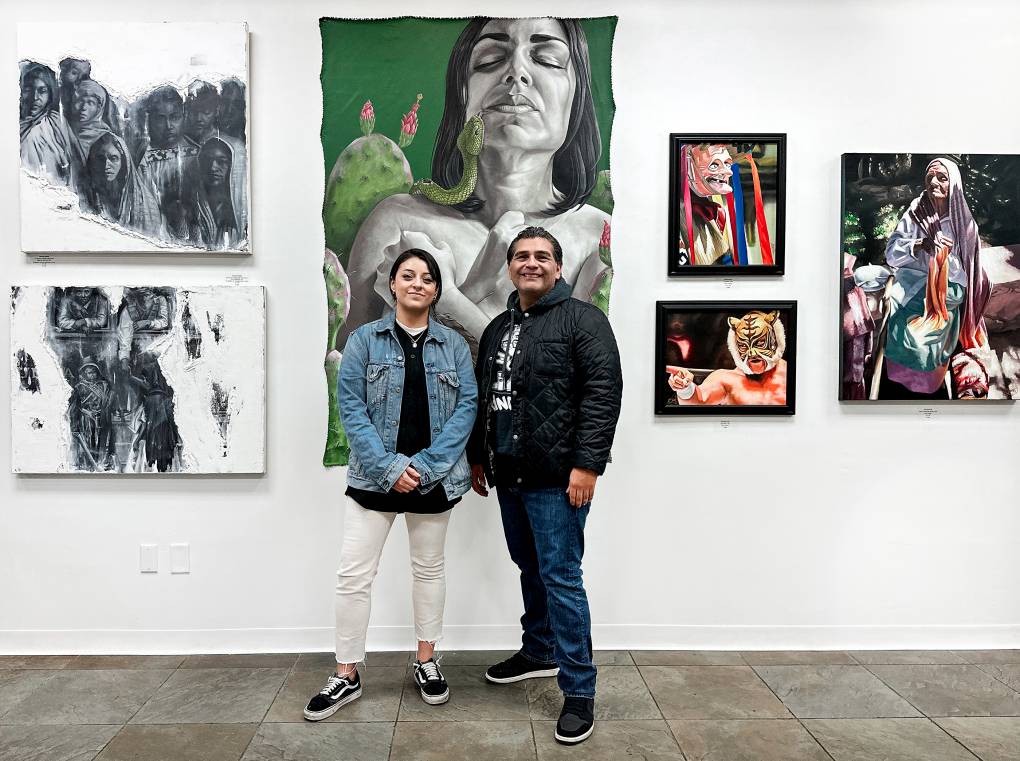
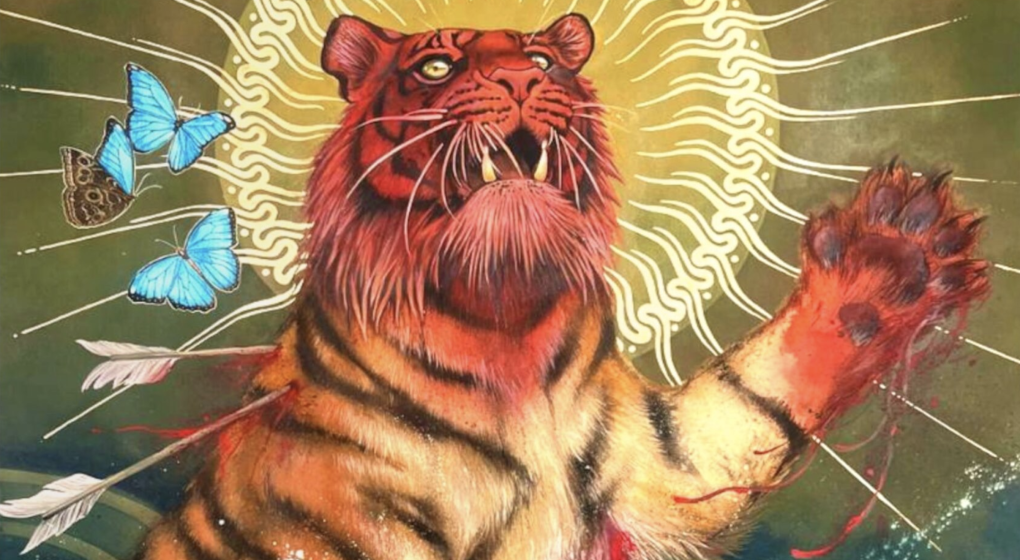
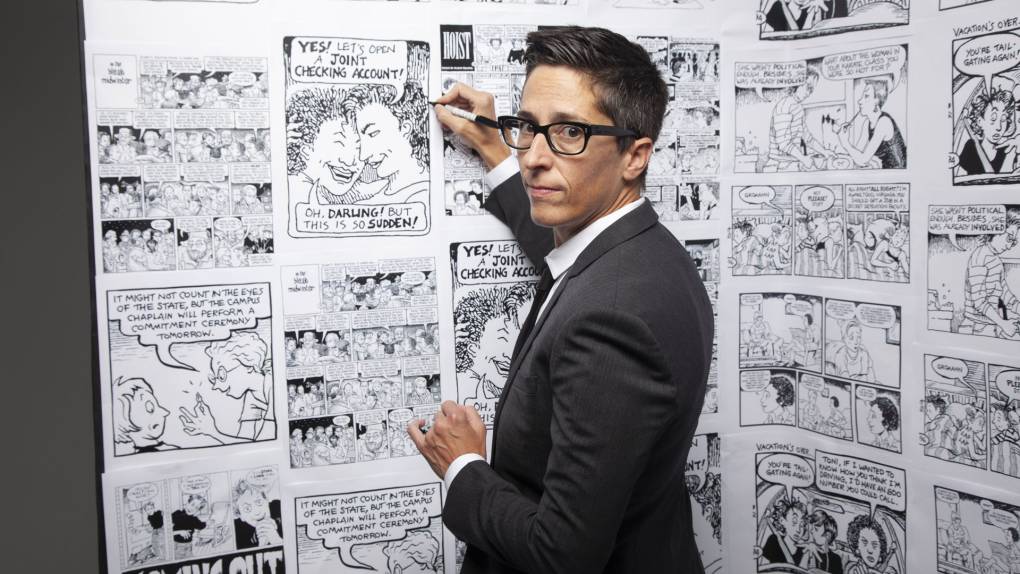
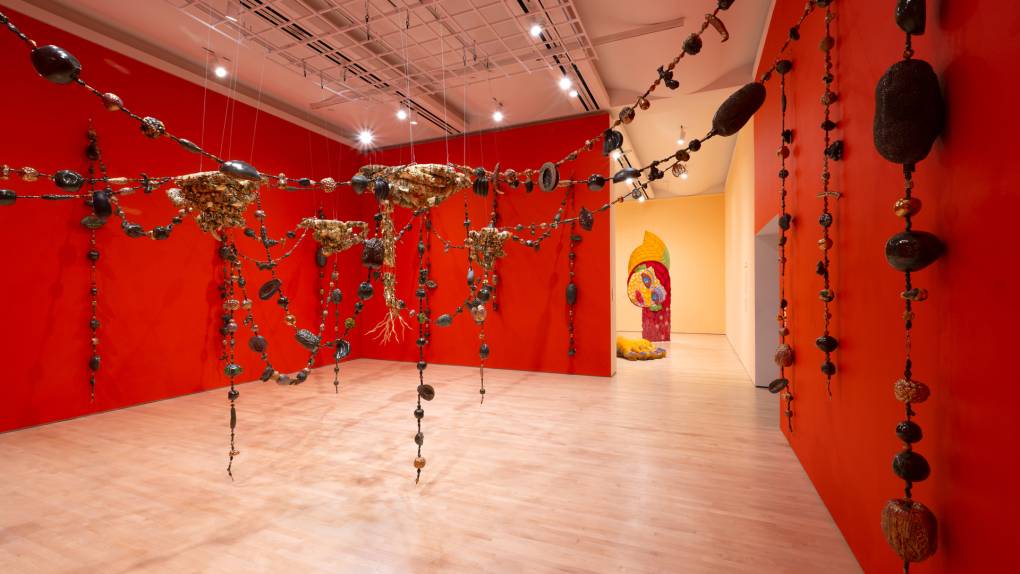
window.__IS_SSR__=true
window.__INITIAL_STATE__={
"attachmentsReducer": {
"audio_0": {
"type": "attachments",
"id": "audio_0",
"imgSizes": {
"kqedFullSize": {
"file": "https://ww2.kqed.org/news/wp-content/themes/KQED-unified/img/audio_bgs/background0.jpg"
}
}
},
"audio_1": {
"type": "attachments",
"id": "audio_1",
"imgSizes": {
"kqedFullSize": {
"file": "https://ww2.kqed.org/news/wp-content/themes/KQED-unified/img/audio_bgs/background1.jpg"
}
}
},
"audio_2": {
"type": "attachments",
"id": "audio_2",
"imgSizes": {
"kqedFullSize": {
"file": "https://ww2.kqed.org/news/wp-content/themes/KQED-unified/img/audio_bgs/background2.jpg"
}
}
},
"audio_3": {
"type": "attachments",
"id": "audio_3",
"imgSizes": {
"kqedFullSize": {
"file": "https://ww2.kqed.org/news/wp-content/themes/KQED-unified/img/audio_bgs/background3.jpg"
}
}
},
"audio_4": {
"type": "attachments",
"id": "audio_4",
"imgSizes": {
"kqedFullSize": {
"file": "https://ww2.kqed.org/news/wp-content/themes/KQED-unified/img/audio_bgs/background4.jpg"
}
}
},
"placeholder": {
"type": "attachments",
"id": "placeholder",
"imgSizes": {
"thumbnail": {
"file": "https://cdn.kqed.org/wp-content/uploads/2024/12/KQED-Default-Image-816638274-2000x1333-1-160x107.jpg",
"width": 160,
"height": 107,
"mimeType": "image/jpeg"
},
"medium": {
"file": "https://cdn.kqed.org/wp-content/uploads/2024/12/KQED-Default-Image-816638274-2000x1333-1-800x533.jpg",
"width": 800,
"height": 533,
"mimeType": "image/jpeg"
},
"medium_large": {
"file": "https://cdn.kqed.org/wp-content/uploads/2024/12/KQED-Default-Image-816638274-2000x1333-1-768x512.jpg",
"width": 768,
"height": 512,
"mimeType": "image/jpeg"
},
"large": {
"file": "https://cdn.kqed.org/wp-content/uploads/2024/12/KQED-Default-Image-816638274-2000x1333-1-1020x680.jpg",
"width": 1020,
"height": 680,
"mimeType": "image/jpeg"
},
"1536x1536": {
"file": "https://cdn.kqed.org/wp-content/uploads/2024/12/KQED-Default-Image-816638274-2000x1333-1-1536x1024.jpg",
"width": 1536,
"height": 1024,
"mimeType": "image/jpeg"
},
"fd-lrg": {
"file": "https://cdn.kqed.org/wp-content/uploads/2024/12/KQED-Default-Image-816638274-2000x1333-1-1536x1024.jpg",
"width": 1536,
"height": 1024,
"mimeType": "image/jpeg"
},
"fd-med": {
"file": "https://cdn.kqed.org/wp-content/uploads/2024/12/KQED-Default-Image-816638274-2000x1333-1-1020x680.jpg",
"width": 1020,
"height": 680,
"mimeType": "image/jpeg"
},
"fd-sm": {
"file": "https://cdn.kqed.org/wp-content/uploads/2024/12/KQED-Default-Image-816638274-2000x1333-1-800x533.jpg",
"width": 800,
"height": 533,
"mimeType": "image/jpeg"
},
"post-thumbnail": {
"file": "https://cdn.kqed.org/wp-content/uploads/2024/12/KQED-Default-Image-816638274-2000x1333-1-672x372.jpg",
"width": 672,
"height": 372,
"mimeType": "image/jpeg"
},
"twentyfourteen-full-width": {
"file": "https://cdn.kqed.org/wp-content/uploads/2024/12/KQED-Default-Image-816638274-2000x1333-1-1038x576.jpg",
"width": 1038,
"height": 576,
"mimeType": "image/jpeg"
},
"xxsmall": {
"file": "https://cdn.kqed.org/wp-content/uploads/2024/12/KQED-Default-Image-816638274-2000x1333-1-160x107.jpg",
"width": 160,
"height": 107,
"mimeType": "image/jpeg"
},
"xsmall": {
"file": "https://cdn.kqed.org/wp-content/uploads/2024/12/KQED-Default-Image-816638274-2000x1333-1-672x372.jpg",
"width": 672,
"height": 372,
"mimeType": "image/jpeg"
},
"small": {
"file": "https://cdn.kqed.org/wp-content/uploads/2024/12/KQED-Default-Image-816638274-2000x1333-1-672x372.jpg",
"width": 672,
"height": 372,
"mimeType": "image/jpeg"
},
"xlarge": {
"file": "https://cdn.kqed.org/wp-content/uploads/2024/12/KQED-Default-Image-816638274-2000x1333-1-1020x680.jpg",
"width": 1020,
"height": 680,
"mimeType": "image/jpeg"
},
"full-width": {
"file": "https://cdn.kqed.org/wp-content/uploads/2024/12/KQED-Default-Image-816638274-2000x1333-1-1920x1280.jpg",
"width": 1920,
"height": 1280,
"mimeType": "image/jpeg"
},
"guest-author-32": {
"file": "https://cdn.kqed.org/wp-content/uploads/2025/01/KQED-Default-Image-816638274-1333x1333-1-160x160.jpg",
"width": 32,
"height": 32,
"mimeType": "image/jpeg"
},
"guest-author-50": {
"file": "https://cdn.kqed.org/wp-content/uploads/2025/01/KQED-Default-Image-816638274-1333x1333-1-160x160.jpg",
"width": 50,
"height": 50,
"mimeType": "image/jpeg"
},
"guest-author-64": {
"file": "https://cdn.kqed.org/wp-content/uploads/2025/01/KQED-Default-Image-816638274-1333x1333-1-160x160.jpg",
"width": 64,
"height": 64,
"mimeType": "image/jpeg"
},
"guest-author-96": {
"file": "https://cdn.kqed.org/wp-content/uploads/2025/01/KQED-Default-Image-816638274-1333x1333-1-160x160.jpg",
"width": 96,
"height": 96,
"mimeType": "image/jpeg"
},
"guest-author-128": {
"file": "https://cdn.kqed.org/wp-content/uploads/2025/01/KQED-Default-Image-816638274-1333x1333-1-160x160.jpg",
"width": 128,
"height": 128,
"mimeType": "image/jpeg"
},
"detail": {
"file": "https://cdn.kqed.org/wp-content/uploads/2025/01/KQED-Default-Image-816638274-1333x1333-1-160x160.jpg",
"width": 160,
"height": 160,
"mimeType": "image/jpeg"
},
"kqedFullSize": {
"file": "https://cdn.kqed.org/wp-content/uploads/2024/12/KQED-Default-Image-816638274-2000x1333-1.jpg",
"width": 2000,
"height": 1333
}
}
},
"arts_13924611": {
"type": "attachments",
"id": "arts_13924611",
"meta": {
"index": "attachments_1716263798",
"site": "arts",
"id": "13924611",
"found": true
},
"parent": 13923766,
"imgSizes": {
"thumbnail": {
"file": "https://ww2.kqed.org/app/uploads/sites/2/2023/02/RBLPosse.gif.REV_-160x90.gif",
"width": 160,
"mimeType": "image/gif",
"height": 90
},
"post-thumbnail": {
"file": "https://ww2.kqed.org/app/uploads/sites/2/2023/02/RBLPosse.gif.REV_-672x372.gif",
"width": 672,
"mimeType": "image/gif",
"height": 372
},
"kqedFullSize": {
"file": "https://ww2.kqed.org/app/uploads/sites/2/2023/02/RBLPosse.gif.REV_.gif",
"width": 800,
"height": 450
},
"medium_large": {
"file": "https://ww2.kqed.org/app/uploads/sites/2/2023/02/RBLPosse.gif.REV_-768x432.gif",
"width": 768,
"mimeType": "image/gif",
"height": 432
}
},
"publishDate": 1675297045,
"modified": 1675297081,
"caption": "RBL Posse's 'A Lesson to Be Learned,' pictured at the Harbor Road steps, then and now. On the cover (L–R): Mr. Cee (at bottom), Boobie (standing), Curtis (at center). Black C (squatting), and Lil' Mo. ",
"description": null,
"title": "RBLPosse.gif.REV",
"credit": "Beth LaBerge/KQED",
"status": "inherit",
"altTag": "An album cover, held up against grey steps, showing its photo shoot location",
"isLoading": false,
"fetchFailed": false
},
"arts_13924196": {
"type": "attachments",
"id": "arts_13924196",
"meta": {
"index": "attachments_1716263798",
"site": "arts",
"id": "13924196",
"found": true
},
"parent": 13923766,
"imgSizes": {
"thumbnail": {
"file": "https://ww2.kqed.org/app/uploads/sites/2/2023/01/RBL.Small_.GIF-160x90.gif",
"width": 160,
"mimeType": "image/gif",
"height": 90
},
"post-thumbnail": {
"file": "https://ww2.kqed.org/app/uploads/sites/2/2023/01/RBL.Small_.GIF-672x372.gif",
"width": 672,
"mimeType": "image/gif",
"height": 372
},
"kqedFullSize": {
"file": "https://ww2.kqed.org/app/uploads/sites/2/2023/01/RBL.Small_.GIF.gif",
"width": 800,
"height": 450
},
"medium_large": {
"file": "https://ww2.kqed.org/app/uploads/sites/2/2023/01/RBL.Small_.GIF-768x432.gif",
"width": 768,
"mimeType": "image/gif",
"height": 432
}
},
"publishDate": 1674678083,
"modified": 1675233174,
"caption": "RBL Posse's 'A Lesson to Be Learned,' pictured at the Harbor Road steps, then and now. On the cover (L–R): Mr. Cee (at bottom), Boobie (standing), Curtis (at center). Black C (squatting), and Lil' Mo. ",
"description": null,
"title": "RBL.Small.GIF",
"credit": "Beth LaBerge/KQED",
"status": "inherit",
"altTag": "An album cover held up against the location where it was photographed",
"isLoading": false,
"fetchFailed": false
},
"arts_13923951": {
"type": "attachments",
"id": "arts_13923951",
"meta": {
"index": "attachments_1716263798",
"site": "arts",
"id": "13923951",
"found": true
},
"parent": 13923938,
"imgSizes": {
"twentyfourteen-full-width": {
"file": "https://ww2.kqed.org/app/uploads/sites/2/2023/01/e-40.SQUARE-1038x576.jpg",
"width": 1038,
"mimeType": "image/jpeg",
"height": 576
},
"thumbnail": {
"file": "https://ww2.kqed.org/app/uploads/sites/2/2023/01/e-40.SQUARE-160x160.jpg",
"width": 160,
"mimeType": "image/jpeg",
"height": 160
},
"post-thumbnail": {
"file": "https://ww2.kqed.org/app/uploads/sites/2/2023/01/e-40.SQUARE-672x372.jpg",
"width": 672,
"mimeType": "image/jpeg",
"height": 372
},
"kqedFullSize": {
"file": "https://ww2.kqed.org/app/uploads/sites/2/2023/01/e-40.SQUARE.jpg",
"width": 1888,
"height": 1888
},
"large": {
"file": "https://ww2.kqed.org/app/uploads/sites/2/2023/01/e-40.SQUARE-1020x1020.jpg",
"width": 1020,
"mimeType": "image/jpeg",
"height": 1020
},
"1536x1536": {
"file": "https://ww2.kqed.org/app/uploads/sites/2/2023/01/e-40.SQUARE-1536x1536.jpg",
"width": 1536,
"mimeType": "image/jpeg",
"height": 1536
},
"medium": {
"file": "https://ww2.kqed.org/app/uploads/sites/2/2023/01/e-40.SQUARE-800x800.jpg",
"width": 800,
"mimeType": "image/jpeg",
"height": 800
},
"medium_large": {
"file": "https://ww2.kqed.org/app/uploads/sites/2/2023/01/e-40.SQUARE-768x768.jpg",
"width": 768,
"mimeType": "image/jpeg",
"height": 768
}
},
"publishDate": 1674275798,
"modified": 1674275842,
"caption": null,
"description": null,
"title": "e-40.SQUARE",
"credit": "Shomari Smith",
"status": "inherit",
"altTag": "an illustration of e-40 from my ghetto report card",
"isLoading": false,
"fetchFailed": false
},
"arts_13923952": {
"type": "attachments",
"id": "arts_13923952",
"meta": {
"index": "attachments_1716263798",
"site": "arts",
"id": "13923952",
"found": true
},
"parent": 13923938,
"imgSizes": {
"twentyfourteen-full-width": {
"file": "https://ww2.kqed.org/app/uploads/sites/2/2023/01/e-40.web_-1038x576.jpg",
"width": 1038,
"mimeType": "image/jpeg",
"height": 576
},
"thumbnail": {
"file": "https://ww2.kqed.org/app/uploads/sites/2/2023/01/e-40.web_-160x121.jpg",
"width": 160,
"mimeType": "image/jpeg",
"height": 121
},
"post-thumbnail": {
"file": "https://ww2.kqed.org/app/uploads/sites/2/2023/01/e-40.web_-672x372.jpg",
"width": 672,
"mimeType": "image/jpeg",
"height": 372
},
"kqedFullSize": {
"file": "https://ww2.kqed.org/app/uploads/sites/2/2023/01/e-40.web_.jpg",
"width": 1920,
"height": 1450
},
"large": {
"file": "https://ww2.kqed.org/app/uploads/sites/2/2023/01/e-40.web_-1020x770.jpg",
"width": 1020,
"mimeType": "image/jpeg",
"height": 770
},
"1536x1536": {
"file": "https://ww2.kqed.org/app/uploads/sites/2/2023/01/e-40.web_-1536x1160.jpg",
"width": 1536,
"mimeType": "image/jpeg",
"height": 1160
},
"medium": {
"file": "https://ww2.kqed.org/app/uploads/sites/2/2023/01/e-40.web_-800x604.jpg",
"width": 800,
"mimeType": "image/jpeg",
"height": 604
},
"medium_large": {
"file": "https://ww2.kqed.org/app/uploads/sites/2/2023/01/e-40.web_-768x580.jpg",
"width": 768,
"mimeType": "image/jpeg",
"height": 580
}
},
"publishDate": 1674275874,
"modified": 1675229005,
"caption": "'That's My Word' drops new stories each week throughout 2023.",
"description": null,
"title": "e-40.web",
"credit": "Illustration by Shomari Smith",
"status": "inherit",
"altTag": "An illustration of the rapper e-40, holding his glasses, based on the cover to the album 'my ghetto report card'",
"isLoading": false,
"fetchFailed": false
},
"arts_13924559": {
"type": "attachments",
"id": "arts_13924559",
"meta": {
"index": "attachments_1716263798",
"site": "arts",
"id": "13924559",
"found": true
},
"parent": 13923978,
"imgSizes": {
"twentyfourteen-full-width": {
"file": "https://ww2.kqed.org/app/uploads/sites/2/2023/01/DaveyD.KALX_.sq_-1038x576.jpg",
"width": 1038,
"mimeType": "image/jpeg",
"height": 576
},
"thumbnail": {
"file": "https://ww2.kqed.org/app/uploads/sites/2/2023/01/DaveyD.KALX_.sq_-160x160.jpg",
"width": 160,
"mimeType": "image/jpeg",
"height": 160
},
"post-thumbnail": {
"file": "https://ww2.kqed.org/app/uploads/sites/2/2023/01/DaveyD.KALX_.sq_-672x372.jpg",
"width": 672,
"mimeType": "image/jpeg",
"height": 372
},
"kqedFullSize": {
"file": "https://ww2.kqed.org/app/uploads/sites/2/2023/01/DaveyD.KALX_.sq_.jpg",
"width": 1529,
"height": 1529
},
"large": {
"file": "https://ww2.kqed.org/app/uploads/sites/2/2023/01/DaveyD.KALX_.sq_-1020x1020.jpg",
"width": 1020,
"mimeType": "image/jpeg",
"height": 1020
},
"medium": {
"file": "https://ww2.kqed.org/app/uploads/sites/2/2023/01/DaveyD.KALX_.sq_-800x800.jpg",
"width": 800,
"mimeType": "image/jpeg",
"height": 800
},
"medium_large": {
"file": "https://ww2.kqed.org/app/uploads/sites/2/2023/01/DaveyD.KALX_.sq_-768x768.jpg",
"width": 768,
"mimeType": "image/jpeg",
"height": 768
}
},
"publishDate": 1675239814,
"modified": 1675239845,
"caption": "Davey D is pictured here hosting his radio show on KALX in 1990. In the very early years of Bay Area hip-hop, Davey D says, the culture was still finding its place in society, and had yet to be defined.",
"description": null,
"title": "DaveyD.KALX.sq",
"credit": "KQED",
"status": "inherit",
"altTag": "A man in a yellow cycling cap talks into a microphone, with shelves of records in the background.",
"isLoading": false,
"fetchFailed": false
},
"arts_13924541": {
"type": "attachments",
"id": "arts_13924541",
"meta": {
"index": "attachments_1716263798",
"site": "arts",
"id": "13924541",
"found": true
},
"parent": 13923978,
"imgSizes": {
"twentyfourteen-full-width": {
"file": "https://ww2.kqed.org/app/uploads/sites/2/2023/01/DaveyD.KALX_.1990-1038x576.jpg",
"width": 1038,
"mimeType": "image/jpeg",
"height": 576
},
"thumbnail": {
"file": "https://ww2.kqed.org/app/uploads/sites/2/2023/01/DaveyD.KALX_.1990-160x104.jpg",
"width": 160,
"mimeType": "image/jpeg",
"height": 104
},
"post-thumbnail": {
"file": "https://ww2.kqed.org/app/uploads/sites/2/2023/01/DaveyD.KALX_.1990-672x372.jpg",
"width": 672,
"mimeType": "image/jpeg",
"height": 372
},
"kqedFullSize": {
"file": "https://ww2.kqed.org/app/uploads/sites/2/2023/01/DaveyD.KALX_.1990.jpg",
"width": 2350,
"height": 1529
},
"2048x2048": {
"file": "https://ww2.kqed.org/app/uploads/sites/2/2023/01/DaveyD.KALX_.1990-2048x1333.jpg",
"width": 2048,
"mimeType": "image/jpeg",
"height": 1333
},
"large": {
"file": "https://ww2.kqed.org/app/uploads/sites/2/2023/01/DaveyD.KALX_.1990-1020x664.jpg",
"width": 1020,
"mimeType": "image/jpeg",
"height": 664
},
"1536x1536": {
"file": "https://ww2.kqed.org/app/uploads/sites/2/2023/01/DaveyD.KALX_.1990-1536x999.jpg",
"width": 1536,
"mimeType": "image/jpeg",
"height": 999
},
"full-width": {
"file": "https://ww2.kqed.org/app/uploads/sites/2/2023/01/DaveyD.KALX_.1990-1920x1249.jpg",
"width": 1920,
"mimeType": "image/jpeg",
"height": 1249
},
"medium": {
"file": "https://ww2.kqed.org/app/uploads/sites/2/2023/01/DaveyD.KALX_.1990-800x521.jpg",
"width": 800,
"mimeType": "image/jpeg",
"height": 521
},
"medium_large": {
"file": "https://ww2.kqed.org/app/uploads/sites/2/2023/01/DaveyD.KALX_.1990-768x500.jpg",
"width": 768,
"mimeType": "image/jpeg",
"height": 500
}
},
"publishDate": 1675203539,
"modified": 1675203686,
"caption": "Davey D is pictured here hosting his radio show on KALX in 1990. In the very early years of Bay Area hip-hop, Davey D says, the culture was still finding its place in society, and had yet to be defined.",
"description": null,
"title": "DaveyD.KALX.1990",
"credit": "KQED",
"status": "inherit",
"altTag": "A man in a yellow cycling cap talks into a microphone, with shelves of records in the background.",
"isLoading": false,
"fetchFailed": false
},
"arts_13924503": {
"type": "attachments",
"id": "arts_13924503",
"meta": {
"index": "attachments_1716263798",
"site": "arts",
"id": "13924503",
"found": true
},
"parent": 13924500,
"imgSizes": {
"twentyfourteen-full-width": {
"file": "https://ww2.kqed.org/app/uploads/sites/2/2023/01/image3-1038x576.jpg",
"width": 1038,
"mimeType": "image/jpeg",
"height": 576
},
"thumbnail": {
"file": "https://ww2.kqed.org/app/uploads/sites/2/2023/01/image3-160x115.jpg",
"width": 160,
"mimeType": "image/jpeg",
"height": 115
},
"post-thumbnail": {
"file": "https://ww2.kqed.org/app/uploads/sites/2/2023/01/image3-672x372.jpg",
"width": 672,
"mimeType": "image/jpeg",
"height": 372
},
"kqedFullSize": {
"file": "https://ww2.kqed.org/app/uploads/sites/2/2023/01/image3.jpg",
"width": 1604,
"height": 1150
},
"large": {
"file": "https://ww2.kqed.org/app/uploads/sites/2/2023/01/image3-1020x731.jpg",
"width": 1020,
"mimeType": "image/jpeg",
"height": 731
},
"1536x1536": {
"file": "https://ww2.kqed.org/app/uploads/sites/2/2023/01/image3-1536x1101.jpg",
"width": 1536,
"mimeType": "image/jpeg",
"height": 1101
},
"medium": {
"file": "https://ww2.kqed.org/app/uploads/sites/2/2023/01/image3-800x574.jpg",
"width": 800,
"mimeType": "image/jpeg",
"height": 574
},
"medium_large": {
"file": "https://ww2.kqed.org/app/uploads/sites/2/2023/01/image3-768x551.jpg",
"width": 768,
"mimeType": "image/jpeg",
"height": 551
}
},
"publishDate": 1675190951,
"modified": 1675191177,
"caption": "‘How I Keep Looking Up’ members practice marching with their flags in preparation for the Chinese New Year Parade in San Francisco’s Chinatown.",
"description": null,
"title": "image3",
"credit": "Kristie Song",
"status": "inherit",
"altTag": "Women in blue vests and pink sashes hold multicolored flags on mosaic-covered steps",
"isLoading": false,
"fetchFailed": false
},
"arts_13923755": {
"type": "attachments",
"id": "arts_13923755",
"meta": {
"index": "attachments_1716263798",
"site": "arts",
"id": "13923755",
"found": true
},
"parent": 13923743,
"imgSizes": {
"twentyfourteen-full-width": {
"file": "https://ww2.kqed.org/app/uploads/sites/2/2023/01/1Culture_Espino_Jimenez-1038x576.jpg",
"width": 1038,
"mimeType": "image/jpeg",
"height": 576
},
"thumbnail": {
"file": "https://ww2.kqed.org/app/uploads/sites/2/2023/01/1Culture_Espino_Jimenez-160x119.jpg",
"width": 160,
"mimeType": "image/jpeg",
"height": 119
},
"post-thumbnail": {
"file": "https://ww2.kqed.org/app/uploads/sites/2/2023/01/1Culture_Espino_Jimenez-672x372.jpg",
"width": 672,
"mimeType": "image/jpeg",
"height": 372
},
"kqedFullSize": {
"file": "https://ww2.kqed.org/app/uploads/sites/2/2023/01/1Culture_Espino_Jimenez.jpg",
"width": 2800,
"height": 2089
},
"2048x2048": {
"file": "https://ww2.kqed.org/app/uploads/sites/2/2023/01/1Culture_Espino_Jimenez-2048x1528.jpg",
"width": 2048,
"mimeType": "image/jpeg",
"height": 1528
},
"large": {
"file": "https://ww2.kqed.org/app/uploads/sites/2/2023/01/1Culture_Espino_Jimenez-1020x761.jpg",
"width": 1020,
"mimeType": "image/jpeg",
"height": 761
},
"1536x1536": {
"file": "https://ww2.kqed.org/app/uploads/sites/2/2023/01/1Culture_Espino_Jimenez-1536x1146.jpg",
"width": 1536,
"mimeType": "image/jpeg",
"height": 1146
},
"full-width": {
"file": "https://ww2.kqed.org/app/uploads/sites/2/2023/01/1Culture_Espino_Jimenez-1920x1432.jpg",
"width": 1920,
"mimeType": "image/jpeg",
"height": 1432
},
"medium": {
"file": "https://ww2.kqed.org/app/uploads/sites/2/2023/01/1Culture_Espino_Jimenez-800x597.jpg",
"width": 800,
"mimeType": "image/jpeg",
"height": 597
},
"medium_large": {
"file": "https://ww2.kqed.org/app/uploads/sites/2/2023/01/1Culture_Espino_Jimenez-768x573.jpg",
"width": 768,
"mimeType": "image/jpeg",
"height": 573
}
},
"publishDate": 1673839655,
"modified": 1674518789,
"caption": "Executive Director Lou Jimenez and owner Andrew Espino of 1Culture Gallery.",
"description": null,
"title": "1Culture_Espino_Jimenez",
"credit": "Cherri Lakey",
"status": "inherit",
"altTag": "A woman and a man stand next to each other against a gallery wall covered in paintings",
"isLoading": false,
"fetchFailed": false
},
"arts_13923997": {
"type": "attachments",
"id": "arts_13923997",
"meta": {
"index": "attachments_1716263798",
"site": "arts",
"id": "13923997",
"found": true
},
"parent": 13923317,
"imgSizes": {
"twentyfourteen-full-width": {
"file": "https://ww2.kqed.org/app/uploads/sites/2/2023/01/Screen-Shot-2023-01-23-at-11.45.13-AM-1038x576.png",
"width": 1038,
"mimeType": "image/png",
"height": 576
},
"thumbnail": {
"file": "https://ww2.kqed.org/app/uploads/sites/2/2023/01/Screen-Shot-2023-01-23-at-11.45.13-AM-160x88.png",
"width": 160,
"mimeType": "image/png",
"height": 88
},
"post-thumbnail": {
"file": "https://ww2.kqed.org/app/uploads/sites/2/2023/01/Screen-Shot-2023-01-23-at-11.45.13-AM-672x372.png",
"width": 672,
"mimeType": "image/png",
"height": 372
},
"kqedFullSize": {
"file": "https://ww2.kqed.org/app/uploads/sites/2/2023/01/Screen-Shot-2023-01-23-at-11.45.13-AM.png",
"width": 2414,
"height": 1326
},
"2048x2048": {
"file": "https://ww2.kqed.org/app/uploads/sites/2/2023/01/Screen-Shot-2023-01-23-at-11.45.13-AM-2048x1125.png",
"width": 2048,
"mimeType": "image/png",
"height": 1125
},
"large": {
"file": "https://ww2.kqed.org/app/uploads/sites/2/2023/01/Screen-Shot-2023-01-23-at-11.45.13-AM-1020x560.png",
"width": 1020,
"mimeType": "image/png",
"height": 560
},
"1536x1536": {
"file": "https://ww2.kqed.org/app/uploads/sites/2/2023/01/Screen-Shot-2023-01-23-at-11.45.13-AM-1536x844.png",
"width": 1536,
"mimeType": "image/png",
"height": 844
},
"full-width": {
"file": "https://ww2.kqed.org/app/uploads/sites/2/2023/01/Screen-Shot-2023-01-23-at-11.45.13-AM-1920x1055.png",
"width": 1920,
"mimeType": "image/png",
"height": 1055
},
"medium": {
"file": "https://ww2.kqed.org/app/uploads/sites/2/2023/01/Screen-Shot-2023-01-23-at-11.45.13-AM-800x439.png",
"width": 800,
"mimeType": "image/png",
"height": 439
},
"medium_large": {
"file": "https://ww2.kqed.org/app/uploads/sites/2/2023/01/Screen-Shot-2023-01-23-at-11.45.13-AM-768x422.png",
"width": 768,
"mimeType": "image/png",
"height": 422
}
},
"publishDate": 1674503182,
"modified": 1674508230,
"caption": "A detail from ‘Red Tiger’ by Cristina Ramos, currently on display at 111 Minna Gallery, part of the group ‘Year of the Tiger’ exhibition.",
"description": null,
"title": "A detail from ‘Red Tiger’ by Cristina Ramos, currently on display at 111 Minna Gallery, part of the group ‘Year of the Tiger’ exhibition.",
"credit": "111 Minna Gallery",
"status": "inherit",
"altTag": "A painting depicts a tiger, one blood-soaked paw reaching upwards. Behind the tiger’s head is a gold halo. Next to it flies three blue butterflies.",
"isLoading": false,
"fetchFailed": false
},
"arts_13923961": {
"type": "attachments",
"id": "arts_13923961",
"meta": {
"index": "attachments_1716263798",
"site": "arts",
"id": "13923961",
"found": true
},
"parent": 13923915,
"imgSizes": {
"twentyfourteen-full-width": {
"file": "https://ww2.kqed.org/app/uploads/sites/2/2023/01/NOSTRAIGHTLINES_PubStills_01_COVER-1038x576.jpg",
"width": 1038,
"mimeType": "image/jpeg",
"height": 576
},
"thumbnail": {
"file": "https://ww2.kqed.org/app/uploads/sites/2/2023/01/NOSTRAIGHTLINES_PubStills_01_COVER-160x90.jpg",
"width": 160,
"mimeType": "image/jpeg",
"height": 90
},
"post-thumbnail": {
"file": "https://ww2.kqed.org/app/uploads/sites/2/2023/01/NOSTRAIGHTLINES_PubStills_01_COVER-672x372.jpg",
"width": 672,
"mimeType": "image/jpeg",
"height": 372
},
"kqedFullSize": {
"file": "https://ww2.kqed.org/app/uploads/sites/2/2023/01/NOSTRAIGHTLINES_PubStills_01_COVER.jpg",
"width": 1920,
"height": 1080
},
"large": {
"file": "https://ww2.kqed.org/app/uploads/sites/2/2023/01/NOSTRAIGHTLINES_PubStills_01_COVER-1020x574.jpg",
"width": 1020,
"mimeType": "image/jpeg",
"height": 574
},
"1536x1536": {
"file": "https://ww2.kqed.org/app/uploads/sites/2/2023/01/NOSTRAIGHTLINES_PubStills_01_COVER-1536x864.jpg",
"width": 1536,
"mimeType": "image/jpeg",
"height": 864
},
"medium": {
"file": "https://ww2.kqed.org/app/uploads/sites/2/2023/01/NOSTRAIGHTLINES_PubStills_01_COVER-800x450.jpg",
"width": 800,
"mimeType": "image/jpeg",
"height": 450
},
"medium_large": {
"file": "https://ww2.kqed.org/app/uploads/sites/2/2023/01/NOSTRAIGHTLINES_PubStills_01_COVER-768x432.jpg",
"width": 768,
"mimeType": "image/jpeg",
"height": 432
}
},
"publishDate": 1674494571,
"modified": 1674494689,
"caption": "Alison Bechdel with a wall of her comics.",
"description": null,
"title": "NOSTRAIGHTLINES_PubStills_01_COVER",
"credit": "M. Sharkey",
"status": "inherit",
"altTag": "Woman with short hair and glasses in suit in front of wall plastered with comic drawings",
"isLoading": false,
"fetchFailed": false
},
"arts_13923807": {
"type": "attachments",
"id": "arts_13923807",
"meta": {
"index": "attachments_1716263798",
"site": "arts",
"id": "13923807",
"found": true
},
"parent": 13923804,
"imgSizes": {
"twentyfourteen-full-width": {
"file": "https://ww2.kqed.org/app/uploads/sites/2/2023/01/2022-SECA-Art-Award-Exhibition_Install-View_02_COVER-1038x576.jpg",
"width": 1038,
"mimeType": "image/jpeg",
"height": 576
},
"thumbnail": {
"file": "https://ww2.kqed.org/app/uploads/sites/2/2023/01/2022-SECA-Art-Award-Exhibition_Install-View_02_COVER-160x90.jpg",
"width": 160,
"mimeType": "image/jpeg",
"height": 90
},
"post-thumbnail": {
"file": "https://ww2.kqed.org/app/uploads/sites/2/2023/01/2022-SECA-Art-Award-Exhibition_Install-View_02_COVER-672x372.jpg",
"width": 672,
"mimeType": "image/jpeg",
"height": 372
},
"kqedFullSize": {
"file": "https://ww2.kqed.org/app/uploads/sites/2/2023/01/2022-SECA-Art-Award-Exhibition_Install-View_02_COVER.jpg",
"width": 1920,
"height": 1081
},
"large": {
"file": "https://ww2.kqed.org/app/uploads/sites/2/2023/01/2022-SECA-Art-Award-Exhibition_Install-View_02_COVER-1020x574.jpg",
"width": 1020,
"mimeType": "image/jpeg",
"height": 574
},
"1536x1536": {
"file": "https://ww2.kqed.org/app/uploads/sites/2/2023/01/2022-SECA-Art-Award-Exhibition_Install-View_02_COVER-1536x865.jpg",
"width": 1536,
"mimeType": "image/jpeg",
"height": 865
},
"medium": {
"file": "https://ww2.kqed.org/app/uploads/sites/2/2023/01/2022-SECA-Art-Award-Exhibition_Install-View_02_COVER-800x450.jpg",
"width": 800,
"mimeType": "image/jpeg",
"height": 450
},
"medium_large": {
"file": "https://ww2.kqed.org/app/uploads/sites/2/2023/01/2022-SECA-Art-Award-Exhibition_Install-View_02_COVER-768x432.jpg",
"width": 768,
"mimeType": "image/jpeg",
"height": 432
}
},
"publishDate": 1674003412,
"modified": 1674003601,
"caption": "Cathy Lu, Installation view of 'Resurgence,' at SFMOMA, 2022.",
"description": null,
"title": "2022-SECA-Art-Award-Exhibition_Install-View_02_COVER",
"credit": "Katherine Du Tiel",
"status": "inherit",
"altTag": "Orange walls with hanging cast fruit sculptures",
"isLoading": false,
"fetchFailed": false
},
"arts_13923526": {
"type": "attachments",
"id": "arts_13923526",
"meta": {
"index": "attachments_1716263798",
"site": "arts",
"id": "13923526",
"found": true
},
"parent": 13923522,
"imgSizes": {
"twentyfourteen-full-width": {
"file": "https://ww2.kqed.org/app/uploads/sites/2/2023/01/IMG_7161-1038x576.jpg",
"width": 1038,
"mimeType": "image/jpeg",
"height": 576
},
"thumbnail": {
"file": "https://ww2.kqed.org/app/uploads/sites/2/2023/01/IMG_7161-160x107.jpg",
"width": 160,
"mimeType": "image/jpeg",
"height": 107
},
"post-thumbnail": {
"file": "https://ww2.kqed.org/app/uploads/sites/2/2023/01/IMG_7161-672x372.jpg",
"width": 672,
"mimeType": "image/jpeg",
"height": 372
},
"kqedFullSize": {
"file": "https://ww2.kqed.org/app/uploads/sites/2/2023/01/IMG_7161-scaled.jpg",
"width": 2560,
"height": 1707
},
"2048x2048": {
"file": "https://ww2.kqed.org/app/uploads/sites/2/2023/01/IMG_7161-2048x1365.jpg",
"width": 2048,
"mimeType": "image/jpeg",
"height": 1365
},
"large": {
"file": "https://ww2.kqed.org/app/uploads/sites/2/2023/01/IMG_7161-1020x680.jpg",
"width": 1020,
"mimeType": "image/jpeg",
"height": 680
},
"1536x1536": {
"file": "https://ww2.kqed.org/app/uploads/sites/2/2023/01/IMG_7161-1536x1024.jpg",
"width": 1536,
"mimeType": "image/jpeg",
"height": 1024
},
"full-width": {
"file": "https://ww2.kqed.org/app/uploads/sites/2/2023/01/IMG_7161-1920x1280.jpg",
"width": 1920,
"mimeType": "image/jpeg",
"height": 1280
},
"medium": {
"file": "https://ww2.kqed.org/app/uploads/sites/2/2023/01/IMG_7161-800x533.jpg",
"width": 800,
"mimeType": "image/jpeg",
"height": 533
},
"medium_large": {
"file": "https://ww2.kqed.org/app/uploads/sites/2/2023/01/IMG_7161-768x512.jpg",
"width": 768,
"mimeType": "image/jpeg",
"height": 512
}
},
"publishDate": 1673313091,
"modified": 1673313950,
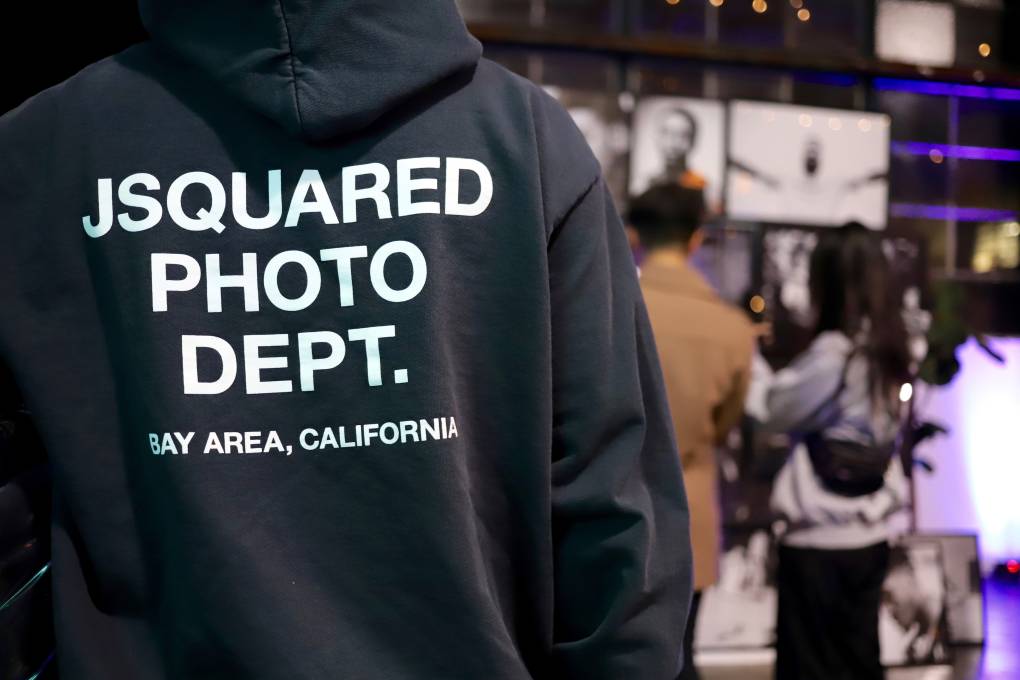
"caption": "A Jordan Jimenez fan wears his Jsquared Visuals hoodie at Ciel Creative Spaces in Berkeley.",
"description": null,
"title": "IMG_7161",
"credit": "Alan Chazaro",
"status": "inherit",
"altTag": "a young man wears a black hoodie that reads \"Jsquared Photo Deptartment\"",
"isLoading": false,
"fetchFailed": false
},
"arts_13923253": {
"type": "attachments",
"id": "arts_13923253",
"meta": {
"index": "attachments_1716263798",
"site": "arts",
"id": "13923253",
"found": true
},
"parent": 13923241,
"imgSizes": {
"twentyfourteen-full-width": {
"file": "https://ww2.kqed.org/app/uploads/sites/2/2023/01/9519dfd67a291a4bf3621c490ab896a5-1038x576.jpeg",
"width": 1038,
"mimeType": "image/jpeg",
"height": 576
},
"thumbnail": {
"file": "https://ww2.kqed.org/app/uploads/sites/2/2023/01/9519dfd67a291a4bf3621c490ab896a5-160x202.jpeg",
"width": 160,
"mimeType": "image/jpeg",
"height": 202
},
"post-thumbnail": {
"file": "https://ww2.kqed.org/app/uploads/sites/2/2023/01/9519dfd67a291a4bf3621c490ab896a5-672x372.jpeg",
"width": 672,
"mimeType": "image/jpeg",
"height": 372
},
"kqedFullSize": {
"file": "https://ww2.kqed.org/app/uploads/sites/2/2023/01/9519dfd67a291a4bf3621c490ab896a5.jpeg",
"width": 1267,
"height": 1600
},
"large": {
"file": "https://ww2.kqed.org/app/uploads/sites/2/2023/01/9519dfd67a291a4bf3621c490ab896a5-1020x1288.jpeg",
"width": 1020,
"mimeType": "image/jpeg",
"height": 1288
},
"1536x1536": {
"file": "https://ww2.kqed.org/app/uploads/sites/2/2023/01/9519dfd67a291a4bf3621c490ab896a5-1216x1536.jpeg",
"width": 1216,
"mimeType": "image/jpeg",
"height": 1536
},
"medium": {
"file": "https://ww2.kqed.org/app/uploads/sites/2/2023/01/9519dfd67a291a4bf3621c490ab896a5-800x1010.jpeg",
"width": 800,
"mimeType": "image/jpeg",
"height": 1010
},
"medium_large": {
"file": "https://ww2.kqed.org/app/uploads/sites/2/2023/01/9519dfd67a291a4bf3621c490ab896a5-768x970.jpeg",
"width": 768,
"mimeType": "image/jpeg",
"height": 970
}
},
"publishDate": 1672796686,
"modified": 1672796752,
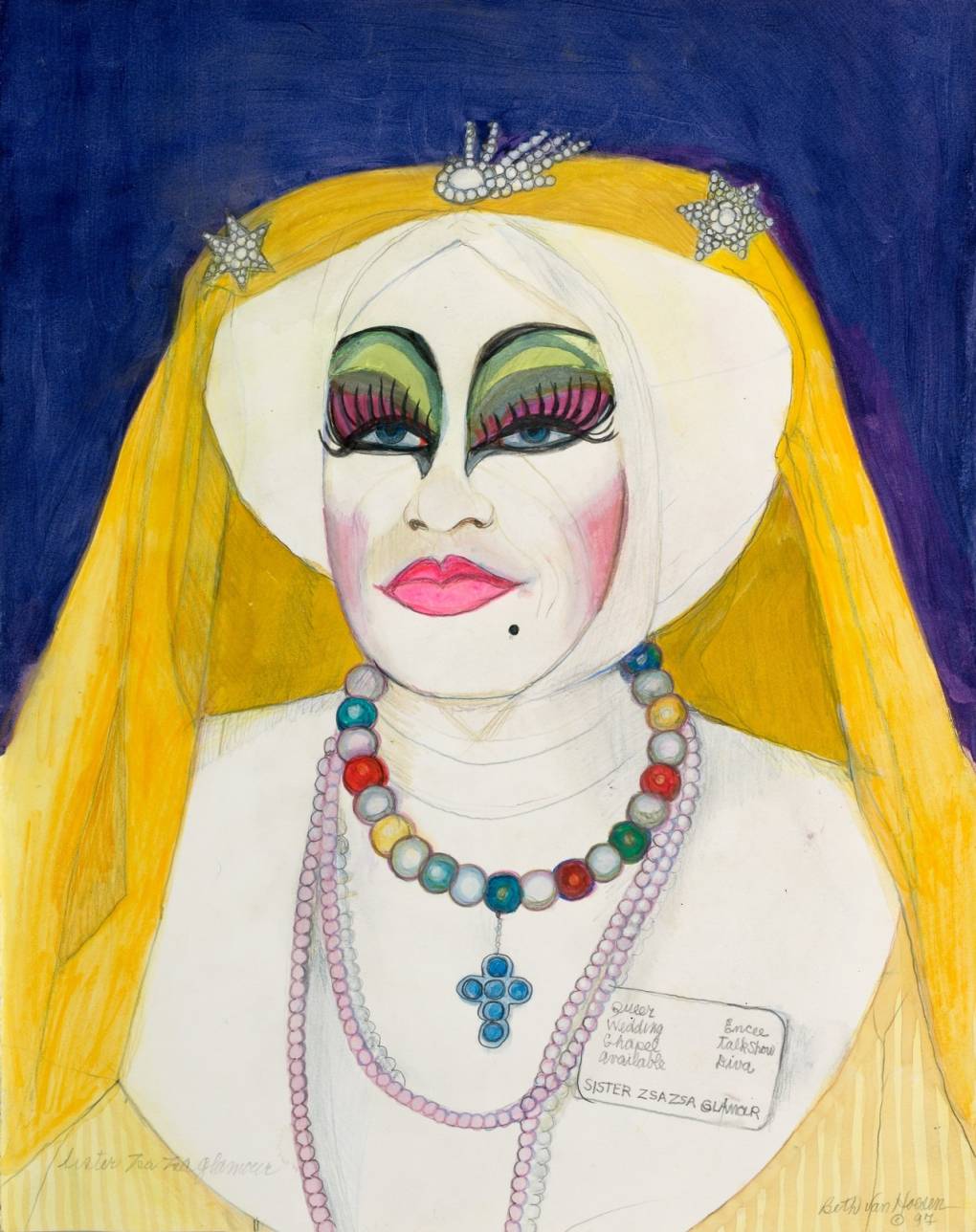
"caption": "Beth Van Hoesen, 'Sister Zsa Zsa Glamour,' 1997; Watercolor, colored pencil, graphite on paper, 20 1/8 x 16 in.",
"description": null,
"title": "9519dfd67a291a4bf3621c490ab896a5",
"credit": "Courtesy Altman Siegel",
"status": "inherit",
"altTag": "Drawing of drag queen in nun's habit with dramatic eye makeup and yellow veil",
"isLoading": false,
"fetchFailed": false
},
"arts_13922799": {
"type": "attachments",
"id": "arts_13922799",
"meta": {
"index": "attachments_1716263798",
"site": "arts",
"id": "13922799",
"found": true
},
"parent": 13922777,
"imgSizes": {
"twentyfourteen-full-width": {
"file": "https://ww2.kqed.org/app/uploads/sites/2/2022/12/MobinaNouri_COVER-1038x576.jpg",
"width": 1038,
"mimeType": "image/jpeg",
"height": 576
},
"thumbnail": {
"file": "https://ww2.kqed.org/app/uploads/sites/2/2022/12/MobinaNouri_COVER-160x90.jpg",
"width": 160,
"mimeType": "image/jpeg",
"height": 90
},
"post-thumbnail": {
"file": "https://ww2.kqed.org/app/uploads/sites/2/2022/12/MobinaNouri_COVER-672x372.jpg",
"width": 672,
"mimeType": "image/jpeg",
"height": 372
},
"kqedFullSize": {
"file": "https://ww2.kqed.org/app/uploads/sites/2/2022/12/MobinaNouri_COVER.jpg",
"width": 1920,
"height": 1080
},
"large": {
"file": "https://ww2.kqed.org/app/uploads/sites/2/2022/12/MobinaNouri_COVER-1020x574.jpg",
"width": 1020,
"mimeType": "image/jpeg",
"height": 574
},
"1536x1536": {
"file": "https://ww2.kqed.org/app/uploads/sites/2/2022/12/MobinaNouri_COVER-1536x864.jpg",
"width": 1536,
"mimeType": "image/jpeg",
"height": 864
},
"medium": {
"file": "https://ww2.kqed.org/app/uploads/sites/2/2022/12/MobinaNouri_COVER-800x450.jpg",
"width": 800,
"mimeType": "image/jpeg",
"height": 450
},
"medium_large": {
"file": "https://ww2.kqed.org/app/uploads/sites/2/2022/12/MobinaNouri_COVER-768x432.jpg",
"width": 768,
"mimeType": "image/jpeg",
"height": 432
}
},
"publishDate": 1671150001,
"modified": 1671150038,
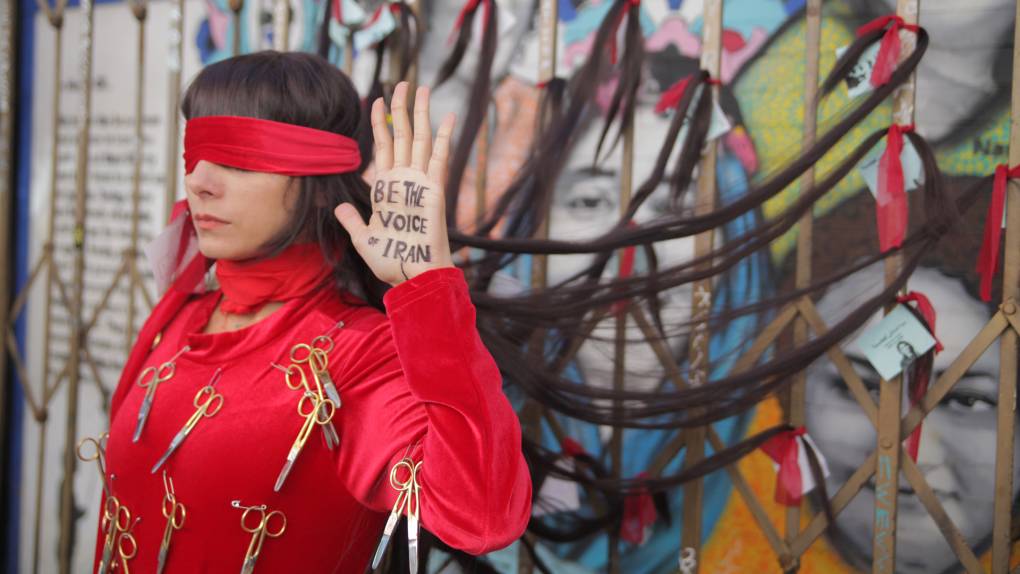
"caption": "Mobina Nouri performing 'The Wind In My Hair' at Clarion Alley on Nov. 12, 2022. ",
"description": null,
"title": "MobinaNouri_COVER",
"credit": "Photo by Badri Valian",
"status": "inherit",
"altTag": "Woman in red dress with red blindfold and hair tied to gate holds up hand with writing: 'Be the voice of Iran'",
"isLoading": false,
"fetchFailed": false
},
"arts_13922593": {
"type": "attachments",
"id": "arts_13922593",
"meta": {
"index": "attachments_1716263798",
"site": "arts",
"id": "13922593",
"found": true
},
"parent": 13922560,
"imgSizes": {
"thumbnail": {
"file": "https://ww2.kqed.org/app/uploads/sites/2/2022/12/INdigo.THUMB_-160x90.jpg",
"width": 160,
"mimeType": "image/jpeg",
"height": 90
},
"post-thumbnail": {
"file": "https://ww2.kqed.org/app/uploads/sites/2/2022/12/INdigo.THUMB_-672x372.jpg",
"width": 672,
"mimeType": "image/jpeg",
"height": 372
},
"kqedFullSize": {
"file": "https://ww2.kqed.org/app/uploads/sites/2/2022/12/INdigo.THUMB_.jpg",
"width": 962,
"height": 541
},
"medium": {
"file": "https://ww2.kqed.org/app/uploads/sites/2/2022/12/INdigo.THUMB_-800x450.jpg",
"width": 800,
"mimeType": "image/jpeg",
"height": 450
},
"medium_large": {
"file": "https://ww2.kqed.org/app/uploads/sites/2/2022/12/INdigo.THUMB_-768x432.jpg",
"width": 768,
"mimeType": "image/jpeg",
"height": 432
}
},
"publishDate": 1670618071,
"modified": 1670618111,
"caption": null,
"description": null,
"title": "INdigo.THUMB",
"credit": null,
"status": "inherit",
"altTag": "An artwork dyed with indigo of three Black women sitting together",
"isLoading": false,
"fetchFailed": false
}
},
"audioPlayerReducer": {
"postId": "stream_live",
"isPaused": true,
"isPlaying": false,
"pfsActive": false,
"pledgeModalIsOpen": true,
"playerDrawerIsOpen": false,
"liveAudioPlayStartedAt": 0,
"liveAudioPlayContext": ""
},
"authorsReducer": {
"byline_arts_13923766": {
"type": "authors",
"id": "byline_arts_13923766",
"meta": {
"override": true
},
"slug": "byline_arts_13923766",
"name": "Black C",
"isLoading": false
},
"mfox": {
"type": "authors",
"id": "22",
"meta": {
"index": "authors_1716337520",
"id": "22",
"found": true
},
"name": "Michael Fox",
"firstName": "Michael",
"lastName": "Fox",
"slug": "mfox",
"email": "foxonfilm@yahoo.com",
"display_author_email": false,
"staff_mastheads": [],
"title": "KQED Contributor",
"bio": "Michael Fox has written about film for dozens of publications since 1987. He is a founding member of the San Francisco Bay Area Film Critics Circle.",
"avatar": "https://secure.gravatar.com/avatar/d9849d6c659c41414795c471d907bb97b396e2a32b88e20e6ff66f65fbdd6dcd?s=600&d=blank&r=g",
"twitter": null,
"bluesky": null,
"facebook": null,
"instagram": null,
"linkedin": null,
"sites": [
{
"site": "arts",
"roles": [
"Contributor",
"contributor"
]
}
],
"headData": {
"title": "Michael Fox | KQED",
"description": "KQED Contributor",
"ogImgSrc": "https://secure.gravatar.com/avatar/d9849d6c659c41414795c471d907bb97b396e2a32b88e20e6ff66f65fbdd6dcd?s=600&d=blank&r=g",
"twImgSrc": "https://secure.gravatar.com/avatar/d9849d6c659c41414795c471d907bb97b396e2a32b88e20e6ff66f65fbdd6dcd?s=600&d=blank&r=g"
},
"isLoading": false,
"link": "/author/mfox"
},
"shotchkiss": {
"type": "authors",
"id": "61",
"meta": {
"index": "authors_1716337520",
"id": "61",
"found": true
},
"name": "Sarah Hotchkiss",
"firstName": "Sarah",
"lastName": "Hotchkiss",
"slug": "shotchkiss",
"email": "shotchkiss@kqed.org",
"display_author_email": true,
"staff_mastheads": [
"arts"
],
"title": "Senior Editor",
"bio": "Sarah Hotchkiss is a San Francisco \u003ca href=\"http://www.sarahhotchkiss.com\">artist\u003c/a> and arts writer. In 2019, she received the Dorothea & Leo Rabkin Foundation grant for visual art journalism and in 2020 she received a Society of Professional Journalists, Northern California award for excellence in arts and culture reporting.",
"avatar": "https://secure.gravatar.com/avatar/bc662df144b3d27fd8b1b6f1c2a420d34e91e53154d411bb7ad353cc8b6cea8d?s=600&d=blank&r=g",
"twitter": null,
"bluesky": null,
"facebook": null,
"instagram": null,
"linkedin": null,
"sites": [
{
"site": "",
"roles": [
"editor"
]
},
{
"site": "arts",
"roles": [
"Contributor",
"administrator"
]
},
{
"site": "artschool",
"roles": [
"administrator"
]
},
{
"site": "news",
"roles": [
"editor"
]
},
{
"site": "pop",
"roles": [
"administrator"
]
},
{
"site": "bayareabites",
"roles": [
"editor"
]
},
{
"site": "spark",
"roles": [
"editor"
]
},
{
"site": "checkplease",
"roles": [
"editor"
]
}
],
"headData": {
"title": "Sarah Hotchkiss | KQED",
"description": "Senior Editor",
"ogImgSrc": "https://secure.gravatar.com/avatar/bc662df144b3d27fd8b1b6f1c2a420d34e91e53154d411bb7ad353cc8b6cea8d?s=600&d=blank&r=g",
"twImgSrc": "https://secure.gravatar.com/avatar/bc662df144b3d27fd8b1b6f1c2a420d34e91e53154d411bb7ad353cc8b6cea8d?s=600&d=blank&r=g"
},
"isLoading": false,
"link": "/author/shotchkiss"
},
"gmeline": {
"type": "authors",
"id": "185",
"meta": {
"index": "authors_1716337520",
"id": "185",
"found": true
},
"name": "Gabe Meline",
"firstName": "Gabe",
"lastName": "Meline",
"slug": "gmeline",
"email": "gmeline@kqed.org",
"display_author_email": true,
"staff_mastheads": [
"arts"
],
"title": "Senior Editor, KQED Arts & Culture",
"bio": "Gabe Meline entered journalism at age 15 making photocopied zines, and has since earned awards from the Edward R. Murrow Awards, the Society for Professional Journalists, the Online Journalism Awards, the Association of Alternative Newsweeklies and the California Newspaper Publishers Association. Prior to KQED, he was the editor of the \u003cem>North Bay Bohemian\u003c/em> and a touring musician. He lives with his wife and daughter in his hometown of Santa Rosa, CA.",
"avatar": "https://secure.gravatar.com/avatar/5bebe57be0d8bc2dd318934feb47299e2d2d10cba28d09d8d7afb389a2ce2bdd?s=600&d=blank&r=g",
"twitter": null,
"bluesky": null,
"facebook": null,
"instagram": null,
"linkedin": null,
"sites": [
{
"site": "",
"roles": [
"editor"
]
},
{
"site": "arts",
"roles": [
"administrator"
]
},
{
"site": "artschool",
"roles": [
"editor"
]
},
{
"site": "news",
"roles": [
"author"
]
},
{
"site": "pop",
"roles": [
"editor"
]
},
{
"site": "bayareabites",
"roles": [
"editor"
]
},
{
"site": "food",
"roles": [
"editor"
]
},
{
"site": "forum",
"roles": [
"administrator"
]
},
{
"site": "liveblog",
"roles": [
"editor"
]
},
{
"site": "hiphop",
"roles": [
"editor"
]
}
],
"headData": {
"title": "Gabe Meline | KQED",
"description": "Senior Editor, KQED Arts & Culture",
"ogImgSrc": "https://secure.gravatar.com/avatar/5bebe57be0d8bc2dd318934feb47299e2d2d10cba28d09d8d7afb389a2ce2bdd?s=600&d=blank&r=g",
"twImgSrc": "https://secure.gravatar.com/avatar/5bebe57be0d8bc2dd318934feb47299e2d2d10cba28d09d8d7afb389a2ce2bdd?s=600&d=blank&r=g"
},
"isLoading": false,
"link": "/author/gmeline"
},
"clakey": {
"type": "authors",
"id": "191",
"meta": {
"index": "authors_1716337520",
"id": "191",
"found": true
},
"name": "Cherri Lakey",
"firstName": "Cherri",
"lastName": "Lakey",
"slug": "clakey",
"email": "cherri@galleryad.com",
"display_author_email": false,
"staff_mastheads": [],
"title": "KQED Contributor",
"bio": "Co-owner/curator of urban contemporary art and culture gallery \u003ca href=\"http://www.galleryAD.com\">ANNO DOMINI\u003c/a> // the second coming of Art & Design and producer of a bunch of other cool projects with partner \u003ca href=\"http://ww2.kqed.org/arts/author/beder/\" target=\"_blank\">Brian Eder.\u003c/a> \u003ca href=\"https://twitter.com/astrogirl\">Follow @astrogirl\u003c/a>\r\n// ",
"avatar": "https://secure.gravatar.com/avatar/29642fbd8e9eef623a3f07213c5b739fbbfe7e1efe98571b1093fabcaade6f08?s=600&d=blank&r=g",
"twitter": null,
"bluesky": null,
"facebook": null,
"instagram": null,
"linkedin": null,
"sites": [
{
"site": "arts",
"roles": [
"subscriber"
]
}
],
"headData": {
"title": "Cherri Lakey | KQED",
"description": "KQED Contributor",
"ogImgSrc": "https://secure.gravatar.com/avatar/29642fbd8e9eef623a3f07213c5b739fbbfe7e1efe98571b1093fabcaade6f08?s=600&d=blank&r=g",
"twImgSrc": "https://secure.gravatar.com/avatar/29642fbd8e9eef623a3f07213c5b739fbbfe7e1efe98571b1093fabcaade6f08?s=600&d=blank&r=g"
},
"isLoading": false,
"link": "/author/clakey"
},
"ralexandra": {
"type": "authors",
"id": "11242",
"meta": {
"index": "authors_1716337520",
"id": "11242",
"found": true
},
"name": "Rae Alexandra",
"firstName": "Rae",
"lastName": "Alexandra",
"slug": "ralexandra",
"email": "ralexandra@kqed.org",
"display_author_email": true,
"staff_mastheads": [],
"title": "Reporter/Producer",
"bio": "Rae Alexandra is a Reporter/Producer for KQED Arts & Culture, and the creator/author of the \u003ca href=\"https://www.kqed.org/arts/program/rebel-girls-from-bay-area-history\">Rebel Girls From Bay Area History\u003c/a> and \u003ca href=\"https://www.kqed.org/bizarrebayarea\">Bizarre Bay Area\u003c/a> series. Her debut book, \u003ca href=\"https://citylights.com/politics-current-events-history/unsung-heroines35-women-who-changed/\">Unsung Heroines: 35 Women Who Changed the Bay Area\u003c/a> was published by City Lights in March 2026. In 2023, Rae was awarded an SPJ Excellence in Journalism Award for Arts & Culture. Rae was born and raised in Wales and subsequently — even after two decades in Northern California — still uses phrases that regularly baffle her coworkers.",
"avatar": "https://secure.gravatar.com/avatar/edfee8176c80cc0a382b051190f5341997df378a934a5774dcb0977732dfd401?s=600&d=blank&r=g",
"twitter": null,
"bluesky": null,
"facebook": null,
"instagram": null,
"linkedin": null,
"sites": [
{
"site": "arts",
"roles": [
"subscriber"
]
},
{
"site": "news",
"roles": [
"subscriber"
]
},
{
"site": "pop",
"roles": [
"subscriber"
]
},
{
"site": "bayareabites",
"roles": [
"subscriber"
]
},
{
"site": "science",
"roles": [
"subscriber"
]
}
],
"headData": {
"title": "Rae Alexandra | KQED",
"description": "Reporter/Producer",
"ogImgSrc": "https://secure.gravatar.com/avatar/edfee8176c80cc0a382b051190f5341997df378a934a5774dcb0977732dfd401?s=600&d=blank&r=g",
"twImgSrc": "https://secure.gravatar.com/avatar/edfee8176c80cc0a382b051190f5341997df378a934a5774dcb0977732dfd401?s=600&d=blank&r=g"
},
"isLoading": false,
"link": "/author/ralexandra"
},
"nvoynovskaya": {
"type": "authors",
"id": "11387",
"meta": {
"index": "authors_1716337520",
"id": "11387",
"found": true
},
"name": "Nastia Voynovskaya",
"firstName": "Nastia",
"lastName": "Voynovskaya",
"slug": "nvoynovskaya",
"email": "nvoynovskaya@kqed.org",
"display_author_email": false,
"staff_mastheads": [
"arts"
],
"title": "Editor and reporter",
"bio": "Nastia Voynovskaya is a reporter, editor and host at KQED Arts & Culture. She's been covering the arts in the Bay Area for over a decade, with a focus on music, queer culture, labor issues and grassroots organizing. She has edited KQED story series such as Trans Bay: A History of San Francisco's Gender-Diverse Community, and co-created KQED's Bay Area hip-hop history project, That's My Word. Nastia's work has been recognized by the Society of Professional Journalists and San Francisco Press Club. She regularly appears on podcasts and radio programs, including NPR's All Songs Considered, and hosts live events where music, culture and conversation meet.",
"avatar": "https://secure.gravatar.com/avatar/5025ee460e5a85d69ca20ea6c6f2f80d7e17795c828f61ea3aecfcd924e9042e?s=600&d=blank&r=g",
"twitter": null,
"bluesky": null,
"facebook": null,
"instagram": "https://www.instagram.com/nananastia/",
"linkedin": null,
"sites": [
{
"site": "",
"roles": [
"editor"
]
},
{
"site": "arts",
"roles": [
"administrator"
]
},
{
"site": "news",
"roles": [
"editor"
]
},
{
"site": "pop",
"roles": [
"administrator"
]
},
{
"site": "bayareabites",
"roles": [
"editor"
]
},
{
"site": "podcasts",
"roles": [
"editor"
]
},
{
"site": "hiphop",
"roles": [
"editor"
]
}
],
"headData": {
"title": "Nastia Voynovskaya | KQED",
"description": "Editor and reporter",
"ogImgSrc": "https://secure.gravatar.com/avatar/5025ee460e5a85d69ca20ea6c6f2f80d7e17795c828f61ea3aecfcd924e9042e?s=600&d=blank&r=g",
"twImgSrc": "https://secure.gravatar.com/avatar/5025ee460e5a85d69ca20ea6c6f2f80d7e17795c828f61ea3aecfcd924e9042e?s=600&d=blank&r=g"
},
"isLoading": false,
"link": "/author/nvoynovskaya"
},
"ogpenn": {
"type": "authors",
"id": "11491",
"meta": {
"index": "authors_1716337520",
"id": "11491",
"found": true
},
"name": "Pendarvis Harshaw",
"firstName": "Pendarvis",
"lastName": "Harshaw",
"slug": "ogpenn",
"email": "ogpenn@gmail.com",
"display_author_email": false,
"staff_mastheads": [
"arts"
],
"title": "Community Engagement Reporter",
"bio": "Pendarvis Harshaw is an educator, host and writer with KQED Arts.",
"avatar": "https://secure.gravatar.com/avatar/972b77ee8e3f346ae2b00622661187fbfabd059b5693bbdc1475ea7a722fd4cd?s=600&d=blank&r=g",
"twitter": null,
"bluesky": null,
"facebook": null,
"instagram": "ogpenn",
"linkedin": null,
"sites": [
{
"site": "arts",
"roles": [
"administrator"
]
},
{
"site": "news",
"roles": [
"editor"
]
},
{
"site": "bayareabites",
"roles": [
"author"
]
},
{
"site": "hiphop",
"roles": [
"editor"
]
}
],
"headData": {
"title": "Pendarvis Harshaw | KQED",
"description": "Community Engagement Reporter",
"ogImgSrc": "https://secure.gravatar.com/avatar/972b77ee8e3f346ae2b00622661187fbfabd059b5693bbdc1475ea7a722fd4cd?s=600&d=blank&r=g",
"twImgSrc": "https://secure.gravatar.com/avatar/972b77ee8e3f346ae2b00622661187fbfabd059b5693bbdc1475ea7a722fd4cd?s=600&d=blank&r=g"
},
"isLoading": false,
"link": "/author/ogpenn"
},
"achazaro": {
"type": "authors",
"id": "11748",
"meta": {
"index": "authors_1716337520",
"id": "11748",
"found": true
},
"name": "Alan Chazaro",
"firstName": "Alan",
"lastName": "Chazaro",
"slug": "achazaro",
"email": "agchazaro@gmail.com",
"display_author_email": true,
"staff_mastheads": [],
"title": "Food Writer and Reporter",
"bio": "Alan Chazaro is the author of \u003cem>This Is Not a Frank Ocean Cover Album\u003c/em> (Black Lawrence Press, 2019), \u003cem>Piñata Theory\u003c/em> (Black Lawrence Press, 2020), and \u003cem>Notes from the Eastern Span of the Bay Bridge\u003c/em> (Ghost City Press, 2021). He is a graduate of June Jordan’s Poetry for the People program at UC Berkeley and a former Lawrence Ferlinghetti Fellow at the University of San Francisco. He writes about sports, food, art, music, education, and culture while repping the Bay on \u003ca href=\"https://twitter.com/alan_chazaro\">Twitter\u003c/a> and \u003ca href=\"https://www.instagram.com/alan_chazaro/?hl=en\">Instagram\u003c/a> at @alan_chazaro.",
"avatar": "https://secure.gravatar.com/avatar/ea8b6dd970fc5c29e7a188e7d5861df7?s=600&d=blank&r=g",
"twitter": "alan_chazaro",
"facebook": null,
"instagram": null,
"linkedin": null,
"sites": [
{
"site": "arts",
"roles": [
"contributor"
]
},
{
"site": "news",
"roles": [
"editor"
]
}
],
"headData": {
"title": "Alan Chazaro | KQED",
"description": "Food Writer and Reporter",
"ogImgSrc": "https://secure.gravatar.com/avatar/ea8b6dd970fc5c29e7a188e7d5861df7?s=600&d=blank&r=g",
"twImgSrc": "https://secure.gravatar.com/avatar/ea8b6dd970fc5c29e7a188e7d5861df7?s=600&d=blank&r=g"
},
"isLoading": false,
"link": "/author/achazaro"
},
"jebrahemi": {
"type": "authors",
"id": "11771",
"meta": {
"index": "authors_1716337520",
"id": "11771",
"found": true
},
"name": "Justin Ebrahemi",
"firstName": "Justin",
"lastName": "Ebrahemi",
"slug": "jebrahemi",
"email": "jebrahemi@kqed.org",
"display_author_email": true,
"staff_mastheads": [],
"title": "Digital Engagement Manager",
"bio": "Justin Ebrahemi is a San Francisco-based writer and poet. As the Digital Engagement Manager he helps bring KQED Arts' work into local communities both in the Bay and nationally. Previously, Justin worked for the SF performing arts organization, CounterPulse, and his writing has been published in Dancers Group, SFMOMA's Open Space, and various arts zines. Catch Justin biking through the city or baking vegan treats on the weekend.",
"avatar": "https://secure.gravatar.com/avatar/86cbbf64bf8c82d2a74d305c1760c365?s=600&d=blank&r=g",
"twitter": "JustinEbrahemi",
"facebook": null,
"instagram": null,
"linkedin": null,
"sites": [
{
"site": "arts",
"roles": [
"subscriber"
]
}
],
"headData": {
"title": "Justin Ebrahemi | KQED",
"description": "Digital Engagement Manager",
"ogImgSrc": "https://secure.gravatar.com/avatar/86cbbf64bf8c82d2a74d305c1760c365?s=600&d=blank&r=g",
"twImgSrc": "https://secure.gravatar.com/avatar/86cbbf64bf8c82d2a74d305c1760c365?s=600&d=blank&r=g"
},
"isLoading": false,
"link": "/author/jebrahemi"
},
"ksong": {
"type": "authors",
"id": "11813",
"meta": {
"index": "authors_1716337520",
"id": "11813",
"found": true
},
"name": "Kristie Song",
"firstName": "Kristie",
"lastName": "Song",
"slug": "ksong",
"email": "ksong@kqed.org",
"display_author_email": false,
"staff_mastheads": [],
"title": "Editorial Intern ",
"bio": "Kristie Song is an Arts & Culture Intern at KQED. She is currently a graduate student at UC Berkeley, where she studies audio and multimedia journalism. Previously, she covered the local community for Oakland North, produced episodes for The Science of Happiness, and served as news director for KUCI, UC Irvine’s radio station. Outside of reporting, she likes drawing comics, listening to angsty rock, and practicing the guitar.",
"avatar": "https://secure.gravatar.com/avatar/c1149e78c3c44f92d4945a8ab0711af6?s=600&d=blank&r=g",
"twitter": null,
"facebook": null,
"instagram": null,
"linkedin": null,
"sites": [
{
"site": "arts",
"roles": [
"editor"
]
}
],
"headData": {
"title": "Kristie Song | KQED",
"description": "Editorial Intern ",
"ogImgSrc": "https://secure.gravatar.com/avatar/c1149e78c3c44f92d4945a8ab0711af6?s=600&d=blank&r=g",
"twImgSrc": "https://secure.gravatar.com/avatar/c1149e78c3c44f92d4945a8ab0711af6?s=600&d=blank&r=g"
},
"isLoading": false,
"link": "/author/ksong"
},
"earnold": {
"type": "authors",
"id": "11839",
"meta": {
"index": "authors_1716337520",
"id": "11839",
"found": true
},
"name": "Eric Arnold",
"firstName": "Eric",
"lastName": "Arnold",
"slug": "earnold",
"email": "earnold@kqed.org",
"display_author_email": false,
"staff_mastheads": [],
"title": "Contributing Editor, 'That's My Word'",
"bio": "Eric Arnold has covered hip-hop locally and nationally for over 30 years. Formerly the managing editor of \u003cem>4080\u003c/em> and columnist for \u003cem>The Source\u003c/em>, he chronicled hyphy’s rise and fall, co-curated the Oakland Museum of California’s first hip-hop exhibit in 2018 and won a 2022 Northern California Emmy Award for a mini-documentary on Oakland’s Boogaloo dance culture. He is a contributing editor for \u003cem>That’s My Word\u003c/em>, KQED's series on the history of Bay Area hip-hop.",
"avatar": "https://secure.gravatar.com/avatar/ede45b04898456ad0893a2811e78b0a2?s=600&d=blank&r=g",
"twitter": null,
"facebook": null,
"instagram": null,
"linkedin": null,
"sites": [
{
"site": "arts",
"roles": [
"contributor"
]
},
{
"site": "news",
"roles": [
"contributor"
]
},
{
"site": "hiphop",
"roles": [
"contributor"
]
}
],
"headData": {
"title": "Eric Arnold | KQED",
"description": "Contributing Editor, 'That's My Word'",
"ogImgSrc": "https://secure.gravatar.com/avatar/ede45b04898456ad0893a2811e78b0a2?s=600&d=blank&r=g",
"twImgSrc": "https://secure.gravatar.com/avatar/ede45b04898456ad0893a2811e78b0a2?s=600&d=blank&r=g"
},
"isLoading": false,
"link": "/author/earnold"
}
},
"pagesReducer": {
"arts_category_visualarts": {
"type": "terms",
"id": "arts_70",
"meta": {
"index": "terms_1716263798",
"site": "arts",
"id": "70",
"score": 14.4071665
},
"featImg": null,
"name": "Visual Arts",
"description": null,
"taxonomy": "category",
"headData": {
"twImgId": null,
"twTitle": null,
"ogTitle": null,
"ogImgId": null,
"twDescription": null,
"description": null,
"title": "Visual Arts Archives | KQED Arts",
"ogDescription": null
},
"ttid": 71,
"slug": "visualarts",
"isLoading": false,
"title": "Visual Arts",
"pageMeta": {
"site": "arts",
"WpPageTemplate": "page-topic-editorial",
"currentPage": 34
},
"blocks": [
{
"blockName": "kqed/post-list",
"attrs": {
"layout": "cardArticle2",
"query": "posts/arts?category=visualarts",
"seeMore": false,
"paginated": true,
"page": 34
}
},
{
"blockName": "kqed/ad"
}
]
}
},
"pfsSessionReducer": {},
"postsReducer": {
"stream_live": {
"type": "live",
"id": "stream_live",
"audioUrl": "https://streams.kqed.org/kqedradio",
"title": "Live Stream",
"excerpt": "Live Stream information currently unavailable.",
"link": "/radio",
"featImg": "",
"label": {
"name": "KQED Live",
"link": "/"
}
},
"stream_kqedNewscast": {
"type": "posts",
"id": "stream_kqedNewscast",
"audioUrl": "https://www.kqed.org/.stream/anon/radio/RDnews/newscast.mp3?_=1",
"title": "KQED Newscast",
"featImg": "",
"label": {
"name": "88.5 FM",
"link": "/"
}
},
"arts_13923766": {
"type": "posts",
"id": "arts_13923766",
"meta": {
"index": "posts_1716263798",
"site": "arts",
"id": "13923766",
"score": null,
"sort": [
1675282131000
]
},
"guestAuthors": [],
"slug": "rbl-posse-a-lesson-to-be-learned-album-cover",
"title": "'It's Bittersweet': The Story Behind RBL Posse’s ‘A Lesson to Be Learned’ Cover Photo",
"publishDate": 1675282131,
"format": "standard",
"headTitle": "‘It’s Bittersweet’: The Story Behind RBL Posse’s ‘A Lesson to Be Learned’ Cover Photo | KQED",
"labelTerm": {},
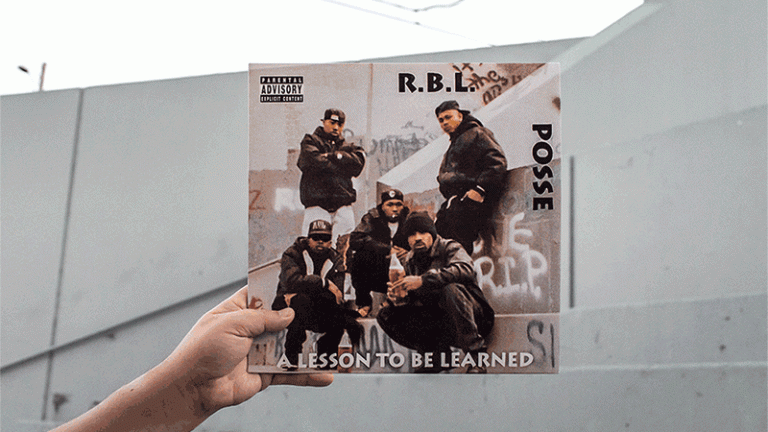
"content": "\u003cp>\u003cb>\u003ci>Editor’s note: \u003c/i>\u003c/b>\u003ci>This story is part of \u003c/i>\u003ca href=\"http://kqed.org/bayareahiphop\">That’s My Word\u003c/a>\u003ci>, KQED’s year-long exploration of Bay Area hip-hop history, with new content dropping all throughout 2023.\u003c/i>\u003c/p>\n\u003cp>\u003cem>RBL Posse’s debut album \u003c/em>A Lesson to Be Learned\u003cem> is a Bay Area classic that sold over 220,000 copies and put Hunters Point on the map. Here, RBL Posse’s \u003ca href=\"https://www.instagram.com/blackc/?hl=en\">Black C\u003c/a>, a.k.a. Christian Mathews, recalls the neighborhood circumstances surrounding the album’s iconic cover photo.\u003c/em>\u003c/p>\n\u003cp>\u003cem>\u003cstrong>Location\u003c/strong>: Harbor and Northridge Roads, Hunters Point, San Francisco\u003cbr>\n\u003cstrong>As told to\u003c/strong>: Gabe Meline \u003c/em>\u003c/p>\n\u003cp>[dropcap]T[/dropcap]he day we shot the cover for \u003cem>Lesson to be Learned\u003c/em>, we were just trying to represent our neighborhood.\u003c/p>\n\u003cp>Back then, an album cover was more about the eye candy — you pick it up and you see a bunch of guys on it, spray paint on the wall, stuff like that, and it makes you curious. I was really influenced by N.W.A. and the Geto Boys, so even though it was only me and Mr. Cee rapping in RBL, I gathered up a couple of my friends from the neighborhood to be in the picture. This is back when you had, like, \u003ca href=\"https://i.discogs.com/o1OhlCJWFiJN08RD3rFLuohEgsk6weI76QpEQ1CT39o/rs:fit/g:sm/q:90/h:600/w:597/czM6Ly9kaXNjb2dz/LWRhdGFiYXNlLWlt/YWdlcy9SLTEyMzM3/NTgtMTIwMjU2MTgz/NC5qcGVn.jpeg\">posse photos\u003c/a>. It attracted attention. People was like, “Oh, that’s a \u003cem>crew\u003c/em> — where they from?”\u003c/p>\n\u003cp>[ad fullwidth]\u003c/p>\n\u003cp>I told them dudes to go put on they RBL jackets, ’cause we all had RBL jackets made at Serramonte shopping mall. And we just had one of those little wind-up Kodak cameras, the kind you buy from Walgreens. My little brother Acie Matthews took the picture. He wasn’t a professional. He was just the only one out there with us.\u003c/p>\n\u003cp>\u003cimg loading=\"lazy\" decoding=\"async\" class=\"aligncenter size-full wp-image-13923773\" src=\"https://ww2.kqed.org/app/uploads/sites/2/2023/01/RBL.Lesson.cover_.jpg\" alt=\"\" width=\"400\" height=\"400\" srcset=\"https://cdn.kqed.org/wp-content/uploads/sites/2/2023/01/RBL.Lesson.cover_.jpg 600w, https://cdn.kqed.org/wp-content/uploads/sites/2/2023/01/RBL.Lesson.cover_-160x160.jpg 160w\" sizes=\"(max-width: 400px) 100vw, 400px\">\u003c/p>\n\u003cp>We tried a few different things that day. We had a song called “More Like an Orgy,” where I talk about rollin’ four deep in a mail Jeep, so we actually did a photo with the mail Jeep. We did a photo on top of the building by the Harbor Road sign. I wish I still had those photos.\u003c/p>\n\u003cp>And then we took a couple photos there in the basketball court, because not only did it have a lot of our names on the walls with spraypaint, but it was an area where we all gathered. We were doing barbecues there, shooting dice, hanging out, playing hunches. It was just a staple in our neighborhood. [pullquote citation='Black C' size='large' align='right']‘I look at that picture and get happy, and then at times I’m sad about the whole thing. I have dudes behind me in the picture who really didn’t have my back. It’s bittersweet.’[/pullquote]\u003c/p>\n\u003cp>The picture we actually used, sitting up on the stairs at the basketball court, that one just stood out to me. It had that grimy look and represented us, you know, it just represented our neighborhood. Anybody that’s seen that picture, especially from Hunters Point, knew exactly where that was that. They knew that was our road.\u003c/p>\n\u003cfigure id=\"attachment_13923776\" class=\"wp-caption aligncenter\" style=\"max-width: 800px\">\u003cimg loading=\"lazy\" decoding=\"async\" class=\"size-medium wp-image-13923776\" src=\"https://ww2.kqed.org/app/uploads/sites/2/2023/01/RBL.Concert.HuntersPoint-800x526.jpg\" alt=\"\" width=\"800\" height=\"526\" srcset=\"https://cdn.kqed.org/wp-content/uploads/sites/2/2023/01/RBL.Concert.HuntersPoint-800x526.jpg 800w, https://cdn.kqed.org/wp-content/uploads/sites/2/2023/01/RBL.Concert.HuntersPoint-1020x671.jpg 1020w, https://cdn.kqed.org/wp-content/uploads/sites/2/2023/01/RBL.Concert.HuntersPoint-160x105.jpg 160w, https://cdn.kqed.org/wp-content/uploads/sites/2/2023/01/RBL.Concert.HuntersPoint-768x505.jpg 768w, https://cdn.kqed.org/wp-content/uploads/sites/2/2023/01/RBL.Concert.HuntersPoint.jpg 1200w\" sizes=\"(max-width: 800px) 100vw, 800px\">\u003cfigcaption class=\"wp-caption-text\">RBL Posse perform at the basketball court on Harbor Road, where the cover photo for ‘A Lesson to Be Learned’ was taken. \u003ccite>(Courtesy Black C)\u003c/cite>\u003c/figcaption>\u003c/figure>\n\u003cp>We did so many things at the basketball court. I got shot and lost my eye close by there. We learned how to fight there. Learned how to play basketball. Our first concert we ever did in the neighborhood was done there. Back when we was hustling, that’s where everybody was at, from the OGs down to the youngsters.\u003c/p>\n\u003cp>At the time, I was living at 27 Harbor Road, the next building over. Before I even got outside and started hustling, I used to run to the candy house across the street, down them stairs across from the basketball court. I was doing store runs down to Surfside Liquors — that’s Bob’s store — or going to the candy house for the OGs that was around there hustlin’.\u003c/p>\n\u003cp>https://www.youtube.com/watch?v=nhRJnuCrAoM\u003c/p>\n\u003cp>Looking at that photo now, it’s happy and it’s sad. I think about the day we took it, how we was all together, and havin’ fun. We was just happy about RBL. We had no idea it was going to take off like it did. The song “Don’t Give Me No Bammer Weed” — I knew that was hot because of what it did locally for us. I knew we had a hit on our hands. Everybody was excited, everybody had RBL jackets, and the whole neighborhood then, it was unity.\u003c/p>\n\u003cp>But then also when I look at that photo, that same album caused a divide. It brought jealousy to the dudes within the camp. The guy that’s standin’ up behind Mr. Cee — Boobie, me and him fell apart, and it split the turf in half, and that kind of caused the demise of Mr. Cee, him getting killed. I look at that picture and get happy, and then at times I’m sad about the whole thing. I have dudes behind me in the picture who really didn’t have my back. It’s bittersweet.\u003c/p>\n\u003cfigure id=\"attachment_13924411\" class=\"wp-caption aligncenter\" style=\"max-width: 800px\">\u003cimg loading=\"lazy\" decoding=\"async\" class=\"size-medium wp-image-13924411\" src=\"https://ww2.kqed.org/app/uploads/sites/2/2023/01/RBL.BlackC.66.Skylark-800x535.jpg\" alt=\"A man in black leans out the drivers-side window of a vintage teal-blue car with buildings in the background\" width=\"800\" height=\"535\" srcset=\"https://cdn.kqed.org/wp-content/uploads/sites/2/2023/01/RBL.BlackC.66.Skylark-800x535.jpg 800w, https://cdn.kqed.org/wp-content/uploads/sites/2/2023/01/RBL.BlackC.66.Skylark-1020x682.jpg 1020w, https://cdn.kqed.org/wp-content/uploads/sites/2/2023/01/RBL.BlackC.66.Skylark-160x107.jpg 160w, https://cdn.kqed.org/wp-content/uploads/sites/2/2023/01/RBL.BlackC.66.Skylark-768x513.jpg 768w, https://cdn.kqed.org/wp-content/uploads/sites/2/2023/01/RBL.BlackC.66.Skylark-1536x1027.jpg 1536w, https://cdn.kqed.org/wp-content/uploads/sites/2/2023/01/RBL.BlackC.66.Skylark-2048x1369.jpg 2048w, https://cdn.kqed.org/wp-content/uploads/sites/2/2023/01/RBL.BlackC.66.Skylark-1920x1284.jpg 1920w\" sizes=\"(max-width: 800px) 100vw, 800px\">\u003cfigcaption class=\"wp-caption-text\">RBL Posse’s Black C in his 1966 Skylark on Harbor Road in Hunters Point, circa 1990s. \u003ccite>(Courtesy Black C)\u003c/cite>\u003c/figcaption>\u003c/figure>\n\u003cp>Standing on the right-hand side, that’s Lil’ Mo, I still deal with him. Rest in peace to his sister, my kid’s mom — Lil’ Mo’s her brother. And that’s me in front of him with a beanie hat on.\u003c/p>\n\u003cp>And then in the middle you have Curtis. He’s dead now. He was one of the guys that I didn’t get along with later on. He switched up on them after we left and became a snitch, worked for the state or something. But he ended up getting killed some years back in Oakland.\u003c/p>\n\u003cp>And then you have Mr. Cee to the left of him, at the bottom. Rest in peace, Mr. Cee, that was my partner.\u003c/p>\n\u003cp>The one at the top above Mr. Cee, that’s Boobie. He just got out from doing 19 years. The whole thing with Boobie and them, when the turf split up, they became Big Block and they kind of went against us, and the whole stuff happened. The feds came in, took them to jail, and Curtis told on Boobie and a few other people.\u003c/p>\n\u003cp>Me and Boobie talked a couple months ago. We’re going to let bygones be bygones, and at least be cordial moving forward. So we good.\u003c/p>\n\u003cp>And the graffiti in the back. We had all our names spraypainted at the basketball court, and little phrases and sayings we used. We had R.I.P. Chucky, our boy who had passed away. Behind me on the cover you can see an R.I.P. for Tone — that’s our boy Tone that got killed by the Vallejo PD.\u003c/p>\n\u003cfigure id=\"attachment_13923778\" class=\"wp-caption aligncenter\" style=\"max-width: 800px\">\u003cimg loading=\"lazy\" decoding=\"async\" class=\"size-medium wp-image-13923778\" src=\"https://ww2.kqed.org/app/uploads/sites/2/2023/01/BlackC.Herm_-800x690.png\" alt=\"Two young men sit on graffiti-covered steps, looking into the camera\" width=\"800\" height=\"690\" srcset=\"https://cdn.kqed.org/wp-content/uploads/sites/2/2023/01/BlackC.Herm_-800x690.png 800w, https://cdn.kqed.org/wp-content/uploads/sites/2/2023/01/BlackC.Herm_-1020x880.png 1020w, https://cdn.kqed.org/wp-content/uploads/sites/2/2023/01/BlackC.Herm_-160x138.png 160w, https://cdn.kqed.org/wp-content/uploads/sites/2/2023/01/BlackC.Herm_-768x662.png 768w, https://cdn.kqed.org/wp-content/uploads/sites/2/2023/01/BlackC.Herm_.png 1310w\" sizes=\"(max-width: 800px) 100vw, 800px\">\u003cfigcaption class=\"wp-caption-text\">Black C on the basketball court steps with Herm Lewis (L–R), whose spoken-word intro on ‘A Lesson to Be Learned’ begins: “To survive the difficulties of these ghetto circumstances, we must motivate and respect each other, because the system is causing considerable damage to the Black man.” \u003ccite>(Courtesy Black C)\u003c/cite>\u003c/figcaption>\u003c/figure>\n\u003cp>I’m 50 now. And that’s why \u003ca href=\"https://rblposse.bigcartel.com/product/black-c-a-part-of-survival-from-the-block-to-the-booth-book\" target=\"_blank\" rel=\"noopener\">I put it all in my book\u003c/a>. I talk about everything, from the block to the booth. From being outside, losing my eye, and being part of the Sunnydale-Fillmore turf wars, to me being part of the truce, and bringing Sunnydale and Fillmore together. And then the fallout of my neighborhood, how it all happened. The fallout with our our label, In-a-Minute Records, who we signed to at the time.\u003c/p>\n\u003cp>[aside postid='arts_13924126']And even now, today, the fans still come out to see us. Even though they know we lost two members. We lost Mr. Cee, and we lost Hitman later on.\u003c/p>\n\u003cp>I pressed forward and kept doing music, and thank God I didn’t have any problems. I’m still here to tell the story, you know?\u003c/p>\n\u003cp>[ad floatright]\u003c/p>\n\u003cp>\u003cimg loading=\"lazy\" decoding=\"async\" class=\"aligncenter size-medium wp-image-11687704\" src=\"https://ww2.kqed.org/app/uploads/sites/2/2016/06/Turntable.Break_-800x60.jpg\" alt=\"\" width=\"800\" height=\"60\" srcset=\"https://cdn.kqed.org/wp-content/uploads/sites/2/2016/06/Turntable.Break_.jpg 800w, https://cdn.kqed.org/wp-content/uploads/sites/2/2016/06/Turntable.Break_-400x30.jpg 400w, https://cdn.kqed.org/wp-content/uploads/sites/2/2016/06/Turntable.Break_-768x58.jpg 768w\" sizes=\"(max-width: 800px) 100vw, 800px\">\u003c/p>\n\n",
"blocks": [],
"excerpt": "RBL Posse's Black C recalls the album's photo shoot — and how its success fractured Hunters Point.",
"status": "publish",
"parent": 0,
"modified": 1726791208,
"stats": {
"hasAudio": false,
"hasVideo": true,
"hasChartOrMap": false,
"iframeSrcs": [],
"hasGoogleForm": false,
"hasGallery": false,
"hasHearkenModule": false,
"hasPolis": false,
"paragraphCount": 26,
"wordCount": 1405
},
"headData": {
"title": "'It's Bittersweet': The Story Behind RBL Posse’s ‘A Lesson to Be Learned’ Cover Photo | KQED",
"description": "RBL Posse's Black C tells the story behind the photo, and how the album's success fractured Hunters Point.",
"ogTitle": "The Story Behind RBL Posse’s ‘A Lesson to Be Learned’ Cover Photo",
"ogDescription": "RBL Posse's Black C recalls the album's photo shoot — and how its success fractured Hunters Point.",
"ogImgId": "arts_13924196",
"twTitle": "The Story Behind RBL Posse’s ‘A Lesson to Be Learned’ Cover Photo",
"twDescription": "RBL Posse's Black C recalls the album's photo shoot — and how its success fractured Hunters Point.",
"twImgId": "arts_13924196",
"socialDescription": "RBL Posse's Black C tells the story behind the photo, and how the album's success fractured Hunters Point.",
"schema": {
"@context": "https://schema.org",
"@type": "Article",
"headline": "'It's Bittersweet': The Story Behind RBL Posse’s ‘A Lesson to Be Learned’ Cover Photo",
"datePublished": "2023-02-01T12:08:51-08:00",
"dateModified": "2024-09-19T17:13:28-07:00",
"image": "https://cdn.kqed.org/wp-content/uploads/2020/02/KQED-OG-Image@1x.png"
}
},
"source": "That's My Word",
"sourceUrl": "https://www.kqed.org/bayareahiphop",
"sticky": false,
"nprByline": "Black C",
"templateType": "standard",
"featuredImageType": "standard",
"excludeFromSiteSearch": "Include",
"showOnAuthorArchivePages": "No",
"articleAge": "0",
"path": "/arts/13923766/rbl-posse-a-lesson-to-be-learned-album-cover",
"audioTrackLength": null,
"parsedContent": [
{
"type": "contentString",
"content": "\u003cdiv class=\"post-body\">\u003cp>\u003cp>\u003cb>\u003ci>Editor’s note: \u003c/i>\u003c/b>\u003ci>This story is part of \u003c/i>\u003ca href=\"http://kqed.org/bayareahiphop\">That’s My Word\u003c/a>\u003ci>, KQED’s year-long exploration of Bay Area hip-hop history, with new content dropping all throughout 2023.\u003c/i>\u003c/p>\n\u003cp>\u003cem>RBL Posse’s debut album \u003c/em>A Lesson to Be Learned\u003cem> is a Bay Area classic that sold over 220,000 copies and put Hunters Point on the map. Here, RBL Posse’s \u003ca href=\"https://www.instagram.com/blackc/?hl=en\">Black C\u003c/a>, a.k.a. Christian Mathews, recalls the neighborhood circumstances surrounding the album’s iconic cover photo.\u003c/em>\u003c/p>\n\u003cp>\u003cem>\u003cstrong>Location\u003c/strong>: Harbor and Northridge Roads, Hunters Point, San Francisco\u003cbr>\n\u003cstrong>As told to\u003c/strong>: Gabe Meline \u003c/em>\u003c/p>\n\u003cp>\u003c/p>\u003cp>\u003cspan class=\"utils-parseShortcode-shortcodes-__dropcapShortcode__dropcap\">T\u003c/span>\u003c/p>\u003cp>he day we shot the cover for \u003cem>Lesson to be Learned\u003c/em>, we were just trying to represent our neighborhood.\u003c/p>\n\u003cp>Back then, an album cover was more about the eye candy — you pick it up and you see a bunch of guys on it, spray paint on the wall, stuff like that, and it makes you curious. I was really influenced by N.W.A. and the Geto Boys, so even though it was only me and Mr. Cee rapping in RBL, I gathered up a couple of my friends from the neighborhood to be in the picture. This is back when you had, like, \u003ca href=\"https://i.discogs.com/o1OhlCJWFiJN08RD3rFLuohEgsk6weI76QpEQ1CT39o/rs:fit/g:sm/q:90/h:600/w:597/czM6Ly9kaXNjb2dz/LWRhdGFiYXNlLWlt/YWdlcy9SLTEyMzM3/NTgtMTIwMjU2MTgz/NC5qcGVn.jpeg\">posse photos\u003c/a>. It attracted attention. People was like, “Oh, that’s a \u003cem>crew\u003c/em> — where they from?”\u003c/p>\n\u003cp>\u003c/p>\u003c/div>",
"attributes": {
"named": {},
"numeric": []
}
},
{
"type": "component",
"content": "",
"name": "ad",
"attributes": {
"named": {
"label": "fullwidth"
},
"numeric": [
"fullwidth"
]
}
},
{
"type": "contentString",
"content": "\u003cdiv class=\"post-body\">\u003cp>\u003c/p>\n\u003cp>I told them dudes to go put on they RBL jackets, ’cause we all had RBL jackets made at Serramonte shopping mall. And we just had one of those little wind-up Kodak cameras, the kind you buy from Walgreens. My little brother Acie Matthews took the picture. He wasn’t a professional. He was just the only one out there with us.\u003c/p>\n\u003cp>\u003cimg loading=\"lazy\" decoding=\"async\" class=\"aligncenter size-full wp-image-13923773\" src=\"https://ww2.kqed.org/app/uploads/sites/2/2023/01/RBL.Lesson.cover_.jpg\" alt=\"\" width=\"400\" height=\"400\" srcset=\"https://cdn.kqed.org/wp-content/uploads/sites/2/2023/01/RBL.Lesson.cover_.jpg 600w, https://cdn.kqed.org/wp-content/uploads/sites/2/2023/01/RBL.Lesson.cover_-160x160.jpg 160w\" sizes=\"(max-width: 400px) 100vw, 400px\">\u003c/p>\n\u003cp>We tried a few different things that day. We had a song called “More Like an Orgy,” where I talk about rollin’ four deep in a mail Jeep, so we actually did a photo with the mail Jeep. We did a photo on top of the building by the Harbor Road sign. I wish I still had those photos.\u003c/p>\n\u003cp>And then we took a couple photos there in the basketball court, because not only did it have a lot of our names on the walls with spraypaint, but it was an area where we all gathered. We were doing barbecues there, shooting dice, hanging out, playing hunches. It was just a staple in our neighborhood. \u003c/p>\u003c/div>",
"attributes": {
"named": {},
"numeric": []
}
},
{
"type": "component",
"content": "‘I look at that picture and get happy, and then at times I’m sad about the whole thing. I have dudes behind me in the picture who really didn’t have my back. It’s bittersweet.’",
"name": "pullquote",
"attributes": {
"named": {
"citation": "Black C",
"size": "large",
"align": "right",
"label": ""
},
"numeric": []
}
},
{
"type": "contentString",
"content": "\u003cdiv class=\"post-body\">\u003cp>\u003c/p>\n\u003cp>The picture we actually used, sitting up on the stairs at the basketball court, that one just stood out to me. It had that grimy look and represented us, you know, it just represented our neighborhood. Anybody that’s seen that picture, especially from Hunters Point, knew exactly where that was that. They knew that was our road.\u003c/p>\n\u003cfigure id=\"attachment_13923776\" class=\"wp-caption aligncenter\" style=\"max-width: 800px\">\u003cimg loading=\"lazy\" decoding=\"async\" class=\"size-medium wp-image-13923776\" src=\"https://ww2.kqed.org/app/uploads/sites/2/2023/01/RBL.Concert.HuntersPoint-800x526.jpg\" alt=\"\" width=\"800\" height=\"526\" srcset=\"https://cdn.kqed.org/wp-content/uploads/sites/2/2023/01/RBL.Concert.HuntersPoint-800x526.jpg 800w, https://cdn.kqed.org/wp-content/uploads/sites/2/2023/01/RBL.Concert.HuntersPoint-1020x671.jpg 1020w, https://cdn.kqed.org/wp-content/uploads/sites/2/2023/01/RBL.Concert.HuntersPoint-160x105.jpg 160w, https://cdn.kqed.org/wp-content/uploads/sites/2/2023/01/RBL.Concert.HuntersPoint-768x505.jpg 768w, https://cdn.kqed.org/wp-content/uploads/sites/2/2023/01/RBL.Concert.HuntersPoint.jpg 1200w\" sizes=\"(max-width: 800px) 100vw, 800px\">\u003cfigcaption class=\"wp-caption-text\">RBL Posse perform at the basketball court on Harbor Road, where the cover photo for ‘A Lesson to Be Learned’ was taken. \u003ccite>(Courtesy Black C)\u003c/cite>\u003c/figcaption>\u003c/figure>\n\u003cp>We did so many things at the basketball court. I got shot and lost my eye close by there. We learned how to fight there. Learned how to play basketball. Our first concert we ever did in the neighborhood was done there. Back when we was hustling, that’s where everybody was at, from the OGs down to the youngsters.\u003c/p>\n\u003cp>At the time, I was living at 27 Harbor Road, the next building over. Before I even got outside and started hustling, I used to run to the candy house across the street, down them stairs across from the basketball court. I was doing store runs down to Surfside Liquors — that’s Bob’s store — or going to the candy house for the OGs that was around there hustlin’.\u003c/p>\u003c/p>\u003cp>\u003cspan class='utils-parseShortcode-shortcodes-__youtubeShortcode__embedYoutube'>\n \u003cspan class='utils-parseShortcode-shortcodes-__youtubeShortcode__embedYoutubeInside'>\n \u003ciframe\n loading='lazy'\n class='utils-parseShortcode-shortcodes-__youtubeShortcode__youtubePlayer'\n type='text/html'\n src='//www.youtube.com/embed/nhRJnuCrAoM'\n title='//www.youtube.com/embed/nhRJnuCrAoM'\n allowfullscreen='true'\n style='border:0;'>\u003c/iframe>\n \u003c/span>\n \u003c/span>\u003c/p>\u003cp>\u003cp>Looking at that photo now, it’s happy and it’s sad. I think about the day we took it, how we was all together, and havin’ fun. We was just happy about RBL. We had no idea it was going to take off like it did. The song “Don’t Give Me No Bammer Weed” — I knew that was hot because of what it did locally for us. I knew we had a hit on our hands. Everybody was excited, everybody had RBL jackets, and the whole neighborhood then, it was unity.\u003c/p>\n\u003cp>But then also when I look at that photo, that same album caused a divide. It brought jealousy to the dudes within the camp. The guy that’s standin’ up behind Mr. Cee — Boobie, me and him fell apart, and it split the turf in half, and that kind of caused the demise of Mr. Cee, him getting killed. I look at that picture and get happy, and then at times I’m sad about the whole thing. I have dudes behind me in the picture who really didn’t have my back. It’s bittersweet.\u003c/p>\n\u003cfigure id=\"attachment_13924411\" class=\"wp-caption aligncenter\" style=\"max-width: 800px\">\u003cimg loading=\"lazy\" decoding=\"async\" class=\"size-medium wp-image-13924411\" src=\"https://ww2.kqed.org/app/uploads/sites/2/2023/01/RBL.BlackC.66.Skylark-800x535.jpg\" alt=\"A man in black leans out the drivers-side window of a vintage teal-blue car with buildings in the background\" width=\"800\" height=\"535\" srcset=\"https://cdn.kqed.org/wp-content/uploads/sites/2/2023/01/RBL.BlackC.66.Skylark-800x535.jpg 800w, https://cdn.kqed.org/wp-content/uploads/sites/2/2023/01/RBL.BlackC.66.Skylark-1020x682.jpg 1020w, https://cdn.kqed.org/wp-content/uploads/sites/2/2023/01/RBL.BlackC.66.Skylark-160x107.jpg 160w, https://cdn.kqed.org/wp-content/uploads/sites/2/2023/01/RBL.BlackC.66.Skylark-768x513.jpg 768w, https://cdn.kqed.org/wp-content/uploads/sites/2/2023/01/RBL.BlackC.66.Skylark-1536x1027.jpg 1536w, https://cdn.kqed.org/wp-content/uploads/sites/2/2023/01/RBL.BlackC.66.Skylark-2048x1369.jpg 2048w, https://cdn.kqed.org/wp-content/uploads/sites/2/2023/01/RBL.BlackC.66.Skylark-1920x1284.jpg 1920w\" sizes=\"(max-width: 800px) 100vw, 800px\">\u003cfigcaption class=\"wp-caption-text\">RBL Posse’s Black C in his 1966 Skylark on Harbor Road in Hunters Point, circa 1990s. \u003ccite>(Courtesy Black C)\u003c/cite>\u003c/figcaption>\u003c/figure>\n\u003cp>Standing on the right-hand side, that’s Lil’ Mo, I still deal with him. Rest in peace to his sister, my kid’s mom — Lil’ Mo’s her brother. And that’s me in front of him with a beanie hat on.\u003c/p>\n\u003cp>And then in the middle you have Curtis. He’s dead now. He was one of the guys that I didn’t get along with later on. He switched up on them after we left and became a snitch, worked for the state or something. But he ended up getting killed some years back in Oakland.\u003c/p>\n\u003cp>And then you have Mr. Cee to the left of him, at the bottom. Rest in peace, Mr. Cee, that was my partner.\u003c/p>\n\u003cp>The one at the top above Mr. Cee, that’s Boobie. He just got out from doing 19 years. The whole thing with Boobie and them, when the turf split up, they became Big Block and they kind of went against us, and the whole stuff happened. The feds came in, took them to jail, and Curtis told on Boobie and a few other people.\u003c/p>\n\u003cp>Me and Boobie talked a couple months ago. We’re going to let bygones be bygones, and at least be cordial moving forward. So we good.\u003c/p>\n\u003cp>And the graffiti in the back. We had all our names spraypainted at the basketball court, and little phrases and sayings we used. We had R.I.P. Chucky, our boy who had passed away. Behind me on the cover you can see an R.I.P. for Tone — that’s our boy Tone that got killed by the Vallejo PD.\u003c/p>\n\u003cfigure id=\"attachment_13923778\" class=\"wp-caption aligncenter\" style=\"max-width: 800px\">\u003cimg loading=\"lazy\" decoding=\"async\" class=\"size-medium wp-image-13923778\" src=\"https://ww2.kqed.org/app/uploads/sites/2/2023/01/BlackC.Herm_-800x690.png\" alt=\"Two young men sit on graffiti-covered steps, looking into the camera\" width=\"800\" height=\"690\" srcset=\"https://cdn.kqed.org/wp-content/uploads/sites/2/2023/01/BlackC.Herm_-800x690.png 800w, https://cdn.kqed.org/wp-content/uploads/sites/2/2023/01/BlackC.Herm_-1020x880.png 1020w, https://cdn.kqed.org/wp-content/uploads/sites/2/2023/01/BlackC.Herm_-160x138.png 160w, https://cdn.kqed.org/wp-content/uploads/sites/2/2023/01/BlackC.Herm_-768x662.png 768w, https://cdn.kqed.org/wp-content/uploads/sites/2/2023/01/BlackC.Herm_.png 1310w\" sizes=\"(max-width: 800px) 100vw, 800px\">\u003cfigcaption class=\"wp-caption-text\">Black C on the basketball court steps with Herm Lewis (L–R), whose spoken-word intro on ‘A Lesson to Be Learned’ begins: “To survive the difficulties of these ghetto circumstances, we must motivate and respect each other, because the system is causing considerable damage to the Black man.” \u003ccite>(Courtesy Black C)\u003c/cite>\u003c/figcaption>\u003c/figure>\n\u003cp>I’m 50 now. And that’s why \u003ca href=\"https://rblposse.bigcartel.com/product/black-c-a-part-of-survival-from-the-block-to-the-booth-book\" target=\"_blank\" rel=\"noopener\">I put it all in my book\u003c/a>. I talk about everything, from the block to the booth. From being outside, losing my eye, and being part of the Sunnydale-Fillmore turf wars, to me being part of the truce, and bringing Sunnydale and Fillmore together. And then the fallout of my neighborhood, how it all happened. The fallout with our our label, In-a-Minute Records, who we signed to at the time.\u003c/p>\n\u003cp>\u003c/p>\u003c/div>",
"attributes": {
"named": {},
"numeric": []
}
},
{
"type": "component",
"content": "",
"name": "aside",
"attributes": {
"named": {
"postid": "arts_13924126",
"label": ""
},
"numeric": []
}
},
{
"type": "contentString",
"content": "\u003cdiv class=\"post-body\">\u003cp>And even now, today, the fans still come out to see us. Even though they know we lost two members. We lost Mr. Cee, and we lost Hitman later on.\u003c/p>\n\u003cp>I pressed forward and kept doing music, and thank God I didn’t have any problems. I’m still here to tell the story, you know?\u003c/p>\n\u003cp>\u003c/p>\u003c/div>",
"attributes": {
"named": {},
"numeric": []
}
},
{
"type": "component",
"content": "",
"name": "ad",
"attributes": {
"named": {
"label": "floatright"
},
"numeric": [
"floatright"
]
}
},
{
"type": "contentString",
"content": "\u003cdiv class=\"post-body\">\u003cp>\u003c/p>\n\u003cp>\u003cimg loading=\"lazy\" decoding=\"async\" class=\"aligncenter size-medium wp-image-11687704\" src=\"https://ww2.kqed.org/app/uploads/sites/2/2016/06/Turntable.Break_-800x60.jpg\" alt=\"\" width=\"800\" height=\"60\" srcset=\"https://cdn.kqed.org/wp-content/uploads/sites/2/2016/06/Turntable.Break_.jpg 800w, https://cdn.kqed.org/wp-content/uploads/sites/2/2016/06/Turntable.Break_-400x30.jpg 400w, https://cdn.kqed.org/wp-content/uploads/sites/2/2016/06/Turntable.Break_-768x58.jpg 768w\" sizes=\"(max-width: 800px) 100vw, 800px\">\u003c/p>\n\n\u003c/div>\u003c/p>",
"attributes": {
"named": {},
"numeric": []
}
}
],
"link": "/arts/13923766/rbl-posse-a-lesson-to-be-learned-album-cover",
"authors": [
"byline_arts_13923766"
],
"series": [
"arts_22314"
],
"categories": [
"arts_1",
"arts_69",
"arts_70"
],
"tags": [
"arts_8505",
"arts_1806",
"arts_831",
"arts_4017",
"arts_4355",
"arts_19347"
],
"featImg": "arts_13924611",
"label": "source_arts_13923766"
},
"arts_13923938": {
"type": "posts",
"id": "arts_13923938",
"meta": {
"index": "posts_1716263798",
"site": "arts",
"id": "13923938",
"score": null,
"sort": [
1675282024000
]
},
"guestAuthors": [],
"slug": "thats-my-word-intro",
"title": "Why We’re Spending a Year Covering Bay Area Hip-Hop History",
"publishDate": 1675282024,
"format": "aside",
"headTitle": "Why We’re Spending a Year Covering Bay Area Hip-Hop History | KQED",
"labelTerm": {},
"content": "\u003cfigure id=\"attachment_13923952\" class=\"wp-caption aligncenter\" style=\"max-width: 800px\">\u003cimg loading=\"lazy\" decoding=\"async\" class=\"size-medium wp-image-13923952\" src=\"https://ww2.kqed.org/app/uploads/sites/2/2023/01/e-40.web_-800x604.jpg\" alt=\"An illustration of the rapper e-40, holding his glasses, based on the cover to the album 'my ghetto report card'\" width=\"800\" height=\"604\" srcset=\"https://cdn.kqed.org/wp-content/uploads/sites/2/2023/01/e-40.web_-800x604.jpg 800w, https://cdn.kqed.org/wp-content/uploads/sites/2/2023/01/e-40.web_-1020x770.jpg 1020w, https://cdn.kqed.org/wp-content/uploads/sites/2/2023/01/e-40.web_-160x121.jpg 160w, https://cdn.kqed.org/wp-content/uploads/sites/2/2023/01/e-40.web_-768x580.jpg 768w, https://cdn.kqed.org/wp-content/uploads/sites/2/2023/01/e-40.web_-1536x1160.jpg 1536w, https://cdn.kqed.org/wp-content/uploads/sites/2/2023/01/e-40.web_.jpg 1920w\" sizes=\"(max-width: 800px) 100vw, 800px\">\u003cfigcaption class=\"wp-caption-text\">‘That’s My Word’ drops new stories each week throughout 2023. \u003ccite>(Illustration by Shomari Smith)\u003c/cite>\u003c/figcaption>\u003c/figure>\n\u003cp>There is nothing in the world like Bay Area hip-hop.\u003c/p>\n\u003cp>Our hip-hop is multicultural, flamboyant, political, diverse, high-energy. It’s staunchly independent and doesn’t ask for approval. It’s the product of pimps and hustlers just as much as activists and intellectuals. In the Bay — \u003cem>rewind that Mac Dre song\u003c/em> — we dance a little different. [aside postID='arts_13924126']\u003c/p>\n\u003cp>It’s no secret that hip-hop in the Bay has been overlooked. But something else has happened. The rest of the country, befuddled but fascinated, has hijacked our production, slang and dance styles as their own. Our DJs have inspired the world; our graffiti artists too. Spend a little time in hip-hop, and you’ll quickly notice just how much the Bay has influenced without recognition.\u003c/p>\n\u003cp>As the year 2023 marks what’s widely accepted as the 50th anniversary of the birth of hip-hop, it’s time to give the Bay its shine. That’s why we’re spending the whole year telling the story of this culture, piece by piece.\u003c/p>\n\u003cfigure id=\"attachment_13924235\" class=\"wp-caption aligncenter\" style=\"max-width: 800px\">\u003cimg loading=\"lazy\" decoding=\"async\" src=\"https://ww2.kqed.org/app/uploads/sites/2/2023/01/NoahHaytin.FourPortraits.2-800x295.jpg\" alt=\"\" width=\"800\" height=\"295\" class=\"size-medium wp-image-13924235\" srcset=\"https://cdn.kqed.org/wp-content/uploads/sites/2/2023/01/NoahHaytin.FourPortraits.2-800x295.jpg 800w, https://cdn.kqed.org/wp-content/uploads/sites/2/2023/01/NoahHaytin.FourPortraits.2-1020x376.jpg 1020w, https://cdn.kqed.org/wp-content/uploads/sites/2/2023/01/NoahHaytin.FourPortraits.2-160x59.jpg 160w, https://cdn.kqed.org/wp-content/uploads/sites/2/2023/01/NoahHaytin.FourPortraits.2-768x283.jpg 768w, https://cdn.kqed.org/wp-content/uploads/sites/2/2023/01/NoahHaytin.FourPortraits.2-1536x566.jpg 1536w, https://cdn.kqed.org/wp-content/uploads/sites/2/2023/01/NoahHaytin.FourPortraits.2.jpg 1920w\" sizes=\"(max-width: 800px) 100vw, 800px\">\u003cfigcaption class=\"wp-caption-text\">Sly Stone, E_40, Mistah F.A.B. and Kamaiyah. \u003ccite>(Illustration by Noah Haytin/NOH8TIN )\u003c/cite>\u003c/figcaption>\u003c/figure>\n\u003cp>We’ll give you inside stories of hit records and deep cuts. We’ll break down how our innovative social, political and cultural movements contributed to hip-hop’s DNA. We’ll also go well beyond the music, and show how artists like Boots Riley and Tupac Shakur forced direct action for police accountability; how trailblazing women like Pam the Funkstress and the Conscious Daughters pushed hip-hop forward; and how Too Short, E-40, JT the Bigga Figga, Hieroglyphics and other entrepreneurs created the blueprint for independent artists.\u003c/p>\n\u003cp>Through regular feature stories, interviews, playlists, photo galleries, podcast episodes and live events throughout 2023, we’re here to backcue the record and make sure the Bay gets its due. [aside postid='arts_13923978']\u003c/p>\n\u003cp>We’ve also embarked on an ambitious endeavor, one that’s collaborative by design: a searchable, filterable \u003ca href=\"http://kqed.org/bayareahiphop/timeline\">timeline of important moments in Bay Area hip-hop history\u003c/a>. It’s already over 200 entries long, and we’ll be adding to it as the year goes on for future generations to explore.\u003c/p>\n\u003cp>No single person can tell the entire story of Bay Area hip-hop. It’s too huge, too variegated. That’s why we’re working with contributors — journalists, visual artists, rappers, academics, turntablists — to capture as much of this history before it dissipates. We’re also working with an advisory panel consisting of \u003ca href=\"https://jeffchang.net/\" target=\"_blank\" rel=\"noopener\">Jeff Chang\u003c/a>, \u003ca href=\"https://www.daveyd.com/\" target=\"_blank\" rel=\"noopener\">Davey D Cook\u003c/a> and \u003ca href=\"https://anthropology.sfsu.edu/people/dawn-elissa-fischer\" target=\"_blank\" rel=\"noopener\">Dawn-Elissa Fischer\u003c/a>, all three of whom live and breathe hip-hop history. [aside postid='arts_13924042']\u003c/p>\n\u003cp>But importantly, we want to hear from you. Tap in and talk to us \u003ca href=\"http://www.kqed.org/bayareahiphop/about\">here\u003c/a>. Fact-check us when needed. Tell us what you’ve seen and where you’ve been. The permanent record needs you.\u003c/p>\n\u003cp>If you’re alive in 2023, you’ve been affected by hip-hop. For decades, it’s transformed not just music but art, politics, education and culture. So this series isn’t just for the old heads — it’s for young fans wanting to connect to the lineage; for those eager to learn about the Bay Area’s social, political and cultural history; for any of the millions across the globe whose life soundtrack spans the music of Mac Dre, The Jacka, Blackalicious, Keak Da Sneak, Kamaiyah, Digital Underground, DJ Shadow, MC Hammer, The Coup, Mystic, I.M.P., Saafir, Mistah F.A.B., the Invisibl Skratch Piklz and… you know what? If we listed everyone, we’d be here ’til infinity. [aside postid='arts_13924170']\u003c/p>\n\u003cp>Hip-hop history is so much more than New York, L.A. and Atlanta. For the foreseeable future here in the Bay, it’s all eyez on us.\u003c/p>\n\u003cp>\u003cem>— Gabe Meline, Eric Arnold, Nastia Voynovskaya and Pendarvis Harshaw \u003c/em>\u003cbr>\n[ad fullwidth]\u003c/p>\n\u003cp>\u003c/p>\n",
"blocks": [],
"excerpt": "Welcome to ‘That’s My Word,’ a series on the influential, underrecognized history of Bay Area hip-hop.\r\n",
"status": "publish",
"parent": 0,
"modified": 1726790283,
"stats": {
"hasAudio": false,
"hasVideo": false,
"hasChartOrMap": false,
"iframeSrcs": [],
"hasGoogleForm": false,
"hasGallery": false,
"hasHearkenModule": false,
"hasPolis": false,
"paragraphCount": 13,
"wordCount": 696
},
"headData": {
"title": "Why We’re Spending a Year Covering Bay Area Hip-Hop History | KQED",
"description": "Welcome to ‘That’s My Word,’ a series on the influential, underrecognized history of Bay Area hip-hop.",
"ogTitle": "Why We’re Spending a Year Covering Bay Area Hip-Hop History",
"ogDescription": "Welcome to ‘That’s My Word,’ a series on the influential, underrecognized history of Bay Area hip-hop.",
"ogImgId": "arts_13923952",
"twTitle": "Why We’re Spending a Year Covering Bay Area Hip-Hop History",
"twDescription": "Welcome to ‘That’s My Word,’ a series on the influential, underrecognized history of Bay Area hip-hop.",
"twImgId": "arts_13923952",
"socialDescription": "Welcome to ‘That’s My Word,’ a series on the influential, underrecognized history of Bay Area hip-hop.",
"schema": {
"@context": "https://schema.org",
"@type": "Article",
"headline": "Why We’re Spending a Year Covering Bay Area Hip-Hop History",
"datePublished": "2023-02-01T12:07:04-08:00",
"dateModified": "2024-09-19T16:58:03-07:00",
"image": "https://cdn.kqed.org/wp-content/uploads/2020/02/KQED-OG-Image@1x.png"
}
},
"source": "That's My Word",
"sourceUrl": "/bayareahiphop",
"sticky": false,
"templateType": "standard",
"featuredImageType": "standard",
"excludeFromSiteSearch": "Include",
"articleAge": "0",
"path": "/arts/13923938/thats-my-word-intro",
"audioTrackLength": null,
"parsedContent": [
{
"type": "contentString",
"content": "\u003cdiv class=\"post-body\">\u003cp>\u003cfigure id=\"attachment_13923952\" class=\"wp-caption aligncenter\" style=\"max-width: 800px\">\u003cimg loading=\"lazy\" decoding=\"async\" class=\"size-medium wp-image-13923952\" src=\"https://ww2.kqed.org/app/uploads/sites/2/2023/01/e-40.web_-800x604.jpg\" alt=\"An illustration of the rapper e-40, holding his glasses, based on the cover to the album 'my ghetto report card'\" width=\"800\" height=\"604\" srcset=\"https://cdn.kqed.org/wp-content/uploads/sites/2/2023/01/e-40.web_-800x604.jpg 800w, https://cdn.kqed.org/wp-content/uploads/sites/2/2023/01/e-40.web_-1020x770.jpg 1020w, https://cdn.kqed.org/wp-content/uploads/sites/2/2023/01/e-40.web_-160x121.jpg 160w, https://cdn.kqed.org/wp-content/uploads/sites/2/2023/01/e-40.web_-768x580.jpg 768w, https://cdn.kqed.org/wp-content/uploads/sites/2/2023/01/e-40.web_-1536x1160.jpg 1536w, https://cdn.kqed.org/wp-content/uploads/sites/2/2023/01/e-40.web_.jpg 1920w\" sizes=\"(max-width: 800px) 100vw, 800px\">\u003cfigcaption class=\"wp-caption-text\">‘That’s My Word’ drops new stories each week throughout 2023. \u003ccite>(Illustration by Shomari Smith)\u003c/cite>\u003c/figcaption>\u003c/figure>\n\u003cp>There is nothing in the world like Bay Area hip-hop.\u003c/p>\n\u003cp>Our hip-hop is multicultural, flamboyant, political, diverse, high-energy. It’s staunchly independent and doesn’t ask for approval. It’s the product of pimps and hustlers just as much as activists and intellectuals. In the Bay — \u003cem>rewind that Mac Dre song\u003c/em> — we dance a little different. \u003c/p>\u003c/div>",
"attributes": {
"named": {},
"numeric": []
}
},
{
"type": "component",
"content": "",
"name": "aside",
"attributes": {
"named": {
"postid": "arts_13924126",
"label": ""
},
"numeric": []
}
},
{
"type": "contentString",
"content": "\u003cdiv class=\"post-body\">\u003cp>\u003c/p>\n\u003cp>It’s no secret that hip-hop in the Bay has been overlooked. But something else has happened. The rest of the country, befuddled but fascinated, has hijacked our production, slang and dance styles as their own. Our DJs have inspired the world; our graffiti artists too. Spend a little time in hip-hop, and you’ll quickly notice just how much the Bay has influenced without recognition.\u003c/p>\n\u003cp>As the year 2023 marks what’s widely accepted as the 50th anniversary of the birth of hip-hop, it’s time to give the Bay its shine. That’s why we’re spending the whole year telling the story of this culture, piece by piece.\u003c/p>\n\u003cfigure id=\"attachment_13924235\" class=\"wp-caption aligncenter\" style=\"max-width: 800px\">\u003cimg loading=\"lazy\" decoding=\"async\" src=\"https://ww2.kqed.org/app/uploads/sites/2/2023/01/NoahHaytin.FourPortraits.2-800x295.jpg\" alt=\"\" width=\"800\" height=\"295\" class=\"size-medium wp-image-13924235\" srcset=\"https://cdn.kqed.org/wp-content/uploads/sites/2/2023/01/NoahHaytin.FourPortraits.2-800x295.jpg 800w, https://cdn.kqed.org/wp-content/uploads/sites/2/2023/01/NoahHaytin.FourPortraits.2-1020x376.jpg 1020w, https://cdn.kqed.org/wp-content/uploads/sites/2/2023/01/NoahHaytin.FourPortraits.2-160x59.jpg 160w, https://cdn.kqed.org/wp-content/uploads/sites/2/2023/01/NoahHaytin.FourPortraits.2-768x283.jpg 768w, https://cdn.kqed.org/wp-content/uploads/sites/2/2023/01/NoahHaytin.FourPortraits.2-1536x566.jpg 1536w, https://cdn.kqed.org/wp-content/uploads/sites/2/2023/01/NoahHaytin.FourPortraits.2.jpg 1920w\" sizes=\"(max-width: 800px) 100vw, 800px\">\u003cfigcaption class=\"wp-caption-text\">Sly Stone, E_40, Mistah F.A.B. and Kamaiyah. \u003ccite>(Illustration by Noah Haytin/NOH8TIN )\u003c/cite>\u003c/figcaption>\u003c/figure>\n\u003cp>We’ll give you inside stories of hit records and deep cuts. We’ll break down how our innovative social, political and cultural movements contributed to hip-hop’s DNA. We’ll also go well beyond the music, and show how artists like Boots Riley and Tupac Shakur forced direct action for police accountability; how trailblazing women like Pam the Funkstress and the Conscious Daughters pushed hip-hop forward; and how Too Short, E-40, JT the Bigga Figga, Hieroglyphics and other entrepreneurs created the blueprint for independent artists.\u003c/p>\n\u003cp>Through regular feature stories, interviews, playlists, photo galleries, podcast episodes and live events throughout 2023, we’re here to backcue the record and make sure the Bay gets its due. \u003c/p>\u003c/div>",
"attributes": {
"named": {},
"numeric": []
}
},
{
"type": "component",
"content": "",
"name": "aside",
"attributes": {
"named": {
"postid": "arts_13923978",
"label": ""
},
"numeric": []
}
},
{
"type": "contentString",
"content": "\u003cdiv class=\"post-body\">\u003cp>\u003c/p>\n\u003cp>We’ve also embarked on an ambitious endeavor, one that’s collaborative by design: a searchable, filterable \u003ca href=\"http://kqed.org/bayareahiphop/timeline\">timeline of important moments in Bay Area hip-hop history\u003c/a>. It’s already over 200 entries long, and we’ll be adding to it as the year goes on for future generations to explore.\u003c/p>\n\u003cp>No single person can tell the entire story of Bay Area hip-hop. It’s too huge, too variegated. That’s why we’re working with contributors — journalists, visual artists, rappers, academics, turntablists — to capture as much of this history before it dissipates. We’re also working with an advisory panel consisting of \u003ca href=\"https://jeffchang.net/\" target=\"_blank\" rel=\"noopener\">Jeff Chang\u003c/a>, \u003ca href=\"https://www.daveyd.com/\" target=\"_blank\" rel=\"noopener\">Davey D Cook\u003c/a> and \u003ca href=\"https://anthropology.sfsu.edu/people/dawn-elissa-fischer\" target=\"_blank\" rel=\"noopener\">Dawn-Elissa Fischer\u003c/a>, all three of whom live and breathe hip-hop history. \u003c/p>\u003c/div>",
"attributes": {
"named": {},
"numeric": []
}
},
{
"type": "component",
"content": "",
"name": "aside",
"attributes": {
"named": {
"postid": "arts_13924042",
"label": ""
},
"numeric": []
}
},
{
"type": "contentString",
"content": "\u003cdiv class=\"post-body\">\u003cp>\u003c/p>\n\u003cp>But importantly, we want to hear from you. Tap in and talk to us \u003ca href=\"http://www.kqed.org/bayareahiphop/about\">here\u003c/a>. Fact-check us when needed. Tell us what you’ve seen and where you’ve been. The permanent record needs you.\u003c/p>\n\u003cp>If you’re alive in 2023, you’ve been affected by hip-hop. For decades, it’s transformed not just music but art, politics, education and culture. So this series isn’t just for the old heads — it’s for young fans wanting to connect to the lineage; for those eager to learn about the Bay Area’s social, political and cultural history; for any of the millions across the globe whose life soundtrack spans the music of Mac Dre, The Jacka, Blackalicious, Keak Da Sneak, Kamaiyah, Digital Underground, DJ Shadow, MC Hammer, The Coup, Mystic, I.M.P., Saafir, Mistah F.A.B., the Invisibl Skratch Piklz and… you know what? If we listed everyone, we’d be here ’til infinity. \u003c/p>\u003c/div>",
"attributes": {
"named": {},
"numeric": []
}
},
{
"type": "component",
"content": "",
"name": "aside",
"attributes": {
"named": {
"postid": "arts_13924170",
"label": ""
},
"numeric": []
}
},
{
"type": "contentString",
"content": "\u003cdiv class=\"post-body\">\u003cp>\u003c/p>\n\u003cp>Hip-hop history is so much more than New York, L.A. and Atlanta. For the foreseeable future here in the Bay, it’s all eyez on us.\u003c/p>\n\u003cp>\u003cem>— Gabe Meline, Eric Arnold, Nastia Voynovskaya and Pendarvis Harshaw \u003c/em>\u003cbr>\n\u003c/p>\u003c/div>",
"attributes": {
"named": {},
"numeric": []
}
},
{
"type": "component",
"content": "",
"name": "ad",
"attributes": {
"named": {
"label": "fullwidth"
},
"numeric": [
"fullwidth"
]
}
},
{
"type": "contentString",
"content": "\u003cdiv class=\"post-body\">\u003cp>\u003c/p>\n\u003cp>\u003c/p>\n\u003c/div>\u003c/p>",
"attributes": {
"named": {},
"numeric": []
}
}
],
"link": "/arts/13923938/thats-my-word-intro",
"authors": [
"185",
"11491",
"11387",
"11839"
],
"series": [
"arts_22314"
],
"categories": [
"arts_1",
"arts_966",
"arts_76",
"arts_7862",
"arts_69",
"arts_75",
"arts_70"
],
"tags": [
"arts_8505",
"arts_10342",
"arts_831",
"arts_19346"
],
"featImg": "arts_13923951",
"label": "source_arts_13923938"
},
"arts_13923978": {
"type": "posts",
"id": "arts_13923978",
"meta": {
"index": "posts_1716263798",
"site": "arts",
"id": "13923978",
"score": null,
"sort": [
1675281500000
]
},
"guestAuthors": [],
"slug": "davey-d-hip-hop-1984",
"title": "A Trip With Davey D Back to 1984, When Hip-Hop Was Still Undefined",
"publishDate": 1675281500,
"format": "audio",
"headTitle": "A Trip With Davey D Back to 1984, When Hip-Hop Was Still Undefined | KQED",
"labelTerm": {},
"content": "\u003cp>\u003cb>\u003ci>Editor’s note:\u003c/i>\u003c/b>\u003ci> This story is part of\u003c/i>\u003ca href=\"http://kqed.org/bayareahiphop\"> That’s My Word\u003c/a>\u003ci>, KQED’s year-long exploration of Bay Area hip-hop history, with new content dropping all throughout 2023.\u003c/i>\u003c/p>\n\u003cp>\u003ca href=\"https://www.daveyd.com/\" target=\"_blank\" rel=\"noopener noreferrer\">Dave “Davey D” Cook\u003c/a> is a cornerstone of hip-hop culture.\u003c/p>\n\u003cp>He currently co-hosts KPFA’s \u003ci>Hard Knock Radio\u003c/i> and serves as a professor of Africana studies at San Francisco State University, where he teaches popular courses on hip-hop and African American music. Working with historian Jeff Chang, Davey recently co-published the book \u003ci>Can’t Stop Won’t Stop: A History of the Hip-Hop Generation\u003c/i> (2021). (Both Davey and Jeff are advisors for KQED’s \u003ci>That’s My Word\u003c/i>.)\u003c/p>\n\u003cp>Davey D is a practitioner of the culture as well as a critic. Over the span of five decades, he’s been an MC, DJ, journalist, activist — the list goes on. He was at the heart of the \u003ca href=\"http://www.daveyd.com/articleradiosucks.html\" target=\"_blank\" rel=\"noopener noreferrer\">fight against a corporate media takeover\u003c/a> of a San Francisco hip-hop radio station. He \u003ca href=\"https://hiphopandpolitics.wordpress.com/tag/oscar-grant/\" target=\"_blank\" rel=\"noopener noreferrer\">amplified the call for justice\u003c/a> in Oakland after Oscar Grant was killed by BART police officer Johannes Mehserle. And during a financial literacy conference in New York, Davey D conducted one of the first major interviews with the \u003ca href=\"https://youtu.be/GwG4A_OrTmk\" target=\"_blank\" rel=\"noopener noreferrer\">late, legendary Los Angeles lyricist Nipsey Hussle\u003c/a>.\u003c/p>\n\u003cfigure id=\"attachment_13923991\" class=\"wp-caption aligncenter\" style=\"max-width: 800px\">\u003cimg loading=\"lazy\" decoding=\"async\" class=\"size-medium wp-image-13923991\" src=\"https://ww2.kqed.org/app/uploads/sites/2/2023/01/Screenshot-2022-12-05-at-11.21.56-AM-800x627.png\" alt=\"\" width=\"800\" height=\"627\" srcset=\"https://cdn.kqed.org/wp-content/uploads/sites/2/2023/01/Screenshot-2022-12-05-at-11.21.56-AM-800x627.png 800w, https://cdn.kqed.org/wp-content/uploads/sites/2/2023/01/Screenshot-2022-12-05-at-11.21.56-AM-1020x800.png 1020w, https://cdn.kqed.org/wp-content/uploads/sites/2/2023/01/Screenshot-2022-12-05-at-11.21.56-AM-160x125.png 160w, https://cdn.kqed.org/wp-content/uploads/sites/2/2023/01/Screenshot-2022-12-05-at-11.21.56-AM-768x602.png 768w, https://cdn.kqed.org/wp-content/uploads/sites/2/2023/01/Screenshot-2022-12-05-at-11.21.56-AM-1536x1205.png 1536w, https://cdn.kqed.org/wp-content/uploads/sites/2/2023/01/Screenshot-2022-12-05-at-11.21.56-AM-2048x1606.png 2048w, https://cdn.kqed.org/wp-content/uploads/sites/2/2023/01/Screenshot-2022-12-05-at-11.21.56-AM-1920x1506.png 1920w\" sizes=\"(max-width: 800px) 100vw, 800px\">\u003cfigcaption class=\"wp-caption-text\">Dave ‘Davey D’ Cook on stage with Dominique DiPrima at the Macy’s passport event in Oakland circa 1993. \u003ccite>(Courtesy of Davey D)\u003c/cite>\u003c/figcaption>\u003c/figure>\n\u003cp>Originally from The Bronx, New York, Davey D was there when this thing we call hip-hop was in its nascent form, before it even had a name. When he arrived in the Bay Area in the early ’80s, one of his missions as a UC Berkeley student was to lend some insight to this burgeoning culture. So he put on a few events, one of which was The Day in Hip-Hop on Oct. 24, 1984.\u003c/p>\n\u003cp>[ad fullwidth]\u003c/p>\n\u003cp>Footage of The Day in Hip-hop shows dancers, rappers and DJs performing in front of a captive audience, as they get a crash course on what would eventually become the most popular music in the world. The films are housed in UC Berkeley’s archives. Fortunately, a few clips have been uploaded to YouTube by Jim Richards. With the 50th anniversary of hip-hop at the front of mind, I spoke to Davey D about what the culture was like back then and how far it has come.\u003c/p>\n\u003cp>\u003c!-- iframe plugin v.4.3 wordpress.org/plugins/iframe/ -->\u003cbr>\n\u003ciframe loading=\"lazy\" frameborder=\"0\" height=\"200\" scrolling=\"no\" src=\"https://playlist.megaphone.fm/?e=KQINC6878706120&light=true\" width=\"100%\" class=\"iframe-class\">\u003c/iframe>\u003c/p>\n\u003cp>\u003cstrong>Below are lightly edited excerpts from my conversation with Davey D.\u003c/strong>\u003c/p>\n\u003cp>https://youtu.be/L_71XuDWzeE\u003c/p>\n\u003cp>\u003cb>PENDARVIS HARSHAW:\u003c/b> The objective of this interview is to talk about a video specifically from \u003ca href=\"https://www.youtube.com/watch?v=fOH_YgzQS7M\" target=\"_blank\" rel=\"noopener noreferrer\">1984 at UC Berkeley on Sproul Plaza\u003c/a> with you DJing. I saw the fresh cut, and you had your name on your shirt. It’s an early iteration of what hip-hop looks like in the Bay Area. It’s just a moving piece of footage. Can we talk through it while we watch it real quick?\u003c/p>\n\u003cp>\u003cb>DAVEY D:\u003c/b> So you got [the MCs] Commander C and Diamond D from Berkeley and Richmond. They were The Dazzling Two. And that graffiti that you see, that’s me.\u003c/p>\n\u003cp>\u003cb>You did the graffiti too?\u003c/b>\u003c/p>\n\u003cp>Yeah, I did the writing. I was never a graff artist, but I did do that. We were trying to do a showcase, and bring to the campus and celebrate this thing that was burgeoning. So what you see in the video is me, with a cut-off sweatshirt that has my name on it. You also see a guy named Patrick Norwood who is out of L.A. and was a good DJ. We had a crew called the New York/L.A. Connection because they were from L.A., and I was from New York. And we bought out some dancers. We brought out these artists. And it had to be several hundred people there watching as we did this thing. And it was just a day to remember, it was exciting. [pullquote align='right' size='medium' citation='Davey D']‘Hip-hop will [always] be a continuation of Black expression, it ain’t going nowhere.’[/pullquote]\u003c/p>\n\u003cp>When you look at it now, it’s kind of basic what we were doing. My scratches weren’t all that and the raps weren’t all that. But you know what? They were entertaining and could hold their own. I passed out a leaflet that explained what hip-hop was. They were on pink pieces of paper. And I think UC Berkeley filmed this as well, and they have it in their archives. We did another one several months later, and that one you actually have me rapping with a number of people. And we did an anti-apartheid song called “South Africa It’s Just a Matter of Time.”\u003c/p>\n\u003cp>Back in the day, I started out as an MC. I became a DJ when I moved out here. People just weren’t MCing like that when I first came out here. So I had more of an opportunity to do what I liked by DJing, versus getting on the mic and doing what the Dazzling Two were doing. I wonder whatever happened to them.\u003c/p>\n\u003cp>https://youtu.be/fOH_YgzQS7M\u003c/p>\n\u003cp>\u003cb>I’m watching the video, and the audience is kind of stunned. Sitting there, jaw dropped.\u003c/b>\u003c/p>\n\u003cp>They were watching because they hadn’t seen it. This was before the Fresh Fest [in December 1984, the first national hip-hop tour with Run D.M.C., Whodini and more]. So you didn’t really have performances like this. This was a treat for a lot of people. They might have seen something on a TV show, [or] \u003ci>Beat Street\u003c/i> the movie or something, but they hadn’t seen this up close and live. That’s why we wound up doing a second one. People were like, “Man, you all got to do that again.”\u003c/p>\n\u003cp>\u003cb>If we’re saying that the start of hip-hop was ’73, then 10 years later you have people rapping in French. And you have this spread to the West Coast.\u003c/b>\u003c/p>\n\u003cp>Well, that’s one way to look at it. Or the other way is to understand that Indigenous folks, and in this case when I say “Indigenous” I’m saying people that come from Black communities — you know, “the hood,” so to speak — we always had these expressions. And so hip-hop had two types of responses. If you talk to Commander C and Diamond from the Dazzling Two, and you tell them about rap, them being from [the East Bay], their response wouldn’t have been, “Oh wow, this is great. How do you do it?” Their response would have been more like, “Oh man, that sounds like something my uncle used to do.” Because there would be a reference point. “Oh man, it sounds like some hambone. That sounds like some pimp talk,” right? They’ve already seen people rhyming. They saw a \u003ci>Dolemite\u003c/i> movie. They had an uncle that would talk slick like that.\u003c/p>\n\u003cp>How [hip-hop] was packaged may have been new. Like, “Oh, I never thought to do it over beats like that.” But the concept wasn’t new. Then you have other people who’ve never seen anything like this. And their reference point then becomes, “What did I see on TV?” And if you’re telling me this is a New York thing, then I want to soak up everything that came out of New York. Whereas, I think a Richmond and Oakland cat was like, “This is good. I’m going to integrate this New York style with things that I’ve already done.”\u003c/p>\n\u003cp>\u003c!-- iframe plugin v.4.3 wordpress.org/plugins/iframe/ -->\u003cbr>\n\u003ciframe style=\"border-radius:12px\" src=\"https://open.spotify.com/embed/playlist/5Qh4JQ3yYUFhaC8t49NZnx?utm_source=generator\" width=\"100%\" height=\"352\" frameborder=\"0\" allowfullscreen allow=\"autoplay; clipboard-write; encrypted-media; fullscreen; picture-in-picture\" loading=\"lazy\" scrolling=\"yes\" class=\"iframe-class\">\u003c/iframe>\u003c/p>\n\u003cp>So if you listen to those guys, to their credit, they didn’t try to sound like they were from New York. They still sound like some cat from Richmond in ’83, ’84. And I think that’s a testament to the Bay. [It] has its own identity… They didn’t feel like [they] needed to follow a prescribed path.\u003c/p>\n\u003cp>You have to understand that there’s no YouTube at the time. Most people never saw a video like this until years later. This wasn’t on Channel Two or ABC or anything like that. This was something that [you] had to be there [for]. So for a lot of folks, they hadn’t seen this whole package until that day… And that’s what made it special. And I think if you were there, what I recall was the energy. There was a vibe. And it was almost euphoric, especially once the dancers got on.\u003c/p>\n\u003cp>https://youtu.be/JrbBU_Mfi1s\u003c/p>\n\u003cp>\u003cb>The dancers turned it out. There’s a scene where the dancers line up. You think it’s about to start, and then they drop their pants and they have pants under their pants. And you see their uniforms, and it’s like, ‘Oh, it’s about to go down.’\u003c/b>\u003c/p>\n\u003cp>But you also got to remember, in the Bay dance expression has been around for a long time too. They’re doing breaking, right? But there was a Bay style of dance that is — big shout out to The Black Resurgents and The Messengers, and all those groups. The Black Resurgents just celebrated their 50th anniversary. They were doing the boogaloo, and they were strutting, and they were roboting. [aside postid='arts_13891300']\u003c/p>\n\u003cp>So these guys [on campus] were breaking, they weren’t doing Bay traditional dances, and we can get into why that was the case: Because [some of] those guys who came out of that dance era that actually predates hip-hop in New York had aged out. They were older, doing other things. And the fascination of hip-hop out of New York was really through the visuals of dance.\u003c/p>\n\u003cp>\u003cb>I should acknowledge the fact that the elements that are hip-hop were present even before 1973 in the Bay Area, right?\u003c/b>\u003c/p>\n\u003cp>We’ve always danced. Percussion has always been our thing, right? Black people are the people of the drum. Native folks are people of the drum, so the drum is not foreign. And rhyming has been around for a very long time. Having all those elements put together in a package like that had not happened. So again, It’s not “either or,” it’s “both and.”\u003c/p>\n\u003cp>https://youtu.be/ALLGyes9MhA\u003c/p>\n\u003cp>\u003cb>One of the big things that jumped out at me about the video is that it’s at Sproul Plaza, and this is the home of the Free Speech Movement and anti-Vietnam War protests. Having this event at that same hallowed ground, does that bring some type of legitimacy? Legitimacy is a loaded word, but does it bring some weight to it?\u003c/b>\u003c/p>\n\u003cp>I don’t think people were thinking of it at that time. I certainly wasn’t. The reason we did it at Sproul Plaza was because that’s where all the Black folks hung out, the fraternities: the Alphas, who were probably the biggest one. And the Kappas, when they did their step shows, they did it on Sproul Plaza, right? Sproul Plaza is right there at the entry of the campus, so if you want to get maximum people, you’re going to do it on Sproul Plaza. The second one we did down in Zellerbach, but it wasn’t like, “Aw man, the Free Speech Movement happened here, let’s do it on Sproul Plaza.”\u003c/p>\n\u003cfigure id=\"attachment_13923986\" class=\"wp-caption aligncenter\" style=\"max-width: 800px\">\u003cimg loading=\"lazy\" decoding=\"async\" class=\"size-medium wp-image-13923986\" src=\"https://ww2.kqed.org/app/uploads/sites/2/2023/01/Screenshot-2022-12-05-at-11.16.13-AM-800x987.png\" alt='Davey D explains this new thing called \"hip-hop\" in this one-sheeter from 1984.' width=\"800\" height=\"987\" srcset=\"https://cdn.kqed.org/wp-content/uploads/sites/2/2023/01/Screenshot-2022-12-05-at-11.16.13-AM-800x987.png 800w, https://cdn.kqed.org/wp-content/uploads/sites/2/2023/01/Screenshot-2022-12-05-at-11.16.13-AM-1020x1258.png 1020w, https://cdn.kqed.org/wp-content/uploads/sites/2/2023/01/Screenshot-2022-12-05-at-11.16.13-AM-160x197.png 160w, https://cdn.kqed.org/wp-content/uploads/sites/2/2023/01/Screenshot-2022-12-05-at-11.16.13-AM-768x947.png 768w, https://cdn.kqed.org/wp-content/uploads/sites/2/2023/01/Screenshot-2022-12-05-at-11.16.13-AM.png 1218w\" sizes=\"(max-width: 800px) 100vw, 800px\">\u003cfigcaption class=\"wp-caption-text\">Davey D explains this new thing called “hip-hop” in this one-sheeter from 1984. \u003ccite>(Via Dave \"Davey D\" Cook)\u003c/cite>\u003c/figcaption>\u003c/figure>\n\u003cp>\u003cb>And you said you passed out a flyer there.\u003c/b>\u003c/p>\n\u003cp>Not a flyer, but a piece of — it was an article that I wrote explaining what hip-hop was.\u003c/p>\n\u003cp>\u003cb>A one-sheeter, right?\u003c/b>\u003c/p>\n\u003cp>A one-sheeter, yeah.\u003c/p>\n\u003cp>\u003cb>Why would you need to pass on a one-sheeter explaining hip-hop?\u003c/b>\u003c/p>\n\u003cp>Because people didn’t know at that time, and you wanted to make sure they had it. What are you watching? Why are you watching this? So, again, for many people that was the first time they saw something live like that. We take it for granted now, but in 1984, you didn’t see that like that. There wasn’t no [hip-hop] block parties here. So this was the first time for a lot of people. And we wanted to make sure that they had an understanding.\u003c/p>\n\u003cp>My mom was mad because she said, “You didn’t put your name on it.” She’s like, “Put your name on it so people know that you wrote this, I don’t want nobody taking your stuff.” And I was like, “Nah, ma, they seen me pass it out.” But it became important because a lot of people did use that article. It showed up in the \u003ci>San Francisco Chronicle\u003c/i>. There were people that quoted from it and didn’t know where it came from. I seen it on websites years later, right? But, you know, it’s actually \u003ca href=\"https://www.daveyd.com/whatishipdav.html\" target=\"_blank\" rel=\"noopener noreferrer\">on my site now\u003c/a>. I was asked to write it for a magazine, so I rewrote that and added to it.\u003c/p>\n\u003cp>\u003cb>In the early days, how did hip-hop culture spread to the Bay Area?\u003c/b>\u003c/p>\n\u003cp>It spread the same way that it does everywhere else where Black folks are. First, we have to ask the question: What parts of hip-hop? So you have to get a graff writer in here to break down how they were passing along secrets and understandings and cultural aesthetics. You know, somebody like \u003ca href=\"http://www.refa1.com/\" target=\"_blank\" rel=\"noopener noreferrer\">Refa One\u003c/a>.\u003c/p>\n\u003cp>I think us as DJs, there’s a whole path that we took, right? … So I’ll give you an example: There was a guy named Quickie Kev who was on the campus, and I was the main DJ, but Quickie Kev came out of L.A. and he knew how to scratch. His scratch was picked up from [the radio station] KDAY. And at that time, they had a bunch of DJs on there. Tony G. Joe Cooley, right? So there was an “L.A. Fast Scratch,” that’s what we called it. And he picked that up, and he was vicious on it. So whenever he did a party, people were sitting around like, “Man, how do we do that?” So that became one way some of that trickery was passed along. Much of it was seeing somebody who had a skillset, and they would pick it up.\u003c/p>\n\u003cp>https://youtu.be/7bYXW4x7RXk\u003c/p>\n\u003cp>\u003cb>Was there a point in the late ’80s, early ’90s where you could pinpoint and say hip-hop had irreversibly established itself?\u003c/b>\u003c/p>\n\u003cp>When \u003ci>Beat Street\u003c/i> came out, I think there was no turning back. Shout out to Harry Belafonte and all those people who put it together. I know we had \u003ci>Krush Groove\u003c/i>, and \u003ci>Wild Style\u003c/i> had come out prior to that. But I think \u003ci>Beat Street\u003c/i> because it was such a mainstream thing, it was the one that was for people who grew up with that in New York — this was a validation. I think there was no turning back at that point.\u003c/p>\n\u003cp>I remember, I was at a place called the Promenade, which is next to Marble Hill Projects in the Bronx. And my crew was doing a party. And I remember sitting there like, “Wow, look at all these people here.” And I said, “I wonder if people around the world know what we’re doing.” This is incredible. It just hit me. And within two years time, “\u003ca href=\"https://www.npr.org/2000/12/29/1116242/rappers-delight\" target=\"_blank\" rel=\"noopener noreferrer\">Rapper’s Delight\u003c/a>” came out and that was irreversible there.\u003c/p>\n\u003cp>\u003cb>So, one more question on my end: 50 years from now, hip-hop is…?\u003c/b>\u003c/p>\n\u003cp>Hip-hop will be a continuation of Black expression, it ain’t going nowhere. We’re gonna stop singing and vocalizing ourselves? No. We gonna stop dancing? No. Are we going to have different rhythms? Absolutely. You can have a crunk beat, boom-bap beat, hyphy beat, underground lo-fi beat, jazzy beat, right? You can have those 808 beats, Miami bass beat. There’s like 50 different beats that you can find within hip-hop. There will be new beats 50 years from now. It might not be called hip-hop, but it’s still going to be here.\u003c/p>\n\u003cp>It will never leave because hip-hop at its core is the expression of people who want to build community with one another. Who want to lose themselves in other ways, to express themselves and not be limited to what society says is valid expression.\u003c/p>\n\u003cp>The key for us is, can we connect the past with the present? And can we connect the past and present to the future? That’s our job. So we’re here to open your mind, and as Black Moon would say, “get you open.”\u003c/p>\n\u003cp>[ad floatright]\u003c/p>\n\u003cp>\u003cimg loading=\"lazy\" decoding=\"async\" class=\"aligncenter size-medium wp-image-11687704\" src=\"https://ww2.kqed.org/app/uploads/sites/2/2016/06/Turntable.Break_-800x60.jpg\" alt=\"\" width=\"800\" height=\"60\" srcset=\"https://cdn.kqed.org/wp-content/uploads/sites/2/2016/06/Turntable.Break_.jpg 800w, https://cdn.kqed.org/wp-content/uploads/sites/2/2016/06/Turntable.Break_-400x30.jpg 400w, https://cdn.kqed.org/wp-content/uploads/sites/2/2016/06/Turntable.Break_-768x58.jpg 768w\" sizes=\"(max-width: 800px) 100vw, 800px\">\u003c/p>\n\n",
"blocks": [],
"excerpt": "The veteran radio host reflects on his 1984 hip-hop event at UC Berkeley, and how far the culture has come.",
"status": "publish",
"parent": 0,
"modified": 1726791237,
"stats": {
"hasAudio": true,
"hasVideo": false,
"hasChartOrMap": false,
"iframeSrcs": [],
"hasGoogleForm": false,
"hasGallery": false,
"hasHearkenModule": false,
"hasPolis": false,
"paragraphCount": 49,
"wordCount": 2933
},
"headData": {
"title": "A Trip With Davey D Back to 1984, When Hip-Hop Was Still Undefined | KQED",
"description": "The veteran radio host reflects on his 1984 hip-hop event at UC Berkeley, and how far the culture has come.",
"ogTitle": "A Trip With Davey D Back to 1984, When Hip-Hop Was Still Undefined",
"ogDescription": "The veteran radio host reflects on his 1984 hip-hop event at UC Berkeley, and how far the culture has come.",
"ogImgId": "arts_13924541",
"twTitle": "A Trip With Davey D Back to 1984, When Hip-Hop Was Still Undefined",
"twDescription": "The veteran radio host reflects on his 1984 hip-hop event at UC Berkeley, and how far the culture has come.",
"twImgId": "arts_13924541",
"schema": {
"@context": "https://schema.org",
"@type": "Article",
"headline": "A Trip With Davey D Back to 1984, When Hip-Hop Was Still Undefined",
"datePublished": "2023-02-01T11:58:20-08:00",
"dateModified": "2024-09-19T17:13:57-07:00",
"image": "https://cdn.kqed.org/wp-content/uploads/2020/02/KQED-OG-Image@1x.png"
}
},
"source": "That's My Word",
"sourceUrl": "http://kqed.org/bayareahiphop",
"audioUrl": "https://www.podtrac.com/pts/redirect.mp3/chrt.fm/track/A511B8/traffic.megaphone.fm/KQINC6878706120.mp3?updated=1675382517",
"sticky": false,
"templateType": "standard",
"featuredImageType": "standard",
"subhead": "A 1984 video from UC Berkeley gives a glimpse into West Coast hip-hop's nascent form. ",
"excludeFromSiteSearch": "Include",
"articleAge": "0",
"path": "/arts/13923978/davey-d-hip-hop-1984",
"audioTrackLength": null,
"parsedContent": [
{
"type": "contentString",
"content": "\u003cdiv class=\"post-body\">\u003cp>\u003cp>\u003cb>\u003ci>Editor’s note:\u003c/i>\u003c/b>\u003ci> This story is part of\u003c/i>\u003ca href=\"http://kqed.org/bayareahiphop\"> That’s My Word\u003c/a>\u003ci>, KQED’s year-long exploration of Bay Area hip-hop history, with new content dropping all throughout 2023.\u003c/i>\u003c/p>\n\u003cp>\u003ca href=\"https://www.daveyd.com/\" target=\"_blank\" rel=\"noopener noreferrer\">Dave “Davey D” Cook\u003c/a> is a cornerstone of hip-hop culture.\u003c/p>\n\u003cp>He currently co-hosts KPFA’s \u003ci>Hard Knock Radio\u003c/i> and serves as a professor of Africana studies at San Francisco State University, where he teaches popular courses on hip-hop and African American music. Working with historian Jeff Chang, Davey recently co-published the book \u003ci>Can’t Stop Won’t Stop: A History of the Hip-Hop Generation\u003c/i> (2021). (Both Davey and Jeff are advisors for KQED’s \u003ci>That’s My Word\u003c/i>.)\u003c/p>\n\u003cp>Davey D is a practitioner of the culture as well as a critic. Over the span of five decades, he’s been an MC, DJ, journalist, activist — the list goes on. He was at the heart of the \u003ca href=\"http://www.daveyd.com/articleradiosucks.html\" target=\"_blank\" rel=\"noopener noreferrer\">fight against a corporate media takeover\u003c/a> of a San Francisco hip-hop radio station. He \u003ca href=\"https://hiphopandpolitics.wordpress.com/tag/oscar-grant/\" target=\"_blank\" rel=\"noopener noreferrer\">amplified the call for justice\u003c/a> in Oakland after Oscar Grant was killed by BART police officer Johannes Mehserle. And during a financial literacy conference in New York, Davey D conducted one of the first major interviews with the \u003ca href=\"https://youtu.be/GwG4A_OrTmk\" target=\"_blank\" rel=\"noopener noreferrer\">late, legendary Los Angeles lyricist Nipsey Hussle\u003c/a>.\u003c/p>\n\u003cfigure id=\"attachment_13923991\" class=\"wp-caption aligncenter\" style=\"max-width: 800px\">\u003cimg loading=\"lazy\" decoding=\"async\" class=\"size-medium wp-image-13923991\" src=\"https://ww2.kqed.org/app/uploads/sites/2/2023/01/Screenshot-2022-12-05-at-11.21.56-AM-800x627.png\" alt=\"\" width=\"800\" height=\"627\" srcset=\"https://cdn.kqed.org/wp-content/uploads/sites/2/2023/01/Screenshot-2022-12-05-at-11.21.56-AM-800x627.png 800w, https://cdn.kqed.org/wp-content/uploads/sites/2/2023/01/Screenshot-2022-12-05-at-11.21.56-AM-1020x800.png 1020w, https://cdn.kqed.org/wp-content/uploads/sites/2/2023/01/Screenshot-2022-12-05-at-11.21.56-AM-160x125.png 160w, https://cdn.kqed.org/wp-content/uploads/sites/2/2023/01/Screenshot-2022-12-05-at-11.21.56-AM-768x602.png 768w, https://cdn.kqed.org/wp-content/uploads/sites/2/2023/01/Screenshot-2022-12-05-at-11.21.56-AM-1536x1205.png 1536w, https://cdn.kqed.org/wp-content/uploads/sites/2/2023/01/Screenshot-2022-12-05-at-11.21.56-AM-2048x1606.png 2048w, https://cdn.kqed.org/wp-content/uploads/sites/2/2023/01/Screenshot-2022-12-05-at-11.21.56-AM-1920x1506.png 1920w\" sizes=\"(max-width: 800px) 100vw, 800px\">\u003cfigcaption class=\"wp-caption-text\">Dave ‘Davey D’ Cook on stage with Dominique DiPrima at the Macy’s passport event in Oakland circa 1993. \u003ccite>(Courtesy of Davey D)\u003c/cite>\u003c/figcaption>\u003c/figure>\n\u003cp>Originally from The Bronx, New York, Davey D was there when this thing we call hip-hop was in its nascent form, before it even had a name. When he arrived in the Bay Area in the early ’80s, one of his missions as a UC Berkeley student was to lend some insight to this burgeoning culture. So he put on a few events, one of which was The Day in Hip-Hop on Oct. 24, 1984.\u003c/p>\n\u003cp>\u003c/p>\u003c/div>",
"attributes": {
"named": {},
"numeric": []
}
},
{
"type": "component",
"content": "",
"name": "ad",
"attributes": {
"named": {
"label": "fullwidth"
},
"numeric": [
"fullwidth"
]
}
},
{
"type": "contentString",
"content": "\u003cdiv class=\"post-body\">\u003cp>\u003c/p>\n\u003cp>Footage of The Day in Hip-hop shows dancers, rappers and DJs performing in front of a captive audience, as they get a crash course on what would eventually become the most popular music in the world. The films are housed in UC Berkeley’s archives. Fortunately, a few clips have been uploaded to YouTube by Jim Richards. With the 50th anniversary of hip-hop at the front of mind, I spoke to Davey D about what the culture was like back then and how far it has come.\u003c/p>\n\u003cp>\u003c!-- iframe plugin v.4.3 wordpress.org/plugins/iframe/ -->\u003cbr>\n\u003ciframe loading=\"lazy\" frameborder=\"0\" height=\"200\" scrolling=\"no\" src=\"https://playlist.megaphone.fm/?e=KQINC6878706120&light=true\" width=\"100%\" class=\"iframe-class\">\u003c/iframe>\u003c/p>\n\u003cp>\u003cstrong>Below are lightly edited excerpts from my conversation with Davey D.\u003c/strong>\u003c/p>\u003c/p>\u003cp>\u003cspan class='utils-parseShortcode-shortcodes-__youtubeShortcode__embedYoutube'>\n \u003cspan class='utils-parseShortcode-shortcodes-__youtubeShortcode__embedYoutubeInside'>\n \u003ciframe\n loading='lazy'\n class='utils-parseShortcode-shortcodes-__youtubeShortcode__youtubePlayer'\n type='text/html'\n src='//www.youtube.com/embed/L_71XuDWzeE'\n title='//www.youtube.com/embed/L_71XuDWzeE'\n allowfullscreen='true'\n style='border:0;'>\u003c/iframe>\n \u003c/span>\n \u003c/span>\u003c/p>\u003cp>\u003cp>\u003cb>PENDARVIS HARSHAW:\u003c/b> The objective of this interview is to talk about a video specifically from \u003ca href=\"https://www.youtube.com/watch?v=fOH_YgzQS7M\" target=\"_blank\" rel=\"noopener noreferrer\">1984 at UC Berkeley on Sproul Plaza\u003c/a> with you DJing. I saw the fresh cut, and you had your name on your shirt. It’s an early iteration of what hip-hop looks like in the Bay Area. It’s just a moving piece of footage. Can we talk through it while we watch it real quick?\u003c/p>\n\u003cp>\u003cb>DAVEY D:\u003c/b> So you got [the MCs] Commander C and Diamond D from Berkeley and Richmond. They were The Dazzling Two. And that graffiti that you see, that’s me.\u003c/p>\n\u003cp>\u003cb>You did the graffiti too?\u003c/b>\u003c/p>\n\u003cp>Yeah, I did the writing. I was never a graff artist, but I did do that. We were trying to do a showcase, and bring to the campus and celebrate this thing that was burgeoning. So what you see in the video is me, with a cut-off sweatshirt that has my name on it. You also see a guy named Patrick Norwood who is out of L.A. and was a good DJ. We had a crew called the New York/L.A. Connection because they were from L.A., and I was from New York. And we bought out some dancers. We brought out these artists. And it had to be several hundred people there watching as we did this thing. And it was just a day to remember, it was exciting. \u003c/p>\u003c/div>",
"attributes": {
"named": {},
"numeric": []
}
},
{
"type": "component",
"content": "‘Hip-hop will [always] be a continuation of Black expression, it ain’t going nowhere.’",
"name": "pullquote",
"attributes": {
"named": {
"align": "right",
"size": "medium",
"citation": "Davey D",
"label": ""
},
"numeric": []
}
},
{
"type": "contentString",
"content": "\u003cdiv class=\"post-body\">\u003cp>\u003c/p>\n\u003cp>When you look at it now, it’s kind of basic what we were doing. My scratches weren’t all that and the raps weren’t all that. But you know what? They were entertaining and could hold their own. I passed out a leaflet that explained what hip-hop was. They were on pink pieces of paper. And I think UC Berkeley filmed this as well, and they have it in their archives. We did another one several months later, and that one you actually have me rapping with a number of people. And we did an anti-apartheid song called “South Africa It’s Just a Matter of Time.”\u003c/p>\n\u003cp>Back in the day, I started out as an MC. I became a DJ when I moved out here. People just weren’t MCing like that when I first came out here. So I had more of an opportunity to do what I liked by DJing, versus getting on the mic and doing what the Dazzling Two were doing. I wonder whatever happened to them.\u003c/p>\u003c/p>\u003cp>\u003cspan class='utils-parseShortcode-shortcodes-__youtubeShortcode__embedYoutube'>\n \u003cspan class='utils-parseShortcode-shortcodes-__youtubeShortcode__embedYoutubeInside'>\n \u003ciframe\n loading='lazy'\n class='utils-parseShortcode-shortcodes-__youtubeShortcode__youtubePlayer'\n type='text/html'\n src='//www.youtube.com/embed/fOH_YgzQS7M'\n title='//www.youtube.com/embed/fOH_YgzQS7M'\n allowfullscreen='true'\n style='border:0;'>\u003c/iframe>\n \u003c/span>\n \u003c/span>\u003c/p>\u003cp>\u003cp>\u003cb>I’m watching the video, and the audience is kind of stunned. Sitting there, jaw dropped.\u003c/b>\u003c/p>\n\u003cp>They were watching because they hadn’t seen it. This was before the Fresh Fest [in December 1984, the first national hip-hop tour with Run D.M.C., Whodini and more]. So you didn’t really have performances like this. This was a treat for a lot of people. They might have seen something on a TV show, [or] \u003ci>Beat Street\u003c/i> the movie or something, but they hadn’t seen this up close and live. That’s why we wound up doing a second one. People were like, “Man, you all got to do that again.”\u003c/p>\n\u003cp>\u003cb>If we’re saying that the start of hip-hop was ’73, then 10 years later you have people rapping in French. And you have this spread to the West Coast.\u003c/b>\u003c/p>\n\u003cp>Well, that’s one way to look at it. Or the other way is to understand that Indigenous folks, and in this case when I say “Indigenous” I’m saying people that come from Black communities — you know, “the hood,” so to speak — we always had these expressions. And so hip-hop had two types of responses. If you talk to Commander C and Diamond from the Dazzling Two, and you tell them about rap, them being from [the East Bay], their response wouldn’t have been, “Oh wow, this is great. How do you do it?” Their response would have been more like, “Oh man, that sounds like something my uncle used to do.” Because there would be a reference point. “Oh man, it sounds like some hambone. That sounds like some pimp talk,” right? They’ve already seen people rhyming. They saw a \u003ci>Dolemite\u003c/i> movie. They had an uncle that would talk slick like that.\u003c/p>\n\u003cp>How [hip-hop] was packaged may have been new. Like, “Oh, I never thought to do it over beats like that.” But the concept wasn’t new. Then you have other people who’ve never seen anything like this. And their reference point then becomes, “What did I see on TV?” And if you’re telling me this is a New York thing, then I want to soak up everything that came out of New York. Whereas, I think a Richmond and Oakland cat was like, “This is good. I’m going to integrate this New York style with things that I’ve already done.”\u003c/p>\n\u003cp>\u003c!-- iframe plugin v.4.3 wordpress.org/plugins/iframe/ -->\u003cbr>\n\u003ciframe style=\"border-radius:12px\" src=\"https://open.spotify.com/embed/playlist/5Qh4JQ3yYUFhaC8t49NZnx?utm_source=generator\" width=\"100%\" height=\"352\" frameborder=\"0\" allowfullscreen allow=\"autoplay; clipboard-write; encrypted-media; fullscreen; picture-in-picture\" loading=\"lazy\" scrolling=\"yes\" class=\"iframe-class\">\u003c/iframe>\u003c/p>\n\u003cp>So if you listen to those guys, to their credit, they didn’t try to sound like they were from New York. They still sound like some cat from Richmond in ’83, ’84. And I think that’s a testament to the Bay. [It] has its own identity… They didn’t feel like [they] needed to follow a prescribed path.\u003c/p>\n\u003cp>You have to understand that there’s no YouTube at the time. Most people never saw a video like this until years later. This wasn’t on Channel Two or ABC or anything like that. This was something that [you] had to be there [for]. So for a lot of folks, they hadn’t seen this whole package until that day… And that’s what made it special. And I think if you were there, what I recall was the energy. There was a vibe. And it was almost euphoric, especially once the dancers got on.\u003c/p>\u003c/p>\u003cp>\u003cspan class='utils-parseShortcode-shortcodes-__youtubeShortcode__embedYoutube'>\n \u003cspan class='utils-parseShortcode-shortcodes-__youtubeShortcode__embedYoutubeInside'>\n \u003ciframe\n loading='lazy'\n class='utils-parseShortcode-shortcodes-__youtubeShortcode__youtubePlayer'\n type='text/html'\n src='//www.youtube.com/embed/JrbBU_Mfi1s'\n title='//www.youtube.com/embed/JrbBU_Mfi1s'\n allowfullscreen='true'\n style='border:0;'>\u003c/iframe>\n \u003c/span>\n \u003c/span>\u003c/p>\u003cp>\u003cp>\u003cb>The dancers turned it out. There’s a scene where the dancers line up. You think it’s about to start, and then they drop their pants and they have pants under their pants. And you see their uniforms, and it’s like, ‘Oh, it’s about to go down.’\u003c/b>\u003c/p>\n\u003cp>But you also got to remember, in the Bay dance expression has been around for a long time too. They’re doing breaking, right? But there was a Bay style of dance that is — big shout out to The Black Resurgents and The Messengers, and all those groups. The Black Resurgents just celebrated their 50th anniversary. They were doing the boogaloo, and they were strutting, and they were roboting. \u003c/p>\u003c/div>",
"attributes": {
"named": {},
"numeric": []
}
},
{
"type": "component",
"content": "",
"name": "aside",
"attributes": {
"named": {
"postid": "arts_13891300",
"label": ""
},
"numeric": []
}
},
{
"type": "contentString",
"content": "\u003cdiv class=\"post-body\">\u003cp>\u003c/p>\n\u003cp>So these guys [on campus] were breaking, they weren’t doing Bay traditional dances, and we can get into why that was the case: Because [some of] those guys who came out of that dance era that actually predates hip-hop in New York had aged out. They were older, doing other things. And the fascination of hip-hop out of New York was really through the visuals of dance.\u003c/p>\n\u003cp>\u003cb>I should acknowledge the fact that the elements that are hip-hop were present even before 1973 in the Bay Area, right?\u003c/b>\u003c/p>\n\u003cp>We’ve always danced. Percussion has always been our thing, right? Black people are the people of the drum. Native folks are people of the drum, so the drum is not foreign. And rhyming has been around for a very long time. Having all those elements put together in a package like that had not happened. So again, It’s not “either or,” it’s “both and.”\u003c/p>\u003c/p>\u003cp>\u003cspan class='utils-parseShortcode-shortcodes-__youtubeShortcode__embedYoutube'>\n \u003cspan class='utils-parseShortcode-shortcodes-__youtubeShortcode__embedYoutubeInside'>\n \u003ciframe\n loading='lazy'\n class='utils-parseShortcode-shortcodes-__youtubeShortcode__youtubePlayer'\n type='text/html'\n src='//www.youtube.com/embed/ALLGyes9MhA'\n title='//www.youtube.com/embed/ALLGyes9MhA'\n allowfullscreen='true'\n style='border:0;'>\u003c/iframe>\n \u003c/span>\n \u003c/span>\u003c/p>\u003cp>\u003cp>\u003cb>One of the big things that jumped out at me about the video is that it’s at Sproul Plaza, and this is the home of the Free Speech Movement and anti-Vietnam War protests. Having this event at that same hallowed ground, does that bring some type of legitimacy? Legitimacy is a loaded word, but does it bring some weight to it?\u003c/b>\u003c/p>\n\u003cp>I don’t think people were thinking of it at that time. I certainly wasn’t. The reason we did it at Sproul Plaza was because that’s where all the Black folks hung out, the fraternities: the Alphas, who were probably the biggest one. And the Kappas, when they did their step shows, they did it on Sproul Plaza, right? Sproul Plaza is right there at the entry of the campus, so if you want to get maximum people, you’re going to do it on Sproul Plaza. The second one we did down in Zellerbach, but it wasn’t like, “Aw man, the Free Speech Movement happened here, let’s do it on Sproul Plaza.”\u003c/p>\n\u003cfigure id=\"attachment_13923986\" class=\"wp-caption aligncenter\" style=\"max-width: 800px\">\u003cimg loading=\"lazy\" decoding=\"async\" class=\"size-medium wp-image-13923986\" src=\"https://ww2.kqed.org/app/uploads/sites/2/2023/01/Screenshot-2022-12-05-at-11.16.13-AM-800x987.png\" alt='Davey D explains this new thing called \"hip-hop\" in this one-sheeter from 1984.' width=\"800\" height=\"987\" srcset=\"https://cdn.kqed.org/wp-content/uploads/sites/2/2023/01/Screenshot-2022-12-05-at-11.16.13-AM-800x987.png 800w, https://cdn.kqed.org/wp-content/uploads/sites/2/2023/01/Screenshot-2022-12-05-at-11.16.13-AM-1020x1258.png 1020w, https://cdn.kqed.org/wp-content/uploads/sites/2/2023/01/Screenshot-2022-12-05-at-11.16.13-AM-160x197.png 160w, https://cdn.kqed.org/wp-content/uploads/sites/2/2023/01/Screenshot-2022-12-05-at-11.16.13-AM-768x947.png 768w, https://cdn.kqed.org/wp-content/uploads/sites/2/2023/01/Screenshot-2022-12-05-at-11.16.13-AM.png 1218w\" sizes=\"(max-width: 800px) 100vw, 800px\">\u003cfigcaption class=\"wp-caption-text\">Davey D explains this new thing called “hip-hop” in this one-sheeter from 1984. \u003ccite>(Via Dave \"Davey D\" Cook)\u003c/cite>\u003c/figcaption>\u003c/figure>\n\u003cp>\u003cb>And you said you passed out a flyer there.\u003c/b>\u003c/p>\n\u003cp>Not a flyer, but a piece of — it was an article that I wrote explaining what hip-hop was.\u003c/p>\n\u003cp>\u003cb>A one-sheeter, right?\u003c/b>\u003c/p>\n\u003cp>A one-sheeter, yeah.\u003c/p>\n\u003cp>\u003cb>Why would you need to pass on a one-sheeter explaining hip-hop?\u003c/b>\u003c/p>\n\u003cp>Because people didn’t know at that time, and you wanted to make sure they had it. What are you watching? Why are you watching this? So, again, for many people that was the first time they saw something live like that. We take it for granted now, but in 1984, you didn’t see that like that. There wasn’t no [hip-hop] block parties here. So this was the first time for a lot of people. And we wanted to make sure that they had an understanding.\u003c/p>\n\u003cp>My mom was mad because she said, “You didn’t put your name on it.” She’s like, “Put your name on it so people know that you wrote this, I don’t want nobody taking your stuff.” And I was like, “Nah, ma, they seen me pass it out.” But it became important because a lot of people did use that article. It showed up in the \u003ci>San Francisco Chronicle\u003c/i>. There were people that quoted from it and didn’t know where it came from. I seen it on websites years later, right? But, you know, it’s actually \u003ca href=\"https://www.daveyd.com/whatishipdav.html\" target=\"_blank\" rel=\"noopener noreferrer\">on my site now\u003c/a>. I was asked to write it for a magazine, so I rewrote that and added to it.\u003c/p>\n\u003cp>\u003cb>In the early days, how did hip-hop culture spread to the Bay Area?\u003c/b>\u003c/p>\n\u003cp>It spread the same way that it does everywhere else where Black folks are. First, we have to ask the question: What parts of hip-hop? So you have to get a graff writer in here to break down how they were passing along secrets and understandings and cultural aesthetics. You know, somebody like \u003ca href=\"http://www.refa1.com/\" target=\"_blank\" rel=\"noopener noreferrer\">Refa One\u003c/a>.\u003c/p>\n\u003cp>I think us as DJs, there’s a whole path that we took, right? … So I’ll give you an example: There was a guy named Quickie Kev who was on the campus, and I was the main DJ, but Quickie Kev came out of L.A. and he knew how to scratch. His scratch was picked up from [the radio station] KDAY. And at that time, they had a bunch of DJs on there. Tony G. Joe Cooley, right? So there was an “L.A. Fast Scratch,” that’s what we called it. And he picked that up, and he was vicious on it. So whenever he did a party, people were sitting around like, “Man, how do we do that?” So that became one way some of that trickery was passed along. Much of it was seeing somebody who had a skillset, and they would pick it up.\u003c/p>\u003c/p>\u003cp>\u003cspan class='utils-parseShortcode-shortcodes-__youtubeShortcode__embedYoutube'>\n \u003cspan class='utils-parseShortcode-shortcodes-__youtubeShortcode__embedYoutubeInside'>\n \u003ciframe\n loading='lazy'\n class='utils-parseShortcode-shortcodes-__youtubeShortcode__youtubePlayer'\n type='text/html'\n src='//www.youtube.com/embed/7bYXW4x7RXk'\n title='//www.youtube.com/embed/7bYXW4x7RXk'\n allowfullscreen='true'\n style='border:0;'>\u003c/iframe>\n \u003c/span>\n \u003c/span>\u003c/p>\u003cp>\u003cp>\u003cb>Was there a point in the late ’80s, early ’90s where you could pinpoint and say hip-hop had irreversibly established itself?\u003c/b>\u003c/p>\n\u003cp>When \u003ci>Beat Street\u003c/i> came out, I think there was no turning back. Shout out to Harry Belafonte and all those people who put it together. I know we had \u003ci>Krush Groove\u003c/i>, and \u003ci>Wild Style\u003c/i> had come out prior to that. But I think \u003ci>Beat Street\u003c/i> because it was such a mainstream thing, it was the one that was for people who grew up with that in New York — this was a validation. I think there was no turning back at that point.\u003c/p>\n\u003cp>I remember, I was at a place called the Promenade, which is next to Marble Hill Projects in the Bronx. And my crew was doing a party. And I remember sitting there like, “Wow, look at all these people here.” And I said, “I wonder if people around the world know what we’re doing.” This is incredible. It just hit me. And within two years time, “\u003ca href=\"https://www.npr.org/2000/12/29/1116242/rappers-delight\" target=\"_blank\" rel=\"noopener noreferrer\">Rapper’s Delight\u003c/a>” came out and that was irreversible there.\u003c/p>\n\u003cp>\u003cb>So, one more question on my end: 50 years from now, hip-hop is…?\u003c/b>\u003c/p>\n\u003cp>Hip-hop will be a continuation of Black expression, it ain’t going nowhere. We’re gonna stop singing and vocalizing ourselves? No. We gonna stop dancing? No. Are we going to have different rhythms? Absolutely. You can have a crunk beat, boom-bap beat, hyphy beat, underground lo-fi beat, jazzy beat, right? You can have those 808 beats, Miami bass beat. There’s like 50 different beats that you can find within hip-hop. There will be new beats 50 years from now. It might not be called hip-hop, but it’s still going to be here.\u003c/p>\n\u003cp>It will never leave because hip-hop at its core is the expression of people who want to build community with one another. Who want to lose themselves in other ways, to express themselves and not be limited to what society says is valid expression.\u003c/p>\n\u003cp>The key for us is, can we connect the past with the present? And can we connect the past and present to the future? That’s our job. So we’re here to open your mind, and as Black Moon would say, “get you open.”\u003c/p>\n\u003cp>\u003c/p>\u003c/div>",
"attributes": {
"named": {},
"numeric": []
}
},
{
"type": "component",
"content": "",
"name": "ad",
"attributes": {
"named": {
"label": "floatright"
},
"numeric": [
"floatright"
]
}
},
{
"type": "contentString",
"content": "\u003cdiv class=\"post-body\">\u003cp>\u003c/p>\n\u003cp>\u003cimg loading=\"lazy\" decoding=\"async\" class=\"aligncenter size-medium wp-image-11687704\" src=\"https://ww2.kqed.org/app/uploads/sites/2/2016/06/Turntable.Break_-800x60.jpg\" alt=\"\" width=\"800\" height=\"60\" srcset=\"https://cdn.kqed.org/wp-content/uploads/sites/2/2016/06/Turntable.Break_.jpg 800w, https://cdn.kqed.org/wp-content/uploads/sites/2/2016/06/Turntable.Break_-400x30.jpg 400w, https://cdn.kqed.org/wp-content/uploads/sites/2/2016/06/Turntable.Break_-768x58.jpg 768w\" sizes=\"(max-width: 800px) 100vw, 800px\">\u003c/p>\n\n\u003c/div>\u003c/p>",
"attributes": {
"named": {},
"numeric": []
}
}
],
"link": "/arts/13923978/davey-d-hip-hop-1984",
"authors": [
"11491"
],
"programs": [
"arts_8720"
],
"series": [
"arts_22314"
],
"categories": [
"arts_1",
"arts_966",
"arts_69",
"arts_70"
],
"tags": [
"arts_8505",
"arts_1270",
"arts_7711",
"arts_831",
"arts_19347"
],
"featImg": "arts_13924559",
"label": "source_arts_13923978"
},
"arts_13924500": {
"type": "posts",
"id": "arts_13924500",
"meta": {
"index": "posts_1716263798",
"site": "arts",
"id": "13924500",
"score": null,
"sort": [
1675203065000
]
},
"guestAuthors": [],
"slug": "christine-wong-yap-migrant-women-flags-chinese-new-year-parade",
"title": "Migrant Women Will March With Flags of Resilience in SF’s Chinese New Year Parade",
"publishDate": 1675203065,
"format": "standard",
"headTitle": "Migrant Women Will March With Flags of Resilience in SF’s Chinese New Year Parade | KQED",
"labelTerm": {
"term": 140,
"site": "arts"
},
"content": "\u003cp>In preparation for her latest endeavor, Bay Area artist \u003ca href=\"https://christinewongyap.com/\">Christine Wong Yap\u003c/a> had to brush up on her self-described “terrible” Spanish. She knew she was about to embark upon something ambitious: a trilingual community-based project that would push her to engage with strangers about the difficult subjects of mental health and migration. Over a year of extensive planning led to Yap’s \u003cem>\u003ca href=\"https://www.cccsf.us/how-i-keep-looking-up\">How I Keep Looking Up\u003c/a>\u003c/em>, a public art action that centers 16 Chinese and Latinx migrant women’s resounding stories of struggle and hope.\u003c/p>\n\u003cp>For the past three months, Yap led workshops at \u003ca href=\"https://www.41ross.org/\">41 Ross\u003c/a> and the \u003ca href=\"https://missionculturalcenter.org/\">Mission Cultural Center for Latino Arts\u003c/a>, where the women learned phrases from each other’s languages, shared meaningful anecdotes and designed flags that focus on their resilience. Many based their illustrations on comforting symbols like butterflies, birds and flowers to represent what they treasure most: their families, communities and personal journeys.\u003c/p>\n\u003cfigure id=\"attachment_13924501\" class=\"wp-caption aligncenter\" style=\"max-width: 1742px\">\u003cimg loading=\"lazy\" decoding=\"async\" class=\"size-full wp-image-13924501\" src=\"https://ww2.kqed.org/app/uploads/sites/2/2023/01/image1.jpg\" alt=\"View of Portsmouth Square pedestrian bridge with line of flag holders extending down stairs and across bridge\" width=\"1742\" height=\"1308\" srcset=\"https://cdn.kqed.org/wp-content/uploads/sites/2/2023/01/image1.jpg 1742w, https://cdn.kqed.org/wp-content/uploads/sites/2/2023/01/image1-800x601.jpg 800w, https://cdn.kqed.org/wp-content/uploads/sites/2/2023/01/image1-1020x766.jpg 1020w, https://cdn.kqed.org/wp-content/uploads/sites/2/2023/01/image1-160x120.jpg 160w, https://cdn.kqed.org/wp-content/uploads/sites/2/2023/01/image1-768x577.jpg 768w, https://cdn.kqed.org/wp-content/uploads/sites/2/2023/01/image1-1536x1153.jpg 1536w\" sizes=\"(max-width: 1742px) 100vw, 1742px\">\u003cfigcaption class=\"wp-caption-text\">‘How I Keep Looking Up’ members display their flags at a rehearsal. \u003ccite>(Kristie Song)\u003c/cite>\u003c/figcaption>\u003c/figure>\n\u003cp>Participant Lupita Iraheta imagined herself as a boat, providing solace for those in search of safety, home and stability — a search that, at one point, burdened her deeply. Iraheta and her fellow designers will proudly carry their flags at the \u003ca href=\"https://chineseparade.com/\">San Francisco Chinatown Chinese New Year Parade\u003c/a> on Saturday, Feb. 4.\u003c/p>\n\u003cp>From the beginning, the women were eager to connect with one another despite their language barriers. “I think there’s an assumption that people who live in neighborhoods which are considered ethnic enclaves are not interested in building bridges with people in other neighborhoods,” says Yap. But the group readily interacted with one another — in an environment that fostered cross-cultural dialogue, vulnerability and open communication, their stories poured out. “I think when people can see that other people are learning from their experiences, it can be very powerful,” Yap continues.\u003c/p>\n\u003cfigure id=\"attachment_13924502\" class=\"wp-caption aligncenter\" style=\"max-width: 1764px\">\u003cimg loading=\"lazy\" decoding=\"async\" class=\"size-full wp-image-13924502\" src=\"https://ww2.kqed.org/app/uploads/sites/2/2023/01/image2.jpg\" alt=\"Women in blue vests and pink sashes stretch their arms in a carpeted indoor space\" width=\"1764\" height=\"1165\" srcset=\"https://cdn.kqed.org/wp-content/uploads/sites/2/2023/01/image2.jpg 1764w, https://cdn.kqed.org/wp-content/uploads/sites/2/2023/01/image2-800x528.jpg 800w, https://cdn.kqed.org/wp-content/uploads/sites/2/2023/01/image2-1020x674.jpg 1020w, https://cdn.kqed.org/wp-content/uploads/sites/2/2023/01/image2-160x106.jpg 160w, https://cdn.kqed.org/wp-content/uploads/sites/2/2023/01/image2-768x507.jpg 768w, https://cdn.kqed.org/wp-content/uploads/sites/2/2023/01/image2-1536x1014.jpg 1536w\" sizes=\"(max-width: 1764px) 100vw, 1764px\">\u003cfigcaption class=\"wp-caption-text\">‘How I Keep Looking Up’ designers stretch at their parade rehearsal. \u003ccite>(Kristie Song)\u003c/cite>\u003c/figcaption>\u003c/figure>\n\u003cp>One week before their big parade debut, the group met for rehearsal at the Chinese Culture Center. Dressed in their performance costumes — iridescent blue vests adorned with shimmering flowers — they huddled close, sipping from paper cups as they awaited choreography instructions. Shortly after, \u003cem>How I Keep Looking Up\u003c/em> team members Andreína Maldonado and Stephan Xie lead the women through a series of marches and moves, translating instructions into Spanish and Cantonese, respectively.\u003c/p>\n\u003cp>[ad fullwidth]\u003c/p>\n\u003cp>Bright mariachi songs bounced against the walls and the room broke into laughter as they marched and danced in place, playfully chiding one another for missed steps and mistakes. It is this infectious sense of joy that will propel them forward in the cold. As the women walked in neat rows and earnest unison, they never failed to look after their neighbors — reminding each other in small ways that the bonds they’ve created here are lasting and affirming. Despite an initial lack of understanding, they’ve seen one another. On Feb. 4, they will march together, keeping each other’s stories safe.\u003c/p>\n\u003cp>\u003cimg loading=\"lazy\" decoding=\"async\" class=\"aligncenter size-full wp-image-12127869\" src=\"https://ww2.kqed.org/app/uploads/sites/2/2016/09/Q.Logo_.Break_.jpg\" alt=\"\" width=\"800\" height=\"78\" srcset=\"https://cdn.kqed.org/wp-content/uploads/sites/2/2016/09/Q.Logo_.Break_.jpg 800w, https://cdn.kqed.org/wp-content/uploads/sites/2/2016/09/Q.Logo_.Break_-400x39.jpg 400w, https://cdn.kqed.org/wp-content/uploads/sites/2/2016/09/Q.Logo_.Break_-768x75.jpg 768w\" sizes=\"(max-width: 800px) 100vw, 800px\">\u003c/p>\n\u003cp>\u003c/p>\n\u003cp>\u003ci>‘How I Keep Looking Up’ designers will debut their flags at the \u003ca href=\"https://chineseparade.com/\">Chinese New Year Parade\u003c/a> in San Francisco’s Chinatown on Feb. 4. Afterwards, the flags will be exhibited at the Chinese Culture Center of San Francisco Feb. 7–April 1. More information \u003ca href=\"https://www.cccsf.us/how-i-keep-looking-up\">here\u003c/a>.\u003c/i>\u003c/p>\n\n",
"blocks": [],
"excerpt": "Over three months of workshops led by artist Christine Wong Yap, Chinese and Latinx women shared their stories of migration.",
"status": "publish",
"parent": 0,
"modified": 1726759047,
"stats": {
"hasAudio": false,
"hasVideo": false,
"hasChartOrMap": false,
"iframeSrcs": [],
"hasGoogleForm": false,
"hasGallery": false,
"hasHearkenModule": false,
"hasPolis": false,
"paragraphCount": 10,
"wordCount": 571
},
"headData": {
"title": "Women Carry Flags of Resilience in Chinese New Year Parade | KQED",
"description": "Over three months of workshops led by artist Christine Wong Yap, Chinese and Latinx women shared their stories of migration.",
"ogTitle": "Migrant Women Will March With Flags of Resilience in SF’s Chinese New Year Parade",
"ogDescription": "",
"ogImgId": "",
"twTitle": "Migrant Women Will March With Flags of Resilience in SF’s Chinese New Year Parade",
"twDescription": "",
"twImgId": "",
"socialTitle": "Women Carry Flags of Resilience in Chinese New Year Parade %%page%% %%sep%% KQED",
"schema": {
"@context": "https://schema.org",
"@type": "Article",
"headline": "Migrant Women Will March With Flags of Resilience in SF’s Chinese New Year Parade",
"datePublished": "2023-01-31T14:11:05-08:00",
"dateModified": "2024-09-19T08:17:27-07:00",
"image": "https://cdn.kqed.org/wp-content/uploads/2020/02/KQED-OG-Image@1x.png"
}
},
"sticky": false,
"templateType": "standard",
"featuredImageType": "standard",
"excludeFromSiteSearch": "Include",
"articleAge": "0",
"path": "/arts/13924500/christine-wong-yap-migrant-women-flags-chinese-new-year-parade",
"audioTrackLength": null,
"parsedContent": [
{
"type": "contentString",
"content": "\u003cdiv class=\"post-body\">\u003cp>\u003cp>In preparation for her latest endeavor, Bay Area artist \u003ca href=\"https://christinewongyap.com/\">Christine Wong Yap\u003c/a> had to brush up on her self-described “terrible” Spanish. She knew she was about to embark upon something ambitious: a trilingual community-based project that would push her to engage with strangers about the difficult subjects of mental health and migration. Over a year of extensive planning led to Yap’s \u003cem>\u003ca href=\"https://www.cccsf.us/how-i-keep-looking-up\">How I Keep Looking Up\u003c/a>\u003c/em>, a public art action that centers 16 Chinese and Latinx migrant women’s resounding stories of struggle and hope.\u003c/p>\n\u003cp>For the past three months, Yap led workshops at \u003ca href=\"https://www.41ross.org/\">41 Ross\u003c/a> and the \u003ca href=\"https://missionculturalcenter.org/\">Mission Cultural Center for Latino Arts\u003c/a>, where the women learned phrases from each other’s languages, shared meaningful anecdotes and designed flags that focus on their resilience. Many based their illustrations on comforting symbols like butterflies, birds and flowers to represent what they treasure most: their families, communities and personal journeys.\u003c/p>\n\u003cfigure id=\"attachment_13924501\" class=\"wp-caption aligncenter\" style=\"max-width: 1742px\">\u003cimg loading=\"lazy\" decoding=\"async\" class=\"size-full wp-image-13924501\" src=\"https://ww2.kqed.org/app/uploads/sites/2/2023/01/image1.jpg\" alt=\"View of Portsmouth Square pedestrian bridge with line of flag holders extending down stairs and across bridge\" width=\"1742\" height=\"1308\" srcset=\"https://cdn.kqed.org/wp-content/uploads/sites/2/2023/01/image1.jpg 1742w, https://cdn.kqed.org/wp-content/uploads/sites/2/2023/01/image1-800x601.jpg 800w, https://cdn.kqed.org/wp-content/uploads/sites/2/2023/01/image1-1020x766.jpg 1020w, https://cdn.kqed.org/wp-content/uploads/sites/2/2023/01/image1-160x120.jpg 160w, https://cdn.kqed.org/wp-content/uploads/sites/2/2023/01/image1-768x577.jpg 768w, https://cdn.kqed.org/wp-content/uploads/sites/2/2023/01/image1-1536x1153.jpg 1536w\" sizes=\"(max-width: 1742px) 100vw, 1742px\">\u003cfigcaption class=\"wp-caption-text\">‘How I Keep Looking Up’ members display their flags at a rehearsal. \u003ccite>(Kristie Song)\u003c/cite>\u003c/figcaption>\u003c/figure>\n\u003cp>Participant Lupita Iraheta imagined herself as a boat, providing solace for those in search of safety, home and stability — a search that, at one point, burdened her deeply. Iraheta and her fellow designers will proudly carry their flags at the \u003ca href=\"https://chineseparade.com/\">San Francisco Chinatown Chinese New Year Parade\u003c/a> on Saturday, Feb. 4.\u003c/p>\n\u003cp>From the beginning, the women were eager to connect with one another despite their language barriers. “I think there’s an assumption that people who live in neighborhoods which are considered ethnic enclaves are not interested in building bridges with people in other neighborhoods,” says Yap. But the group readily interacted with one another — in an environment that fostered cross-cultural dialogue, vulnerability and open communication, their stories poured out. “I think when people can see that other people are learning from their experiences, it can be very powerful,” Yap continues.\u003c/p>\n\u003cfigure id=\"attachment_13924502\" class=\"wp-caption aligncenter\" style=\"max-width: 1764px\">\u003cimg loading=\"lazy\" decoding=\"async\" class=\"size-full wp-image-13924502\" src=\"https://ww2.kqed.org/app/uploads/sites/2/2023/01/image2.jpg\" alt=\"Women in blue vests and pink sashes stretch their arms in a carpeted indoor space\" width=\"1764\" height=\"1165\" srcset=\"https://cdn.kqed.org/wp-content/uploads/sites/2/2023/01/image2.jpg 1764w, https://cdn.kqed.org/wp-content/uploads/sites/2/2023/01/image2-800x528.jpg 800w, https://cdn.kqed.org/wp-content/uploads/sites/2/2023/01/image2-1020x674.jpg 1020w, https://cdn.kqed.org/wp-content/uploads/sites/2/2023/01/image2-160x106.jpg 160w, https://cdn.kqed.org/wp-content/uploads/sites/2/2023/01/image2-768x507.jpg 768w, https://cdn.kqed.org/wp-content/uploads/sites/2/2023/01/image2-1536x1014.jpg 1536w\" sizes=\"(max-width: 1764px) 100vw, 1764px\">\u003cfigcaption class=\"wp-caption-text\">‘How I Keep Looking Up’ designers stretch at their parade rehearsal. \u003ccite>(Kristie Song)\u003c/cite>\u003c/figcaption>\u003c/figure>\n\u003cp>One week before their big parade debut, the group met for rehearsal at the Chinese Culture Center. Dressed in their performance costumes — iridescent blue vests adorned with shimmering flowers — they huddled close, sipping from paper cups as they awaited choreography instructions. Shortly after, \u003cem>How I Keep Looking Up\u003c/em> team members Andreína Maldonado and Stephan Xie lead the women through a series of marches and moves, translating instructions into Spanish and Cantonese, respectively.\u003c/p>\n\u003cp>\u003c/p>\u003c/div>",
"attributes": {
"named": {},
"numeric": []
}
},
{
"type": "component",
"content": "",
"name": "ad",
"attributes": {
"named": {
"label": "fullwidth"
},
"numeric": [
"fullwidth"
]
}
},
{
"type": "contentString",
"content": "\u003cdiv class=\"post-body\">\u003cp>\u003c/p>\n\u003cp>Bright mariachi songs bounced against the walls and the room broke into laughter as they marched and danced in place, playfully chiding one another for missed steps and mistakes. It is this infectious sense of joy that will propel them forward in the cold. As the women walked in neat rows and earnest unison, they never failed to look after their neighbors — reminding each other in small ways that the bonds they’ve created here are lasting and affirming. Despite an initial lack of understanding, they’ve seen one another. On Feb. 4, they will march together, keeping each other’s stories safe.\u003c/p>\n\u003cp>\u003cimg loading=\"lazy\" decoding=\"async\" class=\"aligncenter size-full wp-image-12127869\" src=\"https://ww2.kqed.org/app/uploads/sites/2/2016/09/Q.Logo_.Break_.jpg\" alt=\"\" width=\"800\" height=\"78\" srcset=\"https://cdn.kqed.org/wp-content/uploads/sites/2/2016/09/Q.Logo_.Break_.jpg 800w, https://cdn.kqed.org/wp-content/uploads/sites/2/2016/09/Q.Logo_.Break_-400x39.jpg 400w, https://cdn.kqed.org/wp-content/uploads/sites/2/2016/09/Q.Logo_.Break_-768x75.jpg 768w\" sizes=\"(max-width: 800px) 100vw, 800px\">\u003c/p>\n\u003cp>\u003c/p>\n\u003cp>\u003ci>‘How I Keep Looking Up’ designers will debut their flags at the \u003ca href=\"https://chineseparade.com/\">Chinese New Year Parade\u003c/a> in San Francisco’s Chinatown on Feb. 4. Afterwards, the flags will be exhibited at the Chinese Culture Center of San Francisco Feb. 7–April 1. More information \u003ca href=\"https://www.cccsf.us/how-i-keep-looking-up\">here\u003c/a>.\u003c/i>\u003c/p>\n\n\u003c/div>\u003c/p>",
"attributes": {
"named": {},
"numeric": []
}
}
],
"link": "/arts/13924500/christine-wong-yap-migrant-women-flags-chinese-new-year-parade",
"authors": [
"11813"
],
"programs": [
"arts_140"
],
"categories": [
"arts_1",
"arts_70"
],
"tags": [
"arts_2654",
"arts_3835",
"arts_13165",
"arts_10278",
"arts_3649",
"arts_585"
],
"featImg": "arts_13924503",
"label": "arts_140"
},
"arts_13923743": {
"type": "posts",
"id": "arts_13923743",
"meta": {
"index": "posts_1716263798",
"site": "arts",
"id": "13923743",
"score": null,
"sort": [
1674583208000
]
},
"guestAuthors": [],
"slug": "1culture-gallery-san-jose-graffiti-murals-andrew-espino",
"title": "How a Passion for Graffiti Led to the Opening of San José’s New Gallery, 1Culture",
"publishDate": 1674583208,
"format": "standard",
"headTitle": "How a Passion for Graffiti Led to the Opening of San José’s New Gallery, 1Culture | KQED",
"labelTerm": {
"site": "arts"
},
"content": "\u003cp>Just across the street from San José’s City Hall, the epicenter of local political power, real estate broker Andrew Espino has opened \u003ca href=\"https://www.shop1culture.com/\">1Culture\u003c/a>, a new gallery with a vision that represents his lifelong love of hip-hop, the oldies and the graffiti scene of the late 1980s.\u003c/p>\n\u003cp>During his formative years, Espino may have been better at sports than he was at tagging, but his memories of hanging out with graffiti-writer friends, flipping through New York City graffiti books and listening to music have stayed with him. After college he dove into the world of real estate, but continued to collect art. “I’d buy a piece and then use it as part of the staging in a house I was selling,” he says.\u003c/p>\n\u003cp>A few years later, his passion for the arts and culture of his youth began to intensify, and Espino began selling prints and creative merchandise at local pop-up events under the 1Culture moniker. It was hard to break even, let alone turn a profit, and it demanded much of his time, but Espino was hooked — and hatching even bigger plans.\u003c/p>\n\u003cp>In May 2022, he took the leap and opened 1Culture Gallery, nestled in a string of small businesses along Santa Clara Street. “I wanted to see what it’s like to run a gallery and I wanted to help artists learn and make money from their artwork,” he explains.\u003c/p>\n\u003cfigure id=\"attachment_13923748\" class=\"wp-caption aligncenter\" style=\"max-width: 1781px\">\u003cimg loading=\"lazy\" decoding=\"async\" class=\"size-full wp-image-13923748\" src=\"https://ww2.kqed.org/app/uploads/sites/2/2023/01/MiguelMachuca.jpg\" alt=\"A man with a beard stands beside a framed, black and white ornate drawing\" width=\"1781\" height=\"2200\" srcset=\"https://cdn.kqed.org/wp-content/uploads/sites/2/2023/01/MiguelMachuca.jpg 1781w, https://cdn.kqed.org/wp-content/uploads/sites/2/2023/01/MiguelMachuca-800x988.jpg 800w, https://cdn.kqed.org/wp-content/uploads/sites/2/2023/01/MiguelMachuca-1020x1260.jpg 1020w, https://cdn.kqed.org/wp-content/uploads/sites/2/2023/01/MiguelMachuca-160x198.jpg 160w, https://cdn.kqed.org/wp-content/uploads/sites/2/2023/01/MiguelMachuca-768x949.jpg 768w, https://cdn.kqed.org/wp-content/uploads/sites/2/2023/01/MiguelMachuca-1243x1536.jpg 1243w, https://cdn.kqed.org/wp-content/uploads/sites/2/2023/01/MiguelMachuca-1658x2048.jpg 1658w\" sizes=\"(max-width: 1781px) 100vw, 1781px\">\u003cfigcaption class=\"wp-caption-text\">Artist Miguel Machuca at 1Culture. \u003ccite>(Photo courtesy of the artist)\u003c/cite>\u003c/figcaption>\u003c/figure>\n\u003cp>The space caught the attention of San José State urban studies student Lou Jimenez, who was there to see an exhibition of the deeply psychological and symbolic charcoal works of \u003ca href=\"https://www.instagram.com/artemachuca33/?hl=en\">Miguel Machuca\u003c/a>. (Machuca produced the pieces seven years ago, during a year long battle with cancer.)\u003c/p>\n\u003cp>[ad fullwidth]\u003c/p>\n\u003cp>“I came to see Miguel’s show and was so impressed that I wanted to learn more about the space,” Jiménez recalls. “I reached out to Andrew to see if there was a way I could be involved.” She’s now the gallery’s executive director; Machuca is the art installer.\u003c/p>\n\u003cp>Jiménez shares Espino’s vision to support local artists. “He comes from a different demographic and is leading by example,” she says of his real estate background. “He’s taking a huge risk because it requires a lot of investment and there is no art market here per se, so I appreciate the fact that we’re trying to expand that.”\u003c/p>\n\u003cp>Espino admits he initially underestimated how challenging sales can be. “When I first started I thought it was going to be much easier to sell artwork. When you look at it from an outside perspective you think, ‘Oh you live in Silicon Valley and there’s a bunch of rich people here, and they’re going to throw money at you,’ and then you realize there’s no market for it,” he explains. “When I say ‘no market,’ I mean there’s no buyers. We have tons of sellers but no buyers. That was a huge and discouraging surprise.”\u003c/p>\n\u003cfigure id=\"attachment_13923749\" class=\"wp-caption aligncenter\" style=\"max-width: 2400px\">\u003cimg loading=\"lazy\" decoding=\"async\" class=\"size-full wp-image-13923749\" src=\"https://ww2.kqed.org/app/uploads/sites/2/2023/01/IMG_6127.jpg\" alt=\"Colorful mural of black, purple, orange and green on building front\" width=\"2400\" height=\"1800\" srcset=\"https://cdn.kqed.org/wp-content/uploads/sites/2/2023/01/IMG_6127.jpg 2400w, https://cdn.kqed.org/wp-content/uploads/sites/2/2023/01/IMG_6127-800x600.jpg 800w, https://cdn.kqed.org/wp-content/uploads/sites/2/2023/01/IMG_6127-1020x765.jpg 1020w, https://cdn.kqed.org/wp-content/uploads/sites/2/2023/01/IMG_6127-160x120.jpg 160w, https://cdn.kqed.org/wp-content/uploads/sites/2/2023/01/IMG_6127-768x576.jpg 768w, https://cdn.kqed.org/wp-content/uploads/sites/2/2023/01/IMG_6127-1536x1152.jpg 1536w, https://cdn.kqed.org/wp-content/uploads/sites/2/2023/01/IMG_6127-2048x1536.jpg 2048w, https://cdn.kqed.org/wp-content/uploads/sites/2/2023/01/IMG_6127-1920x1440.jpg 1920w\" sizes=\"(max-width: 2400px) 100vw, 2400px\">\u003cfigcaption class=\"wp-caption-text\">Mural by Carlos Rodriguez in the Wynwood District of Miami, Florida. \u003ccite>(Photo courtesy of 1Culture)\u003c/cite>\u003c/figcaption>\u003c/figure>\n\u003cp>Even with this realization, his sights are set on success, and he’s already put himself in a “bigger mindset” to steadily accomplish that. In October 2022, Espino took artist \u003ca href=\"https://www.instagram.com/carlosrmk/?hl=en\">Carlos Rodriguez\u003c/a> to Brooklyn to participate in the \u003ca href=\"https://www.instagram.com/bedstuywalls/?hl=en\">BedStuy Walls mural festival\u003c/a>. A few months later Espino arranged for Rodriguez to paint a mural in the Wynwood district during the Art Basel fair in Miami Beach. “Every city we’ve gone to, I feel we’ve had an influence there with our West Coast culture,” Espino says.\u003c/p>\n\u003cp>Espino hopes taking artists to other cities will provide the encouragement they might need to pursue a career in the arts. It’s also a way to build résumés, which gives the artists more legitimacy to potential collectors back in San José.\u003c/p>\n\u003cp>Through his businessman’s perspective, Espino feels collectors need to be educated on the value of supporting local talent. “A lot of homeowners need to be hand-held and explained to them how much of a difference it makes to the community to invest in local art and as sad as that is, they just don’t see it or hear it,” he says. “A few of the purchases we have had happened because we told them the story of the art and then they purchased, but it’s exhausting because you have to do that one by one.”\u003c/p>\n\u003cfigure id=\"attachment_13923750\" class=\"wp-caption aligncenter\" style=\"max-width: 2200px\">\u003cimg loading=\"lazy\" decoding=\"async\" class=\"size-full wp-image-13923750\" src=\"https://ww2.kqed.org/app/uploads/sites/2/2023/01/ShenShen210.jpg\" alt=\"Painting of man with hands in prayer, overlaid with colorful patterns\" width=\"2200\" height=\"2316\" srcset=\"https://cdn.kqed.org/wp-content/uploads/sites/2/2023/01/ShenShen210.jpg 2200w, https://cdn.kqed.org/wp-content/uploads/sites/2/2023/01/ShenShen210-800x842.jpg 800w, https://cdn.kqed.org/wp-content/uploads/sites/2/2023/01/ShenShen210-1020x1074.jpg 1020w, https://cdn.kqed.org/wp-content/uploads/sites/2/2023/01/ShenShen210-160x168.jpg 160w, https://cdn.kqed.org/wp-content/uploads/sites/2/2023/01/ShenShen210-768x808.jpg 768w, https://cdn.kqed.org/wp-content/uploads/sites/2/2023/01/ShenShen210-1459x1536.jpg 1459w, https://cdn.kqed.org/wp-content/uploads/sites/2/2023/01/ShenShen210-1945x2048.jpg 1945w, https://cdn.kqed.org/wp-content/uploads/sites/2/2023/01/ShenShen210-1920x2021.jpg 1920w\" sizes=\"(max-width: 2200px) 100vw, 2200px\">\u003cfigcaption class=\"wp-caption-text\">Artwork by Shen Shen 210 for ‘Bay Area Legends’ exhibit. \u003ccite>(Photo courtesy of 1Culture)\u003c/cite>\u003c/figcaption>\u003c/figure>\n\u003cp>It’s clear that there are numerous hurdles ahead, but Espino is not the first person to face them — nor is he alone. Directors and proprietors of galleries and creative businesses have long grappled with issues of attendance, funding and sales in the South Bay. “San José is a suburb, it has [a population of] one million now, but the mentality is the same,” Espino notes.\u003c/p>\n\u003cp>Not one to back down from a challenge, Espino and his team have the passion and determination to construct a platform that will empower local artists and, if all goes to his plan, they hope to have a significant impact on the local arts community and culture for many years to come.\u003c/p>\n\u003cp>\u003cimg loading=\"lazy\" decoding=\"async\" class=\"aligncenter size-full wp-image-12127869\" src=\"https://ww2.kqed.org/app/uploads/sites/2/2016/09/Q.Logo_.Break_.jpg\" alt=\"\" width=\"800\" height=\"78\" srcset=\"https://cdn.kqed.org/wp-content/uploads/sites/2/2016/09/Q.Logo_.Break_.jpg 800w, https://cdn.kqed.org/wp-content/uploads/sites/2/2016/09/Q.Logo_.Break_-400x39.jpg 400w, https://cdn.kqed.org/wp-content/uploads/sites/2/2016/09/Q.Logo_.Break_-768x75.jpg 768w\" sizes=\"(max-width: 800px) 100vw, 800px\">\u003c/p>\n\u003cp>\u003c/p>\n\u003cp>\u003ci>The upcoming exhibit ‘Bay Area Legends’ at \u003ca href=\"https://www.shop1culture.com/\">1Culture\u003c/a> will feature 20 graffiti artists who have left their mark on the history and evolution of graffiti culture in Northern California. The opening reception will feature live painting and DJs on Feb. 3, 5–9 p.m. during \u003ca href=\"https://www.southfirstfridays.com\">Art Walk SJ\u003c/a>.\u003c/i>\u003c/p>\n\n",
"blocks": [],
"excerpt": "Real estate broker Andrew Espino aims to support local artists in a city where there are ‘tons of sellers but no buyers.’",
"status": "publish",
"parent": 0,
"modified": 1726759093,
"stats": {
"hasAudio": false,
"hasVideo": false,
"hasChartOrMap": false,
"iframeSrcs": [],
"hasGoogleForm": false,
"hasGallery": false,
"hasHearkenModule": false,
"hasPolis": false,
"paragraphCount": 17,
"wordCount": 999
},
"headData": {
"title": "San José’s 1Culture Gallery Was Born Out of a Passion for Graffiti | KQED",
"description": "Real estate broker Andrew Espino aims to support local artists in a city where there are ‘tons of sellers but no buyers.’",
"ogTitle": "How a Passion for Graffiti Led to the Opening of San José’s New Gallery, 1Culture",
"ogDescription": "",
"ogImgId": "",
"twTitle": "How a Passion for Graffiti Led to the Opening of San José’s New Gallery, 1Culture",
"twDescription": "",
"twImgId": "",
"socialTitle": "San José’s 1Culture Gallery Was Born Out of a Passion for Graffiti %%page%% %%sep%% KQED",
"schema": {
"@context": "https://schema.org",
"@type": "Article",
"headline": "How a Passion for Graffiti Led to the Opening of San José’s New Gallery, 1Culture",
"datePublished": "2023-01-24T10:00:08-08:00",
"dateModified": "2024-09-19T08:18:13-07:00",
"image": "https://cdn.kqed.org/wp-content/uploads/2020/02/KQED-OG-Image@1x.png"
}
},
"sticky": false,
"templateType": "standard",
"featuredImageType": "standard",
"excludeFromSiteSearch": "Include",
"articleAge": "0",
"path": "/arts/13923743/1culture-gallery-san-jose-graffiti-murals-andrew-espino",
"audioTrackLength": null,
"parsedContent": [
{
"type": "contentString",
"content": "\u003cdiv class=\"post-body\">\u003cp>\u003cp>Just across the street from San José’s City Hall, the epicenter of local political power, real estate broker Andrew Espino has opened \u003ca href=\"https://www.shop1culture.com/\">1Culture\u003c/a>, a new gallery with a vision that represents his lifelong love of hip-hop, the oldies and the graffiti scene of the late 1980s.\u003c/p>\n\u003cp>During his formative years, Espino may have been better at sports than he was at tagging, but his memories of hanging out with graffiti-writer friends, flipping through New York City graffiti books and listening to music have stayed with him. After college he dove into the world of real estate, but continued to collect art. “I’d buy a piece and then use it as part of the staging in a house I was selling,” he says.\u003c/p>\n\u003cp>A few years later, his passion for the arts and culture of his youth began to intensify, and Espino began selling prints and creative merchandise at local pop-up events under the 1Culture moniker. It was hard to break even, let alone turn a profit, and it demanded much of his time, but Espino was hooked — and hatching even bigger plans.\u003c/p>\n\u003cp>In May 2022, he took the leap and opened 1Culture Gallery, nestled in a string of small businesses along Santa Clara Street. “I wanted to see what it’s like to run a gallery and I wanted to help artists learn and make money from their artwork,” he explains.\u003c/p>\n\u003cfigure id=\"attachment_13923748\" class=\"wp-caption aligncenter\" style=\"max-width: 1781px\">\u003cimg loading=\"lazy\" decoding=\"async\" class=\"size-full wp-image-13923748\" src=\"https://ww2.kqed.org/app/uploads/sites/2/2023/01/MiguelMachuca.jpg\" alt=\"A man with a beard stands beside a framed, black and white ornate drawing\" width=\"1781\" height=\"2200\" srcset=\"https://cdn.kqed.org/wp-content/uploads/sites/2/2023/01/MiguelMachuca.jpg 1781w, https://cdn.kqed.org/wp-content/uploads/sites/2/2023/01/MiguelMachuca-800x988.jpg 800w, https://cdn.kqed.org/wp-content/uploads/sites/2/2023/01/MiguelMachuca-1020x1260.jpg 1020w, https://cdn.kqed.org/wp-content/uploads/sites/2/2023/01/MiguelMachuca-160x198.jpg 160w, https://cdn.kqed.org/wp-content/uploads/sites/2/2023/01/MiguelMachuca-768x949.jpg 768w, https://cdn.kqed.org/wp-content/uploads/sites/2/2023/01/MiguelMachuca-1243x1536.jpg 1243w, https://cdn.kqed.org/wp-content/uploads/sites/2/2023/01/MiguelMachuca-1658x2048.jpg 1658w\" sizes=\"(max-width: 1781px) 100vw, 1781px\">\u003cfigcaption class=\"wp-caption-text\">Artist Miguel Machuca at 1Culture. \u003ccite>(Photo courtesy of the artist)\u003c/cite>\u003c/figcaption>\u003c/figure>\n\u003cp>The space caught the attention of San José State urban studies student Lou Jimenez, who was there to see an exhibition of the deeply psychological and symbolic charcoal works of \u003ca href=\"https://www.instagram.com/artemachuca33/?hl=en\">Miguel Machuca\u003c/a>. (Machuca produced the pieces seven years ago, during a year long battle with cancer.)\u003c/p>\n\u003cp>\u003c/p>\u003c/div>",
"attributes": {
"named": {},
"numeric": []
}
},
{
"type": "component",
"content": "",
"name": "ad",
"attributes": {
"named": {
"label": "fullwidth"
},
"numeric": [
"fullwidth"
]
}
},
{
"type": "contentString",
"content": "\u003cdiv class=\"post-body\">\u003cp>\u003c/p>\n\u003cp>“I came to see Miguel’s show and was so impressed that I wanted to learn more about the space,” Jiménez recalls. “I reached out to Andrew to see if there was a way I could be involved.” She’s now the gallery’s executive director; Machuca is the art installer.\u003c/p>\n\u003cp>Jiménez shares Espino’s vision to support local artists. “He comes from a different demographic and is leading by example,” she says of his real estate background. “He’s taking a huge risk because it requires a lot of investment and there is no art market here per se, so I appreciate the fact that we’re trying to expand that.”\u003c/p>\n\u003cp>Espino admits he initially underestimated how challenging sales can be. “When I first started I thought it was going to be much easier to sell artwork. When you look at it from an outside perspective you think, ‘Oh you live in Silicon Valley and there’s a bunch of rich people here, and they’re going to throw money at you,’ and then you realize there’s no market for it,” he explains. “When I say ‘no market,’ I mean there’s no buyers. We have tons of sellers but no buyers. That was a huge and discouraging surprise.”\u003c/p>\n\u003cfigure id=\"attachment_13923749\" class=\"wp-caption aligncenter\" style=\"max-width: 2400px\">\u003cimg loading=\"lazy\" decoding=\"async\" class=\"size-full wp-image-13923749\" src=\"https://ww2.kqed.org/app/uploads/sites/2/2023/01/IMG_6127.jpg\" alt=\"Colorful mural of black, purple, orange and green on building front\" width=\"2400\" height=\"1800\" srcset=\"https://cdn.kqed.org/wp-content/uploads/sites/2/2023/01/IMG_6127.jpg 2400w, https://cdn.kqed.org/wp-content/uploads/sites/2/2023/01/IMG_6127-800x600.jpg 800w, https://cdn.kqed.org/wp-content/uploads/sites/2/2023/01/IMG_6127-1020x765.jpg 1020w, https://cdn.kqed.org/wp-content/uploads/sites/2/2023/01/IMG_6127-160x120.jpg 160w, https://cdn.kqed.org/wp-content/uploads/sites/2/2023/01/IMG_6127-768x576.jpg 768w, https://cdn.kqed.org/wp-content/uploads/sites/2/2023/01/IMG_6127-1536x1152.jpg 1536w, https://cdn.kqed.org/wp-content/uploads/sites/2/2023/01/IMG_6127-2048x1536.jpg 2048w, https://cdn.kqed.org/wp-content/uploads/sites/2/2023/01/IMG_6127-1920x1440.jpg 1920w\" sizes=\"(max-width: 2400px) 100vw, 2400px\">\u003cfigcaption class=\"wp-caption-text\">Mural by Carlos Rodriguez in the Wynwood District of Miami, Florida. \u003ccite>(Photo courtesy of 1Culture)\u003c/cite>\u003c/figcaption>\u003c/figure>\n\u003cp>Even with this realization, his sights are set on success, and he’s already put himself in a “bigger mindset” to steadily accomplish that. In October 2022, Espino took artist \u003ca href=\"https://www.instagram.com/carlosrmk/?hl=en\">Carlos Rodriguez\u003c/a> to Brooklyn to participate in the \u003ca href=\"https://www.instagram.com/bedstuywalls/?hl=en\">BedStuy Walls mural festival\u003c/a>. A few months later Espino arranged for Rodriguez to paint a mural in the Wynwood district during the Art Basel fair in Miami Beach. “Every city we’ve gone to, I feel we’ve had an influence there with our West Coast culture,” Espino says.\u003c/p>\n\u003cp>Espino hopes taking artists to other cities will provide the encouragement they might need to pursue a career in the arts. It’s also a way to build résumés, which gives the artists more legitimacy to potential collectors back in San José.\u003c/p>\n\u003cp>Through his businessman’s perspective, Espino feels collectors need to be educated on the value of supporting local talent. “A lot of homeowners need to be hand-held and explained to them how much of a difference it makes to the community to invest in local art and as sad as that is, they just don’t see it or hear it,” he says. “A few of the purchases we have had happened because we told them the story of the art and then they purchased, but it’s exhausting because you have to do that one by one.”\u003c/p>\n\u003cfigure id=\"attachment_13923750\" class=\"wp-caption aligncenter\" style=\"max-width: 2200px\">\u003cimg loading=\"lazy\" decoding=\"async\" class=\"size-full wp-image-13923750\" src=\"https://ww2.kqed.org/app/uploads/sites/2/2023/01/ShenShen210.jpg\" alt=\"Painting of man with hands in prayer, overlaid with colorful patterns\" width=\"2200\" height=\"2316\" srcset=\"https://cdn.kqed.org/wp-content/uploads/sites/2/2023/01/ShenShen210.jpg 2200w, https://cdn.kqed.org/wp-content/uploads/sites/2/2023/01/ShenShen210-800x842.jpg 800w, https://cdn.kqed.org/wp-content/uploads/sites/2/2023/01/ShenShen210-1020x1074.jpg 1020w, https://cdn.kqed.org/wp-content/uploads/sites/2/2023/01/ShenShen210-160x168.jpg 160w, https://cdn.kqed.org/wp-content/uploads/sites/2/2023/01/ShenShen210-768x808.jpg 768w, https://cdn.kqed.org/wp-content/uploads/sites/2/2023/01/ShenShen210-1459x1536.jpg 1459w, https://cdn.kqed.org/wp-content/uploads/sites/2/2023/01/ShenShen210-1945x2048.jpg 1945w, https://cdn.kqed.org/wp-content/uploads/sites/2/2023/01/ShenShen210-1920x2021.jpg 1920w\" sizes=\"(max-width: 2200px) 100vw, 2200px\">\u003cfigcaption class=\"wp-caption-text\">Artwork by Shen Shen 210 for ‘Bay Area Legends’ exhibit. \u003ccite>(Photo courtesy of 1Culture)\u003c/cite>\u003c/figcaption>\u003c/figure>\n\u003cp>It’s clear that there are numerous hurdles ahead, but Espino is not the first person to face them — nor is he alone. Directors and proprietors of galleries and creative businesses have long grappled with issues of attendance, funding and sales in the South Bay. “San José is a suburb, it has [a population of] one million now, but the mentality is the same,” Espino notes.\u003c/p>\n\u003cp>Not one to back down from a challenge, Espino and his team have the passion and determination to construct a platform that will empower local artists and, if all goes to his plan, they hope to have a significant impact on the local arts community and culture for many years to come.\u003c/p>\n\u003cp>\u003cimg loading=\"lazy\" decoding=\"async\" class=\"aligncenter size-full wp-image-12127869\" src=\"https://ww2.kqed.org/app/uploads/sites/2/2016/09/Q.Logo_.Break_.jpg\" alt=\"\" width=\"800\" height=\"78\" srcset=\"https://cdn.kqed.org/wp-content/uploads/sites/2/2016/09/Q.Logo_.Break_.jpg 800w, https://cdn.kqed.org/wp-content/uploads/sites/2/2016/09/Q.Logo_.Break_-400x39.jpg 400w, https://cdn.kqed.org/wp-content/uploads/sites/2/2016/09/Q.Logo_.Break_-768x75.jpg 768w\" sizes=\"(max-width: 800px) 100vw, 800px\">\u003c/p>\n\u003cp>\u003c/p>\n\u003cp>\u003ci>The upcoming exhibit ‘Bay Area Legends’ at \u003ca href=\"https://www.shop1culture.com/\">1Culture\u003c/a> will feature 20 graffiti artists who have left their mark on the history and evolution of graffiti culture in Northern California. The opening reception will feature live painting and DJs on Feb. 3, 5–9 p.m. during \u003ca href=\"https://www.southfirstfridays.com\">Art Walk SJ\u003c/a>.\u003c/i>\u003c/p>\n\n\u003c/div>\u003c/p>",
"attributes": {
"named": {},
"numeric": []
}
}
],
"link": "/arts/13923743/1culture-gallery-san-jose-graffiti-murals-andrew-espino",
"authors": [
"191"
],
"categories": [
"arts_1",
"arts_70"
],
"tags": [
"arts_10278",
"arts_1084",
"arts_585"
],
"featImg": "arts_13923755",
"label": "arts"
},
"arts_13923317": {
"type": "posts",
"id": "arts_13923317",
"meta": {
"index": "posts_1716263798",
"site": "arts",
"id": "13923317",
"score": null,
"sort": [
1674514367000
]
},
"guestAuthors": [],
"slug": "year-of-the-tiger-111-minna-tattoo-artists-seventh-son",
"title": "Tattoo Artists Keep the ‘Year of the Tiger’ Roaring in New SF Exhibit",
"publishDate": 1674514367,
"format": "standard",
"headTitle": "Tattoo Artists Keep the ‘Year of the Tiger’ Roaring in New SF Exhibit | KQED",
"labelTerm": {
"term": 140,
"site": "arts"
},
"content": "\u003cp>Over the weekend, the Lunar New Year transitioned the world from the Year of the Tiger — a period of action and strength — into the much gentler Year of the Rabbit, a time of peace and reflection. Not everyone was quite ready to let go of all that big cat energy, however. Case in point: the tattoo artists who banded together over the weekend to throw the tiger one last hurrah.\u003c/p>\n\u003cp>\u003cem>Year of the Tiger\u003c/em>, now on display at downtown San Francisco’s 111 Minna Gallery is a collection of works curated by \u003ca href=\"https://www.instagram.com/lukeseventhson/?hl=en\">Luke Stewart\u003c/a>, the owner of \u003ca href=\"https://www.seventhsontattoo.com/\">Seventh Son Tattoo\u003c/a> in the SoMa. Most of Seventh Son’s artists contributed paintings to the exhibition, including local body art legends \u003ca href=\"https://www.instagram.com/henrylewis77/?hl=en\">Henry Lewis\u003c/a>, \u003ca href=\"https://www.seventhsontattoo.com/grime.html\">Grime\u003c/a> and \u003ca href=\"http://www.jeffcrocitattoo.com/\">Jeff Croci\u003c/a>.\u003c/p>\n\u003cfigure id=\"attachment_13923998\" class=\"wp-caption aligncenter\" style=\"max-width: 800px\">\u003cimg loading=\"lazy\" decoding=\"async\" class=\"size-medium wp-image-13923998\" src=\"https://ww2.kqed.org/app/uploads/sites/2/2023/01/Screen-Shot-2023-01-23-at-12.01.55-PM-800x518.png\" alt=\"a painting depicts an aggressive tiger, teeth bared, eyes glowing yellow, as it prowls across the canvas.\" width=\"800\" height=\"518\">\u003cfigcaption class=\"wp-caption-text\">‘Soma Tiger,’ one of four paintings by Henry Lewis currently on display as part of 111 Minna’s ‘Year of the Tiger’ show. \u003ccite>(Rae Alexandra)\u003c/cite>\u003c/figcaption>\u003c/figure>\n\u003cp>\u003cem>Year of the Tiger\u003c/em> also gathers talent from other Bay Area tattoo shops, including San Francisco’s Black Heart, Berkeley’s War Horse and Albany’s \u003ca href=\"https://www.andretattoos.com/\">André Malcolm Studio\u003c/a>. Artists from further afield — like Austin’s David Grizzle and Los Angeles’ Christina Ramos — also feature.\u003c/p>\n\u003cp>Surprisingly, where \u003cem>Year of the Tiger\u003c/em> often excels is in the moments that stretch outside the realms of traditional tattoo aesthetics. \u003ca href=\"https://warhorsetattoo.com/george-campise\">George Campise\u003c/a>’s \u003cem>Tony and His Goddamn Ducks\u003c/em> is a hilarious mash up of Tony the Tiger and Tony Soprano.\u003c/p>\n\u003cfigure id=\"attachment_13923999\" class=\"wp-caption aligncenter\" style=\"max-width: 800px\">\u003cimg loading=\"lazy\" decoding=\"async\" class=\"size-medium wp-image-13923999\" src=\"https://ww2.kqed.org/app/uploads/sites/2/2023/01/Screen-Shot-2023-01-23-at-12.26.20-PM-800x1070.png\" alt=\"A painting depicts a cool looking tiger, walking on two legs and wearing gold chains, a bath robe and underwear. The tiger is holding a cigar. In front of him are four ducks of differing sizes with deranged facial expressions.\" width=\"800\" height=\"1070\" srcset=\"https://cdn.kqed.org/wp-content/uploads/sites/2/2023/01/Screen-Shot-2023-01-23-at-12.26.20-PM-800x1070.png 800w, https://cdn.kqed.org/wp-content/uploads/sites/2/2023/01/Screen-Shot-2023-01-23-at-12.26.20-PM-160x214.png 160w, https://cdn.kqed.org/wp-content/uploads/sites/2/2023/01/Screen-Shot-2023-01-23-at-12.26.20-PM-768x1027.png 768w, https://cdn.kqed.org/wp-content/uploads/sites/2/2023/01/Screen-Shot-2023-01-23-at-12.26.20-PM.png 918w\" sizes=\"auto, (max-width: 800px) 100vw, 800px\">\u003cfigcaption class=\"wp-caption-text\">George Campise’s ‘Tony and His Goddamn Ducks.’ \u003ccite>(Rae Alexandra)\u003c/cite>\u003c/figcaption>\u003c/figure>\n\u003cp>Bay Area muralist \u003ca href=\"http://www.alynnpaint.com/\">Amandalynn\u003c/a> is one of only two non-tattoo artists featured in the show. Her piece \u003ci>Painted Lady\u003c/i> is a stand-out moment, bringing a soupçon of feminine street style to the proceedings.\u003c/p>\n\u003cfigure id=\"attachment_13924000\" class=\"wp-caption aligncenter\" style=\"max-width: 800px\">\u003cimg loading=\"lazy\" decoding=\"async\" class=\"size-medium wp-image-13924000\" src=\"https://ww2.kqed.org/app/uploads/sites/2/2023/01/amandalynn-800x921.jpg\" alt=\"a wooden canvas in the shape of a woman kneeling down and looking over her shoulder assertively. Her skin is covered in tattoos, including a large tiger on her back.\" width=\"800\" height=\"921\">\u003cfigcaption class=\"wp-caption-text\">‘Painted Lady’ by fine artist and muralist Amandalynn. \u003ccite>(Rae Alexandra)\u003c/cite>\u003c/figcaption>\u003c/figure>\n\u003cp>Beautiful paintings by \u003ca href=\"https://www.seventhsontattoo.com/kim_stace_thomas.html\">Kim Stace Thomas\u003c/a>, \u003ca href=\"https://www.instagram.com/sweetleib/?hl=en\">Matt Leibowitz\u003c/a> and \u003ca href=\"https://www.instagram.com/jaredsmith_art/?hl=en\">Jared Smith\u003c/a> — all Seventh Son artists — include rabbits in their tiger renditions, respectful nods to the Lunar New Year’s influx of fresh energy. All of which are delightful additions to a show that tattoo lovers will definitely want to take a prowl around.\u003c/p>\n\u003cfigure id=\"attachment_13924001\" class=\"wp-caption aligncenter\" style=\"max-width: 634px\">\u003cimg loading=\"lazy\" decoding=\"async\" class=\"size-full wp-image-13924001\" src=\"https://ww2.kqed.org/app/uploads/sites/2/2023/01/Screen-Shot-2023-01-23-at-12.54.08-PM.png\" alt=\"A painting featuring a tiger sitting upright, viewed from the rear. On its head sits a white rabbit facing forwards.\" width=\"634\" height=\"1234\" srcset=\"https://cdn.kqed.org/wp-content/uploads/sites/2/2023/01/Screen-Shot-2023-01-23-at-12.54.08-PM.png 634w, https://cdn.kqed.org/wp-content/uploads/sites/2/2023/01/Screen-Shot-2023-01-23-at-12.54.08-PM-160x311.png 160w\" sizes=\"auto, (max-width: 634px) 100vw, 634px\">\u003cfigcaption class=\"wp-caption-text\">‘Welcome the Rabbit’ by Kim Stace Thomas. \u003ccite>(Rae Alexandra)\u003c/cite>\u003c/figcaption>\u003c/figure>\n\u003cp>\u003cimg loading=\"lazy\" decoding=\"async\" class=\"aligncenter size-medium wp-image-12127869\" src=\"https://ww2.kqed.org/arts/wp-content/uploads/sites/2/2016/09/Q.Logo_.Break_-800x78.jpg\" alt=\"\" width=\"800\" height=\"78\" srcset=\"https://cdn.kqed.org/wp-content/uploads/sites/2/2016/09/Q.Logo_.Break_.jpg 800w, https://cdn.kqed.org/wp-content/uploads/sites/2/2016/09/Q.Logo_.Break_-400x39.jpg 400w, https://cdn.kqed.org/wp-content/uploads/sites/2/2016/09/Q.Logo_.Break_-768x75.jpg 768w\" sizes=\"auto, (max-width: 800px) 100vw, 800px\">\u003cem>‘Year of the Tiger’ is on view at 111 Minna Gallery, San Francisco, through March 23, 2023. \u003ca href=\"https://111minnagallery.com/event-space/\">Exhibition details here\u003c/a>.\u003c/em>\u003c/p>\n\u003cp>[ad fullwidth]\u003c/p>\u003cp>\u003c/p>\n",
"blocks": [],
"excerpt": "To mark the Lunar New Year, a new group show at 111 Minna celebrates the end of the Year of the Tiger. ",
"status": "publish",
"parent": 0,
"modified": 1755536548,
"stats": {
"hasAudio": false,
"hasVideo": false,
"hasChartOrMap": false,
"iframeSrcs": [],
"hasGoogleForm": false,
"hasGallery": false,
"hasHearkenModule": false,
"hasPolis": false,
"paragraphCount": 9,
"wordCount": 408
},
"headData": {
"title": "‘Year of the Tiger’ Review: Artists Fill 111 Minna with Big Cats | KQED",
"description": "To mark the Lunar New Year, a new group show at 111 Minna celebrates the end of the Year of the Tiger. ",
"ogTitle": "Tattoo Artists Keep the ‘Year of the Tiger’ Roaring in New SF Exhibit",
"ogDescription": "",
"ogImgId": "",
"twTitle": "Tattoo Artists Keep the ‘Year of the Tiger’ Roaring in New SF Exhibit",
"twDescription": "",
"twImgId": "",
"socialTitle": "‘Year of the Tiger’ Review: Artists Fill 111 Minna with Big Cats %%page%% %%sep%% KQED",
"schema": {
"@context": "https://schema.org",
"@type": "Article",
"headline": "Tattoo Artists Keep the ‘Year of the Tiger’ Roaring in New SF Exhibit",
"datePublished": "2023-01-23T14:52:47-08:00",
"dateModified": "2025-08-18T10:02:28-07:00",
"image": "https://cdn.kqed.org/wp-content/uploads/2020/02/KQED-OG-Image@1x.png"
}
},
"primaryCategory": {
"termId": 1,
"slug": "arts",
"name": "Arts"
},
"sticky": false,
"templateType": "standard",
"featuredImageType": "standard",
"excludeFromSiteSearch": "Include",
"articleAge": "0",
"path": "/arts/13923317/year-of-the-tiger-111-minna-tattoo-artists-seventh-son",
"audioTrackLength": null,
"parsedContent": [
{
"type": "contentString",
"content": "\u003cdiv class=\"post-body\">\u003cp>\u003cp>Over the weekend, the Lunar New Year transitioned the world from the Year of the Tiger — a period of action and strength — into the much gentler Year of the Rabbit, a time of peace and reflection. Not everyone was quite ready to let go of all that big cat energy, however. Case in point: the tattoo artists who banded together over the weekend to throw the tiger one last hurrah.\u003c/p>\n\u003cp>\u003cem>Year of the Tiger\u003c/em>, now on display at downtown San Francisco’s 111 Minna Gallery is a collection of works curated by \u003ca href=\"https://www.instagram.com/lukeseventhson/?hl=en\">Luke Stewart\u003c/a>, the owner of \u003ca href=\"https://www.seventhsontattoo.com/\">Seventh Son Tattoo\u003c/a> in the SoMa. Most of Seventh Son’s artists contributed paintings to the exhibition, including local body art legends \u003ca href=\"https://www.instagram.com/henrylewis77/?hl=en\">Henry Lewis\u003c/a>, \u003ca href=\"https://www.seventhsontattoo.com/grime.html\">Grime\u003c/a> and \u003ca href=\"http://www.jeffcrocitattoo.com/\">Jeff Croci\u003c/a>.\u003c/p>\n\u003cfigure id=\"attachment_13923998\" class=\"wp-caption aligncenter\" style=\"max-width: 800px\">\u003cimg loading=\"lazy\" decoding=\"async\" class=\"size-medium wp-image-13923998\" src=\"https://ww2.kqed.org/app/uploads/sites/2/2023/01/Screen-Shot-2023-01-23-at-12.01.55-PM-800x518.png\" alt=\"a painting depicts an aggressive tiger, teeth bared, eyes glowing yellow, as it prowls across the canvas.\" width=\"800\" height=\"518\">\u003cfigcaption class=\"wp-caption-text\">‘Soma Tiger,’ one of four paintings by Henry Lewis currently on display as part of 111 Minna’s ‘Year of the Tiger’ show. \u003ccite>(Rae Alexandra)\u003c/cite>\u003c/figcaption>\u003c/figure>\n\u003cp>\u003cem>Year of the Tiger\u003c/em> also gathers talent from other Bay Area tattoo shops, including San Francisco’s Black Heart, Berkeley’s War Horse and Albany’s \u003ca href=\"https://www.andretattoos.com/\">André Malcolm Studio\u003c/a>. Artists from further afield — like Austin’s David Grizzle and Los Angeles’ Christina Ramos — also feature.\u003c/p>\n\u003cp>Surprisingly, where \u003cem>Year of the Tiger\u003c/em> often excels is in the moments that stretch outside the realms of traditional tattoo aesthetics. \u003ca href=\"https://warhorsetattoo.com/george-campise\">George Campise\u003c/a>’s \u003cem>Tony and His Goddamn Ducks\u003c/em> is a hilarious mash up of Tony the Tiger and Tony Soprano.\u003c/p>\n\u003cfigure id=\"attachment_13923999\" class=\"wp-caption aligncenter\" style=\"max-width: 800px\">\u003cimg loading=\"lazy\" decoding=\"async\" class=\"size-medium wp-image-13923999\" src=\"https://ww2.kqed.org/app/uploads/sites/2/2023/01/Screen-Shot-2023-01-23-at-12.26.20-PM-800x1070.png\" alt=\"A painting depicts a cool looking tiger, walking on two legs and wearing gold chains, a bath robe and underwear. The tiger is holding a cigar. In front of him are four ducks of differing sizes with deranged facial expressions.\" width=\"800\" height=\"1070\" srcset=\"https://cdn.kqed.org/wp-content/uploads/sites/2/2023/01/Screen-Shot-2023-01-23-at-12.26.20-PM-800x1070.png 800w, https://cdn.kqed.org/wp-content/uploads/sites/2/2023/01/Screen-Shot-2023-01-23-at-12.26.20-PM-160x214.png 160w, https://cdn.kqed.org/wp-content/uploads/sites/2/2023/01/Screen-Shot-2023-01-23-at-12.26.20-PM-768x1027.png 768w, https://cdn.kqed.org/wp-content/uploads/sites/2/2023/01/Screen-Shot-2023-01-23-at-12.26.20-PM.png 918w\" sizes=\"auto, (max-width: 800px) 100vw, 800px\">\u003cfigcaption class=\"wp-caption-text\">George Campise’s ‘Tony and His Goddamn Ducks.’ \u003ccite>(Rae Alexandra)\u003c/cite>\u003c/figcaption>\u003c/figure>\n\u003cp>Bay Area muralist \u003ca href=\"http://www.alynnpaint.com/\">Amandalynn\u003c/a> is one of only two non-tattoo artists featured in the show. Her piece \u003ci>Painted Lady\u003c/i> is a stand-out moment, bringing a soupçon of feminine street style to the proceedings.\u003c/p>\n\u003cfigure id=\"attachment_13924000\" class=\"wp-caption aligncenter\" style=\"max-width: 800px\">\u003cimg loading=\"lazy\" decoding=\"async\" class=\"size-medium wp-image-13924000\" src=\"https://ww2.kqed.org/app/uploads/sites/2/2023/01/amandalynn-800x921.jpg\" alt=\"a wooden canvas in the shape of a woman kneeling down and looking over her shoulder assertively. Her skin is covered in tattoos, including a large tiger on her back.\" width=\"800\" height=\"921\">\u003cfigcaption class=\"wp-caption-text\">‘Painted Lady’ by fine artist and muralist Amandalynn. \u003ccite>(Rae Alexandra)\u003c/cite>\u003c/figcaption>\u003c/figure>\n\u003cp>Beautiful paintings by \u003ca href=\"https://www.seventhsontattoo.com/kim_stace_thomas.html\">Kim Stace Thomas\u003c/a>, \u003ca href=\"https://www.instagram.com/sweetleib/?hl=en\">Matt Leibowitz\u003c/a> and \u003ca href=\"https://www.instagram.com/jaredsmith_art/?hl=en\">Jared Smith\u003c/a> — all Seventh Son artists — include rabbits in their tiger renditions, respectful nods to the Lunar New Year’s influx of fresh energy. All of which are delightful additions to a show that tattoo lovers will definitely want to take a prowl around.\u003c/p>\n\u003cfigure id=\"attachment_13924001\" class=\"wp-caption aligncenter\" style=\"max-width: 634px\">\u003cimg loading=\"lazy\" decoding=\"async\" class=\"size-full wp-image-13924001\" src=\"https://ww2.kqed.org/app/uploads/sites/2/2023/01/Screen-Shot-2023-01-23-at-12.54.08-PM.png\" alt=\"A painting featuring a tiger sitting upright, viewed from the rear. On its head sits a white rabbit facing forwards.\" width=\"634\" height=\"1234\" srcset=\"https://cdn.kqed.org/wp-content/uploads/sites/2/2023/01/Screen-Shot-2023-01-23-at-12.54.08-PM.png 634w, https://cdn.kqed.org/wp-content/uploads/sites/2/2023/01/Screen-Shot-2023-01-23-at-12.54.08-PM-160x311.png 160w\" sizes=\"auto, (max-width: 634px) 100vw, 634px\">\u003cfigcaption class=\"wp-caption-text\">‘Welcome the Rabbit’ by Kim Stace Thomas. \u003ccite>(Rae Alexandra)\u003c/cite>\u003c/figcaption>\u003c/figure>\n\u003cp>\u003cimg loading=\"lazy\" decoding=\"async\" class=\"aligncenter size-medium wp-image-12127869\" src=\"https://ww2.kqed.org/arts/wp-content/uploads/sites/2/2016/09/Q.Logo_.Break_-800x78.jpg\" alt=\"\" width=\"800\" height=\"78\" srcset=\"https://cdn.kqed.org/wp-content/uploads/sites/2/2016/09/Q.Logo_.Break_.jpg 800w, https://cdn.kqed.org/wp-content/uploads/sites/2/2016/09/Q.Logo_.Break_-400x39.jpg 400w, https://cdn.kqed.org/wp-content/uploads/sites/2/2016/09/Q.Logo_.Break_-768x75.jpg 768w\" sizes=\"auto, (max-width: 800px) 100vw, 800px\">\u003cem>‘Year of the Tiger’ is on view at 111 Minna Gallery, San Francisco, through March 23, 2023. \u003ca href=\"https://111minnagallery.com/event-space/\">Exhibition details here\u003c/a>.\u003c/em>\u003c/p>\n\u003cp>\u003c/p>\u003c/div>",
"attributes": {
"named": {},
"numeric": []
}
},
{
"type": "component",
"content": "",
"name": "ad",
"attributes": {
"named": {
"label": "fullwidth"
},
"numeric": [
"fullwidth"
]
}
},
{
"type": "contentString",
"content": "\u003cdiv class=\"post-body\">\u003cp>\u003c/p>\u003cp>\u003c/p>\n\u003c/div>\u003c/p>",
"attributes": {
"named": {},
"numeric": []
}
}
],
"link": "/arts/13923317/year-of-the-tiger-111-minna-tattoo-artists-seventh-son",
"authors": [
"11242"
],
"programs": [
"arts_140"
],
"categories": [
"arts_1",
"arts_70"
],
"tags": [
"arts_22553",
"arts_10278",
"arts_3224",
"arts_585"
],
"featImg": "arts_13923997",
"label": "arts_140"
},
"arts_13923915": {
"type": "posts",
"id": "arts_13923915",
"meta": {
"index": "posts_1716263798",
"site": "arts",
"id": "13923915",
"score": null,
"sort": [
1674495558000
]
},
"parent": 0,
"labelTerm": {
"site": "arts"
},
"blocks": [],
"publishDate": 1674495558,
"format": "standard",
"title": "‘No Straight Lines’ Traces Transformation Through Comic Books",
"headTitle": "‘No Straight Lines’ Traces Transformation Through Comic Books | KQED",
"content": "\u003cp>Pop culture, by definition, is disposable mass entertainment, yet it frequently tackles crucial subjects. Horror movies, for example, express the latent fears of a society. Comic books, especially gay and lesbian strips, tell stories and make characters visible that don’t exist anywhere else.\u003c/p>\n\u003cp>“You have to understand that as a kid I read \u003cem>Superman\u003c/em>, \u003cem>Batman\u003c/em> and the nicey nicey ones like \u003cem>Archie\u003c/em>,” Vivian Kleiman relates. “By contrast, queer comics were about us and our lives. We couldn’t talk to our family, or if we did we feared all kinds of stuff. My older sister agreed, when I came out to her, that if I told my mom I was a lesbian she would say the Prayer of the Dead over me. She would sit shiva, as a good Orthodox woman would do at that time.”\u003c/p>\n\u003cp>After she left her hometown of Philadelphia, Kleiman gravitated to Berkeley. Like so many lesbians in major cities around the country in the ’80s, the first queer comic strip she discovered — in the feminist press, which was colloquially known as the lesbian press — was Alison Bechdel’s \u003cem>Dykes to Watch Out For\u003c/em>.\u003c/p>\n\u003cp>“To actually find our voices and our images, though compressed and consolidated in these little haiku, three or four-panel stories, was such a gift,” the East Bay documentary filmmaker marvels. “It was literally a lifeline.”\u003c/p>\n\u003cfigure id=\"attachment_13923962\" class=\"wp-caption aligncenter\" style=\"max-width: 1200px\">\u003cimg loading=\"lazy\" decoding=\"async\" src=\"https://ww2.kqed.org/app/uploads/sites/2/2023/01/NOSTRAIGHTLINES_PubStills_Headshot_VivianKleiman_Director_1200.jpg\" alt=\"\" width=\"1200\" height=\"1600\" class=\"size-full wp-image-13923962\" srcset=\"https://cdn.kqed.org/wp-content/uploads/sites/2/2023/01/NOSTRAIGHTLINES_PubStills_Headshot_VivianKleiman_Director_1200.jpg 1200w, https://cdn.kqed.org/wp-content/uploads/sites/2/2023/01/NOSTRAIGHTLINES_PubStills_Headshot_VivianKleiman_Director_1200-800x1067.jpg 800w, https://cdn.kqed.org/wp-content/uploads/sites/2/2023/01/NOSTRAIGHTLINES_PubStills_Headshot_VivianKleiman_Director_1200-1020x1360.jpg 1020w, https://cdn.kqed.org/wp-content/uploads/sites/2/2023/01/NOSTRAIGHTLINES_PubStills_Headshot_VivianKleiman_Director_1200-160x213.jpg 160w, https://cdn.kqed.org/wp-content/uploads/sites/2/2023/01/NOSTRAIGHTLINES_PubStills_Headshot_VivianKleiman_Director_1200-768x1024.jpg 768w, https://cdn.kqed.org/wp-content/uploads/sites/2/2023/01/NOSTRAIGHTLINES_PubStills_Headshot_VivianKleiman_Director_1200-1152x1536.jpg 1152w\" sizes=\"(max-width: 1200px) 100vw, 1200px\">\u003cfigcaption class=\"wp-caption-text\">East Bay filmmaker Vivian Kleiman. \u003ccite>(Compadre Media)\u003c/cite>\u003c/figcaption>\u003c/figure>\n\u003cp>Kleiman’s latest work, \u003cem>No Straight Lines: The Rise of Queer Comics\u003c/em>, closed the Frameline festival at the Castro in 2021 (after premiering at Tribeca) and eventually screened at nearly a hundred festivals. The doc receives its national television broadcast Monday, Jan. 23 on KQED in the \u003ci>Independent Lens\u003c/i> series (then streams online for free through April 22).\u003c/p>\n\u003cp>[ad fullwidth]\u003c/p>\n\u003cp>Kleiman adapted Justin Hall’s 2012 anthology, \u003cem>No Straight Lines: Four Decades of Queer Comics\u003c/em>, which featured some 70 artists. Hall imagined the collated images would translate onscreen, but Kleiman wasn’t interested in, as she puts it, “an encyclopedic list of who did what when.” Instead, she narrowed the field to five cartoonists: Mary Wings, Howard Cruse, Jennifer Camper, Rupert Kinnard and Bechdel.\u003c/p>\n\u003cp>“My goal was to give the viewer a more intimate relationship to some of the artists’ lives,” Kleiman explains over coffee drinks at a café near her Berkeley home. “Through their personal stories we also get a history of the art form, starting from somebody seated on their couch scratching away with pen and paper [all the way] to web comics.”\u003c/p>\n\u003cp>[aside label=\"Related Stories\" postID=\"arts_13923606,arts_13921425,arts_13890579\"]In addition, \u003cem>No Straight Lines\u003c/em> is a social history. Cruse, then a Madison Avenue graphic designer, was on Christopher Street in 1969 when the Stonewall Inn’s clientele got fed up with police harassment. He later recounted his experience in comic book form. In the ’70s, Kinnard wrote a popular weekly strip featuring a Black hero for his Iowa college newspaper — and revealed the character was gay.\u003c/p>\n\u003cp>Along the way, we get a tour of counterculture and DIY publishing from underground comics to alternative weeklies, on to ’zines and graphic novels (notably Cruse’s award-winning \u003cem>Stuck Rubber Baby\u003c/em> and Bechdel’s best-selling \u003cem>Fun Home\u003c/em>). All economics is personal: Self-expression was the artists’ primary driver, but making a living was important, too.\u003c/p>\n\u003cp>Several elements elevate \u003cem>No Straight Lines\u003c/em> above the typical historical doc. The five artists don’t recount familiar (to them) anecdotes but vividly re-experience their pivotal moments — how it felt to create and draw queer experiences and encounters, or discover them for the first time. First-person testimony from good storytellers can’t be topped, least of all by dry analysis.\u003c/p>\n\u003cp>“I had a lot of pressure to include academics,” Kleiman recalls, “who would tell us what the meaning was behind all the stories we were hearing. And I knew from the absolute get-go there would not be one academic or expert in the field. People don’t need outsiders to explain themselves.”\u003c/p>\n\u003cp>But Kleiman came to recognize that another group of voices was necessary: Younger cartoonists.\u003c/p>\n\u003cp>“When I had the first or second rough cut, I took a look at it, sat back and thought: Interesting narrative, well-edited. But I wouldn’t watch it a second time. What’s missing? A sense of vitality and gutsiness and rawness, which is what the comics were about and what the artists themselves were about.”\u003c/p>\n\u003cp>https://youtu.be/c_qO8wZwKtA\u003c/p>\n\u003cp>Kleiman’s five subjects, now in their 70s, 60s and 50s, didn’t have the edge, the hunger, something to prove like they’d had in their 20s. So when the international Queers & Comics Conference was held in the Bay Area, the filmmaker tried a low-cost experiment. She hired a crew and set up a camera, and conducted 10-minute interviews with a parade of next-generation comic book artists.\u003c/p>\n\u003cp>“I didn’t know their names, I didn’t know their artwork, I didn’t know anything, and we just started to talk,” Kleiman says. “They didn’t know a lot of the pioneers’ work. I had expected an attitude that I had at their age, which was ‘the old people don’t know nothing. We don’t need them. They have no meaning to us.’ Instead, each and every one was grateful and acknowledged how they were the beneficiaries of the work the others had done and the challenges they had faced and overcome.”\u003c/p>\n\u003cp>Their presence in \u003cem>No Straight Lines\u003c/em> provides more than youthful energy. They lift the film out of the realm of history and into the perennial present. Self-acceptance, self-expression, coming out — themes that queer comic book artists explored from the beginning — are both universal and timeless, regardless of gender identity, sexual orientation or physical appearance.\u003c/p>\n\u003cp>The prevailing direction of \u003cem>No Straight Lines\u003c/em>, as with many docs about the queer experience in America, is that things have gotten better. In particular, Alison Bechdel’s unlikely career path to mainstream acceptance marks a breakthrough for lesbians. Close to throwing in the towel after her alternative newspaper outlets folded, she published an unexpectedly popular graphic novel that, even more improbably, birthed an acclaimed Broadway musical. \u003c/p>\n\u003cp>[aside postID='arts_13923268']Maia Kobabe, one of the young artists interviewed by the filmmaker at the Queers & Comics Conference, likely has a different view of progress. “\u003cem>Gender Queer: A Memoir\u003c/em>, Maia’s first published graphic memoir, today is the most banned book in America,” Kleiman says. “It walks you through the process of Maia coming to the realization that Maia is gender-queer. I don’t think there’s any exposed body parts [that prompted objections]; it was the [book’s] candor and the acceptance. Meanwhile, sales have skyrocketed. It’s wonderful and it’s horrific.”\u003c/p>\n\u003cp>The telecast of \u003cem>No Straight Lines\u003c/em> offers another measure of current conservative attitudes toward art. PBS standards for prime-time broadcast now exceed FCC regulations, Kleiman says, so she had to cover the multitude of unclothed body parts in the comic book art. (Instead of black bars, she amusingly employs rainbow patches.)\u003c/p>\n\u003cp>Early in her career, Kleiman worked with the late Bay Area filmmaker Marlon Riggs on his renowned documentaries \u003cem>Tongues Untied\u003c/em> (1991) and \u003cem>Color Adjustment\u003c/em> (1992). The former film is a personal, poetic meditation on Black homosexuality that includes sequences of physical affection. \u003c/p>\n\u003cp>“So \u003cem>Tongues Untied\u003c/em>,” Kleiman declares, “which was broadcast nationally on PBS in 1991 without one change to the director’s cut, today would not be given a slot on prime-time television without some blurring and bleeping.”\u003c/p>\n\u003cp>Of course, Kleiman is nonetheless elated that her film is airing on television. She doesn’t come out and say it, but she won’t be surprised if she meets a young artist one day who was inspired to draw comics after seeing \u003cem>No Straight Lines\u003c/em>. \u003c/p>\n\u003cp>“The wonderful thing about comics is that it’s totally accessible,” she says. “It doesn’t take much. It can be as simple as pen and paper, which many young people still do and prefer. Some people do it without any training at all.”\u003c/p>\n\u003cp>With a smile, Kleiman adds, “And some people benefit from a class, and having critical feedback that helps them learn more about narrative and structure and using the shape of the page.”\u003c/p>\n\u003cp>\u003cimg loading=\"lazy\" decoding=\"async\" src=\"https://ww2.kqed.org/app/uploads/sites/2/2016/09/Q.Logo_.Break_.jpg\" alt=\"\" width=\"800\" height=\"78\" class=\"aligncenter size-full wp-image-12127869\" srcset=\"https://cdn.kqed.org/wp-content/uploads/sites/2/2016/09/Q.Logo_.Break_.jpg 800w, https://cdn.kqed.org/wp-content/uploads/sites/2/2016/09/Q.Logo_.Break_-400x39.jpg 400w, https://cdn.kqed.org/wp-content/uploads/sites/2/2016/09/Q.Logo_.Break_-768x75.jpg 768w\" sizes=\"(max-width: 800px) 100vw, 800px\">\u003c/p>\n\u003cp>[ad floatright]\u003c/p>\n\u003cp>\u003ci>‘No Straight Lines: The Rise of Queer Comics’ airs on \u003ci>Independent Lens\u003c/i> on Jan. 23, then streams online for free through April 22. \u003ca href=\"https://www.pbs.org/independentlens/documentaries/no-straight-lines/\">Details here\u003c/a>.\u003c/i>\u003c/p>\n\n",
"stats": {
"hasVideo": false,
"hasChartOrMap": false,
"hasAudio": false,
"hasPolis": false,
"wordCount": 1497,
"hasGoogleForm": false,
"hasGallery": false,
"hasHearkenModule": false,
"iframeSrcs": [],
"paragraphCount": 28
},
"modified": 1705005953,
"excerpt": "East Bay filmmaker Vivian Kleiman’s foray into queer comics history is serious fun.",
"headData": {
"twImgId": "",
"twTitle": "",
"ogTitle": "",
"ogImgId": "",
"twDescription": "",
"description": "East Bay filmmaker Vivian Kleiman’s foray into queer comics history is serious fun.",
"title": "‘No Straight Lines’ Traces Transformation Through Comic Books | KQED",
"ogDescription": "",
"schema": {
"@context": "https://schema.org",
"@type": "Article",
"headline": "‘No Straight Lines’ Traces Transformation Through Comic Books",
"datePublished": "2023-01-23T09:39:18-08:00",
"dateModified": "2024-01-11T12:45:53-08:00",
"image": "https://cdn.kqed.org/wp-content/uploads/2020/02/KQED-OG-Image@1x.png"
}
},
"guestAuthors": [],
"slug": "no-straight-lines-traces-transformation-through-comic-books",
"status": "publish",
"templateType": "standard",
"excludeFromSiteSearch": "Include",
"featuredImageType": "standard",
"sticky": false,
"articleAge": "0",
"path": "/arts/13923915/no-straight-lines-traces-transformation-through-comic-books",
"audioTrackLength": null,
"parsedContent": [
{
"type": "contentString",
"content": "\u003cdiv class=\"post-body\">\u003cp>\u003cp>Pop culture, by definition, is disposable mass entertainment, yet it frequently tackles crucial subjects. Horror movies, for example, express the latent fears of a society. Comic books, especially gay and lesbian strips, tell stories and make characters visible that don’t exist anywhere else.\u003c/p>\n\u003cp>“You have to understand that as a kid I read \u003cem>Superman\u003c/em>, \u003cem>Batman\u003c/em> and the nicey nicey ones like \u003cem>Archie\u003c/em>,” Vivian Kleiman relates. “By contrast, queer comics were about us and our lives. We couldn’t talk to our family, or if we did we feared all kinds of stuff. My older sister agreed, when I came out to her, that if I told my mom I was a lesbian she would say the Prayer of the Dead over me. She would sit shiva, as a good Orthodox woman would do at that time.”\u003c/p>\n\u003cp>After she left her hometown of Philadelphia, Kleiman gravitated to Berkeley. Like so many lesbians in major cities around the country in the ’80s, the first queer comic strip she discovered — in the feminist press, which was colloquially known as the lesbian press — was Alison Bechdel’s \u003cem>Dykes to Watch Out For\u003c/em>.\u003c/p>\n\u003cp>“To actually find our voices and our images, though compressed and consolidated in these little haiku, three or four-panel stories, was such a gift,” the East Bay documentary filmmaker marvels. “It was literally a lifeline.”\u003c/p>\n\u003cfigure id=\"attachment_13923962\" class=\"wp-caption aligncenter\" style=\"max-width: 1200px\">\u003cimg loading=\"lazy\" decoding=\"async\" src=\"https://ww2.kqed.org/app/uploads/sites/2/2023/01/NOSTRAIGHTLINES_PubStills_Headshot_VivianKleiman_Director_1200.jpg\" alt=\"\" width=\"1200\" height=\"1600\" class=\"size-full wp-image-13923962\" srcset=\"https://cdn.kqed.org/wp-content/uploads/sites/2/2023/01/NOSTRAIGHTLINES_PubStills_Headshot_VivianKleiman_Director_1200.jpg 1200w, https://cdn.kqed.org/wp-content/uploads/sites/2/2023/01/NOSTRAIGHTLINES_PubStills_Headshot_VivianKleiman_Director_1200-800x1067.jpg 800w, https://cdn.kqed.org/wp-content/uploads/sites/2/2023/01/NOSTRAIGHTLINES_PubStills_Headshot_VivianKleiman_Director_1200-1020x1360.jpg 1020w, https://cdn.kqed.org/wp-content/uploads/sites/2/2023/01/NOSTRAIGHTLINES_PubStills_Headshot_VivianKleiman_Director_1200-160x213.jpg 160w, https://cdn.kqed.org/wp-content/uploads/sites/2/2023/01/NOSTRAIGHTLINES_PubStills_Headshot_VivianKleiman_Director_1200-768x1024.jpg 768w, https://cdn.kqed.org/wp-content/uploads/sites/2/2023/01/NOSTRAIGHTLINES_PubStills_Headshot_VivianKleiman_Director_1200-1152x1536.jpg 1152w\" sizes=\"(max-width: 1200px) 100vw, 1200px\">\u003cfigcaption class=\"wp-caption-text\">East Bay filmmaker Vivian Kleiman. \u003ccite>(Compadre Media)\u003c/cite>\u003c/figcaption>\u003c/figure>\n\u003cp>Kleiman’s latest work, \u003cem>No Straight Lines: The Rise of Queer Comics\u003c/em>, closed the Frameline festival at the Castro in 2021 (after premiering at Tribeca) and eventually screened at nearly a hundred festivals. The doc receives its national television broadcast Monday, Jan. 23 on KQED in the \u003ci>Independent Lens\u003c/i> series (then streams online for free through April 22).\u003c/p>\n\u003cp>\u003c/p>\u003c/div>",
"attributes": {
"named": {},
"numeric": []
}
},
{
"type": "component",
"content": "",
"name": "ad",
"attributes": {
"named": {
"label": "fullwidth"
},
"numeric": [
"fullwidth"
]
}
},
{
"type": "contentString",
"content": "\u003cdiv class=\"post-body\">\u003cp>\u003c/p>\n\u003cp>Kleiman adapted Justin Hall’s 2012 anthology, \u003cem>No Straight Lines: Four Decades of Queer Comics\u003c/em>, which featured some 70 artists. Hall imagined the collated images would translate onscreen, but Kleiman wasn’t interested in, as she puts it, “an encyclopedic list of who did what when.” Instead, she narrowed the field to five cartoonists: Mary Wings, Howard Cruse, Jennifer Camper, Rupert Kinnard and Bechdel.\u003c/p>\n\u003cp>“My goal was to give the viewer a more intimate relationship to some of the artists’ lives,” Kleiman explains over coffee drinks at a café near her Berkeley home. “Through their personal stories we also get a history of the art form, starting from somebody seated on their couch scratching away with pen and paper [all the way] to web comics.”\u003c/p>\n\u003cp>\u003c/p>\u003c/div>",
"attributes": {
"named": {},
"numeric": []
}
},
{
"type": "component",
"content": "",
"name": "aside",
"attributes": {
"named": {
"label": "Related Stories ",
"postid": "arts_13923606,arts_13921425,arts_13890579"
},
"numeric": []
}
},
{
"type": "contentString",
"content": "\u003cdiv class=\"post-body\">\u003cp>In addition, \u003cem>No Straight Lines\u003c/em> is a social history. Cruse, then a Madison Avenue graphic designer, was on Christopher Street in 1969 when the Stonewall Inn’s clientele got fed up with police harassment. He later recounted his experience in comic book form. In the ’70s, Kinnard wrote a popular weekly strip featuring a Black hero for his Iowa college newspaper — and revealed the character was gay.\u003c/p>\n\u003cp>Along the way, we get a tour of counterculture and DIY publishing from underground comics to alternative weeklies, on to ’zines and graphic novels (notably Cruse’s award-winning \u003cem>Stuck Rubber Baby\u003c/em> and Bechdel’s best-selling \u003cem>Fun Home\u003c/em>). All economics is personal: Self-expression was the artists’ primary driver, but making a living was important, too.\u003c/p>\n\u003cp>Several elements elevate \u003cem>No Straight Lines\u003c/em> above the typical historical doc. The five artists don’t recount familiar (to them) anecdotes but vividly re-experience their pivotal moments — how it felt to create and draw queer experiences and encounters, or discover them for the first time. First-person testimony from good storytellers can’t be topped, least of all by dry analysis.\u003c/p>\n\u003cp>“I had a lot of pressure to include academics,” Kleiman recalls, “who would tell us what the meaning was behind all the stories we were hearing. And I knew from the absolute get-go there would not be one academic or expert in the field. People don’t need outsiders to explain themselves.”\u003c/p>\n\u003cp>But Kleiman came to recognize that another group of voices was necessary: Younger cartoonists.\u003c/p>\n\u003cp>“When I had the first or second rough cut, I took a look at it, sat back and thought: Interesting narrative, well-edited. But I wouldn’t watch it a second time. What’s missing? A sense of vitality and gutsiness and rawness, which is what the comics were about and what the artists themselves were about.”\u003c/p>\u003c/p>\u003cp>\u003cspan class='utils-parseShortcode-shortcodes-__youtubeShortcode__embedYoutube'>\n \u003cspan class='utils-parseShortcode-shortcodes-__youtubeShortcode__embedYoutubeInside'>\n \u003ciframe\n loading='lazy'\n class='utils-parseShortcode-shortcodes-__youtubeShortcode__youtubePlayer'\n type='text/html'\n src='//www.youtube.com/embed/c_qO8wZwKtA'\n title='//www.youtube.com/embed/c_qO8wZwKtA'\n allowfullscreen='true'\n style='border:0;'>\u003c/iframe>\n \u003c/span>\n \u003c/span>\u003c/p>\u003cp>\u003cp>Kleiman’s five subjects, now in their 70s, 60s and 50s, didn’t have the edge, the hunger, something to prove like they’d had in their 20s. So when the international Queers & Comics Conference was held in the Bay Area, the filmmaker tried a low-cost experiment. She hired a crew and set up a camera, and conducted 10-minute interviews with a parade of next-generation comic book artists.\u003c/p>\n\u003cp>“I didn’t know their names, I didn’t know their artwork, I didn’t know anything, and we just started to talk,” Kleiman says. “They didn’t know a lot of the pioneers’ work. I had expected an attitude that I had at their age, which was ‘the old people don’t know nothing. We don’t need them. They have no meaning to us.’ Instead, each and every one was grateful and acknowledged how they were the beneficiaries of the work the others had done and the challenges they had faced and overcome.”\u003c/p>\n\u003cp>Their presence in \u003cem>No Straight Lines\u003c/em> provides more than youthful energy. They lift the film out of the realm of history and into the perennial present. Self-acceptance, self-expression, coming out — themes that queer comic book artists explored from the beginning — are both universal and timeless, regardless of gender identity, sexual orientation or physical appearance.\u003c/p>\n\u003cp>The prevailing direction of \u003cem>No Straight Lines\u003c/em>, as with many docs about the queer experience in America, is that things have gotten better. In particular, Alison Bechdel’s unlikely career path to mainstream acceptance marks a breakthrough for lesbians. Close to throwing in the towel after her alternative newspaper outlets folded, she published an unexpectedly popular graphic novel that, even more improbably, birthed an acclaimed Broadway musical. \u003c/p>\n\u003cp>\u003c/p>\u003c/div>",
"attributes": {
"named": {},
"numeric": []
}
},
{
"type": "component",
"content": "",
"name": "aside",
"attributes": {
"named": {
"postid": "arts_13923268",
"label": ""
},
"numeric": []
}
},
{
"type": "contentString",
"content": "\u003cdiv class=\"post-body\">\u003cp>Maia Kobabe, one of the young artists interviewed by the filmmaker at the Queers & Comics Conference, likely has a different view of progress. “\u003cem>Gender Queer: A Memoir\u003c/em>, Maia’s first published graphic memoir, today is the most banned book in America,” Kleiman says. “It walks you through the process of Maia coming to the realization that Maia is gender-queer. I don’t think there’s any exposed body parts [that prompted objections]; it was the [book’s] candor and the acceptance. Meanwhile, sales have skyrocketed. It’s wonderful and it’s horrific.”\u003c/p>\n\u003cp>The telecast of \u003cem>No Straight Lines\u003c/em> offers another measure of current conservative attitudes toward art. PBS standards for prime-time broadcast now exceed FCC regulations, Kleiman says, so she had to cover the multitude of unclothed body parts in the comic book art. (Instead of black bars, she amusingly employs rainbow patches.)\u003c/p>\n\u003cp>Early in her career, Kleiman worked with the late Bay Area filmmaker Marlon Riggs on his renowned documentaries \u003cem>Tongues Untied\u003c/em> (1991) and \u003cem>Color Adjustment\u003c/em> (1992). The former film is a personal, poetic meditation on Black homosexuality that includes sequences of physical affection. \u003c/p>\n\u003cp>“So \u003cem>Tongues Untied\u003c/em>,” Kleiman declares, “which was broadcast nationally on PBS in 1991 without one change to the director’s cut, today would not be given a slot on prime-time television without some blurring and bleeping.”\u003c/p>\n\u003cp>Of course, Kleiman is nonetheless elated that her film is airing on television. She doesn’t come out and say it, but she won’t be surprised if she meets a young artist one day who was inspired to draw comics after seeing \u003cem>No Straight Lines\u003c/em>. \u003c/p>\n\u003cp>“The wonderful thing about comics is that it’s totally accessible,” she says. “It doesn’t take much. It can be as simple as pen and paper, which many young people still do and prefer. Some people do it without any training at all.”\u003c/p>\n\u003cp>With a smile, Kleiman adds, “And some people benefit from a class, and having critical feedback that helps them learn more about narrative and structure and using the shape of the page.”\u003c/p>\n\u003cp>\u003cimg loading=\"lazy\" decoding=\"async\" src=\"https://ww2.kqed.org/app/uploads/sites/2/2016/09/Q.Logo_.Break_.jpg\" alt=\"\" width=\"800\" height=\"78\" class=\"aligncenter size-full wp-image-12127869\" srcset=\"https://cdn.kqed.org/wp-content/uploads/sites/2/2016/09/Q.Logo_.Break_.jpg 800w, https://cdn.kqed.org/wp-content/uploads/sites/2/2016/09/Q.Logo_.Break_-400x39.jpg 400w, https://cdn.kqed.org/wp-content/uploads/sites/2/2016/09/Q.Logo_.Break_-768x75.jpg 768w\" sizes=\"(max-width: 800px) 100vw, 800px\">\u003c/p>\n\u003cp>\u003c/p>\u003c/div>",
"attributes": {
"named": {},
"numeric": []
}
},
{
"type": "component",
"content": "",
"name": "ad",
"attributes": {
"named": {
"label": "floatright"
},
"numeric": [
"floatright"
]
}
},
{
"type": "contentString",
"content": "\u003cdiv class=\"post-body\">\u003cp>\u003c/p>\n\u003cp>\u003ci>‘No Straight Lines: The Rise of Queer Comics’ airs on \u003ci>Independent Lens\u003c/i> on Jan. 23, then streams online for free through April 22. \u003ca href=\"https://www.pbs.org/independentlens/documentaries/no-straight-lines/\">Details here\u003c/a>.\u003c/i>\u003c/p>\n\n\u003c/div>\u003c/p>",
"attributes": {
"named": {},
"numeric": []
}
}
],
"link": "/arts/13923915/no-straight-lines-traces-transformation-through-comic-books",
"authors": [
"22"
],
"categories": [
"arts_1",
"arts_74",
"arts_70"
],
"tags": [
"arts_1942",
"arts_13672",
"arts_10278"
],
"featImg": "arts_13923961",
"label": "arts"
},
"arts_13923804": {
"type": "posts",
"id": "arts_13923804",
"meta": {
"index": "posts_1716263798",
"site": "arts",
"id": "13923804",
"score": null,
"sort": [
1674069731000
]
},
"parent": 0,
"labelTerm": {
"site": "arts",
"term": 140
},
"blocks": [],
"publishDate": 1674069731,
"format": "standard",
"title": "SECA Brings the Refreshing Art of ‘Here’ and ‘Now’ to SFMOMA",
"headTitle": "SECA Brings the Refreshing Art of ‘Here’ and ‘Now’ to SFMOMA | KQED",
"content": "\u003cp>One of the smartest moves the San Francisco Museum of Art has made in recent years coincides with its \u003ca href=\"https://www.sfmoma.org/exhibition/2022-seca-art-award-exhibition/\">2022 SECA Art Award Exhibition\u003c/a>, on view through May 29. For the duration of that five-person show of local contemporary artists, the museum’s entire second floor is open to the public for free.\u003c/p>\n\u003cp>It’s a simple, refreshing premise: Local museum showing local artists (not always a given!) is open to locals. I also choose to view this as an encouraging step towards wider accessibility and affordability (current general admission tickets cost adults $25 each, while special entry to Ragnar Kjartansson’s \u003ci>\u003ca href=\"https://www.sfmoma.org/exhibition/ragnar-kjartansson-the-visitors/\">The Visitors\u003c/a>\u003c/i> bumps it up to $30).[aside postID='arts_13923241']\u003c/p>\n\u003cp>If my visit on an ordinary Thursday was any indication, free admission has been a wild success. In the five galleries showing work by Binta Ayofemi, Maria A. Guzmán Capron, Cathy Lu, Marcel Pardo Ariza and Gregory Rick, visitors were swirling about with mouths agape, posing for pictures with the work and genuinely enjoying themselves, en masse.\u003c/p>\n\u003cp>But let me back up a bit. What is this SECA thing? Every two or three years, the museum puts out a call for Bay Area-wide nominations of local artists who have “not received substantial recognition from a major institution.” That large pool is shortened to a finalist list, studio visits follow and the curators — this year, Andrea Nitsche-Krupp, assistant curator of media arts, and Jovanna Venegas, assistant curator of contemporary art — make the final selections.\u003c/p>\n\u003cfigure id=\"attachment_13923809\" class=\"wp-caption aligncenter\" style=\"max-width: 1200px\">\u003cimg loading=\"lazy\" decoding=\"async\" class=\"size-full wp-image-13923809\" src=\"https://ww2.kqed.org/app/uploads/sites/2/2023/01/2022-SECA-Art-Award-Exhibition_Install-View_03_1200.jpg\" alt=\"Light peach walls and arrangement of large multicolored textile works with giant foot and smiling head\" width=\"1200\" height=\"1216\" srcset=\"https://cdn.kqed.org/wp-content/uploads/sites/2/2023/01/2022-SECA-Art-Award-Exhibition_Install-View_03_1200.jpg 1200w, https://cdn.kqed.org/wp-content/uploads/sites/2/2023/01/2022-SECA-Art-Award-Exhibition_Install-View_03_1200-800x811.jpg 800w, https://cdn.kqed.org/wp-content/uploads/sites/2/2023/01/2022-SECA-Art-Award-Exhibition_Install-View_03_1200-1020x1034.jpg 1020w, https://cdn.kqed.org/wp-content/uploads/sites/2/2023/01/2022-SECA-Art-Award-Exhibition_Install-View_03_1200-160x162.jpg 160w, https://cdn.kqed.org/wp-content/uploads/sites/2/2023/01/2022-SECA-Art-Award-Exhibition_Install-View_03_1200-768x778.jpg 768w\" sizes=\"(max-width: 1200px) 100vw, 1200px\">\u003cfigcaption class=\"wp-caption-text\">Maria A. Guzmán Capron, ‘Mucho Mas’ (foreground), ‘Eros’ (background), and ‘Luna’ (background) from the installation ‘Respira Hondo,’ 2022 at SFMOMA. \u003ccite>(Katherine Du Tiel)\u003c/cite>\u003c/figcaption>\u003c/figure>\n\u003cp>This SECA show opens with work by \u003ca href=\"https://www.instagram.com/bintaayofemi/?hl=en\">Binta Ayofemi\u003c/a>, her space demarcated by navy-painted walls that blend down into bands of sherbet hues. A video installation plays a mixture of found and shot footage in triplicate, with Alice Coltrane’s “Journey In Satchidananda” soundtracking the space. Ayofemi blends urban materials (tinted mirrors, a corrugated metal wall) with huge, transplanted pieces of nature (giant blocks of wood, including a cross-cut stump that unfurls like a ribbon from its core). It’s a contemplative space, but it’s also a passageway, befitting its title: \u003ci>Continuum\u003c/i>.\u003c/p>\n\u003cp>[ad fullwidth]\u003c/p>\n\u003cp>In the neighboring gallery, \u003ca href=\"https://cathyclu.com/\">Cathy Lu\u003c/a>’s vibrant orange walls play backdrop to \u003ci>Resurgence\u003c/i>, an ornate garlanded installation of suspended ceramics. Combining cast fruit with curling, long-nailed hands, Lu’s installation references Nüwa, a Chinese creation goddess who molded humans out of clay (a particularly apropos reference point for a ceramicist). This creation story juxtaposes another, more omnipresent story told in the United States — about the creation of this country, and the opportunities supposedly available to those who seek to shape themselves into an “American Dream.”\u003c/p>\n\u003cp>Around the corner, \u003ca href=\"https://www.instagram.com/mariaguzmancapron/?hl=en\">Maria A. Guzmán Capron\u003c/a>’s gallery creates a similarly dreamy atmosphere with the help of light peach walls. Her hand-sewn textiles, made with wild combinations of patterns, fabrics and touches of paint, often feature bodies entwined so completely they can no longer be separated from each other. In \u003ci>Luna\u003c/i>, one face becomes three, with a stream of starry hair flowing behind. And while none of her work is truly two-dimensional, elements of Capron’s pieces bulge into impressive 3-D, with a gigantic soft sculpture of a giantess’ foot — like something out of a fairy tale — taking up the center of the gallery.\u003c/p>\n\u003cfigure id=\"attachment_13923808\" class=\"wp-caption aligncenter\" style=\"max-width: 1200px\">\u003cimg loading=\"lazy\" decoding=\"async\" class=\"size-full wp-image-13923808\" src=\"https://ww2.kqed.org/app/uploads/sites/2/2023/01/2022-SECA-Art-Award-Exhibition_Install-View_01_1200.jpg\" alt=\"Gallery view of colorful wall covered in portraits\" width=\"1200\" height=\"837\" srcset=\"https://cdn.kqed.org/wp-content/uploads/sites/2/2023/01/2022-SECA-Art-Award-Exhibition_Install-View_01_1200.jpg 1200w, https://cdn.kqed.org/wp-content/uploads/sites/2/2023/01/2022-SECA-Art-Award-Exhibition_Install-View_01_1200-800x558.jpg 800w, https://cdn.kqed.org/wp-content/uploads/sites/2/2023/01/2022-SECA-Art-Award-Exhibition_Install-View_01_1200-1020x711.jpg 1020w, https://cdn.kqed.org/wp-content/uploads/sites/2/2023/01/2022-SECA-Art-Award-Exhibition_Install-View_01_1200-160x112.jpg 160w, https://cdn.kqed.org/wp-content/uploads/sites/2/2023/01/2022-SECA-Art-Award-Exhibition_Install-View_01_1200-768x536.jpg 768w\" sizes=\"(max-width: 1200px) 100vw, 1200px\">\u003cfigcaption class=\"wp-caption-text\">Marcel Pardo Ariza, Installation view of ‘I am Very Lucky, Very Lucky to be Trans,’ 2022. \u003ccite>(Katherine Du Tiel)\u003c/cite>\u003c/figcaption>\u003c/figure>\n\u003cp>The expansiveness of SFMOMA’s space (particularly the gallery’s high ceilings) definitely contributes to some of the scale seen in this year’s SECA exhibition, and \u003ca href=\"https://www.marcelapardo.com/\">Marcel Pardo Ariza\u003c/a>’s \u003ci>I Am Very Lucky, Very Lucky to Be Trans\u003c/i> takes advantage of that vertical height to arrange a series of photographic portraits across one vertiginous wall. Made in collaboration with 33 Bay Area trans, intersex and gender-nonconforming activists and cultural leaders, the display is part altarpiece, part visual family tree, creating space for visitors to sit and gaze while listening to a compilation of raw and very personal audio histories.\u003c/p>\n\u003cp>Last, but definitely not least, is \u003ca href=\"https://www.gregrick.com/\">Gregory Rick\u003c/a>’s contribution to the award show. In two rooms, his large-scale paintings exert a gravitational pull on the viewer. There are no mood-setting colored walls here; Rick focuses all his attention on the activity packed into each canvas and work on paper. With a variety of media (acrylic, wax pastel, enamel, oil stick, felt-tip pen, the list goes on!), he creates images of community and conflict, layering figures, buildings and vehicles into dense arrangements that all seem to happen on the same plane. People raise their arms in surrender, in joyous dance, in powerful gestures that seem to question how all of this came to be.\u003c/p>\n\u003cfigure id=\"attachment_13923806\" class=\"wp-caption aligncenter\" style=\"max-width: 1597px\">\u003cimg loading=\"lazy\" decoding=\"async\" class=\"size-full wp-image-13923806\" src=\"https://ww2.kqed.org/app/uploads/sites/2/2023/01/5_Gregory-Rick_Trap_2022.jpg\" alt=\"Painting with figures against blocky buildings\" width=\"1597\" height=\"1286\" srcset=\"https://cdn.kqed.org/wp-content/uploads/sites/2/2023/01/5_Gregory-Rick_Trap_2022.jpg 1597w, https://cdn.kqed.org/wp-content/uploads/sites/2/2023/01/5_Gregory-Rick_Trap_2022-800x644.jpg 800w, https://cdn.kqed.org/wp-content/uploads/sites/2/2023/01/5_Gregory-Rick_Trap_2022-1020x821.jpg 1020w, https://cdn.kqed.org/wp-content/uploads/sites/2/2023/01/5_Gregory-Rick_Trap_2022-160x129.jpg 160w, https://cdn.kqed.org/wp-content/uploads/sites/2/2023/01/5_Gregory-Rick_Trap_2022-768x618.jpg 768w, https://cdn.kqed.org/wp-content/uploads/sites/2/2023/01/5_Gregory-Rick_Trap_2022-1536x1237.jpg 1536w\" sizes=\"(max-width: 1597px) 100vw, 1597px\">\u003cfigcaption class=\"wp-caption-text\">Gregory Rick, ‘Trap,’ 2022. \u003ccite>(Courtesy San Francisco Museum of Modern Art; Photo: Glen Cheriton, Impart Photography)\u003c/cite>\u003c/figcaption>\u003c/figure>\n\u003cp>Rarely do we get to see work of here and now (that is, the Bay Area and our present moment) in our region’s largest museum. The \u003ca href=\"https://www.kqed.org/arts/13921767/joan-brown-retrospective-sfmoma-review\">Joan Brown retrospective\u003c/a> on SFMOMA’s top floor encapsulates this perfectly — it’s a show that speaks deeply to this place and the life Brown lived here — but it comes, as many retrospectives do, over three decades after her death. Meanwhile, examples of “now” often come from far away, like New York artist Toyin Ojih Odutola’s current \u003ci>\u003ca href=\"https://www.sfmoma.org/exhibition/new-work-toyin-ojih-odutola/\">New Work\u003c/a>\u003c/i> show at the museum (though Odutola did get her MFA from CCA in 2012).\u003c/p>\n\u003cp>SECA’s a strange outlier from this status quo, and it’s a wholly welcome one: a reminder that artists exist here and now, making work that absolutely deserves packed parties, high ceilings, colorful catalogs and no barriers to entry.\u003c/p>\n\u003cp>\u003cimg loading=\"lazy\" decoding=\"async\" class=\"aligncenter size-full wp-image-12127869\" src=\"https://ww2.kqed.org/app/uploads/sites/2/2016/09/Q.Logo_.Break_.jpg\" alt=\"\" width=\"800\" height=\"78\" srcset=\"https://cdn.kqed.org/wp-content/uploads/sites/2/2016/09/Q.Logo_.Break_.jpg 800w, https://cdn.kqed.org/wp-content/uploads/sites/2/2016/09/Q.Logo_.Break_-400x39.jpg 400w, https://cdn.kqed.org/wp-content/uploads/sites/2/2016/09/Q.Logo_.Break_-768x75.jpg 768w\" sizes=\"(max-width: 800px) 100vw, 800px\">\u003c/p>\n\u003cp>\u003c/p>\n\u003cp>\u003ci>‘2022 SECA Art Award Exhibition’ is on view at the San Francisco Museum of Modern Art through May 29, 2023. \u003ca href=\"https://www.sfmoma.org/exhibition/2022-seca-art-award-exhibition/\">Details here\u003c/a>.\u003c/i>\u003c/p>\n\n",
"stats": {
"hasVideo": false,
"hasChartOrMap": false,
"hasAudio": false,
"hasPolis": false,
"wordCount": 1039,
"hasGoogleForm": false,
"hasGallery": false,
"hasHearkenModule": false,
"iframeSrcs": [],
"paragraphCount": 15
},
"modified": 1705005966,
"excerpt": "The semi-regular award show featuring five Bay Area artists is open for free on the museum’s second floor.",
"headData": {
"twImgId": "",
"twTitle": "SECA Brings the Refreshing Art of ‘Here’ and ‘Now’ to SFMOMA",
"socialTitle": "‘2022 SECA Art Award’ at SFMOMA: The Art of Here and Now %%page%% %%sep%% KQED",
"ogTitle": "SECA Brings the Refreshing Art of ‘Here’ and ‘Now’ to SFMOMA",
"ogImgId": "",
"twDescription": "",
"description": "The semi-regular award show featuring five Bay Area artists is open for free on the museum’s second floor.",
"title": "‘2022 SECA Art Award’ at SFMOMA: The Art of Here and Now | KQED",
"ogDescription": "",
"schema": {
"@context": "https://schema.org",
"@type": "Article",
"headline": "SECA Brings the Refreshing Art of ‘Here’ and ‘Now’ to SFMOMA",
"datePublished": "2023-01-18T11:22:11-08:00",
"dateModified": "2024-01-11T12:46:06-08:00",
"image": "https://cdn.kqed.org/wp-content/uploads/2020/02/KQED-OG-Image@1x.png"
}
},
"guestAuthors": [],
"slug": "2022-seca-art-award-exhibition-sfmoma-review",
"status": "publish",
"templateType": "standard",
"excludeFromSiteSearch": "Include",
"featuredImageType": "standard",
"sticky": false,
"articleAge": "0",
"path": "/arts/13923804/2022-seca-art-award-exhibition-sfmoma-review",
"audioTrackLength": null,
"parsedContent": [
{
"type": "contentString",
"content": "\u003cdiv class=\"post-body\">\u003cp>\u003cp>One of the smartest moves the San Francisco Museum of Art has made in recent years coincides with its \u003ca href=\"https://www.sfmoma.org/exhibition/2022-seca-art-award-exhibition/\">2022 SECA Art Award Exhibition\u003c/a>, on view through May 29. For the duration of that five-person show of local contemporary artists, the museum’s entire second floor is open to the public for free.\u003c/p>\n\u003cp>It’s a simple, refreshing premise: Local museum showing local artists (not always a given!) is open to locals. I also choose to view this as an encouraging step towards wider accessibility and affordability (current general admission tickets cost adults $25 each, while special entry to Ragnar Kjartansson’s \u003ci>\u003ca href=\"https://www.sfmoma.org/exhibition/ragnar-kjartansson-the-visitors/\">The Visitors\u003c/a>\u003c/i> bumps it up to $30).\u003c/p>\u003c/div>",
"attributes": {
"named": {},
"numeric": []
}
},
{
"type": "component",
"content": "",
"name": "aside",
"attributes": {
"named": {
"postid": "arts_13923241",
"label": ""
},
"numeric": []
}
},
{
"type": "contentString",
"content": "\u003cdiv class=\"post-body\">\u003cp>\u003c/p>\n\u003cp>If my visit on an ordinary Thursday was any indication, free admission has been a wild success. In the five galleries showing work by Binta Ayofemi, Maria A. Guzmán Capron, Cathy Lu, Marcel Pardo Ariza and Gregory Rick, visitors were swirling about with mouths agape, posing for pictures with the work and genuinely enjoying themselves, en masse.\u003c/p>\n\u003cp>But let me back up a bit. What is this SECA thing? Every two or three years, the museum puts out a call for Bay Area-wide nominations of local artists who have “not received substantial recognition from a major institution.” That large pool is shortened to a finalist list, studio visits follow and the curators — this year, Andrea Nitsche-Krupp, assistant curator of media arts, and Jovanna Venegas, assistant curator of contemporary art — make the final selections.\u003c/p>\n\u003cfigure id=\"attachment_13923809\" class=\"wp-caption aligncenter\" style=\"max-width: 1200px\">\u003cimg loading=\"lazy\" decoding=\"async\" class=\"size-full wp-image-13923809\" src=\"https://ww2.kqed.org/app/uploads/sites/2/2023/01/2022-SECA-Art-Award-Exhibition_Install-View_03_1200.jpg\" alt=\"Light peach walls and arrangement of large multicolored textile works with giant foot and smiling head\" width=\"1200\" height=\"1216\" srcset=\"https://cdn.kqed.org/wp-content/uploads/sites/2/2023/01/2022-SECA-Art-Award-Exhibition_Install-View_03_1200.jpg 1200w, https://cdn.kqed.org/wp-content/uploads/sites/2/2023/01/2022-SECA-Art-Award-Exhibition_Install-View_03_1200-800x811.jpg 800w, https://cdn.kqed.org/wp-content/uploads/sites/2/2023/01/2022-SECA-Art-Award-Exhibition_Install-View_03_1200-1020x1034.jpg 1020w, https://cdn.kqed.org/wp-content/uploads/sites/2/2023/01/2022-SECA-Art-Award-Exhibition_Install-View_03_1200-160x162.jpg 160w, https://cdn.kqed.org/wp-content/uploads/sites/2/2023/01/2022-SECA-Art-Award-Exhibition_Install-View_03_1200-768x778.jpg 768w\" sizes=\"(max-width: 1200px) 100vw, 1200px\">\u003cfigcaption class=\"wp-caption-text\">Maria A. Guzmán Capron, ‘Mucho Mas’ (foreground), ‘Eros’ (background), and ‘Luna’ (background) from the installation ‘Respira Hondo,’ 2022 at SFMOMA. \u003ccite>(Katherine Du Tiel)\u003c/cite>\u003c/figcaption>\u003c/figure>\n\u003cp>This SECA show opens with work by \u003ca href=\"https://www.instagram.com/bintaayofemi/?hl=en\">Binta Ayofemi\u003c/a>, her space demarcated by navy-painted walls that blend down into bands of sherbet hues. A video installation plays a mixture of found and shot footage in triplicate, with Alice Coltrane’s “Journey In Satchidananda” soundtracking the space. Ayofemi blends urban materials (tinted mirrors, a corrugated metal wall) with huge, transplanted pieces of nature (giant blocks of wood, including a cross-cut stump that unfurls like a ribbon from its core). It’s a contemplative space, but it’s also a passageway, befitting its title: \u003ci>Continuum\u003c/i>.\u003c/p>\n\u003cp>\u003c/p>\u003c/div>",
"attributes": {
"named": {},
"numeric": []
}
},
{
"type": "component",
"content": "",
"name": "ad",
"attributes": {
"named": {
"label": "fullwidth"
},
"numeric": [
"fullwidth"
]
}
},
{
"type": "contentString",
"content": "\u003cdiv class=\"post-body\">\u003cp>\u003c/p>\n\u003cp>In the neighboring gallery, \u003ca href=\"https://cathyclu.com/\">Cathy Lu\u003c/a>’s vibrant orange walls play backdrop to \u003ci>Resurgence\u003c/i>, an ornate garlanded installation of suspended ceramics. Combining cast fruit with curling, long-nailed hands, Lu’s installation references Nüwa, a Chinese creation goddess who molded humans out of clay (a particularly apropos reference point for a ceramicist). This creation story juxtaposes another, more omnipresent story told in the United States — about the creation of this country, and the opportunities supposedly available to those who seek to shape themselves into an “American Dream.”\u003c/p>\n\u003cp>Around the corner, \u003ca href=\"https://www.instagram.com/mariaguzmancapron/?hl=en\">Maria A. Guzmán Capron\u003c/a>’s gallery creates a similarly dreamy atmosphere with the help of light peach walls. Her hand-sewn textiles, made with wild combinations of patterns, fabrics and touches of paint, often feature bodies entwined so completely they can no longer be separated from each other. In \u003ci>Luna\u003c/i>, one face becomes three, with a stream of starry hair flowing behind. And while none of her work is truly two-dimensional, elements of Capron’s pieces bulge into impressive 3-D, with a gigantic soft sculpture of a giantess’ foot — like something out of a fairy tale — taking up the center of the gallery.\u003c/p>\n\u003cfigure id=\"attachment_13923808\" class=\"wp-caption aligncenter\" style=\"max-width: 1200px\">\u003cimg loading=\"lazy\" decoding=\"async\" class=\"size-full wp-image-13923808\" src=\"https://ww2.kqed.org/app/uploads/sites/2/2023/01/2022-SECA-Art-Award-Exhibition_Install-View_01_1200.jpg\" alt=\"Gallery view of colorful wall covered in portraits\" width=\"1200\" height=\"837\" srcset=\"https://cdn.kqed.org/wp-content/uploads/sites/2/2023/01/2022-SECA-Art-Award-Exhibition_Install-View_01_1200.jpg 1200w, https://cdn.kqed.org/wp-content/uploads/sites/2/2023/01/2022-SECA-Art-Award-Exhibition_Install-View_01_1200-800x558.jpg 800w, https://cdn.kqed.org/wp-content/uploads/sites/2/2023/01/2022-SECA-Art-Award-Exhibition_Install-View_01_1200-1020x711.jpg 1020w, https://cdn.kqed.org/wp-content/uploads/sites/2/2023/01/2022-SECA-Art-Award-Exhibition_Install-View_01_1200-160x112.jpg 160w, https://cdn.kqed.org/wp-content/uploads/sites/2/2023/01/2022-SECA-Art-Award-Exhibition_Install-View_01_1200-768x536.jpg 768w\" sizes=\"(max-width: 1200px) 100vw, 1200px\">\u003cfigcaption class=\"wp-caption-text\">Marcel Pardo Ariza, Installation view of ‘I am Very Lucky, Very Lucky to be Trans,’ 2022. \u003ccite>(Katherine Du Tiel)\u003c/cite>\u003c/figcaption>\u003c/figure>\n\u003cp>The expansiveness of SFMOMA’s space (particularly the gallery’s high ceilings) definitely contributes to some of the scale seen in this year’s SECA exhibition, and \u003ca href=\"https://www.marcelapardo.com/\">Marcel Pardo Ariza\u003c/a>’s \u003ci>I Am Very Lucky, Very Lucky to Be Trans\u003c/i> takes advantage of that vertical height to arrange a series of photographic portraits across one vertiginous wall. Made in collaboration with 33 Bay Area trans, intersex and gender-nonconforming activists and cultural leaders, the display is part altarpiece, part visual family tree, creating space for visitors to sit and gaze while listening to a compilation of raw and very personal audio histories.\u003c/p>\n\u003cp>Last, but definitely not least, is \u003ca href=\"https://www.gregrick.com/\">Gregory Rick\u003c/a>’s contribution to the award show. In two rooms, his large-scale paintings exert a gravitational pull on the viewer. There are no mood-setting colored walls here; Rick focuses all his attention on the activity packed into each canvas and work on paper. With a variety of media (acrylic, wax pastel, enamel, oil stick, felt-tip pen, the list goes on!), he creates images of community and conflict, layering figures, buildings and vehicles into dense arrangements that all seem to happen on the same plane. People raise their arms in surrender, in joyous dance, in powerful gestures that seem to question how all of this came to be.\u003c/p>\n\u003cfigure id=\"attachment_13923806\" class=\"wp-caption aligncenter\" style=\"max-width: 1597px\">\u003cimg loading=\"lazy\" decoding=\"async\" class=\"size-full wp-image-13923806\" src=\"https://ww2.kqed.org/app/uploads/sites/2/2023/01/5_Gregory-Rick_Trap_2022.jpg\" alt=\"Painting with figures against blocky buildings\" width=\"1597\" height=\"1286\" srcset=\"https://cdn.kqed.org/wp-content/uploads/sites/2/2023/01/5_Gregory-Rick_Trap_2022.jpg 1597w, https://cdn.kqed.org/wp-content/uploads/sites/2/2023/01/5_Gregory-Rick_Trap_2022-800x644.jpg 800w, https://cdn.kqed.org/wp-content/uploads/sites/2/2023/01/5_Gregory-Rick_Trap_2022-1020x821.jpg 1020w, https://cdn.kqed.org/wp-content/uploads/sites/2/2023/01/5_Gregory-Rick_Trap_2022-160x129.jpg 160w, https://cdn.kqed.org/wp-content/uploads/sites/2/2023/01/5_Gregory-Rick_Trap_2022-768x618.jpg 768w, https://cdn.kqed.org/wp-content/uploads/sites/2/2023/01/5_Gregory-Rick_Trap_2022-1536x1237.jpg 1536w\" sizes=\"(max-width: 1597px) 100vw, 1597px\">\u003cfigcaption class=\"wp-caption-text\">Gregory Rick, ‘Trap,’ 2022. \u003ccite>(Courtesy San Francisco Museum of Modern Art; Photo: Glen Cheriton, Impart Photography)\u003c/cite>\u003c/figcaption>\u003c/figure>\n\u003cp>Rarely do we get to see work of here and now (that is, the Bay Area and our present moment) in our region’s largest museum. The \u003ca href=\"https://www.kqed.org/arts/13921767/joan-brown-retrospective-sfmoma-review\">Joan Brown retrospective\u003c/a> on SFMOMA’s top floor encapsulates this perfectly — it’s a show that speaks deeply to this place and the life Brown lived here — but it comes, as many retrospectives do, over three decades after her death. Meanwhile, examples of “now” often come from far away, like New York artist Toyin Ojih Odutola’s current \u003ci>\u003ca href=\"https://www.sfmoma.org/exhibition/new-work-toyin-ojih-odutola/\">New Work\u003c/a>\u003c/i> show at the museum (though Odutola did get her MFA from CCA in 2012).\u003c/p>\n\u003cp>SECA’s a strange outlier from this status quo, and it’s a wholly welcome one: a reminder that artists exist here and now, making work that absolutely deserves packed parties, high ceilings, colorful catalogs and no barriers to entry.\u003c/p>\n\u003cp>\u003cimg loading=\"lazy\" decoding=\"async\" class=\"aligncenter size-full wp-image-12127869\" src=\"https://ww2.kqed.org/app/uploads/sites/2/2016/09/Q.Logo_.Break_.jpg\" alt=\"\" width=\"800\" height=\"78\" srcset=\"https://cdn.kqed.org/wp-content/uploads/sites/2/2016/09/Q.Logo_.Break_.jpg 800w, https://cdn.kqed.org/wp-content/uploads/sites/2/2016/09/Q.Logo_.Break_-400x39.jpg 400w, https://cdn.kqed.org/wp-content/uploads/sites/2/2016/09/Q.Logo_.Break_-768x75.jpg 768w\" sizes=\"(max-width: 800px) 100vw, 800px\">\u003c/p>\n\u003cp>\u003c/p>\n\u003cp>\u003ci>‘2022 SECA Art Award Exhibition’ is on view at the San Francisco Museum of Modern Art through May 29, 2023. \u003ca href=\"https://www.sfmoma.org/exhibition/2022-seca-art-award-exhibition/\">Details here\u003c/a>.\u003c/i>\u003c/p>\n\n\u003c/div>\u003c/p>",
"attributes": {
"named": {},
"numeric": []
}
}
],
"link": "/arts/13923804/2022-seca-art-award-exhibition-sfmoma-review",
"authors": [
"61"
],
"programs": [
"arts_140"
],
"categories": [
"arts_1",
"arts_70"
],
"tags": [
"arts_11374",
"arts_10278",
"arts_18754",
"arts_1381",
"arts_585",
"arts_901"
],
"featImg": "arts_13923807",
"label": "arts_140"
},
"arts_13923522": {
"type": "posts",
"id": "arts_13923522",
"meta": {
"index": "posts_1716263798",
"site": "arts",
"id": "13923522",
"score": null,
"sort": [
1673380803000
]
},
"guestAuthors": [],
"slug": "jordan-jimenez-jsquared-visuals-viral-nba-photos-pop-up-gallery-show",
"title": "Jordan Jimenez’s Path to Viral Photos Has Been Years in the Making",
"publishDate": 1673380803,
"format": "standard",
"headTitle": "Jordan Jimenez’s Path to Viral Photos Has Been Years in the Making | KQED",
"labelTerm": {
"site": "arts"
},
"content": "\u003cp>Growing up, Jordan Jimenez told his mom that he hoped to make history as a Filipino American player in the NBA. And though he didn’t achieve that lofty goal, the 25-year-old, born and raised in the Bay Area, has still managed to turn himself into one of the sport’s premier shooters — with an assist from his camera.\u003c/p>\n\u003cp>On Friday, Jan. 6, Jimenez celebrated his inspiring journey as a photographer with \u003cem>As Told By\u003c/em>, his pop-up exhibit at Ciel Creative Spaces in Berkeley. The one-night event featured over 260 photos that Jimenez has taken since bursting onto the scene in 2018, when he first launched his brand, \u003ca href=\"https://www.instagram.com/__jsquared/\">Jsquared Visuals\u003c/a>. The diverse collection of photographs — which largely centers around basketball celebrities, but also features musical artists and his travels abroad — was the photographer’s debut show, something he is openly grateful about.\u003c/p>\n\u003cp>“I started out by shooting high school games and even fourth graders in the community,” he says. “I went through seven years worth of hard drives for this gallery. I wanted people to see that. I didn’t always work with the Warriors. After I dropped out [from college], I photographed lots of other things before I got to this point.”\u003c/p>\n\u003ch2>An uncanny sense of timing\u003c/h2>\n\u003cp>After hustling as a freelance photographer since the age of 17 — working with \u003cem>SLAM Magazine\u003c/em>, Under Armour and other notable NBA brands — Jimenez left the University of San Francisco to pursue his independent creative passion. Since then, he has befriended some of the most influential athletes in basketball, including his biggest collaborative teammate: Golden State Warriors shooting guard, Jordan Poole.\u003c/p>\n\u003cfigure id=\"attachment_13923524\" class=\"wp-caption alignnone\" style=\"max-width: 800px\">\u003cimg loading=\"lazy\" decoding=\"async\" class=\"size-medium wp-image-13923524\" src=\"https://ww2.kqed.org/app/uploads/sites/2/2023/01/IMG_7140-800x533.jpg\" alt=\"a wall of photos, featuring Jordan Poole of the Golden State Warriors\" width=\"800\" height=\"533\" srcset=\"https://cdn.kqed.org/wp-content/uploads/sites/2/2023/01/IMG_7140-800x533.jpg 800w, https://cdn.kqed.org/wp-content/uploads/sites/2/2023/01/IMG_7140-1020x680.jpg 1020w, https://cdn.kqed.org/wp-content/uploads/sites/2/2023/01/IMG_7140-160x107.jpg 160w, https://cdn.kqed.org/wp-content/uploads/sites/2/2023/01/IMG_7140-768x512.jpg 768w, https://cdn.kqed.org/wp-content/uploads/sites/2/2023/01/IMG_7140-1536x1024.jpg 1536w, https://cdn.kqed.org/wp-content/uploads/sites/2/2023/01/IMG_7140-2048x1365.jpg 2048w, https://cdn.kqed.org/wp-content/uploads/sites/2/2023/01/IMG_7140-1920x1280.jpg 1920w\" sizes=\"(max-width: 800px) 100vw, 800px\">\u003cfigcaption class=\"wp-caption-text\">The largest display featured Jordan Poole’s highlights from his career with the Warriors. \u003ccite>(Alan Chazaro)\u003c/cite>\u003c/figcaption>\u003c/figure>\n\u003cp>The two met in 2019 at an invitational game on the Peninsula, when Poole was still a relatively unknown rookie training with athletes like former Warrior Juan Toscano-Anderson. Jimenez and Poole bonded over video games and music interests, and it’s been a Poole Party ever since. They’ve taken thousands of big-time shots for Dub Nation together, with Poole on the court and Jimenez off, as Poole’s personal photographer and friend. Jimenez has made plenty of big splashes during that run.\u003c/p>\n\u003cp>[ad fullwidth]\u003c/p>\n\u003cp>The \u003ca href=\"https://www.si.com/fannation/nba/fastbreak/news/viral-photo-of-steph-curry-check-out-this-amazing-picture-from-the-warriors-win-over-the-bulls-on-friday\">internet-breaking photograph of Steph Curry\u003c/a> looking away from his imminent three-pointer while teammates and defenders stare at the rim? That was Jimenez. A close-up of Gary Payton II cradling the NBA championship trophy with a cigar dangling from his mouth? Jimenez, too. What about Jordan Poole’s buzzer-beating heave from half court to change the tides of that Finals series against Boston? Yup, “\u003ca href=\"https://twitter.com/_jordanjimenez\">You Know Who Shot It\u003c/a>.” All were on view at Ciel Creative Spaces last Friday.\u003c/p>\n\u003cp>With an uncanny sense of timing and a humble, almost quiet approach to photography that allows him to capture his subjects in their biggest, most human moments, Jimenez has naturally become a star on social media among his fans and community.\u003c/p>\n\u003cp>Jimenez intentionally kept everything free, even providing food and drinks for guests. Sharing his work with his audience without the intent of turning a profit is a big point for Jimenez, who wants his recreational work to remain accessible to all.\u003c/p>\n\u003cp>“I don’t really see many Filipinos in media, so his work immediately resonated with me,” says Ralph Antonio, a 23-year-old student at San Francisco State University who was at the show to see Jimenez’s work up close. “As a Warriors fan, his photos capture the team in a way that people can gather around. That’s special. Being a young Filipino from the Bay, he inspired me for sure.”\u003c/p>\n\u003ch2>‘A win for the village’\u003c/h2>\n\u003cp>Jimenez has already built an impressive portfolio of high-profile clients, including generational hoopers like Steph Curry, Sabrina Ionescu and Zion Williamson, as well as entertainers like P-Lo, Rick Ross and Wiz Khalifa. But working with celebrities hasn’t changed who he is; his success has only motivated him to create more opportunities for his community.\u003c/p>\n\u003cfigure id=\"attachment_13923523\" class=\"wp-caption alignnone\" style=\"max-width: 800px\">\u003cimg loading=\"lazy\" decoding=\"async\" class=\"size-medium wp-image-13923523\" src=\"https://ww2.kqed.org/app/uploads/sites/2/2023/01/IMG_7183-800x533.jpg\" alt=\"local photographer, Jordan Jimenez, stands in front of his basketball portraits, with his family by his side\" width=\"800\" height=\"533\" srcset=\"https://cdn.kqed.org/wp-content/uploads/sites/2/2023/01/IMG_7183-800x533.jpg 800w, https://cdn.kqed.org/wp-content/uploads/sites/2/2023/01/IMG_7183-1020x680.jpg 1020w, https://cdn.kqed.org/wp-content/uploads/sites/2/2023/01/IMG_7183-160x107.jpg 160w, https://cdn.kqed.org/wp-content/uploads/sites/2/2023/01/IMG_7183-768x512.jpg 768w, https://cdn.kqed.org/wp-content/uploads/sites/2/2023/01/IMG_7183-1536x1024.jpg 1536w, https://cdn.kqed.org/wp-content/uploads/sites/2/2023/01/IMG_7183-2048x1365.jpg 2048w, https://cdn.kqed.org/wp-content/uploads/sites/2/2023/01/IMG_7183-1920x1280.jpg 1920w\" sizes=\"(max-width: 800px) 100vw, 800px\">\u003cfigcaption class=\"wp-caption-text\">Jordan Jimenez is joined by his family at his debut photography exhibit, “As Told By.” \u003ccite>(Alan Chazaro)\u003c/cite>\u003c/figcaption>\u003c/figure>\n\u003cp>In that spirit, Jimenez has collaborated with local, Filipino-owned streetwear companies like \u003ca href=\"https://collectandselect.com/\">Collect and Select\u003c/a>. The underground purveyors were on deck at the exhibition with a merch booth to premiere a limited-edition design: \u003ca href=\"https://twitter.com/collect__select/status/1611481189935902721\">a pair of mint-green shorts\u003c/a> with white trim and a late-90s Warriors thunderbolt streaking down the sides. The design is reminiscent of Jimenez’s youth, when his mom would take him to Oracle Arena, formerly known The Arena in Oakland, to see the Warriors play (with Thunder, their mascot from 1997–2007).\u003c/p>\n\u003cp>“We drove from San Bruno and took him to his first game at Oracle in third grade for his birthday,” Lisa Rome, Jimenez’s mother, tells me. “He was so hyper to see the mascot, Thunder. It’s amazing to see where he is now and still loving basketball.”\u003c/p>\n\u003cp>Perhaps what most stood out at Jimenez’s function — in addition to the impressive range of basketball memories he has documented — is the tangible love and inspiration expressed among his family and network of friends and supporters. Hundreds of fans and fellow creatives from around the Bay were in attendance, including \u003ca href=\"https://www.instagram.com/_joewallace/?hl=en\">Joe Wallace\u003c/a>, a San Francisco-based designer; Anthony Presents, creator of \u003ca href=\"https://www.kqed.org/arts/13917810/lumpia-festival-filipino-food-district-six-sf\">Lumpia Lands\u003c/a>; and various members of the niche brand, \u003ca href=\"https://whocaressupplyco.com/\">Who Cares Supply Co\u003c/a>.\u003c/p>\n\u003cp>“It’s a win for the village,” Jimenez says.\u003c/p>\n\u003ch2>Telling stories of joy\u003c/h2>\n\u003cp>The event, which took four months to plan, lasted only six hours. But the good vibes and celebratory atmosphere are something Jimenez wants to recreate.\u003c/p>\n\u003cp>“I want to do it again, but it’ll be a much more focused gallery, not seven years of work,” he laughs. “I want to keep the ‘As Told By’ theme. It was a beautiful moment, having the community together. It’s hard to get everyone in one room. Taking a step back and seeing my big family help me put the photos up and be there, that was a highlight.”\u003c/p>\n\u003cfigure id=\"attachment_13923525\" class=\"wp-caption alignnone\" style=\"max-width: 800px\">\u003cimg loading=\"lazy\" decoding=\"async\" class=\"size-medium wp-image-13923525\" src=\"https://ww2.kqed.org/app/uploads/sites/2/2023/01/IMG_7133-800x533.jpg\" alt=\"a group of viewers mingle at a photography gallery\" width=\"800\" height=\"533\" srcset=\"https://cdn.kqed.org/wp-content/uploads/sites/2/2023/01/IMG_7133-800x533.jpg 800w, https://cdn.kqed.org/wp-content/uploads/sites/2/2023/01/IMG_7133-1020x680.jpg 1020w, https://cdn.kqed.org/wp-content/uploads/sites/2/2023/01/IMG_7133-160x107.jpg 160w, https://cdn.kqed.org/wp-content/uploads/sites/2/2023/01/IMG_7133-768x512.jpg 768w, https://cdn.kqed.org/wp-content/uploads/sites/2/2023/01/IMG_7133-1536x1024.jpg 1536w, https://cdn.kqed.org/wp-content/uploads/sites/2/2023/01/IMG_7133-2048x1365.jpg 2048w, https://cdn.kqed.org/wp-content/uploads/sites/2/2023/01/IMG_7133-1920x1280.jpg 1920w\" sizes=\"(max-width: 800px) 100vw, 800px\">\u003cfigcaption class=\"wp-caption-text\">A crowd of friends, fans and family gather for Jordan Jimenez’s pop-up gallery in Berkeley. \u003ccite>(Alan Chazaro)\u003c/cite>\u003c/figcaption>\u003c/figure>\n\u003cp>When I ask him about his favorite photo on display, he pointed to one of Poole celebrating a hard-earned championship.\u003c/p>\n\u003cp>“I know how much work it took for him to get there. He has worked so hard,” says Jimenez. “For him to celebrate that, for our families, with all the people who counted him out. To see him on a boat in Italy after winning a championship, that was a highlight.”\u003c/p>\n\u003cp>In many ways, the photo captures Jimenez’s belief in collective growth and communal success — and the stories of joy he plans to continue telling with his camera. Until his next big gathering, he’ll be in the gym, doing what he has loved since he was a kid: taking shots.\u003c/p>\n\u003cp>\u003cimg loading=\"lazy\" decoding=\"async\" class=\"aligncenter size-full wp-image-12127869\" src=\"https://ww2.kqed.org/app/uploads/sites/2/2016/09/Q.Logo_.Break_.jpg\" alt=\"\" width=\"800\" height=\"78\" srcset=\"https://cdn.kqed.org/wp-content/uploads/sites/2/2016/09/Q.Logo_.Break_.jpg 800w, https://cdn.kqed.org/wp-content/uploads/sites/2/2016/09/Q.Logo_.Break_-400x39.jpg 400w, https://cdn.kqed.org/wp-content/uploads/sites/2/2016/09/Q.Logo_.Break_-768x75.jpg 768w\" sizes=\"(max-width: 800px) 100vw, 800px\">\u003c/p>\n\u003cp>[ad floatright]\u003c/p>\n\u003cp>\u003ci>\u003ca href=\"https://www.instagram.com/__jsquared/\">Jsquared\u003c/a> covers home games for the Golden State Warriors throughout the season. His photographs are available in his \u003ca href=\"https://www.jsquaredvisuals.com/store\">online shop\u003c/a>. Stay tuned for a future ‘As Told By’ pop-up event.\u003c/i>\u003c/p>\n\n",
"blocks": [],
"excerpt": "The photographer behind Jsquared Visuals celebrated seven years of hard work with a Berkeley pop-up show.",
"status": "publish",
"parent": 0,
"modified": 1726759132,
"stats": {
"hasAudio": false,
"hasVideo": false,
"hasChartOrMap": false,
"iframeSrcs": [],
"hasGoogleForm": false,
"hasGallery": false,
"hasHearkenModule": false,
"hasPolis": false,
"paragraphCount": 23,
"wordCount": 1254
},
"headData": {
"title": "In Photos, Jordan Jimenez Is Living Out a Childhood Dream | KQED",
"description": "The photographer behind Jsquared Visuals celebrated seven years of hard work with a Berkeley pop-up show.",
"ogTitle": "Jordan Jimenez’s Path to Viral NBA Photos Has Been Years in the Making",
"ogDescription": "",
"ogImgId": "",
"twTitle": "Jordan Jimenez’s Path to Viral NBA Photos Has Been Years in the Making",
"twDescription": "",
"twImgId": "",
"socialTitle": "In Photos, Jordan Jimenez Is Living Out a Childhood Dream %%page%% %%sep%% KQED",
"schema": {
"@context": "https://schema.org",
"@type": "Article",
"headline": "Jordan Jimenez’s Path to Viral Photos Has Been Years in the Making",
"datePublished": "2023-01-10T12:00:03-08:00",
"dateModified": "2024-09-19T08:18:52-07:00",
"image": "https://cdn.kqed.org/wp-content/uploads/2020/02/KQED-OG-Image@1x.png"
}
},
"sticky": false,
"templateType": "standard",
"featuredImageType": "standard",
"excludeFromSiteSearch": "Include",
"articleAge": "0",
"path": "/arts/13923522/jordan-jimenez-jsquared-visuals-viral-nba-photos-pop-up-gallery-show",
"audioTrackLength": null,
"parsedContent": [
{
"type": "contentString",
"content": "\u003cdiv class=\"post-body\">\u003cp>\u003cp>Growing up, Jordan Jimenez told his mom that he hoped to make history as a Filipino American player in the NBA. And though he didn’t achieve that lofty goal, the 25-year-old, born and raised in the Bay Area, has still managed to turn himself into one of the sport’s premier shooters — with an assist from his camera.\u003c/p>\n\u003cp>On Friday, Jan. 6, Jimenez celebrated his inspiring journey as a photographer with \u003cem>As Told By\u003c/em>, his pop-up exhibit at Ciel Creative Spaces in Berkeley. The one-night event featured over 260 photos that Jimenez has taken since bursting onto the scene in 2018, when he first launched his brand, \u003ca href=\"https://www.instagram.com/__jsquared/\">Jsquared Visuals\u003c/a>. The diverse collection of photographs — which largely centers around basketball celebrities, but also features musical artists and his travels abroad — was the photographer’s debut show, something he is openly grateful about.\u003c/p>\n\u003cp>“I started out by shooting high school games and even fourth graders in the community,” he says. “I went through seven years worth of hard drives for this gallery. I wanted people to see that. I didn’t always work with the Warriors. After I dropped out [from college], I photographed lots of other things before I got to this point.”\u003c/p>\n\u003ch2>An uncanny sense of timing\u003c/h2>\n\u003cp>After hustling as a freelance photographer since the age of 17 — working with \u003cem>SLAM Magazine\u003c/em>, Under Armour and other notable NBA brands — Jimenez left the University of San Francisco to pursue his independent creative passion. Since then, he has befriended some of the most influential athletes in basketball, including his biggest collaborative teammate: Golden State Warriors shooting guard, Jordan Poole.\u003c/p>\n\u003cfigure id=\"attachment_13923524\" class=\"wp-caption alignnone\" style=\"max-width: 800px\">\u003cimg loading=\"lazy\" decoding=\"async\" class=\"size-medium wp-image-13923524\" src=\"https://ww2.kqed.org/app/uploads/sites/2/2023/01/IMG_7140-800x533.jpg\" alt=\"a wall of photos, featuring Jordan Poole of the Golden State Warriors\" width=\"800\" height=\"533\" srcset=\"https://cdn.kqed.org/wp-content/uploads/sites/2/2023/01/IMG_7140-800x533.jpg 800w, https://cdn.kqed.org/wp-content/uploads/sites/2/2023/01/IMG_7140-1020x680.jpg 1020w, https://cdn.kqed.org/wp-content/uploads/sites/2/2023/01/IMG_7140-160x107.jpg 160w, https://cdn.kqed.org/wp-content/uploads/sites/2/2023/01/IMG_7140-768x512.jpg 768w, https://cdn.kqed.org/wp-content/uploads/sites/2/2023/01/IMG_7140-1536x1024.jpg 1536w, https://cdn.kqed.org/wp-content/uploads/sites/2/2023/01/IMG_7140-2048x1365.jpg 2048w, https://cdn.kqed.org/wp-content/uploads/sites/2/2023/01/IMG_7140-1920x1280.jpg 1920w\" sizes=\"(max-width: 800px) 100vw, 800px\">\u003cfigcaption class=\"wp-caption-text\">The largest display featured Jordan Poole’s highlights from his career with the Warriors. \u003ccite>(Alan Chazaro)\u003c/cite>\u003c/figcaption>\u003c/figure>\n\u003cp>The two met in 2019 at an invitational game on the Peninsula, when Poole was still a relatively unknown rookie training with athletes like former Warrior Juan Toscano-Anderson. Jimenez and Poole bonded over video games and music interests, and it’s been a Poole Party ever since. They’ve taken thousands of big-time shots for Dub Nation together, with Poole on the court and Jimenez off, as Poole’s personal photographer and friend. Jimenez has made plenty of big splashes during that run.\u003c/p>\n\u003cp>\u003c/p>\u003c/div>",
"attributes": {
"named": {},
"numeric": []
}
},
{
"type": "component",
"content": "",
"name": "ad",
"attributes": {
"named": {
"label": "fullwidth"
},
"numeric": [
"fullwidth"
]
}
},
{
"type": "contentString",
"content": "\u003cdiv class=\"post-body\">\u003cp>\u003c/p>\n\u003cp>The \u003ca href=\"https://www.si.com/fannation/nba/fastbreak/news/viral-photo-of-steph-curry-check-out-this-amazing-picture-from-the-warriors-win-over-the-bulls-on-friday\">internet-breaking photograph of Steph Curry\u003c/a> looking away from his imminent three-pointer while teammates and defenders stare at the rim? That was Jimenez. A close-up of Gary Payton II cradling the NBA championship trophy with a cigar dangling from his mouth? Jimenez, too. What about Jordan Poole’s buzzer-beating heave from half court to change the tides of that Finals series against Boston? Yup, “\u003ca href=\"https://twitter.com/_jordanjimenez\">You Know Who Shot It\u003c/a>.” All were on view at Ciel Creative Spaces last Friday.\u003c/p>\n\u003cp>With an uncanny sense of timing and a humble, almost quiet approach to photography that allows him to capture his subjects in their biggest, most human moments, Jimenez has naturally become a star on social media among his fans and community.\u003c/p>\n\u003cp>Jimenez intentionally kept everything free, even providing food and drinks for guests. Sharing his work with his audience without the intent of turning a profit is a big point for Jimenez, who wants his recreational work to remain accessible to all.\u003c/p>\n\u003cp>“I don’t really see many Filipinos in media, so his work immediately resonated with me,” says Ralph Antonio, a 23-year-old student at San Francisco State University who was at the show to see Jimenez’s work up close. “As a Warriors fan, his photos capture the team in a way that people can gather around. That’s special. Being a young Filipino from the Bay, he inspired me for sure.”\u003c/p>\n\u003ch2>‘A win for the village’\u003c/h2>\n\u003cp>Jimenez has already built an impressive portfolio of high-profile clients, including generational hoopers like Steph Curry, Sabrina Ionescu and Zion Williamson, as well as entertainers like P-Lo, Rick Ross and Wiz Khalifa. But working with celebrities hasn’t changed who he is; his success has only motivated him to create more opportunities for his community.\u003c/p>\n\u003cfigure id=\"attachment_13923523\" class=\"wp-caption alignnone\" style=\"max-width: 800px\">\u003cimg loading=\"lazy\" decoding=\"async\" class=\"size-medium wp-image-13923523\" src=\"https://ww2.kqed.org/app/uploads/sites/2/2023/01/IMG_7183-800x533.jpg\" alt=\"local photographer, Jordan Jimenez, stands in front of his basketball portraits, with his family by his side\" width=\"800\" height=\"533\" srcset=\"https://cdn.kqed.org/wp-content/uploads/sites/2/2023/01/IMG_7183-800x533.jpg 800w, https://cdn.kqed.org/wp-content/uploads/sites/2/2023/01/IMG_7183-1020x680.jpg 1020w, https://cdn.kqed.org/wp-content/uploads/sites/2/2023/01/IMG_7183-160x107.jpg 160w, https://cdn.kqed.org/wp-content/uploads/sites/2/2023/01/IMG_7183-768x512.jpg 768w, https://cdn.kqed.org/wp-content/uploads/sites/2/2023/01/IMG_7183-1536x1024.jpg 1536w, https://cdn.kqed.org/wp-content/uploads/sites/2/2023/01/IMG_7183-2048x1365.jpg 2048w, https://cdn.kqed.org/wp-content/uploads/sites/2/2023/01/IMG_7183-1920x1280.jpg 1920w\" sizes=\"(max-width: 800px) 100vw, 800px\">\u003cfigcaption class=\"wp-caption-text\">Jordan Jimenez is joined by his family at his debut photography exhibit, “As Told By.” \u003ccite>(Alan Chazaro)\u003c/cite>\u003c/figcaption>\u003c/figure>\n\u003cp>In that spirit, Jimenez has collaborated with local, Filipino-owned streetwear companies like \u003ca href=\"https://collectandselect.com/\">Collect and Select\u003c/a>. The underground purveyors were on deck at the exhibition with a merch booth to premiere a limited-edition design: \u003ca href=\"https://twitter.com/collect__select/status/1611481189935902721\">a pair of mint-green shorts\u003c/a> with white trim and a late-90s Warriors thunderbolt streaking down the sides. The design is reminiscent of Jimenez’s youth, when his mom would take him to Oracle Arena, formerly known The Arena in Oakland, to see the Warriors play (with Thunder, their mascot from 1997–2007).\u003c/p>\n\u003cp>“We drove from San Bruno and took him to his first game at Oracle in third grade for his birthday,” Lisa Rome, Jimenez’s mother, tells me. “He was so hyper to see the mascot, Thunder. It’s amazing to see where he is now and still loving basketball.”\u003c/p>\n\u003cp>Perhaps what most stood out at Jimenez’s function — in addition to the impressive range of basketball memories he has documented — is the tangible love and inspiration expressed among his family and network of friends and supporters. Hundreds of fans and fellow creatives from around the Bay were in attendance, including \u003ca href=\"https://www.instagram.com/_joewallace/?hl=en\">Joe Wallace\u003c/a>, a San Francisco-based designer; Anthony Presents, creator of \u003ca href=\"https://www.kqed.org/arts/13917810/lumpia-festival-filipino-food-district-six-sf\">Lumpia Lands\u003c/a>; and various members of the niche brand, \u003ca href=\"https://whocaressupplyco.com/\">Who Cares Supply Co\u003c/a>.\u003c/p>\n\u003cp>“It’s a win for the village,” Jimenez says.\u003c/p>\n\u003ch2>Telling stories of joy\u003c/h2>\n\u003cp>The event, which took four months to plan, lasted only six hours. But the good vibes and celebratory atmosphere are something Jimenez wants to recreate.\u003c/p>\n\u003cp>“I want to do it again, but it’ll be a much more focused gallery, not seven years of work,” he laughs. “I want to keep the ‘As Told By’ theme. It was a beautiful moment, having the community together. It’s hard to get everyone in one room. Taking a step back and seeing my big family help me put the photos up and be there, that was a highlight.”\u003c/p>\n\u003cfigure id=\"attachment_13923525\" class=\"wp-caption alignnone\" style=\"max-width: 800px\">\u003cimg loading=\"lazy\" decoding=\"async\" class=\"size-medium wp-image-13923525\" src=\"https://ww2.kqed.org/app/uploads/sites/2/2023/01/IMG_7133-800x533.jpg\" alt=\"a group of viewers mingle at a photography gallery\" width=\"800\" height=\"533\" srcset=\"https://cdn.kqed.org/wp-content/uploads/sites/2/2023/01/IMG_7133-800x533.jpg 800w, https://cdn.kqed.org/wp-content/uploads/sites/2/2023/01/IMG_7133-1020x680.jpg 1020w, https://cdn.kqed.org/wp-content/uploads/sites/2/2023/01/IMG_7133-160x107.jpg 160w, https://cdn.kqed.org/wp-content/uploads/sites/2/2023/01/IMG_7133-768x512.jpg 768w, https://cdn.kqed.org/wp-content/uploads/sites/2/2023/01/IMG_7133-1536x1024.jpg 1536w, https://cdn.kqed.org/wp-content/uploads/sites/2/2023/01/IMG_7133-2048x1365.jpg 2048w, https://cdn.kqed.org/wp-content/uploads/sites/2/2023/01/IMG_7133-1920x1280.jpg 1920w\" sizes=\"(max-width: 800px) 100vw, 800px\">\u003cfigcaption class=\"wp-caption-text\">A crowd of friends, fans and family gather for Jordan Jimenez’s pop-up gallery in Berkeley. \u003ccite>(Alan Chazaro)\u003c/cite>\u003c/figcaption>\u003c/figure>\n\u003cp>When I ask him about his favorite photo on display, he pointed to one of Poole celebrating a hard-earned championship.\u003c/p>\n\u003cp>“I know how much work it took for him to get there. He has worked so hard,” says Jimenez. “For him to celebrate that, for our families, with all the people who counted him out. To see him on a boat in Italy after winning a championship, that was a highlight.”\u003c/p>\n\u003cp>In many ways, the photo captures Jimenez’s belief in collective growth and communal success — and the stories of joy he plans to continue telling with his camera. Until his next big gathering, he’ll be in the gym, doing what he has loved since he was a kid: taking shots.\u003c/p>\n\u003cp>\u003cimg loading=\"lazy\" decoding=\"async\" class=\"aligncenter size-full wp-image-12127869\" src=\"https://ww2.kqed.org/app/uploads/sites/2/2016/09/Q.Logo_.Break_.jpg\" alt=\"\" width=\"800\" height=\"78\" srcset=\"https://cdn.kqed.org/wp-content/uploads/sites/2/2016/09/Q.Logo_.Break_.jpg 800w, https://cdn.kqed.org/wp-content/uploads/sites/2/2016/09/Q.Logo_.Break_-400x39.jpg 400w, https://cdn.kqed.org/wp-content/uploads/sites/2/2016/09/Q.Logo_.Break_-768x75.jpg 768w\" sizes=\"(max-width: 800px) 100vw, 800px\">\u003c/p>\n\u003cp>\u003c/p>\u003c/div>",
"attributes": {
"named": {},
"numeric": []
}
},
{
"type": "component",
"content": "",
"name": "ad",
"attributes": {
"named": {
"label": "floatright"
},
"numeric": [
"floatright"
]
}
},
{
"type": "contentString",
"content": "\u003cdiv class=\"post-body\">\u003cp>\u003c/p>\n\u003cp>\u003ci>\u003ca href=\"https://www.instagram.com/__jsquared/\">Jsquared\u003c/a> covers home games for the Golden State Warriors throughout the season. His photographs are available in his \u003ca href=\"https://www.jsquaredvisuals.com/store\">online shop\u003c/a>. Stay tuned for a future ‘As Told By’ pop-up event.\u003c/i>\u003c/p>\n\n\u003c/div>\u003c/p>",
"attributes": {
"named": {},
"numeric": []
}
}
],
"link": "/arts/13923522/jordan-jimenez-jsquared-visuals-viral-nba-photos-pop-up-gallery-show",
"authors": [
"11748"
],
"categories": [
"arts_1",
"arts_70"
],
"tags": [
"arts_10278",
"arts_9346",
"arts_5787",
"arts_822",
"arts_4506",
"arts_17843"
],
"featImg": "arts_13923526",
"label": "arts"
},
"arts_13923241": {
"type": "posts",
"id": "arts_13923241",
"meta": {
"index": "posts_1716263798",
"site": "arts",
"id": "13923241",
"score": null,
"sort": [
1672857049000
]
},
"guestAuthors": [],
"slug": "bay-area-visual-art-guide-early-2023",
"title": "Art to See at the Start of 2023",
"publishDate": 1672857049,
"format": "aside",
"headTitle": "Art to See at the Start of 2023 | KQED",
"labelTerm": {
"term": 140,
"site": "arts"
},
"content": "\u003cp>I have few predictions to make about the coming year in Bay Area visual arts, which is actually a good thing. Exhibitions and spaces that were backlogged due to the pandemic seem to have cleared their schedules, so there will be less phrases like “long-awaited” and “much-delayed” in my 2023 introductory paragraphs.\u003c/p>\n\u003cp>Looking ahead a few months into the future, there’s plenty of excitement to be had: new spaces, new commissions from local artists and large-scale attention given to pivotal, yet lesser-known figures in visual art. This is a mere sampling of all that’s in store — if you put “see more art” on your list of New Year’s resolutions, you’re in luck.\u003c/p>\n\u003cfigure id=\"attachment_13923137\" class=\"wp-caption aligncenter\" style=\"max-width: 983px\">\u003cimg loading=\"lazy\" decoding=\"async\" src=\"https://ww2.kqed.org/app/uploads/sites/2/2022/12/GaoLing_CurveRestaurant.png\" alt=\"Two Asian women in white hold plants and read from strips of paper next to bowl of dry ice\" width=\"983\" height=\"655\" class=\"size-full wp-image-13923137\" srcset=\"https://cdn.kqed.org/wp-content/uploads/sites/2/2022/12/GaoLing_CurveRestaurant.png 983w, https://cdn.kqed.org/wp-content/uploads/sites/2/2022/12/GaoLing_CurveRestaurant-800x533.png 800w, https://cdn.kqed.org/wp-content/uploads/sites/2/2022/12/GaoLing_CurveRestaurant-160x107.png 160w, https://cdn.kqed.org/wp-content/uploads/sites/2/2022/12/GaoLing_CurveRestaurant-768x512.png 768w\" sizes=\"(max-width: 983px) 100vw, 983px\">\u003cfigcaption class=\"wp-caption-text\">Gao Ling, photo of ‘Curve Restaurant,’ a site-specific installation and performance, 2017. \u003ccite>(Courtesy of artist)\u003c/cite>\u003c/figcaption>\u003c/figure>\n\u003ch2>\u003ca href=\"https://www.edgeonthesquare.com/\">‘Learning to Land: A Story of Crossing Paths and Intergenerational Histories’\u003c/a>\u003c/h2>\n\u003cp>\u003ci>Edge on the Square, 800 Grant Ave., San Francisco\u003cbr>\nJan. 13–May 31\u003c/i>\u003c/p>\n\u003cp>Following up on last year’s \u003ci>\u003ca href=\"https://www.kqed.org/arts/13912590/neon-was-never-brighter-sf-chinatown-art-festival\">Neon Was Never Brighter\u003c/a>\u003c/i>, a daylong contemporary arts festival that filled the streets and venues of San Francisco’s Chinatown, the Chinatown Media & Arts Collaborative presents its first exhibition at Edge on the Square (so named for being just up the street from Portsmouth Square). \u003ci>Learning to Land\u003c/i>, organized by Edge on the Square’s head curator Candace Huey, features work from Benjamen Chinn, Gao Ling, Lenore Chinn, Sasinun Kladpetch and Sherwin Rio. In the spirit of crossing paths and meaningful exchange, the show includes a conceptual shop that invites visitors to share their personal experiences of Chinatown in “tangible or intangible forms” (say, a story), which can then be swapped for an item from the shop.\u003c/p>\n\u003cfigure id=\"attachment_13923251\" class=\"wp-caption aligncenter\" style=\"max-width: 800px\">\u003cimg loading=\"lazy\" decoding=\"async\" src=\"https://ww2.kqed.org/app/uploads/sites/2/2023/01/FM_Art_sunny_smith_Witch_Ladder_smallslide.jpg\" alt=\"Small bundles of light straw tied together against black background\" width=\"800\" height=\"585\" class=\"size-full wp-image-13923251\" srcset=\"https://cdn.kqed.org/wp-content/uploads/sites/2/2023/01/FM_Art_sunny_smith_Witch_Ladder_smallslide.jpg 800w, https://cdn.kqed.org/wp-content/uploads/sites/2/2023/01/FM_Art_sunny_smith_Witch_Ladder_smallslide-160x117.jpg 160w, https://cdn.kqed.org/wp-content/uploads/sites/2/2023/01/FM_Art_sunny_smith_Witch_Ladder_smallslide-768x562.jpg 768w\" sizes=\"(max-width: 800px) 100vw, 800px\">\u003cfigcaption class=\"wp-caption-text\">Sunny A. Smith, an example of work from ‘The Compass Rose’ at Fort Mason Center for Arts & Culture. \u003ccite>(Courtesy the artist at FMCAC)\u003c/cite>\u003c/figcaption>\u003c/figure>\n\u003ch2>\u003ca href=\"https://fortmason.org/event/sunny-a-smith-the-compass-rose/\">Sunny A. Smith, ‘The Compass Rose’\u003c/a>\u003c/h2>\n\u003cp>\u003ci>Fort Mason Center for Arts & Culture, San Francisco\u003cbr>\nJan. 13–March 12\u003c/i>\u003c/p>\n\u003cp>[ad fullwidth]\u003c/p>\n\u003cp>Fort Mason’s Gallery 308 will once again fill with an ambitious installation, this time courtesy of local artist \u003ca href=\"https://sunnyasmith.com/\">Sunny A. Smith\u003c/a>, who utilizes their own family history and the objects passed down through generations to create a new material legacy. \u003ci>The Compass Rose\u003c/i> combines several major new pieces alongside work from the past two decades, highlighting objects made through apprenticeships and collaborations with traditional crafts practitioners. For Smith, the process of learning and making in these old, slower ways becomes an act of repair — directly addressing the trauma their ancestors experienced and their family’s role in this country’s colonial history. But there’s a magical element here as well, with heirlooms recast as instruments of spiritual communication and time travel.\u003c/p>\n\u003cfigure id=\"attachment_13923252\" class=\"wp-caption aligncenter\" style=\"max-width: 1706px\">\u003cimg loading=\"lazy\" decoding=\"async\" src=\"https://ww2.kqed.org/app/uploads/sites/2/2023/01/07b_MK_introduction_The-Last-Terminal-scaled.jpg\" alt=\"Red-tinged image of electrical box with data readings on screen\" width=\"1706\" height=\"2560\" class=\"size-full wp-image-13923252\" srcset=\"https://cdn.kqed.org/wp-content/uploads/sites/2/2023/01/07b_MK_introduction_The-Last-Terminal-scaled.jpg 1706w, https://cdn.kqed.org/wp-content/uploads/sites/2/2023/01/07b_MK_introduction_The-Last-Terminal-800x1200.jpg 800w, https://cdn.kqed.org/wp-content/uploads/sites/2/2023/01/07b_MK_introduction_The-Last-Terminal-1020x1531.jpg 1020w, https://cdn.kqed.org/wp-content/uploads/sites/2/2023/01/07b_MK_introduction_The-Last-Terminal-160x240.jpg 160w, https://cdn.kqed.org/wp-content/uploads/sites/2/2023/01/07b_MK_introduction_The-Last-Terminal-768x1152.jpg 768w, https://cdn.kqed.org/wp-content/uploads/sites/2/2023/01/07b_MK_introduction_The-Last-Terminal-1024x1536.jpg 1024w, https://cdn.kqed.org/wp-content/uploads/sites/2/2023/01/07b_MK_introduction_The-Last-Terminal-1365x2048.jpg 1365w, https://cdn.kqed.org/wp-content/uploads/sites/2/2023/01/07b_MK_introduction_The-Last-Terminal-1920x2881.jpg 1920w\" sizes=\"(max-width: 1706px) 100vw, 1706px\">\u003cfigcaption class=\"wp-caption-text\">Mathew Kneebone, ‘Last Terminal.’ \u003ccite>(Courtesy /)\u003c/cite>\u003c/figcaption>\u003c/figure>\n\u003ch2>\u003ca href=\"https://www.slashart.org/through-the-electric-grid-promised-land/\">‘through the electric grid promised land…’\u003c/a>\u003c/h2>\n\u003cp>\u003ci>/ (Slash), San Francisco\u003cbr>\nJan. 14–April 22\u003c/i>\u003c/p>\n\u003cp>When Cloaca Projects \u003ca href=\"https://www.kqed.org/arts/13910857/cloaca-projects-history-ambulatory-kerri-conlon\">closed last April\u003c/a>, it left a shed-sized hole in our Bay Area visual art scene, one that was both welcoming \u003ci>and\u003c/i> experimental, a rare combination in a field that can be as alienating as it is beautiful. Great news: the team behind Cloaca (marcella faustini and Charlie Leese) is curating the first show of the year for / (aka Slash), featuring works by Mathew Kneebone, Most Dismal Swamp and local radio stations. The show’s title comes from a book by the artist Derek Jarman, a narrative about the “power and shortcomings of infrastructures” and their effect on cultural communities. As a bonus, a small accompanying show will open the same day with paintings by \u003ca href=\"https://www.instagram.com/mark_t_duffy/\">Mark T. Duffy\u003c/a>, alongside an exhibition and reading room curated by \u003ca href=\"http://www.pjpolicarpio.net/\">PJ Gubatina Policarpio\u003c/a> in /’s library.\u003c/p>\n\u003cfigure id=\"attachment_13923253\" class=\"wp-caption aligncenter\" style=\"max-width: 1267px\">\u003cimg loading=\"lazy\" decoding=\"async\" src=\"https://ww2.kqed.org/app/uploads/sites/2/2023/01/9519dfd67a291a4bf3621c490ab896a5.jpeg\" alt=\"Drawing of drag queen in nun's habit with dramatic eye makeup and yellow veil\" width=\"1267\" height=\"1600\" class=\"size-full wp-image-13923253\" srcset=\"https://cdn.kqed.org/wp-content/uploads/sites/2/2023/01/9519dfd67a291a4bf3621c490ab896a5.jpeg 1267w, https://cdn.kqed.org/wp-content/uploads/sites/2/2023/01/9519dfd67a291a4bf3621c490ab896a5-800x1010.jpeg 800w, https://cdn.kqed.org/wp-content/uploads/sites/2/2023/01/9519dfd67a291a4bf3621c490ab896a5-1020x1288.jpeg 1020w, https://cdn.kqed.org/wp-content/uploads/sites/2/2023/01/9519dfd67a291a4bf3621c490ab896a5-160x202.jpeg 160w, https://cdn.kqed.org/wp-content/uploads/sites/2/2023/01/9519dfd67a291a4bf3621c490ab896a5-768x970.jpeg 768w, https://cdn.kqed.org/wp-content/uploads/sites/2/2023/01/9519dfd67a291a4bf3621c490ab896a5-1216x1536.jpeg 1216w\" sizes=\"(max-width: 1267px) 100vw, 1267px\">\u003cfigcaption class=\"wp-caption-text\">Beth Van Hoesen, ‘Sister Zsa Zsa Glamour,’ 1997; Watercolor, colored pencil, graphite on paper, 20 1/8 x 16 in. \u003ccite>(Courtesy Altman Siegel)\u003c/cite>\u003c/figcaption>\u003c/figure>\n\u003ch2>Beth Van Hoesen, ‘Punks and Sisters’\u003c/h2>\n\u003cp>\u003ci>\u003ca href=\"http://altmansiegel.com/\">Altman Siegel\u003c/a>, San Francisco\u003cbr>\nJan. 17–Feb. 25\u003c/i>\u003c/p>\n\u003cp>For nearly 50 years, San Francisco artist Beth Van Hoesen lived and worked in the Castro neighborhood, where she hosted a drawing circle for local artists (many now household names) to work from a live model. Today, Van Hoesen, who died in 2010, is primarily known as a printmaker, but she continued her practice of portraiture throughout her career, turning her attention in the ’80s and ’90s to the people of the Castro, including the Sisters of Perpetual Indulgence and the emerging punk scene. These drawings are delicate and precise — almost scientific — renderings of piercings, bold makeup and, sometimes, individual strands of vibrant pink hair.\u003c/p>\n\u003cfigure id=\"attachment_13923254\" class=\"wp-caption aligncenter\" style=\"max-width: 1200px\">\u003cimg loading=\"lazy\" decoding=\"async\" src=\"https://ww2.kqed.org/app/uploads/sites/2/2023/01/07_Etel-Adnan_Untitled_2010_framed-view_1200.jpg\" alt=\"\" width=\"1200\" height=\"974\" class=\"size-full wp-image-13923254\" srcset=\"https://cdn.kqed.org/wp-content/uploads/sites/2/2023/01/07_Etel-Adnan_Untitled_2010_framed-view_1200.jpg 1200w, https://cdn.kqed.org/wp-content/uploads/sites/2/2023/01/07_Etel-Adnan_Untitled_2010_framed-view_1200-800x649.jpg 800w, https://cdn.kqed.org/wp-content/uploads/sites/2/2023/01/07_Etel-Adnan_Untitled_2010_framed-view_1200-1020x828.jpg 1020w, https://cdn.kqed.org/wp-content/uploads/sites/2/2023/01/07_Etel-Adnan_Untitled_2010_framed-view_1200-160x130.jpg 160w, https://cdn.kqed.org/wp-content/uploads/sites/2/2023/01/07_Etel-Adnan_Untitled_2010_framed-view_1200-768x623.jpg 768w\" sizes=\"(max-width: 1200px) 100vw, 1200px\">\u003cfigcaption class=\"wp-caption-text\">Etel Adnan, ‘Untitled,’ 2010; Oil on canvas. \u003ccite>(Photo by Chris Grunder, San Francisco; Courtesy Anthony Meier, Mill Valley)\u003c/cite>\u003c/figcaption>\u003c/figure>\n\u003ch2>\u003ca href=\"https://www.anthonymeier.com/exhibitions/in-the-shadow-of-mt-tam\">‘In the Shadow of Mt. Tam’\u003c/a>\u003c/h2>\n\u003cp>\u003ci>Anthony Meier, Mill Valley\u003cbr>\nJan. 31–March 17\u003c/i>\u003c/p>\n\u003cp>To mark Anthony Meier’s move from Pacific Heights to Mill Valley, the gallery’s first exhibition in its new location looks to Marin County’s rich artistic history. Spanning the 1940s to the 1970s, the show includes Bay Area favorite Etel Adnan, for whom Mount Tamalpais was a frequent subject and muse. Other artists in the group show include JB Blunk, Jess Collins, Jay DeFeo, Luchita Hurtado, David Ireland and Barbara Stauffacher Solomon. The move doubles the gallery’s square footage, which should yield even more ambitious installations from contemporary artists in the years to come.\u003c/p>\n\u003cfigure id=\"attachment_13923255\" class=\"wp-caption aligncenter\" style=\"max-width: 1200px\">\u003cimg loading=\"lazy\" decoding=\"async\" src=\"https://ww2.kqed.org/app/uploads/sites/2/2023/01/Guadalupe_Twins_28.5x22_1200.jpg\" alt=\"Doubled image of religious figure, one with insides show, other with Virgin of Guadalupe\" width=\"1200\" height=\"1072\" class=\"size-full wp-image-13923255\" srcset=\"https://cdn.kqed.org/wp-content/uploads/sites/2/2023/01/Guadalupe_Twins_28.5x22_1200.jpg 1200w, https://cdn.kqed.org/wp-content/uploads/sites/2/2023/01/Guadalupe_Twins_28.5x22_1200-800x715.jpg 800w, https://cdn.kqed.org/wp-content/uploads/sites/2/2023/01/Guadalupe_Twins_28.5x22_1200-1020x911.jpg 1020w, https://cdn.kqed.org/wp-content/uploads/sites/2/2023/01/Guadalupe_Twins_28.5x22_1200-160x143.jpg 160w, https://cdn.kqed.org/wp-content/uploads/sites/2/2023/01/Guadalupe_Twins_28.5x22_1200-768x686.jpg 768w\" sizes=\"(max-width: 1200px) 100vw, 1200px\">\u003cfigcaption class=\"wp-caption-text\">Amalia Mesa-Bains, ‘Guadalupe Twins in Venus Envy, Chapter III: Cihuatlampa,’ 1997; Giclee print; 14 x 36 in. \u003ccite>(Courtesy of the artist and Rena Bransten Gallery, San Francisco)\u003c/cite>\u003c/figcaption>\u003c/figure>\n\u003ch2>\u003ca href=\"https://bampfa.org/program/amalia-mesa-bains-archaeology-memory\">Amalia Mesa-Bains, ‘Archaeology of Memory’\u003c/a>\u003c/h2>\n\u003cp>\u003ci>Berkeley Art Museum and Pacific Film Archive\u003cbr>\nFeb. 4–July 23\u003c/i>\u003c/p>\n\u003cp>Fresh on the heels of their \u003ca href=\"https://www.kqed.org/arts/13916997/alison-knowles-retrospective-fluxus-bampfa-review\">Alison Knowles retrospective\u003c/a>, BAMPFA honors yet another worthy living artist with an Amalia Mesa-Bains retrospective, tracing over three decades of the 79-year-old artist’s career as a leading figure of Chicanx art. Featuring several of her well-known “altar-installations,” the show will also include multimedia work, prints and books, along with the premiere of a new short documentary directed by Ray Telles. Throughout her career, Mesa-Bains has made tangible and visible the contributions of women, immigrants and people of color to our collective histories. It’s beyond time that work was gathered in one place for concentrated, well-deserved attention.\u003c/p>\n\u003cfigure id=\"attachment_13923260\" class=\"wp-caption aligncenter\" style=\"max-width: 853px\">\u003cimg loading=\"lazy\" decoding=\"async\" src=\"https://ww2.kqed.org/app/uploads/sites/2/2023/01/05_Anna-Sew-Hoy_digital-ocean-spawn.jpg\" alt=\"Sculpture of arched clay and cage wire with dangling elements, sitting on polka-dot base\" width=\"853\" height=\"1280\" class=\"size-full wp-image-13923260\" srcset=\"https://cdn.kqed.org/wp-content/uploads/sites/2/2023/01/05_Anna-Sew-Hoy_digital-ocean-spawn.jpg 853w, https://cdn.kqed.org/wp-content/uploads/sites/2/2023/01/05_Anna-Sew-Hoy_digital-ocean-spawn-800x1200.jpg 800w, https://cdn.kqed.org/wp-content/uploads/sites/2/2023/01/05_Anna-Sew-Hoy_digital-ocean-spawn-160x240.jpg 160w, https://cdn.kqed.org/wp-content/uploads/sites/2/2023/01/05_Anna-Sew-Hoy_digital-ocean-spawn-768x1152.jpg 768w\" sizes=\"(max-width: 853px) 100vw, 853px\">\u003cfigcaption class=\"wp-caption-text\">Anna Sew Hoy, ‘Digital Ocean, spawn,’ 2022. \u003ccite>(Courtesy the artist; Photo by Edgar Cruz)\u003c/cite>\u003c/figcaption>\u003c/figure>\n\u003ch2>‘New Work: Anna Sew Hoy’\u003c/h2>\n\u003cp>\u003ci>\u003ca href=\"https://www.sfmoma.org/\">San Francisco Museum of Modern Art\u003c/a>\u003cbr>\nMarch 25–July 16\u003c/i>\u003c/p>\n\u003cp>[ad floatright]\u003c/p>\n\u003cp>Los Angeles artist \u003ca href=\"http://annasewhoy.info/\">Anna Sew Hoy\u003c/a> brings her recent multimedia work to SFMOMA for the museum’s “New Work” series, showing sculptural installations made from clay arches, found metal cages and everyday objects (like keys, denim scraps, device charging cables). The resulting artworks look like beautifully chaotic enrichment environments for animals in dire need of stimulation, which is perhaps a fitting description for the state of humanity these days.\u003c/p>\n\n",
"blocks": [],
"excerpt": "If you put ‘more art’ on your list of resolutions, Bay Area galleries and museums have you covered.",
"status": "publish",
"parent": 0,
"modified": 1722555148,
"stats": {
"hasAudio": false,
"hasVideo": false,
"hasChartOrMap": false,
"iframeSrcs": [],
"hasGoogleForm": false,
"hasGallery": false,
"hasHearkenModule": false,
"hasPolis": false,
"paragraphCount": 18,
"wordCount": 1208
},
"headData": {
"title": "Your Bay Area Visual Art Guide for Early 2023 | KQED",
"description": "If you put ‘more art’ on your list of resolutions, Bay Area galleries and museums have you covered.",
"ogTitle": "Bay Area Art to See at the Start of 2023",
"ogDescription": "",
"ogImgId": "",
"twTitle": "Bay Area Art to See at the Start of 2023",
"twDescription": "",
"twImgId": "",
"socialTitle": "Your Bay Area Visual Art Guide for Early 2023 %%page%% %%sep%% KQED",
"schema": {
"@context": "https://schema.org",
"@type": "Article",
"headline": "Art to See at the Start of 2023",
"datePublished": "2023-01-04T10:30:49-08:00",
"dateModified": "2024-08-01T16:32:28-07:00",
"image": "https://cdn.kqed.org/wp-content/uploads/2020/02/KQED-OG-Image@1x.png"
}
},
"sticky": false,
"templateType": "standard",
"featuredImageType": "standard",
"excludeFromSiteSearch": "Include",
"articleAge": "0",
"path": "/arts/13923241/bay-area-visual-art-guide-early-2023",
"audioTrackLength": null,
"parsedContent": [
{
"type": "contentString",
"content": "\u003cdiv class=\"post-body\">\u003cp>\u003cp>I have few predictions to make about the coming year in Bay Area visual arts, which is actually a good thing. Exhibitions and spaces that were backlogged due to the pandemic seem to have cleared their schedules, so there will be less phrases like “long-awaited” and “much-delayed” in my 2023 introductory paragraphs.\u003c/p>\n\u003cp>Looking ahead a few months into the future, there’s plenty of excitement to be had: new spaces, new commissions from local artists and large-scale attention given to pivotal, yet lesser-known figures in visual art. This is a mere sampling of all that’s in store — if you put “see more art” on your list of New Year’s resolutions, you’re in luck.\u003c/p>\n\u003cfigure id=\"attachment_13923137\" class=\"wp-caption aligncenter\" style=\"max-width: 983px\">\u003cimg loading=\"lazy\" decoding=\"async\" src=\"https://ww2.kqed.org/app/uploads/sites/2/2022/12/GaoLing_CurveRestaurant.png\" alt=\"Two Asian women in white hold plants and read from strips of paper next to bowl of dry ice\" width=\"983\" height=\"655\" class=\"size-full wp-image-13923137\" srcset=\"https://cdn.kqed.org/wp-content/uploads/sites/2/2022/12/GaoLing_CurveRestaurant.png 983w, https://cdn.kqed.org/wp-content/uploads/sites/2/2022/12/GaoLing_CurveRestaurant-800x533.png 800w, https://cdn.kqed.org/wp-content/uploads/sites/2/2022/12/GaoLing_CurveRestaurant-160x107.png 160w, https://cdn.kqed.org/wp-content/uploads/sites/2/2022/12/GaoLing_CurveRestaurant-768x512.png 768w\" sizes=\"(max-width: 983px) 100vw, 983px\">\u003cfigcaption class=\"wp-caption-text\">Gao Ling, photo of ‘Curve Restaurant,’ a site-specific installation and performance, 2017. \u003ccite>(Courtesy of artist)\u003c/cite>\u003c/figcaption>\u003c/figure>\n\u003ch2>\u003ca href=\"https://www.edgeonthesquare.com/\">‘Learning to Land: A Story of Crossing Paths and Intergenerational Histories’\u003c/a>\u003c/h2>\n\u003cp>\u003ci>Edge on the Square, 800 Grant Ave., San Francisco\u003cbr>\nJan. 13–May 31\u003c/i>\u003c/p>\n\u003cp>Following up on last year’s \u003ci>\u003ca href=\"https://www.kqed.org/arts/13912590/neon-was-never-brighter-sf-chinatown-art-festival\">Neon Was Never Brighter\u003c/a>\u003c/i>, a daylong contemporary arts festival that filled the streets and venues of San Francisco’s Chinatown, the Chinatown Media & Arts Collaborative presents its first exhibition at Edge on the Square (so named for being just up the street from Portsmouth Square). \u003ci>Learning to Land\u003c/i>, organized by Edge on the Square’s head curator Candace Huey, features work from Benjamen Chinn, Gao Ling, Lenore Chinn, Sasinun Kladpetch and Sherwin Rio. In the spirit of crossing paths and meaningful exchange, the show includes a conceptual shop that invites visitors to share their personal experiences of Chinatown in “tangible or intangible forms” (say, a story), which can then be swapped for an item from the shop.\u003c/p>\n\u003cfigure id=\"attachment_13923251\" class=\"wp-caption aligncenter\" style=\"max-width: 800px\">\u003cimg loading=\"lazy\" decoding=\"async\" src=\"https://ww2.kqed.org/app/uploads/sites/2/2023/01/FM_Art_sunny_smith_Witch_Ladder_smallslide.jpg\" alt=\"Small bundles of light straw tied together against black background\" width=\"800\" height=\"585\" class=\"size-full wp-image-13923251\" srcset=\"https://cdn.kqed.org/wp-content/uploads/sites/2/2023/01/FM_Art_sunny_smith_Witch_Ladder_smallslide.jpg 800w, https://cdn.kqed.org/wp-content/uploads/sites/2/2023/01/FM_Art_sunny_smith_Witch_Ladder_smallslide-160x117.jpg 160w, https://cdn.kqed.org/wp-content/uploads/sites/2/2023/01/FM_Art_sunny_smith_Witch_Ladder_smallslide-768x562.jpg 768w\" sizes=\"(max-width: 800px) 100vw, 800px\">\u003cfigcaption class=\"wp-caption-text\">Sunny A. Smith, an example of work from ‘The Compass Rose’ at Fort Mason Center for Arts & Culture. \u003ccite>(Courtesy the artist at FMCAC)\u003c/cite>\u003c/figcaption>\u003c/figure>\n\u003ch2>\u003ca href=\"https://fortmason.org/event/sunny-a-smith-the-compass-rose/\">Sunny A. Smith, ‘The Compass Rose’\u003c/a>\u003c/h2>\n\u003cp>\u003ci>Fort Mason Center for Arts & Culture, San Francisco\u003cbr>\nJan. 13–March 12\u003c/i>\u003c/p>\n\u003cp>\u003c/p>\u003c/div>",
"attributes": {
"named": {},
"numeric": []
}
},
{
"type": "component",
"content": "",
"name": "ad",
"attributes": {
"named": {
"label": "fullwidth"
},
"numeric": [
"fullwidth"
]
}
},
{
"type": "contentString",
"content": "\u003cdiv class=\"post-body\">\u003cp>\u003c/p>\n\u003cp>Fort Mason’s Gallery 308 will once again fill with an ambitious installation, this time courtesy of local artist \u003ca href=\"https://sunnyasmith.com/\">Sunny A. Smith\u003c/a>, who utilizes their own family history and the objects passed down through generations to create a new material legacy. \u003ci>The Compass Rose\u003c/i> combines several major new pieces alongside work from the past two decades, highlighting objects made through apprenticeships and collaborations with traditional crafts practitioners. For Smith, the process of learning and making in these old, slower ways becomes an act of repair — directly addressing the trauma their ancestors experienced and their family’s role in this country’s colonial history. But there’s a magical element here as well, with heirlooms recast as instruments of spiritual communication and time travel.\u003c/p>\n\u003cfigure id=\"attachment_13923252\" class=\"wp-caption aligncenter\" style=\"max-width: 1706px\">\u003cimg loading=\"lazy\" decoding=\"async\" src=\"https://ww2.kqed.org/app/uploads/sites/2/2023/01/07b_MK_introduction_The-Last-Terminal-scaled.jpg\" alt=\"Red-tinged image of electrical box with data readings on screen\" width=\"1706\" height=\"2560\" class=\"size-full wp-image-13923252\" srcset=\"https://cdn.kqed.org/wp-content/uploads/sites/2/2023/01/07b_MK_introduction_The-Last-Terminal-scaled.jpg 1706w, https://cdn.kqed.org/wp-content/uploads/sites/2/2023/01/07b_MK_introduction_The-Last-Terminal-800x1200.jpg 800w, https://cdn.kqed.org/wp-content/uploads/sites/2/2023/01/07b_MK_introduction_The-Last-Terminal-1020x1531.jpg 1020w, https://cdn.kqed.org/wp-content/uploads/sites/2/2023/01/07b_MK_introduction_The-Last-Terminal-160x240.jpg 160w, https://cdn.kqed.org/wp-content/uploads/sites/2/2023/01/07b_MK_introduction_The-Last-Terminal-768x1152.jpg 768w, https://cdn.kqed.org/wp-content/uploads/sites/2/2023/01/07b_MK_introduction_The-Last-Terminal-1024x1536.jpg 1024w, https://cdn.kqed.org/wp-content/uploads/sites/2/2023/01/07b_MK_introduction_The-Last-Terminal-1365x2048.jpg 1365w, https://cdn.kqed.org/wp-content/uploads/sites/2/2023/01/07b_MK_introduction_The-Last-Terminal-1920x2881.jpg 1920w\" sizes=\"(max-width: 1706px) 100vw, 1706px\">\u003cfigcaption class=\"wp-caption-text\">Mathew Kneebone, ‘Last Terminal.’ \u003ccite>(Courtesy /)\u003c/cite>\u003c/figcaption>\u003c/figure>\n\u003ch2>\u003ca href=\"https://www.slashart.org/through-the-electric-grid-promised-land/\">‘through the electric grid promised land…’\u003c/a>\u003c/h2>\n\u003cp>\u003ci>/ (Slash), San Francisco\u003cbr>\nJan. 14–April 22\u003c/i>\u003c/p>\n\u003cp>When Cloaca Projects \u003ca href=\"https://www.kqed.org/arts/13910857/cloaca-projects-history-ambulatory-kerri-conlon\">closed last April\u003c/a>, it left a shed-sized hole in our Bay Area visual art scene, one that was both welcoming \u003ci>and\u003c/i> experimental, a rare combination in a field that can be as alienating as it is beautiful. Great news: the team behind Cloaca (marcella faustini and Charlie Leese) is curating the first show of the year for / (aka Slash), featuring works by Mathew Kneebone, Most Dismal Swamp and local radio stations. The show’s title comes from a book by the artist Derek Jarman, a narrative about the “power and shortcomings of infrastructures” and their effect on cultural communities. As a bonus, a small accompanying show will open the same day with paintings by \u003ca href=\"https://www.instagram.com/mark_t_duffy/\">Mark T. Duffy\u003c/a>, alongside an exhibition and reading room curated by \u003ca href=\"http://www.pjpolicarpio.net/\">PJ Gubatina Policarpio\u003c/a> in /’s library.\u003c/p>\n\u003cfigure id=\"attachment_13923253\" class=\"wp-caption aligncenter\" style=\"max-width: 1267px\">\u003cimg loading=\"lazy\" decoding=\"async\" src=\"https://ww2.kqed.org/app/uploads/sites/2/2023/01/9519dfd67a291a4bf3621c490ab896a5.jpeg\" alt=\"Drawing of drag queen in nun's habit with dramatic eye makeup and yellow veil\" width=\"1267\" height=\"1600\" class=\"size-full wp-image-13923253\" srcset=\"https://cdn.kqed.org/wp-content/uploads/sites/2/2023/01/9519dfd67a291a4bf3621c490ab896a5.jpeg 1267w, https://cdn.kqed.org/wp-content/uploads/sites/2/2023/01/9519dfd67a291a4bf3621c490ab896a5-800x1010.jpeg 800w, https://cdn.kqed.org/wp-content/uploads/sites/2/2023/01/9519dfd67a291a4bf3621c490ab896a5-1020x1288.jpeg 1020w, https://cdn.kqed.org/wp-content/uploads/sites/2/2023/01/9519dfd67a291a4bf3621c490ab896a5-160x202.jpeg 160w, https://cdn.kqed.org/wp-content/uploads/sites/2/2023/01/9519dfd67a291a4bf3621c490ab896a5-768x970.jpeg 768w, https://cdn.kqed.org/wp-content/uploads/sites/2/2023/01/9519dfd67a291a4bf3621c490ab896a5-1216x1536.jpeg 1216w\" sizes=\"(max-width: 1267px) 100vw, 1267px\">\u003cfigcaption class=\"wp-caption-text\">Beth Van Hoesen, ‘Sister Zsa Zsa Glamour,’ 1997; Watercolor, colored pencil, graphite on paper, 20 1/8 x 16 in. \u003ccite>(Courtesy Altman Siegel)\u003c/cite>\u003c/figcaption>\u003c/figure>\n\u003ch2>Beth Van Hoesen, ‘Punks and Sisters’\u003c/h2>\n\u003cp>\u003ci>\u003ca href=\"http://altmansiegel.com/\">Altman Siegel\u003c/a>, San Francisco\u003cbr>\nJan. 17–Feb. 25\u003c/i>\u003c/p>\n\u003cp>For nearly 50 years, San Francisco artist Beth Van Hoesen lived and worked in the Castro neighborhood, where she hosted a drawing circle for local artists (many now household names) to work from a live model. Today, Van Hoesen, who died in 2010, is primarily known as a printmaker, but she continued her practice of portraiture throughout her career, turning her attention in the ’80s and ’90s to the people of the Castro, including the Sisters of Perpetual Indulgence and the emerging punk scene. These drawings are delicate and precise — almost scientific — renderings of piercings, bold makeup and, sometimes, individual strands of vibrant pink hair.\u003c/p>\n\u003cfigure id=\"attachment_13923254\" class=\"wp-caption aligncenter\" style=\"max-width: 1200px\">\u003cimg loading=\"lazy\" decoding=\"async\" src=\"https://ww2.kqed.org/app/uploads/sites/2/2023/01/07_Etel-Adnan_Untitled_2010_framed-view_1200.jpg\" alt=\"\" width=\"1200\" height=\"974\" class=\"size-full wp-image-13923254\" srcset=\"https://cdn.kqed.org/wp-content/uploads/sites/2/2023/01/07_Etel-Adnan_Untitled_2010_framed-view_1200.jpg 1200w, https://cdn.kqed.org/wp-content/uploads/sites/2/2023/01/07_Etel-Adnan_Untitled_2010_framed-view_1200-800x649.jpg 800w, https://cdn.kqed.org/wp-content/uploads/sites/2/2023/01/07_Etel-Adnan_Untitled_2010_framed-view_1200-1020x828.jpg 1020w, https://cdn.kqed.org/wp-content/uploads/sites/2/2023/01/07_Etel-Adnan_Untitled_2010_framed-view_1200-160x130.jpg 160w, https://cdn.kqed.org/wp-content/uploads/sites/2/2023/01/07_Etel-Adnan_Untitled_2010_framed-view_1200-768x623.jpg 768w\" sizes=\"(max-width: 1200px) 100vw, 1200px\">\u003cfigcaption class=\"wp-caption-text\">Etel Adnan, ‘Untitled,’ 2010; Oil on canvas. \u003ccite>(Photo by Chris Grunder, San Francisco; Courtesy Anthony Meier, Mill Valley)\u003c/cite>\u003c/figcaption>\u003c/figure>\n\u003ch2>\u003ca href=\"https://www.anthonymeier.com/exhibitions/in-the-shadow-of-mt-tam\">‘In the Shadow of Mt. Tam’\u003c/a>\u003c/h2>\n\u003cp>\u003ci>Anthony Meier, Mill Valley\u003cbr>\nJan. 31–March 17\u003c/i>\u003c/p>\n\u003cp>To mark Anthony Meier’s move from Pacific Heights to Mill Valley, the gallery’s first exhibition in its new location looks to Marin County’s rich artistic history. Spanning the 1940s to the 1970s, the show includes Bay Area favorite Etel Adnan, for whom Mount Tamalpais was a frequent subject and muse. Other artists in the group show include JB Blunk, Jess Collins, Jay DeFeo, Luchita Hurtado, David Ireland and Barbara Stauffacher Solomon. The move doubles the gallery’s square footage, which should yield even more ambitious installations from contemporary artists in the years to come.\u003c/p>\n\u003cfigure id=\"attachment_13923255\" class=\"wp-caption aligncenter\" style=\"max-width: 1200px\">\u003cimg loading=\"lazy\" decoding=\"async\" src=\"https://ww2.kqed.org/app/uploads/sites/2/2023/01/Guadalupe_Twins_28.5x22_1200.jpg\" alt=\"Doubled image of religious figure, one with insides show, other with Virgin of Guadalupe\" width=\"1200\" height=\"1072\" class=\"size-full wp-image-13923255\" srcset=\"https://cdn.kqed.org/wp-content/uploads/sites/2/2023/01/Guadalupe_Twins_28.5x22_1200.jpg 1200w, https://cdn.kqed.org/wp-content/uploads/sites/2/2023/01/Guadalupe_Twins_28.5x22_1200-800x715.jpg 800w, https://cdn.kqed.org/wp-content/uploads/sites/2/2023/01/Guadalupe_Twins_28.5x22_1200-1020x911.jpg 1020w, https://cdn.kqed.org/wp-content/uploads/sites/2/2023/01/Guadalupe_Twins_28.5x22_1200-160x143.jpg 160w, https://cdn.kqed.org/wp-content/uploads/sites/2/2023/01/Guadalupe_Twins_28.5x22_1200-768x686.jpg 768w\" sizes=\"(max-width: 1200px) 100vw, 1200px\">\u003cfigcaption class=\"wp-caption-text\">Amalia Mesa-Bains, ‘Guadalupe Twins in Venus Envy, Chapter III: Cihuatlampa,’ 1997; Giclee print; 14 x 36 in. \u003ccite>(Courtesy of the artist and Rena Bransten Gallery, San Francisco)\u003c/cite>\u003c/figcaption>\u003c/figure>\n\u003ch2>\u003ca href=\"https://bampfa.org/program/amalia-mesa-bains-archaeology-memory\">Amalia Mesa-Bains, ‘Archaeology of Memory’\u003c/a>\u003c/h2>\n\u003cp>\u003ci>Berkeley Art Museum and Pacific Film Archive\u003cbr>\nFeb. 4–July 23\u003c/i>\u003c/p>\n\u003cp>Fresh on the heels of their \u003ca href=\"https://www.kqed.org/arts/13916997/alison-knowles-retrospective-fluxus-bampfa-review\">Alison Knowles retrospective\u003c/a>, BAMPFA honors yet another worthy living artist with an Amalia Mesa-Bains retrospective, tracing over three decades of the 79-year-old artist’s career as a leading figure of Chicanx art. Featuring several of her well-known “altar-installations,” the show will also include multimedia work, prints and books, along with the premiere of a new short documentary directed by Ray Telles. Throughout her career, Mesa-Bains has made tangible and visible the contributions of women, immigrants and people of color to our collective histories. It’s beyond time that work was gathered in one place for concentrated, well-deserved attention.\u003c/p>\n\u003cfigure id=\"attachment_13923260\" class=\"wp-caption aligncenter\" style=\"max-width: 853px\">\u003cimg loading=\"lazy\" decoding=\"async\" src=\"https://ww2.kqed.org/app/uploads/sites/2/2023/01/05_Anna-Sew-Hoy_digital-ocean-spawn.jpg\" alt=\"Sculpture of arched clay and cage wire with dangling elements, sitting on polka-dot base\" width=\"853\" height=\"1280\" class=\"size-full wp-image-13923260\" srcset=\"https://cdn.kqed.org/wp-content/uploads/sites/2/2023/01/05_Anna-Sew-Hoy_digital-ocean-spawn.jpg 853w, https://cdn.kqed.org/wp-content/uploads/sites/2/2023/01/05_Anna-Sew-Hoy_digital-ocean-spawn-800x1200.jpg 800w, https://cdn.kqed.org/wp-content/uploads/sites/2/2023/01/05_Anna-Sew-Hoy_digital-ocean-spawn-160x240.jpg 160w, https://cdn.kqed.org/wp-content/uploads/sites/2/2023/01/05_Anna-Sew-Hoy_digital-ocean-spawn-768x1152.jpg 768w\" sizes=\"(max-width: 853px) 100vw, 853px\">\u003cfigcaption class=\"wp-caption-text\">Anna Sew Hoy, ‘Digital Ocean, spawn,’ 2022. \u003ccite>(Courtesy the artist; Photo by Edgar Cruz)\u003c/cite>\u003c/figcaption>\u003c/figure>\n\u003ch2>‘New Work: Anna Sew Hoy’\u003c/h2>\n\u003cp>\u003ci>\u003ca href=\"https://www.sfmoma.org/\">San Francisco Museum of Modern Art\u003c/a>\u003cbr>\nMarch 25–July 16\u003c/i>\u003c/p>\n\u003cp>\u003c/p>\u003c/div>",
"attributes": {
"named": {},
"numeric": []
}
},
{
"type": "component",
"content": "",
"name": "ad",
"attributes": {
"named": {
"label": "floatright"
},
"numeric": [
"floatright"
]
}
},
{
"type": "contentString",
"content": "\u003cdiv class=\"post-body\">\u003cp>\u003c/p>\n\u003cp>Los Angeles artist \u003ca href=\"http://annasewhoy.info/\">Anna Sew Hoy\u003c/a> brings her recent multimedia work to SFMOMA for the museum’s “New Work” series, showing sculptural installations made from clay arches, found metal cages and everyday objects (like keys, denim scraps, device charging cables). The resulting artworks look like beautifully chaotic enrichment environments for animals in dire need of stimulation, which is perhaps a fitting description for the state of humanity these days.\u003c/p>\n\n\u003c/div>\u003c/p>",
"attributes": {
"named": {},
"numeric": []
}
}
],
"link": "/arts/13923241/bay-area-visual-art-guide-early-2023",
"authors": [
"61"
],
"programs": [
"arts_140"
],
"categories": [
"arts_1",
"arts_70"
],
"tags": [
"arts_2227",
"arts_2013",
"arts_3649",
"arts_1381",
"arts_585"
],
"featImg": "arts_13923253",
"label": "arts_140"
},
"arts_13922777": {
"type": "posts",
"id": "arts_13922777",
"meta": {
"index": "posts_1716263798",
"site": "arts",
"id": "13922777",
"score": null,
"sort": [
1671480000000
]
},
"parent": 0,
"labelTerm": {
"site": "arts"
},
"blocks": [],
"publishDate": 1671480000,
"format": "standard",
"title": "‘It’s Not Art, It’s Our Lives’: Iranian American Women Put Protests at the Center of New Work",
"headTitle": "‘It’s Not Art, It’s Our Lives’: Iranian American Women Put Protests at the Center of New Work | KQED",
"content": "\u003cp>On Nov. 30, Iranian authorities arrested the creators of \u003ca href=\"https://english.alarabiya.net/News/middle-east/2022/11/30/Iran-arrests-two-actors-behind-defiant-no-headscarves-video\">a defiant viral video\u003c/a>, who stood silently without headscarves in solidarity with the Woman, Life, Freedom movement.\u003c/p>\n\u003cp>Two weeks later, a collective of Bay Area Iranian American activists \u003ca href=\"https://www.instagram.com/p/CmKm9QIDcTS/\">restaged the performance\u003c/a> in front of the San Francisco Museum of Modern Art to continue to raise awareness for the protests against the Islamic regime, which has reportedly now killed nearly 500 protesters and carried out \u003ca href=\"https://www.npr.org/2022/12/12/1142165598/second-iranian-detainee-is-executed-over-alleged-protest-crime\">the execution of a second detainee\u003c/a> in an attempt to quell a national uprising.\u003c/p>\n\u003cp>Chopped hair and discarded hijabs have become worldwide symbols for women’s liberation after the death of 22-year-old Mahsa Amini. And for many Iranian American women, the ongoing movement has excavated traumatic histories and stories of oppression they thought they left behind. But staying silent is not an option, they say, especially since they won’t suffer the same consequences their loved ones in Iran face.\u003c/p>\n\u003cp>As the Women, Life, Freedom movement continues, Bay Area Iranian American women are bringing their lived experiences into protest art projects that speak to the beauty of the Iranian diaspora while condemning the current regime’s subjugation of its people. The stories they carry prove that Iran is not just a country in turmoil, but the home of a culture and a heritage they’re embodying through their art, for the liberation of future generations. \u003c/p>\n\u003cfigure id=\"attachment_13922786\" class=\"wp-caption aligncenter\" style=\"max-width: 1242px\">\u003cimg loading=\"lazy\" decoding=\"async\" src=\"https://ww2.kqed.org/app/uploads/sites/2/2022/12/MobinaAI.jpg\" alt=\"Grid of images of blood dripping on white cloth in mosques\" width=\"1242\" height=\"1254\" class=\"size-full wp-image-13922786\" srcset=\"https://cdn.kqed.org/wp-content/uploads/sites/2/2022/12/MobinaAI.jpg 1242w, https://cdn.kqed.org/wp-content/uploads/sites/2/2022/12/MobinaAI-800x808.jpg 800w, https://cdn.kqed.org/wp-content/uploads/sites/2/2022/12/MobinaAI-1020x1030.jpg 1020w, https://cdn.kqed.org/wp-content/uploads/sites/2/2022/12/MobinaAI-160x162.jpg 160w, https://cdn.kqed.org/wp-content/uploads/sites/2/2022/12/MobinaAI-768x775.jpg 768w\" sizes=\"(max-width: 1242px) 100vw, 1242px\">\u003cfigcaption class=\"wp-caption-text\">AI-generated work by Mobina Nouri. \u003ccite>(Courtesy the artist)\u003c/cite>\u003c/figcaption>\u003c/figure>\n\u003ch2>‘I wanted to be the voice of the women inside Iran’\u003c/h2>\n\u003cp>When Mahsa Amini died, all of Mobina Nouri’s work came to a standstill. Her existing practice, which uses traditional Persian calligraphy and iconography to tell the stories of immigrant women, felt inadequate to express the moment. She turned instead to AI-generated art, creating digital renders by inputting phrases that described her feelings juxtaposed with Iran’s vibrant cultural history, such as “gun blood on Persian carpet” and “women sculpture shot in blood in a mosque.”\u003c/p>\n\u003cp>[ad fullwidth]\u003c/p>\n\u003cp>\u003ca href=\"https://www.instagram.com/p/CkaCyITuLqn/\">The results are macabre\u003c/a>: statues crying blood in mausoleums, bloody guns left atop Persian rugs. Many renders are too gruesome for her to post on Instagram. “Sorry that my content is so violent,” Nouri writes in her captions, “but this is the reality of our experience.” \u003c/p>\n\u003cp>For Nouri, who left Iran in 2010 after experiencing oppression, the project means more than raising awareness. It has become a healing process. “I witnessed so much cruelty,” she says. “I could feel the brutality of the regime on my skin, and I wanted to be the voice of the women inside Iran.” \u003c/p>\n\u003cp>Nouri fears she can’t go back to Iran as a result of her recent art. Thousands of political prisoners (including artists, activists and teachers) are held in Evin Prison, where \u003ca href=\"https://www.amnesty.org/en/latest/campaigns/2017/10/iran-human-rights-defenders-jailed-for-their-anti-death-penalty-work/\">some face the death penalty\u003c/a>. Searching for a way to speak out on the prisoners’ behalf, she discovered a social media project by an anonymous Iranian graphic design artist known as “\u003ca href=\"https://www.instagram.com/_themilad/\">The Milad\u003c/a>” who posts the names and faces of those held captive. \u003c/p>\n\u003cp>With permission, Nouri incorporated the images into her performance \u003cem>The Wind In My Hair\u003c/em> on Nov. 12, part of an event organized by Los Angeles-based Iranian artist Katayoun Bahrami in San Francisco’s Clarion Alley.\u003c/p>\n\u003cp>Using the alley gate as a reference to prison bars, Nouri attached 60 scissors to her red dress and stood with long strands of her hair tied to the gate, each strand bearing the photo and name of an imprisoned protester. She invited participants to cut her hair and keep the images as sobering reminders of these individuals’ unknown fates. \u003c/p>\n\u003cp>With the last cut, Nouri, freed from the gate, lip-synced a cover of the Iranian classic “Vatan” (“homeland” in Farsi). \u003c/p>\n\u003cp>“So many people from Iran reached out to say thank you for being their voice,” Nouri says. “I feel like I’ve given them hope to not give up.”\u003c/p>\n\u003cp>The relative liberties of living in America do not erase the oppression Nouri experienced in the past. “This is our life, so whatever is happening in Iran, we are a part of it,” she says. “Now that we are free, why are we silent?” \u003c/p>\n\u003cfigure id=\"attachment_13922785\" class=\"wp-caption aligncenter\" style=\"max-width: 1920px\">\u003cimg loading=\"lazy\" decoding=\"async\" src=\"https://ww2.kqed.org/app/uploads/sites/2/2022/12/Pantea-Karimi-photo-by-CAROLINA-PORRAS-MONROY-MASS-MoCA_1920.jpg\" alt=\"Woman with dark hair and classes holds pen surrounded by works on paper\" width=\"1920\" height=\"1094\" class=\"size-full wp-image-13922785\" srcset=\"https://cdn.kqed.org/wp-content/uploads/sites/2/2022/12/Pantea-Karimi-photo-by-CAROLINA-PORRAS-MONROY-MASS-MoCA_1920.jpg 1920w, https://cdn.kqed.org/wp-content/uploads/sites/2/2022/12/Pantea-Karimi-photo-by-CAROLINA-PORRAS-MONROY-MASS-MoCA_1920-800x456.jpg 800w, https://cdn.kqed.org/wp-content/uploads/sites/2/2022/12/Pantea-Karimi-photo-by-CAROLINA-PORRAS-MONROY-MASS-MoCA_1920-1020x581.jpg 1020w, https://cdn.kqed.org/wp-content/uploads/sites/2/2022/12/Pantea-Karimi-photo-by-CAROLINA-PORRAS-MONROY-MASS-MoCA_1920-160x91.jpg 160w, https://cdn.kqed.org/wp-content/uploads/sites/2/2022/12/Pantea-Karimi-photo-by-CAROLINA-PORRAS-MONROY-MASS-MoCA_1920-768x438.jpg 768w, https://cdn.kqed.org/wp-content/uploads/sites/2/2022/12/Pantea-Karimi-photo-by-CAROLINA-PORRAS-MONROY-MASS-MoCA_1920-1536x875.jpg 1536w\" sizes=\"(max-width: 1920px) 100vw, 1920px\">\u003cfigcaption class=\"wp-caption-text\">San Jose artist Pantea Karimi. \u003ccite>(Photo by Carolina Porras Monroy)\u003c/cite>\u003c/figcaption>\u003c/figure>\n\u003ch2>‘The struggle continues’\u003c/h2>\n\u003cp>For many women who grew up in Iran, subservience was inculcated at an early age. “Learning was intertwined with religious indoctrination,” says Pantea Karimi, a San Jose visual artist who left Iran in early 2001 after experiencing harassment on multiple occasions from the morality police. “I was subjected to this systematic brainwashing to make me a religious female product.”\u003c/p>\n\u003cp>Now, Karimi draws from her experiences in post-revolutionary Iran to create work that simultaneously celebrates and protests Iranian life. One symbol reappears: the Kaaba (or “cube” in Arabic), the most sacred Islamic site.\u003c/p>\n\u003cp>Like Nouri, Karimi moved quickly to address the protests in her own work, which erupted while she was preparing a solo exhibition for Oakland’s Mercury 20 Gallery. “The upheaval and flashbacks took me to a very dark, emotional place,” Karimi says, and she felt compelled to reinvent her show.\u003c/p>\n\u003cp>Karimi began filming women who cut their hair in solidarity with the Women, Life, Freedom movement. Twenty (mostly non-Iranian) women in her Bay Area and San Diego art communities participated in the project, garnering over two million views on her \u003ca href=\"https://www.instagram.com/karimipantea/\">Instagram account\u003c/a>. \u003c/p>\n\u003cp>“Some of the women, cutting their hair, had tears in their eyes, and their hands were shaking,” Karimi recalls. “It’s a meaningful gesture, when a woman cuts her hair in solidarity.”\u003c/p>\n\u003cfigure id=\"attachment_13922784\" class=\"wp-caption aligncenter\" style=\"max-width: 1200px\">\u003cimg loading=\"lazy\" decoding=\"async\" src=\"https://ww2.kqed.org/app/uploads/sites/2/2022/12/Naked-Cube-details_1200.jpg\" alt=\"Overhead view of locks of hair pinned to broken glass inside metal cube framework\" width=\"1200\" height=\"1594\" class=\"size-full wp-image-13922784\" srcset=\"https://cdn.kqed.org/wp-content/uploads/sites/2/2022/12/Naked-Cube-details_1200.jpg 1200w, https://cdn.kqed.org/wp-content/uploads/sites/2/2022/12/Naked-Cube-details_1200-800x1063.jpg 800w, https://cdn.kqed.org/wp-content/uploads/sites/2/2022/12/Naked-Cube-details_1200-1020x1355.jpg 1020w, https://cdn.kqed.org/wp-content/uploads/sites/2/2022/12/Naked-Cube-details_1200-160x213.jpg 160w, https://cdn.kqed.org/wp-content/uploads/sites/2/2022/12/Naked-Cube-details_1200-768x1020.jpg 768w, https://cdn.kqed.org/wp-content/uploads/sites/2/2022/12/Naked-Cube-details_1200-1156x1536.jpg 1156w\" sizes=\"(max-width: 1200px) 100vw, 1200px\">\u003cfigcaption class=\"wp-caption-text\">Detail image of Pantea Karimi’s sculpture ‘Naked Cube’ at Mercury 20 Gallery. \u003ccite>(Courtesy the artist)\u003c/cite>\u003c/figcaption>\u003c/figure>\n\u003cp>For her exhibition, Karimi marked the opening and closing by staging a \u003ca href=\"https://www.instagram.com/p/ClhoHQTJZ9b/\">performance\u003c/a> around \u003cem>Naked Cube\u003c/em>, a sculpture made with donated hair. The piece is dedicated to Iranian women and girls, including Karimi’s cousin, who was beaten by the morality police just a few months ago. \u003c/p>\n\u003cp>“The piece is symbolic of simultaneous bravery and mourning,” explains Karimi. “None of the hair I presented in the piece was truly free — they were pinned to the broken glass, because the struggle continues.” \u003c/p>\n\u003cp>Karimi says the response from her friends and family in Iran was overwhelmingly positive, and \u003cem>Naked Cube\u003c/em> has allowed her to finally express the hardship she endured as a child and young adult. She hopes to reprise the exhibition to keep advocating on behalf of the uprising, saying, “The struggle of Iranian women to gain their agency cannot die.”\u003c/p>\n\u003ch2>‘I can only make art’\u003c/h2>\n\u003cp>Like Nouri and Karimi, Aisan Hoss left Iran to more freely pursue her artistic passion. When she was 12 years old, the Iranian American choreographer found an underground dance studio in Iran and began performing traditional dance forms to a female-only audience. Years later she started her own dance company in Iran, but her practice became increasingly risky as it grew in popularity.\u003c/p>\n\u003cp>Hoss left Iran in 2013 at age 22, launching her contemporary Iranian dance company \u003ca href=\"https://www.aisanhossdance.com/\">Aisan Hoss and Dancers\u003c/a> in the Bay Area in 2017. \u003c/p>\n\u003cp>For Hoss, choreography is a tool to transmit her identity outside of her home country, a theme her non-Iranian dance community didn’t fully understand until the current protests.\u003c/p>\n\u003cfigure id=\"attachment_13922782\" class=\"wp-caption aligncenter\" style=\"max-width: 1920px\">\u003cimg loading=\"lazy\" decoding=\"async\" src=\"https://ww2.kqed.org/app/uploads/sites/2/2022/12/AisanHoss2_1920.jpg\" alt=\"Visibly pregnant woman in black dress dances in front of mural depicting Iranian flag and protest messages\" width=\"1920\" height=\"1080\" class=\"size-full wp-image-13922782\" srcset=\"https://cdn.kqed.org/wp-content/uploads/sites/2/2022/12/AisanHoss2_1920.jpg 1920w, https://cdn.kqed.org/wp-content/uploads/sites/2/2022/12/AisanHoss2_1920-800x450.jpg 800w, https://cdn.kqed.org/wp-content/uploads/sites/2/2022/12/AisanHoss2_1920-1020x574.jpg 1020w, https://cdn.kqed.org/wp-content/uploads/sites/2/2022/12/AisanHoss2_1920-160x90.jpg 160w, https://cdn.kqed.org/wp-content/uploads/sites/2/2022/12/AisanHoss2_1920-768x432.jpg 768w, https://cdn.kqed.org/wp-content/uploads/sites/2/2022/12/AisanHoss2_1920-1536x864.jpg 1536w\" sizes=\"(max-width: 1920px) 100vw, 1920px\">\u003cfigcaption class=\"wp-caption-text\">Aisan Hoss performing at at a Women, Life, Freedom march on Oct. 7, 2022 at San Francisco’s Civic Center. \u003ccite>(Courtesy the artist)\u003c/cite>\u003c/figcaption>\u003c/figure>\n\u003cp>“I felt like my art read as being this miserable, oppressed woman,” she says. Hoss tried to organize a flash mob as a symbol of Bay Area solidarity weeks before San Francisco’s Women, Life, Freedom march on Oct. 7, but she couldn’t find enough dancers who were willing to be associated with a protest. \u003c/p>\n\u003cp>So nine months pregnant, \u003ca href=\"https://www.instagram.com/p/CjhZUAJuqoq/\">she performed by herself\u003c/a> against the backdrop of a “Women, Life, Freedom” mural at Civic Center, dancing to the Iranian protest anthem, “\u003ca href=\"https://www.washingtonpost.com/world/2022/10/04/iran-protests-song-shervin-hajipour-arrested/\">Baraye\u003c/a>.”\u003c/p>\n\u003cp>“It was very powerful for me,” Hoss remembers. “At first I was very sad that I couldn’t find dancers, but it just felt fearless. It was empowering for me to do this while pregnant.”\u003c/p>\n\u003cp>Like many Iranian American artists, Hoss is skeptical that her work can instigate real change in the regime back home. “My friends are in the streets every day. My mom got shot and beaten. I can only make art,” she says. “It’s like eating a nice meal in front of the people who are hungry.”\u003c/p>\n\u003cp>And yet, Nouri, Karimi and Hoss continue to fight for liberation in their home country through their primary means: their own artistic platforms. Nouri has pop-up ensemble performances scheduled; Karimi and Hoss are using social media to speak out against the executions of Iranian protesters. Here and elsewhere, Iranians are preparing to gather for Yalda, a Dec. 21 festival that celebrates the coming of winter, the renewal of the sun and victory of light over darkness. \u003c/p>\n\u003cp>[ad floatright]\u003c/p>\n\u003cp>In this spirit, Hoss says she asks herself: “Should I just be quiet or does my art really change something? And then I decided, yes, it does.”\u003c/p>\n\n",
"stats": {
"hasVideo": false,
"hasChartOrMap": false,
"hasAudio": false,
"hasPolis": false,
"wordCount": 1595,
"hasGoogleForm": false,
"hasGallery": false,
"hasHearkenModule": false,
"iframeSrcs": [],
"paragraphCount": 32
},
"modified": 1705006042,
"excerpt": "Bay Area artists have joined the fight for liberation in their home country through their artistic platforms.",
"headData": {
"twImgId": "",
"twTitle": "‘It’s Not Art, It’s Our Lives’: Iranian American Women Put Protests at the Center of New Work",
"socialTitle": "Iranian American Women Put Protests at the Center of Their Art %%page%% %%sep%% KQED",
"ogTitle": "‘It’s Not Art, It’s Our Lives’: Iranian American Women Put Protests at the Center of New Work",
"ogImgId": "",
"twDescription": "",
"description": "Bay Area artists have joined the fight for liberation in their home country through their artistic platforms.",
"title": "Iranian American Women Put Protests at the Center of Their Art | KQED",
"ogDescription": "",
"schema": {
"@context": "https://schema.org",
"@type": "Article",
"headline": "‘It’s Not Art, It’s Our Lives’: Iranian American Women Put Protests at the Center of New Work",
"datePublished": "2022-12-19T12:00:00-08:00",
"dateModified": "2024-01-11T12:47:22-08:00",
"image": "https://cdn.kqed.org/wp-content/uploads/2020/02/KQED-OG-Image@1x.png"
}
},
"guestAuthors": [],
"slug": "iranian-american-artists-women-life-freedom-protests-bay-area",
"status": "publish",
"templateType": "standard",
"excludeFromSiteSearch": "Include",
"featuredImageType": "standard",
"sticky": false,
"articleAge": "0",
"path": "/arts/13922777/iranian-american-artists-women-life-freedom-protests-bay-area",
"audioTrackLength": null,
"parsedContent": [
{
"type": "contentString",
"content": "\u003cdiv class=\"post-body\">\u003cp>\u003cp>On Nov. 30, Iranian authorities arrested the creators of \u003ca href=\"https://english.alarabiya.net/News/middle-east/2022/11/30/Iran-arrests-two-actors-behind-defiant-no-headscarves-video\">a defiant viral video\u003c/a>, who stood silently without headscarves in solidarity with the Woman, Life, Freedom movement.\u003c/p>\n\u003cp>Two weeks later, a collective of Bay Area Iranian American activists \u003ca href=\"https://www.instagram.com/p/CmKm9QIDcTS/\">restaged the performance\u003c/a> in front of the San Francisco Museum of Modern Art to continue to raise awareness for the protests against the Islamic regime, which has reportedly now killed nearly 500 protesters and carried out \u003ca href=\"https://www.npr.org/2022/12/12/1142165598/second-iranian-detainee-is-executed-over-alleged-protest-crime\">the execution of a second detainee\u003c/a> in an attempt to quell a national uprising.\u003c/p>\n\u003cp>Chopped hair and discarded hijabs have become worldwide symbols for women’s liberation after the death of 22-year-old Mahsa Amini. And for many Iranian American women, the ongoing movement has excavated traumatic histories and stories of oppression they thought they left behind. But staying silent is not an option, they say, especially since they won’t suffer the same consequences their loved ones in Iran face.\u003c/p>\n\u003cp>As the Women, Life, Freedom movement continues, Bay Area Iranian American women are bringing their lived experiences into protest art projects that speak to the beauty of the Iranian diaspora while condemning the current regime’s subjugation of its people. The stories they carry prove that Iran is not just a country in turmoil, but the home of a culture and a heritage they’re embodying through their art, for the liberation of future generations. \u003c/p>\n\u003cfigure id=\"attachment_13922786\" class=\"wp-caption aligncenter\" style=\"max-width: 1242px\">\u003cimg loading=\"lazy\" decoding=\"async\" src=\"https://ww2.kqed.org/app/uploads/sites/2/2022/12/MobinaAI.jpg\" alt=\"Grid of images of blood dripping on white cloth in mosques\" width=\"1242\" height=\"1254\" class=\"size-full wp-image-13922786\" srcset=\"https://cdn.kqed.org/wp-content/uploads/sites/2/2022/12/MobinaAI.jpg 1242w, https://cdn.kqed.org/wp-content/uploads/sites/2/2022/12/MobinaAI-800x808.jpg 800w, https://cdn.kqed.org/wp-content/uploads/sites/2/2022/12/MobinaAI-1020x1030.jpg 1020w, https://cdn.kqed.org/wp-content/uploads/sites/2/2022/12/MobinaAI-160x162.jpg 160w, https://cdn.kqed.org/wp-content/uploads/sites/2/2022/12/MobinaAI-768x775.jpg 768w\" sizes=\"(max-width: 1242px) 100vw, 1242px\">\u003cfigcaption class=\"wp-caption-text\">AI-generated work by Mobina Nouri. \u003ccite>(Courtesy the artist)\u003c/cite>\u003c/figcaption>\u003c/figure>\n\u003ch2>‘I wanted to be the voice of the women inside Iran’\u003c/h2>\n\u003cp>When Mahsa Amini died, all of Mobina Nouri’s work came to a standstill. Her existing practice, which uses traditional Persian calligraphy and iconography to tell the stories of immigrant women, felt inadequate to express the moment. She turned instead to AI-generated art, creating digital renders by inputting phrases that described her feelings juxtaposed with Iran’s vibrant cultural history, such as “gun blood on Persian carpet” and “women sculpture shot in blood in a mosque.”\u003c/p>\n\u003cp>\u003c/p>\u003c/div>",
"attributes": {
"named": {},
"numeric": []
}
},
{
"type": "component",
"content": "",
"name": "ad",
"attributes": {
"named": {
"label": "fullwidth"
},
"numeric": [
"fullwidth"
]
}
},
{
"type": "contentString",
"content": "\u003cdiv class=\"post-body\">\u003cp>\u003c/p>\n\u003cp>\u003ca href=\"https://www.instagram.com/p/CkaCyITuLqn/\">The results are macabre\u003c/a>: statues crying blood in mausoleums, bloody guns left atop Persian rugs. Many renders are too gruesome for her to post on Instagram. “Sorry that my content is so violent,” Nouri writes in her captions, “but this is the reality of our experience.” \u003c/p>\n\u003cp>For Nouri, who left Iran in 2010 after experiencing oppression, the project means more than raising awareness. It has become a healing process. “I witnessed so much cruelty,” she says. “I could feel the brutality of the regime on my skin, and I wanted to be the voice of the women inside Iran.” \u003c/p>\n\u003cp>Nouri fears she can’t go back to Iran as a result of her recent art. Thousands of political prisoners (including artists, activists and teachers) are held in Evin Prison, where \u003ca href=\"https://www.amnesty.org/en/latest/campaigns/2017/10/iran-human-rights-defenders-jailed-for-their-anti-death-penalty-work/\">some face the death penalty\u003c/a>. Searching for a way to speak out on the prisoners’ behalf, she discovered a social media project by an anonymous Iranian graphic design artist known as “\u003ca href=\"https://www.instagram.com/_themilad/\">The Milad\u003c/a>” who posts the names and faces of those held captive. \u003c/p>\n\u003cp>With permission, Nouri incorporated the images into her performance \u003cem>The Wind In My Hair\u003c/em> on Nov. 12, part of an event organized by Los Angeles-based Iranian artist Katayoun Bahrami in San Francisco’s Clarion Alley.\u003c/p>\n\u003cp>Using the alley gate as a reference to prison bars, Nouri attached 60 scissors to her red dress and stood with long strands of her hair tied to the gate, each strand bearing the photo and name of an imprisoned protester. She invited participants to cut her hair and keep the images as sobering reminders of these individuals’ unknown fates. \u003c/p>\n\u003cp>With the last cut, Nouri, freed from the gate, lip-synced a cover of the Iranian classic “Vatan” (“homeland” in Farsi). \u003c/p>\n\u003cp>“So many people from Iran reached out to say thank you for being their voice,” Nouri says. “I feel like I’ve given them hope to not give up.”\u003c/p>\n\u003cp>The relative liberties of living in America do not erase the oppression Nouri experienced in the past. “This is our life, so whatever is happening in Iran, we are a part of it,” she says. “Now that we are free, why are we silent?” \u003c/p>\n\u003cfigure id=\"attachment_13922785\" class=\"wp-caption aligncenter\" style=\"max-width: 1920px\">\u003cimg loading=\"lazy\" decoding=\"async\" src=\"https://ww2.kqed.org/app/uploads/sites/2/2022/12/Pantea-Karimi-photo-by-CAROLINA-PORRAS-MONROY-MASS-MoCA_1920.jpg\" alt=\"Woman with dark hair and classes holds pen surrounded by works on paper\" width=\"1920\" height=\"1094\" class=\"size-full wp-image-13922785\" srcset=\"https://cdn.kqed.org/wp-content/uploads/sites/2/2022/12/Pantea-Karimi-photo-by-CAROLINA-PORRAS-MONROY-MASS-MoCA_1920.jpg 1920w, https://cdn.kqed.org/wp-content/uploads/sites/2/2022/12/Pantea-Karimi-photo-by-CAROLINA-PORRAS-MONROY-MASS-MoCA_1920-800x456.jpg 800w, https://cdn.kqed.org/wp-content/uploads/sites/2/2022/12/Pantea-Karimi-photo-by-CAROLINA-PORRAS-MONROY-MASS-MoCA_1920-1020x581.jpg 1020w, https://cdn.kqed.org/wp-content/uploads/sites/2/2022/12/Pantea-Karimi-photo-by-CAROLINA-PORRAS-MONROY-MASS-MoCA_1920-160x91.jpg 160w, https://cdn.kqed.org/wp-content/uploads/sites/2/2022/12/Pantea-Karimi-photo-by-CAROLINA-PORRAS-MONROY-MASS-MoCA_1920-768x438.jpg 768w, https://cdn.kqed.org/wp-content/uploads/sites/2/2022/12/Pantea-Karimi-photo-by-CAROLINA-PORRAS-MONROY-MASS-MoCA_1920-1536x875.jpg 1536w\" sizes=\"(max-width: 1920px) 100vw, 1920px\">\u003cfigcaption class=\"wp-caption-text\">San Jose artist Pantea Karimi. \u003ccite>(Photo by Carolina Porras Monroy)\u003c/cite>\u003c/figcaption>\u003c/figure>\n\u003ch2>‘The struggle continues’\u003c/h2>\n\u003cp>For many women who grew up in Iran, subservience was inculcated at an early age. “Learning was intertwined with religious indoctrination,” says Pantea Karimi, a San Jose visual artist who left Iran in early 2001 after experiencing harassment on multiple occasions from the morality police. “I was subjected to this systematic brainwashing to make me a religious female product.”\u003c/p>\n\u003cp>Now, Karimi draws from her experiences in post-revolutionary Iran to create work that simultaneously celebrates and protests Iranian life. One symbol reappears: the Kaaba (or “cube” in Arabic), the most sacred Islamic site.\u003c/p>\n\u003cp>Like Nouri, Karimi moved quickly to address the protests in her own work, which erupted while she was preparing a solo exhibition for Oakland’s Mercury 20 Gallery. “The upheaval and flashbacks took me to a very dark, emotional place,” Karimi says, and she felt compelled to reinvent her show.\u003c/p>\n\u003cp>Karimi began filming women who cut their hair in solidarity with the Women, Life, Freedom movement. Twenty (mostly non-Iranian) women in her Bay Area and San Diego art communities participated in the project, garnering over two million views on her \u003ca href=\"https://www.instagram.com/karimipantea/\">Instagram account\u003c/a>. \u003c/p>\n\u003cp>“Some of the women, cutting their hair, had tears in their eyes, and their hands were shaking,” Karimi recalls. “It’s a meaningful gesture, when a woman cuts her hair in solidarity.”\u003c/p>\n\u003cfigure id=\"attachment_13922784\" class=\"wp-caption aligncenter\" style=\"max-width: 1200px\">\u003cimg loading=\"lazy\" decoding=\"async\" src=\"https://ww2.kqed.org/app/uploads/sites/2/2022/12/Naked-Cube-details_1200.jpg\" alt=\"Overhead view of locks of hair pinned to broken glass inside metal cube framework\" width=\"1200\" height=\"1594\" class=\"size-full wp-image-13922784\" srcset=\"https://cdn.kqed.org/wp-content/uploads/sites/2/2022/12/Naked-Cube-details_1200.jpg 1200w, https://cdn.kqed.org/wp-content/uploads/sites/2/2022/12/Naked-Cube-details_1200-800x1063.jpg 800w, https://cdn.kqed.org/wp-content/uploads/sites/2/2022/12/Naked-Cube-details_1200-1020x1355.jpg 1020w, https://cdn.kqed.org/wp-content/uploads/sites/2/2022/12/Naked-Cube-details_1200-160x213.jpg 160w, https://cdn.kqed.org/wp-content/uploads/sites/2/2022/12/Naked-Cube-details_1200-768x1020.jpg 768w, https://cdn.kqed.org/wp-content/uploads/sites/2/2022/12/Naked-Cube-details_1200-1156x1536.jpg 1156w\" sizes=\"(max-width: 1200px) 100vw, 1200px\">\u003cfigcaption class=\"wp-caption-text\">Detail image of Pantea Karimi’s sculpture ‘Naked Cube’ at Mercury 20 Gallery. \u003ccite>(Courtesy the artist)\u003c/cite>\u003c/figcaption>\u003c/figure>\n\u003cp>For her exhibition, Karimi marked the opening and closing by staging a \u003ca href=\"https://www.instagram.com/p/ClhoHQTJZ9b/\">performance\u003c/a> around \u003cem>Naked Cube\u003c/em>, a sculpture made with donated hair. The piece is dedicated to Iranian women and girls, including Karimi’s cousin, who was beaten by the morality police just a few months ago. \u003c/p>\n\u003cp>“The piece is symbolic of simultaneous bravery and mourning,” explains Karimi. “None of the hair I presented in the piece was truly free — they were pinned to the broken glass, because the struggle continues.” \u003c/p>\n\u003cp>Karimi says the response from her friends and family in Iran was overwhelmingly positive, and \u003cem>Naked Cube\u003c/em> has allowed her to finally express the hardship she endured as a child and young adult. She hopes to reprise the exhibition to keep advocating on behalf of the uprising, saying, “The struggle of Iranian women to gain their agency cannot die.”\u003c/p>\n\u003ch2>‘I can only make art’\u003c/h2>\n\u003cp>Like Nouri and Karimi, Aisan Hoss left Iran to more freely pursue her artistic passion. When she was 12 years old, the Iranian American choreographer found an underground dance studio in Iran and began performing traditional dance forms to a female-only audience. Years later she started her own dance company in Iran, but her practice became increasingly risky as it grew in popularity.\u003c/p>\n\u003cp>Hoss left Iran in 2013 at age 22, launching her contemporary Iranian dance company \u003ca href=\"https://www.aisanhossdance.com/\">Aisan Hoss and Dancers\u003c/a> in the Bay Area in 2017. \u003c/p>\n\u003cp>For Hoss, choreography is a tool to transmit her identity outside of her home country, a theme her non-Iranian dance community didn’t fully understand until the current protests.\u003c/p>\n\u003cfigure id=\"attachment_13922782\" class=\"wp-caption aligncenter\" style=\"max-width: 1920px\">\u003cimg loading=\"lazy\" decoding=\"async\" src=\"https://ww2.kqed.org/app/uploads/sites/2/2022/12/AisanHoss2_1920.jpg\" alt=\"Visibly pregnant woman in black dress dances in front of mural depicting Iranian flag and protest messages\" width=\"1920\" height=\"1080\" class=\"size-full wp-image-13922782\" srcset=\"https://cdn.kqed.org/wp-content/uploads/sites/2/2022/12/AisanHoss2_1920.jpg 1920w, https://cdn.kqed.org/wp-content/uploads/sites/2/2022/12/AisanHoss2_1920-800x450.jpg 800w, https://cdn.kqed.org/wp-content/uploads/sites/2/2022/12/AisanHoss2_1920-1020x574.jpg 1020w, https://cdn.kqed.org/wp-content/uploads/sites/2/2022/12/AisanHoss2_1920-160x90.jpg 160w, https://cdn.kqed.org/wp-content/uploads/sites/2/2022/12/AisanHoss2_1920-768x432.jpg 768w, https://cdn.kqed.org/wp-content/uploads/sites/2/2022/12/AisanHoss2_1920-1536x864.jpg 1536w\" sizes=\"(max-width: 1920px) 100vw, 1920px\">\u003cfigcaption class=\"wp-caption-text\">Aisan Hoss performing at at a Women, Life, Freedom march on Oct. 7, 2022 at San Francisco’s Civic Center. \u003ccite>(Courtesy the artist)\u003c/cite>\u003c/figcaption>\u003c/figure>\n\u003cp>“I felt like my art read as being this miserable, oppressed woman,” she says. Hoss tried to organize a flash mob as a symbol of Bay Area solidarity weeks before San Francisco’s Women, Life, Freedom march on Oct. 7, but she couldn’t find enough dancers who were willing to be associated with a protest. \u003c/p>\n\u003cp>So nine months pregnant, \u003ca href=\"https://www.instagram.com/p/CjhZUAJuqoq/\">she performed by herself\u003c/a> against the backdrop of a “Women, Life, Freedom” mural at Civic Center, dancing to the Iranian protest anthem, “\u003ca href=\"https://www.washingtonpost.com/world/2022/10/04/iran-protests-song-shervin-hajipour-arrested/\">Baraye\u003c/a>.”\u003c/p>\n\u003cp>“It was very powerful for me,” Hoss remembers. “At first I was very sad that I couldn’t find dancers, but it just felt fearless. It was empowering for me to do this while pregnant.”\u003c/p>\n\u003cp>Like many Iranian American artists, Hoss is skeptical that her work can instigate real change in the regime back home. “My friends are in the streets every day. My mom got shot and beaten. I can only make art,” she says. “It’s like eating a nice meal in front of the people who are hungry.”\u003c/p>\n\u003cp>And yet, Nouri, Karimi and Hoss continue to fight for liberation in their home country through their primary means: their own artistic platforms. Nouri has pop-up ensemble performances scheduled; Karimi and Hoss are using social media to speak out against the executions of Iranian protesters. Here and elsewhere, Iranians are preparing to gather for Yalda, a Dec. 21 festival that celebrates the coming of winter, the renewal of the sun and victory of light over darkness. \u003c/p>\n\u003cp>\u003c/p>\u003c/div>",
"attributes": {
"named": {},
"numeric": []
}
},
{
"type": "component",
"content": "",
"name": "ad",
"attributes": {
"named": {
"label": "floatright"
},
"numeric": [
"floatright"
]
}
},
{
"type": "contentString",
"content": "\u003cdiv class=\"post-body\">\u003cp>\u003c/p>\n\u003cp>In this spirit, Hoss says she asks herself: “Should I just be quiet or does my art really change something? And then I decided, yes, it does.”\u003c/p>\n\n\u003c/div>\u003c/p>",
"attributes": {
"named": {},
"numeric": []
}
}
],
"link": "/arts/13922777/iranian-american-artists-women-life-freedom-protests-bay-area",
"authors": [
"11771"
],
"categories": [
"arts_1",
"arts_70"
],
"tags": [
"arts_10278",
"arts_1494",
"arts_5375",
"arts_19267"
],
"featImg": "arts_13922799",
"label": "arts"
},
"arts_13922560": {
"type": "posts",
"id": "arts_13922560",
"meta": {
"index": "posts_1716263798",
"site": "arts",
"id": "13922560",
"score": null,
"sort": [
1670620715000
]
},
"parent": 0,
"labelTerm": {
"site": "arts",
"term": 140
},
"blocks": [],
"publishDate": 1670620715,
"format": "standard",
"title": "At SOMArts, 'The Indigo Project' Weaves the Threads of Black History",
"headTitle": "At SOMArts, ‘The Indigo Project’ Weaves the Threads of Black History | KQED",
"content": "\u003cp>The leaves from indigo trees have been used to dye fabric for ages. Through this one plant, one can tell the story of royalty, enslavement and the African diaspora.\u003c/p>\n\u003cp>The use of indigo dye reportedly originated in India. But for centuries it’s been used amongst nobles in West Africa, where fabrics were made so appealing they were once \u003ca href=\"https://www.npr.org/2011/11/07/142094103/indigo-the-indelible-color-that-ruled-the-world\" target=\"_blank\" rel=\"noopener noreferrer\">used as currency\u003c/a>. When enslaved Africans were brought to the United States, their ability to harvest and use indigo was at one point more lucrative than cotton.\u003c/p>\n\u003cp>Now, in an exhibition at SOMArts titled \u003cem>\u003ca href=\"https://somarts.org/event/theindigoproject/\">The Indigo Project\u003c/a>\u003c/em>, a duo of Bay Area-based curators explore the common thread between African descendants in the United States, deep blue dye, and the fabrics we use for art and fashion.\u003c/p>\n\u003cp>Reflecting this history through an art exhibit is an idea that initially came to \u003ca href=\"https://linktr.ee/Bushmama\" target=\"_blank\" rel=\"noopener noreferrer\">Bushmama Africa\u003c/a>, an artist and community priest, as she sat in New Orleans’ Congress Square on Halloween in 2017. While she can trace her family’s lineage back to the area, she says, she was looking for something deeper than DNA. She was on a spiritual mission.\u003c/p>\n\u003cp>“I needed to figure out what was the thread between indigo, denim and cotton, as it relates to us as Africans and African Americans,” says Bushmama.\u003c/p>\n\u003cfigure id=\"attachment_13922568\" class=\"wp-caption aligncenter\" style=\"max-width: 480px\">\u003cimg loading=\"lazy\" decoding=\"async\" class=\"size-large wp-image-13922568\" src=\"https://ww2.kqed.org/app/uploads/sites/2/2022/12/closeline-1020x1194.jpg\" alt='\"Clothesline\" by Abayomi Anli' width=\"480\" height=\"562\" srcset=\"https://cdn.kqed.org/wp-content/uploads/sites/2/2022/12/closeline-1020x1194.jpg 1020w, https://cdn.kqed.org/wp-content/uploads/sites/2/2022/12/closeline-800x936.jpg 800w, https://cdn.kqed.org/wp-content/uploads/sites/2/2022/12/closeline-160x187.jpg 160w, https://cdn.kqed.org/wp-content/uploads/sites/2/2022/12/closeline-768x899.jpg 768w, https://cdn.kqed.org/wp-content/uploads/sites/2/2022/12/closeline.jpg 1080w\" sizes=\"(max-width: 480px) 100vw, 480px\">\u003cfigcaption class=\"wp-caption-text\">‘Clothesline,’ by Abayomi Anli. \u003ccite>(Abayomi Anli)\u003c/cite>\u003c/figcaption>\u003c/figure>\n\u003cp>She began reading and researching, as well as reaching out to people like \u003ca href=\"https://linktr.ee/sagebae333\" target=\"_blank\" rel=\"noopener noreferrer\">Isha Rosemond\u003c/a>. A post-disciplinary artist and founder of the\u003ca href=\"https://blackfreedomfellowship.com/\" target=\"_blank\" rel=\"noopener noreferrer\"> Black Freedom Fellowship\u003c/a>, Rosemond is no stranger to the overlap of art and the African diaspora — whether raising funds for artists in Haiti through the \u003ca href=\"https://blackfreedomfellowship.com/black-freedom-fund\" target=\"_blank\" rel=\"noopener noreferrer\">Black Freedom Fund\u003c/a>, or being an an artist in residence in the Brazilian organization \u003ca href=\"https://mirantexiquexique.org/isha-rosemond/\" target=\"_blank\" rel=\"noopener noreferrer\">Mirante Xique Xique\u003c/a>.\u003c/p>\n\u003cp>[ad fullwidth]\u003c/p>\n\u003cp>The idea clicked (Bushmama calls Rosemond a “spiritual goddaughter”), and a collaboration for \u003cem>The Indigo Project\u003c/em> was born.\u003c/p>\n\u003cp>When asked what attendees should expect, Bushmama says, “They’re going to see a lot of blue.” Laughing and continuing, she adds, “Not so much so that they’re over-inundated. The walls are mostly white. But we threw blue in there where it needed to be.”\u003c/p>\n\u003cfigure id=\"attachment_13922595\" class=\"wp-caption aligncenter\" style=\"max-width: 800px\">\u003cimg loading=\"lazy\" decoding=\"async\" class=\"size-medium wp-image-13922595\" src=\"https://ww2.kqed.org/app/uploads/sites/2/2022/12/IndigoProject.bio_.headshots-800x481.jpg\" alt=\"Two separate headshots in diptych, both showing Black women stylishly dressed and adorned in indigo \" width=\"800\" height=\"481\" srcset=\"https://cdn.kqed.org/wp-content/uploads/sites/2/2022/12/IndigoProject.bio_.headshots-800x481.jpg 800w, https://cdn.kqed.org/wp-content/uploads/sites/2/2022/12/IndigoProject.bio_.headshots-1020x614.jpg 1020w, https://cdn.kqed.org/wp-content/uploads/sites/2/2022/12/IndigoProject.bio_.headshots-160x96.jpg 160w, https://cdn.kqed.org/wp-content/uploads/sites/2/2022/12/IndigoProject.bio_.headshots-768x462.jpg 768w, https://cdn.kqed.org/wp-content/uploads/sites/2/2022/12/IndigoProject.bio_.headshots-1536x924.jpg 1536w, https://cdn.kqed.org/wp-content/uploads/sites/2/2022/12/IndigoProject.bio_.headshots.jpg 1752w\" sizes=\"(max-width: 800px) 100vw, 800px\">\u003cfigcaption class=\"wp-caption-text\">(L–R) Bushmama Africa and Isha Rosemond of ‘The Indigo Project.’ \u003ccite>(Courtesy Photos)\u003c/cite>\u003c/figcaption>\u003c/figure>\n\u003cp>By using visual art, audio recordings and artistic lighting, Bushmama and Rosemond aim to lead people on a spiritual journey. Bushmama predicts that eventgoers will “see their grandparents in the faces of some of these people. They’re going to feel some tingles and some moans.”\u003c/p>\n\u003cp>“The opening is an \u003cem>opening\u003c/em> in the most literal sense,” says Rosemond, noting that it’s the end of the year, and with an end comes the beginning of something new.\u003c/p>\n\u003cp>It also nods to a holiday celebration unlike any other: “It’s the one where they gave the people in the field a day of rest, where they could eat and make merriment with each other,” says Bushmama. “This is how they stayed fortified and strong throughout all the oppression they endured.”\u003c/p>\n\u003cp>\u003cimg loading=\"lazy\" decoding=\"async\" class=\"aligncenter size-full wp-image-12904247\" src=\"https://ww2.kqed.org/app/uploads/sites/2/2017/03/Q.Logo_.Break_-400x39.jpg\" alt=\"\" width=\"400\" height=\"39\" srcset=\"https://cdn.kqed.org/wp-content/uploads/sites/2/2017/03/Q.Logo_.Break_-400x39.jpg 400w, https://cdn.kqed.org/wp-content/uploads/sites/2/2017/03/Q.Logo_.Break_-400x39-160x16.jpg 160w, https://cdn.kqed.org/wp-content/uploads/sites/2/2017/03/Q.Logo_.Break_-400x39-240x23.jpg 240w, https://cdn.kqed.org/wp-content/uploads/sites/2/2017/03/Q.Logo_.Break_-400x39-375x37.jpg 375w\" sizes=\"(max-width: 400px) 100vw, 400px\">\u003c/p>\n\u003cp>\u003c/p>\n\u003cp>\u003cem>‘The Indigo Project,’ with works from Abayomi Anli, Nikesha Breeze, Ashara Ekundayo, Stephen Hamilton, Courtney Desiree Morris, Rachel Parrish, Bryan Keith Thomas, Bushmama Africa and Isha Rosemond, runs Dec. 9–Feb. 5 at SOMArts in San Francisco. A \u003ca href=\"https://www.eventbrite.com/e/the-indigo-project-opening-reception-tickets-468758648737\">free opening reception\u003c/a> is on Friday, Dec. 9, from 6 p.m.–9 p.m. \u003ca href=\"https://somarts.org/event/theindigoproject/\">Details here\u003c/a>.\u003c/em>\u003c/p>\n\n",
"stats": {
"hasVideo": false,
"hasChartOrMap": false,
"hasAudio": false,
"hasPolis": false,
"wordCount": 582,
"hasGoogleForm": false,
"hasGallery": false,
"hasHearkenModule": false,
"iframeSrcs": [],
"paragraphCount": 15
},
"modified": 1705006068,
"excerpt": "At SOMArts, a new exhibition explores the spiritual relationship of indigo dye to descendants of the transatlantic slave trade. ",
"headData": {
"twImgId": "",
"twTitle": "",
"ogTitle": "",
"ogImgId": "",
"twDescription": "",
"description": "At SOMArts, a new exhibition explores the spiritual relationship of indigo dye to descendants of the transatlantic slave trade. ",
"title": "At SOMArts, 'The Indigo Project' Weaves the Threads of Black History | KQED",
"ogDescription": "",
"schema": {
"@context": "https://schema.org",
"@type": "Article",
"headline": "At SOMArts, 'The Indigo Project' Weaves the Threads of Black History",
"datePublished": "2022-12-09T13:18:35-08:00",
"dateModified": "2024-01-11T12:47:48-08:00",
"image": "https://cdn.kqed.org/wp-content/uploads/2020/02/KQED-OG-Image@1x.png"
}
},
"guestAuthors": [],
"slug": "at-somarts-the-indigo-project-weaves-the-threads-of-black-history",
"status": "publish",
"templateType": "standard",
"excludeFromSiteSearch": "Include",
"featuredImageType": "standard",
"sticky": false,
"articleAge": "0",
"path": "/arts/13922560/at-somarts-the-indigo-project-weaves-the-threads-of-black-history",
"audioTrackLength": null,
"parsedContent": [
{
"type": "contentString",
"content": "\u003cdiv class=\"post-body\">\u003cp>\u003cp>The leaves from indigo trees have been used to dye fabric for ages. Through this one plant, one can tell the story of royalty, enslavement and the African diaspora.\u003c/p>\n\u003cp>The use of indigo dye reportedly originated in India. But for centuries it’s been used amongst nobles in West Africa, where fabrics were made so appealing they were once \u003ca href=\"https://www.npr.org/2011/11/07/142094103/indigo-the-indelible-color-that-ruled-the-world\" target=\"_blank\" rel=\"noopener noreferrer\">used as currency\u003c/a>. When enslaved Africans were brought to the United States, their ability to harvest and use indigo was at one point more lucrative than cotton.\u003c/p>\n\u003cp>Now, in an exhibition at SOMArts titled \u003cem>\u003ca href=\"https://somarts.org/event/theindigoproject/\">The Indigo Project\u003c/a>\u003c/em>, a duo of Bay Area-based curators explore the common thread between African descendants in the United States, deep blue dye, and the fabrics we use for art and fashion.\u003c/p>\n\u003cp>Reflecting this history through an art exhibit is an idea that initially came to \u003ca href=\"https://linktr.ee/Bushmama\" target=\"_blank\" rel=\"noopener noreferrer\">Bushmama Africa\u003c/a>, an artist and community priest, as she sat in New Orleans’ Congress Square on Halloween in 2017. While she can trace her family’s lineage back to the area, she says, she was looking for something deeper than DNA. She was on a spiritual mission.\u003c/p>\n\u003cp>“I needed to figure out what was the thread between indigo, denim and cotton, as it relates to us as Africans and African Americans,” says Bushmama.\u003c/p>\n\u003cfigure id=\"attachment_13922568\" class=\"wp-caption aligncenter\" style=\"max-width: 480px\">\u003cimg loading=\"lazy\" decoding=\"async\" class=\"size-large wp-image-13922568\" src=\"https://ww2.kqed.org/app/uploads/sites/2/2022/12/closeline-1020x1194.jpg\" alt='\"Clothesline\" by Abayomi Anli' width=\"480\" height=\"562\" srcset=\"https://cdn.kqed.org/wp-content/uploads/sites/2/2022/12/closeline-1020x1194.jpg 1020w, https://cdn.kqed.org/wp-content/uploads/sites/2/2022/12/closeline-800x936.jpg 800w, https://cdn.kqed.org/wp-content/uploads/sites/2/2022/12/closeline-160x187.jpg 160w, https://cdn.kqed.org/wp-content/uploads/sites/2/2022/12/closeline-768x899.jpg 768w, https://cdn.kqed.org/wp-content/uploads/sites/2/2022/12/closeline.jpg 1080w\" sizes=\"(max-width: 480px) 100vw, 480px\">\u003cfigcaption class=\"wp-caption-text\">‘Clothesline,’ by Abayomi Anli. \u003ccite>(Abayomi Anli)\u003c/cite>\u003c/figcaption>\u003c/figure>\n\u003cp>She began reading and researching, as well as reaching out to people like \u003ca href=\"https://linktr.ee/sagebae333\" target=\"_blank\" rel=\"noopener noreferrer\">Isha Rosemond\u003c/a>. A post-disciplinary artist and founder of the\u003ca href=\"https://blackfreedomfellowship.com/\" target=\"_blank\" rel=\"noopener noreferrer\"> Black Freedom Fellowship\u003c/a>, Rosemond is no stranger to the overlap of art and the African diaspora — whether raising funds for artists in Haiti through the \u003ca href=\"https://blackfreedomfellowship.com/black-freedom-fund\" target=\"_blank\" rel=\"noopener noreferrer\">Black Freedom Fund\u003c/a>, or being an an artist in residence in the Brazilian organization \u003ca href=\"https://mirantexiquexique.org/isha-rosemond/\" target=\"_blank\" rel=\"noopener noreferrer\">Mirante Xique Xique\u003c/a>.\u003c/p>\n\u003cp>\u003c/p>\u003c/div>",
"attributes": {
"named": {},
"numeric": []
}
},
{
"type": "component",
"content": "",
"name": "ad",
"attributes": {
"named": {
"label": "fullwidth"
},
"numeric": [
"fullwidth"
]
}
},
{
"type": "contentString",
"content": "\u003cdiv class=\"post-body\">\u003cp>\u003c/p>\n\u003cp>The idea clicked (Bushmama calls Rosemond a “spiritual goddaughter”), and a collaboration for \u003cem>The Indigo Project\u003c/em> was born.\u003c/p>\n\u003cp>When asked what attendees should expect, Bushmama says, “They’re going to see a lot of blue.” Laughing and continuing, she adds, “Not so much so that they’re over-inundated. The walls are mostly white. But we threw blue in there where it needed to be.”\u003c/p>\n\u003cfigure id=\"attachment_13922595\" class=\"wp-caption aligncenter\" style=\"max-width: 800px\">\u003cimg loading=\"lazy\" decoding=\"async\" class=\"size-medium wp-image-13922595\" src=\"https://ww2.kqed.org/app/uploads/sites/2/2022/12/IndigoProject.bio_.headshots-800x481.jpg\" alt=\"Two separate headshots in diptych, both showing Black women stylishly dressed and adorned in indigo \" width=\"800\" height=\"481\" srcset=\"https://cdn.kqed.org/wp-content/uploads/sites/2/2022/12/IndigoProject.bio_.headshots-800x481.jpg 800w, https://cdn.kqed.org/wp-content/uploads/sites/2/2022/12/IndigoProject.bio_.headshots-1020x614.jpg 1020w, https://cdn.kqed.org/wp-content/uploads/sites/2/2022/12/IndigoProject.bio_.headshots-160x96.jpg 160w, https://cdn.kqed.org/wp-content/uploads/sites/2/2022/12/IndigoProject.bio_.headshots-768x462.jpg 768w, https://cdn.kqed.org/wp-content/uploads/sites/2/2022/12/IndigoProject.bio_.headshots-1536x924.jpg 1536w, https://cdn.kqed.org/wp-content/uploads/sites/2/2022/12/IndigoProject.bio_.headshots.jpg 1752w\" sizes=\"(max-width: 800px) 100vw, 800px\">\u003cfigcaption class=\"wp-caption-text\">(L–R) Bushmama Africa and Isha Rosemond of ‘The Indigo Project.’ \u003ccite>(Courtesy Photos)\u003c/cite>\u003c/figcaption>\u003c/figure>\n\u003cp>By using visual art, audio recordings and artistic lighting, Bushmama and Rosemond aim to lead people on a spiritual journey. Bushmama predicts that eventgoers will “see their grandparents in the faces of some of these people. They’re going to feel some tingles and some moans.”\u003c/p>\n\u003cp>“The opening is an \u003cem>opening\u003c/em> in the most literal sense,” says Rosemond, noting that it’s the end of the year, and with an end comes the beginning of something new.\u003c/p>\n\u003cp>It also nods to a holiday celebration unlike any other: “It’s the one where they gave the people in the field a day of rest, where they could eat and make merriment with each other,” says Bushmama. “This is how they stayed fortified and strong throughout all the oppression they endured.”\u003c/p>\n\u003cp>\u003cimg loading=\"lazy\" decoding=\"async\" class=\"aligncenter size-full wp-image-12904247\" src=\"https://ww2.kqed.org/app/uploads/sites/2/2017/03/Q.Logo_.Break_-400x39.jpg\" alt=\"\" width=\"400\" height=\"39\" srcset=\"https://cdn.kqed.org/wp-content/uploads/sites/2/2017/03/Q.Logo_.Break_-400x39.jpg 400w, https://cdn.kqed.org/wp-content/uploads/sites/2/2017/03/Q.Logo_.Break_-400x39-160x16.jpg 160w, https://cdn.kqed.org/wp-content/uploads/sites/2/2017/03/Q.Logo_.Break_-400x39-240x23.jpg 240w, https://cdn.kqed.org/wp-content/uploads/sites/2/2017/03/Q.Logo_.Break_-400x39-375x37.jpg 375w\" sizes=\"(max-width: 400px) 100vw, 400px\">\u003c/p>\n\u003cp>\u003c/p>\n\u003cp>\u003cem>‘The Indigo Project,’ with works from Abayomi Anli, Nikesha Breeze, Ashara Ekundayo, Stephen Hamilton, Courtney Desiree Morris, Rachel Parrish, Bryan Keith Thomas, Bushmama Africa and Isha Rosemond, runs Dec. 9–Feb. 5 at SOMArts in San Francisco. A \u003ca href=\"https://www.eventbrite.com/e/the-indigo-project-opening-reception-tickets-468758648737\">free opening reception\u003c/a> is on Friday, Dec. 9, from 6 p.m.–9 p.m. \u003ca href=\"https://somarts.org/event/theindigoproject/\">Details here\u003c/a>.\u003c/em>\u003c/p>\n\n\u003c/div>\u003c/p>",
"attributes": {
"named": {},
"numeric": []
}
}
],
"link": "/arts/13922560/at-somarts-the-indigo-project-weaves-the-threads-of-black-history",
"authors": [
"11491"
],
"programs": [
"arts_140"
],
"categories": [
"arts_1",
"arts_70"
],
"tags": [
"arts_2438",
"arts_1696",
"arts_2171",
"arts_1146",
"arts_7723",
"arts_2207",
"arts_585"
],
"featImg": "arts_13922593",
"label": "arts_140"
}
},
"podcastsReducer": {
"isFetching": false,
"fetchFailed": false,
"hasFetched": false,
"podcasts": {}
},
"radioProgramsReducer": {
"isFetching": false,
"fetchFailed": false,
"hasFetched": false,
"radioPrograms": {}
},
"radioSearchSegmentsReducer": {},
"programsReducer": {
"all-things-considered": {
"id": "all-things-considered",
"title": "All Things Considered",
"info": "Every weekday, \u003cem>All Things Considered\u003c/em> hosts Robert Siegel, Audie Cornish, Ari Shapiro, and Kelly McEvers present the program's trademark mix of news, interviews, commentaries, reviews, and offbeat features. Michel Martin hosts on the weekends.",
"airtime": "MON-FRI 1pm-2pm, 4:30pm-6:30pm\u003cbr />SAT-SUN 5pm-6pm",
"imageSrc": "https://cdn.kqed.org/wp-content/uploads/2024/04/All-Things-Considered-Podcast-Tile-360x360-1.jpg",
"officialWebsiteLink": "https://www.npr.org/programs/all-things-considered/",
"meta": {
"site": "news",
"source": "npr"
},
"link": "/radio/program/all-things-considered"
},
"american-suburb-podcast": {
"id": "american-suburb-podcast",
"title": "American Suburb: The Podcast",
"tagline": "The flip side of gentrification, told through one town",
"info": "Gentrification is changing cities across America, forcing people from neighborhoods they have long called home. Call them the displaced. Now those priced out of the Bay Area are looking for a better life in an unlikely place. American Suburb follows this migration to one California town along the Delta, 45 miles from San Francisco. But is this once sleepy suburb ready for them?",
"imageSrc": "https://cdn.kqed.org/wp-content/uploads/2024/04/American-Suburb-Podcast-Tile-703x703-1.jpg",
"officialWebsiteLink": "/news/series/american-suburb-podcast",
"meta": {
"site": "news",
"source": "kqed",
"order": 19
},
"link": "/news/series/american-suburb-podcast/",
"subscribe": {
"npr": "https://rpb3r.app.goo.gl/RBrW",
"apple": "https://itunes.apple.com/WebObjects/MZStore.woa/wa/viewPodcast?mt=2&id=1287748328",
"tuneIn": "https://tunein.com/radio/American-Suburb-p1086805/",
"rss": "https://ww2.kqed.org/news/series/american-suburb-podcast/feed/podcast",
"google": "https://podcasts.google.com/feed/aHR0cHM6Ly9mZWVkcy5tZWdhcGhvbmUuZm0vS1FJTkMzMDExODgxNjA5"
}
},
"baycurious": {
"id": "baycurious",
"title": "Bay Curious",
"tagline": "Exploring the Bay Area, one question at a time",
"info": "KQED’s new podcast, Bay Curious, gets to the bottom of the mysteries — both profound and peculiar — that give the Bay Area its unique identity. And we’ll do it with your help! You ask the questions. You decide what Bay Curious investigates. And you join us on the journey to find the answers.",
"imageSrc": "https://cdn.kqed.org/wp-content/uploads/2024/04/Bay-Curious-Podcast-Tile-703x703-1.jpg",
"imageAlt": "KQED Bay Curious",
"officialWebsiteLink": "/news/series/baycurious",
"meta": {
"site": "news",
"source": "kqed",
"order": 3
},
"link": "/podcasts/baycurious",
"subscribe": {
"apple": "https://podcasts.apple.com/us/podcast/bay-curious/id1172473406",
"npr": "https://www.npr.org/podcasts/500557090/bay-curious",
"rss": "https://ww2.kqed.org/news/category/bay-curious-podcast/feed/podcast",
"amazon": "https://music.amazon.com/podcasts/9a90d476-aa04-455d-9a4c-0871ed6216d4/bay-curious",
"stitcher": "https://www.stitcher.com/podcast/kqed/bay-curious",
"spotify": "https://open.spotify.com/show/6O76IdmhixfijmhTZLIJ8k"
}
},
"bbc-world-service": {
"id": "bbc-world-service",
"title": "BBC World Service",
"info": "The day's top stories from BBC News compiled twice daily in the week, once at weekends.",
"airtime": "MON-FRI 9pm-10pm, TUE-FRI 1am-2am",
"imageSrc": "https://cdn.kqed.org/wp-content/uploads/2024/04/BBC-World-Service-Podcast-Tile-360x360-1.jpg",
"officialWebsiteLink": "https://www.bbc.co.uk/sounds/play/live:bbc_world_service",
"meta": {
"site": "news",
"source": "BBC World Service"
},
"link": "/radio/program/bbc-world-service",
"subscribe": {
"apple": "https://itunes.apple.com/us/podcast/global-news-podcast/id135067274?mt=2",
"tuneIn": "https://tunein.com/radio/BBC-World-Service-p455581/",
"rss": "https://podcasts.files.bbci.co.uk/p02nq0gn.rss"
}
},
"californiareport": {
"id": "californiareport",
"title": "The California Report",
"tagline": "California, day by day",
"info": "KQED’s statewide radio news program providing daily coverage of issues, trends and public policy decisions.",
"imageSrc": "https://cdn.kqed.org/wp-content/uploads/2024/04/The-California-Report-Podcast-Tile-703x703-1.jpg",
"imageAlt": "KQED The California Report",
"officialWebsiteLink": "/californiareport",
"meta": {
"site": "news",
"source": "kqed",
"order": 8
},
"link": "/californiareport",
"subscribe": {
"apple": "https://podcasts.apple.com/us/podcast/kqeds-the-california-report/id79681292",
"amazon": "https://music.amazon.com/podcasts/26099305-72af-4542-9dde-ac1807fe36d5/kqed-s-the-california-report",
"npr": "https://www.npr.org/podcasts/432285393/the-california-report",
"stitcher": "https://www.stitcher.com/podcast/kqedfm-kqeds-the-california-report-podcast-8838",
"rss": "https://ww2.kqed.org/news/tag/tcram/feed/podcast"
}
},
"californiareportmagazine": {
"id": "californiareportmagazine",
"title": "The California Report Magazine",
"tagline": "Your state, your stories",
"info": "Every week, The California Report Magazine takes you on a road trip for the ears: to visit the places and meet the people who make California unique. The in-depth storytelling podcast from the California Report.",
"airtime": "FRI 4:30pm-5pm, 6:30pm-7pm, 11pm-11:30pm",
"imageSrc": "https://cdn.kqed.org/wp-content/uploads/2024/04/The-California-Report-Magazine-Podcast-Tile-703x703-1.jpg",
"imageAlt": "KQED The California Report Magazine",
"officialWebsiteLink": "/californiareportmagazine",
"meta": {
"site": "news",
"source": "kqed",
"order": 10
},
"link": "/californiareportmagazine",
"subscribe": {
"apple": "https://podcasts.apple.com/us/podcast/the-california-report-magazine/id1314750545",
"google": "https://podcasts.google.com/feed/aHR0cHM6Ly9mZWVkcy5tZWdhcGhvbmUuZm0vS1FJTkM3NjkwNjk1OTAz",
"npr": "https://www.npr.org/podcasts/564733126/the-california-report-magazine",
"stitcher": "https://www.stitcher.com/podcast/kqed/the-california-report-magazine",
"rss": "https://ww2.kqed.org/news/tag/tcrmag/feed/podcast"
}
},
"city-arts": {
"id": "city-arts",
"title": "City Arts & Lectures",
"info": "A one-hour radio program to hear celebrated writers, artists and thinkers address contemporary ideas and values, often discussing the creative process. Please note: tapes or transcripts are not available",
"imageSrc": "https://ww2.kqed.org/radio/wp-content/uploads/sites/50/2018/05/cityartsandlecture-300x300.jpg",
"officialWebsiteLink": "https://www.cityarts.net/",
"airtime": "SUN 1pm-2pm, TUE 10pm, WED 1am",
"meta": {
"site": "news",
"source": "City Arts & Lectures"
},
"link": "https://www.cityarts.net",
"subscribe": {
"tuneIn": "https://tunein.com/radio/City-Arts-and-Lectures-p692/",
"rss": "https://www.cityarts.net/feed/"
}
},
"closealltabs": {
"id": "closealltabs",
"title": "Close All Tabs",
"tagline": "Your irreverent guide to the trends redefining our world",
"info": "Close All Tabs breaks down how digital culture shapes our world through thoughtful insights and irreverent humor.",
"imageSrc": "https://cdn.kqed.org/wp-content/uploads/2025/02/CAT_2_Tile-scaled.jpg",
"imageAlt": "KQED Close All Tabs",
"officialWebsiteLink": "/podcasts/closealltabs",
"meta": {
"site": "news",
"source": "kqed",
"order": 1
},
"link": "/podcasts/closealltabs",
"subscribe": {
"apple": "https://podcasts.apple.com/us/podcast/close-all-tabs/id214663465",
"rss": "https://feeds.megaphone.fm/KQINC6993880386",
"amazon": "https://music.amazon.com/podcasts/92d9d4ac-67a3-4eed-b10a-fb45d45b1ef2/close-all-tabs",
"spotify": "https://open.spotify.com/show/6LAJFHnGK1pYXYzv6SIol6?si=deb0cae19813417c"
}
},
"code-switch-life-kit": {
"id": "code-switch-life-kit",
"title": "Code Switch / Life Kit",
"info": "\u003cem>Code Switch\u003c/em>, which listeners will hear in the first part of the hour, has fearless and much-needed conversations about race. Hosted by journalists of color, the show tackles the subject of race head-on, exploring how it impacts every part of society — from politics and pop culture to history, sports and more.\u003cbr />\u003cbr />\u003cem>Life Kit\u003c/em>, which will be in the second part of the hour, guides you through spaces and feelings no one prepares you for — from finances to mental health, from workplace microaggressions to imposter syndrome, from relationships to parenting. The show features experts with real world experience and shares their knowledge. Because everyone needs a little help being human.\u003cbr />\u003cbr />\u003ca href=\"https://www.npr.org/podcasts/510312/codeswitch\">\u003cem>Code Switch\u003c/em> offical site and podcast\u003c/a>\u003cbr />\u003ca href=\"https://www.npr.org/lifekit\">\u003cem>Life Kit\u003c/em> offical site and podcast\u003c/a>\u003cbr />",
"airtime": "SUN 9pm-10pm",
"imageSrc": "https://cdn.kqed.org/wp-content/uploads/2024/04/Code-Switch-Life-Kit-Podcast-Tile-360x360-1.jpg",
"meta": {
"site": "radio",
"source": "npr"
},
"link": "/radio/program/code-switch-life-kit",
"subscribe": {
"apple": "https://podcasts.apple.com/podcast/1112190608?mt=2&at=11l79Y&ct=nprdirectory",
"google": "https://podcasts.google.com/feed/aHR0cHM6Ly93d3cubnByLm9yZy9yc3MvcG9kY2FzdC5waHA_aWQ9NTEwMzEy",
"spotify": "https://open.spotify.com/show/3bExJ9JQpkwNhoHvaIIuyV",
"rss": "https://feeds.npr.org/510312/podcast.xml"
}
},
"commonwealth-club": {
"id": "commonwealth-club",
"title": "Commonwealth Club of California Podcast",
"info": "The Commonwealth Club of California is the nation's oldest and largest public affairs forum. As a non-partisan forum, The Club brings to the public airwaves diverse viewpoints on important topics. The Club's weekly radio broadcast - the oldest in the U.S., dating back to 1924 - is carried across the nation on public radio stations and is now podcasting. Our website archive features audio of our recent programs, as well as selected speeches from our long and distinguished history. This podcast feed is usually updated twice a week and is always un-edited.",
"airtime": "THU 10pm, FRI 1am",
"imageSrc": "https://cdn.kqed.org/wp-content/uploads/2024/04/Commonwealth-Club-Podcast-Tile-360x360-1.jpg",
"officialWebsiteLink": "https://www.commonwealthclub.org/podcasts",
"meta": {
"site": "news",
"source": "Commonwealth Club of California"
},
"link": "/radio/program/commonwealth-club",
"subscribe": {
"apple": "https://itunes.apple.com/us/podcast/commonwealth-club-of-california-podcast/id976334034?mt=2",
"google": "https://podcasts.google.com/feed/aHR0cDovL3d3dy5jb21tb253ZWFsdGhjbHViLm9yZy9hdWRpby9wb2RjYXN0L3dlZWtseS54bWw",
"tuneIn": "https://tunein.com/radio/Commonwealth-Club-of-California-p1060/"
}
},
"forum": {
"id": "forum",
"title": "Forum",
"tagline": "The conversation starts here",
"info": "KQED’s live call-in program discussing local, state, national and international issues, as well as in-depth interviews.",
"airtime": "MON-FRI 9am-11am, 10pm-11pm",
"imageSrc": "https://cdn.kqed.org/wp-content/uploads/2024/04/Forum-Podcast-Tile-703x703-1.jpg",
"imageAlt": "KQED Forum with Mina Kim and Alexis Madrigal",
"officialWebsiteLink": "/forum",
"meta": {
"site": "news",
"source": "kqed",
"order": 9
},
"link": "/forum",
"subscribe": {
"apple": "https://podcasts.apple.com/us/podcast/kqeds-forum/id73329719",
"google": "https://podcasts.google.com/feed/aHR0cHM6Ly9mZWVkcy5tZWdhcGhvbmUuZm0vS1FJTkM5NTU3MzgxNjMz",
"npr": "https://www.npr.org/podcasts/432307980/forum",
"stitcher": "https://www.stitcher.com/podcast/kqedfm-kqeds-forum-podcast",
"rss": "https://feeds.megaphone.fm/KQINC9557381633"
}
},
"freakonomics-radio": {
"id": "freakonomics-radio",
"title": "Freakonomics Radio",
"info": "Freakonomics Radio is a one-hour award-winning podcast and public-radio project hosted by Stephen Dubner, with co-author Steve Levitt as a regular guest. It is produced in partnership with WNYC.",
"imageSrc": "https://ww2.kqed.org/news/wp-content/uploads/sites/10/2018/05/freakonomicsRadio.png",
"officialWebsiteLink": "http://freakonomics.com/",
"airtime": "SUN 1am-2am, SAT 3pm-4pm",
"meta": {
"site": "radio",
"source": "WNYC"
},
"link": "/radio/program/freakonomics-radio",
"subscribe": {
"npr": "https://rpb3r.app.goo.gl/4s8b",
"apple": "https://itunes.apple.com/us/podcast/freakonomics-radio/id354668519",
"tuneIn": "https://tunein.com/podcasts/WNYC-Podcasts/Freakonomics-Radio-p272293/",
"rss": "https://feeds.feedburner.com/freakonomicsradio"
}
},
"fresh-air": {
"id": "fresh-air",
"title": "Fresh Air",
"info": "Hosted by Terry Gross, \u003cem>Fresh Air from WHYY\u003c/em> is the Peabody Award-winning weekday magazine of contemporary arts and issues. One of public radio's most popular programs, Fresh Air features intimate conversations with today's biggest luminaries.",
"airtime": "MON-FRI 7pm-8pm",
"imageSrc": "https://cdn.kqed.org/wp-content/uploads/2024/04/Fresh-Air-Podcast-Tile-360x360-1.jpg",
"officialWebsiteLink": "https://www.npr.org/programs/fresh-air/",
"meta": {
"site": "radio",
"source": "npr"
},
"link": "/radio/program/fresh-air",
"subscribe": {
"npr": "https://rpb3r.app.goo.gl/4s8b",
"apple": "https://itunes.apple.com/WebObjects/MZStore.woa/wa/viewPodcast?s=143441&mt=2&id=214089682&at=11l79Y&ct=nprdirectory",
"tuneIn": "https://tunein.com/radio/Fresh-Air-p17/",
"rss": "https://feeds.npr.org/381444908/podcast.xml"
}
},
"here-and-now": {
"id": "here-and-now",
"title": "Here & Now",
"info": "A live production of NPR and WBUR Boston, in collaboration with stations across the country, Here & Now reflects the fluid world of news as it's happening in the middle of the day, with timely, in-depth news, interviews and conversation. Hosted by Robin Young, Jeremy Hobson and Tonya Mosley.",
"airtime": "MON-THU 11am-12pm",
"imageSrc": "https://cdn.kqed.org/wp-content/uploads/2024/04/Here-And-Now-Podcast-Tile-360x360-1.jpg",
"officialWebsiteLink": "http://www.wbur.org/hereandnow",
"meta": {
"site": "news",
"source": "npr"
},
"link": "/radio/program/here-and-now",
"subsdcribe": {
"apple": "https://itunes.apple.com/WebObjects/MZStore.woa/wa/viewPodcast?mt=2&id=426698661",
"tuneIn": "https://tunein.com/radio/Here--Now-p211/",
"rss": "https://feeds.npr.org/510051/podcast.xml"
}
},
"hidden-brain": {
"id": "hidden-brain",
"title": "Hidden Brain",
"info": "Shankar Vedantam uses science and storytelling to reveal the unconscious patterns that drive human behavior, shape our choices and direct our relationships.",
"imageSrc": "https://ww2.kqed.org/radio/wp-content/uploads/sites/50/2018/05/hiddenbrain.jpg",
"officialWebsiteLink": "https://www.npr.org/series/423302056/hidden-brain",
"airtime": "SUN 7pm-8pm",
"meta": {
"site": "news",
"source": "NPR"
},
"link": "/radio/program/hidden-brain",
"subscribe": {
"apple": "https://itunes.apple.com/us/podcast/hidden-brain/id1028908750?mt=2",
"tuneIn": "https://tunein.com/podcasts/Science-Podcasts/Hidden-Brain-p787503/",
"rss": "https://feeds.npr.org/510308/podcast.xml"
}
},
"how-i-built-this": {
"id": "how-i-built-this",
"title": "How I Built This with Guy Raz",
"info": "Guy Raz dives into the stories behind some of the world's best known companies. How I Built This weaves a narrative journey about innovators, entrepreneurs and idealists—and the movements they built.",
"imageSrc": "https://ww2.kqed.org/news/wp-content/uploads/sites/10/2018/05/howIBuiltThis.png",
"officialWebsiteLink": "https://www.npr.org/podcasts/510313/how-i-built-this",
"airtime": "SUN 7:30pm-8pm",
"meta": {
"site": "news",
"source": "npr"
},
"link": "/radio/program/how-i-built-this",
"subscribe": {
"npr": "https://rpb3r.app.goo.gl/3zxy",
"apple": "https://itunes.apple.com/us/podcast/how-i-built-this-with-guy-raz/id1150510297?mt=2",
"tuneIn": "https://tunein.com/podcasts/Arts--Culture-Podcasts/How-I-Built-This-p910896/",
"rss": "https://feeds.npr.org/510313/podcast.xml"
}
},
"hyphenacion": {
"id": "hyphenacion",
"title": "Hyphenación",
"tagline": "Where conversation and cultura meet",
"info": "What kind of no sabo word is Hyphenación? For us, it’s about living within a hyphenation. Like being a third-gen Mexican-American from the Texas border now living that Bay Area Chicano life. Like Xorje! Each week we bring together a couple of hyphenated Latinos to talk all about personal life choices: family, careers, relationships, belonging … everything is on the table. ",
"imageSrc": "https://cdn.kqed.org/wp-content/uploads/2025/03/Hyphenacion_FinalAssets_PodcastTile.png",
"imageAlt": "KQED Hyphenación",
"officialWebsiteLink": "/podcasts/hyphenacion",
"meta": {
"site": "news",
"source": "kqed",
"order": 15
},
"link": "/podcasts/hyphenacion",
"subscribe": {
"apple": "https://podcasts.apple.com/us/podcast/hyphenaci%C3%B3n/id1191591838",
"spotify": "https://open.spotify.com/show/2p3Fifq96nw9BPcmFdIq0o?si=39209f7b25774f38",
"youtube": "https://www.youtube.com/c/kqedarts",
"amazon": "https://music.amazon.com/podcasts/6c3dd23c-93fb-4aab-97ba-1725fa6315f1/hyphenaci%C3%B3n",
"rss": "https://feeds.megaphone.fm/KQINC2275451163"
}
},
"jerrybrown": {
"id": "jerrybrown",
"title": "The Political Mind of Jerry Brown",
"tagline": "Lessons from a lifetime in politics",
"info": "The Political Mind of Jerry Brown brings listeners the wisdom of the former Governor, Mayor, and presidential candidate. Scott Shafer interviewed Brown for more than 40 hours, covering the former governor's life and half-century in the political game – and Brown has some lessons he'd like to share. ",
"imageSrc": "https://cdn.kqed.org/wp-content/uploads/2024/04/The-Political-Mind-of-Jerry-Brown-Podcast-Tile-703x703-1.jpg",
"imageAlt": "KQED The Political Mind of Jerry Brown",
"officialWebsiteLink": "/podcasts/jerrybrown",
"meta": {
"site": "news",
"source": "kqed",
"order": 18
},
"link": "/podcasts/jerrybrown",
"subscribe": {
"npr": "https://www.npr.org/podcasts/790253322/the-political-mind-of-jerry-brown",
"apple": "https://itunes.apple.com/us/podcast/id1492194549",
"rss": "https://ww2.kqed.org/news/series/jerrybrown/feed/podcast/",
"tuneIn": "http://tun.in/pjGcK",
"stitcher": "https://www.stitcher.com/podcast/kqed/the-political-mind-of-jerry-brown",
"spotify": "https://open.spotify.com/show/54C1dmuyFyKMFttY6X2j6r?si=K8SgRCoISNK6ZbjpXrX5-w",
"amazon": "https://music.amazon.com/podcasts/44420f75-3b0e-4301-ab3b-16da6b09e543/the-political-mind-of-jerry-brown"
}
},
"latino-usa": {
"id": "latino-usa",
"title": "Latino USA",
"airtime": "MON 1am-2am, SUN 6pm-7pm",
"info": "Latino USA, the radio journal of news and culture, is the only national, English-language radio program produced from a Latino perspective.",
"imageSrc": "https://ww2.kqed.org/radio/wp-content/uploads/sites/50/2018/04/latinoUsa.jpg",
"officialWebsiteLink": "http://latinousa.org/",
"meta": {
"site": "news",
"source": "npr"
},
"link": "/radio/program/latino-usa",
"subscribe": {
"npr": "https://rpb3r.app.goo.gl/xtTd",
"apple": "https://itunes.apple.com/WebObjects/MZStore.woa/wa/viewPodcast?s=143441&mt=2&id=79681317&at=11l79Y&ct=nprdirectory",
"tuneIn": "https://tunein.com/radio/Latino-USA-p621/",
"rss": "https://feeds.npr.org/510016/podcast.xml"
}
},
"marketplace": {
"id": "marketplace",
"title": "Marketplace",
"info": "Our flagship program, helmed by Kai Ryssdal, examines what the day in money delivered, through stories, conversations, newsworthy numbers and more. Updated Monday through Friday at about 3:30 p.m. PT.",
"airtime": "MON-FRI 4pm-4:30pm, MON-WED 6:30pm-7pm",
"imageSrc": "https://cdn.kqed.org/wp-content/uploads/2024/04/Marketplace-Podcast-Tile-360x360-1.jpg",
"officialWebsiteLink": "https://www.marketplace.org/",
"meta": {
"site": "news",
"source": "American Public Media"
},
"link": "/radio/program/marketplace",
"subscribe": {
"apple": "https://itunes.apple.com/WebObjects/MZStore.woa/wa/viewPodcast?s=143441&mt=2&id=201853034&at=11l79Y&ct=nprdirectory",
"tuneIn": "https://tunein.com/radio/APM-Marketplace-p88/",
"rss": "https://feeds.publicradio.org/public_feeds/marketplace-pm/rss/rss"
}
},
"masters-of-scale": {
"id": "masters-of-scale",
"title": "Masters of Scale",
"info": "Masters of Scale is an original podcast in which LinkedIn co-founder and Greylock Partner Reid Hoffman sets out to describe and prove theories that explain how great entrepreneurs take their companies from zero to a gazillion in ingenious fashion.",
"airtime": "Every other Wednesday June 12 through October 16 at 8pm (repeats Thursdays at 2am)",
"imageSrc": "https://cdn.kqed.org/wp-content/uploads/2024/04/Masters-of-Scale-Podcast-Tile-360x360-1.jpg",
"officialWebsiteLink": "https://mastersofscale.com/",
"meta": {
"site": "radio",
"source": "WaitWhat"
},
"link": "/radio/program/masters-of-scale",
"subscribe": {
"apple": "http://mastersofscale.app.link/",
"rss": "https://rss.art19.com/masters-of-scale"
}
},
"mindshift": {
"id": "mindshift",
"title": "MindShift",
"tagline": "A podcast about the future of learning and how we raise our kids",
"info": "The MindShift podcast explores the innovations in education that are shaping how kids learn. Hosts Ki Sung and Katrina Schwartz introduce listeners to educators, researchers, parents and students who are developing effective ways to improve how kids learn. We cover topics like how fed-up administrators are developing surprising tactics to deal with classroom disruptions; how listening to podcasts are helping kids develop reading skills; the consequences of overparenting; and why interdisciplinary learning can engage students on all ends of the traditional achievement spectrum. This podcast is part of the MindShift education site, a division of KQED News. KQED is an NPR/PBS member station based in San Francisco. You can also visit the MindShift website for episodes and supplemental blog posts or tweet us \u003ca href=\"https://twitter.com/MindShiftKQED\">@MindShiftKQED\u003c/a> or visit us at \u003ca href=\"/mindshift\">MindShift.KQED.org\u003c/a>",
"imageSrc": "https://cdn.kqed.org/wp-content/uploads/2024/04/Mindshift-Podcast-Tile-703x703-1.jpg",
"imageAlt": "KQED MindShift: How We Will Learn",
"officialWebsiteLink": "/mindshift/",
"meta": {
"site": "news",
"source": "kqed",
"order": 12
},
"link": "/podcasts/mindshift",
"subscribe": {
"apple": "https://podcasts.apple.com/us/podcast/mindshift-podcast/id1078765985",
"google": "https://podcasts.google.com/feed/aHR0cHM6Ly9mZWVkcy5tZWdhcGhvbmUuZm0vS1FJTkM1NzY0NjAwNDI5",
"npr": "https://www.npr.org/podcasts/464615685/mind-shift-podcast",
"stitcher": "https://www.stitcher.com/podcast/kqed/stories-teachers-share",
"spotify": "https://open.spotify.com/show/0MxSpNYZKNprFLCl7eEtyx"
}
},
"morning-edition": {
"id": "morning-edition",
"title": "Morning Edition",
"info": "\u003cem>Morning Edition\u003c/em> takes listeners around the country and the world with multi-faceted stories and commentaries every weekday. Hosts Steve Inskeep, David Greene and Rachel Martin bring you the latest breaking news and features to prepare you for the day.",
"airtime": "MON-FRI 3am-9am",
"imageSrc": "https://cdn.kqed.org/wp-content/uploads/2024/04/Morning-Edition-Podcast-Tile-360x360-1.jpg",
"officialWebsiteLink": "https://www.npr.org/programs/morning-edition/",
"meta": {
"site": "news",
"source": "npr"
},
"link": "/radio/program/morning-edition"
},
"onourwatch": {
"id": "onourwatch",
"title": "On Our Watch",
"tagline": "Deeply-reported investigative journalism",
"info": "For decades, the process for how police police themselves has been inconsistent – if not opaque. In some states, like California, these proceedings were completely hidden. After a new police transparency law unsealed scores of internal affairs files, our reporters set out to examine these cases and the shadow world of police discipline. On Our Watch brings listeners into the rooms where officers are questioned and witnesses are interrogated to find out who this system is really protecting. Is it the officers, or the public they've sworn to serve?",
"imageSrc": "https://cdn.kqed.org/wp-content/uploads/2024/04/On-Our-Watch-Podcast-Tile-703x703-1.jpg",
"imageAlt": "On Our Watch from NPR and KQED",
"officialWebsiteLink": "/podcasts/onourwatch",
"meta": {
"site": "news",
"source": "kqed",
"order": 11
},
"link": "/podcasts/onourwatch",
"subscribe": {
"apple": "https://podcasts.apple.com/podcast/id1567098962",
"google": "https://podcasts.google.com/feed/aHR0cHM6Ly9mZWVkcy5ucHIub3JnLzUxMDM2MC9wb2RjYXN0LnhtbD9zYz1nb29nbGVwb2RjYXN0cw",
"npr": "https://rpb3r.app.goo.gl/onourwatch",
"spotify": "https://open.spotify.com/show/0OLWoyizopu6tY1XiuX70x",
"tuneIn": "https://tunein.com/radio/On-Our-Watch-p1436229/",
"stitcher": "https://www.stitcher.com/show/on-our-watch",
"rss": "https://feeds.npr.org/510360/podcast.xml"
}
},
"on-the-media": {
"id": "on-the-media",
"title": "On The Media",
"info": "Our weekly podcast explores how the media 'sausage' is made, casts an incisive eye on fluctuations in the marketplace of ideas, and examines threats to the freedom of information and expression in America and abroad. For one hour a week, the show tries to lift the veil from the process of \"making media,\" especially news media, because it's through that lens that we see the world and the world sees us",
"airtime": "SUN 2pm-3pm, MON 12am-1am",
"imageSrc": "https://ww2.kqed.org/radio/wp-content/uploads/sites/50/2018/04/onTheMedia.png",
"officialWebsiteLink": "https://www.wnycstudios.org/shows/otm",
"meta": {
"site": "news",
"source": "wnyc"
},
"link": "/radio/program/on-the-media",
"subscribe": {
"apple": "https://itunes.apple.com/us/podcast/on-the-media/id73330715?mt=2",
"tuneIn": "https://tunein.com/radio/On-the-Media-p69/",
"rss": "http://feeds.wnyc.org/onthemedia"
}
},
"pbs-newshour": {
"id": "pbs-newshour",
"title": "PBS NewsHour",
"info": "Analysis, background reports and updates from the PBS NewsHour putting today's news in context.",
"airtime": "MON-FRI 3pm-4pm",
"imageSrc": "https://cdn.kqed.org/wp-content/uploads/2024/04/PBS-News-Hour-Podcast-Tile-360x360-1.jpg",
"officialWebsiteLink": "https://www.pbs.org/newshour/",
"meta": {
"site": "news",
"source": "pbs"
},
"link": "/radio/program/pbs-newshour",
"subscribe": {
"apple": "https://itunes.apple.com/us/podcast/pbs-newshour-full-show/id394432287?mt=2",
"tuneIn": "https://tunein.com/radio/PBS-NewsHour---Full-Show-p425698/",
"rss": "https://www.pbs.org/newshour/feeds/rss/podcasts/show"
}
},
"perspectives": {
"id": "perspectives",
"title": "Perspectives",
"tagline": "KQED's series of daily listener commentaries since 1991",
"info": "KQED's series of daily listener commentaries since 1991.",
"imageSrc": "https://cdn.kqed.org/wp-content/uploads/2025/01/Perspectives_Tile_Final.jpg",
"imageAlt": "KQED Perspectives",
"officialWebsiteLink": "/perspectives/",
"meta": {
"site": "radio",
"source": "kqed",
"order": 14
},
"link": "/perspectives",
"subscribe": {
"apple": "https://podcasts.apple.com/us/podcast/id73801135",
"npr": "https://www.npr.org/podcasts/432309616/perspectives",
"rss": "https://ww2.kqed.org/perspectives/category/perspectives/feed/",
"google": "https://podcasts.google.com/feed/aHR0cHM6Ly93dzIua3FlZC5vcmcvcGVyc3BlY3RpdmVzL2NhdGVnb3J5L3BlcnNwZWN0aXZlcy9mZWVkLw"
}
},
"planet-money": {
"id": "planet-money",
"title": "Planet Money",
"info": "The economy explained. Imagine you could call up a friend and say, Meet me at the bar and tell me what's going on with the economy. Now imagine that's actually a fun evening.",
"airtime": "SUN 3pm-4pm",
"imageSrc": "https://ww2.kqed.org/radio/wp-content/uploads/sites/50/2018/04/planetmoney.jpg",
"officialWebsiteLink": "https://www.npr.org/sections/money/",
"meta": {
"site": "news",
"source": "npr"
},
"link": "/radio/program/planet-money",
"subscribe": {
"npr": "https://rpb3r.app.goo.gl/M4f5",
"apple": "https://itunes.apple.com/us/podcast/planet-money/id290783428?mt=2",
"tuneIn": "https://tunein.com/podcasts/Business--Economics-Podcasts/Planet-Money-p164680/",
"rss": "https://feeds.npr.org/510289/podcast.xml"
}
},
"politicalbreakdown": {
"id": "politicalbreakdown",
"title": "Political Breakdown",
"tagline": "Politics from a personal perspective",
"info": "Political Breakdown is a new series that explores the political intersection of California and the nation. Each week hosts Scott Shafer and Marisa Lagos are joined with a new special guest to unpack politics -- with personality — and offer an insider’s glimpse at how politics happens.",
"airtime": "THU 6:30pm-7pm",
"imageSrc": "https://cdn.kqed.org/wp-content/uploads/2024/04/Political-Breakdown-2024-Podcast-Tile-703x703-1.jpg",
"imageAlt": "KQED Political Breakdown",
"officialWebsiteLink": "/podcasts/politicalbreakdown",
"meta": {
"site": "radio",
"source": "kqed",
"order": 5
},
"link": "/podcasts/politicalbreakdown",
"subscribe": {
"apple": "https://podcasts.apple.com/us/podcast/political-breakdown/id1327641087",
"amazon": "https://music.amazon.com/podcasts/e0c2d153-ad36-4c8d-901d-f1da6a724824/political-breakdown",
"npr": "https://www.npr.org/podcasts/572155894/political-breakdown",
"stitcher": "https://www.stitcher.com/podcast/kqed/political-breakdown",
"spotify": "https://open.spotify.com/show/07RVyIjIdk2WDuVehvBMoN",
"rss": "https://ww2.kqed.org/news/tag/political-breakdown/feed/podcast"
}
},
"possible": {
"id": "possible",
"title": "Possible",
"info": "Possible is hosted by entrepreneur Reid Hoffman and writer Aria Finger. Together in Possible, Hoffman and Finger lead enlightening discussions about building a brighter collective future. The show features interviews with visionary guests like Trevor Noah, Sam Altman and Janette Sadik-Khan. Possible paints an optimistic portrait of the world we can create through science, policy, business, art and our shared humanity. It asks: What if everything goes right for once? How can we get there? Each episode also includes a short fiction story generated by advanced AI GPT-4, serving as a thought-provoking springboard to speculate how humanity could leverage technology for good.",
"airtime": "SUN 2pm",
"imageSrc": "https://cdn.kqed.org/wp-content/uploads/2024/04/Possible-Podcast-Tile-360x360-1.jpg",
"officialWebsiteLink": "https://www.possible.fm/",
"meta": {
"site": "news",
"source": "Possible"
},
"link": "/radio/program/possible",
"subscribe": {
"apple": "https://podcasts.apple.com/us/podcast/possible/id1677184070",
"spotify": "https://open.spotify.com/show/730YpdUSNlMyPQwNnyjp4k"
}
},
"pri-the-world": {
"id": "pri-the-world",
"title": "PRI's The World: Latest Edition",
"info": "Each weekday, host Marco Werman and his team of producers bring you the world's most interesting stories in an hour of radio that reminds us just how small our planet really is.",
"airtime": "MON-FRI 2pm-3pm",
"imageSrc": "https://cdn.kqed.org/wp-content/uploads/2024/04/The-World-Podcast-Tile-360x360-1.jpg",
"officialWebsiteLink": "https://www.pri.org/programs/the-world",
"meta": {
"site": "news",
"source": "PRI"
},
"link": "/radio/program/pri-the-world",
"subscribe": {
"apple": "https://itunes.apple.com/us/podcast/pris-the-world-latest-edition/id278196007?mt=2",
"tuneIn": "https://tunein.com/podcasts/News--Politics-Podcasts/PRIs-The-World-p24/",
"rss": "http://feeds.feedburner.com/pri/theworld"
}
},
"radiolab": {
"id": "radiolab",
"title": "Radiolab",
"info": "A two-time Peabody Award-winner, Radiolab is an investigation told through sounds and stories, and centered around one big idea. In the Radiolab world, information sounds like music and science and culture collide. Hosted by Jad Abumrad and Robert Krulwich, the show is designed for listeners who demand skepticism, but appreciate wonder. WNYC Studios is the producer of other leading podcasts including Freakonomics Radio, Death, Sex & Money, On the Media and many more.",
"airtime": "SUN 12am-1am, SAT 2pm-3pm",
"imageSrc": "https://ww2.kqed.org/radio/wp-content/uploads/sites/50/2018/04/radiolab1400.png",
"officialWebsiteLink": "https://www.wnycstudios.org/shows/radiolab/",
"meta": {
"site": "science",
"source": "WNYC"
},
"link": "/radio/program/radiolab",
"subscribe": {
"apple": "https://itunes.apple.com/us/podcast/radiolab/id152249110?mt=2",
"tuneIn": "https://tunein.com/radio/RadioLab-p68032/",
"rss": "https://feeds.wnyc.org/radiolab"
}
},
"reveal": {
"id": "reveal",
"title": "Reveal",
"info": "Created by The Center for Investigative Reporting and PRX, Reveal is public radios first one-hour weekly radio show and podcast dedicated to investigative reporting. Credible, fact based and without a partisan agenda, Reveal combines the power and artistry of driveway moment storytelling with data-rich reporting on critically important issues. The result is stories that inform and inspire, arming our listeners with information to right injustices, hold the powerful accountable and improve lives.Reveal is hosted by Al Letson and showcases the award-winning work of CIR and newsrooms large and small across the nation. In a radio and podcast market crowded with choices, Reveal focuses on important and often surprising stories that illuminate the world for our listeners.",
"airtime": "SAT 4pm-5pm",
"imageSrc": "https://ww2.kqed.org/radio/wp-content/uploads/sites/50/2018/04/reveal300px.png",
"officialWebsiteLink": "https://www.revealnews.org/episodes/",
"meta": {
"site": "news",
"source": "npr"
},
"link": "/radio/program/reveal",
"subscribe": {
"apple": "https://itunes.apple.com/us/podcast/reveal/id886009669",
"tuneIn": "https://tunein.com/radio/Reveal-p679597/",
"rss": "http://feeds.revealradio.org/revealpodcast"
}
},
"rightnowish": {
"id": "rightnowish",
"title": "Rightnowish",
"tagline": "Art is where you find it",
"info": "Rightnowish digs into life in the Bay Area right now… ish. Journalist Pendarvis Harshaw takes us to galleries painted on the sides of liquor stores in West Oakland. We'll dance in warehouses in the Bayview, make smoothies with kids in South Berkeley, and listen to classical music in a 1984 Cutlass Supreme in Richmond. Every week, Pen talks to movers and shakers about how the Bay Area shapes what they create, and how they shape the place we call home.",
"imageSrc": "https://cdn.kqed.org/wp-content/uploads/2024/04/Rightnowish-Podcast-Tile-500x500-1.jpg",
"imageAlt": "KQED Rightnowish with Pendarvis Harshaw",
"officialWebsiteLink": "/podcasts/rightnowish",
"meta": {
"site": "arts",
"source": "kqed",
"order": 16
},
"link": "/podcasts/rightnowish",
"subscribe": {
"npr": "https://www.npr.org/podcasts/721590300/rightnowish",
"rss": "https://ww2.kqed.org/arts/programs/rightnowish/feed/podcast",
"apple": "https://podcasts.apple.com/us/podcast/rightnowish/id1482187648",
"stitcher": "https://www.stitcher.com/podcast/kqed/rightnowish",
"google": "https://podcasts.google.com/feed/aHR0cHM6Ly9mZWVkcy5tZWdhcGhvbmUuZm0vS1FJTkMxMjU5MTY3NDc4",
"spotify": "https://open.spotify.com/show/7kEJuafTzTVan7B78ttz1I"
}
},
"science-friday": {
"id": "science-friday",
"title": "Science Friday",
"info": "Science Friday is a weekly science talk show, broadcast live over public radio stations nationwide. Each week, the show focuses on science topics that are in the news and tries to bring an educated, balanced discussion to bear on the scientific issues at hand. Panels of expert guests join host Ira Flatow, a veteran science journalist, to discuss science and to take questions from listeners during the call-in portion of the program.",
"airtime": "FRI 11am-1pm",
"imageSrc": "https://cdn.kqed.org/wp-content/uploads/2024/04/Science-Friday-Podcast-Tile-360x360-1.jpg",
"officialWebsiteLink": "https://www.wnycstudios.org/shows/science-friday",
"meta": {
"site": "news",
"source": "npr"
},
"link": "/radio/program/science-friday",
"subscribe": {
"apple": "https://itunes.apple.com/WebObjects/MZStore.woa/wa/viewPodcast?s=143441&mt=2&id=73329284&at=11l79Y&ct=nprdirectory",
"tuneIn": "https://tunein.com/radio/Science-Friday-p394/",
"rss": "http://feeds.wnyc.org/science-friday"
}
},
"snap-judgment": {
"id": "snap-judgment",
"title": "Snap Judgment",
"tagline": "Real stories with killer beats",
"info": "The Snap Judgment radio show and podcast mixes real stories with killer beats to produce cinematic, dramatic radio. Snap's musical brand of storytelling dares listeners to see the world through the eyes of another. This is storytelling... with a BEAT!! Snap first aired on public radio stations nationwide in July 2010. Today, Snap Judgment airs on over 450 public radio stations and is brought to the airwaves by KQED & PRX.",
"airtime": "SAT 1pm-2pm, 9pm-10pm",
"imageSrc": "https://cdn.kqed.org/wp-content/uploads/2024/05/Snap-Judgment-Podcast-Tile-703x703-1.jpg",
"imageAlt": "KQED Snap Judgment",
"officialWebsiteLink": "https://snapjudgment.org",
"meta": {
"site": "arts",
"source": "kqed",
"order": 4
},
"link": "https://snapjudgment.org",
"subscribe": {
"apple": "https://podcasts.apple.com/us/podcast/snap-judgment/id283657561",
"npr": "https://www.npr.org/podcasts/449018144/snap-judgment",
"stitcher": "https://www.pandora.com/podcast/snap-judgment/PC:241?source=stitcher-sunset",
"spotify": "https://open.spotify.com/show/3Cct7ZWmxHNAtLgBTqjC5v",
"rss": "https://snap.feed.snapjudgment.org/"
}
},
"soldout": {
"id": "soldout",
"title": "SOLD OUT: Rethinking Housing in America",
"tagline": "A new future for housing",
"info": "Sold Out: Rethinking Housing in America",
"imageSrc": "https://cdn.kqed.org/wp-content/uploads/2024/04/Sold-Out-Podcast-Tile-703x703-1.jpg",
"imageAlt": "KQED Sold Out: Rethinking Housing in America",
"officialWebsiteLink": "/podcasts/soldout",
"meta": {
"site": "news",
"source": "kqed",
"order": 13
},
"link": "/podcasts/soldout",
"subscribe": {
"npr": "https://www.npr.org/podcasts/911586047/s-o-l-d-o-u-t-a-new-future-for-housing",
"apple": "https://podcasts.apple.com/us/podcast/introducing-sold-out-rethinking-housing-in-america/id1531354937",
"rss": "https://feeds.megaphone.fm/soldout",
"spotify": "https://open.spotify.com/show/38dTBSk2ISFoPiyYNoKn1X",
"stitcher": "https://www.stitcher.com/podcast/kqed/sold-out-rethinking-housing-in-america",
"tunein": "https://tunein.com/radio/SOLD-OUT-Rethinking-Housing-in-America-p1365871/"
}
},
"spooked": {
"id": "spooked",
"title": "Spooked",
"tagline": "True-life supernatural stories",
"info": "",
"imageSrc": "https://cdn.kqed.org/wp-content/uploads/2024/10/Spooked-Podcast-Tile-703x703-1.jpg",
"imageAlt": "KQED Spooked",
"officialWebsiteLink": "https://spookedpodcast.org/",
"meta": {
"site": "news",
"source": "kqed",
"order": 7
},
"link": "https://spookedpodcast.org/",
"subscribe": {
"apple": "https://podcasts.apple.com/us/podcast/spooked/id1279361017",
"npr": "https://www.npr.org/podcasts/549547848/snap-judgment-presents-spooked",
"spotify": "https://open.spotify.com/show/76571Rfl3m7PLJQZKQIGCT",
"rss": "https://feeds.simplecast.com/TBotaapn"
}
},
"tech-nation": {
"id": "tech-nation",
"title": "Tech Nation Radio Podcast",
"info": "Tech Nation is a weekly public radio program, hosted by Dr. Moira Gunn. Founded in 1993, it has grown from a simple interview show to a multi-faceted production, featuring conversations with noted technology and science leaders, and a weekly science and technology-related commentary.",
"airtime": "FRI 10pm",
"imageSrc": "https://cdn.kqed.org/wp-content/uploads/2024/04/Tech-Nation-Radio-Podcast-Tile-360x360-1.jpg",
"officialWebsiteLink": "http://technation.podomatic.com/",
"meta": {
"site": "science",
"source": "Tech Nation Media"
},
"link": "/radio/program/tech-nation",
"subscribe": {
"rss": "https://technation.podomatic.com/rss2.xml"
}
},
"ted-radio-hour": {
"id": "ted-radio-hour",
"title": "TED Radio Hour",
"info": "The TED Radio Hour is a journey through fascinating ideas, astonishing inventions, fresh approaches to old problems, and new ways to think and create.",
"airtime": "SUN 3pm-4pm, SAT 10pm-11pm",
"imageSrc": "https://ww2.kqed.org/radio/wp-content/uploads/sites/50/2018/04/tedRadioHour.jpg",
"officialWebsiteLink": "https://www.npr.org/programs/ted-radio-hour/?showDate=2018-06-22",
"meta": {
"site": "news",
"source": "npr"
},
"link": "/radio/program/ted-radio-hour",
"subscribe": {
"npr": "https://rpb3r.app.goo.gl/8vsS",
"apple": "https://itunes.apple.com/WebObjects/MZStore.woa/wa/viewPodcast?s=143441&mt=2&id=523121474&at=11l79Y&ct=nprdirectory",
"tuneIn": "https://tunein.com/radio/TED-Radio-Hour-p418021/",
"rss": "https://feeds.npr.org/510298/podcast.xml"
}
},
"thebay": {
"id": "thebay",
"title": "The Bay",
"tagline": "Local news to keep you rooted",
"info": "Host Devin Katayama walks you through the biggest story of the day with reporters and newsmakers.",
"imageSrc": "https://cdn.kqed.org/wp-content/uploads/2024/04/The-Bay-Podcast-Tile-703x703-1.jpg",
"imageAlt": "KQED The Bay",
"officialWebsiteLink": "/podcasts/thebay",
"meta": {
"site": "radio",
"source": "kqed",
"order": 2
},
"link": "/podcasts/thebay",
"subscribe": {
"apple": "https://podcasts.apple.com/us/podcast/the-bay/id1350043452",
"amazon": "https://music.amazon.com/podcasts/d800ea4c-7a2c-42f2-b861-edaf78a5db0b/the-bay",
"npr": "https://www.npr.org/podcasts/586725995/the-bay",
"stitcher": "https://www.stitcher.com/podcast/kqed/the-bay",
"spotify": "https://open.spotify.com/show/4BIKBKIujizLHlIlBNaAqQ",
"rss": "https://feeds.megaphone.fm/KQINC8259786327"
}
},
"thelatest": {
"id": "thelatest",
"title": "The Latest",
"tagline": "Trusted local news in real time",
"info": "",
"imageSrc": "https://cdn.kqed.org/wp-content/uploads/2025/05/The-Latest-2025-Podcast-Tile-703x703-1.jpg",
"imageAlt": "KQED The Latest",
"officialWebsiteLink": "/thelatest",
"meta": {
"site": "news",
"source": "kqed",
"order": 6
},
"link": "/thelatest",
"subscribe": {
"apple": "https://podcasts.apple.com/us/podcast/the-latest-from-kqed/id1197721799",
"npr": "https://www.npr.org/podcasts/1257949365/the-latest-from-k-q-e-d",
"spotify": "https://open.spotify.com/show/5KIIXMgM9GTi5AepwOYvIZ?si=bd3053fec7244dba",
"rss": "https://feeds.megaphone.fm/KQINC9137121918"
}
},
"theleap": {
"id": "theleap",
"title": "The Leap",
"tagline": "What if you closed your eyes, and jumped?",
"info": "Stories about people making dramatic, risky changes, told by award-winning public radio reporter Judy Campbell.",
"imageSrc": "https://cdn.kqed.org/wp-content/uploads/2024/04/The-Leap-Podcast-Tile-703x703-1.jpg",
"imageAlt": "KQED The Leap",
"officialWebsiteLink": "/podcasts/theleap",
"meta": {
"site": "news",
"source": "kqed",
"order": 17
},
"link": "/podcasts/theleap",
"subscribe": {
"apple": "https://podcasts.apple.com/us/podcast/the-leap/id1046668171",
"npr": "https://www.npr.org/podcasts/447248267/the-leap",
"stitcher": "https://www.stitcher.com/podcast/kqed/the-leap",
"spotify": "https://open.spotify.com/show/3sSlVHHzU0ytLwuGs1SD1U",
"rss": "https://ww2.kqed.org/news/programs/the-leap/feed/podcast"
}
},
"the-moth-radio-hour": {
"id": "the-moth-radio-hour",
"title": "The Moth Radio Hour",
"info": "Since its launch in 1997, The Moth has presented thousands of true stories, told live and without notes, to standing-room-only crowds worldwide. Moth storytellers stand alone, under a spotlight, with only a microphone and a roomful of strangers. The storyteller and the audience embark on a high-wire act of shared experience which is both terrifying and exhilarating. Since 2008, The Moth podcast has featured many of our favorite stories told live on Moth stages around the country. For information on all of our programs and live events, visit themoth.org.",
"airtime": "SAT 8pm-9pm and SUN 11am-12pm",
"imageSrc": "https://ww2.kqed.org/radio/wp-content/uploads/sites/50/2018/04/theMoth.jpg",
"officialWebsiteLink": "https://themoth.org/",
"meta": {
"site": "arts",
"source": "prx"
},
"link": "/radio/program/the-moth-radio-hour",
"subscribe": {
"apple": "https://itunes.apple.com/us/podcast/the-moth-podcast/id275699983?mt=2",
"tuneIn": "https://tunein.com/radio/The-Moth-p273888/",
"rss": "http://feeds.themoth.org/themothpodcast"
}
},
"the-new-yorker-radio-hour": {
"id": "the-new-yorker-radio-hour",
"title": "The New Yorker Radio Hour",
"info": "The New Yorker Radio Hour is a weekly program presented by the magazine's editor, David Remnick, and produced by WNYC Studios and The New Yorker. Each episode features a diverse mix of interviews, profiles, storytelling, and an occasional burst of humor inspired by the magazine, and shaped by its writers, artists, and editors. This isn't a radio version of a magazine, but something all its own, reflecting the rich possibilities of audio storytelling and conversation. Theme music for the show was composed and performed by Merrill Garbus of tUnE-YArDs.",
"airtime": "SAT 10am-11am",
"imageSrc": "https://cdn.kqed.org/wp-content/uploads/2024/04/The-New-Yorker-Podcast-Tile-360x360-1.jpg",
"officialWebsiteLink": "https://www.wnycstudios.org/shows/tnyradiohour",
"meta": {
"site": "arts",
"source": "WNYC"
},
"link": "/radio/program/the-new-yorker-radio-hour",
"subscribe": {
"apple": "https://itunes.apple.com/us/podcast/id1050430296",
"tuneIn": "https://tunein.com/podcasts/WNYC-Podcasts/New-Yorker-Radio-Hour-p803804/",
"rss": "https://feeds.feedburner.com/newyorkerradiohour"
}
},
"the-sam-sanders-show": {
"id": "the-sam-sanders-show",
"title": "The Sam Sanders Show",
"info": "One of public radio's most dynamic voices, Sam Sanders helped launch The NPR Politics Podcast and hosted NPR's hit show It's Been A Minute. Now, the award-winning host returns with something brand new, The Sam Sanders Show. Every week, Sam Sanders and friends dig into the culture that shapes our lives: what's driving the biggest trends, how artists really think, and even the memes you can't stop scrolling past. Sam is beloved for his way of unpacking the world and bringing you up close to fresh currents and engaging conversations. The Sam Sanders Show is smart, funny and always a good time.",
"airtime": "FRI 12-1pm AND SAT 11am-12pm",
"imageSrc": "https://cdn.kqed.org/wp-content/uploads/2025/11/The-Sam-Sanders-Show-Podcast-Tile-400x400-1.jpg",
"officialWebsiteLink": "https://www.kcrw.com/shows/the-sam-sanders-show/latest",
"meta": {
"site": "arts",
"source": "KCRW"
},
"link": "https://www.kcrw.com/shows/the-sam-sanders-show/latest",
"subscribe": {
"rss": "https://feed.cdnstream1.com/zjb/feed/download/ac/28/59/ac28594c-e1d0-4231-8728-61865cdc80e8.xml"
}
},
"the-splendid-table": {
"id": "the-splendid-table",
"title": "The Splendid Table",
"info": "\u003cem>The Splendid Table\u003c/em> hosts our nation's conversations about cooking, sustainability and food culture.",
"imageSrc": "https://cdn.kqed.org/wp-content/uploads/2024/04/The-Splendid-Table-Podcast-Tile-360x360-1.jpg",
"officialWebsiteLink": "https://www.splendidtable.org/",
"airtime": "SUN 10-11 pm",
"meta": {
"site": "radio",
"source": "npr"
},
"link": "/radio/program/the-splendid-table"
},
"this-american-life": {
"id": "this-american-life",
"title": "This American Life",
"info": "This American Life is a weekly public radio show, heard by 2.2 million people on more than 500 stations. Another 2.5 million people download the weekly podcast. It is hosted by Ira Glass, produced in collaboration with Chicago Public Media, delivered to stations by PRX The Public Radio Exchange, and has won all of the major broadcasting awards.",
"airtime": "SAT 12pm-1pm, 7pm-8pm",
"imageSrc": "https://ww2.kqed.org/radio/wp-content/uploads/sites/50/2018/04/thisAmericanLife.png",
"officialWebsiteLink": "https://www.thisamericanlife.org/",
"meta": {
"site": "news",
"source": "wbez"
},
"link": "/radio/program/this-american-life",
"subscribe": {
"apple": "https://itunes.apple.com/WebObjects/MZStore.woa/wa/viewPodcast?s=143441&mt=2&id=201671138&at=11l79Y&ct=nprdirectory",
"rss": "https://www.thisamericanlife.org/podcast/rss.xml"
}
},
"tinydeskradio": {
"id": "tinydeskradio",
"title": "Tiny Desk Radio",
"info": "We're bringing the best of Tiny Desk to the airwaves, only on public radio.",
"airtime": "SUN 8pm and SAT 9pm",
"imageSrc": "https://cdn.kqed.org/wp-content/uploads/2025/04/300x300-For-Member-Station-Logo-Tiny-Desk-Radio-@2x.png",
"officialWebsiteLink": "https://www.npr.org/series/g-s1-52030/tiny-desk-radio",
"meta": {
"site": "news",
"source": "npr"
},
"link": "/radio/program/tinydeskradio",
"subscribe": {
"rss": "https://feeds.npr.org/g-s1-52030/rss.xml"
}
},
"wait-wait-dont-tell-me": {
"id": "wait-wait-dont-tell-me",
"title": "Wait Wait... Don't Tell Me!",
"info": "Peter Sagal and Bill Kurtis host the weekly NPR News quiz show alongside some of the best and brightest news and entertainment personalities.",
"airtime": "SUN 10am-11am, SAT 11am-12pm, SAT 6pm-7pm",
"imageSrc": "https://cdn.kqed.org/wp-content/uploads/2024/04/Wait-Wait-Podcast-Tile-300x300-1.jpg",
"officialWebsiteLink": "https://www.npr.org/programs/wait-wait-dont-tell-me/",
"meta": {
"site": "news",
"source": "npr"
},
"link": "/radio/program/wait-wait-dont-tell-me",
"subscribe": {
"npr": "https://rpb3r.app.goo.gl/Xogv",
"apple": "https://itunes.apple.com/WebObjects/MZStore.woa/wa/viewPodcast?s=143441&mt=2&id=121493804&at=11l79Y&ct=nprdirectory",
"tuneIn": "https://tunein.com/radio/Wait-Wait-Dont-Tell-Me-p46/",
"rss": "https://feeds.npr.org/344098539/podcast.xml"
}
},
"weekend-edition-saturday": {
"id": "weekend-edition-saturday",
"title": "Weekend Edition Saturday",
"info": "Weekend Edition Saturday wraps up the week's news and offers a mix of analysis and features on a wide range of topics, including arts, sports, entertainment, and human interest stories. The two-hour program is hosted by NPR's Peabody Award-winning Scott Simon.",
"airtime": "SAT 5am-10am",
"imageSrc": "https://cdn.kqed.org/wp-content/uploads/2024/04/Weekend-Edition-Podcast-Tile-360x360-1.jpg",
"officialWebsiteLink": "https://www.npr.org/programs/weekend-edition-saturday/",
"meta": {
"site": "news",
"source": "npr"
},
"link": "/radio/program/weekend-edition-saturday"
},
"weekend-edition-sunday": {
"id": "weekend-edition-sunday",
"title": "Weekend Edition Sunday",
"info": "Weekend Edition Sunday features interviews with newsmakers, artists, scientists, politicians, musicians, writers, theologians and historians. The program has covered news events from Nelson Mandela's 1990 release from a South African prison to the capture of Saddam Hussein.",
"airtime": "SUN 5am-10am",
"imageSrc": "https://cdn.kqed.org/wp-content/uploads/2024/04/Weekend-Edition-Podcast-Tile-360x360-1.jpg",
"officialWebsiteLink": "https://www.npr.org/programs/weekend-edition-sunday/",
"meta": {
"site": "news",
"source": "npr"
},
"link": "/radio/program/weekend-edition-sunday"
}
},
"racesReducer": {},
"racesGenElectionReducer": {},
"racesGenElection2026Reducer": {},
"racesGenElection2026PresidentialReducer": {},
"radioSchedulesReducer": {},
"listsReducer": {
"posts/arts?category=visualarts": {
"isFetching": false,
"latestQuery": {
"from": 396,
"size": 12
},
"vitalsOnly": false,
"totalRequested": 12,
"isLoading": false,
"isLoadingMore": true,
"total": {
"value": 2494,
"relation": "eq"
},
"items": [
"arts_13923766",
"arts_13923938",
"arts_13923978",
"arts_13924500",
"arts_13923743",
"arts_13923317",
"arts_13923915",
"arts_13923804",
"arts_13923522",
"arts_13923241",
"arts_13922777",
"arts_13922560"
],
"complete": true
}
},
"recallGuideReducer": {
"intros": {},
"policy": {},
"candidates": {}
},
"savedArticleReducer": {
"articles": [],
"status": {}
},
"newslettersReducer": {
"isFetching": false,
"fetchFailed": false,
"hasFetched": false,
"newsletters": {},
"isSubscribing": false,
"isUnsubscribing": false,
"subscribedNewsletters": {}
},
"termsReducer": {
"about": {
"name": "About",
"type": "terms",
"id": "about",
"slug": "about",
"link": "/about",
"taxonomy": "site"
},
"arts": {
"name": "Arts & Culture",
"grouping": [
"arts",
"pop",
"trulyca"
],
"description": "KQED Arts provides daily in-depth coverage of the Bay Area's music, art, film, performing arts, literature and arts news, as well as cultural commentary and criticism.",
"type": "terms",
"id": "arts",
"slug": "arts",
"link": "/arts",
"taxonomy": "site"
},
"artschool": {
"name": "Art School",
"parent": "arts",
"type": "terms",
"id": "artschool",
"slug": "artschool",
"link": "/artschool",
"taxonomy": "site"
},
"bayareabites": {
"name": "KQED food",
"grouping": [
"food",
"bayareabites",
"checkplease"
],
"parent": "food",
"type": "terms",
"id": "bayareabites",
"slug": "bayareabites",
"link": "/food",
"taxonomy": "site"
},
"bayareahiphop": {
"name": "Bay Area Hiphop",
"type": "terms",
"id": "bayareahiphop",
"slug": "bayareahiphop",
"link": "/bayareahiphop",
"taxonomy": "site"
},
"campaign21": {
"name": "Campaign 21",
"type": "terms",
"id": "campaign21",
"slug": "campaign21",
"link": "/campaign21",
"taxonomy": "site"
},
"careers": {
"name": "Careers",
"type": "terms",
"id": "careers",
"slug": "careers",
"link": "/careers",
"taxonomy": "site"
},
"checkplease": {
"name": "KQED food",
"grouping": [
"food",
"bayareabites",
"checkplease"
],
"parent": "food",
"type": "terms",
"id": "checkplease",
"slug": "checkplease",
"link": "/food",
"taxonomy": "site"
},
"education": {
"name": "Education",
"grouping": [
"education"
],
"type": "terms",
"id": "education",
"slug": "education",
"link": "/education",
"taxonomy": "site"
},
"elections": {
"name": "Elections",
"type": "terms",
"id": "elections",
"slug": "elections",
"link": "/elections",
"taxonomy": "site"
},
"events": {
"name": "Events",
"type": "terms",
"id": "events",
"slug": "events",
"link": "/events",
"taxonomy": "site"
},
"event": {
"name": "Event",
"alias": "events",
"type": "terms",
"id": "event",
"slug": "event",
"link": "/event",
"taxonomy": "site"
},
"filmschoolshorts": {
"name": "Film School Shorts",
"type": "terms",
"id": "filmschoolshorts",
"slug": "filmschoolshorts",
"link": "/filmschoolshorts",
"taxonomy": "site"
},
"food": {
"name": "KQED food",
"grouping": [
"food",
"bayareabites",
"checkplease"
],
"type": "terms",
"id": "food",
"slug": "food",
"link": "/food",
"taxonomy": "site"
},
"forum": {
"name": "Forum",
"relatedContentQuery": "posts/forum?",
"parent": "news",
"type": "terms",
"id": "forum",
"slug": "forum",
"link": "/forum",
"taxonomy": "site"
},
"futureofyou": {
"name": "Future of You",
"grouping": [
"science",
"futureofyou"
],
"parent": "science",
"type": "terms",
"id": "futureofyou",
"slug": "futureofyou",
"link": "/futureofyou",
"taxonomy": "site"
},
"jpepinheart": {
"name": "KQED food",
"relatedContentQuery": "posts/food,bayareabites,checkplease",
"parent": "food",
"type": "terms",
"id": "jpepinheart",
"slug": "jpepinheart",
"link": "/food",
"taxonomy": "site"
},
"liveblog": {
"name": "Live Blog",
"type": "terms",
"id": "liveblog",
"slug": "liveblog",
"link": "/liveblog",
"taxonomy": "site"
},
"livetv": {
"name": "Live TV",
"parent": "tv",
"type": "terms",
"id": "livetv",
"slug": "livetv",
"link": "/livetv",
"taxonomy": "site"
},
"lowdown": {
"name": "The Lowdown",
"relatedContentQuery": "posts/lowdown?",
"parent": "news",
"type": "terms",
"id": "lowdown",
"slug": "lowdown",
"link": "/lowdown",
"taxonomy": "site"
},
"mindshift": {
"name": "Mindshift",
"parent": "news",
"description": "MindShift explores the future of education by highlighting the innovative – and sometimes counterintuitive – ways educators and parents are helping all children succeed.",
"type": "terms",
"id": "mindshift",
"slug": "mindshift",
"link": "/mindshift",
"taxonomy": "site"
},
"news": {
"name": "News",
"grouping": [
"news",
"forum"
],
"type": "terms",
"id": "news",
"slug": "news",
"link": "/news",
"taxonomy": "site"
},
"newsletters": {
"name": "newsletters",
"type": "terms",
"id": "newsletters",
"slug": "newsletters",
"link": "/newsletters",
"taxonomy": "site"
},
"perspectives": {
"name": "Perspectives",
"parent": "radio",
"type": "terms",
"id": "perspectives",
"slug": "perspectives",
"link": "/perspectives",
"taxonomy": "site"
},
"podcasts": {
"name": "Podcasts",
"type": "terms",
"id": "podcasts",
"slug": "podcasts",
"link": "/podcasts",
"taxonomy": "site"
},
"pop": {
"name": "Pop",
"parent": "arts",
"type": "terms",
"id": "pop",
"slug": "pop",
"link": "/pop",
"taxonomy": "site"
},
"pressroom": {
"name": "Pressroom",
"type": "terms",
"id": "pressroom",
"slug": "pressroom",
"link": "/pressroom",
"taxonomy": "site"
},
"quest": {
"name": "Quest",
"parent": "science",
"type": "terms",
"id": "quest",
"slug": "quest",
"link": "/quest",
"taxonomy": "site"
},
"radio": {
"name": "Radio",
"grouping": [
"forum",
"perspectives"
],
"description": "Listen to KQED Public Radio – home of Forum and The California Report – on 88.5 FM in San Francisco, 89.3 FM in Sacramento, 88.3 FM in Santa Rosa and 88.1 FM in Martinez.",
"type": "terms",
"id": "radio",
"slug": "radio",
"link": "/radio",
"taxonomy": "site"
},
"root": {
"name": "KQED",
"image": "https://ww2.kqed.org/app/uploads/2020/02/KQED-OG-Image@1x.png",
"imageWidth": 1200,
"imageHeight": 630,
"headData": {
"title": "KQED | News, Radio, Podcasts, TV | Public Media for Northern California",
"description": "KQED provides public radio, television, and independent reporting on issues that matter to the Bay Area. We’re the NPR and PBS member station for Northern California."
},
"type": "terms",
"id": "root",
"slug": "root",
"link": "/root",
"taxonomy": "site"
},
"science": {
"name": "Science",
"grouping": [
"science",
"futureofyou"
],
"description": "KQED Science brings you award-winning science and environment coverage from the Bay Area and beyond.",
"type": "terms",
"id": "science",
"slug": "science",
"link": "/science",
"taxonomy": "site"
},
"stateofhealth": {
"name": "State of Health",
"parent": "science",
"type": "terms",
"id": "stateofhealth",
"slug": "stateofhealth",
"link": "/stateofhealth",
"taxonomy": "site"
},
"support": {
"name": "Support",
"type": "terms",
"id": "support",
"slug": "support",
"link": "/support",
"taxonomy": "site"
},
"thedolist": {
"name": "The Do List",
"parent": "arts",
"type": "terms",
"id": "thedolist",
"slug": "thedolist",
"link": "/thedolist",
"taxonomy": "site"
},
"trulyca": {
"name": "Truly CA",
"grouping": [
"arts",
"pop",
"trulyca"
],
"parent": "arts",
"type": "terms",
"id": "trulyca",
"slug": "trulyca",
"link": "/trulyca",
"taxonomy": "site"
},
"tv": {
"name": "TV",
"type": "terms",
"id": "tv",
"slug": "tv",
"link": "/tv",
"taxonomy": "site"
},
"voterguide": {
"name": "Voter Guide",
"parent": "elections",
"alias": "elections",
"type": "terms",
"id": "voterguide",
"slug": "voterguide",
"link": "/voterguide",
"taxonomy": "site"
},
"guiaelectoral": {
"name": "Guia Electoral",
"parent": "elections",
"alias": "elections",
"type": "terms",
"id": "guiaelectoral",
"slug": "guiaelectoral",
"link": "/guiaelectoral",
"taxonomy": "site"
},
"arts_category_visualarts": {
"isLoading": true
},
"arts_70": {
"type": "terms",
"id": "arts_70",
"meta": {
"index": "terms_1716263798",
"site": "arts",
"id": "70",
"found": true
},
"relationships": {},
"featImg": null,
"name": "Visual Arts",
"description": null,
"taxonomy": "category",
"headData": {
"twImgId": null,
"twTitle": null,
"ogTitle": null,
"ogImgId": null,
"twDescription": null,
"description": null,
"title": "Visual Arts Archives | KQED Arts",
"ogDescription": null
},
"ttid": 71,
"slug": "visualarts",
"isLoading": false,
"link": "/arts/category/visualarts"
},
"source_arts_13923766": {
"type": "terms",
"id": "source_arts_13923766",
"meta": {
"override": true
},
"name": "That's My Word",
"link": "https://www.kqed.org/bayareahiphop",
"isLoading": false
},
"source_arts_13923938": {
"type": "terms",
"id": "source_arts_13923938",
"meta": {
"override": true
},
"name": "That's My Word",
"link": "/bayareahiphop",
"isLoading": false
},
"source_arts_13923978": {
"type": "terms",
"id": "source_arts_13923978",
"meta": {
"override": true
},
"name": "That's My Word",
"link": "http://kqed.org/bayareahiphop",
"isLoading": false
},
"arts_22314": {
"type": "terms",
"id": "arts_22314",
"meta": {
"index": "terms_1716263798",
"site": "arts",
"id": "22314",
"found": true
},
"relationships": {},
"name": "That’s My Word",
"slug": "thats-my-word",
"taxonomy": "series",
"description": null,
"featImg": null,
"headData": {
"title": "That’s My Word | KQED Arts",
"description": null,
"ogTitle": null,
"ogDescription": null,
"ogImgId": null,
"twTitle": null,
"twDescription": null,
"twImgId": null
},
"ttid": 22326,
"isLoading": false,
"link": "/arts/series/thats-my-word"
},
"arts_1": {
"type": "terms",
"id": "arts_1",
"meta": {
"index": "terms_1716263798",
"site": "arts",
"id": "1",
"found": true
},
"relationships": {},
"featImg": null,
"name": "Arts",
"description": null,
"taxonomy": "category",
"headData": {
"twImgId": null,
"twTitle": null,
"ogTitle": null,
"ogImgId": null,
"twDescription": null,
"description": null,
"title": "Arts Archives | KQED Arts",
"ogDescription": null
},
"ttid": 1,
"slug": "arts",
"isLoading": false,
"link": "/arts/category/arts"
},
"arts_69": {
"type": "terms",
"id": "arts_69",
"meta": {
"index": "terms_1716263798",
"site": "arts",
"id": "69",
"found": true
},
"relationships": {},
"featImg": null,
"name": "Music",
"description": null,
"taxonomy": "category",
"headData": {
"twImgId": null,
"twTitle": null,
"ogTitle": null,
"ogImgId": null,
"twDescription": null,
"description": null,
"title": "Music Archives | KQED Arts",
"ogDescription": null
},
"ttid": 70,
"slug": "music",
"isLoading": false,
"link": "/arts/category/music"
},
"arts_8505": {
"type": "terms",
"id": "arts_8505",
"meta": {
"index": "terms_1716263798",
"site": "arts",
"id": "8505",
"found": true
},
"relationships": {},
"featImg": null,
"name": "bay area hip-hop",
"description": null,
"taxonomy": "tag",
"headData": {
"twImgId": null,
"twTitle": null,
"ogTitle": null,
"ogImgId": null,
"twDescription": null,
"description": null,
"title": "bay area hip-hop Archives | KQED Arts",
"ogDescription": null
},
"ttid": 8517,
"slug": "bay-area-hip-hop",
"isLoading": false,
"link": "/arts/tag/bay-area-hip-hop"
},
"arts_1806": {
"type": "terms",
"id": "arts_1806",
"meta": {
"index": "terms_1716263798",
"site": "arts",
"id": "1806",
"found": true
},
"relationships": {},
"featImg": null,
"name": "fillmore",
"description": null,
"taxonomy": "tag",
"headData": {
"twImgId": null,
"twTitle": null,
"ogTitle": null,
"ogImgId": null,
"twDescription": null,
"description": null,
"title": "fillmore Archives | KQED Arts",
"ogDescription": null
},
"ttid": 1818,
"slug": "fillmore",
"isLoading": false,
"link": "/arts/tag/fillmore"
},
"arts_831": {
"type": "terms",
"id": "arts_831",
"meta": {
"index": "terms_1716263798",
"site": "arts",
"id": "831",
"found": true
},
"relationships": {},
"featImg": null,
"name": "Hip Hop",
"description": null,
"taxonomy": "tag",
"headData": {
"twImgId": null,
"twTitle": null,
"socialTitle": "Fresh Off the Streets: Get Amped by the Bay's Hottest Hip-Hop Stories",
"ogTitle": null,
"ogImgId": null,
"twDescription": null,
"description": "Discover rising stars, hidden gems, and live events that'll keep your head nodding. Find your next favorite local hip hop artist right here.",
"metaRobotsNoIndex": "index",
"title": "Fresh Off the Streets: Get Amped by the Bay's Hottest Hip-Hop Stories",
"ogDescription": null
},
"ttid": 849,
"slug": "hip-hop",
"isLoading": false,
"link": "/arts/tag/hip-hop"
},
"arts_4017": {
"type": "terms",
"id": "arts_4017",
"meta": {
"index": "terms_1716263798",
"site": "arts",
"id": "4017",
"found": true
},
"relationships": {},
"featImg": null,
"name": "hunters point",
"description": null,
"taxonomy": "tag",
"headData": {
"twImgId": null,
"twTitle": null,
"ogTitle": null,
"ogImgId": null,
"twDescription": null,
"description": null,
"title": "hunters point Archives | KQED Arts",
"ogDescription": null
},
"ttid": 4029,
"slug": "hunters-point",
"isLoading": false,
"link": "/arts/tag/hunters-point"
},
"arts_4355": {
"type": "terms",
"id": "arts_4355",
"meta": {
"index": "terms_1716263798",
"site": "arts",
"id": "4355",
"found": true
},
"relationships": {},
"featImg": null,
"name": "rbl posse",
"description": null,
"taxonomy": "tag",
"headData": {
"twImgId": null,
"twTitle": null,
"ogTitle": null,
"ogImgId": null,
"twDescription": null,
"description": null,
"title": "rbl posse Archives | KQED Arts",
"ogDescription": null
},
"ttid": 4367,
"slug": "rbl-posse",
"isLoading": false,
"link": "/arts/tag/rbl-posse"
},
"arts_19347": {
"type": "terms",
"id": "arts_19347",
"meta": {
"index": "terms_1716263798",
"site": "arts",
"id": "19347",
"found": true
},
"relationships": {},
"featImg": null,
"name": "tmw-latest",
"description": null,
"taxonomy": "tag",
"headData": {
"twImgId": null,
"twTitle": null,
"ogTitle": null,
"ogImgId": null,
"twDescription": null,
"description": null,
"title": "tmw-latest Archives | KQED Arts",
"ogDescription": null
},
"ttid": 19359,
"slug": "tmw-latest",
"isLoading": false,
"link": "/arts/tag/tmw-latest"
},
"arts_966": {
"type": "terms",
"id": "arts_966",
"meta": {
"index": "terms_1716263798",
"site": "arts",
"id": "966",
"found": true
},
"relationships": {},
"featImg": null,
"name": "Dance",
"description": null,
"taxonomy": "category",
"headData": {
"twImgId": null,
"twTitle": null,
"ogTitle": null,
"ogImgId": null,
"twDescription": null,
"description": null,
"title": "Dance Archives | KQED Arts",
"ogDescription": null
},
"ttid": 984,
"slug": "dance",
"isLoading": false,
"link": "/arts/category/dance"
},
"arts_76": {
"type": "terms",
"id": "arts_76",
"meta": {
"index": "terms_1716263798",
"site": "arts",
"id": "76",
"found": true
},
"relationships": {},
"featImg": null,
"name": "Fashion/Design",
"description": null,
"taxonomy": "category",
"headData": {
"twImgId": null,
"twTitle": null,
"ogTitle": null,
"ogImgId": null,
"twDescription": null,
"description": null,
"title": "Fashion/Design Archives | KQED Arts",
"ogDescription": null
},
"ttid": 77,
"slug": "design",
"isLoading": false,
"link": "/arts/category/design"
},
"arts_7862": {
"type": "terms",
"id": "arts_7862",
"meta": {
"index": "terms_1716263798",
"site": "arts",
"id": "7862",
"found": true
},
"relationships": {},
"featImg": null,
"name": "History",
"description": null,
"taxonomy": "category",
"headData": {
"twImgId": null,
"twTitle": null,
"ogTitle": null,
"ogImgId": null,
"twDescription": null,
"description": null,
"title": "History Archives | KQED Arts",
"ogDescription": null
},
"ttid": 7874,
"slug": "history",
"isLoading": false,
"link": "/arts/category/history"
},
"arts_75": {
"type": "terms",
"id": "arts_75",
"meta": {
"index": "terms_1716263798",
"site": "arts",
"id": "75",
"found": true
},
"relationships": {},
"featImg": null,
"name": "Pop Culture",
"description": null,
"taxonomy": "category",
"headData": {
"twImgId": null,
"twTitle": null,
"ogTitle": null,
"ogImgId": null,
"twDescription": null,
"description": null,
"title": "Pop Culture Archives | KQED Arts",
"ogDescription": null
},
"ttid": 76,
"slug": "popculture",
"isLoading": false,
"link": "/arts/category/popculture"
},
"arts_10342": {
"type": "terms",
"id": "arts_10342",
"meta": {
"index": "terms_1716263798",
"site": "arts",
"id": "10342",
"found": true
},
"relationships": {},
"featImg": null,
"name": "editorspick",
"description": null,
"taxonomy": "tag",
"headData": {
"twImgId": null,
"twTitle": null,
"ogTitle": null,
"ogImgId": null,
"twDescription": null,
"description": null,
"title": "editorspick Archives | KQED Arts",
"ogDescription": null
},
"ttid": 10354,
"slug": "editorspick",
"isLoading": false,
"link": "/arts/tag/editorspick"
},
"arts_19346": {
"type": "terms",
"id": "arts_19346",
"meta": {
"index": "terms_1716263798",
"site": "arts",
"id": "19346",
"found": true
},
"relationships": {},
"featImg": null,
"name": "tmw-featured",
"description": null,
"taxonomy": "tag",
"headData": {
"twImgId": null,
"twTitle": null,
"ogTitle": null,
"ogImgId": null,
"twDescription": null,
"description": null,
"title": "tmw-featured Archives | KQED Arts",
"ogDescription": null
},
"ttid": 19358,
"slug": "tmw-featured",
"isLoading": false,
"link": "/arts/tag/tmw-featured"
},
"arts_8720": {
"type": "terms",
"id": "arts_8720",
"meta": {
"index": "terms_1716263798",
"site": "arts",
"id": "8720",
"found": true
},
"relationships": {},
"featImg": null,
"name": "Rightnowish",
"description": null,
"taxonomy": "program",
"headData": {
"twImgId": null,
"twTitle": null,
"ogTitle": null,
"ogImgId": null,
"twDescription": null,
"description": null,
"title": "Rightnowish Archives | KQED Arts",
"ogDescription": null
},
"ttid": 8732,
"slug": "rightnowish",
"isLoading": false,
"link": "/arts/program/rightnowish"
},
"arts_1270": {
"type": "terms",
"id": "arts_1270",
"meta": {
"index": "terms_1716263798",
"site": "arts",
"id": "1270",
"found": true
},
"relationships": {},
"featImg": null,
"name": "Berkeley",
"description": null,
"taxonomy": "tag",
"headData": {
"twImgId": null,
"twTitle": null,
"ogTitle": null,
"ogImgId": null,
"twDescription": null,
"description": null,
"title": "Berkeley Archives | KQED Arts",
"ogDescription": null
},
"ttid": 1282,
"slug": "berkeley",
"isLoading": false,
"link": "/arts/tag/berkeley"
},
"arts_7711": {
"type": "terms",
"id": "arts_7711",
"meta": {
"index": "terms_1716263798",
"site": "arts",
"id": "7711",
"found": true
},
"relationships": {},
"featImg": null,
"name": "Davey D",
"description": null,
"taxonomy": "tag",
"headData": {
"twImgId": null,
"twTitle": null,
"ogTitle": null,
"ogImgId": null,
"twDescription": null,
"description": null,
"title": "Davey D Archives | KQED Arts",
"ogDescription": null
},
"ttid": 7723,
"slug": "davey-d",
"isLoading": false,
"link": "/arts/tag/davey-d"
},
"arts_140": {
"type": "terms",
"id": "arts_140",
"meta": {
"index": "terms_1716263798",
"site": "arts",
"id": "140",
"found": true
},
"relationships": {},
"name": "The Do List",
"slug": "the-do-list",
"taxonomy": "program",
"description": null,
"featImg": "https://cdn.kqed.org/wp-content/uploads/sites/2/2015/11/The-Do-LIst-logo-2014-horizontal-015.png",
"headData": {
"title": "The Do List Archives | KQED Arts",
"description": null,
"ogTitle": null,
"ogDescription": null,
"ogImgId": null,
"twTitle": null,
"twDescription": null,
"twImgId": null
},
"ttid": 141,
"isLoading": false,
"link": "/arts/program/the-do-list"
},
"arts_2654": {
"type": "terms",
"id": "arts_2654",
"meta": {
"index": "terms_1716263798",
"site": "arts",
"id": "2654",
"found": true
},
"relationships": {},
"featImg": null,
"name": "chinatown",
"description": null,
"taxonomy": "tag",
"headData": {
"twImgId": null,
"twTitle": null,
"ogTitle": null,
"ogImgId": null,
"twDescription": null,
"description": null,
"title": "chinatown Archives | KQED Arts",
"ogDescription": null
},
"ttid": 2666,
"slug": "chinatown",
"isLoading": false,
"link": "/arts/tag/chinatown"
},
"arts_3835": {
"type": "terms",
"id": "arts_3835",
"meta": {
"index": "terms_1716263798",
"site": "arts",
"id": "3835",
"found": true
},
"relationships": {},
"featImg": null,
"name": "chinese culture center",
"description": null,
"taxonomy": "tag",
"headData": {
"twImgId": null,
"twTitle": null,
"ogTitle": null,
"ogImgId": null,
"twDescription": null,
"description": null,
"title": "chinese culture center Archives | KQED Arts",
"ogDescription": null
},
"ttid": 3847,
"slug": "chinese-culture-center",
"isLoading": false,
"link": "/arts/tag/chinese-culture-center"
},
"arts_13165": {
"type": "terms",
"id": "arts_13165",
"meta": {
"index": "terms_1716263798",
"site": "arts",
"id": "13165",
"found": true
},
"relationships": {},
"featImg": null,
"name": "Chinese New Year",
"description": null,
"taxonomy": "tag",
"headData": {
"twImgId": null,
"twTitle": null,
"ogTitle": null,
"ogImgId": null,
"twDescription": null,
"description": null,
"title": "Chinese New Year Archives | KQED Arts",
"ogDescription": null
},
"ttid": 13177,
"slug": "chinese-new-year",
"isLoading": false,
"link": "/arts/tag/chinese-new-year"
},
"arts_10278": {
"type": "terms",
"id": "arts_10278",
"meta": {
"index": "terms_1716263798",
"site": "arts",
"id": "10278",
"found": true
},
"relationships": {},
"featImg": null,
"name": "featured-arts",
"description": null,
"taxonomy": "tag",
"headData": {
"twImgId": null,
"twTitle": null,
"ogTitle": null,
"ogImgId": null,
"twDescription": null,
"description": null,
"title": "featured-arts Archives | KQED Arts",
"ogDescription": null
},
"ttid": 10290,
"slug": "featured-arts",
"isLoading": false,
"link": "/arts/tag/featured-arts"
},
"arts_3649": {
"type": "terms",
"id": "arts_3649",
"meta": {
"index": "terms_1716263798",
"site": "arts",
"id": "3649",
"found": true
},
"relationships": {},
"featImg": null,
"name": "galleries",
"description": null,
"taxonomy": "tag",
"headData": {
"twImgId": null,
"twTitle": null,
"ogTitle": null,
"ogImgId": null,
"twDescription": null,
"description": null,
"title": "galleries Archives | KQED Arts",
"ogDescription": null
},
"ttid": 3661,
"slug": "galleries",
"isLoading": false,
"link": "/arts/tag/galleries"
},
"arts_585": {
"type": "terms",
"id": "arts_585",
"meta": {
"index": "terms_1716263798",
"site": "arts",
"id": "585",
"found": true
},
"relationships": {},
"featImg": null,
"name": "thedolist",
"description": null,
"taxonomy": "tag",
"headData": {
"twImgId": null,
"twTitle": null,
"ogTitle": null,
"ogImgId": null,
"twDescription": null,
"description": null,
"title": "thedolist Archives | KQED Arts",
"ogDescription": null
},
"ttid": 590,
"slug": "thedolist",
"isLoading": false,
"link": "/arts/tag/thedolist"
},
"arts_1084": {
"type": "terms",
"id": "arts_1084",
"meta": {
"index": "terms_1716263798",
"site": "arts",
"id": "1084",
"found": true
},
"relationships": {},
"featImg": null,
"name": "San Jose",
"description": null,
"taxonomy": "tag",
"headData": {
"twImgId": null,
"twTitle": null,
"ogTitle": null,
"ogImgId": null,
"twDescription": null,
"description": null,
"title": "San Jose Archives | KQED Arts",
"ogDescription": null
},
"ttid": 1101,
"slug": "san-jose",
"isLoading": false,
"link": "/arts/tag/san-jose"
},
"arts_22553": {
"type": "terms",
"id": "arts_22553",
"meta": {
"index": "terms_1716263798",
"site": "arts",
"id": "22553",
"found": true
},
"relationships": {},
"name": "111 Minna",
"slug": "111-minna",
"taxonomy": "tag",
"description": null,
"featImg": null,
"headData": {
"title": "111 Minna | KQED Arts",
"description": null,
"ogTitle": null,
"ogDescription": null,
"ogImgId": null,
"twTitle": null,
"twDescription": null,
"twImgId": null
},
"ttid": 22565,
"isLoading": false,
"link": "/arts/tag/111-minna"
},
"arts_3224": {
"type": "terms",
"id": "arts_3224",
"meta": {
"index": "terms_1716263798",
"site": "arts",
"id": "3224",
"found": true
},
"relationships": {},
"featImg": null,
"name": "tattoos",
"description": null,
"taxonomy": "tag",
"headData": {
"twImgId": null,
"twTitle": null,
"ogTitle": null,
"ogImgId": null,
"twDescription": null,
"description": null,
"title": "tattoos Archives | KQED Arts",
"ogDescription": null
},
"ttid": 3236,
"slug": "tattoos",
"isLoading": false,
"link": "/arts/tag/tattoos"
},
"arts_74": {
"type": "terms",
"id": "arts_74",
"meta": {
"index": "terms_1716263798",
"site": "arts",
"id": "74",
"found": true
},
"relationships": {},
"featImg": null,
"name": "Movies",
"description": null,
"taxonomy": "category",
"headData": {
"twImgId": null,
"twTitle": null,
"ogTitle": null,
"ogImgId": null,
"twDescription": null,
"description": null,
"title": "Movies Archives | KQED Arts",
"ogDescription": null
},
"ttid": 75,
"slug": "movies",
"isLoading": false,
"link": "/arts/category/movies"
},
"arts_1942": {
"type": "terms",
"id": "arts_1942",
"meta": {
"index": "terms_1716263798",
"site": "arts",
"id": "1942",
"found": true
},
"relationships": {},
"featImg": null,
"name": "comics",
"description": null,
"taxonomy": "tag",
"headData": {
"twImgId": null,
"twTitle": null,
"ogTitle": null,
"ogImgId": null,
"twDescription": null,
"description": null,
"title": "comics Archives | KQED Arts",
"ogDescription": null
},
"ttid": 1954,
"slug": "comics",
"isLoading": false,
"link": "/arts/tag/comics"
},
"arts_13672": {
"type": "terms",
"id": "arts_13672",
"meta": {
"index": "terms_1716263798",
"site": "arts",
"id": "13672",
"found": true
},
"relationships": {},
"name": "Documentaries",
"slug": "documentaries",
"taxonomy": "tag",
"description": null,
"featImg": null,
"headData": {
"title": "Documentaries | KQED Arts",
"description": null,
"ogTitle": null,
"ogDescription": null,
"ogImgId": null,
"twTitle": null,
"twDescription": null,
"twImgId": null
},
"ttid": 13684,
"isLoading": false,
"link": "/arts/tag/documentaries"
},
"arts_11374": {
"type": "terms",
"id": "arts_11374",
"meta": {
"index": "terms_1716263798",
"site": "arts",
"id": "11374",
"found": true
},
"relationships": {},
"featImg": null,
"name": "arts-featured",
"description": null,
"taxonomy": "tag",
"headData": {
"twImgId": null,
"twTitle": null,
"ogTitle": null,
"ogImgId": null,
"twDescription": null,
"description": null,
"title": "arts-featured Archives | KQED Arts",
"ogDescription": null
},
"ttid": 11386,
"slug": "arts-featured",
"isLoading": false,
"link": "/arts/tag/arts-featured"
},
"arts_18754": {
"type": "terms",
"id": "arts_18754",
"meta": {
"index": "terms_1716263798",
"site": "arts",
"id": "18754",
"found": true
},
"relationships": {},
"featImg": null,
"name": "Marcel Pardo Ariza",
"description": null,
"taxonomy": "tag",
"headData": {
"twImgId": null,
"twTitle": null,
"ogTitle": null,
"ogImgId": null,
"twDescription": null,
"description": null,
"title": "Marcel Pardo Ariza Archives | KQED Arts",
"ogDescription": null
},
"ttid": 18766,
"slug": "marcel-pardo-ariza",
"isLoading": false,
"link": "/arts/tag/marcel-pardo-ariza"
},
"arts_1381": {
"type": "terms",
"id": "arts_1381",
"meta": {
"index": "terms_1716263798",
"site": "arts",
"id": "1381",
"found": true
},
"relationships": {},
"featImg": null,
"name": "SFMOMA",
"description": null,
"taxonomy": "tag",
"headData": {
"twImgId": null,
"twTitle": null,
"ogTitle": null,
"ogImgId": null,
"twDescription": null,
"description": null,
"title": "SFMOMA Archives | KQED Arts",
"ogDescription": null
},
"ttid": 1393,
"slug": "sfmoma",
"isLoading": false,
"link": "/arts/tag/sfmoma"
},
"arts_901": {
"type": "terms",
"id": "arts_901",
"meta": {
"index": "terms_1716263798",
"site": "arts",
"id": "901",
"found": true
},
"relationships": {},
"featImg": null,
"name": "visual art",
"description": null,
"taxonomy": "tag",
"headData": {
"twImgId": null,
"twTitle": null,
"ogTitle": null,
"ogImgId": null,
"twDescription": null,
"description": null,
"title": "visual art Archives | KQED Arts",
"ogDescription": null
},
"ttid": 919,
"slug": "visual-art",
"isLoading": false,
"link": "/arts/tag/visual-art"
},
"arts_9346": {
"type": "terms",
"id": "arts_9346",
"meta": {
"index": "terms_1716263798",
"site": "arts",
"id": "9346",
"found": true
},
"relationships": {},
"featImg": null,
"name": "golden state warriors",
"description": null,
"taxonomy": "tag",
"headData": {
"twImgId": null,
"twTitle": null,
"ogTitle": null,
"ogImgId": null,
"twDescription": null,
"description": null,
"title": "golden state warriors Archives | KQED Arts",
"ogDescription": null
},
"ttid": 9358,
"slug": "golden-state-warriors",
"isLoading": false,
"link": "/arts/tag/golden-state-warriors"
},
"arts_5787": {
"type": "terms",
"id": "arts_5787",
"meta": {
"index": "terms_1716263798",
"site": "arts",
"id": "5787",
"found": true
},
"relationships": {},
"featImg": null,
"name": "NBA",
"description": null,
"taxonomy": "tag",
"headData": {
"twImgId": null,
"twTitle": null,
"ogTitle": null,
"ogImgId": null,
"twDescription": null,
"description": null,
"title": "NBA Archives | KQED Arts",
"ogDescription": null
},
"ttid": 5799,
"slug": "nba",
"isLoading": false,
"link": "/arts/tag/nba"
},
"arts_822": {
"type": "terms",
"id": "arts_822",
"meta": {
"index": "terms_1716263798",
"site": "arts",
"id": "822",
"found": true
},
"relationships": {},
"featImg": null,
"name": "photography",
"description": null,
"taxonomy": "tag",
"headData": {
"twImgId": null,
"twTitle": null,
"ogTitle": null,
"ogImgId": null,
"twDescription": null,
"description": null,
"title": "photography Archives | KQED Arts",
"ogDescription": null
},
"ttid": 840,
"slug": "photography",
"isLoading": false,
"link": "/arts/tag/photography"
},
"arts_4506": {
"type": "terms",
"id": "arts_4506",
"meta": {
"index": "terms_1716263798",
"site": "arts",
"id": "4506",
"found": true
},
"relationships": {},
"featImg": null,
"name": "Sports",
"description": null,
"taxonomy": "tag",
"headData": {
"twImgId": null,
"twTitle": null,
"ogTitle": null,
"ogImgId": null,
"twDescription": null,
"description": null,
"title": "Sports Archives | KQED Arts",
"ogDescription": null
},
"ttid": 4518,
"slug": "sports",
"isLoading": false,
"link": "/arts/tag/sports"
},
"arts_17843": {
"type": "terms",
"id": "arts_17843",
"meta": {
"index": "terms_1716263798",
"site": "arts",
"id": "17843",
"found": true
},
"relationships": {},
"featImg": null,
"name": "stephen curry",
"description": null,
"taxonomy": "tag",
"headData": {
"twImgId": null,
"twTitle": null,
"ogTitle": null,
"ogImgId": null,
"twDescription": null,
"description": null,
"title": "stephen curry Archives | KQED Arts",
"ogDescription": null
},
"ttid": 17855,
"slug": "stephen-curry",
"isLoading": false,
"link": "/arts/tag/stephen-curry"
},
"arts_2227": {
"type": "terms",
"id": "arts_2227",
"meta": {
"index": "terms_1716263798",
"site": "arts",
"id": "2227",
"found": true
},
"relationships": {},
"featImg": null,
"name": "BAMPFA",
"description": null,
"taxonomy": "tag",
"headData": {
"twImgId": null,
"twTitle": null,
"ogTitle": null,
"ogImgId": null,
"twDescription": null,
"description": null,
"title": "BAMPFA Archives | KQED Arts",
"ogDescription": null
},
"ttid": 2239,
"slug": "bampfa",
"isLoading": false,
"link": "/arts/tag/bampfa"
},
"arts_2013": {
"type": "terms",
"id": "arts_2013",
"meta": {
"index": "terms_1716263798",
"site": "arts",
"id": "2013",
"found": true
},
"relationships": {},
"featImg": null,
"name": "fort mason center for arts and culture",
"description": null,
"taxonomy": "tag",
"headData": {
"twImgId": null,
"twTitle": null,
"ogTitle": null,
"ogImgId": null,
"twDescription": null,
"description": null,
"title": "fort mason center for arts and culture Archives | KQED Arts",
"ogDescription": null
},
"ttid": 2025,
"slug": "fort-mason-center-for-arts-and-culture",
"isLoading": false,
"link": "/arts/tag/fort-mason-center-for-arts-and-culture"
},
"arts_1494": {
"type": "terms",
"id": "arts_1494",
"meta": {
"index": "terms_1716263798",
"site": "arts",
"id": "1494",
"found": true
},
"relationships": {},
"featImg": null,
"name": "Iran",
"description": null,
"taxonomy": "tag",
"headData": {
"twImgId": null,
"twTitle": null,
"ogTitle": null,
"ogImgId": null,
"twDescription": null,
"description": null,
"title": "Iran Archives | KQED Arts",
"ogDescription": null
},
"ttid": 1506,
"slug": "iran",
"isLoading": false,
"link": "/arts/tag/iran"
},
"arts_5375": {
"type": "terms",
"id": "arts_5375",
"meta": {
"index": "terms_1716263798",
"site": "arts",
"id": "5375",
"found": true
},
"relationships": {},
"featImg": null,
"name": "protest art",
"description": null,
"taxonomy": "tag",
"headData": {
"twImgId": null,
"twTitle": null,
"ogTitle": null,
"ogImgId": null,
"twDescription": null,
"description": null,
"title": "protest art Archives | KQED Arts",
"ogDescription": null
},
"ttid": 5387,
"slug": "protest-art",
"isLoading": false,
"link": "/arts/tag/protest-art"
},
"arts_19267": {
"type": "terms",
"id": "arts_19267",
"meta": {
"index": "terms_1716263798",
"site": "arts",
"id": "19267",
"found": true
},
"relationships": {},
"featImg": null,
"name": "women life freedom",
"description": null,
"taxonomy": "tag",
"headData": {
"twImgId": null,
"twTitle": null,
"ogTitle": null,
"ogImgId": null,
"twDescription": null,
"description": null,
"title": "women life freedom Archives | KQED Arts",
"ogDescription": null
},
"ttid": 19279,
"slug": "women-life-freedom",
"isLoading": false,
"link": "/arts/tag/women-life-freedom"
},
"arts_2438": {
"type": "terms",
"id": "arts_2438",
"meta": {
"index": "terms_1716263798",
"site": "arts",
"id": "2438",
"found": true
},
"relationships": {},
"featImg": null,
"name": "African diaspora",
"description": null,
"taxonomy": "tag",
"headData": {
"twImgId": null,
"twTitle": null,
"ogTitle": null,
"ogImgId": null,
"twDescription": null,
"description": null,
"title": "African diaspora Archives | KQED Arts",
"ogDescription": null
},
"ttid": 2450,
"slug": "african-diaspora",
"isLoading": false,
"link": "/arts/tag/african-diaspora"
},
"arts_1696": {
"type": "terms",
"id": "arts_1696",
"meta": {
"index": "terms_1716263798",
"site": "arts",
"id": "1696",
"found": true
},
"relationships": {},
"featImg": null,
"name": "fashion",
"description": null,
"taxonomy": "tag",
"headData": {
"twImgId": null,
"twTitle": null,
"ogTitle": null,
"ogImgId": null,
"twDescription": null,
"description": null,
"title": "fashion Archives | KQED Arts",
"ogDescription": null
},
"ttid": 1708,
"slug": "fashion",
"isLoading": false,
"link": "/arts/tag/fashion"
},
"arts_2171": {
"type": "terms",
"id": "arts_2171",
"meta": {
"index": "terms_1716263798",
"site": "arts",
"id": "2171",
"found": true
},
"relationships": {},
"featImg": null,
"name": "New Orleans",
"description": null,
"taxonomy": "tag",
"headData": {
"twImgId": null,
"twTitle": null,
"ogTitle": null,
"ogImgId": null,
"twDescription": null,
"description": null,
"title": "New Orleans Archives | KQED Arts",
"ogDescription": null
},
"ttid": 2183,
"slug": "new-orleans",
"isLoading": false,
"link": "/arts/tag/new-orleans"
},
"arts_1146": {
"type": "terms",
"id": "arts_1146",
"meta": {
"index": "terms_1716263798",
"site": "arts",
"id": "1146",
"found": true
},
"relationships": {},
"featImg": null,
"name": "San Francisco",
"description": null,
"taxonomy": "tag",
"headData": {
"twImgId": null,
"twTitle": null,
"ogTitle": null,
"ogImgId": null,
"twDescription": null,
"description": null,
"title": "San Francisco Archives | KQED Arts",
"ogDescription": null
},
"ttid": 701,
"slug": "san-francisco",
"isLoading": false,
"link": "/arts/tag/san-francisco"
},
"arts_7723": {
"type": "terms",
"id": "arts_7723",
"meta": {
"index": "terms_1716263798",
"site": "arts",
"id": "7723",
"found": true
},
"relationships": {},
"featImg": null,
"name": "slavery",
"description": null,
"taxonomy": "tag",
"headData": {
"twImgId": null,
"twTitle": null,
"ogTitle": null,
"ogImgId": null,
"twDescription": null,
"description": null,
"title": "slavery Archives | KQED Arts",
"ogDescription": null
},
"ttid": 7735,
"slug": "slavery",
"isLoading": false,
"link": "/arts/tag/slavery"
},
"arts_2207": {
"type": "terms",
"id": "arts_2207",
"meta": {
"index": "terms_1716263798",
"site": "arts",
"id": "2207",
"found": true
},
"relationships": {},
"featImg": null,
"name": "SOMArts",
"description": null,
"taxonomy": "tag",
"headData": {
"twImgId": null,
"twTitle": null,
"ogTitle": null,
"ogImgId": null,
"twDescription": null,
"description": null,
"title": "SOMArts Archives | KQED Arts",
"ogDescription": null
},
"ttid": 2219,
"slug": "somarts",
"isLoading": false,
"link": "/arts/tag/somarts"
}
},
"userPermissionsReducer": {
"wpLoggedIn": false
},
"eventsReducer": {},
"fssReducer": {},
"tvDailyScheduleReducer": {},
"tvWeeklyScheduleReducer": {},
"tvPrimetimeScheduleReducer": {},
"tvMonthlyScheduleReducer": {},
"userAccountReducer": {
"user": {
"email": null,
"emailStatus": "EMAIL_UNVALIDATED",
"loggedStatus": "LOGGED_OUT",
"loggingChecked": false,
"articles": [],
"firstName": null,
"lastName": null,
"phoneNumber": null,
"fetchingMembership": false,
"membershipError": false,
"memberships": [
{
"id": null,
"startDate": null,
"firstName": null,
"lastName": null,
"familyNumber": null,
"memberNumber": null,
"memberSince": null,
"expirationDate": null,
"pfsEligible": false,
"isSustaining": false,
"membershipLevel": "Prospect",
"membershipStatus": "Non Member",
"lastGiftDate": null,
"renewalDate": null,
"lastDonationAmount": null
}
]
},
"authModal": {
"isOpen": false,
"view": "LANDING_VIEW"
},
"error": null
},
"youthMediaReducer": {},
"checkPleaseReducer": {
"filterData": {
"region": {
"key": "Restaurant Region",
"filters": [
"Any Region"
]
},
"cuisine": {
"key": "Restaurant Cuisine",
"filters": [
"Any Cuisine"
]
}
},
"restaurantDataById": {},
"restaurantIdsSorted": [],
"error": null
},
"userAgentReducer": {
"userAgent": "Mozilla/5.0 AppleWebKit/537.36 (KHTML, like Gecko; compatible; ClaudeBot/1.0; +claudebot@anthropic.com)",
"isBot": true
},
"requestOutcomesReducer": {
"notFound": []
}
}