window.__IS_SSR__=true
window.__INITIAL_STATE__={
"attachmentsReducer": {
"audio_0": {
"type": "attachments",
"id": "audio_0",
"imgSizes": {
"kqedFullSize": {
"file": "https://ww2.kqed.org/news/wp-content/themes/KQED-unified/img/audio_bgs/background0.jpg"
}
}
},
"audio_1": {
"type": "attachments",
"id": "audio_1",
"imgSizes": {
"kqedFullSize": {
"file": "https://ww2.kqed.org/news/wp-content/themes/KQED-unified/img/audio_bgs/background1.jpg"
}
}
},
"audio_2": {
"type": "attachments",
"id": "audio_2",
"imgSizes": {
"kqedFullSize": {
"file": "https://ww2.kqed.org/news/wp-content/themes/KQED-unified/img/audio_bgs/background2.jpg"
}
}
},
"audio_3": {
"type": "attachments",
"id": "audio_3",
"imgSizes": {
"kqedFullSize": {
"file": "https://ww2.kqed.org/news/wp-content/themes/KQED-unified/img/audio_bgs/background3.jpg"
}
}
},
"audio_4": {
"type": "attachments",
"id": "audio_4",
"imgSizes": {
"kqedFullSize": {
"file": "https://ww2.kqed.org/news/wp-content/themes/KQED-unified/img/audio_bgs/background4.jpg"
}
}
},
"placeholder": {
"type": "attachments",
"id": "placeholder",
"imgSizes": {
"thumbnail": {
"file": "https://cdn.kqed.org/wp-content/uploads/2024/12/KQED-Default-Image-816638274-2000x1333-1-160x107.jpg",
"width": 160,
"height": 107,
"mimeType": "image/jpeg"
},
"medium": {
"file": "https://cdn.kqed.org/wp-content/uploads/2024/12/KQED-Default-Image-816638274-2000x1333-1-800x533.jpg",
"width": 800,
"height": 533,
"mimeType": "image/jpeg"
},
"medium_large": {
"file": "https://cdn.kqed.org/wp-content/uploads/2024/12/KQED-Default-Image-816638274-2000x1333-1-768x512.jpg",
"width": 768,
"height": 512,
"mimeType": "image/jpeg"
},
"large": {
"file": "https://cdn.kqed.org/wp-content/uploads/2024/12/KQED-Default-Image-816638274-2000x1333-1-1020x680.jpg",
"width": 1020,
"height": 680,
"mimeType": "image/jpeg"
},
"1536x1536": {
"file": "https://cdn.kqed.org/wp-content/uploads/2024/12/KQED-Default-Image-816638274-2000x1333-1-1536x1024.jpg",
"width": 1536,
"height": 1024,
"mimeType": "image/jpeg"
},
"fd-lrg": {
"file": "https://cdn.kqed.org/wp-content/uploads/2024/12/KQED-Default-Image-816638274-2000x1333-1-1536x1024.jpg",
"width": 1536,
"height": 1024,
"mimeType": "image/jpeg"
},
"fd-med": {
"file": "https://cdn.kqed.org/wp-content/uploads/2024/12/KQED-Default-Image-816638274-2000x1333-1-1020x680.jpg",
"width": 1020,
"height": 680,
"mimeType": "image/jpeg"
},
"fd-sm": {
"file": "https://cdn.kqed.org/wp-content/uploads/2024/12/KQED-Default-Image-816638274-2000x1333-1-800x533.jpg",
"width": 800,
"height": 533,
"mimeType": "image/jpeg"
},
"post-thumbnail": {
"file": "https://cdn.kqed.org/wp-content/uploads/2024/12/KQED-Default-Image-816638274-2000x1333-1-672x372.jpg",
"width": 672,
"height": 372,
"mimeType": "image/jpeg"
},
"twentyfourteen-full-width": {
"file": "https://cdn.kqed.org/wp-content/uploads/2024/12/KQED-Default-Image-816638274-2000x1333-1-1038x576.jpg",
"width": 1038,
"height": 576,
"mimeType": "image/jpeg"
},
"xxsmall": {
"file": "https://cdn.kqed.org/wp-content/uploads/2024/12/KQED-Default-Image-816638274-2000x1333-1-160x107.jpg",
"width": 160,
"height": 107,
"mimeType": "image/jpeg"
},
"xsmall": {
"file": "https://cdn.kqed.org/wp-content/uploads/2024/12/KQED-Default-Image-816638274-2000x1333-1-672x372.jpg",
"width": 672,
"height": 372,
"mimeType": "image/jpeg"
},
"small": {
"file": "https://cdn.kqed.org/wp-content/uploads/2024/12/KQED-Default-Image-816638274-2000x1333-1-672x372.jpg",
"width": 672,
"height": 372,
"mimeType": "image/jpeg"
},
"xlarge": {
"file": "https://cdn.kqed.org/wp-content/uploads/2024/12/KQED-Default-Image-816638274-2000x1333-1-1020x680.jpg",
"width": 1020,
"height": 680,
"mimeType": "image/jpeg"
},
"full-width": {
"file": "https://cdn.kqed.org/wp-content/uploads/2024/12/KQED-Default-Image-816638274-2000x1333-1-1920x1280.jpg",
"width": 1920,
"height": 1280,
"mimeType": "image/jpeg"
},
"guest-author-32": {
"file": "https://cdn.kqed.org/wp-content/uploads/2025/01/KQED-Default-Image-816638274-1333x1333-1-160x160.jpg",
"width": 32,
"height": 32,
"mimeType": "image/jpeg"
},
"guest-author-50": {
"file": "https://cdn.kqed.org/wp-content/uploads/2025/01/KQED-Default-Image-816638274-1333x1333-1-160x160.jpg",
"width": 50,
"height": 50,
"mimeType": "image/jpeg"
},
"guest-author-64": {
"file": "https://cdn.kqed.org/wp-content/uploads/2025/01/KQED-Default-Image-816638274-1333x1333-1-160x160.jpg",
"width": 64,
"height": 64,
"mimeType": "image/jpeg"
},
"guest-author-96": {
"file": "https://cdn.kqed.org/wp-content/uploads/2025/01/KQED-Default-Image-816638274-1333x1333-1-160x160.jpg",
"width": 96,
"height": 96,
"mimeType": "image/jpeg"
},
"guest-author-128": {
"file": "https://cdn.kqed.org/wp-content/uploads/2025/01/KQED-Default-Image-816638274-1333x1333-1-160x160.jpg",
"width": 128,
"height": 128,
"mimeType": "image/jpeg"
},
"detail": {
"file": "https://cdn.kqed.org/wp-content/uploads/2025/01/KQED-Default-Image-816638274-1333x1333-1-160x160.jpg",
"width": 160,
"height": 160,
"mimeType": "image/jpeg"
},
"kqedFullSize": {
"file": "https://cdn.kqed.org/wp-content/uploads/2024/12/KQED-Default-Image-816638274-2000x1333-1.jpg",
"width": 2000,
"height": 1333
}
}
},
"arts_10139254": {
"type": "attachments",
"id": "arts_10139254",
"meta": {
"index": "attachments_1716263798",
"site": "arts",
"id": "10139254",
"found": true
},
"parent": 10139238,
"imgSizes": {
"twentyfourteen-full-width": {
"file": "https://ww2.kqed.org/app/uploads/sites/2/2014/07/bayareanow-1038x375.jpg",
"width": 1038,
"mimeType": "image/jpeg",
"height": 375
},
"thumbnail": {
"file": "https://ww2.kqed.org/app/uploads/sites/2/2014/07/bayareanow-400x125.jpg",
"width": 400,
"mimeType": "image/jpeg",
"height": 125
},
"post-thumbnail": {
"file": "https://ww2.kqed.org/app/uploads/sites/2/2014/07/bayareanow-672x372.jpg",
"width": 672,
"mimeType": "image/jpeg",
"height": 372
},
"kqedFullSize": {
"file": "https://ww2.kqed.org/app/uploads/sites/2/2014/07/bayareanow.jpg",
"width": 1200,
"height": 375
},
"guest-author-96": {
"file": "https://ww2.kqed.org/app/uploads/sites/2/2014/07/bayareanow-96x96.jpg",
"width": 96,
"mimeType": "image/jpeg",
"height": 96
},
"medium": {
"file": "https://ww2.kqed.org/app/uploads/sites/2/2014/07/bayareanow-300x93.jpg",
"width": 300,
"mimeType": "image/jpeg",
"height": 93
},
"guest-author-64": {
"file": "https://ww2.kqed.org/app/uploads/sites/2/2014/07/bayareanow-64x64.jpg",
"width": 64,
"mimeType": "image/jpeg",
"height": 64
},
"detail": {
"file": "https://ww2.kqed.org/app/uploads/sites/2/2014/07/bayareanow-75x75.jpg",
"width": 75,
"mimeType": "image/jpeg",
"height": 75
},
"guest-author-32": {
"file": "https://ww2.kqed.org/app/uploads/sites/2/2014/07/bayareanow-32x32.jpg",
"width": 32,
"mimeType": "image/jpeg",
"height": 32
},
"guest-author-128": {
"file": "https://ww2.kqed.org/app/uploads/sites/2/2014/07/bayareanow-128x128.jpg",
"width": 128,
"mimeType": "image/jpeg",
"height": 128
}
},
"publishDate": 1405644783,
"modified": 1405644783,
"caption": "Aura Portraits by Lori Gordon; Curated by Adobe Books Backroom Gallery",
"description": null,
"title": "bayareanow",
"credit": null,
"status": "inherit",
"isLoading": false,
"fetchFailed": false
},
"arts_10139164": {
"type": "attachments",
"id": "arts_10139164",
"meta": {
"index": "attachments_1716263798",
"site": "arts",
"id": "10139164",
"found": true
},
"parent": 10139092,
"imgSizes": {
"twentyfourteen-full-width": {
"file": "https://ww2.kqed.org/app/uploads/sites/2/2014/07/Anthony-Discenza-1038x576.jpg",
"width": 1038,
"mimeType": "image/jpeg",
"height": 576
},
"thumbnail": {
"file": "https://ww2.kqed.org/app/uploads/sites/2/2014/07/Anthony-Discenza-400x225.jpg",
"width": 400,
"mimeType": "image/jpeg",
"height": 225
},
"post-thumbnail": {
"file": "https://ww2.kqed.org/app/uploads/sites/2/2014/07/Anthony-Discenza-672x372.jpg",
"width": 672,
"mimeType": "image/jpeg",
"height": 372
},
"kqedFullSize": {
"file": "https://ww2.kqed.org/app/uploads/sites/2/2014/07/Anthony-Discenza.jpg",
"width": 1342,
"height": 755
},
"guest-author-96": {
"file": "https://ww2.kqed.org/app/uploads/sites/2/2014/07/Anthony-Discenza-96x96.jpg",
"width": 96,
"mimeType": "image/jpeg",
"height": 96
},
"medium": {
"file": "https://ww2.kqed.org/app/uploads/sites/2/2014/07/Anthony-Discenza-300x168.jpg",
"width": 300,
"mimeType": "image/jpeg",
"height": 168
},
"guest-author-64": {
"file": "https://ww2.kqed.org/app/uploads/sites/2/2014/07/Anthony-Discenza-64x64.jpg",
"width": 64,
"mimeType": "image/jpeg",
"height": 64
},
"detail": {
"file": "https://ww2.kqed.org/app/uploads/sites/2/2014/07/Anthony-Discenza-75x75.jpg",
"width": 75,
"mimeType": "image/jpeg",
"height": 75
},
"guest-author-32": {
"file": "https://ww2.kqed.org/app/uploads/sites/2/2014/07/Anthony-Discenza-32x32.jpg",
"width": 32,
"mimeType": "image/jpeg",
"height": 32
},
"guest-author-128": {
"file": "https://ww2.kqed.org/app/uploads/sites/2/2014/07/Anthony-Discenza-128x128.jpg",
"width": 128,
"mimeType": "image/jpeg",
"height": 128
}
},
"publishDate": 1405550842,
"modified": 1405550842,
"caption": "‘Sell Your Hopes’ by Anthony Discenza",
"description": "‘Sell Your Hopes’ by Anthony Discenza",
"title": "Anthony Discenza",
"credit": "Sandra Cofi",
"status": "inherit",
"isLoading": false,
"fetchFailed": false
},
"arts_10138910": {
"type": "attachments",
"id": "arts_10138910",
"meta": {
"index": "attachments_1716263798",
"site": "arts",
"id": "10138910",
"found": true
},
"parent": 10138830,
"imgSizes": {
"thumbnail": {
"file": "https://ww2.kqed.org/app/uploads/sites/2/2014/07/Installations-400x225.jpg",
"width": 400,
"mimeType": "image/jpeg",
"height": 225
},
"post-thumbnail": {
"file": "https://ww2.kqed.org/app/uploads/sites/2/2014/07/Installations-672x372.jpg",
"width": 672,
"mimeType": "image/jpeg",
"height": 372
},
"kqedFullSize": {
"file": "https://ww2.kqed.org/app/uploads/sites/2/2014/07/Installations.jpg",
"width": 800,
"height": 450
},
"guest-author-96": {
"file": "https://ww2.kqed.org/app/uploads/sites/2/2014/07/Installations-96x96.jpg",
"width": 96,
"mimeType": "image/jpeg",
"height": 96
},
"medium": {
"file": "https://ww2.kqed.org/app/uploads/sites/2/2014/07/Installations-300x168.jpg",
"width": 300,
"mimeType": "image/jpeg",
"height": 168
},
"guest-author-64": {
"file": "https://ww2.kqed.org/app/uploads/sites/2/2014/07/Installations-64x64.jpg",
"width": 64,
"mimeType": "image/jpeg",
"height": 64
},
"detail": {
"file": "https://ww2.kqed.org/app/uploads/sites/2/2014/07/Installations-75x75.jpg",
"width": 75,
"mimeType": "image/jpeg",
"height": 75
},
"guest-author-32": {
"file": "https://ww2.kqed.org/app/uploads/sites/2/2014/07/Installations-32x32.jpg",
"width": 32,
"mimeType": "image/jpeg",
"height": 32
},
"guest-author-128": {
"file": "https://ww2.kqed.org/app/uploads/sites/2/2014/07/Installations-128x128.jpg",
"width": 128,
"mimeType": "image/jpeg",
"height": 128
}
},
"publishDate": 1404967022,
"modified": 1404967022,
"caption": "Installation view of Sahar Khoury and Jaimie Healy; courtesy of [ 2nd floor projects]",
"description": null,
"title": null,
"credit": null,
"status": "inherit",
"isLoading": false,
"fetchFailed": false
},
"arts_10138956": {
"type": "attachments",
"id": "arts_10138956",
"meta": {
"index": "attachments_1716263798",
"site": "arts",
"id": "10138956",
"found": true
},
"parent": 10138955,
"imgSizes": {
"thumbnail": {
"file": "https://ww2.kqed.org/app/uploads/sites/2/2014/07/eagle-960x540_wide-fd46fefa8574477a0e3ad914f84611f9016d805e-400x225.jpg",
"width": 400,
"mimeType": "image/jpeg",
"height": 225
},
"post-thumbnail": {
"file": "https://ww2.kqed.org/app/uploads/sites/2/2014/07/eagle-960x540_wide-fd46fefa8574477a0e3ad914f84611f9016d805e-672x372.jpg",
"width": 672,
"mimeType": "image/jpeg",
"height": 372
},
"kqedFullSize": {
"file": "https://ww2.kqed.org/app/uploads/sites/2/2014/07/eagle-960x540_wide-fd46fefa8574477a0e3ad914f84611f9016d805e-e1405107176121.jpg",
"width": 800,
"height": 450
},
"guest-author-96": {
"file": "https://ww2.kqed.org/app/uploads/sites/2/2014/07/eagle-960x540_wide-fd46fefa8574477a0e3ad914f84611f9016d805e-96x96.jpg",
"width": 96,
"mimeType": "image/jpeg",
"height": 96
},
"medium": {
"file": "https://ww2.kqed.org/app/uploads/sites/2/2014/07/eagle-960x540_wide-fd46fefa8574477a0e3ad914f84611f9016d805e-300x168.jpg",
"width": 300,
"mimeType": "image/jpeg",
"height": 168
},
"guest-author-64": {
"file": "https://ww2.kqed.org/app/uploads/sites/2/2014/07/eagle-960x540_wide-fd46fefa8574477a0e3ad914f84611f9016d805e-64x64.jpg",
"width": 64,
"mimeType": "image/jpeg",
"height": 64
},
"detail": {
"file": "https://ww2.kqed.org/app/uploads/sites/2/2014/07/eagle-960x540_wide-fd46fefa8574477a0e3ad914f84611f9016d805e-75x75.jpg",
"width": 75,
"mimeType": "image/jpeg",
"height": 75
},
"guest-author-32": {
"file": "https://ww2.kqed.org/app/uploads/sites/2/2014/07/eagle-960x540_wide-fd46fefa8574477a0e3ad914f84611f9016d805e-32x32.jpg",
"width": 32,
"mimeType": "image/jpeg",
"height": 32
},
"guest-author-128": {
"file": "https://ww2.kqed.org/app/uploads/sites/2/2014/07/eagle-960x540_wide-fd46fefa8574477a0e3ad914f84611f9016d805e-128x128.jpg",
"width": 128,
"mimeType": "image/jpeg",
"height": 128
}
},
"publishDate": 1405105432,
"modified": 1405105432,
"caption": "An eagle flies over Bali's Barat National Park, in this award-winning image taken by a camera attached to a drone.",
"description": "An eagle flies over Bali's Barat National Park, in this award-winning image taken by a camera attached to a drone.",
"title": "An eagle flies over Bali's Barat National Park, in this award-winning image taken by a camera attached to a drone.",
"credit": "capungaero",
"status": "inherit",
"isLoading": false,
"fetchFailed": false
},
"arts_10138870": {
"type": "attachments",
"id": "arts_10138870",
"meta": {
"index": "attachments_1716263798",
"site": "arts",
"id": "10138870",
"found": true
},
"parent": 10138827,
"imgSizes": {
"twentyfourteen-full-width": {
"file": "https://ww2.kqed.org/app/uploads/sites/2/2014/07/comen_losthills_dance-800x576.jpg",
"width": 800,
"mimeType": "image/jpeg",
"height": 576
},
"thumbnail": {
"file": "https://ww2.kqed.org/app/uploads/sites/2/2014/07/comen_losthills_dance-400x299.jpg",
"width": 400,
"mimeType": "image/jpeg",
"height": 299
},
"post-thumbnail": {
"file": "https://ww2.kqed.org/app/uploads/sites/2/2014/07/comen_losthills_dance-672x372.jpg",
"width": 672,
"mimeType": "image/jpeg",
"height": 372
},
"kqedFullSize": {
"file": "https://ww2.kqed.org/app/uploads/sites/2/2014/07/comen_losthills_dance.jpg",
"width": 800,
"height": 599
},
"guest-author-96": {
"file": "https://ww2.kqed.org/app/uploads/sites/2/2014/07/comen_losthills_dance-96x96.jpg",
"width": 96,
"mimeType": "image/jpeg",
"height": 96
},
"medium": {
"file": "https://ww2.kqed.org/app/uploads/sites/2/2014/07/comen_losthills_dance-300x224.jpg",
"width": 300,
"mimeType": "image/jpeg",
"height": 224
},
"guest-author-64": {
"file": "https://ww2.kqed.org/app/uploads/sites/2/2014/07/comen_losthills_dance-64x64.jpg",
"width": 64,
"mimeType": "image/jpeg",
"height": 64
},
"detail": {
"file": "https://ww2.kqed.org/app/uploads/sites/2/2014/07/comen_losthills_dance-75x75.jpg",
"width": 75,
"mimeType": "image/jpeg",
"height": 75
},
"guest-author-32": {
"file": "https://ww2.kqed.org/app/uploads/sites/2/2014/07/comen_losthills_dance-32x32.jpg",
"width": 32,
"mimeType": "image/jpeg",
"height": 32
},
"guest-author-128": {
"file": "https://ww2.kqed.org/app/uploads/sites/2/2014/07/comen_losthills_dance-128x128.jpg",
"width": 128,
"mimeType": "image/jpeg",
"height": 128
}
},
"publishDate": 1404864769,
"modified": 1404864769,
"caption": "Sam Comen, \u003ci>Jose Saldana and Sandy Melendez share a dance in Lost Hills, CA. October 29, 2011\u003c/i>; Courtesy of the Artist and SFAC Galleries. ",
"description": null,
"title": "comen_losthills_dance",
"credit": null,
"status": "inherit",
"isLoading": false,
"fetchFailed": false
},
"arts_10138645": {
"type": "attachments",
"id": "arts_10138645",
"meta": {
"index": "attachments_1716263798",
"site": "arts",
"id": "10138645",
"found": true
},
"parent": 10138506,
"imgSizes": {
"thumbnail": {
"file": "https://ww2.kqed.org/app/uploads/sites/2/2014/07/KlettWolfe-Tenaya-pan-800-400x225.jpg",
"width": 400,
"mimeType": "image/jpeg",
"height": 225
},
"post-thumbnail": {
"file": "https://ww2.kqed.org/app/uploads/sites/2/2014/07/KlettWolfe-Tenaya-pan-800-672x372.jpg",
"width": 672,
"mimeType": "image/jpeg",
"height": 372
},
"kqedFullSize": {
"file": "https://ww2.kqed.org/app/uploads/sites/2/2014/07/KlettWolfe-Tenaya-pan-800.jpg",
"width": 800,
"height": 450
},
"guest-author-96": {
"file": "https://ww2.kqed.org/app/uploads/sites/2/2014/07/KlettWolfe-Tenaya-pan-800-96x96.jpg",
"width": 96,
"mimeType": "image/jpeg",
"height": 96
},
"medium": {
"file": "https://ww2.kqed.org/app/uploads/sites/2/2014/07/KlettWolfe-Tenaya-pan-800-300x168.jpg",
"width": 300,
"mimeType": "image/jpeg",
"height": 168
},
"guest-author-64": {
"file": "https://ww2.kqed.org/app/uploads/sites/2/2014/07/KlettWolfe-Tenaya-pan-800-64x64.jpg",
"width": 64,
"mimeType": "image/jpeg",
"height": 64
},
"detail": {
"file": "https://ww2.kqed.org/app/uploads/sites/2/2014/07/KlettWolfe-Tenaya-pan-800-75x75.jpg",
"width": 75,
"mimeType": "image/jpeg",
"height": 75
},
"guest-author-32": {
"file": "https://ww2.kqed.org/app/uploads/sites/2/2014/07/KlettWolfe-Tenaya-pan-800-32x32.jpg",
"width": 32,
"mimeType": "image/jpeg",
"height": 32
},
"guest-author-128": {
"file": "https://ww2.kqed.org/app/uploads/sites/2/2014/07/KlettWolfe-Tenaya-pan-800-128x128.jpg",
"width": 128,
"mimeType": "image/jpeg",
"height": 128
}
},
"publishDate": 1404253983,
"modified": 1404253983,
"caption": "Mark Klett and Byron Wolfe, \u003ci>Four Views from Four Times and One Shoreline, Lake Tenaya\u003c/i> (detail), 2002; courtesy the artists.",
"description": "Mark Klett and Byron Wolfe, \u003ci>Four Views from Four Times and One Shoreline, Lake Tenaya\u003c/i> (detail), 2002; courtesy the artists.",
"title": "Klett and Wolfe Tenaya Lead",
"credit": null,
"status": "inherit",
"isLoading": false,
"fetchFailed": false
},
"arts_10138233": {
"type": "attachments",
"id": "arts_10138233",
"meta": {
"index": "attachments_1716263798",
"site": "arts",
"id": "10138233",
"found": true
},
"parent": 10137390,
"imgSizes": {
"twentyfourteen-full-width": {
"file": "https://ww2.kqed.org/app/uploads/sites/2/2014/06/anderson-poster-frame-1038x576.jpg",
"width": 1038,
"mimeType": "image/jpeg",
"height": 576
},
"thumbnail": {
"file": "https://ww2.kqed.org/app/uploads/sites/2/2014/06/anderson-poster-frame-400x225.jpg",
"width": 400,
"mimeType": "image/jpeg",
"height": 225
},
"post-thumbnail": {
"file": "https://ww2.kqed.org/app/uploads/sites/2/2014/06/anderson-poster-frame-672x372.jpg",
"width": 672,
"mimeType": "image/jpeg",
"height": 372
},
"kqedFullSize": {
"file": "https://ww2.kqed.org/app/uploads/sites/2/2014/06/anderson-poster-frame.jpg",
"width": 1920,
"height": 1080
},
"large": {
"file": "https://ww2.kqed.org/app/uploads/sites/2/2014/06/anderson-poster-frame-1440x810.jpg",
"width": 1440,
"mimeType": "image/jpeg",
"height": 810
},
"guest-author-96": {
"file": "https://ww2.kqed.org/app/uploads/sites/2/2014/06/anderson-poster-frame-96x96.jpg",
"width": 96,
"mimeType": "image/jpeg",
"height": 96
},
"medium": {
"file": "https://ww2.kqed.org/app/uploads/sites/2/2014/06/anderson-poster-frame-300x168.jpg",
"width": 300,
"mimeType": "image/jpeg",
"height": 168
},
"guest-author-64": {
"file": "https://ww2.kqed.org/app/uploads/sites/2/2014/06/anderson-poster-frame-64x64.jpg",
"width": 64,
"mimeType": "image/jpeg",
"height": 64
},
"detail": {
"file": "https://ww2.kqed.org/app/uploads/sites/2/2014/06/anderson-poster-frame-75x75.jpg",
"width": 75,
"mimeType": "image/jpeg",
"height": 75
},
"guest-author-32": {
"file": "https://ww2.kqed.org/app/uploads/sites/2/2014/06/anderson-poster-frame-32x32.jpg",
"width": 32,
"mimeType": "image/jpeg",
"height": 32
},
"guest-author-128": {
"file": "https://ww2.kqed.org/app/uploads/sites/2/2014/06/anderson-poster-frame-128x128.jpg",
"width": 128,
"mimeType": "image/jpeg",
"height": 128
}
},
"publishDate": 1403628057,
"modified": 1403628057,
"caption": "A de Kooning and Giacometti sculptures grace the Andersons' living room.",
"description": null,
"title": "anderson-poster-frame",
"credit": null,
"status": "inherit",
"isLoading": false,
"fetchFailed": false
},
"arts_10138636": {
"type": "attachments",
"id": "arts_10138636",
"meta": {
"index": "attachments_1716263798",
"site": "arts",
"id": "10138636",
"found": true
},
"parent": 10138603,
"imgSizes": {
"twentyfourteen-full-width": {
"file": "https://ww2.kqed.org/app/uploads/sites/2/2014/07/hovecake-800x576.jpg",
"width": 800,
"mimeType": "image/jpeg",
"height": 576
},
"thumbnail": {
"file": "https://ww2.kqed.org/app/uploads/sites/2/2014/07/hovecake-400x300.jpg",
"width": 400,
"mimeType": "image/jpeg",
"height": 300
},
"post-thumbnail": {
"file": "https://ww2.kqed.org/app/uploads/sites/2/2014/07/hovecake-672x372.jpg",
"width": 672,
"mimeType": "image/jpeg",
"height": 372
},
"kqedFullSize": {
"file": "https://ww2.kqed.org/app/uploads/sites/2/2014/07/hovecake.jpg",
"width": 800,
"height": 600
},
"guest-author-96": {
"file": "https://ww2.kqed.org/app/uploads/sites/2/2014/07/hovecake-96x96.jpg",
"width": 96,
"mimeType": "image/jpeg",
"height": 96
},
"medium": {
"file": "https://ww2.kqed.org/app/uploads/sites/2/2014/07/hovecake-300x225.jpg",
"width": 300,
"mimeType": "image/jpeg",
"height": 225
},
"guest-author-64": {
"file": "https://ww2.kqed.org/app/uploads/sites/2/2014/07/hovecake-64x64.jpg",
"width": 64,
"mimeType": "image/jpeg",
"height": 64
},
"detail": {
"file": "https://ww2.kqed.org/app/uploads/sites/2/2014/07/hovecake-75x75.jpg",
"width": 75,
"mimeType": "image/jpeg",
"height": 75
},
"guest-author-32": {
"file": "https://ww2.kqed.org/app/uploads/sites/2/2014/07/hovecake-32x32.jpg",
"width": 32,
"mimeType": "image/jpeg",
"height": 32
},
"guest-author-128": {
"file": "https://ww2.kqed.org/app/uploads/sites/2/2014/07/hovecake-128x128.jpg",
"width": 128,
"mimeType": "image/jpeg",
"height": 128
}
},
"publishDate": 1404251563,
"modified": 1404251563,
"caption": "Scott Hove, \u003ci>Cake Vault\u003c/i>, 2008",
"description": null,
"title": "hovecake",
"credit": null,
"status": "inherit",
"isLoading": false,
"fetchFailed": false
},
"arts_10138539": {
"type": "attachments",
"id": "arts_10138539",
"meta": {
"index": "attachments_1716263798",
"site": "arts",
"id": "10138539",
"found": true
},
"parent": 10138520,
"imgSizes": {
"thumbnail": {
"file": "https://ww2.kqed.org/app/uploads/sites/2/2014/06/yl-main-400x225.jpg",
"width": 400,
"mimeType": "image/jpeg",
"height": 225
},
"post-thumbnail": {
"file": "https://ww2.kqed.org/app/uploads/sites/2/2014/06/yl-main-672x372.jpg",
"width": 672,
"mimeType": "image/jpeg",
"height": 372
},
"kqedFullSize": {
"file": "https://ww2.kqed.org/app/uploads/sites/2/2014/06/yl-main.jpg",
"width": 800,
"height": 450
},
"guest-author-96": {
"file": "https://ww2.kqed.org/app/uploads/sites/2/2014/06/yl-main-96x96.jpg",
"width": 96,
"mimeType": "image/jpeg",
"height": 96
},
"medium": {
"file": "https://ww2.kqed.org/app/uploads/sites/2/2014/06/yl-main-300x168.jpg",
"width": 300,
"mimeType": "image/jpeg",
"height": 168
},
"guest-author-64": {
"file": "https://ww2.kqed.org/app/uploads/sites/2/2014/06/yl-main-64x64.jpg",
"width": 64,
"mimeType": "image/jpeg",
"height": 64
},
"detail": {
"file": "https://ww2.kqed.org/app/uploads/sites/2/2014/06/yl-main-75x75.jpg",
"width": 75,
"mimeType": "image/jpeg",
"height": 75
},
"guest-author-32": {
"file": "https://ww2.kqed.org/app/uploads/sites/2/2014/06/yl-main-32x32.jpg",
"width": 32,
"mimeType": "image/jpeg",
"height": 32
},
"guest-author-128": {
"file": "https://ww2.kqed.org/app/uploads/sites/2/2014/06/yl-main-128x128.jpg",
"width": 128,
"mimeType": "image/jpeg",
"height": 128
}
},
"publishDate": 1404160240,
"modified": 1404160240,
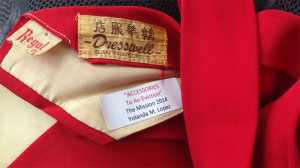
"caption": "Detail, Yolanda M. López’s \u003ci>Accessories to an Eviction\u003c/i>, June 29, 2014, Red Poppy Art House; Photo by Adriana Camarena",
"description": null,
"title": "yl-main",
"credit": null,
"status": "inherit",
"isLoading": false,
"fetchFailed": false
},
"arts_10138480": {
"type": "attachments",
"id": "arts_10138480",
"meta": {
"index": "attachments_1716263798",
"site": "arts",
"id": "10138480",
"found": true
},
"parent": 10138476,
"imgSizes": {
"twentyfourteen-full-width": {
"file": "https://ww2.kqed.org/app/uploads/sites/2/2014/06/friedkin-plate-10_cropped-1038x576.jpg",
"width": 1038,
"mimeType": "image/jpeg",
"height": 576
},
"thumbnail": {
"file": "https://ww2.kqed.org/app/uploads/sites/2/2014/06/friedkin-plate-10_cropped-400x225.jpg",
"width": 400,
"mimeType": "image/jpeg",
"height": 225
},
"post-thumbnail": {
"file": "https://ww2.kqed.org/app/uploads/sites/2/2014/06/friedkin-plate-10_cropped-672x372.jpg",
"width": 672,
"mimeType": "image/jpeg",
"height": 372
},
"kqedFullSize": {
"file": "https://ww2.kqed.org/app/uploads/sites/2/2014/06/friedkin-plate-10_cropped.jpg",
"width": 1200,
"height": 675
},
"guest-author-96": {
"file": "https://ww2.kqed.org/app/uploads/sites/2/2014/06/friedkin-plate-10_cropped-96x96.jpg",
"width": 96,
"mimeType": "image/jpeg",
"height": 96
},
"medium": {
"file": "https://ww2.kqed.org/app/uploads/sites/2/2014/06/friedkin-plate-10_cropped-300x168.jpg",
"width": 300,
"mimeType": "image/jpeg",
"height": 168
},
"guest-author-64": {
"file": "https://ww2.kqed.org/app/uploads/sites/2/2014/06/friedkin-plate-10_cropped-64x64.jpg",
"width": 64,
"mimeType": "image/jpeg",
"height": 64
},
"detail": {
"file": "https://ww2.kqed.org/app/uploads/sites/2/2014/06/friedkin-plate-10_cropped-75x75.jpg",
"width": 75,
"mimeType": "image/jpeg",
"height": 75
},
"guest-author-32": {
"file": "https://ww2.kqed.org/app/uploads/sites/2/2014/06/friedkin-plate-10_cropped-32x32.jpg",
"width": 32,
"mimeType": "image/jpeg",
"height": 32
},
"guest-author-128": {
"file": "https://ww2.kqed.org/app/uploads/sites/2/2014/06/friedkin-plate-10_cropped-128x128.jpg",
"width": 128,
"mimeType": "image/jpeg",
"height": 128
}
},
"publishDate": 1403900724,
"modified": 1403900724,
"caption": null,
"description": null,
"title": "friedkin-plate-10_cropped",
"credit": "Anthony Friedkin",
"status": "inherit",
"isLoading": false,
"fetchFailed": false
},
"arts_10138471": {
"type": "attachments",
"id": "arts_10138471",
"meta": {
"index": "attachments_1716263798",
"site": "arts",
"id": "10138471",
"found": true
},
"parent": 10138470,
"imgSizes": {
"kqedFullSize": {
"file": "https://ww2.kqed.org/app/uploads/sites/2/2014/06/10138470-thumb.jpg",
"width": 300,
"height": 300
},
"guest-author-96": {
"file": "https://ww2.kqed.org/app/uploads/sites/2/2014/06/10138470-thumb-96x96.jpg",
"width": 96,
"mimeType": "image/jpeg",
"height": 96
},
"medium": {
"file": "https://ww2.kqed.org/app/uploads/sites/2/2014/06/10138470-thumb-300x300.jpg",
"width": 300,
"mimeType": "image/jpeg",
"height": 300
},
"guest-author-64": {
"file": "https://ww2.kqed.org/app/uploads/sites/2/2014/06/10138470-thumb-64x64.jpg",
"width": 64,
"mimeType": "image/jpeg",
"height": 64
},
"detail": {
"file": "https://ww2.kqed.org/app/uploads/sites/2/2014/06/10138470-thumb-75x75.jpg",
"width": 75,
"mimeType": "image/jpeg",
"height": 75
},
"guest-author-32": {
"file": "https://ww2.kqed.org/app/uploads/sites/2/2014/06/10138470-thumb-32x32.jpg",
"width": 32,
"mimeType": "image/jpeg",
"height": 32
},
"guest-author-128": {
"file": "https://ww2.kqed.org/app/uploads/sites/2/2014/06/10138470-thumb-128x128.jpg",
"width": 128,
"mimeType": "image/jpeg",
"height": 128
}
},
"publishDate": 1403877945,
"modified": 1403877945,
"caption": null,
"description": null,
"title": "Thumbnail for 10138470",
"credit": null,
"status": "inherit",
"isLoading": false,
"fetchFailed": false
},
"arts_10138448": {
"type": "attachments",
"id": "arts_10138448",
"meta": {
"index": "attachments_1716263798",
"site": "arts",
"id": "10138448",
"found": true
},
"parent": 10138443,
"imgSizes": {
"thumbnail": {
"file": "https://ww2.kqed.org/app/uploads/sites/2/2014/06/NYC-GRaffiti-train-400x224.jpg",
"width": 400,
"mimeType": "image/jpeg",
"height": 224
},
"post-thumbnail": {
"file": "https://ww2.kqed.org/app/uploads/sites/2/2014/06/NYC-GRaffiti-train-672x372.jpg",
"width": 672,
"mimeType": "image/jpeg",
"height": 372
},
"kqedFullSize": {
"file": "https://ww2.kqed.org/app/uploads/sites/2/2014/06/NYC-GRaffiti-train.jpg",
"width": 800,
"height": 449
},
"guest-author-96": {
"file": "https://ww2.kqed.org/app/uploads/sites/2/2014/06/NYC-GRaffiti-train-96x96.jpg",
"width": 96,
"mimeType": "image/jpeg",
"height": 96
},
"medium": {
"file": "https://ww2.kqed.org/app/uploads/sites/2/2014/06/NYC-GRaffiti-train-300x168.jpg",
"width": 300,
"mimeType": "image/jpeg",
"height": 168
},
"guest-author-64": {
"file": "https://ww2.kqed.org/app/uploads/sites/2/2014/06/NYC-GRaffiti-train-64x64.jpg",
"width": 64,
"mimeType": "image/jpeg",
"height": 64
},
"detail": {
"file": "https://ww2.kqed.org/app/uploads/sites/2/2014/06/NYC-GRaffiti-train-75x75.jpg",
"width": 75,
"mimeType": "image/jpeg",
"height": 75
},
"guest-author-32": {
"file": "https://ww2.kqed.org/app/uploads/sites/2/2014/06/NYC-GRaffiti-train-32x32.jpg",
"width": 32,
"mimeType": "image/jpeg",
"height": 32
},
"guest-author-128": {
"file": "https://ww2.kqed.org/app/uploads/sites/2/2014/06/NYC-GRaffiti-train-128x128.jpg",
"width": 128,
"mimeType": "image/jpeg",
"height": 128
}
},
"publishDate": 1403827949,
"modified": 1403827949,
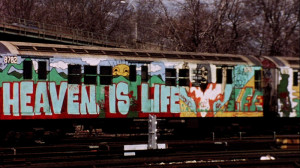
"caption": "The 1981 film Stations of the Elevated follows graffiti-covered trains in New York City. The film is being reissued in New York this week and the rest of the country this fall.",
"description": "The 1981 film Stations of the Elevated follows graffiti-covered trains in New York City. The film is being reissued in New York this week and the rest of the country this fall.",
"title": "NYC GRaffiti train",
"credit": "Artists Public Domain",
"status": "inherit",
"isLoading": false,
"fetchFailed": false
}
},
"audioPlayerReducer": {
"postId": "stream_live",
"isPaused": true,
"isPlaying": false,
"pfsActive": false,
"pledgeModalIsOpen": true,
"playerDrawerIsOpen": false,
"liveAudioPlayStartedAt": 0,
"liveAudioPlayContext": ""
},
"authorsReducer": {
"byline_arts_10138955": {
"type": "authors",
"id": "byline_arts_10138955",
"meta": {
"override": true
},
"slug": "byline_arts_10138955",
"name": "Bill Chappell",
"isLoading": false
},
"byline_arts_10137390": {
"type": "authors",
"id": "byline_arts_10137390",
"meta": {
"override": true
},
"slug": "byline_arts_10137390",
"name": "Nicole Atkinson Roach",
"isLoading": false
},
"byline_arts_10138476": {
"type": "authors",
"id": "byline_arts_10138476",
"meta": {
"override": true
},
"slug": "byline_arts_10138476",
"name": "Scott Shafer",
"isLoading": false
},
"byline_arts_10138443": {
"type": "authors",
"id": "byline_arts_10138443",
"meta": {
"override": true
},
"slug": "byline_arts_10138443",
"name": "Joel Rose",
"isLoading": false
},
"marktaylor-2": {
"type": "authors",
"id": "8",
"meta": {
"index": "authors_1716337520",
"id": "8",
"found": true
},
"name": "Mark Taylor",
"firstName": "Mark",
"lastName": "Taylor",
"slug": "marktaylor-2",
"email": "mark@emptypictures.net",
"display_author_email": false,
"staff_mastheads": [],
"title": null,
"bio": "Mark Taylor founded KQED Arts in 2005 and served as Senior Interactive Producer for Arts and Culture through 2014. Taylor was the online arts editor of KQED's daily arts blog for nine years and created the station's first web-original podcasts, Gallery Crawl and The Writers' Block.\r\n\r\nTaylor is an experimental filmmaker and visual artist whose work has been collected by the Library of Congress, Stanford University and the New York Museum of Modern Art, among many others. He teaches Media Studies at the University of San Francisco and is exploring the connection between film and food. \u003ca href=\"http://emptypictures.net/\">Visit Mark Taylor's website\u003c/a> at emptypictures.net.",
"avatar": "https://secure.gravatar.com/avatar/3452322b4dec4379500b11b74718f5da?s=600&d=blank&r=g",
"twitter": null,
"facebook": null,
"instagram": null,
"linkedin": null,
"sites": [
{
"site": "arts",
"roles": [
"Administrator",
"contributor"
]
},
{
"site": "bayareabites",
"roles": [
"author"
]
},
{
"site": "checkplease",
"roles": [
"subscriber"
]
},
{
"site": "food",
"roles": [
"contributor"
]
}
],
"headData": {
"title": "Mark Taylor | KQED",
"description": null,
"ogImgSrc": "https://secure.gravatar.com/avatar/3452322b4dec4379500b11b74718f5da?s=600&d=blank&r=g",
"twImgSrc": "https://secure.gravatar.com/avatar/3452322b4dec4379500b11b74718f5da?s=600&d=blank&r=g"
},
"isLoading": false,
"link": "/author/marktaylor-2"
},
"kfarr": {
"type": "authors",
"id": "16",
"meta": {
"index": "authors_1716337520",
"id": "16",
"found": true
},
"name": "Kristin Farr",
"firstName": "Kristin",
"lastName": "Farr",
"slug": "kfarr",
"email": "kfarr@kqed.org",
"display_author_email": false,
"staff_mastheads": [],
"title": null,
"bio": "Kristin Farr is the creator and producer of KQED's Emmy Award-winning web video series, Art School, and she is also a contributing editor for Juxtapoz magazine. Her artwork has been exhibited at galleries around the Bay Area including YBCA, Fifty24SF, Anno Domini and The Bedford Gallery. Her FarrOut art app for iOS was released in 2013. She lives in the East Bay and her favorite color is all of them.",
"avatar": "https://secure.gravatar.com/avatar/96aae7842c46004b98e00051e9e0d71f?s=600&d=blank&r=g",
"twitter": "kristinfarr",
"facebook": null,
"instagram": null,
"linkedin": null,
"sites": [
{
"site": "arts",
"roles": [
"Contributor",
"contributor"
]
},
{
"site": "artschool",
"roles": [
"subscriber"
]
}
],
"headData": {
"title": "Kristin Farr | KQED",
"description": null,
"ogImgSrc": "https://secure.gravatar.com/avatar/96aae7842c46004b98e00051e9e0d71f?s=600&d=blank&r=g",
"twImgSrc": "https://secure.gravatar.com/avatar/96aae7842c46004b98e00051e9e0d71f?s=600&d=blank&r=g"
},
"isLoading": false,
"link": "/author/kfarr"
},
"cfrock": {
"type": "authors",
"id": "58",
"meta": {
"index": "authors_1716337520",
"id": "58",
"found": true
},
"name": "Christian L. Frock",
"firstName": "Christian L.",
"lastName": "Frock",
"slug": "cfrock",
"email": "christian@invisiblevenue.com",
"display_author_email": false,
"staff_mastheads": [
"arts"
],
"title": "KQED Contributor",
"bio": null,
"avatar": "https://secure.gravatar.com/avatar/da93aa5c1bc6f6561a99d5073186102c?s=600&d=blank&r=g",
"twitter": null,
"facebook": null,
"instagram": null,
"linkedin": null,
"sites": [
{
"site": "arts",
"roles": [
"Contributor",
"contributor"
]
}
],
"headData": {
"title": "Christian L. Frock | KQED",
"description": "KQED Contributor",
"ogImgSrc": "https://secure.gravatar.com/avatar/da93aa5c1bc6f6561a99d5073186102c?s=600&d=blank&r=g",
"twImgSrc": "https://secure.gravatar.com/avatar/da93aa5c1bc6f6561a99d5073186102c?s=600&d=blank&r=g"
},
"isLoading": false,
"link": "/author/cfrock"
},
"shotchkiss": {
"type": "authors",
"id": "61",
"meta": {
"index": "authors_1716337520",
"id": "61",
"found": true
},
"name": "Sarah Hotchkiss",
"firstName": "Sarah",
"lastName": "Hotchkiss",
"slug": "shotchkiss",
"email": "shotchkiss@kqed.org",
"display_author_email": true,
"staff_mastheads": [
"arts"
],
"title": "Senior Editor",
"bio": "Sarah Hotchkiss is a San Francisco \u003ca href=\"http://www.sarahhotchkiss.com\">artist\u003c/a> and arts writer. In 2019, she received the Dorothea & Leo Rabkin Foundation grant for visual art journalism and in 2020 she received a Society of Professional Journalists, Northern California award for excellence in arts and culture reporting.",
"avatar": "https://secure.gravatar.com/avatar/bc662df144b3d27fd8b1b6f1c2a420d34e91e53154d411bb7ad353cc8b6cea8d?s=600&d=blank&r=g",
"twitter": null,
"bluesky": null,
"facebook": null,
"instagram": null,
"linkedin": null,
"sites": [
{
"site": "",
"roles": [
"editor"
]
},
{
"site": "arts",
"roles": [
"Contributor",
"administrator"
]
},
{
"site": "artschool",
"roles": [
"administrator"
]
},
{
"site": "news",
"roles": [
"editor"
]
},
{
"site": "pop",
"roles": [
"administrator"
]
},
{
"site": "bayareabites",
"roles": [
"editor"
]
},
{
"site": "spark",
"roles": [
"editor"
]
},
{
"site": "checkplease",
"roles": [
"editor"
]
}
],
"headData": {
"title": "Sarah Hotchkiss | KQED",
"description": "Senior Editor",
"ogImgSrc": "https://secure.gravatar.com/avatar/bc662df144b3d27fd8b1b6f1c2a420d34e91e53154d411bb7ad353cc8b6cea8d?s=600&d=blank&r=g",
"twImgSrc": "https://secure.gravatar.com/avatar/bc662df144b3d27fd8b1b6f1c2a420d34e91e53154d411bb7ad353cc8b6cea8d?s=600&d=blank&r=g"
},
"isLoading": false,
"link": "/author/shotchkiss"
},
"kqedarts": {
"type": "authors",
"id": "92",
"meta": {
"index": "authors_1716337520",
"id": "92",
"found": true
},
"name": "KQED Arts",
"firstName": "KQED",
"lastName": "Arts",
"slug": "kqedarts",
"email": "arts@kqed.org",
"display_author_email": false,
"staff_mastheads": [],
"title": "KQED Staff",
"bio": null,
"avatar": "https://secure.gravatar.com/avatar/321c9ebfeb7736f9e55366a6d3399ab0?s=600&d=blank&r=g",
"twitter": null,
"facebook": null,
"instagram": "https://www.instagram.com/kqed_arts/",
"linkedin": null,
"sites": [
{
"site": "arts",
"roles": [
"contributor"
]
},
{
"site": "pop",
"roles": [
"contributor"
]
},
{
"site": "science",
"roles": [
"author"
]
},
{
"site": "food",
"roles": [
"contributor"
]
}
],
"headData": {
"title": "KQED Arts | KQED",
"description": "KQED Staff",
"ogImgSrc": "https://secure.gravatar.com/avatar/321c9ebfeb7736f9e55366a6d3399ab0?s=600&d=blank&r=g",
"twImgSrc": "https://secure.gravatar.com/avatar/321c9ebfeb7736f9e55366a6d3399ab0?s=600&d=blank&r=g"
},
"isLoading": false,
"link": "/author/kqedarts"
},
"kjones": {
"type": "authors",
"id": "93",
"meta": {
"index": "authors_1716337520",
"id": "93",
"found": true
},
"name": "Kevin L. Jones",
"firstName": "Kevin",
"lastName": "Jones",
"slug": "kjones",
"email": "kjones@kqed.org",
"display_author_email": false,
"staff_mastheads": [],
"title": null,
"bio": null,
"avatar": "https://secure.gravatar.com/avatar/12c65b5633ed39d0a59bb7f497eff645?s=600&d=blank&r=g",
"twitter": null,
"facebook": null,
"instagram": null,
"linkedin": null,
"sites": [
{
"site": "arts",
"roles": [
"subscriber"
]
},
{
"site": "styleguide",
"roles": [
"contributor"
]
},
{
"site": "artschool",
"roles": [
"subscriber"
]
},
{
"site": "news",
"roles": [
"subscriber"
]
},
{
"site": "pop",
"roles": [
"subscriber"
]
}
],
"headData": {
"title": "Kevin L. Jones | KQED",
"description": null,
"ogImgSrc": "https://secure.gravatar.com/avatar/12c65b5633ed39d0a59bb7f497eff645?s=600&d=blank&r=g",
"twImgSrc": "https://secure.gravatar.com/avatar/12c65b5633ed39d0a59bb7f497eff645?s=600&d=blank&r=g"
},
"isLoading": false,
"link": "/author/kjones"
},
"mtedford": {
"type": "authors",
"id": "187",
"meta": {
"index": "authors_1716337520",
"id": "187",
"found": true
},
"name": "Matthew Harrison Tedford",
"firstName": "Matthew Harrison",
"lastName": "Tedford",
"slug": "mtedford",
"email": "mhtedford@gmail.com",
"display_author_email": false,
"staff_mastheads": [],
"title": null,
"bio": "\u003ca href=\"http://www.mhtedford.com\">Matthew Harrison Tedford\u003c/a> is a writer whose work focuses on contemporary art, film, and California history. His writing has appeared in \u003cem id=\"yui_3_17_2_1_1403197832753_7692\">Art Practical\u003c/em>, \u003cem>Daily Serving\u003c/em>, \u003cem>Glance\u003c/em> (California College of the Arts), the \u003cem>Huffington Post\u003c/em>, \u003cem>Oakland Standard\u003c/em> (Oakland Museum of California), \u003cem>Open Space\u003c/em> (SFMOMA), \u003cem>Poor Taste Magazine\u003c/em>, \u003cem>SF Weekly\u003c/em>, and \u003cem>Wilder Quarterly\u003c/em>.",
"avatar": "https://secure.gravatar.com/avatar/f6ae15e4c10b73a2ee9215e669ca0328?s=600&d=blank&r=g",
"twitter": null,
"facebook": null,
"instagram": null,
"linkedin": null,
"sites": [
{
"site": "arts",
"roles": [
"contributor"
]
}
],
"headData": {
"title": "Matthew Harrison Tedford | KQED",
"description": null,
"ogImgSrc": "https://secure.gravatar.com/avatar/f6ae15e4c10b73a2ee9215e669ca0328?s=600&d=blank&r=g",
"twImgSrc": "https://secure.gravatar.com/avatar/f6ae15e4c10b73a2ee9215e669ca0328?s=600&d=blank&r=g"
},
"isLoading": false,
"link": "/author/mtedford"
},
"agrossberg": {
"type": "authors",
"id": "188",
"meta": {
"index": "authors_1716337520",
"id": "188",
"found": true
},
"name": "Adam Grossberg",
"firstName": "Adam",
"lastName": "Grossberg",
"slug": "agrossberg",
"email": "agrossberg@KQED.org",
"display_author_email": false,
"staff_mastheads": [],
"title": "KQED Contributor",
"bio": "Adam Grossberg is a former video producer at KQED News. Prior to coming to KQED, he produced videos for PBS, The New York Times, Current TV and The Center for Investigative Reporting. His work has received an Excellence in Journalism award from the Society of Professional Journalists, a regional Murrow award and two Northern California Emmy awards. He is a graduate of the UC Berkeley Graduate School of Journalism.",
"avatar": "https://secure.gravatar.com/avatar/8e96dbdaaf98f5959a2c778289e0f9b5?s=600&d=blank&r=g",
"twitter": null,
"facebook": null,
"instagram": null,
"linkedin": null,
"sites": [
{
"site": "arts",
"roles": [
"contributor"
]
},
{
"site": "news",
"roles": [
"subscriber"
]
},
{
"site": "stateofhealth",
"roles": [
"editor"
]
},
{
"site": "science",
"roles": [
"editor"
]
}
],
"headData": {
"title": "Adam Grossberg | KQED",
"description": "KQED Contributor",
"ogImgSrc": "https://secure.gravatar.com/avatar/8e96dbdaaf98f5959a2c778289e0f9b5?s=600&d=blank&r=g",
"twImgSrc": "https://secure.gravatar.com/avatar/8e96dbdaaf98f5959a2c778289e0f9b5?s=600&d=blank&r=g"
},
"isLoading": false,
"link": "/author/agrossberg"
}
},
"pagesReducer": {
"arts_category_visualarts": {
"type": "terms",
"id": "arts_70",
"meta": {
"index": "terms_1716263798",
"site": "arts",
"id": "70",
"score": 14.408136
},
"featImg": null,
"name": "Visual Arts",
"description": null,
"taxonomy": "category",
"headData": {
"twImgId": null,
"twTitle": null,
"ogTitle": null,
"ogImgId": null,
"twDescription": null,
"description": null,
"title": "Visual Arts Archives | KQED Arts",
"ogDescription": null
},
"ttid": 71,
"slug": "visualarts",
"isLoading": false,
"title": "Visual Arts",
"pageMeta": {
"site": "arts",
"WpPageTemplate": "page-topic-editorial",
"currentPage": 166
},
"blocks": [
{
"blockName": "kqed/post-list",
"attrs": {
"layout": "cardArticle2",
"query": "posts/arts?category=visualarts",
"seeMore": false,
"paginated": true,
"page": 166
}
},
{
"blockName": "kqed/ad"
}
]
}
},
"pfsSessionReducer": {},
"postsReducer": {
"stream_live": {
"type": "live",
"id": "stream_live",
"audioUrl": "https://streams.kqed.org/kqedradio",
"title": "Live Stream",
"excerpt": "Live Stream information currently unavailable.",
"link": "/radio",
"featImg": "",
"label": {
"name": "KQED Live",
"link": "/"
}
},
"stream_kqedNewscast": {
"type": "posts",
"id": "stream_kqedNewscast",
"audioUrl": "https://www.kqed.org/.stream/anon/radio/RDnews/newscast.mp3?_=1",
"title": "KQED Newscast",
"featImg": "",
"label": {
"name": "88.5 FM",
"link": "/"
}
},
"arts_10139238": {
"type": "posts",
"id": "arts_10139238",
"meta": {
"index": "posts_1716263798",
"site": "arts",
"id": "10139238",
"score": null,
"sort": [
1405688405000
]
},
"parent": 0,
"labelTerm": {
"site": "arts"
},
"blocks": [],
"publishDate": 1405688405,
"format": "image",
"title": "Choose Your Own Adventure Through the 'Bay Area Now'",
"headTitle": "Choose Your Own Adventure Through the ‘Bay Area Now’ | KQED",
"content": "\u003cp>Every three years the Yerba Buena Center for the Arts takes stock of the art scene in the Bay Area. Always a snapshot of an active and ever-changing world, the triennial has featured work by the famous, the obscure and the soon-to-be famous since 1997, curated by the good folks at the center itself (with a little help from friends). \u003c/p>\n\u003cp>This year, they chose to do something different. Sending out an open call late in 2013 for proposals from independents, YBCA passed curatorial duties on to people closer to the ground (meaning small to mid-size spaces and curatorial projects), choosing 15 out of the 50 exhibition proposals received. \u003c/p>\n\u003cp>This was an interesting move, especially given the region’s current situation, where bad news and economic hardship form a steady rhythm to a song of contraction and closure of art spaces in the Bay Area. The seventh edition of \u003cb>Bay Area Now\u003c/b> adds a counter melody to that tune, demonstrating that the region’s famous innovative spirit and creativity are still alive and kicking. \u003c/p>\n\u003caside class=\"event-info alignright\">\n\u003ch3>Event Information\u003c/h3>\n\u003cdiv class=\"event-map\">[googlemaps https://www.google.com/maps/embed?pb=!1m18!1m12!1m3!1d3153.1818004276715!2d-122.40215599999999!3d37.78577899999999!2m3!1f0!2f0!3f0!3m2!1i1024!2i768!4f13.1!3m3!1m2!1s0x80858087ec8d9c89%3A0x477290961c219b7c!2sYerba+Buena+Center+for+the+Arts+(YBCA)!5e0!3m2!1sen!2sus!4v1405642333378&w=400&h=300]\u003c/div>\n\u003cdiv class=\"event-desc\">\n\u003cb>Bay Area Now\u003c/b>, the Yerba Buena Center for the Arts’ triennial exhibition of Bay Area contemporary art runs July 18 through October 5, 2014. For \u003ca href=\"http://www.ybca.org/ban7\" target=\"_blank\" rel=\"noopener\">more information\u003c/a>, visit ybca.org.\u003c/div>\n\u003cdiv class=\"event-dates\">\n\u003ch4>July 18 – October 5, 2014\u003c/h4>\n\u003c/div>\n\u003cdiv class=\"event-venue\">Yerba Buena Center for the Arts\u003cbr>\nhttp://www.ybca.org/ban7 (at Third)\u003cbr>\nSan Francisco, California 94105\u003cbr>\nTel: 415.978.2787\u003cbr>\n\u003ca href=\"https://goo.gl/maps/VbpJd\" target=\"_blank\" rel=\"noopener\">MAP\u003c/a>\u003c/div>\n\u003c/aside>\n\u003cp>Instead of bringing diverse artists together to form one portrait of the Bay Area, we get 15 different visions (and over 100 artists), creating a kaleidoscope that includes the large and the small, but remains oddly coherent — and surprisingly low-key. I would have expected a loud clutter from so many curators sharing space, but the show is sparse. Most of the exhibitions, which are all given their own separate spaces, are very focused and even minimalist when compared to years past. \u003c/p>\n\u003cfigure id=\"attachment_10139250\" class=\"wp-caption alignleft\" style=\"max-width: 640px\">\u003ca href=\"http://ww2.kqed.org/arts/wp-content/uploads/sites/2/2014/07/pied.jpg\">\u003cimg loading=\"lazy\" decoding=\"async\" src=\"http://ww2.kqed.org/arts/wp-content/uploads/sites/2/2014/07/pied.jpg\" alt=\"Artist: Teresa Baker; Curated by Pied-à-terre\" width=\"640\" height=\"480\" class=\"size-full wp-image-10139250\" srcset=\"https://cdn.kqed.org/wp-content/uploads/sites/2/2014/07/pied.jpg 640w, https://cdn.kqed.org/wp-content/uploads/sites/2/2014/07/pied-400x300.jpg 400w, https://cdn.kqed.org/wp-content/uploads/sites/2/2014/07/pied-300x225.jpg 300w\" sizes=\"(max-width: 640px) 100vw, 640px\">\u003c/a>\u003cfigcaption class=\"wp-caption-text\">Artist: Teresa Baker; Curated by Pied-à-terre\u003c/figcaption>\u003c/figure>\n\u003cp>Taking this to an extreme, Pied-à-terre’s McIntyre Parker decided to hang just one piece, a small, white-on-white construction by Teresa Baker in the middle of his dedicated space on the museum’s second floor. The gesture is a tiny bit of quiet. When I was there, with the gallery empty, it made me consider the space around the image, the places where the carpet has been stitched together and the patterns of wear that reflect multiple uses of the gallery over time. I am not sure that this piece will even be noticed when the museum is full. It felt like a bold move, but also a bit of a middle finger flipped. Then again, I appreciate Parker’s willingness to stand by just one object, subjecting it to unaccompanied scrutiny. Is less less or is it more? (Who knows?)\u003c/p>\n\u003cp>[ad fullwidth]\u003c/p>\n\u003cp>Maybe it’s my own personal lens, but I couldn’t help but see a reaction to the current economic debate at play behind much of the work. The challenging economy isn’t being addressed directly; instead, it’s seen in the practice of presenting work in small alternative spaces. It’s kind of a “where there’s a will, there’s a way” movement, reflecting and reviving the Bay Area’s DIY spirit. \u003c/p>\n\u003cfigure id=\"attachment_10139251\" class=\"wp-caption alignright\" style=\"max-width: 998px\">\u003ca href=\"http://ww2.kqed.org/arts/wp-content/uploads/sites/2/2014/07/STAIRWELLS.jpg\">\u003cimg loading=\"lazy\" decoding=\"async\" src=\"http://ww2.kqed.org/arts/wp-content/uploads/sites/2/2014/07/STAIRWELLS.jpg\" alt=\"Artist: Amy M. Ho; Curated by Stairwell's\" width=\"998\" height=\"704\" class=\"size-full wp-image-10139251\" srcset=\"https://cdn.kqed.org/wp-content/uploads/sites/2/2014/07/STAIRWELLS.jpg 998w, https://cdn.kqed.org/wp-content/uploads/sites/2/2014/07/STAIRWELLS-400x282.jpg 400w, https://cdn.kqed.org/wp-content/uploads/sites/2/2014/07/STAIRWELLS-300x211.jpg 300w\" sizes=\"(max-width: 998px) 100vw, 998px\">\u003c/a>\u003cfigcaption class=\"wp-caption-text\">Artist: Amy M. Ho; Curated by Stairwell’s\u003c/figcaption>\u003c/figure>\n\u003cp>Betti-Sue Hertz, YBCA’s Director of Visual Arts, says, “What’s exciting is that, no matter what the economy, people have a desire and a passion to curate exhibitions and work with artists to present artwork.” The curators behind \u003cb>Bay Area Now\u003c/b> participants n/a, Pied-a-terre and [2nd floor projects] have all created exhibition spaces in their own apartments. Similarly, Stairwell’s identifies transitional spaces — like stairwells and hallways, spaces that you travel through to get from one place to another — and commissions new works to fit into those often unconsidered locations. True to form, they have taken over the main staircase that connects the museum’s first and second floor galleries, presenting Amy M. Ho’s meditation on a stairwell on top and beside the stairs and Mike Rothfeld’s paper mache alien egg forms wrapped underneath. (Potential for favoritism alert: Sarah Hotchkiss, half of the Stairwell’s curatorial team, with Carey Lin, covers visual art for KQED.)\u003c/p>\n\u003cfigure id=\"attachment_10139277\" class=\"wp-caption alignright\" style=\"max-width: 640px\">\u003ca href=\"http://ww2.kqed.org/arts/wp-content/uploads/sites/2/2014/07/farr2.jpg\">\u003cimg loading=\"lazy\" decoding=\"async\" src=\"http://ww2.kqed.org/arts/wp-content/uploads/sites/2/2014/07/farr2.jpg\" alt=\"Artists; Kristin Farr and Jeff Meadows; Curated by Adobe Books Backroom Gallery\" width=\"640\" height=\"503\" class=\"size-full wp-image-10139277\" srcset=\"https://cdn.kqed.org/wp-content/uploads/sites/2/2014/07/farr2.jpg 640w, https://cdn.kqed.org/wp-content/uploads/sites/2/2014/07/farr2-400x314.jpg 400w, https://cdn.kqed.org/wp-content/uploads/sites/2/2014/07/farr2-300x235.jpg 300w\" sizes=\"(max-width: 640px) 100vw, 640px\">\u003c/a>\u003cfigcaption class=\"wp-caption-text\">Artists: Kristin Farr and Jeff Meadows; Curated by Adobe Books Backroom Gallery\u003c/figcaption>\u003c/figure>\n\u003cp>And of course, Adobe Books Backroom Gallery has historically presented some of the best contemporary art in the Bay Area out of the back room of a bookstore, which has undergone numerous challenges and a relocation in recent years. They get the back room of the exhibition and present a beautiful multi-colored wood installation dedicated to the artist Shawn Whisenant, \u003ca href=\"http://ww2.kqed.org/arts/2014/04/28/the-legacy-of-shawn-whisenant/\" target=\"_blank\" rel=\"noopener\">who died at age 32 this past March\u003c/a>. (Another potential for favored treatment alert: that installation and three really fun “hugging chairs” that look like stuffed animals with big arms to wrap around whoever sits in them was produced by KQED’s own Kristin Farr with her husband Jeff Meadows.) Adobe’s space really reflects the personality of their usual gig, but with just a little more space to stretch out in. An installation by Erik Otto, a sound sculpture by Marc Kate and Brian Tester and large, colored-in silhouettes and funny wall texts by Lori Gordon — “today I feel like the earth is shrinking” — round out their show in a really satisfying way.\u003c/p>\n\u003cp>Another thread that runs through the presentation is the issue of labor — and again, revealing the labor behind the making and mounting of an exhibition is particularly crucial during this period. Dispelling the ideas that art is a hobby, that art is somehow not important to the local economy or that art isn’t really work is especially important just now. People who think such things have obviously never made art or witnessed what it takes to mount a large exhibition. \u003c/p>\n\u003cp>The Bay Area Art Workers Alliance (BAAWA) is a loose association of over 125 artists who work as on-call installers, preparators, conservators, and framers for institutions around the Bay. All of the work in their section is made from the materials, leftovers, traces and tools used to mount an exhibition. Listing all of their members, instead of just those who participated in the creation of the exhibition, the group questions the idea of authorship, especially as arts workers and installers within the museum setting. \u003c/p>\n\u003cfigure id=\"attachment_10139253\" class=\"wp-caption alignright\" style=\"max-width: 640px\">\u003ca href=\"http://ww2.kqed.org/arts/wp-content/uploads/sites/2/2014/07/baawa.jpg\">\u003cimg loading=\"lazy\" decoding=\"async\" src=\"http://ww2.kqed.org/arts/wp-content/uploads/sites/2/2014/07/baawa.jpg\" alt=\"Artist: Bay Area Art Workers Alliance\" width=\"640\" height=\"716\" class=\"size-full wp-image-10139253\" srcset=\"https://cdn.kqed.org/wp-content/uploads/sites/2/2014/07/baawa.jpg 640w, https://cdn.kqed.org/wp-content/uploads/sites/2/2014/07/baawa-400x447.jpg 400w, https://cdn.kqed.org/wp-content/uploads/sites/2/2014/07/baawa-268x300.jpg 268w\" sizes=\"(max-width: 640px) 100vw, 640px\">\u003c/a>\u003cfigcaption class=\"wp-caption-text\">Artist: Bay Area Art Workers Alliance\u003c/figcaption>\u003c/figure>\n\u003cp>At the risk of pissing off the local guild of art preparators (an exceedingly bad idea on my part), this presentation didn’t look fully cooked. My reaction proves how out of sync I am with the zeitgeist of Bay Area art; I polled fellow curators in the show about which exhibition they were most excited to see and the majority (perhaps wisely) pointed to this one. \u003c/p>\n\u003cp>But I have always had a hard time with the “conceptual pile of detritus” school of art. While some parts of the exhibition felt finished and were actually quite witty representations of the materials used to put together exhibits — a packing blanket that reminded me of a Rothko, for example — other parts just ended up looking random. I understand the desire to reveal the work behind the mounting of an exhibition, but it strikes me as odd that the folks responsible for making other artists’ work sing through attention to detail and finish would create something so UN-finished looking. The presentation needed just one final step to be successful for me; it needed to feel not finished, but completed.\u003c/p>\n\u003cfigure id=\"attachment_10139262\" class=\"wp-caption alignright\" style=\"max-width: 640px\">\u003ca href=\"http://ww2.kqed.org/arts/wp-content/uploads/sites/2/2014/07/dirosa.jpg\">\u003cimg loading=\"lazy\" decoding=\"async\" src=\"http://ww2.kqed.org/arts/wp-content/uploads/sites/2/2014/07/dirosa.jpg\" alt=\"Artist: Floris Shonfeld; Curated by di Rosa\" width=\"640\" height=\"427\" class=\"size-full wp-image-10139262\" srcset=\"https://cdn.kqed.org/wp-content/uploads/sites/2/2014/07/dirosa.jpg 640w, https://cdn.kqed.org/wp-content/uploads/sites/2/2014/07/dirosa-400x266.jpg 400w, https://cdn.kqed.org/wp-content/uploads/sites/2/2014/07/dirosa-300x200.jpg 300w\" sizes=\"(max-width: 640px) 100vw, 640px\">\u003c/a>\u003cfigcaption class=\"wp-caption-text\">Artist: Floris Shönfeld; Curated by di Rosa\u003c/figcaption>\u003c/figure>\n\u003cp>I also didn’t get into the other piece that was generating advance buzz. I appreciated the concept behind diRosa’s Floris Shönfeld piece, but the presentation of videos of a vampire-inspired LARP (Live Action Role Play) game called \u003ci>Sanguine Dreams\u003c/i> played over several nights on the grounds of the Napa art preserve just wasn’t that engaging. It felt like one of those “you had to be there” situations, and since I wasn’t there, I didn’t particularly want to go. \u003c/p>\n\u003cp>Another group, Important Projects, filled a wall with an uneven grid of funny and whimsical painted ads for previous shows presented in its Oakland gallery. The second half of their project also engages the labor behind a working museum; they have created an interactive mural that will be filled in over time by the center’s staff. Once completed, the mural will be left in place and painted over, saved perhaps for future excavation. \u003c/p>\n\u003cfigure id=\"attachment_10139263\" class=\"wp-caption alignright\" style=\"max-width: 640px\">\u003ca href=\"http://ww2.kqed.org/arts/wp-content/uploads/sites/2/2014/07/forsite.jpg\">\u003cimg loading=\"lazy\" decoding=\"async\" src=\"http://ww2.kqed.org/arts/wp-content/uploads/sites/2/2014/07/forsite.jpg\" alt=\"Artist: Nathan Lynch; Curated by For Site Foundation\" width=\"640\" height=\"480\" class=\"size-full wp-image-10139263\" srcset=\"https://cdn.kqed.org/wp-content/uploads/sites/2/2014/07/forsite.jpg 640w, https://cdn.kqed.org/wp-content/uploads/sites/2/2014/07/forsite-400x300.jpg 400w, https://cdn.kqed.org/wp-content/uploads/sites/2/2014/07/forsite-300x225.jpg 300w\" sizes=\"(max-width: 640px) 100vw, 640px\">\u003c/a>\u003cfigcaption class=\"wp-caption-text\">Artist: Nathan Lynch; Curated by For Site Foundation\u003c/figcaption>\u003c/figure>\n\u003cp>Several groups chose to present the work of just one artist. True to their mission of presenting the monumental (often within monuments, like the upcoming Ai Weiwei exhibition on Alcatraz), the For Site Foundation is showing three large sculptures by Nathan Lynch. They are blobby, big, beautifully lit, and colorful enough that you want to do a little dance around them. \u003c/p>\n\u003cp>SF’s Chinese Culture Foundation has a room devoted to Summer Lee’s video installation called \u003ci>Into the Nearness of Distance\u003c/i>, which consists of two poetic black and white projections on sheets of gauze that float in the middle of a darkened room. Lee’s work is about failure, not a popular subject in the Chinese community, but most particularly her failure as a mixed-race artist to connect with her Chinese roots and a culture that she is not particularly rooted in. Notably, both Lee and Stairwell’s artist Amy M. Ho have concurrent shows mounted at the Chinese Culture Center and Et. Al respectively. (Et. Al is another of those above-mentioned spaces that presents art in unexpected places, situated as it is in the basement below a dry cleaner on the outskirts of SF’s Chinatown.)\u003c/p>\n\u003cfigure id=\"attachment_10139264\" class=\"wp-caption alignright\" style=\"max-width: 640px\">\u003ca href=\"http://ww2.kqed.org/arts/wp-content/uploads/sites/2/2014/07/case.jpg\">\u003cimg loading=\"lazy\" decoding=\"async\" src=\"http://ww2.kqed.org/arts/wp-content/uploads/sites/2/2014/07/case.jpg\" alt=\"Artist: Daniel Case; Curated by 2nd Floor Projects\" width=\"640\" height=\"960\" class=\"size-full wp-image-10139264\" srcset=\"https://cdn.kqed.org/wp-content/uploads/sites/2/2014/07/case.jpg 640w, https://cdn.kqed.org/wp-content/uploads/sites/2/2014/07/case-400x600.jpg 400w, https://cdn.kqed.org/wp-content/uploads/sites/2/2014/07/case-200x300.jpg 200w\" sizes=\"(max-width: 640px) 100vw, 640px\">\u003c/a>\u003cfigcaption class=\"wp-caption-text\">Artist: Daniel Case; Curated by [2nd Floor Projects]\u003c/figcaption>\u003c/figure>\n\u003cp>Margaret Tedesco, on the other hand, just friggin’ went for it and decided to mount a bona fide museum show, something she cannot do in her usual exhibition space. And it kicks ass. Titled \u003ci>EROS/ON\u003c/i>, Tedesco’s exhibition “unites the work of four Bay Area artists (Daniel Case, Nicolaus Chaffin, Johnny Ray Huston, the late Curt McDowell) in a provocative dialogue concerning the erasure of queer lineage.” The exhibition space is shared by photographer Case and sculptor Chaffin. Case’s large-scale landscape photos document well-known Northern California beach and park cruising spots, capturing the telltale signs of illicit activity. Chaffin’s sculptures are a little more enigmatic when it comes to the theme. Made of inner tubes and burned wooden posts, they are roughly constructed rafts, which may, I suppose, express a makeshift identity adrift at sea. Tedesco’s gallery exhibition will be supplemented with a screening of films by infamous Bay Area gay filmmaker Curt McDowell, along with a reading by Huston of works inspired by the films. \u003c/p>\n\u003cp>There are several other organizations not included in this evaluation. With 15 different curatorial visions represented, it would be hard to cover everything. Your ticket for entry does buy the opportunity to see 5 panels (out of 16) of a rarely-seen (outside of prison walls) mural made by inmates at San Quentin. We will have more on that in a separate piece about the San Quentin Prison Arts Project tomorrow. \u003c/p>\n\u003cp>[ad floatright]\u003c/p>\n\u003cp>\u003cb>Bay Area Now\u003c/b> includes a film series and a whole slew of performances as well, tonight’s opening of the gallery show is just the beginning. Yerba Buena Center for the Arts’ triennial exhibition of Bay Area contemporary art runs July 18 through October 5, 2014. For \u003ca href=\"http://www.ybca.org/ban7\" target=\"_blank\" rel=\"noopener\">more information\u003c/a>, visit ybca.org. \u003c/p>\n\n",
"stats": {
"hasVideo": false,
"hasChartOrMap": true,
"hasAudio": false,
"hasPolis": false,
"wordCount": 2063,
"hasGoogleForm": false,
"hasGallery": false,
"hasHearkenModule": false,
"iframeSrcs": [
"https://www.google.com/maps/embed"
],
"paragraphCount": 21
},
"modified": 1705048591,
"excerpt": "Every three years the Yerba Buena Center for the Arts takes the temperature of the art scene in the Bay Area. This year the center passed on curatorial duties for \u003cb>Bay Area Now\u003c/b> to 15 small to mid-sized organizations. We preview the results.",
"headData": {
"twImgId": "",
"twTitle": "",
"ogTitle": "",
"ogImgId": "",
"twDescription": "",
"description": "Every three years the Yerba Buena Center for the Arts takes the temperature of the art scene in the Bay Area. This year the center passed on curatorial duties for Bay Area Now to 15 small to mid-sized organizations. We preview the results.",
"title": "Choose Your Own Adventure Through the 'Bay Area Now' | KQED",
"ogDescription": "",
"schema": {
"@context": "https://schema.org",
"@type": "Article",
"headline": "Choose Your Own Adventure Through the 'Bay Area Now'",
"datePublished": "2014-07-18T06:00:05-07:00",
"dateModified": "2024-01-12T00:36:31-08:00",
"image": "https://cdn.kqed.org/wp-content/uploads/2020/02/KQED-OG-Image@1x.png"
}
},
"guestAuthors": [],
"slug": "choose-your-own-adventure-through-the-bay-area-now",
"status": "publish",
"sticky": false,
"path": "/arts/10139238/choose-your-own-adventure-through-the-bay-area-now",
"audioTrackLength": null,
"parsedContent": [
{
"type": "contentString",
"content": "\u003cdiv class=\"post-body\">\u003cp>\u003cp>Every three years the Yerba Buena Center for the Arts takes stock of the art scene in the Bay Area. Always a snapshot of an active and ever-changing world, the triennial has featured work by the famous, the obscure and the soon-to-be famous since 1997, curated by the good folks at the center itself (with a little help from friends). \u003c/p>\n\u003cp>This year, they chose to do something different. Sending out an open call late in 2013 for proposals from independents, YBCA passed curatorial duties on to people closer to the ground (meaning small to mid-size spaces and curatorial projects), choosing 15 out of the 50 exhibition proposals received. \u003c/p>\n\u003cp>This was an interesting move, especially given the region’s current situation, where bad news and economic hardship form a steady rhythm to a song of contraction and closure of art spaces in the Bay Area. The seventh edition of \u003cb>Bay Area Now\u003c/b> adds a counter melody to that tune, demonstrating that the region’s famous innovative spirit and creativity are still alive and kicking. \u003c/p>\n\u003caside class=\"event-info alignright\">\n\u003ch3>Event Information\u003c/h3>\n\u003cdiv class=\"event-map\">\u003c/p>\u003cp>\u003ciframe\n src='https://www.google.com/maps/embed?pb=!1m18!1m12!1m3!1d3153.1818004276715!2d-122.40215599999999!3d37.78577899999999!2m3!1f0!2f0!3f0!3m2!1i1024!2i768!4f13.1!3m3!1m2!1s0x80858087ec8d9c89%3A0x477290961c219b7c!2sYerba+Buena+Center+for+the+Arts+(YBCA)!5e0!3m2!1sen!2sus!4v1405642333378&w=400&h=300'\n title='https://www.google.com/maps/embed?pb=!1m18!1m12!1m3!1d3153.1818004276715!2d-122.40215599999999!3d37.78577899999999!2m3!1f0!2f0!3f0!3m2!1i1024!2i768!4f13.1!3m3!1m2!1s0x80858087ec8d9c89%3A0x477290961c219b7c!2sYerba+Buena+Center+for+the+Arts+(YBCA)!5e0!3m2!1sen!2sus!4v1405642333378&w=400&h=300'\n width='400'\n height='300'\n scrolling='no'\n frameborder='no'>\u003c/iframe>\u003c/p>\u003cp>\u003c/div>\n\u003cdiv class=\"event-desc\">\n\u003cb>Bay Area Now\u003c/b>, the Yerba Buena Center for the Arts’ triennial exhibition of Bay Area contemporary art runs July 18 through October 5, 2014. For \u003ca href=\"http://www.ybca.org/ban7\" target=\"_blank\" rel=\"noopener\">more information\u003c/a>, visit ybca.org.\u003c/div>\n\u003cdiv class=\"event-dates\">\n\u003ch4>July 18 – October 5, 2014\u003c/h4>\n\u003c/div>\n\u003cdiv class=\"event-venue\">Yerba Buena Center for the Arts\u003cbr>\nhttp://www.ybca.org/ban7 (at Third)\u003cbr>\nSan Francisco, California 94105\u003cbr>\nTel: 415.978.2787\u003cbr>\n\u003ca href=\"https://goo.gl/maps/VbpJd\" target=\"_blank\" rel=\"noopener\">MAP\u003c/a>\u003c/div>\n\u003c/aside>\n\u003cp>Instead of bringing diverse artists together to form one portrait of the Bay Area, we get 15 different visions (and over 100 artists), creating a kaleidoscope that includes the large and the small, but remains oddly coherent — and surprisingly low-key. I would have expected a loud clutter from so many curators sharing space, but the show is sparse. Most of the exhibitions, which are all given their own separate spaces, are very focused and even minimalist when compared to years past. \u003c/p>\n\u003cfigure id=\"attachment_10139250\" class=\"wp-caption alignleft\" style=\"max-width: 640px\">\u003ca href=\"http://ww2.kqed.org/arts/wp-content/uploads/sites/2/2014/07/pied.jpg\">\u003cimg loading=\"lazy\" decoding=\"async\" src=\"http://ww2.kqed.org/arts/wp-content/uploads/sites/2/2014/07/pied.jpg\" alt=\"Artist: Teresa Baker; Curated by Pied-à-terre\" width=\"640\" height=\"480\" class=\"size-full wp-image-10139250\" srcset=\"https://cdn.kqed.org/wp-content/uploads/sites/2/2014/07/pied.jpg 640w, https://cdn.kqed.org/wp-content/uploads/sites/2/2014/07/pied-400x300.jpg 400w, https://cdn.kqed.org/wp-content/uploads/sites/2/2014/07/pied-300x225.jpg 300w\" sizes=\"(max-width: 640px) 100vw, 640px\">\u003c/a>\u003cfigcaption class=\"wp-caption-text\">Artist: Teresa Baker; Curated by Pied-à-terre\u003c/figcaption>\u003c/figure>\n\u003cp>Taking this to an extreme, Pied-à-terre’s McIntyre Parker decided to hang just one piece, a small, white-on-white construction by Teresa Baker in the middle of his dedicated space on the museum’s second floor. The gesture is a tiny bit of quiet. When I was there, with the gallery empty, it made me consider the space around the image, the places where the carpet has been stitched together and the patterns of wear that reflect multiple uses of the gallery over time. I am not sure that this piece will even be noticed when the museum is full. It felt like a bold move, but also a bit of a middle finger flipped. Then again, I appreciate Parker’s willingness to stand by just one object, subjecting it to unaccompanied scrutiny. Is less less or is it more? (Who knows?)\u003c/p>\n\u003cp>\u003c/p>\u003c/div>",
"attributes": {
"named": {},
"numeric": []
}
},
{
"type": "component",
"content": "",
"name": "ad",
"attributes": {
"named": {
"label": "fullwidth"
},
"numeric": [
"fullwidth"
]
}
},
{
"type": "contentString",
"content": "\u003cdiv class=\"post-body\">\u003cp>\u003c/p>\n\u003cp>Maybe it’s my own personal lens, but I couldn’t help but see a reaction to the current economic debate at play behind much of the work. The challenging economy isn’t being addressed directly; instead, it’s seen in the practice of presenting work in small alternative spaces. It’s kind of a “where there’s a will, there’s a way” movement, reflecting and reviving the Bay Area’s DIY spirit. \u003c/p>\n\u003cfigure id=\"attachment_10139251\" class=\"wp-caption alignright\" style=\"max-width: 998px\">\u003ca href=\"http://ww2.kqed.org/arts/wp-content/uploads/sites/2/2014/07/STAIRWELLS.jpg\">\u003cimg loading=\"lazy\" decoding=\"async\" src=\"http://ww2.kqed.org/arts/wp-content/uploads/sites/2/2014/07/STAIRWELLS.jpg\" alt=\"Artist: Amy M. Ho; Curated by Stairwell's\" width=\"998\" height=\"704\" class=\"size-full wp-image-10139251\" srcset=\"https://cdn.kqed.org/wp-content/uploads/sites/2/2014/07/STAIRWELLS.jpg 998w, https://cdn.kqed.org/wp-content/uploads/sites/2/2014/07/STAIRWELLS-400x282.jpg 400w, https://cdn.kqed.org/wp-content/uploads/sites/2/2014/07/STAIRWELLS-300x211.jpg 300w\" sizes=\"(max-width: 998px) 100vw, 998px\">\u003c/a>\u003cfigcaption class=\"wp-caption-text\">Artist: Amy M. Ho; Curated by Stairwell’s\u003c/figcaption>\u003c/figure>\n\u003cp>Betti-Sue Hertz, YBCA’s Director of Visual Arts, says, “What’s exciting is that, no matter what the economy, people have a desire and a passion to curate exhibitions and work with artists to present artwork.” The curators behind \u003cb>Bay Area Now\u003c/b> participants n/a, Pied-a-terre and [2nd floor projects] have all created exhibition spaces in their own apartments. Similarly, Stairwell’s identifies transitional spaces — like stairwells and hallways, spaces that you travel through to get from one place to another — and commissions new works to fit into those often unconsidered locations. True to form, they have taken over the main staircase that connects the museum’s first and second floor galleries, presenting Amy M. Ho’s meditation on a stairwell on top and beside the stairs and Mike Rothfeld’s paper mache alien egg forms wrapped underneath. (Potential for favoritism alert: Sarah Hotchkiss, half of the Stairwell’s curatorial team, with Carey Lin, covers visual art for KQED.)\u003c/p>\n\u003cfigure id=\"attachment_10139277\" class=\"wp-caption alignright\" style=\"max-width: 640px\">\u003ca href=\"http://ww2.kqed.org/arts/wp-content/uploads/sites/2/2014/07/farr2.jpg\">\u003cimg loading=\"lazy\" decoding=\"async\" src=\"http://ww2.kqed.org/arts/wp-content/uploads/sites/2/2014/07/farr2.jpg\" alt=\"Artists; Kristin Farr and Jeff Meadows; Curated by Adobe Books Backroom Gallery\" width=\"640\" height=\"503\" class=\"size-full wp-image-10139277\" srcset=\"https://cdn.kqed.org/wp-content/uploads/sites/2/2014/07/farr2.jpg 640w, https://cdn.kqed.org/wp-content/uploads/sites/2/2014/07/farr2-400x314.jpg 400w, https://cdn.kqed.org/wp-content/uploads/sites/2/2014/07/farr2-300x235.jpg 300w\" sizes=\"(max-width: 640px) 100vw, 640px\">\u003c/a>\u003cfigcaption class=\"wp-caption-text\">Artists: Kristin Farr and Jeff Meadows; Curated by Adobe Books Backroom Gallery\u003c/figcaption>\u003c/figure>\n\u003cp>And of course, Adobe Books Backroom Gallery has historically presented some of the best contemporary art in the Bay Area out of the back room of a bookstore, which has undergone numerous challenges and a relocation in recent years. They get the back room of the exhibition and present a beautiful multi-colored wood installation dedicated to the artist Shawn Whisenant, \u003ca href=\"http://ww2.kqed.org/arts/2014/04/28/the-legacy-of-shawn-whisenant/\" target=\"_blank\" rel=\"noopener\">who died at age 32 this past March\u003c/a>. (Another potential for favored treatment alert: that installation and three really fun “hugging chairs” that look like stuffed animals with big arms to wrap around whoever sits in them was produced by KQED’s own Kristin Farr with her husband Jeff Meadows.) Adobe’s space really reflects the personality of their usual gig, but with just a little more space to stretch out in. An installation by Erik Otto, a sound sculpture by Marc Kate and Brian Tester and large, colored-in silhouettes and funny wall texts by Lori Gordon — “today I feel like the earth is shrinking” — round out their show in a really satisfying way.\u003c/p>\n\u003cp>Another thread that runs through the presentation is the issue of labor — and again, revealing the labor behind the making and mounting of an exhibition is particularly crucial during this period. Dispelling the ideas that art is a hobby, that art is somehow not important to the local economy or that art isn’t really work is especially important just now. People who think such things have obviously never made art or witnessed what it takes to mount a large exhibition. \u003c/p>\n\u003cp>The Bay Area Art Workers Alliance (BAAWA) is a loose association of over 125 artists who work as on-call installers, preparators, conservators, and framers for institutions around the Bay. All of the work in their section is made from the materials, leftovers, traces and tools used to mount an exhibition. Listing all of their members, instead of just those who participated in the creation of the exhibition, the group questions the idea of authorship, especially as arts workers and installers within the museum setting. \u003c/p>\n\u003cfigure id=\"attachment_10139253\" class=\"wp-caption alignright\" style=\"max-width: 640px\">\u003ca href=\"http://ww2.kqed.org/arts/wp-content/uploads/sites/2/2014/07/baawa.jpg\">\u003cimg loading=\"lazy\" decoding=\"async\" src=\"http://ww2.kqed.org/arts/wp-content/uploads/sites/2/2014/07/baawa.jpg\" alt=\"Artist: Bay Area Art Workers Alliance\" width=\"640\" height=\"716\" class=\"size-full wp-image-10139253\" srcset=\"https://cdn.kqed.org/wp-content/uploads/sites/2/2014/07/baawa.jpg 640w, https://cdn.kqed.org/wp-content/uploads/sites/2/2014/07/baawa-400x447.jpg 400w, https://cdn.kqed.org/wp-content/uploads/sites/2/2014/07/baawa-268x300.jpg 268w\" sizes=\"(max-width: 640px) 100vw, 640px\">\u003c/a>\u003cfigcaption class=\"wp-caption-text\">Artist: Bay Area Art Workers Alliance\u003c/figcaption>\u003c/figure>\n\u003cp>At the risk of pissing off the local guild of art preparators (an exceedingly bad idea on my part), this presentation didn’t look fully cooked. My reaction proves how out of sync I am with the zeitgeist of Bay Area art; I polled fellow curators in the show about which exhibition they were most excited to see and the majority (perhaps wisely) pointed to this one. \u003c/p>\n\u003cp>But I have always had a hard time with the “conceptual pile of detritus” school of art. While some parts of the exhibition felt finished and were actually quite witty representations of the materials used to put together exhibits — a packing blanket that reminded me of a Rothko, for example — other parts just ended up looking random. I understand the desire to reveal the work behind the mounting of an exhibition, but it strikes me as odd that the folks responsible for making other artists’ work sing through attention to detail and finish would create something so UN-finished looking. The presentation needed just one final step to be successful for me; it needed to feel not finished, but completed.\u003c/p>\n\u003cfigure id=\"attachment_10139262\" class=\"wp-caption alignright\" style=\"max-width: 640px\">\u003ca href=\"http://ww2.kqed.org/arts/wp-content/uploads/sites/2/2014/07/dirosa.jpg\">\u003cimg loading=\"lazy\" decoding=\"async\" src=\"http://ww2.kqed.org/arts/wp-content/uploads/sites/2/2014/07/dirosa.jpg\" alt=\"Artist: Floris Shonfeld; Curated by di Rosa\" width=\"640\" height=\"427\" class=\"size-full wp-image-10139262\" srcset=\"https://cdn.kqed.org/wp-content/uploads/sites/2/2014/07/dirosa.jpg 640w, https://cdn.kqed.org/wp-content/uploads/sites/2/2014/07/dirosa-400x266.jpg 400w, https://cdn.kqed.org/wp-content/uploads/sites/2/2014/07/dirosa-300x200.jpg 300w\" sizes=\"(max-width: 640px) 100vw, 640px\">\u003c/a>\u003cfigcaption class=\"wp-caption-text\">Artist: Floris Shönfeld; Curated by di Rosa\u003c/figcaption>\u003c/figure>\n\u003cp>I also didn’t get into the other piece that was generating advance buzz. I appreciated the concept behind diRosa’s Floris Shönfeld piece, but the presentation of videos of a vampire-inspired LARP (Live Action Role Play) game called \u003ci>Sanguine Dreams\u003c/i> played over several nights on the grounds of the Napa art preserve just wasn’t that engaging. It felt like one of those “you had to be there” situations, and since I wasn’t there, I didn’t particularly want to go. \u003c/p>\n\u003cp>Another group, Important Projects, filled a wall with an uneven grid of funny and whimsical painted ads for previous shows presented in its Oakland gallery. The second half of their project also engages the labor behind a working museum; they have created an interactive mural that will be filled in over time by the center’s staff. Once completed, the mural will be left in place and painted over, saved perhaps for future excavation. \u003c/p>\n\u003cfigure id=\"attachment_10139263\" class=\"wp-caption alignright\" style=\"max-width: 640px\">\u003ca href=\"http://ww2.kqed.org/arts/wp-content/uploads/sites/2/2014/07/forsite.jpg\">\u003cimg loading=\"lazy\" decoding=\"async\" src=\"http://ww2.kqed.org/arts/wp-content/uploads/sites/2/2014/07/forsite.jpg\" alt=\"Artist: Nathan Lynch; Curated by For Site Foundation\" width=\"640\" height=\"480\" class=\"size-full wp-image-10139263\" srcset=\"https://cdn.kqed.org/wp-content/uploads/sites/2/2014/07/forsite.jpg 640w, https://cdn.kqed.org/wp-content/uploads/sites/2/2014/07/forsite-400x300.jpg 400w, https://cdn.kqed.org/wp-content/uploads/sites/2/2014/07/forsite-300x225.jpg 300w\" sizes=\"(max-width: 640px) 100vw, 640px\">\u003c/a>\u003cfigcaption class=\"wp-caption-text\">Artist: Nathan Lynch; Curated by For Site Foundation\u003c/figcaption>\u003c/figure>\n\u003cp>Several groups chose to present the work of just one artist. True to their mission of presenting the monumental (often within monuments, like the upcoming Ai Weiwei exhibition on Alcatraz), the For Site Foundation is showing three large sculptures by Nathan Lynch. They are blobby, big, beautifully lit, and colorful enough that you want to do a little dance around them. \u003c/p>\n\u003cp>SF’s Chinese Culture Foundation has a room devoted to Summer Lee’s video installation called \u003ci>Into the Nearness of Distance\u003c/i>, which consists of two poetic black and white projections on sheets of gauze that float in the middle of a darkened room. Lee’s work is about failure, not a popular subject in the Chinese community, but most particularly her failure as a mixed-race artist to connect with her Chinese roots and a culture that she is not particularly rooted in. Notably, both Lee and Stairwell’s artist Amy M. Ho have concurrent shows mounted at the Chinese Culture Center and Et. Al respectively. (Et. Al is another of those above-mentioned spaces that presents art in unexpected places, situated as it is in the basement below a dry cleaner on the outskirts of SF’s Chinatown.)\u003c/p>\n\u003cfigure id=\"attachment_10139264\" class=\"wp-caption alignright\" style=\"max-width: 640px\">\u003ca href=\"http://ww2.kqed.org/arts/wp-content/uploads/sites/2/2014/07/case.jpg\">\u003cimg loading=\"lazy\" decoding=\"async\" src=\"http://ww2.kqed.org/arts/wp-content/uploads/sites/2/2014/07/case.jpg\" alt=\"Artist: Daniel Case; Curated by 2nd Floor Projects\" width=\"640\" height=\"960\" class=\"size-full wp-image-10139264\" srcset=\"https://cdn.kqed.org/wp-content/uploads/sites/2/2014/07/case.jpg 640w, https://cdn.kqed.org/wp-content/uploads/sites/2/2014/07/case-400x600.jpg 400w, https://cdn.kqed.org/wp-content/uploads/sites/2/2014/07/case-200x300.jpg 200w\" sizes=\"(max-width: 640px) 100vw, 640px\">\u003c/a>\u003cfigcaption class=\"wp-caption-text\">Artist: Daniel Case; Curated by [2nd Floor Projects]\u003c/figcaption>\u003c/figure>\n\u003cp>Margaret Tedesco, on the other hand, just friggin’ went for it and decided to mount a bona fide museum show, something she cannot do in her usual exhibition space. And it kicks ass. Titled \u003ci>EROS/ON\u003c/i>, Tedesco’s exhibition “unites the work of four Bay Area artists (Daniel Case, Nicolaus Chaffin, Johnny Ray Huston, the late Curt McDowell) in a provocative dialogue concerning the erasure of queer lineage.” The exhibition space is shared by photographer Case and sculptor Chaffin. Case’s large-scale landscape photos document well-known Northern California beach and park cruising spots, capturing the telltale signs of illicit activity. Chaffin’s sculptures are a little more enigmatic when it comes to the theme. Made of inner tubes and burned wooden posts, they are roughly constructed rafts, which may, I suppose, express a makeshift identity adrift at sea. Tedesco’s gallery exhibition will be supplemented with a screening of films by infamous Bay Area gay filmmaker Curt McDowell, along with a reading by Huston of works inspired by the films. \u003c/p>\n\u003cp>There are several other organizations not included in this evaluation. With 15 different curatorial visions represented, it would be hard to cover everything. Your ticket for entry does buy the opportunity to see 5 panels (out of 16) of a rarely-seen (outside of prison walls) mural made by inmates at San Quentin. We will have more on that in a separate piece about the San Quentin Prison Arts Project tomorrow. \u003c/p>\n\u003cp>\u003c/p>\u003c/div>",
"attributes": {
"named": {},
"numeric": []
}
},
{
"type": "component",
"content": "",
"name": "ad",
"attributes": {
"named": {
"label": "floatright"
},
"numeric": [
"floatright"
]
}
},
{
"type": "contentString",
"content": "\u003cdiv class=\"post-body\">\u003cp>\u003c/p>\n\u003cp>\u003cb>Bay Area Now\u003c/b> includes a film series and a whole slew of performances as well, tonight’s opening of the gallery show is just the beginning. Yerba Buena Center for the Arts’ triennial exhibition of Bay Area contemporary art runs July 18 through October 5, 2014. For \u003ca href=\"http://www.ybca.org/ban7\" target=\"_blank\" rel=\"noopener\">more information\u003c/a>, visit ybca.org. \u003c/p>\n\n\u003c/div>\u003c/p>",
"attributes": {
"named": {},
"numeric": []
}
}
],
"link": "/arts/10139238/choose-your-own-adventure-through-the-bay-area-now",
"authors": [
"8"
],
"categories": [
"arts_70"
],
"featImg": "arts_10139254",
"label": "arts"
},
"arts_10139092": {
"type": "posts",
"id": "arts_10139092",
"meta": {
"index": "posts_1716263798",
"site": "arts",
"id": "10139092",
"score": null,
"sort": [
1405627242000
]
},
"parent": 0,
"labelTerm": {
"site": "arts"
},
"blocks": [],
"publishDate": 1405627242,
"format": "image",
"title": "Group Takes over Billboards, Bus Stops for Art",
"headTitle": "Group Takes over Billboards, Bus Stops for Art | KQED",
"content": "\u003cp>I walk through the Mission district five days a week for work, and when I think about my route from the 16th Street BART station, much of what I remember is the dirt-caked sidewalks embellished with litter that’s kind-of dangerous: syringes, broken glass, hobo poop. I know that’s an unfair characterization, especially since I’m quite aware of the many color-soaked murals and examples of unique architecture that make the neighborhood an international destination.\u003c/p>\n\u003cp>Still, there are parts of the Mission that feel almost neglected — mostly around a few boarded-up buildings — so when I see that people are trying to spruce the place up, I perk up. In such a famously disputed neighborhood, it’s great to see people taking over public space for non-commercial — and somewhat non-sensical — ends. \u003c/p>\n\u003cfigure id=\"attachment_10139099\" class=\"wp-caption alignright\" style=\"max-width: 800px\">\u003ca href=\"http://ww2.kqed.org/arts/wp-content/uploads/sites/2/2014/07/art_city_07_2014-25.jpg\">\u003cimg loading=\"lazy\" decoding=\"async\" src=\"http://ww2.kqed.org/arts/wp-content/uploads/sites/2/2014/07/art_city_07_2014-25.jpg\" alt=\"'Lightning Storm' by Dave Schubert (above) and 'A place where winning doesn't depend on losing,' by Alicia McCarthy. Located at 16th & South Van Ness\" width=\"800\" height=\"533\" class=\"size-full wp-image-10139099\" srcset=\"https://cdn.kqed.org/wp-content/uploads/sites/2/2014/07/art_city_07_2014-25.jpg 800w, https://cdn.kqed.org/wp-content/uploads/sites/2/2014/07/art_city_07_2014-25-400x266.jpg 400w, https://cdn.kqed.org/wp-content/uploads/sites/2/2014/07/art_city_07_2014-25-300x199.jpg 300w\" sizes=\"(max-width: 800px) 100vw, 800px\">\u003c/a>\u003cfigcaption class=\"wp-caption-text\">\u003ci>Lightning Storm\u003c/i> by Dave Schubert (above) and ‘A place where winning doesn’t depend on losing,’ by Alicia McCarthy. Located at 16th & South Van Ness\u003c/figcaption>\u003c/figure>\n\u003cp>\u003cb>Way Out West\u003c/b>, the \u003ca href=\"http://helloartcity.com/\" target=\"_blank\" rel=\"noopener\">Art City project’s\u003c/a> first public art installation, has chosen 19 artists to provide new work that will be posted on billboards, transit shelters and in other open spaces across the neighborhood for a month. The ragtag group of curators and art lovers, led by former tech executive Luke Groesbeck, is on a mission to turn ad and underused public spaces into mediums for notable working artists. Since the pieces are being revealed over time, here are notes on five from the first round of installations that can be viewed right now:\u003c/p>\n\u003cdiv class=\"callout noborder\">\n\u003cfigure id=\"attachment_10139101\" class=\"wp-caption alignleft\" style=\"max-width: 800px\">\u003ca href=\"http://ww2.kqed.org/arts/wp-content/uploads/sites/2/2014/07/art_city_07_2014-42.jpg\">\u003cimg loading=\"lazy\" decoding=\"async\" src=\"http://ww2.kqed.org/arts/wp-content/uploads/sites/2/2014/07/art_city_07_2014-42.jpg\" alt=\"‘Untitled’ by Apex\" width=\"800\" height=\"450\" class=\"size-full wp-image-10139101\" srcset=\"https://cdn.kqed.org/wp-content/uploads/sites/2/2014/07/art_city_07_2014-42.jpg 800w, https://cdn.kqed.org/wp-content/uploads/sites/2/2014/07/art_city_07_2014-42-400x225.jpg 400w, https://cdn.kqed.org/wp-content/uploads/sites/2/2014/07/art_city_07_2014-42-300x168.jpg 300w\" sizes=\"(max-width: 800px) 100vw, 800px\">\u003c/a>\u003cfigcaption class=\"wp-caption-text\">‘Untitled’ by Apex\u003c/figcaption>\u003c/figure>\n\u003ch3>\u003ci>Untitled\u003c/i> by Apex (AKA Ricardo Richey)\u003c/h3>\n\u003ch5>Mission and 19th\u003cbr>\u003ca href=\"http://theapexer.com/\" target=\"_blank\" rel=\"noopener\">Artist’s website\u003c/a>\u003c/h5>\n\u003cp>According to our own \u003ca href=\"http://ww2.kqed.org/arts/author/kfarr/\" target=\"_blank\" rel=\"noopener\">Kristin Farr,\u003c/a> Apex is “SF Graffiti royalty” who has been “beautifying walls around the city for years,” and just looking at his output confirms that his street art is a contribution to the city’s landscape. His work consists of amazing abstract paintings with lots of layers and geometric shapes that he makes with spray paint.\u003c/p>\n\u003c/div>\n\u003cdiv class=\"callout noborder\">\n\u003cfigure id=\"attachment_10139097\" class=\"wp-caption alignleft\" style=\"max-width: 800px\">\u003ca href=\"http://ww2.kqed.org/arts/wp-content/uploads/sites/2/2014/07/art_city_07_2014-3.jpg\">\u003cimg loading=\"lazy\" decoding=\"async\" class=\"size-full wp-image-10139097\" src=\"http://ww2.kqed.org/arts/wp-content/uploads/sites/2/2014/07/art_city_07_2014-3.jpg\" alt=\"‘From Troglodyte to Sophont’ by Desirée Holman\" width=\"800\" height=\"533\" srcset=\"https://cdn.kqed.org/wp-content/uploads/sites/2/2014/07/art_city_07_2014-3.jpg 800w, https://cdn.kqed.org/wp-content/uploads/sites/2/2014/07/art_city_07_2014-3-400x266.jpg 400w, https://cdn.kqed.org/wp-content/uploads/sites/2/2014/07/art_city_07_2014-3-300x199.jpg 300w\" sizes=\"(max-width: 800px) 100vw, 800px\">\u003c/a>\u003cfigcaption class=\"wp-caption-text\">‘From Troglodyte to Sophont’ by Desirée Holman\u003c/figcaption>\u003c/figure>\n\u003ch3>\u003ci>From Troglodyte to Sophont\u003c/i> by Desirée Holman\u003c/h3>\n\u003ch5>15th & South Van Ness \u003cbr>\u003ca href=\"http://www.desireeholman.com/\" target=\"_blank\" rel=\"noopener\">Artist’s website\u003c/a>\u003c/h5>\n\u003cp>In my mind, Desirée Holman is a treasure; truly one of the Bay Area artists to watch. Her most recent solo exhibition at di Rosa, \u003ca href=\"http://ww2.kqed.org/arts/2014/05/18/sophont-in-action-desiree-holmans-other-worlds/\" target=\"_blank\" rel=\"noopener\">\u003cb>Sophont in Action\u003c/b>\u003c/a>, was a strange but entertaining mix of science, performance art and abstract imagery that was wonderfully off-kilter and thought-provoking.\u003c/p>\n\u003cp>In her description, Holman says that her \u003cb>Way Out West\u003c/b> piece “speaks to popular concepts characterizing humanity.” The troglodyte on the left is “emotionally reactive and potentially dangerous” and the extra-terrestrial or “sophont” on the right, as envisioned by science fiction author Poul Anderson, is “capable of extraordinary reasoning and introspection.”\n\u003c/p>\u003c/div>\n\u003cdiv class=\"callout noborder\">\n\u003cfigure id=\"attachment_10139102\" class=\"wp-caption alignleft\" style=\"max-width: 800px\">\u003ca href=\"http://ww2.kqed.org/arts/wp-content/uploads/sites/2/2014/07/art_city_07_2014-49.jpg\">\u003cimg loading=\"lazy\" decoding=\"async\" src=\"http://ww2.kqed.org/arts/wp-content/uploads/sites/2/2014/07/art_city_07_2014-49.jpg\" alt=\"‘California Love’ by Casey Gray\" width=\"800\" height=\"533\" class=\"size-full wp-image-10139102\" srcset=\"https://cdn.kqed.org/wp-content/uploads/sites/2/2014/07/art_city_07_2014-49.jpg 800w, https://cdn.kqed.org/wp-content/uploads/sites/2/2014/07/art_city_07_2014-49-400x266.jpg 400w, https://cdn.kqed.org/wp-content/uploads/sites/2/2014/07/art_city_07_2014-49-300x199.jpg 300w\" sizes=\"(max-width: 800px) 100vw, 800px\">\u003c/a>\u003cfigcaption class=\"wp-caption-text\">‘California Love’ by Casey Gray\u003c/figcaption>\u003c/figure>\n\u003ch3>\u003ci>California Love\u003c/i> by Casey Gray\u003c/h3>\n\u003ch5>14th & Valencia\u003cbr>\u003ca href=\"http://caseygray.com/\" target=\"_blank\" rel=\"noopener\">Artist’s website\u003c/a>\u003c/h5>\n\u003cp>Casey Gray is another San Francisco artist who pushes spray paint artistry past its limits, but Gray’s bread and butter is spray paint versions of traditional painting styles — still life and collage — that are heavily influenced by beach culture and look like they might appeal to the kind of character normally found in a Hawaiian shirt. Gray says he wanted \u003ci>California Love\u003c/i> to “convey not just west coast culture and spirit, but my California. Many of the symbols and objects have personal significance to me and my upbringing, as well as relation to more general and cliched ideas of California.”\u003c/p>\n\u003cp>Bonus: We covered Gray back in 2010 for our video series \u003ca href=\"http://www.kqed.org/arts/programs/gallerycrawl/episode.jsp?essid=30082\" target=\"_blank\" rel=\"noopener\">\u003cem>Gallery Crawl\u003c/em>.\u003c/a>\u003c/p>\n\u003c/div>\n\u003cdiv class=\"callout noborder\">\n\u003cfigure id=\"attachment_10139150\" class=\"wp-caption alignleft\" style=\"max-width: 800px\">\u003ca href=\"http://ww2.kqed.org/arts/wp-content/uploads/sites/2/2014/07/Dryptch.jpg\">\u003cimg loading=\"lazy\" decoding=\"async\" src=\"http://ww2.kqed.org/arts/wp-content/uploads/sites/2/2014/07/Dryptch.jpg\" alt='\"Dryptch\" by Jen Stark' width=\"800\" height=\"533\" class=\"size-full wp-image-10139150\" srcset=\"https://cdn.kqed.org/wp-content/uploads/sites/2/2014/07/Dryptch.jpg 800w, https://cdn.kqed.org/wp-content/uploads/sites/2/2014/07/Dryptch-400x266.jpg 400w, https://cdn.kqed.org/wp-content/uploads/sites/2/2014/07/Dryptch-300x199.jpg 300w\" sizes=\"(max-width: 800px) 100vw, 800px\">\u003c/a>\u003cfigcaption class=\"wp-caption-text\">“Dryptch” by Jen Stark \u003ccite>(Sandra Cifo)\u003c/cite>\u003c/figcaption>\u003c/figure>\n\u003ch3>\u003ci>Dryptch\u003c/i> by Jen Stark\u003c/h3>\n\u003ch5>16th and South Van Ness\u003cbr>\u003ca href=\"http://jenstark.com/\" target=\"_blank\" rel=\"noopener\">Artist’s website\u003c/a>\u003c/h5>\n\u003cp>Hailing from Los Angeles, Jen Stark does amazing, super trippy, rainbow-themed sculptures and paintings, mostly using layers of paper that she cuts herself. Though her sculptures are best seen close up, her piece for \u003cb>Way Out West\u003c/b> is a wonderful billboard-adaptation of her style. If you happen to walk by and see \u003ci>Dryptch’s\u003c/i> melting rainbows, don’t panic; you’re not having an acid flashback. (That is, unless you see the colors literally dripping onto the street below.) \u003c/p>\n\u003cdiv>\n\u003cdiv class=\"callout noborder\">\n\u003cfigure id=\"attachment_10139165\" class=\"wp-caption alignleft\" style=\"max-width: 800px\">\u003ca href=\"http://ww2.kqed.org/arts/wp-content/uploads/sites/2/2014/07/art_city_07_2014-321.jpg\">\u003cimg loading=\"lazy\" decoding=\"async\" src=\"http://ww2.kqed.org/arts/wp-content/uploads/sites/2/2014/07/art_city_07_2014-321.jpg\" alt=\"'Eye' by Andrew Schoultz\" width=\"800\" height=\"451\" class=\"size-full wp-image-10139165\" srcset=\"https://cdn.kqed.org/wp-content/uploads/sites/2/2014/07/art_city_07_2014-321.jpg 800w, https://cdn.kqed.org/wp-content/uploads/sites/2/2014/07/art_city_07_2014-321-400x225.jpg 400w, https://cdn.kqed.org/wp-content/uploads/sites/2/2014/07/art_city_07_2014-321-300x169.jpg 300w\" sizes=\"(max-width: 800px) 100vw, 800px\">\u003c/a>\u003cfigcaption class=\"wp-caption-text\">‘Eye’ by Andrew Schoultz\u003c/figcaption>\u003c/figure>\n\u003ch3>\u003ci>Eye\u003c/i> by Andrew Schoultz\u003c/h3>\n\u003ch5>Mission and Sycamore\u003cbr>\u003ca href=\"http://www.andrewschoultz.com/\" target=\"_blank\" rel=\"noopener\">Artist’s website\u003c/a>\u003c/h5>\n\u003cp>Last but not least, San Francisco’s Andrew Schoultz is another member of the city’s street art royalty whose murals can be seen in many places around the Mission and has also been featured in exhibitions at SFMOMA and the Boston Center for the Arts. With \u003ci>Eye\u003c/i>, Schoultz says he “wanted the piece to reflect that of a pirated Billboard,” the image simple enough that it might seem like a guerrilla action so that the viewer questions “whether it was done legally or not… entering into a dialogue about public art, ‘street art,’ and more importantly illegal graffiti bombing.” \u003c/p>\n\u003cdiv>\n\u003cp>The Art City project is holding a launch event for \u003cb>Way Out West\u003c/b> on July 17, 2014 at Heron Arts in San Francisco. \u003ca href=\"http://www.eventbrite.com/e/the-art-city-projects-wayoutwest-launch-event-tickets-12065679773\" target=\"_blank\" rel=\"noopener\">For tickets and information,\u003c/a> you can visit helloartcity.com/wayoutwest.\u003c/p>\n\u003cp>\u003ci>To see all of the \u003cb>Way Out West\u003c/b> pieces as they roll out, visit it \u003ca href=\"http://helloartcity.com/map\" target=\"_blank\" rel=\"noopener\">The Art City project’s map page.\u003c/a>\u003c/i> \u003c/p>\n\u003c/div>\u003c/div>\u003c/div>\u003c/div>\u003cp>[ad fullwidth]\u003c/p>\u003cp>\u003c/p>\n",
"stats": {
"hasVideo": false,
"hasChartOrMap": false,
"hasAudio": false,
"hasPolis": false,
"wordCount": 917,
"hasGoogleForm": false,
"hasGallery": false,
"hasHearkenModule": false,
"iframeSrcs": [],
"paragraphCount": 14
},
"modified": 1705048594,
"excerpt": "Local public art organization the Art City project is proving that billboards and transit shelters make for great blank canvasses.",
"headData": {
"twImgId": "",
"twTitle": "",
"ogTitle": "",
"ogImgId": "",
"twDescription": "",
"description": "Local public art organization the Art City project is proving that billboards and transit shelters make for great blank canvasses.",
"title": "Group Takes over Billboards, Bus Stops for Art | KQED",
"ogDescription": "",
"schema": {
"@context": "https://schema.org",
"@type": "Article",
"headline": "Group Takes over Billboards, Bus Stops for Art",
"datePublished": "2014-07-17T13:00:42-07:00",
"dateModified": "2024-01-12T00:36:34-08:00",
"image": "https://cdn.kqed.org/wp-content/uploads/2020/02/KQED-OG-Image@1x.png"
}
},
"guestAuthors": [],
"slug": "group-takes-over-billboards-bus-stops-for-art",
"status": "publish",
"sticky": false,
"path": "/arts/10139092/group-takes-over-billboards-bus-stops-for-art",
"audioTrackLength": null,
"parsedContent": [
{
"type": "contentString",
"content": "\u003cdiv class=\"post-body\">\u003cp>\u003cp>I walk through the Mission district five days a week for work, and when I think about my route from the 16th Street BART station, much of what I remember is the dirt-caked sidewalks embellished with litter that’s kind-of dangerous: syringes, broken glass, hobo poop. I know that’s an unfair characterization, especially since I’m quite aware of the many color-soaked murals and examples of unique architecture that make the neighborhood an international destination.\u003c/p>\n\u003cp>Still, there are parts of the Mission that feel almost neglected — mostly around a few boarded-up buildings — so when I see that people are trying to spruce the place up, I perk up. In such a famously disputed neighborhood, it’s great to see people taking over public space for non-commercial — and somewhat non-sensical — ends. \u003c/p>\n\u003cfigure id=\"attachment_10139099\" class=\"wp-caption alignright\" style=\"max-width: 800px\">\u003ca href=\"http://ww2.kqed.org/arts/wp-content/uploads/sites/2/2014/07/art_city_07_2014-25.jpg\">\u003cimg loading=\"lazy\" decoding=\"async\" src=\"http://ww2.kqed.org/arts/wp-content/uploads/sites/2/2014/07/art_city_07_2014-25.jpg\" alt=\"'Lightning Storm' by Dave Schubert (above) and 'A place where winning doesn't depend on losing,' by Alicia McCarthy. Located at 16th & South Van Ness\" width=\"800\" height=\"533\" class=\"size-full wp-image-10139099\" srcset=\"https://cdn.kqed.org/wp-content/uploads/sites/2/2014/07/art_city_07_2014-25.jpg 800w, https://cdn.kqed.org/wp-content/uploads/sites/2/2014/07/art_city_07_2014-25-400x266.jpg 400w, https://cdn.kqed.org/wp-content/uploads/sites/2/2014/07/art_city_07_2014-25-300x199.jpg 300w\" sizes=\"(max-width: 800px) 100vw, 800px\">\u003c/a>\u003cfigcaption class=\"wp-caption-text\">\u003ci>Lightning Storm\u003c/i> by Dave Schubert (above) and ‘A place where winning doesn’t depend on losing,’ by Alicia McCarthy. Located at 16th & South Van Ness\u003c/figcaption>\u003c/figure>\n\u003cp>\u003cb>Way Out West\u003c/b>, the \u003ca href=\"http://helloartcity.com/\" target=\"_blank\" rel=\"noopener\">Art City project’s\u003c/a> first public art installation, has chosen 19 artists to provide new work that will be posted on billboards, transit shelters and in other open spaces across the neighborhood for a month. The ragtag group of curators and art lovers, led by former tech executive Luke Groesbeck, is on a mission to turn ad and underused public spaces into mediums for notable working artists. Since the pieces are being revealed over time, here are notes on five from the first round of installations that can be viewed right now:\u003c/p>\n\u003cdiv class=\"callout noborder\">\n\u003cfigure id=\"attachment_10139101\" class=\"wp-caption alignleft\" style=\"max-width: 800px\">\u003ca href=\"http://ww2.kqed.org/arts/wp-content/uploads/sites/2/2014/07/art_city_07_2014-42.jpg\">\u003cimg loading=\"lazy\" decoding=\"async\" src=\"http://ww2.kqed.org/arts/wp-content/uploads/sites/2/2014/07/art_city_07_2014-42.jpg\" alt=\"‘Untitled’ by Apex\" width=\"800\" height=\"450\" class=\"size-full wp-image-10139101\" srcset=\"https://cdn.kqed.org/wp-content/uploads/sites/2/2014/07/art_city_07_2014-42.jpg 800w, https://cdn.kqed.org/wp-content/uploads/sites/2/2014/07/art_city_07_2014-42-400x225.jpg 400w, https://cdn.kqed.org/wp-content/uploads/sites/2/2014/07/art_city_07_2014-42-300x168.jpg 300w\" sizes=\"(max-width: 800px) 100vw, 800px\">\u003c/a>\u003cfigcaption class=\"wp-caption-text\">‘Untitled’ by Apex\u003c/figcaption>\u003c/figure>\n\u003ch3>\u003ci>Untitled\u003c/i> by Apex (AKA Ricardo Richey)\u003c/h3>\n\u003ch5>Mission and 19th\u003cbr>\u003ca href=\"http://theapexer.com/\" target=\"_blank\" rel=\"noopener\">Artist’s website\u003c/a>\u003c/h5>\n\u003cp>According to our own \u003ca href=\"http://ww2.kqed.org/arts/author/kfarr/\" target=\"_blank\" rel=\"noopener\">Kristin Farr,\u003c/a> Apex is “SF Graffiti royalty” who has been “beautifying walls around the city for years,” and just looking at his output confirms that his street art is a contribution to the city’s landscape. His work consists of amazing abstract paintings with lots of layers and geometric shapes that he makes with spray paint.\u003c/p>\n\u003c/div>\n\u003cdiv class=\"callout noborder\">\n\u003cfigure id=\"attachment_10139097\" class=\"wp-caption alignleft\" style=\"max-width: 800px\">\u003ca href=\"http://ww2.kqed.org/arts/wp-content/uploads/sites/2/2014/07/art_city_07_2014-3.jpg\">\u003cimg loading=\"lazy\" decoding=\"async\" class=\"size-full wp-image-10139097\" src=\"http://ww2.kqed.org/arts/wp-content/uploads/sites/2/2014/07/art_city_07_2014-3.jpg\" alt=\"‘From Troglodyte to Sophont’ by Desirée Holman\" width=\"800\" height=\"533\" srcset=\"https://cdn.kqed.org/wp-content/uploads/sites/2/2014/07/art_city_07_2014-3.jpg 800w, https://cdn.kqed.org/wp-content/uploads/sites/2/2014/07/art_city_07_2014-3-400x266.jpg 400w, https://cdn.kqed.org/wp-content/uploads/sites/2/2014/07/art_city_07_2014-3-300x199.jpg 300w\" sizes=\"(max-width: 800px) 100vw, 800px\">\u003c/a>\u003cfigcaption class=\"wp-caption-text\">‘From Troglodyte to Sophont’ by Desirée Holman\u003c/figcaption>\u003c/figure>\n\u003ch3>\u003ci>From Troglodyte to Sophont\u003c/i> by Desirée Holman\u003c/h3>\n\u003ch5>15th & South Van Ness \u003cbr>\u003ca href=\"http://www.desireeholman.com/\" target=\"_blank\" rel=\"noopener\">Artist’s website\u003c/a>\u003c/h5>\n\u003cp>In my mind, Desirée Holman is a treasure; truly one of the Bay Area artists to watch. Her most recent solo exhibition at di Rosa, \u003ca href=\"http://ww2.kqed.org/arts/2014/05/18/sophont-in-action-desiree-holmans-other-worlds/\" target=\"_blank\" rel=\"noopener\">\u003cb>Sophont in Action\u003c/b>\u003c/a>, was a strange but entertaining mix of science, performance art and abstract imagery that was wonderfully off-kilter and thought-provoking.\u003c/p>\n\u003cp>In her description, Holman says that her \u003cb>Way Out West\u003c/b> piece “speaks to popular concepts characterizing humanity.” The troglodyte on the left is “emotionally reactive and potentially dangerous” and the extra-terrestrial or “sophont” on the right, as envisioned by science fiction author Poul Anderson, is “capable of extraordinary reasoning and introspection.”\n\u003c/p>\u003c/div>\n\u003cdiv class=\"callout noborder\">\n\u003cfigure id=\"attachment_10139102\" class=\"wp-caption alignleft\" style=\"max-width: 800px\">\u003ca href=\"http://ww2.kqed.org/arts/wp-content/uploads/sites/2/2014/07/art_city_07_2014-49.jpg\">\u003cimg loading=\"lazy\" decoding=\"async\" src=\"http://ww2.kqed.org/arts/wp-content/uploads/sites/2/2014/07/art_city_07_2014-49.jpg\" alt=\"‘California Love’ by Casey Gray\" width=\"800\" height=\"533\" class=\"size-full wp-image-10139102\" srcset=\"https://cdn.kqed.org/wp-content/uploads/sites/2/2014/07/art_city_07_2014-49.jpg 800w, https://cdn.kqed.org/wp-content/uploads/sites/2/2014/07/art_city_07_2014-49-400x266.jpg 400w, https://cdn.kqed.org/wp-content/uploads/sites/2/2014/07/art_city_07_2014-49-300x199.jpg 300w\" sizes=\"(max-width: 800px) 100vw, 800px\">\u003c/a>\u003cfigcaption class=\"wp-caption-text\">‘California Love’ by Casey Gray\u003c/figcaption>\u003c/figure>\n\u003ch3>\u003ci>California Love\u003c/i> by Casey Gray\u003c/h3>\n\u003ch5>14th & Valencia\u003cbr>\u003ca href=\"http://caseygray.com/\" target=\"_blank\" rel=\"noopener\">Artist’s website\u003c/a>\u003c/h5>\n\u003cp>Casey Gray is another San Francisco artist who pushes spray paint artistry past its limits, but Gray’s bread and butter is spray paint versions of traditional painting styles — still life and collage — that are heavily influenced by beach culture and look like they might appeal to the kind of character normally found in a Hawaiian shirt. Gray says he wanted \u003ci>California Love\u003c/i> to “convey not just west coast culture and spirit, but my California. Many of the symbols and objects have personal significance to me and my upbringing, as well as relation to more general and cliched ideas of California.”\u003c/p>\n\u003cp>Bonus: We covered Gray back in 2010 for our video series \u003ca href=\"http://www.kqed.org/arts/programs/gallerycrawl/episode.jsp?essid=30082\" target=\"_blank\" rel=\"noopener\">\u003cem>Gallery Crawl\u003c/em>.\u003c/a>\u003c/p>\n\u003c/div>\n\u003cdiv class=\"callout noborder\">\n\u003cfigure id=\"attachment_10139150\" class=\"wp-caption alignleft\" style=\"max-width: 800px\">\u003ca href=\"http://ww2.kqed.org/arts/wp-content/uploads/sites/2/2014/07/Dryptch.jpg\">\u003cimg loading=\"lazy\" decoding=\"async\" src=\"http://ww2.kqed.org/arts/wp-content/uploads/sites/2/2014/07/Dryptch.jpg\" alt='\"Dryptch\" by Jen Stark' width=\"800\" height=\"533\" class=\"size-full wp-image-10139150\" srcset=\"https://cdn.kqed.org/wp-content/uploads/sites/2/2014/07/Dryptch.jpg 800w, https://cdn.kqed.org/wp-content/uploads/sites/2/2014/07/Dryptch-400x266.jpg 400w, https://cdn.kqed.org/wp-content/uploads/sites/2/2014/07/Dryptch-300x199.jpg 300w\" sizes=\"(max-width: 800px) 100vw, 800px\">\u003c/a>\u003cfigcaption class=\"wp-caption-text\">“Dryptch” by Jen Stark \u003ccite>(Sandra Cifo)\u003c/cite>\u003c/figcaption>\u003c/figure>\n\u003ch3>\u003ci>Dryptch\u003c/i> by Jen Stark\u003c/h3>\n\u003ch5>16th and South Van Ness\u003cbr>\u003ca href=\"http://jenstark.com/\" target=\"_blank\" rel=\"noopener\">Artist’s website\u003c/a>\u003c/h5>\n\u003cp>Hailing from Los Angeles, Jen Stark does amazing, super trippy, rainbow-themed sculptures and paintings, mostly using layers of paper that she cuts herself. Though her sculptures are best seen close up, her piece for \u003cb>Way Out West\u003c/b> is a wonderful billboard-adaptation of her style. If you happen to walk by and see \u003ci>Dryptch’s\u003c/i> melting rainbows, don’t panic; you’re not having an acid flashback. (That is, unless you see the colors literally dripping onto the street below.) \u003c/p>\n\u003cdiv>\n\u003cdiv class=\"callout noborder\">\n\u003cfigure id=\"attachment_10139165\" class=\"wp-caption alignleft\" style=\"max-width: 800px\">\u003ca href=\"http://ww2.kqed.org/arts/wp-content/uploads/sites/2/2014/07/art_city_07_2014-321.jpg\">\u003cimg loading=\"lazy\" decoding=\"async\" src=\"http://ww2.kqed.org/arts/wp-content/uploads/sites/2/2014/07/art_city_07_2014-321.jpg\" alt=\"'Eye' by Andrew Schoultz\" width=\"800\" height=\"451\" class=\"size-full wp-image-10139165\" srcset=\"https://cdn.kqed.org/wp-content/uploads/sites/2/2014/07/art_city_07_2014-321.jpg 800w, https://cdn.kqed.org/wp-content/uploads/sites/2/2014/07/art_city_07_2014-321-400x225.jpg 400w, https://cdn.kqed.org/wp-content/uploads/sites/2/2014/07/art_city_07_2014-321-300x169.jpg 300w\" sizes=\"(max-width: 800px) 100vw, 800px\">\u003c/a>\u003cfigcaption class=\"wp-caption-text\">‘Eye’ by Andrew Schoultz\u003c/figcaption>\u003c/figure>\n\u003ch3>\u003ci>Eye\u003c/i> by Andrew Schoultz\u003c/h3>\n\u003ch5>Mission and Sycamore\u003cbr>\u003ca href=\"http://www.andrewschoultz.com/\" target=\"_blank\" rel=\"noopener\">Artist’s website\u003c/a>\u003c/h5>\n\u003cp>Last but not least, San Francisco’s Andrew Schoultz is another member of the city’s street art royalty whose murals can be seen in many places around the Mission and has also been featured in exhibitions at SFMOMA and the Boston Center for the Arts. With \u003ci>Eye\u003c/i>, Schoultz says he “wanted the piece to reflect that of a pirated Billboard,” the image simple enough that it might seem like a guerrilla action so that the viewer questions “whether it was done legally or not… entering into a dialogue about public art, ‘street art,’ and more importantly illegal graffiti bombing.” \u003c/p>\n\u003cdiv>\n\u003cp>The Art City project is holding a launch event for \u003cb>Way Out West\u003c/b> on July 17, 2014 at Heron Arts in San Francisco. \u003ca href=\"http://www.eventbrite.com/e/the-art-city-projects-wayoutwest-launch-event-tickets-12065679773\" target=\"_blank\" rel=\"noopener\">For tickets and information,\u003c/a> you can visit helloartcity.com/wayoutwest.\u003c/p>\n\u003cp>\u003ci>To see all of the \u003cb>Way Out West\u003c/b> pieces as they roll out, visit it \u003ca href=\"http://helloartcity.com/map\" target=\"_blank\" rel=\"noopener\">The Art City project’s map page.\u003c/a>\u003c/i> \u003c/p>\n\u003c/div>\u003c/div>\u003c/div>\u003c/div>\u003cp>\u003c/p>\u003c/div>",
"attributes": {
"named": {},
"numeric": []
}
},
{
"type": "component",
"content": "",
"name": "ad",
"attributes": {
"named": {
"label": "fullwidth"
},
"numeric": [
"fullwidth"
]
}
},
{
"type": "contentString",
"content": "\u003cdiv class=\"post-body\">\u003cp>\u003c/p>\u003cp>\u003c/p>\n\u003c/div>\u003c/p>",
"attributes": {
"named": {},
"numeric": []
}
}
],
"link": "/arts/10139092/group-takes-over-billboards-bus-stops-for-art",
"authors": [
"93"
],
"categories": [
"arts_70"
],
"featImg": "arts_10139164",
"label": "arts"
},
"arts_10138830": {
"type": "posts",
"id": "arts_10138830",
"meta": {
"index": "posts_1716263798",
"site": "arts",
"id": "10138830",
"score": null,
"sort": [
1405342830000
]
},
"parent": 0,
"labelTerm": {
"site": "arts"
},
"blocks": [],
"publishDate": 1405342830,
"format": "standard",
"title": "Two Flights Up: Art and Text at [ 2nd floor projects ]",
"headTitle": "Two Flights Up: Art and Text at [ 2nd floor projects ] | KQED",
"content": "\u003cp>Just a few blocks from the bustle of 24th and Mission on a shady street up two flights of stairs, an intimate project space run by artist Margaret Tedesco provides some of the most consistently exciting combinations of art and writing in the Bay Area.\u003c/p>\n\u003cp>The aptly-named [ 2nd floor projects ] opened in 2007 with a show by Sahar Khoury. Seven years later, her work is again on view, this time with paintings and sculptures by Jaimie Healy. Completing the show is a personal essay by Mattilda Bernstein Sycamore, \u003ci>A Desire for History\u003c/i>, printed as an elegantly-designed limited edition broadsheet. Each [ 2nd floor projects ] exhibition features newly commissioned writing ranging wildly in tone, style, content and physical form.\u003c/p>\n\u003cp>All three artists in the current exhibition (Sycamore included) work in fragments. Khoury’s sculptures are amalgamations of familiar objects wrapped in patterns, tied in knots and rolled into tubes. Healy considers her work like elements of a crime scene, each object a small clue to a larger ongoing narrative. And Sycamore’s non-linear essay speaks to the anxiety of loss — specifically the loss of identity and community in the face of gentrification.\u003c/p>\n\u003cfigure id=\"attachment_10138911\" class=\"wp-caption alignright\" style=\"max-width: 640px\">\u003cimg loading=\"lazy\" decoding=\"async\" class=\"wp-image-10138911 size-full\" src=\"http://ww2.kqed.org/arts/wp-content/uploads/sites/2/2014/07/Jaimie-Healy_11.-Untitled-2014.jpg\" alt=\"Jaimie Healy, <i>Untitled</i>, 2014; courtesy of [ 2nd floor projects ]\" width=\"640\" height=\"630\" srcset=\"https://cdn.kqed.org/wp-content/uploads/sites/2/2014/07/Jaimie-Healy_11.-Untitled-2014.jpg 640w, https://cdn.kqed.org/wp-content/uploads/sites/2/2014/07/Jaimie-Healy_11.-Untitled-2014-400x393.jpg 400w, https://cdn.kqed.org/wp-content/uploads/sites/2/2014/07/Jaimie-Healy_11.-Untitled-2014-300x295.jpg 300w, https://cdn.kqed.org/wp-content/uploads/sites/2/2014/07/Jaimie-Healy_11.-Untitled-2014-32x32.jpg 32w, https://cdn.kqed.org/wp-content/uploads/sites/2/2014/07/Jaimie-Healy_11.-Untitled-2014-64x64.jpg 64w, https://cdn.kqed.org/wp-content/uploads/sites/2/2014/07/Jaimie-Healy_11.-Untitled-2014-96x96.jpg 96w, https://cdn.kqed.org/wp-content/uploads/sites/2/2014/07/Jaimie-Healy_11.-Untitled-2014-75x75.jpg 75w\" sizes=\"(max-width: 640px) 100vw, 640px\">\u003cfigcaption class=\"wp-caption-text\">Jaimie Healy, \u003ci>Untitled\u003c/i>, 2014; courtesy of [ 2nd floor projects ]\u003c/figcaption>\u003c/figure>\n\u003cp>Together, the three form a powerful triad. Healy and Khoury’s works share a visual language of mingled abstraction and representation. Sycamore’s essay is full of snark, punchy lines and rhetorical questions. For all three, an underlying earnestness prevails. “Maybe I’m saying we all need different kinds of people in our lives, right?” writes Sycamore. “When anything becomes homogenous, there’s a problem. When anything becomes so homogenous that people don’t even think about it, that’s worse.”\u003c/p>\n\u003cp>Just inside the front door, Healy’s \u003ci>Untitled\u003c/i> rests against the wall on two longer wooden props, mimicking the simple wooden shelf with l-brackets above (a vestige of a previous show). A plaster semicircle echoes the hallway’s walls and foreshadows the shape’s reappearance at a much larger scale around the next corner.\u003c/p>\n\u003cp>[ad fullwidth]\u003c/p>\n\u003cp>Khoury’s work doesn’t appear until the main gallery space, but there it gathers in dense clusters, with tantalizing titles like \u003ci>Untitled (hot dog on ball on vase on box on rugs)\u003c/i> and \u003ci>Untitled (blouse landscape, vase, with Ethel in disguise)\u003c/i>. Ethel is a small stuffed cat, wrapped in a headdress like a miniature Mata Hari.\u003c/p>\n\u003cfigure id=\"attachment_10138912\" class=\"wp-caption alignright\" style=\"max-width: 640px\">\u003cimg loading=\"lazy\" decoding=\"async\" class=\"wp-image-10138912 size-full\" src=\"http://ww2.kqed.org/arts/wp-content/uploads/sites/2/2014/07/Sahar-Khoury_Untitled-2014.-Silk-blouse-paper-textile-inkjet-print-mache.jpg\" alt=\"Sahar Khoury, <i>Untitled (blouse landscape, vase, with Ethel in disguise)</i>, 2014; courtesy of [ 2nd floor projects ]\" width=\"640\" height=\"583\" srcset=\"https://cdn.kqed.org/wp-content/uploads/sites/2/2014/07/Sahar-Khoury_Untitled-2014.-Silk-blouse-paper-textile-inkjet-print-mache.jpg 640w, https://cdn.kqed.org/wp-content/uploads/sites/2/2014/07/Sahar-Khoury_Untitled-2014.-Silk-blouse-paper-textile-inkjet-print-mache-400x364.jpg 400w, https://cdn.kqed.org/wp-content/uploads/sites/2/2014/07/Sahar-Khoury_Untitled-2014.-Silk-blouse-paper-textile-inkjet-print-mache-300x273.jpg 300w\" sizes=\"(max-width: 640px) 100vw, 640px\">\u003cfigcaption class=\"wp-caption-text\">Sahar Khoury, \u003ci>Untitled (blouse landscape, vase, with Ethel in disguise)\u003c/i>, 2014; courtesy of [ 2nd floor projects ]\u003c/figcaption>\u003c/figure>\n\u003cp>In front of the main room’s bay windows, a grouping of five of Khoury’s \u003ci>Untitled\u003c/i> sculptures sit around and on top of a horizontal plinth of waxed concrete. In the opposite corner, a plinth of approximately the same dimensions stands upright, with two notches containing a “NY Times stick” and a “Jack Hanley pink knot” made of papier-mâché. Khoury skillfully balances solid and delicate, hard edges and organic twists, to create intricate combinations of found and fabricated objects. Heterogenous, to a tee.\u003c/p>\n\u003cp>Along the hallway and in the main gallery, Healy presents two pairs of paintings in the series \u003ci>11. Among Horses\u003c/i>, named after a short story by Roberto Bolaño\u003ci>. \u003c/i>Bolaño’s character spends his evenings unable to write the stories that will pay for a trip to the city and a new life with his fiancée. His trip “recedes from his future, is lost, and he remains listless, inert, going automatically about his work among the horses.”\u003c/p>\n\u003cp>Nine cast plaster horse heads on a low pedestal illustrate this story, while other sculptures offer mysterious clues about Healy’s working process and serial storytelling. \u003ci>Water bottle\u003c/i> is two plastic water bottles filled with latex slip. \u003ci>Vent\u003c/i> is a perfect mimic of a wall vent, the likes of which cannot be found anywhere in [ 2nd floor projects ]. \u003ci>Magic Realism\u003c/i> (another ode to Bolaño) resembles a wedge for propping open one of the bay windows, except it’s made of plaster.\u003c/p>\n\u003cp>Bolaño’s \u003ci>Among the Horses\u003c/i> is a cautionary tale against inactivity, yet Khoury, Healy and Sycamore are all ardent producers of objects, stories and experiences. There is no danger of them becoming “finished,” as Bolaño’s writer does, their willingness to take risks and test out new ideas makes viewing their work invigorating. In her concluding paragraph Sycamore asks, “Knowing the gap between what you want and what you yearn for, can there be hope in this disjuncture?”\u003c/p>\n\u003cp>While she speaks of social dynamics, this could also perfectly describe a version of Healy and Khoury’s practices. Attempting — and sometimes failing — is what makes continued efforts worthwhile. Perhaps in another seven years a revisit to Healy’s work will reveal just as many exciting developments as a flashback to Khoury’s 2007 show does today.\u003c/p>\n\u003cp>\u003c/p>\n\u003cp>\u003cb>Jaimie Healy, Sahar Khoury and Mattilda Bernstein Sycamore\u003c/b> is on view at [ 2nd floor projects ] through August 13, 2014. For \u003ca href=\"http://projects2ndfloor.blogspot.com/\" target=\"_blank\" rel=\"noopener\">more information\u003c/a> visit projects2ndfloor.blogspot.com.\u003c/p>\n\n",
"stats": {
"hasVideo": false,
"hasChartOrMap": false,
"hasAudio": false,
"hasPolis": false,
"wordCount": 871,
"hasGoogleForm": false,
"hasGallery": false,
"hasHearkenModule": false,
"iframeSrcs": [],
"paragraphCount": 14
},
"modified": 1705048614,
"excerpt": "Just a few blocks from the bustle of 24th and Mission on a shady street up two flights of stairs, an intimate project space run by artist Margaret Tedesco provides some of the most consistently exciting combinations of art and writing in the Bay Area.",
"headData": {
"twImgId": "",
"twTitle": "",
"ogTitle": "",
"ogImgId": "",
"twDescription": "",
"description": "Just a few blocks from the bustle of 24th and Mission on a shady street up two flights of stairs, an intimate project space run by artist Margaret Tedesco provides some of the most consistently exciting combinations of art and writing in the Bay Area.",
"title": "Two Flights Up: Art and Text at [ 2nd floor projects ] | KQED",
"ogDescription": "",
"schema": {
"@context": "https://schema.org",
"@type": "Article",
"headline": "Two Flights Up: Art and Text at [ 2nd floor projects ]",
"datePublished": "2014-07-14T06:00:30-07:00",
"dateModified": "2024-01-12T00:36:54-08:00",
"image": "https://cdn.kqed.org/wp-content/uploads/2020/02/KQED-OG-Image@1x.png"
}
},
"guestAuthors": [],
"slug": "two-flights-up-art-and-text-at-2nd-floor-projects",
"status": "publish",
"sticky": false,
"path": "/arts/10138830/two-flights-up-art-and-text-at-2nd-floor-projects",
"audioTrackLength": null,
"parsedContent": [
{
"type": "contentString",
"content": "\u003cdiv class=\"post-body\">\u003cp>\u003cp>Just a few blocks from the bustle of 24th and Mission on a shady street up two flights of stairs, an intimate project space run by artist Margaret Tedesco provides some of the most consistently exciting combinations of art and writing in the Bay Area.\u003c/p>\n\u003cp>The aptly-named [ 2nd floor projects ] opened in 2007 with a show by Sahar Khoury. Seven years later, her work is again on view, this time with paintings and sculptures by Jaimie Healy. Completing the show is a personal essay by Mattilda Bernstein Sycamore, \u003ci>A Desire for History\u003c/i>, printed as an elegantly-designed limited edition broadsheet. Each [ 2nd floor projects ] exhibition features newly commissioned writing ranging wildly in tone, style, content and physical form.\u003c/p>\n\u003cp>All three artists in the current exhibition (Sycamore included) work in fragments. Khoury’s sculptures are amalgamations of familiar objects wrapped in patterns, tied in knots and rolled into tubes. Healy considers her work like elements of a crime scene, each object a small clue to a larger ongoing narrative. And Sycamore’s non-linear essay speaks to the anxiety of loss — specifically the loss of identity and community in the face of gentrification.\u003c/p>\n\u003cfigure id=\"attachment_10138911\" class=\"wp-caption alignright\" style=\"max-width: 640px\">\u003cimg loading=\"lazy\" decoding=\"async\" class=\"wp-image-10138911 size-full\" src=\"http://ww2.kqed.org/arts/wp-content/uploads/sites/2/2014/07/Jaimie-Healy_11.-Untitled-2014.jpg\" alt=\"Jaimie Healy, <i>Untitled</i>, 2014; courtesy of [ 2nd floor projects ]\" width=\"640\" height=\"630\" srcset=\"https://cdn.kqed.org/wp-content/uploads/sites/2/2014/07/Jaimie-Healy_11.-Untitled-2014.jpg 640w, https://cdn.kqed.org/wp-content/uploads/sites/2/2014/07/Jaimie-Healy_11.-Untitled-2014-400x393.jpg 400w, https://cdn.kqed.org/wp-content/uploads/sites/2/2014/07/Jaimie-Healy_11.-Untitled-2014-300x295.jpg 300w, https://cdn.kqed.org/wp-content/uploads/sites/2/2014/07/Jaimie-Healy_11.-Untitled-2014-32x32.jpg 32w, https://cdn.kqed.org/wp-content/uploads/sites/2/2014/07/Jaimie-Healy_11.-Untitled-2014-64x64.jpg 64w, https://cdn.kqed.org/wp-content/uploads/sites/2/2014/07/Jaimie-Healy_11.-Untitled-2014-96x96.jpg 96w, https://cdn.kqed.org/wp-content/uploads/sites/2/2014/07/Jaimie-Healy_11.-Untitled-2014-75x75.jpg 75w\" sizes=\"(max-width: 640px) 100vw, 640px\">\u003cfigcaption class=\"wp-caption-text\">Jaimie Healy, \u003ci>Untitled\u003c/i>, 2014; courtesy of [ 2nd floor projects ]\u003c/figcaption>\u003c/figure>\n\u003cp>Together, the three form a powerful triad. Healy and Khoury’s works share a visual language of mingled abstraction and representation. Sycamore’s essay is full of snark, punchy lines and rhetorical questions. For all three, an underlying earnestness prevails. “Maybe I’m saying we all need different kinds of people in our lives, right?” writes Sycamore. “When anything becomes homogenous, there’s a problem. When anything becomes so homogenous that people don’t even think about it, that’s worse.”\u003c/p>\n\u003cp>Just inside the front door, Healy’s \u003ci>Untitled\u003c/i> rests against the wall on two longer wooden props, mimicking the simple wooden shelf with l-brackets above (a vestige of a previous show). A plaster semicircle echoes the hallway’s walls and foreshadows the shape’s reappearance at a much larger scale around the next corner.\u003c/p>\n\u003cp>\u003c/p>\u003c/div>",
"attributes": {
"named": {},
"numeric": []
}
},
{
"type": "component",
"content": "",
"name": "ad",
"attributes": {
"named": {
"label": "fullwidth"
},
"numeric": [
"fullwidth"
]
}
},
{
"type": "contentString",
"content": "\u003cdiv class=\"post-body\">\u003cp>\u003c/p>\n\u003cp>Khoury’s work doesn’t appear until the main gallery space, but there it gathers in dense clusters, with tantalizing titles like \u003ci>Untitled (hot dog on ball on vase on box on rugs)\u003c/i> and \u003ci>Untitled (blouse landscape, vase, with Ethel in disguise)\u003c/i>. Ethel is a small stuffed cat, wrapped in a headdress like a miniature Mata Hari.\u003c/p>\n\u003cfigure id=\"attachment_10138912\" class=\"wp-caption alignright\" style=\"max-width: 640px\">\u003cimg loading=\"lazy\" decoding=\"async\" class=\"wp-image-10138912 size-full\" src=\"http://ww2.kqed.org/arts/wp-content/uploads/sites/2/2014/07/Sahar-Khoury_Untitled-2014.-Silk-blouse-paper-textile-inkjet-print-mache.jpg\" alt=\"Sahar Khoury, <i>Untitled (blouse landscape, vase, with Ethel in disguise)</i>, 2014; courtesy of [ 2nd floor projects ]\" width=\"640\" height=\"583\" srcset=\"https://cdn.kqed.org/wp-content/uploads/sites/2/2014/07/Sahar-Khoury_Untitled-2014.-Silk-blouse-paper-textile-inkjet-print-mache.jpg 640w, https://cdn.kqed.org/wp-content/uploads/sites/2/2014/07/Sahar-Khoury_Untitled-2014.-Silk-blouse-paper-textile-inkjet-print-mache-400x364.jpg 400w, https://cdn.kqed.org/wp-content/uploads/sites/2/2014/07/Sahar-Khoury_Untitled-2014.-Silk-blouse-paper-textile-inkjet-print-mache-300x273.jpg 300w\" sizes=\"(max-width: 640px) 100vw, 640px\">\u003cfigcaption class=\"wp-caption-text\">Sahar Khoury, \u003ci>Untitled (blouse landscape, vase, with Ethel in disguise)\u003c/i>, 2014; courtesy of [ 2nd floor projects ]\u003c/figcaption>\u003c/figure>\n\u003cp>In front of the main room’s bay windows, a grouping of five of Khoury’s \u003ci>Untitled\u003c/i> sculptures sit around and on top of a horizontal plinth of waxed concrete. In the opposite corner, a plinth of approximately the same dimensions stands upright, with two notches containing a “NY Times stick” and a “Jack Hanley pink knot” made of papier-mâché. Khoury skillfully balances solid and delicate, hard edges and organic twists, to create intricate combinations of found and fabricated objects. Heterogenous, to a tee.\u003c/p>\n\u003cp>Along the hallway and in the main gallery, Healy presents two pairs of paintings in the series \u003ci>11. Among Horses\u003c/i>, named after a short story by Roberto Bolaño\u003ci>. \u003c/i>Bolaño’s character spends his evenings unable to write the stories that will pay for a trip to the city and a new life with his fiancée. His trip “recedes from his future, is lost, and he remains listless, inert, going automatically about his work among the horses.”\u003c/p>\n\u003cp>Nine cast plaster horse heads on a low pedestal illustrate this story, while other sculptures offer mysterious clues about Healy’s working process and serial storytelling. \u003ci>Water bottle\u003c/i> is two plastic water bottles filled with latex slip. \u003ci>Vent\u003c/i> is a perfect mimic of a wall vent, the likes of which cannot be found anywhere in [ 2nd floor projects ]. \u003ci>Magic Realism\u003c/i> (another ode to Bolaño) resembles a wedge for propping open one of the bay windows, except it’s made of plaster.\u003c/p>\n\u003cp>Bolaño’s \u003ci>Among the Horses\u003c/i> is a cautionary tale against inactivity, yet Khoury, Healy and Sycamore are all ardent producers of objects, stories and experiences. There is no danger of them becoming “finished,” as Bolaño’s writer does, their willingness to take risks and test out new ideas makes viewing their work invigorating. In her concluding paragraph Sycamore asks, “Knowing the gap between what you want and what you yearn for, can there be hope in this disjuncture?”\u003c/p>\n\u003cp>While she speaks of social dynamics, this could also perfectly describe a version of Healy and Khoury’s practices. Attempting — and sometimes failing — is what makes continued efforts worthwhile. Perhaps in another seven years a revisit to Healy’s work will reveal just as many exciting developments as a flashback to Khoury’s 2007 show does today.\u003c/p>\n\u003cp>\u003c/p>\n\u003cp>\u003cb>Jaimie Healy, Sahar Khoury and Mattilda Bernstein Sycamore\u003c/b> is on view at [ 2nd floor projects ] through August 13, 2014. For \u003ca href=\"http://projects2ndfloor.blogspot.com/\" target=\"_blank\" rel=\"noopener\">more information\u003c/a> visit projects2ndfloor.blogspot.com.\u003c/p>\n\n\u003c/div>\u003c/p>",
"attributes": {
"named": {},
"numeric": []
}
}
],
"link": "/arts/10138830/two-flights-up-art-and-text-at-2nd-floor-projects",
"authors": [
"61"
],
"categories": [
"arts_70"
],
"featImg": "arts_10138910",
"label": "arts"
},
"arts_10138955": {
"type": "posts",
"id": "arts_10138955",
"meta": {
"index": "posts_1716263798",
"site": "arts",
"id": "10138955",
"score": null,
"sort": [
1405107539000
]
},
"parent": 0,
"labelTerm": {
"site": "arts",
"term": 137
},
"blocks": [],
"publishDate": 1405107539,
"format": "standard",
"title": "Fly Like an Eagle: Site Picks the Best Aerial Drone Photos",
"headTitle": "Fly Like an Eagle: Site Picks the Best Aerial Drone Photos | KQED",
"content": "\u003cp>An eagle soars above a national park in Bali, Indonesia. A waterfall in Mexico is seen from above its shelf of cascading water. Those are the top two finishers in a contest held to find the best images captured by cameras mounted on aerial drones. The winners were recently unveiled by the site \u003ca href=\"http://www.dronestagr.am/\" target=\"_blank\" rel=\"noopener\">Dronestagram\u003c/a>.\u003c/p>\n\u003cfigure id=\"attachment_10138957\" class=\"wp-caption alignright\" style=\"max-width: 800px\">\u003ca href=\"http://ww2.kqed.org/arts/wp-content/uploads/sites/2/2014/07/tamulconcurso-960x540_wide-2c48bd5ea82311d6466e20d847fadf4e07e1d14b-e1405107209472.jpg\">\u003cimg loading=\"lazy\" decoding=\"async\" class=\"size-full wp-image-10138957\" src=\"http://ww2.kqed.org/arts/wp-content/uploads/sites/2/2014/07/tamulconcurso-960x540_wide-2c48bd5ea82311d6466e20d847fadf4e07e1d14b-e1405107209472.jpg\" alt=\"The Tamul waterfall in San Luis Potosí, Mexico, is seen in this image taken with the help of a drone aircraft. The water reportedly falls more than 340 feet\" width=\"800\" height=\"450\">\u003c/a>\u003cfigcaption class=\"wp-caption-text\">The Tamul waterfall in San Luis Potosí, Mexico, is seen in this image taken with the help of a drone aircraft. The water reportedly falls \u003ca href=\"http://travel.nationalgeographic.com/travel/365-photos/tamul-waterfall-mexico/\">more than 340 feet\u003c/a> \u003ccite>(postandfly)\u003c/cite>\u003c/figcaption>\u003c/figure>\n\u003cp>The website chose winners by two methods: a juried competition, and the images’ popularity among the site’s visitors (see the \u003ca href=\"http://www.dronestagr.am/contest/rewards/\">top three images\u003c/a> in each category). The contest was sponsored by \u003ca href=\"http://www.nationalgeographic.fr/\" target=\"_blank\" rel=\"noopener\">National Geographic France\u003c/a>.\u003c/p>\n\u003cp>One image, taken at low altitude in Manila, Philippines, captured the smiles of kids and others watching a drone hover above them.\u003c/p>\n\u003cfigure id=\"attachment_10138958\" class=\"wp-caption alignright\" style=\"max-width: 800px\">\u003ca href=\"http://ww2.kqed.org/arts/wp-content/uploads/sites/2/2014/07/philippines_wide-8af4ffb81dc66d888c1e67820de8deab953a73df-e1405107266179.jpg\">\u003cimg loading=\"lazy\" decoding=\"async\" class=\"size-full wp-image-10138958\" src=\"http://ww2.kqed.org/arts/wp-content/uploads/sites/2/2014/07/philippines_wide-8af4ffb81dc66d888c1e67820de8deab953a73df-e1405107266179.jpg\" alt=\"The drone operator who took this photo normally takes images from far above this height. But a trip to a park in Manila drew a crowd.\" width=\"800\" height=\"450\">\u003c/a>\u003cfigcaption class=\"wp-caption-text\">The drone operator who took this photo normally takes images from far above this height. But a trip to a park in Manila drew a crowd. \u003ccite>(jericsaniel)\u003c/cite>\u003c/figcaption>\u003c/figure>\n\u003cp>“Went back to my hometown in the Philippines,” the photographer, identified as jericsaniel, wrote. “I was flying in the park one Sunday morning when suddenly people had become really interested with my drone.”\u003c/p>\n\u003cp>Another image captures the sunset over the picturesque French town of Annecy, south of Geneva, Switzerland.\u003c/p>\n\u003cfigure id=\"attachment_10138959\" class=\"wp-caption aligncenter\" style=\"max-width: 800px\">\u003ca href=\"http://ww2.kqed.org/arts/wp-content/uploads/sites/2/2014/07/annecy_wide-326889f79ca8a0ed931b698d5fc0b53c9e04edb5-e1405107151730.jpg\">\u003cimg loading=\"lazy\" decoding=\"async\" class=\"wp-image-10138959 size-full\" src=\"http://ww2.kqed.org/arts/wp-content/uploads/sites/2/2014/07/annecy_wide-326889f79ca8a0ed931b698d5fc0b53c9e04edb5-e1405107151730.jpg\" alt=\"The sun sets behind the buildings of the old city of Annecy, France.\" width=\"800\" height=\"450\">\u003c/a>\u003cfigcaption class=\"wp-caption-text\">The sun sets behind the buildings of the old city of Annecy, France. \u003ccite>(drone-cs)\u003c/cite>\u003c/figcaption>\u003c/figure>\n\u003cdiv class=\"fullattribution\">Copyright 2014 NPR. To see more, visit http://www.npr.org/.\u003cimg decoding=\"async\" src=\"http://www.google-analytics.com/__utm.gif?utmac=UA-5828686-4&utmdt=Fly+Like+An+Eagle%3A+Site+Picks+The+Best+Aerial+Drone+Photos&utme=8(APIKey)9(MDAxOTAwOTE4MDEyMTkxMDAzNjczZDljZA004)\" alt=\"\">\u003c/div>\n\u003cp>[ad fullwidth]\u003c/p>\u003cp>\u003c/p>\n",
"stats": {
"hasVideo": false,
"hasChartOrMap": false,
"hasAudio": false,
"hasPolis": false,
"wordCount": 252,
"hasGoogleForm": false,
"hasGallery": false,
"hasHearkenModule": false,
"iframeSrcs": [],
"paragraphCount": 7
},
"modified": 1705048621,
"excerpt": "An eagle soars above a park in Indonesia. A waterfall in Mexico is seen from high above. Those are two of the best images taken by aerial drones, according to an online contest.",
"headData": {
"twImgId": "",
"twTitle": "",
"ogTitle": "",
"ogImgId": "",
"twDescription": "",
"description": "An eagle soars above a park in Indonesia. A waterfall in Mexico is seen from high above. Those are two of the best images taken by aerial drones, according to an online contest.",
"title": "Fly Like an Eagle: Site Picks the Best Aerial Drone Photos | KQED",
"ogDescription": "",
"schema": {
"@context": "https://schema.org",
"@type": "Article",
"headline": "Fly Like an Eagle: Site Picks the Best Aerial Drone Photos",
"datePublished": "2014-07-11T12:38:59-07:00",
"dateModified": "2024-01-12T00:37:01-08:00",
"image": "https://cdn.kqed.org/wp-content/uploads/2020/02/KQED-OG-Image@1x.png"
}
},
"guestAuthors": [],
"slug": "fly-like-an-eagle-site-picks-the-best-aerial-drone-photos",
"status": "publish",
"nprApiLink": "http://api.npr.org/query?id=330681452&apiKey=MDAxOTAwOTE4MDEyMTkxMDAzNjczZDljZA004",
"nprByline": "Bill Chappell",
"nprStoryDate": "Fri, 11 Jul 2014 11:41:00 -0400",
"nprLastModifiedDate": "Fri, 11 Jul 2014 12:15:50 -0400",
"sticky": false,
"nprHtmlLink": "http://www.npr.org/blogs/thetwo-way/2014/07/11/330681452/fly-like-an-eagle-site-picks-the-best-aerial-drone-photos?ft=3&f=330681452",
"nprStoryId": "330681452",
"nprRetrievedStory": "1",
"nprPubDate": "Fri, 11 Jul 2014 12:15:00 -0400",
"path": "/arts/10138955/fly-like-an-eagle-site-picks-the-best-aerial-drone-photos",
"audioTrackLength": null,
"parsedContent": [
{
"type": "contentString",
"content": "\u003cdiv class=\"post-body\">\u003cp>\u003cp>An eagle soars above a national park in Bali, Indonesia. A waterfall in Mexico is seen from above its shelf of cascading water. Those are the top two finishers in a contest held to find the best images captured by cameras mounted on aerial drones. The winners were recently unveiled by the site \u003ca href=\"http://www.dronestagr.am/\" target=\"_blank\" rel=\"noopener\">Dronestagram\u003c/a>.\u003c/p>\n\u003cfigure id=\"attachment_10138957\" class=\"wp-caption alignright\" style=\"max-width: 800px\">\u003ca href=\"http://ww2.kqed.org/arts/wp-content/uploads/sites/2/2014/07/tamulconcurso-960x540_wide-2c48bd5ea82311d6466e20d847fadf4e07e1d14b-e1405107209472.jpg\">\u003cimg loading=\"lazy\" decoding=\"async\" class=\"size-full wp-image-10138957\" src=\"http://ww2.kqed.org/arts/wp-content/uploads/sites/2/2014/07/tamulconcurso-960x540_wide-2c48bd5ea82311d6466e20d847fadf4e07e1d14b-e1405107209472.jpg\" alt=\"The Tamul waterfall in San Luis Potosí, Mexico, is seen in this image taken with the help of a drone aircraft. The water reportedly falls more than 340 feet\" width=\"800\" height=\"450\">\u003c/a>\u003cfigcaption class=\"wp-caption-text\">The Tamul waterfall in San Luis Potosí, Mexico, is seen in this image taken with the help of a drone aircraft. The water reportedly falls \u003ca href=\"http://travel.nationalgeographic.com/travel/365-photos/tamul-waterfall-mexico/\">more than 340 feet\u003c/a> \u003ccite>(postandfly)\u003c/cite>\u003c/figcaption>\u003c/figure>\n\u003cp>The website chose winners by two methods: a juried competition, and the images’ popularity among the site’s visitors (see the \u003ca href=\"http://www.dronestagr.am/contest/rewards/\">top three images\u003c/a> in each category). The contest was sponsored by \u003ca href=\"http://www.nationalgeographic.fr/\" target=\"_blank\" rel=\"noopener\">National Geographic France\u003c/a>.\u003c/p>\n\u003cp>One image, taken at low altitude in Manila, Philippines, captured the smiles of kids and others watching a drone hover above them.\u003c/p>\n\u003cfigure id=\"attachment_10138958\" class=\"wp-caption alignright\" style=\"max-width: 800px\">\u003ca href=\"http://ww2.kqed.org/arts/wp-content/uploads/sites/2/2014/07/philippines_wide-8af4ffb81dc66d888c1e67820de8deab953a73df-e1405107266179.jpg\">\u003cimg loading=\"lazy\" decoding=\"async\" class=\"size-full wp-image-10138958\" src=\"http://ww2.kqed.org/arts/wp-content/uploads/sites/2/2014/07/philippines_wide-8af4ffb81dc66d888c1e67820de8deab953a73df-e1405107266179.jpg\" alt=\"The drone operator who took this photo normally takes images from far above this height. But a trip to a park in Manila drew a crowd.\" width=\"800\" height=\"450\">\u003c/a>\u003cfigcaption class=\"wp-caption-text\">The drone operator who took this photo normally takes images from far above this height. But a trip to a park in Manila drew a crowd. \u003ccite>(jericsaniel)\u003c/cite>\u003c/figcaption>\u003c/figure>\n\u003cp>“Went back to my hometown in the Philippines,” the photographer, identified as jericsaniel, wrote. “I was flying in the park one Sunday morning when suddenly people had become really interested with my drone.”\u003c/p>\n\u003cp>Another image captures the sunset over the picturesque French town of Annecy, south of Geneva, Switzerland.\u003c/p>\n\u003cfigure id=\"attachment_10138959\" class=\"wp-caption aligncenter\" style=\"max-width: 800px\">\u003ca href=\"http://ww2.kqed.org/arts/wp-content/uploads/sites/2/2014/07/annecy_wide-326889f79ca8a0ed931b698d5fc0b53c9e04edb5-e1405107151730.jpg\">\u003cimg loading=\"lazy\" decoding=\"async\" class=\"wp-image-10138959 size-full\" src=\"http://ww2.kqed.org/arts/wp-content/uploads/sites/2/2014/07/annecy_wide-326889f79ca8a0ed931b698d5fc0b53c9e04edb5-e1405107151730.jpg\" alt=\"The sun sets behind the buildings of the old city of Annecy, France.\" width=\"800\" height=\"450\">\u003c/a>\u003cfigcaption class=\"wp-caption-text\">The sun sets behind the buildings of the old city of Annecy, France. \u003ccite>(drone-cs)\u003c/cite>\u003c/figcaption>\u003c/figure>\n\u003cdiv class=\"fullattribution\">Copyright 2014 NPR. To see more, visit http://www.npr.org/.\u003cimg decoding=\"async\" src=\"http://www.google-analytics.com/__utm.gif?utmac=UA-5828686-4&utmdt=Fly+Like+An+Eagle%3A+Site+Picks+The+Best+Aerial+Drone+Photos&utme=8(APIKey)9(MDAxOTAwOTE4MDEyMTkxMDAzNjczZDljZA004)\" alt=\"\">\u003c/div>\n\u003cp>\u003c/p>\u003c/div>",
"attributes": {
"named": {},
"numeric": []
}
},
{
"type": "component",
"content": "",
"name": "ad",
"attributes": {
"named": {
"label": "fullwidth"
},
"numeric": [
"fullwidth"
]
}
},
{
"type": "contentString",
"content": "\u003cdiv class=\"post-body\">\u003cp>\u003c/p>\u003cp>\u003c/p>\n\u003c/div>\u003c/p>",
"attributes": {
"named": {},
"numeric": []
}
}
],
"link": "/arts/10138955/fly-like-an-eagle-site-picks-the-best-aerial-drone-photos",
"authors": [
"byline_arts_10138955"
],
"categories": [
"arts_70"
],
"affiliates": [
"arts_137"
],
"featImg": "arts_10138956",
"label": "arts_137"
},
"arts_10138827": {
"type": "posts",
"id": "arts_10138827",
"meta": {
"index": "posts_1716263798",
"site": "arts",
"id": "10138827",
"score": null,
"sort": [
1404918944000
]
},
"parent": 0,
"labelTerm": {
"site": "arts"
},
"blocks": [],
"publishDate": 1404918944,
"format": "standard",
"title": "The Complex Life of 'California's Heartland' On View at SF City Hall",
"headTitle": "The Complex Life of ‘California’s Heartland’ On View at SF City Hall | KQED",
"content": "\u003caside class=\"event-info alignright\">\n\u003ch3>Event Information\u003c/h3>\n\u003cdiv class=\"event-map\">[googlemaps https://www.google.com/maps/embed?pb=!1m18!1m12!1m3!1d3153.4574480558626!2d-122.41913999999997!3d37.77931800000002!2m3!1f0!2f0!3f0!3m2!1i1024!2i768!4f13.1!3m3!1m2!1s0x80858096cf66e387%3A0xdbd835d0e8505e8e!2sSan+Francisco+City+Hall!5e0!3m2!1sen!2sus!4v1404864919017&w=400&h=300]\u003c/div>\n\u003cdiv class=\"event-desc\">\nThe San Francisco Arts Commission’s \u003cb>The Valley/El Valle: Photo-essays from California’s Heartland\u003c/b> runs through September 19, 2014 at San Francisco’s City Hall. For more information visit: \u003ca href=\"http://www.sfartscommission.org/gallery/2014/9463/\" target=\"_blank\" rel=\"noopener\">sfartscommission.org\u003c/a>.\u003c/div>\n\u003cdiv class=\"event-dates\">\n\u003ch4>June 17-September 19, 2014\u003c/h4>\n\u003cdiv class=\"event-venue\">San Francisco City Hall\u003cbr>\n1 Dr Carlton B Goodlett Pl\u003cbr>\nSan Francisco, California\u003cbr>\n\u003ca href=\"https://goo.gl/maps/N5isE\" target=\"_blank\" rel=\"noopener\">MAP\u003c/a>\u003c/div>\n\n\u003cp>Unless you’re from California’s Central Valley, you may rarely think about it; it might just be the scenery that flies by as you drive to Los Angeles. However, the Valley is where some of California’s most complicated issues are in play, which is what makes the San Francisco Arts Commission’s \u003cb>The Valley/El Valle: Photo-essays from California’s Heartland\u003c/b> exhibition at City Hall so compelling. It provides a seldom-seen and much-needed view of everyday life, work, love, politics, hardship and celebration, along with a brief history of the place that produces two thirds of America’s table food.\u003c/p>\n\u003cp>When this show’s postcard came across my desk, I was captivated. It features Sam Comen’s stunning photograph of a couple dancing, and the emotional impact of that photo is just as the gallery describes, “full of all the hope and power of youth.” It made me want to learn more about a region that has remained mysterious and unknown to me. Sam Comen’s goal with his photo essay about the Valley is to “cement [his] subjects’ place in American History.”\u003c/p>\n\u003cfigure id=\"attachment_10138874\" class=\"wp-caption alignright\" style=\"max-width: 640px\">\u003ca href=\"http://ww2.kqed.org/arts/wp-content/uploads/sites/2/2014/07/Black.Matt_.Sheep_.At_.Dawn_.jpg\">\u003cimg loading=\"lazy\" decoding=\"async\" src=\"http://ww2.kqed.org/arts/wp-content/uploads/sites/2/2014/07/Black.Matt_.Sheep_.At_.Dawn_.jpg\" alt=\"Matt Black, Sheep at dawn. Firebaugh, California.\" width=\"640\" height=\"427\" class=\"size-full wp-image-10138874\" srcset=\"https://cdn.kqed.org/wp-content/uploads/sites/2/2014/07/Black.Matt_.Sheep_.At_.Dawn_.jpg 640w, https://cdn.kqed.org/wp-content/uploads/sites/2/2014/07/Black.Matt_.Sheep_.At_.Dawn_-400x266.jpg 400w, https://cdn.kqed.org/wp-content/uploads/sites/2/2014/07/Black.Matt_.Sheep_.At_.Dawn_-300x200.jpg 300w\" sizes=\"(max-width: 640px) 100vw, 640px\">\u003c/a>\u003cfigcaption class=\"wp-caption-text\">Matt Black, \u003ci>Sheep at dawn. Firebaugh, California\u003c/i>; Courtesy of the Artist and SFAC Galleries\u003c/figcaption>\u003c/figure>\n\u003cp>\u003cb>The Valley/El Valle\u003c/b> highlights documentation from photographers who share Comen’s sentiment of wanting to capture the humanity of the region. In the exhibit, you will see excellent photographs of celebrations juxtaposed with hard work. You will see images of cracked earth, dancers, fighters, parades, backyards, borders, families, and immigration issues poignantly represented. You will see historical images of the farm labor movement, and a thorough portrait of life in the Central Valley today. \u003c/p>\n\u003cp>Despite growing most of the food we eat, farm workers in the Central Valley face food justice issues; many can’t afford the food they harvest. You can read more sobering facts about this crisis in the KQED News collection, \u003ci>\u003ca href=\"http://www.kqed.org/news/specialcoverage/hungerinthevalleyofplenty/\">Hunger in the Valley of Plenty\u003c/a>\u003c/i>. Hunger is just one of the insurmountable problems caused by the complicated politics in the region. Birth defects from pesticides, air pollution, fertile land destruction, environmental ruins, poverty… the list goes sickeningly on. \u003c/p>\n\u003cfigure id=\"attachment_10138872\" class=\"wp-caption alignright\" style=\"max-width: 640px\">\u003ca href=\"http://ww2.kqed.org/arts/wp-content/uploads/sites/2/2014/07/FranciscoDominguez.jpg\">\u003cimg loading=\"lazy\" decoding=\"async\" src=\"http://ww2.kqed.org/arts/wp-content/uploads/sites/2/2014/07/FranciscoDominguez.jpg\" alt=\"Francisco Dominguez, Pepper Spray, 2011\" width=\"640\" height=\"452\" class=\"size-full wp-image-10138872\" srcset=\"https://cdn.kqed.org/wp-content/uploads/sites/2/2014/07/FranciscoDominguez.jpg 640w, https://cdn.kqed.org/wp-content/uploads/sites/2/2014/07/FranciscoDominguez-400x282.jpg 400w, https://cdn.kqed.org/wp-content/uploads/sites/2/2014/07/FranciscoDominguez-300x211.jpg 300w\" sizes=\"(max-width: 640px) 100vw, 640px\">\u003c/a>\u003cfigcaption class=\"wp-caption-text\">Francisco Dominguez, \u003ci>Pepper Spray\u003c/i>, 2011; Courtesy of the artist and SFAC Galleries\u003c/figcaption>\u003c/figure>\n\u003cp>The exhibition, curated by Rayko’s Ann Jastrab, features nine photo essays about the Central Valley, two of them historical, by nine photographers and a collection of images from the \u003ci>San Francisco Chronicle\u003c/i> archive. There are 100 photos in the show that represent the diverse nature and culture of the state’s breadbasket.\u003c/p>\n\u003cp>The San Francisco Arts Commission Gallery programmed the exhibition on the ground floor of City Hall, and it can feel hidden away in the white-tiled hallway. Of the few people that cruise through the space while on other City Hall business, most don’t even realize they’re walking through an art exhibit. But, as evidenced in \u003cb>The Valley/El Valle\u003c/b>, some of the most important and educational exhibits are mounted there. A few more large-scale landscape photos from the the show are hanging upstairs in City Hall’s North Light Court.\u003c/p>\n\u003cfigure id=\"attachment_10138873\" class=\"wp-caption alignright\" style=\"max-width: 640px\">\u003ca href=\"http://ww2.kqed.org/arts/wp-content/uploads/sites/2/2014/07/LouDematteis.jpg\">\u003cimg loading=\"lazy\" decoding=\"async\" src=\"http://ww2.kqed.org/arts/wp-content/uploads/sites/2/2014/07/LouDematteis.jpg\" alt=\"Lou Dematteis, UFW March, 1975\" width=\"640\" height=\"425\" class=\"size-full wp-image-10138873\" srcset=\"https://cdn.kqed.org/wp-content/uploads/sites/2/2014/07/LouDematteis.jpg 640w, https://cdn.kqed.org/wp-content/uploads/sites/2/2014/07/LouDematteis-400x265.jpg 400w, https://cdn.kqed.org/wp-content/uploads/sites/2/2014/07/LouDematteis-300x199.jpg 300w\" sizes=\"(max-width: 640px) 100vw, 640px\">\u003c/a>\u003cfigcaption class=\"wp-caption-text\">Lou Dematteis, \u003ci>UFW March\u003c/i>, 1975; Courtesy of the artist and SFAC Galleries\u003c/figcaption>\u003c/figure>\n\u003cp>Melanie and Ken Light spent five years documenting the region for their book \u003ci>Valley of Shadows and Dreams\u003c/i>, which examines lasting, historical struggles. Her writing and his photos are featured in the exhibit. Melanie writes about Ken’s reaction to seeing a sign for man-made waterfront property “in a drought-stricken state where farmers are up in arms about decreased allotments of water.” The issue compelled the photographer to capture these “manifestations of the lack of any sustainable or sensible water policy in the valley.”\u003c/p>\n\u003cfigure id=\"attachment_10138871\" class=\"wp-caption alignright\" style=\"max-width: 640px\">\u003ca href=\"http://ww2.kqed.org/arts/wp-content/uploads/sites/2/2014/07/AntonioOlmos.jpg\">\u003cimg loading=\"lazy\" decoding=\"async\" src=\"http://ww2.kqed.org/arts/wp-content/uploads/sites/2/2014/07/AntonioOlmos.jpg\" alt=\"Photo by Antonio Olmos\" width=\"640\" height=\"424\" class=\"size-full wp-image-10138871\" srcset=\"https://cdn.kqed.org/wp-content/uploads/sites/2/2014/07/AntonioOlmos.jpg 640w, https://cdn.kqed.org/wp-content/uploads/sites/2/2014/07/AntonioOlmos-400x265.jpg 400w, https://cdn.kqed.org/wp-content/uploads/sites/2/2014/07/AntonioOlmos-300x198.jpg 300w\" sizes=\"(max-width: 640px) 100vw, 640px\">\u003c/a>\u003cfigcaption class=\"wp-caption-text\">Photo by Antonio Olmos; Courtesy of the artist and SFAC Galleries\u003c/figcaption>\u003c/figure>\n\u003cp>Battles over water have been a constant in California, recently exacerbated by the drought. The Lights present their work as a call to action. Melanie sums it up when she asks, “How will the pressure between a growing population and the limits of the earth unfold?” She continues, “Already there are very few, if any workable solutions left… At the core of our citizenship, politicking and simple living, we must care for others’ well-being. We must care about creating opportunity for individuals most in need.”\u003c/p>\n\u003cp>If the art does its job, you’ll find a way to shout about injustices that we are all responsible for. You can no longer throw your groceries into your reusable shopping bags without considering where that food came from, and at what cost to human rights. \u003cb>The Valley/El Valle\u003c/b> is an exhibit of political art that has the potential to affect change.\u003c/p>\n\u003cp>\u003cb>The Valley/El Valle\u003c/b> is on view through September 19, 2014. For \u003ca href=\"http://www.sfartscommission.org/gallery/2014/9463/\">more information\u003c/a>, visit sfartscommission.org.\u003c/p>\n\u003c/div>\u003c/aside>\u003cp>[ad fullwidth]\u003c/p>\u003cp>\u003c/p>\n",
"stats": {
"hasVideo": false,
"hasChartOrMap": true,
"hasAudio": false,
"hasPolis": false,
"wordCount": 930,
"hasGoogleForm": false,
"hasGallery": false,
"hasHearkenModule": false,
"iframeSrcs": [
"https://www.google.com/maps/embed"
],
"paragraphCount": 12
},
"modified": 1705048633,
"excerpt": "California's Central Valley is where some of the state's most complicated issues are in play, which is what makes the San Francisco Arts Commission's \u003cb>The Valley/El Valle: Photo-essays from California’s Heartland\u003c/b> exhibition at City Hall so compelling.",
"headData": {
"twImgId": "",
"twTitle": "",
"ogTitle": "",
"ogImgId": "",
"twDescription": "",
"description": "California's Central Valley is where some of the state's most complicated issues are in play, which is what makes the San Francisco Arts Commission's The Valley/El Valle: Photo-essays from California’s Heartland exhibition at City Hall so compelling.",
"title": "The Complex Life of 'California's Heartland' On View at SF City Hall | KQED",
"ogDescription": "",
"schema": {
"@context": "https://schema.org",
"@type": "Article",
"headline": "The Complex Life of 'California's Heartland' On View at SF City Hall",
"datePublished": "2014-07-09T08:15:44-07:00",
"dateModified": "2024-01-12T00:37:13-08:00",
"image": "https://cdn.kqed.org/wp-content/uploads/2020/02/KQED-OG-Image@1x.png"
}
},
"guestAuthors": [],
"slug": "the-complex-life-of-californias-heartland-on-view-at-sf-city-hall",
"status": "publish",
"sticky": false,
"path": "/arts/10138827/the-complex-life-of-californias-heartland-on-view-at-sf-city-hall",
"audioTrackLength": null,
"parsedContent": [
{
"type": "contentString",
"content": "\u003cdiv class=\"post-body\">\u003cp>\u003caside class=\"event-info alignright\">\n\u003ch3>Event Information\u003c/h3>\n\u003cdiv class=\"event-map\">\u003c/p>\u003cp>\u003ciframe\n src='https://www.google.com/maps/embed?pb=!1m18!1m12!1m3!1d3153.4574480558626!2d-122.41913999999997!3d37.77931800000002!2m3!1f0!2f0!3f0!3m2!1i1024!2i768!4f13.1!3m3!1m2!1s0x80858096cf66e387%3A0xdbd835d0e8505e8e!2sSan+Francisco+City+Hall!5e0!3m2!1sen!2sus!4v1404864919017&w=400&h=300'\n title='https://www.google.com/maps/embed?pb=!1m18!1m12!1m3!1d3153.4574480558626!2d-122.41913999999997!3d37.77931800000002!2m3!1f0!2f0!3f0!3m2!1i1024!2i768!4f13.1!3m3!1m2!1s0x80858096cf66e387%3A0xdbd835d0e8505e8e!2sSan+Francisco+City+Hall!5e0!3m2!1sen!2sus!4v1404864919017&w=400&h=300'\n width='400'\n height='300'\n scrolling='no'\n frameborder='no'>\u003c/iframe>\u003c/p>\u003cp>\u003c/div>\n\u003cdiv class=\"event-desc\">\nThe San Francisco Arts Commission’s \u003cb>The Valley/El Valle: Photo-essays from California’s Heartland\u003c/b> runs through September 19, 2014 at San Francisco’s City Hall. For more information visit: \u003ca href=\"http://www.sfartscommission.org/gallery/2014/9463/\" target=\"_blank\" rel=\"noopener\">sfartscommission.org\u003c/a>.\u003c/div>\n\u003cdiv class=\"event-dates\">\n\u003ch4>June 17-September 19, 2014\u003c/h4>\n\u003cdiv class=\"event-venue\">San Francisco City Hall\u003cbr>\n1 Dr Carlton B Goodlett Pl\u003cbr>\nSan Francisco, California\u003cbr>\n\u003ca href=\"https://goo.gl/maps/N5isE\" target=\"_blank\" rel=\"noopener\">MAP\u003c/a>\u003c/div>\n\n\u003cp>Unless you’re from California’s Central Valley, you may rarely think about it; it might just be the scenery that flies by as you drive to Los Angeles. However, the Valley is where some of California’s most complicated issues are in play, which is what makes the San Francisco Arts Commission’s \u003cb>The Valley/El Valle: Photo-essays from California’s Heartland\u003c/b> exhibition at City Hall so compelling. It provides a seldom-seen and much-needed view of everyday life, work, love, politics, hardship and celebration, along with a brief history of the place that produces two thirds of America’s table food.\u003c/p>\n\u003cp>When this show’s postcard came across my desk, I was captivated. It features Sam Comen’s stunning photograph of a couple dancing, and the emotional impact of that photo is just as the gallery describes, “full of all the hope and power of youth.” It made me want to learn more about a region that has remained mysterious and unknown to me. Sam Comen’s goal with his photo essay about the Valley is to “cement [his] subjects’ place in American History.”\u003c/p>\n\u003cfigure id=\"attachment_10138874\" class=\"wp-caption alignright\" style=\"max-width: 640px\">\u003ca href=\"http://ww2.kqed.org/arts/wp-content/uploads/sites/2/2014/07/Black.Matt_.Sheep_.At_.Dawn_.jpg\">\u003cimg loading=\"lazy\" decoding=\"async\" src=\"http://ww2.kqed.org/arts/wp-content/uploads/sites/2/2014/07/Black.Matt_.Sheep_.At_.Dawn_.jpg\" alt=\"Matt Black, Sheep at dawn. Firebaugh, California.\" width=\"640\" height=\"427\" class=\"size-full wp-image-10138874\" srcset=\"https://cdn.kqed.org/wp-content/uploads/sites/2/2014/07/Black.Matt_.Sheep_.At_.Dawn_.jpg 640w, https://cdn.kqed.org/wp-content/uploads/sites/2/2014/07/Black.Matt_.Sheep_.At_.Dawn_-400x266.jpg 400w, https://cdn.kqed.org/wp-content/uploads/sites/2/2014/07/Black.Matt_.Sheep_.At_.Dawn_-300x200.jpg 300w\" sizes=\"(max-width: 640px) 100vw, 640px\">\u003c/a>\u003cfigcaption class=\"wp-caption-text\">Matt Black, \u003ci>Sheep at dawn. Firebaugh, California\u003c/i>; Courtesy of the Artist and SFAC Galleries\u003c/figcaption>\u003c/figure>\n\u003cp>\u003cb>The Valley/El Valle\u003c/b> highlights documentation from photographers who share Comen’s sentiment of wanting to capture the humanity of the region. In the exhibit, you will see excellent photographs of celebrations juxtaposed with hard work. You will see images of cracked earth, dancers, fighters, parades, backyards, borders, families, and immigration issues poignantly represented. You will see historical images of the farm labor movement, and a thorough portrait of life in the Central Valley today. \u003c/p>\n\u003cp>Despite growing most of the food we eat, farm workers in the Central Valley face food justice issues; many can’t afford the food they harvest. You can read more sobering facts about this crisis in the KQED News collection, \u003ci>\u003ca href=\"http://www.kqed.org/news/specialcoverage/hungerinthevalleyofplenty/\">Hunger in the Valley of Plenty\u003c/a>\u003c/i>. Hunger is just one of the insurmountable problems caused by the complicated politics in the region. Birth defects from pesticides, air pollution, fertile land destruction, environmental ruins, poverty… the list goes sickeningly on. \u003c/p>\n\u003cfigure id=\"attachment_10138872\" class=\"wp-caption alignright\" style=\"max-width: 640px\">\u003ca href=\"http://ww2.kqed.org/arts/wp-content/uploads/sites/2/2014/07/FranciscoDominguez.jpg\">\u003cimg loading=\"lazy\" decoding=\"async\" src=\"http://ww2.kqed.org/arts/wp-content/uploads/sites/2/2014/07/FranciscoDominguez.jpg\" alt=\"Francisco Dominguez, Pepper Spray, 2011\" width=\"640\" height=\"452\" class=\"size-full wp-image-10138872\" srcset=\"https://cdn.kqed.org/wp-content/uploads/sites/2/2014/07/FranciscoDominguez.jpg 640w, https://cdn.kqed.org/wp-content/uploads/sites/2/2014/07/FranciscoDominguez-400x282.jpg 400w, https://cdn.kqed.org/wp-content/uploads/sites/2/2014/07/FranciscoDominguez-300x211.jpg 300w\" sizes=\"(max-width: 640px) 100vw, 640px\">\u003c/a>\u003cfigcaption class=\"wp-caption-text\">Francisco Dominguez, \u003ci>Pepper Spray\u003c/i>, 2011; Courtesy of the artist and SFAC Galleries\u003c/figcaption>\u003c/figure>\n\u003cp>The exhibition, curated by Rayko’s Ann Jastrab, features nine photo essays about the Central Valley, two of them historical, by nine photographers and a collection of images from the \u003ci>San Francisco Chronicle\u003c/i> archive. There are 100 photos in the show that represent the diverse nature and culture of the state’s breadbasket.\u003c/p>\n\u003cp>The San Francisco Arts Commission Gallery programmed the exhibition on the ground floor of City Hall, and it can feel hidden away in the white-tiled hallway. Of the few people that cruise through the space while on other City Hall business, most don’t even realize they’re walking through an art exhibit. But, as evidenced in \u003cb>The Valley/El Valle\u003c/b>, some of the most important and educational exhibits are mounted there. A few more large-scale landscape photos from the the show are hanging upstairs in City Hall’s North Light Court.\u003c/p>\n\u003cfigure id=\"attachment_10138873\" class=\"wp-caption alignright\" style=\"max-width: 640px\">\u003ca href=\"http://ww2.kqed.org/arts/wp-content/uploads/sites/2/2014/07/LouDematteis.jpg\">\u003cimg loading=\"lazy\" decoding=\"async\" src=\"http://ww2.kqed.org/arts/wp-content/uploads/sites/2/2014/07/LouDematteis.jpg\" alt=\"Lou Dematteis, UFW March, 1975\" width=\"640\" height=\"425\" class=\"size-full wp-image-10138873\" srcset=\"https://cdn.kqed.org/wp-content/uploads/sites/2/2014/07/LouDematteis.jpg 640w, https://cdn.kqed.org/wp-content/uploads/sites/2/2014/07/LouDematteis-400x265.jpg 400w, https://cdn.kqed.org/wp-content/uploads/sites/2/2014/07/LouDematteis-300x199.jpg 300w\" sizes=\"(max-width: 640px) 100vw, 640px\">\u003c/a>\u003cfigcaption class=\"wp-caption-text\">Lou Dematteis, \u003ci>UFW March\u003c/i>, 1975; Courtesy of the artist and SFAC Galleries\u003c/figcaption>\u003c/figure>\n\u003cp>Melanie and Ken Light spent five years documenting the region for their book \u003ci>Valley of Shadows and Dreams\u003c/i>, which examines lasting, historical struggles. Her writing and his photos are featured in the exhibit. Melanie writes about Ken’s reaction to seeing a sign for man-made waterfront property “in a drought-stricken state where farmers are up in arms about decreased allotments of water.” The issue compelled the photographer to capture these “manifestations of the lack of any sustainable or sensible water policy in the valley.”\u003c/p>\n\u003cfigure id=\"attachment_10138871\" class=\"wp-caption alignright\" style=\"max-width: 640px\">\u003ca href=\"http://ww2.kqed.org/arts/wp-content/uploads/sites/2/2014/07/AntonioOlmos.jpg\">\u003cimg loading=\"lazy\" decoding=\"async\" src=\"http://ww2.kqed.org/arts/wp-content/uploads/sites/2/2014/07/AntonioOlmos.jpg\" alt=\"Photo by Antonio Olmos\" width=\"640\" height=\"424\" class=\"size-full wp-image-10138871\" srcset=\"https://cdn.kqed.org/wp-content/uploads/sites/2/2014/07/AntonioOlmos.jpg 640w, https://cdn.kqed.org/wp-content/uploads/sites/2/2014/07/AntonioOlmos-400x265.jpg 400w, https://cdn.kqed.org/wp-content/uploads/sites/2/2014/07/AntonioOlmos-300x198.jpg 300w\" sizes=\"(max-width: 640px) 100vw, 640px\">\u003c/a>\u003cfigcaption class=\"wp-caption-text\">Photo by Antonio Olmos; Courtesy of the artist and SFAC Galleries\u003c/figcaption>\u003c/figure>\n\u003cp>Battles over water have been a constant in California, recently exacerbated by the drought. The Lights present their work as a call to action. Melanie sums it up when she asks, “How will the pressure between a growing population and the limits of the earth unfold?” She continues, “Already there are very few, if any workable solutions left… At the core of our citizenship, politicking and simple living, we must care for others’ well-being. We must care about creating opportunity for individuals most in need.”\u003c/p>\n\u003cp>If the art does its job, you’ll find a way to shout about injustices that we are all responsible for. You can no longer throw your groceries into your reusable shopping bags without considering where that food came from, and at what cost to human rights. \u003cb>The Valley/El Valle\u003c/b> is an exhibit of political art that has the potential to affect change.\u003c/p>\n\u003cp>\u003cb>The Valley/El Valle\u003c/b> is on view through September 19, 2014. For \u003ca href=\"http://www.sfartscommission.org/gallery/2014/9463/\">more information\u003c/a>, visit sfartscommission.org.\u003c/p>\n\u003c/div>\u003c/aside>\u003cp>\u003c/p>\u003c/div>",
"attributes": {
"named": {},
"numeric": []
}
},
{
"type": "component",
"content": "",
"name": "ad",
"attributes": {
"named": {
"label": "fullwidth"
},
"numeric": [
"fullwidth"
]
}
},
{
"type": "contentString",
"content": "\u003cdiv class=\"post-body\">\u003cp>\u003c/p>\u003cp>\u003c/p>\n\u003c/div>\u003c/p>",
"attributes": {
"named": {},
"numeric": []
}
}
],
"link": "/arts/10138827/the-complex-life-of-californias-heartland-on-view-at-sf-city-hall",
"authors": [
"16"
],
"categories": [
"arts_70"
],
"featImg": "arts_10138870",
"label": "arts"
},
"arts_10138506": {
"type": "posts",
"id": "arts_10138506",
"meta": {
"index": "posts_1716263798",
"site": "arts",
"id": "10138506",
"score": null,
"sort": [
1404824405000
]
},
"parent": 0,
"labelTerm": {
"site": "arts"
},
"blocks": [],
"publishDate": 1404824405,
"format": "standard",
"title": "Yosemite: A 'Storied Landscape' of War, Hope, and Beauty",
"headTitle": "Yosemite: A ‘Storied Landscape’ of War, Hope, and Beauty | KQED",
"content": "\u003caside class=\"alignright\">\n\u003ch3>\u003ca href=\"http://ww2.kqed.org/arts/2014/05/02/how-photographer-carleton-watkins-helped-preserve-yosemite/\" target=\"_blank\" rel=\"noopener\">How Photographer Carleton Watkins Helped Preserve Yosemite\u003c/a>\u003c/h3>\n\u003cfigure>\u003ca href=\"http://ww2.kqed.org/arts/2014/05/02/how-photographer-carleton-watkins-helped-preserve-yosemite/\">\u003cimg decoding=\"async\" src=\"http://ww2.kqed.org/arts/wp-content/uploads/sites/2/2014/05/L.4.105.2013_Watkins_YOS.2.jpg\" alt=\"\">\u003c/a>\u003c/figure>\n\u003cp> One hundred and fifty years ago, a San Francisco photographer overcame nature’s obstacles to change forever how we see California’s greatest natural gem.\u003cbr>\n\u003c/p>\u003c/aside>\n\u003cp>In July 1861, 36,000 Confederate and Union soldiers faced off in the First Battle of Bull Run, the first major battle of the American Civil War. By the end of the bloody engagement, over 800 men were killed and thousands more were wounded. On the other side of the fractured nation, a more tempered — and seemingly separate — historical moment was developing. That same month, Carleton E. Watkins, a relatively unknown photographer, made his now-famous sojourn to photograph Yosemite Valley. The resulting images not only influenced the direction of art history, but also shaped the face of Yosemite and influenced the course of public policy.\u003c/p>\n\u003cp>\u003cstrong>Yosemite: A Storied Landscape\u003c/strong>, at the California Historical Society in San Francisco, pays homage to the natural beauty of the valley, which millions have admired for thousands of years. But the exhibition of painting, photography, ephemera, letters, and artifacts digs deeper, documenting the social history of Yosemite—how its mythology has been created, how its past has been distorted, and how it has shaped notions of wilderness and public land.\u003c/p>\n\u003cfigure id=\"attachment_10138648\" class=\"wp-caption alignright\" style=\"max-width: 650px\">\u003ca href=\"http://ww2.kqed.org/arts/wp-content/uploads/sites/2/2014/07/Watkins-Yosemite-Falls.jpg\">\u003cimg loading=\"lazy\" decoding=\"async\" class=\"wp-image-10138648 size-full\" src=\"http://ww2.kqed.org/arts/wp-content/uploads/sites/2/2014/07/Watkins-Yosemite-Falls.jpg\" alt=\"Carleton E. Watkins, Yosemite Falls from the Upper House,1861; courtesy California Historical Society.\" width=\"650\" height=\"523\" srcset=\"https://cdn.kqed.org/wp-content/uploads/sites/2/2014/07/Watkins-Yosemite-Falls.jpg 650w, https://cdn.kqed.org/wp-content/uploads/sites/2/2014/07/Watkins-Yosemite-Falls-400x321.jpg 400w, https://cdn.kqed.org/wp-content/uploads/sites/2/2014/07/Watkins-Yosemite-Falls-300x241.jpg 300w\" sizes=\"(max-width: 650px) 100vw, 650px\">\u003c/a>\u003cfigcaption class=\"wp-caption-text\">Carleton E. Watkins, \u003ci>Yosemite Falls from the Upper House\u003c/i>,1861; courtesy California Historical Society.\u003c/figcaption>\u003c/figure>\n\u003cp>While in the valley, Watkins created 100 stereograms and 30 mammoth plate (22 by 18 inches) photographs. Copies of these photographs made their way to the east coast within a year, falling into the hands of Ralph Waldo Emerson and Oliver Wendell Holmes, among others. In December 1862, the mammoth prints were shown at Goupil Gallery in New York, immediately following an exhibition of photographs of corpses from the Battle of Antietam by Mathew Brady.\u003c/p>\n\u003cfigure id=\"attachment_10138643\" class=\"wp-caption alignright\" style=\"max-width: 650px\">\u003ca href=\"http://ww2.kqed.org/arts/wp-content/uploads/sites/2/2014/07/Watkins-Cathedral.jpg\">\u003cimg loading=\"lazy\" decoding=\"async\" class=\"wp-image-10138643 size-full\" src=\"http://ww2.kqed.org/arts/wp-content/uploads/sites/2/2014/07/Watkins-Cathedral.jpg\" alt=\"Carleton E. Watkins, River View, Cathedral Rock, Yosemite, 1861; courtesy California Historical Society.\" width=\"650\" height=\"492\" srcset=\"https://cdn.kqed.org/wp-content/uploads/sites/2/2014/07/Watkins-Cathedral.jpg 650w, https://cdn.kqed.org/wp-content/uploads/sites/2/2014/07/Watkins-Cathedral-400x302.jpg 400w, https://cdn.kqed.org/wp-content/uploads/sites/2/2014/07/Watkins-Cathedral-300x227.jpg 300w\" sizes=\"(max-width: 650px) 100vw, 650px\">\u003c/a>\u003cfigcaption class=\"wp-caption-text\">Carleton E. Watkins, \u003ci>River View, Cathedral Rock, Yosemite\u003c/i>, 1861; courtesy California Historical Society. \u003ccite>(Photo: Courtesy of the California Historical Society)\u003c/cite>\u003c/figcaption>\u003c/figure>\n\u003cp>According to Dr. Anthea M. Hartig, Executive Director of the California Historical Society, it is believed that President Lincoln saw Watkins’ prints prior to signing the Yosemite Grant on June 30, 1864, which preserved the land under federal law and set precedent for the creation of the National Park System. It is difficult to imagine how Lincoln, who had never visited Yosemite, felt when he saw the solid granite Cathedral Rock puncturing the valley floor and reaching over 2,500 feet towards the sky. In such a moment, can a person locked in an existential battle for their nation feel a sense of tranquility or hope? Though we will never know Lincoln’s mindset, the five mammoth prints on display in \u003cstrong>Yosemite\u003c/strong> still possess the power to stun and humble, regardless of how many times one has visited the park or seen its infinite postcards.\u003c/p>\n\u003cfigure id=\"attachment_10138641\" class=\"wp-caption alignright\" style=\"max-width: 650px\">\u003ca href=\"http://ww2.kqed.org/arts/wp-content/uploads/sites/2/2014/07/Klett-Wolfe-Jeffrey-Pine.jpg\">\u003cimg loading=\"lazy\" decoding=\"async\" class=\"wp-image-10138641 size-full\" src=\"http://ww2.kqed.org/arts/wp-content/uploads/sites/2/2014/07/Klett-Wolfe-Jeffrey-Pine.jpg\" alt=\"Mark Klett and Byron Wolfe, The Trunk of the Jeffrey Pine, Killed by Drought, Sentinel Dome, 2002; courtesy the artists.\" width=\"650\" height=\"529\" srcset=\"https://cdn.kqed.org/wp-content/uploads/sites/2/2014/07/Klett-Wolfe-Jeffrey-Pine.jpg 650w, https://cdn.kqed.org/wp-content/uploads/sites/2/2014/07/Klett-Wolfe-Jeffrey-Pine-400x325.jpg 400w, https://cdn.kqed.org/wp-content/uploads/sites/2/2014/07/Klett-Wolfe-Jeffrey-Pine-300x244.jpg 300w\" sizes=\"(max-width: 650px) 100vw, 650px\">\u003c/a>\u003cfigcaption class=\"wp-caption-text\">Mark Klett and Byron Wolfe, \u003ci>The Trunk of the Jeffrey Pine, Killed by Drought, Sentinel Dome\u003c/i>, 2002; courtesy the artists.\u003c/figcaption>\u003c/figure>\n\u003cp>The spectacle of over 150 years of representation of Yosemite was not lost on the exhibition’s curators. For many, even those who have visited Yosemite, access to the park is overwhelmingly through photographs, videos, and paintings. Visitors inevitably reach the park with a set of associations and assumptions already in place. Though often framed as natural and wild, Yosemite is a site of technology and media. Evidenced by its 3.8 million annual visitors, it is also a social place. Nowhere in the exhibit is this more poetically demonstrated than with photographers\u003ca href=\"http://www.klettandwolfe.com/\"> Mark Klett and Byron Wolfe\u003c/a>’s \u003ci>Four Views from Four Times and One Shoreline, Lake Tenaya\u003c/i> (2002). The panoramic view was meticulously stitched together with the artists’ own photographs and works from Eadweard Muybridge, Ansel Adams, and Edward Weston, who had each visited the lake over a seventy year period, shooting different locations and angles. Klett and Wolfe underscore that this glacial lake, high in the Sierras, is forever linked with the “outside” world, part of a web of social, artistic, and touristic meaning.\u003c/p>\n\u003cfigure id=\"attachment_10138644\" class=\"wp-caption alignright\" style=\"max-width: 400px\">\u003ca href=\"http://ww2.kqed.org/arts/wp-content/uploads/sites/2/2014/07/Jeffrey-Pine.jpg\">\u003cimg loading=\"lazy\" decoding=\"async\" class=\"wp-image-10138644 size-thumbnail\" src=\"http://ww2.kqed.org/arts/wp-content/uploads/sites/2/2014/07/Jeffrey-Pine-400x410.jpg\" alt=\"Photographer unknown, Two Women atop Jeffrey Pine on Sentinel Dome, undated; courtesy California Historical Society.\" width=\"400\" height=\"410\" srcset=\"https://cdn.kqed.org/wp-content/uploads/sites/2/2014/07/Jeffrey-Pine-400x410.jpg 400w, https://cdn.kqed.org/wp-content/uploads/sites/2/2014/07/Jeffrey-Pine-292x300.jpg 292w, https://cdn.kqed.org/wp-content/uploads/sites/2/2014/07/Jeffrey-Pine-32x32.jpg 32w, https://cdn.kqed.org/wp-content/uploads/sites/2/2014/07/Jeffrey-Pine.jpg 650w\" sizes=\"(max-width: 400px) 100vw, 400px\">\u003c/a>\u003cfigcaption class=\"wp-caption-text\">Photographer unknown, \u003ci>Two Women atop Jeffrey Pine on Sentinel Dome\u003c/i>, undated; courtesy California Historical Society.\u003c/figcaption>\u003c/figure>\n\u003cp>Another work by Klett and Wolfe recreates a 1940 Adams photograph of the famous Jeffrey pine atop Sentinel Dome. Shot at the same time of day, the shadows of the tree and nearby boulders fall on the exact same spot in both photographs. The mountains in the background look the same, of course, but less snow graces their peaks in 2002. The tree, however, has become barren, killed by drought, and a year later it fell to the ground. These photographs are paired with two others depicting the tree, a Watkins stereogram circa 1886 and an unattributed and undated photograph showing two women standing on the tree’s thick, horizontal branches. In Yosemite, even a tree can have 125 years of stardom.\u003c/p>\n\u003cfigure id=\"attachment_10138655\" class=\"wp-caption alignright\" style=\"max-width: 400px\">\u003ca href=\"http://ww2.kqed.org/arts/wp-content/uploads/sites/2/2014/07/Julia-Parker.jpg\">\u003cimg loading=\"lazy\" decoding=\"async\" class=\"wp-image-10138655 size-thumbnail\" src=\"http://ww2.kqed.org/arts/wp-content/uploads/sites/2/2014/07/Julia-Parker-400x305.jpg\" alt=\"Michael Dixon, Julia Parker Presenting Basket to Queen Elizabeth II, 1983; courtesy the Yosemite National Park Archives, Museum, and Library.\" width=\"400\" height=\"305\" srcset=\"https://cdn.kqed.org/wp-content/uploads/sites/2/2014/07/Julia-Parker-400x305.jpg 400w, https://cdn.kqed.org/wp-content/uploads/sites/2/2014/07/Julia-Parker-300x228.jpg 300w, https://cdn.kqed.org/wp-content/uploads/sites/2/2014/07/Julia-Parker.jpg 650w\" sizes=\"(max-width: 400px) 100vw, 400px\">\u003c/a>\u003cfigcaption class=\"wp-caption-text\">Michael Dixon, \u003ci>Julia Parker Presenting Basket to Queen Elizabeth II\u003c/i>, 1983; courtesy the Yosemite National Park Archives, Museum, and Library.\u003c/figcaption>\u003c/figure>\n\u003cp>Through stories about basket weaver \u003ca href=\"http://www.kqed.org/arts/programs/spark/profile.jsp?essid=4515\">Julia Parker\u003c/a>, a Kashaya Pomo/Coast Miwok (Sonoma) artist who married into a Mono Lake Paiute (Sierra Nevada) family, the exhibition also relays the darker side of the the Yosemite creation narrative. Parker lived in Yosemite with her husband’s family until 1969, when the National Park Service destroyed their village to make room for campgrounds.\u003c/p>\n\u003cp>[ad fullwidth]\u003c/p>\n\u003cp>Parker’s baskets are accompanied by a photographic representation of a Smithsonian Institute diorama, ostensibly depicting a Yosemite Valley village, like the one Parker was displaced from. The diorama is accompanied with a story about a 1980s visit by Parker and Jay Johnson, of Yosemite’s Ahwahnechee tribe, to the Smithsonian, where they encountered the diorama with an explanation that there were no more Yosemite Indians left. Johnson and Parker confronted a museum staff person right then and Johnson insisted that he was in fact very real and very much alive. Though their presence is often erased or obscured, \u003cstrong>Yosemite\u003c/strong> highlights the work people like Parker and Johnson have done to preserve their own social history.\u003c/p>\n\u003cfigure id=\"attachment_10138642\" class=\"wp-caption alignright\" style=\"max-width: 650px\">\u003ca href=\"http://ww2.kqed.org/arts/wp-content/uploads/sites/2/2014/07/Yosemite-Indian-Village-Diorama.jpg\">\u003cimg loading=\"lazy\" decoding=\"async\" class=\"wp-image-10138642 size-full\" src=\"http://ww2.kqed.org/arts/wp-content/uploads/sites/2/2014/07/Yosemite-Indian-Village-Diorama.jpg\" alt=\"A. J. Andrews, Yosemite Indian Village Diorama\" width=\"650\" height=\"472\" srcset=\"https://cdn.kqed.org/wp-content/uploads/sites/2/2014/07/Yosemite-Indian-Village-Diorama.jpg 650w, https://cdn.kqed.org/wp-content/uploads/sites/2/2014/07/Yosemite-Indian-Village-Diorama-400x290.jpg 400w, https://cdn.kqed.org/wp-content/uploads/sites/2/2014/07/Yosemite-Indian-Village-Diorama-300x217.jpg 300w\" sizes=\"(max-width: 650px) 100vw, 650px\">\u003c/a>\u003cfigcaption class=\"wp-caption-text\">A. J. Andrews, \u003ci>Yosemite Indian Village Diorama\u003c/i>, pre-1955; courtesy of Smithsonian Institution, Department of Anthropology.\u003c/figcaption>\u003c/figure>\n\u003cp>\u003cstrong>Yosemite: A Storied Landscape\u003c/strong> ponders whether the creation of the park was meant to offer the embattled nation a place to heal during the Civil War. Yosemite has undoubtedly functioned as a refuge and a site of catharsis for many. But just as Yosemite isn’t a completely wild place, it hasn’t always been a place of serenity. The valley has also represented conflict and turmoil, from violent geological activity to the 1850–51 Mariposa War between gold miners and the Ahwahnechee to modern \u003ca href=\"http://www.mercurynews.com/ci_21662101/hetch-hetchy-controversy-could-yosemites-second-valley-be\">conflicts over Hetch Hetchy\u003c/a> and the \u003ca href=\"http://www.mercurynews.com/science/ci_25984680/yosemite-national-park-expansion-stalls-congress\">expansion of federal land\u003c/a>. This varied history makes the photographs of Klett and Wolfe particularly germane — two people can look at the same valley, at the same hour, in the same season and see two very different scenes.\u003c/p>\n\u003cp>[ad floatright]\u003c/p>\n\u003cp>\u003cstrong>Yosemite: A Storied Landscape\u003c/strong> runs through January 25, 2015 at the California Historical Society in San Francisco. For \u003ca href=\"http://www.calhist.org\" target=\"_blank\" rel=\"noopener\">more information\u003c/a> visit calhist.org.\u003c/p>\n\n",
"stats": {
"hasVideo": false,
"hasChartOrMap": false,
"hasAudio": false,
"hasPolis": false,
"wordCount": 1185,
"hasGoogleForm": false,
"hasGallery": false,
"hasHearkenModule": false,
"iframeSrcs": [],
"paragraphCount": 13
},
"modified": 1705048641,
"excerpt": "The complex history of a famously photogenic national park is revealed in \u003cb>Yosemite: A Storied Landscape\u003c/b> at the California Historical Society.",
"headData": {
"twImgId": "",
"twTitle": "",
"ogTitle": "",
"ogImgId": "",
"twDescription": "",
"description": "The complex history of a famously photogenic national park is revealed in Yosemite: A Storied Landscape at the California Historical Society.",
"title": "Yosemite: A 'Storied Landscape' of War, Hope, and Beauty | KQED",
"ogDescription": "",
"schema": {
"@context": "https://schema.org",
"@type": "Article",
"headline": "Yosemite: A 'Storied Landscape' of War, Hope, and Beauty",
"datePublished": "2014-07-08T06:00:05-07:00",
"dateModified": "2024-01-12T00:37:21-08:00",
"image": "https://cdn.kqed.org/wp-content/uploads/2020/02/KQED-OG-Image@1x.png"
}
},
"guestAuthors": [],
"slug": "yosemite-a-storied-landscape-of-war-hope-and-beauty",
"status": "publish",
"sticky": false,
"path": "/arts/10138506/yosemite-a-storied-landscape-of-war-hope-and-beauty",
"audioTrackLength": null,
"parsedContent": [
{
"type": "contentString",
"content": "\u003cdiv class=\"post-body\">\u003cp>\u003caside class=\"alignright\">\n\u003ch3>\u003ca href=\"http://ww2.kqed.org/arts/2014/05/02/how-photographer-carleton-watkins-helped-preserve-yosemite/\" target=\"_blank\" rel=\"noopener\">How Photographer Carleton Watkins Helped Preserve Yosemite\u003c/a>\u003c/h3>\n\u003cfigure>\u003ca href=\"http://ww2.kqed.org/arts/2014/05/02/how-photographer-carleton-watkins-helped-preserve-yosemite/\">\u003cimg decoding=\"async\" src=\"http://ww2.kqed.org/arts/wp-content/uploads/sites/2/2014/05/L.4.105.2013_Watkins_YOS.2.jpg\" alt=\"\">\u003c/a>\u003c/figure>\n\u003cp> One hundred and fifty years ago, a San Francisco photographer overcame nature’s obstacles to change forever how we see California’s greatest natural gem.\u003cbr>\n\u003c/p>\u003c/aside>\n\u003cp>In July 1861, 36,000 Confederate and Union soldiers faced off in the First Battle of Bull Run, the first major battle of the American Civil War. By the end of the bloody engagement, over 800 men were killed and thousands more were wounded. On the other side of the fractured nation, a more tempered — and seemingly separate — historical moment was developing. That same month, Carleton E. Watkins, a relatively unknown photographer, made his now-famous sojourn to photograph Yosemite Valley. The resulting images not only influenced the direction of art history, but also shaped the face of Yosemite and influenced the course of public policy.\u003c/p>\n\u003cp>\u003cstrong>Yosemite: A Storied Landscape\u003c/strong>, at the California Historical Society in San Francisco, pays homage to the natural beauty of the valley, which millions have admired for thousands of years. But the exhibition of painting, photography, ephemera, letters, and artifacts digs deeper, documenting the social history of Yosemite—how its mythology has been created, how its past has been distorted, and how it has shaped notions of wilderness and public land.\u003c/p>\n\u003cfigure id=\"attachment_10138648\" class=\"wp-caption alignright\" style=\"max-width: 650px\">\u003ca href=\"http://ww2.kqed.org/arts/wp-content/uploads/sites/2/2014/07/Watkins-Yosemite-Falls.jpg\">\u003cimg loading=\"lazy\" decoding=\"async\" class=\"wp-image-10138648 size-full\" src=\"http://ww2.kqed.org/arts/wp-content/uploads/sites/2/2014/07/Watkins-Yosemite-Falls.jpg\" alt=\"Carleton E. Watkins, Yosemite Falls from the Upper House,1861; courtesy California Historical Society.\" width=\"650\" height=\"523\" srcset=\"https://cdn.kqed.org/wp-content/uploads/sites/2/2014/07/Watkins-Yosemite-Falls.jpg 650w, https://cdn.kqed.org/wp-content/uploads/sites/2/2014/07/Watkins-Yosemite-Falls-400x321.jpg 400w, https://cdn.kqed.org/wp-content/uploads/sites/2/2014/07/Watkins-Yosemite-Falls-300x241.jpg 300w\" sizes=\"(max-width: 650px) 100vw, 650px\">\u003c/a>\u003cfigcaption class=\"wp-caption-text\">Carleton E. Watkins, \u003ci>Yosemite Falls from the Upper House\u003c/i>,1861; courtesy California Historical Society.\u003c/figcaption>\u003c/figure>\n\u003cp>While in the valley, Watkins created 100 stereograms and 30 mammoth plate (22 by 18 inches) photographs. Copies of these photographs made their way to the east coast within a year, falling into the hands of Ralph Waldo Emerson and Oliver Wendell Holmes, among others. In December 1862, the mammoth prints were shown at Goupil Gallery in New York, immediately following an exhibition of photographs of corpses from the Battle of Antietam by Mathew Brady.\u003c/p>\n\u003cfigure id=\"attachment_10138643\" class=\"wp-caption alignright\" style=\"max-width: 650px\">\u003ca href=\"http://ww2.kqed.org/arts/wp-content/uploads/sites/2/2014/07/Watkins-Cathedral.jpg\">\u003cimg loading=\"lazy\" decoding=\"async\" class=\"wp-image-10138643 size-full\" src=\"http://ww2.kqed.org/arts/wp-content/uploads/sites/2/2014/07/Watkins-Cathedral.jpg\" alt=\"Carleton E. Watkins, River View, Cathedral Rock, Yosemite, 1861; courtesy California Historical Society.\" width=\"650\" height=\"492\" srcset=\"https://cdn.kqed.org/wp-content/uploads/sites/2/2014/07/Watkins-Cathedral.jpg 650w, https://cdn.kqed.org/wp-content/uploads/sites/2/2014/07/Watkins-Cathedral-400x302.jpg 400w, https://cdn.kqed.org/wp-content/uploads/sites/2/2014/07/Watkins-Cathedral-300x227.jpg 300w\" sizes=\"(max-width: 650px) 100vw, 650px\">\u003c/a>\u003cfigcaption class=\"wp-caption-text\">Carleton E. Watkins, \u003ci>River View, Cathedral Rock, Yosemite\u003c/i>, 1861; courtesy California Historical Society. \u003ccite>(Photo: Courtesy of the California Historical Society)\u003c/cite>\u003c/figcaption>\u003c/figure>\n\u003cp>According to Dr. Anthea M. Hartig, Executive Director of the California Historical Society, it is believed that President Lincoln saw Watkins’ prints prior to signing the Yosemite Grant on June 30, 1864, which preserved the land under federal law and set precedent for the creation of the National Park System. It is difficult to imagine how Lincoln, who had never visited Yosemite, felt when he saw the solid granite Cathedral Rock puncturing the valley floor and reaching over 2,500 feet towards the sky. In such a moment, can a person locked in an existential battle for their nation feel a sense of tranquility or hope? Though we will never know Lincoln’s mindset, the five mammoth prints on display in \u003cstrong>Yosemite\u003c/strong> still possess the power to stun and humble, regardless of how many times one has visited the park or seen its infinite postcards.\u003c/p>\n\u003cfigure id=\"attachment_10138641\" class=\"wp-caption alignright\" style=\"max-width: 650px\">\u003ca href=\"http://ww2.kqed.org/arts/wp-content/uploads/sites/2/2014/07/Klett-Wolfe-Jeffrey-Pine.jpg\">\u003cimg loading=\"lazy\" decoding=\"async\" class=\"wp-image-10138641 size-full\" src=\"http://ww2.kqed.org/arts/wp-content/uploads/sites/2/2014/07/Klett-Wolfe-Jeffrey-Pine.jpg\" alt=\"Mark Klett and Byron Wolfe, The Trunk of the Jeffrey Pine, Killed by Drought, Sentinel Dome, 2002; courtesy the artists.\" width=\"650\" height=\"529\" srcset=\"https://cdn.kqed.org/wp-content/uploads/sites/2/2014/07/Klett-Wolfe-Jeffrey-Pine.jpg 650w, https://cdn.kqed.org/wp-content/uploads/sites/2/2014/07/Klett-Wolfe-Jeffrey-Pine-400x325.jpg 400w, https://cdn.kqed.org/wp-content/uploads/sites/2/2014/07/Klett-Wolfe-Jeffrey-Pine-300x244.jpg 300w\" sizes=\"(max-width: 650px) 100vw, 650px\">\u003c/a>\u003cfigcaption class=\"wp-caption-text\">Mark Klett and Byron Wolfe, \u003ci>The Trunk of the Jeffrey Pine, Killed by Drought, Sentinel Dome\u003c/i>, 2002; courtesy the artists.\u003c/figcaption>\u003c/figure>\n\u003cp>The spectacle of over 150 years of representation of Yosemite was not lost on the exhibition’s curators. For many, even those who have visited Yosemite, access to the park is overwhelmingly through photographs, videos, and paintings. Visitors inevitably reach the park with a set of associations and assumptions already in place. Though often framed as natural and wild, Yosemite is a site of technology and media. Evidenced by its 3.8 million annual visitors, it is also a social place. Nowhere in the exhibit is this more poetically demonstrated than with photographers\u003ca href=\"http://www.klettandwolfe.com/\"> Mark Klett and Byron Wolfe\u003c/a>’s \u003ci>Four Views from Four Times and One Shoreline, Lake Tenaya\u003c/i> (2002). The panoramic view was meticulously stitched together with the artists’ own photographs and works from Eadweard Muybridge, Ansel Adams, and Edward Weston, who had each visited the lake over a seventy year period, shooting different locations and angles. Klett and Wolfe underscore that this glacial lake, high in the Sierras, is forever linked with the “outside” world, part of a web of social, artistic, and touristic meaning.\u003c/p>\n\u003cfigure id=\"attachment_10138644\" class=\"wp-caption alignright\" style=\"max-width: 400px\">\u003ca href=\"http://ww2.kqed.org/arts/wp-content/uploads/sites/2/2014/07/Jeffrey-Pine.jpg\">\u003cimg loading=\"lazy\" decoding=\"async\" class=\"wp-image-10138644 size-thumbnail\" src=\"http://ww2.kqed.org/arts/wp-content/uploads/sites/2/2014/07/Jeffrey-Pine-400x410.jpg\" alt=\"Photographer unknown, Two Women atop Jeffrey Pine on Sentinel Dome, undated; courtesy California Historical Society.\" width=\"400\" height=\"410\" srcset=\"https://cdn.kqed.org/wp-content/uploads/sites/2/2014/07/Jeffrey-Pine-400x410.jpg 400w, https://cdn.kqed.org/wp-content/uploads/sites/2/2014/07/Jeffrey-Pine-292x300.jpg 292w, https://cdn.kqed.org/wp-content/uploads/sites/2/2014/07/Jeffrey-Pine-32x32.jpg 32w, https://cdn.kqed.org/wp-content/uploads/sites/2/2014/07/Jeffrey-Pine.jpg 650w\" sizes=\"(max-width: 400px) 100vw, 400px\">\u003c/a>\u003cfigcaption class=\"wp-caption-text\">Photographer unknown, \u003ci>Two Women atop Jeffrey Pine on Sentinel Dome\u003c/i>, undated; courtesy California Historical Society.\u003c/figcaption>\u003c/figure>\n\u003cp>Another work by Klett and Wolfe recreates a 1940 Adams photograph of the famous Jeffrey pine atop Sentinel Dome. Shot at the same time of day, the shadows of the tree and nearby boulders fall on the exact same spot in both photographs. The mountains in the background look the same, of course, but less snow graces their peaks in 2002. The tree, however, has become barren, killed by drought, and a year later it fell to the ground. These photographs are paired with two others depicting the tree, a Watkins stereogram circa 1886 and an unattributed and undated photograph showing two women standing on the tree’s thick, horizontal branches. In Yosemite, even a tree can have 125 years of stardom.\u003c/p>\n\u003cfigure id=\"attachment_10138655\" class=\"wp-caption alignright\" style=\"max-width: 400px\">\u003ca href=\"http://ww2.kqed.org/arts/wp-content/uploads/sites/2/2014/07/Julia-Parker.jpg\">\u003cimg loading=\"lazy\" decoding=\"async\" class=\"wp-image-10138655 size-thumbnail\" src=\"http://ww2.kqed.org/arts/wp-content/uploads/sites/2/2014/07/Julia-Parker-400x305.jpg\" alt=\"Michael Dixon, Julia Parker Presenting Basket to Queen Elizabeth II, 1983; courtesy the Yosemite National Park Archives, Museum, and Library.\" width=\"400\" height=\"305\" srcset=\"https://cdn.kqed.org/wp-content/uploads/sites/2/2014/07/Julia-Parker-400x305.jpg 400w, https://cdn.kqed.org/wp-content/uploads/sites/2/2014/07/Julia-Parker-300x228.jpg 300w, https://cdn.kqed.org/wp-content/uploads/sites/2/2014/07/Julia-Parker.jpg 650w\" sizes=\"(max-width: 400px) 100vw, 400px\">\u003c/a>\u003cfigcaption class=\"wp-caption-text\">Michael Dixon, \u003ci>Julia Parker Presenting Basket to Queen Elizabeth II\u003c/i>, 1983; courtesy the Yosemite National Park Archives, Museum, and Library.\u003c/figcaption>\u003c/figure>\n\u003cp>Through stories about basket weaver \u003ca href=\"http://www.kqed.org/arts/programs/spark/profile.jsp?essid=4515\">Julia Parker\u003c/a>, a Kashaya Pomo/Coast Miwok (Sonoma) artist who married into a Mono Lake Paiute (Sierra Nevada) family, the exhibition also relays the darker side of the the Yosemite creation narrative. Parker lived in Yosemite with her husband’s family until 1969, when the National Park Service destroyed their village to make room for campgrounds.\u003c/p>\n\u003cp>\u003c/p>\u003c/div>",
"attributes": {
"named": {},
"numeric": []
}
},
{
"type": "component",
"content": "",
"name": "ad",
"attributes": {
"named": {
"label": "fullwidth"
},
"numeric": [
"fullwidth"
]
}
},
{
"type": "contentString",
"content": "\u003cdiv class=\"post-body\">\u003cp>\u003c/p>\n\u003cp>Parker’s baskets are accompanied by a photographic representation of a Smithsonian Institute diorama, ostensibly depicting a Yosemite Valley village, like the one Parker was displaced from. The diorama is accompanied with a story about a 1980s visit by Parker and Jay Johnson, of Yosemite’s Ahwahnechee tribe, to the Smithsonian, where they encountered the diorama with an explanation that there were no more Yosemite Indians left. Johnson and Parker confronted a museum staff person right then and Johnson insisted that he was in fact very real and very much alive. Though their presence is often erased or obscured, \u003cstrong>Yosemite\u003c/strong> highlights the work people like Parker and Johnson have done to preserve their own social history.\u003c/p>\n\u003cfigure id=\"attachment_10138642\" class=\"wp-caption alignright\" style=\"max-width: 650px\">\u003ca href=\"http://ww2.kqed.org/arts/wp-content/uploads/sites/2/2014/07/Yosemite-Indian-Village-Diorama.jpg\">\u003cimg loading=\"lazy\" decoding=\"async\" class=\"wp-image-10138642 size-full\" src=\"http://ww2.kqed.org/arts/wp-content/uploads/sites/2/2014/07/Yosemite-Indian-Village-Diorama.jpg\" alt=\"A. J. Andrews, Yosemite Indian Village Diorama\" width=\"650\" height=\"472\" srcset=\"https://cdn.kqed.org/wp-content/uploads/sites/2/2014/07/Yosemite-Indian-Village-Diorama.jpg 650w, https://cdn.kqed.org/wp-content/uploads/sites/2/2014/07/Yosemite-Indian-Village-Diorama-400x290.jpg 400w, https://cdn.kqed.org/wp-content/uploads/sites/2/2014/07/Yosemite-Indian-Village-Diorama-300x217.jpg 300w\" sizes=\"(max-width: 650px) 100vw, 650px\">\u003c/a>\u003cfigcaption class=\"wp-caption-text\">A. J. Andrews, \u003ci>Yosemite Indian Village Diorama\u003c/i>, pre-1955; courtesy of Smithsonian Institution, Department of Anthropology.\u003c/figcaption>\u003c/figure>\n\u003cp>\u003cstrong>Yosemite: A Storied Landscape\u003c/strong> ponders whether the creation of the park was meant to offer the embattled nation a place to heal during the Civil War. Yosemite has undoubtedly functioned as a refuge and a site of catharsis for many. But just as Yosemite isn’t a completely wild place, it hasn’t always been a place of serenity. The valley has also represented conflict and turmoil, from violent geological activity to the 1850–51 Mariposa War between gold miners and the Ahwahnechee to modern \u003ca href=\"http://www.mercurynews.com/ci_21662101/hetch-hetchy-controversy-could-yosemites-second-valley-be\">conflicts over Hetch Hetchy\u003c/a> and the \u003ca href=\"http://www.mercurynews.com/science/ci_25984680/yosemite-national-park-expansion-stalls-congress\">expansion of federal land\u003c/a>. This varied history makes the photographs of Klett and Wolfe particularly germane — two people can look at the same valley, at the same hour, in the same season and see two very different scenes.\u003c/p>\n\u003cp>\u003c/p>\u003c/div>",
"attributes": {
"named": {},
"numeric": []
}
},
{
"type": "component",
"content": "",
"name": "ad",
"attributes": {
"named": {
"label": "floatright"
},
"numeric": [
"floatright"
]
}
},
{
"type": "contentString",
"content": "\u003cdiv class=\"post-body\">\u003cp>\u003c/p>\n\u003cp>\u003cstrong>Yosemite: A Storied Landscape\u003c/strong> runs through January 25, 2015 at the California Historical Society in San Francisco. For \u003ca href=\"http://www.calhist.org\" target=\"_blank\" rel=\"noopener\">more information\u003c/a> visit calhist.org.\u003c/p>\n\n\u003c/div>\u003c/p>",
"attributes": {
"named": {},
"numeric": []
}
}
],
"link": "/arts/10138506/yosemite-a-storied-landscape-of-war-hope-and-beauty",
"authors": [
"187"
],
"categories": [
"arts_70"
],
"featImg": "arts_10138645",
"label": "arts"
},
"arts_10137390": {
"type": "posts",
"id": "arts_10137390",
"meta": {
"index": "posts_1716263798",
"site": "arts",
"id": "10137390",
"score": null,
"sort": [
1404565255000
]
},
"parent": 0,
"labelTerm": {
"site": "arts"
},
"blocks": [],
"publishDate": 1404565255,
"format": "video",
"title": "When Home Is Where the Art Is: The Collectors Behind the Bay Area’s Newest Museum",
"headTitle": "When Home Is Where the Art Is: The Collectors Behind the Bay Area’s Newest Museum | KQED",
"content": "\u003cp>A new Bay Area art museum will open its doors this fall at Stanford University. The Anderson Collection will showcase American post-war greats like Jackson Pollack and Mark Rothko along with modern California masters like Wayne Thiebaud and Richard Diebenkorn. The works are a gift from Bay Area collectors Harry and Mary Anderson – known to most people as “Hunk” and “Moo.”\u003c/p>\n\u003cp>\u003cem>KQED Newsroom’s\u003c/em> Thuy Vu visited the Andersons in their Bay Area home to see what it’s like to live in a house full of masterpieces — and why they are sharing the core of their acclaimed collection with the public.\u003c/p>\n\u003cp>[ad fullwidth]\u003c/p>\u003cp>\u003c/p>\n",
"stats": {
"hasVideo": false,
"hasChartOrMap": false,
"hasAudio": false,
"hasPolis": false,
"wordCount": 114,
"hasGoogleForm": false,
"hasGallery": false,
"hasHearkenModule": false,
"iframeSrcs": [],
"paragraphCount": 4
},
"modified": 1705048651,
"excerpt": "A new Bay Area art museum will open its doors this fall at Stanford University to showcase a who’s-who of American post-war greats, including a large sampling of modern California masters. The works are a gift from Bay Area collectors Harry and Mary Anderson. KQED Newsroom visited the Andersons in their home to see what it’s like to live in a house full of masterpieces — and why they’re sharing their acclaimed collection with the public.",
"headData": {
"twImgId": "",
"twTitle": "",
"ogTitle": "",
"ogImgId": "",
"twDescription": "",
"description": "A new Bay Area art museum will open its doors this fall at Stanford University to showcase a who’s-who of American post-war greats, including a large sampling of modern California masters. The works are a gift from Bay Area collectors Harry and Mary Anderson. KQED Newsroom visited the Andersons in their home to see what it’s like to live in a house full of masterpieces — and why they’re sharing their acclaimed collection with the public.",
"title": "When Home Is Where the Art Is: The Collectors Behind the Bay Area’s Newest Museum | KQED",
"ogDescription": "",
"schema": {
"@context": "https://schema.org",
"@type": "Article",
"headline": "When Home Is Where the Art Is: The Collectors Behind the Bay Area’s Newest Museum",
"datePublished": "2014-07-05T06:00:55-07:00",
"dateModified": "2024-01-12T00:37:31-08:00",
"image": "https://cdn.kqed.org/wp-content/uploads/2020/02/KQED-OG-Image@1x.png"
}
},
"guestAuthors": [],
"slug": "when-home-is-where-the-art-is-the-collectors-behind-the-bay-areas-newest-museum",
"status": "publish",
"videoEmbed": "http://youtu.be/zSYBXHEWINo",
"nprByline": "Nicole Atkinson Roach",
"sticky": false,
"path": "/arts/10137390/when-home-is-where-the-art-is-the-collectors-behind-the-bay-areas-newest-museum",
"audioTrackLength": null,
"parsedContent": [
{
"type": "contentString",
"content": "\u003cdiv class=\"post-body\">\u003cp>\u003cp>A new Bay Area art museum will open its doors this fall at Stanford University. The Anderson Collection will showcase American post-war greats like Jackson Pollack and Mark Rothko along with modern California masters like Wayne Thiebaud and Richard Diebenkorn. The works are a gift from Bay Area collectors Harry and Mary Anderson – known to most people as “Hunk” and “Moo.”\u003c/p>\n\u003cp>\u003cem>KQED Newsroom’s\u003c/em> Thuy Vu visited the Andersons in their Bay Area home to see what it’s like to live in a house full of masterpieces — and why they are sharing the core of their acclaimed collection with the public.\u003c/p>\n\u003cp>\u003c/p>\u003c/div>",
"attributes": {
"named": {},
"numeric": []
}
},
{
"type": "component",
"content": "",
"name": "ad",
"attributes": {
"named": {
"label": "fullwidth"
},
"numeric": [
"fullwidth"
]
}
},
{
"type": "contentString",
"content": "\u003cdiv class=\"post-body\">\u003cp>\u003c/p>\u003cp>\u003c/p>\n\u003c/div>\u003c/p>",
"attributes": {
"named": {},
"numeric": []
}
}
],
"link": "/arts/10137390/when-home-is-where-the-art-is-the-collectors-behind-the-bay-areas-newest-museum",
"authors": [
"byline_arts_10137390"
],
"categories": [
"arts_70"
],
"featImg": "arts_10138233",
"label": "arts"
},
"arts_10138603": {
"type": "posts",
"id": "arts_10138603",
"meta": {
"index": "posts_1716263798",
"site": "arts",
"id": "10138603",
"score": null,
"sort": [
1404306059000
]
},
"guestAuthors": [],
"slug": "cakeland-moves-to-the-southland-an-exit-interview-with-artist-scott-hove",
"title": "Cakeland Moves to the Southland - An Exit Interview with Artist Scott Hove",
"publishDate": 1404306059,
"format": "video",
"headTitle": "Cakeland Moves to the Southland – An Exit Interview with Artist Scott Hove | KQED",
"labelTerm": {
"site": "arts"
},
"content": "\u003cp>Artist Scott Hove, a Bay Area native who has made a name for himself in the art world with his striking, cake-themed sculptures, is packing up his frosting and moving to Los Angeles. Last week Hove shut down \u003ca href=\"http://www.mshove.com/cakeland/index.htm\" target=\"_blank\" rel=\"noopener\">Cakeland,\u003c/a> the Oakland storefront he has both lived and exhibited in since 2009. Word of the closure prompted a mad dash by local art fans to see the beautiful and weird world Hove had built in the days before he shuttered the doors and started packing to move.\u003c/p>\n\u003cp>Like many other local artists and creative types, Hove is being priced out of the Bay Area, somewhat. With his star on the rise, Hove is moving into a warehouse in L.A. (something unaffordable in the Bay Area), where he will expand his Cakeland vision further. The cheap space will allow him to do more \u003ca href=\"http://www.mshove.com/cakeland/index-installations.htm\" target=\"_blank\" rel=\"noopener\">massive installations\u003c/a> and he’ll be in closer proximity to more movers and shakers in the art world.\u003c/p>\n\u003cp>We had a few questions for Hove as he packed up for his big move and his honest, insightful answers are below.\u003c/p>\n\u003cfigure id=\"attachment_10138631\" class=\"wp-caption alignright\" style=\"max-width: 640px\">\u003ca href=\"http://ww2.kqed.org/arts/wp-content/uploads/sites/2/2014/07/vaultshot-copy1.jpg\">\u003cimg loading=\"lazy\" decoding=\"async\" src=\"http://ww2.kqed.org/arts/wp-content/uploads/sites/2/2014/07/vaultshot-copy1.jpg\" alt=\"Cake Vault, 2008\" width=\"640\" height=\"677\" class=\"size-full wp-image-10138631\" srcset=\"https://cdn.kqed.org/wp-content/uploads/sites/2/2014/07/vaultshot-copy1.jpg 640w, https://cdn.kqed.org/wp-content/uploads/sites/2/2014/07/vaultshot-copy1-400x423.jpg 400w, https://cdn.kqed.org/wp-content/uploads/sites/2/2014/07/vaultshot-copy1-283x300.jpg 283w\" sizes=\"(max-width: 640px) 100vw, 640px\">\u003c/a>\u003cfigcaption class=\"wp-caption-text\">Scott Hove, \u003ci>Cake Vault\u003c/i>, 2008\u003c/figcaption>\u003c/figure>\n\u003cp>\u003cstrong>What is the story behind the Cakeland space? Did the owners know what you planned to do with the store front? Did they know you’d be living in it?\u003c/strong>\u003c/p>\n\u003cp>I had been looking for a suitable place to live and work for several months, and this 1929 former French laundry building opened up. I didn’t expect to find a place with such a lovely storefront, and quickly went about making window displays that I thought would be fun. The building owner is a very cool guy and trusted me to do something that wouldn’t upset the neighbors!\u003c/p>\n\u003cp>[ad fullwidth]\u003c/p>\n\u003cp>\u003cstrong>How many separate pieces make up the space — or is it one large installation? How long have you been working on it? How long did it take to make?\u003c/strong>\u003c/p>\n\u003cp>In the storefront gallery, I have two individual mirror chambers, plus a large mirror maze. There is also a blackened hell pit, which is a favorite aspect for viewers. I have one large wall that features my more conventionally-sized wall hanging sculptures. I have done several versions of Cakeland in the space, and the current configuration has been in place for about a year and a half. I keep working on my installations as long as there is space to keep adding on.\u003c/p>\n\u003cp>\u003cstrong>What is the inspiration for your cake-themed work? Where did the idea for adding the teeth come from? (Is it really about the cakes needing to defend themselves?)\u003c/strong>\u003c/p>\n\u003cp>\u003ca href=\"http://ww2.kqed.org/arts/wp-content/uploads/sites/2/2014/07/Hove-Work1.jpg\">\u003cimg loading=\"lazy\" decoding=\"async\" src=\"http://ww2.kqed.org/arts/wp-content/uploads/sites/2/2014/07/Hove-Work1.jpg\" alt=\"Hove-Work\" width=\"640\" height=\"401\" class=\"alignright size-full wp-image-10138630\" srcset=\"https://cdn.kqed.org/wp-content/uploads/sites/2/2014/07/Hove-Work1.jpg 640w, https://cdn.kqed.org/wp-content/uploads/sites/2/2014/07/Hove-Work1-400x250.jpg 400w, https://cdn.kqed.org/wp-content/uploads/sites/2/2014/07/Hove-Work1-300x187.jpg 300w\" sizes=\"(max-width: 640px) 100vw, 640px\">\u003c/a>\u003c/p>\n\u003cp>I love captivating the emotions of my viewers, and using the image of cake as a language opens people up to be receptive to the messages in the work, whether that message is mine or the viewer’s. The fangs, horns and switchblades are there to add psychological depth to the viewing experience and force the viewer to choose how to integrate the dark elements into the lightness of the cake. This process of integrating dualistic forces is unique to each person, and the art becomes part of them. I strive to make the experience as satisfying as possible.\u003c/p>\n\u003cp>\u003cstrong>What are the materials that go into the realistic cake pieces? How long does it take to complete a piece?\u003c/strong>\u003c/p>\n\u003cp>I use whatever materials are on hand to create a suitable form, and carve specific elements from a wood-like poly foam. I do the decorative frosting with a variety or acrylic media. A piece can take from three days to three months depending on complexity and scale.\u003c/p>\n\u003cp>\u003cstrong>Is there one piece in particular that truly exemplifies your vision? Are you able to describe what makes it successful?\u003c/strong>\u003c/p>\n\u003cp>Every piece I work on seems like the breakthrough of the moment. There are a few pieces that have a particular staying power, or an iconic quality that makes them seem newer every day. The womb-like \u003cem>Cake Vault\u003c/em> (2008) is a favorite, with its transcendental comfort. \u003cem>Oligarch\u003c/em> (2014) has a fierceness that is like a blast of hot wind in the face.\u003c/p>\n\u003cp>\u003cstrong>How did the neighborhood take to the space? Did you get a lot of visitors?\u003c/strong>\u003c/p>\n\u003cp>Simply by turning some lights on in the storefront improved the semi-sketchy quality of the corner, which I think was appreciated. Making it an interesting viewing experience helped enrich the neighborhood, which is good for everyone. I never have regular hours, which annoys some people… I just wait for the most determined people to track me down and make an appointment.\u003c/p>\n\u003cp>\u003cstrong>Why are you moving?\u003c/strong>\u003c/p>\n\u003cp>Several reasons. First, the building is in bad need of repair and the owner needs to invest in the space. Second, I’ve run out of space to experiment and I’m not willing to do it in my living room. Third, I’ve really hit a ceiling as far as what I can accomplish here in the Bay Area. I need a bigger space and a more intense playing field. The Bay Area has always been a good place to do art, but not always the best place to leverage one’s art career to its fullest potential.\u003c/p>\n\u003cp>\u003cstrong>What plans do you have for the warehouse space in L.A.?\u003c/strong>\u003c/p>\n\u003cp>Bigger, better, stronger, faster. I’m going to L.A. to do big things.\u003c/p>\n\u003cp>\u003cstrong>Do you think you’ll miss the Bay Area?\u003c/strong>\u003c/p>\n\u003cp>\u003c/p>\n\u003cp>Of course! I was born on California Street in the City and raised in the open spaces of Marin. I know and love many secret natural places where I recalibrate and recharge. It’s not like I’m making this move because I’m in love with how L.A. looks… though I’m finding out fast that L.A. people are really friendly and genuine. I hope that I’ll make enough money eventually to return and get a cool house in Mill Valley or someplace close to the mountain.\u003c/p>\n\n",
"blocks": [],
"excerpt": "Last week SF-born artist Scott Hove shut down Cakeland, the Oakland storefront installation he has been living in and working on since 2009, and started packing for a move to Los Angeles.",
"status": "publish",
"parent": 0,
"modified": 1726701003,
"stats": {
"hasAudio": false,
"hasVideo": false,
"hasChartOrMap": false,
"iframeSrcs": [],
"hasGoogleForm": false,
"hasGallery": false,
"hasHearkenModule": false,
"hasPolis": false,
"paragraphCount": 24,
"wordCount": 1007
},
"headData": {
"title": "Cakeland Moves to the Southland - An Exit Interview with Artist Scott Hove | KQED",
"description": "Last week SF-born artist Scott Hove shut down Cakeland, the Oakland storefront installation he has been living in and working on since 2009, and started packing for a move to Los Angeles.",
"ogTitle": "",
"ogDescription": "",
"ogImgId": "",
"twTitle": "",
"twDescription": "",
"twImgId": "",
"schema": {
"@context": "https://schema.org",
"@type": "Article",
"headline": "Cakeland Moves to the Southland - An Exit Interview with Artist Scott Hove",
"datePublished": "2014-07-02T06:00:59-07:00",
"dateModified": "2024-09-18T16:10:03-07:00",
"image": "https://cdn.kqed.org/wp-content/uploads/2020/02/KQED-OG-Image@1x.png"
}
},
"videoEmbed": "https://vimeo.com/99376357",
"sticky": false,
"path": "/arts/10138603/cakeland-moves-to-the-southland-an-exit-interview-with-artist-scott-hove",
"audioTrackLength": null,
"parsedContent": [
{
"type": "contentString",
"content": "\u003cdiv class=\"post-body\">\u003cp>\u003cp>Artist Scott Hove, a Bay Area native who has made a name for himself in the art world with his striking, cake-themed sculptures, is packing up his frosting and moving to Los Angeles. Last week Hove shut down \u003ca href=\"http://www.mshove.com/cakeland/index.htm\" target=\"_blank\" rel=\"noopener\">Cakeland,\u003c/a> the Oakland storefront he has both lived and exhibited in since 2009. Word of the closure prompted a mad dash by local art fans to see the beautiful and weird world Hove had built in the days before he shuttered the doors and started packing to move.\u003c/p>\n\u003cp>Like many other local artists and creative types, Hove is being priced out of the Bay Area, somewhat. With his star on the rise, Hove is moving into a warehouse in L.A. (something unaffordable in the Bay Area), where he will expand his Cakeland vision further. The cheap space will allow him to do more \u003ca href=\"http://www.mshove.com/cakeland/index-installations.htm\" target=\"_blank\" rel=\"noopener\">massive installations\u003c/a> and he’ll be in closer proximity to more movers and shakers in the art world.\u003c/p>\n\u003cp>We had a few questions for Hove as he packed up for his big move and his honest, insightful answers are below.\u003c/p>\n\u003cfigure id=\"attachment_10138631\" class=\"wp-caption alignright\" style=\"max-width: 640px\">\u003ca href=\"http://ww2.kqed.org/arts/wp-content/uploads/sites/2/2014/07/vaultshot-copy1.jpg\">\u003cimg loading=\"lazy\" decoding=\"async\" src=\"http://ww2.kqed.org/arts/wp-content/uploads/sites/2/2014/07/vaultshot-copy1.jpg\" alt=\"Cake Vault, 2008\" width=\"640\" height=\"677\" class=\"size-full wp-image-10138631\" srcset=\"https://cdn.kqed.org/wp-content/uploads/sites/2/2014/07/vaultshot-copy1.jpg 640w, https://cdn.kqed.org/wp-content/uploads/sites/2/2014/07/vaultshot-copy1-400x423.jpg 400w, https://cdn.kqed.org/wp-content/uploads/sites/2/2014/07/vaultshot-copy1-283x300.jpg 283w\" sizes=\"(max-width: 640px) 100vw, 640px\">\u003c/a>\u003cfigcaption class=\"wp-caption-text\">Scott Hove, \u003ci>Cake Vault\u003c/i>, 2008\u003c/figcaption>\u003c/figure>\n\u003cp>\u003cstrong>What is the story behind the Cakeland space? Did the owners know what you planned to do with the store front? Did they know you’d be living in it?\u003c/strong>\u003c/p>\n\u003cp>I had been looking for a suitable place to live and work for several months, and this 1929 former French laundry building opened up. I didn’t expect to find a place with such a lovely storefront, and quickly went about making window displays that I thought would be fun. The building owner is a very cool guy and trusted me to do something that wouldn’t upset the neighbors!\u003c/p>\n\u003cp>\u003c/p>\u003c/div>",
"attributes": {
"named": {},
"numeric": []
}
},
{
"type": "component",
"content": "",
"name": "ad",
"attributes": {
"named": {
"label": "fullwidth"
},
"numeric": [
"fullwidth"
]
}
},
{
"type": "contentString",
"content": "\u003cdiv class=\"post-body\">\u003cp>\u003c/p>\n\u003cp>\u003cstrong>How many separate pieces make up the space — or is it one large installation? How long have you been working on it? How long did it take to make?\u003c/strong>\u003c/p>\n\u003cp>In the storefront gallery, I have two individual mirror chambers, plus a large mirror maze. There is also a blackened hell pit, which is a favorite aspect for viewers. I have one large wall that features my more conventionally-sized wall hanging sculptures. I have done several versions of Cakeland in the space, and the current configuration has been in place for about a year and a half. I keep working on my installations as long as there is space to keep adding on.\u003c/p>\n\u003cp>\u003cstrong>What is the inspiration for your cake-themed work? Where did the idea for adding the teeth come from? (Is it really about the cakes needing to defend themselves?)\u003c/strong>\u003c/p>\n\u003cp>\u003ca href=\"http://ww2.kqed.org/arts/wp-content/uploads/sites/2/2014/07/Hove-Work1.jpg\">\u003cimg loading=\"lazy\" decoding=\"async\" src=\"http://ww2.kqed.org/arts/wp-content/uploads/sites/2/2014/07/Hove-Work1.jpg\" alt=\"Hove-Work\" width=\"640\" height=\"401\" class=\"alignright size-full wp-image-10138630\" srcset=\"https://cdn.kqed.org/wp-content/uploads/sites/2/2014/07/Hove-Work1.jpg 640w, https://cdn.kqed.org/wp-content/uploads/sites/2/2014/07/Hove-Work1-400x250.jpg 400w, https://cdn.kqed.org/wp-content/uploads/sites/2/2014/07/Hove-Work1-300x187.jpg 300w\" sizes=\"(max-width: 640px) 100vw, 640px\">\u003c/a>\u003c/p>\n\u003cp>I love captivating the emotions of my viewers, and using the image of cake as a language opens people up to be receptive to the messages in the work, whether that message is mine or the viewer’s. The fangs, horns and switchblades are there to add psychological depth to the viewing experience and force the viewer to choose how to integrate the dark elements into the lightness of the cake. This process of integrating dualistic forces is unique to each person, and the art becomes part of them. I strive to make the experience as satisfying as possible.\u003c/p>\n\u003cp>\u003cstrong>What are the materials that go into the realistic cake pieces? How long does it take to complete a piece?\u003c/strong>\u003c/p>\n\u003cp>I use whatever materials are on hand to create a suitable form, and carve specific elements from a wood-like poly foam. I do the decorative frosting with a variety or acrylic media. A piece can take from three days to three months depending on complexity and scale.\u003c/p>\n\u003cp>\u003cstrong>Is there one piece in particular that truly exemplifies your vision? Are you able to describe what makes it successful?\u003c/strong>\u003c/p>\n\u003cp>Every piece I work on seems like the breakthrough of the moment. There are a few pieces that have a particular staying power, or an iconic quality that makes them seem newer every day. The womb-like \u003cem>Cake Vault\u003c/em> (2008) is a favorite, with its transcendental comfort. \u003cem>Oligarch\u003c/em> (2014) has a fierceness that is like a blast of hot wind in the face.\u003c/p>\n\u003cp>\u003cstrong>How did the neighborhood take to the space? Did you get a lot of visitors?\u003c/strong>\u003c/p>\n\u003cp>Simply by turning some lights on in the storefront improved the semi-sketchy quality of the corner, which I think was appreciated. Making it an interesting viewing experience helped enrich the neighborhood, which is good for everyone. I never have regular hours, which annoys some people… I just wait for the most determined people to track me down and make an appointment.\u003c/p>\n\u003cp>\u003cstrong>Why are you moving?\u003c/strong>\u003c/p>\n\u003cp>Several reasons. First, the building is in bad need of repair and the owner needs to invest in the space. Second, I’ve run out of space to experiment and I’m not willing to do it in my living room. Third, I’ve really hit a ceiling as far as what I can accomplish here in the Bay Area. I need a bigger space and a more intense playing field. The Bay Area has always been a good place to do art, but not always the best place to leverage one’s art career to its fullest potential.\u003c/p>\n\u003cp>\u003cstrong>What plans do you have for the warehouse space in L.A.?\u003c/strong>\u003c/p>\n\u003cp>Bigger, better, stronger, faster. I’m going to L.A. to do big things.\u003c/p>\n\u003cp>\u003cstrong>Do you think you’ll miss the Bay Area?\u003c/strong>\u003c/p>\n\u003cp>\u003c/p>\n\u003cp>Of course! I was born on California Street in the City and raised in the open spaces of Marin. I know and love many secret natural places where I recalibrate and recharge. It’s not like I’m making this move because I’m in love with how L.A. looks… though I’m finding out fast that L.A. people are really friendly and genuine. I hope that I’ll make enough money eventually to return and get a cool house in Mill Valley or someplace close to the mountain.\u003c/p>\n\n\u003c/div>\u003c/p>",
"attributes": {
"named": {},
"numeric": []
}
}
],
"link": "/arts/10138603/cakeland-moves-to-the-southland-an-exit-interview-with-artist-scott-hove",
"authors": [
"93",
"188"
],
"categories": [
"arts_235",
"arts_70"
],
"featImg": "arts_10138636",
"label": "arts"
},
"arts_10138520": {
"type": "posts",
"id": "arts_10138520",
"meta": {
"index": "posts_1716263798",
"site": "arts",
"id": "10138520",
"score": null,
"sort": [
1404219653000
]
},
"guestAuthors": [],
"slug": "notes-from-yolanda-m-lopezs-accessories-to-an-eviction",
"title": "Notes from Yolanda M. López’s 'Accessories to an Eviction'",
"publishDate": 1404219653,
"format": "standard",
"headTitle": "Notes from Yolanda M. López’s ‘Accessories to an Eviction’ | KQED",
"labelTerm": {
"site": "arts"
},
"content": "\u003cp>On a warm Sunday in San Francisco, as the city celebrated Pride weekend, longtime Mission artist Yolanda M. López put her recent Ellis Act eviction on display. The event at Red Poppy Art House, titled \u003ci>Accessories to an Eviction\u003c/i>, was a conceptual performance-slash-garage sale organized to streamline the artist’s possessions in anticipation of vacating her home of forty years. It was the second such sale of things she liked and had cared for over the years. Everything was whole, with no chips or stray threads. It was also an immersive, participatory conceptual art performance organized to complicate distinctions between the personal and the political.\u003c/p>\n\u003cfigure id=\"attachment_10138538\" class=\"wp-caption alignright\" style=\"max-width: 640px\">\u003ca href=\"http://ww2.kqed.org/arts/wp-content/uploads/sites/2/2014/06/yl-lopez.jpg\">\u003cimg loading=\"lazy\" decoding=\"async\" src=\"http://ww2.kqed.org/arts/wp-content/uploads/sites/2/2014/06/yl-lopez.jpg\" alt=\"Yolanda M. López, Red Poppy Art House, June 29, 2014\" width=\"640\" height=\"480\" class=\"size-full wp-image-10138538\" srcset=\"https://cdn.kqed.org/wp-content/uploads/sites/2/2014/06/yl-lopez.jpg 640w, https://cdn.kqed.org/wp-content/uploads/sites/2/2014/06/yl-lopez-400x300.jpg 400w, https://cdn.kqed.org/wp-content/uploads/sites/2/2014/06/yl-lopez-300x225.jpg 300w\" sizes=\"(max-width: 640px) 100vw, 640px\">\u003c/a>\u003cfigcaption class=\"wp-caption-text\">Yolanda M. López, Red Poppy Art House, June 29, 2014\u003c/figcaption>\u003c/figure>\n\u003cp>As I wrote recently in \u003ca href=\"http://www.sfgate.com/default/article/Mission-artist-Yolanda-L-pez-puts-eviction-on-5576680.php\" target=\"_blank\" rel=\"noopener\">an article\u003c/a> for the \u003cem>San Francisco Chronicle, \u003c/em>López was a leading feminist and pioneer of the Chicana art movement in the ’60s and ’70s. Though never a commercial success, her work is included in the collections of several major institutions, including the de Young, Los Angeles County Museum of Art, and Oakland Museum of California. She was also an adjunct professor for decades at many esteemed Bay Area colleges, including UC Berkeley and Stanford. Now at 71, she subsists on social security, the sum of which is too little to qualify for low-income housing. As she prepares to leave her home in the Mission, she is making art out of her eviction.\u003c/p>\n\u003cp>The concept for López’s eviction garage sales is inspired by friend and mentor artist \u003ca href=\"http://www.moma.org/visit/calendar/exhibitions/1279\" target=\"_blank\" rel=\"noopener\">Martha Rosler’s\u003c/a> 1973 \u003ci>Monumental Garage Sale\u003c/i>. Items for sale included a cache of vintage neckties, jewelry, and pocketbooks, among other accessories. Each item was tagged with a price. Each was also labeled with a second tag that read: “ACCESSORIES To An Eviction” The Mission, 2014, Yolanda M. Lopez.\u003c/p>\n\u003cp>In the buyer’s hands, each object was transformed and the buyer was free to decide its fate. Was this a practical object? Was this a found artwork? In either case, the answer is the same. Yes, these were practical objects. And yes, these were found artworks and documents of the event.\u003c/p>\n\u003cp>As a kind of performance, it was a gut wrenching display. I was reminded of the public vulnerability of Yoko Ono’s 1964 \u003cem>Cut Piece\u003c/em>. Captured in grainy video, the artist knelt on a stage while audience members were invited to cut away her best clothes. In \u003cem>Cut Piece\u003c/em>, much is left to the viewer’s discretion and every gesture is freighted with meaning, including how much is cut away, and from where. The participant’s demeanor was indicative of something too: compassion, empathy, entitlement, or the lack thereof.\u003c/p>\n\u003cp>[ad fullwidth]\u003c/p>\n\u003cp>http://youtu.be/lYJ3dPwa2tI\u003c/p>\n\u003cp>López’s \u003cem>Accessories To An Eviction\u003c/em> shared in these perceptions. It was sad for anyone who knew the motivation for the event. At the same time, as a garage sale, it was a vintage treasure trove. Haggling was overheard between strangers over a ceramic cat, but the price was firm and the price was met. I bought a pair of pigment smudged fingerless gloves that López wore in the studio ($1), and an exquisite pair of antique ¾ elbow length, pale blue flannel gloves with pearl trim ($3), among other items.\u003c/p>\n\u003cfigure id=\"attachment_10138536\" class=\"wp-caption alignright\" style=\"max-width: 640px\">\u003ca href=\"http://ww2.kqed.org/arts/wp-content/uploads/sites/2/2014/06/yl-eviction.jpg\">\u003cimg loading=\"lazy\" decoding=\"async\" src=\"http://ww2.kqed.org/arts/wp-content/uploads/sites/2/2014/06/yl-eviction.jpg\" alt=\"Detail, Yolanda M. López and Adriana Camarena, “Home/Studio: Eviction Scene Investigation,” mixed media installation at Red Poppy Art House. \" width=\"640\" height=\"480\" class=\"size-full wp-image-10138536\" srcset=\"https://cdn.kqed.org/wp-content/uploads/sites/2/2014/06/yl-eviction.jpg 640w, https://cdn.kqed.org/wp-content/uploads/sites/2/2014/06/yl-eviction-400x300.jpg 400w, https://cdn.kqed.org/wp-content/uploads/sites/2/2014/06/yl-eviction-300x225.jpg 300w\" sizes=\"(max-width: 640px) 100vw, 640px\">\u003c/a>\u003cfigcaption class=\"wp-caption-text\">Detail, Yolanda M. López and Adriana Camarena, \u003ci>Home/Studio: Eviction Scene Investigation\u003c/i>, mixed media installation at Red Poppy Art House.\u003c/figcaption>\u003c/figure>\n\u003cp>Also on view was \u003cem>Home/Studio: Eviction Scene Investigation\u003c/em> 2014, a diagrammatic installation produced by López in collaboration with Mission-based writer, artist, and activist Adriana Camarena. It presents López’s eviction documents, among other legal notices and places intimate details on public display. The artists have said it is meant to be educational and to allow the public to consider where responsibility lies. But it is overt in placing blame: one element is titled “murder board,” after crime scene investigations, and speaks to changes in the city in terms of criminal activity even as these changes are being executed under the letter of law. Seen in contrast with the eviction garage sale, \u003cem>Home/Studio: Eviction Scene Investigation \u003c/em>is less nuanced. With the diagram, the viewer is afforded distance; with the eviction garage sale, the viewer is a participant.\u003c/p>\n\u003cp>The larger questions raised around responsibility in the work are complicated. Responses to López’s eviction, and to many of the no-fault evictions taking place in the city, seem to fall into one of two categories. There are those who are empathetic to the situation that someone could be made homeless with so little recourse, and there are those who abide by the legality of the situation.\u003c/p>\n\u003cp>Of course there is a difference between the letter of the law and the spirit of the law — and this gap has allowed some to consider different solutions. According to \u003ca href=\"http://www.sfexaminer.com/sanfrancisco/tenderloin-complex-landlord-backs-off-evictions-of-section-8-tenants/Content?oid=2825117\">a recent article\u003c/a> in \u003cem>The Examiner,\u003c/em> one landlord recently backed off plans to evict several long term Section-8 tenants in favor of assisting them in their transition. He has offered to find real estate agents for them and to pay their security deposits. The law doesn’t require this solution, but perhaps it should, especially in cases where people have been responsible long-term tenants and the property owner stands to make considerable profit in the transition.\u003c/p>\n\u003cfigure id=\"attachment_10138537\" class=\"wp-caption alignright\" style=\"max-width: 640px\">\u003ca href=\"http://ww2.kqed.org/arts/wp-content/uploads/sites/2/2014/06/yl-ties.jpg\">\u003cimg loading=\"lazy\" decoding=\"async\" src=\"http://ww2.kqed.org/arts/wp-content/uploads/sites/2/2014/06/yl-ties.jpg\" alt=\"Detail Yolanda M. López, “Accessories to an Eviction,” June 29, 2014, Red Poppy Art House\" width=\"640\" height=\"480\" class=\"size-full wp-image-10138537\" srcset=\"https://cdn.kqed.org/wp-content/uploads/sites/2/2014/06/yl-ties.jpg 640w, https://cdn.kqed.org/wp-content/uploads/sites/2/2014/06/yl-ties-400x300.jpg 400w, https://cdn.kqed.org/wp-content/uploads/sites/2/2014/06/yl-ties-300x225.jpg 300w\" sizes=\"(max-width: 640px) 100vw, 640px\">\u003c/a>\u003cfigcaption class=\"wp-caption-text\">Detail, Yolanda M. López, \u003ci>Accessories to an Eviction\u003c/i>, June 29, 2014, Red Poppy Art House\u003c/figcaption>\u003c/figure>\n\u003cp>My personal response to this event was complex. I wanted to participate — and to consider the questions and feelings that arose from participation. I was also aware of buying someone’s treasures for very little money, and this made me think about the different meanings that arise from López’s deliberate title.\u003c/p>\n\u003cp>Though I see my purchases as functional objects — I will wear the fingerless gloves myself and I will give away the others — I do see their labels differently. I will keep the labels as minute records of an art experience. Each is a small act of resistance, not necessarily to change, but to powerlessness in the face of change.\u003c/p>\n\u003cp>[ad floatright]\u003c/p>\n\u003cp>Yolanda M. López: \u003ci>Accessories to an Eviction\u003c/i> was a one-day event on June 29, 2014; \u003cem>Home/Studio: Eviction Scene Investigation\u003c/em> is on view at Red Poppy Art House through early July; prior to the artist’s eviction on July 12 it will be wheat pasted on the city’s streets. For \u003ca href=\"http://redpoppyarthouse.org/programs/exhibitions/\" target=\"_blank\" rel=\"noopener\">more information\u003c/a>, visit redpoppyarthouse.org.\u003c/p>\n\n",
"blocks": [],
"excerpt": "Last Sunday, June 29, longtime Mission artist Yolanda M. López turned her recent Ellis Act eviction into a piece of participatory art. ",
"status": "publish",
"parent": 0,
"modified": 1726701009,
"stats": {
"hasAudio": false,
"hasVideo": false,
"hasChartOrMap": false,
"iframeSrcs": [],
"hasGoogleForm": false,
"hasGallery": false,
"hasHearkenModule": false,
"hasPolis": false,
"paragraphCount": 14,
"wordCount": 1108
},
"headData": {
"title": "Notes from Yolanda M. López’s 'Accessories to an Eviction' | KQED",
"description": "Last Sunday, June 29, longtime Mission artist Yolanda M. López turned her recent Ellis Act eviction into a piece of participatory art. ",
"ogTitle": "",
"ogDescription": "",
"ogImgId": "",
"twTitle": "",
"twDescription": "",
"twImgId": "",
"schema": {
"@context": "https://schema.org",
"@type": "Article",
"headline": "Notes from Yolanda M. López’s 'Accessories to an Eviction'",
"datePublished": "2014-07-01T06:00:53-07:00",
"dateModified": "2024-09-18T16:10:09-07:00",
"image": "https://cdn.kqed.org/wp-content/uploads/2020/02/KQED-OG-Image@1x.png"
}
},
"sticky": false,
"path": "/arts/10138520/notes-from-yolanda-m-lopezs-accessories-to-an-eviction",
"audioTrackLength": null,
"parsedContent": [
{
"type": "contentString",
"content": "\u003cdiv class=\"post-body\">\u003cp>\u003cp>On a warm Sunday in San Francisco, as the city celebrated Pride weekend, longtime Mission artist Yolanda M. López put her recent Ellis Act eviction on display. The event at Red Poppy Art House, titled \u003ci>Accessories to an Eviction\u003c/i>, was a conceptual performance-slash-garage sale organized to streamline the artist’s possessions in anticipation of vacating her home of forty years. It was the second such sale of things she liked and had cared for over the years. Everything was whole, with no chips or stray threads. It was also an immersive, participatory conceptual art performance organized to complicate distinctions between the personal and the political.\u003c/p>\n\u003cfigure id=\"attachment_10138538\" class=\"wp-caption alignright\" style=\"max-width: 640px\">\u003ca href=\"http://ww2.kqed.org/arts/wp-content/uploads/sites/2/2014/06/yl-lopez.jpg\">\u003cimg loading=\"lazy\" decoding=\"async\" src=\"http://ww2.kqed.org/arts/wp-content/uploads/sites/2/2014/06/yl-lopez.jpg\" alt=\"Yolanda M. López, Red Poppy Art House, June 29, 2014\" width=\"640\" height=\"480\" class=\"size-full wp-image-10138538\" srcset=\"https://cdn.kqed.org/wp-content/uploads/sites/2/2014/06/yl-lopez.jpg 640w, https://cdn.kqed.org/wp-content/uploads/sites/2/2014/06/yl-lopez-400x300.jpg 400w, https://cdn.kqed.org/wp-content/uploads/sites/2/2014/06/yl-lopez-300x225.jpg 300w\" sizes=\"(max-width: 640px) 100vw, 640px\">\u003c/a>\u003cfigcaption class=\"wp-caption-text\">Yolanda M. López, Red Poppy Art House, June 29, 2014\u003c/figcaption>\u003c/figure>\n\u003cp>As I wrote recently in \u003ca href=\"http://www.sfgate.com/default/article/Mission-artist-Yolanda-L-pez-puts-eviction-on-5576680.php\" target=\"_blank\" rel=\"noopener\">an article\u003c/a> for the \u003cem>San Francisco Chronicle, \u003c/em>López was a leading feminist and pioneer of the Chicana art movement in the ’60s and ’70s. Though never a commercial success, her work is included in the collections of several major institutions, including the de Young, Los Angeles County Museum of Art, and Oakland Museum of California. She was also an adjunct professor for decades at many esteemed Bay Area colleges, including UC Berkeley and Stanford. Now at 71, she subsists on social security, the sum of which is too little to qualify for low-income housing. As she prepares to leave her home in the Mission, she is making art out of her eviction.\u003c/p>\n\u003cp>The concept for López’s eviction garage sales is inspired by friend and mentor artist \u003ca href=\"http://www.moma.org/visit/calendar/exhibitions/1279\" target=\"_blank\" rel=\"noopener\">Martha Rosler’s\u003c/a> 1973 \u003ci>Monumental Garage Sale\u003c/i>. Items for sale included a cache of vintage neckties, jewelry, and pocketbooks, among other accessories. Each item was tagged with a price. Each was also labeled with a second tag that read: “ACCESSORIES To An Eviction” The Mission, 2014, Yolanda M. Lopez.\u003c/p>\n\u003cp>In the buyer’s hands, each object was transformed and the buyer was free to decide its fate. Was this a practical object? Was this a found artwork? In either case, the answer is the same. Yes, these were practical objects. And yes, these were found artworks and documents of the event.\u003c/p>\n\u003cp>As a kind of performance, it was a gut wrenching display. I was reminded of the public vulnerability of Yoko Ono’s 1964 \u003cem>Cut Piece\u003c/em>. Captured in grainy video, the artist knelt on a stage while audience members were invited to cut away her best clothes. In \u003cem>Cut Piece\u003c/em>, much is left to the viewer’s discretion and every gesture is freighted with meaning, including how much is cut away, and from where. The participant’s demeanor was indicative of something too: compassion, empathy, entitlement, or the lack thereof.\u003c/p>\n\u003cp>\u003c/p>\u003c/div>",
"attributes": {
"named": {},
"numeric": []
}
},
{
"type": "component",
"content": "",
"name": "ad",
"attributes": {
"named": {
"label": "fullwidth"
},
"numeric": [
"fullwidth"
]
}
},
{
"type": "contentString",
"content": "\u003cdiv class=\"post-body\">\u003cp>\u003c/p>\u003c/p>\u003cp>\u003cspan class='utils-parseShortcode-shortcodes-__youtubeShortcode__embedYoutube'>\n \u003cspan class='utils-parseShortcode-shortcodes-__youtubeShortcode__embedYoutubeInside'>\n \u003ciframe\n loading='lazy'\n class='utils-parseShortcode-shortcodes-__youtubeShortcode__youtubePlayer'\n type='text/html'\n src='//www.youtube.com/embed/lYJ3dPwa2tI'\n title='//www.youtube.com/embed/lYJ3dPwa2tI'\n allowfullscreen='true'\n style='border:0;'>\u003c/iframe>\n \u003c/span>\n \u003c/span>\u003c/p>\u003cp>\u003cp>López’s \u003cem>Accessories To An Eviction\u003c/em> shared in these perceptions. It was sad for anyone who knew the motivation for the event. At the same time, as a garage sale, it was a vintage treasure trove. Haggling was overheard between strangers over a ceramic cat, but the price was firm and the price was met. I bought a pair of pigment smudged fingerless gloves that López wore in the studio ($1), and an exquisite pair of antique ¾ elbow length, pale blue flannel gloves with pearl trim ($3), among other items.\u003c/p>\n\u003cfigure id=\"attachment_10138536\" class=\"wp-caption alignright\" style=\"max-width: 640px\">\u003ca href=\"http://ww2.kqed.org/arts/wp-content/uploads/sites/2/2014/06/yl-eviction.jpg\">\u003cimg loading=\"lazy\" decoding=\"async\" src=\"http://ww2.kqed.org/arts/wp-content/uploads/sites/2/2014/06/yl-eviction.jpg\" alt=\"Detail, Yolanda M. López and Adriana Camarena, “Home/Studio: Eviction Scene Investigation,” mixed media installation at Red Poppy Art House. \" width=\"640\" height=\"480\" class=\"size-full wp-image-10138536\" srcset=\"https://cdn.kqed.org/wp-content/uploads/sites/2/2014/06/yl-eviction.jpg 640w, https://cdn.kqed.org/wp-content/uploads/sites/2/2014/06/yl-eviction-400x300.jpg 400w, https://cdn.kqed.org/wp-content/uploads/sites/2/2014/06/yl-eviction-300x225.jpg 300w\" sizes=\"(max-width: 640px) 100vw, 640px\">\u003c/a>\u003cfigcaption class=\"wp-caption-text\">Detail, Yolanda M. López and Adriana Camarena, \u003ci>Home/Studio: Eviction Scene Investigation\u003c/i>, mixed media installation at Red Poppy Art House.\u003c/figcaption>\u003c/figure>\n\u003cp>Also on view was \u003cem>Home/Studio: Eviction Scene Investigation\u003c/em> 2014, a diagrammatic installation produced by López in collaboration with Mission-based writer, artist, and activist Adriana Camarena. It presents López’s eviction documents, among other legal notices and places intimate details on public display. The artists have said it is meant to be educational and to allow the public to consider where responsibility lies. But it is overt in placing blame: one element is titled “murder board,” after crime scene investigations, and speaks to changes in the city in terms of criminal activity even as these changes are being executed under the letter of law. Seen in contrast with the eviction garage sale, \u003cem>Home/Studio: Eviction Scene Investigation \u003c/em>is less nuanced. With the diagram, the viewer is afforded distance; with the eviction garage sale, the viewer is a participant.\u003c/p>\n\u003cp>The larger questions raised around responsibility in the work are complicated. Responses to López’s eviction, and to many of the no-fault evictions taking place in the city, seem to fall into one of two categories. There are those who are empathetic to the situation that someone could be made homeless with so little recourse, and there are those who abide by the legality of the situation.\u003c/p>\n\u003cp>Of course there is a difference between the letter of the law and the spirit of the law — and this gap has allowed some to consider different solutions. According to \u003ca href=\"http://www.sfexaminer.com/sanfrancisco/tenderloin-complex-landlord-backs-off-evictions-of-section-8-tenants/Content?oid=2825117\">a recent article\u003c/a> in \u003cem>The Examiner,\u003c/em> one landlord recently backed off plans to evict several long term Section-8 tenants in favor of assisting them in their transition. He has offered to find real estate agents for them and to pay their security deposits. The law doesn’t require this solution, but perhaps it should, especially in cases where people have been responsible long-term tenants and the property owner stands to make considerable profit in the transition.\u003c/p>\n\u003cfigure id=\"attachment_10138537\" class=\"wp-caption alignright\" style=\"max-width: 640px\">\u003ca href=\"http://ww2.kqed.org/arts/wp-content/uploads/sites/2/2014/06/yl-ties.jpg\">\u003cimg loading=\"lazy\" decoding=\"async\" src=\"http://ww2.kqed.org/arts/wp-content/uploads/sites/2/2014/06/yl-ties.jpg\" alt=\"Detail Yolanda M. López, “Accessories to an Eviction,” June 29, 2014, Red Poppy Art House\" width=\"640\" height=\"480\" class=\"size-full wp-image-10138537\" srcset=\"https://cdn.kqed.org/wp-content/uploads/sites/2/2014/06/yl-ties.jpg 640w, https://cdn.kqed.org/wp-content/uploads/sites/2/2014/06/yl-ties-400x300.jpg 400w, https://cdn.kqed.org/wp-content/uploads/sites/2/2014/06/yl-ties-300x225.jpg 300w\" sizes=\"(max-width: 640px) 100vw, 640px\">\u003c/a>\u003cfigcaption class=\"wp-caption-text\">Detail, Yolanda M. López, \u003ci>Accessories to an Eviction\u003c/i>, June 29, 2014, Red Poppy Art House\u003c/figcaption>\u003c/figure>\n\u003cp>My personal response to this event was complex. I wanted to participate — and to consider the questions and feelings that arose from participation. I was also aware of buying someone’s treasures for very little money, and this made me think about the different meanings that arise from López’s deliberate title.\u003c/p>\n\u003cp>Though I see my purchases as functional objects — I will wear the fingerless gloves myself and I will give away the others — I do see their labels differently. I will keep the labels as minute records of an art experience. Each is a small act of resistance, not necessarily to change, but to powerlessness in the face of change.\u003c/p>\n\u003cp>\u003c/p>\u003c/div>",
"attributes": {
"named": {},
"numeric": []
}
},
{
"type": "component",
"content": "",
"name": "ad",
"attributes": {
"named": {
"label": "floatright"
},
"numeric": [
"floatright"
]
}
},
{
"type": "contentString",
"content": "\u003cdiv class=\"post-body\">\u003cp>\u003c/p>\n\u003cp>Yolanda M. López: \u003ci>Accessories to an Eviction\u003c/i> was a one-day event on June 29, 2014; \u003cem>Home/Studio: Eviction Scene Investigation\u003c/em> is on view at Red Poppy Art House through early July; prior to the artist’s eviction on July 12 it will be wheat pasted on the city’s streets. For \u003ca href=\"http://redpoppyarthouse.org/programs/exhibitions/\" target=\"_blank\" rel=\"noopener\">more information\u003c/a>, visit redpoppyarthouse.org.\u003c/p>\n\n\u003c/div>\u003c/p>",
"attributes": {
"named": {},
"numeric": []
}
}
],
"link": "/arts/10138520/notes-from-yolanda-m-lopezs-accessories-to-an-eviction",
"authors": [
"58"
],
"categories": [
"arts_70"
],
"featImg": "arts_10138539",
"label": "arts"
},
"arts_10138476": {
"type": "posts",
"id": "arts_10138476",
"meta": {
"index": "posts_1716263798",
"site": "arts",
"id": "10138476",
"score": null,
"sort": [
1403910010000
]
},
"guestAuthors": [],
"slug": "forgotten-photos-are-a-window-into-early-days-of-gay-rights",
"title": "Forgotten Photos Are a Window into Early Days of Gay Rights",
"publishDate": 1403910010,
"format": "audio",
"headTitle": "Forgotten Photos Are a Window into Early Days of Gay Rights | KQED",
"labelTerm": {
"site": "arts"
},
"content": "\u003caside class=\"aligncenter\">\n\u003ch4>Listen to Scott Shafer’s report on photographer Anthony Friedkin’s \u003cb>The Gay Essay\u003c/b> for the California Report on Friday, June 27, 2014:\u003c/h4>\n\u003cp>http://www.kqed.org/.stream/anon/radio/RDnews/2014/10/20140627artsfriedkin.mp3\u003cbr>\n\u003c/p>\u003c/aside>\n\u003caside class=\"alignright\">\n\u003ch3>\u003ca href=\"http://ww2.kqed.org/arts/2014/06/25/gay-essay-portraits-of-lgbt-shadow-world-finally-see-light/\">VIDEO: ‘Gay Essay’ Photographer Helped Bring Queer Life Out of Shadows\u003c/a>\u003c/h3>\n\u003cfigure>\u003ca href=\"http://ww2.kqed.org/arts/2014/06/25/gay-essay-portraits-of-lgbt-shadow-world-finally-see-light/\">\u003cimg decoding=\"async\" src=\"http://ww2.kqed.org/arts/wp-content/uploads/sites/2/2014/06/poster-frame-friedkin-michelle-672x372.jpg\" alt=\"\">\u003c/a>\u003c/figure>\n\u003cp> To mark the 45th anniversary of the Stonewall riots, the de Young Museum is exhibiting Anthony Friedkin’s photo essay of queer life in California, taken at a time when homosexuality was illegal in the state. Scott Shafer explores the creation of this groundbreaking work and the dark times that inspired it.\u003c/p>\u003c/aside>\n\u003caside class=\"alignright\">\n\u003ch3>\u003ca href=\"http://ww2.kqed.org/arts/2014/06/18/through-queer-eyes-45-years-of-mostly-west-coast-lgbt-photography/\">Through Queer Eyes: 45 Years of (Mostly West Coast) LGBT Photography\u003c/a>\u003c/h3>\n\u003cfigure>\u003ca href=\"http://ww2.kqed.org/arts/2014/06/18/through-queer-eyes-45-years-of-mostly-west-coast-lgbt-photography/\">\u003cimg decoding=\"async\" src=\"http://ww2.kqed.org/arts/wp-content/uploads/sites/2/2014/06/misty-and-jimmy-paulette-1200px.jpg\" alt=\"\">\u003c/a>\u003c/figure>\n\u003cp> In the decades since Anthony Friedkin made \u003cem>The Gay Essay,\u003c/em> LGBT photographers have continued to explore and expand the meaning of queer identity. Works by the 12 artists in this visual history illuminate themes from those turbulent years.\u003cbr>\n\u003c/p>\u003c/aside>\n\u003cp>June is LGBT Pride month and this weekend San Francisco hosts the nation’s largest Gay Pride Parade. This year’s events come at a time of extraordinary success for gay rights advocates. The gay and lesbian community in West Hollywood celebrated Pride recently with a mural unveiling at a Wells Fargo bank branch that includes an image from more than four decades ago, part of a collection coming to light only now.\u003c/p>\n\u003cp>It’s a colorized version of a black and white photograph of two men, Morris Kight and Don Kilhefner. The two were gay rights pioneers, co-founding the Gay and Lesbian Community Service Center in Los Angeles in 1970. \u003c/p>\n\u003cp>Kight died 11 years ago but Kilhefner, now 76, was on hand for the unveiling along with Anthony Friedkin, the man who shot that photo. It was the first time they’d seen each other in over 40 years.\u003c/p>\n\u003cp>In 1969, Kilhefner and Kight were approached by Friedkin, then a 19-year-old photographer. Kilhefner remembers the young artist wanted their help getting entree to their community.\u003c/p>\n\u003cp>“Up until that time gay people were not seen very much,” Kilhefner recalls. “If we were seen in public, like a \u003ci>Life Magazine\u003c/i> spread, our faces would be darkened out. It was almost as if you couldn’t show us publicly.”\u003c/p>\n\u003cp>[ad fullwidth]\u003c/p>\n\u003cp>Things began to change with the Stonewall Riots in New York City. Gay men and lesbians were beginning to emerge from the shadows.\u003c/p>\n\u003cp>“It was a political revolution, it was a social revolution, it was a cultural revolution,” Kilhefner says. “It was a spiritual revolution in consciousness for gay people.”\u003c/p>\n\u003cp>It’s what Friedkin wanted to capture with his camera. Friedkin grew up around gay people — his father was a Hollywood writer and director, his mother a dancer at Paramount Studios.\u003c/p>\n\u003cp>But while capturing images of an emerging community long in the shadows made perfect sense to him, he was a little ahead of his time.\u003c/p>\n\u003cp>“Some of my best friends were like, ‘Why are you photographing gay people?’” Friedkin recalls. “‘Like what’s up with you? Are you gay? You know, why are you doing this, ya know?’”\u003c/p>\n\u003cp>But Friedkin wasn’t deterred. Between 1969 and 1973, he spent months hanging out first in Los Angeles, then in San Francisco. On the streets, in bars and nightclubs — sometimes in club bathrooms as drag queens transformed into character. These are some of Friedkin’s favorite photographs.\u003c/p>\n\u003cp>“And these are big men who weigh, two, three hundred pounds,” Friedkin says. “They’re like football players. They have lipstick on and beautiful brassieres and necklaces around their neck. And also visually it was exciting to photograph them because just how they put it all together. It was like that Kinks’ song ‘Lola.’”\u003c/p>\n\u003cp>After hearing about the San Francisco drag troupe The Cockettes, Friedkin went to San Francisco, photographing the performers – including Divine – in a North Beach theater.\u003c/p>\n\u003cp>“I wanted to photograph gays who were willing to take the chance and be courageous and go out the door and say, ‘This is who I am and I’m proud of it,’” Friedkin says.\u003c/p>\n\u003cp>Although he titled this collection of black and white photos \u003cem>The Gay Essay\u003c/em>, he wasn’t making it for a gay audience. He wanted to share his work — documenting a movement and using the images to convey the empathy he felt for his subjects. But his work got only minor attention. Until now.\u003c/p>\n\u003cp>The de Young Museum in San Francisco is featuring \u003ca href=\"https://deyoung.famsf.org/deyoung/exhibitions/anthony-friedkin-gay-essay\" target=\"_blank\" rel=\"noopener\">\u003cem>The Gay Essay\u003c/em>\u003c/a> now through January 11, 2015. The de Young’s photography curator Julian Cox says Friedkin’s collection never got the attention it deserved. \u003c/p>\n\u003cp>“Friedkin’s own efforts to get the photography into the best museums in the country that were working with photography at the time was [sic] not successful,” Cox says. “And it’s taken him 40 years to make it happen.”\u003c/p>\n\u003cp>The reason, Cox says, is that there was a limited audience, and limited opportunities to reach them.\u003c/p>\n\u003cp>“The expression of gay lifestyles is so common in our culture nowadays, from television to videomaking and music as well that it’s not really an issue anymore,” Cox says. “At the time Friedkin was making \u003cem>The Gay Essay\u003c/em> it was still red hot.”\u003c/p>\n\u003cp>And too hot to touch, at least for most galleries of the day. In fact, homosexuality was still illegal in California. The FBI and the LAPD infiltrated gay political and social groups. There was entrapment, harassment and police brutality.\u003c/p>\n\u003cp>Through it all, Friedkin kept working with his Leica M4 camera. The result: a sensuous collection that also documents an era. There are drag queens and hustlers, intimate images of gay and lesbian couples, teenagers just discovering their sexuality. Friedkin’s photos capture the humanity of them all. \u003c/p>\n\u003cp>“There was this incredible need for intimacy and physical passion with each other,” Friedkin says. “The desire to connect, to communicate, to love one another. And I saw it more and more in the photographs.”\u003c/p>\n\u003cp>Art critic Hal Fisher worked for \u003ci>Artweek\u003c/i> in the 1970s. He says to fully appreciate \u003cem>The Gay Essay\u003c/em> you have to appreciate how Friedkin used the rapport he developed.\u003c/p>\n\u003cp>“Anthony Friedkin’s work goes beyond documentation,” Fisher says. “It’s art. It’s not just people saying, ‘Oh, I’m going to the gay day parade I’m going to photograph it.’”\u003c/p>\n\u003cp>As San Francisco holds its annual Gay Pride parade this weekend, Kilhefner hopes Friedkin’s photos help younger LGBT generations understand how a rag-tag group of hippies, hustlers, drag queens and activists laid the foundation for this extraordinary era of civil rights progress.\u003c/p>\n\u003cp>“It’s going to allow gay people to look back and say, ‘Oh my God, that’s what they looked like then. That’s what they were wearing then. That’s what they were doing,'” Kilhefner says. “These are the people who lived that formative period of our history called the beginning of gay liberation.”\u003c/p>\n\u003cp>\u003ca href=\"http://ww2.kqed.org/arts/wp-content/uploads/sites/2/2014/10/CAC-300-e1414012584579.jpg\">\u003cimg loading=\"lazy\" decoding=\"async\" class=\"alignright size-full wp-image-10144333\" src=\"http://ww2.kqed.org/arts/wp-content/uploads/sites/2/2014/10/CAC-300-e1414012584579.jpg\" alt=\"CAC-300\" width=\"250\" height=\"67\">\u003c/a>\u003c/p>\n\u003cp>[ad floatright]\u003c/p>\n\u003cp>\u003ci>Funding for coverage of arts that explore social issues is provided by the California Arts Council.\u003c/i>\u003c/p>\n\n",
"blocks": [],
"excerpt": "As San Francisco holds its annual Gay Pride parade this weekend, gay rights pioneer Don Kilhefner hopes Anthony Friedkin's \u003cb>The Gay Essay\u003c/b> helps younger LGBT generations understand how a rag tag group of hippies, hustlers, drag queens and activists laid the foundation for this extraordinary era of civil rights progress.",
"status": "publish",
"parent": 0,
"modified": 1726700476,
"stats": {
"hasAudio": true,
"hasVideo": false,
"hasChartOrMap": false,
"iframeSrcs": [],
"hasGoogleForm": false,
"hasGallery": false,
"hasHearkenModule": false,
"hasPolis": false,
"paragraphCount": 32,
"wordCount": 1247
},
"headData": {
"title": "Forgotten Photos Are a Window into Early Days of Gay Rights | KQED",
"description": "As San Francisco holds its annual Gay Pride parade this weekend, gay rights pioneer Don Kilhefner hopes Anthony Friedkin's The Gay Essay helps younger LGBT generations understand how a rag tag group of hippies, hustlers, drag queens and activists laid the foundation for this extraordinary era of civil rights progress.",
"ogTitle": "",
"ogDescription": "",
"ogImgId": "",
"twTitle": "",
"twDescription": "",
"twImgId": "",
"schema": {
"@context": "https://schema.org",
"@type": "Article",
"headline": "Forgotten Photos Are a Window into Early Days of Gay Rights",
"datePublished": "2014-06-27T16:00:10-07:00",
"dateModified": "2024-09-18T16:01:16-07:00",
"image": "https://cdn.kqed.org/wp-content/uploads/2020/02/KQED-OG-Image@1x.png"
}
},
"sticky": false,
"nprByline": "Scott Shafer",
"path": "/arts/10138476/forgotten-photos-are-a-window-into-early-days-of-gay-rights",
"audioUrl": "http://www.kqed.org/.stream/anon/radio/RDnews/2014/10/20140627artsfriedkin.mp3",
"audioDuration": null,
"audioTrackLength": null,
"parsedContent": [
{
"type": "contentString",
"content": "\u003cdiv class=\"post-body\">\u003cp>\u003caside class=\"aligncenter\">\n\u003ch4>Listen to Scott Shafer’s report on photographer Anthony Friedkin’s \u003cb>The Gay Essay\u003c/b> for the California Report on Friday, June 27, 2014:\u003c/h4>\n\u003cp>http://www.kqed.org/.stream/anon/radio/RDnews/2014/10/20140627artsfriedkin.mp3\u003cbr>\n\u003c/p>\u003c/aside>\n\u003caside class=\"alignright\">\n\u003ch3>\u003ca href=\"http://ww2.kqed.org/arts/2014/06/25/gay-essay-portraits-of-lgbt-shadow-world-finally-see-light/\">VIDEO: ‘Gay Essay’ Photographer Helped Bring Queer Life Out of Shadows\u003c/a>\u003c/h3>\n\u003cfigure>\u003ca href=\"http://ww2.kqed.org/arts/2014/06/25/gay-essay-portraits-of-lgbt-shadow-world-finally-see-light/\">\u003cimg decoding=\"async\" src=\"http://ww2.kqed.org/arts/wp-content/uploads/sites/2/2014/06/poster-frame-friedkin-michelle-672x372.jpg\" alt=\"\">\u003c/a>\u003c/figure>\n\u003cp> To mark the 45th anniversary of the Stonewall riots, the de Young Museum is exhibiting Anthony Friedkin’s photo essay of queer life in California, taken at a time when homosexuality was illegal in the state. Scott Shafer explores the creation of this groundbreaking work and the dark times that inspired it.\u003c/p>\u003c/aside>\n\u003caside class=\"alignright\">\n\u003ch3>\u003ca href=\"http://ww2.kqed.org/arts/2014/06/18/through-queer-eyes-45-years-of-mostly-west-coast-lgbt-photography/\">Through Queer Eyes: 45 Years of (Mostly West Coast) LGBT Photography\u003c/a>\u003c/h3>\n\u003cfigure>\u003ca href=\"http://ww2.kqed.org/arts/2014/06/18/through-queer-eyes-45-years-of-mostly-west-coast-lgbt-photography/\">\u003cimg decoding=\"async\" src=\"http://ww2.kqed.org/arts/wp-content/uploads/sites/2/2014/06/misty-and-jimmy-paulette-1200px.jpg\" alt=\"\">\u003c/a>\u003c/figure>\n\u003cp> In the decades since Anthony Friedkin made \u003cem>The Gay Essay,\u003c/em> LGBT photographers have continued to explore and expand the meaning of queer identity. Works by the 12 artists in this visual history illuminate themes from those turbulent years.\u003cbr>\n\u003c/p>\u003c/aside>\n\u003cp>June is LGBT Pride month and this weekend San Francisco hosts the nation’s largest Gay Pride Parade. This year’s events come at a time of extraordinary success for gay rights advocates. The gay and lesbian community in West Hollywood celebrated Pride recently with a mural unveiling at a Wells Fargo bank branch that includes an image from more than four decades ago, part of a collection coming to light only now.\u003c/p>\n\u003cp>It’s a colorized version of a black and white photograph of two men, Morris Kight and Don Kilhefner. The two were gay rights pioneers, co-founding the Gay and Lesbian Community Service Center in Los Angeles in 1970. \u003c/p>\n\u003cp>Kight died 11 years ago but Kilhefner, now 76, was on hand for the unveiling along with Anthony Friedkin, the man who shot that photo. It was the first time they’d seen each other in over 40 years.\u003c/p>\n\u003cp>In 1969, Kilhefner and Kight were approached by Friedkin, then a 19-year-old photographer. Kilhefner remembers the young artist wanted their help getting entree to their community.\u003c/p>\n\u003cp>“Up until that time gay people were not seen very much,” Kilhefner recalls. “If we were seen in public, like a \u003ci>Life Magazine\u003c/i> spread, our faces would be darkened out. It was almost as if you couldn’t show us publicly.”\u003c/p>\n\u003cp>\u003c/p>\u003c/div>",
"attributes": {
"named": {},
"numeric": []
}
},
{
"type": "component",
"content": "",
"name": "ad",
"attributes": {
"named": {
"label": "fullwidth"
},
"numeric": [
"fullwidth"
]
}
},
{
"type": "contentString",
"content": "\u003cdiv class=\"post-body\">\u003cp>\u003c/p>\n\u003cp>Things began to change with the Stonewall Riots in New York City. Gay men and lesbians were beginning to emerge from the shadows.\u003c/p>\n\u003cp>“It was a political revolution, it was a social revolution, it was a cultural revolution,” Kilhefner says. “It was a spiritual revolution in consciousness for gay people.”\u003c/p>\n\u003cp>It’s what Friedkin wanted to capture with his camera. Friedkin grew up around gay people — his father was a Hollywood writer and director, his mother a dancer at Paramount Studios.\u003c/p>\n\u003cp>But while capturing images of an emerging community long in the shadows made perfect sense to him, he was a little ahead of his time.\u003c/p>\n\u003cp>“Some of my best friends were like, ‘Why are you photographing gay people?’” Friedkin recalls. “‘Like what’s up with you? Are you gay? You know, why are you doing this, ya know?’”\u003c/p>\n\u003cp>But Friedkin wasn’t deterred. Between 1969 and 1973, he spent months hanging out first in Los Angeles, then in San Francisco. On the streets, in bars and nightclubs — sometimes in club bathrooms as drag queens transformed into character. These are some of Friedkin’s favorite photographs.\u003c/p>\n\u003cp>“And these are big men who weigh, two, three hundred pounds,” Friedkin says. “They’re like football players. They have lipstick on and beautiful brassieres and necklaces around their neck. And also visually it was exciting to photograph them because just how they put it all together. It was like that Kinks’ song ‘Lola.’”\u003c/p>\n\u003cp>After hearing about the San Francisco drag troupe The Cockettes, Friedkin went to San Francisco, photographing the performers – including Divine – in a North Beach theater.\u003c/p>\n\u003cp>“I wanted to photograph gays who were willing to take the chance and be courageous and go out the door and say, ‘This is who I am and I’m proud of it,’” Friedkin says.\u003c/p>\n\u003cp>Although he titled this collection of black and white photos \u003cem>The Gay Essay\u003c/em>, he wasn’t making it for a gay audience. He wanted to share his work — documenting a movement and using the images to convey the empathy he felt for his subjects. But his work got only minor attention. Until now.\u003c/p>\n\u003cp>The de Young Museum in San Francisco is featuring \u003ca href=\"https://deyoung.famsf.org/deyoung/exhibitions/anthony-friedkin-gay-essay\" target=\"_blank\" rel=\"noopener\">\u003cem>The Gay Essay\u003c/em>\u003c/a> now through January 11, 2015. The de Young’s photography curator Julian Cox says Friedkin’s collection never got the attention it deserved. \u003c/p>\n\u003cp>“Friedkin’s own efforts to get the photography into the best museums in the country that were working with photography at the time was [sic] not successful,” Cox says. “And it’s taken him 40 years to make it happen.”\u003c/p>\n\u003cp>The reason, Cox says, is that there was a limited audience, and limited opportunities to reach them.\u003c/p>\n\u003cp>“The expression of gay lifestyles is so common in our culture nowadays, from television to videomaking and music as well that it’s not really an issue anymore,” Cox says. “At the time Friedkin was making \u003cem>The Gay Essay\u003c/em> it was still red hot.”\u003c/p>\n\u003cp>And too hot to touch, at least for most galleries of the day. In fact, homosexuality was still illegal in California. The FBI and the LAPD infiltrated gay political and social groups. There was entrapment, harassment and police brutality.\u003c/p>\n\u003cp>Through it all, Friedkin kept working with his Leica M4 camera. The result: a sensuous collection that also documents an era. There are drag queens and hustlers, intimate images of gay and lesbian couples, teenagers just discovering their sexuality. Friedkin’s photos capture the humanity of them all. \u003c/p>\n\u003cp>“There was this incredible need for intimacy and physical passion with each other,” Friedkin says. “The desire to connect, to communicate, to love one another. And I saw it more and more in the photographs.”\u003c/p>\n\u003cp>Art critic Hal Fisher worked for \u003ci>Artweek\u003c/i> in the 1970s. He says to fully appreciate \u003cem>The Gay Essay\u003c/em> you have to appreciate how Friedkin used the rapport he developed.\u003c/p>\n\u003cp>“Anthony Friedkin’s work goes beyond documentation,” Fisher says. “It’s art. It’s not just people saying, ‘Oh, I’m going to the gay day parade I’m going to photograph it.’”\u003c/p>\n\u003cp>As San Francisco holds its annual Gay Pride parade this weekend, Kilhefner hopes Friedkin’s photos help younger LGBT generations understand how a rag-tag group of hippies, hustlers, drag queens and activists laid the foundation for this extraordinary era of civil rights progress.\u003c/p>\n\u003cp>“It’s going to allow gay people to look back and say, ‘Oh my God, that’s what they looked like then. That’s what they were wearing then. That’s what they were doing,'” Kilhefner says. “These are the people who lived that formative period of our history called the beginning of gay liberation.”\u003c/p>\n\u003cp>\u003ca href=\"http://ww2.kqed.org/arts/wp-content/uploads/sites/2/2014/10/CAC-300-e1414012584579.jpg\">\u003cimg loading=\"lazy\" decoding=\"async\" class=\"alignright size-full wp-image-10144333\" src=\"http://ww2.kqed.org/arts/wp-content/uploads/sites/2/2014/10/CAC-300-e1414012584579.jpg\" alt=\"CAC-300\" width=\"250\" height=\"67\">\u003c/a>\u003c/p>\n\u003cp>\u003c/p>\u003c/div>",
"attributes": {
"named": {},
"numeric": []
}
},
{
"type": "component",
"content": "",
"name": "ad",
"attributes": {
"named": {
"label": "floatright"
},
"numeric": [
"floatright"
]
}
},
{
"type": "contentString",
"content": "\u003cdiv class=\"post-body\">\u003cp>\u003c/p>\n\u003cp>\u003ci>Funding for coverage of arts that explore social issues is provided by the California Arts Council.\u003c/i>\u003c/p>\n\n\u003c/div>\u003c/p>",
"attributes": {
"named": {},
"numeric": []
}
}
],
"link": "/arts/10138476/forgotten-photos-are-a-window-into-early-days-of-gay-rights",
"authors": [
"byline_arts_10138476"
],
"categories": [
"arts_235",
"arts_70"
],
"featImg": "arts_10138480",
"label": "arts"
},
"arts_10138470": {
"type": "posts",
"id": "arts_10138470",
"meta": {
"index": "posts_1716263798",
"site": "arts",
"id": "10138470",
"score": null,
"sort": [
1403877931000
]
},
"parent": 0,
"labelTerm": {
"site": "news"
},
"blocks": [],
"publishDate": 1403877931,
"format": "standard",
"title": "A Visual Celebration in San Francisco’s Changing Mid-Market Neighborhood",
"headTitle": "A Visual Celebration in San Francisco’s Changing Mid-Market Neighborhood | KQED",
"content": "\u003cdiv>\n\u003cp>The “Let There Be” art installation, near Sixth and Market streets in San Francisco. (Cy Musiker/KQED)\u003c/p>\n\u003c/div>\n\u003cp>A new public art piece debuted Thursday evening on San Francisco’s Market Street. It’s called “Let There Be” and, for the moment at least, it features a series of photographs by Bay Area artists projected \u003ca href=\"http://ww2.kqed.org/news/let-there-be-illuminate-the-arts-mid-market\" target=\"_self\" class=\"rssmi_more\" rel=\"noopener\"> …read more\u003c/a> \u003c/p>\n\u003cp>Source: \u003ca href=\"http://ww2.kqed.org/news/let-there-be-illuminate-the-arts-mid-market\" target=\"_self\" title=\"A Visual Celebration in San Francisco’s Changing Mid-Market Neighborhood\" rel=\"noopener\">News Fix Arts\u003c/a>\u003c/p>\n\u003cp>[ad fullwidth]\u003c/p>\u003cp>\u003c/p>\n",
"stats": {
"hasVideo": false,
"hasChartOrMap": false,
"hasAudio": false,
"hasPolis": false,
"wordCount": 69,
"hasGoogleForm": false,
"hasGallery": false,
"hasHearkenModule": false,
"iframeSrcs": [],
"paragraphCount": 5
},
"modified": 1705048690,
"excerpt": "\u003cdiv>\n\u003cp>The “Let There Be” art installation, near Sixth and Market streets in San Francisco. (Cy Musiker/KQED)\u003c/p>\n\u003c/div>\n\u003cp>A new public art piece debuted Thursday evening on San Francisco's Market Street. It's called “Let There Be” and, for the moment at least, it features a series of photographs by Bay Area artists projected \u003ca href=\"http://ww2.kqed.org/news/let-there-be-illuminate-the-arts-mid-market\" target=\"_self\" class=\"rssmi_more\" rel=\"noopener\"> ...read more\u003c/a>",
"headData": {
"twImgId": "",
"twTitle": "",
"ogTitle": "",
"ogImgId": "",
"twDescription": "",
"description": "\nThe “Let There Be” art installation, near Sixth and Market streets in San Francisco. (Cy Musiker/KQED)\n\nA new public art piece debuted Thursday evening on San Francisco's Market Street. It's called “Let There Be” and, for the moment at least, it features a series of photographs by Bay Area artists projected ...read more",
"title": "A Visual Celebration in San Francisco’s Changing Mid-Market Neighborhood | KQED",
"ogDescription": "",
"schema": {
"@context": "https://schema.org",
"@type": "Article",
"headline": "A Visual Celebration in San Francisco’s Changing Mid-Market Neighborhood",
"datePublished": "2014-06-27T07:05:31-07:00",
"dateModified": "2024-01-12T00:38:10-08:00",
"image": "https://cdn.kqed.org/wp-content/uploads/2020/02/KQED-OG-Image@1x.png"
}
},
"guestAuthors": [],
"slug": "a-visual-celebration-in-san-franciscos-changing-mid-market-neighborhood",
"status": "publish",
"redirect": {
"type": "external",
"url": "http://ww2.kqed.org/news/let-there-be-illuminate-the-arts-mid-market"
},
"rssmiSourceLink": "http://ww2.kqed.org/news/let-there-be-illuminate-the-arts-mid-market",
"sticky": false,
"path": "/arts/10138470/a-visual-celebration-in-san-franciscos-changing-mid-market-neighborhood",
"audioTrackLength": null,
"parsedContent": [
{
"type": "contentString",
"content": "\u003cdiv class=\"post-body\">\u003cp>\u003cdiv>\n\u003cp>The “Let There Be” art installation, near Sixth and Market streets in San Francisco. (Cy Musiker/KQED)\u003c/p>\n\u003c/div>\n\u003cp>A new public art piece debuted Thursday evening on San Francisco’s Market Street. It’s called “Let There Be” and, for the moment at least, it features a series of photographs by Bay Area artists projected \u003ca href=\"http://ww2.kqed.org/news/let-there-be-illuminate-the-arts-mid-market\" target=\"_self\" class=\"rssmi_more\" rel=\"noopener\"> …read more\u003c/a> \u003c/p>\n\u003cp>Source: \u003ca href=\"http://ww2.kqed.org/news/let-there-be-illuminate-the-arts-mid-market\" target=\"_self\" title=\"A Visual Celebration in San Francisco’s Changing Mid-Market Neighborhood\" rel=\"noopener\">News Fix Arts\u003c/a>\u003c/p>\n\u003cp>\u003c/p>\u003c/div>",
"attributes": {
"named": {},
"numeric": []
}
},
{
"type": "component",
"content": "",
"name": "ad",
"attributes": {
"named": {
"label": "fullwidth"
},
"numeric": [
"fullwidth"
]
}
},
{
"type": "contentString",
"content": "\u003cdiv class=\"post-body\">\u003cp>\u003c/p>\u003cp>\u003c/p>\n\u003c/div>\u003c/p>",
"attributes": {
"named": {},
"numeric": []
}
}
],
"link": "http://ww2.kqed.org/news/let-there-be-illuminate-the-arts-mid-market",
"authors": [
"92"
],
"categories": [
"arts_70"
],
"featImg": "arts_10138471",
"label": "arts"
},
"arts_10138443": {
"type": "posts",
"id": "arts_10138443",
"meta": {
"index": "posts_1716263798",
"site": "arts",
"id": "10138443",
"score": null,
"sort": [
1403828000000
]
},
"guestAuthors": [],
"slug": "after-decades-on-vhs-graffitis-golden-age-returns-to-big-screen",
"title": "After Decades on VHS, Graffiti's Golden Age Returns to Big Screen",
"publishDate": 1403828000,
"format": "standard",
"headTitle": "After Decades on VHS, Graffiti’s Golden Age Returns to Big Screen | KQED",
"labelTerm": {
"term": 137,
"site": "arts"
},
"content": "\u003cp>The first film to point a camera at the graffiti movement in New York City was \u003cem>Stations of the Elevated\u003c/em>, which debuted at the New York Film Festival in 1981.\u003c/p>\n\u003cp>The film hasn’t been seen much since, except by generations of graffiti fans and writers who watched it on VHS tapes. Now it’s being re-released on the big screen, with a showing Friday at the Brooklyn Academy of Music. It will hit screens around the country this fall.\u003c/p>\n\u003cp>\u003cem>Stations of the Elevated\u003c/em> is not a documentary in the usual sense. It’s only 45 minutes long; there’s no narrative and hardly any dialogue. The camera follows subway cars painted from top to bottom with vibrant graffiti compositions over a soundtrack of jazz by Charles Mingus.\u003c/p>\n\u003cp>One critic compared \u003cem>Stations\u003c/em> to a nature film, in which director Manny Kirchheimer stalks graffiti-covered subway cars in their native habitat.\u003c/p>\n\u003cp>“He went big-game hunting, and he caught the big game, you know?” says graffiti writer Lee Quinones, whose work is featured prominently in the film. He says there have been other movies about the art movement, including \u003cem>Style Wars, \u003c/em>but those came later.\u003c/p>\n\u003cp>[ad fullwidth]\u003c/p>\n\u003cp>“This is the first film of its kind that captured a beautiful golden age where a lot of these cars were being painted, and that urgency,” he says. “He was able to capture that, and way before the established art world even got a pulse that this was going on underneath their feet.”\u003c/p>\n\u003cp>Kirchheimer is not the guy you would expect to make a movie about graffiti. He was born in Germany and fled to New York with his parents in 1936. He was in his late 40s when he shot \u003cem>Stations of the Elevated\u003c/em> in 1977. He didn’t know anyone who wrote graffiti, and he’d never given it much thought.\u003c/p>\n\u003cp>“As a matter of fact, there was a great deal of graffiti around that I didn’t pay much attention to,” Kirchheimer says.\u003c/p>\n\u003cp>Then he found himself driving up to the Bronx early in the morning, and he saw the trains running overhead.\u003c/p>\n\u003cp>“They would come by and it would be screaming full of colors — just gorgeous,” he says. “The smart thing I did was shoot it all outdoors. Most of the lines are indoors, and the way most people see these paintings was indoors. Doing it outdoors gave a whole other perspective.”\u003c/p>\n\u003cp>It was a grittier time in New York’s history, when the city could barely afford to clean subway cars, inside or out. Most straphangers considered graffiti writers a nuisance, or worse. But Kirchheimer was focused on “elevating” their work, as the title of the film suggests.\u003c/p>\n\u003cp>“The genre, if there is one, is one that goes back to the beginning of cinema. That’s the city symphony,” says Jake Perlin, who is reissuing \u003cem>Stations of the Elevated\u003c/em> through his company, Artists Public Domain.\u003c/p>\n\u003cp>He says Kirchheimer also asked a profound moral question: “How does this artwork that was deemed illegal coexist in a city with advertising that is deemed legal [and] that is possibly more offensive?”\u003c/p>\n\u003cp>\u003cem>Stations of the Elevated\u003c/em> contrasts the painted subway cars with outdoor advertising on billboards — giant images of cigarettes, alcohol and semi-nude women. Artist Quinones says the film captures something essential about a moment in the history of the graffiti movement, and of New York City, which is long gone.\u003c/p>\n\u003cp>\u003c/p>\n\u003cp>“There’s something really magical about when you see a train coming around a curve with a beautiful painting on it, and that painting is moving in more ways than that train is actually moving,” Quinones says. “It’s in and out, all over the place. And it’s mind-boggling. And that film captures that. It’s something majestic that I can’t even explain completely.” \u003c/p>\n\u003cdiv class=\"fullattribution\">Copyright 2014 NPR. To see more, visit http://www.npr.org/.\u003cimg decoding=\"async\" src=\"http://www.google-analytics.com/__utm.gif?utmac=UA-5828686-4&utmdt=After+Decades+On+VHS%2C+Graffiti%27s+Golden+Age+Returns+To+Big+Screen&utme=8(APIKey)9(MDAxOTAwOTE4MDEyMTkxMDAzNjczZDljZA004)\">\u003c/div>\n\n",
"blocks": [],
"excerpt": "\u003cem>Stations of the Elevated\u003c/em> was the first film to point a camera at the graffiti movement in New York, years before graffiti was recognized by the art world. Now, it's getting an official re-release.",
"status": "publish",
"parent": 0,
"modified": 1726705603,
"stats": {
"hasAudio": false,
"hasVideo": false,
"hasChartOrMap": false,
"iframeSrcs": [],
"hasGoogleForm": false,
"hasGallery": false,
"hasHearkenModule": false,
"hasPolis": false,
"paragraphCount": 17,
"wordCount": 686
},
"headData": {
"title": "After Decades on VHS, Graffiti's Golden Age Returns to Big Screen | KQED",
"description": "Stations of the Elevated was the first film to point a camera at the graffiti movement in New York, years before graffiti was recognized by the art world. Now, it's getting an official re-release.",
"ogTitle": "",
"ogDescription": "",
"ogImgId": "",
"twTitle": "",
"twDescription": "",
"twImgId": "",
"schema": {
"@context": "https://schema.org",
"@type": "Article",
"headline": "After Decades on VHS, Graffiti's Golden Age Returns to Big Screen",
"datePublished": "2014-06-26T17:13:20-07:00",
"dateModified": "2024-09-18T17:26:43-07:00",
"image": "https://cdn.kqed.org/wp-content/uploads/2020/02/KQED-OG-Image@1x.png"
}
},
"sticky": false,
"nprByline": "Joel Rose",
"nprStoryId": "325909209",
"nprApiLink": "http://api.npr.org/query?id=325909209&apiKey=MDAxOTAwOTE4MDEyMTkxMDAzNjczZDljZA004",
"nprHtmlLink": "http://www.npr.org/2014/06/26/325909209/after-decades-on-vcr-graffitis-golden-age-returns-to-big-screen?ft=3&f=325909209",
"nprRetrievedStory": "1",
"nprPubDate": "Thu, 26 Jun 2014 19:32:00 -0400",
"nprStoryDate": "Thu, 26 Jun 2014 16:17:00 -0400",
"nprLastModifiedDate": "Thu, 26 Jun 2014 19:32:38 -0400",
"nprAudio": "http://pd.npr.org/anon.npr-mp3/npr/atc/2014/06/20140626_atc_after_decades_on_vcr_graffitis_golden_age_returns_to_big_screen.mp3?orgId=1&topicId=1047&ft=3&f=325909209",
"nprAudioM3u": "http://api.npr.org/m3u/1325909233-ee9df2.m3u?orgId=1&topicId=1047&ft=3&f=325909209",
"path": "/arts/10138443/after-decades-on-vhs-graffitis-golden-age-returns-to-big-screen",
"audioUrl": "http://pd.npr.org/anon.npr-mp3/npr/atc/2014/06/20140626_atc_after_decades_on_vcr_graffitis_golden_age_returns_to_big_screen.mp3?orgId=1&topicId=1047&ft=3&f=325909209",
"audioTrackLength": null,
"parsedContent": [
{
"type": "contentString",
"content": "\u003cdiv class=\"post-body\">\u003cp>\u003cp>The first film to point a camera at the graffiti movement in New York City was \u003cem>Stations of the Elevated\u003c/em>, which debuted at the New York Film Festival in 1981.\u003c/p>\n\u003cp>The film hasn’t been seen much since, except by generations of graffiti fans and writers who watched it on VHS tapes. Now it’s being re-released on the big screen, with a showing Friday at the Brooklyn Academy of Music. It will hit screens around the country this fall.\u003c/p>\n\u003cp>\u003cem>Stations of the Elevated\u003c/em> is not a documentary in the usual sense. It’s only 45 minutes long; there’s no narrative and hardly any dialogue. The camera follows subway cars painted from top to bottom with vibrant graffiti compositions over a soundtrack of jazz by Charles Mingus.\u003c/p>\n\u003cp>One critic compared \u003cem>Stations\u003c/em> to a nature film, in which director Manny Kirchheimer stalks graffiti-covered subway cars in their native habitat.\u003c/p>\n\u003cp>“He went big-game hunting, and he caught the big game, you know?” says graffiti writer Lee Quinones, whose work is featured prominently in the film. He says there have been other movies about the art movement, including \u003cem>Style Wars, \u003c/em>but those came later.\u003c/p>\n\u003cp>\u003c/p>\u003c/div>",
"attributes": {
"named": {},
"numeric": []
}
},
{
"type": "component",
"content": "",
"name": "ad",
"attributes": {
"named": {
"label": "fullwidth"
},
"numeric": [
"fullwidth"
]
}
},
{
"type": "contentString",
"content": "\u003cdiv class=\"post-body\">\u003cp>\u003c/p>\n\u003cp>“This is the first film of its kind that captured a beautiful golden age where a lot of these cars were being painted, and that urgency,” he says. “He was able to capture that, and way before the established art world even got a pulse that this was going on underneath their feet.”\u003c/p>\n\u003cp>Kirchheimer is not the guy you would expect to make a movie about graffiti. He was born in Germany and fled to New York with his parents in 1936. He was in his late 40s when he shot \u003cem>Stations of the Elevated\u003c/em> in 1977. He didn’t know anyone who wrote graffiti, and he’d never given it much thought.\u003c/p>\n\u003cp>“As a matter of fact, there was a great deal of graffiti around that I didn’t pay much attention to,” Kirchheimer says.\u003c/p>\n\u003cp>Then he found himself driving up to the Bronx early in the morning, and he saw the trains running overhead.\u003c/p>\n\u003cp>“They would come by and it would be screaming full of colors — just gorgeous,” he says. “The smart thing I did was shoot it all outdoors. Most of the lines are indoors, and the way most people see these paintings was indoors. Doing it outdoors gave a whole other perspective.”\u003c/p>\n\u003cp>It was a grittier time in New York’s history, when the city could barely afford to clean subway cars, inside or out. Most straphangers considered graffiti writers a nuisance, or worse. But Kirchheimer was focused on “elevating” their work, as the title of the film suggests.\u003c/p>\n\u003cp>“The genre, if there is one, is one that goes back to the beginning of cinema. That’s the city symphony,” says Jake Perlin, who is reissuing \u003cem>Stations of the Elevated\u003c/em> through his company, Artists Public Domain.\u003c/p>\n\u003cp>He says Kirchheimer also asked a profound moral question: “How does this artwork that was deemed illegal coexist in a city with advertising that is deemed legal [and] that is possibly more offensive?”\u003c/p>\n\u003cp>\u003cem>Stations of the Elevated\u003c/em> contrasts the painted subway cars with outdoor advertising on billboards — giant images of cigarettes, alcohol and semi-nude women. Artist Quinones says the film captures something essential about a moment in the history of the graffiti movement, and of New York City, which is long gone.\u003c/p>\n\u003cp>\u003c/p>\n\u003cp>“There’s something really magical about when you see a train coming around a curve with a beautiful painting on it, and that painting is moving in more ways than that train is actually moving,” Quinones says. “It’s in and out, all over the place. And it’s mind-boggling. And that film captures that. It’s something majestic that I can’t even explain completely.” \u003c/p>\n\u003cdiv class=\"fullattribution\">Copyright 2014 NPR. To see more, visit http://www.npr.org/.\u003cimg decoding=\"async\" src=\"http://www.google-analytics.com/__utm.gif?utmac=UA-5828686-4&utmdt=After+Decades+On+VHS%2C+Graffiti%27s+Golden+Age+Returns+To+Big+Screen&utme=8(APIKey)9(MDAxOTAwOTE4MDEyMTkxMDAzNjczZDljZA004)\">\u003c/div>\n\n\u003c/div>\u003c/p>",
"attributes": {
"named": {},
"numeric": []
}
}
],
"link": "/arts/10138443/after-decades-on-vhs-graffitis-golden-age-returns-to-big-screen",
"authors": [
"byline_arts_10138443"
],
"categories": [
"arts_74",
"arts_70"
],
"affiliates": [
"arts_137"
],
"featImg": "arts_10138448",
"label": "arts_137"
}
},
"podcastsReducer": {
"isFetching": false,
"fetchFailed": false,
"hasFetched": false,
"podcasts": {}
},
"radioProgramsReducer": {
"isFetching": false,
"fetchFailed": false,
"hasFetched": false,
"radioPrograms": {}
},
"radioSearchSegmentsReducer": {},
"programsReducer": {
"all-things-considered": {
"id": "all-things-considered",
"title": "All Things Considered",
"info": "Every weekday, \u003cem>All Things Considered\u003c/em> hosts Robert Siegel, Audie Cornish, Ari Shapiro, and Kelly McEvers present the program's trademark mix of news, interviews, commentaries, reviews, and offbeat features. Michel Martin hosts on the weekends.",
"airtime": "MON-FRI 1pm-2pm, 4:30pm-6:30pm\u003cbr />SAT-SUN 5pm-6pm",
"imageSrc": "https://cdn.kqed.org/wp-content/uploads/2024/04/All-Things-Considered-Podcast-Tile-360x360-1.jpg",
"officialWebsiteLink": "https://www.npr.org/programs/all-things-considered/",
"meta": {
"site": "news",
"source": "npr"
},
"link": "/radio/program/all-things-considered"
},
"american-suburb-podcast": {
"id": "american-suburb-podcast",
"title": "American Suburb: The Podcast",
"tagline": "The flip side of gentrification, told through one town",
"info": "Gentrification is changing cities across America, forcing people from neighborhoods they have long called home. Call them the displaced. Now those priced out of the Bay Area are looking for a better life in an unlikely place. American Suburb follows this migration to one California town along the Delta, 45 miles from San Francisco. But is this once sleepy suburb ready for them?",
"imageSrc": "https://cdn.kqed.org/wp-content/uploads/2024/04/American-Suburb-Podcast-Tile-703x703-1.jpg",
"officialWebsiteLink": "/news/series/american-suburb-podcast",
"meta": {
"site": "news",
"source": "kqed",
"order": 19
},
"link": "/news/series/american-suburb-podcast/",
"subscribe": {
"npr": "https://rpb3r.app.goo.gl/RBrW",
"apple": "https://itunes.apple.com/WebObjects/MZStore.woa/wa/viewPodcast?mt=2&id=1287748328",
"tuneIn": "https://tunein.com/radio/American-Suburb-p1086805/",
"rss": "https://ww2.kqed.org/news/series/american-suburb-podcast/feed/podcast",
"google": "https://podcasts.google.com/feed/aHR0cHM6Ly9mZWVkcy5tZWdhcGhvbmUuZm0vS1FJTkMzMDExODgxNjA5"
}
},
"baycurious": {
"id": "baycurious",
"title": "Bay Curious",
"tagline": "Exploring the Bay Area, one question at a time",
"info": "KQED’s new podcast, Bay Curious, gets to the bottom of the mysteries — both profound and peculiar — that give the Bay Area its unique identity. And we’ll do it with your help! You ask the questions. You decide what Bay Curious investigates. And you join us on the journey to find the answers.",
"imageSrc": "https://cdn.kqed.org/wp-content/uploads/2024/04/Bay-Curious-Podcast-Tile-703x703-1.jpg",
"imageAlt": "KQED Bay Curious",
"officialWebsiteLink": "/news/series/baycurious",
"meta": {
"site": "news",
"source": "kqed",
"order": 3
},
"link": "/podcasts/baycurious",
"subscribe": {
"apple": "https://podcasts.apple.com/us/podcast/bay-curious/id1172473406",
"npr": "https://www.npr.org/podcasts/500557090/bay-curious",
"rss": "https://ww2.kqed.org/news/category/bay-curious-podcast/feed/podcast",
"amazon": "https://music.amazon.com/podcasts/9a90d476-aa04-455d-9a4c-0871ed6216d4/bay-curious",
"stitcher": "https://www.stitcher.com/podcast/kqed/bay-curious",
"spotify": "https://open.spotify.com/show/6O76IdmhixfijmhTZLIJ8k"
}
},
"bbc-world-service": {
"id": "bbc-world-service",
"title": "BBC World Service",
"info": "The day's top stories from BBC News compiled twice daily in the week, once at weekends.",
"airtime": "MON-FRI 9pm-10pm, TUE-FRI 1am-2am",
"imageSrc": "https://cdn.kqed.org/wp-content/uploads/2024/04/BBC-World-Service-Podcast-Tile-360x360-1.jpg",
"officialWebsiteLink": "https://www.bbc.co.uk/sounds/play/live:bbc_world_service",
"meta": {
"site": "news",
"source": "BBC World Service"
},
"link": "/radio/program/bbc-world-service",
"subscribe": {
"apple": "https://itunes.apple.com/us/podcast/global-news-podcast/id135067274?mt=2",
"tuneIn": "https://tunein.com/radio/BBC-World-Service-p455581/",
"rss": "https://podcasts.files.bbci.co.uk/p02nq0gn.rss"
}
},
"californiareport": {
"id": "californiareport",
"title": "The California Report",
"tagline": "California, day by day",
"info": "KQED’s statewide radio news program providing daily coverage of issues, trends and public policy decisions.",
"imageSrc": "https://cdn.kqed.org/wp-content/uploads/2024/04/The-California-Report-Podcast-Tile-703x703-1.jpg",
"imageAlt": "KQED The California Report",
"officialWebsiteLink": "/californiareport",
"meta": {
"site": "news",
"source": "kqed",
"order": 8
},
"link": "/californiareport",
"subscribe": {
"apple": "https://podcasts.apple.com/us/podcast/kqeds-the-california-report/id79681292",
"amazon": "https://music.amazon.com/podcasts/26099305-72af-4542-9dde-ac1807fe36d5/kqed-s-the-california-report",
"npr": "https://www.npr.org/podcasts/432285393/the-california-report",
"stitcher": "https://www.stitcher.com/podcast/kqedfm-kqeds-the-california-report-podcast-8838",
"rss": "https://ww2.kqed.org/news/tag/tcram/feed/podcast"
}
},
"californiareportmagazine": {
"id": "californiareportmagazine",
"title": "The California Report Magazine",
"tagline": "Your state, your stories",
"info": "Every week, The California Report Magazine takes you on a road trip for the ears: to visit the places and meet the people who make California unique. The in-depth storytelling podcast from the California Report.",
"airtime": "FRI 4:30pm-5pm, 6:30pm-7pm, 11pm-11:30pm",
"imageSrc": "https://cdn.kqed.org/wp-content/uploads/2024/04/The-California-Report-Magazine-Podcast-Tile-703x703-1.jpg",
"imageAlt": "KQED The California Report Magazine",
"officialWebsiteLink": "/californiareportmagazine",
"meta": {
"site": "news",
"source": "kqed",
"order": 10
},
"link": "/californiareportmagazine",
"subscribe": {
"apple": "https://podcasts.apple.com/us/podcast/the-california-report-magazine/id1314750545",
"google": "https://podcasts.google.com/feed/aHR0cHM6Ly9mZWVkcy5tZWdhcGhvbmUuZm0vS1FJTkM3NjkwNjk1OTAz",
"npr": "https://www.npr.org/podcasts/564733126/the-california-report-magazine",
"stitcher": "https://www.stitcher.com/podcast/kqed/the-california-report-magazine",
"rss": "https://ww2.kqed.org/news/tag/tcrmag/feed/podcast"
}
},
"city-arts": {
"id": "city-arts",
"title": "City Arts & Lectures",
"info": "A one-hour radio program to hear celebrated writers, artists and thinkers address contemporary ideas and values, often discussing the creative process. Please note: tapes or transcripts are not available",
"imageSrc": "https://ww2.kqed.org/radio/wp-content/uploads/sites/50/2018/05/cityartsandlecture-300x300.jpg",
"officialWebsiteLink": "https://www.cityarts.net/",
"airtime": "SUN 1pm-2pm, TUE 10pm, WED 1am",
"meta": {
"site": "news",
"source": "City Arts & Lectures"
},
"link": "https://www.cityarts.net",
"subscribe": {
"tuneIn": "https://tunein.com/radio/City-Arts-and-Lectures-p692/",
"rss": "https://www.cityarts.net/feed/"
}
},
"closealltabs": {
"id": "closealltabs",
"title": "Close All Tabs",
"tagline": "Your irreverent guide to the trends redefining our world",
"info": "Close All Tabs breaks down how digital culture shapes our world through thoughtful insights and irreverent humor.",
"imageSrc": "https://cdn.kqed.org/wp-content/uploads/2025/02/CAT_2_Tile-scaled.jpg",
"imageAlt": "KQED Close All Tabs",
"officialWebsiteLink": "/podcasts/closealltabs",
"meta": {
"site": "news",
"source": "kqed",
"order": 1
},
"link": "/podcasts/closealltabs",
"subscribe": {
"apple": "https://podcasts.apple.com/us/podcast/close-all-tabs/id214663465",
"rss": "https://feeds.megaphone.fm/KQINC6993880386",
"amazon": "https://music.amazon.com/podcasts/92d9d4ac-67a3-4eed-b10a-fb45d45b1ef2/close-all-tabs",
"spotify": "https://open.spotify.com/show/6LAJFHnGK1pYXYzv6SIol6?si=deb0cae19813417c"
}
},
"code-switch-life-kit": {
"id": "code-switch-life-kit",
"title": "Code Switch / Life Kit",
"info": "\u003cem>Code Switch\u003c/em>, which listeners will hear in the first part of the hour, has fearless and much-needed conversations about race. Hosted by journalists of color, the show tackles the subject of race head-on, exploring how it impacts every part of society — from politics and pop culture to history, sports and more.\u003cbr />\u003cbr />\u003cem>Life Kit\u003c/em>, which will be in the second part of the hour, guides you through spaces and feelings no one prepares you for — from finances to mental health, from workplace microaggressions to imposter syndrome, from relationships to parenting. The show features experts with real world experience and shares their knowledge. Because everyone needs a little help being human.\u003cbr />\u003cbr />\u003ca href=\"https://www.npr.org/podcasts/510312/codeswitch\">\u003cem>Code Switch\u003c/em> offical site and podcast\u003c/a>\u003cbr />\u003ca href=\"https://www.npr.org/lifekit\">\u003cem>Life Kit\u003c/em> offical site and podcast\u003c/a>\u003cbr />",
"airtime": "SUN 9pm-10pm",
"imageSrc": "https://cdn.kqed.org/wp-content/uploads/2024/04/Code-Switch-Life-Kit-Podcast-Tile-360x360-1.jpg",
"meta": {
"site": "radio",
"source": "npr"
},
"link": "/radio/program/code-switch-life-kit",
"subscribe": {
"apple": "https://podcasts.apple.com/podcast/1112190608?mt=2&at=11l79Y&ct=nprdirectory",
"google": "https://podcasts.google.com/feed/aHR0cHM6Ly93d3cubnByLm9yZy9yc3MvcG9kY2FzdC5waHA_aWQ9NTEwMzEy",
"spotify": "https://open.spotify.com/show/3bExJ9JQpkwNhoHvaIIuyV",
"rss": "https://feeds.npr.org/510312/podcast.xml"
}
},
"commonwealth-club": {
"id": "commonwealth-club",
"title": "Commonwealth Club of California Podcast",
"info": "The Commonwealth Club of California is the nation's oldest and largest public affairs forum. As a non-partisan forum, The Club brings to the public airwaves diverse viewpoints on important topics. The Club's weekly radio broadcast - the oldest in the U.S., dating back to 1924 - is carried across the nation on public radio stations and is now podcasting. Our website archive features audio of our recent programs, as well as selected speeches from our long and distinguished history. This podcast feed is usually updated twice a week and is always un-edited.",
"airtime": "THU 10pm, FRI 1am",
"imageSrc": "https://cdn.kqed.org/wp-content/uploads/2024/04/Commonwealth-Club-Podcast-Tile-360x360-1.jpg",
"officialWebsiteLink": "https://www.commonwealthclub.org/podcasts",
"meta": {
"site": "news",
"source": "Commonwealth Club of California"
},
"link": "/radio/program/commonwealth-club",
"subscribe": {
"apple": "https://itunes.apple.com/us/podcast/commonwealth-club-of-california-podcast/id976334034?mt=2",
"google": "https://podcasts.google.com/feed/aHR0cDovL3d3dy5jb21tb253ZWFsdGhjbHViLm9yZy9hdWRpby9wb2RjYXN0L3dlZWtseS54bWw",
"tuneIn": "https://tunein.com/radio/Commonwealth-Club-of-California-p1060/"
}
},
"forum": {
"id": "forum",
"title": "Forum",
"tagline": "The conversation starts here",
"info": "KQED’s live call-in program discussing local, state, national and international issues, as well as in-depth interviews.",
"airtime": "MON-FRI 9am-11am, 10pm-11pm",
"imageSrc": "https://cdn.kqed.org/wp-content/uploads/2024/04/Forum-Podcast-Tile-703x703-1.jpg",
"imageAlt": "KQED Forum with Mina Kim and Alexis Madrigal",
"officialWebsiteLink": "/forum",
"meta": {
"site": "news",
"source": "kqed",
"order": 9
},
"link": "/forum",
"subscribe": {
"apple": "https://podcasts.apple.com/us/podcast/kqeds-forum/id73329719",
"google": "https://podcasts.google.com/feed/aHR0cHM6Ly9mZWVkcy5tZWdhcGhvbmUuZm0vS1FJTkM5NTU3MzgxNjMz",
"npr": "https://www.npr.org/podcasts/432307980/forum",
"stitcher": "https://www.stitcher.com/podcast/kqedfm-kqeds-forum-podcast",
"rss": "https://feeds.megaphone.fm/KQINC9557381633"
}
},
"freakonomics-radio": {
"id": "freakonomics-radio",
"title": "Freakonomics Radio",
"info": "Freakonomics Radio is a one-hour award-winning podcast and public-radio project hosted by Stephen Dubner, with co-author Steve Levitt as a regular guest. It is produced in partnership with WNYC.",
"imageSrc": "https://ww2.kqed.org/news/wp-content/uploads/sites/10/2018/05/freakonomicsRadio.png",
"officialWebsiteLink": "http://freakonomics.com/",
"airtime": "SUN 1am-2am, SAT 3pm-4pm",
"meta": {
"site": "radio",
"source": "WNYC"
},
"link": "/radio/program/freakonomics-radio",
"subscribe": {
"npr": "https://rpb3r.app.goo.gl/4s8b",
"apple": "https://itunes.apple.com/us/podcast/freakonomics-radio/id354668519",
"tuneIn": "https://tunein.com/podcasts/WNYC-Podcasts/Freakonomics-Radio-p272293/",
"rss": "https://feeds.feedburner.com/freakonomicsradio"
}
},
"fresh-air": {
"id": "fresh-air",
"title": "Fresh Air",
"info": "Hosted by Terry Gross, \u003cem>Fresh Air from WHYY\u003c/em> is the Peabody Award-winning weekday magazine of contemporary arts and issues. One of public radio's most popular programs, Fresh Air features intimate conversations with today's biggest luminaries.",
"airtime": "MON-FRI 7pm-8pm",
"imageSrc": "https://cdn.kqed.org/wp-content/uploads/2024/04/Fresh-Air-Podcast-Tile-360x360-1.jpg",
"officialWebsiteLink": "https://www.npr.org/programs/fresh-air/",
"meta": {
"site": "radio",
"source": "npr"
},
"link": "/radio/program/fresh-air",
"subscribe": {
"npr": "https://rpb3r.app.goo.gl/4s8b",
"apple": "https://itunes.apple.com/WebObjects/MZStore.woa/wa/viewPodcast?s=143441&mt=2&id=214089682&at=11l79Y&ct=nprdirectory",
"tuneIn": "https://tunein.com/radio/Fresh-Air-p17/",
"rss": "https://feeds.npr.org/381444908/podcast.xml"
}
},
"here-and-now": {
"id": "here-and-now",
"title": "Here & Now",
"info": "A live production of NPR and WBUR Boston, in collaboration with stations across the country, Here & Now reflects the fluid world of news as it's happening in the middle of the day, with timely, in-depth news, interviews and conversation. Hosted by Robin Young, Jeremy Hobson and Tonya Mosley.",
"airtime": "MON-THU 11am-12pm",
"imageSrc": "https://cdn.kqed.org/wp-content/uploads/2024/04/Here-And-Now-Podcast-Tile-360x360-1.jpg",
"officialWebsiteLink": "http://www.wbur.org/hereandnow",
"meta": {
"site": "news",
"source": "npr"
},
"link": "/radio/program/here-and-now",
"subsdcribe": {
"apple": "https://itunes.apple.com/WebObjects/MZStore.woa/wa/viewPodcast?mt=2&id=426698661",
"tuneIn": "https://tunein.com/radio/Here--Now-p211/",
"rss": "https://feeds.npr.org/510051/podcast.xml"
}
},
"hidden-brain": {
"id": "hidden-brain",
"title": "Hidden Brain",
"info": "Shankar Vedantam uses science and storytelling to reveal the unconscious patterns that drive human behavior, shape our choices and direct our relationships.",
"imageSrc": "https://ww2.kqed.org/radio/wp-content/uploads/sites/50/2018/05/hiddenbrain.jpg",
"officialWebsiteLink": "https://www.npr.org/series/423302056/hidden-brain",
"airtime": "SUN 7pm-8pm",
"meta": {
"site": "news",
"source": "NPR"
},
"link": "/radio/program/hidden-brain",
"subscribe": {
"apple": "https://itunes.apple.com/us/podcast/hidden-brain/id1028908750?mt=2",
"tuneIn": "https://tunein.com/podcasts/Science-Podcasts/Hidden-Brain-p787503/",
"rss": "https://feeds.npr.org/510308/podcast.xml"
}
},
"how-i-built-this": {
"id": "how-i-built-this",
"title": "How I Built This with Guy Raz",
"info": "Guy Raz dives into the stories behind some of the world's best known companies. How I Built This weaves a narrative journey about innovators, entrepreneurs and idealists—and the movements they built.",
"imageSrc": "https://ww2.kqed.org/news/wp-content/uploads/sites/10/2018/05/howIBuiltThis.png",
"officialWebsiteLink": "https://www.npr.org/podcasts/510313/how-i-built-this",
"airtime": "SUN 7:30pm-8pm",
"meta": {
"site": "news",
"source": "npr"
},
"link": "/radio/program/how-i-built-this",
"subscribe": {
"npr": "https://rpb3r.app.goo.gl/3zxy",
"apple": "https://itunes.apple.com/us/podcast/how-i-built-this-with-guy-raz/id1150510297?mt=2",
"tuneIn": "https://tunein.com/podcasts/Arts--Culture-Podcasts/How-I-Built-This-p910896/",
"rss": "https://feeds.npr.org/510313/podcast.xml"
}
},
"hyphenacion": {
"id": "hyphenacion",
"title": "Hyphenación",
"tagline": "Where conversation and cultura meet",
"info": "What kind of no sabo word is Hyphenación? For us, it’s about living within a hyphenation. Like being a third-gen Mexican-American from the Texas border now living that Bay Area Chicano life. Like Xorje! Each week we bring together a couple of hyphenated Latinos to talk all about personal life choices: family, careers, relationships, belonging … everything is on the table. ",
"imageSrc": "https://cdn.kqed.org/wp-content/uploads/2025/03/Hyphenacion_FinalAssets_PodcastTile.png",
"imageAlt": "KQED Hyphenación",
"officialWebsiteLink": "/podcasts/hyphenacion",
"meta": {
"site": "news",
"source": "kqed",
"order": 15
},
"link": "/podcasts/hyphenacion",
"subscribe": {
"apple": "https://podcasts.apple.com/us/podcast/hyphenaci%C3%B3n/id1191591838",
"spotify": "https://open.spotify.com/show/2p3Fifq96nw9BPcmFdIq0o?si=39209f7b25774f38",
"youtube": "https://www.youtube.com/c/kqedarts",
"amazon": "https://music.amazon.com/podcasts/6c3dd23c-93fb-4aab-97ba-1725fa6315f1/hyphenaci%C3%B3n",
"rss": "https://feeds.megaphone.fm/KQINC2275451163"
}
},
"jerrybrown": {
"id": "jerrybrown",
"title": "The Political Mind of Jerry Brown",
"tagline": "Lessons from a lifetime in politics",
"info": "The Political Mind of Jerry Brown brings listeners the wisdom of the former Governor, Mayor, and presidential candidate. Scott Shafer interviewed Brown for more than 40 hours, covering the former governor's life and half-century in the political game – and Brown has some lessons he'd like to share. ",
"imageSrc": "https://cdn.kqed.org/wp-content/uploads/2024/04/The-Political-Mind-of-Jerry-Brown-Podcast-Tile-703x703-1.jpg",
"imageAlt": "KQED The Political Mind of Jerry Brown",
"officialWebsiteLink": "/podcasts/jerrybrown",
"meta": {
"site": "news",
"source": "kqed",
"order": 18
},
"link": "/podcasts/jerrybrown",
"subscribe": {
"npr": "https://www.npr.org/podcasts/790253322/the-political-mind-of-jerry-brown",
"apple": "https://itunes.apple.com/us/podcast/id1492194549",
"rss": "https://ww2.kqed.org/news/series/jerrybrown/feed/podcast/",
"tuneIn": "http://tun.in/pjGcK",
"stitcher": "https://www.stitcher.com/podcast/kqed/the-political-mind-of-jerry-brown",
"spotify": "https://open.spotify.com/show/54C1dmuyFyKMFttY6X2j6r?si=K8SgRCoISNK6ZbjpXrX5-w",
"amazon": "https://music.amazon.com/podcasts/44420f75-3b0e-4301-ab3b-16da6b09e543/the-political-mind-of-jerry-brown"
}
},
"latino-usa": {
"id": "latino-usa",
"title": "Latino USA",
"airtime": "MON 1am-2am, SUN 6pm-7pm",
"info": "Latino USA, the radio journal of news and culture, is the only national, English-language radio program produced from a Latino perspective.",
"imageSrc": "https://ww2.kqed.org/radio/wp-content/uploads/sites/50/2018/04/latinoUsa.jpg",
"officialWebsiteLink": "http://latinousa.org/",
"meta": {
"site": "news",
"source": "npr"
},
"link": "/radio/program/latino-usa",
"subscribe": {
"npr": "https://rpb3r.app.goo.gl/xtTd",
"apple": "https://itunes.apple.com/WebObjects/MZStore.woa/wa/viewPodcast?s=143441&mt=2&id=79681317&at=11l79Y&ct=nprdirectory",
"tuneIn": "https://tunein.com/radio/Latino-USA-p621/",
"rss": "https://feeds.npr.org/510016/podcast.xml"
}
},
"marketplace": {
"id": "marketplace",
"title": "Marketplace",
"info": "Our flagship program, helmed by Kai Ryssdal, examines what the day in money delivered, through stories, conversations, newsworthy numbers and more. Updated Monday through Friday at about 3:30 p.m. PT.",
"airtime": "MON-FRI 4pm-4:30pm, MON-WED 6:30pm-7pm",
"imageSrc": "https://cdn.kqed.org/wp-content/uploads/2024/04/Marketplace-Podcast-Tile-360x360-1.jpg",
"officialWebsiteLink": "https://www.marketplace.org/",
"meta": {
"site": "news",
"source": "American Public Media"
},
"link": "/radio/program/marketplace",
"subscribe": {
"apple": "https://itunes.apple.com/WebObjects/MZStore.woa/wa/viewPodcast?s=143441&mt=2&id=201853034&at=11l79Y&ct=nprdirectory",
"tuneIn": "https://tunein.com/radio/APM-Marketplace-p88/",
"rss": "https://feeds.publicradio.org/public_feeds/marketplace-pm/rss/rss"
}
},
"masters-of-scale": {
"id": "masters-of-scale",
"title": "Masters of Scale",
"info": "Masters of Scale is an original podcast in which LinkedIn co-founder and Greylock Partner Reid Hoffman sets out to describe and prove theories that explain how great entrepreneurs take their companies from zero to a gazillion in ingenious fashion.",
"airtime": "Every other Wednesday June 12 through October 16 at 8pm (repeats Thursdays at 2am)",
"imageSrc": "https://cdn.kqed.org/wp-content/uploads/2024/04/Masters-of-Scale-Podcast-Tile-360x360-1.jpg",
"officialWebsiteLink": "https://mastersofscale.com/",
"meta": {
"site": "radio",
"source": "WaitWhat"
},
"link": "/radio/program/masters-of-scale",
"subscribe": {
"apple": "http://mastersofscale.app.link/",
"rss": "https://rss.art19.com/masters-of-scale"
}
},
"mindshift": {
"id": "mindshift",
"title": "MindShift",
"tagline": "A podcast about the future of learning and how we raise our kids",
"info": "The MindShift podcast explores the innovations in education that are shaping how kids learn. Hosts Ki Sung and Katrina Schwartz introduce listeners to educators, researchers, parents and students who are developing effective ways to improve how kids learn. We cover topics like how fed-up administrators are developing surprising tactics to deal with classroom disruptions; how listening to podcasts are helping kids develop reading skills; the consequences of overparenting; and why interdisciplinary learning can engage students on all ends of the traditional achievement spectrum. This podcast is part of the MindShift education site, a division of KQED News. KQED is an NPR/PBS member station based in San Francisco. You can also visit the MindShift website for episodes and supplemental blog posts or tweet us \u003ca href=\"https://twitter.com/MindShiftKQED\">@MindShiftKQED\u003c/a> or visit us at \u003ca href=\"/mindshift\">MindShift.KQED.org\u003c/a>",
"imageSrc": "https://cdn.kqed.org/wp-content/uploads/2024/04/Mindshift-Podcast-Tile-703x703-1.jpg",
"imageAlt": "KQED MindShift: How We Will Learn",
"officialWebsiteLink": "/mindshift/",
"meta": {
"site": "news",
"source": "kqed",
"order": 12
},
"link": "/podcasts/mindshift",
"subscribe": {
"apple": "https://podcasts.apple.com/us/podcast/mindshift-podcast/id1078765985",
"google": "https://podcasts.google.com/feed/aHR0cHM6Ly9mZWVkcy5tZWdhcGhvbmUuZm0vS1FJTkM1NzY0NjAwNDI5",
"npr": "https://www.npr.org/podcasts/464615685/mind-shift-podcast",
"stitcher": "https://www.stitcher.com/podcast/kqed/stories-teachers-share",
"spotify": "https://open.spotify.com/show/0MxSpNYZKNprFLCl7eEtyx"
}
},
"morning-edition": {
"id": "morning-edition",
"title": "Morning Edition",
"info": "\u003cem>Morning Edition\u003c/em> takes listeners around the country and the world with multi-faceted stories and commentaries every weekday. Hosts Steve Inskeep, David Greene and Rachel Martin bring you the latest breaking news and features to prepare you for the day.",
"airtime": "MON-FRI 3am-9am",
"imageSrc": "https://cdn.kqed.org/wp-content/uploads/2024/04/Morning-Edition-Podcast-Tile-360x360-1.jpg",
"officialWebsiteLink": "https://www.npr.org/programs/morning-edition/",
"meta": {
"site": "news",
"source": "npr"
},
"link": "/radio/program/morning-edition"
},
"onourwatch": {
"id": "onourwatch",
"title": "On Our Watch",
"tagline": "Deeply-reported investigative journalism",
"info": "For decades, the process for how police police themselves has been inconsistent – if not opaque. In some states, like California, these proceedings were completely hidden. After a new police transparency law unsealed scores of internal affairs files, our reporters set out to examine these cases and the shadow world of police discipline. On Our Watch brings listeners into the rooms where officers are questioned and witnesses are interrogated to find out who this system is really protecting. Is it the officers, or the public they've sworn to serve?",
"imageSrc": "https://cdn.kqed.org/wp-content/uploads/2024/04/On-Our-Watch-Podcast-Tile-703x703-1.jpg",
"imageAlt": "On Our Watch from NPR and KQED",
"officialWebsiteLink": "/podcasts/onourwatch",
"meta": {
"site": "news",
"source": "kqed",
"order": 11
},
"link": "/podcasts/onourwatch",
"subscribe": {
"apple": "https://podcasts.apple.com/podcast/id1567098962",
"google": "https://podcasts.google.com/feed/aHR0cHM6Ly9mZWVkcy5ucHIub3JnLzUxMDM2MC9wb2RjYXN0LnhtbD9zYz1nb29nbGVwb2RjYXN0cw",
"npr": "https://rpb3r.app.goo.gl/onourwatch",
"spotify": "https://open.spotify.com/show/0OLWoyizopu6tY1XiuX70x",
"tuneIn": "https://tunein.com/radio/On-Our-Watch-p1436229/",
"stitcher": "https://www.stitcher.com/show/on-our-watch",
"rss": "https://feeds.npr.org/510360/podcast.xml"
}
},
"on-the-media": {
"id": "on-the-media",
"title": "On The Media",
"info": "Our weekly podcast explores how the media 'sausage' is made, casts an incisive eye on fluctuations in the marketplace of ideas, and examines threats to the freedom of information and expression in America and abroad. For one hour a week, the show tries to lift the veil from the process of \"making media,\" especially news media, because it's through that lens that we see the world and the world sees us",
"airtime": "SUN 2pm-3pm, MON 12am-1am",
"imageSrc": "https://ww2.kqed.org/radio/wp-content/uploads/sites/50/2018/04/onTheMedia.png",
"officialWebsiteLink": "https://www.wnycstudios.org/shows/otm",
"meta": {
"site": "news",
"source": "wnyc"
},
"link": "/radio/program/on-the-media",
"subscribe": {
"apple": "https://itunes.apple.com/us/podcast/on-the-media/id73330715?mt=2",
"tuneIn": "https://tunein.com/radio/On-the-Media-p69/",
"rss": "http://feeds.wnyc.org/onthemedia"
}
},
"pbs-newshour": {
"id": "pbs-newshour",
"title": "PBS NewsHour",
"info": "Analysis, background reports and updates from the PBS NewsHour putting today's news in context.",
"airtime": "MON-FRI 3pm-4pm",
"imageSrc": "https://cdn.kqed.org/wp-content/uploads/2024/04/PBS-News-Hour-Podcast-Tile-360x360-1.jpg",
"officialWebsiteLink": "https://www.pbs.org/newshour/",
"meta": {
"site": "news",
"source": "pbs"
},
"link": "/radio/program/pbs-newshour",
"subscribe": {
"apple": "https://itunes.apple.com/us/podcast/pbs-newshour-full-show/id394432287?mt=2",
"tuneIn": "https://tunein.com/radio/PBS-NewsHour---Full-Show-p425698/",
"rss": "https://www.pbs.org/newshour/feeds/rss/podcasts/show"
}
},
"perspectives": {
"id": "perspectives",
"title": "Perspectives",
"tagline": "KQED's series of daily listener commentaries since 1991",
"info": "KQED's series of daily listener commentaries since 1991.",
"imageSrc": "https://cdn.kqed.org/wp-content/uploads/2025/01/Perspectives_Tile_Final.jpg",
"imageAlt": "KQED Perspectives",
"officialWebsiteLink": "/perspectives/",
"meta": {
"site": "radio",
"source": "kqed",
"order": 14
},
"link": "/perspectives",
"subscribe": {
"apple": "https://podcasts.apple.com/us/podcast/id73801135",
"npr": "https://www.npr.org/podcasts/432309616/perspectives",
"rss": "https://ww2.kqed.org/perspectives/category/perspectives/feed/",
"google": "https://podcasts.google.com/feed/aHR0cHM6Ly93dzIua3FlZC5vcmcvcGVyc3BlY3RpdmVzL2NhdGVnb3J5L3BlcnNwZWN0aXZlcy9mZWVkLw"
}
},
"planet-money": {
"id": "planet-money",
"title": "Planet Money",
"info": "The economy explained. Imagine you could call up a friend and say, Meet me at the bar and tell me what's going on with the economy. Now imagine that's actually a fun evening.",
"airtime": "SUN 3pm-4pm",
"imageSrc": "https://ww2.kqed.org/radio/wp-content/uploads/sites/50/2018/04/planetmoney.jpg",
"officialWebsiteLink": "https://www.npr.org/sections/money/",
"meta": {
"site": "news",
"source": "npr"
},
"link": "/radio/program/planet-money",
"subscribe": {
"npr": "https://rpb3r.app.goo.gl/M4f5",
"apple": "https://itunes.apple.com/us/podcast/planet-money/id290783428?mt=2",
"tuneIn": "https://tunein.com/podcasts/Business--Economics-Podcasts/Planet-Money-p164680/",
"rss": "https://feeds.npr.org/510289/podcast.xml"
}
},
"politicalbreakdown": {
"id": "politicalbreakdown",
"title": "Political Breakdown",
"tagline": "Politics from a personal perspective",
"info": "Political Breakdown is a new series that explores the political intersection of California and the nation. Each week hosts Scott Shafer and Marisa Lagos are joined with a new special guest to unpack politics -- with personality — and offer an insider’s glimpse at how politics happens.",
"airtime": "THU 6:30pm-7pm",
"imageSrc": "https://cdn.kqed.org/wp-content/uploads/2024/04/Political-Breakdown-2024-Podcast-Tile-703x703-1.jpg",
"imageAlt": "KQED Political Breakdown",
"officialWebsiteLink": "/podcasts/politicalbreakdown",
"meta": {
"site": "radio",
"source": "kqed",
"order": 5
},
"link": "/podcasts/politicalbreakdown",
"subscribe": {
"apple": "https://podcasts.apple.com/us/podcast/political-breakdown/id1327641087",
"amazon": "https://music.amazon.com/podcasts/e0c2d153-ad36-4c8d-901d-f1da6a724824/political-breakdown",
"npr": "https://www.npr.org/podcasts/572155894/political-breakdown",
"stitcher": "https://www.stitcher.com/podcast/kqed/political-breakdown",
"spotify": "https://open.spotify.com/show/07RVyIjIdk2WDuVehvBMoN",
"rss": "https://ww2.kqed.org/news/tag/political-breakdown/feed/podcast"
}
},
"possible": {
"id": "possible",
"title": "Possible",
"info": "Possible is hosted by entrepreneur Reid Hoffman and writer Aria Finger. Together in Possible, Hoffman and Finger lead enlightening discussions about building a brighter collective future. The show features interviews with visionary guests like Trevor Noah, Sam Altman and Janette Sadik-Khan. Possible paints an optimistic portrait of the world we can create through science, policy, business, art and our shared humanity. It asks: What if everything goes right for once? How can we get there? Each episode also includes a short fiction story generated by advanced AI GPT-4, serving as a thought-provoking springboard to speculate how humanity could leverage technology for good.",
"airtime": "SUN 2pm",
"imageSrc": "https://cdn.kqed.org/wp-content/uploads/2024/04/Possible-Podcast-Tile-360x360-1.jpg",
"officialWebsiteLink": "https://www.possible.fm/",
"meta": {
"site": "news",
"source": "Possible"
},
"link": "/radio/program/possible",
"subscribe": {
"apple": "https://podcasts.apple.com/us/podcast/possible/id1677184070",
"spotify": "https://open.spotify.com/show/730YpdUSNlMyPQwNnyjp4k"
}
},
"pri-the-world": {
"id": "pri-the-world",
"title": "PRI's The World: Latest Edition",
"info": "Each weekday, host Marco Werman and his team of producers bring you the world's most interesting stories in an hour of radio that reminds us just how small our planet really is.",
"airtime": "MON-FRI 2pm-3pm",
"imageSrc": "https://cdn.kqed.org/wp-content/uploads/2024/04/The-World-Podcast-Tile-360x360-1.jpg",
"officialWebsiteLink": "https://www.pri.org/programs/the-world",
"meta": {
"site": "news",
"source": "PRI"
},
"link": "/radio/program/pri-the-world",
"subscribe": {
"apple": "https://itunes.apple.com/us/podcast/pris-the-world-latest-edition/id278196007?mt=2",
"tuneIn": "https://tunein.com/podcasts/News--Politics-Podcasts/PRIs-The-World-p24/",
"rss": "http://feeds.feedburner.com/pri/theworld"
}
},
"radiolab": {
"id": "radiolab",
"title": "Radiolab",
"info": "A two-time Peabody Award-winner, Radiolab is an investigation told through sounds and stories, and centered around one big idea. In the Radiolab world, information sounds like music and science and culture collide. Hosted by Jad Abumrad and Robert Krulwich, the show is designed for listeners who demand skepticism, but appreciate wonder. WNYC Studios is the producer of other leading podcasts including Freakonomics Radio, Death, Sex & Money, On the Media and many more.",
"airtime": "SUN 12am-1am, SAT 2pm-3pm",
"imageSrc": "https://ww2.kqed.org/radio/wp-content/uploads/sites/50/2018/04/radiolab1400.png",
"officialWebsiteLink": "https://www.wnycstudios.org/shows/radiolab/",
"meta": {
"site": "science",
"source": "WNYC"
},
"link": "/radio/program/radiolab",
"subscribe": {
"apple": "https://itunes.apple.com/us/podcast/radiolab/id152249110?mt=2",
"tuneIn": "https://tunein.com/radio/RadioLab-p68032/",
"rss": "https://feeds.wnyc.org/radiolab"
}
},
"reveal": {
"id": "reveal",
"title": "Reveal",
"info": "Created by The Center for Investigative Reporting and PRX, Reveal is public radios first one-hour weekly radio show and podcast dedicated to investigative reporting. Credible, fact based and without a partisan agenda, Reveal combines the power and artistry of driveway moment storytelling with data-rich reporting on critically important issues. The result is stories that inform and inspire, arming our listeners with information to right injustices, hold the powerful accountable and improve lives.Reveal is hosted by Al Letson and showcases the award-winning work of CIR and newsrooms large and small across the nation. In a radio and podcast market crowded with choices, Reveal focuses on important and often surprising stories that illuminate the world for our listeners.",
"airtime": "SAT 4pm-5pm",
"imageSrc": "https://ww2.kqed.org/radio/wp-content/uploads/sites/50/2018/04/reveal300px.png",
"officialWebsiteLink": "https://www.revealnews.org/episodes/",
"meta": {
"site": "news",
"source": "npr"
},
"link": "/radio/program/reveal",
"subscribe": {
"apple": "https://itunes.apple.com/us/podcast/reveal/id886009669",
"tuneIn": "https://tunein.com/radio/Reveal-p679597/",
"rss": "http://feeds.revealradio.org/revealpodcast"
}
},
"rightnowish": {
"id": "rightnowish",
"title": "Rightnowish",
"tagline": "Art is where you find it",
"info": "Rightnowish digs into life in the Bay Area right now… ish. Journalist Pendarvis Harshaw takes us to galleries painted on the sides of liquor stores in West Oakland. We'll dance in warehouses in the Bayview, make smoothies with kids in South Berkeley, and listen to classical music in a 1984 Cutlass Supreme in Richmond. Every week, Pen talks to movers and shakers about how the Bay Area shapes what they create, and how they shape the place we call home.",
"imageSrc": "https://cdn.kqed.org/wp-content/uploads/2024/04/Rightnowish-Podcast-Tile-500x500-1.jpg",
"imageAlt": "KQED Rightnowish with Pendarvis Harshaw",
"officialWebsiteLink": "/podcasts/rightnowish",
"meta": {
"site": "arts",
"source": "kqed",
"order": 16
},
"link": "/podcasts/rightnowish",
"subscribe": {
"npr": "https://www.npr.org/podcasts/721590300/rightnowish",
"rss": "https://ww2.kqed.org/arts/programs/rightnowish/feed/podcast",
"apple": "https://podcasts.apple.com/us/podcast/rightnowish/id1482187648",
"stitcher": "https://www.stitcher.com/podcast/kqed/rightnowish",
"google": "https://podcasts.google.com/feed/aHR0cHM6Ly9mZWVkcy5tZWdhcGhvbmUuZm0vS1FJTkMxMjU5MTY3NDc4",
"spotify": "https://open.spotify.com/show/7kEJuafTzTVan7B78ttz1I"
}
},
"science-friday": {
"id": "science-friday",
"title": "Science Friday",
"info": "Science Friday is a weekly science talk show, broadcast live over public radio stations nationwide. Each week, the show focuses on science topics that are in the news and tries to bring an educated, balanced discussion to bear on the scientific issues at hand. Panels of expert guests join host Ira Flatow, a veteran science journalist, to discuss science and to take questions from listeners during the call-in portion of the program.",
"airtime": "FRI 11am-1pm",
"imageSrc": "https://cdn.kqed.org/wp-content/uploads/2024/04/Science-Friday-Podcast-Tile-360x360-1.jpg",
"officialWebsiteLink": "https://www.wnycstudios.org/shows/science-friday",
"meta": {
"site": "news",
"source": "npr"
},
"link": "/radio/program/science-friday",
"subscribe": {
"apple": "https://itunes.apple.com/WebObjects/MZStore.woa/wa/viewPodcast?s=143441&mt=2&id=73329284&at=11l79Y&ct=nprdirectory",
"tuneIn": "https://tunein.com/radio/Science-Friday-p394/",
"rss": "http://feeds.wnyc.org/science-friday"
}
},
"snap-judgment": {
"id": "snap-judgment",
"title": "Snap Judgment",
"tagline": "Real stories with killer beats",
"info": "The Snap Judgment radio show and podcast mixes real stories with killer beats to produce cinematic, dramatic radio. Snap's musical brand of storytelling dares listeners to see the world through the eyes of another. This is storytelling... with a BEAT!! Snap first aired on public radio stations nationwide in July 2010. Today, Snap Judgment airs on over 450 public radio stations and is brought to the airwaves by KQED & PRX.",
"airtime": "SAT 1pm-2pm, 9pm-10pm",
"imageSrc": "https://cdn.kqed.org/wp-content/uploads/2024/05/Snap-Judgment-Podcast-Tile-703x703-1.jpg",
"imageAlt": "KQED Snap Judgment",
"officialWebsiteLink": "https://snapjudgment.org",
"meta": {
"site": "arts",
"source": "kqed",
"order": 4
},
"link": "https://snapjudgment.org",
"subscribe": {
"apple": "https://podcasts.apple.com/us/podcast/snap-judgment/id283657561",
"npr": "https://www.npr.org/podcasts/449018144/snap-judgment",
"stitcher": "https://www.pandora.com/podcast/snap-judgment/PC:241?source=stitcher-sunset",
"spotify": "https://open.spotify.com/show/3Cct7ZWmxHNAtLgBTqjC5v",
"rss": "https://snap.feed.snapjudgment.org/"
}
},
"soldout": {
"id": "soldout",
"title": "SOLD OUT: Rethinking Housing in America",
"tagline": "A new future for housing",
"info": "Sold Out: Rethinking Housing in America",
"imageSrc": "https://cdn.kqed.org/wp-content/uploads/2024/04/Sold-Out-Podcast-Tile-703x703-1.jpg",
"imageAlt": "KQED Sold Out: Rethinking Housing in America",
"officialWebsiteLink": "/podcasts/soldout",
"meta": {
"site": "news",
"source": "kqed",
"order": 13
},
"link": "/podcasts/soldout",
"subscribe": {
"npr": "https://www.npr.org/podcasts/911586047/s-o-l-d-o-u-t-a-new-future-for-housing",
"apple": "https://podcasts.apple.com/us/podcast/introducing-sold-out-rethinking-housing-in-america/id1531354937",
"rss": "https://feeds.megaphone.fm/soldout",
"spotify": "https://open.spotify.com/show/38dTBSk2ISFoPiyYNoKn1X",
"stitcher": "https://www.stitcher.com/podcast/kqed/sold-out-rethinking-housing-in-america",
"tunein": "https://tunein.com/radio/SOLD-OUT-Rethinking-Housing-in-America-p1365871/"
}
},
"spooked": {
"id": "spooked",
"title": "Spooked",
"tagline": "True-life supernatural stories",
"info": "",
"imageSrc": "https://cdn.kqed.org/wp-content/uploads/2024/10/Spooked-Podcast-Tile-703x703-1.jpg",
"imageAlt": "KQED Spooked",
"officialWebsiteLink": "https://spookedpodcast.org/",
"meta": {
"site": "news",
"source": "kqed",
"order": 7
},
"link": "https://spookedpodcast.org/",
"subscribe": {
"apple": "https://podcasts.apple.com/us/podcast/spooked/id1279361017",
"npr": "https://www.npr.org/podcasts/549547848/snap-judgment-presents-spooked",
"spotify": "https://open.spotify.com/show/76571Rfl3m7PLJQZKQIGCT",
"rss": "https://feeds.simplecast.com/TBotaapn"
}
},
"tech-nation": {
"id": "tech-nation",
"title": "Tech Nation Radio Podcast",
"info": "Tech Nation is a weekly public radio program, hosted by Dr. Moira Gunn. Founded in 1993, it has grown from a simple interview show to a multi-faceted production, featuring conversations with noted technology and science leaders, and a weekly science and technology-related commentary.",
"airtime": "FRI 10pm",
"imageSrc": "https://cdn.kqed.org/wp-content/uploads/2024/04/Tech-Nation-Radio-Podcast-Tile-360x360-1.jpg",
"officialWebsiteLink": "http://technation.podomatic.com/",
"meta": {
"site": "science",
"source": "Tech Nation Media"
},
"link": "/radio/program/tech-nation",
"subscribe": {
"rss": "https://technation.podomatic.com/rss2.xml"
}
},
"ted-radio-hour": {
"id": "ted-radio-hour",
"title": "TED Radio Hour",
"info": "The TED Radio Hour is a journey through fascinating ideas, astonishing inventions, fresh approaches to old problems, and new ways to think and create.",
"airtime": "SUN 3pm-4pm, SAT 10pm-11pm",
"imageSrc": "https://ww2.kqed.org/radio/wp-content/uploads/sites/50/2018/04/tedRadioHour.jpg",
"officialWebsiteLink": "https://www.npr.org/programs/ted-radio-hour/?showDate=2018-06-22",
"meta": {
"site": "news",
"source": "npr"
},
"link": "/radio/program/ted-radio-hour",
"subscribe": {
"npr": "https://rpb3r.app.goo.gl/8vsS",
"apple": "https://itunes.apple.com/WebObjects/MZStore.woa/wa/viewPodcast?s=143441&mt=2&id=523121474&at=11l79Y&ct=nprdirectory",
"tuneIn": "https://tunein.com/radio/TED-Radio-Hour-p418021/",
"rss": "https://feeds.npr.org/510298/podcast.xml"
}
},
"thebay": {
"id": "thebay",
"title": "The Bay",
"tagline": "Local news to keep you rooted",
"info": "Host Devin Katayama walks you through the biggest story of the day with reporters and newsmakers.",
"imageSrc": "https://cdn.kqed.org/wp-content/uploads/2024/04/The-Bay-Podcast-Tile-703x703-1.jpg",
"imageAlt": "KQED The Bay",
"officialWebsiteLink": "/podcasts/thebay",
"meta": {
"site": "radio",
"source": "kqed",
"order": 2
},
"link": "/podcasts/thebay",
"subscribe": {
"apple": "https://podcasts.apple.com/us/podcast/the-bay/id1350043452",
"amazon": "https://music.amazon.com/podcasts/d800ea4c-7a2c-42f2-b861-edaf78a5db0b/the-bay",
"npr": "https://www.npr.org/podcasts/586725995/the-bay",
"stitcher": "https://www.stitcher.com/podcast/kqed/the-bay",
"spotify": "https://open.spotify.com/show/4BIKBKIujizLHlIlBNaAqQ",
"rss": "https://feeds.megaphone.fm/KQINC8259786327"
}
},
"thelatest": {
"id": "thelatest",
"title": "The Latest",
"tagline": "Trusted local news in real time",
"info": "",
"imageSrc": "https://cdn.kqed.org/wp-content/uploads/2025/05/The-Latest-2025-Podcast-Tile-703x703-1.jpg",
"imageAlt": "KQED The Latest",
"officialWebsiteLink": "/thelatest",
"meta": {
"site": "news",
"source": "kqed",
"order": 6
},
"link": "/thelatest",
"subscribe": {
"apple": "https://podcasts.apple.com/us/podcast/the-latest-from-kqed/id1197721799",
"npr": "https://www.npr.org/podcasts/1257949365/the-latest-from-k-q-e-d",
"spotify": "https://open.spotify.com/show/5KIIXMgM9GTi5AepwOYvIZ?si=bd3053fec7244dba",
"rss": "https://feeds.megaphone.fm/KQINC9137121918"
}
},
"theleap": {
"id": "theleap",
"title": "The Leap",
"tagline": "What if you closed your eyes, and jumped?",
"info": "Stories about people making dramatic, risky changes, told by award-winning public radio reporter Judy Campbell.",
"imageSrc": "https://cdn.kqed.org/wp-content/uploads/2024/04/The-Leap-Podcast-Tile-703x703-1.jpg",
"imageAlt": "KQED The Leap",
"officialWebsiteLink": "/podcasts/theleap",
"meta": {
"site": "news",
"source": "kqed",
"order": 17
},
"link": "/podcasts/theleap",
"subscribe": {
"apple": "https://podcasts.apple.com/us/podcast/the-leap/id1046668171",
"npr": "https://www.npr.org/podcasts/447248267/the-leap",
"stitcher": "https://www.stitcher.com/podcast/kqed/the-leap",
"spotify": "https://open.spotify.com/show/3sSlVHHzU0ytLwuGs1SD1U",
"rss": "https://ww2.kqed.org/news/programs/the-leap/feed/podcast"
}
},
"the-moth-radio-hour": {
"id": "the-moth-radio-hour",
"title": "The Moth Radio Hour",
"info": "Since its launch in 1997, The Moth has presented thousands of true stories, told live and without notes, to standing-room-only crowds worldwide. Moth storytellers stand alone, under a spotlight, with only a microphone and a roomful of strangers. The storyteller and the audience embark on a high-wire act of shared experience which is both terrifying and exhilarating. Since 2008, The Moth podcast has featured many of our favorite stories told live on Moth stages around the country. For information on all of our programs and live events, visit themoth.org.",
"airtime": "SAT 8pm-9pm and SUN 11am-12pm",
"imageSrc": "https://ww2.kqed.org/radio/wp-content/uploads/sites/50/2018/04/theMoth.jpg",
"officialWebsiteLink": "https://themoth.org/",
"meta": {
"site": "arts",
"source": "prx"
},
"link": "/radio/program/the-moth-radio-hour",
"subscribe": {
"apple": "https://itunes.apple.com/us/podcast/the-moth-podcast/id275699983?mt=2",
"tuneIn": "https://tunein.com/radio/The-Moth-p273888/",
"rss": "http://feeds.themoth.org/themothpodcast"
}
},
"the-new-yorker-radio-hour": {
"id": "the-new-yorker-radio-hour",
"title": "The New Yorker Radio Hour",
"info": "The New Yorker Radio Hour is a weekly program presented by the magazine's editor, David Remnick, and produced by WNYC Studios and The New Yorker. Each episode features a diverse mix of interviews, profiles, storytelling, and an occasional burst of humor inspired by the magazine, and shaped by its writers, artists, and editors. This isn't a radio version of a magazine, but something all its own, reflecting the rich possibilities of audio storytelling and conversation. Theme music for the show was composed and performed by Merrill Garbus of tUnE-YArDs.",
"airtime": "SAT 10am-11am",
"imageSrc": "https://cdn.kqed.org/wp-content/uploads/2024/04/The-New-Yorker-Podcast-Tile-360x360-1.jpg",
"officialWebsiteLink": "https://www.wnycstudios.org/shows/tnyradiohour",
"meta": {
"site": "arts",
"source": "WNYC"
},
"link": "/radio/program/the-new-yorker-radio-hour",
"subscribe": {
"apple": "https://itunes.apple.com/us/podcast/id1050430296",
"tuneIn": "https://tunein.com/podcasts/WNYC-Podcasts/New-Yorker-Radio-Hour-p803804/",
"rss": "https://feeds.feedburner.com/newyorkerradiohour"
}
},
"the-sam-sanders-show": {
"id": "the-sam-sanders-show",
"title": "The Sam Sanders Show",
"info": "One of public radio's most dynamic voices, Sam Sanders helped launch The NPR Politics Podcast and hosted NPR's hit show It's Been A Minute. Now, the award-winning host returns with something brand new, The Sam Sanders Show. Every week, Sam Sanders and friends dig into the culture that shapes our lives: what's driving the biggest trends, how artists really think, and even the memes you can't stop scrolling past. Sam is beloved for his way of unpacking the world and bringing you up close to fresh currents and engaging conversations. The Sam Sanders Show is smart, funny and always a good time.",
"airtime": "FRI 12-1pm AND SAT 11am-12pm",
"imageSrc": "https://cdn.kqed.org/wp-content/uploads/2025/11/The-Sam-Sanders-Show-Podcast-Tile-400x400-1.jpg",
"officialWebsiteLink": "https://www.kcrw.com/shows/the-sam-sanders-show/latest",
"meta": {
"site": "arts",
"source": "KCRW"
},
"link": "https://www.kcrw.com/shows/the-sam-sanders-show/latest",
"subscribe": {
"rss": "https://feed.cdnstream1.com/zjb/feed/download/ac/28/59/ac28594c-e1d0-4231-8728-61865cdc80e8.xml"
}
},
"the-splendid-table": {
"id": "the-splendid-table",
"title": "The Splendid Table",
"info": "\u003cem>The Splendid Table\u003c/em> hosts our nation's conversations about cooking, sustainability and food culture.",
"imageSrc": "https://cdn.kqed.org/wp-content/uploads/2024/04/The-Splendid-Table-Podcast-Tile-360x360-1.jpg",
"officialWebsiteLink": "https://www.splendidtable.org/",
"airtime": "SUN 10-11 pm",
"meta": {
"site": "radio",
"source": "npr"
},
"link": "/radio/program/the-splendid-table"
},
"this-american-life": {
"id": "this-american-life",
"title": "This American Life",
"info": "This American Life is a weekly public radio show, heard by 2.2 million people on more than 500 stations. Another 2.5 million people download the weekly podcast. It is hosted by Ira Glass, produced in collaboration with Chicago Public Media, delivered to stations by PRX The Public Radio Exchange, and has won all of the major broadcasting awards.",
"airtime": "SAT 12pm-1pm, 7pm-8pm",
"imageSrc": "https://ww2.kqed.org/radio/wp-content/uploads/sites/50/2018/04/thisAmericanLife.png",
"officialWebsiteLink": "https://www.thisamericanlife.org/",
"meta": {
"site": "news",
"source": "wbez"
},
"link": "/radio/program/this-american-life",
"subscribe": {
"apple": "https://itunes.apple.com/WebObjects/MZStore.woa/wa/viewPodcast?s=143441&mt=2&id=201671138&at=11l79Y&ct=nprdirectory",
"rss": "https://www.thisamericanlife.org/podcast/rss.xml"
}
},
"tinydeskradio": {
"id": "tinydeskradio",
"title": "Tiny Desk Radio",
"info": "We're bringing the best of Tiny Desk to the airwaves, only on public radio.",
"airtime": "SUN 8pm and SAT 9pm",
"imageSrc": "https://cdn.kqed.org/wp-content/uploads/2025/04/300x300-For-Member-Station-Logo-Tiny-Desk-Radio-@2x.png",
"officialWebsiteLink": "https://www.npr.org/series/g-s1-52030/tiny-desk-radio",
"meta": {
"site": "news",
"source": "npr"
},
"link": "/radio/program/tinydeskradio",
"subscribe": {
"rss": "https://feeds.npr.org/g-s1-52030/rss.xml"
}
},
"wait-wait-dont-tell-me": {
"id": "wait-wait-dont-tell-me",
"title": "Wait Wait... Don't Tell Me!",
"info": "Peter Sagal and Bill Kurtis host the weekly NPR News quiz show alongside some of the best and brightest news and entertainment personalities.",
"airtime": "SUN 10am-11am, SAT 11am-12pm, SAT 6pm-7pm",
"imageSrc": "https://cdn.kqed.org/wp-content/uploads/2024/04/Wait-Wait-Podcast-Tile-300x300-1.jpg",
"officialWebsiteLink": "https://www.npr.org/programs/wait-wait-dont-tell-me/",
"meta": {
"site": "news",
"source": "npr"
},
"link": "/radio/program/wait-wait-dont-tell-me",
"subscribe": {
"npr": "https://rpb3r.app.goo.gl/Xogv",
"apple": "https://itunes.apple.com/WebObjects/MZStore.woa/wa/viewPodcast?s=143441&mt=2&id=121493804&at=11l79Y&ct=nprdirectory",
"tuneIn": "https://tunein.com/radio/Wait-Wait-Dont-Tell-Me-p46/",
"rss": "https://feeds.npr.org/344098539/podcast.xml"
}
},
"weekend-edition-saturday": {
"id": "weekend-edition-saturday",
"title": "Weekend Edition Saturday",
"info": "Weekend Edition Saturday wraps up the week's news and offers a mix of analysis and features on a wide range of topics, including arts, sports, entertainment, and human interest stories. The two-hour program is hosted by NPR's Peabody Award-winning Scott Simon.",
"airtime": "SAT 5am-10am",
"imageSrc": "https://cdn.kqed.org/wp-content/uploads/2024/04/Weekend-Edition-Podcast-Tile-360x360-1.jpg",
"officialWebsiteLink": "https://www.npr.org/programs/weekend-edition-saturday/",
"meta": {
"site": "news",
"source": "npr"
},
"link": "/radio/program/weekend-edition-saturday"
},
"weekend-edition-sunday": {
"id": "weekend-edition-sunday",
"title": "Weekend Edition Sunday",
"info": "Weekend Edition Sunday features interviews with newsmakers, artists, scientists, politicians, musicians, writers, theologians and historians. The program has covered news events from Nelson Mandela's 1990 release from a South African prison to the capture of Saddam Hussein.",
"airtime": "SUN 5am-10am",
"imageSrc": "https://cdn.kqed.org/wp-content/uploads/2024/04/Weekend-Edition-Podcast-Tile-360x360-1.jpg",
"officialWebsiteLink": "https://www.npr.org/programs/weekend-edition-sunday/",
"meta": {
"site": "news",
"source": "npr"
},
"link": "/radio/program/weekend-edition-sunday"
}
},
"racesReducer": {},
"racesGenElectionReducer": {},
"racesGenElection2026Reducer": {},
"racesGenElection2026PresidentialReducer": {},
"radioSchedulesReducer": {},
"listsReducer": {
"posts/arts?category=visualarts": {
"isFetching": false,
"latestQuery": {
"from": 1980,
"size": 12
},
"vitalsOnly": false,
"totalRequested": 12,
"isLoading": false,
"isLoadingMore": true,
"total": {
"value": 2494,
"relation": "eq"
},
"items": [
"arts_10139238",
"arts_10139092",
"arts_10138830",
"arts_10138955",
"arts_10138827",
"arts_10138506",
"arts_10137390",
"arts_10138603",
"arts_10138520",
"arts_10138476",
"arts_10138470",
"arts_10138443"
],
"complete": true
}
},
"recallGuideReducer": {
"intros": {},
"policy": {},
"candidates": {}
},
"savedArticleReducer": {
"articles": [],
"status": {}
},
"newslettersReducer": {
"isFetching": false,
"fetchFailed": false,
"hasFetched": false,
"newsletters": {},
"isSubscribing": false,
"isUnsubscribing": false,
"subscribedNewsletters": {}
},
"termsReducer": {
"about": {
"name": "About",
"type": "terms",
"id": "about",
"slug": "about",
"link": "/about",
"taxonomy": "site"
},
"arts": {
"name": "Arts & Culture",
"grouping": [
"arts",
"pop",
"trulyca"
],
"description": "KQED Arts provides daily in-depth coverage of the Bay Area's music, art, film, performing arts, literature and arts news, as well as cultural commentary and criticism.",
"type": "terms",
"id": "arts",
"slug": "arts",
"link": "/arts",
"taxonomy": "site"
},
"artschool": {
"name": "Art School",
"parent": "arts",
"type": "terms",
"id": "artschool",
"slug": "artschool",
"link": "/artschool",
"taxonomy": "site"
},
"bayareabites": {
"name": "KQED food",
"grouping": [
"food",
"bayareabites",
"checkplease"
],
"parent": "food",
"type": "terms",
"id": "bayareabites",
"slug": "bayareabites",
"link": "/food",
"taxonomy": "site"
},
"bayareahiphop": {
"name": "Bay Area Hiphop",
"type": "terms",
"id": "bayareahiphop",
"slug": "bayareahiphop",
"link": "/bayareahiphop",
"taxonomy": "site"
},
"campaign21": {
"name": "Campaign 21",
"type": "terms",
"id": "campaign21",
"slug": "campaign21",
"link": "/campaign21",
"taxonomy": "site"
},
"careers": {
"name": "Careers",
"type": "terms",
"id": "careers",
"slug": "careers",
"link": "/careers",
"taxonomy": "site"
},
"checkplease": {
"name": "KQED food",
"grouping": [
"food",
"bayareabites",
"checkplease"
],
"parent": "food",
"type": "terms",
"id": "checkplease",
"slug": "checkplease",
"link": "/food",
"taxonomy": "site"
},
"education": {
"name": "Education",
"grouping": [
"education"
],
"type": "terms",
"id": "education",
"slug": "education",
"link": "/education",
"taxonomy": "site"
},
"elections": {
"name": "Elections",
"type": "terms",
"id": "elections",
"slug": "elections",
"link": "/elections",
"taxonomy": "site"
},
"events": {
"name": "Events",
"type": "terms",
"id": "events",
"slug": "events",
"link": "/events",
"taxonomy": "site"
},
"event": {
"name": "Event",
"alias": "events",
"type": "terms",
"id": "event",
"slug": "event",
"link": "/event",
"taxonomy": "site"
},
"filmschoolshorts": {
"name": "Film School Shorts",
"type": "terms",
"id": "filmschoolshorts",
"slug": "filmschoolshorts",
"link": "/filmschoolshorts",
"taxonomy": "site"
},
"food": {
"name": "KQED food",
"grouping": [
"food",
"bayareabites",
"checkplease"
],
"type": "terms",
"id": "food",
"slug": "food",
"link": "/food",
"taxonomy": "site"
},
"forum": {
"name": "Forum",
"relatedContentQuery": "posts/forum?",
"parent": "news",
"type": "terms",
"id": "forum",
"slug": "forum",
"link": "/forum",
"taxonomy": "site"
},
"futureofyou": {
"name": "Future of You",
"grouping": [
"science",
"futureofyou"
],
"parent": "science",
"type": "terms",
"id": "futureofyou",
"slug": "futureofyou",
"link": "/futureofyou",
"taxonomy": "site"
},
"jpepinheart": {
"name": "KQED food",
"relatedContentQuery": "posts/food,bayareabites,checkplease",
"parent": "food",
"type": "terms",
"id": "jpepinheart",
"slug": "jpepinheart",
"link": "/food",
"taxonomy": "site"
},
"liveblog": {
"name": "Live Blog",
"type": "terms",
"id": "liveblog",
"slug": "liveblog",
"link": "/liveblog",
"taxonomy": "site"
},
"livetv": {
"name": "Live TV",
"parent": "tv",
"type": "terms",
"id": "livetv",
"slug": "livetv",
"link": "/livetv",
"taxonomy": "site"
},
"lowdown": {
"name": "The Lowdown",
"relatedContentQuery": "posts/lowdown?",
"parent": "news",
"type": "terms",
"id": "lowdown",
"slug": "lowdown",
"link": "/lowdown",
"taxonomy": "site"
},
"mindshift": {
"name": "Mindshift",
"parent": "news",
"description": "MindShift explores the future of education by highlighting the innovative – and sometimes counterintuitive – ways educators and parents are helping all children succeed.",
"type": "terms",
"id": "mindshift",
"slug": "mindshift",
"link": "/mindshift",
"taxonomy": "site"
},
"news": {
"name": "News",
"grouping": [
"news",
"forum"
],
"type": "terms",
"id": "news",
"slug": "news",
"link": "/news",
"taxonomy": "site"
},
"newsletters": {
"name": "newsletters",
"type": "terms",
"id": "newsletters",
"slug": "newsletters",
"link": "/newsletters",
"taxonomy": "site"
},
"perspectives": {
"name": "Perspectives",
"parent": "radio",
"type": "terms",
"id": "perspectives",
"slug": "perspectives",
"link": "/perspectives",
"taxonomy": "site"
},
"podcasts": {
"name": "Podcasts",
"type": "terms",
"id": "podcasts",
"slug": "podcasts",
"link": "/podcasts",
"taxonomy": "site"
},
"pop": {
"name": "Pop",
"parent": "arts",
"type": "terms",
"id": "pop",
"slug": "pop",
"link": "/pop",
"taxonomy": "site"
},
"pressroom": {
"name": "Pressroom",
"type": "terms",
"id": "pressroom",
"slug": "pressroom",
"link": "/pressroom",
"taxonomy": "site"
},
"quest": {
"name": "Quest",
"parent": "science",
"type": "terms",
"id": "quest",
"slug": "quest",
"link": "/quest",
"taxonomy": "site"
},
"radio": {
"name": "Radio",
"grouping": [
"forum",
"perspectives"
],
"description": "Listen to KQED Public Radio – home of Forum and The California Report – on 88.5 FM in San Francisco, 89.3 FM in Sacramento, 88.3 FM in Santa Rosa and 88.1 FM in Martinez.",
"type": "terms",
"id": "radio",
"slug": "radio",
"link": "/radio",
"taxonomy": "site"
},
"root": {
"name": "KQED",
"image": "https://ww2.kqed.org/app/uploads/2020/02/KQED-OG-Image@1x.png",
"imageWidth": 1200,
"imageHeight": 630,
"headData": {
"title": "KQED | News, Radio, Podcasts, TV | Public Media for Northern California",
"description": "KQED provides public radio, television, and independent reporting on issues that matter to the Bay Area. We’re the NPR and PBS member station for Northern California."
},
"type": "terms",
"id": "root",
"slug": "root",
"link": "/root",
"taxonomy": "site"
},
"science": {
"name": "Science",
"grouping": [
"science",
"futureofyou"
],
"description": "KQED Science brings you award-winning science and environment coverage from the Bay Area and beyond.",
"type": "terms",
"id": "science",
"slug": "science",
"link": "/science",
"taxonomy": "site"
},
"stateofhealth": {
"name": "State of Health",
"parent": "science",
"type": "terms",
"id": "stateofhealth",
"slug": "stateofhealth",
"link": "/stateofhealth",
"taxonomy": "site"
},
"support": {
"name": "Support",
"type": "terms",
"id": "support",
"slug": "support",
"link": "/support",
"taxonomy": "site"
},
"thedolist": {
"name": "The Do List",
"parent": "arts",
"type": "terms",
"id": "thedolist",
"slug": "thedolist",
"link": "/thedolist",
"taxonomy": "site"
},
"trulyca": {
"name": "Truly CA",
"grouping": [
"arts",
"pop",
"trulyca"
],
"parent": "arts",
"type": "terms",
"id": "trulyca",
"slug": "trulyca",
"link": "/trulyca",
"taxonomy": "site"
},
"tv": {
"name": "TV",
"type": "terms",
"id": "tv",
"slug": "tv",
"link": "/tv",
"taxonomy": "site"
},
"voterguide": {
"name": "Voter Guide",
"parent": "elections",
"alias": "elections",
"type": "terms",
"id": "voterguide",
"slug": "voterguide",
"link": "/voterguide",
"taxonomy": "site"
},
"guiaelectoral": {
"name": "Guia Electoral",
"parent": "elections",
"alias": "elections",
"type": "terms",
"id": "guiaelectoral",
"slug": "guiaelectoral",
"link": "/guiaelectoral",
"taxonomy": "site"
},
"arts_category_visualarts": {
"isLoading": true
},
"arts_70": {
"type": "terms",
"id": "arts_70",
"meta": {
"index": "terms_1716263798",
"site": "arts",
"id": "70",
"found": true
},
"relationships": {},
"featImg": null,
"name": "Visual Arts",
"description": null,
"taxonomy": "category",
"headData": {
"twImgId": null,
"twTitle": null,
"ogTitle": null,
"ogImgId": null,
"twDescription": null,
"description": null,
"title": "Visual Arts Archives | KQED Arts",
"ogDescription": null
},
"ttid": 71,
"slug": "visualarts",
"isLoading": false,
"link": "/arts/category/visualarts"
},
"arts_137": {
"type": "terms",
"id": "arts_137",
"meta": {
"index": "terms_1716263798",
"site": "arts",
"id": "137",
"found": true
},
"relationships": {},
"featImg": "https://ww2.kqed.org/app/uploads/sites/2/2014/04/logo-npr-lg1.png",
"name": "NPR",
"description": null,
"taxonomy": "affiliate",
"headData": {
"twImgId": null,
"twTitle": null,
"ogTitle": null,
"ogImgId": null,
"twDescription": null,
"description": null,
"title": "NPR Archives | KQED Arts",
"ogDescription": null
},
"ttid": 138,
"slug": "npr",
"isLoading": false,
"link": "/arts/affiliate/npr"
},
"arts_235": {
"type": "terms",
"id": "arts_235",
"meta": {
"index": "terms_1716263798",
"site": "arts",
"id": "235",
"found": true
},
"relationships": {},
"featImg": null,
"name": "News",
"description": null,
"taxonomy": "category",
"headData": {
"twImgId": null,
"twTitle": null,
"ogTitle": null,
"ogImgId": null,
"twDescription": null,
"description": null,
"title": "News Archives | KQED Arts",
"ogDescription": null
},
"ttid": 236,
"slug": "news",
"isLoading": false,
"link": "/arts/category/news"
},
"arts_74": {
"type": "terms",
"id": "arts_74",
"meta": {
"index": "terms_1716263798",
"site": "arts",
"id": "74",
"found": true
},
"relationships": {},
"featImg": null,
"name": "Movies",
"description": null,
"taxonomy": "category",
"headData": {
"twImgId": null,
"twTitle": null,
"ogTitle": null,
"ogImgId": null,
"twDescription": null,
"description": null,
"title": "Movies Archives | KQED Arts",
"ogDescription": null
},
"ttid": 75,
"slug": "movies",
"isLoading": false,
"link": "/arts/category/movies"
}
},
"userPermissionsReducer": {
"wpLoggedIn": false
},
"eventsReducer": {},
"fssReducer": {},
"tvDailyScheduleReducer": {},
"tvWeeklyScheduleReducer": {},
"tvPrimetimeScheduleReducer": {},
"tvMonthlyScheduleReducer": {},
"userAccountReducer": {
"user": {
"email": null,
"emailStatus": "EMAIL_UNVALIDATED",
"loggedStatus": "LOGGED_OUT",
"loggingChecked": false,
"articles": [],
"firstName": null,
"lastName": null,
"phoneNumber": null,
"fetchingMembership": false,
"membershipError": false,
"memberships": [
{
"id": null,
"startDate": null,
"firstName": null,
"lastName": null,
"familyNumber": null,
"memberNumber": null,
"memberSince": null,
"expirationDate": null,
"pfsEligible": false,
"isSustaining": false,
"membershipLevel": "Prospect",
"membershipStatus": "Non Member",
"lastGiftDate": null,
"renewalDate": null,
"lastDonationAmount": null
}
]
},
"authModal": {
"isOpen": false,
"view": "LANDING_VIEW"
},
"error": null
},
"youthMediaReducer": {},
"checkPleaseReducer": {
"filterData": {
"region": {
"key": "Restaurant Region",
"filters": [
"Any Region"
]
},
"cuisine": {
"key": "Restaurant Cuisine",
"filters": [
"Any Cuisine"
]
}
},
"restaurantDataById": {},
"restaurantIdsSorted": [],
"error": null
},
"userAgentReducer": {
"userAgent": "Mozilla/5.0 AppleWebKit/537.36 (KHTML, like Gecko; compatible; ClaudeBot/1.0; +claudebot@anthropic.com)",
"isBot": true
},
"requestOutcomesReducer": {
"notFound": []
}
}