window.__IS_SSR__=true
window.__INITIAL_STATE__={
"attachmentsReducer": {
"audio_0": {
"type": "attachments",
"id": "audio_0",
"imgSizes": {
"kqedFullSize": {
"file": "https://ww2.kqed.org/news/wp-content/themes/KQED-unified/img/audio_bgs/background0.jpg"
}
}
},
"audio_1": {
"type": "attachments",
"id": "audio_1",
"imgSizes": {
"kqedFullSize": {
"file": "https://ww2.kqed.org/news/wp-content/themes/KQED-unified/img/audio_bgs/background1.jpg"
}
}
},
"audio_2": {
"type": "attachments",
"id": "audio_2",
"imgSizes": {
"kqedFullSize": {
"file": "https://ww2.kqed.org/news/wp-content/themes/KQED-unified/img/audio_bgs/background2.jpg"
}
}
},
"audio_3": {
"type": "attachments",
"id": "audio_3",
"imgSizes": {
"kqedFullSize": {
"file": "https://ww2.kqed.org/news/wp-content/themes/KQED-unified/img/audio_bgs/background3.jpg"
}
}
},
"audio_4": {
"type": "attachments",
"id": "audio_4",
"imgSizes": {
"kqedFullSize": {
"file": "https://ww2.kqed.org/news/wp-content/themes/KQED-unified/img/audio_bgs/background4.jpg"
}
}
},
"placeholder": {
"type": "attachments",
"id": "placeholder",
"imgSizes": {
"thumbnail": {
"file": "https://cdn.kqed.org/wp-content/uploads/2024/12/KQED-Default-Image-816638274-2000x1333-1-160x107.jpg",
"width": 160,
"height": 107,
"mimeType": "image/jpeg"
},
"medium": {
"file": "https://cdn.kqed.org/wp-content/uploads/2024/12/KQED-Default-Image-816638274-2000x1333-1-800x533.jpg",
"width": 800,
"height": 533,
"mimeType": "image/jpeg"
},
"medium_large": {
"file": "https://cdn.kqed.org/wp-content/uploads/2024/12/KQED-Default-Image-816638274-2000x1333-1-768x512.jpg",
"width": 768,
"height": 512,
"mimeType": "image/jpeg"
},
"large": {
"file": "https://cdn.kqed.org/wp-content/uploads/2024/12/KQED-Default-Image-816638274-2000x1333-1-1020x680.jpg",
"width": 1020,
"height": 680,
"mimeType": "image/jpeg"
},
"1536x1536": {
"file": "https://cdn.kqed.org/wp-content/uploads/2024/12/KQED-Default-Image-816638274-2000x1333-1-1536x1024.jpg",
"width": 1536,
"height": 1024,
"mimeType": "image/jpeg"
},
"fd-lrg": {
"file": "https://cdn.kqed.org/wp-content/uploads/2024/12/KQED-Default-Image-816638274-2000x1333-1-1536x1024.jpg",
"width": 1536,
"height": 1024,
"mimeType": "image/jpeg"
},
"fd-med": {
"file": "https://cdn.kqed.org/wp-content/uploads/2024/12/KQED-Default-Image-816638274-2000x1333-1-1020x680.jpg",
"width": 1020,
"height": 680,
"mimeType": "image/jpeg"
},
"fd-sm": {
"file": "https://cdn.kqed.org/wp-content/uploads/2024/12/KQED-Default-Image-816638274-2000x1333-1-800x533.jpg",
"width": 800,
"height": 533,
"mimeType": "image/jpeg"
},
"post-thumbnail": {
"file": "https://cdn.kqed.org/wp-content/uploads/2024/12/KQED-Default-Image-816638274-2000x1333-1-672x372.jpg",
"width": 672,
"height": 372,
"mimeType": "image/jpeg"
},
"twentyfourteen-full-width": {
"file": "https://cdn.kqed.org/wp-content/uploads/2024/12/KQED-Default-Image-816638274-2000x1333-1-1038x576.jpg",
"width": 1038,
"height": 576,
"mimeType": "image/jpeg"
},
"xxsmall": {
"file": "https://cdn.kqed.org/wp-content/uploads/2024/12/KQED-Default-Image-816638274-2000x1333-1-160x107.jpg",
"width": 160,
"height": 107,
"mimeType": "image/jpeg"
},
"xsmall": {
"file": "https://cdn.kqed.org/wp-content/uploads/2024/12/KQED-Default-Image-816638274-2000x1333-1-672x372.jpg",
"width": 672,
"height": 372,
"mimeType": "image/jpeg"
},
"small": {
"file": "https://cdn.kqed.org/wp-content/uploads/2024/12/KQED-Default-Image-816638274-2000x1333-1-672x372.jpg",
"width": 672,
"height": 372,
"mimeType": "image/jpeg"
},
"xlarge": {
"file": "https://cdn.kqed.org/wp-content/uploads/2024/12/KQED-Default-Image-816638274-2000x1333-1-1020x680.jpg",
"width": 1020,
"height": 680,
"mimeType": "image/jpeg"
},
"full-width": {
"file": "https://cdn.kqed.org/wp-content/uploads/2024/12/KQED-Default-Image-816638274-2000x1333-1-1920x1280.jpg",
"width": 1920,
"height": 1280,
"mimeType": "image/jpeg"
},
"guest-author-32": {
"file": "https://cdn.kqed.org/wp-content/uploads/2025/01/KQED-Default-Image-816638274-1333x1333-1-160x160.jpg",
"width": 32,
"height": 32,
"mimeType": "image/jpeg"
},
"guest-author-50": {
"file": "https://cdn.kqed.org/wp-content/uploads/2025/01/KQED-Default-Image-816638274-1333x1333-1-160x160.jpg",
"width": 50,
"height": 50,
"mimeType": "image/jpeg"
},
"guest-author-64": {
"file": "https://cdn.kqed.org/wp-content/uploads/2025/01/KQED-Default-Image-816638274-1333x1333-1-160x160.jpg",
"width": 64,
"height": 64,
"mimeType": "image/jpeg"
},
"guest-author-96": {
"file": "https://cdn.kqed.org/wp-content/uploads/2025/01/KQED-Default-Image-816638274-1333x1333-1-160x160.jpg",
"width": 96,
"height": 96,
"mimeType": "image/jpeg"
},
"guest-author-128": {
"file": "https://cdn.kqed.org/wp-content/uploads/2025/01/KQED-Default-Image-816638274-1333x1333-1-160x160.jpg",
"width": 128,
"height": 128,
"mimeType": "image/jpeg"
},
"detail": {
"file": "https://cdn.kqed.org/wp-content/uploads/2025/01/KQED-Default-Image-816638274-1333x1333-1-160x160.jpg",
"width": 160,
"height": 160,
"mimeType": "image/jpeg"
},
"kqedFullSize": {
"file": "https://cdn.kqed.org/wp-content/uploads/2024/12/KQED-Default-Image-816638274-2000x1333-1.jpg",
"width": 2000,
"height": 1333
}
}
},
"arts_10140891": {
"type": "attachments",
"id": "arts_10140891",
"meta": {
"index": "attachments_1716263798",
"site": "arts",
"id": "10140891",
"found": true
},
"parent": 10140806,
"imgSizes": {
"twentyfourteen-full-width": {
"file": "https://ww2.kqed.org/app/uploads/sites/2/2014/08/facebook-800-800x576.jpg",
"width": 800,
"mimeType": "image/jpeg",
"height": 576
},
"thumbnail": {
"file": "https://ww2.kqed.org/app/uploads/sites/2/2014/08/facebook-800-400x300.jpg",
"width": 400,
"mimeType": "image/jpeg",
"height": 300
},
"post-thumbnail": {
"file": "https://ww2.kqed.org/app/uploads/sites/2/2014/08/facebook-800-672x372.jpg",
"width": 672,
"mimeType": "image/jpeg",
"height": 372
},
"kqedFullSize": {
"file": "https://ww2.kqed.org/app/uploads/sites/2/2014/08/facebook-800.jpg",
"width": 800,
"height": 600
},
"guest-author-96": {
"file": "https://ww2.kqed.org/app/uploads/sites/2/2014/08/facebook-800-96x96.jpg",
"width": 96,
"mimeType": "image/jpeg",
"height": 96
},
"medium": {
"file": "https://ww2.kqed.org/app/uploads/sites/2/2014/08/facebook-800-300x225.jpg",
"width": 300,
"mimeType": "image/jpeg",
"height": 225
},
"guest-author-64": {
"file": "https://ww2.kqed.org/app/uploads/sites/2/2014/08/facebook-800-64x64.jpg",
"width": 64,
"mimeType": "image/jpeg",
"height": 64
},
"detail": {
"file": "https://ww2.kqed.org/app/uploads/sites/2/2014/08/facebook-800-75x75.jpg",
"width": 75,
"mimeType": "image/jpeg",
"height": 75
},
"guest-author-32": {
"file": "https://ww2.kqed.org/app/uploads/sites/2/2014/08/facebook-800-32x32.jpg",
"width": 32,
"mimeType": "image/jpeg",
"height": 32
},
"guest-author-128": {
"file": "https://ww2.kqed.org/app/uploads/sites/2/2014/08/facebook-800-128x128.jpg",
"width": 128,
"mimeType": "image/jpeg",
"height": 128
}
},
"publishDate": 1408585350,
"modified": 1408585350,
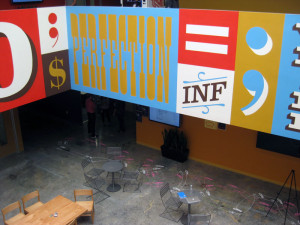
"caption": "Site-specific artwork details: Facebook’s Artist in Residence Program featuring works by Jeff Canham (walls) and Stefanie Povasec (floor).",
"description": null,
"title": "facebook-800",
"credit": null,
"status": "inherit",
"isLoading": false,
"fetchFailed": false
},
"artschool_409": {
"type": "attachments",
"id": "artschool_409",
"meta": {
"index": "attachments_1716263798",
"site": "artschool",
"id": "409",
"found": true
},
"parent": 399,
"imgSizes": {
"twentyfourteen-full-width": {
"file": "https://ww2.kqed.org/app/uploads/sites/4/2014/08/johansonconceptguide300-1038x576.jpg",
"width": 1038,
"mimeType": "image/jpeg",
"height": 576
},
"thumbnail": {
"file": "https://ww2.kqed.org/app/uploads/sites/4/2014/08/johansonconceptguide300-400x268.jpg",
"width": 400,
"mimeType": "image/jpeg",
"height": 268
},
"post-thumbnail": {
"file": "https://ww2.kqed.org/app/uploads/sites/4/2014/08/johansonconceptguide300-672x372.jpg",
"width": 672,
"mimeType": "image/jpeg",
"height": 372
},
"kqedFullSize": {
"file": "https://ww2.kqed.org/app/uploads/sites/4/2014/08/johansonconceptguide300.jpg",
"width": 1500,
"height": 1006
},
"large": {
"file": "https://ww2.kqed.org/app/uploads/sites/4/2014/08/johansonconceptguide300-1440x965.jpg",
"width": 1440,
"mimeType": "image/jpeg",
"height": 965
},
"guest-author-96": {
"file": "https://ww2.kqed.org/app/uploads/sites/4/2014/08/johansonconceptguide300-96x96.jpg",
"width": 96,
"mimeType": "image/jpeg",
"height": 96
},
"medium": {
"file": "https://ww2.kqed.org/app/uploads/sites/4/2014/08/johansonconceptguide300-300x201.jpg",
"width": 300,
"mimeType": "image/jpeg",
"height": 201
},
"guest-author-64": {
"file": "https://ww2.kqed.org/app/uploads/sites/4/2014/08/johansonconceptguide300-64x64.jpg",
"width": 64,
"mimeType": "image/jpeg",
"height": 64
},
"detail": {
"file": "https://ww2.kqed.org/app/uploads/sites/4/2014/08/johansonconceptguide300-75x75.jpg",
"width": 75,
"mimeType": "image/jpeg",
"height": 75
},
"guest-author-32": {
"file": "https://ww2.kqed.org/app/uploads/sites/4/2014/08/johansonconceptguide300-32x32.jpg",
"width": 32,
"mimeType": "image/jpeg",
"height": 32
},
"guest-author-128": {
"file": "https://ww2.kqed.org/app/uploads/sites/4/2014/08/johansonconceptguide300-128x128.jpg",
"width": 128,
"mimeType": "image/jpeg",
"height": 128
}
},
"publishDate": 1408403747,
"modified": 1408403747,
"caption": null,
"description": null,
"title": "Chris Johanson",
"credit": "Chris Johanson",
"status": "inherit",
"isLoading": false,
"fetchFailed": false
},
"arts_10139881": {
"type": "attachments",
"id": "arts_10139881",
"meta": {
"index": "attachments_1716263798",
"site": "arts",
"id": "10139881",
"found": true
},
"parent": 10139877,
"imgSizes": {
"thumbnail": {
"file": "https://ww2.kqed.org/app/uploads/sites/2/2014/08/Blankfort1-400x225.jpg",
"width": 400,
"mimeType": "image/jpeg",
"height": 225
},
"post-thumbnail": {
"file": "https://ww2.kqed.org/app/uploads/sites/2/2014/08/Blankfort1-672x372.jpg",
"width": 672,
"mimeType": "image/jpeg",
"height": 372
},
"kqedFullSize": {
"file": "https://ww2.kqed.org/app/uploads/sites/2/2014/08/Blankfort1.jpg",
"width": 800,
"height": 450
},
"guest-author-96": {
"file": "https://ww2.kqed.org/app/uploads/sites/2/2014/08/Blankfort1-96x96.jpg",
"width": 96,
"mimeType": "image/jpeg",
"height": 96
},
"medium": {
"file": "https://ww2.kqed.org/app/uploads/sites/2/2014/08/Blankfort1-300x168.jpg",
"width": 300,
"mimeType": "image/jpeg",
"height": 168
},
"guest-author-64": {
"file": "https://ww2.kqed.org/app/uploads/sites/2/2014/08/Blankfort1-64x64.jpg",
"width": 64,
"mimeType": "image/jpeg",
"height": 64
},
"detail": {
"file": "https://ww2.kqed.org/app/uploads/sites/2/2014/08/Blankfort1-75x75.jpg",
"width": 75,
"mimeType": "image/jpeg",
"height": 75
},
"guest-author-32": {
"file": "https://ww2.kqed.org/app/uploads/sites/2/2014/08/Blankfort1-32x32.jpg",
"width": 32,
"mimeType": "image/jpeg",
"height": 32
},
"guest-author-128": {
"file": "https://ww2.kqed.org/app/uploads/sites/2/2014/08/Blankfort1-128x128.jpg",
"width": 128,
"mimeType": "image/jpeg",
"height": 128
}
},
"publishDate": 1407136806,
"modified": 1407136806,
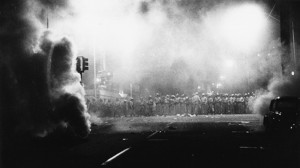
"caption": "Jeffrey Blankfort, \u003ci> People's Park -1\nTelegraph Avenue, \nBerkeley\u003c/i>, 1969\n",
"description": null,
"title": "Blankfort1",
"credit": null,
"status": "inherit",
"isLoading": false,
"fetchFailed": false
},
"arts_10140530": {
"type": "attachments",
"id": "arts_10140530",
"meta": {
"index": "attachments_1716263798",
"site": "arts",
"id": "10140530",
"found": true
},
"parent": 10140286,
"imgSizes": {
"thumbnail": {
"file": "https://ww2.kqed.org/app/uploads/sites/2/2014/08/lipps-800-400x225.jpg",
"width": 400,
"mimeType": "image/jpeg",
"height": 225
},
"post-thumbnail": {
"file": "https://ww2.kqed.org/app/uploads/sites/2/2014/08/lipps-800-672x372.jpg",
"width": 672,
"mimeType": "image/jpeg",
"height": 372
},
"kqedFullSize": {
"file": "https://ww2.kqed.org/app/uploads/sites/2/2014/08/lipps-800.jpg",
"width": 800,
"height": 450
},
"guest-author-96": {
"file": "https://ww2.kqed.org/app/uploads/sites/2/2014/08/lipps-800-96x96.jpg",
"width": 96,
"mimeType": "image/jpeg",
"height": 96
},
"medium": {
"file": "https://ww2.kqed.org/app/uploads/sites/2/2014/08/lipps-800-300x168.jpg",
"width": 300,
"mimeType": "image/jpeg",
"height": 168
},
"guest-author-64": {
"file": "https://ww2.kqed.org/app/uploads/sites/2/2014/08/lipps-800-64x64.jpg",
"width": 64,
"mimeType": "image/jpeg",
"height": 64
},
"detail": {
"file": "https://ww2.kqed.org/app/uploads/sites/2/2014/08/lipps-800-75x75.jpg",
"width": 75,
"mimeType": "image/jpeg",
"height": 75
},
"guest-author-32": {
"file": "https://ww2.kqed.org/app/uploads/sites/2/2014/08/lipps-800-32x32.jpg",
"width": 32,
"mimeType": "image/jpeg",
"height": 32
},
"guest-author-128": {
"file": "https://ww2.kqed.org/app/uploads/sites/2/2014/08/lipps-800-128x128.jpg",
"width": 128,
"mimeType": "image/jpeg",
"height": 128
}
},
"publishDate": 1407967052,
"modified": 1407967052,
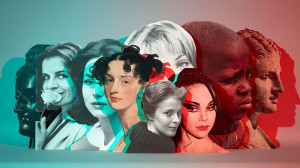
"caption": "Matt Lipps,\u003ci> Untitled (Women’s Heads)\u003c/i>, 2010; Courtesy of the artist and Jessica Silverman Gallery, San Francisco\n",
"description": null,
"title": "lipps-800",
"credit": null,
"status": "inherit",
"isLoading": false,
"fetchFailed": false
},
"arts_10139725": {
"type": "attachments",
"id": "arts_10139725",
"meta": {
"index": "attachments_1716263798",
"site": "arts",
"id": "10139725",
"found": true
},
"parent": 10139706,
"imgSizes": {
"thumbnail": {
"file": "https://ww2.kqed.org/app/uploads/sites/2/2014/07/Mural-Wide-400x266.jpg",
"width": 400,
"mimeType": "image/jpeg",
"height": 266
},
"post-thumbnail": {
"file": "https://ww2.kqed.org/app/uploads/sites/2/2014/07/Mural-Wide-672x372.jpg",
"width": 672,
"mimeType": "image/jpeg",
"height": 372
},
"kqedFullSize": {
"file": "https://ww2.kqed.org/app/uploads/sites/2/2014/07/Mural-Wide.jpg",
"width": 800,
"height": 533
},
"guest-author-96": {
"file": "https://ww2.kqed.org/app/uploads/sites/2/2014/07/Mural-Wide-96x96.jpg",
"width": 96,
"mimeType": "image/jpeg",
"height": 96
},
"medium": {
"file": "https://ww2.kqed.org/app/uploads/sites/2/2014/07/Mural-Wide-300x199.jpg",
"width": 300,
"mimeType": "image/jpeg",
"height": 199
},
"guest-author-64": {
"file": "https://ww2.kqed.org/app/uploads/sites/2/2014/07/Mural-Wide-64x64.jpg",
"width": 64,
"mimeType": "image/jpeg",
"height": 64
},
"detail": {
"file": "https://ww2.kqed.org/app/uploads/sites/2/2014/07/Mural-Wide-75x75.jpg",
"width": 75,
"mimeType": "image/jpeg",
"height": 75
},
"guest-author-32": {
"file": "https://ww2.kqed.org/app/uploads/sites/2/2014/07/Mural-Wide-32x32.jpg",
"width": 32,
"mimeType": "image/jpeg",
"height": 32
},
"guest-author-128": {
"file": "https://ww2.kqed.org/app/uploads/sites/2/2014/07/Mural-Wide-128x128.jpg",
"width": 128,
"mimeType": "image/jpeg",
"height": 128
}
},
"publishDate": 1406667486,
"modified": 1562871322,
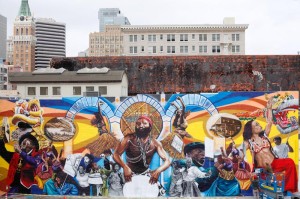
"caption": "The \"Universal Language\" mural on Alice Street in downtown Oakland in 2014. ",
"description": "The \"Universal Language\" mural on Alice Street in downtown Oakland in 2014. ",
"title": "Mural Wide",
"credit": "Courtesy Community Rejuvenation Project",
"status": "inherit",
"isLoading": false,
"fetchFailed": false
},
"arts_10139853": {
"type": "attachments",
"id": "arts_10139853",
"meta": {
"index": "attachments_1716263798",
"site": "arts",
"id": "10139853",
"found": true
},
"parent": 10139847,
"imgSizes": {
"thumbnail": {
"file": "https://ww2.kqed.org/app/uploads/sites/2/2014/08/Kadist_Zhilyaev_Vestment-400x226.jpg",
"width": 400,
"mimeType": "image/jpeg",
"height": 226
},
"post-thumbnail": {
"file": "https://ww2.kqed.org/app/uploads/sites/2/2014/08/Kadist_Zhilyaev_Vestment-672x372.jpg",
"width": 672,
"mimeType": "image/jpeg",
"height": 372
},
"kqedFullSize": {
"file": "https://ww2.kqed.org/app/uploads/sites/2/2014/08/Kadist_Zhilyaev_Vestment.jpg",
"width": 800,
"height": 452
},
"guest-author-96": {
"file": "https://ww2.kqed.org/app/uploads/sites/2/2014/08/Kadist_Zhilyaev_Vestment-96x96.jpg",
"width": 96,
"mimeType": "image/jpeg",
"height": 96
},
"medium": {
"file": "https://ww2.kqed.org/app/uploads/sites/2/2014/08/Kadist_Zhilyaev_Vestment-300x169.jpg",
"width": 300,
"mimeType": "image/jpeg",
"height": 169
},
"guest-author-64": {
"file": "https://ww2.kqed.org/app/uploads/sites/2/2014/08/Kadist_Zhilyaev_Vestment-64x64.jpg",
"width": 64,
"mimeType": "image/jpeg",
"height": 64
},
"detail": {
"file": "https://ww2.kqed.org/app/uploads/sites/2/2014/08/Kadist_Zhilyaev_Vestment-75x75.jpg",
"width": 75,
"mimeType": "image/jpeg",
"height": 75
},
"guest-author-32": {
"file": "https://ww2.kqed.org/app/uploads/sites/2/2014/08/Kadist_Zhilyaev_Vestment-32x32.jpg",
"width": 32,
"mimeType": "image/jpeg",
"height": 32
},
"guest-author-128": {
"file": "https://ww2.kqed.org/app/uploads/sites/2/2014/08/Kadist_Zhilyaev_Vestment-128x128.jpg",
"width": 128,
"mimeType": "image/jpeg",
"height": 128
}
},
"publishDate": 1406945998,
"modified": 1406945998,
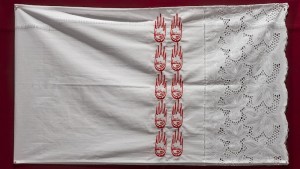
"caption": "\u003ci>Vestment\u003c/i>, 2018; embroidery. Collection of the Museum of Russian History. Photo by Phillip Maisel. Courtesy Kadist Art Foundation.",
"description": "\u003ci>Vestment\u003c/i>, 2018; embroidery. Collection of the Museum of Russian History. Photo by Phillip Maisel. Courtesy Kadist Art Foundation.",
"title": "Arseniy Zhilyaev, Vestment",
"credit": null,
"status": "inherit",
"isLoading": false,
"fetchFailed": false
},
"arts_10139841": {
"type": "attachments",
"id": "arts_10139841",
"meta": {
"index": "attachments_1716263798",
"site": "arts",
"id": "10139841",
"found": true
},
"parent": 10139837,
"imgSizes": {
"thumbnail": {
"file": "https://ww2.kqed.org/app/uploads/sites/2/2014/08/Ronald-Chase-400x225.jpg",
"width": 400,
"mimeType": "image/jpeg",
"height": 225
},
"post-thumbnail": {
"file": "https://ww2.kqed.org/app/uploads/sites/2/2014/08/Ronald-Chase-672x372.jpg",
"width": 672,
"mimeType": "image/jpeg",
"height": 372
},
"kqedFullSize": {
"file": "https://ww2.kqed.org/app/uploads/sites/2/2014/08/Ronald-Chase.jpg",
"width": 956,
"height": 538
},
"guest-author-96": {
"file": "https://ww2.kqed.org/app/uploads/sites/2/2014/08/Ronald-Chase-96x96.jpg",
"width": 96,
"mimeType": "image/jpeg",
"height": 96
},
"medium": {
"file": "https://ww2.kqed.org/app/uploads/sites/2/2014/08/Ronald-Chase-300x168.jpg",
"width": 300,
"mimeType": "image/jpeg",
"height": 168
},
"guest-author-64": {
"file": "https://ww2.kqed.org/app/uploads/sites/2/2014/08/Ronald-Chase-64x64.jpg",
"width": 64,
"mimeType": "image/jpeg",
"height": 64
},
"detail": {
"file": "https://ww2.kqed.org/app/uploads/sites/2/2014/08/Ronald-Chase-75x75.jpg",
"width": 75,
"mimeType": "image/jpeg",
"height": 75
},
"guest-author-32": {
"file": "https://ww2.kqed.org/app/uploads/sites/2/2014/08/Ronald-Chase-32x32.jpg",
"width": 32,
"mimeType": "image/jpeg",
"height": 32
},
"guest-author-128": {
"file": "https://ww2.kqed.org/app/uploads/sites/2/2014/08/Ronald-Chase-128x128.jpg",
"width": 128,
"mimeType": "image/jpeg",
"height": 128
}
},
"publishDate": 1406938069,
"modified": 1406938069,
"caption": "Artist Ronald Chase, from \n\u003ci>Ronald Chase - A Portrait\u003c/i> by Christoph Helms",
"description": "Artist Ronald Chase, from \n\u003ci>Ronald Chase - A Portrait\u003c/i> by Christoph Helms",
"title": "Ronald Chase",
"credit": null,
"status": "inherit",
"isLoading": false,
"fetchFailed": false
},
"arts_10139337": {
"type": "attachments",
"id": "arts_10139337",
"meta": {
"index": "attachments_1716263798",
"site": "arts",
"id": "10139337",
"found": true
},
"parent": 10139333,
"imgSizes": {
"thumbnail": {
"file": "https://ww2.kqed.org/app/uploads/sites/2/2014/07/MJCover2-400x225.jpg",
"width": 400,
"mimeType": "image/jpeg",
"height": 225
},
"post-thumbnail": {
"file": "https://ww2.kqed.org/app/uploads/sites/2/2014/07/MJCover2-672x372.jpg",
"width": 672,
"mimeType": "image/jpeg",
"height": 372
},
"kqedFullSize": {
"file": "https://ww2.kqed.org/app/uploads/sites/2/2014/07/MJCover2.jpg",
"width": 800,
"height": 450
},
"guest-author-96": {
"file": "https://ww2.kqed.org/app/uploads/sites/2/2014/07/MJCover2-96x96.jpg",
"width": 96,
"mimeType": "image/jpeg",
"height": 96
},
"medium": {
"file": "https://ww2.kqed.org/app/uploads/sites/2/2014/07/MJCover2-300x168.jpg",
"width": 300,
"mimeType": "image/jpeg",
"height": 168
},
"guest-author-64": {
"file": "https://ww2.kqed.org/app/uploads/sites/2/2014/07/MJCover2-64x64.jpg",
"width": 64,
"mimeType": "image/jpeg",
"height": 64
},
"detail": {
"file": "https://ww2.kqed.org/app/uploads/sites/2/2014/07/MJCover2-75x75.jpg",
"width": 75,
"mimeType": "image/jpeg",
"height": 75
},
"guest-author-32": {
"file": "https://ww2.kqed.org/app/uploads/sites/2/2014/07/MJCover2-32x32.jpg",
"width": 32,
"mimeType": "image/jpeg",
"height": 32
},
"guest-author-128": {
"file": "https://ww2.kqed.org/app/uploads/sites/2/2014/07/MJCover2-128x128.jpg",
"width": 128,
"mimeType": "image/jpeg",
"height": 128
}
},
"publishDate": 1405928960,
"modified": 1405928960,
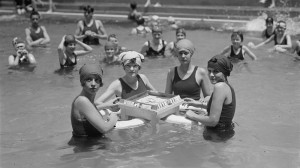
"caption": "Leisure-class ladies playing a floating game of mah jongg, 1924. Courtesy of Library of Congress, Prints and Photographs Division. ",
"description": null,
"title": "MJCover2",
"credit": null,
"status": "inherit",
"isLoading": false,
"fetchFailed": false
},
"arts_10139556": {
"type": "attachments",
"id": "arts_10139556",
"meta": {
"index": "attachments_1716263798",
"site": "arts",
"id": "10139556",
"found": true
},
"parent": 10138998,
"imgSizes": {
"thumbnail": {
"file": "https://ww2.kqed.org/app/uploads/sites/2/2014/07/WhiteWallscrop1-400x225.jpg",
"width": 400,
"mimeType": "image/jpeg",
"height": 225
},
"post-thumbnail": {
"file": "https://ww2.kqed.org/app/uploads/sites/2/2014/07/WhiteWallscrop1-672x372.jpg",
"width": 672,
"mimeType": "image/jpeg",
"height": 372
},
"kqedFullSize": {
"file": "https://ww2.kqed.org/app/uploads/sites/2/2014/07/WhiteWallscrop1.jpg",
"width": 800,
"height": 450
},
"guest-author-96": {
"file": "https://ww2.kqed.org/app/uploads/sites/2/2014/07/WhiteWallscrop1-96x96.jpg",
"width": 96,
"mimeType": "image/jpeg",
"height": 96
},
"medium": {
"file": "https://ww2.kqed.org/app/uploads/sites/2/2014/07/WhiteWallscrop1-300x168.jpg",
"width": 300,
"mimeType": "image/jpeg",
"height": 168
},
"guest-author-64": {
"file": "https://ww2.kqed.org/app/uploads/sites/2/2014/07/WhiteWallscrop1-64x64.jpg",
"width": 64,
"mimeType": "image/jpeg",
"height": 64
},
"detail": {
"file": "https://ww2.kqed.org/app/uploads/sites/2/2014/07/WhiteWallscrop1-75x75.jpg",
"width": 75,
"mimeType": "image/jpeg",
"height": 75
},
"guest-author-32": {
"file": "https://ww2.kqed.org/app/uploads/sites/2/2014/07/WhiteWallscrop1-32x32.jpg",
"width": 32,
"mimeType": "image/jpeg",
"height": 32
},
"guest-author-128": {
"file": "https://ww2.kqed.org/app/uploads/sites/2/2014/07/WhiteWallscrop1-128x128.jpg",
"width": 128,
"mimeType": "image/jpeg",
"height": 128
}
},
"publishDate": 1406323363,
"modified": 1406323363,
"caption": null,
"description": null,
"title": "WhiteWallscrop1",
"credit": "Kristin Farr",
"status": "inherit",
"isLoading": false,
"fetchFailed": false
},
"arts_10139427": {
"type": "attachments",
"id": "arts_10139427",
"meta": {
"index": "attachments_1716263798",
"site": "arts",
"id": "10139427",
"found": true
},
"parent": 10139399,
"imgSizes": {
"thumbnail": {
"file": "https://ww2.kqed.org/app/uploads/sites/2/2014/07/The-Lab_Margaret-Kilgallen-400x229.jpg",
"width": 400,
"mimeType": "image/jpeg",
"height": 229
},
"post-thumbnail": {
"file": "https://ww2.kqed.org/app/uploads/sites/2/2014/07/The-Lab_Margaret-Kilgallen-672x372.jpg",
"width": 672,
"mimeType": "image/jpeg",
"height": 372
},
"kqedFullSize": {
"file": "https://ww2.kqed.org/app/uploads/sites/2/2014/07/The-Lab_Margaret-Kilgallen.jpg",
"width": 800,
"height": 458
},
"guest-author-96": {
"file": "https://ww2.kqed.org/app/uploads/sites/2/2014/07/The-Lab_Margaret-Kilgallen-96x96.jpg",
"width": 96,
"mimeType": "image/jpeg",
"height": 96
},
"medium": {
"file": "https://ww2.kqed.org/app/uploads/sites/2/2014/07/The-Lab_Margaret-Kilgallen-300x171.jpg",
"width": 300,
"mimeType": "image/jpeg",
"height": 171
},
"guest-author-64": {
"file": "https://ww2.kqed.org/app/uploads/sites/2/2014/07/The-Lab_Margaret-Kilgallen-64x64.jpg",
"width": 64,
"mimeType": "image/jpeg",
"height": 64
},
"detail": {
"file": "https://ww2.kqed.org/app/uploads/sites/2/2014/07/The-Lab_Margaret-Kilgallen-75x75.jpg",
"width": 75,
"mimeType": "image/jpeg",
"height": 75
},
"guest-author-32": {
"file": "https://ww2.kqed.org/app/uploads/sites/2/2014/07/The-Lab_Margaret-Kilgallen-32x32.jpg",
"width": 32,
"mimeType": "image/jpeg",
"height": 32
},
"guest-author-128": {
"file": "https://ww2.kqed.org/app/uploads/sites/2/2014/07/The-Lab_Margaret-Kilgallen-128x128.jpg",
"width": 128,
"mimeType": "image/jpeg",
"height": 128
}
},
"publishDate": 1405980604,
"modified": 1405980604,
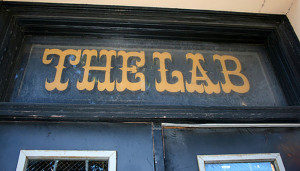
"caption": "Entrance to The LAB, featuring hand lettered signage by Margaret Kilgallen. ",
"description": "Entrance to The LAB, featuring hand lettered signage by Margaret Kilgallen. ",
"title": "The Lab_Margaret Kilgallen",
"credit": "Courtesy of Barry McGee.",
"status": "inherit",
"isLoading": false,
"fetchFailed": false
},
"arts_10139071": {
"type": "attachments",
"id": "arts_10139071",
"meta": {
"index": "attachments_1716263798",
"site": "arts",
"id": "10139071",
"found": true
},
"parent": 10139065,
"imgSizes": {
"thumbnail": {
"file": "https://ww2.kqed.org/app/uploads/sites/2/2014/07/Brendan-Murdock-Solitary-400x234.jpg",
"width": 400,
"mimeType": "image/jpeg",
"height": 234
},
"post-thumbnail": {
"file": "https://ww2.kqed.org/app/uploads/sites/2/2014/07/Brendan-Murdock-Solitary-672x372.jpg",
"width": 672,
"mimeType": "image/jpeg",
"height": 372
},
"kqedFullSize": {
"file": "https://ww2.kqed.org/app/uploads/sites/2/2014/07/Brendan-Murdock-Solitary.jpg",
"width": 800,
"height": 469
},
"guest-author-96": {
"file": "https://ww2.kqed.org/app/uploads/sites/2/2014/07/Brendan-Murdock-Solitary-96x96.jpg",
"width": 96,
"mimeType": "image/jpeg",
"height": 96
},
"medium": {
"file": "https://ww2.kqed.org/app/uploads/sites/2/2014/07/Brendan-Murdock-Solitary-300x175.jpg",
"width": 300,
"mimeType": "image/jpeg",
"height": 175
},
"guest-author-64": {
"file": "https://ww2.kqed.org/app/uploads/sites/2/2014/07/Brendan-Murdock-Solitary-64x64.jpg",
"width": 64,
"mimeType": "image/jpeg",
"height": 64
},
"detail": {
"file": "https://ww2.kqed.org/app/uploads/sites/2/2014/07/Brendan-Murdock-Solitary-75x75.jpg",
"width": 75,
"mimeType": "image/jpeg",
"height": 75
},
"guest-author-32": {
"file": "https://ww2.kqed.org/app/uploads/sites/2/2014/07/Brendan-Murdock-Solitary-32x32.jpg",
"width": 32,
"mimeType": "image/jpeg",
"height": 32
},
"guest-author-128": {
"file": "https://ww2.kqed.org/app/uploads/sites/2/2014/07/Brendan-Murdock-Solitary-128x128.jpg",
"width": 128,
"mimeType": "image/jpeg",
"height": 128
}
},
"publishDate": 1405405452,
"modified": 1405405452,
"caption": "Brendan Murdock, \u003ci>Solitary\u003c/i>, 2013; courtesy William James Association.",
"description": null,
"title": "Brendan Murdock, Solitary",
"credit": null,
"status": "inherit",
"isLoading": false,
"fetchFailed": false
}
},
"audioPlayerReducer": {
"postId": "stream_live",
"isPaused": true,
"isPlaying": false,
"pfsActive": false,
"pledgeModalIsOpen": true,
"playerDrawerIsOpen": false,
"liveAudioPlayStartedAt": 0,
"liveAudioPlayContext": ""
},
"authorsReducer": {
"byline_arts_10139837": {
"type": "authors",
"id": "byline_arts_10139837",
"meta": {
"override": true
},
"slug": "byline_arts_10139837",
"name": "Tara Golshan",
"isLoading": false
},
"kfarr": {
"type": "authors",
"id": "16",
"meta": {
"index": "authors_1716337520",
"id": "16",
"found": true
},
"name": "Kristin Farr",
"firstName": "Kristin",
"lastName": "Farr",
"slug": "kfarr",
"email": "kfarr@kqed.org",
"display_author_email": false,
"staff_mastheads": [],
"title": null,
"bio": "Kristin Farr is the creator and producer of KQED's Emmy Award-winning web video series, Art School, and she is also a contributing editor for Juxtapoz magazine. Her artwork has been exhibited at galleries around the Bay Area including YBCA, Fifty24SF, Anno Domini and The Bedford Gallery. Her FarrOut art app for iOS was released in 2013. She lives in the East Bay and her favorite color is all of them.",
"avatar": "https://secure.gravatar.com/avatar/96aae7842c46004b98e00051e9e0d71f?s=600&d=blank&r=g",
"twitter": "kristinfarr",
"facebook": null,
"instagram": null,
"linkedin": null,
"sites": [
{
"site": "arts",
"roles": [
"Contributor",
"contributor"
]
},
{
"site": "artschool",
"roles": [
"subscriber"
]
}
],
"headData": {
"title": "Kristin Farr | KQED",
"description": null,
"ogImgSrc": "https://secure.gravatar.com/avatar/96aae7842c46004b98e00051e9e0d71f?s=600&d=blank&r=g",
"twImgSrc": "https://secure.gravatar.com/avatar/96aae7842c46004b98e00051e9e0d71f?s=600&d=blank&r=g"
},
"isLoading": false,
"link": "/author/kfarr"
},
"cfrock": {
"type": "authors",
"id": "58",
"meta": {
"index": "authors_1716337520",
"id": "58",
"found": true
},
"name": "Christian L. Frock",
"firstName": "Christian L.",
"lastName": "Frock",
"slug": "cfrock",
"email": "christian@invisiblevenue.com",
"display_author_email": false,
"staff_mastheads": [
"arts"
],
"title": "KQED Contributor",
"bio": null,
"avatar": "https://secure.gravatar.com/avatar/da93aa5c1bc6f6561a99d5073186102c?s=600&d=blank&r=g",
"twitter": null,
"facebook": null,
"instagram": null,
"linkedin": null,
"sites": [
{
"site": "arts",
"roles": [
"Contributor",
"contributor"
]
}
],
"headData": {
"title": "Christian L. Frock | KQED",
"description": "KQED Contributor",
"ogImgSrc": "https://secure.gravatar.com/avatar/da93aa5c1bc6f6561a99d5073186102c?s=600&d=blank&r=g",
"twImgSrc": "https://secure.gravatar.com/avatar/da93aa5c1bc6f6561a99d5073186102c?s=600&d=blank&r=g"
},
"isLoading": false,
"link": "/author/cfrock"
},
"shotchkiss": {
"type": "authors",
"id": "61",
"meta": {
"index": "authors_1716337520",
"id": "61",
"found": true
},
"name": "Sarah Hotchkiss",
"firstName": "Sarah",
"lastName": "Hotchkiss",
"slug": "shotchkiss",
"email": "shotchkiss@kqed.org",
"display_author_email": true,
"staff_mastheads": [
"arts"
],
"title": "Senior Editor",
"bio": "Sarah Hotchkiss is a San Francisco \u003ca href=\"http://www.sarahhotchkiss.com\">artist\u003c/a> and arts writer. In 2019, she received the Dorothea & Leo Rabkin Foundation grant for visual art journalism and in 2020 she received a Society of Professional Journalists, Northern California award for excellence in arts and culture reporting.",
"avatar": "https://secure.gravatar.com/avatar/bc662df144b3d27fd8b1b6f1c2a420d34e91e53154d411bb7ad353cc8b6cea8d?s=600&d=blank&r=g",
"twitter": null,
"bluesky": null,
"facebook": null,
"instagram": null,
"linkedin": null,
"sites": [
{
"site": "",
"roles": [
"editor"
]
},
{
"site": "arts",
"roles": [
"Contributor",
"administrator"
]
},
{
"site": "artschool",
"roles": [
"administrator"
]
},
{
"site": "news",
"roles": [
"editor"
]
},
{
"site": "pop",
"roles": [
"administrator"
]
},
{
"site": "bayareabites",
"roles": [
"editor"
]
},
{
"site": "spark",
"roles": [
"editor"
]
},
{
"site": "checkplease",
"roles": [
"editor"
]
}
],
"headData": {
"title": "Sarah Hotchkiss | KQED",
"description": "Senior Editor",
"ogImgSrc": "https://secure.gravatar.com/avatar/bc662df144b3d27fd8b1b6f1c2a420d34e91e53154d411bb7ad353cc8b6cea8d?s=600&d=blank&r=g",
"twImgSrc": "https://secure.gravatar.com/avatar/bc662df144b3d27fd8b1b6f1c2a420d34e91e53154d411bb7ad353cc8b6cea8d?s=600&d=blank&r=g"
},
"isLoading": false,
"link": "/author/shotchkiss"
},
"ablaine": {
"type": "authors",
"id": "72",
"meta": {
"index": "authors_1716337520",
"id": "72",
"found": true
},
"name": "Adrienne Blaine",
"firstName": "Adrienne",
"lastName": "Blaine",
"slug": "ablaine",
"email": "adrienneblaine@hotmail.com",
"display_author_email": false,
"staff_mastheads": [],
"title": null,
"bio": "Adrienne Blaine is a Millennial writer from the South Bay. She has a BA in Comparative Literary and Cultural Studies combined with Communications and Media Studies from Franklin University Switzerland. Living in Switzerland for four years and traveling from Morocco to Iceland introduced her to diverse art, culture and food. She currently lives in San Francisco and writes about these topics.",
"avatar": "https://secure.gravatar.com/avatar/10d0a10a2189067e5e3f6fc9fc4ebdf2?s=600&d=blank&r=g",
"twitter": null,
"facebook": null,
"instagram": null,
"linkedin": null,
"sites": [
{
"site": "arts",
"roles": [
"Contributor",
"contributor"
]
},
{
"site": "bayareabites",
"roles": [
"contributor"
]
},
{
"site": "food",
"roles": [
"contributor"
]
}
],
"headData": {
"title": "Adrienne Blaine | KQED",
"description": null,
"ogImgSrc": "https://secure.gravatar.com/avatar/10d0a10a2189067e5e3f6fc9fc4ebdf2?s=600&d=blank&r=g",
"twImgSrc": "https://secure.gravatar.com/avatar/10d0a10a2189067e5e3f6fc9fc4ebdf2?s=600&d=blank&r=g"
},
"isLoading": false,
"link": "/author/ablaine"
},
"jwanek": {
"type": "authors",
"id": "97",
"meta": {
"index": "authors_1716337520",
"id": "97",
"found": true
},
"name": "Joel Wanek",
"firstName": "Joel",
"lastName": "Wanek",
"slug": "jwanek",
"email": "jwanek@kqed.org",
"display_author_email": false,
"staff_mastheads": [],
"title": "KQED Contributor",
"bio": null,
"avatar": "https://secure.gravatar.com/avatar/d2a3949750a996b6d9f110582a5259711c707df009b12dc2179084c5349f542b?s=600&d=blank&r=g",
"twitter": null,
"bluesky": null,
"facebook": null,
"instagram": null,
"linkedin": null,
"sites": [
{
"site": "arts",
"roles": [
"subscriber"
]
},
{
"site": "artschool",
"roles": [
"subscriber"
]
}
],
"headData": {
"title": "Joel Wanek | KQED",
"description": "KQED Contributor",
"ogImgSrc": "https://secure.gravatar.com/avatar/d2a3949750a996b6d9f110582a5259711c707df009b12dc2179084c5349f542b?s=600&d=blank&r=g",
"twImgSrc": "https://secure.gravatar.com/avatar/d2a3949750a996b6d9f110582a5259711c707df009b12dc2179084c5349f542b?s=600&d=blank&r=g"
},
"isLoading": false,
"link": "/author/jwanek"
},
"gmeline": {
"type": "authors",
"id": "185",
"meta": {
"index": "authors_1716337520",
"id": "185",
"found": true
},
"name": "Gabe Meline",
"firstName": "Gabe",
"lastName": "Meline",
"slug": "gmeline",
"email": "gmeline@kqed.org",
"display_author_email": true,
"staff_mastheads": [
"arts"
],
"title": "Senior Editor, KQED Arts & Culture",
"bio": "Gabe Meline entered journalism at age 15 making photocopied zines, and has since earned awards from the Edward R. Murrow Awards, the Society for Professional Journalists, the Online Journalism Awards, the Association of Alternative Newsweeklies and the California Newspaper Publishers Association. Prior to KQED, he was the editor of the \u003cem>North Bay Bohemian\u003c/em> and a touring musician. He lives with his wife and daughter in his hometown of Santa Rosa, CA.",
"avatar": "https://secure.gravatar.com/avatar/5bebe57be0d8bc2dd318934feb47299e2d2d10cba28d09d8d7afb389a2ce2bdd?s=600&d=blank&r=g",
"twitter": null,
"bluesky": null,
"facebook": null,
"instagram": null,
"linkedin": null,
"sites": [
{
"site": "",
"roles": [
"editor"
]
},
{
"site": "arts",
"roles": [
"administrator"
]
},
{
"site": "artschool",
"roles": [
"editor"
]
},
{
"site": "news",
"roles": [
"author"
]
},
{
"site": "pop",
"roles": [
"editor"
]
},
{
"site": "bayareabites",
"roles": [
"editor"
]
},
{
"site": "food",
"roles": [
"editor"
]
},
{
"site": "forum",
"roles": [
"administrator"
]
},
{
"site": "liveblog",
"roles": [
"editor"
]
},
{
"site": "hiphop",
"roles": [
"editor"
]
}
],
"headData": {
"title": "Gabe Meline | KQED",
"description": "Senior Editor, KQED Arts & Culture",
"ogImgSrc": "https://secure.gravatar.com/avatar/5bebe57be0d8bc2dd318934feb47299e2d2d10cba28d09d8d7afb389a2ce2bdd?s=600&d=blank&r=g",
"twImgSrc": "https://secure.gravatar.com/avatar/5bebe57be0d8bc2dd318934feb47299e2d2d10cba28d09d8d7afb389a2ce2bdd?s=600&d=blank&r=g"
},
"isLoading": false,
"link": "/author/gmeline"
},
"mtedford": {
"type": "authors",
"id": "187",
"meta": {
"index": "authors_1716337520",
"id": "187",
"found": true
},
"name": "Matthew Harrison Tedford",
"firstName": "Matthew Harrison",
"lastName": "Tedford",
"slug": "mtedford",
"email": "mhtedford@gmail.com",
"display_author_email": false,
"staff_mastheads": [],
"title": null,
"bio": "\u003ca href=\"http://www.mhtedford.com\">Matthew Harrison Tedford\u003c/a> is a writer whose work focuses on contemporary art, film, and California history. His writing has appeared in \u003cem id=\"yui_3_17_2_1_1403197832753_7692\">Art Practical\u003c/em>, \u003cem>Daily Serving\u003c/em>, \u003cem>Glance\u003c/em> (California College of the Arts), the \u003cem>Huffington Post\u003c/em>, \u003cem>Oakland Standard\u003c/em> (Oakland Museum of California), \u003cem>Open Space\u003c/em> (SFMOMA), \u003cem>Poor Taste Magazine\u003c/em>, \u003cem>SF Weekly\u003c/em>, and \u003cem>Wilder Quarterly\u003c/em>.",
"avatar": "https://secure.gravatar.com/avatar/f6ae15e4c10b73a2ee9215e669ca0328?s=600&d=blank&r=g",
"twitter": null,
"facebook": null,
"instagram": null,
"linkedin": null,
"sites": [
{
"site": "arts",
"roles": [
"contributor"
]
}
],
"headData": {
"title": "Matthew Harrison Tedford | KQED",
"description": null,
"ogImgSrc": "https://secure.gravatar.com/avatar/f6ae15e4c10b73a2ee9215e669ca0328?s=600&d=blank&r=g",
"twImgSrc": "https://secure.gravatar.com/avatar/f6ae15e4c10b73a2ee9215e669ca0328?s=600&d=blank&r=g"
},
"isLoading": false,
"link": "/author/mtedford"
},
"bvalentine": {
"type": "authors",
"id": "194",
"meta": {
"index": "authors_1716337520",
"id": "194",
"found": true
},
"name": "Ben Valentine",
"firstName": "Ben",
"lastName": "Valentine",
"slug": "bvalentine",
"email": "benjamindarrowvalentine@gmail.com",
"display_author_email": false,
"staff_mastheads": [],
"title": null,
"bio": "Ben Valentine is an independent writer who studies how tech, creativity and politics intersect. Ben works with The Civic Beat and has written or spoken for SXSW, Salon, Hyperallergic, YBCA, and VICE to name a few. Ben also helped organize the World's First Tumblr Symposium with Hyperallergic, is an Internet Archive’s Tumblr resident, and was formerly a Tumblr Fellow for the 2014 Personal Democracy Forum.",
"avatar": "https://secure.gravatar.com/avatar/e18adac2a42882cb765183b775f27b86?s=600&d=blank&r=g",
"twitter": null,
"facebook": null,
"instagram": null,
"linkedin": null,
"sites": [
{
"site": "arts",
"roles": [
"contributor"
]
}
],
"headData": {
"title": "Ben Valentine | KQED",
"description": null,
"ogImgSrc": "https://secure.gravatar.com/avatar/e18adac2a42882cb765183b775f27b86?s=600&d=blank&r=g",
"twImgSrc": "https://secure.gravatar.com/avatar/e18adac2a42882cb765183b775f27b86?s=600&d=blank&r=g"
},
"isLoading": false,
"link": "/author/bvalentine"
}
},
"pagesReducer": {
"arts_category_visualarts": {
"type": "terms",
"id": "arts_70",
"meta": {
"index": "terms_1716263798",
"site": "arts",
"id": "70",
"score": 14.408178
},
"featImg": null,
"name": "Visual Arts",
"description": null,
"taxonomy": "category",
"headData": {
"twImgId": null,
"twTitle": null,
"ogTitle": null,
"ogImgId": null,
"twDescription": null,
"description": null,
"title": "Visual Arts Archives | KQED Arts",
"ogDescription": null
},
"ttid": 71,
"slug": "visualarts",
"isLoading": false,
"title": "Visual Arts",
"pageMeta": {
"site": "arts",
"WpPageTemplate": "page-topic-editorial",
"currentPage": 165
},
"blocks": [
{
"blockName": "kqed/post-list",
"attrs": {
"layout": "cardArticle2",
"query": "posts/arts?category=visualarts",
"seeMore": false,
"paginated": true,
"page": 165
}
},
{
"blockName": "kqed/ad"
}
]
}
},
"pfsSessionReducer": {},
"postsReducer": {
"stream_live": {
"type": "live",
"id": "stream_live",
"audioUrl": "https://streams.kqed.org/kqedradio",
"title": "Live Stream",
"excerpt": "Live Stream information currently unavailable.",
"link": "/radio",
"featImg": "",
"label": {
"name": "KQED Live",
"link": "/"
}
},
"stream_kqedNewscast": {
"type": "posts",
"id": "stream_kqedNewscast",
"audioUrl": "https://www.kqed.org/.stream/anon/radio/RDnews/newscast.mp3?_=1",
"title": "KQED Newscast",
"featImg": "",
"label": {
"name": "88.5 FM",
"link": "/"
}
},
"arts_10141128": {
"type": "posts",
"id": "arts_10141128",
"meta": {
"index": "posts_1716263798",
"site": "arts",
"id": "10141128",
"score": null,
"sort": [
1408640991000
]
},
"parent": 0,
"labelTerm": {
"site": "arts"
},
"blocks": [],
"publishDate": 1408640991,
"format": "standard",
"title": "Making Art of the Digital Divide at di Rosa",
"headTitle": "Making Art of the Digital Divide at di Rosa | KQED",
"content": "\u003caside class=\"event-info alignright\">\n\u003cfigure>\u003ca href=\"http://ww2.kqed.org/arts/programs/the-do-list/\">\u003cimg decoding=\"async\" src=\"http://ww2.kqed.org/arts/wp-content/uploads/sites/2/2014/08/tdl_templogo-e1408481727479-300x186.png\" alt=\"\" width=\"100\">\u003c/a>\u003c/figure>\n\u003ch3>\u003ca href=\"http://ww2.kqed.org/events/pick/ones-and-zeros/\">Event Information\u003c/a>\u003c/h3>\n\u003ch4>‘Ones and Zeros’\u003c/h4>\n\u003cdiv class=\"event-desc\">A subjective look at the binary.\u003c/div>\n\u003cdiv class=\"event-dates\">\n\u003ch4>Through Sept. 28\u003c/h4>\n\u003c/div>\n\u003cdiv class=\"event-venue\">di Rosa preserve, Napa\u003c/div>\n\u003cul>\n\u003cli>\u003ca href=\"http://ww2.kqed.org/events/pick/ones-and-zeros/\">Details and tickets\u003c/a>\u003c/li>\n\u003c/ul>\n\u003c/aside>\n\u003cp>With \u003cem>Ones and Zeros\u003c/em>, the gorgeous di Rosa preserve in Napa presents seven contemporary artists who reflect on how technological developments shape our lives. The exhibit’s work ranges from that of the Bay Area’s award-winning Simon Pyle (pictured), who holds up a literal magnifying glass to the modern world’s ubiquitous digital screen, to pieces by Aaron Finnis, who became known for adhering acrylic prints onto furniture surfaces from IKEA. Pyle’s approach resonates with anyone who once placed their eyeballs within inches of an old vacuum-tube television screen to see the tiny, seemingly incongruous colors that made up that morning’s episode of \u003cem>Mr. Rogers’ Neighborhood\u003c/em>, and as for Finnis, well, who hasn’t spent hours browsing the IkeaHacks site for inspiration in adapting their Hemnes TV stand?\u003c/p>\n\u003cp>Like the exhibition’s other artists Charles Gute, Matt Lipps, Sanaz Mazinani, Stephanie Syjuco, and Margo Wolowiec, the artists of \u003cem>Ones and Zeros\u003c/em> don’t necessarily work in the digital realm — the exhibit features an array of media — but like everybody living in the year 2014, they are certainly surrounded by it. \u003cem>Ones and Zeros\u003c/em> mediates on these surroundings and the ways we as a species adapt.\u003c/p>\n\u003cp>\u003cstrong>THE LAY OF THE LAND:\u003c/strong> On Sept. 6 and Sept. 20, combine your trip with di Rosa’s guided nature hike to the top of nearby Milliken Peak. At three miles roundtrip, it’s only moderately strenuous, and offers great views of the area. Tours through di Rosa’s Main Gallery, which houses collector Rene di Rosa’s abundant collection, are a must Wednesday through Sunday. Sign up in advance at \u003ca href=\"http://www.dirosaart.org/\">dirosaart.org\u003c/a>.\u003c/p>\n\u003cp>[ad fullwidth]\u003c/p>\u003cp>\u003c/p>\n",
"stats": {
"hasVideo": false,
"hasChartOrMap": false,
"hasAudio": false,
"hasPolis": false,
"wordCount": 313,
"hasGoogleForm": false,
"hasGallery": false,
"hasHearkenModule": false,
"iframeSrcs": [],
"paragraphCount": 5
},
"modified": 1705048429,
"excerpt": null,
"headData": {
"twImgId": "",
"twTitle": "",
"ogTitle": "",
"ogImgId": "",
"twDescription": "",
"description": "Event Information 'Ones and Zeros' A subjective look at the binary. Through Sept. 28 di Rosa preserve, Napa Details and tickets With Ones and Zeros, the gorgeous di Rosa preserve in Napa presents seven contemporary artists who reflect on how technological developments shape our lives. The exhibit’s work ranges from that of the Bay Area’s",
"title": "Making Art of the Digital Divide at di Rosa | KQED",
"ogDescription": "",
"schema": {
"@context": "https://schema.org",
"@type": "Article",
"headline": "Making Art of the Digital Divide at di Rosa",
"datePublished": "2014-08-21T10:09:51-07:00",
"dateModified": "2024-01-12T00:33:49-08:00",
"image": "https://cdn.kqed.org/wp-content/uploads/2020/02/KQED-OG-Image@1x.png"
}
},
"guestAuthors": [],
"slug": "making-art-of-the-digital-divide-at-di-rosa",
"status": "publish",
"sticky": false,
"path": "/arts/10141128/making-art-of-the-digital-divide-at-di-rosa",
"audioTrackLength": null,
"parsedContent": [
{
"type": "contentString",
"content": "\u003cdiv class=\"post-body\">\u003cp>\u003caside class=\"event-info alignright\">\n\u003cfigure>\u003ca href=\"http://ww2.kqed.org/arts/programs/the-do-list/\">\u003cimg decoding=\"async\" src=\"http://ww2.kqed.org/arts/wp-content/uploads/sites/2/2014/08/tdl_templogo-e1408481727479-300x186.png\" alt=\"\" width=\"100\">\u003c/a>\u003c/figure>\n\u003ch3>\u003ca href=\"http://ww2.kqed.org/events/pick/ones-and-zeros/\">Event Information\u003c/a>\u003c/h3>\n\u003ch4>‘Ones and Zeros’\u003c/h4>\n\u003cdiv class=\"event-desc\">A subjective look at the binary.\u003c/div>\n\u003cdiv class=\"event-dates\">\n\u003ch4>Through Sept. 28\u003c/h4>\n\u003c/div>\n\u003cdiv class=\"event-venue\">di Rosa preserve, Napa\u003c/div>\n\u003cul>\n\u003cli>\u003ca href=\"http://ww2.kqed.org/events/pick/ones-and-zeros/\">Details and tickets\u003c/a>\u003c/li>\n\u003c/ul>\n\u003c/aside>\n\u003cp>With \u003cem>Ones and Zeros\u003c/em>, the gorgeous di Rosa preserve in Napa presents seven contemporary artists who reflect on how technological developments shape our lives. The exhibit’s work ranges from that of the Bay Area’s award-winning Simon Pyle (pictured), who holds up a literal magnifying glass to the modern world’s ubiquitous digital screen, to pieces by Aaron Finnis, who became known for adhering acrylic prints onto furniture surfaces from IKEA. Pyle’s approach resonates with anyone who once placed their eyeballs within inches of an old vacuum-tube television screen to see the tiny, seemingly incongruous colors that made up that morning’s episode of \u003cem>Mr. Rogers’ Neighborhood\u003c/em>, and as for Finnis, well, who hasn’t spent hours browsing the IkeaHacks site for inspiration in adapting their Hemnes TV stand?\u003c/p>\n\u003cp>Like the exhibition’s other artists Charles Gute, Matt Lipps, Sanaz Mazinani, Stephanie Syjuco, and Margo Wolowiec, the artists of \u003cem>Ones and Zeros\u003c/em> don’t necessarily work in the digital realm — the exhibit features an array of media — but like everybody living in the year 2014, they are certainly surrounded by it. \u003cem>Ones and Zeros\u003c/em> mediates on these surroundings and the ways we as a species adapt.\u003c/p>\n\u003cp>\u003cstrong>THE LAY OF THE LAND:\u003c/strong> On Sept. 6 and Sept. 20, combine your trip with di Rosa’s guided nature hike to the top of nearby Milliken Peak. At three miles roundtrip, it’s only moderately strenuous, and offers great views of the area. Tours through di Rosa’s Main Gallery, which houses collector Rene di Rosa’s abundant collection, are a must Wednesday through Sunday. Sign up in advance at \u003ca href=\"http://www.dirosaart.org/\">dirosaart.org\u003c/a>.\u003c/p>\n\u003cp>\u003c/p>\u003c/div>",
"attributes": {
"named": {},
"numeric": []
}
},
{
"type": "component",
"content": "",
"name": "ad",
"attributes": {
"named": {
"label": "fullwidth"
},
"numeric": [
"fullwidth"
]
}
},
{
"type": "contentString",
"content": "\u003cdiv class=\"post-body\">\u003cp>\u003c/p>\u003cp>\u003c/p>\n\u003c/div>\u003c/p>",
"attributes": {
"named": {},
"numeric": []
}
}
],
"link": "/arts/10141128/making-art-of-the-digital-divide-at-di-rosa",
"authors": [
"185"
],
"categories": [
"arts_70"
],
"featImg": "arts_10141129",
"label": "arts"
},
"arts_10140806": {
"type": "posts",
"id": "arts_10140806",
"meta": {
"index": "posts_1716263798",
"site": "arts",
"id": "10140806",
"score": null,
"sort": [
1408626019000
]
},
"parent": 0,
"labelTerm": {
"site": "arts"
},
"blocks": [],
"publishDate": 1408626019,
"format": "standard",
"title": "Like, Comment, Share: Inside Facebook’s Artist-in-Residence Program",
"headTitle": "Like, Comment, Share: Inside Facebook’s Artist-in-Residence Program | KQED",
"content": "\u003cp>Say what you will about Facebook, the company knows how to make an impression. Its headquarters is spectacularly located on the Menlo Park shore of the Dumbarton Bridge, surrounded by salt flats and the San Francisco Bay. The company’s stand-alone, self-made address, One Hacker Way, tells you everything you need to know from the outside about its attempts to subvert a traditional corporate identity. Inside, art is everywhere.\u003c/p>\n\u003cfigure id=\"attachment_10140892\" class=\"wp-caption alignright\" style=\"max-width: 640px\">\u003ca href=\"http://ww2.kqed.org/arts/wp-content/uploads/sites/2/2014/08/britton.jpg\">\u003cimg loading=\"lazy\" decoding=\"async\" src=\"http://ww2.kqed.org/arts/wp-content/uploads/sites/2/2014/08/britton.jpg\" alt=\"Facebook’s Artist in Residence Program featuring work by Val Britton\" width=\"640\" height=\"480\" class=\"size-full wp-image-10140892\" srcset=\"https://cdn.kqed.org/wp-content/uploads/sites/2/2014/08/britton.jpg 640w, https://cdn.kqed.org/wp-content/uploads/sites/2/2014/08/britton-400x300.jpg 400w, https://cdn.kqed.org/wp-content/uploads/sites/2/2014/08/britton-300x225.jpg 300w\" sizes=\"(max-width: 640px) 100vw, 640px\">\u003c/a>\u003cfigcaption class=\"wp-caption-text\">Facebook’s Artist in Residence Program featuring work by Val Britton\u003c/figcaption>\u003c/figure>\n\u003cp>I recently toured Facebook’s Artist-in-Residence (AIR) program with director Drew Bennett to see how artists fit into this new corporate counterculture. As with the online experience, there was much to “like,” much to ignore and still much to consider. The new Frank Gehry-designed offices, called Facebook West, under construction across the street offered a provocative first image.\u003c/p>\n\u003cp>In one swift decade, Facebook has become so ubiquitous as to defy preamble about its significance in 21\u003csup>st\u003c/sup> century culture; in all likelihood, you will read this article after seeing it on Facebook. I once saw teenagers ecstatically posing for pictures in front of the parking lot sign — a symbol of rock star success for the digital age. But as well as one might \u003cem>think\u003c/em> they know Facebook from the online experience, it is surprising to find that the real life atmosphere is quite different. Whereas the online experience has moments of feeling controlled or regimented, the corporate campus is designed around shared spaces and connectivity. Large-scale site-specific artworks throughout the offices contribute to an atmosphere of polished rebellion.\u003c/p>\n\u003cfigure id=\"attachment_10140893\" class=\"wp-caption alignright\" style=\"max-width: 640px\">\u003ca href=\"http://ww2.kqed.org/arts/wp-content/uploads/sites/2/2014/08/colorful.jpg\">\u003cimg loading=\"lazy\" decoding=\"async\" src=\"http://ww2.kqed.org/arts/wp-content/uploads/sites/2/2014/08/colorful.jpg\" alt=\"Facebook’s Artist in Residence Program featuring work by Thomas Wold\" width=\"640\" height=\"853\" class=\"size-full wp-image-10140893\" srcset=\"https://cdn.kqed.org/wp-content/uploads/sites/2/2014/08/colorful.jpg 640w, https://cdn.kqed.org/wp-content/uploads/sites/2/2014/08/colorful-400x533.jpg 400w, https://cdn.kqed.org/wp-content/uploads/sites/2/2014/08/colorful-225x300.jpg 225w\" sizes=\"(max-width: 640px) 100vw, 640px\">\u003c/a>\u003cfigcaption class=\"wp-caption-text\">Facebook’s Artist in Residence Program featuring work by Thomas Wold\u003c/figcaption>\u003c/figure>\n\u003cp>In 2012, artist Drew Bennett was invited by then-Facebook designers Ben Barry and Everett Katigbak to create an official artist-in-residence (AIR) program for the Menlo Park headquarters; they worked together previously when Bennett made work for Facebook. Barry, once known as Facebook’s Minister of Propaganda, and Katigbak had previously established a guerrilla printmaking studio within the company and published compelling, rebellion-infused broadsheets to post around campus, introducing a whiff of urban energy to Silicon Valley’s serial beigeness. (One early print featured the question: “What would you do if you weren’t afraid?”) This experimental print studio eventually became Facebook’s Analog Research Lab, a space for artists and employees to play with different printmaking techniques, simply for the sake of experimentation. A full service wood shop extends these options.\u003c/p>\n\u003cfigure id=\"attachment_10140894\" class=\"wp-caption alignright\" style=\"max-width: 640px\">\u003ca href=\"http://ww2.kqed.org/arts/wp-content/uploads/sites/2/2014/08/facebook.jpg\">\u003cimg loading=\"lazy\" decoding=\"async\" src=\"http://ww2.kqed.org/arts/wp-content/uploads/sites/2/2014/08/facebook.jpg\" alt=\"Facebook HQ's Analog Research Lab, Menlo Park, CA\" width=\"640\" height=\"480\" class=\"size-full wp-image-10140894\" srcset=\"https://cdn.kqed.org/wp-content/uploads/sites/2/2014/08/facebook.jpg 640w, https://cdn.kqed.org/wp-content/uploads/sites/2/2014/08/facebook-400x300.jpg 400w, https://cdn.kqed.org/wp-content/uploads/sites/2/2014/08/facebook-300x225.jpg 300w\" sizes=\"(max-width: 640px) 100vw, 640px\">\u003c/a>\u003cfigcaption class=\"wp-caption-text\">Facebook HQ’s Analog Research Lab, Menlo Park, CA\u003c/figcaption>\u003c/figure>\n\u003cp>Facebook’s early interest in the street art aesthetic is well documented in the story of muralist David Choe, who accepted payment for office paintings in the form of stock options. A few years later his stock was worth some $200 million after the company went public in 2012; over night Choe became one of the wealthiest artists in the world. Today a Choe diptych presides over the headquarters’ reception area.\u003c/p>\n\u003cfigure id=\"attachment_10140895\" class=\"wp-caption alignright\" style=\"max-width: 640px\">\u003ca href=\"http://ww2.kqed.org/arts/wp-content/uploads/sites/2/2014/08/cho.jpg\">\u003cimg loading=\"lazy\" decoding=\"async\" src=\"http://ww2.kqed.org/arts/wp-content/uploads/sites/2/2014/08/cho.jpg\" alt=\"Facebook HQ Reception Area, featuring work by David Choe\" width=\"640\" height=\"480\" class=\"size-full wp-image-10140895\" srcset=\"https://cdn.kqed.org/wp-content/uploads/sites/2/2014/08/cho.jpg 640w, https://cdn.kqed.org/wp-content/uploads/sites/2/2014/08/cho-400x300.jpg 400w, https://cdn.kqed.org/wp-content/uploads/sites/2/2014/08/cho-300x225.jpg 300w\" sizes=\"(max-width: 640px) 100vw, 640px\">\u003c/a>\u003cfigcaption class=\"wp-caption-text\">Facebook HQ Reception Area, featuring work by David Choe\u003c/figcaption>\u003c/figure>\n\u003cp>Now in its third season after being launched by Bennett, the official AIR program has invited 28 artists to create site-specific commissions in Menlo Park, with additional artists creating works for the New York office. Many others are considered part of the “pre-official program.”\u003c/p>\n\u003cp>[ad fullwidth]\u003c/p>\n\u003cp>Today, artists selected for residency are invited to create for a site of their own choosing, in a flexible amount of time, and offered a standard honorarium. (A flat fee of $10K has been bandied about on the Internet, though Bennett declined to confirm a sum.) Artists are also encouraged to experiment with printmaking techniques in the Analog Research Lab and to present a social event for Facebook staff. At the end of the residency, the work belongs to Facebook – in this sense, the Facebook AIR is more a hybrid of site-specific commissions created while in residence, than a conventional residency program.\u003c/p>\n\u003cfigure id=\"attachment_10140896\" class=\"wp-caption alignright\" style=\"max-width: 640px\">\u003ca href=\"http://ww2.kqed.org/arts/wp-content/uploads/sites/2/2014/08/outside.jpg\">\u003cimg loading=\"lazy\" decoding=\"async\" src=\"http://ww2.kqed.org/arts/wp-content/uploads/sites/2/2014/08/outside.jpg\" alt=\"Detail: Mural by Brian Barneclo, Facebook HQ, Menlo Park, CA\" width=\"640\" height=\"480\" class=\"size-full wp-image-10140896\" srcset=\"https://cdn.kqed.org/wp-content/uploads/sites/2/2014/08/outside.jpg 640w, https://cdn.kqed.org/wp-content/uploads/sites/2/2014/08/outside-400x300.jpg 400w, https://cdn.kqed.org/wp-content/uploads/sites/2/2014/08/outside-300x225.jpg 300w\" sizes=\"(max-width: 640px) 100vw, 640px\">\u003c/a>\u003cfigcaption class=\"wp-caption-text\">Detail: Mural by Brian Barneclo, Facebook HQ, Menlo Park, CA\u003c/figcaption>\u003c/figure>\n\u003cp>Bennett says it “is a model of how Facebook manages everyone that works there, with generosity and trust to realize work on their own terms.” It helps that the campus is like a very friendly and beautiful upscale mall with all manner of amenities, including free food and drink everywhere. I compared it to Oz; Bennett says others have likened it to Disneyland.\u003c/p>\n\u003cp>Former AIR Tucker Nichols said in an email that he went into the experience thinking about “the kinds of questions most workers don’t have time for: What kind of sharing is really going on on Facebook? How do emotions and technology really intersect? Who’s drinking the Kool-Aid? Am I drinking the Kool-Aid? What happens to people who don’t want to drink the Kool-Aid?” He also said that staff seemed really hungry to ask the same questions he had and that “it provided plenty of fodder for making art that reaches into realms beyond my own comprehension.”\u003c/p>\n\u003cfigure id=\"attachment_10140897\" class=\"wp-caption alignright\" style=\"max-width: 640px\">\u003ca href=\"http://ww2.kqed.org/arts/wp-content/uploads/sites/2/2014/08/stairs.jpg\">\u003cimg loading=\"lazy\" decoding=\"async\" src=\"http://ww2.kqed.org/arts/wp-content/uploads/sites/2/2014/08/stairs.jpg\" alt=\"Facebook's Artist in Residence program\" width=\"640\" height=\"480\" class=\"size-full wp-image-10140897\" srcset=\"https://cdn.kqed.org/wp-content/uploads/sites/2/2014/08/stairs.jpg 640w, https://cdn.kqed.org/wp-content/uploads/sites/2/2014/08/stairs-400x300.jpg 400w, https://cdn.kqed.org/wp-content/uploads/sites/2/2014/08/stairs-300x225.jpg 300w\" sizes=\"(max-width: 640px) 100vw, 640px\">\u003c/a>\u003cfigcaption class=\"wp-caption-text\">Detail: Stairwell mural by Robert Minervini, Facebook HQ, Menlo Park, CA\u003c/figcaption>\u003c/figure>\n\u003cp>Of course the complexities of Facebook are layered and well known. At the same time that it fosters connectivity, and that it is free, it is also focused on different applications for data mining. Former Bay Area artist Christine Wong Yap declined to participate in the program — the only artist to do so to date — and, in a conversation for this article, cited a deep ambivalence about social media’s addictive qualities, with the recent \u003ca href=\"http://www.pnas.org/content/111/24/8788.abstract\">emotional contagion experiment,\u003c/a> organized between Facebook and Cornell University, as one example of social media’s inordinate influence. In \u003ca href=\"http://blog.christinewongyap.com/2014/03/22/no-thank-you-letting-a-tech-sponsored-art-opportunity-pass/\">a post\u003c/a> on her blog titled “No, Thank You: Letting a tech-sponsored art opportunity pass,” Wong Yap evenly unpacks her reasons for saying ‘no’ to an opportunity that many others might leap at, chalking much of it up to a commitment to public access and an ingrained distrust of corporate interests.\u003c/p>\n\u003cfigure id=\"attachment_10140898\" class=\"wp-caption alignright\" style=\"max-width: 640px\">\u003ca href=\"http://ww2.kqed.org/arts/wp-content/uploads/sites/2/2014/08/holmes.jpg\">\u003cimg loading=\"lazy\" decoding=\"async\" src=\"http://ww2.kqed.org/arts/wp-content/uploads/sites/2/2014/08/holmes.jpg\" alt=\"Detail: Site-specific installation by Barbara Holmes, Facebook HQ, Menlo Park, CA\" width=\"640\" height=\"480\" class=\"size-full wp-image-10140898\" srcset=\"https://cdn.kqed.org/wp-content/uploads/sites/2/2014/08/holmes.jpg 640w, https://cdn.kqed.org/wp-content/uploads/sites/2/2014/08/holmes-400x300.jpg 400w, https://cdn.kqed.org/wp-content/uploads/sites/2/2014/08/holmes-300x225.jpg 300w\" sizes=\"(max-width: 640px) 100vw, 640px\">\u003c/a>\u003cfigcaption class=\"wp-caption-text\">Detail: Site-specific installation by Barbara Holmes, Facebook HQ, Menlo Park, CA\u003c/figcaption>\u003c/figure>\n\u003cp>At present, access to the AIR artwork is limited to employees and, remarkably, the program does not yet even have a Facebook page. One could argue against private corporate art collections as being elitist — in all fairness, they are — but there is also a long historic precedent for this kind of collecting. Access to the Fisher Collection, before it was gifted to SFMOMA, was primarily limited to employees at the Gap Inc. Headquarters. Support for the arts, whether it be public or private, has never been without limitations.\u003c/p>\n\u003cp>Even as Facebook embraces some brands of rebellion, it is still a vast corporation with complicated politics and privileges. All artists in the program need to be able to work within this paradigm comfortably for the residency to be mutually beneficial, as Bennett is quick to point out.\u003c/p>\n\u003cp>Artists aren’t offered white cubes: the spaces are functional and transitory, and the lighting — well, it is what it is. The conditions are dictated by the business at hand, but there is something compelling about Facebook’s imperative to create these opportunities for artists to produce new work on site and for staff to see artists at work. In many ways, perhaps because technology is a 24-hour business and employees work erratic hours and consuming schedules, tech campuses emulate village communities and try to provide the same moments of respite and reflection, culture and engagement, that might be found elsewhere in public. It \u003cem>is\u003c/em> a mediated experience, but as far as office experiences go, it is a lot better than a sea of cubicles organized in a joyless maze, otherwise known as the ’90s.\u003c/p>\n\u003cfigure id=\"attachment_10140899\" class=\"wp-caption alignright\" style=\"max-width: 640px\">\u003ca href=\"http://ww2.kqed.org/arts/wp-content/uploads/sites/2/2014/08/miller.jpg\">\u003cimg loading=\"lazy\" decoding=\"async\" src=\"http://ww2.kqed.org/arts/wp-content/uploads/sites/2/2014/08/miller.jpg\" alt=\"Detail: Stairwell mural by Serena Mitnik-Miller, Facebook HQ, Menlo Park, CA\" width=\"640\" height=\"480\" class=\"size-full wp-image-10140899\" srcset=\"https://cdn.kqed.org/wp-content/uploads/sites/2/2014/08/miller.jpg 640w, https://cdn.kqed.org/wp-content/uploads/sites/2/2014/08/miller-400x300.jpg 400w, https://cdn.kqed.org/wp-content/uploads/sites/2/2014/08/miller-300x225.jpg 300w\" sizes=\"(max-width: 640px) 100vw, 640px\">\u003c/a>\u003cfigcaption class=\"wp-caption-text\">Detail: Stairwell mural by Serena Mitnik-Miller, Facebook HQ, Menlo Park, CA\u003c/figcaption>\u003c/figure>\n\u003cfigure id=\"attachment_10140900\" class=\"wp-caption alignright\" style=\"max-width: 640px\">\u003ca href=\"http://ww2.kqed.org/arts/wp-content/uploads/sites/2/2014/08/nichols.jpg\">\u003cimg loading=\"lazy\" decoding=\"async\" src=\"http://ww2.kqed.org/arts/wp-content/uploads/sites/2/2014/08/nichols.jpg\" alt=\"Site-specific artwork details: Facebook’s Artist in Residence Program featuring works by Tucker Nichols (left) and Rich Jacobs (right). Nichol's work references an insider joke, held over from when the same site housed Sun Microsystems -- there is no building 13.\" width=\"640\" height=\"480\" class=\"size-full wp-image-10140900\" srcset=\"https://cdn.kqed.org/wp-content/uploads/sites/2/2014/08/nichols.jpg 640w, https://cdn.kqed.org/wp-content/uploads/sites/2/2014/08/nichols-400x300.jpg 400w, https://cdn.kqed.org/wp-content/uploads/sites/2/2014/08/nichols-300x225.jpg 300w\" sizes=\"(max-width: 640px) 100vw, 640px\">\u003c/a>\u003cfigcaption class=\"wp-caption-text\">Site-specific artwork details: Facebook’s Artist in Residence Program featuring works by Tucker Nichols (left) and Rich Jacobs (right). Nichol’s work references an insider joke, held over from when the same site housed Sun Microsystems — there is no building 13.\u003c/figcaption>\u003c/figure>\n\u003cp>The program is progressive, even as it navigates the parameters of corporate culture, and it seems there is tremendous potential for it to grow into a model for other companies to follow. Bennet says, “The art is not meant to symbolize wealth or suggest prestige. It’s meant to be inspirational and to raise questions about what is possible within this space. The program is designed to be visually disruptive and to challenge people. My hope for this project long term is that we saturate the walls and pour out into public spaces in the surrounding communities.”\u003c/p>\n\u003cp>Artists are chosen for how well their work embodies a DIY or “hacker ethos,” met with the Bay Area’s hallmark preoccupation with social engagement and models of collaborative production. The vast majority of Menlo Park AIRs have been Bay Area artists — just as those in New York have also been local.\u003c/p>\n\u003cfigure id=\"attachment_10140901\" class=\"wp-caption alignright\" style=\"max-width: 640px\">\u003ca href=\"http://ww2.kqed.org/arts/wp-content/uploads/sites/2/2014/08/wold.jpg\">\u003cimg loading=\"lazy\" decoding=\"async\" src=\"http://ww2.kqed.org/arts/wp-content/uploads/sites/2/2014/08/wold.jpg\" alt=\"Site-specific installation by Thomas Wold, Facebook HQ, Menlo Park, CA.\" width=\"640\" height=\"480\" class=\"size-full wp-image-10140901\" srcset=\"https://cdn.kqed.org/wp-content/uploads/sites/2/2014/08/wold.jpg 640w, https://cdn.kqed.org/wp-content/uploads/sites/2/2014/08/wold-400x300.jpg 400w, https://cdn.kqed.org/wp-content/uploads/sites/2/2014/08/wold-300x225.jpg 300w\" sizes=\"(max-width: 640px) 100vw, 640px\">\u003c/a>\u003cfigcaption class=\"wp-caption-text\">Site-specific installation by Thomas Wold, Facebook HQ, Menlo Park, CA\u003c/figcaption>\u003c/figure>\n\u003cp>“There is a lot value in taking the time to reach out into the art community to find emerging talent,” says Bennett. “It doesn’t remedy the battle between the tech class and the creative class, but it does create a point of entry to better understand each other.”\u003c/p>\n\u003cp>[ad floatright]\u003c/p>\n\u003cp>\u003cb>NOTE: A previous version of this article did not cite Everett Katigbak as a co-founder of Facebook’s Analog Research Lab and AIR program. It has been corrected in the article.\u003c/b>\u003c/p>\n\n",
"stats": {
"hasVideo": false,
"hasChartOrMap": false,
"hasAudio": false,
"hasPolis": false,
"wordCount": 1624,
"hasGoogleForm": false,
"hasGallery": false,
"hasHearkenModule": false,
"iframeSrcs": [],
"paragraphCount": 19
},
"modified": 1705048432,
"excerpt": "On a recent visit to its One Hacker Way headquarters in Menlo Park, we check out the site-specific works created by mostly Bay Area artists for Facebook's Artist-in-Residence program.\r\n",
"headData": {
"twImgId": "",
"twTitle": "",
"ogTitle": "",
"ogImgId": "",
"twDescription": "",
"description": "On a recent visit to its One Hacker Way headquarters in Menlo Park, we check out the site-specific works created by mostly Bay Area artists for Facebook's Artist-in-Residence program.\r\n",
"title": "Like, Comment, Share: Inside Facebook’s Artist-in-Residence Program | KQED",
"ogDescription": "",
"schema": {
"@context": "https://schema.org",
"@type": "Article",
"headline": "Like, Comment, Share: Inside Facebook’s Artist-in-Residence Program",
"datePublished": "2014-08-21T06:00:19-07:00",
"dateModified": "2024-01-12T00:33:52-08:00",
"image": "https://cdn.kqed.org/wp-content/uploads/2020/02/KQED-OG-Image@1x.png"
}
},
"guestAuthors": [],
"slug": "like-comment-share-inside-facebooks-artist-in-residence-program",
"status": "publish",
"sticky": false,
"path": "/arts/10140806/like-comment-share-inside-facebooks-artist-in-residence-program",
"audioTrackLength": null,
"parsedContent": [
{
"type": "contentString",
"content": "\u003cdiv class=\"post-body\">\u003cp>\u003cp>Say what you will about Facebook, the company knows how to make an impression. Its headquarters is spectacularly located on the Menlo Park shore of the Dumbarton Bridge, surrounded by salt flats and the San Francisco Bay. The company’s stand-alone, self-made address, One Hacker Way, tells you everything you need to know from the outside about its attempts to subvert a traditional corporate identity. Inside, art is everywhere.\u003c/p>\n\u003cfigure id=\"attachment_10140892\" class=\"wp-caption alignright\" style=\"max-width: 640px\">\u003ca href=\"http://ww2.kqed.org/arts/wp-content/uploads/sites/2/2014/08/britton.jpg\">\u003cimg loading=\"lazy\" decoding=\"async\" src=\"http://ww2.kqed.org/arts/wp-content/uploads/sites/2/2014/08/britton.jpg\" alt=\"Facebook’s Artist in Residence Program featuring work by Val Britton\" width=\"640\" height=\"480\" class=\"size-full wp-image-10140892\" srcset=\"https://cdn.kqed.org/wp-content/uploads/sites/2/2014/08/britton.jpg 640w, https://cdn.kqed.org/wp-content/uploads/sites/2/2014/08/britton-400x300.jpg 400w, https://cdn.kqed.org/wp-content/uploads/sites/2/2014/08/britton-300x225.jpg 300w\" sizes=\"(max-width: 640px) 100vw, 640px\">\u003c/a>\u003cfigcaption class=\"wp-caption-text\">Facebook’s Artist in Residence Program featuring work by Val Britton\u003c/figcaption>\u003c/figure>\n\u003cp>I recently toured Facebook’s Artist-in-Residence (AIR) program with director Drew Bennett to see how artists fit into this new corporate counterculture. As with the online experience, there was much to “like,” much to ignore and still much to consider. The new Frank Gehry-designed offices, called Facebook West, under construction across the street offered a provocative first image.\u003c/p>\n\u003cp>In one swift decade, Facebook has become so ubiquitous as to defy preamble about its significance in 21\u003csup>st\u003c/sup> century culture; in all likelihood, you will read this article after seeing it on Facebook. I once saw teenagers ecstatically posing for pictures in front of the parking lot sign — a symbol of rock star success for the digital age. But as well as one might \u003cem>think\u003c/em> they know Facebook from the online experience, it is surprising to find that the real life atmosphere is quite different. Whereas the online experience has moments of feeling controlled or regimented, the corporate campus is designed around shared spaces and connectivity. Large-scale site-specific artworks throughout the offices contribute to an atmosphere of polished rebellion.\u003c/p>\n\u003cfigure id=\"attachment_10140893\" class=\"wp-caption alignright\" style=\"max-width: 640px\">\u003ca href=\"http://ww2.kqed.org/arts/wp-content/uploads/sites/2/2014/08/colorful.jpg\">\u003cimg loading=\"lazy\" decoding=\"async\" src=\"http://ww2.kqed.org/arts/wp-content/uploads/sites/2/2014/08/colorful.jpg\" alt=\"Facebook’s Artist in Residence Program featuring work by Thomas Wold\" width=\"640\" height=\"853\" class=\"size-full wp-image-10140893\" srcset=\"https://cdn.kqed.org/wp-content/uploads/sites/2/2014/08/colorful.jpg 640w, https://cdn.kqed.org/wp-content/uploads/sites/2/2014/08/colorful-400x533.jpg 400w, https://cdn.kqed.org/wp-content/uploads/sites/2/2014/08/colorful-225x300.jpg 225w\" sizes=\"(max-width: 640px) 100vw, 640px\">\u003c/a>\u003cfigcaption class=\"wp-caption-text\">Facebook’s Artist in Residence Program featuring work by Thomas Wold\u003c/figcaption>\u003c/figure>\n\u003cp>In 2012, artist Drew Bennett was invited by then-Facebook designers Ben Barry and Everett Katigbak to create an official artist-in-residence (AIR) program for the Menlo Park headquarters; they worked together previously when Bennett made work for Facebook. Barry, once known as Facebook’s Minister of Propaganda, and Katigbak had previously established a guerrilla printmaking studio within the company and published compelling, rebellion-infused broadsheets to post around campus, introducing a whiff of urban energy to Silicon Valley’s serial beigeness. (One early print featured the question: “What would you do if you weren’t afraid?”) This experimental print studio eventually became Facebook’s Analog Research Lab, a space for artists and employees to play with different printmaking techniques, simply for the sake of experimentation. A full service wood shop extends these options.\u003c/p>\n\u003cfigure id=\"attachment_10140894\" class=\"wp-caption alignright\" style=\"max-width: 640px\">\u003ca href=\"http://ww2.kqed.org/arts/wp-content/uploads/sites/2/2014/08/facebook.jpg\">\u003cimg loading=\"lazy\" decoding=\"async\" src=\"http://ww2.kqed.org/arts/wp-content/uploads/sites/2/2014/08/facebook.jpg\" alt=\"Facebook HQ's Analog Research Lab, Menlo Park, CA\" width=\"640\" height=\"480\" class=\"size-full wp-image-10140894\" srcset=\"https://cdn.kqed.org/wp-content/uploads/sites/2/2014/08/facebook.jpg 640w, https://cdn.kqed.org/wp-content/uploads/sites/2/2014/08/facebook-400x300.jpg 400w, https://cdn.kqed.org/wp-content/uploads/sites/2/2014/08/facebook-300x225.jpg 300w\" sizes=\"(max-width: 640px) 100vw, 640px\">\u003c/a>\u003cfigcaption class=\"wp-caption-text\">Facebook HQ’s Analog Research Lab, Menlo Park, CA\u003c/figcaption>\u003c/figure>\n\u003cp>Facebook’s early interest in the street art aesthetic is well documented in the story of muralist David Choe, who accepted payment for office paintings in the form of stock options. A few years later his stock was worth some $200 million after the company went public in 2012; over night Choe became one of the wealthiest artists in the world. Today a Choe diptych presides over the headquarters’ reception area.\u003c/p>\n\u003cfigure id=\"attachment_10140895\" class=\"wp-caption alignright\" style=\"max-width: 640px\">\u003ca href=\"http://ww2.kqed.org/arts/wp-content/uploads/sites/2/2014/08/cho.jpg\">\u003cimg loading=\"lazy\" decoding=\"async\" src=\"http://ww2.kqed.org/arts/wp-content/uploads/sites/2/2014/08/cho.jpg\" alt=\"Facebook HQ Reception Area, featuring work by David Choe\" width=\"640\" height=\"480\" class=\"size-full wp-image-10140895\" srcset=\"https://cdn.kqed.org/wp-content/uploads/sites/2/2014/08/cho.jpg 640w, https://cdn.kqed.org/wp-content/uploads/sites/2/2014/08/cho-400x300.jpg 400w, https://cdn.kqed.org/wp-content/uploads/sites/2/2014/08/cho-300x225.jpg 300w\" sizes=\"(max-width: 640px) 100vw, 640px\">\u003c/a>\u003cfigcaption class=\"wp-caption-text\">Facebook HQ Reception Area, featuring work by David Choe\u003c/figcaption>\u003c/figure>\n\u003cp>Now in its third season after being launched by Bennett, the official AIR program has invited 28 artists to create site-specific commissions in Menlo Park, with additional artists creating works for the New York office. Many others are considered part of the “pre-official program.”\u003c/p>\n\u003cp>\u003c/p>\u003c/div>",
"attributes": {
"named": {},
"numeric": []
}
},
{
"type": "component",
"content": "",
"name": "ad",
"attributes": {
"named": {
"label": "fullwidth"
},
"numeric": [
"fullwidth"
]
}
},
{
"type": "contentString",
"content": "\u003cdiv class=\"post-body\">\u003cp>\u003c/p>\n\u003cp>Today, artists selected for residency are invited to create for a site of their own choosing, in a flexible amount of time, and offered a standard honorarium. (A flat fee of $10K has been bandied about on the Internet, though Bennett declined to confirm a sum.) Artists are also encouraged to experiment with printmaking techniques in the Analog Research Lab and to present a social event for Facebook staff. At the end of the residency, the work belongs to Facebook – in this sense, the Facebook AIR is more a hybrid of site-specific commissions created while in residence, than a conventional residency program.\u003c/p>\n\u003cfigure id=\"attachment_10140896\" class=\"wp-caption alignright\" style=\"max-width: 640px\">\u003ca href=\"http://ww2.kqed.org/arts/wp-content/uploads/sites/2/2014/08/outside.jpg\">\u003cimg loading=\"lazy\" decoding=\"async\" src=\"http://ww2.kqed.org/arts/wp-content/uploads/sites/2/2014/08/outside.jpg\" alt=\"Detail: Mural by Brian Barneclo, Facebook HQ, Menlo Park, CA\" width=\"640\" height=\"480\" class=\"size-full wp-image-10140896\" srcset=\"https://cdn.kqed.org/wp-content/uploads/sites/2/2014/08/outside.jpg 640w, https://cdn.kqed.org/wp-content/uploads/sites/2/2014/08/outside-400x300.jpg 400w, https://cdn.kqed.org/wp-content/uploads/sites/2/2014/08/outside-300x225.jpg 300w\" sizes=\"(max-width: 640px) 100vw, 640px\">\u003c/a>\u003cfigcaption class=\"wp-caption-text\">Detail: Mural by Brian Barneclo, Facebook HQ, Menlo Park, CA\u003c/figcaption>\u003c/figure>\n\u003cp>Bennett says it “is a model of how Facebook manages everyone that works there, with generosity and trust to realize work on their own terms.” It helps that the campus is like a very friendly and beautiful upscale mall with all manner of amenities, including free food and drink everywhere. I compared it to Oz; Bennett says others have likened it to Disneyland.\u003c/p>\n\u003cp>Former AIR Tucker Nichols said in an email that he went into the experience thinking about “the kinds of questions most workers don’t have time for: What kind of sharing is really going on on Facebook? How do emotions and technology really intersect? Who’s drinking the Kool-Aid? Am I drinking the Kool-Aid? What happens to people who don’t want to drink the Kool-Aid?” He also said that staff seemed really hungry to ask the same questions he had and that “it provided plenty of fodder for making art that reaches into realms beyond my own comprehension.”\u003c/p>\n\u003cfigure id=\"attachment_10140897\" class=\"wp-caption alignright\" style=\"max-width: 640px\">\u003ca href=\"http://ww2.kqed.org/arts/wp-content/uploads/sites/2/2014/08/stairs.jpg\">\u003cimg loading=\"lazy\" decoding=\"async\" src=\"http://ww2.kqed.org/arts/wp-content/uploads/sites/2/2014/08/stairs.jpg\" alt=\"Facebook's Artist in Residence program\" width=\"640\" height=\"480\" class=\"size-full wp-image-10140897\" srcset=\"https://cdn.kqed.org/wp-content/uploads/sites/2/2014/08/stairs.jpg 640w, https://cdn.kqed.org/wp-content/uploads/sites/2/2014/08/stairs-400x300.jpg 400w, https://cdn.kqed.org/wp-content/uploads/sites/2/2014/08/stairs-300x225.jpg 300w\" sizes=\"(max-width: 640px) 100vw, 640px\">\u003c/a>\u003cfigcaption class=\"wp-caption-text\">Detail: Stairwell mural by Robert Minervini, Facebook HQ, Menlo Park, CA\u003c/figcaption>\u003c/figure>\n\u003cp>Of course the complexities of Facebook are layered and well known. At the same time that it fosters connectivity, and that it is free, it is also focused on different applications for data mining. Former Bay Area artist Christine Wong Yap declined to participate in the program — the only artist to do so to date — and, in a conversation for this article, cited a deep ambivalence about social media’s addictive qualities, with the recent \u003ca href=\"http://www.pnas.org/content/111/24/8788.abstract\">emotional contagion experiment,\u003c/a> organized between Facebook and Cornell University, as one example of social media’s inordinate influence. In \u003ca href=\"http://blog.christinewongyap.com/2014/03/22/no-thank-you-letting-a-tech-sponsored-art-opportunity-pass/\">a post\u003c/a> on her blog titled “No, Thank You: Letting a tech-sponsored art opportunity pass,” Wong Yap evenly unpacks her reasons for saying ‘no’ to an opportunity that many others might leap at, chalking much of it up to a commitment to public access and an ingrained distrust of corporate interests.\u003c/p>\n\u003cfigure id=\"attachment_10140898\" class=\"wp-caption alignright\" style=\"max-width: 640px\">\u003ca href=\"http://ww2.kqed.org/arts/wp-content/uploads/sites/2/2014/08/holmes.jpg\">\u003cimg loading=\"lazy\" decoding=\"async\" src=\"http://ww2.kqed.org/arts/wp-content/uploads/sites/2/2014/08/holmes.jpg\" alt=\"Detail: Site-specific installation by Barbara Holmes, Facebook HQ, Menlo Park, CA\" width=\"640\" height=\"480\" class=\"size-full wp-image-10140898\" srcset=\"https://cdn.kqed.org/wp-content/uploads/sites/2/2014/08/holmes.jpg 640w, https://cdn.kqed.org/wp-content/uploads/sites/2/2014/08/holmes-400x300.jpg 400w, https://cdn.kqed.org/wp-content/uploads/sites/2/2014/08/holmes-300x225.jpg 300w\" sizes=\"(max-width: 640px) 100vw, 640px\">\u003c/a>\u003cfigcaption class=\"wp-caption-text\">Detail: Site-specific installation by Barbara Holmes, Facebook HQ, Menlo Park, CA\u003c/figcaption>\u003c/figure>\n\u003cp>At present, access to the AIR artwork is limited to employees and, remarkably, the program does not yet even have a Facebook page. One could argue against private corporate art collections as being elitist — in all fairness, they are — but there is also a long historic precedent for this kind of collecting. Access to the Fisher Collection, before it was gifted to SFMOMA, was primarily limited to employees at the Gap Inc. Headquarters. Support for the arts, whether it be public or private, has never been without limitations.\u003c/p>\n\u003cp>Even as Facebook embraces some brands of rebellion, it is still a vast corporation with complicated politics and privileges. All artists in the program need to be able to work within this paradigm comfortably for the residency to be mutually beneficial, as Bennett is quick to point out.\u003c/p>\n\u003cp>Artists aren’t offered white cubes: the spaces are functional and transitory, and the lighting — well, it is what it is. The conditions are dictated by the business at hand, but there is something compelling about Facebook’s imperative to create these opportunities for artists to produce new work on site and for staff to see artists at work. In many ways, perhaps because technology is a 24-hour business and employees work erratic hours and consuming schedules, tech campuses emulate village communities and try to provide the same moments of respite and reflection, culture and engagement, that might be found elsewhere in public. It \u003cem>is\u003c/em> a mediated experience, but as far as office experiences go, it is a lot better than a sea of cubicles organized in a joyless maze, otherwise known as the ’90s.\u003c/p>\n\u003cfigure id=\"attachment_10140899\" class=\"wp-caption alignright\" style=\"max-width: 640px\">\u003ca href=\"http://ww2.kqed.org/arts/wp-content/uploads/sites/2/2014/08/miller.jpg\">\u003cimg loading=\"lazy\" decoding=\"async\" src=\"http://ww2.kqed.org/arts/wp-content/uploads/sites/2/2014/08/miller.jpg\" alt=\"Detail: Stairwell mural by Serena Mitnik-Miller, Facebook HQ, Menlo Park, CA\" width=\"640\" height=\"480\" class=\"size-full wp-image-10140899\" srcset=\"https://cdn.kqed.org/wp-content/uploads/sites/2/2014/08/miller.jpg 640w, https://cdn.kqed.org/wp-content/uploads/sites/2/2014/08/miller-400x300.jpg 400w, https://cdn.kqed.org/wp-content/uploads/sites/2/2014/08/miller-300x225.jpg 300w\" sizes=\"(max-width: 640px) 100vw, 640px\">\u003c/a>\u003cfigcaption class=\"wp-caption-text\">Detail: Stairwell mural by Serena Mitnik-Miller, Facebook HQ, Menlo Park, CA\u003c/figcaption>\u003c/figure>\n\u003cfigure id=\"attachment_10140900\" class=\"wp-caption alignright\" style=\"max-width: 640px\">\u003ca href=\"http://ww2.kqed.org/arts/wp-content/uploads/sites/2/2014/08/nichols.jpg\">\u003cimg loading=\"lazy\" decoding=\"async\" src=\"http://ww2.kqed.org/arts/wp-content/uploads/sites/2/2014/08/nichols.jpg\" alt=\"Site-specific artwork details: Facebook’s Artist in Residence Program featuring works by Tucker Nichols (left) and Rich Jacobs (right). Nichol's work references an insider joke, held over from when the same site housed Sun Microsystems -- there is no building 13.\" width=\"640\" height=\"480\" class=\"size-full wp-image-10140900\" srcset=\"https://cdn.kqed.org/wp-content/uploads/sites/2/2014/08/nichols.jpg 640w, https://cdn.kqed.org/wp-content/uploads/sites/2/2014/08/nichols-400x300.jpg 400w, https://cdn.kqed.org/wp-content/uploads/sites/2/2014/08/nichols-300x225.jpg 300w\" sizes=\"(max-width: 640px) 100vw, 640px\">\u003c/a>\u003cfigcaption class=\"wp-caption-text\">Site-specific artwork details: Facebook’s Artist in Residence Program featuring works by Tucker Nichols (left) and Rich Jacobs (right). Nichol’s work references an insider joke, held over from when the same site housed Sun Microsystems — there is no building 13.\u003c/figcaption>\u003c/figure>\n\u003cp>The program is progressive, even as it navigates the parameters of corporate culture, and it seems there is tremendous potential for it to grow into a model for other companies to follow. Bennet says, “The art is not meant to symbolize wealth or suggest prestige. It’s meant to be inspirational and to raise questions about what is possible within this space. The program is designed to be visually disruptive and to challenge people. My hope for this project long term is that we saturate the walls and pour out into public spaces in the surrounding communities.”\u003c/p>\n\u003cp>Artists are chosen for how well their work embodies a DIY or “hacker ethos,” met with the Bay Area’s hallmark preoccupation with social engagement and models of collaborative production. The vast majority of Menlo Park AIRs have been Bay Area artists — just as those in New York have also been local.\u003c/p>\n\u003cfigure id=\"attachment_10140901\" class=\"wp-caption alignright\" style=\"max-width: 640px\">\u003ca href=\"http://ww2.kqed.org/arts/wp-content/uploads/sites/2/2014/08/wold.jpg\">\u003cimg loading=\"lazy\" decoding=\"async\" src=\"http://ww2.kqed.org/arts/wp-content/uploads/sites/2/2014/08/wold.jpg\" alt=\"Site-specific installation by Thomas Wold, Facebook HQ, Menlo Park, CA.\" width=\"640\" height=\"480\" class=\"size-full wp-image-10140901\" srcset=\"https://cdn.kqed.org/wp-content/uploads/sites/2/2014/08/wold.jpg 640w, https://cdn.kqed.org/wp-content/uploads/sites/2/2014/08/wold-400x300.jpg 400w, https://cdn.kqed.org/wp-content/uploads/sites/2/2014/08/wold-300x225.jpg 300w\" sizes=\"(max-width: 640px) 100vw, 640px\">\u003c/a>\u003cfigcaption class=\"wp-caption-text\">Site-specific installation by Thomas Wold, Facebook HQ, Menlo Park, CA\u003c/figcaption>\u003c/figure>\n\u003cp>“There is a lot value in taking the time to reach out into the art community to find emerging talent,” says Bennett. “It doesn’t remedy the battle between the tech class and the creative class, but it does create a point of entry to better understand each other.”\u003c/p>\n\u003cp>\u003c/p>\u003c/div>",
"attributes": {
"named": {},
"numeric": []
}
},
{
"type": "component",
"content": "",
"name": "ad",
"attributes": {
"named": {
"label": "floatright"
},
"numeric": [
"floatright"
]
}
},
{
"type": "contentString",
"content": "\u003cdiv class=\"post-body\">\u003cp>\u003c/p>\n\u003cp>\u003cb>NOTE: A previous version of this article did not cite Everett Katigbak as a co-founder of Facebook’s Analog Research Lab and AIR program. It has been corrected in the article.\u003c/b>\u003c/p>\n\n\u003c/div>\u003c/p>",
"attributes": {
"named": {},
"numeric": []
}
}
],
"link": "/arts/10140806/like-comment-share-inside-facebooks-artist-in-residence-program",
"authors": [
"58"
],
"categories": [
"arts_235",
"arts_70"
],
"featImg": "arts_10140891",
"label": "arts"
},
"artschool_399": {
"type": "posts",
"id": "artschool_399",
"meta": {
"index": "posts_1716263798",
"site": "artschool",
"id": "399",
"score": null,
"sort": [
1408403552000
]
},
"parent": 0,
"labelTerm": {
"site": "artschool"
},
"blocks": [],
"publishDate": 1408403552,
"format": "video",
"disqusTitle": "Elements of Art: Line",
"title": "Elements of Art: Line",
"headTitle": "KQED Art School | KQED Arts",
"content": "\u003cp>Line is one of the seven basic elements of art along with Shape, Form, Texture, Value, Space and Color. These are the building blocks of all art and are a good place to start when making, looking at or analyzing works of art.\u003c/p>\n\u003cp>Brush up on your visual literacy as we breakdown the wide variety of lines that artists use. Through the lens of the self-portrait, we look at how line is a way for artists to express their individual style and also a tool to control the messages they wish to communicate.\u003c/p>\n\u003cp> \u003c/p>\n\u003cp>[ad fullwidth]\u003c/p>\u003cp>\u003c/p>\n",
"disqusIdentifier": "399 http://ww2.kqed.org/artschool/?p=399",
"disqusUrl": "https://ww2.kqed.org/artschool/2014/08/18/elements-of-art-line/",
"stats": {
"hasVideo": false,
"hasChartOrMap": false,
"hasAudio": false,
"hasPolis": false,
"wordCount": 97,
"hasGoogleForm": false,
"hasGallery": false,
"hasHearkenModule": false,
"iframeSrcs": [],
"paragraphCount": 4
},
"modified": 1408404092,
"excerpt": null,
"headData": {
"twImgId": "",
"twTitle": "",
"ogTitle": "",
"ogImgId": "",
"twDescription": "",
"description": "Line is one of the seven basic elements of art along with Shape, Form, Texture, Value, Space and Color. These are the building blocks of all art and are a good place to start when making, looking at or analyzing works of art. Brush up on your visual literacy as we breakdown the wide variety",
"title": "Elements of Art: Line | KQED",
"ogDescription": "",
"schema": {
"@context": "https://schema.org",
"@type": "Article",
"headline": "Elements of Art: Line",
"datePublished": "2014-08-18T16:12:32-07:00",
"dateModified": "2014-08-18T16:21:32-07:00",
"image": "https://cdn.kqed.org/wp-content/uploads/2020/02/KQED-OG-Image@1x.png"
}
},
"guestAuthors": [],
"slug": "elements-of-art-line",
"status": "publish",
"videoEmbed": "https://www.youtube.com/watch?v=BDePyEFT1gQ",
"path": "/artschool/399/elements-of-art-line",
"audioTrackLength": null,
"parsedContent": [
{
"type": "contentString",
"content": "\u003cdiv class=\"post-body\">\u003cp>\u003cp>Line is one of the seven basic elements of art along with Shape, Form, Texture, Value, Space and Color. These are the building blocks of all art and are a good place to start when making, looking at or analyzing works of art.\u003c/p>\n\u003cp>Brush up on your visual literacy as we breakdown the wide variety of lines that artists use. Through the lens of the self-portrait, we look at how line is a way for artists to express their individual style and also a tool to control the messages they wish to communicate.\u003c/p>\n\u003cp> \u003c/p>\n\u003cp>\u003c/p>\u003c/div>",
"attributes": {
"named": {},
"numeric": []
}
},
{
"type": "component",
"content": "",
"name": "ad",
"attributes": {
"named": {
"label": "fullwidth"
},
"numeric": [
"fullwidth"
]
}
},
{
"type": "contentString",
"content": "\u003cdiv class=\"post-body\">\u003cp>\u003c/p>\u003cp>\u003c/p>\n\u003c/div>\u003c/p>",
"attributes": {
"named": {},
"numeric": []
}
}
],
"link": "/artschool/399/elements-of-art-line",
"authors": [
"97"
],
"categories": [
"artschool_21"
],
"tags": [
"artschool_11"
],
"featImg": "artschool_409",
"label": "artschool"
},
"arts_10139877": {
"type": "posts",
"id": "arts_10139877",
"meta": {
"index": "posts_1716263798",
"site": "arts",
"id": "10139877",
"score": null,
"sort": [
1408366830000
]
},
"parent": 0,
"labelTerm": {
"site": "arts"
},
"blocks": [],
"publishDate": 1408366830,
"format": "standard",
"title": "Jeffrey Blankfort Celebrates 80th Birthday by Putting His Historic Bay Area Photos Online",
"headTitle": "Jeffrey Blankfort Celebrates 80th Birthday by Putting His Historic Bay Area Photos Online | KQED",
"content": "\u003cp>“Look at this guy wearing white bucks! He’s got white bucks on and the cops are dragging him away by the leg” exclaims \u003ca href=\"http://www.stephenehret.com/\" target=\"_blank\" rel=\"noopener\">Stephen Ehret\u003c/a>, chuckling to himself as he clicks on a photograph of a 1964 San Francisco sit-in. “That’s a great picture. We need to get that up on the website,” Ehret observes.\u003c/p>\n\u003cp>Jeffrey Blankfort, whose photograph we have been discussing, turns to me and says, “See? This is what happens; there are too many photographs to choose from.”\u003c/p>\n\u003cfigure id=\"attachment_10140560\" class=\"wp-caption alignright\" style=\"max-width: 640px\">\u003ca href=\"http://ww2.kqed.org/arts/wp-content/uploads/sites/2/2014/08/blankfort-caddy.jpg\">\u003cimg loading=\"lazy\" decoding=\"async\" src=\"http://ww2.kqed.org/arts/wp-content/uploads/sites/2/2014/08/blankfort-caddy.jpg\" alt=\"1964 sit-in at a Cadillac dealer in San Francisco; Photo by Jeffrey Blankfort\" width=\"640\" height=\"501\" class=\"size-full wp-image-10140560\" srcset=\"https://cdn.kqed.org/wp-content/uploads/sites/2/2014/08/blankfort-caddy.jpg 640w, https://cdn.kqed.org/wp-content/uploads/sites/2/2014/08/blankfort-caddy-400x313.jpg 400w, https://cdn.kqed.org/wp-content/uploads/sites/2/2014/08/blankfort-caddy-300x234.jpg 300w\" sizes=\"(max-width: 640px) 100vw, 640px\">\u003c/a>\u003cfigcaption class=\"wp-caption-text\">1964 sit-in at a Cadillac dealer in San Francisco; Photo by Jeffrey Blankfort\u003c/figcaption>\u003c/figure>\n\u003cp>We’re sitting in Ehret’s \u003ca href=\"http://www.icbbuilding.com/\" target=\"_blank\" rel=\"noopener\">Sausalito art studio\u003c/a> among large-scale paintings of California landscapes. Ehret uploads scanned images to his friend’s online portfolio, which went live for the first time this year in honor of Blankfort’s 80th birthday.\u003c/p>\n\u003cp>As Ehret clicks, Blankfort regales me with stories of his photographic adventures, “You’ve got to tell me when to stop, I could go on forever,” Blankfort laughs.\u003c/p>\n\u003cp>In the early 1960s, “before anybody had long hair,” Blankfort got his start as a photojournalist by documenting San Francisco sit-ins. These \u003ca href=\"http://www.naacp.org/\" target=\"_blank\" rel=\"noopener\">NAACP\u003c/a> demonstrations, like the one the buck-clad protester attended at the former Cadillac Agency on Van Ness, were a part of a critical effort to end racist hiring practices in the city, not only at car dealerships but also at hotels and restaurants.\u003c/p>\n\u003cp>[ad fullwidth]\u003c/p>\n\u003cp>“There are kids that go to school in the city and don’t know anything about the sit-ins. It’s a crime,” says Blankfort. This outrage drives Blankfort to share his photographs with the next generation to fill in the gaps in what he calls “sanitized history.”\u003c/p>\n\u003cp>Since the beginning of his career, Blankfort’s photographs have been shown in galleries and published in periodicals, books and retrospectives around the world. After getting his teaching credential later in life, Blankfort discovered his photographs could take on new significance in the classroom.\u003c/p>\n\u003cp>At \u003ca href=\"http://www.wccusd.net/richmond\" target=\"_blank\" rel=\"noopener\">Richmond High School\u003c/a>, Blankfort’s pictures of \u003ca href=\"http://en.wikipedia.org/wiki/Black_Panther_Party\" target=\"_blank\" rel=\"noopener\">the Black Panthers\u003c/a> and \u003ca href=\"http://en.wikipedia.org/wiki/Brown_Berets\" target=\"_blank\" rel=\"noopener\">the Brown Berets\u003c/a> bridged the gap between history and modern struggles for many of his African-American and Latino students.\u003c/p>\n\u003cfigure id=\"attachment_10140561\" class=\"wp-caption alignright\" style=\"max-width: 640px\">\u003ca href=\"http://ww2.kqed.org/arts/wp-content/uploads/sites/2/2014/08/blankfort-panthers.jpg\">\u003cimg loading=\"lazy\" decoding=\"async\" src=\"http://ww2.kqed.org/arts/wp-content/uploads/sites/2/2014/08/blankfort-panthers.jpg\" alt=\"Brown Berets and Black Panthers in Oakland, 1968; Photo by Jeffrey Blankfort\" width=\"640\" height=\"427\" class=\"size-full wp-image-10140561\" srcset=\"https://cdn.kqed.org/wp-content/uploads/sites/2/2014/08/blankfort-panthers.jpg 640w, https://cdn.kqed.org/wp-content/uploads/sites/2/2014/08/blankfort-panthers-400x266.jpg 400w, https://cdn.kqed.org/wp-content/uploads/sites/2/2014/08/blankfort-panthers-300x200.jpg 300w\" sizes=\"(max-width: 640px) 100vw, 640px\">\u003c/a>\u003cfigcaption class=\"wp-caption-text\">Brown Berets and Black Panthers in Oakland, 1968; Photo by Jeffrey Blankfort\u003c/figcaption>\u003c/figure>\n\u003cp>Blankfort says, “The black students did not want to hear about Martin Luther King, but when I talked to them about the Black Panthers, some of them had family in the Panthers, and suddenly they wanted to listen. And the attitude of the class changed so much when I would bring my photographs in. They didn’t relate to the South, they related to what went on in the Bay Area.”\u003c/p>\n\u003cp>For the past three years, Blankfort has worked with artist Stephen Ehret and educator \u003ca href=\"http://www.allmindsmatter.com/About.aspx\" target=\"_blank\" rel=\"noopener\">Caitlin Hoffman\u003c/a> to organize his countless photographs into a digital portfolio. The next step is to create more educational presentations that Blankfort can take to local campuses where students can benefit from his historical knowledge and first-hand accounts.\u003c/p>\n\u003cp>“Every student should know that until 1964 the Bay Area was just as racist as the South,” says Blankfort. Even today, Blankfort believes the Bay Area still has a long way to go towards attaining true equality.\u003c/p>\n\u003cp>Born in 1934, Blankfort feels lucky to have grown up in a progressive household during a troubled era. His father worked as a screenwriter in Hollywood and produced the first African-American musical, \u003ca href=\"http://indianapublicmedia.org/nightlights/jump-for-joy-duke-ellingtons-celebratory-musical/\" target=\"_blank\" rel=\"noopener\">\u003ci>Jump for Joy\u003c/i>\u003c/a>, starring \u003ca href=\"http://en.wikipedia.org/wiki/Duke_Ellington\" target=\"_blank\" rel=\"noopener\">Duke Ellington\u003c/a>. He ended up blacklisted and struggled to support his family without compromising his politics. Blankfort says, “My father was a very principled person, as was my mother and I got a lot inspiration from them. They taught me not to keep a set of double books in life. If you have parents like that you know you can’t sell out.”\u003c/p>\n\u003cp>Identifying as an independent leftist, Blankfort puts his politics before his career, although they often intersect. Arrested five times — but never convicted — Blankfort was on a first name basis with some local police. Attending protests equipped with a helmet, a gas mask and his camera, Blankfort quickly learned how to pre-focus his camera so he could be ready at a moment’s notice. More than a few of his photographs were used to absolve the wrongfully accused or to provide restitution for the abused.\u003c/p>\n\u003cp>In many cases, there would be no historical record of these events if Blankfort had not been there with his camera. “Today everyone has a cell phone camera, but there weren’t as many photographers at the time,” he says. \u003c/p>\n\u003cp>After traveling to Europe, Africa and the Middle East, Blankfort maintains that it is San Francisco in the early ’60s that truly stole his heart — and for keeps. He remembers the exact moment when he realized he had to live in San Francisco: It was while walking to the waterfront from \u003ca href=\"http://en.wikipedia.org/wiki/Telegraph_Hill,_San_Francisco\" target=\"_blank\" rel=\"noopener\">Telegraph Hill\u003c/a> when he discovered someone playing bagpipes in their car at two o’clock in the morning.\u003c/p>\n\u003cfigure id=\"attachment_10140562\" class=\"wp-caption alignright\" style=\"max-width: 640px\">\u003ca href=\"http://ww2.kqed.org/arts/wp-content/uploads/sites/2/2014/08/blankfort-window.jpg\">\u003cimg loading=\"lazy\" decoding=\"async\" src=\"http://ww2.kqed.org/arts/wp-content/uploads/sites/2/2014/08/blankfort-window.jpg\" alt=\"1965 protest in Oakland; Photo by Jeffrey Blankfort\" width=\"640\" height=\"440\" class=\"size-full wp-image-10140562\" srcset=\"https://cdn.kqed.org/wp-content/uploads/sites/2/2014/08/blankfort-window.jpg 640w, https://cdn.kqed.org/wp-content/uploads/sites/2/2014/08/blankfort-window-400x275.jpg 400w, https://cdn.kqed.org/wp-content/uploads/sites/2/2014/08/blankfort-window-300x206.jpg 300w\" sizes=\"(max-width: 640px) 100vw, 640px\">\u003c/a>\u003cfigcaption class=\"wp-caption-text\">1965 protest in Oakland; Photo by Jeffrey Blankfort\u003c/figcaption>\u003c/figure>\n\u003cp>In fact if it weren’t for San Francisco, Blankfort believes he never could have become a professional photographer. Thanks to what is now known as the \u003ca href=\"http://harveymilkphotocenter.org/\" target=\"_blank\" rel=\"noopener\">Harvey Milk Photography Center\u003c/a>, Blankfort was able to learn how to use a darkroom through observation and trial and error. In the early ’60s the scene in Sausalito was the center of his artistic career and the Bay Area remains his home base. He still recognizes familiar faces while grabbing a bite to eat at what used to be one of his favorite coffee houses, and greets another local, Arthur Sheradan, with a fist bump. Blankfort explains, “He was one of the leaders of the 1965 anti-war march from Berkeley to Oakland.”\u003c/p>\n\u003cp>But it’s the faces he no longer sees that remind Blankfort that many of his contemporaries are no longer with us. He recently attended the memorial for the influential Bay Area activist, \u003ca href=\"http://en.wikipedia.org/wiki/Yuri_Kochiyama\" target=\"_blank\" rel=\"noopener\">Yuri Kochiyama\u003c/a>, who held the dying \u003ca href=\"http://en.wikipedia.org/wiki/Malcolm_X\" target=\"_blank\" rel=\"noopener\">Malcolm X\u003c/a> in her arms. “I’ve led — I think — a very privileged life. I’ve been fortunate enough to have had all these experiences and met a lot of amazing people along the way — some famous and many not — and been in the right places at the right times,” Blankfort adds, “and I’m still here!”\u003c/p>\n\u003cp>[ad floatright]\u003c/p>\n\u003cp>Browse \u003ca href=\"http://jeffblankfortphotography.com/index.html\" target=\"_blank\" rel=\"noopener\">30 different galleries of Blankfort’s photography\u003c/a> now available on his website jeffblankfortphotography.com. You can also contact Blankfort from the site to inquire about educational presentations.\u003c/p>\n\n",
"stats": {
"hasVideo": false,
"hasChartOrMap": false,
"hasAudio": false,
"hasPolis": false,
"wordCount": 1141,
"hasGoogleForm": false,
"hasGallery": false,
"hasHearkenModule": false,
"iframeSrcs": [],
"paragraphCount": 20
},
"modified": 1705048446,
"excerpt": "Bay Area photographer has spent his life documenting and teaching about the Bay Area's various protest movements and is now sharing his vast archive online.",
"headData": {
"twImgId": "",
"twTitle": "",
"ogTitle": "",
"ogImgId": "",
"twDescription": "",
"description": "Bay Area photographer has spent his life documenting and teaching about the Bay Area's various protest movements and is now sharing his vast archive online.",
"title": "Jeffrey Blankfort Celebrates 80th Birthday by Putting His Historic Bay Area Photos Online | KQED",
"ogDescription": "",
"schema": {
"@context": "https://schema.org",
"@type": "Article",
"headline": "Jeffrey Blankfort Celebrates 80th Birthday by Putting His Historic Bay Area Photos Online",
"datePublished": "2014-08-18T06:00:30-07:00",
"dateModified": "2024-01-12T00:34:06-08:00",
"image": "https://cdn.kqed.org/wp-content/uploads/2020/02/KQED-OG-Image@1x.png"
}
},
"guestAuthors": [],
"slug": "jeffrey-blankfort-celebrates-his-80th-birthday-by-putting-his-historic-bay-area-photos-online",
"status": "publish",
"sticky": false,
"nprStoryId": "464375063",
"path": "/arts/10139877/jeffrey-blankfort-celebrates-his-80th-birthday-by-putting-his-historic-bay-area-photos-online",
"audioTrackLength": null,
"parsedContent": [
{
"type": "contentString",
"content": "\u003cdiv class=\"post-body\">\u003cp>\u003cp>“Look at this guy wearing white bucks! He’s got white bucks on and the cops are dragging him away by the leg” exclaims \u003ca href=\"http://www.stephenehret.com/\" target=\"_blank\" rel=\"noopener\">Stephen Ehret\u003c/a>, chuckling to himself as he clicks on a photograph of a 1964 San Francisco sit-in. “That’s a great picture. We need to get that up on the website,” Ehret observes.\u003c/p>\n\u003cp>Jeffrey Blankfort, whose photograph we have been discussing, turns to me and says, “See? This is what happens; there are too many photographs to choose from.”\u003c/p>\n\u003cfigure id=\"attachment_10140560\" class=\"wp-caption alignright\" style=\"max-width: 640px\">\u003ca href=\"http://ww2.kqed.org/arts/wp-content/uploads/sites/2/2014/08/blankfort-caddy.jpg\">\u003cimg loading=\"lazy\" decoding=\"async\" src=\"http://ww2.kqed.org/arts/wp-content/uploads/sites/2/2014/08/blankfort-caddy.jpg\" alt=\"1964 sit-in at a Cadillac dealer in San Francisco; Photo by Jeffrey Blankfort\" width=\"640\" height=\"501\" class=\"size-full wp-image-10140560\" srcset=\"https://cdn.kqed.org/wp-content/uploads/sites/2/2014/08/blankfort-caddy.jpg 640w, https://cdn.kqed.org/wp-content/uploads/sites/2/2014/08/blankfort-caddy-400x313.jpg 400w, https://cdn.kqed.org/wp-content/uploads/sites/2/2014/08/blankfort-caddy-300x234.jpg 300w\" sizes=\"(max-width: 640px) 100vw, 640px\">\u003c/a>\u003cfigcaption class=\"wp-caption-text\">1964 sit-in at a Cadillac dealer in San Francisco; Photo by Jeffrey Blankfort\u003c/figcaption>\u003c/figure>\n\u003cp>We’re sitting in Ehret’s \u003ca href=\"http://www.icbbuilding.com/\" target=\"_blank\" rel=\"noopener\">Sausalito art studio\u003c/a> among large-scale paintings of California landscapes. Ehret uploads scanned images to his friend’s online portfolio, which went live for the first time this year in honor of Blankfort’s 80th birthday.\u003c/p>\n\u003cp>As Ehret clicks, Blankfort regales me with stories of his photographic adventures, “You’ve got to tell me when to stop, I could go on forever,” Blankfort laughs.\u003c/p>\n\u003cp>In the early 1960s, “before anybody had long hair,” Blankfort got his start as a photojournalist by documenting San Francisco sit-ins. These \u003ca href=\"http://www.naacp.org/\" target=\"_blank\" rel=\"noopener\">NAACP\u003c/a> demonstrations, like the one the buck-clad protester attended at the former Cadillac Agency on Van Ness, were a part of a critical effort to end racist hiring practices in the city, not only at car dealerships but also at hotels and restaurants.\u003c/p>\n\u003cp>\u003c/p>\u003c/div>",
"attributes": {
"named": {},
"numeric": []
}
},
{
"type": "component",
"content": "",
"name": "ad",
"attributes": {
"named": {
"label": "fullwidth"
},
"numeric": [
"fullwidth"
]
}
},
{
"type": "contentString",
"content": "\u003cdiv class=\"post-body\">\u003cp>\u003c/p>\n\u003cp>“There are kids that go to school in the city and don’t know anything about the sit-ins. It’s a crime,” says Blankfort. This outrage drives Blankfort to share his photographs with the next generation to fill in the gaps in what he calls “sanitized history.”\u003c/p>\n\u003cp>Since the beginning of his career, Blankfort’s photographs have been shown in galleries and published in periodicals, books and retrospectives around the world. After getting his teaching credential later in life, Blankfort discovered his photographs could take on new significance in the classroom.\u003c/p>\n\u003cp>At \u003ca href=\"http://www.wccusd.net/richmond\" target=\"_blank\" rel=\"noopener\">Richmond High School\u003c/a>, Blankfort’s pictures of \u003ca href=\"http://en.wikipedia.org/wiki/Black_Panther_Party\" target=\"_blank\" rel=\"noopener\">the Black Panthers\u003c/a> and \u003ca href=\"http://en.wikipedia.org/wiki/Brown_Berets\" target=\"_blank\" rel=\"noopener\">the Brown Berets\u003c/a> bridged the gap between history and modern struggles for many of his African-American and Latino students.\u003c/p>\n\u003cfigure id=\"attachment_10140561\" class=\"wp-caption alignright\" style=\"max-width: 640px\">\u003ca href=\"http://ww2.kqed.org/arts/wp-content/uploads/sites/2/2014/08/blankfort-panthers.jpg\">\u003cimg loading=\"lazy\" decoding=\"async\" src=\"http://ww2.kqed.org/arts/wp-content/uploads/sites/2/2014/08/blankfort-panthers.jpg\" alt=\"Brown Berets and Black Panthers in Oakland, 1968; Photo by Jeffrey Blankfort\" width=\"640\" height=\"427\" class=\"size-full wp-image-10140561\" srcset=\"https://cdn.kqed.org/wp-content/uploads/sites/2/2014/08/blankfort-panthers.jpg 640w, https://cdn.kqed.org/wp-content/uploads/sites/2/2014/08/blankfort-panthers-400x266.jpg 400w, https://cdn.kqed.org/wp-content/uploads/sites/2/2014/08/blankfort-panthers-300x200.jpg 300w\" sizes=\"(max-width: 640px) 100vw, 640px\">\u003c/a>\u003cfigcaption class=\"wp-caption-text\">Brown Berets and Black Panthers in Oakland, 1968; Photo by Jeffrey Blankfort\u003c/figcaption>\u003c/figure>\n\u003cp>Blankfort says, “The black students did not want to hear about Martin Luther King, but when I talked to them about the Black Panthers, some of them had family in the Panthers, and suddenly they wanted to listen. And the attitude of the class changed so much when I would bring my photographs in. They didn’t relate to the South, they related to what went on in the Bay Area.”\u003c/p>\n\u003cp>For the past three years, Blankfort has worked with artist Stephen Ehret and educator \u003ca href=\"http://www.allmindsmatter.com/About.aspx\" target=\"_blank\" rel=\"noopener\">Caitlin Hoffman\u003c/a> to organize his countless photographs into a digital portfolio. The next step is to create more educational presentations that Blankfort can take to local campuses where students can benefit from his historical knowledge and first-hand accounts.\u003c/p>\n\u003cp>“Every student should know that until 1964 the Bay Area was just as racist as the South,” says Blankfort. Even today, Blankfort believes the Bay Area still has a long way to go towards attaining true equality.\u003c/p>\n\u003cp>Born in 1934, Blankfort feels lucky to have grown up in a progressive household during a troubled era. His father worked as a screenwriter in Hollywood and produced the first African-American musical, \u003ca href=\"http://indianapublicmedia.org/nightlights/jump-for-joy-duke-ellingtons-celebratory-musical/\" target=\"_blank\" rel=\"noopener\">\u003ci>Jump for Joy\u003c/i>\u003c/a>, starring \u003ca href=\"http://en.wikipedia.org/wiki/Duke_Ellington\" target=\"_blank\" rel=\"noopener\">Duke Ellington\u003c/a>. He ended up blacklisted and struggled to support his family without compromising his politics. Blankfort says, “My father was a very principled person, as was my mother and I got a lot inspiration from them. They taught me not to keep a set of double books in life. If you have parents like that you know you can’t sell out.”\u003c/p>\n\u003cp>Identifying as an independent leftist, Blankfort puts his politics before his career, although they often intersect. Arrested five times — but never convicted — Blankfort was on a first name basis with some local police. Attending protests equipped with a helmet, a gas mask and his camera, Blankfort quickly learned how to pre-focus his camera so he could be ready at a moment’s notice. More than a few of his photographs were used to absolve the wrongfully accused or to provide restitution for the abused.\u003c/p>\n\u003cp>In many cases, there would be no historical record of these events if Blankfort had not been there with his camera. “Today everyone has a cell phone camera, but there weren’t as many photographers at the time,” he says. \u003c/p>\n\u003cp>After traveling to Europe, Africa and the Middle East, Blankfort maintains that it is San Francisco in the early ’60s that truly stole his heart — and for keeps. He remembers the exact moment when he realized he had to live in San Francisco: It was while walking to the waterfront from \u003ca href=\"http://en.wikipedia.org/wiki/Telegraph_Hill,_San_Francisco\" target=\"_blank\" rel=\"noopener\">Telegraph Hill\u003c/a> when he discovered someone playing bagpipes in their car at two o’clock in the morning.\u003c/p>\n\u003cfigure id=\"attachment_10140562\" class=\"wp-caption alignright\" style=\"max-width: 640px\">\u003ca href=\"http://ww2.kqed.org/arts/wp-content/uploads/sites/2/2014/08/blankfort-window.jpg\">\u003cimg loading=\"lazy\" decoding=\"async\" src=\"http://ww2.kqed.org/arts/wp-content/uploads/sites/2/2014/08/blankfort-window.jpg\" alt=\"1965 protest in Oakland; Photo by Jeffrey Blankfort\" width=\"640\" height=\"440\" class=\"size-full wp-image-10140562\" srcset=\"https://cdn.kqed.org/wp-content/uploads/sites/2/2014/08/blankfort-window.jpg 640w, https://cdn.kqed.org/wp-content/uploads/sites/2/2014/08/blankfort-window-400x275.jpg 400w, https://cdn.kqed.org/wp-content/uploads/sites/2/2014/08/blankfort-window-300x206.jpg 300w\" sizes=\"(max-width: 640px) 100vw, 640px\">\u003c/a>\u003cfigcaption class=\"wp-caption-text\">1965 protest in Oakland; Photo by Jeffrey Blankfort\u003c/figcaption>\u003c/figure>\n\u003cp>In fact if it weren’t for San Francisco, Blankfort believes he never could have become a professional photographer. Thanks to what is now known as the \u003ca href=\"http://harveymilkphotocenter.org/\" target=\"_blank\" rel=\"noopener\">Harvey Milk Photography Center\u003c/a>, Blankfort was able to learn how to use a darkroom through observation and trial and error. In the early ’60s the scene in Sausalito was the center of his artistic career and the Bay Area remains his home base. He still recognizes familiar faces while grabbing a bite to eat at what used to be one of his favorite coffee houses, and greets another local, Arthur Sheradan, with a fist bump. Blankfort explains, “He was one of the leaders of the 1965 anti-war march from Berkeley to Oakland.”\u003c/p>\n\u003cp>But it’s the faces he no longer sees that remind Blankfort that many of his contemporaries are no longer with us. He recently attended the memorial for the influential Bay Area activist, \u003ca href=\"http://en.wikipedia.org/wiki/Yuri_Kochiyama\" target=\"_blank\" rel=\"noopener\">Yuri Kochiyama\u003c/a>, who held the dying \u003ca href=\"http://en.wikipedia.org/wiki/Malcolm_X\" target=\"_blank\" rel=\"noopener\">Malcolm X\u003c/a> in her arms. “I’ve led — I think — a very privileged life. I’ve been fortunate enough to have had all these experiences and met a lot of amazing people along the way — some famous and many not — and been in the right places at the right times,” Blankfort adds, “and I’m still here!”\u003c/p>\n\u003cp>\u003c/p>\u003c/div>",
"attributes": {
"named": {},
"numeric": []
}
},
{
"type": "component",
"content": "",
"name": "ad",
"attributes": {
"named": {
"label": "floatright"
},
"numeric": [
"floatright"
]
}
},
{
"type": "contentString",
"content": "\u003cdiv class=\"post-body\">\u003cp>\u003c/p>\n\u003cp>Browse \u003ca href=\"http://jeffblankfortphotography.com/index.html\" target=\"_blank\" rel=\"noopener\">30 different galleries of Blankfort’s photography\u003c/a> now available on his website jeffblankfortphotography.com. You can also contact Blankfort from the site to inquire about educational presentations.\u003c/p>\n\n\u003c/div>\u003c/p>",
"attributes": {
"named": {},
"numeric": []
}
}
],
"link": "/arts/10139877/jeffrey-blankfort-celebrates-his-80th-birthday-by-putting-his-historic-bay-area-photos-online",
"authors": [
"72"
],
"categories": [
"arts_235",
"arts_70"
],
"tags": [
"arts_1346"
],
"featImg": "arts_10139881",
"label": "arts"
},
"arts_10140286": {
"type": "posts",
"id": "arts_10140286",
"meta": {
"index": "posts_1716263798",
"site": "arts",
"id": "10140286",
"score": null,
"sort": [
1408021214000
]
},
"parent": 0,
"labelTerm": {
"site": "arts"
},
"blocks": [],
"publishDate": 1408021214,
"format": "standard",
"title": "Finding Photography 'Secondhand' at Pier 24",
"headTitle": "Finding Photography ‘Secondhand’ at Pier 24 | KQED",
"content": "\u003cp>\u003cb>Secondhand\u003c/b>, the first new exhibition to open at Pier 24 Photography in San Francisco since July 2013, presents the work of over a dozen artists whose practice relies on the appropriation of pre-existing photographs. Paired with vernacular photos from the Pilara Foundation collection (the folks behind Pier 24), \u003cstrong>Secondhand\u003c/strong> is more than a survey of a particular artistic technique; it offers a glimpse at the varied relationships between people and photographs.\u003c/p>\n\u003cp>The found photography collections of Amsterdam-based publisher Erik Kessels, which are given several large installations, set an important tone for the exhibition. The gallery devoted to Kessels’ ongoing series of books, \u003ci>in almost every picture\u003c/i>, is particularly salient in light of critiques that younger generations’ relationship with photography is self-absorbed and obsessive.\u003c/p>\n\u003cfigure id=\"attachment_10140501\" class=\"wp-caption alignright\" style=\"max-width: 640px\">\u003ca href=\"http://ww2.kqed.org/arts/wp-content/uploads/sites/2/2014/08/kesselssquare.jpg\">\u003cimg loading=\"lazy\" decoding=\"async\" src=\"http://ww2.kqed.org/arts/wp-content/uploads/sites/2/2014/08/kesselssquare.jpg\" alt=\"Erik Kessels, in almost every picture #1, 2002; courtesy the artist.\" width=\"640\" height=\"640\" class=\"size-full wp-image-10140501\" srcset=\"https://cdn.kqed.org/wp-content/uploads/sites/2/2014/08/kesselssquare.jpg 640w, https://cdn.kqed.org/wp-content/uploads/sites/2/2014/08/kesselssquare-400x400.jpg 400w, https://cdn.kqed.org/wp-content/uploads/sites/2/2014/08/kesselssquare-300x300.jpg 300w, https://cdn.kqed.org/wp-content/uploads/sites/2/2014/08/kesselssquare-32x32.jpg 32w, https://cdn.kqed.org/wp-content/uploads/sites/2/2014/08/kesselssquare-64x64.jpg 64w, https://cdn.kqed.org/wp-content/uploads/sites/2/2014/08/kesselssquare-96x96.jpg 96w, https://cdn.kqed.org/wp-content/uploads/sites/2/2014/08/kesselssquare-128x128.jpg 128w, https://cdn.kqed.org/wp-content/uploads/sites/2/2014/08/kesselssquare-75x75.jpg 75w\" sizes=\"(max-width: 640px) 100vw, 640px\">\u003c/a>\u003cfigcaption class=\"wp-caption-text\">Erik Kessels, \u003ci>in almost every picture #1\u003c/i>, 2002; courtesy the artist.\u003c/figcaption>\u003c/figure>\n\u003cp>\u003ca href=\"http://www.kesselskramerpublishing.com/catalogue/inalmosteverypicture1/\">\u003ci>In almost every picture #1\u003c/i>\u003c/a> (2002) is a selection of several enlarged amateur photos of a woman in stereotypical tourist poses, with monuments, mountains, and other envy-inducing settings behind her. The photos on display are a handful of the hundreds of snapshots taken by the woman’s husband between 1956 and 1968. This collection documents the familiar impulse to catalogue memories and boast about exotic exploits. For better or worse, a photo-happy spring-breaker with an iPhone and an Instagram account may be paying homage to his grandparents’ school of photography rather than indulging in newfangled narcissism, as many Baby Boom and Gen X journalists argue. This retro behavior was probably learned through endless slideshows of the Grand Canyon and by spending much of his childhood saying “cheese.”\u003c/p>\n\u003cfigure id=\"attachment_10140510\" class=\"wp-caption alignright\" style=\"max-width: 640px\">\u003ca href=\"http://ww2.kqed.org/arts/wp-content/uploads/sites/2/2014/08/kessels2.jpg\">\u003cimg loading=\"lazy\" decoding=\"async\" src=\"http://ww2.kqed.org/arts/wp-content/uploads/sites/2/2014/08/kessels2.jpg\" alt=\"Erik Kessels, in almost every picture, installation shot, courtesy Pier 24 Photography\" width=\"640\" height=\"427\" class=\"size-full wp-image-10140510\" srcset=\"https://cdn.kqed.org/wp-content/uploads/sites/2/2014/08/kessels2.jpg 640w, https://cdn.kqed.org/wp-content/uploads/sites/2/2014/08/kessels2-400x266.jpg 400w, https://cdn.kqed.org/wp-content/uploads/sites/2/2014/08/kessels2-300x200.jpg 300w\" sizes=\"(max-width: 640px) 100vw, 640px\">\u003c/a>\u003cfigcaption class=\"wp-caption-text\">Erik Kessels, \u003ci>in almost every picture\u003c/i>, installation shot; Courtesy Pier 24 Photography\u003c/figcaption>\u003c/figure>\n\u003cp>Works from Kessels’ book \u003ca href=\"http://www.rvb-books.com/book.php?id_book=37\">\u003cem>Album Beauty\u003c/em>\u003c/a> (2012) are represented in a Lewis Carroll-esque gallery, in which larger-than-life images from found photo albums adorn the walls and foam core cutouts. Viewers may feel as if they’ve been shrunk down and must navigate their way through an old family album filled with unfamiliar faces. These otherwise anonymous subjects are given a level of import due to their inflated size, calling attention to the significance of everyday photography.\u003c/p>\n\u003cp>The installation also includes a large selection of framed photos that are blemished by stains, double exposure, and wayward thumbs. Surrounded by the acceptable photos that made the final cut in their original albums, this photographic detritus makes visible the efforts to produce archive-worthy memories.\u003c/p>\n\u003cfigure id=\"attachment_10140511\" class=\"wp-caption alignright\" style=\"max-width: 640px\">\u003ca href=\"http://ww2.kqed.org/arts/wp-content/uploads/sites/2/2014/08/baseball.jpg\">\u003cimg loading=\"lazy\" decoding=\"async\" src=\"http://ww2.kqed.org/arts/wp-content/uploads/sites/2/2014/08/baseball.jpg\" alt=\"Baseball press photo, circa 1940; Courtesy Pier 24 Photography\" width=\"640\" height=\"808\" class=\"size-full wp-image-10140511\" srcset=\"https://cdn.kqed.org/wp-content/uploads/sites/2/2014/08/baseball.jpg 640w, https://cdn.kqed.org/wp-content/uploads/sites/2/2014/08/baseball-400x505.jpg 400w, https://cdn.kqed.org/wp-content/uploads/sites/2/2014/08/baseball-237x300.jpg 237w\" sizes=\"(max-width: 640px) 100vw, 640px\">\u003c/a>\u003cfigcaption class=\"wp-caption-text\">Baseball press photo, circa 1940; Courtesy Pier 24 Photography\u003c/figcaption>\u003c/figure>\n\u003cp>As with \u003ci>Album Beauty\u003c/i>, a series of baseball press photos from the \u003ci>Baltimore Sun\u003c/i> archive shines light on the process of creating the images seen every day. The black and white action shots of baseball players on the mound and at bat are scrawled with lines and notations instructing editors how to present the images. These markings, like the decisions of all photographers and editors, make judgements about what is important and worth reproducing and preserving.\u003c/p>\n\u003cfigure id=\"attachment_10140529\" class=\"wp-caption alignright\" style=\"max-width: 640px\">\u003ca href=\"http://ww2.kqed.org/arts/wp-content/uploads/sites/2/2014/08/Binschtok2.jpg\">\u003cimg loading=\"lazy\" decoding=\"async\" src=\"http://ww2.kqed.org/arts/wp-content/uploads/sites/2/2014/08/Binschtok2.jpg\" alt=\"Viktoria Binschtok, World of Details, 2011-12, installation shot, 2014; Courtesy Pier 24 Photography\" width=\"640\" height=\"438\" class=\"size-full wp-image-10140529\" srcset=\"https://cdn.kqed.org/wp-content/uploads/sites/2/2014/08/Binschtok2.jpg 640w, https://cdn.kqed.org/wp-content/uploads/sites/2/2014/08/Binschtok2-400x273.jpg 400w, https://cdn.kqed.org/wp-content/uploads/sites/2/2014/08/Binschtok2-300x205.jpg 300w\" sizes=\"(max-width: 640px) 100vw, 640px\">\u003c/a>\u003cfigcaption class=\"wp-caption-text\">Viktoria Binschtok, \u003ci>World of Details\u003c/i> (diner seat + diner), 2012, installation shot; Courtesy Pier 24 Photography\u003c/figcaption>\u003c/figure>\n\u003cp>Berlin-based photographer Viktoria Binschtok is one of several artists in \u003cb>Secondhand\u003c/b> who engages with digital imagery. Binschtok photographs locations in New York City she has found on Google Street View, exhibiting her work alongside corresponding prints of screenshots from Street View. She does not rephotograph the scenes found online, but creates an entirely new image, focusing on what is unseen or obscured by Street View. In one pairing, the unremarkable street in front of a diner is juxtaposed with Binschtok’s lonely yet inviting image of a cherry red diner booth bathed in light.\u003c/p>\n\u003cp>[ad fullwidth]\u003c/p>\n\u003cp>Binschtok’s photographs call out the ignorance that is embedded in the seeming omniscience of Street View, offering an alternate vision of the faux-objectivity of software. As someone who spends hours every week on Street View — obsessively anticipating road trips — I find Binschtok’s work comforting. She puts to rest my worries about spoiling the surprise of a new location. I’m reminded of the inevitable joy and discovery that can be found in any location, regardless of what one already knows about the place.\u003c/p>\n\u003cp>Binschtok’s photographs, of course, are no more authoritative than Google’s. Though beautifully composed, her shot of the diner booth might conceal a couple that broke up while eating there or a desperate customer who spent her last dollar on a cup of watered-down coffee. Binschtok’s aestheticization of sterile Street View scenes is only one interpretation of those sites, but her photos are also reminders of the innumerable interpretations that are possible.\u003c/p>\n\u003cfigure id=\"attachment_10140512\" class=\"wp-caption alignright\" style=\"max-width: 640px\">\u003ca href=\"http://ww2.kqed.org/arts/wp-content/uploads/sites/2/2014/08/Rana-web1.jpg\">\u003cimg loading=\"lazy\" decoding=\"async\" src=\"http://ww2.kqed.org/arts/wp-content/uploads/sites/2/2014/08/Rana-web1.jpg\" alt=\"Rashid Rana, installation view, 2014; Courtesy Pier 24 Photography\" width=\"640\" height=\"297\" class=\"size-full wp-image-10140512\" srcset=\"https://cdn.kqed.org/wp-content/uploads/sites/2/2014/08/Rana-web1.jpg 640w, https://cdn.kqed.org/wp-content/uploads/sites/2/2014/08/Rana-web1-400x185.jpg 400w, https://cdn.kqed.org/wp-content/uploads/sites/2/2014/08/Rana-web1-300x139.jpg 300w\" sizes=\"(max-width: 640px) 100vw, 640px\">\u003c/a>\u003cfigcaption class=\"wp-caption-text\">Rashid Rana, installation view, 2014; Courtesy Pier 24 Photography\u003c/figcaption>\u003c/figure>\n\u003cp>Rashid Rana, regarded as one of Pakistan’s most important contemporary artists, exhibits several large scale collages that, like \u003ci>Album Beauty\u003c/i>, create a bodily experience in viewers. Two of the works on view comprise thousands of disjointed images of protests found online. Fused together, these images create a composite protest, generic but evocative. The details of the faces of the individuals are eclipsed by the totality of the composition, which washes over the viewer, creating a sense of tension and unease. Though far from a journalistic representation of a protest, these works possess the power to convey a corporeal and emotional truth about such an event.\u003c/p>\n\u003cfigure id=\"attachment_10140513\" class=\"wp-caption alignright\" style=\"max-width: 640px\">\u003ca href=\"http://ww2.kqed.org/arts/wp-content/uploads/sites/2/2014/08/Anzeri-Pierre-Web1.jpg\">\u003cimg loading=\"lazy\" decoding=\"async\" src=\"http://ww2.kqed.org/arts/wp-content/uploads/sites/2/2014/08/Anzeri-Pierre-Web1.jpg\" alt=\"Maurizio Anzeri, Pierre, 2013; courtesy the artist\" width=\"640\" height=\"1031\" class=\"size-full wp-image-10140513\" srcset=\"https://cdn.kqed.org/wp-content/uploads/sites/2/2014/08/Anzeri-Pierre-Web1.jpg 640w, https://cdn.kqed.org/wp-content/uploads/sites/2/2014/08/Anzeri-Pierre-Web1-400x644.jpg 400w, https://cdn.kqed.org/wp-content/uploads/sites/2/2014/08/Anzeri-Pierre-Web1-186x300.jpg 186w\" sizes=\"(max-width: 640px) 100vw, 640px\">\u003c/a>\u003cfigcaption class=\"wp-caption-text\">Maurizio Anzeri, \u003ci>Pierre\u003c/i>, 2013; Courtesy of the artist\u003c/figcaption>\u003c/figure>\n\u003cp>As it covers so much ground, \u003cstrong>Secondhand\u003c/strong> is well suited for Pier 24, which is \u003ca href=\"http://www.bbc.com/travel/blog/20130417-pier-24-san-franciscos-fantastic-photography-freebie\">considered the largest exhibition space for photography\u003c/a> in the world. The forms of appropriation possible are as numerous as the emotions, questions, and conversations these works arouse. With Maurizio Anzeri, John Baldessari, Melissa Catanese, Larry Sultan and Mike Mandel, Hank Willis Thomas, and many other artists included, viewers can take any number of paths through \u003cstrong>Secondhand\u003c/strong>, drawing their own connections with the medium.\u003c/p>\n\u003cp>\u003c/p>\n\u003cp>\u003cstrong>Secondhand\u003c/strong> runs through May 2015 at Pier 24 Photography in San Francisco. For \u003ca href=\"http://www.pier24.org/\">more information\u003c/a> visit pier24.org.\u003c/p>\n\n",
"stats": {
"hasVideo": false,
"hasChartOrMap": false,
"hasAudio": false,
"hasPolis": false,
"wordCount": 999,
"hasGoogleForm": false,
"hasGallery": false,
"hasHearkenModule": false,
"iframeSrcs": [],
"paragraphCount": 14
},
"modified": 1705048461,
"excerpt": "The first new exhibition to open at Pier 24 Photography in San Francisco since July 2013, \u003cb>Secondhand\u003c/b> presents the work of over a dozen artists whose practice relies on the appropriation of pre-existing photographs, including Matt Lipps, Erik Kessels, John Baldessari, Larry Sultan and Viktoria Binschtok.",
"headData": {
"twImgId": "",
"twTitle": "",
"ogTitle": "",
"ogImgId": "",
"twDescription": "",
"description": "The first new exhibition to open at Pier 24 Photography in San Francisco since July 2013, Secondhand presents the work of over a dozen artists whose practice relies on the appropriation of pre-existing photographs, including Matt Lipps, Erik Kessels, John Baldessari, Larry Sultan and Viktoria Binschtok.",
"title": "Finding Photography 'Secondhand' at Pier 24 | KQED",
"ogDescription": "",
"schema": {
"@context": "https://schema.org",
"@type": "Article",
"headline": "Finding Photography 'Secondhand' at Pier 24",
"datePublished": "2014-08-14T06:00:14-07:00",
"dateModified": "2024-01-12T00:34:21-08:00",
"image": "https://cdn.kqed.org/wp-content/uploads/2020/02/KQED-OG-Image@1x.png"
}
},
"guestAuthors": [],
"slug": "finding-photography-secondhand-at-pier-24",
"status": "publish",
"sticky": false,
"path": "/arts/10140286/finding-photography-secondhand-at-pier-24",
"audioTrackLength": null,
"parsedContent": [
{
"type": "contentString",
"content": "\u003cdiv class=\"post-body\">\u003cp>\u003cp>\u003cb>Secondhand\u003c/b>, the first new exhibition to open at Pier 24 Photography in San Francisco since July 2013, presents the work of over a dozen artists whose practice relies on the appropriation of pre-existing photographs. Paired with vernacular photos from the Pilara Foundation collection (the folks behind Pier 24), \u003cstrong>Secondhand\u003c/strong> is more than a survey of a particular artistic technique; it offers a glimpse at the varied relationships between people and photographs.\u003c/p>\n\u003cp>The found photography collections of Amsterdam-based publisher Erik Kessels, which are given several large installations, set an important tone for the exhibition. The gallery devoted to Kessels’ ongoing series of books, \u003ci>in almost every picture\u003c/i>, is particularly salient in light of critiques that younger generations’ relationship with photography is self-absorbed and obsessive.\u003c/p>\n\u003cfigure id=\"attachment_10140501\" class=\"wp-caption alignright\" style=\"max-width: 640px\">\u003ca href=\"http://ww2.kqed.org/arts/wp-content/uploads/sites/2/2014/08/kesselssquare.jpg\">\u003cimg loading=\"lazy\" decoding=\"async\" src=\"http://ww2.kqed.org/arts/wp-content/uploads/sites/2/2014/08/kesselssquare.jpg\" alt=\"Erik Kessels, in almost every picture #1, 2002; courtesy the artist.\" width=\"640\" height=\"640\" class=\"size-full wp-image-10140501\" srcset=\"https://cdn.kqed.org/wp-content/uploads/sites/2/2014/08/kesselssquare.jpg 640w, https://cdn.kqed.org/wp-content/uploads/sites/2/2014/08/kesselssquare-400x400.jpg 400w, https://cdn.kqed.org/wp-content/uploads/sites/2/2014/08/kesselssquare-300x300.jpg 300w, https://cdn.kqed.org/wp-content/uploads/sites/2/2014/08/kesselssquare-32x32.jpg 32w, https://cdn.kqed.org/wp-content/uploads/sites/2/2014/08/kesselssquare-64x64.jpg 64w, https://cdn.kqed.org/wp-content/uploads/sites/2/2014/08/kesselssquare-96x96.jpg 96w, https://cdn.kqed.org/wp-content/uploads/sites/2/2014/08/kesselssquare-128x128.jpg 128w, https://cdn.kqed.org/wp-content/uploads/sites/2/2014/08/kesselssquare-75x75.jpg 75w\" sizes=\"(max-width: 640px) 100vw, 640px\">\u003c/a>\u003cfigcaption class=\"wp-caption-text\">Erik Kessels, \u003ci>in almost every picture #1\u003c/i>, 2002; courtesy the artist.\u003c/figcaption>\u003c/figure>\n\u003cp>\u003ca href=\"http://www.kesselskramerpublishing.com/catalogue/inalmosteverypicture1/\">\u003ci>In almost every picture #1\u003c/i>\u003c/a> (2002) is a selection of several enlarged amateur photos of a woman in stereotypical tourist poses, with monuments, mountains, and other envy-inducing settings behind her. The photos on display are a handful of the hundreds of snapshots taken by the woman’s husband between 1956 and 1968. This collection documents the familiar impulse to catalogue memories and boast about exotic exploits. For better or worse, a photo-happy spring-breaker with an iPhone and an Instagram account may be paying homage to his grandparents’ school of photography rather than indulging in newfangled narcissism, as many Baby Boom and Gen X journalists argue. This retro behavior was probably learned through endless slideshows of the Grand Canyon and by spending much of his childhood saying “cheese.”\u003c/p>\n\u003cfigure id=\"attachment_10140510\" class=\"wp-caption alignright\" style=\"max-width: 640px\">\u003ca href=\"http://ww2.kqed.org/arts/wp-content/uploads/sites/2/2014/08/kessels2.jpg\">\u003cimg loading=\"lazy\" decoding=\"async\" src=\"http://ww2.kqed.org/arts/wp-content/uploads/sites/2/2014/08/kessels2.jpg\" alt=\"Erik Kessels, in almost every picture, installation shot, courtesy Pier 24 Photography\" width=\"640\" height=\"427\" class=\"size-full wp-image-10140510\" srcset=\"https://cdn.kqed.org/wp-content/uploads/sites/2/2014/08/kessels2.jpg 640w, https://cdn.kqed.org/wp-content/uploads/sites/2/2014/08/kessels2-400x266.jpg 400w, https://cdn.kqed.org/wp-content/uploads/sites/2/2014/08/kessels2-300x200.jpg 300w\" sizes=\"(max-width: 640px) 100vw, 640px\">\u003c/a>\u003cfigcaption class=\"wp-caption-text\">Erik Kessels, \u003ci>in almost every picture\u003c/i>, installation shot; Courtesy Pier 24 Photography\u003c/figcaption>\u003c/figure>\n\u003cp>Works from Kessels’ book \u003ca href=\"http://www.rvb-books.com/book.php?id_book=37\">\u003cem>Album Beauty\u003c/em>\u003c/a> (2012) are represented in a Lewis Carroll-esque gallery, in which larger-than-life images from found photo albums adorn the walls and foam core cutouts. Viewers may feel as if they’ve been shrunk down and must navigate their way through an old family album filled with unfamiliar faces. These otherwise anonymous subjects are given a level of import due to their inflated size, calling attention to the significance of everyday photography.\u003c/p>\n\u003cp>The installation also includes a large selection of framed photos that are blemished by stains, double exposure, and wayward thumbs. Surrounded by the acceptable photos that made the final cut in their original albums, this photographic detritus makes visible the efforts to produce archive-worthy memories.\u003c/p>\n\u003cfigure id=\"attachment_10140511\" class=\"wp-caption alignright\" style=\"max-width: 640px\">\u003ca href=\"http://ww2.kqed.org/arts/wp-content/uploads/sites/2/2014/08/baseball.jpg\">\u003cimg loading=\"lazy\" decoding=\"async\" src=\"http://ww2.kqed.org/arts/wp-content/uploads/sites/2/2014/08/baseball.jpg\" alt=\"Baseball press photo, circa 1940; Courtesy Pier 24 Photography\" width=\"640\" height=\"808\" class=\"size-full wp-image-10140511\" srcset=\"https://cdn.kqed.org/wp-content/uploads/sites/2/2014/08/baseball.jpg 640w, https://cdn.kqed.org/wp-content/uploads/sites/2/2014/08/baseball-400x505.jpg 400w, https://cdn.kqed.org/wp-content/uploads/sites/2/2014/08/baseball-237x300.jpg 237w\" sizes=\"(max-width: 640px) 100vw, 640px\">\u003c/a>\u003cfigcaption class=\"wp-caption-text\">Baseball press photo, circa 1940; Courtesy Pier 24 Photography\u003c/figcaption>\u003c/figure>\n\u003cp>As with \u003ci>Album Beauty\u003c/i>, a series of baseball press photos from the \u003ci>Baltimore Sun\u003c/i> archive shines light on the process of creating the images seen every day. The black and white action shots of baseball players on the mound and at bat are scrawled with lines and notations instructing editors how to present the images. These markings, like the decisions of all photographers and editors, make judgements about what is important and worth reproducing and preserving.\u003c/p>\n\u003cfigure id=\"attachment_10140529\" class=\"wp-caption alignright\" style=\"max-width: 640px\">\u003ca href=\"http://ww2.kqed.org/arts/wp-content/uploads/sites/2/2014/08/Binschtok2.jpg\">\u003cimg loading=\"lazy\" decoding=\"async\" src=\"http://ww2.kqed.org/arts/wp-content/uploads/sites/2/2014/08/Binschtok2.jpg\" alt=\"Viktoria Binschtok, World of Details, 2011-12, installation shot, 2014; Courtesy Pier 24 Photography\" width=\"640\" height=\"438\" class=\"size-full wp-image-10140529\" srcset=\"https://cdn.kqed.org/wp-content/uploads/sites/2/2014/08/Binschtok2.jpg 640w, https://cdn.kqed.org/wp-content/uploads/sites/2/2014/08/Binschtok2-400x273.jpg 400w, https://cdn.kqed.org/wp-content/uploads/sites/2/2014/08/Binschtok2-300x205.jpg 300w\" sizes=\"(max-width: 640px) 100vw, 640px\">\u003c/a>\u003cfigcaption class=\"wp-caption-text\">Viktoria Binschtok, \u003ci>World of Details\u003c/i> (diner seat + diner), 2012, installation shot; Courtesy Pier 24 Photography\u003c/figcaption>\u003c/figure>\n\u003cp>Berlin-based photographer Viktoria Binschtok is one of several artists in \u003cb>Secondhand\u003c/b> who engages with digital imagery. Binschtok photographs locations in New York City she has found on Google Street View, exhibiting her work alongside corresponding prints of screenshots from Street View. She does not rephotograph the scenes found online, but creates an entirely new image, focusing on what is unseen or obscured by Street View. In one pairing, the unremarkable street in front of a diner is juxtaposed with Binschtok’s lonely yet inviting image of a cherry red diner booth bathed in light.\u003c/p>\n\u003cp>\u003c/p>\u003c/div>",
"attributes": {
"named": {},
"numeric": []
}
},
{
"type": "component",
"content": "",
"name": "ad",
"attributes": {
"named": {
"label": "fullwidth"
},
"numeric": [
"fullwidth"
]
}
},
{
"type": "contentString",
"content": "\u003cdiv class=\"post-body\">\u003cp>\u003c/p>\n\u003cp>Binschtok’s photographs call out the ignorance that is embedded in the seeming omniscience of Street View, offering an alternate vision of the faux-objectivity of software. As someone who spends hours every week on Street View — obsessively anticipating road trips — I find Binschtok’s work comforting. She puts to rest my worries about spoiling the surprise of a new location. I’m reminded of the inevitable joy and discovery that can be found in any location, regardless of what one already knows about the place.\u003c/p>\n\u003cp>Binschtok’s photographs, of course, are no more authoritative than Google’s. Though beautifully composed, her shot of the diner booth might conceal a couple that broke up while eating there or a desperate customer who spent her last dollar on a cup of watered-down coffee. Binschtok’s aestheticization of sterile Street View scenes is only one interpretation of those sites, but her photos are also reminders of the innumerable interpretations that are possible.\u003c/p>\n\u003cfigure id=\"attachment_10140512\" class=\"wp-caption alignright\" style=\"max-width: 640px\">\u003ca href=\"http://ww2.kqed.org/arts/wp-content/uploads/sites/2/2014/08/Rana-web1.jpg\">\u003cimg loading=\"lazy\" decoding=\"async\" src=\"http://ww2.kqed.org/arts/wp-content/uploads/sites/2/2014/08/Rana-web1.jpg\" alt=\"Rashid Rana, installation view, 2014; Courtesy Pier 24 Photography\" width=\"640\" height=\"297\" class=\"size-full wp-image-10140512\" srcset=\"https://cdn.kqed.org/wp-content/uploads/sites/2/2014/08/Rana-web1.jpg 640w, https://cdn.kqed.org/wp-content/uploads/sites/2/2014/08/Rana-web1-400x185.jpg 400w, https://cdn.kqed.org/wp-content/uploads/sites/2/2014/08/Rana-web1-300x139.jpg 300w\" sizes=\"(max-width: 640px) 100vw, 640px\">\u003c/a>\u003cfigcaption class=\"wp-caption-text\">Rashid Rana, installation view, 2014; Courtesy Pier 24 Photography\u003c/figcaption>\u003c/figure>\n\u003cp>Rashid Rana, regarded as one of Pakistan’s most important contemporary artists, exhibits several large scale collages that, like \u003ci>Album Beauty\u003c/i>, create a bodily experience in viewers. Two of the works on view comprise thousands of disjointed images of protests found online. Fused together, these images create a composite protest, generic but evocative. The details of the faces of the individuals are eclipsed by the totality of the composition, which washes over the viewer, creating a sense of tension and unease. Though far from a journalistic representation of a protest, these works possess the power to convey a corporeal and emotional truth about such an event.\u003c/p>\n\u003cfigure id=\"attachment_10140513\" class=\"wp-caption alignright\" style=\"max-width: 640px\">\u003ca href=\"http://ww2.kqed.org/arts/wp-content/uploads/sites/2/2014/08/Anzeri-Pierre-Web1.jpg\">\u003cimg loading=\"lazy\" decoding=\"async\" src=\"http://ww2.kqed.org/arts/wp-content/uploads/sites/2/2014/08/Anzeri-Pierre-Web1.jpg\" alt=\"Maurizio Anzeri, Pierre, 2013; courtesy the artist\" width=\"640\" height=\"1031\" class=\"size-full wp-image-10140513\" srcset=\"https://cdn.kqed.org/wp-content/uploads/sites/2/2014/08/Anzeri-Pierre-Web1.jpg 640w, https://cdn.kqed.org/wp-content/uploads/sites/2/2014/08/Anzeri-Pierre-Web1-400x644.jpg 400w, https://cdn.kqed.org/wp-content/uploads/sites/2/2014/08/Anzeri-Pierre-Web1-186x300.jpg 186w\" sizes=\"(max-width: 640px) 100vw, 640px\">\u003c/a>\u003cfigcaption class=\"wp-caption-text\">Maurizio Anzeri, \u003ci>Pierre\u003c/i>, 2013; Courtesy of the artist\u003c/figcaption>\u003c/figure>\n\u003cp>As it covers so much ground, \u003cstrong>Secondhand\u003c/strong> is well suited for Pier 24, which is \u003ca href=\"http://www.bbc.com/travel/blog/20130417-pier-24-san-franciscos-fantastic-photography-freebie\">considered the largest exhibition space for photography\u003c/a> in the world. The forms of appropriation possible are as numerous as the emotions, questions, and conversations these works arouse. With Maurizio Anzeri, John Baldessari, Melissa Catanese, Larry Sultan and Mike Mandel, Hank Willis Thomas, and many other artists included, viewers can take any number of paths through \u003cstrong>Secondhand\u003c/strong>, drawing their own connections with the medium.\u003c/p>\n\u003cp>\u003c/p>\n\u003cp>\u003cstrong>Secondhand\u003c/strong> runs through May 2015 at Pier 24 Photography in San Francisco. For \u003ca href=\"http://www.pier24.org/\">more information\u003c/a> visit pier24.org.\u003c/p>\n\n\u003c/div>\u003c/p>",
"attributes": {
"named": {},
"numeric": []
}
}
],
"link": "/arts/10140286/finding-photography-secondhand-at-pier-24",
"authors": [
"187"
],
"categories": [
"arts_70"
],
"featImg": "arts_10140530",
"label": "arts"
},
"arts_10139706": {
"type": "posts",
"id": "arts_10139706",
"meta": {
"index": "posts_1716263798",
"site": "arts",
"id": "10139706",
"score": null,
"sort": [
1407416452000
]
},
"parent": 0,
"labelTerm": {
"site": "arts"
},
"blocks": [],
"publishDate": 1407416452,
"format": "standard",
"title": "Group Behind Oakland's Newest Mural Uses Walls to Depict Communities",
"headTitle": "Group Behind Oakland’s Newest Mural Uses Walls to Depict Communities | KQED",
"content": "\u003cp>Graffiti, street art, writers, aerosol art; no matter what you call it, painting on public walls can be controversial, commissioned or not. At its best, public art reflects the values and aspirations of the community that nourished it. At worst, the writing on the walls can be menacing, proof that those who care about the neighborhood may be fighting a losing battle. This powerful dichotomy is strongly felt in Oakland, a city covered with both beautiful murals and illegal tags.\u003c/p>\n\u003cp>I have always wondered, if murals are “for the community,” who decides what is shown? Who participates, and what is their process of creation? When I stumbled across a giant mural going up on 14th and Alice Streets in downtown Oakland, I knew I needed to learn more. I was taken by the beautiful colors, the personalities depicted, and also how many people were stopping to photograph the mural and talk with the artists. I’ve spent a long time in museums and galleries, so unexpectedly stumbling across such a lively piece was quite a joy for me. Seeing the community come out to watch the process unfold was exciting. I wrote down the artists’ names and began researching the project and their work later that night.\u003c/p>\n\u003cfigure id=\"attachment_10140003\" class=\"wp-caption alignright\" style=\"max-width: 640px\">\u003ca href=\"http://ww2.kqed.org/arts/wp-content/uploads/sites/2/2014/08/Desiandpancho.jpg\">\u003cimg loading=\"lazy\" decoding=\"async\" class=\"wp-image-10140003 size-full\" src=\"http://ww2.kqed.org/arts/wp-content/uploads/sites/2/2014/08/Desiandpancho.jpg\" alt=\"Desi Mundo and Pancho Peskador painting.\" width=\"640\" height=\"426\" srcset=\"https://cdn.kqed.org/wp-content/uploads/sites/2/2014/08/Desiandpancho.jpg 640w, https://cdn.kqed.org/wp-content/uploads/sites/2/2014/08/Desiandpancho-400x266.jpg 400w, https://cdn.kqed.org/wp-content/uploads/sites/2/2014/08/Desiandpancho-300x199.jpg 300w\" sizes=\"(max-width: 640px) 100vw, 640px\">\u003c/a>\u003cfigcaption class=\"wp-caption-text\">Desi Mundo and Pancho Peskador painting. Photo by Spencer Wilkinson\u003c/figcaption>\u003c/figure>\n\u003cp>The main artists are Desi Mundo and Pancho Peskador, members of Oakland’s \u003ca href=\"http://crpbayarea.org/\" target=\"_blank\" rel=\"noopener\">Community Rejuvenation Project\u003c/a> (CRP), and they were working on the Alice Street Mural. CRP is a non-profit artist collective motivated by the belief that community-led murals can become fertile meeting grounds for communities.\u003c/p>\n\u003cp>CRP’s first wall went up in 2008. The group has since produced roughly 150 murals in the Bay Area, almost entirely in Oakland. Now, having worked street level with different neighborhoods all over Oakland, CRP has started what they call a “pavement to policy” initiative advocating for laws and use of public space to better serve the city’s communities. I sat down and spoke with several CRP members over lunch as they were taking a break from working on the mural.\u003c/p>\n\u003cp>Desi Mundo is the founder of CRP who avoids labels like “street” or “graffiti” artist, opting instead to call himself simply a writer. Originally from Hyde Park, Chicago, Mundo did his first legal wall in 1992, and has done countless more since. Growing up, Mundo loved how writing nourished a hyper-local sense of culture, place, and history, noting that every neighborhood in Chicago had its own distinct style. While Mundo is happy CRP is becoming more socially active, he notes that they still just love to paint. “There is a balance between when we work with the community, and sometimes when we just want to have fun.”\u003c/p>\n\u003cfigure id=\"attachment_10140004\" class=\"wp-caption alignright\" style=\"max-width: 640px\">\u003ca href=\"http://ww2.kqed.org/arts/wp-content/uploads/sites/2/2014/08/peskador.jpg\">\u003cimg loading=\"lazy\" decoding=\"async\" class=\"size-full wp-image-10140004\" src=\"http://ww2.kqed.org/arts/wp-content/uploads/sites/2/2014/08/peskador.jpg\" alt=\"Pancho Peskador; Photo by EKA Photography, 2014\" width=\"640\" height=\"425\" srcset=\"https://cdn.kqed.org/wp-content/uploads/sites/2/2014/08/peskador.jpg 640w, https://cdn.kqed.org/wp-content/uploads/sites/2/2014/08/peskador-400x265.jpg 400w, https://cdn.kqed.org/wp-content/uploads/sites/2/2014/08/peskador-300x199.jpg 300w\" sizes=\"(max-width: 640px) 100vw, 640px\">\u003c/a>\u003cfigcaption class=\"wp-caption-text\">Pancho Peskador; Photo by EKA Photography, 2014\u003c/figcaption>\u003c/figure>\n\u003cp>CRP Lead, Pancho Peskador is a trained fine artist from Santiago, Chile where he painted his first mural in high school of Pablo Neruda and other Chilean poets. Peskador came to Oakland in 1995 and was painting alone in his free time as much as possible, until he stumbled upon CRP. “I drove by while they were painting and stopped to talk. Whenever they went to paint I’d just show up.” Peskador writes, “Painting outside, in the street, open-air interaction with the people. After I felt that, it was hard to go back to the studio. I finally had what I was lacking for so long. That community aspect, that collective aspect, but also that interaction with people. Not needing to do a show to hear feedback about your work. So that’s how I started working with CRP.”\u003c/p>\n\u003cfigure id=\"attachment_10140005\" class=\"wp-caption alignright\" style=\"max-width: 640px\">\u003ca href=\"http://ww2.kqed.org/arts/wp-content/uploads/sites/2/2014/08/alicestreet-800.jpg\">\u003cimg loading=\"lazy\" decoding=\"async\" class=\"wp-image-10140005 size-full\" src=\"http://ww2.kqed.org/arts/wp-content/uploads/sites/2/2014/08/alicestreet-800.jpg\" alt=\"Alice Street Mural\" width=\"640\" height=\"428\" srcset=\"https://cdn.kqed.org/wp-content/uploads/sites/2/2014/08/alicestreet-800.jpg 640w, https://cdn.kqed.org/wp-content/uploads/sites/2/2014/08/alicestreet-800-400x267.jpg 400w, https://cdn.kqed.org/wp-content/uploads/sites/2/2014/08/alicestreet-800-300x200.jpg 300w\" sizes=\"(max-width: 640px) 100vw, 640px\">\u003c/a>\u003cfigcaption class=\"wp-caption-text\">Alice Street Mural. Photo by Spencer Wilkinson \u003ccite>(Courtesy Community Rejuvenation Project)\u003c/cite>\u003c/figcaption>\u003c/figure>\n\u003cp>CRP believes that all art — especially mural art — reflects values and culture back to the community. Mundo believes in accepting that responsibility. Consequently, CRP has increasingly incorporated more community involvement into their work. Even though the Alice Street Mural only started going up on the wall recently, community outreach for the mural started over a year ago.\u003c/p>\n\u003cp>[ad fullwidth]\u003c/p>\n\u003cp>Seeking how to best make a mural for the location, CRP leafleted, interviewed residents, showed up at community events, and more. CRP wanted the people who would be walking by this mural most often to tell them who to feature on the wall. Figuring out how to best represent a community is a huge challenge. “Art has that potential, but it takes a lot of work,” Mundo told me, “these interviews helped transform why I do murals.” Peskador added, “I wanted a mural that honors the people while they are still here.”\u003c/p>\n\u003cfigure id=\"attachment_10140006\" class=\"wp-caption alignright\" style=\"max-width: 640px\">\u003ca href=\"http://ww2.kqed.org/arts/wp-content/uploads/sites/2/2014/08/dance.jpg\">\u003cimg loading=\"lazy\" decoding=\"async\" class=\"wp-image-10140006 size-full\" src=\"http://ww2.kqed.org/arts/wp-content/uploads/sites/2/2014/08/dance.jpg\" alt=\"Dancing at the Malonga Casquelourd Center for the Arts\" width=\"640\" height=\"453\" srcset=\"https://cdn.kqed.org/wp-content/uploads/sites/2/2014/08/dance.jpg 640w, https://cdn.kqed.org/wp-content/uploads/sites/2/2014/08/dance-400x283.jpg 400w, https://cdn.kqed.org/wp-content/uploads/sites/2/2014/08/dance-300x212.jpg 300w\" sizes=\"(max-width: 640px) 100vw, 640px\">\u003c/a>\u003cfigcaption class=\"wp-caption-text\">Dancing at the Malonga Casquelourd Center for the Arts. Photo by Spencer Wilkinson\u003c/figcaption>\u003c/figure>\n\u003cp>The site of the the Alice Street Mural is especially complex because it sits at the intersection of three neighborhoods. It’s just north of Chinatown, east of Oakland’s downtown financial district, and right on the edge of Lakeside, an area of low- and medium-income apartment complexes. With all the diversity and history surrounding the wall, two institutions literally overlooking the site jumped out at CRP: the Malonga Casquelourd Center for the Arts and Hotel Oakland.\u003c/p>\n\u003cp>Hotel Oakland is an elderly home for mostly monolingual Chinese immigrants, which recently celebrated its 100th anniversary. What excited CRP most about Hotel Oakland is its arts and culture programming where residents teach classes to other residents, mostly on traditional arts and culture from their home town. The Malonga Caquelourd Center for the Arts is a performance and art center. The facility celebrates African diasporic arts, emits constant drumming, hosts dance classes, theater productions, and much more.\u003c/p>\n\u003cfigure id=\"attachment_10140007\" class=\"wp-caption alignright\" style=\"max-width: 640px\">\u003ca href=\"http://ww2.kqed.org/arts/wp-content/uploads/sites/2/2014/08/Grandma-baby.jpg\">\u003cimg loading=\"lazy\" decoding=\"async\" class=\"wp-image-10140007 size-full\" src=\"http://ww2.kqed.org/arts/wp-content/uploads/sites/2/2014/08/Grandma-baby.jpg\" alt=\"Resident at Hotel Oakland\" width=\"640\" height=\"426\" srcset=\"https://cdn.kqed.org/wp-content/uploads/sites/2/2014/08/Grandma-baby.jpg 640w, https://cdn.kqed.org/wp-content/uploads/sites/2/2014/08/Grandma-baby-400x266.jpg 400w, https://cdn.kqed.org/wp-content/uploads/sites/2/2014/08/Grandma-baby-300x199.jpg 300w\" sizes=\"(max-width: 640px) 100vw, 640px\">\u003c/a>\u003cfigcaption class=\"wp-caption-text\">Resident at Hotel Oakland. Photo by Spencer Wilkinson\u003c/figcaption>\u003c/figure>\n\u003cp>Within these two unique centers CRP found their subjects for the wall, or what Mundo calls “Culture Keepers.” Culture Keepers are the immigrant elders who have maintained and nourished their native cultures even after moving far away and often over long periods of time. They are the folks who pass on traditions and have thus played a key role in shaping the culture of the neighborhood.\u003c/p>\n\u003cp>Now, the mural has become a part of these residents’ stories and the culture they’ve maintained. But CRP has even bigger plans. Sometime in 2015, the process of creating the mural will become a documentary and website that fills in the stories behind the Alice Street Mural. When someone walks and wonders about the faces on the wall, they can learn more about these characters and discover why they are important to this neighborhood.\u003c/p>\n\u003cfigure id=\"attachment_10140009\" class=\"wp-caption alignright\" style=\"max-width: 640px\">\u003ca href=\"http://ww2.kqed.org/arts/wp-content/uploads/sites/2/2014/08/alicedetail.jpg\">\u003cimg loading=\"lazy\" decoding=\"async\" class=\"wp-image-10140009 size-full\" src=\"http://ww2.kqed.org/arts/wp-content/uploads/sites/2/2014/08/alicedetail.jpg\" alt=\"Alice Street Mural detail\" width=\"640\" height=\"428\" srcset=\"https://cdn.kqed.org/wp-content/uploads/sites/2/2014/08/alicedetail.jpg 640w, https://cdn.kqed.org/wp-content/uploads/sites/2/2014/08/alicedetail-400x267.jpg 400w, https://cdn.kqed.org/wp-content/uploads/sites/2/2014/08/alicedetail-300x200.jpg 300w\" sizes=\"(max-width: 640px) 100vw, 640px\">\u003c/a>\u003cfigcaption class=\"wp-caption-text\">Alice Street Mural detail. Photo by Spencer Wilkinson\u003c/figcaption>\u003c/figure>\n\u003cp>This educational experience is important to CRP, considering the gentrification that is going on throughout the Bay Area. CRP hopes that this mural and the additional documentation can act as a means to nourish respect for the local people and their culture, celebrating what is already here. An art project that beautifies but does not gentrify is a hard balance to walk.\u003c/p>\n\u003cp>Mundo tells me that CRP’s, “firsthand and on the ground experience helps us educate, promote, and produce better public space.” He wants to use that experience to do more than just murals; he wants to help shape policy around public space and graffiti abatement. Mundo points out that San Francisco spends $24 million and the US spends $17 Billion annually in graffiti abatement, locking up hundreds of youths, mostly people of color. CRP believes that while these policies are trying to help, ultimately they are destructive for the communities and that the price tag is outrageous. Mundo calls it the, “abatement blackhole.”\u003c/p>\n\u003cfigure id=\"attachment_10140008\" class=\"wp-caption alignright\" style=\"max-width: 640px\">\u003ca href=\"http://ww2.kqed.org/arts/wp-content/uploads/sites/2/2014/08/muralside.jpg\">\u003cimg loading=\"lazy\" decoding=\"async\" class=\"wp-image-10140008 size-full\" src=\"http://ww2.kqed.org/arts/wp-content/uploads/sites/2/2014/08/muralside.jpg\" alt=\"Alice Street Mural\" width=\"640\" height=\"426\" srcset=\"https://cdn.kqed.org/wp-content/uploads/sites/2/2014/08/muralside.jpg 640w, https://cdn.kqed.org/wp-content/uploads/sites/2/2014/08/muralside-400x266.jpg 400w, https://cdn.kqed.org/wp-content/uploads/sites/2/2014/08/muralside-300x199.jpg 300w\" sizes=\"(max-width: 640px) 100vw, 640px\">\u003c/a>\u003cfigcaption class=\"wp-caption-text\">Alice Street Mural. Photo by Spencer Wilkinson\u003c/figcaption>\u003c/figure>\n\u003cp>I spoke over the phone about the Alice Street Mural and graffiti abatement in Oakland with Patricia Kernighan, the city council member for Oakland’s District 2. Technically, the mural sits just outside of Kernighan’s district, in Lynette Gibson McElhaney’s District 3. McElhany could not be reached for comment. Kernighan was pleased to see the mural going up in an otherwise graffiti-ridden parking lot, but she does not consider murals a comprehensive solution to Oakland’s graffiti problem. Citing instances where beautiful murals have been tagged over in her district, Kernighan promotes an approach that both supports local art projects like CRP, but also deters offenders.\u003c/p>\n\u003cp>Meanwhile, CRP firmly believes that giving communities more control over their own walls would be much better for the health and culture of the city. Eric Arnold, Communications Director at CRP says CRP has already done a lot of policy work in the city. “When Oakland proposed an anti-graffiti ordinance last year, we had a lot of concern about that and wanted to make sure there was a restorative justice aspect to it.” CRP helped get the language in the bill changed and the city set aside $400,000 for a public art fund.\u003c/p>\n\u003cp>Getting a slice of that money to do meaningful projects like the Alice Street Mural, which was funded by the Oakland Cultural Fund and a successful Indiegogo campaign, hasn’t been easy for CRP. Arnold says, “Much of public art used to be funded through the state redevelopment agency, which Jerry Brown eliminated, which has in turn led to a crisis in public art.”\u003c/p>\n\u003cp>CRP completed the Alice Street Mural August 1, 2014, and invites anyone interested to come and take a look. While many of the faces shown may be unknown to you, hopefully the mural illustrates how important they are to the block. Figuring out how to preserve Oakland’s culture while also keeping it beautiful, safe, and vibrant is a challenge CRP is trying hard to tackle, mural by mural.\u003c/p>\n\u003cp>[ad floatright]\u003c/p>\n\u003cp>Phase 1 Ribbon Cutting ceremony for the Alice Street Mural Project is this Friday, August 8, 3:30pm at 14th and Alice in Oakland. For more information, visit the \u003ca href=\"https://www.facebook.com/events/670750263002455/\" target=\"_blank\" rel=\"noopener\">Facebook event page\u003c/a>.\u003c/p>\n\n",
"stats": {
"hasVideo": false,
"hasChartOrMap": false,
"hasAudio": false,
"hasPolis": false,
"wordCount": 1684,
"hasGoogleForm": false,
"hasGallery": false,
"hasHearkenModule": false,
"iframeSrcs": [],
"paragraphCount": 21
},
"modified": 1705048505,
"excerpt": "A new mural is going up at 14th and Alice Streets in downtown Oakland. It's the latest by the Community Rejuvenation Project, which spends months researching the culture of a community and getting input from the people who live there to figure out what and who to paint.",
"headData": {
"twImgId": "",
"twTitle": "",
"ogTitle": "",
"ogImgId": "",
"twDescription": "",
"description": "A new mural is going up at 14th and Alice Streets in downtown Oakland. It's the latest by the Community Rejuvenation Project, which spends months researching the culture of a community and getting input from the people who live there to figure out what and who to paint.",
"title": "Group Behind Oakland's Newest Mural Uses Walls to Depict Communities | KQED",
"ogDescription": "",
"schema": {
"@context": "https://schema.org",
"@type": "Article",
"headline": "Group Behind Oakland's Newest Mural Uses Walls to Depict Communities",
"datePublished": "2014-08-07T06:00:52-07:00",
"dateModified": "2024-01-12T00:35:05-08:00",
"image": "https://cdn.kqed.org/wp-content/uploads/2020/02/KQED-OG-Image@1x.png"
}
},
"guestAuthors": [],
"slug": "oaklands-newest-mural",
"status": "publish",
"sticky": false,
"path": "/arts/10139706/oaklands-newest-mural",
"audioTrackLength": null,
"parsedContent": [
{
"type": "contentString",
"content": "\u003cdiv class=\"post-body\">\u003cp>\u003cp>Graffiti, street art, writers, aerosol art; no matter what you call it, painting on public walls can be controversial, commissioned or not. At its best, public art reflects the values and aspirations of the community that nourished it. At worst, the writing on the walls can be menacing, proof that those who care about the neighborhood may be fighting a losing battle. This powerful dichotomy is strongly felt in Oakland, a city covered with both beautiful murals and illegal tags.\u003c/p>\n\u003cp>I have always wondered, if murals are “for the community,” who decides what is shown? Who participates, and what is their process of creation? When I stumbled across a giant mural going up on 14th and Alice Streets in downtown Oakland, I knew I needed to learn more. I was taken by the beautiful colors, the personalities depicted, and also how many people were stopping to photograph the mural and talk with the artists. I’ve spent a long time in museums and galleries, so unexpectedly stumbling across such a lively piece was quite a joy for me. Seeing the community come out to watch the process unfold was exciting. I wrote down the artists’ names and began researching the project and their work later that night.\u003c/p>\n\u003cfigure id=\"attachment_10140003\" class=\"wp-caption alignright\" style=\"max-width: 640px\">\u003ca href=\"http://ww2.kqed.org/arts/wp-content/uploads/sites/2/2014/08/Desiandpancho.jpg\">\u003cimg loading=\"lazy\" decoding=\"async\" class=\"wp-image-10140003 size-full\" src=\"http://ww2.kqed.org/arts/wp-content/uploads/sites/2/2014/08/Desiandpancho.jpg\" alt=\"Desi Mundo and Pancho Peskador painting.\" width=\"640\" height=\"426\" srcset=\"https://cdn.kqed.org/wp-content/uploads/sites/2/2014/08/Desiandpancho.jpg 640w, https://cdn.kqed.org/wp-content/uploads/sites/2/2014/08/Desiandpancho-400x266.jpg 400w, https://cdn.kqed.org/wp-content/uploads/sites/2/2014/08/Desiandpancho-300x199.jpg 300w\" sizes=\"(max-width: 640px) 100vw, 640px\">\u003c/a>\u003cfigcaption class=\"wp-caption-text\">Desi Mundo and Pancho Peskador painting. Photo by Spencer Wilkinson\u003c/figcaption>\u003c/figure>\n\u003cp>The main artists are Desi Mundo and Pancho Peskador, members of Oakland’s \u003ca href=\"http://crpbayarea.org/\" target=\"_blank\" rel=\"noopener\">Community Rejuvenation Project\u003c/a> (CRP), and they were working on the Alice Street Mural. CRP is a non-profit artist collective motivated by the belief that community-led murals can become fertile meeting grounds for communities.\u003c/p>\n\u003cp>CRP’s first wall went up in 2008. The group has since produced roughly 150 murals in the Bay Area, almost entirely in Oakland. Now, having worked street level with different neighborhoods all over Oakland, CRP has started what they call a “pavement to policy” initiative advocating for laws and use of public space to better serve the city’s communities. I sat down and spoke with several CRP members over lunch as they were taking a break from working on the mural.\u003c/p>\n\u003cp>Desi Mundo is the founder of CRP who avoids labels like “street” or “graffiti” artist, opting instead to call himself simply a writer. Originally from Hyde Park, Chicago, Mundo did his first legal wall in 1992, and has done countless more since. Growing up, Mundo loved how writing nourished a hyper-local sense of culture, place, and history, noting that every neighborhood in Chicago had its own distinct style. While Mundo is happy CRP is becoming more socially active, he notes that they still just love to paint. “There is a balance between when we work with the community, and sometimes when we just want to have fun.”\u003c/p>\n\u003cfigure id=\"attachment_10140004\" class=\"wp-caption alignright\" style=\"max-width: 640px\">\u003ca href=\"http://ww2.kqed.org/arts/wp-content/uploads/sites/2/2014/08/peskador.jpg\">\u003cimg loading=\"lazy\" decoding=\"async\" class=\"size-full wp-image-10140004\" src=\"http://ww2.kqed.org/arts/wp-content/uploads/sites/2/2014/08/peskador.jpg\" alt=\"Pancho Peskador; Photo by EKA Photography, 2014\" width=\"640\" height=\"425\" srcset=\"https://cdn.kqed.org/wp-content/uploads/sites/2/2014/08/peskador.jpg 640w, https://cdn.kqed.org/wp-content/uploads/sites/2/2014/08/peskador-400x265.jpg 400w, https://cdn.kqed.org/wp-content/uploads/sites/2/2014/08/peskador-300x199.jpg 300w\" sizes=\"(max-width: 640px) 100vw, 640px\">\u003c/a>\u003cfigcaption class=\"wp-caption-text\">Pancho Peskador; Photo by EKA Photography, 2014\u003c/figcaption>\u003c/figure>\n\u003cp>CRP Lead, Pancho Peskador is a trained fine artist from Santiago, Chile where he painted his first mural in high school of Pablo Neruda and other Chilean poets. Peskador came to Oakland in 1995 and was painting alone in his free time as much as possible, until he stumbled upon CRP. “I drove by while they were painting and stopped to talk. Whenever they went to paint I’d just show up.” Peskador writes, “Painting outside, in the street, open-air interaction with the people. After I felt that, it was hard to go back to the studio. I finally had what I was lacking for so long. That community aspect, that collective aspect, but also that interaction with people. Not needing to do a show to hear feedback about your work. So that’s how I started working with CRP.”\u003c/p>\n\u003cfigure id=\"attachment_10140005\" class=\"wp-caption alignright\" style=\"max-width: 640px\">\u003ca href=\"http://ww2.kqed.org/arts/wp-content/uploads/sites/2/2014/08/alicestreet-800.jpg\">\u003cimg loading=\"lazy\" decoding=\"async\" class=\"wp-image-10140005 size-full\" src=\"http://ww2.kqed.org/arts/wp-content/uploads/sites/2/2014/08/alicestreet-800.jpg\" alt=\"Alice Street Mural\" width=\"640\" height=\"428\" srcset=\"https://cdn.kqed.org/wp-content/uploads/sites/2/2014/08/alicestreet-800.jpg 640w, https://cdn.kqed.org/wp-content/uploads/sites/2/2014/08/alicestreet-800-400x267.jpg 400w, https://cdn.kqed.org/wp-content/uploads/sites/2/2014/08/alicestreet-800-300x200.jpg 300w\" sizes=\"(max-width: 640px) 100vw, 640px\">\u003c/a>\u003cfigcaption class=\"wp-caption-text\">Alice Street Mural. Photo by Spencer Wilkinson \u003ccite>(Courtesy Community Rejuvenation Project)\u003c/cite>\u003c/figcaption>\u003c/figure>\n\u003cp>CRP believes that all art — especially mural art — reflects values and culture back to the community. Mundo believes in accepting that responsibility. Consequently, CRP has increasingly incorporated more community involvement into their work. Even though the Alice Street Mural only started going up on the wall recently, community outreach for the mural started over a year ago.\u003c/p>\n\u003cp>\u003c/p>\u003c/div>",
"attributes": {
"named": {},
"numeric": []
}
},
{
"type": "component",
"content": "",
"name": "ad",
"attributes": {
"named": {
"label": "fullwidth"
},
"numeric": [
"fullwidth"
]
}
},
{
"type": "contentString",
"content": "\u003cdiv class=\"post-body\">\u003cp>\u003c/p>\n\u003cp>Seeking how to best make a mural for the location, CRP leafleted, interviewed residents, showed up at community events, and more. CRP wanted the people who would be walking by this mural most often to tell them who to feature on the wall. Figuring out how to best represent a community is a huge challenge. “Art has that potential, but it takes a lot of work,” Mundo told me, “these interviews helped transform why I do murals.” Peskador added, “I wanted a mural that honors the people while they are still here.”\u003c/p>\n\u003cfigure id=\"attachment_10140006\" class=\"wp-caption alignright\" style=\"max-width: 640px\">\u003ca href=\"http://ww2.kqed.org/arts/wp-content/uploads/sites/2/2014/08/dance.jpg\">\u003cimg loading=\"lazy\" decoding=\"async\" class=\"wp-image-10140006 size-full\" src=\"http://ww2.kqed.org/arts/wp-content/uploads/sites/2/2014/08/dance.jpg\" alt=\"Dancing at the Malonga Casquelourd Center for the Arts\" width=\"640\" height=\"453\" srcset=\"https://cdn.kqed.org/wp-content/uploads/sites/2/2014/08/dance.jpg 640w, https://cdn.kqed.org/wp-content/uploads/sites/2/2014/08/dance-400x283.jpg 400w, https://cdn.kqed.org/wp-content/uploads/sites/2/2014/08/dance-300x212.jpg 300w\" sizes=\"(max-width: 640px) 100vw, 640px\">\u003c/a>\u003cfigcaption class=\"wp-caption-text\">Dancing at the Malonga Casquelourd Center for the Arts. Photo by Spencer Wilkinson\u003c/figcaption>\u003c/figure>\n\u003cp>The site of the the Alice Street Mural is especially complex because it sits at the intersection of three neighborhoods. It’s just north of Chinatown, east of Oakland’s downtown financial district, and right on the edge of Lakeside, an area of low- and medium-income apartment complexes. With all the diversity and history surrounding the wall, two institutions literally overlooking the site jumped out at CRP: the Malonga Casquelourd Center for the Arts and Hotel Oakland.\u003c/p>\n\u003cp>Hotel Oakland is an elderly home for mostly monolingual Chinese immigrants, which recently celebrated its 100th anniversary. What excited CRP most about Hotel Oakland is its arts and culture programming where residents teach classes to other residents, mostly on traditional arts and culture from their home town. The Malonga Caquelourd Center for the Arts is a performance and art center. The facility celebrates African diasporic arts, emits constant drumming, hosts dance classes, theater productions, and much more.\u003c/p>\n\u003cfigure id=\"attachment_10140007\" class=\"wp-caption alignright\" style=\"max-width: 640px\">\u003ca href=\"http://ww2.kqed.org/arts/wp-content/uploads/sites/2/2014/08/Grandma-baby.jpg\">\u003cimg loading=\"lazy\" decoding=\"async\" class=\"wp-image-10140007 size-full\" src=\"http://ww2.kqed.org/arts/wp-content/uploads/sites/2/2014/08/Grandma-baby.jpg\" alt=\"Resident at Hotel Oakland\" width=\"640\" height=\"426\" srcset=\"https://cdn.kqed.org/wp-content/uploads/sites/2/2014/08/Grandma-baby.jpg 640w, https://cdn.kqed.org/wp-content/uploads/sites/2/2014/08/Grandma-baby-400x266.jpg 400w, https://cdn.kqed.org/wp-content/uploads/sites/2/2014/08/Grandma-baby-300x199.jpg 300w\" sizes=\"(max-width: 640px) 100vw, 640px\">\u003c/a>\u003cfigcaption class=\"wp-caption-text\">Resident at Hotel Oakland. Photo by Spencer Wilkinson\u003c/figcaption>\u003c/figure>\n\u003cp>Within these two unique centers CRP found their subjects for the wall, or what Mundo calls “Culture Keepers.” Culture Keepers are the immigrant elders who have maintained and nourished their native cultures even after moving far away and often over long periods of time. They are the folks who pass on traditions and have thus played a key role in shaping the culture of the neighborhood.\u003c/p>\n\u003cp>Now, the mural has become a part of these residents’ stories and the culture they’ve maintained. But CRP has even bigger plans. Sometime in 2015, the process of creating the mural will become a documentary and website that fills in the stories behind the Alice Street Mural. When someone walks and wonders about the faces on the wall, they can learn more about these characters and discover why they are important to this neighborhood.\u003c/p>\n\u003cfigure id=\"attachment_10140009\" class=\"wp-caption alignright\" style=\"max-width: 640px\">\u003ca href=\"http://ww2.kqed.org/arts/wp-content/uploads/sites/2/2014/08/alicedetail.jpg\">\u003cimg loading=\"lazy\" decoding=\"async\" class=\"wp-image-10140009 size-full\" src=\"http://ww2.kqed.org/arts/wp-content/uploads/sites/2/2014/08/alicedetail.jpg\" alt=\"Alice Street Mural detail\" width=\"640\" height=\"428\" srcset=\"https://cdn.kqed.org/wp-content/uploads/sites/2/2014/08/alicedetail.jpg 640w, https://cdn.kqed.org/wp-content/uploads/sites/2/2014/08/alicedetail-400x267.jpg 400w, https://cdn.kqed.org/wp-content/uploads/sites/2/2014/08/alicedetail-300x200.jpg 300w\" sizes=\"(max-width: 640px) 100vw, 640px\">\u003c/a>\u003cfigcaption class=\"wp-caption-text\">Alice Street Mural detail. Photo by Spencer Wilkinson\u003c/figcaption>\u003c/figure>\n\u003cp>This educational experience is important to CRP, considering the gentrification that is going on throughout the Bay Area. CRP hopes that this mural and the additional documentation can act as a means to nourish respect for the local people and their culture, celebrating what is already here. An art project that beautifies but does not gentrify is a hard balance to walk.\u003c/p>\n\u003cp>Mundo tells me that CRP’s, “firsthand and on the ground experience helps us educate, promote, and produce better public space.” He wants to use that experience to do more than just murals; he wants to help shape policy around public space and graffiti abatement. Mundo points out that San Francisco spends $24 million and the US spends $17 Billion annually in graffiti abatement, locking up hundreds of youths, mostly people of color. CRP believes that while these policies are trying to help, ultimately they are destructive for the communities and that the price tag is outrageous. Mundo calls it the, “abatement blackhole.”\u003c/p>\n\u003cfigure id=\"attachment_10140008\" class=\"wp-caption alignright\" style=\"max-width: 640px\">\u003ca href=\"http://ww2.kqed.org/arts/wp-content/uploads/sites/2/2014/08/muralside.jpg\">\u003cimg loading=\"lazy\" decoding=\"async\" class=\"wp-image-10140008 size-full\" src=\"http://ww2.kqed.org/arts/wp-content/uploads/sites/2/2014/08/muralside.jpg\" alt=\"Alice Street Mural\" width=\"640\" height=\"426\" srcset=\"https://cdn.kqed.org/wp-content/uploads/sites/2/2014/08/muralside.jpg 640w, https://cdn.kqed.org/wp-content/uploads/sites/2/2014/08/muralside-400x266.jpg 400w, https://cdn.kqed.org/wp-content/uploads/sites/2/2014/08/muralside-300x199.jpg 300w\" sizes=\"(max-width: 640px) 100vw, 640px\">\u003c/a>\u003cfigcaption class=\"wp-caption-text\">Alice Street Mural. Photo by Spencer Wilkinson\u003c/figcaption>\u003c/figure>\n\u003cp>I spoke over the phone about the Alice Street Mural and graffiti abatement in Oakland with Patricia Kernighan, the city council member for Oakland’s District 2. Technically, the mural sits just outside of Kernighan’s district, in Lynette Gibson McElhaney’s District 3. McElhany could not be reached for comment. Kernighan was pleased to see the mural going up in an otherwise graffiti-ridden parking lot, but she does not consider murals a comprehensive solution to Oakland’s graffiti problem. Citing instances where beautiful murals have been tagged over in her district, Kernighan promotes an approach that both supports local art projects like CRP, but also deters offenders.\u003c/p>\n\u003cp>Meanwhile, CRP firmly believes that giving communities more control over their own walls would be much better for the health and culture of the city. Eric Arnold, Communications Director at CRP says CRP has already done a lot of policy work in the city. “When Oakland proposed an anti-graffiti ordinance last year, we had a lot of concern about that and wanted to make sure there was a restorative justice aspect to it.” CRP helped get the language in the bill changed and the city set aside $400,000 for a public art fund.\u003c/p>\n\u003cp>Getting a slice of that money to do meaningful projects like the Alice Street Mural, which was funded by the Oakland Cultural Fund and a successful Indiegogo campaign, hasn’t been easy for CRP. Arnold says, “Much of public art used to be funded through the state redevelopment agency, which Jerry Brown eliminated, which has in turn led to a crisis in public art.”\u003c/p>\n\u003cp>CRP completed the Alice Street Mural August 1, 2014, and invites anyone interested to come and take a look. While many of the faces shown may be unknown to you, hopefully the mural illustrates how important they are to the block. Figuring out how to preserve Oakland’s culture while also keeping it beautiful, safe, and vibrant is a challenge CRP is trying hard to tackle, mural by mural.\u003c/p>\n\u003cp>\u003c/p>\u003c/div>",
"attributes": {
"named": {},
"numeric": []
}
},
{
"type": "component",
"content": "",
"name": "ad",
"attributes": {
"named": {
"label": "floatright"
},
"numeric": [
"floatright"
]
}
},
{
"type": "contentString",
"content": "\u003cdiv class=\"post-body\">\u003cp>\u003c/p>\n\u003cp>Phase 1 Ribbon Cutting ceremony for the Alice Street Mural Project is this Friday, August 8, 3:30pm at 14th and Alice in Oakland. For more information, visit the \u003ca href=\"https://www.facebook.com/events/670750263002455/\" target=\"_blank\" rel=\"noopener\">Facebook event page\u003c/a>.\u003c/p>\n\n\u003c/div>\u003c/p>",
"attributes": {
"named": {},
"numeric": []
}
}
],
"link": "/arts/10139706/oaklands-newest-mural",
"authors": [
"194"
],
"categories": [
"arts_70"
],
"featImg": "arts_10139725",
"label": "arts"
},
"arts_10139847": {
"type": "posts",
"id": "arts_10139847",
"meta": {
"index": "posts_1716263798",
"site": "arts",
"id": "10139847",
"score": null,
"sort": [
1407243649000
]
},
"parent": 0,
"labelTerm": {
"site": "arts"
},
"blocks": [],
"publishDate": 1407243649,
"format": "standard",
"title": "Polite Guests from the Future: An Alternate Version of Russian History",
"headTitle": "Polite Guests from the Future: An Alternate Version of Russian History | KQED",
"content": "\u003cp>The evening news is often a dance of fact and fiction, the truth twirling somewhere in between two or more expertly crafted fantasies. In recent months, the Russian government and media have executed mixed performances, convincing world leaders Russia had no plans for annexing Crimea and proposing foolish theories for the downed Malaysia Airlines Flight 17.\u003c/p>\n\u003cp>\u003cstrong>M.I.R.: Polite Guests from the Future\u003c/strong>, Russian artist Arseniy Zhilyaev’s solo exhibition at the Kadist Art Foundation, seems to draw direct inspiration from the absurd but occasionally persuasive allure of Vladimir Putin and his mouthpieces. The conceptual exhibition is forthrightly a farce; it is presented as the future and otherwise non-existent Museum of Russian History, which memorializes the also non-existent Russian Cosmic Federation.\u003c/p>\n\u003cfigure id=\"attachment_10139933\" class=\"wp-caption alignright\" style=\"max-width: 400px\">\u003ca href=\"http://ww2.kqed.org/arts/wp-content/uploads/sites/2/2014/08/Kadist_Zhilyaev_Putin_Cat1.jpg\">\u003cimg loading=\"lazy\" decoding=\"async\" class=\"wp-image-10139933 size-thumbnail\" src=\"http://ww2.kqed.org/arts/wp-content/uploads/sites/2/2014/08/Kadist_Zhilyaev_Putin_Cat1-400x297.jpg\" alt=\"Vladimir Putin, <i>Cat Seen from Behind</i>, 2013; performance documentation, digital image. Collection of the Museum of Russian History. Photo by Phillip Maisel. Courtesy Kadist Art Foundation.\" width=\"400\" height=\"297\" srcset=\"https://cdn.kqed.org/wp-content/uploads/sites/2/2014/08/Kadist_Zhilyaev_Putin_Cat1-400x297.jpg 400w, https://cdn.kqed.org/wp-content/uploads/sites/2/2014/08/Kadist_Zhilyaev_Putin_Cat1-300x223.jpg 300w, https://cdn.kqed.org/wp-content/uploads/sites/2/2014/08/Kadist_Zhilyaev_Putin_Cat1.jpg 640w\" sizes=\"(max-width: 400px) 100vw, 400px\">\u003c/a>\u003cfigcaption class=\"wp-caption-text\">Vladimir Putin, \u003ci>Cat Seen from Behind\u003c/i>, 2013; performance documentation, digital image. Collection of the Museum of Russian History. Photo by Phillip Maisel. Courtesy Kadist Art Foundation.\u003c/figcaption>\u003c/figure>\n\u003cp>The premise of \u003cstrong>Polite Guests from the Future\u003c/strong> prepares viewers for untruths, but anticipating deception does not curtail confusion. One of the exhibition’s rooms is dedicated to Putin’s artistic practice and his influence on contemporary (ancient from the exhibition’s perspective) art and culture. A crude, black and white drawing is presented as an original work of art from Putin. Curator Pete Belkin explained that while visiting a middle school, Putin drew the piece on a whiteboard. As he was leaving, a student asked what the image was and the eccentric Putin replied, “It’s a cat — the rear view.” It \u003ca href=\"http://www.independent.co.uk/news/world/europe/vladimir-putin-draws-a-cats-bottom-during-school-visit-8799920.html\">turns out\u003c/a> this is not some cosmic lie but indeed a true story.\u003c/p>\n\u003cfigure id=\"attachment_10139849\" class=\"wp-caption alignright\" style=\"max-width: 800px\">\u003ca href=\"http://ww2.kqed.org/arts/wp-content/uploads/sites/2/2014/08/Kadist_Zhilyaev_Sasha_Grey.jpg\">\u003cimg loading=\"lazy\" decoding=\"async\" class=\"wp-image-10139849 size-full\" src=\"http://ww2.kqed.org/arts/wp-content/uploads/sites/2/2014/08/Kadist_Zhilyaev_Sasha_Grey.jpg\" alt=\"<i>Gifts to the People’s Commissar of Culture, Aleksandra Grey</i>, 2013 - 2020. Collection of the Museum of Russian History. Photo by Phillip Maisel. Courtesy Kadist Art Foundation.\" width=\"800\" height=\"471\" srcset=\"https://cdn.kqed.org/wp-content/uploads/sites/2/2014/08/Kadist_Zhilyaev_Sasha_Grey.jpg 800w, https://cdn.kqed.org/wp-content/uploads/sites/2/2014/08/Kadist_Zhilyaev_Sasha_Grey-400x235.jpg 400w, https://cdn.kqed.org/wp-content/uploads/sites/2/2014/08/Kadist_Zhilyaev_Sasha_Grey-300x176.jpg 300w\" sizes=\"(max-width: 800px) 100vw, 800px\">\u003c/a>\u003cfigcaption class=\"wp-caption-text\">\u003ci>Gifts to the People’s Commissar of Culture, Aleksandra Grey\u003c/i>, 2013 – 2020. Collection of the Museum of Russian History. Photo by Phillip Maisel. Courtesy Kadist Art Foundation.\u003c/figcaption>\u003c/figure>\n\u003cp>A section of the same room is devoted to the permanent “People’s Commissar of Culture,” Aleksandra Grey, a reference to American porn actress Sasha Grey (Sasha is the diminutive form of Aleksandra). In addition to her pornographic work, Grey is known for a starring role in Steven Soderbergh’s \u003cem>The Girlfriend Experience\u003c/em>. As a former member of industrial band aTelecine, author of a novel and a photo book, Grey is a true renaissance woman worthy of the People’s Commissar of Culture title. A display case documents Grey’s historical importance with a meteorite necklace dated 2020, an Aleksandra Grey commemorative plate from 2016, and a 2013 vinyl album cover, the existence of which could only be disproved with further research.\u003c/p>\n\u003cfigure id=\"attachment_10139851\" class=\"wp-caption alignright\" style=\"max-width: 400px\">\u003ca href=\"http://ww2.kqed.org/arts/wp-content/uploads/sites/2/2014/08/Kadist_Zhilyaev_Jesus_Chelyabinsky.jpg\">\u003cimg loading=\"lazy\" decoding=\"async\" class=\"wp-image-10139851 size-thumbnail\" src=\"http://ww2.kqed.org/arts/wp-content/uploads/sites/2/2014/08/Kadist_Zhilyaev_Jesus_Chelyabinsky-400x559.jpg\" alt=\"Unknown Author, <i>Jesus Chelyabinsky</i>, 2014; embroidery. Collection of the Museum of Russian History. Photo by Phillip Maisel. Courtesy Kadist Art Foundation.\" width=\"400\" height=\"559\" srcset=\"https://cdn.kqed.org/wp-content/uploads/sites/2/2014/08/Kadist_Zhilyaev_Jesus_Chelyabinsky-400x559.jpg 400w, https://cdn.kqed.org/wp-content/uploads/sites/2/2014/08/Kadist_Zhilyaev_Jesus_Chelyabinsky-214x300.jpg 214w, https://cdn.kqed.org/wp-content/uploads/sites/2/2014/08/Kadist_Zhilyaev_Jesus_Chelyabinsky.jpg 800w\" sizes=\"(max-width: 400px) 100vw, 400px\">\u003c/a>\u003cfigcaption class=\"wp-caption-text\">Unknown Author, \u003ci>Jesus Chelyabinsky\u003c/i>, 2014;\u003cbr> embroidery. Collection of the Museum of Russian History. Photo by Phillip Maisel. Courtesy Kadist Art Foundation.\u003c/figcaption>\u003c/figure>\n\u003cp>The uncertainties grow after entering the room dedicated to the Chelyabinsk meteor of 2013 and the cult that has risen around it. Belkin acknowledged that the meteorite on display in the center of the gallery is not the Chelyabinsk meteorite, but a substitute from elsewhere. However, all meteorites now have sacred significance in the new official Russian religion. I wondered if it was really a meteorite. Can you just buy one on eBay? (\u003ca href=\"http://www.ebay.com/gds/Buying-Meteorites-on-eBay-a-Beginners-Guide-/10000000004437563/g.html\">Yes, you can.\u003c/a>) I also questioned the authenticity of the textiles and texts associated with the cult, not sure whether they are reproductions of something real or completely conjured by Zhilyaev’s imagination. I didn’t ask, because not knowing was more fun than pinning down the elusive truth, at least until I got home and researched everything.\u003c/p>\n\u003cfigure id=\"attachment_10139848\" class=\"wp-caption alignright\" style=\"max-width: 400px\">\u003ca href=\"http://ww2.kqed.org/arts/wp-content/uploads/sites/2/2014/08/Kadist_Zhilyaev_meteorite.jpg\">\u003cimg loading=\"lazy\" decoding=\"async\" class=\"wp-image-10139848 size-thumbnail\" src=\"http://ww2.kqed.org/arts/wp-content/uploads/sites/2/2014/08/Kadist_Zhilyaev_meteorite-400x266.jpg\" alt=\"<i>The Sacred Body of the Angel of Prehistory</i>, 4,500,00 B.C.; meteorite fragment. Collection of the Museum of Russian History. Photo by Phillip Maisel. Courtesy Kadist Art Foundation.\" width=\"400\" height=\"266\" srcset=\"https://cdn.kqed.org/wp-content/uploads/sites/2/2014/08/Kadist_Zhilyaev_meteorite-400x266.jpg 400w, https://cdn.kqed.org/wp-content/uploads/sites/2/2014/08/Kadist_Zhilyaev_meteorite-300x199.jpg 300w, https://cdn.kqed.org/wp-content/uploads/sites/2/2014/08/Kadist_Zhilyaev_meteorite.jpg 800w\" sizes=\"(max-width: 400px) 100vw, 400px\">\u003c/a>\u003cfigcaption class=\"wp-caption-text\">\u003ci>The Sacred Body of the Angel of Prehistory\u003c/i>, 4,500,00 B.C.; meteorite fragment. Collection of the Museum of Russian History. Photo by Phillip Maisel. Courtesy Kadist Art Foundation.\u003c/figcaption>\u003c/figure>\n\u003cp>In an associated performance at the Kadist on July 23, artist Larry Bogad asked pairs of audience members to make a set of authoritative poses and oppositional poses, such as picking the nose of someone raising their fist in anger. Bogad explained that when faced with authority there is always some gesture one can make to undermine that authority. By dispensing with historical fact and fostering ambiguity and confusion, Zhilyaev created an exhibition that peeks through the veneer of Russian nationalism and illuminates the personalities, the idiosyncrasies, and the spectacles that make up the history we consider real.\u003c/p>\n\u003cp>[ad fullwidth]\u003c/p>\n\u003cp>\u003c/p>\n\u003cp>\u003cstrong>M.I.R.: Polite Guests from the Future\u003c/strong> runs through August 23, 2014 at Kadist Art Foundation. For \u003ca href=\"http://www.kadist.org/en/programs/all/1903\">more information\u003c/a> visit kadist.org.\u003c/p>\n\n",
"stats": {
"hasVideo": false,
"hasChartOrMap": false,
"hasAudio": false,
"hasPolis": false,
"wordCount": 738,
"hasGoogleForm": false,
"hasGallery": false,
"hasHearkenModule": false,
"iframeSrcs": [],
"paragraphCount": 9
},
"modified": 1705048515,
"excerpt": "Arseniy Zhilyaev’s solo exhibition at the Kadist Art Foundation seems to draw direct inspiration from the absurd but occasionally persuasive allure of Vladimir Putin.",
"headData": {
"twImgId": "",
"twTitle": "",
"ogTitle": "",
"ogImgId": "",
"twDescription": "",
"description": "Arseniy Zhilyaev’s solo exhibition at the Kadist Art Foundation seems to draw direct inspiration from the absurd but occasionally persuasive allure of Vladimir Putin.",
"title": "Polite Guests from the Future: An Alternate Version of Russian History | KQED",
"ogDescription": "",
"schema": {
"@context": "https://schema.org",
"@type": "Article",
"headline": "Polite Guests from the Future: An Alternate Version of Russian History",
"datePublished": "2014-08-05T06:00:49-07:00",
"dateModified": "2024-01-12T00:35:15-08:00",
"image": "https://cdn.kqed.org/wp-content/uploads/2020/02/KQED-OG-Image@1x.png"
}
},
"guestAuthors": [],
"slug": "polite-guests-from-the-future-an-alternate-version-of-russian-history",
"status": "publish",
"sticky": false,
"path": "/arts/10139847/polite-guests-from-the-future-an-alternate-version-of-russian-history",
"audioTrackLength": null,
"parsedContent": [
{
"type": "contentString",
"content": "\u003cdiv class=\"post-body\">\u003cp>\u003cp>The evening news is often a dance of fact and fiction, the truth twirling somewhere in between two or more expertly crafted fantasies. In recent months, the Russian government and media have executed mixed performances, convincing world leaders Russia had no plans for annexing Crimea and proposing foolish theories for the downed Malaysia Airlines Flight 17.\u003c/p>\n\u003cp>\u003cstrong>M.I.R.: Polite Guests from the Future\u003c/strong>, Russian artist Arseniy Zhilyaev’s solo exhibition at the Kadist Art Foundation, seems to draw direct inspiration from the absurd but occasionally persuasive allure of Vladimir Putin and his mouthpieces. The conceptual exhibition is forthrightly a farce; it is presented as the future and otherwise non-existent Museum of Russian History, which memorializes the also non-existent Russian Cosmic Federation.\u003c/p>\n\u003cfigure id=\"attachment_10139933\" class=\"wp-caption alignright\" style=\"max-width: 400px\">\u003ca href=\"http://ww2.kqed.org/arts/wp-content/uploads/sites/2/2014/08/Kadist_Zhilyaev_Putin_Cat1.jpg\">\u003cimg loading=\"lazy\" decoding=\"async\" class=\"wp-image-10139933 size-thumbnail\" src=\"http://ww2.kqed.org/arts/wp-content/uploads/sites/2/2014/08/Kadist_Zhilyaev_Putin_Cat1-400x297.jpg\" alt=\"Vladimir Putin, <i>Cat Seen from Behind</i>, 2013; performance documentation, digital image. Collection of the Museum of Russian History. Photo by Phillip Maisel. Courtesy Kadist Art Foundation.\" width=\"400\" height=\"297\" srcset=\"https://cdn.kqed.org/wp-content/uploads/sites/2/2014/08/Kadist_Zhilyaev_Putin_Cat1-400x297.jpg 400w, https://cdn.kqed.org/wp-content/uploads/sites/2/2014/08/Kadist_Zhilyaev_Putin_Cat1-300x223.jpg 300w, https://cdn.kqed.org/wp-content/uploads/sites/2/2014/08/Kadist_Zhilyaev_Putin_Cat1.jpg 640w\" sizes=\"(max-width: 400px) 100vw, 400px\">\u003c/a>\u003cfigcaption class=\"wp-caption-text\">Vladimir Putin, \u003ci>Cat Seen from Behind\u003c/i>, 2013; performance documentation, digital image. Collection of the Museum of Russian History. Photo by Phillip Maisel. Courtesy Kadist Art Foundation.\u003c/figcaption>\u003c/figure>\n\u003cp>The premise of \u003cstrong>Polite Guests from the Future\u003c/strong> prepares viewers for untruths, but anticipating deception does not curtail confusion. One of the exhibition’s rooms is dedicated to Putin’s artistic practice and his influence on contemporary (ancient from the exhibition’s perspective) art and culture. A crude, black and white drawing is presented as an original work of art from Putin. Curator Pete Belkin explained that while visiting a middle school, Putin drew the piece on a whiteboard. As he was leaving, a student asked what the image was and the eccentric Putin replied, “It’s a cat — the rear view.” It \u003ca href=\"http://www.independent.co.uk/news/world/europe/vladimir-putin-draws-a-cats-bottom-during-school-visit-8799920.html\">turns out\u003c/a> this is not some cosmic lie but indeed a true story.\u003c/p>\n\u003cfigure id=\"attachment_10139849\" class=\"wp-caption alignright\" style=\"max-width: 800px\">\u003ca href=\"http://ww2.kqed.org/arts/wp-content/uploads/sites/2/2014/08/Kadist_Zhilyaev_Sasha_Grey.jpg\">\u003cimg loading=\"lazy\" decoding=\"async\" class=\"wp-image-10139849 size-full\" src=\"http://ww2.kqed.org/arts/wp-content/uploads/sites/2/2014/08/Kadist_Zhilyaev_Sasha_Grey.jpg\" alt=\"<i>Gifts to the People’s Commissar of Culture, Aleksandra Grey</i>, 2013 - 2020. Collection of the Museum of Russian History. Photo by Phillip Maisel. Courtesy Kadist Art Foundation.\" width=\"800\" height=\"471\" srcset=\"https://cdn.kqed.org/wp-content/uploads/sites/2/2014/08/Kadist_Zhilyaev_Sasha_Grey.jpg 800w, https://cdn.kqed.org/wp-content/uploads/sites/2/2014/08/Kadist_Zhilyaev_Sasha_Grey-400x235.jpg 400w, https://cdn.kqed.org/wp-content/uploads/sites/2/2014/08/Kadist_Zhilyaev_Sasha_Grey-300x176.jpg 300w\" sizes=\"(max-width: 800px) 100vw, 800px\">\u003c/a>\u003cfigcaption class=\"wp-caption-text\">\u003ci>Gifts to the People’s Commissar of Culture, Aleksandra Grey\u003c/i>, 2013 – 2020. Collection of the Museum of Russian History. Photo by Phillip Maisel. Courtesy Kadist Art Foundation.\u003c/figcaption>\u003c/figure>\n\u003cp>A section of the same room is devoted to the permanent “People’s Commissar of Culture,” Aleksandra Grey, a reference to American porn actress Sasha Grey (Sasha is the diminutive form of Aleksandra). In addition to her pornographic work, Grey is known for a starring role in Steven Soderbergh’s \u003cem>The Girlfriend Experience\u003c/em>. As a former member of industrial band aTelecine, author of a novel and a photo book, Grey is a true renaissance woman worthy of the People’s Commissar of Culture title. A display case documents Grey’s historical importance with a meteorite necklace dated 2020, an Aleksandra Grey commemorative plate from 2016, and a 2013 vinyl album cover, the existence of which could only be disproved with further research.\u003c/p>\n\u003cfigure id=\"attachment_10139851\" class=\"wp-caption alignright\" style=\"max-width: 400px\">\u003ca href=\"http://ww2.kqed.org/arts/wp-content/uploads/sites/2/2014/08/Kadist_Zhilyaev_Jesus_Chelyabinsky.jpg\">\u003cimg loading=\"lazy\" decoding=\"async\" class=\"wp-image-10139851 size-thumbnail\" src=\"http://ww2.kqed.org/arts/wp-content/uploads/sites/2/2014/08/Kadist_Zhilyaev_Jesus_Chelyabinsky-400x559.jpg\" alt=\"Unknown Author, <i>Jesus Chelyabinsky</i>, 2014; embroidery. Collection of the Museum of Russian History. Photo by Phillip Maisel. Courtesy Kadist Art Foundation.\" width=\"400\" height=\"559\" srcset=\"https://cdn.kqed.org/wp-content/uploads/sites/2/2014/08/Kadist_Zhilyaev_Jesus_Chelyabinsky-400x559.jpg 400w, https://cdn.kqed.org/wp-content/uploads/sites/2/2014/08/Kadist_Zhilyaev_Jesus_Chelyabinsky-214x300.jpg 214w, https://cdn.kqed.org/wp-content/uploads/sites/2/2014/08/Kadist_Zhilyaev_Jesus_Chelyabinsky.jpg 800w\" sizes=\"(max-width: 400px) 100vw, 400px\">\u003c/a>\u003cfigcaption class=\"wp-caption-text\">Unknown Author, \u003ci>Jesus Chelyabinsky\u003c/i>, 2014;\u003cbr> embroidery. Collection of the Museum of Russian History. Photo by Phillip Maisel. Courtesy Kadist Art Foundation.\u003c/figcaption>\u003c/figure>\n\u003cp>The uncertainties grow after entering the room dedicated to the Chelyabinsk meteor of 2013 and the cult that has risen around it. Belkin acknowledged that the meteorite on display in the center of the gallery is not the Chelyabinsk meteorite, but a substitute from elsewhere. However, all meteorites now have sacred significance in the new official Russian religion. I wondered if it was really a meteorite. Can you just buy one on eBay? (\u003ca href=\"http://www.ebay.com/gds/Buying-Meteorites-on-eBay-a-Beginners-Guide-/10000000004437563/g.html\">Yes, you can.\u003c/a>) I also questioned the authenticity of the textiles and texts associated with the cult, not sure whether they are reproductions of something real or completely conjured by Zhilyaev’s imagination. I didn’t ask, because not knowing was more fun than pinning down the elusive truth, at least until I got home and researched everything.\u003c/p>\n\u003cfigure id=\"attachment_10139848\" class=\"wp-caption alignright\" style=\"max-width: 400px\">\u003ca href=\"http://ww2.kqed.org/arts/wp-content/uploads/sites/2/2014/08/Kadist_Zhilyaev_meteorite.jpg\">\u003cimg loading=\"lazy\" decoding=\"async\" class=\"wp-image-10139848 size-thumbnail\" src=\"http://ww2.kqed.org/arts/wp-content/uploads/sites/2/2014/08/Kadist_Zhilyaev_meteorite-400x266.jpg\" alt=\"<i>The Sacred Body of the Angel of Prehistory</i>, 4,500,00 B.C.; meteorite fragment. Collection of the Museum of Russian History. Photo by Phillip Maisel. Courtesy Kadist Art Foundation.\" width=\"400\" height=\"266\" srcset=\"https://cdn.kqed.org/wp-content/uploads/sites/2/2014/08/Kadist_Zhilyaev_meteorite-400x266.jpg 400w, https://cdn.kqed.org/wp-content/uploads/sites/2/2014/08/Kadist_Zhilyaev_meteorite-300x199.jpg 300w, https://cdn.kqed.org/wp-content/uploads/sites/2/2014/08/Kadist_Zhilyaev_meteorite.jpg 800w\" sizes=\"(max-width: 400px) 100vw, 400px\">\u003c/a>\u003cfigcaption class=\"wp-caption-text\">\u003ci>The Sacred Body of the Angel of Prehistory\u003c/i>, 4,500,00 B.C.; meteorite fragment. Collection of the Museum of Russian History. Photo by Phillip Maisel. Courtesy Kadist Art Foundation.\u003c/figcaption>\u003c/figure>\n\u003cp>In an associated performance at the Kadist on July 23, artist Larry Bogad asked pairs of audience members to make a set of authoritative poses and oppositional poses, such as picking the nose of someone raising their fist in anger. Bogad explained that when faced with authority there is always some gesture one can make to undermine that authority. By dispensing with historical fact and fostering ambiguity and confusion, Zhilyaev created an exhibition that peeks through the veneer of Russian nationalism and illuminates the personalities, the idiosyncrasies, and the spectacles that make up the history we consider real.\u003c/p>\n\u003cp>\u003c/p>\u003c/div>",
"attributes": {
"named": {},
"numeric": []
}
},
{
"type": "component",
"content": "",
"name": "ad",
"attributes": {
"named": {
"label": "fullwidth"
},
"numeric": [
"fullwidth"
]
}
},
{
"type": "contentString",
"content": "\u003cdiv class=\"post-body\">\u003cp>\u003c/p>\n\u003cp>\u003c/p>\n\u003cp>\u003cstrong>M.I.R.: Polite Guests from the Future\u003c/strong> runs through August 23, 2014 at Kadist Art Foundation. For \u003ca href=\"http://www.kadist.org/en/programs/all/1903\">more information\u003c/a> visit kadist.org.\u003c/p>\n\n\u003c/div>\u003c/p>",
"attributes": {
"named": {},
"numeric": []
}
}
],
"link": "/arts/10139847/polite-guests-from-the-future-an-alternate-version-of-russian-history",
"authors": [
"187"
],
"categories": [
"arts_70"
],
"featImg": "arts_10139853",
"label": "arts"
},
"arts_10139837": {
"type": "posts",
"id": "arts_10139837",
"meta": {
"index": "posts_1716263798",
"site": "arts",
"id": "10139837",
"score": null,
"sort": [
1406948582000
]
},
"parent": 0,
"labelTerm": {
"site": "arts"
},
"blocks": [],
"publishDate": 1406948582,
"format": "video",
"title": "SF Conceptual Artist Discusses Why He's Giving Away His Work",
"headTitle": "SF Conceptual Artist Discusses Why He’s Giving Away His Work | KQED",
"content": "\u003cp>Over the decades he’s worked as an artist, \u003ca href=\"http://www.ronaldchaseart.com/\" target=\"_blank\" rel=\"noopener\">Ronald Chase\u003c/a> says he has accumulated too much of his own work. \u003c/p>\n\u003cp>Now that he’s almost 80, the San Francisco-based conceptual artist has decided to strike a deal with his local community: he will give you a piece of his art for free, if you promise to frame it well and never sell it. And if you get tired of it, Chase insists that you must pass it along to a friend. \u003c/p>\n\u003cp>On Saturday, August 2, Chase will open his Mission District studio to the public and give away more than 500 abstract pieces of his work first-come-first-serve. \u003c/p>\n\u003cp>To him, the event is an investment in his own work — giving a longer life to hundreds of pieces that have never before been exhibited in galleries.\u003c/p>\n\u003cp>Chase said he hopes these gifts of art will not only make the practice of collecting art more attainable, but also prompt a discussion about what makes things valuable. \u003c/p>\n\u003cp>[ad fullwidth]\u003c/p>\n\u003cp>This is par for the course for Chase, who has made a life of making art more accessible to the public, taking young people to galleries, performances and film openings every week for free through the program San Francisco Art & Film For Teenagers. \u003c/p>\n\u003cp>“People have to experience art before it becomes a part of their lives,” said Chase, noting the importance of art in San Francisco’s culture.\u003c/p>\n\u003cp>According to Chase, artists will always be the “pollinators of something interesting” and give people reason to move to an area. However, no one has to be a millionaire to become an art collector, Chase said, citing his give-away as proof. \u003c/p>\n\u003cp>Chase will begin the event in front of 540 Alabama Street (at Mariposa) in San Francisco at noon on Saturday. He asks all those who come to be patient. \u003c/p>\n\u003cp>\u003ci>For more about his work, below is a short documentary on Chase by Christoph Helms:\u003c/i>\u003c/p>\n\u003cp>\u003c/p>\n\u003cp>http://vimeo.com/67785598\u003c/p>\n\n",
"stats": {
"hasVideo": false,
"hasChartOrMap": false,
"hasAudio": false,
"hasPolis": false,
"wordCount": 337,
"hasGoogleForm": false,
"hasGallery": false,
"hasHearkenModule": false,
"iframeSrcs": [],
"paragraphCount": 12
},
"modified": 1705048526,
"excerpt": "Over the decades he's worked as an artist, San Francisco's Ronald Chase says he has accumulated too much of his own work, so he's giving it away.",
"headData": {
"twImgId": "",
"twTitle": "",
"ogTitle": "",
"ogImgId": "",
"twDescription": "",
"description": "Over the decades he's worked as an artist, San Francisco's Ronald Chase says he has accumulated too much of his own work, so he's giving it away.",
"title": "SF Conceptual Artist Discusses Why He's Giving Away His Work | KQED",
"ogDescription": "",
"schema": {
"@context": "https://schema.org",
"@type": "Article",
"headline": "SF Conceptual Artist Discusses Why He's Giving Away His Work",
"datePublished": "2014-08-01T20:03:02-07:00",
"dateModified": "2024-01-12T00:35:26-08:00",
"image": "https://cdn.kqed.org/wp-content/uploads/2020/02/KQED-OG-Image@1x.png"
}
},
"guestAuthors": [],
"slug": "sf-conceptual-artist-discusses-why-hes-giving-away-his-work",
"status": "publish",
"videoEmbed": "https://www.youtube.com/watch?v=llOnv6P6evQ",
"nprByline": "Tara Golshan",
"sticky": false,
"path": "/arts/10139837/sf-conceptual-artist-discusses-why-hes-giving-away-his-work",
"audioTrackLength": null,
"parsedContent": [
{
"type": "contentString",
"content": "\u003cdiv class=\"post-body\">\u003cp>\u003cp>Over the decades he’s worked as an artist, \u003ca href=\"http://www.ronaldchaseart.com/\" target=\"_blank\" rel=\"noopener\">Ronald Chase\u003c/a> says he has accumulated too much of his own work. \u003c/p>\n\u003cp>Now that he’s almost 80, the San Francisco-based conceptual artist has decided to strike a deal with his local community: he will give you a piece of his art for free, if you promise to frame it well and never sell it. And if you get tired of it, Chase insists that you must pass it along to a friend. \u003c/p>\n\u003cp>On Saturday, August 2, Chase will open his Mission District studio to the public and give away more than 500 abstract pieces of his work first-come-first-serve. \u003c/p>\n\u003cp>To him, the event is an investment in his own work — giving a longer life to hundreds of pieces that have never before been exhibited in galleries.\u003c/p>\n\u003cp>Chase said he hopes these gifts of art will not only make the practice of collecting art more attainable, but also prompt a discussion about what makes things valuable. \u003c/p>\n\u003cp>\u003c/p>\u003c/div>",
"attributes": {
"named": {},
"numeric": []
}
},
{
"type": "component",
"content": "",
"name": "ad",
"attributes": {
"named": {
"label": "fullwidth"
},
"numeric": [
"fullwidth"
]
}
},
{
"type": "contentString",
"content": "\u003cdiv class=\"post-body\">\u003cp>\u003c/p>\n\u003cp>This is par for the course for Chase, who has made a life of making art more accessible to the public, taking young people to galleries, performances and film openings every week for free through the program San Francisco Art & Film For Teenagers. \u003c/p>\n\u003cp>“People have to experience art before it becomes a part of their lives,” said Chase, noting the importance of art in San Francisco’s culture.\u003c/p>\n\u003cp>According to Chase, artists will always be the “pollinators of something interesting” and give people reason to move to an area. However, no one has to be a millionaire to become an art collector, Chase said, citing his give-away as proof. \u003c/p>\n\u003cp>Chase will begin the event in front of 540 Alabama Street (at Mariposa) in San Francisco at noon on Saturday. He asks all those who come to be patient. \u003c/p>\n\u003cp>\u003ci>For more about his work, below is a short documentary on Chase by Christoph Helms:\u003c/i>\u003c/p>\n\u003cp>\u003c/p>\u003c/p>\u003c/div>",
"attributes": {
"named": {},
"numeric": []
}
},
{
"type": "component",
"content": "",
"name": "vimeoLink",
"attributes": {
"named": {
"vimeoId": "67785598"
},
"numeric": []
}
},
{
"type": "contentString",
"content": "\u003cdiv class=\"post-body\">\u003cp>\n\u003c/div>\u003c/p>",
"attributes": {
"named": {},
"numeric": []
}
}
],
"link": "/arts/10139837/sf-conceptual-artist-discusses-why-hes-giving-away-his-work",
"authors": [
"byline_arts_10139837"
],
"categories": [
"arts_70"
],
"featImg": "arts_10139841",
"label": "arts"
},
"arts_10139333": {
"type": "posts",
"id": "arts_10139333",
"meta": {
"index": "posts_1716263798",
"site": "arts",
"id": "10139333",
"score": null,
"sort": [
1406552407000
]
},
"parent": 0,
"labelTerm": {
"site": "arts"
},
"blocks": [],
"publishDate": 1406552407,
"format": "standard",
"title": "A Tantalizing but Unsatisfying History of Mah Jongg",
"headTitle": "A Tantalizing but Unsatisfying History of Mah Jongg | KQED",
"content": "\u003cp>I love games. Card games, board games, athletic endeavors, solitaire, puzzles, the works. But I’ve never played mah jongg. And I don’t mean the digital solitaire version, because I’ve definitely played that and it is a poor shadow of the real thing. I know, because I attempted to learn to play mah jongg after a visit to the Contemporary Jewish Museum and I failed. Utterly and completely.\u003c/p>\n\u003cp>If you come to the museum’s \u003cb>Project Mah Jongg\u003c/b> seeking the rules of the game, you will be sorely disappointed. (\u003ca href=\"//www.thecjm.org/programs/classes-workshops/611-discover-american-mah-jongg%E2%80%9D\" target=\"”_blank”\" rel=\"noopener\">This CJM offering\u003c/a> might be a better resource, or \u003ca href=\"//boardgames.about.com/od/mahjongg/a/How-to-Play-Mah-Jongg.htm%E2%80%9D\" target=\"”_blank”\" rel=\"noopener\">even this\u003c/a>.) There are other things to learn, however, and \u003cb>Project Mah Jongg\u003c/b> is full of information.\u003c/p>\n\u003cfigure id=\"attachment_10139341\" class=\"wp-caption alignright\" style=\"max-width: 640px\">\u003cimg loading=\"lazy\" decoding=\"async\" class=\"wp-image-10139341 size-full\" src=\"http://ww2.kqed.org/arts/wp-content/uploads/sites/2/2014/07/Tiles.jpg\" alt=\"Vintage mah jongg tiles, n.d. Courtesy the Museum of Jewish Heritage—A Living Memorial to the Holocaust.\" width=\"640\" height=\"800\" srcset=\"https://cdn.kqed.org/wp-content/uploads/sites/2/2014/07/Tiles.jpg 640w, https://cdn.kqed.org/wp-content/uploads/sites/2/2014/07/Tiles-400x500.jpg 400w, https://cdn.kqed.org/wp-content/uploads/sites/2/2014/07/Tiles-240x300.jpg 240w\" sizes=\"(max-width: 640px) 100vw, 640px\">\u003cfigcaption class=\"wp-caption-text\">Vintage mah jongg tiles, n.d. Courtesy the Museum of Jewish Heritage—A Living Memorial to the Holocaust.\u003c/figcaption>\u003c/figure>\n\u003cp>A brief recap of the history of mah jongg in the United States: one Joseph P. Babcock began importing sets from China in the 1920s; the game quickly swept the nation, becoming a fad for all those seeking sophisticated, worldly leisure pursuits; and “crak!” mah jongg was a fixture in the social life of Jewish American women. Today, the game is the basis of a large-scale philanthropic network via the \u003ca href=\"https://www.nationalmahjonggleague.org/\" target=\"_blank\" rel=\"noopener\">National Mah Jongg League\u003c/a>.\u003c/p>\n\u003cp>The more complicated balance between caricatures and stereotypes, exotic appeal and genuine love for the communal spirit of the game, is carefully and sensitively explored by exhibition sections on the game’s origins, its popularity, its marketing and eventual organized league play. And while the exhibition goes to great efforts to link Jewish and Chinese cultures through a shared history of immigration, assimilation and game-playing, the near-absence of Chinese American voices (or even images of Chinese Americans playing mah jongg) calls attention to the narrowness of the show’s focus.\u003c/p>\n\u003cfigure id=\"attachment_10139340\" class=\"wp-caption alignright\" style=\"max-width: 640px\">\u003cimg loading=\"lazy\" decoding=\"async\" class=\"size-full wp-image-10139340\" src=\"http://ww2.kqed.org/arts/wp-content/uploads/sites/2/2014/07/Scorecard.jpg\" alt=\"Score card for mah jongg, c. 1923. Courtesy the Museum of Jewish Heritage—A Living Memorial to the Holocaust.\" width=\"640\" height=\"884\" srcset=\"https://cdn.kqed.org/wp-content/uploads/sites/2/2014/07/Scorecard.jpg 640w, https://cdn.kqed.org/wp-content/uploads/sites/2/2014/07/Scorecard-400x552.jpg 400w, https://cdn.kqed.org/wp-content/uploads/sites/2/2014/07/Scorecard-217x300.jpg 217w\" sizes=\"(max-width: 640px) 100vw, 640px\">\u003cfigcaption class=\"wp-caption-text\">Score card for mah jongg, c. 1923. Courtesy the Museum of Jewish Heritage—A Living Memorial to the Holocaust.\u003c/figcaption>\u003c/figure>\n\u003cp>This traveling exhibition comes to San Francisco from the Museum of Jewish Heritage—A Living Memorial to the Holocaust, New York. The installation is made from red and white modular chipboard furniture, creating the displays for mah jongg-related objects in six double-sided stations. The circular structure rises in a central arching framework, meeting in the middle to form a Star of David, a small and welcome surprise in an otherwise predictable gathering of early to mid-century objects, historical photographs and educational wall text.\u003c/p>\n\u003cp>[ad fullwidth]\u003c/p>\n\u003cp>On the ochre walls of the gallery, photographs from the National Mah Jongg League, mah jongg-inspired drawings from illustrious illustrators and even a “Mah Jongg Collection” from Isaac Mizrahi are framed by the same chipboard round-cornered rectangular shapes that make up the gazebo-like structure. Unfortunately, these round-cornered rectangular shapes bear a striking resemblance to gigantic Apple devices, rather than the tiles they hope to emulate.\u003c/p>\n\u003cp>One neat, high-tech aspect of the show is a series of wall-mounted CD players, activated by the downward pull of a cord to play a soundscape of communal laughter, the gentle clack of tiles and the bustle of several games of mah jongg, adding a bit of vitality to the elsewhere static display.\u003c/p>\n\u003cp>[youtube http://www.youtube.com/watch?v=FuxFhsnF31g?rel=0]\u003c/p>\n\u003cp>Unique to the CJM (and a saving grace to the show) is local artist Imin Yeh’s \u003cem>Paper Mah Jongg\u003c/em>. This collection of 44 screenprints made specifically for the exhibition occupies a corner of the gallery, accompanied by a complete set of folded paper mah jongg tiles within a vitrine. Yeh’s project is both elegant and challenging: providing the sheets of paper to assemble your own paper tiles (a downloadable version is also available from \u003ca href=\"//www.iminyeh.info/paper-mahjong/%E2%80%9D\" target=\"”_blank”\" rel=\"noopener\">her website\u003c/a>) she creates an open-source version of the game, which requires that you devote a full 15 hours to the assembly of a complete set. Her piece points to the invisible labor that goes into the production of cultural souvenirs, a level of self-criticality missing from \u003cb>Project Mah Jongg\u003c/b> as a whole.\u003c/p>\n\u003cp>While some of the public programming associated with \u003cb>Project Mah Jongg\u003c/b> is enticing — including a special series of “\u003ca href=\"http://www.thecjm.org/programs/classes-workshops/617-jews-for-dim-sum-build-tiles-eat-snacks\" target=\"_blank\" rel=\"noopener\">Mahj Noshes\u003c/a>” (snacks made by artist and pastry chef Leah Rosenberg in collaboration with Yeh), \u003ca href=\"http://www.thecjm.org/programs/special-events/627-daily-mah-jongg-play-in-the-gallery\" target=\"_blank\" rel=\"noopener\">open play\u003c/a> in the center of the installation and \u003ca href=\"http://www.thecjm.org/programs/special-events/607-lunchtime-board-games-on-jessie-square-plaza\" target=\"_blank\" rel=\"noopener\">lunchtime mid-century boardgames\u003c/a> in Jessie Square Plaza (think \u003ci>Operation\u003c/i>, \u003ci>Twister\u003c/i> and the like) — the exhibition itself is more nostalgic than inclusive, despite the alluring graphics and obvious historical significance of the game, for Jewish and Chinese Americans alike.\u003c/p>\n\u003cp>And yet, aloofness can be alluring: I am filled with an overriding desire to learn the game. Now, who will teach me to play mah jongg?\u003c/p>\n\u003cp>\u003c/p>\n\u003cp>\u003cb>Project Mah Jongg\u003c/b> is on view through October 28, 2014 at the Contemporary Jewish Museum. For \u003ca href=\"//www.thecjm.org/index.php%E2%80%9D\">more information\u003c/a> visit cjm.org.\u003c/p>\n\n",
"stats": {
"hasVideo": true,
"hasChartOrMap": false,
"hasAudio": false,
"hasPolis": false,
"wordCount": 823,
"hasGoogleForm": false,
"hasGallery": false,
"hasHearkenModule": false,
"iframeSrcs": [],
"paragraphCount": 14
},
"modified": 1705048551,
"excerpt": "Learn to play mah jongg, or get a brief recap of its history in the U.S. at the San Francisco Contemporary Jewish Museum.",
"headData": {
"twImgId": "",
"twTitle": "",
"ogTitle": "",
"ogImgId": "",
"twDescription": "",
"description": "Learn to play mah jongg, or get a brief recap of its history in the U.S. at the San Francisco Contemporary Jewish Museum.",
"title": "A Tantalizing but Unsatisfying History of Mah Jongg | KQED",
"ogDescription": "",
"schema": {
"@context": "https://schema.org",
"@type": "Article",
"headline": "A Tantalizing but Unsatisfying History of Mah Jongg",
"datePublished": "2014-07-28T06:00:07-07:00",
"dateModified": "2024-01-12T00:35:51-08:00",
"image": "https://cdn.kqed.org/wp-content/uploads/2020/02/KQED-OG-Image@1x.png"
}
},
"guestAuthors": [],
"slug": "a-tantalizing-but-unsatisfying-history-of-mah-jongg",
"status": "publish",
"sticky": false,
"path": "/arts/10139333/a-tantalizing-but-unsatisfying-history-of-mah-jongg",
"audioTrackLength": null,
"parsedContent": [
{
"type": "contentString",
"content": "\u003cdiv class=\"post-body\">\u003cp>\u003cp>I love games. Card games, board games, athletic endeavors, solitaire, puzzles, the works. But I’ve never played mah jongg. And I don’t mean the digital solitaire version, because I’ve definitely played that and it is a poor shadow of the real thing. I know, because I attempted to learn to play mah jongg after a visit to the Contemporary Jewish Museum and I failed. Utterly and completely.\u003c/p>\n\u003cp>If you come to the museum’s \u003cb>Project Mah Jongg\u003c/b> seeking the rules of the game, you will be sorely disappointed. (\u003ca href=\"//www.thecjm.org/programs/classes-workshops/611-discover-american-mah-jongg%E2%80%9D\" target=\"”_blank”\" rel=\"noopener\">This CJM offering\u003c/a> might be a better resource, or \u003ca href=\"//boardgames.about.com/od/mahjongg/a/How-to-Play-Mah-Jongg.htm%E2%80%9D\" target=\"”_blank”\" rel=\"noopener\">even this\u003c/a>.) There are other things to learn, however, and \u003cb>Project Mah Jongg\u003c/b> is full of information.\u003c/p>\n\u003cfigure id=\"attachment_10139341\" class=\"wp-caption alignright\" style=\"max-width: 640px\">\u003cimg loading=\"lazy\" decoding=\"async\" class=\"wp-image-10139341 size-full\" src=\"http://ww2.kqed.org/arts/wp-content/uploads/sites/2/2014/07/Tiles.jpg\" alt=\"Vintage mah jongg tiles, n.d. Courtesy the Museum of Jewish Heritage—A Living Memorial to the Holocaust.\" width=\"640\" height=\"800\" srcset=\"https://cdn.kqed.org/wp-content/uploads/sites/2/2014/07/Tiles.jpg 640w, https://cdn.kqed.org/wp-content/uploads/sites/2/2014/07/Tiles-400x500.jpg 400w, https://cdn.kqed.org/wp-content/uploads/sites/2/2014/07/Tiles-240x300.jpg 240w\" sizes=\"(max-width: 640px) 100vw, 640px\">\u003cfigcaption class=\"wp-caption-text\">Vintage mah jongg tiles, n.d. Courtesy the Museum of Jewish Heritage—A Living Memorial to the Holocaust.\u003c/figcaption>\u003c/figure>\n\u003cp>A brief recap of the history of mah jongg in the United States: one Joseph P. Babcock began importing sets from China in the 1920s; the game quickly swept the nation, becoming a fad for all those seeking sophisticated, worldly leisure pursuits; and “crak!” mah jongg was a fixture in the social life of Jewish American women. Today, the game is the basis of a large-scale philanthropic network via the \u003ca href=\"https://www.nationalmahjonggleague.org/\" target=\"_blank\" rel=\"noopener\">National Mah Jongg League\u003c/a>.\u003c/p>\n\u003cp>The more complicated balance between caricatures and stereotypes, exotic appeal and genuine love for the communal spirit of the game, is carefully and sensitively explored by exhibition sections on the game’s origins, its popularity, its marketing and eventual organized league play. And while the exhibition goes to great efforts to link Jewish and Chinese cultures through a shared history of immigration, assimilation and game-playing, the near-absence of Chinese American voices (or even images of Chinese Americans playing mah jongg) calls attention to the narrowness of the show’s focus.\u003c/p>\n\u003cfigure id=\"attachment_10139340\" class=\"wp-caption alignright\" style=\"max-width: 640px\">\u003cimg loading=\"lazy\" decoding=\"async\" class=\"size-full wp-image-10139340\" src=\"http://ww2.kqed.org/arts/wp-content/uploads/sites/2/2014/07/Scorecard.jpg\" alt=\"Score card for mah jongg, c. 1923. Courtesy the Museum of Jewish Heritage—A Living Memorial to the Holocaust.\" width=\"640\" height=\"884\" srcset=\"https://cdn.kqed.org/wp-content/uploads/sites/2/2014/07/Scorecard.jpg 640w, https://cdn.kqed.org/wp-content/uploads/sites/2/2014/07/Scorecard-400x552.jpg 400w, https://cdn.kqed.org/wp-content/uploads/sites/2/2014/07/Scorecard-217x300.jpg 217w\" sizes=\"(max-width: 640px) 100vw, 640px\">\u003cfigcaption class=\"wp-caption-text\">Score card for mah jongg, c. 1923. Courtesy the Museum of Jewish Heritage—A Living Memorial to the Holocaust.\u003c/figcaption>\u003c/figure>\n\u003cp>This traveling exhibition comes to San Francisco from the Museum of Jewish Heritage—A Living Memorial to the Holocaust, New York. The installation is made from red and white modular chipboard furniture, creating the displays for mah jongg-related objects in six double-sided stations. The circular structure rises in a central arching framework, meeting in the middle to form a Star of David, a small and welcome surprise in an otherwise predictable gathering of early to mid-century objects, historical photographs and educational wall text.\u003c/p>\n\u003cp>\u003c/p>\u003c/div>",
"attributes": {
"named": {},
"numeric": []
}
},
{
"type": "component",
"content": "",
"name": "ad",
"attributes": {
"named": {
"label": "fullwidth"
},
"numeric": [
"fullwidth"
]
}
},
{
"type": "contentString",
"content": "\u003cdiv class=\"post-body\">\u003cp>\u003c/p>\n\u003cp>On the ochre walls of the gallery, photographs from the National Mah Jongg League, mah jongg-inspired drawings from illustrious illustrators and even a “Mah Jongg Collection” from Isaac Mizrahi are framed by the same chipboard round-cornered rectangular shapes that make up the gazebo-like structure. Unfortunately, these round-cornered rectangular shapes bear a striking resemblance to gigantic Apple devices, rather than the tiles they hope to emulate.\u003c/p>\n\u003cp>One neat, high-tech aspect of the show is a series of wall-mounted CD players, activated by the downward pull of a cord to play a soundscape of communal laughter, the gentle clack of tiles and the bustle of several games of mah jongg, adding a bit of vitality to the elsewhere static display.\u003c/p>\n\u003cp>\u003c/p>\u003cp>\u003cspan class='utils-parseShortcode-shortcodes-__youtubeShortcode__embedYoutube'>\n \u003cspan class='utils-parseShortcode-shortcodes-__youtubeShortcode__embedYoutubeInside'>\n \u003ciframe\n loading='lazy'\n class='utils-parseShortcode-shortcodes-__youtubeShortcode__youtubePlayer'\n type='text/html'\n src='//www.youtube.com/embed/FuxFhsnF31g?rel=0'\n title='//www.youtube.com/embed/FuxFhsnF31g?rel=0'\n allowfullscreen='true'\n style='border:0;'>\u003c/iframe>\n \u003c/span>\n \u003c/span>\u003c/p>\u003cp>\u003c/p>\n\u003cp>Unique to the CJM (and a saving grace to the show) is local artist Imin Yeh’s \u003cem>Paper Mah Jongg\u003c/em>. This collection of 44 screenprints made specifically for the exhibition occupies a corner of the gallery, accompanied by a complete set of folded paper mah jongg tiles within a vitrine. Yeh’s project is both elegant and challenging: providing the sheets of paper to assemble your own paper tiles (a downloadable version is also available from \u003ca href=\"//www.iminyeh.info/paper-mahjong/%E2%80%9D\" target=\"”_blank”\" rel=\"noopener\">her website\u003c/a>) she creates an open-source version of the game, which requires that you devote a full 15 hours to the assembly of a complete set. Her piece points to the invisible labor that goes into the production of cultural souvenirs, a level of self-criticality missing from \u003cb>Project Mah Jongg\u003c/b> as a whole.\u003c/p>\n\u003cp>While some of the public programming associated with \u003cb>Project Mah Jongg\u003c/b> is enticing — including a special series of “\u003ca href=\"http://www.thecjm.org/programs/classes-workshops/617-jews-for-dim-sum-build-tiles-eat-snacks\" target=\"_blank\" rel=\"noopener\">Mahj Noshes\u003c/a>” (snacks made by artist and pastry chef Leah Rosenberg in collaboration with Yeh), \u003ca href=\"http://www.thecjm.org/programs/special-events/627-daily-mah-jongg-play-in-the-gallery\" target=\"_blank\" rel=\"noopener\">open play\u003c/a> in the center of the installation and \u003ca href=\"http://www.thecjm.org/programs/special-events/607-lunchtime-board-games-on-jessie-square-plaza\" target=\"_blank\" rel=\"noopener\">lunchtime mid-century boardgames\u003c/a> in Jessie Square Plaza (think \u003ci>Operation\u003c/i>, \u003ci>Twister\u003c/i> and the like) — the exhibition itself is more nostalgic than inclusive, despite the alluring graphics and obvious historical significance of the game, for Jewish and Chinese Americans alike.\u003c/p>\n\u003cp>And yet, aloofness can be alluring: I am filled with an overriding desire to learn the game. Now, who will teach me to play mah jongg?\u003c/p>\n\u003cp>\u003c/p>\n\u003cp>\u003cb>Project Mah Jongg\u003c/b> is on view through October 28, 2014 at the Contemporary Jewish Museum. For \u003ca href=\"//www.thecjm.org/index.php%E2%80%9D\">more information\u003c/a> visit cjm.org.\u003c/p>\n\n\u003c/div>\u003c/p>",
"attributes": {
"named": {},
"numeric": []
}
}
],
"link": "/arts/10139333/a-tantalizing-but-unsatisfying-history-of-mah-jongg",
"authors": [
"61"
],
"categories": [
"arts_70"
],
"featImg": "arts_10139337",
"label": "arts"
},
"arts_10138998": {
"type": "posts",
"id": "arts_10138998",
"meta": {
"index": "posts_1716263798",
"site": "arts",
"id": "10138998",
"score": null,
"sort": [
1406379633000
]
},
"parent": 0,
"labelTerm": {
"site": "arts"
},
"blocks": [],
"publishDate": 1406379633,
"format": "standard",
"title": "Behind the Scenes at White Walls/Shooting Gallery's Latest",
"headTitle": "Behind the Scenes at White Walls/Shooting Gallery’s Latest | KQED",
"content": "\u003cp>I was treated to a sneak preview of the new White Walls and Shooting Gallery exhibitions a couple days before opening night, which gave me a rare glimpse at the installation process for four artists. The night that I visited, the mood was chill and arty, and everyone was in the early stages of hanging their work.\u003c/p>\n\u003cfigure id=\"attachment_10139557\" class=\"wp-caption alignright\" style=\"max-width: 800px\">\u003ca href=\"http://ww2.kqed.org/arts/wp-content/uploads/sites/2/2014/07/WhiteWallscrop2.jpg\">\u003cimg loading=\"lazy\" decoding=\"async\" src=\"http://ww2.kqed.org/arts/wp-content/uploads/sites/2/2014/07/WhiteWallscrop2.jpg\" alt=\"Artist duo KEFE -- Kelly Tunstall, Ferris Plock and their child\" width=\"800\" height=\"533\" class=\"size-full wp-image-10139557\" srcset=\"https://cdn.kqed.org/wp-content/uploads/sites/2/2014/07/WhiteWallscrop2.jpg 800w, https://cdn.kqed.org/wp-content/uploads/sites/2/2014/07/WhiteWallscrop2-400x266.jpg 400w, https://cdn.kqed.org/wp-content/uploads/sites/2/2014/07/WhiteWallscrop2-300x199.jpg 300w\" sizes=\"(max-width: 800px) 100vw, 800px\">\u003c/a>\u003cfigcaption class=\"wp-caption-text\">Artist duo KEFE — Kelly Tunstall, Ferris Plock and their child \u003ccite>(Kristin Farr)\u003c/cite>\u003c/figcaption>\u003c/figure>\n\u003cp>Ferris Plock and Kelly Tunstall (AKA KEFE) are an S.F. power couple, and their signature styles and characters mesh well in their current collaborative paintings, which are inspired by recent travels to Japan. \u003c/p>\n\u003cp>Tunstall was fascinated by Kimono traditions and Japanese bondage, as evidenced by the styles her ultra-feminine characters are wearing in the new paintings. Plock was clearly influenced by the architecture and regalia as well. Their unreasonably cute ginger baby was helping with the installation, and I couldn’t help but think what a lucky kid he is to grow up with these artist parents. You can tell he’s pretty stoked about it.\u003c/p>\n\u003cfigure id=\"attachment_10139559\" class=\"wp-caption alignright\" style=\"max-width: 800px\">\u003ca href=\"http://ww2.kqed.org/arts/wp-content/uploads/sites/2/2014/07/WhiteWallscrop4.jpg\">\u003cimg loading=\"lazy\" decoding=\"async\" src=\"http://ww2.kqed.org/arts/wp-content/uploads/sites/2/2014/07/WhiteWallscrop4.jpg\" alt=\"Meryl Pataky works on one of her new pieces\" width=\"800\" height=\"533\" class=\"size-full wp-image-10139559\" srcset=\"https://cdn.kqed.org/wp-content/uploads/sites/2/2014/07/WhiteWallscrop4.jpg 800w, https://cdn.kqed.org/wp-content/uploads/sites/2/2014/07/WhiteWallscrop4-400x266.jpg 400w, https://cdn.kqed.org/wp-content/uploads/sites/2/2014/07/WhiteWallscrop4-300x199.jpg 300w\" sizes=\"(max-width: 800px) 100vw, 800px\">\u003c/a>\u003cfigcaption class=\"wp-caption-text\">Meryl Pataky works on one of her new pieces \u003ccite>(Kristin Farr)\u003c/cite>\u003c/figcaption>\u003c/figure>\n\u003cp>Nearby, Meryl Pataky was setting up her neon-lit works against fields of succulents and pyrite. Her new pieces are an ode to stars, their explosive deaths, and the precious metals that result. Pataky is incredibly knowledgeable about the elements, which she uses in countless ways in her show. The pieces that cause the most visceral effects are the cowhides (carbon) with neon pieces attached, and a short hallway space turned into a neon tunnel with pink and orange tubes. (Check out \u003ca href=\"http://ww2.kqed.org/artschool/2013/07/31/in-the-studio-with-meryl-pataky/\" target=\"_blank\" rel=\"noopener\">Pataky’s feature on \u003ci>Art School\u003c/i>\u003c/a> to learn more about her work and practice.)\u003c/p>\n\u003cfigure id=\"attachment_10139561\" class=\"wp-caption alignright\" style=\"max-width: 800px\">\u003ca href=\"http://ww2.kqed.org/arts/wp-content/uploads/sites/2/2014/07/WhiteWallscrop6.jpg\">\u003cimg loading=\"lazy\" decoding=\"async\" src=\"http://ww2.kqed.org/arts/wp-content/uploads/sites/2/2014/07/WhiteWallscrop6.jpg\" alt=\"Niels 'Shoe' Meulman\" width=\"800\" height=\"533\" class=\"size-full wp-image-10139561\" srcset=\"https://cdn.kqed.org/wp-content/uploads/sites/2/2014/07/WhiteWallscrop6.jpg 800w, https://cdn.kqed.org/wp-content/uploads/sites/2/2014/07/WhiteWallscrop6-400x266.jpg 400w, https://cdn.kqed.org/wp-content/uploads/sites/2/2014/07/WhiteWallscrop6-300x199.jpg 300w\" sizes=\"(max-width: 800px) 100vw, 800px\">\u003c/a>\u003cfigcaption class=\"wp-caption-text\">A new piece from Niels ‘Shoe’ Meulman \u003ccite>(Kristin Farr)\u003c/cite>\u003c/figcaption>\u003c/figure>\n\u003cp>In a cosmic connection, Niels Meulman (Shoe) was also inspired by the universe for his current set of paintings, and on the day I visited he talked about the endless unknown that even scientists are still baffled by. His “Calligraffiti” words have personal significance and are subtle comments about lingering universal questions. \u003c/p>\n\u003cp>[ad fullwidth]\u003c/p>\n\u003cp>Meulman used an exciting new kind of paint on these pieces, which are meant to be painted on black backgrounds and succeed in taking iridescence to another level. From one direction, the paint is green; from another angle, it’s purple — you have to see it to believe it. Meulman also uses paint with other morphing color combos. When I stopped by the gallery, he was painting a new suit to wear to the opening.\u003c/p>\n\u003cp>\u003c/p>\n\u003cp>All of this new work opened for your viewing pleasure on July 12, 2014 and will be up through various August dates. Check out the \u003ca href=\"http://www.whitewallssf.com/\">White Walls\u003c/a> and \u003ca href=\"http://www.shootinggallerysf.com/\">Shooting Gallery\u003c/a> sites for more info.\u003c/p>\n\n",
"stats": {
"hasVideo": false,
"hasChartOrMap": false,
"hasAudio": false,
"hasPolis": false,
"wordCount": 466,
"hasGoogleForm": false,
"hasGallery": false,
"hasHearkenModule": false,
"iframeSrcs": [],
"paragraphCount": 9
},
"modified": 1705048554,
"excerpt": "KQED's Kristin Farr is treated to a preview and behind-the-scenes peek at the new shows up at two San Francisco galleries -- White Walls and Shooting Gallery -- through August.",
"headData": {
"twImgId": "",
"twTitle": "",
"ogTitle": "",
"ogImgId": "",
"twDescription": "",
"description": "KQED's Kristin Farr is treated to a preview and behind-the-scenes peek at the new shows up at two San Francisco galleries -- White Walls and Shooting Gallery -- through August.",
"title": "Behind the Scenes at White Walls/Shooting Gallery's Latest | KQED",
"ogDescription": "",
"schema": {
"@context": "https://schema.org",
"@type": "Article",
"headline": "Behind the Scenes at White Walls/Shooting Gallery's Latest",
"datePublished": "2014-07-26T06:00:33-07:00",
"dateModified": "2024-01-12T00:35:54-08:00",
"image": "https://cdn.kqed.org/wp-content/uploads/2020/02/KQED-OG-Image@1x.png"
}
},
"guestAuthors": [],
"slug": "chill-arty-behind-the-scenes-at-the-white-wallsshooting-gallerys-newest-exhibits",
"status": "publish",
"sticky": false,
"path": "/arts/10138998/chill-arty-behind-the-scenes-at-the-white-wallsshooting-gallerys-newest-exhibits",
"audioTrackLength": null,
"parsedContent": [
{
"type": "contentString",
"content": "\u003cdiv class=\"post-body\">\u003cp>\u003cp>I was treated to a sneak preview of the new White Walls and Shooting Gallery exhibitions a couple days before opening night, which gave me a rare glimpse at the installation process for four artists. The night that I visited, the mood was chill and arty, and everyone was in the early stages of hanging their work.\u003c/p>\n\u003cfigure id=\"attachment_10139557\" class=\"wp-caption alignright\" style=\"max-width: 800px\">\u003ca href=\"http://ww2.kqed.org/arts/wp-content/uploads/sites/2/2014/07/WhiteWallscrop2.jpg\">\u003cimg loading=\"lazy\" decoding=\"async\" src=\"http://ww2.kqed.org/arts/wp-content/uploads/sites/2/2014/07/WhiteWallscrop2.jpg\" alt=\"Artist duo KEFE -- Kelly Tunstall, Ferris Plock and their child\" width=\"800\" height=\"533\" class=\"size-full wp-image-10139557\" srcset=\"https://cdn.kqed.org/wp-content/uploads/sites/2/2014/07/WhiteWallscrop2.jpg 800w, https://cdn.kqed.org/wp-content/uploads/sites/2/2014/07/WhiteWallscrop2-400x266.jpg 400w, https://cdn.kqed.org/wp-content/uploads/sites/2/2014/07/WhiteWallscrop2-300x199.jpg 300w\" sizes=\"(max-width: 800px) 100vw, 800px\">\u003c/a>\u003cfigcaption class=\"wp-caption-text\">Artist duo KEFE — Kelly Tunstall, Ferris Plock and their child \u003ccite>(Kristin Farr)\u003c/cite>\u003c/figcaption>\u003c/figure>\n\u003cp>Ferris Plock and Kelly Tunstall (AKA KEFE) are an S.F. power couple, and their signature styles and characters mesh well in their current collaborative paintings, which are inspired by recent travels to Japan. \u003c/p>\n\u003cp>Tunstall was fascinated by Kimono traditions and Japanese bondage, as evidenced by the styles her ultra-feminine characters are wearing in the new paintings. Plock was clearly influenced by the architecture and regalia as well. Their unreasonably cute ginger baby was helping with the installation, and I couldn’t help but think what a lucky kid he is to grow up with these artist parents. You can tell he’s pretty stoked about it.\u003c/p>\n\u003cfigure id=\"attachment_10139559\" class=\"wp-caption alignright\" style=\"max-width: 800px\">\u003ca href=\"http://ww2.kqed.org/arts/wp-content/uploads/sites/2/2014/07/WhiteWallscrop4.jpg\">\u003cimg loading=\"lazy\" decoding=\"async\" src=\"http://ww2.kqed.org/arts/wp-content/uploads/sites/2/2014/07/WhiteWallscrop4.jpg\" alt=\"Meryl Pataky works on one of her new pieces\" width=\"800\" height=\"533\" class=\"size-full wp-image-10139559\" srcset=\"https://cdn.kqed.org/wp-content/uploads/sites/2/2014/07/WhiteWallscrop4.jpg 800w, https://cdn.kqed.org/wp-content/uploads/sites/2/2014/07/WhiteWallscrop4-400x266.jpg 400w, https://cdn.kqed.org/wp-content/uploads/sites/2/2014/07/WhiteWallscrop4-300x199.jpg 300w\" sizes=\"(max-width: 800px) 100vw, 800px\">\u003c/a>\u003cfigcaption class=\"wp-caption-text\">Meryl Pataky works on one of her new pieces \u003ccite>(Kristin Farr)\u003c/cite>\u003c/figcaption>\u003c/figure>\n\u003cp>Nearby, Meryl Pataky was setting up her neon-lit works against fields of succulents and pyrite. Her new pieces are an ode to stars, their explosive deaths, and the precious metals that result. Pataky is incredibly knowledgeable about the elements, which she uses in countless ways in her show. The pieces that cause the most visceral effects are the cowhides (carbon) with neon pieces attached, and a short hallway space turned into a neon tunnel with pink and orange tubes. (Check out \u003ca href=\"http://ww2.kqed.org/artschool/2013/07/31/in-the-studio-with-meryl-pataky/\" target=\"_blank\" rel=\"noopener\">Pataky’s feature on \u003ci>Art School\u003c/i>\u003c/a> to learn more about her work and practice.)\u003c/p>\n\u003cfigure id=\"attachment_10139561\" class=\"wp-caption alignright\" style=\"max-width: 800px\">\u003ca href=\"http://ww2.kqed.org/arts/wp-content/uploads/sites/2/2014/07/WhiteWallscrop6.jpg\">\u003cimg loading=\"lazy\" decoding=\"async\" src=\"http://ww2.kqed.org/arts/wp-content/uploads/sites/2/2014/07/WhiteWallscrop6.jpg\" alt=\"Niels 'Shoe' Meulman\" width=\"800\" height=\"533\" class=\"size-full wp-image-10139561\" srcset=\"https://cdn.kqed.org/wp-content/uploads/sites/2/2014/07/WhiteWallscrop6.jpg 800w, https://cdn.kqed.org/wp-content/uploads/sites/2/2014/07/WhiteWallscrop6-400x266.jpg 400w, https://cdn.kqed.org/wp-content/uploads/sites/2/2014/07/WhiteWallscrop6-300x199.jpg 300w\" sizes=\"(max-width: 800px) 100vw, 800px\">\u003c/a>\u003cfigcaption class=\"wp-caption-text\">A new piece from Niels ‘Shoe’ Meulman \u003ccite>(Kristin Farr)\u003c/cite>\u003c/figcaption>\u003c/figure>\n\u003cp>In a cosmic connection, Niels Meulman (Shoe) was also inspired by the universe for his current set of paintings, and on the day I visited he talked about the endless unknown that even scientists are still baffled by. His “Calligraffiti” words have personal significance and are subtle comments about lingering universal questions. \u003c/p>\n\u003cp>\u003c/p>\u003c/div>",
"attributes": {
"named": {},
"numeric": []
}
},
{
"type": "component",
"content": "",
"name": "ad",
"attributes": {
"named": {
"label": "fullwidth"
},
"numeric": [
"fullwidth"
]
}
},
{
"type": "contentString",
"content": "\u003cdiv class=\"post-body\">\u003cp>\u003c/p>\n\u003cp>Meulman used an exciting new kind of paint on these pieces, which are meant to be painted on black backgrounds and succeed in taking iridescence to another level. From one direction, the paint is green; from another angle, it’s purple — you have to see it to believe it. Meulman also uses paint with other morphing color combos. When I stopped by the gallery, he was painting a new suit to wear to the opening.\u003c/p>\n\u003cp>\u003c/p>\n\u003cp>All of this new work opened for your viewing pleasure on July 12, 2014 and will be up through various August dates. Check out the \u003ca href=\"http://www.whitewallssf.com/\">White Walls\u003c/a> and \u003ca href=\"http://www.shootinggallerysf.com/\">Shooting Gallery\u003c/a> sites for more info.\u003c/p>\n\n\u003c/div>\u003c/p>",
"attributes": {
"named": {},
"numeric": []
}
}
],
"link": "/arts/10138998/chill-arty-behind-the-scenes-at-the-white-wallsshooting-gallerys-newest-exhibits",
"authors": [
"16"
],
"categories": [
"arts_70"
],
"featImg": "arts_10139556",
"label": "arts"
},
"arts_10139399": {
"type": "posts",
"id": "arts_10139399",
"meta": {
"index": "posts_1716263798",
"site": "arts",
"id": "10139399",
"score": null,
"sort": [
1406059220000
]
},
"parent": 0,
"labelTerm": {
"site": "arts"
},
"blocks": [],
"publishDate": 1406059220,
"format": "standard",
"title": "The Return of San Francisco's The LAB, a Historic Experimental Art Space",
"headTitle": "The Return of San Francisco’s The LAB, a Historic Experimental Art Space | KQED",
"content": "\u003cp>Last week it was announced that Bay Area curator Dena Beard, outgoing assistant curator at Berkeley Art Museum and Pacific Film Archive, will assume the role of executive director at The LAB beginning August 1. In a time when the economic threat to nonprofit organizations is of paramount concern, it is uncommonly exciting to hear plans to revitalize one of the city’s legacy experimental spaces.\u003c/p>\n\u003cfigure id=\"attachment_10139439\" class=\"wp-caption alignright\" style=\"max-width: 800px\">\u003ca href=\"http://ww2.kqed.org/arts/wp-content/uploads/sites/2/2014/07/Labs-window-signage.jpg\">\u003cimg loading=\"lazy\" decoding=\"async\" src=\"http://ww2.kqed.org/arts/wp-content/uploads/sites/2/2014/07/Labs-window-signage.jpg\" alt=\"Margaret Kilgallen painting window signage at The LAB, February 1997. Courtesy of Barry McGee.\" width=\"800\" height=\"1067\" class=\"size-full wp-image-10139439\" srcset=\"https://cdn.kqed.org/wp-content/uploads/sites/2/2014/07/Labs-window-signage.jpg 800w, https://cdn.kqed.org/wp-content/uploads/sites/2/2014/07/Labs-window-signage-400x533.jpg 400w, https://cdn.kqed.org/wp-content/uploads/sites/2/2014/07/Labs-window-signage-224x300.jpg 224w\" sizes=\"(max-width: 800px) 100vw, 800px\">\u003c/a>\u003cfigcaption class=\"wp-caption-text\">Margaret Kilgallen painting window signage at The LAB, February 1997. Courtesy of Barry McGee. \u003ccite>(Courtesy of Barry McGee.)\u003c/cite>\u003c/figcaption>\u003c/figure>\n\u003cp>In its 30-year history, The LAB has been widely known for showcasing radical, edgy, experimental music, performance art and visual art. The list of artists is too vast to go into here, but a sample includes Bruce Connor, Karen Finley, Guillermo Gómez Peña, Margaret Kilgallen (whose hand lettered sign graces the entrance), Barry McGee, Survival Research Laboratories, Rex Ray and Pamela Z, among many others. Co-Lab, as it was originally called, was founded in 1984 by a group of art students from San Francisco State University; by 1985 it was known as The LAB. In 1995, it moved from its original space on Divisadero to its current location in the historic Redstone Building in the Mission District.\u003c/p>\n\u003cp>The Redstone Building, previously known as The San Francisco Labor Temple, originally housed 22 labor unions and was an instrumental site in the planning of the 1934 San Francisco General Strike for better working conditions and enforcement of the 40-hour work week. In 1996, the LAB partnered with Aaron Noble of Clarion Alley Mural Project to produce a series of murals on-site created by artists and building occupants. The murals, still visible today, feature work by Carolyn Castano, McGee, Ruby Neri and Rigo ’96, among others.\u003c/p>\n\u003cfigure id=\"attachment_10139406\" class=\"wp-caption alignright\" style=\"max-width: 640px\">\u003ca href=\"http://ww2.kqed.org/arts/wp-content/uploads/sites/2/2014/07/The-Lab_Division-of-Labor_July-2011.jpg\">\u003cimg loading=\"lazy\" decoding=\"async\" class=\"wp-image-10139406\" src=\"http://ww2.kqed.org/arts/wp-content/uploads/sites/2/2014/07/The-Lab_Division-of-Labor_July-2011.jpg\" alt=\"Performance detail: Division of Labor, July 2011, The LAB.\" width=\"640\" height=\"424\" srcset=\"https://cdn.kqed.org/wp-content/uploads/sites/2/2014/07/The-Lab_Division-of-Labor_July-2011.jpg 720w, https://cdn.kqed.org/wp-content/uploads/sites/2/2014/07/The-Lab_Division-of-Labor_July-2011-400x265.jpg 400w, https://cdn.kqed.org/wp-content/uploads/sites/2/2014/07/The-Lab_Division-of-Labor_July-2011-300x198.jpg 300w\" sizes=\"(max-width: 640px) 100vw, 640px\">\u003c/a>\u003cfigcaption class=\"wp-caption-text\">Performance detail: Division of Labor, July 2011, The LAB.\u003c/figcaption>\u003c/figure>\n\u003cp>In recent years The LAB had foundered due to “inexperienced leadership,” in Beard’s words, compounded by the absence of strategic planning and fundraising. Also, taxes weren’t properly handled and fees began to accrue. A year ago, Beard secured pro-bono services from a team of lawyers to free the organization from its debt to the IRS and to arrange a feasible repayment plan. She has also laid the groundwork to confront the financial challenges ahead with careful planning and a bevy of allies, including many of the artists historically invested in the organization. Alan Millar, one of the LAB’s founding artists, is returning as board president this year.\u003c/p>\n\u003cp>“I want LAB audiences to be inspired by the \u003cem>way\u003c/em> we work, not just what is produced,” said Beard in an e-mail. The first phase of programs under her leadership will consist of projects that re-think the model of a non-profit art space, through considerations of its physical facility, its histories and its space in the online environment.\u003c/p>\n\u003cfigure id=\"attachment_10139410\" class=\"wp-caption alignright\" style=\"max-width: 640px\">\u003ca href=\"http://ww2.kqed.org/arts/wp-content/uploads/sites/2/2014/07/The-Lab_10.-22.-38-Astoria_October-2012.jpg\">\u003cimg loading=\"lazy\" decoding=\"async\" class=\"wp-image-10139410\" src=\"http://ww2.kqed.org/arts/wp-content/uploads/sites/2/2014/07/The-Lab_10.-22.-38-Astoria_October-2012.jpg\" alt=\"Installation detail: 10-22-38 Astoria, October 2012, The LAB.\" width=\"640\" height=\"426\" srcset=\"https://cdn.kqed.org/wp-content/uploads/sites/2/2014/07/The-Lab_10.-22.-38-Astoria_October-2012.jpg 800w, https://cdn.kqed.org/wp-content/uploads/sites/2/2014/07/The-Lab_10.-22.-38-Astoria_October-2012-400x266.jpg 400w, https://cdn.kqed.org/wp-content/uploads/sites/2/2014/07/The-Lab_10.-22.-38-Astoria_October-2012-300x199.jpg 300w\" sizes=\"(max-width: 640px) 100vw, 640px\">\u003c/a>\u003cfigcaption class=\"wp-caption-text\">10-22-38 Astoria, FICTILIS, featuring work by Danielle McCullough, October 2012, The LAB.\u003c/figcaption>\u003c/figure>\n\u003cp>Beard is thinking about the programming ahead in terms borrowed from much of the current debate around grassroots efforts. The first exhibition and series of programs will coincide with the 100\u003csup>th\u003c/sup> anniversary of the Redstone Building. A much needed renovation of The LAB’s gallery and performance spaces will highlight the raw space by adding wall labels that detail the labor of artists who participated in the refurbishment; and a series of programs will engage union leaders, scholars, and activist/artists. In October, there will be a series of “alternative archiving events” aimed to exhume past projects, including a séance for the Maria Nordman Archive and meetings of The Rat Bitches Protective Association (in honor of Jay DeFeo, Bruce Connor and others).\u003c/p>\n\u003cfigure id=\"attachment_10139412\" class=\"wp-caption alignright\" style=\"max-width: 640px\">\u003ca href=\"http://ww2.kqed.org/arts/wp-content/uploads/sites/2/2014/07/The-Lab_Seth-Curcio-Bradley-Hyppa-Benjamin-Meyer_May-2011.jpg\">\u003cimg loading=\"lazy\" decoding=\"async\" class=\"wp-image-10139412\" src=\"http://ww2.kqed.org/arts/wp-content/uploads/sites/2/2014/07/The-Lab_Seth-Curcio-Bradley-Hyppa-Benjamin-Meyer_May-2011.jpg\" alt=\"Exhibition detail, featuring works by Seth Curcio, Bradley Hyppa, Benjamin Meyer; May 2011, The LAB.\" width=\"640\" height=\"427\" srcset=\"https://cdn.kqed.org/wp-content/uploads/sites/2/2014/07/The-Lab_Seth-Curcio-Bradley-Hyppa-Benjamin-Meyer_May-2011.jpg 900w, https://cdn.kqed.org/wp-content/uploads/sites/2/2014/07/The-Lab_Seth-Curcio-Bradley-Hyppa-Benjamin-Meyer_May-2011-400x266.jpg 400w, https://cdn.kqed.org/wp-content/uploads/sites/2/2014/07/The-Lab_Seth-Curcio-Bradley-Hyppa-Benjamin-Meyer_May-2011-300x200.jpg 300w\" sizes=\"(max-width: 640px) 100vw, 640px\">\u003c/a>\u003cfigcaption class=\"wp-caption-text\">Exhibition detail, featuring works by Seth Curcio, Bradley Hyppa, Benjamin Meyer; May 2011, The LAB.\u003c/figcaption>\u003c/figure>\n\u003cp>The decision to revive The LAB comes at the height of national dialog about whether or not to “sunset” failing nonprofits. The continuing discourse on the subject recently reached a fever pitch after \u003ca href=\"https://medium.com/@devonvsmith/we-should-allow-failing-arts-organizations-to-die-20c05e78afb9\">an article\u003c/a> by Devon Smith titled “We should allow failing arts organizations to die” was widely circulated online. Responding to this debate, Beard said, “Risks need to be taken to keep the non-profit fresh and relevant in the communities they serve. With a new strategic plan and a refresh of its mission, The LAB will really become both a current and historical resource for the San Francisco community.”\u003c/p>\n\u003cp>[ad fullwidth]\u003c/p>\n\u003cp>\u003c/p>\n\u003cp>“The majority of events and conversations related to this rethinking will be free, but September–December will be peppered with fundraising efforts that take a self-conscious approach to understanding patronage in our current moment,” she said. “I am committed to problematizing capital (and therefore the status quo) but I am also a devout hedonist, so I firmly believe that the process should be fun!”\u003c/p>\n\n",
"stats": {
"hasVideo": false,
"hasChartOrMap": false,
"hasAudio": false,
"hasPolis": false,
"wordCount": 821,
"hasGoogleForm": false,
"hasGallery": false,
"hasHearkenModule": false,
"iframeSrcs": [],
"paragraphCount": 10
},
"modified": 1705048576,
"excerpt": "After years of reportedly flailing under \"inexperienced leadership,\" a new executive director at the influential San Francisco art space the LAB is implementing some big changes so that the space can return to its former glory.",
"headData": {
"twImgId": "",
"twTitle": "",
"ogTitle": "",
"ogImgId": "",
"twDescription": "",
"description": "After years of reportedly flailing under "inexperienced leadership," a new executive director at the influential San Francisco art space the LAB is implementing some big changes so that the space can return to its former glory.",
"title": "The Return of San Francisco's The LAB, a Historic Experimental Art Space | KQED",
"ogDescription": "",
"schema": {
"@context": "https://schema.org",
"@type": "Article",
"headline": "The Return of San Francisco's The LAB, a Historic Experimental Art Space",
"datePublished": "2014-07-22T13:00:20-07:00",
"dateModified": "2024-01-12T00:36:16-08:00",
"image": "https://cdn.kqed.org/wp-content/uploads/2020/02/KQED-OG-Image@1x.png"
}
},
"guestAuthors": [],
"slug": "the-return-of-san-franciscos-the-lab-a-historic-experimental-art-space",
"status": "publish",
"sticky": false,
"path": "/arts/10139399/the-return-of-san-franciscos-the-lab-a-historic-experimental-art-space",
"audioTrackLength": null,
"parsedContent": [
{
"type": "contentString",
"content": "\u003cdiv class=\"post-body\">\u003cp>\u003cp>Last week it was announced that Bay Area curator Dena Beard, outgoing assistant curator at Berkeley Art Museum and Pacific Film Archive, will assume the role of executive director at The LAB beginning August 1. In a time when the economic threat to nonprofit organizations is of paramount concern, it is uncommonly exciting to hear plans to revitalize one of the city’s legacy experimental spaces.\u003c/p>\n\u003cfigure id=\"attachment_10139439\" class=\"wp-caption alignright\" style=\"max-width: 800px\">\u003ca href=\"http://ww2.kqed.org/arts/wp-content/uploads/sites/2/2014/07/Labs-window-signage.jpg\">\u003cimg loading=\"lazy\" decoding=\"async\" src=\"http://ww2.kqed.org/arts/wp-content/uploads/sites/2/2014/07/Labs-window-signage.jpg\" alt=\"Margaret Kilgallen painting window signage at The LAB, February 1997. Courtesy of Barry McGee.\" width=\"800\" height=\"1067\" class=\"size-full wp-image-10139439\" srcset=\"https://cdn.kqed.org/wp-content/uploads/sites/2/2014/07/Labs-window-signage.jpg 800w, https://cdn.kqed.org/wp-content/uploads/sites/2/2014/07/Labs-window-signage-400x533.jpg 400w, https://cdn.kqed.org/wp-content/uploads/sites/2/2014/07/Labs-window-signage-224x300.jpg 224w\" sizes=\"(max-width: 800px) 100vw, 800px\">\u003c/a>\u003cfigcaption class=\"wp-caption-text\">Margaret Kilgallen painting window signage at The LAB, February 1997. Courtesy of Barry McGee. \u003ccite>(Courtesy of Barry McGee.)\u003c/cite>\u003c/figcaption>\u003c/figure>\n\u003cp>In its 30-year history, The LAB has been widely known for showcasing radical, edgy, experimental music, performance art and visual art. The list of artists is too vast to go into here, but a sample includes Bruce Connor, Karen Finley, Guillermo Gómez Peña, Margaret Kilgallen (whose hand lettered sign graces the entrance), Barry McGee, Survival Research Laboratories, Rex Ray and Pamela Z, among many others. Co-Lab, as it was originally called, was founded in 1984 by a group of art students from San Francisco State University; by 1985 it was known as The LAB. In 1995, it moved from its original space on Divisadero to its current location in the historic Redstone Building in the Mission District.\u003c/p>\n\u003cp>The Redstone Building, previously known as The San Francisco Labor Temple, originally housed 22 labor unions and was an instrumental site in the planning of the 1934 San Francisco General Strike for better working conditions and enforcement of the 40-hour work week. In 1996, the LAB partnered with Aaron Noble of Clarion Alley Mural Project to produce a series of murals on-site created by artists and building occupants. The murals, still visible today, feature work by Carolyn Castano, McGee, Ruby Neri and Rigo ’96, among others.\u003c/p>\n\u003cfigure id=\"attachment_10139406\" class=\"wp-caption alignright\" style=\"max-width: 640px\">\u003ca href=\"http://ww2.kqed.org/arts/wp-content/uploads/sites/2/2014/07/The-Lab_Division-of-Labor_July-2011.jpg\">\u003cimg loading=\"lazy\" decoding=\"async\" class=\"wp-image-10139406\" src=\"http://ww2.kqed.org/arts/wp-content/uploads/sites/2/2014/07/The-Lab_Division-of-Labor_July-2011.jpg\" alt=\"Performance detail: Division of Labor, July 2011, The LAB.\" width=\"640\" height=\"424\" srcset=\"https://cdn.kqed.org/wp-content/uploads/sites/2/2014/07/The-Lab_Division-of-Labor_July-2011.jpg 720w, https://cdn.kqed.org/wp-content/uploads/sites/2/2014/07/The-Lab_Division-of-Labor_July-2011-400x265.jpg 400w, https://cdn.kqed.org/wp-content/uploads/sites/2/2014/07/The-Lab_Division-of-Labor_July-2011-300x198.jpg 300w\" sizes=\"(max-width: 640px) 100vw, 640px\">\u003c/a>\u003cfigcaption class=\"wp-caption-text\">Performance detail: Division of Labor, July 2011, The LAB.\u003c/figcaption>\u003c/figure>\n\u003cp>In recent years The LAB had foundered due to “inexperienced leadership,” in Beard’s words, compounded by the absence of strategic planning and fundraising. Also, taxes weren’t properly handled and fees began to accrue. A year ago, Beard secured pro-bono services from a team of lawyers to free the organization from its debt to the IRS and to arrange a feasible repayment plan. She has also laid the groundwork to confront the financial challenges ahead with careful planning and a bevy of allies, including many of the artists historically invested in the organization. Alan Millar, one of the LAB’s founding artists, is returning as board president this year.\u003c/p>\n\u003cp>“I want LAB audiences to be inspired by the \u003cem>way\u003c/em> we work, not just what is produced,” said Beard in an e-mail. The first phase of programs under her leadership will consist of projects that re-think the model of a non-profit art space, through considerations of its physical facility, its histories and its space in the online environment.\u003c/p>\n\u003cfigure id=\"attachment_10139410\" class=\"wp-caption alignright\" style=\"max-width: 640px\">\u003ca href=\"http://ww2.kqed.org/arts/wp-content/uploads/sites/2/2014/07/The-Lab_10.-22.-38-Astoria_October-2012.jpg\">\u003cimg loading=\"lazy\" decoding=\"async\" class=\"wp-image-10139410\" src=\"http://ww2.kqed.org/arts/wp-content/uploads/sites/2/2014/07/The-Lab_10.-22.-38-Astoria_October-2012.jpg\" alt=\"Installation detail: 10-22-38 Astoria, October 2012, The LAB.\" width=\"640\" height=\"426\" srcset=\"https://cdn.kqed.org/wp-content/uploads/sites/2/2014/07/The-Lab_10.-22.-38-Astoria_October-2012.jpg 800w, https://cdn.kqed.org/wp-content/uploads/sites/2/2014/07/The-Lab_10.-22.-38-Astoria_October-2012-400x266.jpg 400w, https://cdn.kqed.org/wp-content/uploads/sites/2/2014/07/The-Lab_10.-22.-38-Astoria_October-2012-300x199.jpg 300w\" sizes=\"(max-width: 640px) 100vw, 640px\">\u003c/a>\u003cfigcaption class=\"wp-caption-text\">10-22-38 Astoria, FICTILIS, featuring work by Danielle McCullough, October 2012, The LAB.\u003c/figcaption>\u003c/figure>\n\u003cp>Beard is thinking about the programming ahead in terms borrowed from much of the current debate around grassroots efforts. The first exhibition and series of programs will coincide with the 100\u003csup>th\u003c/sup> anniversary of the Redstone Building. A much needed renovation of The LAB’s gallery and performance spaces will highlight the raw space by adding wall labels that detail the labor of artists who participated in the refurbishment; and a series of programs will engage union leaders, scholars, and activist/artists. In October, there will be a series of “alternative archiving events” aimed to exhume past projects, including a séance for the Maria Nordman Archive and meetings of The Rat Bitches Protective Association (in honor of Jay DeFeo, Bruce Connor and others).\u003c/p>\n\u003cfigure id=\"attachment_10139412\" class=\"wp-caption alignright\" style=\"max-width: 640px\">\u003ca href=\"http://ww2.kqed.org/arts/wp-content/uploads/sites/2/2014/07/The-Lab_Seth-Curcio-Bradley-Hyppa-Benjamin-Meyer_May-2011.jpg\">\u003cimg loading=\"lazy\" decoding=\"async\" class=\"wp-image-10139412\" src=\"http://ww2.kqed.org/arts/wp-content/uploads/sites/2/2014/07/The-Lab_Seth-Curcio-Bradley-Hyppa-Benjamin-Meyer_May-2011.jpg\" alt=\"Exhibition detail, featuring works by Seth Curcio, Bradley Hyppa, Benjamin Meyer; May 2011, The LAB.\" width=\"640\" height=\"427\" srcset=\"https://cdn.kqed.org/wp-content/uploads/sites/2/2014/07/The-Lab_Seth-Curcio-Bradley-Hyppa-Benjamin-Meyer_May-2011.jpg 900w, https://cdn.kqed.org/wp-content/uploads/sites/2/2014/07/The-Lab_Seth-Curcio-Bradley-Hyppa-Benjamin-Meyer_May-2011-400x266.jpg 400w, https://cdn.kqed.org/wp-content/uploads/sites/2/2014/07/The-Lab_Seth-Curcio-Bradley-Hyppa-Benjamin-Meyer_May-2011-300x200.jpg 300w\" sizes=\"(max-width: 640px) 100vw, 640px\">\u003c/a>\u003cfigcaption class=\"wp-caption-text\">Exhibition detail, featuring works by Seth Curcio, Bradley Hyppa, Benjamin Meyer; May 2011, The LAB.\u003c/figcaption>\u003c/figure>\n\u003cp>The decision to revive The LAB comes at the height of national dialog about whether or not to “sunset” failing nonprofits. The continuing discourse on the subject recently reached a fever pitch after \u003ca href=\"https://medium.com/@devonvsmith/we-should-allow-failing-arts-organizations-to-die-20c05e78afb9\">an article\u003c/a> by Devon Smith titled “We should allow failing arts organizations to die” was widely circulated online. Responding to this debate, Beard said, “Risks need to be taken to keep the non-profit fresh and relevant in the communities they serve. With a new strategic plan and a refresh of its mission, The LAB will really become both a current and historical resource for the San Francisco community.”\u003c/p>\n\u003cp>\u003c/p>\u003c/div>",
"attributes": {
"named": {},
"numeric": []
}
},
{
"type": "component",
"content": "",
"name": "ad",
"attributes": {
"named": {
"label": "fullwidth"
},
"numeric": [
"fullwidth"
]
}
},
{
"type": "contentString",
"content": "\u003cdiv class=\"post-body\">\u003cp>\u003c/p>\n\u003cp>\u003c/p>\n\u003cp>“The majority of events and conversations related to this rethinking will be free, but September–December will be peppered with fundraising efforts that take a self-conscious approach to understanding patronage in our current moment,” she said. “I am committed to problematizing capital (and therefore the status quo) but I am also a devout hedonist, so I firmly believe that the process should be fun!”\u003c/p>\n\n\u003c/div>\u003c/p>",
"attributes": {
"named": {},
"numeric": []
}
}
],
"link": "/arts/10139399/the-return-of-san-franciscos-the-lab-a-historic-experimental-art-space",
"authors": [
"58"
],
"categories": [
"arts_235",
"arts_70"
],
"featImg": "arts_10139427",
"label": "arts"
},
"arts_10139065": {
"type": "posts",
"id": "arts_10139065",
"meta": {
"index": "posts_1716263798",
"site": "arts",
"id": "10139065",
"score": null,
"sort": [
1405774824000
]
},
"parent": 0,
"labelTerm": {
"site": "arts"
},
"blocks": [],
"publishDate": 1405774824,
"format": "standard",
"title": "San Quentin's Prison Arts Project on Display at YBCA",
"headTitle": "San Quentin’s Prison Arts Project on Display at YBCA | KQED",
"content": "\u003cp>Several years ago, when artist Henry Edward Frank was asked about his availability in a job interview he said he was only busy Friday mornings. “If I can’t have Friday mornings off, I don’t want the job. Those are my block printing hours,” Frank recalls saying.\u003c/p>\n\u003cp>Frank, at the time an inmate at San Quentin State Prison, learned about the the prison’s block printing classes almost immediately after transferring from California State Prison, Corcoran. An inmate Frank knew from Corcoran told him about the classes offered by the William James Association’s (WJA) \u003ca href=\"http://williamjamesassociation.org/prison_arts/\" target=\"_blank\" rel=\"noopener\">Prison Arts Project\u003c/a> and Frank jumped at the opportunity to take them. At Corcoran, Frank, who has been making art since he was five, spent as much time as he could drawing, acrylic painting, leather making, drum making, and doing calligraphy. It wasn’t until his move to San Quentin, however, that Frank tried his hand at block printing, which he now considers his main artistic medium. One of his prints is now on view, along with the work of twenty-eight other current and former San Quentin inmates, at the Yerba Buena Center for the Art (YBCA) as part of \u003cstrong>Bay Area Now 7 \u003c/strong>(BAN7), a triennial of contemporary Bay Area art.\u003c/p>\n\u003cfigure id=\"attachment_10139045\" class=\"wp-caption alignright\" style=\"max-width: 400px\">\u003ca href=\"http://ww2.kqed.org/arts/wp-content/uploads/sites/2/2014/07/Henry-Edward-Frank-Hawk.jpg\">\u003cimg loading=\"lazy\" decoding=\"async\" class=\"size-thumbnail wp-image-10139045\" src=\"http://ww2.kqed.org/arts/wp-content/uploads/sites/2/2014/07/Henry-Edward-Frank-Hawk-400x661.jpg\" alt=\"Henry Edward Frank, Hawk, 2009; courtesy William James Association.\" width=\"400\" height=\"661\" srcset=\"https://cdn.kqed.org/wp-content/uploads/sites/2/2014/07/Henry-Edward-Frank-Hawk-400x661.jpg 400w, https://cdn.kqed.org/wp-content/uploads/sites/2/2014/07/Henry-Edward-Frank-Hawk-181x300.jpg 181w, https://cdn.kqed.org/wp-content/uploads/sites/2/2014/07/Henry-Edward-Frank-Hawk-870x1440.jpg 870w\" sizes=\"(max-width: 400px) 100vw, 400px\">\u003c/a>\u003cfigcaption class=\"wp-caption-text\">Henry Edward Frank, \u003ci>Hawk\u003c/i>, 2009; courtesy William James Association.\u003c/figcaption>\u003c/figure>\n\u003cp>The Prison Arts Project offers art and writing classes at San Quentin several times a day, seven days a week, including linocut, poetry, painting, drawing, mural making, bookbinding, and a \u003ca href=\"http://www.kqed.org/news/story/2012/07/03/100091/shakespeare_alive_and_well_at_san_quentin_state_prison\" target=\"_blank\" rel=\"noopener\">partnership\u003c/a> with Marin Shakespeare Company. For this year’s iteration of \u003ci>BAN\u003c/i>, YBCA’s curatorial team issued a call for proposals for Bay Area arts organizations and the WJA was one of fifty applicants and only fifteen selected participants.\u003c/p>\n\u003cp>San Quentin, home to nearly 4,000 prisoners and California’s death row for male inmates, may seem like an unlikely artistic hub. But the prison is home to several dozen vocational, educational, and personal programs, such as the associate’s degree–granting \u003ca href=\"http://www.prisonuniversityproject.org/home\" target=\"_blank\" rel=\"noopener\">Prison University Project\u003c/a>, a meditation group, a charitable bike refurbishing group, and a \u003ca href=\"http://www.marinhumanesociety.org/site/c.aiIOI3NLKgKYF/b.7727591/k.6230/Pen_Pals_of_San_Quentin.htm\" target=\"_blank\" rel=\"noopener\">partnership\u003c/a> with the Marin Humane Society in which inmates learn to train dogs with health or behaviour issues. Carol Newborg, program manager for the Prison Arts Project, attributes this atypical level of programming to the legacy of Clinton Duffy, San Quentin’s warden from 1940 to 1952. Duffy, a lifelong opponent of capital punishment and proponent of rehabilitation, introduced night school and a series of other programs, even allowing inmates to publish a newspaper and operate a radio station. Duffy was mocked at the time, but there’s no doubt now that programs like the Prison Arts Project have a remarkable impact on prison life.\u003c/p>\n\u003cfigure id=\"attachment_10139048\" class=\"wp-caption alignright\" style=\"max-width: 400px\">\u003ca href=\"http://ww2.kqed.org/arts/wp-content/uploads/sites/2/2014/07/Felix-Lucero-Blind-Curve.jpg\">\u003cimg loading=\"lazy\" decoding=\"async\" class=\"size-thumbnail wp-image-10139048\" src=\"http://ww2.kqed.org/arts/wp-content/uploads/sites/2/2014/07/Felix-Lucero-Blind-Curve-400x533.jpg\" alt=\"Felix Lucero, Blind Curve, 2010; courtesy William James Association.\" width=\"400\" height=\"533\" srcset=\"https://cdn.kqed.org/wp-content/uploads/sites/2/2014/07/Felix-Lucero-Blind-Curve-400x533.jpg 400w, https://cdn.kqed.org/wp-content/uploads/sites/2/2014/07/Felix-Lucero-Blind-Curve-1079x1440.jpg 1079w, https://cdn.kqed.org/wp-content/uploads/sites/2/2014/07/Felix-Lucero-Blind-Curve.jpg 1332w\" sizes=\"(max-width: 400px) 100vw, 400px\">\u003c/a>\u003cfigcaption class=\"wp-caption-text\">Felix Lucero, \u003ci>Blind Curve\u003c/i>, 2010; courtesy William James Association.\u003c/figcaption>\u003c/figure>\n\u003cp>A recent study of prison arts programs found that a significant majority of participants reported a reduction in disciplinary citations, improved confidence, less stress, and increased happiness. Frank, who beams when he speaks of his block printing and bookbinding classes, confirms this study: “It didn’t really feel like prison when I was in there. It was just an amazing place.”\u003c/p>\n\u003cp>[ad fullwidth]\u003c/p>\n\u003cp>The effects of these programs are not limited to behavior and attitude while incarcerated. A major long-term study from the 1980s, before prison arts programs were cut from California state funding, found that participants had a 27% lower recidivism rate than the general prison population.\u003c/p>\n\u003cp>While quantifiable measurements like recidivism and improved behavior are often cited as the benefits of prison art programs, former inmates like Frank often mention that which non-prisoners take for granted. “They brought in humanity,” he says of WJA staff and their practice of calling him by his name. “I wasn’t seen as less than human, or a number.” Frank also praises the absence of racial segregation in the art classroom. “It wasn’t just Indians in there. It broke down a lot of barriers. It helped me socialize.”\u003c/p>\n\u003cfigure id=\"attachment_10139047\" class=\"wp-caption alignright\" style=\"max-width: 640px\">\u003ca href=\"http://ww2.kqed.org/arts/wp-content/uploads/sites/2/2014/07/Cowra_JustusEvans.jpg\">\u003cimg loading=\"lazy\" decoding=\"async\" class=\"wp-image-10139047 size-large\" src=\"http://ww2.kqed.org/arts/wp-content/uploads/sites/2/2014/07/Cowra_JustusEvans-1440x1126.jpg\" alt=\"Justus Evans, Cowra; courtesy William James Association.\" width=\"640\" height=\"500\" srcset=\"https://cdn.kqed.org/wp-content/uploads/sites/2/2014/07/Cowra_JustusEvans-1440x1126.jpg 1440w, https://cdn.kqed.org/wp-content/uploads/sites/2/2014/07/Cowra_JustusEvans-400x312.jpg 400w, https://cdn.kqed.org/wp-content/uploads/sites/2/2014/07/Cowra_JustusEvans-300x234.jpg 300w\" sizes=\"(max-width: 640px) 100vw, 640px\">\u003c/a>\u003cfigcaption class=\"wp-caption-text\">Justus Evans, \u003ci>Cowra\u003c/i>, 2014; courtesy William James Association.\u003c/figcaption>\u003c/figure>\n\u003cp>Guillermo Willie, a veteran of prison arts programs who began taking classes midway through his thirty-eight-year sentence, cites the lack of segregation and the atmosphere of acceptance as a major asset of his former art classes. As a teenager, Willie showed a teacher a drawing he made of a muscle man. The teacher asked what was wrong with him for drawing a naked man; his friends also laughed when they saw the drawing. Willie had been drawing since he was a kid but immediately stopped and instead found acceptance in gangs. However, decades later, after a life behind bars, he found acceptance for his art. “Prejudice took a back seat when I showed people my art,” he says of his prison art classes.\u003c/p>\n\u003cp>Part of the Prison Art Project’s success is WJA’s insistence on working with professional artists and educators. The respect that is built into the program relies on treating prisoners’ art interests as meaningful as any artist or aspiring artist outside San Quentin’s heavily-fortified walls. Frank extols Katya McCullough, his former printmaking teacher who has taught at San Quentin for ten years, and Beth Thielen, his bookbinding teacher who he calls a “brilliant mind” and wh\u003cspan style=\"color: #000000\">o recently completed a Rauschenberg Residency and has exhibited at the Corcoran Gallery of Art, the Hammer Museum, and the New Museum. \u003c/span>Art Hazelwood, another printmaking teacher, currently teaches at the San Francisco Art Institute and illustrator and painter Pat Maloney has been teaching at San Quentin for over a quarter century.\u003c/p>\n\u003cfigure id=\"attachment_10139273\" class=\"wp-caption alignright\" style=\"max-width: 940px\">\u003ca href=\"http://ww2.kqed.org/arts/wp-content/uploads/sites/2/2014/07/YBCA-mural.jpg\">\u003cimg loading=\"lazy\" decoding=\"async\" class=\"wp-image-10139273 size-full\" src=\"http://ww2.kqed.org/arts/wp-content/uploads/sites/2/2014/07/YBCA-mural.jpg\" alt=\"Scott McKinstry and Prison Arts Project artists, untitled mural (detail), in progress.\" width=\"940\" height=\"574\" srcset=\"https://cdn.kqed.org/wp-content/uploads/sites/2/2014/07/YBCA-mural.jpg 940w, https://cdn.kqed.org/wp-content/uploads/sites/2/2014/07/YBCA-mural-400x244.jpg 400w, https://cdn.kqed.org/wp-content/uploads/sites/2/2014/07/YBCA-mural-300x183.jpg 300w\" sizes=\"(max-width: 940px) 100vw, 940px\">\u003c/a>\u003cfigcaption class=\"wp-caption-text\">Scott McKinstry and Prison Arts Project artists, untitled mural (detail), in progress.\u003c/figcaption>\u003c/figure>\n\u003cp>Maloney’s impact at San Quentin has been sizable. The largest work from the Prison Art Project in \u003cstrong>BAN7\u003c/strong> is a sixty-four-foot mural spearheaded by San Quentin artist Scott McKinstry under Maloney’s supervision. The work-in-progress is five years in the making and Newborg expects another five before it is completed. McKinstry, inspired by Los Angeles–based printmaker Hiro Yamagata’s fanciful cityscapes, decided to created a fantasy city of his own. What began as a sixty-foot drawing is now being turned into a mural to be housed in a San Quentin dining hall.\u003c/p>\n\u003cp>Part of a \u003ca href=\"http://www.nytimes.com/2007/08/19/arts/design/19hall.html\">long history\u003c/a> of murals at San Quentin, Newborg calls the mural of McKinstry and his crew “soothing” and “healing,” perfect for a place like San Quentin. But due to strict media controls, no one outside the prison had seen the enormous mural before its display at YBCA. Once the exhibition closes in October, and the mural is crated and sent back to its secured home, the work will again be for the exclusive viewing pleasure of dining inmates, prison guards, and teaching artists. \u003cstrong>BAN7\u003c/strong> offers a truly rare glimpse into this concealed chapter of art history.\u003c/p>\n\u003cfigure id=\"attachment_10139044\" class=\"wp-caption alignright\" style=\"max-width: 640px\">\u003ca href=\"http://ww2.kqed.org/arts/wp-content/uploads/sites/2/2014/07/1-Theater-of-the-Absurd_BruceFowler_Paper-cardboard-acrylic-lights_32h-x-43w-x-3_d_2014.jpg\">\u003cimg loading=\"lazy\" decoding=\"async\" class=\"wp-image-10139044 size-large\" src=\"http://ww2.kqed.org/arts/wp-content/uploads/sites/2/2014/07/1-Theater-of-the-Absurd_BruceFowler_Paper-cardboard-acrylic-lights_32h-x-43w-x-3_d_2014-1440x1021.jpg\" alt=\"Bruce Fowler, Theater of the Absurd; courtesy William James Association.\" width=\"640\" height=\"453\" srcset=\"https://cdn.kqed.org/wp-content/uploads/sites/2/2014/07/1-Theater-of-the-Absurd_BruceFowler_Paper-cardboard-acrylic-lights_32h-x-43w-x-3_d_2014-1440x1021.jpg 1440w, https://cdn.kqed.org/wp-content/uploads/sites/2/2014/07/1-Theater-of-the-Absurd_BruceFowler_Paper-cardboard-acrylic-lights_32h-x-43w-x-3_d_2014-400x283.jpg 400w, https://cdn.kqed.org/wp-content/uploads/sites/2/2014/07/1-Theater-of-the-Absurd_BruceFowler_Paper-cardboard-acrylic-lights_32h-x-43w-x-3_d_2014-300x212.jpg 300w\" sizes=\"(max-width: 640px) 100vw, 640px\">\u003c/a>\u003cfigcaption class=\"wp-caption-text\">Bruce Fowler, \u003ci>Theater of the Absurd\u003c/i>, 2014; courtesy William James Association.\u003c/figcaption>\u003c/figure>\n\u003cp>For teaching artist \u003ca href=\"http://www.amymho.com/\">Amy M. Ho\u003c/a>, the Prison Arts Project’s inclusion in \u003cstrong>BAN7\u003c/strong> has added significance. Ho, who has been teaching diorama and mandala drawing classes at San Quentin for two years, is also participating in \u003cstrong>BAN7\u003c/strong> on behalf of Stairwell’s, another exhibiting organization. Ho explains that while some prisoners appreciate the exotification of their work, as it brings attention to it, others lament that they can’t just be known as artists in their own right. But at \u003cstrong>BAN7\u003c/strong>, even though the prison narrative is present, Ho’s own diorama work will exhibit alongside a diorama created by Bruce Fowler, one of her students from San Quentin. What they have in common is not the prison, but that they are both artists.\u003c/p>\n\u003cp>[ad floatright]\u003c/p>\n\u003cp>\u003cstrong>Bay Area Now 7\u003c/strong> runs through October 5, 2014 at the Yerba Buena Center for the Arts. For \u003ca href=\"http://www.ybca.org/ban7\">more information\u003c/a> visit ybca.org.\u003c/p>\n\n",
"stats": {
"hasVideo": false,
"hasChartOrMap": false,
"hasAudio": false,
"hasPolis": false,
"wordCount": 1335,
"hasGoogleForm": false,
"hasGallery": false,
"hasHearkenModule": false,
"iframeSrcs": [],
"paragraphCount": 15
},
"modified": 1705048582,
"excerpt": "Bay Area Now 7, the triennial exhibition at Yerba Buena Center for the Arts, offers a rare opportunity to view the work of San Quentin inmates/artists, most particularly a portion of a 64-foot mural that will be housed in the prison's dining hall. Due to strict media controls, no one outside the prison had seen the enormous mural before its display at YBCA. Once the exhibition closes in October, the work will again be for the exclusive viewing pleasure of dining inmates, prison guards, and teaching artists. ",
"headData": {
"twImgId": "",
"twTitle": "",
"ogTitle": "",
"ogImgId": "",
"twDescription": "",
"description": "Bay Area Now 7, the triennial exhibition at Yerba Buena Center for the Arts, offers a rare opportunity to view the work of San Quentin inmates/artists, most particularly a portion of a 64-foot mural that will be housed in the prison's dining hall. Due to strict media controls, no one outside the prison had seen the enormous mural before its display at YBCA. Once the exhibition closes in October, the work will again be for the exclusive viewing pleasure of dining inmates, prison guards, and teaching artists. ",
"title": "San Quentin's Prison Arts Project on Display at YBCA | KQED",
"ogDescription": "",
"schema": {
"@context": "https://schema.org",
"@type": "Article",
"headline": "San Quentin's Prison Arts Project on Display at YBCA",
"datePublished": "2014-07-19T06:00:24-07:00",
"dateModified": "2024-01-12T00:36:22-08:00",
"image": "https://cdn.kqed.org/wp-content/uploads/2020/02/KQED-OG-Image@1x.png"
}
},
"guestAuthors": [],
"slug": "san-quentins-prison-arts-project-on-display-at-ybca",
"status": "publish",
"sticky": false,
"path": "/arts/10139065/san-quentins-prison-arts-project-on-display-at-ybca",
"audioTrackLength": null,
"parsedContent": [
{
"type": "contentString",
"content": "\u003cdiv class=\"post-body\">\u003cp>\u003cp>Several years ago, when artist Henry Edward Frank was asked about his availability in a job interview he said he was only busy Friday mornings. “If I can’t have Friday mornings off, I don’t want the job. Those are my block printing hours,” Frank recalls saying.\u003c/p>\n\u003cp>Frank, at the time an inmate at San Quentin State Prison, learned about the the prison’s block printing classes almost immediately after transferring from California State Prison, Corcoran. An inmate Frank knew from Corcoran told him about the classes offered by the William James Association’s (WJA) \u003ca href=\"http://williamjamesassociation.org/prison_arts/\" target=\"_blank\" rel=\"noopener\">Prison Arts Project\u003c/a> and Frank jumped at the opportunity to take them. At Corcoran, Frank, who has been making art since he was five, spent as much time as he could drawing, acrylic painting, leather making, drum making, and doing calligraphy. It wasn’t until his move to San Quentin, however, that Frank tried his hand at block printing, which he now considers his main artistic medium. One of his prints is now on view, along with the work of twenty-eight other current and former San Quentin inmates, at the Yerba Buena Center for the Art (YBCA) as part of \u003cstrong>Bay Area Now 7 \u003c/strong>(BAN7), a triennial of contemporary Bay Area art.\u003c/p>\n\u003cfigure id=\"attachment_10139045\" class=\"wp-caption alignright\" style=\"max-width: 400px\">\u003ca href=\"http://ww2.kqed.org/arts/wp-content/uploads/sites/2/2014/07/Henry-Edward-Frank-Hawk.jpg\">\u003cimg loading=\"lazy\" decoding=\"async\" class=\"size-thumbnail wp-image-10139045\" src=\"http://ww2.kqed.org/arts/wp-content/uploads/sites/2/2014/07/Henry-Edward-Frank-Hawk-400x661.jpg\" alt=\"Henry Edward Frank, Hawk, 2009; courtesy William James Association.\" width=\"400\" height=\"661\" srcset=\"https://cdn.kqed.org/wp-content/uploads/sites/2/2014/07/Henry-Edward-Frank-Hawk-400x661.jpg 400w, https://cdn.kqed.org/wp-content/uploads/sites/2/2014/07/Henry-Edward-Frank-Hawk-181x300.jpg 181w, https://cdn.kqed.org/wp-content/uploads/sites/2/2014/07/Henry-Edward-Frank-Hawk-870x1440.jpg 870w\" sizes=\"(max-width: 400px) 100vw, 400px\">\u003c/a>\u003cfigcaption class=\"wp-caption-text\">Henry Edward Frank, \u003ci>Hawk\u003c/i>, 2009; courtesy William James Association.\u003c/figcaption>\u003c/figure>\n\u003cp>The Prison Arts Project offers art and writing classes at San Quentin several times a day, seven days a week, including linocut, poetry, painting, drawing, mural making, bookbinding, and a \u003ca href=\"http://www.kqed.org/news/story/2012/07/03/100091/shakespeare_alive_and_well_at_san_quentin_state_prison\" target=\"_blank\" rel=\"noopener\">partnership\u003c/a> with Marin Shakespeare Company. For this year’s iteration of \u003ci>BAN\u003c/i>, YBCA’s curatorial team issued a call for proposals for Bay Area arts organizations and the WJA was one of fifty applicants and only fifteen selected participants.\u003c/p>\n\u003cp>San Quentin, home to nearly 4,000 prisoners and California’s death row for male inmates, may seem like an unlikely artistic hub. But the prison is home to several dozen vocational, educational, and personal programs, such as the associate’s degree–granting \u003ca href=\"http://www.prisonuniversityproject.org/home\" target=\"_blank\" rel=\"noopener\">Prison University Project\u003c/a>, a meditation group, a charitable bike refurbishing group, and a \u003ca href=\"http://www.marinhumanesociety.org/site/c.aiIOI3NLKgKYF/b.7727591/k.6230/Pen_Pals_of_San_Quentin.htm\" target=\"_blank\" rel=\"noopener\">partnership\u003c/a> with the Marin Humane Society in which inmates learn to train dogs with health or behaviour issues. Carol Newborg, program manager for the Prison Arts Project, attributes this atypical level of programming to the legacy of Clinton Duffy, San Quentin’s warden from 1940 to 1952. Duffy, a lifelong opponent of capital punishment and proponent of rehabilitation, introduced night school and a series of other programs, even allowing inmates to publish a newspaper and operate a radio station. Duffy was mocked at the time, but there’s no doubt now that programs like the Prison Arts Project have a remarkable impact on prison life.\u003c/p>\n\u003cfigure id=\"attachment_10139048\" class=\"wp-caption alignright\" style=\"max-width: 400px\">\u003ca href=\"http://ww2.kqed.org/arts/wp-content/uploads/sites/2/2014/07/Felix-Lucero-Blind-Curve.jpg\">\u003cimg loading=\"lazy\" decoding=\"async\" class=\"size-thumbnail wp-image-10139048\" src=\"http://ww2.kqed.org/arts/wp-content/uploads/sites/2/2014/07/Felix-Lucero-Blind-Curve-400x533.jpg\" alt=\"Felix Lucero, Blind Curve, 2010; courtesy William James Association.\" width=\"400\" height=\"533\" srcset=\"https://cdn.kqed.org/wp-content/uploads/sites/2/2014/07/Felix-Lucero-Blind-Curve-400x533.jpg 400w, https://cdn.kqed.org/wp-content/uploads/sites/2/2014/07/Felix-Lucero-Blind-Curve-1079x1440.jpg 1079w, https://cdn.kqed.org/wp-content/uploads/sites/2/2014/07/Felix-Lucero-Blind-Curve.jpg 1332w\" sizes=\"(max-width: 400px) 100vw, 400px\">\u003c/a>\u003cfigcaption class=\"wp-caption-text\">Felix Lucero, \u003ci>Blind Curve\u003c/i>, 2010; courtesy William James Association.\u003c/figcaption>\u003c/figure>\n\u003cp>A recent study of prison arts programs found that a significant majority of participants reported a reduction in disciplinary citations, improved confidence, less stress, and increased happiness. Frank, who beams when he speaks of his block printing and bookbinding classes, confirms this study: “It didn’t really feel like prison when I was in there. It was just an amazing place.”\u003c/p>\n\u003cp>\u003c/p>\u003c/div>",
"attributes": {
"named": {},
"numeric": []
}
},
{
"type": "component",
"content": "",
"name": "ad",
"attributes": {
"named": {
"label": "fullwidth"
},
"numeric": [
"fullwidth"
]
}
},
{
"type": "contentString",
"content": "\u003cdiv class=\"post-body\">\u003cp>\u003c/p>\n\u003cp>The effects of these programs are not limited to behavior and attitude while incarcerated. A major long-term study from the 1980s, before prison arts programs were cut from California state funding, found that participants had a 27% lower recidivism rate than the general prison population.\u003c/p>\n\u003cp>While quantifiable measurements like recidivism and improved behavior are often cited as the benefits of prison art programs, former inmates like Frank often mention that which non-prisoners take for granted. “They brought in humanity,” he says of WJA staff and their practice of calling him by his name. “I wasn’t seen as less than human, or a number.” Frank also praises the absence of racial segregation in the art classroom. “It wasn’t just Indians in there. It broke down a lot of barriers. It helped me socialize.”\u003c/p>\n\u003cfigure id=\"attachment_10139047\" class=\"wp-caption alignright\" style=\"max-width: 640px\">\u003ca href=\"http://ww2.kqed.org/arts/wp-content/uploads/sites/2/2014/07/Cowra_JustusEvans.jpg\">\u003cimg loading=\"lazy\" decoding=\"async\" class=\"wp-image-10139047 size-large\" src=\"http://ww2.kqed.org/arts/wp-content/uploads/sites/2/2014/07/Cowra_JustusEvans-1440x1126.jpg\" alt=\"Justus Evans, Cowra; courtesy William James Association.\" width=\"640\" height=\"500\" srcset=\"https://cdn.kqed.org/wp-content/uploads/sites/2/2014/07/Cowra_JustusEvans-1440x1126.jpg 1440w, https://cdn.kqed.org/wp-content/uploads/sites/2/2014/07/Cowra_JustusEvans-400x312.jpg 400w, https://cdn.kqed.org/wp-content/uploads/sites/2/2014/07/Cowra_JustusEvans-300x234.jpg 300w\" sizes=\"(max-width: 640px) 100vw, 640px\">\u003c/a>\u003cfigcaption class=\"wp-caption-text\">Justus Evans, \u003ci>Cowra\u003c/i>, 2014; courtesy William James Association.\u003c/figcaption>\u003c/figure>\n\u003cp>Guillermo Willie, a veteran of prison arts programs who began taking classes midway through his thirty-eight-year sentence, cites the lack of segregation and the atmosphere of acceptance as a major asset of his former art classes. As a teenager, Willie showed a teacher a drawing he made of a muscle man. The teacher asked what was wrong with him for drawing a naked man; his friends also laughed when they saw the drawing. Willie had been drawing since he was a kid but immediately stopped and instead found acceptance in gangs. However, decades later, after a life behind bars, he found acceptance for his art. “Prejudice took a back seat when I showed people my art,” he says of his prison art classes.\u003c/p>\n\u003cp>Part of the Prison Art Project’s success is WJA’s insistence on working with professional artists and educators. The respect that is built into the program relies on treating prisoners’ art interests as meaningful as any artist or aspiring artist outside San Quentin’s heavily-fortified walls. Frank extols Katya McCullough, his former printmaking teacher who has taught at San Quentin for ten years, and Beth Thielen, his bookbinding teacher who he calls a “brilliant mind” and wh\u003cspan style=\"color: #000000\">o recently completed a Rauschenberg Residency and has exhibited at the Corcoran Gallery of Art, the Hammer Museum, and the New Museum. \u003c/span>Art Hazelwood, another printmaking teacher, currently teaches at the San Francisco Art Institute and illustrator and painter Pat Maloney has been teaching at San Quentin for over a quarter century.\u003c/p>\n\u003cfigure id=\"attachment_10139273\" class=\"wp-caption alignright\" style=\"max-width: 940px\">\u003ca href=\"http://ww2.kqed.org/arts/wp-content/uploads/sites/2/2014/07/YBCA-mural.jpg\">\u003cimg loading=\"lazy\" decoding=\"async\" class=\"wp-image-10139273 size-full\" src=\"http://ww2.kqed.org/arts/wp-content/uploads/sites/2/2014/07/YBCA-mural.jpg\" alt=\"Scott McKinstry and Prison Arts Project artists, untitled mural (detail), in progress.\" width=\"940\" height=\"574\" srcset=\"https://cdn.kqed.org/wp-content/uploads/sites/2/2014/07/YBCA-mural.jpg 940w, https://cdn.kqed.org/wp-content/uploads/sites/2/2014/07/YBCA-mural-400x244.jpg 400w, https://cdn.kqed.org/wp-content/uploads/sites/2/2014/07/YBCA-mural-300x183.jpg 300w\" sizes=\"(max-width: 940px) 100vw, 940px\">\u003c/a>\u003cfigcaption class=\"wp-caption-text\">Scott McKinstry and Prison Arts Project artists, untitled mural (detail), in progress.\u003c/figcaption>\u003c/figure>\n\u003cp>Maloney’s impact at San Quentin has been sizable. The largest work from the Prison Art Project in \u003cstrong>BAN7\u003c/strong> is a sixty-four-foot mural spearheaded by San Quentin artist Scott McKinstry under Maloney’s supervision. The work-in-progress is five years in the making and Newborg expects another five before it is completed. McKinstry, inspired by Los Angeles–based printmaker Hiro Yamagata’s fanciful cityscapes, decided to created a fantasy city of his own. What began as a sixty-foot drawing is now being turned into a mural to be housed in a San Quentin dining hall.\u003c/p>\n\u003cp>Part of a \u003ca href=\"http://www.nytimes.com/2007/08/19/arts/design/19hall.html\">long history\u003c/a> of murals at San Quentin, Newborg calls the mural of McKinstry and his crew “soothing” and “healing,” perfect for a place like San Quentin. But due to strict media controls, no one outside the prison had seen the enormous mural before its display at YBCA. Once the exhibition closes in October, and the mural is crated and sent back to its secured home, the work will again be for the exclusive viewing pleasure of dining inmates, prison guards, and teaching artists. \u003cstrong>BAN7\u003c/strong> offers a truly rare glimpse into this concealed chapter of art history.\u003c/p>\n\u003cfigure id=\"attachment_10139044\" class=\"wp-caption alignright\" style=\"max-width: 640px\">\u003ca href=\"http://ww2.kqed.org/arts/wp-content/uploads/sites/2/2014/07/1-Theater-of-the-Absurd_BruceFowler_Paper-cardboard-acrylic-lights_32h-x-43w-x-3_d_2014.jpg\">\u003cimg loading=\"lazy\" decoding=\"async\" class=\"wp-image-10139044 size-large\" src=\"http://ww2.kqed.org/arts/wp-content/uploads/sites/2/2014/07/1-Theater-of-the-Absurd_BruceFowler_Paper-cardboard-acrylic-lights_32h-x-43w-x-3_d_2014-1440x1021.jpg\" alt=\"Bruce Fowler, Theater of the Absurd; courtesy William James Association.\" width=\"640\" height=\"453\" srcset=\"https://cdn.kqed.org/wp-content/uploads/sites/2/2014/07/1-Theater-of-the-Absurd_BruceFowler_Paper-cardboard-acrylic-lights_32h-x-43w-x-3_d_2014-1440x1021.jpg 1440w, https://cdn.kqed.org/wp-content/uploads/sites/2/2014/07/1-Theater-of-the-Absurd_BruceFowler_Paper-cardboard-acrylic-lights_32h-x-43w-x-3_d_2014-400x283.jpg 400w, https://cdn.kqed.org/wp-content/uploads/sites/2/2014/07/1-Theater-of-the-Absurd_BruceFowler_Paper-cardboard-acrylic-lights_32h-x-43w-x-3_d_2014-300x212.jpg 300w\" sizes=\"(max-width: 640px) 100vw, 640px\">\u003c/a>\u003cfigcaption class=\"wp-caption-text\">Bruce Fowler, \u003ci>Theater of the Absurd\u003c/i>, 2014; courtesy William James Association.\u003c/figcaption>\u003c/figure>\n\u003cp>For teaching artist \u003ca href=\"http://www.amymho.com/\">Amy M. Ho\u003c/a>, the Prison Arts Project’s inclusion in \u003cstrong>BAN7\u003c/strong> has added significance. Ho, who has been teaching diorama and mandala drawing classes at San Quentin for two years, is also participating in \u003cstrong>BAN7\u003c/strong> on behalf of Stairwell’s, another exhibiting organization. Ho explains that while some prisoners appreciate the exotification of their work, as it brings attention to it, others lament that they can’t just be known as artists in their own right. But at \u003cstrong>BAN7\u003c/strong>, even though the prison narrative is present, Ho’s own diorama work will exhibit alongside a diorama created by Bruce Fowler, one of her students from San Quentin. What they have in common is not the prison, but that they are both artists.\u003c/p>\n\u003cp>\u003c/p>\u003c/div>",
"attributes": {
"named": {},
"numeric": []
}
},
{
"type": "component",
"content": "",
"name": "ad",
"attributes": {
"named": {
"label": "floatright"
},
"numeric": [
"floatright"
]
}
},
{
"type": "contentString",
"content": "\u003cdiv class=\"post-body\">\u003cp>\u003c/p>\n\u003cp>\u003cstrong>Bay Area Now 7\u003c/strong> runs through October 5, 2014 at the Yerba Buena Center for the Arts. For \u003ca href=\"http://www.ybca.org/ban7\">more information\u003c/a> visit ybca.org.\u003c/p>\n\n\u003c/div>\u003c/p>",
"attributes": {
"named": {},
"numeric": []
}
}
],
"link": "/arts/10139065/san-quentins-prison-arts-project-on-display-at-ybca",
"authors": [
"187"
],
"categories": [
"arts_70"
],
"featImg": "arts_10139071",
"label": "arts"
}
},
"podcastsReducer": {
"isFetching": false,
"fetchFailed": false,
"hasFetched": false,
"podcasts": {}
},
"radioProgramsReducer": {
"isFetching": false,
"fetchFailed": false,
"hasFetched": false,
"radioPrograms": {}
},
"radioSearchSegmentsReducer": {},
"programsReducer": {
"all-things-considered": {
"id": "all-things-considered",
"title": "All Things Considered",
"info": "Every weekday, \u003cem>All Things Considered\u003c/em> hosts Robert Siegel, Audie Cornish, Ari Shapiro, and Kelly McEvers present the program's trademark mix of news, interviews, commentaries, reviews, and offbeat features. Michel Martin hosts on the weekends.",
"airtime": "MON-FRI 1pm-2pm, 4:30pm-6:30pm\u003cbr />SAT-SUN 5pm-6pm",
"imageSrc": "https://cdn.kqed.org/wp-content/uploads/2024/04/All-Things-Considered-Podcast-Tile-360x360-1.jpg",
"officialWebsiteLink": "https://www.npr.org/programs/all-things-considered/",
"meta": {
"site": "news",
"source": "npr"
},
"link": "/radio/program/all-things-considered"
},
"american-suburb-podcast": {
"id": "american-suburb-podcast",
"title": "American Suburb: The Podcast",
"tagline": "The flip side of gentrification, told through one town",
"info": "Gentrification is changing cities across America, forcing people from neighborhoods they have long called home. Call them the displaced. Now those priced out of the Bay Area are looking for a better life in an unlikely place. American Suburb follows this migration to one California town along the Delta, 45 miles from San Francisco. But is this once sleepy suburb ready for them?",
"imageSrc": "https://cdn.kqed.org/wp-content/uploads/2024/04/American-Suburb-Podcast-Tile-703x703-1.jpg",
"officialWebsiteLink": "/news/series/american-suburb-podcast",
"meta": {
"site": "news",
"source": "kqed",
"order": 19
},
"link": "/news/series/american-suburb-podcast/",
"subscribe": {
"npr": "https://rpb3r.app.goo.gl/RBrW",
"apple": "https://itunes.apple.com/WebObjects/MZStore.woa/wa/viewPodcast?mt=2&id=1287748328",
"tuneIn": "https://tunein.com/radio/American-Suburb-p1086805/",
"rss": "https://ww2.kqed.org/news/series/american-suburb-podcast/feed/podcast",
"google": "https://podcasts.google.com/feed/aHR0cHM6Ly9mZWVkcy5tZWdhcGhvbmUuZm0vS1FJTkMzMDExODgxNjA5"
}
},
"baycurious": {
"id": "baycurious",
"title": "Bay Curious",
"tagline": "Exploring the Bay Area, one question at a time",
"info": "KQED’s new podcast, Bay Curious, gets to the bottom of the mysteries — both profound and peculiar — that give the Bay Area its unique identity. And we’ll do it with your help! You ask the questions. You decide what Bay Curious investigates. And you join us on the journey to find the answers.",
"imageSrc": "https://cdn.kqed.org/wp-content/uploads/2024/04/Bay-Curious-Podcast-Tile-703x703-1.jpg",
"imageAlt": "KQED Bay Curious",
"officialWebsiteLink": "/news/series/baycurious",
"meta": {
"site": "news",
"source": "kqed",
"order": 3
},
"link": "/podcasts/baycurious",
"subscribe": {
"apple": "https://podcasts.apple.com/us/podcast/bay-curious/id1172473406",
"npr": "https://www.npr.org/podcasts/500557090/bay-curious",
"rss": "https://ww2.kqed.org/news/category/bay-curious-podcast/feed/podcast",
"amazon": "https://music.amazon.com/podcasts/9a90d476-aa04-455d-9a4c-0871ed6216d4/bay-curious",
"stitcher": "https://www.stitcher.com/podcast/kqed/bay-curious",
"spotify": "https://open.spotify.com/show/6O76IdmhixfijmhTZLIJ8k"
}
},
"bbc-world-service": {
"id": "bbc-world-service",
"title": "BBC World Service",
"info": "The day's top stories from BBC News compiled twice daily in the week, once at weekends.",
"airtime": "MON-FRI 9pm-10pm, TUE-FRI 1am-2am",
"imageSrc": "https://cdn.kqed.org/wp-content/uploads/2024/04/BBC-World-Service-Podcast-Tile-360x360-1.jpg",
"officialWebsiteLink": "https://www.bbc.co.uk/sounds/play/live:bbc_world_service",
"meta": {
"site": "news",
"source": "BBC World Service"
},
"link": "/radio/program/bbc-world-service",
"subscribe": {
"apple": "https://itunes.apple.com/us/podcast/global-news-podcast/id135067274?mt=2",
"tuneIn": "https://tunein.com/radio/BBC-World-Service-p455581/",
"rss": "https://podcasts.files.bbci.co.uk/p02nq0gn.rss"
}
},
"californiareport": {
"id": "californiareport",
"title": "The California Report",
"tagline": "California, day by day",
"info": "KQED’s statewide radio news program providing daily coverage of issues, trends and public policy decisions.",
"imageSrc": "https://cdn.kqed.org/wp-content/uploads/2024/04/The-California-Report-Podcast-Tile-703x703-1.jpg",
"imageAlt": "KQED The California Report",
"officialWebsiteLink": "/californiareport",
"meta": {
"site": "news",
"source": "kqed",
"order": 8
},
"link": "/californiareport",
"subscribe": {
"apple": "https://podcasts.apple.com/us/podcast/kqeds-the-california-report/id79681292",
"amazon": "https://music.amazon.com/podcasts/26099305-72af-4542-9dde-ac1807fe36d5/kqed-s-the-california-report",
"npr": "https://www.npr.org/podcasts/432285393/the-california-report",
"stitcher": "https://www.stitcher.com/podcast/kqedfm-kqeds-the-california-report-podcast-8838",
"rss": "https://ww2.kqed.org/news/tag/tcram/feed/podcast"
}
},
"californiareportmagazine": {
"id": "californiareportmagazine",
"title": "The California Report Magazine",
"tagline": "Your state, your stories",
"info": "Every week, The California Report Magazine takes you on a road trip for the ears: to visit the places and meet the people who make California unique. The in-depth storytelling podcast from the California Report.",
"airtime": "FRI 4:30pm-5pm, 6:30pm-7pm, 11pm-11:30pm",
"imageSrc": "https://cdn.kqed.org/wp-content/uploads/2024/04/The-California-Report-Magazine-Podcast-Tile-703x703-1.jpg",
"imageAlt": "KQED The California Report Magazine",
"officialWebsiteLink": "/californiareportmagazine",
"meta": {
"site": "news",
"source": "kqed",
"order": 10
},
"link": "/californiareportmagazine",
"subscribe": {
"apple": "https://podcasts.apple.com/us/podcast/the-california-report-magazine/id1314750545",
"google": "https://podcasts.google.com/feed/aHR0cHM6Ly9mZWVkcy5tZWdhcGhvbmUuZm0vS1FJTkM3NjkwNjk1OTAz",
"npr": "https://www.npr.org/podcasts/564733126/the-california-report-magazine",
"stitcher": "https://www.stitcher.com/podcast/kqed/the-california-report-magazine",
"rss": "https://ww2.kqed.org/news/tag/tcrmag/feed/podcast"
}
},
"city-arts": {
"id": "city-arts",
"title": "City Arts & Lectures",
"info": "A one-hour radio program to hear celebrated writers, artists and thinkers address contemporary ideas and values, often discussing the creative process. Please note: tapes or transcripts are not available",
"imageSrc": "https://ww2.kqed.org/radio/wp-content/uploads/sites/50/2018/05/cityartsandlecture-300x300.jpg",
"officialWebsiteLink": "https://www.cityarts.net/",
"airtime": "SUN 1pm-2pm, TUE 10pm, WED 1am",
"meta": {
"site": "news",
"source": "City Arts & Lectures"
},
"link": "https://www.cityarts.net",
"subscribe": {
"tuneIn": "https://tunein.com/radio/City-Arts-and-Lectures-p692/",
"rss": "https://www.cityarts.net/feed/"
}
},
"closealltabs": {
"id": "closealltabs",
"title": "Close All Tabs",
"tagline": "Your irreverent guide to the trends redefining our world",
"info": "Close All Tabs breaks down how digital culture shapes our world through thoughtful insights and irreverent humor.",
"imageSrc": "https://cdn.kqed.org/wp-content/uploads/2025/02/CAT_2_Tile-scaled.jpg",
"imageAlt": "KQED Close All Tabs",
"officialWebsiteLink": "/podcasts/closealltabs",
"meta": {
"site": "news",
"source": "kqed",
"order": 1
},
"link": "/podcasts/closealltabs",
"subscribe": {
"apple": "https://podcasts.apple.com/us/podcast/close-all-tabs/id214663465",
"rss": "https://feeds.megaphone.fm/KQINC6993880386",
"amazon": "https://music.amazon.com/podcasts/92d9d4ac-67a3-4eed-b10a-fb45d45b1ef2/close-all-tabs",
"spotify": "https://open.spotify.com/show/6LAJFHnGK1pYXYzv6SIol6?si=deb0cae19813417c"
}
},
"code-switch-life-kit": {
"id": "code-switch-life-kit",
"title": "Code Switch / Life Kit",
"info": "\u003cem>Code Switch\u003c/em>, which listeners will hear in the first part of the hour, has fearless and much-needed conversations about race. Hosted by journalists of color, the show tackles the subject of race head-on, exploring how it impacts every part of society — from politics and pop culture to history, sports and more.\u003cbr />\u003cbr />\u003cem>Life Kit\u003c/em>, which will be in the second part of the hour, guides you through spaces and feelings no one prepares you for — from finances to mental health, from workplace microaggressions to imposter syndrome, from relationships to parenting. The show features experts with real world experience and shares their knowledge. Because everyone needs a little help being human.\u003cbr />\u003cbr />\u003ca href=\"https://www.npr.org/podcasts/510312/codeswitch\">\u003cem>Code Switch\u003c/em> offical site and podcast\u003c/a>\u003cbr />\u003ca href=\"https://www.npr.org/lifekit\">\u003cem>Life Kit\u003c/em> offical site and podcast\u003c/a>\u003cbr />",
"airtime": "SUN 9pm-10pm",
"imageSrc": "https://cdn.kqed.org/wp-content/uploads/2024/04/Code-Switch-Life-Kit-Podcast-Tile-360x360-1.jpg",
"meta": {
"site": "radio",
"source": "npr"
},
"link": "/radio/program/code-switch-life-kit",
"subscribe": {
"apple": "https://podcasts.apple.com/podcast/1112190608?mt=2&at=11l79Y&ct=nprdirectory",
"google": "https://podcasts.google.com/feed/aHR0cHM6Ly93d3cubnByLm9yZy9yc3MvcG9kY2FzdC5waHA_aWQ9NTEwMzEy",
"spotify": "https://open.spotify.com/show/3bExJ9JQpkwNhoHvaIIuyV",
"rss": "https://feeds.npr.org/510312/podcast.xml"
}
},
"commonwealth-club": {
"id": "commonwealth-club",
"title": "Commonwealth Club of California Podcast",
"info": "The Commonwealth Club of California is the nation's oldest and largest public affairs forum. As a non-partisan forum, The Club brings to the public airwaves diverse viewpoints on important topics. The Club's weekly radio broadcast - the oldest in the U.S., dating back to 1924 - is carried across the nation on public radio stations and is now podcasting. Our website archive features audio of our recent programs, as well as selected speeches from our long and distinguished history. This podcast feed is usually updated twice a week and is always un-edited.",
"airtime": "THU 10pm, FRI 1am",
"imageSrc": "https://cdn.kqed.org/wp-content/uploads/2024/04/Commonwealth-Club-Podcast-Tile-360x360-1.jpg",
"officialWebsiteLink": "https://www.commonwealthclub.org/podcasts",
"meta": {
"site": "news",
"source": "Commonwealth Club of California"
},
"link": "/radio/program/commonwealth-club",
"subscribe": {
"apple": "https://itunes.apple.com/us/podcast/commonwealth-club-of-california-podcast/id976334034?mt=2",
"google": "https://podcasts.google.com/feed/aHR0cDovL3d3dy5jb21tb253ZWFsdGhjbHViLm9yZy9hdWRpby9wb2RjYXN0L3dlZWtseS54bWw",
"tuneIn": "https://tunein.com/radio/Commonwealth-Club-of-California-p1060/"
}
},
"forum": {
"id": "forum",
"title": "Forum",
"tagline": "The conversation starts here",
"info": "KQED’s live call-in program discussing local, state, national and international issues, as well as in-depth interviews.",
"airtime": "MON-FRI 9am-11am, 10pm-11pm",
"imageSrc": "https://cdn.kqed.org/wp-content/uploads/2024/04/Forum-Podcast-Tile-703x703-1.jpg",
"imageAlt": "KQED Forum with Mina Kim and Alexis Madrigal",
"officialWebsiteLink": "/forum",
"meta": {
"site": "news",
"source": "kqed",
"order": 9
},
"link": "/forum",
"subscribe": {
"apple": "https://podcasts.apple.com/us/podcast/kqeds-forum/id73329719",
"google": "https://podcasts.google.com/feed/aHR0cHM6Ly9mZWVkcy5tZWdhcGhvbmUuZm0vS1FJTkM5NTU3MzgxNjMz",
"npr": "https://www.npr.org/podcasts/432307980/forum",
"stitcher": "https://www.stitcher.com/podcast/kqedfm-kqeds-forum-podcast",
"rss": "https://feeds.megaphone.fm/KQINC9557381633"
}
},
"freakonomics-radio": {
"id": "freakonomics-radio",
"title": "Freakonomics Radio",
"info": "Freakonomics Radio is a one-hour award-winning podcast and public-radio project hosted by Stephen Dubner, with co-author Steve Levitt as a regular guest. It is produced in partnership with WNYC.",
"imageSrc": "https://ww2.kqed.org/news/wp-content/uploads/sites/10/2018/05/freakonomicsRadio.png",
"officialWebsiteLink": "http://freakonomics.com/",
"airtime": "SUN 1am-2am, SAT 3pm-4pm",
"meta": {
"site": "radio",
"source": "WNYC"
},
"link": "/radio/program/freakonomics-radio",
"subscribe": {
"npr": "https://rpb3r.app.goo.gl/4s8b",
"apple": "https://itunes.apple.com/us/podcast/freakonomics-radio/id354668519",
"tuneIn": "https://tunein.com/podcasts/WNYC-Podcasts/Freakonomics-Radio-p272293/",
"rss": "https://feeds.feedburner.com/freakonomicsradio"
}
},
"fresh-air": {
"id": "fresh-air",
"title": "Fresh Air",
"info": "Hosted by Terry Gross, \u003cem>Fresh Air from WHYY\u003c/em> is the Peabody Award-winning weekday magazine of contemporary arts and issues. One of public radio's most popular programs, Fresh Air features intimate conversations with today's biggest luminaries.",
"airtime": "MON-FRI 7pm-8pm",
"imageSrc": "https://cdn.kqed.org/wp-content/uploads/2024/04/Fresh-Air-Podcast-Tile-360x360-1.jpg",
"officialWebsiteLink": "https://www.npr.org/programs/fresh-air/",
"meta": {
"site": "radio",
"source": "npr"
},
"link": "/radio/program/fresh-air",
"subscribe": {
"npr": "https://rpb3r.app.goo.gl/4s8b",
"apple": "https://itunes.apple.com/WebObjects/MZStore.woa/wa/viewPodcast?s=143441&mt=2&id=214089682&at=11l79Y&ct=nprdirectory",
"tuneIn": "https://tunein.com/radio/Fresh-Air-p17/",
"rss": "https://feeds.npr.org/381444908/podcast.xml"
}
},
"here-and-now": {
"id": "here-and-now",
"title": "Here & Now",
"info": "A live production of NPR and WBUR Boston, in collaboration with stations across the country, Here & Now reflects the fluid world of news as it's happening in the middle of the day, with timely, in-depth news, interviews and conversation. Hosted by Robin Young, Jeremy Hobson and Tonya Mosley.",
"airtime": "MON-THU 11am-12pm",
"imageSrc": "https://cdn.kqed.org/wp-content/uploads/2024/04/Here-And-Now-Podcast-Tile-360x360-1.jpg",
"officialWebsiteLink": "http://www.wbur.org/hereandnow",
"meta": {
"site": "news",
"source": "npr"
},
"link": "/radio/program/here-and-now",
"subsdcribe": {
"apple": "https://itunes.apple.com/WebObjects/MZStore.woa/wa/viewPodcast?mt=2&id=426698661",
"tuneIn": "https://tunein.com/radio/Here--Now-p211/",
"rss": "https://feeds.npr.org/510051/podcast.xml"
}
},
"hidden-brain": {
"id": "hidden-brain",
"title": "Hidden Brain",
"info": "Shankar Vedantam uses science and storytelling to reveal the unconscious patterns that drive human behavior, shape our choices and direct our relationships.",
"imageSrc": "https://ww2.kqed.org/radio/wp-content/uploads/sites/50/2018/05/hiddenbrain.jpg",
"officialWebsiteLink": "https://www.npr.org/series/423302056/hidden-brain",
"airtime": "SUN 7pm-8pm",
"meta": {
"site": "news",
"source": "NPR"
},
"link": "/radio/program/hidden-brain",
"subscribe": {
"apple": "https://itunes.apple.com/us/podcast/hidden-brain/id1028908750?mt=2",
"tuneIn": "https://tunein.com/podcasts/Science-Podcasts/Hidden-Brain-p787503/",
"rss": "https://feeds.npr.org/510308/podcast.xml"
}
},
"how-i-built-this": {
"id": "how-i-built-this",
"title": "How I Built This with Guy Raz",
"info": "Guy Raz dives into the stories behind some of the world's best known companies. How I Built This weaves a narrative journey about innovators, entrepreneurs and idealists—and the movements they built.",
"imageSrc": "https://ww2.kqed.org/news/wp-content/uploads/sites/10/2018/05/howIBuiltThis.png",
"officialWebsiteLink": "https://www.npr.org/podcasts/510313/how-i-built-this",
"airtime": "SUN 7:30pm-8pm",
"meta": {
"site": "news",
"source": "npr"
},
"link": "/radio/program/how-i-built-this",
"subscribe": {
"npr": "https://rpb3r.app.goo.gl/3zxy",
"apple": "https://itunes.apple.com/us/podcast/how-i-built-this-with-guy-raz/id1150510297?mt=2",
"tuneIn": "https://tunein.com/podcasts/Arts--Culture-Podcasts/How-I-Built-This-p910896/",
"rss": "https://feeds.npr.org/510313/podcast.xml"
}
},
"hyphenacion": {
"id": "hyphenacion",
"title": "Hyphenación",
"tagline": "Where conversation and cultura meet",
"info": "What kind of no sabo word is Hyphenación? For us, it’s about living within a hyphenation. Like being a third-gen Mexican-American from the Texas border now living that Bay Area Chicano life. Like Xorje! Each week we bring together a couple of hyphenated Latinos to talk all about personal life choices: family, careers, relationships, belonging … everything is on the table. ",
"imageSrc": "https://cdn.kqed.org/wp-content/uploads/2025/03/Hyphenacion_FinalAssets_PodcastTile.png",
"imageAlt": "KQED Hyphenación",
"officialWebsiteLink": "/podcasts/hyphenacion",
"meta": {
"site": "news",
"source": "kqed",
"order": 15
},
"link": "/podcasts/hyphenacion",
"subscribe": {
"apple": "https://podcasts.apple.com/us/podcast/hyphenaci%C3%B3n/id1191591838",
"spotify": "https://open.spotify.com/show/2p3Fifq96nw9BPcmFdIq0o?si=39209f7b25774f38",
"youtube": "https://www.youtube.com/c/kqedarts",
"amazon": "https://music.amazon.com/podcasts/6c3dd23c-93fb-4aab-97ba-1725fa6315f1/hyphenaci%C3%B3n",
"rss": "https://feeds.megaphone.fm/KQINC2275451163"
}
},
"jerrybrown": {
"id": "jerrybrown",
"title": "The Political Mind of Jerry Brown",
"tagline": "Lessons from a lifetime in politics",
"info": "The Political Mind of Jerry Brown brings listeners the wisdom of the former Governor, Mayor, and presidential candidate. Scott Shafer interviewed Brown for more than 40 hours, covering the former governor's life and half-century in the political game – and Brown has some lessons he'd like to share. ",
"imageSrc": "https://cdn.kqed.org/wp-content/uploads/2024/04/The-Political-Mind-of-Jerry-Brown-Podcast-Tile-703x703-1.jpg",
"imageAlt": "KQED The Political Mind of Jerry Brown",
"officialWebsiteLink": "/podcasts/jerrybrown",
"meta": {
"site": "news",
"source": "kqed",
"order": 18
},
"link": "/podcasts/jerrybrown",
"subscribe": {
"npr": "https://www.npr.org/podcasts/790253322/the-political-mind-of-jerry-brown",
"apple": "https://itunes.apple.com/us/podcast/id1492194549",
"rss": "https://ww2.kqed.org/news/series/jerrybrown/feed/podcast/",
"tuneIn": "http://tun.in/pjGcK",
"stitcher": "https://www.stitcher.com/podcast/kqed/the-political-mind-of-jerry-brown",
"spotify": "https://open.spotify.com/show/54C1dmuyFyKMFttY6X2j6r?si=K8SgRCoISNK6ZbjpXrX5-w",
"amazon": "https://music.amazon.com/podcasts/44420f75-3b0e-4301-ab3b-16da6b09e543/the-political-mind-of-jerry-brown"
}
},
"latino-usa": {
"id": "latino-usa",
"title": "Latino USA",
"airtime": "MON 1am-2am, SUN 6pm-7pm",
"info": "Latino USA, the radio journal of news and culture, is the only national, English-language radio program produced from a Latino perspective.",
"imageSrc": "https://ww2.kqed.org/radio/wp-content/uploads/sites/50/2018/04/latinoUsa.jpg",
"officialWebsiteLink": "http://latinousa.org/",
"meta": {
"site": "news",
"source": "npr"
},
"link": "/radio/program/latino-usa",
"subscribe": {
"npr": "https://rpb3r.app.goo.gl/xtTd",
"apple": "https://itunes.apple.com/WebObjects/MZStore.woa/wa/viewPodcast?s=143441&mt=2&id=79681317&at=11l79Y&ct=nprdirectory",
"tuneIn": "https://tunein.com/radio/Latino-USA-p621/",
"rss": "https://feeds.npr.org/510016/podcast.xml"
}
},
"marketplace": {
"id": "marketplace",
"title": "Marketplace",
"info": "Our flagship program, helmed by Kai Ryssdal, examines what the day in money delivered, through stories, conversations, newsworthy numbers and more. Updated Monday through Friday at about 3:30 p.m. PT.",
"airtime": "MON-FRI 4pm-4:30pm, MON-WED 6:30pm-7pm",
"imageSrc": "https://cdn.kqed.org/wp-content/uploads/2024/04/Marketplace-Podcast-Tile-360x360-1.jpg",
"officialWebsiteLink": "https://www.marketplace.org/",
"meta": {
"site": "news",
"source": "American Public Media"
},
"link": "/radio/program/marketplace",
"subscribe": {
"apple": "https://itunes.apple.com/WebObjects/MZStore.woa/wa/viewPodcast?s=143441&mt=2&id=201853034&at=11l79Y&ct=nprdirectory",
"tuneIn": "https://tunein.com/radio/APM-Marketplace-p88/",
"rss": "https://feeds.publicradio.org/public_feeds/marketplace-pm/rss/rss"
}
},
"masters-of-scale": {
"id": "masters-of-scale",
"title": "Masters of Scale",
"info": "Masters of Scale is an original podcast in which LinkedIn co-founder and Greylock Partner Reid Hoffman sets out to describe and prove theories that explain how great entrepreneurs take their companies from zero to a gazillion in ingenious fashion.",
"airtime": "Every other Wednesday June 12 through October 16 at 8pm (repeats Thursdays at 2am)",
"imageSrc": "https://cdn.kqed.org/wp-content/uploads/2024/04/Masters-of-Scale-Podcast-Tile-360x360-1.jpg",
"officialWebsiteLink": "https://mastersofscale.com/",
"meta": {
"site": "radio",
"source": "WaitWhat"
},
"link": "/radio/program/masters-of-scale",
"subscribe": {
"apple": "http://mastersofscale.app.link/",
"rss": "https://rss.art19.com/masters-of-scale"
}
},
"mindshift": {
"id": "mindshift",
"title": "MindShift",
"tagline": "A podcast about the future of learning and how we raise our kids",
"info": "The MindShift podcast explores the innovations in education that are shaping how kids learn. Hosts Ki Sung and Katrina Schwartz introduce listeners to educators, researchers, parents and students who are developing effective ways to improve how kids learn. We cover topics like how fed-up administrators are developing surprising tactics to deal with classroom disruptions; how listening to podcasts are helping kids develop reading skills; the consequences of overparenting; and why interdisciplinary learning can engage students on all ends of the traditional achievement spectrum. This podcast is part of the MindShift education site, a division of KQED News. KQED is an NPR/PBS member station based in San Francisco. You can also visit the MindShift website for episodes and supplemental blog posts or tweet us \u003ca href=\"https://twitter.com/MindShiftKQED\">@MindShiftKQED\u003c/a> or visit us at \u003ca href=\"/mindshift\">MindShift.KQED.org\u003c/a>",
"imageSrc": "https://cdn.kqed.org/wp-content/uploads/2024/04/Mindshift-Podcast-Tile-703x703-1.jpg",
"imageAlt": "KQED MindShift: How We Will Learn",
"officialWebsiteLink": "/mindshift/",
"meta": {
"site": "news",
"source": "kqed",
"order": 12
},
"link": "/podcasts/mindshift",
"subscribe": {
"apple": "https://podcasts.apple.com/us/podcast/mindshift-podcast/id1078765985",
"google": "https://podcasts.google.com/feed/aHR0cHM6Ly9mZWVkcy5tZWdhcGhvbmUuZm0vS1FJTkM1NzY0NjAwNDI5",
"npr": "https://www.npr.org/podcasts/464615685/mind-shift-podcast",
"stitcher": "https://www.stitcher.com/podcast/kqed/stories-teachers-share",
"spotify": "https://open.spotify.com/show/0MxSpNYZKNprFLCl7eEtyx"
}
},
"morning-edition": {
"id": "morning-edition",
"title": "Morning Edition",
"info": "\u003cem>Morning Edition\u003c/em> takes listeners around the country and the world with multi-faceted stories and commentaries every weekday. Hosts Steve Inskeep, David Greene and Rachel Martin bring you the latest breaking news and features to prepare you for the day.",
"airtime": "MON-FRI 3am-9am",
"imageSrc": "https://cdn.kqed.org/wp-content/uploads/2024/04/Morning-Edition-Podcast-Tile-360x360-1.jpg",
"officialWebsiteLink": "https://www.npr.org/programs/morning-edition/",
"meta": {
"site": "news",
"source": "npr"
},
"link": "/radio/program/morning-edition"
},
"onourwatch": {
"id": "onourwatch",
"title": "On Our Watch",
"tagline": "Deeply-reported investigative journalism",
"info": "For decades, the process for how police police themselves has been inconsistent – if not opaque. In some states, like California, these proceedings were completely hidden. After a new police transparency law unsealed scores of internal affairs files, our reporters set out to examine these cases and the shadow world of police discipline. On Our Watch brings listeners into the rooms where officers are questioned and witnesses are interrogated to find out who this system is really protecting. Is it the officers, or the public they've sworn to serve?",
"imageSrc": "https://cdn.kqed.org/wp-content/uploads/2024/04/On-Our-Watch-Podcast-Tile-703x703-1.jpg",
"imageAlt": "On Our Watch from NPR and KQED",
"officialWebsiteLink": "/podcasts/onourwatch",
"meta": {
"site": "news",
"source": "kqed",
"order": 11
},
"link": "/podcasts/onourwatch",
"subscribe": {
"apple": "https://podcasts.apple.com/podcast/id1567098962",
"google": "https://podcasts.google.com/feed/aHR0cHM6Ly9mZWVkcy5ucHIub3JnLzUxMDM2MC9wb2RjYXN0LnhtbD9zYz1nb29nbGVwb2RjYXN0cw",
"npr": "https://rpb3r.app.goo.gl/onourwatch",
"spotify": "https://open.spotify.com/show/0OLWoyizopu6tY1XiuX70x",
"tuneIn": "https://tunein.com/radio/On-Our-Watch-p1436229/",
"stitcher": "https://www.stitcher.com/show/on-our-watch",
"rss": "https://feeds.npr.org/510360/podcast.xml"
}
},
"on-the-media": {
"id": "on-the-media",
"title": "On The Media",
"info": "Our weekly podcast explores how the media 'sausage' is made, casts an incisive eye on fluctuations in the marketplace of ideas, and examines threats to the freedom of information and expression in America and abroad. For one hour a week, the show tries to lift the veil from the process of \"making media,\" especially news media, because it's through that lens that we see the world and the world sees us",
"airtime": "SUN 2pm-3pm, MON 12am-1am",
"imageSrc": "https://ww2.kqed.org/radio/wp-content/uploads/sites/50/2018/04/onTheMedia.png",
"officialWebsiteLink": "https://www.wnycstudios.org/shows/otm",
"meta": {
"site": "news",
"source": "wnyc"
},
"link": "/radio/program/on-the-media",
"subscribe": {
"apple": "https://itunes.apple.com/us/podcast/on-the-media/id73330715?mt=2",
"tuneIn": "https://tunein.com/radio/On-the-Media-p69/",
"rss": "http://feeds.wnyc.org/onthemedia"
}
},
"pbs-newshour": {
"id": "pbs-newshour",
"title": "PBS NewsHour",
"info": "Analysis, background reports and updates from the PBS NewsHour putting today's news in context.",
"airtime": "MON-FRI 3pm-4pm",
"imageSrc": "https://cdn.kqed.org/wp-content/uploads/2024/04/PBS-News-Hour-Podcast-Tile-360x360-1.jpg",
"officialWebsiteLink": "https://www.pbs.org/newshour/",
"meta": {
"site": "news",
"source": "pbs"
},
"link": "/radio/program/pbs-newshour",
"subscribe": {
"apple": "https://itunes.apple.com/us/podcast/pbs-newshour-full-show/id394432287?mt=2",
"tuneIn": "https://tunein.com/radio/PBS-NewsHour---Full-Show-p425698/",
"rss": "https://www.pbs.org/newshour/feeds/rss/podcasts/show"
}
},
"perspectives": {
"id": "perspectives",
"title": "Perspectives",
"tagline": "KQED's series of daily listener commentaries since 1991",
"info": "KQED's series of daily listener commentaries since 1991.",
"imageSrc": "https://cdn.kqed.org/wp-content/uploads/2025/01/Perspectives_Tile_Final.jpg",
"imageAlt": "KQED Perspectives",
"officialWebsiteLink": "/perspectives/",
"meta": {
"site": "radio",
"source": "kqed",
"order": 14
},
"link": "/perspectives",
"subscribe": {
"apple": "https://podcasts.apple.com/us/podcast/id73801135",
"npr": "https://www.npr.org/podcasts/432309616/perspectives",
"rss": "https://ww2.kqed.org/perspectives/category/perspectives/feed/",
"google": "https://podcasts.google.com/feed/aHR0cHM6Ly93dzIua3FlZC5vcmcvcGVyc3BlY3RpdmVzL2NhdGVnb3J5L3BlcnNwZWN0aXZlcy9mZWVkLw"
}
},
"planet-money": {
"id": "planet-money",
"title": "Planet Money",
"info": "The economy explained. Imagine you could call up a friend and say, Meet me at the bar and tell me what's going on with the economy. Now imagine that's actually a fun evening.",
"airtime": "SUN 3pm-4pm",
"imageSrc": "https://ww2.kqed.org/radio/wp-content/uploads/sites/50/2018/04/planetmoney.jpg",
"officialWebsiteLink": "https://www.npr.org/sections/money/",
"meta": {
"site": "news",
"source": "npr"
},
"link": "/radio/program/planet-money",
"subscribe": {
"npr": "https://rpb3r.app.goo.gl/M4f5",
"apple": "https://itunes.apple.com/us/podcast/planet-money/id290783428?mt=2",
"tuneIn": "https://tunein.com/podcasts/Business--Economics-Podcasts/Planet-Money-p164680/",
"rss": "https://feeds.npr.org/510289/podcast.xml"
}
},
"politicalbreakdown": {
"id": "politicalbreakdown",
"title": "Political Breakdown",
"tagline": "Politics from a personal perspective",
"info": "Political Breakdown is a new series that explores the political intersection of California and the nation. Each week hosts Scott Shafer and Marisa Lagos are joined with a new special guest to unpack politics -- with personality — and offer an insider’s glimpse at how politics happens.",
"airtime": "THU 6:30pm-7pm",
"imageSrc": "https://cdn.kqed.org/wp-content/uploads/2024/04/Political-Breakdown-2024-Podcast-Tile-703x703-1.jpg",
"imageAlt": "KQED Political Breakdown",
"officialWebsiteLink": "/podcasts/politicalbreakdown",
"meta": {
"site": "radio",
"source": "kqed",
"order": 5
},
"link": "/podcasts/politicalbreakdown",
"subscribe": {
"apple": "https://podcasts.apple.com/us/podcast/political-breakdown/id1327641087",
"amazon": "https://music.amazon.com/podcasts/e0c2d153-ad36-4c8d-901d-f1da6a724824/political-breakdown",
"npr": "https://www.npr.org/podcasts/572155894/political-breakdown",
"stitcher": "https://www.stitcher.com/podcast/kqed/political-breakdown",
"spotify": "https://open.spotify.com/show/07RVyIjIdk2WDuVehvBMoN",
"rss": "https://ww2.kqed.org/news/tag/political-breakdown/feed/podcast"
}
},
"possible": {
"id": "possible",
"title": "Possible",
"info": "Possible is hosted by entrepreneur Reid Hoffman and writer Aria Finger. Together in Possible, Hoffman and Finger lead enlightening discussions about building a brighter collective future. The show features interviews with visionary guests like Trevor Noah, Sam Altman and Janette Sadik-Khan. Possible paints an optimistic portrait of the world we can create through science, policy, business, art and our shared humanity. It asks: What if everything goes right for once? How can we get there? Each episode also includes a short fiction story generated by advanced AI GPT-4, serving as a thought-provoking springboard to speculate how humanity could leverage technology for good.",
"airtime": "SUN 2pm",
"imageSrc": "https://cdn.kqed.org/wp-content/uploads/2024/04/Possible-Podcast-Tile-360x360-1.jpg",
"officialWebsiteLink": "https://www.possible.fm/",
"meta": {
"site": "news",
"source": "Possible"
},
"link": "/radio/program/possible",
"subscribe": {
"apple": "https://podcasts.apple.com/us/podcast/possible/id1677184070",
"spotify": "https://open.spotify.com/show/730YpdUSNlMyPQwNnyjp4k"
}
},
"pri-the-world": {
"id": "pri-the-world",
"title": "PRI's The World: Latest Edition",
"info": "Each weekday, host Marco Werman and his team of producers bring you the world's most interesting stories in an hour of radio that reminds us just how small our planet really is.",
"airtime": "MON-FRI 2pm-3pm",
"imageSrc": "https://cdn.kqed.org/wp-content/uploads/2024/04/The-World-Podcast-Tile-360x360-1.jpg",
"officialWebsiteLink": "https://www.pri.org/programs/the-world",
"meta": {
"site": "news",
"source": "PRI"
},
"link": "/radio/program/pri-the-world",
"subscribe": {
"apple": "https://itunes.apple.com/us/podcast/pris-the-world-latest-edition/id278196007?mt=2",
"tuneIn": "https://tunein.com/podcasts/News--Politics-Podcasts/PRIs-The-World-p24/",
"rss": "http://feeds.feedburner.com/pri/theworld"
}
},
"radiolab": {
"id": "radiolab",
"title": "Radiolab",
"info": "A two-time Peabody Award-winner, Radiolab is an investigation told through sounds and stories, and centered around one big idea. In the Radiolab world, information sounds like music and science and culture collide. Hosted by Jad Abumrad and Robert Krulwich, the show is designed for listeners who demand skepticism, but appreciate wonder. WNYC Studios is the producer of other leading podcasts including Freakonomics Radio, Death, Sex & Money, On the Media and many more.",
"airtime": "SUN 12am-1am, SAT 2pm-3pm",
"imageSrc": "https://ww2.kqed.org/radio/wp-content/uploads/sites/50/2018/04/radiolab1400.png",
"officialWebsiteLink": "https://www.wnycstudios.org/shows/radiolab/",
"meta": {
"site": "science",
"source": "WNYC"
},
"link": "/radio/program/radiolab",
"subscribe": {
"apple": "https://itunes.apple.com/us/podcast/radiolab/id152249110?mt=2",
"tuneIn": "https://tunein.com/radio/RadioLab-p68032/",
"rss": "https://feeds.wnyc.org/radiolab"
}
},
"reveal": {
"id": "reveal",
"title": "Reveal",
"info": "Created by The Center for Investigative Reporting and PRX, Reveal is public radios first one-hour weekly radio show and podcast dedicated to investigative reporting. Credible, fact based and without a partisan agenda, Reveal combines the power and artistry of driveway moment storytelling with data-rich reporting on critically important issues. The result is stories that inform and inspire, arming our listeners with information to right injustices, hold the powerful accountable and improve lives.Reveal is hosted by Al Letson and showcases the award-winning work of CIR and newsrooms large and small across the nation. In a radio and podcast market crowded with choices, Reveal focuses on important and often surprising stories that illuminate the world for our listeners.",
"airtime": "SAT 4pm-5pm",
"imageSrc": "https://ww2.kqed.org/radio/wp-content/uploads/sites/50/2018/04/reveal300px.png",
"officialWebsiteLink": "https://www.revealnews.org/episodes/",
"meta": {
"site": "news",
"source": "npr"
},
"link": "/radio/program/reveal",
"subscribe": {
"apple": "https://itunes.apple.com/us/podcast/reveal/id886009669",
"tuneIn": "https://tunein.com/radio/Reveal-p679597/",
"rss": "http://feeds.revealradio.org/revealpodcast"
}
},
"rightnowish": {
"id": "rightnowish",
"title": "Rightnowish",
"tagline": "Art is where you find it",
"info": "Rightnowish digs into life in the Bay Area right now… ish. Journalist Pendarvis Harshaw takes us to galleries painted on the sides of liquor stores in West Oakland. We'll dance in warehouses in the Bayview, make smoothies with kids in South Berkeley, and listen to classical music in a 1984 Cutlass Supreme in Richmond. Every week, Pen talks to movers and shakers about how the Bay Area shapes what they create, and how they shape the place we call home.",
"imageSrc": "https://cdn.kqed.org/wp-content/uploads/2024/04/Rightnowish-Podcast-Tile-500x500-1.jpg",
"imageAlt": "KQED Rightnowish with Pendarvis Harshaw",
"officialWebsiteLink": "/podcasts/rightnowish",
"meta": {
"site": "arts",
"source": "kqed",
"order": 16
},
"link": "/podcasts/rightnowish",
"subscribe": {
"npr": "https://www.npr.org/podcasts/721590300/rightnowish",
"rss": "https://ww2.kqed.org/arts/programs/rightnowish/feed/podcast",
"apple": "https://podcasts.apple.com/us/podcast/rightnowish/id1482187648",
"stitcher": "https://www.stitcher.com/podcast/kqed/rightnowish",
"google": "https://podcasts.google.com/feed/aHR0cHM6Ly9mZWVkcy5tZWdhcGhvbmUuZm0vS1FJTkMxMjU5MTY3NDc4",
"spotify": "https://open.spotify.com/show/7kEJuafTzTVan7B78ttz1I"
}
},
"science-friday": {
"id": "science-friday",
"title": "Science Friday",
"info": "Science Friday is a weekly science talk show, broadcast live over public radio stations nationwide. Each week, the show focuses on science topics that are in the news and tries to bring an educated, balanced discussion to bear on the scientific issues at hand. Panels of expert guests join host Ira Flatow, a veteran science journalist, to discuss science and to take questions from listeners during the call-in portion of the program.",
"airtime": "FRI 11am-1pm",
"imageSrc": "https://cdn.kqed.org/wp-content/uploads/2024/04/Science-Friday-Podcast-Tile-360x360-1.jpg",
"officialWebsiteLink": "https://www.wnycstudios.org/shows/science-friday",
"meta": {
"site": "news",
"source": "npr"
},
"link": "/radio/program/science-friday",
"subscribe": {
"apple": "https://itunes.apple.com/WebObjects/MZStore.woa/wa/viewPodcast?s=143441&mt=2&id=73329284&at=11l79Y&ct=nprdirectory",
"tuneIn": "https://tunein.com/radio/Science-Friday-p394/",
"rss": "http://feeds.wnyc.org/science-friday"
}
},
"snap-judgment": {
"id": "snap-judgment",
"title": "Snap Judgment",
"tagline": "Real stories with killer beats",
"info": "The Snap Judgment radio show and podcast mixes real stories with killer beats to produce cinematic, dramatic radio. Snap's musical brand of storytelling dares listeners to see the world through the eyes of another. This is storytelling... with a BEAT!! Snap first aired on public radio stations nationwide in July 2010. Today, Snap Judgment airs on over 450 public radio stations and is brought to the airwaves by KQED & PRX.",
"airtime": "SAT 1pm-2pm, 9pm-10pm",
"imageSrc": "https://cdn.kqed.org/wp-content/uploads/2024/05/Snap-Judgment-Podcast-Tile-703x703-1.jpg",
"imageAlt": "KQED Snap Judgment",
"officialWebsiteLink": "https://snapjudgment.org",
"meta": {
"site": "arts",
"source": "kqed",
"order": 4
},
"link": "https://snapjudgment.org",
"subscribe": {
"apple": "https://podcasts.apple.com/us/podcast/snap-judgment/id283657561",
"npr": "https://www.npr.org/podcasts/449018144/snap-judgment",
"stitcher": "https://www.pandora.com/podcast/snap-judgment/PC:241?source=stitcher-sunset",
"spotify": "https://open.spotify.com/show/3Cct7ZWmxHNAtLgBTqjC5v",
"rss": "https://snap.feed.snapjudgment.org/"
}
},
"soldout": {
"id": "soldout",
"title": "SOLD OUT: Rethinking Housing in America",
"tagline": "A new future for housing",
"info": "Sold Out: Rethinking Housing in America",
"imageSrc": "https://cdn.kqed.org/wp-content/uploads/2024/04/Sold-Out-Podcast-Tile-703x703-1.jpg",
"imageAlt": "KQED Sold Out: Rethinking Housing in America",
"officialWebsiteLink": "/podcasts/soldout",
"meta": {
"site": "news",
"source": "kqed",
"order": 13
},
"link": "/podcasts/soldout",
"subscribe": {
"npr": "https://www.npr.org/podcasts/911586047/s-o-l-d-o-u-t-a-new-future-for-housing",
"apple": "https://podcasts.apple.com/us/podcast/introducing-sold-out-rethinking-housing-in-america/id1531354937",
"rss": "https://feeds.megaphone.fm/soldout",
"spotify": "https://open.spotify.com/show/38dTBSk2ISFoPiyYNoKn1X",
"stitcher": "https://www.stitcher.com/podcast/kqed/sold-out-rethinking-housing-in-america",
"tunein": "https://tunein.com/radio/SOLD-OUT-Rethinking-Housing-in-America-p1365871/"
}
},
"spooked": {
"id": "spooked",
"title": "Spooked",
"tagline": "True-life supernatural stories",
"info": "",
"imageSrc": "https://cdn.kqed.org/wp-content/uploads/2024/10/Spooked-Podcast-Tile-703x703-1.jpg",
"imageAlt": "KQED Spooked",
"officialWebsiteLink": "https://spookedpodcast.org/",
"meta": {
"site": "news",
"source": "kqed",
"order": 7
},
"link": "https://spookedpodcast.org/",
"subscribe": {
"apple": "https://podcasts.apple.com/us/podcast/spooked/id1279361017",
"npr": "https://www.npr.org/podcasts/549547848/snap-judgment-presents-spooked",
"spotify": "https://open.spotify.com/show/76571Rfl3m7PLJQZKQIGCT",
"rss": "https://feeds.simplecast.com/TBotaapn"
}
},
"tech-nation": {
"id": "tech-nation",
"title": "Tech Nation Radio Podcast",
"info": "Tech Nation is a weekly public radio program, hosted by Dr. Moira Gunn. Founded in 1993, it has grown from a simple interview show to a multi-faceted production, featuring conversations with noted technology and science leaders, and a weekly science and technology-related commentary.",
"airtime": "FRI 10pm",
"imageSrc": "https://cdn.kqed.org/wp-content/uploads/2024/04/Tech-Nation-Radio-Podcast-Tile-360x360-1.jpg",
"officialWebsiteLink": "http://technation.podomatic.com/",
"meta": {
"site": "science",
"source": "Tech Nation Media"
},
"link": "/radio/program/tech-nation",
"subscribe": {
"rss": "https://technation.podomatic.com/rss2.xml"
}
},
"ted-radio-hour": {
"id": "ted-radio-hour",
"title": "TED Radio Hour",
"info": "The TED Radio Hour is a journey through fascinating ideas, astonishing inventions, fresh approaches to old problems, and new ways to think and create.",
"airtime": "SUN 3pm-4pm, SAT 10pm-11pm",
"imageSrc": "https://ww2.kqed.org/radio/wp-content/uploads/sites/50/2018/04/tedRadioHour.jpg",
"officialWebsiteLink": "https://www.npr.org/programs/ted-radio-hour/?showDate=2018-06-22",
"meta": {
"site": "news",
"source": "npr"
},
"link": "/radio/program/ted-radio-hour",
"subscribe": {
"npr": "https://rpb3r.app.goo.gl/8vsS",
"apple": "https://itunes.apple.com/WebObjects/MZStore.woa/wa/viewPodcast?s=143441&mt=2&id=523121474&at=11l79Y&ct=nprdirectory",
"tuneIn": "https://tunein.com/radio/TED-Radio-Hour-p418021/",
"rss": "https://feeds.npr.org/510298/podcast.xml"
}
},
"thebay": {
"id": "thebay",
"title": "The Bay",
"tagline": "Local news to keep you rooted",
"info": "Host Devin Katayama walks you through the biggest story of the day with reporters and newsmakers.",
"imageSrc": "https://cdn.kqed.org/wp-content/uploads/2024/04/The-Bay-Podcast-Tile-703x703-1.jpg",
"imageAlt": "KQED The Bay",
"officialWebsiteLink": "/podcasts/thebay",
"meta": {
"site": "radio",
"source": "kqed",
"order": 2
},
"link": "/podcasts/thebay",
"subscribe": {
"apple": "https://podcasts.apple.com/us/podcast/the-bay/id1350043452",
"amazon": "https://music.amazon.com/podcasts/d800ea4c-7a2c-42f2-b861-edaf78a5db0b/the-bay",
"npr": "https://www.npr.org/podcasts/586725995/the-bay",
"stitcher": "https://www.stitcher.com/podcast/kqed/the-bay",
"spotify": "https://open.spotify.com/show/4BIKBKIujizLHlIlBNaAqQ",
"rss": "https://feeds.megaphone.fm/KQINC8259786327"
}
},
"thelatest": {
"id": "thelatest",
"title": "The Latest",
"tagline": "Trusted local news in real time",
"info": "",
"imageSrc": "https://cdn.kqed.org/wp-content/uploads/2025/05/The-Latest-2025-Podcast-Tile-703x703-1.jpg",
"imageAlt": "KQED The Latest",
"officialWebsiteLink": "/thelatest",
"meta": {
"site": "news",
"source": "kqed",
"order": 6
},
"link": "/thelatest",
"subscribe": {
"apple": "https://podcasts.apple.com/us/podcast/the-latest-from-kqed/id1197721799",
"npr": "https://www.npr.org/podcasts/1257949365/the-latest-from-k-q-e-d",
"spotify": "https://open.spotify.com/show/5KIIXMgM9GTi5AepwOYvIZ?si=bd3053fec7244dba",
"rss": "https://feeds.megaphone.fm/KQINC9137121918"
}
},
"theleap": {
"id": "theleap",
"title": "The Leap",
"tagline": "What if you closed your eyes, and jumped?",
"info": "Stories about people making dramatic, risky changes, told by award-winning public radio reporter Judy Campbell.",
"imageSrc": "https://cdn.kqed.org/wp-content/uploads/2024/04/The-Leap-Podcast-Tile-703x703-1.jpg",
"imageAlt": "KQED The Leap",
"officialWebsiteLink": "/podcasts/theleap",
"meta": {
"site": "news",
"source": "kqed",
"order": 17
},
"link": "/podcasts/theleap",
"subscribe": {
"apple": "https://podcasts.apple.com/us/podcast/the-leap/id1046668171",
"npr": "https://www.npr.org/podcasts/447248267/the-leap",
"stitcher": "https://www.stitcher.com/podcast/kqed/the-leap",
"spotify": "https://open.spotify.com/show/3sSlVHHzU0ytLwuGs1SD1U",
"rss": "https://ww2.kqed.org/news/programs/the-leap/feed/podcast"
}
},
"the-moth-radio-hour": {
"id": "the-moth-radio-hour",
"title": "The Moth Radio Hour",
"info": "Since its launch in 1997, The Moth has presented thousands of true stories, told live and without notes, to standing-room-only crowds worldwide. Moth storytellers stand alone, under a spotlight, with only a microphone and a roomful of strangers. The storyteller and the audience embark on a high-wire act of shared experience which is both terrifying and exhilarating. Since 2008, The Moth podcast has featured many of our favorite stories told live on Moth stages around the country. For information on all of our programs and live events, visit themoth.org.",
"airtime": "SAT 8pm-9pm and SUN 11am-12pm",
"imageSrc": "https://ww2.kqed.org/radio/wp-content/uploads/sites/50/2018/04/theMoth.jpg",
"officialWebsiteLink": "https://themoth.org/",
"meta": {
"site": "arts",
"source": "prx"
},
"link": "/radio/program/the-moth-radio-hour",
"subscribe": {
"apple": "https://itunes.apple.com/us/podcast/the-moth-podcast/id275699983?mt=2",
"tuneIn": "https://tunein.com/radio/The-Moth-p273888/",
"rss": "http://feeds.themoth.org/themothpodcast"
}
},
"the-new-yorker-radio-hour": {
"id": "the-new-yorker-radio-hour",
"title": "The New Yorker Radio Hour",
"info": "The New Yorker Radio Hour is a weekly program presented by the magazine's editor, David Remnick, and produced by WNYC Studios and The New Yorker. Each episode features a diverse mix of interviews, profiles, storytelling, and an occasional burst of humor inspired by the magazine, and shaped by its writers, artists, and editors. This isn't a radio version of a magazine, but something all its own, reflecting the rich possibilities of audio storytelling and conversation. Theme music for the show was composed and performed by Merrill Garbus of tUnE-YArDs.",
"airtime": "SAT 10am-11am",
"imageSrc": "https://cdn.kqed.org/wp-content/uploads/2024/04/The-New-Yorker-Podcast-Tile-360x360-1.jpg",
"officialWebsiteLink": "https://www.wnycstudios.org/shows/tnyradiohour",
"meta": {
"site": "arts",
"source": "WNYC"
},
"link": "/radio/program/the-new-yorker-radio-hour",
"subscribe": {
"apple": "https://itunes.apple.com/us/podcast/id1050430296",
"tuneIn": "https://tunein.com/podcasts/WNYC-Podcasts/New-Yorker-Radio-Hour-p803804/",
"rss": "https://feeds.feedburner.com/newyorkerradiohour"
}
},
"the-sam-sanders-show": {
"id": "the-sam-sanders-show",
"title": "The Sam Sanders Show",
"info": "One of public radio's most dynamic voices, Sam Sanders helped launch The NPR Politics Podcast and hosted NPR's hit show It's Been A Minute. Now, the award-winning host returns with something brand new, The Sam Sanders Show. Every week, Sam Sanders and friends dig into the culture that shapes our lives: what's driving the biggest trends, how artists really think, and even the memes you can't stop scrolling past. Sam is beloved for his way of unpacking the world and bringing you up close to fresh currents and engaging conversations. The Sam Sanders Show is smart, funny and always a good time.",
"airtime": "FRI 12-1pm AND SAT 11am-12pm",
"imageSrc": "https://cdn.kqed.org/wp-content/uploads/2025/11/The-Sam-Sanders-Show-Podcast-Tile-400x400-1.jpg",
"officialWebsiteLink": "https://www.kcrw.com/shows/the-sam-sanders-show/latest",
"meta": {
"site": "arts",
"source": "KCRW"
},
"link": "https://www.kcrw.com/shows/the-sam-sanders-show/latest",
"subscribe": {
"rss": "https://feed.cdnstream1.com/zjb/feed/download/ac/28/59/ac28594c-e1d0-4231-8728-61865cdc80e8.xml"
}
},
"the-splendid-table": {
"id": "the-splendid-table",
"title": "The Splendid Table",
"info": "\u003cem>The Splendid Table\u003c/em> hosts our nation's conversations about cooking, sustainability and food culture.",
"imageSrc": "https://cdn.kqed.org/wp-content/uploads/2024/04/The-Splendid-Table-Podcast-Tile-360x360-1.jpg",
"officialWebsiteLink": "https://www.splendidtable.org/",
"airtime": "SUN 10-11 pm",
"meta": {
"site": "radio",
"source": "npr"
},
"link": "/radio/program/the-splendid-table"
},
"this-american-life": {
"id": "this-american-life",
"title": "This American Life",
"info": "This American Life is a weekly public radio show, heard by 2.2 million people on more than 500 stations. Another 2.5 million people download the weekly podcast. It is hosted by Ira Glass, produced in collaboration with Chicago Public Media, delivered to stations by PRX The Public Radio Exchange, and has won all of the major broadcasting awards.",
"airtime": "SAT 12pm-1pm, 7pm-8pm",
"imageSrc": "https://ww2.kqed.org/radio/wp-content/uploads/sites/50/2018/04/thisAmericanLife.png",
"officialWebsiteLink": "https://www.thisamericanlife.org/",
"meta": {
"site": "news",
"source": "wbez"
},
"link": "/radio/program/this-american-life",
"subscribe": {
"apple": "https://itunes.apple.com/WebObjects/MZStore.woa/wa/viewPodcast?s=143441&mt=2&id=201671138&at=11l79Y&ct=nprdirectory",
"rss": "https://www.thisamericanlife.org/podcast/rss.xml"
}
},
"tinydeskradio": {
"id": "tinydeskradio",
"title": "Tiny Desk Radio",
"info": "We're bringing the best of Tiny Desk to the airwaves, only on public radio.",
"airtime": "SUN 8pm and SAT 9pm",
"imageSrc": "https://cdn.kqed.org/wp-content/uploads/2025/04/300x300-For-Member-Station-Logo-Tiny-Desk-Radio-@2x.png",
"officialWebsiteLink": "https://www.npr.org/series/g-s1-52030/tiny-desk-radio",
"meta": {
"site": "news",
"source": "npr"
},
"link": "/radio/program/tinydeskradio",
"subscribe": {
"rss": "https://feeds.npr.org/g-s1-52030/rss.xml"
}
},
"wait-wait-dont-tell-me": {
"id": "wait-wait-dont-tell-me",
"title": "Wait Wait... Don't Tell Me!",
"info": "Peter Sagal and Bill Kurtis host the weekly NPR News quiz show alongside some of the best and brightest news and entertainment personalities.",
"airtime": "SUN 10am-11am, SAT 11am-12pm, SAT 6pm-7pm",
"imageSrc": "https://cdn.kqed.org/wp-content/uploads/2024/04/Wait-Wait-Podcast-Tile-300x300-1.jpg",
"officialWebsiteLink": "https://www.npr.org/programs/wait-wait-dont-tell-me/",
"meta": {
"site": "news",
"source": "npr"
},
"link": "/radio/program/wait-wait-dont-tell-me",
"subscribe": {
"npr": "https://rpb3r.app.goo.gl/Xogv",
"apple": "https://itunes.apple.com/WebObjects/MZStore.woa/wa/viewPodcast?s=143441&mt=2&id=121493804&at=11l79Y&ct=nprdirectory",
"tuneIn": "https://tunein.com/radio/Wait-Wait-Dont-Tell-Me-p46/",
"rss": "https://feeds.npr.org/344098539/podcast.xml"
}
},
"weekend-edition-saturday": {
"id": "weekend-edition-saturday",
"title": "Weekend Edition Saturday",
"info": "Weekend Edition Saturday wraps up the week's news and offers a mix of analysis and features on a wide range of topics, including arts, sports, entertainment, and human interest stories. The two-hour program is hosted by NPR's Peabody Award-winning Scott Simon.",
"airtime": "SAT 5am-10am",
"imageSrc": "https://cdn.kqed.org/wp-content/uploads/2024/04/Weekend-Edition-Podcast-Tile-360x360-1.jpg",
"officialWebsiteLink": "https://www.npr.org/programs/weekend-edition-saturday/",
"meta": {
"site": "news",
"source": "npr"
},
"link": "/radio/program/weekend-edition-saturday"
},
"weekend-edition-sunday": {
"id": "weekend-edition-sunday",
"title": "Weekend Edition Sunday",
"info": "Weekend Edition Sunday features interviews with newsmakers, artists, scientists, politicians, musicians, writers, theologians and historians. The program has covered news events from Nelson Mandela's 1990 release from a South African prison to the capture of Saddam Hussein.",
"airtime": "SUN 5am-10am",
"imageSrc": "https://cdn.kqed.org/wp-content/uploads/2024/04/Weekend-Edition-Podcast-Tile-360x360-1.jpg",
"officialWebsiteLink": "https://www.npr.org/programs/weekend-edition-sunday/",
"meta": {
"site": "news",
"source": "npr"
},
"link": "/radio/program/weekend-edition-sunday"
}
},
"racesReducer": {},
"racesGenElectionReducer": {},
"racesGenElection2026Reducer": {},
"racesGenElection2026PresidentialReducer": {},
"radioSchedulesReducer": {},
"listsReducer": {
"posts/arts?category=visualarts": {
"isFetching": false,
"latestQuery": {
"from": 1968,
"size": 12
},
"vitalsOnly": false,
"totalRequested": 12,
"isLoading": false,
"isLoadingMore": true,
"total": {
"value": 2494,
"relation": "eq"
},
"items": [
"arts_10141128",
"arts_10140806",
"artschool_399",
"arts_10139877",
"arts_10140286",
"arts_10139706",
"arts_10139847",
"arts_10139837",
"arts_10139333",
"arts_10138998",
"arts_10139399",
"arts_10139065"
],
"complete": true
}
},
"recallGuideReducer": {
"intros": {},
"policy": {},
"candidates": {}
},
"savedArticleReducer": {
"articles": [],
"status": {}
},
"newslettersReducer": {
"isFetching": false,
"fetchFailed": false,
"hasFetched": false,
"newsletters": {},
"isSubscribing": false,
"isUnsubscribing": false,
"subscribedNewsletters": {}
},
"termsReducer": {
"about": {
"name": "About",
"type": "terms",
"id": "about",
"slug": "about",
"link": "/about",
"taxonomy": "site"
},
"arts": {
"name": "Arts & Culture",
"grouping": [
"arts",
"pop",
"trulyca"
],
"description": "KQED Arts provides daily in-depth coverage of the Bay Area's music, art, film, performing arts, literature and arts news, as well as cultural commentary and criticism.",
"type": "terms",
"id": "arts",
"slug": "arts",
"link": "/arts",
"taxonomy": "site"
},
"artschool": {
"name": "Art School",
"parent": "arts",
"type": "terms",
"id": "artschool",
"slug": "artschool",
"link": "/artschool",
"taxonomy": "site"
},
"bayareabites": {
"name": "KQED food",
"grouping": [
"food",
"bayareabites",
"checkplease"
],
"parent": "food",
"type": "terms",
"id": "bayareabites",
"slug": "bayareabites",
"link": "/food",
"taxonomy": "site"
},
"bayareahiphop": {
"name": "Bay Area Hiphop",
"type": "terms",
"id": "bayareahiphop",
"slug": "bayareahiphop",
"link": "/bayareahiphop",
"taxonomy": "site"
},
"campaign21": {
"name": "Campaign 21",
"type": "terms",
"id": "campaign21",
"slug": "campaign21",
"link": "/campaign21",
"taxonomy": "site"
},
"careers": {
"name": "Careers",
"type": "terms",
"id": "careers",
"slug": "careers",
"link": "/careers",
"taxonomy": "site"
},
"checkplease": {
"name": "KQED food",
"grouping": [
"food",
"bayareabites",
"checkplease"
],
"parent": "food",
"type": "terms",
"id": "checkplease",
"slug": "checkplease",
"link": "/food",
"taxonomy": "site"
},
"education": {
"name": "Education",
"grouping": [
"education"
],
"type": "terms",
"id": "education",
"slug": "education",
"link": "/education",
"taxonomy": "site"
},
"elections": {
"name": "Elections",
"type": "terms",
"id": "elections",
"slug": "elections",
"link": "/elections",
"taxonomy": "site"
},
"events": {
"name": "Events",
"type": "terms",
"id": "events",
"slug": "events",
"link": "/events",
"taxonomy": "site"
},
"event": {
"name": "Event",
"alias": "events",
"type": "terms",
"id": "event",
"slug": "event",
"link": "/event",
"taxonomy": "site"
},
"filmschoolshorts": {
"name": "Film School Shorts",
"type": "terms",
"id": "filmschoolshorts",
"slug": "filmschoolshorts",
"link": "/filmschoolshorts",
"taxonomy": "site"
},
"food": {
"name": "KQED food",
"grouping": [
"food",
"bayareabites",
"checkplease"
],
"type": "terms",
"id": "food",
"slug": "food",
"link": "/food",
"taxonomy": "site"
},
"forum": {
"name": "Forum",
"relatedContentQuery": "posts/forum?",
"parent": "news",
"type": "terms",
"id": "forum",
"slug": "forum",
"link": "/forum",
"taxonomy": "site"
},
"futureofyou": {
"name": "Future of You",
"grouping": [
"science",
"futureofyou"
],
"parent": "science",
"type": "terms",
"id": "futureofyou",
"slug": "futureofyou",
"link": "/futureofyou",
"taxonomy": "site"
},
"jpepinheart": {
"name": "KQED food",
"relatedContentQuery": "posts/food,bayareabites,checkplease",
"parent": "food",
"type": "terms",
"id": "jpepinheart",
"slug": "jpepinheart",
"link": "/food",
"taxonomy": "site"
},
"liveblog": {
"name": "Live Blog",
"type": "terms",
"id": "liveblog",
"slug": "liveblog",
"link": "/liveblog",
"taxonomy": "site"
},
"livetv": {
"name": "Live TV",
"parent": "tv",
"type": "terms",
"id": "livetv",
"slug": "livetv",
"link": "/livetv",
"taxonomy": "site"
},
"lowdown": {
"name": "The Lowdown",
"relatedContentQuery": "posts/lowdown?",
"parent": "news",
"type": "terms",
"id": "lowdown",
"slug": "lowdown",
"link": "/lowdown",
"taxonomy": "site"
},
"mindshift": {
"name": "Mindshift",
"parent": "news",
"description": "MindShift explores the future of education by highlighting the innovative – and sometimes counterintuitive – ways educators and parents are helping all children succeed.",
"type": "terms",
"id": "mindshift",
"slug": "mindshift",
"link": "/mindshift",
"taxonomy": "site"
},
"news": {
"name": "News",
"grouping": [
"news",
"forum"
],
"type": "terms",
"id": "news",
"slug": "news",
"link": "/news",
"taxonomy": "site"
},
"newsletters": {
"name": "newsletters",
"type": "terms",
"id": "newsletters",
"slug": "newsletters",
"link": "/newsletters",
"taxonomy": "site"
},
"perspectives": {
"name": "Perspectives",
"parent": "radio",
"type": "terms",
"id": "perspectives",
"slug": "perspectives",
"link": "/perspectives",
"taxonomy": "site"
},
"podcasts": {
"name": "Podcasts",
"type": "terms",
"id": "podcasts",
"slug": "podcasts",
"link": "/podcasts",
"taxonomy": "site"
},
"pop": {
"name": "Pop",
"parent": "arts",
"type": "terms",
"id": "pop",
"slug": "pop",
"link": "/pop",
"taxonomy": "site"
},
"pressroom": {
"name": "Pressroom",
"type": "terms",
"id": "pressroom",
"slug": "pressroom",
"link": "/pressroom",
"taxonomy": "site"
},
"quest": {
"name": "Quest",
"parent": "science",
"type": "terms",
"id": "quest",
"slug": "quest",
"link": "/quest",
"taxonomy": "site"
},
"radio": {
"name": "Radio",
"grouping": [
"forum",
"perspectives"
],
"description": "Listen to KQED Public Radio – home of Forum and The California Report – on 88.5 FM in San Francisco, 89.3 FM in Sacramento, 88.3 FM in Santa Rosa and 88.1 FM in Martinez.",
"type": "terms",
"id": "radio",
"slug": "radio",
"link": "/radio",
"taxonomy": "site"
},
"root": {
"name": "KQED",
"image": "https://ww2.kqed.org/app/uploads/2020/02/KQED-OG-Image@1x.png",
"imageWidth": 1200,
"imageHeight": 630,
"headData": {
"title": "KQED | News, Radio, Podcasts, TV | Public Media for Northern California",
"description": "KQED provides public radio, television, and independent reporting on issues that matter to the Bay Area. We’re the NPR and PBS member station for Northern California."
},
"type": "terms",
"id": "root",
"slug": "root",
"link": "/root",
"taxonomy": "site"
},
"science": {
"name": "Science",
"grouping": [
"science",
"futureofyou"
],
"description": "KQED Science brings you award-winning science and environment coverage from the Bay Area and beyond.",
"type": "terms",
"id": "science",
"slug": "science",
"link": "/science",
"taxonomy": "site"
},
"stateofhealth": {
"name": "State of Health",
"parent": "science",
"type": "terms",
"id": "stateofhealth",
"slug": "stateofhealth",
"link": "/stateofhealth",
"taxonomy": "site"
},
"support": {
"name": "Support",
"type": "terms",
"id": "support",
"slug": "support",
"link": "/support",
"taxonomy": "site"
},
"thedolist": {
"name": "The Do List",
"parent": "arts",
"type": "terms",
"id": "thedolist",
"slug": "thedolist",
"link": "/thedolist",
"taxonomy": "site"
},
"trulyca": {
"name": "Truly CA",
"grouping": [
"arts",
"pop",
"trulyca"
],
"parent": "arts",
"type": "terms",
"id": "trulyca",
"slug": "trulyca",
"link": "/trulyca",
"taxonomy": "site"
},
"tv": {
"name": "TV",
"type": "terms",
"id": "tv",
"slug": "tv",
"link": "/tv",
"taxonomy": "site"
},
"voterguide": {
"name": "Voter Guide",
"parent": "elections",
"alias": "elections",
"type": "terms",
"id": "voterguide",
"slug": "voterguide",
"link": "/voterguide",
"taxonomy": "site"
},
"guiaelectoral": {
"name": "Guia Electoral",
"parent": "elections",
"alias": "elections",
"type": "terms",
"id": "guiaelectoral",
"slug": "guiaelectoral",
"link": "/guiaelectoral",
"taxonomy": "site"
},
"arts_category_visualarts": {
"isLoading": true
},
"arts_70": {
"type": "terms",
"id": "arts_70",
"meta": {
"index": "terms_1716263798",
"site": "arts",
"id": "70",
"found": true
},
"relationships": {},
"featImg": null,
"name": "Visual Arts",
"description": null,
"taxonomy": "category",
"headData": {
"twImgId": null,
"twTitle": null,
"ogTitle": null,
"ogImgId": null,
"twDescription": null,
"description": null,
"title": "Visual Arts Archives | KQED Arts",
"ogDescription": null
},
"ttid": 71,
"slug": "visualarts",
"isLoading": false,
"link": "/arts/category/visualarts"
},
"arts_235": {
"type": "terms",
"id": "arts_235",
"meta": {
"index": "terms_1716263798",
"site": "arts",
"id": "235",
"found": true
},
"relationships": {},
"featImg": null,
"name": "News",
"description": null,
"taxonomy": "category",
"headData": {
"twImgId": null,
"twTitle": null,
"ogTitle": null,
"ogImgId": null,
"twDescription": null,
"description": null,
"title": "News Archives | KQED Arts",
"ogDescription": null
},
"ttid": 236,
"slug": "news",
"isLoading": false,
"link": "/arts/category/news"
},
"artschool_21": {
"type": "terms",
"id": "artschool_21",
"meta": {
"index": "terms_1716263798",
"site": "artschool",
"id": "21",
"found": true
},
"relationships": {},
"featImg": null,
"name": "Visual Arts",
"description": null,
"taxonomy": "category",
"headData": {
"twImgId": null,
"twTitle": null,
"ogTitle": null,
"ogImgId": null,
"twDescription": null,
"description": null,
"title": "Visual Arts Archives | KQED Arts",
"ogDescription": null
},
"ttid": 21,
"slug": "visual-arts",
"isLoading": false,
"link": "/artschool/category/visual-arts"
},
"artschool_11": {
"type": "terms",
"id": "artschool_11",
"meta": {
"index": "terms_1716263798",
"site": "artschool",
"id": "11",
"found": true
},
"relationships": {},
"featImg": null,
"name": "featured",
"description": null,
"taxonomy": "tag",
"headData": {
"twImgId": null,
"twTitle": null,
"ogTitle": null,
"ogImgId": null,
"twDescription": null,
"description": null,
"title": "featured Archives | KQED Arts",
"ogDescription": null
},
"ttid": 11,
"slug": "featured",
"isLoading": false,
"link": "/artschool/tag/featured"
},
"arts_1346": {
"type": "terms",
"id": "arts_1346",
"meta": {
"index": "terms_1716263798",
"site": "arts",
"id": "1346",
"found": true
},
"relationships": {},
"featImg": null,
"name": "Black Panthers",
"description": null,
"taxonomy": "tag",
"headData": {
"twImgId": null,
"twTitle": null,
"ogTitle": null,
"ogImgId": null,
"twDescription": null,
"description": null,
"title": "Black Panthers Archives | KQED Arts",
"ogDescription": null
},
"ttid": 1358,
"slug": "black-panthers",
"isLoading": false,
"link": "/arts/tag/black-panthers"
}
},
"userPermissionsReducer": {
"wpLoggedIn": false
},
"eventsReducer": {},
"fssReducer": {},
"tvDailyScheduleReducer": {},
"tvWeeklyScheduleReducer": {},
"tvPrimetimeScheduleReducer": {},
"tvMonthlyScheduleReducer": {},
"userAccountReducer": {
"user": {
"email": null,
"emailStatus": "EMAIL_UNVALIDATED",
"loggedStatus": "LOGGED_OUT",
"loggingChecked": false,
"articles": [],
"firstName": null,
"lastName": null,
"phoneNumber": null,
"fetchingMembership": false,
"membershipError": false,
"memberships": [
{
"id": null,
"startDate": null,
"firstName": null,
"lastName": null,
"familyNumber": null,
"memberNumber": null,
"memberSince": null,
"expirationDate": null,
"pfsEligible": false,
"isSustaining": false,
"membershipLevel": "Prospect",
"membershipStatus": "Non Member",
"lastGiftDate": null,
"renewalDate": null,
"lastDonationAmount": null
}
]
},
"authModal": {
"isOpen": false,
"view": "LANDING_VIEW"
},
"error": null
},
"youthMediaReducer": {},
"checkPleaseReducer": {
"filterData": {
"region": {
"key": "Restaurant Region",
"filters": [
"Any Region"
]
},
"cuisine": {
"key": "Restaurant Cuisine",
"filters": [
"Any Cuisine"
]
}
},
"restaurantDataById": {},
"restaurantIdsSorted": [],
"error": null
},
"userAgentReducer": {
"userAgent": "Mozilla/5.0 AppleWebKit/537.36 (KHTML, like Gecko; compatible; ClaudeBot/1.0; +claudebot@anthropic.com)",
"isBot": true
},
"requestOutcomesReducer": {
"notFound": []
}
}