window.__IS_SSR__=true
window.__INITIAL_STATE__={
"attachmentsReducer": {
"audio_0": {
"type": "attachments",
"id": "audio_0",
"imgSizes": {
"kqedFullSize": {
"file": "https://ww2.kqed.org/news/wp-content/themes/KQED-unified/img/audio_bgs/background0.jpg"
}
}
},
"audio_1": {
"type": "attachments",
"id": "audio_1",
"imgSizes": {
"kqedFullSize": {
"file": "https://ww2.kqed.org/news/wp-content/themes/KQED-unified/img/audio_bgs/background1.jpg"
}
}
},
"audio_2": {
"type": "attachments",
"id": "audio_2",
"imgSizes": {
"kqedFullSize": {
"file": "https://ww2.kqed.org/news/wp-content/themes/KQED-unified/img/audio_bgs/background2.jpg"
}
}
},
"audio_3": {
"type": "attachments",
"id": "audio_3",
"imgSizes": {
"kqedFullSize": {
"file": "https://ww2.kqed.org/news/wp-content/themes/KQED-unified/img/audio_bgs/background3.jpg"
}
}
},
"audio_4": {
"type": "attachments",
"id": "audio_4",
"imgSizes": {
"kqedFullSize": {
"file": "https://ww2.kqed.org/news/wp-content/themes/KQED-unified/img/audio_bgs/background4.jpg"
}
}
},
"placeholder": {
"type": "attachments",
"id": "placeholder",
"imgSizes": {
"thumbnail": {
"file": "https://cdn.kqed.org/wp-content/uploads/2024/12/KQED-Default-Image-816638274-2000x1333-1-160x107.jpg",
"width": 160,
"height": 107,
"mimeType": "image/jpeg"
},
"medium": {
"file": "https://cdn.kqed.org/wp-content/uploads/2024/12/KQED-Default-Image-816638274-2000x1333-1-800x533.jpg",
"width": 800,
"height": 533,
"mimeType": "image/jpeg"
},
"medium_large": {
"file": "https://cdn.kqed.org/wp-content/uploads/2024/12/KQED-Default-Image-816638274-2000x1333-1-768x512.jpg",
"width": 768,
"height": 512,
"mimeType": "image/jpeg"
},
"large": {
"file": "https://cdn.kqed.org/wp-content/uploads/2024/12/KQED-Default-Image-816638274-2000x1333-1-1020x680.jpg",
"width": 1020,
"height": 680,
"mimeType": "image/jpeg"
},
"1536x1536": {
"file": "https://cdn.kqed.org/wp-content/uploads/2024/12/KQED-Default-Image-816638274-2000x1333-1-1536x1024.jpg",
"width": 1536,
"height": 1024,
"mimeType": "image/jpeg"
},
"fd-lrg": {
"file": "https://cdn.kqed.org/wp-content/uploads/2024/12/KQED-Default-Image-816638274-2000x1333-1-1536x1024.jpg",
"width": 1536,
"height": 1024,
"mimeType": "image/jpeg"
},
"fd-med": {
"file": "https://cdn.kqed.org/wp-content/uploads/2024/12/KQED-Default-Image-816638274-2000x1333-1-1020x680.jpg",
"width": 1020,
"height": 680,
"mimeType": "image/jpeg"
},
"fd-sm": {
"file": "https://cdn.kqed.org/wp-content/uploads/2024/12/KQED-Default-Image-816638274-2000x1333-1-800x533.jpg",
"width": 800,
"height": 533,
"mimeType": "image/jpeg"
},
"post-thumbnail": {
"file": "https://cdn.kqed.org/wp-content/uploads/2024/12/KQED-Default-Image-816638274-2000x1333-1-672x372.jpg",
"width": 672,
"height": 372,
"mimeType": "image/jpeg"
},
"twentyfourteen-full-width": {
"file": "https://cdn.kqed.org/wp-content/uploads/2024/12/KQED-Default-Image-816638274-2000x1333-1-1038x576.jpg",
"width": 1038,
"height": 576,
"mimeType": "image/jpeg"
},
"xxsmall": {
"file": "https://cdn.kqed.org/wp-content/uploads/2024/12/KQED-Default-Image-816638274-2000x1333-1-160x107.jpg",
"width": 160,
"height": 107,
"mimeType": "image/jpeg"
},
"xsmall": {
"file": "https://cdn.kqed.org/wp-content/uploads/2024/12/KQED-Default-Image-816638274-2000x1333-1-672x372.jpg",
"width": 672,
"height": 372,
"mimeType": "image/jpeg"
},
"small": {
"file": "https://cdn.kqed.org/wp-content/uploads/2024/12/KQED-Default-Image-816638274-2000x1333-1-672x372.jpg",
"width": 672,
"height": 372,
"mimeType": "image/jpeg"
},
"xlarge": {
"file": "https://cdn.kqed.org/wp-content/uploads/2024/12/KQED-Default-Image-816638274-2000x1333-1-1020x680.jpg",
"width": 1020,
"height": 680,
"mimeType": "image/jpeg"
},
"full-width": {
"file": "https://cdn.kqed.org/wp-content/uploads/2024/12/KQED-Default-Image-816638274-2000x1333-1-1920x1280.jpg",
"width": 1920,
"height": 1280,
"mimeType": "image/jpeg"
},
"guest-author-32": {
"file": "https://cdn.kqed.org/wp-content/uploads/2025/01/KQED-Default-Image-816638274-1333x1333-1-160x160.jpg",
"width": 32,
"height": 32,
"mimeType": "image/jpeg"
},
"guest-author-50": {
"file": "https://cdn.kqed.org/wp-content/uploads/2025/01/KQED-Default-Image-816638274-1333x1333-1-160x160.jpg",
"width": 50,
"height": 50,
"mimeType": "image/jpeg"
},
"guest-author-64": {
"file": "https://cdn.kqed.org/wp-content/uploads/2025/01/KQED-Default-Image-816638274-1333x1333-1-160x160.jpg",
"width": 64,
"height": 64,
"mimeType": "image/jpeg"
},
"guest-author-96": {
"file": "https://cdn.kqed.org/wp-content/uploads/2025/01/KQED-Default-Image-816638274-1333x1333-1-160x160.jpg",
"width": 96,
"height": 96,
"mimeType": "image/jpeg"
},
"guest-author-128": {
"file": "https://cdn.kqed.org/wp-content/uploads/2025/01/KQED-Default-Image-816638274-1333x1333-1-160x160.jpg",
"width": 128,
"height": 128,
"mimeType": "image/jpeg"
},
"detail": {
"file": "https://cdn.kqed.org/wp-content/uploads/2025/01/KQED-Default-Image-816638274-1333x1333-1-160x160.jpg",
"width": 160,
"height": 160,
"mimeType": "image/jpeg"
},
"kqedFullSize": {
"file": "https://cdn.kqed.org/wp-content/uploads/2024/12/KQED-Default-Image-816638274-2000x1333-1.jpg",
"width": 2000,
"height": 1333
}
}
},
"arts_10138238": {
"type": "attachments",
"id": "arts_10138238",
"meta": {
"index": "attachments_1716263798",
"site": "arts",
"id": "10138238",
"found": true
},
"parent": 10138231,
"imgSizes": {
"twentyfourteen-full-width": {
"file": "https://ww2.kqed.org/app/uploads/sites/2/2014/06/poster-frame-friedkin-michelle-1038x576.jpg",
"width": 1038,
"mimeType": "image/jpeg",
"height": 576
},
"thumbnail": {
"file": "https://ww2.kqed.org/app/uploads/sites/2/2014/06/poster-frame-friedkin-michelle-400x225.jpg",
"width": 400,
"mimeType": "image/jpeg",
"height": 225
},
"post-thumbnail": {
"file": "https://ww2.kqed.org/app/uploads/sites/2/2014/06/poster-frame-friedkin-michelle-672x372.jpg",
"width": 672,
"mimeType": "image/jpeg",
"height": 372
},
"kqedFullSize": {
"file": "https://ww2.kqed.org/app/uploads/sites/2/2014/06/poster-frame-friedkin-michelle.jpg",
"width": 1920,
"height": 1080
},
"large": {
"file": "https://ww2.kqed.org/app/uploads/sites/2/2014/06/poster-frame-friedkin-michelle-1440x810.jpg",
"width": 1440,
"mimeType": "image/jpeg",
"height": 810
},
"guest-author-96": {
"file": "https://ww2.kqed.org/app/uploads/sites/2/2014/06/poster-frame-friedkin-michelle-96x96.jpg",
"width": 96,
"mimeType": "image/jpeg",
"height": 96
},
"medium": {
"file": "https://ww2.kqed.org/app/uploads/sites/2/2014/06/poster-frame-friedkin-michelle-300x168.jpg",
"width": 300,
"mimeType": "image/jpeg",
"height": 168
},
"guest-author-64": {
"file": "https://ww2.kqed.org/app/uploads/sites/2/2014/06/poster-frame-friedkin-michelle-64x64.jpg",
"width": 64,
"mimeType": "image/jpeg",
"height": 64
},
"detail": {
"file": "https://ww2.kqed.org/app/uploads/sites/2/2014/06/poster-frame-friedkin-michelle-75x75.jpg",
"width": 75,
"mimeType": "image/jpeg",
"height": 75
},
"guest-author-32": {
"file": "https://ww2.kqed.org/app/uploads/sites/2/2014/06/poster-frame-friedkin-michelle-32x32.jpg",
"width": 32,
"mimeType": "image/jpeg",
"height": 32
},
"guest-author-128": {
"file": "https://ww2.kqed.org/app/uploads/sites/2/2014/06/poster-frame-friedkin-michelle-128x128.jpg",
"width": 128,
"mimeType": "image/jpeg",
"height": 128
}
},
"publishDate": 1403637921,
"modified": 1403637921,
"caption": "Anthony Friedkin, \"Michelle Backstage, 'C'est La Vie' Club, North Hollywood, 1972. \u003cem> Courtesy Fine Arts Museums of San Francisco\u003c/em>",
"description": null,
"title": "poster-frame-friedkin-'michelle'",
"credit": null,
"status": "inherit",
"isLoading": false,
"fetchFailed": false
},
"arts_10137030": {
"type": "attachments",
"id": "arts_10137030",
"meta": {
"index": "attachments_1716263798",
"site": "arts",
"id": "10137030",
"found": true
},
"parent": 10137029,
"imgSizes": {
"thumbnail": {
"file": "https://ww2.kqed.org/app/uploads/sites/2/2014/06/Ms.-Marvel-Sketches-400x225.jpg",
"width": 400,
"mimeType": "image/jpeg",
"height": 225
},
"post-thumbnail": {
"file": "https://ww2.kqed.org/app/uploads/sites/2/2014/06/Ms.-Marvel-Sketches-672x372.jpg",
"width": 672,
"mimeType": "image/jpeg",
"height": 372
},
"kqedFullSize": {
"file": "https://ww2.kqed.org/app/uploads/sites/2/2014/06/Ms.-Marvel-Sketches.jpg",
"width": 800,
"height": 450
},
"guest-author-96": {
"file": "https://ww2.kqed.org/app/uploads/sites/2/2014/06/Ms.-Marvel-Sketches-96x96.jpg",
"width": 96,
"mimeType": "image/jpeg",
"height": 96
},
"medium": {
"file": "https://ww2.kqed.org/app/uploads/sites/2/2014/06/Ms.-Marvel-Sketches-300x168.jpg",
"width": 300,
"mimeType": "image/jpeg",
"height": 168
},
"guest-author-64": {
"file": "https://ww2.kqed.org/app/uploads/sites/2/2014/06/Ms.-Marvel-Sketches-64x64.jpg",
"width": 64,
"mimeType": "image/jpeg",
"height": 64
},
"detail": {
"file": "https://ww2.kqed.org/app/uploads/sites/2/2014/06/Ms.-Marvel-Sketches-75x75.jpg",
"width": 75,
"mimeType": "image/jpeg",
"height": 75
},
"guest-author-32": {
"file": "https://ww2.kqed.org/app/uploads/sites/2/2014/06/Ms.-Marvel-Sketches-32x32.jpg",
"width": 32,
"mimeType": "image/jpeg",
"height": 32
},
"guest-author-128": {
"file": "https://ww2.kqed.org/app/uploads/sites/2/2014/06/Ms.-Marvel-Sketches-128x128.jpg",
"width": 128,
"mimeType": "image/jpeg",
"height": 128
}
},
"publishDate": 1401735798,
"modified": 1401735798,
"caption": "Adrian Alphona, \u003ci>Ms. Marvel Sketches\u003c/i>, Courtesy Marvel",
"description": null,
"title": "Ms. Marvel Sketches",
"credit": null,
"status": "inherit",
"isLoading": false,
"fetchFailed": false
},
"arts_10138156": {
"type": "attachments",
"id": "arts_10138156",
"meta": {
"index": "attachments_1716263798",
"site": "arts",
"id": "10138156",
"found": true
},
"parent": 10138155,
"imgSizes": {
"twentyfourteen-full-width": {
"file": "https://ww2.kqed.org/app/uploads/sites/2/2014/06/469146993_wide-d7b054469d8640a02dae1ceff337c1254ea0256a-1038x576.jpg",
"width": 1038,
"mimeType": "image/jpeg",
"height": 576
},
"thumbnail": {
"file": "https://ww2.kqed.org/app/uploads/sites/2/2014/06/469146993_wide-d7b054469d8640a02dae1ceff337c1254ea0256a-400x224.jpg",
"width": 400,
"mimeType": "image/jpeg",
"height": 224
},
"post-thumbnail": {
"file": "https://ww2.kqed.org/app/uploads/sites/2/2014/06/469146993_wide-d7b054469d8640a02dae1ceff337c1254ea0256a-672x372.jpg",
"width": 672,
"mimeType": "image/jpeg",
"height": 372
},
"kqedFullSize": {
"file": "https://ww2.kqed.org/app/uploads/sites/2/2014/06/469146993_wide-d7b054469d8640a02dae1ceff337c1254ea0256a.jpg",
"width": 4912,
"height": 2759
},
"large": {
"file": "https://ww2.kqed.org/app/uploads/sites/2/2014/06/469146993_wide-d7b054469d8640a02dae1ceff337c1254ea0256a-1440x808.jpg",
"width": 1440,
"mimeType": "image/jpeg",
"height": 808
},
"guest-author-96": {
"file": "https://ww2.kqed.org/app/uploads/sites/2/2014/06/469146993_wide-d7b054469d8640a02dae1ceff337c1254ea0256a-96x96.jpg",
"width": 96,
"mimeType": "image/jpeg",
"height": 96
},
"medium": {
"file": "https://ww2.kqed.org/app/uploads/sites/2/2014/06/469146993_wide-d7b054469d8640a02dae1ceff337c1254ea0256a-300x168.jpg",
"width": 300,
"mimeType": "image/jpeg",
"height": 168
},
"guest-author-64": {
"file": "https://ww2.kqed.org/app/uploads/sites/2/2014/06/469146993_wide-d7b054469d8640a02dae1ceff337c1254ea0256a-64x64.jpg",
"width": 64,
"mimeType": "image/jpeg",
"height": 64
},
"detail": {
"file": "https://ww2.kqed.org/app/uploads/sites/2/2014/06/469146993_wide-d7b054469d8640a02dae1ceff337c1254ea0256a-75x75.jpg",
"width": 75,
"mimeType": "image/jpeg",
"height": 75
},
"guest-author-32": {
"file": "https://ww2.kqed.org/app/uploads/sites/2/2014/06/469146993_wide-d7b054469d8640a02dae1ceff337c1254ea0256a-32x32.jpg",
"width": 32,
"mimeType": "image/jpeg",
"height": 32
},
"guest-author-128": {
"file": "https://ww2.kqed.org/app/uploads/sites/2/2014/06/469146993_wide-d7b054469d8640a02dae1ceff337c1254ea0256a-128x128.jpg",
"width": 128,
"mimeType": "image/jpeg",
"height": 128
}
},
"publishDate": 1403291184,
"modified": 1521058773,
"caption": "Parts of the Lucas Cultural Arts Museum collection on display. The \"Star Wars Identities\" traveling exhibition, currently at the Cite du Cinema in Saint-Denis, France, features 200 objects from George Lucas' collection — including the costumes of Chewbacca, Han Solo and Princess Leia Organ",
"description": "While cities are still competing for the not yet built Lucas Cultural Arts Museum, parts of the collection are already on display. The \"Star Wars Identities\" traveling exhibition, currently at the Cite du Cinema in Saint-Denis, France, features 200 objects from George Lucas' collection — including the costumes of Chewbacca, Han Solo and Princess Leia Organ",
"title": "While cities are still competing for the not yet built Lucas Cultural Arts Museum, parts of the collection are already on display. The \"Star Wars Identities\" traveling exhibition, currently at the Cite du Cinema in Saint-Denis, France, features 200 objects from George Lucas' collection — including the costumes of Chewbacca, Han Solo and Princess Leia Organa.",
"credit": null,
"status": "inherit",
"isLoading": false,
"fetchFailed": false
},
"arts_10137927": {
"type": "attachments",
"id": "arts_10137927",
"meta": {
"index": "attachments_1716263798",
"site": "arts",
"id": "10137927",
"found": true
},
"parent": 10137711,
"imgSizes": {
"twentyfourteen-full-width": {
"file": "https://ww2.kqed.org/app/uploads/sites/2/2014/06/authorized-image-idexa-road_1200px-1038x576.jpg",
"width": 1038,
"mimeType": "image/jpeg",
"height": 576
},
"thumbnail": {
"file": "https://ww2.kqed.org/app/uploads/sites/2/2014/06/authorized-image-idexa-road_1200px-400x325.jpg",
"width": 400,
"mimeType": "image/jpeg",
"height": 325
},
"post-thumbnail": {
"file": "https://ww2.kqed.org/app/uploads/sites/2/2014/06/authorized-image-idexa-road_1200px-672x372.jpg",
"width": 672,
"mimeType": "image/jpeg",
"height": 372
},
"kqedFullSize": {
"file": "https://ww2.kqed.org/app/uploads/sites/2/2014/06/authorized-image-idexa-road_1200px.jpg",
"width": 1200,
"height": 977
},
"guest-author-96": {
"file": "https://ww2.kqed.org/app/uploads/sites/2/2014/06/authorized-image-idexa-road_1200px-96x96.jpg",
"width": 96,
"mimeType": "image/jpeg",
"height": 96
},
"medium": {
"file": "https://ww2.kqed.org/app/uploads/sites/2/2014/06/authorized-image-idexa-road_1200px-300x244.jpg",
"width": 300,
"mimeType": "image/jpeg",
"height": 244
},
"guest-author-64": {
"file": "https://ww2.kqed.org/app/uploads/sites/2/2014/06/authorized-image-idexa-road_1200px-64x64.jpg",
"width": 64,
"mimeType": "image/jpeg",
"height": 64
},
"detail": {
"file": "https://ww2.kqed.org/app/uploads/sites/2/2014/06/authorized-image-idexa-road_1200px-75x75.jpg",
"width": 75,
"mimeType": "image/jpeg",
"height": 75
},
"guest-author-32": {
"file": "https://ww2.kqed.org/app/uploads/sites/2/2014/06/authorized-image-idexa-road_1200px-32x32.jpg",
"width": 32,
"mimeType": "image/jpeg",
"height": 32
},
"guest-author-128": {
"file": "https://ww2.kqed.org/app/uploads/sites/2/2014/06/authorized-image-idexa-road_1200px-128x128.jpg",
"width": 128,
"mimeType": "image/jpeg",
"height": 128
}
},
"publishDate": 1403050532,
"modified": 1403050532,
"caption": "Catherine Opie, “Idexa (Road)” 1998 \u003cem>c. Catherine Opie; Courtesy Regen Projects, Los Angeles\u003c/em>",
"description": null,
"title": "authorized-image-idexa-road_1200px",
"credit": null,
"status": "inherit",
"isLoading": false,
"fetchFailed": false
},
"arts_10137639": {
"type": "attachments",
"id": "arts_10137639",
"meta": {
"index": "attachments_1716263798",
"site": "arts",
"id": "10137639",
"found": true
},
"parent": 10137569,
"imgSizes": {
"twentyfourteen-full-width": {
"file": "https://ww2.kqed.org/app/uploads/sites/2/2014/06/divine_vice_palace_crop-1038x576.jpg",
"width": 1038,
"mimeType": "image/jpeg",
"height": 576
},
"thumbnail": {
"file": "https://ww2.kqed.org/app/uploads/sites/2/2014/06/divine_vice_palace_crop-400x221.jpg",
"width": 400,
"mimeType": "image/jpeg",
"height": 221
},
"post-thumbnail": {
"file": "https://ww2.kqed.org/app/uploads/sites/2/2014/06/divine_vice_palace_crop-672x372.jpg",
"width": 672,
"mimeType": "image/jpeg",
"height": 372
},
"kqedFullSize": {
"file": "https://ww2.kqed.org/app/uploads/sites/2/2014/06/divine_vice_palace_crop.jpg",
"width": 1421,
"height": 786
},
"guest-author-96": {
"file": "https://ww2.kqed.org/app/uploads/sites/2/2014/06/divine_vice_palace_crop-96x96.jpg",
"width": 96,
"mimeType": "image/jpeg",
"height": 96
},
"medium": {
"file": "https://ww2.kqed.org/app/uploads/sites/2/2014/06/divine_vice_palace_crop-300x165.jpg",
"width": 300,
"mimeType": "image/jpeg",
"height": 165
},
"guest-author-64": {
"file": "https://ww2.kqed.org/app/uploads/sites/2/2014/06/divine_vice_palace_crop-64x64.jpg",
"width": 64,
"mimeType": "image/jpeg",
"height": 64
},
"detail": {
"file": "https://ww2.kqed.org/app/uploads/sites/2/2014/06/divine_vice_palace_crop-75x75.jpg",
"width": 75,
"mimeType": "image/jpeg",
"height": 75
},
"guest-author-32": {
"file": "https://ww2.kqed.org/app/uploads/sites/2/2014/06/divine_vice_palace_crop-32x32.jpg",
"width": 32,
"mimeType": "image/jpeg",
"height": 32
},
"guest-author-128": {
"file": "https://ww2.kqed.org/app/uploads/sites/2/2014/06/divine_vice_palace_crop-128x128.jpg",
"width": 128,
"mimeType": "image/jpeg",
"height": 128
}
},
"publishDate": 1402620165,
"modified": 1402620165,
"caption": "An example of Todd Trexler's work",
"description": "An example of Todd Trexler's work",
"title": "divine_vice_palace_crop",
"credit": "Courtesy of Irwin Swirnoff",
"status": "inherit",
"isLoading": false,
"fetchFailed": false
},
"arts_10137458": {
"type": "attachments",
"id": "arts_10137458",
"meta": {
"index": "attachments_1716263798",
"site": "arts",
"id": "10137458",
"found": true
},
"parent": 10137456,
"imgSizes": {
"thumbnail": {
"file": "https://ww2.kqed.org/app/uploads/sites/2/2014/06/COVER-400x225.jpg",
"width": 400,
"mimeType": "image/jpeg",
"height": 225
},
"post-thumbnail": {
"file": "https://ww2.kqed.org/app/uploads/sites/2/2014/06/COVER-672x372.jpg",
"width": 672,
"mimeType": "image/jpeg",
"height": 372
},
"kqedFullSize": {
"file": "https://ww2.kqed.org/app/uploads/sites/2/2014/06/COVER.jpg",
"width": 800,
"height": 450
},
"guest-author-96": {
"file": "https://ww2.kqed.org/app/uploads/sites/2/2014/06/COVER-96x96.jpg",
"width": 96,
"mimeType": "image/jpeg",
"height": 96
},
"medium": {
"file": "https://ww2.kqed.org/app/uploads/sites/2/2014/06/COVER-300x168.jpg",
"width": 300,
"mimeType": "image/jpeg",
"height": 168
},
"guest-author-64": {
"file": "https://ww2.kqed.org/app/uploads/sites/2/2014/06/COVER-64x64.jpg",
"width": 64,
"mimeType": "image/jpeg",
"height": 64
},
"detail": {
"file": "https://ww2.kqed.org/app/uploads/sites/2/2014/06/COVER-75x75.jpg",
"width": 75,
"mimeType": "image/jpeg",
"height": 75
},
"guest-author-32": {
"file": "https://ww2.kqed.org/app/uploads/sites/2/2014/06/COVER-32x32.jpg",
"width": 32,
"mimeType": "image/jpeg",
"height": 32
},
"guest-author-128": {
"file": "https://ww2.kqed.org/app/uploads/sites/2/2014/06/COVER-128x128.jpg",
"width": 128,
"mimeType": "image/jpeg",
"height": 128
}
},
"publishDate": 1402297225,
"modified": 1402297225,
"caption": "Cybele Lyle, Installation view of \u003cb>The Moon is Slowly Rising\u003c/b>; courtesy of Et al.",
"description": null,
"title": null,
"credit": null,
"status": "inherit",
"isLoading": false,
"fetchFailed": false
},
"arts_10137486": {
"type": "attachments",
"id": "arts_10137486",
"meta": {
"index": "attachments_1716263798",
"site": "arts",
"id": "10137486",
"found": true
},
"parent": 10137470,
"imgSizes": {
"twentyfourteen-full-width": {
"file": "https://ww2.kqed.org/app/uploads/sites/2/2014/06/summer-guide-image-cropped-1038x576.jpg",
"width": 1038,
"mimeType": "image/jpeg",
"height": 576
},
"thumbnail": {
"file": "https://ww2.kqed.org/app/uploads/sites/2/2014/06/summer-guide-image-cropped-400x258.jpg",
"width": 400,
"mimeType": "image/jpeg",
"height": 258
},
"post-thumbnail": {
"file": "https://ww2.kqed.org/app/uploads/sites/2/2014/06/summer-guide-image-cropped-672x372.jpg",
"width": 672,
"mimeType": "image/jpeg",
"height": 372
},
"kqedFullSize": {
"file": "https://ww2.kqed.org/app/uploads/sites/2/2014/06/summer-guide-image-cropped.jpg",
"width": 1200,
"height": 775
},
"guest-author-96": {
"file": "https://ww2.kqed.org/app/uploads/sites/2/2014/06/summer-guide-image-cropped-96x96.jpg",
"width": 96,
"mimeType": "image/jpeg",
"height": 96
},
"medium": {
"file": "https://ww2.kqed.org/app/uploads/sites/2/2014/06/summer-guide-image-cropped-300x193.jpg",
"width": 300,
"mimeType": "image/jpeg",
"height": 193
},
"guest-author-64": {
"file": "https://ww2.kqed.org/app/uploads/sites/2/2014/06/summer-guide-image-cropped-64x64.jpg",
"width": 64,
"mimeType": "image/jpeg",
"height": 64
},
"detail": {
"file": "https://ww2.kqed.org/app/uploads/sites/2/2014/06/summer-guide-image-cropped-75x75.jpg",
"width": 75,
"mimeType": "image/jpeg",
"height": 75
},
"guest-author-32": {
"file": "https://ww2.kqed.org/app/uploads/sites/2/2014/06/summer-guide-image-cropped-32x32.jpg",
"width": 32,
"mimeType": "image/jpeg",
"height": 32
},
"guest-author-128": {
"file": "https://ww2.kqed.org/app/uploads/sites/2/2014/06/summer-guide-image-cropped-128x128.jpg",
"width": 128,
"mimeType": "image/jpeg",
"height": 128
}
},
"publishDate": 1402350964,
"modified": 1402350964,
"caption": null,
"description": null,
"title": "summer-guide-image-cropped",
"credit": null,
"status": "inherit",
"isLoading": false,
"fetchFailed": false
},
"arts_10136774": {
"type": "attachments",
"id": "arts_10136774",
"meta": {
"index": "attachments_1716263798",
"site": "arts",
"id": "10136774",
"found": true
},
"parent": 10136773,
"imgSizes": {
"thumbnail": {
"file": "https://ww2.kqed.org/app/uploads/sites/2/2014/05/AAM_Cover-400x225.jpg",
"width": 400,
"mimeType": "image/jpeg",
"height": 225
},
"post-thumbnail": {
"file": "https://ww2.kqed.org/app/uploads/sites/2/2014/05/AAM_Cover-672x372.jpg",
"width": 672,
"mimeType": "image/jpeg",
"height": 372
},
"kqedFullSize": {
"file": "https://ww2.kqed.org/app/uploads/sites/2/2014/05/AAM_Cover.jpg",
"width": 800,
"height": 450
},
"guest-author-96": {
"file": "https://ww2.kqed.org/app/uploads/sites/2/2014/05/AAM_Cover-96x96.jpg",
"width": 96,
"mimeType": "image/jpeg",
"height": 96
},
"medium": {
"file": "https://ww2.kqed.org/app/uploads/sites/2/2014/05/AAM_Cover-300x168.jpg",
"width": 300,
"mimeType": "image/jpeg",
"height": 168
},
"guest-author-64": {
"file": "https://ww2.kqed.org/app/uploads/sites/2/2014/05/AAM_Cover-64x64.jpg",
"width": 64,
"mimeType": "image/jpeg",
"height": 64
},
"detail": {
"file": "https://ww2.kqed.org/app/uploads/sites/2/2014/05/AAM_Cover-75x75.jpg",
"width": 75,
"mimeType": "image/jpeg",
"height": 75
},
"guest-author-32": {
"file": "https://ww2.kqed.org/app/uploads/sites/2/2014/05/AAM_Cover-32x32.jpg",
"width": 32,
"mimeType": "image/jpeg",
"height": 32
},
"guest-author-128": {
"file": "https://ww2.kqed.org/app/uploads/sites/2/2014/05/AAM_Cover-128x128.jpg",
"width": 128,
"mimeType": "image/jpeg",
"height": 128
}
},
"publishDate": 1401259434,
"modified": 1401259434,
"caption": null,
"description": null,
"title": "Overhead view of \u003cb>Re:depiction\u003c/b> installation; Courtesy of the Asian Art Museum",
"credit": null,
"status": "inherit",
"isLoading": false,
"fetchFailed": false
},
"arts_10136911": {
"type": "attachments",
"id": "arts_10136911",
"meta": {
"index": "attachments_1716263798",
"site": "arts",
"id": "10136911",
"found": true
},
"parent": 0,
"imgSizes": {
"thumbnail": {
"file": "https://ww2.kqed.org/app/uploads/sites/2/2014/05/Defenestration-1-crop-400x225.jpg",
"width": 400,
"mimeType": "image/jpeg",
"height": 225
},
"post-thumbnail": {
"file": "https://ww2.kqed.org/app/uploads/sites/2/2014/05/Defenestration-1-crop-672x372.jpg",
"width": 672,
"mimeType": "image/jpeg",
"height": 372
},
"kqedFullSize": {
"file": "https://ww2.kqed.org/app/uploads/sites/2/2014/05/Defenestration-1-crop.jpg",
"width": 1024,
"height": 576
},
"guest-author-96": {
"file": "https://ww2.kqed.org/app/uploads/sites/2/2014/05/Defenestration-1-crop-96x96.jpg",
"width": 96,
"mimeType": "image/jpeg",
"height": 96
},
"medium": {
"file": "https://ww2.kqed.org/app/uploads/sites/2/2014/05/Defenestration-1-crop-300x168.jpg",
"width": 300,
"mimeType": "image/jpeg",
"height": 168
},
"guest-author-64": {
"file": "https://ww2.kqed.org/app/uploads/sites/2/2014/05/Defenestration-1-crop-64x64.jpg",
"width": 64,
"mimeType": "image/jpeg",
"height": 64
},
"detail": {
"file": "https://ww2.kqed.org/app/uploads/sites/2/2014/05/Defenestration-1-crop-75x75.jpg",
"width": 75,
"mimeType": "image/jpeg",
"height": 75
},
"guest-author-32": {
"file": "https://ww2.kqed.org/app/uploads/sites/2/2014/05/Defenestration-1-crop-32x32.jpg",
"width": 32,
"mimeType": "image/jpeg",
"height": 32
},
"guest-author-128": {
"file": "https://ww2.kqed.org/app/uploads/sites/2/2014/05/Defenestration-1-crop-128x128.jpg",
"width": 128,
"mimeType": "image/jpeg",
"height": 128
}
},
"publishDate": 1401404379,
"modified": 1401404379,
"caption": "One side of the Hugo Hotel featuring \u003ci>Defenestration\u003c/i>",
"description": "One side of the Hugo Hotel featuring \u003ci>Defenestration\u003c/i>",
"title": "Defenestration 1 crop",
"credit": "Courtesy of Brian Goggin",
"status": "inherit",
"isLoading": false,
"fetchFailed": false
},
"artschool_249": {
"type": "attachments",
"id": "artschool_249",
"meta": {
"index": "attachments_1716263798",
"site": "artschool",
"id": "249",
"found": true
},
"parent": 248,
"imgSizes": {
"thumbnail": {
"file": "https://ww2.kqed.org/app/uploads/sites/4/2014/06/knowyourgraffiti-400x225.jpg",
"width": 400,
"mimeType": "image/jpeg",
"height": 225
},
"post-thumbnail": {
"file": "https://ww2.kqed.org/app/uploads/sites/4/2014/06/knowyourgraffiti-672x372.jpg",
"width": 672,
"mimeType": "image/jpeg",
"height": 372
},
"kqedFullSize": {
"file": "https://ww2.kqed.org/app/uploads/sites/4/2014/06/knowyourgraffiti.jpg",
"width": 800,
"height": 450
},
"guest-author-96": {
"file": "https://ww2.kqed.org/app/uploads/sites/4/2014/06/knowyourgraffiti-96x96.jpg",
"width": 96,
"mimeType": "image/jpeg",
"height": 96
},
"medium": {
"file": "https://ww2.kqed.org/app/uploads/sites/4/2014/06/knowyourgraffiti-300x168.jpg",
"width": 300,
"mimeType": "image/jpeg",
"height": 168
},
"guest-author-64": {
"file": "https://ww2.kqed.org/app/uploads/sites/4/2014/06/knowyourgraffiti-64x64.jpg",
"width": 64,
"mimeType": "image/jpeg",
"height": 64
},
"detail": {
"file": "https://ww2.kqed.org/app/uploads/sites/4/2014/06/knowyourgraffiti-75x75.jpg",
"width": 75,
"mimeType": "image/jpeg",
"height": 75
},
"guest-author-32": {
"file": "https://ww2.kqed.org/app/uploads/sites/4/2014/06/knowyourgraffiti-32x32.jpg",
"width": 32,
"mimeType": "image/jpeg",
"height": 32
},
"guest-author-128": {
"file": "https://ww2.kqed.org/app/uploads/sites/4/2014/06/knowyourgraffiti-128x128.jpg",
"width": 128,
"mimeType": "image/jpeg",
"height": 128
}
},
"publishDate": 1401826878,
"modified": 1401826878,
"caption": null,
"description": null,
"title": "knowyourgraffiti",
"credit": null,
"status": "inherit",
"isLoading": false,
"fetchFailed": false
},
"arts_10136842": {
"type": "attachments",
"id": "arts_10136842",
"meta": {
"index": "attachments_1716263798",
"site": "arts",
"id": "10136842",
"found": true
},
"parent": 10136238,
"imgSizes": {
"thumbnail": {
"file": "https://ww2.kqed.org/app/uploads/sites/2/2014/05/Artist-Generic1-400x225.jpg",
"width": 400,
"mimeType": "image/jpeg",
"height": 225
},
"post-thumbnail": {
"file": "https://ww2.kqed.org/app/uploads/sites/2/2014/05/Artist-Generic1-672x372.jpg",
"width": 672,
"mimeType": "image/jpeg",
"height": 372
},
"kqedFullSize": {
"file": "https://ww2.kqed.org/app/uploads/sites/2/2014/05/Artist-Generic1.jpg",
"width": 800,
"height": 450
},
"guest-author-96": {
"file": "https://ww2.kqed.org/app/uploads/sites/2/2014/05/Artist-Generic1-96x96.jpg",
"width": 96,
"mimeType": "image/jpeg",
"height": 96
},
"medium": {
"file": "https://ww2.kqed.org/app/uploads/sites/2/2014/05/Artist-Generic1-300x168.jpg",
"width": 300,
"mimeType": "image/jpeg",
"height": 168
},
"guest-author-64": {
"file": "https://ww2.kqed.org/app/uploads/sites/2/2014/05/Artist-Generic1-64x64.jpg",
"width": 64,
"mimeType": "image/jpeg",
"height": 64
},
"detail": {
"file": "https://ww2.kqed.org/app/uploads/sites/2/2014/05/Artist-Generic1-75x75.jpg",
"width": 75,
"mimeType": "image/jpeg",
"height": 75
},
"guest-author-32": {
"file": "https://ww2.kqed.org/app/uploads/sites/2/2014/05/Artist-Generic1-32x32.jpg",
"width": 32,
"mimeType": "image/jpeg",
"height": 32
},
"guest-author-128": {
"file": "https://ww2.kqed.org/app/uploads/sites/2/2014/05/Artist-Generic1-128x128.jpg",
"width": 128,
"mimeType": "image/jpeg",
"height": 128
}
},
"publishDate": 1401300833,
"modified": 1401300833,
"caption": null,
"description": null,
"title": "Artist Generic",
"credit": "Art School",
"status": "inherit",
"isLoading": false,
"fetchFailed": false
},
"arts_10136629": {
"type": "attachments",
"id": "arts_10136629",
"meta": {
"index": "attachments_1716263798",
"site": "arts",
"id": "10136629",
"found": true
},
"parent": 10136396,
"imgSizes": {
"thumbnail": {
"file": "https://ww2.kqed.org/app/uploads/sites/2/2014/05/Washed-Ashore5-400x225.jpg",
"width": 400,
"mimeType": "image/jpeg",
"height": 225
},
"post-thumbnail": {
"file": "https://ww2.kqed.org/app/uploads/sites/2/2014/05/Washed-Ashore5-672x372.jpg",
"width": 672,
"mimeType": "image/jpeg",
"height": 372
},
"kqedFullSize": {
"file": "https://ww2.kqed.org/app/uploads/sites/2/2014/05/Washed-Ashore5.jpg",
"width": 800,
"height": 450
},
"guest-author-96": {
"file": "https://ww2.kqed.org/app/uploads/sites/2/2014/05/Washed-Ashore5-96x96.jpg",
"width": 96,
"mimeType": "image/jpeg",
"height": 96
},
"medium": {
"file": "https://ww2.kqed.org/app/uploads/sites/2/2014/05/Washed-Ashore5-300x168.jpg",
"width": 300,
"mimeType": "image/jpeg",
"height": 168
},
"guest-author-64": {
"file": "https://ww2.kqed.org/app/uploads/sites/2/2014/05/Washed-Ashore5-64x64.jpg",
"width": 64,
"mimeType": "image/jpeg",
"height": 64
},
"detail": {
"file": "https://ww2.kqed.org/app/uploads/sites/2/2014/05/Washed-Ashore5-75x75.jpg",
"width": 75,
"mimeType": "image/jpeg",
"height": 75
},
"guest-author-32": {
"file": "https://ww2.kqed.org/app/uploads/sites/2/2014/05/Washed-Ashore5-32x32.jpg",
"width": 32,
"mimeType": "image/jpeg",
"height": 32
},
"guest-author-128": {
"file": "https://ww2.kqed.org/app/uploads/sites/2/2014/05/Washed-Ashore5-128x128.jpg",
"width": 128,
"mimeType": "image/jpeg",
"height": 128
}
},
"publishDate": 1400878256,
"modified": 1400878256,
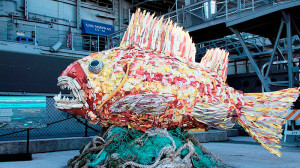
"caption": "An example of the art produced by the \u003ci>Washed Ashore\u003c/i> project",
"description": "An example of the art produced by the \u003ci>Washed Ashore\u003c/i> project",
"title": "Washed Ashore5",
"credit": "http://washedashore.org/",
"status": "inherit",
"isLoading": false,
"fetchFailed": false
}
},
"audioPlayerReducer": {
"postId": "stream_live",
"isPaused": true,
"isPlaying": false,
"pfsActive": false,
"pledgeModalIsOpen": true,
"playerDrawerIsOpen": false,
"liveAudioPlayStartedAt": 0,
"liveAudioPlayContext": ""
},
"authorsReducer": {
"byline_arts_10137711": {
"type": "authors",
"id": "byline_arts_10137711",
"meta": {
"override": true
},
"slug": "byline_arts_10137711",
"name": "Jonathan D. Katz",
"isLoading": false
},
"kfarr": {
"type": "authors",
"id": "16",
"meta": {
"index": "authors_1716337520",
"id": "16",
"found": true
},
"name": "Kristin Farr",
"firstName": "Kristin",
"lastName": "Farr",
"slug": "kfarr",
"email": "kfarr@kqed.org",
"display_author_email": false,
"staff_mastheads": [],
"title": null,
"bio": "Kristin Farr is the creator and producer of KQED's Emmy Award-winning web video series, Art School, and she is also a contributing editor for Juxtapoz magazine. Her artwork has been exhibited at galleries around the Bay Area including YBCA, Fifty24SF, Anno Domini and The Bedford Gallery. Her FarrOut art app for iOS was released in 2013. She lives in the East Bay and her favorite color is all of them.",
"avatar": "https://secure.gravatar.com/avatar/96aae7842c46004b98e00051e9e0d71f?s=600&d=blank&r=g",
"twitter": "kristinfarr",
"facebook": null,
"instagram": null,
"linkedin": null,
"sites": [
{
"site": "arts",
"roles": [
"Contributor",
"contributor"
]
},
{
"site": "artschool",
"roles": [
"subscriber"
]
}
],
"headData": {
"title": "Kristin Farr | KQED",
"description": null,
"ogImgSrc": "https://secure.gravatar.com/avatar/96aae7842c46004b98e00051e9e0d71f?s=600&d=blank&r=g",
"twImgSrc": "https://secure.gravatar.com/avatar/96aae7842c46004b98e00051e9e0d71f?s=600&d=blank&r=g"
},
"isLoading": false,
"link": "/author/kfarr"
},
"shotchkiss": {
"type": "authors",
"id": "61",
"meta": {
"index": "authors_1716337520",
"id": "61",
"found": true
},
"name": "Sarah Hotchkiss",
"firstName": "Sarah",
"lastName": "Hotchkiss",
"slug": "shotchkiss",
"email": "shotchkiss@kqed.org",
"display_author_email": true,
"staff_mastheads": [
"arts"
],
"title": "Senior Editor",
"bio": "Sarah Hotchkiss is a San Francisco \u003ca href=\"http://www.sarahhotchkiss.com\">artist\u003c/a> and arts writer. In 2019, she received the Dorothea & Leo Rabkin Foundation grant for visual art journalism and in 2020 she received a Society of Professional Journalists, Northern California award for excellence in arts and culture reporting.",
"avatar": "https://secure.gravatar.com/avatar/bc662df144b3d27fd8b1b6f1c2a420d34e91e53154d411bb7ad353cc8b6cea8d?s=600&d=blank&r=g",
"twitter": null,
"bluesky": null,
"facebook": null,
"instagram": null,
"linkedin": null,
"sites": [
{
"site": "",
"roles": [
"editor"
]
},
{
"site": "arts",
"roles": [
"Contributor",
"administrator"
]
},
{
"site": "artschool",
"roles": [
"administrator"
]
},
{
"site": "news",
"roles": [
"editor"
]
},
{
"site": "pop",
"roles": [
"administrator"
]
},
{
"site": "bayareabites",
"roles": [
"editor"
]
},
{
"site": "spark",
"roles": [
"editor"
]
},
{
"site": "checkplease",
"roles": [
"editor"
]
}
],
"headData": {
"title": "Sarah Hotchkiss | KQED",
"description": "Senior Editor",
"ogImgSrc": "https://secure.gravatar.com/avatar/bc662df144b3d27fd8b1b6f1c2a420d34e91e53154d411bb7ad353cc8b6cea8d?s=600&d=blank&r=g",
"twImgSrc": "https://secure.gravatar.com/avatar/bc662df144b3d27fd8b1b6f1c2a420d34e91e53154d411bb7ad353cc8b6cea8d?s=600&d=blank&r=g"
},
"isLoading": false,
"link": "/author/shotchkiss"
},
"ablaine": {
"type": "authors",
"id": "72",
"meta": {
"index": "authors_1716337520",
"id": "72",
"found": true
},
"name": "Adrienne Blaine",
"firstName": "Adrienne",
"lastName": "Blaine",
"slug": "ablaine",
"email": "adrienneblaine@hotmail.com",
"display_author_email": false,
"staff_mastheads": [],
"title": null,
"bio": "Adrienne Blaine is a Millennial writer from the South Bay. She has a BA in Comparative Literary and Cultural Studies combined with Communications and Media Studies from Franklin University Switzerland. Living in Switzerland for four years and traveling from Morocco to Iceland introduced her to diverse art, culture and food. She currently lives in San Francisco and writes about these topics.",
"avatar": "https://secure.gravatar.com/avatar/10d0a10a2189067e5e3f6fc9fc4ebdf2?s=600&d=blank&r=g",
"twitter": null,
"facebook": null,
"instagram": null,
"linkedin": null,
"sites": [
{
"site": "arts",
"roles": [
"Contributor",
"contributor"
]
},
{
"site": "bayareabites",
"roles": [
"contributor"
]
},
{
"site": "food",
"roles": [
"contributor"
]
}
],
"headData": {
"title": "Adrienne Blaine | KQED",
"description": null,
"ogImgSrc": "https://secure.gravatar.com/avatar/10d0a10a2189067e5e3f6fc9fc4ebdf2?s=600&d=blank&r=g",
"twImgSrc": "https://secure.gravatar.com/avatar/10d0a10a2189067e5e3f6fc9fc4ebdf2?s=600&d=blank&r=g"
},
"isLoading": false,
"link": "/author/ablaine"
},
"cstone": {
"type": "authors",
"id": "90",
"meta": {
"index": "authors_1716337520",
"id": "90",
"found": true
},
"name": "Cynthia Stone",
"firstName": "Cynthia",
"lastName": "Stone",
"slug": "cstone",
"email": "cynthiamstone@hotmail.com",
"display_author_email": false,
"staff_mastheads": [],
"title": null,
"bio": "Cynthia Stone is an Emmy Award winning writer and producer dedicated to telling the stories of people and programs making a difference. Her television and radio documentary and feature work has focused on a variety of issues including education, the environment, trafficking, transformative programs that help children at risk, science and the arts. In addition to here at KQED, her work has appeared on Discovery, PBS, CNBC, Public Radio International/BBC among others.",
"avatar": "https://secure.gravatar.com/avatar/c0481a3d0e38bbaf8851acf123a78f38?s=600&d=blank&r=g",
"twitter": null,
"facebook": null,
"instagram": null,
"linkedin": null,
"sites": [
{
"site": "arts",
"roles": [
"Contributor",
"contributor"
]
}
],
"headData": {
"title": "Cynthia Stone | KQED",
"description": null,
"ogImgSrc": "https://secure.gravatar.com/avatar/c0481a3d0e38bbaf8851acf123a78f38?s=600&d=blank&r=g",
"twImgSrc": "https://secure.gravatar.com/avatar/c0481a3d0e38bbaf8851acf123a78f38?s=600&d=blank&r=g"
},
"isLoading": false,
"link": "/author/cstone"
},
"kqedarts": {
"type": "authors",
"id": "92",
"meta": {
"index": "authors_1716337520",
"id": "92",
"found": true
},
"name": "KQED Arts",
"firstName": "KQED",
"lastName": "Arts",
"slug": "kqedarts",
"email": "arts@kqed.org",
"display_author_email": false,
"staff_mastheads": [],
"title": "KQED Staff",
"bio": null,
"avatar": "https://secure.gravatar.com/avatar/321c9ebfeb7736f9e55366a6d3399ab0?s=600&d=blank&r=g",
"twitter": null,
"facebook": null,
"instagram": "https://www.instagram.com/kqed_arts/",
"linkedin": null,
"sites": [
{
"site": "arts",
"roles": [
"contributor"
]
},
{
"site": "pop",
"roles": [
"contributor"
]
},
{
"site": "science",
"roles": [
"author"
]
},
{
"site": "food",
"roles": [
"contributor"
]
}
],
"headData": {
"title": "KQED Arts | KQED",
"description": "KQED Staff",
"ogImgSrc": "https://secure.gravatar.com/avatar/321c9ebfeb7736f9e55366a6d3399ab0?s=600&d=blank&r=g",
"twImgSrc": "https://secure.gravatar.com/avatar/321c9ebfeb7736f9e55366a6d3399ab0?s=600&d=blank&r=g"
},
"isLoading": false,
"link": "/author/kqedarts"
},
"kjones": {
"type": "authors",
"id": "93",
"meta": {
"index": "authors_1716337520",
"id": "93",
"found": true
},
"name": "Kevin L. Jones",
"firstName": "Kevin",
"lastName": "Jones",
"slug": "kjones",
"email": "kjones@kqed.org",
"display_author_email": false,
"staff_mastheads": [],
"title": null,
"bio": null,
"avatar": "https://secure.gravatar.com/avatar/12c65b5633ed39d0a59bb7f497eff645?s=600&d=blank&r=g",
"twitter": null,
"facebook": null,
"instagram": null,
"linkedin": null,
"sites": [
{
"site": "arts",
"roles": [
"subscriber"
]
},
{
"site": "styleguide",
"roles": [
"contributor"
]
},
{
"site": "artschool",
"roles": [
"subscriber"
]
},
{
"site": "news",
"roles": [
"subscriber"
]
},
{
"site": "pop",
"roles": [
"subscriber"
]
}
],
"headData": {
"title": "Kevin L. Jones | KQED",
"description": null,
"ogImgSrc": "https://secure.gravatar.com/avatar/12c65b5633ed39d0a59bb7f497eff645?s=600&d=blank&r=g",
"twImgSrc": "https://secure.gravatar.com/avatar/12c65b5633ed39d0a59bb7f497eff645?s=600&d=blank&r=g"
},
"isLoading": false,
"link": "/author/kjones"
}
},
"pagesReducer": {
"arts_category_visualarts": {
"type": "terms",
"id": "arts_70",
"meta": {
"index": "terms_1716263798",
"site": "arts",
"id": "70",
"score": 14.408136
},
"featImg": null,
"name": "Visual Arts",
"description": null,
"taxonomy": "category",
"headData": {
"twImgId": null,
"twTitle": null,
"ogTitle": null,
"ogImgId": null,
"twDescription": null,
"description": null,
"title": "Visual Arts Archives | KQED Arts",
"ogDescription": null
},
"ttid": 71,
"slug": "visualarts",
"isLoading": false,
"title": "Visual Arts",
"pageMeta": {
"site": "arts",
"WpPageTemplate": "page-topic-editorial",
"currentPage": 167
},
"blocks": [
{
"blockName": "kqed/post-list",
"attrs": {
"layout": "cardArticle2",
"query": "posts/arts?category=visualarts",
"seeMore": false,
"paginated": true,
"page": 167
}
},
{
"blockName": "kqed/ad"
}
]
}
},
"pfsSessionReducer": {},
"postsReducer": {
"stream_live": {
"type": "live",
"id": "stream_live",
"audioUrl": "https://streams.kqed.org/kqedradio",
"title": "Live Stream",
"excerpt": "Live Stream information currently unavailable.",
"link": "/radio",
"featImg": "",
"label": {
"name": "KQED Live",
"link": "/"
}
},
"stream_kqedNewscast": {
"type": "posts",
"id": "stream_kqedNewscast",
"audioUrl": "https://www.kqed.org/.stream/anon/radio/RDnews/newscast.mp3?_=1",
"title": "KQED Newscast",
"featImg": "",
"label": {
"name": "88.5 FM",
"link": "/"
}
},
"arts_10138231": {
"type": "posts",
"id": "arts_10138231",
"meta": {
"index": "posts_1716263798",
"site": "arts",
"id": "10138231",
"score": null,
"sort": [
1403701222000
]
},
"guestAuthors": [],
"slug": "gay-essay-portraits-of-lgbt-shadow-world-finally-see-light",
"title": "‘Gay Essay’ Photographer Helped Bring Queer Life Out of Shadows",
"publishDate": 1403701222,
"format": "video",
"headTitle": "‘Gay Essay’ Photographer Helped Bring Queer Life Out of Shadows | KQED",
"labelTerm": {
"site": "arts"
},
"content": "\u003caside class=\"alignright\">\n\u003ch3>\u003ca href=\"http://ww2.kqed.org/arts/2014/06/18/through-queer-eyes-45-years-of-mostly-west-coast-lgbt-photography/\">Through Queer Eyes: 45 Years of (Mostly West Coast) LGBT Photography\u003c/a>\u003c/h3>\n\u003cfigure>\u003ca href=\"http://ww2.kqed.org/arts/2014/06/18/through-queer-eyes-45-years-of-mostly-west-coast-lgbt-photography/\">\u003cimg decoding=\"async\" src=\"http://ww2.kqed.org/arts/wp-content/uploads/sites/2/2014/06/misty-and-jimmy-paulette-1200px.jpg\" alt=\"\">\u003c/a>\u003c/figure>\n\u003cp> In the decades since Anthony Friedkin made \u003cem>The Gay Essay,\u003c/em> LGBT photographers have continued to explore and expand the meaning of queer identity. Works by the 12 artists in this visual history illuminate themes from those turbulent years.\u003cbr>\n\u003c/p>\u003c/aside>\n\u003cp>This weekend marks the 45\u003csup>th\u003c/sup> anniversary of the Stonewall riots in New York City, the spark that touched off the gay liberation movement. As the LGBT community prepares for the San Francisco Pride Celebrations, the \u003ca href=\"https://deyoung.famsf.org/deyoung/exhibitions/anthony-friedkin-gay-essay\" target=\"_blank\" rel=\"noopener\">de Young Museum has opened an exhibit\u003c/a> of photographs by Anthony Friedkin. Titled \u003cem>The Gay Essay,\u003c/em> these candid images of queer life in San Francisco and LA were made in the late ’60s and early 70s — when homosexuality was still illegal in California.\u003c/p>\n\u003cp>Friedkin’s photographs of friends, lovers, hustlers, activists and female impersonators were ahead of their time, and it took more than four decades for his full project to see the light. \u003cem>KQED\u003c/em> \u003cem>Newsroom’s\u003c/em> Scott Shafer spoke with Friedkin and others about this groundbreaking work and the dark times that inspired it.\u003c/p>\n\u003cp>[ad fullwidth]\u003c/p>\u003cp>\u003c/p>\n",
"blocks": [],
"excerpt": "To mark the 45th anniversary of the Stonewall riots, the de Young Museum is exhibiting Anthony Friedkin’s photo essay of queer life in California, taken at a time when homosexuality was illegal in the state. It took more than four decades for the full project to see the light. Scott Shafer explores the creation of this groundbreaking work and the dark times that inspired it.",
"status": "publish",
"parent": 0,
"modified": 1726700484,
"stats": {
"hasAudio": false,
"hasVideo": false,
"hasChartOrMap": false,
"iframeSrcs": [],
"hasGoogleForm": false,
"hasGallery": false,
"hasHearkenModule": false,
"hasPolis": false,
"paragraphCount": 5,
"wordCount": 188
},
"headData": {
"title": "‘Gay Essay’ Photographer Helped Bring Queer Life Out of Shadows | KQED",
"description": "To mark the 45th anniversary of the Stonewall riots, the de Young Museum is exhibiting Anthony Friedkin’s photo essay of queer life in California, taken at a time when homosexuality was illegal in the state. It took more than four decades for the full project to see the light. Scott Shafer explores the creation of this groundbreaking work and the dark times that inspired it.",
"ogTitle": "",
"ogDescription": "",
"ogImgId": "",
"twTitle": "",
"twDescription": "",
"twImgId": "",
"schema": {
"@context": "https://schema.org",
"@type": "Article",
"headline": "‘Gay Essay’ Photographer Helped Bring Queer Life Out of Shadows",
"datePublished": "2014-06-25T06:00:22-07:00",
"dateModified": "2024-09-18T16:01:24-07:00",
"image": "https://cdn.kqed.org/wp-content/uploads/2020/02/KQED-OG-Image@1x.png"
}
},
"videoEmbed": "http://youtu.be/Z__W34Ek3pQ",
"sticky": false,
"path": "/arts/10138231/gay-essay-portraits-of-lgbt-shadow-world-finally-see-light",
"audioTrackLength": null,
"parsedContent": [
{
"type": "contentString",
"content": "\u003cdiv class=\"post-body\">\u003cp>\u003caside class=\"alignright\">\n\u003ch3>\u003ca href=\"http://ww2.kqed.org/arts/2014/06/18/through-queer-eyes-45-years-of-mostly-west-coast-lgbt-photography/\">Through Queer Eyes: 45 Years of (Mostly West Coast) LGBT Photography\u003c/a>\u003c/h3>\n\u003cfigure>\u003ca href=\"http://ww2.kqed.org/arts/2014/06/18/through-queer-eyes-45-years-of-mostly-west-coast-lgbt-photography/\">\u003cimg decoding=\"async\" src=\"http://ww2.kqed.org/arts/wp-content/uploads/sites/2/2014/06/misty-and-jimmy-paulette-1200px.jpg\" alt=\"\">\u003c/a>\u003c/figure>\n\u003cp> In the decades since Anthony Friedkin made \u003cem>The Gay Essay,\u003c/em> LGBT photographers have continued to explore and expand the meaning of queer identity. Works by the 12 artists in this visual history illuminate themes from those turbulent years.\u003cbr>\n\u003c/p>\u003c/aside>\n\u003cp>This weekend marks the 45\u003csup>th\u003c/sup> anniversary of the Stonewall riots in New York City, the spark that touched off the gay liberation movement. As the LGBT community prepares for the San Francisco Pride Celebrations, the \u003ca href=\"https://deyoung.famsf.org/deyoung/exhibitions/anthony-friedkin-gay-essay\" target=\"_blank\" rel=\"noopener\">de Young Museum has opened an exhibit\u003c/a> of photographs by Anthony Friedkin. Titled \u003cem>The Gay Essay,\u003c/em> these candid images of queer life in San Francisco and LA were made in the late ’60s and early 70s — when homosexuality was still illegal in California.\u003c/p>\n\u003cp>Friedkin’s photographs of friends, lovers, hustlers, activists and female impersonators were ahead of their time, and it took more than four decades for his full project to see the light. \u003cem>KQED\u003c/em> \u003cem>Newsroom’s\u003c/em> Scott Shafer spoke with Friedkin and others about this groundbreaking work and the dark times that inspired it.\u003c/p>\n\u003cp>\u003c/p>\u003c/div>",
"attributes": {
"named": {},
"numeric": []
}
},
{
"type": "component",
"content": "",
"name": "ad",
"attributes": {
"named": {
"label": "fullwidth"
},
"numeric": [
"fullwidth"
]
}
},
{
"type": "contentString",
"content": "\u003cdiv class=\"post-body\">\u003cp>\u003c/p>\u003cp>\u003c/p>\n\u003c/div>\u003c/p>",
"attributes": {
"named": {},
"numeric": []
}
}
],
"link": "/arts/10138231/gay-essay-portraits-of-lgbt-shadow-world-finally-see-light",
"authors": [
"90"
],
"categories": [
"arts_70"
],
"featImg": "arts_10138238",
"label": "arts"
},
"arts_10137029": {
"type": "posts",
"id": "arts_10137029",
"meta": {
"index": "posts_1716263798",
"site": "arts",
"id": "10137029",
"score": null,
"sort": [
1403355645000
]
},
"parent": 0,
"labelTerm": {
"site": "arts"
},
"blocks": [],
"publishDate": 1403355645,
"format": "standard",
"title": "The Latest Ms. Marvel Shapeshifts Comic Stereotypes",
"headTitle": "The Latest Ms. Marvel Shapeshifts Comic Stereotypes | KQED",
"content": "\u003cp>Meet \u003ca href=\"//marvel.wikia.com/Kamala_Khan_(Earth-616)\">Kamala Khan\u003c/a>: she’s a 16-year-old Pakistani American girl living in Jersey City. She loves Marvel comics and even writes her own fan fiction about The Avengers. But she believes, “My chances of becoming an intergalactic superhero are even slimmer than my chances of becoming blond and popular.” \u003c/p>\n\u003cp>But when \u003ca href=\"//marvel.wikia.com/Carol_Danvers_(Earth-616)\">Captain Marvel\u003c/a> herself gives Kamala shape-shifting powers, she has to create her own identity and embrace her Islamic heritage as the newest incarnation of Ms. Marvel.\u003c/p>\n\u003cp>The overwhelmingly positive reaction to Marvel’s update proves that being blond isn’t a prerequisite for popularity anymore. For many years, Marvel presented Ms. Marvel as the buxom and scantily clad Carol Danvers. Like many of us, Kamala grew up idealizing this narrow representation of female superheroes.\u003c/p>\n\u003cp>Recently \u003ca href=\"//www.mirusgallery.com/about\">Mirius Gallery\u003c/a> presented visual artist Sandra Chevrier’s, \u003cb>\u003ca href=\"//www.mirusgallery.com/exhibitions/les-cages-fractured-gaze-sandra-chevrier\">Les Cages: A Fractured Gaze\u003c/a>\u003c/b>, which explores this dysfunctional relationship between females and their comic book representations through multimedia works. \u003c/p>\n\u003cfigure id=\"attachment_10137035\" class=\"wp-caption alignright\" style=\"max-width: 640px\">\u003ca href=\"http://ww2.kqed.org/arts/wp-content/uploads/sites/2/2014/06/Les-Cages.jpg\">\u003cimg loading=\"lazy\" decoding=\"async\" src=\"http://ww2.kqed.org/arts/wp-content/uploads/sites/2/2014/06/Les-Cages.jpg\" alt=\"Sandra Chevrier, Les Cages: A Fractured Gaze, 2014; courtesy Mirius Gallery\" width=\"640\" height=\"1042\" class=\"size-full wp-image-10137035\" srcset=\"https://cdn.kqed.org/wp-content/uploads/sites/2/2014/06/Les-Cages.jpg 640w, https://cdn.kqed.org/wp-content/uploads/sites/2/2014/06/Les-Cages-400x651.jpg 400w, https://cdn.kqed.org/wp-content/uploads/sites/2/2014/06/Les-Cages-184x300.jpg 184w\" sizes=\"(max-width: 640px) 100vw, 640px\">\u003c/a>\u003cfigcaption class=\"wp-caption-text\">Sandra Chevrier, \u003ci>Les Cages: A Fractured Gaze\u003c/i>, 2014; courtesy Mirius Gallery\u003c/figcaption>\u003c/figure>\n\u003cp> “The comic book collages, at once anesthetizing and alluring, echo rather entertaining pop-art references that eventually [belie] the bitter irony that these females have been silenced, smothered, and even blinded by the very mechanisms that seduced us into their existence,” Mirius’ website states. \u003c/p>\n\u003cp>[ad fullwidth]\u003c/p>\n\u003cp>Kamala receives her superpowers while experiencing an identity crisis brought on by these same societal pressures. At first she plans to kick butt as Carol Danvers in the “classic, politically incorrect costume” Ms. Marvel was known for, but the figurative and literal wedge heel doesn’t fit. \u003c/p>\n\u003cfigure id=\"attachment_10137037\" class=\"wp-caption alignright\" style=\"max-width: 640px\">\u003ca href=\"http://ww2.kqed.org/arts/wp-content/uploads/sites/2/2014/06/Ms.-Marvel-1.jpg\">\u003cimg loading=\"lazy\" decoding=\"async\" src=\"http://ww2.kqed.org/arts/wp-content/uploads/sites/2/2014/06/Ms.-Marvel-1.jpg\" alt=\"Sara Pichelli & Justin Ponsor, Ms. Marvel Issue #1 Cover Art, 2014; courtesy Marvel \" width=\"640\" height=\"972\" class=\"size-full wp-image-10137037\" srcset=\"https://cdn.kqed.org/wp-content/uploads/sites/2/2014/06/Ms.-Marvel-1.jpg 640w, https://cdn.kqed.org/wp-content/uploads/sites/2/2014/06/Ms.-Marvel-1-400x607.jpg 400w, https://cdn.kqed.org/wp-content/uploads/sites/2/2014/06/Ms.-Marvel-1-197x300.jpg 197w\" sizes=\"(max-width: 640px) 100vw, 640px\">\u003c/a>\u003cfigcaption class=\"wp-caption-text\">Sara Pichelli & Justin Ponsor, \u003ci>Ms. Marvel Issue #1 Cover Art\u003c/i>, 2014; courtesy Marvel\u003c/figcaption>\u003c/figure>\n\u003cp>Assuming someone else’s form does not make Kamala feel beautiful, strong or brave. In the first four issues she begins to explore what does. She re-purposes a modest “burkini” bathing suit and taps into her video gamer reflexes to save her peers as a new Ms. Marvel. \u003c/p>\n\u003cp>As one of the few representations of Islamic characters in the comic world and the only female protagonist of her kind, the pressure is on Marvel to convey a well-rounded character. \u003c/p>\n\u003cp>Writer \u003ca href=\"//gwillowwilson.com/\">G. Willow Wilson\u003c/a>, who calls herself a professional genre-bender, told \u003ca href=\"//www.wired.com/2014/01/ms-marvel-muslim-superheroine/\">Wired Magazine\u003c/a>, “The key thing is authenticity, and not trying to please everybody with a cardboard cutout that doesn’t feel like a human being with flaws and quirks and charm.” \u003c/p>\n\u003cp>Illustrator \u003ca href=\"//sweetbizarre.com/\">Adrian Alphona\u003c/a> rounds out the characters with dynamic panels that reflect the awkward movements and conflicted personalities of modern teenagers discovering their identities: secret or otherwise. \u003c/p>\n\u003cp>\u003ca href=\"//marvel.com/comics/issue/49093/ms_marvel_2014_5\">The fifth and final issue\u003c/a> of this story arc came out on Wednesday, June 18, 2014. Let Marvel know you appreciate diverse characters like Kamala by calling your local comic bookstore and ordering \u003ci>Ms. Marvel\u003c/i> comics. You can also \u003ca href=\"//comicstore.marvel.com/Ms-Marvel-1/digital-comic/32979\">purchase digital issues\u003c/a> through \u003ca href=\"//comicstore.marvel.com/\">Marvel’s Digital Comics Shop\u003c/a>. \u003c/p>\n\u003cp>\u003c/p>\n\u003cp>Keep an eye out for a trade paperback that will combine the first five issues into one volume later this year. \u003c/p>\n\n",
"stats": {
"hasVideo": false,
"hasChartOrMap": false,
"hasAudio": false,
"hasPolis": false,
"wordCount": 514,
"hasGoogleForm": false,
"hasGallery": false,
"hasHearkenModule": false,
"iframeSrcs": [],
"paragraphCount": 14
},
"modified": 1705048723,
"excerpt": "When 16-year-old Pakistani American teen Kamala Khan is granted shape-shifting powers, she updates the Ms. Marvel character in bold and surprising ways. ",
"headData": {
"twImgId": "",
"twTitle": "",
"ogTitle": "",
"ogImgId": "",
"twDescription": "",
"description": "When 16-year-old Pakistani American teen Kamala Khan is granted shape-shifting powers, she updates the Ms. Marvel character in bold and surprising ways. ",
"title": "The Latest Ms. Marvel Shapeshifts Comic Stereotypes | KQED",
"ogDescription": "",
"schema": {
"@context": "https://schema.org",
"@type": "Article",
"headline": "The Latest Ms. Marvel Shapeshifts Comic Stereotypes",
"datePublished": "2014-06-21T06:00:45-07:00",
"dateModified": "2024-01-12T00:38:43-08:00",
"image": "https://cdn.kqed.org/wp-content/uploads/2020/02/KQED-OG-Image@1x.png"
}
},
"guestAuthors": [],
"slug": "the-latest-ms-marvel-shapeshifts-comic-stereotypes",
"status": "publish",
"sticky": false,
"path": "/arts/10137029/the-latest-ms-marvel-shapeshifts-comic-stereotypes",
"audioTrackLength": null,
"parsedContent": [
{
"type": "contentString",
"content": "\u003cdiv class=\"post-body\">\u003cp>\u003cp>Meet \u003ca href=\"//marvel.wikia.com/Kamala_Khan_(Earth-616)\">Kamala Khan\u003c/a>: she’s a 16-year-old Pakistani American girl living in Jersey City. She loves Marvel comics and even writes her own fan fiction about The Avengers. But she believes, “My chances of becoming an intergalactic superhero are even slimmer than my chances of becoming blond and popular.” \u003c/p>\n\u003cp>But when \u003ca href=\"//marvel.wikia.com/Carol_Danvers_(Earth-616)\">Captain Marvel\u003c/a> herself gives Kamala shape-shifting powers, she has to create her own identity and embrace her Islamic heritage as the newest incarnation of Ms. Marvel.\u003c/p>\n\u003cp>The overwhelmingly positive reaction to Marvel’s update proves that being blond isn’t a prerequisite for popularity anymore. For many years, Marvel presented Ms. Marvel as the buxom and scantily clad Carol Danvers. Like many of us, Kamala grew up idealizing this narrow representation of female superheroes.\u003c/p>\n\u003cp>Recently \u003ca href=\"//www.mirusgallery.com/about\">Mirius Gallery\u003c/a> presented visual artist Sandra Chevrier’s, \u003cb>\u003ca href=\"//www.mirusgallery.com/exhibitions/les-cages-fractured-gaze-sandra-chevrier\">Les Cages: A Fractured Gaze\u003c/a>\u003c/b>, which explores this dysfunctional relationship between females and their comic book representations through multimedia works. \u003c/p>\n\u003cfigure id=\"attachment_10137035\" class=\"wp-caption alignright\" style=\"max-width: 640px\">\u003ca href=\"http://ww2.kqed.org/arts/wp-content/uploads/sites/2/2014/06/Les-Cages.jpg\">\u003cimg loading=\"lazy\" decoding=\"async\" src=\"http://ww2.kqed.org/arts/wp-content/uploads/sites/2/2014/06/Les-Cages.jpg\" alt=\"Sandra Chevrier, Les Cages: A Fractured Gaze, 2014; courtesy Mirius Gallery\" width=\"640\" height=\"1042\" class=\"size-full wp-image-10137035\" srcset=\"https://cdn.kqed.org/wp-content/uploads/sites/2/2014/06/Les-Cages.jpg 640w, https://cdn.kqed.org/wp-content/uploads/sites/2/2014/06/Les-Cages-400x651.jpg 400w, https://cdn.kqed.org/wp-content/uploads/sites/2/2014/06/Les-Cages-184x300.jpg 184w\" sizes=\"(max-width: 640px) 100vw, 640px\">\u003c/a>\u003cfigcaption class=\"wp-caption-text\">Sandra Chevrier, \u003ci>Les Cages: A Fractured Gaze\u003c/i>, 2014; courtesy Mirius Gallery\u003c/figcaption>\u003c/figure>\n\u003cp> “The comic book collages, at once anesthetizing and alluring, echo rather entertaining pop-art references that eventually [belie] the bitter irony that these females have been silenced, smothered, and even blinded by the very mechanisms that seduced us into their existence,” Mirius’ website states. \u003c/p>\n\u003cp>\u003c/p>\u003c/div>",
"attributes": {
"named": {},
"numeric": []
}
},
{
"type": "component",
"content": "",
"name": "ad",
"attributes": {
"named": {
"label": "fullwidth"
},
"numeric": [
"fullwidth"
]
}
},
{
"type": "contentString",
"content": "\u003cdiv class=\"post-body\">\u003cp>\u003c/p>\n\u003cp>Kamala receives her superpowers while experiencing an identity crisis brought on by these same societal pressures. At first she plans to kick butt as Carol Danvers in the “classic, politically incorrect costume” Ms. Marvel was known for, but the figurative and literal wedge heel doesn’t fit. \u003c/p>\n\u003cfigure id=\"attachment_10137037\" class=\"wp-caption alignright\" style=\"max-width: 640px\">\u003ca href=\"http://ww2.kqed.org/arts/wp-content/uploads/sites/2/2014/06/Ms.-Marvel-1.jpg\">\u003cimg loading=\"lazy\" decoding=\"async\" src=\"http://ww2.kqed.org/arts/wp-content/uploads/sites/2/2014/06/Ms.-Marvel-1.jpg\" alt=\"Sara Pichelli & Justin Ponsor, Ms. Marvel Issue #1 Cover Art, 2014; courtesy Marvel \" width=\"640\" height=\"972\" class=\"size-full wp-image-10137037\" srcset=\"https://cdn.kqed.org/wp-content/uploads/sites/2/2014/06/Ms.-Marvel-1.jpg 640w, https://cdn.kqed.org/wp-content/uploads/sites/2/2014/06/Ms.-Marvel-1-400x607.jpg 400w, https://cdn.kqed.org/wp-content/uploads/sites/2/2014/06/Ms.-Marvel-1-197x300.jpg 197w\" sizes=\"(max-width: 640px) 100vw, 640px\">\u003c/a>\u003cfigcaption class=\"wp-caption-text\">Sara Pichelli & Justin Ponsor, \u003ci>Ms. Marvel Issue #1 Cover Art\u003c/i>, 2014; courtesy Marvel\u003c/figcaption>\u003c/figure>\n\u003cp>Assuming someone else’s form does not make Kamala feel beautiful, strong or brave. In the first four issues she begins to explore what does. She re-purposes a modest “burkini” bathing suit and taps into her video gamer reflexes to save her peers as a new Ms. Marvel. \u003c/p>\n\u003cp>As one of the few representations of Islamic characters in the comic world and the only female protagonist of her kind, the pressure is on Marvel to convey a well-rounded character. \u003c/p>\n\u003cp>Writer \u003ca href=\"//gwillowwilson.com/\">G. Willow Wilson\u003c/a>, who calls herself a professional genre-bender, told \u003ca href=\"//www.wired.com/2014/01/ms-marvel-muslim-superheroine/\">Wired Magazine\u003c/a>, “The key thing is authenticity, and not trying to please everybody with a cardboard cutout that doesn’t feel like a human being with flaws and quirks and charm.” \u003c/p>\n\u003cp>Illustrator \u003ca href=\"//sweetbizarre.com/\">Adrian Alphona\u003c/a> rounds out the characters with dynamic panels that reflect the awkward movements and conflicted personalities of modern teenagers discovering their identities: secret or otherwise. \u003c/p>\n\u003cp>\u003ca href=\"//marvel.com/comics/issue/49093/ms_marvel_2014_5\">The fifth and final issue\u003c/a> of this story arc came out on Wednesday, June 18, 2014. Let Marvel know you appreciate diverse characters like Kamala by calling your local comic bookstore and ordering \u003ci>Ms. Marvel\u003c/i> comics. You can also \u003ca href=\"//comicstore.marvel.com/Ms-Marvel-1/digital-comic/32979\">purchase digital issues\u003c/a> through \u003ca href=\"//comicstore.marvel.com/\">Marvel’s Digital Comics Shop\u003c/a>. \u003c/p>\n\u003cp>\u003c/p>\n\u003cp>Keep an eye out for a trade paperback that will combine the first five issues into one volume later this year. \u003c/p>\n\n\u003c/div>\u003c/p>",
"attributes": {
"named": {},
"numeric": []
}
}
],
"link": "/arts/10137029/the-latest-ms-marvel-shapeshifts-comic-stereotypes",
"authors": [
"72"
],
"categories": [
"arts_75",
"arts_70"
],
"featImg": "arts_10137030",
"label": "arts"
},
"arts_10138155": {
"type": "posts",
"id": "arts_10138155",
"meta": {
"index": "posts_1716263798",
"site": "arts",
"id": "10138155",
"score": null,
"sort": [
1403223151000
]
},
"parent": 0,
"labelTerm": {
"site": "arts",
"term": 137
},
"blocks": [],
"publishDate": 1403223151,
"format": "standard",
"title": "Never Tell them the Odds: Cities Vie to Host 'Star Wars' Collection",
"headTitle": "Never Tell them the Odds: Cities Vie to Host ‘Star Wars’ Collection | KQED",
"content": "\u003cp>A short time ago, in a city not far away, \u003cem>Star Wars\u003c/em> creator George Lucas decided to build a museum to house his movie memorabilia and his art collection.\u003c/p>\n\u003cp>There’s just one looming question: Where should it go?\u003c/p>\n\u003cp>Lucas says he’ll spend $300 million of his own money to build the proposed Lucas Cultural Arts Museum and will provide a $400 million endowment after his death. In addition to holding Skywalker artifacts galore, the museum would also host Lucas’ private art collection, featuring works by Norman Rockwell and N.C. Wyeth, among others.\u003c/p>\n\u003cp>But after Lucas’ original planned location fell through, it’s not clear where the museum will be located. San Francisco and Chicago are both trying to win the right to host the museum, and Los Angeles just entered the fray as well.\u003c/p>\n\u003cp>\u003cstrong>San Francisco: ‘It Is Our History’\u003c/strong>\u003c/p>\n\u003cp>[ad fullwidth]\u003c/p>\n\u003cp>The story begins in San Francisco, not far from Skywalker Ranch, Lucas’ moviemaking center in Marin County.\u003c/p>\n\u003cp>Lucas originally wanted to build his museum in the San Francisco Presidio — a federal park near the Golden Gate Bridge. But park officials rejected that idea.\u003c/p>\n\u003cp>Now San Francisco officials are scrambling, trying to persuade Lucas to consider another site. They’re offering a scenic waterfront location along the Embarcadero, the road that runs along the San Francisco Bay.\u003c/p>\n\u003cp>Mayor Ed Lee points to the area’s \u003cem>Star Wars\u003c/em> history to explain why the city wants to persuade Lucas to stay in the region. Lucas’ ranch is nearby, and the Letterman Digital Arts Center, LucasFilm’s headquarters, is located in the city.\u003c/p>\n\u003cp>“Digital Arts, through George Lucas’ wonderful works, started here,” Lee says. “To have that museum right here under his name would be a wonderful tribute to that. It is our history, and that’s why we want George to be here.”\u003c/p>\n\u003cp>But Lee knows that first rejection, of the Presidio location, opened the door to competition.\u003c/p>\n\u003cp>\u003cstrong>Chicago: Lucas’ Second Home\u003c/strong>\u003c/p>\n\u003cp>In Chicago, city leaders say they’re up to the fight to bring the Lucas Museum to \u003cem>their \u003c/em>city. Kurt Summers, co-chairman of the task force that Chicago Mayor Rahm Emanuel directed to find a location for the museum, casts the struggle in familiar terms — like the dark side of the Force against the light.\u003c/p>\n\u003cp>“We are the protagonist in sort of a good versus evil,” Summers says. It’s not hard to imagine whom he sees as the Evil Empire. “We engaged fully … and that created real competition. The result of that [is] we saw San Francisco step up its game as well.”\u003c/p>\n\u003cp>The potential home of the Lucas Museum is near Chicago’s lakefront, on the city’s Museum Campus. The city would convert 17 acres that are currently home to two parking lots behind Soldier Field, the stadium home of the Chicago Bears.\u003c/p>\n\u003cp>Chicago would lease the land to Lucas for $1. City officials believe adding his museum to the Field Museum of Natural History, the Shedd Aquarium and the Adler Planetarium on the campus would bring in a couple of million additional visitors to the city each year, along with millions in tourist and tax revenue.\u003c/p>\n\u003cp>Lucas calls Chicago his second home, and he’s married to influential Chicago businesswoman Mellody Hobson. That’s a plus, says Summers, who believes that while San Francisco might once have had home field advantage, Chicago has a very compelling case.\u003c/p>\n\u003cp>Summers says he’s not talking smack. But he does have a message: “I believe the Force is with us.”\u003c/p>\n\u003cp>San Francisco would say the same thing. And so would Los Angeles, which has offered a museum-campus plan like Chicago’s, at the site of the Los Angeles Memorial Sports Arena in the city’s Exposition Park.\u003c/p>\n\u003cp>\u003c/p>\n\u003cp>But as the small Jedi Yoda would say, “Impossible to see, the future is” — until the decision, which is expected sometime this summer. \u003c/p>\n\u003cdiv class=\"fullattribution\">Copyright 2014 NPR. To see more, visit http://www.npr.org/.\u003cimg decoding=\"async\" src=\"http://www.google-analytics.com/__utm.gif?utmac=UA-5828686-4&utmdt=Never+Tell+Them+The+Odds%3A+Cities+Vie+To+Host+%27Star+Wars%27+Collection&utme=8(APIKey)9(MDAxOTAwOTE4MDEyMTkxMDAzNjczZDljZA004)\">\u003c/div>\n\n",
"stats": {
"hasVideo": false,
"hasChartOrMap": false,
"hasAudio": false,
"hasPolis": false,
"wordCount": 698,
"hasGoogleForm": false,
"hasGallery": false,
"hasHearkenModule": false,
"iframeSrcs": [],
"paragraphCount": 22
},
"modified": 1705048730,
"excerpt": "\u003cem>Star Wars\u003c/em> creator George Lucas wants to build a museum full of movie memorabilia and fine art. But where? Both his hometown of San Francisco and Chicago, his \"second home,\" are vying for it.",
"headData": {
"twImgId": "",
"twTitle": "",
"ogTitle": "",
"ogImgId": "",
"twDescription": "",
"description": "Star Wars creator George Lucas wants to build a museum full of movie memorabilia and fine art. But where? Both his hometown of San Francisco and Chicago, his "second home," are vying for it.",
"title": "Never Tell them the Odds: Cities Vie to Host 'Star Wars' Collection | KQED",
"ogDescription": "",
"schema": {
"@context": "https://schema.org",
"@type": "Article",
"headline": "Never Tell them the Odds: Cities Vie to Host 'Star Wars' Collection",
"datePublished": "2014-06-19T17:12:31-07:00",
"dateModified": "2024-01-12T00:38:50-08:00",
"image": "https://cdn.kqed.org/wp-content/uploads/2020/02/KQED-OG-Image@1x.png"
}
},
"guestAuthors": [],
"slug": "never-tell-them-the-odds-cities-vie-to-host-star-wars-collection",
"status": "publish",
"nprApiLink": "http://api.npr.org/query?id=323578683&apiKey=MDAxOTAwOTE4MDEyMTkxMDAzNjczZDljZA004",
"nprStoryDate": "Thu, 19 Jun 2014 17:12:00 -0400",
"nprLastModifiedDate": "Thu, 19 Jun 2014 18:49:18 -0400",
"sticky": false,
"nprHtmlLink": "http://www.npr.org/2014/06/19/323578683/never-tell-them-the-odds-cities-vie-to-host-star-wars-collection?ft=3&f=323578683",
"nprAudio": "http://pd.npr.org/anon.npr-mp3/npr/atc/2014/06/20140619_atc_never_tell_them_the_odds_cities_compete_for_lucas_museum.mp3?orgId=1&topicId=1008&ft=3&f=323578683",
"nprAudioM3u": "http://api.npr.org/m3u/1323696136-3078b7.m3u?orgId=1&topicId=1008&ft=3&f=323578683",
"nprStoryId": "323578683",
"nprRetrievedStory": "1",
"nprPubDate": "Thu, 19 Jun 2014 19:12:00 -0400",
"path": "/arts/10138155/never-tell-them-the-odds-cities-vie-to-host-star-wars-collection",
"audioUrl": "http://pd.npr.org/anon.npr-mp3/npr/atc/2014/06/20140619_atc_never_tell_them_the_odds_cities_compete_for_lucas_museum.mp3?orgId=1&topicId=1008&ft=3&f=323578683",
"audioTrackLength": null,
"parsedContent": [
{
"type": "contentString",
"content": "\u003cdiv class=\"post-body\">\u003cp>\u003cp>A short time ago, in a city not far away, \u003cem>Star Wars\u003c/em> creator George Lucas decided to build a museum to house his movie memorabilia and his art collection.\u003c/p>\n\u003cp>There’s just one looming question: Where should it go?\u003c/p>\n\u003cp>Lucas says he’ll spend $300 million of his own money to build the proposed Lucas Cultural Arts Museum and will provide a $400 million endowment after his death. In addition to holding Skywalker artifacts galore, the museum would also host Lucas’ private art collection, featuring works by Norman Rockwell and N.C. Wyeth, among others.\u003c/p>\n\u003cp>But after Lucas’ original planned location fell through, it’s not clear where the museum will be located. San Francisco and Chicago are both trying to win the right to host the museum, and Los Angeles just entered the fray as well.\u003c/p>\n\u003cp>\u003cstrong>San Francisco: ‘It Is Our History’\u003c/strong>\u003c/p>\n\u003cp>\u003c/p>\u003c/div>",
"attributes": {
"named": {},
"numeric": []
}
},
{
"type": "component",
"content": "",
"name": "ad",
"attributes": {
"named": {
"label": "fullwidth"
},
"numeric": [
"fullwidth"
]
}
},
{
"type": "contentString",
"content": "\u003cdiv class=\"post-body\">\u003cp>\u003c/p>\n\u003cp>The story begins in San Francisco, not far from Skywalker Ranch, Lucas’ moviemaking center in Marin County.\u003c/p>\n\u003cp>Lucas originally wanted to build his museum in the San Francisco Presidio — a federal park near the Golden Gate Bridge. But park officials rejected that idea.\u003c/p>\n\u003cp>Now San Francisco officials are scrambling, trying to persuade Lucas to consider another site. They’re offering a scenic waterfront location along the Embarcadero, the road that runs along the San Francisco Bay.\u003c/p>\n\u003cp>Mayor Ed Lee points to the area’s \u003cem>Star Wars\u003c/em> history to explain why the city wants to persuade Lucas to stay in the region. Lucas’ ranch is nearby, and the Letterman Digital Arts Center, LucasFilm’s headquarters, is located in the city.\u003c/p>\n\u003cp>“Digital Arts, through George Lucas’ wonderful works, started here,” Lee says. “To have that museum right here under his name would be a wonderful tribute to that. It is our history, and that’s why we want George to be here.”\u003c/p>\n\u003cp>But Lee knows that first rejection, of the Presidio location, opened the door to competition.\u003c/p>\n\u003cp>\u003cstrong>Chicago: Lucas’ Second Home\u003c/strong>\u003c/p>\n\u003cp>In Chicago, city leaders say they’re up to the fight to bring the Lucas Museum to \u003cem>their \u003c/em>city. Kurt Summers, co-chairman of the task force that Chicago Mayor Rahm Emanuel directed to find a location for the museum, casts the struggle in familiar terms — like the dark side of the Force against the light.\u003c/p>\n\u003cp>“We are the protagonist in sort of a good versus evil,” Summers says. It’s not hard to imagine whom he sees as the Evil Empire. “We engaged fully … and that created real competition. The result of that [is] we saw San Francisco step up its game as well.”\u003c/p>\n\u003cp>The potential home of the Lucas Museum is near Chicago’s lakefront, on the city’s Museum Campus. The city would convert 17 acres that are currently home to two parking lots behind Soldier Field, the stadium home of the Chicago Bears.\u003c/p>\n\u003cp>Chicago would lease the land to Lucas for $1. City officials believe adding his museum to the Field Museum of Natural History, the Shedd Aquarium and the Adler Planetarium on the campus would bring in a couple of million additional visitors to the city each year, along with millions in tourist and tax revenue.\u003c/p>\n\u003cp>Lucas calls Chicago his second home, and he’s married to influential Chicago businesswoman Mellody Hobson. That’s a plus, says Summers, who believes that while San Francisco might once have had home field advantage, Chicago has a very compelling case.\u003c/p>\n\u003cp>Summers says he’s not talking smack. But he does have a message: “I believe the Force is with us.”\u003c/p>\n\u003cp>San Francisco would say the same thing. And so would Los Angeles, which has offered a museum-campus plan like Chicago’s, at the site of the Los Angeles Memorial Sports Arena in the city’s Exposition Park.\u003c/p>\n\u003cp>\u003c/p>\n\u003cp>But as the small Jedi Yoda would say, “Impossible to see, the future is” — until the decision, which is expected sometime this summer. \u003c/p>\n\u003cdiv class=\"fullattribution\">Copyright 2014 NPR. To see more, visit http://www.npr.org/.\u003cimg decoding=\"async\" src=\"http://www.google-analytics.com/__utm.gif?utmac=UA-5828686-4&utmdt=Never+Tell+Them+The+Odds%3A+Cities+Vie+To+Host+%27Star+Wars%27+Collection&utme=8(APIKey)9(MDAxOTAwOTE4MDEyMTkxMDAzNjczZDljZA004)\">\u003c/div>\n\n\u003c/div>\u003c/p>",
"attributes": {
"named": {},
"numeric": []
}
}
],
"link": "/arts/10138155/never-tell-them-the-odds-cities-vie-to-host-star-wars-collection",
"authors": [
"92"
],
"categories": [
"arts_74",
"arts_70"
],
"affiliates": [
"arts_137"
],
"featImg": "arts_10138156",
"label": "arts_137"
},
"arts_10137711": {
"type": "posts",
"id": "arts_10137711",
"meta": {
"index": "posts_1716263798",
"site": "arts",
"id": "10137711",
"score": null,
"sort": [
1403096422000
]
},
"parent": 0,
"labelTerm": {
"site": "arts"
},
"blocks": [],
"publishDate": 1403096422,
"format": "standard",
"title": "Through Queer Eyes: 45 Years of (Mostly West-Coast) LGBT Photography",
"headTitle": "Through Queer Eyes: 45 Years of (Mostly West-Coast) LGBT Photography | KQED",
"content": "\u003ch5>\u003cem>\u003cstrong>Image advisory:\u003c/strong> many of the Web sites linked to in this article contain photographs that are sexually explicit.\u003c/em>\u003c/h5>\n\u003cp>It is not entirely happenstance that the founding figure of the modern gay movement, Harvey Milk, was a photographer and the owner of a camera store. In the 1970s, the simple documentation of presence, the photographic equivalent of saying “we are here,” by itself assumed a progressive political cast for a population long freighted with the demand to remain both silent and invisible. At my current age of 55, I still remember the embarrassing sting of a film store’s refusal to process pictures of my 23rd (very gay) birthday party because the printer deemed the images “indecent.”\u003c/p>\n\u003cfigure id=\"attachment_10137837\" class=\"wp-caption alignright\" style=\"max-width: 400px\">\u003ca href=\"http://ww2.kqed.org/arts/wp-content/uploads/sites/2/2014/06/friedkin-plate-47.jpg\">\u003cimg loading=\"lazy\" decoding=\"async\" class=\"wp-image-10137837 size-thumbnail\" src=\"http://ww2.kqed.org/arts/wp-content/uploads/sites/2/2014/06/friedkin-plate-47-400x574.jpg\" alt='Anthony Friedkin, \"Bobbie and Linda, Venice, 1970. c. Anthony Friedkin. ' width=\"400\" height=\"574\" srcset=\"https://cdn.kqed.org/wp-content/uploads/sites/2/2014/06/friedkin-plate-47-400x574.jpg 400w, https://cdn.kqed.org/wp-content/uploads/sites/2/2014/06/friedkin-plate-47.jpg 1000w\" sizes=\"(max-width: 400px) 100vw, 400px\">\u003c/a>\u003cfigcaption class=\"wp-caption-text\">Extraordinary ordinariness: Anthony Friedkin, “Bobbie and Linda, Venice,” 1970. \u003cem>c. Anthony Friedkin\u003c/em>\u003c/figcaption>\u003c/figure>\n\u003cp>Queers had, of course, long been photographed, generally in the context of law enforcement, scandal, spectacle or satire. But in the 1970s, there emerged a new genre of queer photography that didn’t take pains to “other” its subjects, adopting instead a position of sympathetic witness. Anthony Friedkin’s photographs — especially his \u003cem>Gay Essay\u003c/em> (1969-1973), now on \u003ca href=\"http://deyoung.famsf.org/deyoung/exhibitions/anthony-friedkin-gay-essay\" target=\"_blank\" rel=\"noopener\">exhibit at the de Young Museum\u003c/a> in a show timed for the 45\u003csup>th\u003c/sup> anniversary of the Stonewall riots — assume exactly such a sympathetic stance. His pictures are notably quiet, neither triumphal nor suffused with pathos. And that, paradoxically, is why they are important — and why they were largely forgotten. In the years immediately after Stonewall, pictures of ordinary gay people leading ordinary lives were nothing short of extraordinary.\u003c/p>\n\u003cp>LGBTQ photography has changed and developed since then, along with the political movement that gave it birth. What follows is a list of largely West Coast LGBTQ photographers from Friedkin’s moment to the present. Collectively, their work can be read as a sensitive barometer to shifts in queer social life, revealing the turbulent political weather that has pushed queer identity into forms and guises unimaginable four decades ago.\u003c/p>\n\u003cfigure id=\"attachment_10137898\" class=\"wp-caption alignright\" style=\"max-width: 400px\">\u003ca href=\"http://ww2.kqed.org/arts/wp-content/uploads/sites/2/2014/06/tress-capture-cropped.jpg\">\u003cimg loading=\"lazy\" decoding=\"async\" class=\"size-thumbnail wp-image-10137898\" src=\"http://ww2.kqed.org/arts/wp-content/uploads/sites/2/2014/06/tress-capture-cropped-400x403.jpg\" alt=\"Arthur Tress' "Flood Dream" \" width=\"400\" height=\"403\" srcset=\"https://cdn.kqed.org/wp-content/uploads/sites/2/2014/06/tress-capture-cropped-400x403.jpg 400w, https://cdn.kqed.org/wp-content/uploads/sites/2/2014/06/tress-capture-cropped-297x300.jpg 297w, https://cdn.kqed.org/wp-content/uploads/sites/2/2014/06/tress-capture-cropped-32x32.jpg 32w, https://cdn.kqed.org/wp-content/uploads/sites/2/2014/06/tress-capture-cropped-64x64.jpg 64w, https://cdn.kqed.org/wp-content/uploads/sites/2/2014/06/tress-capture-cropped-96x96.jpg 96w, https://cdn.kqed.org/wp-content/uploads/sites/2/2014/06/tress-capture-cropped-128x128.jpg 128w, https://cdn.kqed.org/wp-content/uploads/sites/2/2014/06/tress-capture-cropped-75x75.jpg 75w, https://cdn.kqed.org/wp-content/uploads/sites/2/2014/06/tress-capture-cropped.jpg 826w\" sizes=\"(max-width: 400px) 100vw, 400px\">\u003c/a>\u003cfigcaption class=\"wp-caption-text\">Surrealist timelessness: Arthur Tress, “Flood Dream,” 1971. \u003cem>c. Arthur Tress\u003c/em>\u003c/figcaption>\u003c/figure>\n\u003ch3>\u003cstrong>Tress and Arnold: The Dream of Escape\u003c/strong>\u003c/h3>\n\u003cp>\u003ca href=\"http://www.arthurtress.com/\" target=\"_blank\" rel=\"noopener\">Arthur Tress\u003c/a> (born 1940), a photographer from New York who has spent much of his life in California, and \u003ca href=\"http://stevenarnoldarchive.com/\" target=\"_blank\" rel=\"noopener\">Steven Arnold\u003c/a> (1943-1994), a California artist, both cultivate in very different ways a photographic sensibility that casts Friedkin’s photos into high relief. Both are slightly older than Friedkin (who was born in 1949). Neither man’s photographs aspire to either contemporary relevance or to social understanding, opting instead for a kind of dreamy, surrealist timelessness.\u003c/p>\n\u003cp>But while Tress’ work pulls the viewer into a dream that turns on the psychic state of the photographer’s subject, Arnold’s leads the viewer away from the subject of the photo into a larger exploration of the viewer’s subjective responses. In Tress’ “Flood Dream,” for example, a young boy appears as an image of childhood alienation. As with so many Tress images of loneliness and displacement, the work suggests the psychic toll of social difference. \u003c/p>\n\u003cfigure id=\"attachment_10137714\" class=\"wp-caption alignright\" style=\"max-width: 400px\">\u003ca href=\"http://ww2.kqed.org/arts/wp-content/uploads/sites/2/2014/06/arnold-dream-of-transformation.jpg\">\u003cimg loading=\"lazy\" decoding=\"async\" class=\"wp-image-10137714 size-thumbnail\" src=\"http://ww2.kqed.org/arts/wp-content/uploads/sites/2/2014/06/arnold-dream-of-transformation-400x407.jpg\" alt=\"“Dreams of Transformation,”\" width=\"400\" height=\"407\" srcset=\"https://cdn.kqed.org/wp-content/uploads/sites/2/2014/06/arnold-dream-of-transformation-400x407.jpg 400w, https://cdn.kqed.org/wp-content/uploads/sites/2/2014/06/arnold-dream-of-transformation-294x300.jpg 294w, https://cdn.kqed.org/wp-content/uploads/sites/2/2014/06/arnold-dream-of-transformation-32x32.jpg 32w, https://cdn.kqed.org/wp-content/uploads/sites/2/2014/06/arnold-dream-of-transformation-64x64.jpg 64w, https://cdn.kqed.org/wp-content/uploads/sites/2/2014/06/arnold-dream-of-transformation-75x75.jpg 75w, https://cdn.kqed.org/wp-content/uploads/sites/2/2014/06/arnold-dream-of-transformation.jpg 949w\" sizes=\"(max-width: 400px) 100vw, 400px\">\u003c/a>\u003cfigcaption class=\"wp-caption-text\">Camp melodrama: Steven Arnold, “Dreams of Transformation” \u003cem>c. Steven Arnold\u003c/em>\u003c/figcaption>\u003c/figure>\n\u003cp>Arnold’s “Dreams of Transformation,” on the other hand, stages a palpably artificial performance to invoke a camp melodrama. Like much of Arnold’s work, the photo is a \u003cem>tableau vivant\u003c/em> with a kind of queer subtext. The dreaming subject is a cipher, unreadable even as to whether she’s a woman or a man in drag. Queerness is present not in the form of a particular subject encountered on the street, as in Friedkin, but as an aura that suffuses everything.\u003c/p>\n\u003ch3>\u003cstrong>Tee Corinne and the Landscape of Womanlove\u003c/strong>\u003c/h3>\n\u003cp>\u003ca href=\"http://www.queer-arts.org/archive/9809/corinne/corinne.html\" target=\"_blank\" rel=\"noopener\">Tee Corrine\u003c/a> (1943-2006), an influential artist based in Oregon, also resisted the impulse toward photojournalism, yet she managed to adhere to an ethic of reportage.\u003c/p>\n\u003cfigure id=\"attachment_10137728\" class=\"wp-caption alignright\" style=\"max-width: 750px\">\u003ca href=\"http://ww2.kqed.org/arts/wp-content/uploads/sites/2/2014/06/Yantra-41-Tee-Corinne.jpg\">\u003cimg loading=\"lazy\" decoding=\"async\" class=\"wp-image-10137728 size-full\" src=\"http://ww2.kqed.org/arts/wp-content/uploads/sites/2/2014/06/Yantra-41-Tee-Corinne.jpg\" alt='\"Yantra #41, from the Yantras of Womanlove ' width=\"750\" height=\"441\" srcset=\"https://cdn.kqed.org/wp-content/uploads/sites/2/2014/06/Yantra-41-Tee-Corinne.jpg 750w, https://cdn.kqed.org/wp-content/uploads/sites/2/2014/06/Yantra-41-Tee-Corinne-400x235.jpg 400w, https://cdn.kqed.org/wp-content/uploads/sites/2/2014/06/Yantra-41-Tee-Corinne-300x176.jpg 300w\" sizes=\"(max-width: 750px) 100vw, 750px\">\u003c/a>\u003cfigcaption class=\"wp-caption-text\">Vistas of untamed femaleness: Tee Corinne, “Yantra #41,” from the \u003ci>Yantras of Womanlove\u003c/i> series. \u003cem>c. Tee Corinne; Courtesy of the Tee A. Corinne Papers, University of Oregon Libraries.\u003c/em> \u003ccite>(c. Tee A. Corinne Papers, University of Oregon Libraries)\u003c/cite>\u003c/figcaption>\u003c/figure>\n\u003cp>A pioneering photographer, art historian and advocate for a specifically lesbian visual culture, Corrine was well aware of the danger that images of women together might serve the pleasure of a heterosexual male gaze. To frustrate that unwelcome attention, she used processes like solarization and double exposure to make images that offer the outlines of women’s faces and bodies, while robbing them of the specificity required for an erotic charge. Her nudes resist the confines of conventional beauty while opening onto a seductive picture of female sexual self-determination.\u003c/p>\n\u003cfigure id=\"attachment_10137715\" class=\"wp-caption alignright\" style=\"max-width: 400px\">\u003ca href=\"http://ww2.kqed.org/arts/wp-content/uploads/sites/2/2014/06/burns-Michelle-N.Y.jpg\">\u003cimg loading=\"lazy\" decoding=\"async\" class=\"wp-image-10137715\" src=\"http://ww2.kqed.org/arts/wp-content/uploads/sites/2/2014/06/burns-Michelle-N.Y.jpg\" alt='Marsha Burns. \"Michelle, N.Y., 1989\". One-of-a-kind Polaroid instant. 20 x 24 inches ' width=\"400\" height=\"523\" srcset=\"https://cdn.kqed.org/wp-content/uploads/sites/2/2014/06/burns-Michelle-N.Y.jpg 363w, https://cdn.kqed.org/wp-content/uploads/sites/2/2014/06/burns-Michelle-N.Y-229x300.jpg 229w\" sizes=\"(max-width: 400px) 100vw, 400px\">\u003c/a>\u003cfigcaption class=\"wp-caption-text\">Manufacturing masculinity: Marsha Burns, “Michelle, N.Y., 1989” \u003cem>c. Marsha Burns original photograph; digital image courtesy Davidson Galleries.\u003c/em> \u003ccite>(c. Mac. Marsha Burns, original photograph; digital image, Davidson Galleries)\u003c/cite>\u003c/figcaption>\u003c/figure>\n\u003cp>Corinne is perhaps more famous as the author of \u003ci>The Cunt Coloring Book\u003c/i>, which invited women to color line drawings of genitalia and to draw their own vaginas and the vaginas of their friends. In some of her photographs, she places images of vaginas seamlessly within undomesticated landscapes, implicitly gendering Mother Nature according to familiar tropes, but also suggesting a wild femaleness that cannot be tamed.\u003c/p>\n\u003ch3>\u003cstrong>Marsha Burns: Manufacturing Masculinity\u003c/strong>\u003c/h3>\n\u003cp>\u003ca href=\"http://www.davidsongalleries.com/artists/burns/burns.ph\" target=\"_blank\" rel=\"noopener\">Marsha Burns\u003c/a> (born 1945) parted ways with the mythopoetics of Corrine’s equation of femininity with nature and fecundity in a series of images of masculinized women she began making in the early 1980s.\u003c/p>\n\u003cp>[ad fullwidth]\u003c/p>\n\u003cp>These images anticipate photographs by artists such as Cathy Opie by a decade, especially with respect to their emphasis on the constructed nature of masculinity — how the right accoutrement, like a cigarette or white t-shirt, can cause one gender to mutate into another. Long before theorists like \u003ca href=\"http://en.wikipedia.org/wiki/judith_butler\" target=\"_blank\" rel=\"noopener\">Judith Butler\u003c/a> codified this idea, Burns underscored the performative aspects of gender roles.\u003c/p>\n\u003cfigure id=\"attachment_10137726\" class=\"wp-caption alignright\" style=\"max-width: 400px\">\u003ca href=\"http://ww2.kqed.org/arts/wp-content/uploads/sites/2/2014/06/tire-man-detail-ritts.png\">\u003cimg loading=\"lazy\" decoding=\"async\" class=\"wp-image-10137726 size-thumbnail\" src=\"http://ww2.kqed.org/arts/wp-content/uploads/sites/2/2014/06/tire-man-detail-ritts-400x499.png\" alt='Detail, \"Fred with Tires,\" by Herb Ritts' width=\"400\" height=\"499\" srcset=\"https://cdn.kqed.org/wp-content/uploads/sites/2/2014/06/tire-man-detail-ritts-400x499.png 400w, https://cdn.kqed.org/wp-content/uploads/sites/2/2014/06/tire-man-detail-ritts-240x300.png 240w, https://cdn.kqed.org/wp-content/uploads/sites/2/2014/06/tire-man-detail-ritts.png 577w\" sizes=\"(max-width: 400px) 100vw, 400px\">\u003c/a>\u003cfigcaption class=\"wp-caption-text\">Mainstreaming the homoerotic gaze: Herb Ritts, “Fred with Tires, Hollywood” (detail) 1984 \u003cem> c. Herb Ritts\u003c/em> \u003ccite>(c. by Herb Ritts.)\u003c/cite>\u003c/figcaption>\u003c/figure>\n\u003ch3>\u003cstrong>AIDS and the Body in Ritts and Chester\u003c/strong>\u003c/h3>\n\u003cp>The onslaught of AIDS in the early 1980s shifted the parameters of gay male photographic possibility. The beautiful male body, once a source of unabashed pride for gay photographers, was now tinged with sadness and even made into a vector of infection by those hostile to gay rights. \u003ca href=\"http://www.herbritts.com/images/\" target=\"_blank\" rel=\"noopener\">Herb Ritts\u003c/a> (1952 – 2002) and \u003ca href=\"http://markichester.com/\" target=\"_blank\" rel=\"noopener\">Mark Chester\u003c/a> (born 1950) offered opposite responses. Ritts was without a doubt the most celebrated commercial and fashion photographer of the 1980s. His gaze was, at the time, the most homoerotic to date in mainstream fashion and advertising, yet the prospect of actual sex is excised. His images of well-muscled men and sensuous women offer no hint of the plague that would ultimately claim the photographer’s own life.\u003c/p>\n\u003cfigure id=\"attachment_10137721\" class=\"wp-caption alignright\" style=\"max-width: 650px\">\u003ca href=\"http://ww2.kqed.org/arts/wp-content/uploads/sites/2/2014/06/hanged-man-chester.jpg\">\u003cimg loading=\"lazy\" decoding=\"async\" class=\"wp-image-10137721\" src=\"http://ww2.kqed.org/arts/wp-content/uploads/sites/2/2014/06/hanged-man-chester.jpg\" alt=\"“The Hanged Man”, 1987, from the series “Sexual Portraits & Private Acts from the Warzone by Mark I. Chester\" width=\"650\" height=\"440\" srcset=\"https://cdn.kqed.org/wp-content/uploads/sites/2/2014/06/hanged-man-chester.jpg 1200w, https://cdn.kqed.org/wp-content/uploads/sites/2/2014/06/hanged-man-chester-400x271.jpg 400w, https://cdn.kqed.org/wp-content/uploads/sites/2/2014/06/hanged-man-chester-300x203.jpg 300w\" sizes=\"(max-width: 650px) 100vw, 650px\">\u003c/a>\u003cfigcaption class=\"wp-caption-text\">Notes from the sexual underground: Mark I. Chester, “The Hanged Man,” 1987, from the series \u003ci>Sexual Portraits & Private Acts from the Warzone\u003c/i> \u003cem>c. Mark I. Chester\u003c/em> \u003ccite>(c. Mark I. Chester)\u003c/cite>\u003c/figcaption>\u003c/figure>\n\u003cp>Mark Chester chose an opposite tack. A celebrated photographer of San Francisco’s sexual underground, Chester portrays a wide range of fetishes in formally composed, often explicit works. Men and a few women of all ages, shapes and sizes populate images in which the naked body is secondary to the hardware, sexual acts and garb in which his subjects glory. At the height of the culture wars and attendant censorship dramas of 1989-1994, Chester courageously photographed playwright Robert Chesleya covered in Kaposi’s sarcoma lesions and sporting a superman suit and an erection.\u003c/p>\n\u003cfigure id=\"attachment_10137718\" class=\"wp-caption alignright\" style=\"max-width: 400px\">\u003ca href=\"http://ww2.kqed.org/arts/wp-content/uploads/sites/2/2014/06/Dureau-BJ-Robinson_15455-300.jpeg\">\u003cimg loading=\"lazy\" decoding=\"async\" class=\"wp-image-10137718 size-thumbnail\" src=\"http://ww2.kqed.org/arts/wp-content/uploads/sites/2/2014/06/Dureau-BJ-Robinson_15455-300-400x403.jpeg\" alt='\"B.J. Robinson,\" by George Dureau' width=\"400\" height=\"403\" srcset=\"https://cdn.kqed.org/wp-content/uploads/sites/2/2014/06/Dureau-BJ-Robinson_15455-300-400x403.jpeg 400w, https://cdn.kqed.org/wp-content/uploads/sites/2/2014/06/Dureau-BJ-Robinson_15455-300-297x300.jpeg 297w, https://cdn.kqed.org/wp-content/uploads/sites/2/2014/06/Dureau-BJ-Robinson_15455-300-32x32.jpeg 32w, https://cdn.kqed.org/wp-content/uploads/sites/2/2014/06/Dureau-BJ-Robinson_15455-300-64x64.jpeg 64w, https://cdn.kqed.org/wp-content/uploads/sites/2/2014/06/Dureau-BJ-Robinson_15455-300-96x96.jpeg 96w, https://cdn.kqed.org/wp-content/uploads/sites/2/2014/06/Dureau-BJ-Robinson_15455-300-128x128.jpeg 128w, https://cdn.kqed.org/wp-content/uploads/sites/2/2014/06/Dureau-BJ-Robinson_15455-300-75x75.jpeg 75w, https://cdn.kqed.org/wp-content/uploads/sites/2/2014/06/Dureau-BJ-Robinson_15455-300.jpeg 480w\" sizes=\"(max-width: 400px) 100vw, 400px\">\u003c/a>\u003cfigcaption class=\"wp-caption-text\">Rewriting the beauty code: George Dureau, “B.J. Robinson” 1978 \u003cem>c. George Dureau; Courtesy of Arthur Roger Gallery\u003c/em> \u003ccite>(Courtesy of Arthur Roger Gallery)\u003c/cite>\u003c/figcaption>\u003c/figure>\n\u003ch3>\u003cstrong>Rewriting the Beauty Code: Dureau and Hujar \u003c/strong>\u003c/h3>\n\u003cp>\u003ca href=\"http://arthurrogergallery.com/artists/george-dureau/\" target=\"_blank\" rel=\"noopener\">George Dureau\u003c/a> (1930-2014) and \u003ca href=\"http://fraenkelgallery.com/artists/peter-hujar\" target=\"_blank\" rel=\"noopener\">Peter Hujar\u003c/a> (1934-1987) both made the wounded, the feral, the outsider and the unconventionally beautiful the defining subjects of their work. Both were raised as Catholics — Dureau in New Orleans and Hujar in New York — and in their work one feels a palpable sense both of the body’s frailty and of the possibility of the flesh’s transcendence.\u003c/p>\n\u003cp>Dureau in particular was celebrated for his sensitive depictions of men and a few women conventionally termed disabled or disfigured. In his images these subjects are heroic, erotic or ordinary, but above all made real as individuals with interior lives.\u003c/p>\n\u003cfigure id=\"attachment_10137722\" class=\"wp-caption alignright\" style=\"max-width: 400px\">\u003ca href=\"http://ww2.kqed.org/arts/wp-content/uploads/sites/2/2014/06/hujar.jpg\">\u003cimg loading=\"lazy\" decoding=\"async\" class=\"wp-image-10137722 size-thumbnail\" src=\"http://ww2.kqed.org/arts/wp-content/uploads/sites/2/2014/06/hujar-400x396.jpg\" alt='\"David Wojnarowicz Reclining (II),\" 1981, by Peter Hujar' width=\"400\" height=\"396\" srcset=\"https://cdn.kqed.org/wp-content/uploads/sites/2/2014/06/hujar-400x396.jpg 400w, https://cdn.kqed.org/wp-content/uploads/sites/2/2014/06/hujar-300x297.jpg 300w, https://cdn.kqed.org/wp-content/uploads/sites/2/2014/06/hujar-32x32.jpg 32w, https://cdn.kqed.org/wp-content/uploads/sites/2/2014/06/hujar-64x64.jpg 64w, https://cdn.kqed.org/wp-content/uploads/sites/2/2014/06/hujar-96x96.jpg 96w, https://cdn.kqed.org/wp-content/uploads/sites/2/2014/06/hujar-128x128.jpg 128w, https://cdn.kqed.org/wp-content/uploads/sites/2/2014/06/hujar-75x75.jpg 75w, https://cdn.kqed.org/wp-content/uploads/sites/2/2014/06/hujar.jpg 500w\" sizes=\"(max-width: 400px) 100vw, 400px\">\u003c/a>\u003cfigcaption class=\"wp-caption-text\">Peter Hujar’s 1981 “David Wojnarowicz Reclining (II),” a portrait of the painter, photographer, writer and filmmaker who ultimately died of AIDS. \u003cem>c. Peter Hujar Archive LLC; Courtesy Pace Macgill Gallery, New York and Fraenkel Gallery, San Francisco\u003c/em> \u003ccite>(c. Peter Hujar Archive LLC; Pace Macgill Gallery New York; Fraenkel Gallery, San Francisco)\u003c/cite>\u003c/figcaption>\u003c/figure>\n\u003cp>Hujar too found beauty in what others would pass over. In his more aggressively homoerotic photos, we see an array of faces and bodies that are hardly model beautiful. Photographed by him, however, they’re unforgettable.\u003c/p>\n\u003cp>The queerness in both bodies of work lies not only in the gender of their favored subjects but in this act of reclamation from the margins, this rewriting of the codes of acceptable beauty.\u003c/p>\n\u003ch3>\u003cstrong>Cathy Opie’s Queer Grandeur \u003c/strong>\u003c/h3>\n\u003cp>One of the most celebrated photographers in the world today, California artist \u003ca href=\"http://web.guggenheim.org/exhibitions/opie/exhibition.html\" target=\"_blank\" rel=\"noopener\">Cathy Opie\u003c/a> has always made her queerness a key facet of her work. She rocketed to fame on a series of crisp, color photographs, some self-portraits, in which marginal sexual identities were treated with the grandeur, pomp and majesty of 17th-century royal portraiture. \u003c/p>\n\u003cfigure id=\"attachment_10137724\" class=\"wp-caption alignright\" style=\"max-width: 480px\">\u003ca href=\"http://ww2.kqed.org/arts/wp-content/uploads/sites/2/2014/06/opie-selfportraitnursing.jpg\">\u003cimg loading=\"lazy\" decoding=\"async\" class=\"wp-image-10137724\" src=\"http://ww2.kqed.org/arts/wp-content/uploads/sites/2/2014/06/opie-selfportraitnursing-400x513.jpg\" alt='Catherine Opie, \"Self Portrait / Nursing,\" 2004, C-print 40 x 32 inches, Courtesy the artist and Regen Projects, Los Angeles. c. Catherine Opie' width=\"480\" height=\"616\" srcset=\"https://cdn.kqed.org/wp-content/uploads/sites/2/2014/06/opie-selfportraitnursing-400x513.jpg 400w, https://cdn.kqed.org/wp-content/uploads/sites/2/2014/06/opie-selfportraitnursing-233x300.jpg 233w, https://cdn.kqed.org/wp-content/uploads/sites/2/2014/06/opie-selfportraitnursing-1122x1440.jpg 1122w, https://cdn.kqed.org/wp-content/uploads/sites/2/2014/06/opie-selfportraitnursing.jpg 1596w\" sizes=\"(max-width: 480px) 100vw, 480px\">\u003c/a>\u003cfigcaption class=\"wp-caption-text\">Queer grandeur: Catherine Opie, “Self Portrait / Nursing,” 2004. Click for an enlargement to see the word “Pervert” scarred onto Opie’s chest. \u003cem>c. Catherine Opie; Courtesy the artist and Regen Projects, Los Angeles\u003c/em>\u003c/figcaption>\u003c/figure>\n\u003cp>Her frank self-revelation included a self-portrait with the word “pervert” carved in her chest in baroque script, dripping blood. In another image, a tender self-portrait breastfeeding her son, the scars of that act are still in evidence, the word still legible. With this study in contrasts, Opie manages both to embody and to comment on the age-old religious trope of the Madonna and child.\u003c/p>\n\u003ch3>\u003cstrong>Nan Goldin’s World\u003c/strong>\u003c/h3>\n\u003cfigure id=\"attachment_10137976\" class=\"wp-caption alignright\" style=\"max-width: 480px\">\u003ca href=\"http://ww2.kqed.org/arts/wp-content/uploads/sites/2/2014/06/misty-and-jimmy-paulette-1200px.jpg\">\u003cimg loading=\"lazy\" decoding=\"async\" class=\"wp-image-10137976\" src=\"http://ww2.kqed.org/arts/wp-content/uploads/sites/2/2014/06/misty-and-jimmy-paulette-1200px-400x244.jpg\" alt=\"Fleeting moments: Nan Goldin, “Misty and Jimmy Paulette in a Taxi, NYC,” 1991. C. Nan Goldin, courtesy Matthew Marks Gallery\" width=\"480\" height=\"293\" srcset=\"https://cdn.kqed.org/wp-content/uploads/sites/2/2014/06/misty-and-jimmy-paulette-1200px-400x244.jpg 400w, https://cdn.kqed.org/wp-content/uploads/sites/2/2014/06/misty-and-jimmy-paulette-1200px-300x183.jpg 300w, https://cdn.kqed.org/wp-content/uploads/sites/2/2014/06/misty-and-jimmy-paulette-1200px.jpg 1200w\" sizes=\"(max-width: 480px) 100vw, 480px\">\u003c/a>\u003cfigcaption class=\"wp-caption-text\">Fleeting moments: Nan Goldin, “Misty and Jimmy Paulette in a Taxi, NYC,” 1991. \u003cem>C. Nan Goldin, courtesy Matthew Marks Gallery\u003c/em>\u003c/figcaption>\u003c/figure>\n\u003cp>Like Opie, \u003ca href=\"http://www.matthewmarks.com/new-york/artists/nan-goldin/\" target=\"_blank\" rel=\"noopener\">Nan Goldin\u003c/a> photographs herself and her social circle. But unlike Opie, this New York artist’s works operate firmly within the photojournalistic tradition of capturing a fleeting moment of particular intensity. Such moments might include a brutal self portrait after a beating delivered by a boyfriend, a man kissing his partner who has just died of AIDS or two boys in drag in a taxi out for a night on the town. Taken together, her pansexual body of work paints the broad outlines of a life lived at the sexual and social margins, now deemed worthy of grandiloquent representation. But unlike Friedkin’s or Opie’s work, her photographs are never posed; her subjects know they are going to be photographed, but they don’t know when. This sense of isolating intimate moments out of a continuum of lives lived fully gives Goldin’s work the quality of cinema verite.\u003c/p>\n\u003ch3>\u003cstrong>Nature vs. Nurture: Aguilar and Cassils\u003c/strong>\u003c/h3>\n\u003cfigure id=\"attachment_10137717\" class=\"wp-caption alignright\" style=\"max-width: 500px\">\u003ca href=\"http://ww2.kqed.org/arts/wp-content/uploads/sites/2/2014/06/Center-78-2001.jpg\">\u003cimg loading=\"lazy\" decoding=\"async\" class=\"wp-image-10137717\" src=\"http://ww2.kqed.org/arts/wp-content/uploads/sites/2/2014/06/Center-78-2001.jpg\" alt='Laura Aguilar, \"Center 78,\" 2001. Courtesy the UCLA Chicano Studies Research Center.' width=\"500\" height=\"363\" srcset=\"https://cdn.kqed.org/wp-content/uploads/sites/2/2014/06/Center-78-2001.jpg 1280w, https://cdn.kqed.org/wp-content/uploads/sites/2/2014/06/Center-78-2001-400x290.jpg 400w, https://cdn.kqed.org/wp-content/uploads/sites/2/2014/06/Center-78-2001-300x217.jpg 300w\" sizes=\"(max-width: 500px) 100vw, 500px\">\u003c/a>\u003cfigcaption class=\"wp-caption-text\">Nature vs. nurture: Laura Aguilar, “Center 78,” 2001. \u003cem>c. Laura Aguilar; Courtesy the UCLA Chicano Studies Research Center\u003c/em>\u003c/figcaption>\u003c/figure>\n\u003cp>Like Tee Corinne, Laura Aguilar (born 1959) equates the female body with nature, but Aguilar’s body is of such a scale and shape as to begin to merge with the landscape itself. Challenging the cannon of acceptable female nudity, she gives her self-portraits an enduring, timeless quality by combining her form with timeworn natural features like boulders, pools or ancient trees.\u003c/p>\n\u003cp>This naturalization of the female form is precisely what the artist Heather Cassils seeks to refute. Through a daily regimen of intense physical training and metabolic steroids, she has transformed her own body into an idealized, manifestly male physique.\u003c/p>\n\u003cfigure id=\"attachment_10137716\" class=\"wp-caption alignright\" style=\"max-width: 400px\">\u003ca href=\"http://ww2.kqed.org/arts/wp-content/uploads/sites/2/2014/06/cassils.jpg\">\u003cimg loading=\"lazy\" decoding=\"async\" class=\"wp-image-10137716 size-thumbnail\" src=\"http://ww2.kqed.org/arts/wp-content/uploads/sites/2/2014/06/cassils-400x600.jpg\" alt='Heather Cassils, \"Becoming An Image Performance Still No. 1,\" 2012, C-print face mounted to plexiglas, 45 x 30 inches. c. Heather Cassils and Eric Charles, Courtesy of Ronald Feldman Fine Arts, New York' width=\"400\" height=\"600\" srcset=\"https://cdn.kqed.org/wp-content/uploads/sites/2/2014/06/cassils-400x600.jpg 400w, https://cdn.kqed.org/wp-content/uploads/sites/2/2014/06/cassils-200x300.jpg 200w, https://cdn.kqed.org/wp-content/uploads/sites/2/2014/06/cassils-960x1440.jpg 960w, https://cdn.kqed.org/wp-content/uploads/sites/2/2014/06/cassils.jpg 1000w\" sizes=\"(max-width: 400px) 100vw, 400px\">\u003c/a>\u003cfigcaption class=\"wp-caption-text\">Nature vs. nurture: Heather Cassils, “Becoming an Image Performance Still No. 1,” 2012. \u003cem>c. Heather Cassils and Eric Charles; Courtesy of Ronald Feldman Fine Arts, New York\u003c/em>\u003c/figcaption>\u003c/figure>\n\u003cp>In one celebrated performance, she punches a huge cylinder of clay with her powerful biceps in an act of creative self sculpturing in which her unquestionable physical and performative masculinity wars with what we know to be true.\u003c/p>\n\u003cp>In the years since Friedkin’s \u003cem>Gay Essay,\u003c/em> the mere assertion of gay presence has been superseded by a photographic exploration into what that presence actually means. What are the social standards by which something is marked off as queer? In their various ways, each of the photographers here has deployed sexuality as part of that investigation.\u003c/p>\n\u003cp>[ad floatright]\u003c/p>\n\u003cp>Hardly the despised other in need of respectful representation, queer photography now stands at the vanguard of a new pictorial inquiry into how social norms, internalized, are made flesh.\u003c/p>\n\u003chr>\n\u003ch5>\u003cstrong>Jonathan D. Katz\u003c/strong> was co-curator of \u003ca href=\"http://npg.si.edu/exhibit/hideseek/\" target=\"_blank\" rel=\"noopener\">Hide/Seek: Difference and Desire in American Portraiture\u003c/a>, at the Smithsonian National Portrait Gallery in 2010 — the first queer exhibition ever mounted at a major US museum. Katz is the president and chief curator of the new Leslie Lohman Museum of Gay and Lesbian Art, New York City, and directs the doctoral program in Visual Studies at the University at Buffalo. He is presently completing a book, \u003cem>The Silent Camp: Jasper Johns, Robert Rauschenberg and the Cold War\u003c/em>, to be published by the University of Chicago Press.\u003c/h5>\n\n",
"stats": {
"hasVideo": false,
"hasChartOrMap": false,
"hasAudio": false,
"hasPolis": false,
"wordCount": 2271,
"hasGoogleForm": false,
"hasGallery": false,
"hasHearkenModule": false,
"iframeSrcs": [],
"paragraphCount": 27
},
"modified": 1705048739,
"excerpt": "Immediately after the Stonewall riots, in 1969, photographer Anthony Friedkin began documenting LGBT life in his groundbreaking \u003cem>Gay Essay,\u003c/em> now on exhibit at the de Young Museum. In the decades since, photographers have continued to explore and expand the meaning of queer identity. Works by the 12 artists in this album illuminate themes from those turbulent years. ",
"headData": {
"twImgId": "",
"twTitle": "",
"ogTitle": "",
"ogImgId": "",
"twDescription": "",
"description": "Immediately after the Stonewall riots, in 1969, photographer Anthony Friedkin began documenting LGBT life in his groundbreaking Gay Essay, now on exhibit at the de Young Museum. In the decades since, photographers have continued to explore and expand the meaning of queer identity. Works by the 12 artists in this album illuminate themes from those turbulent years. ",
"title": "Through Queer Eyes: 45 Years of (Mostly West-Coast) LGBT Photography | KQED",
"ogDescription": "",
"schema": {
"@context": "https://schema.org",
"@type": "Article",
"headline": "Through Queer Eyes: 45 Years of (Mostly West-Coast) LGBT Photography",
"datePublished": "2014-06-18T06:00:22-07:00",
"dateModified": "2024-01-12T00:38:59-08:00",
"image": "https://cdn.kqed.org/wp-content/uploads/2020/02/KQED-OG-Image@1x.png"
}
},
"guestAuthors": [],
"slug": "through-queer-eyes-45-years-of-mostly-west-coast-lgbt-photography",
"status": "publish",
"nprByline": "Jonathan D. Katz",
"sticky": false,
"path": "/arts/10137711/through-queer-eyes-45-years-of-mostly-west-coast-lgbt-photography",
"audioTrackLength": null,
"parsedContent": [
{
"type": "contentString",
"content": "\u003cdiv class=\"post-body\">\u003cp>\u003ch5>\u003cem>\u003cstrong>Image advisory:\u003c/strong> many of the Web sites linked to in this article contain photographs that are sexually explicit.\u003c/em>\u003c/h5>\n\u003cp>It is not entirely happenstance that the founding figure of the modern gay movement, Harvey Milk, was a photographer and the owner of a camera store. In the 1970s, the simple documentation of presence, the photographic equivalent of saying “we are here,” by itself assumed a progressive political cast for a population long freighted with the demand to remain both silent and invisible. At my current age of 55, I still remember the embarrassing sting of a film store’s refusal to process pictures of my 23rd (very gay) birthday party because the printer deemed the images “indecent.”\u003c/p>\n\u003cfigure id=\"attachment_10137837\" class=\"wp-caption alignright\" style=\"max-width: 400px\">\u003ca href=\"http://ww2.kqed.org/arts/wp-content/uploads/sites/2/2014/06/friedkin-plate-47.jpg\">\u003cimg loading=\"lazy\" decoding=\"async\" class=\"wp-image-10137837 size-thumbnail\" src=\"http://ww2.kqed.org/arts/wp-content/uploads/sites/2/2014/06/friedkin-plate-47-400x574.jpg\" alt='Anthony Friedkin, \"Bobbie and Linda, Venice, 1970. c. Anthony Friedkin. ' width=\"400\" height=\"574\" srcset=\"https://cdn.kqed.org/wp-content/uploads/sites/2/2014/06/friedkin-plate-47-400x574.jpg 400w, https://cdn.kqed.org/wp-content/uploads/sites/2/2014/06/friedkin-plate-47.jpg 1000w\" sizes=\"(max-width: 400px) 100vw, 400px\">\u003c/a>\u003cfigcaption class=\"wp-caption-text\">Extraordinary ordinariness: Anthony Friedkin, “Bobbie and Linda, Venice,” 1970. \u003cem>c. Anthony Friedkin\u003c/em>\u003c/figcaption>\u003c/figure>\n\u003cp>Queers had, of course, long been photographed, generally in the context of law enforcement, scandal, spectacle or satire. But in the 1970s, there emerged a new genre of queer photography that didn’t take pains to “other” its subjects, adopting instead a position of sympathetic witness. Anthony Friedkin’s photographs — especially his \u003cem>Gay Essay\u003c/em> (1969-1973), now on \u003ca href=\"http://deyoung.famsf.org/deyoung/exhibitions/anthony-friedkin-gay-essay\" target=\"_blank\" rel=\"noopener\">exhibit at the de Young Museum\u003c/a> in a show timed for the 45\u003csup>th\u003c/sup> anniversary of the Stonewall riots — assume exactly such a sympathetic stance. His pictures are notably quiet, neither triumphal nor suffused with pathos. And that, paradoxically, is why they are important — and why they were largely forgotten. In the years immediately after Stonewall, pictures of ordinary gay people leading ordinary lives were nothing short of extraordinary.\u003c/p>\n\u003cp>LGBTQ photography has changed and developed since then, along with the political movement that gave it birth. What follows is a list of largely West Coast LGBTQ photographers from Friedkin’s moment to the present. Collectively, their work can be read as a sensitive barometer to shifts in queer social life, revealing the turbulent political weather that has pushed queer identity into forms and guises unimaginable four decades ago.\u003c/p>\n\u003cfigure id=\"attachment_10137898\" class=\"wp-caption alignright\" style=\"max-width: 400px\">\u003ca href=\"http://ww2.kqed.org/arts/wp-content/uploads/sites/2/2014/06/tress-capture-cropped.jpg\">\u003cimg loading=\"lazy\" decoding=\"async\" class=\"size-thumbnail wp-image-10137898\" src=\"http://ww2.kqed.org/arts/wp-content/uploads/sites/2/2014/06/tress-capture-cropped-400x403.jpg\" alt=\"Arthur Tress' "Flood Dream" \" width=\"400\" height=\"403\" srcset=\"https://cdn.kqed.org/wp-content/uploads/sites/2/2014/06/tress-capture-cropped-400x403.jpg 400w, https://cdn.kqed.org/wp-content/uploads/sites/2/2014/06/tress-capture-cropped-297x300.jpg 297w, https://cdn.kqed.org/wp-content/uploads/sites/2/2014/06/tress-capture-cropped-32x32.jpg 32w, https://cdn.kqed.org/wp-content/uploads/sites/2/2014/06/tress-capture-cropped-64x64.jpg 64w, https://cdn.kqed.org/wp-content/uploads/sites/2/2014/06/tress-capture-cropped-96x96.jpg 96w, https://cdn.kqed.org/wp-content/uploads/sites/2/2014/06/tress-capture-cropped-128x128.jpg 128w, https://cdn.kqed.org/wp-content/uploads/sites/2/2014/06/tress-capture-cropped-75x75.jpg 75w, https://cdn.kqed.org/wp-content/uploads/sites/2/2014/06/tress-capture-cropped.jpg 826w\" sizes=\"(max-width: 400px) 100vw, 400px\">\u003c/a>\u003cfigcaption class=\"wp-caption-text\">Surrealist timelessness: Arthur Tress, “Flood Dream,” 1971. \u003cem>c. Arthur Tress\u003c/em>\u003c/figcaption>\u003c/figure>\n\u003ch3>\u003cstrong>Tress and Arnold: The Dream of Escape\u003c/strong>\u003c/h3>\n\u003cp>\u003ca href=\"http://www.arthurtress.com/\" target=\"_blank\" rel=\"noopener\">Arthur Tress\u003c/a> (born 1940), a photographer from New York who has spent much of his life in California, and \u003ca href=\"http://stevenarnoldarchive.com/\" target=\"_blank\" rel=\"noopener\">Steven Arnold\u003c/a> (1943-1994), a California artist, both cultivate in very different ways a photographic sensibility that casts Friedkin’s photos into high relief. Both are slightly older than Friedkin (who was born in 1949). Neither man’s photographs aspire to either contemporary relevance or to social understanding, opting instead for a kind of dreamy, surrealist timelessness.\u003c/p>\n\u003cp>But while Tress’ work pulls the viewer into a dream that turns on the psychic state of the photographer’s subject, Arnold’s leads the viewer away from the subject of the photo into a larger exploration of the viewer’s subjective responses. In Tress’ “Flood Dream,” for example, a young boy appears as an image of childhood alienation. As with so many Tress images of loneliness and displacement, the work suggests the psychic toll of social difference. \u003c/p>\n\u003cfigure id=\"attachment_10137714\" class=\"wp-caption alignright\" style=\"max-width: 400px\">\u003ca href=\"http://ww2.kqed.org/arts/wp-content/uploads/sites/2/2014/06/arnold-dream-of-transformation.jpg\">\u003cimg loading=\"lazy\" decoding=\"async\" class=\"wp-image-10137714 size-thumbnail\" src=\"http://ww2.kqed.org/arts/wp-content/uploads/sites/2/2014/06/arnold-dream-of-transformation-400x407.jpg\" alt=\"“Dreams of Transformation,”\" width=\"400\" height=\"407\" srcset=\"https://cdn.kqed.org/wp-content/uploads/sites/2/2014/06/arnold-dream-of-transformation-400x407.jpg 400w, https://cdn.kqed.org/wp-content/uploads/sites/2/2014/06/arnold-dream-of-transformation-294x300.jpg 294w, https://cdn.kqed.org/wp-content/uploads/sites/2/2014/06/arnold-dream-of-transformation-32x32.jpg 32w, https://cdn.kqed.org/wp-content/uploads/sites/2/2014/06/arnold-dream-of-transformation-64x64.jpg 64w, https://cdn.kqed.org/wp-content/uploads/sites/2/2014/06/arnold-dream-of-transformation-75x75.jpg 75w, https://cdn.kqed.org/wp-content/uploads/sites/2/2014/06/arnold-dream-of-transformation.jpg 949w\" sizes=\"(max-width: 400px) 100vw, 400px\">\u003c/a>\u003cfigcaption class=\"wp-caption-text\">Camp melodrama: Steven Arnold, “Dreams of Transformation” \u003cem>c. Steven Arnold\u003c/em>\u003c/figcaption>\u003c/figure>\n\u003cp>Arnold’s “Dreams of Transformation,” on the other hand, stages a palpably artificial performance to invoke a camp melodrama. Like much of Arnold’s work, the photo is a \u003cem>tableau vivant\u003c/em> with a kind of queer subtext. The dreaming subject is a cipher, unreadable even as to whether she’s a woman or a man in drag. Queerness is present not in the form of a particular subject encountered on the street, as in Friedkin, but as an aura that suffuses everything.\u003c/p>\n\u003ch3>\u003cstrong>Tee Corinne and the Landscape of Womanlove\u003c/strong>\u003c/h3>\n\u003cp>\u003ca href=\"http://www.queer-arts.org/archive/9809/corinne/corinne.html\" target=\"_blank\" rel=\"noopener\">Tee Corrine\u003c/a> (1943-2006), an influential artist based in Oregon, also resisted the impulse toward photojournalism, yet she managed to adhere to an ethic of reportage.\u003c/p>\n\u003cfigure id=\"attachment_10137728\" class=\"wp-caption alignright\" style=\"max-width: 750px\">\u003ca href=\"http://ww2.kqed.org/arts/wp-content/uploads/sites/2/2014/06/Yantra-41-Tee-Corinne.jpg\">\u003cimg loading=\"lazy\" decoding=\"async\" class=\"wp-image-10137728 size-full\" src=\"http://ww2.kqed.org/arts/wp-content/uploads/sites/2/2014/06/Yantra-41-Tee-Corinne.jpg\" alt='\"Yantra #41, from the Yantras of Womanlove ' width=\"750\" height=\"441\" srcset=\"https://cdn.kqed.org/wp-content/uploads/sites/2/2014/06/Yantra-41-Tee-Corinne.jpg 750w, https://cdn.kqed.org/wp-content/uploads/sites/2/2014/06/Yantra-41-Tee-Corinne-400x235.jpg 400w, https://cdn.kqed.org/wp-content/uploads/sites/2/2014/06/Yantra-41-Tee-Corinne-300x176.jpg 300w\" sizes=\"(max-width: 750px) 100vw, 750px\">\u003c/a>\u003cfigcaption class=\"wp-caption-text\">Vistas of untamed femaleness: Tee Corinne, “Yantra #41,” from the \u003ci>Yantras of Womanlove\u003c/i> series. \u003cem>c. Tee Corinne; Courtesy of the Tee A. Corinne Papers, University of Oregon Libraries.\u003c/em> \u003ccite>(c. Tee A. Corinne Papers, University of Oregon Libraries)\u003c/cite>\u003c/figcaption>\u003c/figure>\n\u003cp>A pioneering photographer, art historian and advocate for a specifically lesbian visual culture, Corrine was well aware of the danger that images of women together might serve the pleasure of a heterosexual male gaze. To frustrate that unwelcome attention, she used processes like solarization and double exposure to make images that offer the outlines of women’s faces and bodies, while robbing them of the specificity required for an erotic charge. Her nudes resist the confines of conventional beauty while opening onto a seductive picture of female sexual self-determination.\u003c/p>\n\u003cfigure id=\"attachment_10137715\" class=\"wp-caption alignright\" style=\"max-width: 400px\">\u003ca href=\"http://ww2.kqed.org/arts/wp-content/uploads/sites/2/2014/06/burns-Michelle-N.Y.jpg\">\u003cimg loading=\"lazy\" decoding=\"async\" class=\"wp-image-10137715\" src=\"http://ww2.kqed.org/arts/wp-content/uploads/sites/2/2014/06/burns-Michelle-N.Y.jpg\" alt='Marsha Burns. \"Michelle, N.Y., 1989\". One-of-a-kind Polaroid instant. 20 x 24 inches ' width=\"400\" height=\"523\" srcset=\"https://cdn.kqed.org/wp-content/uploads/sites/2/2014/06/burns-Michelle-N.Y.jpg 363w, https://cdn.kqed.org/wp-content/uploads/sites/2/2014/06/burns-Michelle-N.Y-229x300.jpg 229w\" sizes=\"(max-width: 400px) 100vw, 400px\">\u003c/a>\u003cfigcaption class=\"wp-caption-text\">Manufacturing masculinity: Marsha Burns, “Michelle, N.Y., 1989” \u003cem>c. Marsha Burns original photograph; digital image courtesy Davidson Galleries.\u003c/em> \u003ccite>(c. Mac. Marsha Burns, original photograph; digital image, Davidson Galleries)\u003c/cite>\u003c/figcaption>\u003c/figure>\n\u003cp>Corinne is perhaps more famous as the author of \u003ci>The Cunt Coloring Book\u003c/i>, which invited women to color line drawings of genitalia and to draw their own vaginas and the vaginas of their friends. In some of her photographs, she places images of vaginas seamlessly within undomesticated landscapes, implicitly gendering Mother Nature according to familiar tropes, but also suggesting a wild femaleness that cannot be tamed.\u003c/p>\n\u003ch3>\u003cstrong>Marsha Burns: Manufacturing Masculinity\u003c/strong>\u003c/h3>\n\u003cp>\u003ca href=\"http://www.davidsongalleries.com/artists/burns/burns.ph\" target=\"_blank\" rel=\"noopener\">Marsha Burns\u003c/a> (born 1945) parted ways with the mythopoetics of Corrine’s equation of femininity with nature and fecundity in a series of images of masculinized women she began making in the early 1980s.\u003c/p>\n\u003cp>\u003c/p>\u003c/div>",
"attributes": {
"named": {},
"numeric": []
}
},
{
"type": "component",
"content": "",
"name": "ad",
"attributes": {
"named": {
"label": "fullwidth"
},
"numeric": [
"fullwidth"
]
}
},
{
"type": "contentString",
"content": "\u003cdiv class=\"post-body\">\u003cp>\u003c/p>\n\u003cp>These images anticipate photographs by artists such as Cathy Opie by a decade, especially with respect to their emphasis on the constructed nature of masculinity — how the right accoutrement, like a cigarette or white t-shirt, can cause one gender to mutate into another. Long before theorists like \u003ca href=\"http://en.wikipedia.org/wiki/judith_butler\" target=\"_blank\" rel=\"noopener\">Judith Butler\u003c/a> codified this idea, Burns underscored the performative aspects of gender roles.\u003c/p>\n\u003cfigure id=\"attachment_10137726\" class=\"wp-caption alignright\" style=\"max-width: 400px\">\u003ca href=\"http://ww2.kqed.org/arts/wp-content/uploads/sites/2/2014/06/tire-man-detail-ritts.png\">\u003cimg loading=\"lazy\" decoding=\"async\" class=\"wp-image-10137726 size-thumbnail\" src=\"http://ww2.kqed.org/arts/wp-content/uploads/sites/2/2014/06/tire-man-detail-ritts-400x499.png\" alt='Detail, \"Fred with Tires,\" by Herb Ritts' width=\"400\" height=\"499\" srcset=\"https://cdn.kqed.org/wp-content/uploads/sites/2/2014/06/tire-man-detail-ritts-400x499.png 400w, https://cdn.kqed.org/wp-content/uploads/sites/2/2014/06/tire-man-detail-ritts-240x300.png 240w, https://cdn.kqed.org/wp-content/uploads/sites/2/2014/06/tire-man-detail-ritts.png 577w\" sizes=\"(max-width: 400px) 100vw, 400px\">\u003c/a>\u003cfigcaption class=\"wp-caption-text\">Mainstreaming the homoerotic gaze: Herb Ritts, “Fred with Tires, Hollywood” (detail) 1984 \u003cem> c. Herb Ritts\u003c/em> \u003ccite>(c. by Herb Ritts.)\u003c/cite>\u003c/figcaption>\u003c/figure>\n\u003ch3>\u003cstrong>AIDS and the Body in Ritts and Chester\u003c/strong>\u003c/h3>\n\u003cp>The onslaught of AIDS in the early 1980s shifted the parameters of gay male photographic possibility. The beautiful male body, once a source of unabashed pride for gay photographers, was now tinged with sadness and even made into a vector of infection by those hostile to gay rights. \u003ca href=\"http://www.herbritts.com/images/\" target=\"_blank\" rel=\"noopener\">Herb Ritts\u003c/a> (1952 – 2002) and \u003ca href=\"http://markichester.com/\" target=\"_blank\" rel=\"noopener\">Mark Chester\u003c/a> (born 1950) offered opposite responses. Ritts was without a doubt the most celebrated commercial and fashion photographer of the 1980s. His gaze was, at the time, the most homoerotic to date in mainstream fashion and advertising, yet the prospect of actual sex is excised. His images of well-muscled men and sensuous women offer no hint of the plague that would ultimately claim the photographer’s own life.\u003c/p>\n\u003cfigure id=\"attachment_10137721\" class=\"wp-caption alignright\" style=\"max-width: 650px\">\u003ca href=\"http://ww2.kqed.org/arts/wp-content/uploads/sites/2/2014/06/hanged-man-chester.jpg\">\u003cimg loading=\"lazy\" decoding=\"async\" class=\"wp-image-10137721\" src=\"http://ww2.kqed.org/arts/wp-content/uploads/sites/2/2014/06/hanged-man-chester.jpg\" alt=\"“The Hanged Man”, 1987, from the series “Sexual Portraits & Private Acts from the Warzone by Mark I. Chester\" width=\"650\" height=\"440\" srcset=\"https://cdn.kqed.org/wp-content/uploads/sites/2/2014/06/hanged-man-chester.jpg 1200w, https://cdn.kqed.org/wp-content/uploads/sites/2/2014/06/hanged-man-chester-400x271.jpg 400w, https://cdn.kqed.org/wp-content/uploads/sites/2/2014/06/hanged-man-chester-300x203.jpg 300w\" sizes=\"(max-width: 650px) 100vw, 650px\">\u003c/a>\u003cfigcaption class=\"wp-caption-text\">Notes from the sexual underground: Mark I. Chester, “The Hanged Man,” 1987, from the series \u003ci>Sexual Portraits & Private Acts from the Warzone\u003c/i> \u003cem>c. Mark I. Chester\u003c/em> \u003ccite>(c. Mark I. Chester)\u003c/cite>\u003c/figcaption>\u003c/figure>\n\u003cp>Mark Chester chose an opposite tack. A celebrated photographer of San Francisco’s sexual underground, Chester portrays a wide range of fetishes in formally composed, often explicit works. Men and a few women of all ages, shapes and sizes populate images in which the naked body is secondary to the hardware, sexual acts and garb in which his subjects glory. At the height of the culture wars and attendant censorship dramas of 1989-1994, Chester courageously photographed playwright Robert Chesleya covered in Kaposi’s sarcoma lesions and sporting a superman suit and an erection.\u003c/p>\n\u003cfigure id=\"attachment_10137718\" class=\"wp-caption alignright\" style=\"max-width: 400px\">\u003ca href=\"http://ww2.kqed.org/arts/wp-content/uploads/sites/2/2014/06/Dureau-BJ-Robinson_15455-300.jpeg\">\u003cimg loading=\"lazy\" decoding=\"async\" class=\"wp-image-10137718 size-thumbnail\" src=\"http://ww2.kqed.org/arts/wp-content/uploads/sites/2/2014/06/Dureau-BJ-Robinson_15455-300-400x403.jpeg\" alt='\"B.J. Robinson,\" by George Dureau' width=\"400\" height=\"403\" srcset=\"https://cdn.kqed.org/wp-content/uploads/sites/2/2014/06/Dureau-BJ-Robinson_15455-300-400x403.jpeg 400w, https://cdn.kqed.org/wp-content/uploads/sites/2/2014/06/Dureau-BJ-Robinson_15455-300-297x300.jpeg 297w, https://cdn.kqed.org/wp-content/uploads/sites/2/2014/06/Dureau-BJ-Robinson_15455-300-32x32.jpeg 32w, https://cdn.kqed.org/wp-content/uploads/sites/2/2014/06/Dureau-BJ-Robinson_15455-300-64x64.jpeg 64w, https://cdn.kqed.org/wp-content/uploads/sites/2/2014/06/Dureau-BJ-Robinson_15455-300-96x96.jpeg 96w, https://cdn.kqed.org/wp-content/uploads/sites/2/2014/06/Dureau-BJ-Robinson_15455-300-128x128.jpeg 128w, https://cdn.kqed.org/wp-content/uploads/sites/2/2014/06/Dureau-BJ-Robinson_15455-300-75x75.jpeg 75w, https://cdn.kqed.org/wp-content/uploads/sites/2/2014/06/Dureau-BJ-Robinson_15455-300.jpeg 480w\" sizes=\"(max-width: 400px) 100vw, 400px\">\u003c/a>\u003cfigcaption class=\"wp-caption-text\">Rewriting the beauty code: George Dureau, “B.J. Robinson” 1978 \u003cem>c. George Dureau; Courtesy of Arthur Roger Gallery\u003c/em> \u003ccite>(Courtesy of Arthur Roger Gallery)\u003c/cite>\u003c/figcaption>\u003c/figure>\n\u003ch3>\u003cstrong>Rewriting the Beauty Code: Dureau and Hujar \u003c/strong>\u003c/h3>\n\u003cp>\u003ca href=\"http://arthurrogergallery.com/artists/george-dureau/\" target=\"_blank\" rel=\"noopener\">George Dureau\u003c/a> (1930-2014) and \u003ca href=\"http://fraenkelgallery.com/artists/peter-hujar\" target=\"_blank\" rel=\"noopener\">Peter Hujar\u003c/a> (1934-1987) both made the wounded, the feral, the outsider and the unconventionally beautiful the defining subjects of their work. Both were raised as Catholics — Dureau in New Orleans and Hujar in New York — and in their work one feels a palpable sense both of the body’s frailty and of the possibility of the flesh’s transcendence.\u003c/p>\n\u003cp>Dureau in particular was celebrated for his sensitive depictions of men and a few women conventionally termed disabled or disfigured. In his images these subjects are heroic, erotic or ordinary, but above all made real as individuals with interior lives.\u003c/p>\n\u003cfigure id=\"attachment_10137722\" class=\"wp-caption alignright\" style=\"max-width: 400px\">\u003ca href=\"http://ww2.kqed.org/arts/wp-content/uploads/sites/2/2014/06/hujar.jpg\">\u003cimg loading=\"lazy\" decoding=\"async\" class=\"wp-image-10137722 size-thumbnail\" src=\"http://ww2.kqed.org/arts/wp-content/uploads/sites/2/2014/06/hujar-400x396.jpg\" alt='\"David Wojnarowicz Reclining (II),\" 1981, by Peter Hujar' width=\"400\" height=\"396\" srcset=\"https://cdn.kqed.org/wp-content/uploads/sites/2/2014/06/hujar-400x396.jpg 400w, https://cdn.kqed.org/wp-content/uploads/sites/2/2014/06/hujar-300x297.jpg 300w, https://cdn.kqed.org/wp-content/uploads/sites/2/2014/06/hujar-32x32.jpg 32w, https://cdn.kqed.org/wp-content/uploads/sites/2/2014/06/hujar-64x64.jpg 64w, https://cdn.kqed.org/wp-content/uploads/sites/2/2014/06/hujar-96x96.jpg 96w, https://cdn.kqed.org/wp-content/uploads/sites/2/2014/06/hujar-128x128.jpg 128w, https://cdn.kqed.org/wp-content/uploads/sites/2/2014/06/hujar-75x75.jpg 75w, https://cdn.kqed.org/wp-content/uploads/sites/2/2014/06/hujar.jpg 500w\" sizes=\"(max-width: 400px) 100vw, 400px\">\u003c/a>\u003cfigcaption class=\"wp-caption-text\">Peter Hujar’s 1981 “David Wojnarowicz Reclining (II),” a portrait of the painter, photographer, writer and filmmaker who ultimately died of AIDS. \u003cem>c. Peter Hujar Archive LLC; Courtesy Pace Macgill Gallery, New York and Fraenkel Gallery, San Francisco\u003c/em> \u003ccite>(c. Peter Hujar Archive LLC; Pace Macgill Gallery New York; Fraenkel Gallery, San Francisco)\u003c/cite>\u003c/figcaption>\u003c/figure>\n\u003cp>Hujar too found beauty in what others would pass over. In his more aggressively homoerotic photos, we see an array of faces and bodies that are hardly model beautiful. Photographed by him, however, they’re unforgettable.\u003c/p>\n\u003cp>The queerness in both bodies of work lies not only in the gender of their favored subjects but in this act of reclamation from the margins, this rewriting of the codes of acceptable beauty.\u003c/p>\n\u003ch3>\u003cstrong>Cathy Opie’s Queer Grandeur \u003c/strong>\u003c/h3>\n\u003cp>One of the most celebrated photographers in the world today, California artist \u003ca href=\"http://web.guggenheim.org/exhibitions/opie/exhibition.html\" target=\"_blank\" rel=\"noopener\">Cathy Opie\u003c/a> has always made her queerness a key facet of her work. She rocketed to fame on a series of crisp, color photographs, some self-portraits, in which marginal sexual identities were treated with the grandeur, pomp and majesty of 17th-century royal portraiture. \u003c/p>\n\u003cfigure id=\"attachment_10137724\" class=\"wp-caption alignright\" style=\"max-width: 480px\">\u003ca href=\"http://ww2.kqed.org/arts/wp-content/uploads/sites/2/2014/06/opie-selfportraitnursing.jpg\">\u003cimg loading=\"lazy\" decoding=\"async\" class=\"wp-image-10137724\" src=\"http://ww2.kqed.org/arts/wp-content/uploads/sites/2/2014/06/opie-selfportraitnursing-400x513.jpg\" alt='Catherine Opie, \"Self Portrait / Nursing,\" 2004, C-print 40 x 32 inches, Courtesy the artist and Regen Projects, Los Angeles. c. Catherine Opie' width=\"480\" height=\"616\" srcset=\"https://cdn.kqed.org/wp-content/uploads/sites/2/2014/06/opie-selfportraitnursing-400x513.jpg 400w, https://cdn.kqed.org/wp-content/uploads/sites/2/2014/06/opie-selfportraitnursing-233x300.jpg 233w, https://cdn.kqed.org/wp-content/uploads/sites/2/2014/06/opie-selfportraitnursing-1122x1440.jpg 1122w, https://cdn.kqed.org/wp-content/uploads/sites/2/2014/06/opie-selfportraitnursing.jpg 1596w\" sizes=\"(max-width: 480px) 100vw, 480px\">\u003c/a>\u003cfigcaption class=\"wp-caption-text\">Queer grandeur: Catherine Opie, “Self Portrait / Nursing,” 2004. Click for an enlargement to see the word “Pervert” scarred onto Opie’s chest. \u003cem>c. Catherine Opie; Courtesy the artist and Regen Projects, Los Angeles\u003c/em>\u003c/figcaption>\u003c/figure>\n\u003cp>Her frank self-revelation included a self-portrait with the word “pervert” carved in her chest in baroque script, dripping blood. In another image, a tender self-portrait breastfeeding her son, the scars of that act are still in evidence, the word still legible. With this study in contrasts, Opie manages both to embody and to comment on the age-old religious trope of the Madonna and child.\u003c/p>\n\u003ch3>\u003cstrong>Nan Goldin’s World\u003c/strong>\u003c/h3>\n\u003cfigure id=\"attachment_10137976\" class=\"wp-caption alignright\" style=\"max-width: 480px\">\u003ca href=\"http://ww2.kqed.org/arts/wp-content/uploads/sites/2/2014/06/misty-and-jimmy-paulette-1200px.jpg\">\u003cimg loading=\"lazy\" decoding=\"async\" class=\"wp-image-10137976\" src=\"http://ww2.kqed.org/arts/wp-content/uploads/sites/2/2014/06/misty-and-jimmy-paulette-1200px-400x244.jpg\" alt=\"Fleeting moments: Nan Goldin, “Misty and Jimmy Paulette in a Taxi, NYC,” 1991. C. Nan Goldin, courtesy Matthew Marks Gallery\" width=\"480\" height=\"293\" srcset=\"https://cdn.kqed.org/wp-content/uploads/sites/2/2014/06/misty-and-jimmy-paulette-1200px-400x244.jpg 400w, https://cdn.kqed.org/wp-content/uploads/sites/2/2014/06/misty-and-jimmy-paulette-1200px-300x183.jpg 300w, https://cdn.kqed.org/wp-content/uploads/sites/2/2014/06/misty-and-jimmy-paulette-1200px.jpg 1200w\" sizes=\"(max-width: 480px) 100vw, 480px\">\u003c/a>\u003cfigcaption class=\"wp-caption-text\">Fleeting moments: Nan Goldin, “Misty and Jimmy Paulette in a Taxi, NYC,” 1991. \u003cem>C. Nan Goldin, courtesy Matthew Marks Gallery\u003c/em>\u003c/figcaption>\u003c/figure>\n\u003cp>Like Opie, \u003ca href=\"http://www.matthewmarks.com/new-york/artists/nan-goldin/\" target=\"_blank\" rel=\"noopener\">Nan Goldin\u003c/a> photographs herself and her social circle. But unlike Opie, this New York artist’s works operate firmly within the photojournalistic tradition of capturing a fleeting moment of particular intensity. Such moments might include a brutal self portrait after a beating delivered by a boyfriend, a man kissing his partner who has just died of AIDS or two boys in drag in a taxi out for a night on the town. Taken together, her pansexual body of work paints the broad outlines of a life lived at the sexual and social margins, now deemed worthy of grandiloquent representation. But unlike Friedkin’s or Opie’s work, her photographs are never posed; her subjects know they are going to be photographed, but they don’t know when. This sense of isolating intimate moments out of a continuum of lives lived fully gives Goldin’s work the quality of cinema verite.\u003c/p>\n\u003ch3>\u003cstrong>Nature vs. Nurture: Aguilar and Cassils\u003c/strong>\u003c/h3>\n\u003cfigure id=\"attachment_10137717\" class=\"wp-caption alignright\" style=\"max-width: 500px\">\u003ca href=\"http://ww2.kqed.org/arts/wp-content/uploads/sites/2/2014/06/Center-78-2001.jpg\">\u003cimg loading=\"lazy\" decoding=\"async\" class=\"wp-image-10137717\" src=\"http://ww2.kqed.org/arts/wp-content/uploads/sites/2/2014/06/Center-78-2001.jpg\" alt='Laura Aguilar, \"Center 78,\" 2001. Courtesy the UCLA Chicano Studies Research Center.' width=\"500\" height=\"363\" srcset=\"https://cdn.kqed.org/wp-content/uploads/sites/2/2014/06/Center-78-2001.jpg 1280w, https://cdn.kqed.org/wp-content/uploads/sites/2/2014/06/Center-78-2001-400x290.jpg 400w, https://cdn.kqed.org/wp-content/uploads/sites/2/2014/06/Center-78-2001-300x217.jpg 300w\" sizes=\"(max-width: 500px) 100vw, 500px\">\u003c/a>\u003cfigcaption class=\"wp-caption-text\">Nature vs. nurture: Laura Aguilar, “Center 78,” 2001. \u003cem>c. Laura Aguilar; Courtesy the UCLA Chicano Studies Research Center\u003c/em>\u003c/figcaption>\u003c/figure>\n\u003cp>Like Tee Corinne, Laura Aguilar (born 1959) equates the female body with nature, but Aguilar’s body is of such a scale and shape as to begin to merge with the landscape itself. Challenging the cannon of acceptable female nudity, she gives her self-portraits an enduring, timeless quality by combining her form with timeworn natural features like boulders, pools or ancient trees.\u003c/p>\n\u003cp>This naturalization of the female form is precisely what the artist Heather Cassils seeks to refute. Through a daily regimen of intense physical training and metabolic steroids, she has transformed her own body into an idealized, manifestly male physique.\u003c/p>\n\u003cfigure id=\"attachment_10137716\" class=\"wp-caption alignright\" style=\"max-width: 400px\">\u003ca href=\"http://ww2.kqed.org/arts/wp-content/uploads/sites/2/2014/06/cassils.jpg\">\u003cimg loading=\"lazy\" decoding=\"async\" class=\"wp-image-10137716 size-thumbnail\" src=\"http://ww2.kqed.org/arts/wp-content/uploads/sites/2/2014/06/cassils-400x600.jpg\" alt='Heather Cassils, \"Becoming An Image Performance Still No. 1,\" 2012, C-print face mounted to plexiglas, 45 x 30 inches. c. Heather Cassils and Eric Charles, Courtesy of Ronald Feldman Fine Arts, New York' width=\"400\" height=\"600\" srcset=\"https://cdn.kqed.org/wp-content/uploads/sites/2/2014/06/cassils-400x600.jpg 400w, https://cdn.kqed.org/wp-content/uploads/sites/2/2014/06/cassils-200x300.jpg 200w, https://cdn.kqed.org/wp-content/uploads/sites/2/2014/06/cassils-960x1440.jpg 960w, https://cdn.kqed.org/wp-content/uploads/sites/2/2014/06/cassils.jpg 1000w\" sizes=\"(max-width: 400px) 100vw, 400px\">\u003c/a>\u003cfigcaption class=\"wp-caption-text\">Nature vs. nurture: Heather Cassils, “Becoming an Image Performance Still No. 1,” 2012. \u003cem>c. Heather Cassils and Eric Charles; Courtesy of Ronald Feldman Fine Arts, New York\u003c/em>\u003c/figcaption>\u003c/figure>\n\u003cp>In one celebrated performance, she punches a huge cylinder of clay with her powerful biceps in an act of creative self sculpturing in which her unquestionable physical and performative masculinity wars with what we know to be true.\u003c/p>\n\u003cp>In the years since Friedkin’s \u003cem>Gay Essay,\u003c/em> the mere assertion of gay presence has been superseded by a photographic exploration into what that presence actually means. What are the social standards by which something is marked off as queer? In their various ways, each of the photographers here has deployed sexuality as part of that investigation.\u003c/p>\n\u003cp>\u003c/p>\u003c/div>",
"attributes": {
"named": {},
"numeric": []
}
},
{
"type": "component",
"content": "",
"name": "ad",
"attributes": {
"named": {
"label": "floatright"
},
"numeric": [
"floatright"
]
}
},
{
"type": "contentString",
"content": "\u003cdiv class=\"post-body\">\u003cp>\u003c/p>\n\u003cp>Hardly the despised other in need of respectful representation, queer photography now stands at the vanguard of a new pictorial inquiry into how social norms, internalized, are made flesh.\u003c/p>\n\u003chr>\n\u003ch5>\u003cstrong>Jonathan D. Katz\u003c/strong> was co-curator of \u003ca href=\"http://npg.si.edu/exhibit/hideseek/\" target=\"_blank\" rel=\"noopener\">Hide/Seek: Difference and Desire in American Portraiture\u003c/a>, at the Smithsonian National Portrait Gallery in 2010 — the first queer exhibition ever mounted at a major US museum. Katz is the president and chief curator of the new Leslie Lohman Museum of Gay and Lesbian Art, New York City, and directs the doctoral program in Visual Studies at the University at Buffalo. He is presently completing a book, \u003cem>The Silent Camp: Jasper Johns, Robert Rauschenberg and the Cold War\u003c/em>, to be published by the University of Chicago Press.\u003c/h5>\n\n\u003c/div>\u003c/p>",
"attributes": {
"named": {},
"numeric": []
}
}
],
"link": "/arts/10137711/through-queer-eyes-45-years-of-mostly-west-coast-lgbt-photography",
"authors": [
"byline_arts_10137711"
],
"categories": [
"arts_70"
],
"featImg": "arts_10137927",
"label": "arts"
},
"arts_10137569": {
"type": "posts",
"id": "arts_10137569",
"meta": {
"index": "posts_1716263798",
"site": "arts",
"id": "10137569",
"score": null,
"sort": [
1402671611000
]
},
"parent": 0,
"labelTerm": {
"site": "arts"
},
"blocks": [],
"publishDate": 1402671611,
"format": "image",
"title": "Noted Queer Poster Artist Celebrated in Posthumous Exhibit",
"headTitle": "Noted Queer Poster Artist Celebrated in Posthumous Exhibit | KQED",
"content": "\u003cp>If you went into \u003ca href=\"http://www.magnetsf.org/\" target=\"_blank\" rel=\"noopener\">Magnet,\u003c/a> the gay men’s health clinic in the Castro District, and looked at the art on display, you might think that whoever in charge of decorating has a deep love for \u003ca href=\"http://en.wikipedia.org/wiki/Divine_(performer)\" target=\"_blank\" rel=\"noopener\">Divine\u003c/a> and pen drawings from the ’70s. But what you’re looking at is the work of queer poster artist \u003ca href=\"http://toddtrexlerposters.com/\" target=\"_blank\" rel=\"noopener\">Todd Trexler,\u003c/a> whose images could be found on utility poles and in apartments all over the city four decades ago.\u003c/p>\n\u003cp>A San Mateo native, Trexler is best known locally for designing fliers for \u003ca href=\"http://en.wikipedia.org/wiki/The_Cockettes\" target=\"_blank\" rel=\"noopener\">The Cockettes\u003c/a>, Nocturnal Dreams, \u003ca href=\"http://en.wikipedia.org/wiki/Sylvester_%28singer%29\">Sylvester\u003c/a>, and of course, Divine; and his poster exhibit at Magnet is his first in over 40 years. Sadly, he won’t be enjoying it; he passed away back in February of this year, and proceeds from sales of his work will go to his longtime partner, who is suffering financially after Trexler’s death.\u003c/p>\n\u003caside class=\"event-info alignright\">\n\u003ch3>Event Information\u003c/h3>\n\u003cdiv class=\"event-map\">[googlemaps https://www.google.com/maps/embed?pb=!1m14!1m8!1m3!1d3154.268566207809!2d-122.43497931896812!3d37.76030046617991!3m2!1i1024!2i768!4f13.1!3m3!1m2!1s0x808f7e04ca4604fd%3A0xe646ac30ba67fbf5!2s4122+18th+St!5e0!3m2!1sen!2sus!4v1402625984833&w=400&h=200]\u003c/div>\n\u003cdiv class=\"event-desc\">\nSelected works from Todd Trexler. For more information, visit \u003ca href=\"https://www.facebook.com/events/717629431632504/\" target=\"_blank\" rel=\"noopener\"> the event page on Facebook.com\u003c/a>\u003c/div>\n\u003cdiv class=\"event-dates\">\n\u003ch4>June 2-30, 2014\u003c/h4>\n\u003cp>Mon., Tues., Sat. 11am-6pm \u003cbr>\nWed., Thurs., Fri. 11am-9pm\n\u003c/p>\u003c/div>\n\u003cdiv class=\"event-venue\">Magnet in the Castro\u003cbr>\n4122 18th St.\u003cbr>\nSan Francisco, California 94114\u003cbr>\nTel: 415.581.1600\u003cbr>\n\u003ca href=\"https://goo.gl/maps/2P8gS\" target=\"_blank\" rel=\"noopener\">MAP\u003c/a>\u003c/div>\n\u003c/aside>\n\u003cp>According to his website, when Trexler was an art student living in the Castro in the early to mid ’60s he became friends with “Sebastian” (whose real name is Milton Miron, \u003ca href=\"http://www.imdb.com/name/nm0592477/?ref_=fn_al_nm_1\" target=\"_blank\" rel=\"noopener\">according to IMDB\u003c/a>), who was the accountant for Bill Graham. Around that time, Sebastian hooked up with a venue — the Palace Theatre — and began showing underground films after midnight on the weekends. Trexler was pulled in to design the ads for the movies, and instead of handbills, he went with large, hand drawn posters that were as bizarre and beautiful as the movies that were being shown. He later said he was paid in weed for his work.\u003c/p>\n\u003cp>Sebastian’s “Midnight Movies” grew in popularity and a connection to local director Steven Arnold later led to his work promoting The Cockettes’ \u003ca href=\"http://www.cockettes.com/history1.html\" target=\"_blank\" rel=\"noopener\">midnight musicals\u003c/a>, which became the weekly event for San Francisco’s freakiest. Director John Waters, a fan of The Cockettes, hooked Sebastian up with Divine, star of Waters’ earliest, trashiest films, such as \u003ci>Mondo Trasho,\u003c/i> \u003ci>Female Trouble\u003c/i> and the truly groundbreaking \u003ci>Pink Flamingos.\u003c/i> Not only did the iconic drag queen begin performing with The Cockettes, he started a singing career, with Trexler designing many of the posters for his popular concerts.\u003c/p>\n\u003cfigure id=\"attachment_10137629\" class=\"wp-caption alignright\" style=\"max-width: 600px\">\u003ca href=\"http://ww2.kqed.org/arts/wp-content/uploads/sites/2/2014/06/todd_and_sylvester_early_70s_shrunk.jpg\">\u003cimg loading=\"lazy\" decoding=\"async\" class=\"size-full wp-image-10137629\" src=\"http://ww2.kqed.org/arts/wp-content/uploads/sites/2/2014/06/todd_and_sylvester_early_70s_shrunk.jpg\" alt=\"Trexler with Sylvester back in the early '70s\" width=\"600\" height=\"791\" srcset=\"https://cdn.kqed.org/wp-content/uploads/sites/2/2014/06/todd_and_sylvester_early_70s_shrunk.jpg 800w, https://cdn.kqed.org/wp-content/uploads/sites/2/2014/06/todd_and_sylvester_early_70s_shrunk-400x527.jpg 400w, https://cdn.kqed.org/wp-content/uploads/sites/2/2014/06/todd_and_sylvester_early_70s_shrunk-227x300.jpg 227w\" sizes=\"(max-width: 600px) 100vw, 600px\">\u003c/a>\u003cfigcaption class=\"wp-caption-text\">Trexler with Sylvester back in the early ’70s \u003ccite>(Courtesy of Irwin Swirnoff)\u003c/cite>\u003c/figcaption>\u003c/figure>\n\u003cp>As the scene grew around the Palace Theatre’s shows, so did Trexler’s poster budget (he began being paid in actual money for his work). From line drawings reminiscent of \u003ca href=\"http://en.wikipedia.org/wiki/Aubrey_Beardsley\" target=\"_blank\" rel=\"noopener\">Aubrey Beardsley’s\u003c/a> work in the ’30s, Trexler pushed his art with expanded media choices, including photographs and color-separation.\u003c/p>\n\u003cp>[ad fullwidth]\u003c/p>\n\u003cp>A great example of this is the poster he made in 1972 for The Cockettes’ last musical, \u003ci>Vice Palace,\u003c/i> that featured Divine standing in front of the Palace of Fine Arts.\u003c/p>\n\u003cp>“The day that we took the photos for the \u003ci>Vice Palace\u003c/i> poster, we drove around San Francisco trying to find a good backdrop, and we ended up at the Palace of Fine Arts,” Trexler told \u003ca href=\"http://www.campkc.com/campkc-content.php?Page_ID=2042\" target=\"_blank\" rel=\"noopener\">Camp Magazine in 2013.\u003c/a> “Divine was in makeup and wearing bib overalls with the sides split to accommodate her impressive size. When she got out of the car, she took a couple of net prom dresses and just wrapped them around herself as I shot pictures.” \u003c/p>\n\u003cfigure id=\"attachment_10137679\" class=\"wp-caption alignright\" style=\"max-width: 600px\">\u003ca href=\"http://ww2.kqed.org/arts/wp-content/uploads/sites/2/2014/06/cockettes_sylvester_600.jpg\">\u003cimg loading=\"lazy\" decoding=\"async\" src=\"http://ww2.kqed.org/arts/wp-content/uploads/sites/2/2014/06/cockettes_sylvester_600.jpg\" alt=\"A poster for Cockettes/Sylvester show\" width=\"600\" height=\"724\" class=\"size-full wp-image-10137679\" srcset=\"https://cdn.kqed.org/wp-content/uploads/sites/2/2014/06/cockettes_sylvester_600.jpg 600w, https://cdn.kqed.org/wp-content/uploads/sites/2/2014/06/cockettes_sylvester_600-400x482.jpg 400w, https://cdn.kqed.org/wp-content/uploads/sites/2/2014/06/cockettes_sylvester_600-248x300.jpg 248w\" sizes=\"(max-width: 600px) 100vw, 600px\">\u003c/a>\u003cfigcaption class=\"wp-caption-text\">A poster for Cockettes/Sylvester show \u003ccite>(Courtesy of Irwin Swirnoff)\u003c/cite>\u003c/figcaption>\u003c/figure>\n\u003cp>Just before the ’80s rolled around and San Francisco was ravaged by the AIDS epidemic, Trexler left town and stopped doing art altogether. Instead, he went back to college, became a nurse and dedicated his life to fighting against a disease that \u003ca href=\"http://www.pbs.org/newshour/bb/health-jan-june12-wewerehere_06-14/\" target=\"_blank\" rel=\"noopener\">killed almost 20,000 people in San Francisco alone within a 15-year period.\u003c/a> \u003c/p>\n\u003cp>After retiring from nursing in 1998, Trexler lived a quiet life on the Monterey Peninsula until his work was suddenly in demand again, thanks to a series of art books and documentaries on the scene that encompassed over a decade of his life. Realizing that he was not only proud of his work, but that there was a real demand, he set up a website to sell \u003ca href=\"http://www.toddtrexlerposters.com/posters.shtml\" target=\"_blank\" rel=\"noopener\">reproductions of his posters.\u003c/a> Then he began creating new work, which he showed as part of the \u003ci>Nocturnal Daydreams\u003c/i> show at Alley Cat Books in January of this year.\u003c/p>\n\u003cp>Though he had set up plans for the Magnet exhibit soon afterward, Trexler reportedly passed away unexpectedly on Feb. 9 of this year.\u003c/p>\n\u003cp>So, if you do happen to pop into Magnet for whatever reason, take a second and stare at the art on the walls. Allow yourself to enjoy Trexler’s vision and, if you were there, wax nostalgic on a time period all of its own — one that makes today’s party scene look like child’s play and where it seemed like everyone was invited. \u003c/p>\n\u003cp>\u003ci>Watch a 2013 interview with Trexler on the show \u003ci>10 Percent\u003c/i> below.\u003c/i>\u003c/p>\n\u003cp>\u003c/p>\n\u003cp>https://www.youtube.com/watch?v=u0jRpYqfknc\u003c/p>\n\n",
"stats": {
"hasVideo": true,
"hasChartOrMap": true,
"hasAudio": false,
"hasPolis": false,
"wordCount": 916,
"hasGoogleForm": false,
"hasGallery": false,
"hasHearkenModule": false,
"iframeSrcs": [
"https://www.google.com/maps/embed"
],
"paragraphCount": 15
},
"modified": 1705048767,
"excerpt": "Magnet hosts an exhibit for late poster artist Todd Trexler, whose work is a glimpse back into pre-AIDS San Francisco, when the city truly let its freak flag fly.",
"headData": {
"twImgId": "",
"twTitle": "",
"ogTitle": "",
"ogImgId": "",
"twDescription": "",
"description": "Magnet hosts an exhibit for late poster artist Todd Trexler, whose work is a glimpse back into pre-AIDS San Francisco, when the city truly let its freak flag fly.",
"title": "Noted Queer Poster Artist Celebrated in Posthumous Exhibit | KQED",
"ogDescription": "",
"schema": {
"@context": "https://schema.org",
"@type": "Article",
"headline": "Noted Queer Poster Artist Celebrated in Posthumous Exhibit",
"datePublished": "2014-06-13T08:00:11-07:00",
"dateModified": "2024-01-12T00:39:27-08:00",
"image": "https://cdn.kqed.org/wp-content/uploads/2020/02/KQED-OG-Image@1x.png"
}
},
"guestAuthors": [],
"slug": "noted-queer-poster-artist-celebrated-in-posthumous-exhibit",
"status": "publish",
"sticky": false,
"path": "/arts/10137569/noted-queer-poster-artist-celebrated-in-posthumous-exhibit",
"audioTrackLength": null,
"parsedContent": [
{
"type": "contentString",
"content": "\u003cdiv class=\"post-body\">\u003cp>\u003cp>If you went into \u003ca href=\"http://www.magnetsf.org/\" target=\"_blank\" rel=\"noopener\">Magnet,\u003c/a> the gay men’s health clinic in the Castro District, and looked at the art on display, you might think that whoever in charge of decorating has a deep love for \u003ca href=\"http://en.wikipedia.org/wiki/Divine_(performer)\" target=\"_blank\" rel=\"noopener\">Divine\u003c/a> and pen drawings from the ’70s. But what you’re looking at is the work of queer poster artist \u003ca href=\"http://toddtrexlerposters.com/\" target=\"_blank\" rel=\"noopener\">Todd Trexler,\u003c/a> whose images could be found on utility poles and in apartments all over the city four decades ago.\u003c/p>\n\u003cp>A San Mateo native, Trexler is best known locally for designing fliers for \u003ca href=\"http://en.wikipedia.org/wiki/The_Cockettes\" target=\"_blank\" rel=\"noopener\">The Cockettes\u003c/a>, Nocturnal Dreams, \u003ca href=\"http://en.wikipedia.org/wiki/Sylvester_%28singer%29\">Sylvester\u003c/a>, and of course, Divine; and his poster exhibit at Magnet is his first in over 40 years. Sadly, he won’t be enjoying it; he passed away back in February of this year, and proceeds from sales of his work will go to his longtime partner, who is suffering financially after Trexler’s death.\u003c/p>\n\u003caside class=\"event-info alignright\">\n\u003ch3>Event Information\u003c/h3>\n\u003cdiv class=\"event-map\">\u003c/p>\u003cp>\u003ciframe\n src='https://www.google.com/maps/embed?pb=!1m14!1m8!1m3!1d3154.268566207809!2d-122.43497931896812!3d37.76030046617991!3m2!1i1024!2i768!4f13.1!3m3!1m2!1s0x808f7e04ca4604fd%3A0xe646ac30ba67fbf5!2s4122+18th+St!5e0!3m2!1sen!2sus!4v1402625984833&w=400&h=200'\n title='https://www.google.com/maps/embed?pb=!1m14!1m8!1m3!1d3154.268566207809!2d-122.43497931896812!3d37.76030046617991!3m2!1i1024!2i768!4f13.1!3m3!1m2!1s0x808f7e04ca4604fd%3A0xe646ac30ba67fbf5!2s4122+18th+St!5e0!3m2!1sen!2sus!4v1402625984833&w=400&h=200'\n width='400'\n height='200'\n scrolling='no'\n frameborder='no'>\u003c/iframe>\u003c/p>\u003cp>\u003c/div>\n\u003cdiv class=\"event-desc\">\nSelected works from Todd Trexler. For more information, visit \u003ca href=\"https://www.facebook.com/events/717629431632504/\" target=\"_blank\" rel=\"noopener\"> the event page on Facebook.com\u003c/a>\u003c/div>\n\u003cdiv class=\"event-dates\">\n\u003ch4>June 2-30, 2014\u003c/h4>\n\u003cp>Mon., Tues., Sat. 11am-6pm \u003cbr>\nWed., Thurs., Fri. 11am-9pm\n\u003c/p>\u003c/div>\n\u003cdiv class=\"event-venue\">Magnet in the Castro\u003cbr>\n4122 18th St.\u003cbr>\nSan Francisco, California 94114\u003cbr>\nTel: 415.581.1600\u003cbr>\n\u003ca href=\"https://goo.gl/maps/2P8gS\" target=\"_blank\" rel=\"noopener\">MAP\u003c/a>\u003c/div>\n\u003c/aside>\n\u003cp>According to his website, when Trexler was an art student living in the Castro in the early to mid ’60s he became friends with “Sebastian” (whose real name is Milton Miron, \u003ca href=\"http://www.imdb.com/name/nm0592477/?ref_=fn_al_nm_1\" target=\"_blank\" rel=\"noopener\">according to IMDB\u003c/a>), who was the accountant for Bill Graham. Around that time, Sebastian hooked up with a venue — the Palace Theatre — and began showing underground films after midnight on the weekends. Trexler was pulled in to design the ads for the movies, and instead of handbills, he went with large, hand drawn posters that were as bizarre and beautiful as the movies that were being shown. He later said he was paid in weed for his work.\u003c/p>\n\u003cp>Sebastian’s “Midnight Movies” grew in popularity and a connection to local director Steven Arnold later led to his work promoting The Cockettes’ \u003ca href=\"http://www.cockettes.com/history1.html\" target=\"_blank\" rel=\"noopener\">midnight musicals\u003c/a>, which became the weekly event for San Francisco’s freakiest. Director John Waters, a fan of The Cockettes, hooked Sebastian up with Divine, star of Waters’ earliest, trashiest films, such as \u003ci>Mondo Trasho,\u003c/i> \u003ci>Female Trouble\u003c/i> and the truly groundbreaking \u003ci>Pink Flamingos.\u003c/i> Not only did the iconic drag queen begin performing with The Cockettes, he started a singing career, with Trexler designing many of the posters for his popular concerts.\u003c/p>\n\u003cfigure id=\"attachment_10137629\" class=\"wp-caption alignright\" style=\"max-width: 600px\">\u003ca href=\"http://ww2.kqed.org/arts/wp-content/uploads/sites/2/2014/06/todd_and_sylvester_early_70s_shrunk.jpg\">\u003cimg loading=\"lazy\" decoding=\"async\" class=\"size-full wp-image-10137629\" src=\"http://ww2.kqed.org/arts/wp-content/uploads/sites/2/2014/06/todd_and_sylvester_early_70s_shrunk.jpg\" alt=\"Trexler with Sylvester back in the early '70s\" width=\"600\" height=\"791\" srcset=\"https://cdn.kqed.org/wp-content/uploads/sites/2/2014/06/todd_and_sylvester_early_70s_shrunk.jpg 800w, https://cdn.kqed.org/wp-content/uploads/sites/2/2014/06/todd_and_sylvester_early_70s_shrunk-400x527.jpg 400w, https://cdn.kqed.org/wp-content/uploads/sites/2/2014/06/todd_and_sylvester_early_70s_shrunk-227x300.jpg 227w\" sizes=\"(max-width: 600px) 100vw, 600px\">\u003c/a>\u003cfigcaption class=\"wp-caption-text\">Trexler with Sylvester back in the early ’70s \u003ccite>(Courtesy of Irwin Swirnoff)\u003c/cite>\u003c/figcaption>\u003c/figure>\n\u003cp>As the scene grew around the Palace Theatre’s shows, so did Trexler’s poster budget (he began being paid in actual money for his work). From line drawings reminiscent of \u003ca href=\"http://en.wikipedia.org/wiki/Aubrey_Beardsley\" target=\"_blank\" rel=\"noopener\">Aubrey Beardsley’s\u003c/a> work in the ’30s, Trexler pushed his art with expanded media choices, including photographs and color-separation.\u003c/p>\n\u003cp>\u003c/p>\u003c/div>",
"attributes": {
"named": {},
"numeric": []
}
},
{
"type": "component",
"content": "",
"name": "ad",
"attributes": {
"named": {
"label": "fullwidth"
},
"numeric": [
"fullwidth"
]
}
},
{
"type": "contentString",
"content": "\u003cdiv class=\"post-body\">\u003cp>\u003c/p>\n\u003cp>A great example of this is the poster he made in 1972 for The Cockettes’ last musical, \u003ci>Vice Palace,\u003c/i> that featured Divine standing in front of the Palace of Fine Arts.\u003c/p>\n\u003cp>“The day that we took the photos for the \u003ci>Vice Palace\u003c/i> poster, we drove around San Francisco trying to find a good backdrop, and we ended up at the Palace of Fine Arts,” Trexler told \u003ca href=\"http://www.campkc.com/campkc-content.php?Page_ID=2042\" target=\"_blank\" rel=\"noopener\">Camp Magazine in 2013.\u003c/a> “Divine was in makeup and wearing bib overalls with the sides split to accommodate her impressive size. When she got out of the car, she took a couple of net prom dresses and just wrapped them around herself as I shot pictures.” \u003c/p>\n\u003cfigure id=\"attachment_10137679\" class=\"wp-caption alignright\" style=\"max-width: 600px\">\u003ca href=\"http://ww2.kqed.org/arts/wp-content/uploads/sites/2/2014/06/cockettes_sylvester_600.jpg\">\u003cimg loading=\"lazy\" decoding=\"async\" src=\"http://ww2.kqed.org/arts/wp-content/uploads/sites/2/2014/06/cockettes_sylvester_600.jpg\" alt=\"A poster for Cockettes/Sylvester show\" width=\"600\" height=\"724\" class=\"size-full wp-image-10137679\" srcset=\"https://cdn.kqed.org/wp-content/uploads/sites/2/2014/06/cockettes_sylvester_600.jpg 600w, https://cdn.kqed.org/wp-content/uploads/sites/2/2014/06/cockettes_sylvester_600-400x482.jpg 400w, https://cdn.kqed.org/wp-content/uploads/sites/2/2014/06/cockettes_sylvester_600-248x300.jpg 248w\" sizes=\"(max-width: 600px) 100vw, 600px\">\u003c/a>\u003cfigcaption class=\"wp-caption-text\">A poster for Cockettes/Sylvester show \u003ccite>(Courtesy of Irwin Swirnoff)\u003c/cite>\u003c/figcaption>\u003c/figure>\n\u003cp>Just before the ’80s rolled around and San Francisco was ravaged by the AIDS epidemic, Trexler left town and stopped doing art altogether. Instead, he went back to college, became a nurse and dedicated his life to fighting against a disease that \u003ca href=\"http://www.pbs.org/newshour/bb/health-jan-june12-wewerehere_06-14/\" target=\"_blank\" rel=\"noopener\">killed almost 20,000 people in San Francisco alone within a 15-year period.\u003c/a> \u003c/p>\n\u003cp>After retiring from nursing in 1998, Trexler lived a quiet life on the Monterey Peninsula until his work was suddenly in demand again, thanks to a series of art books and documentaries on the scene that encompassed over a decade of his life. Realizing that he was not only proud of his work, but that there was a real demand, he set up a website to sell \u003ca href=\"http://www.toddtrexlerposters.com/posters.shtml\" target=\"_blank\" rel=\"noopener\">reproductions of his posters.\u003c/a> Then he began creating new work, which he showed as part of the \u003ci>Nocturnal Daydreams\u003c/i> show at Alley Cat Books in January of this year.\u003c/p>\n\u003cp>Though he had set up plans for the Magnet exhibit soon afterward, Trexler reportedly passed away unexpectedly on Feb. 9 of this year.\u003c/p>\n\u003cp>So, if you do happen to pop into Magnet for whatever reason, take a second and stare at the art on the walls. Allow yourself to enjoy Trexler’s vision and, if you were there, wax nostalgic on a time period all of its own — one that makes today’s party scene look like child’s play and where it seemed like everyone was invited. \u003c/p>\n\u003cp>\u003ci>Watch a 2013 interview with Trexler on the show \u003ci>10 Percent\u003c/i> below.\u003c/i>\u003c/p>\n\u003cp>\u003c/p>\u003c/p>\u003cp>\u003cspan class='utils-parseShortcode-shortcodes-__youtubeShortcode__embedYoutube'>\n \u003cspan class='utils-parseShortcode-shortcodes-__youtubeShortcode__embedYoutubeInside'>\n \u003ciframe\n loading='lazy'\n class='utils-parseShortcode-shortcodes-__youtubeShortcode__youtubePlayer'\n type='text/html'\n src='//www.youtube.com/embed/u0jRpYqfknc'\n title='//www.youtube.com/embed/u0jRpYqfknc'\n allowfullscreen='true'\n style='border:0;'>\u003c/iframe>\n \u003c/span>\n \u003c/span>\u003c/p>\u003cp>\n\u003c/div>\u003c/p>",
"attributes": {
"named": {},
"numeric": []
}
}
],
"link": "/arts/10137569/noted-queer-poster-artist-celebrated-in-posthumous-exhibit",
"authors": [
"93"
],
"categories": [
"arts_70"
],
"featImg": "arts_10137639",
"label": "arts"
},
"arts_10137456": {
"type": "posts",
"id": "arts_10137456",
"meta": {
"index": "posts_1716263798",
"site": "arts",
"id": "10137456",
"score": null,
"sort": [
1402584144000
]
},
"parent": 0,
"labelTerm": {
"site": "arts"
},
"blocks": [],
"publishDate": 1402584144,
"format": "standard",
"title": "Cybele Lyle's 'Moon Is Slowly Rising' at Et al.",
"headTitle": "Cybele Lyle’s ‘Moon Is Slowly Rising’ at Et al. | KQED",
"content": "\u003cp>For just over a year, something’s gone on underneath Kearney Street’s Union Cleaners. There’s no sign to point the way, but walk down a hall, hang a left, descend some stairs and enter a long windowless room lit by bright fluorescent bulbs. The spareness is a clue: this is a gallery, carved out of one of the least likely locales, steadily existing beneath the bustle of the street above.\u003c/p>\n\u003caside class=\"event-info alignright\">\n\u003ch3>Event Information\u003c/h3>\n\u003cdiv class=\"event-map\">[googlemaps https://www.google.com/maps/embed?pb=!1m14!1m8!1m3!1d6305.614304649081!2d-122.40469000000002!3d37.794559!3m2!1i1024!2i768!4f13.1!3m3!1m2!1s0x8085808b0491f003%3A0x7d2a312a00739d36!2s620+Kearny+St!5e0!3m2!1sen!2sus!4v1402600968866&w=400&h=200]\u003c/div>\n\u003cdiv class=\"event-desc\">\nCybele Lyle’s \u003ci>The Moon is Slowly Rising\u003c/i> runs at Et al. from May 30 to July 4. For more information visit: \u003ca href=\"http://etaletc.com/\" target=\"_blank\" rel=\"noopener\">etaletc.com\u003c/a>\u003c/div>\n\u003cdiv class=\"event-dates\">\n\u003ch4>May 30 – July 4, 2014\u003c/h4>\n\u003cp>Thursday through Saturday, 1-5pm\u003c/p>\u003c/div>\n\u003cdiv class=\"event-venue\">Et al.\u003cbr>\n620 Kearny Street\u003cbr>\nSan Francisco, CA 94108 \u003cbr>\nTel: 415.269.4873\u003cbr>\n\u003ca href=\"https://goo.gl/maps/n4zMh\" target=\"_blank\" rel=\"noopener\">MAP\u003c/a>\u003c/div>\n\u003c/aside>\n\u003cp>Et al., run by Facundo Argañaraz, Aaron Harbour, and Jackie Im, supports a small roster of artists and puts on a steady stream of solo and group exhibitions, performance events, and video screenings. The current exhibition, \u003cb>The Moon is Slowly Rising\u003c/b>, is Cybele Lyle’s first solo show with the gallery. Following a busy spring (with two simultaneous public installations in downtown San Francisco), Lyle presents an assured group of nine framed screen prints within a framework of raw wood rectangles criss-crossing the gallery space. “This show comes from the inside out,” states the exhibition text. And for Lyle, that means “A visceral and intimate process of examining architecture and queer space.”\u003c/p>\n\u003cfigure id=\"attachment_10137459\" class=\"wp-caption alignright\" style=\"max-width: 500px\">\u003cimg loading=\"lazy\" decoding=\"async\" class=\"size-full wp-image-10137459\" src=\"http://ww2.kqed.org/arts/wp-content/uploads/sites/2/2014/06/Screens1_500.jpg\" alt=\"Cybele Lyle, <i>Untitled (Screens 1)</i>, 2014; courtesy of Et al.\" width=\"500\" height=\"396\" srcset=\"https://cdn.kqed.org/wp-content/uploads/sites/2/2014/06/Screens1_500.jpg 500w, https://cdn.kqed.org/wp-content/uploads/sites/2/2014/06/Screens1_500-400x316.jpg 400w, https://cdn.kqed.org/wp-content/uploads/sites/2/2014/06/Screens1_500-300x237.jpg 300w\" sizes=\"(max-width: 500px) 100vw, 500px\">\u003cfigcaption class=\"wp-caption-text\">Cybele Lyle, \u003ci>Untitled (Screens 1)\u003c/i>, 2014; courtesy of Et al.\u003c/figcaption>\u003c/figure>\n\u003cp>Lyle’s palette is a deliberate and subtle departure from previous works. Sourcing imagery from landscape photographs and small-scale studio models, she layers rocky or beachy horizons with hard edges, corners, and angled outlines. In pairings of red and royal blue, goldenrod and teal, soft green and peach, Lyle creates blended interior and exterior spaces. Rooms end in corners, frames open up to hilly views. With each layering, Lyle presents new, alternative spaces wholly her own.\u003c/p>\n\u003cp>Form follows content: though she uses the easily-repeatable method of screen printing, each print in \u003cb>The Moon is Slowly Rising \u003c/b>is unique. Certain images repeat (the framework inside the very gallery, for example) and the works use a serial system of titling, but \u003ci>Untitled (Screens 8)\u003c/i> is very different from \u003ci>Untitled (Screens 3)\u003c/i>.\u003c/p>\n\u003cp>In \u003ci>Screens 8\u003c/i>, a vertical diptych shows architectural structures above, a tree line below. \u003ci>Screens 3\u003c/i> is yellowy-gold and dark purple; its central image looks like a small model on a table edge. In their coats of colored ink, all the screen prints share a bitmap-like pattern, resembling an enlargement of the screens’ weaves.\u003c/p>\n\u003cfigure id=\"attachment_10137460\" class=\"wp-caption alignright\" style=\"max-width: 500px\">\u003cimg loading=\"lazy\" decoding=\"async\" class=\"size-full wp-image-10137460\" src=\"http://ww2.kqed.org/arts/wp-content/uploads/sites/2/2014/06/Screens8_500.jpg\" alt=\"Cybele Lyle, <i>Untitled (Screens 8)</i>, 2014; courtesy of Et al.\" width=\"500\" height=\"619\" srcset=\"https://cdn.kqed.org/wp-content/uploads/sites/2/2014/06/Screens8_500.jpg 500w, https://cdn.kqed.org/wp-content/uploads/sites/2/2014/06/Screens8_500-400x495.jpg 400w, https://cdn.kqed.org/wp-content/uploads/sites/2/2014/06/Screens8_500-242x300.jpg 242w\" sizes=\"(max-width: 500px) 100vw, 500px\">\u003cfigcaption class=\"wp-caption-text\">Cybele Lyle, \u003ci>Untitled (Screens 8)\u003c/i>, 2014; courtesy of Et al.\u003c/figcaption>\u003c/figure>\n\u003cp>The four wooden frames bisecting the room imply different planes within Et al.’s space. The first frame begins at the far end of the gallery, square to the back wall, extending from left to right and crossing just below the gallery’s ceiling. As the frames approach the gallery entrance, they diverge from the 90-degree angle, until the last one loses the x, y, and z-axis completely, hanging at a disjointed cant. At the base of each frame, a jagged 3-foot path cuts through the implied narratives, a handy way to prevent tripping, and another effective description of space through absence.\u003c/p>\n\u003cp>[ad fullwidth]\u003c/p>\n\u003cp>Each time Et al. mounts a new project, whether it’s a group of paintings, a one-night publication launch, or –- in its current incarnation — an installation of flatwork and three-dimensional structures, the gallery has the chameleon-like ability to change completely. Lyle’s pieces fit well into this setting, challenging as they do the understanding of one dimension, one set of imagery, and one story. Make sure to factor Et al. into your gallery-hopping calendar in the months to come, as repeat visits yield repeatedly exciting and unexpected results.\u003c/p>\n\u003cp>\u003c/p>\n\u003cp>\u003cb>The Moon is Slowly Rising\u003c/b> is on view through July 4, 2014 at Et al. in San Francisco. For \u003ca href=\"http://etaletc.com/\" target=\"_blank\" rel=\"noopener\">more information\u003c/a> visit etaletc.com.\u003c/p>\n\n",
"stats": {
"hasVideo": false,
"hasChartOrMap": true,
"hasAudio": false,
"hasPolis": false,
"wordCount": 727,
"hasGoogleForm": false,
"hasGallery": false,
"hasHearkenModule": false,
"iframeSrcs": [
"https://www.google.com/maps/embed"
],
"paragraphCount": 11
},
"modified": 1705048775,
"excerpt": "Something's going on underneath Kearney Street's Union Cleaners. There's no sign to point the way, but walk down a hall, hang a left, descend some stairs and enter a long windowless room lit by bright fluorescent bulbs. This is Et al. gallery carved out of one of the least likely locales, steadily existing beneath the bustle of the street above.",
"headData": {
"twImgId": "",
"twTitle": "",
"ogTitle": "",
"ogImgId": "",
"twDescription": "",
"description": "Something's going on underneath Kearney Street's Union Cleaners. There's no sign to point the way, but walk down a hall, hang a left, descend some stairs and enter a long windowless room lit by bright fluorescent bulbs. This is Et al. gallery carved out of one of the least likely locales, steadily existing beneath the bustle of the street above.",
"title": "Cybele Lyle's 'Moon Is Slowly Rising' at Et al. | KQED",
"ogDescription": "",
"schema": {
"@context": "https://schema.org",
"@type": "Article",
"headline": "Cybele Lyle's 'Moon Is Slowly Rising' at Et al.",
"datePublished": "2014-06-12T07:42:24-07:00",
"dateModified": "2024-01-12T00:39:35-08:00",
"image": "https://cdn.kqed.org/wp-content/uploads/2020/02/KQED-OG-Image@1x.png"
}
},
"guestAuthors": [],
"slug": "cybele-lyles-moon-is-slowly-rising-at-et-al",
"status": "publish",
"sticky": false,
"WpOldSlug": "from-the-inside-out-cybele-lyle-at-et-al",
"path": "/arts/10137456/cybele-lyles-moon-is-slowly-rising-at-et-al",
"audioTrackLength": null,
"parsedContent": [
{
"type": "contentString",
"content": "\u003cdiv class=\"post-body\">\u003cp>\u003cp>For just over a year, something’s gone on underneath Kearney Street’s Union Cleaners. There’s no sign to point the way, but walk down a hall, hang a left, descend some stairs and enter a long windowless room lit by bright fluorescent bulbs. The spareness is a clue: this is a gallery, carved out of one of the least likely locales, steadily existing beneath the bustle of the street above.\u003c/p>\n\u003caside class=\"event-info alignright\">\n\u003ch3>Event Information\u003c/h3>\n\u003cdiv class=\"event-map\">\u003c/p>\u003cp>\u003ciframe\n src='https://www.google.com/maps/embed?pb=!1m14!1m8!1m3!1d6305.614304649081!2d-122.40469000000002!3d37.794559!3m2!1i1024!2i768!4f13.1!3m3!1m2!1s0x8085808b0491f003%3A0x7d2a312a00739d36!2s620+Kearny+St!5e0!3m2!1sen!2sus!4v1402600968866&w=400&h=200'\n title='https://www.google.com/maps/embed?pb=!1m14!1m8!1m3!1d6305.614304649081!2d-122.40469000000002!3d37.794559!3m2!1i1024!2i768!4f13.1!3m3!1m2!1s0x8085808b0491f003%3A0x7d2a312a00739d36!2s620+Kearny+St!5e0!3m2!1sen!2sus!4v1402600968866&w=400&h=200'\n width='400'\n height='200'\n scrolling='no'\n frameborder='no'>\u003c/iframe>\u003c/p>\u003cp>\u003c/div>\n\u003cdiv class=\"event-desc\">\nCybele Lyle’s \u003ci>The Moon is Slowly Rising\u003c/i> runs at Et al. from May 30 to July 4. For more information visit: \u003ca href=\"http://etaletc.com/\" target=\"_blank\" rel=\"noopener\">etaletc.com\u003c/a>\u003c/div>\n\u003cdiv class=\"event-dates\">\n\u003ch4>May 30 – July 4, 2014\u003c/h4>\n\u003cp>Thursday through Saturday, 1-5pm\u003c/p>\u003c/div>\n\u003cdiv class=\"event-venue\">Et al.\u003cbr>\n620 Kearny Street\u003cbr>\nSan Francisco, CA 94108 \u003cbr>\nTel: 415.269.4873\u003cbr>\n\u003ca href=\"https://goo.gl/maps/n4zMh\" target=\"_blank\" rel=\"noopener\">MAP\u003c/a>\u003c/div>\n\u003c/aside>\n\u003cp>Et al., run by Facundo Argañaraz, Aaron Harbour, and Jackie Im, supports a small roster of artists and puts on a steady stream of solo and group exhibitions, performance events, and video screenings. The current exhibition, \u003cb>The Moon is Slowly Rising\u003c/b>, is Cybele Lyle’s first solo show with the gallery. Following a busy spring (with two simultaneous public installations in downtown San Francisco), Lyle presents an assured group of nine framed screen prints within a framework of raw wood rectangles criss-crossing the gallery space. “This show comes from the inside out,” states the exhibition text. And for Lyle, that means “A visceral and intimate process of examining architecture and queer space.”\u003c/p>\n\u003cfigure id=\"attachment_10137459\" class=\"wp-caption alignright\" style=\"max-width: 500px\">\u003cimg loading=\"lazy\" decoding=\"async\" class=\"size-full wp-image-10137459\" src=\"http://ww2.kqed.org/arts/wp-content/uploads/sites/2/2014/06/Screens1_500.jpg\" alt=\"Cybele Lyle, <i>Untitled (Screens 1)</i>, 2014; courtesy of Et al.\" width=\"500\" height=\"396\" srcset=\"https://cdn.kqed.org/wp-content/uploads/sites/2/2014/06/Screens1_500.jpg 500w, https://cdn.kqed.org/wp-content/uploads/sites/2/2014/06/Screens1_500-400x316.jpg 400w, https://cdn.kqed.org/wp-content/uploads/sites/2/2014/06/Screens1_500-300x237.jpg 300w\" sizes=\"(max-width: 500px) 100vw, 500px\">\u003cfigcaption class=\"wp-caption-text\">Cybele Lyle, \u003ci>Untitled (Screens 1)\u003c/i>, 2014; courtesy of Et al.\u003c/figcaption>\u003c/figure>\n\u003cp>Lyle’s palette is a deliberate and subtle departure from previous works. Sourcing imagery from landscape photographs and small-scale studio models, she layers rocky or beachy horizons with hard edges, corners, and angled outlines. In pairings of red and royal blue, goldenrod and teal, soft green and peach, Lyle creates blended interior and exterior spaces. Rooms end in corners, frames open up to hilly views. With each layering, Lyle presents new, alternative spaces wholly her own.\u003c/p>\n\u003cp>Form follows content: though she uses the easily-repeatable method of screen printing, each print in \u003cb>The Moon is Slowly Rising \u003c/b>is unique. Certain images repeat (the framework inside the very gallery, for example) and the works use a serial system of titling, but \u003ci>Untitled (Screens 8)\u003c/i> is very different from \u003ci>Untitled (Screens 3)\u003c/i>.\u003c/p>\n\u003cp>In \u003ci>Screens 8\u003c/i>, a vertical diptych shows architectural structures above, a tree line below. \u003ci>Screens 3\u003c/i> is yellowy-gold and dark purple; its central image looks like a small model on a table edge. In their coats of colored ink, all the screen prints share a bitmap-like pattern, resembling an enlargement of the screens’ weaves.\u003c/p>\n\u003cfigure id=\"attachment_10137460\" class=\"wp-caption alignright\" style=\"max-width: 500px\">\u003cimg loading=\"lazy\" decoding=\"async\" class=\"size-full wp-image-10137460\" src=\"http://ww2.kqed.org/arts/wp-content/uploads/sites/2/2014/06/Screens8_500.jpg\" alt=\"Cybele Lyle, <i>Untitled (Screens 8)</i>, 2014; courtesy of Et al.\" width=\"500\" height=\"619\" srcset=\"https://cdn.kqed.org/wp-content/uploads/sites/2/2014/06/Screens8_500.jpg 500w, https://cdn.kqed.org/wp-content/uploads/sites/2/2014/06/Screens8_500-400x495.jpg 400w, https://cdn.kqed.org/wp-content/uploads/sites/2/2014/06/Screens8_500-242x300.jpg 242w\" sizes=\"(max-width: 500px) 100vw, 500px\">\u003cfigcaption class=\"wp-caption-text\">Cybele Lyle, \u003ci>Untitled (Screens 8)\u003c/i>, 2014; courtesy of Et al.\u003c/figcaption>\u003c/figure>\n\u003cp>The four wooden frames bisecting the room imply different planes within Et al.’s space. The first frame begins at the far end of the gallery, square to the back wall, extending from left to right and crossing just below the gallery’s ceiling. As the frames approach the gallery entrance, they diverge from the 90-degree angle, until the last one loses the x, y, and z-axis completely, hanging at a disjointed cant. At the base of each frame, a jagged 3-foot path cuts through the implied narratives, a handy way to prevent tripping, and another effective description of space through absence.\u003c/p>\n\u003cp>\u003c/p>\u003c/div>",
"attributes": {
"named": {},
"numeric": []
}
},
{
"type": "component",
"content": "",
"name": "ad",
"attributes": {
"named": {
"label": "fullwidth"
},
"numeric": [
"fullwidth"
]
}
},
{
"type": "contentString",
"content": "\u003cdiv class=\"post-body\">\u003cp>\u003c/p>\n\u003cp>Each time Et al. mounts a new project, whether it’s a group of paintings, a one-night publication launch, or –- in its current incarnation — an installation of flatwork and three-dimensional structures, the gallery has the chameleon-like ability to change completely. Lyle’s pieces fit well into this setting, challenging as they do the understanding of one dimension, one set of imagery, and one story. Make sure to factor Et al. into your gallery-hopping calendar in the months to come, as repeat visits yield repeatedly exciting and unexpected results.\u003c/p>\n\u003cp>\u003c/p>\n\u003cp>\u003cb>The Moon is Slowly Rising\u003c/b> is on view through July 4, 2014 at Et al. in San Francisco. For \u003ca href=\"http://etaletc.com/\" target=\"_blank\" rel=\"noopener\">more information\u003c/a> visit etaletc.com.\u003c/p>\n\n\u003c/div>\u003c/p>",
"attributes": {
"named": {},
"numeric": []
}
}
],
"link": "/arts/10137456/cybele-lyles-moon-is-slowly-rising-at-et-al",
"authors": [
"61"
],
"categories": [
"arts_70"
],
"featImg": "arts_10137458",
"label": "arts"
},
"arts_10137470": {
"type": "posts",
"id": "arts_10137470",
"meta": {
"index": "posts_1716263798",
"site": "arts",
"id": "10137470",
"score": null,
"sort": [
1402344013000
]
},
"guestAuthors": [],
"slug": "sizzling-summer-arts-kqeds-hot-summer-days-and-night-guide",
"title": "Sizzling Summer Arts: KQED’s Hot Summer Days and Night Guide",
"publishDate": 1402344013,
"format": "standard",
"headTitle": "Sizzling Summer Arts: KQED’s Hot Summer Days and Night Guide | KQED",
"labelTerm": {
"site": "arts"
},
"content": null,
"blocks": [],
"excerpt": "Our critics pick for the season’s best concerts, books, movies, outdoor plays, visual arts and more.",
"status": "publish",
"parent": 0,
"modified": 1726788483,
"stats": {
"hasAudio": false,
"hasVideo": false,
"hasChartOrMap": false,
"iframeSrcs": [],
"hasGoogleForm": false,
"hasGallery": false,
"hasHearkenModule": false,
"hasPolis": false,
"paragraphCount": 0,
"wordCount": 0
},
"headData": {
"title": "Sizzling Summer Arts: KQED’s Hot Summer Days and Night Guide | KQED",
"description": "Our critics pick for the season’s best concerts, books, movies, outdoor plays, visual arts and more.",
"ogTitle": "",
"ogDescription": "",
"ogImgId": "",
"twTitle": "",
"twDescription": "",
"twImgId": "",
"schema": {
"@context": "https://schema.org",
"@type": "Article",
"headline": "Sizzling Summer Arts: KQED’s Hot Summer Days and Night Guide",
"datePublished": "2014-06-09T13:00:13-07:00",
"dateModified": "2024-09-19T16:28:03-07:00",
"image": "https://cdn.kqed.org/wp-content/uploads/2020/02/KQED-OG-Image@1x.png"
}
},
"redirect": {
"type": "term",
"taxonomy": "series",
"site": "arts",
"slug": "summer-arts-guide-2014"
},
"rssmiSourceLink": "http://ww2.kqed.org/arts/series/summer-arts-guide-2014/",
"sticky": false,
"path": "/arts/10137470/sizzling-summer-arts-kqeds-hot-summer-days-and-night-guide",
"audioTrackLength": null,
"link": "/arts/series/summer-arts-guide-2014",
"authors": [
"92"
],
"categories": [
"arts_966",
"arts_74",
"arts_69",
"arts_967",
"arts_70"
],
"tags": [
"arts_1006",
"arts_596"
],
"featImg": "arts_10137486",
"label": "arts"
},
"arts_10136773": {
"type": "posts",
"id": "arts_10136773",
"meta": {
"index": "posts_1716263798",
"site": "arts",
"id": "10136773",
"score": null,
"sort": [
1401541219000
]
},
"parent": 0,
"labelTerm": {
"site": "arts"
},
"blocks": [],
"publishDate": 1401541219,
"format": "standard",
"title": "Running Amok with the Artists Drawing Club",
"headTitle": "Running Amok with the Artists Drawing Club | KQED",
"content": "\u003cp>On the last Thursday of each month, the Asian Art Museum becomes a playground for Bay Area contemporary artists, and by proxy, museum visitors, thanks to the Artists Drawing Club. Currently in its second season, the Drawing Club invites artists to create site-specific artworks and programming. And through these public events, the museum trades the expected for the unexpected, breathing new life into old objects, and creating a rare forum for both dialogue and experimentation.\u003c/p>\n\u003cp>The program started in 2013 under the direction of the AAM’s Marc Mayer, educator for public programs. Supporting new interactive works, in its pilot year the Drawing Club involved eight artists, including Amy M. Ho, Ranu Mukherjee, Radka Pulliam, and Weston Teruya.\u003c/p>\n\u003cfigure id=\"attachment_10136776\" class=\"wp-caption alignright\" style=\"max-width: 640px\">\u003cimg loading=\"lazy\" decoding=\"async\" class=\"wp-image-10136776 size-full\" src=\"http://ww2.kqed.org/arts/wp-content/uploads/sites/2/2014/05/AAM_SHihoSasaki.jpg\" alt=\"Hughen/Starkweather, <i>Shiho Sasaki, Album of Lacquer</i>, 2014; Courtesy of the artists and the Asian Art Museum \" width=\"640\" height=\"747\" srcset=\"https://cdn.kqed.org/wp-content/uploads/sites/2/2014/05/AAM_SHihoSasaki.jpg 640w, https://cdn.kqed.org/wp-content/uploads/sites/2/2014/05/AAM_SHihoSasaki-400x466.jpg 400w, https://cdn.kqed.org/wp-content/uploads/sites/2/2014/05/AAM_SHihoSasaki-257x300.jpg 257w\" sizes=\"(max-width: 640px) 100vw, 640px\">\u003cfigcaption class=\"wp-caption-text\">Hughen/Starkweather, \u003ci>Shiho Sasaki, Album of Lacquer\u003c/i>, 2014; Courtesy of the artists and the Asian Art Museum\u003c/figcaption>\u003c/figure>\n\u003cp>Through the club, artists delve into the museum’s permanent collection, rotating exhibits, architecture, and neighborhood, creating tours, drawing assignments, social media events, and more. For the most recent iteration, on the evening of May 22, the collaborative duo Hughen/Starkweather (Amanda Hughen and Jennifer Starkweather) presented \u003cb>Re:depiction\u003c/b>, six elegant works on paper with accompanying audio tracks. The large pigment prints, each 48 by 36 inches, hung on either side of the museum’s grand staircase. Opposite each colorful and highly detailed blend of line and brushwork was a pair of headphones, linked to each artwork by a matching sticker.\u003c/p>\n\u003cp>Insulated against the ricochet of sound coming off the marble stairs, the headphones played excerpts from interviews with six AAM staff members. Miriam Mills, a museum storyteller, described “imaginary shapes and figures.” Shiho Sasaki, painting conservator, told a story that was “warm but a little bit sad.” And Qamar Adamjee, Associate Curator of South Asian Art, relayed a tale in which the deity Vishnu takes the form of “half man, half lion.”\u003c/p>\n\u003cfigure id=\"attachment_10136777\" class=\"wp-caption alignright\" style=\"max-width: 640px\">\u003cimg loading=\"lazy\" decoding=\"async\" class=\"wp-image-10136777 size-full\" src=\"http://ww2.kqed.org/arts/wp-content/uploads/sites/2/2014/05/AAM_Viewer.jpg\" alt=\"A museum visitor reads the <b>Re:depiction</b> handout; Photo courtesy of the Asian Art Museum\" width=\"640\" height=\"482\" srcset=\"https://cdn.kqed.org/wp-content/uploads/sites/2/2014/05/AAM_Viewer.jpg 640w, https://cdn.kqed.org/wp-content/uploads/sites/2/2014/05/AAM_Viewer-400x301.jpg 400w, https://cdn.kqed.org/wp-content/uploads/sites/2/2014/05/AAM_Viewer-300x225.jpg 300w\" sizes=\"(max-width: 640px) 100vw, 640px\">\u003cfigcaption class=\"wp-caption-text\">A museum visitor reads the \u003cb>Re:depiction\u003c/b> handout; Photo courtesy of the Asian Art Museum\u003c/figcaption>\u003c/figure>\n\u003cp>Their voices, and those of the three other interviewees — John Stucky, museum librarian; Jay Xu, Museum Director; and Susan Williams, museum security guard — describe objects in the museum chosen by the interviewees. As Starkweather related to Mayer on the AAM’s blog, “Although we had planned questions in advance, the conversations meandered, frequently becoming more about the personal connection the interviewee had to the artwork.” In some instances the excerpts are just as abstract as their visual results.\u003c/p>\n\u003cp>[ad fullwidth]\u003c/p>\n\u003cp>The material, all hinting at physical objects just a short distance away, made Re:depiction feel like an elaborate — and very fun — treasure hunt. Gripping my handout, complete with small scale versions of each Hughen/Starkweather print, interview excerpts and a labelled map of the museum, I charged up the stairs in search of \u003ci>Jar with tiger and magpie\u003c/i>.\u003c/p>\n\u003cp>The three connecting versions of the objects on view — Hughen/Starkweather’s renderings, the interviewees’ descriptive words, and my own successful identifications (in a room filled with Vishnus, the object IDs came in handy) — were met in each instance by traditional museum plaques. Conditioned to read every plaque I come across, here I resisted, instead relying on the words and images that originated with the six museum staff members.\u003c/p>\n\u003cfigure id=\"attachment_10136775\" class=\"wp-caption alignright\" style=\"max-width: 640px\">\u003cimg loading=\"lazy\" decoding=\"async\" class=\"wp-image-10136775 size-full\" src=\"http://ww2.kqed.org/arts/wp-content/uploads/sites/2/2014/05/AAM_RitualVessel.jpg\" alt=\"<i>Ritual object</i>, Shang dynasty (1600-1050 BCE); Courtesy of the Asian Art Museum\" width=\"640\" height=\"427\" srcset=\"https://cdn.kqed.org/wp-content/uploads/sites/2/2014/05/AAM_RitualVessel.jpg 640w, https://cdn.kqed.org/wp-content/uploads/sites/2/2014/05/AAM_RitualVessel-400x266.jpg 400w, https://cdn.kqed.org/wp-content/uploads/sites/2/2014/05/AAM_RitualVessel-300x200.jpg 300w\" sizes=\"(max-width: 640px) 100vw, 640px\">\u003cfigcaption class=\"wp-caption-text\">\u003ci>Ritual object\u003c/i>, Shang dynasty (1600-1050 BCE); Courtesy of the Asian Art Museum\u003c/figcaption>\u003c/figure>\n\u003cp>Hughen/Starkweather’s \u003ci>Miriam Mills, Jar\u003c/i> resembles an overhead view of a cobalt tropical storm, swirling washings and delicate marks perfectly capturing Mills’ musing, “It reminds me of being a child and laying on my back in the grass.” Upon meeting the actual jar, it was remarkably similar in mood, if not in exact form. For \u003ci>Qamar Adamjee, Hindu Deity Vishnu\u003c/i>, the collaborative correctly depicted the flames on either side of the stone figure — the print shows an amorphous blob fanned by fire. \u003ci>Jay Xu, Ritual Vessel\u003c/i> is a based on a description of one of the museum’s most visible items, a grinning bronze vessel shaped like a rhino that was affectionately nicknamed “Avery” after the museum’s main benefactor. In Hughen/Starkweather’s interpretation, only the rhino’s horn is identifiable, as the rest of the body succumbs to what Xu describes as “a terrible skin disease.”\u003c/p>\n\u003cp>As a collaborative, Hughen/Starkweather’s work with the museum, its staff, and the public is a fluid expansion of their practice. A handout available the night of the event invited the public to participate in a similar process of narration and description, highlighting their own picks from the museum. But even without this added layer of interactivity, \u003cb>Re:depiction\u003c/b>, an intimate transformation of the museum’s collection by those most intimately involved in its upkeep, was a great pleasure, especially when I successfully tracked down each and every special piece. For your own “AHA!” moments within the Asian Art Museum, be sure to attend future meetings of the Artists Drawing Club.\u003c/p>\n\u003cp>\u003c/p>\n\u003cp>\u003cb>Re:depiction\u003c/b> took place at the Asian Art Museum on May 22, 2014. Future Artists Drawing Club programming includes \u003cstrong>Palimpset\u003c/strong> on June 26 with Ajit Chauhan, events with Michael Arcega on July 24 and Jung Ran Bae on August 28. For \u003ca href=\"//www.asianart.org/%E2%80%9D\">more information\u003c/a> visit asisanart.org.\u003c/p>\n\n",
"stats": {
"hasVideo": false,
"hasChartOrMap": false,
"hasAudio": false,
"hasPolis": false,
"wordCount": 889,
"hasGoogleForm": false,
"hasGallery": false,
"hasHearkenModule": false,
"iframeSrcs": [],
"paragraphCount": 12
},
"modified": 1705048838,
"excerpt": "In its second season, the Artists Drawing Club continues to turn the Asian Art Museum into a playground for contemporary artists and museum visitors.",
"headData": {
"twImgId": "",
"twTitle": "",
"ogTitle": "",
"ogImgId": "",
"twDescription": "",
"description": "In its second season, the Artists Drawing Club continues to turn the Asian Art Museum into a playground for contemporary artists and museum visitors.",
"title": "Running Amok with the Artists Drawing Club | KQED",
"ogDescription": "",
"schema": {
"@context": "https://schema.org",
"@type": "Article",
"headline": "Running Amok with the Artists Drawing Club",
"datePublished": "2014-05-31T06:00:19-07:00",
"dateModified": "2024-01-12T00:40:38-08:00",
"image": "https://cdn.kqed.org/wp-content/uploads/2020/02/KQED-OG-Image@1x.png"
}
},
"guestAuthors": [],
"slug": "running-amok-with-the-artists-drawing-club",
"status": "publish",
"sticky": false,
"path": "/arts/10136773/running-amok-with-the-artists-drawing-club",
"audioTrackLength": null,
"parsedContent": [
{
"type": "contentString",
"content": "\u003cdiv class=\"post-body\">\u003cp>\u003cp>On the last Thursday of each month, the Asian Art Museum becomes a playground for Bay Area contemporary artists, and by proxy, museum visitors, thanks to the Artists Drawing Club. Currently in its second season, the Drawing Club invites artists to create site-specific artworks and programming. And through these public events, the museum trades the expected for the unexpected, breathing new life into old objects, and creating a rare forum for both dialogue and experimentation.\u003c/p>\n\u003cp>The program started in 2013 under the direction of the AAM’s Marc Mayer, educator for public programs. Supporting new interactive works, in its pilot year the Drawing Club involved eight artists, including Amy M. Ho, Ranu Mukherjee, Radka Pulliam, and Weston Teruya.\u003c/p>\n\u003cfigure id=\"attachment_10136776\" class=\"wp-caption alignright\" style=\"max-width: 640px\">\u003cimg loading=\"lazy\" decoding=\"async\" class=\"wp-image-10136776 size-full\" src=\"http://ww2.kqed.org/arts/wp-content/uploads/sites/2/2014/05/AAM_SHihoSasaki.jpg\" alt=\"Hughen/Starkweather, <i>Shiho Sasaki, Album of Lacquer</i>, 2014; Courtesy of the artists and the Asian Art Museum \" width=\"640\" height=\"747\" srcset=\"https://cdn.kqed.org/wp-content/uploads/sites/2/2014/05/AAM_SHihoSasaki.jpg 640w, https://cdn.kqed.org/wp-content/uploads/sites/2/2014/05/AAM_SHihoSasaki-400x466.jpg 400w, https://cdn.kqed.org/wp-content/uploads/sites/2/2014/05/AAM_SHihoSasaki-257x300.jpg 257w\" sizes=\"(max-width: 640px) 100vw, 640px\">\u003cfigcaption class=\"wp-caption-text\">Hughen/Starkweather, \u003ci>Shiho Sasaki, Album of Lacquer\u003c/i>, 2014; Courtesy of the artists and the Asian Art Museum\u003c/figcaption>\u003c/figure>\n\u003cp>Through the club, artists delve into the museum’s permanent collection, rotating exhibits, architecture, and neighborhood, creating tours, drawing assignments, social media events, and more. For the most recent iteration, on the evening of May 22, the collaborative duo Hughen/Starkweather (Amanda Hughen and Jennifer Starkweather) presented \u003cb>Re:depiction\u003c/b>, six elegant works on paper with accompanying audio tracks. The large pigment prints, each 48 by 36 inches, hung on either side of the museum’s grand staircase. Opposite each colorful and highly detailed blend of line and brushwork was a pair of headphones, linked to each artwork by a matching sticker.\u003c/p>\n\u003cp>Insulated against the ricochet of sound coming off the marble stairs, the headphones played excerpts from interviews with six AAM staff members. Miriam Mills, a museum storyteller, described “imaginary shapes and figures.” Shiho Sasaki, painting conservator, told a story that was “warm but a little bit sad.” And Qamar Adamjee, Associate Curator of South Asian Art, relayed a tale in which the deity Vishnu takes the form of “half man, half lion.”\u003c/p>\n\u003cfigure id=\"attachment_10136777\" class=\"wp-caption alignright\" style=\"max-width: 640px\">\u003cimg loading=\"lazy\" decoding=\"async\" class=\"wp-image-10136777 size-full\" src=\"http://ww2.kqed.org/arts/wp-content/uploads/sites/2/2014/05/AAM_Viewer.jpg\" alt=\"A museum visitor reads the <b>Re:depiction</b> handout; Photo courtesy of the Asian Art Museum\" width=\"640\" height=\"482\" srcset=\"https://cdn.kqed.org/wp-content/uploads/sites/2/2014/05/AAM_Viewer.jpg 640w, https://cdn.kqed.org/wp-content/uploads/sites/2/2014/05/AAM_Viewer-400x301.jpg 400w, https://cdn.kqed.org/wp-content/uploads/sites/2/2014/05/AAM_Viewer-300x225.jpg 300w\" sizes=\"(max-width: 640px) 100vw, 640px\">\u003cfigcaption class=\"wp-caption-text\">A museum visitor reads the \u003cb>Re:depiction\u003c/b> handout; Photo courtesy of the Asian Art Museum\u003c/figcaption>\u003c/figure>\n\u003cp>Their voices, and those of the three other interviewees — John Stucky, museum librarian; Jay Xu, Museum Director; and Susan Williams, museum security guard — describe objects in the museum chosen by the interviewees. As Starkweather related to Mayer on the AAM’s blog, “Although we had planned questions in advance, the conversations meandered, frequently becoming more about the personal connection the interviewee had to the artwork.” In some instances the excerpts are just as abstract as their visual results.\u003c/p>\n\u003cp>\u003c/p>\u003c/div>",
"attributes": {
"named": {},
"numeric": []
}
},
{
"type": "component",
"content": "",
"name": "ad",
"attributes": {
"named": {
"label": "fullwidth"
},
"numeric": [
"fullwidth"
]
}
},
{
"type": "contentString",
"content": "\u003cdiv class=\"post-body\">\u003cp>\u003c/p>\n\u003cp>The material, all hinting at physical objects just a short distance away, made Re:depiction feel like an elaborate — and very fun — treasure hunt. Gripping my handout, complete with small scale versions of each Hughen/Starkweather print, interview excerpts and a labelled map of the museum, I charged up the stairs in search of \u003ci>Jar with tiger and magpie\u003c/i>.\u003c/p>\n\u003cp>The three connecting versions of the objects on view — Hughen/Starkweather’s renderings, the interviewees’ descriptive words, and my own successful identifications (in a room filled with Vishnus, the object IDs came in handy) — were met in each instance by traditional museum plaques. Conditioned to read every plaque I come across, here I resisted, instead relying on the words and images that originated with the six museum staff members.\u003c/p>\n\u003cfigure id=\"attachment_10136775\" class=\"wp-caption alignright\" style=\"max-width: 640px\">\u003cimg loading=\"lazy\" decoding=\"async\" class=\"wp-image-10136775 size-full\" src=\"http://ww2.kqed.org/arts/wp-content/uploads/sites/2/2014/05/AAM_RitualVessel.jpg\" alt=\"<i>Ritual object</i>, Shang dynasty (1600-1050 BCE); Courtesy of the Asian Art Museum\" width=\"640\" height=\"427\" srcset=\"https://cdn.kqed.org/wp-content/uploads/sites/2/2014/05/AAM_RitualVessel.jpg 640w, https://cdn.kqed.org/wp-content/uploads/sites/2/2014/05/AAM_RitualVessel-400x266.jpg 400w, https://cdn.kqed.org/wp-content/uploads/sites/2/2014/05/AAM_RitualVessel-300x200.jpg 300w\" sizes=\"(max-width: 640px) 100vw, 640px\">\u003cfigcaption class=\"wp-caption-text\">\u003ci>Ritual object\u003c/i>, Shang dynasty (1600-1050 BCE); Courtesy of the Asian Art Museum\u003c/figcaption>\u003c/figure>\n\u003cp>Hughen/Starkweather’s \u003ci>Miriam Mills, Jar\u003c/i> resembles an overhead view of a cobalt tropical storm, swirling washings and delicate marks perfectly capturing Mills’ musing, “It reminds me of being a child and laying on my back in the grass.” Upon meeting the actual jar, it was remarkably similar in mood, if not in exact form. For \u003ci>Qamar Adamjee, Hindu Deity Vishnu\u003c/i>, the collaborative correctly depicted the flames on either side of the stone figure — the print shows an amorphous blob fanned by fire. \u003ci>Jay Xu, Ritual Vessel\u003c/i> is a based on a description of one of the museum’s most visible items, a grinning bronze vessel shaped like a rhino that was affectionately nicknamed “Avery” after the museum’s main benefactor. In Hughen/Starkweather’s interpretation, only the rhino’s horn is identifiable, as the rest of the body succumbs to what Xu describes as “a terrible skin disease.”\u003c/p>\n\u003cp>As a collaborative, Hughen/Starkweather’s work with the museum, its staff, and the public is a fluid expansion of their practice. A handout available the night of the event invited the public to participate in a similar process of narration and description, highlighting their own picks from the museum. But even without this added layer of interactivity, \u003cb>Re:depiction\u003c/b>, an intimate transformation of the museum’s collection by those most intimately involved in its upkeep, was a great pleasure, especially when I successfully tracked down each and every special piece. For your own “AHA!” moments within the Asian Art Museum, be sure to attend future meetings of the Artists Drawing Club.\u003c/p>\n\u003cp>\u003c/p>\n\u003cp>\u003cb>Re:depiction\u003c/b> took place at the Asian Art Museum on May 22, 2014. Future Artists Drawing Club programming includes \u003cstrong>Palimpset\u003c/strong> on June 26 with Ajit Chauhan, events with Michael Arcega on July 24 and Jung Ran Bae on August 28. For \u003ca href=\"//www.asianart.org/%E2%80%9D\">more information\u003c/a> visit asisanart.org.\u003c/p>\n\n\u003c/div>\u003c/p>",
"attributes": {
"named": {},
"numeric": []
}
}
],
"link": "/arts/10136773/running-amok-with-the-artists-drawing-club",
"authors": [
"61"
],
"categories": [
"arts_70"
],
"featImg": "arts_10136774",
"label": "arts"
},
"arts_10136942": {
"type": "posts",
"id": "arts_10136942",
"meta": {
"index": "posts_1716263798",
"site": "arts",
"id": "10136942",
"score": null,
"sort": [
1401471730000
]
},
"parent": 0,
"labelTerm": {
"site": "arts"
},
"blocks": [],
"publishDate": 1401471730,
"format": "standard",
"title": "‘Defenestration’ Goes Out the Window After 17 Years",
"headTitle": "‘Defenestration’ Goes Out the Window After 17 Years | KQED",
"content": "\u003cp>As \u003ca href=\"http://www.metaphorm.org/\" target=\"_blank\" rel=\"noopener\">Brian Goggin\u003c/a> puts it, it would’ve been fine if developers took a wrecking ball to his 17-year-old public art installation \u003ca href=\"http://www.metaphorm.org/portfolio/defenestration/\" target=\"_blank\" rel=\"noopener\">\u003ci>Defenestration.\u003c/i>\u003c/a> There would be something beautiful to such a brutal act of destruction marking the end of the internationally-renowned work of art that calls an abandoned San Francisco hotel “home.”\u003c/p>\n\u003cp>“It is an engaging visual, full of bittersweet drama, and feels poetically-related to what is happening in our City,” says Goggin.\u003c/p>\n\u003cfigure id=\"attachment_10136954\" class=\"wp-caption alignright\" style=\"max-width: 613px\">\u003ca href=\"http://ww2.kqed.org/arts/wp-content/uploads/sites/2/2014/05/BrianGoggin.jpg\">\u003cimg loading=\"lazy\" decoding=\"async\" class=\"size-full wp-image-10136954\" src=\"http://ww2.kqed.org/arts/wp-content/uploads/sites/2/2014/05/BrianGoggin.jpg\" alt=\"Brian Goggin at work\" width=\"613\" height=\"460\" srcset=\"https://cdn.kqed.org/wp-content/uploads/sites/2/2014/05/BrianGoggin.jpg 613w, https://cdn.kqed.org/wp-content/uploads/sites/2/2014/05/BrianGoggin-400x300.jpg 400w, https://cdn.kqed.org/wp-content/uploads/sites/2/2014/05/BrianGoggin-300x225.jpg 300w\" sizes=\"(max-width: 613px) 100vw, 613px\">\u003c/a>\u003cfigcaption class=\"wp-caption-text\">Brian Goggin at work \u003ccite>(Courtesy of Brian Goggin)\u003c/cite>\u003c/figcaption>\u003c/figure>\n\u003cp>Luckily, death-by-wrecking-ball is not in the cards for one of Goggin’s most notable installations, which will be\u003cbr>\ntaken down in the coming days. The installation’s home, the dilapidated Hugo Hotel on 6th and Howard streets, is going to be razed this September to make room for an affordable housing project. The customized furniture Goggin and several other volunteers built and hung from the hotel’s walls and rooftop back in 1997 will hopefully find new homes, but nothing is guaranteed. For Goggin, taking down the pieces in the hope that they’ll sell is an $8,000-gamble that he can’t take lightly.\u003c/p>\n\u003cp>Still, the 17 years the installation existed was much longer than the six-month lifespan it first faced when Goggin finally made his vision a reality. And that vision first came to him in Europe.\u003c/p>\n\u003ch3>The Concept\u003c/h3>\n\u003cp>“I was working with a friend of mine in Paris, setting up an installation inside of a gallery. Across the street from the gallery, I watched an 18th-century apartment building getting torn down while I was on breaks. It was a powerful sight to see these rugged textures that had been worn by people’s use over centuries,” says Goggin. “As they removed the majority of the apartment building, they left the side walls, and you could see wood paneling, tile remnants of staircases… and they all just insinuated this life that was no longer in a physical form.”\u003c/p>\n\u003cfigure id=\"attachment_10136910\" class=\"wp-caption alignright\" style=\"max-width: 800px\">\u003ca href=\"http://ww2.kqed.org/arts/wp-content/uploads/sites/2/2014/05/Defenestration-2.jpg\">\u003cimg loading=\"lazy\" decoding=\"async\" class=\"wp-image-10136910 size-full\" src=\"http://ww2.kqed.org/arts/wp-content/uploads/sites/2/2014/05/Defenestration-2.jpg\" alt=\"Furniture jumping onto the roof in <i>Defenestration</i>\" width=\"800\" height=\"449\" srcset=\"https://cdn.kqed.org/wp-content/uploads/sites/2/2014/05/Defenestration-2.jpg 800w, https://cdn.kqed.org/wp-content/uploads/sites/2/2014/05/Defenestration-2-400x224.jpg 400w, https://cdn.kqed.org/wp-content/uploads/sites/2/2014/05/Defenestration-2-300x168.jpg 300w\" sizes=\"(max-width: 800px) 100vw, 800px\">\u003c/a>\u003cfigcaption class=\"wp-caption-text\">Furniture jumping onto the roof in \u003ci>Defenestration\u003c/i> \u003ccite>(Courtesy of Brian Goggin)\u003c/cite>\u003c/figcaption>\u003c/figure>\n\u003cp>It was at that moment that Goggin says he had a vision where he saw the apartment’s several-years-old furniture “crawling like ants trying to escape a destroyed ant hill” out of the demolished structure.\u003c/p>\n\u003cp>[ad fullwidth]\u003c/p>\n\u003cp>With the image still fresh in his mind, Goggin sketched out his plans when he came back to the States, successfully applied for a grant from the National Endowment for the Arts, obtained a letter from the San Francisco Mayor’s office, and then started on a mission to find a suitable building. Though he had seen success with similar work, like his installation \u003ca href=\"http://www.metaphorm.org/portfolio/herd-morality/\" target=\"_blank\" rel=\"noopener\">\u003ci>Herd Morality\u003c/i>\u003c/a> at the Yerba Buena Center for the Arts (YBCA) back in 1995, his ideas were rejected by several property owners.\u003c/p>\n\u003ch3>The Gamble\u003c/h3>\n\u003cp>Goggin says he discovered the old Hugo Hotel by happenstance, riding by it on his bicycle one day and realizing its potential instantly.\u003c/p>\n\u003cp>“I noticed this interesting, odd, castle-like building that was all boarded up,” says Goggin. “And it had a big sign on it that said, ‘For information, fax this number.'”\u003c/p>\n\u003cfigure id=\"attachment_10136956\" class=\"wp-caption alignright\" style=\"max-width: 610px\">\u003ca href=\"http://ww2.kqed.org/arts/wp-content/uploads/sites/2/2014/05/herd_morality2.jpg\">\u003cimg loading=\"lazy\" decoding=\"async\" class=\"size-full wp-image-10136956\" src=\"http://ww2.kqed.org/arts/wp-content/uploads/sites/2/2014/05/herd_morality2.jpg\" alt=\"Goggin's <i>Herd Morality</i>\" width=\"610\" height=\"848\" srcset=\"https://cdn.kqed.org/wp-content/uploads/sites/2/2014/05/herd_morality2.jpg 610w, https://cdn.kqed.org/wp-content/uploads/sites/2/2014/05/herd_morality2-400x556.jpg 400w, https://cdn.kqed.org/wp-content/uploads/sites/2/2014/05/herd_morality2-215x300.jpg 215w\" sizes=\"(max-width: 610px) 100vw, 610px\">\u003c/a>\u003cfigcaption class=\"wp-caption-text\">Goggin’s \u003ci>Herd Morality\u003c/i> \u003ccite>(Courtesy of Bbran Goggin)\u003c/cite>\u003c/figcaption>\u003c/figure>\n\u003cp>Goggin faxed the number his proposal as well as his letter of support from the mayor’s office. When he heard back it wasn’t from the hotel’s owner, but his daughter. The owner was on a trip to India for six months and she was left in charge of their properties; she was also an art enthusiast — she studied art history in college — and she liked Goggin’s idea.\u003c/p>\n\u003cp>“She offered me the challenge to install the artwork on the side of the building before her father returned from his trip, and then she would work with me to try to explain it to her father once it was up, in the hopes that he would not ask us to take it down immediately,” says Goggin.\u003c/p>\n\u003cp>It was risky, but in Goggin’s mind having his vision become a reality — even for a few months — was worth it. A few months was a pretty good run for an installation and he was already willing to put in serious efforts for works that were promised even less time to live; for example, \u003ci>Herd Morality\u003c/i> was only given six weeks when the YBCA approved the plans. (It would end up lasting for nine months.)\u003c/p>\n\u003cfigure id=\"attachment_10136961\" class=\"wp-caption alignright\" style=\"max-width: 800px\">\u003ca href=\"http://ww2.kqed.org/arts/wp-content/uploads/sites/2/2014/05/makingofDefenestration-1024x702-e1401446687551.jpg\">\u003cimg loading=\"lazy\" decoding=\"async\" class=\"size-full wp-image-10136961\" src=\"http://ww2.kqed.org/arts/wp-content/uploads/sites/2/2014/05/makingofDefenestration-1024x702-e1401446687551.jpg\" alt=\"Identified artist helping build piece for Defenestration\" width=\"800\" height=\"548\">\u003c/a>\u003cfigcaption class=\"wp-caption-text\">Unidentified artist helping build piece for \u003ci>Defenestration\u003c/i> \u003ccite>(Courtesy of Brian Goggin)\u003c/cite>\u003c/figcaption>\u003c/figure>\n\u003cp>Also, in the crowd that Goggin ran with, doing art for art’s sake was what you did. He was an active member in the local Dadaist group the \u003ca href=\"http://talesofsfcacophony.com/\" target=\"_blank\" rel=\"noopener\">Cacophony Society\u003c/a> and rushing to put together a massive-but-temporary sculptural installation felt like a game.\u003c/p>\n\u003cp>“All of my friends who were volunteering to find furniture, re-form it; they were all committed to this process,” says Goggin. “The collecting and building of the pieces also became a form of a ‘happening’ that just extended over 5 or 6 months.”\u003c/p>\n\u003ch3>The Installation\u003c/h3>\n\u003cfigure id=\"attachment_10136960\" class=\"wp-caption alignright\" style=\"max-width: 800px\">\u003ca href=\"http://ww2.kqed.org/arts/wp-content/uploads/sites/2/2014/05/Defenestration-party21024x700-e1401444587931.jpg\">\u003cimg loading=\"lazy\" decoding=\"async\" class=\"size-full wp-image-10136960\" src=\"http://ww2.kqed.org/arts/wp-content/uploads/sites/2/2014/05/Defenestration-party21024x700-e1401444587931.jpg\" alt=\"From Defenestration's opening ceremony\" width=\"800\" height=\"536\">\u003c/a>\u003cfigcaption class=\"wp-caption-text\">From \u003ci>Defenestration’s\u003c/i> opening ceremony \u003ccite>(Courtesy of Brian Goggin)\u003c/cite>\u003c/figcaption>\u003c/figure>\n\u003cp>Once they were rolling forward with the installation, Goggin says they ran into the project’s one major hiccup right away. After posting three pieces of furniture onto the building — a chest of drawers, a fan and a bathtub — Goggin returned the next day to find the pieces missing.\u003c/p>\n\u003cp>“I thought, ‘Wow, this is a tough neighborhood!’,” says Goggin.\u003c/p>\n\u003cp>After some sleuthing, Goggin learned that the project was reported to the fire department by a neighbor who thought “someone was trying to push one of these pieces of furniture out the window onto her head.” Fire crews responded by chopping down the furniture and then telling Goggin that if he didn’t get the right permits, they’d continue to take down the furniture. (Goggin, the son of former state assemblyman Terry Goggin, was able to hunt down the permits.)\u003c/p>\n\u003cp>https://www.youtube.com/watch?v=XA1SEJYTXi4\u003c/p>\n\u003cp>In the end, about 100 volunteers helped to build the furniture and post it onto the old hotel; hundreds more ended up participating in the opening ceremony, which Goggin and his pals in the Dream Circus envisioned as “an urban, circus-themed performance.”\u003c/p>\n\u003cp>“This was before circus became a big vogue fad all over the world,” says Goggin. “This was 1996, it was the beginning of that.”\u003c/p>\n\u003cfigure id=\"attachment_10136959\" class=\"wp-caption alignright\" style=\"max-width: 800px\">\u003ca href=\"http://ww2.kqed.org/arts/wp-content/uploads/sites/2/2014/05/Defenestration-party1024x700-e1401444803607.jpg\">\u003cimg loading=\"lazy\" decoding=\"async\" class=\"size-full wp-image-10136959\" src=\"http://ww2.kqed.org/arts/wp-content/uploads/sites/2/2014/05/Defenestration-party1024x700-e1401444803607.jpg\" alt=\"During <Defenestration</i>'s opening ceremony\" width=\"800\" height=\"547\">\u003c/a>\u003cfigcaption class=\"wp-caption-text\">During \u003ci>Defenestration’s\u003c/i> opening ceremony \u003ccite>(Courtesy of Brian Goggin)\u003c/cite>\u003c/figcaption>\u003c/figure>\n\u003cp>Goggin says he surveyed his sculpture and performance art-friends, and found several willing to provide temporary works that had an urban circus theme created from materials found on the streets. As a result, the opening ceremony for \u003ci>Defenestration\u003c/i> featured hundreds of people walking the streets in trash-based costumes that were so ornate their quality betrayed their origins. Birds living in a nest made of discarded clothing, gigantic bugs and yes, even furniture-inspired creatures that had their own freak show; one participant was a “Sofa Woman”–she dressed as a couch that talked to bystanders who sat on her and even gave them Tarot readings.\u003c/p>\n\u003cp>In all, Goggin says 2,500 people attended the event and all of them were required to wear circus attire — if you didn’t have any, Goggin and crew would provide it. And because there were so many performances — bicycle jousting, jugglers using lawnmowers, the list goes on — the entire ceremony lasted 8 hours.\u003c/p>\n\u003ch3>The End\u003c/h3>\n\u003cfigure id=\"attachment_10136967\" class=\"wp-caption alignright\" style=\"max-width: 800px\">\u003ca href=\"http://ww2.kqed.org/arts/wp-content/uploads/sites/2/2014/05/Defenestration-1024x674-e1401447625999.jpg\">\u003cimg loading=\"lazy\" decoding=\"async\" class=\"size-full wp-image-10136967\" src=\"http://ww2.kqed.org/arts/wp-content/uploads/sites/2/2014/05/Defenestration-1024x674-e1401447625999.jpg\" alt=\"<i>Defenestration</i>\" width=\"800\" height=\"527\">\u003c/a>\u003cfigcaption class=\"wp-caption-text\">\u003ci>Defenestration\u003c/i> \u003ccite>(Courtesy of Brian Goggin)\u003c/cite>\u003c/figcaption>\u003c/figure>\n\u003cp>When the landlord came back, Goggin was able to convince him to keep the installation (obviously.) He says that he was so successful in convincing the building’s owner to appreciate the work that it became personal, with the whole family supporting \u003ci>Defenestration\u003c/i> for as long as they owned the hotel. (According to the \u003ci>San Francisco Chronicle\u003c/i>, the city’s Redevelopment Agency took the owners to court in 2008 and utilized eminent domain to take over the building. Afterward, they paid the family $4.6 million for it.)\u003c/p>\n\u003cp>But after the massive effort to install it, then spending 17 years maintaining the piece (including a major refurbishment in 2010), you would think Goggin would be sadder about \u003ci>Defenestration’s\u003c/i> eviction. He admits his feelings are mixed on the subject, but he’s happy the building is being razed to make way for affordable housing. He says he has had too many friends move out of the city he loves so dearly.\u003c/p>\n\u003cp>“San Francisco for me has been very influential, as both a community and as a space,” says Goggin. “I’m fortunate enough to have a studio that’s priced very low right here in the Mission. That opportunity has enabled me to have a kind of stability that is unique in our creative community. As I have this opportunity, I see it as a responsibility to use that opportunity to create work and to help other artists create work in this environment.”\u003c/p>\n\u003cp>“I feel like if I gave up hope… if I gave up optimism while still paying attention to the realities of the situation, I’d be doing a disservice to all those other people who might not be as lucky as I am.”\u003c/p>\n\u003cp>[ad floatright]\u003c/p>\n\u003cp>\u003ci>Defenestration\u003c/i> will remain on the Hugo Hotel in San Francisco’s South of Market Neighborhood until June 3, 2014. Goggin is selling pieces of the installation to pay for the removal costs through the \u003ca href=\"http://varnishfineart.com/\" target=\"_blank\" rel=\"noopener\">Varnish Art Gallery.\u003c/a> For \u003ca href=\"http://varnishfineart.com/Exhibit_Detail.cfm?ShowsID=142\" target=\"_blank\" rel=\"noopener\"> more information on buying a piece of \u003ci>Defenestration\u003c/i>\u003c/a> visit varnishfineart.com.\u003cbr>\n\u003ci>(Editor’s Note: The event at the Hugo Hotel on Saturday, May 31, 2014 that was originally listed in this story is invitation only.)\u003cbr>\n\u003c/i> \u003c/p>\n\n",
"stats": {
"hasVideo": true,
"hasChartOrMap": false,
"hasAudio": false,
"hasPolis": false,
"wordCount": 1684,
"hasGoogleForm": false,
"hasGallery": false,
"hasHearkenModule": false,
"iframeSrcs": [],
"paragraphCount": 28
},
"modified": 1705048844,
"excerpt": "The internationally-renowned art installation \u003ci>Defenestration\u003c/i> is coming down to make way for an affordable housing project. Artist Brian Goggin sits down with KQED and details how the massive project came together.",
"headData": {
"twImgId": "",
"twTitle": "",
"ogTitle": "",
"ogImgId": "",
"twDescription": "",
"description": "The internationally-renowned art installation Defenestration is coming down to make way for an affordable housing project. Artist Brian Goggin sits down with KQED and details how the massive project came together.",
"title": "‘Defenestration’ Goes Out the Window After 17 Years | KQED",
"ogDescription": "",
"schema": {
"@context": "https://schema.org",
"@type": "Article",
"headline": "‘Defenestration’ Goes Out the Window After 17 Years",
"datePublished": "2014-05-30T10:42:10-07:00",
"dateModified": "2024-01-12T00:40:44-08:00",
"image": "https://cdn.kqed.org/wp-content/uploads/2020/02/KQED-OG-Image@1x.png"
}
},
"guestAuthors": [],
"slug": "defenestration-goes-out-the-window-after-17-years",
"status": "publish",
"sticky": false,
"path": "/arts/10136942/defenestration-goes-out-the-window-after-17-years",
"audioTrackLength": null,
"parsedContent": [
{
"type": "contentString",
"content": "\u003cdiv class=\"post-body\">\u003cp>\u003cp>As \u003ca href=\"http://www.metaphorm.org/\" target=\"_blank\" rel=\"noopener\">Brian Goggin\u003c/a> puts it, it would’ve been fine if developers took a wrecking ball to his 17-year-old public art installation \u003ca href=\"http://www.metaphorm.org/portfolio/defenestration/\" target=\"_blank\" rel=\"noopener\">\u003ci>Defenestration.\u003c/i>\u003c/a> There would be something beautiful to such a brutal act of destruction marking the end of the internationally-renowned work of art that calls an abandoned San Francisco hotel “home.”\u003c/p>\n\u003cp>“It is an engaging visual, full of bittersweet drama, and feels poetically-related to what is happening in our City,” says Goggin.\u003c/p>\n\u003cfigure id=\"attachment_10136954\" class=\"wp-caption alignright\" style=\"max-width: 613px\">\u003ca href=\"http://ww2.kqed.org/arts/wp-content/uploads/sites/2/2014/05/BrianGoggin.jpg\">\u003cimg loading=\"lazy\" decoding=\"async\" class=\"size-full wp-image-10136954\" src=\"http://ww2.kqed.org/arts/wp-content/uploads/sites/2/2014/05/BrianGoggin.jpg\" alt=\"Brian Goggin at work\" width=\"613\" height=\"460\" srcset=\"https://cdn.kqed.org/wp-content/uploads/sites/2/2014/05/BrianGoggin.jpg 613w, https://cdn.kqed.org/wp-content/uploads/sites/2/2014/05/BrianGoggin-400x300.jpg 400w, https://cdn.kqed.org/wp-content/uploads/sites/2/2014/05/BrianGoggin-300x225.jpg 300w\" sizes=\"(max-width: 613px) 100vw, 613px\">\u003c/a>\u003cfigcaption class=\"wp-caption-text\">Brian Goggin at work \u003ccite>(Courtesy of Brian Goggin)\u003c/cite>\u003c/figcaption>\u003c/figure>\n\u003cp>Luckily, death-by-wrecking-ball is not in the cards for one of Goggin’s most notable installations, which will be\u003cbr>\ntaken down in the coming days. The installation’s home, the dilapidated Hugo Hotel on 6th and Howard streets, is going to be razed this September to make room for an affordable housing project. The customized furniture Goggin and several other volunteers built and hung from the hotel’s walls and rooftop back in 1997 will hopefully find new homes, but nothing is guaranteed. For Goggin, taking down the pieces in the hope that they’ll sell is an $8,000-gamble that he can’t take lightly.\u003c/p>\n\u003cp>Still, the 17 years the installation existed was much longer than the six-month lifespan it first faced when Goggin finally made his vision a reality. And that vision first came to him in Europe.\u003c/p>\n\u003ch3>The Concept\u003c/h3>\n\u003cp>“I was working with a friend of mine in Paris, setting up an installation inside of a gallery. Across the street from the gallery, I watched an 18th-century apartment building getting torn down while I was on breaks. It was a powerful sight to see these rugged textures that had been worn by people’s use over centuries,” says Goggin. “As they removed the majority of the apartment building, they left the side walls, and you could see wood paneling, tile remnants of staircases… and they all just insinuated this life that was no longer in a physical form.”\u003c/p>\n\u003cfigure id=\"attachment_10136910\" class=\"wp-caption alignright\" style=\"max-width: 800px\">\u003ca href=\"http://ww2.kqed.org/arts/wp-content/uploads/sites/2/2014/05/Defenestration-2.jpg\">\u003cimg loading=\"lazy\" decoding=\"async\" class=\"wp-image-10136910 size-full\" src=\"http://ww2.kqed.org/arts/wp-content/uploads/sites/2/2014/05/Defenestration-2.jpg\" alt=\"Furniture jumping onto the roof in <i>Defenestration</i>\" width=\"800\" height=\"449\" srcset=\"https://cdn.kqed.org/wp-content/uploads/sites/2/2014/05/Defenestration-2.jpg 800w, https://cdn.kqed.org/wp-content/uploads/sites/2/2014/05/Defenestration-2-400x224.jpg 400w, https://cdn.kqed.org/wp-content/uploads/sites/2/2014/05/Defenestration-2-300x168.jpg 300w\" sizes=\"(max-width: 800px) 100vw, 800px\">\u003c/a>\u003cfigcaption class=\"wp-caption-text\">Furniture jumping onto the roof in \u003ci>Defenestration\u003c/i> \u003ccite>(Courtesy of Brian Goggin)\u003c/cite>\u003c/figcaption>\u003c/figure>\n\u003cp>It was at that moment that Goggin says he had a vision where he saw the apartment’s several-years-old furniture “crawling like ants trying to escape a destroyed ant hill” out of the demolished structure.\u003c/p>\n\u003cp>\u003c/p>\u003c/div>",
"attributes": {
"named": {},
"numeric": []
}
},
{
"type": "component",
"content": "",
"name": "ad",
"attributes": {
"named": {
"label": "fullwidth"
},
"numeric": [
"fullwidth"
]
}
},
{
"type": "contentString",
"content": "\u003cdiv class=\"post-body\">\u003cp>\u003c/p>\n\u003cp>With the image still fresh in his mind, Goggin sketched out his plans when he came back to the States, successfully applied for a grant from the National Endowment for the Arts, obtained a letter from the San Francisco Mayor’s office, and then started on a mission to find a suitable building. Though he had seen success with similar work, like his installation \u003ca href=\"http://www.metaphorm.org/portfolio/herd-morality/\" target=\"_blank\" rel=\"noopener\">\u003ci>Herd Morality\u003c/i>\u003c/a> at the Yerba Buena Center for the Arts (YBCA) back in 1995, his ideas were rejected by several property owners.\u003c/p>\n\u003ch3>The Gamble\u003c/h3>\n\u003cp>Goggin says he discovered the old Hugo Hotel by happenstance, riding by it on his bicycle one day and realizing its potential instantly.\u003c/p>\n\u003cp>“I noticed this interesting, odd, castle-like building that was all boarded up,” says Goggin. “And it had a big sign on it that said, ‘For information, fax this number.'”\u003c/p>\n\u003cfigure id=\"attachment_10136956\" class=\"wp-caption alignright\" style=\"max-width: 610px\">\u003ca href=\"http://ww2.kqed.org/arts/wp-content/uploads/sites/2/2014/05/herd_morality2.jpg\">\u003cimg loading=\"lazy\" decoding=\"async\" class=\"size-full wp-image-10136956\" src=\"http://ww2.kqed.org/arts/wp-content/uploads/sites/2/2014/05/herd_morality2.jpg\" alt=\"Goggin's <i>Herd Morality</i>\" width=\"610\" height=\"848\" srcset=\"https://cdn.kqed.org/wp-content/uploads/sites/2/2014/05/herd_morality2.jpg 610w, https://cdn.kqed.org/wp-content/uploads/sites/2/2014/05/herd_morality2-400x556.jpg 400w, https://cdn.kqed.org/wp-content/uploads/sites/2/2014/05/herd_morality2-215x300.jpg 215w\" sizes=\"(max-width: 610px) 100vw, 610px\">\u003c/a>\u003cfigcaption class=\"wp-caption-text\">Goggin’s \u003ci>Herd Morality\u003c/i> \u003ccite>(Courtesy of Bbran Goggin)\u003c/cite>\u003c/figcaption>\u003c/figure>\n\u003cp>Goggin faxed the number his proposal as well as his letter of support from the mayor’s office. When he heard back it wasn’t from the hotel’s owner, but his daughter. The owner was on a trip to India for six months and she was left in charge of their properties; she was also an art enthusiast — she studied art history in college — and she liked Goggin’s idea.\u003c/p>\n\u003cp>“She offered me the challenge to install the artwork on the side of the building before her father returned from his trip, and then she would work with me to try to explain it to her father once it was up, in the hopes that he would not ask us to take it down immediately,” says Goggin.\u003c/p>\n\u003cp>It was risky, but in Goggin’s mind having his vision become a reality — even for a few months — was worth it. A few months was a pretty good run for an installation and he was already willing to put in serious efforts for works that were promised even less time to live; for example, \u003ci>Herd Morality\u003c/i> was only given six weeks when the YBCA approved the plans. (It would end up lasting for nine months.)\u003c/p>\n\u003cfigure id=\"attachment_10136961\" class=\"wp-caption alignright\" style=\"max-width: 800px\">\u003ca href=\"http://ww2.kqed.org/arts/wp-content/uploads/sites/2/2014/05/makingofDefenestration-1024x702-e1401446687551.jpg\">\u003cimg loading=\"lazy\" decoding=\"async\" class=\"size-full wp-image-10136961\" src=\"http://ww2.kqed.org/arts/wp-content/uploads/sites/2/2014/05/makingofDefenestration-1024x702-e1401446687551.jpg\" alt=\"Identified artist helping build piece for Defenestration\" width=\"800\" height=\"548\">\u003c/a>\u003cfigcaption class=\"wp-caption-text\">Unidentified artist helping build piece for \u003ci>Defenestration\u003c/i> \u003ccite>(Courtesy of Brian Goggin)\u003c/cite>\u003c/figcaption>\u003c/figure>\n\u003cp>Also, in the crowd that Goggin ran with, doing art for art’s sake was what you did. He was an active member in the local Dadaist group the \u003ca href=\"http://talesofsfcacophony.com/\" target=\"_blank\" rel=\"noopener\">Cacophony Society\u003c/a> and rushing to put together a massive-but-temporary sculptural installation felt like a game.\u003c/p>\n\u003cp>“All of my friends who were volunteering to find furniture, re-form it; they were all committed to this process,” says Goggin. “The collecting and building of the pieces also became a form of a ‘happening’ that just extended over 5 or 6 months.”\u003c/p>\n\u003ch3>The Installation\u003c/h3>\n\u003cfigure id=\"attachment_10136960\" class=\"wp-caption alignright\" style=\"max-width: 800px\">\u003ca href=\"http://ww2.kqed.org/arts/wp-content/uploads/sites/2/2014/05/Defenestration-party21024x700-e1401444587931.jpg\">\u003cimg loading=\"lazy\" decoding=\"async\" class=\"size-full wp-image-10136960\" src=\"http://ww2.kqed.org/arts/wp-content/uploads/sites/2/2014/05/Defenestration-party21024x700-e1401444587931.jpg\" alt=\"From Defenestration's opening ceremony\" width=\"800\" height=\"536\">\u003c/a>\u003cfigcaption class=\"wp-caption-text\">From \u003ci>Defenestration’s\u003c/i> opening ceremony \u003ccite>(Courtesy of Brian Goggin)\u003c/cite>\u003c/figcaption>\u003c/figure>\n\u003cp>Once they were rolling forward with the installation, Goggin says they ran into the project’s one major hiccup right away. After posting three pieces of furniture onto the building — a chest of drawers, a fan and a bathtub — Goggin returned the next day to find the pieces missing.\u003c/p>\n\u003cp>“I thought, ‘Wow, this is a tough neighborhood!’,” says Goggin.\u003c/p>\n\u003cp>After some sleuthing, Goggin learned that the project was reported to the fire department by a neighbor who thought “someone was trying to push one of these pieces of furniture out the window onto her head.” Fire crews responded by chopping down the furniture and then telling Goggin that if he didn’t get the right permits, they’d continue to take down the furniture. (Goggin, the son of former state assemblyman Terry Goggin, was able to hunt down the permits.)\u003c/p>\u003c/p>\u003cp>\u003cspan class='utils-parseShortcode-shortcodes-__youtubeShortcode__embedYoutube'>\n \u003cspan class='utils-parseShortcode-shortcodes-__youtubeShortcode__embedYoutubeInside'>\n \u003ciframe\n loading='lazy'\n class='utils-parseShortcode-shortcodes-__youtubeShortcode__youtubePlayer'\n type='text/html'\n src='//www.youtube.com/embed/XA1SEJYTXi4'\n title='//www.youtube.com/embed/XA1SEJYTXi4'\n allowfullscreen='true'\n style='border:0;'>\u003c/iframe>\n \u003c/span>\n \u003c/span>\u003c/p>\u003cp>\u003cp>In the end, about 100 volunteers helped to build the furniture and post it onto the old hotel; hundreds more ended up participating in the opening ceremony, which Goggin and his pals in the Dream Circus envisioned as “an urban, circus-themed performance.”\u003c/p>\n\u003cp>“This was before circus became a big vogue fad all over the world,” says Goggin. “This was 1996, it was the beginning of that.”\u003c/p>\n\u003cfigure id=\"attachment_10136959\" class=\"wp-caption alignright\" style=\"max-width: 800px\">\u003ca href=\"http://ww2.kqed.org/arts/wp-content/uploads/sites/2/2014/05/Defenestration-party1024x700-e1401444803607.jpg\">\u003cimg loading=\"lazy\" decoding=\"async\" class=\"size-full wp-image-10136959\" src=\"http://ww2.kqed.org/arts/wp-content/uploads/sites/2/2014/05/Defenestration-party1024x700-e1401444803607.jpg\" alt=\"During <Defenestration</i>'s opening ceremony\" width=\"800\" height=\"547\">\u003c/a>\u003cfigcaption class=\"wp-caption-text\">During \u003ci>Defenestration’s\u003c/i> opening ceremony \u003ccite>(Courtesy of Brian Goggin)\u003c/cite>\u003c/figcaption>\u003c/figure>\n\u003cp>Goggin says he surveyed his sculpture and performance art-friends, and found several willing to provide temporary works that had an urban circus theme created from materials found on the streets. As a result, the opening ceremony for \u003ci>Defenestration\u003c/i> featured hundreds of people walking the streets in trash-based costumes that were so ornate their quality betrayed their origins. Birds living in a nest made of discarded clothing, gigantic bugs and yes, even furniture-inspired creatures that had their own freak show; one participant was a “Sofa Woman”–she dressed as a couch that talked to bystanders who sat on her and even gave them Tarot readings.\u003c/p>\n\u003cp>In all, Goggin says 2,500 people attended the event and all of them were required to wear circus attire — if you didn’t have any, Goggin and crew would provide it. And because there were so many performances — bicycle jousting, jugglers using lawnmowers, the list goes on — the entire ceremony lasted 8 hours.\u003c/p>\n\u003ch3>The End\u003c/h3>\n\u003cfigure id=\"attachment_10136967\" class=\"wp-caption alignright\" style=\"max-width: 800px\">\u003ca href=\"http://ww2.kqed.org/arts/wp-content/uploads/sites/2/2014/05/Defenestration-1024x674-e1401447625999.jpg\">\u003cimg loading=\"lazy\" decoding=\"async\" class=\"size-full wp-image-10136967\" src=\"http://ww2.kqed.org/arts/wp-content/uploads/sites/2/2014/05/Defenestration-1024x674-e1401447625999.jpg\" alt=\"<i>Defenestration</i>\" width=\"800\" height=\"527\">\u003c/a>\u003cfigcaption class=\"wp-caption-text\">\u003ci>Defenestration\u003c/i> \u003ccite>(Courtesy of Brian Goggin)\u003c/cite>\u003c/figcaption>\u003c/figure>\n\u003cp>When the landlord came back, Goggin was able to convince him to keep the installation (obviously.) He says that he was so successful in convincing the building’s owner to appreciate the work that it became personal, with the whole family supporting \u003ci>Defenestration\u003c/i> for as long as they owned the hotel. (According to the \u003ci>San Francisco Chronicle\u003c/i>, the city’s Redevelopment Agency took the owners to court in 2008 and utilized eminent domain to take over the building. Afterward, they paid the family $4.6 million for it.)\u003c/p>\n\u003cp>But after the massive effort to install it, then spending 17 years maintaining the piece (including a major refurbishment in 2010), you would think Goggin would be sadder about \u003ci>Defenestration’s\u003c/i> eviction. He admits his feelings are mixed on the subject, but he’s happy the building is being razed to make way for affordable housing. He says he has had too many friends move out of the city he loves so dearly.\u003c/p>\n\u003cp>“San Francisco for me has been very influential, as both a community and as a space,” says Goggin. “I’m fortunate enough to have a studio that’s priced very low right here in the Mission. That opportunity has enabled me to have a kind of stability that is unique in our creative community. As I have this opportunity, I see it as a responsibility to use that opportunity to create work and to help other artists create work in this environment.”\u003c/p>\n\u003cp>“I feel like if I gave up hope… if I gave up optimism while still paying attention to the realities of the situation, I’d be doing a disservice to all those other people who might not be as lucky as I am.”\u003c/p>\n\u003cp>\u003c/p>\u003c/div>",
"attributes": {
"named": {},
"numeric": []
}
},
{
"type": "component",
"content": "",
"name": "ad",
"attributes": {
"named": {
"label": "floatright"
},
"numeric": [
"floatright"
]
}
},
{
"type": "contentString",
"content": "\u003cdiv class=\"post-body\">\u003cp>\u003c/p>\n\u003cp>\u003ci>Defenestration\u003c/i> will remain on the Hugo Hotel in San Francisco’s South of Market Neighborhood until June 3, 2014. Goggin is selling pieces of the installation to pay for the removal costs through the \u003ca href=\"http://varnishfineart.com/\" target=\"_blank\" rel=\"noopener\">Varnish Art Gallery.\u003c/a> For \u003ca href=\"http://varnishfineart.com/Exhibit_Detail.cfm?ShowsID=142\" target=\"_blank\" rel=\"noopener\"> more information on buying a piece of \u003ci>Defenestration\u003c/i>\u003c/a> visit varnishfineart.com.\u003cbr>\n\u003ci>(Editor’s Note: The event at the Hugo Hotel on Saturday, May 31, 2014 that was originally listed in this story is invitation only.)\u003cbr>\n\u003c/i> \u003c/p>\n\n\u003c/div>\u003c/p>",
"attributes": {
"named": {},
"numeric": []
}
}
],
"link": "/arts/10136942/defenestration-goes-out-the-window-after-17-years",
"authors": [
"93"
],
"categories": [
"arts_70"
],
"featImg": "arts_10136911",
"label": "arts"
},
"artschool_248": {
"type": "posts",
"id": "artschool_248",
"meta": {
"index": "posts_1716263798",
"site": "artschool",
"id": "248",
"score": null,
"sort": [
1400745648000
]
},
"parent": 0,
"labelTerm": {
"site": "artschool"
},
"blocks": [],
"publishDate": 1400745648,
"format": "video",
"disqusTitle": "Know Your Graffiti Vocab",
"title": "Know Your Graffiti Vocab",
"headTitle": "KQED Art School | KQED Arts",
"content": "\u003cp>You may be well-versed in graffiti formats, but for those curious about the difference between a tag and a piece, or what it takes to make an enormous spray can painting, we asked graffiti artist Neon to describe the five different types of graff on the streets. Knowing these terms can help you evaluate, critique and appreciate the graffiti in your neighborhood. And don't miss our recently-released, popular \u003ca href=\"http://www.youtube.com/watch?v=9WS6_pvyuIo&feature=youtu.be\" target=\"_blank\">video about the early days of Bay Area graffiti\u003c/a>.\u003c/p>\n\u003cp>[ad fullwidth]\u003c/p>\u003cp>\u003c/p>\n",
"disqusIdentifier": "248 http://ww2.kqed.org/artschool/?p=248",
"disqusUrl": "https://ww2.kqed.org/artschool/2014/05/22/know-your-graffiti-vocab/",
"stats": {
"hasVideo": false,
"hasChartOrMap": false,
"hasAudio": false,
"hasPolis": false,
"wordCount": 82,
"hasGoogleForm": false,
"hasGallery": false,
"hasHearkenModule": false,
"iframeSrcs": [],
"paragraphCount": 3
},
"modified": 1405549906,
"excerpt": "Graffiti artist Neon describes the five main formats of graffiti.",
"headData": {
"twImgId": "",
"twTitle": "",
"ogTitle": "",
"ogImgId": "",
"twDescription": "",
"description": "Graffiti artist Neon describes the five main formats of graffiti.",
"title": "Know Your Graffiti Vocab | KQED",
"ogDescription": "",
"schema": {
"@context": "https://schema.org",
"@type": "Article",
"headline": "Know Your Graffiti Vocab",
"datePublished": "2014-05-22T01:00:48-07:00",
"dateModified": "2014-07-16T15:31:46-07:00",
"image": "https://cdn.kqed.org/wp-content/uploads/2020/02/KQED-OG-Image@1x.png"
}
},
"guestAuthors": [],
"slug": "know-your-graffiti-vocab",
"status": "publish",
"videoEmbed": "http://www.youtube.com/watch?v=d2hgKsrOvkk",
"path": "/artschool/248/know-your-graffiti-vocab",
"audioTrackLength": null,
"parsedContent": [
{
"type": "contentString",
"content": "\u003cdiv class=\"post-body\">\u003cp>\u003cp>You may be well-versed in graffiti formats, but for those curious about the difference between a tag and a piece, or what it takes to make an enormous spray can painting, we asked graffiti artist Neon to describe the five different types of graff on the streets. Knowing these terms can help you evaluate, critique and appreciate the graffiti in your neighborhood. And don't miss our recently-released, popular \u003ca href=\"http://www.youtube.com/watch?v=9WS6_pvyuIo&feature=youtu.be\" target=\"_blank\">video about the early days of Bay Area graffiti\u003c/a>.\u003c/p>\n\u003cp>\u003c/p>\u003c/div>",
"attributes": {
"named": {},
"numeric": []
}
},
{
"type": "component",
"content": "",
"name": "ad",
"attributes": {
"named": {
"label": "fullwidth"
},
"numeric": [
"fullwidth"
]
}
},
{
"type": "contentString",
"content": "\u003cdiv class=\"post-body\">\u003cp>\u003c/p>\u003cp>\u003c/p>\n\u003c/div>\u003c/p>",
"attributes": {
"named": {},
"numeric": []
}
}
],
"link": "/artschool/248/know-your-graffiti-vocab",
"authors": [
"16"
],
"categories": [
"artschool_21"
],
"featImg": "artschool_249",
"label": "artschool"
},
"arts_10136238": {
"type": "posts",
"id": "arts_10136238",
"meta": {
"index": "posts_1716263798",
"site": "arts",
"id": "10136238",
"score": null,
"sort": [
1401282051000
]
},
"guestAuthors": [],
"slug": "5-ways-to-get-creative-this-summer",
"title": "Five Ways to Get Creative This Summer",
"publishDate": 1401282051,
"format": "standard",
"headTitle": "Five Ways to Get Creative This Summer | KQED",
"labelTerm": {
"term": 139,
"site": "arts"
},
"content": "\u003cp>Our video series, \u003ca href=\"http://www.kqed.org/arts/programs/artschool/\">Art School\u003c/a>, is all about inspiring our readers to get creative through DIY projects demonstrated by our favorite Bay Area artists. Check out five of our greatest Art School hits and follow along as the artists show you how to use your creativity to its fullest. Afterward, why not hit the town and discover related art venues where you can explore your new favorite medium even further? \u003c/p>\n\u003cp>\u003ca href=\"http://ww2.kqed.org/arts/series/summer-arts-guide-2014/\" target=\"_blank\" rel=\"noopener\">\u003cimg loading=\"lazy\" decoding=\"async\" src=\"http://ww2.kqed.org/arts/wp-content/uploads/sites/2/2014/05/SummerArtsGuide-300x250-5.png\" alt=\"SummerArtsGuide-300x250-5\" width=\"300\" height=\"250\" class=\"alignright size-full wp-image-10136791\">\u003c/a>\u003c/p>\n\u003cp>The following pairings of crafty videos and local art spaces are fun for all ages, and we want to see what you make and discover. Post photos or videos of your creations, or link to your favorite arty places and tag #KQEDArtSchool. Share your creative essence with the world, and we’ll re-Tweet, share, etc.\u003c/p>\n\u003ch3>1. Beatbox\u003c/h3>\n\u003cp>Rashidi Omari Bird is a Hip-hop artist and educator who will have you spitting “Boots the Cat” all the way home. Pick up beatboxing in a few short minutes via this video, then start planning your debut performance.\u003c/p>\n\u003cp>[youtube http://www.youtube.com/watch?v=ch9SV325ItY]\u003c/p>\n\u003cp>East Bay kids can take classes with Rashidi and other artists at \u003ca href=\"http://www.destinyarts.org/\" target=\"_blank\" rel=\"noopener\">Destiny Arts Center\u003c/a> in Oakland. And anyone can get their Hip-hop groove on for a reasonable price at \u003ca href=\"http://www.dancemission.com/\" target=\"_blank\" rel=\"noopener\">Mission Dance\u003c/a>. (Or just make a vine of your latest beatboxing skills and tag us, #KQEDArtSchool.)\u003c/p>\n\u003ch3>2. Animation\u003c/h3>\n\u003cp>Kirsten Lepore’s stop-motion films are innovative and moving. Check out \u003ca href=\"http://youtu.be/5mVEapKnS1c\" target=\"_blank\" rel=\"noopener\">Bottle\u003c/a> and \u003ca href=\"http://youtu.be/o1GyJpnTN1I\" target=\"_blank\" rel=\"noopener\">Sweet Dreams\u003c/a>, and her Art School \u003ca href=\"http://youtu.be/mBD3EK0v0AM\" target=\"_blank\" rel=\"noopener\">interview\u003c/a> where she talks about the making of those films. Then check out Lepore’s newest film, \u003ca href=\"http://youtu.be/cZ9d4MHqEzg\" target=\"_blank\" rel=\"noopener\">Move Mountain\u003c/a>, and our how-to video on making your own stop-motion stories. Her set-up is sophisticated, but you can easily animate using a phone camera and apps like \u003ca href=\"http://boinx.com/istopmotion/mac/\" target=\"_blank\" rel=\"noopener\">iStopMotion\u003c/a>, \u003ca href=\"http://flipagram.com/\" target=\"_blank\" rel=\"noopener\">Flipagram\u003c/a>, or any video editing software.\u003c/p>\n\u003cp>[ad fullwidth]\u003c/p>\n\u003cp>[youtube http://www.youtube.com/watch?v=HSFoLX3GhVY]\u003c/p>\n\u003cp>Stop-motion is one form of animation, but you can also explore the roots of the most influential hand-drawn, early animation art at the \u003ca href=\"http://www.waltdisney.org/\" target=\"_blank\" rel=\"noopener\">Walt Disney Family Museum\u003c/a>. The current exhibition on the legendary \u003ca href=\"http://www.waltdisney.org/mary-blair\" target=\"_blank\" rel=\"noopener\">Mary Blair\u003c/a>, one of Disney’s first female artists, is a solid introduction.\u003c/p>\n\u003cp>Bonus animation inspiration: We’ve been having fun using \u003ca href=\"https://vine.co/\" target=\"_blank\" rel=\"noopener\">Vine\u003c/a> and Instagram to make little videos of abstract patterns, inspired by a recent KQED Art School alum, \u003ca href=\"http://youtu.be/FSLil-iHDSw\" target=\"_blank\" rel=\"noopener\">Jodie Mack\u003c/a>.\u003c/p>\n\u003ch3>3. Make Paper\u003c/h3>\n\u003cp>You know that beautiful paper that they sell at Flax or Paper Source that’s kind of expensive? Make your own using cotton fiber and a blender! Multimedia artist \u003ca href=\"http://www.kqed.org/arts/programs/artschool/episode.jsp?essid=123946\" target=\"_blank\" rel=\"noopener\">Meryl Pataky\u003c/a> shows you how to make your own speckled, charming handmade paper in this Art School feature. The cotton fiber may look like it’s already in paper form, but the wet blending process and adding \u003ca href=\"http://en.wikipedia.org/wiki/Sizing\" target=\"_blank\" rel=\"noopener\">sizing\u003c/a> is what makes the paper ink-able.\u003c/p>\n\u003cp>[youtube http://www.youtube.com/watch?v=Tf6cCz3d9ms]\u003c/p>\n\u003cp>Now, take that paper and go make a book! \u003ca href=\"https://sfcb.org/\" target=\"_blank\" rel=\"noopener\">San Francisco Center for the Book\u003c/a> knows what’s up.\u003c/p>\n\u003ch3>4. Draw Comics\u003c/h3>\n\u003cp>Now, take that book and start drawing in it! Q: Can you draw a female ninja? A: Yes! “Super famous cartoonist” \u003ca href=\"http://www.kqed.org/arts/programs/artschool/episode.jsp?essid=114394\" target=\"_blank\" rel=\"noopener\">Thien Pham\u003c/a> will show you how.\u003c/p>\n\u003cp>[youtube http://www.youtube.com/watch?v=-et4Njk_nWc]\u003c/p>\n\u003cp>After developing your characters, make them tell a story — Pham has some \u003ca href=\"http://youtu.be/MjvLgLvGZiQ\" target=\"_blank\" rel=\"noopener\">tips on laying out a comic strip\u003c/a>. For more cartooning lessons, consult another local artist, \u003ca href=\"http://www.kqed.org/arts/programs/artschool/episode.jsp?essid=86118\" target=\"_blank\" rel=\"noopener\">Sirron Norris\u003c/a>.\u003c/p>\n\u003cp>Naturally, after getting loose with your markers, you should hit up the \u003ca href=\"http://cartoonart.org/\" target=\"_blank\" rel=\"noopener\">Cartoon Art Museum\u003c/a> for further inspiration.\u003c/p>\n\u003cp>5. DRUM CIRCLES\u003c/p>\n\u003cp>Sample some African drum beats with members of the \u003ca href=\"http://www.kqed.org/arts/programs/artschool/episode.jsp?essid=116019\" target=\"_blank\" rel=\"noopener\">West African Music and Dance Ensemble\u003c/a>, and start jamming. Nothing is stopping you — you don’t even need drums as you can make a beat on any surface.\u003c/p>\n\u003cp>[youtube http://www.youtube.com/watch?v=gKuylBWo6Ak]\u003c/p>\n\u003cp>\u003c/p>\n\u003cp>Kwesi Anku teaches African dance at the \u003ca href=\"http://eastbaycenter.org/\" target=\"_blank\" rel=\"noopener\">East Bay Center for Performing Arts\u003c/a> in Richmond and classes are open. Bonus: Nearby the EBCPA is the \u003ca href=\"http://www.therac.org/\" target=\"_blank\" rel=\"noopener\">Richmond Art Center\u003c/a> where you can check out gallery shows and take art classes.\u003c/p>\n\n",
"blocks": [],
"excerpt": "Check out five of our greatest Art School instructional videos and follow along as the artists show you how to use your creativity to its fullest. ",
"status": "publish",
"parent": 0,
"modified": 1726702781,
"stats": {
"hasAudio": false,
"hasVideo": true,
"hasChartOrMap": false,
"iframeSrcs": [],
"hasGoogleForm": false,
"hasGallery": false,
"hasHearkenModule": false,
"hasPolis": false,
"paragraphCount": 23,
"wordCount": 679
},
"headData": {
"title": "Five Ways to Get Creative This Summer | KQED",
"description": "Check out five of our greatest Art School instructional videos and follow along as the artists show you how to use your creativity to its fullest. ",
"ogTitle": "",
"ogDescription": "",
"ogImgId": "",
"twTitle": "",
"twDescription": "",
"twImgId": "",
"schema": {
"@context": "https://schema.org",
"@type": "Article",
"headline": "Five Ways to Get Creative This Summer",
"datePublished": "2014-05-28T06:00:51-07:00",
"dateModified": "2024-09-18T16:39:41-07:00",
"image": "https://cdn.kqed.org/wp-content/uploads/2020/02/KQED-OG-Image@1x.png"
}
},
"sticky": false,
"path": "/arts/10136238/5-ways-to-get-creative-this-summer",
"audioTrackLength": null,
"parsedContent": [
{
"type": "contentString",
"content": "\u003cdiv class=\"post-body\">\u003cp>\u003cp>Our video series, \u003ca href=\"http://www.kqed.org/arts/programs/artschool/\">Art School\u003c/a>, is all about inspiring our readers to get creative through DIY projects demonstrated by our favorite Bay Area artists. Check out five of our greatest Art School hits and follow along as the artists show you how to use your creativity to its fullest. Afterward, why not hit the town and discover related art venues where you can explore your new favorite medium even further? \u003c/p>\n\u003cp>\u003ca href=\"http://ww2.kqed.org/arts/series/summer-arts-guide-2014/\" target=\"_blank\" rel=\"noopener\">\u003cimg loading=\"lazy\" decoding=\"async\" src=\"http://ww2.kqed.org/arts/wp-content/uploads/sites/2/2014/05/SummerArtsGuide-300x250-5.png\" alt=\"SummerArtsGuide-300x250-5\" width=\"300\" height=\"250\" class=\"alignright size-full wp-image-10136791\">\u003c/a>\u003c/p>\n\u003cp>The following pairings of crafty videos and local art spaces are fun for all ages, and we want to see what you make and discover. Post photos or videos of your creations, or link to your favorite arty places and tag #KQEDArtSchool. Share your creative essence with the world, and we’ll re-Tweet, share, etc.\u003c/p>\n\u003ch3>1. Beatbox\u003c/h3>\n\u003cp>Rashidi Omari Bird is a Hip-hop artist and educator who will have you spitting “Boots the Cat” all the way home. Pick up beatboxing in a few short minutes via this video, then start planning your debut performance.\u003c/p>\n\u003cp>\u003c/p>\u003cp>\u003cspan class='utils-parseShortcode-shortcodes-__youtubeShortcode__embedYoutube'>\n \u003cspan class='utils-parseShortcode-shortcodes-__youtubeShortcode__embedYoutubeInside'>\n \u003ciframe\n loading='lazy'\n class='utils-parseShortcode-shortcodes-__youtubeShortcode__youtubePlayer'\n type='text/html'\n src='//www.youtube.com/embed/ch9SV325ItY'\n title='//www.youtube.com/embed/ch9SV325ItY'\n allowfullscreen='true'\n style='border:0;'>\u003c/iframe>\n \u003c/span>\n \u003c/span>\u003c/p>\u003cp>\u003c/p>\n\u003cp>East Bay kids can take classes with Rashidi and other artists at \u003ca href=\"http://www.destinyarts.org/\" target=\"_blank\" rel=\"noopener\">Destiny Arts Center\u003c/a> in Oakland. And anyone can get their Hip-hop groove on for a reasonable price at \u003ca href=\"http://www.dancemission.com/\" target=\"_blank\" rel=\"noopener\">Mission Dance\u003c/a>. (Or just make a vine of your latest beatboxing skills and tag us, #KQEDArtSchool.)\u003c/p>\n\u003ch3>2. Animation\u003c/h3>\n\u003cp>Kirsten Lepore’s stop-motion films are innovative and moving. Check out \u003ca href=\"http://youtu.be/5mVEapKnS1c\" target=\"_blank\" rel=\"noopener\">Bottle\u003c/a> and \u003ca href=\"http://youtu.be/o1GyJpnTN1I\" target=\"_blank\" rel=\"noopener\">Sweet Dreams\u003c/a>, and her Art School \u003ca href=\"http://youtu.be/mBD3EK0v0AM\" target=\"_blank\" rel=\"noopener\">interview\u003c/a> where she talks about the making of those films. Then check out Lepore’s newest film, \u003ca href=\"http://youtu.be/cZ9d4MHqEzg\" target=\"_blank\" rel=\"noopener\">Move Mountain\u003c/a>, and our how-to video on making your own stop-motion stories. Her set-up is sophisticated, but you can easily animate using a phone camera and apps like \u003ca href=\"http://boinx.com/istopmotion/mac/\" target=\"_blank\" rel=\"noopener\">iStopMotion\u003c/a>, \u003ca href=\"http://flipagram.com/\" target=\"_blank\" rel=\"noopener\">Flipagram\u003c/a>, or any video editing software.\u003c/p>\n\u003cp>\u003c/p>\u003c/div>",
"attributes": {
"named": {},
"numeric": []
}
},
{
"type": "component",
"content": "",
"name": "ad",
"attributes": {
"named": {
"label": "fullwidth"
},
"numeric": [
"fullwidth"
]
}
},
{
"type": "contentString",
"content": "\u003cdiv class=\"post-body\">\u003cp>\u003c/p>\n\u003cp>\u003c/p>\u003cp>\u003cspan class='utils-parseShortcode-shortcodes-__youtubeShortcode__embedYoutube'>\n \u003cspan class='utils-parseShortcode-shortcodes-__youtubeShortcode__embedYoutubeInside'>\n \u003ciframe\n loading='lazy'\n class='utils-parseShortcode-shortcodes-__youtubeShortcode__youtubePlayer'\n type='text/html'\n src='//www.youtube.com/embed/HSFoLX3GhVY'\n title='//www.youtube.com/embed/HSFoLX3GhVY'\n allowfullscreen='true'\n style='border:0;'>\u003c/iframe>\n \u003c/span>\n \u003c/span>\u003c/p>\u003cp>\u003c/p>\n\u003cp>Stop-motion is one form of animation, but you can also explore the roots of the most influential hand-drawn, early animation art at the \u003ca href=\"http://www.waltdisney.org/\" target=\"_blank\" rel=\"noopener\">Walt Disney Family Museum\u003c/a>. The current exhibition on the legendary \u003ca href=\"http://www.waltdisney.org/mary-blair\" target=\"_blank\" rel=\"noopener\">Mary Blair\u003c/a>, one of Disney’s first female artists, is a solid introduction.\u003c/p>\n\u003cp>Bonus animation inspiration: We’ve been having fun using \u003ca href=\"https://vine.co/\" target=\"_blank\" rel=\"noopener\">Vine\u003c/a> and Instagram to make little videos of abstract patterns, inspired by a recent KQED Art School alum, \u003ca href=\"http://youtu.be/FSLil-iHDSw\" target=\"_blank\" rel=\"noopener\">Jodie Mack\u003c/a>.\u003c/p>\n\u003ch3>3. Make Paper\u003c/h3>\n\u003cp>You know that beautiful paper that they sell at Flax or Paper Source that’s kind of expensive? Make your own using cotton fiber and a blender! Multimedia artist \u003ca href=\"http://www.kqed.org/arts/programs/artschool/episode.jsp?essid=123946\" target=\"_blank\" rel=\"noopener\">Meryl Pataky\u003c/a> shows you how to make your own speckled, charming handmade paper in this Art School feature. The cotton fiber may look like it’s already in paper form, but the wet blending process and adding \u003ca href=\"http://en.wikipedia.org/wiki/Sizing\" target=\"_blank\" rel=\"noopener\">sizing\u003c/a> is what makes the paper ink-able.\u003c/p>\n\u003cp>\u003c/p>\u003cp>\u003cspan class='utils-parseShortcode-shortcodes-__youtubeShortcode__embedYoutube'>\n \u003cspan class='utils-parseShortcode-shortcodes-__youtubeShortcode__embedYoutubeInside'>\n \u003ciframe\n loading='lazy'\n class='utils-parseShortcode-shortcodes-__youtubeShortcode__youtubePlayer'\n type='text/html'\n src='//www.youtube.com/embed/Tf6cCz3d9ms'\n title='//www.youtube.com/embed/Tf6cCz3d9ms'\n allowfullscreen='true'\n style='border:0;'>\u003c/iframe>\n \u003c/span>\n \u003c/span>\u003c/p>\u003cp>\u003c/p>\n\u003cp>Now, take that paper and go make a book! \u003ca href=\"https://sfcb.org/\" target=\"_blank\" rel=\"noopener\">San Francisco Center for the Book\u003c/a> knows what’s up.\u003c/p>\n\u003ch3>4. Draw Comics\u003c/h3>\n\u003cp>Now, take that book and start drawing in it! Q: Can you draw a female ninja? A: Yes! “Super famous cartoonist” \u003ca href=\"http://www.kqed.org/arts/programs/artschool/episode.jsp?essid=114394\" target=\"_blank\" rel=\"noopener\">Thien Pham\u003c/a> will show you how.\u003c/p>\n\u003cp>\u003c/p>\u003cp>\u003cspan class='utils-parseShortcode-shortcodes-__youtubeShortcode__embedYoutube'>\n \u003cspan class='utils-parseShortcode-shortcodes-__youtubeShortcode__embedYoutubeInside'>\n \u003ciframe\n loading='lazy'\n class='utils-parseShortcode-shortcodes-__youtubeShortcode__youtubePlayer'\n type='text/html'\n src='//www.youtube.com/embed/-et4Njk_nWc'\n title='//www.youtube.com/embed/-et4Njk_nWc'\n allowfullscreen='true'\n style='border:0;'>\u003c/iframe>\n \u003c/span>\n \u003c/span>\u003c/p>\u003cp>\u003c/p>\n\u003cp>After developing your characters, make them tell a story — Pham has some \u003ca href=\"http://youtu.be/MjvLgLvGZiQ\" target=\"_blank\" rel=\"noopener\">tips on laying out a comic strip\u003c/a>. For more cartooning lessons, consult another local artist, \u003ca href=\"http://www.kqed.org/arts/programs/artschool/episode.jsp?essid=86118\" target=\"_blank\" rel=\"noopener\">Sirron Norris\u003c/a>.\u003c/p>\n\u003cp>Naturally, after getting loose with your markers, you should hit up the \u003ca href=\"http://cartoonart.org/\" target=\"_blank\" rel=\"noopener\">Cartoon Art Museum\u003c/a> for further inspiration.\u003c/p>\n\u003cp>5. DRUM CIRCLES\u003c/p>\n\u003cp>Sample some African drum beats with members of the \u003ca href=\"http://www.kqed.org/arts/programs/artschool/episode.jsp?essid=116019\" target=\"_blank\" rel=\"noopener\">West African Music and Dance Ensemble\u003c/a>, and start jamming. Nothing is stopping you — you don’t even need drums as you can make a beat on any surface.\u003c/p>\n\u003cp>\u003c/p>\u003cp>\u003cspan class='utils-parseShortcode-shortcodes-__youtubeShortcode__embedYoutube'>\n \u003cspan class='utils-parseShortcode-shortcodes-__youtubeShortcode__embedYoutubeInside'>\n \u003ciframe\n loading='lazy'\n class='utils-parseShortcode-shortcodes-__youtubeShortcode__youtubePlayer'\n type='text/html'\n src='//www.youtube.com/embed/gKuylBWo6Ak'\n title='//www.youtube.com/embed/gKuylBWo6Ak'\n allowfullscreen='true'\n style='border:0;'>\u003c/iframe>\n \u003c/span>\n \u003c/span>\u003c/p>\u003cp>\u003c/p>\n\u003cp>\u003c/p>\n\u003cp>Kwesi Anku teaches African dance at the \u003ca href=\"http://eastbaycenter.org/\" target=\"_blank\" rel=\"noopener\">East Bay Center for Performing Arts\u003c/a> in Richmond and classes are open. Bonus: Nearby the EBCPA is the \u003ca href=\"http://www.therac.org/\" target=\"_blank\" rel=\"noopener\">Richmond Art Center\u003c/a> where you can check out gallery shows and take art classes.\u003c/p>\n\n\u003c/div>\u003c/p>",
"attributes": {
"named": {},
"numeric": []
}
}
],
"link": "/arts/10136238/5-ways-to-get-creative-this-summer",
"authors": [
"16"
],
"programs": [
"arts_139"
],
"categories": [
"arts_70"
],
"featImg": "arts_10136842",
"label": "arts_139"
},
"arts_10136396": {
"type": "posts",
"id": "arts_10136396",
"meta": {
"index": "posts_1716263798",
"site": "arts",
"id": "10136396",
"score": null,
"sort": [
1400888479000
]
},
"parent": 0,
"labelTerm": {
"site": "arts"
},
"blocks": [],
"publishDate": 1400888479,
"format": "standard",
"title": "'Washed Ashore' Proves that One Person's Beach Trash is Another's Art",
"headTitle": "‘Washed Ashore’ Proves that One Person’s Beach Trash is Another’s Art | KQED",
"content": "\u003cp>A new kind of art exhibit is coming to the San Francisco Zoo that doesn’t concentrate on the artists or even the work being displayed but on the materials themselves.\u003c/p>\n\u003cp>\u003ci>Washed Ashore,\u003c/i> the zoo’s newest temporary exhibit, features giant, eye-grabbing sculptures of gigantic sea creatures that have been made completely from trash — mostly plastic debris — that was found along shorelines across the nation. The pieces themselves result from community members coming together at their local beaches, collecting as much debris as possible and then bringing it all back to turn into works of art.\u003c/p>\n\u003caside class=\"alignright\">\n\u003ch4>Examples of sculptures created as part of \u003ci>Washed Ashore\u003c/i> project\u003c/h4>\n\u003cp>[gallery type=\"rectangular\" ids=\"10136648,10136649,10136650,10136651,10136652,10136653,10136654,10136655,10136656,10136657,10136658\"]\u003cbr>\n\u003c/p>\u003c/aside>\n\u003cp>The project is funded by The Artula Institute for Arts & Environmental Education, which works to spread awareness of environmental issues through the arts.\u003c/p>\n\u003cp>“We’re thrilled that the Zoo is bringing this important art and educational message about ocean pollution to a wide audience in the Bay Area,” said Angela Haseltine Pozzi, lead artist and Executive Director of the Oregon-based \u003ca href=\"http://washedashore.org/\" target=\"_blank\" rel=\"noopener\">Washed Ashore Project.\u003c/a>\u003c/p>\n\u003cp>Unique to the zoo’s exhibition will be the exclusive premiere of “Buoy, Beat ‘n Bop,” a series of musical sculptures all made from debris collected from beaches along the Pacific Ocean. The brand new addition to project-curated exhibit includes a 10-foot long Instrumental eel, musical seaweed, a 4-foot-tall swaying anemone chime, a colony of 12 sea jelly bells, a Styrofoam reef drum set, and even a 14-foot wide musical sea star.\u003c/p>\n\u003cp>[ad fullwidth]\u003c/p>\n\u003cp>The San Francisco Zoo exhibit opens to the public on Saturday, May 24, 2014 at 10 a.m., following a members-only preview event. For \u003ca href=\"http://www.sfzoo.org/announcements/washed-ashore\" target=\"_blank\" rel=\"noopener\">times and other information,\u003c/a> visit sfzoo.org.\u003c/p>\n\u003cp>\u003cem>To learn more, watch \u003ca href=\"http://watch.opb.org/video/2365100919/\" target=\"_blank\" rel=\"noopener\">Oregon Public Media’s profile piece on Pozzi\u003c/a>, the creative genius behind Washed Ashore, below:\u003c/em>\u003c/p>\n\u003cp>\u003c/p>\n\u003cp>\u003ciframe width=\"668\" height=\"464\" src=\"http://watch.opb.org/viralplayer/2365100919\" frameborder=\"0\" marginwidth=\"0\" marginheight=\"0\" scrolling=\"no\" seamless>\u003c/iframe>\u003c/p>\n\n",
"stats": {
"hasVideo": false,
"hasChartOrMap": true,
"hasAudio": false,
"hasPolis": false,
"wordCount": 329,
"hasGoogleForm": false,
"hasGallery": true,
"hasHearkenModule": false,
"iframeSrcs": [
"http://watch.opb.org/viralplayer/2365100919"
],
"paragraphCount": 11
},
"modified": 1705048893,
"excerpt": "A new kind of art exhibit is coming to the San Francisco Zoo that doesn't concentrate on the artists or even the work but on the materials themselves.",
"headData": {
"twImgId": "",
"twTitle": "",
"ogTitle": "",
"ogImgId": "",
"twDescription": "",
"description": "A new kind of art exhibit is coming to the San Francisco Zoo that doesn't concentrate on the artists or even the work but on the materials themselves.",
"title": "'Washed Ashore' Proves that One Person's Beach Trash is Another's Art | KQED",
"ogDescription": "",
"schema": {
"@context": "https://schema.org",
"@type": "Article",
"headline": "'Washed Ashore' Proves that One Person's Beach Trash is Another's Art",
"datePublished": "2014-05-23T16:41:19-07:00",
"dateModified": "2024-01-12T00:41:33-08:00",
"image": "https://cdn.kqed.org/wp-content/uploads/2020/02/KQED-OG-Image@1x.png"
}
},
"guestAuthors": [],
"slug": "washed-ashore-proves-that-one-persons-beach-trash-is-anothers-art",
"status": "publish",
"videoEmbed": "http://watch.opb.org/viralplayer/2365100919",
"sticky": false,
"path": "/arts/10136396/washed-ashore-proves-that-one-persons-beach-trash-is-anothers-art",
"audioTrackLength": null,
"parsedContent": [
{
"type": "contentString",
"content": "\u003cdiv class=\"post-body\">\u003cp>\u003cp>A new kind of art exhibit is coming to the San Francisco Zoo that doesn’t concentrate on the artists or even the work being displayed but on the materials themselves.\u003c/p>\n\u003cp>\u003ci>Washed Ashore,\u003c/i> the zoo’s newest temporary exhibit, features giant, eye-grabbing sculptures of gigantic sea creatures that have been made completely from trash — mostly plastic debris — that was found along shorelines across the nation. The pieces themselves result from community members coming together at their local beaches, collecting as much debris as possible and then bringing it all back to turn into works of art.\u003c/p>\n\u003caside class=\"alignright\">\n\u003ch4>Examples of sculptures created as part of \u003ci>Washed Ashore\u003c/i> project\u003c/h4>\n\u003cp>\u003c/p>\u003c/div>",
"attributes": {
"named": {},
"numeric": []
}
},
{
"type": "component",
"content": "",
"name": "gallery",
"attributes": {
"named": {
"type": "rectangular",
"ids": "10136648,10136649,10136650,10136651,10136652,10136653,10136654,10136655,10136656,10136657,10136658",
"label": ""
},
"numeric": []
}
},
{
"type": "contentString",
"content": "\u003cdiv class=\"post-body\">\u003cp>\u003cbr>\n\u003c/p>\u003c/aside>\n\u003cp>The project is funded by The Artula Institute for Arts & Environmental Education, which works to spread awareness of environmental issues through the arts.\u003c/p>\n\u003cp>“We’re thrilled that the Zoo is bringing this important art and educational message about ocean pollution to a wide audience in the Bay Area,” said Angela Haseltine Pozzi, lead artist and Executive Director of the Oregon-based \u003ca href=\"http://washedashore.org/\" target=\"_blank\" rel=\"noopener\">Washed Ashore Project.\u003c/a>\u003c/p>\n\u003cp>Unique to the zoo’s exhibition will be the exclusive premiere of “Buoy, Beat ‘n Bop,” a series of musical sculptures all made from debris collected from beaches along the Pacific Ocean. The brand new addition to project-curated exhibit includes a 10-foot long Instrumental eel, musical seaweed, a 4-foot-tall swaying anemone chime, a colony of 12 sea jelly bells, a Styrofoam reef drum set, and even a 14-foot wide musical sea star.\u003c/p>\n\u003cp>\u003c/p>\u003c/div>",
"attributes": {
"named": {},
"numeric": []
}
},
{
"type": "component",
"content": "",
"name": "ad",
"attributes": {
"named": {
"label": "fullwidth"
},
"numeric": [
"fullwidth"
]
}
},
{
"type": "contentString",
"content": "\u003cdiv class=\"post-body\">\u003cp>\u003c/p>\n\u003cp>The San Francisco Zoo exhibit opens to the public on Saturday, May 24, 2014 at 10 a.m., following a members-only preview event. For \u003ca href=\"http://www.sfzoo.org/announcements/washed-ashore\" target=\"_blank\" rel=\"noopener\">times and other information,\u003c/a> visit sfzoo.org.\u003c/p>\n\u003cp>\u003cem>To learn more, watch \u003ca href=\"http://watch.opb.org/video/2365100919/\" target=\"_blank\" rel=\"noopener\">Oregon Public Media’s profile piece on Pozzi\u003c/a>, the creative genius behind Washed Ashore, below:\u003c/em>\u003c/p>\n\u003cp>\u003c/p>\n\u003cp>\u003ciframe width=\"668\" height=\"464\" src=\"http://watch.opb.org/viralplayer/2365100919\" frameborder=\"0\" marginwidth=\"0\" marginheight=\"0\" scrolling=\"no\" seamless>\u003c/iframe>\u003c/p>\n\n\u003c/div>\u003c/p>",
"attributes": {
"named": {},
"numeric": []
}
}
],
"link": "/arts/10136396/washed-ashore-proves-that-one-persons-beach-trash-is-anothers-art",
"authors": [
"93"
],
"categories": [
"arts_70"
],
"featImg": "arts_10136629",
"label": "arts"
}
},
"podcastsReducer": {
"isFetching": false,
"fetchFailed": false,
"hasFetched": false,
"podcasts": {}
},
"radioProgramsReducer": {
"isFetching": false,
"fetchFailed": false,
"hasFetched": false,
"radioPrograms": {}
},
"radioSearchSegmentsReducer": {},
"programsReducer": {
"all-things-considered": {
"id": "all-things-considered",
"title": "All Things Considered",
"info": "Every weekday, \u003cem>All Things Considered\u003c/em> hosts Robert Siegel, Audie Cornish, Ari Shapiro, and Kelly McEvers present the program's trademark mix of news, interviews, commentaries, reviews, and offbeat features. Michel Martin hosts on the weekends.",
"airtime": "MON-FRI 1pm-2pm, 4:30pm-6:30pm\u003cbr />SAT-SUN 5pm-6pm",
"imageSrc": "https://cdn.kqed.org/wp-content/uploads/2024/04/All-Things-Considered-Podcast-Tile-360x360-1.jpg",
"officialWebsiteLink": "https://www.npr.org/programs/all-things-considered/",
"meta": {
"site": "news",
"source": "npr"
},
"link": "/radio/program/all-things-considered"
},
"american-suburb-podcast": {
"id": "american-suburb-podcast",
"title": "American Suburb: The Podcast",
"tagline": "The flip side of gentrification, told through one town",
"info": "Gentrification is changing cities across America, forcing people from neighborhoods they have long called home. Call them the displaced. Now those priced out of the Bay Area are looking for a better life in an unlikely place. American Suburb follows this migration to one California town along the Delta, 45 miles from San Francisco. But is this once sleepy suburb ready for them?",
"imageSrc": "https://cdn.kqed.org/wp-content/uploads/2024/04/American-Suburb-Podcast-Tile-703x703-1.jpg",
"officialWebsiteLink": "/news/series/american-suburb-podcast",
"meta": {
"site": "news",
"source": "kqed",
"order": 19
},
"link": "/news/series/american-suburb-podcast/",
"subscribe": {
"npr": "https://rpb3r.app.goo.gl/RBrW",
"apple": "https://itunes.apple.com/WebObjects/MZStore.woa/wa/viewPodcast?mt=2&id=1287748328",
"tuneIn": "https://tunein.com/radio/American-Suburb-p1086805/",
"rss": "https://ww2.kqed.org/news/series/american-suburb-podcast/feed/podcast",
"google": "https://podcasts.google.com/feed/aHR0cHM6Ly9mZWVkcy5tZWdhcGhvbmUuZm0vS1FJTkMzMDExODgxNjA5"
}
},
"baycurious": {
"id": "baycurious",
"title": "Bay Curious",
"tagline": "Exploring the Bay Area, one question at a time",
"info": "KQED’s new podcast, Bay Curious, gets to the bottom of the mysteries — both profound and peculiar — that give the Bay Area its unique identity. And we’ll do it with your help! You ask the questions. You decide what Bay Curious investigates. And you join us on the journey to find the answers.",
"imageSrc": "https://cdn.kqed.org/wp-content/uploads/2024/04/Bay-Curious-Podcast-Tile-703x703-1.jpg",
"imageAlt": "KQED Bay Curious",
"officialWebsiteLink": "/news/series/baycurious",
"meta": {
"site": "news",
"source": "kqed",
"order": 3
},
"link": "/podcasts/baycurious",
"subscribe": {
"apple": "https://podcasts.apple.com/us/podcast/bay-curious/id1172473406",
"npr": "https://www.npr.org/podcasts/500557090/bay-curious",
"rss": "https://ww2.kqed.org/news/category/bay-curious-podcast/feed/podcast",
"amazon": "https://music.amazon.com/podcasts/9a90d476-aa04-455d-9a4c-0871ed6216d4/bay-curious",
"stitcher": "https://www.stitcher.com/podcast/kqed/bay-curious",
"spotify": "https://open.spotify.com/show/6O76IdmhixfijmhTZLIJ8k"
}
},
"bbc-world-service": {
"id": "bbc-world-service",
"title": "BBC World Service",
"info": "The day's top stories from BBC News compiled twice daily in the week, once at weekends.",
"airtime": "MON-FRI 9pm-10pm, TUE-FRI 1am-2am",
"imageSrc": "https://cdn.kqed.org/wp-content/uploads/2024/04/BBC-World-Service-Podcast-Tile-360x360-1.jpg",
"officialWebsiteLink": "https://www.bbc.co.uk/sounds/play/live:bbc_world_service",
"meta": {
"site": "news",
"source": "BBC World Service"
},
"link": "/radio/program/bbc-world-service",
"subscribe": {
"apple": "https://itunes.apple.com/us/podcast/global-news-podcast/id135067274?mt=2",
"tuneIn": "https://tunein.com/radio/BBC-World-Service-p455581/",
"rss": "https://podcasts.files.bbci.co.uk/p02nq0gn.rss"
}
},
"californiareport": {
"id": "californiareport",
"title": "The California Report",
"tagline": "California, day by day",
"info": "KQED’s statewide radio news program providing daily coverage of issues, trends and public policy decisions.",
"imageSrc": "https://cdn.kqed.org/wp-content/uploads/2024/04/The-California-Report-Podcast-Tile-703x703-1.jpg",
"imageAlt": "KQED The California Report",
"officialWebsiteLink": "/californiareport",
"meta": {
"site": "news",
"source": "kqed",
"order": 8
},
"link": "/californiareport",
"subscribe": {
"apple": "https://podcasts.apple.com/us/podcast/kqeds-the-california-report/id79681292",
"amazon": "https://music.amazon.com/podcasts/26099305-72af-4542-9dde-ac1807fe36d5/kqed-s-the-california-report",
"npr": "https://www.npr.org/podcasts/432285393/the-california-report",
"stitcher": "https://www.stitcher.com/podcast/kqedfm-kqeds-the-california-report-podcast-8838",
"rss": "https://ww2.kqed.org/news/tag/tcram/feed/podcast"
}
},
"californiareportmagazine": {
"id": "californiareportmagazine",
"title": "The California Report Magazine",
"tagline": "Your state, your stories",
"info": "Every week, The California Report Magazine takes you on a road trip for the ears: to visit the places and meet the people who make California unique. The in-depth storytelling podcast from the California Report.",
"airtime": "FRI 4:30pm-5pm, 6:30pm-7pm, 11pm-11:30pm",
"imageSrc": "https://cdn.kqed.org/wp-content/uploads/2024/04/The-California-Report-Magazine-Podcast-Tile-703x703-1.jpg",
"imageAlt": "KQED The California Report Magazine",
"officialWebsiteLink": "/californiareportmagazine",
"meta": {
"site": "news",
"source": "kqed",
"order": 10
},
"link": "/californiareportmagazine",
"subscribe": {
"apple": "https://podcasts.apple.com/us/podcast/the-california-report-magazine/id1314750545",
"google": "https://podcasts.google.com/feed/aHR0cHM6Ly9mZWVkcy5tZWdhcGhvbmUuZm0vS1FJTkM3NjkwNjk1OTAz",
"npr": "https://www.npr.org/podcasts/564733126/the-california-report-magazine",
"stitcher": "https://www.stitcher.com/podcast/kqed/the-california-report-magazine",
"rss": "https://ww2.kqed.org/news/tag/tcrmag/feed/podcast"
}
},
"city-arts": {
"id": "city-arts",
"title": "City Arts & Lectures",
"info": "A one-hour radio program to hear celebrated writers, artists and thinkers address contemporary ideas and values, often discussing the creative process. Please note: tapes or transcripts are not available",
"imageSrc": "https://ww2.kqed.org/radio/wp-content/uploads/sites/50/2018/05/cityartsandlecture-300x300.jpg",
"officialWebsiteLink": "https://www.cityarts.net/",
"airtime": "SUN 1pm-2pm, TUE 10pm, WED 1am",
"meta": {
"site": "news",
"source": "City Arts & Lectures"
},
"link": "https://www.cityarts.net",
"subscribe": {
"tuneIn": "https://tunein.com/radio/City-Arts-and-Lectures-p692/",
"rss": "https://www.cityarts.net/feed/"
}
},
"closealltabs": {
"id": "closealltabs",
"title": "Close All Tabs",
"tagline": "Your irreverent guide to the trends redefining our world",
"info": "Close All Tabs breaks down how digital culture shapes our world through thoughtful insights and irreverent humor.",
"imageSrc": "https://cdn.kqed.org/wp-content/uploads/2025/02/CAT_2_Tile-scaled.jpg",
"imageAlt": "KQED Close All Tabs",
"officialWebsiteLink": "/podcasts/closealltabs",
"meta": {
"site": "news",
"source": "kqed",
"order": 1
},
"link": "/podcasts/closealltabs",
"subscribe": {
"apple": "https://podcasts.apple.com/us/podcast/close-all-tabs/id214663465",
"rss": "https://feeds.megaphone.fm/KQINC6993880386",
"amazon": "https://music.amazon.com/podcasts/92d9d4ac-67a3-4eed-b10a-fb45d45b1ef2/close-all-tabs",
"spotify": "https://open.spotify.com/show/6LAJFHnGK1pYXYzv6SIol6?si=deb0cae19813417c"
}
},
"code-switch-life-kit": {
"id": "code-switch-life-kit",
"title": "Code Switch / Life Kit",
"info": "\u003cem>Code Switch\u003c/em>, which listeners will hear in the first part of the hour, has fearless and much-needed conversations about race. Hosted by journalists of color, the show tackles the subject of race head-on, exploring how it impacts every part of society — from politics and pop culture to history, sports and more.\u003cbr />\u003cbr />\u003cem>Life Kit\u003c/em>, which will be in the second part of the hour, guides you through spaces and feelings no one prepares you for — from finances to mental health, from workplace microaggressions to imposter syndrome, from relationships to parenting. The show features experts with real world experience and shares their knowledge. Because everyone needs a little help being human.\u003cbr />\u003cbr />\u003ca href=\"https://www.npr.org/podcasts/510312/codeswitch\">\u003cem>Code Switch\u003c/em> offical site and podcast\u003c/a>\u003cbr />\u003ca href=\"https://www.npr.org/lifekit\">\u003cem>Life Kit\u003c/em> offical site and podcast\u003c/a>\u003cbr />",
"airtime": "SUN 9pm-10pm",
"imageSrc": "https://cdn.kqed.org/wp-content/uploads/2024/04/Code-Switch-Life-Kit-Podcast-Tile-360x360-1.jpg",
"meta": {
"site": "radio",
"source": "npr"
},
"link": "/radio/program/code-switch-life-kit",
"subscribe": {
"apple": "https://podcasts.apple.com/podcast/1112190608?mt=2&at=11l79Y&ct=nprdirectory",
"google": "https://podcasts.google.com/feed/aHR0cHM6Ly93d3cubnByLm9yZy9yc3MvcG9kY2FzdC5waHA_aWQ9NTEwMzEy",
"spotify": "https://open.spotify.com/show/3bExJ9JQpkwNhoHvaIIuyV",
"rss": "https://feeds.npr.org/510312/podcast.xml"
}
},
"commonwealth-club": {
"id": "commonwealth-club",
"title": "Commonwealth Club of California Podcast",
"info": "The Commonwealth Club of California is the nation's oldest and largest public affairs forum. As a non-partisan forum, The Club brings to the public airwaves diverse viewpoints on important topics. The Club's weekly radio broadcast - the oldest in the U.S., dating back to 1924 - is carried across the nation on public radio stations and is now podcasting. Our website archive features audio of our recent programs, as well as selected speeches from our long and distinguished history. This podcast feed is usually updated twice a week and is always un-edited.",
"airtime": "THU 10pm, FRI 1am",
"imageSrc": "https://cdn.kqed.org/wp-content/uploads/2024/04/Commonwealth-Club-Podcast-Tile-360x360-1.jpg",
"officialWebsiteLink": "https://www.commonwealthclub.org/podcasts",
"meta": {
"site": "news",
"source": "Commonwealth Club of California"
},
"link": "/radio/program/commonwealth-club",
"subscribe": {
"apple": "https://itunes.apple.com/us/podcast/commonwealth-club-of-california-podcast/id976334034?mt=2",
"google": "https://podcasts.google.com/feed/aHR0cDovL3d3dy5jb21tb253ZWFsdGhjbHViLm9yZy9hdWRpby9wb2RjYXN0L3dlZWtseS54bWw",
"tuneIn": "https://tunein.com/radio/Commonwealth-Club-of-California-p1060/"
}
},
"forum": {
"id": "forum",
"title": "Forum",
"tagline": "The conversation starts here",
"info": "KQED’s live call-in program discussing local, state, national and international issues, as well as in-depth interviews.",
"airtime": "MON-FRI 9am-11am, 10pm-11pm",
"imageSrc": "https://cdn.kqed.org/wp-content/uploads/2024/04/Forum-Podcast-Tile-703x703-1.jpg",
"imageAlt": "KQED Forum with Mina Kim and Alexis Madrigal",
"officialWebsiteLink": "/forum",
"meta": {
"site": "news",
"source": "kqed",
"order": 9
},
"link": "/forum",
"subscribe": {
"apple": "https://podcasts.apple.com/us/podcast/kqeds-forum/id73329719",
"google": "https://podcasts.google.com/feed/aHR0cHM6Ly9mZWVkcy5tZWdhcGhvbmUuZm0vS1FJTkM5NTU3MzgxNjMz",
"npr": "https://www.npr.org/podcasts/432307980/forum",
"stitcher": "https://www.stitcher.com/podcast/kqedfm-kqeds-forum-podcast",
"rss": "https://feeds.megaphone.fm/KQINC9557381633"
}
},
"freakonomics-radio": {
"id": "freakonomics-radio",
"title": "Freakonomics Radio",
"info": "Freakonomics Radio is a one-hour award-winning podcast and public-radio project hosted by Stephen Dubner, with co-author Steve Levitt as a regular guest. It is produced in partnership with WNYC.",
"imageSrc": "https://ww2.kqed.org/news/wp-content/uploads/sites/10/2018/05/freakonomicsRadio.png",
"officialWebsiteLink": "http://freakonomics.com/",
"airtime": "SUN 1am-2am, SAT 3pm-4pm",
"meta": {
"site": "radio",
"source": "WNYC"
},
"link": "/radio/program/freakonomics-radio",
"subscribe": {
"npr": "https://rpb3r.app.goo.gl/4s8b",
"apple": "https://itunes.apple.com/us/podcast/freakonomics-radio/id354668519",
"tuneIn": "https://tunein.com/podcasts/WNYC-Podcasts/Freakonomics-Radio-p272293/",
"rss": "https://feeds.feedburner.com/freakonomicsradio"
}
},
"fresh-air": {
"id": "fresh-air",
"title": "Fresh Air",
"info": "Hosted by Terry Gross, \u003cem>Fresh Air from WHYY\u003c/em> is the Peabody Award-winning weekday magazine of contemporary arts and issues. One of public radio's most popular programs, Fresh Air features intimate conversations with today's biggest luminaries.",
"airtime": "MON-FRI 7pm-8pm",
"imageSrc": "https://cdn.kqed.org/wp-content/uploads/2024/04/Fresh-Air-Podcast-Tile-360x360-1.jpg",
"officialWebsiteLink": "https://www.npr.org/programs/fresh-air/",
"meta": {
"site": "radio",
"source": "npr"
},
"link": "/radio/program/fresh-air",
"subscribe": {
"npr": "https://rpb3r.app.goo.gl/4s8b",
"apple": "https://itunes.apple.com/WebObjects/MZStore.woa/wa/viewPodcast?s=143441&mt=2&id=214089682&at=11l79Y&ct=nprdirectory",
"tuneIn": "https://tunein.com/radio/Fresh-Air-p17/",
"rss": "https://feeds.npr.org/381444908/podcast.xml"
}
},
"here-and-now": {
"id": "here-and-now",
"title": "Here & Now",
"info": "A live production of NPR and WBUR Boston, in collaboration with stations across the country, Here & Now reflects the fluid world of news as it's happening in the middle of the day, with timely, in-depth news, interviews and conversation. Hosted by Robin Young, Jeremy Hobson and Tonya Mosley.",
"airtime": "MON-THU 11am-12pm",
"imageSrc": "https://cdn.kqed.org/wp-content/uploads/2024/04/Here-And-Now-Podcast-Tile-360x360-1.jpg",
"officialWebsiteLink": "http://www.wbur.org/hereandnow",
"meta": {
"site": "news",
"source": "npr"
},
"link": "/radio/program/here-and-now",
"subsdcribe": {
"apple": "https://itunes.apple.com/WebObjects/MZStore.woa/wa/viewPodcast?mt=2&id=426698661",
"tuneIn": "https://tunein.com/radio/Here--Now-p211/",
"rss": "https://feeds.npr.org/510051/podcast.xml"
}
},
"hidden-brain": {
"id": "hidden-brain",
"title": "Hidden Brain",
"info": "Shankar Vedantam uses science and storytelling to reveal the unconscious patterns that drive human behavior, shape our choices and direct our relationships.",
"imageSrc": "https://ww2.kqed.org/radio/wp-content/uploads/sites/50/2018/05/hiddenbrain.jpg",
"officialWebsiteLink": "https://www.npr.org/series/423302056/hidden-brain",
"airtime": "SUN 7pm-8pm",
"meta": {
"site": "news",
"source": "NPR"
},
"link": "/radio/program/hidden-brain",
"subscribe": {
"apple": "https://itunes.apple.com/us/podcast/hidden-brain/id1028908750?mt=2",
"tuneIn": "https://tunein.com/podcasts/Science-Podcasts/Hidden-Brain-p787503/",
"rss": "https://feeds.npr.org/510308/podcast.xml"
}
},
"how-i-built-this": {
"id": "how-i-built-this",
"title": "How I Built This with Guy Raz",
"info": "Guy Raz dives into the stories behind some of the world's best known companies. How I Built This weaves a narrative journey about innovators, entrepreneurs and idealists—and the movements they built.",
"imageSrc": "https://ww2.kqed.org/news/wp-content/uploads/sites/10/2018/05/howIBuiltThis.png",
"officialWebsiteLink": "https://www.npr.org/podcasts/510313/how-i-built-this",
"airtime": "SUN 7:30pm-8pm",
"meta": {
"site": "news",
"source": "npr"
},
"link": "/radio/program/how-i-built-this",
"subscribe": {
"npr": "https://rpb3r.app.goo.gl/3zxy",
"apple": "https://itunes.apple.com/us/podcast/how-i-built-this-with-guy-raz/id1150510297?mt=2",
"tuneIn": "https://tunein.com/podcasts/Arts--Culture-Podcasts/How-I-Built-This-p910896/",
"rss": "https://feeds.npr.org/510313/podcast.xml"
}
},
"hyphenacion": {
"id": "hyphenacion",
"title": "Hyphenación",
"tagline": "Where conversation and cultura meet",
"info": "What kind of no sabo word is Hyphenación? For us, it’s about living within a hyphenation. Like being a third-gen Mexican-American from the Texas border now living that Bay Area Chicano life. Like Xorje! Each week we bring together a couple of hyphenated Latinos to talk all about personal life choices: family, careers, relationships, belonging … everything is on the table. ",
"imageSrc": "https://cdn.kqed.org/wp-content/uploads/2025/03/Hyphenacion_FinalAssets_PodcastTile.png",
"imageAlt": "KQED Hyphenación",
"officialWebsiteLink": "/podcasts/hyphenacion",
"meta": {
"site": "news",
"source": "kqed",
"order": 15
},
"link": "/podcasts/hyphenacion",
"subscribe": {
"apple": "https://podcasts.apple.com/us/podcast/hyphenaci%C3%B3n/id1191591838",
"spotify": "https://open.spotify.com/show/2p3Fifq96nw9BPcmFdIq0o?si=39209f7b25774f38",
"youtube": "https://www.youtube.com/c/kqedarts",
"amazon": "https://music.amazon.com/podcasts/6c3dd23c-93fb-4aab-97ba-1725fa6315f1/hyphenaci%C3%B3n",
"rss": "https://feeds.megaphone.fm/KQINC2275451163"
}
},
"jerrybrown": {
"id": "jerrybrown",
"title": "The Political Mind of Jerry Brown",
"tagline": "Lessons from a lifetime in politics",
"info": "The Political Mind of Jerry Brown brings listeners the wisdom of the former Governor, Mayor, and presidential candidate. Scott Shafer interviewed Brown for more than 40 hours, covering the former governor's life and half-century in the political game – and Brown has some lessons he'd like to share. ",
"imageSrc": "https://cdn.kqed.org/wp-content/uploads/2024/04/The-Political-Mind-of-Jerry-Brown-Podcast-Tile-703x703-1.jpg",
"imageAlt": "KQED The Political Mind of Jerry Brown",
"officialWebsiteLink": "/podcasts/jerrybrown",
"meta": {
"site": "news",
"source": "kqed",
"order": 18
},
"link": "/podcasts/jerrybrown",
"subscribe": {
"npr": "https://www.npr.org/podcasts/790253322/the-political-mind-of-jerry-brown",
"apple": "https://itunes.apple.com/us/podcast/id1492194549",
"rss": "https://ww2.kqed.org/news/series/jerrybrown/feed/podcast/",
"tuneIn": "http://tun.in/pjGcK",
"stitcher": "https://www.stitcher.com/podcast/kqed/the-political-mind-of-jerry-brown",
"spotify": "https://open.spotify.com/show/54C1dmuyFyKMFttY6X2j6r?si=K8SgRCoISNK6ZbjpXrX5-w",
"amazon": "https://music.amazon.com/podcasts/44420f75-3b0e-4301-ab3b-16da6b09e543/the-political-mind-of-jerry-brown"
}
},
"latino-usa": {
"id": "latino-usa",
"title": "Latino USA",
"airtime": "MON 1am-2am, SUN 6pm-7pm",
"info": "Latino USA, the radio journal of news and culture, is the only national, English-language radio program produced from a Latino perspective.",
"imageSrc": "https://ww2.kqed.org/radio/wp-content/uploads/sites/50/2018/04/latinoUsa.jpg",
"officialWebsiteLink": "http://latinousa.org/",
"meta": {
"site": "news",
"source": "npr"
},
"link": "/radio/program/latino-usa",
"subscribe": {
"npr": "https://rpb3r.app.goo.gl/xtTd",
"apple": "https://itunes.apple.com/WebObjects/MZStore.woa/wa/viewPodcast?s=143441&mt=2&id=79681317&at=11l79Y&ct=nprdirectory",
"tuneIn": "https://tunein.com/radio/Latino-USA-p621/",
"rss": "https://feeds.npr.org/510016/podcast.xml"
}
},
"marketplace": {
"id": "marketplace",
"title": "Marketplace",
"info": "Our flagship program, helmed by Kai Ryssdal, examines what the day in money delivered, through stories, conversations, newsworthy numbers and more. Updated Monday through Friday at about 3:30 p.m. PT.",
"airtime": "MON-FRI 4pm-4:30pm, MON-WED 6:30pm-7pm",
"imageSrc": "https://cdn.kqed.org/wp-content/uploads/2024/04/Marketplace-Podcast-Tile-360x360-1.jpg",
"officialWebsiteLink": "https://www.marketplace.org/",
"meta": {
"site": "news",
"source": "American Public Media"
},
"link": "/radio/program/marketplace",
"subscribe": {
"apple": "https://itunes.apple.com/WebObjects/MZStore.woa/wa/viewPodcast?s=143441&mt=2&id=201853034&at=11l79Y&ct=nprdirectory",
"tuneIn": "https://tunein.com/radio/APM-Marketplace-p88/",
"rss": "https://feeds.publicradio.org/public_feeds/marketplace-pm/rss/rss"
}
},
"masters-of-scale": {
"id": "masters-of-scale",
"title": "Masters of Scale",
"info": "Masters of Scale is an original podcast in which LinkedIn co-founder and Greylock Partner Reid Hoffman sets out to describe and prove theories that explain how great entrepreneurs take their companies from zero to a gazillion in ingenious fashion.",
"airtime": "Every other Wednesday June 12 through October 16 at 8pm (repeats Thursdays at 2am)",
"imageSrc": "https://cdn.kqed.org/wp-content/uploads/2024/04/Masters-of-Scale-Podcast-Tile-360x360-1.jpg",
"officialWebsiteLink": "https://mastersofscale.com/",
"meta": {
"site": "radio",
"source": "WaitWhat"
},
"link": "/radio/program/masters-of-scale",
"subscribe": {
"apple": "http://mastersofscale.app.link/",
"rss": "https://rss.art19.com/masters-of-scale"
}
},
"mindshift": {
"id": "mindshift",
"title": "MindShift",
"tagline": "A podcast about the future of learning and how we raise our kids",
"info": "The MindShift podcast explores the innovations in education that are shaping how kids learn. Hosts Ki Sung and Katrina Schwartz introduce listeners to educators, researchers, parents and students who are developing effective ways to improve how kids learn. We cover topics like how fed-up administrators are developing surprising tactics to deal with classroom disruptions; how listening to podcasts are helping kids develop reading skills; the consequences of overparenting; and why interdisciplinary learning can engage students on all ends of the traditional achievement spectrum. This podcast is part of the MindShift education site, a division of KQED News. KQED is an NPR/PBS member station based in San Francisco. You can also visit the MindShift website for episodes and supplemental blog posts or tweet us \u003ca href=\"https://twitter.com/MindShiftKQED\">@MindShiftKQED\u003c/a> or visit us at \u003ca href=\"/mindshift\">MindShift.KQED.org\u003c/a>",
"imageSrc": "https://cdn.kqed.org/wp-content/uploads/2024/04/Mindshift-Podcast-Tile-703x703-1.jpg",
"imageAlt": "KQED MindShift: How We Will Learn",
"officialWebsiteLink": "/mindshift/",
"meta": {
"site": "news",
"source": "kqed",
"order": 12
},
"link": "/podcasts/mindshift",
"subscribe": {
"apple": "https://podcasts.apple.com/us/podcast/mindshift-podcast/id1078765985",
"google": "https://podcasts.google.com/feed/aHR0cHM6Ly9mZWVkcy5tZWdhcGhvbmUuZm0vS1FJTkM1NzY0NjAwNDI5",
"npr": "https://www.npr.org/podcasts/464615685/mind-shift-podcast",
"stitcher": "https://www.stitcher.com/podcast/kqed/stories-teachers-share",
"spotify": "https://open.spotify.com/show/0MxSpNYZKNprFLCl7eEtyx"
}
},
"morning-edition": {
"id": "morning-edition",
"title": "Morning Edition",
"info": "\u003cem>Morning Edition\u003c/em> takes listeners around the country and the world with multi-faceted stories and commentaries every weekday. Hosts Steve Inskeep, David Greene and Rachel Martin bring you the latest breaking news and features to prepare you for the day.",
"airtime": "MON-FRI 3am-9am",
"imageSrc": "https://cdn.kqed.org/wp-content/uploads/2024/04/Morning-Edition-Podcast-Tile-360x360-1.jpg",
"officialWebsiteLink": "https://www.npr.org/programs/morning-edition/",
"meta": {
"site": "news",
"source": "npr"
},
"link": "/radio/program/morning-edition"
},
"onourwatch": {
"id": "onourwatch",
"title": "On Our Watch",
"tagline": "Deeply-reported investigative journalism",
"info": "For decades, the process for how police police themselves has been inconsistent – if not opaque. In some states, like California, these proceedings were completely hidden. After a new police transparency law unsealed scores of internal affairs files, our reporters set out to examine these cases and the shadow world of police discipline. On Our Watch brings listeners into the rooms where officers are questioned and witnesses are interrogated to find out who this system is really protecting. Is it the officers, or the public they've sworn to serve?",
"imageSrc": "https://cdn.kqed.org/wp-content/uploads/2024/04/On-Our-Watch-Podcast-Tile-703x703-1.jpg",
"imageAlt": "On Our Watch from NPR and KQED",
"officialWebsiteLink": "/podcasts/onourwatch",
"meta": {
"site": "news",
"source": "kqed",
"order": 11
},
"link": "/podcasts/onourwatch",
"subscribe": {
"apple": "https://podcasts.apple.com/podcast/id1567098962",
"google": "https://podcasts.google.com/feed/aHR0cHM6Ly9mZWVkcy5ucHIub3JnLzUxMDM2MC9wb2RjYXN0LnhtbD9zYz1nb29nbGVwb2RjYXN0cw",
"npr": "https://rpb3r.app.goo.gl/onourwatch",
"spotify": "https://open.spotify.com/show/0OLWoyizopu6tY1XiuX70x",
"tuneIn": "https://tunein.com/radio/On-Our-Watch-p1436229/",
"stitcher": "https://www.stitcher.com/show/on-our-watch",
"rss": "https://feeds.npr.org/510360/podcast.xml"
}
},
"on-the-media": {
"id": "on-the-media",
"title": "On The Media",
"info": "Our weekly podcast explores how the media 'sausage' is made, casts an incisive eye on fluctuations in the marketplace of ideas, and examines threats to the freedom of information and expression in America and abroad. For one hour a week, the show tries to lift the veil from the process of \"making media,\" especially news media, because it's through that lens that we see the world and the world sees us",
"airtime": "SUN 2pm-3pm, MON 12am-1am",
"imageSrc": "https://ww2.kqed.org/radio/wp-content/uploads/sites/50/2018/04/onTheMedia.png",
"officialWebsiteLink": "https://www.wnycstudios.org/shows/otm",
"meta": {
"site": "news",
"source": "wnyc"
},
"link": "/radio/program/on-the-media",
"subscribe": {
"apple": "https://itunes.apple.com/us/podcast/on-the-media/id73330715?mt=2",
"tuneIn": "https://tunein.com/radio/On-the-Media-p69/",
"rss": "http://feeds.wnyc.org/onthemedia"
}
},
"pbs-newshour": {
"id": "pbs-newshour",
"title": "PBS NewsHour",
"info": "Analysis, background reports and updates from the PBS NewsHour putting today's news in context.",
"airtime": "MON-FRI 3pm-4pm",
"imageSrc": "https://cdn.kqed.org/wp-content/uploads/2024/04/PBS-News-Hour-Podcast-Tile-360x360-1.jpg",
"officialWebsiteLink": "https://www.pbs.org/newshour/",
"meta": {
"site": "news",
"source": "pbs"
},
"link": "/radio/program/pbs-newshour",
"subscribe": {
"apple": "https://itunes.apple.com/us/podcast/pbs-newshour-full-show/id394432287?mt=2",
"tuneIn": "https://tunein.com/radio/PBS-NewsHour---Full-Show-p425698/",
"rss": "https://www.pbs.org/newshour/feeds/rss/podcasts/show"
}
},
"perspectives": {
"id": "perspectives",
"title": "Perspectives",
"tagline": "KQED's series of daily listener commentaries since 1991",
"info": "KQED's series of daily listener commentaries since 1991.",
"imageSrc": "https://cdn.kqed.org/wp-content/uploads/2025/01/Perspectives_Tile_Final.jpg",
"imageAlt": "KQED Perspectives",
"officialWebsiteLink": "/perspectives/",
"meta": {
"site": "radio",
"source": "kqed",
"order": 14
},
"link": "/perspectives",
"subscribe": {
"apple": "https://podcasts.apple.com/us/podcast/id73801135",
"npr": "https://www.npr.org/podcasts/432309616/perspectives",
"rss": "https://ww2.kqed.org/perspectives/category/perspectives/feed/",
"google": "https://podcasts.google.com/feed/aHR0cHM6Ly93dzIua3FlZC5vcmcvcGVyc3BlY3RpdmVzL2NhdGVnb3J5L3BlcnNwZWN0aXZlcy9mZWVkLw"
}
},
"planet-money": {
"id": "planet-money",
"title": "Planet Money",
"info": "The economy explained. Imagine you could call up a friend and say, Meet me at the bar and tell me what's going on with the economy. Now imagine that's actually a fun evening.",
"airtime": "SUN 3pm-4pm",
"imageSrc": "https://ww2.kqed.org/radio/wp-content/uploads/sites/50/2018/04/planetmoney.jpg",
"officialWebsiteLink": "https://www.npr.org/sections/money/",
"meta": {
"site": "news",
"source": "npr"
},
"link": "/radio/program/planet-money",
"subscribe": {
"npr": "https://rpb3r.app.goo.gl/M4f5",
"apple": "https://itunes.apple.com/us/podcast/planet-money/id290783428?mt=2",
"tuneIn": "https://tunein.com/podcasts/Business--Economics-Podcasts/Planet-Money-p164680/",
"rss": "https://feeds.npr.org/510289/podcast.xml"
}
},
"politicalbreakdown": {
"id": "politicalbreakdown",
"title": "Political Breakdown",
"tagline": "Politics from a personal perspective",
"info": "Political Breakdown is a new series that explores the political intersection of California and the nation. Each week hosts Scott Shafer and Marisa Lagos are joined with a new special guest to unpack politics -- with personality — and offer an insider’s glimpse at how politics happens.",
"airtime": "THU 6:30pm-7pm",
"imageSrc": "https://cdn.kqed.org/wp-content/uploads/2024/04/Political-Breakdown-2024-Podcast-Tile-703x703-1.jpg",
"imageAlt": "KQED Political Breakdown",
"officialWebsiteLink": "/podcasts/politicalbreakdown",
"meta": {
"site": "radio",
"source": "kqed",
"order": 5
},
"link": "/podcasts/politicalbreakdown",
"subscribe": {
"apple": "https://podcasts.apple.com/us/podcast/political-breakdown/id1327641087",
"amazon": "https://music.amazon.com/podcasts/e0c2d153-ad36-4c8d-901d-f1da6a724824/political-breakdown",
"npr": "https://www.npr.org/podcasts/572155894/political-breakdown",
"stitcher": "https://www.stitcher.com/podcast/kqed/political-breakdown",
"spotify": "https://open.spotify.com/show/07RVyIjIdk2WDuVehvBMoN",
"rss": "https://ww2.kqed.org/news/tag/political-breakdown/feed/podcast"
}
},
"possible": {
"id": "possible",
"title": "Possible",
"info": "Possible is hosted by entrepreneur Reid Hoffman and writer Aria Finger. Together in Possible, Hoffman and Finger lead enlightening discussions about building a brighter collective future. The show features interviews with visionary guests like Trevor Noah, Sam Altman and Janette Sadik-Khan. Possible paints an optimistic portrait of the world we can create through science, policy, business, art and our shared humanity. It asks: What if everything goes right for once? How can we get there? Each episode also includes a short fiction story generated by advanced AI GPT-4, serving as a thought-provoking springboard to speculate how humanity could leverage technology for good.",
"airtime": "SUN 2pm",
"imageSrc": "https://cdn.kqed.org/wp-content/uploads/2024/04/Possible-Podcast-Tile-360x360-1.jpg",
"officialWebsiteLink": "https://www.possible.fm/",
"meta": {
"site": "news",
"source": "Possible"
},
"link": "/radio/program/possible",
"subscribe": {
"apple": "https://podcasts.apple.com/us/podcast/possible/id1677184070",
"spotify": "https://open.spotify.com/show/730YpdUSNlMyPQwNnyjp4k"
}
},
"pri-the-world": {
"id": "pri-the-world",
"title": "PRI's The World: Latest Edition",
"info": "Each weekday, host Marco Werman and his team of producers bring you the world's most interesting stories in an hour of radio that reminds us just how small our planet really is.",
"airtime": "MON-FRI 2pm-3pm",
"imageSrc": "https://cdn.kqed.org/wp-content/uploads/2024/04/The-World-Podcast-Tile-360x360-1.jpg",
"officialWebsiteLink": "https://www.pri.org/programs/the-world",
"meta": {
"site": "news",
"source": "PRI"
},
"link": "/radio/program/pri-the-world",
"subscribe": {
"apple": "https://itunes.apple.com/us/podcast/pris-the-world-latest-edition/id278196007?mt=2",
"tuneIn": "https://tunein.com/podcasts/News--Politics-Podcasts/PRIs-The-World-p24/",
"rss": "http://feeds.feedburner.com/pri/theworld"
}
},
"radiolab": {
"id": "radiolab",
"title": "Radiolab",
"info": "A two-time Peabody Award-winner, Radiolab is an investigation told through sounds and stories, and centered around one big idea. In the Radiolab world, information sounds like music and science and culture collide. Hosted by Jad Abumrad and Robert Krulwich, the show is designed for listeners who demand skepticism, but appreciate wonder. WNYC Studios is the producer of other leading podcasts including Freakonomics Radio, Death, Sex & Money, On the Media and many more.",
"airtime": "SUN 12am-1am, SAT 2pm-3pm",
"imageSrc": "https://ww2.kqed.org/radio/wp-content/uploads/sites/50/2018/04/radiolab1400.png",
"officialWebsiteLink": "https://www.wnycstudios.org/shows/radiolab/",
"meta": {
"site": "science",
"source": "WNYC"
},
"link": "/radio/program/radiolab",
"subscribe": {
"apple": "https://itunes.apple.com/us/podcast/radiolab/id152249110?mt=2",
"tuneIn": "https://tunein.com/radio/RadioLab-p68032/",
"rss": "https://feeds.wnyc.org/radiolab"
}
},
"reveal": {
"id": "reveal",
"title": "Reveal",
"info": "Created by The Center for Investigative Reporting and PRX, Reveal is public radios first one-hour weekly radio show and podcast dedicated to investigative reporting. Credible, fact based and without a partisan agenda, Reveal combines the power and artistry of driveway moment storytelling with data-rich reporting on critically important issues. The result is stories that inform and inspire, arming our listeners with information to right injustices, hold the powerful accountable and improve lives.Reveal is hosted by Al Letson and showcases the award-winning work of CIR and newsrooms large and small across the nation. In a radio and podcast market crowded with choices, Reveal focuses on important and often surprising stories that illuminate the world for our listeners.",
"airtime": "SAT 4pm-5pm",
"imageSrc": "https://ww2.kqed.org/radio/wp-content/uploads/sites/50/2018/04/reveal300px.png",
"officialWebsiteLink": "https://www.revealnews.org/episodes/",
"meta": {
"site": "news",
"source": "npr"
},
"link": "/radio/program/reveal",
"subscribe": {
"apple": "https://itunes.apple.com/us/podcast/reveal/id886009669",
"tuneIn": "https://tunein.com/radio/Reveal-p679597/",
"rss": "http://feeds.revealradio.org/revealpodcast"
}
},
"rightnowish": {
"id": "rightnowish",
"title": "Rightnowish",
"tagline": "Art is where you find it",
"info": "Rightnowish digs into life in the Bay Area right now… ish. Journalist Pendarvis Harshaw takes us to galleries painted on the sides of liquor stores in West Oakland. We'll dance in warehouses in the Bayview, make smoothies with kids in South Berkeley, and listen to classical music in a 1984 Cutlass Supreme in Richmond. Every week, Pen talks to movers and shakers about how the Bay Area shapes what they create, and how they shape the place we call home.",
"imageSrc": "https://cdn.kqed.org/wp-content/uploads/2024/04/Rightnowish-Podcast-Tile-500x500-1.jpg",
"imageAlt": "KQED Rightnowish with Pendarvis Harshaw",
"officialWebsiteLink": "/podcasts/rightnowish",
"meta": {
"site": "arts",
"source": "kqed",
"order": 16
},
"link": "/podcasts/rightnowish",
"subscribe": {
"npr": "https://www.npr.org/podcasts/721590300/rightnowish",
"rss": "https://ww2.kqed.org/arts/programs/rightnowish/feed/podcast",
"apple": "https://podcasts.apple.com/us/podcast/rightnowish/id1482187648",
"stitcher": "https://www.stitcher.com/podcast/kqed/rightnowish",
"google": "https://podcasts.google.com/feed/aHR0cHM6Ly9mZWVkcy5tZWdhcGhvbmUuZm0vS1FJTkMxMjU5MTY3NDc4",
"spotify": "https://open.spotify.com/show/7kEJuafTzTVan7B78ttz1I"
}
},
"science-friday": {
"id": "science-friday",
"title": "Science Friday",
"info": "Science Friday is a weekly science talk show, broadcast live over public radio stations nationwide. Each week, the show focuses on science topics that are in the news and tries to bring an educated, balanced discussion to bear on the scientific issues at hand. Panels of expert guests join host Ira Flatow, a veteran science journalist, to discuss science and to take questions from listeners during the call-in portion of the program.",
"airtime": "FRI 11am-1pm",
"imageSrc": "https://cdn.kqed.org/wp-content/uploads/2024/04/Science-Friday-Podcast-Tile-360x360-1.jpg",
"officialWebsiteLink": "https://www.wnycstudios.org/shows/science-friday",
"meta": {
"site": "news",
"source": "npr"
},
"link": "/radio/program/science-friday",
"subscribe": {
"apple": "https://itunes.apple.com/WebObjects/MZStore.woa/wa/viewPodcast?s=143441&mt=2&id=73329284&at=11l79Y&ct=nprdirectory",
"tuneIn": "https://tunein.com/radio/Science-Friday-p394/",
"rss": "http://feeds.wnyc.org/science-friday"
}
},
"snap-judgment": {
"id": "snap-judgment",
"title": "Snap Judgment",
"tagline": "Real stories with killer beats",
"info": "The Snap Judgment radio show and podcast mixes real stories with killer beats to produce cinematic, dramatic radio. Snap's musical brand of storytelling dares listeners to see the world through the eyes of another. This is storytelling... with a BEAT!! Snap first aired on public radio stations nationwide in July 2010. Today, Snap Judgment airs on over 450 public radio stations and is brought to the airwaves by KQED & PRX.",
"airtime": "SAT 1pm-2pm, 9pm-10pm",
"imageSrc": "https://cdn.kqed.org/wp-content/uploads/2024/05/Snap-Judgment-Podcast-Tile-703x703-1.jpg",
"imageAlt": "KQED Snap Judgment",
"officialWebsiteLink": "https://snapjudgment.org",
"meta": {
"site": "arts",
"source": "kqed",
"order": 4
},
"link": "https://snapjudgment.org",
"subscribe": {
"apple": "https://podcasts.apple.com/us/podcast/snap-judgment/id283657561",
"npr": "https://www.npr.org/podcasts/449018144/snap-judgment",
"stitcher": "https://www.pandora.com/podcast/snap-judgment/PC:241?source=stitcher-sunset",
"spotify": "https://open.spotify.com/show/3Cct7ZWmxHNAtLgBTqjC5v",
"rss": "https://snap.feed.snapjudgment.org/"
}
},
"soldout": {
"id": "soldout",
"title": "SOLD OUT: Rethinking Housing in America",
"tagline": "A new future for housing",
"info": "Sold Out: Rethinking Housing in America",
"imageSrc": "https://cdn.kqed.org/wp-content/uploads/2024/04/Sold-Out-Podcast-Tile-703x703-1.jpg",
"imageAlt": "KQED Sold Out: Rethinking Housing in America",
"officialWebsiteLink": "/podcasts/soldout",
"meta": {
"site": "news",
"source": "kqed",
"order": 13
},
"link": "/podcasts/soldout",
"subscribe": {
"npr": "https://www.npr.org/podcasts/911586047/s-o-l-d-o-u-t-a-new-future-for-housing",
"apple": "https://podcasts.apple.com/us/podcast/introducing-sold-out-rethinking-housing-in-america/id1531354937",
"rss": "https://feeds.megaphone.fm/soldout",
"spotify": "https://open.spotify.com/show/38dTBSk2ISFoPiyYNoKn1X",
"stitcher": "https://www.stitcher.com/podcast/kqed/sold-out-rethinking-housing-in-america",
"tunein": "https://tunein.com/radio/SOLD-OUT-Rethinking-Housing-in-America-p1365871/"
}
},
"spooked": {
"id": "spooked",
"title": "Spooked",
"tagline": "True-life supernatural stories",
"info": "",
"imageSrc": "https://cdn.kqed.org/wp-content/uploads/2024/10/Spooked-Podcast-Tile-703x703-1.jpg",
"imageAlt": "KQED Spooked",
"officialWebsiteLink": "https://spookedpodcast.org/",
"meta": {
"site": "news",
"source": "kqed",
"order": 7
},
"link": "https://spookedpodcast.org/",
"subscribe": {
"apple": "https://podcasts.apple.com/us/podcast/spooked/id1279361017",
"npr": "https://www.npr.org/podcasts/549547848/snap-judgment-presents-spooked",
"spotify": "https://open.spotify.com/show/76571Rfl3m7PLJQZKQIGCT",
"rss": "https://feeds.simplecast.com/TBotaapn"
}
},
"tech-nation": {
"id": "tech-nation",
"title": "Tech Nation Radio Podcast",
"info": "Tech Nation is a weekly public radio program, hosted by Dr. Moira Gunn. Founded in 1993, it has grown from a simple interview show to a multi-faceted production, featuring conversations with noted technology and science leaders, and a weekly science and technology-related commentary.",
"airtime": "FRI 10pm",
"imageSrc": "https://cdn.kqed.org/wp-content/uploads/2024/04/Tech-Nation-Radio-Podcast-Tile-360x360-1.jpg",
"officialWebsiteLink": "http://technation.podomatic.com/",
"meta": {
"site": "science",
"source": "Tech Nation Media"
},
"link": "/radio/program/tech-nation",
"subscribe": {
"rss": "https://technation.podomatic.com/rss2.xml"
}
},
"ted-radio-hour": {
"id": "ted-radio-hour",
"title": "TED Radio Hour",
"info": "The TED Radio Hour is a journey through fascinating ideas, astonishing inventions, fresh approaches to old problems, and new ways to think and create.",
"airtime": "SUN 3pm-4pm, SAT 10pm-11pm",
"imageSrc": "https://ww2.kqed.org/radio/wp-content/uploads/sites/50/2018/04/tedRadioHour.jpg",
"officialWebsiteLink": "https://www.npr.org/programs/ted-radio-hour/?showDate=2018-06-22",
"meta": {
"site": "news",
"source": "npr"
},
"link": "/radio/program/ted-radio-hour",
"subscribe": {
"npr": "https://rpb3r.app.goo.gl/8vsS",
"apple": "https://itunes.apple.com/WebObjects/MZStore.woa/wa/viewPodcast?s=143441&mt=2&id=523121474&at=11l79Y&ct=nprdirectory",
"tuneIn": "https://tunein.com/radio/TED-Radio-Hour-p418021/",
"rss": "https://feeds.npr.org/510298/podcast.xml"
}
},
"thebay": {
"id": "thebay",
"title": "The Bay",
"tagline": "Local news to keep you rooted",
"info": "Host Devin Katayama walks you through the biggest story of the day with reporters and newsmakers.",
"imageSrc": "https://cdn.kqed.org/wp-content/uploads/2024/04/The-Bay-Podcast-Tile-703x703-1.jpg",
"imageAlt": "KQED The Bay",
"officialWebsiteLink": "/podcasts/thebay",
"meta": {
"site": "radio",
"source": "kqed",
"order": 2
},
"link": "/podcasts/thebay",
"subscribe": {
"apple": "https://podcasts.apple.com/us/podcast/the-bay/id1350043452",
"amazon": "https://music.amazon.com/podcasts/d800ea4c-7a2c-42f2-b861-edaf78a5db0b/the-bay",
"npr": "https://www.npr.org/podcasts/586725995/the-bay",
"stitcher": "https://www.stitcher.com/podcast/kqed/the-bay",
"spotify": "https://open.spotify.com/show/4BIKBKIujizLHlIlBNaAqQ",
"rss": "https://feeds.megaphone.fm/KQINC8259786327"
}
},
"thelatest": {
"id": "thelatest",
"title": "The Latest",
"tagline": "Trusted local news in real time",
"info": "",
"imageSrc": "https://cdn.kqed.org/wp-content/uploads/2025/05/The-Latest-2025-Podcast-Tile-703x703-1.jpg",
"imageAlt": "KQED The Latest",
"officialWebsiteLink": "/thelatest",
"meta": {
"site": "news",
"source": "kqed",
"order": 6
},
"link": "/thelatest",
"subscribe": {
"apple": "https://podcasts.apple.com/us/podcast/the-latest-from-kqed/id1197721799",
"npr": "https://www.npr.org/podcasts/1257949365/the-latest-from-k-q-e-d",
"spotify": "https://open.spotify.com/show/5KIIXMgM9GTi5AepwOYvIZ?si=bd3053fec7244dba",
"rss": "https://feeds.megaphone.fm/KQINC9137121918"
}
},
"theleap": {
"id": "theleap",
"title": "The Leap",
"tagline": "What if you closed your eyes, and jumped?",
"info": "Stories about people making dramatic, risky changes, told by award-winning public radio reporter Judy Campbell.",
"imageSrc": "https://cdn.kqed.org/wp-content/uploads/2024/04/The-Leap-Podcast-Tile-703x703-1.jpg",
"imageAlt": "KQED The Leap",
"officialWebsiteLink": "/podcasts/theleap",
"meta": {
"site": "news",
"source": "kqed",
"order": 17
},
"link": "/podcasts/theleap",
"subscribe": {
"apple": "https://podcasts.apple.com/us/podcast/the-leap/id1046668171",
"npr": "https://www.npr.org/podcasts/447248267/the-leap",
"stitcher": "https://www.stitcher.com/podcast/kqed/the-leap",
"spotify": "https://open.spotify.com/show/3sSlVHHzU0ytLwuGs1SD1U",
"rss": "https://ww2.kqed.org/news/programs/the-leap/feed/podcast"
}
},
"the-moth-radio-hour": {
"id": "the-moth-radio-hour",
"title": "The Moth Radio Hour",
"info": "Since its launch in 1997, The Moth has presented thousands of true stories, told live and without notes, to standing-room-only crowds worldwide. Moth storytellers stand alone, under a spotlight, with only a microphone and a roomful of strangers. The storyteller and the audience embark on a high-wire act of shared experience which is both terrifying and exhilarating. Since 2008, The Moth podcast has featured many of our favorite stories told live on Moth stages around the country. For information on all of our programs and live events, visit themoth.org.",
"airtime": "SAT 8pm-9pm and SUN 11am-12pm",
"imageSrc": "https://ww2.kqed.org/radio/wp-content/uploads/sites/50/2018/04/theMoth.jpg",
"officialWebsiteLink": "https://themoth.org/",
"meta": {
"site": "arts",
"source": "prx"
},
"link": "/radio/program/the-moth-radio-hour",
"subscribe": {
"apple": "https://itunes.apple.com/us/podcast/the-moth-podcast/id275699983?mt=2",
"tuneIn": "https://tunein.com/radio/The-Moth-p273888/",
"rss": "http://feeds.themoth.org/themothpodcast"
}
},
"the-new-yorker-radio-hour": {
"id": "the-new-yorker-radio-hour",
"title": "The New Yorker Radio Hour",
"info": "The New Yorker Radio Hour is a weekly program presented by the magazine's editor, David Remnick, and produced by WNYC Studios and The New Yorker. Each episode features a diverse mix of interviews, profiles, storytelling, and an occasional burst of humor inspired by the magazine, and shaped by its writers, artists, and editors. This isn't a radio version of a magazine, but something all its own, reflecting the rich possibilities of audio storytelling and conversation. Theme music for the show was composed and performed by Merrill Garbus of tUnE-YArDs.",
"airtime": "SAT 10am-11am",
"imageSrc": "https://cdn.kqed.org/wp-content/uploads/2024/04/The-New-Yorker-Podcast-Tile-360x360-1.jpg",
"officialWebsiteLink": "https://www.wnycstudios.org/shows/tnyradiohour",
"meta": {
"site": "arts",
"source": "WNYC"
},
"link": "/radio/program/the-new-yorker-radio-hour",
"subscribe": {
"apple": "https://itunes.apple.com/us/podcast/id1050430296",
"tuneIn": "https://tunein.com/podcasts/WNYC-Podcasts/New-Yorker-Radio-Hour-p803804/",
"rss": "https://feeds.feedburner.com/newyorkerradiohour"
}
},
"the-sam-sanders-show": {
"id": "the-sam-sanders-show",
"title": "The Sam Sanders Show",
"info": "One of public radio's most dynamic voices, Sam Sanders helped launch The NPR Politics Podcast and hosted NPR's hit show It's Been A Minute. Now, the award-winning host returns with something brand new, The Sam Sanders Show. Every week, Sam Sanders and friends dig into the culture that shapes our lives: what's driving the biggest trends, how artists really think, and even the memes you can't stop scrolling past. Sam is beloved for his way of unpacking the world and bringing you up close to fresh currents and engaging conversations. The Sam Sanders Show is smart, funny and always a good time.",
"airtime": "FRI 12-1pm AND SAT 11am-12pm",
"imageSrc": "https://cdn.kqed.org/wp-content/uploads/2025/11/The-Sam-Sanders-Show-Podcast-Tile-400x400-1.jpg",
"officialWebsiteLink": "https://www.kcrw.com/shows/the-sam-sanders-show/latest",
"meta": {
"site": "arts",
"source": "KCRW"
},
"link": "https://www.kcrw.com/shows/the-sam-sanders-show/latest",
"subscribe": {
"rss": "https://feed.cdnstream1.com/zjb/feed/download/ac/28/59/ac28594c-e1d0-4231-8728-61865cdc80e8.xml"
}
},
"the-splendid-table": {
"id": "the-splendid-table",
"title": "The Splendid Table",
"info": "\u003cem>The Splendid Table\u003c/em> hosts our nation's conversations about cooking, sustainability and food culture.",
"imageSrc": "https://cdn.kqed.org/wp-content/uploads/2024/04/The-Splendid-Table-Podcast-Tile-360x360-1.jpg",
"officialWebsiteLink": "https://www.splendidtable.org/",
"airtime": "SUN 10-11 pm",
"meta": {
"site": "radio",
"source": "npr"
},
"link": "/radio/program/the-splendid-table"
},
"this-american-life": {
"id": "this-american-life",
"title": "This American Life",
"info": "This American Life is a weekly public radio show, heard by 2.2 million people on more than 500 stations. Another 2.5 million people download the weekly podcast. It is hosted by Ira Glass, produced in collaboration with Chicago Public Media, delivered to stations by PRX The Public Radio Exchange, and has won all of the major broadcasting awards.",
"airtime": "SAT 12pm-1pm, 7pm-8pm",
"imageSrc": "https://ww2.kqed.org/radio/wp-content/uploads/sites/50/2018/04/thisAmericanLife.png",
"officialWebsiteLink": "https://www.thisamericanlife.org/",
"meta": {
"site": "news",
"source": "wbez"
},
"link": "/radio/program/this-american-life",
"subscribe": {
"apple": "https://itunes.apple.com/WebObjects/MZStore.woa/wa/viewPodcast?s=143441&mt=2&id=201671138&at=11l79Y&ct=nprdirectory",
"rss": "https://www.thisamericanlife.org/podcast/rss.xml"
}
},
"tinydeskradio": {
"id": "tinydeskradio",
"title": "Tiny Desk Radio",
"info": "We're bringing the best of Tiny Desk to the airwaves, only on public radio.",
"airtime": "SUN 8pm and SAT 9pm",
"imageSrc": "https://cdn.kqed.org/wp-content/uploads/2025/04/300x300-For-Member-Station-Logo-Tiny-Desk-Radio-@2x.png",
"officialWebsiteLink": "https://www.npr.org/series/g-s1-52030/tiny-desk-radio",
"meta": {
"site": "news",
"source": "npr"
},
"link": "/radio/program/tinydeskradio",
"subscribe": {
"rss": "https://feeds.npr.org/g-s1-52030/rss.xml"
}
},
"wait-wait-dont-tell-me": {
"id": "wait-wait-dont-tell-me",
"title": "Wait Wait... Don't Tell Me!",
"info": "Peter Sagal and Bill Kurtis host the weekly NPR News quiz show alongside some of the best and brightest news and entertainment personalities.",
"airtime": "SUN 10am-11am, SAT 11am-12pm, SAT 6pm-7pm",
"imageSrc": "https://cdn.kqed.org/wp-content/uploads/2024/04/Wait-Wait-Podcast-Tile-300x300-1.jpg",
"officialWebsiteLink": "https://www.npr.org/programs/wait-wait-dont-tell-me/",
"meta": {
"site": "news",
"source": "npr"
},
"link": "/radio/program/wait-wait-dont-tell-me",
"subscribe": {
"npr": "https://rpb3r.app.goo.gl/Xogv",
"apple": "https://itunes.apple.com/WebObjects/MZStore.woa/wa/viewPodcast?s=143441&mt=2&id=121493804&at=11l79Y&ct=nprdirectory",
"tuneIn": "https://tunein.com/radio/Wait-Wait-Dont-Tell-Me-p46/",
"rss": "https://feeds.npr.org/344098539/podcast.xml"
}
},
"weekend-edition-saturday": {
"id": "weekend-edition-saturday",
"title": "Weekend Edition Saturday",
"info": "Weekend Edition Saturday wraps up the week's news and offers a mix of analysis and features on a wide range of topics, including arts, sports, entertainment, and human interest stories. The two-hour program is hosted by NPR's Peabody Award-winning Scott Simon.",
"airtime": "SAT 5am-10am",
"imageSrc": "https://cdn.kqed.org/wp-content/uploads/2024/04/Weekend-Edition-Podcast-Tile-360x360-1.jpg",
"officialWebsiteLink": "https://www.npr.org/programs/weekend-edition-saturday/",
"meta": {
"site": "news",
"source": "npr"
},
"link": "/radio/program/weekend-edition-saturday"
},
"weekend-edition-sunday": {
"id": "weekend-edition-sunday",
"title": "Weekend Edition Sunday",
"info": "Weekend Edition Sunday features interviews with newsmakers, artists, scientists, politicians, musicians, writers, theologians and historians. The program has covered news events from Nelson Mandela's 1990 release from a South African prison to the capture of Saddam Hussein.",
"airtime": "SUN 5am-10am",
"imageSrc": "https://cdn.kqed.org/wp-content/uploads/2024/04/Weekend-Edition-Podcast-Tile-360x360-1.jpg",
"officialWebsiteLink": "https://www.npr.org/programs/weekend-edition-sunday/",
"meta": {
"site": "news",
"source": "npr"
},
"link": "/radio/program/weekend-edition-sunday"
}
},
"racesReducer": {},
"racesGenElectionReducer": {},
"racesGenElection2026Reducer": {},
"racesGenElection2026PresidentialReducer": {},
"radioSchedulesReducer": {},
"listsReducer": {
"posts/arts?category=visualarts": {
"isFetching": false,
"latestQuery": {
"from": 1992,
"size": 12
},
"vitalsOnly": false,
"totalRequested": 12,
"isLoading": false,
"isLoadingMore": true,
"total": {
"value": 2494,
"relation": "eq"
},
"items": [
"arts_10138231",
"arts_10137029",
"arts_10138155",
"arts_10137711",
"arts_10137569",
"arts_10137456",
"arts_10137470",
"arts_10136773",
"arts_10136942",
"artschool_248",
"arts_10136238",
"arts_10136396"
],
"complete": true
}
},
"recallGuideReducer": {
"intros": {},
"policy": {},
"candidates": {}
},
"savedArticleReducer": {
"articles": [],
"status": {}
},
"newslettersReducer": {
"isFetching": false,
"fetchFailed": false,
"hasFetched": false,
"newsletters": {},
"isSubscribing": false,
"isUnsubscribing": false,
"subscribedNewsletters": {}
},
"termsReducer": {
"about": {
"name": "About",
"type": "terms",
"id": "about",
"slug": "about",
"link": "/about",
"taxonomy": "site"
},
"arts": {
"name": "Arts & Culture",
"grouping": [
"arts",
"pop",
"trulyca"
],
"description": "KQED Arts provides daily in-depth coverage of the Bay Area's music, art, film, performing arts, literature and arts news, as well as cultural commentary and criticism.",
"type": "terms",
"id": "arts",
"slug": "arts",
"link": "/arts",
"taxonomy": "site"
},
"artschool": {
"name": "Art School",
"parent": "arts",
"type": "terms",
"id": "artschool",
"slug": "artschool",
"link": "/artschool",
"taxonomy": "site"
},
"bayareabites": {
"name": "KQED food",
"grouping": [
"food",
"bayareabites",
"checkplease"
],
"parent": "food",
"type": "terms",
"id": "bayareabites",
"slug": "bayareabites",
"link": "/food",
"taxonomy": "site"
},
"bayareahiphop": {
"name": "Bay Area Hiphop",
"type": "terms",
"id": "bayareahiphop",
"slug": "bayareahiphop",
"link": "/bayareahiphop",
"taxonomy": "site"
},
"campaign21": {
"name": "Campaign 21",
"type": "terms",
"id": "campaign21",
"slug": "campaign21",
"link": "/campaign21",
"taxonomy": "site"
},
"careers": {
"name": "Careers",
"type": "terms",
"id": "careers",
"slug": "careers",
"link": "/careers",
"taxonomy": "site"
},
"checkplease": {
"name": "KQED food",
"grouping": [
"food",
"bayareabites",
"checkplease"
],
"parent": "food",
"type": "terms",
"id": "checkplease",
"slug": "checkplease",
"link": "/food",
"taxonomy": "site"
},
"education": {
"name": "Education",
"grouping": [
"education"
],
"type": "terms",
"id": "education",
"slug": "education",
"link": "/education",
"taxonomy": "site"
},
"elections": {
"name": "Elections",
"type": "terms",
"id": "elections",
"slug": "elections",
"link": "/elections",
"taxonomy": "site"
},
"events": {
"name": "Events",
"type": "terms",
"id": "events",
"slug": "events",
"link": "/events",
"taxonomy": "site"
},
"event": {
"name": "Event",
"alias": "events",
"type": "terms",
"id": "event",
"slug": "event",
"link": "/event",
"taxonomy": "site"
},
"filmschoolshorts": {
"name": "Film School Shorts",
"type": "terms",
"id": "filmschoolshorts",
"slug": "filmschoolshorts",
"link": "/filmschoolshorts",
"taxonomy": "site"
},
"food": {
"name": "KQED food",
"grouping": [
"food",
"bayareabites",
"checkplease"
],
"type": "terms",
"id": "food",
"slug": "food",
"link": "/food",
"taxonomy": "site"
},
"forum": {
"name": "Forum",
"relatedContentQuery": "posts/forum?",
"parent": "news",
"type": "terms",
"id": "forum",
"slug": "forum",
"link": "/forum",
"taxonomy": "site"
},
"futureofyou": {
"name": "Future of You",
"grouping": [
"science",
"futureofyou"
],
"parent": "science",
"type": "terms",
"id": "futureofyou",
"slug": "futureofyou",
"link": "/futureofyou",
"taxonomy": "site"
},
"jpepinheart": {
"name": "KQED food",
"relatedContentQuery": "posts/food,bayareabites,checkplease",
"parent": "food",
"type": "terms",
"id": "jpepinheart",
"slug": "jpepinheart",
"link": "/food",
"taxonomy": "site"
},
"liveblog": {
"name": "Live Blog",
"type": "terms",
"id": "liveblog",
"slug": "liveblog",
"link": "/liveblog",
"taxonomy": "site"
},
"livetv": {
"name": "Live TV",
"parent": "tv",
"type": "terms",
"id": "livetv",
"slug": "livetv",
"link": "/livetv",
"taxonomy": "site"
},
"lowdown": {
"name": "The Lowdown",
"relatedContentQuery": "posts/lowdown?",
"parent": "news",
"type": "terms",
"id": "lowdown",
"slug": "lowdown",
"link": "/lowdown",
"taxonomy": "site"
},
"mindshift": {
"name": "Mindshift",
"parent": "news",
"description": "MindShift explores the future of education by highlighting the innovative – and sometimes counterintuitive – ways educators and parents are helping all children succeed.",
"type": "terms",
"id": "mindshift",
"slug": "mindshift",
"link": "/mindshift",
"taxonomy": "site"
},
"news": {
"name": "News",
"grouping": [
"news",
"forum"
],
"type": "terms",
"id": "news",
"slug": "news",
"link": "/news",
"taxonomy": "site"
},
"newsletters": {
"name": "newsletters",
"type": "terms",
"id": "newsletters",
"slug": "newsletters",
"link": "/newsletters",
"taxonomy": "site"
},
"perspectives": {
"name": "Perspectives",
"parent": "radio",
"type": "terms",
"id": "perspectives",
"slug": "perspectives",
"link": "/perspectives",
"taxonomy": "site"
},
"podcasts": {
"name": "Podcasts",
"type": "terms",
"id": "podcasts",
"slug": "podcasts",
"link": "/podcasts",
"taxonomy": "site"
},
"pop": {
"name": "Pop",
"parent": "arts",
"type": "terms",
"id": "pop",
"slug": "pop",
"link": "/pop",
"taxonomy": "site"
},
"pressroom": {
"name": "Pressroom",
"type": "terms",
"id": "pressroom",
"slug": "pressroom",
"link": "/pressroom",
"taxonomy": "site"
},
"quest": {
"name": "Quest",
"parent": "science",
"type": "terms",
"id": "quest",
"slug": "quest",
"link": "/quest",
"taxonomy": "site"
},
"radio": {
"name": "Radio",
"grouping": [
"forum",
"perspectives"
],
"description": "Listen to KQED Public Radio – home of Forum and The California Report – on 88.5 FM in San Francisco, 89.3 FM in Sacramento, 88.3 FM in Santa Rosa and 88.1 FM in Martinez.",
"type": "terms",
"id": "radio",
"slug": "radio",
"link": "/radio",
"taxonomy": "site"
},
"root": {
"name": "KQED",
"image": "https://ww2.kqed.org/app/uploads/2020/02/KQED-OG-Image@1x.png",
"imageWidth": 1200,
"imageHeight": 630,
"headData": {
"title": "KQED | News, Radio, Podcasts, TV | Public Media for Northern California",
"description": "KQED provides public radio, television, and independent reporting on issues that matter to the Bay Area. We’re the NPR and PBS member station for Northern California."
},
"type": "terms",
"id": "root",
"slug": "root",
"link": "/root",
"taxonomy": "site"
},
"science": {
"name": "Science",
"grouping": [
"science",
"futureofyou"
],
"description": "KQED Science brings you award-winning science and environment coverage from the Bay Area and beyond.",
"type": "terms",
"id": "science",
"slug": "science",
"link": "/science",
"taxonomy": "site"
},
"stateofhealth": {
"name": "State of Health",
"parent": "science",
"type": "terms",
"id": "stateofhealth",
"slug": "stateofhealth",
"link": "/stateofhealth",
"taxonomy": "site"
},
"support": {
"name": "Support",
"type": "terms",
"id": "support",
"slug": "support",
"link": "/support",
"taxonomy": "site"
},
"thedolist": {
"name": "The Do List",
"parent": "arts",
"type": "terms",
"id": "thedolist",
"slug": "thedolist",
"link": "/thedolist",
"taxonomy": "site"
},
"trulyca": {
"name": "Truly CA",
"grouping": [
"arts",
"pop",
"trulyca"
],
"parent": "arts",
"type": "terms",
"id": "trulyca",
"slug": "trulyca",
"link": "/trulyca",
"taxonomy": "site"
},
"tv": {
"name": "TV",
"type": "terms",
"id": "tv",
"slug": "tv",
"link": "/tv",
"taxonomy": "site"
},
"voterguide": {
"name": "Voter Guide",
"parent": "elections",
"alias": "elections",
"type": "terms",
"id": "voterguide",
"slug": "voterguide",
"link": "/voterguide",
"taxonomy": "site"
},
"guiaelectoral": {
"name": "Guia Electoral",
"parent": "elections",
"alias": "elections",
"type": "terms",
"id": "guiaelectoral",
"slug": "guiaelectoral",
"link": "/guiaelectoral",
"taxonomy": "site"
},
"arts_category_visualarts": {
"isLoading": true
},
"arts_70": {
"type": "terms",
"id": "arts_70",
"meta": {
"index": "terms_1716263798",
"site": "arts",
"id": "70",
"found": true
},
"relationships": {},
"featImg": null,
"name": "Visual Arts",
"description": null,
"taxonomy": "category",
"headData": {
"twImgId": null,
"twTitle": null,
"ogTitle": null,
"ogImgId": null,
"twDescription": null,
"description": null,
"title": "Visual Arts Archives | KQED Arts",
"ogDescription": null
},
"ttid": 71,
"slug": "visualarts",
"isLoading": false,
"link": "/arts/category/visualarts"
},
"arts_75": {
"type": "terms",
"id": "arts_75",
"meta": {
"index": "terms_1716263798",
"site": "arts",
"id": "75",
"found": true
},
"relationships": {},
"featImg": null,
"name": "Pop Culture",
"description": null,
"taxonomy": "category",
"headData": {
"twImgId": null,
"twTitle": null,
"ogTitle": null,
"ogImgId": null,
"twDescription": null,
"description": null,
"title": "Pop Culture Archives | KQED Arts",
"ogDescription": null
},
"ttid": 76,
"slug": "popculture",
"isLoading": false,
"link": "/arts/category/popculture"
},
"arts_74": {
"type": "terms",
"id": "arts_74",
"meta": {
"index": "terms_1716263798",
"site": "arts",
"id": "74",
"found": true
},
"relationships": {},
"featImg": null,
"name": "Movies",
"description": null,
"taxonomy": "category",
"headData": {
"twImgId": null,
"twTitle": null,
"ogTitle": null,
"ogImgId": null,
"twDescription": null,
"description": null,
"title": "Movies Archives | KQED Arts",
"ogDescription": null
},
"ttid": 75,
"slug": "movies",
"isLoading": false,
"link": "/arts/category/movies"
},
"arts_137": {
"type": "terms",
"id": "arts_137",
"meta": {
"index": "terms_1716263798",
"site": "arts",
"id": "137",
"found": true
},
"relationships": {},
"featImg": "https://ww2.kqed.org/app/uploads/sites/2/2014/04/logo-npr-lg1.png",
"name": "NPR",
"description": null,
"taxonomy": "affiliate",
"headData": {
"twImgId": null,
"twTitle": null,
"ogTitle": null,
"ogImgId": null,
"twDescription": null,
"description": null,
"title": "NPR Archives | KQED Arts",
"ogDescription": null
},
"ttid": 138,
"slug": "npr",
"isLoading": false,
"link": "/arts/affiliate/npr"
},
"arts_966": {
"type": "terms",
"id": "arts_966",
"meta": {
"index": "terms_1716263798",
"site": "arts",
"id": "966",
"found": true
},
"relationships": {},
"featImg": null,
"name": "Dance",
"description": null,
"taxonomy": "category",
"headData": {
"twImgId": null,
"twTitle": null,
"ogTitle": null,
"ogImgId": null,
"twDescription": null,
"description": null,
"title": "Dance Archives | KQED Arts",
"ogDescription": null
},
"ttid": 984,
"slug": "dance",
"isLoading": false,
"link": "/arts/category/dance"
},
"arts_69": {
"type": "terms",
"id": "arts_69",
"meta": {
"index": "terms_1716263798",
"site": "arts",
"id": "69",
"found": true
},
"relationships": {},
"featImg": null,
"name": "Music",
"description": null,
"taxonomy": "category",
"headData": {
"twImgId": null,
"twTitle": null,
"ogTitle": null,
"ogImgId": null,
"twDescription": null,
"description": null,
"title": "Music Archives | KQED Arts",
"ogDescription": null
},
"ttid": 70,
"slug": "music",
"isLoading": false,
"link": "/arts/category/music"
},
"arts_967": {
"type": "terms",
"id": "arts_967",
"meta": {
"index": "terms_1716263798",
"site": "arts",
"id": "967",
"found": true
},
"relationships": {},
"featImg": null,
"name": "Theater",
"description": null,
"taxonomy": "category",
"headData": {
"twImgId": null,
"twTitle": null,
"ogTitle": null,
"ogImgId": null,
"twDescription": null,
"description": null,
"title": "Theater Archives | KQED Arts",
"ogDescription": null
},
"ttid": 985,
"slug": "theater",
"isLoading": false,
"link": "/arts/category/theater"
},
"arts_1006": {
"type": "terms",
"id": "arts_1006",
"meta": {
"index": "terms_1716263798",
"site": "arts",
"id": "1006",
"found": true
},
"relationships": {},
"featImg": null,
"name": "guide",
"description": null,
"taxonomy": "tag",
"headData": {
"twImgId": null,
"twTitle": null,
"ogTitle": null,
"ogImgId": null,
"twDescription": null,
"description": null,
"title": "guide Archives | KQED Arts",
"ogDescription": null
},
"ttid": 1023,
"slug": "guide",
"isLoading": false,
"link": "/arts/tag/guide"
},
"arts_596": {
"type": "terms",
"id": "arts_596",
"meta": {
"index": "terms_1716263798",
"site": "arts",
"id": "596",
"found": true
},
"relationships": {},
"featImg": null,
"name": "ntv",
"description": null,
"taxonomy": "tag",
"headData": {
"twImgId": null,
"twTitle": null,
"ogTitle": null,
"ogImgId": null,
"twDescription": null,
"description": null,
"title": "ntv Archives | KQED Arts",
"ogDescription": null
},
"ttid": 602,
"slug": "ntv",
"isLoading": false,
"link": "/arts/tag/ntv"
},
"artschool_21": {
"type": "terms",
"id": "artschool_21",
"meta": {
"index": "terms_1716263798",
"site": "artschool",
"id": "21",
"found": true
},
"relationships": {},
"featImg": null,
"name": "Visual Arts",
"description": null,
"taxonomy": "category",
"headData": {
"twImgId": null,
"twTitle": null,
"ogTitle": null,
"ogImgId": null,
"twDescription": null,
"description": null,
"title": "Visual Arts Archives | KQED Arts",
"ogDescription": null
},
"ttid": 21,
"slug": "visual-arts",
"isLoading": false,
"link": "/artschool/category/visual-arts"
},
"arts_139": {
"type": "terms",
"id": "arts_139",
"meta": {
"index": "terms_1716263798",
"site": "arts",
"id": "139",
"found": true
},
"relationships": {},
"featImg": null,
"name": "Art School",
"description": "Produced from 2014-2017, Art School is a KQED video series featuring contemporary artists working in fine art, performance, digital art, and more. Through the series viewers can get to know professional artists and learn about their work, then follow along as they demonstrate how to make all kinds of art, from comics to beat-boxing rhythms. Produced by: Kristin Farr, Jon Brown, Matthew Williams.",
"taxonomy": "program",
"headData": {
"twImgId": null,
"twTitle": null,
"ogTitle": null,
"ogImgId": null,
"twDescription": null,
"description": "Produced from 2014-2017, Art School is a KQED video series featuring contemporary artists working in fine art, performance, digital art, and more. Through the series viewers can get to know professional artists and learn about their work, then follow along as they demonstrate how to make all kinds of art, from comics to beat-boxing rhythms. Produced by: Kristin Farr, Jon Brown, Matthew Williams.",
"title": "Art School Archives | KQED Arts",
"ogDescription": null
},
"ttid": 140,
"slug": "art-school",
"isLoading": false,
"link": "/arts/program/art-school"
}
},
"userPermissionsReducer": {
"wpLoggedIn": false
},
"eventsReducer": {},
"fssReducer": {},
"tvDailyScheduleReducer": {},
"tvWeeklyScheduleReducer": {},
"tvPrimetimeScheduleReducer": {},
"tvMonthlyScheduleReducer": {},
"userAccountReducer": {
"user": {
"email": null,
"emailStatus": "EMAIL_UNVALIDATED",
"loggedStatus": "LOGGED_OUT",
"loggingChecked": false,
"articles": [],
"firstName": null,
"lastName": null,
"phoneNumber": null,
"fetchingMembership": false,
"membershipError": false,
"memberships": [
{
"id": null,
"startDate": null,
"firstName": null,
"lastName": null,
"familyNumber": null,
"memberNumber": null,
"memberSince": null,
"expirationDate": null,
"pfsEligible": false,
"isSustaining": false,
"membershipLevel": "Prospect",
"membershipStatus": "Non Member",
"lastGiftDate": null,
"renewalDate": null,
"lastDonationAmount": null
}
]
},
"authModal": {
"isOpen": false,
"view": "LANDING_VIEW"
},
"error": null
},
"youthMediaReducer": {},
"checkPleaseReducer": {
"filterData": {
"region": {
"key": "Restaurant Region",
"filters": [
"Any Region"
]
},
"cuisine": {
"key": "Restaurant Cuisine",
"filters": [
"Any Cuisine"
]
}
},
"restaurantDataById": {},
"restaurantIdsSorted": [],
"error": null
},
"userAgentReducer": {
"userAgent": "Mozilla/5.0 AppleWebKit/537.36 (KHTML, like Gecko; compatible; ClaudeBot/1.0; +claudebot@anthropic.com)",
"isBot": true
},
"requestOutcomesReducer": {
"notFound": []
}
}