window.__IS_SSR__=true
window.__INITIAL_STATE__={
"attachmentsReducer": {
"audio_0": {
"type": "attachments",
"id": "audio_0",
"imgSizes": {
"kqedFullSize": {
"file": "https://ww2.kqed.org/news/wp-content/themes/KQED-unified/img/audio_bgs/background0.jpg"
}
}
},
"audio_1": {
"type": "attachments",
"id": "audio_1",
"imgSizes": {
"kqedFullSize": {
"file": "https://ww2.kqed.org/news/wp-content/themes/KQED-unified/img/audio_bgs/background1.jpg"
}
}
},
"audio_2": {
"type": "attachments",
"id": "audio_2",
"imgSizes": {
"kqedFullSize": {
"file": "https://ww2.kqed.org/news/wp-content/themes/KQED-unified/img/audio_bgs/background2.jpg"
}
}
},
"audio_3": {
"type": "attachments",
"id": "audio_3",
"imgSizes": {
"kqedFullSize": {
"file": "https://ww2.kqed.org/news/wp-content/themes/KQED-unified/img/audio_bgs/background3.jpg"
}
}
},
"audio_4": {
"type": "attachments",
"id": "audio_4",
"imgSizes": {
"kqedFullSize": {
"file": "https://ww2.kqed.org/news/wp-content/themes/KQED-unified/img/audio_bgs/background4.jpg"
}
}
},
"placeholder": {
"type": "attachments",
"id": "placeholder",
"imgSizes": {
"thumbnail": {
"file": "https://cdn.kqed.org/wp-content/uploads/2024/12/KQED-Default-Image-816638274-2000x1333-1-160x107.jpg",
"width": 160,
"height": 107,
"mimeType": "image/jpeg"
},
"medium": {
"file": "https://cdn.kqed.org/wp-content/uploads/2024/12/KQED-Default-Image-816638274-2000x1333-1-800x533.jpg",
"width": 800,
"height": 533,
"mimeType": "image/jpeg"
},
"medium_large": {
"file": "https://cdn.kqed.org/wp-content/uploads/2024/12/KQED-Default-Image-816638274-2000x1333-1-768x512.jpg",
"width": 768,
"height": 512,
"mimeType": "image/jpeg"
},
"large": {
"file": "https://cdn.kqed.org/wp-content/uploads/2024/12/KQED-Default-Image-816638274-2000x1333-1-1020x680.jpg",
"width": 1020,
"height": 680,
"mimeType": "image/jpeg"
},
"1536x1536": {
"file": "https://cdn.kqed.org/wp-content/uploads/2024/12/KQED-Default-Image-816638274-2000x1333-1-1536x1024.jpg",
"width": 1536,
"height": 1024,
"mimeType": "image/jpeg"
},
"fd-lrg": {
"file": "https://cdn.kqed.org/wp-content/uploads/2024/12/KQED-Default-Image-816638274-2000x1333-1-1536x1024.jpg",
"width": 1536,
"height": 1024,
"mimeType": "image/jpeg"
},
"fd-med": {
"file": "https://cdn.kqed.org/wp-content/uploads/2024/12/KQED-Default-Image-816638274-2000x1333-1-1020x680.jpg",
"width": 1020,
"height": 680,
"mimeType": "image/jpeg"
},
"fd-sm": {
"file": "https://cdn.kqed.org/wp-content/uploads/2024/12/KQED-Default-Image-816638274-2000x1333-1-800x533.jpg",
"width": 800,
"height": 533,
"mimeType": "image/jpeg"
},
"post-thumbnail": {
"file": "https://cdn.kqed.org/wp-content/uploads/2024/12/KQED-Default-Image-816638274-2000x1333-1-672x372.jpg",
"width": 672,
"height": 372,
"mimeType": "image/jpeg"
},
"twentyfourteen-full-width": {
"file": "https://cdn.kqed.org/wp-content/uploads/2024/12/KQED-Default-Image-816638274-2000x1333-1-1038x576.jpg",
"width": 1038,
"height": 576,
"mimeType": "image/jpeg"
},
"xxsmall": {
"file": "https://cdn.kqed.org/wp-content/uploads/2024/12/KQED-Default-Image-816638274-2000x1333-1-160x107.jpg",
"width": 160,
"height": 107,
"mimeType": "image/jpeg"
},
"xsmall": {
"file": "https://cdn.kqed.org/wp-content/uploads/2024/12/KQED-Default-Image-816638274-2000x1333-1-672x372.jpg",
"width": 672,
"height": 372,
"mimeType": "image/jpeg"
},
"small": {
"file": "https://cdn.kqed.org/wp-content/uploads/2024/12/KQED-Default-Image-816638274-2000x1333-1-672x372.jpg",
"width": 672,
"height": 372,
"mimeType": "image/jpeg"
},
"xlarge": {
"file": "https://cdn.kqed.org/wp-content/uploads/2024/12/KQED-Default-Image-816638274-2000x1333-1-1020x680.jpg",
"width": 1020,
"height": 680,
"mimeType": "image/jpeg"
},
"full-width": {
"file": "https://cdn.kqed.org/wp-content/uploads/2024/12/KQED-Default-Image-816638274-2000x1333-1-1920x1280.jpg",
"width": 1920,
"height": 1280,
"mimeType": "image/jpeg"
},
"guest-author-32": {
"file": "https://cdn.kqed.org/wp-content/uploads/2025/01/KQED-Default-Image-816638274-1333x1333-1-160x160.jpg",
"width": 32,
"height": 32,
"mimeType": "image/jpeg"
},
"guest-author-50": {
"file": "https://cdn.kqed.org/wp-content/uploads/2025/01/KQED-Default-Image-816638274-1333x1333-1-160x160.jpg",
"width": 50,
"height": 50,
"mimeType": "image/jpeg"
},
"guest-author-64": {
"file": "https://cdn.kqed.org/wp-content/uploads/2025/01/KQED-Default-Image-816638274-1333x1333-1-160x160.jpg",
"width": 64,
"height": 64,
"mimeType": "image/jpeg"
},
"guest-author-96": {
"file": "https://cdn.kqed.org/wp-content/uploads/2025/01/KQED-Default-Image-816638274-1333x1333-1-160x160.jpg",
"width": 96,
"height": 96,
"mimeType": "image/jpeg"
},
"guest-author-128": {
"file": "https://cdn.kqed.org/wp-content/uploads/2025/01/KQED-Default-Image-816638274-1333x1333-1-160x160.jpg",
"width": 128,
"height": 128,
"mimeType": "image/jpeg"
},
"detail": {
"file": "https://cdn.kqed.org/wp-content/uploads/2025/01/KQED-Default-Image-816638274-1333x1333-1-160x160.jpg",
"width": 160,
"height": 160,
"mimeType": "image/jpeg"
},
"kqedFullSize": {
"file": "https://cdn.kqed.org/wp-content/uploads/2024/12/KQED-Default-Image-816638274-2000x1333-1.jpg",
"width": 2000,
"height": 1333
}
}
},
"arts_12997692": {
"type": "attachments",
"id": "arts_12997692",
"meta": {
"index": "attachments_1716263798",
"site": "arts",
"id": "12997692",
"found": true
},
"parent": 12997690,
"imgSizes": {
"small": {
"file": "https://ww2.kqed.org/app/uploads/sites/2/2017/04/TrumpMadMax_VonWong_3-e1491418839671-520x292.jpg",
"width": 520,
"mimeType": "image/jpeg",
"height": 292
},
"twentyfourteen-full-width": {
"file": "https://ww2.kqed.org/app/uploads/sites/2/2017/04/TrumpMadMax_VonWong_3-e1491418839671-1038x576.jpg",
"width": 1038,
"mimeType": "image/jpeg",
"height": 576
},
"thumbnail": {
"file": "https://ww2.kqed.org/app/uploads/sites/2/2017/04/TrumpMadMax_VonWong_3-e1491418839671-160x90.jpg",
"width": 160,
"mimeType": "image/jpeg",
"height": 90
},
"fd-sm": {
"file": "https://ww2.kqed.org/app/uploads/sites/2/2017/04/TrumpMadMax_VonWong_3-e1491418839671-960x540.jpg",
"width": 960,
"mimeType": "image/jpeg",
"height": 540
},
"post-thumbnail": {
"file": "https://ww2.kqed.org/app/uploads/sites/2/2017/04/TrumpMadMax_VonWong_3-e1491418839671-672x372.jpg",
"width": 672,
"mimeType": "image/jpeg",
"height": 372
},
"xsmall": {
"file": "https://ww2.kqed.org/app/uploads/sites/2/2017/04/TrumpMadMax_VonWong_3-e1491418839671-375x211.jpg",
"width": 375,
"mimeType": "image/jpeg",
"height": 211
},
"kqedFullSize": {
"file": "https://ww2.kqed.org/app/uploads/sites/2/2017/04/TrumpMadMax_VonWong_3-e1491418839671.jpg",
"width": 2047,
"height": 1151
},
"large": {
"file": "https://ww2.kqed.org/app/uploads/sites/2/2017/04/TrumpMadMax_VonWong_3-e1491418839671-1020x574.jpg",
"width": 1020,
"mimeType": "image/jpeg",
"height": 574
},
"xlarge": {
"file": "https://ww2.kqed.org/app/uploads/sites/2/2017/04/TrumpMadMax_VonWong_3-e1491418839671-1180x663.jpg",
"width": 1180,
"mimeType": "image/jpeg",
"height": 663
},
"guest-author-50": {
"file": "https://ww2.kqed.org/app/uploads/sites/2/2017/04/TrumpMadMax_VonWong_3-e1491418839671-50x50.jpg",
"width": 50,
"mimeType": "image/jpeg",
"height": 50
},
"guest-author-96": {
"file": "https://ww2.kqed.org/app/uploads/sites/2/2017/04/TrumpMadMax_VonWong_3-e1491418839671-96x96.jpg",
"width": 96,
"mimeType": "image/jpeg",
"height": 96
},
"medium": {
"file": "https://ww2.kqed.org/app/uploads/sites/2/2017/04/TrumpMadMax_VonWong_3-e1491418839671-800x450.jpg",
"width": 800,
"mimeType": "image/jpeg",
"height": 450
},
"guest-author-64": {
"file": "https://ww2.kqed.org/app/uploads/sites/2/2017/04/TrumpMadMax_VonWong_3-e1491418839671-64x64.jpg",
"width": 64,
"mimeType": "image/jpeg",
"height": 64
},
"guest-author-32": {
"file": "https://ww2.kqed.org/app/uploads/sites/2/2017/04/TrumpMadMax_VonWong_3-e1491418839671-32x32.jpg",
"width": 32,
"mimeType": "image/jpeg",
"height": 32
},
"fd-lrg": {
"file": "https://ww2.kqed.org/app/uploads/sites/2/2017/04/TrumpMadMax_VonWong_3-e1491418839671-1920x1080.jpg",
"width": 1920,
"mimeType": "image/jpeg",
"height": 1080
},
"fd-med": {
"file": "https://ww2.kqed.org/app/uploads/sites/2/2017/04/TrumpMadMax_VonWong_3-e1491418839671-1180x663.jpg",
"width": 1180,
"mimeType": "image/jpeg",
"height": 663
},
"full-width": {
"file": "https://ww2.kqed.org/app/uploads/sites/2/2017/04/TrumpMadMax_VonWong_3-e1491418839671-1920x1080.jpg",
"width": 1920,
"mimeType": "image/jpeg",
"height": 1080
},
"detail": {
"file": "https://ww2.kqed.org/app/uploads/sites/2/2017/04/TrumpMadMax_VonWong_3-e1491418839671-150x150.jpg",
"width": 150,
"mimeType": "image/jpeg",
"height": 150
},
"medium_large": {
"file": "https://ww2.kqed.org/app/uploads/sites/2/2017/04/TrumpMadMax_VonWong_3-e1491418839671-768x432.jpg",
"width": 768,
"mimeType": "image/jpeg",
"height": 432
},
"guest-author-128": {
"file": "https://ww2.kqed.org/app/uploads/sites/2/2017/04/TrumpMadMax_VonWong_3-e1491418839671-128x128.jpg",
"width": 128,
"mimeType": "image/jpeg",
"height": 128
},
"xxsmall": {
"file": "https://ww2.kqed.org/app/uploads/sites/2/2017/04/TrumpMadMax_VonWong_3-e1491418839671-240x135.jpg",
"width": 240,
"mimeType": "image/jpeg",
"height": 135
}
},
"publishDate": 1491250150,
"modified": 1491419327,
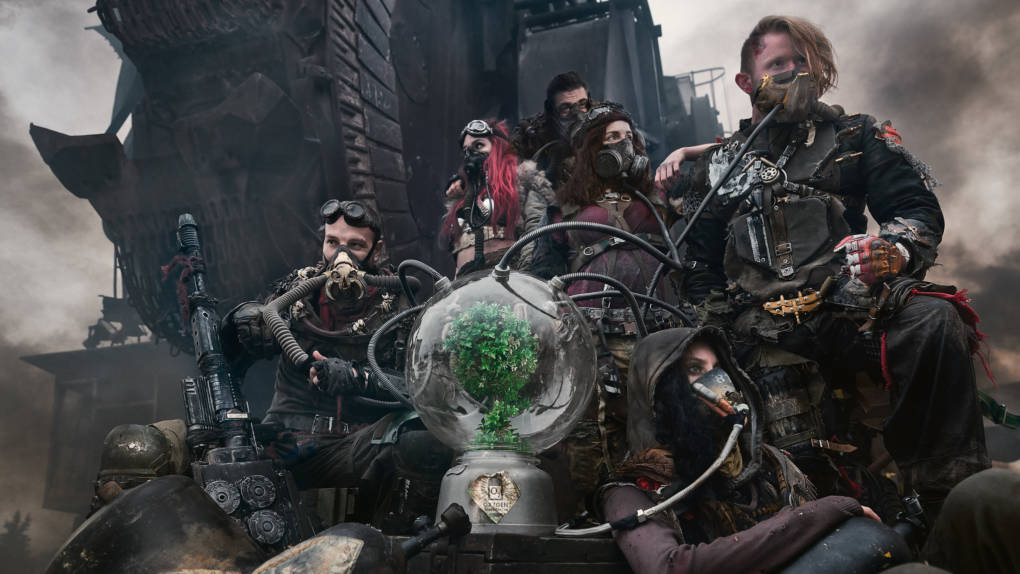
"caption": "A still from Benjamin Von Wong’s 'Mad Max Meets Trump’s America,' a fantasy photo series exploring the potential effects of the Trump administration’s policies on the environment and rebooting of the coal industry.",
"description": "A still from Benjamin Von Wong’s “Mad Max Meets Trump’s America”, a fantasy photo series exploring the potential effects of the Trump administration’s policies on the environment and rebooting of the coal industry.",
"title": "TrumpMadMax_VonWong_3",
"credit": "Photo: Benjamin Von Wong",
"status": "inherit",
"isLoading": false,
"fetchFailed": false
},
"arts_13053333": {
"type": "attachments",
"id": "arts_13053333",
"meta": {
"index": "attachments_1716263798",
"site": "arts",
"id": "13053333",
"found": true
},
"parent": 13047109,
"imgSizes": {
"small": {
"file": "https://ww2.kqed.org/app/uploads/sites/2/2017/04/Whitney-2-for-do-list-e1492209074218-520x293.jpg",
"width": 520,
"mimeType": "image/jpeg",
"height": 293
},
"twentyfourteen-full-width": {
"file": "https://ww2.kqed.org/app/uploads/sites/2/2017/04/Whitney-2-for-do-list-e1492209074218-1038x576.jpg",
"width": 1038,
"mimeType": "image/jpeg",
"height": 576
},
"thumbnail": {
"file": "https://ww2.kqed.org/app/uploads/sites/2/2017/04/Whitney-2-for-do-list-e1492209074218-160x90.jpg",
"width": 160,
"mimeType": "image/jpeg",
"height": 90
},
"fd-sm": {
"file": "https://ww2.kqed.org/app/uploads/sites/2/2017/04/Whitney-2-for-do-list-e1492209074218-960x540.jpg",
"width": 960,
"mimeType": "image/jpeg",
"height": 540
},
"post-thumbnail": {
"file": "https://ww2.kqed.org/app/uploads/sites/2/2017/04/Whitney-2-for-do-list-e1492209074218-672x372.jpg",
"width": 672,
"mimeType": "image/jpeg",
"height": 372
},
"xsmall": {
"file": "https://ww2.kqed.org/app/uploads/sites/2/2017/04/Whitney-2-for-do-list-e1492209074218-375x211.jpg",
"width": 375,
"mimeType": "image/jpeg",
"height": 211
},
"kqedFullSize": {
"file": "https://ww2.kqed.org/app/uploads/sites/2/2017/04/Whitney-2-for-do-list-e1492209074218.jpg",
"width": 2037,
"height": 1146
},
"large": {
"file": "https://ww2.kqed.org/app/uploads/sites/2/2017/04/Whitney-2-for-do-list-e1492209074218-1020x574.jpg",
"width": 1020,
"mimeType": "image/jpeg",
"height": 574
},
"xlarge": {
"file": "https://ww2.kqed.org/app/uploads/sites/2/2017/04/Whitney-2-for-do-list-e1492209074218-1180x664.jpg",
"width": 1180,
"mimeType": "image/jpeg",
"height": 664
},
"guest-author-50": {
"file": "https://ww2.kqed.org/app/uploads/sites/2/2017/04/Whitney-2-for-do-list-e1492209074218-50x50.jpg",
"width": 50,
"mimeType": "image/jpeg",
"height": 50
},
"guest-author-96": {
"file": "https://ww2.kqed.org/app/uploads/sites/2/2017/04/Whitney-2-for-do-list-e1492209074218-96x96.jpg",
"width": 96,
"mimeType": "image/jpeg",
"height": 96
},
"medium": {
"file": "https://ww2.kqed.org/app/uploads/sites/2/2017/04/Whitney-2-for-do-list-e1492209074218-800x450.jpg",
"width": 800,
"mimeType": "image/jpeg",
"height": 450
},
"guest-author-64": {
"file": "https://ww2.kqed.org/app/uploads/sites/2/2017/04/Whitney-2-for-do-list-e1492209074218-64x64.jpg",
"width": 64,
"mimeType": "image/jpeg",
"height": 64
},
"guest-author-32": {
"file": "https://ww2.kqed.org/app/uploads/sites/2/2017/04/Whitney-2-for-do-list-e1492209074218-32x32.jpg",
"width": 32,
"mimeType": "image/jpeg",
"height": 32
},
"fd-lrg": {
"file": "https://ww2.kqed.org/app/uploads/sites/2/2017/04/Whitney-2-for-do-list-e1492209074218-1920x1080.jpg",
"width": 1920,
"mimeType": "image/jpeg",
"height": 1080
},
"fd-med": {
"file": "https://ww2.kqed.org/app/uploads/sites/2/2017/04/Whitney-2-for-do-list-e1492209074218-1180x664.jpg",
"width": 1180,
"mimeType": "image/jpeg",
"height": 664
},
"full-width": {
"file": "https://ww2.kqed.org/app/uploads/sites/2/2017/04/Whitney-2-for-do-list-e1492209074218-1920x1080.jpg",
"width": 1920,
"mimeType": "image/jpeg",
"height": 1080
},
"detail": {
"file": "https://ww2.kqed.org/app/uploads/sites/2/2017/04/Whitney-2-for-do-list-e1492209074218-150x150.jpg",
"width": 150,
"mimeType": "image/jpeg",
"height": 150
},
"medium_large": {
"file": "https://ww2.kqed.org/app/uploads/sites/2/2017/04/Whitney-2-for-do-list-e1492209074218-768x432.jpg",
"width": 768,
"mimeType": "image/jpeg",
"height": 432
},
"guest-author-128": {
"file": "https://ww2.kqed.org/app/uploads/sites/2/2017/04/Whitney-2-for-do-list-e1492209074218-128x128.jpg",
"width": 128,
"mimeType": "image/jpeg",
"height": 128
},
"xxsmall": {
"file": "https://ww2.kqed.org/app/uploads/sites/2/2017/04/Whitney-2-for-do-list-e1492209074218-240x135.jpg",
"width": 240,
"mimeType": "image/jpeg",
"height": 135
}
},
"publishDate": 1492208923,
"modified": 1492209013,
"caption": "Whitney plays a Bay Area sandwich, with Sonoma's Gundlach Bundschu Winery April 14 and then The Independent April 17-19 with Coachella in between",
"description": "Whitney plays a Bay Area sandwich, with Sonoma's Gundlach Bundschu Winery April 14 and then The Independent April 17-19 with Coachella in between",
"title": "Whitney plays a Bay Area sandwich, with Sonoma's Gundlach Bundschu Winery April 14 and then The Independent April 17-19 with Coachella in between",
"credit": "Photo: Courtesy of Whitney",
"status": "inherit",
"isLoading": false,
"fetchFailed": false
},
"arts_13048185": {
"type": "attachments",
"id": "arts_13048185",
"meta": {
"index": "attachments_1716263798",
"site": "arts",
"id": "13048185",
"found": true
},
"parent": 13047750,
"imgSizes": {
"small": {
"file": "https://ww2.kqed.org/app/uploads/sites/2/2017/04/McArthur_How-to-get-a-wheelchair-over-sand_COVER-520x293.jpg",
"width": 520,
"mimeType": "image/jpeg",
"height": 293
},
"twentyfourteen-full-width": {
"file": "https://ww2.kqed.org/app/uploads/sites/2/2017/04/McArthur_How-to-get-a-wheelchair-over-sand_COVER-1038x576.jpg",
"width": 1038,
"mimeType": "image/jpeg",
"height": 576
},
"thumbnail": {
"file": "https://ww2.kqed.org/app/uploads/sites/2/2017/04/McArthur_How-to-get-a-wheelchair-over-sand_COVER-160x90.jpg",
"width": 160,
"mimeType": "image/jpeg",
"height": 90
},
"fd-sm": {
"file": "https://ww2.kqed.org/app/uploads/sites/2/2017/04/McArthur_How-to-get-a-wheelchair-over-sand_COVER-960x540.jpg",
"width": 960,
"mimeType": "image/jpeg",
"height": 540
},
"post-thumbnail": {
"file": "https://ww2.kqed.org/app/uploads/sites/2/2017/04/McArthur_How-to-get-a-wheelchair-over-sand_COVER-672x372.jpg",
"width": 672,
"mimeType": "image/jpeg",
"height": 372
},
"xsmall": {
"file": "https://ww2.kqed.org/app/uploads/sites/2/2017/04/McArthur_How-to-get-a-wheelchair-over-sand_COVER-375x211.jpg",
"width": 375,
"mimeType": "image/jpeg",
"height": 211
},
"kqedFullSize": {
"file": "https://ww2.kqed.org/app/uploads/sites/2/2017/04/McArthur_How-to-get-a-wheelchair-over-sand_COVER.jpg",
"width": 1920,
"height": 1080
},
"large": {
"file": "https://ww2.kqed.org/app/uploads/sites/2/2017/04/McArthur_How-to-get-a-wheelchair-over-sand_COVER-1020x574.jpg",
"width": 1020,
"mimeType": "image/jpeg",
"height": 574
},
"xlarge": {
"file": "https://ww2.kqed.org/app/uploads/sites/2/2017/04/McArthur_How-to-get-a-wheelchair-over-sand_COVER-1180x664.jpg",
"width": 1180,
"mimeType": "image/jpeg",
"height": 664
},
"guest-author-50": {
"file": "https://ww2.kqed.org/app/uploads/sites/2/2017/04/McArthur_How-to-get-a-wheelchair-over-sand_COVER-50x50.jpg",
"width": 50,
"mimeType": "image/jpeg",
"height": 50
},
"guest-author-96": {
"file": "https://ww2.kqed.org/app/uploads/sites/2/2017/04/McArthur_How-to-get-a-wheelchair-over-sand_COVER-96x96.jpg",
"width": 96,
"mimeType": "image/jpeg",
"height": 96
},
"medium": {
"file": "https://ww2.kqed.org/app/uploads/sites/2/2017/04/McArthur_How-to-get-a-wheelchair-over-sand_COVER-800x450.jpg",
"width": 800,
"mimeType": "image/jpeg",
"height": 450
},
"guest-author-64": {
"file": "https://ww2.kqed.org/app/uploads/sites/2/2017/04/McArthur_How-to-get-a-wheelchair-over-sand_COVER-64x64.jpg",
"width": 64,
"mimeType": "image/jpeg",
"height": 64
},
"guest-author-32": {
"file": "https://ww2.kqed.org/app/uploads/sites/2/2017/04/McArthur_How-to-get-a-wheelchair-over-sand_COVER-32x32.jpg",
"width": 32,
"mimeType": "image/jpeg",
"height": 32
},
"fd-lrg": {
"file": "https://ww2.kqed.org/app/uploads/sites/2/2017/04/McArthur_How-to-get-a-wheelchair-over-sand_COVER-1920x1080.jpg",
"width": 1920,
"mimeType": "image/jpeg",
"height": 1080
},
"fd-med": {
"file": "https://ww2.kqed.org/app/uploads/sites/2/2017/04/McArthur_How-to-get-a-wheelchair-over-sand_COVER-1180x664.jpg",
"width": 1180,
"mimeType": "image/jpeg",
"height": 664
},
"full-width": {
"file": "https://ww2.kqed.org/app/uploads/sites/2/2017/04/McArthur_How-to-get-a-wheelchair-over-sand_COVER-1920x1080.jpg",
"width": 1920,
"mimeType": "image/jpeg",
"height": 1080
},
"detail": {
"file": "https://ww2.kqed.org/app/uploads/sites/2/2017/04/McArthur_How-to-get-a-wheelchair-over-sand_COVER-150x150.jpg",
"width": 150,
"mimeType": "image/jpeg",
"height": 150
},
"medium_large": {
"file": "https://ww2.kqed.org/app/uploads/sites/2/2017/04/McArthur_How-to-get-a-wheelchair-over-sand_COVER-768x432.jpg",
"width": 768,
"mimeType": "image/jpeg",
"height": 432
},
"guest-author-128": {
"file": "https://ww2.kqed.org/app/uploads/sites/2/2017/04/McArthur_How-to-get-a-wheelchair-over-sand_COVER-128x128.jpg",
"width": 128,
"mimeType": "image/jpeg",
"height": 128
},
"xxsmall": {
"file": "https://ww2.kqed.org/app/uploads/sites/2/2017/04/McArthur_How-to-get-a-wheelchair-over-sand_COVER-240x135.jpg",
"width": 240,
"mimeType": "image/jpeg",
"height": 135
}
},
"publishDate": 1492122166,
"modified": 1492122205,
"caption": "Park McArthur, 'How to get a wheelchair over sand,' 2013.",
"description": "Park McArthur, 'How to get a wheelchair over sand,' 2013.",
"title": "McArthur_How to get a wheelchair over sand_COVER",
"credit": "Courtesy the artist, ESSEX STREET, New York and Lars Friedrich, Berlin",
"status": "inherit",
"isLoading": false,
"fetchFailed": false
},
"arts_13046900": {
"type": "attachments",
"id": "arts_13046900",
"meta": {
"index": "attachments_1716263798",
"site": "arts",
"id": "13046900",
"found": true
},
"parent": 13035000,
"imgSizes": {
"small": {
"file": "https://ww2.kqed.org/app/uploads/sites/2/2017/04/HardBoiledMask.RoseChang-520x292.jpg",
"width": 520,
"mimeType": "image/jpeg",
"height": 292
},
"twentyfourteen-full-width": {
"file": "https://ww2.kqed.org/app/uploads/sites/2/2017/04/HardBoiledMask.RoseChang-1038x576.jpg",
"width": 1038,
"mimeType": "image/jpeg",
"height": 576
},
"thumbnail": {
"file": "https://ww2.kqed.org/app/uploads/sites/2/2017/04/HardBoiledMask.RoseChang-160x90.jpg",
"width": 160,
"mimeType": "image/jpeg",
"height": 90
},
"fd-sm": {
"file": "https://ww2.kqed.org/app/uploads/sites/2/2017/04/HardBoiledMask.RoseChang-960x540.jpg",
"width": 960,
"mimeType": "image/jpeg",
"height": 540
},
"post-thumbnail": {
"file": "https://ww2.kqed.org/app/uploads/sites/2/2017/04/HardBoiledMask.RoseChang-672x372.jpg",
"width": 672,
"mimeType": "image/jpeg",
"height": 372
},
"xsmall": {
"file": "https://ww2.kqed.org/app/uploads/sites/2/2017/04/HardBoiledMask.RoseChang-375x211.jpg",
"width": 375,
"mimeType": "image/jpeg",
"height": 211
},
"kqedFullSize": {
"file": "https://ww2.kqed.org/app/uploads/sites/2/2017/04/HardBoiledMask.RoseChang.jpg",
"width": 1876,
"height": 1055
},
"large": {
"file": "https://ww2.kqed.org/app/uploads/sites/2/2017/04/HardBoiledMask.RoseChang-1020x574.jpg",
"width": 1020,
"mimeType": "image/jpeg",
"height": 574
},
"xlarge": {
"file": "https://ww2.kqed.org/app/uploads/sites/2/2017/04/HardBoiledMask.RoseChang-1180x664.jpg",
"width": 1180,
"mimeType": "image/jpeg",
"height": 664
},
"guest-author-50": {
"file": "https://ww2.kqed.org/app/uploads/sites/2/2017/04/HardBoiledMask.RoseChang-50x50.jpg",
"width": 50,
"mimeType": "image/jpeg",
"height": 50
},
"guest-author-96": {
"file": "https://ww2.kqed.org/app/uploads/sites/2/2017/04/HardBoiledMask.RoseChang-96x96.jpg",
"width": 96,
"mimeType": "image/jpeg",
"height": 96
},
"medium": {
"file": "https://ww2.kqed.org/app/uploads/sites/2/2017/04/HardBoiledMask.RoseChang-800x450.jpg",
"width": 800,
"mimeType": "image/jpeg",
"height": 450
},
"guest-author-64": {
"file": "https://ww2.kqed.org/app/uploads/sites/2/2017/04/HardBoiledMask.RoseChang-64x64.jpg",
"width": 64,
"mimeType": "image/jpeg",
"height": 64
},
"guest-author-32": {
"file": "https://ww2.kqed.org/app/uploads/sites/2/2017/04/HardBoiledMask.RoseChang-32x32.jpg",
"width": 32,
"mimeType": "image/jpeg",
"height": 32
},
"fd-med": {
"file": "https://ww2.kqed.org/app/uploads/sites/2/2017/04/HardBoiledMask.RoseChang-1180x664.jpg",
"width": 1180,
"mimeType": "image/jpeg",
"height": 664
},
"detail": {
"file": "https://ww2.kqed.org/app/uploads/sites/2/2017/04/HardBoiledMask.RoseChang-150x150.jpg",
"width": 150,
"mimeType": "image/jpeg",
"height": 150
},
"medium_large": {
"file": "https://ww2.kqed.org/app/uploads/sites/2/2017/04/HardBoiledMask.RoseChang-768x432.jpg",
"width": 768,
"mimeType": "image/jpeg",
"height": 432
},
"guest-author-128": {
"file": "https://ww2.kqed.org/app/uploads/sites/2/2017/04/HardBoiledMask.RoseChang-128x128.jpg",
"width": 128,
"mimeType": "image/jpeg",
"height": 128
},
"xxsmall": {
"file": "https://ww2.kqed.org/app/uploads/sites/2/2017/04/HardBoiledMask.RoseChang-240x135.jpg",
"width": 240,
"mimeType": "image/jpeg",
"height": 135
}
},
"publishDate": 1492103870,
"modified": 1492103898,
"caption": "Still from featured film 'Hard-Boiled Mask and the Art of Blossoming,' by Rose Chang.",
"description": "Still from featured film 'Hard-Boiled Mask and the Art of Blossoming,' by Rose Chang.",
"title": "HardBoiledMask.RoseChang",
"credit": "Vimeo",
"status": "inherit",
"isLoading": false,
"fetchFailed": false
},
"arts_13038154": {
"type": "attachments",
"id": "arts_13038154",
"meta": {
"index": "attachments_1716263798",
"site": "arts",
"id": "13038154",
"found": true
},
"parent": 12983542,
"imgSizes": {
"small": {
"file": "https://ww2.kqed.org/app/uploads/sites/2/2017/04/RS24915_Attracting-Public-001-qut-520x293.jpg",
"width": 520,
"mimeType": "image/jpeg",
"height": 293
},
"twentyfourteen-full-width": {
"file": "https://ww2.kqed.org/app/uploads/sites/2/2017/04/RS24915_Attracting-Public-001-qut-1038x576.jpg",
"width": 1038,
"mimeType": "image/jpeg",
"height": 576
},
"thumbnail": {
"file": "https://ww2.kqed.org/app/uploads/sites/2/2017/04/RS24915_Attracting-Public-001-qut-160x90.jpg",
"width": 160,
"mimeType": "image/jpeg",
"height": 90
},
"fd-sm": {
"file": "https://ww2.kqed.org/app/uploads/sites/2/2017/04/RS24915_Attracting-Public-001-qut-960x541.jpg",
"width": 960,
"mimeType": "image/jpeg",
"height": 541
},
"post-thumbnail": {
"file": "https://ww2.kqed.org/app/uploads/sites/2/2017/04/RS24915_Attracting-Public-001-qut-672x372.jpg",
"width": 672,
"mimeType": "image/jpeg",
"height": 372
},
"xsmall": {
"file": "https://ww2.kqed.org/app/uploads/sites/2/2017/04/RS24915_Attracting-Public-001-qut-375x211.jpg",
"width": 375,
"mimeType": "image/jpeg",
"height": 211
},
"kqedFullSize": {
"file": "https://ww2.kqed.org/app/uploads/sites/2/2017/04/RS24915_Attracting-Public-001-qut.jpg",
"width": 1920,
"height": 1081
},
"large": {
"file": "https://ww2.kqed.org/app/uploads/sites/2/2017/04/RS24915_Attracting-Public-001-qut-1020x574.jpg",
"width": 1020,
"mimeType": "image/jpeg",
"height": 574
},
"xlarge": {
"file": "https://ww2.kqed.org/app/uploads/sites/2/2017/04/RS24915_Attracting-Public-001-qut-1180x664.jpg",
"width": 1180,
"mimeType": "image/jpeg",
"height": 664
},
"guest-author-50": {
"file": "https://ww2.kqed.org/app/uploads/sites/2/2017/04/RS24915_Attracting-Public-001-qut-50x50.jpg",
"width": 50,
"mimeType": "image/jpeg",
"height": 50
},
"guest-author-96": {
"file": "https://ww2.kqed.org/app/uploads/sites/2/2017/04/RS24915_Attracting-Public-001-qut-96x96.jpg",
"width": 96,
"mimeType": "image/jpeg",
"height": 96
},
"medium": {
"file": "https://ww2.kqed.org/app/uploads/sites/2/2017/04/RS24915_Attracting-Public-001-qut-800x450.jpg",
"width": 800,
"mimeType": "image/jpeg",
"height": 450
},
"guest-author-64": {
"file": "https://ww2.kqed.org/app/uploads/sites/2/2017/04/RS24915_Attracting-Public-001-qut-64x64.jpg",
"width": 64,
"mimeType": "image/jpeg",
"height": 64
},
"guest-author-32": {
"file": "https://ww2.kqed.org/app/uploads/sites/2/2017/04/RS24915_Attracting-Public-001-qut-32x32.jpg",
"width": 32,
"mimeType": "image/jpeg",
"height": 32
},
"fd-lrg": {
"file": "https://ww2.kqed.org/app/uploads/sites/2/2017/04/RS24915_Attracting-Public-001-qut-1920x1081.jpg",
"width": 1920,
"mimeType": "image/jpeg",
"height": 1081
},
"fd-med": {
"file": "https://ww2.kqed.org/app/uploads/sites/2/2017/04/RS24915_Attracting-Public-001-qut-1180x664.jpg",
"width": 1180,
"mimeType": "image/jpeg",
"height": 664
},
"full-width": {
"file": "https://ww2.kqed.org/app/uploads/sites/2/2017/04/RS24915_Attracting-Public-001-qut-1920x1081.jpg",
"width": 1920,
"mimeType": "image/jpeg",
"height": 1081
},
"detail": {
"file": "https://ww2.kqed.org/app/uploads/sites/2/2017/04/RS24915_Attracting-Public-001-qut-150x150.jpg",
"width": 150,
"mimeType": "image/jpeg",
"height": 150
},
"medium_large": {
"file": "https://ww2.kqed.org/app/uploads/sites/2/2017/04/RS24915_Attracting-Public-001-qut-768x432.jpg",
"width": 768,
"mimeType": "image/jpeg",
"height": 432
},
"guest-author-128": {
"file": "https://ww2.kqed.org/app/uploads/sites/2/2017/04/RS24915_Attracting-Public-001-qut-128x128.jpg",
"width": 128,
"mimeType": "image/jpeg",
"height": 128
},
"xxsmall": {
"file": "https://ww2.kqed.org/app/uploads/sites/2/2017/04/RS24915_Attracting-Public-001-qut-240x135.jpg",
"width": 240,
"mimeType": "image/jpeg",
"height": 135
}
},
"publishDate": 1491952754,
"modified": 1492025119,
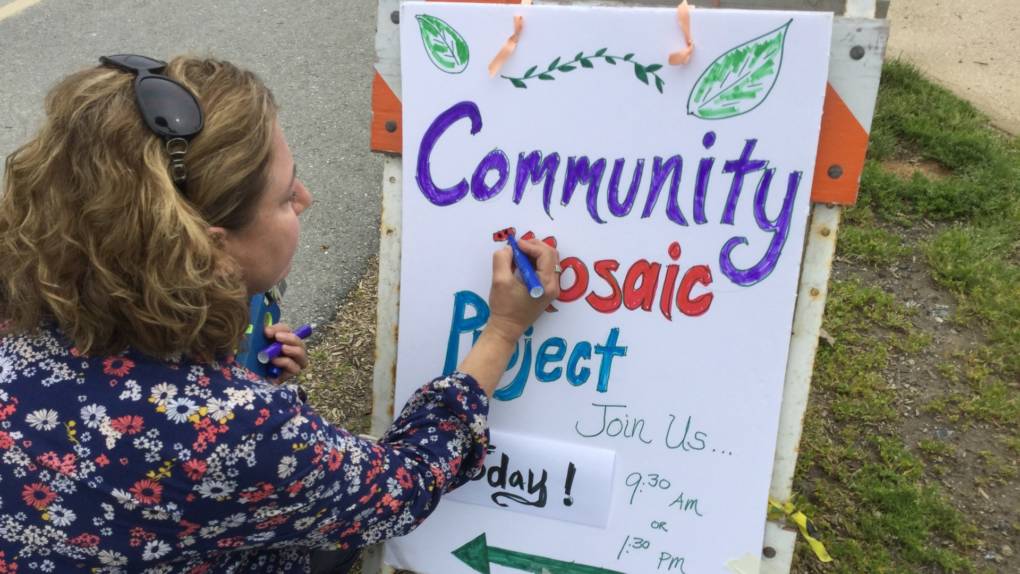
"caption": "Cynthia Gingerich helps get the word out about the Community Mosaic Tree project. ",
"description": "Cynthia Gingerich helps get the word out about the Community Mosaic Tree project. ",
"title": "RS24915_Attracting Public-001-qut",
"credit": "Photo: Courtesy of Julie Norton",
"status": "inherit",
"isLoading": false,
"fetchFailed": false
},
"arts_13042307": {
"type": "attachments",
"id": "arts_13042307",
"meta": {
"index": "attachments_1716263798",
"site": "arts",
"id": "13042307",
"found": true
},
"parent": 13039627,
"imgSizes": {
"small": {
"file": "https://ww2.kqed.org/app/uploads/sites/2/2017/04/1086-Deyoung-COVER-520x293.jpg",
"width": 520,
"mimeType": "image/jpeg",
"height": 293
},
"twentyfourteen-full-width": {
"file": "https://ww2.kqed.org/app/uploads/sites/2/2017/04/1086-Deyoung-COVER-1038x576.jpg",
"width": 1038,
"mimeType": "image/jpeg",
"height": 576
},
"thumbnail": {
"file": "https://ww2.kqed.org/app/uploads/sites/2/2017/04/1086-Deyoung-COVER-160x90.jpg",
"width": 160,
"mimeType": "image/jpeg",
"height": 90
},
"fd-sm": {
"file": "https://ww2.kqed.org/app/uploads/sites/2/2017/04/1086-Deyoung-COVER-960x540.jpg",
"width": 960,
"mimeType": "image/jpeg",
"height": 540
},
"post-thumbnail": {
"file": "https://ww2.kqed.org/app/uploads/sites/2/2017/04/1086-Deyoung-COVER-672x372.jpg",
"width": 672,
"mimeType": "image/jpeg",
"height": 372
},
"xsmall": {
"file": "https://ww2.kqed.org/app/uploads/sites/2/2017/04/1086-Deyoung-COVER-375x211.jpg",
"width": 375,
"mimeType": "image/jpeg",
"height": 211
},
"kqedFullSize": {
"file": "https://ww2.kqed.org/app/uploads/sites/2/2017/04/1086-Deyoung-COVER.jpg",
"width": 1920,
"height": 1080
},
"large": {
"file": "https://ww2.kqed.org/app/uploads/sites/2/2017/04/1086-Deyoung-COVER-1020x574.jpg",
"width": 1020,
"mimeType": "image/jpeg",
"height": 574
},
"xlarge": {
"file": "https://ww2.kqed.org/app/uploads/sites/2/2017/04/1086-Deyoung-COVER-1180x664.jpg",
"width": 1180,
"mimeType": "image/jpeg",
"height": 664
},
"guest-author-50": {
"file": "https://ww2.kqed.org/app/uploads/sites/2/2017/04/1086-Deyoung-COVER-50x50.jpg",
"width": 50,
"mimeType": "image/jpeg",
"height": 50
},
"guest-author-96": {
"file": "https://ww2.kqed.org/app/uploads/sites/2/2017/04/1086-Deyoung-COVER-96x96.jpg",
"width": 96,
"mimeType": "image/jpeg",
"height": 96
},
"medium": {
"file": "https://ww2.kqed.org/app/uploads/sites/2/2017/04/1086-Deyoung-COVER-800x450.jpg",
"width": 800,
"mimeType": "image/jpeg",
"height": 450
},
"guest-author-64": {
"file": "https://ww2.kqed.org/app/uploads/sites/2/2017/04/1086-Deyoung-COVER-64x64.jpg",
"width": 64,
"mimeType": "image/jpeg",
"height": 64
},
"guest-author-32": {
"file": "https://ww2.kqed.org/app/uploads/sites/2/2017/04/1086-Deyoung-COVER-32x32.jpg",
"width": 32,
"mimeType": "image/jpeg",
"height": 32
},
"fd-lrg": {
"file": "https://ww2.kqed.org/app/uploads/sites/2/2017/04/1086-Deyoung-COVER-1920x1080.jpg",
"width": 1920,
"mimeType": "image/jpeg",
"height": 1080
},
"fd-med": {
"file": "https://ww2.kqed.org/app/uploads/sites/2/2017/04/1086-Deyoung-COVER-1180x664.jpg",
"width": 1180,
"mimeType": "image/jpeg",
"height": 664
},
"full-width": {
"file": "https://ww2.kqed.org/app/uploads/sites/2/2017/04/1086-Deyoung-COVER-1920x1080.jpg",
"width": 1920,
"mimeType": "image/jpeg",
"height": 1080
},
"detail": {
"file": "https://ww2.kqed.org/app/uploads/sites/2/2017/04/1086-Deyoung-COVER-150x150.jpg",
"width": 150,
"mimeType": "image/jpeg",
"height": 150
},
"medium_large": {
"file": "https://ww2.kqed.org/app/uploads/sites/2/2017/04/1086-Deyoung-COVER-768x432.jpg",
"width": 768,
"mimeType": "image/jpeg",
"height": 432
},
"guest-author-128": {
"file": "https://ww2.kqed.org/app/uploads/sites/2/2017/04/1086-Deyoung-COVER-128x128.jpg",
"width": 128,
"mimeType": "image/jpeg",
"height": 128
},
"xxsmall": {
"file": "https://ww2.kqed.org/app/uploads/sites/2/2017/04/1086-Deyoung-COVER-240x135.jpg",
"width": 240,
"mimeType": "image/jpeg",
"height": 135
}
},
"publishDate": 1492022385,
"modified": 1492022438,
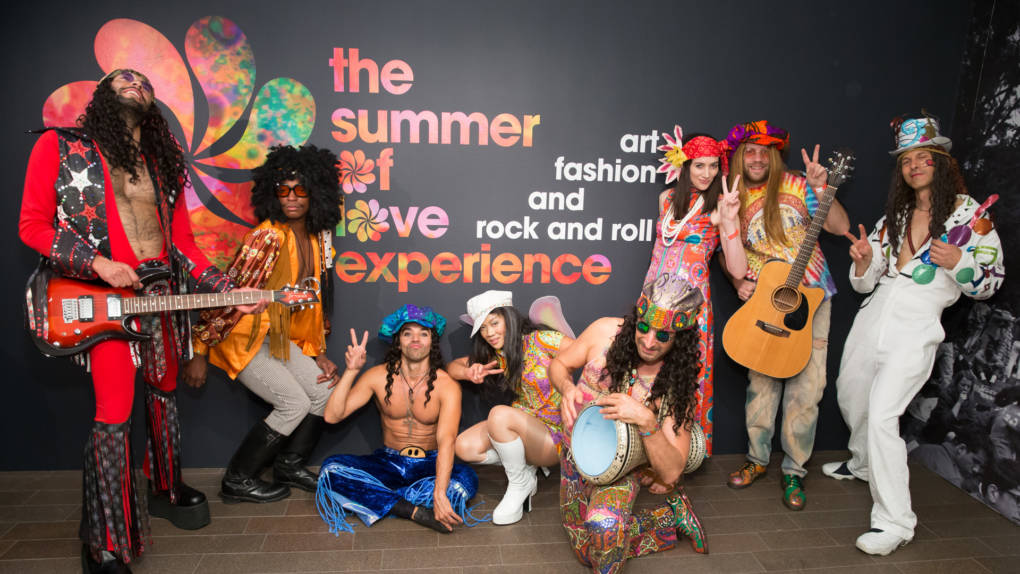
"caption": "Performers at 'The Summer of Love Experience' donor reception at de Young Museum.",
"description": "Performers at 'The Summer of Love Experience' donor reception at de Young Museum.",
"title": "The Summer of Love Experience Donor Reception",
"credit": "Devlin Shand for Drew Altizer Photography",
"status": "inherit",
"isLoading": false,
"fetchFailed": false
},
"arts_13032692": {
"type": "attachments",
"id": "arts_13032692",
"meta": {
"index": "attachments_1716263798",
"site": "arts",
"id": "13032692",
"found": true
},
"parent": 12982698,
"imgSizes": {
"small": {
"file": "https://ww2.kqed.org/app/uploads/sites/2/2017/04/RS24898_MBeach_Peace-of-Mind_Full-001-qut-520x293.jpg",
"width": 520,
"mimeType": "image/jpeg",
"height": 293
},
"twentyfourteen-full-width": {
"file": "https://ww2.kqed.org/app/uploads/sites/2/2017/04/RS24898_MBeach_Peace-of-Mind_Full-001-qut-1038x576.jpg",
"width": 1038,
"mimeType": "image/jpeg",
"height": 576
},
"thumbnail": {
"file": "https://ww2.kqed.org/app/uploads/sites/2/2017/04/RS24898_MBeach_Peace-of-Mind_Full-001-qut-160x90.jpg",
"width": 160,
"mimeType": "image/jpeg",
"height": 90
},
"fd-sm": {
"file": "https://ww2.kqed.org/app/uploads/sites/2/2017/04/RS24898_MBeach_Peace-of-Mind_Full-001-qut-960x541.jpg",
"width": 960,
"mimeType": "image/jpeg",
"height": 541
},
"post-thumbnail": {
"file": "https://ww2.kqed.org/app/uploads/sites/2/2017/04/RS24898_MBeach_Peace-of-Mind_Full-001-qut-672x372.jpg",
"width": 672,
"mimeType": "image/jpeg",
"height": 372
},
"xsmall": {
"file": "https://ww2.kqed.org/app/uploads/sites/2/2017/04/RS24898_MBeach_Peace-of-Mind_Full-001-qut-375x211.jpg",
"width": 375,
"mimeType": "image/jpeg",
"height": 211
},
"kqedFullSize": {
"file": "https://ww2.kqed.org/app/uploads/sites/2/2017/04/RS24898_MBeach_Peace-of-Mind_Full-001-qut.jpg",
"width": 1920,
"height": 1082
},
"large": {
"file": "https://ww2.kqed.org/app/uploads/sites/2/2017/04/RS24898_MBeach_Peace-of-Mind_Full-001-qut-1020x575.jpg",
"width": 1020,
"mimeType": "image/jpeg",
"height": 575
},
"xlarge": {
"file": "https://ww2.kqed.org/app/uploads/sites/2/2017/04/RS24898_MBeach_Peace-of-Mind_Full-001-qut-1180x665.jpg",
"width": 1180,
"mimeType": "image/jpeg",
"height": 665
},
"guest-author-50": {
"file": "https://ww2.kqed.org/app/uploads/sites/2/2017/04/RS24898_MBeach_Peace-of-Mind_Full-001-qut-50x50.jpg",
"width": 50,
"mimeType": "image/jpeg",
"height": 50
},
"guest-author-96": {
"file": "https://ww2.kqed.org/app/uploads/sites/2/2017/04/RS24898_MBeach_Peace-of-Mind_Full-001-qut-96x96.jpg",
"width": 96,
"mimeType": "image/jpeg",
"height": 96
},
"medium": {
"file": "https://ww2.kqed.org/app/uploads/sites/2/2017/04/RS24898_MBeach_Peace-of-Mind_Full-001-qut-800x451.jpg",
"width": 800,
"mimeType": "image/jpeg",
"height": 451
},
"guest-author-64": {
"file": "https://ww2.kqed.org/app/uploads/sites/2/2017/04/RS24898_MBeach_Peace-of-Mind_Full-001-qut-64x64.jpg",
"width": 64,
"mimeType": "image/jpeg",
"height": 64
},
"guest-author-32": {
"file": "https://ww2.kqed.org/app/uploads/sites/2/2017/04/RS24898_MBeach_Peace-of-Mind_Full-001-qut-32x32.jpg",
"width": 32,
"mimeType": "image/jpeg",
"height": 32
},
"fd-lrg": {
"file": "https://ww2.kqed.org/app/uploads/sites/2/2017/04/RS24898_MBeach_Peace-of-Mind_Full-001-qut-1920x1082.jpg",
"width": 1920,
"mimeType": "image/jpeg",
"height": 1082
},
"fd-med": {
"file": "https://ww2.kqed.org/app/uploads/sites/2/2017/04/RS24898_MBeach_Peace-of-Mind_Full-001-qut-1180x665.jpg",
"width": 1180,
"mimeType": "image/jpeg",
"height": 665
},
"full-width": {
"file": "https://ww2.kqed.org/app/uploads/sites/2/2017/04/RS24898_MBeach_Peace-of-Mind_Full-001-qut-1920x1082.jpg",
"width": 1920,
"mimeType": "image/jpeg",
"height": 1082
},
"detail": {
"file": "https://ww2.kqed.org/app/uploads/sites/2/2017/04/RS24898_MBeach_Peace-of-Mind_Full-001-qut-150x150.jpg",
"width": 150,
"mimeType": "image/jpeg",
"height": 150
},
"medium_large": {
"file": "https://ww2.kqed.org/app/uploads/sites/2/2017/04/RS24898_MBeach_Peace-of-Mind_Full-001-qut-768x433.jpg",
"width": 768,
"mimeType": "image/jpeg",
"height": 433
},
"guest-author-128": {
"file": "https://ww2.kqed.org/app/uploads/sites/2/2017/04/RS24898_MBeach_Peace-of-Mind_Full-001-qut-128x128.jpg",
"width": 128,
"mimeType": "image/jpeg",
"height": 128
},
"xxsmall": {
"file": "https://ww2.kqed.org/app/uploads/sites/2/2017/04/RS24898_MBeach_Peace-of-Mind_Full-001-qut-240x135.jpg",
"width": 240,
"mimeType": "image/jpeg",
"height": 135
}
},
"publishDate": 1491858716,
"modified": 1491860222,
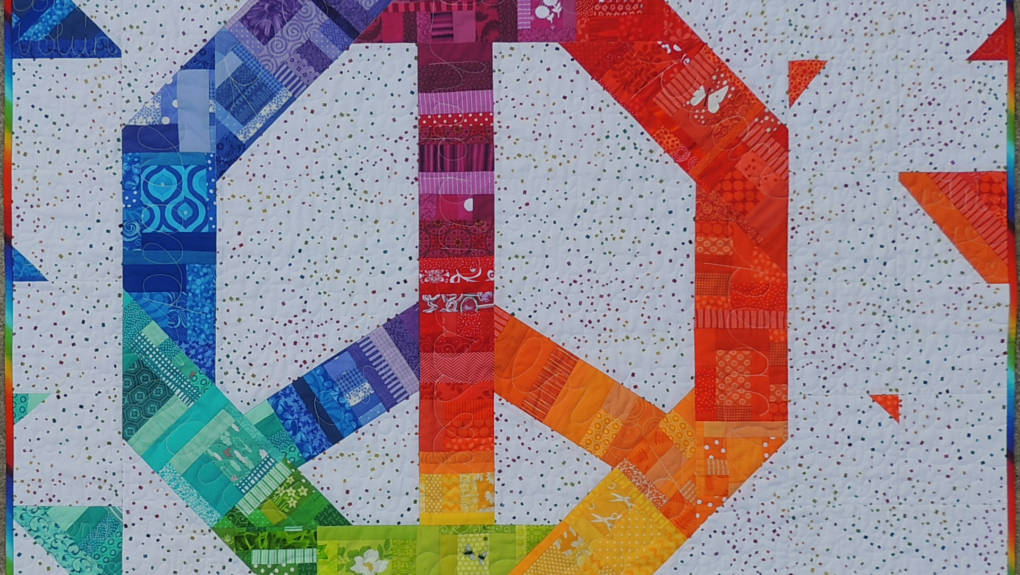
"caption": "Mel Beach of San Jose made the \"Peace of Mind\" quilt directly in response to the election of Donald Trump as US President. ",
"description": "Mel Beach of San Jose made the \"Peace of Mind\" quilt directly in response to the election of Donald Trump as US President. ",
"title": "RS24898_MBeach_Peace of Mind_Full-001-qut",
"credit": "Photo: Courtesy of Mel Beach",
"status": "inherit",
"isLoading": false,
"fetchFailed": false
},
"arts_13037934": {
"type": "attachments",
"id": "arts_13037934",
"meta": {
"index": "attachments_1716263798",
"site": "arts",
"id": "13037934",
"found": true
},
"parent": 13037933,
"imgSizes": {
"small": {
"file": "https://ww2.kqed.org/app/uploads/sites/2/2017/04/eartha-malkasian_custom-cfa443186687e982572597fae963164292a30a70-520x429.jpg",
"width": 520,
"mimeType": "image/jpeg",
"height": 429
},
"twentyfourteen-full-width": {
"file": "https://ww2.kqed.org/app/uploads/sites/2/2017/04/eartha-malkasian_custom-cfa443186687e982572597fae963164292a30a70-1006x576.jpg",
"width": 1006,
"mimeType": "image/jpeg",
"height": 576
},
"thumbnail": {
"file": "https://ww2.kqed.org/app/uploads/sites/2/2017/04/eartha-malkasian_custom-cfa443186687e982572597fae963164292a30a70-160x132.jpg",
"width": 160,
"mimeType": "image/jpeg",
"height": 132
},
"fd-sm": {
"file": "https://ww2.kqed.org/app/uploads/sites/2/2017/04/eartha-malkasian_custom-cfa443186687e982572597fae963164292a30a70-960x792.jpg",
"width": 960,
"mimeType": "image/jpeg",
"height": 792
},
"post-thumbnail": {
"file": "https://ww2.kqed.org/app/uploads/sites/2/2017/04/eartha-malkasian_custom-cfa443186687e982572597fae963164292a30a70-672x372.jpg",
"width": 672,
"mimeType": "image/jpeg",
"height": 372
},
"xsmall": {
"file": "https://ww2.kqed.org/app/uploads/sites/2/2017/04/eartha-malkasian_custom-cfa443186687e982572597fae963164292a30a70-375x309.jpg",
"width": 375,
"mimeType": "image/jpeg",
"height": 309
},
"kqedFullSize": {
"file": "https://ww2.kqed.org/app/uploads/sites/2/2017/04/eartha-malkasian_custom-cfa443186687e982572597fae963164292a30a70.jpg",
"width": 1006,
"height": 830
},
"guest-author-50": {
"file": "https://ww2.kqed.org/app/uploads/sites/2/2017/04/eartha-malkasian_custom-cfa443186687e982572597fae963164292a30a70-50x50.jpg",
"width": 50,
"mimeType": "image/jpeg",
"height": 50
},
"guest-author-96": {
"file": "https://ww2.kqed.org/app/uploads/sites/2/2017/04/eartha-malkasian_custom-cfa443186687e982572597fae963164292a30a70-96x96.jpg",
"width": 96,
"mimeType": "image/jpeg",
"height": 96
},
"medium": {
"file": "https://ww2.kqed.org/app/uploads/sites/2/2017/04/eartha-malkasian_custom-cfa443186687e982572597fae963164292a30a70-800x660.jpg",
"width": 800,
"mimeType": "image/jpeg",
"height": 660
},
"guest-author-64": {
"file": "https://ww2.kqed.org/app/uploads/sites/2/2017/04/eartha-malkasian_custom-cfa443186687e982572597fae963164292a30a70-64x64.jpg",
"width": 64,
"mimeType": "image/jpeg",
"height": 64
},
"guest-author-32": {
"file": "https://ww2.kqed.org/app/uploads/sites/2/2017/04/eartha-malkasian_custom-cfa443186687e982572597fae963164292a30a70-32x32.jpg",
"width": 32,
"mimeType": "image/jpeg",
"height": 32
},
"detail": {
"file": "https://ww2.kqed.org/app/uploads/sites/2/2017/04/eartha-malkasian_custom-cfa443186687e982572597fae963164292a30a70-150x150.jpg",
"width": 150,
"mimeType": "image/jpeg",
"height": 150
},
"medium_large": {
"file": "https://ww2.kqed.org/app/uploads/sites/2/2017/04/eartha-malkasian_custom-cfa443186687e982572597fae963164292a30a70-768x634.jpg",
"width": 768,
"mimeType": "image/jpeg",
"height": 634
},
"guest-author-128": {
"file": "https://ww2.kqed.org/app/uploads/sites/2/2017/04/eartha-malkasian_custom-cfa443186687e982572597fae963164292a30a70-128x128.jpg",
"width": 128,
"mimeType": "image/jpeg",
"height": 128
},
"xxsmall": {
"file": "https://ww2.kqed.org/app/uploads/sites/2/2017/04/eartha-malkasian_custom-cfa443186687e982572597fae963164292a30a70-240x198.jpg",
"width": 240,
"mimeType": "image/jpeg",
"height": 198
}
},
"publishDate": 1491947957,
"modified": 1491948284,
"caption": "A moment of discovery from Cathy Malkasian's richly melancholic graphic novel 'Eartha'",
"description": "A moment of discovery from Cathy Malkasian's richly melancholic graphic novel 'Eartha'",
"title": "A moment of discovery from Cathy Malkasian's richly melancholic graphic novel Eartha.",
"credit": "Courtesy of Fantagraphics Books",
"status": "inherit",
"isLoading": false,
"fetchFailed": false
},
"arts_12938597": {
"type": "attachments",
"id": "arts_12938597",
"meta": {
"index": "attachments_1716263798",
"site": "arts",
"id": "12938597",
"found": true
},
"parent": 12938390,
"imgSizes": {
"small": {
"file": "https://ww2.kqed.org/app/uploads/sites/2/2017/03/RS24681_From-Russia-with-Love-qut-e1491325801323-520x293.jpg",
"width": 520,
"mimeType": "image/jpeg",
"height": 293
},
"twentyfourteen-full-width": {
"file": "https://ww2.kqed.org/app/uploads/sites/2/2017/03/RS24681_From-Russia-with-Love-qut-e1491325801323-1038x576.jpg",
"width": 1038,
"mimeType": "image/jpeg",
"height": 576
},
"thumbnail": {
"file": "https://ww2.kqed.org/app/uploads/sites/2/2017/03/RS24681_From-Russia-with-Love-qut-e1491325801323-160x90.jpg",
"width": 160,
"mimeType": "image/jpeg",
"height": 90
},
"fd-sm": {
"file": "https://ww2.kqed.org/app/uploads/sites/2/2017/03/RS24681_From-Russia-with-Love-qut-e1491325801323-960x541.jpg",
"width": 960,
"mimeType": "image/jpeg",
"height": 541
},
"post-thumbnail": {
"file": "https://ww2.kqed.org/app/uploads/sites/2/2017/03/RS24681_From-Russia-with-Love-qut-e1491325801323-672x372.jpg",
"width": 672,
"mimeType": "image/jpeg",
"height": 372
},
"xsmall": {
"file": "https://ww2.kqed.org/app/uploads/sites/2/2017/03/RS24681_From-Russia-with-Love-qut-e1491325801323-375x211.jpg",
"width": 375,
"mimeType": "image/jpeg",
"height": 211
},
"kqedFullSize": {
"file": "https://ww2.kqed.org/app/uploads/sites/2/2017/03/RS24681_From-Russia-with-Love-qut-e1491325801323.jpg",
"width": 1891,
"height": 1065
},
"large": {
"file": "https://ww2.kqed.org/app/uploads/sites/2/2017/03/RS24681_From-Russia-with-Love-qut-e1491325801323-1020x574.jpg",
"width": 1020,
"mimeType": "image/jpeg",
"height": 574
},
"xlarge": {
"file": "https://ww2.kqed.org/app/uploads/sites/2/2017/03/RS24681_From-Russia-with-Love-qut-e1491325801323-1180x665.jpg",
"width": 1180,
"mimeType": "image/jpeg",
"height": 665
},
"guest-author-50": {
"file": "https://ww2.kqed.org/app/uploads/sites/2/2017/03/RS24681_From-Russia-with-Love-qut-e1491325801323-50x50.jpg",
"width": 50,
"mimeType": "image/jpeg",
"height": 50
},
"guest-author-96": {
"file": "https://ww2.kqed.org/app/uploads/sites/2/2017/03/RS24681_From-Russia-with-Love-qut-e1491325801323-96x96.jpg",
"width": 96,
"mimeType": "image/jpeg",
"height": 96
},
"medium": {
"file": "https://ww2.kqed.org/app/uploads/sites/2/2017/03/RS24681_From-Russia-with-Love-qut-e1491325801323-800x451.jpg",
"width": 800,
"mimeType": "image/jpeg",
"height": 451
},
"guest-author-64": {
"file": "https://ww2.kqed.org/app/uploads/sites/2/2017/03/RS24681_From-Russia-with-Love-qut-e1491325801323-64x64.jpg",
"width": 64,
"mimeType": "image/jpeg",
"height": 64
},
"guest-author-32": {
"file": "https://ww2.kqed.org/app/uploads/sites/2/2017/03/RS24681_From-Russia-with-Love-qut-e1491325801323-32x32.jpg",
"width": 32,
"mimeType": "image/jpeg",
"height": 32
},
"fd-lrg": {
"file": "https://ww2.kqed.org/app/uploads/sites/2/2017/03/RS24681_From-Russia-with-Love-qut-1920x1538.jpg",
"width": 1920,
"mimeType": "image/jpeg",
"height": 1538
},
"fd-med": {
"file": "https://ww2.kqed.org/app/uploads/sites/2/2017/03/RS24681_From-Russia-with-Love-qut-e1491325801323-1180x665.jpg",
"width": 1180,
"mimeType": "image/jpeg",
"height": 665
},
"full-width": {
"file": "https://ww2.kqed.org/app/uploads/sites/2/2017/03/RS24681_From-Russia-with-Love-qut-1920x1538.jpg",
"width": 1920,
"mimeType": "image/jpeg",
"height": 1538
},
"detail": {
"file": "https://ww2.kqed.org/app/uploads/sites/2/2017/03/RS24681_From-Russia-with-Love-qut-e1491325801323-150x150.jpg",
"width": 150,
"mimeType": "image/jpeg",
"height": 150
},
"medium_large": {
"file": "https://ww2.kqed.org/app/uploads/sites/2/2017/03/RS24681_From-Russia-with-Love-qut-e1491325801323-768x433.jpg",
"width": 768,
"mimeType": "image/jpeg",
"height": 433
},
"guest-author-128": {
"file": "https://ww2.kqed.org/app/uploads/sites/2/2017/03/RS24681_From-Russia-with-Love-qut-e1491325801323-128x128.jpg",
"width": 128,
"mimeType": "image/jpeg",
"height": 128
},
"xxsmall": {
"file": "https://ww2.kqed.org/app/uploads/sites/2/2017/03/RS24681_From-Russia-with-Love-qut-e1491325801323-240x135.jpg",
"width": 240,
"mimeType": "image/jpeg",
"height": 135
}
},
"publishDate": 1490210003,
"modified": 1490210369,
"caption": "\"From Russia with Love,\" by Mark Harris. Mixed media on panel. ",
"description": "\"From Russia with Love,\" by Mark Harris. Mixed media on panel. ",
"title": "RS24681_From Russia with Love-qut",
"credit": "Photo: Courtesy of Mark Harris",
"status": "inherit",
"isLoading": false,
"fetchFailed": false
},
"arts_12968807": {
"type": "attachments",
"id": "arts_12968807",
"meta": {
"index": "attachments_1716263798",
"site": "arts",
"id": "12968807",
"found": true
},
"parent": 12964126,
"imgSizes": {
"small": {
"file": "https://ww2.kqed.org/app/uploads/sites/2/2017/03/lisa032915c-e1490740399737-520x293.jpg",
"width": 520,
"mimeType": "image/jpeg",
"height": 293
},
"twentyfourteen-full-width": {
"file": "https://ww2.kqed.org/app/uploads/sites/2/2017/03/lisa032915c-e1490740399737-1038x576.jpg",
"width": 1038,
"mimeType": "image/jpeg",
"height": 576
},
"thumbnail": {
"file": "https://ww2.kqed.org/app/uploads/sites/2/2017/03/lisa032915c-e1490740399737-160x90.jpg",
"width": 160,
"mimeType": "image/jpeg",
"height": 90
},
"fd-sm": {
"file": "https://ww2.kqed.org/app/uploads/sites/2/2017/03/lisa032915c-e1490740399737-960x542.jpg",
"width": 960,
"mimeType": "image/jpeg",
"height": 542
},
"post-thumbnail": {
"file": "https://ww2.kqed.org/app/uploads/sites/2/2017/03/lisa032915c-e1490740399737-672x372.jpg",
"width": 672,
"mimeType": "image/jpeg",
"height": 372
},
"xsmall": {
"file": "https://ww2.kqed.org/app/uploads/sites/2/2017/03/lisa032915c-e1490740399737-375x212.jpg",
"width": 375,
"mimeType": "image/jpeg",
"height": 212
},
"kqedFullSize": {
"file": "https://ww2.kqed.org/app/uploads/sites/2/2017/03/lisa032915c-e1490740399737.jpg",
"width": 1996,
"height": 1126
},
"large": {
"file": "https://ww2.kqed.org/app/uploads/sites/2/2017/03/lisa032915c-e1490740399737-1020x575.jpg",
"width": 1020,
"mimeType": "image/jpeg",
"height": 575
},
"xlarge": {
"file": "https://ww2.kqed.org/app/uploads/sites/2/2017/03/lisa032915c-e1490740399737-1180x666.jpg",
"width": 1180,
"mimeType": "image/jpeg",
"height": 666
},
"guest-author-50": {
"file": "https://ww2.kqed.org/app/uploads/sites/2/2017/03/lisa032915c-e1490740399737-50x50.jpg",
"width": 50,
"mimeType": "image/jpeg",
"height": 50
},
"guest-author-96": {
"file": "https://ww2.kqed.org/app/uploads/sites/2/2017/03/lisa032915c-e1490740399737-96x96.jpg",
"width": 96,
"mimeType": "image/jpeg",
"height": 96
},
"medium": {
"file": "https://ww2.kqed.org/app/uploads/sites/2/2017/03/lisa032915c-e1490740399737-800x451.jpg",
"width": 800,
"mimeType": "image/jpeg",
"height": 451
},
"guest-author-64": {
"file": "https://ww2.kqed.org/app/uploads/sites/2/2017/03/lisa032915c-e1490740399737-64x64.jpg",
"width": 64,
"mimeType": "image/jpeg",
"height": 64
},
"guest-author-32": {
"file": "https://ww2.kqed.org/app/uploads/sites/2/2017/03/lisa032915c-e1490740399737-32x32.jpg",
"width": 32,
"mimeType": "image/jpeg",
"height": 32
},
"fd-lrg": {
"file": "https://ww2.kqed.org/app/uploads/sites/2/2017/03/lisa032915c-e1490740399737-1920x1083.jpg",
"width": 1920,
"mimeType": "image/jpeg",
"height": 1083
},
"fd-med": {
"file": "https://ww2.kqed.org/app/uploads/sites/2/2017/03/lisa032915c-e1490740399737-1180x666.jpg",
"width": 1180,
"mimeType": "image/jpeg",
"height": 666
},
"full-width": {
"file": "https://ww2.kqed.org/app/uploads/sites/2/2017/03/lisa032915c-e1490740399737-1920x1083.jpg",
"width": 1920,
"mimeType": "image/jpeg",
"height": 1083
},
"detail": {
"file": "https://ww2.kqed.org/app/uploads/sites/2/2017/03/lisa032915c-e1490740399737-150x150.jpg",
"width": 150,
"mimeType": "image/jpeg",
"height": 150
},
"medium_large": {
"file": "https://ww2.kqed.org/app/uploads/sites/2/2017/03/lisa032915c-e1490740399737-768x433.jpg",
"width": 768,
"mimeType": "image/jpeg",
"height": 433
},
"guest-author-128": {
"file": "https://ww2.kqed.org/app/uploads/sites/2/2017/03/lisa032915c-e1490740399737-128x128.jpg",
"width": 128,
"mimeType": "image/jpeg",
"height": 128
},
"xxsmall": {
"file": "https://ww2.kqed.org/app/uploads/sites/2/2017/03/lisa032915c-e1490740399737-240x135.jpg",
"width": 240,
"mimeType": "image/jpeg",
"height": 135
}
},
"publishDate": 1490739919,
"modified": 1490740367,
"caption": "California-based artist Lisa Benson's editorial cartoons tout a Republican agenda in a predominantly Democratic state.",
"description": "California-based artist Lisa Benson's editorial cartoons tout a Republican agenda in a predominantly Democratic state.",
"title": "lisa032915c",
"credit": "Photo: Courtesy of Lisa Benson",
"status": "inherit",
"isLoading": false,
"fetchFailed": false
},
"arts_13018676": {
"type": "attachments",
"id": "arts_13018676",
"meta": {
"index": "attachments_1716263798",
"site": "arts",
"id": "13018676",
"found": true
},
"parent": 13018237,
"imgSizes": {
"small": {
"file": "https://ww2.kqed.org/app/uploads/sites/2/2017/04/TREX_OCT_FLINT_2015-2356-e1491610068726_COVER-520x293.jpg",
"width": 520,
"mimeType": "image/jpeg",
"height": 293
},
"twentyfourteen-full-width": {
"file": "https://ww2.kqed.org/app/uploads/sites/2/2017/04/TREX_OCT_FLINT_2015-2356-e1491610068726_COVER-1038x576.jpg",
"width": 1038,
"mimeType": "image/jpeg",
"height": 576
},
"thumbnail": {
"file": "https://ww2.kqed.org/app/uploads/sites/2/2017/04/TREX_OCT_FLINT_2015-2356-e1491610068726_COVER-160x90.jpg",
"width": 160,
"mimeType": "image/jpeg",
"height": 90
},
"fd-sm": {
"file": "https://ww2.kqed.org/app/uploads/sites/2/2017/04/TREX_OCT_FLINT_2015-2356-e1491610068726_COVER-960x540.jpg",
"width": 960,
"mimeType": "image/jpeg",
"height": 540
},
"post-thumbnail": {
"file": "https://ww2.kqed.org/app/uploads/sites/2/2017/04/TREX_OCT_FLINT_2015-2356-e1491610068726_COVER-672x372.jpg",
"width": 672,
"mimeType": "image/jpeg",
"height": 372
},
"xsmall": {
"file": "https://ww2.kqed.org/app/uploads/sites/2/2017/04/TREX_OCT_FLINT_2015-2356-e1491610068726_COVER-375x211.jpg",
"width": 375,
"mimeType": "image/jpeg",
"height": 211
},
"kqedFullSize": {
"file": "https://ww2.kqed.org/app/uploads/sites/2/2017/04/TREX_OCT_FLINT_2015-2356-e1491610068726_COVER.jpg",
"width": 1152,
"height": 648
},
"large": {
"file": "https://ww2.kqed.org/app/uploads/sites/2/2017/04/TREX_OCT_FLINT_2015-2356-e1491610068726_COVER-1020x574.jpg",
"width": 1020,
"mimeType": "image/jpeg",
"height": 574
},
"guest-author-50": {
"file": "https://ww2.kqed.org/app/uploads/sites/2/2017/04/TREX_OCT_FLINT_2015-2356-e1491610068726_COVER-50x50.jpg",
"width": 50,
"mimeType": "image/jpeg",
"height": 50
},
"guest-author-96": {
"file": "https://ww2.kqed.org/app/uploads/sites/2/2017/04/TREX_OCT_FLINT_2015-2356-e1491610068726_COVER-96x96.jpg",
"width": 96,
"mimeType": "image/jpeg",
"height": 96
},
"medium": {
"file": "https://ww2.kqed.org/app/uploads/sites/2/2017/04/TREX_OCT_FLINT_2015-2356-e1491610068726_COVER-800x450.jpg",
"width": 800,
"mimeType": "image/jpeg",
"height": 450
},
"guest-author-64": {
"file": "https://ww2.kqed.org/app/uploads/sites/2/2017/04/TREX_OCT_FLINT_2015-2356-e1491610068726_COVER-64x64.jpg",
"width": 64,
"mimeType": "image/jpeg",
"height": 64
},
"guest-author-32": {
"file": "https://ww2.kqed.org/app/uploads/sites/2/2017/04/TREX_OCT_FLINT_2015-2356-e1491610068726_COVER-32x32.jpg",
"width": 32,
"mimeType": "image/jpeg",
"height": 32
},
"detail": {
"file": "https://ww2.kqed.org/app/uploads/sites/2/2017/04/TREX_OCT_FLINT_2015-2356-e1491610068726_COVER-150x150.jpg",
"width": 150,
"mimeType": "image/jpeg",
"height": 150
},
"medium_large": {
"file": "https://ww2.kqed.org/app/uploads/sites/2/2017/04/TREX_OCT_FLINT_2015-2356-e1491610068726_COVER-768x432.jpg",
"width": 768,
"mimeType": "image/jpeg",
"height": 432
},
"guest-author-128": {
"file": "https://ww2.kqed.org/app/uploads/sites/2/2017/04/TREX_OCT_FLINT_2015-2356-e1491610068726_COVER-128x128.jpg",
"width": 128,
"mimeType": "image/jpeg",
"height": 128
},
"xxsmall": {
"file": "https://ww2.kqed.org/app/uploads/sites/2/2017/04/TREX_OCT_FLINT_2015-2356-e1491610068726_COVER-240x135.jpg",
"width": 240,
"mimeType": "image/jpeg",
"height": 135
}
},
"publishDate": 1491610829,
"modified": 1491610969,
"caption": "Olympic Gold Medal Boxer Claressa \"T-Rex\" Shields, 20, at Gallo Boxing Gym in Lansing, Michigan; part of Zackary Canepari's 'Flint is a Place.'",
"description": "Olympic Gold Medal Boxer Claressa \"T-Rex\" Shields, 20, at Gallo Boxing Gym in Lansing, Michigan; part of Zackary Canepari's 'Flint is a Place.'",
"title": "TREX_OCT_FLINT_2015-2356-e1491610068726_COVER",
"credit": "Courtesy of Zackary Canepari",
"status": "inherit",
"isLoading": false,
"fetchFailed": false
},
"arts_13015171": {
"type": "attachments",
"id": "arts_13015171",
"meta": {
"index": "attachments_1716263798",
"site": "arts",
"id": "13015171",
"found": true
},
"parent": 13008669,
"imgSizes": {
"small": {
"file": "https://ww2.kqed.org/app/uploads/sites/2/2017/04/NWcontrol-Margeau_COVER-520x293.jpg",
"width": 520,
"mimeType": "image/jpeg",
"height": 293
},
"twentyfourteen-full-width": {
"file": "https://ww2.kqed.org/app/uploads/sites/2/2017/04/NWcontrol-Margeau_COVER-1038x576.jpg",
"width": 1038,
"mimeType": "image/jpeg",
"height": 576
},
"thumbnail": {
"file": "https://ww2.kqed.org/app/uploads/sites/2/2017/04/NWcontrol-Margeau_COVER-160x90.jpg",
"width": 160,
"mimeType": "image/jpeg",
"height": 90
},
"fd-sm": {
"file": "https://ww2.kqed.org/app/uploads/sites/2/2017/04/NWcontrol-Margeau_COVER-960x540.jpg",
"width": 960,
"mimeType": "image/jpeg",
"height": 540
},
"post-thumbnail": {
"file": "https://ww2.kqed.org/app/uploads/sites/2/2017/04/NWcontrol-Margeau_COVER-672x372.jpg",
"width": 672,
"mimeType": "image/jpeg",
"height": 372
},
"xsmall": {
"file": "https://ww2.kqed.org/app/uploads/sites/2/2017/04/NWcontrol-Margeau_COVER-375x211.jpg",
"width": 375,
"mimeType": "image/jpeg",
"height": 211
},
"kqedFullSize": {
"file": "https://ww2.kqed.org/app/uploads/sites/2/2017/04/NWcontrol-Margeau_COVER.jpg",
"width": 1920,
"height": 1080
},
"large": {
"file": "https://ww2.kqed.org/app/uploads/sites/2/2017/04/NWcontrol-Margeau_COVER-1020x574.jpg",
"width": 1020,
"mimeType": "image/jpeg",
"height": 574
},
"xlarge": {
"file": "https://ww2.kqed.org/app/uploads/sites/2/2017/04/NWcontrol-Margeau_COVER-1180x664.jpg",
"width": 1180,
"mimeType": "image/jpeg",
"height": 664
},
"guest-author-50": {
"file": "https://ww2.kqed.org/app/uploads/sites/2/2017/04/NWcontrol-Margeau_COVER-50x50.jpg",
"width": 50,
"mimeType": "image/jpeg",
"height": 50
},
"guest-author-96": {
"file": "https://ww2.kqed.org/app/uploads/sites/2/2017/04/NWcontrol-Margeau_COVER-96x96.jpg",
"width": 96,
"mimeType": "image/jpeg",
"height": 96
},
"medium": {
"file": "https://ww2.kqed.org/app/uploads/sites/2/2017/04/NWcontrol-Margeau_COVER-800x450.jpg",
"width": 800,
"mimeType": "image/jpeg",
"height": 450
},
"guest-author-64": {
"file": "https://ww2.kqed.org/app/uploads/sites/2/2017/04/NWcontrol-Margeau_COVER-64x64.jpg",
"width": 64,
"mimeType": "image/jpeg",
"height": 64
},
"guest-author-32": {
"file": "https://ww2.kqed.org/app/uploads/sites/2/2017/04/NWcontrol-Margeau_COVER-32x32.jpg",
"width": 32,
"mimeType": "image/jpeg",
"height": 32
},
"fd-lrg": {
"file": "https://ww2.kqed.org/app/uploads/sites/2/2017/04/NWcontrol-Margeau_COVER-1920x1080.jpg",
"width": 1920,
"mimeType": "image/jpeg",
"height": 1080
},
"fd-med": {
"file": "https://ww2.kqed.org/app/uploads/sites/2/2017/04/NWcontrol-Margeau_COVER-1180x664.jpg",
"width": 1180,
"mimeType": "image/jpeg",
"height": 664
},
"full-width": {
"file": "https://ww2.kqed.org/app/uploads/sites/2/2017/04/NWcontrol-Margeau_COVER-1920x1080.jpg",
"width": 1920,
"mimeType": "image/jpeg",
"height": 1080
},
"detail": {
"file": "https://ww2.kqed.org/app/uploads/sites/2/2017/04/NWcontrol-Margeau_COVER-150x150.jpg",
"width": 150,
"mimeType": "image/jpeg",
"height": 150
},
"medium_large": {
"file": "https://ww2.kqed.org/app/uploads/sites/2/2017/04/NWcontrol-Margeau_COVER-768x432.jpg",
"width": 768,
"mimeType": "image/jpeg",
"height": 432
},
"guest-author-128": {
"file": "https://ww2.kqed.org/app/uploads/sites/2/2017/04/NWcontrol-Margeau_COVER-128x128.jpg",
"width": 128,
"mimeType": "image/jpeg",
"height": 128
},
"xxsmall": {
"file": "https://ww2.kqed.org/app/uploads/sites/2/2017/04/NWcontrol-Margeau_COVER-240x135.jpg",
"width": 240,
"mimeType": "image/jpeg",
"height": 135
}
},
"publishDate": 1491546371,
"modified": 1491546403,
"caption": "Margeau, 'Control.'",
"description": "Margeau, 'Control.'",
"title": "NWcontrol-Margeau_COVER",
"credit": "Courtesy of the artist",
"status": "inherit",
"isLoading": false,
"fetchFailed": false
}
},
"audioPlayerReducer": {
"postId": "stream_live",
"isPaused": true,
"isPlaying": false,
"pfsActive": false,
"pledgeModalIsOpen": true,
"playerDrawerIsOpen": false,
"liveAudioPlayStartedAt": 0,
"liveAudioPlayContext": ""
},
"authorsReducer": {
"byline_arts_13037933": {
"type": "authors",
"id": "byline_arts_13037933",
"meta": {
"override": true
},
"slug": "byline_arts_13037933",
"name": "Glen Weldon",
"isLoading": false
},
"cmusiker": {
"type": "authors",
"id": "32",
"meta": {
"index": "authors_1716337520",
"id": "32",
"found": true
},
"name": "Cy Musiker",
"firstName": "Cy",
"lastName": "Musiker",
"slug": "cmusiker",
"email": "cmusiker@kqed.org",
"display_author_email": false,
"staff_mastheads": [],
"title": "KQED Contributor",
"bio": "Cy Musiker is a former co-host of The Do List and a former reporter covering the arts for KQED News and The California Report. He loves live performance, especially great theater, jazz, roots music, anything by Mahler. Cy has an MJ from UC Berkeley's School of Journalism, and got his BA from Hampshire College. His work has been recognized by the Society for Professional Journalists with their Sigma Delta Chi Award for Public Service in Journalism. When he can, Cy likes to swim in Tomales Bay, run with his dog in the East Bay Hills, and hike the Sierra.",
"avatar": "https://secure.gravatar.com/avatar/05eaba5c5696ce8f062e4ea2df428a43?s=600&d=blank&r=g",
"twitter": null,
"facebook": null,
"instagram": null,
"linkedin": null,
"sites": [
{
"site": "arts",
"roles": [
"Contributor",
"subscriber"
]
},
{
"site": "news",
"roles": [
"author"
]
},
{
"site": "bayareabites",
"roles": [
"contributor"
]
}
],
"headData": {
"title": "Cy Musiker | KQED",
"description": "KQED Contributor",
"ogImgSrc": "https://secure.gravatar.com/avatar/05eaba5c5696ce8f062e4ea2df428a43?s=600&d=blank&r=g",
"twImgSrc": "https://secure.gravatar.com/avatar/05eaba5c5696ce8f062e4ea2df428a43?s=600&d=blank&r=g"
},
"isLoading": false,
"link": "/author/cmusiker"
},
"shotchkiss": {
"type": "authors",
"id": "61",
"meta": {
"index": "authors_1716337520",
"id": "61",
"found": true
},
"name": "Sarah Hotchkiss",
"firstName": "Sarah",
"lastName": "Hotchkiss",
"slug": "shotchkiss",
"email": "shotchkiss@kqed.org",
"display_author_email": true,
"staff_mastheads": [
"arts"
],
"title": "Senior Editor",
"bio": "Sarah Hotchkiss is a San Francisco \u003ca href=\"http://www.sarahhotchkiss.com\">artist\u003c/a> and arts writer. In 2019, she received the Dorothea & Leo Rabkin Foundation grant for visual art journalism and in 2020 she received a Society of Professional Journalists, Northern California award for excellence in arts and culture reporting.",
"avatar": "https://secure.gravatar.com/avatar/bc662df144b3d27fd8b1b6f1c2a420d34e91e53154d411bb7ad353cc8b6cea8d?s=600&d=blank&r=g",
"twitter": null,
"bluesky": null,
"facebook": null,
"instagram": null,
"linkedin": null,
"sites": [
{
"site": "",
"roles": [
"editor"
]
},
{
"site": "arts",
"roles": [
"Contributor",
"administrator"
]
},
{
"site": "artschool",
"roles": [
"administrator"
]
},
{
"site": "news",
"roles": [
"editor"
]
},
{
"site": "pop",
"roles": [
"administrator"
]
},
{
"site": "bayareabites",
"roles": [
"editor"
]
},
{
"site": "spark",
"roles": [
"editor"
]
},
{
"site": "checkplease",
"roles": [
"editor"
]
}
],
"headData": {
"title": "Sarah Hotchkiss | KQED",
"description": "Senior Editor",
"ogImgSrc": "https://secure.gravatar.com/avatar/bc662df144b3d27fd8b1b6f1c2a420d34e91e53154d411bb7ad353cc8b6cea8d?s=600&d=blank&r=g",
"twImgSrc": "https://secure.gravatar.com/avatar/bc662df144b3d27fd8b1b6f1c2a420d34e91e53154d411bb7ad353cc8b6cea8d?s=600&d=blank&r=g"
},
"isLoading": false,
"link": "/author/shotchkiss"
},
"rachael-myrow": {
"type": "authors",
"id": "251",
"meta": {
"index": "authors_1716337520",
"id": "251",
"found": true
},
"name": "Rachael Myrow",
"firstName": "Rachael",
"lastName": "Myrow",
"slug": "rachael-myrow",
"email": "rmyrow@kqed.org",
"display_author_email": true,
"staff_mastheads": [
"news"
],
"title": "Senior Editor of KQED's Silicon Valley News Desk",
"bio": "• I write and edit stories about how Silicon Valley power and policies shape everyday life in California. I’m also passionate about making Bay Area history and culture more accessible to a broad public. • I’ve been a journalist for most of my life, starting in high school with The Franklin Press in Los Angeles, where I grew up. While earning my first degree in English at UC Berkeley, I got my start in public radio at KALX-FM. After completing a second degree in journalism at Cal, I landed my first professional job at Marketplace, then moved on to KPCC (now LAist), and then KQED, where I hosted The California Report for more than seven years. • My reporting has appeared on NPR, The World, WBUR’s \u003ci>Here & Now\u003c/i>, and the BBC. I also guest host for KQED’s \u003ci>Forum\u003c/i>, as well as the Commonwealth Club in San Francisco. • I speak periodically on media, democracy and technology issues, and do voiceover work for documentaries and educational video projects. • Outside of the studio, you'll find me hiking Bay Area trails and whipping up Insta-ready meals in my kitchen. • I do not accept gifts, money, or favors from anyone connected to my reporting, I don't pay people for information, and I do not support or donate to political causes. • I strive to treat the people I report on with fairness, honesty, and respect. I also recognize there are often multiple sides to a story and work to verify information through multiple sources and documentation. If I get something wrong, I correct it.",
"avatar": "https://secure.gravatar.com/avatar/3ed8a3c5f26025e4a805ba634cda8cd764906b97438a6d9ce216b044e340da4e?s=600&d=blank&r=g",
"twitter": "rachaelmyrow",
"bluesky": null,
"facebook": null,
"instagram": null,
"linkedin": "https://www.linkedin.com/in/rachaelmyrow/",
"sites": [
{
"site": "arts",
"roles": [
"administrator"
]
},
{
"site": "news",
"roles": [
"edit_others_posts",
"editor"
]
},
{
"site": "futureofyou",
"roles": [
"editor"
]
},
{
"site": "bayareabites",
"roles": [
"editor"
]
},
{
"site": "stateofhealth",
"roles": [
"editor"
]
},
{
"site": "science",
"roles": [
"editor"
]
},
{
"site": "food",
"roles": [
"editor"
]
},
{
"site": "forum",
"roles": [
"editor"
]
},
{
"site": "liveblog",
"roles": [
"author"
]
}
],
"headData": {
"title": "Rachael Myrow | KQED",
"description": "Senior Editor of KQED's Silicon Valley News Desk",
"ogImgSrc": "https://secure.gravatar.com/avatar/3ed8a3c5f26025e4a805ba634cda8cd764906b97438a6d9ce216b044e340da4e?s=600&d=blank&r=g",
"twImgSrc": "https://secure.gravatar.com/avatar/3ed8a3c5f26025e4a805ba634cda8cd764906b97438a6d9ce216b044e340da4e?s=600&d=blank&r=g"
},
"isLoading": false,
"link": "/author/rachael-myrow"
},
"dburlison": {
"type": "authors",
"id": "3216",
"meta": {
"index": "authors_1716337520",
"id": "3216",
"found": true
},
"name": "Dani Burlison",
"firstName": "Dani",
"lastName": "Burlison",
"slug": "dburlison",
"email": "danisavestheworld@yahoo.com",
"display_author_email": false,
"staff_mastheads": [],
"title": null,
"bio": "\u003cb id=\"yui_3_16_0_1_1416414652499_5365\" class=\"yiv3033141065\">Dani Burlison\u003c/b> is an award-winning writer, teacher and North Bay resident with a special interest in California's fascinating subcultures. You can find her commentary on writing, feminism, social justice and life with two teen daughters on Twitter at @DaniBurlison.",
"avatar": "https://secure.gravatar.com/avatar/c0b371463a220978c947a5c4ce2da294?s=600&d=blank&r=g",
"twitter": null,
"facebook": null,
"instagram": null,
"linkedin": null,
"sites": [
{
"site": "arts",
"roles": [
"contributor"
]
}
],
"headData": {
"title": "Dani Burlison | KQED",
"description": null,
"ogImgSrc": "https://secure.gravatar.com/avatar/c0b371463a220978c947a5c4ce2da294?s=600&d=blank&r=g",
"twImgSrc": "https://secure.gravatar.com/avatar/c0b371463a220978c947a5c4ce2da294?s=600&d=blank&r=g"
},
"isLoading": false,
"link": "/author/dburlison"
},
"esilvers": {
"type": "authors",
"id": "7237",
"meta": {
"index": "authors_1716337520",
"id": "7237",
"found": true
},
"name": "Emma Silvers",
"firstName": "Emma",
"lastName": "Silvers",
"slug": "esilvers",
"email": "esilvers@kqed.org",
"display_author_email": false,
"staff_mastheads": [],
"title": "KQED Contributor",
"bio": "Emma Silvers is an editor at KQED Arts and a former digital producer at KQED News. Born and raised in the Bay Area, she has previously been an arts and entertainment editor at the \u003cem>San Francisco Chronicle\u003c/em>, \u003cem>SF Weekly\u003c/em> and the \u003cem>San Francisco Bay Guardian.\u003c/em> \u003ca href=\"https://www.emmasilvers.com\">Her work\u003c/a> has also appeared in \u003cem>Rolling Stone\u003c/em>, Pitchfork and \u003cem>Mother Jones\u003c/em>. In 2017 she was the recipient of the Society of Professional Journalists-Northern California's award for arts and culture reporting. In 1993 she \u003ca href=\"https://www.kqed.org/pop/16759/wait-what-my-coworker-was-a-voice-over-hyperventilator-for-jurassic-park\">hyperventilated in \u003cem>Jurassic Park\u003c/em>\u003c/a>.",
"avatar": "https://secure.gravatar.com/avatar/247beada39b88ea5759db1f51dba05cf?s=600&d=blank&r=g",
"twitter": "emmaruthless",
"facebook": null,
"instagram": null,
"linkedin": null,
"sites": [
{
"site": "arts",
"roles": [
"editor"
]
},
{
"site": "news",
"roles": [
"editor"
]
},
{
"site": "pop",
"roles": [
"contributor"
]
},
{
"site": "bayareabites",
"roles": [
"editor"
]
},
{
"site": "food",
"roles": [
"contributor"
]
},
{
"site": "liveblog",
"roles": [
"editor"
]
}
],
"headData": {
"title": "Emma Silvers | KQED",
"description": "KQED Contributor",
"ogImgSrc": "https://secure.gravatar.com/avatar/247beada39b88ea5759db1f51dba05cf?s=600&d=blank&r=g",
"twImgSrc": "https://secure.gravatar.com/avatar/247beada39b88ea5759db1f51dba05cf?s=600&d=blank&r=g"
},
"isLoading": false,
"link": "/author/esilvers"
},
"cveltman": {
"type": "authors",
"id": "8608",
"meta": {
"index": "authors_1716337520",
"id": "8608",
"found": true
},
"name": "Chloe Veltman",
"firstName": "Chloe",
"lastName": "Veltman",
"slug": "cveltman",
"email": "cveltman@kqed.org",
"display_author_email": true,
"staff_mastheads": [],
"title": "Arts and Culture Reporter",
"bio": "Chloe Veltman is a former arts and culture reporter for KQED. Prior to joining the organization, she launched and led the arts bureau at Colorado Public Radio, served as the Bay Area's culture columnist for the New York Times, and was the founder, host and executive producer of VoiceBox, a national award-winning weekly podcast/radio show and live events series all about the human voice. Chloe is the recipient of numerous prizes, grants and fellowships including a Webby Award for her work on interactive storytelling, both the John S Knight Journalism Fellowship and Humanities Center Fellowship at Stanford University, the Sundance Arts Writing Fellowship and a Library of Congress Research Fellowship. She is the author of the book \"On Acting\" and has appeared as a guest lecturer at Yale University and the San Francisco Conservatory of Music among other institutions. She holds a BA in english literature from King's College, Cambridge, and a Masters in Dramaturgy from the Central School of Speech and Drama/Harvard Institute for Advanced Theater Training.\r\n\u003ca href=\"https://www.chloeveltman.com\">www.chloeveltman.com\u003c/a>",
"avatar": "https://secure.gravatar.com/avatar/55403394b00a1ddab683952c2eb2cf85?s=600&d=blank&r=g",
"twitter": "chloeveltman",
"facebook": null,
"instagram": null,
"linkedin": null,
"sites": [
{
"site": "arts",
"roles": []
},
{
"site": "news",
"roles": [
"author"
]
},
{
"site": "pop",
"roles": [
"editor"
]
},
{
"site": "science",
"roles": []
}
],
"headData": {
"title": "Chloe Veltman | KQED",
"description": "Arts and Culture Reporter",
"ogImgSrc": "https://secure.gravatar.com/avatar/55403394b00a1ddab683952c2eb2cf85?s=600&d=blank&r=g",
"twImgSrc": "https://secure.gravatar.com/avatar/55403394b00a1ddab683952c2eb2cf85?s=600&d=blank&r=g"
},
"isLoading": false,
"link": "/author/cveltman"
},
"cescoda": {
"type": "authors",
"id": "11206",
"meta": {
"index": "authors_1716337520",
"id": "11206",
"found": true
},
"name": "Carla Escoda",
"firstName": "Carla",
"lastName": "Escoda",
"slug": "cescoda",
"email": "ballettothepeople@gmail.com",
"display_author_email": false,
"staff_mastheads": [],
"title": null,
"bio": "Carla can most often be found in theatres, airports and on airplanes, writing about dance and the arts for various websites whenever she can find wi-fi. Her blog Ballet to the People<\u003ca href=\"http://ballettothepeople.com/\" target=\"_blank\" rel=\"noreferrer\">http://\u003cwbr />ballettothepeople.com\u003c/a>> has become a street corner where dance-lovers enjoy loitering and plotting the revolution which will renew the populist roots of ballet.\r\n\u003cspan class=\"im\">\r\nIn her previous lives, Carla worked in scientific research, then in project finance in Asia. Prior to that, she trained as a ballet and modern dancer, and performed with the Yaledancers while getting her undergraduate degrees in Engineering and Applied Science and French Literature, and her graduate degree in Engineering.\u003c/span>",
"avatar": "https://secure.gravatar.com/avatar/3a012eb3749d4353e3e28aab414dd815?s=600&d=blank&r=g",
"twitter": null,
"facebook": null,
"instagram": null,
"linkedin": null,
"sites": [
{
"site": "arts",
"roles": [
"author"
]
}
],
"headData": {
"title": "Carla Escoda | KQED",
"description": null,
"ogImgSrc": "https://secure.gravatar.com/avatar/3a012eb3749d4353e3e28aab414dd815?s=600&d=blank&r=g",
"twImgSrc": "https://secure.gravatar.com/avatar/3a012eb3749d4353e3e28aab414dd815?s=600&d=blank&r=g"
},
"isLoading": false,
"link": "/author/cescoda"
},
"sburke": {
"type": "authors",
"id": "11323",
"meta": {
"index": "authors_1716337520",
"id": "11323",
"found": true
},
"name": "Sarah Burke",
"firstName": "Sarah",
"lastName": "Burke",
"slug": "sburke",
"email": "sarahlburke@gmail.com",
"display_author_email": false,
"staff_mastheads": [],
"title": "KQED Contributor",
"bio": "Sarah Burke is a journalist, critic, and curator living and working in Oakland, California. She is a regular contributor to KQED's Culture Cue, for which she writes about topics at the intersection of art, culture, and identity. Her work has been recognized with first place awards from the American Association of Alternative Newsmedia and The Society of Professional Journalists. Previously, she served as Managing Editor at the \u003cem>East Bay Express\u003c/em>. Find her on twitter at \u003ca href=\"https://twitter.com/sarahlubyburke\">@sarahlubyburke. \u003c/a>",
"avatar": "https://secure.gravatar.com/avatar/ea2a423eaf2fff65d31ec42d2a88bb6b96668e41e653ffa1945172c043a786b2?s=600&d=blank&r=g",
"twitter": "sarahlubyburke",
"bluesky": null,
"facebook": null,
"instagram": null,
"linkedin": null,
"sites": [
{
"site": "arts",
"roles": [
"subscriber"
]
}
],
"headData": {
"title": "Sarah Burke | KQED",
"description": "KQED Contributor",
"ogImgSrc": "https://secure.gravatar.com/avatar/ea2a423eaf2fff65d31ec42d2a88bb6b96668e41e653ffa1945172c043a786b2?s=600&d=blank&r=g",
"twImgSrc": "https://secure.gravatar.com/avatar/ea2a423eaf2fff65d31ec42d2a88bb6b96668e41e653ffa1945172c043a786b2?s=600&d=blank&r=g"
},
"isLoading": false,
"link": "/author/sburke"
}
},
"pagesReducer": {
"arts_category_visualarts": {
"type": "terms",
"id": "arts_70",
"meta": {
"index": "terms_1716263798",
"site": "arts",
"id": "70",
"score": 14.4072075
},
"featImg": null,
"name": "Visual Arts",
"description": null,
"taxonomy": "category",
"headData": {
"twImgId": null,
"twTitle": null,
"ogTitle": null,
"ogImgId": null,
"twDescription": null,
"description": null,
"title": "Visual Arts Archives | KQED Arts",
"ogDescription": null
},
"ttid": 71,
"slug": "visualarts",
"isLoading": false,
"title": "Visual Arts",
"pageMeta": {
"site": "arts",
"WpPageTemplate": "page-topic-editorial",
"currentPage": 103
},
"blocks": [
{
"blockName": "kqed/post-list",
"attrs": {
"layout": "cardArticle2",
"query": "posts/arts?category=visualarts",
"seeMore": false,
"paginated": true,
"page": 103
}
},
{
"blockName": "kqed/ad"
}
]
}
},
"pfsSessionReducer": {},
"postsReducer": {
"stream_live": {
"type": "live",
"id": "stream_live",
"audioUrl": "https://streams.kqed.org/kqedradio",
"title": "Live Stream",
"excerpt": "Live Stream information currently unavailable.",
"link": "/radio",
"featImg": "",
"label": {
"name": "KQED Live",
"link": "/"
}
},
"stream_kqedNewscast": {
"type": "posts",
"id": "stream_kqedNewscast",
"audioUrl": "https://www.kqed.org/.stream/anon/radio/RDnews/newscast.mp3?_=1",
"title": "KQED Newscast",
"featImg": "",
"label": {
"name": "88.5 FM",
"link": "/"
}
},
"arts_12997690": {
"type": "posts",
"id": "arts_12997690",
"meta": {
"index": "posts_1716263798",
"site": "arts",
"id": "12997690",
"score": null,
"sort": [
1492455653000
]
},
"guestAuthors": [],
"slug": "mad-max-meets-trumps-america-images-spark-controversy",
"title": "'Mad Max Meets Trump's America' Images Spark Controversy",
"publishDate": 1492455653,
"format": "standard",
"headTitle": "‘Mad Max Meets Trump’s America’ Images Spark Controversy | KQED",
"labelTerm": {
"site": "arts"
},
"content": "\u003cp>Mining engineer-turned-photographer \u003ca href=\"http://www.vonwong.com\" target=\"_blank\" rel=\"noopener\">Benjamin Von Wong\u003c/a>’s recent dystopian fantasy photoshoot, set in a world crippled by pollution, has provoked strong reactions from both admirers and critics.\u003c/p>\n\u003cp>\u003ca href=\"http://ww2.kqed.org/arts/2017/01/18/first-100-days-art-in-the-age-of-trump/\">\u003cimg loading=\"lazy\" decoding=\"async\" class=\"alignright size-full wp-image-12667846\" src=\"https://ww2.kqed.org/arts/wp-content/uploads/sites/2/2017/01/100Days_300x300z-1.jpg\" alt=\"100Days_300x300z\" width=\"300\" height=\"300\" srcset=\"https://cdn.kqed.org/wp-content/uploads/sites/2/2017/01/100Days_300x300z-1.jpg 300w, https://cdn.kqed.org/wp-content/uploads/sites/2/2017/01/100Days_300x300z-1-160x160.jpg 160w, https://cdn.kqed.org/wp-content/uploads/sites/2/2017/01/100Days_300x300z-1-240x240.jpg 240w, https://cdn.kqed.org/wp-content/uploads/sites/2/2017/01/100Days_300x300z-1-32x32.jpg 32w, https://cdn.kqed.org/wp-content/uploads/sites/2/2017/01/100Days_300x300z-1-50x50.jpg 50w, https://cdn.kqed.org/wp-content/uploads/sites/2/2017/01/100Days_300x300z-1-64x64.jpg 64w, https://cdn.kqed.org/wp-content/uploads/sites/2/2017/01/100Days_300x300z-1-96x96.jpg 96w, https://cdn.kqed.org/wp-content/uploads/sites/2/2017/01/100Days_300x300z-1-128x128.jpg 128w, https://cdn.kqed.org/wp-content/uploads/sites/2/2017/01/100Days_300x300z-1-150x150.jpg 150w\" sizes=\"(max-width: 300px) 100vw, 300px\">\u003c/a>\u003c/p>\n\u003cp>While most salute the brilliant photography, some audience members are protesting the message implicit in \u003cem>Mad Max meets Trump’s America\u003c/em> on social media, saying the series “doesn’t target the real polluters” or that it’s a distraction from the true challenge of “making America work again.”\u003c/p>\n\u003cp>The San Francisco-based, Canadian-born artist shot the series in May 2016 at \u003ca href=\"http://www.ferropolis.de/\" target=\"_blank\" rel=\"noopener\">Ferropolis \u003c/a>– a vast outdoor industrial museum on the site of a decommissioned strip mine in Germany.\u003c/p>\n\u003cfigure id=\"attachment_12997693\" class=\"wp-caption aligncenter\" style=\"max-width: 800px\">\u003cimg loading=\"lazy\" decoding=\"async\" class=\"wp-image-12997693 size-medium\" src=\"https://ww2.kqed.org/arts/wp-content/uploads/sites/2/2017/04/TrumpMadMax_VonWong_1-e1491418936341-800x450.jpg\" alt=\"A scene from ‘Mad Max Meets Trump’s America’\" width=\"800\" height=\"450\" srcset=\"https://cdn.kqed.org/wp-content/uploads/sites/2/2017/04/TrumpMadMax_VonWong_1-e1491418936341-800x450.jpg 800w, https://cdn.kqed.org/wp-content/uploads/sites/2/2017/04/TrumpMadMax_VonWong_1-e1491418936341-160x90.jpg 160w, https://cdn.kqed.org/wp-content/uploads/sites/2/2017/04/TrumpMadMax_VonWong_1-e1491418936341-768x432.jpg 768w, https://cdn.kqed.org/wp-content/uploads/sites/2/2017/04/TrumpMadMax_VonWong_1-e1491418936341-1020x574.jpg 1020w, https://cdn.kqed.org/wp-content/uploads/sites/2/2017/04/TrumpMadMax_VonWong_1-e1491418936341-1920x1080.jpg 1920w, https://cdn.kqed.org/wp-content/uploads/sites/2/2017/04/TrumpMadMax_VonWong_1-e1491418936341-1180x664.jpg 1180w, https://cdn.kqed.org/wp-content/uploads/sites/2/2017/04/TrumpMadMax_VonWong_1-e1491418936341-960x540.jpg 960w, https://cdn.kqed.org/wp-content/uploads/sites/2/2017/04/TrumpMadMax_VonWong_1-e1491418936341-240x135.jpg 240w, https://cdn.kqed.org/wp-content/uploads/sites/2/2017/04/TrumpMadMax_VonWong_1-e1491418936341-375x211.jpg 375w, https://cdn.kqed.org/wp-content/uploads/sites/2/2017/04/TrumpMadMax_VonWong_1-e1491418936341-520x293.jpg 520w, https://cdn.kqed.org/wp-content/uploads/sites/2/2017/04/TrumpMadMax_VonWong_1-e1491418936341.jpg 2000w\" sizes=\"(max-width: 800px) 100vw, 800px\">\u003cfigcaption class=\"wp-caption-text\">A scene from ‘Mad Max Meets Trump’s America.’ \u003ccite>(Photo: Benjamin Von Wong)\u003c/cite>\u003c/figcaption>\u003c/figure>\n\u003cp>Wong’s background as a mining engineer proved critical in the creation of the pyrotechnic effects. And the \u003ca href=\"https://www.facebook.com/wasteland.warriors.net/\" target=\"_blank\" rel=\"noopener\">Wasteland Warriors\u003c/a> — an art collective that specializes in making costumes and scenery using mainly recycled material and army surplus equipment — also helped to give the work a post-apocalyptic vibe. You can get behind-the-scenes views of the shoot on Wong’s blog \u003ca href=\"http://blog.vonwong.com/2017/01/30/mad_max_trump/\" target=\"_blank\" rel=\"noopener\">here\u003c/a>.\u003c/p>\n\u003cp>[ad fullwidth]\u003c/p>\n\u003cp>Wong wrapped the project last November. Even though it was conceived before President Donald Trump came to office, the powerful anti-pollution theme of \u003cem>Mad Max meets Trump’s America\u003c/em> inescapably serves as a strong critique of the U.S. administration’s pandering to the coal industry, and overall stance on environmental issues.\u003c/p>\n\u003cfigure id=\"attachment_12997694\" class=\"wp-caption aligncenter\" style=\"max-width: 800px\">\u003cimg loading=\"lazy\" decoding=\"async\" class=\"wp-image-12997694 size-medium\" src=\"https://ww2.kqed.org/arts/wp-content/uploads/sites/2/2017/04/TrumpMadMax_VonWong_2-e1491419055683-800x451.jpg\" alt=\"A scene from ‘Mad Max Meets Trump’s America’\" width=\"800\" height=\"451\" srcset=\"https://cdn.kqed.org/wp-content/uploads/sites/2/2017/04/TrumpMadMax_VonWong_2-e1491419055683-800x451.jpg 800w, https://cdn.kqed.org/wp-content/uploads/sites/2/2017/04/TrumpMadMax_VonWong_2-e1491419055683-160x90.jpg 160w, https://cdn.kqed.org/wp-content/uploads/sites/2/2017/04/TrumpMadMax_VonWong_2-e1491419055683-768x433.jpg 768w, https://cdn.kqed.org/wp-content/uploads/sites/2/2017/04/TrumpMadMax_VonWong_2-e1491419055683-1020x576.jpg 1020w, https://cdn.kqed.org/wp-content/uploads/sites/2/2017/04/TrumpMadMax_VonWong_2-e1491419055683-1920x1083.jpg 1920w, https://cdn.kqed.org/wp-content/uploads/sites/2/2017/04/TrumpMadMax_VonWong_2-e1491419055683-1180x666.jpg 1180w, https://cdn.kqed.org/wp-content/uploads/sites/2/2017/04/TrumpMadMax_VonWong_2-e1491419055683-960x542.jpg 960w, https://cdn.kqed.org/wp-content/uploads/sites/2/2017/04/TrumpMadMax_VonWong_2-e1491419055683-240x135.jpg 240w, https://cdn.kqed.org/wp-content/uploads/sites/2/2017/04/TrumpMadMax_VonWong_2-e1491419055683-375x212.jpg 375w, https://cdn.kqed.org/wp-content/uploads/sites/2/2017/04/TrumpMadMax_VonWong_2-e1491419055683-520x293.jpg 520w, https://cdn.kqed.org/wp-content/uploads/sites/2/2017/04/TrumpMadMax_VonWong_2-e1491419055683.jpg 2022w\" sizes=\"(max-width: 800px) 100vw, 800px\">\u003cfigcaption class=\"wp-caption-text\">A scene from ‘Mad Max Meets Trump’s America.’ \u003ccite>(Photo: Benjamin Von Wong)\u003c/cite>\u003c/figcaption>\u003c/figure>\n\u003cp>KQED caught up with Wong to find out more about the project.\u003c/p>\n\u003cp>\u003cstrong>Why the haters?\u003c/strong>\u003c/p>\n\u003cp>When I was designing the project, I wasn’t particularly focused on coal. I was focused on the broader idea that nobody likes pollution. But the people who are fighting for coal jobs to come back don’t care. They’re looking at what they need in the short term, and I get that. Unfortunately it’s not forward-thinking. There’s been a lot of knee-jerk reaction. “Instead of complaining about what we’re doing here in the U.S.,” I’ve been asked, “why don’t you go talk to India and China?” But India and \u003ca href=\"https://www.ft.com/content/c2639518-1498-11e7-b0c1-37e417ee6c76\" target=\"_blank\" rel=\"noopener\">China\u003c/a> are putting new environmental regulations in place; they’re actually going in the right direction. The only country going \u003ca href=\"http://www.reuters.com/article/us-climatechange-accord-usa-idUSKBN13900L\" target=\"_blank\" rel=\"noopener\">backward\u003c/a> is the United States.\u003c/p>\n\u003cp>\u003ciframe loading=\"lazy\" title=\"How to create a complex post-apocalyptic photoshoot - Mad Max meets Trump's America\" width=\"640\" height=\"360\" src=\"https://www.youtube.com/embed/5IbPtwVV29Q?feature=oembed\" frameborder=\"0\" allow=\"accelerometer; autoplay; clipboard-write; encrypted-media; gyroscope; picture-in-picture; web-share\" referrerpolicy=\"strict-origin-when-cross-origin\" allowfullscreen>\u003c/iframe>\u003c/p>\n\u003cp>\u003cstrong>You’ve worked on a wide range of projects, and are now focused solely on conservation efforts. How do you feel you can make a difference?\u003c/strong>\u003c/p>\n\u003cp>By convincing corporations to start taking social responsibility, and helping them talk about it in a way that will bring the subject top of mind with consumers. I’m trying to prove that you can communicate these complex issues in a catchy way so that people will want to know more. And that you can sell a product not through what the product actually does but through what you stand for.\u003c/p>\n\u003cfigure id=\"attachment_12997695\" class=\"wp-caption aligncenter\" style=\"max-width: 800px\">\u003cimg loading=\"lazy\" decoding=\"async\" class=\"wp-image-12997695 size-medium\" src=\"https://ww2.kqed.org/arts/wp-content/uploads/sites/2/2017/04/BTS_TrumpMadMax_VonWong_5-e1491419118251-800x451.jpg\" alt=\"Behind the scenes with Benjamin Von Wong at Ferropolis\" width=\"800\" height=\"451\" srcset=\"https://cdn.kqed.org/wp-content/uploads/sites/2/2017/04/BTS_TrumpMadMax_VonWong_5-e1491419118251-800x451.jpg 800w, https://cdn.kqed.org/wp-content/uploads/sites/2/2017/04/BTS_TrumpMadMax_VonWong_5-e1491419118251-160x90.jpg 160w, https://cdn.kqed.org/wp-content/uploads/sites/2/2017/04/BTS_TrumpMadMax_VonWong_5-e1491419118251-768x433.jpg 768w, https://cdn.kqed.org/wp-content/uploads/sites/2/2017/04/BTS_TrumpMadMax_VonWong_5-e1491419118251-1020x575.jpg 1020w, https://cdn.kqed.org/wp-content/uploads/sites/2/2017/04/BTS_TrumpMadMax_VonWong_5-e1491419118251-1180x665.jpg 1180w, https://cdn.kqed.org/wp-content/uploads/sites/2/2017/04/BTS_TrumpMadMax_VonWong_5-e1491419118251-960x541.jpg 960w, https://cdn.kqed.org/wp-content/uploads/sites/2/2017/04/BTS_TrumpMadMax_VonWong_5-e1491419118251-240x135.jpg 240w, https://cdn.kqed.org/wp-content/uploads/sites/2/2017/04/BTS_TrumpMadMax_VonWong_5-e1491419118251-375x211.jpg 375w, https://cdn.kqed.org/wp-content/uploads/sites/2/2017/04/BTS_TrumpMadMax_VonWong_5-e1491419118251-520x293.jpg 520w, https://cdn.kqed.org/wp-content/uploads/sites/2/2017/04/BTS_TrumpMadMax_VonWong_5-e1491419118251.jpg 1580w\" sizes=\"(max-width: 800px) 100vw, 800px\">\u003cfigcaption class=\"wp-caption-text\">Behind the scenes with Benjamin Von Wong at Ferropolis. \u003ccite>(Photo: Benjamin Von Wong )\u003c/cite>\u003c/figcaption>\u003c/figure>\n\u003cp>The next stage in consumer behavior is that consumers will make choices built around the values of manufacturers. And if large corporations start talking about their social initiatives, then the smaller companies will start doing it. We’re starting to see that. Look at the Super Bowl ads this year. Many of them took a political stance. Companies realize it’s extremely effective marketing for them to stand for something.\u003c/p>\n\u003cfigure id=\"attachment_12997696\" class=\"wp-caption aligncenter\" style=\"max-width: 800px\">\u003cimg loading=\"lazy\" decoding=\"async\" class=\"wp-image-12997696 size-medium\" src=\"https://ww2.kqed.org/arts/wp-content/uploads/sites/2/2017/04/BTS_TrumpMadMax_VonWong_9-e1491419207769-800x450.jpg\" alt=\"Behind the scenes with Benjamin Von Wong at Ferropolis.\" width=\"800\" height=\"450\" srcset=\"https://cdn.kqed.org/wp-content/uploads/sites/2/2017/04/BTS_TrumpMadMax_VonWong_9-e1491419207769-800x450.jpg 800w, https://cdn.kqed.org/wp-content/uploads/sites/2/2017/04/BTS_TrumpMadMax_VonWong_9-e1491419207769-160x90.jpg 160w, https://cdn.kqed.org/wp-content/uploads/sites/2/2017/04/BTS_TrumpMadMax_VonWong_9-e1491419207769-768x432.jpg 768w, https://cdn.kqed.org/wp-content/uploads/sites/2/2017/04/BTS_TrumpMadMax_VonWong_9-e1491419207769-1020x574.jpg 1020w, https://cdn.kqed.org/wp-content/uploads/sites/2/2017/04/BTS_TrumpMadMax_VonWong_9-e1491419207769-1180x664.jpg 1180w, https://cdn.kqed.org/wp-content/uploads/sites/2/2017/04/BTS_TrumpMadMax_VonWong_9-e1491419207769-960x540.jpg 960w, https://cdn.kqed.org/wp-content/uploads/sites/2/2017/04/BTS_TrumpMadMax_VonWong_9-e1491419207769-240x135.jpg 240w, https://cdn.kqed.org/wp-content/uploads/sites/2/2017/04/BTS_TrumpMadMax_VonWong_9-e1491419207769-375x211.jpg 375w, https://cdn.kqed.org/wp-content/uploads/sites/2/2017/04/BTS_TrumpMadMax_VonWong_9-e1491419207769-520x293.jpg 520w, https://cdn.kqed.org/wp-content/uploads/sites/2/2017/04/BTS_TrumpMadMax_VonWong_9-e1491419207769.jpg 1464w\" sizes=\"(max-width: 800px) 100vw, 800px\">\u003cfigcaption class=\"wp-caption-text\">Behind the scenes with Benjamin Von Wong at Ferropolis \u003ccite>(Photo: Benjamin Von Wong)\u003c/cite>\u003c/figcaption>\u003c/figure>\n\u003cp>\u003cstrong>This work taps into a collective feeling of despair and anxiety. Where is the silver lining, if there is one? \u003c/strong>\u003c/p>\n\u003cp>There’s been a resurgence in resistance. There are more people now than ever speaking up in defense of the environment.\u003c/p>\n\u003cp>\u003c/p>\n\u003cp>\u003cimg loading=\"lazy\" decoding=\"async\" class=\"aligncenter size-medium wp-image-12127869\" src=\"https://ww2.kqed.org/arts/wp-content/uploads/sites/2/2016/09/Q.Logo_.Break_-800x78.jpg\" alt=\"Q.Logo.Break\" width=\"800\" height=\"78\" srcset=\"https://cdn.kqed.org/wp-content/uploads/sites/2/2016/09/Q.Logo_.Break_.jpg 800w, https://cdn.kqed.org/wp-content/uploads/sites/2/2016/09/Q.Logo_.Break_-400x39.jpg 400w, https://cdn.kqed.org/wp-content/uploads/sites/2/2016/09/Q.Logo_.Break_-768x75.jpg 768w\" sizes=\"(max-width: 800px) 100vw, 800px\">\u003c/p>\n\n",
"blocks": [],
"excerpt": "Mining engineer-turned-photographer Benjamin Von Wong’s recent dystopian fantasy photoshoot, set in a world crippled by pollution, has provoked strong reactions from both admirers and critics.",
"status": "publish",
"parent": 0,
"modified": 1726770903,
"stats": {
"hasAudio": false,
"hasVideo": true,
"hasChartOrMap": false,
"iframeSrcs": [],
"hasGoogleForm": false,
"hasGallery": false,
"hasHearkenModule": false,
"hasPolis": false,
"paragraphCount": 18,
"wordCount": 674
},
"headData": {
"title": "'Mad Max Meets Trump's America' Images Spark Controversy | KQED",
"description": "Mining engineer-turned-photographer Benjamin Von Wong’s recent dystopian fantasy photoshoot, set in a world crippled by pollution, has provoked strong reactions from both admirers and critics.",
"ogTitle": "",
"ogDescription": "",
"ogImgId": "",
"twTitle": "",
"twDescription": "",
"twImgId": "",
"schema": {
"@context": "https://schema.org",
"@type": "Article",
"headline": "'Mad Max Meets Trump's America' Images Spark Controversy",
"datePublished": "2017-04-17T12:00:53-07:00",
"dateModified": "2024-09-19T11:35:03-07:00",
"image": "https://cdn.kqed.org/wp-content/uploads/2020/02/KQED-OG-Image@1x.png"
}
},
"sticky": false,
"path": "/arts/12997690/mad-max-meets-trumps-america-images-spark-controversy",
"audioTrackLength": null,
"parsedContent": [
{
"type": "contentString",
"content": "\u003cdiv class=\"post-body\">\u003cp>\u003cp>Mining engineer-turned-photographer \u003ca href=\"http://www.vonwong.com\" target=\"_blank\" rel=\"noopener\">Benjamin Von Wong\u003c/a>’s recent dystopian fantasy photoshoot, set in a world crippled by pollution, has provoked strong reactions from both admirers and critics.\u003c/p>\n\u003cp>\u003ca href=\"http://ww2.kqed.org/arts/2017/01/18/first-100-days-art-in-the-age-of-trump/\">\u003cimg loading=\"lazy\" decoding=\"async\" class=\"alignright size-full wp-image-12667846\" src=\"https://ww2.kqed.org/arts/wp-content/uploads/sites/2/2017/01/100Days_300x300z-1.jpg\" alt=\"100Days_300x300z\" width=\"300\" height=\"300\" srcset=\"https://cdn.kqed.org/wp-content/uploads/sites/2/2017/01/100Days_300x300z-1.jpg 300w, https://cdn.kqed.org/wp-content/uploads/sites/2/2017/01/100Days_300x300z-1-160x160.jpg 160w, https://cdn.kqed.org/wp-content/uploads/sites/2/2017/01/100Days_300x300z-1-240x240.jpg 240w, https://cdn.kqed.org/wp-content/uploads/sites/2/2017/01/100Days_300x300z-1-32x32.jpg 32w, https://cdn.kqed.org/wp-content/uploads/sites/2/2017/01/100Days_300x300z-1-50x50.jpg 50w, https://cdn.kqed.org/wp-content/uploads/sites/2/2017/01/100Days_300x300z-1-64x64.jpg 64w, https://cdn.kqed.org/wp-content/uploads/sites/2/2017/01/100Days_300x300z-1-96x96.jpg 96w, https://cdn.kqed.org/wp-content/uploads/sites/2/2017/01/100Days_300x300z-1-128x128.jpg 128w, https://cdn.kqed.org/wp-content/uploads/sites/2/2017/01/100Days_300x300z-1-150x150.jpg 150w\" sizes=\"(max-width: 300px) 100vw, 300px\">\u003c/a>\u003c/p>\n\u003cp>While most salute the brilliant photography, some audience members are protesting the message implicit in \u003cem>Mad Max meets Trump’s America\u003c/em> on social media, saying the series “doesn’t target the real polluters” or that it’s a distraction from the true challenge of “making America work again.”\u003c/p>\n\u003cp>The San Francisco-based, Canadian-born artist shot the series in May 2016 at \u003ca href=\"http://www.ferropolis.de/\" target=\"_blank\" rel=\"noopener\">Ferropolis \u003c/a>– a vast outdoor industrial museum on the site of a decommissioned strip mine in Germany.\u003c/p>\n\u003cfigure id=\"attachment_12997693\" class=\"wp-caption aligncenter\" style=\"max-width: 800px\">\u003cimg loading=\"lazy\" decoding=\"async\" class=\"wp-image-12997693 size-medium\" src=\"https://ww2.kqed.org/arts/wp-content/uploads/sites/2/2017/04/TrumpMadMax_VonWong_1-e1491418936341-800x450.jpg\" alt=\"A scene from ‘Mad Max Meets Trump’s America’\" width=\"800\" height=\"450\" srcset=\"https://cdn.kqed.org/wp-content/uploads/sites/2/2017/04/TrumpMadMax_VonWong_1-e1491418936341-800x450.jpg 800w, https://cdn.kqed.org/wp-content/uploads/sites/2/2017/04/TrumpMadMax_VonWong_1-e1491418936341-160x90.jpg 160w, https://cdn.kqed.org/wp-content/uploads/sites/2/2017/04/TrumpMadMax_VonWong_1-e1491418936341-768x432.jpg 768w, https://cdn.kqed.org/wp-content/uploads/sites/2/2017/04/TrumpMadMax_VonWong_1-e1491418936341-1020x574.jpg 1020w, https://cdn.kqed.org/wp-content/uploads/sites/2/2017/04/TrumpMadMax_VonWong_1-e1491418936341-1920x1080.jpg 1920w, https://cdn.kqed.org/wp-content/uploads/sites/2/2017/04/TrumpMadMax_VonWong_1-e1491418936341-1180x664.jpg 1180w, https://cdn.kqed.org/wp-content/uploads/sites/2/2017/04/TrumpMadMax_VonWong_1-e1491418936341-960x540.jpg 960w, https://cdn.kqed.org/wp-content/uploads/sites/2/2017/04/TrumpMadMax_VonWong_1-e1491418936341-240x135.jpg 240w, https://cdn.kqed.org/wp-content/uploads/sites/2/2017/04/TrumpMadMax_VonWong_1-e1491418936341-375x211.jpg 375w, https://cdn.kqed.org/wp-content/uploads/sites/2/2017/04/TrumpMadMax_VonWong_1-e1491418936341-520x293.jpg 520w, https://cdn.kqed.org/wp-content/uploads/sites/2/2017/04/TrumpMadMax_VonWong_1-e1491418936341.jpg 2000w\" sizes=\"(max-width: 800px) 100vw, 800px\">\u003cfigcaption class=\"wp-caption-text\">A scene from ‘Mad Max Meets Trump’s America.’ \u003ccite>(Photo: Benjamin Von Wong)\u003c/cite>\u003c/figcaption>\u003c/figure>\n\u003cp>Wong’s background as a mining engineer proved critical in the creation of the pyrotechnic effects. And the \u003ca href=\"https://www.facebook.com/wasteland.warriors.net/\" target=\"_blank\" rel=\"noopener\">Wasteland Warriors\u003c/a> — an art collective that specializes in making costumes and scenery using mainly recycled material and army surplus equipment — also helped to give the work a post-apocalyptic vibe. You can get behind-the-scenes views of the shoot on Wong’s blog \u003ca href=\"http://blog.vonwong.com/2017/01/30/mad_max_trump/\" target=\"_blank\" rel=\"noopener\">here\u003c/a>.\u003c/p>\n\u003cp>\u003c/p>\u003c/div>",
"attributes": {
"named": {},
"numeric": []
}
},
{
"type": "component",
"content": "",
"name": "ad",
"attributes": {
"named": {
"label": "fullwidth"
},
"numeric": [
"fullwidth"
]
}
},
{
"type": "contentString",
"content": "\u003cdiv class=\"post-body\">\u003cp>\u003c/p>\n\u003cp>Wong wrapped the project last November. Even though it was conceived before President Donald Trump came to office, the powerful anti-pollution theme of \u003cem>Mad Max meets Trump’s America\u003c/em> inescapably serves as a strong critique of the U.S. administration’s pandering to the coal industry, and overall stance on environmental issues.\u003c/p>\n\u003cfigure id=\"attachment_12997694\" class=\"wp-caption aligncenter\" style=\"max-width: 800px\">\u003cimg loading=\"lazy\" decoding=\"async\" class=\"wp-image-12997694 size-medium\" src=\"https://ww2.kqed.org/arts/wp-content/uploads/sites/2/2017/04/TrumpMadMax_VonWong_2-e1491419055683-800x451.jpg\" alt=\"A scene from ‘Mad Max Meets Trump’s America’\" width=\"800\" height=\"451\" srcset=\"https://cdn.kqed.org/wp-content/uploads/sites/2/2017/04/TrumpMadMax_VonWong_2-e1491419055683-800x451.jpg 800w, https://cdn.kqed.org/wp-content/uploads/sites/2/2017/04/TrumpMadMax_VonWong_2-e1491419055683-160x90.jpg 160w, https://cdn.kqed.org/wp-content/uploads/sites/2/2017/04/TrumpMadMax_VonWong_2-e1491419055683-768x433.jpg 768w, https://cdn.kqed.org/wp-content/uploads/sites/2/2017/04/TrumpMadMax_VonWong_2-e1491419055683-1020x576.jpg 1020w, https://cdn.kqed.org/wp-content/uploads/sites/2/2017/04/TrumpMadMax_VonWong_2-e1491419055683-1920x1083.jpg 1920w, https://cdn.kqed.org/wp-content/uploads/sites/2/2017/04/TrumpMadMax_VonWong_2-e1491419055683-1180x666.jpg 1180w, https://cdn.kqed.org/wp-content/uploads/sites/2/2017/04/TrumpMadMax_VonWong_2-e1491419055683-960x542.jpg 960w, https://cdn.kqed.org/wp-content/uploads/sites/2/2017/04/TrumpMadMax_VonWong_2-e1491419055683-240x135.jpg 240w, https://cdn.kqed.org/wp-content/uploads/sites/2/2017/04/TrumpMadMax_VonWong_2-e1491419055683-375x212.jpg 375w, https://cdn.kqed.org/wp-content/uploads/sites/2/2017/04/TrumpMadMax_VonWong_2-e1491419055683-520x293.jpg 520w, https://cdn.kqed.org/wp-content/uploads/sites/2/2017/04/TrumpMadMax_VonWong_2-e1491419055683.jpg 2022w\" sizes=\"(max-width: 800px) 100vw, 800px\">\u003cfigcaption class=\"wp-caption-text\">A scene from ‘Mad Max Meets Trump’s America.’ \u003ccite>(Photo: Benjamin Von Wong)\u003c/cite>\u003c/figcaption>\u003c/figure>\n\u003cp>KQED caught up with Wong to find out more about the project.\u003c/p>\n\u003cp>\u003cstrong>Why the haters?\u003c/strong>\u003c/p>\n\u003cp>When I was designing the project, I wasn’t particularly focused on coal. I was focused on the broader idea that nobody likes pollution. But the people who are fighting for coal jobs to come back don’t care. They’re looking at what they need in the short term, and I get that. Unfortunately it’s not forward-thinking. There’s been a lot of knee-jerk reaction. “Instead of complaining about what we’re doing here in the U.S.,” I’ve been asked, “why don’t you go talk to India and China?” But India and \u003ca href=\"https://www.ft.com/content/c2639518-1498-11e7-b0c1-37e417ee6c76\" target=\"_blank\" rel=\"noopener\">China\u003c/a> are putting new environmental regulations in place; they’re actually going in the right direction. The only country going \u003ca href=\"http://www.reuters.com/article/us-climatechange-accord-usa-idUSKBN13900L\" target=\"_blank\" rel=\"noopener\">backward\u003c/a> is the United States.\u003c/p>\n\u003cp>\u003ciframe loading=\"lazy\" title=\"How to create a complex post-apocalyptic photoshoot - Mad Max meets Trump's America\" width=\"640\" height=\"360\" src=\"https://www.youtube.com/embed/5IbPtwVV29Q?feature=oembed\" frameborder=\"0\" allow=\"accelerometer; autoplay; clipboard-write; encrypted-media; gyroscope; picture-in-picture; web-share\" referrerpolicy=\"strict-origin-when-cross-origin\" allowfullscreen>\u003c/iframe>\u003c/p>\n\u003cp>\u003cstrong>You’ve worked on a wide range of projects, and are now focused solely on conservation efforts. How do you feel you can make a difference?\u003c/strong>\u003c/p>\n\u003cp>By convincing corporations to start taking social responsibility, and helping them talk about it in a way that will bring the subject top of mind with consumers. I’m trying to prove that you can communicate these complex issues in a catchy way so that people will want to know more. And that you can sell a product not through what the product actually does but through what you stand for.\u003c/p>\n\u003cfigure id=\"attachment_12997695\" class=\"wp-caption aligncenter\" style=\"max-width: 800px\">\u003cimg loading=\"lazy\" decoding=\"async\" class=\"wp-image-12997695 size-medium\" src=\"https://ww2.kqed.org/arts/wp-content/uploads/sites/2/2017/04/BTS_TrumpMadMax_VonWong_5-e1491419118251-800x451.jpg\" alt=\"Behind the scenes with Benjamin Von Wong at Ferropolis\" width=\"800\" height=\"451\" srcset=\"https://cdn.kqed.org/wp-content/uploads/sites/2/2017/04/BTS_TrumpMadMax_VonWong_5-e1491419118251-800x451.jpg 800w, https://cdn.kqed.org/wp-content/uploads/sites/2/2017/04/BTS_TrumpMadMax_VonWong_5-e1491419118251-160x90.jpg 160w, https://cdn.kqed.org/wp-content/uploads/sites/2/2017/04/BTS_TrumpMadMax_VonWong_5-e1491419118251-768x433.jpg 768w, https://cdn.kqed.org/wp-content/uploads/sites/2/2017/04/BTS_TrumpMadMax_VonWong_5-e1491419118251-1020x575.jpg 1020w, https://cdn.kqed.org/wp-content/uploads/sites/2/2017/04/BTS_TrumpMadMax_VonWong_5-e1491419118251-1180x665.jpg 1180w, https://cdn.kqed.org/wp-content/uploads/sites/2/2017/04/BTS_TrumpMadMax_VonWong_5-e1491419118251-960x541.jpg 960w, https://cdn.kqed.org/wp-content/uploads/sites/2/2017/04/BTS_TrumpMadMax_VonWong_5-e1491419118251-240x135.jpg 240w, https://cdn.kqed.org/wp-content/uploads/sites/2/2017/04/BTS_TrumpMadMax_VonWong_5-e1491419118251-375x211.jpg 375w, https://cdn.kqed.org/wp-content/uploads/sites/2/2017/04/BTS_TrumpMadMax_VonWong_5-e1491419118251-520x293.jpg 520w, https://cdn.kqed.org/wp-content/uploads/sites/2/2017/04/BTS_TrumpMadMax_VonWong_5-e1491419118251.jpg 1580w\" sizes=\"(max-width: 800px) 100vw, 800px\">\u003cfigcaption class=\"wp-caption-text\">Behind the scenes with Benjamin Von Wong at Ferropolis. \u003ccite>(Photo: Benjamin Von Wong )\u003c/cite>\u003c/figcaption>\u003c/figure>\n\u003cp>The next stage in consumer behavior is that consumers will make choices built around the values of manufacturers. And if large corporations start talking about their social initiatives, then the smaller companies will start doing it. We’re starting to see that. Look at the Super Bowl ads this year. Many of them took a political stance. Companies realize it’s extremely effective marketing for them to stand for something.\u003c/p>\n\u003cfigure id=\"attachment_12997696\" class=\"wp-caption aligncenter\" style=\"max-width: 800px\">\u003cimg loading=\"lazy\" decoding=\"async\" class=\"wp-image-12997696 size-medium\" src=\"https://ww2.kqed.org/arts/wp-content/uploads/sites/2/2017/04/BTS_TrumpMadMax_VonWong_9-e1491419207769-800x450.jpg\" alt=\"Behind the scenes with Benjamin Von Wong at Ferropolis.\" width=\"800\" height=\"450\" srcset=\"https://cdn.kqed.org/wp-content/uploads/sites/2/2017/04/BTS_TrumpMadMax_VonWong_9-e1491419207769-800x450.jpg 800w, https://cdn.kqed.org/wp-content/uploads/sites/2/2017/04/BTS_TrumpMadMax_VonWong_9-e1491419207769-160x90.jpg 160w, https://cdn.kqed.org/wp-content/uploads/sites/2/2017/04/BTS_TrumpMadMax_VonWong_9-e1491419207769-768x432.jpg 768w, https://cdn.kqed.org/wp-content/uploads/sites/2/2017/04/BTS_TrumpMadMax_VonWong_9-e1491419207769-1020x574.jpg 1020w, https://cdn.kqed.org/wp-content/uploads/sites/2/2017/04/BTS_TrumpMadMax_VonWong_9-e1491419207769-1180x664.jpg 1180w, https://cdn.kqed.org/wp-content/uploads/sites/2/2017/04/BTS_TrumpMadMax_VonWong_9-e1491419207769-960x540.jpg 960w, https://cdn.kqed.org/wp-content/uploads/sites/2/2017/04/BTS_TrumpMadMax_VonWong_9-e1491419207769-240x135.jpg 240w, https://cdn.kqed.org/wp-content/uploads/sites/2/2017/04/BTS_TrumpMadMax_VonWong_9-e1491419207769-375x211.jpg 375w, https://cdn.kqed.org/wp-content/uploads/sites/2/2017/04/BTS_TrumpMadMax_VonWong_9-e1491419207769-520x293.jpg 520w, https://cdn.kqed.org/wp-content/uploads/sites/2/2017/04/BTS_TrumpMadMax_VonWong_9-e1491419207769.jpg 1464w\" sizes=\"(max-width: 800px) 100vw, 800px\">\u003cfigcaption class=\"wp-caption-text\">Behind the scenes with Benjamin Von Wong at Ferropolis \u003ccite>(Photo: Benjamin Von Wong)\u003c/cite>\u003c/figcaption>\u003c/figure>\n\u003cp>\u003cstrong>This work taps into a collective feeling of despair and anxiety. Where is the silver lining, if there is one? \u003c/strong>\u003c/p>\n\u003cp>There’s been a resurgence in resistance. There are more people now than ever speaking up in defense of the environment.\u003c/p>\n\u003cp>\u003c/p>\n\u003cp>\u003cimg loading=\"lazy\" decoding=\"async\" class=\"aligncenter size-medium wp-image-12127869\" src=\"https://ww2.kqed.org/arts/wp-content/uploads/sites/2/2016/09/Q.Logo_.Break_-800x78.jpg\" alt=\"Q.Logo.Break\" width=\"800\" height=\"78\" srcset=\"https://cdn.kqed.org/wp-content/uploads/sites/2/2016/09/Q.Logo_.Break_.jpg 800w, https://cdn.kqed.org/wp-content/uploads/sites/2/2016/09/Q.Logo_.Break_-400x39.jpg 400w, https://cdn.kqed.org/wp-content/uploads/sites/2/2016/09/Q.Logo_.Break_-768x75.jpg 768w\" sizes=\"(max-width: 800px) 100vw, 800px\">\u003c/p>\n\n\u003c/div>\u003c/p>",
"attributes": {
"named": {},
"numeric": []
}
}
],
"link": "/arts/12997690/mad-max-meets-trumps-america-images-spark-controversy",
"authors": [
"11206"
],
"categories": [
"arts_70"
],
"tags": [
"arts_1642",
"arts_1118",
"arts_596",
"arts_989"
],
"featImg": "arts_12997692",
"label": "arts"
},
"arts_13047109": {
"type": "posts",
"id": "arts_13047109",
"meta": {
"index": "posts_1716263798",
"site": "arts",
"id": "13047109",
"score": null,
"sort": [
1492128619000
]
},
"parent": 0,
"labelTerm": {
"site": "arts",
"term": 140
},
"blocks": [],
"publishDate": 1492128619,
"format": "audio",
"title": "Cy and David's Picks: Tenting in London with Occupy, Prison Pen Pals, and Broken Hearts in Paris",
"headTitle": "Cy and David’s Picks: Tenting in London with Occupy, Prison Pen Pals, and Broken Hearts in Paris | KQED",
"content": "\u003ch4>\u003cstrong>KQED’s Cy Musiker and David Wiegand share their picks for great events around the Bay Area this week.\u003c/strong>\u003c/h4>\n\u003cp>The arts seem \u003ca href=\"https://ww2.kqed.org/arts/2017/01/18/first-100-days-art-in-the-age-of-trump/\" target=\"_blank\" rel=\"noopener\">more socially conscious and relevant than ever\u003c/a> under President Donald Trump. This week we feature a play about Occupy protests in London, as well as an art show about the prison-industrial complex. For a shout-out, we’ve added Rupa and the April Fishes doing a fundraiser for Indian tribes working to restore threatened salmon runs in California — a timely issue as the President works to \u003ca href=\"https://www.nytimes.com/2017/04/10/climate/trump-epa-budget-cuts.html?rref=collection%2Ftimestopic%2FEnvironmental%20Protection%20Agency&action=click&contentCollection=timestopics®ion=stream&module=stream_unit&version=latest&contentPlacement=4&pgtype=collection\" target=\"_blank\" rel=\"noopener\">cripple the Environmental Protection Agency\u003c/a>. Details for \u003ca href=\"https://lapena.org/event/2nd-annual-run-4-salmon-panel-benefit-show/\" target=\"_blank\" rel=\"noopener\">Rupa’s show at La Peña in Berkeley on April 14 are here\u003c/a>. Now on with rest of the show.\u003c/p>\n\u003cfigure id=\"attachment_13047327\" class=\"wp-caption aligncenter\" style=\"max-width: 800px\">\u003cimg loading=\"lazy\" decoding=\"async\" class=\"size-medium wp-image-13047327\" src=\"https://ww2.kqed.org/arts/wp-content/uploads/sites/2/2017/04/Mario-Ayala-Bitch-Im-a-Dog-e1492109751729-800x892.jpg\" alt=\"Mario Ayala‘s painting "Bitch, I'm a Dog" is in his show Pen Pal at Ever Gold at the Minnesota Street Galleries\" width=\"800\" height=\"892\" srcset=\"https://cdn.kqed.org/wp-content/uploads/sites/2/2017/04/Mario-Ayala-Bitch-Im-a-Dog-e1492109751729-800x892.jpg 800w, https://cdn.kqed.org/wp-content/uploads/sites/2/2017/04/Mario-Ayala-Bitch-Im-a-Dog-e1492109751729-160x178.jpg 160w, https://cdn.kqed.org/wp-content/uploads/sites/2/2017/04/Mario-Ayala-Bitch-Im-a-Dog-e1492109751729-768x857.jpg 768w, https://cdn.kqed.org/wp-content/uploads/sites/2/2017/04/Mario-Ayala-Bitch-Im-a-Dog-e1492109751729-1020x1138.jpg 1020w, https://cdn.kqed.org/wp-content/uploads/sites/2/2017/04/Mario-Ayala-Bitch-Im-a-Dog-e1492109751729-1180x1316.jpg 1180w, https://cdn.kqed.org/wp-content/uploads/sites/2/2017/04/Mario-Ayala-Bitch-Im-a-Dog-e1492109751729-960x1071.jpg 960w, https://cdn.kqed.org/wp-content/uploads/sites/2/2017/04/Mario-Ayala-Bitch-Im-a-Dog-e1492109751729-240x268.jpg 240w, https://cdn.kqed.org/wp-content/uploads/sites/2/2017/04/Mario-Ayala-Bitch-Im-a-Dog-e1492109751729-375x418.jpg 375w, https://cdn.kqed.org/wp-content/uploads/sites/2/2017/04/Mario-Ayala-Bitch-Im-a-Dog-e1492109751729-520x580.jpg 520w, https://cdn.kqed.org/wp-content/uploads/sites/2/2017/04/Mario-Ayala-Bitch-Im-a-Dog-e1492109751729.jpg 1638w\" sizes=\"(max-width: 800px) 100vw, 800px\">\u003cfigcaption class=\"wp-caption-text\">Mario Ayala’s painting ‘Bitch, I’m a Dog’ is in his show ‘Pen Pal,’ at Ever Gold at the Minnesota Street Galleries. \u003ccite>(Photo: Courtesy of Mario Ayala)\u003c/cite>\u003c/figcaption>\u003c/figure>\n\u003cp>\u003cstrong>April 13–May 13\u003c/strong>: Mario Ayala is a young painter from Los Angeles with a small but very worthy exhibit called \u003cem>Pen Pal\u003c/em>, about the American penal system. It features three paintings and stationery designed by Ayala, so that gallery goers can become pen pals with prisoners at San Quentin. Ayala was a student at the pricey San Francisco Art Institute, and he told me about how he and his dog were homeless part of the time he was studying art. “It was tough,” he told me by phone from Los Angeles. “I was always working when I was there. But I think it was great, I had a lot of support from friends and the school as well to continue my education and to finish and get a degree. And friends that fed me and housed me when they could.” Details \u003ca href=\"http://minnesotastreetproject.com/exhibitions/1275-minnesota-st/mario-ayala-pen-pal\" target=\"_blank\" rel=\"noopener\">are here\u003c/a> for Mario Ayala’s show \u003cem>Pen Pal \u003c/em>at Ever Gold at the Minnesota Street Galleries in San Francisco’s Dogpatch through May 13.\u003c/p>\n\u003cfigure id=\"attachment_13047320\" class=\"wp-caption aligncenter\" style=\"max-width: 800px\">\u003cimg loading=\"lazy\" decoding=\"async\" class=\"size-medium wp-image-13047320\" src=\"https://ww2.kqed.org/arts/wp-content/uploads/sites/2/2017/04/San-Joses-La-Boheme-04-2017-e1492108528734-800x492.jpg\" alt=\"Kirk Dougherty (Rodolfo) and Sylvia Lee (Mimi) star in San Jose Operas new production of La bohème\" width=\"800\" height=\"492\" srcset=\"https://cdn.kqed.org/wp-content/uploads/sites/2/2017/04/San-Joses-La-Boheme-04-2017-e1492108528734-800x492.jpg 800w, https://cdn.kqed.org/wp-content/uploads/sites/2/2017/04/San-Joses-La-Boheme-04-2017-e1492108528734-160x98.jpg 160w, https://cdn.kqed.org/wp-content/uploads/sites/2/2017/04/San-Joses-La-Boheme-04-2017-e1492108528734-768x472.jpg 768w, https://cdn.kqed.org/wp-content/uploads/sites/2/2017/04/San-Joses-La-Boheme-04-2017-e1492108528734-1020x627.jpg 1020w, https://cdn.kqed.org/wp-content/uploads/sites/2/2017/04/San-Joses-La-Boheme-04-2017-e1492108528734-1920x1180.jpg 1920w, https://cdn.kqed.org/wp-content/uploads/sites/2/2017/04/San-Joses-La-Boheme-04-2017-e1492108528734-1180x725.jpg 1180w, https://cdn.kqed.org/wp-content/uploads/sites/2/2017/04/San-Joses-La-Boheme-04-2017-e1492108528734-960x590.jpg 960w, https://cdn.kqed.org/wp-content/uploads/sites/2/2017/04/San-Joses-La-Boheme-04-2017-e1492108528734-240x148.jpg 240w, https://cdn.kqed.org/wp-content/uploads/sites/2/2017/04/San-Joses-La-Boheme-04-2017-e1492108528734-375x231.jpg 375w, https://cdn.kqed.org/wp-content/uploads/sites/2/2017/04/San-Joses-La-Boheme-04-2017-e1492108528734-520x320.jpg 520w, https://cdn.kqed.org/wp-content/uploads/sites/2/2017/04/San-Joses-La-Boheme-04-2017-e1492108528734.jpg 2048w\" sizes=\"(max-width: 800px) 100vw, 800px\">\u003cfigcaption class=\"wp-caption-text\">Kirk Dougherty (Rodolfo) and Sylvia Lee (Mimi) star in San Jose Operas new production of ‘La Bohème.’ \u003ccite>(Photo: )\u003c/cite>\u003c/figcaption>\u003c/figure>\n\u003cp>\u003cstrong>April 15–30\u003c/strong>: Mimi and Rodolfo first met on stage 121 years ago, at the premiere of \u003ca href=\"https://en.wikipedia.org/wiki/La_boh%C3%A8me\" target=\"_blank\" rel=\"noopener\">Puccini’s \u003cem>La Bohème\u003c/em>\u003c/a>. The story of a penniless but beautiful seamstress who meets an equally penniless but handsome poet seems very contemporary, considering how many in the Bay Area are trying to survive in the gig economy. \u003ca href=\"https://www.operasj.org/\" target=\"_blank\" rel=\"noopener\">Opera San Jose\u003c/a>’s Sylvie Lee and Julie Adams alternate as Mimi, and Kirk Dougherty plays Rodolfo, in this new version set just after World War I in a Paris that is also home to Nijinsky, Igor Stravinsky, Pablo Picasso and Coco Chanel. This is a perfect opera for first-timers and buffs alike, because the songs are dazzling, and the story will make you laugh — and then break your heart. Details for \u003ca href=\"https://www.operasj.org/production/la-boheme/\" target=\"_blank\" rel=\"noopener\">San Jose Opera’s La Bohème are here.\u003c/a>\u003c/p>\n\u003cp>https://www.youtube.com/watch?v=LSnL5g4LSSc\u003c/p>\n\u003cp>\u003cstrong>April 20–23\u003c/strong>: Joe Henderson was born 80 years ago, so SFJAZZ has a terrific reason to offer a series of shows honoring Henderson — who died in San Francisco in 2001 — by recreating four of his classic albums. All the better that four of the Bay Area’s best saxophonists are doing these fresh takes. Dayna Stephens opens the fest with a recreation of Henderson’s \u003cem>Power to the People \u003c/em>\u003ca href=\"https://sfjazz.org/events/2016-17/0420/hotplate\" target=\"_blank\" rel=\"noopener\">on Thursday, April 20\u003c/a>, then Patrick Wolff does \u003cem>Our Thing\u003c/em> on Friday, \u003ca href=\"https://sfjazz.org/events/2016-17/0421/hotplate\" target=\"_blank\" rel=\"noopener\">April 21\u003c/a>. The great Howard Wiley recreates \u003cem>Lush Life\u003c/em> on Saturday, \u003ca href=\"https://sfjazz.org/events/2016-17/0422/hotplate\" target=\"_blank\" rel=\"noopener\">April 22\u003c/a>, and then Mad Duran performs tunes from Henderson’s 1966 Blue Note session \u003cem>Inner Urge on Sunday, \u003c/em>on \u003ca href=\"https://sfjazz.org/events/2016-17/0423/hotplate\" target=\"_blank\" rel=\"noopener\">April 23\u003c/a>. You can’t go wrong no matter what night you go. More details \u003ca href=\"https://sfjazz.org/events/2016-17/0420/hotplate\" target=\"_blank\" rel=\"noopener\">here\u003c/a>.\u003c/p>\n\u003cp>[ad fullwidth]\u003c/p>\n\u003cp>https://www.youtube.com/watch?v=PoE86LE8NUo\u003c/p>\n\u003cp>\u003cstrong>April 14–May 14\u003c/strong>: The ideals of the \u003ca href=\"http://www.occupy.com/\" target=\"_blank\" rel=\"noopener\">Occupy movement\u003c/a>, with its central thesis of standing up for the 99 percent, are alive and well in today’s anti-President Trump resistance. So this seems a good time for the play \u003cem>Temple\u003c/em> by Steve Waters, which examines the legal and ethical issues Occupy raised for city and religious leaders when protesters camped out in front of the beloved St. Paul’s Cathedral in London. \u003cem>Temple\u003c/em>, a recent hit at \u003ca href=\"https://www.theguardian.com/stage/2015/may/28/the-temple-review-simon-russell-beale-donmar-warehouse-st-pauls\" target=\"_blank\" rel=\"noopener\">London’s Donmar Warehouse\u003c/a>, features a terrific cast with Paul Whitworth, a longtime leader at Shakespeare Santa Cruz; the promethean Sharon Lockwood; and Lontyne Mbele-Mbong, who was excellent last year at the Aurora in \u003cem>Breakfast with Mugabe\u003c/em>. Details for the show at Berkeley’s Aurora Theatre are \u003ca href=\"https://www.auroratheatre.org/index.php?option=com_theatre&view=show&id=133\" target=\"_blank\" rel=\"noopener\">here\u003c/a>.\u003c/p>\n\u003cp>https://www.youtube.com/watch?v=CGKN6qiDqnk\u003c/p>\n\u003cp>\u003cstrong>April 14 & 17–19\u003c/strong>: \u003ca href=\"http://www.whitneytheband.com/\" target=\"_blank\" rel=\"noopener\">Whitney\u003c/a> is a band from Chicago, but their laid-back, country-soul sound (credit partly due to drummer Julien Erlich’s falsetto) sounds entirely Californian. Band leaders Max Kakacek (Smith Westerns) and Erlich (Unknown Mortal Orchestra) formed the band when they found they could write beautiful music together. They’re so hot that they’re playing Coachella, but they’re stopping first at Gundlach-Bundschu Winery on Friday, April 14, in Sonoma (a great, intimate venue), and they’re back in the Bay Area at the Independent in San Francisco for three nights, April 17–19. Details for the Gundlach-Bundschu show are\u003ca href=\"http://here\" target=\"_blank\" rel=\"noopener\"> here\u003c/a>. And you’ll find details for the Independent show\u003ca href=\"http://www.theindependentsf.com/event/1415791-whitney-san-francisco/\" target=\"_blank\" rel=\"noopener\"> here.\u003c/a>\u003c/p>\n\u003cp>https://www.youtube.com/watch?v=X4Q7d0CtYyk\u003c/p>\n\u003cp>\u003cstrong>April 14\u003c/strong>: One more shoutout from David. He’s intrigued by the music of electronic music artist Victor Fenton, also known as \u003ca href=\"https://www.facebook.com/frenchkiwijuice/\" target=\"_blank\" rel=\"noopener\">FKJ\u003c/a>. The acronym means French Kiwi Juice (of course), a reference to Fenton’s French and New Zealand heritage. The music is just as eclectic. Details for FKJ’s show at the Warfield on Friday are \u003ca href=\"http://www.axs.com/events/331665/fkj-tickets?skin=warfield&src=AEGLIVE_WWRFLSFO022715VEN001\" target=\"_blank\" rel=\"noopener\">here\u003c/a>.\u003c/p>\n\u003cp>\u003c/p>\n\u003cp>\u003cimg loading=\"lazy\" decoding=\"async\" class=\"aligncenter size-full wp-image-12904247\" src=\"https://ww2.kqed.org/arts/wp-content/uploads/sites/2/2017/03/Q.Logo_.Break_-400x39.jpg\" alt=\"Q.Logo_.Break_-400x39\" width=\"400\" height=\"39\" srcset=\"https://cdn.kqed.org/wp-content/uploads/sites/2/2017/03/Q.Logo_.Break_-400x39.jpg 400w, https://cdn.kqed.org/wp-content/uploads/sites/2/2017/03/Q.Logo_.Break_-400x39-160x16.jpg 160w, https://cdn.kqed.org/wp-content/uploads/sites/2/2017/03/Q.Logo_.Break_-400x39-240x23.jpg 240w, https://cdn.kqed.org/wp-content/uploads/sites/2/2017/03/Q.Logo_.Break_-400x39-375x37.jpg 375w\" sizes=\"(max-width: 400px) 100vw, 400px\">\u003c/p>\n\n",
"stats": {
"hasVideo": true,
"hasChartOrMap": false,
"hasAudio": false,
"hasPolis": false,
"wordCount": 1000,
"hasGoogleForm": false,
"hasGallery": false,
"hasHearkenModule": false,
"iframeSrcs": [],
"paragraphCount": 10
},
"modified": 1705030961,
"excerpt": "The Do List's picks this week include a play about Occupy in London, paintings to inspire prison pen pals, and seeing Whitney without flying to Coachella.",
"headData": {
"twImgId": "",
"twTitle": "",
"ogTitle": "",
"ogImgId": "",
"twDescription": "",
"description": "The Do List's picks this week include a play about Occupy in London, paintings to inspire prison pen pals, and seeing Whitney without flying to Coachella.",
"title": "Cy and David's Picks: Tenting in London with Occupy, Prison Pen Pals, and Broken Hearts in Paris | KQED",
"ogDescription": "",
"schema": {
"@context": "https://schema.org",
"@type": "Article",
"headline": "Cy and David's Picks: Tenting in London with Occupy, Prison Pen Pals, and Broken Hearts in Paris",
"datePublished": "2017-04-13T17:10:19-07:00",
"dateModified": "2024-01-11T19:42:41-08:00",
"image": "https://cdn.kqed.org/wp-content/uploads/2020/02/KQED-OG-Image@1x.png"
}
},
"guestAuthors": [],
"slug": "cy-and-davids-picks-tenting-in-london-with-occupy-prison-pen-pals-and-broken-hearts-in-paris",
"status": "publish",
"audioUrl": "https://www.kqed.org/.stream/anon/radio//2017/04/TheDoListforApril14thPrisonPenPalstentingwithOccupyWhitneywithoutCoachella.mp3",
"sticky": false,
"guestFields": "0",
"path": "/arts/13047109/cy-and-davids-picks-tenting-in-london-with-occupy-prison-pen-pals-and-broken-hearts-in-paris",
"audioDuration": 429000,
"audioTrackLength": null,
"parsedContent": [
{
"type": "contentString",
"content": "\u003cdiv class=\"post-body\">\u003cp>\u003ch4>\u003cstrong>KQED’s Cy Musiker and David Wiegand share their picks for great events around the Bay Area this week.\u003c/strong>\u003c/h4>\n\u003cp>The arts seem \u003ca href=\"https://ww2.kqed.org/arts/2017/01/18/first-100-days-art-in-the-age-of-trump/\" target=\"_blank\" rel=\"noopener\">more socially conscious and relevant than ever\u003c/a> under President Donald Trump. This week we feature a play about Occupy protests in London, as well as an art show about the prison-industrial complex. For a shout-out, we’ve added Rupa and the April Fishes doing a fundraiser for Indian tribes working to restore threatened salmon runs in California — a timely issue as the President works to \u003ca href=\"https://www.nytimes.com/2017/04/10/climate/trump-epa-budget-cuts.html?rref=collection%2Ftimestopic%2FEnvironmental%20Protection%20Agency&action=click&contentCollection=timestopics®ion=stream&module=stream_unit&version=latest&contentPlacement=4&pgtype=collection\" target=\"_blank\" rel=\"noopener\">cripple the Environmental Protection Agency\u003c/a>. Details for \u003ca href=\"https://lapena.org/event/2nd-annual-run-4-salmon-panel-benefit-show/\" target=\"_blank\" rel=\"noopener\">Rupa’s show at La Peña in Berkeley on April 14 are here\u003c/a>. Now on with rest of the show.\u003c/p>\n\u003cfigure id=\"attachment_13047327\" class=\"wp-caption aligncenter\" style=\"max-width: 800px\">\u003cimg loading=\"lazy\" decoding=\"async\" class=\"size-medium wp-image-13047327\" src=\"https://ww2.kqed.org/arts/wp-content/uploads/sites/2/2017/04/Mario-Ayala-Bitch-Im-a-Dog-e1492109751729-800x892.jpg\" alt=\"Mario Ayala‘s painting "Bitch, I'm a Dog" is in his show Pen Pal at Ever Gold at the Minnesota Street Galleries\" width=\"800\" height=\"892\" srcset=\"https://cdn.kqed.org/wp-content/uploads/sites/2/2017/04/Mario-Ayala-Bitch-Im-a-Dog-e1492109751729-800x892.jpg 800w, https://cdn.kqed.org/wp-content/uploads/sites/2/2017/04/Mario-Ayala-Bitch-Im-a-Dog-e1492109751729-160x178.jpg 160w, https://cdn.kqed.org/wp-content/uploads/sites/2/2017/04/Mario-Ayala-Bitch-Im-a-Dog-e1492109751729-768x857.jpg 768w, https://cdn.kqed.org/wp-content/uploads/sites/2/2017/04/Mario-Ayala-Bitch-Im-a-Dog-e1492109751729-1020x1138.jpg 1020w, https://cdn.kqed.org/wp-content/uploads/sites/2/2017/04/Mario-Ayala-Bitch-Im-a-Dog-e1492109751729-1180x1316.jpg 1180w, https://cdn.kqed.org/wp-content/uploads/sites/2/2017/04/Mario-Ayala-Bitch-Im-a-Dog-e1492109751729-960x1071.jpg 960w, https://cdn.kqed.org/wp-content/uploads/sites/2/2017/04/Mario-Ayala-Bitch-Im-a-Dog-e1492109751729-240x268.jpg 240w, https://cdn.kqed.org/wp-content/uploads/sites/2/2017/04/Mario-Ayala-Bitch-Im-a-Dog-e1492109751729-375x418.jpg 375w, https://cdn.kqed.org/wp-content/uploads/sites/2/2017/04/Mario-Ayala-Bitch-Im-a-Dog-e1492109751729-520x580.jpg 520w, https://cdn.kqed.org/wp-content/uploads/sites/2/2017/04/Mario-Ayala-Bitch-Im-a-Dog-e1492109751729.jpg 1638w\" sizes=\"(max-width: 800px) 100vw, 800px\">\u003cfigcaption class=\"wp-caption-text\">Mario Ayala’s painting ‘Bitch, I’m a Dog’ is in his show ‘Pen Pal,’ at Ever Gold at the Minnesota Street Galleries. \u003ccite>(Photo: Courtesy of Mario Ayala)\u003c/cite>\u003c/figcaption>\u003c/figure>\n\u003cp>\u003cstrong>April 13–May 13\u003c/strong>: Mario Ayala is a young painter from Los Angeles with a small but very worthy exhibit called \u003cem>Pen Pal\u003c/em>, about the American penal system. It features three paintings and stationery designed by Ayala, so that gallery goers can become pen pals with prisoners at San Quentin. Ayala was a student at the pricey San Francisco Art Institute, and he told me about how he and his dog were homeless part of the time he was studying art. “It was tough,” he told me by phone from Los Angeles. “I was always working when I was there. But I think it was great, I had a lot of support from friends and the school as well to continue my education and to finish and get a degree. And friends that fed me and housed me when they could.” Details \u003ca href=\"http://minnesotastreetproject.com/exhibitions/1275-minnesota-st/mario-ayala-pen-pal\" target=\"_blank\" rel=\"noopener\">are here\u003c/a> for Mario Ayala’s show \u003cem>Pen Pal \u003c/em>at Ever Gold at the Minnesota Street Galleries in San Francisco’s Dogpatch through May 13.\u003c/p>\n\u003cfigure id=\"attachment_13047320\" class=\"wp-caption aligncenter\" style=\"max-width: 800px\">\u003cimg loading=\"lazy\" decoding=\"async\" class=\"size-medium wp-image-13047320\" src=\"https://ww2.kqed.org/arts/wp-content/uploads/sites/2/2017/04/San-Joses-La-Boheme-04-2017-e1492108528734-800x492.jpg\" alt=\"Kirk Dougherty (Rodolfo) and Sylvia Lee (Mimi) star in San Jose Operas new production of La bohème\" width=\"800\" height=\"492\" srcset=\"https://cdn.kqed.org/wp-content/uploads/sites/2/2017/04/San-Joses-La-Boheme-04-2017-e1492108528734-800x492.jpg 800w, https://cdn.kqed.org/wp-content/uploads/sites/2/2017/04/San-Joses-La-Boheme-04-2017-e1492108528734-160x98.jpg 160w, https://cdn.kqed.org/wp-content/uploads/sites/2/2017/04/San-Joses-La-Boheme-04-2017-e1492108528734-768x472.jpg 768w, https://cdn.kqed.org/wp-content/uploads/sites/2/2017/04/San-Joses-La-Boheme-04-2017-e1492108528734-1020x627.jpg 1020w, https://cdn.kqed.org/wp-content/uploads/sites/2/2017/04/San-Joses-La-Boheme-04-2017-e1492108528734-1920x1180.jpg 1920w, https://cdn.kqed.org/wp-content/uploads/sites/2/2017/04/San-Joses-La-Boheme-04-2017-e1492108528734-1180x725.jpg 1180w, https://cdn.kqed.org/wp-content/uploads/sites/2/2017/04/San-Joses-La-Boheme-04-2017-e1492108528734-960x590.jpg 960w, https://cdn.kqed.org/wp-content/uploads/sites/2/2017/04/San-Joses-La-Boheme-04-2017-e1492108528734-240x148.jpg 240w, https://cdn.kqed.org/wp-content/uploads/sites/2/2017/04/San-Joses-La-Boheme-04-2017-e1492108528734-375x231.jpg 375w, https://cdn.kqed.org/wp-content/uploads/sites/2/2017/04/San-Joses-La-Boheme-04-2017-e1492108528734-520x320.jpg 520w, https://cdn.kqed.org/wp-content/uploads/sites/2/2017/04/San-Joses-La-Boheme-04-2017-e1492108528734.jpg 2048w\" sizes=\"(max-width: 800px) 100vw, 800px\">\u003cfigcaption class=\"wp-caption-text\">Kirk Dougherty (Rodolfo) and Sylvia Lee (Mimi) star in San Jose Operas new production of ‘La Bohème.’ \u003ccite>(Photo: )\u003c/cite>\u003c/figcaption>\u003c/figure>\n\u003cp>\u003cstrong>April 15–30\u003c/strong>: Mimi and Rodolfo first met on stage 121 years ago, at the premiere of \u003ca href=\"https://en.wikipedia.org/wiki/La_boh%C3%A8me\" target=\"_blank\" rel=\"noopener\">Puccini’s \u003cem>La Bohème\u003c/em>\u003c/a>. The story of a penniless but beautiful seamstress who meets an equally penniless but handsome poet seems very contemporary, considering how many in the Bay Area are trying to survive in the gig economy. \u003ca href=\"https://www.operasj.org/\" target=\"_blank\" rel=\"noopener\">Opera San Jose\u003c/a>’s Sylvie Lee and Julie Adams alternate as Mimi, and Kirk Dougherty plays Rodolfo, in this new version set just after World War I in a Paris that is also home to Nijinsky, Igor Stravinsky, Pablo Picasso and Coco Chanel. This is a perfect opera for first-timers and buffs alike, because the songs are dazzling, and the story will make you laugh — and then break your heart. Details for \u003ca href=\"https://www.operasj.org/production/la-boheme/\" target=\"_blank\" rel=\"noopener\">San Jose Opera’s La Bohème are here.\u003c/a>\u003c/p>\u003c/p>\u003cp>\u003cspan class='utils-parseShortcode-shortcodes-__youtubeShortcode__embedYoutube'>\n \u003cspan class='utils-parseShortcode-shortcodes-__youtubeShortcode__embedYoutubeInside'>\n \u003ciframe\n loading='lazy'\n class='utils-parseShortcode-shortcodes-__youtubeShortcode__youtubePlayer'\n type='text/html'\n src='//www.youtube.com/embed/LSnL5g4LSSc'\n title='//www.youtube.com/embed/LSnL5g4LSSc'\n allowfullscreen='true'\n style='border:0;'>\u003c/iframe>\n \u003c/span>\n \u003c/span>\u003c/p>\u003cp>\u003cp>\u003cstrong>April 20–23\u003c/strong>: Joe Henderson was born 80 years ago, so SFJAZZ has a terrific reason to offer a series of shows honoring Henderson — who died in San Francisco in 2001 — by recreating four of his classic albums. All the better that four of the Bay Area’s best saxophonists are doing these fresh takes. Dayna Stephens opens the fest with a recreation of Henderson’s \u003cem>Power to the People \u003c/em>\u003ca href=\"https://sfjazz.org/events/2016-17/0420/hotplate\" target=\"_blank\" rel=\"noopener\">on Thursday, April 20\u003c/a>, then Patrick Wolff does \u003cem>Our Thing\u003c/em> on Friday, \u003ca href=\"https://sfjazz.org/events/2016-17/0421/hotplate\" target=\"_blank\" rel=\"noopener\">April 21\u003c/a>. The great Howard Wiley recreates \u003cem>Lush Life\u003c/em> on Saturday, \u003ca href=\"https://sfjazz.org/events/2016-17/0422/hotplate\" target=\"_blank\" rel=\"noopener\">April 22\u003c/a>, and then Mad Duran performs tunes from Henderson’s 1966 Blue Note session \u003cem>Inner Urge on Sunday, \u003c/em>on \u003ca href=\"https://sfjazz.org/events/2016-17/0423/hotplate\" target=\"_blank\" rel=\"noopener\">April 23\u003c/a>. You can’t go wrong no matter what night you go. More details \u003ca href=\"https://sfjazz.org/events/2016-17/0420/hotplate\" target=\"_blank\" rel=\"noopener\">here\u003c/a>.\u003c/p>\n\u003cp>\u003c/p>\u003c/div>",
"attributes": {
"named": {},
"numeric": []
}
},
{
"type": "component",
"content": "",
"name": "ad",
"attributes": {
"named": {
"label": "fullwidth"
},
"numeric": [
"fullwidth"
]
}
},
{
"type": "contentString",
"content": "\u003cdiv class=\"post-body\">\u003cp>\u003c/p>\u003c/p>\u003cp>\u003cspan class='utils-parseShortcode-shortcodes-__youtubeShortcode__embedYoutube'>\n \u003cspan class='utils-parseShortcode-shortcodes-__youtubeShortcode__embedYoutubeInside'>\n \u003ciframe\n loading='lazy'\n class='utils-parseShortcode-shortcodes-__youtubeShortcode__youtubePlayer'\n type='text/html'\n src='//www.youtube.com/embed/PoE86LE8NUo'\n title='//www.youtube.com/embed/PoE86LE8NUo'\n allowfullscreen='true'\n style='border:0;'>\u003c/iframe>\n \u003c/span>\n \u003c/span>\u003c/p>\u003cp>\u003cp>\u003cstrong>April 14–May 14\u003c/strong>: The ideals of the \u003ca href=\"http://www.occupy.com/\" target=\"_blank\" rel=\"noopener\">Occupy movement\u003c/a>, with its central thesis of standing up for the 99 percent, are alive and well in today’s anti-President Trump resistance. So this seems a good time for the play \u003cem>Temple\u003c/em> by Steve Waters, which examines the legal and ethical issues Occupy raised for city and religious leaders when protesters camped out in front of the beloved St. Paul’s Cathedral in London. \u003cem>Temple\u003c/em>, a recent hit at \u003ca href=\"https://www.theguardian.com/stage/2015/may/28/the-temple-review-simon-russell-beale-donmar-warehouse-st-pauls\" target=\"_blank\" rel=\"noopener\">London’s Donmar Warehouse\u003c/a>, features a terrific cast with Paul Whitworth, a longtime leader at Shakespeare Santa Cruz; the promethean Sharon Lockwood; and Lontyne Mbele-Mbong, who was excellent last year at the Aurora in \u003cem>Breakfast with Mugabe\u003c/em>. Details for the show at Berkeley’s Aurora Theatre are \u003ca href=\"https://www.auroratheatre.org/index.php?option=com_theatre&view=show&id=133\" target=\"_blank\" rel=\"noopener\">here\u003c/a>.\u003c/p>\u003c/p>\u003cp>\u003cspan class='utils-parseShortcode-shortcodes-__youtubeShortcode__embedYoutube'>\n \u003cspan class='utils-parseShortcode-shortcodes-__youtubeShortcode__embedYoutubeInside'>\n \u003ciframe\n loading='lazy'\n class='utils-parseShortcode-shortcodes-__youtubeShortcode__youtubePlayer'\n type='text/html'\n src='//www.youtube.com/embed/CGKN6qiDqnk'\n title='//www.youtube.com/embed/CGKN6qiDqnk'\n allowfullscreen='true'\n style='border:0;'>\u003c/iframe>\n \u003c/span>\n \u003c/span>\u003c/p>\u003cp>\u003cp>\u003cstrong>April 14 & 17–19\u003c/strong>: \u003ca href=\"http://www.whitneytheband.com/\" target=\"_blank\" rel=\"noopener\">Whitney\u003c/a> is a band from Chicago, but their laid-back, country-soul sound (credit partly due to drummer Julien Erlich’s falsetto) sounds entirely Californian. Band leaders Max Kakacek (Smith Westerns) and Erlich (Unknown Mortal Orchestra) formed the band when they found they could write beautiful music together. They’re so hot that they’re playing Coachella, but they’re stopping first at Gundlach-Bundschu Winery on Friday, April 14, in Sonoma (a great, intimate venue), and they’re back in the Bay Area at the Independent in San Francisco for three nights, April 17–19. Details for the Gundlach-Bundschu show are\u003ca href=\"http://here\" target=\"_blank\" rel=\"noopener\"> here\u003c/a>. And you’ll find details for the Independent show\u003ca href=\"http://www.theindependentsf.com/event/1415791-whitney-san-francisco/\" target=\"_blank\" rel=\"noopener\"> here.\u003c/a>\u003c/p>\u003c/p>\u003cp>\u003cspan class='utils-parseShortcode-shortcodes-__youtubeShortcode__embedYoutube'>\n \u003cspan class='utils-parseShortcode-shortcodes-__youtubeShortcode__embedYoutubeInside'>\n \u003ciframe\n loading='lazy'\n class='utils-parseShortcode-shortcodes-__youtubeShortcode__youtubePlayer'\n type='text/html'\n src='//www.youtube.com/embed/X4Q7d0CtYyk'\n title='//www.youtube.com/embed/X4Q7d0CtYyk'\n allowfullscreen='true'\n style='border:0;'>\u003c/iframe>\n \u003c/span>\n \u003c/span>\u003c/p>\u003cp>\u003cp>\u003cstrong>April 14\u003c/strong>: One more shoutout from David. He’s intrigued by the music of electronic music artist Victor Fenton, also known as \u003ca href=\"https://www.facebook.com/frenchkiwijuice/\" target=\"_blank\" rel=\"noopener\">FKJ\u003c/a>. The acronym means French Kiwi Juice (of course), a reference to Fenton’s French and New Zealand heritage. The music is just as eclectic. Details for FKJ’s show at the Warfield on Friday are \u003ca href=\"http://www.axs.com/events/331665/fkj-tickets?skin=warfield&src=AEGLIVE_WWRFLSFO022715VEN001\" target=\"_blank\" rel=\"noopener\">here\u003c/a>.\u003c/p>\n\u003cp>\u003c/p>\n\u003cp>\u003cimg loading=\"lazy\" decoding=\"async\" class=\"aligncenter size-full wp-image-12904247\" src=\"https://ww2.kqed.org/arts/wp-content/uploads/sites/2/2017/03/Q.Logo_.Break_-400x39.jpg\" alt=\"Q.Logo_.Break_-400x39\" width=\"400\" height=\"39\" srcset=\"https://cdn.kqed.org/wp-content/uploads/sites/2/2017/03/Q.Logo_.Break_-400x39.jpg 400w, https://cdn.kqed.org/wp-content/uploads/sites/2/2017/03/Q.Logo_.Break_-400x39-160x16.jpg 160w, https://cdn.kqed.org/wp-content/uploads/sites/2/2017/03/Q.Logo_.Break_-400x39-240x23.jpg 240w, https://cdn.kqed.org/wp-content/uploads/sites/2/2017/03/Q.Logo_.Break_-400x39-375x37.jpg 375w\" sizes=\"(max-width: 400px) 100vw, 400px\">\u003c/p>\n\n\u003c/div>\u003c/p>",
"attributes": {
"named": {},
"numeric": []
}
}
],
"link": "/arts/13047109/cy-and-davids-picks-tenting-in-london-with-occupy-prison-pen-pals-and-broken-hearts-in-paris",
"authors": [
"32"
],
"programs": [
"arts_140"
],
"categories": [
"arts_69",
"arts_235",
"arts_967",
"arts_70"
],
"tags": [
"arts_1118",
"arts_596",
"arts_626"
],
"featImg": "arts_13053333",
"label": "arts_140"
},
"arts_13047750": {
"type": "posts",
"id": "arts_13047750",
"meta": {
"index": "posts_1716263798",
"site": "arts",
"id": "13047750",
"score": null,
"sort": [
1492122500000
]
},
"parent": 0,
"labelTerm": {
"site": "arts"
},
"blocks": [],
"publishDate": 1492122500,
"format": "standard",
"title": "No Point of View Overlooked in Park McArthur’s ‘New Work’",
"headTitle": "No Point of View Overlooked in Park McArthur’s ‘New Work’ | KQED",
"content": "\u003cp>The San Francisco Museum of Modern Art recently sent out a survey. On one page, it asked, “Please select any artist whose work you would be interested in seeing in a special exhibition.”\u003c/p>\n\u003cp>Ignoring the woeful number of female and non-Western artists among the 18 options, only four living artists were included as practitioners whose work the public would theoretically like to see. Don’t get me wrong — like most, some my favorite artists are dead artists — but sometimes you want your visual culture to reflect the here and now, to come from a time and place that affects your own perception of the everyday, and challenges you to alter your view of the world.\u003c/p>\n\u003cp>Thankfully, SFMOMA’s ongoing \u003ci>New Work\u003c/i> series exists to show new bodies of work by contemporary artists in a dedicated gallery space on the museum’s fourth floor. The latest comes from New York-based artist \u003ca href=\"https://www.sfmoma.org/exhibition/new-work-park-mcarthur/\" target=\"_blank\" rel=\"noopener\">Park McArthur\u003c/a>: a group of photographs and wall-mounted sculptures that question the use and accessibility of public spaces — from highways to parks to campfires — and how language, through its presence or absence, creates social conditions in those spaces.\u003c/p>\n\u003cfigure id=\"attachment_13047970\" class=\"wp-caption aligncenter\" style=\"max-width: 1200px\">\u003cimg loading=\"lazy\" decoding=\"async\" src=\"https://ww2.kqed.org/arts/wp-content/uploads/sites/2/2017/04/02.-New-Work-Park-McArthur-2017-installation-view-SFMOMA-photo-Robert-Herrick_1200.jpg\" alt=\"Installation view of 'New Work: Park McArthur,' at SFMOMA.\" width=\"1200\" height=\"901\" class=\"size-full wp-image-13047970\" srcset=\"https://cdn.kqed.org/wp-content/uploads/sites/2/2017/04/02.-New-Work-Park-McArthur-2017-installation-view-SFMOMA-photo-Robert-Herrick_1200.jpg 1200w, https://cdn.kqed.org/wp-content/uploads/sites/2/2017/04/02.-New-Work-Park-McArthur-2017-installation-view-SFMOMA-photo-Robert-Herrick_1200-160x120.jpg 160w, https://cdn.kqed.org/wp-content/uploads/sites/2/2017/04/02.-New-Work-Park-McArthur-2017-installation-view-SFMOMA-photo-Robert-Herrick_1200-800x601.jpg 800w, https://cdn.kqed.org/wp-content/uploads/sites/2/2017/04/02.-New-Work-Park-McArthur-2017-installation-view-SFMOMA-photo-Robert-Herrick_1200-768x577.jpg 768w, https://cdn.kqed.org/wp-content/uploads/sites/2/2017/04/02.-New-Work-Park-McArthur-2017-installation-view-SFMOMA-photo-Robert-Herrick_1200-1020x766.jpg 1020w, https://cdn.kqed.org/wp-content/uploads/sites/2/2017/04/02.-New-Work-Park-McArthur-2017-installation-view-SFMOMA-photo-Robert-Herrick_1200-1180x886.jpg 1180w, https://cdn.kqed.org/wp-content/uploads/sites/2/2017/04/02.-New-Work-Park-McArthur-2017-installation-view-SFMOMA-photo-Robert-Herrick_1200-960x721.jpg 960w, https://cdn.kqed.org/wp-content/uploads/sites/2/2017/04/02.-New-Work-Park-McArthur-2017-installation-view-SFMOMA-photo-Robert-Herrick_1200-240x180.jpg 240w, https://cdn.kqed.org/wp-content/uploads/sites/2/2017/04/02.-New-Work-Park-McArthur-2017-installation-view-SFMOMA-photo-Robert-Herrick_1200-375x282.jpg 375w, https://cdn.kqed.org/wp-content/uploads/sites/2/2017/04/02.-New-Work-Park-McArthur-2017-installation-view-SFMOMA-photo-Robert-Herrick_1200-520x390.jpg 520w\" sizes=\"(max-width: 1200px) 100vw, 1200px\">\u003cfigcaption class=\"wp-caption-text\">Installation view of ‘New Work: Park McArthur,’ at SFMOMA. \u003ccite>(Photo: Robert Herrick)\u003c/cite>\u003c/figcaption>\u003c/figure>\n\u003cp>Twelve blank aluminum signs of varying shapes, the likes of which tell California drivers about areas of interest, recreation or cultural import, dominate the walls of the exhibition. Mounted back to back, half of the signs sit flush against the gallery walls. Up close and viewed from a stationary position, the anodized metal shapes become minimalist monuments stripped of their welcome messages, physically overwhelming next to McArthur’s small framed works. \u003c/p>\n\u003cp>The series’ title, \u003ci>Softly, effectively\u003c/i>, references a statement from the \u003ci>\u003ca href=\"https://mutcd.fhwa.dot.gov/\" target=\"_blank\" rel=\"noopener\">Manual on Uniform Traffic Control Devices\u003c/a>\u003c/i> that imparts to roadside signs a sense of agency and civic pride: “As the direct means of communication with the traveler, traffic control devices speak to us softly, yet effectively and authoritatively.”\u003c/p>\n\u003cp>[ad fullwidth]\u003c/p>\n\u003cp>Throughout the exhibition, McArthur’s works allow inanimate objects to speak, asking the viewer to evaluate how different points of view affect our understanding of that language.\u003c/p>\n\u003cp>This analysis is most pointed in McArthur’s reflection on the museum’s own spaces and materials. With \u003ci>Designation\u003c/i>, she mounts surplus maple floorboards against the wall with their underside facing out, showing how they would fit together to expand the museum’s square footage. \u003c/p>\n\u003cfigure id=\"attachment_13047971\" class=\"wp-caption aligncenter\" style=\"max-width: 1152px\">\u003cimg loading=\"lazy\" decoding=\"async\" src=\"https://ww2.kqed.org/arts/wp-content/uploads/sites/2/2017/04/05.-New-Work-Park-McArthur-2017-installation-view-SFMOMA-photo-Robert-Herrick_COVER.jpg\" alt=\"Park McArthur, 'Bohetta (for Beverly),' 2017.\" width=\"1152\" height=\"648\" class=\"size-full wp-image-13047971\" srcset=\"https://cdn.kqed.org/wp-content/uploads/sites/2/2017/04/05.-New-Work-Park-McArthur-2017-installation-view-SFMOMA-photo-Robert-Herrick_COVER.jpg 1152w, https://cdn.kqed.org/wp-content/uploads/sites/2/2017/04/05.-New-Work-Park-McArthur-2017-installation-view-SFMOMA-photo-Robert-Herrick_COVER-160x90.jpg 160w, https://cdn.kqed.org/wp-content/uploads/sites/2/2017/04/05.-New-Work-Park-McArthur-2017-installation-view-SFMOMA-photo-Robert-Herrick_COVER-800x450.jpg 800w, https://cdn.kqed.org/wp-content/uploads/sites/2/2017/04/05.-New-Work-Park-McArthur-2017-installation-view-SFMOMA-photo-Robert-Herrick_COVER-768x432.jpg 768w, https://cdn.kqed.org/wp-content/uploads/sites/2/2017/04/05.-New-Work-Park-McArthur-2017-installation-view-SFMOMA-photo-Robert-Herrick_COVER-1020x574.jpg 1020w, https://cdn.kqed.org/wp-content/uploads/sites/2/2017/04/05.-New-Work-Park-McArthur-2017-installation-view-SFMOMA-photo-Robert-Herrick_COVER-960x540.jpg 960w, https://cdn.kqed.org/wp-content/uploads/sites/2/2017/04/05.-New-Work-Park-McArthur-2017-installation-view-SFMOMA-photo-Robert-Herrick_COVER-240x135.jpg 240w, https://cdn.kqed.org/wp-content/uploads/sites/2/2017/04/05.-New-Work-Park-McArthur-2017-installation-view-SFMOMA-photo-Robert-Herrick_COVER-375x211.jpg 375w, https://cdn.kqed.org/wp-content/uploads/sites/2/2017/04/05.-New-Work-Park-McArthur-2017-installation-view-SFMOMA-photo-Robert-Herrick_COVER-520x293.jpg 520w\" sizes=\"(max-width: 1152px) 100vw, 1152px\">\u003cfigcaption class=\"wp-caption-text\">Park McArthur, ‘Bohetta (for Beverly),’ 2017. \u003ccite>(Photo: Robert Herrick)\u003c/cite>\u003c/figcaption>\u003c/figure>\n\u003cp>In \u003ci>Bohetta (for Beverly)\u003c/i>, she isolates two bricks of black granite removed from SFMOMA’s original atrium. Again, the artwork title contains layers of meaning. “Bohetta” is a catchy portmanteau of Mario Botta, architect behind the building’s 1995 design, and Snøhetta, the firm responsible for its 2016 expansion. “Beverly” is the late sculptor and earthworks artist \u003ca href=\"https://www.brooklynmuseum.org/exhibitions/beverly_buchanan_ruins_rituals\" target=\"_blank\" rel=\"noopener\">Beverly Buchanan\u003c/a>, who marked sites of loss and violence in the American South with pieces she often titled “ruins.” \u003c/p>\n\u003cp>One brick, mounted on the exhibition’s title wall, bears an inscription meant for SFMOMA employees who stuck with the museum during its years of closure and construction. “Thank you for stepping up and building our future,” it says, optimistically.\u003c/p>\n\u003cp>What would be a casual figure of speech to the able-bodied takes on new meaning in the context of McArthur’s exhibition, which contains her 2013 photograph \u003ci>How to get a wheelchair over sand\u003c/i> and \u003ci>Ramp Scheme 160 Main Street\u003c/i>, a detailed drawing made by her grandfather. In both pieces, McArthur’s wheelchair is the absent subject. The ad-hoc and permanent pathways created to facilitate her entry into social spaces (a residency campfire and a family friend’s home, respectively) document both the obstacles to participation and the materials that smooth those obstacles into spaces of transition. \u003c/p>\n\u003cfigure id=\"attachment_13047969\" class=\"wp-caption aligncenter\" style=\"max-width: 1200px\">\u003cimg loading=\"lazy\" decoding=\"async\" src=\"https://ww2.kqed.org/arts/wp-content/uploads/sites/2/2017/04/McArthur_Overlook-Park-2_1200.jpg\" alt=\"Park McArthur, 'Overlook Park 2,' 2017.q\" width=\"1200\" height=\"800\" class=\"size-full wp-image-13047969\" srcset=\"https://cdn.kqed.org/wp-content/uploads/sites/2/2017/04/McArthur_Overlook-Park-2_1200.jpg 1200w, https://cdn.kqed.org/wp-content/uploads/sites/2/2017/04/McArthur_Overlook-Park-2_1200-160x107.jpg 160w, https://cdn.kqed.org/wp-content/uploads/sites/2/2017/04/McArthur_Overlook-Park-2_1200-800x533.jpg 800w, https://cdn.kqed.org/wp-content/uploads/sites/2/2017/04/McArthur_Overlook-Park-2_1200-768x512.jpg 768w, https://cdn.kqed.org/wp-content/uploads/sites/2/2017/04/McArthur_Overlook-Park-2_1200-1020x680.jpg 1020w, https://cdn.kqed.org/wp-content/uploads/sites/2/2017/04/McArthur_Overlook-Park-2_1200-1180x787.jpg 1180w, https://cdn.kqed.org/wp-content/uploads/sites/2/2017/04/McArthur_Overlook-Park-2_1200-960x640.jpg 960w, https://cdn.kqed.org/wp-content/uploads/sites/2/2017/04/McArthur_Overlook-Park-2_1200-240x160.jpg 240w, https://cdn.kqed.org/wp-content/uploads/sites/2/2017/04/McArthur_Overlook-Park-2_1200-375x250.jpg 375w, https://cdn.kqed.org/wp-content/uploads/sites/2/2017/04/McArthur_Overlook-Park-2_1200-520x347.jpg 520w\" sizes=\"(max-width: 1200px) 100vw, 1200px\">\u003cfigcaption class=\"wp-caption-text\">Park McArthur, ‘Overlook Park 2,’ 2017. \u003ccite>(Courtesy the artist, ESSEX STREET, New York and Lars Friedrich, Berlin)\u003c/cite>\u003c/figcaption>\u003c/figure>\n\u003cp>\u003ci>Overlook Park 1-5\u003c/i>, the last group of works in the show, revels in the double-meaning of the word “overlook.” McArthur’s camera circles a non-ADA-compliant picnic table, taking in the boundaries between grass, concrete and wood from a slight distance — a documentary evaluation that doesn’t fit the square, level, dispassionate framing one might expect from conceptual photography.\u003c/p>\n\u003cp>Everything speaks — whether through its naming or its materials or its construction. The trick, as McArthur’s work guides us to understand, is to move beyond a one-on-one conversation with a given object, monument or space to imagine alternate points of view, larger, more inclusive conversations, and new modes of gathering — goals all more easily accomplished with the living instead of the dead.\u003c/p>\n\u003cp>\u003cimg loading=\"lazy\" decoding=\"async\" src=\"https://ww2.kqed.org/arts/wp-content/uploads/sites/2/2016/09/Q.Logo_.Break_.jpg\" alt=\"Q.Logo.Break\" width=\"800\" height=\"78\" class=\"aligncenter size-full wp-image-12127869\" srcset=\"https://cdn.kqed.org/wp-content/uploads/sites/2/2016/09/Q.Logo_.Break_.jpg 800w, https://cdn.kqed.org/wp-content/uploads/sites/2/2016/09/Q.Logo_.Break_-400x39.jpg 400w, https://cdn.kqed.org/wp-content/uploads/sites/2/2016/09/Q.Logo_.Break_-768x75.jpg 768w\" sizes=\"(max-width: 800px) 100vw, 800px\">\u003c/p>\n\u003cp>\u003c/p>\n\u003cp>\u003ci>‘New Work: Park McArthur’ is on view at the San Francisco Museum of Modern Art through Aug. 27, 2017. For more information, \u003ca href=\"https://www.sfmoma.org/exhibition/new-work-park-mcarthur/\" target=\"_blank\" rel=\"noopener\">click here\u003c/a>.\u003c/i>\u003c/p>\n\n",
"stats": {
"hasVideo": false,
"hasChartOrMap": false,
"hasAudio": false,
"hasPolis": false,
"wordCount": 837,
"hasGoogleForm": false,
"hasGallery": false,
"hasHearkenModule": false,
"iframeSrcs": [],
"paragraphCount": 16
},
"modified": 1705030963,
"excerpt": "The latest in the museum's 'New Work' series encourages viewers to reevaluate inanimate objects and the stories they tell. ",
"headData": {
"twImgId": "",
"twTitle": "",
"ogTitle": "",
"ogImgId": "",
"twDescription": "",
"description": "The latest in the museum's 'New Work' series encourages viewers to reevaluate inanimate objects and the stories they tell. ",
"title": "No Point of View Overlooked in Park McArthur’s ‘New Work’ | KQED",
"ogDescription": "",
"schema": {
"@context": "https://schema.org",
"@type": "Article",
"headline": "No Point of View Overlooked in Park McArthur’s ‘New Work’",
"datePublished": "2017-04-13T15:28:20-07:00",
"dateModified": "2024-01-11T19:42:43-08:00",
"image": "https://cdn.kqed.org/wp-content/uploads/2020/02/KQED-OG-Image@1x.png"
}
},
"guestAuthors": [],
"slug": "no-point-of-view-overlooked-in-park-mcarthurs-new-work",
"status": "publish",
"sticky": false,
"path": "/arts/13047750/no-point-of-view-overlooked-in-park-mcarthurs-new-work",
"audioTrackLength": null,
"parsedContent": [
{
"type": "contentString",
"content": "\u003cdiv class=\"post-body\">\u003cp>\u003cp>The San Francisco Museum of Modern Art recently sent out a survey. On one page, it asked, “Please select any artist whose work you would be interested in seeing in a special exhibition.”\u003c/p>\n\u003cp>Ignoring the woeful number of female and non-Western artists among the 18 options, only four living artists were included as practitioners whose work the public would theoretically like to see. Don’t get me wrong — like most, some my favorite artists are dead artists — but sometimes you want your visual culture to reflect the here and now, to come from a time and place that affects your own perception of the everyday, and challenges you to alter your view of the world.\u003c/p>\n\u003cp>Thankfully, SFMOMA’s ongoing \u003ci>New Work\u003c/i> series exists to show new bodies of work by contemporary artists in a dedicated gallery space on the museum’s fourth floor. The latest comes from New York-based artist \u003ca href=\"https://www.sfmoma.org/exhibition/new-work-park-mcarthur/\" target=\"_blank\" rel=\"noopener\">Park McArthur\u003c/a>: a group of photographs and wall-mounted sculptures that question the use and accessibility of public spaces — from highways to parks to campfires — and how language, through its presence or absence, creates social conditions in those spaces.\u003c/p>\n\u003cfigure id=\"attachment_13047970\" class=\"wp-caption aligncenter\" style=\"max-width: 1200px\">\u003cimg loading=\"lazy\" decoding=\"async\" src=\"https://ww2.kqed.org/arts/wp-content/uploads/sites/2/2017/04/02.-New-Work-Park-McArthur-2017-installation-view-SFMOMA-photo-Robert-Herrick_1200.jpg\" alt=\"Installation view of 'New Work: Park McArthur,' at SFMOMA.\" width=\"1200\" height=\"901\" class=\"size-full wp-image-13047970\" srcset=\"https://cdn.kqed.org/wp-content/uploads/sites/2/2017/04/02.-New-Work-Park-McArthur-2017-installation-view-SFMOMA-photo-Robert-Herrick_1200.jpg 1200w, https://cdn.kqed.org/wp-content/uploads/sites/2/2017/04/02.-New-Work-Park-McArthur-2017-installation-view-SFMOMA-photo-Robert-Herrick_1200-160x120.jpg 160w, https://cdn.kqed.org/wp-content/uploads/sites/2/2017/04/02.-New-Work-Park-McArthur-2017-installation-view-SFMOMA-photo-Robert-Herrick_1200-800x601.jpg 800w, https://cdn.kqed.org/wp-content/uploads/sites/2/2017/04/02.-New-Work-Park-McArthur-2017-installation-view-SFMOMA-photo-Robert-Herrick_1200-768x577.jpg 768w, https://cdn.kqed.org/wp-content/uploads/sites/2/2017/04/02.-New-Work-Park-McArthur-2017-installation-view-SFMOMA-photo-Robert-Herrick_1200-1020x766.jpg 1020w, https://cdn.kqed.org/wp-content/uploads/sites/2/2017/04/02.-New-Work-Park-McArthur-2017-installation-view-SFMOMA-photo-Robert-Herrick_1200-1180x886.jpg 1180w, https://cdn.kqed.org/wp-content/uploads/sites/2/2017/04/02.-New-Work-Park-McArthur-2017-installation-view-SFMOMA-photo-Robert-Herrick_1200-960x721.jpg 960w, https://cdn.kqed.org/wp-content/uploads/sites/2/2017/04/02.-New-Work-Park-McArthur-2017-installation-view-SFMOMA-photo-Robert-Herrick_1200-240x180.jpg 240w, https://cdn.kqed.org/wp-content/uploads/sites/2/2017/04/02.-New-Work-Park-McArthur-2017-installation-view-SFMOMA-photo-Robert-Herrick_1200-375x282.jpg 375w, https://cdn.kqed.org/wp-content/uploads/sites/2/2017/04/02.-New-Work-Park-McArthur-2017-installation-view-SFMOMA-photo-Robert-Herrick_1200-520x390.jpg 520w\" sizes=\"(max-width: 1200px) 100vw, 1200px\">\u003cfigcaption class=\"wp-caption-text\">Installation view of ‘New Work: Park McArthur,’ at SFMOMA. \u003ccite>(Photo: Robert Herrick)\u003c/cite>\u003c/figcaption>\u003c/figure>\n\u003cp>Twelve blank aluminum signs of varying shapes, the likes of which tell California drivers about areas of interest, recreation or cultural import, dominate the walls of the exhibition. Mounted back to back, half of the signs sit flush against the gallery walls. Up close and viewed from a stationary position, the anodized metal shapes become minimalist monuments stripped of their welcome messages, physically overwhelming next to McArthur’s small framed works. \u003c/p>\n\u003cp>The series’ title, \u003ci>Softly, effectively\u003c/i>, references a statement from the \u003ci>\u003ca href=\"https://mutcd.fhwa.dot.gov/\" target=\"_blank\" rel=\"noopener\">Manual on Uniform Traffic Control Devices\u003c/a>\u003c/i> that imparts to roadside signs a sense of agency and civic pride: “As the direct means of communication with the traveler, traffic control devices speak to us softly, yet effectively and authoritatively.”\u003c/p>\n\u003cp>\u003c/p>\u003c/div>",
"attributes": {
"named": {},
"numeric": []
}
},
{
"type": "component",
"content": "",
"name": "ad",
"attributes": {
"named": {
"label": "fullwidth"
},
"numeric": [
"fullwidth"
]
}
},
{
"type": "contentString",
"content": "\u003cdiv class=\"post-body\">\u003cp>\u003c/p>\n\u003cp>Throughout the exhibition, McArthur’s works allow inanimate objects to speak, asking the viewer to evaluate how different points of view affect our understanding of that language.\u003c/p>\n\u003cp>This analysis is most pointed in McArthur’s reflection on the museum’s own spaces and materials. With \u003ci>Designation\u003c/i>, she mounts surplus maple floorboards against the wall with their underside facing out, showing how they would fit together to expand the museum’s square footage. \u003c/p>\n\u003cfigure id=\"attachment_13047971\" class=\"wp-caption aligncenter\" style=\"max-width: 1152px\">\u003cimg loading=\"lazy\" decoding=\"async\" src=\"https://ww2.kqed.org/arts/wp-content/uploads/sites/2/2017/04/05.-New-Work-Park-McArthur-2017-installation-view-SFMOMA-photo-Robert-Herrick_COVER.jpg\" alt=\"Park McArthur, 'Bohetta (for Beverly),' 2017.\" width=\"1152\" height=\"648\" class=\"size-full wp-image-13047971\" srcset=\"https://cdn.kqed.org/wp-content/uploads/sites/2/2017/04/05.-New-Work-Park-McArthur-2017-installation-view-SFMOMA-photo-Robert-Herrick_COVER.jpg 1152w, https://cdn.kqed.org/wp-content/uploads/sites/2/2017/04/05.-New-Work-Park-McArthur-2017-installation-view-SFMOMA-photo-Robert-Herrick_COVER-160x90.jpg 160w, https://cdn.kqed.org/wp-content/uploads/sites/2/2017/04/05.-New-Work-Park-McArthur-2017-installation-view-SFMOMA-photo-Robert-Herrick_COVER-800x450.jpg 800w, https://cdn.kqed.org/wp-content/uploads/sites/2/2017/04/05.-New-Work-Park-McArthur-2017-installation-view-SFMOMA-photo-Robert-Herrick_COVER-768x432.jpg 768w, https://cdn.kqed.org/wp-content/uploads/sites/2/2017/04/05.-New-Work-Park-McArthur-2017-installation-view-SFMOMA-photo-Robert-Herrick_COVER-1020x574.jpg 1020w, https://cdn.kqed.org/wp-content/uploads/sites/2/2017/04/05.-New-Work-Park-McArthur-2017-installation-view-SFMOMA-photo-Robert-Herrick_COVER-960x540.jpg 960w, https://cdn.kqed.org/wp-content/uploads/sites/2/2017/04/05.-New-Work-Park-McArthur-2017-installation-view-SFMOMA-photo-Robert-Herrick_COVER-240x135.jpg 240w, https://cdn.kqed.org/wp-content/uploads/sites/2/2017/04/05.-New-Work-Park-McArthur-2017-installation-view-SFMOMA-photo-Robert-Herrick_COVER-375x211.jpg 375w, https://cdn.kqed.org/wp-content/uploads/sites/2/2017/04/05.-New-Work-Park-McArthur-2017-installation-view-SFMOMA-photo-Robert-Herrick_COVER-520x293.jpg 520w\" sizes=\"(max-width: 1152px) 100vw, 1152px\">\u003cfigcaption class=\"wp-caption-text\">Park McArthur, ‘Bohetta (for Beverly),’ 2017. \u003ccite>(Photo: Robert Herrick)\u003c/cite>\u003c/figcaption>\u003c/figure>\n\u003cp>In \u003ci>Bohetta (for Beverly)\u003c/i>, she isolates two bricks of black granite removed from SFMOMA’s original atrium. Again, the artwork title contains layers of meaning. “Bohetta” is a catchy portmanteau of Mario Botta, architect behind the building’s 1995 design, and Snøhetta, the firm responsible for its 2016 expansion. “Beverly” is the late sculptor and earthworks artist \u003ca href=\"https://www.brooklynmuseum.org/exhibitions/beverly_buchanan_ruins_rituals\" target=\"_blank\" rel=\"noopener\">Beverly Buchanan\u003c/a>, who marked sites of loss and violence in the American South with pieces she often titled “ruins.” \u003c/p>\n\u003cp>One brick, mounted on the exhibition’s title wall, bears an inscription meant for SFMOMA employees who stuck with the museum during its years of closure and construction. “Thank you for stepping up and building our future,” it says, optimistically.\u003c/p>\n\u003cp>What would be a casual figure of speech to the able-bodied takes on new meaning in the context of McArthur’s exhibition, which contains her 2013 photograph \u003ci>How to get a wheelchair over sand\u003c/i> and \u003ci>Ramp Scheme 160 Main Street\u003c/i>, a detailed drawing made by her grandfather. In both pieces, McArthur’s wheelchair is the absent subject. The ad-hoc and permanent pathways created to facilitate her entry into social spaces (a residency campfire and a family friend’s home, respectively) document both the obstacles to participation and the materials that smooth those obstacles into spaces of transition. \u003c/p>\n\u003cfigure id=\"attachment_13047969\" class=\"wp-caption aligncenter\" style=\"max-width: 1200px\">\u003cimg loading=\"lazy\" decoding=\"async\" src=\"https://ww2.kqed.org/arts/wp-content/uploads/sites/2/2017/04/McArthur_Overlook-Park-2_1200.jpg\" alt=\"Park McArthur, 'Overlook Park 2,' 2017.q\" width=\"1200\" height=\"800\" class=\"size-full wp-image-13047969\" srcset=\"https://cdn.kqed.org/wp-content/uploads/sites/2/2017/04/McArthur_Overlook-Park-2_1200.jpg 1200w, https://cdn.kqed.org/wp-content/uploads/sites/2/2017/04/McArthur_Overlook-Park-2_1200-160x107.jpg 160w, https://cdn.kqed.org/wp-content/uploads/sites/2/2017/04/McArthur_Overlook-Park-2_1200-800x533.jpg 800w, https://cdn.kqed.org/wp-content/uploads/sites/2/2017/04/McArthur_Overlook-Park-2_1200-768x512.jpg 768w, https://cdn.kqed.org/wp-content/uploads/sites/2/2017/04/McArthur_Overlook-Park-2_1200-1020x680.jpg 1020w, https://cdn.kqed.org/wp-content/uploads/sites/2/2017/04/McArthur_Overlook-Park-2_1200-1180x787.jpg 1180w, https://cdn.kqed.org/wp-content/uploads/sites/2/2017/04/McArthur_Overlook-Park-2_1200-960x640.jpg 960w, https://cdn.kqed.org/wp-content/uploads/sites/2/2017/04/McArthur_Overlook-Park-2_1200-240x160.jpg 240w, https://cdn.kqed.org/wp-content/uploads/sites/2/2017/04/McArthur_Overlook-Park-2_1200-375x250.jpg 375w, https://cdn.kqed.org/wp-content/uploads/sites/2/2017/04/McArthur_Overlook-Park-2_1200-520x347.jpg 520w\" sizes=\"(max-width: 1200px) 100vw, 1200px\">\u003cfigcaption class=\"wp-caption-text\">Park McArthur, ‘Overlook Park 2,’ 2017. \u003ccite>(Courtesy the artist, ESSEX STREET, New York and Lars Friedrich, Berlin)\u003c/cite>\u003c/figcaption>\u003c/figure>\n\u003cp>\u003ci>Overlook Park 1-5\u003c/i>, the last group of works in the show, revels in the double-meaning of the word “overlook.” McArthur’s camera circles a non-ADA-compliant picnic table, taking in the boundaries between grass, concrete and wood from a slight distance — a documentary evaluation that doesn’t fit the square, level, dispassionate framing one might expect from conceptual photography.\u003c/p>\n\u003cp>Everything speaks — whether through its naming or its materials or its construction. The trick, as McArthur’s work guides us to understand, is to move beyond a one-on-one conversation with a given object, monument or space to imagine alternate points of view, larger, more inclusive conversations, and new modes of gathering — goals all more easily accomplished with the living instead of the dead.\u003c/p>\n\u003cp>\u003cimg loading=\"lazy\" decoding=\"async\" src=\"https://ww2.kqed.org/arts/wp-content/uploads/sites/2/2016/09/Q.Logo_.Break_.jpg\" alt=\"Q.Logo.Break\" width=\"800\" height=\"78\" class=\"aligncenter size-full wp-image-12127869\" srcset=\"https://cdn.kqed.org/wp-content/uploads/sites/2/2016/09/Q.Logo_.Break_.jpg 800w, https://cdn.kqed.org/wp-content/uploads/sites/2/2016/09/Q.Logo_.Break_-400x39.jpg 400w, https://cdn.kqed.org/wp-content/uploads/sites/2/2016/09/Q.Logo_.Break_-768x75.jpg 768w\" sizes=\"(max-width: 800px) 100vw, 800px\">\u003c/p>\n\u003cp>\u003c/p>\n\u003cp>\u003ci>‘New Work: Park McArthur’ is on view at the San Francisco Museum of Modern Art through Aug. 27, 2017. For more information, \u003ca href=\"https://www.sfmoma.org/exhibition/new-work-park-mcarthur/\" target=\"_blank\" rel=\"noopener\">click here\u003c/a>.\u003c/i>\u003c/p>\n\n\u003c/div>\u003c/p>",
"attributes": {
"named": {},
"numeric": []
}
}
],
"link": "/arts/13047750/no-point-of-view-overlooked-in-park-mcarthurs-new-work",
"authors": [
"61"
],
"categories": [
"arts_70"
],
"tags": [
"arts_1118",
"arts_596",
"arts_769",
"arts_1334"
],
"featImg": "arts_13048185",
"label": "arts"
},
"arts_13035000": {
"type": "posts",
"id": "arts_13035000",
"meta": {
"index": "posts_1716263798",
"site": "arts",
"id": "13035000",
"score": null,
"sort": [
1492110027000
]
},
"guestAuthors": [],
"slug": "an-expanded-approach-to-asian-americanness-at-vessel-gallery",
"title": "An Expanded Approach to Asian-Americanness at Vessel Gallery",
"publishDate": 1492110027,
"format": "image",
"headTitle": "An Expanded Approach to Asian-Americanness at Vessel Gallery | KQED",
"labelTerm": {
"site": "arts"
},
"content": "\u003cp>Two massive paintings by Oakland artist Dave Kim meet the viewer at the entrance to Vessel Gallery’s \u003cem>Excuse me, can I see your ID?, \u003c/em>an exhibition that aims to unravel over-simplified understandings of Asian-American identity.\u003c/p>\n\u003cp>The first is a rendering of a young Korean-American boy — actually, Kim himself — sporting a small cowboy hat and playfully pointing two toy guns at the viewer, a little holster attached to his jeans. Per Kim, it’s called “Double Exposure” in part because the reference photo is literally double exposed — and you can see the effect in the painting as well, as a streak of light running across the bottom. But the title works, too, as a short poem about the experience of growing up between two cultures and the youthful naiveté of thinking they could be reconciled with a costume.\u003c/p>\n\u003cfigure id=\"attachment_13035002\" class=\"wp-caption alignleft\" style=\"max-width: 800px\">\u003cimg loading=\"lazy\" decoding=\"async\" class=\"wp-image-13035002 size-medium\" src=\"https://ww2.kqed.org/arts/wp-content/uploads/sites/2/2017/04/IMG_2125-e1491896238260-800x808.jpg\" alt=\"IMG_2125\" width=\"800\" height=\"808\" srcset=\"https://cdn.kqed.org/wp-content/uploads/sites/2/2017/04/IMG_2125-e1491896238260-800x808.jpg 800w, https://cdn.kqed.org/wp-content/uploads/sites/2/2017/04/IMG_2125-e1491896238260-160x162.jpg 160w, https://cdn.kqed.org/wp-content/uploads/sites/2/2017/04/IMG_2125-e1491896238260-768x776.jpg 768w, https://cdn.kqed.org/wp-content/uploads/sites/2/2017/04/IMG_2125-e1491896238260-1020x1030.jpg 1020w, https://cdn.kqed.org/wp-content/uploads/sites/2/2017/04/IMG_2125-e1491896238260-1180x1192.jpg 1180w, https://cdn.kqed.org/wp-content/uploads/sites/2/2017/04/IMG_2125-e1491896238260-960x970.jpg 960w, https://cdn.kqed.org/wp-content/uploads/sites/2/2017/04/IMG_2125-e1491896238260-240x242.jpg 240w, https://cdn.kqed.org/wp-content/uploads/sites/2/2017/04/IMG_2125-e1491896238260-375x379.jpg 375w, https://cdn.kqed.org/wp-content/uploads/sites/2/2017/04/IMG_2125-e1491896238260-520x525.jpg 520w, https://cdn.kqed.org/wp-content/uploads/sites/2/2017/04/IMG_2125-e1491896238260-32x32.jpg 32w, https://cdn.kqed.org/wp-content/uploads/sites/2/2017/04/IMG_2125-e1491896238260-50x50.jpg 50w, https://cdn.kqed.org/wp-content/uploads/sites/2/2017/04/IMG_2125-e1491896238260-64x64.jpg 64w, https://cdn.kqed.org/wp-content/uploads/sites/2/2017/04/IMG_2125-e1491896238260-96x96.jpg 96w, https://cdn.kqed.org/wp-content/uploads/sites/2/2017/04/IMG_2125-e1491896238260-128x128.jpg 128w, https://cdn.kqed.org/wp-content/uploads/sites/2/2017/04/IMG_2125-e1491896238260.jpg 1459w\" sizes=\"(max-width: 800px) 100vw, 800px\">\u003cfigcaption class=\"wp-caption-text\">‘Double Exposure’ by Dave Kim.\u003c/figcaption>\u003c/figure>\n\u003cp>The second is a reflection on Kim’s teen years, during which he joined a Filipino gang in Los Angeles called Maplewood Ave. Jefrox. To those who can decipher them, the aerosol scribbles on the gray-painted background tell a story. There’s the name of the gang, RIP messages to two lost members, a diss by a rival gang, then a rebuttal by Jefrox. At the reception for the show, Kim points out that he joined the Filipino gang because there were no Korean gangs, just as the Filipinos had joined Latino gangs before they had their own. “Even though we’re Asian, we took on the characteristics of Latino gangs in every way, from claiming a neighborhood, to the attire and even the language we used,” he writes in his artist statement. “I think the thing to remember is that I joined it not to be violent or become a criminal, but to be a part of something, to find belonging, importance — find purpose.”\u003c/p>\n\u003cp>Kim chuckles as he points out that these days, he’s the one having to paint over tags that show up on his home in West Oakland — even though, when he went back to paint that aerosol piece, the script didn’t take long to come back to him. Now, he says, he tries to find belonging in other ways.\u003c/p>\n\u003cp>Kim’s pieces are an effective primer for the show in part because of their reflection on seeking acceptance and attempting assimilation. But they’re perhaps most appropriate because they surprise — by embracing the slipperiness of Asian-American identity and the complicated ways in which Asian-Americans sometimes adopt tropes belonging to other identities in order to fill out their own relatively ambiguous cultural slates. That fluidity was, in part, what curator Lonnie Lee was trying to get at when she started developing the show two years ago.\u003c/p>\n\u003cp>[ad fullwidth]\u003c/p>\n\u003cp>“It’s really forcing people to see the range that is encompassed within our communities,” says Lee, who was determined to avoid any recycled Asian tropes and include works with challenging, contemporary approaches. Her intention was also to expand people’s understanding of what constitutes “Asian” beyond the assumed Chinese and Japanese backgrounds. Or, as Jasmine Lee Ehrhardt (Lee’s daughter, and the curator of a cinematic supplement to the show) quipped at the opening: “It’s not another show about having mono-lids.”\u003c/p>\n\u003cfigure id=\"attachment_13035005\" class=\"wp-caption aligncenter\" style=\"max-width: 800px\">\u003cimg loading=\"lazy\" decoding=\"async\" class=\"size-medium wp-image-13035005\" src=\"https://ww2.kqed.org/arts/wp-content/uploads/sites/2/2017/04/snajy-1-800x533.jpg\" alt='\"All American\" by Sanjay Vora. ' width=\"800\" height=\"533\" srcset=\"https://cdn.kqed.org/wp-content/uploads/sites/2/2017/04/snajy-1-800x533.jpg 800w, https://cdn.kqed.org/wp-content/uploads/sites/2/2017/04/snajy-1-160x107.jpg 160w, https://cdn.kqed.org/wp-content/uploads/sites/2/2017/04/snajy-1-768x512.jpg 768w, https://cdn.kqed.org/wp-content/uploads/sites/2/2017/04/snajy-1-1020x680.jpg 1020w, https://cdn.kqed.org/wp-content/uploads/sites/2/2017/04/snajy-1-1180x787.jpg 1180w, https://cdn.kqed.org/wp-content/uploads/sites/2/2017/04/snajy-1-960x640.jpg 960w, https://cdn.kqed.org/wp-content/uploads/sites/2/2017/04/snajy-1-240x160.jpg 240w, https://cdn.kqed.org/wp-content/uploads/sites/2/2017/04/snajy-1-375x250.jpg 375w, https://cdn.kqed.org/wp-content/uploads/sites/2/2017/04/snajy-1-520x347.jpg 520w, https://cdn.kqed.org/wp-content/uploads/sites/2/2017/04/snajy-1.jpg 1224w\" sizes=\"(max-width: 800px) 100vw, 800px\">\u003cfigcaption class=\"wp-caption-text\">‘All American’ by Sanjay Vora.\u003c/figcaption>\u003c/figure>\n\u003cp>Indeed, the works range widely — as do the backgrounds of the artists who made them. Indian-American artist Sanjay Vora’s artworks are always meditations on memory, often executed as abstracted paintings that work as metaphor for foggy recall. But his “All American” is a bit more racially loaded than typical: A watercolor portrait of himself in a basketball uniform, clutching a ball beneath his arm, is obscured by a thick layer of basmati rice. In another piece, he creates a canvas out of tiled burlap rice sacks, the repetition of which he says alludes to the rhythms of Indian music. “I grew up with a lot of Indian classical music, and actually rejecting it because I was so American,” he says, “and now I’m coming back to how it’s so engrained in my mental processes.”\u003c/p>\n\u003cfigure id=\"attachment_13035006\" class=\"wp-caption alignright\" style=\"max-width: 800px\">\u003cimg loading=\"lazy\" decoding=\"async\" class=\"wp-image-13035006 size-medium\" src=\"https://ww2.kqed.org/arts/wp-content/uploads/sites/2/2017/04/IMG_0623-800x1067.jpg\" alt='\"Cruel & Unjust Punishment\" by Omid Makri. ' width=\"800\" height=\"1067\" srcset=\"https://cdn.kqed.org/wp-content/uploads/sites/2/2017/04/IMG_0623-800x1067.jpg 800w, https://cdn.kqed.org/wp-content/uploads/sites/2/2017/04/IMG_0623-160x213.jpg 160w, https://cdn.kqed.org/wp-content/uploads/sites/2/2017/04/IMG_0623-768x1024.jpg 768w, https://cdn.kqed.org/wp-content/uploads/sites/2/2017/04/IMG_0623-1020x1360.jpg 1020w, https://cdn.kqed.org/wp-content/uploads/sites/2/2017/04/IMG_0623-1920x2560.jpg 1920w, https://cdn.kqed.org/wp-content/uploads/sites/2/2017/04/IMG_0623-1180x1573.jpg 1180w, https://cdn.kqed.org/wp-content/uploads/sites/2/2017/04/IMG_0623-960x1280.jpg 960w, https://cdn.kqed.org/wp-content/uploads/sites/2/2017/04/IMG_0623-240x320.jpg 240w, https://cdn.kqed.org/wp-content/uploads/sites/2/2017/04/IMG_0623-375x500.jpg 375w, https://cdn.kqed.org/wp-content/uploads/sites/2/2017/04/IMG_0623-520x693.jpg 520w, https://cdn.kqed.org/wp-content/uploads/sites/2/2017/04/IMG_0623.jpg 1536w\" sizes=\"(max-width: 800px) 100vw, 800px\">\u003cfigcaption class=\"wp-caption-text\">‘Cruel & Unjust Punishment’ by Omid Mokri.\u003c/figcaption>\u003c/figure>\n\u003cp>Meanwhile, Rea Lynn de Guzman — one of many Filipino artists in the show — contributes ghostly monoprints of delicate “Maria Clara” garments from the Philippines, which are made from pineapple fibers (a plant brought in by the Spanish) and functioned as a way to assimilate to Western beauty standards. And incarcerated Iranian artist Omid Mokri reflects on his own imprisonment in the form of a hand-made book and frame bearing his own mug.\u003c/p>\n\u003cp>One of Lee’s intentions for the show is to shine a light on systemic injustices that affect the AAPI community, rather than simply dwell in identity politics. The title, in part, serves that goal.\u003c/p>\n\u003cp>“It’s an interesting deviation from ‘Where are you from?’ or, ‘Where are you \u003cem>really \u003c/em>from?’” says Ehrhardt, pointing out that that’s the question typically associated with Asian-Americanness. “The question of, ‘Excuse me, can I see your ID?’ takes on this other meaning that’s not just identity, place, home, belonging. It suddenly can turn into something like: How does this state view you? How does this state categorize you? Are you documented? Are you undocumented?”\u003c/p>\n\u003cfigure id=\"attachment_13035001\" class=\"wp-caption aligncenter\" style=\"max-width: 800px\">\u003cimg loading=\"lazy\" decoding=\"async\" src=\"https://ww2.kqed.org/arts/wp-content/uploads/sites/2/2017/04/raj-in-the-tree-burlap_88x70_2016-800x533.jpeg\" alt=\"'Raj in the Tree' by Sanjay Vora. \" width=\"800\" height=\"533\" class=\"size-medium wp-image-13035001\" srcset=\"https://cdn.kqed.org/wp-content/uploads/sites/2/2017/04/raj-in-the-tree-burlap_88x70_2016-800x533.jpeg 800w, https://cdn.kqed.org/wp-content/uploads/sites/2/2017/04/raj-in-the-tree-burlap_88x70_2016-160x107.jpeg 160w, https://cdn.kqed.org/wp-content/uploads/sites/2/2017/04/raj-in-the-tree-burlap_88x70_2016-768x512.jpeg 768w, https://cdn.kqed.org/wp-content/uploads/sites/2/2017/04/raj-in-the-tree-burlap_88x70_2016-1020x680.jpeg 1020w, https://cdn.kqed.org/wp-content/uploads/sites/2/2017/04/raj-in-the-tree-burlap_88x70_2016-1180x787.jpeg 1180w, https://cdn.kqed.org/wp-content/uploads/sites/2/2017/04/raj-in-the-tree-burlap_88x70_2016-960x640.jpeg 960w, https://cdn.kqed.org/wp-content/uploads/sites/2/2017/04/raj-in-the-tree-burlap_88x70_2016-240x160.jpeg 240w, https://cdn.kqed.org/wp-content/uploads/sites/2/2017/04/raj-in-the-tree-burlap_88x70_2016-375x250.jpeg 375w, https://cdn.kqed.org/wp-content/uploads/sites/2/2017/04/raj-in-the-tree-burlap_88x70_2016-520x347.jpeg 520w, https://cdn.kqed.org/wp-content/uploads/sites/2/2017/04/raj-in-the-tree-burlap_88x70_2016.jpeg 1224w\" sizes=\"(max-width: 800px) 100vw, 800px\">\u003cfigcaption class=\"wp-caption-text\">‘Raj in the Tree’ by Sanjay Vora. \u003ccite>(Courtesy of the artist.)\u003c/cite>\u003c/figcaption>\u003c/figure>\n\u003cp>Ehrhardt’s curatorial contribution to the show comes in the form of a short film festival entitled \u003cem>Which ID?,\u003c/em> which will take place at Vessel on April 15 (2 p.m.) and again on May 18 (6 p.m.). An Asian and Asian-American cinema buff, she chose short non-fiction, narrative, and experimental films that she hopes will provide political context to the show, touching on themes such as gender, incarceration, imperialism, and harassment. A portion of the ticket sales will benefit the Asian Law Caucus and Asian Health Services.\u003c/p>\n\u003cp>“I think that people forget that imperialism happened to us, and continues to affect our communities, and continues to affect the ways that we move through this world,” says Ehrhardt. “So, it’s really important to me that I show films that are grappling with those themes, because so often we get so bogged down in the feelings part of identity that we forget the political forces that shaped how we even came to be having these feelings about ourselves in the first place.”\u003c/p>\n\u003cp>\u003cimg loading=\"lazy\" decoding=\"async\" src=\"https://ww2.kqed.org/arts/wp-content/uploads/sites/2/2016/09/Q.Logo_.Break_.jpg\" alt=\"Q.Logo.Break\" width=\"800\" height=\"78\" class=\"aligncenter size-full wp-image-12127869\" srcset=\"https://cdn.kqed.org/wp-content/uploads/sites/2/2016/09/Q.Logo_.Break_.jpg 800w, https://cdn.kqed.org/wp-content/uploads/sites/2/2016/09/Q.Logo_.Break_-400x39.jpg 400w, https://cdn.kqed.org/wp-content/uploads/sites/2/2016/09/Q.Logo_.Break_-768x75.jpg 768w\" sizes=\"(max-width: 800px) 100vw, 800px\">\u003c/p>\n\u003cp>[ad floatright]\u003c/p>\n\u003cp>\u003cem>‘Excuse me, can I see your ID?’ is up at Vessel Gallery (471 25th St., Oakland) through May 27. More details \u003ca href=\"http://www.vessel-gallery.com/current-exhibits/#/excuse-me-can-i-see-your-id/\" target=\"_blank\" rel=\"noopener\">here\u003c/a>.\u003c/em>\u003c/p>\n\n",
"blocks": [],
"excerpt": "A new exhibit in Oakland avoids recycled Asian tropes, and instead includes works with a challenging, contemporary approach.",
"status": "publish",
"parent": 0,
"modified": 1726704574,
"stats": {
"hasAudio": false,
"hasVideo": false,
"hasChartOrMap": false,
"iframeSrcs": [],
"hasGoogleForm": false,
"hasGallery": false,
"hasHearkenModule": false,
"hasPolis": false,
"paragraphCount": 16,
"wordCount": 1169
},
"headData": {
"title": "An Expanded Approach to Asian-Americanness at Vessel Gallery | KQED",
"description": "A new exhibit in Oakland avoids recycled Asian tropes, and instead includes works with a challenging, contemporary approach.",
"ogTitle": "",
"ogDescription": "",
"ogImgId": "",
"twTitle": "",
"twDescription": "",
"twImgId": "",
"schema": {
"@context": "https://schema.org",
"@type": "Article",
"headline": "An Expanded Approach to Asian-Americanness at Vessel Gallery",
"datePublished": "2017-04-13T12:00:27-07:00",
"dateModified": "2024-09-18T17:09:34-07:00",
"image": "https://cdn.kqed.org/wp-content/uploads/2020/02/KQED-OG-Image@1x.png"
}
},
"sticky": false,
"path": "/arts/13035000/an-expanded-approach-to-asian-americanness-at-vessel-gallery",
"audioTrackLength": null,
"parsedContent": [
{
"type": "contentString",
"content": "\u003cdiv class=\"post-body\">\u003cp>\u003cp>Two massive paintings by Oakland artist Dave Kim meet the viewer at the entrance to Vessel Gallery’s \u003cem>Excuse me, can I see your ID?, \u003c/em>an exhibition that aims to unravel over-simplified understandings of Asian-American identity.\u003c/p>\n\u003cp>The first is a rendering of a young Korean-American boy — actually, Kim himself — sporting a small cowboy hat and playfully pointing two toy guns at the viewer, a little holster attached to his jeans. Per Kim, it’s called “Double Exposure” in part because the reference photo is literally double exposed — and you can see the effect in the painting as well, as a streak of light running across the bottom. But the title works, too, as a short poem about the experience of growing up between two cultures and the youthful naiveté of thinking they could be reconciled with a costume.\u003c/p>\n\u003cfigure id=\"attachment_13035002\" class=\"wp-caption alignleft\" style=\"max-width: 800px\">\u003cimg loading=\"lazy\" decoding=\"async\" class=\"wp-image-13035002 size-medium\" src=\"https://ww2.kqed.org/arts/wp-content/uploads/sites/2/2017/04/IMG_2125-e1491896238260-800x808.jpg\" alt=\"IMG_2125\" width=\"800\" height=\"808\" srcset=\"https://cdn.kqed.org/wp-content/uploads/sites/2/2017/04/IMG_2125-e1491896238260-800x808.jpg 800w, https://cdn.kqed.org/wp-content/uploads/sites/2/2017/04/IMG_2125-e1491896238260-160x162.jpg 160w, https://cdn.kqed.org/wp-content/uploads/sites/2/2017/04/IMG_2125-e1491896238260-768x776.jpg 768w, https://cdn.kqed.org/wp-content/uploads/sites/2/2017/04/IMG_2125-e1491896238260-1020x1030.jpg 1020w, https://cdn.kqed.org/wp-content/uploads/sites/2/2017/04/IMG_2125-e1491896238260-1180x1192.jpg 1180w, https://cdn.kqed.org/wp-content/uploads/sites/2/2017/04/IMG_2125-e1491896238260-960x970.jpg 960w, https://cdn.kqed.org/wp-content/uploads/sites/2/2017/04/IMG_2125-e1491896238260-240x242.jpg 240w, https://cdn.kqed.org/wp-content/uploads/sites/2/2017/04/IMG_2125-e1491896238260-375x379.jpg 375w, https://cdn.kqed.org/wp-content/uploads/sites/2/2017/04/IMG_2125-e1491896238260-520x525.jpg 520w, https://cdn.kqed.org/wp-content/uploads/sites/2/2017/04/IMG_2125-e1491896238260-32x32.jpg 32w, https://cdn.kqed.org/wp-content/uploads/sites/2/2017/04/IMG_2125-e1491896238260-50x50.jpg 50w, https://cdn.kqed.org/wp-content/uploads/sites/2/2017/04/IMG_2125-e1491896238260-64x64.jpg 64w, https://cdn.kqed.org/wp-content/uploads/sites/2/2017/04/IMG_2125-e1491896238260-96x96.jpg 96w, https://cdn.kqed.org/wp-content/uploads/sites/2/2017/04/IMG_2125-e1491896238260-128x128.jpg 128w, https://cdn.kqed.org/wp-content/uploads/sites/2/2017/04/IMG_2125-e1491896238260.jpg 1459w\" sizes=\"(max-width: 800px) 100vw, 800px\">\u003cfigcaption class=\"wp-caption-text\">‘Double Exposure’ by Dave Kim.\u003c/figcaption>\u003c/figure>\n\u003cp>The second is a reflection on Kim’s teen years, during which he joined a Filipino gang in Los Angeles called Maplewood Ave. Jefrox. To those who can decipher them, the aerosol scribbles on the gray-painted background tell a story. There’s the name of the gang, RIP messages to two lost members, a diss by a rival gang, then a rebuttal by Jefrox. At the reception for the show, Kim points out that he joined the Filipino gang because there were no Korean gangs, just as the Filipinos had joined Latino gangs before they had their own. “Even though we’re Asian, we took on the characteristics of Latino gangs in every way, from claiming a neighborhood, to the attire and even the language we used,” he writes in his artist statement. “I think the thing to remember is that I joined it not to be violent or become a criminal, but to be a part of something, to find belonging, importance — find purpose.”\u003c/p>\n\u003cp>Kim chuckles as he points out that these days, he’s the one having to paint over tags that show up on his home in West Oakland — even though, when he went back to paint that aerosol piece, the script didn’t take long to come back to him. Now, he says, he tries to find belonging in other ways.\u003c/p>\n\u003cp>Kim’s pieces are an effective primer for the show in part because of their reflection on seeking acceptance and attempting assimilation. But they’re perhaps most appropriate because they surprise — by embracing the slipperiness of Asian-American identity and the complicated ways in which Asian-Americans sometimes adopt tropes belonging to other identities in order to fill out their own relatively ambiguous cultural slates. That fluidity was, in part, what curator Lonnie Lee was trying to get at when she started developing the show two years ago.\u003c/p>\n\u003cp>\u003c/p>\u003c/div>",
"attributes": {
"named": {},
"numeric": []
}
},
{
"type": "component",
"content": "",
"name": "ad",
"attributes": {
"named": {
"label": "fullwidth"
},
"numeric": [
"fullwidth"
]
}
},
{
"type": "contentString",
"content": "\u003cdiv class=\"post-body\">\u003cp>\u003c/p>\n\u003cp>“It’s really forcing people to see the range that is encompassed within our communities,” says Lee, who was determined to avoid any recycled Asian tropes and include works with challenging, contemporary approaches. Her intention was also to expand people’s understanding of what constitutes “Asian” beyond the assumed Chinese and Japanese backgrounds. Or, as Jasmine Lee Ehrhardt (Lee’s daughter, and the curator of a cinematic supplement to the show) quipped at the opening: “It’s not another show about having mono-lids.”\u003c/p>\n\u003cfigure id=\"attachment_13035005\" class=\"wp-caption aligncenter\" style=\"max-width: 800px\">\u003cimg loading=\"lazy\" decoding=\"async\" class=\"size-medium wp-image-13035005\" src=\"https://ww2.kqed.org/arts/wp-content/uploads/sites/2/2017/04/snajy-1-800x533.jpg\" alt='\"All American\" by Sanjay Vora. ' width=\"800\" height=\"533\" srcset=\"https://cdn.kqed.org/wp-content/uploads/sites/2/2017/04/snajy-1-800x533.jpg 800w, https://cdn.kqed.org/wp-content/uploads/sites/2/2017/04/snajy-1-160x107.jpg 160w, https://cdn.kqed.org/wp-content/uploads/sites/2/2017/04/snajy-1-768x512.jpg 768w, https://cdn.kqed.org/wp-content/uploads/sites/2/2017/04/snajy-1-1020x680.jpg 1020w, https://cdn.kqed.org/wp-content/uploads/sites/2/2017/04/snajy-1-1180x787.jpg 1180w, https://cdn.kqed.org/wp-content/uploads/sites/2/2017/04/snajy-1-960x640.jpg 960w, https://cdn.kqed.org/wp-content/uploads/sites/2/2017/04/snajy-1-240x160.jpg 240w, https://cdn.kqed.org/wp-content/uploads/sites/2/2017/04/snajy-1-375x250.jpg 375w, https://cdn.kqed.org/wp-content/uploads/sites/2/2017/04/snajy-1-520x347.jpg 520w, https://cdn.kqed.org/wp-content/uploads/sites/2/2017/04/snajy-1.jpg 1224w\" sizes=\"(max-width: 800px) 100vw, 800px\">\u003cfigcaption class=\"wp-caption-text\">‘All American’ by Sanjay Vora.\u003c/figcaption>\u003c/figure>\n\u003cp>Indeed, the works range widely — as do the backgrounds of the artists who made them. Indian-American artist Sanjay Vora’s artworks are always meditations on memory, often executed as abstracted paintings that work as metaphor for foggy recall. But his “All American” is a bit more racially loaded than typical: A watercolor portrait of himself in a basketball uniform, clutching a ball beneath his arm, is obscured by a thick layer of basmati rice. In another piece, he creates a canvas out of tiled burlap rice sacks, the repetition of which he says alludes to the rhythms of Indian music. “I grew up with a lot of Indian classical music, and actually rejecting it because I was so American,” he says, “and now I’m coming back to how it’s so engrained in my mental processes.”\u003c/p>\n\u003cfigure id=\"attachment_13035006\" class=\"wp-caption alignright\" style=\"max-width: 800px\">\u003cimg loading=\"lazy\" decoding=\"async\" class=\"wp-image-13035006 size-medium\" src=\"https://ww2.kqed.org/arts/wp-content/uploads/sites/2/2017/04/IMG_0623-800x1067.jpg\" alt='\"Cruel & Unjust Punishment\" by Omid Makri. ' width=\"800\" height=\"1067\" srcset=\"https://cdn.kqed.org/wp-content/uploads/sites/2/2017/04/IMG_0623-800x1067.jpg 800w, https://cdn.kqed.org/wp-content/uploads/sites/2/2017/04/IMG_0623-160x213.jpg 160w, https://cdn.kqed.org/wp-content/uploads/sites/2/2017/04/IMG_0623-768x1024.jpg 768w, https://cdn.kqed.org/wp-content/uploads/sites/2/2017/04/IMG_0623-1020x1360.jpg 1020w, https://cdn.kqed.org/wp-content/uploads/sites/2/2017/04/IMG_0623-1920x2560.jpg 1920w, https://cdn.kqed.org/wp-content/uploads/sites/2/2017/04/IMG_0623-1180x1573.jpg 1180w, https://cdn.kqed.org/wp-content/uploads/sites/2/2017/04/IMG_0623-960x1280.jpg 960w, https://cdn.kqed.org/wp-content/uploads/sites/2/2017/04/IMG_0623-240x320.jpg 240w, https://cdn.kqed.org/wp-content/uploads/sites/2/2017/04/IMG_0623-375x500.jpg 375w, https://cdn.kqed.org/wp-content/uploads/sites/2/2017/04/IMG_0623-520x693.jpg 520w, https://cdn.kqed.org/wp-content/uploads/sites/2/2017/04/IMG_0623.jpg 1536w\" sizes=\"(max-width: 800px) 100vw, 800px\">\u003cfigcaption class=\"wp-caption-text\">‘Cruel & Unjust Punishment’ by Omid Mokri.\u003c/figcaption>\u003c/figure>\n\u003cp>Meanwhile, Rea Lynn de Guzman — one of many Filipino artists in the show — contributes ghostly monoprints of delicate “Maria Clara” garments from the Philippines, which are made from pineapple fibers (a plant brought in by the Spanish) and functioned as a way to assimilate to Western beauty standards. And incarcerated Iranian artist Omid Mokri reflects on his own imprisonment in the form of a hand-made book and frame bearing his own mug.\u003c/p>\n\u003cp>One of Lee’s intentions for the show is to shine a light on systemic injustices that affect the AAPI community, rather than simply dwell in identity politics. The title, in part, serves that goal.\u003c/p>\n\u003cp>“It’s an interesting deviation from ‘Where are you from?’ or, ‘Where are you \u003cem>really \u003c/em>from?’” says Ehrhardt, pointing out that that’s the question typically associated with Asian-Americanness. “The question of, ‘Excuse me, can I see your ID?’ takes on this other meaning that’s not just identity, place, home, belonging. It suddenly can turn into something like: How does this state view you? How does this state categorize you? Are you documented? Are you undocumented?”\u003c/p>\n\u003cfigure id=\"attachment_13035001\" class=\"wp-caption aligncenter\" style=\"max-width: 800px\">\u003cimg loading=\"lazy\" decoding=\"async\" src=\"https://ww2.kqed.org/arts/wp-content/uploads/sites/2/2017/04/raj-in-the-tree-burlap_88x70_2016-800x533.jpeg\" alt=\"'Raj in the Tree' by Sanjay Vora. \" width=\"800\" height=\"533\" class=\"size-medium wp-image-13035001\" srcset=\"https://cdn.kqed.org/wp-content/uploads/sites/2/2017/04/raj-in-the-tree-burlap_88x70_2016-800x533.jpeg 800w, https://cdn.kqed.org/wp-content/uploads/sites/2/2017/04/raj-in-the-tree-burlap_88x70_2016-160x107.jpeg 160w, https://cdn.kqed.org/wp-content/uploads/sites/2/2017/04/raj-in-the-tree-burlap_88x70_2016-768x512.jpeg 768w, https://cdn.kqed.org/wp-content/uploads/sites/2/2017/04/raj-in-the-tree-burlap_88x70_2016-1020x680.jpeg 1020w, https://cdn.kqed.org/wp-content/uploads/sites/2/2017/04/raj-in-the-tree-burlap_88x70_2016-1180x787.jpeg 1180w, https://cdn.kqed.org/wp-content/uploads/sites/2/2017/04/raj-in-the-tree-burlap_88x70_2016-960x640.jpeg 960w, https://cdn.kqed.org/wp-content/uploads/sites/2/2017/04/raj-in-the-tree-burlap_88x70_2016-240x160.jpeg 240w, https://cdn.kqed.org/wp-content/uploads/sites/2/2017/04/raj-in-the-tree-burlap_88x70_2016-375x250.jpeg 375w, https://cdn.kqed.org/wp-content/uploads/sites/2/2017/04/raj-in-the-tree-burlap_88x70_2016-520x347.jpeg 520w, https://cdn.kqed.org/wp-content/uploads/sites/2/2017/04/raj-in-the-tree-burlap_88x70_2016.jpeg 1224w\" sizes=\"(max-width: 800px) 100vw, 800px\">\u003cfigcaption class=\"wp-caption-text\">‘Raj in the Tree’ by Sanjay Vora. \u003ccite>(Courtesy of the artist.)\u003c/cite>\u003c/figcaption>\u003c/figure>\n\u003cp>Ehrhardt’s curatorial contribution to the show comes in the form of a short film festival entitled \u003cem>Which ID?,\u003c/em> which will take place at Vessel on April 15 (2 p.m.) and again on May 18 (6 p.m.). An Asian and Asian-American cinema buff, she chose short non-fiction, narrative, and experimental films that she hopes will provide political context to the show, touching on themes such as gender, incarceration, imperialism, and harassment. A portion of the ticket sales will benefit the Asian Law Caucus and Asian Health Services.\u003c/p>\n\u003cp>“I think that people forget that imperialism happened to us, and continues to affect our communities, and continues to affect the ways that we move through this world,” says Ehrhardt. “So, it’s really important to me that I show films that are grappling with those themes, because so often we get so bogged down in the feelings part of identity that we forget the political forces that shaped how we even came to be having these feelings about ourselves in the first place.”\u003c/p>\n\u003cp>\u003cimg loading=\"lazy\" decoding=\"async\" src=\"https://ww2.kqed.org/arts/wp-content/uploads/sites/2/2016/09/Q.Logo_.Break_.jpg\" alt=\"Q.Logo.Break\" width=\"800\" height=\"78\" class=\"aligncenter size-full wp-image-12127869\" srcset=\"https://cdn.kqed.org/wp-content/uploads/sites/2/2016/09/Q.Logo_.Break_.jpg 800w, https://cdn.kqed.org/wp-content/uploads/sites/2/2016/09/Q.Logo_.Break_-400x39.jpg 400w, https://cdn.kqed.org/wp-content/uploads/sites/2/2016/09/Q.Logo_.Break_-768x75.jpg 768w\" sizes=\"(max-width: 800px) 100vw, 800px\">\u003c/p>\n\u003cp>\u003c/p>\u003c/div>",
"attributes": {
"named": {},
"numeric": []
}
},
{
"type": "component",
"content": "",
"name": "ad",
"attributes": {
"named": {
"label": "floatright"
},
"numeric": [
"floatright"
]
}
},
{
"type": "contentString",
"content": "\u003cdiv class=\"post-body\">\u003cp>\u003c/p>\n\u003cp>\u003cem>‘Excuse me, can I see your ID?’ is up at Vessel Gallery (471 25th St., Oakland) through May 27. More details \u003ca href=\"http://www.vessel-gallery.com/current-exhibits/#/excuse-me-can-i-see-your-id/\" target=\"_blank\" rel=\"noopener\">here\u003c/a>.\u003c/em>\u003c/p>\n\n\u003c/div>\u003c/p>",
"attributes": {
"named": {},
"numeric": []
}
}
],
"link": "/arts/13035000/an-expanded-approach-to-asian-americanness-at-vessel-gallery",
"authors": [
"11323"
],
"categories": [
"arts_70"
],
"tags": [
"arts_1118",
"arts_3649",
"arts_596"
],
"featImg": "arts_13046900",
"label": "arts"
},
"arts_12983542": {
"type": "posts",
"id": "arts_12983542",
"meta": {
"index": "posts_1716263798",
"site": "arts",
"id": "12983542",
"score": null,
"sort": [
1492095655000
]
},
"guestAuthors": [],
"slug": "tree-bursting-with-mosaic-leaves-sends-political-message",
"title": "Tree Bursting with Mosaic Leaves Sends Political Message",
"publishDate": 1492095655,
"format": "standard",
"headTitle": "Tree Bursting with Mosaic Leaves Sends Political Message | KQED",
"labelTerm": {
"site": "arts"
},
"content": "\u003cp>Santa Cruz mosaic artist Christine Evans was profoundly affected when Donald Trump won the presidential election.\u003c/p>\n\u003cp>“There’s so much divisiveness and serious concerns that people have, I thought I would like to do a community piece that makes it possible for people to come together and create something that they care about together,” Evans says.\u003c/p>\n\u003cp>\u003ca href=\"http://ww2.kqed.org/arts/2017/01/18/first-100-days-art-in-the-age-of-trump/\">\u003cimg loading=\"lazy\" decoding=\"async\" class=\"alignright size-full wp-image-12667846\" src=\"https://ww2.kqed.org/arts/wp-content/uploads/sites/2/2017/01/100Days_300x300z-1.jpg\" alt=\"100Days_300x300z\" width=\"300\" height=\"300\" srcset=\"https://cdn.kqed.org/wp-content/uploads/sites/2/2017/01/100Days_300x300z-1.jpg 300w, https://cdn.kqed.org/wp-content/uploads/sites/2/2017/01/100Days_300x300z-1-160x160.jpg 160w, https://cdn.kqed.org/wp-content/uploads/sites/2/2017/01/100Days_300x300z-1-240x240.jpg 240w, https://cdn.kqed.org/wp-content/uploads/sites/2/2017/01/100Days_300x300z-1-32x32.jpg 32w, https://cdn.kqed.org/wp-content/uploads/sites/2/2017/01/100Days_300x300z-1-50x50.jpg 50w, https://cdn.kqed.org/wp-content/uploads/sites/2/2017/01/100Days_300x300z-1-64x64.jpg 64w, https://cdn.kqed.org/wp-content/uploads/sites/2/2017/01/100Days_300x300z-1-96x96.jpg 96w, https://cdn.kqed.org/wp-content/uploads/sites/2/2017/01/100Days_300x300z-1-128x128.jpg 128w, https://cdn.kqed.org/wp-content/uploads/sites/2/2017/01/100Days_300x300z-1-150x150.jpg 150w\" sizes=\"(max-width: 300px) 100vw, 300px\">\u003c/a>That’s why Evans came up with the idea of a collectively created mosaic tree. “Mosaic is a really easy medium for anybody to feel like they’ve created something beautiful.” she says.\u003c/p>\n\u003cp>So for the past four months, Evans and fellow mosaic artist Julie Norton have organized monthly mosaic tree-making sessions, where anybody is welcome to design and put together a leaf.\u003c/p>\n\u003cfigure id=\"attachment_13038361\" class=\"wp-caption aligncenter\" style=\"max-width: 800px\">\u003cimg loading=\"lazy\" decoding=\"async\" class=\"size-medium wp-image-13038361\" src=\"https://ww2.kqed.org/arts/wp-content/uploads/sites/2/2017/04/RS24912_Early-Overview-of-183-leaves-001-qut-800x450.jpg\" alt=\"The basic concept.\" width=\"800\" height=\"450\" srcset=\"https://cdn.kqed.org/wp-content/uploads/sites/2/2017/04/RS24912_Early-Overview-of-183-leaves-001-qut-800x450.jpg 800w, https://cdn.kqed.org/wp-content/uploads/sites/2/2017/04/RS24912_Early-Overview-of-183-leaves-001-qut-160x90.jpg 160w, https://cdn.kqed.org/wp-content/uploads/sites/2/2017/04/RS24912_Early-Overview-of-183-leaves-001-qut-768x432.jpg 768w, https://cdn.kqed.org/wp-content/uploads/sites/2/2017/04/RS24912_Early-Overview-of-183-leaves-001-qut-1020x574.jpg 1020w, https://cdn.kqed.org/wp-content/uploads/sites/2/2017/04/RS24912_Early-Overview-of-183-leaves-001-qut.jpg 1920w, https://cdn.kqed.org/wp-content/uploads/sites/2/2017/04/RS24912_Early-Overview-of-183-leaves-001-qut-1180x664.jpg 1180w, https://cdn.kqed.org/wp-content/uploads/sites/2/2017/04/RS24912_Early-Overview-of-183-leaves-001-qut-960x541.jpg 960w, https://cdn.kqed.org/wp-content/uploads/sites/2/2017/04/RS24912_Early-Overview-of-183-leaves-001-qut-240x135.jpg 240w, https://cdn.kqed.org/wp-content/uploads/sites/2/2017/04/RS24912_Early-Overview-of-183-leaves-001-qut-375x211.jpg 375w, https://cdn.kqed.org/wp-content/uploads/sites/2/2017/04/RS24912_Early-Overview-of-183-leaves-001-qut-520x293.jpg 520w\" sizes=\"(max-width: 800px) 100vw, 800px\">\u003cfigcaption class=\"wp-caption-text\">The basic concept. \u003ccite>(Photo: Courtesy of Christine Evans)\u003c/cite>\u003c/figcaption>\u003c/figure>\n\u003cp>Evans created a template for the tree. Individuals who attend the workshops get to create their own leaf designs. Some people have made political symbols like a #BlackLivesMatter fist or a planet symbolizing environmental values. Evans and Norton encourage people to talk while they make their leaves, and especially want to inspire discussions around the meaning of what they’re creating.\u003c/p>\n\u003cp>[ad fullwidth]\u003c/p>\n\u003cp>One eight year-old artist made a leaf he calls “Escaping the Wall,” referring to the wall on the Mexican border President Trump is keen to build. Another mosaic-maker who voted for Trump made a leaf to express the importance of love and connection with her family.\u003c/p>\n\u003cfigure id=\"attachment_13038204\" class=\"wp-caption alignnone\" style=\"max-width: 800px\">\u003cimg loading=\"lazy\" decoding=\"async\" class=\"wp-image-13038204 size-medium\" src=\"https://ww2.kqed.org/arts/wp-content/uploads/sites/2/2017/04/RS24914_Jigsaw_tree_-Cynthia-Gingerich-IMG_3447-001-qut-800x450.jpg\" alt=\"Christine Evans and Julie Norton carve out the backer board for the mosaic tree. \" width=\"800\" height=\"450\" srcset=\"https://cdn.kqed.org/wp-content/uploads/sites/2/2017/04/RS24914_Jigsaw_tree_-Cynthia-Gingerich-IMG_3447-001-qut-800x450.jpg 800w, https://cdn.kqed.org/wp-content/uploads/sites/2/2017/04/RS24914_Jigsaw_tree_-Cynthia-Gingerich-IMG_3447-001-qut-160x90.jpg 160w, https://cdn.kqed.org/wp-content/uploads/sites/2/2017/04/RS24914_Jigsaw_tree_-Cynthia-Gingerich-IMG_3447-001-qut-768x432.jpg 768w, https://cdn.kqed.org/wp-content/uploads/sites/2/2017/04/RS24914_Jigsaw_tree_-Cynthia-Gingerich-IMG_3447-001-qut-1020x574.jpg 1020w, https://cdn.kqed.org/wp-content/uploads/sites/2/2017/04/RS24914_Jigsaw_tree_-Cynthia-Gingerich-IMG_3447-001-qut.jpg 1920w, https://cdn.kqed.org/wp-content/uploads/sites/2/2017/04/RS24914_Jigsaw_tree_-Cynthia-Gingerich-IMG_3447-001-qut-1180x664.jpg 1180w, https://cdn.kqed.org/wp-content/uploads/sites/2/2017/04/RS24914_Jigsaw_tree_-Cynthia-Gingerich-IMG_3447-001-qut-960x540.jpg 960w, https://cdn.kqed.org/wp-content/uploads/sites/2/2017/04/RS24914_Jigsaw_tree_-Cynthia-Gingerich-IMG_3447-001-qut-240x135.jpg 240w, https://cdn.kqed.org/wp-content/uploads/sites/2/2017/04/RS24914_Jigsaw_tree_-Cynthia-Gingerich-IMG_3447-001-qut-375x211.jpg 375w, https://cdn.kqed.org/wp-content/uploads/sites/2/2017/04/RS24914_Jigsaw_tree_-Cynthia-Gingerich-IMG_3447-001-qut-520x293.jpg 520w\" sizes=\"(max-width: 800px) 100vw, 800px\">\u003cfigcaption class=\"wp-caption-text\">Christine Evans and Julie Norton carve out the backer board for the mosaic tree. \u003ccite>(Photo: Courtesy of Cynthia Gingerich)\u003c/cite>\u003c/figcaption>\u003c/figure>\n\u003cp>Two cupped hands made of tiles that reflect the diversity of skin color will go at the top of the trunk. Built of tiles that reflect the diversity of hair color, the trunk will feature prominently in the finished work, Evans says.\u003c/p>\n\u003cp>“I want to create a space where we can come together with respect for one another,” Evans says. “And maybe if there are differences of opinion, we can influence each other. Everyone has been very willing to share.”\u003c/p>\n\u003cfigure id=\"attachment_13038363\" class=\"wp-caption alignnone\" style=\"max-width: 800px\">\u003cimg loading=\"lazy\" decoding=\"async\" class=\"wp-image-13038363 size-medium\" src=\"https://ww2.kqed.org/arts/wp-content/uploads/sites/2/2017/04/RS24917_Scale-of-Justice-Leaf-IMG_0010_2-001-qut-800x450.jpg\" alt=\""Scale of Justice," by Eve Eden. She says "I grew up hearing the expression, 'the wheels of justice move exceedingly slow and exceedingly fine.' She didn't come to a mosaic making session with a set idea, "but after sitting with my feelings, I realized that my hope was in the power of the law - just law. So my tile had the scale of justice at the bottom, with many colored tiles above representing all the peoples of this country - in community, being held in a just system."\" width=\"800\" height=\"450\" srcset=\"https://cdn.kqed.org/wp-content/uploads/sites/2/2017/04/RS24917_Scale-of-Justice-Leaf-IMG_0010_2-001-qut-800x450.jpg 800w, https://cdn.kqed.org/wp-content/uploads/sites/2/2017/04/RS24917_Scale-of-Justice-Leaf-IMG_0010_2-001-qut-160x90.jpg 160w, https://cdn.kqed.org/wp-content/uploads/sites/2/2017/04/RS24917_Scale-of-Justice-Leaf-IMG_0010_2-001-qut-768x432.jpg 768w, https://cdn.kqed.org/wp-content/uploads/sites/2/2017/04/RS24917_Scale-of-Justice-Leaf-IMG_0010_2-001-qut-1020x573.jpg 1020w, https://cdn.kqed.org/wp-content/uploads/sites/2/2017/04/RS24917_Scale-of-Justice-Leaf-IMG_0010_2-001-qut.jpg 1920w, https://cdn.kqed.org/wp-content/uploads/sites/2/2017/04/RS24917_Scale-of-Justice-Leaf-IMG_0010_2-001-qut-1180x663.jpg 1180w, https://cdn.kqed.org/wp-content/uploads/sites/2/2017/04/RS24917_Scale-of-Justice-Leaf-IMG_0010_2-001-qut-960x540.jpg 960w, https://cdn.kqed.org/wp-content/uploads/sites/2/2017/04/RS24917_Scale-of-Justice-Leaf-IMG_0010_2-001-qut-240x135.jpg 240w, https://cdn.kqed.org/wp-content/uploads/sites/2/2017/04/RS24917_Scale-of-Justice-Leaf-IMG_0010_2-001-qut-375x211.jpg 375w, https://cdn.kqed.org/wp-content/uploads/sites/2/2017/04/RS24917_Scale-of-Justice-Leaf-IMG_0010_2-001-qut-520x292.jpg 520w\" sizes=\"(max-width: 800px) 100vw, 800px\">\u003cfigcaption class=\"wp-caption-text\">“Scale of Justice,” by Eve Eden. \u003ccite>(Photo: Courtesy of Julie Norton)\u003c/cite>\u003c/figcaption>\u003c/figure>\n\u003cp>Evans anticipates the end product will be roughly 10 feet across and six feet high and will be finished sometime before the end of the year. There is no permanent display location established yet, though Evans hopes the artwork will go on show somewhere in Santa Cruz County. “I’d love it to be on or in a public building that isn’t going to be removed anytime soon,” she says.\u003c/p>\n\u003cp> \u003c/p>\n\u003cp>\u003c/p>\n\u003cp>\u003cimg loading=\"lazy\" decoding=\"async\" class=\"aligncenter size-medium wp-image-12127869\" src=\"https://ww2.kqed.org/arts/wp-content/uploads/sites/2/2016/09/Q.Logo_.Break_-800x78.jpg\" alt=\"Q.Logo.Break\" width=\"800\" height=\"78\" srcset=\"https://cdn.kqed.org/wp-content/uploads/sites/2/2016/09/Q.Logo_.Break_.jpg 800w, https://cdn.kqed.org/wp-content/uploads/sites/2/2016/09/Q.Logo_.Break_-400x39.jpg 400w, https://cdn.kqed.org/wp-content/uploads/sites/2/2016/09/Q.Logo_.Break_-768x75.jpg 768w\" sizes=\"(max-width: 800px) 100vw, 800px\">\u003cem>The next scheduled mosaic making event is on Sunday, Apr. 23. More info\u003c/em> \u003cstrong>\u003ca href=\"http://mosaicswithmeaning.blogspot.com/\" target=\"_blank\" rel=\"noopener\">\u003cem>here\u003c/em>\u003c/a>.\u003c/strong>\u003c/p>\n\n",
"blocks": [],
"excerpt": "Santa Cruz mosaic artist Christine Evans' 'Mosaic Tree' project offers Santa Cruz locals the opportunity to express their thoughts in a collective effort.",
"status": "publish",
"parent": 0,
"modified": 1726701079,
"stats": {
"hasAudio": false,
"hasVideo": false,
"hasChartOrMap": false,
"iframeSrcs": [],
"hasGoogleForm": false,
"hasGallery": false,
"hasHearkenModule": false,
"hasPolis": false,
"paragraphCount": 12,
"wordCount": 458
},
"headData": {
"title": "Tree Bursting with Mosaic Leaves Sends Political Message | KQED",
"description": "Santa Cruz mosaic artist Christine Evans' 'Mosaic Tree' project offers Santa Cruz locals the opportunity to express their thoughts in a collective effort.",
"ogTitle": "",
"ogDescription": "",
"ogImgId": "",
"twTitle": "",
"twDescription": "",
"twImgId": "",
"schema": {
"@context": "https://schema.org",
"@type": "Article",
"headline": "Tree Bursting with Mosaic Leaves Sends Political Message",
"datePublished": "2017-04-13T08:00:55-07:00",
"dateModified": "2024-09-18T16:11:19-07:00",
"image": "https://cdn.kqed.org/wp-content/uploads/2020/02/KQED-OG-Image@1x.png"
}
},
"sticky": false,
"path": "/arts/12983542/tree-bursting-with-mosaic-leaves-sends-political-message",
"audioTrackLength": null,
"parsedContent": [
{
"type": "contentString",
"content": "\u003cdiv class=\"post-body\">\u003cp>\u003cp>Santa Cruz mosaic artist Christine Evans was profoundly affected when Donald Trump won the presidential election.\u003c/p>\n\u003cp>“There’s so much divisiveness and serious concerns that people have, I thought I would like to do a community piece that makes it possible for people to come together and create something that they care about together,” Evans says.\u003c/p>\n\u003cp>\u003ca href=\"http://ww2.kqed.org/arts/2017/01/18/first-100-days-art-in-the-age-of-trump/\">\u003cimg loading=\"lazy\" decoding=\"async\" class=\"alignright size-full wp-image-12667846\" src=\"https://ww2.kqed.org/arts/wp-content/uploads/sites/2/2017/01/100Days_300x300z-1.jpg\" alt=\"100Days_300x300z\" width=\"300\" height=\"300\" srcset=\"https://cdn.kqed.org/wp-content/uploads/sites/2/2017/01/100Days_300x300z-1.jpg 300w, https://cdn.kqed.org/wp-content/uploads/sites/2/2017/01/100Days_300x300z-1-160x160.jpg 160w, https://cdn.kqed.org/wp-content/uploads/sites/2/2017/01/100Days_300x300z-1-240x240.jpg 240w, https://cdn.kqed.org/wp-content/uploads/sites/2/2017/01/100Days_300x300z-1-32x32.jpg 32w, https://cdn.kqed.org/wp-content/uploads/sites/2/2017/01/100Days_300x300z-1-50x50.jpg 50w, https://cdn.kqed.org/wp-content/uploads/sites/2/2017/01/100Days_300x300z-1-64x64.jpg 64w, https://cdn.kqed.org/wp-content/uploads/sites/2/2017/01/100Days_300x300z-1-96x96.jpg 96w, https://cdn.kqed.org/wp-content/uploads/sites/2/2017/01/100Days_300x300z-1-128x128.jpg 128w, https://cdn.kqed.org/wp-content/uploads/sites/2/2017/01/100Days_300x300z-1-150x150.jpg 150w\" sizes=\"(max-width: 300px) 100vw, 300px\">\u003c/a>That’s why Evans came up with the idea of a collectively created mosaic tree. “Mosaic is a really easy medium for anybody to feel like they’ve created something beautiful.” she says.\u003c/p>\n\u003cp>So for the past four months, Evans and fellow mosaic artist Julie Norton have organized monthly mosaic tree-making sessions, where anybody is welcome to design and put together a leaf.\u003c/p>\n\u003cfigure id=\"attachment_13038361\" class=\"wp-caption aligncenter\" style=\"max-width: 800px\">\u003cimg loading=\"lazy\" decoding=\"async\" class=\"size-medium wp-image-13038361\" src=\"https://ww2.kqed.org/arts/wp-content/uploads/sites/2/2017/04/RS24912_Early-Overview-of-183-leaves-001-qut-800x450.jpg\" alt=\"The basic concept.\" width=\"800\" height=\"450\" srcset=\"https://cdn.kqed.org/wp-content/uploads/sites/2/2017/04/RS24912_Early-Overview-of-183-leaves-001-qut-800x450.jpg 800w, https://cdn.kqed.org/wp-content/uploads/sites/2/2017/04/RS24912_Early-Overview-of-183-leaves-001-qut-160x90.jpg 160w, https://cdn.kqed.org/wp-content/uploads/sites/2/2017/04/RS24912_Early-Overview-of-183-leaves-001-qut-768x432.jpg 768w, https://cdn.kqed.org/wp-content/uploads/sites/2/2017/04/RS24912_Early-Overview-of-183-leaves-001-qut-1020x574.jpg 1020w, https://cdn.kqed.org/wp-content/uploads/sites/2/2017/04/RS24912_Early-Overview-of-183-leaves-001-qut.jpg 1920w, https://cdn.kqed.org/wp-content/uploads/sites/2/2017/04/RS24912_Early-Overview-of-183-leaves-001-qut-1180x664.jpg 1180w, https://cdn.kqed.org/wp-content/uploads/sites/2/2017/04/RS24912_Early-Overview-of-183-leaves-001-qut-960x541.jpg 960w, https://cdn.kqed.org/wp-content/uploads/sites/2/2017/04/RS24912_Early-Overview-of-183-leaves-001-qut-240x135.jpg 240w, https://cdn.kqed.org/wp-content/uploads/sites/2/2017/04/RS24912_Early-Overview-of-183-leaves-001-qut-375x211.jpg 375w, https://cdn.kqed.org/wp-content/uploads/sites/2/2017/04/RS24912_Early-Overview-of-183-leaves-001-qut-520x293.jpg 520w\" sizes=\"(max-width: 800px) 100vw, 800px\">\u003cfigcaption class=\"wp-caption-text\">The basic concept. \u003ccite>(Photo: Courtesy of Christine Evans)\u003c/cite>\u003c/figcaption>\u003c/figure>\n\u003cp>Evans created a template for the tree. Individuals who attend the workshops get to create their own leaf designs. Some people have made political symbols like a #BlackLivesMatter fist or a planet symbolizing environmental values. Evans and Norton encourage people to talk while they make their leaves, and especially want to inspire discussions around the meaning of what they’re creating.\u003c/p>\n\u003cp>\u003c/p>\u003c/div>",
"attributes": {
"named": {},
"numeric": []
}
},
{
"type": "component",
"content": "",
"name": "ad",
"attributes": {
"named": {
"label": "fullwidth"
},
"numeric": [
"fullwidth"
]
}
},
{
"type": "contentString",
"content": "\u003cdiv class=\"post-body\">\u003cp>\u003c/p>\n\u003cp>One eight year-old artist made a leaf he calls “Escaping the Wall,” referring to the wall on the Mexican border President Trump is keen to build. Another mosaic-maker who voted for Trump made a leaf to express the importance of love and connection with her family.\u003c/p>\n\u003cfigure id=\"attachment_13038204\" class=\"wp-caption alignnone\" style=\"max-width: 800px\">\u003cimg loading=\"lazy\" decoding=\"async\" class=\"wp-image-13038204 size-medium\" src=\"https://ww2.kqed.org/arts/wp-content/uploads/sites/2/2017/04/RS24914_Jigsaw_tree_-Cynthia-Gingerich-IMG_3447-001-qut-800x450.jpg\" alt=\"Christine Evans and Julie Norton carve out the backer board for the mosaic tree. \" width=\"800\" height=\"450\" srcset=\"https://cdn.kqed.org/wp-content/uploads/sites/2/2017/04/RS24914_Jigsaw_tree_-Cynthia-Gingerich-IMG_3447-001-qut-800x450.jpg 800w, https://cdn.kqed.org/wp-content/uploads/sites/2/2017/04/RS24914_Jigsaw_tree_-Cynthia-Gingerich-IMG_3447-001-qut-160x90.jpg 160w, https://cdn.kqed.org/wp-content/uploads/sites/2/2017/04/RS24914_Jigsaw_tree_-Cynthia-Gingerich-IMG_3447-001-qut-768x432.jpg 768w, https://cdn.kqed.org/wp-content/uploads/sites/2/2017/04/RS24914_Jigsaw_tree_-Cynthia-Gingerich-IMG_3447-001-qut-1020x574.jpg 1020w, https://cdn.kqed.org/wp-content/uploads/sites/2/2017/04/RS24914_Jigsaw_tree_-Cynthia-Gingerich-IMG_3447-001-qut.jpg 1920w, https://cdn.kqed.org/wp-content/uploads/sites/2/2017/04/RS24914_Jigsaw_tree_-Cynthia-Gingerich-IMG_3447-001-qut-1180x664.jpg 1180w, https://cdn.kqed.org/wp-content/uploads/sites/2/2017/04/RS24914_Jigsaw_tree_-Cynthia-Gingerich-IMG_3447-001-qut-960x540.jpg 960w, https://cdn.kqed.org/wp-content/uploads/sites/2/2017/04/RS24914_Jigsaw_tree_-Cynthia-Gingerich-IMG_3447-001-qut-240x135.jpg 240w, https://cdn.kqed.org/wp-content/uploads/sites/2/2017/04/RS24914_Jigsaw_tree_-Cynthia-Gingerich-IMG_3447-001-qut-375x211.jpg 375w, https://cdn.kqed.org/wp-content/uploads/sites/2/2017/04/RS24914_Jigsaw_tree_-Cynthia-Gingerich-IMG_3447-001-qut-520x293.jpg 520w\" sizes=\"(max-width: 800px) 100vw, 800px\">\u003cfigcaption class=\"wp-caption-text\">Christine Evans and Julie Norton carve out the backer board for the mosaic tree. \u003ccite>(Photo: Courtesy of Cynthia Gingerich)\u003c/cite>\u003c/figcaption>\u003c/figure>\n\u003cp>Two cupped hands made of tiles that reflect the diversity of skin color will go at the top of the trunk. Built of tiles that reflect the diversity of hair color, the trunk will feature prominently in the finished work, Evans says.\u003c/p>\n\u003cp>“I want to create a space where we can come together with respect for one another,” Evans says. “And maybe if there are differences of opinion, we can influence each other. Everyone has been very willing to share.”\u003c/p>\n\u003cfigure id=\"attachment_13038363\" class=\"wp-caption alignnone\" style=\"max-width: 800px\">\u003cimg loading=\"lazy\" decoding=\"async\" class=\"wp-image-13038363 size-medium\" src=\"https://ww2.kqed.org/arts/wp-content/uploads/sites/2/2017/04/RS24917_Scale-of-Justice-Leaf-IMG_0010_2-001-qut-800x450.jpg\" alt=\""Scale of Justice," by Eve Eden. She says "I grew up hearing the expression, 'the wheels of justice move exceedingly slow and exceedingly fine.' She didn't come to a mosaic making session with a set idea, "but after sitting with my feelings, I realized that my hope was in the power of the law - just law. So my tile had the scale of justice at the bottom, with many colored tiles above representing all the peoples of this country - in community, being held in a just system."\" width=\"800\" height=\"450\" srcset=\"https://cdn.kqed.org/wp-content/uploads/sites/2/2017/04/RS24917_Scale-of-Justice-Leaf-IMG_0010_2-001-qut-800x450.jpg 800w, https://cdn.kqed.org/wp-content/uploads/sites/2/2017/04/RS24917_Scale-of-Justice-Leaf-IMG_0010_2-001-qut-160x90.jpg 160w, https://cdn.kqed.org/wp-content/uploads/sites/2/2017/04/RS24917_Scale-of-Justice-Leaf-IMG_0010_2-001-qut-768x432.jpg 768w, https://cdn.kqed.org/wp-content/uploads/sites/2/2017/04/RS24917_Scale-of-Justice-Leaf-IMG_0010_2-001-qut-1020x573.jpg 1020w, https://cdn.kqed.org/wp-content/uploads/sites/2/2017/04/RS24917_Scale-of-Justice-Leaf-IMG_0010_2-001-qut.jpg 1920w, https://cdn.kqed.org/wp-content/uploads/sites/2/2017/04/RS24917_Scale-of-Justice-Leaf-IMG_0010_2-001-qut-1180x663.jpg 1180w, https://cdn.kqed.org/wp-content/uploads/sites/2/2017/04/RS24917_Scale-of-Justice-Leaf-IMG_0010_2-001-qut-960x540.jpg 960w, https://cdn.kqed.org/wp-content/uploads/sites/2/2017/04/RS24917_Scale-of-Justice-Leaf-IMG_0010_2-001-qut-240x135.jpg 240w, https://cdn.kqed.org/wp-content/uploads/sites/2/2017/04/RS24917_Scale-of-Justice-Leaf-IMG_0010_2-001-qut-375x211.jpg 375w, https://cdn.kqed.org/wp-content/uploads/sites/2/2017/04/RS24917_Scale-of-Justice-Leaf-IMG_0010_2-001-qut-520x292.jpg 520w\" sizes=\"(max-width: 800px) 100vw, 800px\">\u003cfigcaption class=\"wp-caption-text\">“Scale of Justice,” by Eve Eden. \u003ccite>(Photo: Courtesy of Julie Norton)\u003c/cite>\u003c/figcaption>\u003c/figure>\n\u003cp>Evans anticipates the end product will be roughly 10 feet across and six feet high and will be finished sometime before the end of the year. There is no permanent display location established yet, though Evans hopes the artwork will go on show somewhere in Santa Cruz County. “I’d love it to be on or in a public building that isn’t going to be removed anytime soon,” she says.\u003c/p>\n\u003cp> \u003c/p>\n\u003cp>\u003c/p>\n\u003cp>\u003cimg loading=\"lazy\" decoding=\"async\" class=\"aligncenter size-medium wp-image-12127869\" src=\"https://ww2.kqed.org/arts/wp-content/uploads/sites/2/2016/09/Q.Logo_.Break_-800x78.jpg\" alt=\"Q.Logo.Break\" width=\"800\" height=\"78\" srcset=\"https://cdn.kqed.org/wp-content/uploads/sites/2/2016/09/Q.Logo_.Break_.jpg 800w, https://cdn.kqed.org/wp-content/uploads/sites/2/2016/09/Q.Logo_.Break_-400x39.jpg 400w, https://cdn.kqed.org/wp-content/uploads/sites/2/2016/09/Q.Logo_.Break_-768x75.jpg 768w\" sizes=\"(max-width: 800px) 100vw, 800px\">\u003cem>The next scheduled mosaic making event is on Sunday, Apr. 23. More info\u003c/em> \u003cstrong>\u003ca href=\"http://mosaicswithmeaning.blogspot.com/\" target=\"_blank\" rel=\"noopener\">\u003cem>here\u003c/em>\u003c/a>.\u003c/strong>\u003c/p>\n\n\u003c/div>\u003c/p>",
"attributes": {
"named": {},
"numeric": []
}
}
],
"link": "/arts/12983542/tree-bursting-with-mosaic-leaves-sends-political-message",
"authors": [
"251"
],
"categories": [
"arts_70"
],
"tags": [
"arts_1642",
"arts_1119",
"arts_1118",
"arts_1621"
],
"featImg": "arts_13038154",
"label": "arts"
},
"arts_13039627": {
"type": "posts",
"id": "arts_13039627",
"meta": {
"index": "posts_1716263798",
"site": "arts",
"id": "13039627",
"score": null,
"sort": [
1492030784000
]
},
"guestAuthors": [],
"slug": "de-young-summer-of-love-50th-anniversary",
"title": "At the de Young, the 'Summer of Love Experience' Is a Broken Record",
"publishDate": 1492030784,
"format": "image",
"headTitle": "At the de Young, the ‘Summer of Love Experience’ Is a Broken Record | KQED",
"labelTerm": {
"site": "arts"
},
"content": "\u003cp>It was a stormy evening on Thursday, April 6, but inside the lobby of the \u003ca href=\"https://deyoung.famsf.org/\" target=\"_blank\" rel=\"noopener noreferrer\">de Young Museum\u003c/a>, a warm glow emanated from lava lamps propped on the makeshift bar. Large, flower-adorned peace signs topped a pair of appetizer tables (pita and hummus, couscous salads, goblets of shrimp) while an ambiguous psychedelic tribute band—decked out in bell-bottoms, colorful vests and questionable Afro wigs—swayed on platforms and played bongos in front of a neon-lit wall.\u003c/p>\n\u003cp>Yes, this was the press preview/donor reception for the museum’s new exhibit celebrating the 50th anniversary of the Summer of Love. \u003ca href=\"https://deyoung.famsf.org/summer-love-art-fashion-and-rock-roll\" target=\"_blank\" rel=\"noopener noreferrer\">\u003ci>The Summer of Love Experience: Art, Fashion, and Rock & Roll\u003c/i>\u003c/a>, on view now through Aug. 20, is the kind of programming every San Francisco institution is apparently required to produce by law (a.k.a. a strong promotion from \u003ca href=\"http://www.sftravel.com/summer-love-2017\" target=\"_blank\" rel=\"noopener noreferrer\">the city’s tourism bureau\u003c/a>) during the summer of 2017. Haven’t you heard? There are concerts, talks, and photo shows. There’s a \u003ca href=\"https://magicbussf.com/tour/anniversary-summer-of-love/\" target=\"_blank\" rel=\"noopener noreferrer\">Magic Bus Experience\u003c/a>. There’s an ongoing \u003ca href=\"http://summerof.love/event/love-boutique-opening-reception-penthouse-five-inside-neiman-marcus-union-square/\" target=\"_blank\" rel=\"noopener noreferrer\">’60s fashion boutique at the Neiman Marcus penthouse in Union Square\u003c/a>.\u003c/p>\n\u003cfigure id=\"attachment_13042303\" class=\"wp-caption aligncenter\" style=\"max-width: 1200px\">\u003cimg loading=\"lazy\" decoding=\"async\" class=\"size-full wp-image-13042303\" src=\"https://ww2.kqed.org/arts/wp-content/uploads/sites/2/2017/04/0864-Deyoung-170406_1200.jpg\" alt=\"Performers "protesting" at 'The Summer of Love Experience' donor reception at de Young Museum.\" width=\"1200\" height=\"800\" srcset=\"https://cdn.kqed.org/wp-content/uploads/sites/2/2017/04/0864-Deyoung-170406_1200.jpg 1200w, https://cdn.kqed.org/wp-content/uploads/sites/2/2017/04/0864-Deyoung-170406_1200-160x107.jpg 160w, https://cdn.kqed.org/wp-content/uploads/sites/2/2017/04/0864-Deyoung-170406_1200-800x533.jpg 800w, https://cdn.kqed.org/wp-content/uploads/sites/2/2017/04/0864-Deyoung-170406_1200-768x512.jpg 768w, https://cdn.kqed.org/wp-content/uploads/sites/2/2017/04/0864-Deyoung-170406_1200-1020x680.jpg 1020w, https://cdn.kqed.org/wp-content/uploads/sites/2/2017/04/0864-Deyoung-170406_1200-1180x787.jpg 1180w, https://cdn.kqed.org/wp-content/uploads/sites/2/2017/04/0864-Deyoung-170406_1200-960x640.jpg 960w, https://cdn.kqed.org/wp-content/uploads/sites/2/2017/04/0864-Deyoung-170406_1200-240x160.jpg 240w, https://cdn.kqed.org/wp-content/uploads/sites/2/2017/04/0864-Deyoung-170406_1200-375x250.jpg 375w, https://cdn.kqed.org/wp-content/uploads/sites/2/2017/04/0864-Deyoung-170406_1200-520x347.jpg 520w\" sizes=\"auto, (max-width: 1200px) 100vw, 1200px\">\u003cfigcaption class=\"wp-caption-text\">Performers “protesting” at ‘The Summer of Love Experience’ donor reception at de Young Museum. \u003ccite>(Devlin Shand for Drew Altizer Photography)\u003c/cite>\u003c/figcaption>\u003c/figure>\n\u003cp>And, for an hour or so on Thursday night at the de Young—as the band turned into a team of cutesy, costumed “protesters” who picked up “Make Love Not War” signs and paraded groovily through the party with their bongos \u003ci>at the precise moment\u003c/i> every journalist in the room got a push notification announcing the U.S. had just launched missiles into Syria—there was a degree of tone-deafness that bordered on surreal. It was, in fact, the perfect encapsulation of the entire exhibition’s myopia.\u003c/p>\n\u003cp>Let’s get one thing out of the way: We are not convinced any of this summer’s grand re-telling is necessary. As California natives in our early 30s, we’ve grown up in the persistent shadow of the Summer of Love, a specter of San Francisco in the sixties as sacred text—the prophets Jerry Garcia, Ken Kesey and Bill Graham untouchable in their retroactive glory. These people, and this era, are not lacking memorialization: the stories of the Haight-Ashbury, the Human Be-In, the drugs, the free love—they have been told many times, by many people, in books and movies and American history courses.\u003c/p>\n\u003cfigure id=\"attachment_13042313\" class=\"wp-caption aligncenter\" style=\"max-width: 1200px\">\u003cimg loading=\"lazy\" decoding=\"async\" class=\"size-full wp-image-13042313\" src=\"https://ww2.kqed.org/arts/wp-content/uploads/sites/2/2017/04/2017_DEY_SOL_Exhibition_Install_V59_1200.jpg\" alt=\"Installation view of Haight Street Gallery in 'The Summer of Love Experience.'\" width=\"1200\" height=\"900\" srcset=\"https://cdn.kqed.org/wp-content/uploads/sites/2/2017/04/2017_DEY_SOL_Exhibition_Install_V59_1200.jpg 1200w, https://cdn.kqed.org/wp-content/uploads/sites/2/2017/04/2017_DEY_SOL_Exhibition_Install_V59_1200-160x120.jpg 160w, https://cdn.kqed.org/wp-content/uploads/sites/2/2017/04/2017_DEY_SOL_Exhibition_Install_V59_1200-800x600.jpg 800w, https://cdn.kqed.org/wp-content/uploads/sites/2/2017/04/2017_DEY_SOL_Exhibition_Install_V59_1200-768x576.jpg 768w, https://cdn.kqed.org/wp-content/uploads/sites/2/2017/04/2017_DEY_SOL_Exhibition_Install_V59_1200-1020x765.jpg 1020w, https://cdn.kqed.org/wp-content/uploads/sites/2/2017/04/2017_DEY_SOL_Exhibition_Install_V59_1200-1180x885.jpg 1180w, https://cdn.kqed.org/wp-content/uploads/sites/2/2017/04/2017_DEY_SOL_Exhibition_Install_V59_1200-960x720.jpg 960w, https://cdn.kqed.org/wp-content/uploads/sites/2/2017/04/2017_DEY_SOL_Exhibition_Install_V59_1200-240x180.jpg 240w, https://cdn.kqed.org/wp-content/uploads/sites/2/2017/04/2017_DEY_SOL_Exhibition_Install_V59_1200-375x281.jpg 375w, https://cdn.kqed.org/wp-content/uploads/sites/2/2017/04/2017_DEY_SOL_Exhibition_Install_V59_1200-520x390.jpg 520w\" sizes=\"auto, (max-width: 1200px) 100vw, 1200px\">\u003cfigcaption class=\"wp-caption-text\">Installation view of Haight Street Gallery in ‘The Summer of Love Experience.’ \u003ccite>(Courtesy of FAMSF)\u003c/cite>\u003c/figcaption>\u003c/figure>\n\u003cp>The way yet another rehashing might justify itself, then, is by adding something new to this fairly recent history. (See BAMPFA’s excellent \u003ci>\u003ca href=\"https://ww2.kqed.org/arts/2017/02/28/at-bampfa-hippie-modernism-proves-the-fight-for-utopia-is-far-from-over/\" target=\"_blank\" rel=\"noopener noreferrer\">Hippie Modernism: The Struggle for Utopia\u003c/a>\u003c/i>, for example.) Give us an exhibit that offers a clear-eyed critique of what truthfully was a brief social experiment, notes its shortcomings along with its joys. Give us context. At the very least, give us some intellectual honesty: an exploration of what really happened, who it affected, why it ended, and how it shaped the San Francisco (and United States) we currently inhabit.\u003c/p>\n\u003cp>[ad fullwidth]\u003c/p>\n\u003cp>Perhaps some of this summer’s yet-unopened exhibits will offer this. \u003ci>The Summer of Love Experience\u003c/i> at the de Young does not.\u003c/p>\n\u003cfigure id=\"attachment_13042304\" class=\"wp-caption aligncenter\" style=\"max-width: 1200px\">\u003cimg loading=\"lazy\" decoding=\"async\" class=\"size-full wp-image-13042304\" src=\"https://ww2.kqed.org/arts/wp-content/uploads/sites/2/2017/04/1202-DeYoung-170406_1200.jpg\" alt=\"A museum-goer inside Bill Ham's 'Kinetic Light Painting, 2016-2017.\" width=\"1200\" height=\"800\" srcset=\"https://cdn.kqed.org/wp-content/uploads/sites/2/2017/04/1202-DeYoung-170406_1200.jpg 1200w, https://cdn.kqed.org/wp-content/uploads/sites/2/2017/04/1202-DeYoung-170406_1200-160x107.jpg 160w, https://cdn.kqed.org/wp-content/uploads/sites/2/2017/04/1202-DeYoung-170406_1200-800x533.jpg 800w, https://cdn.kqed.org/wp-content/uploads/sites/2/2017/04/1202-DeYoung-170406_1200-768x512.jpg 768w, https://cdn.kqed.org/wp-content/uploads/sites/2/2017/04/1202-DeYoung-170406_1200-1020x680.jpg 1020w, https://cdn.kqed.org/wp-content/uploads/sites/2/2017/04/1202-DeYoung-170406_1200-1180x787.jpg 1180w, https://cdn.kqed.org/wp-content/uploads/sites/2/2017/04/1202-DeYoung-170406_1200-960x640.jpg 960w, https://cdn.kqed.org/wp-content/uploads/sites/2/2017/04/1202-DeYoung-170406_1200-240x160.jpg 240w, https://cdn.kqed.org/wp-content/uploads/sites/2/2017/04/1202-DeYoung-170406_1200-375x250.jpg 375w, https://cdn.kqed.org/wp-content/uploads/sites/2/2017/04/1202-DeYoung-170406_1200-520x347.jpg 520w\" sizes=\"auto, (max-width: 1200px) 100vw, 1200px\">\u003cfigcaption class=\"wp-caption-text\">A museum-goer inside Bill Ham’s ‘Kinetic Light Painting, 2016-2017. \u003ccite>(Drew Altizer Photography)\u003c/cite>\u003c/figcaption>\u003c/figure>\n\u003cp>What it does provide is a bright, colorful celebration of the aesthetics of the time period, and if you are fascinated by those, as many will be, by all means go see it. Over the long, weaving course of 10 galleries—including one selfie-ready space designed by liquid light show veteran Bill Ham—we get psychedelic rock show posters on top of posters, a giant bedspread once intended for Grateful Dead guitarist Bob Weir, record sleeves, book covers, and pins (so many pins). Somehow overwhelming without diving beneath the surface of the era’s aesthetics, the show seems intent on proving it’s possible to have, at the same time, too much and not enough.\u003c/p>\n\u003cp>We’ll allow there are interesting artifacts to behold: The collection of nearly 150 posters and handbills from Bay Area music venues anchors the exhibition, and many of them are indeed beautiful. The area devoted to demonstrating the lithographic process by which they were made is also worthwhile; Stanley Mouse, Wes Wilson and their compatriots from this era of poster art deserve all the recognition they’ve received over the past 50 years.\u003c/p>\n\u003cfigure id=\"attachment_13042306\" class=\"wp-caption aligncenter\" style=\"max-width: 1200px\">\u003cimg loading=\"lazy\" decoding=\"async\" class=\"size-full wp-image-13042306\" src=\"https://ww2.kqed.org/arts/wp-content/uploads/sites/2/2017/04/Schnepf_Summer-of-Love_1200.jpg\" alt=\"Left: Bob Schnepf, 'Summer of Love/City of San Francisco,' 1967. Right: Victor Moscoso, Pablo Ferro film advertisement, 1967.\" width=\"1200\" height=\"802\" srcset=\"https://cdn.kqed.org/wp-content/uploads/sites/2/2017/04/Schnepf_Summer-of-Love_1200.jpg 1200w, https://cdn.kqed.org/wp-content/uploads/sites/2/2017/04/Schnepf_Summer-of-Love_1200-160x107.jpg 160w, https://cdn.kqed.org/wp-content/uploads/sites/2/2017/04/Schnepf_Summer-of-Love_1200-800x535.jpg 800w, https://cdn.kqed.org/wp-content/uploads/sites/2/2017/04/Schnepf_Summer-of-Love_1200-768x513.jpg 768w, https://cdn.kqed.org/wp-content/uploads/sites/2/2017/04/Schnepf_Summer-of-Love_1200-1020x682.jpg 1020w, https://cdn.kqed.org/wp-content/uploads/sites/2/2017/04/Schnepf_Summer-of-Love_1200-1180x789.jpg 1180w, https://cdn.kqed.org/wp-content/uploads/sites/2/2017/04/Schnepf_Summer-of-Love_1200-960x642.jpg 960w, https://cdn.kqed.org/wp-content/uploads/sites/2/2017/04/Schnepf_Summer-of-Love_1200-240x160.jpg 240w, https://cdn.kqed.org/wp-content/uploads/sites/2/2017/04/Schnepf_Summer-of-Love_1200-375x251.jpg 375w, https://cdn.kqed.org/wp-content/uploads/sites/2/2017/04/Schnepf_Summer-of-Love_1200-520x348.jpg 520w\" sizes=\"auto, (max-width: 1200px) 100vw, 1200px\">\u003cfigcaption class=\"wp-caption-text\">Left: Bob Schnepf, ‘Summer of Love/City of San Francisco,’ 1967. Right: Victor Moscoso, Pablo Ferro film advertisement, 1967. \u003ccite>(Courtesy of FAMSF)\u003c/cite>\u003c/figcaption>\u003c/figure>\n\u003cp>But after reading a short explanation of \u003ca href=\"https://ww2.kqed.org/arts/2016/11/10/hyde-street-rock-how-wally-heider-and-the-tenderloin-shaped-the-san-francisco-sound/\" target=\"_blank\" rel=\"noopener noreferrer\">The San Francisco Sound\u003c/a>, one is also left with the feeling that we’re being asked (yet again) to revere this era for the sake of reverence, in the name of pure rose-colored folklore, and in the dullest kind of vacuum. Sure, the Grateful Dead and Jefferson Airplane have come to represent not just a musical moment but a tribe, a lifestyle. Can we discuss what came after? What bands they influenced, or even what they stood for? Where can their nonconformist message still be felt in present-day San Francisco, where capitalism run amok has made it difficult if not impossible for artists to survive? Put bluntly: \u003cem>Why are we still talking about this\u003c/em>? If it’s for reasons other than to tickle donors and tourists who came of age during this period and will smile fondly at the memories, please show us those.\u003c/p>\n\u003cp>In the meantime: Right this way, please. We have Jerry Garcia’s hat.\u003c/p>\n\u003cp>\u003ci>The Summer of Love Experience\u003c/i> does devote a considerable amount of floorspace to the era’s clothing designers and trends, a welcome bit of tangibility in an otherwise ephemera-filled exhibition. Mannequins sport customized jeans, maxi peasant dresses and Native American-inspired leather fringe; Birgitta Bjerke’s crocheted work is a standout. Behind this vitrine—drumroll please—we even have the companion piece to Garcia’s Uncle Sam headgear: Janis Joplin’s handbag, intricately embroidered by Linda Gravenites.\u003c/p>\n\u003cfigure id=\"attachment_13042314\" class=\"wp-caption aligncenter\" style=\"max-width: 1200px\">\u003cimg loading=\"lazy\" decoding=\"async\" class=\"size-full wp-image-13042314\" src=\"https://ww2.kqed.org/arts/wp-content/uploads/sites/2/2017/04/L16_56_6_2_V5_8_1200.jpg\" alt=\"Linda Gravenites, Handbag, ca. 1967.\" width=\"1200\" height=\"1883\" srcset=\"https://cdn.kqed.org/wp-content/uploads/sites/2/2017/04/L16_56_6_2_V5_8_1200.jpg 1200w, https://cdn.kqed.org/wp-content/uploads/sites/2/2017/04/L16_56_6_2_V5_8_1200-160x251.jpg 160w, https://cdn.kqed.org/wp-content/uploads/sites/2/2017/04/L16_56_6_2_V5_8_1200-800x1255.jpg 800w, https://cdn.kqed.org/wp-content/uploads/sites/2/2017/04/L16_56_6_2_V5_8_1200-768x1205.jpg 768w, https://cdn.kqed.org/wp-content/uploads/sites/2/2017/04/L16_56_6_2_V5_8_1200-1020x1601.jpg 1020w, https://cdn.kqed.org/wp-content/uploads/sites/2/2017/04/L16_56_6_2_V5_8_1200-1180x1852.jpg 1180w, https://cdn.kqed.org/wp-content/uploads/sites/2/2017/04/L16_56_6_2_V5_8_1200-960x1506.jpg 960w, https://cdn.kqed.org/wp-content/uploads/sites/2/2017/04/L16_56_6_2_V5_8_1200-240x377.jpg 240w, https://cdn.kqed.org/wp-content/uploads/sites/2/2017/04/L16_56_6_2_V5_8_1200-375x588.jpg 375w, https://cdn.kqed.org/wp-content/uploads/sites/2/2017/04/L16_56_6_2_V5_8_1200-520x816.jpg 520w\" sizes=\"auto, (max-width: 1200px) 100vw, 1200px\">\u003cfigcaption class=\"wp-caption-text\">Linda Gravenites, Handbag, ca. 1967. \u003ccite>(Courtesy of FAMSF)\u003c/cite>\u003c/figcaption>\u003c/figure>\n\u003cp>But in these textiles, another missed opportunity: The exhibition catalog mentions the San Francisco Redevelopment Agency’s 1960s campaign to destroy the historically black Fillmore neighborhood—but only in the context of the boon this displacement provided to the city’s thrift stores, and hence, to the hippies fashioning creative costumes from flea market finds. Really. In the exhibition itself, this shameful “urban renewal” in the Fillmore bears no mention. (Also in the catalog but not in the show: the draft-dodging origins of tie-dye at the Haight’s Free Store, explored in Detour’s immersive \u003ca href=\"https://ww2.kqed.org/arts/2016/01/13/haight-ashbury-peter-coyote-tour/\" target=\"_blank\" rel=\"noopener noreferrer\">Haight-Ashbury Walking Tour\u003c/a>.)\u003c/p>\n\u003cp>The final gallery, before the exhibition empties into \u003ci>The Summer of Love Experience\u003c/i> gift shop, tries to sum up the politics of the era in a grab-bag of issues: the Black Panthers, the Pill, Vietnam War protests, draft resistance, sex positivity. If it’s intended to be a summation, a nod to the era’s enduring legacy and a connecting thread to the present, the result is tepid at best—especially with the wall text’s vague rah-rah claim that “fifty years later, government policies resulting from such interventions render a way of life in the West that would have been unimaginable to all but the surest of sixties visionaries.” This final gallery would have benefited from a few more pieces and a lot more breathing room, especially considering the overwhelming whiteness and maleness of the characters we’ve been taught to celebrate from this time period in San Francisco’s history—none of whom receive substantial critique in the preceding rooms.\u003c/p>\n\u003cfigure id=\"attachment_13042305\" class=\"wp-caption aligncenter\" style=\"max-width: 1200px\">\u003cimg loading=\"lazy\" decoding=\"async\" class=\"size-full wp-image-13042305\" src=\"https://ww2.kqed.org/arts/wp-content/uploads/sites/2/2017/04/L16_56_15_1_V1_8_1200.jpg\" alt=\"Birgitta Bjerke (100% Birgitta), 'Pioneer,' ca. 1972-1973.\" width=\"1200\" height=\"959\" srcset=\"https://cdn.kqed.org/wp-content/uploads/sites/2/2017/04/L16_56_15_1_V1_8_1200.jpg 1200w, https://cdn.kqed.org/wp-content/uploads/sites/2/2017/04/L16_56_15_1_V1_8_1200-160x128.jpg 160w, https://cdn.kqed.org/wp-content/uploads/sites/2/2017/04/L16_56_15_1_V1_8_1200-800x639.jpg 800w, https://cdn.kqed.org/wp-content/uploads/sites/2/2017/04/L16_56_15_1_V1_8_1200-768x614.jpg 768w, https://cdn.kqed.org/wp-content/uploads/sites/2/2017/04/L16_56_15_1_V1_8_1200-1020x815.jpg 1020w, https://cdn.kqed.org/wp-content/uploads/sites/2/2017/04/L16_56_15_1_V1_8_1200-1180x943.jpg 1180w, https://cdn.kqed.org/wp-content/uploads/sites/2/2017/04/L16_56_15_1_V1_8_1200-960x767.jpg 960w, https://cdn.kqed.org/wp-content/uploads/sites/2/2017/04/L16_56_15_1_V1_8_1200-240x192.jpg 240w, https://cdn.kqed.org/wp-content/uploads/sites/2/2017/04/L16_56_15_1_V1_8_1200-375x300.jpg 375w, https://cdn.kqed.org/wp-content/uploads/sites/2/2017/04/L16_56_15_1_V1_8_1200-520x416.jpg 520w\" sizes=\"auto, (max-width: 1200px) 100vw, 1200px\">\u003cfigcaption class=\"wp-caption-text\">Birgitta Bjerke (100% Birgitta), ‘Pioneer,’ ca. 1972-1973. \u003ccite>(Courtesy of FAMSF)\u003c/cite>\u003c/figcaption>\u003c/figure>\n\u003cp>The Panthers, in particular—who had, by the summer of 1967, opened a storefront in Oakland, published their Ten-Point Program, and garnered national attention for entering the California State Assembly carrying guns to protest the Mulford Act—are represented only by a handful of Ruth Marion Baruch and Pirkle Jones photographs, unless we missed something. The movement was far better represented in the \u003ca href=\"http://museumca.org/gallery/all-power-people-black-panthers-50\" target=\"_blank\" rel=\"noopener noreferrer\">Oakland Museum of California’s sprawling and comprehensive 2016 exhibit\u003c/a>.\u003c/p>\n\u003cp>Back upstairs on Thursday night, the party—“anti-war protesters” and all—was just getting going. While attendees drank lime green Midori-and-tequila cocktails labeled “battery acid” to the sounds of “White Rabbit,” we asked one of the sign-carrying protesters if he was, in fact, pulling double duty as part of the band. The be-wigged gentleman, carrying light-up bowling pins, answered, “We’re all in the band called life, man.”\u003c/p>\n\u003cp>Near the exit, a de Young employee handed us each a bright Gerbera daisy. Then we made our way through the rain and wind to the faux street signs marking the entrance to the building—each one noting an “intersection” of the past and present: hippie and hipster, free love and marriage equality. A strong gust whipped the flowers from our hands right about then, which was fine. There were new notifications on our phones to check. Likely, there was something fresh worth protesting.\u003c/p>\n\u003cp>\u003cimg loading=\"lazy\" decoding=\"async\" class=\"aligncenter size-full wp-image-12127869\" src=\"https://ww2.kqed.org/arts/wp-content/uploads/sites/2/2016/09/Q.Logo_.Break_.jpg\" alt=\"Q.Logo.Break\" width=\"800\" height=\"78\" srcset=\"https://cdn.kqed.org/wp-content/uploads/sites/2/2016/09/Q.Logo_.Break_.jpg 800w, https://cdn.kqed.org/wp-content/uploads/sites/2/2016/09/Q.Logo_.Break_-400x39.jpg 400w, https://cdn.kqed.org/wp-content/uploads/sites/2/2016/09/Q.Logo_.Break_-768x75.jpg 768w\" sizes=\"auto, (max-width: 800px) 100vw, 800px\">\u003c/p>\n\u003cp>[ad floatright]\u003c/p>\n\u003cp>\u003ci>‘The Summer of Love Experience: Art, Fashion, and Rock & Roll’ is on view at San Francisco’s de Young Museum through Aug. 20. For tickets and more information, \u003ca href=\"https://deyoung.famsf.org/summer-love-art-fashion-and-rock-roll\" target=\"_blank\" rel=\"noopener noreferrer\">click here\u003c/a>.\u003c/i>\u003c/p>\n\n",
"blocks": [],
"excerpt": "In honor of the Summer of Love's 50th anniversary, the museum rehashes surface-level aesthetics, fashion and ephemera from 1967 — with barely any connection to today.",
"status": "publish",
"parent": 0,
"modified": 1753208817,
"stats": {
"hasAudio": false,
"hasVideo": false,
"hasChartOrMap": false,
"iframeSrcs": [],
"hasGoogleForm": false,
"hasGallery": false,
"hasHearkenModule": false,
"hasPolis": false,
"paragraphCount": 20,
"wordCount": 1656
},
"headData": {
"title": "At the de Young, the 'Summer of Love Experience' Is a Broken Record | KQED",
"description": "In honor of the Summer of Love's 50th anniversary, the museum rehashes surface-level aesthetics, fashion and ephemera from 1967 — with barely any connection to today.",
"ogTitle": "",
"ogDescription": "",
"ogImgId": "",
"twTitle": "",
"twDescription": "",
"twImgId": "",
"schema": {
"@context": "https://schema.org",
"@type": "Article",
"headline": "At the de Young, the 'Summer of Love Experience' Is a Broken Record",
"datePublished": "2017-04-12T13:59:44-07:00",
"dateModified": "2025-07-22T11:26:57-07:00",
"image": "https://cdn.kqed.org/wp-content/uploads/2020/02/KQED-OG-Image@1x.png"
}
},
"sticky": false,
"templateType": "standard",
"featuredImageType": "standard",
"excludeFromSiteSearch": "Include",
"path": "/arts/13039627/de-young-summer-of-love-50th-anniversary",
"audioTrackLength": null,
"parsedContent": [
{
"type": "contentString",
"content": "\u003cdiv class=\"post-body\">\u003cp>\u003cp>It was a stormy evening on Thursday, April 6, but inside the lobby of the \u003ca href=\"https://deyoung.famsf.org/\" target=\"_blank\" rel=\"noopener noreferrer\">de Young Museum\u003c/a>, a warm glow emanated from lava lamps propped on the makeshift bar. Large, flower-adorned peace signs topped a pair of appetizer tables (pita and hummus, couscous salads, goblets of shrimp) while an ambiguous psychedelic tribute band—decked out in bell-bottoms, colorful vests and questionable Afro wigs—swayed on platforms and played bongos in front of a neon-lit wall.\u003c/p>\n\u003cp>Yes, this was the press preview/donor reception for the museum’s new exhibit celebrating the 50th anniversary of the Summer of Love. \u003ca href=\"https://deyoung.famsf.org/summer-love-art-fashion-and-rock-roll\" target=\"_blank\" rel=\"noopener noreferrer\">\u003ci>The Summer of Love Experience: Art, Fashion, and Rock & Roll\u003c/i>\u003c/a>, on view now through Aug. 20, is the kind of programming every San Francisco institution is apparently required to produce by law (a.k.a. a strong promotion from \u003ca href=\"http://www.sftravel.com/summer-love-2017\" target=\"_blank\" rel=\"noopener noreferrer\">the city’s tourism bureau\u003c/a>) during the summer of 2017. Haven’t you heard? There are concerts, talks, and photo shows. There’s a \u003ca href=\"https://magicbussf.com/tour/anniversary-summer-of-love/\" target=\"_blank\" rel=\"noopener noreferrer\">Magic Bus Experience\u003c/a>. There’s an ongoing \u003ca href=\"http://summerof.love/event/love-boutique-opening-reception-penthouse-five-inside-neiman-marcus-union-square/\" target=\"_blank\" rel=\"noopener noreferrer\">’60s fashion boutique at the Neiman Marcus penthouse in Union Square\u003c/a>.\u003c/p>\n\u003cfigure id=\"attachment_13042303\" class=\"wp-caption aligncenter\" style=\"max-width: 1200px\">\u003cimg loading=\"lazy\" decoding=\"async\" class=\"size-full wp-image-13042303\" src=\"https://ww2.kqed.org/arts/wp-content/uploads/sites/2/2017/04/0864-Deyoung-170406_1200.jpg\" alt=\"Performers "protesting" at 'The Summer of Love Experience' donor reception at de Young Museum.\" width=\"1200\" height=\"800\" srcset=\"https://cdn.kqed.org/wp-content/uploads/sites/2/2017/04/0864-Deyoung-170406_1200.jpg 1200w, https://cdn.kqed.org/wp-content/uploads/sites/2/2017/04/0864-Deyoung-170406_1200-160x107.jpg 160w, https://cdn.kqed.org/wp-content/uploads/sites/2/2017/04/0864-Deyoung-170406_1200-800x533.jpg 800w, https://cdn.kqed.org/wp-content/uploads/sites/2/2017/04/0864-Deyoung-170406_1200-768x512.jpg 768w, https://cdn.kqed.org/wp-content/uploads/sites/2/2017/04/0864-Deyoung-170406_1200-1020x680.jpg 1020w, https://cdn.kqed.org/wp-content/uploads/sites/2/2017/04/0864-Deyoung-170406_1200-1180x787.jpg 1180w, https://cdn.kqed.org/wp-content/uploads/sites/2/2017/04/0864-Deyoung-170406_1200-960x640.jpg 960w, https://cdn.kqed.org/wp-content/uploads/sites/2/2017/04/0864-Deyoung-170406_1200-240x160.jpg 240w, https://cdn.kqed.org/wp-content/uploads/sites/2/2017/04/0864-Deyoung-170406_1200-375x250.jpg 375w, https://cdn.kqed.org/wp-content/uploads/sites/2/2017/04/0864-Deyoung-170406_1200-520x347.jpg 520w\" sizes=\"auto, (max-width: 1200px) 100vw, 1200px\">\u003cfigcaption class=\"wp-caption-text\">Performers “protesting” at ‘The Summer of Love Experience’ donor reception at de Young Museum. \u003ccite>(Devlin Shand for Drew Altizer Photography)\u003c/cite>\u003c/figcaption>\u003c/figure>\n\u003cp>And, for an hour or so on Thursday night at the de Young—as the band turned into a team of cutesy, costumed “protesters” who picked up “Make Love Not War” signs and paraded groovily through the party with their bongos \u003ci>at the precise moment\u003c/i> every journalist in the room got a push notification announcing the U.S. had just launched missiles into Syria—there was a degree of tone-deafness that bordered on surreal. It was, in fact, the perfect encapsulation of the entire exhibition’s myopia.\u003c/p>\n\u003cp>Let’s get one thing out of the way: We are not convinced any of this summer’s grand re-telling is necessary. As California natives in our early 30s, we’ve grown up in the persistent shadow of the Summer of Love, a specter of San Francisco in the sixties as sacred text—the prophets Jerry Garcia, Ken Kesey and Bill Graham untouchable in their retroactive glory. These people, and this era, are not lacking memorialization: the stories of the Haight-Ashbury, the Human Be-In, the drugs, the free love—they have been told many times, by many people, in books and movies and American history courses.\u003c/p>\n\u003cfigure id=\"attachment_13042313\" class=\"wp-caption aligncenter\" style=\"max-width: 1200px\">\u003cimg loading=\"lazy\" decoding=\"async\" class=\"size-full wp-image-13042313\" src=\"https://ww2.kqed.org/arts/wp-content/uploads/sites/2/2017/04/2017_DEY_SOL_Exhibition_Install_V59_1200.jpg\" alt=\"Installation view of Haight Street Gallery in 'The Summer of Love Experience.'\" width=\"1200\" height=\"900\" srcset=\"https://cdn.kqed.org/wp-content/uploads/sites/2/2017/04/2017_DEY_SOL_Exhibition_Install_V59_1200.jpg 1200w, https://cdn.kqed.org/wp-content/uploads/sites/2/2017/04/2017_DEY_SOL_Exhibition_Install_V59_1200-160x120.jpg 160w, https://cdn.kqed.org/wp-content/uploads/sites/2/2017/04/2017_DEY_SOL_Exhibition_Install_V59_1200-800x600.jpg 800w, https://cdn.kqed.org/wp-content/uploads/sites/2/2017/04/2017_DEY_SOL_Exhibition_Install_V59_1200-768x576.jpg 768w, https://cdn.kqed.org/wp-content/uploads/sites/2/2017/04/2017_DEY_SOL_Exhibition_Install_V59_1200-1020x765.jpg 1020w, https://cdn.kqed.org/wp-content/uploads/sites/2/2017/04/2017_DEY_SOL_Exhibition_Install_V59_1200-1180x885.jpg 1180w, https://cdn.kqed.org/wp-content/uploads/sites/2/2017/04/2017_DEY_SOL_Exhibition_Install_V59_1200-960x720.jpg 960w, https://cdn.kqed.org/wp-content/uploads/sites/2/2017/04/2017_DEY_SOL_Exhibition_Install_V59_1200-240x180.jpg 240w, https://cdn.kqed.org/wp-content/uploads/sites/2/2017/04/2017_DEY_SOL_Exhibition_Install_V59_1200-375x281.jpg 375w, https://cdn.kqed.org/wp-content/uploads/sites/2/2017/04/2017_DEY_SOL_Exhibition_Install_V59_1200-520x390.jpg 520w\" sizes=\"auto, (max-width: 1200px) 100vw, 1200px\">\u003cfigcaption class=\"wp-caption-text\">Installation view of Haight Street Gallery in ‘The Summer of Love Experience.’ \u003ccite>(Courtesy of FAMSF)\u003c/cite>\u003c/figcaption>\u003c/figure>\n\u003cp>The way yet another rehashing might justify itself, then, is by adding something new to this fairly recent history. (See BAMPFA’s excellent \u003ci>\u003ca href=\"https://ww2.kqed.org/arts/2017/02/28/at-bampfa-hippie-modernism-proves-the-fight-for-utopia-is-far-from-over/\" target=\"_blank\" rel=\"noopener noreferrer\">Hippie Modernism: The Struggle for Utopia\u003c/a>\u003c/i>, for example.) Give us an exhibit that offers a clear-eyed critique of what truthfully was a brief social experiment, notes its shortcomings along with its joys. Give us context. At the very least, give us some intellectual honesty: an exploration of what really happened, who it affected, why it ended, and how it shaped the San Francisco (and United States) we currently inhabit.\u003c/p>\n\u003cp>\u003c/p>\u003c/div>",
"attributes": {
"named": {},
"numeric": []
}
},
{
"type": "component",
"content": "",
"name": "ad",
"attributes": {
"named": {
"label": "fullwidth"
},
"numeric": [
"fullwidth"
]
}
},
{
"type": "contentString",
"content": "\u003cdiv class=\"post-body\">\u003cp>\u003c/p>\n\u003cp>Perhaps some of this summer’s yet-unopened exhibits will offer this. \u003ci>The Summer of Love Experience\u003c/i> at the de Young does not.\u003c/p>\n\u003cfigure id=\"attachment_13042304\" class=\"wp-caption aligncenter\" style=\"max-width: 1200px\">\u003cimg loading=\"lazy\" decoding=\"async\" class=\"size-full wp-image-13042304\" src=\"https://ww2.kqed.org/arts/wp-content/uploads/sites/2/2017/04/1202-DeYoung-170406_1200.jpg\" alt=\"A museum-goer inside Bill Ham's 'Kinetic Light Painting, 2016-2017.\" width=\"1200\" height=\"800\" srcset=\"https://cdn.kqed.org/wp-content/uploads/sites/2/2017/04/1202-DeYoung-170406_1200.jpg 1200w, https://cdn.kqed.org/wp-content/uploads/sites/2/2017/04/1202-DeYoung-170406_1200-160x107.jpg 160w, https://cdn.kqed.org/wp-content/uploads/sites/2/2017/04/1202-DeYoung-170406_1200-800x533.jpg 800w, https://cdn.kqed.org/wp-content/uploads/sites/2/2017/04/1202-DeYoung-170406_1200-768x512.jpg 768w, https://cdn.kqed.org/wp-content/uploads/sites/2/2017/04/1202-DeYoung-170406_1200-1020x680.jpg 1020w, https://cdn.kqed.org/wp-content/uploads/sites/2/2017/04/1202-DeYoung-170406_1200-1180x787.jpg 1180w, https://cdn.kqed.org/wp-content/uploads/sites/2/2017/04/1202-DeYoung-170406_1200-960x640.jpg 960w, https://cdn.kqed.org/wp-content/uploads/sites/2/2017/04/1202-DeYoung-170406_1200-240x160.jpg 240w, https://cdn.kqed.org/wp-content/uploads/sites/2/2017/04/1202-DeYoung-170406_1200-375x250.jpg 375w, https://cdn.kqed.org/wp-content/uploads/sites/2/2017/04/1202-DeYoung-170406_1200-520x347.jpg 520w\" sizes=\"auto, (max-width: 1200px) 100vw, 1200px\">\u003cfigcaption class=\"wp-caption-text\">A museum-goer inside Bill Ham’s ‘Kinetic Light Painting, 2016-2017. \u003ccite>(Drew Altizer Photography)\u003c/cite>\u003c/figcaption>\u003c/figure>\n\u003cp>What it does provide is a bright, colorful celebration of the aesthetics of the time period, and if you are fascinated by those, as many will be, by all means go see it. Over the long, weaving course of 10 galleries—including one selfie-ready space designed by liquid light show veteran Bill Ham—we get psychedelic rock show posters on top of posters, a giant bedspread once intended for Grateful Dead guitarist Bob Weir, record sleeves, book covers, and pins (so many pins). Somehow overwhelming without diving beneath the surface of the era’s aesthetics, the show seems intent on proving it’s possible to have, at the same time, too much and not enough.\u003c/p>\n\u003cp>We’ll allow there are interesting artifacts to behold: The collection of nearly 150 posters and handbills from Bay Area music venues anchors the exhibition, and many of them are indeed beautiful. The area devoted to demonstrating the lithographic process by which they were made is also worthwhile; Stanley Mouse, Wes Wilson and their compatriots from this era of poster art deserve all the recognition they’ve received over the past 50 years.\u003c/p>\n\u003cfigure id=\"attachment_13042306\" class=\"wp-caption aligncenter\" style=\"max-width: 1200px\">\u003cimg loading=\"lazy\" decoding=\"async\" class=\"size-full wp-image-13042306\" src=\"https://ww2.kqed.org/arts/wp-content/uploads/sites/2/2017/04/Schnepf_Summer-of-Love_1200.jpg\" alt=\"Left: Bob Schnepf, 'Summer of Love/City of San Francisco,' 1967. Right: Victor Moscoso, Pablo Ferro film advertisement, 1967.\" width=\"1200\" height=\"802\" srcset=\"https://cdn.kqed.org/wp-content/uploads/sites/2/2017/04/Schnepf_Summer-of-Love_1200.jpg 1200w, https://cdn.kqed.org/wp-content/uploads/sites/2/2017/04/Schnepf_Summer-of-Love_1200-160x107.jpg 160w, https://cdn.kqed.org/wp-content/uploads/sites/2/2017/04/Schnepf_Summer-of-Love_1200-800x535.jpg 800w, https://cdn.kqed.org/wp-content/uploads/sites/2/2017/04/Schnepf_Summer-of-Love_1200-768x513.jpg 768w, https://cdn.kqed.org/wp-content/uploads/sites/2/2017/04/Schnepf_Summer-of-Love_1200-1020x682.jpg 1020w, https://cdn.kqed.org/wp-content/uploads/sites/2/2017/04/Schnepf_Summer-of-Love_1200-1180x789.jpg 1180w, https://cdn.kqed.org/wp-content/uploads/sites/2/2017/04/Schnepf_Summer-of-Love_1200-960x642.jpg 960w, https://cdn.kqed.org/wp-content/uploads/sites/2/2017/04/Schnepf_Summer-of-Love_1200-240x160.jpg 240w, https://cdn.kqed.org/wp-content/uploads/sites/2/2017/04/Schnepf_Summer-of-Love_1200-375x251.jpg 375w, https://cdn.kqed.org/wp-content/uploads/sites/2/2017/04/Schnepf_Summer-of-Love_1200-520x348.jpg 520w\" sizes=\"auto, (max-width: 1200px) 100vw, 1200px\">\u003cfigcaption class=\"wp-caption-text\">Left: Bob Schnepf, ‘Summer of Love/City of San Francisco,’ 1967. Right: Victor Moscoso, Pablo Ferro film advertisement, 1967. \u003ccite>(Courtesy of FAMSF)\u003c/cite>\u003c/figcaption>\u003c/figure>\n\u003cp>But after reading a short explanation of \u003ca href=\"https://ww2.kqed.org/arts/2016/11/10/hyde-street-rock-how-wally-heider-and-the-tenderloin-shaped-the-san-francisco-sound/\" target=\"_blank\" rel=\"noopener noreferrer\">The San Francisco Sound\u003c/a>, one is also left with the feeling that we’re being asked (yet again) to revere this era for the sake of reverence, in the name of pure rose-colored folklore, and in the dullest kind of vacuum. Sure, the Grateful Dead and Jefferson Airplane have come to represent not just a musical moment but a tribe, a lifestyle. Can we discuss what came after? What bands they influenced, or even what they stood for? Where can their nonconformist message still be felt in present-day San Francisco, where capitalism run amok has made it difficult if not impossible for artists to survive? Put bluntly: \u003cem>Why are we still talking about this\u003c/em>? If it’s for reasons other than to tickle donors and tourists who came of age during this period and will smile fondly at the memories, please show us those.\u003c/p>\n\u003cp>In the meantime: Right this way, please. We have Jerry Garcia’s hat.\u003c/p>\n\u003cp>\u003ci>The Summer of Love Experience\u003c/i> does devote a considerable amount of floorspace to the era’s clothing designers and trends, a welcome bit of tangibility in an otherwise ephemera-filled exhibition. Mannequins sport customized jeans, maxi peasant dresses and Native American-inspired leather fringe; Birgitta Bjerke’s crocheted work is a standout. Behind this vitrine—drumroll please—we even have the companion piece to Garcia’s Uncle Sam headgear: Janis Joplin’s handbag, intricately embroidered by Linda Gravenites.\u003c/p>\n\u003cfigure id=\"attachment_13042314\" class=\"wp-caption aligncenter\" style=\"max-width: 1200px\">\u003cimg loading=\"lazy\" decoding=\"async\" class=\"size-full wp-image-13042314\" src=\"https://ww2.kqed.org/arts/wp-content/uploads/sites/2/2017/04/L16_56_6_2_V5_8_1200.jpg\" alt=\"Linda Gravenites, Handbag, ca. 1967.\" width=\"1200\" height=\"1883\" srcset=\"https://cdn.kqed.org/wp-content/uploads/sites/2/2017/04/L16_56_6_2_V5_8_1200.jpg 1200w, https://cdn.kqed.org/wp-content/uploads/sites/2/2017/04/L16_56_6_2_V5_8_1200-160x251.jpg 160w, https://cdn.kqed.org/wp-content/uploads/sites/2/2017/04/L16_56_6_2_V5_8_1200-800x1255.jpg 800w, https://cdn.kqed.org/wp-content/uploads/sites/2/2017/04/L16_56_6_2_V5_8_1200-768x1205.jpg 768w, https://cdn.kqed.org/wp-content/uploads/sites/2/2017/04/L16_56_6_2_V5_8_1200-1020x1601.jpg 1020w, https://cdn.kqed.org/wp-content/uploads/sites/2/2017/04/L16_56_6_2_V5_8_1200-1180x1852.jpg 1180w, https://cdn.kqed.org/wp-content/uploads/sites/2/2017/04/L16_56_6_2_V5_8_1200-960x1506.jpg 960w, https://cdn.kqed.org/wp-content/uploads/sites/2/2017/04/L16_56_6_2_V5_8_1200-240x377.jpg 240w, https://cdn.kqed.org/wp-content/uploads/sites/2/2017/04/L16_56_6_2_V5_8_1200-375x588.jpg 375w, https://cdn.kqed.org/wp-content/uploads/sites/2/2017/04/L16_56_6_2_V5_8_1200-520x816.jpg 520w\" sizes=\"auto, (max-width: 1200px) 100vw, 1200px\">\u003cfigcaption class=\"wp-caption-text\">Linda Gravenites, Handbag, ca. 1967. \u003ccite>(Courtesy of FAMSF)\u003c/cite>\u003c/figcaption>\u003c/figure>\n\u003cp>But in these textiles, another missed opportunity: The exhibition catalog mentions the San Francisco Redevelopment Agency’s 1960s campaign to destroy the historically black Fillmore neighborhood—but only in the context of the boon this displacement provided to the city’s thrift stores, and hence, to the hippies fashioning creative costumes from flea market finds. Really. In the exhibition itself, this shameful “urban renewal” in the Fillmore bears no mention. (Also in the catalog but not in the show: the draft-dodging origins of tie-dye at the Haight’s Free Store, explored in Detour’s immersive \u003ca href=\"https://ww2.kqed.org/arts/2016/01/13/haight-ashbury-peter-coyote-tour/\" target=\"_blank\" rel=\"noopener noreferrer\">Haight-Ashbury Walking Tour\u003c/a>.)\u003c/p>\n\u003cp>The final gallery, before the exhibition empties into \u003ci>The Summer of Love Experience\u003c/i> gift shop, tries to sum up the politics of the era in a grab-bag of issues: the Black Panthers, the Pill, Vietnam War protests, draft resistance, sex positivity. If it’s intended to be a summation, a nod to the era’s enduring legacy and a connecting thread to the present, the result is tepid at best—especially with the wall text’s vague rah-rah claim that “fifty years later, government policies resulting from such interventions render a way of life in the West that would have been unimaginable to all but the surest of sixties visionaries.” This final gallery would have benefited from a few more pieces and a lot more breathing room, especially considering the overwhelming whiteness and maleness of the characters we’ve been taught to celebrate from this time period in San Francisco’s history—none of whom receive substantial critique in the preceding rooms.\u003c/p>\n\u003cfigure id=\"attachment_13042305\" class=\"wp-caption aligncenter\" style=\"max-width: 1200px\">\u003cimg loading=\"lazy\" decoding=\"async\" class=\"size-full wp-image-13042305\" src=\"https://ww2.kqed.org/arts/wp-content/uploads/sites/2/2017/04/L16_56_15_1_V1_8_1200.jpg\" alt=\"Birgitta Bjerke (100% Birgitta), 'Pioneer,' ca. 1972-1973.\" width=\"1200\" height=\"959\" srcset=\"https://cdn.kqed.org/wp-content/uploads/sites/2/2017/04/L16_56_15_1_V1_8_1200.jpg 1200w, https://cdn.kqed.org/wp-content/uploads/sites/2/2017/04/L16_56_15_1_V1_8_1200-160x128.jpg 160w, https://cdn.kqed.org/wp-content/uploads/sites/2/2017/04/L16_56_15_1_V1_8_1200-800x639.jpg 800w, https://cdn.kqed.org/wp-content/uploads/sites/2/2017/04/L16_56_15_1_V1_8_1200-768x614.jpg 768w, https://cdn.kqed.org/wp-content/uploads/sites/2/2017/04/L16_56_15_1_V1_8_1200-1020x815.jpg 1020w, https://cdn.kqed.org/wp-content/uploads/sites/2/2017/04/L16_56_15_1_V1_8_1200-1180x943.jpg 1180w, https://cdn.kqed.org/wp-content/uploads/sites/2/2017/04/L16_56_15_1_V1_8_1200-960x767.jpg 960w, https://cdn.kqed.org/wp-content/uploads/sites/2/2017/04/L16_56_15_1_V1_8_1200-240x192.jpg 240w, https://cdn.kqed.org/wp-content/uploads/sites/2/2017/04/L16_56_15_1_V1_8_1200-375x300.jpg 375w, https://cdn.kqed.org/wp-content/uploads/sites/2/2017/04/L16_56_15_1_V1_8_1200-520x416.jpg 520w\" sizes=\"auto, (max-width: 1200px) 100vw, 1200px\">\u003cfigcaption class=\"wp-caption-text\">Birgitta Bjerke (100% Birgitta), ‘Pioneer,’ ca. 1972-1973. \u003ccite>(Courtesy of FAMSF)\u003c/cite>\u003c/figcaption>\u003c/figure>\n\u003cp>The Panthers, in particular—who had, by the summer of 1967, opened a storefront in Oakland, published their Ten-Point Program, and garnered national attention for entering the California State Assembly carrying guns to protest the Mulford Act—are represented only by a handful of Ruth Marion Baruch and Pirkle Jones photographs, unless we missed something. The movement was far better represented in the \u003ca href=\"http://museumca.org/gallery/all-power-people-black-panthers-50\" target=\"_blank\" rel=\"noopener noreferrer\">Oakland Museum of California’s sprawling and comprehensive 2016 exhibit\u003c/a>.\u003c/p>\n\u003cp>Back upstairs on Thursday night, the party—“anti-war protesters” and all—was just getting going. While attendees drank lime green Midori-and-tequila cocktails labeled “battery acid” to the sounds of “White Rabbit,” we asked one of the sign-carrying protesters if he was, in fact, pulling double duty as part of the band. The be-wigged gentleman, carrying light-up bowling pins, answered, “We’re all in the band called life, man.”\u003c/p>\n\u003cp>Near the exit, a de Young employee handed us each a bright Gerbera daisy. Then we made our way through the rain and wind to the faux street signs marking the entrance to the building—each one noting an “intersection” of the past and present: hippie and hipster, free love and marriage equality. A strong gust whipped the flowers from our hands right about then, which was fine. There were new notifications on our phones to check. Likely, there was something fresh worth protesting.\u003c/p>\n\u003cp>\u003cimg loading=\"lazy\" decoding=\"async\" class=\"aligncenter size-full wp-image-12127869\" src=\"https://ww2.kqed.org/arts/wp-content/uploads/sites/2/2016/09/Q.Logo_.Break_.jpg\" alt=\"Q.Logo.Break\" width=\"800\" height=\"78\" srcset=\"https://cdn.kqed.org/wp-content/uploads/sites/2/2016/09/Q.Logo_.Break_.jpg 800w, https://cdn.kqed.org/wp-content/uploads/sites/2/2016/09/Q.Logo_.Break_-400x39.jpg 400w, https://cdn.kqed.org/wp-content/uploads/sites/2/2016/09/Q.Logo_.Break_-768x75.jpg 768w\" sizes=\"auto, (max-width: 800px) 100vw, 800px\">\u003c/p>\n\u003cp>\u003c/p>\u003c/div>",
"attributes": {
"named": {},
"numeric": []
}
},
{
"type": "component",
"content": "",
"name": "ad",
"attributes": {
"named": {
"label": "floatright"
},
"numeric": [
"floatright"
]
}
},
{
"type": "contentString",
"content": "\u003cdiv class=\"post-body\">\u003cp>\u003c/p>\n\u003cp>\u003ci>‘The Summer of Love Experience: Art, Fashion, and Rock & Roll’ is on view at San Francisco’s de Young Museum through Aug. 20. For tickets and more information, \u003ca href=\"https://deyoung.famsf.org/summer-love-art-fashion-and-rock-roll\" target=\"_blank\" rel=\"noopener noreferrer\">click here\u003c/a>.\u003c/i>\u003c/p>\n\n\u003c/div>\u003c/p>",
"attributes": {
"named": {},
"numeric": []
}
}
],
"link": "/arts/13039627/de-young-summer-of-love-50th-anniversary",
"authors": [
"7237",
"61"
],
"categories": [
"arts_76",
"arts_69",
"arts_70"
],
"tags": [
"arts_5426",
"arts_1346",
"arts_1210",
"arts_1118",
"arts_1845",
"arts_1846",
"arts_6387",
"arts_596",
"arts_769",
"arts_1146",
"arts_1761",
"arts_2996",
"arts_2473"
],
"featImg": "arts_13042307",
"label": "arts"
},
"arts_12982698": {
"type": "posts",
"id": "arts_12982698",
"meta": {
"index": "posts_1716263798",
"site": "arts",
"id": "12982698",
"score": null,
"sort": [
1492009223000
]
},
"guestAuthors": [],
"slug": "san-jose-quilter-stitches-message-of-peace-and-hope",
"title": "San Jose Quilter Stitches Message of Peace and Hope",
"publishDate": 1492009223,
"format": "standard",
"headTitle": "San Jose Quilter Stitches Message of Peace and Hope | KQED",
"labelTerm": {
"site": "arts"
},
"content": "\u003cp>\u003ca href=\"http://www.melbeachquilts.com\" target=\"_blank\" rel=\"noopener\">Mel Beach\u003c/a> created her “Peace of Mind” quilt last November, directly in response to the election of Donald Trump as U.S. President. The San Jose-based artist says the piece was specifically inspired by “the growing tensions, hostility and violence directed towards immigrants, LGBTQA people, women, minorities, and individuals with disabilities.”\u003c/p>\n\u003cp>\u003ca href=\"http://ww2.kqed.org/arts/2017/01/18/first-100-days-art-in-the-age-of-trump/\">\u003cimg loading=\"lazy\" decoding=\"async\" class=\"alignright size-full wp-image-12667846\" src=\"https://ww2.kqed.org/arts/wp-content/uploads/sites/2/2017/01/100Days_300x300z-1.jpg\" alt=\"100Days_300x300z\" width=\"300\" height=\"300\" srcset=\"https://cdn.kqed.org/wp-content/uploads/sites/2/2017/01/100Days_300x300z-1.jpg 300w, https://cdn.kqed.org/wp-content/uploads/sites/2/2017/01/100Days_300x300z-1-160x160.jpg 160w, https://cdn.kqed.org/wp-content/uploads/sites/2/2017/01/100Days_300x300z-1-240x240.jpg 240w, https://cdn.kqed.org/wp-content/uploads/sites/2/2017/01/100Days_300x300z-1-32x32.jpg 32w, https://cdn.kqed.org/wp-content/uploads/sites/2/2017/01/100Days_300x300z-1-50x50.jpg 50w, https://cdn.kqed.org/wp-content/uploads/sites/2/2017/01/100Days_300x300z-1-64x64.jpg 64w, https://cdn.kqed.org/wp-content/uploads/sites/2/2017/01/100Days_300x300z-1-96x96.jpg 96w, https://cdn.kqed.org/wp-content/uploads/sites/2/2017/01/100Days_300x300z-1-128x128.jpg 128w, https://cdn.kqed.org/wp-content/uploads/sites/2/2017/01/100Days_300x300z-1-150x150.jpg 150w\" sizes=\"(max-width: 300px) 100vw, 300px\">\u003c/a>Beach says she wanted to come up with something that would provide a sense of hope for people. “Most Americans are compassionate, peaceful and respectful of diversity,” she says. And as Beach sifted through her fabric scraps, she fixed on one of the most iconic symbols of hope: the “peace” sign.\u003c/p>\n\u003cp>What began with a simple, taped outline evolved into a large, rainbow-colored emblem, surrounded by floating triangles that symbolize a fractured nation.\u003c/p>\n\u003cfigure id=\"attachment_13032693\" class=\"wp-caption aligncenter\" style=\"max-width: 800px\">\u003cimg loading=\"lazy\" decoding=\"async\" class=\"size-medium wp-image-13032693\" src=\"https://ww2.kqed.org/arts/wp-content/uploads/sites/2/2017/04/RS24899_Peace-Quilt-3-001-qut-800x450.jpg\" alt=\"The basic idea begins to take shape.\" width=\"800\" height=\"450\" srcset=\"https://cdn.kqed.org/wp-content/uploads/sites/2/2017/04/RS24899_Peace-Quilt-3-001-qut-800x450.jpg 800w, https://cdn.kqed.org/wp-content/uploads/sites/2/2017/04/RS24899_Peace-Quilt-3-001-qut-160x90.jpg 160w, https://cdn.kqed.org/wp-content/uploads/sites/2/2017/04/RS24899_Peace-Quilt-3-001-qut-768x432.jpg 768w, https://cdn.kqed.org/wp-content/uploads/sites/2/2017/04/RS24899_Peace-Quilt-3-001-qut-1020x573.jpg 1020w, https://cdn.kqed.org/wp-content/uploads/sites/2/2017/04/RS24899_Peace-Quilt-3-001-qut-1180x663.jpg 1180w, https://cdn.kqed.org/wp-content/uploads/sites/2/2017/04/RS24899_Peace-Quilt-3-001-qut-960x539.jpg 960w, https://cdn.kqed.org/wp-content/uploads/sites/2/2017/04/RS24899_Peace-Quilt-3-001-qut-240x135.jpg 240w, https://cdn.kqed.org/wp-content/uploads/sites/2/2017/04/RS24899_Peace-Quilt-3-001-qut-375x211.jpg 375w, https://cdn.kqed.org/wp-content/uploads/sites/2/2017/04/RS24899_Peace-Quilt-3-001-qut-520x292.jpg 520w, https://cdn.kqed.org/wp-content/uploads/sites/2/2017/04/RS24899_Peace-Quilt-3-001-qut.jpg 1600w\" sizes=\"(max-width: 800px) 100vw, 800px\">\u003cfigcaption class=\"wp-caption-text\">The basic idea begins to take shape. \u003ccite>(Photo: Courtesy of Mel Beach)\u003c/cite>\u003c/figcaption>\u003c/figure>\n\u003cp>The confetti print background is intentionally bright and cheerful. Beach filled the outline with five-inch charms she crowd-sourced from 60-plus quilters living around the country.\u003c/p>\n\u003cp>“In my darker stages, I had considered incorporating fear, hate and harm,” Beach writes in a \u003ca href=\"https://pieceloveandhappiness.blogspot.com/2016/12/peace-of-mind.html\" target=\"_blank\" rel=\"noopener\">blog post\u003c/a> detailing her process. “But as I found peace, I chose to focus on the positive messages which I would free motion stitch into the background.”\u003c/p>\n\u003cfigure id=\"attachment_13032694\" class=\"wp-caption aligncenter\" style=\"max-width: 800px\">\u003cimg loading=\"lazy\" decoding=\"async\" class=\"size-medium wp-image-13032694\" src=\"https://ww2.kqed.org/arts/wp-content/uploads/sites/2/2017/04/RS24901_Peace-Quilt2-qut-800x533.jpg\" alt=\"The process photos.\" width=\"800\" height=\"533\" srcset=\"https://cdn.kqed.org/wp-content/uploads/sites/2/2017/04/RS24901_Peace-Quilt2-qut-800x533.jpg 800w, https://cdn.kqed.org/wp-content/uploads/sites/2/2017/04/RS24901_Peace-Quilt2-qut-160x107.jpg 160w, https://cdn.kqed.org/wp-content/uploads/sites/2/2017/04/RS24901_Peace-Quilt2-qut-768x512.jpg 768w, https://cdn.kqed.org/wp-content/uploads/sites/2/2017/04/RS24901_Peace-Quilt2-qut-1020x680.jpg 1020w, https://cdn.kqed.org/wp-content/uploads/sites/2/2017/04/RS24901_Peace-Quilt2-qut.jpg 1920w, https://cdn.kqed.org/wp-content/uploads/sites/2/2017/04/RS24901_Peace-Quilt2-qut-1180x787.jpg 1180w, https://cdn.kqed.org/wp-content/uploads/sites/2/2017/04/RS24901_Peace-Quilt2-qut-960x640.jpg 960w, https://cdn.kqed.org/wp-content/uploads/sites/2/2017/04/RS24901_Peace-Quilt2-qut-240x160.jpg 240w, https://cdn.kqed.org/wp-content/uploads/sites/2/2017/04/RS24901_Peace-Quilt2-qut-375x250.jpg 375w, https://cdn.kqed.org/wp-content/uploads/sites/2/2017/04/RS24901_Peace-Quilt2-qut-520x347.jpg 520w\" sizes=\"(max-width: 800px) 100vw, 800px\">\u003cfigcaption class=\"wp-caption-text\">The process photos. \u003ccite>(Photo: Courtesy of Mel Beach)\u003c/cite>\u003c/figcaption>\u003c/figure>\n\u003cp>Those messages came from more than 25 of Beach’s Facebook friends and family members, and included words like “advocate,” “community,” “integrity,” and “listen,” among others. Beach also stitched in 30 translations of the word “peace,” such as “amani” (Swahili), “fred” (Danish, Norwegian, Swedish), “heping” (Chinese) and “paix” (French).\u003c/p>\n\u003cp>[ad fullwidth]\u003c/p>\n\u003cp>Beach is hardly alone marrying her love for quilting with her concern for the larger community. She’s one of numerous quilters who are submitting pieces for consideration in an upcoming exhibition titled \u003ca href=\"http://threadsofresistance.blogspot.com/p/call-for-entry.html\" target=\"_blank\" rel=\"noopener\">Threads of Resistance\u003c/a>, scheduled to open in July at the\u003ca href=\"http://nequiltmuseum.org/index.html\" target=\"_blank\" rel=\"noopener\"> New England Quilt Museum\u003c/a> in Lowell, Mass.\u003c/p>\n\u003cfigure id=\"attachment_13032695\" class=\"wp-caption alignnone\" style=\"max-width: 800px\">\u003cimg loading=\"lazy\" decoding=\"async\" class=\"wp-image-13032695 size-medium\" src=\"https://ww2.kqed.org/arts/wp-content/uploads/sites/2/2017/04/RS24902_MBeach_Peace-of-Mind_Full-qut-800x803.jpg\" alt=\"In its full glory.\" width=\"800\" height=\"803\" srcset=\"https://cdn.kqed.org/wp-content/uploads/sites/2/2017/04/RS24902_MBeach_Peace-of-Mind_Full-qut-800x803.jpg 800w, https://cdn.kqed.org/wp-content/uploads/sites/2/2017/04/RS24902_MBeach_Peace-of-Mind_Full-qut-160x161.jpg 160w, https://cdn.kqed.org/wp-content/uploads/sites/2/2017/04/RS24902_MBeach_Peace-of-Mind_Full-qut-768x771.jpg 768w, https://cdn.kqed.org/wp-content/uploads/sites/2/2017/04/RS24902_MBeach_Peace-of-Mind_Full-qut-1020x1024.jpg 1020w, https://cdn.kqed.org/wp-content/uploads/sites/2/2017/04/RS24902_MBeach_Peace-of-Mind_Full-qut.jpg 1920w, https://cdn.kqed.org/wp-content/uploads/sites/2/2017/04/RS24902_MBeach_Peace-of-Mind_Full-qut-1180x1185.jpg 1180w, https://cdn.kqed.org/wp-content/uploads/sites/2/2017/04/RS24902_MBeach_Peace-of-Mind_Full-qut-960x964.jpg 960w, https://cdn.kqed.org/wp-content/uploads/sites/2/2017/04/RS24902_MBeach_Peace-of-Mind_Full-qut-240x241.jpg 240w, https://cdn.kqed.org/wp-content/uploads/sites/2/2017/04/RS24902_MBeach_Peace-of-Mind_Full-qut-375x377.jpg 375w, https://cdn.kqed.org/wp-content/uploads/sites/2/2017/04/RS24902_MBeach_Peace-of-Mind_Full-qut-520x522.jpg 520w, https://cdn.kqed.org/wp-content/uploads/sites/2/2017/04/RS24902_MBeach_Peace-of-Mind_Full-qut-32x32.jpg 32w, https://cdn.kqed.org/wp-content/uploads/sites/2/2017/04/RS24902_MBeach_Peace-of-Mind_Full-qut-50x50.jpg 50w, https://cdn.kqed.org/wp-content/uploads/sites/2/2017/04/RS24902_MBeach_Peace-of-Mind_Full-qut-64x64.jpg 64w, https://cdn.kqed.org/wp-content/uploads/sites/2/2017/04/RS24902_MBeach_Peace-of-Mind_Full-qut-96x96.jpg 96w, https://cdn.kqed.org/wp-content/uploads/sites/2/2017/04/RS24902_MBeach_Peace-of-Mind_Full-qut-128x128.jpg 128w, https://cdn.kqed.org/wp-content/uploads/sites/2/2017/04/RS24902_MBeach_Peace-of-Mind_Full-qut-150x150.jpg 150w\" sizes=\"(max-width: 800px) 100vw, 800px\">\u003cfigcaption class=\"wp-caption-text\">In its full glory. \u003ccite>(Photo: Courtesy of Mel Beach)\u003c/cite>\u003c/figcaption>\u003c/figure>\n\u003cp>\u003c/p>\n\u003cp>“I felt so incredibly happy and at peace as I worked on this quilt,” Beach says. “I hope you, too, will celebrate its joy and peace. ” \u003cimg loading=\"lazy\" decoding=\"async\" class=\"aligncenter size-medium wp-image-12127869\" src=\"https://ww2.kqed.org/arts/wp-content/uploads/sites/2/2016/09/Q.Logo_.Break_-800x78.jpg\" alt=\"Q.Logo.Break\" width=\"800\" height=\"78\" srcset=\"https://cdn.kqed.org/wp-content/uploads/sites/2/2016/09/Q.Logo_.Break_.jpg 800w, https://cdn.kqed.org/wp-content/uploads/sites/2/2016/09/Q.Logo_.Break_-400x39.jpg 400w, https://cdn.kqed.org/wp-content/uploads/sites/2/2016/09/Q.Logo_.Break_-768x75.jpg 768w\" sizes=\"(max-width: 800px) 100vw, 800px\">\u003c/p>\n\n",
"blocks": [],
"excerpt": "As part of the design process for her 'Peace of Mind' quilt, San Jose artist Mel Beach's crowd-sourced messages and charms from around the country.",
"status": "publish",
"parent": 0,
"modified": 1726701087,
"stats": {
"hasAudio": false,
"hasVideo": false,
"hasChartOrMap": false,
"iframeSrcs": [],
"hasGoogleForm": false,
"hasGallery": false,
"hasHearkenModule": false,
"hasPolis": false,
"paragraphCount": 10,
"wordCount": 402
},
"headData": {
"title": "San Jose Quilter Stitches Message of Peace and Hope | KQED",
"description": "As part of the design process for her 'Peace of Mind' quilt, San Jose artist Mel Beach's crowd-sourced messages and charms from around the country.",
"ogTitle": "",
"ogDescription": "",
"ogImgId": "",
"twTitle": "",
"twDescription": "",
"twImgId": "",
"schema": {
"@context": "https://schema.org",
"@type": "Article",
"headline": "San Jose Quilter Stitches Message of Peace and Hope",
"datePublished": "2017-04-12T08:00:23-07:00",
"dateModified": "2024-09-18T16:11:27-07:00",
"image": "https://cdn.kqed.org/wp-content/uploads/2020/02/KQED-OG-Image@1x.png"
}
},
"sticky": false,
"path": "/arts/12982698/san-jose-quilter-stitches-message-of-peace-and-hope",
"audioTrackLength": null,
"parsedContent": [
{
"type": "contentString",
"content": "\u003cdiv class=\"post-body\">\u003cp>\u003cp>\u003ca href=\"http://www.melbeachquilts.com\" target=\"_blank\" rel=\"noopener\">Mel Beach\u003c/a> created her “Peace of Mind” quilt last November, directly in response to the election of Donald Trump as U.S. President. The San Jose-based artist says the piece was specifically inspired by “the growing tensions, hostility and violence directed towards immigrants, LGBTQA people, women, minorities, and individuals with disabilities.”\u003c/p>\n\u003cp>\u003ca href=\"http://ww2.kqed.org/arts/2017/01/18/first-100-days-art-in-the-age-of-trump/\">\u003cimg loading=\"lazy\" decoding=\"async\" class=\"alignright size-full wp-image-12667846\" src=\"https://ww2.kqed.org/arts/wp-content/uploads/sites/2/2017/01/100Days_300x300z-1.jpg\" alt=\"100Days_300x300z\" width=\"300\" height=\"300\" srcset=\"https://cdn.kqed.org/wp-content/uploads/sites/2/2017/01/100Days_300x300z-1.jpg 300w, https://cdn.kqed.org/wp-content/uploads/sites/2/2017/01/100Days_300x300z-1-160x160.jpg 160w, https://cdn.kqed.org/wp-content/uploads/sites/2/2017/01/100Days_300x300z-1-240x240.jpg 240w, https://cdn.kqed.org/wp-content/uploads/sites/2/2017/01/100Days_300x300z-1-32x32.jpg 32w, https://cdn.kqed.org/wp-content/uploads/sites/2/2017/01/100Days_300x300z-1-50x50.jpg 50w, https://cdn.kqed.org/wp-content/uploads/sites/2/2017/01/100Days_300x300z-1-64x64.jpg 64w, https://cdn.kqed.org/wp-content/uploads/sites/2/2017/01/100Days_300x300z-1-96x96.jpg 96w, https://cdn.kqed.org/wp-content/uploads/sites/2/2017/01/100Days_300x300z-1-128x128.jpg 128w, https://cdn.kqed.org/wp-content/uploads/sites/2/2017/01/100Days_300x300z-1-150x150.jpg 150w\" sizes=\"(max-width: 300px) 100vw, 300px\">\u003c/a>Beach says she wanted to come up with something that would provide a sense of hope for people. “Most Americans are compassionate, peaceful and respectful of diversity,” she says. And as Beach sifted through her fabric scraps, she fixed on one of the most iconic symbols of hope: the “peace” sign.\u003c/p>\n\u003cp>What began with a simple, taped outline evolved into a large, rainbow-colored emblem, surrounded by floating triangles that symbolize a fractured nation.\u003c/p>\n\u003cfigure id=\"attachment_13032693\" class=\"wp-caption aligncenter\" style=\"max-width: 800px\">\u003cimg loading=\"lazy\" decoding=\"async\" class=\"size-medium wp-image-13032693\" src=\"https://ww2.kqed.org/arts/wp-content/uploads/sites/2/2017/04/RS24899_Peace-Quilt-3-001-qut-800x450.jpg\" alt=\"The basic idea begins to take shape.\" width=\"800\" height=\"450\" srcset=\"https://cdn.kqed.org/wp-content/uploads/sites/2/2017/04/RS24899_Peace-Quilt-3-001-qut-800x450.jpg 800w, https://cdn.kqed.org/wp-content/uploads/sites/2/2017/04/RS24899_Peace-Quilt-3-001-qut-160x90.jpg 160w, https://cdn.kqed.org/wp-content/uploads/sites/2/2017/04/RS24899_Peace-Quilt-3-001-qut-768x432.jpg 768w, https://cdn.kqed.org/wp-content/uploads/sites/2/2017/04/RS24899_Peace-Quilt-3-001-qut-1020x573.jpg 1020w, https://cdn.kqed.org/wp-content/uploads/sites/2/2017/04/RS24899_Peace-Quilt-3-001-qut-1180x663.jpg 1180w, https://cdn.kqed.org/wp-content/uploads/sites/2/2017/04/RS24899_Peace-Quilt-3-001-qut-960x539.jpg 960w, https://cdn.kqed.org/wp-content/uploads/sites/2/2017/04/RS24899_Peace-Quilt-3-001-qut-240x135.jpg 240w, https://cdn.kqed.org/wp-content/uploads/sites/2/2017/04/RS24899_Peace-Quilt-3-001-qut-375x211.jpg 375w, https://cdn.kqed.org/wp-content/uploads/sites/2/2017/04/RS24899_Peace-Quilt-3-001-qut-520x292.jpg 520w, https://cdn.kqed.org/wp-content/uploads/sites/2/2017/04/RS24899_Peace-Quilt-3-001-qut.jpg 1600w\" sizes=\"(max-width: 800px) 100vw, 800px\">\u003cfigcaption class=\"wp-caption-text\">The basic idea begins to take shape. \u003ccite>(Photo: Courtesy of Mel Beach)\u003c/cite>\u003c/figcaption>\u003c/figure>\n\u003cp>The confetti print background is intentionally bright and cheerful. Beach filled the outline with five-inch charms she crowd-sourced from 60-plus quilters living around the country.\u003c/p>\n\u003cp>“In my darker stages, I had considered incorporating fear, hate and harm,” Beach writes in a \u003ca href=\"https://pieceloveandhappiness.blogspot.com/2016/12/peace-of-mind.html\" target=\"_blank\" rel=\"noopener\">blog post\u003c/a> detailing her process. “But as I found peace, I chose to focus on the positive messages which I would free motion stitch into the background.”\u003c/p>\n\u003cfigure id=\"attachment_13032694\" class=\"wp-caption aligncenter\" style=\"max-width: 800px\">\u003cimg loading=\"lazy\" decoding=\"async\" class=\"size-medium wp-image-13032694\" src=\"https://ww2.kqed.org/arts/wp-content/uploads/sites/2/2017/04/RS24901_Peace-Quilt2-qut-800x533.jpg\" alt=\"The process photos.\" width=\"800\" height=\"533\" srcset=\"https://cdn.kqed.org/wp-content/uploads/sites/2/2017/04/RS24901_Peace-Quilt2-qut-800x533.jpg 800w, https://cdn.kqed.org/wp-content/uploads/sites/2/2017/04/RS24901_Peace-Quilt2-qut-160x107.jpg 160w, https://cdn.kqed.org/wp-content/uploads/sites/2/2017/04/RS24901_Peace-Quilt2-qut-768x512.jpg 768w, https://cdn.kqed.org/wp-content/uploads/sites/2/2017/04/RS24901_Peace-Quilt2-qut-1020x680.jpg 1020w, https://cdn.kqed.org/wp-content/uploads/sites/2/2017/04/RS24901_Peace-Quilt2-qut.jpg 1920w, https://cdn.kqed.org/wp-content/uploads/sites/2/2017/04/RS24901_Peace-Quilt2-qut-1180x787.jpg 1180w, https://cdn.kqed.org/wp-content/uploads/sites/2/2017/04/RS24901_Peace-Quilt2-qut-960x640.jpg 960w, https://cdn.kqed.org/wp-content/uploads/sites/2/2017/04/RS24901_Peace-Quilt2-qut-240x160.jpg 240w, https://cdn.kqed.org/wp-content/uploads/sites/2/2017/04/RS24901_Peace-Quilt2-qut-375x250.jpg 375w, https://cdn.kqed.org/wp-content/uploads/sites/2/2017/04/RS24901_Peace-Quilt2-qut-520x347.jpg 520w\" sizes=\"(max-width: 800px) 100vw, 800px\">\u003cfigcaption class=\"wp-caption-text\">The process photos. \u003ccite>(Photo: Courtesy of Mel Beach)\u003c/cite>\u003c/figcaption>\u003c/figure>\n\u003cp>Those messages came from more than 25 of Beach’s Facebook friends and family members, and included words like “advocate,” “community,” “integrity,” and “listen,” among others. Beach also stitched in 30 translations of the word “peace,” such as “amani” (Swahili), “fred” (Danish, Norwegian, Swedish), “heping” (Chinese) and “paix” (French).\u003c/p>\n\u003cp>\u003c/p>\u003c/div>",
"attributes": {
"named": {},
"numeric": []
}
},
{
"type": "component",
"content": "",
"name": "ad",
"attributes": {
"named": {
"label": "fullwidth"
},
"numeric": [
"fullwidth"
]
}
},
{
"type": "contentString",
"content": "\u003cdiv class=\"post-body\">\u003cp>\u003c/p>\n\u003cp>Beach is hardly alone marrying her love for quilting with her concern for the larger community. She’s one of numerous quilters who are submitting pieces for consideration in an upcoming exhibition titled \u003ca href=\"http://threadsofresistance.blogspot.com/p/call-for-entry.html\" target=\"_blank\" rel=\"noopener\">Threads of Resistance\u003c/a>, scheduled to open in July at the\u003ca href=\"http://nequiltmuseum.org/index.html\" target=\"_blank\" rel=\"noopener\"> New England Quilt Museum\u003c/a> in Lowell, Mass.\u003c/p>\n\u003cfigure id=\"attachment_13032695\" class=\"wp-caption alignnone\" style=\"max-width: 800px\">\u003cimg loading=\"lazy\" decoding=\"async\" class=\"wp-image-13032695 size-medium\" src=\"https://ww2.kqed.org/arts/wp-content/uploads/sites/2/2017/04/RS24902_MBeach_Peace-of-Mind_Full-qut-800x803.jpg\" alt=\"In its full glory.\" width=\"800\" height=\"803\" srcset=\"https://cdn.kqed.org/wp-content/uploads/sites/2/2017/04/RS24902_MBeach_Peace-of-Mind_Full-qut-800x803.jpg 800w, https://cdn.kqed.org/wp-content/uploads/sites/2/2017/04/RS24902_MBeach_Peace-of-Mind_Full-qut-160x161.jpg 160w, https://cdn.kqed.org/wp-content/uploads/sites/2/2017/04/RS24902_MBeach_Peace-of-Mind_Full-qut-768x771.jpg 768w, https://cdn.kqed.org/wp-content/uploads/sites/2/2017/04/RS24902_MBeach_Peace-of-Mind_Full-qut-1020x1024.jpg 1020w, https://cdn.kqed.org/wp-content/uploads/sites/2/2017/04/RS24902_MBeach_Peace-of-Mind_Full-qut.jpg 1920w, https://cdn.kqed.org/wp-content/uploads/sites/2/2017/04/RS24902_MBeach_Peace-of-Mind_Full-qut-1180x1185.jpg 1180w, https://cdn.kqed.org/wp-content/uploads/sites/2/2017/04/RS24902_MBeach_Peace-of-Mind_Full-qut-960x964.jpg 960w, https://cdn.kqed.org/wp-content/uploads/sites/2/2017/04/RS24902_MBeach_Peace-of-Mind_Full-qut-240x241.jpg 240w, https://cdn.kqed.org/wp-content/uploads/sites/2/2017/04/RS24902_MBeach_Peace-of-Mind_Full-qut-375x377.jpg 375w, https://cdn.kqed.org/wp-content/uploads/sites/2/2017/04/RS24902_MBeach_Peace-of-Mind_Full-qut-520x522.jpg 520w, https://cdn.kqed.org/wp-content/uploads/sites/2/2017/04/RS24902_MBeach_Peace-of-Mind_Full-qut-32x32.jpg 32w, https://cdn.kqed.org/wp-content/uploads/sites/2/2017/04/RS24902_MBeach_Peace-of-Mind_Full-qut-50x50.jpg 50w, https://cdn.kqed.org/wp-content/uploads/sites/2/2017/04/RS24902_MBeach_Peace-of-Mind_Full-qut-64x64.jpg 64w, https://cdn.kqed.org/wp-content/uploads/sites/2/2017/04/RS24902_MBeach_Peace-of-Mind_Full-qut-96x96.jpg 96w, https://cdn.kqed.org/wp-content/uploads/sites/2/2017/04/RS24902_MBeach_Peace-of-Mind_Full-qut-128x128.jpg 128w, https://cdn.kqed.org/wp-content/uploads/sites/2/2017/04/RS24902_MBeach_Peace-of-Mind_Full-qut-150x150.jpg 150w\" sizes=\"(max-width: 800px) 100vw, 800px\">\u003cfigcaption class=\"wp-caption-text\">In its full glory. \u003ccite>(Photo: Courtesy of Mel Beach)\u003c/cite>\u003c/figcaption>\u003c/figure>\n\u003cp>\u003c/p>\n\u003cp>“I felt so incredibly happy and at peace as I worked on this quilt,” Beach says. “I hope you, too, will celebrate its joy and peace. ” \u003cimg loading=\"lazy\" decoding=\"async\" class=\"aligncenter size-medium wp-image-12127869\" src=\"https://ww2.kqed.org/arts/wp-content/uploads/sites/2/2016/09/Q.Logo_.Break_-800x78.jpg\" alt=\"Q.Logo.Break\" width=\"800\" height=\"78\" srcset=\"https://cdn.kqed.org/wp-content/uploads/sites/2/2016/09/Q.Logo_.Break_.jpg 800w, https://cdn.kqed.org/wp-content/uploads/sites/2/2016/09/Q.Logo_.Break_-400x39.jpg 400w, https://cdn.kqed.org/wp-content/uploads/sites/2/2016/09/Q.Logo_.Break_-768x75.jpg 768w\" sizes=\"(max-width: 800px) 100vw, 800px\">\u003c/p>\n\n\u003c/div>\u003c/p>",
"attributes": {
"named": {},
"numeric": []
}
}
],
"link": "/arts/12982698/san-jose-quilter-stitches-message-of-peace-and-hope",
"authors": [
"251"
],
"categories": [
"arts_70"
],
"tags": [
"arts_1642",
"arts_1119",
"arts_1118",
"arts_596"
],
"featImg": "arts_13032692",
"label": "arts"
},
"arts_13037933": {
"type": "posts",
"id": "arts_13037933",
"meta": {
"index": "posts_1716263798",
"site": "arts",
"id": "13037933",
"score": null,
"sort": [
1491949046000
]
},
"parent": 0,
"labelTerm": {
"site": "arts",
"term": 137
},
"blocks": [],
"publishDate": 1491949046,
"format": "standard",
"title": "Long-Buried Secrets, Scampering Dreams and a Cat That Talks: 'Eartha'",
"headTitle": "Long-Buried Secrets, Scampering Dreams and a Cat That Talks: ‘Eartha’ | KQED",
"content": "\u003cp>Cathy Malkasian creates fantastic worlds out of her proprietary blend of melancholy and dream-logic, and peoples them with characters who are all too dully, achingly human. Her landscapes and cityscapes, rendered in gorgeous colored pencils, can seem as chilly and remote as her facial expressions seem warm and intimate.\u003c/p>\n\u003cp>In graphic novels like \u003cem>Temperance\u003c/em>, about the lies that the citizens of a walled-off city tell themselves, and in her two \u003cem>Percy Gloom\u003c/em> books, a gentle absurdism asserts itself so quietly that story elements like talking goats and heads that glow come off like prosaic details.\u003c/p>\n\u003cp>That’s important, because without a sense of assured, implacable groundedness, Malkasian’s narratives could easily feel labored, built as they are on such baroque, involuted infrastructure.\u003c/p>\n\u003cp>To wit: the opening pages of \u003cem>Eartha\u003c/em>, Malkasian’s latest, ask the reader to unpack a series of high-concept premises, any one of which could form the basis of its own book:\u003c/p>\n\u003cp>1. Eartha, “big as a boulder and softer than the moss that grew on it,” lives in Echo Fjord, a bucolic land and whose citizens harvest dreams.\u003c/p>\n\u003cp>[ad fullwidth]\u003c/p>\n\u003cp>2. Said dreams belong to the residents of a faraway city.\u003c/p>\n\u003cp>3. The dreams that grow out of the ground are detained, and a thick paste called shadow applied to them, to keep them from floating away.\u003c/p>\n\u003cp>4. The dreams’ minders touch the dreams to provide “a boost of energy to ignite them back into themselves.”\u003c/p>\n\u003cp>5. The dreams then scamper through Echo Fjord toward a doorway, giving off brilliant rays of light out of the top of their heads.\u003c/p>\n\u003cp>6. As they pass through the doorway, they dissolve, having achieved their purpose.\u003c/p>\n\u003cfigure id=\"attachment_13037935\" class=\"wp-caption aligncenter\" style=\"max-width: 800px\">\u003cimg loading=\"lazy\" decoding=\"async\" src=\"https://ww2.kqed.org/arts/wp-content/uploads/sites/2/2017/04/eartha_2_custom-6378fa846d63fec08323b3612cdedd8a97cc608f-800x656.jpg\" alt=\"In Cathy Malkasian's 'Eartha,' the title character first enters The City.\" width=\"800\" height=\"656\" class=\"size-medium wp-image-13037935\" srcset=\"https://cdn.kqed.org/wp-content/uploads/sites/2/2017/04/eartha_2_custom-6378fa846d63fec08323b3612cdedd8a97cc608f-800x656.jpg 800w, https://cdn.kqed.org/wp-content/uploads/sites/2/2017/04/eartha_2_custom-6378fa846d63fec08323b3612cdedd8a97cc608f-160x131.jpg 160w, https://cdn.kqed.org/wp-content/uploads/sites/2/2017/04/eartha_2_custom-6378fa846d63fec08323b3612cdedd8a97cc608f-768x630.jpg 768w, https://cdn.kqed.org/wp-content/uploads/sites/2/2017/04/eartha_2_custom-6378fa846d63fec08323b3612cdedd8a97cc608f-960x787.jpg 960w, https://cdn.kqed.org/wp-content/uploads/sites/2/2017/04/eartha_2_custom-6378fa846d63fec08323b3612cdedd8a97cc608f-240x197.jpg 240w, https://cdn.kqed.org/wp-content/uploads/sites/2/2017/04/eartha_2_custom-6378fa846d63fec08323b3612cdedd8a97cc608f-375x307.jpg 375w, https://cdn.kqed.org/wp-content/uploads/sites/2/2017/04/eartha_2_custom-6378fa846d63fec08323b3612cdedd8a97cc608f-520x426.jpg 520w, https://cdn.kqed.org/wp-content/uploads/sites/2/2017/04/eartha_2_custom-6378fa846d63fec08323b3612cdedd8a97cc608f.jpg 1016w\" sizes=\"(max-width: 800px) 100vw, 800px\">\u003cfigcaption class=\"wp-caption-text\">In Cathy Malkasian’s ‘Eartha,’ the title character first enters The City. \u003ccite>(Fantagraphics Books)\u003c/cite>\u003c/figcaption>\u003c/figure>\n\u003cp>That’s … a lot to take in, granted, but Malkasian is so careful and considered in rendering the array of dreams (the sad, the joyous, the horny and the hateful) that we don’t notice how much narrative work she’s doing.\u003c/p>\n\u003cp>In the pages that follow, Eartha will depart her homeland to make her way to the nameless city, where she — and we — will meet the men and women who sent those dreams to her people across the vast sea. Unguessed-at connections among them will come to light; insights gained in those opening pages will aid Eartha in her quest (as will a talking cat, an intoxicating plum tree, and an old woman who knows more than she’s letting on).\u003c/p>\n\u003cp>Such steel-trap plotting is something new from Malkasian, whose previous graphic novels have felt free to abandon familiar storytelling structure to double-down on some surreal image or theme. She’s consistently shown an eagerness to walk the line between fabulist fiction and social satire, and Eartha is no different: the city’s residents are addicted to biscuits printed with headlines of lurid tragedy (“Sinister Dandruff Muzzle Hen! Septic Jackass Gambles Naked! Prominent Orgy Provokes Rabies!”), and are ruled by thuggish, Mussolini-like figures who encourage the populace to embrace dull-eyed cynicism and performative despair.\u003c/p>\n\u003cp>Eartha will win the day, of course, because she maintains the ability to feel, and dream, and her sense of fairness will protect her from the city’s corrupt politicians and its emotionally bankrupt fascination with the ugliness of life.\u003c/p>\n\u003cp>\u003c/p>\n\u003cp>Eartha is an extended dream with a fixed moral compass, a story about the central and transformative power of believing in humanity, even when — \u003cem>especially\u003c/em> when — it lets you down. \u003c/p>\n\u003cdiv class=\"fullattribution\">Copyright 2017 NPR. To see more, visit http://www.npr.org/.\u003cimg decoding=\"async\" src=\"https://www.google-analytics.com/__utm.gif?utmac=UA-5828686-4&utmdt=Long-Buried+Secrets%2C+Scampering+Dreams+And+A+Cat+That+Talks%3A+%27Eartha%27&utme=8(APIKey)9(MDAxOTAwOTE4MDEyMTkxMDAzNjczZDljZA004)\">\u003c/div>\n\u003cfigure id=\"attachment_13037936\" class=\"wp-caption aligncenter\" style=\"max-width: 800px\">\u003cimg loading=\"lazy\" decoding=\"async\" src=\"https://ww2.kqed.org/arts/wp-content/uploads/sites/2/2017/04/eartha_3_custom-1b22f2ce1fff398626d8f08f05847f8d7b3369fb-800x677.jpg\" alt=\"Eartha comes across the Biscuit Tower, in Cathy Malkasian's 'Eartha.'\" width=\"800\" height=\"677\" class=\"size-medium wp-image-13037936\" srcset=\"https://cdn.kqed.org/wp-content/uploads/sites/2/2017/04/eartha_3_custom-1b22f2ce1fff398626d8f08f05847f8d7b3369fb-800x677.jpg 800w, https://cdn.kqed.org/wp-content/uploads/sites/2/2017/04/eartha_3_custom-1b22f2ce1fff398626d8f08f05847f8d7b3369fb-160x135.jpg 160w, https://cdn.kqed.org/wp-content/uploads/sites/2/2017/04/eartha_3_custom-1b22f2ce1fff398626d8f08f05847f8d7b3369fb-768x650.jpg 768w, https://cdn.kqed.org/wp-content/uploads/sites/2/2017/04/eartha_3_custom-1b22f2ce1fff398626d8f08f05847f8d7b3369fb-1020x863.jpg 1020w, https://cdn.kqed.org/wp-content/uploads/sites/2/2017/04/eartha_3_custom-1b22f2ce1fff398626d8f08f05847f8d7b3369fb-960x812.jpg 960w, https://cdn.kqed.org/wp-content/uploads/sites/2/2017/04/eartha_3_custom-1b22f2ce1fff398626d8f08f05847f8d7b3369fb-240x203.jpg 240w, https://cdn.kqed.org/wp-content/uploads/sites/2/2017/04/eartha_3_custom-1b22f2ce1fff398626d8f08f05847f8d7b3369fb-375x317.jpg 375w, https://cdn.kqed.org/wp-content/uploads/sites/2/2017/04/eartha_3_custom-1b22f2ce1fff398626d8f08f05847f8d7b3369fb-520x440.jpg 520w, https://cdn.kqed.org/wp-content/uploads/sites/2/2017/04/eartha_3_custom-1b22f2ce1fff398626d8f08f05847f8d7b3369fb.jpg 1065w\" sizes=\"(max-width: 800px) 100vw, 800px\">\u003cfigcaption class=\"wp-caption-text\">Eartha comes across the Biscuit Tower, in Cathy Malkasian’s ‘Eartha.’ \u003ccite>(Fantagraphic Books)\u003c/cite>\u003c/figcaption>\u003c/figure>\n\n",
"stats": {
"hasVideo": false,
"hasChartOrMap": false,
"hasAudio": false,
"hasPolis": false,
"wordCount": 635,
"hasGoogleForm": false,
"hasGallery": false,
"hasHearkenModule": false,
"iframeSrcs": [],
"paragraphCount": 17
},
"modified": 1705030982,
"excerpt": "In Cathy Malkasian's gorgeous, melancholic graphic novel, a woman travels to a distant city to learn why its residents have stopped dreaming.",
"headData": {
"twImgId": "",
"twTitle": "",
"ogTitle": "",
"ogImgId": "",
"twDescription": "",
"description": "In Cathy Malkasian's gorgeous, melancholic graphic novel, a woman travels to a distant city to learn why its residents have stopped dreaming.",
"title": "Long-Buried Secrets, Scampering Dreams and a Cat That Talks: 'Eartha' | KQED",
"ogDescription": "",
"schema": {
"@context": "https://schema.org",
"@type": "Article",
"headline": "Long-Buried Secrets, Scampering Dreams and a Cat That Talks: 'Eartha'",
"datePublished": "2017-04-11T15:17:26-07:00",
"dateModified": "2024-01-11T19:43:02-08:00",
"image": "https://cdn.kqed.org/wp-content/uploads/2020/02/KQED-OG-Image@1x.png"
}
},
"guestAuthors": [],
"slug": "long-buried-secrets-scampering-dreams-and-a-cat-that-talks-eartha",
"status": "publish",
"nprApiLink": "http://api.npr.org/query?id=523286879&apiKey=MDAxOTAwOTE4MDEyMTkxMDAzNjczZDljZA004",
"nprByline": "Glen Weldon",
"nprStoryDate": "Tue, 11 Apr 2017 12:01:25 -0400",
"nprLastModifiedDate": "Tue, 11 Apr 2017 12:01:25 -0400",
"sticky": false,
"nprHtmlLink": "http://www.npr.org/sections/monkeysee/2017/04/11/523286879/long-buried-secrets-scampering-dreams-and-a-cat-that-talks-eartha?ft=nprml&f=523286879",
"nprImageAgency": "Fantagraphics Books",
"nprStoryId": "523286879",
"nprRetrievedStory": "1",
"nprPubDate": "Tue, 11 Apr 2017 12:01:00 -0400",
"path": "/arts/13037933/long-buried-secrets-scampering-dreams-and-a-cat-that-talks-eartha",
"audioTrackLength": null,
"parsedContent": [
{
"type": "contentString",
"content": "\u003cdiv class=\"post-body\">\u003cp>\u003cp>Cathy Malkasian creates fantastic worlds out of her proprietary blend of melancholy and dream-logic, and peoples them with characters who are all too dully, achingly human. Her landscapes and cityscapes, rendered in gorgeous colored pencils, can seem as chilly and remote as her facial expressions seem warm and intimate.\u003c/p>\n\u003cp>In graphic novels like \u003cem>Temperance\u003c/em>, about the lies that the citizens of a walled-off city tell themselves, and in her two \u003cem>Percy Gloom\u003c/em> books, a gentle absurdism asserts itself so quietly that story elements like talking goats and heads that glow come off like prosaic details.\u003c/p>\n\u003cp>That’s important, because without a sense of assured, implacable groundedness, Malkasian’s narratives could easily feel labored, built as they are on such baroque, involuted infrastructure.\u003c/p>\n\u003cp>To wit: the opening pages of \u003cem>Eartha\u003c/em>, Malkasian’s latest, ask the reader to unpack a series of high-concept premises, any one of which could form the basis of its own book:\u003c/p>\n\u003cp>1. Eartha, “big as a boulder and softer than the moss that grew on it,” lives in Echo Fjord, a bucolic land and whose citizens harvest dreams.\u003c/p>\n\u003cp>\u003c/p>\u003c/div>",
"attributes": {
"named": {},
"numeric": []
}
},
{
"type": "component",
"content": "",
"name": "ad",
"attributes": {
"named": {
"label": "fullwidth"
},
"numeric": [
"fullwidth"
]
}
},
{
"type": "contentString",
"content": "\u003cdiv class=\"post-body\">\u003cp>\u003c/p>\n\u003cp>2. Said dreams belong to the residents of a faraway city.\u003c/p>\n\u003cp>3. The dreams that grow out of the ground are detained, and a thick paste called shadow applied to them, to keep them from floating away.\u003c/p>\n\u003cp>4. The dreams’ minders touch the dreams to provide “a boost of energy to ignite them back into themselves.”\u003c/p>\n\u003cp>5. The dreams then scamper through Echo Fjord toward a doorway, giving off brilliant rays of light out of the top of their heads.\u003c/p>\n\u003cp>6. As they pass through the doorway, they dissolve, having achieved their purpose.\u003c/p>\n\u003cfigure id=\"attachment_13037935\" class=\"wp-caption aligncenter\" style=\"max-width: 800px\">\u003cimg loading=\"lazy\" decoding=\"async\" src=\"https://ww2.kqed.org/arts/wp-content/uploads/sites/2/2017/04/eartha_2_custom-6378fa846d63fec08323b3612cdedd8a97cc608f-800x656.jpg\" alt=\"In Cathy Malkasian's 'Eartha,' the title character first enters The City.\" width=\"800\" height=\"656\" class=\"size-medium wp-image-13037935\" srcset=\"https://cdn.kqed.org/wp-content/uploads/sites/2/2017/04/eartha_2_custom-6378fa846d63fec08323b3612cdedd8a97cc608f-800x656.jpg 800w, https://cdn.kqed.org/wp-content/uploads/sites/2/2017/04/eartha_2_custom-6378fa846d63fec08323b3612cdedd8a97cc608f-160x131.jpg 160w, https://cdn.kqed.org/wp-content/uploads/sites/2/2017/04/eartha_2_custom-6378fa846d63fec08323b3612cdedd8a97cc608f-768x630.jpg 768w, https://cdn.kqed.org/wp-content/uploads/sites/2/2017/04/eartha_2_custom-6378fa846d63fec08323b3612cdedd8a97cc608f-960x787.jpg 960w, https://cdn.kqed.org/wp-content/uploads/sites/2/2017/04/eartha_2_custom-6378fa846d63fec08323b3612cdedd8a97cc608f-240x197.jpg 240w, https://cdn.kqed.org/wp-content/uploads/sites/2/2017/04/eartha_2_custom-6378fa846d63fec08323b3612cdedd8a97cc608f-375x307.jpg 375w, https://cdn.kqed.org/wp-content/uploads/sites/2/2017/04/eartha_2_custom-6378fa846d63fec08323b3612cdedd8a97cc608f-520x426.jpg 520w, https://cdn.kqed.org/wp-content/uploads/sites/2/2017/04/eartha_2_custom-6378fa846d63fec08323b3612cdedd8a97cc608f.jpg 1016w\" sizes=\"(max-width: 800px) 100vw, 800px\">\u003cfigcaption class=\"wp-caption-text\">In Cathy Malkasian’s ‘Eartha,’ the title character first enters The City. \u003ccite>(Fantagraphics Books)\u003c/cite>\u003c/figcaption>\u003c/figure>\n\u003cp>That’s … a lot to take in, granted, but Malkasian is so careful and considered in rendering the array of dreams (the sad, the joyous, the horny and the hateful) that we don’t notice how much narrative work she’s doing.\u003c/p>\n\u003cp>In the pages that follow, Eartha will depart her homeland to make her way to the nameless city, where she — and we — will meet the men and women who sent those dreams to her people across the vast sea. Unguessed-at connections among them will come to light; insights gained in those opening pages will aid Eartha in her quest (as will a talking cat, an intoxicating plum tree, and an old woman who knows more than she’s letting on).\u003c/p>\n\u003cp>Such steel-trap plotting is something new from Malkasian, whose previous graphic novels have felt free to abandon familiar storytelling structure to double-down on some surreal image or theme. She’s consistently shown an eagerness to walk the line between fabulist fiction and social satire, and Eartha is no different: the city’s residents are addicted to biscuits printed with headlines of lurid tragedy (“Sinister Dandruff Muzzle Hen! Septic Jackass Gambles Naked! Prominent Orgy Provokes Rabies!”), and are ruled by thuggish, Mussolini-like figures who encourage the populace to embrace dull-eyed cynicism and performative despair.\u003c/p>\n\u003cp>Eartha will win the day, of course, because she maintains the ability to feel, and dream, and her sense of fairness will protect her from the city’s corrupt politicians and its emotionally bankrupt fascination with the ugliness of life.\u003c/p>\n\u003cp>\u003c/p>\n\u003cp>Eartha is an extended dream with a fixed moral compass, a story about the central and transformative power of believing in humanity, even when — \u003cem>especially\u003c/em> when — it lets you down. \u003c/p>\n\u003cdiv class=\"fullattribution\">Copyright 2017 NPR. To see more, visit http://www.npr.org/.\u003cimg decoding=\"async\" src=\"https://www.google-analytics.com/__utm.gif?utmac=UA-5828686-4&utmdt=Long-Buried+Secrets%2C+Scampering+Dreams+And+A+Cat+That+Talks%3A+%27Eartha%27&utme=8(APIKey)9(MDAxOTAwOTE4MDEyMTkxMDAzNjczZDljZA004)\">\u003c/div>\n\u003cfigure id=\"attachment_13037936\" class=\"wp-caption aligncenter\" style=\"max-width: 800px\">\u003cimg loading=\"lazy\" decoding=\"async\" src=\"https://ww2.kqed.org/arts/wp-content/uploads/sites/2/2017/04/eartha_3_custom-1b22f2ce1fff398626d8f08f05847f8d7b3369fb-800x677.jpg\" alt=\"Eartha comes across the Biscuit Tower, in Cathy Malkasian's 'Eartha.'\" width=\"800\" height=\"677\" class=\"size-medium wp-image-13037936\" srcset=\"https://cdn.kqed.org/wp-content/uploads/sites/2/2017/04/eartha_3_custom-1b22f2ce1fff398626d8f08f05847f8d7b3369fb-800x677.jpg 800w, https://cdn.kqed.org/wp-content/uploads/sites/2/2017/04/eartha_3_custom-1b22f2ce1fff398626d8f08f05847f8d7b3369fb-160x135.jpg 160w, https://cdn.kqed.org/wp-content/uploads/sites/2/2017/04/eartha_3_custom-1b22f2ce1fff398626d8f08f05847f8d7b3369fb-768x650.jpg 768w, https://cdn.kqed.org/wp-content/uploads/sites/2/2017/04/eartha_3_custom-1b22f2ce1fff398626d8f08f05847f8d7b3369fb-1020x863.jpg 1020w, https://cdn.kqed.org/wp-content/uploads/sites/2/2017/04/eartha_3_custom-1b22f2ce1fff398626d8f08f05847f8d7b3369fb-960x812.jpg 960w, https://cdn.kqed.org/wp-content/uploads/sites/2/2017/04/eartha_3_custom-1b22f2ce1fff398626d8f08f05847f8d7b3369fb-240x203.jpg 240w, https://cdn.kqed.org/wp-content/uploads/sites/2/2017/04/eartha_3_custom-1b22f2ce1fff398626d8f08f05847f8d7b3369fb-375x317.jpg 375w, https://cdn.kqed.org/wp-content/uploads/sites/2/2017/04/eartha_3_custom-1b22f2ce1fff398626d8f08f05847f8d7b3369fb-520x440.jpg 520w, https://cdn.kqed.org/wp-content/uploads/sites/2/2017/04/eartha_3_custom-1b22f2ce1fff398626d8f08f05847f8d7b3369fb.jpg 1065w\" sizes=\"(max-width: 800px) 100vw, 800px\">\u003cfigcaption class=\"wp-caption-text\">Eartha comes across the Biscuit Tower, in Cathy Malkasian’s ‘Eartha.’ \u003ccite>(Fantagraphic Books)\u003c/cite>\u003c/figcaption>\u003c/figure>\n\n\u003c/div>\u003c/p>",
"attributes": {
"named": {},
"numeric": []
}
}
],
"link": "/arts/13037933/long-buried-secrets-scampering-dreams-and-a-cat-that-talks-eartha",
"authors": [
"byline_arts_13037933"
],
"categories": [
"arts_73",
"arts_70"
],
"tags": [
"arts_1118",
"arts_596",
"arts_769",
"arts_4413"
],
"affiliates": [
"arts_137"
],
"featImg": "arts_13037934",
"label": "arts_137"
},
"arts_12938390": {
"type": "posts",
"id": "arts_12938390",
"meta": {
"index": "posts_1716263798",
"site": "arts",
"id": "12938390",
"score": null,
"sort": [
1491937257000
]
},
"parent": 0,
"labelTerm": {
"site": "arts"
},
"blocks": [],
"publishDate": 1491937257,
"format": "standard",
"title": "Mark Harris Creates Postage Stamps for a Trumpian World",
"headTitle": "Mark Harris Creates Postage Stamps for a Trumpian World | KQED",
"content": "\u003cp>\u003ca href=\"http://www.markharrisstudiosf.com/\" target=\"_blank\" rel=\"noopener\">Mark Harris\u003c/a> is a collage artist. “In the old school sense,” he says, meaning he finds old images, alters them, and then puts them together on a physical surface to say something new about the world we’re living in today.\u003c/p>\n\u003cp>\u003ca href=\"http://ww2.kqed.org/arts/2017/01/18/first-100-days-art-in-the-age-of-trump/\">\u003cimg loading=\"lazy\" decoding=\"async\" class=\"alignright size-full wp-image-12667846\" src=\"https://ww2.kqed.org/arts/wp-content/uploads/sites/2/2017/01/100Days_300x300z-1.jpg\" alt=\"100Days_300x300z\" width=\"300\" height=\"300\" srcset=\"https://cdn.kqed.org/wp-content/uploads/sites/2/2017/01/100Days_300x300z-1.jpg 300w, https://cdn.kqed.org/wp-content/uploads/sites/2/2017/01/100Days_300x300z-1-160x160.jpg 160w, https://cdn.kqed.org/wp-content/uploads/sites/2/2017/01/100Days_300x300z-1-240x240.jpg 240w, https://cdn.kqed.org/wp-content/uploads/sites/2/2017/01/100Days_300x300z-1-32x32.jpg 32w, https://cdn.kqed.org/wp-content/uploads/sites/2/2017/01/100Days_300x300z-1-50x50.jpg 50w, https://cdn.kqed.org/wp-content/uploads/sites/2/2017/01/100Days_300x300z-1-64x64.jpg 64w, https://cdn.kqed.org/wp-content/uploads/sites/2/2017/01/100Days_300x300z-1-96x96.jpg 96w, https://cdn.kqed.org/wp-content/uploads/sites/2/2017/01/100Days_300x300z-1-128x128.jpg 128w, https://cdn.kqed.org/wp-content/uploads/sites/2/2017/01/100Days_300x300z-1-150x150.jpg 150w\" sizes=\"(max-width: 300px) 100vw, 300px\">\u003c/a>Harris’ latest series uses the postage stamp as his frame for discussion.\u003cem> \u003c/em>“It’s retro,” Harris says. “Everybody sends emails now. When you get something in the mail, it’s like a present.”\u003c/p>\n\u003cp>At present, there are five “postage stamps,” ranging from 24 x 30 to 30 x 40 inches in size (and no, you can’t use them to mail envelopes).\u003c/p>\n\u003cp>Each painted image depicts “a thought-provoking and satirical narrative,” as Harris puts it.\u003c/p>\n\u003cfigure id=\"attachment_12997908\" class=\"wp-caption aligncenter\" style=\"max-width: 800px\">\u003cimg loading=\"lazy\" decoding=\"async\" class=\"size-medium wp-image-12997908\" src=\"https://ww2.kqed.org/arts/wp-content/uploads/sites/2/2017/04/RS24849_In-Guns-We-Trust-No2-qut-800x1001.jpg\" alt='\"In Guns We Trust\" by Mark Harris. Mixed media, consisting of acrylic paint, acrylic ink, archival photo paper, and vinyl.' width=\"800\" height=\"1001\" srcset=\"https://cdn.kqed.org/wp-content/uploads/sites/2/2017/04/RS24849_In-Guns-We-Trust-No2-qut-800x1001.jpg 800w, https://cdn.kqed.org/wp-content/uploads/sites/2/2017/04/RS24849_In-Guns-We-Trust-No2-qut-160x200.jpg 160w, https://cdn.kqed.org/wp-content/uploads/sites/2/2017/04/RS24849_In-Guns-We-Trust-No2-qut-768x961.jpg 768w, https://cdn.kqed.org/wp-content/uploads/sites/2/2017/04/RS24849_In-Guns-We-Trust-No2-qut-1020x1276.jpg 1020w, https://cdn.kqed.org/wp-content/uploads/sites/2/2017/04/RS24849_In-Guns-We-Trust-No2-qut-1920x2402.jpg 1920w, https://cdn.kqed.org/wp-content/uploads/sites/2/2017/04/RS24849_In-Guns-We-Trust-No2-qut-1180x1476.jpg 1180w, https://cdn.kqed.org/wp-content/uploads/sites/2/2017/04/RS24849_In-Guns-We-Trust-No2-qut-960x1201.jpg 960w, https://cdn.kqed.org/wp-content/uploads/sites/2/2017/04/RS24849_In-Guns-We-Trust-No2-qut-240x300.jpg 240w, https://cdn.kqed.org/wp-content/uploads/sites/2/2017/04/RS24849_In-Guns-We-Trust-No2-qut-375x469.jpg 375w, https://cdn.kqed.org/wp-content/uploads/sites/2/2017/04/RS24849_In-Guns-We-Trust-No2-qut-520x651.jpg 520w, https://cdn.kqed.org/wp-content/uploads/sites/2/2017/04/RS24849_In-Guns-We-Trust-No2-qut.jpg 1637w\" sizes=\"(max-width: 800px) 100vw, 800px\">\u003cfigcaption class=\"wp-caption-text\">“In Guns We Trust” by Mark Harris. Mixed media, consisting of acrylic paint, acrylic ink, archival photo paper, and vinyl. \u003ccite>(Photo: Courtesy of Mark Harris)\u003c/cite>\u003c/figcaption>\u003c/figure>\n\u003cp>Take “In Guns We Trust,” a stamp Harris started working on in the wake of the \u003ca href=\"http://www.cnn.com/2016/12/09/us/dylann-roof-trial-charleston-video/\" target=\"_blank\" rel=\"noopener\">Charleston, South Carolina massacre\u003c/a>. “So many other mass shootings that had taken place in the United States to that point,” Harris says of his motivation to create the piece.\u003c/p>\n\u003cp>[ad fullwidth]\u003c/p>\n\u003cp>Harris came across an old 1960’s era bra ad and was immediately struck by the portrayed sexiness and attitude of the model. He says he wanted to take the image out of its original context and identify it with a wild west Americanism to sell the male fantasy of guns, liberty, and violent patriotism.\u003c/p>\n\u003cp>“We are fortunate in this country to enjoy incredible personal freedom found nowhere else in the world, including the freedom to shoot anyone you want,” Harris says. The title of the piece, “In Guns We Trust,” is also a play on words of “In God We Trust,” which became the official motto of the United States by an act of Congress in 1956.\u003c/p>\n\u003cfigure id=\"attachment_12939041\" class=\"wp-caption aligncenter\" style=\"max-width: 800px\">\u003cimg loading=\"lazy\" decoding=\"async\" class=\"size-medium wp-image-12939041\" src=\"https://ww2.kqed.org/arts/wp-content/uploads/sites/2/2017/03/RS24680_El-Payaso-002-qut-800x1278.jpg\" alt='\"El Payaso,\" which means \"The Clown\" in Spanish. ' width=\"800\" height=\"1278\" srcset=\"https://cdn.kqed.org/wp-content/uploads/sites/2/2017/03/RS24680_El-Payaso-002-qut-800x1278.jpg 800w, https://cdn.kqed.org/wp-content/uploads/sites/2/2017/03/RS24680_El-Payaso-002-qut-160x256.jpg 160w, https://cdn.kqed.org/wp-content/uploads/sites/2/2017/03/RS24680_El-Payaso-002-qut-768x1227.jpg 768w, https://cdn.kqed.org/wp-content/uploads/sites/2/2017/03/RS24680_El-Payaso-002-qut-1020x1629.jpg 1020w, https://cdn.kqed.org/wp-content/uploads/sites/2/2017/03/RS24680_El-Payaso-002-qut-1920x3067.jpg 1920w, https://cdn.kqed.org/wp-content/uploads/sites/2/2017/03/RS24680_El-Payaso-002-qut-1180x1885.jpg 1180w, https://cdn.kqed.org/wp-content/uploads/sites/2/2017/03/RS24680_El-Payaso-002-qut-960x1534.jpg 960w, https://cdn.kqed.org/wp-content/uploads/sites/2/2017/03/RS24680_El-Payaso-002-qut-240x383.jpg 240w, https://cdn.kqed.org/wp-content/uploads/sites/2/2017/03/RS24680_El-Payaso-002-qut-375x599.jpg 375w, https://cdn.kqed.org/wp-content/uploads/sites/2/2017/03/RS24680_El-Payaso-002-qut-520x831.jpg 520w, https://cdn.kqed.org/wp-content/uploads/sites/2/2017/03/RS24680_El-Payaso-002-qut.jpg 1282w\" sizes=\"(max-width: 800px) 100vw, 800px\">\u003cfigcaption class=\"wp-caption-text\">“El Payaso,” which means “The Clown” in Spanish. \u003ccite>(Photo: Courtesy of Mark Harris)\u003c/cite>\u003c/figcaption>\u003c/figure>\n\u003cp>Then there’s “El Payaso,” which means “The Clown” in Spanish. Harris says the stamp’s value is 45 cents because Trump is the 45th U.S. president. “I don’t think anyone knew what to expect, but each day, it’s getting a little crazier, and more bizarre,” Harris says. “In a lot of ways, it’s funny, but it isn’t, because it damages the reputation of America.\u003c/p>\n\u003cp>Harris says he’s received a lot of positive feedback on \u003ca href=\"https://www.facebook.com/TheArtivistSF/?hc_ref=SEARCH\" target=\"_blank\" rel=\"noopener\">Facebook\u003c/a> and \u003ca href=\"https://www.instagram.com/markharrisart/\" target=\"_blank\" rel=\"noopener\">Instagram\u003c/a> for his stamp series. “It’s encouraging to do this kind of work,” the artist says. “I’m in a silo most of the time. Getting feedback makes you feel like you’re doing the right thing.”\u003c/p>\n\u003cp>At this point, there are no plans for physical exhibitions of the whole series. However, one of his pieces will be exhibited at the \u003ca href=\"https://www.jccsf.org/\" target=\"_blank\" rel=\"noopener\">Jewish Community Center of San Francisco\u003c/a> in May.\u003c/p>\n\u003cfigure id=\"attachment_12997912\" class=\"wp-caption aligncenter\" style=\"max-width: 800px\">\u003cimg loading=\"lazy\" decoding=\"async\" class=\"size-medium wp-image-12997912\" src=\"https://ww2.kqed.org/arts/wp-content/uploads/sites/2/2017/04/RS24848_Immigration-Theory-qut-800x1002.jpg\" alt=\"“Immigration Theory” by Mark Harris. Mixed media, consisting of acrylic paint, acrylic ink, archival photo paper, and vinyl.)\" width=\"800\" height=\"1002\" srcset=\"https://cdn.kqed.org/wp-content/uploads/sites/2/2017/04/RS24848_Immigration-Theory-qut-800x1002.jpg 800w, https://cdn.kqed.org/wp-content/uploads/sites/2/2017/04/RS24848_Immigration-Theory-qut-160x200.jpg 160w, https://cdn.kqed.org/wp-content/uploads/sites/2/2017/04/RS24848_Immigration-Theory-qut-768x962.jpg 768w, https://cdn.kqed.org/wp-content/uploads/sites/2/2017/04/RS24848_Immigration-Theory-qut-1020x1277.jpg 1020w, https://cdn.kqed.org/wp-content/uploads/sites/2/2017/04/RS24848_Immigration-Theory-qut-1920x2404.jpg 1920w, https://cdn.kqed.org/wp-content/uploads/sites/2/2017/04/RS24848_Immigration-Theory-qut-1180x1477.jpg 1180w, https://cdn.kqed.org/wp-content/uploads/sites/2/2017/04/RS24848_Immigration-Theory-qut-960x1202.jpg 960w, https://cdn.kqed.org/wp-content/uploads/sites/2/2017/04/RS24848_Immigration-Theory-qut-240x301.jpg 240w, https://cdn.kqed.org/wp-content/uploads/sites/2/2017/04/RS24848_Immigration-Theory-qut-375x470.jpg 375w, https://cdn.kqed.org/wp-content/uploads/sites/2/2017/04/RS24848_Immigration-Theory-qut-520x651.jpg 520w, https://cdn.kqed.org/wp-content/uploads/sites/2/2017/04/RS24848_Immigration-Theory-qut.jpg 1636w\" sizes=\"(max-width: 800px) 100vw, 800px\">\u003cfigcaption class=\"wp-caption-text\">“Immigration Theory” by Mark Harris. Mixed media, consisting of acrylic paint, acrylic ink, archival photo paper, and vinyl.) \u003ccite>(Photo: Courtesy of Mark Harris)\u003c/cite>\u003c/figcaption>\u003c/figure>\n\u003cp>The series is a work in progress and Harris isn’t sure how many postage stamps he’ll create overall. “It’s a great time to be an artist,” Harris says. “You can say what you want without worrying it will damage your career, the way it would if you were an actor or an athlete.”\u003c/p>\n\u003cp>\u003c/p>\n\u003cp>\u003cimg loading=\"lazy\" decoding=\"async\" class=\"aligncenter size-medium wp-image-12127869\" src=\"https://ww2.kqed.org/arts/wp-content/uploads/sites/2/2016/09/Q.Logo_.Break_-800x78.jpg\" alt=\"Q.Logo.Break\" width=\"800\" height=\"78\" srcset=\"https://cdn.kqed.org/wp-content/uploads/sites/2/2016/09/Q.Logo_.Break_.jpg 800w, https://cdn.kqed.org/wp-content/uploads/sites/2/2016/09/Q.Logo_.Break_-400x39.jpg 400w, https://cdn.kqed.org/wp-content/uploads/sites/2/2016/09/Q.Logo_.Break_-768x75.jpg 768w\" sizes=\"(max-width: 800px) 100vw, 800px\">\u003c/p>\n\n",
"stats": {
"hasVideo": false,
"hasChartOrMap": false,
"hasAudio": false,
"hasPolis": false,
"wordCount": 621,
"hasGoogleForm": false,
"hasGallery": false,
"hasHearkenModule": false,
"iframeSrcs": [],
"paragraphCount": 14
},
"modified": 1705030984,
"excerpt": "The San Francisco artist's series of over-sized \"postage stamps\" explores his reactions to Trump administration policies and the figure of the 45th president himself.",
"headData": {
"twImgId": "",
"twTitle": "",
"ogTitle": "",
"ogImgId": "",
"twDescription": "",
"description": "The San Francisco artist's series of over-sized "postage stamps" explores his reactions to Trump administration policies and the figure of the 45th president himself.",
"title": "Mark Harris Creates Postage Stamps for a Trumpian World | KQED",
"ogDescription": "",
"schema": {
"@context": "https://schema.org",
"@type": "Article",
"headline": "Mark Harris Creates Postage Stamps for a Trumpian World",
"datePublished": "2017-04-11T12:00:57-07:00",
"dateModified": "2024-01-11T19:43:04-08:00",
"image": "https://cdn.kqed.org/wp-content/uploads/2020/02/KQED-OG-Image@1x.png"
}
},
"guestAuthors": [],
"slug": "mark-harris-creates-postage-stamps-for-a-trumpian-world",
"status": "publish",
"sticky": false,
"path": "/arts/12938390/mark-harris-creates-postage-stamps-for-a-trumpian-world",
"audioTrackLength": null,
"parsedContent": [
{
"type": "contentString",
"content": "\u003cdiv class=\"post-body\">\u003cp>\u003cp>\u003ca href=\"http://www.markharrisstudiosf.com/\" target=\"_blank\" rel=\"noopener\">Mark Harris\u003c/a> is a collage artist. “In the old school sense,” he says, meaning he finds old images, alters them, and then puts them together on a physical surface to say something new about the world we’re living in today.\u003c/p>\n\u003cp>\u003ca href=\"http://ww2.kqed.org/arts/2017/01/18/first-100-days-art-in-the-age-of-trump/\">\u003cimg loading=\"lazy\" decoding=\"async\" class=\"alignright size-full wp-image-12667846\" src=\"https://ww2.kqed.org/arts/wp-content/uploads/sites/2/2017/01/100Days_300x300z-1.jpg\" alt=\"100Days_300x300z\" width=\"300\" height=\"300\" srcset=\"https://cdn.kqed.org/wp-content/uploads/sites/2/2017/01/100Days_300x300z-1.jpg 300w, https://cdn.kqed.org/wp-content/uploads/sites/2/2017/01/100Days_300x300z-1-160x160.jpg 160w, https://cdn.kqed.org/wp-content/uploads/sites/2/2017/01/100Days_300x300z-1-240x240.jpg 240w, https://cdn.kqed.org/wp-content/uploads/sites/2/2017/01/100Days_300x300z-1-32x32.jpg 32w, https://cdn.kqed.org/wp-content/uploads/sites/2/2017/01/100Days_300x300z-1-50x50.jpg 50w, https://cdn.kqed.org/wp-content/uploads/sites/2/2017/01/100Days_300x300z-1-64x64.jpg 64w, https://cdn.kqed.org/wp-content/uploads/sites/2/2017/01/100Days_300x300z-1-96x96.jpg 96w, https://cdn.kqed.org/wp-content/uploads/sites/2/2017/01/100Days_300x300z-1-128x128.jpg 128w, https://cdn.kqed.org/wp-content/uploads/sites/2/2017/01/100Days_300x300z-1-150x150.jpg 150w\" sizes=\"(max-width: 300px) 100vw, 300px\">\u003c/a>Harris’ latest series uses the postage stamp as his frame for discussion.\u003cem> \u003c/em>“It’s retro,” Harris says. “Everybody sends emails now. When you get something in the mail, it’s like a present.”\u003c/p>\n\u003cp>At present, there are five “postage stamps,” ranging from 24 x 30 to 30 x 40 inches in size (and no, you can’t use them to mail envelopes).\u003c/p>\n\u003cp>Each painted image depicts “a thought-provoking and satirical narrative,” as Harris puts it.\u003c/p>\n\u003cfigure id=\"attachment_12997908\" class=\"wp-caption aligncenter\" style=\"max-width: 800px\">\u003cimg loading=\"lazy\" decoding=\"async\" class=\"size-medium wp-image-12997908\" src=\"https://ww2.kqed.org/arts/wp-content/uploads/sites/2/2017/04/RS24849_In-Guns-We-Trust-No2-qut-800x1001.jpg\" alt='\"In Guns We Trust\" by Mark Harris. Mixed media, consisting of acrylic paint, acrylic ink, archival photo paper, and vinyl.' width=\"800\" height=\"1001\" srcset=\"https://cdn.kqed.org/wp-content/uploads/sites/2/2017/04/RS24849_In-Guns-We-Trust-No2-qut-800x1001.jpg 800w, https://cdn.kqed.org/wp-content/uploads/sites/2/2017/04/RS24849_In-Guns-We-Trust-No2-qut-160x200.jpg 160w, https://cdn.kqed.org/wp-content/uploads/sites/2/2017/04/RS24849_In-Guns-We-Trust-No2-qut-768x961.jpg 768w, https://cdn.kqed.org/wp-content/uploads/sites/2/2017/04/RS24849_In-Guns-We-Trust-No2-qut-1020x1276.jpg 1020w, https://cdn.kqed.org/wp-content/uploads/sites/2/2017/04/RS24849_In-Guns-We-Trust-No2-qut-1920x2402.jpg 1920w, https://cdn.kqed.org/wp-content/uploads/sites/2/2017/04/RS24849_In-Guns-We-Trust-No2-qut-1180x1476.jpg 1180w, https://cdn.kqed.org/wp-content/uploads/sites/2/2017/04/RS24849_In-Guns-We-Trust-No2-qut-960x1201.jpg 960w, https://cdn.kqed.org/wp-content/uploads/sites/2/2017/04/RS24849_In-Guns-We-Trust-No2-qut-240x300.jpg 240w, https://cdn.kqed.org/wp-content/uploads/sites/2/2017/04/RS24849_In-Guns-We-Trust-No2-qut-375x469.jpg 375w, https://cdn.kqed.org/wp-content/uploads/sites/2/2017/04/RS24849_In-Guns-We-Trust-No2-qut-520x651.jpg 520w, https://cdn.kqed.org/wp-content/uploads/sites/2/2017/04/RS24849_In-Guns-We-Trust-No2-qut.jpg 1637w\" sizes=\"(max-width: 800px) 100vw, 800px\">\u003cfigcaption class=\"wp-caption-text\">“In Guns We Trust” by Mark Harris. Mixed media, consisting of acrylic paint, acrylic ink, archival photo paper, and vinyl. \u003ccite>(Photo: Courtesy of Mark Harris)\u003c/cite>\u003c/figcaption>\u003c/figure>\n\u003cp>Take “In Guns We Trust,” a stamp Harris started working on in the wake of the \u003ca href=\"http://www.cnn.com/2016/12/09/us/dylann-roof-trial-charleston-video/\" target=\"_blank\" rel=\"noopener\">Charleston, South Carolina massacre\u003c/a>. “So many other mass shootings that had taken place in the United States to that point,” Harris says of his motivation to create the piece.\u003c/p>\n\u003cp>\u003c/p>\u003c/div>",
"attributes": {
"named": {},
"numeric": []
}
},
{
"type": "component",
"content": "",
"name": "ad",
"attributes": {
"named": {
"label": "fullwidth"
},
"numeric": [
"fullwidth"
]
}
},
{
"type": "contentString",
"content": "\u003cdiv class=\"post-body\">\u003cp>\u003c/p>\n\u003cp>Harris came across an old 1960’s era bra ad and was immediately struck by the portrayed sexiness and attitude of the model. He says he wanted to take the image out of its original context and identify it with a wild west Americanism to sell the male fantasy of guns, liberty, and violent patriotism.\u003c/p>\n\u003cp>“We are fortunate in this country to enjoy incredible personal freedom found nowhere else in the world, including the freedom to shoot anyone you want,” Harris says. The title of the piece, “In Guns We Trust,” is also a play on words of “In God We Trust,” which became the official motto of the United States by an act of Congress in 1956.\u003c/p>\n\u003cfigure id=\"attachment_12939041\" class=\"wp-caption aligncenter\" style=\"max-width: 800px\">\u003cimg loading=\"lazy\" decoding=\"async\" class=\"size-medium wp-image-12939041\" src=\"https://ww2.kqed.org/arts/wp-content/uploads/sites/2/2017/03/RS24680_El-Payaso-002-qut-800x1278.jpg\" alt='\"El Payaso,\" which means \"The Clown\" in Spanish. ' width=\"800\" height=\"1278\" srcset=\"https://cdn.kqed.org/wp-content/uploads/sites/2/2017/03/RS24680_El-Payaso-002-qut-800x1278.jpg 800w, https://cdn.kqed.org/wp-content/uploads/sites/2/2017/03/RS24680_El-Payaso-002-qut-160x256.jpg 160w, https://cdn.kqed.org/wp-content/uploads/sites/2/2017/03/RS24680_El-Payaso-002-qut-768x1227.jpg 768w, https://cdn.kqed.org/wp-content/uploads/sites/2/2017/03/RS24680_El-Payaso-002-qut-1020x1629.jpg 1020w, https://cdn.kqed.org/wp-content/uploads/sites/2/2017/03/RS24680_El-Payaso-002-qut-1920x3067.jpg 1920w, https://cdn.kqed.org/wp-content/uploads/sites/2/2017/03/RS24680_El-Payaso-002-qut-1180x1885.jpg 1180w, https://cdn.kqed.org/wp-content/uploads/sites/2/2017/03/RS24680_El-Payaso-002-qut-960x1534.jpg 960w, https://cdn.kqed.org/wp-content/uploads/sites/2/2017/03/RS24680_El-Payaso-002-qut-240x383.jpg 240w, https://cdn.kqed.org/wp-content/uploads/sites/2/2017/03/RS24680_El-Payaso-002-qut-375x599.jpg 375w, https://cdn.kqed.org/wp-content/uploads/sites/2/2017/03/RS24680_El-Payaso-002-qut-520x831.jpg 520w, https://cdn.kqed.org/wp-content/uploads/sites/2/2017/03/RS24680_El-Payaso-002-qut.jpg 1282w\" sizes=\"(max-width: 800px) 100vw, 800px\">\u003cfigcaption class=\"wp-caption-text\">“El Payaso,” which means “The Clown” in Spanish. \u003ccite>(Photo: Courtesy of Mark Harris)\u003c/cite>\u003c/figcaption>\u003c/figure>\n\u003cp>Then there’s “El Payaso,” which means “The Clown” in Spanish. Harris says the stamp’s value is 45 cents because Trump is the 45th U.S. president. “I don’t think anyone knew what to expect, but each day, it’s getting a little crazier, and more bizarre,” Harris says. “In a lot of ways, it’s funny, but it isn’t, because it damages the reputation of America.\u003c/p>\n\u003cp>Harris says he’s received a lot of positive feedback on \u003ca href=\"https://www.facebook.com/TheArtivistSF/?hc_ref=SEARCH\" target=\"_blank\" rel=\"noopener\">Facebook\u003c/a> and \u003ca href=\"https://www.instagram.com/markharrisart/\" target=\"_blank\" rel=\"noopener\">Instagram\u003c/a> for his stamp series. “It’s encouraging to do this kind of work,” the artist says. “I’m in a silo most of the time. Getting feedback makes you feel like you’re doing the right thing.”\u003c/p>\n\u003cp>At this point, there are no plans for physical exhibitions of the whole series. However, one of his pieces will be exhibited at the \u003ca href=\"https://www.jccsf.org/\" target=\"_blank\" rel=\"noopener\">Jewish Community Center of San Francisco\u003c/a> in May.\u003c/p>\n\u003cfigure id=\"attachment_12997912\" class=\"wp-caption aligncenter\" style=\"max-width: 800px\">\u003cimg loading=\"lazy\" decoding=\"async\" class=\"size-medium wp-image-12997912\" src=\"https://ww2.kqed.org/arts/wp-content/uploads/sites/2/2017/04/RS24848_Immigration-Theory-qut-800x1002.jpg\" alt=\"“Immigration Theory” by Mark Harris. Mixed media, consisting of acrylic paint, acrylic ink, archival photo paper, and vinyl.)\" width=\"800\" height=\"1002\" srcset=\"https://cdn.kqed.org/wp-content/uploads/sites/2/2017/04/RS24848_Immigration-Theory-qut-800x1002.jpg 800w, https://cdn.kqed.org/wp-content/uploads/sites/2/2017/04/RS24848_Immigration-Theory-qut-160x200.jpg 160w, https://cdn.kqed.org/wp-content/uploads/sites/2/2017/04/RS24848_Immigration-Theory-qut-768x962.jpg 768w, https://cdn.kqed.org/wp-content/uploads/sites/2/2017/04/RS24848_Immigration-Theory-qut-1020x1277.jpg 1020w, https://cdn.kqed.org/wp-content/uploads/sites/2/2017/04/RS24848_Immigration-Theory-qut-1920x2404.jpg 1920w, https://cdn.kqed.org/wp-content/uploads/sites/2/2017/04/RS24848_Immigration-Theory-qut-1180x1477.jpg 1180w, https://cdn.kqed.org/wp-content/uploads/sites/2/2017/04/RS24848_Immigration-Theory-qut-960x1202.jpg 960w, https://cdn.kqed.org/wp-content/uploads/sites/2/2017/04/RS24848_Immigration-Theory-qut-240x301.jpg 240w, https://cdn.kqed.org/wp-content/uploads/sites/2/2017/04/RS24848_Immigration-Theory-qut-375x470.jpg 375w, https://cdn.kqed.org/wp-content/uploads/sites/2/2017/04/RS24848_Immigration-Theory-qut-520x651.jpg 520w, https://cdn.kqed.org/wp-content/uploads/sites/2/2017/04/RS24848_Immigration-Theory-qut.jpg 1636w\" sizes=\"(max-width: 800px) 100vw, 800px\">\u003cfigcaption class=\"wp-caption-text\">“Immigration Theory” by Mark Harris. Mixed media, consisting of acrylic paint, acrylic ink, archival photo paper, and vinyl.) \u003ccite>(Photo: Courtesy of Mark Harris)\u003c/cite>\u003c/figcaption>\u003c/figure>\n\u003cp>The series is a work in progress and Harris isn’t sure how many postage stamps he’ll create overall. “It’s a great time to be an artist,” Harris says. “You can say what you want without worrying it will damage your career, the way it would if you were an actor or an athlete.”\u003c/p>\n\u003cp>\u003c/p>\n\u003cp>\u003cimg loading=\"lazy\" decoding=\"async\" class=\"aligncenter size-medium wp-image-12127869\" src=\"https://ww2.kqed.org/arts/wp-content/uploads/sites/2/2016/09/Q.Logo_.Break_-800x78.jpg\" alt=\"Q.Logo.Break\" width=\"800\" height=\"78\" srcset=\"https://cdn.kqed.org/wp-content/uploads/sites/2/2016/09/Q.Logo_.Break_.jpg 800w, https://cdn.kqed.org/wp-content/uploads/sites/2/2016/09/Q.Logo_.Break_-400x39.jpg 400w, https://cdn.kqed.org/wp-content/uploads/sites/2/2016/09/Q.Logo_.Break_-768x75.jpg 768w\" sizes=\"(max-width: 800px) 100vw, 800px\">\u003c/p>\n\n\u003c/div>\u003c/p>",
"attributes": {
"named": {},
"numeric": []
}
}
],
"link": "/arts/12938390/mark-harris-creates-postage-stamps-for-a-trumpian-world",
"authors": [
"251"
],
"categories": [
"arts_70"
],
"tags": [
"arts_1642",
"arts_1119",
"arts_1118",
"arts_596"
],
"featImg": "arts_12938597",
"label": "arts"
},
"arts_12964126": {
"type": "posts",
"id": "arts_12964126",
"meta": {
"index": "posts_1716263798",
"site": "arts",
"id": "12964126",
"score": null,
"sort": [
1491850852000
]
},
"guestAuthors": [],
"slug": "republican-cartoonist-lisa-benson-thrives-in-left-leaning-california",
"title": "Republican Cartoonist Lisa Benson Thrives in Left-Leaning California",
"publishDate": 1491850852,
"format": "image",
"headTitle": "Republican Cartoonist Lisa Benson Thrives in Left-Leaning California | KQED",
"labelTerm": {
"site": "arts"
},
"content": "\u003cp>In a world dominated by male, left-leaning editorial cartoonists, Lisa Benson is something of a rarity: the Apple Valley, CA-based political comics artist is a woman, and a Republican to boot. Ann Telnaes, president of the \u003ca href=\"http://editorialcartoonists.com/\" target=\"_blank\" rel=\"noopener\">Association of American Editorial Cartoonists\u003c/a>, says of her organization’s 231-strong membership, only 10 are women, and only one of them, as far as she knows, leans towards the right.\u003c/p>\n\u003cp>\u003ca href=\"http://ww2.kqed.org/arts/2017/01/18/first-100-days-art-in-the-age-of-trump/\" target=\"_blank\" rel=\"noopener\">\u003cimg loading=\"lazy\" decoding=\"async\" class=\"alignright size-full wp-image-12667846\" src=\"https://ww2.kqed.org/arts/wp-content/uploads/sites/2/2017/01/100Days_300x300z-1.jpg\" alt=\"100Days_300x300z\" width=\"300\" height=\"300\" srcset=\"https://cdn.kqed.org/wp-content/uploads/sites/2/2017/01/100Days_300x300z-1.jpg 300w, https://cdn.kqed.org/wp-content/uploads/sites/2/2017/01/100Days_300x300z-1-160x160.jpg 160w, https://cdn.kqed.org/wp-content/uploads/sites/2/2017/01/100Days_300x300z-1-240x240.jpg 240w, https://cdn.kqed.org/wp-content/uploads/sites/2/2017/01/100Days_300x300z-1-32x32.jpg 32w, https://cdn.kqed.org/wp-content/uploads/sites/2/2017/01/100Days_300x300z-1-50x50.jpg 50w, https://cdn.kqed.org/wp-content/uploads/sites/2/2017/01/100Days_300x300z-1-64x64.jpg 64w, https://cdn.kqed.org/wp-content/uploads/sites/2/2017/01/100Days_300x300z-1-96x96.jpg 96w, https://cdn.kqed.org/wp-content/uploads/sites/2/2017/01/100Days_300x300z-1-128x128.jpg 128w, https://cdn.kqed.org/wp-content/uploads/sites/2/2017/01/100Days_300x300z-1-150x150.jpg 150w\" sizes=\"(max-width: 300px) 100vw, 300px\">\u003c/a>\u003c/p>\n\u003cp>Benson has been at her craft since 1992. Her work, syndicated by the Washington Post Writers Group, appears in more than 100 newspapers in the United States and Canada.\u003c/p>\n\u003cp>“Lisa Benson is a rare talent who can illustrate a major news story in a single drawing and convey her ideas to readers in very few words,” says Alan Shearer, Washington Post Writers Group editorial director and general manager. “Conservative describes her politically. Brilliant describes her artistically. A combination of artistic talent, moral indignation and strong point of view mesh somehow to produce some of the finest work I have ever seen from a local cartoonist.”\u003c/p>\n\u003cp>KQED spoke with Benson about what it’s like to create news-driven art in the Trump era, especially in a state that mostly voted for the opposition.\u003c/p>\n\u003cfigure id=\"attachment_12968591\" class=\"wp-caption aligncenter\" style=\"max-width: 800px\">\u003cimg loading=\"lazy\" decoding=\"async\" class=\"size-medium wp-image-12968591\" src=\"https://ww2.kqed.org/arts/wp-content/uploads/sites/2/2017/03/Lisa_AV_color-800x899.jpg\" alt=\"Editorial cartoonist Lisa Benson's self-portrait.\" width=\"800\" height=\"899\" srcset=\"https://cdn.kqed.org/wp-content/uploads/sites/2/2017/03/Lisa_AV_color-800x899.jpg 800w, https://cdn.kqed.org/wp-content/uploads/sites/2/2017/03/Lisa_AV_color-160x180.jpg 160w, https://cdn.kqed.org/wp-content/uploads/sites/2/2017/03/Lisa_AV_color-768x863.jpg 768w, https://cdn.kqed.org/wp-content/uploads/sites/2/2017/03/Lisa_AV_color-1020x1146.jpg 1020w, https://cdn.kqed.org/wp-content/uploads/sites/2/2017/03/Lisa_AV_color-1180x1326.jpg 1180w, https://cdn.kqed.org/wp-content/uploads/sites/2/2017/03/Lisa_AV_color-960x1079.jpg 960w, https://cdn.kqed.org/wp-content/uploads/sites/2/2017/03/Lisa_AV_color-240x270.jpg 240w, https://cdn.kqed.org/wp-content/uploads/sites/2/2017/03/Lisa_AV_color-375x421.jpg 375w, https://cdn.kqed.org/wp-content/uploads/sites/2/2017/03/Lisa_AV_color-520x584.jpg 520w, https://cdn.kqed.org/wp-content/uploads/sites/2/2017/03/Lisa_AV_color.jpg 1482w\" sizes=\"(max-width: 800px) 100vw, 800px\">\u003cfigcaption class=\"wp-caption-text\">Editorial cartoonist Lisa Benson’s self-portrait. \u003ccite>(Photo: Courtesy of Lisa Benson)\u003c/cite>\u003c/figcaption>\u003c/figure>\n\u003cp>\u003cstrong>Great editorial cartoonists have a knack for seizing upon a very complicated issue and drawing it into a bold metaphor which they then present in a definitive way. How do you go about finding a simple way to illustrate a complicated issue?\u003c/strong>\u003c/p>\n\u003cp>[ad fullwidth]\u003c/p>\n\u003cp>It’s tough to boil down the thought process because there’s no scientific formula for getting from point A to point B. Basically, it’s just a matter of scribbling notes, keywords and phrases and trying to match them with a strong, recognizable visual. This stage of the process can last for hours.\u003c/p>\n\u003cp>The challenging part for cartoonists is taking an old, tired metaphor and presenting it in a fresh, new way. When John Kerry was negotiating the Iran Nuclear Deal, many experts feared that it would create an arms race in the Middle East and that some of those weapons could end up in the wrong hands. I chose to draw my cartoon in a cafe setting showing Iran ordering from the nuclear menu with Saudi Arabia and a evil-looking character telling the waiter, John Kerry, “I’ll have what he’s having.”\u003c/p>\n\u003cp>Another example is Jerry Brown’s struggle to rein in Democrats’ spending in California. When someone mentions runaway spending, you almost immediately visualize the kid in the candy store. Only this time, the candy store is stocked with rice and beans.\u003c/p>\n\u003cfigure id=\"attachment_12968601\" class=\"wp-caption aligncenter\" style=\"max-width: 800px\">\u003cimg loading=\"lazy\" decoding=\"async\" class=\"size-medium wp-image-12968601\" src=\"https://ww2.kqed.org/arts/wp-content/uploads/sites/2/2017/03/lisa011616c-800x522.jpg\" alt=\"Lisa Benson comments on runaway spending.\" width=\"800\" height=\"522\" srcset=\"https://cdn.kqed.org/wp-content/uploads/sites/2/2017/03/lisa011616c-800x522.jpg 800w, https://cdn.kqed.org/wp-content/uploads/sites/2/2017/03/lisa011616c-160x104.jpg 160w, https://cdn.kqed.org/wp-content/uploads/sites/2/2017/03/lisa011616c-768x501.jpg 768w, https://cdn.kqed.org/wp-content/uploads/sites/2/2017/03/lisa011616c-1020x665.jpg 1020w, https://cdn.kqed.org/wp-content/uploads/sites/2/2017/03/lisa011616c-1920x1253.jpg 1920w, https://cdn.kqed.org/wp-content/uploads/sites/2/2017/03/lisa011616c-1180x770.jpg 1180w, https://cdn.kqed.org/wp-content/uploads/sites/2/2017/03/lisa011616c-960x626.jpg 960w, https://cdn.kqed.org/wp-content/uploads/sites/2/2017/03/lisa011616c-240x157.jpg 240w, https://cdn.kqed.org/wp-content/uploads/sites/2/2017/03/lisa011616c-375x245.jpg 375w, https://cdn.kqed.org/wp-content/uploads/sites/2/2017/03/lisa011616c-520x339.jpg 520w, https://cdn.kqed.org/wp-content/uploads/sites/2/2017/03/lisa011616c.jpg 2048w\" sizes=\"(max-width: 800px) 100vw, 800px\">\u003cfigcaption class=\"wp-caption-text\">Lisa Benson shares her feelings about Democrats’ “runaway spending” in California in cartoon form. \u003ccite>(Photo: Courtesy of Lisa Benson)\u003c/cite>\u003c/figcaption>\u003c/figure>\n\u003cp>\u003cstrong>Have there been any issues of such complexity or nuance over the course of your career that you felt you couldn’t fit into a single-frame cartoon? And if so, how did you go about solving that problem?\u003c/strong>\u003c/p>\n\u003cp>I try to avoid multi-panel cartoons, mostly because I’m too lazy to draw all those squares. In my mind, it’s not so much the complexity of the issue, but more about how you want to get the message across. When NASA’s funding was cut, I chose to draw three panels showing our space program fading away into space. The cartoon tells a sad story that would have been more difficult to illustrate in one panel.\u003c/p>\n\u003cfigure id=\"attachment_12968594\" class=\"wp-caption aligncenter\" style=\"max-width: 800px\">\u003cimg loading=\"lazy\" decoding=\"async\" class=\"size-medium wp-image-12968594\" src=\"https://ww2.kqed.org/arts/wp-content/uploads/sites/2/2017/03/lisa020210c-800x523.jpg\" alt=\"Lisa Benson's take on cuts to the NASA program.\" width=\"800\" height=\"523\" srcset=\"https://cdn.kqed.org/wp-content/uploads/sites/2/2017/03/lisa020210c-800x523.jpg 800w, https://cdn.kqed.org/wp-content/uploads/sites/2/2017/03/lisa020210c-160x105.jpg 160w, https://cdn.kqed.org/wp-content/uploads/sites/2/2017/03/lisa020210c-768x502.jpg 768w, https://cdn.kqed.org/wp-content/uploads/sites/2/2017/03/lisa020210c-1020x667.jpg 1020w, https://cdn.kqed.org/wp-content/uploads/sites/2/2017/03/lisa020210c-1920x1255.jpg 1920w, https://cdn.kqed.org/wp-content/uploads/sites/2/2017/03/lisa020210c-1180x771.jpg 1180w, https://cdn.kqed.org/wp-content/uploads/sites/2/2017/03/lisa020210c-960x628.jpg 960w, https://cdn.kqed.org/wp-content/uploads/sites/2/2017/03/lisa020210c-240x157.jpg 240w, https://cdn.kqed.org/wp-content/uploads/sites/2/2017/03/lisa020210c-375x245.jpg 375w, https://cdn.kqed.org/wp-content/uploads/sites/2/2017/03/lisa020210c-520x340.jpg 520w, https://cdn.kqed.org/wp-content/uploads/sites/2/2017/03/lisa020210c.jpg 2048w\" sizes=\"(max-width: 800px) 100vw, 800px\">\u003cfigcaption class=\"wp-caption-text\">Lisa Benson’s take on cuts to the NASA program. \u003ccite>(Photo: Courtesy of Lisa Benson)\u003c/cite>\u003c/figcaption>\u003c/figure>\n\u003cp>\u003cstrong>You live in a state where Democrats win a lot of elections. To what extent have you had to deal with enraged feedback? Have you ever felt persecuted?\u003c/strong>\u003c/p>\n\u003cp>I think I felt persecuted once… for about five minutes. I try to ignore hateful comments because it’s mostly irrational ramblings from hot-headed readers. There’s no way to respond to that. All editorial cartoonists experience enraged feedback, especially these days when every little thing can tick off the masses. On the flip side, we also receive many compliments and words of encouragement from readers which makes it all worthwhile.\u003c/p>\n\u003cp>\u003cstrong>\u003ca href=\"http://www.gocomics.com/lisabenson/2016/11/09\" target=\"_blank\" rel=\"noopener\">This interesting cartoon\u003c/a> from Nov. 9 seems to depict Uncle Sam as having to move to Canada. Did you draw it the day before, under the assumption Trump would win? How do you feel about that cartoon today?\u003c/strong>\u003c/p>\n\u003cp>Like many voters, I wasn’t excited about either of the candidates and fully expected Hillary to walk away with the win. I did this cartoon on election day figuring, no matter who won the election, there’d be people threatening to leave the country. Predicting the future has never been one of my talents.\u003c/p>\n\u003cfigure id=\"attachment_12968803\" class=\"wp-caption aligncenter\" style=\"max-width: 800px\">\u003cimg loading=\"lazy\" decoding=\"async\" class=\"size-medium wp-image-12968803\" src=\"https://ww2.kqed.org/arts/wp-content/uploads/sites/2/2017/03/lisa110916c-800x522.jpg\" alt=\"Lisa Benson created this cartoon for Nov. 9, 2016. \" width=\"800\" height=\"522\" srcset=\"https://cdn.kqed.org/wp-content/uploads/sites/2/2017/03/lisa110916c-800x522.jpg 800w, https://cdn.kqed.org/wp-content/uploads/sites/2/2017/03/lisa110916c-160x104.jpg 160w, https://cdn.kqed.org/wp-content/uploads/sites/2/2017/03/lisa110916c-768x501.jpg 768w, https://cdn.kqed.org/wp-content/uploads/sites/2/2017/03/lisa110916c-1020x665.jpg 1020w, https://cdn.kqed.org/wp-content/uploads/sites/2/2017/03/lisa110916c-1920x1252.jpg 1920w, https://cdn.kqed.org/wp-content/uploads/sites/2/2017/03/lisa110916c-1180x769.jpg 1180w, https://cdn.kqed.org/wp-content/uploads/sites/2/2017/03/lisa110916c-960x626.jpg 960w, https://cdn.kqed.org/wp-content/uploads/sites/2/2017/03/lisa110916c-240x156.jpg 240w, https://cdn.kqed.org/wp-content/uploads/sites/2/2017/03/lisa110916c-375x245.jpg 375w, https://cdn.kqed.org/wp-content/uploads/sites/2/2017/03/lisa110916c-520x339.jpg 520w, https://cdn.kqed.org/wp-content/uploads/sites/2/2017/03/lisa110916c.jpg 2048w\" sizes=\"(max-width: 800px) 100vw, 800px\">\u003cfigcaption class=\"wp-caption-text\">Lisa Benson created this cartoon for Nov. 9, 2016. \u003ccite>(Photo: Courtesy of Lisa Benson)\u003c/cite>\u003c/figcaption>\u003c/figure>\n\u003cp>\u003cstrong>Does it feel immediately different drawing cartoons that are in support of the ruling/winning party, after eight years of having a clear-cut target in the Obama Administration?\u003c/strong>\u003c/p>\n\u003cp>I wish Donald Trump and the Republican Congress well and look forward to a conservative agenda. But I suspect that they will be dishing up just as much cartoon material as we saw during the Obama years. If there’s one thing I’ve learned, it’s that politicians make promises that are nearly impossible to keep. It’s disappointing that with each new administration, we’re still trying to solve the same old problems: national debt, affordable health care, tax reform, border security, entitlements, terrorism, etc.\u003c/p>\n\u003cp>\u003cstrong>Who are the editorial cartoonists you most admire and why?\u003c/strong>\u003c/p>\n\u003cp>When I discovered editorial cartoons in my teens, I enjoyed following Paul Conrad and Pat Oliphant. I had always admired the artists on the comics page, but editorial cartoons opened up a whole new world for me. Early on, Jeff MacNelly’s drawing style and sense of humor made a huge impression on me. I also enjoy Michael Ramirez’s work. He always seems to get the right balance of art, message and humor.\u003c/p>\n\u003cp>\u003cstrong>Why aren’t there more conservative female political cartoonists?\u003c/strong>\u003c/p>\n\u003cp>You could probably count on one hand the number of female political cartoonists, both liberal and conservative. I’m guessing the talented female cartoonists choose to work for Disney rather than face an uncertain future in newspapers.\u003c/p>\n\u003cp>\u003cimg loading=\"lazy\" decoding=\"async\" class=\"aligncenter size-medium wp-image-12127869\" src=\"https://ww2.kqed.org/arts/wp-content/uploads/sites/2/2016/09/Q.Logo_.Break_-800x78.jpg\" alt=\"Q.Logo.Break\" width=\"800\" height=\"78\" srcset=\"https://cdn.kqed.org/wp-content/uploads/sites/2/2016/09/Q.Logo_.Break_.jpg 800w, https://cdn.kqed.org/wp-content/uploads/sites/2/2016/09/Q.Logo_.Break_-400x39.jpg 400w, https://cdn.kqed.org/wp-content/uploads/sites/2/2016/09/Q.Logo_.Break_-768x75.jpg 768w\" sizes=\"(max-width: 800px) 100vw, 800px\">\u003c/p>\n\u003cp>[ad floatright]\u003c/p>\n\u003cp>\u003cem>Find out more about Lisa Benson and her work \u003ca href=\"http://editorialcartoonists.com/cartoonist/profile.cfm/BensoL\" target=\"_blank\" rel=\"noopener\">here\u003c/a>.\u003c/em>\u003c/p>\n\n",
"blocks": [],
"excerpt": "The nationally-syndicated, Apple Valley, CA-based political cartoon artist is a rarity: she's not only a woman in a male-dominated industry, but a Republican to boot. ",
"status": "publish",
"parent": 0,
"modified": 1726770910,
"stats": {
"hasAudio": false,
"hasVideo": false,
"hasChartOrMap": false,
"iframeSrcs": [],
"hasGoogleForm": false,
"hasGallery": false,
"hasHearkenModule": false,
"hasPolis": false,
"paragraphCount": 25,
"wordCount": 1105
},
"headData": {
"title": "Republican Cartoonist Lisa Benson Thrives in Left-Leaning California | KQED",
"description": "The nationally-syndicated, Apple Valley, CA-based political cartoon artist is a rarity: she's not only a woman in a male-dominated industry, but a Republican to boot. ",
"ogTitle": "",
"ogDescription": "",
"ogImgId": "",
"twTitle": "",
"twDescription": "",
"twImgId": "",
"schema": {
"@context": "https://schema.org",
"@type": "Article",
"headline": "Republican Cartoonist Lisa Benson Thrives in Left-Leaning California",
"datePublished": "2017-04-10T12:00:52-07:00",
"dateModified": "2024-09-19T11:35:10-07:00",
"image": "https://cdn.kqed.org/wp-content/uploads/2020/02/KQED-OG-Image@1x.png"
}
},
"sticky": false,
"path": "/arts/12964126/republican-cartoonist-lisa-benson-thrives-in-left-leaning-california",
"audioTrackLength": null,
"parsedContent": [
{
"type": "contentString",
"content": "\u003cdiv class=\"post-body\">\u003cp>\u003cp>In a world dominated by male, left-leaning editorial cartoonists, Lisa Benson is something of a rarity: the Apple Valley, CA-based political comics artist is a woman, and a Republican to boot. Ann Telnaes, president of the \u003ca href=\"http://editorialcartoonists.com/\" target=\"_blank\" rel=\"noopener\">Association of American Editorial Cartoonists\u003c/a>, says of her organization’s 231-strong membership, only 10 are women, and only one of them, as far as she knows, leans towards the right.\u003c/p>\n\u003cp>\u003ca href=\"http://ww2.kqed.org/arts/2017/01/18/first-100-days-art-in-the-age-of-trump/\" target=\"_blank\" rel=\"noopener\">\u003cimg loading=\"lazy\" decoding=\"async\" class=\"alignright size-full wp-image-12667846\" src=\"https://ww2.kqed.org/arts/wp-content/uploads/sites/2/2017/01/100Days_300x300z-1.jpg\" alt=\"100Days_300x300z\" width=\"300\" height=\"300\" srcset=\"https://cdn.kqed.org/wp-content/uploads/sites/2/2017/01/100Days_300x300z-1.jpg 300w, https://cdn.kqed.org/wp-content/uploads/sites/2/2017/01/100Days_300x300z-1-160x160.jpg 160w, https://cdn.kqed.org/wp-content/uploads/sites/2/2017/01/100Days_300x300z-1-240x240.jpg 240w, https://cdn.kqed.org/wp-content/uploads/sites/2/2017/01/100Days_300x300z-1-32x32.jpg 32w, https://cdn.kqed.org/wp-content/uploads/sites/2/2017/01/100Days_300x300z-1-50x50.jpg 50w, https://cdn.kqed.org/wp-content/uploads/sites/2/2017/01/100Days_300x300z-1-64x64.jpg 64w, https://cdn.kqed.org/wp-content/uploads/sites/2/2017/01/100Days_300x300z-1-96x96.jpg 96w, https://cdn.kqed.org/wp-content/uploads/sites/2/2017/01/100Days_300x300z-1-128x128.jpg 128w, https://cdn.kqed.org/wp-content/uploads/sites/2/2017/01/100Days_300x300z-1-150x150.jpg 150w\" sizes=\"(max-width: 300px) 100vw, 300px\">\u003c/a>\u003c/p>\n\u003cp>Benson has been at her craft since 1992. Her work, syndicated by the Washington Post Writers Group, appears in more than 100 newspapers in the United States and Canada.\u003c/p>\n\u003cp>“Lisa Benson is a rare talent who can illustrate a major news story in a single drawing and convey her ideas to readers in very few words,” says Alan Shearer, Washington Post Writers Group editorial director and general manager. “Conservative describes her politically. Brilliant describes her artistically. A combination of artistic talent, moral indignation and strong point of view mesh somehow to produce some of the finest work I have ever seen from a local cartoonist.”\u003c/p>\n\u003cp>KQED spoke with Benson about what it’s like to create news-driven art in the Trump era, especially in a state that mostly voted for the opposition.\u003c/p>\n\u003cfigure id=\"attachment_12968591\" class=\"wp-caption aligncenter\" style=\"max-width: 800px\">\u003cimg loading=\"lazy\" decoding=\"async\" class=\"size-medium wp-image-12968591\" src=\"https://ww2.kqed.org/arts/wp-content/uploads/sites/2/2017/03/Lisa_AV_color-800x899.jpg\" alt=\"Editorial cartoonist Lisa Benson's self-portrait.\" width=\"800\" height=\"899\" srcset=\"https://cdn.kqed.org/wp-content/uploads/sites/2/2017/03/Lisa_AV_color-800x899.jpg 800w, https://cdn.kqed.org/wp-content/uploads/sites/2/2017/03/Lisa_AV_color-160x180.jpg 160w, https://cdn.kqed.org/wp-content/uploads/sites/2/2017/03/Lisa_AV_color-768x863.jpg 768w, https://cdn.kqed.org/wp-content/uploads/sites/2/2017/03/Lisa_AV_color-1020x1146.jpg 1020w, https://cdn.kqed.org/wp-content/uploads/sites/2/2017/03/Lisa_AV_color-1180x1326.jpg 1180w, https://cdn.kqed.org/wp-content/uploads/sites/2/2017/03/Lisa_AV_color-960x1079.jpg 960w, https://cdn.kqed.org/wp-content/uploads/sites/2/2017/03/Lisa_AV_color-240x270.jpg 240w, https://cdn.kqed.org/wp-content/uploads/sites/2/2017/03/Lisa_AV_color-375x421.jpg 375w, https://cdn.kqed.org/wp-content/uploads/sites/2/2017/03/Lisa_AV_color-520x584.jpg 520w, https://cdn.kqed.org/wp-content/uploads/sites/2/2017/03/Lisa_AV_color.jpg 1482w\" sizes=\"(max-width: 800px) 100vw, 800px\">\u003cfigcaption class=\"wp-caption-text\">Editorial cartoonist Lisa Benson’s self-portrait. \u003ccite>(Photo: Courtesy of Lisa Benson)\u003c/cite>\u003c/figcaption>\u003c/figure>\n\u003cp>\u003cstrong>Great editorial cartoonists have a knack for seizing upon a very complicated issue and drawing it into a bold metaphor which they then present in a definitive way. How do you go about finding a simple way to illustrate a complicated issue?\u003c/strong>\u003c/p>\n\u003cp>\u003c/p>\u003c/div>",
"attributes": {
"named": {},
"numeric": []
}
},
{
"type": "component",
"content": "",
"name": "ad",
"attributes": {
"named": {
"label": "fullwidth"
},
"numeric": [
"fullwidth"
]
}
},
{
"type": "contentString",
"content": "\u003cdiv class=\"post-body\">\u003cp>\u003c/p>\n\u003cp>It’s tough to boil down the thought process because there’s no scientific formula for getting from point A to point B. Basically, it’s just a matter of scribbling notes, keywords and phrases and trying to match them with a strong, recognizable visual. This stage of the process can last for hours.\u003c/p>\n\u003cp>The challenging part for cartoonists is taking an old, tired metaphor and presenting it in a fresh, new way. When John Kerry was negotiating the Iran Nuclear Deal, many experts feared that it would create an arms race in the Middle East and that some of those weapons could end up in the wrong hands. I chose to draw my cartoon in a cafe setting showing Iran ordering from the nuclear menu with Saudi Arabia and a evil-looking character telling the waiter, John Kerry, “I’ll have what he’s having.”\u003c/p>\n\u003cp>Another example is Jerry Brown’s struggle to rein in Democrats’ spending in California. When someone mentions runaway spending, you almost immediately visualize the kid in the candy store. Only this time, the candy store is stocked with rice and beans.\u003c/p>\n\u003cfigure id=\"attachment_12968601\" class=\"wp-caption aligncenter\" style=\"max-width: 800px\">\u003cimg loading=\"lazy\" decoding=\"async\" class=\"size-medium wp-image-12968601\" src=\"https://ww2.kqed.org/arts/wp-content/uploads/sites/2/2017/03/lisa011616c-800x522.jpg\" alt=\"Lisa Benson comments on runaway spending.\" width=\"800\" height=\"522\" srcset=\"https://cdn.kqed.org/wp-content/uploads/sites/2/2017/03/lisa011616c-800x522.jpg 800w, https://cdn.kqed.org/wp-content/uploads/sites/2/2017/03/lisa011616c-160x104.jpg 160w, https://cdn.kqed.org/wp-content/uploads/sites/2/2017/03/lisa011616c-768x501.jpg 768w, https://cdn.kqed.org/wp-content/uploads/sites/2/2017/03/lisa011616c-1020x665.jpg 1020w, https://cdn.kqed.org/wp-content/uploads/sites/2/2017/03/lisa011616c-1920x1253.jpg 1920w, https://cdn.kqed.org/wp-content/uploads/sites/2/2017/03/lisa011616c-1180x770.jpg 1180w, https://cdn.kqed.org/wp-content/uploads/sites/2/2017/03/lisa011616c-960x626.jpg 960w, https://cdn.kqed.org/wp-content/uploads/sites/2/2017/03/lisa011616c-240x157.jpg 240w, https://cdn.kqed.org/wp-content/uploads/sites/2/2017/03/lisa011616c-375x245.jpg 375w, https://cdn.kqed.org/wp-content/uploads/sites/2/2017/03/lisa011616c-520x339.jpg 520w, https://cdn.kqed.org/wp-content/uploads/sites/2/2017/03/lisa011616c.jpg 2048w\" sizes=\"(max-width: 800px) 100vw, 800px\">\u003cfigcaption class=\"wp-caption-text\">Lisa Benson shares her feelings about Democrats’ “runaway spending” in California in cartoon form. \u003ccite>(Photo: Courtesy of Lisa Benson)\u003c/cite>\u003c/figcaption>\u003c/figure>\n\u003cp>\u003cstrong>Have there been any issues of such complexity or nuance over the course of your career that you felt you couldn’t fit into a single-frame cartoon? And if so, how did you go about solving that problem?\u003c/strong>\u003c/p>\n\u003cp>I try to avoid multi-panel cartoons, mostly because I’m too lazy to draw all those squares. In my mind, it’s not so much the complexity of the issue, but more about how you want to get the message across. When NASA’s funding was cut, I chose to draw three panels showing our space program fading away into space. The cartoon tells a sad story that would have been more difficult to illustrate in one panel.\u003c/p>\n\u003cfigure id=\"attachment_12968594\" class=\"wp-caption aligncenter\" style=\"max-width: 800px\">\u003cimg loading=\"lazy\" decoding=\"async\" class=\"size-medium wp-image-12968594\" src=\"https://ww2.kqed.org/arts/wp-content/uploads/sites/2/2017/03/lisa020210c-800x523.jpg\" alt=\"Lisa Benson's take on cuts to the NASA program.\" width=\"800\" height=\"523\" srcset=\"https://cdn.kqed.org/wp-content/uploads/sites/2/2017/03/lisa020210c-800x523.jpg 800w, https://cdn.kqed.org/wp-content/uploads/sites/2/2017/03/lisa020210c-160x105.jpg 160w, https://cdn.kqed.org/wp-content/uploads/sites/2/2017/03/lisa020210c-768x502.jpg 768w, https://cdn.kqed.org/wp-content/uploads/sites/2/2017/03/lisa020210c-1020x667.jpg 1020w, https://cdn.kqed.org/wp-content/uploads/sites/2/2017/03/lisa020210c-1920x1255.jpg 1920w, https://cdn.kqed.org/wp-content/uploads/sites/2/2017/03/lisa020210c-1180x771.jpg 1180w, https://cdn.kqed.org/wp-content/uploads/sites/2/2017/03/lisa020210c-960x628.jpg 960w, https://cdn.kqed.org/wp-content/uploads/sites/2/2017/03/lisa020210c-240x157.jpg 240w, https://cdn.kqed.org/wp-content/uploads/sites/2/2017/03/lisa020210c-375x245.jpg 375w, https://cdn.kqed.org/wp-content/uploads/sites/2/2017/03/lisa020210c-520x340.jpg 520w, https://cdn.kqed.org/wp-content/uploads/sites/2/2017/03/lisa020210c.jpg 2048w\" sizes=\"(max-width: 800px) 100vw, 800px\">\u003cfigcaption class=\"wp-caption-text\">Lisa Benson’s take on cuts to the NASA program. \u003ccite>(Photo: Courtesy of Lisa Benson)\u003c/cite>\u003c/figcaption>\u003c/figure>\n\u003cp>\u003cstrong>You live in a state where Democrats win a lot of elections. To what extent have you had to deal with enraged feedback? Have you ever felt persecuted?\u003c/strong>\u003c/p>\n\u003cp>I think I felt persecuted once… for about five minutes. I try to ignore hateful comments because it’s mostly irrational ramblings from hot-headed readers. There’s no way to respond to that. All editorial cartoonists experience enraged feedback, especially these days when every little thing can tick off the masses. On the flip side, we also receive many compliments and words of encouragement from readers which makes it all worthwhile.\u003c/p>\n\u003cp>\u003cstrong>\u003ca href=\"http://www.gocomics.com/lisabenson/2016/11/09\" target=\"_blank\" rel=\"noopener\">This interesting cartoon\u003c/a> from Nov. 9 seems to depict Uncle Sam as having to move to Canada. Did you draw it the day before, under the assumption Trump would win? How do you feel about that cartoon today?\u003c/strong>\u003c/p>\n\u003cp>Like many voters, I wasn’t excited about either of the candidates and fully expected Hillary to walk away with the win. I did this cartoon on election day figuring, no matter who won the election, there’d be people threatening to leave the country. Predicting the future has never been one of my talents.\u003c/p>\n\u003cfigure id=\"attachment_12968803\" class=\"wp-caption aligncenter\" style=\"max-width: 800px\">\u003cimg loading=\"lazy\" decoding=\"async\" class=\"size-medium wp-image-12968803\" src=\"https://ww2.kqed.org/arts/wp-content/uploads/sites/2/2017/03/lisa110916c-800x522.jpg\" alt=\"Lisa Benson created this cartoon for Nov. 9, 2016. \" width=\"800\" height=\"522\" srcset=\"https://cdn.kqed.org/wp-content/uploads/sites/2/2017/03/lisa110916c-800x522.jpg 800w, https://cdn.kqed.org/wp-content/uploads/sites/2/2017/03/lisa110916c-160x104.jpg 160w, https://cdn.kqed.org/wp-content/uploads/sites/2/2017/03/lisa110916c-768x501.jpg 768w, https://cdn.kqed.org/wp-content/uploads/sites/2/2017/03/lisa110916c-1020x665.jpg 1020w, https://cdn.kqed.org/wp-content/uploads/sites/2/2017/03/lisa110916c-1920x1252.jpg 1920w, https://cdn.kqed.org/wp-content/uploads/sites/2/2017/03/lisa110916c-1180x769.jpg 1180w, https://cdn.kqed.org/wp-content/uploads/sites/2/2017/03/lisa110916c-960x626.jpg 960w, https://cdn.kqed.org/wp-content/uploads/sites/2/2017/03/lisa110916c-240x156.jpg 240w, https://cdn.kqed.org/wp-content/uploads/sites/2/2017/03/lisa110916c-375x245.jpg 375w, https://cdn.kqed.org/wp-content/uploads/sites/2/2017/03/lisa110916c-520x339.jpg 520w, https://cdn.kqed.org/wp-content/uploads/sites/2/2017/03/lisa110916c.jpg 2048w\" sizes=\"(max-width: 800px) 100vw, 800px\">\u003cfigcaption class=\"wp-caption-text\">Lisa Benson created this cartoon for Nov. 9, 2016. \u003ccite>(Photo: Courtesy of Lisa Benson)\u003c/cite>\u003c/figcaption>\u003c/figure>\n\u003cp>\u003cstrong>Does it feel immediately different drawing cartoons that are in support of the ruling/winning party, after eight years of having a clear-cut target in the Obama Administration?\u003c/strong>\u003c/p>\n\u003cp>I wish Donald Trump and the Republican Congress well and look forward to a conservative agenda. But I suspect that they will be dishing up just as much cartoon material as we saw during the Obama years. If there’s one thing I’ve learned, it’s that politicians make promises that are nearly impossible to keep. It’s disappointing that with each new administration, we’re still trying to solve the same old problems: national debt, affordable health care, tax reform, border security, entitlements, terrorism, etc.\u003c/p>\n\u003cp>\u003cstrong>Who are the editorial cartoonists you most admire and why?\u003c/strong>\u003c/p>\n\u003cp>When I discovered editorial cartoons in my teens, I enjoyed following Paul Conrad and Pat Oliphant. I had always admired the artists on the comics page, but editorial cartoons opened up a whole new world for me. Early on, Jeff MacNelly’s drawing style and sense of humor made a huge impression on me. I also enjoy Michael Ramirez’s work. He always seems to get the right balance of art, message and humor.\u003c/p>\n\u003cp>\u003cstrong>Why aren’t there more conservative female political cartoonists?\u003c/strong>\u003c/p>\n\u003cp>You could probably count on one hand the number of female political cartoonists, both liberal and conservative. I’m guessing the talented female cartoonists choose to work for Disney rather than face an uncertain future in newspapers.\u003c/p>\n\u003cp>\u003cimg loading=\"lazy\" decoding=\"async\" class=\"aligncenter size-medium wp-image-12127869\" src=\"https://ww2.kqed.org/arts/wp-content/uploads/sites/2/2016/09/Q.Logo_.Break_-800x78.jpg\" alt=\"Q.Logo.Break\" width=\"800\" height=\"78\" srcset=\"https://cdn.kqed.org/wp-content/uploads/sites/2/2016/09/Q.Logo_.Break_.jpg 800w, https://cdn.kqed.org/wp-content/uploads/sites/2/2016/09/Q.Logo_.Break_-400x39.jpg 400w, https://cdn.kqed.org/wp-content/uploads/sites/2/2016/09/Q.Logo_.Break_-768x75.jpg 768w\" sizes=\"(max-width: 800px) 100vw, 800px\">\u003c/p>\n\u003cp>\u003c/p>\u003c/div>",
"attributes": {
"named": {},
"numeric": []
}
},
{
"type": "component",
"content": "",
"name": "ad",
"attributes": {
"named": {
"label": "floatright"
},
"numeric": [
"floatright"
]
}
},
{
"type": "contentString",
"content": "\u003cdiv class=\"post-body\">\u003cp>\u003c/p>\n\u003cp>\u003cem>Find out more about Lisa Benson and her work \u003ca href=\"http://editorialcartoonists.com/cartoonist/profile.cfm/BensoL\" target=\"_blank\" rel=\"noopener\">here\u003c/a>.\u003c/em>\u003c/p>\n\n\u003c/div>\u003c/p>",
"attributes": {
"named": {},
"numeric": []
}
}
],
"link": "/arts/12964126/republican-cartoonist-lisa-benson-thrives-in-left-leaning-california",
"authors": [
"8608"
],
"categories": [
"arts_235",
"arts_70"
],
"tags": [
"arts_1642",
"arts_1118",
"arts_596",
"arts_989"
],
"featImg": "arts_12968807",
"label": "arts"
},
"arts_13018237": {
"type": "posts",
"id": "arts_13018237",
"meta": {
"index": "posts_1716263798",
"site": "arts",
"id": "13018237",
"score": null,
"sort": [
1491610985000
]
},
"guestAuthors": [],
"slug": "sixteen-northern-california-scholars-and-artists-win-guggenheim-fellowships",
"title": "Sixteen Northern California Scholars and Artists Win Guggenheim Fellowships",
"publishDate": 1491610985,
"format": "standard",
"headTitle": "Sixteen Northern California Scholars and Artists Win Guggenheim Fellowships | KQED",
"labelTerm": {
"site": "arts"
},
"content": "\u003cp>\u003ca href=\"http://www.gf.org/news/foundation-news/fellowship-awards-in-the-united-states-and-canada-2017/\" target=\"_blank\" rel=\"noopener\">The Guggenheim Foundation\u003c/a> today named its 2017 fellows, and 16 are from Northern California, including \u003ca href=\"http://circozero.org/about/\" target=\"_blank\" rel=\"noopener\">Keith Hennessy\u003c/a>, a San Francisco choreographer.\u003c/p>\n\u003cp>“It’s pretty dramatic. It’s pretty exciting. We did apply for it, so we knew it was possible,” he says.\u003c/p>\n\u003cp>Hennessy and the other fellows, all what the Guggenheim Foundation calls “advanced professionals,” will get about $50,000 in an unrestricted grant.\u003c/p>\n\u003cfigure id=\"attachment_13018670\" class=\"wp-caption aligncenter\" style=\"max-width: 800px\">\u003cimg loading=\"lazy\" decoding=\"async\" class=\"size-medium wp-image-13018670\" src=\"https://ww2.kqed.org/arts/wp-content/uploads/sites/2/2017/04/Keith-Hennessy-Head-Shot-800x530.jpg\" alt=\"Dancer and choreographer Keith Hennessy\" width=\"800\" height=\"530\" srcset=\"https://cdn.kqed.org/wp-content/uploads/sites/2/2017/04/Keith-Hennessy-Head-Shot-800x530.jpg 800w, https://cdn.kqed.org/wp-content/uploads/sites/2/2017/04/Keith-Hennessy-Head-Shot-160x106.jpg 160w, https://cdn.kqed.org/wp-content/uploads/sites/2/2017/04/Keith-Hennessy-Head-Shot-768x508.jpg 768w, https://cdn.kqed.org/wp-content/uploads/sites/2/2017/04/Keith-Hennessy-Head-Shot-960x636.jpg 960w, https://cdn.kqed.org/wp-content/uploads/sites/2/2017/04/Keith-Hennessy-Head-Shot-240x159.jpg 240w, https://cdn.kqed.org/wp-content/uploads/sites/2/2017/04/Keith-Hennessy-Head-Shot-375x248.jpg 375w, https://cdn.kqed.org/wp-content/uploads/sites/2/2017/04/Keith-Hennessy-Head-Shot-520x344.jpg 520w, https://cdn.kqed.org/wp-content/uploads/sites/2/2017/04/Keith-Hennessy-Head-Shot.jpg 1000w\" sizes=\"(max-width: 800px) 100vw, 800px\">\u003cfigcaption class=\"wp-caption-text\">Dancer and choreographer Keith Hennessy \u003ccite>(Photo: Courtesy of Keith Hennessy)\u003c/cite>\u003c/figcaption>\u003c/figure>\n\u003cp>Other Bay Area recipients include scholars in the fields of computer science and psychology, and \u003ca href=\"http://music.berkeley.edu/people/cindy-cox/\" target=\"_blank\" rel=\"noopener\">U.C. Berkeley Professor and composer Cindy Cox\u003c/a>.\u003c/p>\n\u003cp>\u003ca href=\"https://music.stanford.edu/people/jesse-rodin\" target=\"_blank\" rel=\"noopener\">Jesse Rodin\u003c/a>, an associate professor at Stanford, also won a Guggenheim. He’s a specialist in late medieval and renaissance music, and leads a vocal ensemble that recently released a recording of music by Guillaume Du Fay. Rodin was amazed to discover that his grandfather won a Guggenheim in 1929.\u003c/p>\n\u003cp>[ad fullwidth]\u003c/p>\n\u003cp>“Practically speaking,” Rodin says, “the fellowship means more time to work on my scholarship, and it brings visibility to the music I’m studying.”\u003c/p>\n\u003cp>Berkeley filmmaker \u003ca href=\"http://www.canepariphoto.com/\" target=\"_blank\" rel=\"noopener\">Zackary Canepari\u003c/a> says the money is critical to support his project \u003ca href=\"https://www.facebook.com/flintisaplace/\" target=\"_blank\" rel=\"noopener\">\u003cem>Flint is a Place\u003c/em>\u003c/a>, a web series he started five years ago about Flint, Michigan, mixing film, photography, poetry, found objects, and news stories.\u003c/p>\n\u003cp>“It’s an incredible honor,” Canepari said by phone from Flint. “This is an experimental documentary project, and being independent, finding funding is always the name of the game. So being awarded a Guggenheim Fellowship just provides so many opportunities to maintain the creative focus of the project, and be able to find an audience for it.”\u003c/p>\n\u003cfigure id=\"attachment_13018667\" class=\"wp-caption aligncenter\" style=\"max-width: 1380px\">\u003cimg loading=\"lazy\" decoding=\"async\" class=\"size-full wp-image-13018667\" src=\"https://ww2.kqed.org/arts/wp-content/uploads/sites/2/2017/04/police_trip-e1491609553208.jpg\" alt=\"Police in Flint Michigan, part of Guggenheim Fellowship winner Zackary Canepari's project 'Flint is a Place.'\" width=\"1380\" height=\"393\" srcset=\"https://cdn.kqed.org/wp-content/uploads/sites/2/2017/04/police_trip-e1491609553208.jpg 1380w, https://cdn.kqed.org/wp-content/uploads/sites/2/2017/04/police_trip-e1491609553208-160x46.jpg 160w, https://cdn.kqed.org/wp-content/uploads/sites/2/2017/04/police_trip-e1491609553208-800x228.jpg 800w, https://cdn.kqed.org/wp-content/uploads/sites/2/2017/04/police_trip-e1491609553208-768x219.jpg 768w, https://cdn.kqed.org/wp-content/uploads/sites/2/2017/04/police_trip-e1491609553208-1020x290.jpg 1020w, https://cdn.kqed.org/wp-content/uploads/sites/2/2017/04/police_trip-e1491609553208-1180x336.jpg 1180w, https://cdn.kqed.org/wp-content/uploads/sites/2/2017/04/police_trip-e1491609553208-960x273.jpg 960w, https://cdn.kqed.org/wp-content/uploads/sites/2/2017/04/police_trip-e1491609553208-240x68.jpg 240w, https://cdn.kqed.org/wp-content/uploads/sites/2/2017/04/police_trip-e1491609553208-375x107.jpg 375w, https://cdn.kqed.org/wp-content/uploads/sites/2/2017/04/police_trip-e1491609553208-520x148.jpg 520w\" sizes=\"(max-width: 1380px) 100vw, 1380px\">\u003cfigcaption class=\"wp-caption-text\">Police in Flint Michigan, part of Guggenheim Fellowship winner Zackary Canepari’s project ‘Flint is a Place.’ \u003ccite>(Courtesy of Zackary Canepari)\u003c/cite>\u003c/figcaption>\u003c/figure>\n\u003cp>Hennessy, on the other hand, says he’s not going to spend the money on his work. “This money just goes into my rainy day try-not-to-have-a-disaster-when-I’m-an-old-person fund,” says Hennessy, who is 58.\u003c/p>\n\u003cp>\u003c/p>\n\u003cp>“The real value of the Guggenheim is the brand,” Hennessy adds. “The word Guggenheim means ruling class power. So when you get that brand attached to you, a whole bunch of people think you’ve arrived or that you’re important. And that’s what I would hope would help me in future projects.”\u003c/p>\n\n",
"blocks": [],
"excerpt": "The Guggenheim Foundation honors 16 Northern California scholars and artists, including choreographer Keith Hennessy.",
"status": "publish",
"parent": 0,
"modified": 1726785682,
"stats": {
"hasAudio": false,
"hasVideo": false,
"hasChartOrMap": false,
"iframeSrcs": [],
"hasGoogleForm": false,
"hasGallery": false,
"hasHearkenModule": false,
"hasPolis": false,
"paragraphCount": 12,
"wordCount": 419
},
"headData": {
"title": "Sixteen Northern California Scholars and Artists Win Guggenheim Fellowships | KQED",
"description": "The Guggenheim Foundation honors 16 Northern California scholars and artists, including choreographer Keith Hennessy.",
"ogTitle": "",
"ogDescription": "",
"ogImgId": "",
"twTitle": "",
"twDescription": "",
"twImgId": "",
"schema": {
"@context": "https://schema.org",
"@type": "Article",
"headline": "Sixteen Northern California Scholars and Artists Win Guggenheim Fellowships",
"datePublished": "2017-04-07T17:23:05-07:00",
"dateModified": "2024-09-19T15:41:22-07:00",
"image": "https://cdn.kqed.org/wp-content/uploads/2020/02/KQED-OG-Image@1x.png"
}
},
"sticky": false,
"path": "/arts/13018237/sixteen-northern-california-scholars-and-artists-win-guggenheim-fellowships",
"audioTrackLength": null,
"parsedContent": [
{
"type": "contentString",
"content": "\u003cdiv class=\"post-body\">\u003cp>\u003cp>\u003ca href=\"http://www.gf.org/news/foundation-news/fellowship-awards-in-the-united-states-and-canada-2017/\" target=\"_blank\" rel=\"noopener\">The Guggenheim Foundation\u003c/a> today named its 2017 fellows, and 16 are from Northern California, including \u003ca href=\"http://circozero.org/about/\" target=\"_blank\" rel=\"noopener\">Keith Hennessy\u003c/a>, a San Francisco choreographer.\u003c/p>\n\u003cp>“It’s pretty dramatic. It’s pretty exciting. We did apply for it, so we knew it was possible,” he says.\u003c/p>\n\u003cp>Hennessy and the other fellows, all what the Guggenheim Foundation calls “advanced professionals,” will get about $50,000 in an unrestricted grant.\u003c/p>\n\u003cfigure id=\"attachment_13018670\" class=\"wp-caption aligncenter\" style=\"max-width: 800px\">\u003cimg loading=\"lazy\" decoding=\"async\" class=\"size-medium wp-image-13018670\" src=\"https://ww2.kqed.org/arts/wp-content/uploads/sites/2/2017/04/Keith-Hennessy-Head-Shot-800x530.jpg\" alt=\"Dancer and choreographer Keith Hennessy\" width=\"800\" height=\"530\" srcset=\"https://cdn.kqed.org/wp-content/uploads/sites/2/2017/04/Keith-Hennessy-Head-Shot-800x530.jpg 800w, https://cdn.kqed.org/wp-content/uploads/sites/2/2017/04/Keith-Hennessy-Head-Shot-160x106.jpg 160w, https://cdn.kqed.org/wp-content/uploads/sites/2/2017/04/Keith-Hennessy-Head-Shot-768x508.jpg 768w, https://cdn.kqed.org/wp-content/uploads/sites/2/2017/04/Keith-Hennessy-Head-Shot-960x636.jpg 960w, https://cdn.kqed.org/wp-content/uploads/sites/2/2017/04/Keith-Hennessy-Head-Shot-240x159.jpg 240w, https://cdn.kqed.org/wp-content/uploads/sites/2/2017/04/Keith-Hennessy-Head-Shot-375x248.jpg 375w, https://cdn.kqed.org/wp-content/uploads/sites/2/2017/04/Keith-Hennessy-Head-Shot-520x344.jpg 520w, https://cdn.kqed.org/wp-content/uploads/sites/2/2017/04/Keith-Hennessy-Head-Shot.jpg 1000w\" sizes=\"(max-width: 800px) 100vw, 800px\">\u003cfigcaption class=\"wp-caption-text\">Dancer and choreographer Keith Hennessy \u003ccite>(Photo: Courtesy of Keith Hennessy)\u003c/cite>\u003c/figcaption>\u003c/figure>\n\u003cp>Other Bay Area recipients include scholars in the fields of computer science and psychology, and \u003ca href=\"http://music.berkeley.edu/people/cindy-cox/\" target=\"_blank\" rel=\"noopener\">U.C. Berkeley Professor and composer Cindy Cox\u003c/a>.\u003c/p>\n\u003cp>\u003ca href=\"https://music.stanford.edu/people/jesse-rodin\" target=\"_blank\" rel=\"noopener\">Jesse Rodin\u003c/a>, an associate professor at Stanford, also won a Guggenheim. He’s a specialist in late medieval and renaissance music, and leads a vocal ensemble that recently released a recording of music by Guillaume Du Fay. Rodin was amazed to discover that his grandfather won a Guggenheim in 1929.\u003c/p>\n\u003cp>\u003c/p>\u003c/div>",
"attributes": {
"named": {},
"numeric": []
}
},
{
"type": "component",
"content": "",
"name": "ad",
"attributes": {
"named": {
"label": "fullwidth"
},
"numeric": [
"fullwidth"
]
}
},
{
"type": "contentString",
"content": "\u003cdiv class=\"post-body\">\u003cp>\u003c/p>\n\u003cp>“Practically speaking,” Rodin says, “the fellowship means more time to work on my scholarship, and it brings visibility to the music I’m studying.”\u003c/p>\n\u003cp>Berkeley filmmaker \u003ca href=\"http://www.canepariphoto.com/\" target=\"_blank\" rel=\"noopener\">Zackary Canepari\u003c/a> says the money is critical to support his project \u003ca href=\"https://www.facebook.com/flintisaplace/\" target=\"_blank\" rel=\"noopener\">\u003cem>Flint is a Place\u003c/em>\u003c/a>, a web series he started five years ago about Flint, Michigan, mixing film, photography, poetry, found objects, and news stories.\u003c/p>\n\u003cp>“It’s an incredible honor,” Canepari said by phone from Flint. “This is an experimental documentary project, and being independent, finding funding is always the name of the game. So being awarded a Guggenheim Fellowship just provides so many opportunities to maintain the creative focus of the project, and be able to find an audience for it.”\u003c/p>\n\u003cfigure id=\"attachment_13018667\" class=\"wp-caption aligncenter\" style=\"max-width: 1380px\">\u003cimg loading=\"lazy\" decoding=\"async\" class=\"size-full wp-image-13018667\" src=\"https://ww2.kqed.org/arts/wp-content/uploads/sites/2/2017/04/police_trip-e1491609553208.jpg\" alt=\"Police in Flint Michigan, part of Guggenheim Fellowship winner Zackary Canepari's project 'Flint is a Place.'\" width=\"1380\" height=\"393\" srcset=\"https://cdn.kqed.org/wp-content/uploads/sites/2/2017/04/police_trip-e1491609553208.jpg 1380w, https://cdn.kqed.org/wp-content/uploads/sites/2/2017/04/police_trip-e1491609553208-160x46.jpg 160w, https://cdn.kqed.org/wp-content/uploads/sites/2/2017/04/police_trip-e1491609553208-800x228.jpg 800w, https://cdn.kqed.org/wp-content/uploads/sites/2/2017/04/police_trip-e1491609553208-768x219.jpg 768w, https://cdn.kqed.org/wp-content/uploads/sites/2/2017/04/police_trip-e1491609553208-1020x290.jpg 1020w, https://cdn.kqed.org/wp-content/uploads/sites/2/2017/04/police_trip-e1491609553208-1180x336.jpg 1180w, https://cdn.kqed.org/wp-content/uploads/sites/2/2017/04/police_trip-e1491609553208-960x273.jpg 960w, https://cdn.kqed.org/wp-content/uploads/sites/2/2017/04/police_trip-e1491609553208-240x68.jpg 240w, https://cdn.kqed.org/wp-content/uploads/sites/2/2017/04/police_trip-e1491609553208-375x107.jpg 375w, https://cdn.kqed.org/wp-content/uploads/sites/2/2017/04/police_trip-e1491609553208-520x148.jpg 520w\" sizes=\"(max-width: 1380px) 100vw, 1380px\">\u003cfigcaption class=\"wp-caption-text\">Police in Flint Michigan, part of Guggenheim Fellowship winner Zackary Canepari’s project ‘Flint is a Place.’ \u003ccite>(Courtesy of Zackary Canepari)\u003c/cite>\u003c/figcaption>\u003c/figure>\n\u003cp>Hennessy, on the other hand, says he’s not going to spend the money on his work. “This money just goes into my rainy day try-not-to-have-a-disaster-when-I’m-an-old-person fund,” says Hennessy, who is 58.\u003c/p>\n\u003cp>\u003c/p>\n\u003cp>“The real value of the Guggenheim is the brand,” Hennessy adds. “The word Guggenheim means ruling class power. So when you get that brand attached to you, a whole bunch of people think you’ve arrived or that you’re important. And that’s what I would hope would help me in future projects.”\u003c/p>\n\n\u003c/div>\u003c/p>",
"attributes": {
"named": {},
"numeric": []
}
}
],
"link": "/arts/13018237/sixteen-northern-california-scholars-and-artists-win-guggenheim-fellowships",
"authors": [
"32"
],
"categories": [
"arts_1",
"arts_966",
"arts_69",
"arts_235",
"arts_70"
],
"tags": [
"arts_1448",
"arts_596"
],
"featImg": "arts_13018676",
"label": "arts"
},
"arts_13008669": {
"type": "posts",
"id": "arts_13008669",
"meta": {
"index": "posts_1716263798",
"site": "arts",
"id": "13008669",
"score": null,
"sort": [
1491577249000
]
},
"parent": 0,
"labelTerm": {
"site": "arts"
},
"blocks": [],
"publishDate": 1491577249,
"format": "standard",
"title": "'Nasty Women' Raise Funds for Planned Parenthood with Art",
"headTitle": "‘Nasty Women’ Raise Funds for Planned Parenthood with Art | KQED",
"content": "\u003cp>October 2016 was a busy month for journalists covering Donald Trump and sexism. First, a \u003ca href=\"https://www.nytimes.com/2016/10/08/us/donald-trump-tape-transcript.html\" target=\"_blank\" rel=\"noopener\">recording of him bragging\u003c/a> about forcing himself on women was released to the public. Next, women began stepping forward, \u003ca href=\"http://www.npr.org/2016/10/13/497799354/a-list-of-donald-trumps-accusers-of-inappropriate-sexual-conduct\" target=\"_blank\" rel=\"noopener\">accusing him of sexual assault\u003c/a>. And moments after declaring “nobody has more respect for women; nobody” during the final presidential debate with Hillary Clinton, the nation watched as he \u003ca href=\"http://www.cnn.com/2016/10/19/politics/donald-trump-hillary-clinton-nasty-woman/\" target=\"_blank\" rel=\"noopener\">leaned into his microphone with a frown\u003c/a> and called Clinton a “nasty woman.”\u003c/p>\n\u003cp>\u003ca href=\"http://ww2.kqed.org/arts/2017/01/18/first-100-days-art-in-the-age-of-trump/\">\u003cimg loading=\"lazy\" decoding=\"async\" src=\"https://ww2.kqed.org/arts/wp-content/uploads/sites/2/2017/01/100Days_300x300z-1.jpg\" alt=\"100Days_300x300z\" width=\"300\" height=\"300\" class=\"alignright size-full wp-image-12667846\" srcset=\"https://cdn.kqed.org/wp-content/uploads/sites/2/2017/01/100Days_300x300z-1.jpg 300w, https://cdn.kqed.org/wp-content/uploads/sites/2/2017/01/100Days_300x300z-1-160x160.jpg 160w, https://cdn.kqed.org/wp-content/uploads/sites/2/2017/01/100Days_300x300z-1-240x240.jpg 240w, https://cdn.kqed.org/wp-content/uploads/sites/2/2017/01/100Days_300x300z-1-32x32.jpg 32w, https://cdn.kqed.org/wp-content/uploads/sites/2/2017/01/100Days_300x300z-1-50x50.jpg 50w, https://cdn.kqed.org/wp-content/uploads/sites/2/2017/01/100Days_300x300z-1-64x64.jpg 64w, https://cdn.kqed.org/wp-content/uploads/sites/2/2017/01/100Days_300x300z-1-96x96.jpg 96w, https://cdn.kqed.org/wp-content/uploads/sites/2/2017/01/100Days_300x300z-1-128x128.jpg 128w, https://cdn.kqed.org/wp-content/uploads/sites/2/2017/01/100Days_300x300z-1-150x150.jpg 150w\" sizes=\"(max-width: 300px) 100vw, 300px\">\u003c/a>\u003c/p>\n\u003cp>The internet exploded into glorious nasty woman \u003ca href=\"http://www.npr.org/2016/10/20/498729702/-memeoftheweek-nasty-woman-donald-trump-hillary-clinton-and-janet-jackson\" target=\"_blank\" rel=\"noopener\">memes\u003c/a> and punchlines. We laughed and listened to Janet Jackson and clinked our pint glasses in celebration as the reclaimed term become one of empowerment. We were hopeful that a month of blatant sexism and sexual assault allegations would cost Trump the presidential race. \u003c/p>\n\u003cp>The world faced another reality on Nov. 8, and so people began mobilizing en masse. Since the women’s marches in January, which saw a record number of 4.8 million estimated demonstrators worldwide, actions and activist groups have continued fanning out in resistance across the planet.\u003c/p>\n\u003cfigure id=\"attachment_13014957\" class=\"wp-caption aligncenter\" style=\"max-width: 1200px\">\u003cimg loading=\"lazy\" decoding=\"async\" src=\"https://ww2.kqed.org/arts/wp-content/uploads/sites/2/2017/04/Monica-Tiulescu_1200.jpg\" alt=\"Monica Tiulescu, 'Yawning.'\" width=\"1200\" height=\"1231\" class=\"size-full wp-image-13014957\" srcset=\"https://cdn.kqed.org/wp-content/uploads/sites/2/2017/04/Monica-Tiulescu_1200.jpg 1200w, https://cdn.kqed.org/wp-content/uploads/sites/2/2017/04/Monica-Tiulescu_1200-160x164.jpg 160w, https://cdn.kqed.org/wp-content/uploads/sites/2/2017/04/Monica-Tiulescu_1200-800x821.jpg 800w, https://cdn.kqed.org/wp-content/uploads/sites/2/2017/04/Monica-Tiulescu_1200-768x788.jpg 768w, https://cdn.kqed.org/wp-content/uploads/sites/2/2017/04/Monica-Tiulescu_1200-1020x1046.jpg 1020w, https://cdn.kqed.org/wp-content/uploads/sites/2/2017/04/Monica-Tiulescu_1200-1180x1210.jpg 1180w, https://cdn.kqed.org/wp-content/uploads/sites/2/2017/04/Monica-Tiulescu_1200-960x985.jpg 960w, https://cdn.kqed.org/wp-content/uploads/sites/2/2017/04/Monica-Tiulescu_1200-240x246.jpg 240w, https://cdn.kqed.org/wp-content/uploads/sites/2/2017/04/Monica-Tiulescu_1200-375x385.jpg 375w, https://cdn.kqed.org/wp-content/uploads/sites/2/2017/04/Monica-Tiulescu_1200-520x533.jpg 520w, https://cdn.kqed.org/wp-content/uploads/sites/2/2017/04/Monica-Tiulescu_1200-32x32.jpg 32w, https://cdn.kqed.org/wp-content/uploads/sites/2/2017/04/Monica-Tiulescu_1200-50x50.jpg 50w\" sizes=\"(max-width: 1200px) 100vw, 1200px\">\u003cfigcaption class=\"wp-caption-text\">Monica Tiulescu, ‘Yawning.’ \u003ccite>(Courtesy of the artist)\u003c/cite>\u003c/figcaption>\u003c/figure>\n\u003cp>One such action is a series of international \u003ca href=\"http://nastywomenexhibition.org/\" target=\"_blank\" rel=\"noopener\">\u003ci>Nasty Women\u003c/i> art exhibitions\u003c/a>, featuring work from female-identifying and gender nonconforming artists. So far over 30 events, which have popped up globally from New York to Brussels and Phoenix to London, have raised nearly $200,000 for Planned Parenthood.\u003c/p>\n\u003cp>[ad fullwidth]\u003c/p>\n\u003cp>The next Bay Area iteration of the series, \u003ca href=\"https://nastywomenoakland.com/\" target=\"_blank\" rel=\"noopener\">\u003ci>Nasty Women Oakland\u003c/i>\u003c/a>, opens Friday, April 7 at \u003ca href=\"http://oakland.impacthub.net/omi-gallery/\" target=\"_blank\" rel=\"noopener\">Omi Gallery\u003c/a>. But what, exactly, defines a “nasty woman”?\u003c/p>\n\u003cp>“A free woman. One of the things we’ve had a lot of conversations about is yes, this is a ‘nasty woman’ show but we can’t define what is ‘nasty’ for someone,” says Christina Campbell, an organizer with \u003ci>Nasty Women Oakland\u003c/i>. “I feel like it’s freedom; it’s freedom to define what nasty means to you. For me personally it means being outspoken, being powerful, being sexy, being free.”\u003c/p>\n\u003cfigure id=\"attachment_13014961\" class=\"wp-caption aligncenter\" style=\"max-width: 1000px\">\u003cimg loading=\"lazy\" decoding=\"async\" src=\"https://ww2.kqed.org/arts/wp-content/uploads/sites/2/2017/04/MADELYN-COVEY_1000.jpg\" alt=\"Madelyn Covey, 'Green Pants.'\" width=\"1000\" height=\"990\" class=\"size-full wp-image-13014961\" srcset=\"https://cdn.kqed.org/wp-content/uploads/sites/2/2017/04/MADELYN-COVEY_1000.jpg 1000w, https://cdn.kqed.org/wp-content/uploads/sites/2/2017/04/MADELYN-COVEY_1000-160x158.jpg 160w, https://cdn.kqed.org/wp-content/uploads/sites/2/2017/04/MADELYN-COVEY_1000-800x792.jpg 800w, https://cdn.kqed.org/wp-content/uploads/sites/2/2017/04/MADELYN-COVEY_1000-768x760.jpg 768w, https://cdn.kqed.org/wp-content/uploads/sites/2/2017/04/MADELYN-COVEY_1000-960x950.jpg 960w, https://cdn.kqed.org/wp-content/uploads/sites/2/2017/04/MADELYN-COVEY_1000-240x238.jpg 240w, https://cdn.kqed.org/wp-content/uploads/sites/2/2017/04/MADELYN-COVEY_1000-375x371.jpg 375w, https://cdn.kqed.org/wp-content/uploads/sites/2/2017/04/MADELYN-COVEY_1000-520x515.jpg 520w, https://cdn.kqed.org/wp-content/uploads/sites/2/2017/04/MADELYN-COVEY_1000-32x32.jpg 32w, https://cdn.kqed.org/wp-content/uploads/sites/2/2017/04/MADELYN-COVEY_1000-50x50.jpg 50w, https://cdn.kqed.org/wp-content/uploads/sites/2/2017/04/MADELYN-COVEY_1000-64x64.jpg 64w, https://cdn.kqed.org/wp-content/uploads/sites/2/2017/04/MADELYN-COVEY_1000-96x96.jpg 96w, https://cdn.kqed.org/wp-content/uploads/sites/2/2017/04/MADELYN-COVEY_1000-128x128.jpg 128w, https://cdn.kqed.org/wp-content/uploads/sites/2/2017/04/MADELYN-COVEY_1000-150x150.jpg 150w\" sizes=\"(max-width: 1000px) 100vw, 1000px\">\u003cfigcaption class=\"wp-caption-text\">Madelyn Covey, ‘Green Pants.’ \u003ccite>(Courtesy of the artist)\u003c/cite>\u003c/figcaption>\u003c/figure>\n\u003cp>Campbell was inspired to hold the Oakland event after the inaugural \u003cem>Nasty Woman\u003c/em> exhibit in New York in January. As a black woman who voted for Obama — and viewed his two-term presidency as a sign of social progress in the U.S. — Trump’s win came as a shock to her. She teamed up with fellow organizers Victoria Ayees and Paula Commerford to mobilize against what she sees as threats to roll back on women’s rights, access to healthcare and general safety in an increasingly hostile world.\u003c/p>\n\u003cp>“I just read an article about how Republicans in different states are rejoicing because they are getting to pass policies that will hurt women because they know they will pass now — before they didn’t have a chance,” says Campbell. “This is what I’ve been fearing and it’s just starting to come about.”\u003c/p>\n\u003cp>Campbell points to a recent \u003ca href=\"https://www.nytimes.com/2016/11/30/us/texas-burial-aborted-fetuses.html?_r=0\" target=\"_blank\" rel=\"noopener\">mandate in Texas\u003c/a> which requires burial of fetal tissue after abortion or miscarriage as just the beginning of laws that have a negative impact on women’s lives and serve as a precursor to criminalizing reproductive care. Racism, homophobia and hate crimes across gender lines are also a concern for Campbell.\u003c/p>\n\u003cfigure id=\"attachment_13014963\" class=\"wp-caption aligncenter\" style=\"max-width: 1200px\">\u003cimg loading=\"lazy\" decoding=\"async\" src=\"https://ww2.kqed.org/arts/wp-content/uploads/sites/2/2017/04/EllaDavidson_I_Dont_Need_A_Crown_1200.jpg\" alt=\"Ella Davidson, 'I Don't Need a Crown.'\" width=\"1200\" height=\"1686\" class=\"size-full wp-image-13014963\" srcset=\"https://cdn.kqed.org/wp-content/uploads/sites/2/2017/04/EllaDavidson_I_Dont_Need_A_Crown_1200.jpg 1200w, https://cdn.kqed.org/wp-content/uploads/sites/2/2017/04/EllaDavidson_I_Dont_Need_A_Crown_1200-160x225.jpg 160w, https://cdn.kqed.org/wp-content/uploads/sites/2/2017/04/EllaDavidson_I_Dont_Need_A_Crown_1200-800x1124.jpg 800w, https://cdn.kqed.org/wp-content/uploads/sites/2/2017/04/EllaDavidson_I_Dont_Need_A_Crown_1200-768x1079.jpg 768w, https://cdn.kqed.org/wp-content/uploads/sites/2/2017/04/EllaDavidson_I_Dont_Need_A_Crown_1200-1020x1433.jpg 1020w, https://cdn.kqed.org/wp-content/uploads/sites/2/2017/04/EllaDavidson_I_Dont_Need_A_Crown_1200-1180x1658.jpg 1180w, https://cdn.kqed.org/wp-content/uploads/sites/2/2017/04/EllaDavidson_I_Dont_Need_A_Crown_1200-960x1349.jpg 960w, https://cdn.kqed.org/wp-content/uploads/sites/2/2017/04/EllaDavidson_I_Dont_Need_A_Crown_1200-240x337.jpg 240w, https://cdn.kqed.org/wp-content/uploads/sites/2/2017/04/EllaDavidson_I_Dont_Need_A_Crown_1200-375x527.jpg 375w, https://cdn.kqed.org/wp-content/uploads/sites/2/2017/04/EllaDavidson_I_Dont_Need_A_Crown_1200-520x731.jpg 520w\" sizes=\"(max-width: 1200px) 100vw, 1200px\">\u003cfigcaption class=\"wp-caption-text\">Ella Davidson, ‘I Don’t Need a Crown.’ \u003ccite>(Courtesy of the artist)\u003c/cite>\u003c/figcaption>\u003c/figure>\n\u003cp>“When Obama was elected, people [who opposed him] were crying like they were gonna die: ‘Isis is coming!’ I guess for them, they made it up in their heads but for us, it’s not made up — it’s actually happening,” says Campbell. “People are in danger and people are going to die and it is very serious.”\u003c/p>\n\u003cp>Campbell acknowledges that not every female-identifying person wants to bear the label of “nasty woman,” because of negative connotations associated with the term. She also says the event producers have received some minor internet trolling from anti-feminists. But Campbell has no time to engage with hateful, anti-woman commentary.\u003c/p>\n\u003cp>“I think a lot of that is being uncomfortable with being a powerful woman, with being a woman who is outspoken, being a woman who takes ownership of herself, of her body and her voice,” she says of the female critics. “It’s like they are losing ownership of that power.”\u003c/p>\n\u003cp>The 100 women who have work featured in \u003cem>Nasty Women Oakland\u003c/em> are definitely not at risk for losing that ownership, she says.\u003c/p>\n\u003cp>“To see other people define [nasty woman] in different ways has been really amazing,” says Campbell. “A lot of the work is very personal about their bodies, a wide range of how they see other women, how they feel about Trump; it’s running the gamut.”\u003c/p>\n\u003cfigure id=\"attachment_13014964\" class=\"wp-caption aligncenter\" style=\"max-width: 907px\">\u003cimg loading=\"lazy\" decoding=\"async\" src=\"https://ww2.kqed.org/arts/wp-content/uploads/sites/2/2017/04/wynneleung_1200.jpg\" alt=\"Wynne Leung, 'Speak the Truth.'\" width=\"907\" height=\"1200\" class=\"size-full wp-image-13014964\" srcset=\"https://cdn.kqed.org/wp-content/uploads/sites/2/2017/04/wynneleung_1200.jpg 907w, https://cdn.kqed.org/wp-content/uploads/sites/2/2017/04/wynneleung_1200-160x212.jpg 160w, https://cdn.kqed.org/wp-content/uploads/sites/2/2017/04/wynneleung_1200-800x1058.jpg 800w, https://cdn.kqed.org/wp-content/uploads/sites/2/2017/04/wynneleung_1200-768x1016.jpg 768w, https://cdn.kqed.org/wp-content/uploads/sites/2/2017/04/wynneleung_1200-240x318.jpg 240w, https://cdn.kqed.org/wp-content/uploads/sites/2/2017/04/wynneleung_1200-375x496.jpg 375w, https://cdn.kqed.org/wp-content/uploads/sites/2/2017/04/wynneleung_1200-520x688.jpg 520w\" sizes=\"(max-width: 907px) 100vw, 907px\">\u003cfigcaption class=\"wp-caption-text\">Wynne Leung, ‘Speak the Truth.’ \u003ccite>(Courtesy of the artist)\u003c/cite>\u003c/figcaption>\u003c/figure>\n\u003cp>The opening night reception includes musical performances from \u003ca href=\"https://www.facebook.com/theanniebacon/\" target=\"_blank\" rel=\"noopener\">Annie Bacon\u003c/a>, \u003ca href=\"https://www.facebook.com/dianagamerosmusic/\" target=\"_blank\" rel=\"noopener\">Diana Gameros\u003c/a>, \u003ca href=\"https://www.facebook.com/rialoveftw\" target=\"_blank\" rel=\"noopener\">Alexandria Love\u003c/a>, \u003ca href=\"https://www.facebook.com/MAYASONGBIRD/\" target=\"_blank\" rel=\"noopener\">Maya Songbird\u003c/a>, \u003ca href=\"https://www.facebook.com/FWMqingqi/\" target=\"_blank\" rel=\"noopener\">Qing Qi\u003c/a>, and \u003ca href=\"https://www.facebook.com/breezyez/\" target=\"_blank\" rel=\"noopener\">DJ Breezy EZ\u003c/a>. \u003cem>Nasty Women Oakland\u003c/em> also hosts a talk with participating artists on Friday, April 14.\u003c/p>\n\u003cp>As we move deeper into the current administration, Campbell is hopeful that \u003cem>Nasty Women Oakland\u003c/em> will be an inspiration for others to organize solidarity actions as well.\u003c/p>\n\u003cp>“Where my mind is and where I am invested in,” she says, “is re-investing in community, re-investing in people who are interested in change.”\u003c/p>\n\u003cp>\u003cimg loading=\"lazy\" decoding=\"async\" src=\"https://ww2.kqed.org/arts/wp-content/uploads/sites/2/2016/09/Q.Logo_.Break_.jpg\" alt=\"Q.Logo.Break\" width=\"800\" height=\"78\" class=\"aligncenter size-full wp-image-12127869\" srcset=\"https://cdn.kqed.org/wp-content/uploads/sites/2/2016/09/Q.Logo_.Break_.jpg 800w, https://cdn.kqed.org/wp-content/uploads/sites/2/2016/09/Q.Logo_.Break_-400x39.jpg 400w, https://cdn.kqed.org/wp-content/uploads/sites/2/2016/09/Q.Logo_.Break_-768x75.jpg 768w\" sizes=\"(max-width: 800px) 100vw, 800px\">\u003c/p>\n\u003cp>\u003c/p>\n\u003cp>\u003ci>‘Nasty Women Oakland’ is on view April 7-28 at Oakland’s Omi Gallery at Impact Hub (2323 Broadway St.). For more information, \u003ca href=\"https://nastywomenoakland.com/\" target=\"_blank\" rel=\"noopener\">click here\u003c/a>.\u003c/i>\u003c/p>\n\n",
"stats": {
"hasVideo": false,
"hasChartOrMap": false,
"hasAudio": false,
"hasPolis": false,
"wordCount": 975,
"hasGoogleForm": false,
"hasGallery": false,
"hasHearkenModule": false,
"iframeSrcs": [],
"paragraphCount": 22
},
"modified": 1705031019,
"excerpt": "The international series of exhibitions featuring work by self-declared \"nasty women\" has donated nearly $200,000 so far.\r\n",
"headData": {
"twImgId": "",
"twTitle": "",
"ogTitle": "",
"ogImgId": "",
"twDescription": "",
"description": "The international series of exhibitions featuring work by self-declared "nasty women" has donated nearly $200,000 so far.\r\n",
"title": "'Nasty Women' Raise Funds for Planned Parenthood with Art | KQED",
"ogDescription": "",
"schema": {
"@context": "https://schema.org",
"@type": "Article",
"headline": "'Nasty Women' Raise Funds for Planned Parenthood with Art",
"datePublished": "2017-04-07T08:00:49-07:00",
"dateModified": "2024-01-11T19:43:39-08:00",
"image": "https://cdn.kqed.org/wp-content/uploads/2020/02/KQED-OG-Image@1x.png"
}
},
"guestAuthors": [],
"slug": "oakland-gallery-celebrates-nasty-women",
"status": "publish",
"sticky": false,
"path": "/arts/13008669/oakland-gallery-celebrates-nasty-women",
"audioTrackLength": null,
"parsedContent": [
{
"type": "contentString",
"content": "\u003cdiv class=\"post-body\">\u003cp>\u003cp>October 2016 was a busy month for journalists covering Donald Trump and sexism. First, a \u003ca href=\"https://www.nytimes.com/2016/10/08/us/donald-trump-tape-transcript.html\" target=\"_blank\" rel=\"noopener\">recording of him bragging\u003c/a> about forcing himself on women was released to the public. Next, women began stepping forward, \u003ca href=\"http://www.npr.org/2016/10/13/497799354/a-list-of-donald-trumps-accusers-of-inappropriate-sexual-conduct\" target=\"_blank\" rel=\"noopener\">accusing him of sexual assault\u003c/a>. And moments after declaring “nobody has more respect for women; nobody” during the final presidential debate with Hillary Clinton, the nation watched as he \u003ca href=\"http://www.cnn.com/2016/10/19/politics/donald-trump-hillary-clinton-nasty-woman/\" target=\"_blank\" rel=\"noopener\">leaned into his microphone with a frown\u003c/a> and called Clinton a “nasty woman.”\u003c/p>\n\u003cp>\u003ca href=\"http://ww2.kqed.org/arts/2017/01/18/first-100-days-art-in-the-age-of-trump/\">\u003cimg loading=\"lazy\" decoding=\"async\" src=\"https://ww2.kqed.org/arts/wp-content/uploads/sites/2/2017/01/100Days_300x300z-1.jpg\" alt=\"100Days_300x300z\" width=\"300\" height=\"300\" class=\"alignright size-full wp-image-12667846\" srcset=\"https://cdn.kqed.org/wp-content/uploads/sites/2/2017/01/100Days_300x300z-1.jpg 300w, https://cdn.kqed.org/wp-content/uploads/sites/2/2017/01/100Days_300x300z-1-160x160.jpg 160w, https://cdn.kqed.org/wp-content/uploads/sites/2/2017/01/100Days_300x300z-1-240x240.jpg 240w, https://cdn.kqed.org/wp-content/uploads/sites/2/2017/01/100Days_300x300z-1-32x32.jpg 32w, https://cdn.kqed.org/wp-content/uploads/sites/2/2017/01/100Days_300x300z-1-50x50.jpg 50w, https://cdn.kqed.org/wp-content/uploads/sites/2/2017/01/100Days_300x300z-1-64x64.jpg 64w, https://cdn.kqed.org/wp-content/uploads/sites/2/2017/01/100Days_300x300z-1-96x96.jpg 96w, https://cdn.kqed.org/wp-content/uploads/sites/2/2017/01/100Days_300x300z-1-128x128.jpg 128w, https://cdn.kqed.org/wp-content/uploads/sites/2/2017/01/100Days_300x300z-1-150x150.jpg 150w\" sizes=\"(max-width: 300px) 100vw, 300px\">\u003c/a>\u003c/p>\n\u003cp>The internet exploded into glorious nasty woman \u003ca href=\"http://www.npr.org/2016/10/20/498729702/-memeoftheweek-nasty-woman-donald-trump-hillary-clinton-and-janet-jackson\" target=\"_blank\" rel=\"noopener\">memes\u003c/a> and punchlines. We laughed and listened to Janet Jackson and clinked our pint glasses in celebration as the reclaimed term become one of empowerment. We were hopeful that a month of blatant sexism and sexual assault allegations would cost Trump the presidential race. \u003c/p>\n\u003cp>The world faced another reality on Nov. 8, and so people began mobilizing en masse. Since the women’s marches in January, which saw a record number of 4.8 million estimated demonstrators worldwide, actions and activist groups have continued fanning out in resistance across the planet.\u003c/p>\n\u003cfigure id=\"attachment_13014957\" class=\"wp-caption aligncenter\" style=\"max-width: 1200px\">\u003cimg loading=\"lazy\" decoding=\"async\" src=\"https://ww2.kqed.org/arts/wp-content/uploads/sites/2/2017/04/Monica-Tiulescu_1200.jpg\" alt=\"Monica Tiulescu, 'Yawning.'\" width=\"1200\" height=\"1231\" class=\"size-full wp-image-13014957\" srcset=\"https://cdn.kqed.org/wp-content/uploads/sites/2/2017/04/Monica-Tiulescu_1200.jpg 1200w, https://cdn.kqed.org/wp-content/uploads/sites/2/2017/04/Monica-Tiulescu_1200-160x164.jpg 160w, https://cdn.kqed.org/wp-content/uploads/sites/2/2017/04/Monica-Tiulescu_1200-800x821.jpg 800w, https://cdn.kqed.org/wp-content/uploads/sites/2/2017/04/Monica-Tiulescu_1200-768x788.jpg 768w, https://cdn.kqed.org/wp-content/uploads/sites/2/2017/04/Monica-Tiulescu_1200-1020x1046.jpg 1020w, https://cdn.kqed.org/wp-content/uploads/sites/2/2017/04/Monica-Tiulescu_1200-1180x1210.jpg 1180w, https://cdn.kqed.org/wp-content/uploads/sites/2/2017/04/Monica-Tiulescu_1200-960x985.jpg 960w, https://cdn.kqed.org/wp-content/uploads/sites/2/2017/04/Monica-Tiulescu_1200-240x246.jpg 240w, https://cdn.kqed.org/wp-content/uploads/sites/2/2017/04/Monica-Tiulescu_1200-375x385.jpg 375w, https://cdn.kqed.org/wp-content/uploads/sites/2/2017/04/Monica-Tiulescu_1200-520x533.jpg 520w, https://cdn.kqed.org/wp-content/uploads/sites/2/2017/04/Monica-Tiulescu_1200-32x32.jpg 32w, https://cdn.kqed.org/wp-content/uploads/sites/2/2017/04/Monica-Tiulescu_1200-50x50.jpg 50w\" sizes=\"(max-width: 1200px) 100vw, 1200px\">\u003cfigcaption class=\"wp-caption-text\">Monica Tiulescu, ‘Yawning.’ \u003ccite>(Courtesy of the artist)\u003c/cite>\u003c/figcaption>\u003c/figure>\n\u003cp>One such action is a series of international \u003ca href=\"http://nastywomenexhibition.org/\" target=\"_blank\" rel=\"noopener\">\u003ci>Nasty Women\u003c/i> art exhibitions\u003c/a>, featuring work from female-identifying and gender nonconforming artists. So far over 30 events, which have popped up globally from New York to Brussels and Phoenix to London, have raised nearly $200,000 for Planned Parenthood.\u003c/p>\n\u003cp>\u003c/p>\u003c/div>",
"attributes": {
"named": {},
"numeric": []
}
},
{
"type": "component",
"content": "",
"name": "ad",
"attributes": {
"named": {
"label": "fullwidth"
},
"numeric": [
"fullwidth"
]
}
},
{
"type": "contentString",
"content": "\u003cdiv class=\"post-body\">\u003cp>\u003c/p>\n\u003cp>The next Bay Area iteration of the series, \u003ca href=\"https://nastywomenoakland.com/\" target=\"_blank\" rel=\"noopener\">\u003ci>Nasty Women Oakland\u003c/i>\u003c/a>, opens Friday, April 7 at \u003ca href=\"http://oakland.impacthub.net/omi-gallery/\" target=\"_blank\" rel=\"noopener\">Omi Gallery\u003c/a>. But what, exactly, defines a “nasty woman”?\u003c/p>\n\u003cp>“A free woman. One of the things we’ve had a lot of conversations about is yes, this is a ‘nasty woman’ show but we can’t define what is ‘nasty’ for someone,” says Christina Campbell, an organizer with \u003ci>Nasty Women Oakland\u003c/i>. “I feel like it’s freedom; it’s freedom to define what nasty means to you. For me personally it means being outspoken, being powerful, being sexy, being free.”\u003c/p>\n\u003cfigure id=\"attachment_13014961\" class=\"wp-caption aligncenter\" style=\"max-width: 1000px\">\u003cimg loading=\"lazy\" decoding=\"async\" src=\"https://ww2.kqed.org/arts/wp-content/uploads/sites/2/2017/04/MADELYN-COVEY_1000.jpg\" alt=\"Madelyn Covey, 'Green Pants.'\" width=\"1000\" height=\"990\" class=\"size-full wp-image-13014961\" srcset=\"https://cdn.kqed.org/wp-content/uploads/sites/2/2017/04/MADELYN-COVEY_1000.jpg 1000w, https://cdn.kqed.org/wp-content/uploads/sites/2/2017/04/MADELYN-COVEY_1000-160x158.jpg 160w, https://cdn.kqed.org/wp-content/uploads/sites/2/2017/04/MADELYN-COVEY_1000-800x792.jpg 800w, https://cdn.kqed.org/wp-content/uploads/sites/2/2017/04/MADELYN-COVEY_1000-768x760.jpg 768w, https://cdn.kqed.org/wp-content/uploads/sites/2/2017/04/MADELYN-COVEY_1000-960x950.jpg 960w, https://cdn.kqed.org/wp-content/uploads/sites/2/2017/04/MADELYN-COVEY_1000-240x238.jpg 240w, https://cdn.kqed.org/wp-content/uploads/sites/2/2017/04/MADELYN-COVEY_1000-375x371.jpg 375w, https://cdn.kqed.org/wp-content/uploads/sites/2/2017/04/MADELYN-COVEY_1000-520x515.jpg 520w, https://cdn.kqed.org/wp-content/uploads/sites/2/2017/04/MADELYN-COVEY_1000-32x32.jpg 32w, https://cdn.kqed.org/wp-content/uploads/sites/2/2017/04/MADELYN-COVEY_1000-50x50.jpg 50w, https://cdn.kqed.org/wp-content/uploads/sites/2/2017/04/MADELYN-COVEY_1000-64x64.jpg 64w, https://cdn.kqed.org/wp-content/uploads/sites/2/2017/04/MADELYN-COVEY_1000-96x96.jpg 96w, https://cdn.kqed.org/wp-content/uploads/sites/2/2017/04/MADELYN-COVEY_1000-128x128.jpg 128w, https://cdn.kqed.org/wp-content/uploads/sites/2/2017/04/MADELYN-COVEY_1000-150x150.jpg 150w\" sizes=\"(max-width: 1000px) 100vw, 1000px\">\u003cfigcaption class=\"wp-caption-text\">Madelyn Covey, ‘Green Pants.’ \u003ccite>(Courtesy of the artist)\u003c/cite>\u003c/figcaption>\u003c/figure>\n\u003cp>Campbell was inspired to hold the Oakland event after the inaugural \u003cem>Nasty Woman\u003c/em> exhibit in New York in January. As a black woman who voted for Obama — and viewed his two-term presidency as a sign of social progress in the U.S. — Trump’s win came as a shock to her. She teamed up with fellow organizers Victoria Ayees and Paula Commerford to mobilize against what she sees as threats to roll back on women’s rights, access to healthcare and general safety in an increasingly hostile world.\u003c/p>\n\u003cp>“I just read an article about how Republicans in different states are rejoicing because they are getting to pass policies that will hurt women because they know they will pass now — before they didn’t have a chance,” says Campbell. “This is what I’ve been fearing and it’s just starting to come about.”\u003c/p>\n\u003cp>Campbell points to a recent \u003ca href=\"https://www.nytimes.com/2016/11/30/us/texas-burial-aborted-fetuses.html?_r=0\" target=\"_blank\" rel=\"noopener\">mandate in Texas\u003c/a> which requires burial of fetal tissue after abortion or miscarriage as just the beginning of laws that have a negative impact on women’s lives and serve as a precursor to criminalizing reproductive care. Racism, homophobia and hate crimes across gender lines are also a concern for Campbell.\u003c/p>\n\u003cfigure id=\"attachment_13014963\" class=\"wp-caption aligncenter\" style=\"max-width: 1200px\">\u003cimg loading=\"lazy\" decoding=\"async\" src=\"https://ww2.kqed.org/arts/wp-content/uploads/sites/2/2017/04/EllaDavidson_I_Dont_Need_A_Crown_1200.jpg\" alt=\"Ella Davidson, 'I Don't Need a Crown.'\" width=\"1200\" height=\"1686\" class=\"size-full wp-image-13014963\" srcset=\"https://cdn.kqed.org/wp-content/uploads/sites/2/2017/04/EllaDavidson_I_Dont_Need_A_Crown_1200.jpg 1200w, https://cdn.kqed.org/wp-content/uploads/sites/2/2017/04/EllaDavidson_I_Dont_Need_A_Crown_1200-160x225.jpg 160w, https://cdn.kqed.org/wp-content/uploads/sites/2/2017/04/EllaDavidson_I_Dont_Need_A_Crown_1200-800x1124.jpg 800w, https://cdn.kqed.org/wp-content/uploads/sites/2/2017/04/EllaDavidson_I_Dont_Need_A_Crown_1200-768x1079.jpg 768w, https://cdn.kqed.org/wp-content/uploads/sites/2/2017/04/EllaDavidson_I_Dont_Need_A_Crown_1200-1020x1433.jpg 1020w, https://cdn.kqed.org/wp-content/uploads/sites/2/2017/04/EllaDavidson_I_Dont_Need_A_Crown_1200-1180x1658.jpg 1180w, https://cdn.kqed.org/wp-content/uploads/sites/2/2017/04/EllaDavidson_I_Dont_Need_A_Crown_1200-960x1349.jpg 960w, https://cdn.kqed.org/wp-content/uploads/sites/2/2017/04/EllaDavidson_I_Dont_Need_A_Crown_1200-240x337.jpg 240w, https://cdn.kqed.org/wp-content/uploads/sites/2/2017/04/EllaDavidson_I_Dont_Need_A_Crown_1200-375x527.jpg 375w, https://cdn.kqed.org/wp-content/uploads/sites/2/2017/04/EllaDavidson_I_Dont_Need_A_Crown_1200-520x731.jpg 520w\" sizes=\"(max-width: 1200px) 100vw, 1200px\">\u003cfigcaption class=\"wp-caption-text\">Ella Davidson, ‘I Don’t Need a Crown.’ \u003ccite>(Courtesy of the artist)\u003c/cite>\u003c/figcaption>\u003c/figure>\n\u003cp>“When Obama was elected, people [who opposed him] were crying like they were gonna die: ‘Isis is coming!’ I guess for them, they made it up in their heads but for us, it’s not made up — it’s actually happening,” says Campbell. “People are in danger and people are going to die and it is very serious.”\u003c/p>\n\u003cp>Campbell acknowledges that not every female-identifying person wants to bear the label of “nasty woman,” because of negative connotations associated with the term. She also says the event producers have received some minor internet trolling from anti-feminists. But Campbell has no time to engage with hateful, anti-woman commentary.\u003c/p>\n\u003cp>“I think a lot of that is being uncomfortable with being a powerful woman, with being a woman who is outspoken, being a woman who takes ownership of herself, of her body and her voice,” she says of the female critics. “It’s like they are losing ownership of that power.”\u003c/p>\n\u003cp>The 100 women who have work featured in \u003cem>Nasty Women Oakland\u003c/em> are definitely not at risk for losing that ownership, she says.\u003c/p>\n\u003cp>“To see other people define [nasty woman] in different ways has been really amazing,” says Campbell. “A lot of the work is very personal about their bodies, a wide range of how they see other women, how they feel about Trump; it’s running the gamut.”\u003c/p>\n\u003cfigure id=\"attachment_13014964\" class=\"wp-caption aligncenter\" style=\"max-width: 907px\">\u003cimg loading=\"lazy\" decoding=\"async\" src=\"https://ww2.kqed.org/arts/wp-content/uploads/sites/2/2017/04/wynneleung_1200.jpg\" alt=\"Wynne Leung, 'Speak the Truth.'\" width=\"907\" height=\"1200\" class=\"size-full wp-image-13014964\" srcset=\"https://cdn.kqed.org/wp-content/uploads/sites/2/2017/04/wynneleung_1200.jpg 907w, https://cdn.kqed.org/wp-content/uploads/sites/2/2017/04/wynneleung_1200-160x212.jpg 160w, https://cdn.kqed.org/wp-content/uploads/sites/2/2017/04/wynneleung_1200-800x1058.jpg 800w, https://cdn.kqed.org/wp-content/uploads/sites/2/2017/04/wynneleung_1200-768x1016.jpg 768w, https://cdn.kqed.org/wp-content/uploads/sites/2/2017/04/wynneleung_1200-240x318.jpg 240w, https://cdn.kqed.org/wp-content/uploads/sites/2/2017/04/wynneleung_1200-375x496.jpg 375w, https://cdn.kqed.org/wp-content/uploads/sites/2/2017/04/wynneleung_1200-520x688.jpg 520w\" sizes=\"(max-width: 907px) 100vw, 907px\">\u003cfigcaption class=\"wp-caption-text\">Wynne Leung, ‘Speak the Truth.’ \u003ccite>(Courtesy of the artist)\u003c/cite>\u003c/figcaption>\u003c/figure>\n\u003cp>The opening night reception includes musical performances from \u003ca href=\"https://www.facebook.com/theanniebacon/\" target=\"_blank\" rel=\"noopener\">Annie Bacon\u003c/a>, \u003ca href=\"https://www.facebook.com/dianagamerosmusic/\" target=\"_blank\" rel=\"noopener\">Diana Gameros\u003c/a>, \u003ca href=\"https://www.facebook.com/rialoveftw\" target=\"_blank\" rel=\"noopener\">Alexandria Love\u003c/a>, \u003ca href=\"https://www.facebook.com/MAYASONGBIRD/\" target=\"_blank\" rel=\"noopener\">Maya Songbird\u003c/a>, \u003ca href=\"https://www.facebook.com/FWMqingqi/\" target=\"_blank\" rel=\"noopener\">Qing Qi\u003c/a>, and \u003ca href=\"https://www.facebook.com/breezyez/\" target=\"_blank\" rel=\"noopener\">DJ Breezy EZ\u003c/a>. \u003cem>Nasty Women Oakland\u003c/em> also hosts a talk with participating artists on Friday, April 14.\u003c/p>\n\u003cp>As we move deeper into the current administration, Campbell is hopeful that \u003cem>Nasty Women Oakland\u003c/em> will be an inspiration for others to organize solidarity actions as well.\u003c/p>\n\u003cp>“Where my mind is and where I am invested in,” she says, “is re-investing in community, re-investing in people who are interested in change.”\u003c/p>\n\u003cp>\u003cimg loading=\"lazy\" decoding=\"async\" src=\"https://ww2.kqed.org/arts/wp-content/uploads/sites/2/2016/09/Q.Logo_.Break_.jpg\" alt=\"Q.Logo.Break\" width=\"800\" height=\"78\" class=\"aligncenter size-full wp-image-12127869\" srcset=\"https://cdn.kqed.org/wp-content/uploads/sites/2/2016/09/Q.Logo_.Break_.jpg 800w, https://cdn.kqed.org/wp-content/uploads/sites/2/2016/09/Q.Logo_.Break_-400x39.jpg 400w, https://cdn.kqed.org/wp-content/uploads/sites/2/2016/09/Q.Logo_.Break_-768x75.jpg 768w\" sizes=\"(max-width: 800px) 100vw, 800px\">\u003c/p>\n\u003cp>\u003c/p>\n\u003cp>\u003ci>‘Nasty Women Oakland’ is on view April 7-28 at Oakland’s Omi Gallery at Impact Hub (2323 Broadway St.). For more information, \u003ca href=\"https://nastywomenoakland.com/\" target=\"_blank\" rel=\"noopener\">click here\u003c/a>.\u003c/i>\u003c/p>\n\n\u003c/div>\u003c/p>",
"attributes": {
"named": {},
"numeric": []
}
}
],
"link": "/arts/13008669/oakland-gallery-celebrates-nasty-women",
"authors": [
"3216"
],
"categories": [
"arts_70"
],
"tags": [
"arts_1642",
"arts_1118",
"arts_596"
],
"featImg": "arts_13015171",
"label": "arts"
}
},
"podcastsReducer": {
"isFetching": false,
"fetchFailed": false,
"hasFetched": false,
"podcasts": {}
},
"radioProgramsReducer": {
"isFetching": false,
"fetchFailed": false,
"hasFetched": false,
"radioPrograms": {}
},
"radioSearchSegmentsReducer": {},
"programsReducer": {
"all-things-considered": {
"id": "all-things-considered",
"title": "All Things Considered",
"info": "Every weekday, \u003cem>All Things Considered\u003c/em> hosts Robert Siegel, Audie Cornish, Ari Shapiro, and Kelly McEvers present the program's trademark mix of news, interviews, commentaries, reviews, and offbeat features. Michel Martin hosts on the weekends.",
"airtime": "MON-FRI 1pm-2pm, 4:30pm-6:30pm\u003cbr />SAT-SUN 5pm-6pm",
"imageSrc": "https://cdn.kqed.org/wp-content/uploads/2024/04/All-Things-Considered-Podcast-Tile-360x360-1.jpg",
"officialWebsiteLink": "https://www.npr.org/programs/all-things-considered/",
"meta": {
"site": "news",
"source": "npr"
},
"link": "/radio/program/all-things-considered"
},
"american-suburb-podcast": {
"id": "american-suburb-podcast",
"title": "American Suburb: The Podcast",
"tagline": "The flip side of gentrification, told through one town",
"info": "Gentrification is changing cities across America, forcing people from neighborhoods they have long called home. Call them the displaced. Now those priced out of the Bay Area are looking for a better life in an unlikely place. American Suburb follows this migration to one California town along the Delta, 45 miles from San Francisco. But is this once sleepy suburb ready for them?",
"imageSrc": "https://cdn.kqed.org/wp-content/uploads/2024/04/American-Suburb-Podcast-Tile-703x703-1.jpg",
"officialWebsiteLink": "/news/series/american-suburb-podcast",
"meta": {
"site": "news",
"source": "kqed",
"order": 19
},
"link": "/news/series/american-suburb-podcast/",
"subscribe": {
"npr": "https://rpb3r.app.goo.gl/RBrW",
"apple": "https://itunes.apple.com/WebObjects/MZStore.woa/wa/viewPodcast?mt=2&id=1287748328",
"tuneIn": "https://tunein.com/radio/American-Suburb-p1086805/",
"rss": "https://ww2.kqed.org/news/series/american-suburb-podcast/feed/podcast",
"google": "https://podcasts.google.com/feed/aHR0cHM6Ly9mZWVkcy5tZWdhcGhvbmUuZm0vS1FJTkMzMDExODgxNjA5"
}
},
"baycurious": {
"id": "baycurious",
"title": "Bay Curious",
"tagline": "Exploring the Bay Area, one question at a time",
"info": "KQED’s new podcast, Bay Curious, gets to the bottom of the mysteries — both profound and peculiar — that give the Bay Area its unique identity. And we’ll do it with your help! You ask the questions. You decide what Bay Curious investigates. And you join us on the journey to find the answers.",
"imageSrc": "https://cdn.kqed.org/wp-content/uploads/2024/04/Bay-Curious-Podcast-Tile-703x703-1.jpg",
"imageAlt": "KQED Bay Curious",
"officialWebsiteLink": "/news/series/baycurious",
"meta": {
"site": "news",
"source": "kqed",
"order": 3
},
"link": "/podcasts/baycurious",
"subscribe": {
"apple": "https://podcasts.apple.com/us/podcast/bay-curious/id1172473406",
"npr": "https://www.npr.org/podcasts/500557090/bay-curious",
"rss": "https://ww2.kqed.org/news/category/bay-curious-podcast/feed/podcast",
"amazon": "https://music.amazon.com/podcasts/9a90d476-aa04-455d-9a4c-0871ed6216d4/bay-curious",
"stitcher": "https://www.stitcher.com/podcast/kqed/bay-curious",
"spotify": "https://open.spotify.com/show/6O76IdmhixfijmhTZLIJ8k"
}
},
"bbc-world-service": {
"id": "bbc-world-service",
"title": "BBC World Service",
"info": "The day's top stories from BBC News compiled twice daily in the week, once at weekends.",
"airtime": "MON-FRI 9pm-10pm, TUE-FRI 1am-2am",
"imageSrc": "https://cdn.kqed.org/wp-content/uploads/2024/04/BBC-World-Service-Podcast-Tile-360x360-1.jpg",
"officialWebsiteLink": "https://www.bbc.co.uk/sounds/play/live:bbc_world_service",
"meta": {
"site": "news",
"source": "BBC World Service"
},
"link": "/radio/program/bbc-world-service",
"subscribe": {
"apple": "https://itunes.apple.com/us/podcast/global-news-podcast/id135067274?mt=2",
"tuneIn": "https://tunein.com/radio/BBC-World-Service-p455581/",
"rss": "https://podcasts.files.bbci.co.uk/p02nq0gn.rss"
}
},
"californiareport": {
"id": "californiareport",
"title": "The California Report",
"tagline": "California, day by day",
"info": "KQED’s statewide radio news program providing daily coverage of issues, trends and public policy decisions.",
"imageSrc": "https://cdn.kqed.org/wp-content/uploads/2024/04/The-California-Report-Podcast-Tile-703x703-1.jpg",
"imageAlt": "KQED The California Report",
"officialWebsiteLink": "/californiareport",
"meta": {
"site": "news",
"source": "kqed",
"order": 8
},
"link": "/californiareport",
"subscribe": {
"apple": "https://podcasts.apple.com/us/podcast/kqeds-the-california-report/id79681292",
"amazon": "https://music.amazon.com/podcasts/26099305-72af-4542-9dde-ac1807fe36d5/kqed-s-the-california-report",
"npr": "https://www.npr.org/podcasts/432285393/the-california-report",
"stitcher": "https://www.stitcher.com/podcast/kqedfm-kqeds-the-california-report-podcast-8838",
"rss": "https://ww2.kqed.org/news/tag/tcram/feed/podcast"
}
},
"californiareportmagazine": {
"id": "californiareportmagazine",
"title": "The California Report Magazine",
"tagline": "Your state, your stories",
"info": "Every week, The California Report Magazine takes you on a road trip for the ears: to visit the places and meet the people who make California unique. The in-depth storytelling podcast from the California Report.",
"airtime": "FRI 4:30pm-5pm, 6:30pm-7pm, 11pm-11:30pm",
"imageSrc": "https://cdn.kqed.org/wp-content/uploads/2024/04/The-California-Report-Magazine-Podcast-Tile-703x703-1.jpg",
"imageAlt": "KQED The California Report Magazine",
"officialWebsiteLink": "/californiareportmagazine",
"meta": {
"site": "news",
"source": "kqed",
"order": 10
},
"link": "/californiareportmagazine",
"subscribe": {
"apple": "https://podcasts.apple.com/us/podcast/the-california-report-magazine/id1314750545",
"google": "https://podcasts.google.com/feed/aHR0cHM6Ly9mZWVkcy5tZWdhcGhvbmUuZm0vS1FJTkM3NjkwNjk1OTAz",
"npr": "https://www.npr.org/podcasts/564733126/the-california-report-magazine",
"stitcher": "https://www.stitcher.com/podcast/kqed/the-california-report-magazine",
"rss": "https://ww2.kqed.org/news/tag/tcrmag/feed/podcast"
}
},
"city-arts": {
"id": "city-arts",
"title": "City Arts & Lectures",
"info": "A one-hour radio program to hear celebrated writers, artists and thinkers address contemporary ideas and values, often discussing the creative process. Please note: tapes or transcripts are not available",
"imageSrc": "https://ww2.kqed.org/radio/wp-content/uploads/sites/50/2018/05/cityartsandlecture-300x300.jpg",
"officialWebsiteLink": "https://www.cityarts.net/",
"airtime": "SUN 1pm-2pm, TUE 10pm, WED 1am",
"meta": {
"site": "news",
"source": "City Arts & Lectures"
},
"link": "https://www.cityarts.net",
"subscribe": {
"tuneIn": "https://tunein.com/radio/City-Arts-and-Lectures-p692/",
"rss": "https://www.cityarts.net/feed/"
}
},
"closealltabs": {
"id": "closealltabs",
"title": "Close All Tabs",
"tagline": "Your irreverent guide to the trends redefining our world",
"info": "Close All Tabs breaks down how digital culture shapes our world through thoughtful insights and irreverent humor.",
"imageSrc": "https://cdn.kqed.org/wp-content/uploads/2025/02/CAT_2_Tile-scaled.jpg",
"imageAlt": "KQED Close All Tabs",
"officialWebsiteLink": "/podcasts/closealltabs",
"meta": {
"site": "news",
"source": "kqed",
"order": 1
},
"link": "/podcasts/closealltabs",
"subscribe": {
"apple": "https://podcasts.apple.com/us/podcast/close-all-tabs/id214663465",
"rss": "https://feeds.megaphone.fm/KQINC6993880386",
"amazon": "https://music.amazon.com/podcasts/92d9d4ac-67a3-4eed-b10a-fb45d45b1ef2/close-all-tabs",
"spotify": "https://open.spotify.com/show/6LAJFHnGK1pYXYzv6SIol6?si=deb0cae19813417c"
}
},
"code-switch-life-kit": {
"id": "code-switch-life-kit",
"title": "Code Switch / Life Kit",
"info": "\u003cem>Code Switch\u003c/em>, which listeners will hear in the first part of the hour, has fearless and much-needed conversations about race. Hosted by journalists of color, the show tackles the subject of race head-on, exploring how it impacts every part of society — from politics and pop culture to history, sports and more.\u003cbr />\u003cbr />\u003cem>Life Kit\u003c/em>, which will be in the second part of the hour, guides you through spaces and feelings no one prepares you for — from finances to mental health, from workplace microaggressions to imposter syndrome, from relationships to parenting. The show features experts with real world experience and shares their knowledge. Because everyone needs a little help being human.\u003cbr />\u003cbr />\u003ca href=\"https://www.npr.org/podcasts/510312/codeswitch\">\u003cem>Code Switch\u003c/em> offical site and podcast\u003c/a>\u003cbr />\u003ca href=\"https://www.npr.org/lifekit\">\u003cem>Life Kit\u003c/em> offical site and podcast\u003c/a>\u003cbr />",
"airtime": "SUN 9pm-10pm",
"imageSrc": "https://cdn.kqed.org/wp-content/uploads/2024/04/Code-Switch-Life-Kit-Podcast-Tile-360x360-1.jpg",
"meta": {
"site": "radio",
"source": "npr"
},
"link": "/radio/program/code-switch-life-kit",
"subscribe": {
"apple": "https://podcasts.apple.com/podcast/1112190608?mt=2&at=11l79Y&ct=nprdirectory",
"google": "https://podcasts.google.com/feed/aHR0cHM6Ly93d3cubnByLm9yZy9yc3MvcG9kY2FzdC5waHA_aWQ9NTEwMzEy",
"spotify": "https://open.spotify.com/show/3bExJ9JQpkwNhoHvaIIuyV",
"rss": "https://feeds.npr.org/510312/podcast.xml"
}
},
"commonwealth-club": {
"id": "commonwealth-club",
"title": "Commonwealth Club of California Podcast",
"info": "The Commonwealth Club of California is the nation's oldest and largest public affairs forum. As a non-partisan forum, The Club brings to the public airwaves diverse viewpoints on important topics. The Club's weekly radio broadcast - the oldest in the U.S., dating back to 1924 - is carried across the nation on public radio stations and is now podcasting. Our website archive features audio of our recent programs, as well as selected speeches from our long and distinguished history. This podcast feed is usually updated twice a week and is always un-edited.",
"airtime": "THU 10pm, FRI 1am",
"imageSrc": "https://cdn.kqed.org/wp-content/uploads/2024/04/Commonwealth-Club-Podcast-Tile-360x360-1.jpg",
"officialWebsiteLink": "https://www.commonwealthclub.org/podcasts",
"meta": {
"site": "news",
"source": "Commonwealth Club of California"
},
"link": "/radio/program/commonwealth-club",
"subscribe": {
"apple": "https://itunes.apple.com/us/podcast/commonwealth-club-of-california-podcast/id976334034?mt=2",
"google": "https://podcasts.google.com/feed/aHR0cDovL3d3dy5jb21tb253ZWFsdGhjbHViLm9yZy9hdWRpby9wb2RjYXN0L3dlZWtseS54bWw",
"tuneIn": "https://tunein.com/radio/Commonwealth-Club-of-California-p1060/"
}
},
"forum": {
"id": "forum",
"title": "Forum",
"tagline": "The conversation starts here",
"info": "KQED’s live call-in program discussing local, state, national and international issues, as well as in-depth interviews.",
"airtime": "MON-FRI 9am-11am, 10pm-11pm",
"imageSrc": "https://cdn.kqed.org/wp-content/uploads/2024/04/Forum-Podcast-Tile-703x703-1.jpg",
"imageAlt": "KQED Forum with Mina Kim and Alexis Madrigal",
"officialWebsiteLink": "/forum",
"meta": {
"site": "news",
"source": "kqed",
"order": 9
},
"link": "/forum",
"subscribe": {
"apple": "https://podcasts.apple.com/us/podcast/kqeds-forum/id73329719",
"google": "https://podcasts.google.com/feed/aHR0cHM6Ly9mZWVkcy5tZWdhcGhvbmUuZm0vS1FJTkM5NTU3MzgxNjMz",
"npr": "https://www.npr.org/podcasts/432307980/forum",
"stitcher": "https://www.stitcher.com/podcast/kqedfm-kqeds-forum-podcast",
"rss": "https://feeds.megaphone.fm/KQINC9557381633"
}
},
"freakonomics-radio": {
"id": "freakonomics-radio",
"title": "Freakonomics Radio",
"info": "Freakonomics Radio is a one-hour award-winning podcast and public-radio project hosted by Stephen Dubner, with co-author Steve Levitt as a regular guest. It is produced in partnership with WNYC.",
"imageSrc": "https://ww2.kqed.org/news/wp-content/uploads/sites/10/2018/05/freakonomicsRadio.png",
"officialWebsiteLink": "http://freakonomics.com/",
"airtime": "SUN 1am-2am, SAT 3pm-4pm",
"meta": {
"site": "radio",
"source": "WNYC"
},
"link": "/radio/program/freakonomics-radio",
"subscribe": {
"npr": "https://rpb3r.app.goo.gl/4s8b",
"apple": "https://itunes.apple.com/us/podcast/freakonomics-radio/id354668519",
"tuneIn": "https://tunein.com/podcasts/WNYC-Podcasts/Freakonomics-Radio-p272293/",
"rss": "https://feeds.feedburner.com/freakonomicsradio"
}
},
"fresh-air": {
"id": "fresh-air",
"title": "Fresh Air",
"info": "Hosted by Terry Gross, \u003cem>Fresh Air from WHYY\u003c/em> is the Peabody Award-winning weekday magazine of contemporary arts and issues. One of public radio's most popular programs, Fresh Air features intimate conversations with today's biggest luminaries.",
"airtime": "MON-FRI 7pm-8pm",
"imageSrc": "https://cdn.kqed.org/wp-content/uploads/2024/04/Fresh-Air-Podcast-Tile-360x360-1.jpg",
"officialWebsiteLink": "https://www.npr.org/programs/fresh-air/",
"meta": {
"site": "radio",
"source": "npr"
},
"link": "/radio/program/fresh-air",
"subscribe": {
"npr": "https://rpb3r.app.goo.gl/4s8b",
"apple": "https://itunes.apple.com/WebObjects/MZStore.woa/wa/viewPodcast?s=143441&mt=2&id=214089682&at=11l79Y&ct=nprdirectory",
"tuneIn": "https://tunein.com/radio/Fresh-Air-p17/",
"rss": "https://feeds.npr.org/381444908/podcast.xml"
}
},
"here-and-now": {
"id": "here-and-now",
"title": "Here & Now",
"info": "A live production of NPR and WBUR Boston, in collaboration with stations across the country, Here & Now reflects the fluid world of news as it's happening in the middle of the day, with timely, in-depth news, interviews and conversation. Hosted by Robin Young, Jeremy Hobson and Tonya Mosley.",
"airtime": "MON-THU 11am-12pm",
"imageSrc": "https://cdn.kqed.org/wp-content/uploads/2024/04/Here-And-Now-Podcast-Tile-360x360-1.jpg",
"officialWebsiteLink": "http://www.wbur.org/hereandnow",
"meta": {
"site": "news",
"source": "npr"
},
"link": "/radio/program/here-and-now",
"subsdcribe": {
"apple": "https://itunes.apple.com/WebObjects/MZStore.woa/wa/viewPodcast?mt=2&id=426698661",
"tuneIn": "https://tunein.com/radio/Here--Now-p211/",
"rss": "https://feeds.npr.org/510051/podcast.xml"
}
},
"hidden-brain": {
"id": "hidden-brain",
"title": "Hidden Brain",
"info": "Shankar Vedantam uses science and storytelling to reveal the unconscious patterns that drive human behavior, shape our choices and direct our relationships.",
"imageSrc": "https://ww2.kqed.org/radio/wp-content/uploads/sites/50/2018/05/hiddenbrain.jpg",
"officialWebsiteLink": "https://www.npr.org/series/423302056/hidden-brain",
"airtime": "SUN 7pm-8pm",
"meta": {
"site": "news",
"source": "NPR"
},
"link": "/radio/program/hidden-brain",
"subscribe": {
"apple": "https://itunes.apple.com/us/podcast/hidden-brain/id1028908750?mt=2",
"tuneIn": "https://tunein.com/podcasts/Science-Podcasts/Hidden-Brain-p787503/",
"rss": "https://feeds.npr.org/510308/podcast.xml"
}
},
"how-i-built-this": {
"id": "how-i-built-this",
"title": "How I Built This with Guy Raz",
"info": "Guy Raz dives into the stories behind some of the world's best known companies. How I Built This weaves a narrative journey about innovators, entrepreneurs and idealists—and the movements they built.",
"imageSrc": "https://ww2.kqed.org/news/wp-content/uploads/sites/10/2018/05/howIBuiltThis.png",
"officialWebsiteLink": "https://www.npr.org/podcasts/510313/how-i-built-this",
"airtime": "SUN 7:30pm-8pm",
"meta": {
"site": "news",
"source": "npr"
},
"link": "/radio/program/how-i-built-this",
"subscribe": {
"npr": "https://rpb3r.app.goo.gl/3zxy",
"apple": "https://itunes.apple.com/us/podcast/how-i-built-this-with-guy-raz/id1150510297?mt=2",
"tuneIn": "https://tunein.com/podcasts/Arts--Culture-Podcasts/How-I-Built-This-p910896/",
"rss": "https://feeds.npr.org/510313/podcast.xml"
}
},
"hyphenacion": {
"id": "hyphenacion",
"title": "Hyphenación",
"tagline": "Where conversation and cultura meet",
"info": "What kind of no sabo word is Hyphenación? For us, it’s about living within a hyphenation. Like being a third-gen Mexican-American from the Texas border now living that Bay Area Chicano life. Like Xorje! Each week we bring together a couple of hyphenated Latinos to talk all about personal life choices: family, careers, relationships, belonging … everything is on the table. ",
"imageSrc": "https://cdn.kqed.org/wp-content/uploads/2025/03/Hyphenacion_FinalAssets_PodcastTile.png",
"imageAlt": "KQED Hyphenación",
"officialWebsiteLink": "/podcasts/hyphenacion",
"meta": {
"site": "news",
"source": "kqed",
"order": 15
},
"link": "/podcasts/hyphenacion",
"subscribe": {
"apple": "https://podcasts.apple.com/us/podcast/hyphenaci%C3%B3n/id1191591838",
"spotify": "https://open.spotify.com/show/2p3Fifq96nw9BPcmFdIq0o?si=39209f7b25774f38",
"youtube": "https://www.youtube.com/c/kqedarts",
"amazon": "https://music.amazon.com/podcasts/6c3dd23c-93fb-4aab-97ba-1725fa6315f1/hyphenaci%C3%B3n",
"rss": "https://feeds.megaphone.fm/KQINC2275451163"
}
},
"jerrybrown": {
"id": "jerrybrown",
"title": "The Political Mind of Jerry Brown",
"tagline": "Lessons from a lifetime in politics",
"info": "The Political Mind of Jerry Brown brings listeners the wisdom of the former Governor, Mayor, and presidential candidate. Scott Shafer interviewed Brown for more than 40 hours, covering the former governor's life and half-century in the political game – and Brown has some lessons he'd like to share. ",
"imageSrc": "https://cdn.kqed.org/wp-content/uploads/2024/04/The-Political-Mind-of-Jerry-Brown-Podcast-Tile-703x703-1.jpg",
"imageAlt": "KQED The Political Mind of Jerry Brown",
"officialWebsiteLink": "/podcasts/jerrybrown",
"meta": {
"site": "news",
"source": "kqed",
"order": 18
},
"link": "/podcasts/jerrybrown",
"subscribe": {
"npr": "https://www.npr.org/podcasts/790253322/the-political-mind-of-jerry-brown",
"apple": "https://itunes.apple.com/us/podcast/id1492194549",
"rss": "https://ww2.kqed.org/news/series/jerrybrown/feed/podcast/",
"tuneIn": "http://tun.in/pjGcK",
"stitcher": "https://www.stitcher.com/podcast/kqed/the-political-mind-of-jerry-brown",
"spotify": "https://open.spotify.com/show/54C1dmuyFyKMFttY6X2j6r?si=K8SgRCoISNK6ZbjpXrX5-w",
"amazon": "https://music.amazon.com/podcasts/44420f75-3b0e-4301-ab3b-16da6b09e543/the-political-mind-of-jerry-brown"
}
},
"latino-usa": {
"id": "latino-usa",
"title": "Latino USA",
"airtime": "MON 1am-2am, SUN 6pm-7pm",
"info": "Latino USA, the radio journal of news and culture, is the only national, English-language radio program produced from a Latino perspective.",
"imageSrc": "https://ww2.kqed.org/radio/wp-content/uploads/sites/50/2018/04/latinoUsa.jpg",
"officialWebsiteLink": "http://latinousa.org/",
"meta": {
"site": "news",
"source": "npr"
},
"link": "/radio/program/latino-usa",
"subscribe": {
"npr": "https://rpb3r.app.goo.gl/xtTd",
"apple": "https://itunes.apple.com/WebObjects/MZStore.woa/wa/viewPodcast?s=143441&mt=2&id=79681317&at=11l79Y&ct=nprdirectory",
"tuneIn": "https://tunein.com/radio/Latino-USA-p621/",
"rss": "https://feeds.npr.org/510016/podcast.xml"
}
},
"marketplace": {
"id": "marketplace",
"title": "Marketplace",
"info": "Our flagship program, helmed by Kai Ryssdal, examines what the day in money delivered, through stories, conversations, newsworthy numbers and more. Updated Monday through Friday at about 3:30 p.m. PT.",
"airtime": "MON-FRI 4pm-4:30pm, MON-WED 6:30pm-7pm",
"imageSrc": "https://cdn.kqed.org/wp-content/uploads/2024/04/Marketplace-Podcast-Tile-360x360-1.jpg",
"officialWebsiteLink": "https://www.marketplace.org/",
"meta": {
"site": "news",
"source": "American Public Media"
},
"link": "/radio/program/marketplace",
"subscribe": {
"apple": "https://itunes.apple.com/WebObjects/MZStore.woa/wa/viewPodcast?s=143441&mt=2&id=201853034&at=11l79Y&ct=nprdirectory",
"tuneIn": "https://tunein.com/radio/APM-Marketplace-p88/",
"rss": "https://feeds.publicradio.org/public_feeds/marketplace-pm/rss/rss"
}
},
"masters-of-scale": {
"id": "masters-of-scale",
"title": "Masters of Scale",
"info": "Masters of Scale is an original podcast in which LinkedIn co-founder and Greylock Partner Reid Hoffman sets out to describe and prove theories that explain how great entrepreneurs take their companies from zero to a gazillion in ingenious fashion.",
"airtime": "Every other Wednesday June 12 through October 16 at 8pm (repeats Thursdays at 2am)",
"imageSrc": "https://cdn.kqed.org/wp-content/uploads/2024/04/Masters-of-Scale-Podcast-Tile-360x360-1.jpg",
"officialWebsiteLink": "https://mastersofscale.com/",
"meta": {
"site": "radio",
"source": "WaitWhat"
},
"link": "/radio/program/masters-of-scale",
"subscribe": {
"apple": "http://mastersofscale.app.link/",
"rss": "https://rss.art19.com/masters-of-scale"
}
},
"mindshift": {
"id": "mindshift",
"title": "MindShift",
"tagline": "A podcast about the future of learning and how we raise our kids",
"info": "The MindShift podcast explores the innovations in education that are shaping how kids learn. Hosts Ki Sung and Katrina Schwartz introduce listeners to educators, researchers, parents and students who are developing effective ways to improve how kids learn. We cover topics like how fed-up administrators are developing surprising tactics to deal with classroom disruptions; how listening to podcasts are helping kids develop reading skills; the consequences of overparenting; and why interdisciplinary learning can engage students on all ends of the traditional achievement spectrum. This podcast is part of the MindShift education site, a division of KQED News. KQED is an NPR/PBS member station based in San Francisco. You can also visit the MindShift website for episodes and supplemental blog posts or tweet us \u003ca href=\"https://twitter.com/MindShiftKQED\">@MindShiftKQED\u003c/a> or visit us at \u003ca href=\"/mindshift\">MindShift.KQED.org\u003c/a>",
"imageSrc": "https://cdn.kqed.org/wp-content/uploads/2024/04/Mindshift-Podcast-Tile-703x703-1.jpg",
"imageAlt": "KQED MindShift: How We Will Learn",
"officialWebsiteLink": "/mindshift/",
"meta": {
"site": "news",
"source": "kqed",
"order": 12
},
"link": "/podcasts/mindshift",
"subscribe": {
"apple": "https://podcasts.apple.com/us/podcast/mindshift-podcast/id1078765985",
"google": "https://podcasts.google.com/feed/aHR0cHM6Ly9mZWVkcy5tZWdhcGhvbmUuZm0vS1FJTkM1NzY0NjAwNDI5",
"npr": "https://www.npr.org/podcasts/464615685/mind-shift-podcast",
"stitcher": "https://www.stitcher.com/podcast/kqed/stories-teachers-share",
"spotify": "https://open.spotify.com/show/0MxSpNYZKNprFLCl7eEtyx"
}
},
"morning-edition": {
"id": "morning-edition",
"title": "Morning Edition",
"info": "\u003cem>Morning Edition\u003c/em> takes listeners around the country and the world with multi-faceted stories and commentaries every weekday. Hosts Steve Inskeep, David Greene and Rachel Martin bring you the latest breaking news and features to prepare you for the day.",
"airtime": "MON-FRI 3am-9am",
"imageSrc": "https://cdn.kqed.org/wp-content/uploads/2024/04/Morning-Edition-Podcast-Tile-360x360-1.jpg",
"officialWebsiteLink": "https://www.npr.org/programs/morning-edition/",
"meta": {
"site": "news",
"source": "npr"
},
"link": "/radio/program/morning-edition"
},
"onourwatch": {
"id": "onourwatch",
"title": "On Our Watch",
"tagline": "Deeply-reported investigative journalism",
"info": "For decades, the process for how police police themselves has been inconsistent – if not opaque. In some states, like California, these proceedings were completely hidden. After a new police transparency law unsealed scores of internal affairs files, our reporters set out to examine these cases and the shadow world of police discipline. On Our Watch brings listeners into the rooms where officers are questioned and witnesses are interrogated to find out who this system is really protecting. Is it the officers, or the public they've sworn to serve?",
"imageSrc": "https://cdn.kqed.org/wp-content/uploads/2024/04/On-Our-Watch-Podcast-Tile-703x703-1.jpg",
"imageAlt": "On Our Watch from NPR and KQED",
"officialWebsiteLink": "/podcasts/onourwatch",
"meta": {
"site": "news",
"source": "kqed",
"order": 11
},
"link": "/podcasts/onourwatch",
"subscribe": {
"apple": "https://podcasts.apple.com/podcast/id1567098962",
"google": "https://podcasts.google.com/feed/aHR0cHM6Ly9mZWVkcy5ucHIub3JnLzUxMDM2MC9wb2RjYXN0LnhtbD9zYz1nb29nbGVwb2RjYXN0cw",
"npr": "https://rpb3r.app.goo.gl/onourwatch",
"spotify": "https://open.spotify.com/show/0OLWoyizopu6tY1XiuX70x",
"tuneIn": "https://tunein.com/radio/On-Our-Watch-p1436229/",
"stitcher": "https://www.stitcher.com/show/on-our-watch",
"rss": "https://feeds.npr.org/510360/podcast.xml"
}
},
"on-the-media": {
"id": "on-the-media",
"title": "On The Media",
"info": "Our weekly podcast explores how the media 'sausage' is made, casts an incisive eye on fluctuations in the marketplace of ideas, and examines threats to the freedom of information and expression in America and abroad. For one hour a week, the show tries to lift the veil from the process of \"making media,\" especially news media, because it's through that lens that we see the world and the world sees us",
"airtime": "SUN 2pm-3pm, MON 12am-1am",
"imageSrc": "https://ww2.kqed.org/radio/wp-content/uploads/sites/50/2018/04/onTheMedia.png",
"officialWebsiteLink": "https://www.wnycstudios.org/shows/otm",
"meta": {
"site": "news",
"source": "wnyc"
},
"link": "/radio/program/on-the-media",
"subscribe": {
"apple": "https://itunes.apple.com/us/podcast/on-the-media/id73330715?mt=2",
"tuneIn": "https://tunein.com/radio/On-the-Media-p69/",
"rss": "http://feeds.wnyc.org/onthemedia"
}
},
"pbs-newshour": {
"id": "pbs-newshour",
"title": "PBS NewsHour",
"info": "Analysis, background reports and updates from the PBS NewsHour putting today's news in context.",
"airtime": "MON-FRI 3pm-4pm",
"imageSrc": "https://cdn.kqed.org/wp-content/uploads/2024/04/PBS-News-Hour-Podcast-Tile-360x360-1.jpg",
"officialWebsiteLink": "https://www.pbs.org/newshour/",
"meta": {
"site": "news",
"source": "pbs"
},
"link": "/radio/program/pbs-newshour",
"subscribe": {
"apple": "https://itunes.apple.com/us/podcast/pbs-newshour-full-show/id394432287?mt=2",
"tuneIn": "https://tunein.com/radio/PBS-NewsHour---Full-Show-p425698/",
"rss": "https://www.pbs.org/newshour/feeds/rss/podcasts/show"
}
},
"perspectives": {
"id": "perspectives",
"title": "Perspectives",
"tagline": "KQED's series of daily listener commentaries since 1991",
"info": "KQED's series of daily listener commentaries since 1991.",
"imageSrc": "https://cdn.kqed.org/wp-content/uploads/2025/01/Perspectives_Tile_Final.jpg",
"imageAlt": "KQED Perspectives",
"officialWebsiteLink": "/perspectives/",
"meta": {
"site": "radio",
"source": "kqed",
"order": 14
},
"link": "/perspectives",
"subscribe": {
"apple": "https://podcasts.apple.com/us/podcast/id73801135",
"npr": "https://www.npr.org/podcasts/432309616/perspectives",
"rss": "https://ww2.kqed.org/perspectives/category/perspectives/feed/",
"google": "https://podcasts.google.com/feed/aHR0cHM6Ly93dzIua3FlZC5vcmcvcGVyc3BlY3RpdmVzL2NhdGVnb3J5L3BlcnNwZWN0aXZlcy9mZWVkLw"
}
},
"planet-money": {
"id": "planet-money",
"title": "Planet Money",
"info": "The economy explained. Imagine you could call up a friend and say, Meet me at the bar and tell me what's going on with the economy. Now imagine that's actually a fun evening.",
"airtime": "SUN 3pm-4pm",
"imageSrc": "https://ww2.kqed.org/radio/wp-content/uploads/sites/50/2018/04/planetmoney.jpg",
"officialWebsiteLink": "https://www.npr.org/sections/money/",
"meta": {
"site": "news",
"source": "npr"
},
"link": "/radio/program/planet-money",
"subscribe": {
"npr": "https://rpb3r.app.goo.gl/M4f5",
"apple": "https://itunes.apple.com/us/podcast/planet-money/id290783428?mt=2",
"tuneIn": "https://tunein.com/podcasts/Business--Economics-Podcasts/Planet-Money-p164680/",
"rss": "https://feeds.npr.org/510289/podcast.xml"
}
},
"politicalbreakdown": {
"id": "politicalbreakdown",
"title": "Political Breakdown",
"tagline": "Politics from a personal perspective",
"info": "Political Breakdown is a new series that explores the political intersection of California and the nation. Each week hosts Scott Shafer and Marisa Lagos are joined with a new special guest to unpack politics -- with personality — and offer an insider’s glimpse at how politics happens.",
"airtime": "THU 6:30pm-7pm",
"imageSrc": "https://cdn.kqed.org/wp-content/uploads/2024/04/Political-Breakdown-2024-Podcast-Tile-703x703-1.jpg",
"imageAlt": "KQED Political Breakdown",
"officialWebsiteLink": "/podcasts/politicalbreakdown",
"meta": {
"site": "radio",
"source": "kqed",
"order": 5
},
"link": "/podcasts/politicalbreakdown",
"subscribe": {
"apple": "https://podcasts.apple.com/us/podcast/political-breakdown/id1327641087",
"amazon": "https://music.amazon.com/podcasts/e0c2d153-ad36-4c8d-901d-f1da6a724824/political-breakdown",
"npr": "https://www.npr.org/podcasts/572155894/political-breakdown",
"stitcher": "https://www.stitcher.com/podcast/kqed/political-breakdown",
"spotify": "https://open.spotify.com/show/07RVyIjIdk2WDuVehvBMoN",
"rss": "https://ww2.kqed.org/news/tag/political-breakdown/feed/podcast"
}
},
"possible": {
"id": "possible",
"title": "Possible",
"info": "Possible is hosted by entrepreneur Reid Hoffman and writer Aria Finger. Together in Possible, Hoffman and Finger lead enlightening discussions about building a brighter collective future. The show features interviews with visionary guests like Trevor Noah, Sam Altman and Janette Sadik-Khan. Possible paints an optimistic portrait of the world we can create through science, policy, business, art and our shared humanity. It asks: What if everything goes right for once? How can we get there? Each episode also includes a short fiction story generated by advanced AI GPT-4, serving as a thought-provoking springboard to speculate how humanity could leverage technology for good.",
"airtime": "SUN 2pm",
"imageSrc": "https://cdn.kqed.org/wp-content/uploads/2024/04/Possible-Podcast-Tile-360x360-1.jpg",
"officialWebsiteLink": "https://www.possible.fm/",
"meta": {
"site": "news",
"source": "Possible"
},
"link": "/radio/program/possible",
"subscribe": {
"apple": "https://podcasts.apple.com/us/podcast/possible/id1677184070",
"spotify": "https://open.spotify.com/show/730YpdUSNlMyPQwNnyjp4k"
}
},
"pri-the-world": {
"id": "pri-the-world",
"title": "PRI's The World: Latest Edition",
"info": "Each weekday, host Marco Werman and his team of producers bring you the world's most interesting stories in an hour of radio that reminds us just how small our planet really is.",
"airtime": "MON-FRI 2pm-3pm",
"imageSrc": "https://cdn.kqed.org/wp-content/uploads/2024/04/The-World-Podcast-Tile-360x360-1.jpg",
"officialWebsiteLink": "https://www.pri.org/programs/the-world",
"meta": {
"site": "news",
"source": "PRI"
},
"link": "/radio/program/pri-the-world",
"subscribe": {
"apple": "https://itunes.apple.com/us/podcast/pris-the-world-latest-edition/id278196007?mt=2",
"tuneIn": "https://tunein.com/podcasts/News--Politics-Podcasts/PRIs-The-World-p24/",
"rss": "http://feeds.feedburner.com/pri/theworld"
}
},
"radiolab": {
"id": "radiolab",
"title": "Radiolab",
"info": "A two-time Peabody Award-winner, Radiolab is an investigation told through sounds and stories, and centered around one big idea. In the Radiolab world, information sounds like music and science and culture collide. Hosted by Jad Abumrad and Robert Krulwich, the show is designed for listeners who demand skepticism, but appreciate wonder. WNYC Studios is the producer of other leading podcasts including Freakonomics Radio, Death, Sex & Money, On the Media and many more.",
"airtime": "SUN 12am-1am, SAT 2pm-3pm",
"imageSrc": "https://ww2.kqed.org/radio/wp-content/uploads/sites/50/2018/04/radiolab1400.png",
"officialWebsiteLink": "https://www.wnycstudios.org/shows/radiolab/",
"meta": {
"site": "science",
"source": "WNYC"
},
"link": "/radio/program/radiolab",
"subscribe": {
"apple": "https://itunes.apple.com/us/podcast/radiolab/id152249110?mt=2",
"tuneIn": "https://tunein.com/radio/RadioLab-p68032/",
"rss": "https://feeds.wnyc.org/radiolab"
}
},
"reveal": {
"id": "reveal",
"title": "Reveal",
"info": "Created by The Center for Investigative Reporting and PRX, Reveal is public radios first one-hour weekly radio show and podcast dedicated to investigative reporting. Credible, fact based and without a partisan agenda, Reveal combines the power and artistry of driveway moment storytelling with data-rich reporting on critically important issues. The result is stories that inform and inspire, arming our listeners with information to right injustices, hold the powerful accountable and improve lives.Reveal is hosted by Al Letson and showcases the award-winning work of CIR and newsrooms large and small across the nation. In a radio and podcast market crowded with choices, Reveal focuses on important and often surprising stories that illuminate the world for our listeners.",
"airtime": "SAT 4pm-5pm",
"imageSrc": "https://ww2.kqed.org/radio/wp-content/uploads/sites/50/2018/04/reveal300px.png",
"officialWebsiteLink": "https://www.revealnews.org/episodes/",
"meta": {
"site": "news",
"source": "npr"
},
"link": "/radio/program/reveal",
"subscribe": {
"apple": "https://itunes.apple.com/us/podcast/reveal/id886009669",
"tuneIn": "https://tunein.com/radio/Reveal-p679597/",
"rss": "http://feeds.revealradio.org/revealpodcast"
}
},
"rightnowish": {
"id": "rightnowish",
"title": "Rightnowish",
"tagline": "Art is where you find it",
"info": "Rightnowish digs into life in the Bay Area right now… ish. Journalist Pendarvis Harshaw takes us to galleries painted on the sides of liquor stores in West Oakland. We'll dance in warehouses in the Bayview, make smoothies with kids in South Berkeley, and listen to classical music in a 1984 Cutlass Supreme in Richmond. Every week, Pen talks to movers and shakers about how the Bay Area shapes what they create, and how they shape the place we call home.",
"imageSrc": "https://cdn.kqed.org/wp-content/uploads/2024/04/Rightnowish-Podcast-Tile-500x500-1.jpg",
"imageAlt": "KQED Rightnowish with Pendarvis Harshaw",
"officialWebsiteLink": "/podcasts/rightnowish",
"meta": {
"site": "arts",
"source": "kqed",
"order": 16
},
"link": "/podcasts/rightnowish",
"subscribe": {
"npr": "https://www.npr.org/podcasts/721590300/rightnowish",
"rss": "https://ww2.kqed.org/arts/programs/rightnowish/feed/podcast",
"apple": "https://podcasts.apple.com/us/podcast/rightnowish/id1482187648",
"stitcher": "https://www.stitcher.com/podcast/kqed/rightnowish",
"google": "https://podcasts.google.com/feed/aHR0cHM6Ly9mZWVkcy5tZWdhcGhvbmUuZm0vS1FJTkMxMjU5MTY3NDc4",
"spotify": "https://open.spotify.com/show/7kEJuafTzTVan7B78ttz1I"
}
},
"science-friday": {
"id": "science-friday",
"title": "Science Friday",
"info": "Science Friday is a weekly science talk show, broadcast live over public radio stations nationwide. Each week, the show focuses on science topics that are in the news and tries to bring an educated, balanced discussion to bear on the scientific issues at hand. Panels of expert guests join host Ira Flatow, a veteran science journalist, to discuss science and to take questions from listeners during the call-in portion of the program.",
"airtime": "FRI 11am-1pm",
"imageSrc": "https://cdn.kqed.org/wp-content/uploads/2024/04/Science-Friday-Podcast-Tile-360x360-1.jpg",
"officialWebsiteLink": "https://www.wnycstudios.org/shows/science-friday",
"meta": {
"site": "news",
"source": "npr"
},
"link": "/radio/program/science-friday",
"subscribe": {
"apple": "https://itunes.apple.com/WebObjects/MZStore.woa/wa/viewPodcast?s=143441&mt=2&id=73329284&at=11l79Y&ct=nprdirectory",
"tuneIn": "https://tunein.com/radio/Science-Friday-p394/",
"rss": "http://feeds.wnyc.org/science-friday"
}
},
"snap-judgment": {
"id": "snap-judgment",
"title": "Snap Judgment",
"tagline": "Real stories with killer beats",
"info": "The Snap Judgment radio show and podcast mixes real stories with killer beats to produce cinematic, dramatic radio. Snap's musical brand of storytelling dares listeners to see the world through the eyes of another. This is storytelling... with a BEAT!! Snap first aired on public radio stations nationwide in July 2010. Today, Snap Judgment airs on over 450 public radio stations and is brought to the airwaves by KQED & PRX.",
"airtime": "SAT 1pm-2pm, 9pm-10pm",
"imageSrc": "https://cdn.kqed.org/wp-content/uploads/2024/05/Snap-Judgment-Podcast-Tile-703x703-1.jpg",
"imageAlt": "KQED Snap Judgment",
"officialWebsiteLink": "https://snapjudgment.org",
"meta": {
"site": "arts",
"source": "kqed",
"order": 4
},
"link": "https://snapjudgment.org",
"subscribe": {
"apple": "https://podcasts.apple.com/us/podcast/snap-judgment/id283657561",
"npr": "https://www.npr.org/podcasts/449018144/snap-judgment",
"stitcher": "https://www.pandora.com/podcast/snap-judgment/PC:241?source=stitcher-sunset",
"spotify": "https://open.spotify.com/show/3Cct7ZWmxHNAtLgBTqjC5v",
"rss": "https://snap.feed.snapjudgment.org/"
}
},
"soldout": {
"id": "soldout",
"title": "SOLD OUT: Rethinking Housing in America",
"tagline": "A new future for housing",
"info": "Sold Out: Rethinking Housing in America",
"imageSrc": "https://cdn.kqed.org/wp-content/uploads/2024/04/Sold-Out-Podcast-Tile-703x703-1.jpg",
"imageAlt": "KQED Sold Out: Rethinking Housing in America",
"officialWebsiteLink": "/podcasts/soldout",
"meta": {
"site": "news",
"source": "kqed",
"order": 13
},
"link": "/podcasts/soldout",
"subscribe": {
"npr": "https://www.npr.org/podcasts/911586047/s-o-l-d-o-u-t-a-new-future-for-housing",
"apple": "https://podcasts.apple.com/us/podcast/introducing-sold-out-rethinking-housing-in-america/id1531354937",
"rss": "https://feeds.megaphone.fm/soldout",
"spotify": "https://open.spotify.com/show/38dTBSk2ISFoPiyYNoKn1X",
"stitcher": "https://www.stitcher.com/podcast/kqed/sold-out-rethinking-housing-in-america",
"tunein": "https://tunein.com/radio/SOLD-OUT-Rethinking-Housing-in-America-p1365871/"
}
},
"spooked": {
"id": "spooked",
"title": "Spooked",
"tagline": "True-life supernatural stories",
"info": "",
"imageSrc": "https://cdn.kqed.org/wp-content/uploads/2024/10/Spooked-Podcast-Tile-703x703-1.jpg",
"imageAlt": "KQED Spooked",
"officialWebsiteLink": "https://spookedpodcast.org/",
"meta": {
"site": "news",
"source": "kqed",
"order": 7
},
"link": "https://spookedpodcast.org/",
"subscribe": {
"apple": "https://podcasts.apple.com/us/podcast/spooked/id1279361017",
"npr": "https://www.npr.org/podcasts/549547848/snap-judgment-presents-spooked",
"spotify": "https://open.spotify.com/show/76571Rfl3m7PLJQZKQIGCT",
"rss": "https://feeds.simplecast.com/TBotaapn"
}
},
"tech-nation": {
"id": "tech-nation",
"title": "Tech Nation Radio Podcast",
"info": "Tech Nation is a weekly public radio program, hosted by Dr. Moira Gunn. Founded in 1993, it has grown from a simple interview show to a multi-faceted production, featuring conversations with noted technology and science leaders, and a weekly science and technology-related commentary.",
"airtime": "FRI 10pm",
"imageSrc": "https://cdn.kqed.org/wp-content/uploads/2024/04/Tech-Nation-Radio-Podcast-Tile-360x360-1.jpg",
"officialWebsiteLink": "http://technation.podomatic.com/",
"meta": {
"site": "science",
"source": "Tech Nation Media"
},
"link": "/radio/program/tech-nation",
"subscribe": {
"rss": "https://technation.podomatic.com/rss2.xml"
}
},
"ted-radio-hour": {
"id": "ted-radio-hour",
"title": "TED Radio Hour",
"info": "The TED Radio Hour is a journey through fascinating ideas, astonishing inventions, fresh approaches to old problems, and new ways to think and create.",
"airtime": "SUN 3pm-4pm, SAT 10pm-11pm",
"imageSrc": "https://ww2.kqed.org/radio/wp-content/uploads/sites/50/2018/04/tedRadioHour.jpg",
"officialWebsiteLink": "https://www.npr.org/programs/ted-radio-hour/?showDate=2018-06-22",
"meta": {
"site": "news",
"source": "npr"
},
"link": "/radio/program/ted-radio-hour",
"subscribe": {
"npr": "https://rpb3r.app.goo.gl/8vsS",
"apple": "https://itunes.apple.com/WebObjects/MZStore.woa/wa/viewPodcast?s=143441&mt=2&id=523121474&at=11l79Y&ct=nprdirectory",
"tuneIn": "https://tunein.com/radio/TED-Radio-Hour-p418021/",
"rss": "https://feeds.npr.org/510298/podcast.xml"
}
},
"thebay": {
"id": "thebay",
"title": "The Bay",
"tagline": "Local news to keep you rooted",
"info": "Host Devin Katayama walks you through the biggest story of the day with reporters and newsmakers.",
"imageSrc": "https://cdn.kqed.org/wp-content/uploads/2024/04/The-Bay-Podcast-Tile-703x703-1.jpg",
"imageAlt": "KQED The Bay",
"officialWebsiteLink": "/podcasts/thebay",
"meta": {
"site": "radio",
"source": "kqed",
"order": 2
},
"link": "/podcasts/thebay",
"subscribe": {
"apple": "https://podcasts.apple.com/us/podcast/the-bay/id1350043452",
"amazon": "https://music.amazon.com/podcasts/d800ea4c-7a2c-42f2-b861-edaf78a5db0b/the-bay",
"npr": "https://www.npr.org/podcasts/586725995/the-bay",
"stitcher": "https://www.stitcher.com/podcast/kqed/the-bay",
"spotify": "https://open.spotify.com/show/4BIKBKIujizLHlIlBNaAqQ",
"rss": "https://feeds.megaphone.fm/KQINC8259786327"
}
},
"thelatest": {
"id": "thelatest",
"title": "The Latest",
"tagline": "Trusted local news in real time",
"info": "",
"imageSrc": "https://cdn.kqed.org/wp-content/uploads/2025/05/The-Latest-2025-Podcast-Tile-703x703-1.jpg",
"imageAlt": "KQED The Latest",
"officialWebsiteLink": "/thelatest",
"meta": {
"site": "news",
"source": "kqed",
"order": 6
},
"link": "/thelatest",
"subscribe": {
"apple": "https://podcasts.apple.com/us/podcast/the-latest-from-kqed/id1197721799",
"npr": "https://www.npr.org/podcasts/1257949365/the-latest-from-k-q-e-d",
"spotify": "https://open.spotify.com/show/5KIIXMgM9GTi5AepwOYvIZ?si=bd3053fec7244dba",
"rss": "https://feeds.megaphone.fm/KQINC9137121918"
}
},
"theleap": {
"id": "theleap",
"title": "The Leap",
"tagline": "What if you closed your eyes, and jumped?",
"info": "Stories about people making dramatic, risky changes, told by award-winning public radio reporter Judy Campbell.",
"imageSrc": "https://cdn.kqed.org/wp-content/uploads/2024/04/The-Leap-Podcast-Tile-703x703-1.jpg",
"imageAlt": "KQED The Leap",
"officialWebsiteLink": "/podcasts/theleap",
"meta": {
"site": "news",
"source": "kqed",
"order": 17
},
"link": "/podcasts/theleap",
"subscribe": {
"apple": "https://podcasts.apple.com/us/podcast/the-leap/id1046668171",
"npr": "https://www.npr.org/podcasts/447248267/the-leap",
"stitcher": "https://www.stitcher.com/podcast/kqed/the-leap",
"spotify": "https://open.spotify.com/show/3sSlVHHzU0ytLwuGs1SD1U",
"rss": "https://ww2.kqed.org/news/programs/the-leap/feed/podcast"
}
},
"the-moth-radio-hour": {
"id": "the-moth-radio-hour",
"title": "The Moth Radio Hour",
"info": "Since its launch in 1997, The Moth has presented thousands of true stories, told live and without notes, to standing-room-only crowds worldwide. Moth storytellers stand alone, under a spotlight, with only a microphone and a roomful of strangers. The storyteller and the audience embark on a high-wire act of shared experience which is both terrifying and exhilarating. Since 2008, The Moth podcast has featured many of our favorite stories told live on Moth stages around the country. For information on all of our programs and live events, visit themoth.org.",
"airtime": "SAT 8pm-9pm and SUN 11am-12pm",
"imageSrc": "https://ww2.kqed.org/radio/wp-content/uploads/sites/50/2018/04/theMoth.jpg",
"officialWebsiteLink": "https://themoth.org/",
"meta": {
"site": "arts",
"source": "prx"
},
"link": "/radio/program/the-moth-radio-hour",
"subscribe": {
"apple": "https://itunes.apple.com/us/podcast/the-moth-podcast/id275699983?mt=2",
"tuneIn": "https://tunein.com/radio/The-Moth-p273888/",
"rss": "http://feeds.themoth.org/themothpodcast"
}
},
"the-new-yorker-radio-hour": {
"id": "the-new-yorker-radio-hour",
"title": "The New Yorker Radio Hour",
"info": "The New Yorker Radio Hour is a weekly program presented by the magazine's editor, David Remnick, and produced by WNYC Studios and The New Yorker. Each episode features a diverse mix of interviews, profiles, storytelling, and an occasional burst of humor inspired by the magazine, and shaped by its writers, artists, and editors. This isn't a radio version of a magazine, but something all its own, reflecting the rich possibilities of audio storytelling and conversation. Theme music for the show was composed and performed by Merrill Garbus of tUnE-YArDs.",
"airtime": "SAT 10am-11am",
"imageSrc": "https://cdn.kqed.org/wp-content/uploads/2024/04/The-New-Yorker-Podcast-Tile-360x360-1.jpg",
"officialWebsiteLink": "https://www.wnycstudios.org/shows/tnyradiohour",
"meta": {
"site": "arts",
"source": "WNYC"
},
"link": "/radio/program/the-new-yorker-radio-hour",
"subscribe": {
"apple": "https://itunes.apple.com/us/podcast/id1050430296",
"tuneIn": "https://tunein.com/podcasts/WNYC-Podcasts/New-Yorker-Radio-Hour-p803804/",
"rss": "https://feeds.feedburner.com/newyorkerradiohour"
}
},
"the-sam-sanders-show": {
"id": "the-sam-sanders-show",
"title": "The Sam Sanders Show",
"info": "One of public radio's most dynamic voices, Sam Sanders helped launch The NPR Politics Podcast and hosted NPR's hit show It's Been A Minute. Now, the award-winning host returns with something brand new, The Sam Sanders Show. Every week, Sam Sanders and friends dig into the culture that shapes our lives: what's driving the biggest trends, how artists really think, and even the memes you can't stop scrolling past. Sam is beloved for his way of unpacking the world and bringing you up close to fresh currents and engaging conversations. The Sam Sanders Show is smart, funny and always a good time.",
"airtime": "FRI 12-1pm AND SAT 11am-12pm",
"imageSrc": "https://cdn.kqed.org/wp-content/uploads/2025/11/The-Sam-Sanders-Show-Podcast-Tile-400x400-1.jpg",
"officialWebsiteLink": "https://www.kcrw.com/shows/the-sam-sanders-show/latest",
"meta": {
"site": "arts",
"source": "KCRW"
},
"link": "https://www.kcrw.com/shows/the-sam-sanders-show/latest",
"subscribe": {
"rss": "https://feed.cdnstream1.com/zjb/feed/download/ac/28/59/ac28594c-e1d0-4231-8728-61865cdc80e8.xml"
}
},
"the-splendid-table": {
"id": "the-splendid-table",
"title": "The Splendid Table",
"info": "\u003cem>The Splendid Table\u003c/em> hosts our nation's conversations about cooking, sustainability and food culture.",
"imageSrc": "https://cdn.kqed.org/wp-content/uploads/2024/04/The-Splendid-Table-Podcast-Tile-360x360-1.jpg",
"officialWebsiteLink": "https://www.splendidtable.org/",
"airtime": "SUN 10-11 pm",
"meta": {
"site": "radio",
"source": "npr"
},
"link": "/radio/program/the-splendid-table"
},
"this-american-life": {
"id": "this-american-life",
"title": "This American Life",
"info": "This American Life is a weekly public radio show, heard by 2.2 million people on more than 500 stations. Another 2.5 million people download the weekly podcast. It is hosted by Ira Glass, produced in collaboration with Chicago Public Media, delivered to stations by PRX The Public Radio Exchange, and has won all of the major broadcasting awards.",
"airtime": "SAT 12pm-1pm, 7pm-8pm",
"imageSrc": "https://ww2.kqed.org/radio/wp-content/uploads/sites/50/2018/04/thisAmericanLife.png",
"officialWebsiteLink": "https://www.thisamericanlife.org/",
"meta": {
"site": "news",
"source": "wbez"
},
"link": "/radio/program/this-american-life",
"subscribe": {
"apple": "https://itunes.apple.com/WebObjects/MZStore.woa/wa/viewPodcast?s=143441&mt=2&id=201671138&at=11l79Y&ct=nprdirectory",
"rss": "https://www.thisamericanlife.org/podcast/rss.xml"
}
},
"tinydeskradio": {
"id": "tinydeskradio",
"title": "Tiny Desk Radio",
"info": "We're bringing the best of Tiny Desk to the airwaves, only on public radio.",
"airtime": "SUN 8pm and SAT 9pm",
"imageSrc": "https://cdn.kqed.org/wp-content/uploads/2025/04/300x300-For-Member-Station-Logo-Tiny-Desk-Radio-@2x.png",
"officialWebsiteLink": "https://www.npr.org/series/g-s1-52030/tiny-desk-radio",
"meta": {
"site": "news",
"source": "npr"
},
"link": "/radio/program/tinydeskradio",
"subscribe": {
"rss": "https://feeds.npr.org/g-s1-52030/rss.xml"
}
},
"wait-wait-dont-tell-me": {
"id": "wait-wait-dont-tell-me",
"title": "Wait Wait... Don't Tell Me!",
"info": "Peter Sagal and Bill Kurtis host the weekly NPR News quiz show alongside some of the best and brightest news and entertainment personalities.",
"airtime": "SUN 10am-11am, SAT 11am-12pm, SAT 6pm-7pm",
"imageSrc": "https://cdn.kqed.org/wp-content/uploads/2024/04/Wait-Wait-Podcast-Tile-300x300-1.jpg",
"officialWebsiteLink": "https://www.npr.org/programs/wait-wait-dont-tell-me/",
"meta": {
"site": "news",
"source": "npr"
},
"link": "/radio/program/wait-wait-dont-tell-me",
"subscribe": {
"npr": "https://rpb3r.app.goo.gl/Xogv",
"apple": "https://itunes.apple.com/WebObjects/MZStore.woa/wa/viewPodcast?s=143441&mt=2&id=121493804&at=11l79Y&ct=nprdirectory",
"tuneIn": "https://tunein.com/radio/Wait-Wait-Dont-Tell-Me-p46/",
"rss": "https://feeds.npr.org/344098539/podcast.xml"
}
},
"weekend-edition-saturday": {
"id": "weekend-edition-saturday",
"title": "Weekend Edition Saturday",
"info": "Weekend Edition Saturday wraps up the week's news and offers a mix of analysis and features on a wide range of topics, including arts, sports, entertainment, and human interest stories. The two-hour program is hosted by NPR's Peabody Award-winning Scott Simon.",
"airtime": "SAT 5am-10am",
"imageSrc": "https://cdn.kqed.org/wp-content/uploads/2024/04/Weekend-Edition-Podcast-Tile-360x360-1.jpg",
"officialWebsiteLink": "https://www.npr.org/programs/weekend-edition-saturday/",
"meta": {
"site": "news",
"source": "npr"
},
"link": "/radio/program/weekend-edition-saturday"
},
"weekend-edition-sunday": {
"id": "weekend-edition-sunday",
"title": "Weekend Edition Sunday",
"info": "Weekend Edition Sunday features interviews with newsmakers, artists, scientists, politicians, musicians, writers, theologians and historians. The program has covered news events from Nelson Mandela's 1990 release from a South African prison to the capture of Saddam Hussein.",
"airtime": "SUN 5am-10am",
"imageSrc": "https://cdn.kqed.org/wp-content/uploads/2024/04/Weekend-Edition-Podcast-Tile-360x360-1.jpg",
"officialWebsiteLink": "https://www.npr.org/programs/weekend-edition-sunday/",
"meta": {
"site": "news",
"source": "npr"
},
"link": "/radio/program/weekend-edition-sunday"
}
},
"racesReducer": {},
"racesGenElectionReducer": {},
"racesGenElection2026Reducer": {},
"racesGenElection2026PresidentialReducer": {},
"radioSchedulesReducer": {},
"listsReducer": {
"posts/arts?category=visualarts": {
"isFetching": false,
"latestQuery": {
"from": 1224,
"size": 12
},
"vitalsOnly": false,
"totalRequested": 12,
"isLoading": false,
"isLoadingMore": true,
"total": {
"value": 2494,
"relation": "eq"
},
"items": [
"arts_12997690",
"arts_13047109",
"arts_13047750",
"arts_13035000",
"arts_12983542",
"arts_13039627",
"arts_12982698",
"arts_13037933",
"arts_12938390",
"arts_12964126",
"arts_13018237",
"arts_13008669"
],
"complete": true
}
},
"recallGuideReducer": {
"intros": {},
"policy": {},
"candidates": {}
},
"savedArticleReducer": {
"articles": [],
"status": {}
},
"newslettersReducer": {
"isFetching": false,
"fetchFailed": false,
"hasFetched": false,
"newsletters": {},
"isSubscribing": false,
"isUnsubscribing": false,
"subscribedNewsletters": {}
},
"termsReducer": {
"about": {
"name": "About",
"type": "terms",
"id": "about",
"slug": "about",
"link": "/about",
"taxonomy": "site"
},
"arts": {
"name": "Arts & Culture",
"grouping": [
"arts",
"pop",
"trulyca"
],
"description": "KQED Arts provides daily in-depth coverage of the Bay Area's music, art, film, performing arts, literature and arts news, as well as cultural commentary and criticism.",
"type": "terms",
"id": "arts",
"slug": "arts",
"link": "/arts",
"taxonomy": "site"
},
"artschool": {
"name": "Art School",
"parent": "arts",
"type": "terms",
"id": "artschool",
"slug": "artschool",
"link": "/artschool",
"taxonomy": "site"
},
"bayareabites": {
"name": "KQED food",
"grouping": [
"food",
"bayareabites",
"checkplease"
],
"parent": "food",
"type": "terms",
"id": "bayareabites",
"slug": "bayareabites",
"link": "/food",
"taxonomy": "site"
},
"bayareahiphop": {
"name": "Bay Area Hiphop",
"type": "terms",
"id": "bayareahiphop",
"slug": "bayareahiphop",
"link": "/bayareahiphop",
"taxonomy": "site"
},
"campaign21": {
"name": "Campaign 21",
"type": "terms",
"id": "campaign21",
"slug": "campaign21",
"link": "/campaign21",
"taxonomy": "site"
},
"careers": {
"name": "Careers",
"type": "terms",
"id": "careers",
"slug": "careers",
"link": "/careers",
"taxonomy": "site"
},
"checkplease": {
"name": "KQED food",
"grouping": [
"food",
"bayareabites",
"checkplease"
],
"parent": "food",
"type": "terms",
"id": "checkplease",
"slug": "checkplease",
"link": "/food",
"taxonomy": "site"
},
"education": {
"name": "Education",
"grouping": [
"education"
],
"type": "terms",
"id": "education",
"slug": "education",
"link": "/education",
"taxonomy": "site"
},
"elections": {
"name": "Elections",
"type": "terms",
"id": "elections",
"slug": "elections",
"link": "/elections",
"taxonomy": "site"
},
"events": {
"name": "Events",
"type": "terms",
"id": "events",
"slug": "events",
"link": "/events",
"taxonomy": "site"
},
"event": {
"name": "Event",
"alias": "events",
"type": "terms",
"id": "event",
"slug": "event",
"link": "/event",
"taxonomy": "site"
},
"filmschoolshorts": {
"name": "Film School Shorts",
"type": "terms",
"id": "filmschoolshorts",
"slug": "filmschoolshorts",
"link": "/filmschoolshorts",
"taxonomy": "site"
},
"food": {
"name": "KQED food",
"grouping": [
"food",
"bayareabites",
"checkplease"
],
"type": "terms",
"id": "food",
"slug": "food",
"link": "/food",
"taxonomy": "site"
},
"forum": {
"name": "Forum",
"relatedContentQuery": "posts/forum?",
"parent": "news",
"type": "terms",
"id": "forum",
"slug": "forum",
"link": "/forum",
"taxonomy": "site"
},
"futureofyou": {
"name": "Future of You",
"grouping": [
"science",
"futureofyou"
],
"parent": "science",
"type": "terms",
"id": "futureofyou",
"slug": "futureofyou",
"link": "/futureofyou",
"taxonomy": "site"
},
"jpepinheart": {
"name": "KQED food",
"relatedContentQuery": "posts/food,bayareabites,checkplease",
"parent": "food",
"type": "terms",
"id": "jpepinheart",
"slug": "jpepinheart",
"link": "/food",
"taxonomy": "site"
},
"liveblog": {
"name": "Live Blog",
"type": "terms",
"id": "liveblog",
"slug": "liveblog",
"link": "/liveblog",
"taxonomy": "site"
},
"livetv": {
"name": "Live TV",
"parent": "tv",
"type": "terms",
"id": "livetv",
"slug": "livetv",
"link": "/livetv",
"taxonomy": "site"
},
"lowdown": {
"name": "The Lowdown",
"relatedContentQuery": "posts/lowdown?",
"parent": "news",
"type": "terms",
"id": "lowdown",
"slug": "lowdown",
"link": "/lowdown",
"taxonomy": "site"
},
"mindshift": {
"name": "Mindshift",
"parent": "news",
"description": "MindShift explores the future of education by highlighting the innovative – and sometimes counterintuitive – ways educators and parents are helping all children succeed.",
"type": "terms",
"id": "mindshift",
"slug": "mindshift",
"link": "/mindshift",
"taxonomy": "site"
},
"news": {
"name": "News",
"grouping": [
"news",
"forum"
],
"type": "terms",
"id": "news",
"slug": "news",
"link": "/news",
"taxonomy": "site"
},
"newsletters": {
"name": "newsletters",
"type": "terms",
"id": "newsletters",
"slug": "newsletters",
"link": "/newsletters",
"taxonomy": "site"
},
"perspectives": {
"name": "Perspectives",
"parent": "radio",
"type": "terms",
"id": "perspectives",
"slug": "perspectives",
"link": "/perspectives",
"taxonomy": "site"
},
"podcasts": {
"name": "Podcasts",
"type": "terms",
"id": "podcasts",
"slug": "podcasts",
"link": "/podcasts",
"taxonomy": "site"
},
"pop": {
"name": "Pop",
"parent": "arts",
"type": "terms",
"id": "pop",
"slug": "pop",
"link": "/pop",
"taxonomy": "site"
},
"pressroom": {
"name": "Pressroom",
"type": "terms",
"id": "pressroom",
"slug": "pressroom",
"link": "/pressroom",
"taxonomy": "site"
},
"quest": {
"name": "Quest",
"parent": "science",
"type": "terms",
"id": "quest",
"slug": "quest",
"link": "/quest",
"taxonomy": "site"
},
"radio": {
"name": "Radio",
"grouping": [
"forum",
"perspectives"
],
"description": "Listen to KQED Public Radio – home of Forum and The California Report – on 88.5 FM in San Francisco, 89.3 FM in Sacramento, 88.3 FM in Santa Rosa and 88.1 FM in Martinez.",
"type": "terms",
"id": "radio",
"slug": "radio",
"link": "/radio",
"taxonomy": "site"
},
"root": {
"name": "KQED",
"image": "https://ww2.kqed.org/app/uploads/2020/02/KQED-OG-Image@1x.png",
"imageWidth": 1200,
"imageHeight": 630,
"headData": {
"title": "KQED | News, Radio, Podcasts, TV | Public Media for Northern California",
"description": "KQED provides public radio, television, and independent reporting on issues that matter to the Bay Area. We’re the NPR and PBS member station for Northern California."
},
"type": "terms",
"id": "root",
"slug": "root",
"link": "/root",
"taxonomy": "site"
},
"science": {
"name": "Science",
"grouping": [
"science",
"futureofyou"
],
"description": "KQED Science brings you award-winning science and environment coverage from the Bay Area and beyond.",
"type": "terms",
"id": "science",
"slug": "science",
"link": "/science",
"taxonomy": "site"
},
"stateofhealth": {
"name": "State of Health",
"parent": "science",
"type": "terms",
"id": "stateofhealth",
"slug": "stateofhealth",
"link": "/stateofhealth",
"taxonomy": "site"
},
"support": {
"name": "Support",
"type": "terms",
"id": "support",
"slug": "support",
"link": "/support",
"taxonomy": "site"
},
"thedolist": {
"name": "The Do List",
"parent": "arts",
"type": "terms",
"id": "thedolist",
"slug": "thedolist",
"link": "/thedolist",
"taxonomy": "site"
},
"trulyca": {
"name": "Truly CA",
"grouping": [
"arts",
"pop",
"trulyca"
],
"parent": "arts",
"type": "terms",
"id": "trulyca",
"slug": "trulyca",
"link": "/trulyca",
"taxonomy": "site"
},
"tv": {
"name": "TV",
"type": "terms",
"id": "tv",
"slug": "tv",
"link": "/tv",
"taxonomy": "site"
},
"voterguide": {
"name": "Voter Guide",
"parent": "elections",
"alias": "elections",
"type": "terms",
"id": "voterguide",
"slug": "voterguide",
"link": "/voterguide",
"taxonomy": "site"
},
"guiaelectoral": {
"name": "Guia Electoral",
"parent": "elections",
"alias": "elections",
"type": "terms",
"id": "guiaelectoral",
"slug": "guiaelectoral",
"link": "/guiaelectoral",
"taxonomy": "site"
},
"arts_category_visualarts": {
"isLoading": true
},
"arts_70": {
"type": "terms",
"id": "arts_70",
"meta": {
"index": "terms_1716263798",
"site": "arts",
"id": "70",
"found": true
},
"relationships": {},
"featImg": null,
"name": "Visual Arts",
"description": null,
"taxonomy": "category",
"headData": {
"twImgId": null,
"twTitle": null,
"ogTitle": null,
"ogImgId": null,
"twDescription": null,
"description": null,
"title": "Visual Arts Archives | KQED Arts",
"ogDescription": null
},
"ttid": 71,
"slug": "visualarts",
"isLoading": false,
"link": "/arts/category/visualarts"
},
"arts_1642": {
"type": "terms",
"id": "arts_1642",
"meta": {
"index": "terms_1716263798",
"site": "arts",
"id": "1642",
"found": true
},
"relationships": {},
"featImg": null,
"name": "#100daysart",
"description": null,
"taxonomy": "tag",
"headData": {
"twImgId": null,
"twTitle": null,
"ogTitle": null,
"ogImgId": null,
"twDescription": null,
"description": null,
"title": "#100daysart Archives | KQED Arts",
"ogDescription": null
},
"ttid": 1654,
"slug": "100daysart",
"isLoading": false,
"link": "/arts/tag/100daysart"
},
"arts_1118": {
"type": "terms",
"id": "arts_1118",
"meta": {
"index": "terms_1716263798",
"site": "arts",
"id": "1118",
"found": true
},
"relationships": {},
"featImg": null,
"name": "featured",
"description": null,
"taxonomy": "tag",
"headData": {
"twImgId": null,
"twTitle": null,
"ogTitle": null,
"ogImgId": null,
"twDescription": null,
"description": null,
"title": "featured Archives | KQED Arts",
"ogDescription": null
},
"ttid": 1135,
"slug": "featured",
"isLoading": false,
"link": "/arts/tag/featured"
},
"arts_596": {
"type": "terms",
"id": "arts_596",
"meta": {
"index": "terms_1716263798",
"site": "arts",
"id": "596",
"found": true
},
"relationships": {},
"featImg": null,
"name": "ntv",
"description": null,
"taxonomy": "tag",
"headData": {
"twImgId": null,
"twTitle": null,
"ogTitle": null,
"ogImgId": null,
"twDescription": null,
"description": null,
"title": "ntv Archives | KQED Arts",
"ogDescription": null
},
"ttid": 602,
"slug": "ntv",
"isLoading": false,
"link": "/arts/tag/ntv"
},
"arts_989": {
"type": "terms",
"id": "arts_989",
"meta": {
"index": "terms_1716263798",
"site": "arts",
"id": "989",
"found": true
},
"relationships": {},
"featImg": null,
"name": "Q&A",
"description": null,
"taxonomy": "tag",
"headData": {
"twImgId": null,
"twTitle": null,
"ogTitle": null,
"ogImgId": null,
"twDescription": null,
"description": null,
"title": "Q&A Archives | KQED Arts",
"ogDescription": null
},
"ttid": 1007,
"slug": "qa",
"isLoading": false,
"link": "/arts/tag/qa"
},
"arts_140": {
"type": "terms",
"id": "arts_140",
"meta": {
"index": "terms_1716263798",
"site": "arts",
"id": "140",
"found": true
},
"relationships": {},
"name": "The Do List",
"slug": "the-do-list",
"taxonomy": "program",
"description": null,
"featImg": "https://cdn.kqed.org/wp-content/uploads/sites/2/2015/11/The-Do-LIst-logo-2014-horizontal-015.png",
"headData": {
"title": "The Do List Archives | KQED Arts",
"description": null,
"ogTitle": null,
"ogDescription": null,
"ogImgId": null,
"twTitle": null,
"twDescription": null,
"twImgId": null
},
"ttid": 141,
"isLoading": false,
"link": "/arts/program/the-do-list"
},
"arts_69": {
"type": "terms",
"id": "arts_69",
"meta": {
"index": "terms_1716263798",
"site": "arts",
"id": "69",
"found": true
},
"relationships": {},
"featImg": null,
"name": "Music",
"description": null,
"taxonomy": "category",
"headData": {
"twImgId": null,
"twTitle": null,
"ogTitle": null,
"ogImgId": null,
"twDescription": null,
"description": null,
"title": "Music Archives | KQED Arts",
"ogDescription": null
},
"ttid": 70,
"slug": "music",
"isLoading": false,
"link": "/arts/category/music"
},
"arts_235": {
"type": "terms",
"id": "arts_235",
"meta": {
"index": "terms_1716263798",
"site": "arts",
"id": "235",
"found": true
},
"relationships": {},
"featImg": null,
"name": "News",
"description": null,
"taxonomy": "category",
"headData": {
"twImgId": null,
"twTitle": null,
"ogTitle": null,
"ogImgId": null,
"twDescription": null,
"description": null,
"title": "News Archives | KQED Arts",
"ogDescription": null
},
"ttid": 236,
"slug": "news",
"isLoading": false,
"link": "/arts/category/news"
},
"arts_967": {
"type": "terms",
"id": "arts_967",
"meta": {
"index": "terms_1716263798",
"site": "arts",
"id": "967",
"found": true
},
"relationships": {},
"featImg": null,
"name": "Theater",
"description": null,
"taxonomy": "category",
"headData": {
"twImgId": null,
"twTitle": null,
"ogTitle": null,
"ogImgId": null,
"twDescription": null,
"description": null,
"title": "Theater Archives | KQED Arts",
"ogDescription": null
},
"ttid": 985,
"slug": "theater",
"isLoading": false,
"link": "/arts/category/theater"
},
"arts_626": {
"type": "terms",
"id": "arts_626",
"meta": {
"index": "terms_1716263798",
"site": "arts",
"id": "626",
"found": true
},
"relationships": {},
"featImg": null,
"name": "the-do-list-featured",
"description": null,
"taxonomy": "tag",
"headData": {
"twImgId": null,
"twTitle": null,
"ogTitle": null,
"ogImgId": null,
"twDescription": null,
"description": null,
"title": "the-do-list-featured Archives | KQED Arts",
"ogDescription": null
},
"ttid": 634,
"slug": "the-do-list-featured",
"isLoading": false,
"link": "/arts/tag/the-do-list-featured"
},
"arts_769": {
"type": "terms",
"id": "arts_769",
"meta": {
"index": "terms_1716263798",
"site": "arts",
"id": "769",
"found": true
},
"relationships": {},
"featImg": null,
"name": "review",
"description": null,
"taxonomy": "tag",
"headData": {
"twImgId": null,
"twTitle": null,
"ogTitle": null,
"ogImgId": null,
"twDescription": null,
"description": null,
"title": "review Archives | KQED Arts",
"ogDescription": null
},
"ttid": 787,
"slug": "review",
"isLoading": false,
"link": "/arts/tag/review"
},
"arts_1334": {
"type": "terms",
"id": "arts_1334",
"meta": {
"index": "terms_1716263798",
"site": "arts",
"id": "1334",
"found": true
},
"relationships": {},
"featImg": null,
"name": "the do list",
"description": null,
"taxonomy": "tag",
"headData": {
"twImgId": null,
"twTitle": null,
"ogTitle": null,
"ogImgId": null,
"twDescription": null,
"description": null,
"title": "the do list Archives | KQED Arts",
"ogDescription": null
},
"ttid": 1346,
"slug": "the-do-list",
"isLoading": false,
"link": "/arts/tag/the-do-list"
},
"arts_3649": {
"type": "terms",
"id": "arts_3649",
"meta": {
"index": "terms_1716263798",
"site": "arts",
"id": "3649",
"found": true
},
"relationships": {},
"featImg": null,
"name": "galleries",
"description": null,
"taxonomy": "tag",
"headData": {
"twImgId": null,
"twTitle": null,
"ogTitle": null,
"ogImgId": null,
"twDescription": null,
"description": null,
"title": "galleries Archives | KQED Arts",
"ogDescription": null
},
"ttid": 3661,
"slug": "galleries",
"isLoading": false,
"link": "/arts/tag/galleries"
},
"arts_1119": {
"type": "terms",
"id": "arts_1119",
"meta": {
"index": "terms_1716263798",
"site": "arts",
"id": "1119",
"found": true
},
"relationships": {},
"featImg": null,
"name": "feature",
"description": null,
"taxonomy": "tag",
"headData": {
"twImgId": null,
"twTitle": null,
"ogTitle": null,
"ogImgId": null,
"twDescription": null,
"description": null,
"title": "feature Archives | KQED Arts",
"ogDescription": null
},
"ttid": 1136,
"slug": "feature",
"isLoading": false,
"link": "/arts/tag/feature"
},
"arts_1621": {
"type": "terms",
"id": "arts_1621",
"meta": {
"index": "terms_1716263798",
"site": "arts",
"id": "1621",
"found": true
},
"relationships": {},
"featImg": null,
"name": "ntc",
"description": null,
"taxonomy": "tag",
"headData": {
"twImgId": null,
"twTitle": null,
"ogTitle": null,
"ogImgId": null,
"twDescription": null,
"description": null,
"title": "ntc Archives | KQED Arts",
"ogDescription": null
},
"ttid": 1633,
"slug": "ntc",
"isLoading": false,
"link": "/arts/tag/ntc"
},
"arts_76": {
"type": "terms",
"id": "arts_76",
"meta": {
"index": "terms_1716263798",
"site": "arts",
"id": "76",
"found": true
},
"relationships": {},
"featImg": null,
"name": "Fashion/Design",
"description": null,
"taxonomy": "category",
"headData": {
"twImgId": null,
"twTitle": null,
"ogTitle": null,
"ogImgId": null,
"twDescription": null,
"description": null,
"title": "Fashion/Design Archives | KQED Arts",
"ogDescription": null
},
"ttid": 77,
"slug": "design",
"isLoading": false,
"link": "/arts/category/design"
},
"arts_5426": {
"type": "terms",
"id": "arts_5426",
"meta": {
"index": "terms_1716263798",
"site": "arts",
"id": "5426",
"found": true
},
"relationships": {},
"name": "1960s",
"slug": "1960s",
"taxonomy": "tag",
"description": null,
"featImg": null,
"headData": {
"title": "1960s | KQED Arts",
"description": null,
"ogTitle": null,
"ogDescription": null,
"ogImgId": null,
"twTitle": null,
"twDescription": null,
"twImgId": null
},
"ttid": 5438,
"isLoading": false,
"link": "/arts/tag/1960s"
},
"arts_1346": {
"type": "terms",
"id": "arts_1346",
"meta": {
"index": "terms_1716263798",
"site": "arts",
"id": "1346",
"found": true
},
"relationships": {},
"featImg": null,
"name": "Black Panthers",
"description": null,
"taxonomy": "tag",
"headData": {
"twImgId": null,
"twTitle": null,
"ogTitle": null,
"ogImgId": null,
"twDescription": null,
"description": null,
"title": "Black Panthers Archives | KQED Arts",
"ogDescription": null
},
"ttid": 1358,
"slug": "black-panthers",
"isLoading": false,
"link": "/arts/tag/black-panthers"
},
"arts_1210": {
"type": "terms",
"id": "arts_1210",
"meta": {
"index": "terms_1716263798",
"site": "arts",
"id": "1210",
"found": true
},
"relationships": {},
"featImg": null,
"name": "de Young Museum",
"description": null,
"taxonomy": "tag",
"headData": {
"twImgId": null,
"twTitle": null,
"ogTitle": null,
"ogImgId": null,
"twDescription": null,
"description": null,
"title": "de Young Museum Archives | KQED Arts",
"ogDescription": null
},
"ttid": 1222,
"slug": "de-young-museum",
"isLoading": false,
"link": "/arts/tag/de-young-museum"
},
"arts_1845": {
"type": "terms",
"id": "arts_1845",
"meta": {
"index": "terms_1716263798",
"site": "arts",
"id": "1845",
"found": true
},
"relationships": {},
"featImg": null,
"name": "Grateful Dead",
"description": null,
"taxonomy": "tag",
"headData": {
"twImgId": null,
"twTitle": null,
"ogTitle": null,
"ogImgId": null,
"twDescription": null,
"description": null,
"title": "Grateful Dead Archives | KQED Arts",
"ogDescription": null
},
"ttid": 1857,
"slug": "grateful-dead",
"isLoading": false,
"link": "/arts/tag/grateful-dead"
},
"arts_1846": {
"type": "terms",
"id": "arts_1846",
"meta": {
"index": "terms_1716263798",
"site": "arts",
"id": "1846",
"found": true
},
"relationships": {},
"featImg": null,
"name": "Janis Joplin",
"description": null,
"taxonomy": "tag",
"headData": {
"twImgId": null,
"twTitle": null,
"ogTitle": null,
"ogImgId": null,
"twDescription": null,
"description": null,
"title": "Janis Joplin Archives | KQED Arts",
"ogDescription": null
},
"ttid": 1858,
"slug": "janis-joplin",
"isLoading": false,
"link": "/arts/tag/janis-joplin"
},
"arts_6387": {
"type": "terms",
"id": "arts_6387",
"meta": {
"index": "terms_1716263798",
"site": "arts",
"id": "6387",
"found": true
},
"relationships": {},
"featImg": null,
"name": "music venues",
"description": null,
"taxonomy": "tag",
"headData": {
"twImgId": null,
"twTitle": null,
"ogTitle": null,
"ogImgId": null,
"twDescription": null,
"description": null,
"title": "music venues Archives | KQED Arts",
"ogDescription": null
},
"ttid": 6399,
"slug": "music-venues",
"isLoading": false,
"link": "/arts/tag/music-venues"
},
"arts_1146": {
"type": "terms",
"id": "arts_1146",
"meta": {
"index": "terms_1716263798",
"site": "arts",
"id": "1146",
"found": true
},
"relationships": {},
"featImg": null,
"name": "San Francisco",
"description": null,
"taxonomy": "tag",
"headData": {
"twImgId": null,
"twTitle": null,
"ogTitle": null,
"ogImgId": null,
"twDescription": null,
"description": null,
"title": "San Francisco Archives | KQED Arts",
"ogDescription": null
},
"ttid": 701,
"slug": "san-francisco",
"isLoading": false,
"link": "/arts/tag/san-francisco"
},
"arts_1761": {
"type": "terms",
"id": "arts_1761",
"meta": {
"index": "terms_1716263798",
"site": "arts",
"id": "1761",
"found": true
},
"relationships": {},
"featImg": null,
"name": "summer of love",
"description": null,
"taxonomy": "tag",
"headData": {
"twImgId": null,
"twTitle": null,
"ogTitle": null,
"ogImgId": null,
"twDescription": null,
"description": null,
"title": "summer of love Archives | KQED Arts",
"ogDescription": null
},
"ttid": 1773,
"slug": "summer-of-love",
"isLoading": false,
"link": "/arts/tag/summer-of-love"
},
"arts_2996": {
"type": "terms",
"id": "arts_2996",
"meta": {
"index": "terms_1716263798",
"site": "arts",
"id": "2996",
"found": true
},
"relationships": {},
"featImg": null,
"name": "the fillmore",
"description": null,
"taxonomy": "tag",
"headData": {
"twImgId": null,
"twTitle": null,
"ogTitle": null,
"ogImgId": null,
"twDescription": null,
"description": null,
"title": "the fillmore Archives | KQED Arts",
"ogDescription": null
},
"ttid": 3008,
"slug": "the-fillmore",
"isLoading": false,
"link": "/arts/tag/the-fillmore"
},
"arts_2473": {
"type": "terms",
"id": "arts_2473",
"meta": {
"index": "terms_1716263798",
"site": "arts",
"id": "2473",
"found": true
},
"relationships": {},
"featImg": null,
"name": "Vietnam",
"description": null,
"taxonomy": "tag",
"headData": {
"twImgId": null,
"twTitle": null,
"ogTitle": null,
"ogImgId": null,
"twDescription": null,
"description": null,
"title": "Vietnam Archives | KQED Arts",
"ogDescription": null
},
"ttid": 2485,
"slug": "vietnam",
"isLoading": false,
"link": "/arts/tag/vietnam"
},
"arts_73": {
"type": "terms",
"id": "arts_73",
"meta": {
"index": "terms_1716263798",
"site": "arts",
"id": "73",
"found": true
},
"relationships": {},
"featImg": null,
"name": "Books",
"description": null,
"taxonomy": "category",
"headData": {
"twImgId": null,
"twTitle": null,
"ogTitle": null,
"ogImgId": null,
"twDescription": null,
"description": null,
"title": "Books Archives | KQED Arts",
"ogDescription": null
},
"ttid": 74,
"slug": "literature",
"isLoading": false,
"link": "/arts/category/literature"
},
"arts_4413": {
"type": "terms",
"id": "arts_4413",
"meta": {
"index": "terms_1716263798",
"site": "arts",
"id": "4413",
"found": true
},
"relationships": {},
"featImg": null,
"name": "TGAR-review",
"description": null,
"taxonomy": "tag",
"headData": {
"twImgId": null,
"twTitle": null,
"ogTitle": null,
"ogImgId": null,
"twDescription": null,
"description": null,
"title": "TGAR-review Archives | KQED Arts",
"ogDescription": null
},
"ttid": 4425,
"slug": "tgar-review",
"isLoading": false,
"link": "/arts/tag/tgar-review"
},
"arts_137": {
"type": "terms",
"id": "arts_137",
"meta": {
"index": "terms_1716263798",
"site": "arts",
"id": "137",
"found": true
},
"relationships": {},
"featImg": "https://ww2.kqed.org/app/uploads/sites/2/2014/04/logo-npr-lg1.png",
"name": "NPR",
"description": null,
"taxonomy": "affiliate",
"headData": {
"twImgId": null,
"twTitle": null,
"ogTitle": null,
"ogImgId": null,
"twDescription": null,
"description": null,
"title": "NPR Archives | KQED Arts",
"ogDescription": null
},
"ttid": 138,
"slug": "npr",
"isLoading": false,
"link": "/arts/affiliate/npr"
},
"arts_1": {
"type": "terms",
"id": "arts_1",
"meta": {
"index": "terms_1716263798",
"site": "arts",
"id": "1",
"found": true
},
"relationships": {},
"featImg": null,
"name": "Arts",
"description": null,
"taxonomy": "category",
"headData": {
"twImgId": null,
"twTitle": null,
"ogTitle": null,
"ogImgId": null,
"twDescription": null,
"description": null,
"title": "Arts Archives | KQED Arts",
"ogDescription": null
},
"ttid": 1,
"slug": "arts",
"isLoading": false,
"link": "/arts/category/arts"
},
"arts_966": {
"type": "terms",
"id": "arts_966",
"meta": {
"index": "terms_1716263798",
"site": "arts",
"id": "966",
"found": true
},
"relationships": {},
"featImg": null,
"name": "Dance",
"description": null,
"taxonomy": "category",
"headData": {
"twImgId": null,
"twTitle": null,
"ogTitle": null,
"ogImgId": null,
"twDescription": null,
"description": null,
"title": "Dance Archives | KQED Arts",
"ogDescription": null
},
"ttid": 984,
"slug": "dance",
"isLoading": false,
"link": "/arts/category/dance"
},
"arts_1448": {
"type": "terms",
"id": "arts_1448",
"meta": {
"index": "terms_1716263798",
"site": "arts",
"id": "1448",
"found": true
},
"relationships": {},
"featImg": null,
"name": "art wire",
"description": null,
"taxonomy": "tag",
"headData": {
"twImgId": null,
"twTitle": null,
"ogTitle": null,
"ogImgId": null,
"twDescription": null,
"description": null,
"title": "art wire Archives | KQED Arts",
"ogDescription": null
},
"ttid": 1460,
"slug": "art-wire",
"isLoading": false,
"link": "/arts/tag/art-wire"
}
},
"userPermissionsReducer": {
"wpLoggedIn": false
},
"eventsReducer": {},
"fssReducer": {},
"tvDailyScheduleReducer": {},
"tvWeeklyScheduleReducer": {},
"tvPrimetimeScheduleReducer": {},
"tvMonthlyScheduleReducer": {},
"userAccountReducer": {
"user": {
"email": null,
"emailStatus": "EMAIL_UNVALIDATED",
"loggedStatus": "LOGGED_OUT",
"loggingChecked": false,
"articles": [],
"firstName": null,
"lastName": null,
"phoneNumber": null,
"fetchingMembership": false,
"membershipError": false,
"memberships": [
{
"id": null,
"startDate": null,
"firstName": null,
"lastName": null,
"familyNumber": null,
"memberNumber": null,
"memberSince": null,
"expirationDate": null,
"pfsEligible": false,
"isSustaining": false,
"membershipLevel": "Prospect",
"membershipStatus": "Non Member",
"lastGiftDate": null,
"renewalDate": null,
"lastDonationAmount": null
}
]
},
"authModal": {
"isOpen": false,
"view": "LANDING_VIEW"
},
"error": null
},
"youthMediaReducer": {},
"checkPleaseReducer": {
"filterData": {
"region": {
"key": "Restaurant Region",
"filters": [
"Any Region"
]
},
"cuisine": {
"key": "Restaurant Cuisine",
"filters": [
"Any Cuisine"
]
}
},
"restaurantDataById": {},
"restaurantIdsSorted": [],
"error": null
},
"userAgentReducer": {
"userAgent": "Mozilla/5.0 AppleWebKit/537.36 (KHTML, like Gecko; compatible; ClaudeBot/1.0; +claudebot@anthropic.com)",
"isBot": true
},
"requestOutcomesReducer": {
"notFound": []
}
}