window.__IS_SSR__=true
window.__INITIAL_STATE__={
"attachmentsReducer": {
"audio_0": {
"type": "attachments",
"id": "audio_0",
"imgSizes": {
"kqedFullSize": {
"file": "https://ww2.kqed.org/news/wp-content/themes/KQED-unified/img/audio_bgs/background0.jpg"
}
}
},
"audio_1": {
"type": "attachments",
"id": "audio_1",
"imgSizes": {
"kqedFullSize": {
"file": "https://ww2.kqed.org/news/wp-content/themes/KQED-unified/img/audio_bgs/background1.jpg"
}
}
},
"audio_2": {
"type": "attachments",
"id": "audio_2",
"imgSizes": {
"kqedFullSize": {
"file": "https://ww2.kqed.org/news/wp-content/themes/KQED-unified/img/audio_bgs/background2.jpg"
}
}
},
"audio_3": {
"type": "attachments",
"id": "audio_3",
"imgSizes": {
"kqedFullSize": {
"file": "https://ww2.kqed.org/news/wp-content/themes/KQED-unified/img/audio_bgs/background3.jpg"
}
}
},
"audio_4": {
"type": "attachments",
"id": "audio_4",
"imgSizes": {
"kqedFullSize": {
"file": "https://ww2.kqed.org/news/wp-content/themes/KQED-unified/img/audio_bgs/background4.jpg"
}
}
},
"placeholder": {
"type": "attachments",
"id": "placeholder",
"imgSizes": {
"thumbnail": {
"file": "https://cdn.kqed.org/wp-content/uploads/2024/12/KQED-Default-Image-816638274-2000x1333-1-160x107.jpg",
"width": 160,
"height": 107,
"mimeType": "image/jpeg"
},
"medium": {
"file": "https://cdn.kqed.org/wp-content/uploads/2024/12/KQED-Default-Image-816638274-2000x1333-1-800x533.jpg",
"width": 800,
"height": 533,
"mimeType": "image/jpeg"
},
"medium_large": {
"file": "https://cdn.kqed.org/wp-content/uploads/2024/12/KQED-Default-Image-816638274-2000x1333-1-768x512.jpg",
"width": 768,
"height": 512,
"mimeType": "image/jpeg"
},
"large": {
"file": "https://cdn.kqed.org/wp-content/uploads/2024/12/KQED-Default-Image-816638274-2000x1333-1-1020x680.jpg",
"width": 1020,
"height": 680,
"mimeType": "image/jpeg"
},
"1536x1536": {
"file": "https://cdn.kqed.org/wp-content/uploads/2024/12/KQED-Default-Image-816638274-2000x1333-1-1536x1024.jpg",
"width": 1536,
"height": 1024,
"mimeType": "image/jpeg"
},
"fd-lrg": {
"file": "https://cdn.kqed.org/wp-content/uploads/2024/12/KQED-Default-Image-816638274-2000x1333-1-1536x1024.jpg",
"width": 1536,
"height": 1024,
"mimeType": "image/jpeg"
},
"fd-med": {
"file": "https://cdn.kqed.org/wp-content/uploads/2024/12/KQED-Default-Image-816638274-2000x1333-1-1020x680.jpg",
"width": 1020,
"height": 680,
"mimeType": "image/jpeg"
},
"fd-sm": {
"file": "https://cdn.kqed.org/wp-content/uploads/2024/12/KQED-Default-Image-816638274-2000x1333-1-800x533.jpg",
"width": 800,
"height": 533,
"mimeType": "image/jpeg"
},
"post-thumbnail": {
"file": "https://cdn.kqed.org/wp-content/uploads/2024/12/KQED-Default-Image-816638274-2000x1333-1-672x372.jpg",
"width": 672,
"height": 372,
"mimeType": "image/jpeg"
},
"twentyfourteen-full-width": {
"file": "https://cdn.kqed.org/wp-content/uploads/2024/12/KQED-Default-Image-816638274-2000x1333-1-1038x576.jpg",
"width": 1038,
"height": 576,
"mimeType": "image/jpeg"
},
"xxsmall": {
"file": "https://cdn.kqed.org/wp-content/uploads/2024/12/KQED-Default-Image-816638274-2000x1333-1-160x107.jpg",
"width": 160,
"height": 107,
"mimeType": "image/jpeg"
},
"xsmall": {
"file": "https://cdn.kqed.org/wp-content/uploads/2024/12/KQED-Default-Image-816638274-2000x1333-1-672x372.jpg",
"width": 672,
"height": 372,
"mimeType": "image/jpeg"
},
"small": {
"file": "https://cdn.kqed.org/wp-content/uploads/2024/12/KQED-Default-Image-816638274-2000x1333-1-672x372.jpg",
"width": 672,
"height": 372,
"mimeType": "image/jpeg"
},
"xlarge": {
"file": "https://cdn.kqed.org/wp-content/uploads/2024/12/KQED-Default-Image-816638274-2000x1333-1-1020x680.jpg",
"width": 1020,
"height": 680,
"mimeType": "image/jpeg"
},
"full-width": {
"file": "https://cdn.kqed.org/wp-content/uploads/2024/12/KQED-Default-Image-816638274-2000x1333-1-1920x1280.jpg",
"width": 1920,
"height": 1280,
"mimeType": "image/jpeg"
},
"guest-author-32": {
"file": "https://cdn.kqed.org/wp-content/uploads/2025/01/KQED-Default-Image-816638274-1333x1333-1-160x160.jpg",
"width": 32,
"height": 32,
"mimeType": "image/jpeg"
},
"guest-author-50": {
"file": "https://cdn.kqed.org/wp-content/uploads/2025/01/KQED-Default-Image-816638274-1333x1333-1-160x160.jpg",
"width": 50,
"height": 50,
"mimeType": "image/jpeg"
},
"guest-author-64": {
"file": "https://cdn.kqed.org/wp-content/uploads/2025/01/KQED-Default-Image-816638274-1333x1333-1-160x160.jpg",
"width": 64,
"height": 64,
"mimeType": "image/jpeg"
},
"guest-author-96": {
"file": "https://cdn.kqed.org/wp-content/uploads/2025/01/KQED-Default-Image-816638274-1333x1333-1-160x160.jpg",
"width": 96,
"height": 96,
"mimeType": "image/jpeg"
},
"guest-author-128": {
"file": "https://cdn.kqed.org/wp-content/uploads/2025/01/KQED-Default-Image-816638274-1333x1333-1-160x160.jpg",
"width": 128,
"height": 128,
"mimeType": "image/jpeg"
},
"detail": {
"file": "https://cdn.kqed.org/wp-content/uploads/2025/01/KQED-Default-Image-816638274-1333x1333-1-160x160.jpg",
"width": 160,
"height": 160,
"mimeType": "image/jpeg"
},
"kqedFullSize": {
"file": "https://cdn.kqed.org/wp-content/uploads/2024/12/KQED-Default-Image-816638274-2000x1333-1.jpg",
"width": 2000,
"height": 1333
}
}
},
"arts_13008896": {
"type": "attachments",
"id": "arts_13008896",
"meta": {
"index": "attachments_1716263798",
"site": "arts",
"id": "13008896",
"found": true
},
"parent": 13008664,
"imgSizes": {
"small": {
"file": "https://ww2.kqed.org/app/uploads/sites/2/2017/04/RS24646_LR-We-Dream-of-Ways-to-Break-These-Iron-Bars-28The-Earth-Will-Shake29-sfi-520x293.jpg",
"width": 520,
"mimeType": "image/jpeg",
"height": 293
},
"thumbnail": {
"file": "https://ww2.kqed.org/app/uploads/sites/2/2017/04/RS24646_LR-We-Dream-of-Ways-to-Break-These-Iron-Bars-28The-Earth-Will-Shake29-sfi-160x90.jpg",
"width": 160,
"mimeType": "image/jpeg",
"height": 90
},
"xsmall": {
"file": "https://ww2.kqed.org/app/uploads/sites/2/2017/04/RS24646_LR-We-Dream-of-Ways-to-Break-These-Iron-Bars-28The-Earth-Will-Shake29-sfi-375x211.jpg",
"width": 375,
"mimeType": "image/jpeg",
"height": 211
},
"kqedFullSize": {
"file": "https://ww2.kqed.org/app/uploads/sites/2/2017/04/RS24646_LR-We-Dream-of-Ways-to-Break-These-Iron-Bars-28The-Earth-Will-Shake29-sfi.jpg",
"width": 640,
"height": 360
},
"guest-author-50": {
"file": "https://ww2.kqed.org/app/uploads/sites/2/2017/04/RS24646_LR-We-Dream-of-Ways-to-Break-These-Iron-Bars-28The-Earth-Will-Shake29-sfi-50x50.jpg",
"width": 50,
"mimeType": "image/jpeg",
"height": 50
},
"guest-author-96": {
"file": "https://ww2.kqed.org/app/uploads/sites/2/2017/04/RS24646_LR-We-Dream-of-Ways-to-Break-These-Iron-Bars-28The-Earth-Will-Shake29-sfi-96x96.jpg",
"width": 96,
"mimeType": "image/jpeg",
"height": 96
},
"guest-author-64": {
"file": "https://ww2.kqed.org/app/uploads/sites/2/2017/04/RS24646_LR-We-Dream-of-Ways-to-Break-These-Iron-Bars-28The-Earth-Will-Shake29-sfi-64x64.jpg",
"width": 64,
"mimeType": "image/jpeg",
"height": 64
},
"detail": {
"file": "https://ww2.kqed.org/app/uploads/sites/2/2017/04/RS24646_LR-We-Dream-of-Ways-to-Break-These-Iron-Bars-28The-Earth-Will-Shake29-sfi-150x150.jpg",
"width": 150,
"mimeType": "image/jpeg",
"height": 150
},
"guest-author-32": {
"file": "https://ww2.kqed.org/app/uploads/sites/2/2017/04/RS24646_LR-We-Dream-of-Ways-to-Break-These-Iron-Bars-28The-Earth-Will-Shake29-sfi-32x32.jpg",
"width": 32,
"mimeType": "image/jpeg",
"height": 32
},
"guest-author-128": {
"file": "https://ww2.kqed.org/app/uploads/sites/2/2017/04/RS24646_LR-We-Dream-of-Ways-to-Break-These-Iron-Bars-28The-Earth-Will-Shake29-sfi-128x128.jpg",
"width": 128,
"mimeType": "image/jpeg",
"height": 128
},
"xxsmall": {
"file": "https://ww2.kqed.org/app/uploads/sites/2/2017/04/RS24646_LR-We-Dream-of-Ways-to-Break-These-Iron-Bars-28The-Earth-Will-Shake29-sfi-240x135.jpg",
"width": 240,
"mimeType": "image/jpeg",
"height": 135
}
},
"publishDate": 1491439805,
"modified": 1491439884,
"caption": "\"We Dream of Ways to Break These Iron Bars,\" by Long Beach artist Eric Almanza. \"My goal, the intention of my work,\" he says, \"is to put a face to these people, so that you can no longer say hey, let’s treat em all the same and kick em out.\"",
"description": "\"We Dream of Ways to Break These Iron Bars,\" by Long Beach artist Eric Almanza. \"My goal, the intention of my work,\" he says, \"is to put a face to these people, so that you can no longer say hey, let’s treat em all the same and kick em out.\"",
"title": "RS24646_LR We Dream of Ways to Break These Iron Bars The Earth Will Shake-sfi",
"credit": "Photo: Courtesy of Eric Almanza",
"status": "inherit",
"isLoading": false,
"fetchFailed": false
},
"arts_13002769": {
"type": "attachments",
"id": "arts_13002769",
"meta": {
"index": "attachments_1716263798",
"site": "arts",
"id": "13002769",
"found": true
},
"parent": 12997257,
"imgSizes": {
"small": {
"file": "https://ww2.kqed.org/app/uploads/sites/2/2017/04/ARTS_CHILAQUILES_JULIOFAVIANNA-520x293.jpg",
"width": 520,
"mimeType": "image/jpeg",
"height": 293
},
"twentyfourteen-full-width": {
"file": "https://ww2.kqed.org/app/uploads/sites/2/2017/04/ARTS_CHILAQUILES_JULIOFAVIANNA-1038x576.jpg",
"width": 1038,
"mimeType": "image/jpeg",
"height": 576
},
"thumbnail": {
"file": "https://ww2.kqed.org/app/uploads/sites/2/2017/04/ARTS_CHILAQUILES_JULIOFAVIANNA-160x90.jpg",
"width": 160,
"mimeType": "image/jpeg",
"height": 90
},
"fd-sm": {
"file": "https://ww2.kqed.org/app/uploads/sites/2/2017/04/ARTS_CHILAQUILES_JULIOFAVIANNA-960x540.jpg",
"width": 960,
"mimeType": "image/jpeg",
"height": 540
},
"post-thumbnail": {
"file": "https://ww2.kqed.org/app/uploads/sites/2/2017/04/ARTS_CHILAQUILES_JULIOFAVIANNA-672x372.jpg",
"width": 672,
"mimeType": "image/jpeg",
"height": 372
},
"xsmall": {
"file": "https://ww2.kqed.org/app/uploads/sites/2/2017/04/ARTS_CHILAQUILES_JULIOFAVIANNA-375x211.jpg",
"width": 375,
"mimeType": "image/jpeg",
"height": 211
},
"kqedFullSize": {
"file": "https://ww2.kqed.org/app/uploads/sites/2/2017/04/ARTS_CHILAQUILES_JULIOFAVIANNA.jpg",
"width": 1920,
"height": 1080
},
"large": {
"file": "https://ww2.kqed.org/app/uploads/sites/2/2017/04/ARTS_CHILAQUILES_JULIOFAVIANNA-1020x574.jpg",
"width": 1020,
"mimeType": "image/jpeg",
"height": 574
},
"xlarge": {
"file": "https://ww2.kqed.org/app/uploads/sites/2/2017/04/ARTS_CHILAQUILES_JULIOFAVIANNA-1180x664.jpg",
"width": 1180,
"mimeType": "image/jpeg",
"height": 664
},
"guest-author-50": {
"file": "https://ww2.kqed.org/app/uploads/sites/2/2017/04/ARTS_CHILAQUILES_JULIOFAVIANNA-50x50.jpg",
"width": 50,
"mimeType": "image/jpeg",
"height": 50
},
"guest-author-96": {
"file": "https://ww2.kqed.org/app/uploads/sites/2/2017/04/ARTS_CHILAQUILES_JULIOFAVIANNA-96x96.jpg",
"width": 96,
"mimeType": "image/jpeg",
"height": 96
},
"medium": {
"file": "https://ww2.kqed.org/app/uploads/sites/2/2017/04/ARTS_CHILAQUILES_JULIOFAVIANNA-800x450.jpg",
"width": 800,
"mimeType": "image/jpeg",
"height": 450
},
"guest-author-64": {
"file": "https://ww2.kqed.org/app/uploads/sites/2/2017/04/ARTS_CHILAQUILES_JULIOFAVIANNA-64x64.jpg",
"width": 64,
"mimeType": "image/jpeg",
"height": 64
},
"guest-author-32": {
"file": "https://ww2.kqed.org/app/uploads/sites/2/2017/04/ARTS_CHILAQUILES_JULIOFAVIANNA-32x32.jpg",
"width": 32,
"mimeType": "image/jpeg",
"height": 32
},
"fd-lrg": {
"file": "https://ww2.kqed.org/app/uploads/sites/2/2017/04/ARTS_CHILAQUILES_JULIOFAVIANNA-1920x1080.jpg",
"width": 1920,
"mimeType": "image/jpeg",
"height": 1080
},
"fd-med": {
"file": "https://ww2.kqed.org/app/uploads/sites/2/2017/04/ARTS_CHILAQUILES_JULIOFAVIANNA-1180x664.jpg",
"width": 1180,
"mimeType": "image/jpeg",
"height": 664
},
"full-width": {
"file": "https://ww2.kqed.org/app/uploads/sites/2/2017/04/ARTS_CHILAQUILES_JULIOFAVIANNA-1920x1080.jpg",
"width": 1920,
"mimeType": "image/jpeg",
"height": 1080
},
"detail": {
"file": "https://ww2.kqed.org/app/uploads/sites/2/2017/04/ARTS_CHILAQUILES_JULIOFAVIANNA-150x150.jpg",
"width": 150,
"mimeType": "image/jpeg",
"height": 150
},
"medium_large": {
"file": "https://ww2.kqed.org/app/uploads/sites/2/2017/04/ARTS_CHILAQUILES_JULIOFAVIANNA-768x432.jpg",
"width": 768,
"mimeType": "image/jpeg",
"height": 432
},
"guest-author-128": {
"file": "https://ww2.kqed.org/app/uploads/sites/2/2017/04/ARTS_CHILAQUILES_JULIOFAVIANNA-128x128.jpg",
"width": 128,
"mimeType": "image/jpeg",
"height": 128
},
"xxsmall": {
"file": "https://ww2.kqed.org/app/uploads/sites/2/2017/04/ARTS_CHILAQUILES_JULIOFAVIANNA-240x135.jpg",
"width": 240,
"mimeType": "image/jpeg",
"height": 135
}
},
"publishDate": 1491336375,
"modified": 1491433744,
"caption": null,
"description": null,
"title": "ARTS_CHILAQUILES_JULIOFAVIANNA",
"credit": "Julio Salgado illusrtation",
"status": "inherit",
"isLoading": false,
"fetchFailed": false
},
"arts_13002559": {
"type": "attachments",
"id": "arts_13002559",
"meta": {
"index": "attachments_1716263798",
"site": "arts",
"id": "13002559",
"found": true
},
"parent": 0,
"imgSizes": {
"small": {
"file": "https://ww2.kqed.org/app/uploads/sites/2/2017/04/PM019326_COVER-520x293.jpg",
"width": 520,
"mimeType": "image/jpeg",
"height": 293
},
"twentyfourteen-full-width": {
"file": "https://ww2.kqed.org/app/uploads/sites/2/2017/04/PM019326_COVER-1038x576.jpg",
"width": 1038,
"mimeType": "image/jpeg",
"height": 576
},
"thumbnail": {
"file": "https://ww2.kqed.org/app/uploads/sites/2/2017/04/PM019326_COVER-160x90.jpg",
"width": 160,
"mimeType": "image/jpeg",
"height": 90
},
"fd-sm": {
"file": "https://ww2.kqed.org/app/uploads/sites/2/2017/04/PM019326_COVER-960x540.jpg",
"width": 960,
"mimeType": "image/jpeg",
"height": 540
},
"post-thumbnail": {
"file": "https://ww2.kqed.org/app/uploads/sites/2/2017/04/PM019326_COVER-672x372.jpg",
"width": 672,
"mimeType": "image/jpeg",
"height": 372
},
"xsmall": {
"file": "https://ww2.kqed.org/app/uploads/sites/2/2017/04/PM019326_COVER-375x211.jpg",
"width": 375,
"mimeType": "image/jpeg",
"height": 211
},
"kqedFullSize": {
"file": "https://ww2.kqed.org/app/uploads/sites/2/2017/04/PM019326_COVER.jpg",
"width": 1920,
"height": 1080
},
"large": {
"file": "https://ww2.kqed.org/app/uploads/sites/2/2017/04/PM019326_COVER-1020x574.jpg",
"width": 1020,
"mimeType": "image/jpeg",
"height": 574
},
"xlarge": {
"file": "https://ww2.kqed.org/app/uploads/sites/2/2017/04/PM019326_COVER-1180x664.jpg",
"width": 1180,
"mimeType": "image/jpeg",
"height": 664
},
"guest-author-50": {
"file": "https://ww2.kqed.org/app/uploads/sites/2/2017/04/PM019326_COVER-50x50.jpg",
"width": 50,
"mimeType": "image/jpeg",
"height": 50
},
"guest-author-96": {
"file": "https://ww2.kqed.org/app/uploads/sites/2/2017/04/PM019326_COVER-96x96.jpg",
"width": 96,
"mimeType": "image/jpeg",
"height": 96
},
"medium": {
"file": "https://ww2.kqed.org/app/uploads/sites/2/2017/04/PM019326_COVER-800x450.jpg",
"width": 800,
"mimeType": "image/jpeg",
"height": 450
},
"guest-author-64": {
"file": "https://ww2.kqed.org/app/uploads/sites/2/2017/04/PM019326_COVER-64x64.jpg",
"width": 64,
"mimeType": "image/jpeg",
"height": 64
},
"guest-author-32": {
"file": "https://ww2.kqed.org/app/uploads/sites/2/2017/04/PM019326_COVER-32x32.jpg",
"width": 32,
"mimeType": "image/jpeg",
"height": 32
},
"fd-lrg": {
"file": "https://ww2.kqed.org/app/uploads/sites/2/2017/04/PM019326_COVER-1920x1080.jpg",
"width": 1920,
"mimeType": "image/jpeg",
"height": 1080
},
"fd-med": {
"file": "https://ww2.kqed.org/app/uploads/sites/2/2017/04/PM019326_COVER-1180x664.jpg",
"width": 1180,
"mimeType": "image/jpeg",
"height": 664
},
"full-width": {
"file": "https://ww2.kqed.org/app/uploads/sites/2/2017/04/PM019326_COVER-1920x1080.jpg",
"width": 1920,
"mimeType": "image/jpeg",
"height": 1080
},
"detail": {
"file": "https://ww2.kqed.org/app/uploads/sites/2/2017/04/PM019326_COVER-150x150.jpg",
"width": 150,
"mimeType": "image/jpeg",
"height": 150
},
"medium_large": {
"file": "https://ww2.kqed.org/app/uploads/sites/2/2017/04/PM019326_COVER-768x432.jpg",
"width": 768,
"mimeType": "image/jpeg",
"height": 432
},
"guest-author-128": {
"file": "https://ww2.kqed.org/app/uploads/sites/2/2017/04/PM019326_COVER-128x128.jpg",
"width": 128,
"mimeType": "image/jpeg",
"height": 128
},
"xxsmall": {
"file": "https://ww2.kqed.org/app/uploads/sites/2/2017/04/PM019326_COVER-240x135.jpg",
"width": 240,
"mimeType": "image/jpeg",
"height": 135
}
},
"publishDate": 1491330952,
"modified": 1491333033,
"caption": "Installation view of 'Over the Top: Math Bass and the Imperial Court SF.' Banners for past Imperial Courts of San Francisco, made by Fred Townsend, circa 2005.",
"description": "Installation view of 'Over the Top: Math Bass and the Imperial Court SF.' Banners for past Imperial Courts of San Francisco, made by Fred Townsend, circa 2005.",
"title": "PM019326_COVER",
"credit": "Courtesy of John Carrillo and Misty Blue",
"status": "inherit",
"isLoading": false,
"fetchFailed": false
},
"arts_12997297": {
"type": "attachments",
"id": "arts_12997297",
"meta": {
"index": "attachments_1716263798",
"site": "arts",
"id": "12997297",
"found": true
},
"parent": 12997258,
"imgSizes": {
"small": {
"file": "https://ww2.kqed.org/app/uploads/sites/2/2017/04/RosenquistCOVER-520x292.jpg",
"width": 520,
"mimeType": "image/jpeg",
"height": 292
},
"thumbnail": {
"file": "https://ww2.kqed.org/app/uploads/sites/2/2017/04/RosenquistCOVER-160x90.jpg",
"width": 160,
"mimeType": "image/jpeg",
"height": 90
},
"xsmall": {
"file": "https://ww2.kqed.org/app/uploads/sites/2/2017/04/RosenquistCOVER-375x211.jpg",
"width": 375,
"mimeType": "image/jpeg",
"height": 211
},
"kqedFullSize": {
"file": "https://ww2.kqed.org/app/uploads/sites/2/2017/04/RosenquistCOVER.jpg",
"width": 594,
"height": 334
},
"guest-author-50": {
"file": "https://ww2.kqed.org/app/uploads/sites/2/2017/04/RosenquistCOVER-50x50.jpg",
"width": 50,
"mimeType": "image/jpeg",
"height": 50
},
"guest-author-96": {
"file": "https://ww2.kqed.org/app/uploads/sites/2/2017/04/RosenquistCOVER-96x96.jpg",
"width": 96,
"mimeType": "image/jpeg",
"height": 96
},
"guest-author-64": {
"file": "https://ww2.kqed.org/app/uploads/sites/2/2017/04/RosenquistCOVER-64x64.jpg",
"width": 64,
"mimeType": "image/jpeg",
"height": 64
},
"detail": {
"file": "https://ww2.kqed.org/app/uploads/sites/2/2017/04/RosenquistCOVER-150x150.jpg",
"width": 150,
"mimeType": "image/jpeg",
"height": 150
},
"guest-author-32": {
"file": "https://ww2.kqed.org/app/uploads/sites/2/2017/04/RosenquistCOVER-32x32.jpg",
"width": 32,
"mimeType": "image/jpeg",
"height": 32
},
"guest-author-128": {
"file": "https://ww2.kqed.org/app/uploads/sites/2/2017/04/RosenquistCOVER-128x128.jpg",
"width": 128,
"mimeType": "image/jpeg",
"height": 128
},
"xxsmall": {
"file": "https://ww2.kqed.org/app/uploads/sites/2/2017/04/RosenquistCOVER-240x135.jpg",
"width": 240,
"mimeType": "image/jpeg",
"height": 135
}
},
"publishDate": 1491243696,
"modified": 1491243793,
"caption": " James Rosenquist attends a benefit in New York City in 2007.",
"description": "James Rosenquist attends a benefit in New York City in 2007.",
"title": "Patrick McMullan Archives",
"credit": "Photo by A SCOTT/Patrick McMullan via Getty Images",
"status": "inherit",
"isLoading": false,
"fetchFailed": false
},
"arts_12983754": {
"type": "attachments",
"id": "arts_12983754",
"meta": {
"index": "attachments_1716263798",
"site": "arts",
"id": "12983754",
"found": true
},
"parent": 12983749,
"imgSizes": {
"small": {
"file": "https://ww2.kqed.org/app/uploads/sites/2/2017/03/Stuart-Davis_Owh-in-San-Pao_1951COVER-520x293.jpg",
"width": 520,
"mimeType": "image/jpeg",
"height": 293
},
"twentyfourteen-full-width": {
"file": "https://ww2.kqed.org/app/uploads/sites/2/2017/03/Stuart-Davis_Owh-in-San-Pao_1951COVER-1038x576.jpg",
"width": 1038,
"mimeType": "image/jpeg",
"height": 576
},
"thumbnail": {
"file": "https://ww2.kqed.org/app/uploads/sites/2/2017/03/Stuart-Davis_Owh-in-San-Pao_1951COVER-160x90.jpg",
"width": 160,
"mimeType": "image/jpeg",
"height": 90
},
"fd-sm": {
"file": "https://ww2.kqed.org/app/uploads/sites/2/2017/03/Stuart-Davis_Owh-in-San-Pao_1951COVER-960x540.jpg",
"width": 960,
"mimeType": "image/jpeg",
"height": 540
},
"post-thumbnail": {
"file": "https://ww2.kqed.org/app/uploads/sites/2/2017/03/Stuart-Davis_Owh-in-San-Pao_1951COVER-672x372.jpg",
"width": 672,
"mimeType": "image/jpeg",
"height": 372
},
"xsmall": {
"file": "https://ww2.kqed.org/app/uploads/sites/2/2017/03/Stuart-Davis_Owh-in-San-Pao_1951COVER-375x211.jpg",
"width": 375,
"mimeType": "image/jpeg",
"height": 211
},
"kqedFullSize": {
"file": "https://ww2.kqed.org/app/uploads/sites/2/2017/03/Stuart-Davis_Owh-in-San-Pao_1951COVER.jpg",
"width": 1920,
"height": 1080
},
"large": {
"file": "https://ww2.kqed.org/app/uploads/sites/2/2017/03/Stuart-Davis_Owh-in-San-Pao_1951COVER-1020x574.jpg",
"width": 1020,
"mimeType": "image/jpeg",
"height": 574
},
"xlarge": {
"file": "https://ww2.kqed.org/app/uploads/sites/2/2017/03/Stuart-Davis_Owh-in-San-Pao_1951COVER-1180x664.jpg",
"width": 1180,
"mimeType": "image/jpeg",
"height": 664
},
"guest-author-50": {
"file": "https://ww2.kqed.org/app/uploads/sites/2/2017/03/Stuart-Davis_Owh-in-San-Pao_1951COVER-50x50.jpg",
"width": 50,
"mimeType": "image/jpeg",
"height": 50
},
"guest-author-96": {
"file": "https://ww2.kqed.org/app/uploads/sites/2/2017/03/Stuart-Davis_Owh-in-San-Pao_1951COVER-96x96.jpg",
"width": 96,
"mimeType": "image/jpeg",
"height": 96
},
"medium": {
"file": "https://ww2.kqed.org/app/uploads/sites/2/2017/03/Stuart-Davis_Owh-in-San-Pao_1951COVER-800x450.jpg",
"width": 800,
"mimeType": "image/jpeg",
"height": 450
},
"guest-author-64": {
"file": "https://ww2.kqed.org/app/uploads/sites/2/2017/03/Stuart-Davis_Owh-in-San-Pao_1951COVER-64x64.jpg",
"width": 64,
"mimeType": "image/jpeg",
"height": 64
},
"guest-author-32": {
"file": "https://ww2.kqed.org/app/uploads/sites/2/2017/03/Stuart-Davis_Owh-in-San-Pao_1951COVER-32x32.jpg",
"width": 32,
"mimeType": "image/jpeg",
"height": 32
},
"fd-lrg": {
"file": "https://ww2.kqed.org/app/uploads/sites/2/2017/03/Stuart-Davis_Owh-in-San-Pao_1951COVER-1920x1080.jpg",
"width": 1920,
"mimeType": "image/jpeg",
"height": 1080
},
"fd-med": {
"file": "https://ww2.kqed.org/app/uploads/sites/2/2017/03/Stuart-Davis_Owh-in-San-Pao_1951COVER-1180x664.jpg",
"width": 1180,
"mimeType": "image/jpeg",
"height": 664
},
"full-width": {
"file": "https://ww2.kqed.org/app/uploads/sites/2/2017/03/Stuart-Davis_Owh-in-San-Pao_1951COVER-1920x1080.jpg",
"width": 1920,
"mimeType": "image/jpeg",
"height": 1080
},
"detail": {
"file": "https://ww2.kqed.org/app/uploads/sites/2/2017/03/Stuart-Davis_Owh-in-San-Pao_1951COVER-150x150.jpg",
"width": 150,
"mimeType": "image/jpeg",
"height": 150
},
"medium_large": {
"file": "https://ww2.kqed.org/app/uploads/sites/2/2017/03/Stuart-Davis_Owh-in-San-Pao_1951COVER-768x432.jpg",
"width": 768,
"mimeType": "image/jpeg",
"height": 432
},
"guest-author-128": {
"file": "https://ww2.kqed.org/app/uploads/sites/2/2017/03/Stuart-Davis_Owh-in-San-Pao_1951COVER-128x128.jpg",
"width": 128,
"mimeType": "image/jpeg",
"height": 128
},
"xxsmall": {
"file": "https://ww2.kqed.org/app/uploads/sites/2/2017/03/Stuart-Davis_Owh-in-San-Pao_1951COVER-240x135.jpg",
"width": 240,
"mimeType": "image/jpeg",
"height": 135
}
},
"publishDate": 1491005665,
"modified": 1491007090,
"caption": "Stuart Davis, 'Owh! in Sao Pão' (detail), 1951.",
"description": "Stuart Davis, 'Owh! in Sao Pão' (detail), 1951.",
"title": "52.2",
"credit": "Courtesy of the Fine Arts Museums of San Francisco",
"status": "inherit",
"isLoading": false,
"fetchFailed": false
},
"news_11380986": {
"type": "attachments",
"id": "news_11380986",
"meta": {
"index": "attachments_1716263798",
"site": "news",
"id": "11380986",
"found": true
},
"parent": 0,
"imgSizes": {
"small": {
"file": "https://ww2.kqed.org/app/uploads/sites/10/2017/03/AP_489943708182_200-520x381.jpg",
"width": 520,
"mimeType": "image/jpeg",
"height": 381
},
"twentyfourteen-full-width": {
"file": "https://ww2.kqed.org/app/uploads/sites/10/2017/03/AP_489943708182_200-1038x576.jpg",
"width": 1038,
"mimeType": "image/jpeg",
"height": 576
},
"thumbnail": {
"file": "https://ww2.kqed.org/app/uploads/sites/10/2017/03/AP_489943708182_200-160x117.jpg",
"width": 160,
"mimeType": "image/jpeg",
"height": 117
},
"fd-sm": {
"file": "https://ww2.kqed.org/app/uploads/sites/10/2017/03/AP_489943708182_200-960x703.jpg",
"width": 960,
"mimeType": "image/jpeg",
"height": 703
},
"post-thumbnail": {
"file": "https://ww2.kqed.org/app/uploads/sites/10/2017/03/AP_489943708182_200-672x372.jpg",
"width": 672,
"mimeType": "image/jpeg",
"height": 372
},
"xsmall": {
"file": "https://ww2.kqed.org/app/uploads/sites/10/2017/03/AP_489943708182_200-375x275.jpg",
"width": 375,
"mimeType": "image/jpeg",
"height": 275
},
"kqedFullSize": {
"file": "https://ww2.kqed.org/app/uploads/sites/10/2017/03/AP_489943708182_200.jpg",
"width": 1600,
"height": 1172
},
"large": {
"file": "https://ww2.kqed.org/app/uploads/sites/10/2017/03/AP_489943708182_200-1020x747.jpg",
"width": 1020,
"mimeType": "image/jpeg",
"height": 747
},
"xlarge": {
"file": "https://ww2.kqed.org/app/uploads/sites/10/2017/03/AP_489943708182_200-1180x864.jpg",
"width": 1180,
"mimeType": "image/jpeg",
"height": 864
},
"guest-author-50": {
"file": "https://ww2.kqed.org/app/uploads/sites/10/2017/03/AP_489943708182_200-50x50.jpg",
"width": 50,
"mimeType": "image/jpeg",
"height": 50
},
"guest-author-96": {
"file": "https://ww2.kqed.org/app/uploads/sites/10/2017/03/AP_489943708182_200-96x96.jpg",
"width": 96,
"mimeType": "image/jpeg",
"height": 96
},
"medium": {
"file": "https://ww2.kqed.org/app/uploads/sites/10/2017/03/AP_489943708182_200-800x586.jpg",
"width": 800,
"mimeType": "image/jpeg",
"height": 586
},
"guest-author-64": {
"file": "https://ww2.kqed.org/app/uploads/sites/10/2017/03/AP_489943708182_200-64x64.jpg",
"width": 64,
"mimeType": "image/jpeg",
"height": 64
},
"guest-author-32": {
"file": "https://ww2.kqed.org/app/uploads/sites/10/2017/03/AP_489943708182_200-32x32.jpg",
"width": 32,
"mimeType": "image/jpeg",
"height": 32
},
"fd-med": {
"file": "https://ww2.kqed.org/app/uploads/sites/10/2017/03/AP_489943708182_200-1180x864.jpg",
"width": 1180,
"mimeType": "image/jpeg",
"height": 864
},
"detail": {
"file": "https://ww2.kqed.org/app/uploads/sites/10/2017/03/AP_489943708182_200-150x150.jpg",
"width": 150,
"mimeType": "image/jpeg",
"height": 150
},
"guest-author-128": {
"file": "https://ww2.kqed.org/app/uploads/sites/10/2017/03/AP_489943708182_200-128x128.jpg",
"width": 128,
"mimeType": "image/jpeg",
"height": 128
},
"xxsmall": {
"file": "https://ww2.kqed.org/app/uploads/sites/10/2017/03/AP_489943708182_200-240x176.jpg",
"width": 240,
"mimeType": "image/jpeg",
"height": 176
}
},
"publishDate": 1490759942,
"modified": 1490991362,
"caption": " In this June 8, 1972, file photo, 9-year-old Kim Phuc, center, runs with her brothers and cousins, followed by South Vietnamese forces, down Route 1 near Trang Bang after a South Vietnamese plane accidentally dropped its flaming napalm on its own troops and civilians. The terrified girl had ripped off her burning clothes while fleeing. (AP Photo/Nick Ut, File)",
"description": null,
"title": "Nick Ut-AP-Napalm Girl",
"credit": "Nick Ut/Associated Press",
"status": "inherit",
"isLoading": false,
"fetchFailed": false
},
"arts_12983976": {
"type": "attachments",
"id": "arts_12983976",
"meta": {
"index": "attachments_1716263798",
"site": "arts",
"id": "12983976",
"found": true
},
"parent": 12983753,
"imgSizes": {
"small": {
"file": "https://ww2.kqed.org/app/uploads/sites/2/2017/03/GilbertBaker-520x293.jpg",
"width": 520,
"mimeType": "image/jpeg",
"height": 293
},
"thumbnail": {
"file": "https://ww2.kqed.org/app/uploads/sites/2/2017/03/GilbertBaker-160x90.jpg",
"width": 160,
"mimeType": "image/jpeg",
"height": 90
},
"post-thumbnail": {
"file": "https://ww2.kqed.org/app/uploads/sites/2/2017/03/GilbertBaker-672x372.jpg",
"width": 672,
"mimeType": "image/jpeg",
"height": 372
},
"xsmall": {
"file": "https://ww2.kqed.org/app/uploads/sites/2/2017/03/GilbertBaker-375x211.jpg",
"width": 375,
"mimeType": "image/jpeg",
"height": 211
},
"kqedFullSize": {
"file": "https://ww2.kqed.org/app/uploads/sites/2/2017/03/GilbertBaker.jpg",
"width": 718,
"height": 404
},
"guest-author-50": {
"file": "https://ww2.kqed.org/app/uploads/sites/2/2017/03/GilbertBaker-50x50.jpg",
"width": 50,
"mimeType": "image/jpeg",
"height": 50
},
"guest-author-96": {
"file": "https://ww2.kqed.org/app/uploads/sites/2/2017/03/GilbertBaker-96x96.jpg",
"width": 96,
"mimeType": "image/jpeg",
"height": 96
},
"guest-author-64": {
"file": "https://ww2.kqed.org/app/uploads/sites/2/2017/03/GilbertBaker-64x64.jpg",
"width": 64,
"mimeType": "image/jpeg",
"height": 64
},
"detail": {
"file": "https://ww2.kqed.org/app/uploads/sites/2/2017/03/GilbertBaker-150x150.jpg",
"width": 150,
"mimeType": "image/jpeg",
"height": 150
},
"guest-author-32": {
"file": "https://ww2.kqed.org/app/uploads/sites/2/2017/03/GilbertBaker-32x32.jpg",
"width": 32,
"mimeType": "image/jpeg",
"height": 32
},
"guest-author-128": {
"file": "https://ww2.kqed.org/app/uploads/sites/2/2017/03/GilbertBaker-128x128.jpg",
"width": 128,
"mimeType": "image/jpeg",
"height": 128
},
"xxsmall": {
"file": "https://ww2.kqed.org/app/uploads/sites/2/2017/03/GilbertBaker-240x135.jpg",
"width": 240,
"mimeType": "image/jpeg",
"height": 135
}
},
"publishDate": 1491009534,
"modified": 1493157786,
"caption": "Gilbert Baker, designer of the rainbow flag, died Mardch 31 at the age of 66",
"description": "Gilbert Baker, designer of the rainbow flag, died Mardch 31 at the age of 66",
"title": "GilbertBaker",
"credit": "Courtesy of Cleve Jones",
"status": "inherit",
"isLoading": false,
"fetchFailed": false
},
"arts_12978353": {
"type": "attachments",
"id": "arts_12978353",
"meta": {
"index": "attachments_1716263798",
"site": "arts",
"id": "12978353",
"found": true
},
"parent": 12977906,
"imgSizes": {
"small": {
"file": "https://ww2.kqed.org/app/uploads/sites/2/2017/03/Roar-FIX-e1490911483365-520x293.jpg",
"width": 520,
"mimeType": "image/jpeg",
"height": 293
},
"twentyfourteen-full-width": {
"file": "https://ww2.kqed.org/app/uploads/sites/2/2017/03/Roar-FIX-731x576.jpg",
"width": 731,
"mimeType": "image/jpeg",
"height": 576
},
"thumbnail": {
"file": "https://ww2.kqed.org/app/uploads/sites/2/2017/03/Roar-FIX-e1490911483365-160x90.jpg",
"width": 160,
"mimeType": "image/jpeg",
"height": 90
},
"post-thumbnail": {
"file": "https://ww2.kqed.org/app/uploads/sites/2/2017/03/Roar-FIX-e1490911483365-672x372.jpg",
"width": 672,
"mimeType": "image/jpeg",
"height": 372
},
"xsmall": {
"file": "https://ww2.kqed.org/app/uploads/sites/2/2017/03/Roar-FIX-e1490911483365-375x211.jpg",
"width": 375,
"mimeType": "image/jpeg",
"height": 211
},
"kqedFullSize": {
"file": "https://ww2.kqed.org/app/uploads/sites/2/2017/03/Roar-FIX-e1490911483365.jpg",
"width": 731,
"height": 412
},
"guest-author-50": {
"file": "https://ww2.kqed.org/app/uploads/sites/2/2017/03/Roar-FIX-e1490911483365-50x50.jpg",
"width": 50,
"mimeType": "image/jpeg",
"height": 50
},
"guest-author-96": {
"file": "https://ww2.kqed.org/app/uploads/sites/2/2017/03/Roar-FIX-e1490911483365-96x96.jpg",
"width": 96,
"mimeType": "image/jpeg",
"height": 96
},
"guest-author-64": {
"file": "https://ww2.kqed.org/app/uploads/sites/2/2017/03/Roar-FIX-e1490911483365-64x64.jpg",
"width": 64,
"mimeType": "image/jpeg",
"height": 64
},
"guest-author-32": {
"file": "https://ww2.kqed.org/app/uploads/sites/2/2017/03/Roar-FIX-e1490911483365-32x32.jpg",
"width": 32,
"mimeType": "image/jpeg",
"height": 32
},
"detail": {
"file": "https://ww2.kqed.org/app/uploads/sites/2/2017/03/Roar-FIX-e1490911483365-150x150.jpg",
"width": 150,
"mimeType": "image/jpeg",
"height": 150
},
"guest-author-128": {
"file": "https://ww2.kqed.org/app/uploads/sites/2/2017/03/Roar-FIX-e1490911483365-128x128.jpg",
"width": 128,
"mimeType": "image/jpeg",
"height": 128
},
"xxsmall": {
"file": "https://ww2.kqed.org/app/uploads/sites/2/2017/03/Roar-FIX-e1490911483365-240x135.jpg",
"width": 240,
"mimeType": "image/jpeg",
"height": 135
}
},
"publishDate": 1490911447,
"modified": 1490911532,
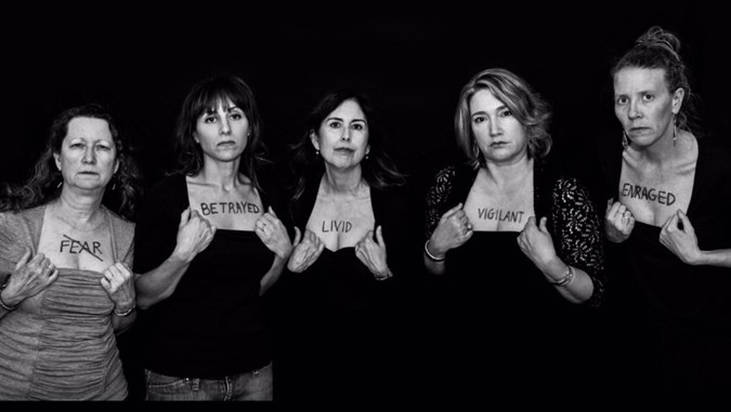
"caption": "An image from the photo series 'Roar from the Heart'",
"description": "An image from the photo series 'Roar from the Heart'",
"title": "An image from the photo series 'Roar from the Heart'",
"credit": "Photo: Clare Cassidy",
"status": "inherit",
"isLoading": false,
"fetchFailed": false
},
"arts_12974698": {
"type": "attachments",
"id": "arts_12974698",
"meta": {
"index": "attachments_1716263798",
"site": "arts",
"id": "12974698",
"found": true
},
"parent": 12959678,
"imgSizes": {
"small": {
"file": "https://ww2.kqed.org/app/uploads/sites/2/2017/03/HouseCOVER-520x293.jpg",
"width": 520,
"mimeType": "image/jpeg",
"height": 293
},
"twentyfourteen-full-width": {
"file": "https://ww2.kqed.org/app/uploads/sites/2/2017/03/HouseCOVER-1038x576.jpg",
"width": 1038,
"mimeType": "image/jpeg",
"height": 576
},
"thumbnail": {
"file": "https://ww2.kqed.org/app/uploads/sites/2/2017/03/HouseCOVER-160x90.jpg",
"width": 160,
"mimeType": "image/jpeg",
"height": 90
},
"fd-sm": {
"file": "https://ww2.kqed.org/app/uploads/sites/2/2017/03/HouseCOVER-960x540.jpg",
"width": 960,
"mimeType": "image/jpeg",
"height": 540
},
"post-thumbnail": {
"file": "https://ww2.kqed.org/app/uploads/sites/2/2017/03/HouseCOVER-672x372.jpg",
"width": 672,
"mimeType": "image/jpeg",
"height": 372
},
"xsmall": {
"file": "https://ww2.kqed.org/app/uploads/sites/2/2017/03/HouseCOVER-375x211.jpg",
"width": 375,
"mimeType": "image/jpeg",
"height": 211
},
"kqedFullSize": {
"file": "https://ww2.kqed.org/app/uploads/sites/2/2017/03/HouseCOVER.jpg",
"width": 1920,
"height": 1080
},
"large": {
"file": "https://ww2.kqed.org/app/uploads/sites/2/2017/03/HouseCOVER-1020x574.jpg",
"width": 1020,
"mimeType": "image/jpeg",
"height": 574
},
"xlarge": {
"file": "https://ww2.kqed.org/app/uploads/sites/2/2017/03/HouseCOVER-1180x664.jpg",
"width": 1180,
"mimeType": "image/jpeg",
"height": 664
},
"guest-author-50": {
"file": "https://ww2.kqed.org/app/uploads/sites/2/2017/03/HouseCOVER-50x50.jpg",
"width": 50,
"mimeType": "image/jpeg",
"height": 50
},
"guest-author-96": {
"file": "https://ww2.kqed.org/app/uploads/sites/2/2017/03/HouseCOVER-96x96.jpg",
"width": 96,
"mimeType": "image/jpeg",
"height": 96
},
"medium": {
"file": "https://ww2.kqed.org/app/uploads/sites/2/2017/03/HouseCOVER-800x450.jpg",
"width": 800,
"mimeType": "image/jpeg",
"height": 450
},
"guest-author-64": {
"file": "https://ww2.kqed.org/app/uploads/sites/2/2017/03/HouseCOVER-64x64.jpg",
"width": 64,
"mimeType": "image/jpeg",
"height": 64
},
"guest-author-32": {
"file": "https://ww2.kqed.org/app/uploads/sites/2/2017/03/HouseCOVER-32x32.jpg",
"width": 32,
"mimeType": "image/jpeg",
"height": 32
},
"fd-lrg": {
"file": "https://ww2.kqed.org/app/uploads/sites/2/2017/03/HouseCOVER-1920x1080.jpg",
"width": 1920,
"mimeType": "image/jpeg",
"height": 1080
},
"fd-med": {
"file": "https://ww2.kqed.org/app/uploads/sites/2/2017/03/HouseCOVER-1180x664.jpg",
"width": 1180,
"mimeType": "image/jpeg",
"height": 664
},
"full-width": {
"file": "https://ww2.kqed.org/app/uploads/sites/2/2017/03/HouseCOVER-1920x1080.jpg",
"width": 1920,
"mimeType": "image/jpeg",
"height": 1080
},
"detail": {
"file": "https://ww2.kqed.org/app/uploads/sites/2/2017/03/HouseCOVER-150x150.jpg",
"width": 150,
"mimeType": "image/jpeg",
"height": 150
},
"medium_large": {
"file": "https://ww2.kqed.org/app/uploads/sites/2/2017/03/HouseCOVER-768x432.jpg",
"width": 768,
"mimeType": "image/jpeg",
"height": 432
},
"guest-author-128": {
"file": "https://ww2.kqed.org/app/uploads/sites/2/2017/03/HouseCOVER-128x128.jpg",
"width": 128,
"mimeType": "image/jpeg",
"height": 128
},
"xxsmall": {
"file": "https://ww2.kqed.org/app/uploads/sites/2/2017/03/HouseCOVER-240x135.jpg",
"width": 240,
"mimeType": "image/jpeg",
"height": 135
}
},
"publishDate": 1490846035,
"modified": 1490846075,
"caption": "A woman walks between the night and days rooms at Chapter 510 created for 'House/Full of Black Women.'",
"description": "A woman walks between the night and days rooms at Chapter 510 created for 'House/Full of Black Women.'",
"title": "HouseCOVER",
"credit": "Sarah Burke",
"status": "inherit",
"isLoading": false,
"fetchFailed": false
},
"arts_12969273": {
"type": "attachments",
"id": "arts_12969273",
"meta": {
"index": "attachments_1716263798",
"site": "arts",
"id": "12969273",
"found": true
},
"parent": 12969272,
"imgSizes": {
"small": {
"file": "https://ww2.kqed.org/app/uploads/sites/2/2017/03/kjm_birmingham_beauty_culture_enl-78fbc3059adda547c0030ee49d85f3e3a3fadf2b-520x356.jpg",
"width": 520,
"mimeType": "image/jpeg",
"height": 356
},
"twentyfourteen-full-width": {
"file": "https://ww2.kqed.org/app/uploads/sites/2/2017/03/kjm_birmingham_beauty_culture_enl-78fbc3059adda547c0030ee49d85f3e3a3fadf2b-1038x576.jpg",
"width": 1038,
"mimeType": "image/jpeg",
"height": 576
},
"thumbnail": {
"file": "https://ww2.kqed.org/app/uploads/sites/2/2017/03/kjm_birmingham_beauty_culture_enl-78fbc3059adda547c0030ee49d85f3e3a3fadf2b-160x110.jpg",
"width": 160,
"mimeType": "image/jpeg",
"height": 110
},
"fd-sm": {
"file": "https://ww2.kqed.org/app/uploads/sites/2/2017/03/kjm_birmingham_beauty_culture_enl-78fbc3059adda547c0030ee49d85f3e3a3fadf2b-960x658.jpg",
"width": 960,
"mimeType": "image/jpeg",
"height": 658
},
"post-thumbnail": {
"file": "https://ww2.kqed.org/app/uploads/sites/2/2017/03/kjm_birmingham_beauty_culture_enl-78fbc3059adda547c0030ee49d85f3e3a3fadf2b-672x372.jpg",
"width": 672,
"mimeType": "image/jpeg",
"height": 372
},
"xsmall": {
"file": "https://ww2.kqed.org/app/uploads/sites/2/2017/03/kjm_birmingham_beauty_culture_enl-78fbc3059adda547c0030ee49d85f3e3a3fadf2b-375x257.jpg",
"width": 375,
"mimeType": "image/jpeg",
"height": 257
},
"kqedFullSize": {
"file": "https://ww2.kqed.org/app/uploads/sites/2/2017/03/kjm_birmingham_beauty_culture_enl-78fbc3059adda547c0030ee49d85f3e3a3fadf2b.jpg",
"width": 2048,
"height": 1403
},
"large": {
"file": "https://ww2.kqed.org/app/uploads/sites/2/2017/03/kjm_birmingham_beauty_culture_enl-78fbc3059adda547c0030ee49d85f3e3a3fadf2b-1020x699.jpg",
"width": 1020,
"mimeType": "image/jpeg",
"height": 699
},
"xlarge": {
"file": "https://ww2.kqed.org/app/uploads/sites/2/2017/03/kjm_birmingham_beauty_culture_enl-78fbc3059adda547c0030ee49d85f3e3a3fadf2b-1180x808.jpg",
"width": 1180,
"mimeType": "image/jpeg",
"height": 808
},
"guest-author-50": {
"file": "https://ww2.kqed.org/app/uploads/sites/2/2017/03/kjm_birmingham_beauty_culture_enl-78fbc3059adda547c0030ee49d85f3e3a3fadf2b-50x50.jpg",
"width": 50,
"mimeType": "image/jpeg",
"height": 50
},
"guest-author-96": {
"file": "https://ww2.kqed.org/app/uploads/sites/2/2017/03/kjm_birmingham_beauty_culture_enl-78fbc3059adda547c0030ee49d85f3e3a3fadf2b-96x96.jpg",
"width": 96,
"mimeType": "image/jpeg",
"height": 96
},
"medium": {
"file": "https://ww2.kqed.org/app/uploads/sites/2/2017/03/kjm_birmingham_beauty_culture_enl-78fbc3059adda547c0030ee49d85f3e3a3fadf2b-800x548.jpg",
"width": 800,
"mimeType": "image/jpeg",
"height": 548
},
"guest-author-64": {
"file": "https://ww2.kqed.org/app/uploads/sites/2/2017/03/kjm_birmingham_beauty_culture_enl-78fbc3059adda547c0030ee49d85f3e3a3fadf2b-64x64.jpg",
"width": 64,
"mimeType": "image/jpeg",
"height": 64
},
"guest-author-32": {
"file": "https://ww2.kqed.org/app/uploads/sites/2/2017/03/kjm_birmingham_beauty_culture_enl-78fbc3059adda547c0030ee49d85f3e3a3fadf2b-32x32.jpg",
"width": 32,
"mimeType": "image/jpeg",
"height": 32
},
"fd-lrg": {
"file": "https://ww2.kqed.org/app/uploads/sites/2/2017/03/kjm_birmingham_beauty_culture_enl-78fbc3059adda547c0030ee49d85f3e3a3fadf2b-1920x1315.jpg",
"width": 1920,
"mimeType": "image/jpeg",
"height": 1315
},
"fd-med": {
"file": "https://ww2.kqed.org/app/uploads/sites/2/2017/03/kjm_birmingham_beauty_culture_enl-78fbc3059adda547c0030ee49d85f3e3a3fadf2b-1180x808.jpg",
"width": 1180,
"mimeType": "image/jpeg",
"height": 808
},
"full-width": {
"file": "https://ww2.kqed.org/app/uploads/sites/2/2017/03/kjm_birmingham_beauty_culture_enl-78fbc3059adda547c0030ee49d85f3e3a3fadf2b-1920x1315.jpg",
"width": 1920,
"mimeType": "image/jpeg",
"height": 1315
},
"detail": {
"file": "https://ww2.kqed.org/app/uploads/sites/2/2017/03/kjm_birmingham_beauty_culture_enl-78fbc3059adda547c0030ee49d85f3e3a3fadf2b-150x150.jpg",
"width": 150,
"mimeType": "image/jpeg",
"height": 150
},
"medium_large": {
"file": "https://ww2.kqed.org/app/uploads/sites/2/2017/03/kjm_birmingham_beauty_culture_enl-78fbc3059adda547c0030ee49d85f3e3a3fadf2b-768x526.jpg",
"width": 768,
"mimeType": "image/jpeg",
"height": 526
},
"guest-author-128": {
"file": "https://ww2.kqed.org/app/uploads/sites/2/2017/03/kjm_birmingham_beauty_culture_enl-78fbc3059adda547c0030ee49d85f3e3a3fadf2b-128x128.jpg",
"width": 128,
"mimeType": "image/jpeg",
"height": 128
},
"xxsmall": {
"file": "https://ww2.kqed.org/app/uploads/sites/2/2017/03/kjm_birmingham_beauty_culture_enl-78fbc3059adda547c0030ee49d85f3e3a3fadf2b-240x164.jpg",
"width": 240,
"mimeType": "image/jpeg",
"height": 164
}
},
"publishDate": 1490750354,
"modified": 1490750354,
"caption": null,
"description": "\u003cem>Kerry James Marshall, School of Beauty, School of Culture,\u003c/em> acrylic and glitter on unstretched canvas, 2012",
"title": "Kerry James Marshall, School of Beauty, School of Culture, acrylic and glitter on unstretched canvas, 2012",
"credit": null,
"status": "inherit",
"isLoading": false,
"fetchFailed": false
},
"arts_12968581": {
"type": "attachments",
"id": "arts_12968581",
"meta": {
"index": "attachments_1716263798",
"site": "arts",
"id": "12968581",
"found": true
},
"parent": 12968371,
"imgSizes": {
"small": {
"file": "https://ww2.kqed.org/app/uploads/sites/2/2017/03/QuinnposterframeforKQED-520x293.jpg",
"width": 520,
"mimeType": "image/jpeg",
"height": 293
},
"twentyfourteen-full-width": {
"file": "https://ww2.kqed.org/app/uploads/sites/2/2017/03/QuinnposterframeforKQED-1038x576.jpg",
"width": 1038,
"mimeType": "image/jpeg",
"height": 576
},
"thumbnail": {
"file": "https://ww2.kqed.org/app/uploads/sites/2/2017/03/QuinnposterframeforKQED-160x90.jpg",
"width": 160,
"mimeType": "image/jpeg",
"height": 90
},
"fd-sm": {
"file": "https://ww2.kqed.org/app/uploads/sites/2/2017/03/QuinnposterframeforKQED-960x540.jpg",
"width": 960,
"mimeType": "image/jpeg",
"height": 540
},
"post-thumbnail": {
"file": "https://ww2.kqed.org/app/uploads/sites/2/2017/03/QuinnposterframeforKQED-672x372.jpg",
"width": 672,
"mimeType": "image/jpeg",
"height": 372
},
"xsmall": {
"file": "https://ww2.kqed.org/app/uploads/sites/2/2017/03/QuinnposterframeforKQED-375x211.jpg",
"width": 375,
"mimeType": "image/jpeg",
"height": 211
},
"kqedFullSize": {
"file": "https://ww2.kqed.org/app/uploads/sites/2/2017/03/QuinnposterframeforKQED.jpg",
"width": 1920,
"height": 1080
},
"large": {
"file": "https://ww2.kqed.org/app/uploads/sites/2/2017/03/QuinnposterframeforKQED-1020x574.jpg",
"width": 1020,
"mimeType": "image/jpeg",
"height": 574
},
"xlarge": {
"file": "https://ww2.kqed.org/app/uploads/sites/2/2017/03/QuinnposterframeforKQED-1180x664.jpg",
"width": 1180,
"mimeType": "image/jpeg",
"height": 664
},
"guest-author-50": {
"file": "https://ww2.kqed.org/app/uploads/sites/2/2017/03/QuinnposterframeforKQED-50x50.jpg",
"width": 50,
"mimeType": "image/jpeg",
"height": 50
},
"guest-author-96": {
"file": "https://ww2.kqed.org/app/uploads/sites/2/2017/03/QuinnposterframeforKQED-96x96.jpg",
"width": 96,
"mimeType": "image/jpeg",
"height": 96
},
"medium": {
"file": "https://ww2.kqed.org/app/uploads/sites/2/2017/03/QuinnposterframeforKQED-800x450.jpg",
"width": 800,
"mimeType": "image/jpeg",
"height": 450
},
"guest-author-64": {
"file": "https://ww2.kqed.org/app/uploads/sites/2/2017/03/QuinnposterframeforKQED-64x64.jpg",
"width": 64,
"mimeType": "image/jpeg",
"height": 64
},
"guest-author-32": {
"file": "https://ww2.kqed.org/app/uploads/sites/2/2017/03/QuinnposterframeforKQED-32x32.jpg",
"width": 32,
"mimeType": "image/jpeg",
"height": 32
},
"fd-lrg": {
"file": "https://ww2.kqed.org/app/uploads/sites/2/2017/03/QuinnposterframeforKQED-1920x1080.jpg",
"width": 1920,
"mimeType": "image/jpeg",
"height": 1080
},
"fd-med": {
"file": "https://ww2.kqed.org/app/uploads/sites/2/2017/03/QuinnposterframeforKQED-1180x664.jpg",
"width": 1180,
"mimeType": "image/jpeg",
"height": 664
},
"full-width": {
"file": "https://ww2.kqed.org/app/uploads/sites/2/2017/03/QuinnposterframeforKQED-1920x1080.jpg",
"width": 1920,
"mimeType": "image/jpeg",
"height": 1080
},
"detail": {
"file": "https://ww2.kqed.org/app/uploads/sites/2/2017/03/QuinnposterframeforKQED-150x150.jpg",
"width": 150,
"mimeType": "image/jpeg",
"height": 150
},
"medium_large": {
"file": "https://ww2.kqed.org/app/uploads/sites/2/2017/03/QuinnposterframeforKQED-768x432.jpg",
"width": 768,
"mimeType": "image/jpeg",
"height": 432
},
"guest-author-128": {
"file": "https://ww2.kqed.org/app/uploads/sites/2/2017/03/QuinnposterframeforKQED-128x128.jpg",
"width": 128,
"mimeType": "image/jpeg",
"height": 128
},
"xxsmall": {
"file": "https://ww2.kqed.org/app/uploads/sites/2/2017/03/QuinnposterframeforKQED-240x135.jpg",
"width": 240,
"mimeType": "image/jpeg",
"height": 135
}
},
"publishDate": 1490736894,
"modified": 1490736979,
"caption": "Quinn Nelson holding her drawing for Women’s History Month, depicting a group of women from vastly different moments in history.",
"description": "Quinn Nelson holding her drawing for Women’s History Month, depicting a group of women from vastly different moments in history.",
"title": "QuinnposterframeforKQED",
"credit": null,
"status": "inherit",
"isLoading": false,
"fetchFailed": false
},
"arts_12939899": {
"type": "attachments",
"id": "arts_12939899",
"meta": {
"index": "attachments_1716263798",
"site": "arts",
"id": "12939899",
"found": true
},
"parent": 12933723,
"imgSizes": {
"small": {
"file": "https://ww2.kqed.org/app/uploads/sites/2/2017/03/Untitled.Yosemite-520x292.jpg",
"width": 520,
"mimeType": "image/jpeg",
"height": 292
},
"twentyfourteen-full-width": {
"file": "https://ww2.kqed.org/app/uploads/sites/2/2017/03/Untitled.Yosemite-1038x576.jpg",
"width": 1038,
"mimeType": "image/jpeg",
"height": 576
},
"thumbnail": {
"file": "https://ww2.kqed.org/app/uploads/sites/2/2017/03/Untitled.Yosemite-160x90.jpg",
"width": 160,
"mimeType": "image/jpeg",
"height": 90
},
"fd-sm": {
"file": "https://ww2.kqed.org/app/uploads/sites/2/2017/03/Untitled.Yosemite-960x540.jpg",
"width": 960,
"mimeType": "image/jpeg",
"height": 540
},
"post-thumbnail": {
"file": "https://ww2.kqed.org/app/uploads/sites/2/2017/03/Untitled.Yosemite-672x372.jpg",
"width": 672,
"mimeType": "image/jpeg",
"height": 372
},
"xsmall": {
"file": "https://ww2.kqed.org/app/uploads/sites/2/2017/03/Untitled.Yosemite-375x211.jpg",
"width": 375,
"mimeType": "image/jpeg",
"height": 211
},
"kqedFullSize": {
"file": "https://ww2.kqed.org/app/uploads/sites/2/2017/03/Untitled.Yosemite.jpg",
"width": 1920,
"height": 1079
},
"large": {
"file": "https://ww2.kqed.org/app/uploads/sites/2/2017/03/Untitled.Yosemite-1020x573.jpg",
"width": 1020,
"mimeType": "image/jpeg",
"height": 573
},
"xlarge": {
"file": "https://ww2.kqed.org/app/uploads/sites/2/2017/03/Untitled.Yosemite-1180x663.jpg",
"width": 1180,
"mimeType": "image/jpeg",
"height": 663
},
"guest-author-50": {
"file": "https://ww2.kqed.org/app/uploads/sites/2/2017/03/Untitled.Yosemite-50x50.jpg",
"width": 50,
"mimeType": "image/jpeg",
"height": 50
},
"guest-author-96": {
"file": "https://ww2.kqed.org/app/uploads/sites/2/2017/03/Untitled.Yosemite-96x96.jpg",
"width": 96,
"mimeType": "image/jpeg",
"height": 96
},
"medium": {
"file": "https://ww2.kqed.org/app/uploads/sites/2/2017/03/Untitled.Yosemite-800x450.jpg",
"width": 800,
"mimeType": "image/jpeg",
"height": 450
},
"guest-author-64": {
"file": "https://ww2.kqed.org/app/uploads/sites/2/2017/03/Untitled.Yosemite-64x64.jpg",
"width": 64,
"mimeType": "image/jpeg",
"height": 64
},
"guest-author-32": {
"file": "https://ww2.kqed.org/app/uploads/sites/2/2017/03/Untitled.Yosemite-32x32.jpg",
"width": 32,
"mimeType": "image/jpeg",
"height": 32
},
"fd-lrg": {
"file": "https://ww2.kqed.org/app/uploads/sites/2/2017/03/Untitled.Yosemite-1920x1079.jpg",
"width": 1920,
"mimeType": "image/jpeg",
"height": 1079
},
"fd-med": {
"file": "https://ww2.kqed.org/app/uploads/sites/2/2017/03/Untitled.Yosemite-1180x663.jpg",
"width": 1180,
"mimeType": "image/jpeg",
"height": 663
},
"full-width": {
"file": "https://ww2.kqed.org/app/uploads/sites/2/2017/03/Untitled.Yosemite-1920x1079.jpg",
"width": 1920,
"mimeType": "image/jpeg",
"height": 1079
},
"detail": {
"file": "https://ww2.kqed.org/app/uploads/sites/2/2017/03/Untitled.Yosemite-150x150.jpg",
"width": 150,
"mimeType": "image/jpeg",
"height": 150
},
"medium_large": {
"file": "https://ww2.kqed.org/app/uploads/sites/2/2017/03/Untitled.Yosemite-768x432.jpg",
"width": 768,
"mimeType": "image/jpeg",
"height": 432
},
"guest-author-128": {
"file": "https://ww2.kqed.org/app/uploads/sites/2/2017/03/Untitled.Yosemite-128x128.jpg",
"width": 128,
"mimeType": "image/jpeg",
"height": 128
},
"xxsmall": {
"file": "https://ww2.kqed.org/app/uploads/sites/2/2017/03/Untitled.Yosemite-240x135.jpg",
"width": 240,
"mimeType": "image/jpeg",
"height": 135
}
},
"publishDate": 1490230904,
"modified": 1490230929,
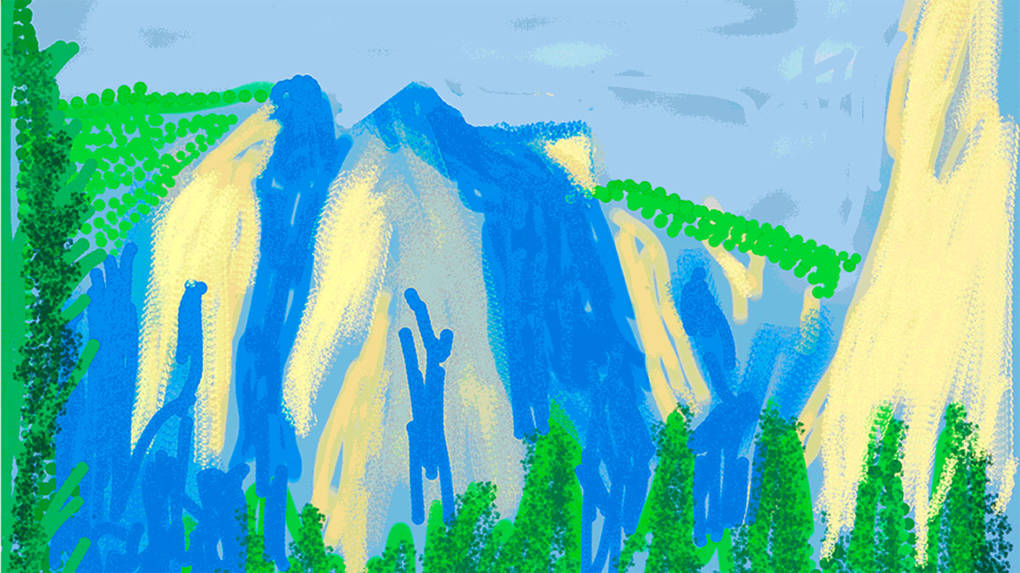
"caption": "Detail from \"Untitled No. 2\" from The Yosemite Suite, 2010, by David Hockney. ",
"description": "Detail from \"Untitled No. 2\" from The Yosemite Suite, 2010, by David Hockney. ",
"title": "Untitled.Yosemite",
"credit": "Photo: Courtesy of David Hockney",
"status": "inherit",
"isLoading": false,
"fetchFailed": false
}
},
"audioPlayerReducer": {
"postId": "stream_live",
"isPaused": true,
"isPlaying": false,
"pfsActive": false,
"pledgeModalIsOpen": true,
"playerDrawerIsOpen": false,
"liveAudioPlayStartedAt": 0,
"liveAudioPlayContext": ""
},
"authorsReducer": {
"byline_arts_12997258": {
"type": "authors",
"id": "byline_arts_12997258",
"meta": {
"override": true
},
"slug": "byline_arts_12997258",
"name": "Associated Press",
"isLoading": false
},
"byline_arts_12969272": {
"type": "authors",
"id": "byline_arts_12969272",
"meta": {
"override": true
},
"slug": "byline_arts_12969272",
"name": "Susan Stamberg",
"isLoading": false
},
"cmusiker": {
"type": "authors",
"id": "32",
"meta": {
"index": "authors_1716337520",
"id": "32",
"found": true
},
"name": "Cy Musiker",
"firstName": "Cy",
"lastName": "Musiker",
"slug": "cmusiker",
"email": "cmusiker@kqed.org",
"display_author_email": false,
"staff_mastheads": [],
"title": "KQED Contributor",
"bio": "Cy Musiker is a former co-host of The Do List and a former reporter covering the arts for KQED News and The California Report. He loves live performance, especially great theater, jazz, roots music, anything by Mahler. Cy has an MJ from UC Berkeley's School of Journalism, and got his BA from Hampshire College. His work has been recognized by the Society for Professional Journalists with their Sigma Delta Chi Award for Public Service in Journalism. When he can, Cy likes to swim in Tomales Bay, run with his dog in the East Bay Hills, and hike the Sierra.",
"avatar": "https://secure.gravatar.com/avatar/05eaba5c5696ce8f062e4ea2df428a43?s=600&d=blank&r=g",
"twitter": null,
"facebook": null,
"instagram": null,
"linkedin": null,
"sites": [
{
"site": "arts",
"roles": [
"Contributor",
"subscriber"
]
},
{
"site": "news",
"roles": [
"author"
]
},
{
"site": "bayareabites",
"roles": [
"contributor"
]
}
],
"headData": {
"title": "Cy Musiker | KQED",
"description": "KQED Contributor",
"ogImgSrc": "https://secure.gravatar.com/avatar/05eaba5c5696ce8f062e4ea2df428a43?s=600&d=blank&r=g",
"twImgSrc": "https://secure.gravatar.com/avatar/05eaba5c5696ce8f062e4ea2df428a43?s=600&d=blank&r=g"
},
"isLoading": false,
"link": "/author/cmusiker"
},
"shotchkiss": {
"type": "authors",
"id": "61",
"meta": {
"index": "authors_1716337520",
"id": "61",
"found": true
},
"name": "Sarah Hotchkiss",
"firstName": "Sarah",
"lastName": "Hotchkiss",
"slug": "shotchkiss",
"email": "shotchkiss@kqed.org",
"display_author_email": true,
"staff_mastheads": [
"arts"
],
"title": "Senior Editor",
"bio": "Sarah Hotchkiss is a San Francisco \u003ca href=\"http://www.sarahhotchkiss.com\">artist\u003c/a> and arts writer. In 2019, she received the Dorothea & Leo Rabkin Foundation grant for visual art journalism and in 2020 she received a Society of Professional Journalists, Northern California award for excellence in arts and culture reporting.",
"avatar": "https://secure.gravatar.com/avatar/bc662df144b3d27fd8b1b6f1c2a420d34e91e53154d411bb7ad353cc8b6cea8d?s=600&d=blank&r=g",
"twitter": null,
"bluesky": null,
"facebook": null,
"instagram": null,
"linkedin": null,
"sites": [
{
"site": "",
"roles": [
"editor"
]
},
{
"site": "arts",
"roles": [
"Contributor",
"administrator"
]
},
{
"site": "artschool",
"roles": [
"administrator"
]
},
{
"site": "news",
"roles": [
"editor"
]
},
{
"site": "pop",
"roles": [
"administrator"
]
},
{
"site": "bayareabites",
"roles": [
"editor"
]
},
{
"site": "spark",
"roles": [
"editor"
]
},
{
"site": "checkplease",
"roles": [
"editor"
]
}
],
"headData": {
"title": "Sarah Hotchkiss | KQED",
"description": "Senior Editor",
"ogImgSrc": "https://secure.gravatar.com/avatar/bc662df144b3d27fd8b1b6f1c2a420d34e91e53154d411bb7ad353cc8b6cea8d?s=600&d=blank&r=g",
"twImgSrc": "https://secure.gravatar.com/avatar/bc662df144b3d27fd8b1b6f1c2a420d34e91e53154d411bb7ad353cc8b6cea8d?s=600&d=blank&r=g"
},
"isLoading": false,
"link": "/author/shotchkiss"
},
"rachael-myrow": {
"type": "authors",
"id": "251",
"meta": {
"index": "authors_1716337520",
"id": "251",
"found": true
},
"name": "Rachael Myrow",
"firstName": "Rachael",
"lastName": "Myrow",
"slug": "rachael-myrow",
"email": "rmyrow@kqed.org",
"display_author_email": true,
"staff_mastheads": [
"news"
],
"title": "Senior Editor of KQED's Silicon Valley News Desk",
"bio": "• I write and edit stories about how Silicon Valley power and policies shape everyday life in California. I’m also passionate about making Bay Area history and culture more accessible to a broad public. • I’ve been a journalist for most of my life, starting in high school with The Franklin Press in Los Angeles, where I grew up. While earning my first degree in English at UC Berkeley, I got my start in public radio at KALX-FM. After completing a second degree in journalism at Cal, I landed my first professional job at Marketplace, then moved on to KPCC (now LAist), and then KQED, where I hosted The California Report for more than seven years. • My reporting has appeared on NPR, The World, WBUR’s \u003ci>Here & Now\u003c/i>, and the BBC. I also guest host for KQED’s \u003ci>Forum\u003c/i>, as well as the Commonwealth Club in San Francisco. • I speak periodically on media, democracy and technology issues, and do voiceover work for documentaries and educational video projects. • Outside of the studio, you'll find me hiking Bay Area trails and whipping up Insta-ready meals in my kitchen. • I do not accept gifts, money, or favors from anyone connected to my reporting, I don't pay people for information, and I do not support or donate to political causes. • I strive to treat the people I report on with fairness, honesty, and respect. I also recognize there are often multiple sides to a story and work to verify information through multiple sources and documentation. If I get something wrong, I correct it.",
"avatar": "https://secure.gravatar.com/avatar/3ed8a3c5f26025e4a805ba634cda8cd764906b97438a6d9ce216b044e340da4e?s=600&d=blank&r=g",
"twitter": "rachaelmyrow",
"bluesky": null,
"facebook": null,
"instagram": null,
"linkedin": "https://www.linkedin.com/in/rachaelmyrow/",
"sites": [
{
"site": "arts",
"roles": [
"administrator"
]
},
{
"site": "news",
"roles": [
"edit_others_posts",
"editor"
]
},
{
"site": "futureofyou",
"roles": [
"editor"
]
},
{
"site": "bayareabites",
"roles": [
"editor"
]
},
{
"site": "stateofhealth",
"roles": [
"editor"
]
},
{
"site": "science",
"roles": [
"editor"
]
},
{
"site": "food",
"roles": [
"editor"
]
},
{
"site": "forum",
"roles": [
"editor"
]
},
{
"site": "liveblog",
"roles": [
"author"
]
}
],
"headData": {
"title": "Rachael Myrow | KQED",
"description": "Senior Editor of KQED's Silicon Valley News Desk",
"ogImgSrc": "https://secure.gravatar.com/avatar/3ed8a3c5f26025e4a805ba634cda8cd764906b97438a6d9ce216b044e340da4e?s=600&d=blank&r=g",
"twImgSrc": "https://secure.gravatar.com/avatar/3ed8a3c5f26025e4a805ba634cda8cd764906b97438a6d9ce216b044e340da4e?s=600&d=blank&r=g"
},
"isLoading": false,
"link": "/author/rachael-myrow"
},
"kwhalen": {
"type": "authors",
"id": "3248",
"meta": {
"index": "authors_1716337520",
"id": "3248",
"found": true
},
"name": "Kelly Whalen",
"firstName": "Kelly",
"lastName": "Whalen",
"slug": "kwhalen",
"email": "kwhalen@kqed.org",
"display_author_email": false,
"staff_mastheads": [],
"title": "Senior Video Producer",
"bio": "Kelly Whalen is a filmmaker and educator who directs and produces social justice documentaries and award-winning arts and culture web series. She is the creator of KQED Arts’ three-time Webby Award-winning YouTube series \u003cem>If Cities Could Dance\u003c/em>, featuring dancers across the country representing their cities’ signature moves, and the director of \u003cem>When the Waters Get Deep\u003c/em>, a documentary about Oakland-based artists SOL Development and their work toward healing their communities’ trauma from gun violence.",
"avatar": "https://secure.gravatar.com/avatar/1a2b57e8a13abdcfc3d4966d9c0e1512?s=600&d=blank&r=g",
"twitter": "kellyfilmmaker",
"facebook": null,
"instagram": null,
"linkedin": null,
"sites": [
{
"site": "arts",
"roles": [
"subscriber"
]
}
],
"headData": {
"title": "Kelly Whalen | KQED",
"description": "Senior Video Producer",
"ogImgSrc": "https://secure.gravatar.com/avatar/1a2b57e8a13abdcfc3d4966d9c0e1512?s=600&d=blank&r=g",
"twImgSrc": "https://secure.gravatar.com/avatar/1a2b57e8a13abdcfc3d4966d9c0e1512?s=600&d=blank&r=g"
},
"isLoading": false,
"link": "/author/kwhalen"
},
"bwatt": {
"type": "authors",
"id": "11238",
"meta": {
"index": "authors_1716337520",
"id": "11238",
"found": true
},
"name": "Brian Watt",
"firstName": "Brian",
"lastName": "Watt",
"slug": "bwatt",
"email": "bwatt@KQED.org",
"display_author_email": false,
"staff_mastheads": [
"news"
],
"title": "Morning News Anchor",
"bio": "Brian Watt is KQED's morning radio news anchor. He joined the KQED News team in April of 2016. Prior to that, he worked as a Reporter for KPCC in Los Angeles and a producer at \u003cem>Marketplace.\u003c/em>\r\n\r\nDuring eight years at KPCC, Brian covered business and economics, and his work won several awards. In 2008, he won the Los Angeles Press Club’s first-place award for Business and Financial Reporting, Broadcast. He’s also received honorable mention and been first runner up for the Press Club’s Radio Journalist of the Year. He won two Golden Mike awards from the Radio and TV News Association of Southern California.\r\n\r\nBrian holds degrees in theater from Yale University and the Sorbonne, and has worked as an actor in France, Italy, Brazil, Hungary and . . . Hollywood. He appeared in a few television shows, including \u003cem>The West Wing, Judging Amy\u003c/em> and \u003cem>The District.\u003c/em>\r\n\r\nEmail: bwatt@KQED.org Twitter: @RadioBWatt",
"avatar": "https://secure.gravatar.com/avatar/55393ff57ed34e2be773ba4789dd6a19?s=600&d=blank&r=g",
"twitter": "@RadioBWatt",
"facebook": null,
"instagram": null,
"linkedin": null,
"sites": [
{
"site": "arts",
"roles": [
"contributor"
]
},
{
"site": "news",
"roles": [
"editor"
]
}
],
"headData": {
"title": "Brian Watt | KQED",
"description": "Morning News Anchor",
"ogImgSrc": "https://secure.gravatar.com/avatar/55393ff57ed34e2be773ba4789dd6a19?s=600&d=blank&r=g",
"twImgSrc": "https://secure.gravatar.com/avatar/55393ff57ed34e2be773ba4789dd6a19?s=600&d=blank&r=g"
},
"isLoading": false,
"link": "/author/bwatt"
},
"cescobar": {
"type": "authors",
"id": "11241",
"meta": {
"index": "authors_1716337520",
"id": "11241",
"found": true
},
"name": "Claudia Escobar",
"firstName": "Claudia",
"lastName": "Escobar",
"slug": "cescobar",
"email": "cescobar@kqed.org",
"display_author_email": false,
"staff_mastheads": [],
"title": "KQED Contributor",
"bio": "Tropical latin visual story teller extraordinaire! bread maker apprentice.",
"avatar": "https://secure.gravatar.com/avatar/39af590a0e19126bafbf121ec9d891a77a3d680061d7cc03d720efe706992707?s=600&d=blank&r=g",
"twitter": null,
"bluesky": null,
"facebook": null,
"instagram": null,
"linkedin": null,
"sites": [
{
"site": "arts",
"roles": [
"subscriber"
]
},
{
"site": "news",
"roles": [
"author"
]
}
],
"headData": {
"title": "Claudia Escobar | KQED",
"description": "KQED Contributor",
"ogImgSrc": "https://secure.gravatar.com/avatar/39af590a0e19126bafbf121ec9d891a77a3d680061d7cc03d720efe706992707?s=600&d=blank&r=g",
"twImgSrc": "https://secure.gravatar.com/avatar/39af590a0e19126bafbf121ec9d891a77a3d680061d7cc03d720efe706992707?s=600&d=blank&r=g"
},
"isLoading": false,
"link": "/author/cescobar"
},
"sburke": {
"type": "authors",
"id": "11323",
"meta": {
"index": "authors_1716337520",
"id": "11323",
"found": true
},
"name": "Sarah Burke",
"firstName": "Sarah",
"lastName": "Burke",
"slug": "sburke",
"email": "sarahlburke@gmail.com",
"display_author_email": false,
"staff_mastheads": [],
"title": "KQED Contributor",
"bio": "Sarah Burke is a journalist, critic, and curator living and working in Oakland, California. She is a regular contributor to KQED's Culture Cue, for which she writes about topics at the intersection of art, culture, and identity. Her work has been recognized with first place awards from the American Association of Alternative Newsmedia and The Society of Professional Journalists. Previously, she served as Managing Editor at the \u003cem>East Bay Express\u003c/em>. Find her on twitter at \u003ca href=\"https://twitter.com/sarahlubyburke\">@sarahlubyburke. \u003c/a>",
"avatar": "https://secure.gravatar.com/avatar/ea2a423eaf2fff65d31ec42d2a88bb6b96668e41e653ffa1945172c043a786b2?s=600&d=blank&r=g",
"twitter": "sarahlubyburke",
"bluesky": null,
"facebook": null,
"instagram": null,
"linkedin": null,
"sites": [
{
"site": "arts",
"roles": [
"subscriber"
]
}
],
"headData": {
"title": "Sarah Burke | KQED",
"description": "KQED Contributor",
"ogImgSrc": "https://secure.gravatar.com/avatar/ea2a423eaf2fff65d31ec42d2a88bb6b96668e41e653ffa1945172c043a786b2?s=600&d=blank&r=g",
"twImgSrc": "https://secure.gravatar.com/avatar/ea2a423eaf2fff65d31ec42d2a88bb6b96668e41e653ffa1945172c043a786b2?s=600&d=blank&r=g"
},
"isLoading": false,
"link": "/author/sburke"
}
},
"pagesReducer": {
"arts_category_visualarts": {
"type": "terms",
"id": "arts_70",
"meta": {
"index": "terms_1716263798",
"site": "arts",
"id": "70",
"score": 14.4071665
},
"featImg": null,
"name": "Visual Arts",
"description": null,
"taxonomy": "category",
"headData": {
"twImgId": null,
"twTitle": null,
"ogTitle": null,
"ogImgId": null,
"twDescription": null,
"description": null,
"title": "Visual Arts Archives | KQED Arts",
"ogDescription": null
},
"ttid": 71,
"slug": "visualarts",
"isLoading": false,
"title": "Visual Arts",
"pageMeta": {
"site": "arts",
"WpPageTemplate": "page-topic-editorial",
"currentPage": 104
},
"blocks": [
{
"blockName": "kqed/post-list",
"attrs": {
"layout": "cardArticle2",
"query": "posts/arts?category=visualarts",
"seeMore": false,
"paginated": true,
"page": 104
}
},
{
"blockName": "kqed/ad"
}
]
}
},
"pfsSessionReducer": {},
"postsReducer": {
"stream_live": {
"type": "live",
"id": "stream_live",
"audioUrl": "https://streams.kqed.org/kqedradio",
"title": "Live Stream",
"excerpt": "Live Stream information currently unavailable.",
"link": "/radio",
"featImg": "",
"label": {
"name": "KQED Live",
"link": "/"
}
},
"stream_kqedNewscast": {
"type": "posts",
"id": "stream_kqedNewscast",
"audioUrl": "https://www.kqed.org/.stream/anon/radio/RDnews/newscast.mp3?_=1",
"title": "KQED Newscast",
"featImg": "",
"label": {
"name": "88.5 FM",
"link": "/"
}
},
"arts_13008664": {
"type": "posts",
"id": "arts_13008664",
"meta": {
"index": "posts_1716263798",
"site": "arts",
"id": "13008664",
"score": null,
"sort": [
1491505216000
]
},
"parent": 0,
"labelTerm": {
"site": "arts"
},
"blocks": [],
"publishDate": 1491505216,
"format": "standard",
"title": "Chicanx Artists Mobilize Community in Age of Trump",
"headTitle": "Chicanx Artists Mobilize Community in Age of Trump | KQED",
"content": "\u003cp>At any number of anti-authoritarian protests around the world, you’ll see people carrying posters printed off the Internet, designed by or distributed by Melanie Cervantes and her partner Jesus Barraza. Together, Cervantes and Barraza operate the arts collective \u003ca href=\"http://dignidadrebelde.com/\" target=\"_blank\" rel=\"noopener\">Dignidad Rebelde\u003c/a>. Their West Oakland studio is tightly packed with the materials of their trade — screen printing.\u003c/p>\n\u003cp>\u003ca href=\"http://ww2.kqed.org/arts/2017/01/18/first-100-days-art-in-the-age-of-trump/\">\u003cimg loading=\"lazy\" decoding=\"async\" class=\"alignright size-full wp-image-12667846\" src=\"https://ww2.kqed.org/arts/wp-content/uploads/sites/2/2017/01/100Days_300x300z-1.jpg\" alt=\"100Days_300x300z\" width=\"300\" height=\"300\" srcset=\"https://cdn.kqed.org/wp-content/uploads/sites/2/2017/01/100Days_300x300z-1.jpg 300w, https://cdn.kqed.org/wp-content/uploads/sites/2/2017/01/100Days_300x300z-1-160x160.jpg 160w, https://cdn.kqed.org/wp-content/uploads/sites/2/2017/01/100Days_300x300z-1-240x240.jpg 240w, https://cdn.kqed.org/wp-content/uploads/sites/2/2017/01/100Days_300x300z-1-32x32.jpg 32w, https://cdn.kqed.org/wp-content/uploads/sites/2/2017/01/100Days_300x300z-1-50x50.jpg 50w, https://cdn.kqed.org/wp-content/uploads/sites/2/2017/01/100Days_300x300z-1-64x64.jpg 64w, https://cdn.kqed.org/wp-content/uploads/sites/2/2017/01/100Days_300x300z-1-96x96.jpg 96w, https://cdn.kqed.org/wp-content/uploads/sites/2/2017/01/100Days_300x300z-1-128x128.jpg 128w, https://cdn.kqed.org/wp-content/uploads/sites/2/2017/01/100Days_300x300z-1-150x150.jpg 150w\" sizes=\"(max-width: 300px) 100vw, 300px\">\u003c/a>The collective licenses its work under a creative commons license to make the amplification of their work easy. “What we’re doing is amplifying the voices of people in our communities,” Cervantes says. “Part of what’s powerful about the reproducible work is that you have a message that’s consistently being mobilized.”\u003c/p>\n\u003cp>The California native says she’s following in a long line of graphic collectives whose work has existed as much to educate people and fight colonialism as it has to produce art.\u003c/p>\n\u003cp>Cervantes cites outfits like \u003ca href=\"https://www.facebook.com/selfhelpgraphics\" target=\"_blank\" rel=\"noopener\">Self Help Graphics\u003c/a>, active in Los Angeles since the early 1970s, and Taller de Gráfica Popular, a Mexico City group that fought fascism in the 1930s. Cervantes finds this group’s efforts particularly relevant today, given the current divisive political climate.\u003c/p>\n\u003cfigure id=\"attachment_13008905\" class=\"wp-caption aligncenter\" style=\"max-width: 800px\">\u003cimg loading=\"lazy\" decoding=\"async\" class=\"size-medium wp-image-13008905\" src=\"https://ww2.kqed.org/arts/wp-content/uploads/sites/2/2017/04/RS24866_Domestic-Workers-Poster-qut-800x600.jpg\" alt='\"Domestic Workers,\" a poster by Melanie Cervantes.' width=\"800\" height=\"600\" srcset=\"https://cdn.kqed.org/wp-content/uploads/sites/2/2017/04/RS24866_Domestic-Workers-Poster-qut-800x600.jpg 800w, https://cdn.kqed.org/wp-content/uploads/sites/2/2017/04/RS24866_Domestic-Workers-Poster-qut-160x120.jpg 160w, https://cdn.kqed.org/wp-content/uploads/sites/2/2017/04/RS24866_Domestic-Workers-Poster-qut-768x576.jpg 768w, https://cdn.kqed.org/wp-content/uploads/sites/2/2017/04/RS24866_Domestic-Workers-Poster-qut-1020x765.jpg 1020w, https://cdn.kqed.org/wp-content/uploads/sites/2/2017/04/RS24866_Domestic-Workers-Poster-qut.jpg 1920w, https://cdn.kqed.org/wp-content/uploads/sites/2/2017/04/RS24866_Domestic-Workers-Poster-qut-1180x885.jpg 1180w, https://cdn.kqed.org/wp-content/uploads/sites/2/2017/04/RS24866_Domestic-Workers-Poster-qut-960x720.jpg 960w, https://cdn.kqed.org/wp-content/uploads/sites/2/2017/04/RS24866_Domestic-Workers-Poster-qut-240x180.jpg 240w, https://cdn.kqed.org/wp-content/uploads/sites/2/2017/04/RS24866_Domestic-Workers-Poster-qut-375x281.jpg 375w, https://cdn.kqed.org/wp-content/uploads/sites/2/2017/04/RS24866_Domestic-Workers-Poster-qut-520x390.jpg 520w\" sizes=\"(max-width: 800px) 100vw, 800px\">\u003cfigcaption class=\"wp-caption-text\">“Domestic Workers,” a poster by Melanie Cervantes. \u003ccite>(Photo: Courtesy of Melanie Cervantes)\u003c/cite>\u003c/figcaption>\u003c/figure>\n\u003cp>In her view, the Trump Administration is not really a political outlier “You know, the Obama Administration built a very effective deportation machine,” she says. “We’ve been fighting colonialism for, what, 520 some odd years.”\u003c/p>\n\u003cp>[ad fullwidth]\u003c/p>\n\u003cp>But if Cervantes doesn’t see herself as doing anything new, it’s also true that her talents as an art and history educator are heavily in demand right now. So much so, that you’d be hard-pressed to find her at her studio.\u003c/p>\n\u003cp>Cervantes’ calendar is packed with screen-printing workshops, which she teaches all over the country. She’s busy growing the Chicano art movement (or “Chicanx” as it’s commonly called these days in an effort to de-gender the masculine “Chicano”) with the mass distribution of her art and the know-how to produce art like it.\u003c/p>\n\u003cp>[soundcloud url=”https://api.soundcloud.com/tracks/316310247″ params=”color=ff5500&auto_play=false&hide_related=false&show_comments=true&show_user=true&show_reposts=false” width=”100%” height=”166″ iframe=”true” /]\u003c/p>\n\u003cp>Chicanx art covers a wide range of political issues. These include immigration and labor rights, the militarization of the police force, mass incarceration, and environmental injustice.\u003c/p>\n\u003cp>“This is a conversation that was happening when I was a child,” says Joey Reyes, who along with Cervantes co-curated the last \u003cem>Chicano/a Biennial\u003c/em> at San Jose’s \u003ca href=\"http://maclaarte.org/\" target=\"_blank\" rel=\"noopener\">Movimiento de Arte y Cultura Latino American\u003c/a>a (MACLA.) “This is a conversation that happens right now. The tension is real.”\u003c/p>\n\u003cp>The tension is also growing, as the Trump Administration makes good on promises to peel back civil rights enforcement and crackdown on illegal immigration.\u003c/p>\n\u003cfigure id=\"attachment_13008904\" class=\"wp-caption aligncenter\" style=\"max-width: 800px\">\u003cimg loading=\"lazy\" decoding=\"async\" class=\"wp-image-13008904 size-medium\" src=\"https://ww2.kqed.org/arts/wp-content/uploads/sites/2/2017/04/RS24865_DSC_0314-001-qut-800x451.jpg\" alt=\"Detail of "Institutionally Trapped," by <a href="http://www.aarondestrada.com/" target="_blank">Aaron Estrada</a>. It was in a recent exhibition at San Jose's MACLA. Curator Joey Reye says "It’s something very personal, looking at the history of incarceration within Estrada's own family and friends that he’s grown up with in Los Angeles."\" width=\"800\" height=\"451\" srcset=\"https://cdn.kqed.org/wp-content/uploads/sites/2/2017/04/RS24865_DSC_0314-001-qut-800x451.jpg 800w, https://cdn.kqed.org/wp-content/uploads/sites/2/2017/04/RS24865_DSC_0314-001-qut-160x90.jpg 160w, https://cdn.kqed.org/wp-content/uploads/sites/2/2017/04/RS24865_DSC_0314-001-qut-768x433.jpg 768w, https://cdn.kqed.org/wp-content/uploads/sites/2/2017/04/RS24865_DSC_0314-001-qut-1020x575.jpg 1020w, https://cdn.kqed.org/wp-content/uploads/sites/2/2017/04/RS24865_DSC_0314-001-qut.jpg 1920w, https://cdn.kqed.org/wp-content/uploads/sites/2/2017/04/RS24865_DSC_0314-001-qut-1180x665.jpg 1180w, https://cdn.kqed.org/wp-content/uploads/sites/2/2017/04/RS24865_DSC_0314-001-qut-960x541.jpg 960w, https://cdn.kqed.org/wp-content/uploads/sites/2/2017/04/RS24865_DSC_0314-001-qut-240x135.jpg 240w, https://cdn.kqed.org/wp-content/uploads/sites/2/2017/04/RS24865_DSC_0314-001-qut-375x211.jpg 375w, https://cdn.kqed.org/wp-content/uploads/sites/2/2017/04/RS24865_DSC_0314-001-qut-520x293.jpg 520w\" sizes=\"(max-width: 800px) 100vw, 800px\">\u003cfigcaption class=\"wp-caption-text\">Detail of “Institutionally Trapped,” by \u003ca href=\"http://www.aarondestrada.com/\" target=\"_blank\" rel=\"noopener\">Aaron Estrada\u003c/a>. It was in a recent exhibition at San Jose’s MACLA. Curator Joey Reye says “It’s something very personal, looking at the history of incarceration within Estrada’s own family and friends that he’s grown up with in Los Angeles.” \u003ccite>(Photo: Courtesy of MACLA)\u003c/cite>\u003c/figcaption>\u003c/figure>\n\u003cp>“You know, it’s easy to say, ‘let’s kick out 11 million people,’ but that is 11 million fathers, mothers, and children,” says \u003ca href=\"http://www.ericalmanza.com/\" target=\"_blank\" rel=\"noopener\">Eric Almanza\u003c/a>, one of the artists featured in MACLA’s \u003cem>Chicana/o Biennial\u003c/em>. “My goal is to put a face to these people, so that you can no longer say, ‘hey, let’s treat them all the same and kick them out.”‘\u003c/p>\n\u003cp>Almanza says he and fellow Chicanx artists are hoping their work can cultivate a stronger sense of compassion for the people being evicted from the U.S.\u003c/p>\n\u003cfigure id=\"attachment_13009113\" class=\"wp-caption aligncenter\" style=\"max-width: 800px\">\u003cimg loading=\"lazy\" decoding=\"async\" class=\"size-medium wp-image-13009113\" src=\"https://ww2.kqed.org/arts/wp-content/uploads/sites/2/2017/04/RS24645_LR-In-Search-of-a-New-Home-qut-800x637.jpg\" alt='\"In Search of a New Home,\" by Long Beach artist Eric Almanza. \"I have pieces that preach to the choir,\" he says, \"but I ’m also working on the more narrative, subtle pieces that try to strike a chord with people’s emotions and their hearts.\" ' width=\"800\" height=\"637\" srcset=\"https://cdn.kqed.org/wp-content/uploads/sites/2/2017/04/RS24645_LR-In-Search-of-a-New-Home-qut-800x637.jpg 800w, https://cdn.kqed.org/wp-content/uploads/sites/2/2017/04/RS24645_LR-In-Search-of-a-New-Home-qut-160x127.jpg 160w, https://cdn.kqed.org/wp-content/uploads/sites/2/2017/04/RS24645_LR-In-Search-of-a-New-Home-qut-768x612.jpg 768w, https://cdn.kqed.org/wp-content/uploads/sites/2/2017/04/RS24645_LR-In-Search-of-a-New-Home-qut-1020x813.jpg 1020w, https://cdn.kqed.org/wp-content/uploads/sites/2/2017/04/RS24645_LR-In-Search-of-a-New-Home-qut-1180x940.jpg 1180w, https://cdn.kqed.org/wp-content/uploads/sites/2/2017/04/RS24645_LR-In-Search-of-a-New-Home-qut-960x765.jpg 960w, https://cdn.kqed.org/wp-content/uploads/sites/2/2017/04/RS24645_LR-In-Search-of-a-New-Home-qut-240x191.jpg 240w, https://cdn.kqed.org/wp-content/uploads/sites/2/2017/04/RS24645_LR-In-Search-of-a-New-Home-qut-375x299.jpg 375w, https://cdn.kqed.org/wp-content/uploads/sites/2/2017/04/RS24645_LR-In-Search-of-a-New-Home-qut-520x414.jpg 520w, https://cdn.kqed.org/wp-content/uploads/sites/2/2017/04/RS24645_LR-In-Search-of-a-New-Home-qut.jpg 1200w\" sizes=\"(max-width: 800px) 100vw, 800px\">\u003cfigcaption class=\"wp-caption-text\">“In Search of a New Home,” by Long Beach artist Eric Almanza. “I have pieces that preach to the choir,” he says, “but I ’m also working on the more narrative, subtle pieces that try to strike a chord with people’s emotions and their hearts.” \u003ccite>(Photo: Courtesy of Eric Almanza)\u003c/cite>\u003c/figcaption>\u003c/figure>\n\u003cp>\u003cstrong>Art of Resistance\u003c/strong>\u003c/p>\n\u003cp>For a number of years, Almanza has included a logo in his work that he imagines will prove handy in a post-apocalyptic world. It’s a circular dream catcher with a triangle in the center that looks like the “\u003ca href=\"https://en.wikipedia.org/wiki/Triforce\" target=\"_blank\" rel=\"noopener\">triforce” \u003c/a>from \u003cem>\u003ca href=\"http://www.zelda.com/\" target=\"_blank\" rel=\"noopener\">Legend of Zelda\u003c/a>\u003c/em>. “It’s for the resistance, because every great resistance needs some kind of logo,” he says.\u003c/p>\n\u003cp>At the time he first developed the logo, Almanza thought it was a piece of apocalyptic science fiction. Now, he says, some kind of political apocalypse seems imminent under the Trump Administration. “Wow, these guys are for real,” Almanza says. “They have their agenda, and they’re going through with it. I always imagined it would take place 50 years from now, but it almost seems like time has fast-forwarded, and we’re just about to enter this post apocalyptic society that I’ve been painting and writing about.”\u003c/p>\n\u003cfigure id=\"attachment_13009114\" class=\"wp-caption aligncenter\" style=\"max-width: 800px\">\u003cimg loading=\"lazy\" decoding=\"async\" class=\"wp-image-13009114 size-medium\" src=\"https://ww2.kqed.org/arts/wp-content/uploads/sites/2/2017/04/RS24867_LR-Frida-001-qut-800x656.jpg\" alt='Detail of \"Frida,\" an oil painting by Eric Almanza. Note the symbol of resistance he includes in many of his more recent paintings.' width=\"800\" height=\"656\" srcset=\"https://cdn.kqed.org/wp-content/uploads/sites/2/2017/04/RS24867_LR-Frida-001-qut-800x656.jpg 800w, https://cdn.kqed.org/wp-content/uploads/sites/2/2017/04/RS24867_LR-Frida-001-qut-160x131.jpg 160w, https://cdn.kqed.org/wp-content/uploads/sites/2/2017/04/RS24867_LR-Frida-001-qut-768x630.jpg 768w, https://cdn.kqed.org/wp-content/uploads/sites/2/2017/04/RS24867_LR-Frida-001-qut-240x197.jpg 240w, https://cdn.kqed.org/wp-content/uploads/sites/2/2017/04/RS24867_LR-Frida-001-qut-375x307.jpg 375w, https://cdn.kqed.org/wp-content/uploads/sites/2/2017/04/RS24867_LR-Frida-001-qut-520x426.jpg 520w, https://cdn.kqed.org/wp-content/uploads/sites/2/2017/04/RS24867_LR-Frida-001-qut.jpg 893w\" sizes=\"(max-width: 800px) 100vw, 800px\">\u003cfigcaption class=\"wp-caption-text\">Detail of “Frida,” an oil painting by Eric Almanza. Note the symbol of resistance he includes in many of his more recent paintings. \u003ccite>(Photo: Courtesy of Eric Almanza)\u003c/cite>\u003c/figcaption>\u003c/figure>\n\u003cp>Almanza is organizing an exhibition titled \u003cem>Art of Resistance: Paintings\u003c/em> \u003cem>in Protest to a Trump Presidency\u003c/em>. Featuring 17 artists, including himself, the show is scheduled to open next month in Los Angeles. “I’ve started on a piece that takes a section of the border wall and it’s being set on fire,” Almanza says of his contribution. The logo of resistance is emblazoned on that wall.\u003c/p>\n\u003cp>\u003c/p>\n\u003cp>\u003cimg loading=\"lazy\" decoding=\"async\" class=\"aligncenter size-medium wp-image-12127869\" src=\"https://ww2.kqed.org/arts/wp-content/uploads/sites/2/2016/09/Q.Logo_.Break_-800x78.jpg\" alt=\"Q.Logo.Break\" width=\"800\" height=\"78\" srcset=\"https://cdn.kqed.org/wp-content/uploads/sites/2/2016/09/Q.Logo_.Break_.jpg 800w, https://cdn.kqed.org/wp-content/uploads/sites/2/2016/09/Q.Logo_.Break_-400x39.jpg 400w, https://cdn.kqed.org/wp-content/uploads/sites/2/2016/09/Q.Logo_.Break_-768x75.jpg 768w\" sizes=\"(max-width: 800px) 100vw, 800px\">\u003cem>“Art of Resistance: Paintings in Protest to a Trump Presidency” opens Saturday, May 13th at Ave 50 Studios in Highland Park, Los Angeles. More information \u003ca href=\"http://avenue50studio.org/\" target=\"_blank\" rel=\"noopener\">here\u003c/a>.\u003c/em>\u003c/p>\n\n",
"stats": {
"hasVideo": false,
"hasChartOrMap": false,
"hasAudio": false,
"hasPolis": false,
"wordCount": 1057,
"hasGoogleForm": false,
"hasGallery": false,
"hasHearkenModule": false,
"iframeSrcs": [],
"paragraphCount": 20
},
"modified": 1705031025,
"excerpt": "Some artists in the movement are responding to the current political climate by creating new art; others, by ramping up production of socially conscious images.",
"headData": {
"twImgId": "",
"twTitle": "",
"ogTitle": "",
"ogImgId": "",
"twDescription": "",
"description": "Some artists in the movement are responding to the current political climate by creating new art; others, by ramping up production of socially conscious images.",
"title": "Chicanx Artists Mobilize Community in Age of Trump | KQED",
"ogDescription": "",
"schema": {
"@context": "https://schema.org",
"@type": "Article",
"headline": "Chicanx Artists Mobilize Community in Age of Trump",
"datePublished": "2017-04-06T12:00:16-07:00",
"dateModified": "2024-01-11T19:43:45-08:00",
"image": "https://cdn.kqed.org/wp-content/uploads/2020/02/KQED-OG-Image@1x.png"
}
},
"guestAuthors": [],
"slug": "chicanex-artists-mobilize-community-through-reproducible-prints-and-exhibitions",
"status": "publish",
"sticky": false,
"guestFields": "0",
"path": "/arts/13008664/chicanex-artists-mobilize-community-through-reproducible-prints-and-exhibitions",
"audioTrackLength": null,
"parsedContent": [
{
"type": "contentString",
"content": "\u003cdiv class=\"post-body\">\u003cp>\u003cp>At any number of anti-authoritarian protests around the world, you’ll see people carrying posters printed off the Internet, designed by or distributed by Melanie Cervantes and her partner Jesus Barraza. Together, Cervantes and Barraza operate the arts collective \u003ca href=\"http://dignidadrebelde.com/\" target=\"_blank\" rel=\"noopener\">Dignidad Rebelde\u003c/a>. Their West Oakland studio is tightly packed with the materials of their trade — screen printing.\u003c/p>\n\u003cp>\u003ca href=\"http://ww2.kqed.org/arts/2017/01/18/first-100-days-art-in-the-age-of-trump/\">\u003cimg loading=\"lazy\" decoding=\"async\" class=\"alignright size-full wp-image-12667846\" src=\"https://ww2.kqed.org/arts/wp-content/uploads/sites/2/2017/01/100Days_300x300z-1.jpg\" alt=\"100Days_300x300z\" width=\"300\" height=\"300\" srcset=\"https://cdn.kqed.org/wp-content/uploads/sites/2/2017/01/100Days_300x300z-1.jpg 300w, https://cdn.kqed.org/wp-content/uploads/sites/2/2017/01/100Days_300x300z-1-160x160.jpg 160w, https://cdn.kqed.org/wp-content/uploads/sites/2/2017/01/100Days_300x300z-1-240x240.jpg 240w, https://cdn.kqed.org/wp-content/uploads/sites/2/2017/01/100Days_300x300z-1-32x32.jpg 32w, https://cdn.kqed.org/wp-content/uploads/sites/2/2017/01/100Days_300x300z-1-50x50.jpg 50w, https://cdn.kqed.org/wp-content/uploads/sites/2/2017/01/100Days_300x300z-1-64x64.jpg 64w, https://cdn.kqed.org/wp-content/uploads/sites/2/2017/01/100Days_300x300z-1-96x96.jpg 96w, https://cdn.kqed.org/wp-content/uploads/sites/2/2017/01/100Days_300x300z-1-128x128.jpg 128w, https://cdn.kqed.org/wp-content/uploads/sites/2/2017/01/100Days_300x300z-1-150x150.jpg 150w\" sizes=\"(max-width: 300px) 100vw, 300px\">\u003c/a>The collective licenses its work under a creative commons license to make the amplification of their work easy. “What we’re doing is amplifying the voices of people in our communities,” Cervantes says. “Part of what’s powerful about the reproducible work is that you have a message that’s consistently being mobilized.”\u003c/p>\n\u003cp>The California native says she’s following in a long line of graphic collectives whose work has existed as much to educate people and fight colonialism as it has to produce art.\u003c/p>\n\u003cp>Cervantes cites outfits like \u003ca href=\"https://www.facebook.com/selfhelpgraphics\" target=\"_blank\" rel=\"noopener\">Self Help Graphics\u003c/a>, active in Los Angeles since the early 1970s, and Taller de Gráfica Popular, a Mexico City group that fought fascism in the 1930s. Cervantes finds this group’s efforts particularly relevant today, given the current divisive political climate.\u003c/p>\n\u003cfigure id=\"attachment_13008905\" class=\"wp-caption aligncenter\" style=\"max-width: 800px\">\u003cimg loading=\"lazy\" decoding=\"async\" class=\"size-medium wp-image-13008905\" src=\"https://ww2.kqed.org/arts/wp-content/uploads/sites/2/2017/04/RS24866_Domestic-Workers-Poster-qut-800x600.jpg\" alt='\"Domestic Workers,\" a poster by Melanie Cervantes.' width=\"800\" height=\"600\" srcset=\"https://cdn.kqed.org/wp-content/uploads/sites/2/2017/04/RS24866_Domestic-Workers-Poster-qut-800x600.jpg 800w, https://cdn.kqed.org/wp-content/uploads/sites/2/2017/04/RS24866_Domestic-Workers-Poster-qut-160x120.jpg 160w, https://cdn.kqed.org/wp-content/uploads/sites/2/2017/04/RS24866_Domestic-Workers-Poster-qut-768x576.jpg 768w, https://cdn.kqed.org/wp-content/uploads/sites/2/2017/04/RS24866_Domestic-Workers-Poster-qut-1020x765.jpg 1020w, https://cdn.kqed.org/wp-content/uploads/sites/2/2017/04/RS24866_Domestic-Workers-Poster-qut.jpg 1920w, https://cdn.kqed.org/wp-content/uploads/sites/2/2017/04/RS24866_Domestic-Workers-Poster-qut-1180x885.jpg 1180w, https://cdn.kqed.org/wp-content/uploads/sites/2/2017/04/RS24866_Domestic-Workers-Poster-qut-960x720.jpg 960w, https://cdn.kqed.org/wp-content/uploads/sites/2/2017/04/RS24866_Domestic-Workers-Poster-qut-240x180.jpg 240w, https://cdn.kqed.org/wp-content/uploads/sites/2/2017/04/RS24866_Domestic-Workers-Poster-qut-375x281.jpg 375w, https://cdn.kqed.org/wp-content/uploads/sites/2/2017/04/RS24866_Domestic-Workers-Poster-qut-520x390.jpg 520w\" sizes=\"(max-width: 800px) 100vw, 800px\">\u003cfigcaption class=\"wp-caption-text\">“Domestic Workers,” a poster by Melanie Cervantes. \u003ccite>(Photo: Courtesy of Melanie Cervantes)\u003c/cite>\u003c/figcaption>\u003c/figure>\n\u003cp>In her view, the Trump Administration is not really a political outlier “You know, the Obama Administration built a very effective deportation machine,” she says. “We’ve been fighting colonialism for, what, 520 some odd years.”\u003c/p>\n\u003cp>\u003c/p>\u003c/div>",
"attributes": {
"named": {},
"numeric": []
}
},
{
"type": "component",
"content": "",
"name": "ad",
"attributes": {
"named": {
"label": "fullwidth"
},
"numeric": [
"fullwidth"
]
}
},
{
"type": "contentString",
"content": "\u003cdiv class=\"post-body\">\u003cp>\u003c/p>\n\u003cp>But if Cervantes doesn’t see herself as doing anything new, it’s also true that her talents as an art and history educator are heavily in demand right now. So much so, that you’d be hard-pressed to find her at her studio.\u003c/p>\n\u003cp>Cervantes’ calendar is packed with screen-printing workshops, which she teaches all over the country. She’s busy growing the Chicano art movement (or “Chicanx” as it’s commonly called these days in an effort to de-gender the masculine “Chicano”) with the mass distribution of her art and the know-how to produce art like it.\u003c/p>\n\u003cp>\u003c/p>\u003cp>\u003cdiv class='utils-parseShortcode-shortcodes-__shortcodes__shortcodeWrapper'>\n \u003ciframe width='”100%”' height='”166″'\n scrolling='no' frameborder='no'\n src='https://w.soundcloud.com/player/?url=”https://api.soundcloud.com/tracks/316310247″&visual=true&”color=ff5500&auto_play=false&hide_related=false&show_comments=true&show_user=true&show_reposts=false”'\n title='”https://api.soundcloud.com/tracks/316310247″'>\n \u003c/iframe>\n \u003c/div>\u003c/p>\u003cp>\u003c/p>\n\u003cp>Chicanx art covers a wide range of political issues. These include immigration and labor rights, the militarization of the police force, mass incarceration, and environmental injustice.\u003c/p>\n\u003cp>“This is a conversation that was happening when I was a child,” says Joey Reyes, who along with Cervantes co-curated the last \u003cem>Chicano/a Biennial\u003c/em> at San Jose’s \u003ca href=\"http://maclaarte.org/\" target=\"_blank\" rel=\"noopener\">Movimiento de Arte y Cultura Latino American\u003c/a>a (MACLA.) “This is a conversation that happens right now. The tension is real.”\u003c/p>\n\u003cp>The tension is also growing, as the Trump Administration makes good on promises to peel back civil rights enforcement and crackdown on illegal immigration.\u003c/p>\n\u003cfigure id=\"attachment_13008904\" class=\"wp-caption aligncenter\" style=\"max-width: 800px\">\u003cimg loading=\"lazy\" decoding=\"async\" class=\"wp-image-13008904 size-medium\" src=\"https://ww2.kqed.org/arts/wp-content/uploads/sites/2/2017/04/RS24865_DSC_0314-001-qut-800x451.jpg\" alt=\"Detail of "Institutionally Trapped," by <a href="http://www.aarondestrada.com/" target="_blank">Aaron Estrada</a>. It was in a recent exhibition at San Jose's MACLA. Curator Joey Reye says "It’s something very personal, looking at the history of incarceration within Estrada's own family and friends that he’s grown up with in Los Angeles."\" width=\"800\" height=\"451\" srcset=\"https://cdn.kqed.org/wp-content/uploads/sites/2/2017/04/RS24865_DSC_0314-001-qut-800x451.jpg 800w, https://cdn.kqed.org/wp-content/uploads/sites/2/2017/04/RS24865_DSC_0314-001-qut-160x90.jpg 160w, https://cdn.kqed.org/wp-content/uploads/sites/2/2017/04/RS24865_DSC_0314-001-qut-768x433.jpg 768w, https://cdn.kqed.org/wp-content/uploads/sites/2/2017/04/RS24865_DSC_0314-001-qut-1020x575.jpg 1020w, https://cdn.kqed.org/wp-content/uploads/sites/2/2017/04/RS24865_DSC_0314-001-qut.jpg 1920w, https://cdn.kqed.org/wp-content/uploads/sites/2/2017/04/RS24865_DSC_0314-001-qut-1180x665.jpg 1180w, https://cdn.kqed.org/wp-content/uploads/sites/2/2017/04/RS24865_DSC_0314-001-qut-960x541.jpg 960w, https://cdn.kqed.org/wp-content/uploads/sites/2/2017/04/RS24865_DSC_0314-001-qut-240x135.jpg 240w, https://cdn.kqed.org/wp-content/uploads/sites/2/2017/04/RS24865_DSC_0314-001-qut-375x211.jpg 375w, https://cdn.kqed.org/wp-content/uploads/sites/2/2017/04/RS24865_DSC_0314-001-qut-520x293.jpg 520w\" sizes=\"(max-width: 800px) 100vw, 800px\">\u003cfigcaption class=\"wp-caption-text\">Detail of “Institutionally Trapped,” by \u003ca href=\"http://www.aarondestrada.com/\" target=\"_blank\" rel=\"noopener\">Aaron Estrada\u003c/a>. It was in a recent exhibition at San Jose’s MACLA. Curator Joey Reye says “It’s something very personal, looking at the history of incarceration within Estrada’s own family and friends that he’s grown up with in Los Angeles.” \u003ccite>(Photo: Courtesy of MACLA)\u003c/cite>\u003c/figcaption>\u003c/figure>\n\u003cp>“You know, it’s easy to say, ‘let’s kick out 11 million people,’ but that is 11 million fathers, mothers, and children,” says \u003ca href=\"http://www.ericalmanza.com/\" target=\"_blank\" rel=\"noopener\">Eric Almanza\u003c/a>, one of the artists featured in MACLA’s \u003cem>Chicana/o Biennial\u003c/em>. “My goal is to put a face to these people, so that you can no longer say, ‘hey, let’s treat them all the same and kick them out.”‘\u003c/p>\n\u003cp>Almanza says he and fellow Chicanx artists are hoping their work can cultivate a stronger sense of compassion for the people being evicted from the U.S.\u003c/p>\n\u003cfigure id=\"attachment_13009113\" class=\"wp-caption aligncenter\" style=\"max-width: 800px\">\u003cimg loading=\"lazy\" decoding=\"async\" class=\"size-medium wp-image-13009113\" src=\"https://ww2.kqed.org/arts/wp-content/uploads/sites/2/2017/04/RS24645_LR-In-Search-of-a-New-Home-qut-800x637.jpg\" alt='\"In Search of a New Home,\" by Long Beach artist Eric Almanza. \"I have pieces that preach to the choir,\" he says, \"but I ’m also working on the more narrative, subtle pieces that try to strike a chord with people’s emotions and their hearts.\" ' width=\"800\" height=\"637\" srcset=\"https://cdn.kqed.org/wp-content/uploads/sites/2/2017/04/RS24645_LR-In-Search-of-a-New-Home-qut-800x637.jpg 800w, https://cdn.kqed.org/wp-content/uploads/sites/2/2017/04/RS24645_LR-In-Search-of-a-New-Home-qut-160x127.jpg 160w, https://cdn.kqed.org/wp-content/uploads/sites/2/2017/04/RS24645_LR-In-Search-of-a-New-Home-qut-768x612.jpg 768w, https://cdn.kqed.org/wp-content/uploads/sites/2/2017/04/RS24645_LR-In-Search-of-a-New-Home-qut-1020x813.jpg 1020w, https://cdn.kqed.org/wp-content/uploads/sites/2/2017/04/RS24645_LR-In-Search-of-a-New-Home-qut-1180x940.jpg 1180w, https://cdn.kqed.org/wp-content/uploads/sites/2/2017/04/RS24645_LR-In-Search-of-a-New-Home-qut-960x765.jpg 960w, https://cdn.kqed.org/wp-content/uploads/sites/2/2017/04/RS24645_LR-In-Search-of-a-New-Home-qut-240x191.jpg 240w, https://cdn.kqed.org/wp-content/uploads/sites/2/2017/04/RS24645_LR-In-Search-of-a-New-Home-qut-375x299.jpg 375w, https://cdn.kqed.org/wp-content/uploads/sites/2/2017/04/RS24645_LR-In-Search-of-a-New-Home-qut-520x414.jpg 520w, https://cdn.kqed.org/wp-content/uploads/sites/2/2017/04/RS24645_LR-In-Search-of-a-New-Home-qut.jpg 1200w\" sizes=\"(max-width: 800px) 100vw, 800px\">\u003cfigcaption class=\"wp-caption-text\">“In Search of a New Home,” by Long Beach artist Eric Almanza. “I have pieces that preach to the choir,” he says, “but I ’m also working on the more narrative, subtle pieces that try to strike a chord with people’s emotions and their hearts.” \u003ccite>(Photo: Courtesy of Eric Almanza)\u003c/cite>\u003c/figcaption>\u003c/figure>\n\u003cp>\u003cstrong>Art of Resistance\u003c/strong>\u003c/p>\n\u003cp>For a number of years, Almanza has included a logo in his work that he imagines will prove handy in a post-apocalyptic world. It’s a circular dream catcher with a triangle in the center that looks like the “\u003ca href=\"https://en.wikipedia.org/wiki/Triforce\" target=\"_blank\" rel=\"noopener\">triforce” \u003c/a>from \u003cem>\u003ca href=\"http://www.zelda.com/\" target=\"_blank\" rel=\"noopener\">Legend of Zelda\u003c/a>\u003c/em>. “It’s for the resistance, because every great resistance needs some kind of logo,” he says.\u003c/p>\n\u003cp>At the time he first developed the logo, Almanza thought it was a piece of apocalyptic science fiction. Now, he says, some kind of political apocalypse seems imminent under the Trump Administration. “Wow, these guys are for real,” Almanza says. “They have their agenda, and they’re going through with it. I always imagined it would take place 50 years from now, but it almost seems like time has fast-forwarded, and we’re just about to enter this post apocalyptic society that I’ve been painting and writing about.”\u003c/p>\n\u003cfigure id=\"attachment_13009114\" class=\"wp-caption aligncenter\" style=\"max-width: 800px\">\u003cimg loading=\"lazy\" decoding=\"async\" class=\"wp-image-13009114 size-medium\" src=\"https://ww2.kqed.org/arts/wp-content/uploads/sites/2/2017/04/RS24867_LR-Frida-001-qut-800x656.jpg\" alt='Detail of \"Frida,\" an oil painting by Eric Almanza. Note the symbol of resistance he includes in many of his more recent paintings.' width=\"800\" height=\"656\" srcset=\"https://cdn.kqed.org/wp-content/uploads/sites/2/2017/04/RS24867_LR-Frida-001-qut-800x656.jpg 800w, https://cdn.kqed.org/wp-content/uploads/sites/2/2017/04/RS24867_LR-Frida-001-qut-160x131.jpg 160w, https://cdn.kqed.org/wp-content/uploads/sites/2/2017/04/RS24867_LR-Frida-001-qut-768x630.jpg 768w, https://cdn.kqed.org/wp-content/uploads/sites/2/2017/04/RS24867_LR-Frida-001-qut-240x197.jpg 240w, https://cdn.kqed.org/wp-content/uploads/sites/2/2017/04/RS24867_LR-Frida-001-qut-375x307.jpg 375w, https://cdn.kqed.org/wp-content/uploads/sites/2/2017/04/RS24867_LR-Frida-001-qut-520x426.jpg 520w, https://cdn.kqed.org/wp-content/uploads/sites/2/2017/04/RS24867_LR-Frida-001-qut.jpg 893w\" sizes=\"(max-width: 800px) 100vw, 800px\">\u003cfigcaption class=\"wp-caption-text\">Detail of “Frida,” an oil painting by Eric Almanza. Note the symbol of resistance he includes in many of his more recent paintings. \u003ccite>(Photo: Courtesy of Eric Almanza)\u003c/cite>\u003c/figcaption>\u003c/figure>\n\u003cp>Almanza is organizing an exhibition titled \u003cem>Art of Resistance: Paintings\u003c/em> \u003cem>in Protest to a Trump Presidency\u003c/em>. Featuring 17 artists, including himself, the show is scheduled to open next month in Los Angeles. “I’ve started on a piece that takes a section of the border wall and it’s being set on fire,” Almanza says of his contribution. The logo of resistance is emblazoned on that wall.\u003c/p>\n\u003cp>\u003c/p>\n\u003cp>\u003cimg loading=\"lazy\" decoding=\"async\" class=\"aligncenter size-medium wp-image-12127869\" src=\"https://ww2.kqed.org/arts/wp-content/uploads/sites/2/2016/09/Q.Logo_.Break_-800x78.jpg\" alt=\"Q.Logo.Break\" width=\"800\" height=\"78\" srcset=\"https://cdn.kqed.org/wp-content/uploads/sites/2/2016/09/Q.Logo_.Break_.jpg 800w, https://cdn.kqed.org/wp-content/uploads/sites/2/2016/09/Q.Logo_.Break_-400x39.jpg 400w, https://cdn.kqed.org/wp-content/uploads/sites/2/2016/09/Q.Logo_.Break_-768x75.jpg 768w\" sizes=\"(max-width: 800px) 100vw, 800px\">\u003cem>“Art of Resistance: Paintings in Protest to a Trump Presidency” opens Saturday, May 13th at Ave 50 Studios in Highland Park, Los Angeles. More information \u003ca href=\"http://avenue50studio.org/\" target=\"_blank\" rel=\"noopener\">here\u003c/a>.\u003c/em>\u003c/p>\n\n\u003c/div>\u003c/p>",
"attributes": {
"named": {},
"numeric": []
}
}
],
"link": "/arts/13008664/chicanex-artists-mobilize-community-through-reproducible-prints-and-exhibitions",
"authors": [
"251"
],
"categories": [
"arts_235",
"arts_70"
],
"tags": [
"arts_1642",
"arts_3419",
"arts_1119",
"arts_1118",
"arts_2500",
"arts_596",
"arts_4642",
"arts_1084"
],
"featImg": "arts_13008896",
"label": "arts"
},
"arts_12997257": {
"type": "posts",
"id": "arts_12997257",
"meta": {
"index": "posts_1716263798",
"site": "arts",
"id": "12997257",
"score": null,
"sort": [
1491343377000
]
},
"guestAuthors": [],
"slug": "the-recipe-for-radical-visibility-and-chilaquiles-with-a-side-of-kale-salad",
"title": "The Recipe for Radical Visibility and Chilaquiles (with a Side of Kale Salad)",
"publishDate": 1491343377,
"format": "video",
"headTitle": "The Recipe for Radical Visibility and Chilaquiles (with a Side of Kale Salad) | KQED",
"labelTerm": {
"site": "arts"
},
"content": "\u003cp>Creating radical visibility — for artists of color, queer artists, undocumented artists — is hard work. And people doing hard work need to eat well. Over chilaquiles, a traditional Mexican dish of fried corn tortillas covered in sauce and queso fresco, \u003ca href=\"http://www.culturestrike.org/\" target=\"_blank\" rel=\"noopener\">CultureStrike\u003c/a> co-founder \u003ca href=\"http://favianna.tumblr.com/\" target=\"_blank\" rel=\"noopener\">Favianna Rodriguez\u003c/a> and queer undocumented artist and cartoonist \u003ca href=\"http://juliosalgadoart.com/\" target=\"_blank\" rel=\"noopener\">Julio Salgado\u003c/a> dish out more than just a delicious meal.\u003c/p>\n\u003cp>\u003ca href=\"http://ww2.kqed.org/arts/2017/01/18/first-100-days-art-in-the-age-of-trump/\">\u003cimg loading=\"lazy\" decoding=\"async\" class=\"alignright size-full wp-image-12667846\" src=\"https://ww2.kqed.org/arts/wp-content/uploads/sites/2/2017/01/100Days_300x300z-1.jpg\" alt=\"100Days_300x300z\" width=\"300\" height=\"300\" srcset=\"https://cdn.kqed.org/wp-content/uploads/sites/2/2017/01/100Days_300x300z-1.jpg 300w, https://cdn.kqed.org/wp-content/uploads/sites/2/2017/01/100Days_300x300z-1-160x160.jpg 160w, https://cdn.kqed.org/wp-content/uploads/sites/2/2017/01/100Days_300x300z-1-240x240.jpg 240w, https://cdn.kqed.org/wp-content/uploads/sites/2/2017/01/100Days_300x300z-1-32x32.jpg 32w, https://cdn.kqed.org/wp-content/uploads/sites/2/2017/01/100Days_300x300z-1-50x50.jpg 50w, https://cdn.kqed.org/wp-content/uploads/sites/2/2017/01/100Days_300x300z-1-64x64.jpg 64w, https://cdn.kqed.org/wp-content/uploads/sites/2/2017/01/100Days_300x300z-1-96x96.jpg 96w, https://cdn.kqed.org/wp-content/uploads/sites/2/2017/01/100Days_300x300z-1-128x128.jpg 128w, https://cdn.kqed.org/wp-content/uploads/sites/2/2017/01/100Days_300x300z-1-150x150.jpg 150w\" sizes=\"auto, (max-width: 300px) 100vw, 300px\">\u003c/a>\u003c/p>\n\u003cp>“The entire ecosystem of the arts does not have enough of us in it,” Rodriguez says of artists of color. “It’s not just about being represented, it’s about us having real power.”\u003c/p>\n\u003cp>For Salgado, whose work is informed by his various identities, but not defined by them, the current political climate makes him question his decision to be out — both as a queer man and an undocumented immigrant. But, he says, “The artist in me is like, ‘No.’”\u003c/p>\n\u003cp>“We definitely need to have stories — especially now,” Rodriguez says “of joy and pleasure and just our complicated humanity.”\u003c/p>\n\u003cp>[ad fullwidth]\u003c/p>\n\u003cp>So cook up some chilaquiles with your friends and loved ones, tell stories of joy and pleasure and buen provecho!\u003c/p>\n\u003ch3>Favi and Julio’s Chilaquiles and Kale Salad\u003c/h3>\n\u003cp>\u003cstrong>Cook time:\u003c/strong> 15 minutes\u003c/p>\n\u003cp>\u003cstrong>Ingredients:\u003c/strong>\u003c/p>\n\u003cul>\n\u003cli>onions\u003c/li>\n\u003cli>corn tortillas\u003c/li>\n\u003cli>olive oil\u003c/li>\n\u003cli>tomato sauce\u003c/li>\n\u003cli>queso fresco\u003c/li>\n\u003c/ul>\n\u003cp>\u003cstrong>Salad directions:\u003c/strong> Mix miso, olive oil, rice vinegar and soy sauce together for the dressing, add to kale salad and let it sit to soften the leaves.\u003c/p>\n\u003cp>\u003cstrong>Chilaquiles directions:\u003c/strong> Cut the onions and saute them in oil. Add more oil, cut the tortillas into quarters and fry them to taste. (Rodriguez recommends “a little soft and a little crispy.”) Add the tomato sauce (or red or green salsa, or mole), stir and serve. Top with queso fresco and as Rodriguez says, “Boom you got chilaquiles!”\u003c/p>\n\u003cp>\u003ci>Text by Sarah Hotchkiss\u003c/i>\u003c/p>\n\u003cp>\u003cimg loading=\"lazy\" decoding=\"async\" class=\"aligncenter size-full wp-image-12127869\" src=\"https://ww2.kqed.org/arts/wp-content/uploads/sites/2/2016/09/Q.Logo_.Break_.jpg\" alt=\"Q.Logo.Break\" width=\"800\" height=\"78\" srcset=\"https://cdn.kqed.org/wp-content/uploads/sites/2/2016/09/Q.Logo_.Break_.jpg 800w, https://cdn.kqed.org/wp-content/uploads/sites/2/2016/09/Q.Logo_.Break_-400x39.jpg 400w, https://cdn.kqed.org/wp-content/uploads/sites/2/2016/09/Q.Logo_.Break_-768x75.jpg 768w\" sizes=\"auto, (max-width: 800px) 100vw, 800px\">\u003c/p>\n\u003cp>\u003cstrong>Watch more from the Represent Video Collection\u003c/strong>\u003c/p>\n\u003cp>\u003c/p>\n\u003cp>\u003c!-- iframe plugin v.4.3 wordpress.org/plugins/iframe/ -->\u003cbr>\n\u003ciframe loading=\"lazy\" class=\"hzframe\" src=\"https://huzzaz.com/proembed/represent-2?layout=grid&vpp=12&search=1&titleoverlay=1\" height=\"0\" width=\"100%\" frameborder=\"0\" allowtransparency=\"true\" scrolling=\"yes\">\u003c/iframe>\u003cbr>\n[huzzaz_js]\u003c/p>\n\n",
"blocks": [],
"excerpt": "Favianna Rodriguez and queer undocumented artist Julio Salgado talk about representation, power, identity and art, all over a delicious meal.\r\n\r\n",
"status": "publish",
"parent": 0,
"modified": 1741366840,
"stats": {
"hasAudio": false,
"hasVideo": false,
"hasChartOrMap": true,
"iframeSrcs": [
"https://huzzaz.com/proembed/represent-2"
],
"hasGoogleForm": false,
"hasGallery": false,
"hasHearkenModule": false,
"hasPolis": false,
"paragraphCount": 16,
"wordCount": 323
},
"headData": {
"title": "The Recipe for Radical Visibility and Chilaquiles (with a Side of Kale Salad) | KQED",
"description": "Favianna Rodriguez and queer undocumented artist Julio Salgado talk about representation, power, identity and art, all over a delicious meal.\r\n\r\n",
"ogTitle": "",
"ogDescription": "",
"ogImgId": "",
"twTitle": "",
"twDescription": "",
"twImgId": "",
"schema": {
"@context": "https://schema.org",
"@type": "Article",
"headline": "The Recipe for Radical Visibility and Chilaquiles (with a Side of Kale Salad)",
"datePublished": "2017-04-04T15:02:57-07:00",
"dateModified": "2025-03-07T09:00:40-08:00",
"image": "https://cdn.kqed.org/wp-content/uploads/2020/02/KQED-OG-Image@1x.png"
}
},
"videoEmbed": "https://vimeo.com/211390668",
"sticky": false,
"path": "/arts/12997257/the-recipe-for-radical-visibility-and-chilaquiles-with-a-side-of-kale-salad",
"audioTrackLength": null,
"parsedContent": [
{
"type": "contentString",
"content": "\u003cdiv class=\"post-body\">\u003cp>\u003cp>Creating radical visibility — for artists of color, queer artists, undocumented artists — is hard work. And people doing hard work need to eat well. Over chilaquiles, a traditional Mexican dish of fried corn tortillas covered in sauce and queso fresco, \u003ca href=\"http://www.culturestrike.org/\" target=\"_blank\" rel=\"noopener\">CultureStrike\u003c/a> co-founder \u003ca href=\"http://favianna.tumblr.com/\" target=\"_blank\" rel=\"noopener\">Favianna Rodriguez\u003c/a> and queer undocumented artist and cartoonist \u003ca href=\"http://juliosalgadoart.com/\" target=\"_blank\" rel=\"noopener\">Julio Salgado\u003c/a> dish out more than just a delicious meal.\u003c/p>\n\u003cp>\u003ca href=\"http://ww2.kqed.org/arts/2017/01/18/first-100-days-art-in-the-age-of-trump/\">\u003cimg loading=\"lazy\" decoding=\"async\" class=\"alignright size-full wp-image-12667846\" src=\"https://ww2.kqed.org/arts/wp-content/uploads/sites/2/2017/01/100Days_300x300z-1.jpg\" alt=\"100Days_300x300z\" width=\"300\" height=\"300\" srcset=\"https://cdn.kqed.org/wp-content/uploads/sites/2/2017/01/100Days_300x300z-1.jpg 300w, https://cdn.kqed.org/wp-content/uploads/sites/2/2017/01/100Days_300x300z-1-160x160.jpg 160w, https://cdn.kqed.org/wp-content/uploads/sites/2/2017/01/100Days_300x300z-1-240x240.jpg 240w, https://cdn.kqed.org/wp-content/uploads/sites/2/2017/01/100Days_300x300z-1-32x32.jpg 32w, https://cdn.kqed.org/wp-content/uploads/sites/2/2017/01/100Days_300x300z-1-50x50.jpg 50w, https://cdn.kqed.org/wp-content/uploads/sites/2/2017/01/100Days_300x300z-1-64x64.jpg 64w, https://cdn.kqed.org/wp-content/uploads/sites/2/2017/01/100Days_300x300z-1-96x96.jpg 96w, https://cdn.kqed.org/wp-content/uploads/sites/2/2017/01/100Days_300x300z-1-128x128.jpg 128w, https://cdn.kqed.org/wp-content/uploads/sites/2/2017/01/100Days_300x300z-1-150x150.jpg 150w\" sizes=\"auto, (max-width: 300px) 100vw, 300px\">\u003c/a>\u003c/p>\n\u003cp>“The entire ecosystem of the arts does not have enough of us in it,” Rodriguez says of artists of color. “It’s not just about being represented, it’s about us having real power.”\u003c/p>\n\u003cp>For Salgado, whose work is informed by his various identities, but not defined by them, the current political climate makes him question his decision to be out — both as a queer man and an undocumented immigrant. But, he says, “The artist in me is like, ‘No.’”\u003c/p>\n\u003cp>“We definitely need to have stories — especially now,” Rodriguez says “of joy and pleasure and just our complicated humanity.”\u003c/p>\n\u003cp>\u003c/p>\u003c/div>",
"attributes": {
"named": {},
"numeric": []
}
},
{
"type": "component",
"content": "",
"name": "ad",
"attributes": {
"named": {
"label": "fullwidth"
},
"numeric": [
"fullwidth"
]
}
},
{
"type": "contentString",
"content": "\u003cdiv class=\"post-body\">\u003cp>\u003c/p>\n\u003cp>So cook up some chilaquiles with your friends and loved ones, tell stories of joy and pleasure and buen provecho!\u003c/p>\n\u003ch3>Favi and Julio’s Chilaquiles and Kale Salad\u003c/h3>\n\u003cp>\u003cstrong>Cook time:\u003c/strong> 15 minutes\u003c/p>\n\u003cp>\u003cstrong>Ingredients:\u003c/strong>\u003c/p>\n\u003cul>\n\u003cli>onions\u003c/li>\n\u003cli>corn tortillas\u003c/li>\n\u003cli>olive oil\u003c/li>\n\u003cli>tomato sauce\u003c/li>\n\u003cli>queso fresco\u003c/li>\n\u003c/ul>\n\u003cp>\u003cstrong>Salad directions:\u003c/strong> Mix miso, olive oil, rice vinegar and soy sauce together for the dressing, add to kale salad and let it sit to soften the leaves.\u003c/p>\n\u003cp>\u003cstrong>Chilaquiles directions:\u003c/strong> Cut the onions and saute them in oil. Add more oil, cut the tortillas into quarters and fry them to taste. (Rodriguez recommends “a little soft and a little crispy.”) Add the tomato sauce (or red or green salsa, or mole), stir and serve. Top with queso fresco and as Rodriguez says, “Boom you got chilaquiles!”\u003c/p>\n\u003cp>\u003ci>Text by Sarah Hotchkiss\u003c/i>\u003c/p>\n\u003cp>\u003cimg loading=\"lazy\" decoding=\"async\" class=\"aligncenter size-full wp-image-12127869\" src=\"https://ww2.kqed.org/arts/wp-content/uploads/sites/2/2016/09/Q.Logo_.Break_.jpg\" alt=\"Q.Logo.Break\" width=\"800\" height=\"78\" srcset=\"https://cdn.kqed.org/wp-content/uploads/sites/2/2016/09/Q.Logo_.Break_.jpg 800w, https://cdn.kqed.org/wp-content/uploads/sites/2/2016/09/Q.Logo_.Break_-400x39.jpg 400w, https://cdn.kqed.org/wp-content/uploads/sites/2/2016/09/Q.Logo_.Break_-768x75.jpg 768w\" sizes=\"auto, (max-width: 800px) 100vw, 800px\">\u003c/p>\n\u003cp>\u003cstrong>Watch more from the Represent Video Collection\u003c/strong>\u003c/p>\n\u003cp>\u003c/p>\n\u003cp>\u003c!-- iframe plugin v.4.3 wordpress.org/plugins/iframe/ -->\u003cbr>\n\u003ciframe loading=\"lazy\" class=\"hzframe\" src=\"https://huzzaz.com/proembed/represent-2?layout=grid&vpp=12&search=1&titleoverlay=1\" height=\"0\" width=\"100%\" frameborder=\"0\" allowtransparency=\"true\" scrolling=\"yes\">\u003c/iframe>\u003cbr>\n[huzzaz_js]\u003c/p>\n\n\u003c/div>\u003c/p>",
"attributes": {
"named": {},
"numeric": []
}
}
],
"link": "/arts/12997257/the-recipe-for-radical-visibility-and-chilaquiles-with-a-side-of-kale-salad",
"authors": [
"11241"
],
"categories": [
"arts_22352",
"arts_235",
"arts_70"
],
"tags": [
"arts_1642",
"arts_3149",
"arts_1118",
"arts_1297",
"arts_1773",
"arts_3226",
"arts_596",
"arts_3126",
"arts_1007",
"arts_901"
],
"featImg": "arts_13002769",
"label": "arts"
},
"arts_12998789": {
"type": "posts",
"id": "arts_12998789",
"meta": {
"index": "posts_1716263798",
"site": "arts",
"id": "12998789",
"score": null,
"sort": [
1491334237000
]
},
"parent": 0,
"labelTerm": {
"site": "arts"
},
"blocks": [],
"publishDate": 1491334237,
"format": "standard",
"title": "Math Bass, Empresses and Emperors Hold Court in Fabulous ‘Over the Top’",
"headTitle": "Math Bass, Empresses and Emperors Hold Court in Fabulous ‘Over the Top’ | KQED",
"content": "\u003cp>Deep in the Oakland Museum of California’s art galleries, the exhibition equivalent of a Venn diagram fills a room with crowns and scepters, banners and pins, sculpture and paintings. \u003ci>\u003ca href=\"http://museumca.org/exhibit/over-top-math-bass-imperial-court-sf\" target=\"_blank\" rel=\"noopener\">Over the Top: Math Bass and the Imperial Court SF\u003c/a>\u003c/i> is the latest in curator Christina Linden’s series of (seemingly) odd-couple exhibitions, pairing local societies with contemporary artists to create unexpected conversations between disparate practices.\u003c/p>\n\u003cp>In 2015, Linden brought Bay Area suiseki groups and Los Angeles-based artist Jedediah Caesar together for \u003ci>\u003ca href=\"https://ww2.kqed.org/arts/2015/12/16/a-different-kind-of-rock-show-at-the-oakland-museum-of-california/\" target=\"_blank\" rel=\"noopener\">UNEARTHED\u003c/a>\u003c/i>; the visual compare and contrast of found and man-made “stones” offered a meditation on the often-unexamined detritus of everyday life.\u003c/p>\n\u003cfigure id=\"attachment_13002556\" class=\"wp-caption aligncenter\" style=\"max-width: 1200px\">\u003cimg loading=\"lazy\" decoding=\"async\" src=\"https://ww2.kqed.org/arts/wp-content/uploads/sites/2/2017/04/PM019300_1200.jpg\" alt=\"Installation view of 'Over the Top: Math Bass and the Imperial Court SF' at OMCA.\" width=\"1200\" height=\"800\" class=\"size-full wp-image-13002556\" srcset=\"https://cdn.kqed.org/wp-content/uploads/sites/2/2017/04/PM019300_1200.jpg 1200w, https://cdn.kqed.org/wp-content/uploads/sites/2/2017/04/PM019300_1200-160x107.jpg 160w, https://cdn.kqed.org/wp-content/uploads/sites/2/2017/04/PM019300_1200-800x533.jpg 800w, https://cdn.kqed.org/wp-content/uploads/sites/2/2017/04/PM019300_1200-768x512.jpg 768w, https://cdn.kqed.org/wp-content/uploads/sites/2/2017/04/PM019300_1200-1020x680.jpg 1020w, https://cdn.kqed.org/wp-content/uploads/sites/2/2017/04/PM019300_1200-1180x787.jpg 1180w, https://cdn.kqed.org/wp-content/uploads/sites/2/2017/04/PM019300_1200-960x640.jpg 960w, https://cdn.kqed.org/wp-content/uploads/sites/2/2017/04/PM019300_1200-240x160.jpg 240w, https://cdn.kqed.org/wp-content/uploads/sites/2/2017/04/PM019300_1200-375x250.jpg 375w, https://cdn.kqed.org/wp-content/uploads/sites/2/2017/04/PM019300_1200-520x347.jpg 520w\" sizes=\"(max-width: 1200px) 100vw, 1200px\">\u003cfigcaption class=\"wp-caption-text\">Installation view of ‘Over the Top: Math Bass and the Imperial Court SF’ at OMCA. \u003ccite>(Courtesy of OMCA)\u003c/cite>\u003c/figcaption>\u003c/figure>\n\u003cp>This time, \u003ci>Over the Top\u003c/i> combines new work from Bass (another LA-based artist) with regalia from the \u003ca href=\"http://imperialcouncilsf.org/\" target=\"_blank\" rel=\"noopener\">Imperial Court of San Francisco\u003c/a>, a 52-year-old charitable organization rooted in the city’s drag queen and LGBTQ communities. Not to be outdone by rhinestone-encrusted costume jewelry, velvet robes and commemorative enamel pins, Bass’ large-scale gouache paintings and sleek sculptures hold their own. Through worn objects and aesthetic arrangements, \u003ci>Over the Top\u003c/i> repeatedly demonstrates the ways in which symbols — depending on context — create and complicate identity.\u003c/p>\n\u003cp>The monarchs of the Imperial Court benevolently preside over the exhibition in the form of individual glitter and feather-embellished portraits, beginning with the court’s founder, José Julio Sarria, otherwise known as The Grand Mere, Absolute Empress I de San Francisco and the Widow Norton José Julio Sarria, the Nightingale Empress. Offered the title “Queen of the Beaux Arts Ball” at a San Francisco event in 1965, Sarria, like the self-appointed \u003ca href=\"https://en.wikipedia.org/wiki/Emperor_Norton\" target=\"_blank\" rel=\"noopener\">Emperor Norton\u003c/a> over 100 years before her, demanded a larger territory.\u003c/p>\n\u003cfigure id=\"attachment_13002560\" class=\"wp-caption aligncenter\" style=\"max-width: 948px\">\u003cimg loading=\"lazy\" decoding=\"async\" src=\"https://ww2.kqed.org/arts/wp-content/uploads/sites/2/2017/04/Portrait-of-Flame_1200.jpg\" alt=\"Steve Harrington, Untitled portrait of Flame, Absolute Empress XI, 2002.\" width=\"948\" height=\"1226\" class=\"size-full wp-image-13002560\" srcset=\"https://cdn.kqed.org/wp-content/uploads/sites/2/2017/04/Portrait-of-Flame_1200.jpg 948w, https://cdn.kqed.org/wp-content/uploads/sites/2/2017/04/Portrait-of-Flame_1200-160x207.jpg 160w, https://cdn.kqed.org/wp-content/uploads/sites/2/2017/04/Portrait-of-Flame_1200-800x1035.jpg 800w, https://cdn.kqed.org/wp-content/uploads/sites/2/2017/04/Portrait-of-Flame_1200-768x993.jpg 768w, https://cdn.kqed.org/wp-content/uploads/sites/2/2017/04/Portrait-of-Flame_1200-240x310.jpg 240w, https://cdn.kqed.org/wp-content/uploads/sites/2/2017/04/Portrait-of-Flame_1200-375x485.jpg 375w, https://cdn.kqed.org/wp-content/uploads/sites/2/2017/04/Portrait-of-Flame_1200-520x672.jpg 520w\" sizes=\"(max-width: 948px) 100vw, 948px\">\u003cfigcaption class=\"wp-caption-text\">Steve Harrington, Untitled portrait of Flame, Absolute Empress XI, 2002. \u003ccite>(Courtesy of John Carrillo and Misty Blue)\u003c/cite>\u003c/figcaption>\u003c/figure>\n\u003cp>The rest, as they say, is history. Following in Sarria’s heels, the court crowns a new Emperor and Empress with the imperial name of their choosing each year. The year’s reigning monarchs — currently Emperor 45 After Norton Nic Hunter, His Most Imperial Majesty, the Hunter Green Bootylicious Flaming Giraffe Emperor of San Francisco and Absolute Empress 52 Mercedez Munro, Her Most Imperial Majesty, both Merciful and Stern, The Virgin Empress of San Francisco — are responsible for directing the society’s fundraising efforts. Over the decades, the court has shifted its priorities to reflect the needs of the local LGBTQ community, from civil rights to AIDS to homelessness.\u003c/p>\n\u003cp>[ad fullwidth]\u003c/p>\n\u003cp>Bass’ work interrupts and complements the court’s ceremonial objects by referencing their emblems, colors and patterns in visual systems of her own making. Like the courts’ commemorative felt banners hung near the gallery’s ceiling, several of Bass’ paintings echo heraldic compositions; eyes, pyramids, punctuation marks and jagged zigzags replace a coat of arms. In one of four paintings all titled \u003ci>Newz!\u003c/i>, a rounded red X sits dead-center against a rich purple background, linking the velvet robes of the Imperial Court with the bright red of Bass’ slowly-turning oversized apple sculpture, \u003ci>Elizabeth\u003c/i>.\u003c/p>\n\u003cfigure id=\"attachment_13002555\" class=\"wp-caption aligncenter\" style=\"max-width: 1200px\">\u003cimg loading=\"lazy\" decoding=\"async\" src=\"https://ww2.kqed.org/arts/wp-content/uploads/sites/2/2017/04/PM019298_1200.jpg\" alt=\"Installation view of 'Over the Top: Math Bass and the Imperial Court SF.'\" width=\"1200\" height=\"800\" class=\"size-full wp-image-13002555\" srcset=\"https://cdn.kqed.org/wp-content/uploads/sites/2/2017/04/PM019298_1200.jpg 1200w, https://cdn.kqed.org/wp-content/uploads/sites/2/2017/04/PM019298_1200-160x107.jpg 160w, https://cdn.kqed.org/wp-content/uploads/sites/2/2017/04/PM019298_1200-800x533.jpg 800w, https://cdn.kqed.org/wp-content/uploads/sites/2/2017/04/PM019298_1200-768x512.jpg 768w, https://cdn.kqed.org/wp-content/uploads/sites/2/2017/04/PM019298_1200-1020x680.jpg 1020w, https://cdn.kqed.org/wp-content/uploads/sites/2/2017/04/PM019298_1200-1180x787.jpg 1180w, https://cdn.kqed.org/wp-content/uploads/sites/2/2017/04/PM019298_1200-960x640.jpg 960w, https://cdn.kqed.org/wp-content/uploads/sites/2/2017/04/PM019298_1200-240x160.jpg 240w, https://cdn.kqed.org/wp-content/uploads/sites/2/2017/04/PM019298_1200-375x250.jpg 375w, https://cdn.kqed.org/wp-content/uploads/sites/2/2017/04/PM019298_1200-520x347.jpg 520w\" sizes=\"(max-width: 1200px) 100vw, 1200px\">\u003cfigcaption class=\"wp-caption-text\">Installation view of ‘Over the Top: Math Bass and the Imperial Court SF.’ \u003ccite>(Courtesy of OMCA)\u003c/cite>\u003c/figcaption>\u003c/figure>\n\u003cp>But it isn’t all abstract, enigmatic symbols in Bass’ work. The stark painting \u003ci>Bones\u003c/i> and \u003ci>Teen Dream\u003c/i>, a pair of upside-down bell bottom jeans of made of cast concrete, are reminders of the people — like Sarria and her imperial descendants — who carved out a space for themselves and others in a society that would ignore or erase them.\u003c/p>\n\u003cp>This bodily presence is most tangible in a leather vest once worn by Absolute Empress 18 Connie, The Siren, Temptress, Seductive Empress. Heavy with bright, intricately designed enamel pins distributed by outgoing monarchs to coronation ceremony attendees, the jacket is punctuated by a response from Bass, captured in the exhibition’s wall text: “I think of armor and adornment and how these two things can share the same space… I think of the body that cradled this garment, and of the weight and security that this garment must have offered. As shield and as signal.”\u003c/p>\n\u003cfigure id=\"attachment_13002557\" class=\"wp-caption aligncenter\" style=\"max-width: 1200px\">\u003cimg loading=\"lazy\" decoding=\"async\" src=\"https://ww2.kqed.org/arts/wp-content/uploads/sites/2/2017/04/PM019306_1200.jpg\" alt=\"Leather vest with enamel pins worn by Absolute Empress 18 Connie, The Siren, Temptress, Seductive Empress, circa 1975-1995.\" width=\"1200\" height=\"800\" class=\"size-full wp-image-13002557\" srcset=\"https://cdn.kqed.org/wp-content/uploads/sites/2/2017/04/PM019306_1200.jpg 1200w, https://cdn.kqed.org/wp-content/uploads/sites/2/2017/04/PM019306_1200-160x107.jpg 160w, https://cdn.kqed.org/wp-content/uploads/sites/2/2017/04/PM019306_1200-800x533.jpg 800w, https://cdn.kqed.org/wp-content/uploads/sites/2/2017/04/PM019306_1200-768x512.jpg 768w, https://cdn.kqed.org/wp-content/uploads/sites/2/2017/04/PM019306_1200-1020x680.jpg 1020w, https://cdn.kqed.org/wp-content/uploads/sites/2/2017/04/PM019306_1200-1180x787.jpg 1180w, https://cdn.kqed.org/wp-content/uploads/sites/2/2017/04/PM019306_1200-960x640.jpg 960w, https://cdn.kqed.org/wp-content/uploads/sites/2/2017/04/PM019306_1200-240x160.jpg 240w, https://cdn.kqed.org/wp-content/uploads/sites/2/2017/04/PM019306_1200-375x250.jpg 375w, https://cdn.kqed.org/wp-content/uploads/sites/2/2017/04/PM019306_1200-520x347.jpg 520w\" sizes=\"(max-width: 1200px) 100vw, 1200px\">\u003cfigcaption class=\"wp-caption-text\">Leather vest with enamel pins worn by Absolute Empress 18 Connie, The Siren, Temptress, Seductive Empress, circa 1975-1995. \u003ccite>(Courtesy of the GLBT Historical Society Archives)\u003c/cite>\u003c/figcaption>\u003c/figure>\n\u003cp>\u003ci>Over the Top\u003c/i> is a mesmerizing glimpse into the various acts of creative defiance available to those who would fashion their own language, symbolism and identities — both as a form of personal expression and self-preservation. As Emperor 44 After Norton Salvador Tovar, The Cheerful Unicorn Emperor of the 4th Wave says, “We draw strength from our diversity. We unite in the face of oppression. And above all, we have fun doing it.”\u003c/p>\n\u003cp>\u003cimg loading=\"lazy\" decoding=\"async\" src=\"https://ww2.kqed.org/arts/wp-content/uploads/sites/2/2016/09/Q.Logo_.Break_.jpg\" alt=\"Q.Logo.Break\" width=\"800\" height=\"78\" class=\"aligncenter size-full wp-image-12127869\" srcset=\"https://cdn.kqed.org/wp-content/uploads/sites/2/2016/09/Q.Logo_.Break_.jpg 800w, https://cdn.kqed.org/wp-content/uploads/sites/2/2016/09/Q.Logo_.Break_-400x39.jpg 400w, https://cdn.kqed.org/wp-content/uploads/sites/2/2016/09/Q.Logo_.Break_-768x75.jpg 768w\" sizes=\"(max-width: 800px) 100vw, 800px\">\u003c/p>\n\u003cp>\u003c/p>\n\u003cp>\u003ci>‘Over the Top: Math Bass and the Imperial Court SF’ is on view at the Oakland Museum of California through July 23, 2017. For more information, \u003ca href=\"http://museumca.org/exhibit/over-top-math-bass-imperial-court-sf\" target=\"_blank\" rel=\"noopener\">click here\u003c/a>.\u003c/i>\u003c/p>\n\n",
"stats": {
"hasVideo": false,
"hasChartOrMap": false,
"hasAudio": false,
"hasPolis": false,
"wordCount": 859,
"hasGoogleForm": false,
"hasGallery": false,
"hasHearkenModule": false,
"iframeSrcs": [],
"paragraphCount": 13
},
"modified": 1705031049,
"excerpt": "At the Oakland Museum of California, acts of defiance create community and identity in a mesmerizing show that pairs contemporary artworks with regalia from the Imperial Court of San Francisco.",
"headData": {
"twImgId": "",
"twTitle": "",
"ogTitle": "",
"ogImgId": "",
"twDescription": "",
"description": "At the Oakland Museum of California, acts of defiance create community and identity in a mesmerizing show that pairs contemporary artworks with regalia from the Imperial Court of San Francisco.",
"title": "Math Bass, Empresses and Emperors Hold Court in Fabulous ‘Over the Top’ | KQED",
"ogDescription": "",
"schema": {
"@context": "https://schema.org",
"@type": "Article",
"headline": "Math Bass, Empresses and Emperors Hold Court in Fabulous ‘Over the Top’",
"datePublished": "2017-04-04T12:30:37-07:00",
"dateModified": "2024-01-11T19:44:09-08:00",
"image": "https://cdn.kqed.org/wp-content/uploads/2020/02/KQED-OG-Image@1x.png"
}
},
"guestAuthors": [],
"slug": "math-bass-empresses-and-emperors-hold-court-in-fabulous-over-the-top",
"status": "publish",
"sticky": false,
"path": "/arts/12998789/math-bass-empresses-and-emperors-hold-court-in-fabulous-over-the-top",
"audioTrackLength": null,
"parsedContent": [
{
"type": "contentString",
"content": "\u003cdiv class=\"post-body\">\u003cp>\u003cp>Deep in the Oakland Museum of California’s art galleries, the exhibition equivalent of a Venn diagram fills a room with crowns and scepters, banners and pins, sculpture and paintings. \u003ci>\u003ca href=\"http://museumca.org/exhibit/over-top-math-bass-imperial-court-sf\" target=\"_blank\" rel=\"noopener\">Over the Top: Math Bass and the Imperial Court SF\u003c/a>\u003c/i> is the latest in curator Christina Linden’s series of (seemingly) odd-couple exhibitions, pairing local societies with contemporary artists to create unexpected conversations between disparate practices.\u003c/p>\n\u003cp>In 2015, Linden brought Bay Area suiseki groups and Los Angeles-based artist Jedediah Caesar together for \u003ci>\u003ca href=\"https://ww2.kqed.org/arts/2015/12/16/a-different-kind-of-rock-show-at-the-oakland-museum-of-california/\" target=\"_blank\" rel=\"noopener\">UNEARTHED\u003c/a>\u003c/i>; the visual compare and contrast of found and man-made “stones” offered a meditation on the often-unexamined detritus of everyday life.\u003c/p>\n\u003cfigure id=\"attachment_13002556\" class=\"wp-caption aligncenter\" style=\"max-width: 1200px\">\u003cimg loading=\"lazy\" decoding=\"async\" src=\"https://ww2.kqed.org/arts/wp-content/uploads/sites/2/2017/04/PM019300_1200.jpg\" alt=\"Installation view of 'Over the Top: Math Bass and the Imperial Court SF' at OMCA.\" width=\"1200\" height=\"800\" class=\"size-full wp-image-13002556\" srcset=\"https://cdn.kqed.org/wp-content/uploads/sites/2/2017/04/PM019300_1200.jpg 1200w, https://cdn.kqed.org/wp-content/uploads/sites/2/2017/04/PM019300_1200-160x107.jpg 160w, https://cdn.kqed.org/wp-content/uploads/sites/2/2017/04/PM019300_1200-800x533.jpg 800w, https://cdn.kqed.org/wp-content/uploads/sites/2/2017/04/PM019300_1200-768x512.jpg 768w, https://cdn.kqed.org/wp-content/uploads/sites/2/2017/04/PM019300_1200-1020x680.jpg 1020w, https://cdn.kqed.org/wp-content/uploads/sites/2/2017/04/PM019300_1200-1180x787.jpg 1180w, https://cdn.kqed.org/wp-content/uploads/sites/2/2017/04/PM019300_1200-960x640.jpg 960w, https://cdn.kqed.org/wp-content/uploads/sites/2/2017/04/PM019300_1200-240x160.jpg 240w, https://cdn.kqed.org/wp-content/uploads/sites/2/2017/04/PM019300_1200-375x250.jpg 375w, https://cdn.kqed.org/wp-content/uploads/sites/2/2017/04/PM019300_1200-520x347.jpg 520w\" sizes=\"(max-width: 1200px) 100vw, 1200px\">\u003cfigcaption class=\"wp-caption-text\">Installation view of ‘Over the Top: Math Bass and the Imperial Court SF’ at OMCA. \u003ccite>(Courtesy of OMCA)\u003c/cite>\u003c/figcaption>\u003c/figure>\n\u003cp>This time, \u003ci>Over the Top\u003c/i> combines new work from Bass (another LA-based artist) with regalia from the \u003ca href=\"http://imperialcouncilsf.org/\" target=\"_blank\" rel=\"noopener\">Imperial Court of San Francisco\u003c/a>, a 52-year-old charitable organization rooted in the city’s drag queen and LGBTQ communities. Not to be outdone by rhinestone-encrusted costume jewelry, velvet robes and commemorative enamel pins, Bass’ large-scale gouache paintings and sleek sculptures hold their own. Through worn objects and aesthetic arrangements, \u003ci>Over the Top\u003c/i> repeatedly demonstrates the ways in which symbols — depending on context — create and complicate identity.\u003c/p>\n\u003cp>The monarchs of the Imperial Court benevolently preside over the exhibition in the form of individual glitter and feather-embellished portraits, beginning with the court’s founder, José Julio Sarria, otherwise known as The Grand Mere, Absolute Empress I de San Francisco and the Widow Norton José Julio Sarria, the Nightingale Empress. Offered the title “Queen of the Beaux Arts Ball” at a San Francisco event in 1965, Sarria, like the self-appointed \u003ca href=\"https://en.wikipedia.org/wiki/Emperor_Norton\" target=\"_blank\" rel=\"noopener\">Emperor Norton\u003c/a> over 100 years before her, demanded a larger territory.\u003c/p>\n\u003cfigure id=\"attachment_13002560\" class=\"wp-caption aligncenter\" style=\"max-width: 948px\">\u003cimg loading=\"lazy\" decoding=\"async\" src=\"https://ww2.kqed.org/arts/wp-content/uploads/sites/2/2017/04/Portrait-of-Flame_1200.jpg\" alt=\"Steve Harrington, Untitled portrait of Flame, Absolute Empress XI, 2002.\" width=\"948\" height=\"1226\" class=\"size-full wp-image-13002560\" srcset=\"https://cdn.kqed.org/wp-content/uploads/sites/2/2017/04/Portrait-of-Flame_1200.jpg 948w, https://cdn.kqed.org/wp-content/uploads/sites/2/2017/04/Portrait-of-Flame_1200-160x207.jpg 160w, https://cdn.kqed.org/wp-content/uploads/sites/2/2017/04/Portrait-of-Flame_1200-800x1035.jpg 800w, https://cdn.kqed.org/wp-content/uploads/sites/2/2017/04/Portrait-of-Flame_1200-768x993.jpg 768w, https://cdn.kqed.org/wp-content/uploads/sites/2/2017/04/Portrait-of-Flame_1200-240x310.jpg 240w, https://cdn.kqed.org/wp-content/uploads/sites/2/2017/04/Portrait-of-Flame_1200-375x485.jpg 375w, https://cdn.kqed.org/wp-content/uploads/sites/2/2017/04/Portrait-of-Flame_1200-520x672.jpg 520w\" sizes=\"(max-width: 948px) 100vw, 948px\">\u003cfigcaption class=\"wp-caption-text\">Steve Harrington, Untitled portrait of Flame, Absolute Empress XI, 2002. \u003ccite>(Courtesy of John Carrillo and Misty Blue)\u003c/cite>\u003c/figcaption>\u003c/figure>\n\u003cp>The rest, as they say, is history. Following in Sarria’s heels, the court crowns a new Emperor and Empress with the imperial name of their choosing each year. The year’s reigning monarchs — currently Emperor 45 After Norton Nic Hunter, His Most Imperial Majesty, the Hunter Green Bootylicious Flaming Giraffe Emperor of San Francisco and Absolute Empress 52 Mercedez Munro, Her Most Imperial Majesty, both Merciful and Stern, The Virgin Empress of San Francisco — are responsible for directing the society’s fundraising efforts. Over the decades, the court has shifted its priorities to reflect the needs of the local LGBTQ community, from civil rights to AIDS to homelessness.\u003c/p>\n\u003cp>\u003c/p>\u003c/div>",
"attributes": {
"named": {},
"numeric": []
}
},
{
"type": "component",
"content": "",
"name": "ad",
"attributes": {
"named": {
"label": "fullwidth"
},
"numeric": [
"fullwidth"
]
}
},
{
"type": "contentString",
"content": "\u003cdiv class=\"post-body\">\u003cp>\u003c/p>\n\u003cp>Bass’ work interrupts and complements the court’s ceremonial objects by referencing their emblems, colors and patterns in visual systems of her own making. Like the courts’ commemorative felt banners hung near the gallery’s ceiling, several of Bass’ paintings echo heraldic compositions; eyes, pyramids, punctuation marks and jagged zigzags replace a coat of arms. In one of four paintings all titled \u003ci>Newz!\u003c/i>, a rounded red X sits dead-center against a rich purple background, linking the velvet robes of the Imperial Court with the bright red of Bass’ slowly-turning oversized apple sculpture, \u003ci>Elizabeth\u003c/i>.\u003c/p>\n\u003cfigure id=\"attachment_13002555\" class=\"wp-caption aligncenter\" style=\"max-width: 1200px\">\u003cimg loading=\"lazy\" decoding=\"async\" src=\"https://ww2.kqed.org/arts/wp-content/uploads/sites/2/2017/04/PM019298_1200.jpg\" alt=\"Installation view of 'Over the Top: Math Bass and the Imperial Court SF.'\" width=\"1200\" height=\"800\" class=\"size-full wp-image-13002555\" srcset=\"https://cdn.kqed.org/wp-content/uploads/sites/2/2017/04/PM019298_1200.jpg 1200w, https://cdn.kqed.org/wp-content/uploads/sites/2/2017/04/PM019298_1200-160x107.jpg 160w, https://cdn.kqed.org/wp-content/uploads/sites/2/2017/04/PM019298_1200-800x533.jpg 800w, https://cdn.kqed.org/wp-content/uploads/sites/2/2017/04/PM019298_1200-768x512.jpg 768w, https://cdn.kqed.org/wp-content/uploads/sites/2/2017/04/PM019298_1200-1020x680.jpg 1020w, https://cdn.kqed.org/wp-content/uploads/sites/2/2017/04/PM019298_1200-1180x787.jpg 1180w, https://cdn.kqed.org/wp-content/uploads/sites/2/2017/04/PM019298_1200-960x640.jpg 960w, https://cdn.kqed.org/wp-content/uploads/sites/2/2017/04/PM019298_1200-240x160.jpg 240w, https://cdn.kqed.org/wp-content/uploads/sites/2/2017/04/PM019298_1200-375x250.jpg 375w, https://cdn.kqed.org/wp-content/uploads/sites/2/2017/04/PM019298_1200-520x347.jpg 520w\" sizes=\"(max-width: 1200px) 100vw, 1200px\">\u003cfigcaption class=\"wp-caption-text\">Installation view of ‘Over the Top: Math Bass and the Imperial Court SF.’ \u003ccite>(Courtesy of OMCA)\u003c/cite>\u003c/figcaption>\u003c/figure>\n\u003cp>But it isn’t all abstract, enigmatic symbols in Bass’ work. The stark painting \u003ci>Bones\u003c/i> and \u003ci>Teen Dream\u003c/i>, a pair of upside-down bell bottom jeans of made of cast concrete, are reminders of the people — like Sarria and her imperial descendants — who carved out a space for themselves and others in a society that would ignore or erase them.\u003c/p>\n\u003cp>This bodily presence is most tangible in a leather vest once worn by Absolute Empress 18 Connie, The Siren, Temptress, Seductive Empress. Heavy with bright, intricately designed enamel pins distributed by outgoing monarchs to coronation ceremony attendees, the jacket is punctuated by a response from Bass, captured in the exhibition’s wall text: “I think of armor and adornment and how these two things can share the same space… I think of the body that cradled this garment, and of the weight and security that this garment must have offered. As shield and as signal.”\u003c/p>\n\u003cfigure id=\"attachment_13002557\" class=\"wp-caption aligncenter\" style=\"max-width: 1200px\">\u003cimg loading=\"lazy\" decoding=\"async\" src=\"https://ww2.kqed.org/arts/wp-content/uploads/sites/2/2017/04/PM019306_1200.jpg\" alt=\"Leather vest with enamel pins worn by Absolute Empress 18 Connie, The Siren, Temptress, Seductive Empress, circa 1975-1995.\" width=\"1200\" height=\"800\" class=\"size-full wp-image-13002557\" srcset=\"https://cdn.kqed.org/wp-content/uploads/sites/2/2017/04/PM019306_1200.jpg 1200w, https://cdn.kqed.org/wp-content/uploads/sites/2/2017/04/PM019306_1200-160x107.jpg 160w, https://cdn.kqed.org/wp-content/uploads/sites/2/2017/04/PM019306_1200-800x533.jpg 800w, https://cdn.kqed.org/wp-content/uploads/sites/2/2017/04/PM019306_1200-768x512.jpg 768w, https://cdn.kqed.org/wp-content/uploads/sites/2/2017/04/PM019306_1200-1020x680.jpg 1020w, https://cdn.kqed.org/wp-content/uploads/sites/2/2017/04/PM019306_1200-1180x787.jpg 1180w, https://cdn.kqed.org/wp-content/uploads/sites/2/2017/04/PM019306_1200-960x640.jpg 960w, https://cdn.kqed.org/wp-content/uploads/sites/2/2017/04/PM019306_1200-240x160.jpg 240w, https://cdn.kqed.org/wp-content/uploads/sites/2/2017/04/PM019306_1200-375x250.jpg 375w, https://cdn.kqed.org/wp-content/uploads/sites/2/2017/04/PM019306_1200-520x347.jpg 520w\" sizes=\"(max-width: 1200px) 100vw, 1200px\">\u003cfigcaption class=\"wp-caption-text\">Leather vest with enamel pins worn by Absolute Empress 18 Connie, The Siren, Temptress, Seductive Empress, circa 1975-1995. \u003ccite>(Courtesy of the GLBT Historical Society Archives)\u003c/cite>\u003c/figcaption>\u003c/figure>\n\u003cp>\u003ci>Over the Top\u003c/i> is a mesmerizing glimpse into the various acts of creative defiance available to those who would fashion their own language, symbolism and identities — both as a form of personal expression and self-preservation. As Emperor 44 After Norton Salvador Tovar, The Cheerful Unicorn Emperor of the 4th Wave says, “We draw strength from our diversity. We unite in the face of oppression. And above all, we have fun doing it.”\u003c/p>\n\u003cp>\u003cimg loading=\"lazy\" decoding=\"async\" src=\"https://ww2.kqed.org/arts/wp-content/uploads/sites/2/2016/09/Q.Logo_.Break_.jpg\" alt=\"Q.Logo.Break\" width=\"800\" height=\"78\" class=\"aligncenter size-full wp-image-12127869\" srcset=\"https://cdn.kqed.org/wp-content/uploads/sites/2/2016/09/Q.Logo_.Break_.jpg 800w, https://cdn.kqed.org/wp-content/uploads/sites/2/2016/09/Q.Logo_.Break_-400x39.jpg 400w, https://cdn.kqed.org/wp-content/uploads/sites/2/2016/09/Q.Logo_.Break_-768x75.jpg 768w\" sizes=\"(max-width: 800px) 100vw, 800px\">\u003c/p>\n\u003cp>\u003c/p>\n\u003cp>\u003ci>‘Over the Top: Math Bass and the Imperial Court SF’ is on view at the Oakland Museum of California through July 23, 2017. For more information, \u003ca href=\"http://museumca.org/exhibit/over-top-math-bass-imperial-court-sf\" target=\"_blank\" rel=\"noopener\">click here\u003c/a>.\u003c/i>\u003c/p>\n\n\u003c/div>\u003c/p>",
"attributes": {
"named": {},
"numeric": []
}
}
],
"link": "/arts/12998789/math-bass-empresses-and-emperors-hold-court-in-fabulous-over-the-top",
"authors": [
"61"
],
"categories": [
"arts_70"
],
"tags": [
"arts_1118",
"arts_596",
"arts_769",
"arts_1334"
],
"featImg": "arts_13002559",
"label": "arts"
},
"arts_12997258": {
"type": "posts",
"id": "arts_12997258",
"meta": {
"index": "posts_1716263798",
"site": "arts",
"id": "12997258",
"score": null,
"sort": [
1491243837000
]
},
"guestAuthors": [],
"slug": "artist-james-rosenquist-a-key-pop-art-figure-dies-at-83",
"title": "Artist James Rosenquist, a Key Pop Art Figure, Dies at 83",
"publishDate": 1491243837,
"format": "standard",
"headTitle": "Artist James Rosenquist, a Key Pop Art Figure, Dies at 83 | KQED",
"labelTerm": {
"site": "arts"
},
"content": "\u003cp>Artist James Rosenquist, a key figure in the pop art movement, has died. He was 83.\u003c/p>\n\u003cp>Rosenquist’s wife, Mimi Thompson, told \u003cem>\u003ca href=\"http://nyti.ms/2nr3H1v\" target=\"_blank\" rel=\"noopener\">The New York Times\u003c/a>\u003c/em> that he died Friday, March 31 in New York City after a long illness.\u003c/p>\n\u003cp>Rosenquist started by painting signs and billboard advertisements in Times Square and other public places. He later incorporated images from popular culture, from celebrities to consumer goods, into his work.\u003c/p>\n\u003cp>One of his best-known pieces is \u003cem>\u003ca href=\"https://www.guggenheim.org/arts-curriculum/topic/collage-and-scaling-up\" target=\"_blank\" rel=\"noopener\">President Elect\u003c/a>\u003c/em>, created in the early 1960s. It is a billboard-style painting depicting John F. Kennedy’s face alongside a yellow Chevrolet and a piece of cake.\u003c/p>\n\u003cfigure id=\"attachment_12997282\" class=\"wp-caption aligncenter\" style=\"max-width: 594px\">\u003cimg loading=\"lazy\" decoding=\"async\" src=\"https://ww2.kqed.org/arts/wp-content/uploads/sites/2/2017/04/535782077.jpg\" alt=\"James Rosenquist, 'President Elect,' 1960.\" width=\"594\" height=\"364\" class=\"size-full wp-image-12997282\" srcset=\"https://cdn.kqed.org/wp-content/uploads/sites/2/2017/04/535782077.jpg 594w, https://cdn.kqed.org/wp-content/uploads/sites/2/2017/04/535782077-160x98.jpg 160w, https://cdn.kqed.org/wp-content/uploads/sites/2/2017/04/535782077-240x147.jpg 240w, https://cdn.kqed.org/wp-content/uploads/sites/2/2017/04/535782077-375x230.jpg 375w, https://cdn.kqed.org/wp-content/uploads/sites/2/2017/04/535782077-520x319.jpg 520w\" sizes=\"(max-width: 594px) 100vw, 594px\">\u003cfigcaption class=\"wp-caption-text\">James Rosenquist, ‘President Elect,’ 1960. \u003ccite>(Photo by: Photo12/UIG via Getty Images)\u003c/cite>\u003c/figcaption>\u003c/figure>\n\u003cp>“The face was from Kennedy’s campaign poster. I was very interested at that time in people who advertised themselves,” Rosenquist told the art appreciation organization \u003ca href=\"http://www.theartstory.org/artist-rosenquist-james.htm\" target=\"_blank\" rel=\"noopener\">The Art Story\u003c/a>. “Why did they put up an advertisement of themselves? So that was his face. And his promise was half a Chevrolet and a piece of stale cake.”\u003c/p>\n\u003cp>[ad fullwidth]\u003c/p>\n\u003cp>Another popular piece was Rosenquist’s \u003cem>\u003ca href=\"https://www.moma.org/explore/f111\" target=\"_blank\" rel=\"noopener\">F-111\u003c/a>\u003c/em>, which superimposes a Vietnam War fighter-bomber on images of children and consumer goods.\u003c/p>\n\u003cp>Rosenquist resisted comparisons to his contemporaries Andy Warhol and Roy Lichtenstein.\u003c/p>\n\u003cp>“I’m not like Andy Warhol. He did Coca-Cola bottles and Brillo pads. I used generic imagery — no brand names — to make a new kind of picture,” Rosenquist said in a 2007 interview with \u003cem>Smithsonian\u003c/em> magazine. \u003c/p>\n\u003cp>“People can remember their childhood, but events from four or five years ago are in a never-never land. That was the imagery I was concerned with — things that were a little bit familiar but not things you feel nostalgic about. Hot dogs and typewriters — generic things people sort of recognize.”\u003c/p>\n\u003cp>Rosenquist was born in Grand Forks, North Dakota. His mother was an amateur painter who supported his creative interests early on. His watercolor of a sunset won him an art scholarship to take classes at the Minneapolis School of Art. He later attended the University of Minnesota before moving to New York City in 1955.\u003c/p>\n\u003cp>In 2009, a fire destroyed several works by Rosenquist at his home and studio in Aripeka, Florida. It was the same year he released his autobiography, \u003cem>\u003ca href=\"http://www.nytimes.com/2009/10/28/books/28zero.html?hpw\" target=\"_blank\" rel=\"noopener\">Painting Below Zero: Notes on a Life in Art\u003c/a>\u003c/em>, written with David Dalton.\u003c/p>\n\u003cp>\u003c/p>\n\u003cp>Rosenquist’s work has been featured in solo exhibitions at the Solomon R. Guggenheim Museum, the Museum of Modern Art, the Whitney Museum of American Art and other institutions.\u003c/p>\n\n",
"blocks": [],
"excerpt": "His career began with hand-painted signs and billboards in Times Square and ended in the collections of major institutions.",
"status": "publish",
"parent": 0,
"modified": 1726707630,
"stats": {
"hasAudio": false,
"hasVideo": false,
"hasChartOrMap": false,
"iframeSrcs": [],
"hasGoogleForm": false,
"hasGallery": false,
"hasHearkenModule": false,
"hasPolis": false,
"paragraphCount": 14,
"wordCount": 439
},
"headData": {
"title": "Artist James Rosenquist, a Key Pop Art Figure, Dies at 83 | KQED",
"description": "His career began with hand-painted signs and billboards in Times Square and ended in the collections of major institutions.",
"ogTitle": "",
"ogDescription": "",
"ogImgId": "",
"twTitle": "",
"twDescription": "",
"twImgId": "",
"schema": {
"@context": "https://schema.org",
"@type": "Article",
"headline": "Artist James Rosenquist, a Key Pop Art Figure, Dies at 83",
"datePublished": "2017-04-03T11:23:57-07:00",
"dateModified": "2024-09-18T18:00:30-07:00",
"image": "https://cdn.kqed.org/wp-content/uploads/2020/02/KQED-OG-Image@1x.png"
}
},
"sticky": false,
"nprByline": "Associated Press",
"path": "/arts/12997258/artist-james-rosenquist-a-key-pop-art-figure-dies-at-83",
"audioTrackLength": null,
"parsedContent": [
{
"type": "contentString",
"content": "\u003cdiv class=\"post-body\">\u003cp>\u003cp>Artist James Rosenquist, a key figure in the pop art movement, has died. He was 83.\u003c/p>\n\u003cp>Rosenquist’s wife, Mimi Thompson, told \u003cem>\u003ca href=\"http://nyti.ms/2nr3H1v\" target=\"_blank\" rel=\"noopener\">The New York Times\u003c/a>\u003c/em> that he died Friday, March 31 in New York City after a long illness.\u003c/p>\n\u003cp>Rosenquist started by painting signs and billboard advertisements in Times Square and other public places. He later incorporated images from popular culture, from celebrities to consumer goods, into his work.\u003c/p>\n\u003cp>One of his best-known pieces is \u003cem>\u003ca href=\"https://www.guggenheim.org/arts-curriculum/topic/collage-and-scaling-up\" target=\"_blank\" rel=\"noopener\">President Elect\u003c/a>\u003c/em>, created in the early 1960s. It is a billboard-style painting depicting John F. Kennedy’s face alongside a yellow Chevrolet and a piece of cake.\u003c/p>\n\u003cfigure id=\"attachment_12997282\" class=\"wp-caption aligncenter\" style=\"max-width: 594px\">\u003cimg loading=\"lazy\" decoding=\"async\" src=\"https://ww2.kqed.org/arts/wp-content/uploads/sites/2/2017/04/535782077.jpg\" alt=\"James Rosenquist, 'President Elect,' 1960.\" width=\"594\" height=\"364\" class=\"size-full wp-image-12997282\" srcset=\"https://cdn.kqed.org/wp-content/uploads/sites/2/2017/04/535782077.jpg 594w, https://cdn.kqed.org/wp-content/uploads/sites/2/2017/04/535782077-160x98.jpg 160w, https://cdn.kqed.org/wp-content/uploads/sites/2/2017/04/535782077-240x147.jpg 240w, https://cdn.kqed.org/wp-content/uploads/sites/2/2017/04/535782077-375x230.jpg 375w, https://cdn.kqed.org/wp-content/uploads/sites/2/2017/04/535782077-520x319.jpg 520w\" sizes=\"(max-width: 594px) 100vw, 594px\">\u003cfigcaption class=\"wp-caption-text\">James Rosenquist, ‘President Elect,’ 1960. \u003ccite>(Photo by: Photo12/UIG via Getty Images)\u003c/cite>\u003c/figcaption>\u003c/figure>\n\u003cp>“The face was from Kennedy’s campaign poster. I was very interested at that time in people who advertised themselves,” Rosenquist told the art appreciation organization \u003ca href=\"http://www.theartstory.org/artist-rosenquist-james.htm\" target=\"_blank\" rel=\"noopener\">The Art Story\u003c/a>. “Why did they put up an advertisement of themselves? So that was his face. And his promise was half a Chevrolet and a piece of stale cake.”\u003c/p>\n\u003cp>\u003c/p>\u003c/div>",
"attributes": {
"named": {},
"numeric": []
}
},
{
"type": "component",
"content": "",
"name": "ad",
"attributes": {
"named": {
"label": "fullwidth"
},
"numeric": [
"fullwidth"
]
}
},
{
"type": "contentString",
"content": "\u003cdiv class=\"post-body\">\u003cp>\u003c/p>\n\u003cp>Another popular piece was Rosenquist’s \u003cem>\u003ca href=\"https://www.moma.org/explore/f111\" target=\"_blank\" rel=\"noopener\">F-111\u003c/a>\u003c/em>, which superimposes a Vietnam War fighter-bomber on images of children and consumer goods.\u003c/p>\n\u003cp>Rosenquist resisted comparisons to his contemporaries Andy Warhol and Roy Lichtenstein.\u003c/p>\n\u003cp>“I’m not like Andy Warhol. He did Coca-Cola bottles and Brillo pads. I used generic imagery — no brand names — to make a new kind of picture,” Rosenquist said in a 2007 interview with \u003cem>Smithsonian\u003c/em> magazine. \u003c/p>\n\u003cp>“People can remember their childhood, but events from four or five years ago are in a never-never land. That was the imagery I was concerned with — things that were a little bit familiar but not things you feel nostalgic about. Hot dogs and typewriters — generic things people sort of recognize.”\u003c/p>\n\u003cp>Rosenquist was born in Grand Forks, North Dakota. His mother was an amateur painter who supported his creative interests early on. His watercolor of a sunset won him an art scholarship to take classes at the Minneapolis School of Art. He later attended the University of Minnesota before moving to New York City in 1955.\u003c/p>\n\u003cp>In 2009, a fire destroyed several works by Rosenquist at his home and studio in Aripeka, Florida. It was the same year he released his autobiography, \u003cem>\u003ca href=\"http://www.nytimes.com/2009/10/28/books/28zero.html?hpw\" target=\"_blank\" rel=\"noopener\">Painting Below Zero: Notes on a Life in Art\u003c/a>\u003c/em>, written with David Dalton.\u003c/p>\n\u003cp>\u003c/p>\n\u003cp>Rosenquist’s work has been featured in solo exhibitions at the Solomon R. Guggenheim Museum, the Museum of Modern Art, the Whitney Museum of American Art and other institutions.\u003c/p>\n\n\u003c/div>\u003c/p>",
"attributes": {
"named": {},
"numeric": []
}
}
],
"link": "/arts/12997258/artist-james-rosenquist-a-key-pop-art-figure-dies-at-83",
"authors": [
"byline_arts_12997258"
],
"categories": [
"arts_70"
],
"tags": [
"arts_1448",
"arts_1091"
],
"featImg": "arts_12997297",
"label": "arts"
},
"arts_12983749": {
"type": "posts",
"id": "arts_12983749",
"meta": {
"index": "posts_1716263798",
"site": "arts",
"id": "12983749",
"score": null,
"sort": [
1491058811000
]
},
"parent": 0,
"labelTerm": {
"site": "arts"
},
"blocks": [],
"publishDate": 1491058811,
"format": "image",
"title": "de Young Show Proves Stuart Davis Ought to be a Household Name",
"headTitle": "de Young Show Proves Stuart Davis Ought to be a Household Name | KQED",
"content": "\u003cp>Art historians and curators offer disparate explanations for Stuart Davis’ absence from the list of American artists who are “household names.”\u003c/p>\n\u003cp>Stuart was ahead of his time, say some. His paintings bridged modernism and pop, but they weren’t quite one or the other, say others. There hasn’t been a major retrospective of his work in 20 years, goes the more recent argument; many of his paintings, now fragile, rarely travel.\u003c/p>\n\u003cp>But really, there is no excuse: Stuart Davis should be a household name. \u003ci>\u003ca href=\"https://deyoung.famsf.org/stuart-davis-full-swing\" target=\"_blank\" rel=\"noopener\">Stuart Davis: In Full Swing\u003c/a>\u003c/i>, opening Saturday, April 1 at San Francisco’s de Young Museum, works hard to prove that point, packing 43 years of hard-edged color, overlapping shapes and enigmatic text into just one second-floor gallery space. (The museum’s main blockbuster for the months to come will be \u003ci>\u003ca href=\"https://deyoung.famsf.org/summer-love-art-fashion-and-rock-roll\" target=\"_blank\" rel=\"noopener\">The Summer of Love Experience\u003c/a>\u003c/i>, opening Saturday, April 8, but more on that next week.)\u003c/p>\n\u003cfigure id=\"attachment_12983958\" class=\"wp-caption aligncenter\" style=\"max-width: 1200px\">\u003cimg loading=\"lazy\" decoding=\"async\" src=\"https://ww2.kqed.org/arts/wp-content/uploads/sites/2/2017/03/2017_StuartDavis_Installation_V79_1200.jpg\" alt=\"Installation from 'Stuart Davis: In Full Swing,' de Young museum, San Francisco.\" width=\"1200\" height=\"675\" class=\"size-full wp-image-12983958\" srcset=\"https://cdn.kqed.org/wp-content/uploads/sites/2/2017/03/2017_StuartDavis_Installation_V79_1200.jpg 1200w, https://cdn.kqed.org/wp-content/uploads/sites/2/2017/03/2017_StuartDavis_Installation_V79_1200-160x90.jpg 160w, https://cdn.kqed.org/wp-content/uploads/sites/2/2017/03/2017_StuartDavis_Installation_V79_1200-800x450.jpg 800w, https://cdn.kqed.org/wp-content/uploads/sites/2/2017/03/2017_StuartDavis_Installation_V79_1200-768x432.jpg 768w, https://cdn.kqed.org/wp-content/uploads/sites/2/2017/03/2017_StuartDavis_Installation_V79_1200-1020x574.jpg 1020w, https://cdn.kqed.org/wp-content/uploads/sites/2/2017/03/2017_StuartDavis_Installation_V79_1200-1180x664.jpg 1180w, https://cdn.kqed.org/wp-content/uploads/sites/2/2017/03/2017_StuartDavis_Installation_V79_1200-960x540.jpg 960w, https://cdn.kqed.org/wp-content/uploads/sites/2/2017/03/2017_StuartDavis_Installation_V79_1200-240x135.jpg 240w, https://cdn.kqed.org/wp-content/uploads/sites/2/2017/03/2017_StuartDavis_Installation_V79_1200-375x211.jpg 375w, https://cdn.kqed.org/wp-content/uploads/sites/2/2017/03/2017_StuartDavis_Installation_V79_1200-520x293.jpg 520w\" sizes=\"(max-width: 1200px) 100vw, 1200px\">\u003cfigcaption class=\"wp-caption-text\">Installation from ‘Stuart Davis: In Full Swing,’ de Young museum, San Francisco. \u003ccite>(Courtesy of the Fine Arts Museums of San Francisco)\u003c/cite>\u003c/figcaption>\u003c/figure>\n\u003cp>Born in 1892 in Philadelphia to artist parents, Davis pursued art from an early age, dropping out of high school (with his parents’ blessing) to study painting with Robert Henri. The Henri School’s philosophy that “art cannot be separated from life” greatly appealed to the hard-drinking, jazz-loving teenage Davis. In later life, the artist reportedly kept the television on constantly with the sound off, to stay abreast of commercial imagery.\u003c/p>\n\u003cp>\u003ci>In Full Swing\u003c/i> begins with some of Davis’ earliest abstract works — paintings of Lucky Strike tobacco boxes and Odol mouthwash jars — rendered in a synthetic cubist style that flattens text and texture to the canvas surface. The muted tones betray none of the artist’s future love for the whole spectrum of colors, but Davis’ subject matter is decidedly populist, from the details of printed packaging to the racing results in the sports pages.\u003c/p>\n\u003cfigure id=\"attachment_12983960\" class=\"wp-caption aligncenter\" style=\"max-width: 1200px\">\u003cimg loading=\"lazy\" decoding=\"async\" src=\"https://ww2.kqed.org/arts/wp-content/uploads/sites/2/2017/03/Stuart-Davis_House-and-Street_1931_1200.jpg\" alt=\"Stuart Davis, 'House and Street, 1931.\" width=\"1200\" height=\"731\" class=\"size-full wp-image-12983960\" srcset=\"https://cdn.kqed.org/wp-content/uploads/sites/2/2017/03/Stuart-Davis_House-and-Street_1931_1200.jpg 1200w, https://cdn.kqed.org/wp-content/uploads/sites/2/2017/03/Stuart-Davis_House-and-Street_1931_1200-160x97.jpg 160w, https://cdn.kqed.org/wp-content/uploads/sites/2/2017/03/Stuart-Davis_House-and-Street_1931_1200-800x487.jpg 800w, https://cdn.kqed.org/wp-content/uploads/sites/2/2017/03/Stuart-Davis_House-and-Street_1931_1200-768x468.jpg 768w, https://cdn.kqed.org/wp-content/uploads/sites/2/2017/03/Stuart-Davis_House-and-Street_1931_1200-1020x621.jpg 1020w, https://cdn.kqed.org/wp-content/uploads/sites/2/2017/03/Stuart-Davis_House-and-Street_1931_1200-1180x719.jpg 1180w, https://cdn.kqed.org/wp-content/uploads/sites/2/2017/03/Stuart-Davis_House-and-Street_1931_1200-960x585.jpg 960w, https://cdn.kqed.org/wp-content/uploads/sites/2/2017/03/Stuart-Davis_House-and-Street_1931_1200-240x146.jpg 240w, https://cdn.kqed.org/wp-content/uploads/sites/2/2017/03/Stuart-Davis_House-and-Street_1931_1200-375x228.jpg 375w, https://cdn.kqed.org/wp-content/uploads/sites/2/2017/03/Stuart-Davis_House-and-Street_1931_1200-520x317.jpg 520w\" sizes=\"(max-width: 1200px) 100vw, 1200px\">\u003cfigcaption class=\"wp-caption-text\">Stuart Davis, ‘House and Street, 1931. \u003ccite>(Courtesy of the Fine Arts Museums of San Francisco)\u003c/cite>\u003c/figcaption>\u003c/figure>\n\u003cp>Additional prologue is provided by Davis’ 1927-28 \u003ci>Egg Beater\u003c/i> series, a suite of four paintings (three of which are on view at the de Young) made possible by a $125-a-month stipend Davis received from sculptor and heiress Gertrude Whitney (yes, \u003ca href=\"http://whitney.org/\" target=\"_blank\" rel=\"noopener\">\u003ci>that\u003c/i> Whitney\u003c/a>). The still lifes feature an electric fan, a rubber glove and the titular egg beater as solid geometries that Davis merged with color and line to the architecture around them.\u003c/p>\n\u003cp>[ad fullwidth]\u003c/p>\n\u003cp>The chronological emphasis of \u003ci>In Full Swing\u003c/i> ends there — and for good reason. Though Davis’ career could be carefully plotted over the next four decades, his practice was a recursive one. Like the jazz musicians he so admired, Davis returned again and again to old compositions, reworking the colors and scale of themes he first broached in the 1930s. Comparing those “families” of work is part of the fun of viewing this particular retrospective, which allows you to pick apart the ways in which Davis zoomed in here and added a word there.\u003c/p>\n\u003cfigure id=\"attachment_12983961\" class=\"wp-caption aligncenter\" style=\"max-width: 1200px\">\u003cimg loading=\"lazy\" decoding=\"async\" src=\"https://ww2.kqed.org/arts/wp-content/uploads/sites/2/2017/03/Stuart-Davis_The-Mellow-Pad_1945-51_1200.jpg\" alt=\"Stuart Davis, 'The Mellow Pad,' 1945-51.\" width=\"1200\" height=\"759\" class=\"size-full wp-image-12983961\" srcset=\"https://cdn.kqed.org/wp-content/uploads/sites/2/2017/03/Stuart-Davis_The-Mellow-Pad_1945-51_1200.jpg 1200w, https://cdn.kqed.org/wp-content/uploads/sites/2/2017/03/Stuart-Davis_The-Mellow-Pad_1945-51_1200-160x101.jpg 160w, https://cdn.kqed.org/wp-content/uploads/sites/2/2017/03/Stuart-Davis_The-Mellow-Pad_1945-51_1200-800x506.jpg 800w, https://cdn.kqed.org/wp-content/uploads/sites/2/2017/03/Stuart-Davis_The-Mellow-Pad_1945-51_1200-768x486.jpg 768w, https://cdn.kqed.org/wp-content/uploads/sites/2/2017/03/Stuart-Davis_The-Mellow-Pad_1945-51_1200-1020x645.jpg 1020w, https://cdn.kqed.org/wp-content/uploads/sites/2/2017/03/Stuart-Davis_The-Mellow-Pad_1945-51_1200-1180x746.jpg 1180w, https://cdn.kqed.org/wp-content/uploads/sites/2/2017/03/Stuart-Davis_The-Mellow-Pad_1945-51_1200-960x607.jpg 960w, https://cdn.kqed.org/wp-content/uploads/sites/2/2017/03/Stuart-Davis_The-Mellow-Pad_1945-51_1200-240x152.jpg 240w, https://cdn.kqed.org/wp-content/uploads/sites/2/2017/03/Stuart-Davis_The-Mellow-Pad_1945-51_1200-375x237.jpg 375w, https://cdn.kqed.org/wp-content/uploads/sites/2/2017/03/Stuart-Davis_The-Mellow-Pad_1945-51_1200-520x329.jpg 520w\" sizes=\"(max-width: 1200px) 100vw, 1200px\">\u003cfigcaption class=\"wp-caption-text\">Stuart Davis, ‘The Mellow Pad,’ 1945-51. \u003ccite>(Courtesy of the Fine Arts Museums of San Francisco)\u003c/cite>\u003c/figcaption>\u003c/figure>\n\u003cp>\u003ci>House and Street\u003c/i>, a painting Davis made in 1931 following his return to New York from a Whitney-funded trip to Paris, shows a split, almost stereoscopic view of the city. It’s a literal representation of urban America’s modernity and simultaneity. Fourteen years later, Davis began working on \u003ci>The Mellow Pad\u003c/i>, a cacophonous conglomeration of twists, dots, x’s and vibrant hues so frenetic it’s easy to miss the composition of \u003ci>House and Street\u003c/i> underneath.\u003c/p>\n\u003cp>Davis was interested in distilling paintings down to their essential elements — like the orange and black \u003ci>Cliché\u003c/i> derived from the four-color \u003ci>Ready-to-Wear\u003c/i>. But he also had a tendency to complicate them, as in 1959’s \u003ci>The Paris Bit\u003c/i>, based on his 1928 painting \u003ci>Rue Lipp\u003c/i>. In Davis’ reworked version, the Parisian street scene, with its surreally oversized carafe, espresso cup and seltzer bottle, fills with large-scale text, jumbled outlines and contrasting blocks of red, white and blue. Adding to the topsy-turvy feel, Davis rendered his own angular signature upside down.\u003c/p>\n\u003cfigure id=\"attachment_12983962\" class=\"wp-caption aligncenter\" style=\"max-width: 1200px\">\u003cimg loading=\"lazy\" decoding=\"async\" src=\"https://ww2.kqed.org/arts/wp-content/uploads/sites/2/2017/03/Stuart-Davis_The-Paris-Bit_1959_1200.jpg\" alt=\"Stuart Davis, 'The Paris Bit,' 1959.\" width=\"1200\" height=\"931\" class=\"size-full wp-image-12983962\" srcset=\"https://cdn.kqed.org/wp-content/uploads/sites/2/2017/03/Stuart-Davis_The-Paris-Bit_1959_1200.jpg 1200w, https://cdn.kqed.org/wp-content/uploads/sites/2/2017/03/Stuart-Davis_The-Paris-Bit_1959_1200-160x124.jpg 160w, https://cdn.kqed.org/wp-content/uploads/sites/2/2017/03/Stuart-Davis_The-Paris-Bit_1959_1200-800x621.jpg 800w, https://cdn.kqed.org/wp-content/uploads/sites/2/2017/03/Stuart-Davis_The-Paris-Bit_1959_1200-768x596.jpg 768w, https://cdn.kqed.org/wp-content/uploads/sites/2/2017/03/Stuart-Davis_The-Paris-Bit_1959_1200-1020x791.jpg 1020w, https://cdn.kqed.org/wp-content/uploads/sites/2/2017/03/Stuart-Davis_The-Paris-Bit_1959_1200-1180x915.jpg 1180w, https://cdn.kqed.org/wp-content/uploads/sites/2/2017/03/Stuart-Davis_The-Paris-Bit_1959_1200-960x745.jpg 960w, https://cdn.kqed.org/wp-content/uploads/sites/2/2017/03/Stuart-Davis_The-Paris-Bit_1959_1200-240x186.jpg 240w, https://cdn.kqed.org/wp-content/uploads/sites/2/2017/03/Stuart-Davis_The-Paris-Bit_1959_1200-375x291.jpg 375w, https://cdn.kqed.org/wp-content/uploads/sites/2/2017/03/Stuart-Davis_The-Paris-Bit_1959_1200-520x403.jpg 520w\" sizes=\"(max-width: 1200px) 100vw, 1200px\">\u003cfigcaption class=\"wp-caption-text\">Stuart Davis, ‘The Paris Bit,’ 1959. \u003ccite>(Courtesy of the Fine Arts Museums of San Francisco)\u003c/cite>\u003c/figcaption>\u003c/figure>\n\u003cp>His sense of humor and willingness to pun — a trait that should endear you to just about any artist — is most visible in his use of words, both as graphic elements and in his own titles. When he didn’t finish \u003ci>Owh! In Sao Pão\u003c/i> in time for the 1951 São Paulo biennial, he opted for a title with a pleasant rhyming structure instead of spelling accuracy. If spell-checkers tried to correct him, Davis reportedly said, “It’s a painting, not a geography lesson.”\u003c/p>\n\u003cp>If you have seen Davis’ work before, chances are you were on vacation or it was in a book; the majority of the paintings on view at the de Young come courtesy of East Coast institutions. His paintings hold up well in printed reproductions. With their precise edges, contrasting colors, thick lines and cut-and-paste aesthetics, images of Davis’ work feel fresh and energetic over half a century later. But as any jazz lover — Davis once included — will argue, it’s the live experience where the magic happens.\u003c/p>\n\u003cp>\u003cimg loading=\"lazy\" decoding=\"async\" src=\"https://ww2.kqed.org/arts/wp-content/uploads/sites/2/2016/09/Q.Logo_.Break_.jpg\" alt=\"Q.Logo.Break\" width=\"800\" height=\"78\" class=\"aligncenter size-full wp-image-12127869\" srcset=\"https://cdn.kqed.org/wp-content/uploads/sites/2/2016/09/Q.Logo_.Break_.jpg 800w, https://cdn.kqed.org/wp-content/uploads/sites/2/2016/09/Q.Logo_.Break_-400x39.jpg 400w, https://cdn.kqed.org/wp-content/uploads/sites/2/2016/09/Q.Logo_.Break_-768x75.jpg 768w\" sizes=\"(max-width: 800px) 100vw, 800px\">\u003c/p>\n\u003cp>\u003c/p>\n\u003cp>\u003ci>‘Stuart Davis: In Full Swing’ is on view at the de Young Museum in San Francisco April 1 – Aug. 6, 2017. For tickets and more information, \u003ca href=\"https://deyoung.famsf.org/stuart-davis-full-swing\" target=\"_blank\" rel=\"noopener\">click here\u003c/a>.\u003c/i>\u003c/p>\n\n",
"stats": {
"hasVideo": false,
"hasChartOrMap": false,
"hasAudio": false,
"hasPolis": false,
"wordCount": 970,
"hasGoogleForm": false,
"hasGallery": false,
"hasHearkenModule": false,
"iframeSrcs": [],
"paragraphCount": 15
},
"modified": 1705031070,
"excerpt": "'In Full Swing,' a retrospective of the American painter's abstract works, captures Davis' joyous blend of high and low in full color.",
"headData": {
"twImgId": "",
"twTitle": "",
"ogTitle": "",
"ogImgId": "",
"twDescription": "",
"description": "'In Full Swing,' a retrospective of the American painter's abstract works, captures Davis' joyous blend of high and low in full color.",
"title": "de Young Show Proves Stuart Davis Ought to be a Household Name | KQED",
"ogDescription": "",
"schema": {
"@context": "https://schema.org",
"@type": "Article",
"headline": "de Young Show Proves Stuart Davis Ought to be a Household Name",
"datePublished": "2017-04-01T08:00:11-07:00",
"dateModified": "2024-01-11T19:44:30-08:00",
"image": "https://cdn.kqed.org/wp-content/uploads/2020/02/KQED-OG-Image@1x.png"
}
},
"guestAuthors": [],
"slug": "de-young-show-proves-stuart-davis-ought-to-be-a-household-name",
"status": "publish",
"sticky": false,
"path": "/arts/12983749/de-young-show-proves-stuart-davis-ought-to-be-a-household-name",
"audioTrackLength": null,
"parsedContent": [
{
"type": "contentString",
"content": "\u003cdiv class=\"post-body\">\u003cp>\u003cp>Art historians and curators offer disparate explanations for Stuart Davis’ absence from the list of American artists who are “household names.”\u003c/p>\n\u003cp>Stuart was ahead of his time, say some. His paintings bridged modernism and pop, but they weren’t quite one or the other, say others. There hasn’t been a major retrospective of his work in 20 years, goes the more recent argument; many of his paintings, now fragile, rarely travel.\u003c/p>\n\u003cp>But really, there is no excuse: Stuart Davis should be a household name. \u003ci>\u003ca href=\"https://deyoung.famsf.org/stuart-davis-full-swing\" target=\"_blank\" rel=\"noopener\">Stuart Davis: In Full Swing\u003c/a>\u003c/i>, opening Saturday, April 1 at San Francisco’s de Young Museum, works hard to prove that point, packing 43 years of hard-edged color, overlapping shapes and enigmatic text into just one second-floor gallery space. (The museum’s main blockbuster for the months to come will be \u003ci>\u003ca href=\"https://deyoung.famsf.org/summer-love-art-fashion-and-rock-roll\" target=\"_blank\" rel=\"noopener\">The Summer of Love Experience\u003c/a>\u003c/i>, opening Saturday, April 8, but more on that next week.)\u003c/p>\n\u003cfigure id=\"attachment_12983958\" class=\"wp-caption aligncenter\" style=\"max-width: 1200px\">\u003cimg loading=\"lazy\" decoding=\"async\" src=\"https://ww2.kqed.org/arts/wp-content/uploads/sites/2/2017/03/2017_StuartDavis_Installation_V79_1200.jpg\" alt=\"Installation from 'Stuart Davis: In Full Swing,' de Young museum, San Francisco.\" width=\"1200\" height=\"675\" class=\"size-full wp-image-12983958\" srcset=\"https://cdn.kqed.org/wp-content/uploads/sites/2/2017/03/2017_StuartDavis_Installation_V79_1200.jpg 1200w, https://cdn.kqed.org/wp-content/uploads/sites/2/2017/03/2017_StuartDavis_Installation_V79_1200-160x90.jpg 160w, https://cdn.kqed.org/wp-content/uploads/sites/2/2017/03/2017_StuartDavis_Installation_V79_1200-800x450.jpg 800w, https://cdn.kqed.org/wp-content/uploads/sites/2/2017/03/2017_StuartDavis_Installation_V79_1200-768x432.jpg 768w, https://cdn.kqed.org/wp-content/uploads/sites/2/2017/03/2017_StuartDavis_Installation_V79_1200-1020x574.jpg 1020w, https://cdn.kqed.org/wp-content/uploads/sites/2/2017/03/2017_StuartDavis_Installation_V79_1200-1180x664.jpg 1180w, https://cdn.kqed.org/wp-content/uploads/sites/2/2017/03/2017_StuartDavis_Installation_V79_1200-960x540.jpg 960w, https://cdn.kqed.org/wp-content/uploads/sites/2/2017/03/2017_StuartDavis_Installation_V79_1200-240x135.jpg 240w, https://cdn.kqed.org/wp-content/uploads/sites/2/2017/03/2017_StuartDavis_Installation_V79_1200-375x211.jpg 375w, https://cdn.kqed.org/wp-content/uploads/sites/2/2017/03/2017_StuartDavis_Installation_V79_1200-520x293.jpg 520w\" sizes=\"(max-width: 1200px) 100vw, 1200px\">\u003cfigcaption class=\"wp-caption-text\">Installation from ‘Stuart Davis: In Full Swing,’ de Young museum, San Francisco. \u003ccite>(Courtesy of the Fine Arts Museums of San Francisco)\u003c/cite>\u003c/figcaption>\u003c/figure>\n\u003cp>Born in 1892 in Philadelphia to artist parents, Davis pursued art from an early age, dropping out of high school (with his parents’ blessing) to study painting with Robert Henri. The Henri School’s philosophy that “art cannot be separated from life” greatly appealed to the hard-drinking, jazz-loving teenage Davis. In later life, the artist reportedly kept the television on constantly with the sound off, to stay abreast of commercial imagery.\u003c/p>\n\u003cp>\u003ci>In Full Swing\u003c/i> begins with some of Davis’ earliest abstract works — paintings of Lucky Strike tobacco boxes and Odol mouthwash jars — rendered in a synthetic cubist style that flattens text and texture to the canvas surface. The muted tones betray none of the artist’s future love for the whole spectrum of colors, but Davis’ subject matter is decidedly populist, from the details of printed packaging to the racing results in the sports pages.\u003c/p>\n\u003cfigure id=\"attachment_12983960\" class=\"wp-caption aligncenter\" style=\"max-width: 1200px\">\u003cimg loading=\"lazy\" decoding=\"async\" src=\"https://ww2.kqed.org/arts/wp-content/uploads/sites/2/2017/03/Stuart-Davis_House-and-Street_1931_1200.jpg\" alt=\"Stuart Davis, 'House and Street, 1931.\" width=\"1200\" height=\"731\" class=\"size-full wp-image-12983960\" srcset=\"https://cdn.kqed.org/wp-content/uploads/sites/2/2017/03/Stuart-Davis_House-and-Street_1931_1200.jpg 1200w, https://cdn.kqed.org/wp-content/uploads/sites/2/2017/03/Stuart-Davis_House-and-Street_1931_1200-160x97.jpg 160w, https://cdn.kqed.org/wp-content/uploads/sites/2/2017/03/Stuart-Davis_House-and-Street_1931_1200-800x487.jpg 800w, https://cdn.kqed.org/wp-content/uploads/sites/2/2017/03/Stuart-Davis_House-and-Street_1931_1200-768x468.jpg 768w, https://cdn.kqed.org/wp-content/uploads/sites/2/2017/03/Stuart-Davis_House-and-Street_1931_1200-1020x621.jpg 1020w, https://cdn.kqed.org/wp-content/uploads/sites/2/2017/03/Stuart-Davis_House-and-Street_1931_1200-1180x719.jpg 1180w, https://cdn.kqed.org/wp-content/uploads/sites/2/2017/03/Stuart-Davis_House-and-Street_1931_1200-960x585.jpg 960w, https://cdn.kqed.org/wp-content/uploads/sites/2/2017/03/Stuart-Davis_House-and-Street_1931_1200-240x146.jpg 240w, https://cdn.kqed.org/wp-content/uploads/sites/2/2017/03/Stuart-Davis_House-and-Street_1931_1200-375x228.jpg 375w, https://cdn.kqed.org/wp-content/uploads/sites/2/2017/03/Stuart-Davis_House-and-Street_1931_1200-520x317.jpg 520w\" sizes=\"(max-width: 1200px) 100vw, 1200px\">\u003cfigcaption class=\"wp-caption-text\">Stuart Davis, ‘House and Street, 1931. \u003ccite>(Courtesy of the Fine Arts Museums of San Francisco)\u003c/cite>\u003c/figcaption>\u003c/figure>\n\u003cp>Additional prologue is provided by Davis’ 1927-28 \u003ci>Egg Beater\u003c/i> series, a suite of four paintings (three of which are on view at the de Young) made possible by a $125-a-month stipend Davis received from sculptor and heiress Gertrude Whitney (yes, \u003ca href=\"http://whitney.org/\" target=\"_blank\" rel=\"noopener\">\u003ci>that\u003c/i> Whitney\u003c/a>). The still lifes feature an electric fan, a rubber glove and the titular egg beater as solid geometries that Davis merged with color and line to the architecture around them.\u003c/p>\n\u003cp>\u003c/p>\u003c/div>",
"attributes": {
"named": {},
"numeric": []
}
},
{
"type": "component",
"content": "",
"name": "ad",
"attributes": {
"named": {
"label": "fullwidth"
},
"numeric": [
"fullwidth"
]
}
},
{
"type": "contentString",
"content": "\u003cdiv class=\"post-body\">\u003cp>\u003c/p>\n\u003cp>The chronological emphasis of \u003ci>In Full Swing\u003c/i> ends there — and for good reason. Though Davis’ career could be carefully plotted over the next four decades, his practice was a recursive one. Like the jazz musicians he so admired, Davis returned again and again to old compositions, reworking the colors and scale of themes he first broached in the 1930s. Comparing those “families” of work is part of the fun of viewing this particular retrospective, which allows you to pick apart the ways in which Davis zoomed in here and added a word there.\u003c/p>\n\u003cfigure id=\"attachment_12983961\" class=\"wp-caption aligncenter\" style=\"max-width: 1200px\">\u003cimg loading=\"lazy\" decoding=\"async\" src=\"https://ww2.kqed.org/arts/wp-content/uploads/sites/2/2017/03/Stuart-Davis_The-Mellow-Pad_1945-51_1200.jpg\" alt=\"Stuart Davis, 'The Mellow Pad,' 1945-51.\" width=\"1200\" height=\"759\" class=\"size-full wp-image-12983961\" srcset=\"https://cdn.kqed.org/wp-content/uploads/sites/2/2017/03/Stuart-Davis_The-Mellow-Pad_1945-51_1200.jpg 1200w, https://cdn.kqed.org/wp-content/uploads/sites/2/2017/03/Stuart-Davis_The-Mellow-Pad_1945-51_1200-160x101.jpg 160w, https://cdn.kqed.org/wp-content/uploads/sites/2/2017/03/Stuart-Davis_The-Mellow-Pad_1945-51_1200-800x506.jpg 800w, https://cdn.kqed.org/wp-content/uploads/sites/2/2017/03/Stuart-Davis_The-Mellow-Pad_1945-51_1200-768x486.jpg 768w, https://cdn.kqed.org/wp-content/uploads/sites/2/2017/03/Stuart-Davis_The-Mellow-Pad_1945-51_1200-1020x645.jpg 1020w, https://cdn.kqed.org/wp-content/uploads/sites/2/2017/03/Stuart-Davis_The-Mellow-Pad_1945-51_1200-1180x746.jpg 1180w, https://cdn.kqed.org/wp-content/uploads/sites/2/2017/03/Stuart-Davis_The-Mellow-Pad_1945-51_1200-960x607.jpg 960w, https://cdn.kqed.org/wp-content/uploads/sites/2/2017/03/Stuart-Davis_The-Mellow-Pad_1945-51_1200-240x152.jpg 240w, https://cdn.kqed.org/wp-content/uploads/sites/2/2017/03/Stuart-Davis_The-Mellow-Pad_1945-51_1200-375x237.jpg 375w, https://cdn.kqed.org/wp-content/uploads/sites/2/2017/03/Stuart-Davis_The-Mellow-Pad_1945-51_1200-520x329.jpg 520w\" sizes=\"(max-width: 1200px) 100vw, 1200px\">\u003cfigcaption class=\"wp-caption-text\">Stuart Davis, ‘The Mellow Pad,’ 1945-51. \u003ccite>(Courtesy of the Fine Arts Museums of San Francisco)\u003c/cite>\u003c/figcaption>\u003c/figure>\n\u003cp>\u003ci>House and Street\u003c/i>, a painting Davis made in 1931 following his return to New York from a Whitney-funded trip to Paris, shows a split, almost stereoscopic view of the city. It’s a literal representation of urban America’s modernity and simultaneity. Fourteen years later, Davis began working on \u003ci>The Mellow Pad\u003c/i>, a cacophonous conglomeration of twists, dots, x’s and vibrant hues so frenetic it’s easy to miss the composition of \u003ci>House and Street\u003c/i> underneath.\u003c/p>\n\u003cp>Davis was interested in distilling paintings down to their essential elements — like the orange and black \u003ci>Cliché\u003c/i> derived from the four-color \u003ci>Ready-to-Wear\u003c/i>. But he also had a tendency to complicate them, as in 1959’s \u003ci>The Paris Bit\u003c/i>, based on his 1928 painting \u003ci>Rue Lipp\u003c/i>. In Davis’ reworked version, the Parisian street scene, with its surreally oversized carafe, espresso cup and seltzer bottle, fills with large-scale text, jumbled outlines and contrasting blocks of red, white and blue. Adding to the topsy-turvy feel, Davis rendered his own angular signature upside down.\u003c/p>\n\u003cfigure id=\"attachment_12983962\" class=\"wp-caption aligncenter\" style=\"max-width: 1200px\">\u003cimg loading=\"lazy\" decoding=\"async\" src=\"https://ww2.kqed.org/arts/wp-content/uploads/sites/2/2017/03/Stuart-Davis_The-Paris-Bit_1959_1200.jpg\" alt=\"Stuart Davis, 'The Paris Bit,' 1959.\" width=\"1200\" height=\"931\" class=\"size-full wp-image-12983962\" srcset=\"https://cdn.kqed.org/wp-content/uploads/sites/2/2017/03/Stuart-Davis_The-Paris-Bit_1959_1200.jpg 1200w, https://cdn.kqed.org/wp-content/uploads/sites/2/2017/03/Stuart-Davis_The-Paris-Bit_1959_1200-160x124.jpg 160w, https://cdn.kqed.org/wp-content/uploads/sites/2/2017/03/Stuart-Davis_The-Paris-Bit_1959_1200-800x621.jpg 800w, https://cdn.kqed.org/wp-content/uploads/sites/2/2017/03/Stuart-Davis_The-Paris-Bit_1959_1200-768x596.jpg 768w, https://cdn.kqed.org/wp-content/uploads/sites/2/2017/03/Stuart-Davis_The-Paris-Bit_1959_1200-1020x791.jpg 1020w, https://cdn.kqed.org/wp-content/uploads/sites/2/2017/03/Stuart-Davis_The-Paris-Bit_1959_1200-1180x915.jpg 1180w, https://cdn.kqed.org/wp-content/uploads/sites/2/2017/03/Stuart-Davis_The-Paris-Bit_1959_1200-960x745.jpg 960w, https://cdn.kqed.org/wp-content/uploads/sites/2/2017/03/Stuart-Davis_The-Paris-Bit_1959_1200-240x186.jpg 240w, https://cdn.kqed.org/wp-content/uploads/sites/2/2017/03/Stuart-Davis_The-Paris-Bit_1959_1200-375x291.jpg 375w, https://cdn.kqed.org/wp-content/uploads/sites/2/2017/03/Stuart-Davis_The-Paris-Bit_1959_1200-520x403.jpg 520w\" sizes=\"(max-width: 1200px) 100vw, 1200px\">\u003cfigcaption class=\"wp-caption-text\">Stuart Davis, ‘The Paris Bit,’ 1959. \u003ccite>(Courtesy of the Fine Arts Museums of San Francisco)\u003c/cite>\u003c/figcaption>\u003c/figure>\n\u003cp>His sense of humor and willingness to pun — a trait that should endear you to just about any artist — is most visible in his use of words, both as graphic elements and in his own titles. When he didn’t finish \u003ci>Owh! In Sao Pão\u003c/i> in time for the 1951 São Paulo biennial, he opted for a title with a pleasant rhyming structure instead of spelling accuracy. If spell-checkers tried to correct him, Davis reportedly said, “It’s a painting, not a geography lesson.”\u003c/p>\n\u003cp>If you have seen Davis’ work before, chances are you were on vacation or it was in a book; the majority of the paintings on view at the de Young come courtesy of East Coast institutions. His paintings hold up well in printed reproductions. With their precise edges, contrasting colors, thick lines and cut-and-paste aesthetics, images of Davis’ work feel fresh and energetic over half a century later. But as any jazz lover — Davis once included — will argue, it’s the live experience where the magic happens.\u003c/p>\n\u003cp>\u003cimg loading=\"lazy\" decoding=\"async\" src=\"https://ww2.kqed.org/arts/wp-content/uploads/sites/2/2016/09/Q.Logo_.Break_.jpg\" alt=\"Q.Logo.Break\" width=\"800\" height=\"78\" class=\"aligncenter size-full wp-image-12127869\" srcset=\"https://cdn.kqed.org/wp-content/uploads/sites/2/2016/09/Q.Logo_.Break_.jpg 800w, https://cdn.kqed.org/wp-content/uploads/sites/2/2016/09/Q.Logo_.Break_-400x39.jpg 400w, https://cdn.kqed.org/wp-content/uploads/sites/2/2016/09/Q.Logo_.Break_-768x75.jpg 768w\" sizes=\"(max-width: 800px) 100vw, 800px\">\u003c/p>\n\u003cp>\u003c/p>\n\u003cp>\u003ci>‘Stuart Davis: In Full Swing’ is on view at the de Young Museum in San Francisco April 1 – Aug. 6, 2017. For tickets and more information, \u003ca href=\"https://deyoung.famsf.org/stuart-davis-full-swing\" target=\"_blank\" rel=\"noopener\">click here\u003c/a>.\u003c/i>\u003c/p>\n\n\u003c/div>\u003c/p>",
"attributes": {
"named": {},
"numeric": []
}
}
],
"link": "/arts/12983749/de-young-show-proves-stuart-davis-ought-to-be-a-household-name",
"authors": [
"61"
],
"categories": [
"arts_70"
],
"tags": [
"arts_1118",
"arts_596",
"arts_769",
"arts_1334"
],
"featImg": "arts_12983754",
"label": "arts"
},
"news_11381778": {
"type": "posts",
"id": "news_11381778",
"meta": {
"index": "posts_1716263798",
"site": "news",
"id": "11381778",
"score": null,
"sort": [
1491031813000
]
},
"parent": 0,
"labelTerm": {
"site": "news",
"term": 72
},
"blocks": [],
"publishDate": 1491031813,
"format": "standard",
"disqusTitle": "'Napalm Girl' Photojournalist Nick Ut Retires After 51 Years With AP",
"title": "'Napalm Girl' Photojournalist Nick Ut Retires After 51 Years With AP",
"headTitle": "The California Report | KQED News",
"content": "\u003cp>Legendary photojournalist Nick Ut has captured tens of thousands of images in his five decades with the Associated Press. But his work will undoubtedly be remembered most for the historic \"Napalm Girl\" photo from the war in Vietnam.\u003c/p>\n\u003cp>A young Vietnamese girl runs screaming from her village after a napalm bomb was dropped on it. The napalm has burned off her clothes and singed her skin. The 1972 photo shows the chaos and atrocities of the Vietnam War, and many believe, eventually helped end it.\u003c/p>\n\u003cp>The photo won Ut a Pulitzer Prize at age 21. He believes it probably helped save the girl's life, even before it was developed and put on the news wire.\u003c/p>\n\u003cp>\"I saw her arm burning, her back burning,\" Ut said.\u003c/p>\n\u003cp>He put down his camera, gave the girl water to drink and poured it on her burns. Then he took her in his van to the nearest hospital. When doctors there refused to treat her, suggesting a children’s hospital two hours away, Ut flashed his press pass and said her photo would likely be on the front page of every newspaper the next day. \u003c/p>\n\u003cp>[ad fullwidth]\u003c/p>\n\u003cp>She was treated.\u003c/p>\n\u003cp>\"Nobody believed she [was] still alive that day,\" Ut said.\u003c/p>\n\u003cp>Not even himself. But she survived. The \"Napalm Girl” in Ut’s Pulitzer Prize winning photo is Kim Phuc. She’s 53 years old, a mother of two, and lives in Canada.\u003c/p>\n\u003cp>[audio src=\"http://www.kqed.org/.stream/anon/radio/tcrmag/2017/03/2017-03-31d-tcrmag.mp3\" Image=\"https://ww2.kqed.org/news/wp-content/uploads/sites/10/2017/03/AP_489943708182_200-800x586.jpg\" Title=\"'Napalm Girl' Photojournalist Nick Ut Retires After 51 Years With AP\" program=\"The California Report\"]\u003c/p>\n\u003cp>Ut retired from the Associated Press this week after 51 years. His career began at age 15 when he started working for the AP in Saigon, but he wanted to start even earlier. According to the AP, Ut's older brother Huynh Thanh My was an AP photographer who was killed by Viet Cong rebels in 1965. At his brother's funeral, Ut approached the late Horst Faas, photo editor for AP's Saigon bureau. Peter Arnett, AP's Saigon correspondent at the time, remembers the disappointing moment for Ut.\u003c/p>\n\u003cp>\"He wanted to follow in his brother's footsteps.\" Arnett told KQED. \"He wanted to be a war photographer, and Horst looked at him -- this 14 year old kid at the time -- and said, 'maybe in the future, but you’re too young. You have to go back to your family.' And Nick said, 'the AP’s my family now.'\"\u003c/p>\n\u003cp>Ut persisted, and Arnett remembers the AP agreed to use him carefully as a street photographer in Saigon. But when the war escalated, that changed.\u003c/p>\n\u003cp>\"In January and February of 1968, Saigon became a war zone,\" Arnett said. \"And Nick’s street photography pictures suddenly showed violence, brutality and death, and that was his beginning as a war photographer and we know how successful he has been in that field.\"\u003c/p>\n\u003cfigure id=\"attachment_11385347\" class=\"wp-caption aligncenter\" style=\"max-width: 800px\">\u003cimg class=\"size-medium wp-image-11385347\" src=\"https://ww2.kqed.org/news/wp-content/uploads/sites/10/2017/03/RS24810_IMG_6264-qut-800x730.jpg\" alt=\"Photojournalist Nick Ut brings together friends and journalism colleagues at one of his favorite Vietnamese restaurants. \" width=\"800\" height=\"730\" srcset=\"https://ww2.kqed.org/app/uploads/sites/10/2017/03/RS24810_IMG_6264-qut-800x730.jpg 800w, https://ww2.kqed.org/app/uploads/sites/10/2017/03/RS24810_IMG_6264-qut-160x146.jpg 160w, https://ww2.kqed.org/app/uploads/sites/10/2017/03/RS24810_IMG_6264-qut-1020x931.jpg 1020w, https://ww2.kqed.org/app/uploads/sites/10/2017/03/RS24810_IMG_6264-qut.jpg 1920w, https://ww2.kqed.org/app/uploads/sites/10/2017/03/RS24810_IMG_6264-qut-1180x1077.jpg 1180w, https://ww2.kqed.org/app/uploads/sites/10/2017/03/RS24810_IMG_6264-qut-960x876.jpg 960w, https://ww2.kqed.org/app/uploads/sites/10/2017/03/RS24810_IMG_6264-qut-240x219.jpg 240w, https://ww2.kqed.org/app/uploads/sites/10/2017/03/RS24810_IMG_6264-qut-375x342.jpg 375w, https://ww2.kqed.org/app/uploads/sites/10/2017/03/RS24810_IMG_6264-qut-520x475.jpg 520w\" sizes=\"(max-width: 800px) 100vw, 800px\">\u003cfigcaption class=\"wp-caption-text\">Photojournalist Nick Ut brings together friends and journalism colleagues at one of his favorite Vietnamese restaurants in Orange County. \u003ccite>(Brian Watt/KQED)\u003c/cite>\u003c/figcaption>\u003c/figure>\n\u003cp>Ut had to flee Vietnam. He spent some time in refugee camps and worked briefly in Tokyo, before winding up in the AP’s Los Angeles bureau. Most of his career was still ahead of him.\u003c/p>\n\u003cp>He shifted from images of war to those of sports, civic leaders and celebrities.\u003c/p>\n\u003cp>\"Lucille Ball, John Wayne, Bette Davis. I'm so lucky,\" Ut said. \"They're all dead. I have a picture.\"\u003c/p>\n\u003cp>Sometimes the celebrities were in tough spots. Paris Hilton in tears. Actor Robert Blake on trial. Michael Jackson.\u003c/p>\n\u003cp>\"Everyone [in] trouble, they're gonna see me,\" Nick said.\u003c/p>\n\u003cp>This is the ideal place for me to disclose that I know Nick Ut. I was a radio reporter in Los Angeles for almost 9 years and there was no avoiding him. When I saw him out in the field with his cameras, I knew I was in the right place.\u003c/p>\n\u003cp>The AP bureau and my office were in the same downtown office complex. In the parking lot, I noticed we were both attached to our Acura Legend cars from the early 1990s. We could chat way too long about how much we loved these vehicles that we should have traded in or junked years before.\u003c/p>\n\u003cp>[contextly_sidebar id=\"1mtOlVdRGziCdSOoYMQq0kRZLondZ3Ff\"]\u003c/p>\n\u003cp>Ut is one of those people who has never met a stranger. He's an unassuming bon vivant who regularly invites friends and colleagues to his favorite Vietnamese restaurants in Orange County. (I get to tag along sometimes because my wife works for the AP.)\u003c/p>\n\u003cp>That’s where I found him just weeks before his retirement date -- at the Song Long restaurant in Westminster -- with other journalism legends, including Peter Arnett.\u003c/p>\n\u003cp>There was Richard Drew, the AP photographer who took the \"Falling Man\" photo from Sept. 11.\u003c/p>\n\u003cp>\"He’s always been an inspiration to me,\" Drew told me. \"Of Course that famous photo that Mr. Nixon didn’t like ... and he thought that it had been a doctored photograph, and it really turned the tide of the war.\"\u003c/p>\n\u003cp>That last part was a journalism history lesson to me, something I hadn't heard before. Drew referred me to the secret recordings from the Nixon White House. I reached out to the Nixon Library so I could listen myself.\u003c/p>\n\u003cp>The audio is challenging, but then-President Nixon and H.R. Haldeman can be heard discussing Ut's photo of Kim Phuc just days after it was taken.\u003c/p>\n\u003cp>\"I wonder if that was a fix,\" Nixon says.\u003c/p>\n\u003cp>\"It might have been,\" Haldeman replies.\u003c/p>\n\u003cp>For Richard Drew, the moment in history is particularly relevant today.\u003c/p>\n\u003cp>\"It’s sort of like we’re going through now with our 'fake news' cycle,\" he said.\u003c/p>\n\u003cp>Also in the restaurant with Nick Ut: Retired AP reporter Linda Deutsch, the Grand Dame of covering high-profile court cases. She told me that often when Ut went to photograph a celebrity for one of her stories, the celebrity treated Ut like a celebrity. A lot of his peers in the press corps do the same.\u003c/p>\n\u003cp>\"Other photographers immediately make a path for him,\" Deustch said. \"He’s very small. Nick is like five foot tall. He never has anyone standing in front of him. Because out of respect for him, they always give him the front row spot.\"\u003c/p>\n\u003cp>I can confirm that I saw that happen plenty of times.\u003c/p>\n\u003cp>[ad floatright]\u003c/p>\n\u003cp>Nick Ut’s retirement will be noticeable on a lot of front rows -- and a lot of front pages.\u003c/p>\n\n",
"disqusIdentifier": "11381778 https://ww2.kqed.org/news/?p=11381778",
"disqusUrl": "https://ww2.kqed.org/news/2017/04/01/napalm-girl-photojournalist-nick-ut-retires-after-51-years-with-ap/",
"stats": {
"hasVideo": false,
"hasChartOrMap": false,
"hasAudio": true,
"hasPolis": false,
"wordCount": 1127,
"hasGoogleForm": false,
"hasGallery": false,
"hasHearkenModule": false,
"iframeSrcs": [],
"paragraphCount": 36
},
"modified": 1491009648,
"excerpt": "The legendary photojournalist captured tens of thousands of images in his career. But his work will undoubtedly be remembered most for one photo.",
"headData": {
"twImgId": "",
"twTitle": "",
"ogTitle": "",
"ogImgId": "",
"twDescription": "",
"description": "The legendary photojournalist captured tens of thousands of images in his career. But his work will undoubtedly be remembered most for one photo.",
"title": "'Napalm Girl' Photojournalist Nick Ut Retires After 51 Years With AP | KQED",
"ogDescription": "",
"schema": {
"@context": "https://schema.org",
"@type": "NewsArticle",
"headline": "'Napalm Girl' Photojournalist Nick Ut Retires After 51 Years With AP",
"datePublished": "2017-04-01T00:30:13-07:00",
"dateModified": "2017-03-31T18:20:48-07:00",
"image": "https://cdn.kqed.org/wp-content/uploads/2020/02/KQED-OG-Image@1x.png",
"isAccessibleForFree": "True",
"publisher": {
"@type": "NewsMediaOrganization",
"@id": "https://www.kqed.org/#organization",
"name": "KQED",
"logo": "https://cdn.kqed.org/wp-content/uploads/2020/02/KQED-OG-Image@1x.png",
"url": "https://www.kqed.org",
"sameAs": [
"https://www.facebook.com/KQED",
"https://twitter.com/KQED",
"https://www.instagram.com/kqed/",
"https://www.tiktok.com/@kqedofficial",
"https://www.linkedin.com/company/kqed",
"https://www.youtube.com/channel/UCeC0IOo7i1P_61zVUWbJ4nw"
]
}
}
},
"guestAuthors": [],
"slug": "napalm-girl-photojournalist-nick-ut-retires-after-51-years-with-ap",
"status": "publish",
"path": "/news/11381778/napalm-girl-photojournalist-nick-ut-retires-after-51-years-with-ap",
"audioTrackLength": null,
"parsedContent": [
{
"type": "contentString",
"content": "\u003cdiv class=\"post-body\">\u003cp>\u003cp>Legendary photojournalist Nick Ut has captured tens of thousands of images in his five decades with the Associated Press. But his work will undoubtedly be remembered most for the historic \"Napalm Girl\" photo from the war in Vietnam.\u003c/p>\n\u003cp>A young Vietnamese girl runs screaming from her village after a napalm bomb was dropped on it. The napalm has burned off her clothes and singed her skin. The 1972 photo shows the chaos and atrocities of the Vietnam War, and many believe, eventually helped end it.\u003c/p>\n\u003cp>The photo won Ut a Pulitzer Prize at age 21. He believes it probably helped save the girl's life, even before it was developed and put on the news wire.\u003c/p>\n\u003cp>\"I saw her arm burning, her back burning,\" Ut said.\u003c/p>\n\u003cp>He put down his camera, gave the girl water to drink and poured it on her burns. Then he took her in his van to the nearest hospital. When doctors there refused to treat her, suggesting a children’s hospital two hours away, Ut flashed his press pass and said her photo would likely be on the front page of every newspaper the next day. \u003c/p>\n\u003cp>\u003c/p>\u003c/div>",
"attributes": {
"named": {},
"numeric": []
}
},
{
"type": "component",
"content": "",
"name": "ad",
"attributes": {
"named": {
"label": "fullwidth"
},
"numeric": [
"fullwidth"
]
}
},
{
"type": "contentString",
"content": "\u003cdiv class=\"post-body\">\u003cp>\u003c/p>\n\u003cp>She was treated.\u003c/p>\n\u003cp>\"Nobody believed she [was] still alive that day,\" Ut said.\u003c/p>\n\u003cp>Not even himself. But she survived. The \"Napalm Girl” in Ut’s Pulitzer Prize winning photo is Kim Phuc. She’s 53 years old, a mother of two, and lives in Canada.\u003c/p>\n\u003cp>\u003c/p>\u003c/div>",
"attributes": {
"named": {},
"numeric": []
}
},
{
"type": "component",
"content": "",
"name": "audio",
"attributes": {
"named": {
"src": "http://www.kqed.org/.stream/anon/radio/tcrmag/2017/03/2017-03-31d-tcrmag.mp3",
"image": "https://ww2.kqed.org/news/wp-content/uploads/sites/10/2017/03/AP_489943708182_200-800x586.jpg",
"title": "'Napalm Girl' Photojournalist Nick Ut Retires After 51 Years With AP",
"program": "The California Report",
"label": ""
},
"numeric": []
}
},
{
"type": "contentString",
"content": "\u003cdiv class=\"post-body\">\u003cp>\u003c/p>\n\u003cp>Ut retired from the Associated Press this week after 51 years. His career began at age 15 when he started working for the AP in Saigon, but he wanted to start even earlier. According to the AP, Ut's older brother Huynh Thanh My was an AP photographer who was killed by Viet Cong rebels in 1965. At his brother's funeral, Ut approached the late Horst Faas, photo editor for AP's Saigon bureau. Peter Arnett, AP's Saigon correspondent at the time, remembers the disappointing moment for Ut.\u003c/p>\n\u003cp>\"He wanted to follow in his brother's footsteps.\" Arnett told KQED. \"He wanted to be a war photographer, and Horst looked at him -- this 14 year old kid at the time -- and said, 'maybe in the future, but you’re too young. You have to go back to your family.' And Nick said, 'the AP’s my family now.'\"\u003c/p>\n\u003cp>Ut persisted, and Arnett remembers the AP agreed to use him carefully as a street photographer in Saigon. But when the war escalated, that changed.\u003c/p>\n\u003cp>\"In January and February of 1968, Saigon became a war zone,\" Arnett said. \"And Nick’s street photography pictures suddenly showed violence, brutality and death, and that was his beginning as a war photographer and we know how successful he has been in that field.\"\u003c/p>\n\u003cfigure id=\"attachment_11385347\" class=\"wp-caption aligncenter\" style=\"max-width: 800px\">\u003cimg class=\"size-medium wp-image-11385347\" src=\"https://ww2.kqed.org/news/wp-content/uploads/sites/10/2017/03/RS24810_IMG_6264-qut-800x730.jpg\" alt=\"Photojournalist Nick Ut brings together friends and journalism colleagues at one of his favorite Vietnamese restaurants. \" width=\"800\" height=\"730\" srcset=\"https://ww2.kqed.org/app/uploads/sites/10/2017/03/RS24810_IMG_6264-qut-800x730.jpg 800w, https://ww2.kqed.org/app/uploads/sites/10/2017/03/RS24810_IMG_6264-qut-160x146.jpg 160w, https://ww2.kqed.org/app/uploads/sites/10/2017/03/RS24810_IMG_6264-qut-1020x931.jpg 1020w, https://ww2.kqed.org/app/uploads/sites/10/2017/03/RS24810_IMG_6264-qut.jpg 1920w, https://ww2.kqed.org/app/uploads/sites/10/2017/03/RS24810_IMG_6264-qut-1180x1077.jpg 1180w, https://ww2.kqed.org/app/uploads/sites/10/2017/03/RS24810_IMG_6264-qut-960x876.jpg 960w, https://ww2.kqed.org/app/uploads/sites/10/2017/03/RS24810_IMG_6264-qut-240x219.jpg 240w, https://ww2.kqed.org/app/uploads/sites/10/2017/03/RS24810_IMG_6264-qut-375x342.jpg 375w, https://ww2.kqed.org/app/uploads/sites/10/2017/03/RS24810_IMG_6264-qut-520x475.jpg 520w\" sizes=\"(max-width: 800px) 100vw, 800px\">\u003cfigcaption class=\"wp-caption-text\">Photojournalist Nick Ut brings together friends and journalism colleagues at one of his favorite Vietnamese restaurants in Orange County. \u003ccite>(Brian Watt/KQED)\u003c/cite>\u003c/figcaption>\u003c/figure>\n\u003cp>Ut had to flee Vietnam. He spent some time in refugee camps and worked briefly in Tokyo, before winding up in the AP’s Los Angeles bureau. Most of his career was still ahead of him.\u003c/p>\n\u003cp>He shifted from images of war to those of sports, civic leaders and celebrities.\u003c/p>\n\u003cp>\"Lucille Ball, John Wayne, Bette Davis. I'm so lucky,\" Ut said. \"They're all dead. I have a picture.\"\u003c/p>\n\u003cp>Sometimes the celebrities were in tough spots. Paris Hilton in tears. Actor Robert Blake on trial. Michael Jackson.\u003c/p>\n\u003cp>\"Everyone [in] trouble, they're gonna see me,\" Nick said.\u003c/p>\n\u003cp>This is the ideal place for me to disclose that I know Nick Ut. I was a radio reporter in Los Angeles for almost 9 years and there was no avoiding him. When I saw him out in the field with his cameras, I knew I was in the right place.\u003c/p>\n\u003cp>The AP bureau and my office were in the same downtown office complex. In the parking lot, I noticed we were both attached to our Acura Legend cars from the early 1990s. We could chat way too long about how much we loved these vehicles that we should have traded in or junked years before.\u003c/p>\n\u003cp>\u003c/p>\u003cp>\u003c/p>\u003cp>\u003c/p>\n\u003cp>Ut is one of those people who has never met a stranger. He's an unassuming bon vivant who regularly invites friends and colleagues to his favorite Vietnamese restaurants in Orange County. (I get to tag along sometimes because my wife works for the AP.)\u003c/p>\n\u003cp>That’s where I found him just weeks before his retirement date -- at the Song Long restaurant in Westminster -- with other journalism legends, including Peter Arnett.\u003c/p>\n\u003cp>There was Richard Drew, the AP photographer who took the \"Falling Man\" photo from Sept. 11.\u003c/p>\n\u003cp>\"He’s always been an inspiration to me,\" Drew told me. \"Of Course that famous photo that Mr. Nixon didn’t like ... and he thought that it had been a doctored photograph, and it really turned the tide of the war.\"\u003c/p>\n\u003cp>That last part was a journalism history lesson to me, something I hadn't heard before. Drew referred me to the secret recordings from the Nixon White House. I reached out to the Nixon Library so I could listen myself.\u003c/p>\n\u003cp>The audio is challenging, but then-President Nixon and H.R. Haldeman can be heard discussing Ut's photo of Kim Phuc just days after it was taken.\u003c/p>\n\u003cp>\"I wonder if that was a fix,\" Nixon says.\u003c/p>\n\u003cp>\"It might have been,\" Haldeman replies.\u003c/p>\n\u003cp>For Richard Drew, the moment in history is particularly relevant today.\u003c/p>\n\u003cp>\"It’s sort of like we’re going through now with our 'fake news' cycle,\" he said.\u003c/p>\n\u003cp>Also in the restaurant with Nick Ut: Retired AP reporter Linda Deutsch, the Grand Dame of covering high-profile court cases. She told me that often when Ut went to photograph a celebrity for one of her stories, the celebrity treated Ut like a celebrity. A lot of his peers in the press corps do the same.\u003c/p>\n\u003cp>\"Other photographers immediately make a path for him,\" Deustch said. \"He’s very small. Nick is like five foot tall. He never has anyone standing in front of him. Because out of respect for him, they always give him the front row spot.\"\u003c/p>\n\u003cp>I can confirm that I saw that happen plenty of times.\u003c/p>\n\u003cp>\u003c/p>\u003c/div>",
"attributes": {
"named": {},
"numeric": []
}
},
{
"type": "component",
"content": "",
"name": "ad",
"attributes": {
"named": {
"label": "floatright"
},
"numeric": [
"floatright"
]
}
},
{
"type": "contentString",
"content": "\u003cdiv class=\"post-body\">\u003cp>\u003c/p>\n\u003cp>Nick Ut’s retirement will be noticeable on a lot of front rows -- and a lot of front pages.\u003c/p>\n\n\u003c/div>\u003c/p>",
"attributes": {
"named": {},
"numeric": []
}
}
],
"link": "/news/11381778/napalm-girl-photojournalist-nick-ut-retires-after-51-years-with-ap",
"authors": [
"11238"
],
"programs": [
"news_6944",
"news_72"
],
"categories": [
"news_8"
],
"tags": [
"news_205",
"news_2672",
"news_17286",
"news_17041",
"news_5067"
],
"featImg": "news_11380986",
"label": "news_72"
},
"arts_12983753": {
"type": "posts",
"id": "arts_12983753",
"meta": {
"index": "posts_1716263798",
"site": "arts",
"id": "12983753",
"score": null,
"sort": [
1491007853000
]
},
"guestAuthors": [],
"slug": "rainbow-flag-designer-gilbert-baker-has-died",
"title": "Rainbow Flag Designer Gilbert Baker has Died",
"publishDate": 1491007853,
"format": "standard",
"headTitle": "Rainbow Flag Designer Gilbert Baker has Died | KQED",
"labelTerm": {
"site": "arts"
},
"content": "\u003cp>The artist and gay activist Gilbert Baker has died in New York; he was 65. In 1978, Baker designed the rainbow flag, which has since become widely known as a symbol of LGBTQ pride and civil rights.\u003c/p>\n\u003cp>A vigil is planned at 7pm on Friday, March 31 in \u003ca href=\"https://www.facebook.com/events/1917863981815411/\" target=\"_blank\" rel=\"noopener\">Harvey Milk Plaza\u003c/a>, according to the \u003cem>San Francisco Bay Times\u003c/em>, which recently featured Baker on \u003ca href=\"https://issuu.com/sfbt/docs/03.09.17_final.small\" target=\"_blank\" rel=\"noopener\">its cover\u003c/a>.\u003c/p>\n\u003cp>“I am heartbroken,” wrote fellow activist Cleve Jones on his Facebook page. “My dearest friend in the world is gone. Gilbert gave the world the Rainbow Flag; he gave me forty years of love and friendship. I can’t stop crying. I love you forever Gilbert Baker.”\u003c/p>\n\u003cfigure id=\"attachment_12983964\" class=\"wp-caption aligncenter\" style=\"max-width: 800px\">\u003cimg loading=\"lazy\" decoding=\"async\" class=\"size-medium wp-image-12983964\" src=\"https://ww2.kqed.org/arts/wp-content/uploads/sites/2/2017/03/Gilbert-Baker-The-white-House-e1491007138668-800x616.jpg\" alt=\"Gilbert Baker with President Barack Obama\" width=\"800\" height=\"616\">\u003cfigcaption class=\"wp-caption-text\">Gilbert Baker with President Barack Obama \u003ccite>(Photo: Courtesy of the White House)\u003c/cite>\u003c/figcaption>\u003c/figure>\n\u003cp>Baker designed the rainbow flag in San Francisco at the request of the city’s first openly gay supervisor, Harvey Milk, in an effort to create a symbol of unity for the LGBTQ community.\u003c/p>\n\u003cp>The original featured eight stripes: hot pink, red, orange, yellow, green, turquoise, indigo and violet. Baker changed the design the following year to the six-striped one used today, with red at the top and violet at the bottom.\u003c/p>\n\u003cp>[ad fullwidth]\u003c/p>\n\u003cp>“We called him Betsy Ross,” said Tom Ammiano, a former supervisor and state lawmaker who was also a contemporary and friend of Baker’s. “He always had a theatrical sense. He liked color and design. Every time you look at that flag. That is Gilbert.”\u003c/p>\n\u003cp>\u003c/p>\n\u003cp>Baker said of his creation, “It all goes back to the first moment of the first flag back in 1978 for me. Raising it up and seeing it there blowing in the wind for everyone to see. It completely astounded me that people just got it, in an instant like a bolt of lightning — that this was their flag. It belonged to all of us. It was the most thrilling moment of my life.”\u003c/p>\n\n",
"blocks": [],
"excerpt": "He designed a lasting symbol for the LGBTQ community at the request of San Francisco's first openly gay supervisor, Harvey Milk.",
"status": "publish",
"parent": 0,
"modified": 1726707635,
"stats": {
"hasAudio": false,
"hasVideo": false,
"hasChartOrMap": false,
"iframeSrcs": [],
"hasGoogleForm": false,
"hasGallery": false,
"hasHearkenModule": false,
"hasPolis": false,
"paragraphCount": 9,
"wordCount": 333
},
"headData": {
"title": "Rainbow Flag Designer Gilbert Baker has Died | KQED",
"description": "He designed a lasting symbol for the LGBTQ community at the request of San Francisco's first openly gay supervisor, Harvey Milk.",
"ogTitle": "",
"ogDescription": "",
"ogImgId": "",
"twTitle": "",
"twDescription": "",
"twImgId": "",
"schema": {
"@context": "https://schema.org",
"@type": "Article",
"headline": "Rainbow Flag Designer Gilbert Baker has Died",
"datePublished": "2017-03-31T17:50:53-07:00",
"dateModified": "2024-09-18T18:00:35-07:00",
"image": "https://cdn.kqed.org/wp-content/uploads/2020/02/KQED-OG-Image@1x.png"
}
},
"sticky": false,
"path": "/arts/12983753/rainbow-flag-designer-gilbert-baker-has-died",
"audioTrackLength": null,
"parsedContent": [
{
"type": "contentString",
"content": "\u003cdiv class=\"post-body\">\u003cp>\u003cp>The artist and gay activist Gilbert Baker has died in New York; he was 65. In 1978, Baker designed the rainbow flag, which has since become widely known as a symbol of LGBTQ pride and civil rights.\u003c/p>\n\u003cp>A vigil is planned at 7pm on Friday, March 31 in \u003ca href=\"https://www.facebook.com/events/1917863981815411/\" target=\"_blank\" rel=\"noopener\">Harvey Milk Plaza\u003c/a>, according to the \u003cem>San Francisco Bay Times\u003c/em>, which recently featured Baker on \u003ca href=\"https://issuu.com/sfbt/docs/03.09.17_final.small\" target=\"_blank\" rel=\"noopener\">its cover\u003c/a>.\u003c/p>\n\u003cp>“I am heartbroken,” wrote fellow activist Cleve Jones on his Facebook page. “My dearest friend in the world is gone. Gilbert gave the world the Rainbow Flag; he gave me forty years of love and friendship. I can’t stop crying. I love you forever Gilbert Baker.”\u003c/p>\n\u003cfigure id=\"attachment_12983964\" class=\"wp-caption aligncenter\" style=\"max-width: 800px\">\u003cimg loading=\"lazy\" decoding=\"async\" class=\"size-medium wp-image-12983964\" src=\"https://ww2.kqed.org/arts/wp-content/uploads/sites/2/2017/03/Gilbert-Baker-The-white-House-e1491007138668-800x616.jpg\" alt=\"Gilbert Baker with President Barack Obama\" width=\"800\" height=\"616\">\u003cfigcaption class=\"wp-caption-text\">Gilbert Baker with President Barack Obama \u003ccite>(Photo: Courtesy of the White House)\u003c/cite>\u003c/figcaption>\u003c/figure>\n\u003cp>Baker designed the rainbow flag in San Francisco at the request of the city’s first openly gay supervisor, Harvey Milk, in an effort to create a symbol of unity for the LGBTQ community.\u003c/p>\n\u003cp>The original featured eight stripes: hot pink, red, orange, yellow, green, turquoise, indigo and violet. Baker changed the design the following year to the six-striped one used today, with red at the top and violet at the bottom.\u003c/p>\n\u003cp>\u003c/p>\u003c/div>",
"attributes": {
"named": {},
"numeric": []
}
},
{
"type": "component",
"content": "",
"name": "ad",
"attributes": {
"named": {
"label": "fullwidth"
},
"numeric": [
"fullwidth"
]
}
},
{
"type": "contentString",
"content": "\u003cdiv class=\"post-body\">\u003cp>\u003c/p>\n\u003cp>“We called him Betsy Ross,” said Tom Ammiano, a former supervisor and state lawmaker who was also a contemporary and friend of Baker’s. “He always had a theatrical sense. He liked color and design. Every time you look at that flag. That is Gilbert.”\u003c/p>\n\u003cp>\u003c/p>\n\u003cp>Baker said of his creation, “It all goes back to the first moment of the first flag back in 1978 for me. Raising it up and seeing it there blowing in the wind for everyone to see. It completely astounded me that people just got it, in an instant like a bolt of lightning — that this was their flag. It belonged to all of us. It was the most thrilling moment of my life.”\u003c/p>\n\n\u003c/div>\u003c/p>",
"attributes": {
"named": {},
"numeric": []
}
}
],
"link": "/arts/12983753/rainbow-flag-designer-gilbert-baker-has-died",
"authors": [
"32"
],
"categories": [
"arts_1",
"arts_235",
"arts_75",
"arts_70"
],
"tags": [
"arts_1448",
"arts_596"
],
"featImg": "arts_12983976",
"label": "arts"
},
"arts_12977906": {
"type": "posts",
"id": "arts_12977906",
"meta": {
"index": "posts_1716263798",
"site": "arts",
"id": "12977906",
"score": null,
"sort": [
1490911219000
]
},
"guestAuthors": [],
"slug": "deaf-photographer-protests-trump-with-strong-words",
"title": "Deaf Photographer Protests Trump with Strong Words",
"publishDate": 1490911219,
"format": "audio",
"headTitle": "Deaf Photographer Protests Trump with Strong Words | KQED",
"labelTerm": {
"site": "arts"
},
"content": "\u003cp>Clare Cassidy is an artist, with a beef against President Donald Trump. “I was so pissed off,” Cassidy, who is based in Livermore, says. “I could see his oppression to everyone that he’s touched — people with different religions, people of color, deaf. Humanity has been tainted.”\u003c/p>\n\u003cp>\u003ca href=\"http://ww2.kqed.org/arts/2017/01/18/first-100-days-art-in-the-age-of-trump/\" target=\"_blank\" rel=\"noopener\">\u003cimg loading=\"lazy\" decoding=\"async\" class=\"alignright size-full wp-image-12667846\" src=\"https://ww2.kqed.org/arts/wp-content/uploads/sites/2/2017/01/100Days_300x300z-1.jpg\" alt=\"100Days_300x300z\" width=\"300\" height=\"300\" srcset=\"https://cdn.kqed.org/wp-content/uploads/sites/2/2017/01/100Days_300x300z-1.jpg 300w, https://cdn.kqed.org/wp-content/uploads/sites/2/2017/01/100Days_300x300z-1-160x160.jpg 160w, https://cdn.kqed.org/wp-content/uploads/sites/2/2017/01/100Days_300x300z-1-240x240.jpg 240w, https://cdn.kqed.org/wp-content/uploads/sites/2/2017/01/100Days_300x300z-1-32x32.jpg 32w, https://cdn.kqed.org/wp-content/uploads/sites/2/2017/01/100Days_300x300z-1-50x50.jpg 50w, https://cdn.kqed.org/wp-content/uploads/sites/2/2017/01/100Days_300x300z-1-64x64.jpg 64w, https://cdn.kqed.org/wp-content/uploads/sites/2/2017/01/100Days_300x300z-1-96x96.jpg 96w, https://cdn.kqed.org/wp-content/uploads/sites/2/2017/01/100Days_300x300z-1-128x128.jpg 128w, https://cdn.kqed.org/wp-content/uploads/sites/2/2017/01/100Days_300x300z-1-150x150.jpg 150w\" sizes=\"(max-width: 300px) 100vw, 300px\">\u003c/a>\u003c/p>\n\u003cp>When Cassidy signs about Trump her eyes blaze, and her gestures seem sharper, more emphatic. You really notice her gestures because Cassidy is deaf. She speaks using American Sign Language through an interpreter, in this case, her friend Shelley Lawrence.\u003c/p>\n\u003cfigure id=\"attachment_12977915\" class=\"wp-caption alignnone\" style=\"max-width: 800px\">\u003cimg loading=\"lazy\" decoding=\"async\" class=\"size-medium wp-image-12977915\" src=\"https://ww2.kqed.org/arts/wp-content/uploads/sites/2/2017/03/FullSizeRender-800x495.jpg\" alt=\"Photographer Clare Cassidy signing the word roar\" width=\"800\" height=\"495\" srcset=\"https://cdn.kqed.org/wp-content/uploads/sites/2/2017/03/FullSizeRender-800x495.jpg 800w, https://cdn.kqed.org/wp-content/uploads/sites/2/2017/03/FullSizeRender-160x99.jpg 160w, https://cdn.kqed.org/wp-content/uploads/sites/2/2017/03/FullSizeRender-768x475.jpg 768w, https://cdn.kqed.org/wp-content/uploads/sites/2/2017/03/FullSizeRender-1020x631.jpg 1020w, https://cdn.kqed.org/wp-content/uploads/sites/2/2017/03/FullSizeRender-1920x1188.jpg 1920w, https://cdn.kqed.org/wp-content/uploads/sites/2/2017/03/FullSizeRender-1180x730.jpg 1180w, https://cdn.kqed.org/wp-content/uploads/sites/2/2017/03/FullSizeRender-960x594.jpg 960w, https://cdn.kqed.org/wp-content/uploads/sites/2/2017/03/FullSizeRender-240x148.jpg 240w, https://cdn.kqed.org/wp-content/uploads/sites/2/2017/03/FullSizeRender-375x232.jpg 375w, https://cdn.kqed.org/wp-content/uploads/sites/2/2017/03/FullSizeRender-520x322.jpg 520w, https://cdn.kqed.org/wp-content/uploads/sites/2/2017/03/FullSizeRender.jpg 2048w\" sizes=\"(max-width: 800px) 100vw, 800px\">\u003cfigcaption class=\"wp-caption-text\">Photographer Clare Cassidy signing the word “roar.” \u003ccite>(Photo: Cy Musiker/KQED)\u003c/cite>\u003c/figcaption>\u003c/figure>\n\u003cp>Cassidy says that while she was initially in a state of despair after the presidential election, she soon realized she had a way to turn her anger into visual art.\u003c/p>\n\u003cp>“As a deaf person, I am attuned to the environment with no auditory distractions,” Cassidy says. “So I capture things with my eyes.”\u003c/p>\n\u003cp>[ad fullwidth]\u003c/p>\n\u003cp>[soundcloud url=”https://api.soundcloud.com/tracks/315297929″ params=”color=ff5500&auto_play=false&hide_related=false&show_comments=true&show_user=true&show_reposts=false” width=”100%” height=”166″ iframe=”true” /]\u003c/p>\n\u003cp>\u003cstrong>Wearing your heart on your chest\u003c/strong>\u003c/p>\n\u003cp>Cassidy is a photographer, with a thriving business in \u003ca href=\"http://www.clarecassidyphotography.com/\" target=\"_blank\" rel=\"noopener\">family portraits\u003c/a>. But for this project, she’s recruited around 140 subjects so far — both friends and strangers — for an online series of black and white portraits she calls \u003cem>\u003ca href=\"http://www.roarfromtheheart.com/\" target=\"_blank\" rel=\"noopener\">Roar from the Heart\u003c/a>. \u003c/em>\u003c/p>\n\u003cp>For the images, Cassidy asks people to spell out their feelings, literally, by writing them in marker on their chests. Then they pose for her camera.\u003c/p>\n\u003cfigure id=\"attachment_12978348\" class=\"wp-caption aligncenter\" style=\"max-width: 800px\">\u003cimg loading=\"lazy\" decoding=\"async\" class=\"size-medium wp-image-12978348\" src=\"https://ww2.kqed.org/arts/wp-content/uploads/sites/2/2017/03/Roar-from-the-Heart-Annoyed-e1490910830821-800x455.jpg\" alt=\"An image from Clare Cassidy‘s photo series ‘Roar from the Heart‘\" width=\"800\" height=\"455\" srcset=\"https://cdn.kqed.org/wp-content/uploads/sites/2/2017/03/Roar-from-the-Heart-Annoyed-e1490910830821-800x455.jpg 800w, https://cdn.kqed.org/wp-content/uploads/sites/2/2017/03/Roar-from-the-Heart-Annoyed-e1490910830821-160x91.jpg 160w, https://cdn.kqed.org/wp-content/uploads/sites/2/2017/03/Roar-from-the-Heart-Annoyed-e1490910830821-768x437.jpg 768w, https://cdn.kqed.org/wp-content/uploads/sites/2/2017/03/Roar-from-the-Heart-Annoyed-e1490910830821-1020x580.jpg 1020w, https://cdn.kqed.org/wp-content/uploads/sites/2/2017/03/Roar-from-the-Heart-Annoyed-e1490910830821-960x546.jpg 960w, https://cdn.kqed.org/wp-content/uploads/sites/2/2017/03/Roar-from-the-Heart-Annoyed-e1490910830821-240x137.jpg 240w, https://cdn.kqed.org/wp-content/uploads/sites/2/2017/03/Roar-from-the-Heart-Annoyed-e1490910830821-375x213.jpg 375w, https://cdn.kqed.org/wp-content/uploads/sites/2/2017/03/Roar-from-the-Heart-Annoyed-e1490910830821-520x296.jpg 520w, https://cdn.kqed.org/wp-content/uploads/sites/2/2017/03/Roar-from-the-Heart-Annoyed-e1490910830821.jpg 1097w\" sizes=\"(max-width: 800px) 100vw, 800px\">\u003cfigcaption class=\"wp-caption-text\">An image from Clare Cassidy‘s photo series ‘Roar from the Heart‘ \u003ccite>(Photo: Clare Cassidy)\u003c/cite>\u003c/figcaption>\u003c/figure>\n\u003cp>“When you’re angry, when you’re happy, you feel it in your chest, Right? In your heart,” Cassidy says.\u003c/p>\n\u003cp>The subjects’ faces reflect their words: “Tenacious,” “appalled,” “fierce.” Two women in the same picture share the defiant phrase, “Don’t even try to touch our marriage.”\u003c/p>\n\u003cfigure id=\"attachment_12978347\" class=\"wp-caption aligncenter\" style=\"max-width: 800px\">\u003cimg loading=\"lazy\" decoding=\"async\" class=\"size-medium wp-image-12978347\" src=\"https://ww2.kqed.org/arts/wp-content/uploads/sites/2/2017/03/Lesbian-3-e1490910585926-800x453.jpg\" alt=\"One of the images from Clare Cassidy‘s photo project ‘Roar from the Heart‘\" width=\"800\" height=\"453\" srcset=\"https://cdn.kqed.org/wp-content/uploads/sites/2/2017/03/Lesbian-3-e1490910585926-800x453.jpg 800w, https://cdn.kqed.org/wp-content/uploads/sites/2/2017/03/Lesbian-3-e1490910585926-160x91.jpg 160w, https://cdn.kqed.org/wp-content/uploads/sites/2/2017/03/Lesbian-3-e1490910585926-768x435.jpg 768w, https://cdn.kqed.org/wp-content/uploads/sites/2/2017/03/Lesbian-3-e1490910585926-1020x577.jpg 1020w, https://cdn.kqed.org/wp-content/uploads/sites/2/2017/03/Lesbian-3-e1490910585926-960x543.jpg 960w, https://cdn.kqed.org/wp-content/uploads/sites/2/2017/03/Lesbian-3-e1490910585926-240x136.jpg 240w, https://cdn.kqed.org/wp-content/uploads/sites/2/2017/03/Lesbian-3-e1490910585926-375x212.jpg 375w, https://cdn.kqed.org/wp-content/uploads/sites/2/2017/03/Lesbian-3-e1490910585926-520x294.jpg 520w, https://cdn.kqed.org/wp-content/uploads/sites/2/2017/03/Lesbian-3-e1490910585926.jpg 1097w\" sizes=\"(max-width: 800px) 100vw, 800px\">\u003cfigcaption class=\"wp-caption-text\">One of the images from Clare Cassidy‘s photo project ‘Roar from the Heart‘ \u003ccite>(Photo: Clare Cassidy)\u003c/cite>\u003c/figcaption>\u003c/figure>\n\u003cp>Besides her photography work, Cassidy teaches at the \u003ca href=\"http://www.csdeagles.com/\" target=\"_blank\" rel=\"noopener\">California School for the Deaf\u003c/a> in Fremont. She says she’s photographed herself twice for the series. In the first image, she wrote the word “enraged” on her chest. “I really wanted to choke someone,” Cassidy says.\u003c/p>\n\u003cp>By the time she captured herself on camera again, she had a different attitude. “I’m a fighter,” she says. “So the second photograph had the word ‘fighter.'”\u003c/p>\n\u003cfigure id=\"attachment_12977907\" class=\"wp-caption aligncenter\" style=\"max-width: 800px\">\u003cimg loading=\"lazy\" decoding=\"async\" class=\"size-medium wp-image-12977907\" src=\"https://ww2.kqed.org/arts/wp-content/uploads/sites/2/2017/03/Roar-Image-800x534.jpg\" alt=\"A self portrait by Clare Cassidy for ‘Roar from the Heart‘\" width=\"800\" height=\"534\" srcset=\"https://cdn.kqed.org/wp-content/uploads/sites/2/2017/03/Roar-Image-800x534.jpg 800w, https://cdn.kqed.org/wp-content/uploads/sites/2/2017/03/Roar-Image-160x107.jpg 160w, https://cdn.kqed.org/wp-content/uploads/sites/2/2017/03/Roar-Image-768x512.jpg 768w, https://cdn.kqed.org/wp-content/uploads/sites/2/2017/03/Roar-Image-1020x681.jpg 1020w, https://cdn.kqed.org/wp-content/uploads/sites/2/2017/03/Roar-Image-960x641.jpg 960w, https://cdn.kqed.org/wp-content/uploads/sites/2/2017/03/Roar-Image-240x160.jpg 240w, https://cdn.kqed.org/wp-content/uploads/sites/2/2017/03/Roar-Image-375x250.jpg 375w, https://cdn.kqed.org/wp-content/uploads/sites/2/2017/03/Roar-Image-520x347.jpg 520w, https://cdn.kqed.org/wp-content/uploads/sites/2/2017/03/Roar-Image.jpg 1100w\" sizes=\"(max-width: 800px) 100vw, 800px\">\u003cfigcaption class=\"wp-caption-text\">A self portrait by Clare Cassidy for ‘Roar from the Heart‘ \u003ccite>(Photo: Clare Cassidy)\u003c/cite>\u003c/figcaption>\u003c/figure>\n\u003cp>\u003cstrong>Personal animosity\u003c/strong>\u003c/p>\n\u003cp>For many disabled artists, the animosity toward Trump is personal. Cassidy she says people in her community haven’t forgiven Trump, while on the campaign trail, for mocking and mimicking \u003ca href=\"http://www.snopes.com/2016/07/28/donald-trump-criticized-for-mocking-disabled-reporter/\" target=\"_blank\" rel=\"noopener\">Serge Kovaleski\u003c/a>, a disabled reporter now working for \u003cem>The New York Times\u003c/em>.\u003c/p>\n\u003cp>Susan Henderson, executive director for the \u003ca href=\"https://dredf.org/\" target=\"_blank\" rel=\"noopener\">Disability Rights Education and Defense Fund (DREDF)\u003c/a> in Berkeley, says the disabled community’s feelings about the president extend beyond that incident. “President Trump is implementing policies that will hurt people with disabilities,” Henderson says. “We feel that what he was doing on the campaign was certainly foreshadowing that.”\u003c/p>\n\u003cp>https://www.youtube.com/watch?v=qc0an0Xz9bc\u003c/p>\n\u003cp>Henderson says the disability rights community worries about Trump’s efforts to repeal the Affordable Care Act. That puts at risk the Obama era requirement that insurance companies cover people, like the disabled, with preexisting conditions.\u003c/p>\n\u003cp>Henderson says her organization is also concerned about Trump’s choice of \u003ca href=\"http://www.npr.org/sections/ed/2017/02/03/513037533/how-betsy-devos-became-trump-s-least-popular-cabinet-pick\" target=\"_blank\" rel=\"noopener\">Education Secretary Betsy DeVos\u003c/a>, because she seems ignorant about the Individuals with Disabilities Enforcement Act (IDEA). IDEA is a law that seeks to protect the rights of disabled students, and DeVos says she wants to leave enforcement of the act up to the states.\u003c/p>\n\u003cp>“The reaction to DeVos was greater than anything I’d seen,” Henderson says. “We had so many phone calls and emails. It was a groundswell. It was the grassroots rising themselves up to talk about how inappropriate her appointment was.”\u003c/p>\n\u003cfigure id=\"attachment_12977909\" class=\"wp-caption alignnone\" style=\"max-width: 800px\">\u003cimg loading=\"lazy\" decoding=\"async\" class=\"size-medium wp-image-12977909\" src=\"https://ww2.kqed.org/arts/wp-content/uploads/sites/2/2017/03/Roar-Image-4-e1490903755148-800x468.jpg\" alt=\"An image from Clare Cassidy‘s photo project ‘Roar from the Heart‘\" width=\"800\" height=\"468\" srcset=\"https://cdn.kqed.org/wp-content/uploads/sites/2/2017/03/Roar-Image-4-e1490903755148-800x468.jpg 800w, https://cdn.kqed.org/wp-content/uploads/sites/2/2017/03/Roar-Image-4-e1490903755148-160x94.jpg 160w, https://cdn.kqed.org/wp-content/uploads/sites/2/2017/03/Roar-Image-4-e1490903755148-768x449.jpg 768w, https://cdn.kqed.org/wp-content/uploads/sites/2/2017/03/Roar-Image-4-e1490903755148-1020x597.jpg 1020w, https://cdn.kqed.org/wp-content/uploads/sites/2/2017/03/Roar-Image-4-e1490903755148-1180x690.jpg 1180w, https://cdn.kqed.org/wp-content/uploads/sites/2/2017/03/Roar-Image-4-e1490903755148-960x562.jpg 960w, https://cdn.kqed.org/wp-content/uploads/sites/2/2017/03/Roar-Image-4-e1490903755148-240x140.jpg 240w, https://cdn.kqed.org/wp-content/uploads/sites/2/2017/03/Roar-Image-4-e1490903755148-375x219.jpg 375w, https://cdn.kqed.org/wp-content/uploads/sites/2/2017/03/Roar-Image-4-e1490903755148-520x304.jpg 520w, https://cdn.kqed.org/wp-content/uploads/sites/2/2017/03/Roar-Image-4-e1490903755148.jpg 1200w\" sizes=\"(max-width: 800px) 100vw, 800px\">\u003cfigcaption class=\"wp-caption-text\">An image from Clare Cassidy‘s photo project ‘Roar from the Heart‘ \u003ccite>(Photo: Clare Cassidy)\u003c/cite>\u003c/figcaption>\u003c/figure>\n\u003cp>\u003cstrong>Capturing passion with a camera\u003c/strong>\u003c/p>\n\u003cp>This level of passion can be clearly seen in the photos captured by Clare Cassidy in \u003cem>Roar from the Heart\u003c/em>. These days, the artist calls herself an “alarmist for humanity,” warning society about the dangers of the President’s policies concerning women, Muslims, people of color and the disabled.\u003c/p>\n\u003cp>So if Trump were to stumble on Cassidy’s online gallery, what would the artist like the president to feel?\u003c/p>\n\u003cp>“A little twitch in his heart,” Cassidy says. “I just hope it can start him understanding the bigger picture.”\u003c/p>\n\u003cfigure id=\"attachment_12977921\" class=\"wp-caption alignnone\" style=\"max-width: 800px\">\u003cimg loading=\"lazy\" decoding=\"async\" class=\"size-medium wp-image-12977921\" src=\"https://ww2.kqed.org/arts/wp-content/uploads/sites/2/2017/03/FullSizeRender-1-800x495.jpg\" alt=\"Photographer Clare Cassidy signing the word empathy\" width=\"800\" height=\"495\" srcset=\"https://cdn.kqed.org/wp-content/uploads/sites/2/2017/03/FullSizeRender-1-800x495.jpg 800w, https://cdn.kqed.org/wp-content/uploads/sites/2/2017/03/FullSizeRender-1-160x99.jpg 160w, https://cdn.kqed.org/wp-content/uploads/sites/2/2017/03/FullSizeRender-1-768x475.jpg 768w, https://cdn.kqed.org/wp-content/uploads/sites/2/2017/03/FullSizeRender-1-1020x631.jpg 1020w, https://cdn.kqed.org/wp-content/uploads/sites/2/2017/03/FullSizeRender-1-1920x1188.jpg 1920w, https://cdn.kqed.org/wp-content/uploads/sites/2/2017/03/FullSizeRender-1-1180x730.jpg 1180w, https://cdn.kqed.org/wp-content/uploads/sites/2/2017/03/FullSizeRender-1-960x594.jpg 960w, https://cdn.kqed.org/wp-content/uploads/sites/2/2017/03/FullSizeRender-1-240x148.jpg 240w, https://cdn.kqed.org/wp-content/uploads/sites/2/2017/03/FullSizeRender-1-375x232.jpg 375w, https://cdn.kqed.org/wp-content/uploads/sites/2/2017/03/FullSizeRender-1-520x322.jpg 520w, https://cdn.kqed.org/wp-content/uploads/sites/2/2017/03/FullSizeRender-1.jpg 2048w\" sizes=\"(max-width: 800px) 100vw, 800px\">\u003cfigcaption class=\"wp-caption-text\">Photographer Clare Cassidy signing the word “empathy.” \u003ccite>(Photo: Cy Musiker/KQED)\u003c/cite>\u003c/figcaption>\u003c/figure>\n\u003cp>Cassidy is still \u003ca href=\"http://www.roarfromtheheart.com/how.html\" target=\"_blank\" rel=\"noopener\">recruiting subjects for her photo project\u003c/a>. And she’s encouraging people to submit their own images with a word or phrase on their chest, shot against a dark background, with the hashtag #roarnow.\u003c/p>\n\u003cp>\u003c/p>\n\u003cp>\u003cimg loading=\"lazy\" decoding=\"async\" class=\"aligncenter size-medium wp-image-12127869\" src=\"https://ww2.kqed.org/arts/wp-content/uploads/sites/2/2016/09/Q.Logo_.Break_-800x78.jpg\" alt=\"Q.Logo.Break\" width=\"800\" height=\"78\" srcset=\"https://cdn.kqed.org/wp-content/uploads/sites/2/2016/09/Q.Logo_.Break_.jpg 800w, https://cdn.kqed.org/wp-content/uploads/sites/2/2016/09/Q.Logo_.Break_-400x39.jpg 400w, https://cdn.kqed.org/wp-content/uploads/sites/2/2016/09/Q.Logo_.Break_-768x75.jpg 768w\" sizes=\"(max-width: 800px) 100vw, 800px\">\u003c/p>\n\n",
"blocks": [],
"excerpt": "For her ‘Roar from the Heart‘ photo series, Livermore-based artist Clare Cassidy asks people to spell out their feelings, literally, by writing them in marker on their chests.",
"status": "publish",
"parent": 0,
"modified": 1726699908,
"stats": {
"hasAudio": false,
"hasVideo": true,
"hasChartOrMap": false,
"iframeSrcs": [],
"hasGoogleForm": false,
"hasGallery": false,
"hasHearkenModule": false,
"hasPolis": false,
"paragraphCount": 27,
"wordCount": 911
},
"headData": {
"title": "Deaf Photographer Protests Trump with Strong Words | KQED",
"description": "For her ‘Roar from the Heart‘ photo series, Livermore-based artist Clare Cassidy asks people to spell out their feelings, literally, by writing them in marker on their chests.",
"ogTitle": "",
"ogDescription": "",
"ogImgId": "",
"twTitle": "",
"twDescription": "",
"twImgId": "",
"schema": {
"@context": "https://schema.org",
"@type": "Article",
"headline": "Deaf Photographer Protests Trump with Strong Words",
"datePublished": "2017-03-30T15:00:19-07:00",
"dateModified": "2024-09-18T15:51:48-07:00",
"image": "https://cdn.kqed.org/wp-content/uploads/2020/02/KQED-OG-Image@1x.png"
}
},
"audioUrl": "https://www.kqed.org/.stream/anon/radio//2017/03/RoarFromtheHeartKQEDArts.mp3",
"guestFields": "0",
"sticky": false,
"WpOldSlug": "deaf-mute-photographer-protests-trump-with-strong-words",
"path": "/arts/12977906/deaf-photographer-protests-trump-with-strong-words",
"audioTrackLength": null,
"parsedContent": [
{
"type": "contentString",
"content": "\u003cdiv class=\"post-body\">\u003cp>\u003cp>Clare Cassidy is an artist, with a beef against President Donald Trump. “I was so pissed off,” Cassidy, who is based in Livermore, says. “I could see his oppression to everyone that he’s touched — people with different religions, people of color, deaf. Humanity has been tainted.”\u003c/p>\n\u003cp>\u003ca href=\"http://ww2.kqed.org/arts/2017/01/18/first-100-days-art-in-the-age-of-trump/\" target=\"_blank\" rel=\"noopener\">\u003cimg loading=\"lazy\" decoding=\"async\" class=\"alignright size-full wp-image-12667846\" src=\"https://ww2.kqed.org/arts/wp-content/uploads/sites/2/2017/01/100Days_300x300z-1.jpg\" alt=\"100Days_300x300z\" width=\"300\" height=\"300\" srcset=\"https://cdn.kqed.org/wp-content/uploads/sites/2/2017/01/100Days_300x300z-1.jpg 300w, https://cdn.kqed.org/wp-content/uploads/sites/2/2017/01/100Days_300x300z-1-160x160.jpg 160w, https://cdn.kqed.org/wp-content/uploads/sites/2/2017/01/100Days_300x300z-1-240x240.jpg 240w, https://cdn.kqed.org/wp-content/uploads/sites/2/2017/01/100Days_300x300z-1-32x32.jpg 32w, https://cdn.kqed.org/wp-content/uploads/sites/2/2017/01/100Days_300x300z-1-50x50.jpg 50w, https://cdn.kqed.org/wp-content/uploads/sites/2/2017/01/100Days_300x300z-1-64x64.jpg 64w, https://cdn.kqed.org/wp-content/uploads/sites/2/2017/01/100Days_300x300z-1-96x96.jpg 96w, https://cdn.kqed.org/wp-content/uploads/sites/2/2017/01/100Days_300x300z-1-128x128.jpg 128w, https://cdn.kqed.org/wp-content/uploads/sites/2/2017/01/100Days_300x300z-1-150x150.jpg 150w\" sizes=\"(max-width: 300px) 100vw, 300px\">\u003c/a>\u003c/p>\n\u003cp>When Cassidy signs about Trump her eyes blaze, and her gestures seem sharper, more emphatic. You really notice her gestures because Cassidy is deaf. She speaks using American Sign Language through an interpreter, in this case, her friend Shelley Lawrence.\u003c/p>\n\u003cfigure id=\"attachment_12977915\" class=\"wp-caption alignnone\" style=\"max-width: 800px\">\u003cimg loading=\"lazy\" decoding=\"async\" class=\"size-medium wp-image-12977915\" src=\"https://ww2.kqed.org/arts/wp-content/uploads/sites/2/2017/03/FullSizeRender-800x495.jpg\" alt=\"Photographer Clare Cassidy signing the word roar\" width=\"800\" height=\"495\" srcset=\"https://cdn.kqed.org/wp-content/uploads/sites/2/2017/03/FullSizeRender-800x495.jpg 800w, https://cdn.kqed.org/wp-content/uploads/sites/2/2017/03/FullSizeRender-160x99.jpg 160w, https://cdn.kqed.org/wp-content/uploads/sites/2/2017/03/FullSizeRender-768x475.jpg 768w, https://cdn.kqed.org/wp-content/uploads/sites/2/2017/03/FullSizeRender-1020x631.jpg 1020w, https://cdn.kqed.org/wp-content/uploads/sites/2/2017/03/FullSizeRender-1920x1188.jpg 1920w, https://cdn.kqed.org/wp-content/uploads/sites/2/2017/03/FullSizeRender-1180x730.jpg 1180w, https://cdn.kqed.org/wp-content/uploads/sites/2/2017/03/FullSizeRender-960x594.jpg 960w, https://cdn.kqed.org/wp-content/uploads/sites/2/2017/03/FullSizeRender-240x148.jpg 240w, https://cdn.kqed.org/wp-content/uploads/sites/2/2017/03/FullSizeRender-375x232.jpg 375w, https://cdn.kqed.org/wp-content/uploads/sites/2/2017/03/FullSizeRender-520x322.jpg 520w, https://cdn.kqed.org/wp-content/uploads/sites/2/2017/03/FullSizeRender.jpg 2048w\" sizes=\"(max-width: 800px) 100vw, 800px\">\u003cfigcaption class=\"wp-caption-text\">Photographer Clare Cassidy signing the word “roar.” \u003ccite>(Photo: Cy Musiker/KQED)\u003c/cite>\u003c/figcaption>\u003c/figure>\n\u003cp>Cassidy says that while she was initially in a state of despair after the presidential election, she soon realized she had a way to turn her anger into visual art.\u003c/p>\n\u003cp>“As a deaf person, I am attuned to the environment with no auditory distractions,” Cassidy says. “So I capture things with my eyes.”\u003c/p>\n\u003cp>\u003c/p>\u003c/div>",
"attributes": {
"named": {},
"numeric": []
}
},
{
"type": "component",
"content": "",
"name": "ad",
"attributes": {
"named": {
"label": "fullwidth"
},
"numeric": [
"fullwidth"
]
}
},
{
"type": "contentString",
"content": "\u003cdiv class=\"post-body\">\u003cp>\u003c/p>\n\u003cp>\u003c/p>\u003cp>\u003cdiv class='utils-parseShortcode-shortcodes-__shortcodes__shortcodeWrapper'>\n \u003ciframe width='”100%”' height='”166″'\n scrolling='no' frameborder='no'\n src='https://w.soundcloud.com/player/?url=”https://api.soundcloud.com/tracks/315297929″&visual=true&”color=ff5500&auto_play=false&hide_related=false&show_comments=true&show_user=true&show_reposts=false”'\n title='”https://api.soundcloud.com/tracks/315297929″'>\n \u003c/iframe>\n \u003c/div>\u003c/p>\u003cp>\u003c/p>\n\u003cp>\u003cstrong>Wearing your heart on your chest\u003c/strong>\u003c/p>\n\u003cp>Cassidy is a photographer, with a thriving business in \u003ca href=\"http://www.clarecassidyphotography.com/\" target=\"_blank\" rel=\"noopener\">family portraits\u003c/a>. But for this project, she’s recruited around 140 subjects so far — both friends and strangers — for an online series of black and white portraits she calls \u003cem>\u003ca href=\"http://www.roarfromtheheart.com/\" target=\"_blank\" rel=\"noopener\">Roar from the Heart\u003c/a>. \u003c/em>\u003c/p>\n\u003cp>For the images, Cassidy asks people to spell out their feelings, literally, by writing them in marker on their chests. Then they pose for her camera.\u003c/p>\n\u003cfigure id=\"attachment_12978348\" class=\"wp-caption aligncenter\" style=\"max-width: 800px\">\u003cimg loading=\"lazy\" decoding=\"async\" class=\"size-medium wp-image-12978348\" src=\"https://ww2.kqed.org/arts/wp-content/uploads/sites/2/2017/03/Roar-from-the-Heart-Annoyed-e1490910830821-800x455.jpg\" alt=\"An image from Clare Cassidy‘s photo series ‘Roar from the Heart‘\" width=\"800\" height=\"455\" srcset=\"https://cdn.kqed.org/wp-content/uploads/sites/2/2017/03/Roar-from-the-Heart-Annoyed-e1490910830821-800x455.jpg 800w, https://cdn.kqed.org/wp-content/uploads/sites/2/2017/03/Roar-from-the-Heart-Annoyed-e1490910830821-160x91.jpg 160w, https://cdn.kqed.org/wp-content/uploads/sites/2/2017/03/Roar-from-the-Heart-Annoyed-e1490910830821-768x437.jpg 768w, https://cdn.kqed.org/wp-content/uploads/sites/2/2017/03/Roar-from-the-Heart-Annoyed-e1490910830821-1020x580.jpg 1020w, https://cdn.kqed.org/wp-content/uploads/sites/2/2017/03/Roar-from-the-Heart-Annoyed-e1490910830821-960x546.jpg 960w, https://cdn.kqed.org/wp-content/uploads/sites/2/2017/03/Roar-from-the-Heart-Annoyed-e1490910830821-240x137.jpg 240w, https://cdn.kqed.org/wp-content/uploads/sites/2/2017/03/Roar-from-the-Heart-Annoyed-e1490910830821-375x213.jpg 375w, https://cdn.kqed.org/wp-content/uploads/sites/2/2017/03/Roar-from-the-Heart-Annoyed-e1490910830821-520x296.jpg 520w, https://cdn.kqed.org/wp-content/uploads/sites/2/2017/03/Roar-from-the-Heart-Annoyed-e1490910830821.jpg 1097w\" sizes=\"(max-width: 800px) 100vw, 800px\">\u003cfigcaption class=\"wp-caption-text\">An image from Clare Cassidy‘s photo series ‘Roar from the Heart‘ \u003ccite>(Photo: Clare Cassidy)\u003c/cite>\u003c/figcaption>\u003c/figure>\n\u003cp>“When you’re angry, when you’re happy, you feel it in your chest, Right? In your heart,” Cassidy says.\u003c/p>\n\u003cp>The subjects’ faces reflect their words: “Tenacious,” “appalled,” “fierce.” Two women in the same picture share the defiant phrase, “Don’t even try to touch our marriage.”\u003c/p>\n\u003cfigure id=\"attachment_12978347\" class=\"wp-caption aligncenter\" style=\"max-width: 800px\">\u003cimg loading=\"lazy\" decoding=\"async\" class=\"size-medium wp-image-12978347\" src=\"https://ww2.kqed.org/arts/wp-content/uploads/sites/2/2017/03/Lesbian-3-e1490910585926-800x453.jpg\" alt=\"One of the images from Clare Cassidy‘s photo project ‘Roar from the Heart‘\" width=\"800\" height=\"453\" srcset=\"https://cdn.kqed.org/wp-content/uploads/sites/2/2017/03/Lesbian-3-e1490910585926-800x453.jpg 800w, https://cdn.kqed.org/wp-content/uploads/sites/2/2017/03/Lesbian-3-e1490910585926-160x91.jpg 160w, https://cdn.kqed.org/wp-content/uploads/sites/2/2017/03/Lesbian-3-e1490910585926-768x435.jpg 768w, https://cdn.kqed.org/wp-content/uploads/sites/2/2017/03/Lesbian-3-e1490910585926-1020x577.jpg 1020w, https://cdn.kqed.org/wp-content/uploads/sites/2/2017/03/Lesbian-3-e1490910585926-960x543.jpg 960w, https://cdn.kqed.org/wp-content/uploads/sites/2/2017/03/Lesbian-3-e1490910585926-240x136.jpg 240w, https://cdn.kqed.org/wp-content/uploads/sites/2/2017/03/Lesbian-3-e1490910585926-375x212.jpg 375w, https://cdn.kqed.org/wp-content/uploads/sites/2/2017/03/Lesbian-3-e1490910585926-520x294.jpg 520w, https://cdn.kqed.org/wp-content/uploads/sites/2/2017/03/Lesbian-3-e1490910585926.jpg 1097w\" sizes=\"(max-width: 800px) 100vw, 800px\">\u003cfigcaption class=\"wp-caption-text\">One of the images from Clare Cassidy‘s photo project ‘Roar from the Heart‘ \u003ccite>(Photo: Clare Cassidy)\u003c/cite>\u003c/figcaption>\u003c/figure>\n\u003cp>Besides her photography work, Cassidy teaches at the \u003ca href=\"http://www.csdeagles.com/\" target=\"_blank\" rel=\"noopener\">California School for the Deaf\u003c/a> in Fremont. She says she’s photographed herself twice for the series. In the first image, she wrote the word “enraged” on her chest. “I really wanted to choke someone,” Cassidy says.\u003c/p>\n\u003cp>By the time she captured herself on camera again, she had a different attitude. “I’m a fighter,” she says. “So the second photograph had the word ‘fighter.'”\u003c/p>\n\u003cfigure id=\"attachment_12977907\" class=\"wp-caption aligncenter\" style=\"max-width: 800px\">\u003cimg loading=\"lazy\" decoding=\"async\" class=\"size-medium wp-image-12977907\" src=\"https://ww2.kqed.org/arts/wp-content/uploads/sites/2/2017/03/Roar-Image-800x534.jpg\" alt=\"A self portrait by Clare Cassidy for ‘Roar from the Heart‘\" width=\"800\" height=\"534\" srcset=\"https://cdn.kqed.org/wp-content/uploads/sites/2/2017/03/Roar-Image-800x534.jpg 800w, https://cdn.kqed.org/wp-content/uploads/sites/2/2017/03/Roar-Image-160x107.jpg 160w, https://cdn.kqed.org/wp-content/uploads/sites/2/2017/03/Roar-Image-768x512.jpg 768w, https://cdn.kqed.org/wp-content/uploads/sites/2/2017/03/Roar-Image-1020x681.jpg 1020w, https://cdn.kqed.org/wp-content/uploads/sites/2/2017/03/Roar-Image-960x641.jpg 960w, https://cdn.kqed.org/wp-content/uploads/sites/2/2017/03/Roar-Image-240x160.jpg 240w, https://cdn.kqed.org/wp-content/uploads/sites/2/2017/03/Roar-Image-375x250.jpg 375w, https://cdn.kqed.org/wp-content/uploads/sites/2/2017/03/Roar-Image-520x347.jpg 520w, https://cdn.kqed.org/wp-content/uploads/sites/2/2017/03/Roar-Image.jpg 1100w\" sizes=\"(max-width: 800px) 100vw, 800px\">\u003cfigcaption class=\"wp-caption-text\">A self portrait by Clare Cassidy for ‘Roar from the Heart‘ \u003ccite>(Photo: Clare Cassidy)\u003c/cite>\u003c/figcaption>\u003c/figure>\n\u003cp>\u003cstrong>Personal animosity\u003c/strong>\u003c/p>\n\u003cp>For many disabled artists, the animosity toward Trump is personal. Cassidy she says people in her community haven’t forgiven Trump, while on the campaign trail, for mocking and mimicking \u003ca href=\"http://www.snopes.com/2016/07/28/donald-trump-criticized-for-mocking-disabled-reporter/\" target=\"_blank\" rel=\"noopener\">Serge Kovaleski\u003c/a>, a disabled reporter now working for \u003cem>The New York Times\u003c/em>.\u003c/p>\n\u003cp>Susan Henderson, executive director for the \u003ca href=\"https://dredf.org/\" target=\"_blank\" rel=\"noopener\">Disability Rights Education and Defense Fund (DREDF)\u003c/a> in Berkeley, says the disabled community’s feelings about the president extend beyond that incident. “President Trump is implementing policies that will hurt people with disabilities,” Henderson says. “We feel that what he was doing on the campaign was certainly foreshadowing that.”\u003c/p>\u003c/p>\u003cp>\u003cspan class='utils-parseShortcode-shortcodes-__youtubeShortcode__embedYoutube'>\n \u003cspan class='utils-parseShortcode-shortcodes-__youtubeShortcode__embedYoutubeInside'>\n \u003ciframe\n loading='lazy'\n class='utils-parseShortcode-shortcodes-__youtubeShortcode__youtubePlayer'\n type='text/html'\n src='//www.youtube.com/embed/qc0an0Xz9bc'\n title='//www.youtube.com/embed/qc0an0Xz9bc'\n allowfullscreen='true'\n style='border:0;'>\u003c/iframe>\n \u003c/span>\n \u003c/span>\u003c/p>\u003cp>\u003cp>Henderson says the disability rights community worries about Trump’s efforts to repeal the Affordable Care Act. That puts at risk the Obama era requirement that insurance companies cover people, like the disabled, with preexisting conditions.\u003c/p>\n\u003cp>Henderson says her organization is also concerned about Trump’s choice of \u003ca href=\"http://www.npr.org/sections/ed/2017/02/03/513037533/how-betsy-devos-became-trump-s-least-popular-cabinet-pick\" target=\"_blank\" rel=\"noopener\">Education Secretary Betsy DeVos\u003c/a>, because she seems ignorant about the Individuals with Disabilities Enforcement Act (IDEA). IDEA is a law that seeks to protect the rights of disabled students, and DeVos says she wants to leave enforcement of the act up to the states.\u003c/p>\n\u003cp>“The reaction to DeVos was greater than anything I’d seen,” Henderson says. “We had so many phone calls and emails. It was a groundswell. It was the grassroots rising themselves up to talk about how inappropriate her appointment was.”\u003c/p>\n\u003cfigure id=\"attachment_12977909\" class=\"wp-caption alignnone\" style=\"max-width: 800px\">\u003cimg loading=\"lazy\" decoding=\"async\" class=\"size-medium wp-image-12977909\" src=\"https://ww2.kqed.org/arts/wp-content/uploads/sites/2/2017/03/Roar-Image-4-e1490903755148-800x468.jpg\" alt=\"An image from Clare Cassidy‘s photo project ‘Roar from the Heart‘\" width=\"800\" height=\"468\" srcset=\"https://cdn.kqed.org/wp-content/uploads/sites/2/2017/03/Roar-Image-4-e1490903755148-800x468.jpg 800w, https://cdn.kqed.org/wp-content/uploads/sites/2/2017/03/Roar-Image-4-e1490903755148-160x94.jpg 160w, https://cdn.kqed.org/wp-content/uploads/sites/2/2017/03/Roar-Image-4-e1490903755148-768x449.jpg 768w, https://cdn.kqed.org/wp-content/uploads/sites/2/2017/03/Roar-Image-4-e1490903755148-1020x597.jpg 1020w, https://cdn.kqed.org/wp-content/uploads/sites/2/2017/03/Roar-Image-4-e1490903755148-1180x690.jpg 1180w, https://cdn.kqed.org/wp-content/uploads/sites/2/2017/03/Roar-Image-4-e1490903755148-960x562.jpg 960w, https://cdn.kqed.org/wp-content/uploads/sites/2/2017/03/Roar-Image-4-e1490903755148-240x140.jpg 240w, https://cdn.kqed.org/wp-content/uploads/sites/2/2017/03/Roar-Image-4-e1490903755148-375x219.jpg 375w, https://cdn.kqed.org/wp-content/uploads/sites/2/2017/03/Roar-Image-4-e1490903755148-520x304.jpg 520w, https://cdn.kqed.org/wp-content/uploads/sites/2/2017/03/Roar-Image-4-e1490903755148.jpg 1200w\" sizes=\"(max-width: 800px) 100vw, 800px\">\u003cfigcaption class=\"wp-caption-text\">An image from Clare Cassidy‘s photo project ‘Roar from the Heart‘ \u003ccite>(Photo: Clare Cassidy)\u003c/cite>\u003c/figcaption>\u003c/figure>\n\u003cp>\u003cstrong>Capturing passion with a camera\u003c/strong>\u003c/p>\n\u003cp>This level of passion can be clearly seen in the photos captured by Clare Cassidy in \u003cem>Roar from the Heart\u003c/em>. These days, the artist calls herself an “alarmist for humanity,” warning society about the dangers of the President’s policies concerning women, Muslims, people of color and the disabled.\u003c/p>\n\u003cp>So if Trump were to stumble on Cassidy’s online gallery, what would the artist like the president to feel?\u003c/p>\n\u003cp>“A little twitch in his heart,” Cassidy says. “I just hope it can start him understanding the bigger picture.”\u003c/p>\n\u003cfigure id=\"attachment_12977921\" class=\"wp-caption alignnone\" style=\"max-width: 800px\">\u003cimg loading=\"lazy\" decoding=\"async\" class=\"size-medium wp-image-12977921\" src=\"https://ww2.kqed.org/arts/wp-content/uploads/sites/2/2017/03/FullSizeRender-1-800x495.jpg\" alt=\"Photographer Clare Cassidy signing the word empathy\" width=\"800\" height=\"495\" srcset=\"https://cdn.kqed.org/wp-content/uploads/sites/2/2017/03/FullSizeRender-1-800x495.jpg 800w, https://cdn.kqed.org/wp-content/uploads/sites/2/2017/03/FullSizeRender-1-160x99.jpg 160w, https://cdn.kqed.org/wp-content/uploads/sites/2/2017/03/FullSizeRender-1-768x475.jpg 768w, https://cdn.kqed.org/wp-content/uploads/sites/2/2017/03/FullSizeRender-1-1020x631.jpg 1020w, https://cdn.kqed.org/wp-content/uploads/sites/2/2017/03/FullSizeRender-1-1920x1188.jpg 1920w, https://cdn.kqed.org/wp-content/uploads/sites/2/2017/03/FullSizeRender-1-1180x730.jpg 1180w, https://cdn.kqed.org/wp-content/uploads/sites/2/2017/03/FullSizeRender-1-960x594.jpg 960w, https://cdn.kqed.org/wp-content/uploads/sites/2/2017/03/FullSizeRender-1-240x148.jpg 240w, https://cdn.kqed.org/wp-content/uploads/sites/2/2017/03/FullSizeRender-1-375x232.jpg 375w, https://cdn.kqed.org/wp-content/uploads/sites/2/2017/03/FullSizeRender-1-520x322.jpg 520w, https://cdn.kqed.org/wp-content/uploads/sites/2/2017/03/FullSizeRender-1.jpg 2048w\" sizes=\"(max-width: 800px) 100vw, 800px\">\u003cfigcaption class=\"wp-caption-text\">Photographer Clare Cassidy signing the word “empathy.” \u003ccite>(Photo: Cy Musiker/KQED)\u003c/cite>\u003c/figcaption>\u003c/figure>\n\u003cp>Cassidy is still \u003ca href=\"http://www.roarfromtheheart.com/how.html\" target=\"_blank\" rel=\"noopener\">recruiting subjects for her photo project\u003c/a>. And she’s encouraging people to submit their own images with a word or phrase on their chest, shot against a dark background, with the hashtag #roarnow.\u003c/p>\n\u003cp>\u003c/p>\n\u003cp>\u003cimg loading=\"lazy\" decoding=\"async\" class=\"aligncenter size-medium wp-image-12127869\" src=\"https://ww2.kqed.org/arts/wp-content/uploads/sites/2/2016/09/Q.Logo_.Break_-800x78.jpg\" alt=\"Q.Logo.Break\" width=\"800\" height=\"78\" srcset=\"https://cdn.kqed.org/wp-content/uploads/sites/2/2016/09/Q.Logo_.Break_.jpg 800w, https://cdn.kqed.org/wp-content/uploads/sites/2/2016/09/Q.Logo_.Break_-400x39.jpg 400w, https://cdn.kqed.org/wp-content/uploads/sites/2/2016/09/Q.Logo_.Break_-768x75.jpg 768w\" sizes=\"(max-width: 800px) 100vw, 800px\">\u003c/p>\n\n\u003c/div>\u003c/p>",
"attributes": {
"named": {},
"numeric": []
}
}
],
"link": "/arts/12977906/deaf-photographer-protests-trump-with-strong-words",
"authors": [
"32"
],
"categories": [
"arts_235",
"arts_70"
],
"tags": [
"arts_1642",
"arts_1037",
"arts_1119",
"arts_1118",
"arts_596"
],
"featImg": "arts_12978353",
"label": "arts"
},
"arts_12959678": {
"type": "posts",
"id": "arts_12959678",
"meta": {
"index": "posts_1716263798",
"site": "arts",
"id": "12959678",
"score": null,
"sort": [
1490886057000
]
},
"guestAuthors": [],
"slug": "a-house-full-of-black-women-a-week-of-rest",
"title": "A House Full of Black Women Gets a Week of Rest",
"publishDate": 1490886057,
"format": "image",
"headTitle": "A House Full of Black Women Gets a Week of Rest | KQED",
"labelTerm": {
"site": "arts"
},
"content": "\u003cp>At dusk on the last Sunday in March, Gina Breedlove is standing in the center of a tight circle of black women seated on a carpet at \u003ca href=\"http://www.chapter510.org/home\" target=\"_blank\" rel=\"noopener\">Chapter 510\u003c/a> in downtown Oakland. Wielding a long feather in her right hand, she recites a blessing — like a spiritual lullaby — asking the women to let themselves rest and be loved. All with eyes closed, some women suck in satisfying yawns, while others openly weep gentle tears, and many release long, heavy sighs. Outside the circle, audience members hum in unison, filling the space with a comforting buzz.\u003c/p>\n\u003cp>Afterwards, the black women are sent on their way with hugs and pillows that had themselves been blessed with sage and essential oils earlier in the night. The group of about 20 heads to a private boarding house elaborately outfitted for the purpose of rest and replenishment. “I hope that you have all been cradled at one point in your lives,” says Ellen Sebastian Chang, the co-director of the occasion, as she bids the women farewell. “This is your chance to be cradled. Let us care for you.”\u003c/p>\n\u003cfigure id=\"attachment_12960682\" class=\"wp-caption aligncenter\" style=\"max-width: 800px\">\u003cimg loading=\"lazy\" decoding=\"async\" class=\"wp-image-12960682 size-medium\" src=\"https://ww2.kqed.org/arts/wp-content/uploads/sites/2/2017/03/IMG_9539-800x533.jpg\" alt=\"Women getting their feet blessed as part of 'The Blessing of the Beds.'\" width=\"800\" height=\"533\" srcset=\"https://cdn.kqed.org/wp-content/uploads/sites/2/2017/03/IMG_9539-800x533.jpg 800w, https://cdn.kqed.org/wp-content/uploads/sites/2/2017/03/IMG_9539-160x107.jpg 160w, https://cdn.kqed.org/wp-content/uploads/sites/2/2017/03/IMG_9539-768x512.jpg 768w, https://cdn.kqed.org/wp-content/uploads/sites/2/2017/03/IMG_9539-1020x680.jpg 1020w, https://cdn.kqed.org/wp-content/uploads/sites/2/2017/03/IMG_9539-1920x1280.jpg 1920w, https://cdn.kqed.org/wp-content/uploads/sites/2/2017/03/IMG_9539-1180x787.jpg 1180w, https://cdn.kqed.org/wp-content/uploads/sites/2/2017/03/IMG_9539-960x640.jpg 960w, https://cdn.kqed.org/wp-content/uploads/sites/2/2017/03/IMG_9539-240x160.jpg 240w, https://cdn.kqed.org/wp-content/uploads/sites/2/2017/03/IMG_9539-375x250.jpg 375w, https://cdn.kqed.org/wp-content/uploads/sites/2/2017/03/IMG_9539-520x347.jpg 520w, https://cdn.kqed.org/wp-content/uploads/sites/2/2017/03/IMG_9539.jpg 2048w\" sizes=\"(max-width: 800px) 100vw, 800px\">\u003cfigcaption class=\"wp-caption-text\">Women getting their feet blessed as part of ‘The Blessing of the Beds.’ \u003ccite>(Sarah Burke)\u003c/cite>\u003c/figcaption>\u003c/figure>\n\u003cp>The ritual is called \u003cem>The Blessing of the Beds\u003c/em>, and is only the beginning of “Black Women Dreaming: A Ritual Rest\u003cem>,”\u003c/em> the 11th “episode” in Oakland’s \u003ca href=\"http://www.deepwatersdance.com/\" target=\"_blank\" rel=\"noopener\">Deep Waters Dance Theater\u003c/a>’s two-year, multi-site performance series \u003cem>\u003ca href=\"http://www.deepwatersdance.com/portfolio/housefullofblackwomen/\" target=\"_blank\" rel=\"noopener\">House/Full of BlackWomen\u003c/a>.\u003c/em>\u003c/p>\n\u003cp>\u003cem>House/Full \u003c/em>was started by co-directors and longtime Bay Area performers Amara Tabor-Smith and Ellen Sebastian Chang in December of 2015 as a way to address the displacement, well-being, and sex trafficking of black women and girls in Oakland. The extensive series takes the form of “episodes” (intended as a pun reclaiming female mood swings) that each have their own concept and cast. The March 26 episode centered on sleep and dreaming — an idea that came about in reaction to a \u003ca href=\"https://www.theatlantic.com/politics/archive/2015/10/the-black-white-sleep-gap/454311/\">study \u003c/a>that revealed black people literally sleep less than others.\u003c/p>\n\u003cp>“We are evoking the right of black women to have rest,” says Tabor-Smith. “We know strong black women, we know fierce, we know sexy, we have all of these images. But we don’t see sleeping beauty, we don’t see a rested black woman. This piece is in honor of our right to rest.”\u003c/p>\n\u003cp>[ad fullwidth]\u003c/p>\n\u003cp>“Black Women Dreaming” is also the first episode in the series to be publicly announced. So far, all ten prior performances have been advertised solely through word-of-mouth invitations in order to encourage participants to foster connections and give them agency deciding who takes part.\u003c/p>\n\u003cp>It’s important, too, because many of the episodes take place publicly and unannounced — and the directors like the receptiveness of unsuspecting audiences. “When you happen upon it, it inspires another kind of both inquiry and experience that’s more vulnerable,” says Tabor-Smith. “One of the questions that’s driving this work is, ‘How do we find that place of mutual vulnerability?’”\u003c/p>\n\u003cfigure id=\"attachment_12960686\" class=\"wp-caption aligncenter\" style=\"max-width: 800px\">\u003cimg loading=\"lazy\" decoding=\"async\" class=\"wp-image-12960686 size-medium\" src=\"https://ww2.kqed.org/arts/wp-content/uploads/sites/2/2017/03/unspecified-1-800x534.jpeg\" alt=\"'Now You See Us,' an episode in 'House/Full of BlackWomen.'\" width=\"800\" height=\"534\" srcset=\"https://cdn.kqed.org/wp-content/uploads/sites/2/2017/03/unspecified-1-800x534.jpeg 800w, https://cdn.kqed.org/wp-content/uploads/sites/2/2017/03/unspecified-1-160x107.jpeg 160w, https://cdn.kqed.org/wp-content/uploads/sites/2/2017/03/unspecified-1-768x512.jpeg 768w, https://cdn.kqed.org/wp-content/uploads/sites/2/2017/03/unspecified-1-1020x681.jpeg 1020w, https://cdn.kqed.org/wp-content/uploads/sites/2/2017/03/unspecified-1-1180x787.jpeg 1180w, https://cdn.kqed.org/wp-content/uploads/sites/2/2017/03/unspecified-1-960x641.jpeg 960w, https://cdn.kqed.org/wp-content/uploads/sites/2/2017/03/unspecified-1-240x160.jpeg 240w, https://cdn.kqed.org/wp-content/uploads/sites/2/2017/03/unspecified-1-375x250.jpeg 375w, https://cdn.kqed.org/wp-content/uploads/sites/2/2017/03/unspecified-1-520x347.jpeg 520w, https://cdn.kqed.org/wp-content/uploads/sites/2/2017/03/unspecified-1.jpeg 1280w\" sizes=\"(max-width: 800px) 100vw, 800px\">\u003cfigcaption class=\"wp-caption-text\">‘Now You See Us,’ an episode in ‘House/Full of BlackWomen.’ \u003ccite>(Robbie Sweeny)\u003c/cite>\u003c/figcaption>\u003c/figure>\n\u003cp>Other episodes have included “Now You See Us,” which involved a procession of performers all in white illuminated by handheld lanterns, and was meant as a ritual uncovering of sex trafficking in Oakland. (Two weeks later, the Oakland Police sex scandal was exposed, Tabor-Smith notes.)\u003c/p>\n\u003cp>For “Song Circle: The Pleasure of Blackness in an Age of Redemption,” they staged an all-night singing ritual that drew 80 women at its height and consisted of non-stop group singing from dusk until dawn.\u003c/p>\n\u003cp>And “The Meaning of Canaries” was an extensive performance at the \u003ca href=\"https://www.eastsideartsalliance.org/\" target=\"_blank\" rel=\"noopener\">EastSide Arts Alliance & Cultural Center\u003c/a> involving a sculptural nest that housed dancers, a ritual in a vacant lot calling out Oakland’s biggest evictors, and a disorienting maze of chairs — “because that’s what displacement feels like,” says Sebastian Chang.\u003c/p>\n\u003cp>“Black women, we are the canaries in this toxic mine that we’re all living in,” she says. “We’re sex trafficked as little girls, we’re evicted the most. So we’re shining a light on what’s happening to us.”\u003c/p>\n\u003cfigure id=\"attachment_12960683\" class=\"wp-caption alignright\" style=\"max-width: 800px\">\u003cimg loading=\"lazy\" decoding=\"async\" class=\"wp-image-12960683 size-medium\" src=\"https://ww2.kqed.org/arts/wp-content/uploads/sites/2/2017/03/IMG_9547-800x1200.jpg\" alt=\"An altar to Harriet Tubman at Chapter 510 for 'Black Women Dreaming: A Ritual Rest.'\" width=\"800\" height=\"1200\" srcset=\"https://cdn.kqed.org/wp-content/uploads/sites/2/2017/03/IMG_9547-800x1200.jpg 800w, https://cdn.kqed.org/wp-content/uploads/sites/2/2017/03/IMG_9547-160x240.jpg 160w, https://cdn.kqed.org/wp-content/uploads/sites/2/2017/03/IMG_9547-768x1152.jpg 768w, https://cdn.kqed.org/wp-content/uploads/sites/2/2017/03/IMG_9547-1020x1530.jpg 1020w, https://cdn.kqed.org/wp-content/uploads/sites/2/2017/03/IMG_9547-1920x2880.jpg 1920w, https://cdn.kqed.org/wp-content/uploads/sites/2/2017/03/IMG_9547-1180x1770.jpg 1180w, https://cdn.kqed.org/wp-content/uploads/sites/2/2017/03/IMG_9547-960x1440.jpg 960w, https://cdn.kqed.org/wp-content/uploads/sites/2/2017/03/IMG_9547-240x360.jpg 240w, https://cdn.kqed.org/wp-content/uploads/sites/2/2017/03/IMG_9547-375x563.jpg 375w, https://cdn.kqed.org/wp-content/uploads/sites/2/2017/03/IMG_9547-520x780.jpg 520w, https://cdn.kqed.org/wp-content/uploads/sites/2/2017/03/IMG_9547.jpg 1365w\" sizes=\"(max-width: 800px) 100vw, 800px\">\u003cfigcaption class=\"wp-caption-text\">An altar to Harriet Tubman at Chapter 510 for ‘Black Women Dreaming: A Ritual Rest.’ \u003ccite>(Sarah Burke)\u003c/cite>\u003c/figcaption>\u003c/figure>\n\u003cp>Each episode is developed collaboratively by an evolving collective of black women under the direction of Tabor-Smith and Sebastian Chang. For “Black Women Dreaming,” artist Shelly Davis Roberts took a lead role in co-designing the show, which takes place at three sites.\u003c/p>\n\u003cp>At the undisclosed boarding house, over 50 black women are signed up to sleep and record their dreams over a continuous period of seven days and nights, ending on April 3. At Regina’s Door, a downtown vintage dress boutique and sanctuary for survivors of sex trafficking, artists transformed the space into a whimsical “Day Dreaming” room where visitors are asked to give themselves permission to sit and do nothing. (No phones allowed, but singing and storytelling are encouraged.)\u003c/p>\n\u003cp>And at Chapter 510, the “Night Room” is a windowless chamber representing the dark side of dreaming through magical realism. Visitors must walk through a hallway entirely covered in cloud-like fluff before arriving at a severe wooden sculpture — designed by artist Yoshi Asai — projected with anxious imagery and accompanied by recordings of women reciting their dreams.\u003c/p>\n\u003cp>Separately, the “lounge” installation is inspired by the life of Harriet Tubman, who is said to have become narcoleptic as a child after being hit in the head with an anvil while trying to protect another slave. An arm chair covered in indigo cloth is set up as an altar to Tubman in a cozy room created from quilted curtains. Davis Roberts says she was inspired by “how [Tubman] embraced that condition and the strength that she gained from the forced sleep, the visions that she had from it, and how it helped her lead herself and many others to freedom.”\u003c/p>\n\u003cp>Aside fromm the sprawling installations, the episode also consists of several events, including two dream journal workshops for black girls, a practical talk with sleep technician Robyn Woidtke, and a “Decolonize Your Dreams” night of indigenous dream analysis and music. The public installations will be open until April 7, when the episode culminates during the First Friday Street Fair with a performance from some of the rested women and readings from youth in the writing camp (5-10pm at Chapter 510).\u003c/p>\n\u003cfigure id=\"attachment_12960684\" class=\"wp-caption aligncenter\" style=\"max-width: 800px\">\u003cimg loading=\"lazy\" decoding=\"async\" class=\"wp-image-12960684 size-medium\" src=\"https://ww2.kqed.org/arts/wp-content/uploads/sites/2/2017/03/IMG_9563-e1490598872404-800x444.jpg\" alt=\"The night room at Chapter 510, designed by artist Asai Yoshi.\" width=\"800\" height=\"444\" srcset=\"https://cdn.kqed.org/wp-content/uploads/sites/2/2017/03/IMG_9563-e1490598872404-800x444.jpg 800w, https://cdn.kqed.org/wp-content/uploads/sites/2/2017/03/IMG_9563-e1490598872404-160x89.jpg 160w, https://cdn.kqed.org/wp-content/uploads/sites/2/2017/03/IMG_9563-e1490598872404-768x426.jpg 768w, https://cdn.kqed.org/wp-content/uploads/sites/2/2017/03/IMG_9563-e1490598872404-1020x566.jpg 1020w, https://cdn.kqed.org/wp-content/uploads/sites/2/2017/03/IMG_9563-e1490598872404-1920x1065.jpg 1920w, https://cdn.kqed.org/wp-content/uploads/sites/2/2017/03/IMG_9563-e1490598872404-1180x655.jpg 1180w, https://cdn.kqed.org/wp-content/uploads/sites/2/2017/03/IMG_9563-e1490598872404-960x533.jpg 960w, https://cdn.kqed.org/wp-content/uploads/sites/2/2017/03/IMG_9563-e1490598872404-672x372.jpg 672w, https://cdn.kqed.org/wp-content/uploads/sites/2/2017/03/IMG_9563-e1490598872404-1038x576.jpg 1038w, https://cdn.kqed.org/wp-content/uploads/sites/2/2017/03/IMG_9563-e1490598872404-240x133.jpg 240w, https://cdn.kqed.org/wp-content/uploads/sites/2/2017/03/IMG_9563-e1490598872404-375x208.jpg 375w, https://cdn.kqed.org/wp-content/uploads/sites/2/2017/03/IMG_9563-e1490598872404-520x288.jpg 520w, https://cdn.kqed.org/wp-content/uploads/sites/2/2017/03/IMG_9563-e1490598872404.jpg 2048w\" sizes=\"(max-width: 800px) 100vw, 800px\">\u003cfigcaption class=\"wp-caption-text\">The night room at Chapter 510, designed by artist Asai Yoshi. \u003ccite>(Sarah Burke)\u003c/cite>\u003c/figcaption>\u003c/figure>\n\u003cp>Episodes of \u003cem>House/Full of BlackWomen\u003c/em> will continue until October 2018 — some announced, others simply occurring. Sebastian Chang and Tabor-Smith intend for the finale to occupy an entire house, with performances and immersive installations in every room that allude to each of the series’ episodes.\u003c/p>\n\u003cp>“Black Women Dreaming” is a crucial rest stop to gear up for the second leg of the series and to creatively envision the episodes to come — some of which will be interpretations of dreams experienced during this latest durational performance.\u003c/p>\n\u003cp>“We want to say to black women as an invitation, ‘It’s okay to dream, to let go, and be free, and to rest,'” says Davis Roberts. “It’s also a universal call to everyone else to let go of the perceptions and the limitations that they put on black women, to come and dream with us. For everyone to just be open to receive.”\u003c/p>\n\u003cp>[ad floatright]\u003c/p>\n\u003cp>\u003cimg loading=\"lazy\" decoding=\"async\" class=\"aligncenter size-full wp-image-12127869\" src=\"https://ww2.kqed.org/arts/wp-content/uploads/sites/2/2016/09/Q.Logo_.Break_.jpg\" alt=\"Q.Logo.Break\" width=\"800\" height=\"78\" srcset=\"https://cdn.kqed.org/wp-content/uploads/sites/2/2016/09/Q.Logo_.Break_.jpg 800w, https://cdn.kqed.org/wp-content/uploads/sites/2/2016/09/Q.Logo_.Break_-400x39.jpg 400w, https://cdn.kqed.org/wp-content/uploads/sites/2/2016/09/Q.Logo_.Break_-768x75.jpg 768w\" sizes=\"(max-width: 800px) 100vw, 800px\">\u003c/p>\n\n",
"blocks": [],
"excerpt": "Amara Tabor-Smith and Ellen Sebastian Chang's two-year performance series 'House/Full of BlackWomen' address the displacement, well-being, and sex trafficking of black women and girls in Oakland.",
"status": "publish",
"parent": 0,
"modified": 1726704592,
"stats": {
"hasAudio": false,
"hasVideo": false,
"hasChartOrMap": false,
"iframeSrcs": [],
"hasGoogleForm": false,
"hasGallery": false,
"hasHearkenModule": false,
"hasPolis": false,
"paragraphCount": 22,
"wordCount": 1335
},
"headData": {
"title": "A House Full of Black Women Gets a Week of Rest | KQED",
"description": "Amara Tabor-Smith and Ellen Sebastian Chang's two-year performance series 'House/Full of BlackWomen' address the displacement, well-being, and sex trafficking of black women and girls in Oakland.",
"ogTitle": "",
"ogDescription": "",
"ogImgId": "",
"twTitle": "",
"twDescription": "",
"twImgId": "",
"schema": {
"@context": "https://schema.org",
"@type": "Article",
"headline": "A House Full of Black Women Gets a Week of Rest",
"datePublished": "2017-03-30T08:00:57-07:00",
"dateModified": "2024-09-18T17:09:52-07:00",
"image": "https://cdn.kqed.org/wp-content/uploads/2020/02/KQED-OG-Image@1x.png"
}
},
"sticky": false,
"path": "/arts/12959678/a-house-full-of-black-women-a-week-of-rest",
"audioTrackLength": null,
"parsedContent": [
{
"type": "contentString",
"content": "\u003cdiv class=\"post-body\">\u003cp>\u003cp>At dusk on the last Sunday in March, Gina Breedlove is standing in the center of a tight circle of black women seated on a carpet at \u003ca href=\"http://www.chapter510.org/home\" target=\"_blank\" rel=\"noopener\">Chapter 510\u003c/a> in downtown Oakland. Wielding a long feather in her right hand, she recites a blessing — like a spiritual lullaby — asking the women to let themselves rest and be loved. All with eyes closed, some women suck in satisfying yawns, while others openly weep gentle tears, and many release long, heavy sighs. Outside the circle, audience members hum in unison, filling the space with a comforting buzz.\u003c/p>\n\u003cp>Afterwards, the black women are sent on their way with hugs and pillows that had themselves been blessed with sage and essential oils earlier in the night. The group of about 20 heads to a private boarding house elaborately outfitted for the purpose of rest and replenishment. “I hope that you have all been cradled at one point in your lives,” says Ellen Sebastian Chang, the co-director of the occasion, as she bids the women farewell. “This is your chance to be cradled. Let us care for you.”\u003c/p>\n\u003cfigure id=\"attachment_12960682\" class=\"wp-caption aligncenter\" style=\"max-width: 800px\">\u003cimg loading=\"lazy\" decoding=\"async\" class=\"wp-image-12960682 size-medium\" src=\"https://ww2.kqed.org/arts/wp-content/uploads/sites/2/2017/03/IMG_9539-800x533.jpg\" alt=\"Women getting their feet blessed as part of 'The Blessing of the Beds.'\" width=\"800\" height=\"533\" srcset=\"https://cdn.kqed.org/wp-content/uploads/sites/2/2017/03/IMG_9539-800x533.jpg 800w, https://cdn.kqed.org/wp-content/uploads/sites/2/2017/03/IMG_9539-160x107.jpg 160w, https://cdn.kqed.org/wp-content/uploads/sites/2/2017/03/IMG_9539-768x512.jpg 768w, https://cdn.kqed.org/wp-content/uploads/sites/2/2017/03/IMG_9539-1020x680.jpg 1020w, https://cdn.kqed.org/wp-content/uploads/sites/2/2017/03/IMG_9539-1920x1280.jpg 1920w, https://cdn.kqed.org/wp-content/uploads/sites/2/2017/03/IMG_9539-1180x787.jpg 1180w, https://cdn.kqed.org/wp-content/uploads/sites/2/2017/03/IMG_9539-960x640.jpg 960w, https://cdn.kqed.org/wp-content/uploads/sites/2/2017/03/IMG_9539-240x160.jpg 240w, https://cdn.kqed.org/wp-content/uploads/sites/2/2017/03/IMG_9539-375x250.jpg 375w, https://cdn.kqed.org/wp-content/uploads/sites/2/2017/03/IMG_9539-520x347.jpg 520w, https://cdn.kqed.org/wp-content/uploads/sites/2/2017/03/IMG_9539.jpg 2048w\" sizes=\"(max-width: 800px) 100vw, 800px\">\u003cfigcaption class=\"wp-caption-text\">Women getting their feet blessed as part of ‘The Blessing of the Beds.’ \u003ccite>(Sarah Burke)\u003c/cite>\u003c/figcaption>\u003c/figure>\n\u003cp>The ritual is called \u003cem>The Blessing of the Beds\u003c/em>, and is only the beginning of “Black Women Dreaming: A Ritual Rest\u003cem>,”\u003c/em> the 11th “episode” in Oakland’s \u003ca href=\"http://www.deepwatersdance.com/\" target=\"_blank\" rel=\"noopener\">Deep Waters Dance Theater\u003c/a>’s two-year, multi-site performance series \u003cem>\u003ca href=\"http://www.deepwatersdance.com/portfolio/housefullofblackwomen/\" target=\"_blank\" rel=\"noopener\">House/Full of BlackWomen\u003c/a>.\u003c/em>\u003c/p>\n\u003cp>\u003cem>House/Full \u003c/em>was started by co-directors and longtime Bay Area performers Amara Tabor-Smith and Ellen Sebastian Chang in December of 2015 as a way to address the displacement, well-being, and sex trafficking of black women and girls in Oakland. The extensive series takes the form of “episodes” (intended as a pun reclaiming female mood swings) that each have their own concept and cast. The March 26 episode centered on sleep and dreaming — an idea that came about in reaction to a \u003ca href=\"https://www.theatlantic.com/politics/archive/2015/10/the-black-white-sleep-gap/454311/\">study \u003c/a>that revealed black people literally sleep less than others.\u003c/p>\n\u003cp>“We are evoking the right of black women to have rest,” says Tabor-Smith. “We know strong black women, we know fierce, we know sexy, we have all of these images. But we don’t see sleeping beauty, we don’t see a rested black woman. This piece is in honor of our right to rest.”\u003c/p>\n\u003cp>\u003c/p>\u003c/div>",
"attributes": {
"named": {},
"numeric": []
}
},
{
"type": "component",
"content": "",
"name": "ad",
"attributes": {
"named": {
"label": "fullwidth"
},
"numeric": [
"fullwidth"
]
}
},
{
"type": "contentString",
"content": "\u003cdiv class=\"post-body\">\u003cp>\u003c/p>\n\u003cp>“Black Women Dreaming” is also the first episode in the series to be publicly announced. So far, all ten prior performances have been advertised solely through word-of-mouth invitations in order to encourage participants to foster connections and give them agency deciding who takes part.\u003c/p>\n\u003cp>It’s important, too, because many of the episodes take place publicly and unannounced — and the directors like the receptiveness of unsuspecting audiences. “When you happen upon it, it inspires another kind of both inquiry and experience that’s more vulnerable,” says Tabor-Smith. “One of the questions that’s driving this work is, ‘How do we find that place of mutual vulnerability?’”\u003c/p>\n\u003cfigure id=\"attachment_12960686\" class=\"wp-caption aligncenter\" style=\"max-width: 800px\">\u003cimg loading=\"lazy\" decoding=\"async\" class=\"wp-image-12960686 size-medium\" src=\"https://ww2.kqed.org/arts/wp-content/uploads/sites/2/2017/03/unspecified-1-800x534.jpeg\" alt=\"'Now You See Us,' an episode in 'House/Full of BlackWomen.'\" width=\"800\" height=\"534\" srcset=\"https://cdn.kqed.org/wp-content/uploads/sites/2/2017/03/unspecified-1-800x534.jpeg 800w, https://cdn.kqed.org/wp-content/uploads/sites/2/2017/03/unspecified-1-160x107.jpeg 160w, https://cdn.kqed.org/wp-content/uploads/sites/2/2017/03/unspecified-1-768x512.jpeg 768w, https://cdn.kqed.org/wp-content/uploads/sites/2/2017/03/unspecified-1-1020x681.jpeg 1020w, https://cdn.kqed.org/wp-content/uploads/sites/2/2017/03/unspecified-1-1180x787.jpeg 1180w, https://cdn.kqed.org/wp-content/uploads/sites/2/2017/03/unspecified-1-960x641.jpeg 960w, https://cdn.kqed.org/wp-content/uploads/sites/2/2017/03/unspecified-1-240x160.jpeg 240w, https://cdn.kqed.org/wp-content/uploads/sites/2/2017/03/unspecified-1-375x250.jpeg 375w, https://cdn.kqed.org/wp-content/uploads/sites/2/2017/03/unspecified-1-520x347.jpeg 520w, https://cdn.kqed.org/wp-content/uploads/sites/2/2017/03/unspecified-1.jpeg 1280w\" sizes=\"(max-width: 800px) 100vw, 800px\">\u003cfigcaption class=\"wp-caption-text\">‘Now You See Us,’ an episode in ‘House/Full of BlackWomen.’ \u003ccite>(Robbie Sweeny)\u003c/cite>\u003c/figcaption>\u003c/figure>\n\u003cp>Other episodes have included “Now You See Us,” which involved a procession of performers all in white illuminated by handheld lanterns, and was meant as a ritual uncovering of sex trafficking in Oakland. (Two weeks later, the Oakland Police sex scandal was exposed, Tabor-Smith notes.)\u003c/p>\n\u003cp>For “Song Circle: The Pleasure of Blackness in an Age of Redemption,” they staged an all-night singing ritual that drew 80 women at its height and consisted of non-stop group singing from dusk until dawn.\u003c/p>\n\u003cp>And “The Meaning of Canaries” was an extensive performance at the \u003ca href=\"https://www.eastsideartsalliance.org/\" target=\"_blank\" rel=\"noopener\">EastSide Arts Alliance & Cultural Center\u003c/a> involving a sculptural nest that housed dancers, a ritual in a vacant lot calling out Oakland’s biggest evictors, and a disorienting maze of chairs — “because that’s what displacement feels like,” says Sebastian Chang.\u003c/p>\n\u003cp>“Black women, we are the canaries in this toxic mine that we’re all living in,” she says. “We’re sex trafficked as little girls, we’re evicted the most. So we’re shining a light on what’s happening to us.”\u003c/p>\n\u003cfigure id=\"attachment_12960683\" class=\"wp-caption alignright\" style=\"max-width: 800px\">\u003cimg loading=\"lazy\" decoding=\"async\" class=\"wp-image-12960683 size-medium\" src=\"https://ww2.kqed.org/arts/wp-content/uploads/sites/2/2017/03/IMG_9547-800x1200.jpg\" alt=\"An altar to Harriet Tubman at Chapter 510 for 'Black Women Dreaming: A Ritual Rest.'\" width=\"800\" height=\"1200\" srcset=\"https://cdn.kqed.org/wp-content/uploads/sites/2/2017/03/IMG_9547-800x1200.jpg 800w, https://cdn.kqed.org/wp-content/uploads/sites/2/2017/03/IMG_9547-160x240.jpg 160w, https://cdn.kqed.org/wp-content/uploads/sites/2/2017/03/IMG_9547-768x1152.jpg 768w, https://cdn.kqed.org/wp-content/uploads/sites/2/2017/03/IMG_9547-1020x1530.jpg 1020w, https://cdn.kqed.org/wp-content/uploads/sites/2/2017/03/IMG_9547-1920x2880.jpg 1920w, https://cdn.kqed.org/wp-content/uploads/sites/2/2017/03/IMG_9547-1180x1770.jpg 1180w, https://cdn.kqed.org/wp-content/uploads/sites/2/2017/03/IMG_9547-960x1440.jpg 960w, https://cdn.kqed.org/wp-content/uploads/sites/2/2017/03/IMG_9547-240x360.jpg 240w, https://cdn.kqed.org/wp-content/uploads/sites/2/2017/03/IMG_9547-375x563.jpg 375w, https://cdn.kqed.org/wp-content/uploads/sites/2/2017/03/IMG_9547-520x780.jpg 520w, https://cdn.kqed.org/wp-content/uploads/sites/2/2017/03/IMG_9547.jpg 1365w\" sizes=\"(max-width: 800px) 100vw, 800px\">\u003cfigcaption class=\"wp-caption-text\">An altar to Harriet Tubman at Chapter 510 for ‘Black Women Dreaming: A Ritual Rest.’ \u003ccite>(Sarah Burke)\u003c/cite>\u003c/figcaption>\u003c/figure>\n\u003cp>Each episode is developed collaboratively by an evolving collective of black women under the direction of Tabor-Smith and Sebastian Chang. For “Black Women Dreaming,” artist Shelly Davis Roberts took a lead role in co-designing the show, which takes place at three sites.\u003c/p>\n\u003cp>At the undisclosed boarding house, over 50 black women are signed up to sleep and record their dreams over a continuous period of seven days and nights, ending on April 3. At Regina’s Door, a downtown vintage dress boutique and sanctuary for survivors of sex trafficking, artists transformed the space into a whimsical “Day Dreaming” room where visitors are asked to give themselves permission to sit and do nothing. (No phones allowed, but singing and storytelling are encouraged.)\u003c/p>\n\u003cp>And at Chapter 510, the “Night Room” is a windowless chamber representing the dark side of dreaming through magical realism. Visitors must walk through a hallway entirely covered in cloud-like fluff before arriving at a severe wooden sculpture — designed by artist Yoshi Asai — projected with anxious imagery and accompanied by recordings of women reciting their dreams.\u003c/p>\n\u003cp>Separately, the “lounge” installation is inspired by the life of Harriet Tubman, who is said to have become narcoleptic as a child after being hit in the head with an anvil while trying to protect another slave. An arm chair covered in indigo cloth is set up as an altar to Tubman in a cozy room created from quilted curtains. Davis Roberts says she was inspired by “how [Tubman] embraced that condition and the strength that she gained from the forced sleep, the visions that she had from it, and how it helped her lead herself and many others to freedom.”\u003c/p>\n\u003cp>Aside fromm the sprawling installations, the episode also consists of several events, including two dream journal workshops for black girls, a practical talk with sleep technician Robyn Woidtke, and a “Decolonize Your Dreams” night of indigenous dream analysis and music. The public installations will be open until April 7, when the episode culminates during the First Friday Street Fair with a performance from some of the rested women and readings from youth in the writing camp (5-10pm at Chapter 510).\u003c/p>\n\u003cfigure id=\"attachment_12960684\" class=\"wp-caption aligncenter\" style=\"max-width: 800px\">\u003cimg loading=\"lazy\" decoding=\"async\" class=\"wp-image-12960684 size-medium\" src=\"https://ww2.kqed.org/arts/wp-content/uploads/sites/2/2017/03/IMG_9563-e1490598872404-800x444.jpg\" alt=\"The night room at Chapter 510, designed by artist Asai Yoshi.\" width=\"800\" height=\"444\" srcset=\"https://cdn.kqed.org/wp-content/uploads/sites/2/2017/03/IMG_9563-e1490598872404-800x444.jpg 800w, https://cdn.kqed.org/wp-content/uploads/sites/2/2017/03/IMG_9563-e1490598872404-160x89.jpg 160w, https://cdn.kqed.org/wp-content/uploads/sites/2/2017/03/IMG_9563-e1490598872404-768x426.jpg 768w, https://cdn.kqed.org/wp-content/uploads/sites/2/2017/03/IMG_9563-e1490598872404-1020x566.jpg 1020w, https://cdn.kqed.org/wp-content/uploads/sites/2/2017/03/IMG_9563-e1490598872404-1920x1065.jpg 1920w, https://cdn.kqed.org/wp-content/uploads/sites/2/2017/03/IMG_9563-e1490598872404-1180x655.jpg 1180w, https://cdn.kqed.org/wp-content/uploads/sites/2/2017/03/IMG_9563-e1490598872404-960x533.jpg 960w, https://cdn.kqed.org/wp-content/uploads/sites/2/2017/03/IMG_9563-e1490598872404-672x372.jpg 672w, https://cdn.kqed.org/wp-content/uploads/sites/2/2017/03/IMG_9563-e1490598872404-1038x576.jpg 1038w, https://cdn.kqed.org/wp-content/uploads/sites/2/2017/03/IMG_9563-e1490598872404-240x133.jpg 240w, https://cdn.kqed.org/wp-content/uploads/sites/2/2017/03/IMG_9563-e1490598872404-375x208.jpg 375w, https://cdn.kqed.org/wp-content/uploads/sites/2/2017/03/IMG_9563-e1490598872404-520x288.jpg 520w, https://cdn.kqed.org/wp-content/uploads/sites/2/2017/03/IMG_9563-e1490598872404.jpg 2048w\" sizes=\"(max-width: 800px) 100vw, 800px\">\u003cfigcaption class=\"wp-caption-text\">The night room at Chapter 510, designed by artist Asai Yoshi. \u003ccite>(Sarah Burke)\u003c/cite>\u003c/figcaption>\u003c/figure>\n\u003cp>Episodes of \u003cem>House/Full of BlackWomen\u003c/em> will continue until October 2018 — some announced, others simply occurring. Sebastian Chang and Tabor-Smith intend for the finale to occupy an entire house, with performances and immersive installations in every room that allude to each of the series’ episodes.\u003c/p>\n\u003cp>“Black Women Dreaming” is a crucial rest stop to gear up for the second leg of the series and to creatively envision the episodes to come — some of which will be interpretations of dreams experienced during this latest durational performance.\u003c/p>\n\u003cp>“We want to say to black women as an invitation, ‘It’s okay to dream, to let go, and be free, and to rest,'” says Davis Roberts. “It’s also a universal call to everyone else to let go of the perceptions and the limitations that they put on black women, to come and dream with us. For everyone to just be open to receive.”\u003c/p>\n\u003cp>\u003c/p>\u003c/div>",
"attributes": {
"named": {},
"numeric": []
}
},
{
"type": "component",
"content": "",
"name": "ad",
"attributes": {
"named": {
"label": "floatright"
},
"numeric": [
"floatright"
]
}
},
{
"type": "contentString",
"content": "\u003cdiv class=\"post-body\">\u003cp>\u003c/p>\n\u003cp>\u003cimg loading=\"lazy\" decoding=\"async\" class=\"aligncenter size-full wp-image-12127869\" src=\"https://ww2.kqed.org/arts/wp-content/uploads/sites/2/2016/09/Q.Logo_.Break_.jpg\" alt=\"Q.Logo.Break\" width=\"800\" height=\"78\" srcset=\"https://cdn.kqed.org/wp-content/uploads/sites/2/2016/09/Q.Logo_.Break_.jpg 800w, https://cdn.kqed.org/wp-content/uploads/sites/2/2016/09/Q.Logo_.Break_-400x39.jpg 400w, https://cdn.kqed.org/wp-content/uploads/sites/2/2016/09/Q.Logo_.Break_-768x75.jpg 768w\" sizes=\"(max-width: 800px) 100vw, 800px\">\u003c/p>\n\n\u003c/div>\u003c/p>",
"attributes": {
"named": {},
"numeric": []
}
}
],
"link": "/arts/12959678/a-house-full-of-black-women-a-week-of-rest",
"authors": [
"11323"
],
"categories": [
"arts_70"
],
"tags": [
"arts_1522",
"arts_1119",
"arts_1118",
"arts_596"
],
"featImg": "arts_12974698",
"label": "arts"
},
"arts_12969272": {
"type": "posts",
"id": "arts_12969272",
"meta": {
"index": "posts_1716263798",
"site": "arts",
"id": "12969272",
"score": null,
"sort": [
1490799654000
]
},
"parent": 0,
"labelTerm": {
"site": "arts",
"term": 137
},
"blocks": [],
"publishDate": 1490799654,
"format": "standard",
"title": "Kerry James Marshall: A Black Presence in the Art World is 'Not Negotiable'",
"headTitle": "Kerry James Marshall: A Black Presence in the Art World is ‘Not Negotiable’ | KQED",
"content": "\u003cp>With his large-scale, exuberant paintings, artist Kerry James Marshall is on a mission: to make the presence of black people and black culture in the art world “indispensable” and “undeniable.” Now 61, Marshall was a young artist when he decided to paint exclusively black figures.\u003c/p>\n\u003cp>“One of the reasons I paint black people is because I am a black person …” he says. “There are fewer representations of black figures in the historical record …”\u003c/p>\n\u003cp>Marshall was born in Birmingham, Ala., in 1955, just before the Montgomery Bus Boycott began. He grew up in South Central, Los Angeles, and was living in the Watts neighborhood in 1965, when riots broke out in protest of police brutality.\u003c/p>\n\u003cp>“The hope was always to make sure these works found their way into museums so they could exist alongside everything else that people go into museums to look at,” Marshall says.\u003c/p>\n\u003cp>And it’s worked — a 35-year retrospective of his work has appeared at New York’s Metropolitan Museum of Art, Chicago’s Museum of Contemporary Art, and now, the Museum of Contemporary Art in Los Angeles.\u003c/p>\n\u003cp>[ad fullwidth]\u003c/p>\n\u003cp>His paintings depict daily life — people planting gardens, picnicking and getting haircuts. Helen Molesworth, curator of the Museum of Contemporary Art exhibit, points out Marshall’s 1993 work, \u003cem>De Style.\u003c/em>\u003cem> \u003c/em>“I consider this to be Kerry’s first great painting,” she says. It’s a massive canvas that shows a scene in a barbershop.\u003c/p>\n\u003cfigure id=\"attachment_12969275\" class=\"wp-caption aligncenter\" style=\"max-width: 800px\">\u003cimg loading=\"lazy\" decoding=\"async\" src=\"https://ww2.kqed.org/arts/wp-content/uploads/sites/2/2017/03/ac1993_76_1-2-_enl-a221ba84fe29001738539a1ee7501984bdbf5ba8-800x690.jpg\" alt='\"De Style,\" acrylic and collage on canvas, 1993' width=\"800\" height=\"690\" class=\"size-medium wp-image-12969275\" srcset=\"https://cdn.kqed.org/wp-content/uploads/sites/2/2017/03/ac1993_76_1-2-_enl-a221ba84fe29001738539a1ee7501984bdbf5ba8-800x690.jpg 800w, https://cdn.kqed.org/wp-content/uploads/sites/2/2017/03/ac1993_76_1-2-_enl-a221ba84fe29001738539a1ee7501984bdbf5ba8-160x138.jpg 160w, https://cdn.kqed.org/wp-content/uploads/sites/2/2017/03/ac1993_76_1-2-_enl-a221ba84fe29001738539a1ee7501984bdbf5ba8-768x662.jpg 768w, https://cdn.kqed.org/wp-content/uploads/sites/2/2017/03/ac1993_76_1-2-_enl-a221ba84fe29001738539a1ee7501984bdbf5ba8-1020x879.jpg 1020w, https://cdn.kqed.org/wp-content/uploads/sites/2/2017/03/ac1993_76_1-2-_enl-a221ba84fe29001738539a1ee7501984bdbf5ba8-1920x1655.jpg 1920w, https://cdn.kqed.org/wp-content/uploads/sites/2/2017/03/ac1993_76_1-2-_enl-a221ba84fe29001738539a1ee7501984bdbf5ba8-1180x1017.jpg 1180w, https://cdn.kqed.org/wp-content/uploads/sites/2/2017/03/ac1993_76_1-2-_enl-a221ba84fe29001738539a1ee7501984bdbf5ba8-960x828.jpg 960w, https://cdn.kqed.org/wp-content/uploads/sites/2/2017/03/ac1993_76_1-2-_enl-a221ba84fe29001738539a1ee7501984bdbf5ba8-240x207.jpg 240w, https://cdn.kqed.org/wp-content/uploads/sites/2/2017/03/ac1993_76_1-2-_enl-a221ba84fe29001738539a1ee7501984bdbf5ba8-375x323.jpg 375w, https://cdn.kqed.org/wp-content/uploads/sites/2/2017/03/ac1993_76_1-2-_enl-a221ba84fe29001738539a1ee7501984bdbf5ba8-520x448.jpg 520w, https://cdn.kqed.org/wp-content/uploads/sites/2/2017/03/ac1993_76_1-2-_enl-a221ba84fe29001738539a1ee7501984bdbf5ba8.jpg 2048w\" sizes=\"(max-width: 800px) 100vw, 800px\">\u003cfigcaption class=\"wp-caption-text\">“De Style,” acrylic and collage on canvas, 1993 \u003ccite>(Photo: LACMA, licensed by Art Resource, NY/Museum of Contemporary Art)\u003c/cite>\u003c/figcaption>\u003c/figure>\n\u003cp>“He’s going to give you an image of blackness, of African-American culture, of daily life that is both rooted in everyday pleasures, but also transcendent at the same time,” Molesworth says.\u003c/p>\n\u003cp>Molesworth’s favorite painting, \u003cem>School of Beauty, School of Culture\u003c/em> is monumental. It bursts with riotous colors and spirited life. The work shows women’s space — little kids play as ladies pose and primp.\u003c/p>\n\u003cp>“One of the things that these pictures show us over and over again is that the category of beauty is really large,” Molesworth says. “If whiteness is the only form of beauty you see, you are operating in a pretty small universe.”\u003c/p>\n\u003cp>People can get emotional in front of these paintings.\u003c/p>\n\u003cp>“I’ve seen people kiss in front of Kerry James Marshall paintings …” Molesworth says. “These paintings are emotional — they are filled with love.”\u003c/p>\n\u003cp>It’s not all happiness on these walls, though — there are funerals, killers, lost boys, anger and grief — but always depicted in bright, bold colors and powerful shapes.\u003c/p>\n\u003cp>Marshall’s 1994 “Garden Project” series shows the early, utopian days of public housing in Chicago and Los Angeles. Lovers stroll along groomed lawns, men rake and plant flowers, children ride bikes and run dogs.\u003c/p>\n\u003cfigure id=\"attachment_12969276\" class=\"wp-caption aligncenter\" style=\"max-width: 800px\">\u003cimg loading=\"lazy\" decoding=\"async\" src=\"https://ww2.kqed.org/arts/wp-content/uploads/sites/2/2017/03/marshall-install-041_enl-1a1ecd12bb621b35caccfbd93ffe0371b12b8854-800x372.jpg\" alt=\"Marshall's 1994 "Garden Project" series shows the early, utopian days of public housing in Chicago and Los Angeles.\" width=\"800\" height=\"372\" class=\"size-medium wp-image-12969276\" srcset=\"https://cdn.kqed.org/wp-content/uploads/sites/2/2017/03/marshall-install-041_enl-1a1ecd12bb621b35caccfbd93ffe0371b12b8854-800x372.jpg 800w, https://cdn.kqed.org/wp-content/uploads/sites/2/2017/03/marshall-install-041_enl-1a1ecd12bb621b35caccfbd93ffe0371b12b8854-160x74.jpg 160w, https://cdn.kqed.org/wp-content/uploads/sites/2/2017/03/marshall-install-041_enl-1a1ecd12bb621b35caccfbd93ffe0371b12b8854-768x357.jpg 768w, https://cdn.kqed.org/wp-content/uploads/sites/2/2017/03/marshall-install-041_enl-1a1ecd12bb621b35caccfbd93ffe0371b12b8854-1020x474.jpg 1020w, https://cdn.kqed.org/wp-content/uploads/sites/2/2017/03/marshall-install-041_enl-1a1ecd12bb621b35caccfbd93ffe0371b12b8854-1920x893.jpg 1920w, https://cdn.kqed.org/wp-content/uploads/sites/2/2017/03/marshall-install-041_enl-1a1ecd12bb621b35caccfbd93ffe0371b12b8854-1180x549.jpg 1180w, https://cdn.kqed.org/wp-content/uploads/sites/2/2017/03/marshall-install-041_enl-1a1ecd12bb621b35caccfbd93ffe0371b12b8854-960x446.jpg 960w, https://cdn.kqed.org/wp-content/uploads/sites/2/2017/03/marshall-install-041_enl-1a1ecd12bb621b35caccfbd93ffe0371b12b8854-240x112.jpg 240w, https://cdn.kqed.org/wp-content/uploads/sites/2/2017/03/marshall-install-041_enl-1a1ecd12bb621b35caccfbd93ffe0371b12b8854-375x174.jpg 375w, https://cdn.kqed.org/wp-content/uploads/sites/2/2017/03/marshall-install-041_enl-1a1ecd12bb621b35caccfbd93ffe0371b12b8854-520x242.jpg 520w, https://cdn.kqed.org/wp-content/uploads/sites/2/2017/03/marshall-install-041_enl-1a1ecd12bb621b35caccfbd93ffe0371b12b8854.jpg 2048w\" sizes=\"(max-width: 800px) 100vw, 800px\">\u003cfigcaption class=\"wp-caption-text\">Marshall’s 1994 “Garden Project” series shows the early, utopian days of public housing in Chicago and Los Angeles. \u003ccite>(Photo: Brian Forrest/Museum of Contemporary Art)\u003c/cite>\u003c/figcaption>\u003c/figure>\n\u003cp>“There’s kind of a mixed message and it has everything to do with what people expect in a painting that’s about housing projects,” Marshall says.\u003c/p>\n\u003cp>In one, a man sits on one hip, leaning forward on the grass, supported by extended arms. He stares directly at us — very seriously. Behind him, white paint blots a big sign that says \u003cem>Welcome to Altgeld Gardens.\u003c/em> \u003ca href=\"https://s-media-cache-ak0.pinimg.com/originals/16/9b/1d/169b1d75062c5294a9f9ae7c97c6663c.jpg\" target=\"_blank\" rel=\"noopener\">Click here to get a closer look at the painting.\u003c/a> Some might perceive desperation in his eyes — but not the artist.\u003c/p>\n\u003cp>“I know better,” says Marshall, who has lived in public housing. “I know it’s not so despairing. … When I look at his demeanor, I see contentment. That’s what I see. The gaze out at the spectator, there’s a certain uncertainty about the way he sees himself being perceived by the spectator.”\u003c/p>\n\u003cp>These are not romanticized images; they are vivid, energetic, real-life reports — and Marshall wants those reports on museums walls. His works have sold at auction for $1 million and $2 million. And his paintings are part of the permanent collections of the Met, the National Gallery, the Museum of Fine Arts Boston and more.\u003c/p>\n\u003cp>\u003c/p>\n\u003cp>“What you’re trying to create is a certain kind of an indispensable presence,” Marshall says. “Where your position in the narrative is not contingent on whether somebody likes you, or somebody knows you, or somebody’s a friend, or somebody’s being generous to you. But you want a presence in the narrative that’s not negotiable, that’s undeniable.” \u003c/p>\n\u003cdiv class=\"fullattribution\">Copyright 2017 NPR. To see more, visit http://www.npr.org/.\u003cimg decoding=\"async\" src=\"https://www.google-analytics.com/__utm.gif?utmac=UA-5828686-4&utmdt=Kerry+James+Marshall%3A+A+Black+Presence+In+The+Art+World+Is+%27Not+Negotiable%27&utme=8(APIKey)9(MDAxOTAwOTE4MDEyMTkxMDAzNjczZDljZA004)\">\u003c/div>\n\n",
"stats": {
"hasVideo": false,
"hasChartOrMap": false,
"hasAudio": false,
"hasPolis": false,
"wordCount": 829,
"hasGoogleForm": false,
"hasGallery": false,
"hasHearkenModule": false,
"iframeSrcs": [],
"paragraphCount": 20
},
"modified": 1705031091,
"excerpt": "For decades, the 61-year-old artist has depicted black lives on canvas. He says inclusion in museums must not be contingent on \"whether somebody likes you ... or somebody's being generous to you.\"",
"headData": {
"twImgId": "",
"twTitle": "",
"ogTitle": "",
"ogImgId": "",
"twDescription": "",
"description": "For decades, the 61-year-old artist has depicted black lives on canvas. He says inclusion in museums must not be contingent on "whether somebody likes you ... or somebody's being generous to you."",
"title": "Kerry James Marshall: A Black Presence in the Art World is 'Not Negotiable' | KQED",
"ogDescription": "",
"schema": {
"@context": "https://schema.org",
"@type": "Article",
"headline": "Kerry James Marshall: A Black Presence in the Art World is 'Not Negotiable'",
"datePublished": "2017-03-29T08:00:54-07:00",
"dateModified": "2024-01-11T19:44:51-08:00",
"image": "https://cdn.kqed.org/wp-content/uploads/2020/02/KQED-OG-Image@1x.png"
}
},
"guestAuthors": [],
"slug": "kerry-james-marshall-a-black-presence-in-the-art-world-is-not-negotiable",
"status": "publish",
"nprApiLink": "http://api.npr.org/query?id=521683667&apiKey=MDAxOTAwOTE4MDEyMTkxMDAzNjczZDljZA004",
"nprStoryDate": "Tue, 28 Mar 2017 05:01:00 -0400",
"nprLastModifiedDate": "Tue, 28 Mar 2017 16:03:00 -0400",
"nprHtmlLink": "http://www.npr.org/2017/03/28/521683667/kerry-james-marshall-a-black-presence-in-the-art-world-is-not-negotiable?ft=nprml&f=521683667",
"nprAudio": "https://ondemand.npr.org/anon.npr-mp3/npr/me/2017/03/20170328_me_kerry_james_marshall_a_black_presence_in_the_art_world_is_not_negotiable.mp3?orgId=1&topicId=1141&d=414&p=3&story=521683667&t=progseg&e=521751275&seg=9&ft=nprml&f=521683667",
"nprImageAgency": "The Museum of Contemporary Art",
"nprAudioM3u": "http://api.npr.org/m3u/1521751350-202e7b.m3u?orgId=1&topicId=1141&d=414&p=3&story=521683667&t=progseg&e=521751275&seg=9&ft=nprml&f=521683667",
"nprStoryId": "521683667",
"nprByline": "Susan Stamberg",
"sticky": false,
"nprImageCredit": "Sean Pathasema",
"nprRetrievedStory": "1",
"nprPubDate": "Tue, 28 Mar 2017 06:00:00 -0400",
"path": "/arts/12969272/kerry-james-marshall-a-black-presence-in-the-art-world-is-not-negotiable",
"audioUrl": "https://ondemand.npr.org/anon.npr-mp3/npr/me/2017/03/20170328_me_kerry_james_marshall_a_black_presence_in_the_art_world_is_not_negotiable.mp3?orgId=1&topicId=1141&d=414&p=3&story=521683667&t=progseg&e=521751275&seg=9&ft=nprml&f=521683667",
"audioTrackLength": null,
"parsedContent": [
{
"type": "contentString",
"content": "\u003cdiv class=\"post-body\">\u003cp>\u003cp>With his large-scale, exuberant paintings, artist Kerry James Marshall is on a mission: to make the presence of black people and black culture in the art world “indispensable” and “undeniable.” Now 61, Marshall was a young artist when he decided to paint exclusively black figures.\u003c/p>\n\u003cp>“One of the reasons I paint black people is because I am a black person …” he says. “There are fewer representations of black figures in the historical record …”\u003c/p>\n\u003cp>Marshall was born in Birmingham, Ala., in 1955, just before the Montgomery Bus Boycott began. He grew up in South Central, Los Angeles, and was living in the Watts neighborhood in 1965, when riots broke out in protest of police brutality.\u003c/p>\n\u003cp>“The hope was always to make sure these works found their way into museums so they could exist alongside everything else that people go into museums to look at,” Marshall says.\u003c/p>\n\u003cp>And it’s worked — a 35-year retrospective of his work has appeared at New York’s Metropolitan Museum of Art, Chicago’s Museum of Contemporary Art, and now, the Museum of Contemporary Art in Los Angeles.\u003c/p>\n\u003cp>\u003c/p>\u003c/div>",
"attributes": {
"named": {},
"numeric": []
}
},
{
"type": "component",
"content": "",
"name": "ad",
"attributes": {
"named": {
"label": "fullwidth"
},
"numeric": [
"fullwidth"
]
}
},
{
"type": "contentString",
"content": "\u003cdiv class=\"post-body\">\u003cp>\u003c/p>\n\u003cp>His paintings depict daily life — people planting gardens, picnicking and getting haircuts. Helen Molesworth, curator of the Museum of Contemporary Art exhibit, points out Marshall’s 1993 work, \u003cem>De Style.\u003c/em>\u003cem> \u003c/em>“I consider this to be Kerry’s first great painting,” she says. It’s a massive canvas that shows a scene in a barbershop.\u003c/p>\n\u003cfigure id=\"attachment_12969275\" class=\"wp-caption aligncenter\" style=\"max-width: 800px\">\u003cimg loading=\"lazy\" decoding=\"async\" src=\"https://ww2.kqed.org/arts/wp-content/uploads/sites/2/2017/03/ac1993_76_1-2-_enl-a221ba84fe29001738539a1ee7501984bdbf5ba8-800x690.jpg\" alt='\"De Style,\" acrylic and collage on canvas, 1993' width=\"800\" height=\"690\" class=\"size-medium wp-image-12969275\" srcset=\"https://cdn.kqed.org/wp-content/uploads/sites/2/2017/03/ac1993_76_1-2-_enl-a221ba84fe29001738539a1ee7501984bdbf5ba8-800x690.jpg 800w, https://cdn.kqed.org/wp-content/uploads/sites/2/2017/03/ac1993_76_1-2-_enl-a221ba84fe29001738539a1ee7501984bdbf5ba8-160x138.jpg 160w, https://cdn.kqed.org/wp-content/uploads/sites/2/2017/03/ac1993_76_1-2-_enl-a221ba84fe29001738539a1ee7501984bdbf5ba8-768x662.jpg 768w, https://cdn.kqed.org/wp-content/uploads/sites/2/2017/03/ac1993_76_1-2-_enl-a221ba84fe29001738539a1ee7501984bdbf5ba8-1020x879.jpg 1020w, https://cdn.kqed.org/wp-content/uploads/sites/2/2017/03/ac1993_76_1-2-_enl-a221ba84fe29001738539a1ee7501984bdbf5ba8-1920x1655.jpg 1920w, https://cdn.kqed.org/wp-content/uploads/sites/2/2017/03/ac1993_76_1-2-_enl-a221ba84fe29001738539a1ee7501984bdbf5ba8-1180x1017.jpg 1180w, https://cdn.kqed.org/wp-content/uploads/sites/2/2017/03/ac1993_76_1-2-_enl-a221ba84fe29001738539a1ee7501984bdbf5ba8-960x828.jpg 960w, https://cdn.kqed.org/wp-content/uploads/sites/2/2017/03/ac1993_76_1-2-_enl-a221ba84fe29001738539a1ee7501984bdbf5ba8-240x207.jpg 240w, https://cdn.kqed.org/wp-content/uploads/sites/2/2017/03/ac1993_76_1-2-_enl-a221ba84fe29001738539a1ee7501984bdbf5ba8-375x323.jpg 375w, https://cdn.kqed.org/wp-content/uploads/sites/2/2017/03/ac1993_76_1-2-_enl-a221ba84fe29001738539a1ee7501984bdbf5ba8-520x448.jpg 520w, https://cdn.kqed.org/wp-content/uploads/sites/2/2017/03/ac1993_76_1-2-_enl-a221ba84fe29001738539a1ee7501984bdbf5ba8.jpg 2048w\" sizes=\"(max-width: 800px) 100vw, 800px\">\u003cfigcaption class=\"wp-caption-text\">“De Style,” acrylic and collage on canvas, 1993 \u003ccite>(Photo: LACMA, licensed by Art Resource, NY/Museum of Contemporary Art)\u003c/cite>\u003c/figcaption>\u003c/figure>\n\u003cp>“He’s going to give you an image of blackness, of African-American culture, of daily life that is both rooted in everyday pleasures, but also transcendent at the same time,” Molesworth says.\u003c/p>\n\u003cp>Molesworth’s favorite painting, \u003cem>School of Beauty, School of Culture\u003c/em> is monumental. It bursts with riotous colors and spirited life. The work shows women’s space — little kids play as ladies pose and primp.\u003c/p>\n\u003cp>“One of the things that these pictures show us over and over again is that the category of beauty is really large,” Molesworth says. “If whiteness is the only form of beauty you see, you are operating in a pretty small universe.”\u003c/p>\n\u003cp>People can get emotional in front of these paintings.\u003c/p>\n\u003cp>“I’ve seen people kiss in front of Kerry James Marshall paintings …” Molesworth says. “These paintings are emotional — they are filled with love.”\u003c/p>\n\u003cp>It’s not all happiness on these walls, though — there are funerals, killers, lost boys, anger and grief — but always depicted in bright, bold colors and powerful shapes.\u003c/p>\n\u003cp>Marshall’s 1994 “Garden Project” series shows the early, utopian days of public housing in Chicago and Los Angeles. Lovers stroll along groomed lawns, men rake and plant flowers, children ride bikes and run dogs.\u003c/p>\n\u003cfigure id=\"attachment_12969276\" class=\"wp-caption aligncenter\" style=\"max-width: 800px\">\u003cimg loading=\"lazy\" decoding=\"async\" src=\"https://ww2.kqed.org/arts/wp-content/uploads/sites/2/2017/03/marshall-install-041_enl-1a1ecd12bb621b35caccfbd93ffe0371b12b8854-800x372.jpg\" alt=\"Marshall's 1994 "Garden Project" series shows the early, utopian days of public housing in Chicago and Los Angeles.\" width=\"800\" height=\"372\" class=\"size-medium wp-image-12969276\" srcset=\"https://cdn.kqed.org/wp-content/uploads/sites/2/2017/03/marshall-install-041_enl-1a1ecd12bb621b35caccfbd93ffe0371b12b8854-800x372.jpg 800w, https://cdn.kqed.org/wp-content/uploads/sites/2/2017/03/marshall-install-041_enl-1a1ecd12bb621b35caccfbd93ffe0371b12b8854-160x74.jpg 160w, https://cdn.kqed.org/wp-content/uploads/sites/2/2017/03/marshall-install-041_enl-1a1ecd12bb621b35caccfbd93ffe0371b12b8854-768x357.jpg 768w, https://cdn.kqed.org/wp-content/uploads/sites/2/2017/03/marshall-install-041_enl-1a1ecd12bb621b35caccfbd93ffe0371b12b8854-1020x474.jpg 1020w, https://cdn.kqed.org/wp-content/uploads/sites/2/2017/03/marshall-install-041_enl-1a1ecd12bb621b35caccfbd93ffe0371b12b8854-1920x893.jpg 1920w, https://cdn.kqed.org/wp-content/uploads/sites/2/2017/03/marshall-install-041_enl-1a1ecd12bb621b35caccfbd93ffe0371b12b8854-1180x549.jpg 1180w, https://cdn.kqed.org/wp-content/uploads/sites/2/2017/03/marshall-install-041_enl-1a1ecd12bb621b35caccfbd93ffe0371b12b8854-960x446.jpg 960w, https://cdn.kqed.org/wp-content/uploads/sites/2/2017/03/marshall-install-041_enl-1a1ecd12bb621b35caccfbd93ffe0371b12b8854-240x112.jpg 240w, https://cdn.kqed.org/wp-content/uploads/sites/2/2017/03/marshall-install-041_enl-1a1ecd12bb621b35caccfbd93ffe0371b12b8854-375x174.jpg 375w, https://cdn.kqed.org/wp-content/uploads/sites/2/2017/03/marshall-install-041_enl-1a1ecd12bb621b35caccfbd93ffe0371b12b8854-520x242.jpg 520w, https://cdn.kqed.org/wp-content/uploads/sites/2/2017/03/marshall-install-041_enl-1a1ecd12bb621b35caccfbd93ffe0371b12b8854.jpg 2048w\" sizes=\"(max-width: 800px) 100vw, 800px\">\u003cfigcaption class=\"wp-caption-text\">Marshall’s 1994 “Garden Project” series shows the early, utopian days of public housing in Chicago and Los Angeles. \u003ccite>(Photo: Brian Forrest/Museum of Contemporary Art)\u003c/cite>\u003c/figcaption>\u003c/figure>\n\u003cp>“There’s kind of a mixed message and it has everything to do with what people expect in a painting that’s about housing projects,” Marshall says.\u003c/p>\n\u003cp>In one, a man sits on one hip, leaning forward on the grass, supported by extended arms. He stares directly at us — very seriously. Behind him, white paint blots a big sign that says \u003cem>Welcome to Altgeld Gardens.\u003c/em> \u003ca href=\"https://s-media-cache-ak0.pinimg.com/originals/16/9b/1d/169b1d75062c5294a9f9ae7c97c6663c.jpg\" target=\"_blank\" rel=\"noopener\">Click here to get a closer look at the painting.\u003c/a> Some might perceive desperation in his eyes — but not the artist.\u003c/p>\n\u003cp>“I know better,” says Marshall, who has lived in public housing. “I know it’s not so despairing. … When I look at his demeanor, I see contentment. That’s what I see. The gaze out at the spectator, there’s a certain uncertainty about the way he sees himself being perceived by the spectator.”\u003c/p>\n\u003cp>These are not romanticized images; they are vivid, energetic, real-life reports — and Marshall wants those reports on museums walls. His works have sold at auction for $1 million and $2 million. And his paintings are part of the permanent collections of the Met, the National Gallery, the Museum of Fine Arts Boston and more.\u003c/p>\n\u003cp>\u003c/p>\n\u003cp>“What you’re trying to create is a certain kind of an indispensable presence,” Marshall says. “Where your position in the narrative is not contingent on whether somebody likes you, or somebody knows you, or somebody’s a friend, or somebody’s being generous to you. But you want a presence in the narrative that’s not negotiable, that’s undeniable.” \u003c/p>\n\u003cdiv class=\"fullattribution\">Copyright 2017 NPR. To see more, visit http://www.npr.org/.\u003cimg decoding=\"async\" src=\"https://www.google-analytics.com/__utm.gif?utmac=UA-5828686-4&utmdt=Kerry+James+Marshall%3A+A+Black+Presence+In+The+Art+World+Is+%27Not+Negotiable%27&utme=8(APIKey)9(MDAxOTAwOTE4MDEyMTkxMDAzNjczZDljZA004)\">\u003c/div>\n\n\u003c/div>\u003c/p>",
"attributes": {
"named": {},
"numeric": []
}
}
],
"link": "/arts/12969272/kerry-james-marshall-a-black-presence-in-the-art-world-is-not-negotiable",
"authors": [
"byline_arts_12969272"
],
"categories": [
"arts_70"
],
"tags": [
"arts_596",
"arts_769"
],
"affiliates": [
"arts_137"
],
"featImg": "arts_12969273",
"label": "arts_137"
},
"arts_12968371": {
"type": "posts",
"id": "arts_12968371",
"meta": {
"index": "posts_1716263798",
"site": "arts",
"id": "12968371",
"score": null,
"sort": [
1490745624000
]
},
"parent": 0,
"labelTerm": {
"site": "arts"
},
"blocks": [],
"publishDate": 1490745624,
"format": "video",
"title": "Meet the Oakland 14-Year-Old Cartooning the Resistance",
"headTitle": "Meet the Oakland 14-Year-Old Cartooning the Resistance | KQED",
"content": "\u003cp>On Jan. 21, when millions marched through the streets of small towns and major cities across the U.S. a day after the inauguration of Donald J. Trump, 58,000 copies of \u003ca href=\"http://www.resistsubmission.com\" target=\"_blank\" rel=\"noopener\">\u003ci>RESIST!\u003c/i>\u003c/a>, distributed by a small army of volunteers, marched with them.\u003c/p>\n\u003cp>\u003ca href=\"http://ww2.kqed.org/arts/2017/01/18/first-100-days-art-in-the-age-of-trump/\">\u003cimg loading=\"lazy\" decoding=\"async\" src=\"https://ww2.kqed.org/arts/wp-content/uploads/sites/2/2017/01/100Days_300x300z-1.jpg\" alt=\"100Days_300x300z\" width=\"300\" height=\"300\" class=\"alignright size-full wp-image-12667846\" srcset=\"https://cdn.kqed.org/wp-content/uploads/sites/2/2017/01/100Days_300x300z-1.jpg 300w, https://cdn.kqed.org/wp-content/uploads/sites/2/2017/01/100Days_300x300z-1-160x160.jpg 160w, https://cdn.kqed.org/wp-content/uploads/sites/2/2017/01/100Days_300x300z-1-240x240.jpg 240w, https://cdn.kqed.org/wp-content/uploads/sites/2/2017/01/100Days_300x300z-1-32x32.jpg 32w, https://cdn.kqed.org/wp-content/uploads/sites/2/2017/01/100Days_300x300z-1-50x50.jpg 50w, https://cdn.kqed.org/wp-content/uploads/sites/2/2017/01/100Days_300x300z-1-64x64.jpg 64w, https://cdn.kqed.org/wp-content/uploads/sites/2/2017/01/100Days_300x300z-1-96x96.jpg 96w, https://cdn.kqed.org/wp-content/uploads/sites/2/2017/01/100Days_300x300z-1-128x128.jpg 128w, https://cdn.kqed.org/wp-content/uploads/sites/2/2017/01/100Days_300x300z-1-150x150.jpg 150w\" sizes=\"(max-width: 300px) 100vw, 300px\">\u003c/a>\u003c/p>\n\u003cp>The free 40-page newspaper, organized by \u003ca href=\"http://desertislandcomics.tumblr.com/\" target=\"_blank\" rel=\"noopener\">Desert Island Comics \u003c/a>owner Gabe Fowler and edited by Françoise Mouly (art editor of \u003ci>The New Yorker\u003c/i>) and her daughter, writer Nadja Spiegelman, was the result of an open call for political comics and graphics that captured “women’s voices” in response to the election.\u003c/p>\n\u003cp>Fourteen-year-old Oakland 8th-grader Quinn Nelson was one of over 1,000 artists who submitted work — and the youngest to have her drawing printed in the collection. Not bad for her second political cartoon ever. But then her first, a heart-wrenching drawing of two girls — one born in the U.S., the other in Syria — won \u003ca href=\"https://www.nytimes.com/interactive/projects/gu/editorial-cartoon-contest-2016\" target=\"_blank\" rel=\"noopener\">\u003ci>The New York Times\u003c/i>’ 2016 editorial cartoon contest\u003c/a>.\u003c/p>\n\u003cfigure id=\"attachment_12968588\" class=\"wp-caption aligncenter\" style=\"max-width: 1260px\">\u003cimg loading=\"lazy\" decoding=\"async\" class=\"size-full wp-image-12968588\" src=\"https://ww2.kqed.org/arts/wp-content/uploads/sites/2/2017/03/QuinnDrawings_edited-1.jpg\" alt=\"Left: Quinn Nelson's drawing in 'RESIST!' Right: Nelson's winning drawing in the 2016 'New York Times' editorial cartoon contest.\" width=\"1260\" height=\"842\" srcset=\"https://cdn.kqed.org/wp-content/uploads/sites/2/2017/03/QuinnDrawings_edited-1.jpg 1260w, https://cdn.kqed.org/wp-content/uploads/sites/2/2017/03/QuinnDrawings_edited-1-160x107.jpg 160w, https://cdn.kqed.org/wp-content/uploads/sites/2/2017/03/QuinnDrawings_edited-1-800x535.jpg 800w, https://cdn.kqed.org/wp-content/uploads/sites/2/2017/03/QuinnDrawings_edited-1-768x513.jpg 768w, https://cdn.kqed.org/wp-content/uploads/sites/2/2017/03/QuinnDrawings_edited-1-1020x682.jpg 1020w, https://cdn.kqed.org/wp-content/uploads/sites/2/2017/03/QuinnDrawings_edited-1-1180x789.jpg 1180w, https://cdn.kqed.org/wp-content/uploads/sites/2/2017/03/QuinnDrawings_edited-1-960x642.jpg 960w, https://cdn.kqed.org/wp-content/uploads/sites/2/2017/03/QuinnDrawings_edited-1-240x160.jpg 240w, https://cdn.kqed.org/wp-content/uploads/sites/2/2017/03/QuinnDrawings_edited-1-375x251.jpg 375w, https://cdn.kqed.org/wp-content/uploads/sites/2/2017/03/QuinnDrawings_edited-1-520x347.jpg 520w\" sizes=\"(max-width: 1260px) 100vw, 1260px\">\u003cfigcaption class=\"wp-caption-text\">Left: Quinn Nelson’s drawing in ‘RESIST!’ Right: Quinn’s winning drawing in the 2016 ‘New York Times’ editorial cartoon contest. \u003ccite>(Courtesy of the artist)\u003c/cite>\u003c/figcaption>\u003c/figure>\n\u003cp>Nelson’s highly successful venture into the world of political cartooning is a recent endeavor, but drawing is not. She takes two art electives at school and works at her bedroom table almost every day, using color markers and watercolor on paper to draw \u003ci>Harry Potter\u003c/i> and anime characters — and most recently, the cast of \u003cem>The Breakfast Club\u003c/em>.\u003c/p>\n\u003cp>[ad fullwidth]\u003c/p>\n\u003cp>“I’m a regular middle-schooler,” she says, listing off her extracurricular activities. “But with what’s going on in the world, you just want art to just make a statement.”\u003c/p>\n\u003cp>When KQED Arts asked Nelson to make a drawing for Women’s History Month, she chose to depict a group of women from vastly different moments in history: among the familiar faces are Malala Yousafzai, Dolores Huerta and Susan B. Anthony.\u003c/p>\n\u003cp>“I wanted to capture women who fought for something and made an impact on the world,” she says. “I think more women are stepping into positions of power. Women have more of a voice than they did, say, 100 years ago or even 50 years ago.”\u003c/p>\n\u003cp>She adds, “Hopefully in my lifetime there’ll be a woman president.”\u003c/p>\n\u003cfigure id=\"attachment_12977918\" class=\"wp-caption aligncenter\" style=\"max-width: 1357px\">\u003cimg loading=\"lazy\" decoding=\"async\" class=\"size-full wp-image-12977918\" src=\"https://ww2.kqed.org/arts/wp-content/uploads/sites/2/2017/03/QuinnNelson_WomensHistoryMonthdrawing.jpg\" alt=\"Quinn Nelson, 'Women's History Month.'\" width=\"1357\" height=\"1796\" srcset=\"https://cdn.kqed.org/wp-content/uploads/sites/2/2017/03/QuinnNelson_WomensHistoryMonthdrawing.jpg 1357w, https://cdn.kqed.org/wp-content/uploads/sites/2/2017/03/QuinnNelson_WomensHistoryMonthdrawing-160x212.jpg 160w, https://cdn.kqed.org/wp-content/uploads/sites/2/2017/03/QuinnNelson_WomensHistoryMonthdrawing-800x1059.jpg 800w, https://cdn.kqed.org/wp-content/uploads/sites/2/2017/03/QuinnNelson_WomensHistoryMonthdrawing-768x1016.jpg 768w, https://cdn.kqed.org/wp-content/uploads/sites/2/2017/03/QuinnNelson_WomensHistoryMonthdrawing-1020x1350.jpg 1020w, https://cdn.kqed.org/wp-content/uploads/sites/2/2017/03/QuinnNelson_WomensHistoryMonthdrawing-1180x1562.jpg 1180w, https://cdn.kqed.org/wp-content/uploads/sites/2/2017/03/QuinnNelson_WomensHistoryMonthdrawing-960x1271.jpg 960w, https://cdn.kqed.org/wp-content/uploads/sites/2/2017/03/QuinnNelson_WomensHistoryMonthdrawing-240x318.jpg 240w, https://cdn.kqed.org/wp-content/uploads/sites/2/2017/03/QuinnNelson_WomensHistoryMonthdrawing-375x496.jpg 375w, https://cdn.kqed.org/wp-content/uploads/sites/2/2017/03/QuinnNelson_WomensHistoryMonthdrawing-520x688.jpg 520w\" sizes=\"(max-width: 1357px) 100vw, 1357px\">\u003cfigcaption class=\"wp-caption-text\">Quinn Nelson, ‘Women’s History Month.’ \u003ccite>(Courtesy of the artist)\u003c/cite>\u003c/figcaption>\u003c/figure>\n\u003cp>\u003c/p>\n\u003cp>\u003cem>Text by Sarah Hotchkiss\u003c/em>\u003cbr>\n\u003cimg loading=\"lazy\" decoding=\"async\" class=\"aligncenter size-medium wp-image-12127869\" src=\"https://ww2.kqed.org/arts/wp-content/uploads/sites/2/2016/09/Q.Logo_.Break_-800x78.jpg\" alt=\"Q.Logo.Break\" width=\"800\" height=\"78\" srcset=\"https://cdn.kqed.org/wp-content/uploads/sites/2/2016/09/Q.Logo_.Break_.jpg 800w, https://cdn.kqed.org/wp-content/uploads/sites/2/2016/09/Q.Logo_.Break_-400x39.jpg 400w, https://cdn.kqed.org/wp-content/uploads/sites/2/2016/09/Q.Logo_.Break_-768x75.jpg 768w\" sizes=\"(max-width: 800px) 100vw, 800px\">\u003c/p>\n\n",
"stats": {
"hasVideo": false,
"hasChartOrMap": false,
"hasAudio": false,
"hasPolis": false,
"wordCount": 426,
"hasGoogleForm": false,
"hasGallery": false,
"hasHearkenModule": false,
"iframeSrcs": [],
"paragraphCount": 12
},
"modified": 1705031101,
"excerpt": "Quinn Nelson’s nationally recognized political cartoons — critiquing bombings in Syria and the presidential election — illustrate the voice of a generation.",
"headData": {
"twImgId": "",
"twTitle": "",
"ogTitle": "",
"ogImgId": "",
"twDescription": "",
"description": "Quinn Nelson’s nationally recognized political cartoons — critiquing bombings in Syria and the presidential election — illustrate the voice of a generation.",
"title": "Meet the Oakland 14-Year-Old Cartooning the Resistance | KQED",
"ogDescription": "",
"schema": {
"@context": "https://schema.org",
"@type": "Article",
"headline": "Meet the Oakland 14-Year-Old Cartooning the Resistance",
"datePublished": "2017-03-28T17:00:24-07:00",
"dateModified": "2024-01-11T19:45:01-08:00",
"image": "https://cdn.kqed.org/wp-content/uploads/2020/02/KQED-OG-Image@1x.png"
}
},
"guestAuthors": [],
"slug": "meet-the-oakland-14-year-old-cartooning-the-resistance",
"status": "publish",
"videoEmbed": "https://youtu.be/WUeydpL15Y8",
"sticky": false,
"path": "/arts/12968371/meet-the-oakland-14-year-old-cartooning-the-resistance",
"audioTrackLength": null,
"parsedContent": [
{
"type": "contentString",
"content": "\u003cdiv class=\"post-body\">\u003cp>\u003cp>On Jan. 21, when millions marched through the streets of small towns and major cities across the U.S. a day after the inauguration of Donald J. Trump, 58,000 copies of \u003ca href=\"http://www.resistsubmission.com\" target=\"_blank\" rel=\"noopener\">\u003ci>RESIST!\u003c/i>\u003c/a>, distributed by a small army of volunteers, marched with them.\u003c/p>\n\u003cp>\u003ca href=\"http://ww2.kqed.org/arts/2017/01/18/first-100-days-art-in-the-age-of-trump/\">\u003cimg loading=\"lazy\" decoding=\"async\" src=\"https://ww2.kqed.org/arts/wp-content/uploads/sites/2/2017/01/100Days_300x300z-1.jpg\" alt=\"100Days_300x300z\" width=\"300\" height=\"300\" class=\"alignright size-full wp-image-12667846\" srcset=\"https://cdn.kqed.org/wp-content/uploads/sites/2/2017/01/100Days_300x300z-1.jpg 300w, https://cdn.kqed.org/wp-content/uploads/sites/2/2017/01/100Days_300x300z-1-160x160.jpg 160w, https://cdn.kqed.org/wp-content/uploads/sites/2/2017/01/100Days_300x300z-1-240x240.jpg 240w, https://cdn.kqed.org/wp-content/uploads/sites/2/2017/01/100Days_300x300z-1-32x32.jpg 32w, https://cdn.kqed.org/wp-content/uploads/sites/2/2017/01/100Days_300x300z-1-50x50.jpg 50w, https://cdn.kqed.org/wp-content/uploads/sites/2/2017/01/100Days_300x300z-1-64x64.jpg 64w, https://cdn.kqed.org/wp-content/uploads/sites/2/2017/01/100Days_300x300z-1-96x96.jpg 96w, https://cdn.kqed.org/wp-content/uploads/sites/2/2017/01/100Days_300x300z-1-128x128.jpg 128w, https://cdn.kqed.org/wp-content/uploads/sites/2/2017/01/100Days_300x300z-1-150x150.jpg 150w\" sizes=\"(max-width: 300px) 100vw, 300px\">\u003c/a>\u003c/p>\n\u003cp>The free 40-page newspaper, organized by \u003ca href=\"http://desertislandcomics.tumblr.com/\" target=\"_blank\" rel=\"noopener\">Desert Island Comics \u003c/a>owner Gabe Fowler and edited by Françoise Mouly (art editor of \u003ci>The New Yorker\u003c/i>) and her daughter, writer Nadja Spiegelman, was the result of an open call for political comics and graphics that captured “women’s voices” in response to the election.\u003c/p>\n\u003cp>Fourteen-year-old Oakland 8th-grader Quinn Nelson was one of over 1,000 artists who submitted work — and the youngest to have her drawing printed in the collection. Not bad for her second political cartoon ever. But then her first, a heart-wrenching drawing of two girls — one born in the U.S., the other in Syria — won \u003ca href=\"https://www.nytimes.com/interactive/projects/gu/editorial-cartoon-contest-2016\" target=\"_blank\" rel=\"noopener\">\u003ci>The New York Times\u003c/i>’ 2016 editorial cartoon contest\u003c/a>.\u003c/p>\n\u003cfigure id=\"attachment_12968588\" class=\"wp-caption aligncenter\" style=\"max-width: 1260px\">\u003cimg loading=\"lazy\" decoding=\"async\" class=\"size-full wp-image-12968588\" src=\"https://ww2.kqed.org/arts/wp-content/uploads/sites/2/2017/03/QuinnDrawings_edited-1.jpg\" alt=\"Left: Quinn Nelson's drawing in 'RESIST!' Right: Nelson's winning drawing in the 2016 'New York Times' editorial cartoon contest.\" width=\"1260\" height=\"842\" srcset=\"https://cdn.kqed.org/wp-content/uploads/sites/2/2017/03/QuinnDrawings_edited-1.jpg 1260w, https://cdn.kqed.org/wp-content/uploads/sites/2/2017/03/QuinnDrawings_edited-1-160x107.jpg 160w, https://cdn.kqed.org/wp-content/uploads/sites/2/2017/03/QuinnDrawings_edited-1-800x535.jpg 800w, https://cdn.kqed.org/wp-content/uploads/sites/2/2017/03/QuinnDrawings_edited-1-768x513.jpg 768w, https://cdn.kqed.org/wp-content/uploads/sites/2/2017/03/QuinnDrawings_edited-1-1020x682.jpg 1020w, https://cdn.kqed.org/wp-content/uploads/sites/2/2017/03/QuinnDrawings_edited-1-1180x789.jpg 1180w, https://cdn.kqed.org/wp-content/uploads/sites/2/2017/03/QuinnDrawings_edited-1-960x642.jpg 960w, https://cdn.kqed.org/wp-content/uploads/sites/2/2017/03/QuinnDrawings_edited-1-240x160.jpg 240w, https://cdn.kqed.org/wp-content/uploads/sites/2/2017/03/QuinnDrawings_edited-1-375x251.jpg 375w, https://cdn.kqed.org/wp-content/uploads/sites/2/2017/03/QuinnDrawings_edited-1-520x347.jpg 520w\" sizes=\"(max-width: 1260px) 100vw, 1260px\">\u003cfigcaption class=\"wp-caption-text\">Left: Quinn Nelson’s drawing in ‘RESIST!’ Right: Quinn’s winning drawing in the 2016 ‘New York Times’ editorial cartoon contest. \u003ccite>(Courtesy of the artist)\u003c/cite>\u003c/figcaption>\u003c/figure>\n\u003cp>Nelson’s highly successful venture into the world of political cartooning is a recent endeavor, but drawing is not. She takes two art electives at school and works at her bedroom table almost every day, using color markers and watercolor on paper to draw \u003ci>Harry Potter\u003c/i> and anime characters — and most recently, the cast of \u003cem>The Breakfast Club\u003c/em>.\u003c/p>\n\u003cp>\u003c/p>\u003c/div>",
"attributes": {
"named": {},
"numeric": []
}
},
{
"type": "component",
"content": "",
"name": "ad",
"attributes": {
"named": {
"label": "fullwidth"
},
"numeric": [
"fullwidth"
]
}
},
{
"type": "contentString",
"content": "\u003cdiv class=\"post-body\">\u003cp>\u003c/p>\n\u003cp>“I’m a regular middle-schooler,” she says, listing off her extracurricular activities. “But with what’s going on in the world, you just want art to just make a statement.”\u003c/p>\n\u003cp>When KQED Arts asked Nelson to make a drawing for Women’s History Month, she chose to depict a group of women from vastly different moments in history: among the familiar faces are Malala Yousafzai, Dolores Huerta and Susan B. Anthony.\u003c/p>\n\u003cp>“I wanted to capture women who fought for something and made an impact on the world,” she says. “I think more women are stepping into positions of power. Women have more of a voice than they did, say, 100 years ago or even 50 years ago.”\u003c/p>\n\u003cp>She adds, “Hopefully in my lifetime there’ll be a woman president.”\u003c/p>\n\u003cfigure id=\"attachment_12977918\" class=\"wp-caption aligncenter\" style=\"max-width: 1357px\">\u003cimg loading=\"lazy\" decoding=\"async\" class=\"size-full wp-image-12977918\" src=\"https://ww2.kqed.org/arts/wp-content/uploads/sites/2/2017/03/QuinnNelson_WomensHistoryMonthdrawing.jpg\" alt=\"Quinn Nelson, 'Women's History Month.'\" width=\"1357\" height=\"1796\" srcset=\"https://cdn.kqed.org/wp-content/uploads/sites/2/2017/03/QuinnNelson_WomensHistoryMonthdrawing.jpg 1357w, https://cdn.kqed.org/wp-content/uploads/sites/2/2017/03/QuinnNelson_WomensHistoryMonthdrawing-160x212.jpg 160w, https://cdn.kqed.org/wp-content/uploads/sites/2/2017/03/QuinnNelson_WomensHistoryMonthdrawing-800x1059.jpg 800w, https://cdn.kqed.org/wp-content/uploads/sites/2/2017/03/QuinnNelson_WomensHistoryMonthdrawing-768x1016.jpg 768w, https://cdn.kqed.org/wp-content/uploads/sites/2/2017/03/QuinnNelson_WomensHistoryMonthdrawing-1020x1350.jpg 1020w, https://cdn.kqed.org/wp-content/uploads/sites/2/2017/03/QuinnNelson_WomensHistoryMonthdrawing-1180x1562.jpg 1180w, https://cdn.kqed.org/wp-content/uploads/sites/2/2017/03/QuinnNelson_WomensHistoryMonthdrawing-960x1271.jpg 960w, https://cdn.kqed.org/wp-content/uploads/sites/2/2017/03/QuinnNelson_WomensHistoryMonthdrawing-240x318.jpg 240w, https://cdn.kqed.org/wp-content/uploads/sites/2/2017/03/QuinnNelson_WomensHistoryMonthdrawing-375x496.jpg 375w, https://cdn.kqed.org/wp-content/uploads/sites/2/2017/03/QuinnNelson_WomensHistoryMonthdrawing-520x688.jpg 520w\" sizes=\"(max-width: 1357px) 100vw, 1357px\">\u003cfigcaption class=\"wp-caption-text\">Quinn Nelson, ‘Women’s History Month.’ \u003ccite>(Courtesy of the artist)\u003c/cite>\u003c/figcaption>\u003c/figure>\n\u003cp>\u003c/p>\n\u003cp>\u003cem>Text by Sarah Hotchkiss\u003c/em>\u003cbr>\n\u003cimg loading=\"lazy\" decoding=\"async\" class=\"aligncenter size-medium wp-image-12127869\" src=\"https://ww2.kqed.org/arts/wp-content/uploads/sites/2/2016/09/Q.Logo_.Break_-800x78.jpg\" alt=\"Q.Logo.Break\" width=\"800\" height=\"78\" srcset=\"https://cdn.kqed.org/wp-content/uploads/sites/2/2016/09/Q.Logo_.Break_.jpg 800w, https://cdn.kqed.org/wp-content/uploads/sites/2/2016/09/Q.Logo_.Break_-400x39.jpg 400w, https://cdn.kqed.org/wp-content/uploads/sites/2/2016/09/Q.Logo_.Break_-768x75.jpg 768w\" sizes=\"(max-width: 800px) 100vw, 800px\">\u003c/p>\n\n\u003c/div>\u003c/p>",
"attributes": {
"named": {},
"numeric": []
}
}
],
"link": "/arts/12968371/meet-the-oakland-14-year-old-cartooning-the-resistance",
"authors": [
"3248",
"61"
],
"categories": [
"arts_70"
],
"tags": [
"arts_1642",
"arts_1118",
"arts_596"
],
"featImg": "arts_12968581",
"label": "arts"
},
"arts_12933723": {
"type": "posts",
"id": "arts_12933723",
"meta": {
"index": "posts_1716263798",
"site": "arts",
"id": "12933723",
"score": null,
"sort": [
1490738426000
]
},
"guestAuthors": [],
"slug": "david-hockneys-yosemite-california-at-its-sun-saturated-colorful-best",
"title": "David Hockney Captures Yosemite with iPad Art",
"publishDate": 1490738426,
"format": "image",
"headTitle": "David Hockney Captures Yosemite with iPad Art | KQED",
"labelTerm": {
"term": 140,
"site": "arts"
},
"content": "\u003cp>David Hockney has been the subject of more than 400 solo exhibitions over his long career. The British-born artist is such a rock star, \u003cem>The Guardian\u003c/em> reports \u003ca class=\"u-underline\" href=\"http://www.tate.org.uk/whats-on/tate-britain/exhibition/david-hockney\" target=\"_blank\" rel=\"noopener\">Tate Britain\u003c/a> will be \u003ca href=\"https://www.theguardian.com/artanddesign/2017/mar/24/tate-britain-to-open-till-midnight-to-cope-with-hockney-show-demand\" target=\"_blank\" rel=\"noopener\">opening its doors until midnight\u003c/a> for the first time to cope with demand for its current major retrospective of Hockney’s work.\u003c/p>\n\u003cp>At a point in his life when major world museums are presenting big Hockney shows, the artist could easily retire. But\u003cem> \u003c/em>an exhibition of 28 images he created of Yosemite National Park, \u003cem>Yosemite Suite,\u003c/em> shows how Hockney continues to reassess familiar territory in new ways. After being shown in London, New York and Venice, CA, \u003cem>Yosemite Suite\u003c/em> has arrived in the Bay Area. The works are on view at the \u003ca href=\"http://www.pacegallery.com/exhibitions/12858/the-yosemite-suite\" target=\"_blank\" rel=\"noopener\">Pace Gallery in Palo Alto\u003c/a> through May 7.\u003c/p>\n\u003cp>[soundcloud url=”https://api.soundcloud.com/tracks/315264550″ params=”color=ff5500&auto_play=false&hide_related=false&show_comments=true&show_user=true&show_reposts=false” width=”100%” height=”166″ iframe=”true” /]\u003c/p>\n\u003cp>The Los Angeles-based visual artist visited Yosemite in 2010 and 2011. Instead of an easel or medium-format camera, he brought his iPad along. The digital drawings he created using the software Brushes have been reproduced as large prints for display, four of them stretching to nearly eight feet in height.\u003c/p>\n\u003cp>Some of the resulting images have been tucked into bigger shows, like \u003ca href=\"http://deyoung.famsf.org/archive/hockney/hockney-about.html\" target=\"_blank\" rel=\"noopener\">\u003cem>David Hockney: A Bigger Exhibition\u003c/em>\u003c/a> at San Francisco’s de Young Museum in 2013. But seeing all 28 images assembled together in a dedicated exhibition immerses the visitor into Hockney’s vision of Yosemite. It’s a vision that is at once sunny and riotously colorful.\u003c/p>\n\u003cfigure id=\"attachment_12938826\" class=\"wp-caption aligncenter\" style=\"max-width: 800px\">\u003cimg loading=\"lazy\" decoding=\"async\" class=\"size-medium wp-image-12938826\" src=\"https://ww2.kqed.org/arts/wp-content/uploads/sites/2/2017/03/62628_06_HOCKNEY-800x1085.jpg\" alt='\"Untitled No. 21\" from The Yosemite Suite, 2010, by David Hockney.' width=\"800\" height=\"1085\" srcset=\"https://cdn.kqed.org/wp-content/uploads/sites/2/2017/03/62628_06_HOCKNEY-800x1085.jpg 800w, https://cdn.kqed.org/wp-content/uploads/sites/2/2017/03/62628_06_HOCKNEY-160x217.jpg 160w, https://cdn.kqed.org/wp-content/uploads/sites/2/2017/03/62628_06_HOCKNEY-768x1042.jpg 768w, https://cdn.kqed.org/wp-content/uploads/sites/2/2017/03/62628_06_HOCKNEY-1020x1384.jpg 1020w, https://cdn.kqed.org/wp-content/uploads/sites/2/2017/03/62628_06_HOCKNEY-1920x2605.jpg 1920w, https://cdn.kqed.org/wp-content/uploads/sites/2/2017/03/62628_06_HOCKNEY-1180x1601.jpg 1180w, https://cdn.kqed.org/wp-content/uploads/sites/2/2017/03/62628_06_HOCKNEY-960x1303.jpg 960w, https://cdn.kqed.org/wp-content/uploads/sites/2/2017/03/62628_06_HOCKNEY-240x326.jpg 240w, https://cdn.kqed.org/wp-content/uploads/sites/2/2017/03/62628_06_HOCKNEY-375x509.jpg 375w, https://cdn.kqed.org/wp-content/uploads/sites/2/2017/03/62628_06_HOCKNEY-520x706.jpg 520w, https://cdn.kqed.org/wp-content/uploads/sites/2/2017/03/62628_06_HOCKNEY.jpg 1509w\" sizes=\"(max-width: 800px) 100vw, 800px\">\u003cfigcaption class=\"wp-caption-text\">“Untitled No. 21” from The Yosemite Suite, 2010, by David Hockney. \u003ccite>(Photo: Courtesy of David Hockney)\u003c/cite>\u003c/figcaption>\u003c/figure>\n\u003cp>Trees rise up like the columns of an open, sunlit Gothic cathedral. You feel like you could face-plant into the fluffy, flower-covered mountainsides.\u003c/p>\n\u003ch3>Hockney’s digital space\u003c/h3>\n\u003cp>Over the course of his long career, Hockney has embraced all sorts of technologies, from Polaroid photographs to fax machines. Yet his work always remains rooted in painting.\u003c/p>\n\u003cp>[ad fullwidth]\u003c/p>\n\u003cp>“The technology is not the end in itself, but rather, a tool,” says Douglas Baxter, president of Pace Gallery in New York, and Hockney’s longtime friend. With \u003cem>Yosemite Suite\u003c/em>, Baxter says, Hockney responds to the park with an Impressionist’s eye and then “translates it to the iPad.”\u003c/p>\n\u003cp>Not for Hockney the sedate earth tones of artists past. \u003ca href=\"https://www.scu.edu/art/faculty-and-staff/ryan-reynolds/\" target=\"_blank\" rel=\"noopener\">Ryan Reynolds\u003c/a>, an assistant professor of art at Santa Clara University, says the artist translates the language of the landscape into his own patois of color, line and texture. “He takes what could be seen as these postcard views, and turns them into something that you want to contemplate and think about,” Reynolds says.\u003c/p>\n\u003cfigure id=\"attachment_12963302\" class=\"wp-caption aligncenter\" style=\"max-width: 800px\">\u003cimg loading=\"lazy\" decoding=\"async\" class=\"size-medium wp-image-12963302\" src=\"https://ww2.kqed.org/arts/wp-content/uploads/sites/2/2017/03/RS24690_62610_06_HOCKNEY-qut-800x1060.jpg\" alt='\"Untitled No. 3\" from The Yosemite Suite, 2010, by David Hockney. ' width=\"800\" height=\"1060\" srcset=\"https://cdn.kqed.org/wp-content/uploads/sites/2/2017/03/RS24690_62610_06_HOCKNEY-qut-800x1060.jpg 800w, https://cdn.kqed.org/wp-content/uploads/sites/2/2017/03/RS24690_62610_06_HOCKNEY-qut-160x212.jpg 160w, https://cdn.kqed.org/wp-content/uploads/sites/2/2017/03/RS24690_62610_06_HOCKNEY-qut-768x1017.jpg 768w, https://cdn.kqed.org/wp-content/uploads/sites/2/2017/03/RS24690_62610_06_HOCKNEY-qut-1020x1351.jpg 1020w, https://cdn.kqed.org/wp-content/uploads/sites/2/2017/03/RS24690_62610_06_HOCKNEY-qut-1920x2543.jpg 1920w, https://cdn.kqed.org/wp-content/uploads/sites/2/2017/03/RS24690_62610_06_HOCKNEY-qut-1180x1563.jpg 1180w, https://cdn.kqed.org/wp-content/uploads/sites/2/2017/03/RS24690_62610_06_HOCKNEY-qut-960x1272.jpg 960w, https://cdn.kqed.org/wp-content/uploads/sites/2/2017/03/RS24690_62610_06_HOCKNEY-qut-240x318.jpg 240w, https://cdn.kqed.org/wp-content/uploads/sites/2/2017/03/RS24690_62610_06_HOCKNEY-qut-375x497.jpg 375w, https://cdn.kqed.org/wp-content/uploads/sites/2/2017/03/RS24690_62610_06_HOCKNEY-qut-520x689.jpg 520w, https://cdn.kqed.org/wp-content/uploads/sites/2/2017/03/RS24690_62610_06_HOCKNEY-qut.jpg 1546w\" sizes=\"(max-width: 800px) 100vw, 800px\">\u003cfigcaption class=\"wp-caption-text\">“Untitled No. 3” from The Yosemite Suite, 2010, by David Hockney. \u003ccite>(Photo: Courtesy of David Hockney)\u003c/cite>\u003c/figcaption>\u003c/figure>\n\u003cp>For instance, Reynolds says that Hockney is a master of texture, regardless of whether the work is produced with paint and brushes or a finger on a screen. “Dots, lines, scribbles, are used to mimic texture,” Reynolds says. “He’s studied artists like Matisse and Picasso quite thoroughly, and you can see those influences in his work and especially in these Yosemite paintings.”\u003c/p>\n\u003ch3> Long legacy of Yosemite art\u003c/h3>\n\u003cp>Hockney comes from a long line of artists inspired by Yosemite. In the mid-19th century, \u003ca href=\"http://www.mfa.org/collections/object/valley-of-the-yosemite-33107\" target=\"_blank\" rel=\"noopener\">Albert Bierstadt\u003c/a>’s oil paintings first established the landscape in the American imagination, as did the work of William Kieth and Thomas Hill. “As part the Hudson River School era, they were interested in the epic landscape infused with majestic light,” Reynolds says.\u003c/p>\n\u003cp>Then came photography, epitomized by the work of Ansel Adams, Carleton Watkins and Celia Crocker Thompson. In more recent years, a host of photographers have continued to tackle Yosemite afresh: \u003ca href=\"http://www.matthewbrandt.com/works/taste-tests-in-color/\" target=\"_blank\" rel=\"noopener\">Matthew Brandt\u003c/a>, \u003ca href=\"http://binhdanh.com/Projects/Yosemite/yosemite.html\" target=\"_blank\" rel=\"noopener\">Binh Danh\u003c/a>, \u003ca href=\"http://judydater.com/nudes/pzo007y7y85t95guktxobndyqw7zvg\" target=\"_blank\" rel=\"noopener\">Judy Dater\u003c/a>, \u003ca href=\"http://www.adamkatseff.com/landscapes\" target=\"_blank\" rel=\"noopener\">Adam Katseff\u003c/a>, \u003ca href=\"http://www.americansuburbx.com/2015/07/roger-minick-sightseer.html\" target=\"_blank\" rel=\"noopener\">Roger Minick\u003c/a>, \u003ca href=\"http://lacmaonfire.blogspot.com/2015/11/opies-yosemite-for-la-courthouse.html\" target=\"_blank\" rel=\"noopener\">Catherine Opie\u003c/a> and \u003ca href=\"http://www.milleetibbs.com/mountains_valleys1.html\" target=\"_blank\" rel=\"noopener\">Millee Tibbs\u003c/a>.\u003c/p>\n\u003cp>But relatively few artists are drawn to the park these days. “Yosemite lost the intellectual excitement that it once held to many painters, probably due to how well Yosemite is known and how often it has been depicted,” Reynolds says. “Maybe also because no one had an idea of how to do it differently. How to deal with those impossibly grand views and angles of monumental granite.”\u003c/p>\n\u003cfigure id=\"attachment_12938823\" class=\"wp-caption aligncenter\" style=\"max-width: 800px\">\u003cimg loading=\"lazy\" decoding=\"async\" class=\"size-medium wp-image-12938823\" src=\"https://ww2.kqed.org/arts/wp-content/uploads/sites/2/2017/03/RS24691_62615_06_HOCKNEY-qut-800x1077.jpg\" alt='\"Untitled No. 8\" from The Yosemite Suite, 2010, by David Hockney.' width=\"800\" height=\"1077\" srcset=\"https://cdn.kqed.org/wp-content/uploads/sites/2/2017/03/RS24691_62615_06_HOCKNEY-qut-800x1077.jpg 800w, https://cdn.kqed.org/wp-content/uploads/sites/2/2017/03/RS24691_62615_06_HOCKNEY-qut-160x215.jpg 160w, https://cdn.kqed.org/wp-content/uploads/sites/2/2017/03/RS24691_62615_06_HOCKNEY-qut-768x1034.jpg 768w, https://cdn.kqed.org/wp-content/uploads/sites/2/2017/03/RS24691_62615_06_HOCKNEY-qut-1020x1373.jpg 1020w, https://cdn.kqed.org/wp-content/uploads/sites/2/2017/03/RS24691_62615_06_HOCKNEY-qut-1920x2584.jpg 1920w, https://cdn.kqed.org/wp-content/uploads/sites/2/2017/03/RS24691_62615_06_HOCKNEY-qut-1180x1588.jpg 1180w, https://cdn.kqed.org/wp-content/uploads/sites/2/2017/03/RS24691_62615_06_HOCKNEY-qut-960x1292.jpg 960w, https://cdn.kqed.org/wp-content/uploads/sites/2/2017/03/RS24691_62615_06_HOCKNEY-qut-240x323.jpg 240w, https://cdn.kqed.org/wp-content/uploads/sites/2/2017/03/RS24691_62615_06_HOCKNEY-qut-375x505.jpg 375w, https://cdn.kqed.org/wp-content/uploads/sites/2/2017/03/RS24691_62615_06_HOCKNEY-qut-520x700.jpg 520w, https://cdn.kqed.org/wp-content/uploads/sites/2/2017/03/RS24691_62615_06_HOCKNEY-qut.jpg 1522w\" sizes=\"(max-width: 800px) 100vw, 800px\">\u003cfigcaption class=\"wp-caption-text\">“Untitled No. 8” from The Yosemite Suite, 2010, by David Hockney. \u003ccite>(Photo: Courtesy of David Hockney)\u003c/cite>\u003c/figcaption>\u003c/figure>\n\u003cp>Hockney clearly isn’t intimidated by Yosemite or its legacy on canvas or photo stock. “He’s not afraid to play with places that are very familiar to us,” says \u003ca href=\"http://art.sdsu.edu/profiles/bridget-gilman/\" target=\"_blank\" rel=\"noopener\">Bridget Gilman\u003c/a>, an assistant professor of art history at San Diego State University. “There are all these ways in which a place that’s familiar could be a launching point for some kind of experimentation with materials.”\u003c/p>\n\u003cp>Hockney’s application of iPad painting to one of the nation’s most iconic landmarks ultimately recalls John Muir’s description of the park in \u003cem>The Yosemite\u003c/em>: “From the eastern boundary of this vast golden flower-bed rose the mighty Sierra, miles in height, and so gloriously colored and so radiant, it seemed not clothed with light but wholly composed of it, like the wall of some celestial city.”\u003c/p>\n\u003cp>\u003cimg loading=\"lazy\" decoding=\"async\" class=\"aligncenter size-medium wp-image-12127869\" src=\"https://ww2.kqed.org/arts/wp-content/uploads/sites/2/2016/09/Q.Logo_.Break_-800x78.jpg\" alt=\"Q.Logo.Break\" width=\"800\" height=\"78\" srcset=\"https://cdn.kqed.org/wp-content/uploads/sites/2/2016/09/Q.Logo_.Break_.jpg 800w, https://cdn.kqed.org/wp-content/uploads/sites/2/2016/09/Q.Logo_.Break_-400x39.jpg 400w, https://cdn.kqed.org/wp-content/uploads/sites/2/2016/09/Q.Logo_.Break_-768x75.jpg 768w\" sizes=\"(max-width: 800px) 100vw, 800px\">\u003c/p>\n\u003cp>\u003c/p>\n\u003cp>\u003cem>David Hockey’s ‘Yosemite Suite’ is on view at the Pace Gallery in Palo Alto through Sunday, May 7. More information \u003ca href=\"http://www.pacegallery.com/exhibitions/12797/david-hockney\" target=\"_blank\" rel=\"noopener\">here\u003c/a>.\u003c/em>\u003c/p>\n\n",
"blocks": [],
"excerpt": "A traveling exhibition at Pace Gallery in Palo Alto of 28 images the British-born, Los Angeles-based artist created of the iconic national park shows how Hockney continues to reassess familiar territory in new ways. ",
"status": "publish",
"parent": 0,
"modified": 1726770922,
"stats": {
"hasAudio": false,
"hasVideo": false,
"hasChartOrMap": false,
"iframeSrcs": [],
"hasGoogleForm": false,
"hasGallery": false,
"hasHearkenModule": false,
"hasPolis": false,
"paragraphCount": 19,
"wordCount": 983
},
"headData": {
"title": "David Hockney Captures Yosemite with iPad Art | KQED",
"description": "A traveling exhibition at Pace Gallery in Palo Alto of 28 images the British-born, Los Angeles-based artist created of the iconic national park shows how Hockney continues to reassess familiar territory in new ways. ",
"ogTitle": "",
"ogDescription": "",
"ogImgId": "",
"twTitle": "",
"twDescription": "",
"twImgId": "",
"schema": {
"@context": "https://schema.org",
"@type": "Article",
"headline": "David Hockney Captures Yosemite with iPad Art",
"datePublished": "2017-03-28T15:00:26-07:00",
"dateModified": "2024-09-19T11:35:22-07:00",
"image": "https://cdn.kqed.org/wp-content/uploads/2020/02/KQED-OG-Image@1x.png"
}
},
"sticky": false,
"path": "/arts/12933723/david-hockneys-yosemite-california-at-its-sun-saturated-colorful-best",
"audioTrackLength": null,
"parsedContent": [
{
"type": "contentString",
"content": "\u003cdiv class=\"post-body\">\u003cp>\u003cp>David Hockney has been the subject of more than 400 solo exhibitions over his long career. The British-born artist is such a rock star, \u003cem>The Guardian\u003c/em> reports \u003ca class=\"u-underline\" href=\"http://www.tate.org.uk/whats-on/tate-britain/exhibition/david-hockney\" target=\"_blank\" rel=\"noopener\">Tate Britain\u003c/a> will be \u003ca href=\"https://www.theguardian.com/artanddesign/2017/mar/24/tate-britain-to-open-till-midnight-to-cope-with-hockney-show-demand\" target=\"_blank\" rel=\"noopener\">opening its doors until midnight\u003c/a> for the first time to cope with demand for its current major retrospective of Hockney’s work.\u003c/p>\n\u003cp>At a point in his life when major world museums are presenting big Hockney shows, the artist could easily retire. But\u003cem> \u003c/em>an exhibition of 28 images he created of Yosemite National Park, \u003cem>Yosemite Suite,\u003c/em> shows how Hockney continues to reassess familiar territory in new ways. After being shown in London, New York and Venice, CA, \u003cem>Yosemite Suite\u003c/em> has arrived in the Bay Area. The works are on view at the \u003ca href=\"http://www.pacegallery.com/exhibitions/12858/the-yosemite-suite\" target=\"_blank\" rel=\"noopener\">Pace Gallery in Palo Alto\u003c/a> through May 7.\u003c/p>\n\u003cp>\u003c/p>\u003cp>\u003cdiv class='utils-parseShortcode-shortcodes-__shortcodes__shortcodeWrapper'>\n \u003ciframe width='”100%”' height='”166″'\n scrolling='no' frameborder='no'\n src='https://w.soundcloud.com/player/?url=”https://api.soundcloud.com/tracks/315264550″&visual=true&”color=ff5500&auto_play=false&hide_related=false&show_comments=true&show_user=true&show_reposts=false”'\n title='”https://api.soundcloud.com/tracks/315264550″'>\n \u003c/iframe>\n \u003c/div>\u003c/p>\u003cp>\u003c/p>\n\u003cp>The Los Angeles-based visual artist visited Yosemite in 2010 and 2011. Instead of an easel or medium-format camera, he brought his iPad along. The digital drawings he created using the software Brushes have been reproduced as large prints for display, four of them stretching to nearly eight feet in height.\u003c/p>\n\u003cp>Some of the resulting images have been tucked into bigger shows, like \u003ca href=\"http://deyoung.famsf.org/archive/hockney/hockney-about.html\" target=\"_blank\" rel=\"noopener\">\u003cem>David Hockney: A Bigger Exhibition\u003c/em>\u003c/a> at San Francisco’s de Young Museum in 2013. But seeing all 28 images assembled together in a dedicated exhibition immerses the visitor into Hockney’s vision of Yosemite. It’s a vision that is at once sunny and riotously colorful.\u003c/p>\n\u003cfigure id=\"attachment_12938826\" class=\"wp-caption aligncenter\" style=\"max-width: 800px\">\u003cimg loading=\"lazy\" decoding=\"async\" class=\"size-medium wp-image-12938826\" src=\"https://ww2.kqed.org/arts/wp-content/uploads/sites/2/2017/03/62628_06_HOCKNEY-800x1085.jpg\" alt='\"Untitled No. 21\" from The Yosemite Suite, 2010, by David Hockney.' width=\"800\" height=\"1085\" srcset=\"https://cdn.kqed.org/wp-content/uploads/sites/2/2017/03/62628_06_HOCKNEY-800x1085.jpg 800w, https://cdn.kqed.org/wp-content/uploads/sites/2/2017/03/62628_06_HOCKNEY-160x217.jpg 160w, https://cdn.kqed.org/wp-content/uploads/sites/2/2017/03/62628_06_HOCKNEY-768x1042.jpg 768w, https://cdn.kqed.org/wp-content/uploads/sites/2/2017/03/62628_06_HOCKNEY-1020x1384.jpg 1020w, https://cdn.kqed.org/wp-content/uploads/sites/2/2017/03/62628_06_HOCKNEY-1920x2605.jpg 1920w, https://cdn.kqed.org/wp-content/uploads/sites/2/2017/03/62628_06_HOCKNEY-1180x1601.jpg 1180w, https://cdn.kqed.org/wp-content/uploads/sites/2/2017/03/62628_06_HOCKNEY-960x1303.jpg 960w, https://cdn.kqed.org/wp-content/uploads/sites/2/2017/03/62628_06_HOCKNEY-240x326.jpg 240w, https://cdn.kqed.org/wp-content/uploads/sites/2/2017/03/62628_06_HOCKNEY-375x509.jpg 375w, https://cdn.kqed.org/wp-content/uploads/sites/2/2017/03/62628_06_HOCKNEY-520x706.jpg 520w, https://cdn.kqed.org/wp-content/uploads/sites/2/2017/03/62628_06_HOCKNEY.jpg 1509w\" sizes=\"(max-width: 800px) 100vw, 800px\">\u003cfigcaption class=\"wp-caption-text\">“Untitled No. 21” from The Yosemite Suite, 2010, by David Hockney. \u003ccite>(Photo: Courtesy of David Hockney)\u003c/cite>\u003c/figcaption>\u003c/figure>\n\u003cp>Trees rise up like the columns of an open, sunlit Gothic cathedral. You feel like you could face-plant into the fluffy, flower-covered mountainsides.\u003c/p>\n\u003ch3>Hockney’s digital space\u003c/h3>\n\u003cp>Over the course of his long career, Hockney has embraced all sorts of technologies, from Polaroid photographs to fax machines. Yet his work always remains rooted in painting.\u003c/p>\n\u003cp>\u003c/p>\u003c/div>",
"attributes": {
"named": {},
"numeric": []
}
},
{
"type": "component",
"content": "",
"name": "ad",
"attributes": {
"named": {
"label": "fullwidth"
},
"numeric": [
"fullwidth"
]
}
},
{
"type": "contentString",
"content": "\u003cdiv class=\"post-body\">\u003cp>\u003c/p>\n\u003cp>“The technology is not the end in itself, but rather, a tool,” says Douglas Baxter, president of Pace Gallery in New York, and Hockney’s longtime friend. With \u003cem>Yosemite Suite\u003c/em>, Baxter says, Hockney responds to the park with an Impressionist’s eye and then “translates it to the iPad.”\u003c/p>\n\u003cp>Not for Hockney the sedate earth tones of artists past. \u003ca href=\"https://www.scu.edu/art/faculty-and-staff/ryan-reynolds/\" target=\"_blank\" rel=\"noopener\">Ryan Reynolds\u003c/a>, an assistant professor of art at Santa Clara University, says the artist translates the language of the landscape into his own patois of color, line and texture. “He takes what could be seen as these postcard views, and turns them into something that you want to contemplate and think about,” Reynolds says.\u003c/p>\n\u003cfigure id=\"attachment_12963302\" class=\"wp-caption aligncenter\" style=\"max-width: 800px\">\u003cimg loading=\"lazy\" decoding=\"async\" class=\"size-medium wp-image-12963302\" src=\"https://ww2.kqed.org/arts/wp-content/uploads/sites/2/2017/03/RS24690_62610_06_HOCKNEY-qut-800x1060.jpg\" alt='\"Untitled No. 3\" from The Yosemite Suite, 2010, by David Hockney. ' width=\"800\" height=\"1060\" srcset=\"https://cdn.kqed.org/wp-content/uploads/sites/2/2017/03/RS24690_62610_06_HOCKNEY-qut-800x1060.jpg 800w, https://cdn.kqed.org/wp-content/uploads/sites/2/2017/03/RS24690_62610_06_HOCKNEY-qut-160x212.jpg 160w, https://cdn.kqed.org/wp-content/uploads/sites/2/2017/03/RS24690_62610_06_HOCKNEY-qut-768x1017.jpg 768w, https://cdn.kqed.org/wp-content/uploads/sites/2/2017/03/RS24690_62610_06_HOCKNEY-qut-1020x1351.jpg 1020w, https://cdn.kqed.org/wp-content/uploads/sites/2/2017/03/RS24690_62610_06_HOCKNEY-qut-1920x2543.jpg 1920w, https://cdn.kqed.org/wp-content/uploads/sites/2/2017/03/RS24690_62610_06_HOCKNEY-qut-1180x1563.jpg 1180w, https://cdn.kqed.org/wp-content/uploads/sites/2/2017/03/RS24690_62610_06_HOCKNEY-qut-960x1272.jpg 960w, https://cdn.kqed.org/wp-content/uploads/sites/2/2017/03/RS24690_62610_06_HOCKNEY-qut-240x318.jpg 240w, https://cdn.kqed.org/wp-content/uploads/sites/2/2017/03/RS24690_62610_06_HOCKNEY-qut-375x497.jpg 375w, https://cdn.kqed.org/wp-content/uploads/sites/2/2017/03/RS24690_62610_06_HOCKNEY-qut-520x689.jpg 520w, https://cdn.kqed.org/wp-content/uploads/sites/2/2017/03/RS24690_62610_06_HOCKNEY-qut.jpg 1546w\" sizes=\"(max-width: 800px) 100vw, 800px\">\u003cfigcaption class=\"wp-caption-text\">“Untitled No. 3” from The Yosemite Suite, 2010, by David Hockney. \u003ccite>(Photo: Courtesy of David Hockney)\u003c/cite>\u003c/figcaption>\u003c/figure>\n\u003cp>For instance, Reynolds says that Hockney is a master of texture, regardless of whether the work is produced with paint and brushes or a finger on a screen. “Dots, lines, scribbles, are used to mimic texture,” Reynolds says. “He’s studied artists like Matisse and Picasso quite thoroughly, and you can see those influences in his work and especially in these Yosemite paintings.”\u003c/p>\n\u003ch3> Long legacy of Yosemite art\u003c/h3>\n\u003cp>Hockney comes from a long line of artists inspired by Yosemite. In the mid-19th century, \u003ca href=\"http://www.mfa.org/collections/object/valley-of-the-yosemite-33107\" target=\"_blank\" rel=\"noopener\">Albert Bierstadt\u003c/a>’s oil paintings first established the landscape in the American imagination, as did the work of William Kieth and Thomas Hill. “As part the Hudson River School era, they were interested in the epic landscape infused with majestic light,” Reynolds says.\u003c/p>\n\u003cp>Then came photography, epitomized by the work of Ansel Adams, Carleton Watkins and Celia Crocker Thompson. In more recent years, a host of photographers have continued to tackle Yosemite afresh: \u003ca href=\"http://www.matthewbrandt.com/works/taste-tests-in-color/\" target=\"_blank\" rel=\"noopener\">Matthew Brandt\u003c/a>, \u003ca href=\"http://binhdanh.com/Projects/Yosemite/yosemite.html\" target=\"_blank\" rel=\"noopener\">Binh Danh\u003c/a>, \u003ca href=\"http://judydater.com/nudes/pzo007y7y85t95guktxobndyqw7zvg\" target=\"_blank\" rel=\"noopener\">Judy Dater\u003c/a>, \u003ca href=\"http://www.adamkatseff.com/landscapes\" target=\"_blank\" rel=\"noopener\">Adam Katseff\u003c/a>, \u003ca href=\"http://www.americansuburbx.com/2015/07/roger-minick-sightseer.html\" target=\"_blank\" rel=\"noopener\">Roger Minick\u003c/a>, \u003ca href=\"http://lacmaonfire.blogspot.com/2015/11/opies-yosemite-for-la-courthouse.html\" target=\"_blank\" rel=\"noopener\">Catherine Opie\u003c/a> and \u003ca href=\"http://www.milleetibbs.com/mountains_valleys1.html\" target=\"_blank\" rel=\"noopener\">Millee Tibbs\u003c/a>.\u003c/p>\n\u003cp>But relatively few artists are drawn to the park these days. “Yosemite lost the intellectual excitement that it once held to many painters, probably due to how well Yosemite is known and how often it has been depicted,” Reynolds says. “Maybe also because no one had an idea of how to do it differently. How to deal with those impossibly grand views and angles of monumental granite.”\u003c/p>\n\u003cfigure id=\"attachment_12938823\" class=\"wp-caption aligncenter\" style=\"max-width: 800px\">\u003cimg loading=\"lazy\" decoding=\"async\" class=\"size-medium wp-image-12938823\" src=\"https://ww2.kqed.org/arts/wp-content/uploads/sites/2/2017/03/RS24691_62615_06_HOCKNEY-qut-800x1077.jpg\" alt='\"Untitled No. 8\" from The Yosemite Suite, 2010, by David Hockney.' width=\"800\" height=\"1077\" srcset=\"https://cdn.kqed.org/wp-content/uploads/sites/2/2017/03/RS24691_62615_06_HOCKNEY-qut-800x1077.jpg 800w, https://cdn.kqed.org/wp-content/uploads/sites/2/2017/03/RS24691_62615_06_HOCKNEY-qut-160x215.jpg 160w, https://cdn.kqed.org/wp-content/uploads/sites/2/2017/03/RS24691_62615_06_HOCKNEY-qut-768x1034.jpg 768w, https://cdn.kqed.org/wp-content/uploads/sites/2/2017/03/RS24691_62615_06_HOCKNEY-qut-1020x1373.jpg 1020w, https://cdn.kqed.org/wp-content/uploads/sites/2/2017/03/RS24691_62615_06_HOCKNEY-qut-1920x2584.jpg 1920w, https://cdn.kqed.org/wp-content/uploads/sites/2/2017/03/RS24691_62615_06_HOCKNEY-qut-1180x1588.jpg 1180w, https://cdn.kqed.org/wp-content/uploads/sites/2/2017/03/RS24691_62615_06_HOCKNEY-qut-960x1292.jpg 960w, https://cdn.kqed.org/wp-content/uploads/sites/2/2017/03/RS24691_62615_06_HOCKNEY-qut-240x323.jpg 240w, https://cdn.kqed.org/wp-content/uploads/sites/2/2017/03/RS24691_62615_06_HOCKNEY-qut-375x505.jpg 375w, https://cdn.kqed.org/wp-content/uploads/sites/2/2017/03/RS24691_62615_06_HOCKNEY-qut-520x700.jpg 520w, https://cdn.kqed.org/wp-content/uploads/sites/2/2017/03/RS24691_62615_06_HOCKNEY-qut.jpg 1522w\" sizes=\"(max-width: 800px) 100vw, 800px\">\u003cfigcaption class=\"wp-caption-text\">“Untitled No. 8” from The Yosemite Suite, 2010, by David Hockney. \u003ccite>(Photo: Courtesy of David Hockney)\u003c/cite>\u003c/figcaption>\u003c/figure>\n\u003cp>Hockney clearly isn’t intimidated by Yosemite or its legacy on canvas or photo stock. “He’s not afraid to play with places that are very familiar to us,” says \u003ca href=\"http://art.sdsu.edu/profiles/bridget-gilman/\" target=\"_blank\" rel=\"noopener\">Bridget Gilman\u003c/a>, an assistant professor of art history at San Diego State University. “There are all these ways in which a place that’s familiar could be a launching point for some kind of experimentation with materials.”\u003c/p>\n\u003cp>Hockney’s application of iPad painting to one of the nation’s most iconic landmarks ultimately recalls John Muir’s description of the park in \u003cem>The Yosemite\u003c/em>: “From the eastern boundary of this vast golden flower-bed rose the mighty Sierra, miles in height, and so gloriously colored and so radiant, it seemed not clothed with light but wholly composed of it, like the wall of some celestial city.”\u003c/p>\n\u003cp>\u003cimg loading=\"lazy\" decoding=\"async\" class=\"aligncenter size-medium wp-image-12127869\" src=\"https://ww2.kqed.org/arts/wp-content/uploads/sites/2/2016/09/Q.Logo_.Break_-800x78.jpg\" alt=\"Q.Logo.Break\" width=\"800\" height=\"78\" srcset=\"https://cdn.kqed.org/wp-content/uploads/sites/2/2016/09/Q.Logo_.Break_.jpg 800w, https://cdn.kqed.org/wp-content/uploads/sites/2/2016/09/Q.Logo_.Break_-400x39.jpg 400w, https://cdn.kqed.org/wp-content/uploads/sites/2/2016/09/Q.Logo_.Break_-768x75.jpg 768w\" sizes=\"(max-width: 800px) 100vw, 800px\">\u003c/p>\n\u003cp>\u003c/p>\n\u003cp>\u003cem>David Hockey’s ‘Yosemite Suite’ is on view at the Pace Gallery in Palo Alto through Sunday, May 7. More information \u003ca href=\"http://www.pacegallery.com/exhibitions/12797/david-hockney\" target=\"_blank\" rel=\"noopener\">here\u003c/a>.\u003c/em>\u003c/p>\n\n\u003c/div>\u003c/p>",
"attributes": {
"named": {},
"numeric": []
}
}
],
"link": "/arts/12933723/david-hockneys-yosemite-california-at-its-sun-saturated-colorful-best",
"authors": [
"251"
],
"programs": [
"arts_140"
],
"categories": [
"arts_235",
"arts_70"
],
"tags": [
"arts_1119",
"arts_1118",
"arts_596"
],
"featImg": "arts_12939899",
"label": "arts_140"
}
},
"podcastsReducer": {
"isFetching": false,
"fetchFailed": false,
"hasFetched": false,
"podcasts": {}
},
"radioProgramsReducer": {
"isFetching": false,
"fetchFailed": false,
"hasFetched": false,
"radioPrograms": {}
},
"radioSearchSegmentsReducer": {},
"programsReducer": {
"all-things-considered": {
"id": "all-things-considered",
"title": "All Things Considered",
"info": "Every weekday, \u003cem>All Things Considered\u003c/em> hosts Robert Siegel, Audie Cornish, Ari Shapiro, and Kelly McEvers present the program's trademark mix of news, interviews, commentaries, reviews, and offbeat features. Michel Martin hosts on the weekends.",
"airtime": "MON-FRI 1pm-2pm, 4:30pm-6:30pm\u003cbr />SAT-SUN 5pm-6pm",
"imageSrc": "https://cdn.kqed.org/wp-content/uploads/2024/04/All-Things-Considered-Podcast-Tile-360x360-1.jpg",
"officialWebsiteLink": "https://www.npr.org/programs/all-things-considered/",
"meta": {
"site": "news",
"source": "npr"
},
"link": "/radio/program/all-things-considered"
},
"american-suburb-podcast": {
"id": "american-suburb-podcast",
"title": "American Suburb: The Podcast",
"tagline": "The flip side of gentrification, told through one town",
"info": "Gentrification is changing cities across America, forcing people from neighborhoods they have long called home. Call them the displaced. Now those priced out of the Bay Area are looking for a better life in an unlikely place. American Suburb follows this migration to one California town along the Delta, 45 miles from San Francisco. But is this once sleepy suburb ready for them?",
"imageSrc": "https://cdn.kqed.org/wp-content/uploads/2024/04/American-Suburb-Podcast-Tile-703x703-1.jpg",
"officialWebsiteLink": "/news/series/american-suburb-podcast",
"meta": {
"site": "news",
"source": "kqed",
"order": 19
},
"link": "/news/series/american-suburb-podcast/",
"subscribe": {
"npr": "https://rpb3r.app.goo.gl/RBrW",
"apple": "https://itunes.apple.com/WebObjects/MZStore.woa/wa/viewPodcast?mt=2&id=1287748328",
"tuneIn": "https://tunein.com/radio/American-Suburb-p1086805/",
"rss": "https://ww2.kqed.org/news/series/american-suburb-podcast/feed/podcast",
"google": "https://podcasts.google.com/feed/aHR0cHM6Ly9mZWVkcy5tZWdhcGhvbmUuZm0vS1FJTkMzMDExODgxNjA5"
}
},
"baycurious": {
"id": "baycurious",
"title": "Bay Curious",
"tagline": "Exploring the Bay Area, one question at a time",
"info": "KQED’s new podcast, Bay Curious, gets to the bottom of the mysteries — both profound and peculiar — that give the Bay Area its unique identity. And we’ll do it with your help! You ask the questions. You decide what Bay Curious investigates. And you join us on the journey to find the answers.",
"imageSrc": "https://cdn.kqed.org/wp-content/uploads/2024/04/Bay-Curious-Podcast-Tile-703x703-1.jpg",
"imageAlt": "KQED Bay Curious",
"officialWebsiteLink": "/news/series/baycurious",
"meta": {
"site": "news",
"source": "kqed",
"order": 3
},
"link": "/podcasts/baycurious",
"subscribe": {
"apple": "https://podcasts.apple.com/us/podcast/bay-curious/id1172473406",
"npr": "https://www.npr.org/podcasts/500557090/bay-curious",
"rss": "https://ww2.kqed.org/news/category/bay-curious-podcast/feed/podcast",
"amazon": "https://music.amazon.com/podcasts/9a90d476-aa04-455d-9a4c-0871ed6216d4/bay-curious",
"stitcher": "https://www.stitcher.com/podcast/kqed/bay-curious",
"spotify": "https://open.spotify.com/show/6O76IdmhixfijmhTZLIJ8k"
}
},
"bbc-world-service": {
"id": "bbc-world-service",
"title": "BBC World Service",
"info": "The day's top stories from BBC News compiled twice daily in the week, once at weekends.",
"airtime": "MON-FRI 9pm-10pm, TUE-FRI 1am-2am",
"imageSrc": "https://cdn.kqed.org/wp-content/uploads/2024/04/BBC-World-Service-Podcast-Tile-360x360-1.jpg",
"officialWebsiteLink": "https://www.bbc.co.uk/sounds/play/live:bbc_world_service",
"meta": {
"site": "news",
"source": "BBC World Service"
},
"link": "/radio/program/bbc-world-service",
"subscribe": {
"apple": "https://itunes.apple.com/us/podcast/global-news-podcast/id135067274?mt=2",
"tuneIn": "https://tunein.com/radio/BBC-World-Service-p455581/",
"rss": "https://podcasts.files.bbci.co.uk/p02nq0gn.rss"
}
},
"californiareport": {
"id": "californiareport",
"title": "The California Report",
"tagline": "California, day by day",
"info": "KQED’s statewide radio news program providing daily coverage of issues, trends and public policy decisions.",
"imageSrc": "https://cdn.kqed.org/wp-content/uploads/2024/04/The-California-Report-Podcast-Tile-703x703-1.jpg",
"imageAlt": "KQED The California Report",
"officialWebsiteLink": "/californiareport",
"meta": {
"site": "news",
"source": "kqed",
"order": 8
},
"link": "/californiareport",
"subscribe": {
"apple": "https://podcasts.apple.com/us/podcast/kqeds-the-california-report/id79681292",
"amazon": "https://music.amazon.com/podcasts/26099305-72af-4542-9dde-ac1807fe36d5/kqed-s-the-california-report",
"npr": "https://www.npr.org/podcasts/432285393/the-california-report",
"stitcher": "https://www.stitcher.com/podcast/kqedfm-kqeds-the-california-report-podcast-8838",
"rss": "https://ww2.kqed.org/news/tag/tcram/feed/podcast"
}
},
"californiareportmagazine": {
"id": "californiareportmagazine",
"title": "The California Report Magazine",
"tagline": "Your state, your stories",
"info": "Every week, The California Report Magazine takes you on a road trip for the ears: to visit the places and meet the people who make California unique. The in-depth storytelling podcast from the California Report.",
"airtime": "FRI 4:30pm-5pm, 6:30pm-7pm, 11pm-11:30pm",
"imageSrc": "https://cdn.kqed.org/wp-content/uploads/2024/04/The-California-Report-Magazine-Podcast-Tile-703x703-1.jpg",
"imageAlt": "KQED The California Report Magazine",
"officialWebsiteLink": "/californiareportmagazine",
"meta": {
"site": "news",
"source": "kqed",
"order": 10
},
"link": "/californiareportmagazine",
"subscribe": {
"apple": "https://podcasts.apple.com/us/podcast/the-california-report-magazine/id1314750545",
"google": "https://podcasts.google.com/feed/aHR0cHM6Ly9mZWVkcy5tZWdhcGhvbmUuZm0vS1FJTkM3NjkwNjk1OTAz",
"npr": "https://www.npr.org/podcasts/564733126/the-california-report-magazine",
"stitcher": "https://www.stitcher.com/podcast/kqed/the-california-report-magazine",
"rss": "https://ww2.kqed.org/news/tag/tcrmag/feed/podcast"
}
},
"city-arts": {
"id": "city-arts",
"title": "City Arts & Lectures",
"info": "A one-hour radio program to hear celebrated writers, artists and thinkers address contemporary ideas and values, often discussing the creative process. Please note: tapes or transcripts are not available",
"imageSrc": "https://ww2.kqed.org/radio/wp-content/uploads/sites/50/2018/05/cityartsandlecture-300x300.jpg",
"officialWebsiteLink": "https://www.cityarts.net/",
"airtime": "SUN 1pm-2pm, TUE 10pm, WED 1am",
"meta": {
"site": "news",
"source": "City Arts & Lectures"
},
"link": "https://www.cityarts.net",
"subscribe": {
"tuneIn": "https://tunein.com/radio/City-Arts-and-Lectures-p692/",
"rss": "https://www.cityarts.net/feed/"
}
},
"closealltabs": {
"id": "closealltabs",
"title": "Close All Tabs",
"tagline": "Your irreverent guide to the trends redefining our world",
"info": "Close All Tabs breaks down how digital culture shapes our world through thoughtful insights and irreverent humor.",
"imageSrc": "https://cdn.kqed.org/wp-content/uploads/2025/02/CAT_2_Tile-scaled.jpg",
"imageAlt": "KQED Close All Tabs",
"officialWebsiteLink": "/podcasts/closealltabs",
"meta": {
"site": "news",
"source": "kqed",
"order": 1
},
"link": "/podcasts/closealltabs",
"subscribe": {
"apple": "https://podcasts.apple.com/us/podcast/close-all-tabs/id214663465",
"rss": "https://feeds.megaphone.fm/KQINC6993880386",
"amazon": "https://music.amazon.com/podcasts/92d9d4ac-67a3-4eed-b10a-fb45d45b1ef2/close-all-tabs",
"spotify": "https://open.spotify.com/show/6LAJFHnGK1pYXYzv6SIol6?si=deb0cae19813417c"
}
},
"code-switch-life-kit": {
"id": "code-switch-life-kit",
"title": "Code Switch / Life Kit",
"info": "\u003cem>Code Switch\u003c/em>, which listeners will hear in the first part of the hour, has fearless and much-needed conversations about race. Hosted by journalists of color, the show tackles the subject of race head-on, exploring how it impacts every part of society — from politics and pop culture to history, sports and more.\u003cbr />\u003cbr />\u003cem>Life Kit\u003c/em>, which will be in the second part of the hour, guides you through spaces and feelings no one prepares you for — from finances to mental health, from workplace microaggressions to imposter syndrome, from relationships to parenting. The show features experts with real world experience and shares their knowledge. Because everyone needs a little help being human.\u003cbr />\u003cbr />\u003ca href=\"https://www.npr.org/podcasts/510312/codeswitch\">\u003cem>Code Switch\u003c/em> offical site and podcast\u003c/a>\u003cbr />\u003ca href=\"https://www.npr.org/lifekit\">\u003cem>Life Kit\u003c/em> offical site and podcast\u003c/a>\u003cbr />",
"airtime": "SUN 9pm-10pm",
"imageSrc": "https://cdn.kqed.org/wp-content/uploads/2024/04/Code-Switch-Life-Kit-Podcast-Tile-360x360-1.jpg",
"meta": {
"site": "radio",
"source": "npr"
},
"link": "/radio/program/code-switch-life-kit",
"subscribe": {
"apple": "https://podcasts.apple.com/podcast/1112190608?mt=2&at=11l79Y&ct=nprdirectory",
"google": "https://podcasts.google.com/feed/aHR0cHM6Ly93d3cubnByLm9yZy9yc3MvcG9kY2FzdC5waHA_aWQ9NTEwMzEy",
"spotify": "https://open.spotify.com/show/3bExJ9JQpkwNhoHvaIIuyV",
"rss": "https://feeds.npr.org/510312/podcast.xml"
}
},
"commonwealth-club": {
"id": "commonwealth-club",
"title": "Commonwealth Club of California Podcast",
"info": "The Commonwealth Club of California is the nation's oldest and largest public affairs forum. As a non-partisan forum, The Club brings to the public airwaves diverse viewpoints on important topics. The Club's weekly radio broadcast - the oldest in the U.S., dating back to 1924 - is carried across the nation on public radio stations and is now podcasting. Our website archive features audio of our recent programs, as well as selected speeches from our long and distinguished history. This podcast feed is usually updated twice a week and is always un-edited.",
"airtime": "THU 10pm, FRI 1am",
"imageSrc": "https://cdn.kqed.org/wp-content/uploads/2024/04/Commonwealth-Club-Podcast-Tile-360x360-1.jpg",
"officialWebsiteLink": "https://www.commonwealthclub.org/podcasts",
"meta": {
"site": "news",
"source": "Commonwealth Club of California"
},
"link": "/radio/program/commonwealth-club",
"subscribe": {
"apple": "https://itunes.apple.com/us/podcast/commonwealth-club-of-california-podcast/id976334034?mt=2",
"google": "https://podcasts.google.com/feed/aHR0cDovL3d3dy5jb21tb253ZWFsdGhjbHViLm9yZy9hdWRpby9wb2RjYXN0L3dlZWtseS54bWw",
"tuneIn": "https://tunein.com/radio/Commonwealth-Club-of-California-p1060/"
}
},
"forum": {
"id": "forum",
"title": "Forum",
"tagline": "The conversation starts here",
"info": "KQED’s live call-in program discussing local, state, national and international issues, as well as in-depth interviews.",
"airtime": "MON-FRI 9am-11am, 10pm-11pm",
"imageSrc": "https://cdn.kqed.org/wp-content/uploads/2024/04/Forum-Podcast-Tile-703x703-1.jpg",
"imageAlt": "KQED Forum with Mina Kim and Alexis Madrigal",
"officialWebsiteLink": "/forum",
"meta": {
"site": "news",
"source": "kqed",
"order": 9
},
"link": "/forum",
"subscribe": {
"apple": "https://podcasts.apple.com/us/podcast/kqeds-forum/id73329719",
"google": "https://podcasts.google.com/feed/aHR0cHM6Ly9mZWVkcy5tZWdhcGhvbmUuZm0vS1FJTkM5NTU3MzgxNjMz",
"npr": "https://www.npr.org/podcasts/432307980/forum",
"stitcher": "https://www.stitcher.com/podcast/kqedfm-kqeds-forum-podcast",
"rss": "https://feeds.megaphone.fm/KQINC9557381633"
}
},
"freakonomics-radio": {
"id": "freakonomics-radio",
"title": "Freakonomics Radio",
"info": "Freakonomics Radio is a one-hour award-winning podcast and public-radio project hosted by Stephen Dubner, with co-author Steve Levitt as a regular guest. It is produced in partnership with WNYC.",
"imageSrc": "https://ww2.kqed.org/news/wp-content/uploads/sites/10/2018/05/freakonomicsRadio.png",
"officialWebsiteLink": "http://freakonomics.com/",
"airtime": "SUN 1am-2am, SAT 3pm-4pm",
"meta": {
"site": "radio",
"source": "WNYC"
},
"link": "/radio/program/freakonomics-radio",
"subscribe": {
"npr": "https://rpb3r.app.goo.gl/4s8b",
"apple": "https://itunes.apple.com/us/podcast/freakonomics-radio/id354668519",
"tuneIn": "https://tunein.com/podcasts/WNYC-Podcasts/Freakonomics-Radio-p272293/",
"rss": "https://feeds.feedburner.com/freakonomicsradio"
}
},
"fresh-air": {
"id": "fresh-air",
"title": "Fresh Air",
"info": "Hosted by Terry Gross, \u003cem>Fresh Air from WHYY\u003c/em> is the Peabody Award-winning weekday magazine of contemporary arts and issues. One of public radio's most popular programs, Fresh Air features intimate conversations with today's biggest luminaries.",
"airtime": "MON-FRI 7pm-8pm",
"imageSrc": "https://cdn.kqed.org/wp-content/uploads/2024/04/Fresh-Air-Podcast-Tile-360x360-1.jpg",
"officialWebsiteLink": "https://www.npr.org/programs/fresh-air/",
"meta": {
"site": "radio",
"source": "npr"
},
"link": "/radio/program/fresh-air",
"subscribe": {
"npr": "https://rpb3r.app.goo.gl/4s8b",
"apple": "https://itunes.apple.com/WebObjects/MZStore.woa/wa/viewPodcast?s=143441&mt=2&id=214089682&at=11l79Y&ct=nprdirectory",
"tuneIn": "https://tunein.com/radio/Fresh-Air-p17/",
"rss": "https://feeds.npr.org/381444908/podcast.xml"
}
},
"here-and-now": {
"id": "here-and-now",
"title": "Here & Now",
"info": "A live production of NPR and WBUR Boston, in collaboration with stations across the country, Here & Now reflects the fluid world of news as it's happening in the middle of the day, with timely, in-depth news, interviews and conversation. Hosted by Robin Young, Jeremy Hobson and Tonya Mosley.",
"airtime": "MON-THU 11am-12pm",
"imageSrc": "https://cdn.kqed.org/wp-content/uploads/2024/04/Here-And-Now-Podcast-Tile-360x360-1.jpg",
"officialWebsiteLink": "http://www.wbur.org/hereandnow",
"meta": {
"site": "news",
"source": "npr"
},
"link": "/radio/program/here-and-now",
"subsdcribe": {
"apple": "https://itunes.apple.com/WebObjects/MZStore.woa/wa/viewPodcast?mt=2&id=426698661",
"tuneIn": "https://tunein.com/radio/Here--Now-p211/",
"rss": "https://feeds.npr.org/510051/podcast.xml"
}
},
"hidden-brain": {
"id": "hidden-brain",
"title": "Hidden Brain",
"info": "Shankar Vedantam uses science and storytelling to reveal the unconscious patterns that drive human behavior, shape our choices and direct our relationships.",
"imageSrc": "https://ww2.kqed.org/radio/wp-content/uploads/sites/50/2018/05/hiddenbrain.jpg",
"officialWebsiteLink": "https://www.npr.org/series/423302056/hidden-brain",
"airtime": "SUN 7pm-8pm",
"meta": {
"site": "news",
"source": "NPR"
},
"link": "/radio/program/hidden-brain",
"subscribe": {
"apple": "https://itunes.apple.com/us/podcast/hidden-brain/id1028908750?mt=2",
"tuneIn": "https://tunein.com/podcasts/Science-Podcasts/Hidden-Brain-p787503/",
"rss": "https://feeds.npr.org/510308/podcast.xml"
}
},
"how-i-built-this": {
"id": "how-i-built-this",
"title": "How I Built This with Guy Raz",
"info": "Guy Raz dives into the stories behind some of the world's best known companies. How I Built This weaves a narrative journey about innovators, entrepreneurs and idealists—and the movements they built.",
"imageSrc": "https://ww2.kqed.org/news/wp-content/uploads/sites/10/2018/05/howIBuiltThis.png",
"officialWebsiteLink": "https://www.npr.org/podcasts/510313/how-i-built-this",
"airtime": "SUN 7:30pm-8pm",
"meta": {
"site": "news",
"source": "npr"
},
"link": "/radio/program/how-i-built-this",
"subscribe": {
"npr": "https://rpb3r.app.goo.gl/3zxy",
"apple": "https://itunes.apple.com/us/podcast/how-i-built-this-with-guy-raz/id1150510297?mt=2",
"tuneIn": "https://tunein.com/podcasts/Arts--Culture-Podcasts/How-I-Built-This-p910896/",
"rss": "https://feeds.npr.org/510313/podcast.xml"
}
},
"hyphenacion": {
"id": "hyphenacion",
"title": "Hyphenación",
"tagline": "Where conversation and cultura meet",
"info": "What kind of no sabo word is Hyphenación? For us, it’s about living within a hyphenation. Like being a third-gen Mexican-American from the Texas border now living that Bay Area Chicano life. Like Xorje! Each week we bring together a couple of hyphenated Latinos to talk all about personal life choices: family, careers, relationships, belonging … everything is on the table. ",
"imageSrc": "https://cdn.kqed.org/wp-content/uploads/2025/03/Hyphenacion_FinalAssets_PodcastTile.png",
"imageAlt": "KQED Hyphenación",
"officialWebsiteLink": "/podcasts/hyphenacion",
"meta": {
"site": "news",
"source": "kqed",
"order": 15
},
"link": "/podcasts/hyphenacion",
"subscribe": {
"apple": "https://podcasts.apple.com/us/podcast/hyphenaci%C3%B3n/id1191591838",
"spotify": "https://open.spotify.com/show/2p3Fifq96nw9BPcmFdIq0o?si=39209f7b25774f38",
"youtube": "https://www.youtube.com/c/kqedarts",
"amazon": "https://music.amazon.com/podcasts/6c3dd23c-93fb-4aab-97ba-1725fa6315f1/hyphenaci%C3%B3n",
"rss": "https://feeds.megaphone.fm/KQINC2275451163"
}
},
"jerrybrown": {
"id": "jerrybrown",
"title": "The Political Mind of Jerry Brown",
"tagline": "Lessons from a lifetime in politics",
"info": "The Political Mind of Jerry Brown brings listeners the wisdom of the former Governor, Mayor, and presidential candidate. Scott Shafer interviewed Brown for more than 40 hours, covering the former governor's life and half-century in the political game – and Brown has some lessons he'd like to share. ",
"imageSrc": "https://cdn.kqed.org/wp-content/uploads/2024/04/The-Political-Mind-of-Jerry-Brown-Podcast-Tile-703x703-1.jpg",
"imageAlt": "KQED The Political Mind of Jerry Brown",
"officialWebsiteLink": "/podcasts/jerrybrown",
"meta": {
"site": "news",
"source": "kqed",
"order": 18
},
"link": "/podcasts/jerrybrown",
"subscribe": {
"npr": "https://www.npr.org/podcasts/790253322/the-political-mind-of-jerry-brown",
"apple": "https://itunes.apple.com/us/podcast/id1492194549",
"rss": "https://ww2.kqed.org/news/series/jerrybrown/feed/podcast/",
"tuneIn": "http://tun.in/pjGcK",
"stitcher": "https://www.stitcher.com/podcast/kqed/the-political-mind-of-jerry-brown",
"spotify": "https://open.spotify.com/show/54C1dmuyFyKMFttY6X2j6r?si=K8SgRCoISNK6ZbjpXrX5-w",
"amazon": "https://music.amazon.com/podcasts/44420f75-3b0e-4301-ab3b-16da6b09e543/the-political-mind-of-jerry-brown"
}
},
"latino-usa": {
"id": "latino-usa",
"title": "Latino USA",
"airtime": "MON 1am-2am, SUN 6pm-7pm",
"info": "Latino USA, the radio journal of news and culture, is the only national, English-language radio program produced from a Latino perspective.",
"imageSrc": "https://ww2.kqed.org/radio/wp-content/uploads/sites/50/2018/04/latinoUsa.jpg",
"officialWebsiteLink": "http://latinousa.org/",
"meta": {
"site": "news",
"source": "npr"
},
"link": "/radio/program/latino-usa",
"subscribe": {
"npr": "https://rpb3r.app.goo.gl/xtTd",
"apple": "https://itunes.apple.com/WebObjects/MZStore.woa/wa/viewPodcast?s=143441&mt=2&id=79681317&at=11l79Y&ct=nprdirectory",
"tuneIn": "https://tunein.com/radio/Latino-USA-p621/",
"rss": "https://feeds.npr.org/510016/podcast.xml"
}
},
"marketplace": {
"id": "marketplace",
"title": "Marketplace",
"info": "Our flagship program, helmed by Kai Ryssdal, examines what the day in money delivered, through stories, conversations, newsworthy numbers and more. Updated Monday through Friday at about 3:30 p.m. PT.",
"airtime": "MON-FRI 4pm-4:30pm, MON-WED 6:30pm-7pm",
"imageSrc": "https://cdn.kqed.org/wp-content/uploads/2024/04/Marketplace-Podcast-Tile-360x360-1.jpg",
"officialWebsiteLink": "https://www.marketplace.org/",
"meta": {
"site": "news",
"source": "American Public Media"
},
"link": "/radio/program/marketplace",
"subscribe": {
"apple": "https://itunes.apple.com/WebObjects/MZStore.woa/wa/viewPodcast?s=143441&mt=2&id=201853034&at=11l79Y&ct=nprdirectory",
"tuneIn": "https://tunein.com/radio/APM-Marketplace-p88/",
"rss": "https://feeds.publicradio.org/public_feeds/marketplace-pm/rss/rss"
}
},
"masters-of-scale": {
"id": "masters-of-scale",
"title": "Masters of Scale",
"info": "Masters of Scale is an original podcast in which LinkedIn co-founder and Greylock Partner Reid Hoffman sets out to describe and prove theories that explain how great entrepreneurs take their companies from zero to a gazillion in ingenious fashion.",
"airtime": "Every other Wednesday June 12 through October 16 at 8pm (repeats Thursdays at 2am)",
"imageSrc": "https://cdn.kqed.org/wp-content/uploads/2024/04/Masters-of-Scale-Podcast-Tile-360x360-1.jpg",
"officialWebsiteLink": "https://mastersofscale.com/",
"meta": {
"site": "radio",
"source": "WaitWhat"
},
"link": "/radio/program/masters-of-scale",
"subscribe": {
"apple": "http://mastersofscale.app.link/",
"rss": "https://rss.art19.com/masters-of-scale"
}
},
"mindshift": {
"id": "mindshift",
"title": "MindShift",
"tagline": "A podcast about the future of learning and how we raise our kids",
"info": "The MindShift podcast explores the innovations in education that are shaping how kids learn. Hosts Ki Sung and Katrina Schwartz introduce listeners to educators, researchers, parents and students who are developing effective ways to improve how kids learn. We cover topics like how fed-up administrators are developing surprising tactics to deal with classroom disruptions; how listening to podcasts are helping kids develop reading skills; the consequences of overparenting; and why interdisciplinary learning can engage students on all ends of the traditional achievement spectrum. This podcast is part of the MindShift education site, a division of KQED News. KQED is an NPR/PBS member station based in San Francisco. You can also visit the MindShift website for episodes and supplemental blog posts or tweet us \u003ca href=\"https://twitter.com/MindShiftKQED\">@MindShiftKQED\u003c/a> or visit us at \u003ca href=\"/mindshift\">MindShift.KQED.org\u003c/a>",
"imageSrc": "https://cdn.kqed.org/wp-content/uploads/2024/04/Mindshift-Podcast-Tile-703x703-1.jpg",
"imageAlt": "KQED MindShift: How We Will Learn",
"officialWebsiteLink": "/mindshift/",
"meta": {
"site": "news",
"source": "kqed",
"order": 12
},
"link": "/podcasts/mindshift",
"subscribe": {
"apple": "https://podcasts.apple.com/us/podcast/mindshift-podcast/id1078765985",
"google": "https://podcasts.google.com/feed/aHR0cHM6Ly9mZWVkcy5tZWdhcGhvbmUuZm0vS1FJTkM1NzY0NjAwNDI5",
"npr": "https://www.npr.org/podcasts/464615685/mind-shift-podcast",
"stitcher": "https://www.stitcher.com/podcast/kqed/stories-teachers-share",
"spotify": "https://open.spotify.com/show/0MxSpNYZKNprFLCl7eEtyx"
}
},
"morning-edition": {
"id": "morning-edition",
"title": "Morning Edition",
"info": "\u003cem>Morning Edition\u003c/em> takes listeners around the country and the world with multi-faceted stories and commentaries every weekday. Hosts Steve Inskeep, David Greene and Rachel Martin bring you the latest breaking news and features to prepare you for the day.",
"airtime": "MON-FRI 3am-9am",
"imageSrc": "https://cdn.kqed.org/wp-content/uploads/2024/04/Morning-Edition-Podcast-Tile-360x360-1.jpg",
"officialWebsiteLink": "https://www.npr.org/programs/morning-edition/",
"meta": {
"site": "news",
"source": "npr"
},
"link": "/radio/program/morning-edition"
},
"onourwatch": {
"id": "onourwatch",
"title": "On Our Watch",
"tagline": "Deeply-reported investigative journalism",
"info": "For decades, the process for how police police themselves has been inconsistent – if not opaque. In some states, like California, these proceedings were completely hidden. After a new police transparency law unsealed scores of internal affairs files, our reporters set out to examine these cases and the shadow world of police discipline. On Our Watch brings listeners into the rooms where officers are questioned and witnesses are interrogated to find out who this system is really protecting. Is it the officers, or the public they've sworn to serve?",
"imageSrc": "https://cdn.kqed.org/wp-content/uploads/2024/04/On-Our-Watch-Podcast-Tile-703x703-1.jpg",
"imageAlt": "On Our Watch from NPR and KQED",
"officialWebsiteLink": "/podcasts/onourwatch",
"meta": {
"site": "news",
"source": "kqed",
"order": 11
},
"link": "/podcasts/onourwatch",
"subscribe": {
"apple": "https://podcasts.apple.com/podcast/id1567098962",
"google": "https://podcasts.google.com/feed/aHR0cHM6Ly9mZWVkcy5ucHIub3JnLzUxMDM2MC9wb2RjYXN0LnhtbD9zYz1nb29nbGVwb2RjYXN0cw",
"npr": "https://rpb3r.app.goo.gl/onourwatch",
"spotify": "https://open.spotify.com/show/0OLWoyizopu6tY1XiuX70x",
"tuneIn": "https://tunein.com/radio/On-Our-Watch-p1436229/",
"stitcher": "https://www.stitcher.com/show/on-our-watch",
"rss": "https://feeds.npr.org/510360/podcast.xml"
}
},
"on-the-media": {
"id": "on-the-media",
"title": "On The Media",
"info": "Our weekly podcast explores how the media 'sausage' is made, casts an incisive eye on fluctuations in the marketplace of ideas, and examines threats to the freedom of information and expression in America and abroad. For one hour a week, the show tries to lift the veil from the process of \"making media,\" especially news media, because it's through that lens that we see the world and the world sees us",
"airtime": "SUN 2pm-3pm, MON 12am-1am",
"imageSrc": "https://ww2.kqed.org/radio/wp-content/uploads/sites/50/2018/04/onTheMedia.png",
"officialWebsiteLink": "https://www.wnycstudios.org/shows/otm",
"meta": {
"site": "news",
"source": "wnyc"
},
"link": "/radio/program/on-the-media",
"subscribe": {
"apple": "https://itunes.apple.com/us/podcast/on-the-media/id73330715?mt=2",
"tuneIn": "https://tunein.com/radio/On-the-Media-p69/",
"rss": "http://feeds.wnyc.org/onthemedia"
}
},
"pbs-newshour": {
"id": "pbs-newshour",
"title": "PBS NewsHour",
"info": "Analysis, background reports and updates from the PBS NewsHour putting today's news in context.",
"airtime": "MON-FRI 3pm-4pm",
"imageSrc": "https://cdn.kqed.org/wp-content/uploads/2024/04/PBS-News-Hour-Podcast-Tile-360x360-1.jpg",
"officialWebsiteLink": "https://www.pbs.org/newshour/",
"meta": {
"site": "news",
"source": "pbs"
},
"link": "/radio/program/pbs-newshour",
"subscribe": {
"apple": "https://itunes.apple.com/us/podcast/pbs-newshour-full-show/id394432287?mt=2",
"tuneIn": "https://tunein.com/radio/PBS-NewsHour---Full-Show-p425698/",
"rss": "https://www.pbs.org/newshour/feeds/rss/podcasts/show"
}
},
"perspectives": {
"id": "perspectives",
"title": "Perspectives",
"tagline": "KQED's series of daily listener commentaries since 1991",
"info": "KQED's series of daily listener commentaries since 1991.",
"imageSrc": "https://cdn.kqed.org/wp-content/uploads/2025/01/Perspectives_Tile_Final.jpg",
"imageAlt": "KQED Perspectives",
"officialWebsiteLink": "/perspectives/",
"meta": {
"site": "radio",
"source": "kqed",
"order": 14
},
"link": "/perspectives",
"subscribe": {
"apple": "https://podcasts.apple.com/us/podcast/id73801135",
"npr": "https://www.npr.org/podcasts/432309616/perspectives",
"rss": "https://ww2.kqed.org/perspectives/category/perspectives/feed/",
"google": "https://podcasts.google.com/feed/aHR0cHM6Ly93dzIua3FlZC5vcmcvcGVyc3BlY3RpdmVzL2NhdGVnb3J5L3BlcnNwZWN0aXZlcy9mZWVkLw"
}
},
"planet-money": {
"id": "planet-money",
"title": "Planet Money",
"info": "The economy explained. Imagine you could call up a friend and say, Meet me at the bar and tell me what's going on with the economy. Now imagine that's actually a fun evening.",
"airtime": "SUN 3pm-4pm",
"imageSrc": "https://ww2.kqed.org/radio/wp-content/uploads/sites/50/2018/04/planetmoney.jpg",
"officialWebsiteLink": "https://www.npr.org/sections/money/",
"meta": {
"site": "news",
"source": "npr"
},
"link": "/radio/program/planet-money",
"subscribe": {
"npr": "https://rpb3r.app.goo.gl/M4f5",
"apple": "https://itunes.apple.com/us/podcast/planet-money/id290783428?mt=2",
"tuneIn": "https://tunein.com/podcasts/Business--Economics-Podcasts/Planet-Money-p164680/",
"rss": "https://feeds.npr.org/510289/podcast.xml"
}
},
"politicalbreakdown": {
"id": "politicalbreakdown",
"title": "Political Breakdown",
"tagline": "Politics from a personal perspective",
"info": "Political Breakdown is a new series that explores the political intersection of California and the nation. Each week hosts Scott Shafer and Marisa Lagos are joined with a new special guest to unpack politics -- with personality — and offer an insider’s glimpse at how politics happens.",
"airtime": "THU 6:30pm-7pm",
"imageSrc": "https://cdn.kqed.org/wp-content/uploads/2024/04/Political-Breakdown-2024-Podcast-Tile-703x703-1.jpg",
"imageAlt": "KQED Political Breakdown",
"officialWebsiteLink": "/podcasts/politicalbreakdown",
"meta": {
"site": "radio",
"source": "kqed",
"order": 5
},
"link": "/podcasts/politicalbreakdown",
"subscribe": {
"apple": "https://podcasts.apple.com/us/podcast/political-breakdown/id1327641087",
"amazon": "https://music.amazon.com/podcasts/e0c2d153-ad36-4c8d-901d-f1da6a724824/political-breakdown",
"npr": "https://www.npr.org/podcasts/572155894/political-breakdown",
"stitcher": "https://www.stitcher.com/podcast/kqed/political-breakdown",
"spotify": "https://open.spotify.com/show/07RVyIjIdk2WDuVehvBMoN",
"rss": "https://ww2.kqed.org/news/tag/political-breakdown/feed/podcast"
}
},
"possible": {
"id": "possible",
"title": "Possible",
"info": "Possible is hosted by entrepreneur Reid Hoffman and writer Aria Finger. Together in Possible, Hoffman and Finger lead enlightening discussions about building a brighter collective future. The show features interviews with visionary guests like Trevor Noah, Sam Altman and Janette Sadik-Khan. Possible paints an optimistic portrait of the world we can create through science, policy, business, art and our shared humanity. It asks: What if everything goes right for once? How can we get there? Each episode also includes a short fiction story generated by advanced AI GPT-4, serving as a thought-provoking springboard to speculate how humanity could leverage technology for good.",
"airtime": "SUN 2pm",
"imageSrc": "https://cdn.kqed.org/wp-content/uploads/2024/04/Possible-Podcast-Tile-360x360-1.jpg",
"officialWebsiteLink": "https://www.possible.fm/",
"meta": {
"site": "news",
"source": "Possible"
},
"link": "/radio/program/possible",
"subscribe": {
"apple": "https://podcasts.apple.com/us/podcast/possible/id1677184070",
"spotify": "https://open.spotify.com/show/730YpdUSNlMyPQwNnyjp4k"
}
},
"pri-the-world": {
"id": "pri-the-world",
"title": "PRI's The World: Latest Edition",
"info": "Each weekday, host Marco Werman and his team of producers bring you the world's most interesting stories in an hour of radio that reminds us just how small our planet really is.",
"airtime": "MON-FRI 2pm-3pm",
"imageSrc": "https://cdn.kqed.org/wp-content/uploads/2024/04/The-World-Podcast-Tile-360x360-1.jpg",
"officialWebsiteLink": "https://www.pri.org/programs/the-world",
"meta": {
"site": "news",
"source": "PRI"
},
"link": "/radio/program/pri-the-world",
"subscribe": {
"apple": "https://itunes.apple.com/us/podcast/pris-the-world-latest-edition/id278196007?mt=2",
"tuneIn": "https://tunein.com/podcasts/News--Politics-Podcasts/PRIs-The-World-p24/",
"rss": "http://feeds.feedburner.com/pri/theworld"
}
},
"radiolab": {
"id": "radiolab",
"title": "Radiolab",
"info": "A two-time Peabody Award-winner, Radiolab is an investigation told through sounds and stories, and centered around one big idea. In the Radiolab world, information sounds like music and science and culture collide. Hosted by Jad Abumrad and Robert Krulwich, the show is designed for listeners who demand skepticism, but appreciate wonder. WNYC Studios is the producer of other leading podcasts including Freakonomics Radio, Death, Sex & Money, On the Media and many more.",
"airtime": "SUN 12am-1am, SAT 2pm-3pm",
"imageSrc": "https://ww2.kqed.org/radio/wp-content/uploads/sites/50/2018/04/radiolab1400.png",
"officialWebsiteLink": "https://www.wnycstudios.org/shows/radiolab/",
"meta": {
"site": "science",
"source": "WNYC"
},
"link": "/radio/program/radiolab",
"subscribe": {
"apple": "https://itunes.apple.com/us/podcast/radiolab/id152249110?mt=2",
"tuneIn": "https://tunein.com/radio/RadioLab-p68032/",
"rss": "https://feeds.wnyc.org/radiolab"
}
},
"reveal": {
"id": "reveal",
"title": "Reveal",
"info": "Created by The Center for Investigative Reporting and PRX, Reveal is public radios first one-hour weekly radio show and podcast dedicated to investigative reporting. Credible, fact based and without a partisan agenda, Reveal combines the power and artistry of driveway moment storytelling with data-rich reporting on critically important issues. The result is stories that inform and inspire, arming our listeners with information to right injustices, hold the powerful accountable and improve lives.Reveal is hosted by Al Letson and showcases the award-winning work of CIR and newsrooms large and small across the nation. In a radio and podcast market crowded with choices, Reveal focuses on important and often surprising stories that illuminate the world for our listeners.",
"airtime": "SAT 4pm-5pm",
"imageSrc": "https://ww2.kqed.org/radio/wp-content/uploads/sites/50/2018/04/reveal300px.png",
"officialWebsiteLink": "https://www.revealnews.org/episodes/",
"meta": {
"site": "news",
"source": "npr"
},
"link": "/radio/program/reveal",
"subscribe": {
"apple": "https://itunes.apple.com/us/podcast/reveal/id886009669",
"tuneIn": "https://tunein.com/radio/Reveal-p679597/",
"rss": "http://feeds.revealradio.org/revealpodcast"
}
},
"rightnowish": {
"id": "rightnowish",
"title": "Rightnowish",
"tagline": "Art is where you find it",
"info": "Rightnowish digs into life in the Bay Area right now… ish. Journalist Pendarvis Harshaw takes us to galleries painted on the sides of liquor stores in West Oakland. We'll dance in warehouses in the Bayview, make smoothies with kids in South Berkeley, and listen to classical music in a 1984 Cutlass Supreme in Richmond. Every week, Pen talks to movers and shakers about how the Bay Area shapes what they create, and how they shape the place we call home.",
"imageSrc": "https://cdn.kqed.org/wp-content/uploads/2024/04/Rightnowish-Podcast-Tile-500x500-1.jpg",
"imageAlt": "KQED Rightnowish with Pendarvis Harshaw",
"officialWebsiteLink": "/podcasts/rightnowish",
"meta": {
"site": "arts",
"source": "kqed",
"order": 16
},
"link": "/podcasts/rightnowish",
"subscribe": {
"npr": "https://www.npr.org/podcasts/721590300/rightnowish",
"rss": "https://ww2.kqed.org/arts/programs/rightnowish/feed/podcast",
"apple": "https://podcasts.apple.com/us/podcast/rightnowish/id1482187648",
"stitcher": "https://www.stitcher.com/podcast/kqed/rightnowish",
"google": "https://podcasts.google.com/feed/aHR0cHM6Ly9mZWVkcy5tZWdhcGhvbmUuZm0vS1FJTkMxMjU5MTY3NDc4",
"spotify": "https://open.spotify.com/show/7kEJuafTzTVan7B78ttz1I"
}
},
"science-friday": {
"id": "science-friday",
"title": "Science Friday",
"info": "Science Friday is a weekly science talk show, broadcast live over public radio stations nationwide. Each week, the show focuses on science topics that are in the news and tries to bring an educated, balanced discussion to bear on the scientific issues at hand. Panels of expert guests join host Ira Flatow, a veteran science journalist, to discuss science and to take questions from listeners during the call-in portion of the program.",
"airtime": "FRI 11am-1pm",
"imageSrc": "https://cdn.kqed.org/wp-content/uploads/2024/04/Science-Friday-Podcast-Tile-360x360-1.jpg",
"officialWebsiteLink": "https://www.wnycstudios.org/shows/science-friday",
"meta": {
"site": "news",
"source": "npr"
},
"link": "/radio/program/science-friday",
"subscribe": {
"apple": "https://itunes.apple.com/WebObjects/MZStore.woa/wa/viewPodcast?s=143441&mt=2&id=73329284&at=11l79Y&ct=nprdirectory",
"tuneIn": "https://tunein.com/radio/Science-Friday-p394/",
"rss": "http://feeds.wnyc.org/science-friday"
}
},
"snap-judgment": {
"id": "snap-judgment",
"title": "Snap Judgment",
"tagline": "Real stories with killer beats",
"info": "The Snap Judgment radio show and podcast mixes real stories with killer beats to produce cinematic, dramatic radio. Snap's musical brand of storytelling dares listeners to see the world through the eyes of another. This is storytelling... with a BEAT!! Snap first aired on public radio stations nationwide in July 2010. Today, Snap Judgment airs on over 450 public radio stations and is brought to the airwaves by KQED & PRX.",
"airtime": "SAT 1pm-2pm, 9pm-10pm",
"imageSrc": "https://cdn.kqed.org/wp-content/uploads/2024/05/Snap-Judgment-Podcast-Tile-703x703-1.jpg",
"imageAlt": "KQED Snap Judgment",
"officialWebsiteLink": "https://snapjudgment.org",
"meta": {
"site": "arts",
"source": "kqed",
"order": 4
},
"link": "https://snapjudgment.org",
"subscribe": {
"apple": "https://podcasts.apple.com/us/podcast/snap-judgment/id283657561",
"npr": "https://www.npr.org/podcasts/449018144/snap-judgment",
"stitcher": "https://www.pandora.com/podcast/snap-judgment/PC:241?source=stitcher-sunset",
"spotify": "https://open.spotify.com/show/3Cct7ZWmxHNAtLgBTqjC5v",
"rss": "https://snap.feed.snapjudgment.org/"
}
},
"soldout": {
"id": "soldout",
"title": "SOLD OUT: Rethinking Housing in America",
"tagline": "A new future for housing",
"info": "Sold Out: Rethinking Housing in America",
"imageSrc": "https://cdn.kqed.org/wp-content/uploads/2024/04/Sold-Out-Podcast-Tile-703x703-1.jpg",
"imageAlt": "KQED Sold Out: Rethinking Housing in America",
"officialWebsiteLink": "/podcasts/soldout",
"meta": {
"site": "news",
"source": "kqed",
"order": 13
},
"link": "/podcasts/soldout",
"subscribe": {
"npr": "https://www.npr.org/podcasts/911586047/s-o-l-d-o-u-t-a-new-future-for-housing",
"apple": "https://podcasts.apple.com/us/podcast/introducing-sold-out-rethinking-housing-in-america/id1531354937",
"rss": "https://feeds.megaphone.fm/soldout",
"spotify": "https://open.spotify.com/show/38dTBSk2ISFoPiyYNoKn1X",
"stitcher": "https://www.stitcher.com/podcast/kqed/sold-out-rethinking-housing-in-america",
"tunein": "https://tunein.com/radio/SOLD-OUT-Rethinking-Housing-in-America-p1365871/"
}
},
"spooked": {
"id": "spooked",
"title": "Spooked",
"tagline": "True-life supernatural stories",
"info": "",
"imageSrc": "https://cdn.kqed.org/wp-content/uploads/2024/10/Spooked-Podcast-Tile-703x703-1.jpg",
"imageAlt": "KQED Spooked",
"officialWebsiteLink": "https://spookedpodcast.org/",
"meta": {
"site": "news",
"source": "kqed",
"order": 7
},
"link": "https://spookedpodcast.org/",
"subscribe": {
"apple": "https://podcasts.apple.com/us/podcast/spooked/id1279361017",
"npr": "https://www.npr.org/podcasts/549547848/snap-judgment-presents-spooked",
"spotify": "https://open.spotify.com/show/76571Rfl3m7PLJQZKQIGCT",
"rss": "https://feeds.simplecast.com/TBotaapn"
}
},
"tech-nation": {
"id": "tech-nation",
"title": "Tech Nation Radio Podcast",
"info": "Tech Nation is a weekly public radio program, hosted by Dr. Moira Gunn. Founded in 1993, it has grown from a simple interview show to a multi-faceted production, featuring conversations with noted technology and science leaders, and a weekly science and technology-related commentary.",
"airtime": "FRI 10pm",
"imageSrc": "https://cdn.kqed.org/wp-content/uploads/2024/04/Tech-Nation-Radio-Podcast-Tile-360x360-1.jpg",
"officialWebsiteLink": "http://technation.podomatic.com/",
"meta": {
"site": "science",
"source": "Tech Nation Media"
},
"link": "/radio/program/tech-nation",
"subscribe": {
"rss": "https://technation.podomatic.com/rss2.xml"
}
},
"ted-radio-hour": {
"id": "ted-radio-hour",
"title": "TED Radio Hour",
"info": "The TED Radio Hour is a journey through fascinating ideas, astonishing inventions, fresh approaches to old problems, and new ways to think and create.",
"airtime": "SUN 3pm-4pm, SAT 10pm-11pm",
"imageSrc": "https://ww2.kqed.org/radio/wp-content/uploads/sites/50/2018/04/tedRadioHour.jpg",
"officialWebsiteLink": "https://www.npr.org/programs/ted-radio-hour/?showDate=2018-06-22",
"meta": {
"site": "news",
"source": "npr"
},
"link": "/radio/program/ted-radio-hour",
"subscribe": {
"npr": "https://rpb3r.app.goo.gl/8vsS",
"apple": "https://itunes.apple.com/WebObjects/MZStore.woa/wa/viewPodcast?s=143441&mt=2&id=523121474&at=11l79Y&ct=nprdirectory",
"tuneIn": "https://tunein.com/radio/TED-Radio-Hour-p418021/",
"rss": "https://feeds.npr.org/510298/podcast.xml"
}
},
"thebay": {
"id": "thebay",
"title": "The Bay",
"tagline": "Local news to keep you rooted",
"info": "Host Devin Katayama walks you through the biggest story of the day with reporters and newsmakers.",
"imageSrc": "https://cdn.kqed.org/wp-content/uploads/2024/04/The-Bay-Podcast-Tile-703x703-1.jpg",
"imageAlt": "KQED The Bay",
"officialWebsiteLink": "/podcasts/thebay",
"meta": {
"site": "radio",
"source": "kqed",
"order": 2
},
"link": "/podcasts/thebay",
"subscribe": {
"apple": "https://podcasts.apple.com/us/podcast/the-bay/id1350043452",
"amazon": "https://music.amazon.com/podcasts/d800ea4c-7a2c-42f2-b861-edaf78a5db0b/the-bay",
"npr": "https://www.npr.org/podcasts/586725995/the-bay",
"stitcher": "https://www.stitcher.com/podcast/kqed/the-bay",
"spotify": "https://open.spotify.com/show/4BIKBKIujizLHlIlBNaAqQ",
"rss": "https://feeds.megaphone.fm/KQINC8259786327"
}
},
"thelatest": {
"id": "thelatest",
"title": "The Latest",
"tagline": "Trusted local news in real time",
"info": "",
"imageSrc": "https://cdn.kqed.org/wp-content/uploads/2025/05/The-Latest-2025-Podcast-Tile-703x703-1.jpg",
"imageAlt": "KQED The Latest",
"officialWebsiteLink": "/thelatest",
"meta": {
"site": "news",
"source": "kqed",
"order": 6
},
"link": "/thelatest",
"subscribe": {
"apple": "https://podcasts.apple.com/us/podcast/the-latest-from-kqed/id1197721799",
"npr": "https://www.npr.org/podcasts/1257949365/the-latest-from-k-q-e-d",
"spotify": "https://open.spotify.com/show/5KIIXMgM9GTi5AepwOYvIZ?si=bd3053fec7244dba",
"rss": "https://feeds.megaphone.fm/KQINC9137121918"
}
},
"theleap": {
"id": "theleap",
"title": "The Leap",
"tagline": "What if you closed your eyes, and jumped?",
"info": "Stories about people making dramatic, risky changes, told by award-winning public radio reporter Judy Campbell.",
"imageSrc": "https://cdn.kqed.org/wp-content/uploads/2024/04/The-Leap-Podcast-Tile-703x703-1.jpg",
"imageAlt": "KQED The Leap",
"officialWebsiteLink": "/podcasts/theleap",
"meta": {
"site": "news",
"source": "kqed",
"order": 17
},
"link": "/podcasts/theleap",
"subscribe": {
"apple": "https://podcasts.apple.com/us/podcast/the-leap/id1046668171",
"npr": "https://www.npr.org/podcasts/447248267/the-leap",
"stitcher": "https://www.stitcher.com/podcast/kqed/the-leap",
"spotify": "https://open.spotify.com/show/3sSlVHHzU0ytLwuGs1SD1U",
"rss": "https://ww2.kqed.org/news/programs/the-leap/feed/podcast"
}
},
"the-moth-radio-hour": {
"id": "the-moth-radio-hour",
"title": "The Moth Radio Hour",
"info": "Since its launch in 1997, The Moth has presented thousands of true stories, told live and without notes, to standing-room-only crowds worldwide. Moth storytellers stand alone, under a spotlight, with only a microphone and a roomful of strangers. The storyteller and the audience embark on a high-wire act of shared experience which is both terrifying and exhilarating. Since 2008, The Moth podcast has featured many of our favorite stories told live on Moth stages around the country. For information on all of our programs and live events, visit themoth.org.",
"airtime": "SAT 8pm-9pm and SUN 11am-12pm",
"imageSrc": "https://ww2.kqed.org/radio/wp-content/uploads/sites/50/2018/04/theMoth.jpg",
"officialWebsiteLink": "https://themoth.org/",
"meta": {
"site": "arts",
"source": "prx"
},
"link": "/radio/program/the-moth-radio-hour",
"subscribe": {
"apple": "https://itunes.apple.com/us/podcast/the-moth-podcast/id275699983?mt=2",
"tuneIn": "https://tunein.com/radio/The-Moth-p273888/",
"rss": "http://feeds.themoth.org/themothpodcast"
}
},
"the-new-yorker-radio-hour": {
"id": "the-new-yorker-radio-hour",
"title": "The New Yorker Radio Hour",
"info": "The New Yorker Radio Hour is a weekly program presented by the magazine's editor, David Remnick, and produced by WNYC Studios and The New Yorker. Each episode features a diverse mix of interviews, profiles, storytelling, and an occasional burst of humor inspired by the magazine, and shaped by its writers, artists, and editors. This isn't a radio version of a magazine, but something all its own, reflecting the rich possibilities of audio storytelling and conversation. Theme music for the show was composed and performed by Merrill Garbus of tUnE-YArDs.",
"airtime": "SAT 10am-11am",
"imageSrc": "https://cdn.kqed.org/wp-content/uploads/2024/04/The-New-Yorker-Podcast-Tile-360x360-1.jpg",
"officialWebsiteLink": "https://www.wnycstudios.org/shows/tnyradiohour",
"meta": {
"site": "arts",
"source": "WNYC"
},
"link": "/radio/program/the-new-yorker-radio-hour",
"subscribe": {
"apple": "https://itunes.apple.com/us/podcast/id1050430296",
"tuneIn": "https://tunein.com/podcasts/WNYC-Podcasts/New-Yorker-Radio-Hour-p803804/",
"rss": "https://feeds.feedburner.com/newyorkerradiohour"
}
},
"the-sam-sanders-show": {
"id": "the-sam-sanders-show",
"title": "The Sam Sanders Show",
"info": "One of public radio's most dynamic voices, Sam Sanders helped launch The NPR Politics Podcast and hosted NPR's hit show It's Been A Minute. Now, the award-winning host returns with something brand new, The Sam Sanders Show. Every week, Sam Sanders and friends dig into the culture that shapes our lives: what's driving the biggest trends, how artists really think, and even the memes you can't stop scrolling past. Sam is beloved for his way of unpacking the world and bringing you up close to fresh currents and engaging conversations. The Sam Sanders Show is smart, funny and always a good time.",
"airtime": "FRI 12-1pm AND SAT 11am-12pm",
"imageSrc": "https://cdn.kqed.org/wp-content/uploads/2025/11/The-Sam-Sanders-Show-Podcast-Tile-400x400-1.jpg",
"officialWebsiteLink": "https://www.kcrw.com/shows/the-sam-sanders-show/latest",
"meta": {
"site": "arts",
"source": "KCRW"
},
"link": "https://www.kcrw.com/shows/the-sam-sanders-show/latest",
"subscribe": {
"rss": "https://feed.cdnstream1.com/zjb/feed/download/ac/28/59/ac28594c-e1d0-4231-8728-61865cdc80e8.xml"
}
},
"the-splendid-table": {
"id": "the-splendid-table",
"title": "The Splendid Table",
"info": "\u003cem>The Splendid Table\u003c/em> hosts our nation's conversations about cooking, sustainability and food culture.",
"imageSrc": "https://cdn.kqed.org/wp-content/uploads/2024/04/The-Splendid-Table-Podcast-Tile-360x360-1.jpg",
"officialWebsiteLink": "https://www.splendidtable.org/",
"airtime": "SUN 10-11 pm",
"meta": {
"site": "radio",
"source": "npr"
},
"link": "/radio/program/the-splendid-table"
},
"this-american-life": {
"id": "this-american-life",
"title": "This American Life",
"info": "This American Life is a weekly public radio show, heard by 2.2 million people on more than 500 stations. Another 2.5 million people download the weekly podcast. It is hosted by Ira Glass, produced in collaboration with Chicago Public Media, delivered to stations by PRX The Public Radio Exchange, and has won all of the major broadcasting awards.",
"airtime": "SAT 12pm-1pm, 7pm-8pm",
"imageSrc": "https://ww2.kqed.org/radio/wp-content/uploads/sites/50/2018/04/thisAmericanLife.png",
"officialWebsiteLink": "https://www.thisamericanlife.org/",
"meta": {
"site": "news",
"source": "wbez"
},
"link": "/radio/program/this-american-life",
"subscribe": {
"apple": "https://itunes.apple.com/WebObjects/MZStore.woa/wa/viewPodcast?s=143441&mt=2&id=201671138&at=11l79Y&ct=nprdirectory",
"rss": "https://www.thisamericanlife.org/podcast/rss.xml"
}
},
"tinydeskradio": {
"id": "tinydeskradio",
"title": "Tiny Desk Radio",
"info": "We're bringing the best of Tiny Desk to the airwaves, only on public radio.",
"airtime": "SUN 8pm and SAT 9pm",
"imageSrc": "https://cdn.kqed.org/wp-content/uploads/2025/04/300x300-For-Member-Station-Logo-Tiny-Desk-Radio-@2x.png",
"officialWebsiteLink": "https://www.npr.org/series/g-s1-52030/tiny-desk-radio",
"meta": {
"site": "news",
"source": "npr"
},
"link": "/radio/program/tinydeskradio",
"subscribe": {
"rss": "https://feeds.npr.org/g-s1-52030/rss.xml"
}
},
"wait-wait-dont-tell-me": {
"id": "wait-wait-dont-tell-me",
"title": "Wait Wait... Don't Tell Me!",
"info": "Peter Sagal and Bill Kurtis host the weekly NPR News quiz show alongside some of the best and brightest news and entertainment personalities.",
"airtime": "SUN 10am-11am, SAT 11am-12pm, SAT 6pm-7pm",
"imageSrc": "https://cdn.kqed.org/wp-content/uploads/2024/04/Wait-Wait-Podcast-Tile-300x300-1.jpg",
"officialWebsiteLink": "https://www.npr.org/programs/wait-wait-dont-tell-me/",
"meta": {
"site": "news",
"source": "npr"
},
"link": "/radio/program/wait-wait-dont-tell-me",
"subscribe": {
"npr": "https://rpb3r.app.goo.gl/Xogv",
"apple": "https://itunes.apple.com/WebObjects/MZStore.woa/wa/viewPodcast?s=143441&mt=2&id=121493804&at=11l79Y&ct=nprdirectory",
"tuneIn": "https://tunein.com/radio/Wait-Wait-Dont-Tell-Me-p46/",
"rss": "https://feeds.npr.org/344098539/podcast.xml"
}
},
"weekend-edition-saturday": {
"id": "weekend-edition-saturday",
"title": "Weekend Edition Saturday",
"info": "Weekend Edition Saturday wraps up the week's news and offers a mix of analysis and features on a wide range of topics, including arts, sports, entertainment, and human interest stories. The two-hour program is hosted by NPR's Peabody Award-winning Scott Simon.",
"airtime": "SAT 5am-10am",
"imageSrc": "https://cdn.kqed.org/wp-content/uploads/2024/04/Weekend-Edition-Podcast-Tile-360x360-1.jpg",
"officialWebsiteLink": "https://www.npr.org/programs/weekend-edition-saturday/",
"meta": {
"site": "news",
"source": "npr"
},
"link": "/radio/program/weekend-edition-saturday"
},
"weekend-edition-sunday": {
"id": "weekend-edition-sunday",
"title": "Weekend Edition Sunday",
"info": "Weekend Edition Sunday features interviews with newsmakers, artists, scientists, politicians, musicians, writers, theologians and historians. The program has covered news events from Nelson Mandela's 1990 release from a South African prison to the capture of Saddam Hussein.",
"airtime": "SUN 5am-10am",
"imageSrc": "https://cdn.kqed.org/wp-content/uploads/2024/04/Weekend-Edition-Podcast-Tile-360x360-1.jpg",
"officialWebsiteLink": "https://www.npr.org/programs/weekend-edition-sunday/",
"meta": {
"site": "news",
"source": "npr"
},
"link": "/radio/program/weekend-edition-sunday"
}
},
"racesReducer": {},
"racesGenElectionReducer": {},
"racesGenElection2026Reducer": {},
"racesGenElection2026PresidentialReducer": {},
"radioSchedulesReducer": {},
"listsReducer": {
"posts/arts?category=visualarts": {
"isFetching": false,
"latestQuery": {
"from": 1236,
"size": 12
},
"vitalsOnly": false,
"totalRequested": 12,
"isLoading": false,
"isLoadingMore": true,
"total": {
"value": 2494,
"relation": "eq"
},
"items": [
"arts_13008664",
"arts_12997257",
"arts_12998789",
"arts_12997258",
"arts_12983749",
"news_11381778",
"arts_12983753",
"arts_12977906",
"arts_12959678",
"arts_12969272",
"arts_12968371",
"arts_12933723"
],
"complete": true
}
},
"recallGuideReducer": {
"intros": {},
"policy": {},
"candidates": {}
},
"savedArticleReducer": {
"articles": [],
"status": {}
},
"newslettersReducer": {
"isFetching": false,
"fetchFailed": false,
"hasFetched": false,
"newsletters": {},
"isSubscribing": false,
"isUnsubscribing": false,
"subscribedNewsletters": {}
},
"termsReducer": {
"about": {
"name": "About",
"type": "terms",
"id": "about",
"slug": "about",
"link": "/about",
"taxonomy": "site"
},
"arts": {
"name": "Arts & Culture",
"grouping": [
"arts",
"pop",
"trulyca"
],
"description": "KQED Arts provides daily in-depth coverage of the Bay Area's music, art, film, performing arts, literature and arts news, as well as cultural commentary and criticism.",
"type": "terms",
"id": "arts",
"slug": "arts",
"link": "/arts",
"taxonomy": "site"
},
"artschool": {
"name": "Art School",
"parent": "arts",
"type": "terms",
"id": "artschool",
"slug": "artschool",
"link": "/artschool",
"taxonomy": "site"
},
"bayareabites": {
"name": "KQED food",
"grouping": [
"food",
"bayareabites",
"checkplease"
],
"parent": "food",
"type": "terms",
"id": "bayareabites",
"slug": "bayareabites",
"link": "/food",
"taxonomy": "site"
},
"bayareahiphop": {
"name": "Bay Area Hiphop",
"type": "terms",
"id": "bayareahiphop",
"slug": "bayareahiphop",
"link": "/bayareahiphop",
"taxonomy": "site"
},
"campaign21": {
"name": "Campaign 21",
"type": "terms",
"id": "campaign21",
"slug": "campaign21",
"link": "/campaign21",
"taxonomy": "site"
},
"careers": {
"name": "Careers",
"type": "terms",
"id": "careers",
"slug": "careers",
"link": "/careers",
"taxonomy": "site"
},
"checkplease": {
"name": "KQED food",
"grouping": [
"food",
"bayareabites",
"checkplease"
],
"parent": "food",
"type": "terms",
"id": "checkplease",
"slug": "checkplease",
"link": "/food",
"taxonomy": "site"
},
"education": {
"name": "Education",
"grouping": [
"education"
],
"type": "terms",
"id": "education",
"slug": "education",
"link": "/education",
"taxonomy": "site"
},
"elections": {
"name": "Elections",
"type": "terms",
"id": "elections",
"slug": "elections",
"link": "/elections",
"taxonomy": "site"
},
"events": {
"name": "Events",
"type": "terms",
"id": "events",
"slug": "events",
"link": "/events",
"taxonomy": "site"
},
"event": {
"name": "Event",
"alias": "events",
"type": "terms",
"id": "event",
"slug": "event",
"link": "/event",
"taxonomy": "site"
},
"filmschoolshorts": {
"name": "Film School Shorts",
"type": "terms",
"id": "filmschoolshorts",
"slug": "filmschoolshorts",
"link": "/filmschoolshorts",
"taxonomy": "site"
},
"food": {
"name": "KQED food",
"grouping": [
"food",
"bayareabites",
"checkplease"
],
"type": "terms",
"id": "food",
"slug": "food",
"link": "/food",
"taxonomy": "site"
},
"forum": {
"name": "Forum",
"relatedContentQuery": "posts/forum?",
"parent": "news",
"type": "terms",
"id": "forum",
"slug": "forum",
"link": "/forum",
"taxonomy": "site"
},
"futureofyou": {
"name": "Future of You",
"grouping": [
"science",
"futureofyou"
],
"parent": "science",
"type": "terms",
"id": "futureofyou",
"slug": "futureofyou",
"link": "/futureofyou",
"taxonomy": "site"
},
"jpepinheart": {
"name": "KQED food",
"relatedContentQuery": "posts/food,bayareabites,checkplease",
"parent": "food",
"type": "terms",
"id": "jpepinheart",
"slug": "jpepinheart",
"link": "/food",
"taxonomy": "site"
},
"liveblog": {
"name": "Live Blog",
"type": "terms",
"id": "liveblog",
"slug": "liveblog",
"link": "/liveblog",
"taxonomy": "site"
},
"livetv": {
"name": "Live TV",
"parent": "tv",
"type": "terms",
"id": "livetv",
"slug": "livetv",
"link": "/livetv",
"taxonomy": "site"
},
"lowdown": {
"name": "The Lowdown",
"relatedContentQuery": "posts/lowdown?",
"parent": "news",
"type": "terms",
"id": "lowdown",
"slug": "lowdown",
"link": "/lowdown",
"taxonomy": "site"
},
"mindshift": {
"name": "Mindshift",
"parent": "news",
"description": "MindShift explores the future of education by highlighting the innovative – and sometimes counterintuitive – ways educators and parents are helping all children succeed.",
"type": "terms",
"id": "mindshift",
"slug": "mindshift",
"link": "/mindshift",
"taxonomy": "site"
},
"news": {
"name": "News",
"grouping": [
"news",
"forum"
],
"type": "terms",
"id": "news",
"slug": "news",
"link": "/news",
"taxonomy": "site"
},
"newsletters": {
"name": "newsletters",
"type": "terms",
"id": "newsletters",
"slug": "newsletters",
"link": "/newsletters",
"taxonomy": "site"
},
"perspectives": {
"name": "Perspectives",
"parent": "radio",
"type": "terms",
"id": "perspectives",
"slug": "perspectives",
"link": "/perspectives",
"taxonomy": "site"
},
"podcasts": {
"name": "Podcasts",
"type": "terms",
"id": "podcasts",
"slug": "podcasts",
"link": "/podcasts",
"taxonomy": "site"
},
"pop": {
"name": "Pop",
"parent": "arts",
"type": "terms",
"id": "pop",
"slug": "pop",
"link": "/pop",
"taxonomy": "site"
},
"pressroom": {
"name": "Pressroom",
"type": "terms",
"id": "pressroom",
"slug": "pressroom",
"link": "/pressroom",
"taxonomy": "site"
},
"quest": {
"name": "Quest",
"parent": "science",
"type": "terms",
"id": "quest",
"slug": "quest",
"link": "/quest",
"taxonomy": "site"
},
"radio": {
"name": "Radio",
"grouping": [
"forum",
"perspectives"
],
"description": "Listen to KQED Public Radio – home of Forum and The California Report – on 88.5 FM in San Francisco, 89.3 FM in Sacramento, 88.3 FM in Santa Rosa and 88.1 FM in Martinez.",
"type": "terms",
"id": "radio",
"slug": "radio",
"link": "/radio",
"taxonomy": "site"
},
"root": {
"name": "KQED",
"image": "https://ww2.kqed.org/app/uploads/2020/02/KQED-OG-Image@1x.png",
"imageWidth": 1200,
"imageHeight": 630,
"headData": {
"title": "KQED | News, Radio, Podcasts, TV | Public Media for Northern California",
"description": "KQED provides public radio, television, and independent reporting on issues that matter to the Bay Area. We’re the NPR and PBS member station for Northern California."
},
"type": "terms",
"id": "root",
"slug": "root",
"link": "/root",
"taxonomy": "site"
},
"science": {
"name": "Science",
"grouping": [
"science",
"futureofyou"
],
"description": "KQED Science brings you award-winning science and environment coverage from the Bay Area and beyond.",
"type": "terms",
"id": "science",
"slug": "science",
"link": "/science",
"taxonomy": "site"
},
"stateofhealth": {
"name": "State of Health",
"parent": "science",
"type": "terms",
"id": "stateofhealth",
"slug": "stateofhealth",
"link": "/stateofhealth",
"taxonomy": "site"
},
"support": {
"name": "Support",
"type": "terms",
"id": "support",
"slug": "support",
"link": "/support",
"taxonomy": "site"
},
"thedolist": {
"name": "The Do List",
"parent": "arts",
"type": "terms",
"id": "thedolist",
"slug": "thedolist",
"link": "/thedolist",
"taxonomy": "site"
},
"trulyca": {
"name": "Truly CA",
"grouping": [
"arts",
"pop",
"trulyca"
],
"parent": "arts",
"type": "terms",
"id": "trulyca",
"slug": "trulyca",
"link": "/trulyca",
"taxonomy": "site"
},
"tv": {
"name": "TV",
"type": "terms",
"id": "tv",
"slug": "tv",
"link": "/tv",
"taxonomy": "site"
},
"voterguide": {
"name": "Voter Guide",
"parent": "elections",
"alias": "elections",
"type": "terms",
"id": "voterguide",
"slug": "voterguide",
"link": "/voterguide",
"taxonomy": "site"
},
"guiaelectoral": {
"name": "Guia Electoral",
"parent": "elections",
"alias": "elections",
"type": "terms",
"id": "guiaelectoral",
"slug": "guiaelectoral",
"link": "/guiaelectoral",
"taxonomy": "site"
},
"arts_category_visualarts": {
"isLoading": true
},
"arts_70": {
"type": "terms",
"id": "arts_70",
"meta": {
"index": "terms_1716263798",
"site": "arts",
"id": "70",
"found": true
},
"relationships": {},
"featImg": null,
"name": "Visual Arts",
"description": null,
"taxonomy": "category",
"headData": {
"twImgId": null,
"twTitle": null,
"ogTitle": null,
"ogImgId": null,
"twDescription": null,
"description": null,
"title": "Visual Arts Archives | KQED Arts",
"ogDescription": null
},
"ttid": 71,
"slug": "visualarts",
"isLoading": false,
"link": "/arts/category/visualarts"
},
"arts_235": {
"type": "terms",
"id": "arts_235",
"meta": {
"index": "terms_1716263798",
"site": "arts",
"id": "235",
"found": true
},
"relationships": {},
"featImg": null,
"name": "News",
"description": null,
"taxonomy": "category",
"headData": {
"twImgId": null,
"twTitle": null,
"ogTitle": null,
"ogImgId": null,
"twDescription": null,
"description": null,
"title": "News Archives | KQED Arts",
"ogDescription": null
},
"ttid": 236,
"slug": "news",
"isLoading": false,
"link": "/arts/category/news"
},
"arts_1642": {
"type": "terms",
"id": "arts_1642",
"meta": {
"index": "terms_1716263798",
"site": "arts",
"id": "1642",
"found": true
},
"relationships": {},
"featImg": null,
"name": "#100daysart",
"description": null,
"taxonomy": "tag",
"headData": {
"twImgId": null,
"twTitle": null,
"ogTitle": null,
"ogImgId": null,
"twDescription": null,
"description": null,
"title": "#100daysart Archives | KQED Arts",
"ogDescription": null
},
"ttid": 1654,
"slug": "100daysart",
"isLoading": false,
"link": "/arts/tag/100daysart"
},
"arts_3419": {
"type": "terms",
"id": "arts_3419",
"meta": {
"index": "terms_1716263798",
"site": "arts",
"id": "3419",
"found": true
},
"relationships": {},
"featImg": null,
"name": "Chicano",
"description": null,
"taxonomy": "tag",
"headData": {
"twImgId": null,
"twTitle": null,
"ogTitle": null,
"ogImgId": null,
"twDescription": null,
"description": null,
"title": "Chicano Archives | KQED Arts",
"ogDescription": null
},
"ttid": 3431,
"slug": "chicano",
"isLoading": false,
"link": "/arts/tag/chicano"
},
"arts_1119": {
"type": "terms",
"id": "arts_1119",
"meta": {
"index": "terms_1716263798",
"site": "arts",
"id": "1119",
"found": true
},
"relationships": {},
"featImg": null,
"name": "feature",
"description": null,
"taxonomy": "tag",
"headData": {
"twImgId": null,
"twTitle": null,
"ogTitle": null,
"ogImgId": null,
"twDescription": null,
"description": null,
"title": "feature Archives | KQED Arts",
"ogDescription": null
},
"ttid": 1136,
"slug": "feature",
"isLoading": false,
"link": "/arts/tag/feature"
},
"arts_1118": {
"type": "terms",
"id": "arts_1118",
"meta": {
"index": "terms_1716263798",
"site": "arts",
"id": "1118",
"found": true
},
"relationships": {},
"featImg": null,
"name": "featured",
"description": null,
"taxonomy": "tag",
"headData": {
"twImgId": null,
"twTitle": null,
"ogTitle": null,
"ogImgId": null,
"twDescription": null,
"description": null,
"title": "featured Archives | KQED Arts",
"ogDescription": null
},
"ttid": 1135,
"slug": "featured",
"isLoading": false,
"link": "/arts/tag/featured"
},
"arts_2500": {
"type": "terms",
"id": "arts_2500",
"meta": {
"index": "terms_1716263798",
"site": "arts",
"id": "2500",
"found": true
},
"relationships": {},
"featImg": null,
"name": "macla",
"description": null,
"taxonomy": "tag",
"headData": {
"twImgId": null,
"twTitle": null,
"ogTitle": null,
"ogImgId": null,
"twDescription": null,
"description": null,
"title": "macla Archives | KQED Arts",
"ogDescription": null
},
"ttid": 2512,
"slug": "macla",
"isLoading": false,
"link": "/arts/tag/macla"
},
"arts_596": {
"type": "terms",
"id": "arts_596",
"meta": {
"index": "terms_1716263798",
"site": "arts",
"id": "596",
"found": true
},
"relationships": {},
"featImg": null,
"name": "ntv",
"description": null,
"taxonomy": "tag",
"headData": {
"twImgId": null,
"twTitle": null,
"ogTitle": null,
"ogImgId": null,
"twDescription": null,
"description": null,
"title": "ntv Archives | KQED Arts",
"ogDescription": null
},
"ttid": 602,
"slug": "ntv",
"isLoading": false,
"link": "/arts/tag/ntv"
},
"arts_4642": {
"type": "terms",
"id": "arts_4642",
"meta": {
"index": "terms_1716263798",
"site": "arts",
"id": "4642",
"found": true
},
"relationships": {},
"featImg": null,
"name": "Rachael Myrow",
"description": null,
"taxonomy": "tag",
"headData": {
"twImgId": null,
"twTitle": null,
"ogTitle": null,
"ogImgId": null,
"twDescription": null,
"description": null,
"title": "Rachael Myrow Archives | KQED Arts",
"ogDescription": null
},
"ttid": 4654,
"slug": "rachael-myrow",
"isLoading": false,
"link": "/arts/tag/rachael-myrow"
},
"arts_1084": {
"type": "terms",
"id": "arts_1084",
"meta": {
"index": "terms_1716263798",
"site": "arts",
"id": "1084",
"found": true
},
"relationships": {},
"featImg": null,
"name": "San Jose",
"description": null,
"taxonomy": "tag",
"headData": {
"twImgId": null,
"twTitle": null,
"ogTitle": null,
"ogImgId": null,
"twDescription": null,
"description": null,
"title": "San Jose Archives | KQED Arts",
"ogDescription": null
},
"ttid": 1101,
"slug": "san-jose",
"isLoading": false,
"link": "/arts/tag/san-jose"
},
"arts_22352": {
"type": "terms",
"id": "arts_22352",
"meta": {
"index": "terms_1716263798",
"site": "arts",
"id": "22352",
"found": true
},
"relationships": {},
"name": "Immigration",
"slug": "immigration",
"taxonomy": "category",
"description": null,
"featImg": null,
"headData": {
"title": "Immigration | KQED Arts",
"description": null,
"ogTitle": null,
"ogDescription": null,
"ogImgId": null,
"twTitle": null,
"twDescription": null,
"twImgId": null
},
"ttid": 22364,
"isLoading": false,
"link": "/arts/category/immigration"
},
"arts_3149": {
"type": "terms",
"id": "arts_3149",
"meta": {
"index": "terms_1716263798",
"site": "arts",
"id": "3149",
"found": true
},
"relationships": {},
"featImg": null,
"name": "Favianna Rodriguez",
"description": null,
"taxonomy": "tag",
"headData": {
"twImgId": null,
"twTitle": null,
"ogTitle": null,
"ogImgId": null,
"twDescription": null,
"description": null,
"title": "Favianna Rodriguez Archives | KQED Arts",
"ogDescription": null
},
"ttid": 3161,
"slug": "favianna-rodriguez",
"isLoading": false,
"link": "/arts/tag/favianna-rodriguez"
},
"arts_1297": {
"type": "terms",
"id": "arts_1297",
"meta": {
"index": "terms_1716263798",
"site": "arts",
"id": "1297",
"found": true
},
"relationships": {},
"featImg": null,
"name": "food",
"description": null,
"taxonomy": "tag",
"headData": {
"twImgId": null,
"twTitle": null,
"ogTitle": null,
"ogImgId": null,
"twDescription": null,
"description": null,
"title": "food Archives | KQED Arts",
"ogDescription": null
},
"ttid": 1309,
"slug": "food",
"isLoading": false,
"link": "/arts/tag/food"
},
"arts_1773": {
"type": "terms",
"id": "arts_1773",
"meta": {
"index": "terms_1716263798",
"site": "arts",
"id": "1773",
"found": true
},
"relationships": {},
"featImg": null,
"name": "immigration",
"description": null,
"taxonomy": "tag",
"headData": {
"twImgId": null,
"twTitle": null,
"ogTitle": null,
"ogImgId": null,
"twDescription": null,
"description": null,
"title": "immigration Archives | KQED Arts",
"ogDescription": null
},
"ttid": 1785,
"slug": "immigration",
"isLoading": false,
"link": "/arts/tag/immigration"
},
"arts_3226": {
"type": "terms",
"id": "arts_3226",
"meta": {
"index": "terms_1716263798",
"site": "arts",
"id": "3226",
"found": true
},
"relationships": {},
"name": "LGBTQ+",
"slug": "lgbtq",
"taxonomy": "tag",
"description": null,
"featImg": null,
"headData": {
"title": "LGBTQ+ | KQED Arts",
"description": null,
"ogTitle": null,
"ogDescription": null,
"ogImgId": null,
"twTitle": null,
"twDescription": null,
"twImgId": null
},
"ttid": 3238,
"isLoading": false,
"link": "/arts/tag/lgbtq"
},
"arts_3126": {
"type": "terms",
"id": "arts_3126",
"meta": {
"index": "terms_1716263798",
"site": "arts",
"id": "3126",
"found": true
},
"relationships": {},
"featImg": null,
"name": "represent",
"description": null,
"taxonomy": "tag",
"headData": {
"twImgId": null,
"twTitle": null,
"ogTitle": null,
"ogImgId": null,
"twDescription": null,
"description": null,
"title": "represent Archives | KQED Arts",
"ogDescription": null
},
"ttid": 3138,
"slug": "represent",
"isLoading": false,
"link": "/arts/tag/represent"
},
"arts_1007": {
"type": "terms",
"id": "arts_1007",
"meta": {
"index": "terms_1716263798",
"site": "arts",
"id": "1007",
"found": true
},
"relationships": {},
"featImg": null,
"name": "video",
"description": null,
"taxonomy": "tag",
"headData": {
"twImgId": null,
"twTitle": null,
"ogTitle": null,
"ogImgId": null,
"twDescription": null,
"description": null,
"title": "video Archives | KQED Arts",
"ogDescription": null
},
"ttid": 1024,
"slug": "video",
"isLoading": false,
"link": "/arts/tag/video"
},
"arts_901": {
"type": "terms",
"id": "arts_901",
"meta": {
"index": "terms_1716263798",
"site": "arts",
"id": "901",
"found": true
},
"relationships": {},
"featImg": null,
"name": "visual art",
"description": null,
"taxonomy": "tag",
"headData": {
"twImgId": null,
"twTitle": null,
"ogTitle": null,
"ogImgId": null,
"twDescription": null,
"description": null,
"title": "visual art Archives | KQED Arts",
"ogDescription": null
},
"ttid": 919,
"slug": "visual-art",
"isLoading": false,
"link": "/arts/tag/visual-art"
},
"arts_769": {
"type": "terms",
"id": "arts_769",
"meta": {
"index": "terms_1716263798",
"site": "arts",
"id": "769",
"found": true
},
"relationships": {},
"featImg": null,
"name": "review",
"description": null,
"taxonomy": "tag",
"headData": {
"twImgId": null,
"twTitle": null,
"ogTitle": null,
"ogImgId": null,
"twDescription": null,
"description": null,
"title": "review Archives | KQED Arts",
"ogDescription": null
},
"ttid": 787,
"slug": "review",
"isLoading": false,
"link": "/arts/tag/review"
},
"arts_1334": {
"type": "terms",
"id": "arts_1334",
"meta": {
"index": "terms_1716263798",
"site": "arts",
"id": "1334",
"found": true
},
"relationships": {},
"featImg": null,
"name": "the do list",
"description": null,
"taxonomy": "tag",
"headData": {
"twImgId": null,
"twTitle": null,
"ogTitle": null,
"ogImgId": null,
"twDescription": null,
"description": null,
"title": "the do list Archives | KQED Arts",
"ogDescription": null
},
"ttid": 1346,
"slug": "the-do-list",
"isLoading": false,
"link": "/arts/tag/the-do-list"
},
"arts_1448": {
"type": "terms",
"id": "arts_1448",
"meta": {
"index": "terms_1716263798",
"site": "arts",
"id": "1448",
"found": true
},
"relationships": {},
"featImg": null,
"name": "art wire",
"description": null,
"taxonomy": "tag",
"headData": {
"twImgId": null,
"twTitle": null,
"ogTitle": null,
"ogImgId": null,
"twDescription": null,
"description": null,
"title": "art wire Archives | KQED Arts",
"ogDescription": null
},
"ttid": 1460,
"slug": "art-wire",
"isLoading": false,
"link": "/arts/tag/art-wire"
},
"arts_1091": {
"type": "terms",
"id": "arts_1091",
"meta": {
"index": "terms_1716263798",
"site": "arts",
"id": "1091",
"found": true
},
"relationships": {},
"featImg": null,
"name": "obit",
"description": null,
"taxonomy": "tag",
"headData": {
"twImgId": null,
"twTitle": null,
"ogTitle": null,
"ogImgId": null,
"twDescription": null,
"description": null,
"title": "obit Archives | KQED Arts",
"ogDescription": null
},
"ttid": 1108,
"slug": "obit",
"isLoading": false,
"link": "/arts/tag/obit"
},
"news_6944": {
"type": "terms",
"id": "news_6944",
"meta": {
"index": "terms_1716263798",
"site": "news",
"id": "6944",
"found": true
},
"relationships": {},
"featImg": "https://ww2.kqed.org/app/uploads/sites/10/2014/10/News-Fix-Logo-Web-Banners-04.png",
"name": "News Fix",
"description": null,
"taxonomy": "program",
"headData": {
"twImgId": null,
"twTitle": null,
"ogTitle": null,
"ogImgId": null,
"twDescription": null,
"description": "The News Fix is a daily news podcast from KQED that breaks down the latest headlines and provides in-depth analysis of the stories that matter to the Bay Area.",
"title": "News Fix - Daily Dose of Bay Area News | KQED",
"ogDescription": null
},
"ttid": 6968,
"slug": "news-fix",
"isLoading": false,
"link": "/news/program/news-fix"
},
"news_72": {
"type": "terms",
"id": "news_72",
"meta": {
"index": "terms_1716263798",
"site": "news",
"id": "72",
"found": true
},
"relationships": {},
"featImg": "https://ww2.kqed.org/app/uploads/sites/10/2014/10/TCR-2-Logo-Web-Banners-03.png",
"name": "The California Report",
"description": null,
"taxonomy": "program",
"headData": {
"twImgId": null,
"twTitle": null,
"ogTitle": null,
"ogImgId": null,
"twDescription": null,
"description": null,
"title": "The California Report Archives | KQED News",
"ogDescription": null
},
"ttid": 6969,
"slug": "the-california-report",
"isLoading": false,
"link": "/news/program/the-california-report"
},
"news_8": {
"type": "terms",
"id": "news_8",
"meta": {
"index": "terms_1716263798",
"site": "news",
"id": "8",
"found": true
},
"relationships": {},
"featImg": null,
"name": "News",
"description": null,
"taxonomy": "category",
"headData": {
"twImgId": null,
"twTitle": null,
"ogTitle": null,
"ogImgId": null,
"twDescription": null,
"description": null,
"title": "News Archives | KQED News",
"ogDescription": null
},
"ttid": 8,
"slug": "news",
"isLoading": false,
"link": "/news/category/news"
},
"news_205": {
"type": "terms",
"id": "news_205",
"meta": {
"index": "terms_1716263798",
"site": "news",
"id": "205",
"found": true
},
"relationships": {},
"featImg": null,
"name": "Media",
"description": null,
"taxonomy": "tag",
"headData": {
"twImgId": null,
"twTitle": null,
"ogTitle": null,
"ogImgId": null,
"twDescription": null,
"description": null,
"title": "Media Archives | KQED News",
"ogDescription": null
},
"ttid": 213,
"slug": "media",
"isLoading": false,
"link": "/news/tag/media"
},
"news_2672": {
"type": "terms",
"id": "news_2672",
"meta": {
"index": "terms_1716263798",
"site": "news",
"id": "2672",
"found": true
},
"relationships": {},
"featImg": null,
"name": "Photography",
"description": "Witness the Bay Area through captivating images and compelling narratives. Explore the latest visually-driven storytelling by KQED and immerse yourself in the heart of our community.",
"taxonomy": "tag",
"headData": {
"twImgId": null,
"twTitle": null,
"ogTitle": null,
"ogImgId": null,
"twDescription": null,
"description": "Witness the Bay Area through captivating images and compelling narratives. Explore the latest visually-driven storytelling by KQED and immerse yourself in the heart of our community.",
"title": "Photography Archives | KQED News",
"ogDescription": null
},
"ttid": 2689,
"slug": "photography",
"isLoading": false,
"link": "/news/tag/photography"
},
"news_17286": {
"type": "terms",
"id": "news_17286",
"meta": {
"index": "terms_1716263798",
"site": "news",
"id": "17286",
"found": true
},
"relationships": {},
"featImg": null,
"name": "tcr",
"description": null,
"taxonomy": "tag",
"headData": {
"twImgId": null,
"twTitle": null,
"ogTitle": null,
"ogImgId": null,
"twDescription": null,
"description": null,
"title": "tcr Archives | KQED News",
"ogDescription": null
},
"ttid": 17318,
"slug": "tcr",
"isLoading": false,
"link": "/news/tag/tcr"
},
"news_17041": {
"type": "terms",
"id": "news_17041",
"meta": {
"index": "terms_1716263798",
"site": "news",
"id": "17041",
"found": true
},
"relationships": {},
"featImg": null,
"name": "the-california-report-featured",
"description": null,
"taxonomy": "tag",
"headData": {
"twImgId": null,
"twTitle": null,
"ogTitle": null,
"ogImgId": null,
"twDescription": null,
"description": null,
"title": "the-california-report-featured Archives | KQED News",
"ogDescription": null
},
"ttid": 17067,
"slug": "the-california-report-featured",
"isLoading": false,
"link": "/news/tag/the-california-report-featured"
},
"news_5067": {
"type": "terms",
"id": "news_5067",
"meta": {
"index": "terms_1716263798",
"site": "news",
"id": "5067",
"found": true
},
"relationships": {},
"featImg": null,
"name": "Vietnam War",
"description": null,
"taxonomy": "tag",
"headData": {
"twImgId": null,
"twTitle": null,
"ogTitle": null,
"ogImgId": null,
"twDescription": null,
"description": null,
"title": "Vietnam War Archives | KQED News",
"ogDescription": null
},
"ttid": 5088,
"slug": "vietnam-war",
"isLoading": false,
"link": "/news/tag/vietnam-war"
},
"arts_1": {
"type": "terms",
"id": "arts_1",
"meta": {
"index": "terms_1716263798",
"site": "arts",
"id": "1",
"found": true
},
"relationships": {},
"featImg": null,
"name": "Arts",
"description": null,
"taxonomy": "category",
"headData": {
"twImgId": null,
"twTitle": null,
"ogTitle": null,
"ogImgId": null,
"twDescription": null,
"description": null,
"title": "Arts Archives | KQED Arts",
"ogDescription": null
},
"ttid": 1,
"slug": "arts",
"isLoading": false,
"link": "/arts/category/arts"
},
"arts_75": {
"type": "terms",
"id": "arts_75",
"meta": {
"index": "terms_1716263798",
"site": "arts",
"id": "75",
"found": true
},
"relationships": {},
"featImg": null,
"name": "Pop Culture",
"description": null,
"taxonomy": "category",
"headData": {
"twImgId": null,
"twTitle": null,
"ogTitle": null,
"ogImgId": null,
"twDescription": null,
"description": null,
"title": "Pop Culture Archives | KQED Arts",
"ogDescription": null
},
"ttid": 76,
"slug": "popculture",
"isLoading": false,
"link": "/arts/category/popculture"
},
"arts_1037": {
"type": "terms",
"id": "arts_1037",
"meta": {
"index": "terms_1716263798",
"site": "arts",
"id": "1037",
"found": true
},
"relationships": {},
"featImg": null,
"name": "audio",
"description": null,
"taxonomy": "tag",
"headData": {
"twImgId": null,
"twTitle": null,
"ogTitle": null,
"ogImgId": null,
"twDescription": null,
"description": null,
"title": "audio Archives | KQED Arts",
"ogDescription": null
},
"ttid": 1054,
"slug": "audio",
"isLoading": false,
"link": "/arts/tag/audio"
},
"arts_1522": {
"type": "terms",
"id": "arts_1522",
"meta": {
"index": "terms_1716263798",
"site": "arts",
"id": "1522",
"found": true
},
"relationships": {},
"featImg": null,
"name": "culture cue",
"description": null,
"taxonomy": "tag",
"headData": {
"twImgId": null,
"twTitle": null,
"ogTitle": null,
"ogImgId": null,
"twDescription": null,
"description": null,
"title": "culture cue Archives | KQED Arts",
"ogDescription": null
},
"ttid": 1534,
"slug": "culture-cue",
"isLoading": false,
"link": "/arts/tag/culture-cue"
},
"arts_137": {
"type": "terms",
"id": "arts_137",
"meta": {
"index": "terms_1716263798",
"site": "arts",
"id": "137",
"found": true
},
"relationships": {},
"featImg": "https://ww2.kqed.org/app/uploads/sites/2/2014/04/logo-npr-lg1.png",
"name": "NPR",
"description": null,
"taxonomy": "affiliate",
"headData": {
"twImgId": null,
"twTitle": null,
"ogTitle": null,
"ogImgId": null,
"twDescription": null,
"description": null,
"title": "NPR Archives | KQED Arts",
"ogDescription": null
},
"ttid": 138,
"slug": "npr",
"isLoading": false,
"link": "/arts/affiliate/npr"
},
"arts_140": {
"type": "terms",
"id": "arts_140",
"meta": {
"index": "terms_1716263798",
"site": "arts",
"id": "140",
"found": true
},
"relationships": {},
"name": "The Do List",
"slug": "the-do-list",
"taxonomy": "program",
"description": null,
"featImg": "https://cdn.kqed.org/wp-content/uploads/sites/2/2015/11/The-Do-LIst-logo-2014-horizontal-015.png",
"headData": {
"title": "The Do List Archives | KQED Arts",
"description": null,
"ogTitle": null,
"ogDescription": null,
"ogImgId": null,
"twTitle": null,
"twDescription": null,
"twImgId": null
},
"ttid": 141,
"isLoading": false,
"link": "/arts/program/the-do-list"
}
},
"userPermissionsReducer": {
"wpLoggedIn": false
},
"eventsReducer": {},
"fssReducer": {},
"tvDailyScheduleReducer": {},
"tvWeeklyScheduleReducer": {},
"tvPrimetimeScheduleReducer": {},
"tvMonthlyScheduleReducer": {},
"userAccountReducer": {
"user": {
"email": null,
"emailStatus": "EMAIL_UNVALIDATED",
"loggedStatus": "LOGGED_OUT",
"loggingChecked": false,
"articles": [],
"firstName": null,
"lastName": null,
"phoneNumber": null,
"fetchingMembership": false,
"membershipError": false,
"memberships": [
{
"id": null,
"startDate": null,
"firstName": null,
"lastName": null,
"familyNumber": null,
"memberNumber": null,
"memberSince": null,
"expirationDate": null,
"pfsEligible": false,
"isSustaining": false,
"membershipLevel": "Prospect",
"membershipStatus": "Non Member",
"lastGiftDate": null,
"renewalDate": null,
"lastDonationAmount": null
}
]
},
"authModal": {
"isOpen": false,
"view": "LANDING_VIEW"
},
"error": null
},
"youthMediaReducer": {},
"checkPleaseReducer": {
"filterData": {
"region": {
"key": "Restaurant Region",
"filters": [
"Any Region"
]
},
"cuisine": {
"key": "Restaurant Cuisine",
"filters": [
"Any Cuisine"
]
}
},
"restaurantDataById": {},
"restaurantIdsSorted": [],
"error": null
},
"userAgentReducer": {
"userAgent": "Mozilla/5.0 AppleWebKit/537.36 (KHTML, like Gecko; compatible; ClaudeBot/1.0; +claudebot@anthropic.com)",
"isBot": true
},
"requestOutcomesReducer": {
"notFound": []
}
}