window.__IS_SSR__=true
window.__INITIAL_STATE__={
"attachmentsReducer": {
"audio_0": {
"type": "attachments",
"id": "audio_0",
"imgSizes": {
"kqedFullSize": {
"file": "https://ww2.kqed.org/news/wp-content/themes/KQED-unified/img/audio_bgs/background0.jpg"
}
}
},
"audio_1": {
"type": "attachments",
"id": "audio_1",
"imgSizes": {
"kqedFullSize": {
"file": "https://ww2.kqed.org/news/wp-content/themes/KQED-unified/img/audio_bgs/background1.jpg"
}
}
},
"audio_2": {
"type": "attachments",
"id": "audio_2",
"imgSizes": {
"kqedFullSize": {
"file": "https://ww2.kqed.org/news/wp-content/themes/KQED-unified/img/audio_bgs/background2.jpg"
}
}
},
"audio_3": {
"type": "attachments",
"id": "audio_3",
"imgSizes": {
"kqedFullSize": {
"file": "https://ww2.kqed.org/news/wp-content/themes/KQED-unified/img/audio_bgs/background3.jpg"
}
}
},
"audio_4": {
"type": "attachments",
"id": "audio_4",
"imgSizes": {
"kqedFullSize": {
"file": "https://ww2.kqed.org/news/wp-content/themes/KQED-unified/img/audio_bgs/background4.jpg"
}
}
},
"placeholder": {
"type": "attachments",
"id": "placeholder",
"imgSizes": {
"thumbnail": {
"file": "https://cdn.kqed.org/wp-content/uploads/2024/12/KQED-Default-Image-816638274-2000x1333-1-160x107.jpg",
"width": 160,
"height": 107,
"mimeType": "image/jpeg"
},
"medium": {
"file": "https://cdn.kqed.org/wp-content/uploads/2024/12/KQED-Default-Image-816638274-2000x1333-1-800x533.jpg",
"width": 800,
"height": 533,
"mimeType": "image/jpeg"
},
"medium_large": {
"file": "https://cdn.kqed.org/wp-content/uploads/2024/12/KQED-Default-Image-816638274-2000x1333-1-768x512.jpg",
"width": 768,
"height": 512,
"mimeType": "image/jpeg"
},
"large": {
"file": "https://cdn.kqed.org/wp-content/uploads/2024/12/KQED-Default-Image-816638274-2000x1333-1-1020x680.jpg",
"width": 1020,
"height": 680,
"mimeType": "image/jpeg"
},
"1536x1536": {
"file": "https://cdn.kqed.org/wp-content/uploads/2024/12/KQED-Default-Image-816638274-2000x1333-1-1536x1024.jpg",
"width": 1536,
"height": 1024,
"mimeType": "image/jpeg"
},
"fd-lrg": {
"file": "https://cdn.kqed.org/wp-content/uploads/2024/12/KQED-Default-Image-816638274-2000x1333-1-1536x1024.jpg",
"width": 1536,
"height": 1024,
"mimeType": "image/jpeg"
},
"fd-med": {
"file": "https://cdn.kqed.org/wp-content/uploads/2024/12/KQED-Default-Image-816638274-2000x1333-1-1020x680.jpg",
"width": 1020,
"height": 680,
"mimeType": "image/jpeg"
},
"fd-sm": {
"file": "https://cdn.kqed.org/wp-content/uploads/2024/12/KQED-Default-Image-816638274-2000x1333-1-800x533.jpg",
"width": 800,
"height": 533,
"mimeType": "image/jpeg"
},
"post-thumbnail": {
"file": "https://cdn.kqed.org/wp-content/uploads/2024/12/KQED-Default-Image-816638274-2000x1333-1-672x372.jpg",
"width": 672,
"height": 372,
"mimeType": "image/jpeg"
},
"twentyfourteen-full-width": {
"file": "https://cdn.kqed.org/wp-content/uploads/2024/12/KQED-Default-Image-816638274-2000x1333-1-1038x576.jpg",
"width": 1038,
"height": 576,
"mimeType": "image/jpeg"
},
"xxsmall": {
"file": "https://cdn.kqed.org/wp-content/uploads/2024/12/KQED-Default-Image-816638274-2000x1333-1-160x107.jpg",
"width": 160,
"height": 107,
"mimeType": "image/jpeg"
},
"xsmall": {
"file": "https://cdn.kqed.org/wp-content/uploads/2024/12/KQED-Default-Image-816638274-2000x1333-1-672x372.jpg",
"width": 672,
"height": 372,
"mimeType": "image/jpeg"
},
"small": {
"file": "https://cdn.kqed.org/wp-content/uploads/2024/12/KQED-Default-Image-816638274-2000x1333-1-672x372.jpg",
"width": 672,
"height": 372,
"mimeType": "image/jpeg"
},
"xlarge": {
"file": "https://cdn.kqed.org/wp-content/uploads/2024/12/KQED-Default-Image-816638274-2000x1333-1-1020x680.jpg",
"width": 1020,
"height": 680,
"mimeType": "image/jpeg"
},
"full-width": {
"file": "https://cdn.kqed.org/wp-content/uploads/2024/12/KQED-Default-Image-816638274-2000x1333-1-1920x1280.jpg",
"width": 1920,
"height": 1280,
"mimeType": "image/jpeg"
},
"guest-author-32": {
"file": "https://cdn.kqed.org/wp-content/uploads/2025/01/KQED-Default-Image-816638274-1333x1333-1-160x160.jpg",
"width": 32,
"height": 32,
"mimeType": "image/jpeg"
},
"guest-author-50": {
"file": "https://cdn.kqed.org/wp-content/uploads/2025/01/KQED-Default-Image-816638274-1333x1333-1-160x160.jpg",
"width": 50,
"height": 50,
"mimeType": "image/jpeg"
},
"guest-author-64": {
"file": "https://cdn.kqed.org/wp-content/uploads/2025/01/KQED-Default-Image-816638274-1333x1333-1-160x160.jpg",
"width": 64,
"height": 64,
"mimeType": "image/jpeg"
},
"guest-author-96": {
"file": "https://cdn.kqed.org/wp-content/uploads/2025/01/KQED-Default-Image-816638274-1333x1333-1-160x160.jpg",
"width": 96,
"height": 96,
"mimeType": "image/jpeg"
},
"guest-author-128": {
"file": "https://cdn.kqed.org/wp-content/uploads/2025/01/KQED-Default-Image-816638274-1333x1333-1-160x160.jpg",
"width": 128,
"height": 128,
"mimeType": "image/jpeg"
},
"detail": {
"file": "https://cdn.kqed.org/wp-content/uploads/2025/01/KQED-Default-Image-816638274-1333x1333-1-160x160.jpg",
"width": 160,
"height": 160,
"mimeType": "image/jpeg"
},
"kqedFullSize": {
"file": "https://cdn.kqed.org/wp-content/uploads/2024/12/KQED-Default-Image-816638274-2000x1333-1.jpg",
"width": 2000,
"height": 1333
}
}
},
"arts_13806770": {
"type": "attachments",
"id": "arts_13806770",
"meta": {
"index": "attachments_1716263798",
"site": "arts",
"id": "13806770",
"found": true
},
"parent": 13806766,
"imgSizes": {
"small": {
"file": "https://ww2.kqed.org/app/uploads/sites/2/2017/08/Zenith1-e1503995155526-520x287.jpg",
"width": 520,
"mimeType": "image/jpeg",
"height": 287
},
"twentyfourteen-full-width": {
"file": "https://ww2.kqed.org/app/uploads/sites/2/2017/08/Zenith1-e1503995155526-1038x576.jpg",
"width": 1038,
"mimeType": "image/jpeg",
"height": 576
},
"thumbnail": {
"file": "https://ww2.kqed.org/app/uploads/sites/2/2017/08/Zenith1-e1503995155526-160x88.jpg",
"width": 160,
"mimeType": "image/jpeg",
"height": 88
},
"fd-sm": {
"file": "https://ww2.kqed.org/app/uploads/sites/2/2017/08/Zenith1-e1503995155526-960x530.jpg",
"width": 960,
"mimeType": "image/jpeg",
"height": 530
},
"post-thumbnail": {
"file": "https://ww2.kqed.org/app/uploads/sites/2/2017/08/Zenith1-e1503995155526-672x372.jpg",
"width": 672,
"mimeType": "image/jpeg",
"height": 372
},
"xsmall": {
"file": "https://ww2.kqed.org/app/uploads/sites/2/2017/08/Zenith1-e1503995155526-375x207.jpg",
"width": 375,
"mimeType": "image/jpeg",
"height": 207
},
"kqedFullSize": {
"file": "https://ww2.kqed.org/app/uploads/sites/2/2017/08/Zenith1-e1503995155526.jpg",
"width": 1500,
"height": 828
},
"large": {
"file": "https://ww2.kqed.org/app/uploads/sites/2/2017/08/Zenith1-e1503995155526-1020x563.jpg",
"width": 1020,
"mimeType": "image/jpeg",
"height": 563
},
"xlarge": {
"file": "https://ww2.kqed.org/app/uploads/sites/2/2017/08/Zenith1-e1503995155526-1180x651.jpg",
"width": 1180,
"mimeType": "image/jpeg",
"height": 651
},
"guest-author-50": {
"file": "https://ww2.kqed.org/app/uploads/sites/2/2017/08/Zenith1-e1503995155526-50x50.jpg",
"width": 50,
"mimeType": "image/jpeg",
"height": 50
},
"guest-author-96": {
"file": "https://ww2.kqed.org/app/uploads/sites/2/2017/08/Zenith1-e1503995155526-96x96.jpg",
"width": 96,
"mimeType": "image/jpeg",
"height": 96
},
"medium": {
"file": "https://ww2.kqed.org/app/uploads/sites/2/2017/08/Zenith1-e1503995155526-800x442.jpg",
"width": 800,
"mimeType": "image/jpeg",
"height": 442
},
"guest-author-64": {
"file": "https://ww2.kqed.org/app/uploads/sites/2/2017/08/Zenith1-e1503995155526-64x64.jpg",
"width": 64,
"mimeType": "image/jpeg",
"height": 64
},
"guest-author-32": {
"file": "https://ww2.kqed.org/app/uploads/sites/2/2017/08/Zenith1-e1503995155526-32x32.jpg",
"width": 32,
"mimeType": "image/jpeg",
"height": 32
},
"fd-med": {
"file": "https://ww2.kqed.org/app/uploads/sites/2/2017/08/Zenith1-e1503995155526-1180x651.jpg",
"width": 1180,
"mimeType": "image/jpeg",
"height": 651
},
"detail": {
"file": "https://ww2.kqed.org/app/uploads/sites/2/2017/08/Zenith1-e1503995155526-150x150.jpg",
"width": 150,
"mimeType": "image/jpeg",
"height": 150
},
"medium_large": {
"file": "https://ww2.kqed.org/app/uploads/sites/2/2017/08/Zenith1-e1503995155526-768x424.jpg",
"width": 768,
"mimeType": "image/jpeg",
"height": 424
},
"guest-author-128": {
"file": "https://ww2.kqed.org/app/uploads/sites/2/2017/08/Zenith1-e1503995155526-128x128.jpg",
"width": 128,
"mimeType": "image/jpeg",
"height": 128
},
"xxsmall": {
"file": "https://ww2.kqed.org/app/uploads/sites/2/2017/08/Zenith1-e1503995155526-240x132.jpg",
"width": 240,
"mimeType": "image/jpeg",
"height": 132
}
},
"publishDate": 1503994846,
"modified": 1503995196,
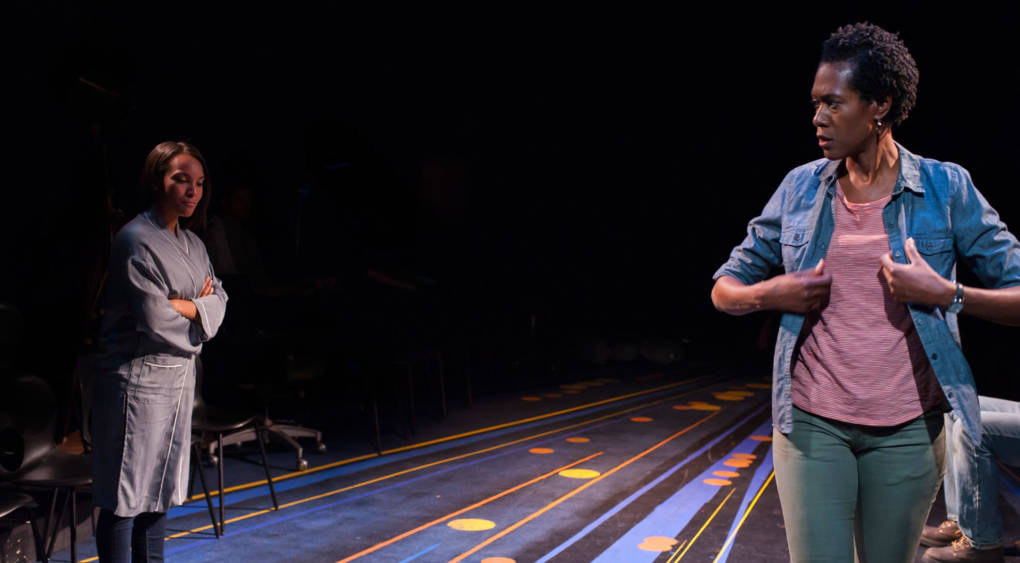
"caption": "Angela (Atim Udoffia) and Hazel (Nia Fairweather) in a tense stand off over fun.",
"description": "Angela (Atim Udoffia) and Hazel (Nia Fairweather) in a tense stand off over fun.",
"title": "Zenith1",
"credit": "Photo: Ken Levin",
"status": "inherit",
"isLoading": false,
"fetchFailed": false
},
"arts_13806831": {
"type": "attachments",
"id": "arts_13806831",
"meta": {
"index": "attachments_1716263798",
"site": "arts",
"id": "13806831",
"found": true
},
"parent": 13806830,
"imgSizes": {
"small": {
"file": "https://ww2.kqed.org/app/uploads/sites/2/2017/08/Amy-Seiwert-by-David-DeSilva-2.28.17_3-e1504050578317-520x292.jpg",
"width": 520,
"mimeType": "image/jpeg",
"height": 292
},
"twentyfourteen-full-width": {
"file": "https://ww2.kqed.org/app/uploads/sites/2/2017/08/Amy-Seiwert-by-David-DeSilva-2.28.17_3-e1504050578317-1038x576.jpg",
"width": 1038,
"mimeType": "image/jpeg",
"height": 576
},
"thumbnail": {
"file": "https://ww2.kqed.org/app/uploads/sites/2/2017/08/Amy-Seiwert-by-David-DeSilva-2.28.17_3-e1504050578317-160x90.jpg",
"width": 160,
"mimeType": "image/jpeg",
"height": 90
},
"fd-sm": {
"file": "https://ww2.kqed.org/app/uploads/sites/2/2017/08/Amy-Seiwert-by-David-DeSilva-2.28.17_3-e1504050578317-960x540.jpg",
"width": 960,
"mimeType": "image/jpeg",
"height": 540
},
"post-thumbnail": {
"file": "https://ww2.kqed.org/app/uploads/sites/2/2017/08/Amy-Seiwert-by-David-DeSilva-2.28.17_3-e1504050578317-672x372.jpg",
"width": 672,
"mimeType": "image/jpeg",
"height": 372
},
"xsmall": {
"file": "https://ww2.kqed.org/app/uploads/sites/2/2017/08/Amy-Seiwert-by-David-DeSilva-2.28.17_3-e1504050578317-375x211.jpg",
"width": 375,
"mimeType": "image/jpeg",
"height": 211
},
"kqedFullSize": {
"file": "https://ww2.kqed.org/app/uploads/sites/2/2017/08/Amy-Seiwert-by-David-DeSilva-2.28.17_3-e1504050578317.jpg",
"width": 3261,
"height": 1834
},
"large": {
"file": "https://ww2.kqed.org/app/uploads/sites/2/2017/08/Amy-Seiwert-by-David-DeSilva-2.28.17_3-e1504050578317-1020x574.jpg",
"width": 1020,
"mimeType": "image/jpeg",
"height": 574
},
"xlarge": {
"file": "https://ww2.kqed.org/app/uploads/sites/2/2017/08/Amy-Seiwert-by-David-DeSilva-2.28.17_3-e1504050578317-1180x664.jpg",
"width": 1180,
"mimeType": "image/jpeg",
"height": 664
},
"guest-author-50": {
"file": "https://ww2.kqed.org/app/uploads/sites/2/2017/08/Amy-Seiwert-by-David-DeSilva-2.28.17_3-e1504050578317-50x50.jpg",
"width": 50,
"mimeType": "image/jpeg",
"height": 50
},
"guest-author-96": {
"file": "https://ww2.kqed.org/app/uploads/sites/2/2017/08/Amy-Seiwert-by-David-DeSilva-2.28.17_3-e1504050578317-96x96.jpg",
"width": 96,
"mimeType": "image/jpeg",
"height": 96
},
"medium": {
"file": "https://ww2.kqed.org/app/uploads/sites/2/2017/08/Amy-Seiwert-by-David-DeSilva-2.28.17_3-e1504050578317-800x450.jpg",
"width": 800,
"mimeType": "image/jpeg",
"height": 450
},
"guest-author-64": {
"file": "https://ww2.kqed.org/app/uploads/sites/2/2017/08/Amy-Seiwert-by-David-DeSilva-2.28.17_3-e1504050578317-64x64.jpg",
"width": 64,
"mimeType": "image/jpeg",
"height": 64
},
"guest-author-32": {
"file": "https://ww2.kqed.org/app/uploads/sites/2/2017/08/Amy-Seiwert-by-David-DeSilva-2.28.17_3-e1504050578317-32x32.jpg",
"width": 32,
"mimeType": "image/jpeg",
"height": 32
},
"fd-lrg": {
"file": "https://ww2.kqed.org/app/uploads/sites/2/2017/08/Amy-Seiwert-by-David-DeSilva-2.28.17_3-e1504050578317-1920x1080.jpg",
"width": 1920,
"mimeType": "image/jpeg",
"height": 1080
},
"fd-med": {
"file": "https://ww2.kqed.org/app/uploads/sites/2/2017/08/Amy-Seiwert-by-David-DeSilva-2.28.17_3-e1504050578317-1180x664.jpg",
"width": 1180,
"mimeType": "image/jpeg",
"height": 664
},
"full-width": {
"file": "https://ww2.kqed.org/app/uploads/sites/2/2017/08/Amy-Seiwert-by-David-DeSilva-2.28.17_3-e1504050578317-1920x1080.jpg",
"width": 1920,
"mimeType": "image/jpeg",
"height": 1080
},
"detail": {
"file": "https://ww2.kqed.org/app/uploads/sites/2/2017/08/Amy-Seiwert-by-David-DeSilva-2.28.17_3-e1504050578317-150x150.jpg",
"width": 150,
"mimeType": "image/jpeg",
"height": 150
},
"medium_large": {
"file": "https://ww2.kqed.org/app/uploads/sites/2/2017/08/Amy-Seiwert-by-David-DeSilva-2.28.17_3-e1504050578317-768x432.jpg",
"width": 768,
"mimeType": "image/jpeg",
"height": 432
},
"guest-author-128": {
"file": "https://ww2.kqed.org/app/uploads/sites/2/2017/08/Amy-Seiwert-by-David-DeSilva-2.28.17_3-e1504050578317-128x128.jpg",
"width": 128,
"mimeType": "image/jpeg",
"height": 128
},
"xxsmall": {
"file": "https://ww2.kqed.org/app/uploads/sites/2/2017/08/Amy-Seiwert-by-David-DeSilva-2.28.17_3-e1504050578317-240x135.jpg",
"width": 240,
"mimeType": "image/jpeg",
"height": 135
}
},
"publishDate": 1504050228,
"modified": 1504142820,
"caption": "The Amy Seiwert and her Imagery dance company are among the artists participating in 'Transform,' YBCA's new biannual arts festival.",
"description": "The Amy Seiwert and her Imagery dance company are among the artists participating in 'Transform,' YBCA's new biannual arts festival.",
"title": "The Amy Seiwert and her Imagery dance company are among the artists participating in Transform, YBCA's new biannual arts festival",
"credit": "Photo: David DeSilva/Amy Seiwert Imagery",
"status": "inherit",
"isLoading": false,
"fetchFailed": false
},
"arts_13806160": {
"type": "attachments",
"id": "arts_13806160",
"meta": {
"index": "attachments_1716263798",
"site": "arts",
"id": "13806160",
"found": true
},
"parent": 13806140,
"imgSizes": {
"small": {
"file": "https://ww2.kqed.org/app/uploads/sites/2/2017/08/IMG_9760-e1503356167393-520x292.jpg",
"width": 520,
"mimeType": "image/jpeg",
"height": 292
},
"twentyfourteen-full-width": {
"file": "https://ww2.kqed.org/app/uploads/sites/2/2017/08/IMG_9760-e1503356167393-1038x576.jpg",
"width": 1038,
"mimeType": "image/jpeg",
"height": 576
},
"thumbnail": {
"file": "https://ww2.kqed.org/app/uploads/sites/2/2017/08/IMG_9760-e1503356167393-160x90.jpg",
"width": 160,
"mimeType": "image/jpeg",
"height": 90
},
"fd-sm": {
"file": "https://ww2.kqed.org/app/uploads/sites/2/2017/08/IMG_9760-e1503356167393-960x539.jpg",
"width": 960,
"mimeType": "image/jpeg",
"height": 539
},
"post-thumbnail": {
"file": "https://ww2.kqed.org/app/uploads/sites/2/2017/08/IMG_9760-e1503356167393-672x372.jpg",
"width": 672,
"mimeType": "image/jpeg",
"height": 372
},
"xsmall": {
"file": "https://ww2.kqed.org/app/uploads/sites/2/2017/08/IMG_9760-e1503356167393-375x211.jpg",
"width": 375,
"mimeType": "image/jpeg",
"height": 211
},
"kqedFullSize": {
"file": "https://ww2.kqed.org/app/uploads/sites/2/2017/08/IMG_9760-e1503356167393.jpg",
"width": 2976,
"height": 1672
},
"large": {
"file": "https://ww2.kqed.org/app/uploads/sites/2/2017/08/IMG_9760-e1503356167393-1020x573.jpg",
"width": 1020,
"mimeType": "image/jpeg",
"height": 573
},
"xlarge": {
"file": "https://ww2.kqed.org/app/uploads/sites/2/2017/08/IMG_9760-e1503356167393-1180x663.jpg",
"width": 1180,
"mimeType": "image/jpeg",
"height": 663
},
"guest-author-50": {
"file": "https://ww2.kqed.org/app/uploads/sites/2/2017/08/IMG_9760-e1503356167393-50x50.jpg",
"width": 50,
"mimeType": "image/jpeg",
"height": 50
},
"guest-author-96": {
"file": "https://ww2.kqed.org/app/uploads/sites/2/2017/08/IMG_9760-e1503356167393-96x96.jpg",
"width": 96,
"mimeType": "image/jpeg",
"height": 96
},
"medium": {
"file": "https://ww2.kqed.org/app/uploads/sites/2/2017/08/IMG_9760-e1503356167393-800x449.jpg",
"width": 800,
"mimeType": "image/jpeg",
"height": 449
},
"guest-author-64": {
"file": "https://ww2.kqed.org/app/uploads/sites/2/2017/08/IMG_9760-e1503356167393-64x64.jpg",
"width": 64,
"mimeType": "image/jpeg",
"height": 64
},
"guest-author-32": {
"file": "https://ww2.kqed.org/app/uploads/sites/2/2017/08/IMG_9760-e1503356167393-32x32.jpg",
"width": 32,
"mimeType": "image/jpeg",
"height": 32
},
"fd-lrg": {
"file": "https://ww2.kqed.org/app/uploads/sites/2/2017/08/IMG_9760-e1503356167393-1920x1079.jpg",
"width": 1920,
"mimeType": "image/jpeg",
"height": 1079
},
"fd-med": {
"file": "https://ww2.kqed.org/app/uploads/sites/2/2017/08/IMG_9760-e1503356167393-1180x663.jpg",
"width": 1180,
"mimeType": "image/jpeg",
"height": 663
},
"full-width": {
"file": "https://ww2.kqed.org/app/uploads/sites/2/2017/08/IMG_9760-e1503356167393-1920x1079.jpg",
"width": 1920,
"mimeType": "image/jpeg",
"height": 1079
},
"detail": {
"file": "https://ww2.kqed.org/app/uploads/sites/2/2017/08/IMG_9760-e1503356167393-150x150.jpg",
"width": 150,
"mimeType": "image/jpeg",
"height": 150
},
"medium_large": {
"file": "https://ww2.kqed.org/app/uploads/sites/2/2017/08/IMG_9760-e1503356167393-768x431.jpg",
"width": 768,
"mimeType": "image/jpeg",
"height": 431
},
"guest-author-128": {
"file": "https://ww2.kqed.org/app/uploads/sites/2/2017/08/IMG_9760-e1503356167393-128x128.jpg",
"width": 128,
"mimeType": "image/jpeg",
"height": 128
},
"xxsmall": {
"file": "https://ww2.kqed.org/app/uploads/sites/2/2017/08/IMG_9760-e1503356167393-240x135.jpg",
"width": 240,
"mimeType": "image/jpeg",
"height": 135
}
},
"publishDate": 1503355741,
"modified": 1503367594,
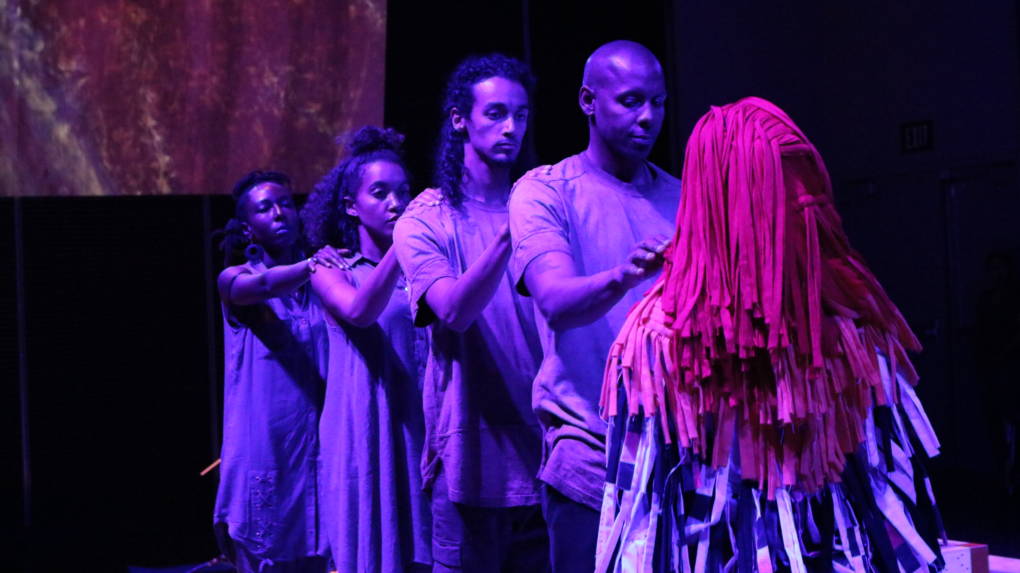
"caption": "Rashad Pridgen (masked) leads, left to right, Britney Frazier, Dezi Soléy, Javier Stell-Frésquez, and Rakeen Richard.",
"description": "Rashad Pridgen (masked) leads, left to right, Britney Frazier, Dezi Soléy, Javier Stell-Frésquez, and Rakeen Richard.",
"title": "IMG_9760",
"credit": "Photo: Destiny Evans",
"status": "inherit",
"isLoading": false,
"fetchFailed": false
},
"arts_13805699": {
"type": "attachments",
"id": "arts_13805699",
"meta": {
"index": "attachments_1716263798",
"site": "arts",
"id": "13805699",
"found": true
},
"parent": 13805698,
"imgSizes": {
"small": {
"file": "https://ww2.kqed.org/app/uploads/sites/2/2017/08/Ethos-2-e1502906449385-520x292.jpg",
"width": 520,
"mimeType": "image/jpeg",
"height": 292
},
"twentyfourteen-full-width": {
"file": "https://ww2.kqed.org/app/uploads/sites/2/2017/08/Ethos-2-e1502906449385-1038x576.jpg",
"width": 1038,
"mimeType": "image/jpeg",
"height": 576
},
"thumbnail": {
"file": "https://ww2.kqed.org/app/uploads/sites/2/2017/08/Ethos-2-e1502906449385-160x90.jpg",
"width": 160,
"mimeType": "image/jpeg",
"height": 90
},
"fd-sm": {
"file": "https://ww2.kqed.org/app/uploads/sites/2/2017/08/Ethos-2-e1502906449385-960x540.jpg",
"width": 960,
"mimeType": "image/jpeg",
"height": 540
},
"post-thumbnail": {
"file": "https://ww2.kqed.org/app/uploads/sites/2/2017/08/Ethos-2-e1502906449385-672x372.jpg",
"width": 672,
"mimeType": "image/jpeg",
"height": 372
},
"xsmall": {
"file": "https://ww2.kqed.org/app/uploads/sites/2/2017/08/Ethos-2-e1502906449385-375x211.jpg",
"width": 375,
"mimeType": "image/jpeg",
"height": 211
},
"kqedFullSize": {
"file": "https://ww2.kqed.org/app/uploads/sites/2/2017/08/Ethos-2-e1502906449385.jpg",
"width": 1080,
"height": 607
},
"large": {
"file": "https://ww2.kqed.org/app/uploads/sites/2/2017/08/Ethos-2-e1502906449385-1020x573.jpg",
"width": 1020,
"mimeType": "image/jpeg",
"height": 573
},
"guest-author-50": {
"file": "https://ww2.kqed.org/app/uploads/sites/2/2017/08/Ethos-2-e1502906449385-50x50.jpg",
"width": 50,
"mimeType": "image/jpeg",
"height": 50
},
"guest-author-96": {
"file": "https://ww2.kqed.org/app/uploads/sites/2/2017/08/Ethos-2-e1502906449385-96x96.jpg",
"width": 96,
"mimeType": "image/jpeg",
"height": 96
},
"medium": {
"file": "https://ww2.kqed.org/app/uploads/sites/2/2017/08/Ethos-2-e1502906449385-800x450.jpg",
"width": 800,
"mimeType": "image/jpeg",
"height": 450
},
"guest-author-64": {
"file": "https://ww2.kqed.org/app/uploads/sites/2/2017/08/Ethos-2-e1502906449385-64x64.jpg",
"width": 64,
"mimeType": "image/jpeg",
"height": 64
},
"guest-author-32": {
"file": "https://ww2.kqed.org/app/uploads/sites/2/2017/08/Ethos-2-e1502906449385-32x32.jpg",
"width": 32,
"mimeType": "image/jpeg",
"height": 32
},
"detail": {
"file": "https://ww2.kqed.org/app/uploads/sites/2/2017/08/Ethos-2-e1502906449385-150x150.jpg",
"width": 150,
"mimeType": "image/jpeg",
"height": 150
},
"medium_large": {
"file": "https://ww2.kqed.org/app/uploads/sites/2/2017/08/Ethos-2-e1502906449385-768x432.jpg",
"width": 768,
"mimeType": "image/jpeg",
"height": 432
},
"guest-author-128": {
"file": "https://ww2.kqed.org/app/uploads/sites/2/2017/08/Ethos-2-e1502906449385-128x128.jpg",
"width": 128,
"mimeType": "image/jpeg",
"height": 128
},
"xxsmall": {
"file": "https://ww2.kqed.org/app/uploads/sites/2/2017/08/Ethos-2-e1502906449385-240x135.jpg",
"width": 240,
"mimeType": "image/jpeg",
"height": 135
}
},
"publishDate": 1502906211,
"modified": 1502906402,
"caption": " Brit Frazier, Delina Patrice, Carol Chibueze dance and perform in Campo Santo's new show Ethos de Masquerade Brit Frazier, Delina Patrice, Carol Chibueze dance and perform in Campo Santo's new show Ethos de Masquerade",
"description": " Brit Frazier, Delina Patrice, Carol Chibueze dance and perform in Campo Santo's new show Ethos de Masquerade",
"title": "Brit Frazier, Delina Patrice, Carol Chibueze dance and perform in Campo Santo's new show Ethos de Masquerade",
"credit": "Photo: Joan Osato/Campo Santo",
"status": "inherit",
"isLoading": false,
"fetchFailed": false
},
"arts_13805740": {
"type": "attachments",
"id": "arts_13805740",
"meta": {
"index": "attachments_1716263798",
"site": "arts",
"id": "13805740",
"found": true
},
"parent": 13805728,
"imgSizes": {
"small": {
"file": "https://ww2.kqed.org/app/uploads/sites/2/2017/08/20368929_755374304634458_3213498340950000216_o-520x347.jpg",
"width": 520,
"mimeType": "image/jpeg",
"height": 347
},
"twentyfourteen-full-width": {
"file": "https://ww2.kqed.org/app/uploads/sites/2/2017/08/20368929_755374304634458_3213498340950000216_o-1038x576.jpg",
"width": 1038,
"mimeType": "image/jpeg",
"height": 576
},
"thumbnail": {
"file": "https://ww2.kqed.org/app/uploads/sites/2/2017/08/20368929_755374304634458_3213498340950000216_o-160x107.jpg",
"width": 160,
"mimeType": "image/jpeg",
"height": 107
},
"fd-sm": {
"file": "https://ww2.kqed.org/app/uploads/sites/2/2017/08/20368929_755374304634458_3213498340950000216_o-960x640.jpg",
"width": 960,
"mimeType": "image/jpeg",
"height": 640
},
"post-thumbnail": {
"file": "https://ww2.kqed.org/app/uploads/sites/2/2017/08/20368929_755374304634458_3213498340950000216_o-672x372.jpg",
"width": 672,
"mimeType": "image/jpeg",
"height": 372
},
"xsmall": {
"file": "https://ww2.kqed.org/app/uploads/sites/2/2017/08/20368929_755374304634458_3213498340950000216_o-375x250.jpg",
"width": 375,
"mimeType": "image/jpeg",
"height": 250
},
"kqedFullSize": {
"file": "https://ww2.kqed.org/app/uploads/sites/2/2017/08/20368929_755374304634458_3213498340950000216_o.jpg",
"width": 2048,
"height": 1365
},
"large": {
"file": "https://ww2.kqed.org/app/uploads/sites/2/2017/08/20368929_755374304634458_3213498340950000216_o-1020x680.jpg",
"width": 1020,
"mimeType": "image/jpeg",
"height": 680
},
"xlarge": {
"file": "https://ww2.kqed.org/app/uploads/sites/2/2017/08/20368929_755374304634458_3213498340950000216_o-1180x786.jpg",
"width": 1180,
"mimeType": "image/jpeg",
"height": 786
},
"guest-author-50": {
"file": "https://ww2.kqed.org/app/uploads/sites/2/2017/08/20368929_755374304634458_3213498340950000216_o-50x50.jpg",
"width": 50,
"mimeType": "image/jpeg",
"height": 50
},
"guest-author-96": {
"file": "https://ww2.kqed.org/app/uploads/sites/2/2017/08/20368929_755374304634458_3213498340950000216_o-96x96.jpg",
"width": 96,
"mimeType": "image/jpeg",
"height": 96
},
"medium": {
"file": "https://ww2.kqed.org/app/uploads/sites/2/2017/08/20368929_755374304634458_3213498340950000216_o-800x533.jpg",
"width": 800,
"mimeType": "image/jpeg",
"height": 533
},
"guest-author-64": {
"file": "https://ww2.kqed.org/app/uploads/sites/2/2017/08/20368929_755374304634458_3213498340950000216_o-64x64.jpg",
"width": 64,
"mimeType": "image/jpeg",
"height": 64
},
"guest-author-32": {
"file": "https://ww2.kqed.org/app/uploads/sites/2/2017/08/20368929_755374304634458_3213498340950000216_o-32x32.jpg",
"width": 32,
"mimeType": "image/jpeg",
"height": 32
},
"fd-lrg": {
"file": "https://ww2.kqed.org/app/uploads/sites/2/2017/08/20368929_755374304634458_3213498340950000216_o-1920x1280.jpg",
"width": 1920,
"mimeType": "image/jpeg",
"height": 1280
},
"fd-med": {
"file": "https://ww2.kqed.org/app/uploads/sites/2/2017/08/20368929_755374304634458_3213498340950000216_o-1180x786.jpg",
"width": 1180,
"mimeType": "image/jpeg",
"height": 786
},
"full-width": {
"file": "https://ww2.kqed.org/app/uploads/sites/2/2017/08/20368929_755374304634458_3213498340950000216_o-1920x1280.jpg",
"width": 1920,
"mimeType": "image/jpeg",
"height": 1280
},
"detail": {
"file": "https://ww2.kqed.org/app/uploads/sites/2/2017/08/20368929_755374304634458_3213498340950000216_o-150x150.jpg",
"width": 150,
"mimeType": "image/jpeg",
"height": 150
},
"medium_large": {
"file": "https://ww2.kqed.org/app/uploads/sites/2/2017/08/20368929_755374304634458_3213498340950000216_o-768x512.jpg",
"width": 768,
"mimeType": "image/jpeg",
"height": 512
},
"guest-author-128": {
"file": "https://ww2.kqed.org/app/uploads/sites/2/2017/08/20368929_755374304634458_3213498340950000216_o-128x128.jpg",
"width": 128,
"mimeType": "image/jpeg",
"height": 128
},
"xxsmall": {
"file": "https://ww2.kqed.org/app/uploads/sites/2/2017/08/20368929_755374304634458_3213498340950000216_o-240x160.jpg",
"width": 240,
"mimeType": "image/jpeg",
"height": 160
}
},
"publishDate": 1502919407,
"modified": 1502951786,
"caption": "Dancers in 'Ethos de Masquerade,' the new production from Campo Santo and Global Dance Street Masquerade.",
"description": "Dancers in 'Ethos de Masquerade,' the new production from Campo Santo and Global Dance Street Masquerade",
"title": "Dancers in 'Ethos de Masquerade,' the new production from Campo Santo and Global Dance Street Masquerade",
"credit": "Photo: Joan Osato/Campo Santo",
"status": "inherit",
"isLoading": false,
"fetchFailed": false
},
"arts_13805517": {
"type": "attachments",
"id": "arts_13805517",
"meta": {
"index": "attachments_1716263798",
"site": "arts",
"id": "13805517",
"found": true
},
"parent": 13805506,
"imgSizes": {
"small": {
"file": "https://ww2.kqed.org/app/uploads/sites/2/2017/08/blackodyssey2-e1502778473288-520x293.jpg",
"width": 520,
"mimeType": "image/jpeg",
"height": 293
},
"twentyfourteen-full-width": {
"file": "https://ww2.kqed.org/app/uploads/sites/2/2017/08/blackodyssey2-e1502778473288-1038x576.jpg",
"width": 1038,
"mimeType": "image/jpeg",
"height": 576
},
"thumbnail": {
"file": "https://ww2.kqed.org/app/uploads/sites/2/2017/08/blackodyssey2-e1502778473288-160x90.jpg",
"width": 160,
"mimeType": "image/jpeg",
"height": 90
},
"fd-sm": {
"file": "https://ww2.kqed.org/app/uploads/sites/2/2017/08/blackodyssey2-e1502778473288-960x540.jpg",
"width": 960,
"mimeType": "image/jpeg",
"height": 540
},
"post-thumbnail": {
"file": "https://ww2.kqed.org/app/uploads/sites/2/2017/08/blackodyssey2-e1502778473288-672x372.jpg",
"width": 672,
"mimeType": "image/jpeg",
"height": 372
},
"xsmall": {
"file": "https://ww2.kqed.org/app/uploads/sites/2/2017/08/blackodyssey2-e1502778473288-375x211.jpg",
"width": 375,
"mimeType": "image/jpeg",
"height": 211
},
"kqedFullSize": {
"file": "https://ww2.kqed.org/app/uploads/sites/2/2017/08/blackodyssey2-e1502778473288.jpg",
"width": 2400,
"height": 1350
},
"large": {
"file": "https://ww2.kqed.org/app/uploads/sites/2/2017/08/blackodyssey2-e1502778473288-1020x574.jpg",
"width": 1020,
"mimeType": "image/jpeg",
"height": 574
},
"xlarge": {
"file": "https://ww2.kqed.org/app/uploads/sites/2/2017/08/blackodyssey2-e1502778473288-1180x664.jpg",
"width": 1180,
"mimeType": "image/jpeg",
"height": 664
},
"guest-author-50": {
"file": "https://ww2.kqed.org/app/uploads/sites/2/2017/08/blackodyssey2-e1502778473288-50x50.jpg",
"width": 50,
"mimeType": "image/jpeg",
"height": 50
},
"guest-author-96": {
"file": "https://ww2.kqed.org/app/uploads/sites/2/2017/08/blackodyssey2-e1502778473288-96x96.jpg",
"width": 96,
"mimeType": "image/jpeg",
"height": 96
},
"medium": {
"file": "https://ww2.kqed.org/app/uploads/sites/2/2017/08/blackodyssey2-e1502778473288-800x450.jpg",
"width": 800,
"mimeType": "image/jpeg",
"height": 450
},
"guest-author-64": {
"file": "https://ww2.kqed.org/app/uploads/sites/2/2017/08/blackodyssey2-e1502778473288-64x64.jpg",
"width": 64,
"mimeType": "image/jpeg",
"height": 64
},
"guest-author-32": {
"file": "https://ww2.kqed.org/app/uploads/sites/2/2017/08/blackodyssey2-e1502778473288-32x32.jpg",
"width": 32,
"mimeType": "image/jpeg",
"height": 32
},
"fd-lrg": {
"file": "https://ww2.kqed.org/app/uploads/sites/2/2017/08/blackodyssey2-e1502778473288-1920x1080.jpg",
"width": 1920,
"mimeType": "image/jpeg",
"height": 1080
},
"fd-med": {
"file": "https://ww2.kqed.org/app/uploads/sites/2/2017/08/blackodyssey2-e1502778473288-1180x664.jpg",
"width": 1180,
"mimeType": "image/jpeg",
"height": 664
},
"full-width": {
"file": "https://ww2.kqed.org/app/uploads/sites/2/2017/08/blackodyssey2-e1502778473288-1920x1080.jpg",
"width": 1920,
"mimeType": "image/jpeg",
"height": 1080
},
"detail": {
"file": "https://ww2.kqed.org/app/uploads/sites/2/2017/08/blackodyssey2-e1502778473288-150x150.jpg",
"width": 150,
"mimeType": "image/jpeg",
"height": 150
},
"medium_large": {
"file": "https://ww2.kqed.org/app/uploads/sites/2/2017/08/blackodyssey2-e1502778473288-768x432.jpg",
"width": 768,
"mimeType": "image/jpeg",
"height": 432
},
"guest-author-128": {
"file": "https://ww2.kqed.org/app/uploads/sites/2/2017/08/blackodyssey2-e1502778473288-128x128.jpg",
"width": 128,
"mimeType": "image/jpeg",
"height": 128
},
"xxsmall": {
"file": "https://ww2.kqed.org/app/uploads/sites/2/2017/08/blackodyssey2-e1502778473288-240x135.jpg",
"width": 240,
"mimeType": "image/jpeg",
"height": 135
}
},
"publishDate": 1502778353,
"modified": 1502778829,
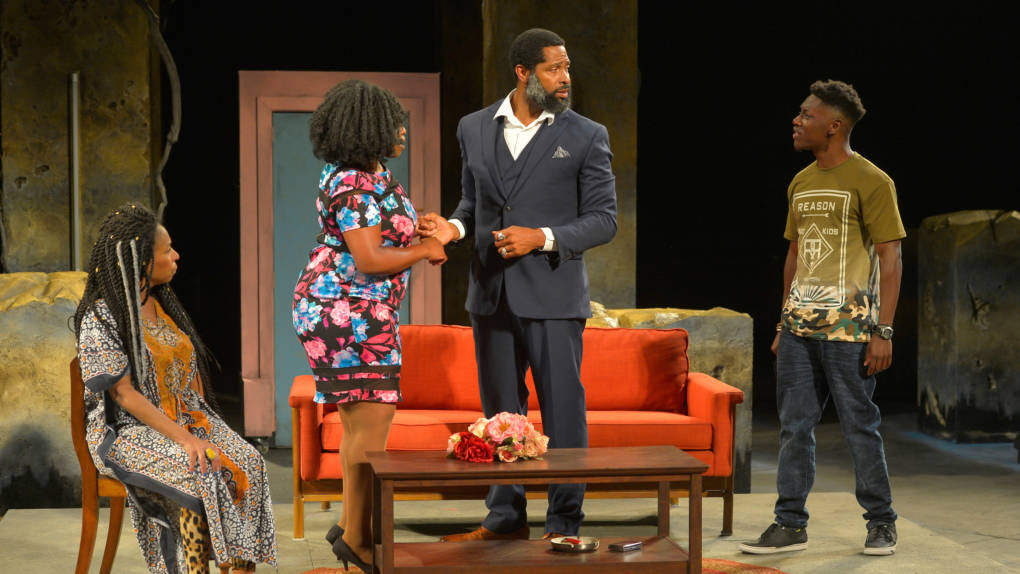
"caption": "The family that Ulysses Lincoln must return to -- Great Aunt Tina (Margo Hall), Nella Pell (Omoze Idehenre) and Malachai (Michael Curry) -- is threatened by the unscrupulous Johnny Suitor (Aldo Billingslea).",
"description": "The family that Ulysses Lincoln must return to -- Great Aunt Tina (Margo Hall), Nella Pell (Omoze Idehenre) and Malachai (Michael Curry) -- is threatened by the unscrupulous Johnny Suitor (Aldo Billingslea).",
"title": "blackodyssey2",
"credit": "Photo: Kevin Berne",
"status": "inherit",
"isLoading": false,
"fetchFailed": false
},
"arts_13805787": {
"type": "attachments",
"id": "arts_13805787",
"meta": {
"index": "attachments_1716263798",
"site": "arts",
"id": "13805787",
"found": true
},
"parent": 13805777,
"imgSizes": {
"small": {
"file": "https://ww2.kqed.org/app/uploads/sites/2/2017/08/Danny-Scheie-and-Aysan-Celik-in-Peter-Sinn-Nachtriebs-The-Making-of-a-Great-Moment-at-Z-Space-e1502928675294-520x293.jpg",
"width": 520,
"mimeType": "image/jpeg",
"height": 293
},
"twentyfourteen-full-width": {
"file": "https://ww2.kqed.org/app/uploads/sites/2/2017/08/Danny-Scheie-and-Aysan-Celik-in-Peter-Sinn-Nachtriebs-The-Making-of-a-Great-Moment-at-Z-Space-e1502928675294-1038x576.jpg",
"width": 1038,
"mimeType": "image/jpeg",
"height": 576
},
"thumbnail": {
"file": "https://ww2.kqed.org/app/uploads/sites/2/2017/08/Danny-Scheie-and-Aysan-Celik-in-Peter-Sinn-Nachtriebs-The-Making-of-a-Great-Moment-at-Z-Space-e1502928675294-160x90.jpg",
"width": 160,
"mimeType": "image/jpeg",
"height": 90
},
"fd-sm": {
"file": "https://ww2.kqed.org/app/uploads/sites/2/2017/08/Danny-Scheie-and-Aysan-Celik-in-Peter-Sinn-Nachtriebs-The-Making-of-a-Great-Moment-at-Z-Space-e1502928675294-960x541.jpg",
"width": 960,
"mimeType": "image/jpeg",
"height": 541
},
"post-thumbnail": {
"file": "https://ww2.kqed.org/app/uploads/sites/2/2017/08/Danny-Scheie-and-Aysan-Celik-in-Peter-Sinn-Nachtriebs-The-Making-of-a-Great-Moment-at-Z-Space-e1502928675294-672x372.jpg",
"width": 672,
"mimeType": "image/jpeg",
"height": 372
},
"xsmall": {
"file": "https://ww2.kqed.org/app/uploads/sites/2/2017/08/Danny-Scheie-and-Aysan-Celik-in-Peter-Sinn-Nachtriebs-The-Making-of-a-Great-Moment-at-Z-Space-e1502928675294-375x211.jpg",
"width": 375,
"mimeType": "image/jpeg",
"height": 211
},
"kqedFullSize": {
"file": "https://ww2.kqed.org/app/uploads/sites/2/2017/08/Danny-Scheie-and-Aysan-Celik-in-Peter-Sinn-Nachtriebs-The-Making-of-a-Great-Moment-at-Z-Space-e1502928675294.jpg",
"width": 1795,
"height": 1012
},
"large": {
"file": "https://ww2.kqed.org/app/uploads/sites/2/2017/08/Danny-Scheie-and-Aysan-Celik-in-Peter-Sinn-Nachtriebs-The-Making-of-a-Great-Moment-at-Z-Space-e1502928675294-1020x575.jpg",
"width": 1020,
"mimeType": "image/jpeg",
"height": 575
},
"xlarge": {
"file": "https://ww2.kqed.org/app/uploads/sites/2/2017/08/Danny-Scheie-and-Aysan-Celik-in-Peter-Sinn-Nachtriebs-The-Making-of-a-Great-Moment-at-Z-Space-e1502928675294-1180x665.jpg",
"width": 1180,
"mimeType": "image/jpeg",
"height": 665
},
"guest-author-50": {
"file": "https://ww2.kqed.org/app/uploads/sites/2/2017/08/Danny-Scheie-and-Aysan-Celik-in-Peter-Sinn-Nachtriebs-The-Making-of-a-Great-Moment-at-Z-Space-e1502928675294-50x50.jpg",
"width": 50,
"mimeType": "image/jpeg",
"height": 50
},
"guest-author-96": {
"file": "https://ww2.kqed.org/app/uploads/sites/2/2017/08/Danny-Scheie-and-Aysan-Celik-in-Peter-Sinn-Nachtriebs-The-Making-of-a-Great-Moment-at-Z-Space-e1502928675294-96x96.jpg",
"width": 96,
"mimeType": "image/jpeg",
"height": 96
},
"medium": {
"file": "https://ww2.kqed.org/app/uploads/sites/2/2017/08/Danny-Scheie-and-Aysan-Celik-in-Peter-Sinn-Nachtriebs-The-Making-of-a-Great-Moment-at-Z-Space-e1502928675294-800x451.jpg",
"width": 800,
"mimeType": "image/jpeg",
"height": 451
},
"guest-author-64": {
"file": "https://ww2.kqed.org/app/uploads/sites/2/2017/08/Danny-Scheie-and-Aysan-Celik-in-Peter-Sinn-Nachtriebs-The-Making-of-a-Great-Moment-at-Z-Space-e1502928675294-64x64.jpg",
"width": 64,
"mimeType": "image/jpeg",
"height": 64
},
"guest-author-32": {
"file": "https://ww2.kqed.org/app/uploads/sites/2/2017/08/Danny-Scheie-and-Aysan-Celik-in-Peter-Sinn-Nachtriebs-The-Making-of-a-Great-Moment-at-Z-Space-e1502928675294-32x32.jpg",
"width": 32,
"mimeType": "image/jpeg",
"height": 32
},
"fd-med": {
"file": "https://ww2.kqed.org/app/uploads/sites/2/2017/08/Danny-Scheie-and-Aysan-Celik-in-Peter-Sinn-Nachtriebs-The-Making-of-a-Great-Moment-at-Z-Space-e1502928675294-1180x665.jpg",
"width": 1180,
"mimeType": "image/jpeg",
"height": 665
},
"detail": {
"file": "https://ww2.kqed.org/app/uploads/sites/2/2017/08/Danny-Scheie-and-Aysan-Celik-in-Peter-Sinn-Nachtriebs-The-Making-of-a-Great-Moment-at-Z-Space-e1502928675294-150x150.jpg",
"width": 150,
"mimeType": "image/jpeg",
"height": 150
},
"medium_large": {
"file": "https://ww2.kqed.org/app/uploads/sites/2/2017/08/Danny-Scheie-and-Aysan-Celik-in-Peter-Sinn-Nachtriebs-The-Making-of-a-Great-Moment-at-Z-Space-e1502928675294-768x433.jpg",
"width": 768,
"mimeType": "image/jpeg",
"height": 433
},
"guest-author-128": {
"file": "https://ww2.kqed.org/app/uploads/sites/2/2017/08/Danny-Scheie-and-Aysan-Celik-in-Peter-Sinn-Nachtriebs-The-Making-of-a-Great-Moment-at-Z-Space-e1502928675294-128x128.jpg",
"width": 128,
"mimeType": "image/jpeg",
"height": 128
},
"xxsmall": {
"file": "https://ww2.kqed.org/app/uploads/sites/2/2017/08/Danny-Scheie-and-Aysan-Celik-in-Peter-Sinn-Nachtriebs-The-Making-of-a-Great-Moment-at-Z-Space-e1502928675294-240x135.jpg",
"width": 240,
"mimeType": "image/jpeg",
"height": 135
}
},
"publishDate": 1502928544,
"modified": 1502928620,
"caption": "Danny Scheie and Aysan Celik in Peter Sinn Nachtrieb's 'The Making of a Great Moment' at Z Space",
"description": "Danny Scheie and Aysan Celik in Peter Sinn Nachtrieb's 'The Making of a Great Moment' at Z Space",
"title": "Danny Scheie and Aysan Celik in Peter Sinn Nachtrieb's 'The Making of a Great Moment' at Z Space",
"credit": "Photo: Meghan Moore/Z Space",
"status": "inherit",
"isLoading": false,
"fetchFailed": false
},
"arts_13805515": {
"type": "attachments",
"id": "arts_13805515",
"meta": {
"index": "attachments_1716263798",
"site": "arts",
"id": "13805515",
"found": true
},
"parent": 13805506,
"imgSizes": {
"small": {
"file": "https://ww2.kqed.org/app/uploads/sites/2/2017/08/blackodyssey4-e1502777871789-520x293.jpg",
"width": 520,
"mimeType": "image/jpeg",
"height": 293
},
"twentyfourteen-full-width": {
"file": "https://ww2.kqed.org/app/uploads/sites/2/2017/08/blackodyssey4-e1502777871789-1038x576.jpg",
"width": 1038,
"mimeType": "image/jpeg",
"height": 576
},
"thumbnail": {
"file": "https://ww2.kqed.org/app/uploads/sites/2/2017/08/blackodyssey4-e1502777871789-160x90.jpg",
"width": 160,
"mimeType": "image/jpeg",
"height": 90
},
"fd-sm": {
"file": "https://ww2.kqed.org/app/uploads/sites/2/2017/08/blackodyssey4-e1502777871789-960x540.jpg",
"width": 960,
"mimeType": "image/jpeg",
"height": 540
},
"post-thumbnail": {
"file": "https://ww2.kqed.org/app/uploads/sites/2/2017/08/blackodyssey4-e1502777871789-672x372.jpg",
"width": 672,
"mimeType": "image/jpeg",
"height": 372
},
"xsmall": {
"file": "https://ww2.kqed.org/app/uploads/sites/2/2017/08/blackodyssey4-e1502777871789-375x211.jpg",
"width": 375,
"mimeType": "image/jpeg",
"height": 211
},
"kqedFullSize": {
"file": "https://ww2.kqed.org/app/uploads/sites/2/2017/08/blackodyssey4-e1502777871789.jpg",
"width": 2400,
"height": 1350
},
"large": {
"file": "https://ww2.kqed.org/app/uploads/sites/2/2017/08/blackodyssey4-e1502777871789-1020x574.jpg",
"width": 1020,
"mimeType": "image/jpeg",
"height": 574
},
"xlarge": {
"file": "https://ww2.kqed.org/app/uploads/sites/2/2017/08/blackodyssey4-e1502777871789-1180x664.jpg",
"width": 1180,
"mimeType": "image/jpeg",
"height": 664
},
"guest-author-50": {
"file": "https://ww2.kqed.org/app/uploads/sites/2/2017/08/blackodyssey4-e1502777871789-50x50.jpg",
"width": 50,
"mimeType": "image/jpeg",
"height": 50
},
"guest-author-96": {
"file": "https://ww2.kqed.org/app/uploads/sites/2/2017/08/blackodyssey4-e1502777871789-96x96.jpg",
"width": 96,
"mimeType": "image/jpeg",
"height": 96
},
"medium": {
"file": "https://ww2.kqed.org/app/uploads/sites/2/2017/08/blackodyssey4-e1502777871789-800x450.jpg",
"width": 800,
"mimeType": "image/jpeg",
"height": 450
},
"guest-author-64": {
"file": "https://ww2.kqed.org/app/uploads/sites/2/2017/08/blackodyssey4-e1502777871789-64x64.jpg",
"width": 64,
"mimeType": "image/jpeg",
"height": 64
},
"guest-author-32": {
"file": "https://ww2.kqed.org/app/uploads/sites/2/2017/08/blackodyssey4-e1502777871789-32x32.jpg",
"width": 32,
"mimeType": "image/jpeg",
"height": 32
},
"fd-lrg": {
"file": "https://ww2.kqed.org/app/uploads/sites/2/2017/08/blackodyssey4-e1502777871789-1920x1080.jpg",
"width": 1920,
"mimeType": "image/jpeg",
"height": 1080
},
"fd-med": {
"file": "https://ww2.kqed.org/app/uploads/sites/2/2017/08/blackodyssey4-e1502777871789-1180x664.jpg",
"width": 1180,
"mimeType": "image/jpeg",
"height": 664
},
"full-width": {
"file": "https://ww2.kqed.org/app/uploads/sites/2/2017/08/blackodyssey4-e1502777871789-1920x1080.jpg",
"width": 1920,
"mimeType": "image/jpeg",
"height": 1080
},
"detail": {
"file": "https://ww2.kqed.org/app/uploads/sites/2/2017/08/blackodyssey4-e1502777871789-150x150.jpg",
"width": 150,
"mimeType": "image/jpeg",
"height": 150
},
"medium_large": {
"file": "https://ww2.kqed.org/app/uploads/sites/2/2017/08/blackodyssey4-e1502777871789-768x432.jpg",
"width": 768,
"mimeType": "image/jpeg",
"height": 432
},
"guest-author-128": {
"file": "https://ww2.kqed.org/app/uploads/sites/2/2017/08/blackodyssey4-e1502777871789-128x128.jpg",
"width": 128,
"mimeType": "image/jpeg",
"height": 128
},
"xxsmall": {
"file": "https://ww2.kqed.org/app/uploads/sites/2/2017/08/blackodyssey4-e1502777871789-240x135.jpg",
"width": 240,
"mimeType": "image/jpeg",
"height": 135
}
},
"publishDate": 1502777342,
"modified": 1502777620,
"caption": "(L to R) The God Paw Sidin (Aldo Billingslea) stalks Ulysses Lincoln (J. Alphonse Nicholson) while Benevolence (Safiya Fredericks) and Great Grand Daddy Deus (Lamont Thompson) watch.",
"description": "(L to R) The God Paw Sidin (Aldo Billingslea) stalks Ulysses Lincoln (J. Alphonse Nicholson) while Benevolence (Safiya Fredericks) and Great Grand Daddy Deus (Lamont Thompson) watch.",
"title": "blackodyssey4",
"credit": "Photo: Kevin Berne",
"status": "inherit",
"isLoading": false,
"fetchFailed": false
},
"arts_13804813": {
"type": "attachments",
"id": "arts_13804813",
"meta": {
"index": "attachments_1716263798",
"site": "arts",
"id": "13804813",
"found": true
},
"parent": 13804755,
"imgSizes": {
"small": {
"file": "https://ww2.kqed.org/app/uploads/sites/2/2017/08/Judas1-e1502232345811-520x295.jpg",
"width": 520,
"mimeType": "image/jpeg",
"height": 295
},
"twentyfourteen-full-width": {
"file": "https://ww2.kqed.org/app/uploads/sites/2/2017/08/Judas1-e1502232345811-1038x576.jpg",
"width": 1038,
"mimeType": "image/jpeg",
"height": 576
},
"thumbnail": {
"file": "https://ww2.kqed.org/app/uploads/sites/2/2017/08/Judas1-e1502232345811-160x91.jpg",
"width": 160,
"mimeType": "image/jpeg",
"height": 91
},
"fd-sm": {
"file": "https://ww2.kqed.org/app/uploads/sites/2/2017/08/Judas1-e1502232345811-960x545.jpg",
"width": 960,
"mimeType": "image/jpeg",
"height": 545
},
"post-thumbnail": {
"file": "https://ww2.kqed.org/app/uploads/sites/2/2017/08/Judas1-e1502232345811-672x372.jpg",
"width": 672,
"mimeType": "image/jpeg",
"height": 372
},
"xsmall": {
"file": "https://ww2.kqed.org/app/uploads/sites/2/2017/08/Judas1-e1502232345811-375x213.jpg",
"width": 375,
"mimeType": "image/jpeg",
"height": 213
},
"kqedFullSize": {
"file": "https://ww2.kqed.org/app/uploads/sites/2/2017/08/Judas1-e1502232345811.jpg",
"width": 4032,
"height": 2288
},
"large": {
"file": "https://ww2.kqed.org/app/uploads/sites/2/2017/08/Judas1-e1502232345811-1020x579.jpg",
"width": 1020,
"mimeType": "image/jpeg",
"height": 579
},
"xlarge": {
"file": "https://ww2.kqed.org/app/uploads/sites/2/2017/08/Judas1-e1502232345811-1180x670.jpg",
"width": 1180,
"mimeType": "image/jpeg",
"height": 670
},
"guest-author-50": {
"file": "https://ww2.kqed.org/app/uploads/sites/2/2017/08/Judas1-e1502232345811-50x50.jpg",
"width": 50,
"mimeType": "image/jpeg",
"height": 50
},
"guest-author-96": {
"file": "https://ww2.kqed.org/app/uploads/sites/2/2017/08/Judas1-e1502232345811-96x96.jpg",
"width": 96,
"mimeType": "image/jpeg",
"height": 96
},
"medium": {
"file": "https://ww2.kqed.org/app/uploads/sites/2/2017/08/Judas1-e1502232345811-800x454.jpg",
"width": 800,
"mimeType": "image/jpeg",
"height": 454
},
"guest-author-64": {
"file": "https://ww2.kqed.org/app/uploads/sites/2/2017/08/Judas1-e1502232345811-64x64.jpg",
"width": 64,
"mimeType": "image/jpeg",
"height": 64
},
"guest-author-32": {
"file": "https://ww2.kqed.org/app/uploads/sites/2/2017/08/Judas1-e1502232345811-32x32.jpg",
"width": 32,
"mimeType": "image/jpeg",
"height": 32
},
"fd-lrg": {
"file": "https://ww2.kqed.org/app/uploads/sites/2/2017/08/Judas1-e1502232345811-1920x1090.jpg",
"width": 1920,
"mimeType": "image/jpeg",
"height": 1090
},
"fd-med": {
"file": "https://ww2.kqed.org/app/uploads/sites/2/2017/08/Judas1-e1502232345811-1180x670.jpg",
"width": 1180,
"mimeType": "image/jpeg",
"height": 670
},
"full-width": {
"file": "https://ww2.kqed.org/app/uploads/sites/2/2017/08/Judas1-e1502232345811-1920x1090.jpg",
"width": 1920,
"mimeType": "image/jpeg",
"height": 1090
},
"detail": {
"file": "https://ww2.kqed.org/app/uploads/sites/2/2017/08/Judas1-e1502232345811-150x150.jpg",
"width": 150,
"mimeType": "image/jpeg",
"height": 150
},
"medium_large": {
"file": "https://ww2.kqed.org/app/uploads/sites/2/2017/08/Judas1-e1502232345811-768x436.jpg",
"width": 768,
"mimeType": "image/jpeg",
"height": 436
},
"guest-author-128": {
"file": "https://ww2.kqed.org/app/uploads/sites/2/2017/08/Judas1-e1502232345811-128x128.jpg",
"width": 128,
"mimeType": "image/jpeg",
"height": 128
},
"xxsmall": {
"file": "https://ww2.kqed.org/app/uploads/sites/2/2017/08/Judas1-e1502232345811-240x136.jpg",
"width": 240,
"mimeType": "image/jpeg",
"height": 136
}
},
"publishDate": 1502232146,
"modified": 1502238529,
"caption": "Satan (Matt Shelton) has a hard time in the ward surrounded by actresses Benita Ward Jarrett, Karen Goldstein, and Natasha LaGrone in 'The Last Days of Judas Iscariot' by Stephen Adly Guirgis at the Shelton Theater.",
"description": "Satan (Matt Shelton) has a hard time in the ward surrounded by actresses Benita Ward Jarrett, Karen Goldstein, and Natasha LaGrone in 'The Last Days of Judas Iscariot' by Stephen Adly Guirgis at the Shelton Theater.",
"title": "Judas1",
"credit": "Photo: Richard Ciccarone",
"status": "inherit",
"isLoading": false,
"fetchFailed": false
},
"arts_13789411": {
"type": "attachments",
"id": "arts_13789411",
"meta": {
"index": "attachments_1716263798",
"site": "arts",
"id": "13789411",
"found": true
},
"parent": 13788927,
"imgSizes": {
"small": {
"file": "https://ww2.kqed.org/app/uploads/sites/2/2017/08/Making1_feature-e1501620466649-520x296.jpg",
"width": 520,
"mimeType": "image/jpeg",
"height": 296
},
"twentyfourteen-full-width": {
"file": "https://ww2.kqed.org/app/uploads/sites/2/2017/08/Making1_feature-e1501620466649-1038x576.jpg",
"width": 1038,
"mimeType": "image/jpeg",
"height": 576
},
"thumbnail": {
"file": "https://ww2.kqed.org/app/uploads/sites/2/2017/08/Making1_feature-e1501620466649-160x91.jpg",
"width": 160,
"mimeType": "image/jpeg",
"height": 91
},
"fd-sm": {
"file": "https://ww2.kqed.org/app/uploads/sites/2/2017/08/Making1_feature-e1501620466649-960x547.jpg",
"width": 960,
"mimeType": "image/jpeg",
"height": 547
},
"post-thumbnail": {
"file": "https://ww2.kqed.org/app/uploads/sites/2/2017/08/Making1_feature-e1501620466649-672x372.jpg",
"width": 672,
"mimeType": "image/jpeg",
"height": 372
},
"xsmall": {
"file": "https://ww2.kqed.org/app/uploads/sites/2/2017/08/Making1_feature-e1501620466649-375x214.jpg",
"width": 375,
"mimeType": "image/jpeg",
"height": 214
},
"kqedFullSize": {
"file": "https://ww2.kqed.org/app/uploads/sites/2/2017/08/Making1_feature-e1501620466649.jpg",
"width": 5389,
"height": 3070
},
"large": {
"file": "https://ww2.kqed.org/app/uploads/sites/2/2017/08/Making1_feature-e1501620466649-1020x581.jpg",
"width": 1020,
"mimeType": "image/jpeg",
"height": 581
},
"xlarge": {
"file": "https://ww2.kqed.org/app/uploads/sites/2/2017/08/Making1_feature-e1501620466649-1180x672.jpg",
"width": 1180,
"mimeType": "image/jpeg",
"height": 672
},
"guest-author-50": {
"file": "https://ww2.kqed.org/app/uploads/sites/2/2017/08/Making1_feature-e1501620466649-50x50.jpg",
"width": 50,
"mimeType": "image/jpeg",
"height": 50
},
"guest-author-96": {
"file": "https://ww2.kqed.org/app/uploads/sites/2/2017/08/Making1_feature-e1501620466649-96x96.jpg",
"width": 96,
"mimeType": "image/jpeg",
"height": 96
},
"medium": {
"file": "https://ww2.kqed.org/app/uploads/sites/2/2017/08/Making1_feature-e1501620466649-800x456.jpg",
"width": 800,
"mimeType": "image/jpeg",
"height": 456
},
"guest-author-64": {
"file": "https://ww2.kqed.org/app/uploads/sites/2/2017/08/Making1_feature-e1501620466649-64x64.jpg",
"width": 64,
"mimeType": "image/jpeg",
"height": 64
},
"guest-author-32": {
"file": "https://ww2.kqed.org/app/uploads/sites/2/2017/08/Making1_feature-e1501620466649-32x32.jpg",
"width": 32,
"mimeType": "image/jpeg",
"height": 32
},
"fd-lrg": {
"file": "https://ww2.kqed.org/app/uploads/sites/2/2017/08/Making1_feature-e1501620466649-1920x1094.jpg",
"width": 1920,
"mimeType": "image/jpeg",
"height": 1094
},
"fd-med": {
"file": "https://ww2.kqed.org/app/uploads/sites/2/2017/08/Making1_feature-e1501620466649-1180x672.jpg",
"width": 1180,
"mimeType": "image/jpeg",
"height": 672
},
"full-width": {
"file": "https://ww2.kqed.org/app/uploads/sites/2/2017/08/Making1_feature-e1501620466649-1920x1094.jpg",
"width": 1920,
"mimeType": "image/jpeg",
"height": 1094
},
"detail": {
"file": "https://ww2.kqed.org/app/uploads/sites/2/2017/08/Making1_feature-e1501620466649-150x150.jpg",
"width": 150,
"mimeType": "image/jpeg",
"height": 150
},
"medium_large": {
"file": "https://ww2.kqed.org/app/uploads/sites/2/2017/08/Making1_feature-e1501620466649-768x438.jpg",
"width": 768,
"mimeType": "image/jpeg",
"height": 438
},
"guest-author-128": {
"file": "https://ww2.kqed.org/app/uploads/sites/2/2017/08/Making1_feature-e1501620466649-128x128.jpg",
"width": 128,
"mimeType": "image/jpeg",
"height": 128
},
"xxsmall": {
"file": "https://ww2.kqed.org/app/uploads/sites/2/2017/08/Making1_feature-e1501620466649-240x137.jpg",
"width": 240,
"mimeType": "image/jpeg",
"height": 137
}
},
"publishDate": 1501620366,
"modified": 1501620798,
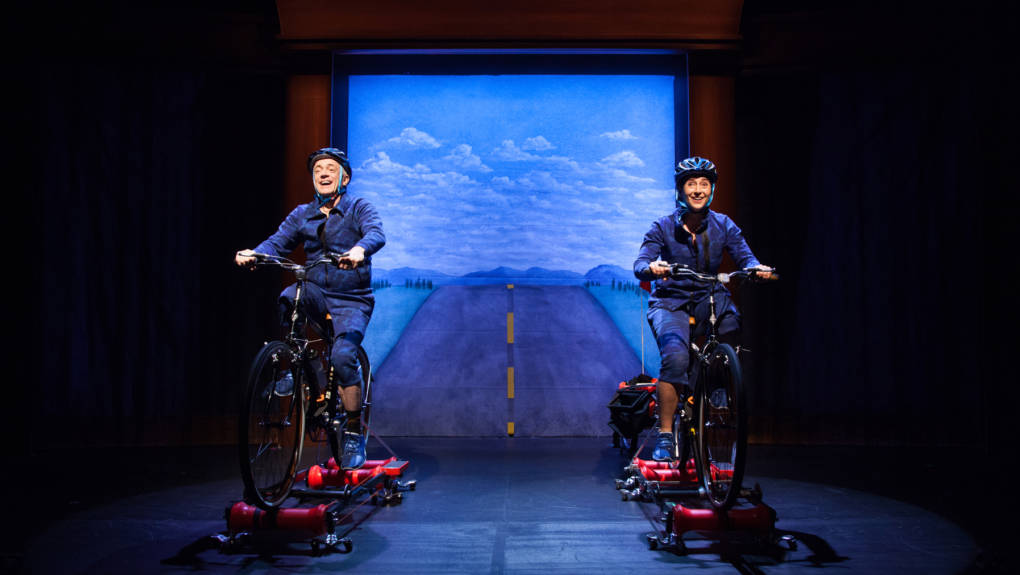
"caption": "(L to R) Terry Dean (Danny Scheie) and Mona Barnes (Aysan Celik) ride their bicycles from theater to theater in 'The Making of a Great Moment' at Z Below.",
"description": "(L to R) Terry Dean (Danny Scheie) and Mona Barnes (Aysan Celik) ride their bicycles from theater to theater in 'The Making of a Great Moment' at Z Below.",
"title": "Making1_feature",
"credit": "Photo: Meghan Moore",
"status": "inherit",
"isLoading": false,
"fetchFailed": false
},
"arts_13795346": {
"type": "attachments",
"id": "arts_13795346",
"meta": {
"index": "attachments_1716263798",
"site": "arts",
"id": "13795346",
"found": true
},
"parent": 13795328,
"imgSizes": {
"small": {
"file": "https://ww2.kqed.org/app/uploads/sites/2/2017/08/Hamlet-e1501696834511-520x324.jpg",
"width": 520,
"mimeType": "image/jpeg",
"height": 324
},
"twentyfourteen-full-width": {
"file": "https://ww2.kqed.org/app/uploads/sites/2/2017/08/Hamlet-e1501696834511-1038x576.jpg",
"width": 1038,
"mimeType": "image/jpeg",
"height": 576
},
"thumbnail": {
"file": "https://ww2.kqed.org/app/uploads/sites/2/2017/08/Hamlet-e1501696834511-160x100.jpg",
"width": 160,
"mimeType": "image/jpeg",
"height": 100
},
"fd-sm": {
"file": "https://ww2.kqed.org/app/uploads/sites/2/2017/08/Hamlet-e1501696834511-960x597.jpg",
"width": 960,
"mimeType": "image/jpeg",
"height": 597
},
"post-thumbnail": {
"file": "https://ww2.kqed.org/app/uploads/sites/2/2017/08/Hamlet-e1501696834511-672x372.jpg",
"width": 672,
"mimeType": "image/jpeg",
"height": 372
},
"xsmall": {
"file": "https://ww2.kqed.org/app/uploads/sites/2/2017/08/Hamlet-e1501696834511-375x233.jpg",
"width": 375,
"mimeType": "image/jpeg",
"height": 233
},
"kqedFullSize": {
"file": "https://ww2.kqed.org/app/uploads/sites/2/2017/08/Hamlet-e1501696834511.jpg",
"width": 1620,
"height": 1008
},
"large": {
"file": "https://ww2.kqed.org/app/uploads/sites/2/2017/08/Hamlet-e1501696834511-1020x635.jpg",
"width": 1020,
"mimeType": "image/jpeg",
"height": 635
},
"xlarge": {
"file": "https://ww2.kqed.org/app/uploads/sites/2/2017/08/Hamlet-e1501696834511-1180x734.jpg",
"width": 1180,
"mimeType": "image/jpeg",
"height": 734
},
"guest-author-50": {
"file": "https://ww2.kqed.org/app/uploads/sites/2/2017/08/Hamlet-e1501696834511-50x50.jpg",
"width": 50,
"mimeType": "image/jpeg",
"height": 50
},
"guest-author-96": {
"file": "https://ww2.kqed.org/app/uploads/sites/2/2017/08/Hamlet-e1501696834511-96x96.jpg",
"width": 96,
"mimeType": "image/jpeg",
"height": 96
},
"medium": {
"file": "https://ww2.kqed.org/app/uploads/sites/2/2017/08/Hamlet-e1501696834511-800x498.jpg",
"width": 800,
"mimeType": "image/jpeg",
"height": 498
},
"guest-author-64": {
"file": "https://ww2.kqed.org/app/uploads/sites/2/2017/08/Hamlet-e1501696834511-64x64.jpg",
"width": 64,
"mimeType": "image/jpeg",
"height": 64
},
"guest-author-32": {
"file": "https://ww2.kqed.org/app/uploads/sites/2/2017/08/Hamlet-e1501696834511-32x32.jpg",
"width": 32,
"mimeType": "image/jpeg",
"height": 32
},
"fd-lrg": {
"file": "https://ww2.kqed.org/app/uploads/sites/2/2017/08/Hamlet-1920x1280.jpg",
"width": 1920,
"mimeType": "image/jpeg",
"height": 1280
},
"fd-med": {
"file": "https://ww2.kqed.org/app/uploads/sites/2/2017/08/Hamlet-e1501696834511-1180x734.jpg",
"width": 1180,
"mimeType": "image/jpeg",
"height": 734
},
"full-width": {
"file": "https://ww2.kqed.org/app/uploads/sites/2/2017/08/Hamlet-1920x1280.jpg",
"width": 1920,
"mimeType": "image/jpeg",
"height": 1280
},
"detail": {
"file": "https://ww2.kqed.org/app/uploads/sites/2/2017/08/Hamlet-e1501696834511-150x150.jpg",
"width": 150,
"mimeType": "image/jpeg",
"height": 150
},
"medium_large": {
"file": "https://ww2.kqed.org/app/uploads/sites/2/2017/08/Hamlet-e1501696834511-768x478.jpg",
"width": 768,
"mimeType": "image/jpeg",
"height": 478
},
"guest-author-128": {
"file": "https://ww2.kqed.org/app/uploads/sites/2/2017/08/Hamlet-e1501696834511-128x128.jpg",
"width": 128,
"mimeType": "image/jpeg",
"height": 128
},
"xxsmall": {
"file": "https://ww2.kqed.org/app/uploads/sites/2/2017/08/Hamlet-e1501696834511-240x149.jpg",
"width": 240,
"mimeType": "image/jpeg",
"height": 149
}
},
"publishDate": 1501696716,
"modified": 1501696892,
"caption": "Edward Nelson plays Hamlet in the Amboise Thomas opera",
"description": "Edward Nelson plays Hamlet in the Amboise Thomas opera",
"title": "Edward Nelson plays Hamlet in the Amboise Thomas opera",
"credit": "Photo: Courtesy of West Edge Opera",
"status": "inherit",
"isLoading": false,
"fetchFailed": false
},
"arts_13782671": {
"type": "attachments",
"id": "arts_13782671",
"meta": {
"index": "attachments_1716263798",
"site": "arts",
"id": "13782671",
"found": true
},
"parent": 13782666,
"imgSizes": {
"small": {
"file": "https://ww2.kqed.org/app/uploads/sites/2/2017/07/Shepard-recently-e1501537159108-520x293.jpg",
"width": 520,
"mimeType": "image/jpeg",
"height": 293
},
"twentyfourteen-full-width": {
"file": "https://ww2.kqed.org/app/uploads/sites/2/2017/07/Shepard-recently-e1501537159108-1038x576.jpg",
"width": 1038,
"mimeType": "image/jpeg",
"height": 576
},
"thumbnail": {
"file": "https://ww2.kqed.org/app/uploads/sites/2/2017/07/Shepard-recently-e1501537159108-160x90.jpg",
"width": 160,
"mimeType": "image/jpeg",
"height": 90
},
"fd-sm": {
"file": "https://ww2.kqed.org/app/uploads/sites/2/2017/07/Shepard-recently-e1501537159108-960x540.jpg",
"width": 960,
"mimeType": "image/jpeg",
"height": 540
},
"post-thumbnail": {
"file": "https://ww2.kqed.org/app/uploads/sites/2/2017/07/Shepard-recently-e1501537159108-672x372.jpg",
"width": 672,
"mimeType": "image/jpeg",
"height": 372
},
"xsmall": {
"file": "https://ww2.kqed.org/app/uploads/sites/2/2017/07/Shepard-recently-e1501537159108-375x211.jpg",
"width": 375,
"mimeType": "image/jpeg",
"height": 211
},
"kqedFullSize": {
"file": "https://ww2.kqed.org/app/uploads/sites/2/2017/07/Shepard-recently-e1501537159108.jpg",
"width": 5616,
"height": 3159
},
"large": {
"file": "https://ww2.kqed.org/app/uploads/sites/2/2017/07/Shepard-recently-e1501537159108-1020x574.jpg",
"width": 1020,
"mimeType": "image/jpeg",
"height": 574
},
"xlarge": {
"file": "https://ww2.kqed.org/app/uploads/sites/2/2017/07/Shepard-recently-e1501537159108-1180x664.jpg",
"width": 1180,
"mimeType": "image/jpeg",
"height": 664
},
"guest-author-50": {
"file": "https://ww2.kqed.org/app/uploads/sites/2/2017/07/Shepard-recently-e1501537159108-50x50.jpg",
"width": 50,
"mimeType": "image/jpeg",
"height": 50
},
"guest-author-96": {
"file": "https://ww2.kqed.org/app/uploads/sites/2/2017/07/Shepard-recently-e1501537159108-96x96.jpg",
"width": 96,
"mimeType": "image/jpeg",
"height": 96
},
"medium": {
"file": "https://ww2.kqed.org/app/uploads/sites/2/2017/07/Shepard-recently-e1501537159108-800x450.jpg",
"width": 800,
"mimeType": "image/jpeg",
"height": 450
},
"guest-author-64": {
"file": "https://ww2.kqed.org/app/uploads/sites/2/2017/07/Shepard-recently-e1501537159108-64x64.jpg",
"width": 64,
"mimeType": "image/jpeg",
"height": 64
},
"guest-author-32": {
"file": "https://ww2.kqed.org/app/uploads/sites/2/2017/07/Shepard-recently-e1501537159108-32x32.jpg",
"width": 32,
"mimeType": "image/jpeg",
"height": 32
},
"fd-lrg": {
"file": "https://ww2.kqed.org/app/uploads/sites/2/2017/07/Shepard-recently-e1501537159108-1920x1080.jpg",
"width": 1920,
"mimeType": "image/jpeg",
"height": 1080
},
"fd-med": {
"file": "https://ww2.kqed.org/app/uploads/sites/2/2017/07/Shepard-recently-e1501537159108-1180x664.jpg",
"width": 1180,
"mimeType": "image/jpeg",
"height": 664
},
"full-width": {
"file": "https://ww2.kqed.org/app/uploads/sites/2/2017/07/Shepard-recently-e1501537159108-1920x1080.jpg",
"width": 1920,
"mimeType": "image/jpeg",
"height": 1080
},
"detail": {
"file": "https://ww2.kqed.org/app/uploads/sites/2/2017/07/Shepard-recently-e1501537159108-150x150.jpg",
"width": 150,
"mimeType": "image/jpeg",
"height": 150
},
"medium_large": {
"file": "https://ww2.kqed.org/app/uploads/sites/2/2017/07/Shepard-recently-e1501537159108-768x432.jpg",
"width": 768,
"mimeType": "image/jpeg",
"height": 432
},
"guest-author-128": {
"file": "https://ww2.kqed.org/app/uploads/sites/2/2017/07/Shepard-recently-e1501537159108-128x128.jpg",
"width": 128,
"mimeType": "image/jpeg",
"height": 128
},
"xxsmall": {
"file": "https://ww2.kqed.org/app/uploads/sites/2/2017/07/Shepard-recently-e1501537159108-240x135.jpg",
"width": 240,
"mimeType": "image/jpeg",
"height": 135
}
},
"publishDate": 1501537030,
"modified": 1501553475,
"caption": "Sam Shepard at a Magic Theatre reading in 2013.",
"description": "Sam Shepard at a Magic Theatre reading in 2013.",
"title": "Sam Shepard at a Magic Theatre reading in 2013.",
"credit": "Photo: Jennifer Reile",
"status": "inherit",
"isLoading": false,
"fetchFailed": false
}
},
"audioPlayerReducer": {
"postId": "stream_live",
"isPaused": true,
"isPlaying": false,
"pfsActive": false,
"pledgeModalIsOpen": true,
"playerDrawerIsOpen": false,
"liveAudioPlayStartedAt": 0,
"liveAudioPlayContext": ""
},
"authorsReducer": {
"cmusiker": {
"type": "authors",
"id": "32",
"meta": {
"index": "authors_1716337520",
"id": "32",
"found": true
},
"name": "Cy Musiker",
"firstName": "Cy",
"lastName": "Musiker",
"slug": "cmusiker",
"email": "cmusiker@kqed.org",
"display_author_email": false,
"staff_mastheads": [],
"title": "KQED Contributor",
"bio": "Cy Musiker is a former co-host of The Do List and a former reporter covering the arts for KQED News and The California Report. He loves live performance, especially great theater, jazz, roots music, anything by Mahler. Cy has an MJ from UC Berkeley's School of Journalism, and got his BA from Hampshire College. His work has been recognized by the Society for Professional Journalists with their Sigma Delta Chi Award for Public Service in Journalism. When he can, Cy likes to swim in Tomales Bay, run with his dog in the East Bay Hills, and hike the Sierra.",
"avatar": "https://secure.gravatar.com/avatar/05eaba5c5696ce8f062e4ea2df428a43?s=600&d=blank&r=g",
"twitter": null,
"facebook": null,
"instagram": null,
"linkedin": null,
"sites": [
{
"site": "arts",
"roles": [
"Contributor",
"subscriber"
]
},
{
"site": "news",
"roles": [
"author"
]
},
{
"site": "bayareabites",
"roles": [
"contributor"
]
}
],
"headData": {
"title": "Cy Musiker | KQED",
"description": "KQED Contributor",
"ogImgSrc": "https://secure.gravatar.com/avatar/05eaba5c5696ce8f062e4ea2df428a43?s=600&d=blank&r=g",
"twImgSrc": "https://secure.gravatar.com/avatar/05eaba5c5696ce8f062e4ea2df428a43?s=600&d=blank&r=g"
},
"isLoading": false,
"link": "/author/cmusiker"
},
"jwilkins": {
"type": "authors",
"id": "8668",
"meta": {
"index": "authors_1716337520",
"id": "8668",
"found": true
},
"name": "John Wilkins",
"firstName": "John",
"lastName": "Wilkins",
"slug": "jwilkins",
"email": "Johnrwilkins@aol.com",
"display_author_email": false,
"staff_mastheads": [],
"title": null,
"bio": "John Wilkins is the theater critic for KQED Arts. He was the Artistic Director of Last Planet Theatre for ten years and teaches in the Writing and Literature program at CCA. Follow him on Twitter @johnrwilkins2",
"avatar": "https://secure.gravatar.com/avatar/7798fcc8a10bee0e04387b724b492df7?s=600&d=blank&r=g",
"twitter": null,
"facebook": null,
"instagram": null,
"linkedin": null,
"sites": [
{
"site": "arts",
"roles": [
"subscriber"
]
}
],
"headData": {
"title": "John Wilkins | KQED",
"description": null,
"ogImgSrc": "https://secure.gravatar.com/avatar/7798fcc8a10bee0e04387b724b492df7?s=600&d=blank&r=g",
"twImgSrc": "https://secure.gravatar.com/avatar/7798fcc8a10bee0e04387b724b492df7?s=600&d=blank&r=g"
},
"isLoading": false,
"link": "/author/jwilkins"
}
},
"pagesReducer": {
"arts_category_theater": {
"type": "terms",
"id": "arts_967",
"meta": {
"index": "terms_1716263798",
"site": "arts",
"id": "967",
"score": 12.286901
},
"featImg": null,
"name": "Theater",
"description": null,
"taxonomy": "category",
"headData": {
"twImgId": null,
"twTitle": null,
"ogTitle": null,
"ogImgId": null,
"twDescription": null,
"description": null,
"title": "Theater Archives | KQED Arts",
"ogDescription": null
},
"ttid": 985,
"slug": "theater",
"isLoading": false,
"title": "Theater",
"pageMeta": {
"site": "arts",
"WpPageTemplate": "page-topic-editorial",
"currentPage": 42
},
"blocks": [
{
"blockName": "kqed/post-list",
"attrs": {
"layout": "cardArticle2",
"query": "posts/arts?category=theater",
"seeMore": false,
"paginated": true,
"page": 42
}
},
{
"blockName": "kqed/ad"
}
]
}
},
"pfsSessionReducer": {},
"postsReducer": {
"stream_live": {
"type": "live",
"id": "stream_live",
"audioUrl": "https://streams.kqed.org/kqedradio",
"title": "Live Stream",
"excerpt": "Live Stream information currently unavailable.",
"link": "/radio",
"featImg": "",
"label": {
"name": "KQED Live",
"link": "/"
}
},
"stream_kqedNewscast": {
"type": "posts",
"id": "stream_kqedNewscast",
"audioUrl": "https://www.kqed.org/.stream/anon/radio/RDnews/newscast.mp3?_=1",
"title": "KQED Newscast",
"featImg": "",
"label": {
"name": "88.5 FM",
"link": "/"
}
},
"arts_13806766": {
"type": "posts",
"id": "arts_13806766",
"meta": {
"index": "posts_1716263798",
"site": "arts",
"id": "13806766",
"score": null,
"sort": [
1504656058000
]
},
"parent": 0,
"labelTerm": {
"site": "arts"
},
"blocks": [],
"publishDate": 1504656058,
"format": "standard",
"title": "Premieres From SF Playhouse and Ubuntu Jolt Our Sense of Goodness",
"headTitle": "Premieres From SF Playhouse and Ubuntu Jolt Our Sense of Goodness | KQED",
"content": "\u003cp>Just as the summer is winding down, along come two plays — strange fever dreams that jolt our sense of the good and the bad.\u003c/p>\n\u003cp>These world premieres — Kirsten Greenidge’s \u003cem>Zenith\u003c/em>, under the auspices of the SF Playhouse’s Sandbox series, and noted Bay Area playwright Philip Kan Gotanda’s \u003cem>Rashomon\u003c/em>, produced by the always-resourceful Ubuntu Theater Project — are welcome reminders that dread is a special emotion that should never be underestimated, even in the waning days of our brightest season.\u003c/p>\n\u003ch2>\u003cem>Zenith\u003c/em>: A no-escape tragedy\u003c/h2>\n\u003cfigure id=\"attachment_13806771\" class=\"wp-caption aligncenter\" style=\"max-width: 800px\">\u003cimg loading=\"lazy\" decoding=\"async\" class=\"size-medium wp-image-13806771\" src=\"https://ww2.kqed.org/arts/wp-content/uploads/sites/2/2017/08/Zenith2-e1503995454674-800x448.jpg\" alt=\"Angela (Atim Udoffia) caught in the haunted guise of a failed saint.\" width=\"800\" height=\"448\" srcset=\"https://cdn.kqed.org/wp-content/uploads/sites/2/2017/08/Zenith2-e1503995454674-800x448.jpg 800w, https://cdn.kqed.org/wp-content/uploads/sites/2/2017/08/Zenith2-e1503995454674-160x90.jpg 160w, https://cdn.kqed.org/wp-content/uploads/sites/2/2017/08/Zenith2-e1503995454674-768x430.jpg 768w, https://cdn.kqed.org/wp-content/uploads/sites/2/2017/08/Zenith2-e1503995454674-960x537.jpg 960w, https://cdn.kqed.org/wp-content/uploads/sites/2/2017/08/Zenith2-e1503995454674-240x134.jpg 240w, https://cdn.kqed.org/wp-content/uploads/sites/2/2017/08/Zenith2-e1503995454674-375x210.jpg 375w, https://cdn.kqed.org/wp-content/uploads/sites/2/2017/08/Zenith2-e1503995454674-520x291.jpg 520w, https://cdn.kqed.org/wp-content/uploads/sites/2/2017/08/Zenith2-e1503995454674.jpg 997w\" sizes=\"(max-width: 800px) 100vw, 800px\">\u003cfigcaption class=\"wp-caption-text\">Angela (Atim Udoffia) caught in the haunted guise of a failed saint. \u003ccite>(Photo: Ken Levin)\u003c/cite>\u003c/figcaption>\u003c/figure>\n\u003cp>\u003cem>Zenith\u003c/em> is a no-escape tragedy whose brutality is a function of increasing knowledge. The play begins with Angela (a remarkable Atim Udoffia), a woman who is overcome with terror when she gets a glimpse of one of those majestic baby chairs that the Whole Foods class loves. You know right away that things are going to end badly and that knowledge shades every moment that follows.\u003c/p>\n\u003cp>Angela turns out to be Aunt Angela, and she’s trying to convince her uptight and wealthier sister-in-law, Hazel, that what Hazel’s three girls need is a camping trip with their fun-loving, freedom-inspiring aunt. The hidden jabs of privilege and class slip through what should be a light-hearted conversation between two African-American women. After all, they’ve both managed to secure some part of what we might still call the American dream.\u003c/p>\n\u003cp>When Hazel panics at Angela giving her daughters knives, Angela’s response is an odd mix of concern, moral certainty, and aggression: “You cannot baby them you can not,” the character says. “My dad had us using those things when we were four. I told the girls we’ll bust them out first thing, so they’re getting them.” There it is, the first hint of pride that will destroy our hero, a woman who has lived a life of unparalleled goodness, a saint of sacrifice and shepherd of hope.\u003c/p>\n\u003cfigure id=\"attachment_13806773\" class=\"wp-caption aligncenter\" style=\"max-width: 800px\">\u003cimg loading=\"lazy\" decoding=\"async\" class=\"size-medium wp-image-13806773\" src=\"https://ww2.kqed.org/arts/wp-content/uploads/sites/2/2017/08/Zenith3-e1503996094954-800x442.jpg\" alt=\"Front and center, Angela (Atim Udoffia) drives (R to L) her sister-in-law Hazel (Nia Fairweather) and a friend (India Wilmott) for a night of fun.\" width=\"800\" height=\"442\" srcset=\"https://cdn.kqed.org/wp-content/uploads/sites/2/2017/08/Zenith3-e1503996094954-800x442.jpg 800w, https://cdn.kqed.org/wp-content/uploads/sites/2/2017/08/Zenith3-e1503996094954-160x88.jpg 160w, https://cdn.kqed.org/wp-content/uploads/sites/2/2017/08/Zenith3-e1503996094954-768x424.jpg 768w, https://cdn.kqed.org/wp-content/uploads/sites/2/2017/08/Zenith3-e1503996094954-1020x563.jpg 1020w, https://cdn.kqed.org/wp-content/uploads/sites/2/2017/08/Zenith3-e1503996094954-1180x651.jpg 1180w, https://cdn.kqed.org/wp-content/uploads/sites/2/2017/08/Zenith3-e1503996094954-960x530.jpg 960w, https://cdn.kqed.org/wp-content/uploads/sites/2/2017/08/Zenith3-e1503996094954-672x372.jpg 672w, https://cdn.kqed.org/wp-content/uploads/sites/2/2017/08/Zenith3-e1503996094954-240x132.jpg 240w, https://cdn.kqed.org/wp-content/uploads/sites/2/2017/08/Zenith3-e1503996094954-375x207.jpg 375w, https://cdn.kqed.org/wp-content/uploads/sites/2/2017/08/Zenith3-e1503996094954-520x287.jpg 520w, https://cdn.kqed.org/wp-content/uploads/sites/2/2017/08/Zenith3-e1503996094954.jpg 1500w\" sizes=\"(max-width: 800px) 100vw, 800px\">\u003cfigcaption class=\"wp-caption-text\">Front and center, Angela (Atim Udoffia) drives (R to L) her sister-in-law Hazel (Nia Fairweather) and a friend (India Wilmott) for a night of fun. \u003ccite>(Photo: Ken Levin)\u003c/cite>\u003c/figcaption>\u003c/figure>\n\u003cp>Greenidge understands that a life of good deeds is just as likely to end in total havoc as it will in graceful thanks and warm testimonials. At times her vision of Angela’s fall feels over-determined in the play’s headlong rush to tragedy, but at its best moments \u003cem>Zenith\u003c/em> bristles with a disarming naturalism.\u003c/p>\n\u003cp>[ad fullwidth]\u003c/p>\n\u003cp>You can feel it in the way the exceptionally talented cast seems to live calmly on the edge of disaster, as if their characters never quite imagine the dangers we so easily intuit. And then when the world comes crashing down, that quality is still there in the off-handed way they express great and lasting loss. It’s a languid, horrid vision of everyday despair and a primer on what happens when your most trusted saint cracks and fails.\u003c/p>\n\u003ch2>\u003cem>Rashomon\u003c/em>: A slippery treatise on the power of lying\u003c/h2>\n\u003cfigure id=\"attachment_13806802\" class=\"wp-caption aligncenter\" style=\"max-width: 800px\">\u003cimg loading=\"lazy\" decoding=\"async\" class=\"size-medium wp-image-13806802\" src=\"https://ww2.kqed.org/arts/wp-content/uploads/sites/2/2017/08/Rashomon_001h-Christine-Jamlig-Lady-and-Ogie-Zulueta-Bandit-in-Rashomon-1-e1504041479620-800x448.jpg\" alt=\"The Lady (Christine Jamlig) and the Bandit (Ogie Zulueta) replay their encounter over and over again.\" width=\"800\" height=\"448\" srcset=\"https://cdn.kqed.org/wp-content/uploads/sites/2/2017/08/Rashomon_001h-Christine-Jamlig-Lady-and-Ogie-Zulueta-Bandit-in-Rashomon-1-e1504041479620-800x448.jpg 800w, https://cdn.kqed.org/wp-content/uploads/sites/2/2017/08/Rashomon_001h-Christine-Jamlig-Lady-and-Ogie-Zulueta-Bandit-in-Rashomon-1-e1504041479620-160x90.jpg 160w, https://cdn.kqed.org/wp-content/uploads/sites/2/2017/08/Rashomon_001h-Christine-Jamlig-Lady-and-Ogie-Zulueta-Bandit-in-Rashomon-1-e1504041479620-768x430.jpg 768w, https://cdn.kqed.org/wp-content/uploads/sites/2/2017/08/Rashomon_001h-Christine-Jamlig-Lady-and-Ogie-Zulueta-Bandit-in-Rashomon-1-e1504041479620-1020x571.jpg 1020w, https://cdn.kqed.org/wp-content/uploads/sites/2/2017/08/Rashomon_001h-Christine-Jamlig-Lady-and-Ogie-Zulueta-Bandit-in-Rashomon-1-e1504041479620-1180x661.jpg 1180w, https://cdn.kqed.org/wp-content/uploads/sites/2/2017/08/Rashomon_001h-Christine-Jamlig-Lady-and-Ogie-Zulueta-Bandit-in-Rashomon-1-e1504041479620-960x537.jpg 960w, https://cdn.kqed.org/wp-content/uploads/sites/2/2017/08/Rashomon_001h-Christine-Jamlig-Lady-and-Ogie-Zulueta-Bandit-in-Rashomon-1-e1504041479620-240x134.jpg 240w, https://cdn.kqed.org/wp-content/uploads/sites/2/2017/08/Rashomon_001h-Christine-Jamlig-Lady-and-Ogie-Zulueta-Bandit-in-Rashomon-1-e1504041479620-375x210.jpg 375w, https://cdn.kqed.org/wp-content/uploads/sites/2/2017/08/Rashomon_001h-Christine-Jamlig-Lady-and-Ogie-Zulueta-Bandit-in-Rashomon-1-e1504041479620-520x291.jpg 520w, https://cdn.kqed.org/wp-content/uploads/sites/2/2017/08/Rashomon_001h-Christine-Jamlig-Lady-and-Ogie-Zulueta-Bandit-in-Rashomon-1-e1504041479620.jpg 1899w\" sizes=\"(max-width: 800px) 100vw, 800px\">\u003cfigcaption class=\"wp-caption-text\">The Lady (Christine Jamlig) and the Bandit (Ogie Zulueta) replay their encounter over and over again. \u003ccite>(Photo:)\u003c/cite>\u003c/figcaption>\u003c/figure>\n\u003cp>Akira Kurosowa’s \u003cem>Rashomon\u003c/em> has become cultural shorthand for the notion that everyone has a different take on the truth. Phillip Kan Gotanda’s adaptation of the famous 1950 what’s-actually-going-on-here crime film suggests that everyone lies to protect the truth and that the lies keep us from the disaster of total revelation. Or, flipped upside down, lies are the paradise we wish to preserve — and everything else, true or not, is filigree, a bit of honey, butter, and fancy flourishes to keep us going.\u003c/p>\n\u003cp>Like Kurosawa’s film, Gotanda gives us two sets of narrators — a priest, a woodcutter, and a wigmaker who tell the story of another set of narrators — a bandit, a samurai, and the samurai’s wife. The supposed questions are: who killed the samurai and why is everyone eager, including the dead samurai, to take the credit?\u003c/p>\n\u003cp>We also get another narrator, a writer, Akutagawa, an odd young man overly invested in these stories. He exists outside the main timeframe, might even be the creator of everything before us. Or for reasons undetermined, the samurai’s death might be overtaking him. Whatever the case, he’s fun. He mumbles the lines at the edge of the stage, comments on the action, finds some things gross, others enticing. He gets a kick out of the lies, and because he does, so do we.\u003c/p>\n\u003cfigure id=\"attachment_13807318\" class=\"wp-caption aligncenter\" style=\"max-width: 800px\">\u003cimg loading=\"lazy\" decoding=\"async\" class=\"size-medium wp-image-13807318\" src=\"https://ww2.kqed.org/arts/wp-content/uploads/sites/2/2017/09/Rashomon_0544-Jomar-Tagatac-Woodcutter-by-Simone-Finney-e1504313052933-800x450.jpg\" alt=\"The Samurai (Jomar Tagatac) is pensive and should be in 'Rashomon' by Phillip Kan Gotanda.\" width=\"800\" height=\"450\" srcset=\"https://cdn.kqed.org/wp-content/uploads/sites/2/2017/09/Rashomon_0544-Jomar-Tagatac-Woodcutter-by-Simone-Finney-e1504313052933-800x450.jpg 800w, https://cdn.kqed.org/wp-content/uploads/sites/2/2017/09/Rashomon_0544-Jomar-Tagatac-Woodcutter-by-Simone-Finney-e1504313052933-160x90.jpg 160w, https://cdn.kqed.org/wp-content/uploads/sites/2/2017/09/Rashomon_0544-Jomar-Tagatac-Woodcutter-by-Simone-Finney-e1504313052933-768x432.jpg 768w, https://cdn.kqed.org/wp-content/uploads/sites/2/2017/09/Rashomon_0544-Jomar-Tagatac-Woodcutter-by-Simone-Finney-e1504313052933-1020x574.jpg 1020w, https://cdn.kqed.org/wp-content/uploads/sites/2/2017/09/Rashomon_0544-Jomar-Tagatac-Woodcutter-by-Simone-Finney-e1504313052933-1920x1080.jpg 1920w, https://cdn.kqed.org/wp-content/uploads/sites/2/2017/09/Rashomon_0544-Jomar-Tagatac-Woodcutter-by-Simone-Finney-e1504313052933-1180x664.jpg 1180w, https://cdn.kqed.org/wp-content/uploads/sites/2/2017/09/Rashomon_0544-Jomar-Tagatac-Woodcutter-by-Simone-Finney-e1504313052933-960x540.jpg 960w, https://cdn.kqed.org/wp-content/uploads/sites/2/2017/09/Rashomon_0544-Jomar-Tagatac-Woodcutter-by-Simone-Finney-e1504313052933-240x135.jpg 240w, https://cdn.kqed.org/wp-content/uploads/sites/2/2017/09/Rashomon_0544-Jomar-Tagatac-Woodcutter-by-Simone-Finney-e1504313052933-375x211.jpg 375w, https://cdn.kqed.org/wp-content/uploads/sites/2/2017/09/Rashomon_0544-Jomar-Tagatac-Woodcutter-by-Simone-Finney-e1504313052933-520x293.jpg 520w, https://cdn.kqed.org/wp-content/uploads/sites/2/2017/09/Rashomon_0544-Jomar-Tagatac-Woodcutter-by-Simone-Finney-e1504313052933.jpg 2000w\" sizes=\"(max-width: 800px) 100vw, 800px\">\u003cfigcaption class=\"wp-caption-text\">The Samurai (Jomar Tagatac) is pensive and should be in ‘Rashomon’ by Phillip Kan Gotanda. \u003ccite>(Photo: Simone Finney)\u003c/cite>\u003c/figcaption>\u003c/figure>\n\u003cp>Gotanda can be a vexing writer, capable of graceful bits of daring and clunky exposition within the same scene. His \u003cem>Rashomon\u003c/em> jumps off the rails at least five times and then jumps right back on with equal force and vision. Michael Socrates Moran’s visually astute direction and a strong cast mute some of the play’s imperfections, but what carries the day is Gotanda’s outrage at a world of venal storytellers.\u003c/p>\n\u003cp>That their lies are also glorious, intoxicating, and kind of fun is more than a bit disquieting. It was the way of the world then, and it is the way of the world now.\u003c/p>\n\u003cp>\u003cimg loading=\"lazy\" decoding=\"async\" class=\"aligncenter size-full wp-image-12127869\" src=\"https://ww2.kqed.org/arts/wp-content/uploads/sites/2/2016/09/Q.Logo_.Break_.jpg\" alt=\"\" width=\"800\" height=\"78\" srcset=\"https://cdn.kqed.org/wp-content/uploads/sites/2/2016/09/Q.Logo_.Break_.jpg 800w, https://cdn.kqed.org/wp-content/uploads/sites/2/2016/09/Q.Logo_.Break_-400x39.jpg 400w, https://cdn.kqed.org/wp-content/uploads/sites/2/2016/09/Q.Logo_.Break_-768x75.jpg 768w\" sizes=\"(max-width: 800px) 100vw, 800px\">\u003c/p>\n\u003cp>\u003cem>‘Zenith’ runs through Sunday, Sept. 10 at the Costume Shop in San Francisco. For tickets and information \u003ca href=\"https://www.sfplayhouse.org/sfph/\">click here\u003c/a>.\u003c/em>\u003c/p>\n\u003cp>\u003c/p>\n\u003cp>\u003cem>‘Rashomon’ runs through Sunday, Sept. 17 at Brooklyn Grove in Oakland. For tickets and information \u003ca href=\"http://www.ubuntutheaterproject.com/rashomon/\">click here\u003c/a>.\u003c/em>\u003c/p>\n\n",
"stats": {
"hasVideo": false,
"hasChartOrMap": false,
"hasAudio": false,
"hasPolis": false,
"wordCount": 977,
"hasGoogleForm": false,
"hasGallery": false,
"hasHearkenModule": false,
"iframeSrcs": [],
"paragraphCount": 17
},
"modified": 1705029614,
"excerpt": "Kirsten Greenidge’s 'Zenith' and Philip Kan Gotanda’s 'Rashomon' are welcome reminders that dread is a special emotion that should never be underestimated.",
"headData": {
"twImgId": "",
"twTitle": "",
"ogTitle": "",
"ogImgId": "",
"twDescription": "",
"description": "Kirsten Greenidge’s 'Zenith' and Philip Kan Gotanda’s 'Rashomon' are welcome reminders that dread is a special emotion that should never be underestimated.",
"title": "Premieres From SF Playhouse and Ubuntu Jolt Our Sense of Goodness | KQED",
"ogDescription": "",
"schema": {
"@context": "https://schema.org",
"@type": "Article",
"headline": "Premieres From SF Playhouse and Ubuntu Jolt Our Sense of Goodness",
"datePublished": "2017-09-05T17:00:58-07:00",
"dateModified": "2024-01-11T19:20:14-08:00",
"image": "https://cdn.kqed.org/wp-content/uploads/2020/02/KQED-OG-Image@1x.png"
}
},
"guestAuthors": [],
"slug": "premieres-from-sf-playhouse-and-ubuntu-jolt-our-sense-of-goodness",
"status": "publish",
"sticky": false,
"path": "/arts/13806766/premieres-from-sf-playhouse-and-ubuntu-jolt-our-sense-of-goodness",
"audioTrackLength": null,
"parsedContent": [
{
"type": "contentString",
"content": "\u003cdiv class=\"post-body\">\u003cp>\u003cp>Just as the summer is winding down, along come two plays — strange fever dreams that jolt our sense of the good and the bad.\u003c/p>\n\u003cp>These world premieres — Kirsten Greenidge’s \u003cem>Zenith\u003c/em>, under the auspices of the SF Playhouse’s Sandbox series, and noted Bay Area playwright Philip Kan Gotanda’s \u003cem>Rashomon\u003c/em>, produced by the always-resourceful Ubuntu Theater Project — are welcome reminders that dread is a special emotion that should never be underestimated, even in the waning days of our brightest season.\u003c/p>\n\u003ch2>\u003cem>Zenith\u003c/em>: A no-escape tragedy\u003c/h2>\n\u003cfigure id=\"attachment_13806771\" class=\"wp-caption aligncenter\" style=\"max-width: 800px\">\u003cimg loading=\"lazy\" decoding=\"async\" class=\"size-medium wp-image-13806771\" src=\"https://ww2.kqed.org/arts/wp-content/uploads/sites/2/2017/08/Zenith2-e1503995454674-800x448.jpg\" alt=\"Angela (Atim Udoffia) caught in the haunted guise of a failed saint.\" width=\"800\" height=\"448\" srcset=\"https://cdn.kqed.org/wp-content/uploads/sites/2/2017/08/Zenith2-e1503995454674-800x448.jpg 800w, https://cdn.kqed.org/wp-content/uploads/sites/2/2017/08/Zenith2-e1503995454674-160x90.jpg 160w, https://cdn.kqed.org/wp-content/uploads/sites/2/2017/08/Zenith2-e1503995454674-768x430.jpg 768w, https://cdn.kqed.org/wp-content/uploads/sites/2/2017/08/Zenith2-e1503995454674-960x537.jpg 960w, https://cdn.kqed.org/wp-content/uploads/sites/2/2017/08/Zenith2-e1503995454674-240x134.jpg 240w, https://cdn.kqed.org/wp-content/uploads/sites/2/2017/08/Zenith2-e1503995454674-375x210.jpg 375w, https://cdn.kqed.org/wp-content/uploads/sites/2/2017/08/Zenith2-e1503995454674-520x291.jpg 520w, https://cdn.kqed.org/wp-content/uploads/sites/2/2017/08/Zenith2-e1503995454674.jpg 997w\" sizes=\"(max-width: 800px) 100vw, 800px\">\u003cfigcaption class=\"wp-caption-text\">Angela (Atim Udoffia) caught in the haunted guise of a failed saint. \u003ccite>(Photo: Ken Levin)\u003c/cite>\u003c/figcaption>\u003c/figure>\n\u003cp>\u003cem>Zenith\u003c/em> is a no-escape tragedy whose brutality is a function of increasing knowledge. The play begins with Angela (a remarkable Atim Udoffia), a woman who is overcome with terror when she gets a glimpse of one of those majestic baby chairs that the Whole Foods class loves. You know right away that things are going to end badly and that knowledge shades every moment that follows.\u003c/p>\n\u003cp>Angela turns out to be Aunt Angela, and she’s trying to convince her uptight and wealthier sister-in-law, Hazel, that what Hazel’s three girls need is a camping trip with their fun-loving, freedom-inspiring aunt. The hidden jabs of privilege and class slip through what should be a light-hearted conversation between two African-American women. After all, they’ve both managed to secure some part of what we might still call the American dream.\u003c/p>\n\u003cp>When Hazel panics at Angela giving her daughters knives, Angela’s response is an odd mix of concern, moral certainty, and aggression: “You cannot baby them you can not,” the character says. “My dad had us using those things when we were four. I told the girls we’ll bust them out first thing, so they’re getting them.” There it is, the first hint of pride that will destroy our hero, a woman who has lived a life of unparalleled goodness, a saint of sacrifice and shepherd of hope.\u003c/p>\n\u003cfigure id=\"attachment_13806773\" class=\"wp-caption aligncenter\" style=\"max-width: 800px\">\u003cimg loading=\"lazy\" decoding=\"async\" class=\"size-medium wp-image-13806773\" src=\"https://ww2.kqed.org/arts/wp-content/uploads/sites/2/2017/08/Zenith3-e1503996094954-800x442.jpg\" alt=\"Front and center, Angela (Atim Udoffia) drives (R to L) her sister-in-law Hazel (Nia Fairweather) and a friend (India Wilmott) for a night of fun.\" width=\"800\" height=\"442\" srcset=\"https://cdn.kqed.org/wp-content/uploads/sites/2/2017/08/Zenith3-e1503996094954-800x442.jpg 800w, https://cdn.kqed.org/wp-content/uploads/sites/2/2017/08/Zenith3-e1503996094954-160x88.jpg 160w, https://cdn.kqed.org/wp-content/uploads/sites/2/2017/08/Zenith3-e1503996094954-768x424.jpg 768w, https://cdn.kqed.org/wp-content/uploads/sites/2/2017/08/Zenith3-e1503996094954-1020x563.jpg 1020w, https://cdn.kqed.org/wp-content/uploads/sites/2/2017/08/Zenith3-e1503996094954-1180x651.jpg 1180w, https://cdn.kqed.org/wp-content/uploads/sites/2/2017/08/Zenith3-e1503996094954-960x530.jpg 960w, https://cdn.kqed.org/wp-content/uploads/sites/2/2017/08/Zenith3-e1503996094954-672x372.jpg 672w, https://cdn.kqed.org/wp-content/uploads/sites/2/2017/08/Zenith3-e1503996094954-240x132.jpg 240w, https://cdn.kqed.org/wp-content/uploads/sites/2/2017/08/Zenith3-e1503996094954-375x207.jpg 375w, https://cdn.kqed.org/wp-content/uploads/sites/2/2017/08/Zenith3-e1503996094954-520x287.jpg 520w, https://cdn.kqed.org/wp-content/uploads/sites/2/2017/08/Zenith3-e1503996094954.jpg 1500w\" sizes=\"(max-width: 800px) 100vw, 800px\">\u003cfigcaption class=\"wp-caption-text\">Front and center, Angela (Atim Udoffia) drives (R to L) her sister-in-law Hazel (Nia Fairweather) and a friend (India Wilmott) for a night of fun. \u003ccite>(Photo: Ken Levin)\u003c/cite>\u003c/figcaption>\u003c/figure>\n\u003cp>Greenidge understands that a life of good deeds is just as likely to end in total havoc as it will in graceful thanks and warm testimonials. At times her vision of Angela’s fall feels over-determined in the play’s headlong rush to tragedy, but at its best moments \u003cem>Zenith\u003c/em> bristles with a disarming naturalism.\u003c/p>\n\u003cp>\u003c/p>\u003c/div>",
"attributes": {
"named": {},
"numeric": []
}
},
{
"type": "component",
"content": "",
"name": "ad",
"attributes": {
"named": {
"label": "fullwidth"
},
"numeric": [
"fullwidth"
]
}
},
{
"type": "contentString",
"content": "\u003cdiv class=\"post-body\">\u003cp>\u003c/p>\n\u003cp>You can feel it in the way the exceptionally talented cast seems to live calmly on the edge of disaster, as if their characters never quite imagine the dangers we so easily intuit. And then when the world comes crashing down, that quality is still there in the off-handed way they express great and lasting loss. It’s a languid, horrid vision of everyday despair and a primer on what happens when your most trusted saint cracks and fails.\u003c/p>\n\u003ch2>\u003cem>Rashomon\u003c/em>: A slippery treatise on the power of lying\u003c/h2>\n\u003cfigure id=\"attachment_13806802\" class=\"wp-caption aligncenter\" style=\"max-width: 800px\">\u003cimg loading=\"lazy\" decoding=\"async\" class=\"size-medium wp-image-13806802\" src=\"https://ww2.kqed.org/arts/wp-content/uploads/sites/2/2017/08/Rashomon_001h-Christine-Jamlig-Lady-and-Ogie-Zulueta-Bandit-in-Rashomon-1-e1504041479620-800x448.jpg\" alt=\"The Lady (Christine Jamlig) and the Bandit (Ogie Zulueta) replay their encounter over and over again.\" width=\"800\" height=\"448\" srcset=\"https://cdn.kqed.org/wp-content/uploads/sites/2/2017/08/Rashomon_001h-Christine-Jamlig-Lady-and-Ogie-Zulueta-Bandit-in-Rashomon-1-e1504041479620-800x448.jpg 800w, https://cdn.kqed.org/wp-content/uploads/sites/2/2017/08/Rashomon_001h-Christine-Jamlig-Lady-and-Ogie-Zulueta-Bandit-in-Rashomon-1-e1504041479620-160x90.jpg 160w, https://cdn.kqed.org/wp-content/uploads/sites/2/2017/08/Rashomon_001h-Christine-Jamlig-Lady-and-Ogie-Zulueta-Bandit-in-Rashomon-1-e1504041479620-768x430.jpg 768w, https://cdn.kqed.org/wp-content/uploads/sites/2/2017/08/Rashomon_001h-Christine-Jamlig-Lady-and-Ogie-Zulueta-Bandit-in-Rashomon-1-e1504041479620-1020x571.jpg 1020w, https://cdn.kqed.org/wp-content/uploads/sites/2/2017/08/Rashomon_001h-Christine-Jamlig-Lady-and-Ogie-Zulueta-Bandit-in-Rashomon-1-e1504041479620-1180x661.jpg 1180w, https://cdn.kqed.org/wp-content/uploads/sites/2/2017/08/Rashomon_001h-Christine-Jamlig-Lady-and-Ogie-Zulueta-Bandit-in-Rashomon-1-e1504041479620-960x537.jpg 960w, https://cdn.kqed.org/wp-content/uploads/sites/2/2017/08/Rashomon_001h-Christine-Jamlig-Lady-and-Ogie-Zulueta-Bandit-in-Rashomon-1-e1504041479620-240x134.jpg 240w, https://cdn.kqed.org/wp-content/uploads/sites/2/2017/08/Rashomon_001h-Christine-Jamlig-Lady-and-Ogie-Zulueta-Bandit-in-Rashomon-1-e1504041479620-375x210.jpg 375w, https://cdn.kqed.org/wp-content/uploads/sites/2/2017/08/Rashomon_001h-Christine-Jamlig-Lady-and-Ogie-Zulueta-Bandit-in-Rashomon-1-e1504041479620-520x291.jpg 520w, https://cdn.kqed.org/wp-content/uploads/sites/2/2017/08/Rashomon_001h-Christine-Jamlig-Lady-and-Ogie-Zulueta-Bandit-in-Rashomon-1-e1504041479620.jpg 1899w\" sizes=\"(max-width: 800px) 100vw, 800px\">\u003cfigcaption class=\"wp-caption-text\">The Lady (Christine Jamlig) and the Bandit (Ogie Zulueta) replay their encounter over and over again. \u003ccite>(Photo:)\u003c/cite>\u003c/figcaption>\u003c/figure>\n\u003cp>Akira Kurosowa’s \u003cem>Rashomon\u003c/em> has become cultural shorthand for the notion that everyone has a different take on the truth. Phillip Kan Gotanda’s adaptation of the famous 1950 what’s-actually-going-on-here crime film suggests that everyone lies to protect the truth and that the lies keep us from the disaster of total revelation. Or, flipped upside down, lies are the paradise we wish to preserve — and everything else, true or not, is filigree, a bit of honey, butter, and fancy flourishes to keep us going.\u003c/p>\n\u003cp>Like Kurosawa’s film, Gotanda gives us two sets of narrators — a priest, a woodcutter, and a wigmaker who tell the story of another set of narrators — a bandit, a samurai, and the samurai’s wife. The supposed questions are: who killed the samurai and why is everyone eager, including the dead samurai, to take the credit?\u003c/p>\n\u003cp>We also get another narrator, a writer, Akutagawa, an odd young man overly invested in these stories. He exists outside the main timeframe, might even be the creator of everything before us. Or for reasons undetermined, the samurai’s death might be overtaking him. Whatever the case, he’s fun. He mumbles the lines at the edge of the stage, comments on the action, finds some things gross, others enticing. He gets a kick out of the lies, and because he does, so do we.\u003c/p>\n\u003cfigure id=\"attachment_13807318\" class=\"wp-caption aligncenter\" style=\"max-width: 800px\">\u003cimg loading=\"lazy\" decoding=\"async\" class=\"size-medium wp-image-13807318\" src=\"https://ww2.kqed.org/arts/wp-content/uploads/sites/2/2017/09/Rashomon_0544-Jomar-Tagatac-Woodcutter-by-Simone-Finney-e1504313052933-800x450.jpg\" alt=\"The Samurai (Jomar Tagatac) is pensive and should be in 'Rashomon' by Phillip Kan Gotanda.\" width=\"800\" height=\"450\" srcset=\"https://cdn.kqed.org/wp-content/uploads/sites/2/2017/09/Rashomon_0544-Jomar-Tagatac-Woodcutter-by-Simone-Finney-e1504313052933-800x450.jpg 800w, https://cdn.kqed.org/wp-content/uploads/sites/2/2017/09/Rashomon_0544-Jomar-Tagatac-Woodcutter-by-Simone-Finney-e1504313052933-160x90.jpg 160w, https://cdn.kqed.org/wp-content/uploads/sites/2/2017/09/Rashomon_0544-Jomar-Tagatac-Woodcutter-by-Simone-Finney-e1504313052933-768x432.jpg 768w, https://cdn.kqed.org/wp-content/uploads/sites/2/2017/09/Rashomon_0544-Jomar-Tagatac-Woodcutter-by-Simone-Finney-e1504313052933-1020x574.jpg 1020w, https://cdn.kqed.org/wp-content/uploads/sites/2/2017/09/Rashomon_0544-Jomar-Tagatac-Woodcutter-by-Simone-Finney-e1504313052933-1920x1080.jpg 1920w, https://cdn.kqed.org/wp-content/uploads/sites/2/2017/09/Rashomon_0544-Jomar-Tagatac-Woodcutter-by-Simone-Finney-e1504313052933-1180x664.jpg 1180w, https://cdn.kqed.org/wp-content/uploads/sites/2/2017/09/Rashomon_0544-Jomar-Tagatac-Woodcutter-by-Simone-Finney-e1504313052933-960x540.jpg 960w, https://cdn.kqed.org/wp-content/uploads/sites/2/2017/09/Rashomon_0544-Jomar-Tagatac-Woodcutter-by-Simone-Finney-e1504313052933-240x135.jpg 240w, https://cdn.kqed.org/wp-content/uploads/sites/2/2017/09/Rashomon_0544-Jomar-Tagatac-Woodcutter-by-Simone-Finney-e1504313052933-375x211.jpg 375w, https://cdn.kqed.org/wp-content/uploads/sites/2/2017/09/Rashomon_0544-Jomar-Tagatac-Woodcutter-by-Simone-Finney-e1504313052933-520x293.jpg 520w, https://cdn.kqed.org/wp-content/uploads/sites/2/2017/09/Rashomon_0544-Jomar-Tagatac-Woodcutter-by-Simone-Finney-e1504313052933.jpg 2000w\" sizes=\"(max-width: 800px) 100vw, 800px\">\u003cfigcaption class=\"wp-caption-text\">The Samurai (Jomar Tagatac) is pensive and should be in ‘Rashomon’ by Phillip Kan Gotanda. \u003ccite>(Photo: Simone Finney)\u003c/cite>\u003c/figcaption>\u003c/figure>\n\u003cp>Gotanda can be a vexing writer, capable of graceful bits of daring and clunky exposition within the same scene. His \u003cem>Rashomon\u003c/em> jumps off the rails at least five times and then jumps right back on with equal force and vision. Michael Socrates Moran’s visually astute direction and a strong cast mute some of the play’s imperfections, but what carries the day is Gotanda’s outrage at a world of venal storytellers.\u003c/p>\n\u003cp>That their lies are also glorious, intoxicating, and kind of fun is more than a bit disquieting. It was the way of the world then, and it is the way of the world now.\u003c/p>\n\u003cp>\u003cimg loading=\"lazy\" decoding=\"async\" class=\"aligncenter size-full wp-image-12127869\" src=\"https://ww2.kqed.org/arts/wp-content/uploads/sites/2/2016/09/Q.Logo_.Break_.jpg\" alt=\"\" width=\"800\" height=\"78\" srcset=\"https://cdn.kqed.org/wp-content/uploads/sites/2/2016/09/Q.Logo_.Break_.jpg 800w, https://cdn.kqed.org/wp-content/uploads/sites/2/2016/09/Q.Logo_.Break_-400x39.jpg 400w, https://cdn.kqed.org/wp-content/uploads/sites/2/2016/09/Q.Logo_.Break_-768x75.jpg 768w\" sizes=\"(max-width: 800px) 100vw, 800px\">\u003c/p>\n\u003cp>\u003cem>‘Zenith’ runs through Sunday, Sept. 10 at the Costume Shop in San Francisco. For tickets and information \u003ca href=\"https://www.sfplayhouse.org/sfph/\">click here\u003c/a>.\u003c/em>\u003c/p>\n\u003cp>\u003c/p>\n\u003cp>\u003cem>‘Rashomon’ runs through Sunday, Sept. 17 at Brooklyn Grove in Oakland. For tickets and information \u003ca href=\"http://www.ubuntutheaterproject.com/rashomon/\">click here\u003c/a>.\u003c/em>\u003c/p>\n\n\u003c/div>\u003c/p>",
"attributes": {
"named": {},
"numeric": []
}
}
],
"link": "/arts/13806766/premieres-from-sf-playhouse-and-ubuntu-jolt-our-sense-of-goodness",
"authors": [
"8668"
],
"categories": [
"arts_235",
"arts_967"
],
"tags": [
"arts_1118",
"arts_977",
"arts_596",
"arts_769",
"arts_2295"
],
"featImg": "arts_13806770",
"label": "arts"
},
"arts_13806830": {
"type": "posts",
"id": "arts_13806830",
"meta": {
"index": "posts_1716263798",
"site": "arts",
"id": "13806830",
"score": null,
"sort": [
1504142902000
]
},
"guestAuthors": [],
"slug": "ybca-transform",
"title": "Why Citizenship Matters",
"publishDate": 1504142902,
"format": "standard",
"headTitle": "Why Citizenship Matters | KQED",
"labelTerm": {
"term": 140,
"site": "arts"
},
"content": "\u003cp>“Why citizenship?” is the central question for \u003cem>Transform\u003c/em>, a new biannual festival at the \u003ca href=\"https://www.ybca.org/\" target=\"_blank\" rel=\"noopener noreferrer\">Yerba Buena Center for the Arts\u003c/a> — an institution that takes its civic responsibilities very seriously in the age of Trump, especially regarding his attempts to deport the undocumented and limit immigration. \u003cem>Transform\u003c/em> features the work of nine local artists, with a lot of dance, including new works by \u003ca href=\"http://asimagery.org/\" target=\"_blank\" rel=\"noopener noreferrer\">Amy Seiwert\u003c/a> and her company, drag queen \u003ca href=\"http://www.fauxnique.net/\" target=\"_blank\" rel=\"noopener noreferrer\">Fauxnique\u003c/a>, and Sandra Lawson Ndu, a singer and composer with the band \u003ca href=\"https://www.facebook.com/hearbellsmusic/\" target=\"_blank\" rel=\"noopener noreferrer\">Bells Atlas\u003c/a>. The festival runs Sept. 14–23 at YBCA; \u003ca href=\"https://ybca.org/whats-on/transform-fall17\" target=\"_blank\" rel=\"noopener noreferrer\">details here\u003c/a>.\u003c/p>\n\u003cp>https://www.youtube.com/watch?v=VVzqDKGiwK0\u003c/p>\n\u003cp>[ad fullwidth]\u003c/p>\u003cp>\u003c/p>\n",
"blocks": [],
"excerpt": "At YBCA, dance companies take on a critical question of the Trump years: why citizenship matters.",
"status": "publish",
"parent": 0,
"modified": 1777324372,
"stats": {
"hasAudio": false,
"hasVideo": true,
"hasChartOrMap": false,
"iframeSrcs": [],
"hasGoogleForm": false,
"hasGallery": false,
"hasHearkenModule": false,
"hasPolis": false,
"paragraphCount": 3,
"wordCount": 106
},
"headData": {
"title": "Why Citizenship Matters | KQED",
"description": "At YBCA, dance companies take on a critical question of the Trump years: why citizenship matters.",
"ogTitle": "",
"ogDescription": "",
"ogImgId": "",
"twTitle": "",
"twDescription": "",
"twImgId": "",
"schema": {
"@context": "https://schema.org",
"@type": "Article",
"headline": "Why Citizenship Matters",
"datePublished": "2017-08-30T18:28:22-07:00",
"dateModified": "2026-04-27T14:12:52-07:00",
"image": "https://cdn.kqed.org/wp-content/uploads/2020/02/KQED-OG-Image@1x.png"
}
},
"primaryCategory": {
"termId": 966,
"slug": "dance",
"name": "Dance"
},
"sticky": false,
"path": "/arts/13806830/ybca-transform",
"audioTrackLength": null,
"parsedContent": [
{
"type": "contentString",
"content": "\u003cdiv class=\"post-body\">\u003cp>\u003cp>“Why citizenship?” is the central question for \u003cem>Transform\u003c/em>, a new biannual festival at the \u003ca href=\"https://www.ybca.org/\" target=\"_blank\" rel=\"noopener noreferrer\">Yerba Buena Center for the Arts\u003c/a> — an institution that takes its civic responsibilities very seriously in the age of Trump, especially regarding his attempts to deport the undocumented and limit immigration. \u003cem>Transform\u003c/em> features the work of nine local artists, with a lot of dance, including new works by \u003ca href=\"http://asimagery.org/\" target=\"_blank\" rel=\"noopener noreferrer\">Amy Seiwert\u003c/a> and her company, drag queen \u003ca href=\"http://www.fauxnique.net/\" target=\"_blank\" rel=\"noopener noreferrer\">Fauxnique\u003c/a>, and Sandra Lawson Ndu, a singer and composer with the band \u003ca href=\"https://www.facebook.com/hearbellsmusic/\" target=\"_blank\" rel=\"noopener noreferrer\">Bells Atlas\u003c/a>. The festival runs Sept. 14–23 at YBCA; \u003ca href=\"https://ybca.org/whats-on/transform-fall17\" target=\"_blank\" rel=\"noopener noreferrer\">details here\u003c/a>.\u003c/p>\u003c/p>\u003cp>\u003cspan class='utils-parseShortcode-shortcodes-__youtubeShortcode__embedYoutube'>\n \u003cspan class='utils-parseShortcode-shortcodes-__youtubeShortcode__embedYoutubeInside'>\n \u003ciframe\n loading='lazy'\n class='utils-parseShortcode-shortcodes-__youtubeShortcode__youtubePlayer'\n type='text/html'\n src='//www.youtube.com/embed/VVzqDKGiwK0'\n title='//www.youtube.com/embed/VVzqDKGiwK0'\n allowfullscreen='true'\n style='border:0;'>\u003c/iframe>\n \u003c/span>\n \u003c/span>\u003c/p>\u003cp>\u003cp>\u003c/p>\u003c/div>",
"attributes": {
"named": {},
"numeric": []
}
},
{
"type": "component",
"content": "",
"name": "ad",
"attributes": {
"named": {
"label": "fullwidth"
},
"numeric": [
"fullwidth"
]
}
},
{
"type": "contentString",
"content": "\u003cdiv class=\"post-body\">\u003cp>\u003c/p>\u003cp>\u003c/p>\n\u003c/div>\u003c/p>",
"attributes": {
"named": {},
"numeric": []
}
}
],
"link": "/arts/13806830/ybca-transform",
"authors": [
"32"
],
"programs": [
"arts_140"
],
"categories": [
"arts_966",
"arts_235",
"arts_967"
],
"tags": [
"arts_879",
"arts_1006",
"arts_596",
"arts_626",
"arts_1040",
"arts_1955"
],
"featImg": "arts_13806831",
"label": "arts_140"
},
"arts_13806140": {
"type": "posts",
"id": "arts_13806140",
"meta": {
"index": "posts_1716263798",
"site": "arts",
"id": "13806140",
"score": null,
"sort": [
1503586804000
]
},
"parent": 0,
"labelTerm": {
"site": "arts"
},
"blocks": [],
"publishDate": 1503586804,
"format": "standard",
"title": "Campo Santo Channels Banksy and Descartes in 'Ethos de Masquerade'",
"headTitle": "Campo Santo Channels Banksy and Descartes in ‘Ethos de Masquerade’ | KQED",
"content": "\u003cp>Campo Santo’s beautiful, straightforward, and oblique performance piece \u003ca href=\"https://www.facebook.com/camposantosf/?hc_ref=ART40FT36mTKczAoR-BAgokIB_Bdz961OarpLzrJPVRVTHUIogF3T9T8M08k0lwxsrQ\" target=\"_blank\" rel=\"noopener noreferrer\">\u003cem>Ethos de Masquerade\u003c/em>\u003c/a> begins with choreographer Rashad Pridgen slithering on stage in a costume that makes him resemble something between a street bum and the infamous graffiti artist and anarchist Banksy.\u003c/p>\n\u003cp>That Pridgen’s face is masked, that he seems full of bonhomie with a sly hint of outlaw danger — he’s got a cigar and offers swigs of alcohol to the audience — only adds to the allure. In a show that directly addresses contemporary, hot-button issues such as gentrification, feminism, racial inequality, and AIDS, the thing that dances before our eyes is a mystery.\u003c/p>\n\u003cp>Right from the start, there is a\u003cem> \u003c/em>serious tension between the symbolic and the singular facts of the street that gives \u003cem>Ethos de Masquerade\u003c/em> a strange realism.\u003c/p>\n\u003cfigure id=\"attachment_13806179\" class=\"wp-caption aligncenter\" style=\"max-width: 800px\">\u003cimg loading=\"lazy\" decoding=\"async\" class=\"size-medium wp-image-13806179\" src=\"https://ww2.kqed.org/arts/wp-content/uploads/sites/2/2017/08/IMG_9464-e1503364374412-800x449.jpg\" alt=\"Rashad Pridgen opens the show masked and armed with a cigar and liquor.\" width=\"800\" height=\"449\" srcset=\"https://cdn.kqed.org/wp-content/uploads/sites/2/2017/08/IMG_9464-e1503364374412-800x449.jpg 800w, https://cdn.kqed.org/wp-content/uploads/sites/2/2017/08/IMG_9464-e1503364374412-160x90.jpg 160w, https://cdn.kqed.org/wp-content/uploads/sites/2/2017/08/IMG_9464-e1503364374412-768x431.jpg 768w, https://cdn.kqed.org/wp-content/uploads/sites/2/2017/08/IMG_9464-e1503364374412-1020x573.jpg 1020w, https://cdn.kqed.org/wp-content/uploads/sites/2/2017/08/IMG_9464-e1503364374412-1920x1079.jpg 1920w, https://cdn.kqed.org/wp-content/uploads/sites/2/2017/08/IMG_9464-e1503364374412-1180x663.jpg 1180w, https://cdn.kqed.org/wp-content/uploads/sites/2/2017/08/IMG_9464-e1503364374412-960x539.jpg 960w, https://cdn.kqed.org/wp-content/uploads/sites/2/2017/08/IMG_9464-e1503364374412-240x135.jpg 240w, https://cdn.kqed.org/wp-content/uploads/sites/2/2017/08/IMG_9464-e1503364374412-375x211.jpg 375w, https://cdn.kqed.org/wp-content/uploads/sites/2/2017/08/IMG_9464-e1503364374412-520x292.jpg 520w\" sizes=\"(max-width: 800px) 100vw, 800px\">\u003cfigcaption class=\"wp-caption-text\">Rashad Pridgen opens the show masked and armed with a cigar and liquor. \u003ccite>(Photo: Destiny Evans)\u003c/cite>\u003c/figcaption>\u003c/figure>\n\u003cp>You can feel it in the way the excellent six dancer-actors perform. They seem both an abstraction — dressed alike and almost militaristic in their precision and movements — and a group of friends just casually talking about the world as they stroll through the city. They point to all the ways the city around them has changed and we feel as if we are with them, that they are just friendly guides — “Look up: things are gone.”\u003c/p>\n\u003cp>The performers’ lament isn’t so much an anti-gentrification screed as it is the wonder of a world ripped right out from under them. The delivery is stylized, but it has the feel of casual talk. And that tonal control allows the performers to get away with polemical lines like, “We don’t bury our dead, we build over them,” as well as references to Japanese internment camps and Jonestown.\u003c/p>\n\u003cp>[ad fullwidth]\u003c/p>\n\u003cp>Part of the pleasure of \u003cem>Ethos de Masquerade\u003c/em> is how it sneaks up on you, how you find yourself in conversation with the piece without the kind of windup you might have in a more traditional play.\u003c/p>\n\u003cp>Pridgen and co-directors Sean San José and Star Finch just let everything move along. And yet, from the performers to the choreography to the design, the production is so self-assured that it seems as if it isn’t happening. Or put another way, the subject matter of the show is one of extreme distress, but the aesthetic is as sly as a Bossa Nova tune.\u003c/p>\n\u003cfigure id=\"attachment_13806162\" class=\"wp-caption aligncenter\" style=\"max-width: 800px\">\u003cimg loading=\"lazy\" decoding=\"async\" class=\"size-medium wp-image-13806162\" src=\"https://ww2.kqed.org/arts/wp-content/uploads/sites/2/2017/08/IMG_9573-e1503356409394-800x449.jpg\" alt=\"(L to R) Britney Frazier, Dezi Soley, and Delina Patrice Brooks.\" width=\"800\" height=\"449\" srcset=\"https://cdn.kqed.org/wp-content/uploads/sites/2/2017/08/IMG_9573-e1503356409394-800x449.jpg 800w, https://cdn.kqed.org/wp-content/uploads/sites/2/2017/08/IMG_9573-e1503356409394-160x90.jpg 160w, https://cdn.kqed.org/wp-content/uploads/sites/2/2017/08/IMG_9573-e1503356409394-768x431.jpg 768w, https://cdn.kqed.org/wp-content/uploads/sites/2/2017/08/IMG_9573-e1503356409394-1020x573.jpg 1020w, https://cdn.kqed.org/wp-content/uploads/sites/2/2017/08/IMG_9573-e1503356409394-1920x1079.jpg 1920w, https://cdn.kqed.org/wp-content/uploads/sites/2/2017/08/IMG_9573-e1503356409394-1180x663.jpg 1180w, https://cdn.kqed.org/wp-content/uploads/sites/2/2017/08/IMG_9573-e1503356409394-960x539.jpg 960w, https://cdn.kqed.org/wp-content/uploads/sites/2/2017/08/IMG_9573-e1503356409394-240x135.jpg 240w, https://cdn.kqed.org/wp-content/uploads/sites/2/2017/08/IMG_9573-e1503356409394-375x211.jpg 375w, https://cdn.kqed.org/wp-content/uploads/sites/2/2017/08/IMG_9573-e1503356409394-520x292.jpg 520w\" sizes=\"(max-width: 800px) 100vw, 800px\">\u003cfigcaption class=\"wp-caption-text\">(L to R) Britney Frazier, Dezi Soléy, and Delina Patrice Brooks. \u003ccite>(Photo: Destiny Evans)\u003c/cite>\u003c/figcaption>\u003c/figure>\n\u003cp>Though Pridgen conceived of and choreographed the piece, the script is the product of what seems an army of authors — Luis Alfaro, Colman Domingo, co-directors Finch and San José, Chinaka Hodge, A.M. Smiley, and Pridgen. And that’s not even mentioning the fine videography (Joan Osato) and sound design (Juan Wonway Posibul Amador), as well as costumes (Pridgen and Mary Hougue) that literally seem to rise out of the set and the performers’ bodies. If there ever were a piece that challenges forms of authorship and authority, this is it. The collective speaking in concert is what shines here.\u003c/p>\n\u003cp>In the last section, San José tells a story about his mother’s death from AIDS that is as offhand and harrowing as you could imagine. I could devote an entire essay just to the intensity of San José’s eyes; I’m not sure his pupils ever moved. At first, the shift in focus is off-putting. What we’re hearing feels too specific, too much one man’s story. But that story soon encompasses others (patient zero, Sylvester, Reza Abdoh), just as the disease eventually made its way through to the whole of the world.\u003c/p>\n\u003cfigure id=\"attachment_13806182\" class=\"wp-caption aligncenter\" style=\"max-width: 800px\">\u003cimg loading=\"lazy\" decoding=\"async\" class=\"size-medium wp-image-13806182\" src=\"https://ww2.kqed.org/arts/wp-content/uploads/sites/2/2017/08/IMG_9918-e1503364704157-800x453.jpg\" alt=\"Britney Frazier clothed for a causal and unusual nightclub.\" width=\"800\" height=\"453\" srcset=\"https://cdn.kqed.org/wp-content/uploads/sites/2/2017/08/IMG_9918-e1503364704157-800x453.jpg 800w, https://cdn.kqed.org/wp-content/uploads/sites/2/2017/08/IMG_9918-e1503364704157-160x91.jpg 160w, https://cdn.kqed.org/wp-content/uploads/sites/2/2017/08/IMG_9918-e1503364704157-768x435.jpg 768w, https://cdn.kqed.org/wp-content/uploads/sites/2/2017/08/IMG_9918-e1503364704157-1020x577.jpg 1020w, https://cdn.kqed.org/wp-content/uploads/sites/2/2017/08/IMG_9918-e1503364704157-1920x1087.jpg 1920w, https://cdn.kqed.org/wp-content/uploads/sites/2/2017/08/IMG_9918-e1503364704157-1180x668.jpg 1180w, https://cdn.kqed.org/wp-content/uploads/sites/2/2017/08/IMG_9918-e1503364704157-960x543.jpg 960w, https://cdn.kqed.org/wp-content/uploads/sites/2/2017/08/IMG_9918-e1503364704157-240x136.jpg 240w, https://cdn.kqed.org/wp-content/uploads/sites/2/2017/08/IMG_9918-e1503364704157-375x212.jpg 375w, https://cdn.kqed.org/wp-content/uploads/sites/2/2017/08/IMG_9918-e1503364704157-520x294.jpg 520w, https://cdn.kqed.org/wp-content/uploads/sites/2/2017/08/IMG_9918-e1503364704157.jpg 1984w\" sizes=\"(max-width: 800px) 100vw, 800px\">\u003cfigcaption class=\"wp-caption-text\">Britney Frazier clothed for a causal and unusual nightclub. \u003ccite>(Photo: Destiny Evans)\u003c/cite>\u003c/figcaption>\u003c/figure>\n\u003cp>And then we’re invited to a giant nightclub in the sky. Pridgen, in the last of many unbelievable costumes, leads the way, followed and supported by the talented cast, and finally members of the audience. Audience participation is rarely natural. But the night I experienced the show, we weren’t even asked to join; people just spontaneously started dancing.\u003c/p>\n\u003cp>The almost classical construction of \u003cem>Ethos de Masquerade\u003c/em>, its balance of intellectual distance and in-the-moment heat, allows for the seemingly impossible — a nightclub of respect, order, and joy. It’s as if René Descartes had written a dance poem in the form of a beautiful equation: “We think therefore we are.”\u003c/p>\n\u003cp>And the thing that dances, that appears to be us, too.\u003c/p>\n\u003cp>\u003cimg loading=\"lazy\" decoding=\"async\" class=\"aligncenter size-full wp-image-12127869\" src=\"https://ww2.kqed.org/arts/wp-content/uploads/sites/2/2016/09/Q.Logo_.Break_.jpg\" alt=\"\" width=\"800\" height=\"78\" srcset=\"https://cdn.kqed.org/wp-content/uploads/sites/2/2016/09/Q.Logo_.Break_.jpg 800w, https://cdn.kqed.org/wp-content/uploads/sites/2/2016/09/Q.Logo_.Break_-400x39.jpg 400w, https://cdn.kqed.org/wp-content/uploads/sites/2/2016/09/Q.Logo_.Break_-768x75.jpg 768w\" sizes=\"(max-width: 800px) 100vw, 800px\">\u003c/p>\n\u003cp>\u003c/p>\n\u003cp>\u003cem>‘Ethos de Masquerade’ runs Friday, Aug. 25 through Sunday, Aug. 27 at the Strand Theater in San Francisco. For tickets and information \u003ca href=\"http://ethosdemasquerade.brownpapertickets.com\">click here\u003c/a>.\u003c/em>\u003c/p>\n\n",
"stats": {
"hasVideo": false,
"hasChartOrMap": false,
"hasAudio": false,
"hasPolis": false,
"wordCount": 837,
"hasGoogleForm": false,
"hasGallery": false,
"hasHearkenModule": false,
"iframeSrcs": [],
"paragraphCount": 16
},
"modified": 1705029693,
"excerpt": "A serious tension between the symbolic and the singular facts of the street gives this brilliant show about gentrification and other hot-button issues a strange realism.",
"headData": {
"twImgId": "",
"twTitle": "",
"ogTitle": "",
"ogImgId": "",
"twDescription": "",
"description": "A serious tension between the symbolic and the singular facts of the street gives this brilliant show about gentrification and other hot-button issues a strange realism.",
"title": "Campo Santo Channels Banksy and Descartes in 'Ethos de Masquerade' | KQED",
"ogDescription": "",
"schema": {
"@context": "https://schema.org",
"@type": "Article",
"headline": "Campo Santo Channels Banksy and Descartes in 'Ethos de Masquerade'",
"datePublished": "2017-08-24T08:00:04-07:00",
"dateModified": "2024-01-11T19:21:33-08:00",
"image": "https://cdn.kqed.org/wp-content/uploads/2020/02/KQED-OG-Image@1x.png"
}
},
"guestAuthors": [],
"slug": "campo-santo-channels-banksy-and-descartes-in-ethos-de-masquerade",
"status": "publish",
"sticky": false,
"path": "/arts/13806140/campo-santo-channels-banksy-and-descartes-in-ethos-de-masquerade",
"audioTrackLength": null,
"parsedContent": [
{
"type": "contentString",
"content": "\u003cdiv class=\"post-body\">\u003cp>\u003cp>Campo Santo’s beautiful, straightforward, and oblique performance piece \u003ca href=\"https://www.facebook.com/camposantosf/?hc_ref=ART40FT36mTKczAoR-BAgokIB_Bdz961OarpLzrJPVRVTHUIogF3T9T8M08k0lwxsrQ\" target=\"_blank\" rel=\"noopener noreferrer\">\u003cem>Ethos de Masquerade\u003c/em>\u003c/a> begins with choreographer Rashad Pridgen slithering on stage in a costume that makes him resemble something between a street bum and the infamous graffiti artist and anarchist Banksy.\u003c/p>\n\u003cp>That Pridgen’s face is masked, that he seems full of bonhomie with a sly hint of outlaw danger — he’s got a cigar and offers swigs of alcohol to the audience — only adds to the allure. In a show that directly addresses contemporary, hot-button issues such as gentrification, feminism, racial inequality, and AIDS, the thing that dances before our eyes is a mystery.\u003c/p>\n\u003cp>Right from the start, there is a\u003cem> \u003c/em>serious tension between the symbolic and the singular facts of the street that gives \u003cem>Ethos de Masquerade\u003c/em> a strange realism.\u003c/p>\n\u003cfigure id=\"attachment_13806179\" class=\"wp-caption aligncenter\" style=\"max-width: 800px\">\u003cimg loading=\"lazy\" decoding=\"async\" class=\"size-medium wp-image-13806179\" src=\"https://ww2.kqed.org/arts/wp-content/uploads/sites/2/2017/08/IMG_9464-e1503364374412-800x449.jpg\" alt=\"Rashad Pridgen opens the show masked and armed with a cigar and liquor.\" width=\"800\" height=\"449\" srcset=\"https://cdn.kqed.org/wp-content/uploads/sites/2/2017/08/IMG_9464-e1503364374412-800x449.jpg 800w, https://cdn.kqed.org/wp-content/uploads/sites/2/2017/08/IMG_9464-e1503364374412-160x90.jpg 160w, https://cdn.kqed.org/wp-content/uploads/sites/2/2017/08/IMG_9464-e1503364374412-768x431.jpg 768w, https://cdn.kqed.org/wp-content/uploads/sites/2/2017/08/IMG_9464-e1503364374412-1020x573.jpg 1020w, https://cdn.kqed.org/wp-content/uploads/sites/2/2017/08/IMG_9464-e1503364374412-1920x1079.jpg 1920w, https://cdn.kqed.org/wp-content/uploads/sites/2/2017/08/IMG_9464-e1503364374412-1180x663.jpg 1180w, https://cdn.kqed.org/wp-content/uploads/sites/2/2017/08/IMG_9464-e1503364374412-960x539.jpg 960w, https://cdn.kqed.org/wp-content/uploads/sites/2/2017/08/IMG_9464-e1503364374412-240x135.jpg 240w, https://cdn.kqed.org/wp-content/uploads/sites/2/2017/08/IMG_9464-e1503364374412-375x211.jpg 375w, https://cdn.kqed.org/wp-content/uploads/sites/2/2017/08/IMG_9464-e1503364374412-520x292.jpg 520w\" sizes=\"(max-width: 800px) 100vw, 800px\">\u003cfigcaption class=\"wp-caption-text\">Rashad Pridgen opens the show masked and armed with a cigar and liquor. \u003ccite>(Photo: Destiny Evans)\u003c/cite>\u003c/figcaption>\u003c/figure>\n\u003cp>You can feel it in the way the excellent six dancer-actors perform. They seem both an abstraction — dressed alike and almost militaristic in their precision and movements — and a group of friends just casually talking about the world as they stroll through the city. They point to all the ways the city around them has changed and we feel as if we are with them, that they are just friendly guides — “Look up: things are gone.”\u003c/p>\n\u003cp>The performers’ lament isn’t so much an anti-gentrification screed as it is the wonder of a world ripped right out from under them. The delivery is stylized, but it has the feel of casual talk. And that tonal control allows the performers to get away with polemical lines like, “We don’t bury our dead, we build over them,” as well as references to Japanese internment camps and Jonestown.\u003c/p>\n\u003cp>\u003c/p>\u003c/div>",
"attributes": {
"named": {},
"numeric": []
}
},
{
"type": "component",
"content": "",
"name": "ad",
"attributes": {
"named": {
"label": "fullwidth"
},
"numeric": [
"fullwidth"
]
}
},
{
"type": "contentString",
"content": "\u003cdiv class=\"post-body\">\u003cp>\u003c/p>\n\u003cp>Part of the pleasure of \u003cem>Ethos de Masquerade\u003c/em> is how it sneaks up on you, how you find yourself in conversation with the piece without the kind of windup you might have in a more traditional play.\u003c/p>\n\u003cp>Pridgen and co-directors Sean San José and Star Finch just let everything move along. And yet, from the performers to the choreography to the design, the production is so self-assured that it seems as if it isn’t happening. Or put another way, the subject matter of the show is one of extreme distress, but the aesthetic is as sly as a Bossa Nova tune.\u003c/p>\n\u003cfigure id=\"attachment_13806162\" class=\"wp-caption aligncenter\" style=\"max-width: 800px\">\u003cimg loading=\"lazy\" decoding=\"async\" class=\"size-medium wp-image-13806162\" src=\"https://ww2.kqed.org/arts/wp-content/uploads/sites/2/2017/08/IMG_9573-e1503356409394-800x449.jpg\" alt=\"(L to R) Britney Frazier, Dezi Soley, and Delina Patrice Brooks.\" width=\"800\" height=\"449\" srcset=\"https://cdn.kqed.org/wp-content/uploads/sites/2/2017/08/IMG_9573-e1503356409394-800x449.jpg 800w, https://cdn.kqed.org/wp-content/uploads/sites/2/2017/08/IMG_9573-e1503356409394-160x90.jpg 160w, https://cdn.kqed.org/wp-content/uploads/sites/2/2017/08/IMG_9573-e1503356409394-768x431.jpg 768w, https://cdn.kqed.org/wp-content/uploads/sites/2/2017/08/IMG_9573-e1503356409394-1020x573.jpg 1020w, https://cdn.kqed.org/wp-content/uploads/sites/2/2017/08/IMG_9573-e1503356409394-1920x1079.jpg 1920w, https://cdn.kqed.org/wp-content/uploads/sites/2/2017/08/IMG_9573-e1503356409394-1180x663.jpg 1180w, https://cdn.kqed.org/wp-content/uploads/sites/2/2017/08/IMG_9573-e1503356409394-960x539.jpg 960w, https://cdn.kqed.org/wp-content/uploads/sites/2/2017/08/IMG_9573-e1503356409394-240x135.jpg 240w, https://cdn.kqed.org/wp-content/uploads/sites/2/2017/08/IMG_9573-e1503356409394-375x211.jpg 375w, https://cdn.kqed.org/wp-content/uploads/sites/2/2017/08/IMG_9573-e1503356409394-520x292.jpg 520w\" sizes=\"(max-width: 800px) 100vw, 800px\">\u003cfigcaption class=\"wp-caption-text\">(L to R) Britney Frazier, Dezi Soléy, and Delina Patrice Brooks. \u003ccite>(Photo: Destiny Evans)\u003c/cite>\u003c/figcaption>\u003c/figure>\n\u003cp>Though Pridgen conceived of and choreographed the piece, the script is the product of what seems an army of authors — Luis Alfaro, Colman Domingo, co-directors Finch and San José, Chinaka Hodge, A.M. Smiley, and Pridgen. And that’s not even mentioning the fine videography (Joan Osato) and sound design (Juan Wonway Posibul Amador), as well as costumes (Pridgen and Mary Hougue) that literally seem to rise out of the set and the performers’ bodies. If there ever were a piece that challenges forms of authorship and authority, this is it. The collective speaking in concert is what shines here.\u003c/p>\n\u003cp>In the last section, San José tells a story about his mother’s death from AIDS that is as offhand and harrowing as you could imagine. I could devote an entire essay just to the intensity of San José’s eyes; I’m not sure his pupils ever moved. At first, the shift in focus is off-putting. What we’re hearing feels too specific, too much one man’s story. But that story soon encompasses others (patient zero, Sylvester, Reza Abdoh), just as the disease eventually made its way through to the whole of the world.\u003c/p>\n\u003cfigure id=\"attachment_13806182\" class=\"wp-caption aligncenter\" style=\"max-width: 800px\">\u003cimg loading=\"lazy\" decoding=\"async\" class=\"size-medium wp-image-13806182\" src=\"https://ww2.kqed.org/arts/wp-content/uploads/sites/2/2017/08/IMG_9918-e1503364704157-800x453.jpg\" alt=\"Britney Frazier clothed for a causal and unusual nightclub.\" width=\"800\" height=\"453\" srcset=\"https://cdn.kqed.org/wp-content/uploads/sites/2/2017/08/IMG_9918-e1503364704157-800x453.jpg 800w, https://cdn.kqed.org/wp-content/uploads/sites/2/2017/08/IMG_9918-e1503364704157-160x91.jpg 160w, https://cdn.kqed.org/wp-content/uploads/sites/2/2017/08/IMG_9918-e1503364704157-768x435.jpg 768w, https://cdn.kqed.org/wp-content/uploads/sites/2/2017/08/IMG_9918-e1503364704157-1020x577.jpg 1020w, https://cdn.kqed.org/wp-content/uploads/sites/2/2017/08/IMG_9918-e1503364704157-1920x1087.jpg 1920w, https://cdn.kqed.org/wp-content/uploads/sites/2/2017/08/IMG_9918-e1503364704157-1180x668.jpg 1180w, https://cdn.kqed.org/wp-content/uploads/sites/2/2017/08/IMG_9918-e1503364704157-960x543.jpg 960w, https://cdn.kqed.org/wp-content/uploads/sites/2/2017/08/IMG_9918-e1503364704157-240x136.jpg 240w, https://cdn.kqed.org/wp-content/uploads/sites/2/2017/08/IMG_9918-e1503364704157-375x212.jpg 375w, https://cdn.kqed.org/wp-content/uploads/sites/2/2017/08/IMG_9918-e1503364704157-520x294.jpg 520w, https://cdn.kqed.org/wp-content/uploads/sites/2/2017/08/IMG_9918-e1503364704157.jpg 1984w\" sizes=\"(max-width: 800px) 100vw, 800px\">\u003cfigcaption class=\"wp-caption-text\">Britney Frazier clothed for a causal and unusual nightclub. \u003ccite>(Photo: Destiny Evans)\u003c/cite>\u003c/figcaption>\u003c/figure>\n\u003cp>And then we’re invited to a giant nightclub in the sky. Pridgen, in the last of many unbelievable costumes, leads the way, followed and supported by the talented cast, and finally members of the audience. Audience participation is rarely natural. But the night I experienced the show, we weren’t even asked to join; people just spontaneously started dancing.\u003c/p>\n\u003cp>The almost classical construction of \u003cem>Ethos de Masquerade\u003c/em>, its balance of intellectual distance and in-the-moment heat, allows for the seemingly impossible — a nightclub of respect, order, and joy. It’s as if René Descartes had written a dance poem in the form of a beautiful equation: “We think therefore we are.”\u003c/p>\n\u003cp>And the thing that dances, that appears to be us, too.\u003c/p>\n\u003cp>\u003cimg loading=\"lazy\" decoding=\"async\" class=\"aligncenter size-full wp-image-12127869\" src=\"https://ww2.kqed.org/arts/wp-content/uploads/sites/2/2016/09/Q.Logo_.Break_.jpg\" alt=\"\" width=\"800\" height=\"78\" srcset=\"https://cdn.kqed.org/wp-content/uploads/sites/2/2016/09/Q.Logo_.Break_.jpg 800w, https://cdn.kqed.org/wp-content/uploads/sites/2/2016/09/Q.Logo_.Break_-400x39.jpg 400w, https://cdn.kqed.org/wp-content/uploads/sites/2/2016/09/Q.Logo_.Break_-768x75.jpg 768w\" sizes=\"(max-width: 800px) 100vw, 800px\">\u003c/p>\n\u003cp>\u003c/p>\n\u003cp>\u003cem>‘Ethos de Masquerade’ runs Friday, Aug. 25 through Sunday, Aug. 27 at the Strand Theater in San Francisco. For tickets and information \u003ca href=\"http://ethosdemasquerade.brownpapertickets.com\">click here\u003c/a>.\u003c/em>\u003c/p>\n\n\u003c/div>\u003c/p>",
"attributes": {
"named": {},
"numeric": []
}
}
],
"link": "/arts/13806140/campo-santo-channels-banksy-and-descartes-in-ethos-de-masquerade",
"authors": [
"8668"
],
"categories": [
"arts_966",
"arts_967"
],
"tags": [
"arts_2139",
"arts_1118",
"arts_596",
"arts_769",
"arts_1072"
],
"featImg": "arts_13806160",
"label": "arts"
},
"arts_13805698": {
"type": "posts",
"id": "arts_13805698",
"meta": {
"index": "posts_1716263798",
"site": "arts",
"id": "13805698",
"score": null,
"sort": [
1502953015000
]
},
"guestAuthors": [],
"slug": "on-the-air-cy-and-marcs-do-list-picks-for-august-18-2017",
"title": "On the Air: Cy and Marc's Do List Picks for Aug. 18, 2017",
"publishDate": 1502953015,
"format": "audio",
"headTitle": "On the Air: Cy and Marc’s Do List Picks for Aug. 18, 2017 | KQED",
"labelTerm": {
"term": 140,
"site": "arts"
},
"content": "\u003cp>This week, KQED’s Cy Musiker welcomes Marc Bamuthi Joseph, an artist and curator of performing arts at the Yerba Buena Center for the Arts. The two talk about an ancient masquerade tradition, the art and spirit of Oakland, and a joyous juke joint sound. The podcast also features a visit with Chef Joey Altman, and exposes his secret musical life. Listen to the show above, and click through the links below for details.\u003c/p>\n\u003cul>\n\u003cli>\u003cstrong>July 26-Aug. 26: \u003c/strong>\u003ca href=\"https://ww2.kqed.org/arts/2017/08/16/everyone-deserves-a-great-moment/\" target=\"_blank\" rel=\"noopener noreferrer\">\u003cem>The Making of a Great Moment,\u003c/em> a new play, at Z Space in San Francisco\u003c/a>\u003c/li>\n\u003cli>\u003cstrong>Aug. 9-Sept. 3\u003c/strong>: \u003ca href=\"https://ww2.kqed.org/arts/2017/08/16/african-american-history-as-a-homeric-odyssey/\" target=\"_blank\" rel=\"noopener noreferrer\">\u003cem>Black Odyssey\u003c/em> at California Shakespeare Theater\u003c/a>\u003c/li>\n\u003cli>\u003cstrong>Aug. 16-27:\u003c/strong>\u003ca href=\"https://ww2.kqed.org/arts/2017/08/16/dressing-up-to-honor-ancestors-and-the-black-lives-matter-movement/\" target=\"_blank\" rel=\"noopener noreferrer\">\u003cem> Ethos de Masquerade \u003c/em>at the Strand Theater in San Francisco\u003c/a>\u003c/li>\n\u003cli>\u003cstrong>Aug. 16 & 17\u003c/strong>:\u003ca href=\"https://ww2.kqed.org/arts/2017/08/16/the-art-soul-and-spirit-of-oakland/\" target=\"_blank\" rel=\"noopener noreferrer\"> The Art and Soul Festival fills downtown Oakland with big crowds and a joyful spirit\u003c/a>\u003c/li>\n\u003cli>\u003cstrong>Aug. 17-20:\u003c/strong> \u003ca href=\"https://ww2.kqed.org/arts/2017/08/16/uncovering-great-jazz-and-rb-of-the-past/\" target=\"_blank\" rel=\"noopener noreferrer\">The Genius of Ray Charles, Nina Simone, Miles Davis and Muscle Shoals at SFJAZZ in San Francisco\u003c/a>\u003c/li>\n\u003cli>\u003cstrong>Aug. 18:\u003c/strong> \u003ca href=\"http://www.theindependentsf.com/event/1495109-matthew-sweet-san-francisco/\" target=\"_blank\" rel=\"noopener noreferrer\">Matthew Sweet at the Independent \u003c/a>\u003c/li>\n\u003cli>\u003cstrong>Aug. 18, 24, 25:\u003c/strong>\u003ca href=\"https://ww2.kqed.org/arts/2017/08/16/soulful-jook-joint-music-from-quinn-deveaux/%E2%80%8E\" target=\"_blank\" rel=\"noopener noreferrer\"> Bluesman Quinn DeVeaux at the New Parish, Armando’s and the David Brower Center\u003c/a>\u003c/li>\n\u003c/ul>\n\u003cp>\u003cimg loading=\"lazy\" decoding=\"async\" src=\"https://ww2.kqed.org/arts/wp-content/uploads/sites/2/2016/09/Q.Logo_.Break_-800x78.jpg\" alt=\"\" width=\"800\" height=\"78\" class=\"aligncenter size-medium wp-image-12127869\" srcset=\"https://cdn.kqed.org/wp-content/uploads/sites/2/2016/09/Q.Logo_.Break_.jpg 800w, https://cdn.kqed.org/wp-content/uploads/sites/2/2016/09/Q.Logo_.Break_-400x39.jpg 400w, https://cdn.kqed.org/wp-content/uploads/sites/2/2016/09/Q.Logo_.Break_-768x75.jpg 768w\" sizes=\"(max-width: 800px) 100vw, 800px\">\u003c/p>\n\u003cp>[ad fullwidth]\u003c/p>\u003cp>\u003c/p>\n",
"blocks": [],
"excerpt": "YBCA's Marc Bamuthi Joseph joins KQED's Cy Musiker to preview great shows this week, including 'Black Odyssey,' Quinn DeVeaux, Art and Soul in Oakland, and more.",
"status": "publish",
"parent": 0,
"modified": 1726792540,
"stats": {
"hasAudio": false,
"hasVideo": false,
"hasChartOrMap": false,
"iframeSrcs": [],
"hasGoogleForm": false,
"hasGallery": false,
"hasHearkenModule": false,
"hasPolis": false,
"paragraphCount": 4,
"wordCount": 186
},
"headData": {
"title": "On the Air: Cy and Marc's Do List Picks for Aug. 18, 2017 | KQED",
"description": "YBCA's Marc Bamuthi Joseph joins KQED's Cy Musiker to preview great shows this week, including 'Black Odyssey,' Quinn DeVeaux, Art and Soul in Oakland, and more.",
"ogTitle": "",
"ogDescription": "",
"ogImgId": "",
"twTitle": "",
"twDescription": "",
"twImgId": "",
"schema": {
"@context": "https://schema.org",
"@type": "Article",
"headline": "On the Air: Cy and Marc's Do List Picks for Aug. 18, 2017",
"datePublished": "2017-08-16T23:56:55-07:00",
"dateModified": "2024-09-19T17:35:40-07:00",
"image": "https://cdn.kqed.org/wp-content/uploads/2020/02/KQED-OG-Image@1x.png"
}
},
"audioUrl": "https://www.kqed.org/.stream/anon/radio//2017/08/TheDoListforAugust182017.mp3",
"guestFields": "0",
"sticky": false,
"path": "/arts/13805698/on-the-air-cy-and-marcs-do-list-picks-for-august-18-2017",
"audioTrackLength": null,
"parsedContent": [
{
"type": "contentString",
"content": "\u003cdiv class=\"post-body\">\u003cp>\u003cp>This week, KQED’s Cy Musiker welcomes Marc Bamuthi Joseph, an artist and curator of performing arts at the Yerba Buena Center for the Arts. The two talk about an ancient masquerade tradition, the art and spirit of Oakland, and a joyous juke joint sound. The podcast also features a visit with Chef Joey Altman, and exposes his secret musical life. Listen to the show above, and click through the links below for details.\u003c/p>\n\u003cul>\n\u003cli>\u003cstrong>July 26-Aug. 26: \u003c/strong>\u003ca href=\"https://ww2.kqed.org/arts/2017/08/16/everyone-deserves-a-great-moment/\" target=\"_blank\" rel=\"noopener noreferrer\">\u003cem>The Making of a Great Moment,\u003c/em> a new play, at Z Space in San Francisco\u003c/a>\u003c/li>\n\u003cli>\u003cstrong>Aug. 9-Sept. 3\u003c/strong>: \u003ca href=\"https://ww2.kqed.org/arts/2017/08/16/african-american-history-as-a-homeric-odyssey/\" target=\"_blank\" rel=\"noopener noreferrer\">\u003cem>Black Odyssey\u003c/em> at California Shakespeare Theater\u003c/a>\u003c/li>\n\u003cli>\u003cstrong>Aug. 16-27:\u003c/strong>\u003ca href=\"https://ww2.kqed.org/arts/2017/08/16/dressing-up-to-honor-ancestors-and-the-black-lives-matter-movement/\" target=\"_blank\" rel=\"noopener noreferrer\">\u003cem> Ethos de Masquerade \u003c/em>at the Strand Theater in San Francisco\u003c/a>\u003c/li>\n\u003cli>\u003cstrong>Aug. 16 & 17\u003c/strong>:\u003ca href=\"https://ww2.kqed.org/arts/2017/08/16/the-art-soul-and-spirit-of-oakland/\" target=\"_blank\" rel=\"noopener noreferrer\"> The Art and Soul Festival fills downtown Oakland with big crowds and a joyful spirit\u003c/a>\u003c/li>\n\u003cli>\u003cstrong>Aug. 17-20:\u003c/strong> \u003ca href=\"https://ww2.kqed.org/arts/2017/08/16/uncovering-great-jazz-and-rb-of-the-past/\" target=\"_blank\" rel=\"noopener noreferrer\">The Genius of Ray Charles, Nina Simone, Miles Davis and Muscle Shoals at SFJAZZ in San Francisco\u003c/a>\u003c/li>\n\u003cli>\u003cstrong>Aug. 18:\u003c/strong> \u003ca href=\"http://www.theindependentsf.com/event/1495109-matthew-sweet-san-francisco/\" target=\"_blank\" rel=\"noopener noreferrer\">Matthew Sweet at the Independent \u003c/a>\u003c/li>\n\u003cli>\u003cstrong>Aug. 18, 24, 25:\u003c/strong>\u003ca href=\"https://ww2.kqed.org/arts/2017/08/16/soulful-jook-joint-music-from-quinn-deveaux/%E2%80%8E\" target=\"_blank\" rel=\"noopener noreferrer\"> Bluesman Quinn DeVeaux at the New Parish, Armando’s and the David Brower Center\u003c/a>\u003c/li>\n\u003c/ul>\n\u003cp>\u003cimg loading=\"lazy\" decoding=\"async\" src=\"https://ww2.kqed.org/arts/wp-content/uploads/sites/2/2016/09/Q.Logo_.Break_-800x78.jpg\" alt=\"\" width=\"800\" height=\"78\" class=\"aligncenter size-medium wp-image-12127869\" srcset=\"https://cdn.kqed.org/wp-content/uploads/sites/2/2016/09/Q.Logo_.Break_.jpg 800w, https://cdn.kqed.org/wp-content/uploads/sites/2/2016/09/Q.Logo_.Break_-400x39.jpg 400w, https://cdn.kqed.org/wp-content/uploads/sites/2/2016/09/Q.Logo_.Break_-768x75.jpg 768w\" sizes=\"(max-width: 800px) 100vw, 800px\">\u003c/p>\n\u003cp>\u003c/p>\u003c/div>",
"attributes": {
"named": {},
"numeric": []
}
},
{
"type": "component",
"content": "",
"name": "ad",
"attributes": {
"named": {
"label": "fullwidth"
},
"numeric": [
"fullwidth"
]
}
},
{
"type": "contentString",
"content": "\u003cdiv class=\"post-body\">\u003cp>\u003c/p>\u003cp>\u003c/p>\n\u003c/div>\u003c/p>",
"attributes": {
"named": {},
"numeric": []
}
}
],
"link": "/arts/13805698/on-the-air-cy-and-marcs-do-list-picks-for-august-18-2017",
"authors": [
"32"
],
"programs": [
"arts_140"
],
"categories": [
"arts_966",
"arts_76",
"arts_235",
"arts_75",
"arts_967",
"arts_70"
],
"tags": [
"arts_1118",
"arts_1006",
"arts_2151",
"arts_596",
"arts_1143",
"arts_2048",
"arts_626",
"arts_1072",
"arts_1240"
],
"featImg": "arts_13805699",
"label": "arts_140"
},
"arts_13805728": {
"type": "posts",
"id": "arts_13805728",
"meta": {
"index": "posts_1716263798",
"site": "arts",
"id": "13805728",
"score": null,
"sort": [
1502952157000
]
},
"guestAuthors": [],
"slug": "dressing-up-to-honor-ancestors-and-the-black-lives-matter-movement",
"title": "Dressing Up to Honor Ancestors and the Black Lives Matter Movement",
"publishDate": 1502952157,
"format": "standard",
"headTitle": "Dressing Up to Honor Ancestors and the Black Lives Matter Movement | KQED",
"labelTerm": {
"term": 140,
"site": "arts"
},
"content": "\u003cp>It’s hard to know exactly what to expect at Ethos de Masquerade, even after attending a rehearsal of this dance-theater piece. But one thing is sure: it will be beautifully colorful.\u003c/p>\n\u003cp>Ethos de Masquerade is a co-production of the theater group \u003ca href=\"https://www.camposanto.com/\" target=\"_blank\" rel=\"noopener noreferrer\">Campo Santo\u003c/a> and \u003ca href=\"http://www.somarts.org/exhibitions/globalstreetdancemasquerade/\" target=\"_blank\" rel=\"noopener noreferrer\">Global Street Dance Masquerade \u003c/a>about the Black Lives Matter movement, the taboos placed on women, and the AIDS epidemic. There are screen projections of starry nights and pulsing blood cells. There are monologues by Campo Santo members Sean San Jose and Starr Finch, playwright Luis Alfaro, poet Chinaka Hodge and others. And then there are dancers in elaborate full-body costumes that harken back to the ancient African masquerade tradition, designed by Global Dance Street Masquerade member Rashad Pridgen and Mary Hogue.\u003c/p>\n\u003cp>The costumes, Pridgen says, conjure the ancestors or call forth the elements: “The Ethos de Masquerade is us bringing back this traditional element into urban society,” Pridgen explains, “and telling stories to express what’s happening to the community that can’t be said with words.” This week’s Do List co-host Marc Bamuthi Joseph says the rich art of Campo Santo and Global Street Dance Masquerade marks them as civic leaders, “creating context for ritual, and helping us see how we can transform our lives through music, movement, and the magic of the mask.” Ethos de Masquerade runs Aug. 16–27 at The Strand in San Francisco; \u003ca href=\"https://www.facebook.com/events/1503434013028940/\" target=\"_blank\" rel=\"noopener noreferrer\">details here\u003c/a>, and \u003ca href=\"http://ethosdemasquerade.brownpapertickets.com/\" target=\"_blank\" rel=\"noopener noreferrer\">tickets here\u003c/a>.\u003c/p>\n\u003cp>[ad fullwidth]\u003c/p>\u003cp>\u003c/p>\n",
"blocks": [],
"excerpt": "Ethos de Masquerade is a theater and dance piece with elaborate costumes honoring African trditions ",
"status": "publish",
"parent": 0,
"modified": 1726785560,
"stats": {
"hasAudio": false,
"hasVideo": false,
"hasChartOrMap": false,
"iframeSrcs": [],
"hasGoogleForm": false,
"hasGallery": false,
"hasHearkenModule": false,
"hasPolis": false,
"paragraphCount": 5,
"wordCount": 260
},
"headData": {
"title": "Dressing Up to Honor Ancestors and the Black Lives Matter Movement | KQED",
"description": "Ethos de Masquerade is a theater and dance piece with elaborate costumes honoring African trditions ",
"ogTitle": "",
"ogDescription": "",
"ogImgId": "",
"twTitle": "",
"twDescription": "",
"twImgId": "",
"schema": {
"@context": "https://schema.org",
"@type": "Article",
"headline": "Dressing Up to Honor Ancestors and the Black Lives Matter Movement",
"datePublished": "2017-08-16T23:42:37-07:00",
"dateModified": "2024-09-19T15:39:20-07:00",
"image": "https://cdn.kqed.org/wp-content/uploads/2020/02/KQED-OG-Image@1x.png"
}
},
"sticky": false,
"path": "/arts/13805728/dressing-up-to-honor-ancestors-and-the-black-lives-matter-movement",
"audioTrackLength": null,
"parsedContent": [
{
"type": "contentString",
"content": "\u003cdiv class=\"post-body\">\u003cp>\u003cp>It’s hard to know exactly what to expect at Ethos de Masquerade, even after attending a rehearsal of this dance-theater piece. But one thing is sure: it will be beautifully colorful.\u003c/p>\n\u003cp>Ethos de Masquerade is a co-production of the theater group \u003ca href=\"https://www.camposanto.com/\" target=\"_blank\" rel=\"noopener noreferrer\">Campo Santo\u003c/a> and \u003ca href=\"http://www.somarts.org/exhibitions/globalstreetdancemasquerade/\" target=\"_blank\" rel=\"noopener noreferrer\">Global Street Dance Masquerade \u003c/a>about the Black Lives Matter movement, the taboos placed on women, and the AIDS epidemic. There are screen projections of starry nights and pulsing blood cells. There are monologues by Campo Santo members Sean San Jose and Starr Finch, playwright Luis Alfaro, poet Chinaka Hodge and others. And then there are dancers in elaborate full-body costumes that harken back to the ancient African masquerade tradition, designed by Global Dance Street Masquerade member Rashad Pridgen and Mary Hogue.\u003c/p>\n\u003cp>The costumes, Pridgen says, conjure the ancestors or call forth the elements: “The Ethos de Masquerade is us bringing back this traditional element into urban society,” Pridgen explains, “and telling stories to express what’s happening to the community that can’t be said with words.” This week’s Do List co-host Marc Bamuthi Joseph says the rich art of Campo Santo and Global Street Dance Masquerade marks them as civic leaders, “creating context for ritual, and helping us see how we can transform our lives through music, movement, and the magic of the mask.” Ethos de Masquerade runs Aug. 16–27 at The Strand in San Francisco; \u003ca href=\"https://www.facebook.com/events/1503434013028940/\" target=\"_blank\" rel=\"noopener noreferrer\">details here\u003c/a>, and \u003ca href=\"http://ethosdemasquerade.brownpapertickets.com/\" target=\"_blank\" rel=\"noopener noreferrer\">tickets here\u003c/a>.\u003c/p>\n\u003cp>\u003c/p>\u003c/div>",
"attributes": {
"named": {},
"numeric": []
}
},
{
"type": "component",
"content": "",
"name": "ad",
"attributes": {
"named": {
"label": "fullwidth"
},
"numeric": [
"fullwidth"
]
}
},
{
"type": "contentString",
"content": "\u003cdiv class=\"post-body\">\u003cp>\u003c/p>\u003cp>\u003c/p>\n\u003c/div>\u003c/p>",
"attributes": {
"named": {},
"numeric": []
}
}
],
"link": "/arts/13805728/dressing-up-to-honor-ancestors-and-the-black-lives-matter-movement",
"authors": [
"32"
],
"programs": [
"arts_140"
],
"categories": [
"arts_1",
"arts_966",
"arts_76",
"arts_69",
"arts_967"
],
"tags": [
"arts_2139",
"arts_879",
"arts_1334",
"arts_626"
],
"featImg": "arts_13805740",
"label": "arts_140"
},
"arts_13805790": {
"type": "posts",
"id": "arts_13805790",
"meta": {
"index": "posts_1716263798",
"site": "arts",
"id": "13805790",
"score": null,
"sort": [
1502951715000
]
},
"guestAuthors": [],
"slug": "african-american-history-as-a-homeric-odyssey",
"title": "African-American History as a Homeric Odyssey",
"publishDate": 1502951715,
"format": "standard",
"headTitle": "African-American History as a Homeric Odyssey | KQED",
"labelTerm": {
"term": 140,
"site": "arts"
},
"content": "\u003cp>This week’s Do List co-host Marc Bamuthi Joseph liked \u003cem>Black Odyssey\u003c/em> at California Shakespeare Theater so much, he went back the next night with his wife, kids, and in-laws. It’s an adaptation of Homer’s \u003cem>Odyssey\u003c/em> by Marcus Gardley, raised in Oakland, which name-checks everyone from Paw Sidin (Poseidon) and Tiresias to Emmett Till and Tina Turner. Check out KQED theater critic \u003ca href=\"https://ww2.kqed.org/arts/2017/08/16/black-odyssey-evokes-emmett-till-hurricane-katrina-and-homer/\">John Wilkins’ review here\u003c/a>. \u003cem>Black Odyssey\u003c/em> runs Aug. 9–Sept. 3 at California Shakespeare Theater; \u003ca href=\"https://tickets.calshakes.org\">details here\u003c/a>.\u003c/p>\n\u003cp>[ad fullwidth]\u003c/p>\u003cp>\u003c/p>\n",
"blocks": [],
"excerpt": "'Black Odyssey' is an adaptation of Homer by Marcus Gardley, raised in Oakland, which name-checks Emmett Till, Poseidon, and even Tina Turner.",
"status": "publish",
"parent": 0,
"modified": 1726785562,
"stats": {
"hasAudio": false,
"hasVideo": false,
"hasChartOrMap": false,
"iframeSrcs": [],
"hasGoogleForm": false,
"hasGallery": false,
"hasHearkenModule": false,
"hasPolis": false,
"paragraphCount": 3,
"wordCount": 93
},
"headData": {
"title": "African-American History as a Homeric Odyssey | KQED",
"description": "'Black Odyssey' is an adaptation of Homer by Marcus Gardley, raised in Oakland, which name-checks Emmett Till, Poseidon, and even Tina Turner.",
"ogTitle": "",
"ogDescription": "",
"ogImgId": "",
"twTitle": "",
"twDescription": "",
"twImgId": "",
"schema": {
"@context": "https://schema.org",
"@type": "Article",
"headline": "African-American History as a Homeric Odyssey",
"datePublished": "2017-08-16T23:35:15-07:00",
"dateModified": "2024-09-19T15:39:22-07:00",
"image": "https://cdn.kqed.org/wp-content/uploads/2020/02/KQED-OG-Image@1x.png"
}
},
"sticky": false,
"path": "/arts/13805790/african-american-history-as-a-homeric-odyssey",
"audioTrackLength": null,
"parsedContent": [
{
"type": "contentString",
"content": "\u003cdiv class=\"post-body\">\u003cp>\u003cp>This week’s Do List co-host Marc Bamuthi Joseph liked \u003cem>Black Odyssey\u003c/em> at California Shakespeare Theater so much, he went back the next night with his wife, kids, and in-laws. It’s an adaptation of Homer’s \u003cem>Odyssey\u003c/em> by Marcus Gardley, raised in Oakland, which name-checks everyone from Paw Sidin (Poseidon) and Tiresias to Emmett Till and Tina Turner. Check out KQED theater critic \u003ca href=\"https://ww2.kqed.org/arts/2017/08/16/black-odyssey-evokes-emmett-till-hurricane-katrina-and-homer/\">John Wilkins’ review here\u003c/a>. \u003cem>Black Odyssey\u003c/em> runs Aug. 9–Sept. 3 at California Shakespeare Theater; \u003ca href=\"https://tickets.calshakes.org\">details here\u003c/a>.\u003c/p>\n\u003cp>\u003c/p>\u003c/div>",
"attributes": {
"named": {},
"numeric": []
}
},
{
"type": "component",
"content": "",
"name": "ad",
"attributes": {
"named": {
"label": "fullwidth"
},
"numeric": [
"fullwidth"
]
}
},
{
"type": "contentString",
"content": "\u003cdiv class=\"post-body\">\u003cp>\u003c/p>\u003cp>\u003c/p>\n\u003c/div>\u003c/p>",
"attributes": {
"named": {},
"numeric": []
}
}
],
"link": "/arts/13805790/african-american-history-as-a-homeric-odyssey",
"authors": [
"32"
],
"programs": [
"arts_140"
],
"categories": [
"arts_967"
],
"tags": [
"arts_1890",
"arts_626"
],
"featImg": "arts_13805517",
"label": "arts_140"
},
"arts_13805777": {
"type": "posts",
"id": "arts_13805777",
"meta": {
"index": "posts_1716263798",
"site": "arts",
"id": "13805777",
"score": null,
"sort": [
1502951263000
]
},
"guestAuthors": [],
"slug": "everyone-deserves-a-great-moment",
"title": "Everyone Deserves a Great Moment",
"publishDate": 1502951263,
"format": "standard",
"headTitle": "Everyone Deserves a Great Moment | KQED",
"labelTerm": {
"term": 140,
"site": "arts"
},
"content": "\u003cp>\u003cem>The Making of a Great Moment\u003c/em> is a little play, a rolling world premiere by \u003ca href=\"http://www.peternachtrieb.com/\" target=\"_blank\" rel=\"noopener noreferrer\">Peter Sinn Nachtrieb \u003c/a>that spoofs traveling theater companies with silly jokes and slapstick — and then digs much deeper than you’d expect into the meaning of human existence. Danny Scheie and Aysan Celik are terrific as the struggling actors on tour, hoping, as we all do, for that one great moment to illuminate their lives. \u003cem>The Making of a Great Moment\u003c/em> runs July 26–Aug. 26 at Z Space in San Francisco; \u003ca href=\"http://www.zspace.org/themakingofagreatmoment\" target=\"_blank\" rel=\"noopener noreferrer\">details here.\u003c/a>\u003c/p>\n\u003cp>[ad fullwidth]\u003c/p>\u003cp>\u003c/p>\n",
"blocks": [],
"excerpt": "Peter Sinn Nachtrieb's spoof of traveling theater companies digs much deeper than you'd expect into the meaning of human existence.",
"status": "publish",
"parent": 0,
"modified": 1726785564,
"stats": {
"hasAudio": false,
"hasVideo": false,
"hasChartOrMap": false,
"iframeSrcs": [],
"hasGoogleForm": false,
"hasGallery": false,
"hasHearkenModule": false,
"hasPolis": false,
"paragraphCount": 3,
"wordCount": 97
},
"headData": {
"title": "Everyone Deserves a Great Moment | KQED",
"description": "Peter Sinn Nachtrieb's spoof of traveling theater companies digs much deeper than you'd expect into the meaning of human existence.",
"ogTitle": "",
"ogDescription": "",
"ogImgId": "",
"twTitle": "",
"twDescription": "",
"twImgId": "",
"schema": {
"@context": "https://schema.org",
"@type": "Article",
"headline": "Everyone Deserves a Great Moment",
"datePublished": "2017-08-16T23:27:43-07:00",
"dateModified": "2024-09-19T15:39:24-07:00",
"image": "https://cdn.kqed.org/wp-content/uploads/2020/02/KQED-OG-Image@1x.png"
}
},
"sticky": false,
"path": "/arts/13805777/everyone-deserves-a-great-moment",
"audioTrackLength": null,
"parsedContent": [
{
"type": "contentString",
"content": "\u003cdiv class=\"post-body\">\u003cp>\u003cp>\u003cem>The Making of a Great Moment\u003c/em> is a little play, a rolling world premiere by \u003ca href=\"http://www.peternachtrieb.com/\" target=\"_blank\" rel=\"noopener noreferrer\">Peter Sinn Nachtrieb \u003c/a>that spoofs traveling theater companies with silly jokes and slapstick — and then digs much deeper than you’d expect into the meaning of human existence. Danny Scheie and Aysan Celik are terrific as the struggling actors on tour, hoping, as we all do, for that one great moment to illuminate their lives. \u003cem>The Making of a Great Moment\u003c/em> runs July 26–Aug. 26 at Z Space in San Francisco; \u003ca href=\"http://www.zspace.org/themakingofagreatmoment\" target=\"_blank\" rel=\"noopener noreferrer\">details here.\u003c/a>\u003c/p>\n\u003cp>\u003c/p>\u003c/div>",
"attributes": {
"named": {},
"numeric": []
}
},
{
"type": "component",
"content": "",
"name": "ad",
"attributes": {
"named": {
"label": "fullwidth"
},
"numeric": [
"fullwidth"
]
}
},
{
"type": "contentString",
"content": "\u003cdiv class=\"post-body\">\u003cp>\u003c/p>\u003cp>\u003c/p>\n\u003c/div>\u003c/p>",
"attributes": {
"named": {},
"numeric": []
}
}
],
"link": "/arts/13805777/everyone-deserves-a-great-moment",
"authors": [
"32"
],
"programs": [
"arts_140"
],
"categories": [
"arts_967"
],
"tags": [
"arts_752",
"arts_626",
"arts_1240"
],
"featImg": "arts_13805787",
"label": "arts_140"
},
"arts_13805506": {
"type": "posts",
"id": "arts_13805506",
"meta": {
"index": "posts_1716263798",
"site": "arts",
"id": "13805506",
"score": null,
"sort": [
1502895604000
]
},
"parent": 0,
"labelTerm": {
"site": "arts"
},
"blocks": [],
"publishDate": 1502895604,
"format": "image",
"title": "'Black Odyssey' Evokes Emmett Till, Hurricane Katrina... and Homer",
"headTitle": "‘Black Odyssey’ Evokes Emmett Till, Hurricane Katrina… and Homer | KQED",
"content": "\u003cp>The \u003ca href=\"http://www.calshakes.org/\" target=\"_blank\" rel=\"noopener noreferrer\">California Shakespeare Theater\u003c/a>’s West Coast premiere of Marcus Gardley’s \u003cem>Black Odyssey\u003c/em> is a cause for double celebration: one, for the company’s commitment to a Shakespearian tradition that I wish were a vital part of contemporary American theater and isn’t; and, two, for bringing to full life Gardley’s rather astonishing play, which has the scope, breadth, and vision of Shakespeare’s late romances — \u003cem>The Winter’s Tale\u003c/em>, \u003cem>Cymbeline\u003c/em>, and \u003cem>Pericles\u003c/em>.\u003c/p>\n\u003cp>The play’s power derives principally from the fact that Gardley creates a world of high stakes. And as recent events keep on proving, there is no higher stake than being black in America. Without a hint of didacticism, the play lets us see what is both the principal story of our country, and, strangely, the one we keep on missing.\u003c/p>\n\u003cfigure id=\"attachment_13805516\" class=\"wp-caption aligncenter\" style=\"max-width: 800px\">\u003cimg loading=\"lazy\" decoding=\"async\" class=\"size-medium wp-image-13805516\" src=\"https://ww2.kqed.org/arts/wp-content/uploads/sites/2/2017/08/blackodyssey-e1502778060668-800x450.jpg\" alt=\"(L to R) Great Grand Daddy Deus (Lamont Thompson) and Paw Sidin (Aldo Billingslea) play chess with Ulysses Lincoln's fate.\" width=\"800\" height=\"450\" srcset=\"https://cdn.kqed.org/wp-content/uploads/sites/2/2017/08/blackodyssey-e1502778060668-800x450.jpg 800w, https://cdn.kqed.org/wp-content/uploads/sites/2/2017/08/blackodyssey-e1502778060668-160x90.jpg 160w, https://cdn.kqed.org/wp-content/uploads/sites/2/2017/08/blackodyssey-e1502778060668-768x432.jpg 768w, https://cdn.kqed.org/wp-content/uploads/sites/2/2017/08/blackodyssey-e1502778060668-1020x574.jpg 1020w, https://cdn.kqed.org/wp-content/uploads/sites/2/2017/08/blackodyssey-e1502778060668-1920x1080.jpg 1920w, https://cdn.kqed.org/wp-content/uploads/sites/2/2017/08/blackodyssey-e1502778060668-1180x664.jpg 1180w, https://cdn.kqed.org/wp-content/uploads/sites/2/2017/08/blackodyssey-e1502778060668-960x540.jpg 960w, https://cdn.kqed.org/wp-content/uploads/sites/2/2017/08/blackodyssey-e1502778060668-240x135.jpg 240w, https://cdn.kqed.org/wp-content/uploads/sites/2/2017/08/blackodyssey-e1502778060668-375x211.jpg 375w, https://cdn.kqed.org/wp-content/uploads/sites/2/2017/08/blackodyssey-e1502778060668-520x293.jpg 520w\" sizes=\"(max-width: 800px) 100vw, 800px\">\u003cfigcaption class=\"wp-caption-text\">(L to R) Great Grand Daddy Deus (Lamont Thompson) and Paw Sidin (Aldo Billingslea) play chess with Ulysses Lincoln’s fate. \u003ccite>(Photo: Kevin Berne)\u003c/cite>\u003c/figcaption>\u003c/figure>\n\u003cp>Paying an obvious debt to Homer,\u003cem> Black Odyssey\u003c/em> begins with Ulysses Lincoln (a subtle and assured J. Alphonse Nicholson) drumming on those plastic paint buckets of which BART buskers are so fond. Before we know it, Lincoln is swept off the deck of a ship transporting American soldiers from Afghanistan, the victim of the god Paw Sidin’s wrath for killing one of his many sons. Gardley’s ability to write with a swiftness of purpose and focus is striking. Scenes go by with lightning speed, and yet even his most minor characters are vivid and alive, including the gods.\u003c/p>\n\u003cp>As Lincoln struggles to stay alive, his wife Nella Pell — two months pregnant when he leaves for a six-month tour of duty — waits. Even when informed of Lincoln’s disappearance and obvious death, she refuses to lose faith in her husband’s eventual return. Nella Pell will wait many years, struggling to raise their son Malachai with help from Lincoln’s Aunt Tina, who’s really the goddess Athena in disguise, risking her life and good looks to live among mortals.\u003c/p>\n\u003cp>Lincoln’s journey, which follows Odysseus’ so thoroughly, differs from its source in one striking aspect: Odysseus is a product of the elite, a general and head of state, struggling to regain his rightful return to power. Lincoln, along with his beloved Nella Pell, is an orphan and outcaste whose life is an afterthought to the dramas of the state. One might say that before Lincoln even begins his journey he is lost, both to himself and the world around him. And that for him to be saved and return, he must right the myth that he’s living.\u003c/p>\n\u003cfigure id=\"attachment_13805517\" class=\"wp-caption aligncenter\" style=\"max-width: 800px\">\u003cimg loading=\"lazy\" decoding=\"async\" class=\"size-medium wp-image-13805517\" src=\"https://ww2.kqed.org/arts/wp-content/uploads/sites/2/2017/08/blackodyssey2-e1502778473288-800x450.jpg\" alt=\"The family that Ulysses Lincoln must return to -- Great Aunt Tina (Margo Hall), Nella Pell (Omoze Idehenre) and Malachai (Michael Curry) -- is threatened by the unscrupulous Johnny Suitor (Aldo Billingslea).\" width=\"800\" height=\"450\" srcset=\"https://cdn.kqed.org/wp-content/uploads/sites/2/2017/08/blackodyssey2-e1502778473288-800x450.jpg 800w, https://cdn.kqed.org/wp-content/uploads/sites/2/2017/08/blackodyssey2-e1502778473288-160x90.jpg 160w, https://cdn.kqed.org/wp-content/uploads/sites/2/2017/08/blackodyssey2-e1502778473288-768x432.jpg 768w, https://cdn.kqed.org/wp-content/uploads/sites/2/2017/08/blackodyssey2-e1502778473288-1020x574.jpg 1020w, https://cdn.kqed.org/wp-content/uploads/sites/2/2017/08/blackodyssey2-e1502778473288-1920x1080.jpg 1920w, https://cdn.kqed.org/wp-content/uploads/sites/2/2017/08/blackodyssey2-e1502778473288-1180x664.jpg 1180w, https://cdn.kqed.org/wp-content/uploads/sites/2/2017/08/blackodyssey2-e1502778473288-960x540.jpg 960w, https://cdn.kqed.org/wp-content/uploads/sites/2/2017/08/blackodyssey2-e1502778473288-240x135.jpg 240w, https://cdn.kqed.org/wp-content/uploads/sites/2/2017/08/blackodyssey2-e1502778473288-375x211.jpg 375w, https://cdn.kqed.org/wp-content/uploads/sites/2/2017/08/blackodyssey2-e1502778473288-520x293.jpg 520w\" sizes=\"(max-width: 800px) 100vw, 800px\">\u003cfigcaption class=\"wp-caption-text\">The family that Ulysses Lincoln must return to — Great Aunt Tina (Margo Hall), Nella Pell (Omozé Idehenre) and Malachai (Michael Curry) — is threatened by the unscrupulous Johnny Suitor (Aldo Billingslea). \u003ccite>(Photo: Kevin Berne)\u003c/cite>\u003c/figcaption>\u003c/figure>\n\u003cp>For all the pagan gods running around \u003cem>Black Odyssey\u003c/em>, the play is suffused with a stringent and embracing vision of Christian redemption. We will be brought back to a loving god and a world of sense when we give ourselves to the truth and our sins. Lincoln is an epic hero, and a victim of all sorts of situations beyond his control. But, more powerfully, he is flawed and capable of great cruelty. He is not an abstraction, but rather a man. And in that insight, Gardley’s drama always soars.\u003c/p>\n\u003cp>[ad fullwidth]\u003c/p>\n\u003cp>When Lincoln finds himself lost in an underworld of African-American history unmoored from time — a place where Emmett Till still whistles, Hurricane Katrina never stops flooding New Orleans, the blood of Martin Luther King and Malcolm X hasn’t dried, the Scottsboro boys sit and wait for justice, and the four little girls slaughtered in the 1963 Birmingham church bombing sleep in peace — it is the practical need to make sense of disorder that propels him forward, along with the simple desire that he must return to his family at all costs.\u003c/p>\n\u003cp>The nature of that order is personal, political, and right down to the way the characters speak. After all, language is essential to making sense and locating an authentic self. For a multitude of political reasons, black English is often treated as a derivation of a white standard, but that misses the diversity of black speech itself. In \u003cem>Black Odyssey\u003c/em> you hear all the tenors and rhythms of what one might describe as the polyglot nature of black life in America. Not a derivation, but instead a stunning array of related languages that even African-Americans must at times struggle to navigate.\u003c/p>\n\u003cfigure id=\"attachment_13805519\" class=\"wp-caption aligncenter\" style=\"max-width: 800px\">\u003cimg loading=\"lazy\" decoding=\"async\" class=\"size-medium wp-image-13805519\" src=\"https://ww2.kqed.org/arts/wp-content/uploads/sites/2/2017/08/black-odyssey1-e1502779008982-800x450.jpg\" alt=\"(L to R) Nella Pell (Omozé Idehenre) and Ulysses Lincoln (J. Alphonse Nicholson) start together but will they end together?\" width=\"800\" height=\"450\" srcset=\"https://cdn.kqed.org/wp-content/uploads/sites/2/2017/08/black-odyssey1-e1502779008982-800x450.jpg 800w, https://cdn.kqed.org/wp-content/uploads/sites/2/2017/08/black-odyssey1-e1502779008982-160x90.jpg 160w, https://cdn.kqed.org/wp-content/uploads/sites/2/2017/08/black-odyssey1-e1502779008982-768x432.jpg 768w, https://cdn.kqed.org/wp-content/uploads/sites/2/2017/08/black-odyssey1-e1502779008982-1020x574.jpg 1020w, https://cdn.kqed.org/wp-content/uploads/sites/2/2017/08/black-odyssey1-e1502779008982-1180x664.jpg 1180w, https://cdn.kqed.org/wp-content/uploads/sites/2/2017/08/black-odyssey1-e1502779008982-960x540.jpg 960w, https://cdn.kqed.org/wp-content/uploads/sites/2/2017/08/black-odyssey1-e1502779008982-240x135.jpg 240w, https://cdn.kqed.org/wp-content/uploads/sites/2/2017/08/black-odyssey1-e1502779008982-375x211.jpg 375w, https://cdn.kqed.org/wp-content/uploads/sites/2/2017/08/black-odyssey1-e1502779008982-520x293.jpg 520w, https://cdn.kqed.org/wp-content/uploads/sites/2/2017/08/black-odyssey1-e1502779008982.jpg 1600w\" sizes=\"(max-width: 800px) 100vw, 800px\">\u003cfigcaption class=\"wp-caption-text\">(L to R) Nella Pell (Omozé Idehenre) and Ulysses Lincoln (J. Alphonse Nicholson) start together but will they end together? \u003ccite>(Photo: Kevin Berne)\u003c/cite>\u003c/figcaption>\u003c/figure>\n\u003cp>And so strewn throughout \u003cem>Black Odyssey\u003c/em>, Gardley gives us several languages: those of the church and street, outrage and moral instruction, and finally a language of dreams that imagines a way out of the long nightmare of racial injustice. They all have different qualities and registers and are sometimes in opposition to each other. But it’s Lincoln’s ability to keep all of these languages going at once that finally frees him to rejoin his family and the world.\u003c/p>\n\u003cp>Gardley’s play is a highly unusual triumph. Buoyed by Eric Ting’s sharp, resourceful direction, an amazing cast, and fluid design work, it’s clear that Cal Shakes has found the Shakespearian spirit in our troubling times.\u003c/p>\n\u003cp>\u003cimg loading=\"lazy\" decoding=\"async\" class=\"aligncenter size-medium wp-image-12127869\" src=\"https://ww2.kqed.org/arts/wp-content/uploads/sites/2/2016/09/Q.Logo_.Break_-800x78.jpg\" alt=\"\" width=\"800\" height=\"78\" srcset=\"https://cdn.kqed.org/wp-content/uploads/sites/2/2016/09/Q.Logo_.Break_.jpg 800w, https://cdn.kqed.org/wp-content/uploads/sites/2/2016/09/Q.Logo_.Break_-400x39.jpg 400w, https://cdn.kqed.org/wp-content/uploads/sites/2/2016/09/Q.Logo_.Break_-768x75.jpg 768w\" sizes=\"(max-width: 800px) 100vw, 800px\">\u003c/p>\n\u003cp>\u003cem>California Shakespeare Theater’s ‘Black Odyssey’ runs through Sunday, Sep. 3 at the Bruns Amphitheater in Orinda. For tickets and information, \u003ca href=\"http://calshakes.org\">see here\u003c/a>.\u003c/em>\u003c/p>\n\u003cp>\u003c/p>\n\u003cp> \u003c/p>\n\n",
"stats": {
"hasVideo": false,
"hasChartOrMap": false,
"hasAudio": false,
"hasPolis": false,
"wordCount": 990,
"hasGoogleForm": false,
"hasGallery": false,
"hasHearkenModule": false,
"iframeSrcs": [],
"paragraphCount": 14
},
"modified": 1705029764,
"excerpt": "Marcus Gardley's powerful play creates a world of high stakes. And as recent events prove, there is no higher stake than being black in America.",
"headData": {
"twImgId": "",
"twTitle": "",
"ogTitle": "",
"ogImgId": "",
"twDescription": "",
"description": "Marcus Gardley's powerful play creates a world of high stakes. And as recent events prove, there is no higher stake than being black in America.",
"title": "'Black Odyssey' Evokes Emmett Till, Hurricane Katrina... and Homer | KQED",
"ogDescription": "",
"schema": {
"@context": "https://schema.org",
"@type": "Article",
"headline": "'Black Odyssey' Evokes Emmett Till, Hurricane Katrina... and Homer",
"datePublished": "2017-08-16T08:00:04-07:00",
"dateModified": "2024-01-11T19:22:44-08:00",
"image": "https://cdn.kqed.org/wp-content/uploads/2020/02/KQED-OG-Image@1x.png"
}
},
"guestAuthors": [],
"slug": "black-odyssey-evokes-emmett-till-hurricane-katrina-and-homer",
"status": "publish",
"sticky": false,
"path": "/arts/13805506/black-odyssey-evokes-emmett-till-hurricane-katrina-and-homer",
"audioTrackLength": null,
"parsedContent": [
{
"type": "contentString",
"content": "\u003cdiv class=\"post-body\">\u003cp>\u003cp>The \u003ca href=\"http://www.calshakes.org/\" target=\"_blank\" rel=\"noopener noreferrer\">California Shakespeare Theater\u003c/a>’s West Coast premiere of Marcus Gardley’s \u003cem>Black Odyssey\u003c/em> is a cause for double celebration: one, for the company’s commitment to a Shakespearian tradition that I wish were a vital part of contemporary American theater and isn’t; and, two, for bringing to full life Gardley’s rather astonishing play, which has the scope, breadth, and vision of Shakespeare’s late romances — \u003cem>The Winter’s Tale\u003c/em>, \u003cem>Cymbeline\u003c/em>, and \u003cem>Pericles\u003c/em>.\u003c/p>\n\u003cp>The play’s power derives principally from the fact that Gardley creates a world of high stakes. And as recent events keep on proving, there is no higher stake than being black in America. Without a hint of didacticism, the play lets us see what is both the principal story of our country, and, strangely, the one we keep on missing.\u003c/p>\n\u003cfigure id=\"attachment_13805516\" class=\"wp-caption aligncenter\" style=\"max-width: 800px\">\u003cimg loading=\"lazy\" decoding=\"async\" class=\"size-medium wp-image-13805516\" src=\"https://ww2.kqed.org/arts/wp-content/uploads/sites/2/2017/08/blackodyssey-e1502778060668-800x450.jpg\" alt=\"(L to R) Great Grand Daddy Deus (Lamont Thompson) and Paw Sidin (Aldo Billingslea) play chess with Ulysses Lincoln's fate.\" width=\"800\" height=\"450\" srcset=\"https://cdn.kqed.org/wp-content/uploads/sites/2/2017/08/blackodyssey-e1502778060668-800x450.jpg 800w, https://cdn.kqed.org/wp-content/uploads/sites/2/2017/08/blackodyssey-e1502778060668-160x90.jpg 160w, https://cdn.kqed.org/wp-content/uploads/sites/2/2017/08/blackodyssey-e1502778060668-768x432.jpg 768w, https://cdn.kqed.org/wp-content/uploads/sites/2/2017/08/blackodyssey-e1502778060668-1020x574.jpg 1020w, https://cdn.kqed.org/wp-content/uploads/sites/2/2017/08/blackodyssey-e1502778060668-1920x1080.jpg 1920w, https://cdn.kqed.org/wp-content/uploads/sites/2/2017/08/blackodyssey-e1502778060668-1180x664.jpg 1180w, https://cdn.kqed.org/wp-content/uploads/sites/2/2017/08/blackodyssey-e1502778060668-960x540.jpg 960w, https://cdn.kqed.org/wp-content/uploads/sites/2/2017/08/blackodyssey-e1502778060668-240x135.jpg 240w, https://cdn.kqed.org/wp-content/uploads/sites/2/2017/08/blackodyssey-e1502778060668-375x211.jpg 375w, https://cdn.kqed.org/wp-content/uploads/sites/2/2017/08/blackodyssey-e1502778060668-520x293.jpg 520w\" sizes=\"(max-width: 800px) 100vw, 800px\">\u003cfigcaption class=\"wp-caption-text\">(L to R) Great Grand Daddy Deus (Lamont Thompson) and Paw Sidin (Aldo Billingslea) play chess with Ulysses Lincoln’s fate. \u003ccite>(Photo: Kevin Berne)\u003c/cite>\u003c/figcaption>\u003c/figure>\n\u003cp>Paying an obvious debt to Homer,\u003cem> Black Odyssey\u003c/em> begins with Ulysses Lincoln (a subtle and assured J. Alphonse Nicholson) drumming on those plastic paint buckets of which BART buskers are so fond. Before we know it, Lincoln is swept off the deck of a ship transporting American soldiers from Afghanistan, the victim of the god Paw Sidin’s wrath for killing one of his many sons. Gardley’s ability to write with a swiftness of purpose and focus is striking. Scenes go by with lightning speed, and yet even his most minor characters are vivid and alive, including the gods.\u003c/p>\n\u003cp>As Lincoln struggles to stay alive, his wife Nella Pell — two months pregnant when he leaves for a six-month tour of duty — waits. Even when informed of Lincoln’s disappearance and obvious death, she refuses to lose faith in her husband’s eventual return. Nella Pell will wait many years, struggling to raise their son Malachai with help from Lincoln’s Aunt Tina, who’s really the goddess Athena in disguise, risking her life and good looks to live among mortals.\u003c/p>\n\u003cp>Lincoln’s journey, which follows Odysseus’ so thoroughly, differs from its source in one striking aspect: Odysseus is a product of the elite, a general and head of state, struggling to regain his rightful return to power. Lincoln, along with his beloved Nella Pell, is an orphan and outcaste whose life is an afterthought to the dramas of the state. One might say that before Lincoln even begins his journey he is lost, both to himself and the world around him. And that for him to be saved and return, he must right the myth that he’s living.\u003c/p>\n\u003cfigure id=\"attachment_13805517\" class=\"wp-caption aligncenter\" style=\"max-width: 800px\">\u003cimg loading=\"lazy\" decoding=\"async\" class=\"size-medium wp-image-13805517\" src=\"https://ww2.kqed.org/arts/wp-content/uploads/sites/2/2017/08/blackodyssey2-e1502778473288-800x450.jpg\" alt=\"The family that Ulysses Lincoln must return to -- Great Aunt Tina (Margo Hall), Nella Pell (Omoze Idehenre) and Malachai (Michael Curry) -- is threatened by the unscrupulous Johnny Suitor (Aldo Billingslea).\" width=\"800\" height=\"450\" srcset=\"https://cdn.kqed.org/wp-content/uploads/sites/2/2017/08/blackodyssey2-e1502778473288-800x450.jpg 800w, https://cdn.kqed.org/wp-content/uploads/sites/2/2017/08/blackodyssey2-e1502778473288-160x90.jpg 160w, https://cdn.kqed.org/wp-content/uploads/sites/2/2017/08/blackodyssey2-e1502778473288-768x432.jpg 768w, https://cdn.kqed.org/wp-content/uploads/sites/2/2017/08/blackodyssey2-e1502778473288-1020x574.jpg 1020w, https://cdn.kqed.org/wp-content/uploads/sites/2/2017/08/blackodyssey2-e1502778473288-1920x1080.jpg 1920w, https://cdn.kqed.org/wp-content/uploads/sites/2/2017/08/blackodyssey2-e1502778473288-1180x664.jpg 1180w, https://cdn.kqed.org/wp-content/uploads/sites/2/2017/08/blackodyssey2-e1502778473288-960x540.jpg 960w, https://cdn.kqed.org/wp-content/uploads/sites/2/2017/08/blackodyssey2-e1502778473288-240x135.jpg 240w, https://cdn.kqed.org/wp-content/uploads/sites/2/2017/08/blackodyssey2-e1502778473288-375x211.jpg 375w, https://cdn.kqed.org/wp-content/uploads/sites/2/2017/08/blackodyssey2-e1502778473288-520x293.jpg 520w\" sizes=\"(max-width: 800px) 100vw, 800px\">\u003cfigcaption class=\"wp-caption-text\">The family that Ulysses Lincoln must return to — Great Aunt Tina (Margo Hall), Nella Pell (Omozé Idehenre) and Malachai (Michael Curry) — is threatened by the unscrupulous Johnny Suitor (Aldo Billingslea). \u003ccite>(Photo: Kevin Berne)\u003c/cite>\u003c/figcaption>\u003c/figure>\n\u003cp>For all the pagan gods running around \u003cem>Black Odyssey\u003c/em>, the play is suffused with a stringent and embracing vision of Christian redemption. We will be brought back to a loving god and a world of sense when we give ourselves to the truth and our sins. Lincoln is an epic hero, and a victim of all sorts of situations beyond his control. But, more powerfully, he is flawed and capable of great cruelty. He is not an abstraction, but rather a man. And in that insight, Gardley’s drama always soars.\u003c/p>\n\u003cp>\u003c/p>\u003c/div>",
"attributes": {
"named": {},
"numeric": []
}
},
{
"type": "component",
"content": "",
"name": "ad",
"attributes": {
"named": {
"label": "fullwidth"
},
"numeric": [
"fullwidth"
]
}
},
{
"type": "contentString",
"content": "\u003cdiv class=\"post-body\">\u003cp>\u003c/p>\n\u003cp>When Lincoln finds himself lost in an underworld of African-American history unmoored from time — a place where Emmett Till still whistles, Hurricane Katrina never stops flooding New Orleans, the blood of Martin Luther King and Malcolm X hasn’t dried, the Scottsboro boys sit and wait for justice, and the four little girls slaughtered in the 1963 Birmingham church bombing sleep in peace — it is the practical need to make sense of disorder that propels him forward, along with the simple desire that he must return to his family at all costs.\u003c/p>\n\u003cp>The nature of that order is personal, political, and right down to the way the characters speak. After all, language is essential to making sense and locating an authentic self. For a multitude of political reasons, black English is often treated as a derivation of a white standard, but that misses the diversity of black speech itself. In \u003cem>Black Odyssey\u003c/em> you hear all the tenors and rhythms of what one might describe as the polyglot nature of black life in America. Not a derivation, but instead a stunning array of related languages that even African-Americans must at times struggle to navigate.\u003c/p>\n\u003cfigure id=\"attachment_13805519\" class=\"wp-caption aligncenter\" style=\"max-width: 800px\">\u003cimg loading=\"lazy\" decoding=\"async\" class=\"size-medium wp-image-13805519\" src=\"https://ww2.kqed.org/arts/wp-content/uploads/sites/2/2017/08/black-odyssey1-e1502779008982-800x450.jpg\" alt=\"(L to R) Nella Pell (Omozé Idehenre) and Ulysses Lincoln (J. Alphonse Nicholson) start together but will they end together?\" width=\"800\" height=\"450\" srcset=\"https://cdn.kqed.org/wp-content/uploads/sites/2/2017/08/black-odyssey1-e1502779008982-800x450.jpg 800w, https://cdn.kqed.org/wp-content/uploads/sites/2/2017/08/black-odyssey1-e1502779008982-160x90.jpg 160w, https://cdn.kqed.org/wp-content/uploads/sites/2/2017/08/black-odyssey1-e1502779008982-768x432.jpg 768w, https://cdn.kqed.org/wp-content/uploads/sites/2/2017/08/black-odyssey1-e1502779008982-1020x574.jpg 1020w, https://cdn.kqed.org/wp-content/uploads/sites/2/2017/08/black-odyssey1-e1502779008982-1180x664.jpg 1180w, https://cdn.kqed.org/wp-content/uploads/sites/2/2017/08/black-odyssey1-e1502779008982-960x540.jpg 960w, https://cdn.kqed.org/wp-content/uploads/sites/2/2017/08/black-odyssey1-e1502779008982-240x135.jpg 240w, https://cdn.kqed.org/wp-content/uploads/sites/2/2017/08/black-odyssey1-e1502779008982-375x211.jpg 375w, https://cdn.kqed.org/wp-content/uploads/sites/2/2017/08/black-odyssey1-e1502779008982-520x293.jpg 520w, https://cdn.kqed.org/wp-content/uploads/sites/2/2017/08/black-odyssey1-e1502779008982.jpg 1600w\" sizes=\"(max-width: 800px) 100vw, 800px\">\u003cfigcaption class=\"wp-caption-text\">(L to R) Nella Pell (Omozé Idehenre) and Ulysses Lincoln (J. Alphonse Nicholson) start together but will they end together? \u003ccite>(Photo: Kevin Berne)\u003c/cite>\u003c/figcaption>\u003c/figure>\n\u003cp>And so strewn throughout \u003cem>Black Odyssey\u003c/em>, Gardley gives us several languages: those of the church and street, outrage and moral instruction, and finally a language of dreams that imagines a way out of the long nightmare of racial injustice. They all have different qualities and registers and are sometimes in opposition to each other. But it’s Lincoln’s ability to keep all of these languages going at once that finally frees him to rejoin his family and the world.\u003c/p>\n\u003cp>Gardley’s play is a highly unusual triumph. Buoyed by Eric Ting’s sharp, resourceful direction, an amazing cast, and fluid design work, it’s clear that Cal Shakes has found the Shakespearian spirit in our troubling times.\u003c/p>\n\u003cp>\u003cimg loading=\"lazy\" decoding=\"async\" class=\"aligncenter size-medium wp-image-12127869\" src=\"https://ww2.kqed.org/arts/wp-content/uploads/sites/2/2016/09/Q.Logo_.Break_-800x78.jpg\" alt=\"\" width=\"800\" height=\"78\" srcset=\"https://cdn.kqed.org/wp-content/uploads/sites/2/2016/09/Q.Logo_.Break_.jpg 800w, https://cdn.kqed.org/wp-content/uploads/sites/2/2016/09/Q.Logo_.Break_-400x39.jpg 400w, https://cdn.kqed.org/wp-content/uploads/sites/2/2016/09/Q.Logo_.Break_-768x75.jpg 768w\" sizes=\"(max-width: 800px) 100vw, 800px\">\u003c/p>\n\u003cp>\u003cem>California Shakespeare Theater’s ‘Black Odyssey’ runs through Sunday, Sep. 3 at the Bruns Amphitheater in Orinda. For tickets and information, \u003ca href=\"http://calshakes.org\">see here\u003c/a>.\u003c/em>\u003c/p>\n\u003cp>\u003c/p>\n\u003cp> \u003c/p>\n\n\u003c/div>\u003c/p>",
"attributes": {
"named": {},
"numeric": []
}
}
],
"link": "/arts/13805506/black-odyssey-evokes-emmett-till-hurricane-katrina-and-homer",
"authors": [
"8668"
],
"categories": [
"arts_235",
"arts_967"
],
"tags": [
"arts_1118",
"arts_596",
"arts_769",
"arts_1072"
],
"featImg": "arts_13805515",
"label": "arts"
},
"arts_13804755": {
"type": "posts",
"id": "arts_13804755",
"meta": {
"index": "posts_1716263798",
"site": "arts",
"id": "13804755",
"score": null,
"sort": [
1502305224000
]
},
"parent": 0,
"labelTerm": {
"site": "arts"
},
"blocks": [],
"publishDate": 1502305224,
"format": "image",
"title": "Shelton Theater Dust-Up is Minor, But The Conflict it Reveals is Not",
"headTitle": "Shelton Theater Dust-Up is Minor, But The Conflict it Reveals is Not | KQED",
"content": "\u003cp>So here’s what seems to be the problem: The \u003ca href=\"http://sheltontheater.org/\" target=\"_blank\" rel=\"noopener noreferrer\">Shelton Theater\u003c/a>, a small company in downtown San Francisco, produced Stephen Adly Guirgis’ \u003cem>The Last Days of Judas Iscariot,\u003c/em> and for a number of reasons — financial, aesthetic, a sense of daring — cut about a third of the play without the dramatist’s permission. That’s a violation of the company’s licensing agreement as well as federal copyright law.\u003c/p>\n\u003cp>Guirgis demanded that the Shelton include an insert in the program that read: “The play you are seeing tonight has been improperly and extensively cut & edited. These edits were made without permission and against the wishes of the playwright, and in violation of federal copyright law.”\u003c/p>\n\u003cfigure id=\"attachment_13804807\" class=\"wp-caption aligncenter\" style=\"max-width: 800px\">\u003cimg loading=\"lazy\" decoding=\"async\" class=\"size-medium wp-image-13804807\" src=\"https://ww2.kqed.org/arts/wp-content/uploads/sites/2/2017/08/Stephen-Adly-Guirgis-800x450.jpg\" alt=\"Stephen Adly Guirgis speaks at the 80th Annual New York Drama Critics' Circle Awards at 54 Below on May 19, 2015 in New York City.\" width=\"800\" height=\"450\" srcset=\"https://cdn.kqed.org/wp-content/uploads/sites/2/2017/08/Stephen-Adly-Guirgis-800x450.jpg 800w, https://cdn.kqed.org/wp-content/uploads/sites/2/2017/08/Stephen-Adly-Guirgis-160x90.jpg 160w, https://cdn.kqed.org/wp-content/uploads/sites/2/2017/08/Stephen-Adly-Guirgis-768x432.jpg 768w, https://cdn.kqed.org/wp-content/uploads/sites/2/2017/08/Stephen-Adly-Guirgis-1020x574.jpg 1020w, https://cdn.kqed.org/wp-content/uploads/sites/2/2017/08/Stephen-Adly-Guirgis.jpg 1920w, https://cdn.kqed.org/wp-content/uploads/sites/2/2017/08/Stephen-Adly-Guirgis-1180x664.jpg 1180w, https://cdn.kqed.org/wp-content/uploads/sites/2/2017/08/Stephen-Adly-Guirgis-960x540.jpg 960w, https://cdn.kqed.org/wp-content/uploads/sites/2/2017/08/Stephen-Adly-Guirgis-240x135.jpg 240w, https://cdn.kqed.org/wp-content/uploads/sites/2/2017/08/Stephen-Adly-Guirgis-375x211.jpg 375w, https://cdn.kqed.org/wp-content/uploads/sites/2/2017/08/Stephen-Adly-Guirgis-520x293.jpg 520w\" sizes=\"(max-width: 800px) 100vw, 800px\">\u003cfigcaption class=\"wp-caption-text\">Stephen Adly Guirgis speaks at the 80th Annual New York Drama Critics’ Circle Awards at 54 Below on May 19, 2015 in New York City. \u003ccite>(Photo: Monica Schipper/Getty Images)\u003c/cite>\u003c/figcaption>\u003c/figure>\n\u003cp>The theater company complied, but stamped the notice with a red warning sign that seemed to give the retraction a kind of rebel spin. This angered Guirgis even further. A few Facebook posts later, the theater apologized, the production shut down, and Guirgis declared the contretemps over: “We are all theater people here,” the Pulitzer prize-winning playwright wrote. “Many freaks — but one tribe.”\u003c/p>\n\u003cp>From a legal perspective, the issues couldn’t be clearer. But if you tug a bit on the aesthetic ones — and I would argue that those are the ones that matter — things get a lot messier. What this seemingly insignificant controversy reveals is a series of assumptions about how we view the theater and contemporary playwriting.\u003c/p>\n\u003cp>As a matter of course, many plays are chopped, diced, flipped, abused, and re-imagined for both good and ill. The counter argument to that is most of the works that enterprising theater artists adapt in these various ways are classics, and that Shakespeare, Marlowe, Calderón, Euripides, Molière, Racine, and all the rest of the dead dramatists of the world could only dream of the protections that living and recently deceased playwrights (through literary estates) possess. Okay, true, but that’s a legal technicality and not an aesthetic or cultural argument.\u003c/p>\n\u003cp>[ad fullwidth]\u003c/p>\n\u003cp>The productions that these rights-deprived dead geniuses receive are often more vibrant, innovative, alive, and attuned to the world than the paint-by-numbers approach authorial control demands under the law. In the last year, Bay Area audiences have had the pleasure of the Shotgun Players’ \u003cem>Hamlet\u003c/em> roulette, Ubuntu Theater Project’s rug store \u003cem>Othello\u003c/em>, and California Shakespeare Theater’s servants’ rights \u003cem>Much Ado About Nothing\u003c/em>, a housing crises \u003cem>As You Like It\u003c/em>, and a Black Lives Matter \u003cem>Othello\u003c/em>.\u003c/p>\n\u003cp>Not all of them were successful, but I enjoyed thinking along with their sometimes loony premises. At no time did I question the directors or theaters’ right to bend these plays to their individual needs and interests.\u003c/p>\n\u003cfigure id=\"attachment_13804760\" class=\"wp-caption aligncenter\" style=\"max-width: 800px\">\u003cimg loading=\"lazy\" decoding=\"async\" class=\"size-medium wp-image-13804760\" src=\"https://ww2.kqed.org/arts/wp-content/uploads/sites/2/2017/08/5-e1502217090402-800x446.jpg\" alt='Hamlet (El Beh) taunts Polonius (Beth Wilmurt) in a rather unconventional \"Roulette\" Hamlet\" produced by the Shotgun Players.' width=\"800\" height=\"446\" srcset=\"https://cdn.kqed.org/wp-content/uploads/sites/2/2017/08/5-e1502217090402-800x446.jpg 800w, https://cdn.kqed.org/wp-content/uploads/sites/2/2017/08/5-e1502217090402-160x89.jpg 160w, https://cdn.kqed.org/wp-content/uploads/sites/2/2017/08/5-e1502217090402-768x428.jpg 768w, https://cdn.kqed.org/wp-content/uploads/sites/2/2017/08/5-e1502217090402-960x535.jpg 960w, https://cdn.kqed.org/wp-content/uploads/sites/2/2017/08/5-e1502217090402-240x134.jpg 240w, https://cdn.kqed.org/wp-content/uploads/sites/2/2017/08/5-e1502217090402-375x209.jpg 375w, https://cdn.kqed.org/wp-content/uploads/sites/2/2017/08/5-e1502217090402-520x290.jpg 520w, https://cdn.kqed.org/wp-content/uploads/sites/2/2017/08/5-e1502217090402.jpg 1000w\" sizes=\"(max-width: 800px) 100vw, 800px\">\u003cfigcaption class=\"wp-caption-text\">Hamlet (El Beh) taunts Polonius (Beth Wilmurt) in a rather unconventional ‘”Roulette” Hamlet’ produced by the Shotgun Players. \u003ccite>(Photo: Pak Han)\u003c/cite>\u003c/figcaption>\u003c/figure>\n\u003cp>In more recent playwriting history, authors have gained an inordinate amount of control over their work. Samuel Beckett, Harold Pinter, and Edward Albee were notoriously hawkish about how their plays were produced. Thanks to the continued vigilance of these playwrights’ estates, there’s a musty edge to what we see of their work. From a cultural point of view, every playwright needs some idiotic productions to loosen things up. We should never underestimate the great potential of failure and foolishness.\u003c/p>\n\u003cp>Beneath the logic of Guirgis’ complaint and copyright law is the notion that the play is a kind of sacred text under the control of the God-author — that cutting, changing the blocking, casting against type, etc. constitute grievous violations of meaning. From a legal standpoint, there’s not much that can be done, but from an aesthetic one I fear that we are losing out on great riches for a rather dubious ideal.\u003c/p>\n\u003cp>I’ve often wondered about the famous Wooster Group production of Arthur Miller’s \u003cem>The Crucible\u003c/em> and why Miller retracted the rights to his play after seeing a performance by the famous avant-garde New York company. I have a theory and it’s not a kind one. Everything the Wooster Group does is a brutal interrogation, and any weakness in the material is obvious under the company’s stringent methods. I think Miller felt that the Wooster Group had exposed his artistic limitations and got scared.\u003c/p>\n\u003cp>Guirgis is an excellent writer who in the past few years has received very good but staid productions of his work in the Bay Area — \u003cem>\u003ca href=\"http://ww2.kqed.org/arts/2013/02/05/hold_on_to_your_hat_in_sf_playhouses_unmentionable_play/\" target=\"_blank\" rel=\"noopener noreferrer\">The Motherfucker with the Hat\u003c/a>\u003c/em> at SF Playhouse and \u003cem>\u003ca href=\"https://ww2.kqed.org/arts/2015/09/18/theater-junkie-amelie-at-berkeley-rep-act-takes-on-guirgis-auroras-mud-blue-sky/\" target=\"_blank\" rel=\"noopener noreferrer\">Between Riverside and Crazy\u003c/a>\u003c/em> at American Conservatory Theater. These were solid outings, but less reverential productions might have brought out the wilder, more ambitious aspects of his work. Fidelity is a rather wan virtue.\u003c/p>\n\u003cfigure id=\"attachment_13804758\" class=\"wp-caption aligncenter\" style=\"max-width: 800px\">\u003cimg loading=\"lazy\" decoding=\"async\" class=\"size-medium wp-image-13804758\" src=\"https://ww2.kqed.org/arts/wp-content/uploads/sites/2/2017/08/Riverside_1_Web-e1502216546171-800x450.jpg\" alt='Carl Lumbly in Stephen Adly Guirgis’s \"Between Riverside and Crazy\" at ACT. ' width=\"800\" height=\"450\" srcset=\"https://cdn.kqed.org/wp-content/uploads/sites/2/2017/08/Riverside_1_Web-e1502216546171.jpg 800w, https://cdn.kqed.org/wp-content/uploads/sites/2/2017/08/Riverside_1_Web-e1502216546171-160x90.jpg 160w, https://cdn.kqed.org/wp-content/uploads/sites/2/2017/08/Riverside_1_Web-e1502216546171-768x432.jpg 768w, https://cdn.kqed.org/wp-content/uploads/sites/2/2017/08/Riverside_1_Web-e1502216546171-240x135.jpg 240w, https://cdn.kqed.org/wp-content/uploads/sites/2/2017/08/Riverside_1_Web-e1502216546171-375x211.jpg 375w, https://cdn.kqed.org/wp-content/uploads/sites/2/2017/08/Riverside_1_Web-e1502216546171-520x293.jpg 520w\" sizes=\"(max-width: 800px) 100vw, 800px\">\u003cfigcaption class=\"wp-caption-text\">Carl Lumbly in Stephen Adly Guirgis’ ‘Between Riverside and Crazy’ at ACT. \u003ccite>(Photo: Kevin Berne)\u003c/cite>\u003c/figcaption>\u003c/figure>\n\u003cp>Though not a perfect analogy, the lifecycle of a song provides a dynamic counter-model. A composer writes a song and maybe even performs it, giving it a definitive reading. Then another singer comes along and sings it in a different way, maybe even changes the gender of the pronouns, cuts a verse, distorts the tempo or slips into a higher or lower key. I don’t think that song has been damaged as a result. That song continues to have an ongoing cultural life and the ability to attract new meanings and ideas.\u003c/p>\n\u003cp>Great plays should be able to handle the same types of changes. Some experiments work and others don’t. But a freewheeling sense of giving it a go is crucial for a truly vibrant culture. We shouldn’t be satisfied with what the law allows for now — the aesthetic equivalent of a Starbucks franchise. We should hope for and demand interpretations attuned to the producing artists’ abilities and vision, and not be content with variations on some false Platonic ideal to which the author clings.\u003c/p>\n\u003cp>The issue is not this particular production, but rather the beliefs behind the conflict. The Shelton Theater violated Guirgis’ legal rights, but those legal rights are artistically limiting. And when you compare the production of classical plays by dead writers without living estates with those of most contemporary plays, you can begin to see the cracks in a rather unpromising system.\u003c/p>\n\u003cp>[ad floatright]\u003c/p>\n\u003cp>\u003cimg loading=\"lazy\" decoding=\"async\" class=\"aligncenter size-medium wp-image-12127869\" src=\"https://ww2.kqed.org/arts/wp-content/uploads/sites/2/2016/09/Q.Logo_.Break_-800x78.jpg\" alt=\"\" width=\"800\" height=\"78\" srcset=\"https://cdn.kqed.org/wp-content/uploads/sites/2/2016/09/Q.Logo_.Break_.jpg 800w, https://cdn.kqed.org/wp-content/uploads/sites/2/2016/09/Q.Logo_.Break_-400x39.jpg 400w, https://cdn.kqed.org/wp-content/uploads/sites/2/2016/09/Q.Logo_.Break_-768x75.jpg 768w\" sizes=\"(max-width: 800px) 100vw, 800px\">\u003c/p>\n\n",
"stats": {
"hasVideo": false,
"hasChartOrMap": false,
"hasAudio": false,
"hasPolis": false,
"wordCount": 1138,
"hasGoogleForm": false,
"hasGallery": false,
"hasHearkenModule": false,
"iframeSrcs": [],
"paragraphCount": 17
},
"modified": 1705029816,
"excerpt": "Stephen Adly Guirgis had the legal right to shut down Shelton Theater's 'The Last Days of Judas Iscariot.' But there's more at stake here than the law.",
"headData": {
"twImgId": "",
"twTitle": "",
"ogTitle": "",
"ogImgId": "",
"twDescription": "",
"description": "Stephen Adly Guirgis had the legal right to shut down Shelton Theater's 'The Last Days of Judas Iscariot.' But there's more at stake here than the law.",
"title": "Shelton Theater Dust-Up is Minor, But The Conflict it Reveals is Not | KQED",
"ogDescription": "",
"schema": {
"@context": "https://schema.org",
"@type": "Article",
"headline": "Shelton Theater Dust-Up is Minor, But The Conflict it Reveals is Not",
"datePublished": "2017-08-09T12:00:24-07:00",
"dateModified": "2024-01-11T19:23:36-08:00",
"image": "https://cdn.kqed.org/wp-content/uploads/2020/02/KQED-OG-Image@1x.png"
}
},
"guestAuthors": [],
"slug": "shelton-theater-dust-up-is-minor-but-the-conflict-it-reveals-is-not",
"status": "publish",
"sticky": false,
"path": "/arts/13804755/shelton-theater-dust-up-is-minor-but-the-conflict-it-reveals-is-not",
"audioTrackLength": null,
"parsedContent": [
{
"type": "contentString",
"content": "\u003cdiv class=\"post-body\">\u003cp>\u003cp>So here’s what seems to be the problem: The \u003ca href=\"http://sheltontheater.org/\" target=\"_blank\" rel=\"noopener noreferrer\">Shelton Theater\u003c/a>, a small company in downtown San Francisco, produced Stephen Adly Guirgis’ \u003cem>The Last Days of Judas Iscariot,\u003c/em> and for a number of reasons — financial, aesthetic, a sense of daring — cut about a third of the play without the dramatist’s permission. That’s a violation of the company’s licensing agreement as well as federal copyright law.\u003c/p>\n\u003cp>Guirgis demanded that the Shelton include an insert in the program that read: “The play you are seeing tonight has been improperly and extensively cut & edited. These edits were made without permission and against the wishes of the playwright, and in violation of federal copyright law.”\u003c/p>\n\u003cfigure id=\"attachment_13804807\" class=\"wp-caption aligncenter\" style=\"max-width: 800px\">\u003cimg loading=\"lazy\" decoding=\"async\" class=\"size-medium wp-image-13804807\" src=\"https://ww2.kqed.org/arts/wp-content/uploads/sites/2/2017/08/Stephen-Adly-Guirgis-800x450.jpg\" alt=\"Stephen Adly Guirgis speaks at the 80th Annual New York Drama Critics' Circle Awards at 54 Below on May 19, 2015 in New York City.\" width=\"800\" height=\"450\" srcset=\"https://cdn.kqed.org/wp-content/uploads/sites/2/2017/08/Stephen-Adly-Guirgis-800x450.jpg 800w, https://cdn.kqed.org/wp-content/uploads/sites/2/2017/08/Stephen-Adly-Guirgis-160x90.jpg 160w, https://cdn.kqed.org/wp-content/uploads/sites/2/2017/08/Stephen-Adly-Guirgis-768x432.jpg 768w, https://cdn.kqed.org/wp-content/uploads/sites/2/2017/08/Stephen-Adly-Guirgis-1020x574.jpg 1020w, https://cdn.kqed.org/wp-content/uploads/sites/2/2017/08/Stephen-Adly-Guirgis.jpg 1920w, https://cdn.kqed.org/wp-content/uploads/sites/2/2017/08/Stephen-Adly-Guirgis-1180x664.jpg 1180w, https://cdn.kqed.org/wp-content/uploads/sites/2/2017/08/Stephen-Adly-Guirgis-960x540.jpg 960w, https://cdn.kqed.org/wp-content/uploads/sites/2/2017/08/Stephen-Adly-Guirgis-240x135.jpg 240w, https://cdn.kqed.org/wp-content/uploads/sites/2/2017/08/Stephen-Adly-Guirgis-375x211.jpg 375w, https://cdn.kqed.org/wp-content/uploads/sites/2/2017/08/Stephen-Adly-Guirgis-520x293.jpg 520w\" sizes=\"(max-width: 800px) 100vw, 800px\">\u003cfigcaption class=\"wp-caption-text\">Stephen Adly Guirgis speaks at the 80th Annual New York Drama Critics’ Circle Awards at 54 Below on May 19, 2015 in New York City. \u003ccite>(Photo: Monica Schipper/Getty Images)\u003c/cite>\u003c/figcaption>\u003c/figure>\n\u003cp>The theater company complied, but stamped the notice with a red warning sign that seemed to give the retraction a kind of rebel spin. This angered Guirgis even further. A few Facebook posts later, the theater apologized, the production shut down, and Guirgis declared the contretemps over: “We are all theater people here,” the Pulitzer prize-winning playwright wrote. “Many freaks — but one tribe.”\u003c/p>\n\u003cp>From a legal perspective, the issues couldn’t be clearer. But if you tug a bit on the aesthetic ones — and I would argue that those are the ones that matter — things get a lot messier. What this seemingly insignificant controversy reveals is a series of assumptions about how we view the theater and contemporary playwriting.\u003c/p>\n\u003cp>As a matter of course, many plays are chopped, diced, flipped, abused, and re-imagined for both good and ill. The counter argument to that is most of the works that enterprising theater artists adapt in these various ways are classics, and that Shakespeare, Marlowe, Calderón, Euripides, Molière, Racine, and all the rest of the dead dramatists of the world could only dream of the protections that living and recently deceased playwrights (through literary estates) possess. Okay, true, but that’s a legal technicality and not an aesthetic or cultural argument.\u003c/p>\n\u003cp>\u003c/p>\u003c/div>",
"attributes": {
"named": {},
"numeric": []
}
},
{
"type": "component",
"content": "",
"name": "ad",
"attributes": {
"named": {
"label": "fullwidth"
},
"numeric": [
"fullwidth"
]
}
},
{
"type": "contentString",
"content": "\u003cdiv class=\"post-body\">\u003cp>\u003c/p>\n\u003cp>The productions that these rights-deprived dead geniuses receive are often more vibrant, innovative, alive, and attuned to the world than the paint-by-numbers approach authorial control demands under the law. In the last year, Bay Area audiences have had the pleasure of the Shotgun Players’ \u003cem>Hamlet\u003c/em> roulette, Ubuntu Theater Project’s rug store \u003cem>Othello\u003c/em>, and California Shakespeare Theater’s servants’ rights \u003cem>Much Ado About Nothing\u003c/em>, a housing crises \u003cem>As You Like It\u003c/em>, and a Black Lives Matter \u003cem>Othello\u003c/em>.\u003c/p>\n\u003cp>Not all of them were successful, but I enjoyed thinking along with their sometimes loony premises. At no time did I question the directors or theaters’ right to bend these plays to their individual needs and interests.\u003c/p>\n\u003cfigure id=\"attachment_13804760\" class=\"wp-caption aligncenter\" style=\"max-width: 800px\">\u003cimg loading=\"lazy\" decoding=\"async\" class=\"size-medium wp-image-13804760\" src=\"https://ww2.kqed.org/arts/wp-content/uploads/sites/2/2017/08/5-e1502217090402-800x446.jpg\" alt='Hamlet (El Beh) taunts Polonius (Beth Wilmurt) in a rather unconventional \"Roulette\" Hamlet\" produced by the Shotgun Players.' width=\"800\" height=\"446\" srcset=\"https://cdn.kqed.org/wp-content/uploads/sites/2/2017/08/5-e1502217090402-800x446.jpg 800w, https://cdn.kqed.org/wp-content/uploads/sites/2/2017/08/5-e1502217090402-160x89.jpg 160w, https://cdn.kqed.org/wp-content/uploads/sites/2/2017/08/5-e1502217090402-768x428.jpg 768w, https://cdn.kqed.org/wp-content/uploads/sites/2/2017/08/5-e1502217090402-960x535.jpg 960w, https://cdn.kqed.org/wp-content/uploads/sites/2/2017/08/5-e1502217090402-240x134.jpg 240w, https://cdn.kqed.org/wp-content/uploads/sites/2/2017/08/5-e1502217090402-375x209.jpg 375w, https://cdn.kqed.org/wp-content/uploads/sites/2/2017/08/5-e1502217090402-520x290.jpg 520w, https://cdn.kqed.org/wp-content/uploads/sites/2/2017/08/5-e1502217090402.jpg 1000w\" sizes=\"(max-width: 800px) 100vw, 800px\">\u003cfigcaption class=\"wp-caption-text\">Hamlet (El Beh) taunts Polonius (Beth Wilmurt) in a rather unconventional ‘”Roulette” Hamlet’ produced by the Shotgun Players. \u003ccite>(Photo: Pak Han)\u003c/cite>\u003c/figcaption>\u003c/figure>\n\u003cp>In more recent playwriting history, authors have gained an inordinate amount of control over their work. Samuel Beckett, Harold Pinter, and Edward Albee were notoriously hawkish about how their plays were produced. Thanks to the continued vigilance of these playwrights’ estates, there’s a musty edge to what we see of their work. From a cultural point of view, every playwright needs some idiotic productions to loosen things up. We should never underestimate the great potential of failure and foolishness.\u003c/p>\n\u003cp>Beneath the logic of Guirgis’ complaint and copyright law is the notion that the play is a kind of sacred text under the control of the God-author — that cutting, changing the blocking, casting against type, etc. constitute grievous violations of meaning. From a legal standpoint, there’s not much that can be done, but from an aesthetic one I fear that we are losing out on great riches for a rather dubious ideal.\u003c/p>\n\u003cp>I’ve often wondered about the famous Wooster Group production of Arthur Miller’s \u003cem>The Crucible\u003c/em> and why Miller retracted the rights to his play after seeing a performance by the famous avant-garde New York company. I have a theory and it’s not a kind one. Everything the Wooster Group does is a brutal interrogation, and any weakness in the material is obvious under the company’s stringent methods. I think Miller felt that the Wooster Group had exposed his artistic limitations and got scared.\u003c/p>\n\u003cp>Guirgis is an excellent writer who in the past few years has received very good but staid productions of his work in the Bay Area — \u003cem>\u003ca href=\"http://ww2.kqed.org/arts/2013/02/05/hold_on_to_your_hat_in_sf_playhouses_unmentionable_play/\" target=\"_blank\" rel=\"noopener noreferrer\">The Motherfucker with the Hat\u003c/a>\u003c/em> at SF Playhouse and \u003cem>\u003ca href=\"https://ww2.kqed.org/arts/2015/09/18/theater-junkie-amelie-at-berkeley-rep-act-takes-on-guirgis-auroras-mud-blue-sky/\" target=\"_blank\" rel=\"noopener noreferrer\">Between Riverside and Crazy\u003c/a>\u003c/em> at American Conservatory Theater. These were solid outings, but less reverential productions might have brought out the wilder, more ambitious aspects of his work. Fidelity is a rather wan virtue.\u003c/p>\n\u003cfigure id=\"attachment_13804758\" class=\"wp-caption aligncenter\" style=\"max-width: 800px\">\u003cimg loading=\"lazy\" decoding=\"async\" class=\"size-medium wp-image-13804758\" src=\"https://ww2.kqed.org/arts/wp-content/uploads/sites/2/2017/08/Riverside_1_Web-e1502216546171-800x450.jpg\" alt='Carl Lumbly in Stephen Adly Guirgis’s \"Between Riverside and Crazy\" at ACT. ' width=\"800\" height=\"450\" srcset=\"https://cdn.kqed.org/wp-content/uploads/sites/2/2017/08/Riverside_1_Web-e1502216546171.jpg 800w, https://cdn.kqed.org/wp-content/uploads/sites/2/2017/08/Riverside_1_Web-e1502216546171-160x90.jpg 160w, https://cdn.kqed.org/wp-content/uploads/sites/2/2017/08/Riverside_1_Web-e1502216546171-768x432.jpg 768w, https://cdn.kqed.org/wp-content/uploads/sites/2/2017/08/Riverside_1_Web-e1502216546171-240x135.jpg 240w, https://cdn.kqed.org/wp-content/uploads/sites/2/2017/08/Riverside_1_Web-e1502216546171-375x211.jpg 375w, https://cdn.kqed.org/wp-content/uploads/sites/2/2017/08/Riverside_1_Web-e1502216546171-520x293.jpg 520w\" sizes=\"(max-width: 800px) 100vw, 800px\">\u003cfigcaption class=\"wp-caption-text\">Carl Lumbly in Stephen Adly Guirgis’ ‘Between Riverside and Crazy’ at ACT. \u003ccite>(Photo: Kevin Berne)\u003c/cite>\u003c/figcaption>\u003c/figure>\n\u003cp>Though not a perfect analogy, the lifecycle of a song provides a dynamic counter-model. A composer writes a song and maybe even performs it, giving it a definitive reading. Then another singer comes along and sings it in a different way, maybe even changes the gender of the pronouns, cuts a verse, distorts the tempo or slips into a higher or lower key. I don’t think that song has been damaged as a result. That song continues to have an ongoing cultural life and the ability to attract new meanings and ideas.\u003c/p>\n\u003cp>Great plays should be able to handle the same types of changes. Some experiments work and others don’t. But a freewheeling sense of giving it a go is crucial for a truly vibrant culture. We shouldn’t be satisfied with what the law allows for now — the aesthetic equivalent of a Starbucks franchise. We should hope for and demand interpretations attuned to the producing artists’ abilities and vision, and not be content with variations on some false Platonic ideal to which the author clings.\u003c/p>\n\u003cp>The issue is not this particular production, but rather the beliefs behind the conflict. The Shelton Theater violated Guirgis’ legal rights, but those legal rights are artistically limiting. And when you compare the production of classical plays by dead writers without living estates with those of most contemporary plays, you can begin to see the cracks in a rather unpromising system.\u003c/p>\n\u003cp>\u003c/p>\u003c/div>",
"attributes": {
"named": {},
"numeric": []
}
},
{
"type": "component",
"content": "",
"name": "ad",
"attributes": {
"named": {
"label": "floatright"
},
"numeric": [
"floatright"
]
}
},
{
"type": "contentString",
"content": "\u003cdiv class=\"post-body\">\u003cp>\u003c/p>\n\u003cp>\u003cimg loading=\"lazy\" decoding=\"async\" class=\"aligncenter size-medium wp-image-12127869\" src=\"https://ww2.kqed.org/arts/wp-content/uploads/sites/2/2016/09/Q.Logo_.Break_-800x78.jpg\" alt=\"\" width=\"800\" height=\"78\" srcset=\"https://cdn.kqed.org/wp-content/uploads/sites/2/2016/09/Q.Logo_.Break_.jpg 800w, https://cdn.kqed.org/wp-content/uploads/sites/2/2016/09/Q.Logo_.Break_-400x39.jpg 400w, https://cdn.kqed.org/wp-content/uploads/sites/2/2016/09/Q.Logo_.Break_-768x75.jpg 768w\" sizes=\"(max-width: 800px) 100vw, 800px\">\u003c/p>\n\n\u003c/div>\u003c/p>",
"attributes": {
"named": {},
"numeric": []
}
}
],
"link": "/arts/13804755/shelton-theater-dust-up-is-minor-but-the-conflict-it-reveals-is-not",
"authors": [
"8668"
],
"categories": [
"arts_235",
"arts_967"
],
"tags": [
"arts_1118",
"arts_596",
"arts_2084",
"arts_2087",
"arts_1072"
],
"featImg": "arts_13804813",
"label": "arts"
},
"arts_13788927": {
"type": "posts",
"id": "arts_13788927",
"meta": {
"index": "posts_1716263798",
"site": "arts",
"id": "13788927",
"score": null,
"sort": [
1501873238000
]
},
"parent": 0,
"labelTerm": {
"site": "arts"
},
"blocks": [],
"publishDate": 1501873238,
"format": "standard",
"title": "'The Making of a Great Moment' is Great... at Moments",
"headTitle": "‘The Making of a Great Moment’ is Great… at Moments | KQED",
"content": "\u003cp>The French philosopher Henri Bergson describes comedy as “something mechanical in something living” and that kind of sums up what it means to live if you ask me. We all have a Timex watch in our souls and we’re slaves to its crude mechanics.\u003c/p>\n\u003cp>I don’t know if Z Space playwright-in residence Peter Sinn Nachtrieb has read Bergson. But at his best, Nachtrieb is an apostle of the French theorist, a playwright who loves to windup his toy characters and let them wreak havoc.\u003c/p>\n\u003cp>In last year’s sterling \u003cem>House\u003c/em>, he found the perfect comic mechanism in the tour guide of a historic property. Weston Ludlow Londonderry can’t help himself; he is going to guide us to the truth of the house no matter how dirty and ugly. But in his new show, \u003cem>The Making of a Great Moment\u003c/em>, Nachtrieb’s mechanism isn’t quite the well-oiled machine it ought to be.\u003c/p>\n\u003cp>The dramatist trains his eye on a couple of actors: the cynical Terry Dean played by the always brilliant Danny Sheie, and the idealistic Mona Barnes in a sharp performance by Aysan Celik.\u003c/p>\n\u003cfigure id=\"attachment_13789412\" class=\"wp-caption aligncenter\" style=\"max-width: 800px\">\u003cimg loading=\"lazy\" decoding=\"async\" class=\"size-medium wp-image-13789412\" src=\"https://ww2.kqed.org/arts/wp-content/uploads/sites/2/2017/08/Making2-e1501620984555-800x450.jpg\" alt=\"Mona Barnes (Aysan Celik) succumbs to the terror of her own artistic insignificance in 'The Making of a Great Moment' at Z Below.\" width=\"800\" height=\"450\" srcset=\"https://cdn.kqed.org/wp-content/uploads/sites/2/2017/08/Making2-e1501620984555-800x450.jpg 800w, https://cdn.kqed.org/wp-content/uploads/sites/2/2017/08/Making2-e1501620984555-160x90.jpg 160w, https://cdn.kqed.org/wp-content/uploads/sites/2/2017/08/Making2-e1501620984555-768x432.jpg 768w, https://cdn.kqed.org/wp-content/uploads/sites/2/2017/08/Making2-e1501620984555-1020x574.jpg 1020w, https://cdn.kqed.org/wp-content/uploads/sites/2/2017/08/Making2-e1501620984555-1920x1080.jpg 1920w, https://cdn.kqed.org/wp-content/uploads/sites/2/2017/08/Making2-e1501620984555-1180x664.jpg 1180w, https://cdn.kqed.org/wp-content/uploads/sites/2/2017/08/Making2-e1501620984555-960x540.jpg 960w, https://cdn.kqed.org/wp-content/uploads/sites/2/2017/08/Making2-e1501620984555-240x135.jpg 240w, https://cdn.kqed.org/wp-content/uploads/sites/2/2017/08/Making2-e1501620984555-375x211.jpg 375w, https://cdn.kqed.org/wp-content/uploads/sites/2/2017/08/Making2-e1501620984555-520x293.jpg 520w\" sizes=\"(max-width: 800px) 100vw, 800px\">\u003cfigcaption class=\"wp-caption-text\">Mona Barnes (Aysan Celik) succumbs to the terror of her own artistic insignificance in ‘The Making of a Great Moment’ at Z Below. \u003ccite>(Photo: Meghan Moore)\u003c/cite>\u003c/figcaption>\u003c/figure>\n\u003cp>The pair are bicycling from theater to theater to perform a four-hour play titled \u003cem>Great Moments in Human Achievement\u003c/em>, which Barnes hopes will spur their sparse audiences to their own great moments.\u003c/p>\n\u003cp>[ad fullwidth]\u003c/p>\n\u003cp>The joy of watching the actors ride actual bikes as the scenery moves behind them is the kind of hammy artifice that makes going to the theater a real kick. As Samuel Beckett said to Jean Paul Sartre in an unrecorded and unsubstantiated conversation, “You get your jollies where you can.”\u003c/p>\n\u003cp>Dramatists love to make fun of actors and the theater (\u003cem>Noises Off, Waiting for G\u003c/em>\u003ci>uffman\u003c/i>). So it’s enjoyable to watch the two thesps perform actorly exercises to get centered and stop sniping at each other.\u003c/p>\n\u003cp>Gazing meaningfully into each other’s eyes, they begin with kind, affirming phrases such as “I see commitment” and “I see solutions.” These perfunctory bits of politeness quickly escalate to passive-aggressive assaults that come way too close to the truth: “You look like a Popsicle. An oozing, salty Popsicle in the blazing sun at a state fair coating the hand of a bratty little girl” says Barnes in a spot-on assessment of Dean’s state of mind and fading good looks. “I see death. I see surrender. Like you’ve surrendered to the forces of decay.”\u003c/p>\n\u003cfigure id=\"attachment_13789413\" class=\"wp-caption aligncenter\" style=\"max-width: 800px\">\u003cimg loading=\"lazy\" decoding=\"async\" class=\"size-medium wp-image-13789413\" src=\"https://ww2.kqed.org/arts/wp-content/uploads/sites/2/2017/08/Making3-e1501621233152-800x450.jpg\" alt=\"Terry Barnes (Danny Scheie) succumbs to the pleasures and terrors of his dreams and ambitions in 'The Making of a Great Moment' at Z Below.\" width=\"800\" height=\"450\" srcset=\"https://cdn.kqed.org/wp-content/uploads/sites/2/2017/08/Making3-e1501621233152-800x450.jpg 800w, https://cdn.kqed.org/wp-content/uploads/sites/2/2017/08/Making3-e1501621233152-160x90.jpg 160w, https://cdn.kqed.org/wp-content/uploads/sites/2/2017/08/Making3-e1501621233152-768x432.jpg 768w, https://cdn.kqed.org/wp-content/uploads/sites/2/2017/08/Making3-e1501621233152-1020x574.jpg 1020w, https://cdn.kqed.org/wp-content/uploads/sites/2/2017/08/Making3-e1501621233152-1920x1080.jpg 1920w, https://cdn.kqed.org/wp-content/uploads/sites/2/2017/08/Making3-e1501621233152-1180x664.jpg 1180w, https://cdn.kqed.org/wp-content/uploads/sites/2/2017/08/Making3-e1501621233152-960x540.jpg 960w, https://cdn.kqed.org/wp-content/uploads/sites/2/2017/08/Making3-e1501621233152-240x135.jpg 240w, https://cdn.kqed.org/wp-content/uploads/sites/2/2017/08/Making3-e1501621233152-375x211.jpg 375w, https://cdn.kqed.org/wp-content/uploads/sites/2/2017/08/Making3-e1501621233152-520x293.jpg 520w\" sizes=\"(max-width: 800px) 100vw, 800px\">\u003cfigcaption class=\"wp-caption-text\">Terry Dean (Danny Scheie) succumbs to the pleasures and terrors of his dreams and ambitions in ‘The Making of a Great Moment’ at Z Below. \u003ccite>(Photo: Meghan Moore)\u003c/cite>\u003c/figcaption>\u003c/figure>\n\u003cp>There’s much joy to be had in the never ending parade of human misery, and \u003cem>Great Moments \u003c/em>has some sharp bits that build a kind of loopy momentum. Yet the problem is that they are just bits.\u003c/p>\n\u003cp>Whereas the whole of Nachtrieb’s \u003cem>House\u003c/em> felt like an AI program replicating itself in strange and unsettling ways, \u003cem>Great Moments\u003c/em> has a mushy humanism that feels stale. It’s as if the playwright is trying to will himself to have a heart when what he really wants to do is destroy his robots.\u003c/p>\n\u003cp>That tension isn’t only philosophically unwieldy, but it also strains Nachtrieb’s normally airtight sense of structure. \u003cem>Great Moments\u003c/em> is both a journey play and a play-within-a-play play, and each of these things trips over the other.\u003c/p>\n\u003cp>As Barnes and Dean bike to their next gig, we get extended fantasies of their past performances, what they’d like to perform, and what they will be performing that night. It’s a lot to take in and the play often feels ragged around the edges as a result.\u003c/p>\n\u003cp>We’re constantly having to think with \u003cem>Great Moments\u003c/em> rather than react to the work. Even the talented cast starts to wear a bit, as Celik and Scheie struggle to balance all the competing bits and registers of the action. We end up with neither fully fleshed-out characters nor finely-tuned machines. And because of that, we lose the manic energy that might result when both converge in Bergson’s lovely little equation of comedy.\u003c/p>\n\u003cp>\u003cimg loading=\"lazy\" decoding=\"async\" class=\"aligncenter size-medium wp-image-12127869\" src=\"https://ww2.kqed.org/arts/wp-content/uploads/sites/2/2016/09/Q.Logo_.Break_-800x78.jpg\" alt=\"\" width=\"800\" height=\"78\" srcset=\"https://cdn.kqed.org/wp-content/uploads/sites/2/2016/09/Q.Logo_.Break_.jpg 800w, https://cdn.kqed.org/wp-content/uploads/sites/2/2016/09/Q.Logo_.Break_-400x39.jpg 400w, https://cdn.kqed.org/wp-content/uploads/sites/2/2016/09/Q.Logo_.Break_-768x75.jpg 768w\" sizes=\"(max-width: 800px) 100vw, 800px\">\u003c/p>\n\u003cp>\u003c/p>\n\u003cp>\u003cem>‘The Making of a Great Moment’ runs through Sunday Aug. 26 at Z Below in San Francisco. For tickets and information \u003ca href=\"http://www.zspace.org\">click here\u003c/a>.\u003c/em>\u003c/p>\n\n",
"stats": {
"hasVideo": false,
"hasChartOrMap": false,
"hasAudio": false,
"hasPolis": false,
"wordCount": 819,
"hasGoogleForm": false,
"hasGallery": false,
"hasHearkenModule": false,
"iframeSrcs": [],
"paragraphCount": 17
},
"modified": 1705029840,
"excerpt": "San Francisco dramatist Peter Sinn Nachtrieb's new play has some sharp bits that build a kind of loopy momentum. The problem is that they are just bits.",
"headData": {
"twImgId": "",
"twTitle": "",
"ogTitle": "",
"ogImgId": "",
"twDescription": "",
"description": "San Francisco dramatist Peter Sinn Nachtrieb's new play has some sharp bits that build a kind of loopy momentum. The problem is that they are just bits.",
"title": "'The Making of a Great Moment' is Great... at Moments | KQED",
"ogDescription": "",
"schema": {
"@context": "https://schema.org",
"@type": "Article",
"headline": "'The Making of a Great Moment' is Great... at Moments",
"datePublished": "2017-08-04T12:00:38-07:00",
"dateModified": "2024-01-11T19:24:00-08:00",
"image": "https://cdn.kqed.org/wp-content/uploads/2020/02/KQED-OG-Image@1x.png"
}
},
"guestAuthors": [],
"slug": "the-making-of-a-great-moment-is-great-at-moments",
"status": "publish",
"sticky": false,
"path": "/arts/13788927/the-making-of-a-great-moment-is-great-at-moments",
"audioTrackLength": null,
"parsedContent": [
{
"type": "contentString",
"content": "\u003cdiv class=\"post-body\">\u003cp>\u003cp>The French philosopher Henri Bergson describes comedy as “something mechanical in something living” and that kind of sums up what it means to live if you ask me. We all have a Timex watch in our souls and we’re slaves to its crude mechanics.\u003c/p>\n\u003cp>I don’t know if Z Space playwright-in residence Peter Sinn Nachtrieb has read Bergson. But at his best, Nachtrieb is an apostle of the French theorist, a playwright who loves to windup his toy characters and let them wreak havoc.\u003c/p>\n\u003cp>In last year’s sterling \u003cem>House\u003c/em>, he found the perfect comic mechanism in the tour guide of a historic property. Weston Ludlow Londonderry can’t help himself; he is going to guide us to the truth of the house no matter how dirty and ugly. But in his new show, \u003cem>The Making of a Great Moment\u003c/em>, Nachtrieb’s mechanism isn’t quite the well-oiled machine it ought to be.\u003c/p>\n\u003cp>The dramatist trains his eye on a couple of actors: the cynical Terry Dean played by the always brilliant Danny Sheie, and the idealistic Mona Barnes in a sharp performance by Aysan Celik.\u003c/p>\n\u003cfigure id=\"attachment_13789412\" class=\"wp-caption aligncenter\" style=\"max-width: 800px\">\u003cimg loading=\"lazy\" decoding=\"async\" class=\"size-medium wp-image-13789412\" src=\"https://ww2.kqed.org/arts/wp-content/uploads/sites/2/2017/08/Making2-e1501620984555-800x450.jpg\" alt=\"Mona Barnes (Aysan Celik) succumbs to the terror of her own artistic insignificance in 'The Making of a Great Moment' at Z Below.\" width=\"800\" height=\"450\" srcset=\"https://cdn.kqed.org/wp-content/uploads/sites/2/2017/08/Making2-e1501620984555-800x450.jpg 800w, https://cdn.kqed.org/wp-content/uploads/sites/2/2017/08/Making2-e1501620984555-160x90.jpg 160w, https://cdn.kqed.org/wp-content/uploads/sites/2/2017/08/Making2-e1501620984555-768x432.jpg 768w, https://cdn.kqed.org/wp-content/uploads/sites/2/2017/08/Making2-e1501620984555-1020x574.jpg 1020w, https://cdn.kqed.org/wp-content/uploads/sites/2/2017/08/Making2-e1501620984555-1920x1080.jpg 1920w, https://cdn.kqed.org/wp-content/uploads/sites/2/2017/08/Making2-e1501620984555-1180x664.jpg 1180w, https://cdn.kqed.org/wp-content/uploads/sites/2/2017/08/Making2-e1501620984555-960x540.jpg 960w, https://cdn.kqed.org/wp-content/uploads/sites/2/2017/08/Making2-e1501620984555-240x135.jpg 240w, https://cdn.kqed.org/wp-content/uploads/sites/2/2017/08/Making2-e1501620984555-375x211.jpg 375w, https://cdn.kqed.org/wp-content/uploads/sites/2/2017/08/Making2-e1501620984555-520x293.jpg 520w\" sizes=\"(max-width: 800px) 100vw, 800px\">\u003cfigcaption class=\"wp-caption-text\">Mona Barnes (Aysan Celik) succumbs to the terror of her own artistic insignificance in ‘The Making of a Great Moment’ at Z Below. \u003ccite>(Photo: Meghan Moore)\u003c/cite>\u003c/figcaption>\u003c/figure>\n\u003cp>The pair are bicycling from theater to theater to perform a four-hour play titled \u003cem>Great Moments in Human Achievement\u003c/em>, which Barnes hopes will spur their sparse audiences to their own great moments.\u003c/p>\n\u003cp>\u003c/p>\u003c/div>",
"attributes": {
"named": {},
"numeric": []
}
},
{
"type": "component",
"content": "",
"name": "ad",
"attributes": {
"named": {
"label": "fullwidth"
},
"numeric": [
"fullwidth"
]
}
},
{
"type": "contentString",
"content": "\u003cdiv class=\"post-body\">\u003cp>\u003c/p>\n\u003cp>The joy of watching the actors ride actual bikes as the scenery moves behind them is the kind of hammy artifice that makes going to the theater a real kick. As Samuel Beckett said to Jean Paul Sartre in an unrecorded and unsubstantiated conversation, “You get your jollies where you can.”\u003c/p>\n\u003cp>Dramatists love to make fun of actors and the theater (\u003cem>Noises Off, Waiting for G\u003c/em>\u003ci>uffman\u003c/i>). So it’s enjoyable to watch the two thesps perform actorly exercises to get centered and stop sniping at each other.\u003c/p>\n\u003cp>Gazing meaningfully into each other’s eyes, they begin with kind, affirming phrases such as “I see commitment” and “I see solutions.” These perfunctory bits of politeness quickly escalate to passive-aggressive assaults that come way too close to the truth: “You look like a Popsicle. An oozing, salty Popsicle in the blazing sun at a state fair coating the hand of a bratty little girl” says Barnes in a spot-on assessment of Dean’s state of mind and fading good looks. “I see death. I see surrender. Like you’ve surrendered to the forces of decay.”\u003c/p>\n\u003cfigure id=\"attachment_13789413\" class=\"wp-caption aligncenter\" style=\"max-width: 800px\">\u003cimg loading=\"lazy\" decoding=\"async\" class=\"size-medium wp-image-13789413\" src=\"https://ww2.kqed.org/arts/wp-content/uploads/sites/2/2017/08/Making3-e1501621233152-800x450.jpg\" alt=\"Terry Barnes (Danny Scheie) succumbs to the pleasures and terrors of his dreams and ambitions in 'The Making of a Great Moment' at Z Below.\" width=\"800\" height=\"450\" srcset=\"https://cdn.kqed.org/wp-content/uploads/sites/2/2017/08/Making3-e1501621233152-800x450.jpg 800w, https://cdn.kqed.org/wp-content/uploads/sites/2/2017/08/Making3-e1501621233152-160x90.jpg 160w, https://cdn.kqed.org/wp-content/uploads/sites/2/2017/08/Making3-e1501621233152-768x432.jpg 768w, https://cdn.kqed.org/wp-content/uploads/sites/2/2017/08/Making3-e1501621233152-1020x574.jpg 1020w, https://cdn.kqed.org/wp-content/uploads/sites/2/2017/08/Making3-e1501621233152-1920x1080.jpg 1920w, https://cdn.kqed.org/wp-content/uploads/sites/2/2017/08/Making3-e1501621233152-1180x664.jpg 1180w, https://cdn.kqed.org/wp-content/uploads/sites/2/2017/08/Making3-e1501621233152-960x540.jpg 960w, https://cdn.kqed.org/wp-content/uploads/sites/2/2017/08/Making3-e1501621233152-240x135.jpg 240w, https://cdn.kqed.org/wp-content/uploads/sites/2/2017/08/Making3-e1501621233152-375x211.jpg 375w, https://cdn.kqed.org/wp-content/uploads/sites/2/2017/08/Making3-e1501621233152-520x293.jpg 520w\" sizes=\"(max-width: 800px) 100vw, 800px\">\u003cfigcaption class=\"wp-caption-text\">Terry Dean (Danny Scheie) succumbs to the pleasures and terrors of his dreams and ambitions in ‘The Making of a Great Moment’ at Z Below. \u003ccite>(Photo: Meghan Moore)\u003c/cite>\u003c/figcaption>\u003c/figure>\n\u003cp>There’s much joy to be had in the never ending parade of human misery, and \u003cem>Great Moments \u003c/em>has some sharp bits that build a kind of loopy momentum. Yet the problem is that they are just bits.\u003c/p>\n\u003cp>Whereas the whole of Nachtrieb’s \u003cem>House\u003c/em> felt like an AI program replicating itself in strange and unsettling ways, \u003cem>Great Moments\u003c/em> has a mushy humanism that feels stale. It’s as if the playwright is trying to will himself to have a heart when what he really wants to do is destroy his robots.\u003c/p>\n\u003cp>That tension isn’t only philosophically unwieldy, but it also strains Nachtrieb’s normally airtight sense of structure. \u003cem>Great Moments\u003c/em> is both a journey play and a play-within-a-play play, and each of these things trips over the other.\u003c/p>\n\u003cp>As Barnes and Dean bike to their next gig, we get extended fantasies of their past performances, what they’d like to perform, and what they will be performing that night. It’s a lot to take in and the play often feels ragged around the edges as a result.\u003c/p>\n\u003cp>We’re constantly having to think with \u003cem>Great Moments\u003c/em> rather than react to the work. Even the talented cast starts to wear a bit, as Celik and Scheie struggle to balance all the competing bits and registers of the action. We end up with neither fully fleshed-out characters nor finely-tuned machines. And because of that, we lose the manic energy that might result when both converge in Bergson’s lovely little equation of comedy.\u003c/p>\n\u003cp>\u003cimg loading=\"lazy\" decoding=\"async\" class=\"aligncenter size-medium wp-image-12127869\" src=\"https://ww2.kqed.org/arts/wp-content/uploads/sites/2/2016/09/Q.Logo_.Break_-800x78.jpg\" alt=\"\" width=\"800\" height=\"78\" srcset=\"https://cdn.kqed.org/wp-content/uploads/sites/2/2016/09/Q.Logo_.Break_.jpg 800w, https://cdn.kqed.org/wp-content/uploads/sites/2/2016/09/Q.Logo_.Break_-400x39.jpg 400w, https://cdn.kqed.org/wp-content/uploads/sites/2/2016/09/Q.Logo_.Break_-768x75.jpg 768w\" sizes=\"(max-width: 800px) 100vw, 800px\">\u003c/p>\n\u003cp>\u003c/p>\n\u003cp>\u003cem>‘The Making of a Great Moment’ runs through Sunday Aug. 26 at Z Below in San Francisco. For tickets and information \u003ca href=\"http://www.zspace.org\">click here\u003c/a>.\u003c/em>\u003c/p>\n\n\u003c/div>\u003c/p>",
"attributes": {
"named": {},
"numeric": []
}
}
],
"link": "/arts/13788927/the-making-of-a-great-moment-is-great-at-moments",
"authors": [
"8668"
],
"categories": [
"arts_967"
],
"tags": [
"arts_1118",
"arts_596",
"arts_769",
"arts_1072"
],
"featImg": "arts_13789411",
"label": "arts"
},
"arts_13795328": {
"type": "posts",
"id": "arts_13795328",
"meta": {
"index": "posts_1716263798",
"site": "arts",
"id": "13795328",
"score": null,
"sort": [
1501718448000
]
},
"guestAuthors": [],
"slug": "cy-and-zahras-picks-hamlet-sings-standing-up-for-books-and-a-desi-comedy-fest",
"title": "Cy and Zahra's Picks: Hamlet Sings, Standing Up for Books, and a Desi Comedy Fest",
"publishDate": 1501718448,
"format": "audio",
"headTitle": "Cy and Zahra’s Picks: Hamlet Sings, Standing Up for Books, and a Desi Comedy Fest | KQED",
"labelTerm": {
"term": 140,
"site": "arts"
},
"content": "\u003cp>We’re welcoming back as co-host this week comedian, co-host of the \u003cem>Good Muslim, Bad Muslim\u003c/em> podcast, and \u003ca href=\"https://ww2.kqed.org/arts/women-to-watch2016/\" target=\"_blank\" rel=\"noopener noreferrer\">KQED Women to Watch\u003c/a> honoree \u003ca href=\"http://www.zahracomedy.com/\" target=\"_blank\" rel=\"noopener noreferrer\">Zahra Noorbaksh\u003c/a>. Somehow she and I couldn’t fit in the \u003ca href=\"http://petalumamusicfestival.org/our_mission/\" target=\"_blank\" rel=\"noopener noreferrer\">Petaluma Music Festival\u003c/a>, a terrific concert featuring the Chris Robinson Brotherhood, Poor Man’s Whiskey and other American roots bands Aug. 5 at the Sonoma-Marin Fairgrounds, which benefits music programs in Petaluma schools. \u003ca href=\"http://petalumamusicfestival.org/our_mission/\" target=\"_blank\" rel=\"noopener noreferrer\">Details are here\u003c/a>. Now on with the show.\u003c/p>\n\u003cp>https://www.youtube.com/watch?v=0e5jPX3ysY8\u003c/p>\n\u003cp>\u003cstrong>Aug. 3–6\u003c/strong>: We start with the cosmic jazz of the\u003ca href=\"http://www.sunraarkestra.com/\" target=\"_blank\" rel=\"noopener noreferrer\"> Sun Ra Arkestra, \u003c/a>which carries on the Afrofuturist ideas of founder Sun Ra — born Herman Blount, who claimed to be from the planet Saturn. Sun Ra died in 1993, but the band continues under the direction of longtime member Marshall Allen, who maintains Sun Ra’s artistic vision for the band, including on-stage costumes that look like Egyptian spacesuits. Years after Sun Ra’s seminal recordings, the music is still mind-blowing; a cacophony of free jazz resolves into a hard bop solo, chased with a chant about space travel. Zahra ran into a number of artists at the recent \u003ca href=\"https://opportunityagenda.org/connect/creative-change/2017-creative-change-retreat\" target=\"_blank\" rel=\"noopener noreferrer\">Sundance Creative Change Retreat\u003c/a> who were deeply influenced by Sun Ra’s Afrocentrism and surrealist approach to his art; even stars in the pop realm \u003ca href=\"http://saintheron.com/featured/happy-birthday-sun-ra/\" target=\"_blank\" rel=\"noopener\">like Solange Knowles\u003c/a> hail his influence. This series of concerts at SFJAZZ is as big a deal as the solar eclipse happening this month, and just as rare. \u003ca href=\"https://sfjazz.org/events/sessions/2017/0804/sun-ra-arkestra\" target=\"_blank\" rel=\"noopener noreferrer\">Details here.\u003c/a>\u003c/p>\n\u003cp>https://www.youtube.com/watch?v=nfUkLAvU4t4&t=203s\u003c/p>\n\u003cp>\u003cstrong>Aug. 5–Sept. 10\u003c/strong>: There are a handful of great storytellers in the Bay Area — people like Brian Copeland, Dan Hoyle and Al Letson — who can hold the attention of a roomful of people with the detail, warmth and humor of their tale-spinning. Don Reed belongs in that lofty company, and he’s bringing back one of his classic one-man shows, \u003cem>The Kipling Hotel\u003c/em>. It’s about his experience as a student at UCLA on a bare-bones scholarship that left him too broke for a dorm room or apartment. Zahra notes he brings the same level of energy and presence every night, something she strives for herself, and the shows reward repeat viewings. \u003cem>The Kipling Hotel\u003c/em> returns to the Marsh in Berkeley starting Aug. 5; \u003ca href=\"https://themarsh.org/kipling_hotel/don-reed-2/\" target=\"_blank\" rel=\"noopener noreferrer\"> details here.\u003c/a>\u003c/p>\n\u003cfigure id=\"attachment_13795971\" class=\"wp-caption aligncenter\" style=\"max-width: 800px\">\u003cimg loading=\"lazy\" decoding=\"async\" class=\"size-medium wp-image-13795971\" src=\"https://ww2.kqed.org/arts/wp-content/uploads/sites/2/2017/08/Frankenstein-e1501702319709-800x468.jpg\" alt=\"West Edge Opera presents Libby Larsen's opera 'Frankenstein'\" width=\"800\" height=\"468\" srcset=\"https://cdn.kqed.org/wp-content/uploads/sites/2/2017/08/Frankenstein-e1501702319709-800x468.jpg 800w, https://cdn.kqed.org/wp-content/uploads/sites/2/2017/08/Frankenstein-e1501702319709-160x94.jpg 160w, https://cdn.kqed.org/wp-content/uploads/sites/2/2017/08/Frankenstein-e1501702319709-768x449.jpg 768w, https://cdn.kqed.org/wp-content/uploads/sites/2/2017/08/Frankenstein-e1501702319709-1020x597.jpg 1020w, https://cdn.kqed.org/wp-content/uploads/sites/2/2017/08/Frankenstein-e1501702319709-1920x1123.jpg 1920w, https://cdn.kqed.org/wp-content/uploads/sites/2/2017/08/Frankenstein-e1501702319709-1180x690.jpg 1180w, https://cdn.kqed.org/wp-content/uploads/sites/2/2017/08/Frankenstein-e1501702319709-960x561.jpg 960w, https://cdn.kqed.org/wp-content/uploads/sites/2/2017/08/Frankenstein-e1501702319709-240x140.jpg 240w, https://cdn.kqed.org/wp-content/uploads/sites/2/2017/08/Frankenstein-e1501702319709-375x219.jpg 375w, https://cdn.kqed.org/wp-content/uploads/sites/2/2017/08/Frankenstein-e1501702319709-520x304.jpg 520w\" sizes=\"(max-width: 800px) 100vw, 800px\">\u003cfigcaption class=\"wp-caption-text\">West Edge Opera presents Libby Larsen’s opera ‘Frankenstein.’ \u003ccite>(Photo: Courtesy of West Edge Opera)\u003c/cite>\u003c/figcaption>\u003c/figure>\n\u003cp>\u003cstrong>Aug. 5–20\u003c/strong>: \u003ca href=\"http://www.westedgeopera.org/\" target=\"_blank\" rel=\"noopener noreferrer\">West Edge Opera \u003c/a>is a scrappy little Bay Area company with big ambitions, and they’re experts at discovering little-known but deserving work. This year they’re producing new versions of \u003cem>Frankenstein, The Modern Prometheus\u003c/em> by \u003ca href=\"https://libbylarsen.com/\" target=\"_blank\" rel=\"noopener noreferrer\">Libby Larsen\u003c/a>, a rare opera by a (living) woman composer; \u003cem>The Chastity Tree, \u003c/em>by Vicente Martín y Soler (the Valencian Mozart); and \u003cem>Hamlet\u003c/em>, by the French composer Amboise Thomas, featuring some beautiful arias. Listen to the show (above) to hear former Adler fellow Edward Nelson nail the “To be or not to be…” monologue during a piano rehearsal. West Edge got kicked out of its former home at the old Oakland train station, but they landed safely at Pacific Pipe, an old factory and warehouse in West Oakland. There will be shuttles from the \u003ca href=\"https://www.bart.gov/stations/woak\" target=\"_blank\" rel=\"noopener noreferrer\">West Oakland BART station\u003c/a> — a good thing, because we hear parking is limited. \u003ca href=\"http://www.westedgeopera.org/\" target=\"_blank\" rel=\"noopener noreferrer\">Details here.\u003c/a>\u003c/p>\n\u003cp>[ad fullwidth]\u003c/p>\n\u003cp>https://www.youtube.com/watch?v=qjCTIq6JVgU\u003c/p>\n\u003cp>\u003cstrong>Aug. 10–20\u003c/strong>: Here’s a new tradition in the making: the 4th annual Desi Comedy Fest, featuring comedians like Reyhaneh Rajabzadeh, a Muslim Iranian-American comedian, and Ahmed Bharoocha, who is Irish Catholic, Pakistani-Muslim, Indian, and Burmese. (“Desi” is a way that people of the South Asian Diaspora self-identify.) The festival celebrates the great melting pot of American standup comedy (think the Borscht Belt), and you don’t have to travel far. There are shows in San Francisco at Cobb’s Comedy Club, in Alameda at the Rhythmix Cultural Center, in Berkeley at Freight and Salvage, and at the Santa Clara Convention Center, The Mountain View Center for the Performing Arts, and more. Find all the \u003ca href=\"http://www.desicomedyfest.com/\" target=\"_blank\" rel=\"noopener noreferrer\">details here\u003c/a>.\u003c/p>\n\u003cfigure id=\"attachment_13796542\" class=\"wp-caption aligncenter\" style=\"max-width: 550px\">\u003cimg loading=\"lazy\" decoding=\"async\" class=\"size-full wp-image-13796542\" src=\"https://ww2.kqed.org/arts/wp-content/uploads/sites/2/2017/08/Biltmore-Hotel-in-Los-Angeles.jpg\" alt=\"LA's Biltmore Hotel, the setting for Cherrie Moraga's new play\" width=\"550\" height=\"366\" srcset=\"https://cdn.kqed.org/wp-content/uploads/sites/2/2017/08/Biltmore-Hotel-in-Los-Angeles.jpg 550w, https://cdn.kqed.org/wp-content/uploads/sites/2/2017/08/Biltmore-Hotel-in-Los-Angeles-160x106.jpg 160w, https://cdn.kqed.org/wp-content/uploads/sites/2/2017/08/Biltmore-Hotel-in-Los-Angeles-240x160.jpg 240w, https://cdn.kqed.org/wp-content/uploads/sites/2/2017/08/Biltmore-Hotel-in-Los-Angeles-375x250.jpg 375w, https://cdn.kqed.org/wp-content/uploads/sites/2/2017/08/Biltmore-Hotel-in-Los-Angeles-520x346.jpg 520w\" sizes=\"(max-width: 550px) 100vw, 550px\">\u003cfigcaption class=\"wp-caption-text\">L.A.’s Biltmore Hotel, the setting for Cherrie Moraga’s new play. \u003ccite>(Photo: Courtesy of Biltmore Hotel)\u003c/cite>\u003c/figcaption>\u003c/figure>\n\u003cp>\u003cstrong>Aug. 10–27\u003c/strong>: Playwright and Stanford scholar \u003ca href=\"http://cherriemoraga.com/\" target=\"_blank\" rel=\"noopener noreferrer\">Cherríe Moraga\u003c/a> has a brand new play called \u003cem>The Mathematics of Change\u003c/em> opening soon at Brava for Women in the Arts (which she co-founded). Zahra says that when she was an English major at UC Berkeley, she came across a Moraga play, an adaptation of \u003cem>Medea\u003c/em>, called \u003cem>\u003ca href=\"https://www.amazon.com/hungry-woman-Mexican-Medea/dp/097053440X\" target=\"_blank\" rel=\"noopener noreferrer\">The Hungry Woman\u003c/a>. \u003c/em>Zahra was so impressed at how Moraga took the canon of dead white males and \u003ca href=\"https://www.amazon.com/hungry-woman-Mexican-Medea/dp/097053440X\" target=\"_blank\" rel=\"noopener\">adapted it to focus on a queer Mexican woman\u003c/a> that she changed her major to theater, believing that was where she’d have more power to change the culture herself. The new play is set in L.A.’s Biltmore Hotel, with a Mexican-Indian woman based on Moraga’s own mother succumbing to the early stages of Alzheimer’s and traveling through time. \u003ca href=\"https://www.brava.org/all-events/2017/5/10/the-mathematics-of-love\" target=\"_blank\" rel=\"noopener noreferrer\">Details here.\u003c/a>\u003c/p>\n\u003cfigure id=\"attachment_13796253\" class=\"wp-caption aligncenter\" style=\"max-width: 800px\">\u003cimg loading=\"lazy\" decoding=\"async\" class=\"size-medium wp-image-13796253\" src=\"https://ww2.kqed.org/arts/wp-content/uploads/sites/2/2017/08/19620953_10155362170475120_6089559118716135375_o-800x320.jpg\" alt=\"Sedef Ecer, one of the playwrights whose work is getting a staged reading at Goldenthread Productions staged reading series\" width=\"800\" height=\"320\" srcset=\"https://cdn.kqed.org/wp-content/uploads/sites/2/2017/08/19620953_10155362170475120_6089559118716135375_o-800x320.jpg 800w, https://cdn.kqed.org/wp-content/uploads/sites/2/2017/08/19620953_10155362170475120_6089559118716135375_o-160x64.jpg 160w, https://cdn.kqed.org/wp-content/uploads/sites/2/2017/08/19620953_10155362170475120_6089559118716135375_o-768x307.jpg 768w, https://cdn.kqed.org/wp-content/uploads/sites/2/2017/08/19620953_10155362170475120_6089559118716135375_o-960x384.jpg 960w, https://cdn.kqed.org/wp-content/uploads/sites/2/2017/08/19620953_10155362170475120_6089559118716135375_o-240x96.jpg 240w, https://cdn.kqed.org/wp-content/uploads/sites/2/2017/08/19620953_10155362170475120_6089559118716135375_o-375x150.jpg 375w, https://cdn.kqed.org/wp-content/uploads/sites/2/2017/08/19620953_10155362170475120_6089559118716135375_o-520x208.jpg 520w, https://cdn.kqed.org/wp-content/uploads/sites/2/2017/08/19620953_10155362170475120_6089559118716135375_o.jpg 1000w\" sizes=\"(max-width: 800px) 100vw, 800px\">\u003cfigcaption class=\"wp-caption-text\">Sedef Ecer, one of the playwrights whose work is featured at Goldenthread Productions’ staged reading series. \u003ccite>(Photo: Courtesy of Goldenthread Productions)\u003c/cite>\u003c/figcaption>\u003c/figure>\n\u003cp>\u003cstrong>Aug. 8 & 15:\u003c/strong> Zahra also wanted to highlight Goldenthread Productions’ new play reading series, in which audiences can help shape the stories they end up seeing on stage. “New Threads” offers staged readings of brand new plays, including \u003cem>When Farah Cries\u003c/em> by Mudar Alhaggi, set in Syria a year after the start of the Syrian civil war, and \u003cem>At The Periphery\u003c/em> by Sedef Ecer, about migrants in Istanbul’s slums. \u003ca href=\"http://www.goldenthread.org/programs/new-threads-2017/\" target=\"_blank\" rel=\"noopener noreferrer\">Details for the shows at the Portrero Theater and at Brava are here\u003c/a>.\u003c/p>\n\u003cp>https://www.youtube.com/watch?v=AxqYr-9G21o&t=1127s\u003c/p>\n\u003cp>\u003cstrong>Aug. 3–6\u003c/strong>: Like Sun Ra, Rahsaan Roland Kirk was a jazz master — little remembered today, but a powerhouse in his time. He was blind, outspoken on racial politics of the ’60s and ’70s, and could play a flute with his nose, while harmonizing on two saxophones at the same time. Kirk’s been gone since 1977, but every year Cafe Stritch in San Jose (named for a saxophone Kirk himself designed) presents a Rahsaanathon: four days in Kirk’s honor, with a terrific band led by Steve Turre, a former Kirk sideman, with James Carter on sax. The shows have been some of the best jazz I’ve ever seen. \u003ca href=\"https://www.facebook.com/events/498120750520924/\" target=\"_blank\" rel=\"noopener noreferrer\">Details here. \u003c/a>\u003c/p>\n\u003cfigure id=\"attachment_13796531\" class=\"wp-caption aligncenter\" style=\"max-width: 800px\">\u003cimg loading=\"lazy\" decoding=\"async\" class=\"wp-image-13796531 size-medium\" src=\"https://ww2.kqed.org/arts/wp-content/uploads/sites/2/2017/08/cy-and-zahra-1-e1501709463683-800x468.jpg\" alt=\"Zahra Noorbaksh and Cy Musiker after recording the Do List.\" width=\"800\" height=\"468\" srcset=\"https://cdn.kqed.org/wp-content/uploads/sites/2/2017/08/cy-and-zahra-1-e1501709463683-800x468.jpg 800w, https://cdn.kqed.org/wp-content/uploads/sites/2/2017/08/cy-and-zahra-1-e1501709463683-160x94.jpg 160w, https://cdn.kqed.org/wp-content/uploads/sites/2/2017/08/cy-and-zahra-1-e1501709463683-768x449.jpg 768w, https://cdn.kqed.org/wp-content/uploads/sites/2/2017/08/cy-and-zahra-1-e1501709463683-1020x596.jpg 1020w, https://cdn.kqed.org/wp-content/uploads/sites/2/2017/08/cy-and-zahra-1-e1501709463683-1920x1123.jpg 1920w, https://cdn.kqed.org/wp-content/uploads/sites/2/2017/08/cy-and-zahra-1-e1501709463683-1180x690.jpg 1180w, https://cdn.kqed.org/wp-content/uploads/sites/2/2017/08/cy-and-zahra-1-e1501709463683-960x561.jpg 960w, https://cdn.kqed.org/wp-content/uploads/sites/2/2017/08/cy-and-zahra-1-e1501709463683-240x140.jpg 240w, https://cdn.kqed.org/wp-content/uploads/sites/2/2017/08/cy-and-zahra-1-e1501709463683-375x219.jpg 375w, https://cdn.kqed.org/wp-content/uploads/sites/2/2017/08/cy-and-zahra-1-e1501709463683-520x304.jpg 520w\" sizes=\"(max-width: 800px) 100vw, 800px\">\u003cfigcaption class=\"wp-caption-text\">Zahra Noorbaksh and Cy Musiker after recording the Do List. \u003ccite>(Photo: Chloe Veltman/KQED)\u003c/cite>\u003c/figcaption>\u003c/figure>\n\u003cp>\u003cstrong>Aug. 12:\u003c/strong> One more item — a Noorbaksh performance. Berkeley’s EastWind Books specializes in books on Asian-American culture and ethnic studies, and they’re throwing the third annual \u003cem>Stand Up for Books\u003c/em> fundraiser with some high powered comedic talent: W. Kamau Bell, Irene Tu, and, of course, Zahra Noorbakhsh. \u003ca href=\"http://www.asiabookcenter.com/author--book-events.html\" target=\"_blank\" rel=\"noopener noreferrer\">Details for the fundraiser at Alameda’s Rhythmix Cultural Center are here\u003c/a>.\u003c/p>\n\u003cp>[ad floatright]\u003c/p>\n\u003cp>\u003cimg loading=\"lazy\" decoding=\"async\" src=\"https://ww2.kqed.org/arts/wp-content/uploads/sites/2/2016/09/Q.Logo_.Break_-800x78.jpg\" alt=\"\" width=\"800\" height=\"78\" class=\"aligncenter size-medium wp-image-12127869\" srcset=\"https://cdn.kqed.org/wp-content/uploads/sites/2/2016/09/Q.Logo_.Break_.jpg 800w, https://cdn.kqed.org/wp-content/uploads/sites/2/2016/09/Q.Logo_.Break_-400x39.jpg 400w, https://cdn.kqed.org/wp-content/uploads/sites/2/2016/09/Q.Logo_.Break_-768x75.jpg 768w\" sizes=\"(max-width: 800px) 100vw, 800px\">\u003c/p>\n\n",
"blocks": [],
"excerpt": "The Do List this week features music from Sun Ra and Rahsaan Roland Kirk, singing from Hamlet, standup comedy and new plays.",
"status": "publish",
"parent": 0,
"modified": 1726785575,
"stats": {
"hasAudio": false,
"hasVideo": true,
"hasChartOrMap": false,
"iframeSrcs": [],
"hasGoogleForm": false,
"hasGallery": false,
"hasHearkenModule": false,
"hasPolis": false,
"paragraphCount": 12,
"wordCount": 1224
},
"headData": {
"title": "Cy and Zahra's Picks: Hamlet Sings, Standing Up for Books, and a Desi Comedy Fest | KQED",
"description": "The Do List this week features music from Sun Ra and Rahsaan Roland Kirk, singing from Hamlet, standup comedy and new plays.",
"ogTitle": "",
"ogDescription": "",
"ogImgId": "",
"twTitle": "",
"twDescription": "",
"twImgId": "",
"schema": {
"@context": "https://schema.org",
"@type": "Article",
"headline": "Cy and Zahra's Picks: Hamlet Sings, Standing Up for Books, and a Desi Comedy Fest",
"datePublished": "2017-08-02T17:00:48-07:00",
"dateModified": "2024-09-19T15:39:35-07:00",
"image": "https://cdn.kqed.org/wp-content/uploads/2020/02/KQED-OG-Image@1x.png"
}
},
"audioUrl": "https://www.kqed.org/.stream/anon/radio//2017/08/TheDoListAugust42017.mp3",
"guestFields": "0",
"sticky": false,
"path": "/arts/13795328/cy-and-zahras-picks-hamlet-sings-standing-up-for-books-and-a-desi-comedy-fest",
"audioTrackLength": null,
"parsedContent": [
{
"type": "contentString",
"content": "\u003cdiv class=\"post-body\">\u003cp>\u003cp>We’re welcoming back as co-host this week comedian, co-host of the \u003cem>Good Muslim, Bad Muslim\u003c/em> podcast, and \u003ca href=\"https://ww2.kqed.org/arts/women-to-watch2016/\" target=\"_blank\" rel=\"noopener noreferrer\">KQED Women to Watch\u003c/a> honoree \u003ca href=\"http://www.zahracomedy.com/\" target=\"_blank\" rel=\"noopener noreferrer\">Zahra Noorbaksh\u003c/a>. Somehow she and I couldn’t fit in the \u003ca href=\"http://petalumamusicfestival.org/our_mission/\" target=\"_blank\" rel=\"noopener noreferrer\">Petaluma Music Festival\u003c/a>, a terrific concert featuring the Chris Robinson Brotherhood, Poor Man’s Whiskey and other American roots bands Aug. 5 at the Sonoma-Marin Fairgrounds, which benefits music programs in Petaluma schools. \u003ca href=\"http://petalumamusicfestival.org/our_mission/\" target=\"_blank\" rel=\"noopener noreferrer\">Details are here\u003c/a>. Now on with the show.\u003c/p>\u003c/p>\u003cp>\u003cspan class='utils-parseShortcode-shortcodes-__youtubeShortcode__embedYoutube'>\n \u003cspan class='utils-parseShortcode-shortcodes-__youtubeShortcode__embedYoutubeInside'>\n \u003ciframe\n loading='lazy'\n class='utils-parseShortcode-shortcodes-__youtubeShortcode__youtubePlayer'\n type='text/html'\n src='//www.youtube.com/embed/0e5jPX3ysY8'\n title='//www.youtube.com/embed/0e5jPX3ysY8'\n allowfullscreen='true'\n style='border:0;'>\u003c/iframe>\n \u003c/span>\n \u003c/span>\u003c/p>\u003cp>\u003cp>\u003cstrong>Aug. 3–6\u003c/strong>: We start with the cosmic jazz of the\u003ca href=\"http://www.sunraarkestra.com/\" target=\"_blank\" rel=\"noopener noreferrer\"> Sun Ra Arkestra, \u003c/a>which carries on the Afrofuturist ideas of founder Sun Ra — born Herman Blount, who claimed to be from the planet Saturn. Sun Ra died in 1993, but the band continues under the direction of longtime member Marshall Allen, who maintains Sun Ra’s artistic vision for the band, including on-stage costumes that look like Egyptian spacesuits. Years after Sun Ra’s seminal recordings, the music is still mind-blowing; a cacophony of free jazz resolves into a hard bop solo, chased with a chant about space travel. Zahra ran into a number of artists at the recent \u003ca href=\"https://opportunityagenda.org/connect/creative-change/2017-creative-change-retreat\" target=\"_blank\" rel=\"noopener noreferrer\">Sundance Creative Change Retreat\u003c/a> who were deeply influenced by Sun Ra’s Afrocentrism and surrealist approach to his art; even stars in the pop realm \u003ca href=\"http://saintheron.com/featured/happy-birthday-sun-ra/\" target=\"_blank\" rel=\"noopener\">like Solange Knowles\u003c/a> hail his influence. This series of concerts at SFJAZZ is as big a deal as the solar eclipse happening this month, and just as rare. \u003ca href=\"https://sfjazz.org/events/sessions/2017/0804/sun-ra-arkestra\" target=\"_blank\" rel=\"noopener noreferrer\">Details here.\u003c/a>\u003c/p>\u003c/p>\u003cp>\u003cspan class='utils-parseShortcode-shortcodes-__youtubeShortcode__embedYoutube'>\n \u003cspan class='utils-parseShortcode-shortcodes-__youtubeShortcode__embedYoutubeInside'>\n \u003ciframe\n loading='lazy'\n class='utils-parseShortcode-shortcodes-__youtubeShortcode__youtubePlayer'\n type='text/html'\n src='//www.youtube.com/embed/nfUkLAvU4t4'\n title='//www.youtube.com/embed/nfUkLAvU4t4'\n allowfullscreen='true'\n style='border:0;'>\u003c/iframe>\n \u003c/span>\n \u003c/span>\u003c/p>\u003cp>\u003cp>\u003cstrong>Aug. 5–Sept. 10\u003c/strong>: There are a handful of great storytellers in the Bay Area — people like Brian Copeland, Dan Hoyle and Al Letson — who can hold the attention of a roomful of people with the detail, warmth and humor of their tale-spinning. Don Reed belongs in that lofty company, and he’s bringing back one of his classic one-man shows, \u003cem>The Kipling Hotel\u003c/em>. It’s about his experience as a student at UCLA on a bare-bones scholarship that left him too broke for a dorm room or apartment. Zahra notes he brings the same level of energy and presence every night, something she strives for herself, and the shows reward repeat viewings. \u003cem>The Kipling Hotel\u003c/em> returns to the Marsh in Berkeley starting Aug. 5; \u003ca href=\"https://themarsh.org/kipling_hotel/don-reed-2/\" target=\"_blank\" rel=\"noopener noreferrer\"> details here.\u003c/a>\u003c/p>\n\u003cfigure id=\"attachment_13795971\" class=\"wp-caption aligncenter\" style=\"max-width: 800px\">\u003cimg loading=\"lazy\" decoding=\"async\" class=\"size-medium wp-image-13795971\" src=\"https://ww2.kqed.org/arts/wp-content/uploads/sites/2/2017/08/Frankenstein-e1501702319709-800x468.jpg\" alt=\"West Edge Opera presents Libby Larsen's opera 'Frankenstein'\" width=\"800\" height=\"468\" srcset=\"https://cdn.kqed.org/wp-content/uploads/sites/2/2017/08/Frankenstein-e1501702319709-800x468.jpg 800w, https://cdn.kqed.org/wp-content/uploads/sites/2/2017/08/Frankenstein-e1501702319709-160x94.jpg 160w, https://cdn.kqed.org/wp-content/uploads/sites/2/2017/08/Frankenstein-e1501702319709-768x449.jpg 768w, https://cdn.kqed.org/wp-content/uploads/sites/2/2017/08/Frankenstein-e1501702319709-1020x597.jpg 1020w, https://cdn.kqed.org/wp-content/uploads/sites/2/2017/08/Frankenstein-e1501702319709-1920x1123.jpg 1920w, https://cdn.kqed.org/wp-content/uploads/sites/2/2017/08/Frankenstein-e1501702319709-1180x690.jpg 1180w, https://cdn.kqed.org/wp-content/uploads/sites/2/2017/08/Frankenstein-e1501702319709-960x561.jpg 960w, https://cdn.kqed.org/wp-content/uploads/sites/2/2017/08/Frankenstein-e1501702319709-240x140.jpg 240w, https://cdn.kqed.org/wp-content/uploads/sites/2/2017/08/Frankenstein-e1501702319709-375x219.jpg 375w, https://cdn.kqed.org/wp-content/uploads/sites/2/2017/08/Frankenstein-e1501702319709-520x304.jpg 520w\" sizes=\"(max-width: 800px) 100vw, 800px\">\u003cfigcaption class=\"wp-caption-text\">West Edge Opera presents Libby Larsen’s opera ‘Frankenstein.’ \u003ccite>(Photo: Courtesy of West Edge Opera)\u003c/cite>\u003c/figcaption>\u003c/figure>\n\u003cp>\u003cstrong>Aug. 5–20\u003c/strong>: \u003ca href=\"http://www.westedgeopera.org/\" target=\"_blank\" rel=\"noopener noreferrer\">West Edge Opera \u003c/a>is a scrappy little Bay Area company with big ambitions, and they’re experts at discovering little-known but deserving work. This year they’re producing new versions of \u003cem>Frankenstein, The Modern Prometheus\u003c/em> by \u003ca href=\"https://libbylarsen.com/\" target=\"_blank\" rel=\"noopener noreferrer\">Libby Larsen\u003c/a>, a rare opera by a (living) woman composer; \u003cem>The Chastity Tree, \u003c/em>by Vicente Martín y Soler (the Valencian Mozart); and \u003cem>Hamlet\u003c/em>, by the French composer Amboise Thomas, featuring some beautiful arias. Listen to the show (above) to hear former Adler fellow Edward Nelson nail the “To be or not to be…” monologue during a piano rehearsal. West Edge got kicked out of its former home at the old Oakland train station, but they landed safely at Pacific Pipe, an old factory and warehouse in West Oakland. There will be shuttles from the \u003ca href=\"https://www.bart.gov/stations/woak\" target=\"_blank\" rel=\"noopener noreferrer\">West Oakland BART station\u003c/a> — a good thing, because we hear parking is limited. \u003ca href=\"http://www.westedgeopera.org/\" target=\"_blank\" rel=\"noopener noreferrer\">Details here.\u003c/a>\u003c/p>\n\u003cp>\u003c/p>\u003c/div>",
"attributes": {
"named": {},
"numeric": []
}
},
{
"type": "component",
"content": "",
"name": "ad",
"attributes": {
"named": {
"label": "fullwidth"
},
"numeric": [
"fullwidth"
]
}
},
{
"type": "contentString",
"content": "\u003cdiv class=\"post-body\">\u003cp>\u003c/p>\u003c/p>\u003cp>\u003cspan class='utils-parseShortcode-shortcodes-__youtubeShortcode__embedYoutube'>\n \u003cspan class='utils-parseShortcode-shortcodes-__youtubeShortcode__embedYoutubeInside'>\n \u003ciframe\n loading='lazy'\n class='utils-parseShortcode-shortcodes-__youtubeShortcode__youtubePlayer'\n type='text/html'\n src='//www.youtube.com/embed/qjCTIq6JVgU'\n title='//www.youtube.com/embed/qjCTIq6JVgU'\n allowfullscreen='true'\n style='border:0;'>\u003c/iframe>\n \u003c/span>\n \u003c/span>\u003c/p>\u003cp>\u003cp>\u003cstrong>Aug. 10–20\u003c/strong>: Here’s a new tradition in the making: the 4th annual Desi Comedy Fest, featuring comedians like Reyhaneh Rajabzadeh, a Muslim Iranian-American comedian, and Ahmed Bharoocha, who is Irish Catholic, Pakistani-Muslim, Indian, and Burmese. (“Desi” is a way that people of the South Asian Diaspora self-identify.) The festival celebrates the great melting pot of American standup comedy (think the Borscht Belt), and you don’t have to travel far. There are shows in San Francisco at Cobb’s Comedy Club, in Alameda at the Rhythmix Cultural Center, in Berkeley at Freight and Salvage, and at the Santa Clara Convention Center, The Mountain View Center for the Performing Arts, and more. Find all the \u003ca href=\"http://www.desicomedyfest.com/\" target=\"_blank\" rel=\"noopener noreferrer\">details here\u003c/a>.\u003c/p>\n\u003cfigure id=\"attachment_13796542\" class=\"wp-caption aligncenter\" style=\"max-width: 550px\">\u003cimg loading=\"lazy\" decoding=\"async\" class=\"size-full wp-image-13796542\" src=\"https://ww2.kqed.org/arts/wp-content/uploads/sites/2/2017/08/Biltmore-Hotel-in-Los-Angeles.jpg\" alt=\"LA's Biltmore Hotel, the setting for Cherrie Moraga's new play\" width=\"550\" height=\"366\" srcset=\"https://cdn.kqed.org/wp-content/uploads/sites/2/2017/08/Biltmore-Hotel-in-Los-Angeles.jpg 550w, https://cdn.kqed.org/wp-content/uploads/sites/2/2017/08/Biltmore-Hotel-in-Los-Angeles-160x106.jpg 160w, https://cdn.kqed.org/wp-content/uploads/sites/2/2017/08/Biltmore-Hotel-in-Los-Angeles-240x160.jpg 240w, https://cdn.kqed.org/wp-content/uploads/sites/2/2017/08/Biltmore-Hotel-in-Los-Angeles-375x250.jpg 375w, https://cdn.kqed.org/wp-content/uploads/sites/2/2017/08/Biltmore-Hotel-in-Los-Angeles-520x346.jpg 520w\" sizes=\"(max-width: 550px) 100vw, 550px\">\u003cfigcaption class=\"wp-caption-text\">L.A.’s Biltmore Hotel, the setting for Cherrie Moraga’s new play. \u003ccite>(Photo: Courtesy of Biltmore Hotel)\u003c/cite>\u003c/figcaption>\u003c/figure>\n\u003cp>\u003cstrong>Aug. 10–27\u003c/strong>: Playwright and Stanford scholar \u003ca href=\"http://cherriemoraga.com/\" target=\"_blank\" rel=\"noopener noreferrer\">Cherríe Moraga\u003c/a> has a brand new play called \u003cem>The Mathematics of Change\u003c/em> opening soon at Brava for Women in the Arts (which she co-founded). Zahra says that when she was an English major at UC Berkeley, she came across a Moraga play, an adaptation of \u003cem>Medea\u003c/em>, called \u003cem>\u003ca href=\"https://www.amazon.com/hungry-woman-Mexican-Medea/dp/097053440X\" target=\"_blank\" rel=\"noopener noreferrer\">The Hungry Woman\u003c/a>. \u003c/em>Zahra was so impressed at how Moraga took the canon of dead white males and \u003ca href=\"https://www.amazon.com/hungry-woman-Mexican-Medea/dp/097053440X\" target=\"_blank\" rel=\"noopener\">adapted it to focus on a queer Mexican woman\u003c/a> that she changed her major to theater, believing that was where she’d have more power to change the culture herself. The new play is set in L.A.’s Biltmore Hotel, with a Mexican-Indian woman based on Moraga’s own mother succumbing to the early stages of Alzheimer’s and traveling through time. \u003ca href=\"https://www.brava.org/all-events/2017/5/10/the-mathematics-of-love\" target=\"_blank\" rel=\"noopener noreferrer\">Details here.\u003c/a>\u003c/p>\n\u003cfigure id=\"attachment_13796253\" class=\"wp-caption aligncenter\" style=\"max-width: 800px\">\u003cimg loading=\"lazy\" decoding=\"async\" class=\"size-medium wp-image-13796253\" src=\"https://ww2.kqed.org/arts/wp-content/uploads/sites/2/2017/08/19620953_10155362170475120_6089559118716135375_o-800x320.jpg\" alt=\"Sedef Ecer, one of the playwrights whose work is getting a staged reading at Goldenthread Productions staged reading series\" width=\"800\" height=\"320\" srcset=\"https://cdn.kqed.org/wp-content/uploads/sites/2/2017/08/19620953_10155362170475120_6089559118716135375_o-800x320.jpg 800w, https://cdn.kqed.org/wp-content/uploads/sites/2/2017/08/19620953_10155362170475120_6089559118716135375_o-160x64.jpg 160w, https://cdn.kqed.org/wp-content/uploads/sites/2/2017/08/19620953_10155362170475120_6089559118716135375_o-768x307.jpg 768w, https://cdn.kqed.org/wp-content/uploads/sites/2/2017/08/19620953_10155362170475120_6089559118716135375_o-960x384.jpg 960w, https://cdn.kqed.org/wp-content/uploads/sites/2/2017/08/19620953_10155362170475120_6089559118716135375_o-240x96.jpg 240w, https://cdn.kqed.org/wp-content/uploads/sites/2/2017/08/19620953_10155362170475120_6089559118716135375_o-375x150.jpg 375w, https://cdn.kqed.org/wp-content/uploads/sites/2/2017/08/19620953_10155362170475120_6089559118716135375_o-520x208.jpg 520w, https://cdn.kqed.org/wp-content/uploads/sites/2/2017/08/19620953_10155362170475120_6089559118716135375_o.jpg 1000w\" sizes=\"(max-width: 800px) 100vw, 800px\">\u003cfigcaption class=\"wp-caption-text\">Sedef Ecer, one of the playwrights whose work is featured at Goldenthread Productions’ staged reading series. \u003ccite>(Photo: Courtesy of Goldenthread Productions)\u003c/cite>\u003c/figcaption>\u003c/figure>\n\u003cp>\u003cstrong>Aug. 8 & 15:\u003c/strong> Zahra also wanted to highlight Goldenthread Productions’ new play reading series, in which audiences can help shape the stories they end up seeing on stage. “New Threads” offers staged readings of brand new plays, including \u003cem>When Farah Cries\u003c/em> by Mudar Alhaggi, set in Syria a year after the start of the Syrian civil war, and \u003cem>At The Periphery\u003c/em> by Sedef Ecer, about migrants in Istanbul’s slums. \u003ca href=\"http://www.goldenthread.org/programs/new-threads-2017/\" target=\"_blank\" rel=\"noopener noreferrer\">Details for the shows at the Portrero Theater and at Brava are here\u003c/a>.\u003c/p>\u003c/p>\u003cp>\u003cspan class='utils-parseShortcode-shortcodes-__youtubeShortcode__embedYoutube'>\n \u003cspan class='utils-parseShortcode-shortcodes-__youtubeShortcode__embedYoutubeInside'>\n \u003ciframe\n loading='lazy'\n class='utils-parseShortcode-shortcodes-__youtubeShortcode__youtubePlayer'\n type='text/html'\n src='//www.youtube.com/embed/AxqYr-9G21o'\n title='//www.youtube.com/embed/AxqYr-9G21o'\n allowfullscreen='true'\n style='border:0;'>\u003c/iframe>\n \u003c/span>\n \u003c/span>\u003c/p>\u003cp>\u003cp>\u003cstrong>Aug. 3–6\u003c/strong>: Like Sun Ra, Rahsaan Roland Kirk was a jazz master — little remembered today, but a powerhouse in his time. He was blind, outspoken on racial politics of the ’60s and ’70s, and could play a flute with his nose, while harmonizing on two saxophones at the same time. Kirk’s been gone since 1977, but every year Cafe Stritch in San Jose (named for a saxophone Kirk himself designed) presents a Rahsaanathon: four days in Kirk’s honor, with a terrific band led by Steve Turre, a former Kirk sideman, with James Carter on sax. The shows have been some of the best jazz I’ve ever seen. \u003ca href=\"https://www.facebook.com/events/498120750520924/\" target=\"_blank\" rel=\"noopener noreferrer\">Details here. \u003c/a>\u003c/p>\n\u003cfigure id=\"attachment_13796531\" class=\"wp-caption aligncenter\" style=\"max-width: 800px\">\u003cimg loading=\"lazy\" decoding=\"async\" class=\"wp-image-13796531 size-medium\" src=\"https://ww2.kqed.org/arts/wp-content/uploads/sites/2/2017/08/cy-and-zahra-1-e1501709463683-800x468.jpg\" alt=\"Zahra Noorbaksh and Cy Musiker after recording the Do List.\" width=\"800\" height=\"468\" srcset=\"https://cdn.kqed.org/wp-content/uploads/sites/2/2017/08/cy-and-zahra-1-e1501709463683-800x468.jpg 800w, https://cdn.kqed.org/wp-content/uploads/sites/2/2017/08/cy-and-zahra-1-e1501709463683-160x94.jpg 160w, https://cdn.kqed.org/wp-content/uploads/sites/2/2017/08/cy-and-zahra-1-e1501709463683-768x449.jpg 768w, https://cdn.kqed.org/wp-content/uploads/sites/2/2017/08/cy-and-zahra-1-e1501709463683-1020x596.jpg 1020w, https://cdn.kqed.org/wp-content/uploads/sites/2/2017/08/cy-and-zahra-1-e1501709463683-1920x1123.jpg 1920w, https://cdn.kqed.org/wp-content/uploads/sites/2/2017/08/cy-and-zahra-1-e1501709463683-1180x690.jpg 1180w, https://cdn.kqed.org/wp-content/uploads/sites/2/2017/08/cy-and-zahra-1-e1501709463683-960x561.jpg 960w, https://cdn.kqed.org/wp-content/uploads/sites/2/2017/08/cy-and-zahra-1-e1501709463683-240x140.jpg 240w, https://cdn.kqed.org/wp-content/uploads/sites/2/2017/08/cy-and-zahra-1-e1501709463683-375x219.jpg 375w, https://cdn.kqed.org/wp-content/uploads/sites/2/2017/08/cy-and-zahra-1-e1501709463683-520x304.jpg 520w\" sizes=\"(max-width: 800px) 100vw, 800px\">\u003cfigcaption class=\"wp-caption-text\">Zahra Noorbaksh and Cy Musiker after recording the Do List. \u003ccite>(Photo: Chloe Veltman/KQED)\u003c/cite>\u003c/figcaption>\u003c/figure>\n\u003cp>\u003cstrong>Aug. 12:\u003c/strong> One more item — a Noorbaksh performance. Berkeley’s EastWind Books specializes in books on Asian-American culture and ethnic studies, and they’re throwing the third annual \u003cem>Stand Up for Books\u003c/em> fundraiser with some high powered comedic talent: W. Kamau Bell, Irene Tu, and, of course, Zahra Noorbakhsh. \u003ca href=\"http://www.asiabookcenter.com/author--book-events.html\" target=\"_blank\" rel=\"noopener noreferrer\">Details for the fundraiser at Alameda’s Rhythmix Cultural Center are here\u003c/a>.\u003c/p>\n\u003cp>\u003c/p>\u003c/div>",
"attributes": {
"named": {},
"numeric": []
}
},
{
"type": "component",
"content": "",
"name": "ad",
"attributes": {
"named": {
"label": "floatright"
},
"numeric": [
"floatright"
]
}
},
{
"type": "contentString",
"content": "\u003cdiv class=\"post-body\">\u003cp>\u003c/p>\n\u003cp>\u003cimg loading=\"lazy\" decoding=\"async\" src=\"https://ww2.kqed.org/arts/wp-content/uploads/sites/2/2016/09/Q.Logo_.Break_-800x78.jpg\" alt=\"\" width=\"800\" height=\"78\" class=\"aligncenter size-medium wp-image-12127869\" srcset=\"https://cdn.kqed.org/wp-content/uploads/sites/2/2016/09/Q.Logo_.Break_.jpg 800w, https://cdn.kqed.org/wp-content/uploads/sites/2/2016/09/Q.Logo_.Break_-400x39.jpg 400w, https://cdn.kqed.org/wp-content/uploads/sites/2/2016/09/Q.Logo_.Break_-768x75.jpg 768w\" sizes=\"(max-width: 800px) 100vw, 800px\">\u003c/p>\n\n\u003c/div>\u003c/p>",
"attributes": {
"named": {},
"numeric": []
}
}
],
"link": "/arts/13795328/cy-and-zahras-picks-hamlet-sings-standing-up-for-books-and-a-desi-comedy-fest",
"authors": [
"32"
],
"programs": [
"arts_140"
],
"categories": [
"arts_1",
"arts_968",
"arts_69",
"arts_235",
"arts_75",
"arts_967"
],
"tags": [
"arts_549",
"arts_1118",
"arts_1006",
"arts_1420",
"arts_1694",
"arts_596",
"arts_763",
"arts_2048",
"arts_626"
],
"featImg": "arts_13795346",
"label": "arts_140"
},
"arts_13782666": {
"type": "posts",
"id": "arts_13782666",
"meta": {
"index": "posts_1716263798",
"site": "arts",
"id": "13782666",
"score": null,
"sort": [
1501592413000
]
},
"parent": 0,
"labelTerm": {
"site": "arts"
},
"blocks": [],
"publishDate": 1501592413,
"format": "standard",
"title": "What Sam Shepard Meant to the Bay Area",
"headTitle": "What Sam Shepard Meant to the Bay Area | KQED",
"content": "\u003cp>In a world drowning in celebrity, the news of Sam Shepard’s death from amyotrophic lateral sclerosis\u003cem> (\u003c/em>ALS) is a shock of the old kind: A powerful and elusive presence has vanished. It’s the type of disappearance Shepard captured with élan not just in his plays, but also with his striking, affectless acting and even in the way he carried himself through and along the edges of a culture increasingly dedicated to fame as a weapon and commodity.\u003c/p>\n\u003cp>It’s true that Shepard was showered with the type of accolades people pay attention to — a Pulitzer Prize, in 1979, for his play \u003cem>Buried Child\u003c/em>, an Oscar nomination for Phillip Kaufman’s epic history movie \u003cem>The Right Stuff\u003c/em> (1983), and a long relationship with a real Hollywood star, Jessica Lange. Yet these noteworthy accomplishments barely capture the force of his art and influence, especially in the Bay Area of the late 1970s and early ’80s.\u003c/p>\n\u003cfigure id=\"attachment_13783049\" class=\"wp-caption aligncenter\" style=\"max-width: 800px\">\u003cimg loading=\"lazy\" decoding=\"async\" class=\"size-medium wp-image-13783049\" src=\"https://ww2.kqed.org/arts/wp-content/uploads/sites/2/2017/07/Sam-Shepard3-800x450.jpg\" alt='Sam Shepard recites a short story at \"Toil and Trouble . . Stories of Experiments Gone Wrong\" at the World Science Festival held at The Moth at Symphony Space on May 29, 2008 in New York City. ' width=\"800\" height=\"450\" srcset=\"https://cdn.kqed.org/wp-content/uploads/sites/2/2017/07/Sam-Shepard3-800x450.jpg 800w, https://cdn.kqed.org/wp-content/uploads/sites/2/2017/07/Sam-Shepard3-160x90.jpg 160w, https://cdn.kqed.org/wp-content/uploads/sites/2/2017/07/Sam-Shepard3-768x432.jpg 768w, https://cdn.kqed.org/wp-content/uploads/sites/2/2017/07/Sam-Shepard3-1020x574.jpg 1020w, https://cdn.kqed.org/wp-content/uploads/sites/2/2017/07/Sam-Shepard3.jpg 1920w, https://cdn.kqed.org/wp-content/uploads/sites/2/2017/07/Sam-Shepard3-1180x664.jpg 1180w, https://cdn.kqed.org/wp-content/uploads/sites/2/2017/07/Sam-Shepard3-960x540.jpg 960w, https://cdn.kqed.org/wp-content/uploads/sites/2/2017/07/Sam-Shepard3-240x135.jpg 240w, https://cdn.kqed.org/wp-content/uploads/sites/2/2017/07/Sam-Shepard3-375x211.jpg 375w, https://cdn.kqed.org/wp-content/uploads/sites/2/2017/07/Sam-Shepard3-520x293.jpg 520w\" sizes=\"(max-width: 800px) 100vw, 800px\">\u003cfigcaption class=\"wp-caption-text\">Sam Shepard recites a short story at “Toil and Trouble . . Stories of Experiments Gone Wrong” at the World Science Festival held at The Moth at Symphony Space on May 29, 2008 in New York City. \u003ccite>(Photo: Amy Sussman/Getty Images for World Science Festival)\u003c/cite>\u003c/figcaption>\u003c/figure>\n\u003cp>By the time Shepard became the playwright-in-residence at the Magic Theatre in 1975, he had written almost 30 plays. Without directly chronicling the Summer of Love generation, say in the way \u003cem>Hair \u003c/em>(1967), \u003cem>Godspell\u003c/em> (1970), and \u003cem>Jesus Christ Superstar\u003c/em> (1970) would attempt, Shepard’s early work captures the dislocation, societal upheaval, and jazzy, jagged rhythms of an America in revolt against itself.\u003c/p>\n\u003cp>Those qualities made many of his plays such as \u003cem>Icarus’s Mother\u003c/em> (1965), \u003cem>The Unseen Hand\u003c/em> (1969), \u003cem>Cowboy Mouth\u003c/em> (co-written with then girlfriend Patti Smith, 1971), \u003cem>The Tooth of the Crime\u003c/em> (1972), and \u003cem>Action\u003c/em> (1975) seem like documentaries of the Manson family’s early years. To the mainstream and even avant-garde theatrical establishment, Shepard was barely writing plays. Instead, he was creating theatrical events that more closely resembled the force of music.\u003c/p>\n\u003cfigure id=\"attachment_13783057\" class=\"wp-caption aligncenter\" style=\"max-width: 800px\">\u003cimg loading=\"lazy\" decoding=\"async\" class=\"wp-image-13783057 size-medium\" src=\"https://ww2.kqed.org/arts/wp-content/uploads/sites/2/2017/07/Sam-Shepard-and-John-Lion-edit-800x450.jpg\" alt=\"(L to R) Sam Shepard and Magic Theatre artistic director and founder John Lion.\" width=\"800\" height=\"450\" srcset=\"https://cdn.kqed.org/wp-content/uploads/sites/2/2017/07/Sam-Shepard-and-John-Lion-edit-800x450.jpg 800w, https://cdn.kqed.org/wp-content/uploads/sites/2/2017/07/Sam-Shepard-and-John-Lion-edit-160x90.jpg 160w, https://cdn.kqed.org/wp-content/uploads/sites/2/2017/07/Sam-Shepard-and-John-Lion-edit-768x432.jpg 768w, https://cdn.kqed.org/wp-content/uploads/sites/2/2017/07/Sam-Shepard-and-John-Lion-edit-240x135.jpg 240w, https://cdn.kqed.org/wp-content/uploads/sites/2/2017/07/Sam-Shepard-and-John-Lion-edit-375x211.jpg 375w, https://cdn.kqed.org/wp-content/uploads/sites/2/2017/07/Sam-Shepard-and-John-Lion-edit-520x293.jpg 520w, https://cdn.kqed.org/wp-content/uploads/sites/2/2017/07/Sam-Shepard-and-John-Lion-edit.jpg 832w\" sizes=\"(max-width: 800px) 100vw, 800px\">\u003cfigcaption class=\"wp-caption-text\">(L to R) Sam Shepard and Magic Theatre artistic director and founder John Lion. \u003ccite>(Photo: Courtesy of Magic Theatre Archives)\u003c/cite>\u003c/figcaption>\u003c/figure>\n\u003cp>The question was, where was Shepard heading? The answer was west, and to a slightly different aesthetic — one that would reimagine what realism might be after the revolution.\u003c/p>\n\u003cp>[ad fullwidth]\u003c/p>\n\u003cp>To say that Shepard’s Magic Theatre world premieres were significant is a vast understatement. Without losing any of its edge or inventiveness, his work mutated from experimental and oppositional to simply present. He wasn’t an outsider anymore; he was the eye of the storm.\u003c/p>\n\u003cp>Bay Area audiences were the first to see \u003cem>Buried Child\u003c/em>, \u003cem>True West\u003c/em> (1980) and \u003cem>Fool for Love\u003c/em> (1983), along with \u003cem>Action\u003c/em>, \u003cem>Angel City\u003c/em> (1976) and his collaboration with director Joseph Chaikin, \u003cem>Tongues\u003c/em> (1978\u003cem>)\u003c/em>. This bounty secured the Magic’s national reputation as a playwright’s theater of true importance.\u003c/p>\n\u003cp>Of course, this type of fact is the stuff of testimonial. Look at the work, we say. Look at all the good that was done. It’s an appropriate way to celebrate the dead, though I’m not sure it quite works for Shepard.\u003c/p>\n\u003cfigure id=\"attachment_13783043\" class=\"wp-caption aligncenter\" style=\"max-width: 669px\">\u003cimg loading=\"lazy\" decoding=\"async\" class=\"size-full wp-image-13783043\" src=\"https://ww2.kqed.org/arts/wp-content/uploads/sites/2/2017/07/Fool-OG-1-e1501540723981.png\" alt=\"Ed Harris and Dennis Ludlow in the original production of 'Fool for Love' at the Magic Theatre.\" width=\"669\" height=\"376\" srcset=\"https://cdn.kqed.org/wp-content/uploads/sites/2/2017/07/Fool-OG-1-e1501540723981.png 669w, https://cdn.kqed.org/wp-content/uploads/sites/2/2017/07/Fool-OG-1-e1501540723981-160x90.png 160w, https://cdn.kqed.org/wp-content/uploads/sites/2/2017/07/Fool-OG-1-e1501540723981-240x135.png 240w, https://cdn.kqed.org/wp-content/uploads/sites/2/2017/07/Fool-OG-1-e1501540723981-375x211.png 375w, https://cdn.kqed.org/wp-content/uploads/sites/2/2017/07/Fool-OG-1-e1501540723981-520x292.png 520w\" sizes=\"(max-width: 669px) 100vw, 669px\">\u003cfigcaption class=\"wp-caption-text\">Ed Harris and Dennis Ludlow in the original production of ‘Fool for Love’ at the Magic Theatre. \u003ccite>(Photo: Courtesy of the Magic Theatre archives)\u003c/cite>\u003c/figcaption>\u003c/figure>\n\u003cp>What was strange about this artist’s achievements was how electric and transforming they were. Shepard’s work and presence imbued the Bay Area with a desire for significant theater — and so it wasn’t just the Magic that flourished, but also the Berkeley Stage, the Eureka Theatre, the Julian Theater, and a host of other experimental groups that picked up on, responded to, and took on his shifty, off-beat challenges (in part, that they too might command the center of the national stage, or at least Shepard made it all seem possible).\u003c/p>\n\u003cp>Sam Shepard was a great playwright whose plays are a product not of the times, or institutions, but of a vision. And visions are rare. They don’t come because we want them to, or because there’s a grant for them, or because we create the proper organization. They come because some people feel the world with more intensity, and follow the stars before them to wherever they might lead. And in turn, we follow them with an equal intensity, and suffer a real loss when they’re no longer around to show the way.\u003c/p>\n\u003cp>\u003c/p>\n\u003cp>\u003cimg loading=\"lazy\" decoding=\"async\" class=\"aligncenter size-medium wp-image-12127869\" src=\"https://ww2.kqed.org/arts/wp-content/uploads/sites/2/2016/09/Q.Logo_.Break_-800x78.jpg\" alt=\"\" width=\"800\" height=\"78\" srcset=\"https://cdn.kqed.org/wp-content/uploads/sites/2/2016/09/Q.Logo_.Break_.jpg 800w, https://cdn.kqed.org/wp-content/uploads/sites/2/2016/09/Q.Logo_.Break_-400x39.jpg 400w, https://cdn.kqed.org/wp-content/uploads/sites/2/2016/09/Q.Logo_.Break_-768x75.jpg 768w\" sizes=\"(max-width: 800px) 100vw, 800px\">\u003c/p>\n\n",
"stats": {
"hasVideo": false,
"hasChartOrMap": false,
"hasAudio": false,
"hasPolis": false,
"wordCount": 792,
"hasGoogleForm": false,
"hasGallery": false,
"hasHearkenModule": false,
"iframeSrcs": [],
"paragraphCount": 13
},
"modified": 1705029890,
"excerpt": "The Pulitzer-winning, Oscar-nominated artist's noteworthy accomplishments barely capture the force of his art and influence, especially in the Bay Area of the late 1970s and early '80s.\r\n\r\n",
"headData": {
"twImgId": "",
"twTitle": "",
"ogTitle": "",
"ogImgId": "",
"twDescription": "",
"description": "The Pulitzer-winning, Oscar-nominated artist's noteworthy accomplishments barely capture the force of his art and influence, especially in the Bay Area of the late 1970s and early '80s.\r\n\r\n",
"title": "What Sam Shepard Meant to the Bay Area | KQED",
"ogDescription": "",
"schema": {
"@context": "https://schema.org",
"@type": "Article",
"headline": "What Sam Shepard Meant to the Bay Area",
"datePublished": "2017-08-01T06:00:13-07:00",
"dateModified": "2024-01-11T19:24:50-08:00",
"image": "https://cdn.kqed.org/wp-content/uploads/2020/02/KQED-OG-Image@1x.png"
}
},
"guestAuthors": [],
"slug": "what-sam-shepard-meant-to-the-bay-area",
"status": "publish",
"sticky": false,
"path": "/arts/13782666/what-sam-shepard-meant-to-the-bay-area",
"audioTrackLength": null,
"parsedContent": [
{
"type": "contentString",
"content": "\u003cdiv class=\"post-body\">\u003cp>\u003cp>In a world drowning in celebrity, the news of Sam Shepard’s death from amyotrophic lateral sclerosis\u003cem> (\u003c/em>ALS) is a shock of the old kind: A powerful and elusive presence has vanished. It’s the type of disappearance Shepard captured with élan not just in his plays, but also with his striking, affectless acting and even in the way he carried himself through and along the edges of a culture increasingly dedicated to fame as a weapon and commodity.\u003c/p>\n\u003cp>It’s true that Shepard was showered with the type of accolades people pay attention to — a Pulitzer Prize, in 1979, for his play \u003cem>Buried Child\u003c/em>, an Oscar nomination for Phillip Kaufman’s epic history movie \u003cem>The Right Stuff\u003c/em> (1983), and a long relationship with a real Hollywood star, Jessica Lange. Yet these noteworthy accomplishments barely capture the force of his art and influence, especially in the Bay Area of the late 1970s and early ’80s.\u003c/p>\n\u003cfigure id=\"attachment_13783049\" class=\"wp-caption aligncenter\" style=\"max-width: 800px\">\u003cimg loading=\"lazy\" decoding=\"async\" class=\"size-medium wp-image-13783049\" src=\"https://ww2.kqed.org/arts/wp-content/uploads/sites/2/2017/07/Sam-Shepard3-800x450.jpg\" alt='Sam Shepard recites a short story at \"Toil and Trouble . . Stories of Experiments Gone Wrong\" at the World Science Festival held at The Moth at Symphony Space on May 29, 2008 in New York City. ' width=\"800\" height=\"450\" srcset=\"https://cdn.kqed.org/wp-content/uploads/sites/2/2017/07/Sam-Shepard3-800x450.jpg 800w, https://cdn.kqed.org/wp-content/uploads/sites/2/2017/07/Sam-Shepard3-160x90.jpg 160w, https://cdn.kqed.org/wp-content/uploads/sites/2/2017/07/Sam-Shepard3-768x432.jpg 768w, https://cdn.kqed.org/wp-content/uploads/sites/2/2017/07/Sam-Shepard3-1020x574.jpg 1020w, https://cdn.kqed.org/wp-content/uploads/sites/2/2017/07/Sam-Shepard3.jpg 1920w, https://cdn.kqed.org/wp-content/uploads/sites/2/2017/07/Sam-Shepard3-1180x664.jpg 1180w, https://cdn.kqed.org/wp-content/uploads/sites/2/2017/07/Sam-Shepard3-960x540.jpg 960w, https://cdn.kqed.org/wp-content/uploads/sites/2/2017/07/Sam-Shepard3-240x135.jpg 240w, https://cdn.kqed.org/wp-content/uploads/sites/2/2017/07/Sam-Shepard3-375x211.jpg 375w, https://cdn.kqed.org/wp-content/uploads/sites/2/2017/07/Sam-Shepard3-520x293.jpg 520w\" sizes=\"(max-width: 800px) 100vw, 800px\">\u003cfigcaption class=\"wp-caption-text\">Sam Shepard recites a short story at “Toil and Trouble . . Stories of Experiments Gone Wrong” at the World Science Festival held at The Moth at Symphony Space on May 29, 2008 in New York City. \u003ccite>(Photo: Amy Sussman/Getty Images for World Science Festival)\u003c/cite>\u003c/figcaption>\u003c/figure>\n\u003cp>By the time Shepard became the playwright-in-residence at the Magic Theatre in 1975, he had written almost 30 plays. Without directly chronicling the Summer of Love generation, say in the way \u003cem>Hair \u003c/em>(1967), \u003cem>Godspell\u003c/em> (1970), and \u003cem>Jesus Christ Superstar\u003c/em> (1970) would attempt, Shepard’s early work captures the dislocation, societal upheaval, and jazzy, jagged rhythms of an America in revolt against itself.\u003c/p>\n\u003cp>Those qualities made many of his plays such as \u003cem>Icarus’s Mother\u003c/em> (1965), \u003cem>The Unseen Hand\u003c/em> (1969), \u003cem>Cowboy Mouth\u003c/em> (co-written with then girlfriend Patti Smith, 1971), \u003cem>The Tooth of the Crime\u003c/em> (1972), and \u003cem>Action\u003c/em> (1975) seem like documentaries of the Manson family’s early years. To the mainstream and even avant-garde theatrical establishment, Shepard was barely writing plays. Instead, he was creating theatrical events that more closely resembled the force of music.\u003c/p>\n\u003cfigure id=\"attachment_13783057\" class=\"wp-caption aligncenter\" style=\"max-width: 800px\">\u003cimg loading=\"lazy\" decoding=\"async\" class=\"wp-image-13783057 size-medium\" src=\"https://ww2.kqed.org/arts/wp-content/uploads/sites/2/2017/07/Sam-Shepard-and-John-Lion-edit-800x450.jpg\" alt=\"(L to R) Sam Shepard and Magic Theatre artistic director and founder John Lion.\" width=\"800\" height=\"450\" srcset=\"https://cdn.kqed.org/wp-content/uploads/sites/2/2017/07/Sam-Shepard-and-John-Lion-edit-800x450.jpg 800w, https://cdn.kqed.org/wp-content/uploads/sites/2/2017/07/Sam-Shepard-and-John-Lion-edit-160x90.jpg 160w, https://cdn.kqed.org/wp-content/uploads/sites/2/2017/07/Sam-Shepard-and-John-Lion-edit-768x432.jpg 768w, https://cdn.kqed.org/wp-content/uploads/sites/2/2017/07/Sam-Shepard-and-John-Lion-edit-240x135.jpg 240w, https://cdn.kqed.org/wp-content/uploads/sites/2/2017/07/Sam-Shepard-and-John-Lion-edit-375x211.jpg 375w, https://cdn.kqed.org/wp-content/uploads/sites/2/2017/07/Sam-Shepard-and-John-Lion-edit-520x293.jpg 520w, https://cdn.kqed.org/wp-content/uploads/sites/2/2017/07/Sam-Shepard-and-John-Lion-edit.jpg 832w\" sizes=\"(max-width: 800px) 100vw, 800px\">\u003cfigcaption class=\"wp-caption-text\">(L to R) Sam Shepard and Magic Theatre artistic director and founder John Lion. \u003ccite>(Photo: Courtesy of Magic Theatre Archives)\u003c/cite>\u003c/figcaption>\u003c/figure>\n\u003cp>The question was, where was Shepard heading? The answer was west, and to a slightly different aesthetic — one that would reimagine what realism might be after the revolution.\u003c/p>\n\u003cp>\u003c/p>\u003c/div>",
"attributes": {
"named": {},
"numeric": []
}
},
{
"type": "component",
"content": "",
"name": "ad",
"attributes": {
"named": {
"label": "fullwidth"
},
"numeric": [
"fullwidth"
]
}
},
{
"type": "contentString",
"content": "\u003cdiv class=\"post-body\">\u003cp>\u003c/p>\n\u003cp>To say that Shepard’s Magic Theatre world premieres were significant is a vast understatement. Without losing any of its edge or inventiveness, his work mutated from experimental and oppositional to simply present. He wasn’t an outsider anymore; he was the eye of the storm.\u003c/p>\n\u003cp>Bay Area audiences were the first to see \u003cem>Buried Child\u003c/em>, \u003cem>True West\u003c/em> (1980) and \u003cem>Fool for Love\u003c/em> (1983), along with \u003cem>Action\u003c/em>, \u003cem>Angel City\u003c/em> (1976) and his collaboration with director Joseph Chaikin, \u003cem>Tongues\u003c/em> (1978\u003cem>)\u003c/em>. This bounty secured the Magic’s national reputation as a playwright’s theater of true importance.\u003c/p>\n\u003cp>Of course, this type of fact is the stuff of testimonial. Look at the work, we say. Look at all the good that was done. It’s an appropriate way to celebrate the dead, though I’m not sure it quite works for Shepard.\u003c/p>\n\u003cfigure id=\"attachment_13783043\" class=\"wp-caption aligncenter\" style=\"max-width: 669px\">\u003cimg loading=\"lazy\" decoding=\"async\" class=\"size-full wp-image-13783043\" src=\"https://ww2.kqed.org/arts/wp-content/uploads/sites/2/2017/07/Fool-OG-1-e1501540723981.png\" alt=\"Ed Harris and Dennis Ludlow in the original production of 'Fool for Love' at the Magic Theatre.\" width=\"669\" height=\"376\" srcset=\"https://cdn.kqed.org/wp-content/uploads/sites/2/2017/07/Fool-OG-1-e1501540723981.png 669w, https://cdn.kqed.org/wp-content/uploads/sites/2/2017/07/Fool-OG-1-e1501540723981-160x90.png 160w, https://cdn.kqed.org/wp-content/uploads/sites/2/2017/07/Fool-OG-1-e1501540723981-240x135.png 240w, https://cdn.kqed.org/wp-content/uploads/sites/2/2017/07/Fool-OG-1-e1501540723981-375x211.png 375w, https://cdn.kqed.org/wp-content/uploads/sites/2/2017/07/Fool-OG-1-e1501540723981-520x292.png 520w\" sizes=\"(max-width: 669px) 100vw, 669px\">\u003cfigcaption class=\"wp-caption-text\">Ed Harris and Dennis Ludlow in the original production of ‘Fool for Love’ at the Magic Theatre. \u003ccite>(Photo: Courtesy of the Magic Theatre archives)\u003c/cite>\u003c/figcaption>\u003c/figure>\n\u003cp>What was strange about this artist’s achievements was how electric and transforming they were. Shepard’s work and presence imbued the Bay Area with a desire for significant theater — and so it wasn’t just the Magic that flourished, but also the Berkeley Stage, the Eureka Theatre, the Julian Theater, and a host of other experimental groups that picked up on, responded to, and took on his shifty, off-beat challenges (in part, that they too might command the center of the national stage, or at least Shepard made it all seem possible).\u003c/p>\n\u003cp>Sam Shepard was a great playwright whose plays are a product not of the times, or institutions, but of a vision. And visions are rare. They don’t come because we want them to, or because there’s a grant for them, or because we create the proper organization. They come because some people feel the world with more intensity, and follow the stars before them to wherever they might lead. And in turn, we follow them with an equal intensity, and suffer a real loss when they’re no longer around to show the way.\u003c/p>\n\u003cp>\u003c/p>\n\u003cp>\u003cimg loading=\"lazy\" decoding=\"async\" class=\"aligncenter size-medium wp-image-12127869\" src=\"https://ww2.kqed.org/arts/wp-content/uploads/sites/2/2016/09/Q.Logo_.Break_-800x78.jpg\" alt=\"\" width=\"800\" height=\"78\" srcset=\"https://cdn.kqed.org/wp-content/uploads/sites/2/2016/09/Q.Logo_.Break_.jpg 800w, https://cdn.kqed.org/wp-content/uploads/sites/2/2016/09/Q.Logo_.Break_-400x39.jpg 400w, https://cdn.kqed.org/wp-content/uploads/sites/2/2016/09/Q.Logo_.Break_-768x75.jpg 768w\" sizes=\"(max-width: 800px) 100vw, 800px\">\u003c/p>\n\n\u003c/div>\u003c/p>",
"attributes": {
"named": {},
"numeric": []
}
}
],
"link": "/arts/13782666/what-sam-shepard-meant-to-the-bay-area",
"authors": [
"8668"
],
"categories": [
"arts_235",
"arts_967"
],
"tags": [
"arts_1118",
"arts_2020",
"arts_596",
"arts_1091"
],
"featImg": "arts_13782671",
"label": "arts"
}
},
"podcastsReducer": {
"isFetching": false,
"fetchFailed": false,
"hasFetched": false,
"podcasts": {}
},
"radioProgramsReducer": {
"isFetching": false,
"fetchFailed": false,
"hasFetched": false,
"radioPrograms": {}
},
"radioSearchSegmentsReducer": {},
"programsReducer": {
"all-things-considered": {
"id": "all-things-considered",
"title": "All Things Considered",
"info": "Every weekday, \u003cem>All Things Considered\u003c/em> hosts Robert Siegel, Audie Cornish, Ari Shapiro, and Kelly McEvers present the program's trademark mix of news, interviews, commentaries, reviews, and offbeat features. Michel Martin hosts on the weekends.",
"airtime": "MON-FRI 1pm-2pm, 4:30pm-6:30pm\u003cbr />SAT-SUN 5pm-6pm",
"imageSrc": "https://cdn.kqed.org/wp-content/uploads/2024/04/All-Things-Considered-Podcast-Tile-360x360-1.jpg",
"officialWebsiteLink": "https://www.npr.org/programs/all-things-considered/",
"meta": {
"site": "news",
"source": "npr"
},
"link": "/radio/program/all-things-considered"
},
"american-suburb-podcast": {
"id": "american-suburb-podcast",
"title": "American Suburb: The Podcast",
"tagline": "The flip side of gentrification, told through one town",
"info": "Gentrification is changing cities across America, forcing people from neighborhoods they have long called home. Call them the displaced. Now those priced out of the Bay Area are looking for a better life in an unlikely place. American Suburb follows this migration to one California town along the Delta, 45 miles from San Francisco. But is this once sleepy suburb ready for them?",
"imageSrc": "https://cdn.kqed.org/wp-content/uploads/2024/04/American-Suburb-Podcast-Tile-703x703-1.jpg",
"officialWebsiteLink": "/news/series/american-suburb-podcast",
"meta": {
"site": "news",
"source": "kqed",
"order": 19
},
"link": "/news/series/american-suburb-podcast/",
"subscribe": {
"npr": "https://rpb3r.app.goo.gl/RBrW",
"apple": "https://itunes.apple.com/WebObjects/MZStore.woa/wa/viewPodcast?mt=2&id=1287748328",
"tuneIn": "https://tunein.com/radio/American-Suburb-p1086805/",
"rss": "https://ww2.kqed.org/news/series/american-suburb-podcast/feed/podcast",
"google": "https://podcasts.google.com/feed/aHR0cHM6Ly9mZWVkcy5tZWdhcGhvbmUuZm0vS1FJTkMzMDExODgxNjA5"
}
},
"baycurious": {
"id": "baycurious",
"title": "Bay Curious",
"tagline": "Exploring the Bay Area, one question at a time",
"info": "KQED’s new podcast, Bay Curious, gets to the bottom of the mysteries — both profound and peculiar — that give the Bay Area its unique identity. And we’ll do it with your help! You ask the questions. You decide what Bay Curious investigates. And you join us on the journey to find the answers.",
"imageSrc": "https://cdn.kqed.org/wp-content/uploads/2024/04/Bay-Curious-Podcast-Tile-703x703-1.jpg",
"imageAlt": "KQED Bay Curious",
"officialWebsiteLink": "/news/series/baycurious",
"meta": {
"site": "news",
"source": "kqed",
"order": 3
},
"link": "/podcasts/baycurious",
"subscribe": {
"apple": "https://podcasts.apple.com/us/podcast/bay-curious/id1172473406",
"npr": "https://www.npr.org/podcasts/500557090/bay-curious",
"rss": "https://ww2.kqed.org/news/category/bay-curious-podcast/feed/podcast",
"amazon": "https://music.amazon.com/podcasts/9a90d476-aa04-455d-9a4c-0871ed6216d4/bay-curious",
"stitcher": "https://www.stitcher.com/podcast/kqed/bay-curious",
"spotify": "https://open.spotify.com/show/6O76IdmhixfijmhTZLIJ8k"
}
},
"bbc-world-service": {
"id": "bbc-world-service",
"title": "BBC World Service",
"info": "The day's top stories from BBC News compiled twice daily in the week, once at weekends.",
"airtime": "MON-FRI 9pm-10pm, TUE-FRI 1am-2am",
"imageSrc": "https://cdn.kqed.org/wp-content/uploads/2024/04/BBC-World-Service-Podcast-Tile-360x360-1.jpg",
"officialWebsiteLink": "https://www.bbc.co.uk/sounds/play/live:bbc_world_service",
"meta": {
"site": "news",
"source": "BBC World Service"
},
"link": "/radio/program/bbc-world-service",
"subscribe": {
"apple": "https://itunes.apple.com/us/podcast/global-news-podcast/id135067274?mt=2",
"tuneIn": "https://tunein.com/radio/BBC-World-Service-p455581/",
"rss": "https://podcasts.files.bbci.co.uk/p02nq0gn.rss"
}
},
"californiareport": {
"id": "californiareport",
"title": "The California Report",
"tagline": "California, day by day",
"info": "KQED’s statewide radio news program providing daily coverage of issues, trends and public policy decisions.",
"imageSrc": "https://cdn.kqed.org/wp-content/uploads/2024/04/The-California-Report-Podcast-Tile-703x703-1.jpg",
"imageAlt": "KQED The California Report",
"officialWebsiteLink": "/californiareport",
"meta": {
"site": "news",
"source": "kqed",
"order": 8
},
"link": "/californiareport",
"subscribe": {
"apple": "https://podcasts.apple.com/us/podcast/kqeds-the-california-report/id79681292",
"amazon": "https://music.amazon.com/podcasts/26099305-72af-4542-9dde-ac1807fe36d5/kqed-s-the-california-report",
"npr": "https://www.npr.org/podcasts/432285393/the-california-report",
"stitcher": "https://www.stitcher.com/podcast/kqedfm-kqeds-the-california-report-podcast-8838",
"rss": "https://ww2.kqed.org/news/tag/tcram/feed/podcast"
}
},
"californiareportmagazine": {
"id": "californiareportmagazine",
"title": "The California Report Magazine",
"tagline": "Your state, your stories",
"info": "Every week, The California Report Magazine takes you on a road trip for the ears: to visit the places and meet the people who make California unique. The in-depth storytelling podcast from the California Report.",
"airtime": "FRI 4:30pm-5pm, 6:30pm-7pm, 11pm-11:30pm",
"imageSrc": "https://cdn.kqed.org/wp-content/uploads/2024/04/The-California-Report-Magazine-Podcast-Tile-703x703-1.jpg",
"imageAlt": "KQED The California Report Magazine",
"officialWebsiteLink": "/californiareportmagazine",
"meta": {
"site": "news",
"source": "kqed",
"order": 10
},
"link": "/californiareportmagazine",
"subscribe": {
"apple": "https://podcasts.apple.com/us/podcast/the-california-report-magazine/id1314750545",
"google": "https://podcasts.google.com/feed/aHR0cHM6Ly9mZWVkcy5tZWdhcGhvbmUuZm0vS1FJTkM3NjkwNjk1OTAz",
"npr": "https://www.npr.org/podcasts/564733126/the-california-report-magazine",
"stitcher": "https://www.stitcher.com/podcast/kqed/the-california-report-magazine",
"rss": "https://ww2.kqed.org/news/tag/tcrmag/feed/podcast"
}
},
"city-arts": {
"id": "city-arts",
"title": "City Arts & Lectures",
"info": "A one-hour radio program to hear celebrated writers, artists and thinkers address contemporary ideas and values, often discussing the creative process. Please note: tapes or transcripts are not available",
"imageSrc": "https://ww2.kqed.org/radio/wp-content/uploads/sites/50/2018/05/cityartsandlecture-300x300.jpg",
"officialWebsiteLink": "https://www.cityarts.net/",
"airtime": "SUN 1pm-2pm, TUE 10pm, WED 1am",
"meta": {
"site": "news",
"source": "City Arts & Lectures"
},
"link": "https://www.cityarts.net",
"subscribe": {
"tuneIn": "https://tunein.com/radio/City-Arts-and-Lectures-p692/",
"rss": "https://www.cityarts.net/feed/"
}
},
"closealltabs": {
"id": "closealltabs",
"title": "Close All Tabs",
"tagline": "Your irreverent guide to the trends redefining our world",
"info": "Close All Tabs breaks down how digital culture shapes our world through thoughtful insights and irreverent humor.",
"imageSrc": "https://cdn.kqed.org/wp-content/uploads/2025/02/CAT_2_Tile-scaled.jpg",
"imageAlt": "KQED Close All Tabs",
"officialWebsiteLink": "/podcasts/closealltabs",
"meta": {
"site": "news",
"source": "kqed",
"order": 1
},
"link": "/podcasts/closealltabs",
"subscribe": {
"apple": "https://podcasts.apple.com/us/podcast/close-all-tabs/id214663465",
"rss": "https://feeds.megaphone.fm/KQINC6993880386",
"amazon": "https://music.amazon.com/podcasts/92d9d4ac-67a3-4eed-b10a-fb45d45b1ef2/close-all-tabs",
"spotify": "https://open.spotify.com/show/6LAJFHnGK1pYXYzv6SIol6?si=deb0cae19813417c"
}
},
"code-switch-life-kit": {
"id": "code-switch-life-kit",
"title": "Code Switch / Life Kit",
"info": "\u003cem>Code Switch\u003c/em>, which listeners will hear in the first part of the hour, has fearless and much-needed conversations about race. Hosted by journalists of color, the show tackles the subject of race head-on, exploring how it impacts every part of society — from politics and pop culture to history, sports and more.\u003cbr />\u003cbr />\u003cem>Life Kit\u003c/em>, which will be in the second part of the hour, guides you through spaces and feelings no one prepares you for — from finances to mental health, from workplace microaggressions to imposter syndrome, from relationships to parenting. The show features experts with real world experience and shares their knowledge. Because everyone needs a little help being human.\u003cbr />\u003cbr />\u003ca href=\"https://www.npr.org/podcasts/510312/codeswitch\">\u003cem>Code Switch\u003c/em> offical site and podcast\u003c/a>\u003cbr />\u003ca href=\"https://www.npr.org/lifekit\">\u003cem>Life Kit\u003c/em> offical site and podcast\u003c/a>\u003cbr />",
"airtime": "SUN 9pm-10pm",
"imageSrc": "https://cdn.kqed.org/wp-content/uploads/2024/04/Code-Switch-Life-Kit-Podcast-Tile-360x360-1.jpg",
"meta": {
"site": "radio",
"source": "npr"
},
"link": "/radio/program/code-switch-life-kit",
"subscribe": {
"apple": "https://podcasts.apple.com/podcast/1112190608?mt=2&at=11l79Y&ct=nprdirectory",
"google": "https://podcasts.google.com/feed/aHR0cHM6Ly93d3cubnByLm9yZy9yc3MvcG9kY2FzdC5waHA_aWQ9NTEwMzEy",
"spotify": "https://open.spotify.com/show/3bExJ9JQpkwNhoHvaIIuyV",
"rss": "https://feeds.npr.org/510312/podcast.xml"
}
},
"commonwealth-club": {
"id": "commonwealth-club",
"title": "Commonwealth Club of California Podcast",
"info": "The Commonwealth Club of California is the nation's oldest and largest public affairs forum. As a non-partisan forum, The Club brings to the public airwaves diverse viewpoints on important topics. The Club's weekly radio broadcast - the oldest in the U.S., dating back to 1924 - is carried across the nation on public radio stations and is now podcasting. Our website archive features audio of our recent programs, as well as selected speeches from our long and distinguished history. This podcast feed is usually updated twice a week and is always un-edited.",
"airtime": "THU 10pm, FRI 1am",
"imageSrc": "https://cdn.kqed.org/wp-content/uploads/2024/04/Commonwealth-Club-Podcast-Tile-360x360-1.jpg",
"officialWebsiteLink": "https://www.commonwealthclub.org/podcasts",
"meta": {
"site": "news",
"source": "Commonwealth Club of California"
},
"link": "/radio/program/commonwealth-club",
"subscribe": {
"apple": "https://itunes.apple.com/us/podcast/commonwealth-club-of-california-podcast/id976334034?mt=2",
"google": "https://podcasts.google.com/feed/aHR0cDovL3d3dy5jb21tb253ZWFsdGhjbHViLm9yZy9hdWRpby9wb2RjYXN0L3dlZWtseS54bWw",
"tuneIn": "https://tunein.com/radio/Commonwealth-Club-of-California-p1060/"
}
},
"forum": {
"id": "forum",
"title": "Forum",
"tagline": "The conversation starts here",
"info": "KQED’s live call-in program discussing local, state, national and international issues, as well as in-depth interviews.",
"airtime": "MON-FRI 9am-11am, 10pm-11pm",
"imageSrc": "https://cdn.kqed.org/wp-content/uploads/2024/04/Forum-Podcast-Tile-703x703-1.jpg",
"imageAlt": "KQED Forum with Mina Kim and Alexis Madrigal",
"officialWebsiteLink": "/forum",
"meta": {
"site": "news",
"source": "kqed",
"order": 9
},
"link": "/forum",
"subscribe": {
"apple": "https://podcasts.apple.com/us/podcast/kqeds-forum/id73329719",
"google": "https://podcasts.google.com/feed/aHR0cHM6Ly9mZWVkcy5tZWdhcGhvbmUuZm0vS1FJTkM5NTU3MzgxNjMz",
"npr": "https://www.npr.org/podcasts/432307980/forum",
"stitcher": "https://www.stitcher.com/podcast/kqedfm-kqeds-forum-podcast",
"rss": "https://feeds.megaphone.fm/KQINC9557381633"
}
},
"freakonomics-radio": {
"id": "freakonomics-radio",
"title": "Freakonomics Radio",
"info": "Freakonomics Radio is a one-hour award-winning podcast and public-radio project hosted by Stephen Dubner, with co-author Steve Levitt as a regular guest. It is produced in partnership with WNYC.",
"imageSrc": "https://ww2.kqed.org/news/wp-content/uploads/sites/10/2018/05/freakonomicsRadio.png",
"officialWebsiteLink": "http://freakonomics.com/",
"airtime": "SUN 1am-2am, SAT 3pm-4pm",
"meta": {
"site": "radio",
"source": "WNYC"
},
"link": "/radio/program/freakonomics-radio",
"subscribe": {
"npr": "https://rpb3r.app.goo.gl/4s8b",
"apple": "https://itunes.apple.com/us/podcast/freakonomics-radio/id354668519",
"tuneIn": "https://tunein.com/podcasts/WNYC-Podcasts/Freakonomics-Radio-p272293/",
"rss": "https://feeds.feedburner.com/freakonomicsradio"
}
},
"fresh-air": {
"id": "fresh-air",
"title": "Fresh Air",
"info": "Hosted by Terry Gross, \u003cem>Fresh Air from WHYY\u003c/em> is the Peabody Award-winning weekday magazine of contemporary arts and issues. One of public radio's most popular programs, Fresh Air features intimate conversations with today's biggest luminaries.",
"airtime": "MON-FRI 7pm-8pm",
"imageSrc": "https://cdn.kqed.org/wp-content/uploads/2024/04/Fresh-Air-Podcast-Tile-360x360-1.jpg",
"officialWebsiteLink": "https://www.npr.org/programs/fresh-air/",
"meta": {
"site": "radio",
"source": "npr"
},
"link": "/radio/program/fresh-air",
"subscribe": {
"npr": "https://rpb3r.app.goo.gl/4s8b",
"apple": "https://itunes.apple.com/WebObjects/MZStore.woa/wa/viewPodcast?s=143441&mt=2&id=214089682&at=11l79Y&ct=nprdirectory",
"tuneIn": "https://tunein.com/radio/Fresh-Air-p17/",
"rss": "https://feeds.npr.org/381444908/podcast.xml"
}
},
"here-and-now": {
"id": "here-and-now",
"title": "Here & Now",
"info": "A live production of NPR and WBUR Boston, in collaboration with stations across the country, Here & Now reflects the fluid world of news as it's happening in the middle of the day, with timely, in-depth news, interviews and conversation. Hosted by Robin Young, Jeremy Hobson and Tonya Mosley.",
"airtime": "MON-THU 11am-12pm",
"imageSrc": "https://cdn.kqed.org/wp-content/uploads/2024/04/Here-And-Now-Podcast-Tile-360x360-1.jpg",
"officialWebsiteLink": "http://www.wbur.org/hereandnow",
"meta": {
"site": "news",
"source": "npr"
},
"link": "/radio/program/here-and-now",
"subsdcribe": {
"apple": "https://itunes.apple.com/WebObjects/MZStore.woa/wa/viewPodcast?mt=2&id=426698661",
"tuneIn": "https://tunein.com/radio/Here--Now-p211/",
"rss": "https://feeds.npr.org/510051/podcast.xml"
}
},
"hidden-brain": {
"id": "hidden-brain",
"title": "Hidden Brain",
"info": "Shankar Vedantam uses science and storytelling to reveal the unconscious patterns that drive human behavior, shape our choices and direct our relationships.",
"imageSrc": "https://ww2.kqed.org/radio/wp-content/uploads/sites/50/2018/05/hiddenbrain.jpg",
"officialWebsiteLink": "https://www.npr.org/series/423302056/hidden-brain",
"airtime": "SUN 7pm-8pm",
"meta": {
"site": "news",
"source": "NPR"
},
"link": "/radio/program/hidden-brain",
"subscribe": {
"apple": "https://itunes.apple.com/us/podcast/hidden-brain/id1028908750?mt=2",
"tuneIn": "https://tunein.com/podcasts/Science-Podcasts/Hidden-Brain-p787503/",
"rss": "https://feeds.npr.org/510308/podcast.xml"
}
},
"how-i-built-this": {
"id": "how-i-built-this",
"title": "How I Built This with Guy Raz",
"info": "Guy Raz dives into the stories behind some of the world's best known companies. How I Built This weaves a narrative journey about innovators, entrepreneurs and idealists—and the movements they built.",
"imageSrc": "https://ww2.kqed.org/news/wp-content/uploads/sites/10/2018/05/howIBuiltThis.png",
"officialWebsiteLink": "https://www.npr.org/podcasts/510313/how-i-built-this",
"airtime": "SUN 7:30pm-8pm",
"meta": {
"site": "news",
"source": "npr"
},
"link": "/radio/program/how-i-built-this",
"subscribe": {
"npr": "https://rpb3r.app.goo.gl/3zxy",
"apple": "https://itunes.apple.com/us/podcast/how-i-built-this-with-guy-raz/id1150510297?mt=2",
"tuneIn": "https://tunein.com/podcasts/Arts--Culture-Podcasts/How-I-Built-This-p910896/",
"rss": "https://feeds.npr.org/510313/podcast.xml"
}
},
"hyphenacion": {
"id": "hyphenacion",
"title": "Hyphenación",
"tagline": "Where conversation and cultura meet",
"info": "What kind of no sabo word is Hyphenación? For us, it’s about living within a hyphenation. Like being a third-gen Mexican-American from the Texas border now living that Bay Area Chicano life. Like Xorje! Each week we bring together a couple of hyphenated Latinos to talk all about personal life choices: family, careers, relationships, belonging … everything is on the table. ",
"imageSrc": "https://cdn.kqed.org/wp-content/uploads/2025/03/Hyphenacion_FinalAssets_PodcastTile.png",
"imageAlt": "KQED Hyphenación",
"officialWebsiteLink": "/podcasts/hyphenacion",
"meta": {
"site": "news",
"source": "kqed",
"order": 15
},
"link": "/podcasts/hyphenacion",
"subscribe": {
"apple": "https://podcasts.apple.com/us/podcast/hyphenaci%C3%B3n/id1191591838",
"spotify": "https://open.spotify.com/show/2p3Fifq96nw9BPcmFdIq0o?si=39209f7b25774f38",
"youtube": "https://www.youtube.com/c/kqedarts",
"amazon": "https://music.amazon.com/podcasts/6c3dd23c-93fb-4aab-97ba-1725fa6315f1/hyphenaci%C3%B3n",
"rss": "https://feeds.megaphone.fm/KQINC2275451163"
}
},
"jerrybrown": {
"id": "jerrybrown",
"title": "The Political Mind of Jerry Brown",
"tagline": "Lessons from a lifetime in politics",
"info": "The Political Mind of Jerry Brown brings listeners the wisdom of the former Governor, Mayor, and presidential candidate. Scott Shafer interviewed Brown for more than 40 hours, covering the former governor's life and half-century in the political game – and Brown has some lessons he'd like to share. ",
"imageSrc": "https://cdn.kqed.org/wp-content/uploads/2024/04/The-Political-Mind-of-Jerry-Brown-Podcast-Tile-703x703-1.jpg",
"imageAlt": "KQED The Political Mind of Jerry Brown",
"officialWebsiteLink": "/podcasts/jerrybrown",
"meta": {
"site": "news",
"source": "kqed",
"order": 18
},
"link": "/podcasts/jerrybrown",
"subscribe": {
"npr": "https://www.npr.org/podcasts/790253322/the-political-mind-of-jerry-brown",
"apple": "https://itunes.apple.com/us/podcast/id1492194549",
"rss": "https://ww2.kqed.org/news/series/jerrybrown/feed/podcast/",
"tuneIn": "http://tun.in/pjGcK",
"stitcher": "https://www.stitcher.com/podcast/kqed/the-political-mind-of-jerry-brown",
"spotify": "https://open.spotify.com/show/54C1dmuyFyKMFttY6X2j6r?si=K8SgRCoISNK6ZbjpXrX5-w",
"amazon": "https://music.amazon.com/podcasts/44420f75-3b0e-4301-ab3b-16da6b09e543/the-political-mind-of-jerry-brown"
}
},
"latino-usa": {
"id": "latino-usa",
"title": "Latino USA",
"airtime": "MON 1am-2am, SUN 6pm-7pm",
"info": "Latino USA, the radio journal of news and culture, is the only national, English-language radio program produced from a Latino perspective.",
"imageSrc": "https://ww2.kqed.org/radio/wp-content/uploads/sites/50/2018/04/latinoUsa.jpg",
"officialWebsiteLink": "http://latinousa.org/",
"meta": {
"site": "news",
"source": "npr"
},
"link": "/radio/program/latino-usa",
"subscribe": {
"npr": "https://rpb3r.app.goo.gl/xtTd",
"apple": "https://itunes.apple.com/WebObjects/MZStore.woa/wa/viewPodcast?s=143441&mt=2&id=79681317&at=11l79Y&ct=nprdirectory",
"tuneIn": "https://tunein.com/radio/Latino-USA-p621/",
"rss": "https://feeds.npr.org/510016/podcast.xml"
}
},
"marketplace": {
"id": "marketplace",
"title": "Marketplace",
"info": "Our flagship program, helmed by Kai Ryssdal, examines what the day in money delivered, through stories, conversations, newsworthy numbers and more. Updated Monday through Friday at about 3:30 p.m. PT.",
"airtime": "MON-FRI 4pm-4:30pm, MON-WED 6:30pm-7pm",
"imageSrc": "https://cdn.kqed.org/wp-content/uploads/2024/04/Marketplace-Podcast-Tile-360x360-1.jpg",
"officialWebsiteLink": "https://www.marketplace.org/",
"meta": {
"site": "news",
"source": "American Public Media"
},
"link": "/radio/program/marketplace",
"subscribe": {
"apple": "https://itunes.apple.com/WebObjects/MZStore.woa/wa/viewPodcast?s=143441&mt=2&id=201853034&at=11l79Y&ct=nprdirectory",
"tuneIn": "https://tunein.com/radio/APM-Marketplace-p88/",
"rss": "https://feeds.publicradio.org/public_feeds/marketplace-pm/rss/rss"
}
},
"masters-of-scale": {
"id": "masters-of-scale",
"title": "Masters of Scale",
"info": "Masters of Scale is an original podcast in which LinkedIn co-founder and Greylock Partner Reid Hoffman sets out to describe and prove theories that explain how great entrepreneurs take their companies from zero to a gazillion in ingenious fashion.",
"airtime": "Every other Wednesday June 12 through October 16 at 8pm (repeats Thursdays at 2am)",
"imageSrc": "https://cdn.kqed.org/wp-content/uploads/2024/04/Masters-of-Scale-Podcast-Tile-360x360-1.jpg",
"officialWebsiteLink": "https://mastersofscale.com/",
"meta": {
"site": "radio",
"source": "WaitWhat"
},
"link": "/radio/program/masters-of-scale",
"subscribe": {
"apple": "http://mastersofscale.app.link/",
"rss": "https://rss.art19.com/masters-of-scale"
}
},
"mindshift": {
"id": "mindshift",
"title": "MindShift",
"tagline": "A podcast about the future of learning and how we raise our kids",
"info": "The MindShift podcast explores the innovations in education that are shaping how kids learn. Hosts Ki Sung and Katrina Schwartz introduce listeners to educators, researchers, parents and students who are developing effective ways to improve how kids learn. We cover topics like how fed-up administrators are developing surprising tactics to deal with classroom disruptions; how listening to podcasts are helping kids develop reading skills; the consequences of overparenting; and why interdisciplinary learning can engage students on all ends of the traditional achievement spectrum. This podcast is part of the MindShift education site, a division of KQED News. KQED is an NPR/PBS member station based in San Francisco. You can also visit the MindShift website for episodes and supplemental blog posts or tweet us \u003ca href=\"https://twitter.com/MindShiftKQED\">@MindShiftKQED\u003c/a> or visit us at \u003ca href=\"/mindshift\">MindShift.KQED.org\u003c/a>",
"imageSrc": "https://cdn.kqed.org/wp-content/uploads/2024/04/Mindshift-Podcast-Tile-703x703-1.jpg",
"imageAlt": "KQED MindShift: How We Will Learn",
"officialWebsiteLink": "/mindshift/",
"meta": {
"site": "news",
"source": "kqed",
"order": 12
},
"link": "/podcasts/mindshift",
"subscribe": {
"apple": "https://podcasts.apple.com/us/podcast/mindshift-podcast/id1078765985",
"google": "https://podcasts.google.com/feed/aHR0cHM6Ly9mZWVkcy5tZWdhcGhvbmUuZm0vS1FJTkM1NzY0NjAwNDI5",
"npr": "https://www.npr.org/podcasts/464615685/mind-shift-podcast",
"stitcher": "https://www.stitcher.com/podcast/kqed/stories-teachers-share",
"spotify": "https://open.spotify.com/show/0MxSpNYZKNprFLCl7eEtyx"
}
},
"morning-edition": {
"id": "morning-edition",
"title": "Morning Edition",
"info": "\u003cem>Morning Edition\u003c/em> takes listeners around the country and the world with multi-faceted stories and commentaries every weekday. Hosts Steve Inskeep, David Greene and Rachel Martin bring you the latest breaking news and features to prepare you for the day.",
"airtime": "MON-FRI 3am-9am",
"imageSrc": "https://cdn.kqed.org/wp-content/uploads/2024/04/Morning-Edition-Podcast-Tile-360x360-1.jpg",
"officialWebsiteLink": "https://www.npr.org/programs/morning-edition/",
"meta": {
"site": "news",
"source": "npr"
},
"link": "/radio/program/morning-edition"
},
"onourwatch": {
"id": "onourwatch",
"title": "On Our Watch",
"tagline": "Deeply-reported investigative journalism",
"info": "For decades, the process for how police police themselves has been inconsistent – if not opaque. In some states, like California, these proceedings were completely hidden. After a new police transparency law unsealed scores of internal affairs files, our reporters set out to examine these cases and the shadow world of police discipline. On Our Watch brings listeners into the rooms where officers are questioned and witnesses are interrogated to find out who this system is really protecting. Is it the officers, or the public they've sworn to serve?",
"imageSrc": "https://cdn.kqed.org/wp-content/uploads/2024/04/On-Our-Watch-Podcast-Tile-703x703-1.jpg",
"imageAlt": "On Our Watch from NPR and KQED",
"officialWebsiteLink": "/podcasts/onourwatch",
"meta": {
"site": "news",
"source": "kqed",
"order": 11
},
"link": "/podcasts/onourwatch",
"subscribe": {
"apple": "https://podcasts.apple.com/podcast/id1567098962",
"google": "https://podcasts.google.com/feed/aHR0cHM6Ly9mZWVkcy5ucHIub3JnLzUxMDM2MC9wb2RjYXN0LnhtbD9zYz1nb29nbGVwb2RjYXN0cw",
"npr": "https://rpb3r.app.goo.gl/onourwatch",
"spotify": "https://open.spotify.com/show/0OLWoyizopu6tY1XiuX70x",
"tuneIn": "https://tunein.com/radio/On-Our-Watch-p1436229/",
"stitcher": "https://www.stitcher.com/show/on-our-watch",
"rss": "https://feeds.npr.org/510360/podcast.xml"
}
},
"on-the-media": {
"id": "on-the-media",
"title": "On The Media",
"info": "Our weekly podcast explores how the media 'sausage' is made, casts an incisive eye on fluctuations in the marketplace of ideas, and examines threats to the freedom of information and expression in America and abroad. For one hour a week, the show tries to lift the veil from the process of \"making media,\" especially news media, because it's through that lens that we see the world and the world sees us",
"airtime": "SUN 2pm-3pm, MON 12am-1am",
"imageSrc": "https://ww2.kqed.org/radio/wp-content/uploads/sites/50/2018/04/onTheMedia.png",
"officialWebsiteLink": "https://www.wnycstudios.org/shows/otm",
"meta": {
"site": "news",
"source": "wnyc"
},
"link": "/radio/program/on-the-media",
"subscribe": {
"apple": "https://itunes.apple.com/us/podcast/on-the-media/id73330715?mt=2",
"tuneIn": "https://tunein.com/radio/On-the-Media-p69/",
"rss": "http://feeds.wnyc.org/onthemedia"
}
},
"pbs-newshour": {
"id": "pbs-newshour",
"title": "PBS NewsHour",
"info": "Analysis, background reports and updates from the PBS NewsHour putting today's news in context.",
"airtime": "MON-FRI 3pm-4pm",
"imageSrc": "https://cdn.kqed.org/wp-content/uploads/2024/04/PBS-News-Hour-Podcast-Tile-360x360-1.jpg",
"officialWebsiteLink": "https://www.pbs.org/newshour/",
"meta": {
"site": "news",
"source": "pbs"
},
"link": "/radio/program/pbs-newshour",
"subscribe": {
"apple": "https://itunes.apple.com/us/podcast/pbs-newshour-full-show/id394432287?mt=2",
"tuneIn": "https://tunein.com/radio/PBS-NewsHour---Full-Show-p425698/",
"rss": "https://www.pbs.org/newshour/feeds/rss/podcasts/show"
}
},
"perspectives": {
"id": "perspectives",
"title": "Perspectives",
"tagline": "KQED's series of daily listener commentaries since 1991",
"info": "KQED's series of daily listener commentaries since 1991.",
"imageSrc": "https://cdn.kqed.org/wp-content/uploads/2025/01/Perspectives_Tile_Final.jpg",
"imageAlt": "KQED Perspectives",
"officialWebsiteLink": "/perspectives/",
"meta": {
"site": "radio",
"source": "kqed",
"order": 14
},
"link": "/perspectives",
"subscribe": {
"apple": "https://podcasts.apple.com/us/podcast/id73801135",
"npr": "https://www.npr.org/podcasts/432309616/perspectives",
"rss": "https://ww2.kqed.org/perspectives/category/perspectives/feed/",
"google": "https://podcasts.google.com/feed/aHR0cHM6Ly93dzIua3FlZC5vcmcvcGVyc3BlY3RpdmVzL2NhdGVnb3J5L3BlcnNwZWN0aXZlcy9mZWVkLw"
}
},
"planet-money": {
"id": "planet-money",
"title": "Planet Money",
"info": "The economy explained. Imagine you could call up a friend and say, Meet me at the bar and tell me what's going on with the economy. Now imagine that's actually a fun evening.",
"airtime": "SUN 3pm-4pm",
"imageSrc": "https://ww2.kqed.org/radio/wp-content/uploads/sites/50/2018/04/planetmoney.jpg",
"officialWebsiteLink": "https://www.npr.org/sections/money/",
"meta": {
"site": "news",
"source": "npr"
},
"link": "/radio/program/planet-money",
"subscribe": {
"npr": "https://rpb3r.app.goo.gl/M4f5",
"apple": "https://itunes.apple.com/us/podcast/planet-money/id290783428?mt=2",
"tuneIn": "https://tunein.com/podcasts/Business--Economics-Podcasts/Planet-Money-p164680/",
"rss": "https://feeds.npr.org/510289/podcast.xml"
}
},
"politicalbreakdown": {
"id": "politicalbreakdown",
"title": "Political Breakdown",
"tagline": "Politics from a personal perspective",
"info": "Political Breakdown is a new series that explores the political intersection of California and the nation. Each week hosts Scott Shafer and Marisa Lagos are joined with a new special guest to unpack politics -- with personality — and offer an insider’s glimpse at how politics happens.",
"airtime": "THU 6:30pm-7pm",
"imageSrc": "https://cdn.kqed.org/wp-content/uploads/2024/04/Political-Breakdown-2024-Podcast-Tile-703x703-1.jpg",
"imageAlt": "KQED Political Breakdown",
"officialWebsiteLink": "/podcasts/politicalbreakdown",
"meta": {
"site": "radio",
"source": "kqed",
"order": 5
},
"link": "/podcasts/politicalbreakdown",
"subscribe": {
"apple": "https://podcasts.apple.com/us/podcast/political-breakdown/id1327641087",
"amazon": "https://music.amazon.com/podcasts/e0c2d153-ad36-4c8d-901d-f1da6a724824/political-breakdown",
"npr": "https://www.npr.org/podcasts/572155894/political-breakdown",
"stitcher": "https://www.stitcher.com/podcast/kqed/political-breakdown",
"spotify": "https://open.spotify.com/show/07RVyIjIdk2WDuVehvBMoN",
"rss": "https://ww2.kqed.org/news/tag/political-breakdown/feed/podcast"
}
},
"possible": {
"id": "possible",
"title": "Possible",
"info": "Possible is hosted by entrepreneur Reid Hoffman and writer Aria Finger. Together in Possible, Hoffman and Finger lead enlightening discussions about building a brighter collective future. The show features interviews with visionary guests like Trevor Noah, Sam Altman and Janette Sadik-Khan. Possible paints an optimistic portrait of the world we can create through science, policy, business, art and our shared humanity. It asks: What if everything goes right for once? How can we get there? Each episode also includes a short fiction story generated by advanced AI GPT-4, serving as a thought-provoking springboard to speculate how humanity could leverage technology for good.",
"airtime": "SUN 2pm",
"imageSrc": "https://cdn.kqed.org/wp-content/uploads/2024/04/Possible-Podcast-Tile-360x360-1.jpg",
"officialWebsiteLink": "https://www.possible.fm/",
"meta": {
"site": "news",
"source": "Possible"
},
"link": "/radio/program/possible",
"subscribe": {
"apple": "https://podcasts.apple.com/us/podcast/possible/id1677184070",
"spotify": "https://open.spotify.com/show/730YpdUSNlMyPQwNnyjp4k"
}
},
"pri-the-world": {
"id": "pri-the-world",
"title": "PRI's The World: Latest Edition",
"info": "Each weekday, host Marco Werman and his team of producers bring you the world's most interesting stories in an hour of radio that reminds us just how small our planet really is.",
"airtime": "MON-FRI 2pm-3pm",
"imageSrc": "https://cdn.kqed.org/wp-content/uploads/2024/04/The-World-Podcast-Tile-360x360-1.jpg",
"officialWebsiteLink": "https://www.pri.org/programs/the-world",
"meta": {
"site": "news",
"source": "PRI"
},
"link": "/radio/program/pri-the-world",
"subscribe": {
"apple": "https://itunes.apple.com/us/podcast/pris-the-world-latest-edition/id278196007?mt=2",
"tuneIn": "https://tunein.com/podcasts/News--Politics-Podcasts/PRIs-The-World-p24/",
"rss": "http://feeds.feedburner.com/pri/theworld"
}
},
"radiolab": {
"id": "radiolab",
"title": "Radiolab",
"info": "A two-time Peabody Award-winner, Radiolab is an investigation told through sounds and stories, and centered around one big idea. In the Radiolab world, information sounds like music and science and culture collide. Hosted by Jad Abumrad and Robert Krulwich, the show is designed for listeners who demand skepticism, but appreciate wonder. WNYC Studios is the producer of other leading podcasts including Freakonomics Radio, Death, Sex & Money, On the Media and many more.",
"airtime": "SUN 12am-1am, SAT 2pm-3pm",
"imageSrc": "https://ww2.kqed.org/radio/wp-content/uploads/sites/50/2018/04/radiolab1400.png",
"officialWebsiteLink": "https://www.wnycstudios.org/shows/radiolab/",
"meta": {
"site": "science",
"source": "WNYC"
},
"link": "/radio/program/radiolab",
"subscribe": {
"apple": "https://itunes.apple.com/us/podcast/radiolab/id152249110?mt=2",
"tuneIn": "https://tunein.com/radio/RadioLab-p68032/",
"rss": "https://feeds.wnyc.org/radiolab"
}
},
"reveal": {
"id": "reveal",
"title": "Reveal",
"info": "Created by The Center for Investigative Reporting and PRX, Reveal is public radios first one-hour weekly radio show and podcast dedicated to investigative reporting. Credible, fact based and without a partisan agenda, Reveal combines the power and artistry of driveway moment storytelling with data-rich reporting on critically important issues. The result is stories that inform and inspire, arming our listeners with information to right injustices, hold the powerful accountable and improve lives.Reveal is hosted by Al Letson and showcases the award-winning work of CIR and newsrooms large and small across the nation. In a radio and podcast market crowded with choices, Reveal focuses on important and often surprising stories that illuminate the world for our listeners.",
"airtime": "SAT 4pm-5pm",
"imageSrc": "https://ww2.kqed.org/radio/wp-content/uploads/sites/50/2018/04/reveal300px.png",
"officialWebsiteLink": "https://www.revealnews.org/episodes/",
"meta": {
"site": "news",
"source": "npr"
},
"link": "/radio/program/reveal",
"subscribe": {
"apple": "https://itunes.apple.com/us/podcast/reveal/id886009669",
"tuneIn": "https://tunein.com/radio/Reveal-p679597/",
"rss": "http://feeds.revealradio.org/revealpodcast"
}
},
"rightnowish": {
"id": "rightnowish",
"title": "Rightnowish",
"tagline": "Art is where you find it",
"info": "Rightnowish digs into life in the Bay Area right now… ish. Journalist Pendarvis Harshaw takes us to galleries painted on the sides of liquor stores in West Oakland. We'll dance in warehouses in the Bayview, make smoothies with kids in South Berkeley, and listen to classical music in a 1984 Cutlass Supreme in Richmond. Every week, Pen talks to movers and shakers about how the Bay Area shapes what they create, and how they shape the place we call home.",
"imageSrc": "https://cdn.kqed.org/wp-content/uploads/2024/04/Rightnowish-Podcast-Tile-500x500-1.jpg",
"imageAlt": "KQED Rightnowish with Pendarvis Harshaw",
"officialWebsiteLink": "/podcasts/rightnowish",
"meta": {
"site": "arts",
"source": "kqed",
"order": 16
},
"link": "/podcasts/rightnowish",
"subscribe": {
"npr": "https://www.npr.org/podcasts/721590300/rightnowish",
"rss": "https://ww2.kqed.org/arts/programs/rightnowish/feed/podcast",
"apple": "https://podcasts.apple.com/us/podcast/rightnowish/id1482187648",
"stitcher": "https://www.stitcher.com/podcast/kqed/rightnowish",
"google": "https://podcasts.google.com/feed/aHR0cHM6Ly9mZWVkcy5tZWdhcGhvbmUuZm0vS1FJTkMxMjU5MTY3NDc4",
"spotify": "https://open.spotify.com/show/7kEJuafTzTVan7B78ttz1I"
}
},
"science-friday": {
"id": "science-friday",
"title": "Science Friday",
"info": "Science Friday is a weekly science talk show, broadcast live over public radio stations nationwide. Each week, the show focuses on science topics that are in the news and tries to bring an educated, balanced discussion to bear on the scientific issues at hand. Panels of expert guests join host Ira Flatow, a veteran science journalist, to discuss science and to take questions from listeners during the call-in portion of the program.",
"airtime": "FRI 11am-1pm",
"imageSrc": "https://cdn.kqed.org/wp-content/uploads/2024/04/Science-Friday-Podcast-Tile-360x360-1.jpg",
"officialWebsiteLink": "https://www.wnycstudios.org/shows/science-friday",
"meta": {
"site": "news",
"source": "npr"
},
"link": "/radio/program/science-friday",
"subscribe": {
"apple": "https://itunes.apple.com/WebObjects/MZStore.woa/wa/viewPodcast?s=143441&mt=2&id=73329284&at=11l79Y&ct=nprdirectory",
"tuneIn": "https://tunein.com/radio/Science-Friday-p394/",
"rss": "http://feeds.wnyc.org/science-friday"
}
},
"snap-judgment": {
"id": "snap-judgment",
"title": "Snap Judgment",
"tagline": "Real stories with killer beats",
"info": "The Snap Judgment radio show and podcast mixes real stories with killer beats to produce cinematic, dramatic radio. Snap's musical brand of storytelling dares listeners to see the world through the eyes of another. This is storytelling... with a BEAT!! Snap first aired on public radio stations nationwide in July 2010. Today, Snap Judgment airs on over 450 public radio stations and is brought to the airwaves by KQED & PRX.",
"airtime": "SAT 1pm-2pm, 9pm-10pm",
"imageSrc": "https://cdn.kqed.org/wp-content/uploads/2024/05/Snap-Judgment-Podcast-Tile-703x703-1.jpg",
"imageAlt": "KQED Snap Judgment",
"officialWebsiteLink": "https://snapjudgment.org",
"meta": {
"site": "arts",
"source": "kqed",
"order": 4
},
"link": "https://snapjudgment.org",
"subscribe": {
"apple": "https://podcasts.apple.com/us/podcast/snap-judgment/id283657561",
"npr": "https://www.npr.org/podcasts/449018144/snap-judgment",
"stitcher": "https://www.pandora.com/podcast/snap-judgment/PC:241?source=stitcher-sunset",
"spotify": "https://open.spotify.com/show/3Cct7ZWmxHNAtLgBTqjC5v",
"rss": "https://snap.feed.snapjudgment.org/"
}
},
"soldout": {
"id": "soldout",
"title": "SOLD OUT: Rethinking Housing in America",
"tagline": "A new future for housing",
"info": "Sold Out: Rethinking Housing in America",
"imageSrc": "https://cdn.kqed.org/wp-content/uploads/2024/04/Sold-Out-Podcast-Tile-703x703-1.jpg",
"imageAlt": "KQED Sold Out: Rethinking Housing in America",
"officialWebsiteLink": "/podcasts/soldout",
"meta": {
"site": "news",
"source": "kqed",
"order": 13
},
"link": "/podcasts/soldout",
"subscribe": {
"npr": "https://www.npr.org/podcasts/911586047/s-o-l-d-o-u-t-a-new-future-for-housing",
"apple": "https://podcasts.apple.com/us/podcast/introducing-sold-out-rethinking-housing-in-america/id1531354937",
"rss": "https://feeds.megaphone.fm/soldout",
"spotify": "https://open.spotify.com/show/38dTBSk2ISFoPiyYNoKn1X",
"stitcher": "https://www.stitcher.com/podcast/kqed/sold-out-rethinking-housing-in-america",
"tunein": "https://tunein.com/radio/SOLD-OUT-Rethinking-Housing-in-America-p1365871/"
}
},
"spooked": {
"id": "spooked",
"title": "Spooked",
"tagline": "True-life supernatural stories",
"info": "",
"imageSrc": "https://cdn.kqed.org/wp-content/uploads/2024/10/Spooked-Podcast-Tile-703x703-1.jpg",
"imageAlt": "KQED Spooked",
"officialWebsiteLink": "https://spookedpodcast.org/",
"meta": {
"site": "news",
"source": "kqed",
"order": 7
},
"link": "https://spookedpodcast.org/",
"subscribe": {
"apple": "https://podcasts.apple.com/us/podcast/spooked/id1279361017",
"npr": "https://www.npr.org/podcasts/549547848/snap-judgment-presents-spooked",
"spotify": "https://open.spotify.com/show/76571Rfl3m7PLJQZKQIGCT",
"rss": "https://feeds.simplecast.com/TBotaapn"
}
},
"tech-nation": {
"id": "tech-nation",
"title": "Tech Nation Radio Podcast",
"info": "Tech Nation is a weekly public radio program, hosted by Dr. Moira Gunn. Founded in 1993, it has grown from a simple interview show to a multi-faceted production, featuring conversations with noted technology and science leaders, and a weekly science and technology-related commentary.",
"airtime": "FRI 10pm",
"imageSrc": "https://cdn.kqed.org/wp-content/uploads/2024/04/Tech-Nation-Radio-Podcast-Tile-360x360-1.jpg",
"officialWebsiteLink": "http://technation.podomatic.com/",
"meta": {
"site": "science",
"source": "Tech Nation Media"
},
"link": "/radio/program/tech-nation",
"subscribe": {
"rss": "https://technation.podomatic.com/rss2.xml"
}
},
"ted-radio-hour": {
"id": "ted-radio-hour",
"title": "TED Radio Hour",
"info": "The TED Radio Hour is a journey through fascinating ideas, astonishing inventions, fresh approaches to old problems, and new ways to think and create.",
"airtime": "SUN 3pm-4pm, SAT 10pm-11pm",
"imageSrc": "https://ww2.kqed.org/radio/wp-content/uploads/sites/50/2018/04/tedRadioHour.jpg",
"officialWebsiteLink": "https://www.npr.org/programs/ted-radio-hour/?showDate=2018-06-22",
"meta": {
"site": "news",
"source": "npr"
},
"link": "/radio/program/ted-radio-hour",
"subscribe": {
"npr": "https://rpb3r.app.goo.gl/8vsS",
"apple": "https://itunes.apple.com/WebObjects/MZStore.woa/wa/viewPodcast?s=143441&mt=2&id=523121474&at=11l79Y&ct=nprdirectory",
"tuneIn": "https://tunein.com/radio/TED-Radio-Hour-p418021/",
"rss": "https://feeds.npr.org/510298/podcast.xml"
}
},
"thebay": {
"id": "thebay",
"title": "The Bay",
"tagline": "Local news to keep you rooted",
"info": "Host Devin Katayama walks you through the biggest story of the day with reporters and newsmakers.",
"imageSrc": "https://cdn.kqed.org/wp-content/uploads/2024/04/The-Bay-Podcast-Tile-703x703-1.jpg",
"imageAlt": "KQED The Bay",
"officialWebsiteLink": "/podcasts/thebay",
"meta": {
"site": "radio",
"source": "kqed",
"order": 2
},
"link": "/podcasts/thebay",
"subscribe": {
"apple": "https://podcasts.apple.com/us/podcast/the-bay/id1350043452",
"amazon": "https://music.amazon.com/podcasts/d800ea4c-7a2c-42f2-b861-edaf78a5db0b/the-bay",
"npr": "https://www.npr.org/podcasts/586725995/the-bay",
"stitcher": "https://www.stitcher.com/podcast/kqed/the-bay",
"spotify": "https://open.spotify.com/show/4BIKBKIujizLHlIlBNaAqQ",
"rss": "https://feeds.megaphone.fm/KQINC8259786327"
}
},
"thelatest": {
"id": "thelatest",
"title": "The Latest",
"tagline": "Trusted local news in real time",
"info": "",
"imageSrc": "https://cdn.kqed.org/wp-content/uploads/2025/05/The-Latest-2025-Podcast-Tile-703x703-1.jpg",
"imageAlt": "KQED The Latest",
"officialWebsiteLink": "/thelatest",
"meta": {
"site": "news",
"source": "kqed",
"order": 6
},
"link": "/thelatest",
"subscribe": {
"apple": "https://podcasts.apple.com/us/podcast/the-latest-from-kqed/id1197721799",
"npr": "https://www.npr.org/podcasts/1257949365/the-latest-from-k-q-e-d",
"spotify": "https://open.spotify.com/show/5KIIXMgM9GTi5AepwOYvIZ?si=bd3053fec7244dba",
"rss": "https://feeds.megaphone.fm/KQINC9137121918"
}
},
"theleap": {
"id": "theleap",
"title": "The Leap",
"tagline": "What if you closed your eyes, and jumped?",
"info": "Stories about people making dramatic, risky changes, told by award-winning public radio reporter Judy Campbell.",
"imageSrc": "https://cdn.kqed.org/wp-content/uploads/2024/04/The-Leap-Podcast-Tile-703x703-1.jpg",
"imageAlt": "KQED The Leap",
"officialWebsiteLink": "/podcasts/theleap",
"meta": {
"site": "news",
"source": "kqed",
"order": 17
},
"link": "/podcasts/theleap",
"subscribe": {
"apple": "https://podcasts.apple.com/us/podcast/the-leap/id1046668171",
"npr": "https://www.npr.org/podcasts/447248267/the-leap",
"stitcher": "https://www.stitcher.com/podcast/kqed/the-leap",
"spotify": "https://open.spotify.com/show/3sSlVHHzU0ytLwuGs1SD1U",
"rss": "https://ww2.kqed.org/news/programs/the-leap/feed/podcast"
}
},
"the-moth-radio-hour": {
"id": "the-moth-radio-hour",
"title": "The Moth Radio Hour",
"info": "Since its launch in 1997, The Moth has presented thousands of true stories, told live and without notes, to standing-room-only crowds worldwide. Moth storytellers stand alone, under a spotlight, with only a microphone and a roomful of strangers. The storyteller and the audience embark on a high-wire act of shared experience which is both terrifying and exhilarating. Since 2008, The Moth podcast has featured many of our favorite stories told live on Moth stages around the country. For information on all of our programs and live events, visit themoth.org.",
"airtime": "SAT 8pm-9pm and SUN 11am-12pm",
"imageSrc": "https://ww2.kqed.org/radio/wp-content/uploads/sites/50/2018/04/theMoth.jpg",
"officialWebsiteLink": "https://themoth.org/",
"meta": {
"site": "arts",
"source": "prx"
},
"link": "/radio/program/the-moth-radio-hour",
"subscribe": {
"apple": "https://itunes.apple.com/us/podcast/the-moth-podcast/id275699983?mt=2",
"tuneIn": "https://tunein.com/radio/The-Moth-p273888/",
"rss": "http://feeds.themoth.org/themothpodcast"
}
},
"the-new-yorker-radio-hour": {
"id": "the-new-yorker-radio-hour",
"title": "The New Yorker Radio Hour",
"info": "The New Yorker Radio Hour is a weekly program presented by the magazine's editor, David Remnick, and produced by WNYC Studios and The New Yorker. Each episode features a diverse mix of interviews, profiles, storytelling, and an occasional burst of humor inspired by the magazine, and shaped by its writers, artists, and editors. This isn't a radio version of a magazine, but something all its own, reflecting the rich possibilities of audio storytelling and conversation. Theme music for the show was composed and performed by Merrill Garbus of tUnE-YArDs.",
"airtime": "SAT 10am-11am",
"imageSrc": "https://cdn.kqed.org/wp-content/uploads/2024/04/The-New-Yorker-Podcast-Tile-360x360-1.jpg",
"officialWebsiteLink": "https://www.wnycstudios.org/shows/tnyradiohour",
"meta": {
"site": "arts",
"source": "WNYC"
},
"link": "/radio/program/the-new-yorker-radio-hour",
"subscribe": {
"apple": "https://itunes.apple.com/us/podcast/id1050430296",
"tuneIn": "https://tunein.com/podcasts/WNYC-Podcasts/New-Yorker-Radio-Hour-p803804/",
"rss": "https://feeds.feedburner.com/newyorkerradiohour"
}
},
"the-sam-sanders-show": {
"id": "the-sam-sanders-show",
"title": "The Sam Sanders Show",
"info": "One of public radio's most dynamic voices, Sam Sanders helped launch The NPR Politics Podcast and hosted NPR's hit show It's Been A Minute. Now, the award-winning host returns with something brand new, The Sam Sanders Show. Every week, Sam Sanders and friends dig into the culture that shapes our lives: what's driving the biggest trends, how artists really think, and even the memes you can't stop scrolling past. Sam is beloved for his way of unpacking the world and bringing you up close to fresh currents and engaging conversations. The Sam Sanders Show is smart, funny and always a good time.",
"airtime": "FRI 12-1pm AND SAT 11am-12pm",
"imageSrc": "https://cdn.kqed.org/wp-content/uploads/2025/11/The-Sam-Sanders-Show-Podcast-Tile-400x400-1.jpg",
"officialWebsiteLink": "https://www.kcrw.com/shows/the-sam-sanders-show/latest",
"meta": {
"site": "arts",
"source": "KCRW"
},
"link": "https://www.kcrw.com/shows/the-sam-sanders-show/latest",
"subscribe": {
"rss": "https://feed.cdnstream1.com/zjb/feed/download/ac/28/59/ac28594c-e1d0-4231-8728-61865cdc80e8.xml"
}
},
"the-splendid-table": {
"id": "the-splendid-table",
"title": "The Splendid Table",
"info": "\u003cem>The Splendid Table\u003c/em> hosts our nation's conversations about cooking, sustainability and food culture.",
"imageSrc": "https://cdn.kqed.org/wp-content/uploads/2024/04/The-Splendid-Table-Podcast-Tile-360x360-1.jpg",
"officialWebsiteLink": "https://www.splendidtable.org/",
"airtime": "SUN 10-11 pm",
"meta": {
"site": "radio",
"source": "npr"
},
"link": "/radio/program/the-splendid-table"
},
"this-american-life": {
"id": "this-american-life",
"title": "This American Life",
"info": "This American Life is a weekly public radio show, heard by 2.2 million people on more than 500 stations. Another 2.5 million people download the weekly podcast. It is hosted by Ira Glass, produced in collaboration with Chicago Public Media, delivered to stations by PRX The Public Radio Exchange, and has won all of the major broadcasting awards.",
"airtime": "SAT 12pm-1pm, 7pm-8pm",
"imageSrc": "https://ww2.kqed.org/radio/wp-content/uploads/sites/50/2018/04/thisAmericanLife.png",
"officialWebsiteLink": "https://www.thisamericanlife.org/",
"meta": {
"site": "news",
"source": "wbez"
},
"link": "/radio/program/this-american-life",
"subscribe": {
"apple": "https://itunes.apple.com/WebObjects/MZStore.woa/wa/viewPodcast?s=143441&mt=2&id=201671138&at=11l79Y&ct=nprdirectory",
"rss": "https://www.thisamericanlife.org/podcast/rss.xml"
}
},
"tinydeskradio": {
"id": "tinydeskradio",
"title": "Tiny Desk Radio",
"info": "We're bringing the best of Tiny Desk to the airwaves, only on public radio.",
"airtime": "SUN 8pm and SAT 9pm",
"imageSrc": "https://cdn.kqed.org/wp-content/uploads/2025/04/300x300-For-Member-Station-Logo-Tiny-Desk-Radio-@2x.png",
"officialWebsiteLink": "https://www.npr.org/series/g-s1-52030/tiny-desk-radio",
"meta": {
"site": "news",
"source": "npr"
},
"link": "/radio/program/tinydeskradio",
"subscribe": {
"rss": "https://feeds.npr.org/g-s1-52030/rss.xml"
}
},
"wait-wait-dont-tell-me": {
"id": "wait-wait-dont-tell-me",
"title": "Wait Wait... Don't Tell Me!",
"info": "Peter Sagal and Bill Kurtis host the weekly NPR News quiz show alongside some of the best and brightest news and entertainment personalities.",
"airtime": "SUN 10am-11am, SAT 11am-12pm, SAT 6pm-7pm",
"imageSrc": "https://cdn.kqed.org/wp-content/uploads/2024/04/Wait-Wait-Podcast-Tile-300x300-1.jpg",
"officialWebsiteLink": "https://www.npr.org/programs/wait-wait-dont-tell-me/",
"meta": {
"site": "news",
"source": "npr"
},
"link": "/radio/program/wait-wait-dont-tell-me",
"subscribe": {
"npr": "https://rpb3r.app.goo.gl/Xogv",
"apple": "https://itunes.apple.com/WebObjects/MZStore.woa/wa/viewPodcast?s=143441&mt=2&id=121493804&at=11l79Y&ct=nprdirectory",
"tuneIn": "https://tunein.com/radio/Wait-Wait-Dont-Tell-Me-p46/",
"rss": "https://feeds.npr.org/344098539/podcast.xml"
}
},
"weekend-edition-saturday": {
"id": "weekend-edition-saturday",
"title": "Weekend Edition Saturday",
"info": "Weekend Edition Saturday wraps up the week's news and offers a mix of analysis and features on a wide range of topics, including arts, sports, entertainment, and human interest stories. The two-hour program is hosted by NPR's Peabody Award-winning Scott Simon.",
"airtime": "SAT 5am-10am",
"imageSrc": "https://cdn.kqed.org/wp-content/uploads/2024/04/Weekend-Edition-Podcast-Tile-360x360-1.jpg",
"officialWebsiteLink": "https://www.npr.org/programs/weekend-edition-saturday/",
"meta": {
"site": "news",
"source": "npr"
},
"link": "/radio/program/weekend-edition-saturday"
},
"weekend-edition-sunday": {
"id": "weekend-edition-sunday",
"title": "Weekend Edition Sunday",
"info": "Weekend Edition Sunday features interviews with newsmakers, artists, scientists, politicians, musicians, writers, theologians and historians. The program has covered news events from Nelson Mandela's 1990 release from a South African prison to the capture of Saddam Hussein.",
"airtime": "SUN 5am-10am",
"imageSrc": "https://cdn.kqed.org/wp-content/uploads/2024/04/Weekend-Edition-Podcast-Tile-360x360-1.jpg",
"officialWebsiteLink": "https://www.npr.org/programs/weekend-edition-sunday/",
"meta": {
"site": "news",
"source": "npr"
},
"link": "/radio/program/weekend-edition-sunday"
}
},
"racesReducer": {},
"racesGenElectionReducer": {},
"racesGenElection2026Reducer": {},
"racesGenElection2026PresidentialReducer": {},
"radioSchedulesReducer": {},
"listsReducer": {
"posts/arts?category=theater": {
"isFetching": false,
"latestQuery": {
"from": 492,
"size": 12
},
"vitalsOnly": false,
"totalRequested": 12,
"isLoading": false,
"isLoadingMore": true,
"total": {
"value": 983,
"relation": "eq"
},
"items": [
"arts_13806766",
"arts_13806830",
"arts_13806140",
"arts_13805698",
"arts_13805728",
"arts_13805790",
"arts_13805777",
"arts_13805506",
"arts_13804755",
"arts_13788927",
"arts_13795328",
"arts_13782666"
],
"complete": true
}
},
"recallGuideReducer": {
"intros": {},
"policy": {},
"candidates": {}
},
"savedArticleReducer": {
"articles": [],
"status": {}
},
"newslettersReducer": {
"isFetching": false,
"fetchFailed": false,
"hasFetched": false,
"newsletters": {},
"isSubscribing": false,
"isUnsubscribing": false,
"subscribedNewsletters": {}
},
"termsReducer": {
"about": {
"name": "About",
"type": "terms",
"id": "about",
"slug": "about",
"link": "/about",
"taxonomy": "site"
},
"arts": {
"name": "Arts & Culture",
"grouping": [
"arts",
"pop",
"trulyca"
],
"description": "KQED Arts provides daily in-depth coverage of the Bay Area's music, art, film, performing arts, literature and arts news, as well as cultural commentary and criticism.",
"type": "terms",
"id": "arts",
"slug": "arts",
"link": "/arts",
"taxonomy": "site"
},
"artschool": {
"name": "Art School",
"parent": "arts",
"type": "terms",
"id": "artschool",
"slug": "artschool",
"link": "/artschool",
"taxonomy": "site"
},
"bayareabites": {
"name": "KQED food",
"grouping": [
"food",
"bayareabites",
"checkplease"
],
"parent": "food",
"type": "terms",
"id": "bayareabites",
"slug": "bayareabites",
"link": "/food",
"taxonomy": "site"
},
"bayareahiphop": {
"name": "Bay Area Hiphop",
"type": "terms",
"id": "bayareahiphop",
"slug": "bayareahiphop",
"link": "/bayareahiphop",
"taxonomy": "site"
},
"campaign21": {
"name": "Campaign 21",
"type": "terms",
"id": "campaign21",
"slug": "campaign21",
"link": "/campaign21",
"taxonomy": "site"
},
"careers": {
"name": "Careers",
"type": "terms",
"id": "careers",
"slug": "careers",
"link": "/careers",
"taxonomy": "site"
},
"checkplease": {
"name": "KQED food",
"grouping": [
"food",
"bayareabites",
"checkplease"
],
"parent": "food",
"type": "terms",
"id": "checkplease",
"slug": "checkplease",
"link": "/food",
"taxonomy": "site"
},
"education": {
"name": "Education",
"grouping": [
"education"
],
"type": "terms",
"id": "education",
"slug": "education",
"link": "/education",
"taxonomy": "site"
},
"elections": {
"name": "Elections",
"type": "terms",
"id": "elections",
"slug": "elections",
"link": "/elections",
"taxonomy": "site"
},
"events": {
"name": "Events",
"type": "terms",
"id": "events",
"slug": "events",
"link": "/events",
"taxonomy": "site"
},
"event": {
"name": "Event",
"alias": "events",
"type": "terms",
"id": "event",
"slug": "event",
"link": "/event",
"taxonomy": "site"
},
"filmschoolshorts": {
"name": "Film School Shorts",
"type": "terms",
"id": "filmschoolshorts",
"slug": "filmschoolshorts",
"link": "/filmschoolshorts",
"taxonomy": "site"
},
"food": {
"name": "KQED food",
"grouping": [
"food",
"bayareabites",
"checkplease"
],
"type": "terms",
"id": "food",
"slug": "food",
"link": "/food",
"taxonomy": "site"
},
"forum": {
"name": "Forum",
"relatedContentQuery": "posts/forum?",
"parent": "news",
"type": "terms",
"id": "forum",
"slug": "forum",
"link": "/forum",
"taxonomy": "site"
},
"futureofyou": {
"name": "Future of You",
"grouping": [
"science",
"futureofyou"
],
"parent": "science",
"type": "terms",
"id": "futureofyou",
"slug": "futureofyou",
"link": "/futureofyou",
"taxonomy": "site"
},
"jpepinheart": {
"name": "KQED food",
"relatedContentQuery": "posts/food,bayareabites,checkplease",
"parent": "food",
"type": "terms",
"id": "jpepinheart",
"slug": "jpepinheart",
"link": "/food",
"taxonomy": "site"
},
"liveblog": {
"name": "Live Blog",
"type": "terms",
"id": "liveblog",
"slug": "liveblog",
"link": "/liveblog",
"taxonomy": "site"
},
"livetv": {
"name": "Live TV",
"parent": "tv",
"type": "terms",
"id": "livetv",
"slug": "livetv",
"link": "/livetv",
"taxonomy": "site"
},
"lowdown": {
"name": "The Lowdown",
"relatedContentQuery": "posts/lowdown?",
"parent": "news",
"type": "terms",
"id": "lowdown",
"slug": "lowdown",
"link": "/lowdown",
"taxonomy": "site"
},
"mindshift": {
"name": "Mindshift",
"parent": "news",
"description": "MindShift explores the future of education by highlighting the innovative – and sometimes counterintuitive – ways educators and parents are helping all children succeed.",
"type": "terms",
"id": "mindshift",
"slug": "mindshift",
"link": "/mindshift",
"taxonomy": "site"
},
"news": {
"name": "News",
"grouping": [
"news",
"forum"
],
"type": "terms",
"id": "news",
"slug": "news",
"link": "/news",
"taxonomy": "site"
},
"newsletters": {
"name": "newsletters",
"type": "terms",
"id": "newsletters",
"slug": "newsletters",
"link": "/newsletters",
"taxonomy": "site"
},
"perspectives": {
"name": "Perspectives",
"parent": "radio",
"type": "terms",
"id": "perspectives",
"slug": "perspectives",
"link": "/perspectives",
"taxonomy": "site"
},
"podcasts": {
"name": "Podcasts",
"type": "terms",
"id": "podcasts",
"slug": "podcasts",
"link": "/podcasts",
"taxonomy": "site"
},
"pop": {
"name": "Pop",
"parent": "arts",
"type": "terms",
"id": "pop",
"slug": "pop",
"link": "/pop",
"taxonomy": "site"
},
"pressroom": {
"name": "Pressroom",
"type": "terms",
"id": "pressroom",
"slug": "pressroom",
"link": "/pressroom",
"taxonomy": "site"
},
"quest": {
"name": "Quest",
"parent": "science",
"type": "terms",
"id": "quest",
"slug": "quest",
"link": "/quest",
"taxonomy": "site"
},
"radio": {
"name": "Radio",
"grouping": [
"forum",
"perspectives"
],
"description": "Listen to KQED Public Radio – home of Forum and The California Report – on 88.5 FM in San Francisco, 89.3 FM in Sacramento, 88.3 FM in Santa Rosa and 88.1 FM in Martinez.",
"type": "terms",
"id": "radio",
"slug": "radio",
"link": "/radio",
"taxonomy": "site"
},
"root": {
"name": "KQED",
"image": "https://ww2.kqed.org/app/uploads/2020/02/KQED-OG-Image@1x.png",
"imageWidth": 1200,
"imageHeight": 630,
"headData": {
"title": "KQED | News, Radio, Podcasts, TV | Public Media for Northern California",
"description": "KQED provides public radio, television, and independent reporting on issues that matter to the Bay Area. We’re the NPR and PBS member station for Northern California."
},
"type": "terms",
"id": "root",
"slug": "root",
"link": "/root",
"taxonomy": "site"
},
"science": {
"name": "Science",
"grouping": [
"science",
"futureofyou"
],
"description": "KQED Science brings you award-winning science and environment coverage from the Bay Area and beyond.",
"type": "terms",
"id": "science",
"slug": "science",
"link": "/science",
"taxonomy": "site"
},
"stateofhealth": {
"name": "State of Health",
"parent": "science",
"type": "terms",
"id": "stateofhealth",
"slug": "stateofhealth",
"link": "/stateofhealth",
"taxonomy": "site"
},
"support": {
"name": "Support",
"type": "terms",
"id": "support",
"slug": "support",
"link": "/support",
"taxonomy": "site"
},
"thedolist": {
"name": "The Do List",
"parent": "arts",
"type": "terms",
"id": "thedolist",
"slug": "thedolist",
"link": "/thedolist",
"taxonomy": "site"
},
"trulyca": {
"name": "Truly CA",
"grouping": [
"arts",
"pop",
"trulyca"
],
"parent": "arts",
"type": "terms",
"id": "trulyca",
"slug": "trulyca",
"link": "/trulyca",
"taxonomy": "site"
},
"tv": {
"name": "TV",
"type": "terms",
"id": "tv",
"slug": "tv",
"link": "/tv",
"taxonomy": "site"
},
"voterguide": {
"name": "Voter Guide",
"parent": "elections",
"alias": "elections",
"type": "terms",
"id": "voterguide",
"slug": "voterguide",
"link": "/voterguide",
"taxonomy": "site"
},
"guiaelectoral": {
"name": "Guia Electoral",
"parent": "elections",
"alias": "elections",
"type": "terms",
"id": "guiaelectoral",
"slug": "guiaelectoral",
"link": "/guiaelectoral",
"taxonomy": "site"
},
"arts_category_theater": {
"isLoading": true
},
"arts_967": {
"type": "terms",
"id": "arts_967",
"meta": {
"index": "terms_1716263798",
"site": "arts",
"id": "967",
"found": true
},
"relationships": {},
"featImg": null,
"name": "Theater",
"description": null,
"taxonomy": "category",
"headData": {
"twImgId": null,
"twTitle": null,
"ogTitle": null,
"ogImgId": null,
"twDescription": null,
"description": null,
"title": "Theater Archives | KQED Arts",
"ogDescription": null
},
"ttid": 985,
"slug": "theater",
"isLoading": false,
"link": "/arts/category/theater"
},
"arts_235": {
"type": "terms",
"id": "arts_235",
"meta": {
"index": "terms_1716263798",
"site": "arts",
"id": "235",
"found": true
},
"relationships": {},
"featImg": null,
"name": "News",
"description": null,
"taxonomy": "category",
"headData": {
"twImgId": null,
"twTitle": null,
"ogTitle": null,
"ogImgId": null,
"twDescription": null,
"description": null,
"title": "News Archives | KQED Arts",
"ogDescription": null
},
"ttid": 236,
"slug": "news",
"isLoading": false,
"link": "/arts/category/news"
},
"arts_1118": {
"type": "terms",
"id": "arts_1118",
"meta": {
"index": "terms_1716263798",
"site": "arts",
"id": "1118",
"found": true
},
"relationships": {},
"featImg": null,
"name": "featured",
"description": null,
"taxonomy": "tag",
"headData": {
"twImgId": null,
"twTitle": null,
"ogTitle": null,
"ogImgId": null,
"twDescription": null,
"description": null,
"title": "featured Archives | KQED Arts",
"ogDescription": null
},
"ttid": 1135,
"slug": "featured",
"isLoading": false,
"link": "/arts/tag/featured"
},
"arts_977": {
"type": "terms",
"id": "arts_977",
"meta": {
"index": "terms_1716263798",
"site": "arts",
"id": "977",
"found": true
},
"relationships": {},
"name": "Film",
"slug": "film",
"taxonomy": "tag",
"description": null,
"featImg": null,
"headData": {
"title": "Film Archives | KQED Arts",
"description": null,
"ogTitle": null,
"ogDescription": null,
"ogImgId": null,
"twTitle": null,
"twDescription": null,
"twImgId": null
},
"ttid": 995,
"isLoading": false,
"link": "/arts/tag/film"
},
"arts_596": {
"type": "terms",
"id": "arts_596",
"meta": {
"index": "terms_1716263798",
"site": "arts",
"id": "596",
"found": true
},
"relationships": {},
"featImg": null,
"name": "ntv",
"description": null,
"taxonomy": "tag",
"headData": {
"twImgId": null,
"twTitle": null,
"ogTitle": null,
"ogImgId": null,
"twDescription": null,
"description": null,
"title": "ntv Archives | KQED Arts",
"ogDescription": null
},
"ttid": 602,
"slug": "ntv",
"isLoading": false,
"link": "/arts/tag/ntv"
},
"arts_769": {
"type": "terms",
"id": "arts_769",
"meta": {
"index": "terms_1716263798",
"site": "arts",
"id": "769",
"found": true
},
"relationships": {},
"featImg": null,
"name": "review",
"description": null,
"taxonomy": "tag",
"headData": {
"twImgId": null,
"twTitle": null,
"ogTitle": null,
"ogImgId": null,
"twDescription": null,
"description": null,
"title": "review Archives | KQED Arts",
"ogDescription": null
},
"ttid": 787,
"slug": "review",
"isLoading": false,
"link": "/arts/tag/review"
},
"arts_2295": {
"type": "terms",
"id": "arts_2295",
"meta": {
"index": "terms_1716263798",
"site": "arts",
"id": "2295",
"found": true
},
"relationships": {},
"featImg": null,
"name": "sf playhouse",
"description": null,
"taxonomy": "tag",
"headData": {
"twImgId": null,
"twTitle": null,
"ogTitle": null,
"ogImgId": null,
"twDescription": null,
"description": null,
"title": "sf playhouse Archives | KQED Arts",
"ogDescription": null
},
"ttid": 2307,
"slug": "sf-playhouse",
"isLoading": false,
"link": "/arts/tag/sf-playhouse"
},
"arts_140": {
"type": "terms",
"id": "arts_140",
"meta": {
"index": "terms_1716263798",
"site": "arts",
"id": "140",
"found": true
},
"relationships": {},
"name": "The Do List",
"slug": "the-do-list",
"taxonomy": "program",
"description": null,
"featImg": "https://cdn.kqed.org/wp-content/uploads/sites/2/2015/11/The-Do-LIst-logo-2014-horizontal-015.png",
"headData": {
"title": "The Do List Archives | KQED Arts",
"description": null,
"ogTitle": null,
"ogDescription": null,
"ogImgId": null,
"twTitle": null,
"twDescription": null,
"twImgId": null
},
"ttid": 141,
"isLoading": false,
"link": "/arts/program/the-do-list"
},
"arts_966": {
"type": "terms",
"id": "arts_966",
"meta": {
"index": "terms_1716263798",
"site": "arts",
"id": "966",
"found": true
},
"relationships": {},
"featImg": null,
"name": "Dance",
"description": null,
"taxonomy": "category",
"headData": {
"twImgId": null,
"twTitle": null,
"ogTitle": null,
"ogImgId": null,
"twDescription": null,
"description": null,
"title": "Dance Archives | KQED Arts",
"ogDescription": null
},
"ttid": 984,
"slug": "dance",
"isLoading": false,
"link": "/arts/category/dance"
},
"arts_879": {
"type": "terms",
"id": "arts_879",
"meta": {
"index": "terms_1716263798",
"site": "arts",
"id": "879",
"found": true
},
"relationships": {},
"featImg": null,
"name": "dance",
"description": "Covering dance events in the Bay Area and more.",
"taxonomy": "tag",
"headData": {
"twImgId": null,
"twTitle": null,
"ogTitle": null,
"ogImgId": null,
"twDescription": null,
"description": "Covering dance events in the Bay Area and more.",
"title": "dance Archives | KQED Arts",
"ogDescription": null
},
"ttid": 897,
"slug": "dance",
"isLoading": false,
"link": "/arts/tag/dance"
},
"arts_1006": {
"type": "terms",
"id": "arts_1006",
"meta": {
"index": "terms_1716263798",
"site": "arts",
"id": "1006",
"found": true
},
"relationships": {},
"featImg": null,
"name": "guide",
"description": null,
"taxonomy": "tag",
"headData": {
"twImgId": null,
"twTitle": null,
"ogTitle": null,
"ogImgId": null,
"twDescription": null,
"description": null,
"title": "guide Archives | KQED Arts",
"ogDescription": null
},
"ttid": 1023,
"slug": "guide",
"isLoading": false,
"link": "/arts/tag/guide"
},
"arts_626": {
"type": "terms",
"id": "arts_626",
"meta": {
"index": "terms_1716263798",
"site": "arts",
"id": "626",
"found": true
},
"relationships": {},
"featImg": null,
"name": "the-do-list-featured",
"description": null,
"taxonomy": "tag",
"headData": {
"twImgId": null,
"twTitle": null,
"ogTitle": null,
"ogImgId": null,
"twDescription": null,
"description": null,
"title": "the-do-list-featured Archives | KQED Arts",
"ogDescription": null
},
"ttid": 634,
"slug": "the-do-list-featured",
"isLoading": false,
"link": "/arts/tag/the-do-list-featured"
},
"arts_1040": {
"type": "terms",
"id": "arts_1040",
"meta": {
"index": "terms_1716263798",
"site": "arts",
"id": "1040",
"found": true
},
"relationships": {},
"featImg": null,
"name": "YBCA",
"description": null,
"taxonomy": "tag",
"headData": {
"twImgId": null,
"twTitle": null,
"ogTitle": null,
"ogImgId": null,
"twDescription": null,
"description": null,
"title": "YBCA Archives | KQED Arts",
"ogDescription": null
},
"ttid": 1057,
"slug": "ybca",
"isLoading": false,
"link": "/arts/tag/ybca"
},
"arts_1955": {
"type": "terms",
"id": "arts_1955",
"meta": {
"index": "terms_1716263798",
"site": "arts",
"id": "1955",
"found": true
},
"relationships": {},
"featImg": null,
"name": "Yerba Buena Center for the Arts",
"description": null,
"taxonomy": "tag",
"headData": {
"twImgId": null,
"twTitle": null,
"ogTitle": null,
"ogImgId": null,
"twDescription": null,
"description": null,
"title": "Yerba Buena Center for the Arts Archives | KQED Arts",
"ogDescription": null
},
"ttid": 1967,
"slug": "yerba-buena-center-for-the-arts",
"isLoading": false,
"link": "/arts/tag/yerba-buena-center-for-the-arts"
},
"arts_2139": {
"type": "terms",
"id": "arts_2139",
"meta": {
"index": "terms_1716263798",
"site": "arts",
"id": "2139",
"found": true
},
"relationships": {},
"featImg": null,
"name": "Campo Santo",
"description": null,
"taxonomy": "tag",
"headData": {
"twImgId": null,
"twTitle": null,
"ogTitle": null,
"ogImgId": null,
"twDescription": null,
"description": null,
"title": "Campo Santo Archives | KQED Arts",
"ogDescription": null
},
"ttid": 2151,
"slug": "campo-santo",
"isLoading": false,
"link": "/arts/tag/campo-santo"
},
"arts_1072": {
"type": "terms",
"id": "arts_1072",
"meta": {
"index": "terms_1716263798",
"site": "arts",
"id": "1072",
"found": true
},
"relationships": {},
"featImg": null,
"name": "theater",
"description": null,
"taxonomy": "tag",
"headData": {
"twImgId": null,
"twTitle": null,
"ogTitle": null,
"ogImgId": null,
"twDescription": null,
"description": null,
"title": "theater Archives | KQED Arts",
"ogDescription": null
},
"ttid": 1089,
"slug": "theater",
"isLoading": false,
"link": "/arts/tag/theater"
},
"arts_76": {
"type": "terms",
"id": "arts_76",
"meta": {
"index": "terms_1716263798",
"site": "arts",
"id": "76",
"found": true
},
"relationships": {},
"featImg": null,
"name": "Fashion/Design",
"description": null,
"taxonomy": "category",
"headData": {
"twImgId": null,
"twTitle": null,
"ogTitle": null,
"ogImgId": null,
"twDescription": null,
"description": null,
"title": "Fashion/Design Archives | KQED Arts",
"ogDescription": null
},
"ttid": 77,
"slug": "design",
"isLoading": false,
"link": "/arts/category/design"
},
"arts_75": {
"type": "terms",
"id": "arts_75",
"meta": {
"index": "terms_1716263798",
"site": "arts",
"id": "75",
"found": true
},
"relationships": {},
"featImg": null,
"name": "Pop Culture",
"description": null,
"taxonomy": "category",
"headData": {
"twImgId": null,
"twTitle": null,
"ogTitle": null,
"ogImgId": null,
"twDescription": null,
"description": null,
"title": "Pop Culture Archives | KQED Arts",
"ogDescription": null
},
"ttid": 76,
"slug": "popculture",
"isLoading": false,
"link": "/arts/category/popculture"
},
"arts_70": {
"type": "terms",
"id": "arts_70",
"meta": {
"index": "terms_1716263798",
"site": "arts",
"id": "70",
"found": true
},
"relationships": {},
"featImg": null,
"name": "Visual Arts",
"description": null,
"taxonomy": "category",
"headData": {
"twImgId": null,
"twTitle": null,
"ogTitle": null,
"ogImgId": null,
"twDescription": null,
"description": null,
"title": "Visual Arts Archives | KQED Arts",
"ogDescription": null
},
"ttid": 71,
"slug": "visualarts",
"isLoading": false,
"link": "/arts/category/visualarts"
},
"arts_2151": {
"type": "terms",
"id": "arts_2151",
"meta": {
"index": "terms_1716263798",
"site": "arts",
"id": "2151",
"found": true
},
"relationships": {},
"featImg": null,
"name": "Los Rakas",
"description": null,
"taxonomy": "tag",
"headData": {
"twImgId": null,
"twTitle": null,
"ogTitle": null,
"ogImgId": null,
"twDescription": null,
"description": null,
"title": "Los Rakas Archives | KQED Arts",
"ogDescription": null
},
"ttid": 2163,
"slug": "los-rakas",
"isLoading": false,
"link": "/arts/tag/los-rakas"
},
"arts_1143": {
"type": "terms",
"id": "arts_1143",
"meta": {
"index": "terms_1716263798",
"site": "arts",
"id": "1143",
"found": true
},
"relationships": {},
"featImg": null,
"name": "Oakland",
"description": null,
"taxonomy": "tag",
"headData": {
"twImgId": null,
"twTitle": null,
"ogTitle": null,
"ogImgId": null,
"twDescription": null,
"description": null,
"title": "Oakland Archives | KQED Arts",
"ogDescription": null
},
"ttid": 692,
"slug": "oakland",
"isLoading": false,
"link": "/arts/tag/oakland"
},
"arts_2048": {
"type": "terms",
"id": "arts_2048",
"meta": {
"index": "terms_1716263798",
"site": "arts",
"id": "2048",
"found": true
},
"relationships": {},
"featImg": null,
"name": "SFJAZZ",
"description": null,
"taxonomy": "tag",
"headData": {
"twImgId": null,
"twTitle": null,
"ogTitle": null,
"ogImgId": null,
"twDescription": null,
"description": null,
"title": "SFJAZZ Archives | KQED Arts",
"ogDescription": null
},
"ttid": 2060,
"slug": "sfjazz",
"isLoading": false,
"link": "/arts/tag/sfjazz"
},
"arts_1240": {
"type": "terms",
"id": "arts_1240",
"meta": {
"index": "terms_1716263798",
"site": "arts",
"id": "1240",
"found": true
},
"relationships": {},
"featImg": null,
"name": "Z Space",
"description": null,
"taxonomy": "tag",
"headData": {
"twImgId": null,
"twTitle": null,
"ogTitle": null,
"ogImgId": null,
"twDescription": null,
"description": null,
"title": "Z Space Archives | KQED Arts",
"ogDescription": null
},
"ttid": 1252,
"slug": "z-space",
"isLoading": false,
"link": "/arts/tag/z-space"
},
"arts_1": {
"type": "terms",
"id": "arts_1",
"meta": {
"index": "terms_1716263798",
"site": "arts",
"id": "1",
"found": true
},
"relationships": {},
"featImg": null,
"name": "Arts",
"description": null,
"taxonomy": "category",
"headData": {
"twImgId": null,
"twTitle": null,
"ogTitle": null,
"ogImgId": null,
"twDescription": null,
"description": null,
"title": "Arts Archives | KQED Arts",
"ogDescription": null
},
"ttid": 1,
"slug": "arts",
"isLoading": false,
"link": "/arts/category/arts"
},
"arts_69": {
"type": "terms",
"id": "arts_69",
"meta": {
"index": "terms_1716263798",
"site": "arts",
"id": "69",
"found": true
},
"relationships": {},
"featImg": null,
"name": "Music",
"description": null,
"taxonomy": "category",
"headData": {
"twImgId": null,
"twTitle": null,
"ogTitle": null,
"ogImgId": null,
"twDescription": null,
"description": null,
"title": "Music Archives | KQED Arts",
"ogDescription": null
},
"ttid": 70,
"slug": "music",
"isLoading": false,
"link": "/arts/category/music"
},
"arts_1334": {
"type": "terms",
"id": "arts_1334",
"meta": {
"index": "terms_1716263798",
"site": "arts",
"id": "1334",
"found": true
},
"relationships": {},
"featImg": null,
"name": "the do list",
"description": null,
"taxonomy": "tag",
"headData": {
"twImgId": null,
"twTitle": null,
"ogTitle": null,
"ogImgId": null,
"twDescription": null,
"description": null,
"title": "the do list Archives | KQED Arts",
"ogDescription": null
},
"ttid": 1346,
"slug": "the-do-list",
"isLoading": false,
"link": "/arts/tag/the-do-list"
},
"arts_1890": {
"type": "terms",
"id": "arts_1890",
"meta": {
"index": "terms_1716263798",
"site": "arts",
"id": "1890",
"found": true
},
"relationships": {},
"featImg": null,
"name": "cal shakes",
"description": null,
"taxonomy": "tag",
"headData": {
"twImgId": null,
"twTitle": null,
"ogTitle": null,
"ogImgId": null,
"twDescription": null,
"description": null,
"title": "cal shakes Archives | KQED Arts",
"ogDescription": null
},
"ttid": 1902,
"slug": "cal-shakes",
"isLoading": false,
"link": "/arts/tag/cal-shakes"
},
"arts_752": {
"type": "terms",
"id": "arts_752",
"meta": {
"index": "terms_1716263798",
"site": "arts",
"id": "752",
"found": true
},
"relationships": {},
"featImg": null,
"name": "the-do-list",
"description": null,
"taxonomy": "tag",
"headData": {
"twImgId": null,
"twTitle": null,
"ogTitle": null,
"ogImgId": null,
"twDescription": null,
"description": null,
"title": "the-do-list Archives | KQED Arts",
"ogDescription": null
},
"ttid": 770,
"slug": "the-do-list-2",
"isLoading": false,
"link": "/arts/tag/the-do-list-2"
},
"arts_2084": {
"type": "terms",
"id": "arts_2084",
"meta": {
"index": "terms_1716263798",
"site": "arts",
"id": "2084",
"found": true
},
"relationships": {},
"featImg": null,
"name": "opinion",
"description": null,
"taxonomy": "tag",
"headData": {
"twImgId": null,
"twTitle": null,
"ogTitle": null,
"ogImgId": null,
"twDescription": null,
"description": null,
"title": "opinion Archives | KQED Arts",
"ogDescription": null
},
"ttid": 2096,
"slug": "opinion",
"isLoading": false,
"link": "/arts/tag/opinion"
},
"arts_2087": {
"type": "terms",
"id": "arts_2087",
"meta": {
"index": "terms_1716263798",
"site": "arts",
"id": "2087",
"found": true
},
"relationships": {},
"featImg": null,
"name": "shakespeare",
"description": null,
"taxonomy": "tag",
"headData": {
"twImgId": null,
"twTitle": null,
"ogTitle": null,
"ogImgId": null,
"twDescription": null,
"description": null,
"title": "shakespeare Archives | KQED Arts",
"ogDescription": null
},
"ttid": 2099,
"slug": "shakespeare",
"isLoading": false,
"link": "/arts/tag/shakespeare"
},
"arts_968": {
"type": "terms",
"id": "arts_968",
"meta": {
"index": "terms_1716263798",
"site": "arts",
"id": "968",
"found": true
},
"relationships": {},
"featImg": null,
"name": "Comedy",
"description": null,
"taxonomy": "category",
"headData": {
"twImgId": null,
"twTitle": null,
"ogTitle": null,
"ogImgId": null,
"twDescription": null,
"description": null,
"title": "Comedy Archives | KQED Arts",
"ogDescription": null
},
"ttid": 986,
"slug": "comedy",
"isLoading": false,
"link": "/arts/category/comedy"
},
"arts_549": {
"type": "terms",
"id": "arts_549",
"meta": {
"index": "terms_1716263798",
"site": "arts",
"id": "549",
"found": true
},
"relationships": {},
"featImg": null,
"name": "comedy",
"description": null,
"taxonomy": "tag",
"headData": {
"twImgId": null,
"twTitle": null,
"ogTitle": null,
"ogImgId": null,
"twDescription": null,
"description": null,
"title": "comedy Archives | KQED Arts",
"ogDescription": null
},
"ttid": 550,
"slug": "comedy",
"isLoading": false,
"link": "/arts/tag/comedy"
},
"arts_1420": {
"type": "terms",
"id": "arts_1420",
"meta": {
"index": "terms_1716263798",
"site": "arts",
"id": "1420",
"found": true
},
"relationships": {},
"featImg": null,
"name": "jazz",
"description": null,
"taxonomy": "tag",
"headData": {
"twImgId": null,
"twTitle": null,
"ogTitle": null,
"ogImgId": null,
"twDescription": null,
"description": null,
"title": "jazz Archives | KQED Arts",
"ogDescription": null
},
"ttid": 1432,
"slug": "jazz",
"isLoading": false,
"link": "/arts/tag/jazz"
},
"arts_1694": {
"type": "terms",
"id": "arts_1694",
"meta": {
"index": "terms_1716263798",
"site": "arts",
"id": "1694",
"found": true
},
"relationships": {},
"featImg": null,
"name": "music festivals",
"description": null,
"taxonomy": "tag",
"headData": {
"twImgId": null,
"twTitle": null,
"ogTitle": null,
"ogImgId": null,
"twDescription": null,
"description": null,
"title": "music festivals Archives | KQED Arts",
"ogDescription": null
},
"ttid": 1706,
"slug": "music-festivals",
"isLoading": false,
"link": "/arts/tag/music-festivals"
},
"arts_763": {
"type": "terms",
"id": "arts_763",
"meta": {
"index": "terms_1716263798",
"site": "arts",
"id": "763",
"found": true
},
"relationships": {},
"featImg": null,
"name": "Opera",
"description": null,
"taxonomy": "tag",
"headData": {
"twImgId": null,
"twTitle": null,
"ogTitle": null,
"ogImgId": null,
"twDescription": null,
"description": null,
"title": "Opera Archives | KQED Arts",
"ogDescription": null
},
"ttid": 781,
"slug": "opera",
"isLoading": false,
"link": "/arts/tag/opera"
},
"arts_2020": {
"type": "terms",
"id": "arts_2020",
"meta": {
"index": "terms_1716263798",
"site": "arts",
"id": "2020",
"found": true
},
"relationships": {},
"featImg": null,
"name": "magic theatre",
"description": null,
"taxonomy": "tag",
"headData": {
"twImgId": null,
"twTitle": null,
"ogTitle": null,
"ogImgId": null,
"twDescription": null,
"description": null,
"title": "magic theatre Archives | KQED Arts",
"ogDescription": null
},
"ttid": 2032,
"slug": "magic-theatre",
"isLoading": false,
"link": "/arts/tag/magic-theatre"
},
"arts_1091": {
"type": "terms",
"id": "arts_1091",
"meta": {
"index": "terms_1716263798",
"site": "arts",
"id": "1091",
"found": true
},
"relationships": {},
"featImg": null,
"name": "obit",
"description": null,
"taxonomy": "tag",
"headData": {
"twImgId": null,
"twTitle": null,
"ogTitle": null,
"ogImgId": null,
"twDescription": null,
"description": null,
"title": "obit Archives | KQED Arts",
"ogDescription": null
},
"ttid": 1108,
"slug": "obit",
"isLoading": false,
"link": "/arts/tag/obit"
}
},
"userPermissionsReducer": {
"wpLoggedIn": false
},
"eventsReducer": {},
"fssReducer": {},
"tvDailyScheduleReducer": {},
"tvWeeklyScheduleReducer": {},
"tvPrimetimeScheduleReducer": {},
"tvMonthlyScheduleReducer": {},
"userAccountReducer": {
"user": {
"email": null,
"emailStatus": "EMAIL_UNVALIDATED",
"loggedStatus": "LOGGED_OUT",
"loggingChecked": false,
"articles": [],
"firstName": null,
"lastName": null,
"phoneNumber": null,
"fetchingMembership": false,
"membershipError": false,
"memberships": [
{
"id": null,
"startDate": null,
"firstName": null,
"lastName": null,
"familyNumber": null,
"memberNumber": null,
"memberSince": null,
"expirationDate": null,
"pfsEligible": false,
"isSustaining": false,
"membershipLevel": "Prospect",
"membershipStatus": "Non Member",
"lastGiftDate": null,
"renewalDate": null,
"lastDonationAmount": null
}
]
},
"authModal": {
"isOpen": false,
"view": "LANDING_VIEW"
},
"error": null
},
"youthMediaReducer": {},
"checkPleaseReducer": {
"filterData": {
"region": {
"key": "Restaurant Region",
"filters": [
"Any Region"
]
},
"cuisine": {
"key": "Restaurant Cuisine",
"filters": [
"Any Cuisine"
]
}
},
"restaurantDataById": {},
"restaurantIdsSorted": [],
"error": null
},
"userAgentReducer": {
"userAgent": "Mozilla/5.0 AppleWebKit/537.36 (KHTML, like Gecko; compatible; ClaudeBot/1.0; +claudebot@anthropic.com)",
"isBot": true
},
"requestOutcomesReducer": {
"notFound": []
}
}