window.__IS_SSR__=true
window.__INITIAL_STATE__={
"attachmentsReducer": {
"audio_0": {
"type": "attachments",
"id": "audio_0",
"imgSizes": {
"kqedFullSize": {
"file": "https://ww2.kqed.org/news/wp-content/themes/KQED-unified/img/audio_bgs/background0.jpg"
}
}
},
"audio_1": {
"type": "attachments",
"id": "audio_1",
"imgSizes": {
"kqedFullSize": {
"file": "https://ww2.kqed.org/news/wp-content/themes/KQED-unified/img/audio_bgs/background1.jpg"
}
}
},
"audio_2": {
"type": "attachments",
"id": "audio_2",
"imgSizes": {
"kqedFullSize": {
"file": "https://ww2.kqed.org/news/wp-content/themes/KQED-unified/img/audio_bgs/background2.jpg"
}
}
},
"audio_3": {
"type": "attachments",
"id": "audio_3",
"imgSizes": {
"kqedFullSize": {
"file": "https://ww2.kqed.org/news/wp-content/themes/KQED-unified/img/audio_bgs/background3.jpg"
}
}
},
"audio_4": {
"type": "attachments",
"id": "audio_4",
"imgSizes": {
"kqedFullSize": {
"file": "https://ww2.kqed.org/news/wp-content/themes/KQED-unified/img/audio_bgs/background4.jpg"
}
}
},
"placeholder": {
"type": "attachments",
"id": "placeholder",
"imgSizes": {
"thumbnail": {
"file": "https://cdn.kqed.org/wp-content/uploads/2024/12/KQED-Default-Image-816638274-2000x1333-1-160x107.jpg",
"width": 160,
"height": 107,
"mimeType": "image/jpeg"
},
"medium": {
"file": "https://cdn.kqed.org/wp-content/uploads/2024/12/KQED-Default-Image-816638274-2000x1333-1-800x533.jpg",
"width": 800,
"height": 533,
"mimeType": "image/jpeg"
},
"medium_large": {
"file": "https://cdn.kqed.org/wp-content/uploads/2024/12/KQED-Default-Image-816638274-2000x1333-1-768x512.jpg",
"width": 768,
"height": 512,
"mimeType": "image/jpeg"
},
"large": {
"file": "https://cdn.kqed.org/wp-content/uploads/2024/12/KQED-Default-Image-816638274-2000x1333-1-1020x680.jpg",
"width": 1020,
"height": 680,
"mimeType": "image/jpeg"
},
"1536x1536": {
"file": "https://cdn.kqed.org/wp-content/uploads/2024/12/KQED-Default-Image-816638274-2000x1333-1-1536x1024.jpg",
"width": 1536,
"height": 1024,
"mimeType": "image/jpeg"
},
"fd-lrg": {
"file": "https://cdn.kqed.org/wp-content/uploads/2024/12/KQED-Default-Image-816638274-2000x1333-1-1536x1024.jpg",
"width": 1536,
"height": 1024,
"mimeType": "image/jpeg"
},
"fd-med": {
"file": "https://cdn.kqed.org/wp-content/uploads/2024/12/KQED-Default-Image-816638274-2000x1333-1-1020x680.jpg",
"width": 1020,
"height": 680,
"mimeType": "image/jpeg"
},
"fd-sm": {
"file": "https://cdn.kqed.org/wp-content/uploads/2024/12/KQED-Default-Image-816638274-2000x1333-1-800x533.jpg",
"width": 800,
"height": 533,
"mimeType": "image/jpeg"
},
"post-thumbnail": {
"file": "https://cdn.kqed.org/wp-content/uploads/2024/12/KQED-Default-Image-816638274-2000x1333-1-672x372.jpg",
"width": 672,
"height": 372,
"mimeType": "image/jpeg"
},
"twentyfourteen-full-width": {
"file": "https://cdn.kqed.org/wp-content/uploads/2024/12/KQED-Default-Image-816638274-2000x1333-1-1038x576.jpg",
"width": 1038,
"height": 576,
"mimeType": "image/jpeg"
},
"xxsmall": {
"file": "https://cdn.kqed.org/wp-content/uploads/2024/12/KQED-Default-Image-816638274-2000x1333-1-160x107.jpg",
"width": 160,
"height": 107,
"mimeType": "image/jpeg"
},
"xsmall": {
"file": "https://cdn.kqed.org/wp-content/uploads/2024/12/KQED-Default-Image-816638274-2000x1333-1-672x372.jpg",
"width": 672,
"height": 372,
"mimeType": "image/jpeg"
},
"small": {
"file": "https://cdn.kqed.org/wp-content/uploads/2024/12/KQED-Default-Image-816638274-2000x1333-1-672x372.jpg",
"width": 672,
"height": 372,
"mimeType": "image/jpeg"
},
"xlarge": {
"file": "https://cdn.kqed.org/wp-content/uploads/2024/12/KQED-Default-Image-816638274-2000x1333-1-1020x680.jpg",
"width": 1020,
"height": 680,
"mimeType": "image/jpeg"
},
"full-width": {
"file": "https://cdn.kqed.org/wp-content/uploads/2024/12/KQED-Default-Image-816638274-2000x1333-1-1920x1280.jpg",
"width": 1920,
"height": 1280,
"mimeType": "image/jpeg"
},
"guest-author-32": {
"file": "https://cdn.kqed.org/wp-content/uploads/2025/01/KQED-Default-Image-816638274-1333x1333-1-160x160.jpg",
"width": 32,
"height": 32,
"mimeType": "image/jpeg"
},
"guest-author-50": {
"file": "https://cdn.kqed.org/wp-content/uploads/2025/01/KQED-Default-Image-816638274-1333x1333-1-160x160.jpg",
"width": 50,
"height": 50,
"mimeType": "image/jpeg"
},
"guest-author-64": {
"file": "https://cdn.kqed.org/wp-content/uploads/2025/01/KQED-Default-Image-816638274-1333x1333-1-160x160.jpg",
"width": 64,
"height": 64,
"mimeType": "image/jpeg"
},
"guest-author-96": {
"file": "https://cdn.kqed.org/wp-content/uploads/2025/01/KQED-Default-Image-816638274-1333x1333-1-160x160.jpg",
"width": 96,
"height": 96,
"mimeType": "image/jpeg"
},
"guest-author-128": {
"file": "https://cdn.kqed.org/wp-content/uploads/2025/01/KQED-Default-Image-816638274-1333x1333-1-160x160.jpg",
"width": 128,
"height": 128,
"mimeType": "image/jpeg"
},
"detail": {
"file": "https://cdn.kqed.org/wp-content/uploads/2025/01/KQED-Default-Image-816638274-1333x1333-1-160x160.jpg",
"width": 160,
"height": 160,
"mimeType": "image/jpeg"
},
"kqedFullSize": {
"file": "https://cdn.kqed.org/wp-content/uploads/2024/12/KQED-Default-Image-816638274-2000x1333-1.jpg",
"width": 2000,
"height": 1333
}
}
},
"arts_13889790": {
"type": "attachments",
"id": "arts_13889790",
"meta": {
"index": "attachments_1716263798",
"site": "arts",
"id": "13889790",
"found": true
},
"parent": 13889729,
"imgSizes": {
"twentyfourteen-full-width": {
"file": "https://ww2.kqed.org/app/uploads/sites/2/2020/11/TheatreWorks_SimpleGifts_photocredit_TheatreWorksSiliconValley-1038x576.jpg",
"width": 1038,
"mimeType": "image/jpeg",
"height": 576
},
"thumbnail": {
"file": "https://ww2.kqed.org/app/uploads/sites/2/2020/11/TheatreWorks_SimpleGifts_photocredit_TheatreWorksSiliconValley-160x109.jpg",
"width": 160,
"mimeType": "image/jpeg",
"height": 109
},
"post-thumbnail": {
"file": "https://ww2.kqed.org/app/uploads/sites/2/2020/11/TheatreWorks_SimpleGifts_photocredit_TheatreWorksSiliconValley-672x372.jpg",
"width": 672,
"mimeType": "image/jpeg",
"height": 372
},
"kqedFullSize": {
"file": "https://ww2.kqed.org/app/uploads/sites/2/2020/11/TheatreWorks_SimpleGifts_photocredit_TheatreWorksSiliconValley.jpg",
"width": 1866,
"height": 1275
},
"large": {
"file": "https://ww2.kqed.org/app/uploads/sites/2/2020/11/TheatreWorks_SimpleGifts_photocredit_TheatreWorksSiliconValley-1020x697.jpg",
"width": 1020,
"mimeType": "image/jpeg",
"height": 697
},
"1536x1536": {
"file": "https://ww2.kqed.org/app/uploads/sites/2/2020/11/TheatreWorks_SimpleGifts_photocredit_TheatreWorksSiliconValley-1536x1050.jpg",
"width": 1536,
"mimeType": "image/jpeg",
"height": 1050
},
"medium": {
"file": "https://ww2.kqed.org/app/uploads/sites/2/2020/11/TheatreWorks_SimpleGifts_photocredit_TheatreWorksSiliconValley-800x547.jpg",
"width": 800,
"mimeType": "image/jpeg",
"height": 547
},
"medium_large": {
"file": "https://ww2.kqed.org/app/uploads/sites/2/2020/11/TheatreWorks_SimpleGifts_photocredit_TheatreWorksSiliconValley-768x525.jpg",
"width": 768,
"mimeType": "image/jpeg",
"height": 525
}
},
"publishDate": 1606848648,
"modified": 1606939827,
"caption": "TheatreWorks Silicon Valley presents 'Simple Gifts' through Dec. 27.",
"description": "TheatreWorks Silicon Valley presents 'Simple Gifts' through Dec. 27.",
"title": "promo_sg",
"credit": "Courtesy TheatreWorks",
"status": "inherit",
"isLoading": false,
"fetchFailed": false
},
"arts_13889586": {
"type": "attachments",
"id": "arts_13889586",
"meta": {
"index": "attachments_1716263798",
"site": "arts",
"id": "13889586",
"found": true
},
"parent": 13889584,
"imgSizes": {
"twentyfourteen-full-width": {
"file": "https://ww2.kqed.org/app/uploads/sites/2/2020/11/MargoHall_LHTC_photocredit_LisaKeating-1038x576.jpg",
"width": 1038,
"mimeType": "image/jpeg",
"height": 576
},
"thumbnail": {
"file": "https://ww2.kqed.org/app/uploads/sites/2/2020/11/MargoHall_LHTC_photocredit_LisaKeating-160x106.jpg",
"width": 160,
"mimeType": "image/jpeg",
"height": 106
},
"post-thumbnail": {
"file": "https://ww2.kqed.org/app/uploads/sites/2/2020/11/MargoHall_LHTC_photocredit_LisaKeating-672x372.jpg",
"width": 672,
"mimeType": "image/jpeg",
"height": 372
},
"kqedFullSize": {
"file": "https://ww2.kqed.org/app/uploads/sites/2/2020/11/MargoHall_LHTC_photocredit_LisaKeating.jpg",
"width": 1787,
"height": 1187
},
"large": {
"file": "https://ww2.kqed.org/app/uploads/sites/2/2020/11/MargoHall_LHTC_photocredit_LisaKeating-1020x678.jpg",
"width": 1020,
"mimeType": "image/jpeg",
"height": 678
},
"1536x1536": {
"file": "https://ww2.kqed.org/app/uploads/sites/2/2020/11/MargoHall_LHTC_photocredit_LisaKeating-1536x1020.jpg",
"width": 1536,
"mimeType": "image/jpeg",
"height": 1020
},
"medium": {
"file": "https://ww2.kqed.org/app/uploads/sites/2/2020/11/MargoHall_LHTC_photocredit_LisaKeating-800x531.jpg",
"width": 800,
"mimeType": "image/jpeg",
"height": 531
},
"medium_large": {
"file": "https://ww2.kqed.org/app/uploads/sites/2/2020/11/MargoHall_LHTC_photocredit_LisaKeating-768x510.jpg",
"width": 768,
"mimeType": "image/jpeg",
"height": 510
}
},
"publishDate": 1606162333,
"modified": 1606162421,
"caption": "Margo Hall is the new artistic director of the Lorraine Hansberry Theatre in San Francisco.",
"description": "Margo Hall is the new artistic director of the Lorraine Hansberry Theatre in San Francisco.",
"title": "MargoHall_LHT_photocredit_LisaKeating",
"credit": "Lisa Keating",
"status": "inherit",
"isLoading": false,
"fetchFailed": false
},
"arts_13888749": {
"type": "attachments",
"id": "arts_13888749",
"meta": {
"index": "attachments_1716263798",
"site": "arts",
"id": "13888749",
"found": true
},
"parent": 13888745,
"imgSizes": {
"twentyfourteen-full-width": {
"file": "https://ww2.kqed.org/app/uploads/sites/2/2020/11/Kristina_Wong_03_photocredit_CenterTheatreGroup-1038x576.jpg",
"width": 1038,
"mimeType": "image/jpeg",
"height": 576
},
"thumbnail": {
"file": "https://ww2.kqed.org/app/uploads/sites/2/2020/11/Kristina_Wong_03_photocredit_CenterTheatreGroup-160x90.jpg",
"width": 160,
"mimeType": "image/jpeg",
"height": 90
},
"post-thumbnail": {
"file": "https://ww2.kqed.org/app/uploads/sites/2/2020/11/Kristina_Wong_03_photocredit_CenterTheatreGroup-672x372.jpg",
"width": 672,
"mimeType": "image/jpeg",
"height": 372
},
"kqedFullSize": {
"file": "https://ww2.kqed.org/app/uploads/sites/2/2020/11/Kristina_Wong_03_photocredit_CenterTheatreGroup.jpg",
"width": 1920,
"height": 1080
},
"large": {
"file": "https://ww2.kqed.org/app/uploads/sites/2/2020/11/Kristina_Wong_03_photocredit_CenterTheatreGroup-1020x574.jpg",
"width": 1020,
"mimeType": "image/jpeg",
"height": 574
},
"1536x1536": {
"file": "https://ww2.kqed.org/app/uploads/sites/2/2020/11/Kristina_Wong_03_photocredit_CenterTheatreGroup-1536x864.jpg",
"width": 1536,
"mimeType": "image/jpeg",
"height": 864
},
"medium": {
"file": "https://ww2.kqed.org/app/uploads/sites/2/2020/11/Kristina_Wong_03_photocredit_CenterTheatreGroup-800x450.jpg",
"width": 800,
"mimeType": "image/jpeg",
"height": 450
},
"medium_large": {
"file": "https://ww2.kqed.org/app/uploads/sites/2/2020/11/Kristina_Wong_03_photocredit_CenterTheatreGroup-768x432.jpg",
"width": 768,
"mimeType": "image/jpeg",
"height": 432
}
},
"publishDate": 1604342678,
"modified": 1604356440,
"caption": "Kristina Wong in “Kristina Wong for Public Office” captured at the Kirk Douglas Theatre in October 2020. ",
"description": "Kristina Wong in “Kristina Wong for Public Office” captured at the Kirk Douglas Theatre in October 2020.",
"title": "Kristina_Wong_03_photocredit_CenterTheatreGroup",
"credit": "Image courtesy of Center Theatre Group.",
"status": "inherit",
"isLoading": false,
"fetchFailed": false
},
"arts_13887144": {
"type": "attachments",
"id": "arts_13887144",
"meta": {
"index": "attachments_1716263798",
"site": "arts",
"id": "13887144",
"found": true
},
"parent": 13887143,
"imgSizes": {
"twentyfourteen-full-width": {
"file": "https://ww2.kqed.org/app/uploads/sites/2/2020/09/bb_ks_33_wide-54f09b20420b818622944b01c9c5d80631e2617b-1038x576.jpg",
"width": 1038,
"mimeType": "image/jpeg",
"height": 576
},
"thumbnail": {
"file": "https://ww2.kqed.org/app/uploads/sites/2/2020/09/bb_ks_33_wide-54f09b20420b818622944b01c9c5d80631e2617b-160x90.jpg",
"width": 160,
"mimeType": "image/jpeg",
"height": 90
},
"post-thumbnail": {
"file": "https://ww2.kqed.org/app/uploads/sites/2/2020/09/bb_ks_33_wide-54f09b20420b818622944b01c9c5d80631e2617b-672x372.jpg",
"width": 672,
"mimeType": "image/jpeg",
"height": 372
},
"kqedFullSize": {
"file": "https://ww2.kqed.org/app/uploads/sites/2/2020/09/bb_ks_33_wide-54f09b20420b818622944b01c9c5d80631e2617b-scaled-e1601495411453.jpg",
"width": 1920,
"height": 1080
},
"2048x2048": {
"file": "https://ww2.kqed.org/app/uploads/sites/2/2020/09/bb_ks_33_wide-54f09b20420b818622944b01c9c5d80631e2617b-2048x1152.jpg",
"width": 2048,
"mimeType": "image/jpeg",
"height": 1152
},
"large": {
"file": "https://ww2.kqed.org/app/uploads/sites/2/2020/09/bb_ks_33_wide-54f09b20420b818622944b01c9c5d80631e2617b-1020x574.jpg",
"width": 1020,
"mimeType": "image/jpeg",
"height": 574
},
"1536x1536": {
"file": "https://ww2.kqed.org/app/uploads/sites/2/2020/09/bb_ks_33_wide-54f09b20420b818622944b01c9c5d80631e2617b-1536x864.jpg",
"width": 1536,
"mimeType": "image/jpeg",
"height": 864
},
"full-width": {
"file": "https://ww2.kqed.org/app/uploads/sites/2/2020/09/bb_ks_33_wide-54f09b20420b818622944b01c9c5d80631e2617b-1920x1080.jpg",
"width": 1920,
"mimeType": "image/jpeg",
"height": 1080
},
"medium": {
"file": "https://ww2.kqed.org/app/uploads/sites/2/2020/09/bb_ks_33_wide-54f09b20420b818622944b01c9c5d80631e2617b-800x450.jpg",
"width": 800,
"mimeType": "image/jpeg",
"height": 450
},
"medium_large": {
"file": "https://ww2.kqed.org/app/uploads/sites/2/2020/09/bb_ks_33_wide-54f09b20420b818622944b01c9c5d80631e2617b-768x432.jpg",
"width": 768,
"mimeType": "image/jpeg",
"height": 432
}
},
"publishDate": 1601492665,
"modified": 1601495474,
"caption": "\"Mirror, mirror, on the wall, who's the fairest ... you know what, never mind. I'm good.\" Michael (Jim Parsons) and Donald (Matt Bomer) in 'The Boys in the Band.'",
"description": "\"Mirror, mirror, on the wall, who's the fairest ... you know what, never mind. I'm good.\" Michael (Jim Parsons) and Donald (Matt Bomer) in 'The Boys in the Band.'",
"title": "\"Mirror, mirror, on the wall, who's the fairest ... you know what, never mind. I'm good.\" Michael (Jim Parsons) and Donald (Matt Bomer) in 'The Boys in the Band.'",
"credit": "Scott Everett White/NETFLIX",
"status": "inherit",
"isLoading": false,
"fetchFailed": false
},
"arts_13886847": {
"type": "attachments",
"id": "arts_13886847",
"meta": {
"index": "attachments_1716263798",
"site": "arts",
"id": "13886847",
"found": true
},
"parent": 13886833,
"imgSizes": {
"thumbnail": {
"file": "https://ww2.kqed.org/app/uploads/sites/2/2020/09/image0-1-1-160x122.jpg",
"width": 160,
"mimeType": "image/jpeg",
"height": 122
},
"post-thumbnail": {
"file": "https://ww2.kqed.org/app/uploads/sites/2/2020/09/image0-1-1-672x372.jpg",
"width": 672,
"mimeType": "image/jpeg",
"height": 372
},
"kqedFullSize": {
"file": "https://ww2.kqed.org/app/uploads/sites/2/2020/09/image0-1-1.jpg",
"width": 740,
"height": 562
}
},
"publishDate": 1600976788,
"modified": 1600976807,
"caption": "Regina Evans posing for a photo on International Blvd. in Oakland.",
"description": "Regina Evans posing for a photo on International Blvd. in Oakland.",
"title": "Regina Evans posing for a photo on International Blvd. in Oakland.",
"credit": "Matthew Evearitt",
"status": "inherit",
"isLoading": false,
"fetchFailed": false
},
"arts_13886033": {
"type": "attachments",
"id": "arts_13886033",
"meta": {
"index": "attachments_1716263798",
"site": "arts",
"id": "13886033",
"found": true
},
"parent": 13886027,
"imgSizes": {
"twentyfourteen-full-width": {
"file": "https://ww2.kqed.org/app/uploads/sites/2/2020/09/GettyImages-888068528-1038x576.jpg",
"width": 1038,
"mimeType": "image/jpeg",
"height": 576
},
"thumbnail": {
"file": "https://ww2.kqed.org/app/uploads/sites/2/2020/09/GettyImages-888068528-160x107.jpg",
"width": 160,
"mimeType": "image/jpeg",
"height": 107
},
"post-thumbnail": {
"file": "https://ww2.kqed.org/app/uploads/sites/2/2020/09/GettyImages-888068528-672x372.jpg",
"width": 672,
"mimeType": "image/jpeg",
"height": 372
},
"kqedFullSize": {
"file": "https://ww2.kqed.org/app/uploads/sites/2/2020/09/GettyImages-888068528-scaled.jpg",
"width": 2560,
"height": 1705
},
"2048x2048": {
"file": "https://ww2.kqed.org/app/uploads/sites/2/2020/09/GettyImages-888068528-2048x1364.jpg",
"width": 2048,
"mimeType": "image/jpeg",
"height": 1364
},
"large": {
"file": "https://ww2.kqed.org/app/uploads/sites/2/2020/09/GettyImages-888068528-1020x680.jpg",
"width": 1020,
"mimeType": "image/jpeg",
"height": 680
},
"1536x1536": {
"file": "https://ww2.kqed.org/app/uploads/sites/2/2020/09/GettyImages-888068528-1536x1023.jpg",
"width": 1536,
"mimeType": "image/jpeg",
"height": 1023
},
"full-width": {
"file": "https://ww2.kqed.org/app/uploads/sites/2/2020/09/GettyImages-888068528-1920x1279.jpg",
"width": 1920,
"mimeType": "image/jpeg",
"height": 1279
},
"medium": {
"file": "https://ww2.kqed.org/app/uploads/sites/2/2020/09/GettyImages-888068528-800x533.jpg",
"width": 800,
"mimeType": "image/jpeg",
"height": 533
},
"medium_large": {
"file": "https://ww2.kqed.org/app/uploads/sites/2/2020/09/GettyImages-888068528-768x512.jpg",
"width": 768,
"mimeType": "image/jpeg",
"height": 512
}
},
"publishDate": 1599678987,
"modified": 1599679082,
"caption": "Sir Patrick Stewart in 2017. He has spent much of 2020 on social media, reading Shakespeare to us from a variety of reassuringly comfortable chairs. ",
"description": "Sir Patrick Stewart in 2017. He has spent much of 2020 on social media, reading Shakespeare to us from a variety of reassuringly comfortable chairs. ",
"title": "Sir Patrick Stewart in 2017. He has spent much of 2020 on social media, reading Shakespeare to us from a variety of reassuringly comfortable chairs.",
"credit": "Vittorio Zunino Celotto/Getty Images for DIFF",
"status": "inherit",
"isLoading": false,
"fetchFailed": false
},
"arts_13885923": {
"type": "attachments",
"id": "arts_13885923",
"meta": {
"index": "attachments_1716263798",
"site": "arts",
"id": "13885923",
"found": true
},
"parent": 13885920,
"imgSizes": {
"twentyfourteen-full-width": {
"file": "https://ww2.kqed.org/app/uploads/sites/2/2020/09/InLoveAndWarcraft_Still1_courtesyofACT-1038x576.jpg",
"width": 1038,
"mimeType": "image/jpeg",
"height": 576
},
"thumbnail": {
"file": "https://ww2.kqed.org/app/uploads/sites/2/2020/09/InLoveAndWarcraft_Still1_courtesyofACT-160x90.jpg",
"width": 160,
"mimeType": "image/jpeg",
"height": 90
},
"post-thumbnail": {
"file": "https://ww2.kqed.org/app/uploads/sites/2/2020/09/InLoveAndWarcraft_Still1_courtesyofACT-672x372.jpg",
"width": 672,
"mimeType": "image/jpeg",
"height": 372
},
"kqedFullSize": {
"file": "https://ww2.kqed.org/app/uploads/sites/2/2020/09/InLoveAndWarcraft_Still1_courtesyofACT.jpg",
"width": 2000,
"height": 1125
},
"large": {
"file": "https://ww2.kqed.org/app/uploads/sites/2/2020/09/InLoveAndWarcraft_Still1_courtesyofACT-1020x574.jpg",
"width": 1020,
"mimeType": "image/jpeg",
"height": 574
},
"1536x1536": {
"file": "https://ww2.kqed.org/app/uploads/sites/2/2020/09/InLoveAndWarcraft_Still1_courtesyofACT-1536x864.jpg",
"width": 1536,
"mimeType": "image/jpeg",
"height": 864
},
"full-width": {
"file": "https://ww2.kqed.org/app/uploads/sites/2/2020/09/InLoveAndWarcraft_Still1_courtesyofACT-1920x1080.jpg",
"width": 1920,
"mimeType": "image/jpeg",
"height": 1080
},
"medium": {
"file": "https://ww2.kqed.org/app/uploads/sites/2/2020/09/InLoveAndWarcraft_Still1_courtesyofACT-800x450.jpg",
"width": 800,
"mimeType": "image/jpeg",
"height": 450
},
"medium_large": {
"file": "https://ww2.kqed.org/app/uploads/sites/2/2020/09/InLoveAndWarcraft_Still1_courtesyofACT-768x432.jpg",
"width": 768,
"mimeType": "image/jpeg",
"height": 432
}
},
"publishDate": 1599585179,
"modified": 1599585288,
"caption": "Top L-R: James Mercer as Ryan and Cassandra Hunter as Evie; Bottom L-R: Madeline Isabel Yagle as Chai and Wesley Guimarães as Tony, in Madhuri Shekar’s \"In Love and Warcraft.\" ",
"description": "Top L-R: James Mercer as Ryan and Cassandra Hunter as Evie; Bottom L-R: Madeline Isabel Yagle as Chai and Wesley Guimarães as Tony, in Madhuri Shekar’s \"In Love and Warcraft.\" ",
"title": "InLoveAndWarcraft_Still1_courtesyofACT",
"credit": "courtesy of A.C.T.",
"status": "inherit",
"isLoading": false,
"fetchFailed": false
},
"arts_13885570": {
"type": "attachments",
"id": "arts_13885570",
"meta": {
"index": "attachments_1716263798",
"site": "arts",
"id": "13885570",
"found": true
},
"parent": 13885565,
"imgSizes": {
"twentyfourteen-full-width": {
"file": "https://ww2.kqed.org/app/uploads/sites/2/2020/08/Miklem_toast_photocedit_RhiannonCharisse_kqed-1038x576.jpeg",
"width": 1038,
"mimeType": "image/jpeg",
"height": 576
},
"thumbnail": {
"file": "https://ww2.kqed.org/app/uploads/sites/2/2020/08/Miklem_toast_photocedit_RhiannonCharisse_kqed-160x120.jpeg",
"width": 160,
"mimeType": "image/jpeg",
"height": 120
},
"post-thumbnail": {
"file": "https://ww2.kqed.org/app/uploads/sites/2/2020/08/Miklem_toast_photocedit_RhiannonCharisse_kqed-672x372.jpeg",
"width": 672,
"mimeType": "image/jpeg",
"height": 372
},
"kqedFullSize": {
"file": "https://ww2.kqed.org/app/uploads/sites/2/2020/08/Miklem_toast_photocedit_RhiannonCharisse_kqed.jpeg",
"width": 2000,
"height": 1500
},
"large": {
"file": "https://ww2.kqed.org/app/uploads/sites/2/2020/08/Miklem_toast_photocedit_RhiannonCharisse_kqed-1020x765.jpeg",
"width": 1020,
"mimeType": "image/jpeg",
"height": 765
},
"1536x1536": {
"file": "https://ww2.kqed.org/app/uploads/sites/2/2020/08/Miklem_toast_photocedit_RhiannonCharisse_kqed-1536x1152.jpeg",
"width": 1536,
"mimeType": "image/jpeg",
"height": 1152
},
"full-width": {
"file": "https://ww2.kqed.org/app/uploads/sites/2/2020/08/Miklem_toast_photocedit_RhiannonCharisse_kqed-1920x1440.jpeg",
"width": 1920,
"mimeType": "image/jpeg",
"height": 1440
},
"medium": {
"file": "https://ww2.kqed.org/app/uploads/sites/2/2020/08/Miklem_toast_photocedit_RhiannonCharisse_kqed-800x600.jpeg",
"width": 800,
"mimeType": "image/jpeg",
"height": 600
},
"medium_large": {
"file": "https://ww2.kqed.org/app/uploads/sites/2/2020/08/Miklem_toast_photocedit_RhiannonCharisse_kqed-768x576.jpeg",
"width": 768,
"mimeType": "image/jpeg",
"height": 576
}
},
"publishDate": 1598903821,
"modified": 1598903939,
"caption": "Mikl-em improvising a toast (and a cocktail).",
"description": "Mikl-em improvising a toast (and a cocktail).",
"title": "Miklem_toast_photocedit_RhiannonCharisse_kqed",
"credit": "Rhiannon Charisse",
"status": "inherit",
"isLoading": false,
"fetchFailed": false
},
"arts_13885322": {
"type": "attachments",
"id": "arts_13885322",
"meta": {
"index": "attachments_1716263798",
"site": "arts",
"id": "13885322",
"found": true
},
"parent": 13885287,
"imgSizes": {
"twentyfourteen-full-width": {
"file": "https://ww2.kqed.org/app/uploads/sites/2/2020/08/PrecitaEyes.crop_-1038x576.jpg",
"width": 1038,
"mimeType": "image/jpeg",
"height": 576
},
"thumbnail": {
"file": "https://ww2.kqed.org/app/uploads/sites/2/2020/08/PrecitaEyes.crop_-160x90.jpg",
"width": 160,
"mimeType": "image/jpeg",
"height": 90
},
"post-thumbnail": {
"file": "https://ww2.kqed.org/app/uploads/sites/2/2020/08/PrecitaEyes.crop_-672x372.jpg",
"width": 672,
"mimeType": "image/jpeg",
"height": 372
},
"kqedFullSize": {
"file": "https://ww2.kqed.org/app/uploads/sites/2/2020/08/PrecitaEyes.crop_.jpg",
"width": 1400,
"height": 788
},
"large": {
"file": "https://ww2.kqed.org/app/uploads/sites/2/2020/08/PrecitaEyes.crop_-1020x574.jpg",
"width": 1020,
"mimeType": "image/jpeg",
"height": 574
},
"medium": {
"file": "https://ww2.kqed.org/app/uploads/sites/2/2020/08/PrecitaEyes.crop_-800x450.jpg",
"width": 800,
"mimeType": "image/jpeg",
"height": 450
},
"medium_large": {
"file": "https://ww2.kqed.org/app/uploads/sites/2/2020/08/PrecitaEyes.crop_-768x432.jpg",
"width": 768,
"mimeType": "image/jpeg",
"height": 432
}
},
"publishDate": 1598400711,
"modified": 1598400728,
"caption": "Precita Eyes Murals received a slight grant increase from the City of San Francisco this year.",
"description": "Precita Eyes Murals received a slight grant increase from the City of San Francisco this year.",
"title": "PrecitaEyes.crop",
"credit": "Sarah Hotchkiss/KQED",
"status": "inherit",
"isLoading": false,
"fetchFailed": false
},
"arts_13884433": {
"type": "attachments",
"id": "arts_13884433",
"meta": {
"index": "attachments_1716263798",
"site": "arts",
"id": "13884433",
"found": true
},
"parent": 13884427,
"imgSizes": {
"twentyfourteen-full-width": {
"file": "https://ww2.kqed.org/app/uploads/sites/2/2020/08/Berkeley_Rep_ext3_credit_courtesyofberkeleyrepertorytheatre-1038x576.jpg",
"width": 1038,
"mimeType": "image/jpeg",
"height": 576
},
"thumbnail": {
"file": "https://ww2.kqed.org/app/uploads/sites/2/2020/08/Berkeley_Rep_ext3_credit_courtesyofberkeleyrepertorytheatre-160x107.jpg",
"width": 160,
"mimeType": "image/jpeg",
"height": 107
},
"post-thumbnail": {
"file": "https://ww2.kqed.org/app/uploads/sites/2/2020/08/Berkeley_Rep_ext3_credit_courtesyofberkeleyrepertorytheatre-672x372.jpg",
"width": 672,
"mimeType": "image/jpeg",
"height": 372
},
"kqedFullSize": {
"file": "https://ww2.kqed.org/app/uploads/sites/2/2020/08/Berkeley_Rep_ext3_credit_courtesyofberkeleyrepertorytheatre.jpg",
"width": 2100,
"height": 1400
},
"2048x2048": {
"file": "https://ww2.kqed.org/app/uploads/sites/2/2020/08/Berkeley_Rep_ext3_credit_courtesyofberkeleyrepertorytheatre-2048x1365.jpg",
"width": 2048,
"mimeType": "image/jpeg",
"height": 1365
},
"large": {
"file": "https://ww2.kqed.org/app/uploads/sites/2/2020/08/Berkeley_Rep_ext3_credit_courtesyofberkeleyrepertorytheatre-1020x680.jpg",
"width": 1020,
"mimeType": "image/jpeg",
"height": 680
},
"1536x1536": {
"file": "https://ww2.kqed.org/app/uploads/sites/2/2020/08/Berkeley_Rep_ext3_credit_courtesyofberkeleyrepertorytheatre-1536x1024.jpg",
"width": 1536,
"mimeType": "image/jpeg",
"height": 1024
},
"full-width": {
"file": "https://ww2.kqed.org/app/uploads/sites/2/2020/08/Berkeley_Rep_ext3_credit_courtesyofberkeleyrepertorytheatre-1920x1280.jpg",
"width": 1920,
"mimeType": "image/jpeg",
"height": 1280
},
"medium": {
"file": "https://ww2.kqed.org/app/uploads/sites/2/2020/08/Berkeley_Rep_ext3_credit_courtesyofberkeleyrepertorytheatre-800x533.jpg",
"width": 800,
"mimeType": "image/jpeg",
"height": 533
},
"medium_large": {
"file": "https://ww2.kqed.org/app/uploads/sites/2/2020/08/Berkeley_Rep_ext3_credit_courtesyofberkeleyrepertorytheatre-768x512.jpg",
"width": 768,
"mimeType": "image/jpeg",
"height": 512
}
},
"publishDate": 1596668776,
"modified": 1596668856,
"caption": "Berkeley Repertory Theatre",
"description": "Berkeley Repertory Theatre",
"title": "Berkeley_Rep_ext3_credit_courtesyofberkeleyrepertorytheatre",
"credit": "courtesy of Berkeley Repertory Theatre",
"status": "inherit",
"isLoading": false,
"fetchFailed": false
},
"arts_13883621": {
"type": "attachments",
"id": "arts_13883621",
"meta": {
"index": "attachments_1716263798",
"site": "arts",
"id": "13883621",
"found": true
},
"parent": 13883619,
"imgSizes": {
"twentyfourteen-full-width": {
"file": "https://ww2.kqed.org/app/uploads/sites/2/2020/07/CampoSanto_ethosdemasquerade_RashadPridgen_photocredit_DestinyEvans-1038x576.jpg",
"width": 1038,
"mimeType": "image/jpeg",
"height": 576
},
"thumbnail": {
"file": "https://ww2.kqed.org/app/uploads/sites/2/2020/07/CampoSanto_ethosdemasquerade_RashadPridgen_photocredit_DestinyEvans-160x107.jpg",
"width": 160,
"mimeType": "image/jpeg",
"height": 107
},
"post-thumbnail": {
"file": "https://ww2.kqed.org/app/uploads/sites/2/2020/07/CampoSanto_ethosdemasquerade_RashadPridgen_photocredit_DestinyEvans-672x372.jpg",
"width": 672,
"mimeType": "image/jpeg",
"height": 372
},
"kqedFullSize": {
"file": "https://ww2.kqed.org/app/uploads/sites/2/2020/07/CampoSanto_ethosdemasquerade_RashadPridgen_photocredit_DestinyEvans.jpg",
"width": 2000,
"height": 1333
},
"large": {
"file": "https://ww2.kqed.org/app/uploads/sites/2/2020/07/CampoSanto_ethosdemasquerade_RashadPridgen_photocredit_DestinyEvans-1020x680.jpg",
"width": 1020,
"mimeType": "image/jpeg",
"height": 680
},
"1536x1536": {
"file": "https://ww2.kqed.org/app/uploads/sites/2/2020/07/CampoSanto_ethosdemasquerade_RashadPridgen_photocredit_DestinyEvans-1536x1024.jpg",
"width": 1536,
"mimeType": "image/jpeg",
"height": 1024
},
"full-width": {
"file": "https://ww2.kqed.org/app/uploads/sites/2/2020/07/CampoSanto_ethosdemasquerade_RashadPridgen_photocredit_DestinyEvans-1920x1280.jpg",
"width": 1920,
"mimeType": "image/jpeg",
"height": 1280
},
"medium": {
"file": "https://ww2.kqed.org/app/uploads/sites/2/2020/07/CampoSanto_ethosdemasquerade_RashadPridgen_photocredit_DestinyEvans-800x533.jpg",
"width": 800,
"mimeType": "image/jpeg",
"height": 533
},
"medium_large": {
"file": "https://ww2.kqed.org/app/uploads/sites/2/2020/07/CampoSanto_ethosdemasquerade_RashadPridgen_photocredit_DestinyEvans-768x512.jpg",
"width": 768,
"mimeType": "image/jpeg",
"height": 512
}
},
"publishDate": 1595280436,
"modified": 1595280517,
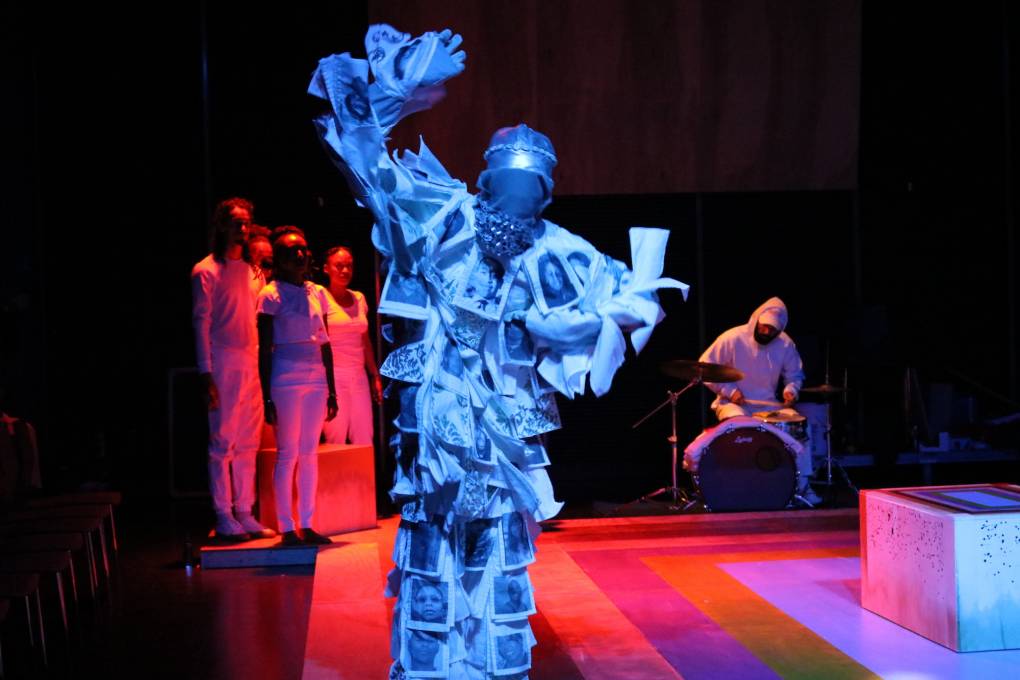
"caption": "Campo Santo's Ethos de Masquerade with Rashad Pridgen and ensemble.",
"description": "Campo Santo's Ethos de Masquerade with Rashad Pridgen and ensemble.",
"title": "CampoSanto_ethosdemasquerade_RashadPridgen_photocredit_DestinyEvans",
"credit": "Destiny Evans",
"status": "inherit",
"isLoading": false,
"fetchFailed": false
},
"arts_13883451": {
"type": "attachments",
"id": "arts_13883451",
"meta": {
"index": "attachments_1716263798",
"site": "arts",
"id": "13883451",
"found": true
},
"parent": 13864714,
"imgSizes": {
"twentyfourteen-full-width": {
"file": "https://ww2.kqed.org/app/uploads/sites/2/2020/07/Image-from-iOS-12-1-1038x576.jpg",
"width": 1038,
"mimeType": "image/jpeg",
"height": 576
},
"thumbnail": {
"file": "https://ww2.kqed.org/app/uploads/sites/2/2020/07/Image-from-iOS-12-1-160x107.jpg",
"width": 160,
"mimeType": "image/jpeg",
"height": 107
},
"post-thumbnail": {
"file": "https://ww2.kqed.org/app/uploads/sites/2/2020/07/Image-from-iOS-12-1-672x372.jpg",
"width": 672,
"mimeType": "image/jpeg",
"height": 372
},
"kqedFullSize": {
"file": "https://ww2.kqed.org/app/uploads/sites/2/2020/07/Image-from-iOS-12-1.jpg",
"width": 2560,
"height": 1706
},
"2048x2048": {
"file": "https://ww2.kqed.org/app/uploads/sites/2/2020/07/Image-from-iOS-12-1-2048x1365.jpg",
"width": 2048,
"mimeType": "image/jpeg",
"height": 1365
},
"large": {
"file": "https://ww2.kqed.org/app/uploads/sites/2/2020/07/Image-from-iOS-12-1-1020x680.jpg",
"width": 1020,
"mimeType": "image/jpeg",
"height": 680
},
"1536x1536": {
"file": "https://ww2.kqed.org/app/uploads/sites/2/2020/07/Image-from-iOS-12-1-1536x1024.jpg",
"width": 1536,
"mimeType": "image/jpeg",
"height": 1024
},
"full-width": {
"file": "https://ww2.kqed.org/app/uploads/sites/2/2020/07/Image-from-iOS-12-1-1920x1280.jpg",
"width": 1920,
"mimeType": "image/jpeg",
"height": 1280
},
"medium": {
"file": "https://ww2.kqed.org/app/uploads/sites/2/2020/07/Image-from-iOS-12-1-800x533.jpg",
"width": 800,
"mimeType": "image/jpeg",
"height": 533
},
"medium_large": {
"file": "https://ww2.kqed.org/app/uploads/sites/2/2020/07/Image-from-iOS-12-1-768x512.jpg",
"width": 768,
"mimeType": "image/jpeg",
"height": 512
}
},
"publishDate": 1594920100,
"modified": 1594920146,
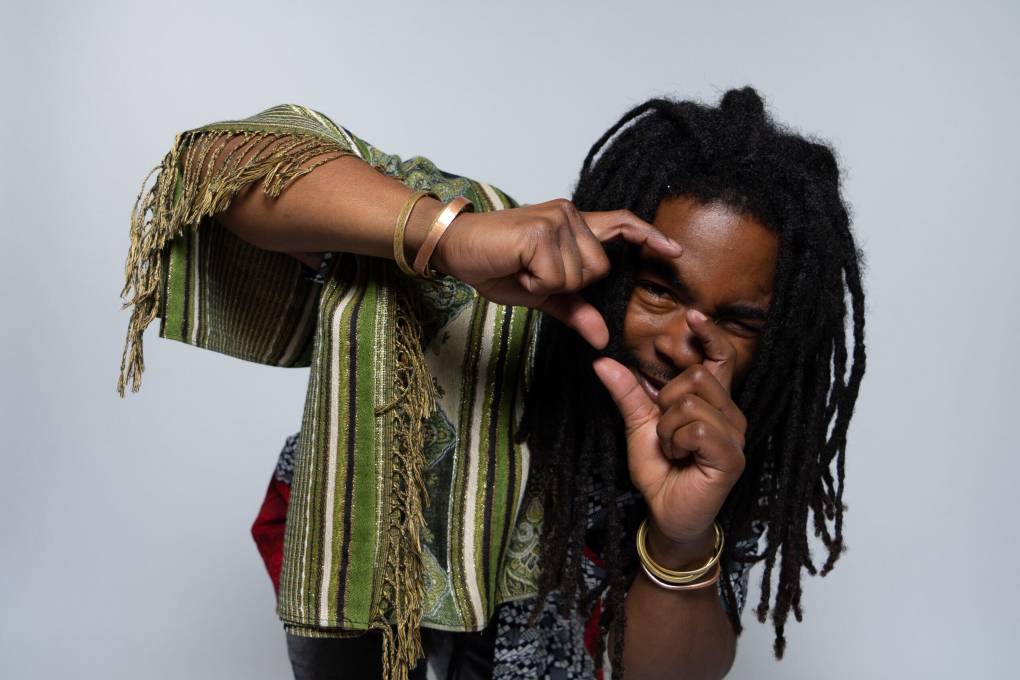
"caption": "Jarrel Phillips",
"description": "Jarrel Phillips",
"title": "Jarrel Phillips",
"credit": "Jarrel Phillips",
"status": "inherit",
"isLoading": false,
"fetchFailed": false
}
},
"audioPlayerReducer": {
"postId": "stream_live",
"isPaused": true,
"isPlaying": false,
"pfsActive": false,
"pledgeModalIsOpen": true,
"playerDrawerIsOpen": false,
"liveAudioPlayStartedAt": 0,
"liveAudioPlayContext": ""
},
"authorsReducer": {
"byline_arts_13887143": {
"type": "authors",
"id": "byline_arts_13887143",
"meta": {
"override": true
},
"slug": "byline_arts_13887143",
"name": "Glen Weldon",
"isLoading": false
},
"cveltman": {
"type": "authors",
"id": "8608",
"meta": {
"index": "authors_1716337520",
"id": "8608",
"found": true
},
"name": "Chloe Veltman",
"firstName": "Chloe",
"lastName": "Veltman",
"slug": "cveltman",
"email": "cveltman@kqed.org",
"display_author_email": true,
"staff_mastheads": [],
"title": "Arts and Culture Reporter",
"bio": "Chloe Veltman is a former arts and culture reporter for KQED. Prior to joining the organization, she launched and led the arts bureau at Colorado Public Radio, served as the Bay Area's culture columnist for the New York Times, and was the founder, host and executive producer of VoiceBox, a national award-winning weekly podcast/radio show and live events series all about the human voice. Chloe is the recipient of numerous prizes, grants and fellowships including a Webby Award for her work on interactive storytelling, both the John S Knight Journalism Fellowship and Humanities Center Fellowship at Stanford University, the Sundance Arts Writing Fellowship and a Library of Congress Research Fellowship. She is the author of the book \"On Acting\" and has appeared as a guest lecturer at Yale University and the San Francisco Conservatory of Music among other institutions. She holds a BA in english literature from King's College, Cambridge, and a Masters in Dramaturgy from the Central School of Speech and Drama/Harvard Institute for Advanced Theater Training.\r\n\u003ca href=\"https://www.chloeveltman.com\">www.chloeveltman.com\u003c/a>",
"avatar": "https://secure.gravatar.com/avatar/55403394b00a1ddab683952c2eb2cf85?s=600&d=blank&r=g",
"twitter": "chloeveltman",
"facebook": null,
"instagram": null,
"linkedin": null,
"sites": [
{
"site": "arts",
"roles": []
},
{
"site": "news",
"roles": [
"author"
]
},
{
"site": "pop",
"roles": [
"editor"
]
},
{
"site": "science",
"roles": []
}
],
"headData": {
"title": "Chloe Veltman | KQED",
"description": "Arts and Culture Reporter",
"ogImgSrc": "https://secure.gravatar.com/avatar/55403394b00a1ddab683952c2eb2cf85?s=600&d=blank&r=g",
"twImgSrc": "https://secure.gravatar.com/avatar/55403394b00a1ddab683952c2eb2cf85?s=600&d=blank&r=g"
},
"isLoading": false,
"link": "/author/cveltman"
},
"ralexandra": {
"type": "authors",
"id": "11242",
"meta": {
"index": "authors_1716337520",
"id": "11242",
"found": true
},
"name": "Rae Alexandra",
"firstName": "Rae",
"lastName": "Alexandra",
"slug": "ralexandra",
"email": "ralexandra@kqed.org",
"display_author_email": true,
"staff_mastheads": [],
"title": "Reporter/Producer",
"bio": "Rae Alexandra is a Reporter/Producer for KQED Arts & Culture, and the creator/author of the \u003ca href=\"https://www.kqed.org/arts/program/rebel-girls-from-bay-area-history\">Rebel Girls From Bay Area History\u003c/a> and \u003ca href=\"https://www.kqed.org/bizarrebayarea\">Bizarre Bay Area\u003c/a> series. Her debut book, \u003ca href=\"https://citylights.com/politics-current-events-history/unsung-heroines35-women-who-changed/\">Unsung Heroines: 35 Women Who Changed the Bay Area\u003c/a> was published by City Lights in March 2026. In 2023, Rae was awarded an SPJ Excellence in Journalism Award for Arts & Culture. Rae was born and raised in Wales and subsequently — even after two decades in Northern California — still uses phrases that regularly baffle her coworkers.",
"avatar": "https://secure.gravatar.com/avatar/edfee8176c80cc0a382b051190f5341997df378a934a5774dcb0977732dfd401?s=600&d=blank&r=g",
"twitter": null,
"bluesky": null,
"facebook": null,
"instagram": null,
"linkedin": null,
"sites": [
{
"site": "arts",
"roles": [
"subscriber"
]
},
{
"site": "news",
"roles": [
"subscriber"
]
},
{
"site": "pop",
"roles": [
"subscriber"
]
},
{
"site": "bayareabites",
"roles": [
"subscriber"
]
},
{
"site": "science",
"roles": [
"subscriber"
]
}
],
"headData": {
"title": "Rae Alexandra | KQED",
"description": "Reporter/Producer",
"ogImgSrc": "https://secure.gravatar.com/avatar/edfee8176c80cc0a382b051190f5341997df378a934a5774dcb0977732dfd401?s=600&d=blank&r=g",
"twImgSrc": "https://secure.gravatar.com/avatar/edfee8176c80cc0a382b051190f5341997df378a934a5774dcb0977732dfd401?s=600&d=blank&r=g"
},
"isLoading": false,
"link": "/author/ralexandra"
},
"ogpenn": {
"type": "authors",
"id": "11491",
"meta": {
"index": "authors_1716337520",
"id": "11491",
"found": true
},
"name": "Pendarvis Harshaw",
"firstName": "Pendarvis",
"lastName": "Harshaw",
"slug": "ogpenn",
"email": "ogpenn@gmail.com",
"display_author_email": false,
"staff_mastheads": [
"arts"
],
"title": "Community Engagement Reporter",
"bio": "Pendarvis Harshaw is an educator, host and writer with KQED Arts.",
"avatar": "https://secure.gravatar.com/avatar/972b77ee8e3f346ae2b00622661187fbfabd059b5693bbdc1475ea7a722fd4cd?s=600&d=blank&r=g",
"twitter": null,
"bluesky": null,
"facebook": null,
"instagram": "ogpenn",
"linkedin": null,
"sites": [
{
"site": "arts",
"roles": [
"administrator"
]
},
{
"site": "news",
"roles": [
"editor"
]
},
{
"site": "bayareabites",
"roles": [
"author"
]
},
{
"site": "hiphop",
"roles": [
"editor"
]
}
],
"headData": {
"title": "Pendarvis Harshaw | KQED",
"description": "Community Engagement Reporter",
"ogImgSrc": "https://secure.gravatar.com/avatar/972b77ee8e3f346ae2b00622661187fbfabd059b5693bbdc1475ea7a722fd4cd?s=600&d=blank&r=g",
"twImgSrc": "https://secure.gravatar.com/avatar/972b77ee8e3f346ae2b00622661187fbfabd059b5693bbdc1475ea7a722fd4cd?s=600&d=blank&r=g"
},
"isLoading": false,
"link": "/author/ogpenn"
},
"ngluckstern": {
"type": "authors",
"id": "11497",
"meta": {
"index": "authors_1716337520",
"id": "11497",
"found": true
},
"name": "Nicole Gluckstern",
"firstName": "Nicole",
"lastName": "Gluckstern",
"slug": "ngluckstern",
"email": "gluckstern.nicole@gmail.com",
"display_author_email": false,
"staff_mastheads": [],
"title": "KQED Contributor",
"bio": null,
"avatar": "https://secure.gravatar.com/avatar/2c3d593194017bfe811a998ad03140909de330b22abebf4889e1a564ce5b3495?s=600&d=blank&r=g",
"twitter": null,
"bluesky": null,
"facebook": null,
"instagram": null,
"linkedin": null,
"sites": [
{
"site": "arts",
"roles": [
"contributor"
]
}
],
"headData": {
"title": "Nicole Gluckstern | KQED",
"description": "KQED Contributor",
"ogImgSrc": "https://secure.gravatar.com/avatar/2c3d593194017bfe811a998ad03140909de330b22abebf4889e1a564ce5b3495?s=600&d=blank&r=g",
"twImgSrc": "https://secure.gravatar.com/avatar/2c3d593194017bfe811a998ad03140909de330b22abebf4889e1a564ce5b3495?s=600&d=blank&r=g"
},
"isLoading": false,
"link": "/author/ngluckstern"
}
},
"pagesReducer": {
"arts_category_theater": {
"type": "terms",
"id": "arts_967",
"meta": {
"index": "terms_1716263798",
"site": "arts",
"id": "967",
"score": 12.286735
},
"featImg": null,
"name": "Theater",
"description": null,
"taxonomy": "category",
"headData": {
"twImgId": null,
"twTitle": null,
"ogTitle": null,
"ogImgId": null,
"twDescription": null,
"description": null,
"title": "Theater Archives | KQED Arts",
"ogDescription": null
},
"ttid": 985,
"slug": "theater",
"isLoading": false,
"title": "Theater",
"pageMeta": {
"site": "arts",
"WpPageTemplate": "page-topic-editorial",
"currentPage": 19
},
"blocks": [
{
"blockName": "kqed/post-list",
"attrs": {
"layout": "cardArticle2",
"query": "posts/arts?category=theater",
"seeMore": false,
"paginated": true,
"page": 19
}
},
{
"blockName": "kqed/ad"
}
]
}
},
"pfsSessionReducer": {},
"postsReducer": {
"stream_live": {
"type": "live",
"id": "stream_live",
"audioUrl": "https://streams.kqed.org/kqedradio",
"title": "Live Stream",
"excerpt": "Live Stream information currently unavailable.",
"link": "/radio",
"featImg": "",
"label": {
"name": "KQED Live",
"link": "/"
}
},
"stream_kqedNewscast": {
"type": "posts",
"id": "stream_kqedNewscast",
"audioUrl": "https://www.kqed.org/.stream/anon/radio/RDnews/newscast.mp3?_=1",
"title": "KQED Newscast",
"featImg": "",
"label": {
"name": "88.5 FM",
"link": "/"
}
},
"arts_13889729": {
"type": "posts",
"id": "arts_13889729",
"meta": {
"index": "posts_1716263798",
"site": "arts",
"id": "13889729",
"score": null,
"sort": [
1606943462000
]
},
"parent": 0,
"labelTerm": {
"site": "arts",
"term": 140
},
"blocks": [],
"publishDate": 1606943462,
"format": "standard",
"title": "The 12 Plays of Christmas: Or, How to Spend Your Winter Vacation",
"headTitle": "The 12 Plays of Christmas: Or, How to Spend Your Winter Vacation | KQED",
"content": "\u003cp>Rejoice, rejoice. While being home for the holidays might seem like a redundant concept this year, you don’t have to spend them in total isolation. Here are 12 ways to give yourself the gift of a little escapist pleasure at the end of this unprecedented year while supporting the Bay Area’s heavily impacted performing arts.\u003c/p>\n\u003cfigure id=\"attachment_13889792\" class=\"wp-caption aligncenter\" style=\"max-width: 800px\">\u003cimg loading=\"lazy\" decoding=\"async\" class=\"size-medium wp-image-13889792\" src=\"https://ww2.kqed.org/app/uploads/sites/2/2020/11/TaylorMac_HolidaySauce_credit_LittleFang-800x533.jpg\" alt=\"\" width=\"800\" height=\"533\" srcset=\"https://cdn.kqed.org/wp-content/uploads/sites/2/2020/11/TaylorMac_HolidaySauce_credit_LittleFang-800x533.jpg 800w, https://cdn.kqed.org/wp-content/uploads/sites/2/2020/11/TaylorMac_HolidaySauce_credit_LittleFang-1020x680.jpg 1020w, https://cdn.kqed.org/wp-content/uploads/sites/2/2020/11/TaylorMac_HolidaySauce_credit_LittleFang-160x107.jpg 160w, https://cdn.kqed.org/wp-content/uploads/sites/2/2020/11/TaylorMac_HolidaySauce_credit_LittleFang-768x512.jpg 768w, https://cdn.kqed.org/wp-content/uploads/sites/2/2020/11/TaylorMac_HolidaySauce_credit_LittleFang-1536x1024.jpg 1536w, https://cdn.kqed.org/wp-content/uploads/sites/2/2020/11/TaylorMac_HolidaySauce_credit_LittleFang-2048x1366.jpg 2048w, https://cdn.kqed.org/wp-content/uploads/sites/2/2020/11/TaylorMac_HolidaySauce_credit_LittleFang-1920x1280.jpg 1920w\" sizes=\"(max-width: 800px) 100vw, 800px\">\u003cfigcaption class=\"wp-caption-text\">Taylor Mac gets saucy with the holidays. \u003ccite>(Little Fang Photography)\u003c/cite>\u003c/figcaption>\u003c/figure>\n\u003ch2>Don We Now Our Gay Apparel\u003c/h2>\n\u003cp>\u003cstrong>‘\u003ca href=\"http://sfcurran.com/shows/taylor-mac-holiday-sauce-pandemic\" rel=\"noopener noreferrer\" target=\"_blank\">Holiday Sauce…Pandemic!\u003c/a>‘\u003c/strong>\u003cbr>\nCurran Theatre \u003c/p>\n\u003cp>Fans of full-spectrum spectacle need look no further than the works of MacArthur Fellow Taylor Mac, whose shows embody an expansive vision of queer abundance (and abundant queers). A regular visitor to the Bay Area, Mac first presented \u003cem>Holiday Sauce\u003c/em> on the Curran stage in 2018, a sumptuous romp through holiday memories and songs. All proceeds of this year’s virtual offering will go to \u003ca href=\"http://www.openhousesf.org\">Openhouse\u003c/a>, a local community resource for LGBTQ+ seniors.\u003c/p>\n\u003cp>\u003cem>Livestream Dec. 12 at 7pm only. On demand until Jan. 2. $10. Info and tickets\u003ca href=\"http://sfcurran.com/shows/taylor-mac-holiday-sauce-pandemic\"> here\u003c/a>.\u003c/em>\u003c/p>\n\u003cp>\u003cstrong>‘\u003ca href=\"http://www.stellartickets.com/events/the-golden-girls-live/the-golden-girls-live-the-christmas-episodes\" rel=\"noopener noreferrer\" target=\"_blank\">Golden Girls LIVE: Christmas Episodes\u003c/a>‘\u003c/strong>\u003cbr>\nSF Oasis\u003c/p>\n\u003cp>A beloved San Francisco holiday tradition, \u003cem>Golden Girls LIVE: Christmas Episodes\u003c/em> offers nostalgia, drag hilarity, and genuine heart all wrapped up in a Betty White-channeling bow. Co-starring Heklina (Dorothy), Matthew Martin (Blanche), D’Arcy Drollinger (Rose) and Holotta Tymes (Sophia) as our quirky quartet, this year’s episodes will be streamed live from SF Oasis headquarters, complete with a virtual sing-along and VIP meet-and-greet with the cast.\u003c/p>\n\u003cp>\u003cem>Dec. 17-20, times vary. $30-$50. Info and tickets \u003ca href=\"http://www.stellartickets.com/events/the-golden-girls-live/the-golden-girls-live-the-christmas-episodes\">here\u003c/a>.\u003c/em>\u003c/p>\n\u003cp>‘\u003ca href=\"http://www.nctcsf.org/events/A-Mighty-Queer-Virtual-Variety-Show\" rel=\"noopener noreferrer\" target=\"_blank\">\u003cstrong>A Mighty Queer Virtual Variety Show\u003c/strong>\u003c/a>‘\u003cbr>\nNew Conservatory Theatre Center\u003c/p>\n\u003cp>Poets, performance artists, drag stars and circus acts alike appear on the New Conservatory Theatre Center’s virtual stage. Wrangled by Epic Party Theatre’s Richard A. Mosqueda, and hosted by operatic drag diva Dusty Pörn, this festive holiday sampler will fill you with holiday cheer. With Azuah, SevanKelee Lucky 7 Boult, Baruch Porras Hernandez, SNJV, and aerialist Joey The Tiger.\u003c/p>\n\u003cp>\u003cem>Dec. 13–Jan. 3, on demand. $10-$40. Info and tickets \u003ca href=\"http://www.nctcsf.org/events/A-Mighty-Queer-Virtual-Variety-Show\">here\u003c/a>.\u003c/em>\u003c/p>\n\u003cp>[ad fullwidth]\u003c/p>\n\u003cfigure id=\"attachment_13889789\" class=\"wp-caption aligncenter\" style=\"max-width: 800px\">\u003cimg loading=\"lazy\" decoding=\"async\" class=\"size-medium wp-image-13889789\" src=\"https://ww2.kqed.org/app/uploads/sites/2/2020/11/SantaGlen_photocredit_courtesyoftheartist-800x582.jpg\" alt=\"\" width=\"800\" height=\"582\" srcset=\"https://cdn.kqed.org/wp-content/uploads/sites/2/2020/11/SantaGlen_photocredit_courtesyoftheartist-800x582.jpg 800w, https://cdn.kqed.org/wp-content/uploads/sites/2/2020/11/SantaGlen_photocredit_courtesyoftheartist-160x116.jpg 160w, https://cdn.kqed.org/wp-content/uploads/sites/2/2020/11/SantaGlen_photocredit_courtesyoftheartist-768x559.jpg 768w, https://cdn.kqed.org/wp-content/uploads/sites/2/2020/11/SantaGlen_photocredit_courtesyoftheartist.jpg 1000w\" sizes=\"(max-width: 800px) 100vw, 800px\">\u003cfigcaption class=\"wp-caption-text\">Santa Claus (Glen Micheletti) is here to save Christmas for you. \u003ccite>(JW Darwin)\u003c/cite>\u003c/figcaption>\u003c/figure>\n\u003ch2>Home Alone\u003c/h2>\n\u003cp>\u003ca href=\"http://www.getsantaclaus.com\" rel=\"noopener noreferrer\" target=\"_blank\">\u003cstrong>Get Santa Claus\u003c/strong>\u003c/a>\u003cbr>\nGlen A. Micheletti\u003c/p>\n\u003cp>Worried about how the kiddies are going to get Santa their wishlist this year? Let expert magician and professional Santa Claus Glen A. Micheletti help. Like so many other performers, Santa Glen has developed ways to bring his act online, and offers personalized virtual visits for individual family units, large family “gatherings” and company ho-ho-holiday parties.\u003c/p>\n\u003cp>\u003cem>Rates start at $150 for one screen. Custom pricing and packages available for groups. Info and bookings\u003ca href=\"http://www.getsantaclaus.com\"> here\u003c/a>.\u003c/em>\u003c/p>\n\u003cp>\u003cstrong>‘\u003ca href=\"http://www.sfplayhouse.org/sfph/get-tickets\" rel=\"noopener noreferrer\" target=\"_blank\">The Jewelry Box\u003c/a>‘\u003c/strong>\u003cbr>\nSan Francisco Playhouse\u003c/p>\n\u003cp>If you’re one of the thousands of Bay Area denizens who’ve seen Brian Copeland’s \u003cem>Not a Genuine Black Man\u003c/em>, this holiday prequel is for you. A richly detailed portrait of Oakland city life as seen through the eyes of a six-year-old child on a quest to earn the perfect Christmas gift for his mother. Copeland’s performance is filmed live onstage at San Francisco Playhouse, and streamed on demand through Christmas Day.\u003c/p>\n\u003cp>\u003cem>Nov. 28–Dec. 25, 7pm. $15-$100. Info and tickets \u003ca href=\"http://www.sfplayhouse.org/sfph/get-tickets\">here\u003c/a>.\u003c/em>\u003c/p>\n\u003cp>\u003cstrong>‘\u003ca href=\"https://cltc.org/tickets/\" rel=\"noopener noreferrer\" target=\"_blank\">A Christmas Carol\u003c/a>‘\u003c/strong>\u003cbr>\nCity Lights Theater Company\u003c/p>\n\u003cp>San Jose’s City Lights Theater Company has been finding all kinds of creative ways to keep active, as this solo performance of Charles Dickens’ \u003cem>A Christmas Carol\u003c/em> proves. Adapted and performed by prolific Bay Area actor and director Mark Anderson Phillips, this virtual tour de force will be mandatory viewing for those who enjoy their classics with a twist.\u003c/p>\n\u003cp>\u003cem>Dec. 15–Jan. 5, on demand. $10-$30 (or part of season pass). Info and tickets\u003ca href=\"https://cltc.org/tickets/\"> here\u003c/a>.\u003c/em>\u003c/p>\n\u003cfigure id=\"attachment_13889791\" class=\"wp-caption aligncenter\" style=\"max-width: 800px\">\u003cimg loading=\"lazy\" decoding=\"async\" class=\"size-medium wp-image-13889791\" src=\"https://ww2.kqed.org/app/uploads/sites/2/2020/11/ACT_AChristmasCarol2018_photocredit_KevinBerne-800x532.jpg\" alt=\"\" width=\"800\" height=\"532\" srcset=\"https://cdn.kqed.org/wp-content/uploads/sites/2/2020/11/ACT_AChristmasCarol2018_photocredit_KevinBerne-800x532.jpg 800w, https://cdn.kqed.org/wp-content/uploads/sites/2/2020/11/ACT_AChristmasCarol2018_photocredit_KevinBerne-1020x679.jpg 1020w, https://cdn.kqed.org/wp-content/uploads/sites/2/2020/11/ACT_AChristmasCarol2018_photocredit_KevinBerne-160x106.jpg 160w, https://cdn.kqed.org/wp-content/uploads/sites/2/2020/11/ACT_AChristmasCarol2018_photocredit_KevinBerne-768x511.jpg 768w, https://cdn.kqed.org/wp-content/uploads/sites/2/2020/11/ACT_AChristmasCarol2018_photocredit_KevinBerne-1536x1022.jpg 1536w, https://cdn.kqed.org/wp-content/uploads/sites/2/2020/11/ACT_AChristmasCarol2018_photocredit_KevinBerne-1920x1278.jpg 1920w, https://cdn.kqed.org/wp-content/uploads/sites/2/2020/11/ACT_AChristmasCarol2018_photocredit_KevinBerne.jpg 2000w\" sizes=\"(max-width: 800px) 100vw, 800px\">\u003cfigcaption class=\"wp-caption-text\">Cast of ‘A Christmas Carol’ at A.C.T. in 2018. \u003ccite>(Kevin Berne)\u003c/cite>\u003c/figcaption>\u003c/figure>\n\u003ch2>Tradition, Tradition\u003c/h2>\n\u003cp>\u003cstrong>‘\u003ca href=\"https://secure.act-sf.org/events\" rel=\"noopener noreferrer\" target=\"_blank\">A Christmas Carol: On Air\u003c/a>‘\u003c/strong>\u003cbr>\nAmerican Conservatory Theater\u003c/p>\n\u003cp>This beloved staple of Bay Area holiday tradition gets a socially distanced makeover in the form of a radio play adaptation, helmed by Peter J. Kuo (who also directed this summer’s successful Zoom production of\u003ca href=\"https://www.kqed.org/arts/13885920/alls-fair-game-in-love-and-warcraft\"> \u003cem>In Love and Warcraft\u003c/em>\u003c/a>). Starring the redoubtable James Carpenter as Ebenezer Scrooge, this tale of Christmas spirit(s) continues to stand the test of time and circumstance.\u003c/p>\n\u003cp>\u003cem>Dec. 4–31, 6pm listening parties and on demand. $40–$60. Info and tickets\u003ca href=\"https://secure.act-sf.org/events\"> here\u003c/a>.\u003c/em>\u003c/p>\n\u003cp>\u003cstrong>\u003ca href=\"http://www.koshercomedy.com\" rel=\"noopener noreferrer\" target=\"_blank\">28th Annual Kung Pao Kosher Comedy\u003c/a>\u003c/strong>\u003c/p>\n\u003cp>Buckle up \u003cem>bubbeleh\u003c/em>. While gathering in restaurants in person may still be out of the question, there’s nothing stopping you from ordering up a few plates of Chinese food and hanging out with Lisa Geduldig and friends for the 28th annual Kung Pao Kosher Comedy show—the Christmas show by and for Jews. Featuring the award-winning talents of Judy Gold and Alex Edelman, and optional participant breakout rooms for schmoozing.\u003c/p>\n\u003cp>\u003cem>Dec. 24–26, times vary. Livestream. $25-$50. Info and tickets \u003ca href=\"http://www.CityBoxOffice.com/KungPao\">here.\u003c/a>\u003c/em>\u003c/p>\n\u003cp>\u003cstrong>‘\u003ca href=\"http://www.sfballet.org/productions/nutcracker-online/\" rel=\"noopener noreferrer\" target=\"_blank\">Nutcracker Online\u003c/a>‘\u003c/strong>\u003cbr>\nSan Francisco Ballet\u003c/p>\n\u003cp>The first U.S. company to perform the “full” version of \u003cem>Nutcracker\u003c/em>, in 1944, the San Francisco Ballet hosts an annual, all-ages fantasia that attracts some 75,000 audience members per year. This year, sugar plum lovers will be able to view a classic performance choreographed by Helgi Tomasson, \u003ca href=\"https://video.kqed.org/video/great-performances-san-francisco-ballets-nutcracker-preview\">and filmed by KQED in 2007\u003c/a>. Features the luminous Yuan Yuan Tan as the Snow Queen.\u003c/p>\n\u003cp>\u003cem>Nov. 27–Dec. 31. $49 for 48-hour access. Info and tickets \u003ca href=\"http://www.sfballet.org/productions/nutcracker-online/\">here\u003c/a>.\u003c/em>\u003c/p>\n\u003cfigure id=\"attachment_13816058\" class=\"wp-caption aligncenter\" style=\"max-width: 800px\">\u003cimg loading=\"lazy\" decoding=\"async\" class=\"size-medium wp-image-13816058\" src=\"https://ww2.kqed.org/app/uploads/sites/2/2017/11/Kitka-in-the-woods-e1511990404540-800x450.jpg\" alt=\"Kitka does its annual 'Wintersongs' tour around the Bay Area\" width=\"800\" height=\"450\" srcset=\"https://cdn.kqed.org/wp-content/uploads/sites/2/2017/11/Kitka-in-the-woods-e1511990404540-800x450.jpg 800w, https://cdn.kqed.org/wp-content/uploads/sites/2/2017/11/Kitka-in-the-woods-e1511990404540-160x90.jpg 160w, https://cdn.kqed.org/wp-content/uploads/sites/2/2017/11/Kitka-in-the-woods-e1511990404540-768x432.jpg 768w, https://cdn.kqed.org/wp-content/uploads/sites/2/2017/11/Kitka-in-the-woods-e1511990404540-1020x573.jpg 1020w, https://cdn.kqed.org/wp-content/uploads/sites/2/2017/11/Kitka-in-the-woods-e1511990404540-1180x663.jpg 1180w, https://cdn.kqed.org/wp-content/uploads/sites/2/2017/11/Kitka-in-the-woods-e1511990404540-960x540.jpg 960w, https://cdn.kqed.org/wp-content/uploads/sites/2/2017/11/Kitka-in-the-woods-e1511990404540-240x135.jpg 240w, https://cdn.kqed.org/wp-content/uploads/sites/2/2017/11/Kitka-in-the-woods-e1511990404540-375x211.jpg 375w, https://cdn.kqed.org/wp-content/uploads/sites/2/2017/11/Kitka-in-the-woods-e1511990404540-520x292.jpg 520w, https://cdn.kqed.org/wp-content/uploads/sites/2/2017/11/Kitka-in-the-woods-e1511990404540.jpg 1500w\" sizes=\"(max-width: 800px) 100vw, 800px\">\u003cfigcaption class=\"wp-caption-text\">Kitka does its annual ‘Wintersongs’ tour around the Bay Area. \u003ccite>(Photo: Tomas Pacha/Kitka )\u003c/cite>\u003c/figcaption>\u003c/figure>\n\u003ch2>Winter Wonderland\u003c/h2>\n\u003cp>\u003cstrong>‘\u003ca href=\"http://www.kitka.org/wintersongs2020\" rel=\"noopener noreferrer\" target=\"_blank\">Wintersongs 2020\u003c/a>‘\u003c/strong>\u003cbr>\nKitka\u003c/p>\n\u003cp>Get into the fun tradition of counting down to Christmas with Kitka’s gift of \u003ca href=\"https://www.kqed.org/forum/2010101868688/live-performance-kitka-sings-wintersongs-of-eastern-europe\">Wintersong\u003c/a>. Each day until Dec. 31, this all-woman vocal ensemble—who specialize in excavating the traditional music of Eastern Europe and the Balkans—will release one new song online for all to enjoy, free of charge (donations accepted).\u003c/p>\n\u003cp>\u003cem>Through Dec. 31. Free. Info and songs \u003ca href=\"http://www.kitka.org/wintersongs2020\">here\u003c/a>.\u003c/em>\u003c/p>\n\u003cp>\u003cstrong>‘\u003ca href=\"https://theatreworks.org/simplegifts/\" rel=\"noopener noreferrer\" target=\"_blank\">Simple Gifts\u003c/a>‘\u003c/strong>\u003cbr>\nTheatreWorks Silicon Valley\u003c/p>\n\u003cp>When Tim Bond took over the artistic leadership of TheatreWorks in July, he stepped into a season beset by unanticipated challenges from the pandemic shutdown of live theatre. With \u003cem>Simple Gifts\u003c/em>, he offers a welcome respite from the chaos, with a carefully chosen cast performing music from a diverse array of holiday traditions such as Kwanzaa, Christmas, Hanukkah, Noche Buena, Diwali and Las Posadas.\u003c/p>\n\u003cp>\u003cem>Dec. 10–28. Times vary. $10+. Info and tickets\u003ca href=\"https://theatreworks.org/simplegifts/\"> here\u003c/a>.\u003c/em>\u003c/p>\n\u003cp>\u003cstrong>‘\u003ca href=\"http://manualcinema.com/christmascarol\" rel=\"noopener noreferrer\" target=\"_blank\">A Christmas Carol\u003c/a>‘\u003c/strong>\u003cbr>\nManual Cinema\u003c/p>\n\u003cp>‘Tis the season to get Scrooged, and Manual Cinema’s original take on Dickens’ classic is poised to be one of this year’s most memorable. Created by Chicago-based Manual Cinema, who infuse their multimedia projects with elements of live performance, this daring adaptation includes shadow puppets, live actors, projections, immersive sound design and original music. Co-presented with Cal Performances for three nights (and other organizations from Dec. 3-20).\u003c/p>\n\u003cp>\u003cem>Dec. 17-19, times vary, livestream. Info and tickets\u003ca href=\"https://calperformances.org/events/2020-21/at-home/manual-cinema-a-christmas-carol/\"> here\u003c/a>.\u003c/em>\u003c/p>\n\u003cp>[ad floatright]\u003c/p>\n",
"stats": {
"hasVideo": false,
"hasChartOrMap": false,
"hasAudio": false,
"hasPolis": false,
"wordCount": 1204,
"hasGoogleForm": false,
"hasGallery": false,
"hasHearkenModule": false,
"iframeSrcs": [],
"paragraphCount": 39
},
"modified": 1705019786,
"excerpt": "Holiday traditions like 'Nutcracker' and 'A Christmas Carol' meet new, dynamic productions in our livestreamed theater roundup. ",
"headData": {
"twImgId": "",
"twTitle": "",
"ogTitle": "",
"ogImgId": "",
"twDescription": "",
"description": "Holiday traditions like 'Nutcracker' and 'A Christmas Carol' meet new, dynamic productions in our livestreamed theater roundup. ",
"title": "The 12 Plays of Christmas: Or, How to Spend Your Winter Vacation | KQED",
"ogDescription": "",
"schema": {
"@context": "https://schema.org",
"@type": "Article",
"headline": "The 12 Plays of Christmas: Or, How to Spend Your Winter Vacation",
"datePublished": "2020-12-02T13:11:02-08:00",
"dateModified": "2024-01-11T16:36:26-08:00",
"image": "https://cdn.kqed.org/wp-content/uploads/2020/02/KQED-OG-Image@1x.png"
}
},
"guestAuthors": [],
"slug": "the-12-plays-of-christmas-or-how-to-spend-your-winter-vacation",
"status": "publish",
"templateType": "standard",
"featuredImageType": "standard",
"sticky": false,
"path": "/arts/13889729/the-12-plays-of-christmas-or-how-to-spend-your-winter-vacation",
"audioTrackLength": null,
"parsedContent": [
{
"type": "contentString",
"content": "\u003cdiv class=\"post-body\">\u003cp>\u003cp>Rejoice, rejoice. While being home for the holidays might seem like a redundant concept this year, you don’t have to spend them in total isolation. Here are 12 ways to give yourself the gift of a little escapist pleasure at the end of this unprecedented year while supporting the Bay Area’s heavily impacted performing arts.\u003c/p>\n\u003cfigure id=\"attachment_13889792\" class=\"wp-caption aligncenter\" style=\"max-width: 800px\">\u003cimg loading=\"lazy\" decoding=\"async\" class=\"size-medium wp-image-13889792\" src=\"https://ww2.kqed.org/app/uploads/sites/2/2020/11/TaylorMac_HolidaySauce_credit_LittleFang-800x533.jpg\" alt=\"\" width=\"800\" height=\"533\" srcset=\"https://cdn.kqed.org/wp-content/uploads/sites/2/2020/11/TaylorMac_HolidaySauce_credit_LittleFang-800x533.jpg 800w, https://cdn.kqed.org/wp-content/uploads/sites/2/2020/11/TaylorMac_HolidaySauce_credit_LittleFang-1020x680.jpg 1020w, https://cdn.kqed.org/wp-content/uploads/sites/2/2020/11/TaylorMac_HolidaySauce_credit_LittleFang-160x107.jpg 160w, https://cdn.kqed.org/wp-content/uploads/sites/2/2020/11/TaylorMac_HolidaySauce_credit_LittleFang-768x512.jpg 768w, https://cdn.kqed.org/wp-content/uploads/sites/2/2020/11/TaylorMac_HolidaySauce_credit_LittleFang-1536x1024.jpg 1536w, https://cdn.kqed.org/wp-content/uploads/sites/2/2020/11/TaylorMac_HolidaySauce_credit_LittleFang-2048x1366.jpg 2048w, https://cdn.kqed.org/wp-content/uploads/sites/2/2020/11/TaylorMac_HolidaySauce_credit_LittleFang-1920x1280.jpg 1920w\" sizes=\"(max-width: 800px) 100vw, 800px\">\u003cfigcaption class=\"wp-caption-text\">Taylor Mac gets saucy with the holidays. \u003ccite>(Little Fang Photography)\u003c/cite>\u003c/figcaption>\u003c/figure>\n\u003ch2>Don We Now Our Gay Apparel\u003c/h2>\n\u003cp>\u003cstrong>‘\u003ca href=\"http://sfcurran.com/shows/taylor-mac-holiday-sauce-pandemic\" rel=\"noopener noreferrer\" target=\"_blank\">Holiday Sauce…Pandemic!\u003c/a>‘\u003c/strong>\u003cbr>\nCurran Theatre \u003c/p>\n\u003cp>Fans of full-spectrum spectacle need look no further than the works of MacArthur Fellow Taylor Mac, whose shows embody an expansive vision of queer abundance (and abundant queers). A regular visitor to the Bay Area, Mac first presented \u003cem>Holiday Sauce\u003c/em> on the Curran stage in 2018, a sumptuous romp through holiday memories and songs. All proceeds of this year’s virtual offering will go to \u003ca href=\"http://www.openhousesf.org\">Openhouse\u003c/a>, a local community resource for LGBTQ+ seniors.\u003c/p>\n\u003cp>\u003cem>Livestream Dec. 12 at 7pm only. On demand until Jan. 2. $10. Info and tickets\u003ca href=\"http://sfcurran.com/shows/taylor-mac-holiday-sauce-pandemic\"> here\u003c/a>.\u003c/em>\u003c/p>\n\u003cp>\u003cstrong>‘\u003ca href=\"http://www.stellartickets.com/events/the-golden-girls-live/the-golden-girls-live-the-christmas-episodes\" rel=\"noopener noreferrer\" target=\"_blank\">Golden Girls LIVE: Christmas Episodes\u003c/a>‘\u003c/strong>\u003cbr>\nSF Oasis\u003c/p>\n\u003cp>A beloved San Francisco holiday tradition, \u003cem>Golden Girls LIVE: Christmas Episodes\u003c/em> offers nostalgia, drag hilarity, and genuine heart all wrapped up in a Betty White-channeling bow. Co-starring Heklina (Dorothy), Matthew Martin (Blanche), D’Arcy Drollinger (Rose) and Holotta Tymes (Sophia) as our quirky quartet, this year’s episodes will be streamed live from SF Oasis headquarters, complete with a virtual sing-along and VIP meet-and-greet with the cast.\u003c/p>\n\u003cp>\u003cem>Dec. 17-20, times vary. $30-$50. Info and tickets \u003ca href=\"http://www.stellartickets.com/events/the-golden-girls-live/the-golden-girls-live-the-christmas-episodes\">here\u003c/a>.\u003c/em>\u003c/p>\n\u003cp>‘\u003ca href=\"http://www.nctcsf.org/events/A-Mighty-Queer-Virtual-Variety-Show\" rel=\"noopener noreferrer\" target=\"_blank\">\u003cstrong>A Mighty Queer Virtual Variety Show\u003c/strong>\u003c/a>‘\u003cbr>\nNew Conservatory Theatre Center\u003c/p>\n\u003cp>Poets, performance artists, drag stars and circus acts alike appear on the New Conservatory Theatre Center’s virtual stage. Wrangled by Epic Party Theatre’s Richard A. Mosqueda, and hosted by operatic drag diva Dusty Pörn, this festive holiday sampler will fill you with holiday cheer. With Azuah, SevanKelee Lucky 7 Boult, Baruch Porras Hernandez, SNJV, and aerialist Joey The Tiger.\u003c/p>\n\u003cp>\u003cem>Dec. 13–Jan. 3, on demand. $10-$40. Info and tickets \u003ca href=\"http://www.nctcsf.org/events/A-Mighty-Queer-Virtual-Variety-Show\">here\u003c/a>.\u003c/em>\u003c/p>\n\u003cp>\u003c/p>\u003c/div>",
"attributes": {
"named": {},
"numeric": []
}
},
{
"type": "component",
"content": "",
"name": "ad",
"attributes": {
"named": {
"label": "fullwidth"
},
"numeric": [
"fullwidth"
]
}
},
{
"type": "contentString",
"content": "\u003cdiv class=\"post-body\">\u003cp>\u003c/p>\n\u003cfigure id=\"attachment_13889789\" class=\"wp-caption aligncenter\" style=\"max-width: 800px\">\u003cimg loading=\"lazy\" decoding=\"async\" class=\"size-medium wp-image-13889789\" src=\"https://ww2.kqed.org/app/uploads/sites/2/2020/11/SantaGlen_photocredit_courtesyoftheartist-800x582.jpg\" alt=\"\" width=\"800\" height=\"582\" srcset=\"https://cdn.kqed.org/wp-content/uploads/sites/2/2020/11/SantaGlen_photocredit_courtesyoftheartist-800x582.jpg 800w, https://cdn.kqed.org/wp-content/uploads/sites/2/2020/11/SantaGlen_photocredit_courtesyoftheartist-160x116.jpg 160w, https://cdn.kqed.org/wp-content/uploads/sites/2/2020/11/SantaGlen_photocredit_courtesyoftheartist-768x559.jpg 768w, https://cdn.kqed.org/wp-content/uploads/sites/2/2020/11/SantaGlen_photocredit_courtesyoftheartist.jpg 1000w\" sizes=\"(max-width: 800px) 100vw, 800px\">\u003cfigcaption class=\"wp-caption-text\">Santa Claus (Glen Micheletti) is here to save Christmas for you. \u003ccite>(JW Darwin)\u003c/cite>\u003c/figcaption>\u003c/figure>\n\u003ch2>Home Alone\u003c/h2>\n\u003cp>\u003ca href=\"http://www.getsantaclaus.com\" rel=\"noopener noreferrer\" target=\"_blank\">\u003cstrong>Get Santa Claus\u003c/strong>\u003c/a>\u003cbr>\nGlen A. Micheletti\u003c/p>\n\u003cp>Worried about how the kiddies are going to get Santa their wishlist this year? Let expert magician and professional Santa Claus Glen A. Micheletti help. Like so many other performers, Santa Glen has developed ways to bring his act online, and offers personalized virtual visits for individual family units, large family “gatherings” and company ho-ho-holiday parties.\u003c/p>\n\u003cp>\u003cem>Rates start at $150 for one screen. Custom pricing and packages available for groups. Info and bookings\u003ca href=\"http://www.getsantaclaus.com\"> here\u003c/a>.\u003c/em>\u003c/p>\n\u003cp>\u003cstrong>‘\u003ca href=\"http://www.sfplayhouse.org/sfph/get-tickets\" rel=\"noopener noreferrer\" target=\"_blank\">The Jewelry Box\u003c/a>‘\u003c/strong>\u003cbr>\nSan Francisco Playhouse\u003c/p>\n\u003cp>If you’re one of the thousands of Bay Area denizens who’ve seen Brian Copeland’s \u003cem>Not a Genuine Black Man\u003c/em>, this holiday prequel is for you. A richly detailed portrait of Oakland city life as seen through the eyes of a six-year-old child on a quest to earn the perfect Christmas gift for his mother. Copeland’s performance is filmed live onstage at San Francisco Playhouse, and streamed on demand through Christmas Day.\u003c/p>\n\u003cp>\u003cem>Nov. 28–Dec. 25, 7pm. $15-$100. Info and tickets \u003ca href=\"http://www.sfplayhouse.org/sfph/get-tickets\">here\u003c/a>.\u003c/em>\u003c/p>\n\u003cp>\u003cstrong>‘\u003ca href=\"https://cltc.org/tickets/\" rel=\"noopener noreferrer\" target=\"_blank\">A Christmas Carol\u003c/a>‘\u003c/strong>\u003cbr>\nCity Lights Theater Company\u003c/p>\n\u003cp>San Jose’s City Lights Theater Company has been finding all kinds of creative ways to keep active, as this solo performance of Charles Dickens’ \u003cem>A Christmas Carol\u003c/em> proves. Adapted and performed by prolific Bay Area actor and director Mark Anderson Phillips, this virtual tour de force will be mandatory viewing for those who enjoy their classics with a twist.\u003c/p>\n\u003cp>\u003cem>Dec. 15–Jan. 5, on demand. $10-$30 (or part of season pass). Info and tickets\u003ca href=\"https://cltc.org/tickets/\"> here\u003c/a>.\u003c/em>\u003c/p>\n\u003cfigure id=\"attachment_13889791\" class=\"wp-caption aligncenter\" style=\"max-width: 800px\">\u003cimg loading=\"lazy\" decoding=\"async\" class=\"size-medium wp-image-13889791\" src=\"https://ww2.kqed.org/app/uploads/sites/2/2020/11/ACT_AChristmasCarol2018_photocredit_KevinBerne-800x532.jpg\" alt=\"\" width=\"800\" height=\"532\" srcset=\"https://cdn.kqed.org/wp-content/uploads/sites/2/2020/11/ACT_AChristmasCarol2018_photocredit_KevinBerne-800x532.jpg 800w, https://cdn.kqed.org/wp-content/uploads/sites/2/2020/11/ACT_AChristmasCarol2018_photocredit_KevinBerne-1020x679.jpg 1020w, https://cdn.kqed.org/wp-content/uploads/sites/2/2020/11/ACT_AChristmasCarol2018_photocredit_KevinBerne-160x106.jpg 160w, https://cdn.kqed.org/wp-content/uploads/sites/2/2020/11/ACT_AChristmasCarol2018_photocredit_KevinBerne-768x511.jpg 768w, https://cdn.kqed.org/wp-content/uploads/sites/2/2020/11/ACT_AChristmasCarol2018_photocredit_KevinBerne-1536x1022.jpg 1536w, https://cdn.kqed.org/wp-content/uploads/sites/2/2020/11/ACT_AChristmasCarol2018_photocredit_KevinBerne-1920x1278.jpg 1920w, https://cdn.kqed.org/wp-content/uploads/sites/2/2020/11/ACT_AChristmasCarol2018_photocredit_KevinBerne.jpg 2000w\" sizes=\"(max-width: 800px) 100vw, 800px\">\u003cfigcaption class=\"wp-caption-text\">Cast of ‘A Christmas Carol’ at A.C.T. in 2018. \u003ccite>(Kevin Berne)\u003c/cite>\u003c/figcaption>\u003c/figure>\n\u003ch2>Tradition, Tradition\u003c/h2>\n\u003cp>\u003cstrong>‘\u003ca href=\"https://secure.act-sf.org/events\" rel=\"noopener noreferrer\" target=\"_blank\">A Christmas Carol: On Air\u003c/a>‘\u003c/strong>\u003cbr>\nAmerican Conservatory Theater\u003c/p>\n\u003cp>This beloved staple of Bay Area holiday tradition gets a socially distanced makeover in the form of a radio play adaptation, helmed by Peter J. Kuo (who also directed this summer’s successful Zoom production of\u003ca href=\"https://www.kqed.org/arts/13885920/alls-fair-game-in-love-and-warcraft\"> \u003cem>In Love and Warcraft\u003c/em>\u003c/a>). Starring the redoubtable James Carpenter as Ebenezer Scrooge, this tale of Christmas spirit(s) continues to stand the test of time and circumstance.\u003c/p>\n\u003cp>\u003cem>Dec. 4–31, 6pm listening parties and on demand. $40–$60. Info and tickets\u003ca href=\"https://secure.act-sf.org/events\"> here\u003c/a>.\u003c/em>\u003c/p>\n\u003cp>\u003cstrong>\u003ca href=\"http://www.koshercomedy.com\" rel=\"noopener noreferrer\" target=\"_blank\">28th Annual Kung Pao Kosher Comedy\u003c/a>\u003c/strong>\u003c/p>\n\u003cp>Buckle up \u003cem>bubbeleh\u003c/em>. While gathering in restaurants in person may still be out of the question, there’s nothing stopping you from ordering up a few plates of Chinese food and hanging out with Lisa Geduldig and friends for the 28th annual Kung Pao Kosher Comedy show—the Christmas show by and for Jews. Featuring the award-winning talents of Judy Gold and Alex Edelman, and optional participant breakout rooms for schmoozing.\u003c/p>\n\u003cp>\u003cem>Dec. 24–26, times vary. Livestream. $25-$50. Info and tickets \u003ca href=\"http://www.CityBoxOffice.com/KungPao\">here.\u003c/a>\u003c/em>\u003c/p>\n\u003cp>\u003cstrong>‘\u003ca href=\"http://www.sfballet.org/productions/nutcracker-online/\" rel=\"noopener noreferrer\" target=\"_blank\">Nutcracker Online\u003c/a>‘\u003c/strong>\u003cbr>\nSan Francisco Ballet\u003c/p>\n\u003cp>The first U.S. company to perform the “full” version of \u003cem>Nutcracker\u003c/em>, in 1944, the San Francisco Ballet hosts an annual, all-ages fantasia that attracts some 75,000 audience members per year. This year, sugar plum lovers will be able to view a classic performance choreographed by Helgi Tomasson, \u003ca href=\"https://video.kqed.org/video/great-performances-san-francisco-ballets-nutcracker-preview\">and filmed by KQED in 2007\u003c/a>. Features the luminous Yuan Yuan Tan as the Snow Queen.\u003c/p>\n\u003cp>\u003cem>Nov. 27–Dec. 31. $49 for 48-hour access. Info and tickets \u003ca href=\"http://www.sfballet.org/productions/nutcracker-online/\">here\u003c/a>.\u003c/em>\u003c/p>\n\u003cfigure id=\"attachment_13816058\" class=\"wp-caption aligncenter\" style=\"max-width: 800px\">\u003cimg loading=\"lazy\" decoding=\"async\" class=\"size-medium wp-image-13816058\" src=\"https://ww2.kqed.org/app/uploads/sites/2/2017/11/Kitka-in-the-woods-e1511990404540-800x450.jpg\" alt=\"Kitka does its annual 'Wintersongs' tour around the Bay Area\" width=\"800\" height=\"450\" srcset=\"https://cdn.kqed.org/wp-content/uploads/sites/2/2017/11/Kitka-in-the-woods-e1511990404540-800x450.jpg 800w, https://cdn.kqed.org/wp-content/uploads/sites/2/2017/11/Kitka-in-the-woods-e1511990404540-160x90.jpg 160w, https://cdn.kqed.org/wp-content/uploads/sites/2/2017/11/Kitka-in-the-woods-e1511990404540-768x432.jpg 768w, https://cdn.kqed.org/wp-content/uploads/sites/2/2017/11/Kitka-in-the-woods-e1511990404540-1020x573.jpg 1020w, https://cdn.kqed.org/wp-content/uploads/sites/2/2017/11/Kitka-in-the-woods-e1511990404540-1180x663.jpg 1180w, https://cdn.kqed.org/wp-content/uploads/sites/2/2017/11/Kitka-in-the-woods-e1511990404540-960x540.jpg 960w, https://cdn.kqed.org/wp-content/uploads/sites/2/2017/11/Kitka-in-the-woods-e1511990404540-240x135.jpg 240w, https://cdn.kqed.org/wp-content/uploads/sites/2/2017/11/Kitka-in-the-woods-e1511990404540-375x211.jpg 375w, https://cdn.kqed.org/wp-content/uploads/sites/2/2017/11/Kitka-in-the-woods-e1511990404540-520x292.jpg 520w, https://cdn.kqed.org/wp-content/uploads/sites/2/2017/11/Kitka-in-the-woods-e1511990404540.jpg 1500w\" sizes=\"(max-width: 800px) 100vw, 800px\">\u003cfigcaption class=\"wp-caption-text\">Kitka does its annual ‘Wintersongs’ tour around the Bay Area. \u003ccite>(Photo: Tomas Pacha/Kitka )\u003c/cite>\u003c/figcaption>\u003c/figure>\n\u003ch2>Winter Wonderland\u003c/h2>\n\u003cp>\u003cstrong>‘\u003ca href=\"http://www.kitka.org/wintersongs2020\" rel=\"noopener noreferrer\" target=\"_blank\">Wintersongs 2020\u003c/a>‘\u003c/strong>\u003cbr>\nKitka\u003c/p>\n\u003cp>Get into the fun tradition of counting down to Christmas with Kitka’s gift of \u003ca href=\"https://www.kqed.org/forum/2010101868688/live-performance-kitka-sings-wintersongs-of-eastern-europe\">Wintersong\u003c/a>. Each day until Dec. 31, this all-woman vocal ensemble—who specialize in excavating the traditional music of Eastern Europe and the Balkans—will release one new song online for all to enjoy, free of charge (donations accepted).\u003c/p>\n\u003cp>\u003cem>Through Dec. 31. Free. Info and songs \u003ca href=\"http://www.kitka.org/wintersongs2020\">here\u003c/a>.\u003c/em>\u003c/p>\n\u003cp>\u003cstrong>‘\u003ca href=\"https://theatreworks.org/simplegifts/\" rel=\"noopener noreferrer\" target=\"_blank\">Simple Gifts\u003c/a>‘\u003c/strong>\u003cbr>\nTheatreWorks Silicon Valley\u003c/p>\n\u003cp>When Tim Bond took over the artistic leadership of TheatreWorks in July, he stepped into a season beset by unanticipated challenges from the pandemic shutdown of live theatre. With \u003cem>Simple Gifts\u003c/em>, he offers a welcome respite from the chaos, with a carefully chosen cast performing music from a diverse array of holiday traditions such as Kwanzaa, Christmas, Hanukkah, Noche Buena, Diwali and Las Posadas.\u003c/p>\n\u003cp>\u003cem>Dec. 10–28. Times vary. $10+. Info and tickets\u003ca href=\"https://theatreworks.org/simplegifts/\"> here\u003c/a>.\u003c/em>\u003c/p>\n\u003cp>\u003cstrong>‘\u003ca href=\"http://manualcinema.com/christmascarol\" rel=\"noopener noreferrer\" target=\"_blank\">A Christmas Carol\u003c/a>‘\u003c/strong>\u003cbr>\nManual Cinema\u003c/p>\n\u003cp>‘Tis the season to get Scrooged, and Manual Cinema’s original take on Dickens’ classic is poised to be one of this year’s most memorable. Created by Chicago-based Manual Cinema, who infuse their multimedia projects with elements of live performance, this daring adaptation includes shadow puppets, live actors, projections, immersive sound design and original music. Co-presented with Cal Performances for three nights (and other organizations from Dec. 3-20).\u003c/p>\n\u003cp>\u003cem>Dec. 17-19, times vary, livestream. Info and tickets\u003ca href=\"https://calperformances.org/events/2020-21/at-home/manual-cinema-a-christmas-carol/\"> here\u003c/a>.\u003c/em>\u003c/p>\n\u003cp>\u003c/p>\u003c/div>",
"attributes": {
"named": {},
"numeric": []
}
},
{
"type": "component",
"content": "",
"name": "ad",
"attributes": {
"named": {
"label": "floatright"
},
"numeric": [
"floatright"
]
}
},
{
"type": "contentString",
"content": "\u003cdiv class=\"post-body\">\u003cp>\u003c/p>\n\u003c/div>\u003c/p>",
"attributes": {
"named": {},
"numeric": []
}
}
],
"link": "/arts/13889729/the-12-plays-of-christmas-or-how-to-spend-your-winter-vacation",
"authors": [
"11497"
],
"programs": [
"arts_140"
],
"categories": [
"arts_1",
"arts_968",
"arts_967"
],
"tags": [
"arts_1175",
"arts_4925",
"arts_2435",
"arts_3388",
"arts_879",
"arts_10278",
"arts_3247",
"arts_1815",
"arts_585"
],
"featImg": "arts_13889790",
"label": "arts_140"
},
"arts_13889584": {
"type": "posts",
"id": "arts_13889584",
"meta": {
"index": "posts_1716263798",
"site": "arts",
"id": "13889584",
"score": null,
"sort": [
1606258842000
]
},
"parent": 0,
"labelTerm": {
"site": "arts"
},
"blocks": [],
"publishDate": 1606258842,
"format": "standard",
"title": "Margo Hall Set to Lead the Lorraine Hansberry Theatre Into an Exciting New Future",
"headTitle": "Margo Hall Set to Lead the Lorraine Hansberry Theatre Into an Exciting New Future | KQED",
"content": "\u003cp>For Margo Hall, growing up in Detroit, Michigan meant an early exposure to the arts. Enrolled from a young age in “every dance class” and “every choir,” she says, and influenced by her Motown-employed stepfather and his circle of musician friends, Hall gained a strong foundation in the arts—even before she knew that she’d wind up dedicating her life to them.\u003c/p>\n\u003cp>Recently announced as the new artistic director for the Lorraine Hansberry Theatre, Hall brings a lifetime of learning, skill, and dedication to the role. And as the first woman to hold the position in the company, she’s ready to implement her vision of a program dedicated to nurturing the voices of young, Black female and non-binary playwrights, a welcome homage to the theater’s namesake.\u003c/p>\n\u003cfigure id=\"attachment_13889585\" class=\"wp-caption aligncenter\" style=\"max-width: 800px\">\u003cimg loading=\"lazy\" decoding=\"async\" class=\"size-medium wp-image-13889585\" src=\"https://ww2.kqed.org/app/uploads/sites/2/2020/11/MargoHall_castofBarbeque_SFPlayhouseRobertOHara_photocredit_JessicaPalopoli-800x533.jpg\" alt=\"\" width=\"800\" height=\"533\" srcset=\"https://cdn.kqed.org/wp-content/uploads/sites/2/2020/11/MargoHall_castofBarbeque_SFPlayhouseRobertOHara_photocredit_JessicaPalopoli-800x533.jpg 800w, https://cdn.kqed.org/wp-content/uploads/sites/2/2020/11/MargoHall_castofBarbeque_SFPlayhouseRobertOHara_photocredit_JessicaPalopoli-1020x680.jpg 1020w, https://cdn.kqed.org/wp-content/uploads/sites/2/2020/11/MargoHall_castofBarbeque_SFPlayhouseRobertOHara_photocredit_JessicaPalopoli-160x107.jpg 160w, https://cdn.kqed.org/wp-content/uploads/sites/2/2020/11/MargoHall_castofBarbeque_SFPlayhouseRobertOHara_photocredit_JessicaPalopoli-768x512.jpg 768w, https://cdn.kqed.org/wp-content/uploads/sites/2/2020/11/MargoHall_castofBarbeque_SFPlayhouseRobertOHara_photocredit_JessicaPalopoli-1536x1024.jpg 1536w, https://cdn.kqed.org/wp-content/uploads/sites/2/2020/11/MargoHall_castofBarbeque_SFPlayhouseRobertOHara_photocredit_JessicaPalopoli-1920x1280.jpg 1920w, https://cdn.kqed.org/wp-content/uploads/sites/2/2020/11/MargoHall_castofBarbeque_SFPlayhouseRobertOHara_photocredit_JessicaPalopoli.jpg 1933w\" sizes=\"(max-width: 800px) 100vw, 800px\">\u003cfigcaption class=\"wp-caption-text\">Cast of ‘Barbeque’ by Robert O’Hara at SF Playhouse. Margo Hall in red. \u003ccite>(Jessica Palopoli)\u003c/cite>\u003c/figcaption>\u003c/figure>\n\u003cp>Described by biographers as a “force of nature,” Lorraine Hansberry’s legacy lives on, despite the playwright and activist’s tragically early death from pancreatic cancer at the age of 34. One of those legacies has been carried forward in the form of the Lorraine Hansberry Theatre, founded in 1981 by Stanley Williams and Quentin Easter, who were determined to build to build an artistic home for Black theater-makers. And while the theater has experienced a series of material setbacks over the years—losing its Sutter Street space in 2007, and its founders within weeks of each other in 2010—its influence as an incubator for Black artists has remained intact.\u003c/p>\n\u003cp>One such artist is Hall, the Bay Area’s own force of nature. Although this will be her first time in the role of artistic director, it’s certainly not her first time creating and holding artistic space, a talent she’s cultivated over the course of many years—particularly with the long-running theater collective, Campo Santo.\u003c/p>\n\u003cfigure id=\"attachment_13889588\" class=\"wp-caption aligncenter\" style=\"max-width: 800px\">\u003cimg loading=\"lazy\" decoding=\"async\" class=\"size-medium wp-image-13889588\" src=\"https://ww2.kqed.org/app/uploads/sites/2/2020/11/MargoHall_Fe_CampoSantoJessicaHagedorn_photocredit_JeffFohl-800x591.jpg\" alt=\"\" width=\"800\" height=\"591\" srcset=\"https://cdn.kqed.org/wp-content/uploads/sites/2/2020/11/MargoHall_Fe_CampoSantoJessicaHagedorn_photocredit_JeffFohl-800x591.jpg 800w, https://cdn.kqed.org/wp-content/uploads/sites/2/2020/11/MargoHall_Fe_CampoSantoJessicaHagedorn_photocredit_JeffFohl-1020x753.jpg 1020w, https://cdn.kqed.org/wp-content/uploads/sites/2/2020/11/MargoHall_Fe_CampoSantoJessicaHagedorn_photocredit_JeffFohl-160x118.jpg 160w, https://cdn.kqed.org/wp-content/uploads/sites/2/2020/11/MargoHall_Fe_CampoSantoJessicaHagedorn_photocredit_JeffFohl-768x567.jpg 768w, https://cdn.kqed.org/wp-content/uploads/sites/2/2020/11/MargoHall_Fe_CampoSantoJessicaHagedorn_photocredit_JeffFohl-1536x1135.jpg 1536w, https://cdn.kqed.org/wp-content/uploads/sites/2/2020/11/MargoHall_Fe_CampoSantoJessicaHagedorn_photocredit_JeffFohl-2048x1513.jpg 2048w, https://cdn.kqed.org/wp-content/uploads/sites/2/2020/11/MargoHall_Fe_CampoSantoJessicaHagedorn_photocredit_JeffFohl-1920x1418.jpg 1920w\" sizes=\"(max-width: 800px) 100vw, 800px\">\u003cfigcaption class=\"wp-caption-text\">Margo Hall as Fe in ‘Stairway to Heaven,’ by Jessica Hagedorn, with Campo Santo. \u003ccite>(Jeff Fohl)\u003c/cite>\u003c/figcaption>\u003c/figure>\n\u003cp>It’s with Campo Santo that Hall first made the leap from acting to directing, in a 1998 co-production with Word for Word. Although she was initially reluctant, her fellow company members (“my brothers,” she remarks fondly) talked her into it by telling her, “You tell us what to do all the time anyway, so you might as well just direct this play.”\u003c/p>\n\u003cp>[ad fullwidth]\u003c/p>\n\u003cp>Saying “yes” to unexpected opportunity—whether it’s been directing, teaching, or mentoring a new generation of artistic voices—has been a trademark of Hall’s multi-faceted career.\u003c/p>\n\u003cp>After the success of her directorial debut, Hall was determined to learn more about the craft, which she knew involved a lot more than the “hanging out,” as she refers to the process, with her Campo Santo family. This took the form of shadowing directors she admired, and learning the vocabulary of time management, and working with designers and production staff in bigger theaters.\u003c/p>\n\u003cp>“A lot of my directing aesthetic comes from being an actor and understanding how to work with actors,” she reflects. “I feel my strength is really pulling the work out of actors in a way that they feel appreciated.” Over the years she’s cultivated her skills in both, and her work has appeared in one capacity or another on pretty much every major Bay Area stage (as well as films like 2016’s \u003cem>Blindspotting\u003c/em>).\u003c/p>\n\u003cfigure id=\"attachment_11841768\" class=\"wp-caption aligncenter\" style=\"max-width: 800px\">\u003cimg loading=\"lazy\" decoding=\"async\" class=\"size-medium wp-image-11841768\" src=\"https://ww2.kqed.org/app/uploads/sites/2/2016/07/Margo-Hall-and-Aldo-Billingslea-star-in-Fences-at-California-Shakespeare-Theater-800x533.jpg\" alt=\"Margo Hall and Aldo Billingslea star in Fences at California Shakespeare Theater\" width=\"800\" height=\"533\" srcset=\"https://cdn.kqed.org/wp-content/uploads/sites/2/2016/07/Margo-Hall-and-Aldo-Billingslea-star-in-Fences-at-California-Shakespeare-Theater-800x533.jpg 800w, https://cdn.kqed.org/wp-content/uploads/sites/2/2016/07/Margo-Hall-and-Aldo-Billingslea-star-in-Fences-at-California-Shakespeare-Theater-400x266.jpg 400w, https://cdn.kqed.org/wp-content/uploads/sites/2/2016/07/Margo-Hall-and-Aldo-Billingslea-star-in-Fences-at-California-Shakespeare-Theater-768x511.jpg 768w, https://cdn.kqed.org/wp-content/uploads/sites/2/2016/07/Margo-Hall-and-Aldo-Billingslea-star-in-Fences-at-California-Shakespeare-Theater-1180x786.jpg 1180w, https://cdn.kqed.org/wp-content/uploads/sites/2/2016/07/Margo-Hall-and-Aldo-Billingslea-star-in-Fences-at-California-Shakespeare-Theater-1920x1278.jpg 1920w, https://cdn.kqed.org/wp-content/uploads/sites/2/2016/07/Margo-Hall-and-Aldo-Billingslea-star-in-Fences-at-California-Shakespeare-Theater-960x639.jpg 960w\" sizes=\"(max-width: 800px) 100vw, 800px\">\u003cfigcaption class=\"wp-caption-text\">Margo Hall and Aldo Billingslea star in ‘Fences’ at California Shakespeare Theater. \u003ccite>(Photo: Kevin Berne/California Shakespeare Theater)\u003c/cite>\u003c/figcaption>\u003c/figure>\n\u003cp>It’s common to refer to actors who also sing and dance as “triple threats,” and by extension, Hall could be considered a sextuple threat, at minimum: she also directs, teaches and writes. But artistic directorship has been one role she’s put off, even though this isn’t the first time over the past ten years that the Lorraine Hansberry has invited her to take it on. For one reason or another, she never felt the time was right.\u003c/p>\n\u003cp>“Even this time around, if you asked me six months ago if I thought I would be the artistic director of Lorraine Hansberry I would tell you no, that wasn’t my plan,” she admits. But her perspective shifted during the pandemic, causing her to reevaluate where she wanted to channel her energies. And so, this time when the company’s executive director Stephanie Shoffner offered her the position, she was ready to “once again…say yes to something I had no idea of what to do!”\u003c/p>\n\u003cp>While she’s still navigating the specifics of fundraising and day-to-day operations, she’s not short on artistic ideas. She hopes that the New Black Voices initiative for playwrights will eventually include full productions, and she’s eager to see a return to producing Black classics as well as contemporary, multi-disciplinary work, a particular strength of Campo Santo.\u003c/p>\n\u003cfigure id=\"attachment_13889587\" class=\"wp-caption aligncenter\" style=\"max-width: 800px\">\u003cimg loading=\"lazy\" decoding=\"async\" class=\"size-medium wp-image-13889587\" src=\"https://ww2.kqed.org/app/uploads/sites/2/2020/11/MargoHall_FeInTheDesert_CampoSantoJessicaHagedorn_photocredit_JeffFohl-800x533.jpg\" alt=\"\" width=\"800\" height=\"533\" srcset=\"https://cdn.kqed.org/wp-content/uploads/sites/2/2020/11/MargoHall_FeInTheDesert_CampoSantoJessicaHagedorn_photocredit_JeffFohl-800x533.jpg 800w, https://cdn.kqed.org/wp-content/uploads/sites/2/2020/11/MargoHall_FeInTheDesert_CampoSantoJessicaHagedorn_photocredit_JeffFohl-1020x680.jpg 1020w, https://cdn.kqed.org/wp-content/uploads/sites/2/2020/11/MargoHall_FeInTheDesert_CampoSantoJessicaHagedorn_photocredit_JeffFohl-160x107.jpg 160w, https://cdn.kqed.org/wp-content/uploads/sites/2/2020/11/MargoHall_FeInTheDesert_CampoSantoJessicaHagedorn_photocredit_JeffFohl-768x512.jpg 768w, https://cdn.kqed.org/wp-content/uploads/sites/2/2020/11/MargoHall_FeInTheDesert_CampoSantoJessicaHagedorn_photocredit_JeffFohl-1536x1024.jpg 1536w, https://cdn.kqed.org/wp-content/uploads/sites/2/2020/11/MargoHall_FeInTheDesert_CampoSantoJessicaHagedorn_photocredit_JeffFohl-1920x1280.jpg 1920w, https://cdn.kqed.org/wp-content/uploads/sites/2/2020/11/MargoHall_FeInTheDesert_CampoSantoJessicaHagedorn_photocredit_JeffFohl.jpg 2000w\" sizes=\"(max-width: 800px) 100vw, 800px\">\u003cfigcaption class=\"wp-caption-text\">Margo Hall in ‘Fe in the Desert,’ by Jessica Hagedorn, with Campo Santo. \u003ccite>(Jeff Fohl)\u003c/cite>\u003c/figcaption>\u003c/figure>\n\u003cp>As a mentor and a leader, Hall exudes a self-possession instilled in her from a young age and honed over her long career.\u003c/p>\n\u003cp>“I grew up in a household where…being Black was the best thing ever,” she reminisces. “Not that we were better than anyone else, but that we were these powerful beings.” Learning to keep hold of her power, and “show up as herself” on every project has been a lifelong pursuit, and one with many levels and lessons. But now, she admits, she doesn’t know any other way.\u003c/p>\n\u003cp>“Just imagine if we all were confident in ourselves, and we came into a room together to create art in a collaborative way, with all of this confident powerful energy,” she enthuses. Having the opportunity to implement this vision of collaborative confidence at the Lorraine Hansberry Theatre is sure to be an inspiring legacy all its own.\u003c/p>\n\u003cp>\u003cimg loading=\"lazy\" decoding=\"async\" src=\"https://ww2.kqed.org/app/uploads/sites/2/2016/09/Q.Logo_.Break_-800x78.jpg\" alt=\"\" width=\"800\" height=\"78\" class=\"aligncenter size-medium wp-image-12127869\" srcset=\"https://cdn.kqed.org/wp-content/uploads/sites/2/2016/09/Q.Logo_.Break_.jpg 800w, https://cdn.kqed.org/wp-content/uploads/sites/2/2016/09/Q.Logo_.Break_-400x39.jpg 400w, https://cdn.kqed.org/wp-content/uploads/sites/2/2016/09/Q.Logo_.Break_-768x75.jpg 768w\" sizes=\"(max-width: 800px) 100vw, 800px\">\u003c/p>\n\u003cp>\u003c/p>\n\u003cp>\u003cem>More information about the Lorraine Hansberry Theatre and Margo Hall can be found \u003ca href=\"https://www.lhtsf.org\">here\u003c/a>.\u003c/em>\u003c/p>\n\n",
"stats": {
"hasVideo": false,
"hasChartOrMap": false,
"hasAudio": false,
"hasPolis": false,
"wordCount": 1063,
"hasGoogleForm": false,
"hasGallery": false,
"hasHearkenModule": false,
"iframeSrcs": [],
"paragraphCount": 18
},
"modified": 1705019809,
"excerpt": "A veteran of the Bay Area stage, Margo Hall will serve as the company's first female artistic director. ",
"headData": {
"twImgId": "",
"twTitle": "",
"ogTitle": "",
"ogImgId": "",
"twDescription": "",
"description": "A veteran of the Bay Area stage, Margo Hall will serve as the company's first female artistic director. ",
"title": "Margo Hall Set to Lead the Lorraine Hansberry Theatre Into an Exciting New Future | KQED",
"ogDescription": "",
"schema": {
"@context": "https://schema.org",
"@type": "Article",
"headline": "Margo Hall Set to Lead the Lorraine Hansberry Theatre Into an Exciting New Future",
"datePublished": "2020-11-24T15:00:42-08:00",
"dateModified": "2024-01-11T16:36:49-08:00",
"image": "https://cdn.kqed.org/wp-content/uploads/2020/02/KQED-OG-Image@1x.png"
}
},
"guestAuthors": [],
"slug": "margo-hall-set-to-lead-the-lorraine-hansberry-theatre-into-an-exciting-new-future",
"status": "publish",
"templateType": "standard",
"featuredImageType": "standard",
"sticky": false,
"path": "/arts/13889584/margo-hall-set-to-lead-the-lorraine-hansberry-theatre-into-an-exciting-new-future",
"audioTrackLength": null,
"parsedContent": [
{
"type": "contentString",
"content": "\u003cdiv class=\"post-body\">\u003cp>\u003cp>For Margo Hall, growing up in Detroit, Michigan meant an early exposure to the arts. Enrolled from a young age in “every dance class” and “every choir,” she says, and influenced by her Motown-employed stepfather and his circle of musician friends, Hall gained a strong foundation in the arts—even before she knew that she’d wind up dedicating her life to them.\u003c/p>\n\u003cp>Recently announced as the new artistic director for the Lorraine Hansberry Theatre, Hall brings a lifetime of learning, skill, and dedication to the role. And as the first woman to hold the position in the company, she’s ready to implement her vision of a program dedicated to nurturing the voices of young, Black female and non-binary playwrights, a welcome homage to the theater’s namesake.\u003c/p>\n\u003cfigure id=\"attachment_13889585\" class=\"wp-caption aligncenter\" style=\"max-width: 800px\">\u003cimg loading=\"lazy\" decoding=\"async\" class=\"size-medium wp-image-13889585\" src=\"https://ww2.kqed.org/app/uploads/sites/2/2020/11/MargoHall_castofBarbeque_SFPlayhouseRobertOHara_photocredit_JessicaPalopoli-800x533.jpg\" alt=\"\" width=\"800\" height=\"533\" srcset=\"https://cdn.kqed.org/wp-content/uploads/sites/2/2020/11/MargoHall_castofBarbeque_SFPlayhouseRobertOHara_photocredit_JessicaPalopoli-800x533.jpg 800w, https://cdn.kqed.org/wp-content/uploads/sites/2/2020/11/MargoHall_castofBarbeque_SFPlayhouseRobertOHara_photocredit_JessicaPalopoli-1020x680.jpg 1020w, https://cdn.kqed.org/wp-content/uploads/sites/2/2020/11/MargoHall_castofBarbeque_SFPlayhouseRobertOHara_photocredit_JessicaPalopoli-160x107.jpg 160w, https://cdn.kqed.org/wp-content/uploads/sites/2/2020/11/MargoHall_castofBarbeque_SFPlayhouseRobertOHara_photocredit_JessicaPalopoli-768x512.jpg 768w, https://cdn.kqed.org/wp-content/uploads/sites/2/2020/11/MargoHall_castofBarbeque_SFPlayhouseRobertOHara_photocredit_JessicaPalopoli-1536x1024.jpg 1536w, https://cdn.kqed.org/wp-content/uploads/sites/2/2020/11/MargoHall_castofBarbeque_SFPlayhouseRobertOHara_photocredit_JessicaPalopoli-1920x1280.jpg 1920w, https://cdn.kqed.org/wp-content/uploads/sites/2/2020/11/MargoHall_castofBarbeque_SFPlayhouseRobertOHara_photocredit_JessicaPalopoli.jpg 1933w\" sizes=\"(max-width: 800px) 100vw, 800px\">\u003cfigcaption class=\"wp-caption-text\">Cast of ‘Barbeque’ by Robert O’Hara at SF Playhouse. Margo Hall in red. \u003ccite>(Jessica Palopoli)\u003c/cite>\u003c/figcaption>\u003c/figure>\n\u003cp>Described by biographers as a “force of nature,” Lorraine Hansberry’s legacy lives on, despite the playwright and activist’s tragically early death from pancreatic cancer at the age of 34. One of those legacies has been carried forward in the form of the Lorraine Hansberry Theatre, founded in 1981 by Stanley Williams and Quentin Easter, who were determined to build to build an artistic home for Black theater-makers. And while the theater has experienced a series of material setbacks over the years—losing its Sutter Street space in 2007, and its founders within weeks of each other in 2010—its influence as an incubator for Black artists has remained intact.\u003c/p>\n\u003cp>One such artist is Hall, the Bay Area’s own force of nature. Although this will be her first time in the role of artistic director, it’s certainly not her first time creating and holding artistic space, a talent she’s cultivated over the course of many years—particularly with the long-running theater collective, Campo Santo.\u003c/p>\n\u003cfigure id=\"attachment_13889588\" class=\"wp-caption aligncenter\" style=\"max-width: 800px\">\u003cimg loading=\"lazy\" decoding=\"async\" class=\"size-medium wp-image-13889588\" src=\"https://ww2.kqed.org/app/uploads/sites/2/2020/11/MargoHall_Fe_CampoSantoJessicaHagedorn_photocredit_JeffFohl-800x591.jpg\" alt=\"\" width=\"800\" height=\"591\" srcset=\"https://cdn.kqed.org/wp-content/uploads/sites/2/2020/11/MargoHall_Fe_CampoSantoJessicaHagedorn_photocredit_JeffFohl-800x591.jpg 800w, https://cdn.kqed.org/wp-content/uploads/sites/2/2020/11/MargoHall_Fe_CampoSantoJessicaHagedorn_photocredit_JeffFohl-1020x753.jpg 1020w, https://cdn.kqed.org/wp-content/uploads/sites/2/2020/11/MargoHall_Fe_CampoSantoJessicaHagedorn_photocredit_JeffFohl-160x118.jpg 160w, https://cdn.kqed.org/wp-content/uploads/sites/2/2020/11/MargoHall_Fe_CampoSantoJessicaHagedorn_photocredit_JeffFohl-768x567.jpg 768w, https://cdn.kqed.org/wp-content/uploads/sites/2/2020/11/MargoHall_Fe_CampoSantoJessicaHagedorn_photocredit_JeffFohl-1536x1135.jpg 1536w, https://cdn.kqed.org/wp-content/uploads/sites/2/2020/11/MargoHall_Fe_CampoSantoJessicaHagedorn_photocredit_JeffFohl-2048x1513.jpg 2048w, https://cdn.kqed.org/wp-content/uploads/sites/2/2020/11/MargoHall_Fe_CampoSantoJessicaHagedorn_photocredit_JeffFohl-1920x1418.jpg 1920w\" sizes=\"(max-width: 800px) 100vw, 800px\">\u003cfigcaption class=\"wp-caption-text\">Margo Hall as Fe in ‘Stairway to Heaven,’ by Jessica Hagedorn, with Campo Santo. \u003ccite>(Jeff Fohl)\u003c/cite>\u003c/figcaption>\u003c/figure>\n\u003cp>It’s with Campo Santo that Hall first made the leap from acting to directing, in a 1998 co-production with Word for Word. Although she was initially reluctant, her fellow company members (“my brothers,” she remarks fondly) talked her into it by telling her, “You tell us what to do all the time anyway, so you might as well just direct this play.”\u003c/p>\n\u003cp>\u003c/p>\u003c/div>",
"attributes": {
"named": {},
"numeric": []
}
},
{
"type": "component",
"content": "",
"name": "ad",
"attributes": {
"named": {
"label": "fullwidth"
},
"numeric": [
"fullwidth"
]
}
},
{
"type": "contentString",
"content": "\u003cdiv class=\"post-body\">\u003cp>\u003c/p>\n\u003cp>Saying “yes” to unexpected opportunity—whether it’s been directing, teaching, or mentoring a new generation of artistic voices—has been a trademark of Hall’s multi-faceted career.\u003c/p>\n\u003cp>After the success of her directorial debut, Hall was determined to learn more about the craft, which she knew involved a lot more than the “hanging out,” as she refers to the process, with her Campo Santo family. This took the form of shadowing directors she admired, and learning the vocabulary of time management, and working with designers and production staff in bigger theaters.\u003c/p>\n\u003cp>“A lot of my directing aesthetic comes from being an actor and understanding how to work with actors,” she reflects. “I feel my strength is really pulling the work out of actors in a way that they feel appreciated.” Over the years she’s cultivated her skills in both, and her work has appeared in one capacity or another on pretty much every major Bay Area stage (as well as films like 2016’s \u003cem>Blindspotting\u003c/em>).\u003c/p>\n\u003cfigure id=\"attachment_11841768\" class=\"wp-caption aligncenter\" style=\"max-width: 800px\">\u003cimg loading=\"lazy\" decoding=\"async\" class=\"size-medium wp-image-11841768\" src=\"https://ww2.kqed.org/app/uploads/sites/2/2016/07/Margo-Hall-and-Aldo-Billingslea-star-in-Fences-at-California-Shakespeare-Theater-800x533.jpg\" alt=\"Margo Hall and Aldo Billingslea star in Fences at California Shakespeare Theater\" width=\"800\" height=\"533\" srcset=\"https://cdn.kqed.org/wp-content/uploads/sites/2/2016/07/Margo-Hall-and-Aldo-Billingslea-star-in-Fences-at-California-Shakespeare-Theater-800x533.jpg 800w, https://cdn.kqed.org/wp-content/uploads/sites/2/2016/07/Margo-Hall-and-Aldo-Billingslea-star-in-Fences-at-California-Shakespeare-Theater-400x266.jpg 400w, https://cdn.kqed.org/wp-content/uploads/sites/2/2016/07/Margo-Hall-and-Aldo-Billingslea-star-in-Fences-at-California-Shakespeare-Theater-768x511.jpg 768w, https://cdn.kqed.org/wp-content/uploads/sites/2/2016/07/Margo-Hall-and-Aldo-Billingslea-star-in-Fences-at-California-Shakespeare-Theater-1180x786.jpg 1180w, https://cdn.kqed.org/wp-content/uploads/sites/2/2016/07/Margo-Hall-and-Aldo-Billingslea-star-in-Fences-at-California-Shakespeare-Theater-1920x1278.jpg 1920w, https://cdn.kqed.org/wp-content/uploads/sites/2/2016/07/Margo-Hall-and-Aldo-Billingslea-star-in-Fences-at-California-Shakespeare-Theater-960x639.jpg 960w\" sizes=\"(max-width: 800px) 100vw, 800px\">\u003cfigcaption class=\"wp-caption-text\">Margo Hall and Aldo Billingslea star in ‘Fences’ at California Shakespeare Theater. \u003ccite>(Photo: Kevin Berne/California Shakespeare Theater)\u003c/cite>\u003c/figcaption>\u003c/figure>\n\u003cp>It’s common to refer to actors who also sing and dance as “triple threats,” and by extension, Hall could be considered a sextuple threat, at minimum: she also directs, teaches and writes. But artistic directorship has been one role she’s put off, even though this isn’t the first time over the past ten years that the Lorraine Hansberry has invited her to take it on. For one reason or another, she never felt the time was right.\u003c/p>\n\u003cp>“Even this time around, if you asked me six months ago if I thought I would be the artistic director of Lorraine Hansberry I would tell you no, that wasn’t my plan,” she admits. But her perspective shifted during the pandemic, causing her to reevaluate where she wanted to channel her energies. And so, this time when the company’s executive director Stephanie Shoffner offered her the position, she was ready to “once again…say yes to something I had no idea of what to do!”\u003c/p>\n\u003cp>While she’s still navigating the specifics of fundraising and day-to-day operations, she’s not short on artistic ideas. She hopes that the New Black Voices initiative for playwrights will eventually include full productions, and she’s eager to see a return to producing Black classics as well as contemporary, multi-disciplinary work, a particular strength of Campo Santo.\u003c/p>\n\u003cfigure id=\"attachment_13889587\" class=\"wp-caption aligncenter\" style=\"max-width: 800px\">\u003cimg loading=\"lazy\" decoding=\"async\" class=\"size-medium wp-image-13889587\" src=\"https://ww2.kqed.org/app/uploads/sites/2/2020/11/MargoHall_FeInTheDesert_CampoSantoJessicaHagedorn_photocredit_JeffFohl-800x533.jpg\" alt=\"\" width=\"800\" height=\"533\" srcset=\"https://cdn.kqed.org/wp-content/uploads/sites/2/2020/11/MargoHall_FeInTheDesert_CampoSantoJessicaHagedorn_photocredit_JeffFohl-800x533.jpg 800w, https://cdn.kqed.org/wp-content/uploads/sites/2/2020/11/MargoHall_FeInTheDesert_CampoSantoJessicaHagedorn_photocredit_JeffFohl-1020x680.jpg 1020w, https://cdn.kqed.org/wp-content/uploads/sites/2/2020/11/MargoHall_FeInTheDesert_CampoSantoJessicaHagedorn_photocredit_JeffFohl-160x107.jpg 160w, https://cdn.kqed.org/wp-content/uploads/sites/2/2020/11/MargoHall_FeInTheDesert_CampoSantoJessicaHagedorn_photocredit_JeffFohl-768x512.jpg 768w, https://cdn.kqed.org/wp-content/uploads/sites/2/2020/11/MargoHall_FeInTheDesert_CampoSantoJessicaHagedorn_photocredit_JeffFohl-1536x1024.jpg 1536w, https://cdn.kqed.org/wp-content/uploads/sites/2/2020/11/MargoHall_FeInTheDesert_CampoSantoJessicaHagedorn_photocredit_JeffFohl-1920x1280.jpg 1920w, https://cdn.kqed.org/wp-content/uploads/sites/2/2020/11/MargoHall_FeInTheDesert_CampoSantoJessicaHagedorn_photocredit_JeffFohl.jpg 2000w\" sizes=\"(max-width: 800px) 100vw, 800px\">\u003cfigcaption class=\"wp-caption-text\">Margo Hall in ‘Fe in the Desert,’ by Jessica Hagedorn, with Campo Santo. \u003ccite>(Jeff Fohl)\u003c/cite>\u003c/figcaption>\u003c/figure>\n\u003cp>As a mentor and a leader, Hall exudes a self-possession instilled in her from a young age and honed over her long career.\u003c/p>\n\u003cp>“I grew up in a household where…being Black was the best thing ever,” she reminisces. “Not that we were better than anyone else, but that we were these powerful beings.” Learning to keep hold of her power, and “show up as herself” on every project has been a lifelong pursuit, and one with many levels and lessons. But now, she admits, she doesn’t know any other way.\u003c/p>\n\u003cp>“Just imagine if we all were confident in ourselves, and we came into a room together to create art in a collaborative way, with all of this confident powerful energy,” she enthuses. Having the opportunity to implement this vision of collaborative confidence at the Lorraine Hansberry Theatre is sure to be an inspiring legacy all its own.\u003c/p>\n\u003cp>\u003cimg loading=\"lazy\" decoding=\"async\" src=\"https://ww2.kqed.org/app/uploads/sites/2/2016/09/Q.Logo_.Break_-800x78.jpg\" alt=\"\" width=\"800\" height=\"78\" class=\"aligncenter size-medium wp-image-12127869\" srcset=\"https://cdn.kqed.org/wp-content/uploads/sites/2/2016/09/Q.Logo_.Break_.jpg 800w, https://cdn.kqed.org/wp-content/uploads/sites/2/2016/09/Q.Logo_.Break_-400x39.jpg 400w, https://cdn.kqed.org/wp-content/uploads/sites/2/2016/09/Q.Logo_.Break_-768x75.jpg 768w\" sizes=\"(max-width: 800px) 100vw, 800px\">\u003c/p>\n\u003cp>\u003c/p>\n\u003cp>\u003cem>More information about the Lorraine Hansberry Theatre and Margo Hall can be found \u003ca href=\"https://www.lhtsf.org\">here\u003c/a>.\u003c/em>\u003c/p>\n\n\u003c/div>\u003c/p>",
"attributes": {
"named": {},
"numeric": []
}
}
],
"link": "/arts/13889584/margo-hall-set-to-lead-the-lorraine-hansberry-theatre-into-an-exciting-new-future",
"authors": [
"11497"
],
"categories": [
"arts_1",
"arts_967"
],
"tags": [
"arts_2139",
"arts_2335",
"arts_1146",
"arts_1072"
],
"featImg": "arts_13889586",
"label": "arts"
},
"arts_13888745": {
"type": "posts",
"id": "arts_13888745",
"meta": {
"index": "posts_1716263798",
"site": "arts",
"id": "13888745",
"score": null,
"sort": [
1604358840000
]
},
"parent": 0,
"labelTerm": {
"site": "arts"
},
"blocks": [],
"publishDate": 1604358840,
"format": "standard",
"title": "The Body Politic: 'Kristina Wong for Public Office' Wins This Election",
"headTitle": "The Body Politic: ‘Kristina Wong for Public Office’ Wins This Election | KQED",
"content": "\u003cp>What’s \u003cem>your\u003c/em> election day coping strategy? Will you obsessively watch as they count each electoral vote on national television? Or will you try to take your mind off the polls until the election’s been called one way or another? Either way, election season brings forth a spate of politically-inspired performance, and even in pandemic times there’s plenty to choose from.\u003c/p>\n\u003cp>Radio plays from the \u003ca href=\"https://www.sfmt.org/online-listening\">San Francisco Mime Troupe\u003c/a> and \u003ca href=\"https://www.berkeleyrep.org/season/2021/itcanthappenhere.asp\">Berkeley Repertory Theatre\u003c/a> in conjunction with over 90 nationwide broadcasting partners. Homebrewed web series such as Ross Travis’ satirical Lady Rona \u003ca href=\"https://www.youtube.com/watch?v=S8N-PhHAvU0\">Public Service Announcements\u003c/a>, and the newly rejuvenated \u003ca href=\"https://bacce.org/2020/09/01/so-soul-sf-black-art-salons-move-online\">\u003cem>So Soul SF\u003c/em> salons\u003c/a>, co-presented by the Black Artists Contemporary Cultural Experience and Brava Theatre. Zoom productions and cross-continental collaborations too numerous to list. All ready to do their political duty and offer solace to communities under pressure.\u003c/p>\n\u003cp>But one piece in particular stands out to me as being perfect both for election night stress-viewing, and post-election decompression, and that is \u003ca href=\"https://www.centertheatregroup.org/digitalstage/videos/kristina-wong/\">\u003cem>Kristina Wong for Public Office\u003c/em>\u003c/a>. Not only is San Francisco-born performance artist Kristina Wong an insightful satirist—with two decades of politically-aware, socially-engaged work under her belt—but she’s an elected official on her neighborhood council in Los Angeles’ Koreatown. So her faux campaign performance is utterly grounded in the political processes it seeks to subvert.\u003c/p>\n\u003cfigure id=\"attachment_13888748\" class=\"wp-caption aligncenter\" style=\"max-width: 800px\">\u003cimg loading=\"lazy\" decoding=\"async\" class=\"size-medium wp-image-13888748\" src=\"https://ww2.kqed.org/app/uploads/sites/2/2020/11/Kristina_Wong_02_photocredit_CenterTheatreGroup-800x450.jpg\" alt=\"\" width=\"800\" height=\"450\" srcset=\"https://cdn.kqed.org/wp-content/uploads/sites/2/2020/11/Kristina_Wong_02_photocredit_CenterTheatreGroup-800x450.jpg 800w, https://cdn.kqed.org/wp-content/uploads/sites/2/2020/11/Kristina_Wong_02_photocredit_CenterTheatreGroup-160x90.jpg 160w, https://cdn.kqed.org/wp-content/uploads/sites/2/2020/11/Kristina_Wong_02_photocredit_CenterTheatreGroup-768x432.jpg 768w, https://cdn.kqed.org/wp-content/uploads/sites/2/2020/11/Kristina_Wong_02_photocredit_CenterTheatreGroup.jpg 1000w\" sizes=\"(max-width: 800px) 100vw, 800px\">\u003cfigcaption class=\"wp-caption-text\">Kristina Wong in ‘Kristina Wong for Public Office’ captured at the Kirk Douglas Theatre in October 2020. \u003ccite>(Image courtesy of Center Theatre Group.)\u003c/cite>\u003c/figcaption>\u003c/figure>\n\u003cp>While plenty of artists create work \u003cem>about\u003c/em> politics, only a handful of them ever actually run for public office (“\u003ca href=\"https://diva.sfsu.edu/collections/sfbatv/bundles/238703\">there’s always room for Jello\u003c/a>”), and even fewer wind up getting elected. That Wong’s crowd-working campaign strategies garnered her just 72 votes still gives her extra insight into the machinations of the political process—even for a low-stakes, entirely voluntary seat on the Wilshire Center Koreatown Neighborhood Council. Even before she was elected she encountered some dubious tactics from supporters of one of her opponents, but by virtue of there being two seats available and a three-candidate pool, she won her spot and the real work began.\u003c/p>\n\u003cp>Serving on a neighborhood council is about as politically unglamorous as it gets, and yet, as a microcosm of the national political process, it’s highly instructive—both for Wong as an individual, and for the audience of her digital show (directed by Diana Wyenn, and filmed onstage at the Kirk Douglas Theatre for an in-house audience of empty chairs and a global audience of anyone with internet access and $10). Unlike most other political shows, \u003cem>Kristina Wong for Public Office\u003c/em> dares to set up not an us/them dichotomy or a call to some amorphous action heavy on rhetoric but light on specifics, but a practical, DIY guide to running a campaign of one’s own, and what to expect once you get into office.\u003c/p>\n\u003cfigure id=\"attachment_13888747\" class=\"wp-caption aligncenter\" style=\"max-width: 800px\">\u003cimg loading=\"lazy\" decoding=\"async\" class=\"size-medium wp-image-13888747\" src=\"https://ww2.kqed.org/app/uploads/sites/2/2020/11/Kristina_Wong_09_photocredit_CenterTheatreGroup-800x450.jpg\" alt=\"\" width=\"800\" height=\"450\" srcset=\"https://cdn.kqed.org/wp-content/uploads/sites/2/2020/11/Kristina_Wong_09_photocredit_CenterTheatreGroup-800x450.jpg 800w, https://cdn.kqed.org/wp-content/uploads/sites/2/2020/11/Kristina_Wong_09_photocredit_CenterTheatreGroup-160x90.jpg 160w, https://cdn.kqed.org/wp-content/uploads/sites/2/2020/11/Kristina_Wong_09_photocredit_CenterTheatreGroup-768x432.jpg 768w, https://cdn.kqed.org/wp-content/uploads/sites/2/2020/11/Kristina_Wong_09_photocredit_CenterTheatreGroup.jpg 1000w\" sizes=\"(max-width: 800px) 100vw, 800px\">\u003cfigcaption class=\"wp-caption-text\">Kristina Wong in ‘Kristina Wong for Public Office,’ captured at the Kirk Douglas Theatre in October 2020. \u003ccite>(Image courtesy of Center Theatre Group.)\u003c/cite>\u003c/figcaption>\u003c/figure>\n\u003cp>A performer not afraid to fill up her available space, Wong stalks the perimeter of the Kirk Douglas Theatre stage like a prizefighter, an Elvis-style studded cape with her name stitched in sequins on the back fluttering in her wake. Her talents as a fabric artist are on proud display: a banner emblazoned with a rainbow-striped eagle and a marijuana leaf, hand-sewn stars and stripes draped over the podium.\u003c/p>\n\u003cp>[ad fullwidth]\u003c/p>\n\u003cp>With simple but effective shifts in action and an evocative soundtrack designed by Mark McClain Wilson, Wong takes us through the tense personal moments leading to her political epiphany, and the call to her own action as an elected official. At times she appears quite flummoxed by the system she’s joined to improve—an experience I imagine most change-makers encounter along the way. But her persistence is tangibly rewarded by the end of the play, and also in the “real” world where she continues to serve on her council seat. It’s a notable example of the ways the arts can be leveraged in the service of the body politic.\u003c/p>\n\u003cp>“We all have the power to make symbols, until they become real life,” she assures her virtual audience, looking straight into the camera to make sure we feel that potential power coursing through our veins. “Say it with me,” she urges. “Culture is power!…\u003cem>We\u003c/em> are the ones we have been waiting for!”\u003c/p>\n\u003cp>For those who know that, as with the arts, the slow, iterative work of politics doesn’t stop even after the votes have been counted—this show’s for you.\u003c/p>\n\u003cp>\u003cimg loading=\"lazy\" decoding=\"async\" class=\"size-medium wp-image-13888750\" src=\"https://ww2.kqed.org/app/uploads/sites/2/2020/11/Kristina_Wong_05_photocredit_CenterTheatreGroup-800x450.jpg\" alt=\"\" width=\"800\" height=\"450\" srcset=\"https://cdn.kqed.org/wp-content/uploads/sites/2/2020/11/Kristina_Wong_05_photocredit_CenterTheatreGroup-800x450.jpg 800w, https://cdn.kqed.org/wp-content/uploads/sites/2/2020/11/Kristina_Wong_05_photocredit_CenterTheatreGroup-1020x574.jpg 1020w, https://cdn.kqed.org/wp-content/uploads/sites/2/2020/11/Kristina_Wong_05_photocredit_CenterTheatreGroup-160x90.jpg 160w, https://cdn.kqed.org/wp-content/uploads/sites/2/2020/11/Kristina_Wong_05_photocredit_CenterTheatreGroup-768x432.jpg 768w, https://cdn.kqed.org/wp-content/uploads/sites/2/2020/11/Kristina_Wong_05_photocredit_CenterTheatreGroup-1536x864.jpg 1536w, https://cdn.kqed.org/wp-content/uploads/sites/2/2020/11/Kristina_Wong_05_photocredit_CenterTheatreGroup.jpg 1920w\" sizes=\"(max-width: 800px) 100vw, 800px\">\u003c/p>\n\u003cp>\u003c/p>\n\u003cp>\u003cem>‘Kristina Wong for Public Office’ runs online through Nov. 29, presented by Center Theatre Group. Info and tickets\u003ca href=\"https://www.centertheatregroup.org/digitalstage/videos/kristina-wong/\"> here\u003c/a>.\u003c/em>\u003c/p>\n\n",
"stats": {
"hasVideo": false,
"hasChartOrMap": false,
"hasAudio": false,
"hasPolis": false,
"wordCount": 835,
"hasGoogleForm": false,
"hasGallery": false,
"hasHearkenModule": false,
"iframeSrcs": [],
"paragraphCount": 13
},
"modified": 1705019895,
"excerpt": "An elected official in real life, Kristina Wong offers a one-woman show that proves politics is no joke.",
"headData": {
"twImgId": "",
"twTitle": "",
"ogTitle": "",
"ogImgId": "",
"twDescription": "",
"description": "An elected official in real life, Kristina Wong offers a one-woman show that proves politics is no joke.",
"title": "The Body Politic: 'Kristina Wong for Public Office' Wins This Election | KQED",
"ogDescription": "",
"schema": {
"@context": "https://schema.org",
"@type": "Article",
"headline": "The Body Politic: 'Kristina Wong for Public Office' Wins This Election",
"datePublished": "2020-11-02T15:14:00-08:00",
"dateModified": "2024-01-11T16:38:15-08:00",
"image": "https://cdn.kqed.org/wp-content/uploads/2020/02/KQED-OG-Image@1x.png"
}
},
"guestAuthors": [],
"slug": "the-body-politic-kristina-wong-for-public-office-wins-this-election",
"status": "publish",
"templateType": "standard",
"featuredImageType": "standard",
"sticky": false,
"path": "/arts/13888745/the-body-politic-kristina-wong-for-public-office-wins-this-election",
"audioTrackLength": null,
"parsedContent": [
{
"type": "contentString",
"content": "\u003cdiv class=\"post-body\">\u003cp>\u003cp>What’s \u003cem>your\u003c/em> election day coping strategy? Will you obsessively watch as they count each electoral vote on national television? Or will you try to take your mind off the polls until the election’s been called one way or another? Either way, election season brings forth a spate of politically-inspired performance, and even in pandemic times there’s plenty to choose from.\u003c/p>\n\u003cp>Radio plays from the \u003ca href=\"https://www.sfmt.org/online-listening\">San Francisco Mime Troupe\u003c/a> and \u003ca href=\"https://www.berkeleyrep.org/season/2021/itcanthappenhere.asp\">Berkeley Repertory Theatre\u003c/a> in conjunction with over 90 nationwide broadcasting partners. Homebrewed web series such as Ross Travis’ satirical Lady Rona \u003ca href=\"https://www.youtube.com/watch?v=S8N-PhHAvU0\">Public Service Announcements\u003c/a>, and the newly rejuvenated \u003ca href=\"https://bacce.org/2020/09/01/so-soul-sf-black-art-salons-move-online\">\u003cem>So Soul SF\u003c/em> salons\u003c/a>, co-presented by the Black Artists Contemporary Cultural Experience and Brava Theatre. Zoom productions and cross-continental collaborations too numerous to list. All ready to do their political duty and offer solace to communities under pressure.\u003c/p>\n\u003cp>But one piece in particular stands out to me as being perfect both for election night stress-viewing, and post-election decompression, and that is \u003ca href=\"https://www.centertheatregroup.org/digitalstage/videos/kristina-wong/\">\u003cem>Kristina Wong for Public Office\u003c/em>\u003c/a>. Not only is San Francisco-born performance artist Kristina Wong an insightful satirist—with two decades of politically-aware, socially-engaged work under her belt—but she’s an elected official on her neighborhood council in Los Angeles’ Koreatown. So her faux campaign performance is utterly grounded in the political processes it seeks to subvert.\u003c/p>\n\u003cfigure id=\"attachment_13888748\" class=\"wp-caption aligncenter\" style=\"max-width: 800px\">\u003cimg loading=\"lazy\" decoding=\"async\" class=\"size-medium wp-image-13888748\" src=\"https://ww2.kqed.org/app/uploads/sites/2/2020/11/Kristina_Wong_02_photocredit_CenterTheatreGroup-800x450.jpg\" alt=\"\" width=\"800\" height=\"450\" srcset=\"https://cdn.kqed.org/wp-content/uploads/sites/2/2020/11/Kristina_Wong_02_photocredit_CenterTheatreGroup-800x450.jpg 800w, https://cdn.kqed.org/wp-content/uploads/sites/2/2020/11/Kristina_Wong_02_photocredit_CenterTheatreGroup-160x90.jpg 160w, https://cdn.kqed.org/wp-content/uploads/sites/2/2020/11/Kristina_Wong_02_photocredit_CenterTheatreGroup-768x432.jpg 768w, https://cdn.kqed.org/wp-content/uploads/sites/2/2020/11/Kristina_Wong_02_photocredit_CenterTheatreGroup.jpg 1000w\" sizes=\"(max-width: 800px) 100vw, 800px\">\u003cfigcaption class=\"wp-caption-text\">Kristina Wong in ‘Kristina Wong for Public Office’ captured at the Kirk Douglas Theatre in October 2020. \u003ccite>(Image courtesy of Center Theatre Group.)\u003c/cite>\u003c/figcaption>\u003c/figure>\n\u003cp>While plenty of artists create work \u003cem>about\u003c/em> politics, only a handful of them ever actually run for public office (“\u003ca href=\"https://diva.sfsu.edu/collections/sfbatv/bundles/238703\">there’s always room for Jello\u003c/a>”), and even fewer wind up getting elected. That Wong’s crowd-working campaign strategies garnered her just 72 votes still gives her extra insight into the machinations of the political process—even for a low-stakes, entirely voluntary seat on the Wilshire Center Koreatown Neighborhood Council. Even before she was elected she encountered some dubious tactics from supporters of one of her opponents, but by virtue of there being two seats available and a three-candidate pool, she won her spot and the real work began.\u003c/p>\n\u003cp>Serving on a neighborhood council is about as politically unglamorous as it gets, and yet, as a microcosm of the national political process, it’s highly instructive—both for Wong as an individual, and for the audience of her digital show (directed by Diana Wyenn, and filmed onstage at the Kirk Douglas Theatre for an in-house audience of empty chairs and a global audience of anyone with internet access and $10). Unlike most other political shows, \u003cem>Kristina Wong for Public Office\u003c/em> dares to set up not an us/them dichotomy or a call to some amorphous action heavy on rhetoric but light on specifics, but a practical, DIY guide to running a campaign of one’s own, and what to expect once you get into office.\u003c/p>\n\u003cfigure id=\"attachment_13888747\" class=\"wp-caption aligncenter\" style=\"max-width: 800px\">\u003cimg loading=\"lazy\" decoding=\"async\" class=\"size-medium wp-image-13888747\" src=\"https://ww2.kqed.org/app/uploads/sites/2/2020/11/Kristina_Wong_09_photocredit_CenterTheatreGroup-800x450.jpg\" alt=\"\" width=\"800\" height=\"450\" srcset=\"https://cdn.kqed.org/wp-content/uploads/sites/2/2020/11/Kristina_Wong_09_photocredit_CenterTheatreGroup-800x450.jpg 800w, https://cdn.kqed.org/wp-content/uploads/sites/2/2020/11/Kristina_Wong_09_photocredit_CenterTheatreGroup-160x90.jpg 160w, https://cdn.kqed.org/wp-content/uploads/sites/2/2020/11/Kristina_Wong_09_photocredit_CenterTheatreGroup-768x432.jpg 768w, https://cdn.kqed.org/wp-content/uploads/sites/2/2020/11/Kristina_Wong_09_photocredit_CenterTheatreGroup.jpg 1000w\" sizes=\"(max-width: 800px) 100vw, 800px\">\u003cfigcaption class=\"wp-caption-text\">Kristina Wong in ‘Kristina Wong for Public Office,’ captured at the Kirk Douglas Theatre in October 2020. \u003ccite>(Image courtesy of Center Theatre Group.)\u003c/cite>\u003c/figcaption>\u003c/figure>\n\u003cp>A performer not afraid to fill up her available space, Wong stalks the perimeter of the Kirk Douglas Theatre stage like a prizefighter, an Elvis-style studded cape with her name stitched in sequins on the back fluttering in her wake. Her talents as a fabric artist are on proud display: a banner emblazoned with a rainbow-striped eagle and a marijuana leaf, hand-sewn stars and stripes draped over the podium.\u003c/p>\n\u003cp>\u003c/p>\u003c/div>",
"attributes": {
"named": {},
"numeric": []
}
},
{
"type": "component",
"content": "",
"name": "ad",
"attributes": {
"named": {
"label": "fullwidth"
},
"numeric": [
"fullwidth"
]
}
},
{
"type": "contentString",
"content": "\u003cdiv class=\"post-body\">\u003cp>\u003c/p>\n\u003cp>With simple but effective shifts in action and an evocative soundtrack designed by Mark McClain Wilson, Wong takes us through the tense personal moments leading to her political epiphany, and the call to her own action as an elected official. At times she appears quite flummoxed by the system she’s joined to improve—an experience I imagine most change-makers encounter along the way. But her persistence is tangibly rewarded by the end of the play, and also in the “real” world where she continues to serve on her council seat. It’s a notable example of the ways the arts can be leveraged in the service of the body politic.\u003c/p>\n\u003cp>“We all have the power to make symbols, until they become real life,” she assures her virtual audience, looking straight into the camera to make sure we feel that potential power coursing through our veins. “Say it with me,” she urges. “Culture is power!…\u003cem>We\u003c/em> are the ones we have been waiting for!”\u003c/p>\n\u003cp>For those who know that, as with the arts, the slow, iterative work of politics doesn’t stop even after the votes have been counted—this show’s for you.\u003c/p>\n\u003cp>\u003cimg loading=\"lazy\" decoding=\"async\" class=\"size-medium wp-image-13888750\" src=\"https://ww2.kqed.org/app/uploads/sites/2/2020/11/Kristina_Wong_05_photocredit_CenterTheatreGroup-800x450.jpg\" alt=\"\" width=\"800\" height=\"450\" srcset=\"https://cdn.kqed.org/wp-content/uploads/sites/2/2020/11/Kristina_Wong_05_photocredit_CenterTheatreGroup-800x450.jpg 800w, https://cdn.kqed.org/wp-content/uploads/sites/2/2020/11/Kristina_Wong_05_photocredit_CenterTheatreGroup-1020x574.jpg 1020w, https://cdn.kqed.org/wp-content/uploads/sites/2/2020/11/Kristina_Wong_05_photocredit_CenterTheatreGroup-160x90.jpg 160w, https://cdn.kqed.org/wp-content/uploads/sites/2/2020/11/Kristina_Wong_05_photocredit_CenterTheatreGroup-768x432.jpg 768w, https://cdn.kqed.org/wp-content/uploads/sites/2/2020/11/Kristina_Wong_05_photocredit_CenterTheatreGroup-1536x864.jpg 1536w, https://cdn.kqed.org/wp-content/uploads/sites/2/2020/11/Kristina_Wong_05_photocredit_CenterTheatreGroup.jpg 1920w\" sizes=\"(max-width: 800px) 100vw, 800px\">\u003c/p>\n\u003cp>\u003c/p>\n\u003cp>\u003cem>‘Kristina Wong for Public Office’ runs online through Nov. 29, presented by Center Theatre Group. Info and tickets\u003ca href=\"https://www.centertheatregroup.org/digitalstage/videos/kristina-wong/\"> here\u003c/a>.\u003c/em>\u003c/p>\n\n\u003c/div>\u003c/p>",
"attributes": {
"named": {},
"numeric": []
}
}
],
"link": "/arts/13888745/the-body-politic-kristina-wong-for-public-office-wins-this-election",
"authors": [
"11497"
],
"categories": [
"arts_1",
"arts_967"
],
"tags": [
"arts_4949",
"arts_10318",
"arts_4681",
"arts_5826"
],
"featImg": "arts_13888749",
"label": "arts"
},
"arts_13887143": {
"type": "posts",
"id": "arts_13887143",
"meta": {
"index": "posts_1716263798",
"site": "arts",
"id": "13887143",
"score": null,
"sort": [
1601495614000
]
},
"parent": 0,
"labelTerm": {
"site": "arts",
"term": 137
},
"blocks": [],
"publishDate": 1601495614,
"format": "standard",
"title": "'The Boys in the Band': Raging Gracefully",
"headTitle": "‘The Boys in the Band’: Raging Gracefully | KQED",
"content": "\u003cp>Inspired, at least in part, by critic Stanley Kauffman’s challenge to gay playwrights to ditch all the hinting and coding and veiled metaphor so as to honestly and openly depict the lives of homosexuals in their work, Mart Crowley’s \u003cem>The Boys in the Band \u003c/em>debuted off-Broadway in 1968.\u003c/p>\n\u003cp>The structure was simple and not, to any regular theatergoer, unfamiliar: Over the course of an evening, characters gather, get drunk and turn on one another. Things get said that cannot be unsaid. Secrets are revealed. Curtain, house lights up.\u003c/p>\n\u003cp>The difference, of course, was that 1. It was a group of gay men doing all that gathering and drinking and lashing out, and 2. The lives of gay men in 1968 being what they were, most of the lashing taking place on stage turned out to be self-flagellation. These characters were caustically funny, yes, but they were also wracked with guilt and shame and self-hatred.\u003c/p>\n\u003cp>The play was a hit, and was made into a stagey movie directed by William Friedkin in 1970. The movie was not a hit.\u003c/p>\n\u003cp>There were many reasons for that, but surely one of them must have been what happened in the year that fell \u003cem>between \u003c/em>the debut of the play and the premiere of the movie: the 1969 Stonewall riots.\u003c/p>\n\u003cp>[ad fullwidth]\u003c/p>\n\u003cp>The mood had changed. To many theatergoers in 1968, schlepping into the city from Scarsdale or Ronkonkoma to take in “the homosexual play” must have seemed like a way to dip a toe into the bohemian counterculture that \u003cem>Life \u003c/em>magazine was always going on about. After the Stonewall uprising, however, the queer community was flush with a sense of righteous anger and defiance. Suddenly, Crowley’s gaggle of inward-turning, neurotic, self-loathing yet exceedingly comfortable (mostly) white men no longer seemed like a bold statement. They felt like broad caricatures from the darkest, most self-conscious corner of the closet.\u003c/p>\n\u003cp>But Crowley’s decision to center a play on the lives of gay men in 1968 \u003cem>was \u003c/em>important, and remains so, in terms of media representation of marginalized groups. Depictions of queers in entertainment have generally followed the same slow, steady series of steps, over time, that depictions of women and people of color have:\u003c/p>\n\u003cp>First, we’re the villain—the enemy that the (white, straight, male) hero must vanquish, to re-establish the status quo.\u003c/p>\n\u003cp>Next, we’re the victim—the poor pitiable soul that the (white, straight, male) hero must selflessly defend (or, all too often, avenge) to establish his virtue.\u003c/p>\n\u003cp>Then, we’re the ally—the sidekick, the sassy friend who fires off a snappy line to encourage the hero to chase his dream.\u003c/p>\n\u003cp>Finally, if we’re lucky, after years of struggle, we get to be our own hero, telling our own stories.\u003c/p>\n\u003cp>\u003cem>The Boys in the Band\u003c/em> jumped the line. Crowley placed his gay men at the center of the stage, at the center of their own stories, and did so with an honesty that wasn’t interested in defensiveness, apology or self- justification. That’s because, crucially, the lens through which audiences saw the play’s action didn’t belong to the straight world, and made no concessions to it. The play barely even acknowledged the straight world, at least not in a manner that had characters railing against oppressive homophobia. But then, it didn’t need to, as Crowley’s point is that his characters have so internalized the cultural revulsion for homosexuality that they’ve become their own villains, victims and, only grudgingly, allies.\u003c/p>\n\u003cp>Over the years, both the play and the film have had their vocal defenders, but for a long time, many in the queer community held them in low esteem. Queer theater and queer cinema, which grew defiant in the years after Stonewall, took on a new sense of urgency and rage as AIDS ravaged the community. In the face of the epidemic, Crowley’s comfortable, cashmere queens trading their tired barbs seemed wildly inessential, even campy, and glib lines like “Show me a happy homosexual and I’ll show you a gay corpse” took on a new patina of tastelessness.\u003c/p>\n\u003cp>The film version of \u003cem>The Boys in the Band\u003c/em> that debuts today on Netflix is an adaptation of the brief, widely praised all-star, all-queer 2018 Broadway run that marked its 50th anniversary. I say adaptation; it’s more a cut-and-paste, as the entire Broadway cast remains intact, reprising their respective roles, along with director Joe Mantello. Attempts have been made to flesh out the play around its edges—the film begins with a montage of the various characters going about their day before heading to the birthday party. But \u003cem>The Boys in the Band \u003c/em>remains a stand-and-deliver endeavor in which characters are as apt to launch into monologues as they are to hold a conversation.\u003c/p>\n\u003cp>https://www.youtube.com/watch?v=862Pb9oDDAo\u003c/p>\n\u003cp>The staginess is ameliorated somewhat by the film’s actors—who, more so than the 1970 film’s cast managed to do, calibrate their performances for the intimacy of the camera, instead of the back of the house. There’s an unforced quality to, say, Tuc Watkins’ portrayal of a buttoned-up, “straight-acting” man in the process of divorcing his wife in favor of Larry (Andrew Rannells), a louche free spirit who at one point delivers a monograph against monogamy.\u003c/p>\n\u003cp>But that slightly reined-in quality doesn’t serve everyone well: The disquietingly symmetrical Matt Bomer’s Donald—who is, on paper, an angst-ridden, neurotic mess—comes off as a calm, blandly handsome cipher, and his early expressions of nervousness ring false, as if he’s performatively voicing self-deprecation in an effort to endear himself to others. (A hottie made for the age of Twitter!)\u003c/p>\n\u003cp>The best thing about the play and film, structurally, is its central bait-and-switch: The birthday party in question is being thrown for Harold (Zachary Quinto) who doesn’t show up until the act break, allowing the other characters to talk up how nasty and vindictive he is before he arrives. But of course, it’s birthday-party-thrower Michael (Jim Parsons), our ostensibly sympathetic central character, who turns out to be the real bomb-thrower, as he descends into drunken, vituperative hostility. Quinto hangs at the play’s periphery, but puts an Eartha Kitt spin on his delivery, making his every line of dialogue describe a graceful, filigreed arc through the air of Michael’s cluttered West Village apartment. Parsons excavates the despair at the core of Michael’s wry persona, and he does drunk great (they don’t give Oscars for drunk-walking, but if they did, he’d walk away with one, overcorrecting for every tiny stumble along the way.)\u003c/p>\n\u003cp>Those are the big-name actors, but it’s the performers who get fewer lines—Robin de Jesús and Michael Benjamin Washington—who make the biggest impressions, late in the play when alcohol combines with a wildly ill-considered party game that leaves their characters emotionally wounded.\u003c/p>\n\u003cp>The heaviest lift, performance-wise, is shouldered by Brian Hutchinson, as Michael’s visiting, putatively heterosexual old college roommate. The character is thinly drawn—he’s just there to drive the plot—and his actions aren’t clearly motivated (never mind his assaulting of de Jesús’ character, \u003cem>why in Judy’s name doesn’t the guy just leave?\u003c/em>) but Hutchinson gamely attempts to connect the script’s disparate dots; he mostly succeeds.\u003c/p>\n\u003cp>What’s striking is how this play is likely to land, in 2020, with viewers who aren’t already familiar with it. Because it is likely to seem to them… oddly familiar.\u003c/p>\n\u003cp>The rhythms of Crowley’s dialogue, the archness of these bitchy one-liners, even the play’s central “the worst homophobes are secretly gay” narrative backbone—in the years since the play debuted, they’ve been taken up by hundreds, even thousands of other plays, films and television shows. To say that watching \u003cem>The Boys in the Band\u003c/em> today feels like uncovering a lost, extended, Very Special Episode of \u003cem>Will and Grace\u003c/em>—complete with celebrity stunt casting!—is not to denigrate Crowley’s play, but to address how much of its DNA has found its way into so many disparate aspects of culture.\u003c/p>\n\u003cp>Yes, his characters are types, who tend to announce the contours of their personalities immediately upon making their entrance. And yes, they go at each other with a kind of playful vindictiveness. And none of it will seem particularly groundbreaking or new to anyone who’s caught even a few minutes of \u003cem>RuPaul’s Drag Race:\u003c/em> \u003cem>Untucked\u003c/em>.\u003c/p>\n\u003cp>With greater queer representation comes a growing impatience with depictions of queer life that are too idealized, too scrubbed, too self-consciously styled to present us as role models or paragons, because to do so is to reduce us, to strip away our complexity and our humanity. It’s also to value the perceptions of an imagined straight audience over our authentic lives.\u003c/p>\n\u003cp>Crowley didn’t create the self-lacerating queens of \u003cem>The Boys in the Band\u003c/em> to reflect our \u003cem>best \u003c/em>selves, but to capture and display something essential about our \u003cem>true \u003c/em>selves, at a time when most gay men were still hiding theirs away. What he found was not, and is not, pretty (Bomer conspicuously excepted). But today, after generations of queer media depictions that have ranged from the strident and graphic defiance of New Queer Cinema to the schticky, thinly coded setups-and-punchlines of \u003cem>The Golden Girls,\u003c/em> the impression the now-52-year-old \u003cem>The Boys in the Band\u003c/em> leaves with you is no longer that of hopelessness and self-loathing. It’s been around too long. Whatever unique power it once possessed to speak to its cultural moment has faded with that moment, and the caustic nature of its characters has been softened by time, and by its many imitators.\u003c/p>\n\u003cp>[ad floatright]\u003c/p>\n\u003cp>The Netflix film is content to let Crowley’s play remain a perfectly preserved artifact from a bad time, without struggling to impose contemporary parallels or meta-meanings atop it. And that’s the right impulse. Because it so ruthlessly targets the least flattering aspects of gay men’s inner lives, it doesn’t need to be topical. But it will always be relevant.\u003c/p>\n\u003cdiv class=\"fullattribution\">\u003cem>Copyright 2020 NPR. To see more, visit \u003ca href=\"https://www.npr.org\" target=\"_blank\" rel=\"noopener noreferrer\">NPR\u003c/a>.\u003c/em>\u003cimg decoding=\"async\" src=\"https://www.google-analytics.com/__utm.gif?utmac=UA-5828686-4&utmdt=%27The+Boys+In+The+Band%27%3A+Raging+Gracefully+&utme=8(APIKey)9(MDAxOTAwOTE4MDEyMTkxMDAzNjczZDljZA004)\">\u003c/div>\n\n",
"stats": {
"hasVideo": true,
"hasChartOrMap": false,
"hasAudio": false,
"hasPolis": false,
"wordCount": 1816,
"hasGoogleForm": false,
"hasGallery": false,
"hasHearkenModule": false,
"iframeSrcs": [],
"paragraphCount": 27
},
"modified": 1705020060,
"excerpt": "The controversial history of Mart Crowley's 1968 play about a gay birthday party gone awry, in time for the Netflix version.",
"headData": {
"twImgId": "",
"twTitle": "",
"ogTitle": "",
"ogImgId": "",
"twDescription": "",
"description": "The controversial history of Mart Crowley's 1968 play about a gay birthday party gone awry, in time for the Netflix version.",
"title": "'The Boys in the Band': Raging Gracefully | KQED",
"ogDescription": "",
"schema": {
"@context": "https://schema.org",
"@type": "Article",
"headline": "'The Boys in the Band': Raging Gracefully",
"datePublished": "2020-09-30T12:53:34-07:00",
"dateModified": "2024-01-11T16:41:00-08:00",
"image": "https://cdn.kqed.org/wp-content/uploads/2020/02/KQED-OG-Image@1x.png"
}
},
"guestAuthors": [],
"slug": "the-boys-in-the-band-raging-gracefully",
"status": "publish",
"nprApiLink": "http://api.npr.org/query?id=917742157&apiKey=MDAxOTAwOTE4MDEyMTkxMDAzNjczZDljZA004",
"templateType": "standard",
"nprStoryDate": "Wed, 30 Sep 2020 05:01:01 -0400",
"nprLastModifiedDate": "Wed, 30 Sep 2020 05:01:01 -0400",
"featuredImageType": "standard",
"nprHtmlLink": "https://www.npr.org/2020/09/30/917742157/the-boys-in-the-band-raging-gracefully?ft=nprml&f=917742157",
"nprImageAgency": "NETFLIX",
"nprStoryId": "917742157",
"nprByline": "Glen Weldon",
"sticky": false,
"nprImageCredit": "Scott Everett White",
"nprRetrievedStory": "1",
"nprPubDate": "Wed, 30 Sep 2020 05:01:00 -0400",
"path": "/arts/13887143/the-boys-in-the-band-raging-gracefully",
"audioTrackLength": null,
"parsedContent": [
{
"type": "contentString",
"content": "\u003cdiv class=\"post-body\">\u003cp>\u003cp>Inspired, at least in part, by critic Stanley Kauffman’s challenge to gay playwrights to ditch all the hinting and coding and veiled metaphor so as to honestly and openly depict the lives of homosexuals in their work, Mart Crowley’s \u003cem>The Boys in the Band \u003c/em>debuted off-Broadway in 1968.\u003c/p>\n\u003cp>The structure was simple and not, to any regular theatergoer, unfamiliar: Over the course of an evening, characters gather, get drunk and turn on one another. Things get said that cannot be unsaid. Secrets are revealed. Curtain, house lights up.\u003c/p>\n\u003cp>The difference, of course, was that 1. It was a group of gay men doing all that gathering and drinking and lashing out, and 2. The lives of gay men in 1968 being what they were, most of the lashing taking place on stage turned out to be self-flagellation. These characters were caustically funny, yes, but they were also wracked with guilt and shame and self-hatred.\u003c/p>\n\u003cp>The play was a hit, and was made into a stagey movie directed by William Friedkin in 1970. The movie was not a hit.\u003c/p>\n\u003cp>There were many reasons for that, but surely one of them must have been what happened in the year that fell \u003cem>between \u003c/em>the debut of the play and the premiere of the movie: the 1969 Stonewall riots.\u003c/p>\n\u003cp>\u003c/p>\u003c/div>",
"attributes": {
"named": {},
"numeric": []
}
},
{
"type": "component",
"content": "",
"name": "ad",
"attributes": {
"named": {
"label": "fullwidth"
},
"numeric": [
"fullwidth"
]
}
},
{
"type": "contentString",
"content": "\u003cdiv class=\"post-body\">\u003cp>\u003c/p>\n\u003cp>The mood had changed. To many theatergoers in 1968, schlepping into the city from Scarsdale or Ronkonkoma to take in “the homosexual play” must have seemed like a way to dip a toe into the bohemian counterculture that \u003cem>Life \u003c/em>magazine was always going on about. After the Stonewall uprising, however, the queer community was flush with a sense of righteous anger and defiance. Suddenly, Crowley’s gaggle of inward-turning, neurotic, self-loathing yet exceedingly comfortable (mostly) white men no longer seemed like a bold statement. They felt like broad caricatures from the darkest, most self-conscious corner of the closet.\u003c/p>\n\u003cp>But Crowley’s decision to center a play on the lives of gay men in 1968 \u003cem>was \u003c/em>important, and remains so, in terms of media representation of marginalized groups. Depictions of queers in entertainment have generally followed the same slow, steady series of steps, over time, that depictions of women and people of color have:\u003c/p>\n\u003cp>First, we’re the villain—the enemy that the (white, straight, male) hero must vanquish, to re-establish the status quo.\u003c/p>\n\u003cp>Next, we’re the victim—the poor pitiable soul that the (white, straight, male) hero must selflessly defend (or, all too often, avenge) to establish his virtue.\u003c/p>\n\u003cp>Then, we’re the ally—the sidekick, the sassy friend who fires off a snappy line to encourage the hero to chase his dream.\u003c/p>\n\u003cp>Finally, if we’re lucky, after years of struggle, we get to be our own hero, telling our own stories.\u003c/p>\n\u003cp>\u003cem>The Boys in the Band\u003c/em> jumped the line. Crowley placed his gay men at the center of the stage, at the center of their own stories, and did so with an honesty that wasn’t interested in defensiveness, apology or self- justification. That’s because, crucially, the lens through which audiences saw the play’s action didn’t belong to the straight world, and made no concessions to it. The play barely even acknowledged the straight world, at least not in a manner that had characters railing against oppressive homophobia. But then, it didn’t need to, as Crowley’s point is that his characters have so internalized the cultural revulsion for homosexuality that they’ve become their own villains, victims and, only grudgingly, allies.\u003c/p>\n\u003cp>Over the years, both the play and the film have had their vocal defenders, but for a long time, many in the queer community held them in low esteem. Queer theater and queer cinema, which grew defiant in the years after Stonewall, took on a new sense of urgency and rage as AIDS ravaged the community. In the face of the epidemic, Crowley’s comfortable, cashmere queens trading their tired barbs seemed wildly inessential, even campy, and glib lines like “Show me a happy homosexual and I’ll show you a gay corpse” took on a new patina of tastelessness.\u003c/p>\n\u003cp>The film version of \u003cem>The Boys in the Band\u003c/em> that debuts today on Netflix is an adaptation of the brief, widely praised all-star, all-queer 2018 Broadway run that marked its 50th anniversary. I say adaptation; it’s more a cut-and-paste, as the entire Broadway cast remains intact, reprising their respective roles, along with director Joe Mantello. Attempts have been made to flesh out the play around its edges—the film begins with a montage of the various characters going about their day before heading to the birthday party. But \u003cem>The Boys in the Band \u003c/em>remains a stand-and-deliver endeavor in which characters are as apt to launch into monologues as they are to hold a conversation.\u003c/p>\u003c/p>\u003cp>\u003cspan class='utils-parseShortcode-shortcodes-__youtubeShortcode__embedYoutube'>\n \u003cspan class='utils-parseShortcode-shortcodes-__youtubeShortcode__embedYoutubeInside'>\n \u003ciframe\n loading='lazy'\n class='utils-parseShortcode-shortcodes-__youtubeShortcode__youtubePlayer'\n type='text/html'\n src='//www.youtube.com/embed/862Pb9oDDAo'\n title='//www.youtube.com/embed/862Pb9oDDAo'\n allowfullscreen='true'\n style='border:0;'>\u003c/iframe>\n \u003c/span>\n \u003c/span>\u003c/p>\u003cp>\u003cp>The staginess is ameliorated somewhat by the film’s actors—who, more so than the 1970 film’s cast managed to do, calibrate their performances for the intimacy of the camera, instead of the back of the house. There’s an unforced quality to, say, Tuc Watkins’ portrayal of a buttoned-up, “straight-acting” man in the process of divorcing his wife in favor of Larry (Andrew Rannells), a louche free spirit who at one point delivers a monograph against monogamy.\u003c/p>\n\u003cp>But that slightly reined-in quality doesn’t serve everyone well: The disquietingly symmetrical Matt Bomer’s Donald—who is, on paper, an angst-ridden, neurotic mess—comes off as a calm, blandly handsome cipher, and his early expressions of nervousness ring false, as if he’s performatively voicing self-deprecation in an effort to endear himself to others. (A hottie made for the age of Twitter!)\u003c/p>\n\u003cp>The best thing about the play and film, structurally, is its central bait-and-switch: The birthday party in question is being thrown for Harold (Zachary Quinto) who doesn’t show up until the act break, allowing the other characters to talk up how nasty and vindictive he is before he arrives. But of course, it’s birthday-party-thrower Michael (Jim Parsons), our ostensibly sympathetic central character, who turns out to be the real bomb-thrower, as he descends into drunken, vituperative hostility. Quinto hangs at the play’s periphery, but puts an Eartha Kitt spin on his delivery, making his every line of dialogue describe a graceful, filigreed arc through the air of Michael’s cluttered West Village apartment. Parsons excavates the despair at the core of Michael’s wry persona, and he does drunk great (they don’t give Oscars for drunk-walking, but if they did, he’d walk away with one, overcorrecting for every tiny stumble along the way.)\u003c/p>\n\u003cp>Those are the big-name actors, but it’s the performers who get fewer lines—Robin de Jesús and Michael Benjamin Washington—who make the biggest impressions, late in the play when alcohol combines with a wildly ill-considered party game that leaves their characters emotionally wounded.\u003c/p>\n\u003cp>The heaviest lift, performance-wise, is shouldered by Brian Hutchinson, as Michael’s visiting, putatively heterosexual old college roommate. The character is thinly drawn—he’s just there to drive the plot—and his actions aren’t clearly motivated (never mind his assaulting of de Jesús’ character, \u003cem>why in Judy’s name doesn’t the guy just leave?\u003c/em>) but Hutchinson gamely attempts to connect the script’s disparate dots; he mostly succeeds.\u003c/p>\n\u003cp>What’s striking is how this play is likely to land, in 2020, with viewers who aren’t already familiar with it. Because it is likely to seem to them… oddly familiar.\u003c/p>\n\u003cp>The rhythms of Crowley’s dialogue, the archness of these bitchy one-liners, even the play’s central “the worst homophobes are secretly gay” narrative backbone—in the years since the play debuted, they’ve been taken up by hundreds, even thousands of other plays, films and television shows. To say that watching \u003cem>The Boys in the Band\u003c/em> today feels like uncovering a lost, extended, Very Special Episode of \u003cem>Will and Grace\u003c/em>—complete with celebrity stunt casting!—is not to denigrate Crowley’s play, but to address how much of its DNA has found its way into so many disparate aspects of culture.\u003c/p>\n\u003cp>Yes, his characters are types, who tend to announce the contours of their personalities immediately upon making their entrance. And yes, they go at each other with a kind of playful vindictiveness. And none of it will seem particularly groundbreaking or new to anyone who’s caught even a few minutes of \u003cem>RuPaul’s Drag Race:\u003c/em> \u003cem>Untucked\u003c/em>.\u003c/p>\n\u003cp>With greater queer representation comes a growing impatience with depictions of queer life that are too idealized, too scrubbed, too self-consciously styled to present us as role models or paragons, because to do so is to reduce us, to strip away our complexity and our humanity. It’s also to value the perceptions of an imagined straight audience over our authentic lives.\u003c/p>\n\u003cp>Crowley didn’t create the self-lacerating queens of \u003cem>The Boys in the Band\u003c/em> to reflect our \u003cem>best \u003c/em>selves, but to capture and display something essential about our \u003cem>true \u003c/em>selves, at a time when most gay men were still hiding theirs away. What he found was not, and is not, pretty (Bomer conspicuously excepted). But today, after generations of queer media depictions that have ranged from the strident and graphic defiance of New Queer Cinema to the schticky, thinly coded setups-and-punchlines of \u003cem>The Golden Girls,\u003c/em> the impression the now-52-year-old \u003cem>The Boys in the Band\u003c/em> leaves with you is no longer that of hopelessness and self-loathing. It’s been around too long. Whatever unique power it once possessed to speak to its cultural moment has faded with that moment, and the caustic nature of its characters has been softened by time, and by its many imitators.\u003c/p>\n\u003cp>\u003c/p>\u003c/div>",
"attributes": {
"named": {},
"numeric": []
}
},
{
"type": "component",
"content": "",
"name": "ad",
"attributes": {
"named": {
"label": "floatright"
},
"numeric": [
"floatright"
]
}
},
{
"type": "contentString",
"content": "\u003cdiv class=\"post-body\">\u003cp>\u003c/p>\n\u003cp>The Netflix film is content to let Crowley’s play remain a perfectly preserved artifact from a bad time, without struggling to impose contemporary parallels or meta-meanings atop it. And that’s the right impulse. Because it so ruthlessly targets the least flattering aspects of gay men’s inner lives, it doesn’t need to be topical. But it will always be relevant.\u003c/p>\n\u003cdiv class=\"fullattribution\">\u003cem>Copyright 2020 NPR. To see more, visit \u003ca href=\"https://www.npr.org\" target=\"_blank\" rel=\"noopener noreferrer\">NPR\u003c/a>.\u003c/em>\u003cimg decoding=\"async\" src=\"https://www.google-analytics.com/__utm.gif?utmac=UA-5828686-4&utmdt=%27The+Boys+In+The+Band%27%3A+Raging+Gracefully+&utme=8(APIKey)9(MDAxOTAwOTE4MDEyMTkxMDAzNjczZDljZA004)\">\u003c/div>\n\n\u003c/div>\u003c/p>",
"attributes": {
"named": {},
"numeric": []
}
}
],
"link": "/arts/13887143/the-boys-in-the-band-raging-gracefully",
"authors": [
"byline_arts_13887143"
],
"categories": [
"arts_1",
"arts_74",
"arts_967",
"arts_990"
],
"tags": [
"arts_3324"
],
"affiliates": [
"arts_137"
],
"featImg": "arts_13887144",
"label": "arts_137"
},
"arts_13886833": {
"type": "posts",
"id": "arts_13886833",
"meta": {
"index": "posts_1716263798",
"site": "arts",
"id": "13886833",
"score": null,
"sort": [
1601028023000
]
},
"guestAuthors": [],
"slug": "the-abolitionist-fighting-sex-trafficking-with-words-and-altars",
"title": "The Abolitionist Fighting Sex Trafficking with Words and Altars",
"publishDate": 1601028023,
"format": "aside",
"headTitle": "The Abolitionist Fighting Sex Trafficking with Words and Altars | KQED",
"labelTerm": {},
"content": "\u003cfigure id=\"attachment_13886841\" class=\"wp-caption alignnone\" style=\"max-width: 740px\">\u003cimg loading=\"lazy\" decoding=\"async\" class=\"size-full wp-image-13886841\" src=\"https://ww2.kqed.org/app/uploads/sites/2/2020/09/image0-1.jpg\" alt=\"Regina Evans posing for a photo on International Blvd. in Oakland.\" width=\"740\" height=\"960\" srcset=\"https://cdn.kqed.org/wp-content/uploads/sites/2/2020/09/image0-1.jpg 740w, https://cdn.kqed.org/wp-content/uploads/sites/2/2020/09/image0-1-160x208.jpg 160w\" sizes=\"(max-width: 740px) 100vw, 740px\">\u003cfigcaption class=\"wp-caption-text\">Regina Evans posing for a photo on International Blvd. in Oakland. \u003ccite>(Matthew Evearitt)\u003c/cite>\u003c/figcaption>\u003c/figure>\n\u003cp>\u003ca href=\"https://twitter.com/echojustice\" target=\"_blank\" rel=\"noopener noreferrer\">Regina Y. Evans\u003c/a> works with a team of folks to assemble altars on Oakland’s International Boulevard, a hub for adult sex workers as well as the sex trafficking of minors.\u003c/p>\n\u003cp>Regina says the goal of the work is to be present for the girls—or “Beloveds,” as she calls them.\u003c/p>\n\u003cp>The altars are decorated with art, flowers, letters and fabrics, and since the start of the pandemic, she’s been adding hand sanitizer, condoms and PPE. Regina says her team builds these altars as an offering, and that she doesn’t directly approach the Beloveds. Instead, she allows the altars to be an opening for interactions.\u003c/p>\n\u003cp>For Regina, spirituality, social commentary and artistry all weave together in her mission to abolish the sex trafficking of minors.\u003c/p>\n\u003cp>You can see this in all her work: She’s the founder of the vintage boutique, Regina’s Door, which also serves as a safe haven for at-risk youth and survivors of human trafficking. And in addition to designing costumes for stage shows, she writes and performs her own plays, which are informed by her work in the streets of Oakland.\u003c/p>\n\u003cdiv class=\"mceTemp\">\u003c/div>\n\u003cfigure id=\"attachment_13886860\" class=\"wp-caption alignnone\" style=\"max-width: 720px\">\u003cimg loading=\"lazy\" decoding=\"async\" class=\"size-full wp-image-13886860\" src=\"https://ww2.kqed.org/app/uploads/sites/2/2020/09/image0.jpg\" alt=\"Building altars for the Beloved.\" width=\"720\" height=\"960\" srcset=\"https://cdn.kqed.org/wp-content/uploads/sites/2/2020/09/image0.jpg 720w, https://cdn.kqed.org/wp-content/uploads/sites/2/2020/09/image0-160x213.jpg 160w\" sizes=\"(max-width: 720px) 100vw, 720px\">\u003cfigcaption class=\"wp-caption-text\">Building altars for the Beloved. \u003ccite>(Teresa Sutowski-Massimo)\u003c/cite>\u003c/figcaption>\u003c/figure>\n\u003cp>\u003c!-- iframe plugin v.4.3 wordpress.org/plugins/iframe/ -->\u003cbr>\n\u003ciframe loading=\"lazy\" frameborder=\"0\" height=\"200\" scrolling=\"no\" src=\"https://playlist.megaphone.fm?e=KQINC7908706129\" width=\"100%\" class=\"iframe-class\">\u003c/iframe>\u003c/p>\n\u003cp>\u003cstrong>Below are lightly edited excerpts of my conversation with Regina Evans.\u003c/strong>\u003c/p>\n\u003cp>\u003cem>PEN: After \u003ca href=\"https://www.mercurynews.com/2019/08/09/review-you-will-squirm-through-52-letters-in-oakland-and-thats-good/\">52 Letters\u003c/a>, one of your more recent plays… you mentioned that one of the attendees of the play said it was “A bit much.” What was your response to them?\u003c/em>\u003c/p>\n\u003cp>REGINA: It was a gentleman. When I got off stage and I went out to greet the audience, he said, “It’s almost too much.”\u003c/p>\n\u003cp>And my response to it was, well, you just got an hour of an idea of a young kid who’s being traffic 24/7. You just got a glimpse of it. So give thanks. Give thanks for her pain. Give thanks for her tears. That you get to be a witness just by sitting on the other side of a fourth wall.\u003c/p>\n\u003cp>It’s an interesting thing when you talk about trafficking because people often don’t get it. It’s almost like talking about past day slavery. People are like, yeah it was terrible, it was was really bad, but do we really think about it? Do you think about the day-to-day? Do you think about how your fingers felt picking the cotton? What about the cracks in the feet? We say that it’s bad, it’s inhumane, but we’re not thinking about the day today, the minute of what a child is having to endure. That’s what makes words and plays so powerful because you can bring that to the person. And so they can then feel it.\u003c/p>\n\u003cp>\u003cem>PEN: It’s all in the details, and that’s what you see eye to eye with the human experience, and I totally recognize that as a storyteller. There’s so much power in details. How do you go about observing and bringing in these details? Where do you pull that from?\u003c/em>\u003c/p>\n\u003cp>REGINA: You know, I use a lot of my own story, the feel of my own story, the feel of what it felt like when I was healing. I asked as a couple of other people if I could use bits of their story. And then spirit. So I mix it all together. It’s not something that I’m writing or talking about that I don’t know what that intensity or what the pain of it actually feels like.\u003c/p>\n\u003cp>Any survivors of an injustice holds a particular and intimate knowledge of that injustice. Just because we’ve been so close to it. We know how it moves. We know how it smells. We know the wink of the eye or how the eyes move. We know all of those little things. That’s why survivors are important for any social justice movement because we know the intimacies of it.\u003c/p>\n\u003cfigure id=\"attachment_13886862\" class=\"wp-caption alignnone\" style=\"max-width: 800px\">\u003cimg loading=\"lazy\" decoding=\"async\" class=\"size-medium wp-image-13886862\" src=\"https://ww2.kqed.org/app/uploads/sites/2/2020/09/IMG_9551-800x534.jpg\" alt='\"You Are LIGHT\" and \"I AM divinely CREATED\" written in chalk on the sidewalk. ' width=\"800\" height=\"534\" srcset=\"https://cdn.kqed.org/wp-content/uploads/sites/2/2020/09/IMG_9551-800x534.jpg 800w, https://cdn.kqed.org/wp-content/uploads/sites/2/2020/09/IMG_9551-160x107.jpg 160w, https://cdn.kqed.org/wp-content/uploads/sites/2/2020/09/IMG_9551-768x512.jpg 768w, https://cdn.kqed.org/wp-content/uploads/sites/2/2020/09/IMG_9551.jpg 1000w\" sizes=\"(max-width: 800px) 100vw, 800px\">\u003cfigcaption class=\"wp-caption-text\">“You Are LIGHT” and “I AM divinely CREATED” written in chalk on the sidewalk. \u003ccite>(Graig Brooks)\u003c/cite>\u003c/figcaption>\u003c/figure>\n\u003cp>\u003cem>PEN: Social justice as well as journalism: You want to get to the primary source. You want to get to the people who have experienced it. What does your abolition work look like right now in 2020?\u003c/em>\u003c/p>\n\u003cp>REGINA: My work is historical and now, at the same time, because this is not a revisit, this is a continuation. The black female womb has been commodified since we hit these shores. Where has it stopped? There’s a quote from Frederick Douglass and he says something like, ‘Slavery has called itself many names and it will again call itself by many names.’\u003c/p>\n\u003cp>And you and I and all of us had better wake up and listen, so that we can see how this snake is going to rear its head again. And so here we are calling it a different name.\u003c/p>\n\u003cp>\u003cem>PEN: I went to the taco spot, shout out to Taco Sinaloa on 22nd and East 14th. They were just about to close the taco spot, it’s like late night. And I was just amazed at the amount of people out there working. What’s going on on East 14th right now?\u003c/em>\u003c/p>\n\u003cp>REGINA: Woo! East 14th right now is lit. When the pandemic hit, like I thought I wouldn’t see as many beloveds out, and that was not the case. It’s just wild, not only the amount of young beloved, but the feel, the atmosphere. [sigh] And… you know, I never carry condoms with me… But the amount of young beloved who are like, do you have condoms? And I was, oh shoot. Yeah, I need to have condoms for them. \u003ca href=\"https://www.shademovement.org/founder\">Saraí Mazariegos from SHADE\u003c/a>, she started bringing condoms and stuff and now we put condoms on the altars.\u003c/p>\n\u003cp>\u003cem>PEN: Paint the picture for me. What do these altars look like?\u003c/em>\u003c/p>\n\u003cp>REGINA: You know, I put candy and stuff in there and make them really pretty. I always use a lot of fabric. I write them letters, and put them in there, and then I put up these signs that say, ‘You are beloved, you are beautiful. signed the queendom.’ I do that all up and down the track. I’ve been building altars on the track for a very, very long time. It was a thing that I could do without, you know, approaching the beloved. And as I was building them I’d be like, ‘I love you. I see you. You’re not forgotten. You’re not alone.’\u003c/p>\n\u003cfigure id=\"attachment_13886861\" class=\"wp-caption alignnone\" style=\"max-width: 800px\">\u003cimg loading=\"lazy\" decoding=\"async\" class=\"size-medium wp-image-13886861\" src=\"https://ww2.kqed.org/app/uploads/sites/2/2020/09/IMG_9539-800x534.jpg\" alt=\"A pandemic altar for the Beloved with water bottles, flowers, condoms, and PPE.\" width=\"800\" height=\"534\" srcset=\"https://cdn.kqed.org/wp-content/uploads/sites/2/2020/09/IMG_9539-800x534.jpg 800w, https://cdn.kqed.org/wp-content/uploads/sites/2/2020/09/IMG_9539-160x107.jpg 160w, https://cdn.kqed.org/wp-content/uploads/sites/2/2020/09/IMG_9539-768x512.jpg 768w, https://cdn.kqed.org/wp-content/uploads/sites/2/2020/09/IMG_9539.jpg 1000w\" sizes=\"(max-width: 800px) 100vw, 800px\">\u003cfigcaption class=\"wp-caption-text\">A pandemic altar for Regina’s Beloved with water bottles, flowers, condoms, and PPE. \u003ccite>(Graig Brooks)\u003c/cite>\u003c/figcaption>\u003c/figure>\n\u003cp>And then when the pandemic hit, I had a dream. and in the dream I saw the track. It was like a garden. And I woke up and I was like, oh, shoot, we’re gonna build a garden on the track. And I called in all my friends and people came in strong.\u003c/p>\n\u003cp>So what they look like are lots of plants. Leafy plants and we also use succulents. And we also embed the altars with PPE, masks, hand sanitizers. People leave food and water. The main purpose is just to leave beauty and love.\u003c/p>\n\u003cp>\u003cem>PEN: You speak of, you know, visions come into dreams. You talk about this is the work you’ve been called to do. You’re answering the call. What is the end goal?\u003c/em>\u003c/p>\n\u003cp>REGINA: So the end goal is no trafficking. [sigh] I asked this question at the end of my play. When I do 52 Letters, I say, what would you do if you knew a child was being trafficked? And I let people think about it. And then I say, What would you do if your child was being trafficked? We don’t see that these children are our children, so trying to make the connection that these are all of our children.\u003c/p>\n\u003cp>You know, I don’t understand how we don’t view them through the lens of our own heart. Or the eyes of our own souls. They deserve to be cradled. And they deserve to be held by us with all that we are.\u003c/p>\n\u003cp>\u003cimg loading=\"lazy\" decoding=\"async\" class=\"aligncenter size-full wp-image-12127869\" src=\"https://ww2.kqed.org/app/uploads/sites/2/2016/09/Q.Logo_.Break_.jpg\" alt=\"\" width=\"800\" height=\"78\" srcset=\"https://cdn.kqed.org/wp-content/uploads/sites/2/2016/09/Q.Logo_.Break_.jpg 800w, https://cdn.kqed.org/wp-content/uploads/sites/2/2016/09/Q.Logo_.Break_-400x39.jpg 400w, https://cdn.kqed.org/wp-content/uploads/sites/2/2016/09/Q.Logo_.Break_-768x75.jpg 768w\" sizes=\"(max-width: 800px) 100vw, 800px\">\u003c/p>\n\u003cp>\u003cstrong>\u003cem>Rightnowish is an arts and culture podcast produced at KQED. Listen to it wherever you get your podcasts or click the play button at the top of this page and subscribe to the show on \u003ca href=\"https://www.npr.org/podcasts/721590300/rightnowish\">NPR One\u003c/a>, \u003ca href=\"https://open.spotify.com/show/7kEJuafTzTVan7B78ttz1I\">Spotify\u003c/a>, \u003ca href=\"https://podcasts.apple.com/us/podcast/rightnowish/id1482187648\">Apple Podcasts\u003c/a>, \u003ca href=\"https://tunein.com/podcasts/Arts--Culture-Podcasts/Rightnowish-p1258245/\">TuneIn\u003c/a>, \u003ca href=\"https://www.stitcher.com/podcast/kqed/rightnowish\">Stitcher\u003c/a> or wherever you get your podcasts. \u003c/em>\u003c/strong>\u003c/p>\n\u003cp>[ad fullwidth]\u003c/p>\n\u003cp>[ad floatright]\u003c/p>\n",
"blocks": [],
"excerpt": "\"You're not forgotten. You're not alone.\"",
"status": "publish",
"parent": 0,
"modified": 1726761429,
"stats": {
"hasAudio": true,
"hasVideo": false,
"hasChartOrMap": false,
"iframeSrcs": [],
"hasGoogleForm": false,
"hasGallery": false,
"hasHearkenModule": false,
"hasPolis": false,
"paragraphCount": 30,
"wordCount": 1479
},
"headData": {
"title": "The Abolitionist Fighting Sex Trafficking with Words and Altars | KQED",
"description": ""You're not forgotten. You're not alone."",
"ogTitle": "",
"ogDescription": "",
"ogImgId": "",
"twTitle": "",
"twDescription": "",
"twImgId": "",
"schema": {
"@context": "https://schema.org",
"@type": "Article",
"headline": "The Abolitionist Fighting Sex Trafficking with Words and Altars",
"datePublished": "2020-09-25T03:00:23-07:00",
"dateModified": "2024-09-19T08:57:09-07:00",
"image": "https://cdn.kqed.org/wp-content/uploads/2020/02/KQED-OG-Image@1x.png"
}
},
"source": "Rightnowish",
"sourceUrl": "https://www.kqed.org/podcasts/rightnowish",
"audioUrl": "https://www.podtrac.com/pts/redirect.mp3/traffic.megaphone.fm/KQINC7908706129.mp3",
"sticky": false,
"templateType": "standard",
"featuredImageType": "standard",
"path": "/arts/13886833/the-abolitionist-fighting-sex-trafficking-with-words-and-altars",
"audioTrackLength": null,
"parsedContent": [
{
"type": "contentString",
"content": "\u003cdiv class=\"post-body\">\u003cp>\u003cfigure id=\"attachment_13886841\" class=\"wp-caption alignnone\" style=\"max-width: 740px\">\u003cimg loading=\"lazy\" decoding=\"async\" class=\"size-full wp-image-13886841\" src=\"https://ww2.kqed.org/app/uploads/sites/2/2020/09/image0-1.jpg\" alt=\"Regina Evans posing for a photo on International Blvd. in Oakland.\" width=\"740\" height=\"960\" srcset=\"https://cdn.kqed.org/wp-content/uploads/sites/2/2020/09/image0-1.jpg 740w, https://cdn.kqed.org/wp-content/uploads/sites/2/2020/09/image0-1-160x208.jpg 160w\" sizes=\"(max-width: 740px) 100vw, 740px\">\u003cfigcaption class=\"wp-caption-text\">Regina Evans posing for a photo on International Blvd. in Oakland. \u003ccite>(Matthew Evearitt)\u003c/cite>\u003c/figcaption>\u003c/figure>\n\u003cp>\u003ca href=\"https://twitter.com/echojustice\" target=\"_blank\" rel=\"noopener noreferrer\">Regina Y. Evans\u003c/a> works with a team of folks to assemble altars on Oakland’s International Boulevard, a hub for adult sex workers as well as the sex trafficking of minors.\u003c/p>\n\u003cp>Regina says the goal of the work is to be present for the girls—or “Beloveds,” as she calls them.\u003c/p>\n\u003cp>The altars are decorated with art, flowers, letters and fabrics, and since the start of the pandemic, she’s been adding hand sanitizer, condoms and PPE. Regina says her team builds these altars as an offering, and that she doesn’t directly approach the Beloveds. Instead, she allows the altars to be an opening for interactions.\u003c/p>\n\u003cp>For Regina, spirituality, social commentary and artistry all weave together in her mission to abolish the sex trafficking of minors.\u003c/p>\n\u003cp>You can see this in all her work: She’s the founder of the vintage boutique, Regina’s Door, which also serves as a safe haven for at-risk youth and survivors of human trafficking. And in addition to designing costumes for stage shows, she writes and performs her own plays, which are informed by her work in the streets of Oakland.\u003c/p>\n\u003cdiv class=\"mceTemp\">\u003c/div>\n\u003cfigure id=\"attachment_13886860\" class=\"wp-caption alignnone\" style=\"max-width: 720px\">\u003cimg loading=\"lazy\" decoding=\"async\" class=\"size-full wp-image-13886860\" src=\"https://ww2.kqed.org/app/uploads/sites/2/2020/09/image0.jpg\" alt=\"Building altars for the Beloved.\" width=\"720\" height=\"960\" srcset=\"https://cdn.kqed.org/wp-content/uploads/sites/2/2020/09/image0.jpg 720w, https://cdn.kqed.org/wp-content/uploads/sites/2/2020/09/image0-160x213.jpg 160w\" sizes=\"(max-width: 720px) 100vw, 720px\">\u003cfigcaption class=\"wp-caption-text\">Building altars for the Beloved. \u003ccite>(Teresa Sutowski-Massimo)\u003c/cite>\u003c/figcaption>\u003c/figure>\n\u003cp>\u003c!-- iframe plugin v.4.3 wordpress.org/plugins/iframe/ -->\u003cbr>\n\u003ciframe loading=\"lazy\" frameborder=\"0\" height=\"200\" scrolling=\"no\" src=\"https://playlist.megaphone.fm?e=KQINC7908706129\" width=\"100%\" class=\"iframe-class\">\u003c/iframe>\u003c/p>\n\u003cp>\u003cstrong>Below are lightly edited excerpts of my conversation with Regina Evans.\u003c/strong>\u003c/p>\n\u003cp>\u003cem>PEN: After \u003ca href=\"https://www.mercurynews.com/2019/08/09/review-you-will-squirm-through-52-letters-in-oakland-and-thats-good/\">52 Letters\u003c/a>, one of your more recent plays… you mentioned that one of the attendees of the play said it was “A bit much.” What was your response to them?\u003c/em>\u003c/p>\n\u003cp>REGINA: It was a gentleman. When I got off stage and I went out to greet the audience, he said, “It’s almost too much.”\u003c/p>\n\u003cp>And my response to it was, well, you just got an hour of an idea of a young kid who’s being traffic 24/7. You just got a glimpse of it. So give thanks. Give thanks for her pain. Give thanks for her tears. That you get to be a witness just by sitting on the other side of a fourth wall.\u003c/p>\n\u003cp>It’s an interesting thing when you talk about trafficking because people often don’t get it. It’s almost like talking about past day slavery. People are like, yeah it was terrible, it was was really bad, but do we really think about it? Do you think about the day-to-day? Do you think about how your fingers felt picking the cotton? What about the cracks in the feet? We say that it’s bad, it’s inhumane, but we’re not thinking about the day today, the minute of what a child is having to endure. That’s what makes words and plays so powerful because you can bring that to the person. And so they can then feel it.\u003c/p>\n\u003cp>\u003cem>PEN: It’s all in the details, and that’s what you see eye to eye with the human experience, and I totally recognize that as a storyteller. There’s so much power in details. How do you go about observing and bringing in these details? Where do you pull that from?\u003c/em>\u003c/p>\n\u003cp>REGINA: You know, I use a lot of my own story, the feel of my own story, the feel of what it felt like when I was healing. I asked as a couple of other people if I could use bits of their story. And then spirit. So I mix it all together. It’s not something that I’m writing or talking about that I don’t know what that intensity or what the pain of it actually feels like.\u003c/p>\n\u003cp>Any survivors of an injustice holds a particular and intimate knowledge of that injustice. Just because we’ve been so close to it. We know how it moves. We know how it smells. We know the wink of the eye or how the eyes move. We know all of those little things. That’s why survivors are important for any social justice movement because we know the intimacies of it.\u003c/p>\n\u003cfigure id=\"attachment_13886862\" class=\"wp-caption alignnone\" style=\"max-width: 800px\">\u003cimg loading=\"lazy\" decoding=\"async\" class=\"size-medium wp-image-13886862\" src=\"https://ww2.kqed.org/app/uploads/sites/2/2020/09/IMG_9551-800x534.jpg\" alt='\"You Are LIGHT\" and \"I AM divinely CREATED\" written in chalk on the sidewalk. ' width=\"800\" height=\"534\" srcset=\"https://cdn.kqed.org/wp-content/uploads/sites/2/2020/09/IMG_9551-800x534.jpg 800w, https://cdn.kqed.org/wp-content/uploads/sites/2/2020/09/IMG_9551-160x107.jpg 160w, https://cdn.kqed.org/wp-content/uploads/sites/2/2020/09/IMG_9551-768x512.jpg 768w, https://cdn.kqed.org/wp-content/uploads/sites/2/2020/09/IMG_9551.jpg 1000w\" sizes=\"(max-width: 800px) 100vw, 800px\">\u003cfigcaption class=\"wp-caption-text\">“You Are LIGHT” and “I AM divinely CREATED” written in chalk on the sidewalk. \u003ccite>(Graig Brooks)\u003c/cite>\u003c/figcaption>\u003c/figure>\n\u003cp>\u003cem>PEN: Social justice as well as journalism: You want to get to the primary source. You want to get to the people who have experienced it. What does your abolition work look like right now in 2020?\u003c/em>\u003c/p>\n\u003cp>REGINA: My work is historical and now, at the same time, because this is not a revisit, this is a continuation. The black female womb has been commodified since we hit these shores. Where has it stopped? There’s a quote from Frederick Douglass and he says something like, ‘Slavery has called itself many names and it will again call itself by many names.’\u003c/p>\n\u003cp>And you and I and all of us had better wake up and listen, so that we can see how this snake is going to rear its head again. And so here we are calling it a different name.\u003c/p>\n\u003cp>\u003cem>PEN: I went to the taco spot, shout out to Taco Sinaloa on 22nd and East 14th. They were just about to close the taco spot, it’s like late night. And I was just amazed at the amount of people out there working. What’s going on on East 14th right now?\u003c/em>\u003c/p>\n\u003cp>REGINA: Woo! East 14th right now is lit. When the pandemic hit, like I thought I wouldn’t see as many beloveds out, and that was not the case. It’s just wild, not only the amount of young beloved, but the feel, the atmosphere. [sigh] And… you know, I never carry condoms with me… But the amount of young beloved who are like, do you have condoms? And I was, oh shoot. Yeah, I need to have condoms for them. \u003ca href=\"https://www.shademovement.org/founder\">Saraí Mazariegos from SHADE\u003c/a>, she started bringing condoms and stuff and now we put condoms on the altars.\u003c/p>\n\u003cp>\u003cem>PEN: Paint the picture for me. What do these altars look like?\u003c/em>\u003c/p>\n\u003cp>REGINA: You know, I put candy and stuff in there and make them really pretty. I always use a lot of fabric. I write them letters, and put them in there, and then I put up these signs that say, ‘You are beloved, you are beautiful. signed the queendom.’ I do that all up and down the track. I’ve been building altars on the track for a very, very long time. It was a thing that I could do without, you know, approaching the beloved. And as I was building them I’d be like, ‘I love you. I see you. You’re not forgotten. You’re not alone.’\u003c/p>\n\u003cfigure id=\"attachment_13886861\" class=\"wp-caption alignnone\" style=\"max-width: 800px\">\u003cimg loading=\"lazy\" decoding=\"async\" class=\"size-medium wp-image-13886861\" src=\"https://ww2.kqed.org/app/uploads/sites/2/2020/09/IMG_9539-800x534.jpg\" alt=\"A pandemic altar for the Beloved with water bottles, flowers, condoms, and PPE.\" width=\"800\" height=\"534\" srcset=\"https://cdn.kqed.org/wp-content/uploads/sites/2/2020/09/IMG_9539-800x534.jpg 800w, https://cdn.kqed.org/wp-content/uploads/sites/2/2020/09/IMG_9539-160x107.jpg 160w, https://cdn.kqed.org/wp-content/uploads/sites/2/2020/09/IMG_9539-768x512.jpg 768w, https://cdn.kqed.org/wp-content/uploads/sites/2/2020/09/IMG_9539.jpg 1000w\" sizes=\"(max-width: 800px) 100vw, 800px\">\u003cfigcaption class=\"wp-caption-text\">A pandemic altar for Regina’s Beloved with water bottles, flowers, condoms, and PPE. \u003ccite>(Graig Brooks)\u003c/cite>\u003c/figcaption>\u003c/figure>\n\u003cp>And then when the pandemic hit, I had a dream. and in the dream I saw the track. It was like a garden. And I woke up and I was like, oh, shoot, we’re gonna build a garden on the track. And I called in all my friends and people came in strong.\u003c/p>\n\u003cp>So what they look like are lots of plants. Leafy plants and we also use succulents. And we also embed the altars with PPE, masks, hand sanitizers. People leave food and water. The main purpose is just to leave beauty and love.\u003c/p>\n\u003cp>\u003cem>PEN: You speak of, you know, visions come into dreams. You talk about this is the work you’ve been called to do. You’re answering the call. What is the end goal?\u003c/em>\u003c/p>\n\u003cp>REGINA: So the end goal is no trafficking. [sigh] I asked this question at the end of my play. When I do 52 Letters, I say, what would you do if you knew a child was being trafficked? And I let people think about it. And then I say, What would you do if your child was being trafficked? We don’t see that these children are our children, so trying to make the connection that these are all of our children.\u003c/p>\n\u003cp>You know, I don’t understand how we don’t view them through the lens of our own heart. Or the eyes of our own souls. They deserve to be cradled. And they deserve to be held by us with all that we are.\u003c/p>\n\u003cp>\u003cimg loading=\"lazy\" decoding=\"async\" class=\"aligncenter size-full wp-image-12127869\" src=\"https://ww2.kqed.org/app/uploads/sites/2/2016/09/Q.Logo_.Break_.jpg\" alt=\"\" width=\"800\" height=\"78\" srcset=\"https://cdn.kqed.org/wp-content/uploads/sites/2/2016/09/Q.Logo_.Break_.jpg 800w, https://cdn.kqed.org/wp-content/uploads/sites/2/2016/09/Q.Logo_.Break_-400x39.jpg 400w, https://cdn.kqed.org/wp-content/uploads/sites/2/2016/09/Q.Logo_.Break_-768x75.jpg 768w\" sizes=\"(max-width: 800px) 100vw, 800px\">\u003c/p>\n\u003cp>\u003cstrong>\u003cem>Rightnowish is an arts and culture podcast produced at KQED. Listen to it wherever you get your podcasts or click the play button at the top of this page and subscribe to the show on \u003ca href=\"https://www.npr.org/podcasts/721590300/rightnowish\">NPR One\u003c/a>, \u003ca href=\"https://open.spotify.com/show/7kEJuafTzTVan7B78ttz1I\">Spotify\u003c/a>, \u003ca href=\"https://podcasts.apple.com/us/podcast/rightnowish/id1482187648\">Apple Podcasts\u003c/a>, \u003ca href=\"https://tunein.com/podcasts/Arts--Culture-Podcasts/Rightnowish-p1258245/\">TuneIn\u003c/a>, \u003ca href=\"https://www.stitcher.com/podcast/kqed/rightnowish\">Stitcher\u003c/a> or wherever you get your podcasts. \u003c/em>\u003c/strong>\u003c/p>\n\u003cp>\u003c/p>\u003c/div>",
"attributes": {
"named": {},
"numeric": []
}
},
{
"type": "component",
"content": "",
"name": "ad",
"attributes": {
"named": {
"label": "fullwidth"
},
"numeric": [
"fullwidth"
]
}
},
{
"type": "contentString",
"content": "\u003cdiv class=\"post-body\">\u003cp>\u003c/p>\n\u003cp>\u003c/p>\u003c/div>",
"attributes": {
"named": {},
"numeric": []
}
},
{
"type": "component",
"content": "",
"name": "ad",
"attributes": {
"named": {
"label": "floatright"
},
"numeric": [
"floatright"
]
}
},
{
"type": "contentString",
"content": "\u003cdiv class=\"post-body\">\u003cp>\u003c/p>\n\u003c/div>\u003c/p>",
"attributes": {
"named": {},
"numeric": []
}
}
],
"link": "/arts/13886833/the-abolitionist-fighting-sex-trafficking-with-words-and-altars",
"authors": [
"11491"
],
"programs": [
"arts_8720"
],
"categories": [
"arts_1",
"arts_21759",
"arts_967"
],
"tags": [
"arts_1118",
"arts_1143",
"arts_6764"
],
"featImg": "arts_13886847",
"label": "source_arts_13886833"
},
"arts_13886027": {
"type": "posts",
"id": "arts_13886027",
"meta": {
"index": "posts_1716263798",
"site": "arts",
"id": "13886027",
"score": null,
"sort": [
1599681191000
]
},
"guestAuthors": [],
"slug": "sir-patrick-stewart-reading-sonnets-is-a-soothing-balm-in-2020s-hellscape",
"title": "Sir Patrick Stewart Reading Sonnets is a Soothing Balm in 2020’s Hellscape",
"publishDate": 1599681191,
"format": "standard",
"headTitle": "Sir Patrick Stewart Reading Sonnets is a Soothing Balm in 2020’s Hellscape | KQED",
"labelTerm": {
"term": 140,
"site": "arts"
},
"content": "\u003cp>Sir Patrick Stewart has been calming me down for six months now. Throughout shelter in place, every time there’s a new piece of apocalyptic news; every time my chest starts feeling tight or my heart starts racing; every time I feel on the verge of a meltdown, the fix is the same. I scramble over to Sir Patrick’s Instagram page and listen to him reading the sonnets of Shakespeare.\u003c/p>\n\u003cp>He has been doing this every single day for six months now. And he knew from the get-go how people like me would be using them. As he said back in March, “A sonnet a day keeps the doctor away.”\u003c/p>\n\u003cp>https://www.instagram.com/p/B-DeQAGh4eS/\u003c/p>\n\u003cp>I’m not going to lie—I don’t always understand the content of all of the sonnets. And sometimes I don’t even try to. It doesn’t really matter, truth be told. Because the sound of Sir Patrick’s calm, beautifully enunciated voice is always soothing. His relaxed demeanor and peaceful facial expressions are somehow infectious. And even when he misses a beat, his delivery is a delight.\u003c/p>\n\u003cp>https://www.instagram.com/p/B-x9eryBJw7/\u003c/p>\n\u003cp>Watching him has become a form of meditation. But this week, Sir Patrick upped the stakes and brought his foster dog into the mix. (I will be scrolling back to this one for weeks to come.)\u003c/p>\n\u003cp>https://www.instagram.com/p/CE0QRU7jzu2/\u003c/p>\n\u003cp>And this morning when I woke up in San Francisco to a bleak, dark sky and red horizon, and immediately started to feel the walls closing in, I went straight to yesterday’s sonnet to calm down. (One made all the better by one commenter noting, “I don’t know what’s more rich and buttery, your voice or that leather chair.”)\u003c/p>\n\u003cp>https://www.instagram.com/p/CE5Rx-ahFSt/\u003c/p>\n\u003cp>It was impossible to foresee at the beginning of 2020 just how badly I would one day need Sir Patrick Stewart reading bite-sized Shakespeare on social media. But I do. And maybe you do too. It has proven to be one of the only consistently pleasant features in an otherwise anxiety-inducing year.\u003c/p>\n",
"blocks": [],
"excerpt": "Struggling to ward off a panic attack today? Perhaps Jean-Luc Picard reading bite-sized Shakespeare can be of assistance ...",
"status": "publish",
"parent": 0,
"modified": 1738351223,
"stats": {
"hasAudio": false,
"hasVideo": false,
"hasChartOrMap": false,
"iframeSrcs": [],
"hasGoogleForm": false,
"hasGallery": false,
"hasHearkenModule": false,
"hasPolis": false,
"paragraphCount": 6,
"wordCount": 361
},
"headData": {
"title": "Sir Patrick Stewart Reading Sonnets is a Soothing Balm in 2020’s Hellscape | KQED",
"description": "Struggling to ward off a panic attack today? Perhaps Jean-Luc Picard reading bite-sized Shakespeare can be of assistance ...",
"ogTitle": "",
"ogDescription": "",
"ogImgId": "",
"twTitle": "",
"twDescription": "",
"twImgId": "",
"schema": {
"@context": "https://schema.org",
"@type": "Article",
"headline": "Sir Patrick Stewart Reading Sonnets is a Soothing Balm in 2020’s Hellscape",
"datePublished": "2020-09-09T12:53:11-07:00",
"dateModified": "2025-01-31T11:20:23-08:00",
"image": "https://cdn.kqed.org/wp-content/uploads/2020/02/KQED-OG-Image@1x.png"
}
},
"sticky": false,
"templateType": "standard",
"featuredImageType": "standard",
"excludeFromSiteSearch": "Include",
"articleAge": "0",
"path": "/arts/13886027/sir-patrick-stewart-reading-sonnets-is-a-soothing-balm-in-2020s-hellscape",
"audioTrackLength": null,
"parsedContent": [
{
"type": "contentString",
"content": "\u003cdiv class=\"post-body\">\u003cp>\u003cp>Sir Patrick Stewart has been calming me down for six months now. Throughout shelter in place, every time there’s a new piece of apocalyptic news; every time my chest starts feeling tight or my heart starts racing; every time I feel on the verge of a meltdown, the fix is the same. I scramble over to Sir Patrick’s Instagram page and listen to him reading the sonnets of Shakespeare.\u003c/p>\n\u003cp>He has been doing this every single day for six months now. And he knew from the get-go how people like me would be using them. As he said back in March, “A sonnet a day keeps the doctor away.”\u003c/p>\u003c/p>\u003c/div>",
"attributes": {
"named": {},
"numeric": []
}
},
{
"type": "component",
"content": "",
"name": "instagramLink",
"attributes": {
"named": {
"instagramUrl": "https://www.instagram.com/p/B-DeQAGh4eS/"
},
"numeric": []
}
},
{
"type": "contentString",
"content": "\u003cdiv class=\"post-body\">\u003cp>\u003cp>I’m not going to lie—I don’t always understand the content of all of the sonnets. And sometimes I don’t even try to. It doesn’t really matter, truth be told. Because the sound of Sir Patrick’s calm, beautifully enunciated voice is always soothing. His relaxed demeanor and peaceful facial expressions are somehow infectious. And even when he misses a beat, his delivery is a delight.\u003c/p>\u003c/p>\u003c/div>",
"attributes": {
"named": {},
"numeric": []
}
},
{
"type": "component",
"content": "",
"name": "instagramLink",
"attributes": {
"named": {
"instagramUrl": "https://www.instagram.com/p/B-x9eryBJw7/"
},
"numeric": []
}
},
{
"type": "contentString",
"content": "\u003cdiv class=\"post-body\">\u003cp>\u003cp>Watching him has become a form of meditation. But this week, Sir Patrick upped the stakes and brought his foster dog into the mix. (I will be scrolling back to this one for weeks to come.)\u003c/p>\u003c/p>\u003c/div>",
"attributes": {
"named": {},
"numeric": []
}
},
{
"type": "component",
"content": "",
"name": "instagramLink",
"attributes": {
"named": {
"instagramUrl": "https://www.instagram.com/p/CE0QRU7jzu2/"
},
"numeric": []
}
},
{
"type": "contentString",
"content": "\u003cdiv class=\"post-body\">\u003cp>\u003cp>And this morning when I woke up in San Francisco to a bleak, dark sky and red horizon, and immediately started to feel the walls closing in, I went straight to yesterday’s sonnet to calm down. (One made all the better by one commenter noting, “I don’t know what’s more rich and buttery, your voice or that leather chair.”)\u003c/p>\u003c/p>\u003c/div>",
"attributes": {
"named": {},
"numeric": []
}
},
{
"type": "component",
"content": "",
"name": "instagramLink",
"attributes": {
"named": {
"instagramUrl": "https://www.instagram.com/p/CE5Rx-ahFSt/"
},
"numeric": []
}
},
{
"type": "contentString",
"content": "\u003cdiv class=\"post-body\">\u003cp>\u003cp>It was impossible to foresee at the beginning of 2020 just how badly I would one day need Sir Patrick Stewart reading bite-sized Shakespeare on social media. But I do. And maybe you do too. It has proven to be one of the only consistently pleasant features in an otherwise anxiety-inducing year.\u003c/p>\n\u003c/div>\u003c/p>",
"attributes": {
"named": {},
"numeric": []
}
}
],
"link": "/arts/13886027/sir-patrick-stewart-reading-sonnets-is-a-soothing-balm-in-2020s-hellscape",
"authors": [
"11242"
],
"programs": [
"arts_140"
],
"categories": [
"arts_1",
"arts_73",
"arts_967"
],
"tags": [
"arts_2841",
"arts_2098",
"arts_2087",
"arts_10416",
"arts_585",
"arts_6024"
],
"featImg": "arts_13886033",
"label": "arts_140"
},
"arts_13885920": {
"type": "posts",
"id": "arts_13885920",
"meta": {
"index": "posts_1716263798",
"site": "arts",
"id": "13885920",
"score": null,
"sort": [
1599677605000
]
},
"parent": 0,
"labelTerm": {
"site": "arts",
"term": 140
},
"blocks": [],
"publishDate": 1599677605,
"format": "standard",
"title": "All’s Fair Game in 'Love and Warcraft'",
"headTitle": "All’s Fair Game in ‘Love and Warcraft’ | KQED",
"content": "\u003cp>Although Madhuri Shekar’s \u003cem>In Love and Warcraft\u003c/em> debuted in 2013, it feels custom-written for this moment in time. As it delves into the nuances of living a significant part of one’s life online, \u003cem>In Love and Warcraft\u003c/em> gives its Generation Z characters a shot at love, while reveling in their individual goofy streaks and neuroses. Directed by Peter J. Kuo, and starring six American Conservatory Theater (ACT) Conservatory students, this candid ode to college romance wears a Zoom container comfortably—as if it were meant to be performed that way all along.\u003c/p>\n\u003cp>\u003cem>In Love and Warcraft\u003c/em> was originally slated to be performed in the Spring at ACT’s Costume Shop, so the actors \u003cem>did\u003c/em> have the luxury of having already rehearsed together in real life, helping them in transition to all-digital platforms with natural ease. There’s real chemistry between protagonist Evie (Cassandra Hunter) and the object of her tentative desire, Raul (Hernán Angulo)—and plenty of mutual fondness and easy camaraderie among the rest of the ensemble as well.\u003c/p>\n\u003cp>An avid player of a multi-player fantasy game that Shekar calls “Warcraft Universe,” Evie’s side hustle is writing love letters for her classmates. She’s a modern-day Cyrano, whose specialties include Facebook posts, text messages, and heartfelt emails. But Evie’s own love life is suspect. Her teammate Ryan (James Mercer)—an amiable nerd with an affinity for Red Vines—is supposedly her boyfriend, but all of their “dates” take place online. Meanwhile, her sex-positive roommate Kitty (Evangeline Edwards) urges her to break it off and explore the exciting possibilities of physical romance. The opportunity to do so presents itself almost immediately in the form of Raul, a former client of Evie’s, who’s fallen for the loving words she’d written to his now-ex.\u003c/p>\n\u003cp>If the scenario is a little contrived, what’s completely genuine is the relatable awkwardness of Evie’s inexpert foray into the unknown. With Kitty urging her on from the sidelines, Evie screws her courage to the sticking point—until she gets stuck. Uncertain of her own desires, she discovers that the reliable language of love that she’s deployed faithfully on behalf of others is not enough to express the complexities of her own feelings. Meanwhile, a smitten Raul soon discovers that he must also navigate aspects of their relationship that are new to him as well.\u003c/p>\n\u003cfigure id=\"attachment_13885921\" class=\"wp-caption aligncenter\" style=\"max-width: 800px\">\u003cimg loading=\"lazy\" decoding=\"async\" class=\"size-medium wp-image-13885921\" src=\"https://ww2.kqed.org/app/uploads/sites/2/2020/09/InLoveAndWwarcraft_Still2_courtesyofACT-800x450.jpg\" alt=\"\" width=\"800\" height=\"450\" srcset=\"https://cdn.kqed.org/wp-content/uploads/sites/2/2020/09/InLoveAndWwarcraft_Still2_courtesyofACT-800x450.jpg 800w, https://cdn.kqed.org/wp-content/uploads/sites/2/2020/09/InLoveAndWwarcraft_Still2_courtesyofACT-160x90.jpg 160w, https://cdn.kqed.org/wp-content/uploads/sites/2/2020/09/InLoveAndWwarcraft_Still2_courtesyofACT-768x432.jpg 768w, https://cdn.kqed.org/wp-content/uploads/sites/2/2020/09/InLoveAndWwarcraft_Still2_courtesyofACT.jpg 1000w\" sizes=\"(max-width: 800px) 100vw, 800px\">\u003cfigcaption class=\"wp-caption-text\">Cassandra Hunter as Evie and Hernán Angulo as Raul in Madhuri Shekar’s ‘In Love and Warcraft.’ \u003ccite>(courtesy of A.C.T.)\u003c/cite>\u003c/figcaption>\u003c/figure>\n\u003cp>As Evie, Hunter is a delight to watch. Her every gesture and nose wrinkle speaks volumes of dork-ish. Her excitement on the Warcraft battlefield is matched by her real expertise in the game. That she thinks of romance in game terms makes her valuable as a go-between. But, as she discovers for herself, keeping a scorecard in personal relationships is a recipe for misadventure.\u003c/p>\n\u003cp>[ad fullwidth]\u003c/p>\n\u003cp>As Raul, Angulo embodies a lovable ungainliness. Even when he stumbles (and stumble he does) he never crosses the line into the unforgivable. As a co-conspirator, and occasional co-transgressor, Evangeline Edwards brings a vibrant touch to her role, luminous eyes beaming out from her screen in every scene she’s in. If you’ve been wondering about the viability of digital platforms as stages for live performance, being mesmerized by all of the subtleties of expression in each character’s face makes a good case for it.\u003c/p>\n\u003cp>Over the past few years, the rich world of gamers has emerged as one ripe for exploring through the medium of theater, including the current affairs-parsing \u003ca href=\"https://www.kqed.org/arts/13825717/non-player-character-puts-gamergate-on-the-theater-stage\">\u003cem>Non-Player Character\u003c/em> at San Francisco Playhouse\u003c/a>, and the virtual reality romp \u003ca href=\"https://www.kqed.org/arts/13871091/5-plays-for-the-holidays-that-arent-a-christmas-carol\">\u003cem>An Invitation Out\u003c/em> with Quantum Dragon Theatre\u003c/a>. A major challenge for those plays was staging their game scenes \u003cem>without \u003c/em>screens, mostly relying on extravagant costumes and occasional video enhancement to give their game worlds a computerized feel. For \u003cem>In Love and Warcraft\u003c/em>, the challenge is inverted.\u003c/p>\n\u003cp>When the characters inhabit their game world, the audience experiences the computer graphic gameplay onscreen, as opposed to the cast dressed up as their avatars. The bigger challenge these actors face is how to stage their non-game action from their respective screens so it appears that they’re sharing the same space. By actively manipulating the angles and timing of their devices, they’re able to face each other and interact relatively naturally, their evident rapport helping to blur the borders of their Zoom rooms. Through allusion and some clever choreography, even first kisses and gynecological exams are made plausible.\u003c/p>\n\u003cfigure id=\"attachment_13885922\" class=\"wp-caption aligncenter\" style=\"max-width: 800px\">\u003cimg loading=\"lazy\" decoding=\"async\" class=\"size-medium wp-image-13885922\" src=\"https://ww2.kqed.org/app/uploads/sites/2/2020/09/InLoveAndWarcraft_Still3_courtesyofACT-800x450.jpg\" alt=\"\" width=\"800\" height=\"450\" srcset=\"https://cdn.kqed.org/wp-content/uploads/sites/2/2020/09/InLoveAndWarcraft_Still3_courtesyofACT-800x450.jpg 800w, https://cdn.kqed.org/wp-content/uploads/sites/2/2020/09/InLoveAndWarcraft_Still3_courtesyofACT-160x90.jpg 160w, https://cdn.kqed.org/wp-content/uploads/sites/2/2020/09/InLoveAndWarcraft_Still3_courtesyofACT-768x432.jpg 768w, https://cdn.kqed.org/wp-content/uploads/sites/2/2020/09/InLoveAndWarcraft_Still3_courtesyofACT.jpg 1000w\" sizes=\"(max-width: 800px) 100vw, 800px\">\u003cfigcaption class=\"wp-caption-text\">A scene from Madhuri Shekar’s ‘In Love and Warcraft,’ with James Mercer as Ryan, Cassandra Hunter as Evie, and Evangeline Edwards as Kitty. \u003ccite>(courtesy of A.C.T.)\u003c/cite>\u003c/figcaption>\u003c/figure>\n\u003cp>Rather than relying overmuch on virtual backgrounds, which can make actors’ limbs disappear at random moments, these performers have instead decorated the walls of their homes with cafe signs and medical posters. And if occasionally their couch cushions don’t line up perfectly from screen to screen, suspending disbelief in order to fully embrace the world of the play is what theater audiences do best. It just so happens that this world is one that infiltrates our personal space instead of the other way around. In a sense, it creates a \u003cem>more\u003c/em> intimate experience for the audience than a conventionally staged performance.\u003c/p>\n\u003cp>Another way in which this digital production embraces its unique format is as a co-production with Juneau, Alaska’s Perseverance Theatre. Sharing costs and creative team, ACT and Perseverance demonstrate the potential of collaborating over a distance, opening up a whole realm of possibilities for future partnerships with almost any theater company from around the world.\u003c/p>\n\u003cp>All in all, this sweetly sincere investigation of analog human connection in a digital age is worth experiencing, whatever the platform.\u003c/p>\n\u003cp>\u003cimg loading=\"lazy\" decoding=\"async\" src=\"https://ww2.kqed.org/app/uploads/sites/2/2016/09/Q.Logo_.Break_.jpg\" alt=\"\" width=\"800\" height=\"78\" class=\"aligncenter size-full wp-image-12127869\" srcset=\"https://cdn.kqed.org/wp-content/uploads/sites/2/2016/09/Q.Logo_.Break_.jpg 800w, https://cdn.kqed.org/wp-content/uploads/sites/2/2016/09/Q.Logo_.Break_-400x39.jpg 400w, https://cdn.kqed.org/wp-content/uploads/sites/2/2016/09/Q.Logo_.Break_-768x75.jpg 768w\" sizes=\"(max-width: 800px) 100vw, 800px\">\u003c/p>\n\u003cp>\u003c/p>\n\u003cp>\u003cem>‘In Love and Warcraft’ runs live through Sept. 12, and on demand through Sept. 25. Tickets and \u003ca href=\"https://secure.act-sf.org/overview/loveandwarcraft\">more details here\u003c/a>.\u003c/em>\u003c/p>\n\n",
"stats": {
"hasVideo": false,
"hasChartOrMap": false,
"hasAudio": false,
"hasPolis": false,
"wordCount": 1039,
"hasGoogleForm": false,
"hasGallery": false,
"hasHearkenModule": false,
"iframeSrcs": [],
"paragraphCount": 15
},
"modified": 1705020165,
"excerpt": "Video games and romance come together in this live-action Zoom experience from ACT and Perseverance Theater.",
"headData": {
"twImgId": "",
"twTitle": "",
"ogTitle": "",
"ogImgId": "",
"twDescription": "",
"description": "Video games and romance come together in this live-action Zoom experience from ACT and Perseverance Theater.",
"title": "All’s Fair Game in 'Love and Warcraft' | KQED",
"ogDescription": "",
"schema": {
"@context": "https://schema.org",
"@type": "Article",
"headline": "All’s Fair Game in 'Love and Warcraft'",
"datePublished": "2020-09-09T11:53:25-07:00",
"dateModified": "2024-01-11T16:42:45-08:00",
"image": "https://cdn.kqed.org/wp-content/uploads/2020/02/KQED-OG-Image@1x.png"
}
},
"guestAuthors": [],
"slug": "alls-fair-game-in-love-and-warcraft",
"status": "publish",
"templateType": "standard",
"featuredImageType": "standard",
"sticky": false,
"path": "/arts/13885920/alls-fair-game-in-love-and-warcraft",
"audioTrackLength": null,
"parsedContent": [
{
"type": "contentString",
"content": "\u003cdiv class=\"post-body\">\u003cp>\u003cp>Although Madhuri Shekar’s \u003cem>In Love and Warcraft\u003c/em> debuted in 2013, it feels custom-written for this moment in time. As it delves into the nuances of living a significant part of one’s life online, \u003cem>In Love and Warcraft\u003c/em> gives its Generation Z characters a shot at love, while reveling in their individual goofy streaks and neuroses. Directed by Peter J. Kuo, and starring six American Conservatory Theater (ACT) Conservatory students, this candid ode to college romance wears a Zoom container comfortably—as if it were meant to be performed that way all along.\u003c/p>\n\u003cp>\u003cem>In Love and Warcraft\u003c/em> was originally slated to be performed in the Spring at ACT’s Costume Shop, so the actors \u003cem>did\u003c/em> have the luxury of having already rehearsed together in real life, helping them in transition to all-digital platforms with natural ease. There’s real chemistry between protagonist Evie (Cassandra Hunter) and the object of her tentative desire, Raul (Hernán Angulo)—and plenty of mutual fondness and easy camaraderie among the rest of the ensemble as well.\u003c/p>\n\u003cp>An avid player of a multi-player fantasy game that Shekar calls “Warcraft Universe,” Evie’s side hustle is writing love letters for her classmates. She’s a modern-day Cyrano, whose specialties include Facebook posts, text messages, and heartfelt emails. But Evie’s own love life is suspect. Her teammate Ryan (James Mercer)—an amiable nerd with an affinity for Red Vines—is supposedly her boyfriend, but all of their “dates” take place online. Meanwhile, her sex-positive roommate Kitty (Evangeline Edwards) urges her to break it off and explore the exciting possibilities of physical romance. The opportunity to do so presents itself almost immediately in the form of Raul, a former client of Evie’s, who’s fallen for the loving words she’d written to his now-ex.\u003c/p>\n\u003cp>If the scenario is a little contrived, what’s completely genuine is the relatable awkwardness of Evie’s inexpert foray into the unknown. With Kitty urging her on from the sidelines, Evie screws her courage to the sticking point—until she gets stuck. Uncertain of her own desires, she discovers that the reliable language of love that she’s deployed faithfully on behalf of others is not enough to express the complexities of her own feelings. Meanwhile, a smitten Raul soon discovers that he must also navigate aspects of their relationship that are new to him as well.\u003c/p>\n\u003cfigure id=\"attachment_13885921\" class=\"wp-caption aligncenter\" style=\"max-width: 800px\">\u003cimg loading=\"lazy\" decoding=\"async\" class=\"size-medium wp-image-13885921\" src=\"https://ww2.kqed.org/app/uploads/sites/2/2020/09/InLoveAndWwarcraft_Still2_courtesyofACT-800x450.jpg\" alt=\"\" width=\"800\" height=\"450\" srcset=\"https://cdn.kqed.org/wp-content/uploads/sites/2/2020/09/InLoveAndWwarcraft_Still2_courtesyofACT-800x450.jpg 800w, https://cdn.kqed.org/wp-content/uploads/sites/2/2020/09/InLoveAndWwarcraft_Still2_courtesyofACT-160x90.jpg 160w, https://cdn.kqed.org/wp-content/uploads/sites/2/2020/09/InLoveAndWwarcraft_Still2_courtesyofACT-768x432.jpg 768w, https://cdn.kqed.org/wp-content/uploads/sites/2/2020/09/InLoveAndWwarcraft_Still2_courtesyofACT.jpg 1000w\" sizes=\"(max-width: 800px) 100vw, 800px\">\u003cfigcaption class=\"wp-caption-text\">Cassandra Hunter as Evie and Hernán Angulo as Raul in Madhuri Shekar’s ‘In Love and Warcraft.’ \u003ccite>(courtesy of A.C.T.)\u003c/cite>\u003c/figcaption>\u003c/figure>\n\u003cp>As Evie, Hunter is a delight to watch. Her every gesture and nose wrinkle speaks volumes of dork-ish. Her excitement on the Warcraft battlefield is matched by her real expertise in the game. That she thinks of romance in game terms makes her valuable as a go-between. But, as she discovers for herself, keeping a scorecard in personal relationships is a recipe for misadventure.\u003c/p>\n\u003cp>\u003c/p>\u003c/div>",
"attributes": {
"named": {},
"numeric": []
}
},
{
"type": "component",
"content": "",
"name": "ad",
"attributes": {
"named": {
"label": "fullwidth"
},
"numeric": [
"fullwidth"
]
}
},
{
"type": "contentString",
"content": "\u003cdiv class=\"post-body\">\u003cp>\u003c/p>\n\u003cp>As Raul, Angulo embodies a lovable ungainliness. Even when he stumbles (and stumble he does) he never crosses the line into the unforgivable. As a co-conspirator, and occasional co-transgressor, Evangeline Edwards brings a vibrant touch to her role, luminous eyes beaming out from her screen in every scene she’s in. If you’ve been wondering about the viability of digital platforms as stages for live performance, being mesmerized by all of the subtleties of expression in each character’s face makes a good case for it.\u003c/p>\n\u003cp>Over the past few years, the rich world of gamers has emerged as one ripe for exploring through the medium of theater, including the current affairs-parsing \u003ca href=\"https://www.kqed.org/arts/13825717/non-player-character-puts-gamergate-on-the-theater-stage\">\u003cem>Non-Player Character\u003c/em> at San Francisco Playhouse\u003c/a>, and the virtual reality romp \u003ca href=\"https://www.kqed.org/arts/13871091/5-plays-for-the-holidays-that-arent-a-christmas-carol\">\u003cem>An Invitation Out\u003c/em> with Quantum Dragon Theatre\u003c/a>. A major challenge for those plays was staging their game scenes \u003cem>without \u003c/em>screens, mostly relying on extravagant costumes and occasional video enhancement to give their game worlds a computerized feel. For \u003cem>In Love and Warcraft\u003c/em>, the challenge is inverted.\u003c/p>\n\u003cp>When the characters inhabit their game world, the audience experiences the computer graphic gameplay onscreen, as opposed to the cast dressed up as their avatars. The bigger challenge these actors face is how to stage their non-game action from their respective screens so it appears that they’re sharing the same space. By actively manipulating the angles and timing of their devices, they’re able to face each other and interact relatively naturally, their evident rapport helping to blur the borders of their Zoom rooms. Through allusion and some clever choreography, even first kisses and gynecological exams are made plausible.\u003c/p>\n\u003cfigure id=\"attachment_13885922\" class=\"wp-caption aligncenter\" style=\"max-width: 800px\">\u003cimg loading=\"lazy\" decoding=\"async\" class=\"size-medium wp-image-13885922\" src=\"https://ww2.kqed.org/app/uploads/sites/2/2020/09/InLoveAndWarcraft_Still3_courtesyofACT-800x450.jpg\" alt=\"\" width=\"800\" height=\"450\" srcset=\"https://cdn.kqed.org/wp-content/uploads/sites/2/2020/09/InLoveAndWarcraft_Still3_courtesyofACT-800x450.jpg 800w, https://cdn.kqed.org/wp-content/uploads/sites/2/2020/09/InLoveAndWarcraft_Still3_courtesyofACT-160x90.jpg 160w, https://cdn.kqed.org/wp-content/uploads/sites/2/2020/09/InLoveAndWarcraft_Still3_courtesyofACT-768x432.jpg 768w, https://cdn.kqed.org/wp-content/uploads/sites/2/2020/09/InLoveAndWarcraft_Still3_courtesyofACT.jpg 1000w\" sizes=\"(max-width: 800px) 100vw, 800px\">\u003cfigcaption class=\"wp-caption-text\">A scene from Madhuri Shekar’s ‘In Love and Warcraft,’ with James Mercer as Ryan, Cassandra Hunter as Evie, and Evangeline Edwards as Kitty. \u003ccite>(courtesy of A.C.T.)\u003c/cite>\u003c/figcaption>\u003c/figure>\n\u003cp>Rather than relying overmuch on virtual backgrounds, which can make actors’ limbs disappear at random moments, these performers have instead decorated the walls of their homes with cafe signs and medical posters. And if occasionally their couch cushions don’t line up perfectly from screen to screen, suspending disbelief in order to fully embrace the world of the play is what theater audiences do best. It just so happens that this world is one that infiltrates our personal space instead of the other way around. In a sense, it creates a \u003cem>more\u003c/em> intimate experience for the audience than a conventionally staged performance.\u003c/p>\n\u003cp>Another way in which this digital production embraces its unique format is as a co-production with Juneau, Alaska’s Perseverance Theatre. Sharing costs and creative team, ACT and Perseverance demonstrate the potential of collaborating over a distance, opening up a whole realm of possibilities for future partnerships with almost any theater company from around the world.\u003c/p>\n\u003cp>All in all, this sweetly sincere investigation of analog human connection in a digital age is worth experiencing, whatever the platform.\u003c/p>\n\u003cp>\u003cimg loading=\"lazy\" decoding=\"async\" src=\"https://ww2.kqed.org/app/uploads/sites/2/2016/09/Q.Logo_.Break_.jpg\" alt=\"\" width=\"800\" height=\"78\" class=\"aligncenter size-full wp-image-12127869\" srcset=\"https://cdn.kqed.org/wp-content/uploads/sites/2/2016/09/Q.Logo_.Break_.jpg 800w, https://cdn.kqed.org/wp-content/uploads/sites/2/2016/09/Q.Logo_.Break_-400x39.jpg 400w, https://cdn.kqed.org/wp-content/uploads/sites/2/2016/09/Q.Logo_.Break_-768x75.jpg 768w\" sizes=\"(max-width: 800px) 100vw, 800px\">\u003c/p>\n\u003cp>\u003c/p>\n\u003cp>\u003cem>‘In Love and Warcraft’ runs live through Sept. 12, and on demand through Sept. 25. Tickets and \u003ca href=\"https://secure.act-sf.org/overview/loveandwarcraft\">more details here\u003c/a>.\u003c/em>\u003c/p>\n\n\u003c/div>\u003c/p>",
"attributes": {
"named": {},
"numeric": []
}
}
],
"link": "/arts/13885920/alls-fair-game-in-love-and-warcraft",
"authors": [
"11497"
],
"programs": [
"arts_140"
],
"categories": [
"arts_1",
"arts_967"
],
"tags": [
"arts_1238",
"arts_1175",
"arts_769",
"arts_585",
"arts_4149",
"arts_10478"
],
"featImg": "arts_13885923",
"label": "arts_140"
},
"arts_13885565": {
"type": "posts",
"id": "arts_13885565",
"meta": {
"index": "posts_1716263798",
"site": "arts",
"id": "13885565",
"score": null,
"sort": [
1598972413000
]
},
"guestAuthors": [],
"slug": "too-weird-to-live-too-rare-to-die-a-tribute-to-michael-mikl-em-mcelligott",
"title": "Too Weird to Live, Too Rare to Die: A Tribute to Michael 'Mikl-em' McElligott",
"publishDate": 1598972413,
"format": "standard",
"headTitle": "Too Weird to Live, Too Rare to Die: A Tribute to Michael ‘Mikl-em’ McElligott | KQED",
"labelTerm": {
"site": "arts"
},
"content": "\u003cp>\u003cem>‘While many artists are conveniently and centrally located in museums and in art books on coffee tables, the Tentacle Sessions is dedicated to the assertion that a close encounter with a living artist also holds value.’—1999 promo for the Tentacle Sessions\u003c/em>\u003c/p>\n\u003cp>In April 1999, the Laughing Squid Tentacle Sessions kicked off their third event at the Blue Bar in North Beach, featuring co-founding producer Michael McElligott, a.k.a. Mikl-em. Billed as a “poet, playwright, actor, performance scientist, webpage, fashion challenge, conversationalist, and people person,” Mikl-em presented on a disparate array of personal obsessions—beat poets, fringe theatre, and obscure Scottish cinema.\u003c/p>\n\u003cp>As a person with wide-ranging passions, a staggering intellect, and an insatiable zest for life, Mikl-em was a linchpin of Bay Area counterculture for close to three decades, from Laughing Squid to the Cacophony Society; the San Francisco Fringe Festival to Popcorn Anti-Theater; Burning Man to the Saint Stupid’s Day Parade. His ability to land in the middle of whatever was happening (and frequently producing it as well) made him the perfect subject for the Tentacle Sessions—a long-running series dedicated to celebrating the great \u003cem>living \u003c/em>artists of our time.\u003c/p>\n\u003cp>Twenty-one years later—on Sunday, August 30, 2020, at the age of 50—this giant of the Bay Area’s storied underground arts scene passed away after a protracted battle with brain cancer. He leaves an incalculable void matched only by the enormity of his legacy.\u003c/p>\n\u003cfigure id=\"attachment_13885572\" class=\"wp-caption aligncenter\" style=\"max-width: 800px\">\u003cimg loading=\"lazy\" decoding=\"async\" class=\"size-medium wp-image-13885572\" src=\"https://ww2.kqed.org/app/uploads/sites/2/2020/08/Miklem_photocredit_RustyBlazenhoff_kqed-800x800.jpg\" alt=\"\" width=\"800\" height=\"800\" srcset=\"https://cdn.kqed.org/wp-content/uploads/sites/2/2020/08/Miklem_photocredit_RustyBlazenhoff_kqed-800x800.jpg 800w, https://cdn.kqed.org/wp-content/uploads/sites/2/2020/08/Miklem_photocredit_RustyBlazenhoff_kqed-160x160.jpg 160w, https://cdn.kqed.org/wp-content/uploads/sites/2/2020/08/Miklem_photocredit_RustyBlazenhoff_kqed-768x768.jpg 768w, https://cdn.kqed.org/wp-content/uploads/sites/2/2020/08/Miklem_photocredit_RustyBlazenhoff_kqed.jpg 1000w\" sizes=\"(max-width: 800px) 100vw, 800px\">\u003cfigcaption class=\"wp-caption-text\">Mikl-em ‘protesting’ the book launch of ‘Tales of the San Francisco Cacophony Society,’ by John Law, Carrie Galbraith, and Kevin Evans. \u003ccite>(Rusty Blazenhoff)\u003c/cite>\u003c/figcaption>\u003c/figure>\n\u003cp>As a multi-talented, multi-hyphenate, Mikl-em never stayed in any one particular lane. Freaky art happenings, poetry readings, comedy nights, theater performances, and cocktail hours were all prime Mikl-em territory. In recent years, he was the producer and host for the Long Now’s conversation series, the Executive Producer of Speechless LIVE at Public Works, the mastermind and writer’s-room wrangler behind Exquisite Corpse Theatre, a beloved DJ at Radio Valencia, a co-founder of the Anglerfish events page, and the secret identity of @bobkaufman on Twitter. Even as late as March, he was performing and producing at the Mission District’s Secret Alley, and was waitlisted for a spot in September’s San Francisco Fringe Festival.\u003c/p>\n\u003cp>[ad fullwidth]\u003c/p>\n\u003cp>“His creative and organizational knack for performance found a good home in the playa-dusted underground,” former Tentacle Session co-producer, D.S. Black recalls.\u003c/p>\n\u003cp>“We were about to have a pretty serious conversation about history, politics, and punk rock,” author Annalee Newitz recalls about their last talk together at the Interval. “And he somehow persuaded me to dance before we got started…totally egging me on. That was the kind of guy he was—switching between cerebral stuff and just rocking out.”\u003c/p>\n\u003cfigure id=\"attachment_13885569\" class=\"wp-caption aligncenter\" style=\"max-width: 800px\">\u003cimg loading=\"lazy\" decoding=\"async\" class=\"size-medium wp-image-13885569\" src=\"https://ww2.kqed.org/app/uploads/sites/2/2020/08/Miklem_withChickenJohn_DanNovy_Porn_e_oke_1999_kqed-800x530.jpeg\" alt=\"\" width=\"800\" height=\"530\" srcset=\"https://cdn.kqed.org/wp-content/uploads/sites/2/2020/08/Miklem_withChickenJohn_DanNovy_Porn_e_oke_1999_kqed-800x530.jpeg 800w, https://cdn.kqed.org/wp-content/uploads/sites/2/2020/08/Miklem_withChickenJohn_DanNovy_Porn_e_oke_1999_kqed-1020x675.jpeg 1020w, https://cdn.kqed.org/wp-content/uploads/sites/2/2020/08/Miklem_withChickenJohn_DanNovy_Porn_e_oke_1999_kqed-160x106.jpeg 160w, https://cdn.kqed.org/wp-content/uploads/sites/2/2020/08/Miklem_withChickenJohn_DanNovy_Porn_e_oke_1999_kqed-768x508.jpeg 768w, https://cdn.kqed.org/wp-content/uploads/sites/2/2020/08/Miklem_withChickenJohn_DanNovy_Porn_e_oke_1999_kqed.jpeg 1500w\" sizes=\"(max-width: 800px) 100vw, 800px\">\u003cfigcaption class=\"wp-caption-text\">Mikl-em performing at Porn-e-oke with Dan Novy in 1999, as Chicken John DJs. \u003ccite>(courtesy of Dan Novy)\u003c/cite>\u003c/figcaption>\u003c/figure>\n\u003cp>A connoisseur of both the highly esoteric and the gleefully irreverent, no scene was too far out or too lowbrow for Mikl-em to not find something to love. He was so ubiquitous that I can’t recall if the first time I saw him was in the company of the fabulously anarchic nEO-sURREALISTs, or with the equally avant-garde Banana Bag & Bodice—but it soon became apparent that no stage was too large \u003cem>or\u003c/em> too small to pique his creative interest. One of the great highlights of my own collaborations with Mikl-em was presenting him on a living room mini-tour, in a ribald Drag adaption called \u003cem>Fabulous Expectations\u003c/em>, by Gaea Denker. Pushing at and expanding the definition of “theater” was a life-long obsession for Mikl-em. And no alleyway, art gallery, warehouse, or dive bar was exempt from his brand of rigorous artistic exploration, and zealous pursuit of the absurd.\u003c/p>\n\u003cp>“We had a natural chemistry that kicked into extreme high gear when we were on stage together,” remembers Dan Novy, a.k.a. nEO-sURREALIST aGENT #1, who also claims responsibility for Mikl’s “first nude appearance,” in the San Francisco Fringe Festival. “Who were we to say no?”\u003c/p>\n\u003cfigure id=\"attachment_13885571\" class=\"wp-caption aligncenter\" style=\"max-width: 800px\">\u003cimg loading=\"lazy\" decoding=\"async\" class=\"wp-image-13885571 size-medium\" src=\"https://ww2.kqed.org/app/uploads/sites/2/2020/08/DaveKew_Miklem_CameronEng_fabulousexpectations_photocredit_KatrinaJames_kqed-800x605.jpeg\" alt=\"Dave McKew, Mikl-em, and Cameron Eng in Gaea Denker's 'Fabulous Expectations,' (performing in Dot Janson's living room), in 2015.\" width=\"800\" height=\"605\" srcset=\"https://cdn.kqed.org/wp-content/uploads/sites/2/2020/08/DaveKew_Miklem_CameronEng_fabulousexpectations_photocredit_KatrinaJames_kqed-800x605.jpeg 800w, https://cdn.kqed.org/wp-content/uploads/sites/2/2020/08/DaveKew_Miklem_CameronEng_fabulousexpectations_photocredit_KatrinaJames_kqed-1020x771.jpeg 1020w, https://cdn.kqed.org/wp-content/uploads/sites/2/2020/08/DaveKew_Miklem_CameronEng_fabulousexpectations_photocredit_KatrinaJames_kqed-160x121.jpeg 160w, https://cdn.kqed.org/wp-content/uploads/sites/2/2020/08/DaveKew_Miklem_CameronEng_fabulousexpectations_photocredit_KatrinaJames_kqed-768x581.jpeg 768w, https://cdn.kqed.org/wp-content/uploads/sites/2/2020/08/DaveKew_Miklem_CameronEng_fabulousexpectations_photocredit_KatrinaJames_kqed.jpeg 1500w\" sizes=\"(max-width: 800px) 100vw, 800px\">\u003cfigcaption class=\"wp-caption-text\">Dave McKew, Mikl-em, and Cameron Eng in Gaea Denker’s ‘Fabulous Expectations,’ (performing in Dot Janson’s living room), in 2015. \u003ccite>(Katrina James)\u003c/cite>\u003c/figcaption>\u003c/figure>\n\u003cp>[pullquote align='right' citation='Bob Kaufman']The Poet nailed to the\u003cbr>\nbone of the world\u003cbr>\ncomes in through a door,\u003cbr>\nto live until\u003cbr>\nhe dies.[/pullquote]\u003c/p>\n\u003cp>Although he spent plenty of time in the spotlight, what impressed me most was Mikl-em’s quiet dedication to giving it over to others. He had a knack for pulling together seemingly improbable shows with a natural ease, making space for his many creative collaborators to flourish and thrive. As producers, both he and his generous-spirited life partner, Danielle Engelman, set an admirably high bar: leading with kindness to get the job done, placing their trust in the artists to bring their all, and letting the foundation of the event be the container out of which unexpected magic might flow.\u003c/p>\n\u003cp>“Behind the scenes, one could always see the sheer joy Mikl had for performance and community, beaming from ear to ear,” reminisces performing artist Edna Mira Raia.\u003c/p>\n\u003cp>One of my favorite things about Mikl-em was our mutual love of poetry, and when I cast readers for a Bikes to Books launch party in 2013, he immediately begged the role of Kenneth Rexroth. When the day came, he dressed himself in the shabby Bohemian chic and bushy mustache befitting his literary hero, and solemnly read some of his favorite selections from Rexroth’s prodigal body of work. More than his attire, what occurred to me then (and over the years since) was that if there were a “Rexroth” of \u003cem>our\u003c/em> scene, it might well be Mikl-em.\u003c/p>\n\u003cfigure id=\"attachment_13885566\" class=\"wp-caption aligncenter\" style=\"max-width: 800px\">\u003cimg loading=\"lazy\" decoding=\"async\" class=\"size-medium wp-image-13885566\" src=\"https://ww2.kqed.org/app/uploads/sites/2/2020/08/Mikl-em_KennethRexroth_BikestoBooks2013_photocredit_NicoleGluckstern_kqed-800x600.jpeg\" alt=\"\" width=\"800\" height=\"600\" srcset=\"https://cdn.kqed.org/wp-content/uploads/sites/2/2020/08/Mikl-em_KennethRexroth_BikestoBooks2013_photocredit_NicoleGluckstern_kqed-800x600.jpeg 800w, https://cdn.kqed.org/wp-content/uploads/sites/2/2020/08/Mikl-em_KennethRexroth_BikestoBooks2013_photocredit_NicoleGluckstern_kqed-1020x765.jpeg 1020w, https://cdn.kqed.org/wp-content/uploads/sites/2/2020/08/Mikl-em_KennethRexroth_BikestoBooks2013_photocredit_NicoleGluckstern_kqed-160x120.jpeg 160w, https://cdn.kqed.org/wp-content/uploads/sites/2/2020/08/Mikl-em_KennethRexroth_BikestoBooks2013_photocredit_NicoleGluckstern_kqed-768x576.jpeg 768w, https://cdn.kqed.org/wp-content/uploads/sites/2/2020/08/Mikl-em_KennethRexroth_BikestoBooks2013_photocredit_NicoleGluckstern_kqed-1536x1152.jpeg 1536w, https://cdn.kqed.org/wp-content/uploads/sites/2/2020/08/Mikl-em_KennethRexroth_BikestoBooks2013_photocredit_NicoleGluckstern_kqed.jpeg 1824w\" sizes=\"(max-width: 800px) 100vw, 800px\">\u003cfigcaption class=\"wp-caption-text\">Mikl-em reading as Kenneth Rexroth for Bikes to Books, outside City Lights Books. \u003ccite>(Nicole Gluckstern)\u003c/cite>\u003c/figcaption>\u003c/figure>\n\u003cp>What is certain is that Mikl-em was a singular breed, like the “Babel bird” character he developed for a playful birding event at Heron’s Head, in 2017. Dressed in a costume constructed by long-time collaborator Helena “Noona” Nolan, Mikl-em covered himself with letters and literature, a “babble” of poems and stream-of-consciousness stories as his birdsong. Apropos plumage for such a rare bird.\u003c/p>\n\u003cfigure id=\"attachment_13885568\" class=\"wp-caption aligncenter\" style=\"max-width: 800px\">\u003cimg loading=\"lazy\" decoding=\"async\" class=\"size-medium wp-image-13885568\" src=\"https://ww2.kqed.org/app/uploads/sites/2/2020/08/Miklem_BabelBird_photocredit_RhiannonCharisse_kqed-800x536.jpeg\" alt=\"\" width=\"800\" height=\"536\" srcset=\"https://cdn.kqed.org/wp-content/uploads/sites/2/2020/08/Miklem_BabelBird_photocredit_RhiannonCharisse_kqed-800x536.jpeg 800w, https://cdn.kqed.org/wp-content/uploads/sites/2/2020/08/Miklem_BabelBird_photocredit_RhiannonCharisse_kqed-1020x683.jpeg 1020w, https://cdn.kqed.org/wp-content/uploads/sites/2/2020/08/Miklem_BabelBird_photocredit_RhiannonCharisse_kqed-160x107.jpeg 160w, https://cdn.kqed.org/wp-content/uploads/sites/2/2020/08/Miklem_BabelBird_photocredit_RhiannonCharisse_kqed-768x514.jpeg 768w, https://cdn.kqed.org/wp-content/uploads/sites/2/2020/08/Miklem_BabelBird_photocredit_RhiannonCharisse_kqed-1536x1028.jpeg 1536w, https://cdn.kqed.org/wp-content/uploads/sites/2/2020/08/Miklem_BabelBird_photocredit_RhiannonCharisse_kqed-1920x1285.jpeg 1920w, https://cdn.kqed.org/wp-content/uploads/sites/2/2020/08/Miklem_BabelBird_photocredit_RhiannonCharisse_kqed.jpeg 2000w\" sizes=\"(max-width: 800px) 100vw, 800px\">\u003cfigcaption class=\"wp-caption-text\">Mikl-em as the “Babel bird” at Heron’s Head in 2017. \u003ccite>(Rhiannon Charisse)\u003c/cite>\u003c/figcaption>\u003c/figure>\n\u003cp>“Mikl was a kinder, sweeter, and more wonderful weirdo than most anyone. His life was extraordinary—by his own design.” memorializes long-time Cacophonist, Rusty Blazenhoff.\u003c/p>\n\u003cp>For Sherilyn Connelly—former Bad Movie Night producer at the Dark Room Theater—a memory she holds dear is Mikl-em inviting her to see one of his personal favorite movies—\u003cem>Playtime\u003c/em>, by Jacques Tati. In the movie, as she describes, a high-class restaurant in Paris “descends into chaos” urged on by an American who “encourages them to drink, dance and be merry.” At which point, she recalls, Mikl-em turned to her with a smile and said, “I want to be \u003cem>that \u003c/em>guy when I grow up.”\u003c/p>\n\u003cp>For her, for myself, and for so many others, Mikl-em will always be \u003cem>that\u003c/em> guy.\u003c/p>\n\u003cfigure id=\"attachment_13885567\" class=\"wp-caption aligncenter\" style=\"max-width: 800px\">\u003cimg loading=\"lazy\" decoding=\"async\" class=\"size-medium wp-image-13885567\" src=\"https://ww2.kqed.org/app/uploads/sites/2/2020/08/Miklem_Hugo_DanielleEngelmann_photocredit_RyanWilkes_kqed-800x600.jpeg\" alt=\"\" width=\"800\" height=\"600\" srcset=\"https://cdn.kqed.org/wp-content/uploads/sites/2/2020/08/Miklem_Hugo_DanielleEngelmann_photocredit_RyanWilkes_kqed-800x600.jpeg 800w, https://cdn.kqed.org/wp-content/uploads/sites/2/2020/08/Miklem_Hugo_DanielleEngelmann_photocredit_RyanWilkes_kqed-160x120.jpeg 160w, https://cdn.kqed.org/wp-content/uploads/sites/2/2020/08/Miklem_Hugo_DanielleEngelmann_photocredit_RyanWilkes_kqed-768x576.jpeg 768w, https://cdn.kqed.org/wp-content/uploads/sites/2/2020/08/Miklem_Hugo_DanielleEngelmann_photocredit_RyanWilkes_kqed.jpeg 1000w\" sizes=\"(max-width: 800px) 100vw, 800px\">\u003cfigcaption class=\"wp-caption-text\">Mikl-em and Danielle Engelman with baby Hugo, the young son of their close friends, and the next generation. \u003ccite>(Ryan Wilkes)\u003c/cite>\u003c/figcaption>\u003c/figure>\n\u003cp>\u003cimg loading=\"lazy\" decoding=\"async\" class=\"aligncenter size-medium wp-image-12127869\" src=\"https://ww2.kqed.org/app/uploads/sites/2/2016/09/Q.Logo_.Break_-800x78.jpg\" alt=\"\" width=\"800\" height=\"78\" srcset=\"https://cdn.kqed.org/wp-content/uploads/sites/2/2016/09/Q.Logo_.Break_.jpg 800w, https://cdn.kqed.org/wp-content/uploads/sites/2/2016/09/Q.Logo_.Break_-400x39.jpg 400w, https://cdn.kqed.org/wp-content/uploads/sites/2/2016/09/Q.Logo_.Break_-768x75.jpg 768w\" sizes=\"(max-width: 800px) 100vw, 800px\">\u003c/p>\n\u003cp>[ad floatright]\u003c/p>\n\u003cp>\u003cem>Many thanks to everyone who generously shared their memories and photos of Mikl-em, including Rusty Blazenhoff, Helena “Noona” Nolan, P Segal, Ty Mckenzie, D.S. Black, Edna Mira Raia, Sandwich Girl, Dan Novy, Sherilyn Connelly, Annalee Newitz, Attaboy, Ryan Wilkes, Rhiannon Charisse, and Katrina James. It truly takes the village to write about our Jester King.\u003c/em>\u003c/p>\n\n",
"blocks": [],
"excerpt": "A giant of the underground, Mikl-em's life force illuminated all the many projects and people in his world.",
"status": "publish",
"parent": 0,
"modified": 1726761575,
"stats": {
"hasAudio": false,
"hasVideo": false,
"hasChartOrMap": false,
"iframeSrcs": [],
"hasGoogleForm": false,
"hasGallery": false,
"hasHearkenModule": false,
"hasPolis": false,
"paragraphCount": 21,
"wordCount": 1363
},
"headData": {
"title": "Too Weird to Live, Too Rare to Die: A Tribute to Michael 'Mikl-em' McElligott | KQED",
"description": "A giant of the underground, Mikl-em's life force illuminated all the many projects and people in his world.",
"ogTitle": "",
"ogDescription": "",
"ogImgId": "",
"twTitle": "",
"twDescription": "",
"twImgId": "",
"schema": {
"@context": "https://schema.org",
"@type": "Article",
"headline": "Too Weird to Live, Too Rare to Die: A Tribute to Michael 'Mikl-em' McElligott",
"datePublished": "2020-09-01T08:00:13-07:00",
"dateModified": "2024-09-19T08:59:35-07:00",
"image": "https://cdn.kqed.org/wp-content/uploads/2020/02/KQED-OG-Image@1x.png"
}
},
"sticky": false,
"templateType": "standard",
"featuredImageType": "standard",
"path": "/arts/13885565/too-weird-to-live-too-rare-to-die-a-tribute-to-michael-mikl-em-mcelligott",
"audioTrackLength": null,
"parsedContent": [
{
"type": "contentString",
"content": "\u003cdiv class=\"post-body\">\u003cp>\u003cp>\u003cem>‘While many artists are conveniently and centrally located in museums and in art books on coffee tables, the Tentacle Sessions is dedicated to the assertion that a close encounter with a living artist also holds value.’—1999 promo for the Tentacle Sessions\u003c/em>\u003c/p>\n\u003cp>In April 1999, the Laughing Squid Tentacle Sessions kicked off their third event at the Blue Bar in North Beach, featuring co-founding producer Michael McElligott, a.k.a. Mikl-em. Billed as a “poet, playwright, actor, performance scientist, webpage, fashion challenge, conversationalist, and people person,” Mikl-em presented on a disparate array of personal obsessions—beat poets, fringe theatre, and obscure Scottish cinema.\u003c/p>\n\u003cp>As a person with wide-ranging passions, a staggering intellect, and an insatiable zest for life, Mikl-em was a linchpin of Bay Area counterculture for close to three decades, from Laughing Squid to the Cacophony Society; the San Francisco Fringe Festival to Popcorn Anti-Theater; Burning Man to the Saint Stupid’s Day Parade. His ability to land in the middle of whatever was happening (and frequently producing it as well) made him the perfect subject for the Tentacle Sessions—a long-running series dedicated to celebrating the great \u003cem>living \u003c/em>artists of our time.\u003c/p>\n\u003cp>Twenty-one years later—on Sunday, August 30, 2020, at the age of 50—this giant of the Bay Area’s storied underground arts scene passed away after a protracted battle with brain cancer. He leaves an incalculable void matched only by the enormity of his legacy.\u003c/p>\n\u003cfigure id=\"attachment_13885572\" class=\"wp-caption aligncenter\" style=\"max-width: 800px\">\u003cimg loading=\"lazy\" decoding=\"async\" class=\"size-medium wp-image-13885572\" src=\"https://ww2.kqed.org/app/uploads/sites/2/2020/08/Miklem_photocredit_RustyBlazenhoff_kqed-800x800.jpg\" alt=\"\" width=\"800\" height=\"800\" srcset=\"https://cdn.kqed.org/wp-content/uploads/sites/2/2020/08/Miklem_photocredit_RustyBlazenhoff_kqed-800x800.jpg 800w, https://cdn.kqed.org/wp-content/uploads/sites/2/2020/08/Miklem_photocredit_RustyBlazenhoff_kqed-160x160.jpg 160w, https://cdn.kqed.org/wp-content/uploads/sites/2/2020/08/Miklem_photocredit_RustyBlazenhoff_kqed-768x768.jpg 768w, https://cdn.kqed.org/wp-content/uploads/sites/2/2020/08/Miklem_photocredit_RustyBlazenhoff_kqed.jpg 1000w\" sizes=\"(max-width: 800px) 100vw, 800px\">\u003cfigcaption class=\"wp-caption-text\">Mikl-em ‘protesting’ the book launch of ‘Tales of the San Francisco Cacophony Society,’ by John Law, Carrie Galbraith, and Kevin Evans. \u003ccite>(Rusty Blazenhoff)\u003c/cite>\u003c/figcaption>\u003c/figure>\n\u003cp>As a multi-talented, multi-hyphenate, Mikl-em never stayed in any one particular lane. Freaky art happenings, poetry readings, comedy nights, theater performances, and cocktail hours were all prime Mikl-em territory. In recent years, he was the producer and host for the Long Now’s conversation series, the Executive Producer of Speechless LIVE at Public Works, the mastermind and writer’s-room wrangler behind Exquisite Corpse Theatre, a beloved DJ at Radio Valencia, a co-founder of the Anglerfish events page, and the secret identity of @bobkaufman on Twitter. Even as late as March, he was performing and producing at the Mission District’s Secret Alley, and was waitlisted for a spot in September’s San Francisco Fringe Festival.\u003c/p>\n\u003cp>\u003c/p>\u003c/div>",
"attributes": {
"named": {},
"numeric": []
}
},
{
"type": "component",
"content": "",
"name": "ad",
"attributes": {
"named": {
"label": "fullwidth"
},
"numeric": [
"fullwidth"
]
}
},
{
"type": "contentString",
"content": "\u003cdiv class=\"post-body\">\u003cp>\u003c/p>\n\u003cp>“His creative and organizational knack for performance found a good home in the playa-dusted underground,” former Tentacle Session co-producer, D.S. Black recalls.\u003c/p>\n\u003cp>“We were about to have a pretty serious conversation about history, politics, and punk rock,” author Annalee Newitz recalls about their last talk together at the Interval. “And he somehow persuaded me to dance before we got started…totally egging me on. That was the kind of guy he was—switching between cerebral stuff and just rocking out.”\u003c/p>\n\u003cfigure id=\"attachment_13885569\" class=\"wp-caption aligncenter\" style=\"max-width: 800px\">\u003cimg loading=\"lazy\" decoding=\"async\" class=\"size-medium wp-image-13885569\" src=\"https://ww2.kqed.org/app/uploads/sites/2/2020/08/Miklem_withChickenJohn_DanNovy_Porn_e_oke_1999_kqed-800x530.jpeg\" alt=\"\" width=\"800\" height=\"530\" srcset=\"https://cdn.kqed.org/wp-content/uploads/sites/2/2020/08/Miklem_withChickenJohn_DanNovy_Porn_e_oke_1999_kqed-800x530.jpeg 800w, https://cdn.kqed.org/wp-content/uploads/sites/2/2020/08/Miklem_withChickenJohn_DanNovy_Porn_e_oke_1999_kqed-1020x675.jpeg 1020w, https://cdn.kqed.org/wp-content/uploads/sites/2/2020/08/Miklem_withChickenJohn_DanNovy_Porn_e_oke_1999_kqed-160x106.jpeg 160w, https://cdn.kqed.org/wp-content/uploads/sites/2/2020/08/Miklem_withChickenJohn_DanNovy_Porn_e_oke_1999_kqed-768x508.jpeg 768w, https://cdn.kqed.org/wp-content/uploads/sites/2/2020/08/Miklem_withChickenJohn_DanNovy_Porn_e_oke_1999_kqed.jpeg 1500w\" sizes=\"(max-width: 800px) 100vw, 800px\">\u003cfigcaption class=\"wp-caption-text\">Mikl-em performing at Porn-e-oke with Dan Novy in 1999, as Chicken John DJs. \u003ccite>(courtesy of Dan Novy)\u003c/cite>\u003c/figcaption>\u003c/figure>\n\u003cp>A connoisseur of both the highly esoteric and the gleefully irreverent, no scene was too far out or too lowbrow for Mikl-em to not find something to love. He was so ubiquitous that I can’t recall if the first time I saw him was in the company of the fabulously anarchic nEO-sURREALISTs, or with the equally avant-garde Banana Bag & Bodice—but it soon became apparent that no stage was too large \u003cem>or\u003c/em> too small to pique his creative interest. One of the great highlights of my own collaborations with Mikl-em was presenting him on a living room mini-tour, in a ribald Drag adaption called \u003cem>Fabulous Expectations\u003c/em>, by Gaea Denker. Pushing at and expanding the definition of “theater” was a life-long obsession for Mikl-em. And no alleyway, art gallery, warehouse, or dive bar was exempt from his brand of rigorous artistic exploration, and zealous pursuit of the absurd.\u003c/p>\n\u003cp>“We had a natural chemistry that kicked into extreme high gear when we were on stage together,” remembers Dan Novy, a.k.a. nEO-sURREALIST aGENT #1, who also claims responsibility for Mikl’s “first nude appearance,” in the San Francisco Fringe Festival. “Who were we to say no?”\u003c/p>\n\u003cfigure id=\"attachment_13885571\" class=\"wp-caption aligncenter\" style=\"max-width: 800px\">\u003cimg loading=\"lazy\" decoding=\"async\" class=\"wp-image-13885571 size-medium\" src=\"https://ww2.kqed.org/app/uploads/sites/2/2020/08/DaveKew_Miklem_CameronEng_fabulousexpectations_photocredit_KatrinaJames_kqed-800x605.jpeg\" alt=\"Dave McKew, Mikl-em, and Cameron Eng in Gaea Denker's 'Fabulous Expectations,' (performing in Dot Janson's living room), in 2015.\" width=\"800\" height=\"605\" srcset=\"https://cdn.kqed.org/wp-content/uploads/sites/2/2020/08/DaveKew_Miklem_CameronEng_fabulousexpectations_photocredit_KatrinaJames_kqed-800x605.jpeg 800w, https://cdn.kqed.org/wp-content/uploads/sites/2/2020/08/DaveKew_Miklem_CameronEng_fabulousexpectations_photocredit_KatrinaJames_kqed-1020x771.jpeg 1020w, https://cdn.kqed.org/wp-content/uploads/sites/2/2020/08/DaveKew_Miklem_CameronEng_fabulousexpectations_photocredit_KatrinaJames_kqed-160x121.jpeg 160w, https://cdn.kqed.org/wp-content/uploads/sites/2/2020/08/DaveKew_Miklem_CameronEng_fabulousexpectations_photocredit_KatrinaJames_kqed-768x581.jpeg 768w, https://cdn.kqed.org/wp-content/uploads/sites/2/2020/08/DaveKew_Miklem_CameronEng_fabulousexpectations_photocredit_KatrinaJames_kqed.jpeg 1500w\" sizes=\"(max-width: 800px) 100vw, 800px\">\u003cfigcaption class=\"wp-caption-text\">Dave McKew, Mikl-em, and Cameron Eng in Gaea Denker’s ‘Fabulous Expectations,’ (performing in Dot Janson’s living room), in 2015. \u003ccite>(Katrina James)\u003c/cite>\u003c/figcaption>\u003c/figure>\n\u003cp>\u003c/p>\u003c/div>",
"attributes": {
"named": {},
"numeric": []
}
},
{
"type": "component",
"content": "The Poet nailed to the\u003cbr>\nbone of the world\u003cbr>\ncomes in through a door,\u003cbr>\nto live until\u003cbr>\nhe dies.",
"name": "pullquote",
"attributes": {
"named": {
"align": "right",
"citation": "Bob Kaufman",
"label": ""
},
"numeric": []
}
},
{
"type": "contentString",
"content": "\u003cdiv class=\"post-body\">\u003cp>\u003c/p>\n\u003cp>Although he spent plenty of time in the spotlight, what impressed me most was Mikl-em’s quiet dedication to giving it over to others. He had a knack for pulling together seemingly improbable shows with a natural ease, making space for his many creative collaborators to flourish and thrive. As producers, both he and his generous-spirited life partner, Danielle Engelman, set an admirably high bar: leading with kindness to get the job done, placing their trust in the artists to bring their all, and letting the foundation of the event be the container out of which unexpected magic might flow.\u003c/p>\n\u003cp>“Behind the scenes, one could always see the sheer joy Mikl had for performance and community, beaming from ear to ear,” reminisces performing artist Edna Mira Raia.\u003c/p>\n\u003cp>One of my favorite things about Mikl-em was our mutual love of poetry, and when I cast readers for a Bikes to Books launch party in 2013, he immediately begged the role of Kenneth Rexroth. When the day came, he dressed himself in the shabby Bohemian chic and bushy mustache befitting his literary hero, and solemnly read some of his favorite selections from Rexroth’s prodigal body of work. More than his attire, what occurred to me then (and over the years since) was that if there were a “Rexroth” of \u003cem>our\u003c/em> scene, it might well be Mikl-em.\u003c/p>\n\u003cfigure id=\"attachment_13885566\" class=\"wp-caption aligncenter\" style=\"max-width: 800px\">\u003cimg loading=\"lazy\" decoding=\"async\" class=\"size-medium wp-image-13885566\" src=\"https://ww2.kqed.org/app/uploads/sites/2/2020/08/Mikl-em_KennethRexroth_BikestoBooks2013_photocredit_NicoleGluckstern_kqed-800x600.jpeg\" alt=\"\" width=\"800\" height=\"600\" srcset=\"https://cdn.kqed.org/wp-content/uploads/sites/2/2020/08/Mikl-em_KennethRexroth_BikestoBooks2013_photocredit_NicoleGluckstern_kqed-800x600.jpeg 800w, https://cdn.kqed.org/wp-content/uploads/sites/2/2020/08/Mikl-em_KennethRexroth_BikestoBooks2013_photocredit_NicoleGluckstern_kqed-1020x765.jpeg 1020w, https://cdn.kqed.org/wp-content/uploads/sites/2/2020/08/Mikl-em_KennethRexroth_BikestoBooks2013_photocredit_NicoleGluckstern_kqed-160x120.jpeg 160w, https://cdn.kqed.org/wp-content/uploads/sites/2/2020/08/Mikl-em_KennethRexroth_BikestoBooks2013_photocredit_NicoleGluckstern_kqed-768x576.jpeg 768w, https://cdn.kqed.org/wp-content/uploads/sites/2/2020/08/Mikl-em_KennethRexroth_BikestoBooks2013_photocredit_NicoleGluckstern_kqed-1536x1152.jpeg 1536w, https://cdn.kqed.org/wp-content/uploads/sites/2/2020/08/Mikl-em_KennethRexroth_BikestoBooks2013_photocredit_NicoleGluckstern_kqed.jpeg 1824w\" sizes=\"(max-width: 800px) 100vw, 800px\">\u003cfigcaption class=\"wp-caption-text\">Mikl-em reading as Kenneth Rexroth for Bikes to Books, outside City Lights Books. \u003ccite>(Nicole Gluckstern)\u003c/cite>\u003c/figcaption>\u003c/figure>\n\u003cp>What is certain is that Mikl-em was a singular breed, like the “Babel bird” character he developed for a playful birding event at Heron’s Head, in 2017. Dressed in a costume constructed by long-time collaborator Helena “Noona” Nolan, Mikl-em covered himself with letters and literature, a “babble” of poems and stream-of-consciousness stories as his birdsong. Apropos plumage for such a rare bird.\u003c/p>\n\u003cfigure id=\"attachment_13885568\" class=\"wp-caption aligncenter\" style=\"max-width: 800px\">\u003cimg loading=\"lazy\" decoding=\"async\" class=\"size-medium wp-image-13885568\" src=\"https://ww2.kqed.org/app/uploads/sites/2/2020/08/Miklem_BabelBird_photocredit_RhiannonCharisse_kqed-800x536.jpeg\" alt=\"\" width=\"800\" height=\"536\" srcset=\"https://cdn.kqed.org/wp-content/uploads/sites/2/2020/08/Miklem_BabelBird_photocredit_RhiannonCharisse_kqed-800x536.jpeg 800w, https://cdn.kqed.org/wp-content/uploads/sites/2/2020/08/Miklem_BabelBird_photocredit_RhiannonCharisse_kqed-1020x683.jpeg 1020w, https://cdn.kqed.org/wp-content/uploads/sites/2/2020/08/Miklem_BabelBird_photocredit_RhiannonCharisse_kqed-160x107.jpeg 160w, https://cdn.kqed.org/wp-content/uploads/sites/2/2020/08/Miklem_BabelBird_photocredit_RhiannonCharisse_kqed-768x514.jpeg 768w, https://cdn.kqed.org/wp-content/uploads/sites/2/2020/08/Miklem_BabelBird_photocredit_RhiannonCharisse_kqed-1536x1028.jpeg 1536w, https://cdn.kqed.org/wp-content/uploads/sites/2/2020/08/Miklem_BabelBird_photocredit_RhiannonCharisse_kqed-1920x1285.jpeg 1920w, https://cdn.kqed.org/wp-content/uploads/sites/2/2020/08/Miklem_BabelBird_photocredit_RhiannonCharisse_kqed.jpeg 2000w\" sizes=\"(max-width: 800px) 100vw, 800px\">\u003cfigcaption class=\"wp-caption-text\">Mikl-em as the “Babel bird” at Heron’s Head in 2017. \u003ccite>(Rhiannon Charisse)\u003c/cite>\u003c/figcaption>\u003c/figure>\n\u003cp>“Mikl was a kinder, sweeter, and more wonderful weirdo than most anyone. His life was extraordinary—by his own design.” memorializes long-time Cacophonist, Rusty Blazenhoff.\u003c/p>\n\u003cp>For Sherilyn Connelly—former Bad Movie Night producer at the Dark Room Theater—a memory she holds dear is Mikl-em inviting her to see one of his personal favorite movies—\u003cem>Playtime\u003c/em>, by Jacques Tati. In the movie, as she describes, a high-class restaurant in Paris “descends into chaos” urged on by an American who “encourages them to drink, dance and be merry.” At which point, she recalls, Mikl-em turned to her with a smile and said, “I want to be \u003cem>that \u003c/em>guy when I grow up.”\u003c/p>\n\u003cp>For her, for myself, and for so many others, Mikl-em will always be \u003cem>that\u003c/em> guy.\u003c/p>\n\u003cfigure id=\"attachment_13885567\" class=\"wp-caption aligncenter\" style=\"max-width: 800px\">\u003cimg loading=\"lazy\" decoding=\"async\" class=\"size-medium wp-image-13885567\" src=\"https://ww2.kqed.org/app/uploads/sites/2/2020/08/Miklem_Hugo_DanielleEngelmann_photocredit_RyanWilkes_kqed-800x600.jpeg\" alt=\"\" width=\"800\" height=\"600\" srcset=\"https://cdn.kqed.org/wp-content/uploads/sites/2/2020/08/Miklem_Hugo_DanielleEngelmann_photocredit_RyanWilkes_kqed-800x600.jpeg 800w, https://cdn.kqed.org/wp-content/uploads/sites/2/2020/08/Miklem_Hugo_DanielleEngelmann_photocredit_RyanWilkes_kqed-160x120.jpeg 160w, https://cdn.kqed.org/wp-content/uploads/sites/2/2020/08/Miklem_Hugo_DanielleEngelmann_photocredit_RyanWilkes_kqed-768x576.jpeg 768w, https://cdn.kqed.org/wp-content/uploads/sites/2/2020/08/Miklem_Hugo_DanielleEngelmann_photocredit_RyanWilkes_kqed.jpeg 1000w\" sizes=\"(max-width: 800px) 100vw, 800px\">\u003cfigcaption class=\"wp-caption-text\">Mikl-em and Danielle Engelman with baby Hugo, the young son of their close friends, and the next generation. \u003ccite>(Ryan Wilkes)\u003c/cite>\u003c/figcaption>\u003c/figure>\n\u003cp>\u003cimg loading=\"lazy\" decoding=\"async\" class=\"aligncenter size-medium wp-image-12127869\" src=\"https://ww2.kqed.org/app/uploads/sites/2/2016/09/Q.Logo_.Break_-800x78.jpg\" alt=\"\" width=\"800\" height=\"78\" srcset=\"https://cdn.kqed.org/wp-content/uploads/sites/2/2016/09/Q.Logo_.Break_.jpg 800w, https://cdn.kqed.org/wp-content/uploads/sites/2/2016/09/Q.Logo_.Break_-400x39.jpg 400w, https://cdn.kqed.org/wp-content/uploads/sites/2/2016/09/Q.Logo_.Break_-768x75.jpg 768w\" sizes=\"(max-width: 800px) 100vw, 800px\">\u003c/p>\n\u003cp>\u003c/p>\u003c/div>",
"attributes": {
"named": {},
"numeric": []
}
},
{
"type": "component",
"content": "",
"name": "ad",
"attributes": {
"named": {
"label": "floatright"
},
"numeric": [
"floatright"
]
}
},
{
"type": "contentString",
"content": "\u003cdiv class=\"post-body\">\u003cp>\u003c/p>\n\u003cp>\u003cem>Many thanks to everyone who generously shared their memories and photos of Mikl-em, including Rusty Blazenhoff, Helena “Noona” Nolan, P Segal, Ty Mckenzie, D.S. Black, Edna Mira Raia, Sandwich Girl, Dan Novy, Sherilyn Connelly, Annalee Newitz, Attaboy, Ryan Wilkes, Rhiannon Charisse, and Katrina James. It truly takes the village to write about our Jester King.\u003c/em>\u003c/p>\n\n\u003c/div>\u003c/p>",
"attributes": {
"named": {},
"numeric": []
}
}
],
"link": "/arts/13885565/too-weird-to-live-too-rare-to-die-a-tribute-to-michael-mikl-em-mcelligott",
"authors": [
"11497"
],
"categories": [
"arts_1",
"arts_73",
"arts_968",
"arts_1564",
"arts_967"
],
"tags": [
"arts_10278",
"arts_1091",
"arts_1072"
],
"featImg": "arts_13885570",
"label": "arts"
},
"arts_13885287": {
"type": "posts",
"id": "arts_13885287",
"meta": {
"index": "posts_1716263798",
"site": "arts",
"id": "13885287",
"score": null,
"sort": [
1598457616000
]
},
"parent": 0,
"labelTerm": {
"site": "arts"
},
"blocks": [],
"publishDate": 1598457616,
"format": "standard",
"title": "SF Announces $12.8 Million in Grants for Arts and Culture Organizations",
"headTitle": "SF Announces $12.8 Million in Grants for Arts and Culture Organizations | KQED",
"content": "\u003cp>San Francisco Mayor London Breed announced $12.8 million in grants to 227 arts and culture organizations throughout the city on Wednesday.\u003c/p>\n\u003cp>The funding comes from the city’s \u003ca href=\"https://sfgfta.org/\" target=\"_blank\" rel=\"noopener noreferrer\">Grants for the Arts\u003c/a> (GFTA) program. Unlike the majority of arts grants, it is designed to cover day-to-day operating expenses.\u003c/p>\n\u003cp>Grantees range from small companies like AfroSolo, which received $10,000 in GFTA funding, to major institutions like the San Francisco Opera, with its $600,000 grant. (A full list of grantees \u003ca href=\"https://ww2.kqed.org/app/uploads/sites/2/2020/08/GFTA-FY21-Grants-Final-1.pdf\" target=\"_blank\" rel=\"noopener noreferrer\">can be viewed here [PDF]\u003c/a>.)\u003c/p>\n\u003cp>Although the more substantial grants have been dispersed, as usual, to the largest and most entrenched organizations, these organizations are seeing slight losses in funding this year. The San Francisco Museum of Modern Art’s grant fell from $423,190 to $400,00 since 2019; the San Francisco Ballet’s from $428,890 to $400,000; and the San Francisco Opera’s from $680,000 to $600,000.\u003c/p>\n\u003cp>Conversely, many of the smaller, equity-focused community organizations are seeing an increase in 2020. Examples include the San Francisco Juneteenth Celebration, whose grant grew from $20,000 to $25,000; Project Level, up from $7,500 to $20,000; and the Transgender Film Festival, which was bumped up from $15,000 to $18,750.\u003c/p>\n\u003cp>[ad fullwidth]\u003c/p>\n\u003cp>And even though the total pot of money is down around $140,000 over last year, the available funds are being spread more widely, as there are seven more grantees this year. Those include the Clarion Alley Mural Project, Dancing Earth Creation, Art With Elders, the Festival of Latin American Contemporary Choreographers, Kultivate Labs, San Francisco Women Artists, and Youth Art Exchange.\u003c/p>\n\u003cp>City Administrator Naomi Kelly says these adjustments are strategic.\u003c/p>\n\u003cp>“We had a really deep dive into those organizations who tried to look at racial and ethnic equity lines in particular this year, such as the African-American community and the transgender community,” says Kelly. “We wanted to make sure that we are supporting those organizations that have been disproportionately impacted through COVID-19.”\u003c/p>\n\u003cp>At a time when so many cultural organizations have been forced to close their doors permanently or temporarily, or drastically reduce their operations owing to the coronavirus pandemic, such help from the city is a lifeline.\u003c/p>\n\u003cp>“It’s the only operating grant money that we receive,” says Suzanne Cervantes, founding executive director of \u003ca href=\"http://www.precitaeyes.org/\" target=\"_blank\" rel=\"noopener noreferrer\">Precita Eyes Muralists\u003c/a>, a public art education nonprofit based in the Mission District. The company saw a slight increase in GFTA funding from $45,490 in 2019 to $46,350 this year. “So it makes a big difference,” adds Cervantes. “It helps pay for utilities and rent, as well as administrative costs like marketing and website management.”\u003c/p>\n\u003cp>GFTA funding, a portion of which comes from hotel tax revenues, has been in existence since 1961. But starting in the early 2000s, owing to financial issues, the city gradually reduced its arts budget, ultimately repealing the specific allocation altogether in 2013. In 2018, San Francisco residents \u003ca href=\"https://www.kqed.org/news/11704700/s-f-voters-say-yes-to-restoring-hotel-tax-funding-for-arts-and-culture\" target=\"_blank\" rel=\"noopener noreferrer\">approved a ballot measure, Proposition E\u003c/a>, to restore the funding. Since then, 1.5% of the base hotel tax — a 14% tax levied on hotel stays in the city — has been dedicated to supporting arts and culture programs in San Francisco.\u003c/p>\n\u003cp>But COVID-19 has left San Francisco’s hotel industry in tatters. According to \u003ca href=\"https://www.sftravel.com/article/san-francisco-travel-updating-tourism-projections-due-global-covid-19-pandemic\" target=\"_blank\" rel=\"noopener noreferrer\">figures released earlier this month by the San Francisco Travel Association\u003c/a>, which markets San Francisco nationally and globally as a tourism and convention destination, the number of visitors to the city are down more than 50% over last year, and their total spending has plummeted nearly 70%.\u003c/p>\n\u003cp>Arts and culture industry workers like Precita Eyes’ Cervantes are worried about what the shortfall might mean for funding in the coming years.\u003c/p>\n\u003cp>“After the 2008 recession, everyone got a cut and we were slowly able to get it back,” says Cervantes. “And now there’s a big question of if we’ll be going back to those harder times.”\u003c/p>\n\u003cp>But the shrinking of hotel tax dollars won’t completely decimate GFTA funding, at least in the near-to-medium-term, thanks to a safeguard written into Proposition E.\u003c/p>\n\u003cp>“In bad years for the hotel tax, as is the case now, we only drop by up to 10% over the previous year, and that would be the case even if hotel tax dollars dwindle to nothing,” says GFTA director Matthew Goudeau.\u003c/p>\n\u003cp>But Goudeau says the reverse is also true.\u003c/p>\n\u003cp>“In years when the hotel tax revenues are strong and growing, our budget can only grow by up to 10% over the previous year, even if, for example, the hotel tax were to grow by something like 25%.”\u003c/p>\n\u003cp>\u003c/p>\n\u003cp>Goudeau also says funding for each subsequent year uses the previous fiscal year as a baseline. So if the economy continues to suffer, GFTA arts funding will likely continue to fall — even if only by up to 10% each year.\u003c/p>\n\n",
"stats": {
"hasVideo": false,
"hasChartOrMap": false,
"hasAudio": false,
"hasPolis": false,
"wordCount": 845,
"hasGoogleForm": false,
"hasGallery": false,
"hasHearkenModule": false,
"iframeSrcs": [],
"paragraphCount": 21
},
"modified": 1705020225,
"excerpt": "While large arts institutions saw a slight drop in grant funding this year, smaller, equity-focused organizations received more.",
"headData": {
"twImgId": "",
"twTitle": "",
"ogTitle": "",
"ogImgId": "",
"twDescription": "",
"description": "While large arts institutions saw a slight drop in grant funding this year, smaller, equity-focused organizations received more.",
"title": "SF Announces $12.8 Million in Grants for Arts and Culture Organizations | KQED",
"ogDescription": "",
"schema": {
"@context": "https://schema.org",
"@type": "Article",
"headline": "SF Announces $12.8 Million in Grants for Arts and Culture Organizations",
"datePublished": "2020-08-26T09:00:16-07:00",
"dateModified": "2024-01-11T16:43:45-08:00",
"image": "https://cdn.kqed.org/wp-content/uploads/2020/02/KQED-OG-Image@1x.png"
}
},
"guestAuthors": [],
"slug": "sf-announces-12-8-million-in-grants-for-arts-and-culture-organizations",
"status": "publish",
"templateType": "standard",
"featuredImageType": "standard",
"sticky": false,
"path": "/arts/13885287/sf-announces-12-8-million-in-grants-for-arts-and-culture-organizations",
"audioTrackLength": null,
"parsedContent": [
{
"type": "contentString",
"content": "\u003cdiv class=\"post-body\">\u003cp>\u003cp>San Francisco Mayor London Breed announced $12.8 million in grants to 227 arts and culture organizations throughout the city on Wednesday.\u003c/p>\n\u003cp>The funding comes from the city’s \u003ca href=\"https://sfgfta.org/\" target=\"_blank\" rel=\"noopener noreferrer\">Grants for the Arts\u003c/a> (GFTA) program. Unlike the majority of arts grants, it is designed to cover day-to-day operating expenses.\u003c/p>\n\u003cp>Grantees range from small companies like AfroSolo, which received $10,000 in GFTA funding, to major institutions like the San Francisco Opera, with its $600,000 grant. (A full list of grantees \u003ca href=\"https://ww2.kqed.org/app/uploads/sites/2/2020/08/GFTA-FY21-Grants-Final-1.pdf\" target=\"_blank\" rel=\"noopener noreferrer\">can be viewed here [PDF]\u003c/a>.)\u003c/p>\n\u003cp>Although the more substantial grants have been dispersed, as usual, to the largest and most entrenched organizations, these organizations are seeing slight losses in funding this year. The San Francisco Museum of Modern Art’s grant fell from $423,190 to $400,00 since 2019; the San Francisco Ballet’s from $428,890 to $400,000; and the San Francisco Opera’s from $680,000 to $600,000.\u003c/p>\n\u003cp>Conversely, many of the smaller, equity-focused community organizations are seeing an increase in 2020. Examples include the San Francisco Juneteenth Celebration, whose grant grew from $20,000 to $25,000; Project Level, up from $7,500 to $20,000; and the Transgender Film Festival, which was bumped up from $15,000 to $18,750.\u003c/p>\n\u003cp>\u003c/p>\u003c/div>",
"attributes": {
"named": {},
"numeric": []
}
},
{
"type": "component",
"content": "",
"name": "ad",
"attributes": {
"named": {
"label": "fullwidth"
},
"numeric": [
"fullwidth"
]
}
},
{
"type": "contentString",
"content": "\u003cdiv class=\"post-body\">\u003cp>\u003c/p>\n\u003cp>And even though the total pot of money is down around $140,000 over last year, the available funds are being spread more widely, as there are seven more grantees this year. Those include the Clarion Alley Mural Project, Dancing Earth Creation, Art With Elders, the Festival of Latin American Contemporary Choreographers, Kultivate Labs, San Francisco Women Artists, and Youth Art Exchange.\u003c/p>\n\u003cp>City Administrator Naomi Kelly says these adjustments are strategic.\u003c/p>\n\u003cp>“We had a really deep dive into those organizations who tried to look at racial and ethnic equity lines in particular this year, such as the African-American community and the transgender community,” says Kelly. “We wanted to make sure that we are supporting those organizations that have been disproportionately impacted through COVID-19.”\u003c/p>\n\u003cp>At a time when so many cultural organizations have been forced to close their doors permanently or temporarily, or drastically reduce their operations owing to the coronavirus pandemic, such help from the city is a lifeline.\u003c/p>\n\u003cp>“It’s the only operating grant money that we receive,” says Suzanne Cervantes, founding executive director of \u003ca href=\"http://www.precitaeyes.org/\" target=\"_blank\" rel=\"noopener noreferrer\">Precita Eyes Muralists\u003c/a>, a public art education nonprofit based in the Mission District. The company saw a slight increase in GFTA funding from $45,490 in 2019 to $46,350 this year. “So it makes a big difference,” adds Cervantes. “It helps pay for utilities and rent, as well as administrative costs like marketing and website management.”\u003c/p>\n\u003cp>GFTA funding, a portion of which comes from hotel tax revenues, has been in existence since 1961. But starting in the early 2000s, owing to financial issues, the city gradually reduced its arts budget, ultimately repealing the specific allocation altogether in 2013. In 2018, San Francisco residents \u003ca href=\"https://www.kqed.org/news/11704700/s-f-voters-say-yes-to-restoring-hotel-tax-funding-for-arts-and-culture\" target=\"_blank\" rel=\"noopener noreferrer\">approved a ballot measure, Proposition E\u003c/a>, to restore the funding. Since then, 1.5% of the base hotel tax — a 14% tax levied on hotel stays in the city — has been dedicated to supporting arts and culture programs in San Francisco.\u003c/p>\n\u003cp>But COVID-19 has left San Francisco’s hotel industry in tatters. According to \u003ca href=\"https://www.sftravel.com/article/san-francisco-travel-updating-tourism-projections-due-global-covid-19-pandemic\" target=\"_blank\" rel=\"noopener noreferrer\">figures released earlier this month by the San Francisco Travel Association\u003c/a>, which markets San Francisco nationally and globally as a tourism and convention destination, the number of visitors to the city are down more than 50% over last year, and their total spending has plummeted nearly 70%.\u003c/p>\n\u003cp>Arts and culture industry workers like Precita Eyes’ Cervantes are worried about what the shortfall might mean for funding in the coming years.\u003c/p>\n\u003cp>“After the 2008 recession, everyone got a cut and we were slowly able to get it back,” says Cervantes. “And now there’s a big question of if we’ll be going back to those harder times.”\u003c/p>\n\u003cp>But the shrinking of hotel tax dollars won’t completely decimate GFTA funding, at least in the near-to-medium-term, thanks to a safeguard written into Proposition E.\u003c/p>\n\u003cp>“In bad years for the hotel tax, as is the case now, we only drop by up to 10% over the previous year, and that would be the case even if hotel tax dollars dwindle to nothing,” says GFTA director Matthew Goudeau.\u003c/p>\n\u003cp>But Goudeau says the reverse is also true.\u003c/p>\n\u003cp>“In years when the hotel tax revenues are strong and growing, our budget can only grow by up to 10% over the previous year, even if, for example, the hotel tax were to grow by something like 25%.”\u003c/p>\n\u003cp>\u003c/p>\n\u003cp>Goudeau also says funding for each subsequent year uses the previous fiscal year as a baseline. So if the economy continues to suffer, GFTA arts funding will likely continue to fall — even if only by up to 10% each year.\u003c/p>\n\n\u003c/div>\u003c/p>",
"attributes": {
"named": {},
"numeric": []
}
}
],
"link": "/arts/13885287/sf-announces-12-8-million-in-grants-for-arts-and-culture-organizations",
"authors": [
"8608"
],
"categories": [
"arts_1",
"arts_966",
"arts_74",
"arts_69",
"arts_235",
"arts_967",
"arts_70"
],
"tags": [
"arts_10278",
"arts_3590",
"arts_2555",
"arts_4953",
"arts_1146",
"arts_901"
],
"featImg": "arts_13885322",
"label": "arts"
},
"arts_13884427": {
"type": "posts",
"id": "arts_13884427",
"meta": {
"index": "posts_1716263798",
"site": "arts",
"id": "13884427",
"score": null,
"sort": [
1596817438000
]
},
"parent": 0,
"labelTerm": {
"site": "arts"
},
"blocks": [],
"publishDate": 1596817438,
"format": "standard",
"title": "Actors Advocate for Full Contractural Pay After Pandemic Forces Play to Close",
"headTitle": "Actors Advocate for Full Contractural Pay After Pandemic Forces Play to Close | KQED",
"content": "\u003cp>When Santoya Fields thinks about the first time—and last time—she and her cast-mates performed \u003cem>School Girls; Or, the African Mean Girls Play\u003c/em> at Berkeley Repertory Theatre, on March 16, what sticks out is the profound lack of clarity surrounding the circumstances.\u003c/p>\n\u003cp>Called in on their normally scheduled day off to rehearse and then perform the full show, which was filmed by an unscheduled camera crew, the cast and crew were told in an all-hands meeting by Berkeley Rep’s managing director, Susie Medak, that the recording was being made to “honor” their work. Though their show would never open to a live audience—Berkeley’s shelter-in-place order took effect the next day—the recording of the performance would be made available to ticketholders for a two-week time period.\u003c/p>\n\u003cp>It was, managing director Susie Medak tells KQED, a way to honor obligations to their expectant audience as well.\u003c/p>\n\u003cp>The situation was not an isolated one; theaters nationwide this year suddenly went dark, and \u003ca href=\"https://www.kqed.org/arts/13879316/the-good-the-bad-and-the-glitchy-streaming-theater-during-shelter-in-place\">many of them\u003c/a> broadcast recorded versions of their closed shows. But similar to \u003ca href=\"https://www.nytimes.com/2002/05/22/theater/how-broadway-bounced-back-after-9-11-but-downtown-theater-lacked-the-right-ties.html\" target=\"_blank\" rel=\"noopener noreferrer\">New York City theaters after 9-11\u003c/a>, the story of \u003cem>School Girls; Or, the African Mean Girls Play\u003c/em> at Berkeley Rep provides a case study in the disputes that arise when a show is forced to close due to circumstances out of the theater’s control.\u003c/p>\n\u003cfigure id=\"attachment_13884431\" class=\"wp-caption aligncenter\" style=\"max-width: 800px\">\u003cimg loading=\"lazy\" decoding=\"async\" class=\"size-medium wp-image-13884431\" src=\"https://ww2.kqed.org/app/uploads/sites/2/2020/08/SantoyaFields_headshot_credit_MalloreeHill-800x534.jpg\" alt=\"\" width=\"800\" height=\"534\" srcset=\"https://cdn.kqed.org/wp-content/uploads/sites/2/2020/08/SantoyaFields_headshot_credit_MalloreeHill-800x534.jpg 800w, https://cdn.kqed.org/wp-content/uploads/sites/2/2020/08/SantoyaFields_headshot_credit_MalloreeHill-160x107.jpg 160w, https://cdn.kqed.org/wp-content/uploads/sites/2/2020/08/SantoyaFields_headshot_credit_MalloreeHill-768x512.jpg 768w, https://cdn.kqed.org/wp-content/uploads/sites/2/2020/08/SantoyaFields_headshot_credit_MalloreeHill.jpg 1000w\" sizes=\"(max-width: 800px) 100vw, 800px\">\u003cfigcaption class=\"wp-caption-text\">Santoya Fields, actor in ‘School Girls; Or, the African Mean Girls Play’ at Berkeley Repertory Theatre. \u003ccite>(Mallore Hill)\u003c/cite>\u003c/figcaption>\u003c/figure>\n\u003ch2>‘Things Were Moving So Fast’\u003c/h2>\n\u003cp>During the meeting on March 16, Fields, the union deputy for the cast, asked for clarification on the actors’ compensation. Medak verbally promised everyone in the room two weeks’ pay. Fields recalls that when she then asked whether those two weeks constituted extra pay beyond the four weeks specified by their Actors’ Equity-negotiated contracts, her question was dismissed.\u003c/p>\n\u003cp>“We only have to pay you for three days,” she remembers Medak saying, invoking the Actors’ Equity “Act of God” clause. But as Fields and Idehenre contend, \u003cem>\u003ca href=\"https://en.wikipedia.org/wiki/Force_majeure\" target=\"_blank\" rel=\"noopener noreferrer\">force majeure\u003c/a>\u003c/em> was rejected in other shows that closed around the country. Nonetheless, the cast was given just 45 minutes to prepare themselves for their first, and only, full performance, which would be filmed and then broadcast, in a hastily-negotiated arrangement between Berkeley Rep, A.C.T., and Actors’ Equity.\u003c/p>\n\u003cp>“We were still doing blocking,” Fields’ fellow cast-mate Omozé Idehenre recalls about that day. “We’re in tech, we’re under duress because we’re in the pandemic, so we have no time to process…or to figure things out.”\u003c/p>\n\u003cp>“In all of my years of running a theater, I’ve just never had to do anything quite like this,” Medak recalls about that day. “Things were moving so fast at that point.”\u003c/p>\n\u003cfigure id=\"attachment_13884429\" class=\"wp-caption aligncenter\" style=\"max-width: 600px\">\u003cimg loading=\"lazy\" decoding=\"async\" class=\"size-full wp-image-13884429\" src=\"https://ww2.kqed.org/app/uploads/sites/2/2020/08/OmozeIdehenre_credit_AndyRooney.jpg\" alt=\"\" width=\"600\" height=\"880\" srcset=\"https://cdn.kqed.org/wp-content/uploads/sites/2/2020/08/OmozeIdehenre_credit_AndyRooney.jpg 746w, https://cdn.kqed.org/wp-content/uploads/sites/2/2020/08/OmozeIdehenre_credit_AndyRooney-160x235.jpg 160w\" sizes=\"(max-width: 600px) 100vw, 600px\">\u003cfigcaption class=\"wp-caption-text\">Omozé Idehenre, actor in ‘School Girls; Or, the African Mean Girls Play’ at Berkeley Repertory Theatre. \u003ccite>(Andy Rooney)\u003c/cite>\u003c/figcaption>\u003c/figure>\n\u003ch2>A New Contract, and a Breach of the Old One\u003c/h2>\n\u003cp>To add to Fields’ and Idehenre’s unease, they received an email two days later from Berkeley Rep that included a “rider” to their original contracts. This rider guaranteed payment through April 5. But the contract they had signed in February specified a four-week notice for termination, meaning they were eligible for four weeks’ worth of regular pay at termination. As they’d already been paid their contracted salary through March 22, being paid additionally through April 5 fell short of those four weeks.\u003c/p>\n\u003cp>Included with the new rider was a copy of an agreement between Berkeley Rep and Actors’ Equity, which specified that the theater would be allowed to record and broadcast a scheduled performance of \u003cem>School Girls\u003c/em>, as well as the already-closed \u003cem>Culture Clash (Still) in America\u003c/em>. The agreement itself seemed to have violated the previous contract in multiple ways—in the time of notice given to the actors before the recording, in the compensation due for the recording being made, and the fact that the show recorded was not a scheduled performance, but rather a previously unscheduled run-through of a show still in rehearsal.\u003c/p>\n\u003cp>According to union member Velina Brown—who pens \u003cem>The Business of Show Biz\u003c/em> column for \u003ca href=\"https://www.theatrebayarea.org/\" target=\"_blank\" rel=\"noopener noreferrer\">Theatre Bay Area\u003c/a>—in order to film a show, for any purpose, a theater is contractually obligated to obtain the actors’ express permission. She also emphasizes that an actor must be notified 24 hours before a recording is made, instead of being told in a rushed meeting a couple of hours before the shoot.\u003c/p>\n\u003cp>Indeed, the so-titled streaming agreement with Actors’ Equity states that “best efforts” should be made to give “no less” than 24 hours. But, as Medak points out, “having a notice (issued the morning of March 16) from the governor that the building must be shut down” precluded Berkeley Rep’s ability to give that much notice. For them, filming had to happen Monday or never. And so they proceeded with the recording, and officially closed the show.\u003c/p>\n\u003cfigure id=\"attachment_13884432\" class=\"wp-caption aligncenter\" style=\"max-width: 800px\">\u003cimg loading=\"lazy\" decoding=\"async\" class=\"size-medium wp-image-13884432\" src=\"https://ww2.kqed.org/app/uploads/sites/2/2020/08/Berkeley_Rep_Medak_credit_Cheshire-IsaacsBerkeley-Repertory-Theatre-800x534.jpg\" alt=\"\" width=\"800\" height=\"534\" srcset=\"https://cdn.kqed.org/wp-content/uploads/sites/2/2020/08/Berkeley_Rep_Medak_credit_Cheshire-IsaacsBerkeley-Repertory-Theatre-800x534.jpg 800w, https://cdn.kqed.org/wp-content/uploads/sites/2/2020/08/Berkeley_Rep_Medak_credit_Cheshire-IsaacsBerkeley-Repertory-Theatre-160x107.jpg 160w, https://cdn.kqed.org/wp-content/uploads/sites/2/2020/08/Berkeley_Rep_Medak_credit_Cheshire-IsaacsBerkeley-Repertory-Theatre-768x512.jpg 768w, https://cdn.kqed.org/wp-content/uploads/sites/2/2020/08/Berkeley_Rep_Medak_credit_Cheshire-IsaacsBerkeley-Repertory-Theatre.jpg 1000w\" sizes=\"(max-width: 800px) 100vw, 800px\">\u003cfigcaption class=\"wp-caption-text\">Susie Medak, managing director for Berkeley Repertory Theatre. \u003ccite>(Cheshire Issacs/Berkeley Repertory Theatre)\u003c/cite>\u003c/figcaption>\u003c/figure>\n\u003ch2>‘We Just Couldn’t Get Answers’\u003c/h2>\n\u003cp>But for Fields and Idehenre, questions lingered around what compensation they were owed, and they reached out to Actors’ Equity for answers. It’s since become clear to them that not only did Berkeley Rep fail to adhere to the terms of their original contracts, but that Actors’ Equity failed in their mandate to enforce them. Over the course of the past few months, Fields and Idehenre researched the particulars of those contracts and the events leading up to the recording being made, in multiple conversations with Berkeley Rep, Actors’ Equity, and experts such as Velina Brown. To date, they haven’t found the results satisfactory.\u003c/p>\n\u003cp>“We were really trying to understand how all this happened,” Fields relates. “We went in with all these questions and we just couldn’t get answers. The union [now] recognizes that things were not done properly, but they’re still not holding themselves accountable.”\u003c/p>\n\u003cp>[ad fullwidth]\u003c/p>\n\u003cp>“The whole purpose to being in the union is that there are agreements that have been collectively bargained, and the union is there to back up any member if those agreements are not being upheld or met,” Brown stresses. “When you as an actor are coming in, you are just signing on to this contract, and if there’s anything not right, you go to the union.”\u003c/p>\n\u003cp>By investigating the case on their own, Fields and Idehenre have opened themselves up to what Brown views as potential for backlash—the very thing union protection is supposed to prevent.\u003c/p>\n\u003cp>Beyond continuing to press the union for a more thorough examination of their experiences and contracts with Berkeley Rep, Fields and Idehenre want Actors’ Equity to provide a public statement of accountability and “very clear” guidance for moving forward in a pandemic-affected arena. “How will you regain the trust of your members and assure us that you are working for our interests?” Fields asks.\u003c/p>\n\u003cp>Through spokesperson Brandon Lorenz, Actors’ Equity commented that “we are in active conversations with the Equity-represented employees and Berkeley Rep to resolve outstanding issues from this production and ensure that everyone is appropriately compensated for their work.”\u003c/p>\n\u003cp>As of this writing, that resolution is still pending.\u003c/p>\n\u003cp>“I really think anyone who looks at this situation can just see how we as actors did not have power in that moment,” Fields points out. “I think that imbalance of power needs to be addressed… how people devalue actors. Even when they’re essential to what you need.”\u003c/p>\n\u003cp>[ad floatright]\u003c/p>\n",
"stats": {
"hasVideo": false,
"hasChartOrMap": false,
"hasAudio": false,
"hasPolis": false,
"wordCount": 1352,
"hasGoogleForm": false,
"hasGallery": false,
"hasHearkenModule": false,
"iframeSrcs": [],
"paragraphCount": 22
},
"modified": 1705020314,
"excerpt": "When the pandemic forced a play at Berkeley Rep to close, questions of actors' pay remained. ",
"headData": {
"twImgId": "",
"twTitle": "",
"ogTitle": "",
"ogImgId": "",
"twDescription": "",
"description": "When the pandemic forced a play at Berkeley Rep to close, questions of actors' pay remained. ",
"title": "Actors Advocate for Full Contractural Pay After Pandemic Forces Play to Close | KQED",
"ogDescription": "",
"schema": {
"@context": "https://schema.org",
"@type": "Article",
"headline": "Actors Advocate for Full Contractural Pay After Pandemic Forces Play to Close",
"datePublished": "2020-08-07T09:23:58-07:00",
"dateModified": "2024-01-11T16:45:14-08:00",
"image": "https://cdn.kqed.org/wp-content/uploads/2020/02/KQED-OG-Image@1x.png"
}
},
"guestAuthors": [],
"slug": "actors-advocate-for-full-contractural-pay-after-pandemic-forces-play-to-close",
"status": "publish",
"templateType": "standard",
"featuredImageType": "standard",
"sticky": false,
"path": "/arts/13884427/actors-advocate-for-full-contractural-pay-after-pandemic-forces-play-to-close",
"audioTrackLength": null,
"parsedContent": [
{
"type": "contentString",
"content": "\u003cdiv class=\"post-body\">\u003cp>\u003cp>When Santoya Fields thinks about the first time—and last time—she and her cast-mates performed \u003cem>School Girls; Or, the African Mean Girls Play\u003c/em> at Berkeley Repertory Theatre, on March 16, what sticks out is the profound lack of clarity surrounding the circumstances.\u003c/p>\n\u003cp>Called in on their normally scheduled day off to rehearse and then perform the full show, which was filmed by an unscheduled camera crew, the cast and crew were told in an all-hands meeting by Berkeley Rep’s managing director, Susie Medak, that the recording was being made to “honor” their work. Though their show would never open to a live audience—Berkeley’s shelter-in-place order took effect the next day—the recording of the performance would be made available to ticketholders for a two-week time period.\u003c/p>\n\u003cp>It was, managing director Susie Medak tells KQED, a way to honor obligations to their expectant audience as well.\u003c/p>\n\u003cp>The situation was not an isolated one; theaters nationwide this year suddenly went dark, and \u003ca href=\"https://www.kqed.org/arts/13879316/the-good-the-bad-and-the-glitchy-streaming-theater-during-shelter-in-place\">many of them\u003c/a> broadcast recorded versions of their closed shows. But similar to \u003ca href=\"https://www.nytimes.com/2002/05/22/theater/how-broadway-bounced-back-after-9-11-but-downtown-theater-lacked-the-right-ties.html\" target=\"_blank\" rel=\"noopener noreferrer\">New York City theaters after 9-11\u003c/a>, the story of \u003cem>School Girls; Or, the African Mean Girls Play\u003c/em> at Berkeley Rep provides a case study in the disputes that arise when a show is forced to close due to circumstances out of the theater’s control.\u003c/p>\n\u003cfigure id=\"attachment_13884431\" class=\"wp-caption aligncenter\" style=\"max-width: 800px\">\u003cimg loading=\"lazy\" decoding=\"async\" class=\"size-medium wp-image-13884431\" src=\"https://ww2.kqed.org/app/uploads/sites/2/2020/08/SantoyaFields_headshot_credit_MalloreeHill-800x534.jpg\" alt=\"\" width=\"800\" height=\"534\" srcset=\"https://cdn.kqed.org/wp-content/uploads/sites/2/2020/08/SantoyaFields_headshot_credit_MalloreeHill-800x534.jpg 800w, https://cdn.kqed.org/wp-content/uploads/sites/2/2020/08/SantoyaFields_headshot_credit_MalloreeHill-160x107.jpg 160w, https://cdn.kqed.org/wp-content/uploads/sites/2/2020/08/SantoyaFields_headshot_credit_MalloreeHill-768x512.jpg 768w, https://cdn.kqed.org/wp-content/uploads/sites/2/2020/08/SantoyaFields_headshot_credit_MalloreeHill.jpg 1000w\" sizes=\"(max-width: 800px) 100vw, 800px\">\u003cfigcaption class=\"wp-caption-text\">Santoya Fields, actor in ‘School Girls; Or, the African Mean Girls Play’ at Berkeley Repertory Theatre. \u003ccite>(Mallore Hill)\u003c/cite>\u003c/figcaption>\u003c/figure>\n\u003ch2>‘Things Were Moving So Fast’\u003c/h2>\n\u003cp>During the meeting on March 16, Fields, the union deputy for the cast, asked for clarification on the actors’ compensation. Medak verbally promised everyone in the room two weeks’ pay. Fields recalls that when she then asked whether those two weeks constituted extra pay beyond the four weeks specified by their Actors’ Equity-negotiated contracts, her question was dismissed.\u003c/p>\n\u003cp>“We only have to pay you for three days,” she remembers Medak saying, invoking the Actors’ Equity “Act of God” clause. But as Fields and Idehenre contend, \u003cem>\u003ca href=\"https://en.wikipedia.org/wiki/Force_majeure\" target=\"_blank\" rel=\"noopener noreferrer\">force majeure\u003c/a>\u003c/em> was rejected in other shows that closed around the country. Nonetheless, the cast was given just 45 minutes to prepare themselves for their first, and only, full performance, which would be filmed and then broadcast, in a hastily-negotiated arrangement between Berkeley Rep, A.C.T., and Actors’ Equity.\u003c/p>\n\u003cp>“We were still doing blocking,” Fields’ fellow cast-mate Omozé Idehenre recalls about that day. “We’re in tech, we’re under duress because we’re in the pandemic, so we have no time to process…or to figure things out.”\u003c/p>\n\u003cp>“In all of my years of running a theater, I’ve just never had to do anything quite like this,” Medak recalls about that day. “Things were moving so fast at that point.”\u003c/p>\n\u003cfigure id=\"attachment_13884429\" class=\"wp-caption aligncenter\" style=\"max-width: 600px\">\u003cimg loading=\"lazy\" decoding=\"async\" class=\"size-full wp-image-13884429\" src=\"https://ww2.kqed.org/app/uploads/sites/2/2020/08/OmozeIdehenre_credit_AndyRooney.jpg\" alt=\"\" width=\"600\" height=\"880\" srcset=\"https://cdn.kqed.org/wp-content/uploads/sites/2/2020/08/OmozeIdehenre_credit_AndyRooney.jpg 746w, https://cdn.kqed.org/wp-content/uploads/sites/2/2020/08/OmozeIdehenre_credit_AndyRooney-160x235.jpg 160w\" sizes=\"(max-width: 600px) 100vw, 600px\">\u003cfigcaption class=\"wp-caption-text\">Omozé Idehenre, actor in ‘School Girls; Or, the African Mean Girls Play’ at Berkeley Repertory Theatre. \u003ccite>(Andy Rooney)\u003c/cite>\u003c/figcaption>\u003c/figure>\n\u003ch2>A New Contract, and a Breach of the Old One\u003c/h2>\n\u003cp>To add to Fields’ and Idehenre’s unease, they received an email two days later from Berkeley Rep that included a “rider” to their original contracts. This rider guaranteed payment through April 5. But the contract they had signed in February specified a four-week notice for termination, meaning they were eligible for four weeks’ worth of regular pay at termination. As they’d already been paid their contracted salary through March 22, being paid additionally through April 5 fell short of those four weeks.\u003c/p>\n\u003cp>Included with the new rider was a copy of an agreement between Berkeley Rep and Actors’ Equity, which specified that the theater would be allowed to record and broadcast a scheduled performance of \u003cem>School Girls\u003c/em>, as well as the already-closed \u003cem>Culture Clash (Still) in America\u003c/em>. The agreement itself seemed to have violated the previous contract in multiple ways—in the time of notice given to the actors before the recording, in the compensation due for the recording being made, and the fact that the show recorded was not a scheduled performance, but rather a previously unscheduled run-through of a show still in rehearsal.\u003c/p>\n\u003cp>According to union member Velina Brown—who pens \u003cem>The Business of Show Biz\u003c/em> column for \u003ca href=\"https://www.theatrebayarea.org/\" target=\"_blank\" rel=\"noopener noreferrer\">Theatre Bay Area\u003c/a>—in order to film a show, for any purpose, a theater is contractually obligated to obtain the actors’ express permission. She also emphasizes that an actor must be notified 24 hours before a recording is made, instead of being told in a rushed meeting a couple of hours before the shoot.\u003c/p>\n\u003cp>Indeed, the so-titled streaming agreement with Actors’ Equity states that “best efforts” should be made to give “no less” than 24 hours. But, as Medak points out, “having a notice (issued the morning of March 16) from the governor that the building must be shut down” precluded Berkeley Rep’s ability to give that much notice. For them, filming had to happen Monday or never. And so they proceeded with the recording, and officially closed the show.\u003c/p>\n\u003cfigure id=\"attachment_13884432\" class=\"wp-caption aligncenter\" style=\"max-width: 800px\">\u003cimg loading=\"lazy\" decoding=\"async\" class=\"size-medium wp-image-13884432\" src=\"https://ww2.kqed.org/app/uploads/sites/2/2020/08/Berkeley_Rep_Medak_credit_Cheshire-IsaacsBerkeley-Repertory-Theatre-800x534.jpg\" alt=\"\" width=\"800\" height=\"534\" srcset=\"https://cdn.kqed.org/wp-content/uploads/sites/2/2020/08/Berkeley_Rep_Medak_credit_Cheshire-IsaacsBerkeley-Repertory-Theatre-800x534.jpg 800w, https://cdn.kqed.org/wp-content/uploads/sites/2/2020/08/Berkeley_Rep_Medak_credit_Cheshire-IsaacsBerkeley-Repertory-Theatre-160x107.jpg 160w, https://cdn.kqed.org/wp-content/uploads/sites/2/2020/08/Berkeley_Rep_Medak_credit_Cheshire-IsaacsBerkeley-Repertory-Theatre-768x512.jpg 768w, https://cdn.kqed.org/wp-content/uploads/sites/2/2020/08/Berkeley_Rep_Medak_credit_Cheshire-IsaacsBerkeley-Repertory-Theatre.jpg 1000w\" sizes=\"(max-width: 800px) 100vw, 800px\">\u003cfigcaption class=\"wp-caption-text\">Susie Medak, managing director for Berkeley Repertory Theatre. \u003ccite>(Cheshire Issacs/Berkeley Repertory Theatre)\u003c/cite>\u003c/figcaption>\u003c/figure>\n\u003ch2>‘We Just Couldn’t Get Answers’\u003c/h2>\n\u003cp>But for Fields and Idehenre, questions lingered around what compensation they were owed, and they reached out to Actors’ Equity for answers. It’s since become clear to them that not only did Berkeley Rep fail to adhere to the terms of their original contracts, but that Actors’ Equity failed in their mandate to enforce them. Over the course of the past few months, Fields and Idehenre researched the particulars of those contracts and the events leading up to the recording being made, in multiple conversations with Berkeley Rep, Actors’ Equity, and experts such as Velina Brown. To date, they haven’t found the results satisfactory.\u003c/p>\n\u003cp>“We were really trying to understand how all this happened,” Fields relates. “We went in with all these questions and we just couldn’t get answers. The union [now] recognizes that things were not done properly, but they’re still not holding themselves accountable.”\u003c/p>\n\u003cp>\u003c/p>\u003c/div>",
"attributes": {
"named": {},
"numeric": []
}
},
{
"type": "component",
"content": "",
"name": "ad",
"attributes": {
"named": {
"label": "fullwidth"
},
"numeric": [
"fullwidth"
]
}
},
{
"type": "contentString",
"content": "\u003cdiv class=\"post-body\">\u003cp>\u003c/p>\n\u003cp>“The whole purpose to being in the union is that there are agreements that have been collectively bargained, and the union is there to back up any member if those agreements are not being upheld or met,” Brown stresses. “When you as an actor are coming in, you are just signing on to this contract, and if there’s anything not right, you go to the union.”\u003c/p>\n\u003cp>By investigating the case on their own, Fields and Idehenre have opened themselves up to what Brown views as potential for backlash—the very thing union protection is supposed to prevent.\u003c/p>\n\u003cp>Beyond continuing to press the union for a more thorough examination of their experiences and contracts with Berkeley Rep, Fields and Idehenre want Actors’ Equity to provide a public statement of accountability and “very clear” guidance for moving forward in a pandemic-affected arena. “How will you regain the trust of your members and assure us that you are working for our interests?” Fields asks.\u003c/p>\n\u003cp>Through spokesperson Brandon Lorenz, Actors’ Equity commented that “we are in active conversations with the Equity-represented employees and Berkeley Rep to resolve outstanding issues from this production and ensure that everyone is appropriately compensated for their work.”\u003c/p>\n\u003cp>As of this writing, that resolution is still pending.\u003c/p>\n\u003cp>“I really think anyone who looks at this situation can just see how we as actors did not have power in that moment,” Fields points out. “I think that imbalance of power needs to be addressed… how people devalue actors. Even when they’re essential to what you need.”\u003c/p>\n\u003cp>\u003c/p>\u003c/div>",
"attributes": {
"named": {},
"numeric": []
}
},
{
"type": "component",
"content": "",
"name": "ad",
"attributes": {
"named": {
"label": "floatright"
},
"numeric": [
"floatright"
]
}
},
{
"type": "contentString",
"content": "\u003cdiv class=\"post-body\">\u003cp>\u003c/p>\n\u003c/div>\u003c/p>",
"attributes": {
"named": {},
"numeric": []
}
}
],
"link": "/arts/13884427/actors-advocate-for-full-contractural-pay-after-pandemic-forces-play-to-close",
"authors": [
"11497"
],
"categories": [
"arts_1",
"arts_235",
"arts_967"
],
"tags": [
"arts_1237",
"arts_10126",
"arts_10278"
],
"featImg": "arts_13884433",
"label": "arts"
},
"arts_13883619": {
"type": "posts",
"id": "arts_13883619",
"meta": {
"index": "posts_1716263798",
"site": "arts",
"id": "13883619",
"score": null,
"sort": [
1595430046000
]
},
"guestAuthors": [],
"slug": "in-the-mission-performers-marga-gomez-and-campo-santo-stay-resilient",
"title": "In the Mission, Performers Marga Gomez and Campo Santo Stay Resilient",
"publishDate": 1595430046,
"format": "standard",
"headTitle": "In the Mission, Performers Marga Gomez and Campo Santo Stay Resilient | KQED",
"labelTerm": {
"term": 140,
"site": "arts"
},
"content": "\u003cp>\u003cspan style=\"font-size: 4.6875em;float: left;line-height: 0.733em;padding: 0.05em 0.1em 0 0;font-family: times, serif, georgia\">I\u003c/span>n challenging times, it’s tales of resilience that resonate most. And the tellers of those tales shine all the brighter, as inspiring beacons against the gloom.\u003c/p>\n\u003cp>In San Francisco, some of our most consistently resilient performers are those who built their reputations not in the “traditional” performance spaces downtown, but in their own neighborhoods, creating work by, for, and of the communities that inspired them and called them their own. One neighborhood that’s long been a bastion for these community-rooted artists is the Mission District, and two of its long-term survivors—Marga Gomez and Campo Santo—are not letting the pandemic slow them down.\u003c/p>\n\u003cp>One part comedian, one part solo performer, one part consummate host and all parts wholly original, Marga Gomez is resilience personified. Holding it down in a liminal space straddling the Castro and the Mission District since the early 1980s, her resume is a wild ride through some of San Francisco’s most memorable cultural highlights. From taking the stage at the first-ever Folsom Street Fair (then called “Megahood”) to working with the long-running San Francisco Mime Troupe, and then being pulled into the first incarnation of Latinx comedy supergroup Culture Clash by Rene Yanez, Gomez has continued to make her mark by always evolving her craft to fit the circumstances.\u003c/p>\n\u003cp>“A lot of my career has been accidents…opportunities…that I adapted to,” she admits with her signature, gap-toothed smile.\u003c/p>\n\u003cfigure id=\"attachment_13883622\" class=\"wp-caption aligncenter\" style=\"max-width: 800px\">\u003cimg loading=\"lazy\" decoding=\"async\" class=\"size-medium wp-image-13883622\" src=\"https://ww2.kqed.org/app/uploads/sites/2/2020/07/MargaGomez_LatinStandards_PhotoCredit_Fabian_Echevarria-800x534.jpg\" alt=\"\" width=\"800\" height=\"534\" srcset=\"https://cdn.kqed.org/wp-content/uploads/sites/2/2020/07/MargaGomez_LatinStandards_PhotoCredit_Fabian_Echevarria-800x534.jpg 800w, https://cdn.kqed.org/wp-content/uploads/sites/2/2020/07/MargaGomez_LatinStandards_PhotoCredit_Fabian_Echevarria-1020x680.jpg 1020w, https://cdn.kqed.org/wp-content/uploads/sites/2/2020/07/MargaGomez_LatinStandards_PhotoCredit_Fabian_Echevarria-160x107.jpg 160w, https://cdn.kqed.org/wp-content/uploads/sites/2/2020/07/MargaGomez_LatinStandards_PhotoCredit_Fabian_Echevarria-768x512.jpg 768w, https://cdn.kqed.org/wp-content/uploads/sites/2/2020/07/MargaGomez_LatinStandards_PhotoCredit_Fabian_Echevarria-1536x1025.jpg 1536w, https://cdn.kqed.org/wp-content/uploads/sites/2/2020/07/MargaGomez_LatinStandards_PhotoCredit_Fabian_Echevarria-1920x1281.jpg 1920w, https://cdn.kqed.org/wp-content/uploads/sites/2/2020/07/MargaGomez_LatinStandards_PhotoCredit_Fabian_Echevarria.jpg 2000w\" sizes=\"(max-width: 800px) 100vw, 800px\">\u003cfigcaption class=\"wp-caption-text\">Marga Gomez performs in her 12th solo show, ‘Latin Standards.’ \u003ccite>(Fabian Echevarria)\u003c/cite>\u003c/figcaption>\u003c/figure>\n\u003cp>Even being shut down on opening night for her 13th solo show—\u003cem>The Spanking Machine\u003c/em>, at Brava Theater Center—couldn’t dim Gomez’ creative spark. Within two weeks of the shutdown, Gomez had already launched the first of many virtual comedy shows, the format of which she’s tweaked with each subsequent edition. First there were midday comedy brunches, then afternoon “high tea,” a Cinco de Mayo bash, a birthday party doubling as a political fundraiser, and, most recently, 30-minute “queer quickies” with co-host, the fabulous Jesús U. BettaWork. And finally, at long last, live-streamed performances of \u003cem>The Spanking Machine\u003c/em>, running through July 25.\u003c/p>\n\u003cfigure id=\"attachment_13883623\" class=\"wp-caption aligncenter\" style=\"max-width: 800px\">\u003cimg loading=\"lazy\" decoding=\"async\" class=\"size-medium wp-image-13883623\" src=\"https://ww2.kqed.org/app/uploads/sites/2/2020/07/MargaGomez_headshot_courtesyoftheartist-800x534.jpg\" alt=\"\" width=\"800\" height=\"534\" srcset=\"https://cdn.kqed.org/wp-content/uploads/sites/2/2020/07/MargaGomez_headshot_courtesyoftheartist-800x534.jpg 800w, https://cdn.kqed.org/wp-content/uploads/sites/2/2020/07/MargaGomez_headshot_courtesyoftheartist-160x107.jpg 160w, https://cdn.kqed.org/wp-content/uploads/sites/2/2020/07/MargaGomez_headshot_courtesyoftheartist-768x512.jpg 768w, https://cdn.kqed.org/wp-content/uploads/sites/2/2020/07/MargaGomez_headshot_courtesyoftheartist.jpg 1000w\" sizes=\"(max-width: 800px) 100vw, 800px\">\u003cfigcaption class=\"wp-caption-text\">Marga Gomez and her signature smile. \u003ccite>(Courtesy of Marga Gomez)\u003c/cite>\u003c/figcaption>\u003c/figure>\n\u003cp>Reminiscing about her truncated run at Brava, Gomez ruefully recalls wishing that she wouldn’t “have to perform on Friday the 13th,” a wish that came all too true with the shutdown. Now scheduled as part of Dixon Place’s long-running LQBTQ+ HOT! Festival, Gomez takes the virtual stage from home. Combining clips from her invited dress rehearsal at Brava with live performance, telling a story of a long-lost friend, and a dark secret from the past. Like her other solo shows, it’s intensely personal, often hilarious, and paints a vivid picture of Gomez’ particular experience: an out-gay, Latinx comic, living a life brimming with equal measures of serendipity and struggle. And though she longs to perform in public spaces again, for the moment, Gomez is glad to be able to innovate from home.\u003c/p>\n\u003cp>“These projects are keeping me sane! I’ll do the show, and if the camera freezes for a minute, guess what? This is a pleasure, this is a\u003cem> respite\u003c/em>,” she emphasizes. Resilience.\u003c/p>\n\u003cp>[ad fullwidth]\u003c/p>\n\u003cp>\u003cspan style=\"font-size: 4.6875em;float: left;line-height: 0.733em;padding: 0.05em 0.1em 0 0;font-family: times, serif, georgia\">F\u003c/span>ar from a solo act, the incomparable Campo Santo, a company prioritizing Bay Area-born voices and people of color, has created work as a tight-knit ensemble since 1996. More than a “writers” theater, Campo Santo has nonetheless cultivated a pantheon of great writers, from Luís Saguar to Luis Alfaro, Chinaka Hodge to Star Finch. More than an “actors” theater, Campo Santo has embraced the plurality of its community, and created opportunities for first-time performers and professionals alike. To be a member of Campo Santo might take years of exploring where you fit in, the ability to transform and grow in new directions. A journey embodied by ten-year veteran of the company A.M. Smiley, whose artistic evolution from production manager to featured playwright can be tied specifically to the support offered by the Campo Santo \u003cem>familia.\u003c/em>\u003c/p>\n\u003cp>While the company experiments with ways to create on digital platforms—promising more information on new shows soon—they’ve programmed a series of screenings of past shows for an enthusiastic online audience. At a recent showing of \u003cem>Ethos de Masquerade\u003c/em>—a work that combined powerful text mourning black lives lost to violence with the ceremonial power of a modern-day Masquerade dance ritual—the audience participation via chat was hundreds of messages long by the end of the show.\u003c/p>\n\u003cfigure id=\"attachment_13883624\" class=\"wp-caption aligncenter\" style=\"max-width: 800px\">\u003cimg loading=\"lazy\" decoding=\"async\" class=\"size-medium wp-image-13883624\" src=\"https://ww2.kqed.org/app/uploads/sites/2/2020/07/CampoSanto_superheroes_RickySaenz_Britney-Frazier_DelinaPatriceBrooks_photocredit_JoanOsato-800x446.jpg\" alt=\"\" width=\"800\" height=\"446\" srcset=\"https://cdn.kqed.org/wp-content/uploads/sites/2/2020/07/CampoSanto_superheroes_RickySaenz_Britney-Frazier_DelinaPatriceBrooks_photocredit_JoanOsato-800x446.jpg 800w, https://cdn.kqed.org/wp-content/uploads/sites/2/2020/07/CampoSanto_superheroes_RickySaenz_Britney-Frazier_DelinaPatriceBrooks_photocredit_JoanOsato-1020x568.jpg 1020w, https://cdn.kqed.org/wp-content/uploads/sites/2/2020/07/CampoSanto_superheroes_RickySaenz_Britney-Frazier_DelinaPatriceBrooks_photocredit_JoanOsato-160x89.jpg 160w, https://cdn.kqed.org/wp-content/uploads/sites/2/2020/07/CampoSanto_superheroes_RickySaenz_Britney-Frazier_DelinaPatriceBrooks_photocredit_JoanOsato-768x428.jpg 768w, https://cdn.kqed.org/wp-content/uploads/sites/2/2020/07/CampoSanto_superheroes_RickySaenz_Britney-Frazier_DelinaPatriceBrooks_photocredit_JoanOsato-1536x856.jpg 1536w, https://cdn.kqed.org/wp-content/uploads/sites/2/2020/07/CampoSanto_superheroes_RickySaenz_Britney-Frazier_DelinaPatriceBrooks_photocredit_JoanOsato-1920x1069.jpg 1920w, https://cdn.kqed.org/wp-content/uploads/sites/2/2020/07/CampoSanto_superheroes_RickySaenz_Britney-Frazier_DelinaPatriceBrooks_photocredit_JoanOsato.jpg 2000w\" sizes=\"(max-width: 800px) 100vw, 800px\">\u003cfigcaption class=\"wp-caption-text\">Ricky Saenz, Britney Frazier and Delina Patrice Brooks in ‘Superheroes,’ by Sean San Jose. \u003ccite>(Joan Osato)\u003c/cite>\u003c/figcaption>\u003c/figure>\n\u003cp>Even in a Zoom interview with several core members of the company, the chat box continued to light up throughout with affirmations, such as when resident playwright Star Finch spoke to the ongoing reckoning at many theater institutions in regards to distribution of power, and pervasive racial inequities encoded in policy and practice.\u003c/p>\n\u003cp>“BOOM!” wrote Margo Hall, followed immediately by a “say that shit!” from Sean San Jose, who also punctuated the interview with snaps and hand signals whenever someone landed a particularly powerful point.\u003c/p>\n\u003cp>What comes through most indelibly is each member’s passion for their artistic home, and their recognition of its significance in their own practice.\u003c/p>\n\u003cp>“A big shock for me…is when I started doing shows outside of Campo Santo and I didn’t know that actors could do shows that they didn’t love,” actor and DJ (as Wonway Posibul) Juan Amador interjected at one point.\u003c/p>\n\u003cp>“Campo Santo gave me foundation that I would never be able to get anywhere else,” reflected co-founder Margo Hall. “Everything I learned in Campo Santo fueled me to be able to be the best and be myself at these other theaters. I learned to be able to walk in the door with myself, 100% authentic.”\u003c/p>\n\u003cfigure id=\"attachment_13883625\" class=\"wp-caption aligncenter\" style=\"max-width: 800px\">\u003cimg loading=\"lazy\" decoding=\"async\" class=\"size-medium wp-image-13883625\" src=\"https://ww2.kqed.org/app/uploads/sites/2/2020/07/CampoSanto_HOME_JasmineMilanWilliams_MichaelWayneTurnerIII_photocredit_Dwana-Stewart-800x450.jpg\" alt=\"\" width=\"800\" height=\"450\" srcset=\"https://cdn.kqed.org/wp-content/uploads/sites/2/2020/07/CampoSanto_HOME_JasmineMilanWilliams_MichaelWayneTurnerIII_photocredit_Dwana-Stewart-800x450.jpg 800w, https://cdn.kqed.org/wp-content/uploads/sites/2/2020/07/CampoSanto_HOME_JasmineMilanWilliams_MichaelWayneTurnerIII_photocredit_Dwana-Stewart-160x90.jpg 160w, https://cdn.kqed.org/wp-content/uploads/sites/2/2020/07/CampoSanto_HOME_JasmineMilanWilliams_MichaelWayneTurnerIII_photocredit_Dwana-Stewart-768x432.jpg 768w, https://cdn.kqed.org/wp-content/uploads/sites/2/2020/07/CampoSanto_HOME_JasmineMilanWilliams_MichaelWayneTurnerIII_photocredit_Dwana-Stewart.jpg 1000w\" sizes=\"(max-width: 800px) 100vw, 800px\">\u003cfigcaption class=\"wp-caption-text\">Jasmine Milan Williams (foreground) and Michael Wayne Turner III in Star Finch’s ‘H.O.M.E.’ \u003ccite>(D'wana Stewart)\u003c/cite>\u003c/figcaption>\u003c/figure>\n\u003cp>Still writing new chapters in their decades-long saga, Campo Santo has been long accustomed to making do with limited resources. For them, the shift from physical space to a digital one has been no more abrupt than their earlier shifts from Valencia Street to the Chronicle Building downtown to traveling, unrooted, from space to space. Times are hard and the current conditions are challenging, but when all is said and done, the fact that they have each other’s backs is a blessing and a boon. Resilience.\u003c/p>\n\u003cp>\u003cimg loading=\"lazy\" decoding=\"async\" src=\"https://ww2.kqed.org/app/uploads/sites/2/2016/09/Q.Logo_.Break_.jpg\" alt=\"\" width=\"800\" height=\"78\" class=\"aligncenter size-full wp-image-12127869\" srcset=\"https://cdn.kqed.org/wp-content/uploads/sites/2/2016/09/Q.Logo_.Break_.jpg 800w, https://cdn.kqed.org/wp-content/uploads/sites/2/2016/09/Q.Logo_.Break_-400x39.jpg 400w, https://cdn.kqed.org/wp-content/uploads/sites/2/2016/09/Q.Logo_.Break_-768x75.jpg 768w\" sizes=\"(max-width: 800px) 100vw, 800px\">\u003c/p>\n\u003cp>\u003cem>Marga Gomez’ \u003cem>The Spanking Machine\u003c/em> runs through July 25. \u003ca href=\"http://dixonplace.org/performances/spanking-machine-2020/\">Details here.\u003c/a> Campo Santo’s virtual throwback series and show announcements are \u003ca href=\"http://www.facebook.com/camposantosf/\">available here\u003c/a>.\u003c/em>\u003c/p>\n\u003cp>[ad floatright]\u003c/p>\n",
"blocks": [],
"excerpt": "Two of the Mission District's long-term survivors refuse to the pandemic slow them down.",
"status": "publish",
"parent": 0,
"modified": 1726761705,
"stats": {
"hasAudio": false,
"hasVideo": false,
"hasChartOrMap": false,
"iframeSrcs": [],
"hasGoogleForm": false,
"hasGallery": false,
"hasHearkenModule": false,
"hasPolis": false,
"paragraphCount": 19,
"wordCount": 1186
},
"headData": {
"title": "In the Mission, Performers Marga Gomez and Campo Santo Stay Resilient | KQED",
"description": "Two of the Mission District's long-term survivors refuse to the pandemic slow them down.",
"ogTitle": "",
"ogDescription": "",
"ogImgId": "",
"twTitle": "",
"twDescription": "",
"twImgId": "",
"schema": {
"@context": "https://schema.org",
"@type": "Article",
"headline": "In the Mission, Performers Marga Gomez and Campo Santo Stay Resilient",
"datePublished": "2020-07-22T08:00:46-07:00",
"dateModified": "2024-09-19T09:01:45-07:00",
"image": "https://cdn.kqed.org/wp-content/uploads/2020/02/KQED-OG-Image@1x.png"
}
},
"sticky": false,
"templateType": "standard",
"featuredImageType": "standard",
"path": "/arts/13883619/in-the-mission-performers-marga-gomez-and-campo-santo-stay-resilient",
"audioTrackLength": null,
"parsedContent": [
{
"type": "contentString",
"content": "\u003cdiv class=\"post-body\">\u003cp>\u003cp>\u003cspan style=\"font-size: 4.6875em;float: left;line-height: 0.733em;padding: 0.05em 0.1em 0 0;font-family: times, serif, georgia\">I\u003c/span>n challenging times, it’s tales of resilience that resonate most. And the tellers of those tales shine all the brighter, as inspiring beacons against the gloom.\u003c/p>\n\u003cp>In San Francisco, some of our most consistently resilient performers are those who built their reputations not in the “traditional” performance spaces downtown, but in their own neighborhoods, creating work by, for, and of the communities that inspired them and called them their own. One neighborhood that’s long been a bastion for these community-rooted artists is the Mission District, and two of its long-term survivors—Marga Gomez and Campo Santo—are not letting the pandemic slow them down.\u003c/p>\n\u003cp>One part comedian, one part solo performer, one part consummate host and all parts wholly original, Marga Gomez is resilience personified. Holding it down in a liminal space straddling the Castro and the Mission District since the early 1980s, her resume is a wild ride through some of San Francisco’s most memorable cultural highlights. From taking the stage at the first-ever Folsom Street Fair (then called “Megahood”) to working with the long-running San Francisco Mime Troupe, and then being pulled into the first incarnation of Latinx comedy supergroup Culture Clash by Rene Yanez, Gomez has continued to make her mark by always evolving her craft to fit the circumstances.\u003c/p>\n\u003cp>“A lot of my career has been accidents…opportunities…that I adapted to,” she admits with her signature, gap-toothed smile.\u003c/p>\n\u003cfigure id=\"attachment_13883622\" class=\"wp-caption aligncenter\" style=\"max-width: 800px\">\u003cimg loading=\"lazy\" decoding=\"async\" class=\"size-medium wp-image-13883622\" src=\"https://ww2.kqed.org/app/uploads/sites/2/2020/07/MargaGomez_LatinStandards_PhotoCredit_Fabian_Echevarria-800x534.jpg\" alt=\"\" width=\"800\" height=\"534\" srcset=\"https://cdn.kqed.org/wp-content/uploads/sites/2/2020/07/MargaGomez_LatinStandards_PhotoCredit_Fabian_Echevarria-800x534.jpg 800w, https://cdn.kqed.org/wp-content/uploads/sites/2/2020/07/MargaGomez_LatinStandards_PhotoCredit_Fabian_Echevarria-1020x680.jpg 1020w, https://cdn.kqed.org/wp-content/uploads/sites/2/2020/07/MargaGomez_LatinStandards_PhotoCredit_Fabian_Echevarria-160x107.jpg 160w, https://cdn.kqed.org/wp-content/uploads/sites/2/2020/07/MargaGomez_LatinStandards_PhotoCredit_Fabian_Echevarria-768x512.jpg 768w, https://cdn.kqed.org/wp-content/uploads/sites/2/2020/07/MargaGomez_LatinStandards_PhotoCredit_Fabian_Echevarria-1536x1025.jpg 1536w, https://cdn.kqed.org/wp-content/uploads/sites/2/2020/07/MargaGomez_LatinStandards_PhotoCredit_Fabian_Echevarria-1920x1281.jpg 1920w, https://cdn.kqed.org/wp-content/uploads/sites/2/2020/07/MargaGomez_LatinStandards_PhotoCredit_Fabian_Echevarria.jpg 2000w\" sizes=\"(max-width: 800px) 100vw, 800px\">\u003cfigcaption class=\"wp-caption-text\">Marga Gomez performs in her 12th solo show, ‘Latin Standards.’ \u003ccite>(Fabian Echevarria)\u003c/cite>\u003c/figcaption>\u003c/figure>\n\u003cp>Even being shut down on opening night for her 13th solo show—\u003cem>The Spanking Machine\u003c/em>, at Brava Theater Center—couldn’t dim Gomez’ creative spark. Within two weeks of the shutdown, Gomez had already launched the first of many virtual comedy shows, the format of which she’s tweaked with each subsequent edition. First there were midday comedy brunches, then afternoon “high tea,” a Cinco de Mayo bash, a birthday party doubling as a political fundraiser, and, most recently, 30-minute “queer quickies” with co-host, the fabulous Jesús U. BettaWork. And finally, at long last, live-streamed performances of \u003cem>The Spanking Machine\u003c/em>, running through July 25.\u003c/p>\n\u003cfigure id=\"attachment_13883623\" class=\"wp-caption aligncenter\" style=\"max-width: 800px\">\u003cimg loading=\"lazy\" decoding=\"async\" class=\"size-medium wp-image-13883623\" src=\"https://ww2.kqed.org/app/uploads/sites/2/2020/07/MargaGomez_headshot_courtesyoftheartist-800x534.jpg\" alt=\"\" width=\"800\" height=\"534\" srcset=\"https://cdn.kqed.org/wp-content/uploads/sites/2/2020/07/MargaGomez_headshot_courtesyoftheartist-800x534.jpg 800w, https://cdn.kqed.org/wp-content/uploads/sites/2/2020/07/MargaGomez_headshot_courtesyoftheartist-160x107.jpg 160w, https://cdn.kqed.org/wp-content/uploads/sites/2/2020/07/MargaGomez_headshot_courtesyoftheartist-768x512.jpg 768w, https://cdn.kqed.org/wp-content/uploads/sites/2/2020/07/MargaGomez_headshot_courtesyoftheartist.jpg 1000w\" sizes=\"(max-width: 800px) 100vw, 800px\">\u003cfigcaption class=\"wp-caption-text\">Marga Gomez and her signature smile. \u003ccite>(Courtesy of Marga Gomez)\u003c/cite>\u003c/figcaption>\u003c/figure>\n\u003cp>Reminiscing about her truncated run at Brava, Gomez ruefully recalls wishing that she wouldn’t “have to perform on Friday the 13th,” a wish that came all too true with the shutdown. Now scheduled as part of Dixon Place’s long-running LQBTQ+ HOT! Festival, Gomez takes the virtual stage from home. Combining clips from her invited dress rehearsal at Brava with live performance, telling a story of a long-lost friend, and a dark secret from the past. Like her other solo shows, it’s intensely personal, often hilarious, and paints a vivid picture of Gomez’ particular experience: an out-gay, Latinx comic, living a life brimming with equal measures of serendipity and struggle. And though she longs to perform in public spaces again, for the moment, Gomez is glad to be able to innovate from home.\u003c/p>\n\u003cp>“These projects are keeping me sane! I’ll do the show, and if the camera freezes for a minute, guess what? This is a pleasure, this is a\u003cem> respite\u003c/em>,” she emphasizes. Resilience.\u003c/p>\n\u003cp>\u003c/p>\u003c/div>",
"attributes": {
"named": {},
"numeric": []
}
},
{
"type": "component",
"content": "",
"name": "ad",
"attributes": {
"named": {
"label": "fullwidth"
},
"numeric": [
"fullwidth"
]
}
},
{
"type": "contentString",
"content": "\u003cdiv class=\"post-body\">\u003cp>\u003c/p>\n\u003cp>\u003cspan style=\"font-size: 4.6875em;float: left;line-height: 0.733em;padding: 0.05em 0.1em 0 0;font-family: times, serif, georgia\">F\u003c/span>ar from a solo act, the incomparable Campo Santo, a company prioritizing Bay Area-born voices and people of color, has created work as a tight-knit ensemble since 1996. More than a “writers” theater, Campo Santo has nonetheless cultivated a pantheon of great writers, from Luís Saguar to Luis Alfaro, Chinaka Hodge to Star Finch. More than an “actors” theater, Campo Santo has embraced the plurality of its community, and created opportunities for first-time performers and professionals alike. To be a member of Campo Santo might take years of exploring where you fit in, the ability to transform and grow in new directions. A journey embodied by ten-year veteran of the company A.M. Smiley, whose artistic evolution from production manager to featured playwright can be tied specifically to the support offered by the Campo Santo \u003cem>familia.\u003c/em>\u003c/p>\n\u003cp>While the company experiments with ways to create on digital platforms—promising more information on new shows soon—they’ve programmed a series of screenings of past shows for an enthusiastic online audience. At a recent showing of \u003cem>Ethos de Masquerade\u003c/em>—a work that combined powerful text mourning black lives lost to violence with the ceremonial power of a modern-day Masquerade dance ritual—the audience participation via chat was hundreds of messages long by the end of the show.\u003c/p>\n\u003cfigure id=\"attachment_13883624\" class=\"wp-caption aligncenter\" style=\"max-width: 800px\">\u003cimg loading=\"lazy\" decoding=\"async\" class=\"size-medium wp-image-13883624\" src=\"https://ww2.kqed.org/app/uploads/sites/2/2020/07/CampoSanto_superheroes_RickySaenz_Britney-Frazier_DelinaPatriceBrooks_photocredit_JoanOsato-800x446.jpg\" alt=\"\" width=\"800\" height=\"446\" srcset=\"https://cdn.kqed.org/wp-content/uploads/sites/2/2020/07/CampoSanto_superheroes_RickySaenz_Britney-Frazier_DelinaPatriceBrooks_photocredit_JoanOsato-800x446.jpg 800w, https://cdn.kqed.org/wp-content/uploads/sites/2/2020/07/CampoSanto_superheroes_RickySaenz_Britney-Frazier_DelinaPatriceBrooks_photocredit_JoanOsato-1020x568.jpg 1020w, https://cdn.kqed.org/wp-content/uploads/sites/2/2020/07/CampoSanto_superheroes_RickySaenz_Britney-Frazier_DelinaPatriceBrooks_photocredit_JoanOsato-160x89.jpg 160w, https://cdn.kqed.org/wp-content/uploads/sites/2/2020/07/CampoSanto_superheroes_RickySaenz_Britney-Frazier_DelinaPatriceBrooks_photocredit_JoanOsato-768x428.jpg 768w, https://cdn.kqed.org/wp-content/uploads/sites/2/2020/07/CampoSanto_superheroes_RickySaenz_Britney-Frazier_DelinaPatriceBrooks_photocredit_JoanOsato-1536x856.jpg 1536w, https://cdn.kqed.org/wp-content/uploads/sites/2/2020/07/CampoSanto_superheroes_RickySaenz_Britney-Frazier_DelinaPatriceBrooks_photocredit_JoanOsato-1920x1069.jpg 1920w, https://cdn.kqed.org/wp-content/uploads/sites/2/2020/07/CampoSanto_superheroes_RickySaenz_Britney-Frazier_DelinaPatriceBrooks_photocredit_JoanOsato.jpg 2000w\" sizes=\"(max-width: 800px) 100vw, 800px\">\u003cfigcaption class=\"wp-caption-text\">Ricky Saenz, Britney Frazier and Delina Patrice Brooks in ‘Superheroes,’ by Sean San Jose. \u003ccite>(Joan Osato)\u003c/cite>\u003c/figcaption>\u003c/figure>\n\u003cp>Even in a Zoom interview with several core members of the company, the chat box continued to light up throughout with affirmations, such as when resident playwright Star Finch spoke to the ongoing reckoning at many theater institutions in regards to distribution of power, and pervasive racial inequities encoded in policy and practice.\u003c/p>\n\u003cp>“BOOM!” wrote Margo Hall, followed immediately by a “say that shit!” from Sean San Jose, who also punctuated the interview with snaps and hand signals whenever someone landed a particularly powerful point.\u003c/p>\n\u003cp>What comes through most indelibly is each member’s passion for their artistic home, and their recognition of its significance in their own practice.\u003c/p>\n\u003cp>“A big shock for me…is when I started doing shows outside of Campo Santo and I didn’t know that actors could do shows that they didn’t love,” actor and DJ (as Wonway Posibul) Juan Amador interjected at one point.\u003c/p>\n\u003cp>“Campo Santo gave me foundation that I would never be able to get anywhere else,” reflected co-founder Margo Hall. “Everything I learned in Campo Santo fueled me to be able to be the best and be myself at these other theaters. I learned to be able to walk in the door with myself, 100% authentic.”\u003c/p>\n\u003cfigure id=\"attachment_13883625\" class=\"wp-caption aligncenter\" style=\"max-width: 800px\">\u003cimg loading=\"lazy\" decoding=\"async\" class=\"size-medium wp-image-13883625\" src=\"https://ww2.kqed.org/app/uploads/sites/2/2020/07/CampoSanto_HOME_JasmineMilanWilliams_MichaelWayneTurnerIII_photocredit_Dwana-Stewart-800x450.jpg\" alt=\"\" width=\"800\" height=\"450\" srcset=\"https://cdn.kqed.org/wp-content/uploads/sites/2/2020/07/CampoSanto_HOME_JasmineMilanWilliams_MichaelWayneTurnerIII_photocredit_Dwana-Stewart-800x450.jpg 800w, https://cdn.kqed.org/wp-content/uploads/sites/2/2020/07/CampoSanto_HOME_JasmineMilanWilliams_MichaelWayneTurnerIII_photocredit_Dwana-Stewart-160x90.jpg 160w, https://cdn.kqed.org/wp-content/uploads/sites/2/2020/07/CampoSanto_HOME_JasmineMilanWilliams_MichaelWayneTurnerIII_photocredit_Dwana-Stewart-768x432.jpg 768w, https://cdn.kqed.org/wp-content/uploads/sites/2/2020/07/CampoSanto_HOME_JasmineMilanWilliams_MichaelWayneTurnerIII_photocredit_Dwana-Stewart.jpg 1000w\" sizes=\"(max-width: 800px) 100vw, 800px\">\u003cfigcaption class=\"wp-caption-text\">Jasmine Milan Williams (foreground) and Michael Wayne Turner III in Star Finch’s ‘H.O.M.E.’ \u003ccite>(D'wana Stewart)\u003c/cite>\u003c/figcaption>\u003c/figure>\n\u003cp>Still writing new chapters in their decades-long saga, Campo Santo has been long accustomed to making do with limited resources. For them, the shift from physical space to a digital one has been no more abrupt than their earlier shifts from Valencia Street to the Chronicle Building downtown to traveling, unrooted, from space to space. Times are hard and the current conditions are challenging, but when all is said and done, the fact that they have each other’s backs is a blessing and a boon. Resilience.\u003c/p>\n\u003cp>\u003cimg loading=\"lazy\" decoding=\"async\" src=\"https://ww2.kqed.org/app/uploads/sites/2/2016/09/Q.Logo_.Break_.jpg\" alt=\"\" width=\"800\" height=\"78\" class=\"aligncenter size-full wp-image-12127869\" srcset=\"https://cdn.kqed.org/wp-content/uploads/sites/2/2016/09/Q.Logo_.Break_.jpg 800w, https://cdn.kqed.org/wp-content/uploads/sites/2/2016/09/Q.Logo_.Break_-400x39.jpg 400w, https://cdn.kqed.org/wp-content/uploads/sites/2/2016/09/Q.Logo_.Break_-768x75.jpg 768w\" sizes=\"(max-width: 800px) 100vw, 800px\">\u003c/p>\n\u003cp>\u003cem>Marga Gomez’ \u003cem>The Spanking Machine\u003c/em> runs through July 25. \u003ca href=\"http://dixonplace.org/performances/spanking-machine-2020/\">Details here.\u003c/a> Campo Santo’s virtual throwback series and show announcements are \u003ca href=\"http://www.facebook.com/camposantosf/\">available here\u003c/a>.\u003c/em>\u003c/p>\n\u003cp>\u003c/p>\u003c/div>",
"attributes": {
"named": {},
"numeric": []
}
},
{
"type": "component",
"content": "",
"name": "ad",
"attributes": {
"named": {
"label": "floatright"
},
"numeric": [
"floatright"
]
}
},
{
"type": "contentString",
"content": "\u003cdiv class=\"post-body\">\u003cp>\u003c/p>\n\u003c/div>\u003c/p>",
"attributes": {
"named": {},
"numeric": []
}
}
],
"link": "/arts/13883619/in-the-mission-performers-marga-gomez-and-campo-santo-stay-resilient",
"authors": [
"11497"
],
"programs": [
"arts_140"
],
"categories": [
"arts_1",
"arts_967"
],
"tags": [
"arts_1252",
"arts_2139",
"arts_549",
"arts_10278",
"arts_2335",
"arts_1257",
"arts_1072",
"arts_585"
],
"featImg": "arts_13883621",
"label": "arts_140"
},
"arts_13864714": {
"type": "posts",
"id": "arts_13864714",
"meta": {
"index": "posts_1716263798",
"site": "arts",
"id": "13864714",
"score": null,
"sort": [
1594980050000
]
},
"guestAuthors": [],
"slug": "rightnowish-jarrel-phillips-culture-keeper-of-the-diaspora",
"title": "From West Africa to the West Coast: One SF Griot's Dance of Resistance",
"publishDate": 1594980050,
"format": "audio",
"headTitle": "From West Africa to the West Coast: One SF Griot’s Dance of Resistance | KQED",
"labelTerm": {},
"content": "\u003cp>“I’m doing a flip off the boat,” said \u003ca href=\"https://www.instagram.com/jarrelmp/\" target=\"_blank\" rel=\"noopener noreferrer\">Jarrel Phillips\u003c/a>, breaking down last year’s performance at \u003cem>\u003ca href=\"https://remembering1619.org/\" target=\"_blank\" rel=\"noopener noreferrer\">Remembering 1619\u003c/a>\u003c/em>, a play directed by Joanna Haigood of Zaccho Dance Theatre, which acknowledges the first shipment of enslaved Africans reaching Virginia 400 years ago.\u003c/p>\n\u003cp>“I’m one of the ones that decides, ‘I’m not having this, yo, I’m out,'” says Jarrel, summarizing his character in the play.\u003c/p>\n\u003cp>His onstage persona is much like Jarrel in real life: acrobatic, resilient and close to his roots. From the stage, Jarrel tells the story of Africans surviving in the Western hemisphere. In real life, Jarrel is part the story of how African Americans have survived on the West Coast of the United States.\u003c/p>\n\u003cp>His grandfather once ran a life insurance business in the heart of the Fillmore, on Fulton Street and Octavia Street; Jarrel and his family still use “the office,” as they call it, to this day.\u003c/p>\n\u003cfigure id=\"attachment_13883453\" class=\"wp-caption alignnone\" style=\"max-width: 800px\">\u003cimg loading=\"lazy\" decoding=\"async\" class=\"size-medium wp-image-13883453\" src=\"https://ww2.kqed.org/app/uploads/sites/2/2020/07/Image-from-iOS-12-copy-800x1200.jpg\" alt=\"San Francisco's Jarrel Phillips, dancer, martial arts performer and photographer. \" width=\"800\" height=\"1200\" srcset=\"https://cdn.kqed.org/wp-content/uploads/sites/2/2020/07/Image-from-iOS-12-copy-800x1200.jpg 800w, https://cdn.kqed.org/wp-content/uploads/sites/2/2020/07/Image-from-iOS-12-copy-1020x1531.jpg 1020w, https://cdn.kqed.org/wp-content/uploads/sites/2/2020/07/Image-from-iOS-12-copy-160x240.jpg 160w, https://cdn.kqed.org/wp-content/uploads/sites/2/2020/07/Image-from-iOS-12-copy-768x1152.jpg 768w, https://cdn.kqed.org/wp-content/uploads/sites/2/2020/07/Image-from-iOS-12-copy-1024x1536.jpg 1024w, https://cdn.kqed.org/wp-content/uploads/sites/2/2020/07/Image-from-iOS-12-copy-1365x2048.jpg 1365w, https://cdn.kqed.org/wp-content/uploads/sites/2/2020/07/Image-from-iOS-12-copy.jpg 1706w\" sizes=\"(max-width: 800px) 100vw, 800px\">\u003cfigcaption class=\"wp-caption-text\">San Francisco’s Jarrel Phillips, dancer, martial arts performer and photographer. \u003ccite>(Jarrel Phillips)\u003c/cite>\u003c/figcaption>\u003c/figure>\n\u003cp>Between that office, a few different studios and community centers around the city, Jarrel finds places to practice his work. He’s a multitalented artist who has held \u003ca href=\"https://www.kqed.org/arts/13861969/the-importance-of-recreation-in-jarrel-phillips-how-we-play-exhibition\">photography exhibitions\u003c/a> at the San Francisco Public Library.\u003c/p>\n\u003cp>But our discussion focused on martial arts and modern dance and how he uses capoeira-based dance to tell the story of resilience in the African diaspora, while simultaneously living the latest chapter in the story.\u003c/p>\n\u003cp>\u003c!-- iframe plugin v.4.3 wordpress.org/plugins/iframe/ -->\u003cbr>\n\u003ciframe loading=\"lazy\" frameborder=\"0\" height=\"200\" scrolling=\"no\" src=\"https://playlist.megaphone.fm?e=KQINC9031314306&light=true\" width=\"100%\" class=\"iframe-class\">\u003c/iframe>\u003c/p>\n\u003cp>\u003cstrong>A shorter version of this episode was first broadcast on August 28, 2019. Below is a lightly edited excerpt of my more recent conversation with Jarrel.\u003c/strong>\u003c/p>\n\u003cp>Jarrel: When Covid hit, I just decided I was going to sit down and sit still. Like, we’re always in this rush. And like Capoeira is always going to be there for me, I love capoeira, that’s not going anywhere. So one of my goals was to do a class for Black people. And I’ve been doing it only with my brother and his lady so far, because I want to set the tone, so when people come in there’s a family vibe. I have this idea of how do you respect someone else’s home if you don’t already respect your own? Right and you could tie that to local Black history, since you’re dealing with an art form that has to do with the African diaspora, Black diaspora, but maybe out in Brazil, which is Americas still, but also, to know your own, like exploring your own heritage a little bit.\u003c/p>\n\u003cp>\u003cimg loading=\"lazy\" decoding=\"async\" class=\"aligncenter size-full wp-image-12127869\" src=\"https://ww2.kqed.org/app/uploads/sites/2/2016/09/Q.Logo_.Break_.jpg\" alt=\"\" width=\"800\" height=\"78\" srcset=\"https://cdn.kqed.org/wp-content/uploads/sites/2/2016/09/Q.Logo_.Break_.jpg 800w, https://cdn.kqed.org/wp-content/uploads/sites/2/2016/09/Q.Logo_.Break_-400x39.jpg 400w, https://cdn.kqed.org/wp-content/uploads/sites/2/2016/09/Q.Logo_.Break_-768x75.jpg 768w\" sizes=\"(max-width: 800px) 100vw, 800px\">\u003c/p>\n\u003cp>\u003cstrong>\u003cem>Rightnowish is an arts and culture podcast produced at KQED. Listen to it wherever you get your podcasts or click the play button at the top of this page and subscribe to the show on \u003ca href=\"https://www.npr.org/podcasts/721590300/rightnowish\">NPR One\u003c/a>, \u003ca href=\"https://open.spotify.com/show/7kEJuafTzTVan7B78ttz1I\">Spotify\u003c/a>, \u003ca href=\"https://podcasts.apple.com/us/podcast/rightnowish/id1482187648\">Apple Podcasts\u003c/a>, \u003ca href=\"https://tunein.com/podcasts/Arts--Culture-Podcasts/Rightnowish-p1258245/\">TuneIn\u003c/a>, \u003ca href=\"https://www.stitcher.com/podcast/kqed/rightnowish\">Stitcher\u003c/a> or wherever you get your podcasts. \u003c/em>\u003c/strong>\u003c/p>\n\u003cp>[ad fullwidth]\u003c/p>\n\u003cp>\u003c/p>\n",
"blocks": [],
"excerpt": "A multitalented dancer, actor, and photographer from the Fillmore, Phillips is a walking example of African American survival in the Bay Area.",
"status": "publish",
"parent": 0,
"modified": 1726761726,
"stats": {
"hasAudio": true,
"hasVideo": false,
"hasChartOrMap": false,
"iframeSrcs": [],
"hasGoogleForm": false,
"hasGallery": false,
"hasHearkenModule": false,
"hasPolis": false,
"paragraphCount": 13,
"wordCount": 499
},
"headData": {
"title": "From West Africa to the West Coast: One SF Griot's Dance of Resistance | KQED",
"description": "A multitalented dancer, actor, and photographer from the Fillmore, Phillips is a walking example of African American survival in the Bay Area.",
"ogTitle": "",
"ogDescription": "",
"ogImgId": "",
"twTitle": "",
"twDescription": "",
"twImgId": "",
"schema": {
"@context": "https://schema.org",
"@type": "Article",
"headline": "From West Africa to the West Coast: One SF Griot's Dance of Resistance",
"datePublished": "2020-07-17T03:00:50-07:00",
"dateModified": "2024-09-19T09:02:06-07:00",
"image": "https://cdn.kqed.org/wp-content/uploads/2020/02/KQED-OG-Image@1x.png"
}
},
"source": "Rightnowish",
"sourceUrl": "https://www.kqed.org/podcasts/rightnowish",
"audioUrl": "https://www.podtrac.com/pts/redirect.mp3/traffic.megaphone.fm/KQINC9031314306.mp3",
"sticky": false,
"audioTrackLength": 284,
"templateType": "standard",
"featuredImageType": "standard",
"path": "/arts/13864714/rightnowish-jarrel-phillips-culture-keeper-of-the-diaspora",
"parsedContent": [
{
"type": "contentString",
"content": "\u003cdiv class=\"post-body\">\u003cp>\u003cp>“I’m doing a flip off the boat,” said \u003ca href=\"https://www.instagram.com/jarrelmp/\" target=\"_blank\" rel=\"noopener noreferrer\">Jarrel Phillips\u003c/a>, breaking down last year’s performance at \u003cem>\u003ca href=\"https://remembering1619.org/\" target=\"_blank\" rel=\"noopener noreferrer\">Remembering 1619\u003c/a>\u003c/em>, a play directed by Joanna Haigood of Zaccho Dance Theatre, which acknowledges the first shipment of enslaved Africans reaching Virginia 400 years ago.\u003c/p>\n\u003cp>“I’m one of the ones that decides, ‘I’m not having this, yo, I’m out,'” says Jarrel, summarizing his character in the play.\u003c/p>\n\u003cp>His onstage persona is much like Jarrel in real life: acrobatic, resilient and close to his roots. From the stage, Jarrel tells the story of Africans surviving in the Western hemisphere. In real life, Jarrel is part the story of how African Americans have survived on the West Coast of the United States.\u003c/p>\n\u003cp>His grandfather once ran a life insurance business in the heart of the Fillmore, on Fulton Street and Octavia Street; Jarrel and his family still use “the office,” as they call it, to this day.\u003c/p>\n\u003cfigure id=\"attachment_13883453\" class=\"wp-caption alignnone\" style=\"max-width: 800px\">\u003cimg loading=\"lazy\" decoding=\"async\" class=\"size-medium wp-image-13883453\" src=\"https://ww2.kqed.org/app/uploads/sites/2/2020/07/Image-from-iOS-12-copy-800x1200.jpg\" alt=\"San Francisco's Jarrel Phillips, dancer, martial arts performer and photographer. \" width=\"800\" height=\"1200\" srcset=\"https://cdn.kqed.org/wp-content/uploads/sites/2/2020/07/Image-from-iOS-12-copy-800x1200.jpg 800w, https://cdn.kqed.org/wp-content/uploads/sites/2/2020/07/Image-from-iOS-12-copy-1020x1531.jpg 1020w, https://cdn.kqed.org/wp-content/uploads/sites/2/2020/07/Image-from-iOS-12-copy-160x240.jpg 160w, https://cdn.kqed.org/wp-content/uploads/sites/2/2020/07/Image-from-iOS-12-copy-768x1152.jpg 768w, https://cdn.kqed.org/wp-content/uploads/sites/2/2020/07/Image-from-iOS-12-copy-1024x1536.jpg 1024w, https://cdn.kqed.org/wp-content/uploads/sites/2/2020/07/Image-from-iOS-12-copy-1365x2048.jpg 1365w, https://cdn.kqed.org/wp-content/uploads/sites/2/2020/07/Image-from-iOS-12-copy.jpg 1706w\" sizes=\"(max-width: 800px) 100vw, 800px\">\u003cfigcaption class=\"wp-caption-text\">San Francisco’s Jarrel Phillips, dancer, martial arts performer and photographer. \u003ccite>(Jarrel Phillips)\u003c/cite>\u003c/figcaption>\u003c/figure>\n\u003cp>Between that office, a few different studios and community centers around the city, Jarrel finds places to practice his work. He’s a multitalented artist who has held \u003ca href=\"https://www.kqed.org/arts/13861969/the-importance-of-recreation-in-jarrel-phillips-how-we-play-exhibition\">photography exhibitions\u003c/a> at the San Francisco Public Library.\u003c/p>\n\u003cp>But our discussion focused on martial arts and modern dance and how he uses capoeira-based dance to tell the story of resilience in the African diaspora, while simultaneously living the latest chapter in the story.\u003c/p>\n\u003cp>\u003c!-- iframe plugin v.4.3 wordpress.org/plugins/iframe/ -->\u003cbr>\n\u003ciframe loading=\"lazy\" frameborder=\"0\" height=\"200\" scrolling=\"no\" src=\"https://playlist.megaphone.fm?e=KQINC9031314306&light=true\" width=\"100%\" class=\"iframe-class\">\u003c/iframe>\u003c/p>\n\u003cp>\u003cstrong>A shorter version of this episode was first broadcast on August 28, 2019. Below is a lightly edited excerpt of my more recent conversation with Jarrel.\u003c/strong>\u003c/p>\n\u003cp>Jarrel: When Covid hit, I just decided I was going to sit down and sit still. Like, we’re always in this rush. And like Capoeira is always going to be there for me, I love capoeira, that’s not going anywhere. So one of my goals was to do a class for Black people. And I’ve been doing it only with my brother and his lady so far, because I want to set the tone, so when people come in there’s a family vibe. I have this idea of how do you respect someone else’s home if you don’t already respect your own? Right and you could tie that to local Black history, since you’re dealing with an art form that has to do with the African diaspora, Black diaspora, but maybe out in Brazil, which is Americas still, but also, to know your own, like exploring your own heritage a little bit.\u003c/p>\n\u003cp>\u003cimg loading=\"lazy\" decoding=\"async\" class=\"aligncenter size-full wp-image-12127869\" src=\"https://ww2.kqed.org/app/uploads/sites/2/2016/09/Q.Logo_.Break_.jpg\" alt=\"\" width=\"800\" height=\"78\" srcset=\"https://cdn.kqed.org/wp-content/uploads/sites/2/2016/09/Q.Logo_.Break_.jpg 800w, https://cdn.kqed.org/wp-content/uploads/sites/2/2016/09/Q.Logo_.Break_-400x39.jpg 400w, https://cdn.kqed.org/wp-content/uploads/sites/2/2016/09/Q.Logo_.Break_-768x75.jpg 768w\" sizes=\"(max-width: 800px) 100vw, 800px\">\u003c/p>\n\u003cp>\u003cstrong>\u003cem>Rightnowish is an arts and culture podcast produced at KQED. Listen to it wherever you get your podcasts or click the play button at the top of this page and subscribe to the show on \u003ca href=\"https://www.npr.org/podcasts/721590300/rightnowish\">NPR One\u003c/a>, \u003ca href=\"https://open.spotify.com/show/7kEJuafTzTVan7B78ttz1I\">Spotify\u003c/a>, \u003ca href=\"https://podcasts.apple.com/us/podcast/rightnowish/id1482187648\">Apple Podcasts\u003c/a>, \u003ca href=\"https://tunein.com/podcasts/Arts--Culture-Podcasts/Rightnowish-p1258245/\">TuneIn\u003c/a>, \u003ca href=\"https://www.stitcher.com/podcast/kqed/rightnowish\">Stitcher\u003c/a> or wherever you get your podcasts. \u003c/em>\u003c/strong>\u003c/p>\n\u003cp>\u003c/p>\u003c/div>",
"attributes": {
"named": {},
"numeric": []
}
},
{
"type": "component",
"content": "",
"name": "ad",
"attributes": {
"named": {
"label": "fullwidth"
},
"numeric": [
"fullwidth"
]
}
},
{
"type": "contentString",
"content": "\u003cdiv class=\"post-body\">\u003cp>\u003c/p>\n\u003cp>\u003c/p>\n\u003c/div>\u003c/p>",
"attributes": {
"named": {},
"numeric": []
}
}
],
"link": "/arts/13864714/rightnowish-jarrel-phillips-culture-keeper-of-the-diaspora",
"authors": [
"11491"
],
"programs": [
"arts_8720"
],
"categories": [
"arts_966",
"arts_21759",
"arts_967"
],
"tags": [
"arts_8384",
"arts_879",
"arts_1118",
"arts_1806",
"arts_6764",
"arts_1146"
],
"featImg": "arts_13883451",
"label": "source_arts_13864714"
}
},
"podcastsReducer": {
"isFetching": false,
"fetchFailed": false,
"hasFetched": false,
"podcasts": {}
},
"radioProgramsReducer": {
"isFetching": false,
"fetchFailed": false,
"hasFetched": false,
"radioPrograms": {}
},
"radioSearchSegmentsReducer": {},
"programsReducer": {
"all-things-considered": {
"id": "all-things-considered",
"title": "All Things Considered",
"info": "Every weekday, \u003cem>All Things Considered\u003c/em> hosts Robert Siegel, Audie Cornish, Ari Shapiro, and Kelly McEvers present the program's trademark mix of news, interviews, commentaries, reviews, and offbeat features. Michel Martin hosts on the weekends.",
"airtime": "MON-FRI 1pm-2pm, 4:30pm-6:30pm\u003cbr />SAT-SUN 5pm-6pm",
"imageSrc": "https://cdn.kqed.org/wp-content/uploads/2024/04/All-Things-Considered-Podcast-Tile-360x360-1.jpg",
"officialWebsiteLink": "https://www.npr.org/programs/all-things-considered/",
"meta": {
"site": "news",
"source": "npr"
},
"link": "/radio/program/all-things-considered"
},
"american-suburb-podcast": {
"id": "american-suburb-podcast",
"title": "American Suburb: The Podcast",
"tagline": "The flip side of gentrification, told through one town",
"info": "Gentrification is changing cities across America, forcing people from neighborhoods they have long called home. Call them the displaced. Now those priced out of the Bay Area are looking for a better life in an unlikely place. American Suburb follows this migration to one California town along the Delta, 45 miles from San Francisco. But is this once sleepy suburb ready for them?",
"imageSrc": "https://cdn.kqed.org/wp-content/uploads/2024/04/American-Suburb-Podcast-Tile-703x703-1.jpg",
"officialWebsiteLink": "/news/series/american-suburb-podcast",
"meta": {
"site": "news",
"source": "kqed",
"order": 19
},
"link": "/news/series/american-suburb-podcast/",
"subscribe": {
"npr": "https://rpb3r.app.goo.gl/RBrW",
"apple": "https://itunes.apple.com/WebObjects/MZStore.woa/wa/viewPodcast?mt=2&id=1287748328",
"tuneIn": "https://tunein.com/radio/American-Suburb-p1086805/",
"rss": "https://ww2.kqed.org/news/series/american-suburb-podcast/feed/podcast",
"google": "https://podcasts.google.com/feed/aHR0cHM6Ly9mZWVkcy5tZWdhcGhvbmUuZm0vS1FJTkMzMDExODgxNjA5"
}
},
"baycurious": {
"id": "baycurious",
"title": "Bay Curious",
"tagline": "Exploring the Bay Area, one question at a time",
"info": "KQED’s new podcast, Bay Curious, gets to the bottom of the mysteries — both profound and peculiar — that give the Bay Area its unique identity. And we’ll do it with your help! You ask the questions. You decide what Bay Curious investigates. And you join us on the journey to find the answers.",
"imageSrc": "https://cdn.kqed.org/wp-content/uploads/2024/04/Bay-Curious-Podcast-Tile-703x703-1.jpg",
"imageAlt": "KQED Bay Curious",
"officialWebsiteLink": "/news/series/baycurious",
"meta": {
"site": "news",
"source": "kqed",
"order": 3
},
"link": "/podcasts/baycurious",
"subscribe": {
"apple": "https://podcasts.apple.com/us/podcast/bay-curious/id1172473406",
"npr": "https://www.npr.org/podcasts/500557090/bay-curious",
"rss": "https://ww2.kqed.org/news/category/bay-curious-podcast/feed/podcast",
"amazon": "https://music.amazon.com/podcasts/9a90d476-aa04-455d-9a4c-0871ed6216d4/bay-curious",
"stitcher": "https://www.stitcher.com/podcast/kqed/bay-curious",
"spotify": "https://open.spotify.com/show/6O76IdmhixfijmhTZLIJ8k"
}
},
"bbc-world-service": {
"id": "bbc-world-service",
"title": "BBC World Service",
"info": "The day's top stories from BBC News compiled twice daily in the week, once at weekends.",
"airtime": "MON-FRI 9pm-10pm, TUE-FRI 1am-2am",
"imageSrc": "https://cdn.kqed.org/wp-content/uploads/2024/04/BBC-World-Service-Podcast-Tile-360x360-1.jpg",
"officialWebsiteLink": "https://www.bbc.co.uk/sounds/play/live:bbc_world_service",
"meta": {
"site": "news",
"source": "BBC World Service"
},
"link": "/radio/program/bbc-world-service",
"subscribe": {
"apple": "https://itunes.apple.com/us/podcast/global-news-podcast/id135067274?mt=2",
"tuneIn": "https://tunein.com/radio/BBC-World-Service-p455581/",
"rss": "https://podcasts.files.bbci.co.uk/p02nq0gn.rss"
}
},
"californiareport": {
"id": "californiareport",
"title": "The California Report",
"tagline": "California, day by day",
"info": "KQED’s statewide radio news program providing daily coverage of issues, trends and public policy decisions.",
"imageSrc": "https://cdn.kqed.org/wp-content/uploads/2024/04/The-California-Report-Podcast-Tile-703x703-1.jpg",
"imageAlt": "KQED The California Report",
"officialWebsiteLink": "/californiareport",
"meta": {
"site": "news",
"source": "kqed",
"order": 8
},
"link": "/californiareport",
"subscribe": {
"apple": "https://podcasts.apple.com/us/podcast/kqeds-the-california-report/id79681292",
"amazon": "https://music.amazon.com/podcasts/26099305-72af-4542-9dde-ac1807fe36d5/kqed-s-the-california-report",
"npr": "https://www.npr.org/podcasts/432285393/the-california-report",
"stitcher": "https://www.stitcher.com/podcast/kqedfm-kqeds-the-california-report-podcast-8838",
"rss": "https://ww2.kqed.org/news/tag/tcram/feed/podcast"
}
},
"californiareportmagazine": {
"id": "californiareportmagazine",
"title": "The California Report Magazine",
"tagline": "Your state, your stories",
"info": "Every week, The California Report Magazine takes you on a road trip for the ears: to visit the places and meet the people who make California unique. The in-depth storytelling podcast from the California Report.",
"airtime": "FRI 4:30pm-5pm, 6:30pm-7pm, 11pm-11:30pm",
"imageSrc": "https://cdn.kqed.org/wp-content/uploads/2024/04/The-California-Report-Magazine-Podcast-Tile-703x703-1.jpg",
"imageAlt": "KQED The California Report Magazine",
"officialWebsiteLink": "/californiareportmagazine",
"meta": {
"site": "news",
"source": "kqed",
"order": 10
},
"link": "/californiareportmagazine",
"subscribe": {
"apple": "https://podcasts.apple.com/us/podcast/the-california-report-magazine/id1314750545",
"google": "https://podcasts.google.com/feed/aHR0cHM6Ly9mZWVkcy5tZWdhcGhvbmUuZm0vS1FJTkM3NjkwNjk1OTAz",
"npr": "https://www.npr.org/podcasts/564733126/the-california-report-magazine",
"stitcher": "https://www.stitcher.com/podcast/kqed/the-california-report-magazine",
"rss": "https://ww2.kqed.org/news/tag/tcrmag/feed/podcast"
}
},
"city-arts": {
"id": "city-arts",
"title": "City Arts & Lectures",
"info": "A one-hour radio program to hear celebrated writers, artists and thinkers address contemporary ideas and values, often discussing the creative process. Please note: tapes or transcripts are not available",
"imageSrc": "https://ww2.kqed.org/radio/wp-content/uploads/sites/50/2018/05/cityartsandlecture-300x300.jpg",
"officialWebsiteLink": "https://www.cityarts.net/",
"airtime": "SUN 1pm-2pm, TUE 10pm, WED 1am",
"meta": {
"site": "news",
"source": "City Arts & Lectures"
},
"link": "https://www.cityarts.net",
"subscribe": {
"tuneIn": "https://tunein.com/radio/City-Arts-and-Lectures-p692/",
"rss": "https://www.cityarts.net/feed/"
}
},
"closealltabs": {
"id": "closealltabs",
"title": "Close All Tabs",
"tagline": "Your irreverent guide to the trends redefining our world",
"info": "Close All Tabs breaks down how digital culture shapes our world through thoughtful insights and irreverent humor.",
"imageSrc": "https://cdn.kqed.org/wp-content/uploads/2025/02/CAT_2_Tile-scaled.jpg",
"imageAlt": "KQED Close All Tabs",
"officialWebsiteLink": "/podcasts/closealltabs",
"meta": {
"site": "news",
"source": "kqed",
"order": 1
},
"link": "/podcasts/closealltabs",
"subscribe": {
"apple": "https://podcasts.apple.com/us/podcast/close-all-tabs/id214663465",
"rss": "https://feeds.megaphone.fm/KQINC6993880386",
"amazon": "https://music.amazon.com/podcasts/92d9d4ac-67a3-4eed-b10a-fb45d45b1ef2/close-all-tabs",
"spotify": "https://open.spotify.com/show/6LAJFHnGK1pYXYzv6SIol6?si=deb0cae19813417c"
}
},
"code-switch-life-kit": {
"id": "code-switch-life-kit",
"title": "Code Switch / Life Kit",
"info": "\u003cem>Code Switch\u003c/em>, which listeners will hear in the first part of the hour, has fearless and much-needed conversations about race. Hosted by journalists of color, the show tackles the subject of race head-on, exploring how it impacts every part of society — from politics and pop culture to history, sports and more.\u003cbr />\u003cbr />\u003cem>Life Kit\u003c/em>, which will be in the second part of the hour, guides you through spaces and feelings no one prepares you for — from finances to mental health, from workplace microaggressions to imposter syndrome, from relationships to parenting. The show features experts with real world experience and shares their knowledge. Because everyone needs a little help being human.\u003cbr />\u003cbr />\u003ca href=\"https://www.npr.org/podcasts/510312/codeswitch\">\u003cem>Code Switch\u003c/em> offical site and podcast\u003c/a>\u003cbr />\u003ca href=\"https://www.npr.org/lifekit\">\u003cem>Life Kit\u003c/em> offical site and podcast\u003c/a>\u003cbr />",
"airtime": "SUN 9pm-10pm",
"imageSrc": "https://cdn.kqed.org/wp-content/uploads/2024/04/Code-Switch-Life-Kit-Podcast-Tile-360x360-1.jpg",
"meta": {
"site": "radio",
"source": "npr"
},
"link": "/radio/program/code-switch-life-kit",
"subscribe": {
"apple": "https://podcasts.apple.com/podcast/1112190608?mt=2&at=11l79Y&ct=nprdirectory",
"google": "https://podcasts.google.com/feed/aHR0cHM6Ly93d3cubnByLm9yZy9yc3MvcG9kY2FzdC5waHA_aWQ9NTEwMzEy",
"spotify": "https://open.spotify.com/show/3bExJ9JQpkwNhoHvaIIuyV",
"rss": "https://feeds.npr.org/510312/podcast.xml"
}
},
"commonwealth-club": {
"id": "commonwealth-club",
"title": "Commonwealth Club of California Podcast",
"info": "The Commonwealth Club of California is the nation's oldest and largest public affairs forum. As a non-partisan forum, The Club brings to the public airwaves diverse viewpoints on important topics. The Club's weekly radio broadcast - the oldest in the U.S., dating back to 1924 - is carried across the nation on public radio stations and is now podcasting. Our website archive features audio of our recent programs, as well as selected speeches from our long and distinguished history. This podcast feed is usually updated twice a week and is always un-edited.",
"airtime": "THU 10pm, FRI 1am",
"imageSrc": "https://cdn.kqed.org/wp-content/uploads/2024/04/Commonwealth-Club-Podcast-Tile-360x360-1.jpg",
"officialWebsiteLink": "https://www.commonwealthclub.org/podcasts",
"meta": {
"site": "news",
"source": "Commonwealth Club of California"
},
"link": "/radio/program/commonwealth-club",
"subscribe": {
"apple": "https://itunes.apple.com/us/podcast/commonwealth-club-of-california-podcast/id976334034?mt=2",
"google": "https://podcasts.google.com/feed/aHR0cDovL3d3dy5jb21tb253ZWFsdGhjbHViLm9yZy9hdWRpby9wb2RjYXN0L3dlZWtseS54bWw",
"tuneIn": "https://tunein.com/radio/Commonwealth-Club-of-California-p1060/"
}
},
"forum": {
"id": "forum",
"title": "Forum",
"tagline": "The conversation starts here",
"info": "KQED’s live call-in program discussing local, state, national and international issues, as well as in-depth interviews.",
"airtime": "MON-FRI 9am-11am, 10pm-11pm",
"imageSrc": "https://cdn.kqed.org/wp-content/uploads/2024/04/Forum-Podcast-Tile-703x703-1.jpg",
"imageAlt": "KQED Forum with Mina Kim and Alexis Madrigal",
"officialWebsiteLink": "/forum",
"meta": {
"site": "news",
"source": "kqed",
"order": 9
},
"link": "/forum",
"subscribe": {
"apple": "https://podcasts.apple.com/us/podcast/kqeds-forum/id73329719",
"google": "https://podcasts.google.com/feed/aHR0cHM6Ly9mZWVkcy5tZWdhcGhvbmUuZm0vS1FJTkM5NTU3MzgxNjMz",
"npr": "https://www.npr.org/podcasts/432307980/forum",
"stitcher": "https://www.stitcher.com/podcast/kqedfm-kqeds-forum-podcast",
"rss": "https://feeds.megaphone.fm/KQINC9557381633"
}
},
"freakonomics-radio": {
"id": "freakonomics-radio",
"title": "Freakonomics Radio",
"info": "Freakonomics Radio is a one-hour award-winning podcast and public-radio project hosted by Stephen Dubner, with co-author Steve Levitt as a regular guest. It is produced in partnership with WNYC.",
"imageSrc": "https://ww2.kqed.org/news/wp-content/uploads/sites/10/2018/05/freakonomicsRadio.png",
"officialWebsiteLink": "http://freakonomics.com/",
"airtime": "SUN 1am-2am, SAT 3pm-4pm",
"meta": {
"site": "radio",
"source": "WNYC"
},
"link": "/radio/program/freakonomics-radio",
"subscribe": {
"npr": "https://rpb3r.app.goo.gl/4s8b",
"apple": "https://itunes.apple.com/us/podcast/freakonomics-radio/id354668519",
"tuneIn": "https://tunein.com/podcasts/WNYC-Podcasts/Freakonomics-Radio-p272293/",
"rss": "https://feeds.feedburner.com/freakonomicsradio"
}
},
"fresh-air": {
"id": "fresh-air",
"title": "Fresh Air",
"info": "Hosted by Terry Gross, \u003cem>Fresh Air from WHYY\u003c/em> is the Peabody Award-winning weekday magazine of contemporary arts and issues. One of public radio's most popular programs, Fresh Air features intimate conversations with today's biggest luminaries.",
"airtime": "MON-FRI 7pm-8pm",
"imageSrc": "https://cdn.kqed.org/wp-content/uploads/2024/04/Fresh-Air-Podcast-Tile-360x360-1.jpg",
"officialWebsiteLink": "https://www.npr.org/programs/fresh-air/",
"meta": {
"site": "radio",
"source": "npr"
},
"link": "/radio/program/fresh-air",
"subscribe": {
"npr": "https://rpb3r.app.goo.gl/4s8b",
"apple": "https://itunes.apple.com/WebObjects/MZStore.woa/wa/viewPodcast?s=143441&mt=2&id=214089682&at=11l79Y&ct=nprdirectory",
"tuneIn": "https://tunein.com/radio/Fresh-Air-p17/",
"rss": "https://feeds.npr.org/381444908/podcast.xml"
}
},
"here-and-now": {
"id": "here-and-now",
"title": "Here & Now",
"info": "A live production of NPR and WBUR Boston, in collaboration with stations across the country, Here & Now reflects the fluid world of news as it's happening in the middle of the day, with timely, in-depth news, interviews and conversation. Hosted by Robin Young, Jeremy Hobson and Tonya Mosley.",
"airtime": "MON-THU 11am-12pm",
"imageSrc": "https://cdn.kqed.org/wp-content/uploads/2024/04/Here-And-Now-Podcast-Tile-360x360-1.jpg",
"officialWebsiteLink": "http://www.wbur.org/hereandnow",
"meta": {
"site": "news",
"source": "npr"
},
"link": "/radio/program/here-and-now",
"subsdcribe": {
"apple": "https://itunes.apple.com/WebObjects/MZStore.woa/wa/viewPodcast?mt=2&id=426698661",
"tuneIn": "https://tunein.com/radio/Here--Now-p211/",
"rss": "https://feeds.npr.org/510051/podcast.xml"
}
},
"hidden-brain": {
"id": "hidden-brain",
"title": "Hidden Brain",
"info": "Shankar Vedantam uses science and storytelling to reveal the unconscious patterns that drive human behavior, shape our choices and direct our relationships.",
"imageSrc": "https://ww2.kqed.org/radio/wp-content/uploads/sites/50/2018/05/hiddenbrain.jpg",
"officialWebsiteLink": "https://www.npr.org/series/423302056/hidden-brain",
"airtime": "SUN 7pm-8pm",
"meta": {
"site": "news",
"source": "NPR"
},
"link": "/radio/program/hidden-brain",
"subscribe": {
"apple": "https://itunes.apple.com/us/podcast/hidden-brain/id1028908750?mt=2",
"tuneIn": "https://tunein.com/podcasts/Science-Podcasts/Hidden-Brain-p787503/",
"rss": "https://feeds.npr.org/510308/podcast.xml"
}
},
"how-i-built-this": {
"id": "how-i-built-this",
"title": "How I Built This with Guy Raz",
"info": "Guy Raz dives into the stories behind some of the world's best known companies. How I Built This weaves a narrative journey about innovators, entrepreneurs and idealists—and the movements they built.",
"imageSrc": "https://ww2.kqed.org/news/wp-content/uploads/sites/10/2018/05/howIBuiltThis.png",
"officialWebsiteLink": "https://www.npr.org/podcasts/510313/how-i-built-this",
"airtime": "SUN 7:30pm-8pm",
"meta": {
"site": "news",
"source": "npr"
},
"link": "/radio/program/how-i-built-this",
"subscribe": {
"npr": "https://rpb3r.app.goo.gl/3zxy",
"apple": "https://itunes.apple.com/us/podcast/how-i-built-this-with-guy-raz/id1150510297?mt=2",
"tuneIn": "https://tunein.com/podcasts/Arts--Culture-Podcasts/How-I-Built-This-p910896/",
"rss": "https://feeds.npr.org/510313/podcast.xml"
}
},
"hyphenacion": {
"id": "hyphenacion",
"title": "Hyphenación",
"tagline": "Where conversation and cultura meet",
"info": "What kind of no sabo word is Hyphenación? For us, it’s about living within a hyphenation. Like being a third-gen Mexican-American from the Texas border now living that Bay Area Chicano life. Like Xorje! Each week we bring together a couple of hyphenated Latinos to talk all about personal life choices: family, careers, relationships, belonging … everything is on the table. ",
"imageSrc": "https://cdn.kqed.org/wp-content/uploads/2025/03/Hyphenacion_FinalAssets_PodcastTile.png",
"imageAlt": "KQED Hyphenación",
"officialWebsiteLink": "/podcasts/hyphenacion",
"meta": {
"site": "news",
"source": "kqed",
"order": 15
},
"link": "/podcasts/hyphenacion",
"subscribe": {
"apple": "https://podcasts.apple.com/us/podcast/hyphenaci%C3%B3n/id1191591838",
"spotify": "https://open.spotify.com/show/2p3Fifq96nw9BPcmFdIq0o?si=39209f7b25774f38",
"youtube": "https://www.youtube.com/c/kqedarts",
"amazon": "https://music.amazon.com/podcasts/6c3dd23c-93fb-4aab-97ba-1725fa6315f1/hyphenaci%C3%B3n",
"rss": "https://feeds.megaphone.fm/KQINC2275451163"
}
},
"jerrybrown": {
"id": "jerrybrown",
"title": "The Political Mind of Jerry Brown",
"tagline": "Lessons from a lifetime in politics",
"info": "The Political Mind of Jerry Brown brings listeners the wisdom of the former Governor, Mayor, and presidential candidate. Scott Shafer interviewed Brown for more than 40 hours, covering the former governor's life and half-century in the political game – and Brown has some lessons he'd like to share. ",
"imageSrc": "https://cdn.kqed.org/wp-content/uploads/2024/04/The-Political-Mind-of-Jerry-Brown-Podcast-Tile-703x703-1.jpg",
"imageAlt": "KQED The Political Mind of Jerry Brown",
"officialWebsiteLink": "/podcasts/jerrybrown",
"meta": {
"site": "news",
"source": "kqed",
"order": 18
},
"link": "/podcasts/jerrybrown",
"subscribe": {
"npr": "https://www.npr.org/podcasts/790253322/the-political-mind-of-jerry-brown",
"apple": "https://itunes.apple.com/us/podcast/id1492194549",
"rss": "https://ww2.kqed.org/news/series/jerrybrown/feed/podcast/",
"tuneIn": "http://tun.in/pjGcK",
"stitcher": "https://www.stitcher.com/podcast/kqed/the-political-mind-of-jerry-brown",
"spotify": "https://open.spotify.com/show/54C1dmuyFyKMFttY6X2j6r?si=K8SgRCoISNK6ZbjpXrX5-w",
"amazon": "https://music.amazon.com/podcasts/44420f75-3b0e-4301-ab3b-16da6b09e543/the-political-mind-of-jerry-brown"
}
},
"latino-usa": {
"id": "latino-usa",
"title": "Latino USA",
"airtime": "MON 1am-2am, SUN 6pm-7pm",
"info": "Latino USA, the radio journal of news and culture, is the only national, English-language radio program produced from a Latino perspective.",
"imageSrc": "https://ww2.kqed.org/radio/wp-content/uploads/sites/50/2018/04/latinoUsa.jpg",
"officialWebsiteLink": "http://latinousa.org/",
"meta": {
"site": "news",
"source": "npr"
},
"link": "/radio/program/latino-usa",
"subscribe": {
"npr": "https://rpb3r.app.goo.gl/xtTd",
"apple": "https://itunes.apple.com/WebObjects/MZStore.woa/wa/viewPodcast?s=143441&mt=2&id=79681317&at=11l79Y&ct=nprdirectory",
"tuneIn": "https://tunein.com/radio/Latino-USA-p621/",
"rss": "https://feeds.npr.org/510016/podcast.xml"
}
},
"marketplace": {
"id": "marketplace",
"title": "Marketplace",
"info": "Our flagship program, helmed by Kai Ryssdal, examines what the day in money delivered, through stories, conversations, newsworthy numbers and more. Updated Monday through Friday at about 3:30 p.m. PT.",
"airtime": "MON-FRI 4pm-4:30pm, MON-WED 6:30pm-7pm",
"imageSrc": "https://cdn.kqed.org/wp-content/uploads/2024/04/Marketplace-Podcast-Tile-360x360-1.jpg",
"officialWebsiteLink": "https://www.marketplace.org/",
"meta": {
"site": "news",
"source": "American Public Media"
},
"link": "/radio/program/marketplace",
"subscribe": {
"apple": "https://itunes.apple.com/WebObjects/MZStore.woa/wa/viewPodcast?s=143441&mt=2&id=201853034&at=11l79Y&ct=nprdirectory",
"tuneIn": "https://tunein.com/radio/APM-Marketplace-p88/",
"rss": "https://feeds.publicradio.org/public_feeds/marketplace-pm/rss/rss"
}
},
"masters-of-scale": {
"id": "masters-of-scale",
"title": "Masters of Scale",
"info": "Masters of Scale is an original podcast in which LinkedIn co-founder and Greylock Partner Reid Hoffman sets out to describe and prove theories that explain how great entrepreneurs take their companies from zero to a gazillion in ingenious fashion.",
"airtime": "Every other Wednesday June 12 through October 16 at 8pm (repeats Thursdays at 2am)",
"imageSrc": "https://cdn.kqed.org/wp-content/uploads/2024/04/Masters-of-Scale-Podcast-Tile-360x360-1.jpg",
"officialWebsiteLink": "https://mastersofscale.com/",
"meta": {
"site": "radio",
"source": "WaitWhat"
},
"link": "/radio/program/masters-of-scale",
"subscribe": {
"apple": "http://mastersofscale.app.link/",
"rss": "https://rss.art19.com/masters-of-scale"
}
},
"mindshift": {
"id": "mindshift",
"title": "MindShift",
"tagline": "A podcast about the future of learning and how we raise our kids",
"info": "The MindShift podcast explores the innovations in education that are shaping how kids learn. Hosts Ki Sung and Katrina Schwartz introduce listeners to educators, researchers, parents and students who are developing effective ways to improve how kids learn. We cover topics like how fed-up administrators are developing surprising tactics to deal with classroom disruptions; how listening to podcasts are helping kids develop reading skills; the consequences of overparenting; and why interdisciplinary learning can engage students on all ends of the traditional achievement spectrum. This podcast is part of the MindShift education site, a division of KQED News. KQED is an NPR/PBS member station based in San Francisco. You can also visit the MindShift website for episodes and supplemental blog posts or tweet us \u003ca href=\"https://twitter.com/MindShiftKQED\">@MindShiftKQED\u003c/a> or visit us at \u003ca href=\"/mindshift\">MindShift.KQED.org\u003c/a>",
"imageSrc": "https://cdn.kqed.org/wp-content/uploads/2024/04/Mindshift-Podcast-Tile-703x703-1.jpg",
"imageAlt": "KQED MindShift: How We Will Learn",
"officialWebsiteLink": "/mindshift/",
"meta": {
"site": "news",
"source": "kqed",
"order": 12
},
"link": "/podcasts/mindshift",
"subscribe": {
"apple": "https://podcasts.apple.com/us/podcast/mindshift-podcast/id1078765985",
"google": "https://podcasts.google.com/feed/aHR0cHM6Ly9mZWVkcy5tZWdhcGhvbmUuZm0vS1FJTkM1NzY0NjAwNDI5",
"npr": "https://www.npr.org/podcasts/464615685/mind-shift-podcast",
"stitcher": "https://www.stitcher.com/podcast/kqed/stories-teachers-share",
"spotify": "https://open.spotify.com/show/0MxSpNYZKNprFLCl7eEtyx"
}
},
"morning-edition": {
"id": "morning-edition",
"title": "Morning Edition",
"info": "\u003cem>Morning Edition\u003c/em> takes listeners around the country and the world with multi-faceted stories and commentaries every weekday. Hosts Steve Inskeep, David Greene and Rachel Martin bring you the latest breaking news and features to prepare you for the day.",
"airtime": "MON-FRI 3am-9am",
"imageSrc": "https://cdn.kqed.org/wp-content/uploads/2024/04/Morning-Edition-Podcast-Tile-360x360-1.jpg",
"officialWebsiteLink": "https://www.npr.org/programs/morning-edition/",
"meta": {
"site": "news",
"source": "npr"
},
"link": "/radio/program/morning-edition"
},
"onourwatch": {
"id": "onourwatch",
"title": "On Our Watch",
"tagline": "Deeply-reported investigative journalism",
"info": "For decades, the process for how police police themselves has been inconsistent – if not opaque. In some states, like California, these proceedings were completely hidden. After a new police transparency law unsealed scores of internal affairs files, our reporters set out to examine these cases and the shadow world of police discipline. On Our Watch brings listeners into the rooms where officers are questioned and witnesses are interrogated to find out who this system is really protecting. Is it the officers, or the public they've sworn to serve?",
"imageSrc": "https://cdn.kqed.org/wp-content/uploads/2024/04/On-Our-Watch-Podcast-Tile-703x703-1.jpg",
"imageAlt": "On Our Watch from NPR and KQED",
"officialWebsiteLink": "/podcasts/onourwatch",
"meta": {
"site": "news",
"source": "kqed",
"order": 11
},
"link": "/podcasts/onourwatch",
"subscribe": {
"apple": "https://podcasts.apple.com/podcast/id1567098962",
"google": "https://podcasts.google.com/feed/aHR0cHM6Ly9mZWVkcy5ucHIub3JnLzUxMDM2MC9wb2RjYXN0LnhtbD9zYz1nb29nbGVwb2RjYXN0cw",
"npr": "https://rpb3r.app.goo.gl/onourwatch",
"spotify": "https://open.spotify.com/show/0OLWoyizopu6tY1XiuX70x",
"tuneIn": "https://tunein.com/radio/On-Our-Watch-p1436229/",
"stitcher": "https://www.stitcher.com/show/on-our-watch",
"rss": "https://feeds.npr.org/510360/podcast.xml"
}
},
"on-the-media": {
"id": "on-the-media",
"title": "On The Media",
"info": "Our weekly podcast explores how the media 'sausage' is made, casts an incisive eye on fluctuations in the marketplace of ideas, and examines threats to the freedom of information and expression in America and abroad. For one hour a week, the show tries to lift the veil from the process of \"making media,\" especially news media, because it's through that lens that we see the world and the world sees us",
"airtime": "SUN 2pm-3pm, MON 12am-1am",
"imageSrc": "https://ww2.kqed.org/radio/wp-content/uploads/sites/50/2018/04/onTheMedia.png",
"officialWebsiteLink": "https://www.wnycstudios.org/shows/otm",
"meta": {
"site": "news",
"source": "wnyc"
},
"link": "/radio/program/on-the-media",
"subscribe": {
"apple": "https://itunes.apple.com/us/podcast/on-the-media/id73330715?mt=2",
"tuneIn": "https://tunein.com/radio/On-the-Media-p69/",
"rss": "http://feeds.wnyc.org/onthemedia"
}
},
"pbs-newshour": {
"id": "pbs-newshour",
"title": "PBS NewsHour",
"info": "Analysis, background reports and updates from the PBS NewsHour putting today's news in context.",
"airtime": "MON-FRI 3pm-4pm",
"imageSrc": "https://cdn.kqed.org/wp-content/uploads/2024/04/PBS-News-Hour-Podcast-Tile-360x360-1.jpg",
"officialWebsiteLink": "https://www.pbs.org/newshour/",
"meta": {
"site": "news",
"source": "pbs"
},
"link": "/radio/program/pbs-newshour",
"subscribe": {
"apple": "https://itunes.apple.com/us/podcast/pbs-newshour-full-show/id394432287?mt=2",
"tuneIn": "https://tunein.com/radio/PBS-NewsHour---Full-Show-p425698/",
"rss": "https://www.pbs.org/newshour/feeds/rss/podcasts/show"
}
},
"perspectives": {
"id": "perspectives",
"title": "Perspectives",
"tagline": "KQED's series of daily listener commentaries since 1991",
"info": "KQED's series of daily listener commentaries since 1991.",
"imageSrc": "https://cdn.kqed.org/wp-content/uploads/2025/01/Perspectives_Tile_Final.jpg",
"imageAlt": "KQED Perspectives",
"officialWebsiteLink": "/perspectives/",
"meta": {
"site": "radio",
"source": "kqed",
"order": 14
},
"link": "/perspectives",
"subscribe": {
"apple": "https://podcasts.apple.com/us/podcast/id73801135",
"npr": "https://www.npr.org/podcasts/432309616/perspectives",
"rss": "https://ww2.kqed.org/perspectives/category/perspectives/feed/",
"google": "https://podcasts.google.com/feed/aHR0cHM6Ly93dzIua3FlZC5vcmcvcGVyc3BlY3RpdmVzL2NhdGVnb3J5L3BlcnNwZWN0aXZlcy9mZWVkLw"
}
},
"planet-money": {
"id": "planet-money",
"title": "Planet Money",
"info": "The economy explained. Imagine you could call up a friend and say, Meet me at the bar and tell me what's going on with the economy. Now imagine that's actually a fun evening.",
"airtime": "SUN 3pm-4pm",
"imageSrc": "https://ww2.kqed.org/radio/wp-content/uploads/sites/50/2018/04/planetmoney.jpg",
"officialWebsiteLink": "https://www.npr.org/sections/money/",
"meta": {
"site": "news",
"source": "npr"
},
"link": "/radio/program/planet-money",
"subscribe": {
"npr": "https://rpb3r.app.goo.gl/M4f5",
"apple": "https://itunes.apple.com/us/podcast/planet-money/id290783428?mt=2",
"tuneIn": "https://tunein.com/podcasts/Business--Economics-Podcasts/Planet-Money-p164680/",
"rss": "https://feeds.npr.org/510289/podcast.xml"
}
},
"politicalbreakdown": {
"id": "politicalbreakdown",
"title": "Political Breakdown",
"tagline": "Politics from a personal perspective",
"info": "Political Breakdown is a new series that explores the political intersection of California and the nation. Each week hosts Scott Shafer and Marisa Lagos are joined with a new special guest to unpack politics -- with personality — and offer an insider’s glimpse at how politics happens.",
"airtime": "THU 6:30pm-7pm",
"imageSrc": "https://cdn.kqed.org/wp-content/uploads/2024/04/Political-Breakdown-2024-Podcast-Tile-703x703-1.jpg",
"imageAlt": "KQED Political Breakdown",
"officialWebsiteLink": "/podcasts/politicalbreakdown",
"meta": {
"site": "radio",
"source": "kqed",
"order": 5
},
"link": "/podcasts/politicalbreakdown",
"subscribe": {
"apple": "https://podcasts.apple.com/us/podcast/political-breakdown/id1327641087",
"amazon": "https://music.amazon.com/podcasts/e0c2d153-ad36-4c8d-901d-f1da6a724824/political-breakdown",
"npr": "https://www.npr.org/podcasts/572155894/political-breakdown",
"stitcher": "https://www.stitcher.com/podcast/kqed/political-breakdown",
"spotify": "https://open.spotify.com/show/07RVyIjIdk2WDuVehvBMoN",
"rss": "https://ww2.kqed.org/news/tag/political-breakdown/feed/podcast"
}
},
"possible": {
"id": "possible",
"title": "Possible",
"info": "Possible is hosted by entrepreneur Reid Hoffman and writer Aria Finger. Together in Possible, Hoffman and Finger lead enlightening discussions about building a brighter collective future. The show features interviews with visionary guests like Trevor Noah, Sam Altman and Janette Sadik-Khan. Possible paints an optimistic portrait of the world we can create through science, policy, business, art and our shared humanity. It asks: What if everything goes right for once? How can we get there? Each episode also includes a short fiction story generated by advanced AI GPT-4, serving as a thought-provoking springboard to speculate how humanity could leverage technology for good.",
"airtime": "SUN 2pm",
"imageSrc": "https://cdn.kqed.org/wp-content/uploads/2024/04/Possible-Podcast-Tile-360x360-1.jpg",
"officialWebsiteLink": "https://www.possible.fm/",
"meta": {
"site": "news",
"source": "Possible"
},
"link": "/radio/program/possible",
"subscribe": {
"apple": "https://podcasts.apple.com/us/podcast/possible/id1677184070",
"spotify": "https://open.spotify.com/show/730YpdUSNlMyPQwNnyjp4k"
}
},
"pri-the-world": {
"id": "pri-the-world",
"title": "PRI's The World: Latest Edition",
"info": "Each weekday, host Marco Werman and his team of producers bring you the world's most interesting stories in an hour of radio that reminds us just how small our planet really is.",
"airtime": "MON-FRI 2pm-3pm",
"imageSrc": "https://cdn.kqed.org/wp-content/uploads/2024/04/The-World-Podcast-Tile-360x360-1.jpg",
"officialWebsiteLink": "https://www.pri.org/programs/the-world",
"meta": {
"site": "news",
"source": "PRI"
},
"link": "/radio/program/pri-the-world",
"subscribe": {
"apple": "https://itunes.apple.com/us/podcast/pris-the-world-latest-edition/id278196007?mt=2",
"tuneIn": "https://tunein.com/podcasts/News--Politics-Podcasts/PRIs-The-World-p24/",
"rss": "http://feeds.feedburner.com/pri/theworld"
}
},
"radiolab": {
"id": "radiolab",
"title": "Radiolab",
"info": "A two-time Peabody Award-winner, Radiolab is an investigation told through sounds and stories, and centered around one big idea. In the Radiolab world, information sounds like music and science and culture collide. Hosted by Jad Abumrad and Robert Krulwich, the show is designed for listeners who demand skepticism, but appreciate wonder. WNYC Studios is the producer of other leading podcasts including Freakonomics Radio, Death, Sex & Money, On the Media and many more.",
"airtime": "SUN 12am-1am, SAT 2pm-3pm",
"imageSrc": "https://ww2.kqed.org/radio/wp-content/uploads/sites/50/2018/04/radiolab1400.png",
"officialWebsiteLink": "https://www.wnycstudios.org/shows/radiolab/",
"meta": {
"site": "science",
"source": "WNYC"
},
"link": "/radio/program/radiolab",
"subscribe": {
"apple": "https://itunes.apple.com/us/podcast/radiolab/id152249110?mt=2",
"tuneIn": "https://tunein.com/radio/RadioLab-p68032/",
"rss": "https://feeds.wnyc.org/radiolab"
}
},
"reveal": {
"id": "reveal",
"title": "Reveal",
"info": "Created by The Center for Investigative Reporting and PRX, Reveal is public radios first one-hour weekly radio show and podcast dedicated to investigative reporting. Credible, fact based and without a partisan agenda, Reveal combines the power and artistry of driveway moment storytelling with data-rich reporting on critically important issues. The result is stories that inform and inspire, arming our listeners with information to right injustices, hold the powerful accountable and improve lives.Reveal is hosted by Al Letson and showcases the award-winning work of CIR and newsrooms large and small across the nation. In a radio and podcast market crowded with choices, Reveal focuses on important and often surprising stories that illuminate the world for our listeners.",
"airtime": "SAT 4pm-5pm",
"imageSrc": "https://ww2.kqed.org/radio/wp-content/uploads/sites/50/2018/04/reveal300px.png",
"officialWebsiteLink": "https://www.revealnews.org/episodes/",
"meta": {
"site": "news",
"source": "npr"
},
"link": "/radio/program/reveal",
"subscribe": {
"apple": "https://itunes.apple.com/us/podcast/reveal/id886009669",
"tuneIn": "https://tunein.com/radio/Reveal-p679597/",
"rss": "http://feeds.revealradio.org/revealpodcast"
}
},
"rightnowish": {
"id": "rightnowish",
"title": "Rightnowish",
"tagline": "Art is where you find it",
"info": "Rightnowish digs into life in the Bay Area right now… ish. Journalist Pendarvis Harshaw takes us to galleries painted on the sides of liquor stores in West Oakland. We'll dance in warehouses in the Bayview, make smoothies with kids in South Berkeley, and listen to classical music in a 1984 Cutlass Supreme in Richmond. Every week, Pen talks to movers and shakers about how the Bay Area shapes what they create, and how they shape the place we call home.",
"imageSrc": "https://cdn.kqed.org/wp-content/uploads/2024/04/Rightnowish-Podcast-Tile-500x500-1.jpg",
"imageAlt": "KQED Rightnowish with Pendarvis Harshaw",
"officialWebsiteLink": "/podcasts/rightnowish",
"meta": {
"site": "arts",
"source": "kqed",
"order": 16
},
"link": "/podcasts/rightnowish",
"subscribe": {
"npr": "https://www.npr.org/podcasts/721590300/rightnowish",
"rss": "https://ww2.kqed.org/arts/programs/rightnowish/feed/podcast",
"apple": "https://podcasts.apple.com/us/podcast/rightnowish/id1482187648",
"stitcher": "https://www.stitcher.com/podcast/kqed/rightnowish",
"google": "https://podcasts.google.com/feed/aHR0cHM6Ly9mZWVkcy5tZWdhcGhvbmUuZm0vS1FJTkMxMjU5MTY3NDc4",
"spotify": "https://open.spotify.com/show/7kEJuafTzTVan7B78ttz1I"
}
},
"science-friday": {
"id": "science-friday",
"title": "Science Friday",
"info": "Science Friday is a weekly science talk show, broadcast live over public radio stations nationwide. Each week, the show focuses on science topics that are in the news and tries to bring an educated, balanced discussion to bear on the scientific issues at hand. Panels of expert guests join host Ira Flatow, a veteran science journalist, to discuss science and to take questions from listeners during the call-in portion of the program.",
"airtime": "FRI 11am-1pm",
"imageSrc": "https://cdn.kqed.org/wp-content/uploads/2024/04/Science-Friday-Podcast-Tile-360x360-1.jpg",
"officialWebsiteLink": "https://www.wnycstudios.org/shows/science-friday",
"meta": {
"site": "news",
"source": "npr"
},
"link": "/radio/program/science-friday",
"subscribe": {
"apple": "https://itunes.apple.com/WebObjects/MZStore.woa/wa/viewPodcast?s=143441&mt=2&id=73329284&at=11l79Y&ct=nprdirectory",
"tuneIn": "https://tunein.com/radio/Science-Friday-p394/",
"rss": "http://feeds.wnyc.org/science-friday"
}
},
"snap-judgment": {
"id": "snap-judgment",
"title": "Snap Judgment",
"tagline": "Real stories with killer beats",
"info": "The Snap Judgment radio show and podcast mixes real stories with killer beats to produce cinematic, dramatic radio. Snap's musical brand of storytelling dares listeners to see the world through the eyes of another. This is storytelling... with a BEAT!! Snap first aired on public radio stations nationwide in July 2010. Today, Snap Judgment airs on over 450 public radio stations and is brought to the airwaves by KQED & PRX.",
"airtime": "SAT 1pm-2pm, 9pm-10pm",
"imageSrc": "https://cdn.kqed.org/wp-content/uploads/2024/05/Snap-Judgment-Podcast-Tile-703x703-1.jpg",
"imageAlt": "KQED Snap Judgment",
"officialWebsiteLink": "https://snapjudgment.org",
"meta": {
"site": "arts",
"source": "kqed",
"order": 4
},
"link": "https://snapjudgment.org",
"subscribe": {
"apple": "https://podcasts.apple.com/us/podcast/snap-judgment/id283657561",
"npr": "https://www.npr.org/podcasts/449018144/snap-judgment",
"stitcher": "https://www.pandora.com/podcast/snap-judgment/PC:241?source=stitcher-sunset",
"spotify": "https://open.spotify.com/show/3Cct7ZWmxHNAtLgBTqjC5v",
"rss": "https://snap.feed.snapjudgment.org/"
}
},
"soldout": {
"id": "soldout",
"title": "SOLD OUT: Rethinking Housing in America",
"tagline": "A new future for housing",
"info": "Sold Out: Rethinking Housing in America",
"imageSrc": "https://cdn.kqed.org/wp-content/uploads/2024/04/Sold-Out-Podcast-Tile-703x703-1.jpg",
"imageAlt": "KQED Sold Out: Rethinking Housing in America",
"officialWebsiteLink": "/podcasts/soldout",
"meta": {
"site": "news",
"source": "kqed",
"order": 13
},
"link": "/podcasts/soldout",
"subscribe": {
"npr": "https://www.npr.org/podcasts/911586047/s-o-l-d-o-u-t-a-new-future-for-housing",
"apple": "https://podcasts.apple.com/us/podcast/introducing-sold-out-rethinking-housing-in-america/id1531354937",
"rss": "https://feeds.megaphone.fm/soldout",
"spotify": "https://open.spotify.com/show/38dTBSk2ISFoPiyYNoKn1X",
"stitcher": "https://www.stitcher.com/podcast/kqed/sold-out-rethinking-housing-in-america",
"tunein": "https://tunein.com/radio/SOLD-OUT-Rethinking-Housing-in-America-p1365871/"
}
},
"spooked": {
"id": "spooked",
"title": "Spooked",
"tagline": "True-life supernatural stories",
"info": "",
"imageSrc": "https://cdn.kqed.org/wp-content/uploads/2024/10/Spooked-Podcast-Tile-703x703-1.jpg",
"imageAlt": "KQED Spooked",
"officialWebsiteLink": "https://spookedpodcast.org/",
"meta": {
"site": "news",
"source": "kqed",
"order": 7
},
"link": "https://spookedpodcast.org/",
"subscribe": {
"apple": "https://podcasts.apple.com/us/podcast/spooked/id1279361017",
"npr": "https://www.npr.org/podcasts/549547848/snap-judgment-presents-spooked",
"spotify": "https://open.spotify.com/show/76571Rfl3m7PLJQZKQIGCT",
"rss": "https://feeds.simplecast.com/TBotaapn"
}
},
"tech-nation": {
"id": "tech-nation",
"title": "Tech Nation Radio Podcast",
"info": "Tech Nation is a weekly public radio program, hosted by Dr. Moira Gunn. Founded in 1993, it has grown from a simple interview show to a multi-faceted production, featuring conversations with noted technology and science leaders, and a weekly science and technology-related commentary.",
"airtime": "FRI 10pm",
"imageSrc": "https://cdn.kqed.org/wp-content/uploads/2024/04/Tech-Nation-Radio-Podcast-Tile-360x360-1.jpg",
"officialWebsiteLink": "http://technation.podomatic.com/",
"meta": {
"site": "science",
"source": "Tech Nation Media"
},
"link": "/radio/program/tech-nation",
"subscribe": {
"rss": "https://technation.podomatic.com/rss2.xml"
}
},
"ted-radio-hour": {
"id": "ted-radio-hour",
"title": "TED Radio Hour",
"info": "The TED Radio Hour is a journey through fascinating ideas, astonishing inventions, fresh approaches to old problems, and new ways to think and create.",
"airtime": "SUN 3pm-4pm, SAT 10pm-11pm",
"imageSrc": "https://ww2.kqed.org/radio/wp-content/uploads/sites/50/2018/04/tedRadioHour.jpg",
"officialWebsiteLink": "https://www.npr.org/programs/ted-radio-hour/?showDate=2018-06-22",
"meta": {
"site": "news",
"source": "npr"
},
"link": "/radio/program/ted-radio-hour",
"subscribe": {
"npr": "https://rpb3r.app.goo.gl/8vsS",
"apple": "https://itunes.apple.com/WebObjects/MZStore.woa/wa/viewPodcast?s=143441&mt=2&id=523121474&at=11l79Y&ct=nprdirectory",
"tuneIn": "https://tunein.com/radio/TED-Radio-Hour-p418021/",
"rss": "https://feeds.npr.org/510298/podcast.xml"
}
},
"thebay": {
"id": "thebay",
"title": "The Bay",
"tagline": "Local news to keep you rooted",
"info": "Host Devin Katayama walks you through the biggest story of the day with reporters and newsmakers.",
"imageSrc": "https://cdn.kqed.org/wp-content/uploads/2024/04/The-Bay-Podcast-Tile-703x703-1.jpg",
"imageAlt": "KQED The Bay",
"officialWebsiteLink": "/podcasts/thebay",
"meta": {
"site": "radio",
"source": "kqed",
"order": 2
},
"link": "/podcasts/thebay",
"subscribe": {
"apple": "https://podcasts.apple.com/us/podcast/the-bay/id1350043452",
"amazon": "https://music.amazon.com/podcasts/d800ea4c-7a2c-42f2-b861-edaf78a5db0b/the-bay",
"npr": "https://www.npr.org/podcasts/586725995/the-bay",
"stitcher": "https://www.stitcher.com/podcast/kqed/the-bay",
"spotify": "https://open.spotify.com/show/4BIKBKIujizLHlIlBNaAqQ",
"rss": "https://feeds.megaphone.fm/KQINC8259786327"
}
},
"thelatest": {
"id": "thelatest",
"title": "The Latest",
"tagline": "Trusted local news in real time",
"info": "",
"imageSrc": "https://cdn.kqed.org/wp-content/uploads/2025/05/The-Latest-2025-Podcast-Tile-703x703-1.jpg",
"imageAlt": "KQED The Latest",
"officialWebsiteLink": "/thelatest",
"meta": {
"site": "news",
"source": "kqed",
"order": 6
},
"link": "/thelatest",
"subscribe": {
"apple": "https://podcasts.apple.com/us/podcast/the-latest-from-kqed/id1197721799",
"npr": "https://www.npr.org/podcasts/1257949365/the-latest-from-k-q-e-d",
"spotify": "https://open.spotify.com/show/5KIIXMgM9GTi5AepwOYvIZ?si=bd3053fec7244dba",
"rss": "https://feeds.megaphone.fm/KQINC9137121918"
}
},
"theleap": {
"id": "theleap",
"title": "The Leap",
"tagline": "What if you closed your eyes, and jumped?",
"info": "Stories about people making dramatic, risky changes, told by award-winning public radio reporter Judy Campbell.",
"imageSrc": "https://cdn.kqed.org/wp-content/uploads/2024/04/The-Leap-Podcast-Tile-703x703-1.jpg",
"imageAlt": "KQED The Leap",
"officialWebsiteLink": "/podcasts/theleap",
"meta": {
"site": "news",
"source": "kqed",
"order": 17
},
"link": "/podcasts/theleap",
"subscribe": {
"apple": "https://podcasts.apple.com/us/podcast/the-leap/id1046668171",
"npr": "https://www.npr.org/podcasts/447248267/the-leap",
"stitcher": "https://www.stitcher.com/podcast/kqed/the-leap",
"spotify": "https://open.spotify.com/show/3sSlVHHzU0ytLwuGs1SD1U",
"rss": "https://ww2.kqed.org/news/programs/the-leap/feed/podcast"
}
},
"the-moth-radio-hour": {
"id": "the-moth-radio-hour",
"title": "The Moth Radio Hour",
"info": "Since its launch in 1997, The Moth has presented thousands of true stories, told live and without notes, to standing-room-only crowds worldwide. Moth storytellers stand alone, under a spotlight, with only a microphone and a roomful of strangers. The storyteller and the audience embark on a high-wire act of shared experience which is both terrifying and exhilarating. Since 2008, The Moth podcast has featured many of our favorite stories told live on Moth stages around the country. For information on all of our programs and live events, visit themoth.org.",
"airtime": "SAT 8pm-9pm and SUN 11am-12pm",
"imageSrc": "https://ww2.kqed.org/radio/wp-content/uploads/sites/50/2018/04/theMoth.jpg",
"officialWebsiteLink": "https://themoth.org/",
"meta": {
"site": "arts",
"source": "prx"
},
"link": "/radio/program/the-moth-radio-hour",
"subscribe": {
"apple": "https://itunes.apple.com/us/podcast/the-moth-podcast/id275699983?mt=2",
"tuneIn": "https://tunein.com/radio/The-Moth-p273888/",
"rss": "http://feeds.themoth.org/themothpodcast"
}
},
"the-new-yorker-radio-hour": {
"id": "the-new-yorker-radio-hour",
"title": "The New Yorker Radio Hour",
"info": "The New Yorker Radio Hour is a weekly program presented by the magazine's editor, David Remnick, and produced by WNYC Studios and The New Yorker. Each episode features a diverse mix of interviews, profiles, storytelling, and an occasional burst of humor inspired by the magazine, and shaped by its writers, artists, and editors. This isn't a radio version of a magazine, but something all its own, reflecting the rich possibilities of audio storytelling and conversation. Theme music for the show was composed and performed by Merrill Garbus of tUnE-YArDs.",
"airtime": "SAT 10am-11am",
"imageSrc": "https://cdn.kqed.org/wp-content/uploads/2024/04/The-New-Yorker-Podcast-Tile-360x360-1.jpg",
"officialWebsiteLink": "https://www.wnycstudios.org/shows/tnyradiohour",
"meta": {
"site": "arts",
"source": "WNYC"
},
"link": "/radio/program/the-new-yorker-radio-hour",
"subscribe": {
"apple": "https://itunes.apple.com/us/podcast/id1050430296",
"tuneIn": "https://tunein.com/podcasts/WNYC-Podcasts/New-Yorker-Radio-Hour-p803804/",
"rss": "https://feeds.feedburner.com/newyorkerradiohour"
}
},
"the-sam-sanders-show": {
"id": "the-sam-sanders-show",
"title": "The Sam Sanders Show",
"info": "One of public radio's most dynamic voices, Sam Sanders helped launch The NPR Politics Podcast and hosted NPR's hit show It's Been A Minute. Now, the award-winning host returns with something brand new, The Sam Sanders Show. Every week, Sam Sanders and friends dig into the culture that shapes our lives: what's driving the biggest trends, how artists really think, and even the memes you can't stop scrolling past. Sam is beloved for his way of unpacking the world and bringing you up close to fresh currents and engaging conversations. The Sam Sanders Show is smart, funny and always a good time.",
"airtime": "FRI 12-1pm AND SAT 11am-12pm",
"imageSrc": "https://cdn.kqed.org/wp-content/uploads/2025/11/The-Sam-Sanders-Show-Podcast-Tile-400x400-1.jpg",
"officialWebsiteLink": "https://www.kcrw.com/shows/the-sam-sanders-show/latest",
"meta": {
"site": "arts",
"source": "KCRW"
},
"link": "https://www.kcrw.com/shows/the-sam-sanders-show/latest",
"subscribe": {
"rss": "https://feed.cdnstream1.com/zjb/feed/download/ac/28/59/ac28594c-e1d0-4231-8728-61865cdc80e8.xml"
}
},
"the-splendid-table": {
"id": "the-splendid-table",
"title": "The Splendid Table",
"info": "\u003cem>The Splendid Table\u003c/em> hosts our nation's conversations about cooking, sustainability and food culture.",
"imageSrc": "https://cdn.kqed.org/wp-content/uploads/2024/04/The-Splendid-Table-Podcast-Tile-360x360-1.jpg",
"officialWebsiteLink": "https://www.splendidtable.org/",
"airtime": "SUN 10-11 pm",
"meta": {
"site": "radio",
"source": "npr"
},
"link": "/radio/program/the-splendid-table"
},
"this-american-life": {
"id": "this-american-life",
"title": "This American Life",
"info": "This American Life is a weekly public radio show, heard by 2.2 million people on more than 500 stations. Another 2.5 million people download the weekly podcast. It is hosted by Ira Glass, produced in collaboration with Chicago Public Media, delivered to stations by PRX The Public Radio Exchange, and has won all of the major broadcasting awards.",
"airtime": "SAT 12pm-1pm, 7pm-8pm",
"imageSrc": "https://ww2.kqed.org/radio/wp-content/uploads/sites/50/2018/04/thisAmericanLife.png",
"officialWebsiteLink": "https://www.thisamericanlife.org/",
"meta": {
"site": "news",
"source": "wbez"
},
"link": "/radio/program/this-american-life",
"subscribe": {
"apple": "https://itunes.apple.com/WebObjects/MZStore.woa/wa/viewPodcast?s=143441&mt=2&id=201671138&at=11l79Y&ct=nprdirectory",
"rss": "https://www.thisamericanlife.org/podcast/rss.xml"
}
},
"tinydeskradio": {
"id": "tinydeskradio",
"title": "Tiny Desk Radio",
"info": "We're bringing the best of Tiny Desk to the airwaves, only on public radio.",
"airtime": "SUN 8pm and SAT 9pm",
"imageSrc": "https://cdn.kqed.org/wp-content/uploads/2025/04/300x300-For-Member-Station-Logo-Tiny-Desk-Radio-@2x.png",
"officialWebsiteLink": "https://www.npr.org/series/g-s1-52030/tiny-desk-radio",
"meta": {
"site": "news",
"source": "npr"
},
"link": "/radio/program/tinydeskradio",
"subscribe": {
"rss": "https://feeds.npr.org/g-s1-52030/rss.xml"
}
},
"wait-wait-dont-tell-me": {
"id": "wait-wait-dont-tell-me",
"title": "Wait Wait... Don't Tell Me!",
"info": "Peter Sagal and Bill Kurtis host the weekly NPR News quiz show alongside some of the best and brightest news and entertainment personalities.",
"airtime": "SUN 10am-11am, SAT 11am-12pm, SAT 6pm-7pm",
"imageSrc": "https://cdn.kqed.org/wp-content/uploads/2024/04/Wait-Wait-Podcast-Tile-300x300-1.jpg",
"officialWebsiteLink": "https://www.npr.org/programs/wait-wait-dont-tell-me/",
"meta": {
"site": "news",
"source": "npr"
},
"link": "/radio/program/wait-wait-dont-tell-me",
"subscribe": {
"npr": "https://rpb3r.app.goo.gl/Xogv",
"apple": "https://itunes.apple.com/WebObjects/MZStore.woa/wa/viewPodcast?s=143441&mt=2&id=121493804&at=11l79Y&ct=nprdirectory",
"tuneIn": "https://tunein.com/radio/Wait-Wait-Dont-Tell-Me-p46/",
"rss": "https://feeds.npr.org/344098539/podcast.xml"
}
},
"weekend-edition-saturday": {
"id": "weekend-edition-saturday",
"title": "Weekend Edition Saturday",
"info": "Weekend Edition Saturday wraps up the week's news and offers a mix of analysis and features on a wide range of topics, including arts, sports, entertainment, and human interest stories. The two-hour program is hosted by NPR's Peabody Award-winning Scott Simon.",
"airtime": "SAT 5am-10am",
"imageSrc": "https://cdn.kqed.org/wp-content/uploads/2024/04/Weekend-Edition-Podcast-Tile-360x360-1.jpg",
"officialWebsiteLink": "https://www.npr.org/programs/weekend-edition-saturday/",
"meta": {
"site": "news",
"source": "npr"
},
"link": "/radio/program/weekend-edition-saturday"
},
"weekend-edition-sunday": {
"id": "weekend-edition-sunday",
"title": "Weekend Edition Sunday",
"info": "Weekend Edition Sunday features interviews with newsmakers, artists, scientists, politicians, musicians, writers, theologians and historians. The program has covered news events from Nelson Mandela's 1990 release from a South African prison to the capture of Saddam Hussein.",
"airtime": "SUN 5am-10am",
"imageSrc": "https://cdn.kqed.org/wp-content/uploads/2024/04/Weekend-Edition-Podcast-Tile-360x360-1.jpg",
"officialWebsiteLink": "https://www.npr.org/programs/weekend-edition-sunday/",
"meta": {
"site": "news",
"source": "npr"
},
"link": "/radio/program/weekend-edition-sunday"
}
},
"racesReducer": {},
"racesGenElectionReducer": {},
"racesGenElection2026Reducer": {},
"racesGenElection2026PresidentialReducer": {},
"radioSchedulesReducer": {},
"listsReducer": {
"posts/arts?category=theater": {
"isFetching": false,
"latestQuery": {
"from": 216,
"size": 12
},
"vitalsOnly": false,
"totalRequested": 12,
"isLoading": false,
"isLoadingMore": true,
"total": {
"value": 983,
"relation": "eq"
},
"items": [
"arts_13889729",
"arts_13889584",
"arts_13888745",
"arts_13887143",
"arts_13886833",
"arts_13886027",
"arts_13885920",
"arts_13885565",
"arts_13885287",
"arts_13884427",
"arts_13883619",
"arts_13864714"
],
"complete": true
}
},
"recallGuideReducer": {
"intros": {},
"policy": {},
"candidates": {}
},
"savedArticleReducer": {
"articles": [],
"status": {}
},
"newslettersReducer": {
"isFetching": false,
"fetchFailed": false,
"hasFetched": false,
"newsletters": {},
"isSubscribing": false,
"isUnsubscribing": false,
"subscribedNewsletters": {}
},
"termsReducer": {
"about": {
"name": "About",
"type": "terms",
"id": "about",
"slug": "about",
"link": "/about",
"taxonomy": "site"
},
"arts": {
"name": "Arts & Culture",
"grouping": [
"arts",
"pop",
"trulyca"
],
"description": "KQED Arts provides daily in-depth coverage of the Bay Area's music, art, film, performing arts, literature and arts news, as well as cultural commentary and criticism.",
"type": "terms",
"id": "arts",
"slug": "arts",
"link": "/arts",
"taxonomy": "site"
},
"artschool": {
"name": "Art School",
"parent": "arts",
"type": "terms",
"id": "artschool",
"slug": "artschool",
"link": "/artschool",
"taxonomy": "site"
},
"bayareabites": {
"name": "KQED food",
"grouping": [
"food",
"bayareabites",
"checkplease"
],
"parent": "food",
"type": "terms",
"id": "bayareabites",
"slug": "bayareabites",
"link": "/food",
"taxonomy": "site"
},
"bayareahiphop": {
"name": "Bay Area Hiphop",
"type": "terms",
"id": "bayareahiphop",
"slug": "bayareahiphop",
"link": "/bayareahiphop",
"taxonomy": "site"
},
"campaign21": {
"name": "Campaign 21",
"type": "terms",
"id": "campaign21",
"slug": "campaign21",
"link": "/campaign21",
"taxonomy": "site"
},
"careers": {
"name": "Careers",
"type": "terms",
"id": "careers",
"slug": "careers",
"link": "/careers",
"taxonomy": "site"
},
"checkplease": {
"name": "KQED food",
"grouping": [
"food",
"bayareabites",
"checkplease"
],
"parent": "food",
"type": "terms",
"id": "checkplease",
"slug": "checkplease",
"link": "/food",
"taxonomy": "site"
},
"education": {
"name": "Education",
"grouping": [
"education"
],
"type": "terms",
"id": "education",
"slug": "education",
"link": "/education",
"taxonomy": "site"
},
"elections": {
"name": "Elections",
"type": "terms",
"id": "elections",
"slug": "elections",
"link": "/elections",
"taxonomy": "site"
},
"events": {
"name": "Events",
"type": "terms",
"id": "events",
"slug": "events",
"link": "/events",
"taxonomy": "site"
},
"event": {
"name": "Event",
"alias": "events",
"type": "terms",
"id": "event",
"slug": "event",
"link": "/event",
"taxonomy": "site"
},
"filmschoolshorts": {
"name": "Film School Shorts",
"type": "terms",
"id": "filmschoolshorts",
"slug": "filmschoolshorts",
"link": "/filmschoolshorts",
"taxonomy": "site"
},
"food": {
"name": "KQED food",
"grouping": [
"food",
"bayareabites",
"checkplease"
],
"type": "terms",
"id": "food",
"slug": "food",
"link": "/food",
"taxonomy": "site"
},
"forum": {
"name": "Forum",
"relatedContentQuery": "posts/forum?",
"parent": "news",
"type": "terms",
"id": "forum",
"slug": "forum",
"link": "/forum",
"taxonomy": "site"
},
"futureofyou": {
"name": "Future of You",
"grouping": [
"science",
"futureofyou"
],
"parent": "science",
"type": "terms",
"id": "futureofyou",
"slug": "futureofyou",
"link": "/futureofyou",
"taxonomy": "site"
},
"jpepinheart": {
"name": "KQED food",
"relatedContentQuery": "posts/food,bayareabites,checkplease",
"parent": "food",
"type": "terms",
"id": "jpepinheart",
"slug": "jpepinheart",
"link": "/food",
"taxonomy": "site"
},
"liveblog": {
"name": "Live Blog",
"type": "terms",
"id": "liveblog",
"slug": "liveblog",
"link": "/liveblog",
"taxonomy": "site"
},
"livetv": {
"name": "Live TV",
"parent": "tv",
"type": "terms",
"id": "livetv",
"slug": "livetv",
"link": "/livetv",
"taxonomy": "site"
},
"lowdown": {
"name": "The Lowdown",
"relatedContentQuery": "posts/lowdown?",
"parent": "news",
"type": "terms",
"id": "lowdown",
"slug": "lowdown",
"link": "/lowdown",
"taxonomy": "site"
},
"mindshift": {
"name": "Mindshift",
"parent": "news",
"description": "MindShift explores the future of education by highlighting the innovative – and sometimes counterintuitive – ways educators and parents are helping all children succeed.",
"type": "terms",
"id": "mindshift",
"slug": "mindshift",
"link": "/mindshift",
"taxonomy": "site"
},
"news": {
"name": "News",
"grouping": [
"news",
"forum"
],
"type": "terms",
"id": "news",
"slug": "news",
"link": "/news",
"taxonomy": "site"
},
"newsletters": {
"name": "newsletters",
"type": "terms",
"id": "newsletters",
"slug": "newsletters",
"link": "/newsletters",
"taxonomy": "site"
},
"perspectives": {
"name": "Perspectives",
"parent": "radio",
"type": "terms",
"id": "perspectives",
"slug": "perspectives",
"link": "/perspectives",
"taxonomy": "site"
},
"podcasts": {
"name": "Podcasts",
"type": "terms",
"id": "podcasts",
"slug": "podcasts",
"link": "/podcasts",
"taxonomy": "site"
},
"pop": {
"name": "Pop",
"parent": "arts",
"type": "terms",
"id": "pop",
"slug": "pop",
"link": "/pop",
"taxonomy": "site"
},
"pressroom": {
"name": "Pressroom",
"type": "terms",
"id": "pressroom",
"slug": "pressroom",
"link": "/pressroom",
"taxonomy": "site"
},
"quest": {
"name": "Quest",
"parent": "science",
"type": "terms",
"id": "quest",
"slug": "quest",
"link": "/quest",
"taxonomy": "site"
},
"radio": {
"name": "Radio",
"grouping": [
"forum",
"perspectives"
],
"description": "Listen to KQED Public Radio – home of Forum and The California Report – on 88.5 FM in San Francisco, 89.3 FM in Sacramento, 88.3 FM in Santa Rosa and 88.1 FM in Martinez.",
"type": "terms",
"id": "radio",
"slug": "radio",
"link": "/radio",
"taxonomy": "site"
},
"root": {
"name": "KQED",
"image": "https://ww2.kqed.org/app/uploads/2020/02/KQED-OG-Image@1x.png",
"imageWidth": 1200,
"imageHeight": 630,
"headData": {
"title": "KQED | News, Radio, Podcasts, TV | Public Media for Northern California",
"description": "KQED provides public radio, television, and independent reporting on issues that matter to the Bay Area. We’re the NPR and PBS member station for Northern California."
},
"type": "terms",
"id": "root",
"slug": "root",
"link": "/root",
"taxonomy": "site"
},
"science": {
"name": "Science",
"grouping": [
"science",
"futureofyou"
],
"description": "KQED Science brings you award-winning science and environment coverage from the Bay Area and beyond.",
"type": "terms",
"id": "science",
"slug": "science",
"link": "/science",
"taxonomy": "site"
},
"stateofhealth": {
"name": "State of Health",
"parent": "science",
"type": "terms",
"id": "stateofhealth",
"slug": "stateofhealth",
"link": "/stateofhealth",
"taxonomy": "site"
},
"support": {
"name": "Support",
"type": "terms",
"id": "support",
"slug": "support",
"link": "/support",
"taxonomy": "site"
},
"thedolist": {
"name": "The Do List",
"parent": "arts",
"type": "terms",
"id": "thedolist",
"slug": "thedolist",
"link": "/thedolist",
"taxonomy": "site"
},
"trulyca": {
"name": "Truly CA",
"grouping": [
"arts",
"pop",
"trulyca"
],
"parent": "arts",
"type": "terms",
"id": "trulyca",
"slug": "trulyca",
"link": "/trulyca",
"taxonomy": "site"
},
"tv": {
"name": "TV",
"type": "terms",
"id": "tv",
"slug": "tv",
"link": "/tv",
"taxonomy": "site"
},
"voterguide": {
"name": "Voter Guide",
"parent": "elections",
"alias": "elections",
"type": "terms",
"id": "voterguide",
"slug": "voterguide",
"link": "/voterguide",
"taxonomy": "site"
},
"guiaelectoral": {
"name": "Guia Electoral",
"parent": "elections",
"alias": "elections",
"type": "terms",
"id": "guiaelectoral",
"slug": "guiaelectoral",
"link": "/guiaelectoral",
"taxonomy": "site"
},
"arts_category_theater": {
"isLoading": true
},
"arts_967": {
"type": "terms",
"id": "arts_967",
"meta": {
"index": "terms_1716263798",
"site": "arts",
"id": "967",
"found": true
},
"relationships": {},
"featImg": null,
"name": "Theater",
"description": null,
"taxonomy": "category",
"headData": {
"twImgId": null,
"twTitle": null,
"ogTitle": null,
"ogImgId": null,
"twDescription": null,
"description": null,
"title": "Theater Archives | KQED Arts",
"ogDescription": null
},
"ttid": 985,
"slug": "theater",
"isLoading": false,
"link": "/arts/category/theater"
},
"source_arts_13886833": {
"type": "terms",
"id": "source_arts_13886833",
"meta": {
"override": true
},
"name": "Rightnowish",
"link": "https://www.kqed.org/podcasts/rightnowish",
"isLoading": false
},
"source_arts_13864714": {
"type": "terms",
"id": "source_arts_13864714",
"meta": {
"override": true
},
"name": "Rightnowish",
"link": "https://www.kqed.org/podcasts/rightnowish",
"isLoading": false
},
"arts_140": {
"type": "terms",
"id": "arts_140",
"meta": {
"index": "terms_1716263798",
"site": "arts",
"id": "140",
"found": true
},
"relationships": {},
"name": "The Do List",
"slug": "the-do-list",
"taxonomy": "program",
"description": null,
"featImg": "https://cdn.kqed.org/wp-content/uploads/sites/2/2015/11/The-Do-LIst-logo-2014-horizontal-015.png",
"headData": {
"title": "The Do List Archives | KQED Arts",
"description": null,
"ogTitle": null,
"ogDescription": null,
"ogImgId": null,
"twTitle": null,
"twDescription": null,
"twImgId": null
},
"ttid": 141,
"isLoading": false,
"link": "/arts/program/the-do-list"
},
"arts_1": {
"type": "terms",
"id": "arts_1",
"meta": {
"index": "terms_1716263798",
"site": "arts",
"id": "1",
"found": true
},
"relationships": {},
"featImg": null,
"name": "Arts",
"description": null,
"taxonomy": "category",
"headData": {
"twImgId": null,
"twTitle": null,
"ogTitle": null,
"ogImgId": null,
"twDescription": null,
"description": null,
"title": "Arts Archives | KQED Arts",
"ogDescription": null
},
"ttid": 1,
"slug": "arts",
"isLoading": false,
"link": "/arts/category/arts"
},
"arts_968": {
"type": "terms",
"id": "arts_968",
"meta": {
"index": "terms_1716263798",
"site": "arts",
"id": "968",
"found": true
},
"relationships": {},
"featImg": null,
"name": "Comedy",
"description": null,
"taxonomy": "category",
"headData": {
"twImgId": null,
"twTitle": null,
"ogTitle": null,
"ogImgId": null,
"twDescription": null,
"description": null,
"title": "Comedy Archives | KQED Arts",
"ogDescription": null
},
"ttid": 986,
"slug": "comedy",
"isLoading": false,
"link": "/arts/category/comedy"
},
"arts_1175": {
"type": "terms",
"id": "arts_1175",
"meta": {
"index": "terms_1716263798",
"site": "arts",
"id": "1175",
"found": true
},
"relationships": {},
"featImg": null,
"name": "American Conservatory Theater",
"description": null,
"taxonomy": "tag",
"headData": {
"twImgId": null,
"twTitle": null,
"ogTitle": null,
"ogImgId": null,
"twDescription": null,
"description": null,
"title": "American Conservatory Theater Archives | KQED Arts",
"ogDescription": null
},
"ttid": 1187,
"slug": "american-conservatory-theater",
"isLoading": false,
"link": "/arts/tag/american-conservatory-theater"
},
"arts_4925": {
"type": "terms",
"id": "arts_4925",
"meta": {
"index": "terms_1716263798",
"site": "arts",
"id": "4925",
"found": true
},
"relationships": {},
"featImg": null,
"name": "brian copeland",
"description": null,
"taxonomy": "tag",
"headData": {
"twImgId": null,
"twTitle": null,
"ogTitle": null,
"ogImgId": null,
"twDescription": null,
"description": null,
"title": "brian copeland Archives | KQED Arts",
"ogDescription": null
},
"ttid": 4937,
"slug": "brian-copeland",
"isLoading": false,
"link": "/arts/tag/brian-copeland"
},
"arts_2435": {
"type": "terms",
"id": "arts_2435",
"meta": {
"index": "terms_1716263798",
"site": "arts",
"id": "2435",
"found": true
},
"relationships": {},
"featImg": null,
"name": "Cal Performances",
"description": null,
"taxonomy": "tag",
"headData": {
"twImgId": null,
"twTitle": null,
"ogTitle": null,
"ogImgId": null,
"twDescription": null,
"description": null,
"title": "Cal Performances Archives | KQED Arts",
"ogDescription": null
},
"ttid": 2447,
"slug": "cal-performances",
"isLoading": false,
"link": "/arts/tag/cal-performances"
},
"arts_3388": {
"type": "terms",
"id": "arts_3388",
"meta": {
"index": "terms_1716263798",
"site": "arts",
"id": "3388",
"found": true
},
"relationships": {},
"featImg": null,
"name": "christmas",
"description": null,
"taxonomy": "tag",
"headData": {
"twImgId": null,
"twTitle": null,
"ogTitle": null,
"ogImgId": null,
"twDescription": null,
"description": null,
"title": "christmas Archives | KQED Arts",
"ogDescription": null
},
"ttid": 3400,
"slug": "christmas",
"isLoading": false,
"link": "/arts/tag/christmas"
},
"arts_879": {
"type": "terms",
"id": "arts_879",
"meta": {
"index": "terms_1716263798",
"site": "arts",
"id": "879",
"found": true
},
"relationships": {},
"featImg": null,
"name": "dance",
"description": "Covering dance events in the Bay Area and more.",
"taxonomy": "tag",
"headData": {
"twImgId": null,
"twTitle": null,
"ogTitle": null,
"ogImgId": null,
"twDescription": null,
"description": "Covering dance events in the Bay Area and more.",
"title": "dance Archives | KQED Arts",
"ogDescription": null
},
"ttid": 897,
"slug": "dance",
"isLoading": false,
"link": "/arts/tag/dance"
},
"arts_10278": {
"type": "terms",
"id": "arts_10278",
"meta": {
"index": "terms_1716263798",
"site": "arts",
"id": "10278",
"found": true
},
"relationships": {},
"featImg": null,
"name": "featured-arts",
"description": null,
"taxonomy": "tag",
"headData": {
"twImgId": null,
"twTitle": null,
"ogTitle": null,
"ogImgId": null,
"twDescription": null,
"description": null,
"title": "featured-arts Archives | KQED Arts",
"ogDescription": null
},
"ttid": 10290,
"slug": "featured-arts",
"isLoading": false,
"link": "/arts/tag/featured-arts"
},
"arts_3247": {
"type": "terms",
"id": "arts_3247",
"meta": {
"index": "terms_1716263798",
"site": "arts",
"id": "3247",
"found": true
},
"relationships": {},
"featImg": null,
"name": "holidays",
"description": null,
"taxonomy": "tag",
"headData": {
"twImgId": null,
"twTitle": null,
"ogTitle": null,
"ogImgId": null,
"twDescription": null,
"description": null,
"title": "holidays Archives | KQED Arts",
"ogDescription": null
},
"ttid": 3259,
"slug": "holidays",
"isLoading": false,
"link": "/arts/tag/holidays"
},
"arts_1815": {
"type": "terms",
"id": "arts_1815",
"meta": {
"index": "terms_1716263798",
"site": "arts",
"id": "1815",
"found": true
},
"relationships": {},
"featImg": null,
"name": "theatreworks silicon valley",
"description": null,
"taxonomy": "tag",
"headData": {
"twImgId": null,
"twTitle": null,
"ogTitle": null,
"ogImgId": null,
"twDescription": null,
"description": null,
"title": "theatreworks silicon valley Archives | KQED Arts",
"ogDescription": null
},
"ttid": 1827,
"slug": "theatreworks-silicon-valley",
"isLoading": false,
"link": "/arts/tag/theatreworks-silicon-valley"
},
"arts_585": {
"type": "terms",
"id": "arts_585",
"meta": {
"index": "terms_1716263798",
"site": "arts",
"id": "585",
"found": true
},
"relationships": {},
"featImg": null,
"name": "thedolist",
"description": null,
"taxonomy": "tag",
"headData": {
"twImgId": null,
"twTitle": null,
"ogTitle": null,
"ogImgId": null,
"twDescription": null,
"description": null,
"title": "thedolist Archives | KQED Arts",
"ogDescription": null
},
"ttid": 590,
"slug": "thedolist",
"isLoading": false,
"link": "/arts/tag/thedolist"
},
"arts_2139": {
"type": "terms",
"id": "arts_2139",
"meta": {
"index": "terms_1716263798",
"site": "arts",
"id": "2139",
"found": true
},
"relationships": {},
"featImg": null,
"name": "Campo Santo",
"description": null,
"taxonomy": "tag",
"headData": {
"twImgId": null,
"twTitle": null,
"ogTitle": null,
"ogImgId": null,
"twDescription": null,
"description": null,
"title": "Campo Santo Archives | KQED Arts",
"ogDescription": null
},
"ttid": 2151,
"slug": "campo-santo",
"isLoading": false,
"link": "/arts/tag/campo-santo"
},
"arts_2335": {
"type": "terms",
"id": "arts_2335",
"meta": {
"index": "terms_1716263798",
"site": "arts",
"id": "2335",
"found": true
},
"relationships": {},
"featImg": null,
"name": "Margo Hall",
"description": null,
"taxonomy": "tag",
"headData": {
"twImgId": null,
"twTitle": null,
"ogTitle": null,
"ogImgId": null,
"twDescription": null,
"description": null,
"title": "Margo Hall Archives | KQED Arts",
"ogDescription": null
},
"ttid": 2347,
"slug": "margo-hall",
"isLoading": false,
"link": "/arts/tag/margo-hall"
},
"arts_1146": {
"type": "terms",
"id": "arts_1146",
"meta": {
"index": "terms_1716263798",
"site": "arts",
"id": "1146",
"found": true
},
"relationships": {},
"featImg": null,
"name": "San Francisco",
"description": null,
"taxonomy": "tag",
"headData": {
"twImgId": null,
"twTitle": null,
"ogTitle": null,
"ogImgId": null,
"twDescription": null,
"description": null,
"title": "San Francisco Archives | KQED Arts",
"ogDescription": null
},
"ttid": 701,
"slug": "san-francisco",
"isLoading": false,
"link": "/arts/tag/san-francisco"
},
"arts_1072": {
"type": "terms",
"id": "arts_1072",
"meta": {
"index": "terms_1716263798",
"site": "arts",
"id": "1072",
"found": true
},
"relationships": {},
"featImg": null,
"name": "theater",
"description": null,
"taxonomy": "tag",
"headData": {
"twImgId": null,
"twTitle": null,
"ogTitle": null,
"ogImgId": null,
"twDescription": null,
"description": null,
"title": "theater Archives | KQED Arts",
"ogDescription": null
},
"ttid": 1089,
"slug": "theater",
"isLoading": false,
"link": "/arts/tag/theater"
},
"arts_4949": {
"type": "terms",
"id": "arts_4949",
"meta": {
"index": "terms_1716263798",
"site": "arts",
"id": "4949",
"found": true
},
"relationships": {},
"featImg": null,
"name": "election",
"description": null,
"taxonomy": "tag",
"headData": {
"twImgId": null,
"twTitle": null,
"ogTitle": null,
"ogImgId": null,
"twDescription": null,
"description": null,
"title": "election Archives | KQED Arts",
"ogDescription": null
},
"ttid": 4961,
"slug": "election",
"isLoading": false,
"link": "/arts/tag/election"
},
"arts_10318": {
"type": "terms",
"id": "arts_10318",
"meta": {
"index": "terms_1716263798",
"site": "arts",
"id": "10318",
"found": true
},
"relationships": {},
"featImg": null,
"name": "livestreaming",
"description": null,
"taxonomy": "tag",
"headData": {
"twImgId": null,
"twTitle": null,
"ogTitle": null,
"ogImgId": null,
"twDescription": null,
"description": null,
"title": "livestreaming Archives | KQED Arts",
"ogDescription": null
},
"ttid": 10330,
"slug": "livestreaming",
"isLoading": false,
"link": "/arts/tag/livestreaming"
},
"arts_4681": {
"type": "terms",
"id": "arts_4681",
"meta": {
"index": "terms_1716263798",
"site": "arts",
"id": "4681",
"found": true
},
"relationships": {},
"featImg": null,
"name": "los angeles",
"description": null,
"taxonomy": "tag",
"headData": {
"twImgId": null,
"twTitle": null,
"ogTitle": null,
"ogImgId": null,
"twDescription": null,
"description": null,
"title": "los angeles Archives | KQED Arts",
"ogDescription": null
},
"ttid": 4693,
"slug": "los-angeles",
"isLoading": false,
"link": "/arts/tag/los-angeles"
},
"arts_5826": {
"type": "terms",
"id": "arts_5826",
"meta": {
"index": "terms_1716263798",
"site": "arts",
"id": "5826",
"found": true
},
"relationships": {},
"featImg": null,
"name": "politics",
"description": null,
"taxonomy": "tag",
"headData": {
"twImgId": null,
"twTitle": null,
"ogTitle": null,
"ogImgId": null,
"twDescription": null,
"description": null,
"title": "politics Archives | KQED Arts",
"ogDescription": null
},
"ttid": 5838,
"slug": "politics",
"isLoading": false,
"link": "/arts/tag/politics"
},
"arts_74": {
"type": "terms",
"id": "arts_74",
"meta": {
"index": "terms_1716263798",
"site": "arts",
"id": "74",
"found": true
},
"relationships": {},
"featImg": null,
"name": "Movies",
"description": null,
"taxonomy": "category",
"headData": {
"twImgId": null,
"twTitle": null,
"ogTitle": null,
"ogImgId": null,
"twDescription": null,
"description": null,
"title": "Movies Archives | KQED Arts",
"ogDescription": null
},
"ttid": 75,
"slug": "movies",
"isLoading": false,
"link": "/arts/category/movies"
},
"arts_990": {
"type": "terms",
"id": "arts_990",
"meta": {
"index": "terms_1716263798",
"site": "arts",
"id": "990",
"found": true
},
"relationships": {},
"featImg": null,
"name": "TV",
"description": null,
"taxonomy": "category",
"headData": {
"twImgId": null,
"twTitle": null,
"ogTitle": null,
"ogImgId": null,
"twDescription": null,
"description": null,
"title": "TV Archives | KQED Arts",
"ogDescription": null
},
"ttid": 1008,
"slug": "tv",
"isLoading": false,
"link": "/arts/category/tv"
},
"arts_3324": {
"type": "terms",
"id": "arts_3324",
"meta": {
"index": "terms_1716263798",
"site": "arts",
"id": "3324",
"found": true
},
"relationships": {},
"featImg": null,
"name": "Netflix",
"description": null,
"taxonomy": "tag",
"headData": {
"twImgId": null,
"twTitle": null,
"ogTitle": null,
"ogImgId": null,
"twDescription": null,
"description": null,
"title": "Netflix Archives | KQED Arts",
"ogDescription": null
},
"ttid": 3336,
"slug": "netflix",
"isLoading": false,
"link": "/arts/tag/netflix"
},
"arts_137": {
"type": "terms",
"id": "arts_137",
"meta": {
"index": "terms_1716263798",
"site": "arts",
"id": "137",
"found": true
},
"relationships": {},
"featImg": "https://ww2.kqed.org/app/uploads/sites/2/2014/04/logo-npr-lg1.png",
"name": "NPR",
"description": null,
"taxonomy": "affiliate",
"headData": {
"twImgId": null,
"twTitle": null,
"ogTitle": null,
"ogImgId": null,
"twDescription": null,
"description": null,
"title": "NPR Archives | KQED Arts",
"ogDescription": null
},
"ttid": 138,
"slug": "npr",
"isLoading": false,
"link": "/arts/affiliate/npr"
},
"arts_8720": {
"type": "terms",
"id": "arts_8720",
"meta": {
"index": "terms_1716263798",
"site": "arts",
"id": "8720",
"found": true
},
"relationships": {},
"featImg": null,
"name": "Rightnowish",
"description": null,
"taxonomy": "program",
"headData": {
"twImgId": null,
"twTitle": null,
"ogTitle": null,
"ogImgId": null,
"twDescription": null,
"description": null,
"title": "Rightnowish Archives | KQED Arts",
"ogDescription": null
},
"ttid": 8732,
"slug": "rightnowish",
"isLoading": false,
"link": "/arts/program/rightnowish"
},
"arts_21759": {
"type": "terms",
"id": "arts_21759",
"meta": {
"index": "terms_1716263798",
"site": "arts",
"id": "21759",
"found": true
},
"relationships": {},
"featImg": null,
"name": "Podcast",
"description": null,
"taxonomy": "category",
"headData": {
"twImgId": null,
"twTitle": null,
"ogTitle": null,
"ogImgId": null,
"twDescription": null,
"description": null,
"title": "Podcast Archives | KQED Arts",
"ogDescription": null
},
"ttid": 21771,
"slug": "podcast",
"isLoading": false,
"link": "/arts/category/podcast"
},
"arts_1118": {
"type": "terms",
"id": "arts_1118",
"meta": {
"index": "terms_1716263798",
"site": "arts",
"id": "1118",
"found": true
},
"relationships": {},
"featImg": null,
"name": "featured",
"description": null,
"taxonomy": "tag",
"headData": {
"twImgId": null,
"twTitle": null,
"ogTitle": null,
"ogImgId": null,
"twDescription": null,
"description": null,
"title": "featured Archives | KQED Arts",
"ogDescription": null
},
"ttid": 1135,
"slug": "featured",
"isLoading": false,
"link": "/arts/tag/featured"
},
"arts_1143": {
"type": "terms",
"id": "arts_1143",
"meta": {
"index": "terms_1716263798",
"site": "arts",
"id": "1143",
"found": true
},
"relationships": {},
"featImg": null,
"name": "Oakland",
"description": null,
"taxonomy": "tag",
"headData": {
"twImgId": null,
"twTitle": null,
"ogTitle": null,
"ogImgId": null,
"twDescription": null,
"description": null,
"title": "Oakland Archives | KQED Arts",
"ogDescription": null
},
"ttid": 692,
"slug": "oakland",
"isLoading": false,
"link": "/arts/tag/oakland"
},
"arts_6764": {
"type": "terms",
"id": "arts_6764",
"meta": {
"index": "terms_1716263798",
"site": "arts",
"id": "6764",
"found": true
},
"relationships": {},
"featImg": "https://ww2.kqed.org/app/uploads/sites/2/2019/02/Rightnowish-Link-for-Social.jpg",
"name": "Rightnowish",
"description": "Art is where you find it. Each week, follow lifelong Oaklander, Pendarvis Harshaw, on a brief but memorable trip through the Bay Area’s creative hubs. ",
"taxonomy": "tag",
"headData": {
"twImgId": null,
"twTitle": null,
"ogTitle": null,
"ogImgId": null,
"twDescription": null,
"description": "Art is where you find it. Each week, follow lifelong Oaklander, Pendarvis Harshaw, on a brief but memorable trip through the Bay Area’s creative hubs.",
"title": "Rightnowish Archives | KQED Arts",
"ogDescription": null
},
"ttid": 6776,
"slug": "rightnowish",
"isLoading": false,
"link": "/arts/tag/rightnowish"
},
"arts_73": {
"type": "terms",
"id": "arts_73",
"meta": {
"index": "terms_1716263798",
"site": "arts",
"id": "73",
"found": true
},
"relationships": {},
"featImg": null,
"name": "Books",
"description": null,
"taxonomy": "category",
"headData": {
"twImgId": null,
"twTitle": null,
"ogTitle": null,
"ogImgId": null,
"twDescription": null,
"description": null,
"title": "Books Archives | KQED Arts",
"ogDescription": null
},
"ttid": 74,
"slug": "literature",
"isLoading": false,
"link": "/arts/category/literature"
},
"arts_2841": {
"type": "terms",
"id": "arts_2841",
"meta": {
"index": "terms_1716263798",
"site": "arts",
"id": "2841",
"found": true
},
"relationships": {},
"featImg": null,
"name": "fires",
"description": null,
"taxonomy": "tag",
"headData": {
"twImgId": null,
"twTitle": null,
"ogTitle": null,
"ogImgId": null,
"twDescription": null,
"description": null,
"title": "fires Archives | KQED Arts",
"ogDescription": null
},
"ttid": 2853,
"slug": "fires",
"isLoading": false,
"link": "/arts/tag/fires"
},
"arts_2098": {
"type": "terms",
"id": "arts_2098",
"meta": {
"index": "terms_1716263798",
"site": "arts",
"id": "2098",
"found": true
},
"relationships": {},
"featImg": null,
"name": "instagram",
"description": null,
"taxonomy": "tag",
"headData": {
"twImgId": null,
"twTitle": null,
"ogTitle": null,
"ogImgId": null,
"twDescription": null,
"description": null,
"title": "instagram Archives | KQED Arts",
"ogDescription": null
},
"ttid": 2110,
"slug": "instagram",
"isLoading": false,
"link": "/arts/tag/instagram"
},
"arts_2087": {
"type": "terms",
"id": "arts_2087",
"meta": {
"index": "terms_1716263798",
"site": "arts",
"id": "2087",
"found": true
},
"relationships": {},
"featImg": null,
"name": "shakespeare",
"description": null,
"taxonomy": "tag",
"headData": {
"twImgId": null,
"twTitle": null,
"ogTitle": null,
"ogImgId": null,
"twDescription": null,
"description": null,
"title": "shakespeare Archives | KQED Arts",
"ogDescription": null
},
"ttid": 2099,
"slug": "shakespeare",
"isLoading": false,
"link": "/arts/tag/shakespeare"
},
"arts_10416": {
"type": "terms",
"id": "arts_10416",
"meta": {
"index": "terms_1716263798",
"site": "arts",
"id": "10416",
"found": true
},
"relationships": {},
"featImg": null,
"name": "shelter in place",
"description": null,
"taxonomy": "tag",
"headData": {
"twImgId": null,
"twTitle": null,
"ogTitle": null,
"ogImgId": null,
"twDescription": null,
"description": null,
"title": "shelter in place Archives | KQED Arts",
"ogDescription": null
},
"ttid": 10428,
"slug": "shelter-in-place",
"isLoading": false,
"link": "/arts/tag/shelter-in-place"
},
"arts_6024": {
"type": "terms",
"id": "arts_6024",
"meta": {
"index": "terms_1716263798",
"site": "arts",
"id": "6024",
"found": true
},
"relationships": {},
"featImg": null,
"name": "wildfires",
"description": null,
"taxonomy": "tag",
"headData": {
"twImgId": null,
"twTitle": null,
"ogTitle": null,
"ogImgId": null,
"twDescription": null,
"description": null,
"title": "wildfires Archives | KQED Arts",
"ogDescription": null
},
"ttid": 6036,
"slug": "wildfires",
"isLoading": false,
"link": "/arts/tag/wildfires"
},
"arts_1238": {
"type": "terms",
"id": "arts_1238",
"meta": {
"index": "terms_1716263798",
"site": "arts",
"id": "1238",
"found": true
},
"relationships": {},
"featImg": null,
"name": "ACT",
"description": null,
"taxonomy": "tag",
"headData": {
"twImgId": null,
"twTitle": null,
"ogTitle": null,
"ogImgId": null,
"twDescription": null,
"description": null,
"title": "ACT Archives | KQED Arts",
"ogDescription": null
},
"ttid": 1250,
"slug": "act",
"isLoading": false,
"link": "/arts/tag/act"
},
"arts_769": {
"type": "terms",
"id": "arts_769",
"meta": {
"index": "terms_1716263798",
"site": "arts",
"id": "769",
"found": true
},
"relationships": {},
"featImg": null,
"name": "review",
"description": null,
"taxonomy": "tag",
"headData": {
"twImgId": null,
"twTitle": null,
"ogTitle": null,
"ogImgId": null,
"twDescription": null,
"description": null,
"title": "review Archives | KQED Arts",
"ogDescription": null
},
"ttid": 787,
"slug": "review",
"isLoading": false,
"link": "/arts/tag/review"
},
"arts_4149": {
"type": "terms",
"id": "arts_4149",
"meta": {
"index": "terms_1716263798",
"site": "arts",
"id": "4149",
"found": true
},
"relationships": {},
"featImg": null,
"name": "video games",
"description": null,
"taxonomy": "tag",
"headData": {
"twImgId": null,
"twTitle": null,
"ogTitle": null,
"ogImgId": null,
"twDescription": null,
"description": null,
"title": "video games Archives | KQED Arts",
"ogDescription": null
},
"ttid": 4161,
"slug": "video-games",
"isLoading": false,
"link": "/arts/tag/video-games"
},
"arts_10478": {
"type": "terms",
"id": "arts_10478",
"meta": {
"index": "terms_1716263798",
"site": "arts",
"id": "10478",
"found": true
},
"relationships": {},
"featImg": null,
"name": "zoom",
"description": null,
"taxonomy": "tag",
"headData": {
"twImgId": null,
"twTitle": null,
"ogTitle": null,
"ogImgId": null,
"twDescription": null,
"description": null,
"title": "zoom Archives | KQED Arts",
"ogDescription": null
},
"ttid": 10490,
"slug": "zoom",
"isLoading": false,
"link": "/arts/tag/zoom"
},
"arts_1564": {
"type": "terms",
"id": "arts_1564",
"meta": {
"index": "terms_1716263798",
"site": "arts",
"id": "1564",
"found": true
},
"relationships": {},
"featImg": null,
"name": "Remembrance",
"description": null,
"taxonomy": "category",
"headData": {
"twImgId": null,
"twTitle": null,
"ogTitle": null,
"ogImgId": null,
"twDescription": null,
"description": null,
"title": "Remembrance Archives | KQED Arts",
"ogDescription": null
},
"ttid": 1576,
"slug": "remembrance",
"isLoading": false,
"link": "/arts/category/remembrance"
},
"arts_1091": {
"type": "terms",
"id": "arts_1091",
"meta": {
"index": "terms_1716263798",
"site": "arts",
"id": "1091",
"found": true
},
"relationships": {},
"featImg": null,
"name": "obit",
"description": null,
"taxonomy": "tag",
"headData": {
"twImgId": null,
"twTitle": null,
"ogTitle": null,
"ogImgId": null,
"twDescription": null,
"description": null,
"title": "obit Archives | KQED Arts",
"ogDescription": null
},
"ttid": 1108,
"slug": "obit",
"isLoading": false,
"link": "/arts/tag/obit"
},
"arts_966": {
"type": "terms",
"id": "arts_966",
"meta": {
"index": "terms_1716263798",
"site": "arts",
"id": "966",
"found": true
},
"relationships": {},
"featImg": null,
"name": "Dance",
"description": null,
"taxonomy": "category",
"headData": {
"twImgId": null,
"twTitle": null,
"ogTitle": null,
"ogImgId": null,
"twDescription": null,
"description": null,
"title": "Dance Archives | KQED Arts",
"ogDescription": null
},
"ttid": 984,
"slug": "dance",
"isLoading": false,
"link": "/arts/category/dance"
},
"arts_69": {
"type": "terms",
"id": "arts_69",
"meta": {
"index": "terms_1716263798",
"site": "arts",
"id": "69",
"found": true
},
"relationships": {},
"featImg": null,
"name": "Music",
"description": null,
"taxonomy": "category",
"headData": {
"twImgId": null,
"twTitle": null,
"ogTitle": null,
"ogImgId": null,
"twDescription": null,
"description": null,
"title": "Music Archives | KQED Arts",
"ogDescription": null
},
"ttid": 70,
"slug": "music",
"isLoading": false,
"link": "/arts/category/music"
},
"arts_235": {
"type": "terms",
"id": "arts_235",
"meta": {
"index": "terms_1716263798",
"site": "arts",
"id": "235",
"found": true
},
"relationships": {},
"featImg": null,
"name": "News",
"description": null,
"taxonomy": "category",
"headData": {
"twImgId": null,
"twTitle": null,
"ogTitle": null,
"ogImgId": null,
"twDescription": null,
"description": null,
"title": "News Archives | KQED Arts",
"ogDescription": null
},
"ttid": 236,
"slug": "news",
"isLoading": false,
"link": "/arts/category/news"
},
"arts_70": {
"type": "terms",
"id": "arts_70",
"meta": {
"index": "terms_1716263798",
"site": "arts",
"id": "70",
"found": true
},
"relationships": {},
"featImg": null,
"name": "Visual Arts",
"description": null,
"taxonomy": "category",
"headData": {
"twImgId": null,
"twTitle": null,
"ogTitle": null,
"ogImgId": null,
"twDescription": null,
"description": null,
"title": "Visual Arts Archives | KQED Arts",
"ogDescription": null
},
"ttid": 71,
"slug": "visualarts",
"isLoading": false,
"link": "/arts/category/visualarts"
},
"arts_3590": {
"type": "terms",
"id": "arts_3590",
"meta": {
"index": "terms_1716263798",
"site": "arts",
"id": "3590",
"found": true
},
"relationships": {},
"featImg": null,
"name": "grants",
"description": null,
"taxonomy": "tag",
"headData": {
"twImgId": null,
"twTitle": null,
"ogTitle": null,
"ogImgId": null,
"twDescription": null,
"description": null,
"title": "grants Archives | KQED Arts",
"ogDescription": null
},
"ttid": 3602,
"slug": "grants",
"isLoading": false,
"link": "/arts/tag/grants"
},
"arts_2555": {
"type": "terms",
"id": "arts_2555",
"meta": {
"index": "terms_1716263798",
"site": "arts",
"id": "2555",
"found": true
},
"relationships": {},
"featImg": null,
"name": "Grants for the Arts",
"description": null,
"taxonomy": "tag",
"headData": {
"twImgId": null,
"twTitle": null,
"ogTitle": null,
"ogImgId": null,
"twDescription": null,
"description": null,
"title": "Grants for the Arts Archives | KQED Arts",
"ogDescription": null
},
"ttid": 2567,
"slug": "grants-for-the-arts",
"isLoading": false,
"link": "/arts/tag/grants-for-the-arts"
},
"arts_4953": {
"type": "terms",
"id": "arts_4953",
"meta": {
"index": "terms_1716263798",
"site": "arts",
"id": "4953",
"found": true
},
"relationships": {},
"featImg": null,
"name": "london breed",
"description": null,
"taxonomy": "tag",
"headData": {
"twImgId": null,
"twTitle": null,
"ogTitle": null,
"ogImgId": null,
"twDescription": null,
"description": null,
"title": "london breed Archives | KQED Arts",
"ogDescription": null
},
"ttid": 4965,
"slug": "london-breed",
"isLoading": false,
"link": "/arts/tag/london-breed"
},
"arts_901": {
"type": "terms",
"id": "arts_901",
"meta": {
"index": "terms_1716263798",
"site": "arts",
"id": "901",
"found": true
},
"relationships": {},
"featImg": null,
"name": "visual art",
"description": null,
"taxonomy": "tag",
"headData": {
"twImgId": null,
"twTitle": null,
"ogTitle": null,
"ogImgId": null,
"twDescription": null,
"description": null,
"title": "visual art Archives | KQED Arts",
"ogDescription": null
},
"ttid": 919,
"slug": "visual-art",
"isLoading": false,
"link": "/arts/tag/visual-art"
},
"arts_1237": {
"type": "terms",
"id": "arts_1237",
"meta": {
"index": "terms_1716263798",
"site": "arts",
"id": "1237",
"found": true
},
"relationships": {},
"featImg": null,
"name": "Berkeley Rep",
"description": null,
"taxonomy": "tag",
"headData": {
"twImgId": null,
"twTitle": null,
"ogTitle": null,
"ogImgId": null,
"twDescription": null,
"description": null,
"title": "Berkeley Rep Archives | KQED Arts",
"ogDescription": null
},
"ttid": 1249,
"slug": "berkeley-rep",
"isLoading": false,
"link": "/arts/tag/berkeley-rep"
},
"arts_10126": {
"type": "terms",
"id": "arts_10126",
"meta": {
"index": "terms_1716263798",
"site": "arts",
"id": "10126",
"found": true
},
"relationships": {},
"featImg": null,
"name": "coronavirus",
"description": null,
"taxonomy": "tag",
"headData": {
"twImgId": null,
"twTitle": null,
"ogTitle": null,
"ogImgId": null,
"twDescription": null,
"description": null,
"title": "coronavirus Archives | KQED Arts",
"ogDescription": null
},
"ttid": 10138,
"slug": "coronavirus",
"isLoading": false,
"link": "/arts/tag/coronavirus"
},
"arts_1252": {
"type": "terms",
"id": "arts_1252",
"meta": {
"index": "terms_1716263798",
"site": "arts",
"id": "1252",
"found": true
},
"relationships": {},
"featImg": null,
"name": "Brava Theater",
"description": null,
"taxonomy": "tag",
"headData": {
"twImgId": null,
"twTitle": null,
"ogTitle": null,
"ogImgId": null,
"twDescription": null,
"description": null,
"title": "Brava Theater Archives | KQED Arts",
"ogDescription": null
},
"ttid": 1264,
"slug": "brava-theater",
"isLoading": false,
"link": "/arts/tag/brava-theater"
},
"arts_549": {
"type": "terms",
"id": "arts_549",
"meta": {
"index": "terms_1716263798",
"site": "arts",
"id": "549",
"found": true
},
"relationships": {},
"featImg": null,
"name": "comedy",
"description": null,
"taxonomy": "tag",
"headData": {
"twImgId": null,
"twTitle": null,
"ogTitle": null,
"ogImgId": null,
"twDescription": null,
"description": null,
"title": "comedy Archives | KQED Arts",
"ogDescription": null
},
"ttid": 550,
"slug": "comedy",
"isLoading": false,
"link": "/arts/tag/comedy"
},
"arts_1257": {
"type": "terms",
"id": "arts_1257",
"meta": {
"index": "terms_1716263798",
"site": "arts",
"id": "1257",
"found": true
},
"relationships": {},
"featImg": null,
"name": "Mission District",
"description": null,
"taxonomy": "tag",
"headData": {
"twImgId": null,
"twTitle": null,
"ogTitle": null,
"ogImgId": null,
"twDescription": null,
"description": null,
"title": "Mission District Archives | KQED Arts",
"ogDescription": null
},
"ttid": 1269,
"slug": "mission-district",
"isLoading": false,
"link": "/arts/tag/mission-district"
},
"arts_8384": {
"type": "terms",
"id": "arts_8384",
"meta": {
"index": "terms_1716263798",
"site": "arts",
"id": "8384",
"found": true
},
"relationships": {},
"featImg": null,
"name": "capoeira",
"description": null,
"taxonomy": "tag",
"headData": {
"twImgId": null,
"twTitle": null,
"ogTitle": null,
"ogImgId": null,
"twDescription": null,
"description": null,
"title": "capoeira Archives | KQED Arts",
"ogDescription": null
},
"ttid": 8396,
"slug": "capoeira",
"isLoading": false,
"link": "/arts/tag/capoeira"
},
"arts_1806": {
"type": "terms",
"id": "arts_1806",
"meta": {
"index": "terms_1716263798",
"site": "arts",
"id": "1806",
"found": true
},
"relationships": {},
"featImg": null,
"name": "fillmore",
"description": null,
"taxonomy": "tag",
"headData": {
"twImgId": null,
"twTitle": null,
"ogTitle": null,
"ogImgId": null,
"twDescription": null,
"description": null,
"title": "fillmore Archives | KQED Arts",
"ogDescription": null
},
"ttid": 1818,
"slug": "fillmore",
"isLoading": false,
"link": "/arts/tag/fillmore"
}
},
"userPermissionsReducer": {
"wpLoggedIn": false
},
"eventsReducer": {},
"fssReducer": {},
"tvDailyScheduleReducer": {},
"tvWeeklyScheduleReducer": {},
"tvPrimetimeScheduleReducer": {},
"tvMonthlyScheduleReducer": {},
"userAccountReducer": {
"user": {
"email": null,
"emailStatus": "EMAIL_UNVALIDATED",
"loggedStatus": "LOGGED_OUT",
"loggingChecked": false,
"articles": [],
"firstName": null,
"lastName": null,
"phoneNumber": null,
"fetchingMembership": false,
"membershipError": false,
"memberships": [
{
"id": null,
"startDate": null,
"firstName": null,
"lastName": null,
"familyNumber": null,
"memberNumber": null,
"memberSince": null,
"expirationDate": null,
"pfsEligible": false,
"isSustaining": false,
"membershipLevel": "Prospect",
"membershipStatus": "Non Member",
"lastGiftDate": null,
"renewalDate": null,
"lastDonationAmount": null
}
]
},
"authModal": {
"isOpen": false,
"view": "LANDING_VIEW"
},
"error": null
},
"youthMediaReducer": {},
"checkPleaseReducer": {
"filterData": {
"region": {
"key": "Restaurant Region",
"filters": [
"Any Region"
]
},
"cuisine": {
"key": "Restaurant Cuisine",
"filters": [
"Any Cuisine"
]
}
},
"restaurantDataById": {},
"restaurantIdsSorted": [],
"error": null
},
"userAgentReducer": {
"userAgent": "Mozilla/5.0 AppleWebKit/537.36 (KHTML, like Gecko; compatible; ClaudeBot/1.0; +claudebot@anthropic.com)",
"isBot": true
},
"requestOutcomesReducer": {
"notFound": []
}
}