window.__IS_SSR__=true
window.__INITIAL_STATE__={
"attachmentsReducer": {
"audio_0": {
"type": "attachments",
"id": "audio_0",
"imgSizes": {
"kqedFullSize": {
"file": "https://ww2.kqed.org/news/wp-content/themes/KQED-unified/img/audio_bgs/background0.jpg"
}
}
},
"audio_1": {
"type": "attachments",
"id": "audio_1",
"imgSizes": {
"kqedFullSize": {
"file": "https://ww2.kqed.org/news/wp-content/themes/KQED-unified/img/audio_bgs/background1.jpg"
}
}
},
"audio_2": {
"type": "attachments",
"id": "audio_2",
"imgSizes": {
"kqedFullSize": {
"file": "https://ww2.kqed.org/news/wp-content/themes/KQED-unified/img/audio_bgs/background2.jpg"
}
}
},
"audio_3": {
"type": "attachments",
"id": "audio_3",
"imgSizes": {
"kqedFullSize": {
"file": "https://ww2.kqed.org/news/wp-content/themes/KQED-unified/img/audio_bgs/background3.jpg"
}
}
},
"audio_4": {
"type": "attachments",
"id": "audio_4",
"imgSizes": {
"kqedFullSize": {
"file": "https://ww2.kqed.org/news/wp-content/themes/KQED-unified/img/audio_bgs/background4.jpg"
}
}
},
"placeholder": {
"type": "attachments",
"id": "placeholder",
"imgSizes": {
"thumbnail": {
"file": "https://cdn.kqed.org/wp-content/uploads/2024/12/KQED-Default-Image-816638274-2000x1333-1-160x107.jpg",
"width": 160,
"height": 107,
"mimeType": "image/jpeg"
},
"medium": {
"file": "https://cdn.kqed.org/wp-content/uploads/2024/12/KQED-Default-Image-816638274-2000x1333-1-800x533.jpg",
"width": 800,
"height": 533,
"mimeType": "image/jpeg"
},
"medium_large": {
"file": "https://cdn.kqed.org/wp-content/uploads/2024/12/KQED-Default-Image-816638274-2000x1333-1-768x512.jpg",
"width": 768,
"height": 512,
"mimeType": "image/jpeg"
},
"large": {
"file": "https://cdn.kqed.org/wp-content/uploads/2024/12/KQED-Default-Image-816638274-2000x1333-1-1020x680.jpg",
"width": 1020,
"height": 680,
"mimeType": "image/jpeg"
},
"1536x1536": {
"file": "https://cdn.kqed.org/wp-content/uploads/2024/12/KQED-Default-Image-816638274-2000x1333-1-1536x1024.jpg",
"width": 1536,
"height": 1024,
"mimeType": "image/jpeg"
},
"fd-lrg": {
"file": "https://cdn.kqed.org/wp-content/uploads/2024/12/KQED-Default-Image-816638274-2000x1333-1-1536x1024.jpg",
"width": 1536,
"height": 1024,
"mimeType": "image/jpeg"
},
"fd-med": {
"file": "https://cdn.kqed.org/wp-content/uploads/2024/12/KQED-Default-Image-816638274-2000x1333-1-1020x680.jpg",
"width": 1020,
"height": 680,
"mimeType": "image/jpeg"
},
"fd-sm": {
"file": "https://cdn.kqed.org/wp-content/uploads/2024/12/KQED-Default-Image-816638274-2000x1333-1-800x533.jpg",
"width": 800,
"height": 533,
"mimeType": "image/jpeg"
},
"post-thumbnail": {
"file": "https://cdn.kqed.org/wp-content/uploads/2024/12/KQED-Default-Image-816638274-2000x1333-1-672x372.jpg",
"width": 672,
"height": 372,
"mimeType": "image/jpeg"
},
"twentyfourteen-full-width": {
"file": "https://cdn.kqed.org/wp-content/uploads/2024/12/KQED-Default-Image-816638274-2000x1333-1-1038x576.jpg",
"width": 1038,
"height": 576,
"mimeType": "image/jpeg"
},
"xxsmall": {
"file": "https://cdn.kqed.org/wp-content/uploads/2024/12/KQED-Default-Image-816638274-2000x1333-1-160x107.jpg",
"width": 160,
"height": 107,
"mimeType": "image/jpeg"
},
"xsmall": {
"file": "https://cdn.kqed.org/wp-content/uploads/2024/12/KQED-Default-Image-816638274-2000x1333-1-672x372.jpg",
"width": 672,
"height": 372,
"mimeType": "image/jpeg"
},
"small": {
"file": "https://cdn.kqed.org/wp-content/uploads/2024/12/KQED-Default-Image-816638274-2000x1333-1-672x372.jpg",
"width": 672,
"height": 372,
"mimeType": "image/jpeg"
},
"xlarge": {
"file": "https://cdn.kqed.org/wp-content/uploads/2024/12/KQED-Default-Image-816638274-2000x1333-1-1020x680.jpg",
"width": 1020,
"height": 680,
"mimeType": "image/jpeg"
},
"full-width": {
"file": "https://cdn.kqed.org/wp-content/uploads/2024/12/KQED-Default-Image-816638274-2000x1333-1-1920x1280.jpg",
"width": 1920,
"height": 1280,
"mimeType": "image/jpeg"
},
"guest-author-32": {
"file": "https://cdn.kqed.org/wp-content/uploads/2025/01/KQED-Default-Image-816638274-1333x1333-1-160x160.jpg",
"width": 32,
"height": 32,
"mimeType": "image/jpeg"
},
"guest-author-50": {
"file": "https://cdn.kqed.org/wp-content/uploads/2025/01/KQED-Default-Image-816638274-1333x1333-1-160x160.jpg",
"width": 50,
"height": 50,
"mimeType": "image/jpeg"
},
"guest-author-64": {
"file": "https://cdn.kqed.org/wp-content/uploads/2025/01/KQED-Default-Image-816638274-1333x1333-1-160x160.jpg",
"width": 64,
"height": 64,
"mimeType": "image/jpeg"
},
"guest-author-96": {
"file": "https://cdn.kqed.org/wp-content/uploads/2025/01/KQED-Default-Image-816638274-1333x1333-1-160x160.jpg",
"width": 96,
"height": 96,
"mimeType": "image/jpeg"
},
"guest-author-128": {
"file": "https://cdn.kqed.org/wp-content/uploads/2025/01/KQED-Default-Image-816638274-1333x1333-1-160x160.jpg",
"width": 128,
"height": 128,
"mimeType": "image/jpeg"
},
"detail": {
"file": "https://cdn.kqed.org/wp-content/uploads/2025/01/KQED-Default-Image-816638274-1333x1333-1-160x160.jpg",
"width": 160,
"height": 160,
"mimeType": "image/jpeg"
},
"kqedFullSize": {
"file": "https://cdn.kqed.org/wp-content/uploads/2024/12/KQED-Default-Image-816638274-2000x1333-1.jpg",
"width": 2000,
"height": 1333
}
}
},
"arts_13968275": {
"type": "attachments",
"id": "arts_13968275",
"meta": {
"index": "attachments_1716263798",
"site": "arts",
"id": "13968275",
"found": true
},
"title": "Pussycat.16x9.MAIN",
"publishDate": 1732001328,
"status": "inherit",
"parent": 0,
"modified": 1732001510,
"caption": null,
"credit": "Briana Loewinsohn",
"altTag": "A movie theater called the Pussycat, with a protruding marquee advertising \"Saddle Tramp\" and \"Scoundrels of Sin,\" and with three scantily-clad girls in neon clothes smoking out front.",
"description": null,
"imgSizes": {
"medium": {
"file": "https://cdn.kqed.org/wp-content/uploads/sites/2/2024/11/Pussycat.16x9.MAIN_-800x450.jpg",
"width": 800,
"height": 450,
"mimeType": "image/jpeg"
},
"large": {
"file": "https://cdn.kqed.org/wp-content/uploads/sites/2/2024/11/Pussycat.16x9.MAIN_-1020x574.jpg",
"width": 1020,
"height": 574,
"mimeType": "image/jpeg"
},
"thumbnail": {
"file": "https://cdn.kqed.org/wp-content/uploads/sites/2/2024/11/Pussycat.16x9.MAIN_-160x90.jpg",
"width": 160,
"height": 90,
"mimeType": "image/jpeg"
},
"medium_large": {
"file": "https://cdn.kqed.org/wp-content/uploads/sites/2/2024/11/Pussycat.16x9.MAIN_-768x432.jpg",
"width": 768,
"height": 432,
"mimeType": "image/jpeg"
},
"1536x1536": {
"file": "https://cdn.kqed.org/wp-content/uploads/sites/2/2024/11/Pussycat.16x9.MAIN_-1536x864.jpg",
"width": 1536,
"height": 864,
"mimeType": "image/jpeg"
},
"post-thumbnail": {
"file": "https://cdn.kqed.org/wp-content/uploads/sites/2/2024/11/Pussycat.16x9.MAIN_-672x372.jpg",
"width": 672,
"height": 372,
"mimeType": "image/jpeg"
},
"twentyfourteen-full-width": {
"file": "https://cdn.kqed.org/wp-content/uploads/sites/2/2024/11/Pussycat.16x9.MAIN_-1038x576.jpg",
"width": 1038,
"height": 576,
"mimeType": "image/jpeg"
},
"full-width": {
"file": "https://cdn.kqed.org/wp-content/uploads/sites/2/2024/11/Pussycat.16x9.MAIN_-1920x1080.jpg",
"width": 1920,
"height": 1080,
"mimeType": "image/jpeg"
},
"kqedFullSize": {
"file": "https://cdn.kqed.org/wp-content/uploads/sites/2/2024/11/Pussycat.16x9.MAIN_.jpg",
"width": 2000,
"height": 1125
}
},
"isLoading": false,
"fetchFailed": false
},
"arts_13968344": {
"type": "attachments",
"id": "arts_13968344",
"meta": {
"index": "attachments_1716263798",
"site": "arts",
"id": "13968344",
"found": true
},
"title": "GettyImages-181801602",
"publishDate": 1732044036,
"status": "inherit",
"parent": 13968340,
"modified": 1732044071,
"caption": "Rapper Saafir performs at the Riviera Theater in Chicago, Illinois in 1994. Saafir died on Tuesday at the age of 54.",
"credit": "Raymond Boyd/Michael Ochs Archives/Getty Images",
"altTag": null,
"description": null,
"imgSizes": {
"medium": {
"file": "https://cdn.kqed.org/wp-content/uploads/sites/2/2024/11/GettyImages-181801602-800x450.jpg",
"width": 800,
"height": 450,
"mimeType": "image/jpeg"
},
"large": {
"file": "https://cdn.kqed.org/wp-content/uploads/sites/2/2024/11/GettyImages-181801602-1020x574.jpg",
"width": 1020,
"height": 574,
"mimeType": "image/jpeg"
},
"thumbnail": {
"file": "https://cdn.kqed.org/wp-content/uploads/sites/2/2024/11/GettyImages-181801602-160x90.jpg",
"width": 160,
"height": 90,
"mimeType": "image/jpeg"
},
"medium_large": {
"file": "https://cdn.kqed.org/wp-content/uploads/sites/2/2024/11/GettyImages-181801602-768x432.jpg",
"width": 768,
"height": 432,
"mimeType": "image/jpeg"
},
"1536x1536": {
"file": "https://cdn.kqed.org/wp-content/uploads/sites/2/2024/11/GettyImages-181801602-1536x864.jpg",
"width": 1536,
"height": 864,
"mimeType": "image/jpeg"
},
"post-thumbnail": {
"file": "https://cdn.kqed.org/wp-content/uploads/sites/2/2024/11/GettyImages-181801602-672x372.jpg",
"width": 672,
"height": 372,
"mimeType": "image/jpeg"
},
"twentyfourteen-full-width": {
"file": "https://cdn.kqed.org/wp-content/uploads/sites/2/2024/11/GettyImages-181801602-1038x576.jpg",
"width": 1038,
"height": 576,
"mimeType": "image/jpeg"
},
"full-width": {
"file": "https://cdn.kqed.org/wp-content/uploads/sites/2/2024/11/GettyImages-181801602-1920x1080.jpg",
"width": 1920,
"height": 1080,
"mimeType": "image/jpeg"
},
"kqedFullSize": {
"file": "https://cdn.kqed.org/wp-content/uploads/sites/2/2024/11/GettyImages-181801602.jpg",
"width": 2000,
"height": 1125
}
},
"isLoading": false,
"fetchFailed": false
},
"arts_13968237": {
"type": "attachments",
"id": "arts_13968237",
"meta": {
"index": "attachments_1716263798",
"site": "arts",
"id": "13968237",
"found": true
},
"title": "UA.16x9.MAIN",
"publishDate": 1731967993,
"status": "inherit",
"parent": 13968236,
"modified": 1731968553,
"caption": null,
"credit": "Briana Loewinsohn",
"altTag": "An illustration of a movie theater exterior, with young girl looking up at a poster for 'The Muppets Take Manhattan' in a display frame.",
"description": null,
"imgSizes": {
"medium": {
"file": "https://cdn.kqed.org/wp-content/uploads/sites/2/2024/11/UA.16x9.MAIN_-800x450.jpg",
"width": 800,
"height": 450,
"mimeType": "image/jpeg"
},
"large": {
"file": "https://cdn.kqed.org/wp-content/uploads/sites/2/2024/11/UA.16x9.MAIN_-1020x574.jpg",
"width": 1020,
"height": 574,
"mimeType": "image/jpeg"
},
"thumbnail": {
"file": "https://cdn.kqed.org/wp-content/uploads/sites/2/2024/11/UA.16x9.MAIN_-160x90.jpg",
"width": 160,
"height": 90,
"mimeType": "image/jpeg"
},
"medium_large": {
"file": "https://cdn.kqed.org/wp-content/uploads/sites/2/2024/11/UA.16x9.MAIN_-768x432.jpg",
"width": 768,
"height": 432,
"mimeType": "image/jpeg"
},
"1536x1536": {
"file": "https://cdn.kqed.org/wp-content/uploads/sites/2/2024/11/UA.16x9.MAIN_-1536x864.jpg",
"width": 1536,
"height": 864,
"mimeType": "image/jpeg"
},
"post-thumbnail": {
"file": "https://cdn.kqed.org/wp-content/uploads/sites/2/2024/11/UA.16x9.MAIN_-672x372.jpg",
"width": 672,
"height": 372,
"mimeType": "image/jpeg"
},
"twentyfourteen-full-width": {
"file": "https://cdn.kqed.org/wp-content/uploads/sites/2/2024/11/UA.16x9.MAIN_-1038x576.jpg",
"width": 1038,
"height": 576,
"mimeType": "image/jpeg"
},
"full-width": {
"file": "https://cdn.kqed.org/wp-content/uploads/sites/2/2024/11/UA.16x9.MAIN_-1920x1080.jpg",
"width": 1920,
"height": 1080,
"mimeType": "image/jpeg"
},
"kqedFullSize": {
"file": "https://cdn.kqed.org/wp-content/uploads/sites/2/2024/11/UA.16x9.MAIN_.jpg",
"width": 2000,
"height": 1125
}
},
"isLoading": false,
"fetchFailed": false
},
"arts_13968204": {
"type": "attachments",
"id": "arts_13968204",
"meta": {
"index": "attachments_1716263798",
"site": "arts",
"id": "13968204",
"found": true
},
"title": "California.16x9.MAIN",
"publishDate": 1731908309,
"status": "inherit",
"parent": 13968201,
"modified": 1731908398,
"caption": null,
"credit": "Briana Loewinsohn",
"altTag": "A movie theater marquee with the word \"California\" in cursive, advertising the movies Pulp Fiction and Airheads",
"description": null,
"imgSizes": {
"medium": {
"file": "https://cdn.kqed.org/wp-content/uploads/sites/2/2024/11/California.16x9.MAIN_-800x450.jpg",
"width": 800,
"height": 450,
"mimeType": "image/jpeg"
},
"large": {
"file": "https://cdn.kqed.org/wp-content/uploads/sites/2/2024/11/California.16x9.MAIN_-1020x574.jpg",
"width": 1020,
"height": 574,
"mimeType": "image/jpeg"
},
"thumbnail": {
"file": "https://cdn.kqed.org/wp-content/uploads/sites/2/2024/11/California.16x9.MAIN_-160x90.jpg",
"width": 160,
"height": 90,
"mimeType": "image/jpeg"
},
"medium_large": {
"file": "https://cdn.kqed.org/wp-content/uploads/sites/2/2024/11/California.16x9.MAIN_-768x432.jpg",
"width": 768,
"height": 432,
"mimeType": "image/jpeg"
},
"1536x1536": {
"file": "https://cdn.kqed.org/wp-content/uploads/sites/2/2024/11/California.16x9.MAIN_-1536x864.jpg",
"width": 1536,
"height": 864,
"mimeType": "image/jpeg"
},
"post-thumbnail": {
"file": "https://cdn.kqed.org/wp-content/uploads/sites/2/2024/11/California.16x9.MAIN_-672x372.jpg",
"width": 672,
"height": 372,
"mimeType": "image/jpeg"
},
"twentyfourteen-full-width": {
"file": "https://cdn.kqed.org/wp-content/uploads/sites/2/2024/11/California.16x9.MAIN_-1038x576.jpg",
"width": 1038,
"height": 576,
"mimeType": "image/jpeg"
},
"full-width": {
"file": "https://cdn.kqed.org/wp-content/uploads/sites/2/2024/11/California.16x9.MAIN_-1920x1080.jpg",
"width": 1920,
"height": 1080,
"mimeType": "image/jpeg"
},
"kqedFullSize": {
"file": "https://cdn.kqed.org/wp-content/uploads/sites/2/2024/11/California.16x9.MAIN_.jpg",
"width": 2000,
"height": 1125
}
},
"isLoading": false,
"fetchFailed": false
},
"arts_13967634": {
"type": "attachments",
"id": "arts_13967634",
"meta": {
"index": "attachments_1716263798",
"site": "arts",
"id": "13967634",
"found": true
},
"title": "AP24309324453900",
"publishDate": 1730735423,
"status": "inherit",
"parent": 13967633,
"modified": 1730735474,
"caption": "Composer Quincy Jones at his home studio in October 1974 writing music, listening to a recording on his headphones.",
"credit": "AP Photo/George Brich, File",
"altTag": "A black man wearing a sweater and headphones notates music on a music staff at his desk, with vinyl LPs on a shelf in the background",
"description": null,
"imgSizes": {
"medium": {
"file": "https://cdn.kqed.org/wp-content/uploads/sites/2/2024/11/AP24309324453900-800x534.jpg",
"width": 800,
"height": 534,
"mimeType": "image/jpeg"
},
"large": {
"file": "https://cdn.kqed.org/wp-content/uploads/sites/2/2024/11/AP24309324453900-1020x681.jpg",
"width": 1020,
"height": 681,
"mimeType": "image/jpeg"
},
"thumbnail": {
"file": "https://cdn.kqed.org/wp-content/uploads/sites/2/2024/11/AP24309324453900-160x107.jpg",
"width": 160,
"height": 107,
"mimeType": "image/jpeg"
},
"medium_large": {
"file": "https://cdn.kqed.org/wp-content/uploads/sites/2/2024/11/AP24309324453900-768x513.jpg",
"width": 768,
"height": 513,
"mimeType": "image/jpeg"
},
"1536x1536": {
"file": "https://cdn.kqed.org/wp-content/uploads/sites/2/2024/11/AP24309324453900-1536x1026.jpg",
"width": 1536,
"height": 1026,
"mimeType": "image/jpeg"
},
"post-thumbnail": {
"file": "https://cdn.kqed.org/wp-content/uploads/sites/2/2024/11/AP24309324453900-672x372.jpg",
"width": 672,
"height": 372,
"mimeType": "image/jpeg"
},
"twentyfourteen-full-width": {
"file": "https://cdn.kqed.org/wp-content/uploads/sites/2/2024/11/AP24309324453900-1038x576.jpg",
"width": 1038,
"height": 576,
"mimeType": "image/jpeg"
},
"full-width": {
"file": "https://cdn.kqed.org/wp-content/uploads/sites/2/2024/11/AP24309324453900-1920x1283.jpg",
"width": 1920,
"height": 1283,
"mimeType": "image/jpeg"
},
"kqedFullSize": {
"file": "https://cdn.kqed.org/wp-content/uploads/sites/2/2024/11/AP24309324453900.jpg",
"width": 2000,
"height": 1336
}
},
"isLoading": false,
"fetchFailed": false
},
"arts_13967305": {
"type": "attachments",
"id": "arts_13967305",
"meta": {
"index": "attachments_1716263798",
"site": "arts",
"id": "13967305",
"found": true
},
"title": "adela vasquez by marcel pardo ariza 2",
"publishDate": 1729889245,
"status": "inherit",
"parent": 0,
"modified": 1729891163,
"caption": "Originally from Cuba, Adela Vázquez spent decades advocating for HIV/AIDS healthcare in the Latinx community in San Francisco. ",
"credit": "Marcel Pardo Ariza",
"altTag": null,
"description": null,
"imgSizes": {
"medium": {
"file": "https://cdn.kqed.org/wp-content/uploads/sites/2/2024/10/adela-vasquez-by-marcel-pardo-ariza-2-800x450.jpg",
"width": 800,
"height": 450,
"mimeType": "image/jpeg"
},
"large": {
"file": "https://cdn.kqed.org/wp-content/uploads/sites/2/2024/10/adela-vasquez-by-marcel-pardo-ariza-2-1020x574.jpg",
"width": 1020,
"height": 574,
"mimeType": "image/jpeg"
},
"thumbnail": {
"file": "https://cdn.kqed.org/wp-content/uploads/sites/2/2024/10/adela-vasquez-by-marcel-pardo-ariza-2-160x90.jpg",
"width": 160,
"height": 90,
"mimeType": "image/jpeg"
},
"medium_large": {
"file": "https://cdn.kqed.org/wp-content/uploads/sites/2/2024/10/adela-vasquez-by-marcel-pardo-ariza-2-768x432.jpg",
"width": 768,
"height": 432,
"mimeType": "image/jpeg"
},
"1536x1536": {
"file": "https://cdn.kqed.org/wp-content/uploads/sites/2/2024/10/adela-vasquez-by-marcel-pardo-ariza-2-1536x864.jpg",
"width": 1536,
"height": 864,
"mimeType": "image/jpeg"
},
"post-thumbnail": {
"file": "https://cdn.kqed.org/wp-content/uploads/sites/2/2024/10/adela-vasquez-by-marcel-pardo-ariza-2-672x372.jpg",
"width": 672,
"height": 372,
"mimeType": "image/jpeg"
},
"twentyfourteen-full-width": {
"file": "https://cdn.kqed.org/wp-content/uploads/sites/2/2024/10/adela-vasquez-by-marcel-pardo-ariza-2-1038x576.jpg",
"width": 1038,
"height": 576,
"mimeType": "image/jpeg"
},
"kqedFullSize": {
"file": "https://cdn.kqed.org/wp-content/uploads/sites/2/2024/10/adela-vasquez-by-marcel-pardo-ariza-2.jpg",
"width": 1641,
"height": 923
}
},
"isLoading": false,
"fetchFailed": false
},
"arts_13966891": {
"type": "attachments",
"id": "arts_13966891",
"meta": {
"index": "attachments_1716263798",
"site": "arts",
"id": "13966891",
"found": true
},
"title": "Singer Barbara Dane, n the University of California at Berkeley campus, May 22, 1965, likely and anti-Vietnam War rally",
"publishDate": 1729534882,
"status": "inherit",
"parent": 13966880,
"modified": 1729534944,
"caption": "Barbara Dane on the UC Berkeley campus in 1965, likely during an anti-Vietnam War rally.",
"credit": "Mike Alexander/San Francisco Chronicle via Getty Images",
"altTag": "woman holding guitar sings into mic in front of large crowd",
"description": null,
"imgSizes": {
"medium": {
"file": "https://cdn.kqed.org/wp-content/uploads/sites/2/2024/10/GettyImages-1211775883-800x477.jpg",
"width": 800,
"height": 477,
"mimeType": "image/jpeg"
},
"large": {
"file": "https://cdn.kqed.org/wp-content/uploads/sites/2/2024/10/GettyImages-1211775883-1020x608.jpg",
"width": 1020,
"height": 608,
"mimeType": "image/jpeg"
},
"thumbnail": {
"file": "https://cdn.kqed.org/wp-content/uploads/sites/2/2024/10/GettyImages-1211775883-160x95.jpg",
"width": 160,
"height": 95,
"mimeType": "image/jpeg"
},
"medium_large": {
"file": "https://cdn.kqed.org/wp-content/uploads/sites/2/2024/10/GettyImages-1211775883-768x458.jpg",
"width": 768,
"height": 458,
"mimeType": "image/jpeg"
},
"1536x1536": {
"file": "https://cdn.kqed.org/wp-content/uploads/sites/2/2024/10/GettyImages-1211775883-1536x916.jpg",
"width": 1536,
"height": 916,
"mimeType": "image/jpeg"
},
"post-thumbnail": {
"file": "https://cdn.kqed.org/wp-content/uploads/sites/2/2024/10/GettyImages-1211775883-672x372.jpg",
"width": 672,
"height": 372,
"mimeType": "image/jpeg"
},
"twentyfourteen-full-width": {
"file": "https://cdn.kqed.org/wp-content/uploads/sites/2/2024/10/GettyImages-1211775883-1038x576.jpg",
"width": 1038,
"height": 576,
"mimeType": "image/jpeg"
},
"kqedFullSize": {
"file": "https://cdn.kqed.org/wp-content/uploads/sites/2/2024/10/GettyImages-1211775883.jpg",
"width": 1664,
"height": 992
}
},
"isLoading": false,
"fetchFailed": false
},
"arts_13966758": {
"type": "attachments",
"id": "arts_13966758",
"meta": {
"index": "attachments_1716263798",
"site": "arts",
"id": "13966758",
"found": true
},
"title": "Liam Payne performing in 2019 in Birmingham, England.",
"publishDate": 1729125626,
"status": "inherit",
"parent": 13966756,
"modified": 1729125693,
"caption": "Liam Payne performing in 2019 in Birmingham, England. ",
"credit": "Katja Ogrin/Getty Images",
"altTag": "A young man with tattooed arms sings passionately on stage.",
"description": null,
"imgSizes": {
"medium": {
"file": "https://cdn.kqed.org/wp-content/uploads/sites/2/2024/10/liam-800x494.jpg",
"width": 800,
"height": 494,
"mimeType": "image/jpeg"
},
"large": {
"file": "https://cdn.kqed.org/wp-content/uploads/sites/2/2024/10/liam-1020x629.jpg",
"width": 1020,
"height": 629,
"mimeType": "image/jpeg"
},
"thumbnail": {
"file": "https://cdn.kqed.org/wp-content/uploads/sites/2/2024/10/liam-160x99.jpg",
"width": 160,
"height": 99,
"mimeType": "image/jpeg"
},
"medium_large": {
"file": "https://cdn.kqed.org/wp-content/uploads/sites/2/2024/10/liam-768x474.jpg",
"width": 768,
"height": 474,
"mimeType": "image/jpeg"
},
"1536x1536": {
"file": "https://cdn.kqed.org/wp-content/uploads/sites/2/2024/10/liam-1536x948.jpg",
"width": 1536,
"height": 948,
"mimeType": "image/jpeg"
},
"post-thumbnail": {
"file": "https://cdn.kqed.org/wp-content/uploads/sites/2/2024/10/liam-672x372.jpg",
"width": 672,
"height": 372,
"mimeType": "image/jpeg"
},
"twentyfourteen-full-width": {
"file": "https://cdn.kqed.org/wp-content/uploads/sites/2/2024/10/liam-1038x576.jpg",
"width": 1038,
"height": 576,
"mimeType": "image/jpeg"
},
"full-width": {
"file": "https://cdn.kqed.org/wp-content/uploads/sites/2/2024/10/liam-1920x1185.jpg",
"width": 1920,
"height": 1185,
"mimeType": "image/jpeg"
},
"kqedFullSize": {
"file": "https://cdn.kqed.org/wp-content/uploads/sites/2/2024/10/liam.jpg",
"width": 2000,
"height": 1234
}
},
"isLoading": false,
"fetchFailed": false
},
"arts_13965972": {
"type": "attachments",
"id": "arts_13965972",
"meta": {
"index": "attachments_1716263798",
"site": "arts",
"id": "13965972",
"found": true
},
"title": "Kristofferson.StarisBorn",
"publishDate": 1727893001,
"status": "inherit",
"parent": 13965966,
"modified": 1727893066,
"caption": "Kris Kristofferson and Barbra Streisand in 1976‘s ‘A Star Is Born,’ which screens Monday, Oct. 14 at the 4-Star Theater in San Francisco.",
"credit": "Warner Bros.",
"altTag": null,
"description": null,
"imgSizes": {
"thumbnail": {
"file": "https://cdn.kqed.org/wp-content/uploads/sites/2/2024/10/Kristofferson.StarisBorn-160x90.jpg",
"width": 160,
"height": 90,
"mimeType": "image/jpeg"
},
"medium_large": {
"file": "https://cdn.kqed.org/wp-content/uploads/sites/2/2024/10/Kristofferson.StarisBorn-768x432.jpg",
"width": 768,
"height": 432,
"mimeType": "image/jpeg"
},
"post-thumbnail": {
"file": "https://cdn.kqed.org/wp-content/uploads/sites/2/2024/10/Kristofferson.StarisBorn-672x372.jpg",
"width": 672,
"height": 372,
"mimeType": "image/jpeg"
},
"kqedFullSize": {
"file": "https://cdn.kqed.org/wp-content/uploads/sites/2/2024/10/Kristofferson.StarisBorn.jpg",
"width": 800,
"height": 450
}
},
"isLoading": false,
"fetchFailed": false
},
"arts_13965729": {
"type": "attachments",
"id": "arts_13965729",
"meta": {
"index": "attachments_1716263798",
"site": "arts",
"id": "13965729",
"found": true
},
"title": "GettyImages-611918594",
"publishDate": 1727659410,
"status": "inherit",
"parent": 13965726,
"modified": 1727659538,
"caption": "Kris Kristofferson performs onstage at the Hardly Strictly Bluegrass festival in Golden Gate Park on Oct. 1, 2016 in San Francisco. Kristofferson died Saturday at the age of 88. (Photo by Scott Dudelson/Getty Images)",
"credit": "Scott Dudelson/Getty Images",
"altTag": "A man with greay hair in a black top plays the guitar and sings with trees as a backdrop",
"description": null,
"imgSizes": {
"medium": {
"file": "https://cdn.kqed.org/wp-content/uploads/sites/2/2024/09/GettyImages-611918594-800x534.jpg",
"width": 800,
"height": 534,
"mimeType": "image/jpeg"
},
"large": {
"file": "https://cdn.kqed.org/wp-content/uploads/sites/2/2024/09/GettyImages-611918594-1020x681.jpg",
"width": 1020,
"height": 681,
"mimeType": "image/jpeg"
},
"thumbnail": {
"file": "https://cdn.kqed.org/wp-content/uploads/sites/2/2024/09/GettyImages-611918594-160x107.jpg",
"width": 160,
"height": 107,
"mimeType": "image/jpeg"
},
"medium_large": {
"file": "https://cdn.kqed.org/wp-content/uploads/sites/2/2024/09/GettyImages-611918594-768x513.jpg",
"width": 768,
"height": 513,
"mimeType": "image/jpeg"
},
"1536x1536": {
"file": "https://cdn.kqed.org/wp-content/uploads/sites/2/2024/09/GettyImages-611918594-1536x1025.jpg",
"width": 1536,
"height": 1025,
"mimeType": "image/jpeg"
},
"post-thumbnail": {
"file": "https://cdn.kqed.org/wp-content/uploads/sites/2/2024/09/GettyImages-611918594-672x372.jpg",
"width": 672,
"height": 372,
"mimeType": "image/jpeg"
},
"twentyfourteen-full-width": {
"file": "https://cdn.kqed.org/wp-content/uploads/sites/2/2024/09/GettyImages-611918594-1038x576.jpg",
"width": 1038,
"height": 576,
"mimeType": "image/jpeg"
},
"full-width": {
"file": "https://cdn.kqed.org/wp-content/uploads/sites/2/2024/09/GettyImages-611918594-1920x1282.jpg",
"width": 1920,
"height": 1282,
"mimeType": "image/jpeg"
},
"kqedFullSize": {
"file": "https://cdn.kqed.org/wp-content/uploads/sites/2/2024/09/GettyImages-611918594.jpg",
"width": 2000,
"height": 1335
}
},
"isLoading": false,
"fetchFailed": false
},
"arts_13965679": {
"type": "attachments",
"id": "arts_13965679",
"meta": {
"index": "attachments_1716263798",
"site": "arts",
"id": "13965679",
"found": true
},
"title": "Dame Maggie Smith, photographed in London in 2012.",
"publishDate": 1727460616,
"status": "inherit",
"parent": 13965673,
"modified": 1727460696,
"caption": "Dame Maggie Smith, photographed in London in 2012. ",
"credit": "Stuart Wilson/Getty Images",
"altTag": "A senior woman smiles warmly on a red carpet.",
"description": null,
"imgSizes": {
"medium": {
"file": "https://cdn.kqed.org/wp-content/uploads/sites/2/2024/09/maggie-smith-800x472.jpg",
"width": 800,
"height": 472,
"mimeType": "image/jpeg"
},
"large": {
"file": "https://cdn.kqed.org/wp-content/uploads/sites/2/2024/09/maggie-smith-1020x602.jpg",
"width": 1020,
"height": 602,
"mimeType": "image/jpeg"
},
"thumbnail": {
"file": "https://cdn.kqed.org/wp-content/uploads/sites/2/2024/09/maggie-smith-160x94.jpg",
"width": 160,
"height": 94,
"mimeType": "image/jpeg"
},
"medium_large": {
"file": "https://cdn.kqed.org/wp-content/uploads/sites/2/2024/09/maggie-smith-768x454.jpg",
"width": 768,
"height": 454,
"mimeType": "image/jpeg"
},
"1536x1536": {
"file": "https://cdn.kqed.org/wp-content/uploads/sites/2/2024/09/maggie-smith-1536x907.jpg",
"width": 1536,
"height": 907,
"mimeType": "image/jpeg"
},
"post-thumbnail": {
"file": "https://cdn.kqed.org/wp-content/uploads/sites/2/2024/09/maggie-smith-672x372.jpg",
"width": 672,
"height": 372,
"mimeType": "image/jpeg"
},
"twentyfourteen-full-width": {
"file": "https://cdn.kqed.org/wp-content/uploads/sites/2/2024/09/maggie-smith-1038x576.jpg",
"width": 1038,
"height": 576,
"mimeType": "image/jpeg"
},
"full-width": {
"file": "https://cdn.kqed.org/wp-content/uploads/sites/2/2024/09/maggie-smith-1920x1134.jpg",
"width": 1920,
"height": 1134,
"mimeType": "image/jpeg"
},
"kqedFullSize": {
"file": "https://cdn.kqed.org/wp-content/uploads/sites/2/2024/09/maggie-smith.jpg",
"width": 2000,
"height": 1181
}
},
"isLoading": false,
"fetchFailed": false
},
"arts_13965534": {
"type": "attachments",
"id": "arts_13965534",
"meta": {
"index": "attachments_1716263798",
"site": "arts",
"id": "13965534",
"found": true
},
"title": "880995A7-76FF-4AF0-90E2-4F424C97717C",
"publishDate": 1727365319,
"status": "inherit",
"parent": 13965397,
"modified": 1727365349,
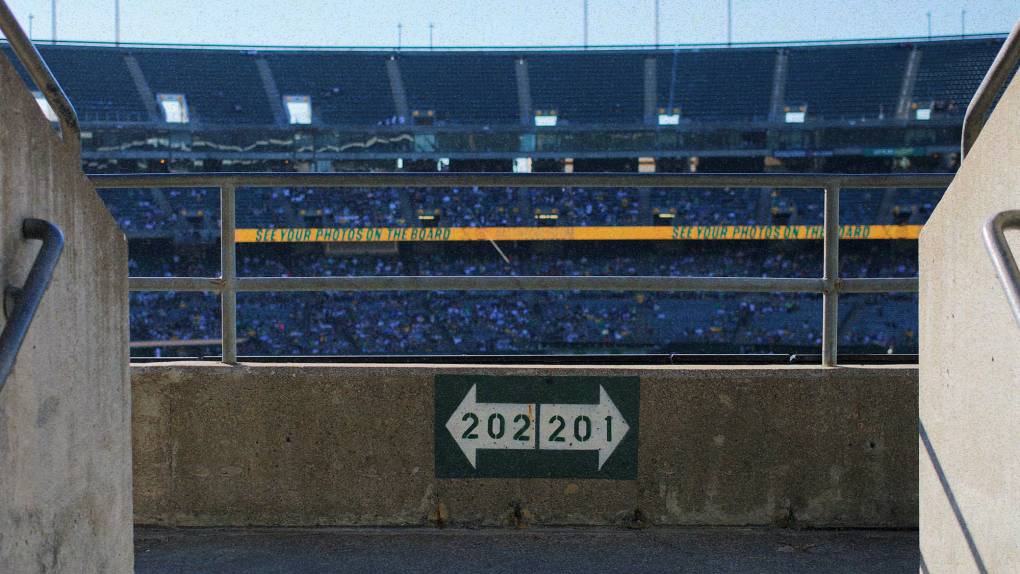
"caption": "Entering the Oakland Coliseum for the last time. ",
"credit": "Briana Chazaro",
"altTag": null,
"description": null,
"imgSizes": {
"medium": {
"file": "https://cdn.kqed.org/wp-content/uploads/sites/2/2024/09/880995A7-76FF-4AF0-90E2-4F424C97717C-1-800x450.jpg",
"width": 800,
"height": 450,
"mimeType": "image/jpeg"
},
"large": {
"file": "https://cdn.kqed.org/wp-content/uploads/sites/2/2024/09/880995A7-76FF-4AF0-90E2-4F424C97717C-1-1020x574.jpg",
"width": 1020,
"height": 574,
"mimeType": "image/jpeg"
},
"thumbnail": {
"file": "https://cdn.kqed.org/wp-content/uploads/sites/2/2024/09/880995A7-76FF-4AF0-90E2-4F424C97717C-1-160x90.jpg",
"width": 160,
"height": 90,
"mimeType": "image/jpeg"
},
"medium_large": {
"file": "https://cdn.kqed.org/wp-content/uploads/sites/2/2024/09/880995A7-76FF-4AF0-90E2-4F424C97717C-1-768x432.jpg",
"width": 768,
"height": 432,
"mimeType": "image/jpeg"
},
"1536x1536": {
"file": "https://cdn.kqed.org/wp-content/uploads/sites/2/2024/09/880995A7-76FF-4AF0-90E2-4F424C97717C-1-1536x864.jpg",
"width": 1536,
"height": 864,
"mimeType": "image/jpeg"
},
"post-thumbnail": {
"file": "https://cdn.kqed.org/wp-content/uploads/sites/2/2024/09/880995A7-76FF-4AF0-90E2-4F424C97717C-1-672x372.jpg",
"width": 672,
"height": 372,
"mimeType": "image/jpeg"
},
"twentyfourteen-full-width": {
"file": "https://cdn.kqed.org/wp-content/uploads/sites/2/2024/09/880995A7-76FF-4AF0-90E2-4F424C97717C-1-1038x576.jpg",
"width": 1038,
"height": 576,
"mimeType": "image/jpeg"
},
"full-width": {
"file": "https://cdn.kqed.org/wp-content/uploads/sites/2/2024/09/880995A7-76FF-4AF0-90E2-4F424C97717C-1-1920x1080.jpg",
"width": 1920,
"height": 1080,
"mimeType": "image/jpeg"
},
"kqedFullSize": {
"file": "https://cdn.kqed.org/wp-content/uploads/sites/2/2024/09/880995A7-76FF-4AF0-90E2-4F424C97717C-1.jpg",
"width": 2000,
"height": 1125
}
},
"isLoading": false,
"fetchFailed": false
}
},
"audioPlayerReducer": {
"postId": "stream_live",
"isPaused": true,
"isPlaying": false,
"pfsActive": false,
"pledgeModalIsOpen": true,
"playerDrawerIsOpen": false,
"liveAudioPlayStartedAt": 0,
"liveAudioPlayContext": ""
},
"authorsReducer": {
"byline_arts_13967633": {
"type": "authors",
"id": "byline_arts_13967633",
"meta": {
"override": true
},
"slug": "byline_arts_13967633",
"name": "Hillel Italie, Associated Press",
"isLoading": false
},
"byline_arts_13966756": {
"type": "authors",
"id": "byline_arts_13966756",
"meta": {
"override": true
},
"slug": "byline_arts_13966756",
"name": "Isabel Debre and Kaitlyn Huamani, Associated Press",
"isLoading": false
},
"byline_arts_13965726": {
"type": "authors",
"id": "byline_arts_13965726",
"meta": {
"override": true
},
"slug": "byline_arts_13965726",
"name": "Melissa Block, NPR",
"isLoading": false
},
"byline_arts_13965673": {
"type": "authors",
"id": "byline_arts_13965673",
"meta": {
"override": true
},
"slug": "byline_arts_13965673",
"name": "Jill Lawless, Associated Press",
"isLoading": false
},
"gmeline": {
"type": "authors",
"id": "185",
"meta": {
"index": "authors_1716337520",
"id": "185",
"found": true
},
"name": "Gabe Meline",
"firstName": "Gabe",
"lastName": "Meline",
"slug": "gmeline",
"email": "gmeline@kqed.org",
"display_author_email": true,
"staff_mastheads": [
"arts"
],
"title": "Senior Editor, KQED Arts & Culture",
"bio": "Gabe Meline entered journalism at age 15 making photocopied zines, and has since earned awards from the Edward R. Murrow Awards, the Society for Professional Journalists, the Online Journalism Awards, the Association of Alternative Newsweeklies and the California Newspaper Publishers Association. Prior to KQED, he was the editor of the \u003cem>North Bay Bohemian\u003c/em> and a touring musician. He lives with his wife and daughter in his hometown of Santa Rosa, CA.",
"avatar": "https://secure.gravatar.com/avatar/5bebe57be0d8bc2dd318934feb47299e2d2d10cba28d09d8d7afb389a2ce2bdd?s=600&d=blank&r=g",
"twitter": null,
"bluesky": null,
"facebook": null,
"instagram": null,
"linkedin": null,
"sites": [
{
"site": "",
"roles": [
"editor"
]
},
{
"site": "arts",
"roles": [
"administrator"
]
},
{
"site": "artschool",
"roles": [
"editor"
]
},
{
"site": "news",
"roles": [
"author"
]
},
{
"site": "pop",
"roles": [
"editor"
]
},
{
"site": "bayareabites",
"roles": [
"editor"
]
},
{
"site": "food",
"roles": [
"editor"
]
},
{
"site": "forum",
"roles": [
"administrator"
]
},
{
"site": "liveblog",
"roles": [
"editor"
]
},
{
"site": "hiphop",
"roles": [
"editor"
]
}
],
"headData": {
"title": "Gabe Meline | KQED",
"description": "Senior Editor, KQED Arts & Culture",
"ogImgSrc": "https://secure.gravatar.com/avatar/5bebe57be0d8bc2dd318934feb47299e2d2d10cba28d09d8d7afb389a2ce2bdd?s=600&d=blank&r=g",
"twImgSrc": "https://secure.gravatar.com/avatar/5bebe57be0d8bc2dd318934feb47299e2d2d10cba28d09d8d7afb389a2ce2bdd?s=600&d=blank&r=g"
},
"isLoading": false,
"link": "/author/gmeline"
},
"nvoynovskaya": {
"type": "authors",
"id": "11387",
"meta": {
"index": "authors_1716337520",
"id": "11387",
"found": true
},
"name": "Nastia Voynovskaya",
"firstName": "Nastia",
"lastName": "Voynovskaya",
"slug": "nvoynovskaya",
"email": "nvoynovskaya@kqed.org",
"display_author_email": false,
"staff_mastheads": [
"arts"
],
"title": "Editor and reporter",
"bio": "Nastia Voynovskaya is a reporter, editor and host at KQED Arts & Culture. She's been covering the arts in the Bay Area for over a decade, with a focus on music, queer culture, labor issues and grassroots organizing. She has edited KQED story series such as Trans Bay: A History of San Francisco's Gender-Diverse Community, and co-created KQED's Bay Area hip-hop history project, That's My Word. Nastia's work has been recognized by the Society of Professional Journalists and San Francisco Press Club. She regularly appears on podcasts and radio programs, including NPR's All Songs Considered, and hosts live events where music, culture and conversation meet.",
"avatar": "https://secure.gravatar.com/avatar/5025ee460e5a85d69ca20ea6c6f2f80d7e17795c828f61ea3aecfcd924e9042e?s=600&d=blank&r=g",
"twitter": null,
"bluesky": null,
"facebook": null,
"instagram": "https://www.instagram.com/nananastia/",
"linkedin": null,
"sites": [
{
"site": "",
"roles": [
"editor"
]
},
{
"site": "arts",
"roles": [
"administrator"
]
},
{
"site": "news",
"roles": [
"editor"
]
},
{
"site": "pop",
"roles": [
"administrator"
]
},
{
"site": "bayareabites",
"roles": [
"editor"
]
},
{
"site": "podcasts",
"roles": [
"editor"
]
},
{
"site": "hiphop",
"roles": [
"editor"
]
}
],
"headData": {
"title": "Nastia Voynovskaya | KQED",
"description": "Editor and reporter",
"ogImgSrc": "https://secure.gravatar.com/avatar/5025ee460e5a85d69ca20ea6c6f2f80d7e17795c828f61ea3aecfcd924e9042e?s=600&d=blank&r=g",
"twImgSrc": "https://secure.gravatar.com/avatar/5025ee460e5a85d69ca20ea6c6f2f80d7e17795c828f61ea3aecfcd924e9042e?s=600&d=blank&r=g"
},
"isLoading": false,
"link": "/author/nvoynovskaya"
},
"achazaro": {
"type": "authors",
"id": "11748",
"meta": {
"index": "authors_1716337520",
"id": "11748",
"found": true
},
"name": "Alan Chazaro",
"firstName": "Alan",
"lastName": "Chazaro",
"slug": "achazaro",
"email": "agchazaro@gmail.com",
"display_author_email": true,
"staff_mastheads": [],
"title": "Food Writer and Reporter",
"bio": "Alan Chazaro is the author of \u003cem>This Is Not a Frank Ocean Cover Album\u003c/em> (Black Lawrence Press, 2019), \u003cem>Piñata Theory\u003c/em> (Black Lawrence Press, 2020), and \u003cem>Notes from the Eastern Span of the Bay Bridge\u003c/em> (Ghost City Press, 2021). He is a graduate of June Jordan’s Poetry for the People program at UC Berkeley and a former Lawrence Ferlinghetti Fellow at the University of San Francisco. He writes about sports, food, art, music, education, and culture while repping the Bay on \u003ca href=\"https://twitter.com/alan_chazaro\">Twitter\u003c/a> and \u003ca href=\"https://www.instagram.com/alan_chazaro/?hl=en\">Instagram\u003c/a> at @alan_chazaro.",
"avatar": "https://secure.gravatar.com/avatar/ea8b6dd970fc5c29e7a188e7d5861df7?s=600&d=blank&r=g",
"twitter": "alan_chazaro",
"facebook": null,
"instagram": null,
"linkedin": null,
"sites": [
{
"site": "arts",
"roles": [
"contributor"
]
},
{
"site": "news",
"roles": [
"editor"
]
}
],
"headData": {
"title": "Alan Chazaro | KQED",
"description": "Food Writer and Reporter",
"ogImgSrc": "https://secure.gravatar.com/avatar/ea8b6dd970fc5c29e7a188e7d5861df7?s=600&d=blank&r=g",
"twImgSrc": "https://secure.gravatar.com/avatar/ea8b6dd970fc5c29e7a188e7d5861df7?s=600&d=blank&r=g"
},
"isLoading": false,
"link": "/author/achazaro"
},
"bloewinsohn": {
"type": "authors",
"id": "11904",
"meta": {
"index": "authors_1716337520",
"id": "11904",
"found": true
},
"name": "Briana Loewinsohn",
"firstName": "Briana",
"lastName": "Loewinsohn",
"slug": "bloewinsohn",
"email": "brianabreaks@gmail.com",
"display_author_email": false,
"staff_mastheads": [],
"title": "KQED Contributor",
"bio": null,
"avatar": "https://secure.gravatar.com/avatar/939d84e992d1263b5df583828709edae706c0bba1db57ec593f24f34274ef0ec?s=600&d=blank&r=g",
"twitter": null,
"bluesky": null,
"facebook": null,
"instagram": null,
"linkedin": null,
"sites": [
{
"site": "arts",
"roles": [
"contributor"
]
}
],
"headData": {
"title": "Briana Loewinsohn | KQED",
"description": "KQED Contributor",
"ogImgSrc": "https://secure.gravatar.com/avatar/939d84e992d1263b5df583828709edae706c0bba1db57ec593f24f34274ef0ec?s=600&d=blank&r=g",
"twImgSrc": "https://secure.gravatar.com/avatar/939d84e992d1263b5df583828709edae706c0bba1db57ec593f24f34274ef0ec?s=600&d=blank&r=g"
},
"isLoading": false,
"link": "/author/bloewinsohn"
}
},
"pagesReducer": {
"arts_category_remembrance": {
"type": "terms",
"id": "arts_1564",
"meta": {
"index": "terms_1716263798",
"site": "arts",
"id": "1564",
"score": 13.107925
},
"featImg": null,
"name": "Remembrance",
"description": null,
"taxonomy": "category",
"headData": {
"twImgId": null,
"twTitle": null,
"ogTitle": null,
"ogImgId": null,
"twDescription": null,
"description": null,
"title": "Remembrance Archives | KQED Arts",
"ogDescription": null
},
"ttid": 1576,
"slug": "remembrance",
"isLoading": false,
"title": "Remembrance",
"pageMeta": {
"site": "arts",
"WpPageTemplate": "page-topic-editorial",
"currentPage": 5
},
"blocks": [
{
"blockName": "kqed/post-list",
"attrs": {
"layout": "cardArticle2",
"query": "posts/arts?category=remembrance",
"seeMore": false,
"paginated": true,
"page": 5
}
},
{
"blockName": "kqed/ad"
}
]
}
},
"pfsSessionReducer": {},
"postsReducer": {
"stream_live": {
"type": "live",
"id": "stream_live",
"audioUrl": "https://streams.kqed.org/kqedradio",
"title": "Live Stream",
"excerpt": "Live Stream information currently unavailable.",
"link": "/radio",
"featImg": "",
"label": {
"name": "KQED Live",
"link": "/"
}
},
"stream_kqedNewscast": {
"type": "posts",
"id": "stream_kqedNewscast",
"audioUrl": "https://www.kqed.org/.stream/anon/radio/RDnews/newscast.mp3?_=1",
"title": "KQED Newscast",
"featImg": "",
"label": {
"name": "88.5 FM",
"link": "/"
}
},
"arts_13968285": {
"type": "posts",
"id": "arts_13968285",
"meta": {
"index": "posts_1716263798",
"site": "arts",
"id": "13968285",
"score": null,
"sort": [
1732114854000
]
},
"guestAuthors": [],
"slug": "movie-theaters-closed-pussycat-theater-adult-films-oakland",
"title": "‘Movie Theaters We Have Lost’: The Pussycat Theater in Oakland",
"publishDate": 1732114854,
"format": "aside",
"headTitle": "‘Movie Theaters We Have Lost’: The Pussycat Theater in Oakland | KQED",
"labelTerm": {
"site": "arts"
},
"content": "\u003cp>\u003cem>This week, KQED is proud to present \u003c/em>\u003ca href=\"https://www.kqed.org/arts/tag/movie-theaters-we-have-lost\">Movie Theaters We Have Lost\u003c/a>\u003cem> by Briana Loewinsohn, a cartoonist, teacher and author of the upcoming graphic memoir \u003c/em>\u003ca href=\"https://www.fantagraphics.com/collections/briana-loewinsohn/products/raised-by-ghosts\">Raised By Ghosts\u003c/a>\u003cem>, about growing up in the East Bay.\u003c/em>\u003c/p>\n\u003cp>\u003cem>At a time of \u003ca href=\"https://www.kqed.org/forum/2010101893696/the-pandemic-took-a-number-of-bay-area-movie-theaters-whats-working-for-the-theaters-that-survived\">unprecedented movie theater closures\u003c/a>, Briana illustrates her memories of shuttered East Bay theaters, and the ways they adorned our lives. Today’s installment is the Pussycat Theater in Oakland, which showed adult films before it closed in 1989.\u003c/em>\u003c/p>\n\u003cp>\u003cimg loading=\"lazy\" decoding=\"async\" src=\"https://cdn.kqed.org/wp-content/uploads/sites/2/2024/11/Pussycat_0.jpg\" alt=\"\" width=\"2000\" height=\"2000\" class=\"aligncenter size-full wp-image-13968277\" srcset=\"https://cdn.kqed.org/wp-content/uploads/sites/2/2024/11/Pussycat_0.jpg 2000w, https://cdn.kqed.org/wp-content/uploads/sites/2/2024/11/Pussycat_0-800x800.jpg 800w, https://cdn.kqed.org/wp-content/uploads/sites/2/2024/11/Pussycat_0-1020x1020.jpg 1020w, https://cdn.kqed.org/wp-content/uploads/sites/2/2024/11/Pussycat_0-160x160.jpg 160w, https://cdn.kqed.org/wp-content/uploads/sites/2/2024/11/Pussycat_0-768x768.jpg 768w, https://cdn.kqed.org/wp-content/uploads/sites/2/2024/11/Pussycat_0-1536x1536.jpg 1536w, https://cdn.kqed.org/wp-content/uploads/sites/2/2024/11/Pussycat_0-1920x1920.jpg 1920w\" sizes=\"(max-width: 2000px) 100vw, 2000px\">\u003c/p>\n\u003cp>\u003cimg loading=\"lazy\" decoding=\"async\" src=\"https://cdn.kqed.org/wp-content/uploads/sites/2/2024/11/Pussycat_1.jpg\" alt=\"\" width=\"2000\" height=\"2000\" class=\"aligncenter size-full wp-image-13968278\" srcset=\"https://cdn.kqed.org/wp-content/uploads/sites/2/2024/11/Pussycat_1.jpg 2000w, https://cdn.kqed.org/wp-content/uploads/sites/2/2024/11/Pussycat_1-800x800.jpg 800w, https://cdn.kqed.org/wp-content/uploads/sites/2/2024/11/Pussycat_1-1020x1020.jpg 1020w, https://cdn.kqed.org/wp-content/uploads/sites/2/2024/11/Pussycat_1-160x160.jpg 160w, https://cdn.kqed.org/wp-content/uploads/sites/2/2024/11/Pussycat_1-768x768.jpg 768w, https://cdn.kqed.org/wp-content/uploads/sites/2/2024/11/Pussycat_1-1536x1536.jpg 1536w, https://cdn.kqed.org/wp-content/uploads/sites/2/2024/11/Pussycat_1-1920x1920.jpg 1920w\" sizes=\"(max-width: 2000px) 100vw, 2000px\">\u003c/p>\n\u003cp>\u003cimg loading=\"lazy\" decoding=\"async\" src=\"https://cdn.kqed.org/wp-content/uploads/sites/2/2024/11/Pussycat_3.jpg\" alt=\"\" width=\"2000\" height=\"2000\" class=\"aligncenter size-full wp-image-13968276\" srcset=\"https://cdn.kqed.org/wp-content/uploads/sites/2/2024/11/Pussycat_3.jpg 2000w, https://cdn.kqed.org/wp-content/uploads/sites/2/2024/11/Pussycat_3-800x800.jpg 800w, https://cdn.kqed.org/wp-content/uploads/sites/2/2024/11/Pussycat_3-1020x1020.jpg 1020w, https://cdn.kqed.org/wp-content/uploads/sites/2/2024/11/Pussycat_3-160x160.jpg 160w, https://cdn.kqed.org/wp-content/uploads/sites/2/2024/11/Pussycat_3-768x768.jpg 768w, https://cdn.kqed.org/wp-content/uploads/sites/2/2024/11/Pussycat_3-1536x1536.jpg 1536w, https://cdn.kqed.org/wp-content/uploads/sites/2/2024/11/Pussycat_3-1920x1920.jpg 1920w\" sizes=\"(max-width: 2000px) 100vw, 2000px\">\u003c/p>\n\u003cp>[ad fullwidth]\u003c/p>\n\u003cp>\u003cimg loading=\"lazy\" decoding=\"async\" src=\"https://cdn.kqed.org/wp-content/uploads/sites/2/2024/11/Pussycat_4.jpg\" alt=\"\" width=\"2000\" height=\"2000\" class=\"aligncenter size-full wp-image-13968280\" srcset=\"https://cdn.kqed.org/wp-content/uploads/sites/2/2024/11/Pussycat_4.jpg 2000w, https://cdn.kqed.org/wp-content/uploads/sites/2/2024/11/Pussycat_4-800x800.jpg 800w, https://cdn.kqed.org/wp-content/uploads/sites/2/2024/11/Pussycat_4-1020x1020.jpg 1020w, https://cdn.kqed.org/wp-content/uploads/sites/2/2024/11/Pussycat_4-160x160.jpg 160w, https://cdn.kqed.org/wp-content/uploads/sites/2/2024/11/Pussycat_4-768x768.jpg 768w, https://cdn.kqed.org/wp-content/uploads/sites/2/2024/11/Pussycat_4-1536x1536.jpg 1536w, https://cdn.kqed.org/wp-content/uploads/sites/2/2024/11/Pussycat_4-1920x1920.jpg 1920w\" sizes=\"(max-width: 2000px) 100vw, 2000px\">\u003c/p>\n\u003cp>\u003cimg loading=\"lazy\" decoding=\"async\" src=\"https://cdn.kqed.org/wp-content/uploads/sites/2/2024/11/Pussycat_5.jpg\" alt=\"\" width=\"2000\" height=\"2000\" class=\"aligncenter size-full wp-image-13968281\" srcset=\"https://cdn.kqed.org/wp-content/uploads/sites/2/2024/11/Pussycat_5.jpg 2000w, https://cdn.kqed.org/wp-content/uploads/sites/2/2024/11/Pussycat_5-800x800.jpg 800w, https://cdn.kqed.org/wp-content/uploads/sites/2/2024/11/Pussycat_5-1020x1020.jpg 1020w, https://cdn.kqed.org/wp-content/uploads/sites/2/2024/11/Pussycat_5-160x160.jpg 160w, https://cdn.kqed.org/wp-content/uploads/sites/2/2024/11/Pussycat_5-768x768.jpg 768w, https://cdn.kqed.org/wp-content/uploads/sites/2/2024/11/Pussycat_5-1536x1536.jpg 1536w, https://cdn.kqed.org/wp-content/uploads/sites/2/2024/11/Pussycat_5-1920x1920.jpg 1920w\" sizes=\"(max-width: 2000px) 100vw, 2000px\">\u003c/p>\n\u003cp>\u003cimg loading=\"lazy\" decoding=\"async\" src=\"https://cdn.kqed.org/wp-content/uploads/sites/2/2024/11/Pussycat_6.jpg\" alt=\"\" width=\"2000\" height=\"2000\" class=\"aligncenter size-full wp-image-13968282\" srcset=\"https://cdn.kqed.org/wp-content/uploads/sites/2/2024/11/Pussycat_6.jpg 2000w, https://cdn.kqed.org/wp-content/uploads/sites/2/2024/11/Pussycat_6-800x800.jpg 800w, https://cdn.kqed.org/wp-content/uploads/sites/2/2024/11/Pussycat_6-1020x1020.jpg 1020w, https://cdn.kqed.org/wp-content/uploads/sites/2/2024/11/Pussycat_6-160x160.jpg 160w, https://cdn.kqed.org/wp-content/uploads/sites/2/2024/11/Pussycat_6-768x768.jpg 768w, https://cdn.kqed.org/wp-content/uploads/sites/2/2024/11/Pussycat_6-1536x1536.jpg 1536w, https://cdn.kqed.org/wp-content/uploads/sites/2/2024/11/Pussycat_6-1920x1920.jpg 1920w\" sizes=\"(max-width: 2000px) 100vw, 2000px\">\u003c/p>\n\u003cp>\u003cimg loading=\"lazy\" decoding=\"async\" src=\"https://cdn.kqed.org/wp-content/uploads/sites/2/2024/11/Pussycat_7.jpg\" alt=\"\" width=\"2000\" height=\"2000\" class=\"aligncenter size-full wp-image-13968284\" srcset=\"https://cdn.kqed.org/wp-content/uploads/sites/2/2024/11/Pussycat_7.jpg 2000w, https://cdn.kqed.org/wp-content/uploads/sites/2/2024/11/Pussycat_7-800x800.jpg 800w, https://cdn.kqed.org/wp-content/uploads/sites/2/2024/11/Pussycat_7-1020x1020.jpg 1020w, https://cdn.kqed.org/wp-content/uploads/sites/2/2024/11/Pussycat_7-160x160.jpg 160w, https://cdn.kqed.org/wp-content/uploads/sites/2/2024/11/Pussycat_7-768x768.jpg 768w, https://cdn.kqed.org/wp-content/uploads/sites/2/2024/11/Pussycat_7-1536x1536.jpg 1536w, https://cdn.kqed.org/wp-content/uploads/sites/2/2024/11/Pussycat_7-1920x1920.jpg 1920w\" sizes=\"(max-width: 2000px) 100vw, 2000px\">\u003c/p>\n\u003cp>\u003cimg loading=\"lazy\" decoding=\"async\" src=\"https://cdn.kqed.org/wp-content/uploads/sites/2/2024/11/Pussycat_8.jpg\" alt=\"\" width=\"2000\" height=\"2000\" class=\"aligncenter size-full wp-image-13968279\" srcset=\"https://cdn.kqed.org/wp-content/uploads/sites/2/2024/11/Pussycat_8.jpg 2000w, https://cdn.kqed.org/wp-content/uploads/sites/2/2024/11/Pussycat_8-800x800.jpg 800w, https://cdn.kqed.org/wp-content/uploads/sites/2/2024/11/Pussycat_8-1020x1020.jpg 1020w, https://cdn.kqed.org/wp-content/uploads/sites/2/2024/11/Pussycat_8-160x160.jpg 160w, https://cdn.kqed.org/wp-content/uploads/sites/2/2024/11/Pussycat_8-768x768.jpg 768w, https://cdn.kqed.org/wp-content/uploads/sites/2/2024/11/Pussycat_8-1536x1536.jpg 1536w, https://cdn.kqed.org/wp-content/uploads/sites/2/2024/11/Pussycat_8-1920x1920.jpg 1920w\" sizes=\"(max-width: 2000px) 100vw, 2000px\">\u003c/p>\n\u003cp>\u003c/p>\n\u003cp>\u003cimg loading=\"lazy\" decoding=\"async\" src=\"https://cdn.kqed.org/wp-content/uploads/sites/2/2024/11/Pussycat_Note.jpg\" alt=\"\" width=\"2000\" height=\"2000\" class=\"aligncenter size-full wp-image-13968283\" srcset=\"https://cdn.kqed.org/wp-content/uploads/sites/2/2024/11/Pussycat_Note.jpg 2000w, https://cdn.kqed.org/wp-content/uploads/sites/2/2024/11/Pussycat_Note-800x800.jpg 800w, https://cdn.kqed.org/wp-content/uploads/sites/2/2024/11/Pussycat_Note-1020x1020.jpg 1020w, https://cdn.kqed.org/wp-content/uploads/sites/2/2024/11/Pussycat_Note-160x160.jpg 160w, https://cdn.kqed.org/wp-content/uploads/sites/2/2024/11/Pussycat_Note-768x768.jpg 768w, https://cdn.kqed.org/wp-content/uploads/sites/2/2024/11/Pussycat_Note-1536x1536.jpg 1536w, https://cdn.kqed.org/wp-content/uploads/sites/2/2024/11/Pussycat_Note-1920x1920.jpg 1920w\" sizes=\"(max-width: 2000px) 100vw, 2000px\">\u003c/p>\n\n",
"blocks": [],
"excerpt": "Briana Loewinsohn illustrates Oakland's Pussycat Theater, which showed adult films before it closed in 1989.",
"status": "publish",
"parent": 0,
"modified": 1732002227,
"stats": {
"hasAudio": false,
"hasVideo": false,
"hasChartOrMap": false,
"iframeSrcs": [],
"hasGoogleForm": false,
"hasGallery": false,
"hasHearkenModule": false,
"hasPolis": false,
"paragraphCount": 13,
"wordCount": 80
},
"headData": {
"title": "Remembering the Pussycat Movie Theater in Oakland | KQED",
"description": "Briana Loewinsohn illustrates Oakland's Pussycat Theater, which showed adult films before it closed in 1989.",
"ogTitle": "Remembering the Pussycat Movie Theater in Oakland",
"ogDescription": "Briana Loewinsohn illustrates Oakland's Pussycat Theater, which showed adult films before it closed in 1989.",
"ogImgId": "",
"twTitle": "Remembering the Pussycat Movie Theater in Oakland",
"twDescription": "Briana Loewinsohn illustrates Oakland's Pussycat Theater, which showed adult films before it closed in 1989.",
"twImgId": "",
"socialTitle": "Remembering the Pussycat Movie Theater in Oakland %%page%% %%sep%% KQED",
"socialDescription": "Briana Loewinsohn illustrates Oakland's Pussycat Theater, which showed adult films before it closed in 1989.",
"schema": {
"@context": "https://schema.org",
"@type": "Article",
"headline": "‘Movie Theaters We Have Lost’: The Pussycat Theater in Oakland",
"datePublished": "2024-11-20T07:00:54-08:00",
"dateModified": "2024-11-18T23:43:47-08:00",
"image": "https://cdn.kqed.org/wp-content/uploads/2020/02/KQED-OG-Image@1x.png"
}
},
"sticky": false,
"templateType": "standard",
"featuredImageType": "standard",
"excludeFromSiteSearch": "Include",
"articleAge": "0",
"path": "/arts/13968285/movie-theaters-closed-pussycat-theater-adult-films-oakland",
"audioTrackLength": null,
"parsedContent": [
{
"type": "contentString",
"content": "\u003cdiv class=\"post-body\">\u003cp>\u003cp>\u003cem>This week, KQED is proud to present \u003c/em>\u003ca href=\"https://www.kqed.org/arts/tag/movie-theaters-we-have-lost\">Movie Theaters We Have Lost\u003c/a>\u003cem> by Briana Loewinsohn, a cartoonist, teacher and author of the upcoming graphic memoir \u003c/em>\u003ca href=\"https://www.fantagraphics.com/collections/briana-loewinsohn/products/raised-by-ghosts\">Raised By Ghosts\u003c/a>\u003cem>, about growing up in the East Bay.\u003c/em>\u003c/p>\n\u003cp>\u003cem>At a time of \u003ca href=\"https://www.kqed.org/forum/2010101893696/the-pandemic-took-a-number-of-bay-area-movie-theaters-whats-working-for-the-theaters-that-survived\">unprecedented movie theater closures\u003c/a>, Briana illustrates her memories of shuttered East Bay theaters, and the ways they adorned our lives. Today’s installment is the Pussycat Theater in Oakland, which showed adult films before it closed in 1989.\u003c/em>\u003c/p>\n\u003cp>\u003cimg loading=\"lazy\" decoding=\"async\" src=\"https://cdn.kqed.org/wp-content/uploads/sites/2/2024/11/Pussycat_0.jpg\" alt=\"\" width=\"2000\" height=\"2000\" class=\"aligncenter size-full wp-image-13968277\" srcset=\"https://cdn.kqed.org/wp-content/uploads/sites/2/2024/11/Pussycat_0.jpg 2000w, https://cdn.kqed.org/wp-content/uploads/sites/2/2024/11/Pussycat_0-800x800.jpg 800w, https://cdn.kqed.org/wp-content/uploads/sites/2/2024/11/Pussycat_0-1020x1020.jpg 1020w, https://cdn.kqed.org/wp-content/uploads/sites/2/2024/11/Pussycat_0-160x160.jpg 160w, https://cdn.kqed.org/wp-content/uploads/sites/2/2024/11/Pussycat_0-768x768.jpg 768w, https://cdn.kqed.org/wp-content/uploads/sites/2/2024/11/Pussycat_0-1536x1536.jpg 1536w, https://cdn.kqed.org/wp-content/uploads/sites/2/2024/11/Pussycat_0-1920x1920.jpg 1920w\" sizes=\"(max-width: 2000px) 100vw, 2000px\">\u003c/p>\n\u003cp>\u003cimg loading=\"lazy\" decoding=\"async\" src=\"https://cdn.kqed.org/wp-content/uploads/sites/2/2024/11/Pussycat_1.jpg\" alt=\"\" width=\"2000\" height=\"2000\" class=\"aligncenter size-full wp-image-13968278\" srcset=\"https://cdn.kqed.org/wp-content/uploads/sites/2/2024/11/Pussycat_1.jpg 2000w, https://cdn.kqed.org/wp-content/uploads/sites/2/2024/11/Pussycat_1-800x800.jpg 800w, https://cdn.kqed.org/wp-content/uploads/sites/2/2024/11/Pussycat_1-1020x1020.jpg 1020w, https://cdn.kqed.org/wp-content/uploads/sites/2/2024/11/Pussycat_1-160x160.jpg 160w, https://cdn.kqed.org/wp-content/uploads/sites/2/2024/11/Pussycat_1-768x768.jpg 768w, https://cdn.kqed.org/wp-content/uploads/sites/2/2024/11/Pussycat_1-1536x1536.jpg 1536w, https://cdn.kqed.org/wp-content/uploads/sites/2/2024/11/Pussycat_1-1920x1920.jpg 1920w\" sizes=\"(max-width: 2000px) 100vw, 2000px\">\u003c/p>\n\u003cp>\u003cimg loading=\"lazy\" decoding=\"async\" src=\"https://cdn.kqed.org/wp-content/uploads/sites/2/2024/11/Pussycat_3.jpg\" alt=\"\" width=\"2000\" height=\"2000\" class=\"aligncenter size-full wp-image-13968276\" srcset=\"https://cdn.kqed.org/wp-content/uploads/sites/2/2024/11/Pussycat_3.jpg 2000w, https://cdn.kqed.org/wp-content/uploads/sites/2/2024/11/Pussycat_3-800x800.jpg 800w, https://cdn.kqed.org/wp-content/uploads/sites/2/2024/11/Pussycat_3-1020x1020.jpg 1020w, https://cdn.kqed.org/wp-content/uploads/sites/2/2024/11/Pussycat_3-160x160.jpg 160w, https://cdn.kqed.org/wp-content/uploads/sites/2/2024/11/Pussycat_3-768x768.jpg 768w, https://cdn.kqed.org/wp-content/uploads/sites/2/2024/11/Pussycat_3-1536x1536.jpg 1536w, https://cdn.kqed.org/wp-content/uploads/sites/2/2024/11/Pussycat_3-1920x1920.jpg 1920w\" sizes=\"(max-width: 2000px) 100vw, 2000px\">\u003c/p>\n\u003cp>\u003c/p>\u003c/div>",
"attributes": {
"named": {},
"numeric": []
}
},
{
"type": "component",
"content": "",
"name": "ad",
"attributes": {
"named": {
"label": "fullwidth"
},
"numeric": [
"fullwidth"
]
}
},
{
"type": "contentString",
"content": "\u003cdiv class=\"post-body\">\u003cp>\u003c/p>\n\u003cp>\u003cimg loading=\"lazy\" decoding=\"async\" src=\"https://cdn.kqed.org/wp-content/uploads/sites/2/2024/11/Pussycat_4.jpg\" alt=\"\" width=\"2000\" height=\"2000\" class=\"aligncenter size-full wp-image-13968280\" srcset=\"https://cdn.kqed.org/wp-content/uploads/sites/2/2024/11/Pussycat_4.jpg 2000w, https://cdn.kqed.org/wp-content/uploads/sites/2/2024/11/Pussycat_4-800x800.jpg 800w, https://cdn.kqed.org/wp-content/uploads/sites/2/2024/11/Pussycat_4-1020x1020.jpg 1020w, https://cdn.kqed.org/wp-content/uploads/sites/2/2024/11/Pussycat_4-160x160.jpg 160w, https://cdn.kqed.org/wp-content/uploads/sites/2/2024/11/Pussycat_4-768x768.jpg 768w, https://cdn.kqed.org/wp-content/uploads/sites/2/2024/11/Pussycat_4-1536x1536.jpg 1536w, https://cdn.kqed.org/wp-content/uploads/sites/2/2024/11/Pussycat_4-1920x1920.jpg 1920w\" sizes=\"(max-width: 2000px) 100vw, 2000px\">\u003c/p>\n\u003cp>\u003cimg loading=\"lazy\" decoding=\"async\" src=\"https://cdn.kqed.org/wp-content/uploads/sites/2/2024/11/Pussycat_5.jpg\" alt=\"\" width=\"2000\" height=\"2000\" class=\"aligncenter size-full wp-image-13968281\" srcset=\"https://cdn.kqed.org/wp-content/uploads/sites/2/2024/11/Pussycat_5.jpg 2000w, https://cdn.kqed.org/wp-content/uploads/sites/2/2024/11/Pussycat_5-800x800.jpg 800w, https://cdn.kqed.org/wp-content/uploads/sites/2/2024/11/Pussycat_5-1020x1020.jpg 1020w, https://cdn.kqed.org/wp-content/uploads/sites/2/2024/11/Pussycat_5-160x160.jpg 160w, https://cdn.kqed.org/wp-content/uploads/sites/2/2024/11/Pussycat_5-768x768.jpg 768w, https://cdn.kqed.org/wp-content/uploads/sites/2/2024/11/Pussycat_5-1536x1536.jpg 1536w, https://cdn.kqed.org/wp-content/uploads/sites/2/2024/11/Pussycat_5-1920x1920.jpg 1920w\" sizes=\"(max-width: 2000px) 100vw, 2000px\">\u003c/p>\n\u003cp>\u003cimg loading=\"lazy\" decoding=\"async\" src=\"https://cdn.kqed.org/wp-content/uploads/sites/2/2024/11/Pussycat_6.jpg\" alt=\"\" width=\"2000\" height=\"2000\" class=\"aligncenter size-full wp-image-13968282\" srcset=\"https://cdn.kqed.org/wp-content/uploads/sites/2/2024/11/Pussycat_6.jpg 2000w, https://cdn.kqed.org/wp-content/uploads/sites/2/2024/11/Pussycat_6-800x800.jpg 800w, https://cdn.kqed.org/wp-content/uploads/sites/2/2024/11/Pussycat_6-1020x1020.jpg 1020w, https://cdn.kqed.org/wp-content/uploads/sites/2/2024/11/Pussycat_6-160x160.jpg 160w, https://cdn.kqed.org/wp-content/uploads/sites/2/2024/11/Pussycat_6-768x768.jpg 768w, https://cdn.kqed.org/wp-content/uploads/sites/2/2024/11/Pussycat_6-1536x1536.jpg 1536w, https://cdn.kqed.org/wp-content/uploads/sites/2/2024/11/Pussycat_6-1920x1920.jpg 1920w\" sizes=\"(max-width: 2000px) 100vw, 2000px\">\u003c/p>\n\u003cp>\u003cimg loading=\"lazy\" decoding=\"async\" src=\"https://cdn.kqed.org/wp-content/uploads/sites/2/2024/11/Pussycat_7.jpg\" alt=\"\" width=\"2000\" height=\"2000\" class=\"aligncenter size-full wp-image-13968284\" srcset=\"https://cdn.kqed.org/wp-content/uploads/sites/2/2024/11/Pussycat_7.jpg 2000w, https://cdn.kqed.org/wp-content/uploads/sites/2/2024/11/Pussycat_7-800x800.jpg 800w, https://cdn.kqed.org/wp-content/uploads/sites/2/2024/11/Pussycat_7-1020x1020.jpg 1020w, https://cdn.kqed.org/wp-content/uploads/sites/2/2024/11/Pussycat_7-160x160.jpg 160w, https://cdn.kqed.org/wp-content/uploads/sites/2/2024/11/Pussycat_7-768x768.jpg 768w, https://cdn.kqed.org/wp-content/uploads/sites/2/2024/11/Pussycat_7-1536x1536.jpg 1536w, https://cdn.kqed.org/wp-content/uploads/sites/2/2024/11/Pussycat_7-1920x1920.jpg 1920w\" sizes=\"(max-width: 2000px) 100vw, 2000px\">\u003c/p>\n\u003cp>\u003cimg loading=\"lazy\" decoding=\"async\" src=\"https://cdn.kqed.org/wp-content/uploads/sites/2/2024/11/Pussycat_8.jpg\" alt=\"\" width=\"2000\" height=\"2000\" class=\"aligncenter size-full wp-image-13968279\" srcset=\"https://cdn.kqed.org/wp-content/uploads/sites/2/2024/11/Pussycat_8.jpg 2000w, https://cdn.kqed.org/wp-content/uploads/sites/2/2024/11/Pussycat_8-800x800.jpg 800w, https://cdn.kqed.org/wp-content/uploads/sites/2/2024/11/Pussycat_8-1020x1020.jpg 1020w, https://cdn.kqed.org/wp-content/uploads/sites/2/2024/11/Pussycat_8-160x160.jpg 160w, https://cdn.kqed.org/wp-content/uploads/sites/2/2024/11/Pussycat_8-768x768.jpg 768w, https://cdn.kqed.org/wp-content/uploads/sites/2/2024/11/Pussycat_8-1536x1536.jpg 1536w, https://cdn.kqed.org/wp-content/uploads/sites/2/2024/11/Pussycat_8-1920x1920.jpg 1920w\" sizes=\"(max-width: 2000px) 100vw, 2000px\">\u003c/p>\n\u003cp>\u003c/p>\n\u003cp>\u003cimg loading=\"lazy\" decoding=\"async\" src=\"https://cdn.kqed.org/wp-content/uploads/sites/2/2024/11/Pussycat_Note.jpg\" alt=\"\" width=\"2000\" height=\"2000\" class=\"aligncenter size-full wp-image-13968283\" srcset=\"https://cdn.kqed.org/wp-content/uploads/sites/2/2024/11/Pussycat_Note.jpg 2000w, https://cdn.kqed.org/wp-content/uploads/sites/2/2024/11/Pussycat_Note-800x800.jpg 800w, https://cdn.kqed.org/wp-content/uploads/sites/2/2024/11/Pussycat_Note-1020x1020.jpg 1020w, https://cdn.kqed.org/wp-content/uploads/sites/2/2024/11/Pussycat_Note-160x160.jpg 160w, https://cdn.kqed.org/wp-content/uploads/sites/2/2024/11/Pussycat_Note-768x768.jpg 768w, https://cdn.kqed.org/wp-content/uploads/sites/2/2024/11/Pussycat_Note-1536x1536.jpg 1536w, https://cdn.kqed.org/wp-content/uploads/sites/2/2024/11/Pussycat_Note-1920x1920.jpg 1920w\" sizes=\"(max-width: 2000px) 100vw, 2000px\">\u003c/p>\n\n\u003c/div>\u003c/p>",
"attributes": {
"named": {},
"numeric": []
}
}
],
"link": "/arts/13968285/movie-theaters-closed-pussycat-theater-adult-films-oakland",
"authors": [
"11904"
],
"categories": [
"arts_1",
"arts_74",
"arts_1564",
"arts_70"
],
"tags": [
"arts_10331",
"arts_10278",
"arts_5544",
"arts_22368",
"arts_1143",
"arts_22369"
],
"featImg": "arts_13968275",
"label": "arts"
},
"arts_13968340": {
"type": "posts",
"id": "arts_13968340",
"meta": {
"index": "posts_1716263798",
"site": "arts",
"id": "13968340",
"score": null,
"sort": [
1732044346000
]
},
"guestAuthors": [],
"slug": "saafir-dead-oakland-rapper-dies-at-54",
"title": "Saafir, Inventive and Dextrous Oakland Rapper, Dies at 54",
"publishDate": 1732044346,
"format": "standard",
"headTitle": "Saafir, Inventive and Dextrous Oakland Rapper, Dies at 54 | KQED",
"labelTerm": {
"site": "arts"
},
"content": "\u003cp>Saafir, the raspy-voiced Oakland rapper who infused the rhythms of avant-garde jazz into his rhymes, died on Tuesday morning, according to family. He was 54.\u003c/p>\n\u003cp>A joint \u003ca href=\"https://www.instagram.com/p/DCj_iNlS5aE/\">Instagram post\u003c/a> by the rapper Xzibit and Saafir’s son explained that the rapper born Reggie Gibson died at 8:45 a.m., surrounded by friends and family.\u003c/p>\n\u003cp>“We surrounded him and let him know how much we loved him,” the post read. “He can rest now.”\u003c/p>\n\u003cp>No cause of death was announced. Saafir had long struggled with complications from a spinal surgery and other health problems.\u003c/p>\n\u003cfigure id=\"attachment_13968341\" class=\"wp-caption aligncenter\" style=\"max-width: 1122px\">\u003cimg loading=\"lazy\" decoding=\"async\" class=\"size-full wp-image-13968341\" src=\"https://cdn.kqed.org/wp-content/uploads/sites/2/2024/11/Saafir.jpg\" alt=\"\" width=\"1122\" height=\"1244\" srcset=\"https://cdn.kqed.org/wp-content/uploads/sites/2/2024/11/Saafir.jpg 1122w, https://cdn.kqed.org/wp-content/uploads/sites/2/2024/11/Saafir-800x887.jpg 800w, https://cdn.kqed.org/wp-content/uploads/sites/2/2024/11/Saafir-1020x1131.jpg 1020w, https://cdn.kqed.org/wp-content/uploads/sites/2/2024/11/Saafir-160x177.jpg 160w, https://cdn.kqed.org/wp-content/uploads/sites/2/2024/11/Saafir-768x852.jpg 768w\" sizes=\"(max-width: 1122px) 100vw, 1122px\">\u003cfigcaption class=\"wp-caption-text\">Saafir.\u003c/figcaption>\u003c/figure>\n\u003cp>With his early 1990s hip-hop group Hobo Junction, Saafir made a name for himself as a lyrically dextrous and inventive rapper with a distinct, guttural style. He is remembered by hip-hop fans nationwide, and especially in the Bay Area, for incandescently propelling a \u003ca href=\"https://www.kqed.org/arts/13924170/the-bay-area-rap-battle-heard-round-the-world\">legendary 1994 on-air freestyle battle\u003c/a> between his Hobo Junction crew and fellow East Bay collective Hieroglyphics that lasted more than 40 minutes.\u003c/p>\n\u003cp>[ad fullwidth]\u003c/p>\n\u003cp>Saafir spent his early teenage years in and out of group homes in Oakland, with at least one stint in jail. Inspired by early rappers like Too Short and LL Cool J, he began writing raps and developing a cadence that frequently avoided the downbeat.\u003c/p>\n\u003cp>While working with \u003ca href=\"https://www.kqed.org/arts/tag/digital-underground\">Digital Underground\u003c/a>, Saafir was onetime roommates with \u003ca href=\"https://www.kqed.org/arts/tag/tupac-shakur\">Tupac Shakur\u003c/a>, who introduced the West Oakland-bred young talent to Hollywood movie directors Albert and Allen Hughes. Saafir appeared in their 1993 film \u003cem>Menace II Society\u003c/em> as the character cousin Harold.\u003c/p>\n\u003cp>Before long, Saafir was offered a major record deal from music industry titan Quincy Jones. The resulting album, \u003cem>Boxcar Sessions\u003c/em>, bridged the dynamism of jazz innovators like Eric Dolphy and Andrew Hill with the streetwise sounds and themes of crack-era Oakland. To celebrate its release, Saafir performed a \u003ca href=\"https://www.youtube.com/watch?v=ww82T3UmSEU\">free show\u003c/a> in front of Leopold’s Records, just off Telegraph Avenue in Berkeley, where Hobo Junction first began selling underground tapes.\u003c/p>\n\u003cp>https://www.youtube.com/watch?v=lfQWH8QsNjA\u003c/p>\n\u003cp>Only a handful of albums followed. In 2013, on the blog of hip-hop historian Davey D, Shock G from Digital Underground explained Saafir’s absence from the scene in a \u003ca href=\"https://hiphopandpolitics.com/2013/02/12/shock-g-of-digital-underground-explains-why-saafir-is-bound-to-a-wheelchair/\">sprawling list of accidents, afflictions and obstacles\u003c/a> that went viral among diehard fans. Saafir later clarified parts of Shock G’s recollection in an interview with the \u003ca href=\"https://sfbgarchive.48hills.org/sfbgarchive/2013/03/27/reality-rap-qa-saafir-saucee-nomad/\">\u003cem>San Francisco Bay Guardian\u003c/em>\u003c/a>, where he detailed the challenges of navigating the healthcare system.\u003c/p>\n\u003cp>[aside postID='arts_13924170']Saafir, who used a wheelchair after his spinal surgery, made very few public appearances over the past 15 years. He often made an exception, however, for \u003ca href=\"https://www.kqed.org/arts/13863999/dream-day-2019-celebrating-mike-dream-franciscos-50th-birthday\">Dream Day\u003c/a> — an annual tribute to his late friend and graffiti artist \u003ca href=\"https://www.kqed.org/arts/10141391/dream-but-dont-sleep-remembering-mike-dream-francisco\">Mike “Dream” Francisco\u003c/a>. In 2014, he appeared onstage in San Francisco to perform his hit “Light Sleeper,” supported by the show’s headliner and his former battle nemesis from Hieroglyphics, Casual.\u003c/p>\n\u003cp>Though their famous freestyle battle hosted by Sway on KMEL’s \u003cem>The Wake Up Show\u003c/em> painted Saafir and Casual as enemies in the public imagination, the two retained their respect for each other.\u003c/p>\n\u003cp>In a short documentary, \u003cem>\u003ca href=\"https://www.youtube.com/watch?v=QC7OtfYxDaQ\">The Battle\u003c/a>\u003c/em>, Saafir commended Casual: “You really brought out the best. You made me wanna be a monster, and I respect it.”\u003c/p>\n\u003cp>\u003c/p>\n\u003cp>Saafir is survived by a son — the rapper known as Lil Saafir — and a brother. No services have yet been announced.\u003c/p>\n\n",
"blocks": [],
"excerpt": "Saafir died on Tuesday morning, according to family — leaving a distinct, creative mark on Bay Area rap.",
"status": "publish",
"parent": 0,
"modified": 1732128010,
"stats": {
"hasAudio": false,
"hasVideo": true,
"hasChartOrMap": false,
"iframeSrcs": [],
"hasGoogleForm": false,
"hasGallery": false,
"hasHearkenModule": false,
"hasPolis": false,
"paragraphCount": 15,
"wordCount": 575
},
"headData": {
"title": "Saafir, Inventive and Dextrous Oakland Rapper, Dies at 54 | KQED",
"description": "Saafir died on Tuesday morning, according to family — leaving a distinct, creative mark on Bay Area rap.",
"ogTitle": "",
"ogDescription": "",
"ogImgId": "",
"twTitle": "",
"twDescription": "",
"twImgId": "",
"schema": {
"@context": "https://schema.org",
"@type": "Article",
"headline": "Saafir, Inventive and Dextrous Oakland Rapper, Dies at 54",
"datePublished": "2024-11-19T11:25:46-08:00",
"dateModified": "2024-11-20T10:40:10-08:00",
"image": "https://cdn.kqed.org/wp-content/uploads/2020/02/KQED-OG-Image@1x.png"
}
},
"sticky": false,
"WpOldSlug": "saafir-inventive-and-dextrous-oakland-rapper-dies-at-54",
"nprStoryId": "kqed-13968340",
"templateType": "standard",
"featuredImageType": "standard",
"excludeFromSiteSearch": "Include",
"articleAge": "0",
"path": "/arts/13968340/saafir-dead-oakland-rapper-dies-at-54",
"audioTrackLength": null,
"parsedContent": [
{
"type": "contentString",
"content": "\u003cdiv class=\"post-body\">\u003cp>\u003cp>Saafir, the raspy-voiced Oakland rapper who infused the rhythms of avant-garde jazz into his rhymes, died on Tuesday morning, according to family. He was 54.\u003c/p>\n\u003cp>A joint \u003ca href=\"https://www.instagram.com/p/DCj_iNlS5aE/\">Instagram post\u003c/a> by the rapper Xzibit and Saafir’s son explained that the rapper born Reggie Gibson died at 8:45 a.m., surrounded by friends and family.\u003c/p>\n\u003cp>“We surrounded him and let him know how much we loved him,” the post read. “He can rest now.”\u003c/p>\n\u003cp>No cause of death was announced. Saafir had long struggled with complications from a spinal surgery and other health problems.\u003c/p>\n\u003cfigure id=\"attachment_13968341\" class=\"wp-caption aligncenter\" style=\"max-width: 1122px\">\u003cimg loading=\"lazy\" decoding=\"async\" class=\"size-full wp-image-13968341\" src=\"https://cdn.kqed.org/wp-content/uploads/sites/2/2024/11/Saafir.jpg\" alt=\"\" width=\"1122\" height=\"1244\" srcset=\"https://cdn.kqed.org/wp-content/uploads/sites/2/2024/11/Saafir.jpg 1122w, https://cdn.kqed.org/wp-content/uploads/sites/2/2024/11/Saafir-800x887.jpg 800w, https://cdn.kqed.org/wp-content/uploads/sites/2/2024/11/Saafir-1020x1131.jpg 1020w, https://cdn.kqed.org/wp-content/uploads/sites/2/2024/11/Saafir-160x177.jpg 160w, https://cdn.kqed.org/wp-content/uploads/sites/2/2024/11/Saafir-768x852.jpg 768w\" sizes=\"(max-width: 1122px) 100vw, 1122px\">\u003cfigcaption class=\"wp-caption-text\">Saafir.\u003c/figcaption>\u003c/figure>\n\u003cp>With his early 1990s hip-hop group Hobo Junction, Saafir made a name for himself as a lyrically dextrous and inventive rapper with a distinct, guttural style. He is remembered by hip-hop fans nationwide, and especially in the Bay Area, for incandescently propelling a \u003ca href=\"https://www.kqed.org/arts/13924170/the-bay-area-rap-battle-heard-round-the-world\">legendary 1994 on-air freestyle battle\u003c/a> between his Hobo Junction crew and fellow East Bay collective Hieroglyphics that lasted more than 40 minutes.\u003c/p>\n\u003cp>\u003c/p>\u003c/div>",
"attributes": {
"named": {},
"numeric": []
}
},
{
"type": "component",
"content": "",
"name": "ad",
"attributes": {
"named": {
"label": "fullwidth"
},
"numeric": [
"fullwidth"
]
}
},
{
"type": "contentString",
"content": "\u003cdiv class=\"post-body\">\u003cp>\u003c/p>\n\u003cp>Saafir spent his early teenage years in and out of group homes in Oakland, with at least one stint in jail. Inspired by early rappers like Too Short and LL Cool J, he began writing raps and developing a cadence that frequently avoided the downbeat.\u003c/p>\n\u003cp>While working with \u003ca href=\"https://www.kqed.org/arts/tag/digital-underground\">Digital Underground\u003c/a>, Saafir was onetime roommates with \u003ca href=\"https://www.kqed.org/arts/tag/tupac-shakur\">Tupac Shakur\u003c/a>, who introduced the West Oakland-bred young talent to Hollywood movie directors Albert and Allen Hughes. Saafir appeared in their 1993 film \u003cem>Menace II Society\u003c/em> as the character cousin Harold.\u003c/p>\n\u003cp>Before long, Saafir was offered a major record deal from music industry titan Quincy Jones. The resulting album, \u003cem>Boxcar Sessions\u003c/em>, bridged the dynamism of jazz innovators like Eric Dolphy and Andrew Hill with the streetwise sounds and themes of crack-era Oakland. To celebrate its release, Saafir performed a \u003ca href=\"https://www.youtube.com/watch?v=ww82T3UmSEU\">free show\u003c/a> in front of Leopold’s Records, just off Telegraph Avenue in Berkeley, where Hobo Junction first began selling underground tapes.\u003c/p>\u003c/p>\u003cp>\u003cspan class='utils-parseShortcode-shortcodes-__youtubeShortcode__embedYoutube'>\n \u003cspan class='utils-parseShortcode-shortcodes-__youtubeShortcode__embedYoutubeInside'>\n \u003ciframe\n loading='lazy'\n class='utils-parseShortcode-shortcodes-__youtubeShortcode__youtubePlayer'\n type='text/html'\n src='//www.youtube.com/embed/lfQWH8QsNjA'\n title='//www.youtube.com/embed/lfQWH8QsNjA'\n allowfullscreen='true'\n style='border:0;'>\u003c/iframe>\n \u003c/span>\n \u003c/span>\u003c/p>\u003cp>\u003cp>Only a handful of albums followed. In 2013, on the blog of hip-hop historian Davey D, Shock G from Digital Underground explained Saafir’s absence from the scene in a \u003ca href=\"https://hiphopandpolitics.com/2013/02/12/shock-g-of-digital-underground-explains-why-saafir-is-bound-to-a-wheelchair/\">sprawling list of accidents, afflictions and obstacles\u003c/a> that went viral among diehard fans. Saafir later clarified parts of Shock G’s recollection in an interview with the \u003ca href=\"https://sfbgarchive.48hills.org/sfbgarchive/2013/03/27/reality-rap-qa-saafir-saucee-nomad/\">\u003cem>San Francisco Bay Guardian\u003c/em>\u003c/a>, where he detailed the challenges of navigating the healthcare system.\u003c/p>\n\u003cp>\u003c/p>\u003c/div>",
"attributes": {
"named": {},
"numeric": []
}
},
{
"type": "component",
"content": "",
"name": "aside",
"attributes": {
"named": {
"postid": "arts_13924170",
"label": ""
},
"numeric": []
}
},
{
"type": "contentString",
"content": "\u003cdiv class=\"post-body\">\u003cp>Saafir, who used a wheelchair after his spinal surgery, made very few public appearances over the past 15 years. He often made an exception, however, for \u003ca href=\"https://www.kqed.org/arts/13863999/dream-day-2019-celebrating-mike-dream-franciscos-50th-birthday\">Dream Day\u003c/a> — an annual tribute to his late friend and graffiti artist \u003ca href=\"https://www.kqed.org/arts/10141391/dream-but-dont-sleep-remembering-mike-dream-francisco\">Mike “Dream” Francisco\u003c/a>. In 2014, he appeared onstage in San Francisco to perform his hit “Light Sleeper,” supported by the show’s headliner and his former battle nemesis from Hieroglyphics, Casual.\u003c/p>\n\u003cp>Though their famous freestyle battle hosted by Sway on KMEL’s \u003cem>The Wake Up Show\u003c/em> painted Saafir and Casual as enemies in the public imagination, the two retained their respect for each other.\u003c/p>\n\u003cp>In a short documentary, \u003cem>\u003ca href=\"https://www.youtube.com/watch?v=QC7OtfYxDaQ\">The Battle\u003c/a>\u003c/em>, Saafir commended Casual: “You really brought out the best. You made me wanna be a monster, and I respect it.”\u003c/p>\n\u003cp>\u003c/p>\n\u003cp>Saafir is survived by a son — the rapper known as Lil Saafir — and a brother. No services have yet been announced.\u003c/p>\n\n\u003c/div>\u003c/p>",
"attributes": {
"named": {},
"numeric": []
}
}
],
"link": "/arts/13968340/saafir-dead-oakland-rapper-dies-at-54",
"authors": [
"185"
],
"categories": [
"arts_1",
"arts_69",
"arts_235",
"arts_1564"
],
"tags": [
"arts_10278",
"arts_2284",
"arts_831",
"arts_1143",
"arts_22370",
"arts_19347"
],
"featImg": "arts_13968344",
"label": "arts"
},
"arts_13968236": {
"type": "posts",
"id": "arts_13968236",
"meta": {
"index": "posts_1716263798",
"site": "arts",
"id": "13968236",
"score": null,
"sort": [
1732028446000
]
},
"guestAuthors": [],
"slug": "closed-movie-theaters-united-artists-ua-downtown-berkeley",
"title": "‘Movie Theaters We Have Lost’: United Artists in Berkeley",
"publishDate": 1732028446,
"format": "aside",
"headTitle": "‘Movie Theaters We Have Lost’: United Artists in Berkeley | KQED",
"labelTerm": {
"site": "arts"
},
"content": "\u003cp>\u003cem>This week, KQED is proud to present \u003c/em>\u003ca href=\"https://www.kqed.org/arts/tag/movie-theaters-we-have-lost\">Movie Theaters We Have Lost\u003c/a>\u003cem> by Briana Loewinsohn, a cartoonist, teacher and author of the upcoming graphic memoir \u003c/em>\u003ca href=\"https://www.fantagraphics.com/collections/briana-loewinsohn/products/raised-by-ghosts\">Raised By Ghosts\u003c/a>\u003cem>, about growing up in the East Bay.\u003c/em>\u003c/p>\n\u003cp>\u003cem>At a time of \u003ca href=\"https://www.kqed.org/forum/2010101893696/the-pandemic-took-a-number-of-bay-area-movie-theaters-whats-working-for-the-theaters-that-survived\">unprecedented movie theater closures\u003c/a>, Briana illustrates her memories of shuttered East Bay theaters, and the ways they adorned our lives. Today’s installment is the United Artists theater in Berkeley (“the UA”), which closed in 2023.\u003c/em>\u003c/p>\n\u003cp>\u003cimg loading=\"lazy\" decoding=\"async\" src=\"https://cdn.kqed.org/wp-content/uploads/sites/2/2024/11/UA_0.jpg\" alt=\"\" width=\"2000\" height=\"2000\" class=\"aligncenter size-full wp-image-13968240\" srcset=\"https://cdn.kqed.org/wp-content/uploads/sites/2/2024/11/UA_0.jpg 2000w, https://cdn.kqed.org/wp-content/uploads/sites/2/2024/11/UA_0-800x800.jpg 800w, https://cdn.kqed.org/wp-content/uploads/sites/2/2024/11/UA_0-1020x1020.jpg 1020w, https://cdn.kqed.org/wp-content/uploads/sites/2/2024/11/UA_0-160x160.jpg 160w, https://cdn.kqed.org/wp-content/uploads/sites/2/2024/11/UA_0-768x768.jpg 768w, https://cdn.kqed.org/wp-content/uploads/sites/2/2024/11/UA_0-1536x1536.jpg 1536w, https://cdn.kqed.org/wp-content/uploads/sites/2/2024/11/UA_0-1920x1920.jpg 1920w\" sizes=\"(max-width: 2000px) 100vw, 2000px\">\u003c/p>\n\u003cp>\u003cimg loading=\"lazy\" decoding=\"async\" src=\"https://cdn.kqed.org/wp-content/uploads/sites/2/2024/11/UA_1.jpg\" alt=\"\" width=\"2000\" height=\"2000\" class=\"aligncenter size-full wp-image-13968245\" srcset=\"https://cdn.kqed.org/wp-content/uploads/sites/2/2024/11/UA_1.jpg 2000w, https://cdn.kqed.org/wp-content/uploads/sites/2/2024/11/UA_1-800x800.jpg 800w, https://cdn.kqed.org/wp-content/uploads/sites/2/2024/11/UA_1-1020x1020.jpg 1020w, https://cdn.kqed.org/wp-content/uploads/sites/2/2024/11/UA_1-160x160.jpg 160w, https://cdn.kqed.org/wp-content/uploads/sites/2/2024/11/UA_1-768x768.jpg 768w, https://cdn.kqed.org/wp-content/uploads/sites/2/2024/11/UA_1-1536x1536.jpg 1536w, https://cdn.kqed.org/wp-content/uploads/sites/2/2024/11/UA_1-1920x1920.jpg 1920w\" sizes=\"(max-width: 2000px) 100vw, 2000px\">\u003c/p>\n\u003cp>\u003cimg loading=\"lazy\" decoding=\"async\" src=\"https://cdn.kqed.org/wp-content/uploads/sites/2/2024/11/UA_2.jpg\" alt=\"\" width=\"2000\" height=\"2000\" class=\"aligncenter size-full wp-image-13968246\" srcset=\"https://cdn.kqed.org/wp-content/uploads/sites/2/2024/11/UA_2.jpg 2000w, https://cdn.kqed.org/wp-content/uploads/sites/2/2024/11/UA_2-800x800.jpg 800w, https://cdn.kqed.org/wp-content/uploads/sites/2/2024/11/UA_2-1020x1020.jpg 1020w, https://cdn.kqed.org/wp-content/uploads/sites/2/2024/11/UA_2-160x160.jpg 160w, https://cdn.kqed.org/wp-content/uploads/sites/2/2024/11/UA_2-768x768.jpg 768w, https://cdn.kqed.org/wp-content/uploads/sites/2/2024/11/UA_2-1536x1536.jpg 1536w, https://cdn.kqed.org/wp-content/uploads/sites/2/2024/11/UA_2-1920x1920.jpg 1920w\" sizes=\"(max-width: 2000px) 100vw, 2000px\">\u003c/p>\n\u003cp>[ad fullwidth]\u003c/p>\n\u003cp>\u003cimg loading=\"lazy\" decoding=\"async\" src=\"https://cdn.kqed.org/wp-content/uploads/sites/2/2024/11/UA_3.jpg\" alt=\"\" width=\"2000\" height=\"2000\" class=\"aligncenter size-full wp-image-13968247\" srcset=\"https://cdn.kqed.org/wp-content/uploads/sites/2/2024/11/UA_3.jpg 2000w, https://cdn.kqed.org/wp-content/uploads/sites/2/2024/11/UA_3-800x800.jpg 800w, https://cdn.kqed.org/wp-content/uploads/sites/2/2024/11/UA_3-1020x1020.jpg 1020w, https://cdn.kqed.org/wp-content/uploads/sites/2/2024/11/UA_3-160x160.jpg 160w, https://cdn.kqed.org/wp-content/uploads/sites/2/2024/11/UA_3-768x768.jpg 768w, https://cdn.kqed.org/wp-content/uploads/sites/2/2024/11/UA_3-1536x1536.jpg 1536w, https://cdn.kqed.org/wp-content/uploads/sites/2/2024/11/UA_3-1920x1920.jpg 1920w\" sizes=\"(max-width: 2000px) 100vw, 2000px\">\u003c/p>\n\u003cp>\u003cimg loading=\"lazy\" decoding=\"async\" src=\"https://cdn.kqed.org/wp-content/uploads/sites/2/2024/11/UA_4.jpg\" alt=\"\" width=\"2000\" height=\"2000\" class=\"aligncenter size-full wp-image-13968244\" srcset=\"https://cdn.kqed.org/wp-content/uploads/sites/2/2024/11/UA_4.jpg 2000w, https://cdn.kqed.org/wp-content/uploads/sites/2/2024/11/UA_4-800x800.jpg 800w, https://cdn.kqed.org/wp-content/uploads/sites/2/2024/11/UA_4-1020x1020.jpg 1020w, https://cdn.kqed.org/wp-content/uploads/sites/2/2024/11/UA_4-160x160.jpg 160w, https://cdn.kqed.org/wp-content/uploads/sites/2/2024/11/UA_4-768x768.jpg 768w, https://cdn.kqed.org/wp-content/uploads/sites/2/2024/11/UA_4-1536x1536.jpg 1536w, https://cdn.kqed.org/wp-content/uploads/sites/2/2024/11/UA_4-1920x1920.jpg 1920w\" sizes=\"(max-width: 2000px) 100vw, 2000px\">\u003c/p>\n\u003cp>\u003cimg loading=\"lazy\" decoding=\"async\" src=\"https://cdn.kqed.org/wp-content/uploads/sites/2/2024/11/UA_5.jpg\" alt=\"\" width=\"2000\" height=\"2000\" class=\"aligncenter size-full wp-image-13968238\" srcset=\"https://cdn.kqed.org/wp-content/uploads/sites/2/2024/11/UA_5.jpg 2000w, https://cdn.kqed.org/wp-content/uploads/sites/2/2024/11/UA_5-800x800.jpg 800w, https://cdn.kqed.org/wp-content/uploads/sites/2/2024/11/UA_5-1020x1020.jpg 1020w, https://cdn.kqed.org/wp-content/uploads/sites/2/2024/11/UA_5-160x160.jpg 160w, https://cdn.kqed.org/wp-content/uploads/sites/2/2024/11/UA_5-768x768.jpg 768w, https://cdn.kqed.org/wp-content/uploads/sites/2/2024/11/UA_5-1536x1536.jpg 1536w, https://cdn.kqed.org/wp-content/uploads/sites/2/2024/11/UA_5-1920x1920.jpg 1920w\" sizes=\"(max-width: 2000px) 100vw, 2000px\">\u003c/p>\n\u003cp>\u003cimg loading=\"lazy\" decoding=\"async\" src=\"https://cdn.kqed.org/wp-content/uploads/sites/2/2024/11/UA_6.jpg\" alt=\"\" width=\"2000\" height=\"2000\" class=\"aligncenter size-full wp-image-13968239\" srcset=\"https://cdn.kqed.org/wp-content/uploads/sites/2/2024/11/UA_6.jpg 2000w, https://cdn.kqed.org/wp-content/uploads/sites/2/2024/11/UA_6-800x800.jpg 800w, https://cdn.kqed.org/wp-content/uploads/sites/2/2024/11/UA_6-1020x1020.jpg 1020w, https://cdn.kqed.org/wp-content/uploads/sites/2/2024/11/UA_6-160x160.jpg 160w, https://cdn.kqed.org/wp-content/uploads/sites/2/2024/11/UA_6-768x768.jpg 768w, https://cdn.kqed.org/wp-content/uploads/sites/2/2024/11/UA_6-1536x1536.jpg 1536w, https://cdn.kqed.org/wp-content/uploads/sites/2/2024/11/UA_6-1920x1920.jpg 1920w\" sizes=\"(max-width: 2000px) 100vw, 2000px\">\u003c/p>\n\u003cp>\u003cimg loading=\"lazy\" decoding=\"async\" src=\"https://cdn.kqed.org/wp-content/uploads/sites/2/2024/11/UA_7.jpg\" alt=\"\" width=\"2000\" height=\"2000\" class=\"aligncenter size-full wp-image-13968242\" srcset=\"https://cdn.kqed.org/wp-content/uploads/sites/2/2024/11/UA_7.jpg 2000w, https://cdn.kqed.org/wp-content/uploads/sites/2/2024/11/UA_7-800x800.jpg 800w, https://cdn.kqed.org/wp-content/uploads/sites/2/2024/11/UA_7-1020x1020.jpg 1020w, https://cdn.kqed.org/wp-content/uploads/sites/2/2024/11/UA_7-160x160.jpg 160w, https://cdn.kqed.org/wp-content/uploads/sites/2/2024/11/UA_7-768x768.jpg 768w, https://cdn.kqed.org/wp-content/uploads/sites/2/2024/11/UA_7-1536x1536.jpg 1536w, https://cdn.kqed.org/wp-content/uploads/sites/2/2024/11/UA_7-1920x1920.jpg 1920w\" sizes=\"(max-width: 2000px) 100vw, 2000px\">\u003c/p>\n\u003cp>\u003cimg loading=\"lazy\" decoding=\"async\" src=\"https://cdn.kqed.org/wp-content/uploads/sites/2/2024/11/UA_8.jpg\" alt=\"\" width=\"2000\" height=\"2000\" class=\"aligncenter size-full wp-image-13968243\" srcset=\"https://cdn.kqed.org/wp-content/uploads/sites/2/2024/11/UA_8.jpg 2000w, https://cdn.kqed.org/wp-content/uploads/sites/2/2024/11/UA_8-800x800.jpg 800w, https://cdn.kqed.org/wp-content/uploads/sites/2/2024/11/UA_8-1020x1020.jpg 1020w, https://cdn.kqed.org/wp-content/uploads/sites/2/2024/11/UA_8-160x160.jpg 160w, https://cdn.kqed.org/wp-content/uploads/sites/2/2024/11/UA_8-768x768.jpg 768w, https://cdn.kqed.org/wp-content/uploads/sites/2/2024/11/UA_8-1536x1536.jpg 1536w, https://cdn.kqed.org/wp-content/uploads/sites/2/2024/11/UA_8-1920x1920.jpg 1920w\" sizes=\"(max-width: 2000px) 100vw, 2000px\">\u003c/p>\n\u003cp>\u003c/p>\n\u003cp>\u003cimg loading=\"lazy\" decoding=\"async\" src=\"https://cdn.kqed.org/wp-content/uploads/sites/2/2024/11/UA_Note.jpg\" alt=\"\" width=\"2000\" height=\"2000\" class=\"aligncenter size-full wp-image-13968241\" srcset=\"https://cdn.kqed.org/wp-content/uploads/sites/2/2024/11/UA_Note.jpg 2000w, https://cdn.kqed.org/wp-content/uploads/sites/2/2024/11/UA_Note-800x800.jpg 800w, https://cdn.kqed.org/wp-content/uploads/sites/2/2024/11/UA_Note-1020x1020.jpg 1020w, https://cdn.kqed.org/wp-content/uploads/sites/2/2024/11/UA_Note-160x160.jpg 160w, https://cdn.kqed.org/wp-content/uploads/sites/2/2024/11/UA_Note-768x768.jpg 768w, https://cdn.kqed.org/wp-content/uploads/sites/2/2024/11/UA_Note-1536x1536.jpg 1536w, https://cdn.kqed.org/wp-content/uploads/sites/2/2024/11/UA_Note-1920x1920.jpg 1920w\" sizes=\"(max-width: 2000px) 100vw, 2000px\">\u003c/p>\n\n",
"blocks": [],
"excerpt": "Briana Loewinsohn illustrates her first moviegoing experience: seeing ‘Purple Rain’ at the UA, now closed.",
"status": "publish",
"parent": 0,
"modified": 1731971535,
"stats": {
"hasAudio": false,
"hasVideo": false,
"hasChartOrMap": false,
"iframeSrcs": [],
"hasGoogleForm": false,
"hasGallery": false,
"hasHearkenModule": false,
"hasPolis": false,
"paragraphCount": 14,
"wordCount": 80
},
"headData": {
"title": "Remembering the United Artists Movie Theater in Berkeley | KQED",
"description": "Briana Loewinsohn illustrates her first-ever moviegoing experience: seeing ‘Purple Rain’ at the UA.",
"ogTitle": "",
"ogDescription": "",
"ogImgId": "",
"twTitle": "",
"twDescription": "",
"twImgId": "",
"socialTitle": "Remembering the United Artists Movie Theater in Berkeley %%page%% %%sep%% KQED",
"socialDescription": "Briana Loewinsohn illustrates her first-ever moviegoing experience: seeing ‘Purple Rain’ at the UA.",
"schema": {
"@context": "https://schema.org",
"@type": "Article",
"headline": "‘Movie Theaters We Have Lost’: United Artists in Berkeley",
"datePublished": "2024-11-19T07:00:46-08:00",
"dateModified": "2024-11-18T15:12:15-08:00",
"image": "https://cdn.kqed.org/wp-content/uploads/2020/02/KQED-OG-Image@1x.png"
}
},
"sticky": false,
"templateType": "standard",
"featuredImageType": "standard",
"excludeFromSiteSearch": "Include",
"articleAge": "0",
"path": "/arts/13968236/closed-movie-theaters-united-artists-ua-downtown-berkeley",
"audioTrackLength": null,
"parsedContent": [
{
"type": "contentString",
"content": "\u003cdiv class=\"post-body\">\u003cp>\u003cp>\u003cem>This week, KQED is proud to present \u003c/em>\u003ca href=\"https://www.kqed.org/arts/tag/movie-theaters-we-have-lost\">Movie Theaters We Have Lost\u003c/a>\u003cem> by Briana Loewinsohn, a cartoonist, teacher and author of the upcoming graphic memoir \u003c/em>\u003ca href=\"https://www.fantagraphics.com/collections/briana-loewinsohn/products/raised-by-ghosts\">Raised By Ghosts\u003c/a>\u003cem>, about growing up in the East Bay.\u003c/em>\u003c/p>\n\u003cp>\u003cem>At a time of \u003ca href=\"https://www.kqed.org/forum/2010101893696/the-pandemic-took-a-number-of-bay-area-movie-theaters-whats-working-for-the-theaters-that-survived\">unprecedented movie theater closures\u003c/a>, Briana illustrates her memories of shuttered East Bay theaters, and the ways they adorned our lives. Today’s installment is the United Artists theater in Berkeley (“the UA”), which closed in 2023.\u003c/em>\u003c/p>\n\u003cp>\u003cimg loading=\"lazy\" decoding=\"async\" src=\"https://cdn.kqed.org/wp-content/uploads/sites/2/2024/11/UA_0.jpg\" alt=\"\" width=\"2000\" height=\"2000\" class=\"aligncenter size-full wp-image-13968240\" srcset=\"https://cdn.kqed.org/wp-content/uploads/sites/2/2024/11/UA_0.jpg 2000w, https://cdn.kqed.org/wp-content/uploads/sites/2/2024/11/UA_0-800x800.jpg 800w, https://cdn.kqed.org/wp-content/uploads/sites/2/2024/11/UA_0-1020x1020.jpg 1020w, https://cdn.kqed.org/wp-content/uploads/sites/2/2024/11/UA_0-160x160.jpg 160w, https://cdn.kqed.org/wp-content/uploads/sites/2/2024/11/UA_0-768x768.jpg 768w, https://cdn.kqed.org/wp-content/uploads/sites/2/2024/11/UA_0-1536x1536.jpg 1536w, https://cdn.kqed.org/wp-content/uploads/sites/2/2024/11/UA_0-1920x1920.jpg 1920w\" sizes=\"(max-width: 2000px) 100vw, 2000px\">\u003c/p>\n\u003cp>\u003cimg loading=\"lazy\" decoding=\"async\" src=\"https://cdn.kqed.org/wp-content/uploads/sites/2/2024/11/UA_1.jpg\" alt=\"\" width=\"2000\" height=\"2000\" class=\"aligncenter size-full wp-image-13968245\" srcset=\"https://cdn.kqed.org/wp-content/uploads/sites/2/2024/11/UA_1.jpg 2000w, https://cdn.kqed.org/wp-content/uploads/sites/2/2024/11/UA_1-800x800.jpg 800w, https://cdn.kqed.org/wp-content/uploads/sites/2/2024/11/UA_1-1020x1020.jpg 1020w, https://cdn.kqed.org/wp-content/uploads/sites/2/2024/11/UA_1-160x160.jpg 160w, https://cdn.kqed.org/wp-content/uploads/sites/2/2024/11/UA_1-768x768.jpg 768w, https://cdn.kqed.org/wp-content/uploads/sites/2/2024/11/UA_1-1536x1536.jpg 1536w, https://cdn.kqed.org/wp-content/uploads/sites/2/2024/11/UA_1-1920x1920.jpg 1920w\" sizes=\"(max-width: 2000px) 100vw, 2000px\">\u003c/p>\n\u003cp>\u003cimg loading=\"lazy\" decoding=\"async\" src=\"https://cdn.kqed.org/wp-content/uploads/sites/2/2024/11/UA_2.jpg\" alt=\"\" width=\"2000\" height=\"2000\" class=\"aligncenter size-full wp-image-13968246\" srcset=\"https://cdn.kqed.org/wp-content/uploads/sites/2/2024/11/UA_2.jpg 2000w, https://cdn.kqed.org/wp-content/uploads/sites/2/2024/11/UA_2-800x800.jpg 800w, https://cdn.kqed.org/wp-content/uploads/sites/2/2024/11/UA_2-1020x1020.jpg 1020w, https://cdn.kqed.org/wp-content/uploads/sites/2/2024/11/UA_2-160x160.jpg 160w, https://cdn.kqed.org/wp-content/uploads/sites/2/2024/11/UA_2-768x768.jpg 768w, https://cdn.kqed.org/wp-content/uploads/sites/2/2024/11/UA_2-1536x1536.jpg 1536w, https://cdn.kqed.org/wp-content/uploads/sites/2/2024/11/UA_2-1920x1920.jpg 1920w\" sizes=\"(max-width: 2000px) 100vw, 2000px\">\u003c/p>\n\u003cp>\u003c/p>\u003c/div>",
"attributes": {
"named": {},
"numeric": []
}
},
{
"type": "component",
"content": "",
"name": "ad",
"attributes": {
"named": {
"label": "fullwidth"
},
"numeric": [
"fullwidth"
]
}
},
{
"type": "contentString",
"content": "\u003cdiv class=\"post-body\">\u003cp>\u003c/p>\n\u003cp>\u003cimg loading=\"lazy\" decoding=\"async\" src=\"https://cdn.kqed.org/wp-content/uploads/sites/2/2024/11/UA_3.jpg\" alt=\"\" width=\"2000\" height=\"2000\" class=\"aligncenter size-full wp-image-13968247\" srcset=\"https://cdn.kqed.org/wp-content/uploads/sites/2/2024/11/UA_3.jpg 2000w, https://cdn.kqed.org/wp-content/uploads/sites/2/2024/11/UA_3-800x800.jpg 800w, https://cdn.kqed.org/wp-content/uploads/sites/2/2024/11/UA_3-1020x1020.jpg 1020w, https://cdn.kqed.org/wp-content/uploads/sites/2/2024/11/UA_3-160x160.jpg 160w, https://cdn.kqed.org/wp-content/uploads/sites/2/2024/11/UA_3-768x768.jpg 768w, https://cdn.kqed.org/wp-content/uploads/sites/2/2024/11/UA_3-1536x1536.jpg 1536w, https://cdn.kqed.org/wp-content/uploads/sites/2/2024/11/UA_3-1920x1920.jpg 1920w\" sizes=\"(max-width: 2000px) 100vw, 2000px\">\u003c/p>\n\u003cp>\u003cimg loading=\"lazy\" decoding=\"async\" src=\"https://cdn.kqed.org/wp-content/uploads/sites/2/2024/11/UA_4.jpg\" alt=\"\" width=\"2000\" height=\"2000\" class=\"aligncenter size-full wp-image-13968244\" srcset=\"https://cdn.kqed.org/wp-content/uploads/sites/2/2024/11/UA_4.jpg 2000w, https://cdn.kqed.org/wp-content/uploads/sites/2/2024/11/UA_4-800x800.jpg 800w, https://cdn.kqed.org/wp-content/uploads/sites/2/2024/11/UA_4-1020x1020.jpg 1020w, https://cdn.kqed.org/wp-content/uploads/sites/2/2024/11/UA_4-160x160.jpg 160w, https://cdn.kqed.org/wp-content/uploads/sites/2/2024/11/UA_4-768x768.jpg 768w, https://cdn.kqed.org/wp-content/uploads/sites/2/2024/11/UA_4-1536x1536.jpg 1536w, https://cdn.kqed.org/wp-content/uploads/sites/2/2024/11/UA_4-1920x1920.jpg 1920w\" sizes=\"(max-width: 2000px) 100vw, 2000px\">\u003c/p>\n\u003cp>\u003cimg loading=\"lazy\" decoding=\"async\" src=\"https://cdn.kqed.org/wp-content/uploads/sites/2/2024/11/UA_5.jpg\" alt=\"\" width=\"2000\" height=\"2000\" class=\"aligncenter size-full wp-image-13968238\" srcset=\"https://cdn.kqed.org/wp-content/uploads/sites/2/2024/11/UA_5.jpg 2000w, https://cdn.kqed.org/wp-content/uploads/sites/2/2024/11/UA_5-800x800.jpg 800w, https://cdn.kqed.org/wp-content/uploads/sites/2/2024/11/UA_5-1020x1020.jpg 1020w, https://cdn.kqed.org/wp-content/uploads/sites/2/2024/11/UA_5-160x160.jpg 160w, https://cdn.kqed.org/wp-content/uploads/sites/2/2024/11/UA_5-768x768.jpg 768w, https://cdn.kqed.org/wp-content/uploads/sites/2/2024/11/UA_5-1536x1536.jpg 1536w, https://cdn.kqed.org/wp-content/uploads/sites/2/2024/11/UA_5-1920x1920.jpg 1920w\" sizes=\"(max-width: 2000px) 100vw, 2000px\">\u003c/p>\n\u003cp>\u003cimg loading=\"lazy\" decoding=\"async\" src=\"https://cdn.kqed.org/wp-content/uploads/sites/2/2024/11/UA_6.jpg\" alt=\"\" width=\"2000\" height=\"2000\" class=\"aligncenter size-full wp-image-13968239\" srcset=\"https://cdn.kqed.org/wp-content/uploads/sites/2/2024/11/UA_6.jpg 2000w, https://cdn.kqed.org/wp-content/uploads/sites/2/2024/11/UA_6-800x800.jpg 800w, https://cdn.kqed.org/wp-content/uploads/sites/2/2024/11/UA_6-1020x1020.jpg 1020w, https://cdn.kqed.org/wp-content/uploads/sites/2/2024/11/UA_6-160x160.jpg 160w, https://cdn.kqed.org/wp-content/uploads/sites/2/2024/11/UA_6-768x768.jpg 768w, https://cdn.kqed.org/wp-content/uploads/sites/2/2024/11/UA_6-1536x1536.jpg 1536w, https://cdn.kqed.org/wp-content/uploads/sites/2/2024/11/UA_6-1920x1920.jpg 1920w\" sizes=\"(max-width: 2000px) 100vw, 2000px\">\u003c/p>\n\u003cp>\u003cimg loading=\"lazy\" decoding=\"async\" src=\"https://cdn.kqed.org/wp-content/uploads/sites/2/2024/11/UA_7.jpg\" alt=\"\" width=\"2000\" height=\"2000\" class=\"aligncenter size-full wp-image-13968242\" srcset=\"https://cdn.kqed.org/wp-content/uploads/sites/2/2024/11/UA_7.jpg 2000w, https://cdn.kqed.org/wp-content/uploads/sites/2/2024/11/UA_7-800x800.jpg 800w, https://cdn.kqed.org/wp-content/uploads/sites/2/2024/11/UA_7-1020x1020.jpg 1020w, https://cdn.kqed.org/wp-content/uploads/sites/2/2024/11/UA_7-160x160.jpg 160w, https://cdn.kqed.org/wp-content/uploads/sites/2/2024/11/UA_7-768x768.jpg 768w, https://cdn.kqed.org/wp-content/uploads/sites/2/2024/11/UA_7-1536x1536.jpg 1536w, https://cdn.kqed.org/wp-content/uploads/sites/2/2024/11/UA_7-1920x1920.jpg 1920w\" sizes=\"(max-width: 2000px) 100vw, 2000px\">\u003c/p>\n\u003cp>\u003cimg loading=\"lazy\" decoding=\"async\" src=\"https://cdn.kqed.org/wp-content/uploads/sites/2/2024/11/UA_8.jpg\" alt=\"\" width=\"2000\" height=\"2000\" class=\"aligncenter size-full wp-image-13968243\" srcset=\"https://cdn.kqed.org/wp-content/uploads/sites/2/2024/11/UA_8.jpg 2000w, https://cdn.kqed.org/wp-content/uploads/sites/2/2024/11/UA_8-800x800.jpg 800w, https://cdn.kqed.org/wp-content/uploads/sites/2/2024/11/UA_8-1020x1020.jpg 1020w, https://cdn.kqed.org/wp-content/uploads/sites/2/2024/11/UA_8-160x160.jpg 160w, https://cdn.kqed.org/wp-content/uploads/sites/2/2024/11/UA_8-768x768.jpg 768w, https://cdn.kqed.org/wp-content/uploads/sites/2/2024/11/UA_8-1536x1536.jpg 1536w, https://cdn.kqed.org/wp-content/uploads/sites/2/2024/11/UA_8-1920x1920.jpg 1920w\" sizes=\"(max-width: 2000px) 100vw, 2000px\">\u003c/p>\n\u003cp>\u003c/p>\n\u003cp>\u003cimg loading=\"lazy\" decoding=\"async\" src=\"https://cdn.kqed.org/wp-content/uploads/sites/2/2024/11/UA_Note.jpg\" alt=\"\" width=\"2000\" height=\"2000\" class=\"aligncenter size-full wp-image-13968241\" srcset=\"https://cdn.kqed.org/wp-content/uploads/sites/2/2024/11/UA_Note.jpg 2000w, https://cdn.kqed.org/wp-content/uploads/sites/2/2024/11/UA_Note-800x800.jpg 800w, https://cdn.kqed.org/wp-content/uploads/sites/2/2024/11/UA_Note-1020x1020.jpg 1020w, https://cdn.kqed.org/wp-content/uploads/sites/2/2024/11/UA_Note-160x160.jpg 160w, https://cdn.kqed.org/wp-content/uploads/sites/2/2024/11/UA_Note-768x768.jpg 768w, https://cdn.kqed.org/wp-content/uploads/sites/2/2024/11/UA_Note-1536x1536.jpg 1536w, https://cdn.kqed.org/wp-content/uploads/sites/2/2024/11/UA_Note-1920x1920.jpg 1920w\" sizes=\"(max-width: 2000px) 100vw, 2000px\">\u003c/p>\n\n\u003c/div>\u003c/p>",
"attributes": {
"named": {},
"numeric": []
}
}
],
"link": "/arts/13968236/closed-movie-theaters-united-artists-ua-downtown-berkeley",
"authors": [
"11904"
],
"categories": [
"arts_1",
"arts_74",
"arts_1564",
"arts_70"
],
"tags": [
"arts_1270",
"arts_10331",
"arts_10278",
"arts_5544",
"arts_22368",
"arts_1424"
],
"featImg": "arts_13968237",
"label": "arts"
},
"arts_13968201": {
"type": "posts",
"id": "arts_13968201",
"meta": {
"index": "posts_1716263798",
"site": "arts",
"id": "13968201",
"score": null,
"sort": [
1731942712000
]
},
"guestAuthors": [],
"slug": "closed-movie-theaters-california-theater-berkeley",
"title": "‘Movie Theaters We Have Lost’: The California Theater in Berkeley",
"publishDate": 1731942712,
"format": "aside",
"headTitle": "‘Movie Theaters We Have Lost’: The California Theater in Berkeley | KQED",
"labelTerm": {
"site": "arts"
},
"content": "\u003cp>\u003cem>This week, KQED is proud to present \u003c/em>\u003ca href=\"https://www.kqed.org/arts/tag/movie-theaters-we-have-lost\">Movie Theaters We Have Lost\u003c/a>\u003cem> by Briana Loewinsohn, a cartoonist, teacher and author of the upcoming graphic memoir \u003c/em>\u003ca href=\"https://www.fantagraphics.com/collections/briana-loewinsohn/products/raised-by-ghosts\">Raised By Ghosts\u003c/a>\u003cem>, about growing up in the East Bay.\u003c/em>\u003c/p>\n\u003cp>\u003cem>At a time of \u003ca href=\"https://www.kqed.org/forum/2010101893696/the-pandemic-took-a-number-of-bay-area-movie-theaters-whats-working-for-the-theaters-that-survived\">unprecedented movie theater closures\u003c/a>, Briana illustrates her memories of shuttered East Bay theaters, and the ways they adorned our lives. Today’s installment is the California Theater in Berkeley, which closed in 2020.\u003c/em>\u003c/p>\n\u003cp>\u003cimg loading=\"lazy\" decoding=\"async\" src=\"https://cdn.kqed.org/wp-content/uploads/sites/2/2024/11/California_3_0.jpg\" alt=\"\" width=\"2000\" height=\"2000\" class=\"aligncenter size-full wp-image-13968210\" srcset=\"https://cdn.kqed.org/wp-content/uploads/sites/2/2024/11/California_3_0.jpg 2000w, https://cdn.kqed.org/wp-content/uploads/sites/2/2024/11/California_3_0-800x800.jpg 800w, https://cdn.kqed.org/wp-content/uploads/sites/2/2024/11/California_3_0-1020x1020.jpg 1020w, https://cdn.kqed.org/wp-content/uploads/sites/2/2024/11/California_3_0-160x160.jpg 160w, https://cdn.kqed.org/wp-content/uploads/sites/2/2024/11/California_3_0-768x768.jpg 768w, https://cdn.kqed.org/wp-content/uploads/sites/2/2024/11/California_3_0-1536x1536.jpg 1536w, https://cdn.kqed.org/wp-content/uploads/sites/2/2024/11/California_3_0-1920x1920.jpg 1920w\" sizes=\"(max-width: 2000px) 100vw, 2000px\">\u003c/p>\n\u003cp>\u003cimg loading=\"lazy\" decoding=\"async\" src=\"https://cdn.kqed.org/wp-content/uploads/sites/2/2024/11/California_3_1.jpg\" alt=\"\" width=\"2000\" height=\"2000\" class=\"aligncenter size-full wp-image-13968206\" srcset=\"https://cdn.kqed.org/wp-content/uploads/sites/2/2024/11/California_3_1.jpg 2000w, https://cdn.kqed.org/wp-content/uploads/sites/2/2024/11/California_3_1-800x800.jpg 800w, https://cdn.kqed.org/wp-content/uploads/sites/2/2024/11/California_3_1-1020x1020.jpg 1020w, https://cdn.kqed.org/wp-content/uploads/sites/2/2024/11/California_3_1-160x160.jpg 160w, https://cdn.kqed.org/wp-content/uploads/sites/2/2024/11/California_3_1-768x768.jpg 768w, https://cdn.kqed.org/wp-content/uploads/sites/2/2024/11/California_3_1-1536x1536.jpg 1536w, https://cdn.kqed.org/wp-content/uploads/sites/2/2024/11/California_3_1-1920x1920.jpg 1920w\" sizes=\"(max-width: 2000px) 100vw, 2000px\">\u003c/p>\n\u003cp>\u003cimg loading=\"lazy\" decoding=\"async\" src=\"https://cdn.kqed.org/wp-content/uploads/sites/2/2024/11/California_3_2.jpg\" alt=\"\" width=\"2000\" height=\"2000\" class=\"aligncenter size-full wp-image-13968205\" srcset=\"https://cdn.kqed.org/wp-content/uploads/sites/2/2024/11/California_3_2.jpg 2000w, https://cdn.kqed.org/wp-content/uploads/sites/2/2024/11/California_3_2-800x800.jpg 800w, https://cdn.kqed.org/wp-content/uploads/sites/2/2024/11/California_3_2-1020x1020.jpg 1020w, https://cdn.kqed.org/wp-content/uploads/sites/2/2024/11/California_3_2-160x160.jpg 160w, https://cdn.kqed.org/wp-content/uploads/sites/2/2024/11/California_3_2-768x768.jpg 768w, https://cdn.kqed.org/wp-content/uploads/sites/2/2024/11/California_3_2-1536x1536.jpg 1536w, https://cdn.kqed.org/wp-content/uploads/sites/2/2024/11/California_3_2-1920x1920.jpg 1920w\" sizes=\"(max-width: 2000px) 100vw, 2000px\">\u003c/p>\n\u003cp>[ad fullwidth]\u003c/p>\n\u003cp>\u003cimg loading=\"lazy\" decoding=\"async\" src=\"https://cdn.kqed.org/wp-content/uploads/sites/2/2024/11/California_3_3.jpg\" alt=\"\" width=\"2000\" height=\"2000\" class=\"aligncenter size-full wp-image-13968207\" srcset=\"https://cdn.kqed.org/wp-content/uploads/sites/2/2024/11/California_3_3.jpg 2000w, https://cdn.kqed.org/wp-content/uploads/sites/2/2024/11/California_3_3-800x800.jpg 800w, https://cdn.kqed.org/wp-content/uploads/sites/2/2024/11/California_3_3-1020x1020.jpg 1020w, https://cdn.kqed.org/wp-content/uploads/sites/2/2024/11/California_3_3-160x160.jpg 160w, https://cdn.kqed.org/wp-content/uploads/sites/2/2024/11/California_3_3-768x768.jpg 768w, https://cdn.kqed.org/wp-content/uploads/sites/2/2024/11/California_3_3-1536x1536.jpg 1536w, https://cdn.kqed.org/wp-content/uploads/sites/2/2024/11/California_3_3-1920x1920.jpg 1920w\" sizes=\"(max-width: 2000px) 100vw, 2000px\">\u003c/p>\n\u003cp>\u003cimg loading=\"lazy\" decoding=\"async\" src=\"https://cdn.kqed.org/wp-content/uploads/sites/2/2024/11/California_3_4.jpg\" alt=\"\" width=\"2000\" height=\"2000\" class=\"aligncenter size-full wp-image-13968202\" srcset=\"https://cdn.kqed.org/wp-content/uploads/sites/2/2024/11/California_3_4.jpg 2000w, https://cdn.kqed.org/wp-content/uploads/sites/2/2024/11/California_3_4-800x800.jpg 800w, https://cdn.kqed.org/wp-content/uploads/sites/2/2024/11/California_3_4-1020x1020.jpg 1020w, https://cdn.kqed.org/wp-content/uploads/sites/2/2024/11/California_3_4-160x160.jpg 160w, https://cdn.kqed.org/wp-content/uploads/sites/2/2024/11/California_3_4-768x768.jpg 768w, https://cdn.kqed.org/wp-content/uploads/sites/2/2024/11/California_3_4-1536x1536.jpg 1536w, https://cdn.kqed.org/wp-content/uploads/sites/2/2024/11/California_3_4-1920x1920.jpg 1920w\" sizes=\"(max-width: 2000px) 100vw, 2000px\">\u003c/p>\n\u003cp>\u003cimg loading=\"lazy\" decoding=\"async\" src=\"https://cdn.kqed.org/wp-content/uploads/sites/2/2024/11/California_3_5.jpg\" alt=\"\" width=\"2000\" height=\"2000\" class=\"aligncenter size-full wp-image-13968203\" srcset=\"https://cdn.kqed.org/wp-content/uploads/sites/2/2024/11/California_3_5.jpg 2000w, https://cdn.kqed.org/wp-content/uploads/sites/2/2024/11/California_3_5-800x800.jpg 800w, https://cdn.kqed.org/wp-content/uploads/sites/2/2024/11/California_3_5-1020x1020.jpg 1020w, https://cdn.kqed.org/wp-content/uploads/sites/2/2024/11/California_3_5-160x160.jpg 160w, https://cdn.kqed.org/wp-content/uploads/sites/2/2024/11/California_3_5-768x768.jpg 768w, https://cdn.kqed.org/wp-content/uploads/sites/2/2024/11/California_3_5-1536x1536.jpg 1536w, https://cdn.kqed.org/wp-content/uploads/sites/2/2024/11/California_3_5-1920x1920.jpg 1920w\" sizes=\"(max-width: 2000px) 100vw, 2000px\">\u003c/p>\n\u003cp>\u003cimg loading=\"lazy\" decoding=\"async\" src=\"https://cdn.kqed.org/wp-content/uploads/sites/2/2024/11/California_3_6.jpg\" alt=\"\" width=\"2000\" height=\"2000\" class=\"aligncenter size-full wp-image-13968208\" srcset=\"https://cdn.kqed.org/wp-content/uploads/sites/2/2024/11/California_3_6.jpg 2000w, https://cdn.kqed.org/wp-content/uploads/sites/2/2024/11/California_3_6-800x800.jpg 800w, https://cdn.kqed.org/wp-content/uploads/sites/2/2024/11/California_3_6-1020x1020.jpg 1020w, https://cdn.kqed.org/wp-content/uploads/sites/2/2024/11/California_3_6-160x160.jpg 160w, https://cdn.kqed.org/wp-content/uploads/sites/2/2024/11/California_3_6-768x768.jpg 768w, https://cdn.kqed.org/wp-content/uploads/sites/2/2024/11/California_3_6-1536x1536.jpg 1536w, https://cdn.kqed.org/wp-content/uploads/sites/2/2024/11/California_3_6-1920x1920.jpg 1920w\" sizes=\"(max-width: 2000px) 100vw, 2000px\">\u003c/p>\n\u003cp>\u003cimg loading=\"lazy\" decoding=\"async\" src=\"https://cdn.kqed.org/wp-content/uploads/sites/2/2024/11/California_3_7.jpg\" alt=\"\" width=\"2000\" height=\"2000\" class=\"aligncenter size-full wp-image-13968211\" srcset=\"https://cdn.kqed.org/wp-content/uploads/sites/2/2024/11/California_3_7.jpg 2000w, https://cdn.kqed.org/wp-content/uploads/sites/2/2024/11/California_3_7-800x800.jpg 800w, https://cdn.kqed.org/wp-content/uploads/sites/2/2024/11/California_3_7-1020x1020.jpg 1020w, https://cdn.kqed.org/wp-content/uploads/sites/2/2024/11/California_3_7-160x160.jpg 160w, https://cdn.kqed.org/wp-content/uploads/sites/2/2024/11/California_3_7-768x768.jpg 768w, https://cdn.kqed.org/wp-content/uploads/sites/2/2024/11/California_3_7-1536x1536.jpg 1536w, https://cdn.kqed.org/wp-content/uploads/sites/2/2024/11/California_3_7-1920x1920.jpg 1920w\" sizes=\"(max-width: 2000px) 100vw, 2000px\">\u003c/p>\n\u003cp>\u003cimg loading=\"lazy\" decoding=\"async\" src=\"https://cdn.kqed.org/wp-content/uploads/sites/2/2024/11/California_3_8.jpg\" alt=\"\" width=\"2000\" height=\"2000\" class=\"aligncenter size-full wp-image-13968209\" srcset=\"https://cdn.kqed.org/wp-content/uploads/sites/2/2024/11/California_3_8.jpg 2000w, https://cdn.kqed.org/wp-content/uploads/sites/2/2024/11/California_3_8-800x800.jpg 800w, https://cdn.kqed.org/wp-content/uploads/sites/2/2024/11/California_3_8-1020x1020.jpg 1020w, https://cdn.kqed.org/wp-content/uploads/sites/2/2024/11/California_3_8-160x160.jpg 160w, https://cdn.kqed.org/wp-content/uploads/sites/2/2024/11/California_3_8-768x768.jpg 768w, https://cdn.kqed.org/wp-content/uploads/sites/2/2024/11/California_3_8-1536x1536.jpg 1536w, https://cdn.kqed.org/wp-content/uploads/sites/2/2024/11/California_3_8-1920x1920.jpg 1920w\" sizes=\"(max-width: 2000px) 100vw, 2000px\">\u003c/p>\n\u003cp>\u003c/p>\n\u003cp>\u003cimg loading=\"lazy\" decoding=\"async\" src=\"https://cdn.kqed.org/wp-content/uploads/sites/2/2024/11/California_3_Note.jpg\" alt=\"\" width=\"2000\" height=\"2000\" class=\"aligncenter size-full wp-image-13968212\" srcset=\"https://cdn.kqed.org/wp-content/uploads/sites/2/2024/11/California_3_Note.jpg 2000w, https://cdn.kqed.org/wp-content/uploads/sites/2/2024/11/California_3_Note-800x800.jpg 800w, https://cdn.kqed.org/wp-content/uploads/sites/2/2024/11/California_3_Note-1020x1020.jpg 1020w, https://cdn.kqed.org/wp-content/uploads/sites/2/2024/11/California_3_Note-160x160.jpg 160w, https://cdn.kqed.org/wp-content/uploads/sites/2/2024/11/California_3_Note-768x768.jpg 768w, https://cdn.kqed.org/wp-content/uploads/sites/2/2024/11/California_3_Note-1536x1536.jpg 1536w, https://cdn.kqed.org/wp-content/uploads/sites/2/2024/11/California_3_Note-1920x1920.jpg 1920w\" sizes=\"(max-width: 2000px) 100vw, 2000px\">\u003c/p>\n\n",
"blocks": [],
"excerpt": "Briana Loewinsohn illustrates her first visit to Berkeley's California Theater, which closed in 2020.",
"status": "publish",
"parent": 0,
"modified": 1731969741,
"stats": {
"hasAudio": false,
"hasVideo": false,
"hasChartOrMap": false,
"iframeSrcs": [],
"hasGoogleForm": false,
"hasGallery": false,
"hasHearkenModule": false,
"hasPolis": false,
"paragraphCount": 14,
"wordCount": 75
},
"headData": {
"title": "Remembering the California Theater in Berkeley | KQED",
"description": "Briana Loewinsohn illustrates her first visit to Berkeley's California Theater, which closed in 2020.",
"ogTitle": "Remembering the California Theater in Berkeley",
"ogDescription": "Briana Loewinsohn illustrates her memories of Berkeley's California Theater, which closed in 2020.",
"ogImgId": "",
"twTitle": "Remembering the California Theater in Berkeley",
"twDescription": "Briana Loewinsohn illustrates her memories of Berkeley's California Theater, which closed in 2020.",
"twImgId": "",
"socialTitle": "Remembering the California Theater in Berkeley %%page%% %%sep%% KQED",
"socialDescription": "Briana Loewinsohn illustrates her first visit to Berkeley's California Theater, which closed in 2020.",
"schema": {
"@context": "https://schema.org",
"@type": "Article",
"headline": "‘Movie Theaters We Have Lost’: The California Theater in Berkeley",
"datePublished": "2024-11-18T07:11:52-08:00",
"dateModified": "2024-11-18T14:42:21-08:00",
"image": "https://cdn.kqed.org/wp-content/uploads/2020/02/KQED-OG-Image@1x.png"
}
},
"sticky": false,
"nprStoryId": "kqed-13968201",
"templateType": "standard",
"featuredImageType": "standard",
"excludeFromSiteSearch": "Include",
"articleAge": "0",
"path": "/arts/13968201/closed-movie-theaters-california-theater-berkeley",
"audioTrackLength": null,
"parsedContent": [
{
"type": "contentString",
"content": "\u003cdiv class=\"post-body\">\u003cp>\u003cp>\u003cem>This week, KQED is proud to present \u003c/em>\u003ca href=\"https://www.kqed.org/arts/tag/movie-theaters-we-have-lost\">Movie Theaters We Have Lost\u003c/a>\u003cem> by Briana Loewinsohn, a cartoonist, teacher and author of the upcoming graphic memoir \u003c/em>\u003ca href=\"https://www.fantagraphics.com/collections/briana-loewinsohn/products/raised-by-ghosts\">Raised By Ghosts\u003c/a>\u003cem>, about growing up in the East Bay.\u003c/em>\u003c/p>\n\u003cp>\u003cem>At a time of \u003ca href=\"https://www.kqed.org/forum/2010101893696/the-pandemic-took-a-number-of-bay-area-movie-theaters-whats-working-for-the-theaters-that-survived\">unprecedented movie theater closures\u003c/a>, Briana illustrates her memories of shuttered East Bay theaters, and the ways they adorned our lives. Today’s installment is the California Theater in Berkeley, which closed in 2020.\u003c/em>\u003c/p>\n\u003cp>\u003cimg loading=\"lazy\" decoding=\"async\" src=\"https://cdn.kqed.org/wp-content/uploads/sites/2/2024/11/California_3_0.jpg\" alt=\"\" width=\"2000\" height=\"2000\" class=\"aligncenter size-full wp-image-13968210\" srcset=\"https://cdn.kqed.org/wp-content/uploads/sites/2/2024/11/California_3_0.jpg 2000w, https://cdn.kqed.org/wp-content/uploads/sites/2/2024/11/California_3_0-800x800.jpg 800w, https://cdn.kqed.org/wp-content/uploads/sites/2/2024/11/California_3_0-1020x1020.jpg 1020w, https://cdn.kqed.org/wp-content/uploads/sites/2/2024/11/California_3_0-160x160.jpg 160w, https://cdn.kqed.org/wp-content/uploads/sites/2/2024/11/California_3_0-768x768.jpg 768w, https://cdn.kqed.org/wp-content/uploads/sites/2/2024/11/California_3_0-1536x1536.jpg 1536w, https://cdn.kqed.org/wp-content/uploads/sites/2/2024/11/California_3_0-1920x1920.jpg 1920w\" sizes=\"(max-width: 2000px) 100vw, 2000px\">\u003c/p>\n\u003cp>\u003cimg loading=\"lazy\" decoding=\"async\" src=\"https://cdn.kqed.org/wp-content/uploads/sites/2/2024/11/California_3_1.jpg\" alt=\"\" width=\"2000\" height=\"2000\" class=\"aligncenter size-full wp-image-13968206\" srcset=\"https://cdn.kqed.org/wp-content/uploads/sites/2/2024/11/California_3_1.jpg 2000w, https://cdn.kqed.org/wp-content/uploads/sites/2/2024/11/California_3_1-800x800.jpg 800w, https://cdn.kqed.org/wp-content/uploads/sites/2/2024/11/California_3_1-1020x1020.jpg 1020w, https://cdn.kqed.org/wp-content/uploads/sites/2/2024/11/California_3_1-160x160.jpg 160w, https://cdn.kqed.org/wp-content/uploads/sites/2/2024/11/California_3_1-768x768.jpg 768w, https://cdn.kqed.org/wp-content/uploads/sites/2/2024/11/California_3_1-1536x1536.jpg 1536w, https://cdn.kqed.org/wp-content/uploads/sites/2/2024/11/California_3_1-1920x1920.jpg 1920w\" sizes=\"(max-width: 2000px) 100vw, 2000px\">\u003c/p>\n\u003cp>\u003cimg loading=\"lazy\" decoding=\"async\" src=\"https://cdn.kqed.org/wp-content/uploads/sites/2/2024/11/California_3_2.jpg\" alt=\"\" width=\"2000\" height=\"2000\" class=\"aligncenter size-full wp-image-13968205\" srcset=\"https://cdn.kqed.org/wp-content/uploads/sites/2/2024/11/California_3_2.jpg 2000w, https://cdn.kqed.org/wp-content/uploads/sites/2/2024/11/California_3_2-800x800.jpg 800w, https://cdn.kqed.org/wp-content/uploads/sites/2/2024/11/California_3_2-1020x1020.jpg 1020w, https://cdn.kqed.org/wp-content/uploads/sites/2/2024/11/California_3_2-160x160.jpg 160w, https://cdn.kqed.org/wp-content/uploads/sites/2/2024/11/California_3_2-768x768.jpg 768w, https://cdn.kqed.org/wp-content/uploads/sites/2/2024/11/California_3_2-1536x1536.jpg 1536w, https://cdn.kqed.org/wp-content/uploads/sites/2/2024/11/California_3_2-1920x1920.jpg 1920w\" sizes=\"(max-width: 2000px) 100vw, 2000px\">\u003c/p>\n\u003cp>\u003c/p>\u003c/div>",
"attributes": {
"named": {},
"numeric": []
}
},
{
"type": "component",
"content": "",
"name": "ad",
"attributes": {
"named": {
"label": "fullwidth"
},
"numeric": [
"fullwidth"
]
}
},
{
"type": "contentString",
"content": "\u003cdiv class=\"post-body\">\u003cp>\u003c/p>\n\u003cp>\u003cimg loading=\"lazy\" decoding=\"async\" src=\"https://cdn.kqed.org/wp-content/uploads/sites/2/2024/11/California_3_3.jpg\" alt=\"\" width=\"2000\" height=\"2000\" class=\"aligncenter size-full wp-image-13968207\" srcset=\"https://cdn.kqed.org/wp-content/uploads/sites/2/2024/11/California_3_3.jpg 2000w, https://cdn.kqed.org/wp-content/uploads/sites/2/2024/11/California_3_3-800x800.jpg 800w, https://cdn.kqed.org/wp-content/uploads/sites/2/2024/11/California_3_3-1020x1020.jpg 1020w, https://cdn.kqed.org/wp-content/uploads/sites/2/2024/11/California_3_3-160x160.jpg 160w, https://cdn.kqed.org/wp-content/uploads/sites/2/2024/11/California_3_3-768x768.jpg 768w, https://cdn.kqed.org/wp-content/uploads/sites/2/2024/11/California_3_3-1536x1536.jpg 1536w, https://cdn.kqed.org/wp-content/uploads/sites/2/2024/11/California_3_3-1920x1920.jpg 1920w\" sizes=\"(max-width: 2000px) 100vw, 2000px\">\u003c/p>\n\u003cp>\u003cimg loading=\"lazy\" decoding=\"async\" src=\"https://cdn.kqed.org/wp-content/uploads/sites/2/2024/11/California_3_4.jpg\" alt=\"\" width=\"2000\" height=\"2000\" class=\"aligncenter size-full wp-image-13968202\" srcset=\"https://cdn.kqed.org/wp-content/uploads/sites/2/2024/11/California_3_4.jpg 2000w, https://cdn.kqed.org/wp-content/uploads/sites/2/2024/11/California_3_4-800x800.jpg 800w, https://cdn.kqed.org/wp-content/uploads/sites/2/2024/11/California_3_4-1020x1020.jpg 1020w, https://cdn.kqed.org/wp-content/uploads/sites/2/2024/11/California_3_4-160x160.jpg 160w, https://cdn.kqed.org/wp-content/uploads/sites/2/2024/11/California_3_4-768x768.jpg 768w, https://cdn.kqed.org/wp-content/uploads/sites/2/2024/11/California_3_4-1536x1536.jpg 1536w, https://cdn.kqed.org/wp-content/uploads/sites/2/2024/11/California_3_4-1920x1920.jpg 1920w\" sizes=\"(max-width: 2000px) 100vw, 2000px\">\u003c/p>\n\u003cp>\u003cimg loading=\"lazy\" decoding=\"async\" src=\"https://cdn.kqed.org/wp-content/uploads/sites/2/2024/11/California_3_5.jpg\" alt=\"\" width=\"2000\" height=\"2000\" class=\"aligncenter size-full wp-image-13968203\" srcset=\"https://cdn.kqed.org/wp-content/uploads/sites/2/2024/11/California_3_5.jpg 2000w, https://cdn.kqed.org/wp-content/uploads/sites/2/2024/11/California_3_5-800x800.jpg 800w, https://cdn.kqed.org/wp-content/uploads/sites/2/2024/11/California_3_5-1020x1020.jpg 1020w, https://cdn.kqed.org/wp-content/uploads/sites/2/2024/11/California_3_5-160x160.jpg 160w, https://cdn.kqed.org/wp-content/uploads/sites/2/2024/11/California_3_5-768x768.jpg 768w, https://cdn.kqed.org/wp-content/uploads/sites/2/2024/11/California_3_5-1536x1536.jpg 1536w, https://cdn.kqed.org/wp-content/uploads/sites/2/2024/11/California_3_5-1920x1920.jpg 1920w\" sizes=\"(max-width: 2000px) 100vw, 2000px\">\u003c/p>\n\u003cp>\u003cimg loading=\"lazy\" decoding=\"async\" src=\"https://cdn.kqed.org/wp-content/uploads/sites/2/2024/11/California_3_6.jpg\" alt=\"\" width=\"2000\" height=\"2000\" class=\"aligncenter size-full wp-image-13968208\" srcset=\"https://cdn.kqed.org/wp-content/uploads/sites/2/2024/11/California_3_6.jpg 2000w, https://cdn.kqed.org/wp-content/uploads/sites/2/2024/11/California_3_6-800x800.jpg 800w, https://cdn.kqed.org/wp-content/uploads/sites/2/2024/11/California_3_6-1020x1020.jpg 1020w, https://cdn.kqed.org/wp-content/uploads/sites/2/2024/11/California_3_6-160x160.jpg 160w, https://cdn.kqed.org/wp-content/uploads/sites/2/2024/11/California_3_6-768x768.jpg 768w, https://cdn.kqed.org/wp-content/uploads/sites/2/2024/11/California_3_6-1536x1536.jpg 1536w, https://cdn.kqed.org/wp-content/uploads/sites/2/2024/11/California_3_6-1920x1920.jpg 1920w\" sizes=\"(max-width: 2000px) 100vw, 2000px\">\u003c/p>\n\u003cp>\u003cimg loading=\"lazy\" decoding=\"async\" src=\"https://cdn.kqed.org/wp-content/uploads/sites/2/2024/11/California_3_7.jpg\" alt=\"\" width=\"2000\" height=\"2000\" class=\"aligncenter size-full wp-image-13968211\" srcset=\"https://cdn.kqed.org/wp-content/uploads/sites/2/2024/11/California_3_7.jpg 2000w, https://cdn.kqed.org/wp-content/uploads/sites/2/2024/11/California_3_7-800x800.jpg 800w, https://cdn.kqed.org/wp-content/uploads/sites/2/2024/11/California_3_7-1020x1020.jpg 1020w, https://cdn.kqed.org/wp-content/uploads/sites/2/2024/11/California_3_7-160x160.jpg 160w, https://cdn.kqed.org/wp-content/uploads/sites/2/2024/11/California_3_7-768x768.jpg 768w, https://cdn.kqed.org/wp-content/uploads/sites/2/2024/11/California_3_7-1536x1536.jpg 1536w, https://cdn.kqed.org/wp-content/uploads/sites/2/2024/11/California_3_7-1920x1920.jpg 1920w\" sizes=\"(max-width: 2000px) 100vw, 2000px\">\u003c/p>\n\u003cp>\u003cimg loading=\"lazy\" decoding=\"async\" src=\"https://cdn.kqed.org/wp-content/uploads/sites/2/2024/11/California_3_8.jpg\" alt=\"\" width=\"2000\" height=\"2000\" class=\"aligncenter size-full wp-image-13968209\" srcset=\"https://cdn.kqed.org/wp-content/uploads/sites/2/2024/11/California_3_8.jpg 2000w, https://cdn.kqed.org/wp-content/uploads/sites/2/2024/11/California_3_8-800x800.jpg 800w, https://cdn.kqed.org/wp-content/uploads/sites/2/2024/11/California_3_8-1020x1020.jpg 1020w, https://cdn.kqed.org/wp-content/uploads/sites/2/2024/11/California_3_8-160x160.jpg 160w, https://cdn.kqed.org/wp-content/uploads/sites/2/2024/11/California_3_8-768x768.jpg 768w, https://cdn.kqed.org/wp-content/uploads/sites/2/2024/11/California_3_8-1536x1536.jpg 1536w, https://cdn.kqed.org/wp-content/uploads/sites/2/2024/11/California_3_8-1920x1920.jpg 1920w\" sizes=\"(max-width: 2000px) 100vw, 2000px\">\u003c/p>\n\u003cp>\u003c/p>\n\u003cp>\u003cimg loading=\"lazy\" decoding=\"async\" src=\"https://cdn.kqed.org/wp-content/uploads/sites/2/2024/11/California_3_Note.jpg\" alt=\"\" width=\"2000\" height=\"2000\" class=\"aligncenter size-full wp-image-13968212\" srcset=\"https://cdn.kqed.org/wp-content/uploads/sites/2/2024/11/California_3_Note.jpg 2000w, https://cdn.kqed.org/wp-content/uploads/sites/2/2024/11/California_3_Note-800x800.jpg 800w, https://cdn.kqed.org/wp-content/uploads/sites/2/2024/11/California_3_Note-1020x1020.jpg 1020w, https://cdn.kqed.org/wp-content/uploads/sites/2/2024/11/California_3_Note-160x160.jpg 160w, https://cdn.kqed.org/wp-content/uploads/sites/2/2024/11/California_3_Note-768x768.jpg 768w, https://cdn.kqed.org/wp-content/uploads/sites/2/2024/11/California_3_Note-1536x1536.jpg 1536w, https://cdn.kqed.org/wp-content/uploads/sites/2/2024/11/California_3_Note-1920x1920.jpg 1920w\" sizes=\"(max-width: 2000px) 100vw, 2000px\">\u003c/p>\n\n\u003c/div>\u003c/p>",
"attributes": {
"named": {},
"numeric": []
}
}
],
"link": "/arts/13968201/closed-movie-theaters-california-theater-berkeley",
"authors": [
"11904"
],
"categories": [
"arts_1",
"arts_74",
"arts_1564",
"arts_70"
],
"tags": [
"arts_1270",
"arts_10331",
"arts_10278",
"arts_5544",
"arts_22368"
],
"featImg": "arts_13968204",
"label": "arts"
},
"arts_13967633": {
"type": "posts",
"id": "arts_13967633",
"meta": {
"index": "posts_1716263798",
"site": "arts",
"id": "13967633",
"score": null,
"sort": [
1730735738000
]
},
"guestAuthors": [],
"slug": "quincy-jones-dead-at-91-obituary",
"title": "Quincy Jones, Musical Genius Who Worked With the Greats, Dies at 91",
"publishDate": 1730735738,
"format": "standard",
"headTitle": "Quincy Jones, Musical Genius Who Worked With the Greats, Dies at 91 | KQED",
"labelTerm": {
"site": "arts"
},
"content": "\u003cp>Quincy Jones, the multi-talented music titan whose vast legacy ranged from producing Michael Jackson’s historic \u003cem>Thriller\u003c/em> album to writing prize-winning film and television scores and collaborating with Frank Sinatra, Ray Charles and hundreds of other recording artists, has died at 91.\u003c/p>\n\u003cp>Jones’ publicist, Arnold Robinson, says he died Sunday night at his home in the Bel Air section of Los Angeles, surrounded by his family. Jones was to have received an honorary Academy Award later this month.\u003c/p>\n\u003cp>“Tonight, with full but broken hearts, we must share the news of our father and brother Quincy Jones’ passing,” the family said in a statement. “And although this is an incredible loss for our family, we celebrate the great life that he lived and know there will never be another like him.”\u003c/p>\n\u003cfigure id=\"attachment_13967640\" class=\"wp-caption aligncenter\" style=\"max-width: 2000px\">\u003cimg loading=\"lazy\" decoding=\"async\" src=\"https://cdn.kqed.org/wp-content/uploads/sites/2/2024/11/GettyImages-1183662311.jpg\" alt=\"\" width=\"2000\" height=\"1409\" class=\"size-full wp-image-13967640\" srcset=\"https://cdn.kqed.org/wp-content/uploads/sites/2/2024/11/GettyImages-1183662311.jpg 2000w, https://cdn.kqed.org/wp-content/uploads/sites/2/2024/11/GettyImages-1183662311-800x564.jpg 800w, https://cdn.kqed.org/wp-content/uploads/sites/2/2024/11/GettyImages-1183662311-1020x719.jpg 1020w, https://cdn.kqed.org/wp-content/uploads/sites/2/2024/11/GettyImages-1183662311-160x113.jpg 160w, https://cdn.kqed.org/wp-content/uploads/sites/2/2024/11/GettyImages-1183662311-768x541.jpg 768w, https://cdn.kqed.org/wp-content/uploads/sites/2/2024/11/GettyImages-1183662311-1536x1082.jpg 1536w, https://cdn.kqed.org/wp-content/uploads/sites/2/2024/11/GettyImages-1183662311-1920x1353.jpg 1920w\" sizes=\"(max-width: 2000px) 100vw, 2000px\">\u003cfigcaption class=\"wp-caption-text\">Quincy Jones attends an event for the Netflix film ‘Dolemite Is My Name!’ on October 26, 2019 in West Hollywood, California. \u003ccite>(Arnold Turner/Getty Images for Netflix)\u003c/cite>\u003c/figcaption>\u003c/figure>\n\u003cp>Jones rose from running with gangs on the South Side of Chicago to the very heights of show business, becoming one of the first Black executives to thrive in Hollywood and leaving behind a vast musical catalog that includes some of the richest moments of American song and rhythm. Over the past half century, it was hard to find a music lover who did not own at least one record with Jones’ name on it or someone in the music, television or movie industries who did not have some connection to him.\u003c/p>\n\u003cp>Jones kept company with presidents and foreign leaders, movie stars and musicians, philanthropists and business leaders. He toured with Count Basie and Lionel Hampton, arranged records for Sinatra and Ella Fitzgerald, composed the soundtracks for \u003cem>Roots\u003c/em> and \u003cem>In the Heat of the Night\u003c/em>, organized President Clinton’s first inaugural celebration and oversaw the all-star recording of “We Are the World.”\u003c/p>\n\u003cp>[ad fullwidth]\u003c/p>\n\u003cp>\u003ca href=\"https://www.npr.org/2013/05/27/186052477/quincy-jones-the-man-behind-the-music\">\u003cstrong>\u003cem>Listen to Quincy Jones’ ‘Fresh Air’ interview with Terry Gross\u003c/em>\u003c/strong>\u003c/a>.\u003c/p>\n\u003cp>In a career that began when records were still played on vinyl at 78 rpm, singling out any work seems unfair. But honors likely go to his productions with Jackson on \u003cem>Off the Wall\u003c/em>, \u003cem>Thriller\u003c/em> and \u003cem>Bad\u003c/em>, albums universal in their style and appeal. Jones’ versatility and imagination fit perfectly with the bursting talents of Jackson as he sensationally transformed from child star to the “King of Pop.” \u003c/p>\n\u003cp>On such classic tracks as “Billie Jean” and “Wanna Be Startin’ Somethin’,” Jones and Jackson drew upon disco, funk, rock, pop, R&B and jazz and African chants. For \u003cem>Thriller\u003c/em>, some of the most memorable touches originated with Jones, who recruited Eddie Van Halen for a guitar solo on the genre-defying “Beat It” and brought in Vincent Price for a ghoulish voiceover on the title track.\u003c/p>\n\u003cfigure id=\"attachment_13967639\" class=\"wp-caption aligncenter\" style=\"max-width: 2000px\">\u003cimg loading=\"lazy\" decoding=\"async\" src=\"https://cdn.kqed.org/wp-content/uploads/sites/2/2024/11/GettyImages-88686317.jpg\" alt=\"\" width=\"2000\" height=\"1228\" class=\"size-full wp-image-13967639\" srcset=\"https://cdn.kqed.org/wp-content/uploads/sites/2/2024/11/GettyImages-88686317.jpg 2000w, https://cdn.kqed.org/wp-content/uploads/sites/2/2024/11/GettyImages-88686317-800x491.jpg 800w, https://cdn.kqed.org/wp-content/uploads/sites/2/2024/11/GettyImages-88686317-1020x626.jpg 1020w, https://cdn.kqed.org/wp-content/uploads/sites/2/2024/11/GettyImages-88686317-160x98.jpg 160w, https://cdn.kqed.org/wp-content/uploads/sites/2/2024/11/GettyImages-88686317-768x472.jpg 768w, https://cdn.kqed.org/wp-content/uploads/sites/2/2024/11/GettyImages-88686317-1536x943.jpg 1536w, https://cdn.kqed.org/wp-content/uploads/sites/2/2024/11/GettyImages-88686317-1920x1179.jpg 1920w\" sizes=\"(max-width: 2000px) 100vw, 2000px\">\u003cfigcaption class=\"wp-caption-text\">Quincy Jones, Michael Jackson and David Geffen at a post-concert party at Universal Studios circa 1982 in Los Angeles. \u003ccite>(Brad Elterman/FilmMagic)\u003c/cite>\u003c/figcaption>\u003c/figure>\n\u003cp>\u003cem>Thriller\u003c/em> sold more than 20 million copies in 1983 alone, helped Jackson become the first major Black artist to have a video played on MTV and influenced countless performers.\u003c/p>\n\u003cp>“Michael had the look and the voice, and I had every sound you can think of,” Jones would explain.\u003c/p>\n\u003cp>The list of his honors and awards fills 18 pages in his 2001 autobiography \u003cem>Q\u003c/em>: 28 Grammys (out of 80 nominations), an honorary Academy Award and an Emmy for \u003cem>Roots\u003c/em>. He also received France’s Legion d’Honneur and the Rudolph Valentino Award from the Republic of Italy. In 2001, Jones was named a Kennedy Center Honoree for his contributions to American culture. He was the subject of a 1990 documentary, \u003cem>Listen Up: The Lives of Quincy Jones\u003c/em>, and his memoir made him a best-selling author.\u003c/p>\n\u003cp>[aside postID='arts_13951126']“Despite all the Grammys and the special awards and testimonials that maturity bestows, it will always be the values you carry within yourself — of work, love, and integrity — that carry the greatest worth, because these are what get you through with your dreams intact, your heart held firm and your spirit ready for another day,” he wrote in his book.\u003c/p>\n\u003cp>Born in Chicago in 1933, Jones would cite the hymns his mother sang around the house as the first music he could remember. But he looked back sadly on his childhood, telling Oprah Winfrey that “There are two kinds of people: those who have nurturing parents or caretakers, and those who don’t. Nothing’s in between.” \u003c/p>\n\u003cp>Jones’ mother suffered from emotional problems and was eventually institutionalized, a loss that made the world seem “senseless” for Quincy. He spent much of his time in Chicago on the streets, with gangs, stealing and fighting.\u003c/p>\n\u003cfigure id=\"attachment_13967638\" class=\"wp-caption aligncenter\" style=\"max-width: 2000px\">\u003cimg loading=\"lazy\" decoding=\"async\" src=\"https://cdn.kqed.org/wp-content/uploads/sites/2/2024/11/GettyImages-3031648.jpg\" alt=\"\" width=\"2000\" height=\"1595\" class=\"size-full wp-image-13967638\" srcset=\"https://cdn.kqed.org/wp-content/uploads/sites/2/2024/11/GettyImages-3031648.jpg 2000w, https://cdn.kqed.org/wp-content/uploads/sites/2/2024/11/GettyImages-3031648-800x638.jpg 800w, https://cdn.kqed.org/wp-content/uploads/sites/2/2024/11/GettyImages-3031648-1020x813.jpg 1020w, https://cdn.kqed.org/wp-content/uploads/sites/2/2024/11/GettyImages-3031648-160x128.jpg 160w, https://cdn.kqed.org/wp-content/uploads/sites/2/2024/11/GettyImages-3031648-768x612.jpg 768w, https://cdn.kqed.org/wp-content/uploads/sites/2/2024/11/GettyImages-3031648-1536x1225.jpg 1536w, https://cdn.kqed.org/wp-content/uploads/sites/2/2024/11/GettyImages-3031648-1920x1531.jpg 1920w\" sizes=\"(max-width: 2000px) 100vw, 2000px\">\u003cfigcaption class=\"wp-caption-text\">Composer Quincy Jones and Andre 3000 arrive at the ‘Saks Fifth Avenue’s Unforgettable Evening’ at the Regent Beverly Wilshire on March 1, 2004 in Beverly Hills, California. \u003ccite>(Doug Benc/Getty Images)\u003c/cite>\u003c/figcaption>\u003c/figure>\n\u003cp>Music was his passion, and, almost literally, his salvation. As a boy, he learned that a Chicago neighbor owned a piano and he soon played it constantly himself. His father moved to Washington state when Quincy was 10 and his world changed at a neighborhood recreation center. Jones and some friends had broken into the kitchen and helped themselves to lemon meringue pie when Jones noticed a small room nearby with a stage. On the stage was a piano.\u003c/p>\n\u003cp>“I went up there, paused, stared, and then tinkled on it for a moment,” he wrote in his autobiography. “That’s where I began to find peace. I was 11. I knew this was it for me. Forever.”\u003c/p>\n\u003cp>Within a few years he was playing trumpet and befriending a young blind musician named Ray Charles, who became a lifelong friend. He was gifted enough to win a scholarship at the Berklee College of Music in Boston, but dropped out when Hampton invited him to tour with his band. Jones went on to work as a freelance composer, conductor, arranger and producer. As a teen, he backed Billie Holiday. By his mid-20s, he was touring with his own band.\u003c/p>\n\u003cp>“We had the best jazz band on the planet, and yet we were literally starving,” Jones later told \u003cem>Musician\u003c/em> magazine. “That’s when I discovered that there was music, and there was the music business. If I were to survive, I would have to learn the difference between the two.”\u003c/p>\n\u003cp>His survivors include actor Rashida Jones and five other daughters: Jolie Jones Levine, Rachel Jones, Martina Jones, Kidada Jones and Kenya Kinski-Jones; son Quincy Jones III; brother Richard Jones and sisters Theresa Frank and Margie Jay.\u003c/p>\n\u003cp>[ad floatright]\u003c/p>\n\u003cp>\u003cem>AP Entertainment writer Andrew Dalton and former AP Entertainment Writer Sandy Cohen contributed to this report from Los Angeles.\u003c/em>\u003c/p>\n\n",
"blocks": [],
"excerpt": "The pop mastermind recorded with Michael Jackson, Frank Sinatra, Billie Holiday, Ray Charles and hundreds of others. ",
"status": "publish",
"parent": 0,
"modified": 1730737901,
"stats": {
"hasAudio": false,
"hasVideo": false,
"hasChartOrMap": false,
"iframeSrcs": [],
"hasGoogleForm": false,
"hasGallery": false,
"hasHearkenModule": false,
"hasPolis": false,
"paragraphCount": 22,
"wordCount": 1167
},
"headData": {
"title": "Quincy Jones, Musical Genius Who Worked With the Greats, Dies at 91 | KQED",
"description": "The pop mastermind recorded with Michael Jackson, Frank Sinatra, Billie Holiday, Ray Charles and hundreds of others. ",
"ogTitle": "",
"ogDescription": "",
"ogImgId": "",
"twTitle": "",
"twDescription": "",
"twImgId": "",
"schema": {
"@context": "https://schema.org",
"@type": "Article",
"headline": "Quincy Jones, Musical Genius Who Worked With the Greats, Dies at 91",
"datePublished": "2024-11-04T07:55:38-08:00",
"dateModified": "2024-11-04T08:31:41-08:00",
"image": "https://cdn.kqed.org/wp-content/uploads/2020/02/KQED-OG-Image@1x.png"
}
},
"sticky": false,
"nprByline": "Hillel Italie, Associated Press",
"nprStoryId": "kqed-13967633",
"templateType": "standard",
"featuredImageType": "standard",
"excludeFromSiteSearch": "Include",
"showOnAuthorArchivePages": "No",
"articleAge": "0",
"path": "/arts/13967633/quincy-jones-dead-at-91-obituary",
"audioTrackLength": null,
"parsedContent": [
{
"type": "contentString",
"content": "\u003cdiv class=\"post-body\">\u003cp>\u003cp>Quincy Jones, the multi-talented music titan whose vast legacy ranged from producing Michael Jackson’s historic \u003cem>Thriller\u003c/em> album to writing prize-winning film and television scores and collaborating with Frank Sinatra, Ray Charles and hundreds of other recording artists, has died at 91.\u003c/p>\n\u003cp>Jones’ publicist, Arnold Robinson, says he died Sunday night at his home in the Bel Air section of Los Angeles, surrounded by his family. Jones was to have received an honorary Academy Award later this month.\u003c/p>\n\u003cp>“Tonight, with full but broken hearts, we must share the news of our father and brother Quincy Jones’ passing,” the family said in a statement. “And although this is an incredible loss for our family, we celebrate the great life that he lived and know there will never be another like him.”\u003c/p>\n\u003cfigure id=\"attachment_13967640\" class=\"wp-caption aligncenter\" style=\"max-width: 2000px\">\u003cimg loading=\"lazy\" decoding=\"async\" src=\"https://cdn.kqed.org/wp-content/uploads/sites/2/2024/11/GettyImages-1183662311.jpg\" alt=\"\" width=\"2000\" height=\"1409\" class=\"size-full wp-image-13967640\" srcset=\"https://cdn.kqed.org/wp-content/uploads/sites/2/2024/11/GettyImages-1183662311.jpg 2000w, https://cdn.kqed.org/wp-content/uploads/sites/2/2024/11/GettyImages-1183662311-800x564.jpg 800w, https://cdn.kqed.org/wp-content/uploads/sites/2/2024/11/GettyImages-1183662311-1020x719.jpg 1020w, https://cdn.kqed.org/wp-content/uploads/sites/2/2024/11/GettyImages-1183662311-160x113.jpg 160w, https://cdn.kqed.org/wp-content/uploads/sites/2/2024/11/GettyImages-1183662311-768x541.jpg 768w, https://cdn.kqed.org/wp-content/uploads/sites/2/2024/11/GettyImages-1183662311-1536x1082.jpg 1536w, https://cdn.kqed.org/wp-content/uploads/sites/2/2024/11/GettyImages-1183662311-1920x1353.jpg 1920w\" sizes=\"(max-width: 2000px) 100vw, 2000px\">\u003cfigcaption class=\"wp-caption-text\">Quincy Jones attends an event for the Netflix film ‘Dolemite Is My Name!’ on October 26, 2019 in West Hollywood, California. \u003ccite>(Arnold Turner/Getty Images for Netflix)\u003c/cite>\u003c/figcaption>\u003c/figure>\n\u003cp>Jones rose from running with gangs on the South Side of Chicago to the very heights of show business, becoming one of the first Black executives to thrive in Hollywood and leaving behind a vast musical catalog that includes some of the richest moments of American song and rhythm. Over the past half century, it was hard to find a music lover who did not own at least one record with Jones’ name on it or someone in the music, television or movie industries who did not have some connection to him.\u003c/p>\n\u003cp>Jones kept company with presidents and foreign leaders, movie stars and musicians, philanthropists and business leaders. He toured with Count Basie and Lionel Hampton, arranged records for Sinatra and Ella Fitzgerald, composed the soundtracks for \u003cem>Roots\u003c/em> and \u003cem>In the Heat of the Night\u003c/em>, organized President Clinton’s first inaugural celebration and oversaw the all-star recording of “We Are the World.”\u003c/p>\n\u003cp>\u003c/p>\u003c/div>",
"attributes": {
"named": {},
"numeric": []
}
},
{
"type": "component",
"content": "",
"name": "ad",
"attributes": {
"named": {
"label": "fullwidth"
},
"numeric": [
"fullwidth"
]
}
},
{
"type": "contentString",
"content": "\u003cdiv class=\"post-body\">\u003cp>\u003c/p>\n\u003cp>\u003ca href=\"https://www.npr.org/2013/05/27/186052477/quincy-jones-the-man-behind-the-music\">\u003cstrong>\u003cem>Listen to Quincy Jones’ ‘Fresh Air’ interview with Terry Gross\u003c/em>\u003c/strong>\u003c/a>.\u003c/p>\n\u003cp>In a career that began when records were still played on vinyl at 78 rpm, singling out any work seems unfair. But honors likely go to his productions with Jackson on \u003cem>Off the Wall\u003c/em>, \u003cem>Thriller\u003c/em> and \u003cem>Bad\u003c/em>, albums universal in their style and appeal. Jones’ versatility and imagination fit perfectly with the bursting talents of Jackson as he sensationally transformed from child star to the “King of Pop.” \u003c/p>\n\u003cp>On such classic tracks as “Billie Jean” and “Wanna Be Startin’ Somethin’,” Jones and Jackson drew upon disco, funk, rock, pop, R&B and jazz and African chants. For \u003cem>Thriller\u003c/em>, some of the most memorable touches originated with Jones, who recruited Eddie Van Halen for a guitar solo on the genre-defying “Beat It” and brought in Vincent Price for a ghoulish voiceover on the title track.\u003c/p>\n\u003cfigure id=\"attachment_13967639\" class=\"wp-caption aligncenter\" style=\"max-width: 2000px\">\u003cimg loading=\"lazy\" decoding=\"async\" src=\"https://cdn.kqed.org/wp-content/uploads/sites/2/2024/11/GettyImages-88686317.jpg\" alt=\"\" width=\"2000\" height=\"1228\" class=\"size-full wp-image-13967639\" srcset=\"https://cdn.kqed.org/wp-content/uploads/sites/2/2024/11/GettyImages-88686317.jpg 2000w, https://cdn.kqed.org/wp-content/uploads/sites/2/2024/11/GettyImages-88686317-800x491.jpg 800w, https://cdn.kqed.org/wp-content/uploads/sites/2/2024/11/GettyImages-88686317-1020x626.jpg 1020w, https://cdn.kqed.org/wp-content/uploads/sites/2/2024/11/GettyImages-88686317-160x98.jpg 160w, https://cdn.kqed.org/wp-content/uploads/sites/2/2024/11/GettyImages-88686317-768x472.jpg 768w, https://cdn.kqed.org/wp-content/uploads/sites/2/2024/11/GettyImages-88686317-1536x943.jpg 1536w, https://cdn.kqed.org/wp-content/uploads/sites/2/2024/11/GettyImages-88686317-1920x1179.jpg 1920w\" sizes=\"(max-width: 2000px) 100vw, 2000px\">\u003cfigcaption class=\"wp-caption-text\">Quincy Jones, Michael Jackson and David Geffen at a post-concert party at Universal Studios circa 1982 in Los Angeles. \u003ccite>(Brad Elterman/FilmMagic)\u003c/cite>\u003c/figcaption>\u003c/figure>\n\u003cp>\u003cem>Thriller\u003c/em> sold more than 20 million copies in 1983 alone, helped Jackson become the first major Black artist to have a video played on MTV and influenced countless performers.\u003c/p>\n\u003cp>“Michael had the look and the voice, and I had every sound you can think of,” Jones would explain.\u003c/p>\n\u003cp>The list of his honors and awards fills 18 pages in his 2001 autobiography \u003cem>Q\u003c/em>: 28 Grammys (out of 80 nominations), an honorary Academy Award and an Emmy for \u003cem>Roots\u003c/em>. He also received France’s Legion d’Honneur and the Rudolph Valentino Award from the Republic of Italy. In 2001, Jones was named a Kennedy Center Honoree for his contributions to American culture. He was the subject of a 1990 documentary, \u003cem>Listen Up: The Lives of Quincy Jones\u003c/em>, and his memoir made him a best-selling author.\u003c/p>\n\u003cp>\u003c/p>\u003c/div>",
"attributes": {
"named": {},
"numeric": []
}
},
{
"type": "component",
"content": "",
"name": "aside",
"attributes": {
"named": {
"postid": "arts_13951126",
"label": ""
},
"numeric": []
}
},
{
"type": "contentString",
"content": "\u003cdiv class=\"post-body\">\u003cp>“Despite all the Grammys and the special awards and testimonials that maturity bestows, it will always be the values you carry within yourself — of work, love, and integrity — that carry the greatest worth, because these are what get you through with your dreams intact, your heart held firm and your spirit ready for another day,” he wrote in his book.\u003c/p>\n\u003cp>Born in Chicago in 1933, Jones would cite the hymns his mother sang around the house as the first music he could remember. But he looked back sadly on his childhood, telling Oprah Winfrey that “There are two kinds of people: those who have nurturing parents or caretakers, and those who don’t. Nothing’s in between.” \u003c/p>\n\u003cp>Jones’ mother suffered from emotional problems and was eventually institutionalized, a loss that made the world seem “senseless” for Quincy. He spent much of his time in Chicago on the streets, with gangs, stealing and fighting.\u003c/p>\n\u003cfigure id=\"attachment_13967638\" class=\"wp-caption aligncenter\" style=\"max-width: 2000px\">\u003cimg loading=\"lazy\" decoding=\"async\" src=\"https://cdn.kqed.org/wp-content/uploads/sites/2/2024/11/GettyImages-3031648.jpg\" alt=\"\" width=\"2000\" height=\"1595\" class=\"size-full wp-image-13967638\" srcset=\"https://cdn.kqed.org/wp-content/uploads/sites/2/2024/11/GettyImages-3031648.jpg 2000w, https://cdn.kqed.org/wp-content/uploads/sites/2/2024/11/GettyImages-3031648-800x638.jpg 800w, https://cdn.kqed.org/wp-content/uploads/sites/2/2024/11/GettyImages-3031648-1020x813.jpg 1020w, https://cdn.kqed.org/wp-content/uploads/sites/2/2024/11/GettyImages-3031648-160x128.jpg 160w, https://cdn.kqed.org/wp-content/uploads/sites/2/2024/11/GettyImages-3031648-768x612.jpg 768w, https://cdn.kqed.org/wp-content/uploads/sites/2/2024/11/GettyImages-3031648-1536x1225.jpg 1536w, https://cdn.kqed.org/wp-content/uploads/sites/2/2024/11/GettyImages-3031648-1920x1531.jpg 1920w\" sizes=\"(max-width: 2000px) 100vw, 2000px\">\u003cfigcaption class=\"wp-caption-text\">Composer Quincy Jones and Andre 3000 arrive at the ‘Saks Fifth Avenue’s Unforgettable Evening’ at the Regent Beverly Wilshire on March 1, 2004 in Beverly Hills, California. \u003ccite>(Doug Benc/Getty Images)\u003c/cite>\u003c/figcaption>\u003c/figure>\n\u003cp>Music was his passion, and, almost literally, his salvation. As a boy, he learned that a Chicago neighbor owned a piano and he soon played it constantly himself. His father moved to Washington state when Quincy was 10 and his world changed at a neighborhood recreation center. Jones and some friends had broken into the kitchen and helped themselves to lemon meringue pie when Jones noticed a small room nearby with a stage. On the stage was a piano.\u003c/p>\n\u003cp>“I went up there, paused, stared, and then tinkled on it for a moment,” he wrote in his autobiography. “That’s where I began to find peace. I was 11. I knew this was it for me. Forever.”\u003c/p>\n\u003cp>Within a few years he was playing trumpet and befriending a young blind musician named Ray Charles, who became a lifelong friend. He was gifted enough to win a scholarship at the Berklee College of Music in Boston, but dropped out when Hampton invited him to tour with his band. Jones went on to work as a freelance composer, conductor, arranger and producer. As a teen, he backed Billie Holiday. By his mid-20s, he was touring with his own band.\u003c/p>\n\u003cp>“We had the best jazz band on the planet, and yet we were literally starving,” Jones later told \u003cem>Musician\u003c/em> magazine. “That’s when I discovered that there was music, and there was the music business. If I were to survive, I would have to learn the difference between the two.”\u003c/p>\n\u003cp>His survivors include actor Rashida Jones and five other daughters: Jolie Jones Levine, Rachel Jones, Martina Jones, Kidada Jones and Kenya Kinski-Jones; son Quincy Jones III; brother Richard Jones and sisters Theresa Frank and Margie Jay.\u003c/p>\n\u003cp>\u003c/p>\u003c/div>",
"attributes": {
"named": {},
"numeric": []
}
},
{
"type": "component",
"content": "",
"name": "ad",
"attributes": {
"named": {
"label": "floatright"
},
"numeric": [
"floatright"
]
}
},
{
"type": "contentString",
"content": "\u003cdiv class=\"post-body\">\u003cp>\u003c/p>\n\u003cp>\u003cem>AP Entertainment writer Andrew Dalton and former AP Entertainment Writer Sandy Cohen contributed to this report from Los Angeles.\u003c/em>\u003c/p>\n\n\u003c/div>\u003c/p>",
"attributes": {
"named": {},
"numeric": []
}
}
],
"link": "/arts/13967633/quincy-jones-dead-at-91-obituary",
"authors": [
"byline_arts_13967633"
],
"categories": [
"arts_1",
"arts_69",
"arts_75",
"arts_1564"
],
"tags": [
"arts_10278",
"arts_1420",
"arts_4919",
"arts_1091",
"arts_21789"
],
"featImg": "arts_13967634",
"label": "arts"
},
"arts_13967317": {
"type": "posts",
"id": "arts_13967317",
"meta": {
"index": "posts_1716263798",
"site": "arts",
"id": "13967317",
"score": null,
"sort": [
1729891554000
]
},
"guestAuthors": [],
"slug": "remembering-adela-vazquez-beloved-trans-activist-and-performer",
"title": "Remembering Adela Vázquez, Beloved Trans Activist and Performer",
"publishDate": 1729891554,
"format": "standard",
"headTitle": "Remembering Adela Vázquez, Beloved Trans Activist and Performer | KQED",
"labelTerm": {},
"content": "\u003cp>Adela Vázquez, a beloved San Francisco transgender activist, died on Oct. 11 at 66 years old, her chosen family confirmed to KQED. The cause of death was a heart attack. Vázquez dedicated her career to advocating for HIV/AIDS healthcare and prevention, and paved the way for transgender Latinas in nightlife with her performance group, Las AtreDivas.\u003c/p>\n\u003cp>Vázquez studied to be a teacher in her native Cuba before arriving to the U.S. by boat as an asylum seeker in 1980. In the early ’80s, she made her way from Florida to a refugee center in Arkansas, then to Dallas and Los Angeles, where she began her gender transition.\u003c/p>\n\u003cp>In Dallas, she became roommates with Catherine Nelson D’Alerta, a drag performer who arrived from Cuba the same year. D’Alerta put Vázquez in drag and invited her to perform for the first time. When D’Alerta moved to San Francisco, Vázquez joined her in 1983.\u003c/p>\n\u003cp>In San Francisco, the charismatic, stylish Vázquez became instantly popular. “She was everywhere, everybody knows her,” D’Alerta said. “It was amazing.”\u003c/p>\n\u003cfigure id=\"attachment_13967308\" class=\"wp-caption aligncenter\" style=\"max-width: 720px\">\u003cimg loading=\"lazy\" decoding=\"async\" class=\"size-full wp-image-13967308\" src=\"https://cdn.kqed.org/wp-content/uploads/sites/2/2024/10/Miss_Gay_Latina_1993.jpg\" alt=\"\" width=\"720\" height=\"510\" srcset=\"https://cdn.kqed.org/wp-content/uploads/sites/2/2024/10/Miss_Gay_Latina_1993.jpg 720w, https://cdn.kqed.org/wp-content/uploads/sites/2/2024/10/Miss_Gay_Latina_1993-160x113.jpg 160w\" sizes=\"auto, (max-width: 720px) 100vw, 720px\">\u003cfigcaption class=\"wp-caption-text\">Adela Vázquez began her health advocacy after being crowned Miss Gay Latina in 1992. \u003ccite>(Wikimedia Commons)\u003c/cite>\u003c/figcaption>\u003c/figure>\n\u003cp>In 1992, Vázquez won the title of Miss Gay Latina from the community health organization Instituto Familiar de la Raza, which led her to her calling in health advocacy. As the AIDS epidemic raged on, she lost friends and loved ones, and decided to devote herself to uplifting trans people who were being misgendered, mistreated or ignored in the healthcare system.\u003c/p>\n\u003cp>[ad fullwidth]\u003c/p>\n\u003cp>“At the time there were hospitals that were housing people that were dying of AIDS,” Vázquez told KQED in a 2023 interview. “And I found the transgender people were unhappy in these places because they were not represented. They know that they didn’t have a voice in the community yet. So I thought to myself, ‘I need to get involved with it,’ because it bothered me.”\u003c/p>\n\u003cp>Vázquez joined forces with a Mexican performer who went by La Condonera (the Condom Queen), who’d hand out free condoms to queer people and sex workers. Together with several other trans and gender-nonconforming Latinas, they founded Las AtreDivas (the Daring Divas). The drag group would use their 1:30 a.m. performance slot at the gay Latinx bar Esta Noche to educate people about safer sex. They also fundraised for the HIV/AIDS healthcare organization Proyecto ContraSIDA Por Vida, where Vázquez eventually got a job to further her community outreach.\u003c/p>\n\u003cfigure id=\"attachment_13967307\" class=\"wp-caption aligncenter\" style=\"max-width: 604px\">\u003cimg loading=\"lazy\" decoding=\"async\" class=\"size-full wp-image-13967307\" src=\"https://cdn.kqed.org/wp-content/uploads/sites/2/2024/10/AtreDivas.jpg\" alt=\"\" width=\"604\" height=\"448\" srcset=\"https://cdn.kqed.org/wp-content/uploads/sites/2/2024/10/AtreDivas.jpg 604w, https://cdn.kqed.org/wp-content/uploads/sites/2/2024/10/AtreDivas-160x119.jpg 160w\" sizes=\"auto, (max-width: 604px) 100vw, 604px\">\u003cfigcaption class=\"wp-caption-text\">Adela Vázquez performing with Las AtreDivas in the early ’90s. \u003ccite>(Wikimedia Commons)\u003c/cite>\u003c/figcaption>\u003c/figure>\n\u003cp>“She was one of the people who was [breaking] ceilings, being the first trans Latina to do a bunch of things, including talking for the first time in front of the Human Rights Commission to advocate for trans people in hospices,” said writer Julian Delgado Lopera in a speech at San Francisco Pride’s Ken Jones Awards earlier this year, when Vázquez received the José Sarria History Maker award.\u003c/p>\n\u003cp>Vázquez’s care for others also extended to her personal life. She was a mother figure to several queer and trans immigrants from Latin America.\u003c/p>\n\u003cp>“When I met her 13 years ago, I was running away, like many queer kids in San Francisco, from homophobia and transphobia in my family,” said Delgado Lopera, who grew up in Colombia, when presenting the award. “I found my mom. And in my mom, I found somebody who really taught me how to say, ‘I don’t give a fuck.’ I have so much love and so much respect for this woman who has really taught me how to hustle, how to be a bad bitch and how to love unconditionally.”\u003c/p>\n\u003cp>Vázquez and D’Alerta were roommates for over 30 years and became a chosen family. D’Alerta recalls Vázquez playing flamenco records and cooking delicious Cuban dishes like roasted pork. “Every morning she’d wake up singing and making jokes,” D’Alerta said. “She was amazing to me. Never a problem. She took care of me like she was my mother.”\u003c/p>\n\u003cp>Artist Marcel Pardo Ariza, who also became part of the family, featured Vázquez in several of their projects. Portraits they shot of her appeared in their 2022 SECA Award show at SFMOMA. At Pardo Ariza’s \u003ca href=\"https://www.kqed.org/arts/13936474/marcel-pardo-ariza-orquideas-500-capp-street\">exhibition about transgender history last year at 500 Capp Street\u003c/a>, they invited Vázquez for an AtreDivas revival performance.\u003c/p>\n\u003cp>“Hearing from someone who left their home country to be who they are and to be in San Francisco and to organize for the trans community felt so inspiring to me,” said Pardo Ariza, who is originally from Colombia.\u003c/p>\n\u003cp>“It almost always felt like she was just really in one way or another looking out for us,” they added. “And she just loved to cook. She loved to dance. She used to love to party.”\u003c/p>\n\u003cfigure id=\"attachment_13936482\" class=\"wp-caption aligncenter\" style=\"max-width: 1456px\">\u003cimg loading=\"lazy\" decoding=\"async\" class=\"size-full wp-image-13936482\" src=\"https://cdn.kqed.org/wp-content/uploads/sites/2/2023/10/Photo-by-Freddie-Niem.png\" alt=\"Flyer with event info, black text on cream paper, photos of three storytellers at top of page\" width=\"1456\" height=\"1928\" srcset=\"https://cdn.kqed.org/wp-content/uploads/sites/2/2023/10/Photo-by-Freddie-Niem.png 1456w, https://cdn.kqed.org/wp-content/uploads/sites/2/2023/10/Photo-by-Freddie-Niem-800x1059.png 800w, https://cdn.kqed.org/wp-content/uploads/sites/2/2023/10/Photo-by-Freddie-Niem-1020x1351.png 1020w, https://cdn.kqed.org/wp-content/uploads/sites/2/2023/10/Photo-by-Freddie-Niem-160x212.png 160w, https://cdn.kqed.org/wp-content/uploads/sites/2/2023/10/Photo-by-Freddie-Niem-768x1017.png 768w, https://cdn.kqed.org/wp-content/uploads/sites/2/2023/10/Photo-by-Freddie-Niem-1160x1536.png 1160w\" sizes=\"auto, (max-width: 1456px) 100vw, 1456px\">\u003cfigcaption class=\"wp-caption-text\">A 1997 flyer by Laylani Wong (photo by Freddie Niems) for Adela Vázquez, Tamara Ching and Connie Amarathithada’s live storytelling event promoting safe sex behavior. \u003ccite>(Courtesy Adela Vázquez)\u003c/cite>\u003c/figcaption>\u003c/figure>\n\u003cp>Pardo Ariza’s projects weren’t the first time Vázquez’s life inspired works of art. Artist Jaime Cortez published a graphic novel based on her life, \u003ci>Sexile/Sexilio\u003c/i>, in 2004. Her story was also featured in \u003ci>¡Cuéntamelo!: Oral Histories by LGBT Latino Immigrants\u003c/i>, edited by Delgado Lopera; \u003ci>Queer Brown Voices\u003c/i>, edited by Letitia Gomez, Uriel Quesada and Salvador Vidal-Ortiz; and Juana Maria Rodriguez’s 2023 book, \u003ci>Puta Life: Seeing Latinas, Working Sex\u003c/i>.\u003c/p>\n\u003cp>After decades of working in community health and nightlife, Vázquez retired but found herself feeling lonely. In 2023, she started 50 and Fabulous, a support group for transgender women over 50 at the San Francisco AIDS Foundation. As facilitator, she’d bring the women clothes and throw them birthday parties.\u003c/p>\n\u003cp>“It’s a lot of fun. I found community again. It’s so fantastic,” Vázquez told KQED last year. “It’s a group that has no form. Sometimes we talk; sometimes we eat; sometimes we cry. I don’t think transgender people over a certain age have a lot of representation … So now they have a place.”\u003c/p>\n\u003cp>Pardo Ariza and Delgado Lopera have plans to tell Vázquez’s story through their trans historical archive, \u003ca href=\"https://www.juliandlopera.com/memoria-trans-sf\">Memoria Trans SF\u003c/a>. Vázquez’s loved ones are \u003ca href=\"https://www.gofundme.com/f/help-us-give-adela-vazquez-a-dignified-farewell\">fundraising for burial costs on GoFundMe\u003c/a>, and on Oct. 27 at the Women’s Building in San Francisco, there will be a celebration of life open to the public.\u003c/p>\n\u003cp>“She was very private,” said D’Alerta, “but the community needs to say goodbye to somebody so special.”\u003c/p>\n\u003chr>\n\u003cp>[ad floatright]\u003c/p>\n\u003cp>\u003cem>Adela Vázquez’s celebration of life takes place at the Women’s Building in San Francisco on Oct. 27 at 4 p.m.\u003c/em>\u003c/p>\n\n",
"blocks": [],
"excerpt": "The vivacious advocate, mentor and artist pushed HIV/AIDS healthcare forward for the trans community.",
"status": "publish",
"parent": 0,
"modified": 1749513006,
"stats": {
"hasAudio": false,
"hasVideo": false,
"hasChartOrMap": false,
"iframeSrcs": [],
"hasGoogleForm": false,
"hasGallery": false,
"hasHearkenModule": false,
"hasPolis": false,
"paragraphCount": 22,
"wordCount": 1236
},
"headData": {
"title": "Remembering Adela Vázquez, Beloved Trans Activist and Performer | KQED",
"description": "The vivacious advocate, mentor and artist pushed HIV/AIDS healthcare forward for the trans community.",
"ogTitle": "",
"ogDescription": "",
"ogImgId": "",
"twTitle": "",
"twDescription": "",
"twImgId": "",
"schema": {
"@context": "https://schema.org",
"@type": "Article",
"headline": "Remembering Adela Vázquez, Beloved Trans Activist and Performer",
"datePublished": "2024-10-25T14:25:54-07:00",
"dateModified": "2025-06-09T16:50:06-07:00",
"image": "https://cdn.kqed.org/wp-content/uploads/2020/02/KQED-OG-Image@1x.png"
}
},
"source": "Trans Bay",
"sourceUrl": "https://www.kqed.org/transhistory",
"sticky": false,
"nprStoryId": "kqed-13967317",
"templateType": "standard",
"featuredImageType": "standard",
"excludeFromSiteSearch": "Include",
"articleAge": "0",
"path": "/arts/13967317/remembering-adela-vazquez-beloved-trans-activist-and-performer",
"audioTrackLength": null,
"parsedContent": [
{
"type": "contentString",
"content": "\u003cdiv class=\"post-body\">\u003cp>\u003cp>Adela Vázquez, a beloved San Francisco transgender activist, died on Oct. 11 at 66 years old, her chosen family confirmed to KQED. The cause of death was a heart attack. Vázquez dedicated her career to advocating for HIV/AIDS healthcare and prevention, and paved the way for transgender Latinas in nightlife with her performance group, Las AtreDivas.\u003c/p>\n\u003cp>Vázquez studied to be a teacher in her native Cuba before arriving to the U.S. by boat as an asylum seeker in 1980. In the early ’80s, she made her way from Florida to a refugee center in Arkansas, then to Dallas and Los Angeles, where she began her gender transition.\u003c/p>\n\u003cp>In Dallas, she became roommates with Catherine Nelson D’Alerta, a drag performer who arrived from Cuba the same year. D’Alerta put Vázquez in drag and invited her to perform for the first time. When D’Alerta moved to San Francisco, Vázquez joined her in 1983.\u003c/p>\n\u003cp>In San Francisco, the charismatic, stylish Vázquez became instantly popular. “She was everywhere, everybody knows her,” D’Alerta said. “It was amazing.”\u003c/p>\n\u003cfigure id=\"attachment_13967308\" class=\"wp-caption aligncenter\" style=\"max-width: 720px\">\u003cimg loading=\"lazy\" decoding=\"async\" class=\"size-full wp-image-13967308\" src=\"https://cdn.kqed.org/wp-content/uploads/sites/2/2024/10/Miss_Gay_Latina_1993.jpg\" alt=\"\" width=\"720\" height=\"510\" srcset=\"https://cdn.kqed.org/wp-content/uploads/sites/2/2024/10/Miss_Gay_Latina_1993.jpg 720w, https://cdn.kqed.org/wp-content/uploads/sites/2/2024/10/Miss_Gay_Latina_1993-160x113.jpg 160w\" sizes=\"auto, (max-width: 720px) 100vw, 720px\">\u003cfigcaption class=\"wp-caption-text\">Adela Vázquez began her health advocacy after being crowned Miss Gay Latina in 1992. \u003ccite>(Wikimedia Commons)\u003c/cite>\u003c/figcaption>\u003c/figure>\n\u003cp>In 1992, Vázquez won the title of Miss Gay Latina from the community health organization Instituto Familiar de la Raza, which led her to her calling in health advocacy. As the AIDS epidemic raged on, she lost friends and loved ones, and decided to devote herself to uplifting trans people who were being misgendered, mistreated or ignored in the healthcare system.\u003c/p>\n\u003cp>\u003c/p>\u003c/div>",
"attributes": {
"named": {},
"numeric": []
}
},
{
"type": "component",
"content": "",
"name": "ad",
"attributes": {
"named": {
"label": "fullwidth"
},
"numeric": [
"fullwidth"
]
}
},
{
"type": "contentString",
"content": "\u003cdiv class=\"post-body\">\u003cp>\u003c/p>\n\u003cp>“At the time there were hospitals that were housing people that were dying of AIDS,” Vázquez told KQED in a 2023 interview. “And I found the transgender people were unhappy in these places because they were not represented. They know that they didn’t have a voice in the community yet. So I thought to myself, ‘I need to get involved with it,’ because it bothered me.”\u003c/p>\n\u003cp>Vázquez joined forces with a Mexican performer who went by La Condonera (the Condom Queen), who’d hand out free condoms to queer people and sex workers. Together with several other trans and gender-nonconforming Latinas, they founded Las AtreDivas (the Daring Divas). The drag group would use their 1:30 a.m. performance slot at the gay Latinx bar Esta Noche to educate people about safer sex. They also fundraised for the HIV/AIDS healthcare organization Proyecto ContraSIDA Por Vida, where Vázquez eventually got a job to further her community outreach.\u003c/p>\n\u003cfigure id=\"attachment_13967307\" class=\"wp-caption aligncenter\" style=\"max-width: 604px\">\u003cimg loading=\"lazy\" decoding=\"async\" class=\"size-full wp-image-13967307\" src=\"https://cdn.kqed.org/wp-content/uploads/sites/2/2024/10/AtreDivas.jpg\" alt=\"\" width=\"604\" height=\"448\" srcset=\"https://cdn.kqed.org/wp-content/uploads/sites/2/2024/10/AtreDivas.jpg 604w, https://cdn.kqed.org/wp-content/uploads/sites/2/2024/10/AtreDivas-160x119.jpg 160w\" sizes=\"auto, (max-width: 604px) 100vw, 604px\">\u003cfigcaption class=\"wp-caption-text\">Adela Vázquez performing with Las AtreDivas in the early ’90s. \u003ccite>(Wikimedia Commons)\u003c/cite>\u003c/figcaption>\u003c/figure>\n\u003cp>“She was one of the people who was [breaking] ceilings, being the first trans Latina to do a bunch of things, including talking for the first time in front of the Human Rights Commission to advocate for trans people in hospices,” said writer Julian Delgado Lopera in a speech at San Francisco Pride’s Ken Jones Awards earlier this year, when Vázquez received the José Sarria History Maker award.\u003c/p>\n\u003cp>Vázquez’s care for others also extended to her personal life. She was a mother figure to several queer and trans immigrants from Latin America.\u003c/p>\n\u003cp>“When I met her 13 years ago, I was running away, like many queer kids in San Francisco, from homophobia and transphobia in my family,” said Delgado Lopera, who grew up in Colombia, when presenting the award. “I found my mom. And in my mom, I found somebody who really taught me how to say, ‘I don’t give a fuck.’ I have so much love and so much respect for this woman who has really taught me how to hustle, how to be a bad bitch and how to love unconditionally.”\u003c/p>\n\u003cp>Vázquez and D’Alerta were roommates for over 30 years and became a chosen family. D’Alerta recalls Vázquez playing flamenco records and cooking delicious Cuban dishes like roasted pork. “Every morning she’d wake up singing and making jokes,” D’Alerta said. “She was amazing to me. Never a problem. She took care of me like she was my mother.”\u003c/p>\n\u003cp>Artist Marcel Pardo Ariza, who also became part of the family, featured Vázquez in several of their projects. Portraits they shot of her appeared in their 2022 SECA Award show at SFMOMA. At Pardo Ariza’s \u003ca href=\"https://www.kqed.org/arts/13936474/marcel-pardo-ariza-orquideas-500-capp-street\">exhibition about transgender history last year at 500 Capp Street\u003c/a>, they invited Vázquez for an AtreDivas revival performance.\u003c/p>\n\u003cp>“Hearing from someone who left their home country to be who they are and to be in San Francisco and to organize for the trans community felt so inspiring to me,” said Pardo Ariza, who is originally from Colombia.\u003c/p>\n\u003cp>“It almost always felt like she was just really in one way or another looking out for us,” they added. “And she just loved to cook. She loved to dance. She used to love to party.”\u003c/p>\n\u003cfigure id=\"attachment_13936482\" class=\"wp-caption aligncenter\" style=\"max-width: 1456px\">\u003cimg loading=\"lazy\" decoding=\"async\" class=\"size-full wp-image-13936482\" src=\"https://cdn.kqed.org/wp-content/uploads/sites/2/2023/10/Photo-by-Freddie-Niem.png\" alt=\"Flyer with event info, black text on cream paper, photos of three storytellers at top of page\" width=\"1456\" height=\"1928\" srcset=\"https://cdn.kqed.org/wp-content/uploads/sites/2/2023/10/Photo-by-Freddie-Niem.png 1456w, https://cdn.kqed.org/wp-content/uploads/sites/2/2023/10/Photo-by-Freddie-Niem-800x1059.png 800w, https://cdn.kqed.org/wp-content/uploads/sites/2/2023/10/Photo-by-Freddie-Niem-1020x1351.png 1020w, https://cdn.kqed.org/wp-content/uploads/sites/2/2023/10/Photo-by-Freddie-Niem-160x212.png 160w, https://cdn.kqed.org/wp-content/uploads/sites/2/2023/10/Photo-by-Freddie-Niem-768x1017.png 768w, https://cdn.kqed.org/wp-content/uploads/sites/2/2023/10/Photo-by-Freddie-Niem-1160x1536.png 1160w\" sizes=\"auto, (max-width: 1456px) 100vw, 1456px\">\u003cfigcaption class=\"wp-caption-text\">A 1997 flyer by Laylani Wong (photo by Freddie Niems) for Adela Vázquez, Tamara Ching and Connie Amarathithada’s live storytelling event promoting safe sex behavior. \u003ccite>(Courtesy Adela Vázquez)\u003c/cite>\u003c/figcaption>\u003c/figure>\n\u003cp>Pardo Ariza’s projects weren’t the first time Vázquez’s life inspired works of art. Artist Jaime Cortez published a graphic novel based on her life, \u003ci>Sexile/Sexilio\u003c/i>, in 2004. Her story was also featured in \u003ci>¡Cuéntamelo!: Oral Histories by LGBT Latino Immigrants\u003c/i>, edited by Delgado Lopera; \u003ci>Queer Brown Voices\u003c/i>, edited by Letitia Gomez, Uriel Quesada and Salvador Vidal-Ortiz; and Juana Maria Rodriguez’s 2023 book, \u003ci>Puta Life: Seeing Latinas, Working Sex\u003c/i>.\u003c/p>\n\u003cp>After decades of working in community health and nightlife, Vázquez retired but found herself feeling lonely. In 2023, she started 50 and Fabulous, a support group for transgender women over 50 at the San Francisco AIDS Foundation. As facilitator, she’d bring the women clothes and throw them birthday parties.\u003c/p>\n\u003cp>“It’s a lot of fun. I found community again. It’s so fantastic,” Vázquez told KQED last year. “It’s a group that has no form. Sometimes we talk; sometimes we eat; sometimes we cry. I don’t think transgender people over a certain age have a lot of representation … So now they have a place.”\u003c/p>\n\u003cp>Pardo Ariza and Delgado Lopera have plans to tell Vázquez’s story through their trans historical archive, \u003ca href=\"https://www.juliandlopera.com/memoria-trans-sf\">Memoria Trans SF\u003c/a>. Vázquez’s loved ones are \u003ca href=\"https://www.gofundme.com/f/help-us-give-adela-vazquez-a-dignified-farewell\">fundraising for burial costs on GoFundMe\u003c/a>, and on Oct. 27 at the Women’s Building in San Francisco, there will be a celebration of life open to the public.\u003c/p>\n\u003cp>“She was very private,” said D’Alerta, “but the community needs to say goodbye to somebody so special.”\u003c/p>\n\u003chr>\n\u003cp>\u003c/p>\u003c/div>",
"attributes": {
"named": {},
"numeric": []
}
},
{
"type": "component",
"content": "",
"name": "ad",
"attributes": {
"named": {
"label": "floatright"
},
"numeric": [
"floatright"
]
}
},
{
"type": "contentString",
"content": "\u003cdiv class=\"post-body\">\u003cp>\u003c/p>\n\u003cp>\u003cem>Adela Vázquez’s celebration of life takes place at the Women’s Building in San Francisco on Oct. 27 at 4 p.m.\u003c/em>\u003c/p>\n\n\u003c/div>\u003c/p>",
"attributes": {
"named": {},
"numeric": []
}
}
],
"link": "/arts/13967317/remembering-adela-vazquez-beloved-trans-activist-and-performer",
"authors": [
"11387"
],
"series": [
"arts_22492"
],
"categories": [
"arts_1",
"arts_1564"
],
"tags": [
"arts_10342",
"arts_10278",
"arts_3226",
"arts_21789",
"arts_22041"
],
"featImg": "arts_13967305",
"label": "source_arts_13967317"
},
"arts_13966880": {
"type": "posts",
"id": "arts_13966880",
"meta": {
"index": "posts_1716263798",
"site": "arts",
"id": "13966880",
"score": null,
"sort": [
1729535022000
]
},
"guestAuthors": [],
"slug": "barbara-dane-musician-revolutionary-causes-dies-at-97",
"title": "Barbara Dane, Singer and Champion of Revolutionary Causes, Dies at 97",
"publishDate": 1729535022,
"format": "standard",
"headTitle": "Barbara Dane, Singer and Champion of Revolutionary Causes, Dies at 97 | KQED",
"labelTerm": {
"site": "arts"
},
"content": "\u003cp>Barbara Dane, a jazz, blues and folk music giant who tirelessly championed social justice movements from around the world, died of heart failure in her Oakland home on Oct. 20 at age 97, her daughter Nina Menendez told the \u003ca href=\"https://www.sfchronicle.com/entertainment/article/barbara-dane-indomitable-blues-jazz-singer-dead-19850203.php\">\u003cem>San Francisco Chronicle\u003c/em>\u003c/a>.\u003c/p>\n\u003cp>Praised for her rich voice, Dane was known not only for singing with Louis Armstrong and Muddy Waters, but also for founding Paredon Records with her husband, music scholar and activist Irwin Silber. From 1970 to 1985, the label put out over 50 albums that addressed racial justice, feminism and anti-imperialism, giving a platform to activist artists from Cuba, Palestine, Puerto Rico, Mexico, Greece, the United States and many other places. Their work is now archived in Smithsonian Folkways.\u003c/p>\n\u003cp>“I saw that whenever the movement in a particular country was strong, there was an emerging music to go with it,” Dane told \u003ca href=\"https://www.nytimes.com/2021/02/10/arts/music/barbara-dane-paredon-records.html\">\u003cem>The New York Times\u003c/em> in 2021\u003c/a>. “It struck me that this stuff needed to be heard in the voices of the people who wrote the songs.”\u003c/p>\n\u003cp>Instead of following a conventional path to fame, the Detroit-born Dane began her career as a teenager in the 1940s singing at protests. “Why would I want to stand in front of a band with a low-cut dress singing stupid words when I could be singing for workers who are on strike?” she said in the \u003cem>Times\u003c/em> interview about her career beginnings. “It didn’t seem like a good bargain to me.”\u003c/p>\n\u003cp>Dane relocated to San Francisco that decade and became a star of the local post-World War II jazz and blues scene, which also launched the careers of Etta James and \u003ca href=\"https://www.kqed.org/arts/13934476/8-over-80-sugar-pie-desanto\">Sugar Pie DeSanto\u003c/a>. She made her debut as a recording artist with her 1957 album, \u003cem>Trouble in Mind\u003c/em>. As a white artist, she defied convention by touring with Black musicians like Willie Dixon and Memphis Slim during segregation. In 1961, Dane opened her own club in San Francisco’s North Beach, Sugar Hill.\u003c/p>\n\u003cp>[ad fullwidth]\u003c/p>\n\u003cp>“Even in this business the way it is now, there really isn’t anyone that accomplished as much as she did, in terms of breaking barriers and standing up for what she believed in,” \u003ca href=\"https://www.npr.org/2011/03/14/134532146/barbara-dane-a-versatile-voice-with-a-political-purpose\">Bonnie Raitt told NPR in 2011\u003c/a>. “She’s always been a role model and a hero of mine, musically and politically.”\u003c/p>\n\u003cp>From the 1940s, Dane was involved in leftist politics and joined the Communist Party, from which she was later expelled in the 1950s for undisclosed reasons. She continued to identify as a socialist. In 1966, she became the first singer from the U.S. to perform in post-revolutionary Cuba. In the 1970s, she dedicated herself to performing at anti-Vietnam War rallies, and released her album \u003ci>I Hate the Capitalist System\u003c/i> in 1973.\u003c/p>\n\u003cp>Dane was one of the many artists whom the FBI surveilled because of their activism, and her FBI file later became source material for her 2022 autobiography, \u003ci>This Bell Still Rings: My Life of Defiance and Song\u003c/i>, where she revealed that she suspected her first husband, Rolf Cahn, of feeding the FBI information about her.\u003c/p>\n\u003cp>Dane continued to be active well into her 90s. In addition to publishing her book, she continued to perform and appeared in a 2023 documentary about her life, \u003ca href=\"https://www.imdb.com/title/tt32394267/?ref_=tt_mv_close\">\u003ci>The Nine Lives of Barbara Dane\u003c/i>\u003c/a>, which is currently on the international film festival circuit.\u003c/p>\n\u003cp>\u003c/p>\n\u003cp>She is survived by her children Jesse Cahn, Pablo Menendez and Nina Menendez, and grandson Osamu Menendez (all of whom are musicians), and three great-grandchildren. According to the \u003cem>San Francisco Chronicle\u003c/em>, a memorial will be announced in the spring.\u003c/p>\n\n",
"blocks": [],
"excerpt": "Since the 1940s, the powerhouse vocalist used her music to support racial justice and socialist movements. ",
"status": "publish",
"parent": 0,
"modified": 1729535022,
"stats": {
"hasAudio": false,
"hasVideo": false,
"hasChartOrMap": false,
"iframeSrcs": [],
"hasGoogleForm": false,
"hasGallery": false,
"hasHearkenModule": false,
"hasPolis": false,
"paragraphCount": 12,
"wordCount": 614
},
"headData": {
"title": "Barbara Dane, Singer and Champion of Revolutionary Causes, Dies at 97 | KQED",
"description": "Since the 1940s, the powerhouse vocalist used her music to support racial justice and socialist movements. ",
"ogTitle": "",
"ogDescription": "",
"ogImgId": "",
"twTitle": "",
"twDescription": "",
"twImgId": "",
"schema": {
"@context": "https://schema.org",
"@type": "Article",
"headline": "Barbara Dane, Singer and Champion of Revolutionary Causes, Dies at 97",
"datePublished": "2024-10-21T11:23:42-07:00",
"dateModified": "2024-10-21T11:23:42-07:00",
"image": "https://cdn.kqed.org/wp-content/uploads/2020/02/KQED-OG-Image@1x.png"
}
},
"sticky": false,
"nprStoryId": "kqed-13966880",
"templateType": "standard",
"featuredImageType": "standard",
"excludeFromSiteSearch": "Include",
"articleAge": "0",
"path": "/arts/13966880/barbara-dane-musician-revolutionary-causes-dies-at-97",
"audioTrackLength": null,
"parsedContent": [
{
"type": "contentString",
"content": "\u003cdiv class=\"post-body\">\u003cp>\u003cp>Barbara Dane, a jazz, blues and folk music giant who tirelessly championed social justice movements from around the world, died of heart failure in her Oakland home on Oct. 20 at age 97, her daughter Nina Menendez told the \u003ca href=\"https://www.sfchronicle.com/entertainment/article/barbara-dane-indomitable-blues-jazz-singer-dead-19850203.php\">\u003cem>San Francisco Chronicle\u003c/em>\u003c/a>.\u003c/p>\n\u003cp>Praised for her rich voice, Dane was known not only for singing with Louis Armstrong and Muddy Waters, but also for founding Paredon Records with her husband, music scholar and activist Irwin Silber. From 1970 to 1985, the label put out over 50 albums that addressed racial justice, feminism and anti-imperialism, giving a platform to activist artists from Cuba, Palestine, Puerto Rico, Mexico, Greece, the United States and many other places. Their work is now archived in Smithsonian Folkways.\u003c/p>\n\u003cp>“I saw that whenever the movement in a particular country was strong, there was an emerging music to go with it,” Dane told \u003ca href=\"https://www.nytimes.com/2021/02/10/arts/music/barbara-dane-paredon-records.html\">\u003cem>The New York Times\u003c/em> in 2021\u003c/a>. “It struck me that this stuff needed to be heard in the voices of the people who wrote the songs.”\u003c/p>\n\u003cp>Instead of following a conventional path to fame, the Detroit-born Dane began her career as a teenager in the 1940s singing at protests. “Why would I want to stand in front of a band with a low-cut dress singing stupid words when I could be singing for workers who are on strike?” she said in the \u003cem>Times\u003c/em> interview about her career beginnings. “It didn’t seem like a good bargain to me.”\u003c/p>\n\u003cp>Dane relocated to San Francisco that decade and became a star of the local post-World War II jazz and blues scene, which also launched the careers of Etta James and \u003ca href=\"https://www.kqed.org/arts/13934476/8-over-80-sugar-pie-desanto\">Sugar Pie DeSanto\u003c/a>. She made her debut as a recording artist with her 1957 album, \u003cem>Trouble in Mind\u003c/em>. As a white artist, she defied convention by touring with Black musicians like Willie Dixon and Memphis Slim during segregation. In 1961, Dane opened her own club in San Francisco’s North Beach, Sugar Hill.\u003c/p>\n\u003cp>\u003c/p>\u003c/div>",
"attributes": {
"named": {},
"numeric": []
}
},
{
"type": "component",
"content": "",
"name": "ad",
"attributes": {
"named": {
"label": "fullwidth"
},
"numeric": [
"fullwidth"
]
}
},
{
"type": "contentString",
"content": "\u003cdiv class=\"post-body\">\u003cp>\u003c/p>\n\u003cp>“Even in this business the way it is now, there really isn’t anyone that accomplished as much as she did, in terms of breaking barriers and standing up for what she believed in,” \u003ca href=\"https://www.npr.org/2011/03/14/134532146/barbara-dane-a-versatile-voice-with-a-political-purpose\">Bonnie Raitt told NPR in 2011\u003c/a>. “She’s always been a role model and a hero of mine, musically and politically.”\u003c/p>\n\u003cp>From the 1940s, Dane was involved in leftist politics and joined the Communist Party, from which she was later expelled in the 1950s for undisclosed reasons. She continued to identify as a socialist. In 1966, she became the first singer from the U.S. to perform in post-revolutionary Cuba. In the 1970s, she dedicated herself to performing at anti-Vietnam War rallies, and released her album \u003ci>I Hate the Capitalist System\u003c/i> in 1973.\u003c/p>\n\u003cp>Dane was one of the many artists whom the FBI surveilled because of their activism, and her FBI file later became source material for her 2022 autobiography, \u003ci>This Bell Still Rings: My Life of Defiance and Song\u003c/i>, where she revealed that she suspected her first husband, Rolf Cahn, of feeding the FBI information about her.\u003c/p>\n\u003cp>Dane continued to be active well into her 90s. In addition to publishing her book, she continued to perform and appeared in a 2023 documentary about her life, \u003ca href=\"https://www.imdb.com/title/tt32394267/?ref_=tt_mv_close\">\u003ci>The Nine Lives of Barbara Dane\u003c/i>\u003c/a>, which is currently on the international film festival circuit.\u003c/p>\n\u003cp>\u003c/p>\n\u003cp>She is survived by her children Jesse Cahn, Pablo Menendez and Nina Menendez, and grandson Osamu Menendez (all of whom are musicians), and three great-grandchildren. According to the \u003cem>San Francisco Chronicle\u003c/em>, a memorial will be announced in the spring.\u003c/p>\n\n\u003c/div>\u003c/p>",
"attributes": {
"named": {},
"numeric": []
}
}
],
"link": "/arts/13966880/barbara-dane-musician-revolutionary-causes-dies-at-97",
"authors": [
"11387"
],
"categories": [
"arts_1",
"arts_69",
"arts_1564"
],
"tags": [
"arts_10278"
],
"featImg": "arts_13966891",
"label": "arts"
},
"arts_13966756": {
"type": "posts",
"id": "arts_13966756",
"meta": {
"index": "posts_1716263798",
"site": "arts",
"id": "13966756",
"score": null,
"sort": [
1729126251000
]
},
"guestAuthors": [],
"slug": "liam-payne-one-direction-dies-hotel-fall-argentina",
"title": "Liam Payne, Former One Direction Member, Dies at 31 in Argentina Hotel Fall",
"publishDate": 1729126251,
"format": "standard",
"headTitle": "Liam Payne, Former One Direction Member, Dies at 31 in Argentina Hotel Fall | KQED",
"labelTerm": {
"site": "arts"
},
"content": "\u003cp>Former One Direction singer Liam Payne, 31, whose chart-topping British boy band generated a global following of swooning fans, was found dead Wednesday after falling from a hotel balcony in Buenos Aires, local officials said.\u003c/p>\n\u003cp>Buenos Aires police said in a statement that Payne fell from the third floor of the Casa Sur Hotel in the trendy Palermo neighborhood of Argentina’s capital, resulting in “extremely serious injuries.” Medics confirmed his death on the spot, the statement said.\u003c/p>\n\u003cp>Pablo Policicchio, the communications director for the Buenos Aires Security Ministry, said in a statement to The Associated Press that Payne “had jumped from the balcony of his room.” Police rushed to the hotel in response to an emergency call just after 5 p.m. local time, he said, warning of an “aggressive man who could be under the influence of drugs or alcohol.” At 5:07 p.m., arriving police requested an ambulance after finding a man who had apparently just plunged from the third-floor balcony. Medics pulled up a few minutes later.\u003c/p>\n\u003cp>Alberto Crescenti, head of the state emergency medical system, told Argentina’s Todo Noticias TV channel that authorities were investigating the circumstances of his death and conducting an autopsy. He declined to answer further questions about the incident until authorities completed their investigation.\u003c/p>\n\u003cp>Payne had been vocal about struggling with alcoholism, posting a video in July 2023 to his YouTube channel where he said he had been sober for six months after receiving treatment. Representatives for Payne did not immediately return emails and calls.\u003c/p>\n\u003cp>[ad fullwidth]\u003c/p>\n\u003cp>Dozens of One Direction fans flocked from across Buenos Aires to the Casa Sur Hotel after the news broke, forming lines that spilled into the cordoned-off street outside the hotel where police stood sentinel. Forensic investigators were seen exiting the hotel, from where Payne’s body was removed around three hours after the fall. Young women filming with their cellphones expressed shock and heartbreak as a makeshift memorial with rows of candles and bouquets quickly grew outside the hotel.\u003c/p>\n\u003cp>“I didn’t think he was going to die so young,” 21-year-old Isabella Milesi told The Associated Press.\u003c/p>\n\u003cp>https://www.youtube.com/watch?v=vSW2M-BB1NE\u003c/p>\n\u003cp>Payne was one of five members of One Direction, which formed when they each auditioned for the British singing competition series \u003cem>The X Factor\u003c/em> in 2010, two years after Payne’s first attempt to get on the show. At 16 the second time around, Payne sang Michael Bublé’s version of “Cry Me a River,” appearing nervous at the start but warming up with the audience’s cheers and applause.\u003c/p>\n\u003cp>After each singer failed to make it through the competition as solo acts, Simon Cowell and his fellow judges combined Payne, Zayn Malik, Harry Styles, Niall Horan and Louis Tomlinson into what would become one of the most successful boy bands — even though they lost the competition.\u003c/p>\n\u003cp>Each member had their own persona, with Payne — who hailed from Wolverhampton, a city in the West Midlands region of England — being known as the responsible one. The band became known for their pop sound and romantic hits like “What Makes You Beautiful,” “Night Changes” and “Story of My Life.” Payne had prominent solos on songs including “Stole My Heart” and “Change Your Ticket,” co-writing several of the band’s hits. They had six Top 10 hits on the Billboard charts by the time they disbanded in 2016 and a highly loyal fan base, known as “Directioners,” many of whom were teen girls.\u003c/p>\n\u003cp>“I’ve always loved One Direction since I was little,” said 18-year-old Juana Relh, another fan outside Payne’s hotel. “To see that he died and that there will never be another reunion of the boys is unbelievable, it kills me.”\u003c/p>\n\u003cp>With his meteoric rise to fame, Payne had said that it took some time to adjust to the public eye.\u003c/p>\n\u003cp>“I don’t think you can ever deal with that, it’s all a bit crazy for us to see that people get in that sort of state of mind about us and what we do,” he said in a 2013 interview with the AP after recounting an experience where a fan was in a state of shock upon meeting him.\u003c/p>\n\u003cp>After the group’s dissolution, Payne — like each of his erstwhile bandmates — pursued a solo career, shifting toward EDM and hip-hop. His 2017 single “Strip That Down,” featuring Quavo, reached the Billboard Top 10, and stayed on the charts for several months. He put out an album \u003cem>LP1\u003c/em> in 2019, and his last release — a single called “Teardrops” — was released in March.\u003c/p>\n\u003cp>Payne had a 7-year-old son, Bear Grey Payne, with his former girlfriend, the musician Cheryl who was known as Cheryl Cole when she performed with Girls Aloud. She was an \u003cem>X Factor\u003c/em> judge during One Direction’s season, although their relationship began years later. Payne was previously engaged to Maya Henry, from August 2020 to early 2022. Henry released a novel earlier this year that she said was based on their relationship.\u003c/p>\n\u003cp>\u003c/p>\n\u003cp>In addition to his son, he is survived by his parents, Geoff and Karen Payne, and his two older sisters, Ruth and Nicola.\u003c/p>\n\n",
"blocks": [],
"excerpt": "Payne was pronounced dead at the scene after a fall from the third floor of the Casa Sur Hotel in Buenos Aires.",
"status": "publish",
"parent": 0,
"modified": 1729126251,
"stats": {
"hasAudio": false,
"hasVideo": true,
"hasChartOrMap": false,
"iframeSrcs": [],
"hasGoogleForm": false,
"hasGallery": false,
"hasHearkenModule": false,
"hasPolis": false,
"paragraphCount": 18,
"wordCount": 927
},
"headData": {
"title": "One Direction’s Liam Payne Dead at 31 After Hotel Fall | KQED",
"description": "Payne was pronounced dead at the scene after a fall from the third floor of the Casa Sur Hotel in Buenos Aires.",
"ogTitle": "Liam Payne, Former One Direction Member, Dies at 31 in Argentina Hotel Fall",
"ogDescription": "",
"ogImgId": "",
"twTitle": "Liam Payne, Former One Direction Member, Dies at 31 in Argentina Hotel Fall",
"twDescription": "",
"twImgId": "",
"socialTitle": "One Direction’s Liam Payne Dead at 31 After Hotel Fall %%page%% %%sep%% KQED",
"schema": {
"@context": "https://schema.org",
"@type": "Article",
"headline": "Liam Payne, Former One Direction Member, Dies at 31 in Argentina Hotel Fall",
"datePublished": "2024-10-16T17:50:51-07:00",
"dateModified": "2024-10-16T17:50:51-07:00",
"image": "https://cdn.kqed.org/wp-content/uploads/2020/02/KQED-OG-Image@1x.png"
}
},
"sticky": false,
"nprByline": "Isabel Debre and Kaitlyn Huamani, Associated Press",
"nprStoryId": "kqed-13966756",
"templateType": "standard",
"featuredImageType": "standard",
"excludeFromSiteSearch": "Include",
"showOnAuthorArchivePages": "No",
"articleAge": "0",
"path": "/arts/13966756/liam-payne-one-direction-dies-hotel-fall-argentina",
"audioTrackLength": null,
"parsedContent": [
{
"type": "contentString",
"content": "\u003cdiv class=\"post-body\">\u003cp>\u003cp>Former One Direction singer Liam Payne, 31, whose chart-topping British boy band generated a global following of swooning fans, was found dead Wednesday after falling from a hotel balcony in Buenos Aires, local officials said.\u003c/p>\n\u003cp>Buenos Aires police said in a statement that Payne fell from the third floor of the Casa Sur Hotel in the trendy Palermo neighborhood of Argentina’s capital, resulting in “extremely serious injuries.” Medics confirmed his death on the spot, the statement said.\u003c/p>\n\u003cp>Pablo Policicchio, the communications director for the Buenos Aires Security Ministry, said in a statement to The Associated Press that Payne “had jumped from the balcony of his room.” Police rushed to the hotel in response to an emergency call just after 5 p.m. local time, he said, warning of an “aggressive man who could be under the influence of drugs or alcohol.” At 5:07 p.m., arriving police requested an ambulance after finding a man who had apparently just plunged from the third-floor balcony. Medics pulled up a few minutes later.\u003c/p>\n\u003cp>Alberto Crescenti, head of the state emergency medical system, told Argentina’s Todo Noticias TV channel that authorities were investigating the circumstances of his death and conducting an autopsy. He declined to answer further questions about the incident until authorities completed their investigation.\u003c/p>\n\u003cp>Payne had been vocal about struggling with alcoholism, posting a video in July 2023 to his YouTube channel where he said he had been sober for six months after receiving treatment. Representatives for Payne did not immediately return emails and calls.\u003c/p>\n\u003cp>\u003c/p>\u003c/div>",
"attributes": {
"named": {},
"numeric": []
}
},
{
"type": "component",
"content": "",
"name": "ad",
"attributes": {
"named": {
"label": "fullwidth"
},
"numeric": [
"fullwidth"
]
}
},
{
"type": "contentString",
"content": "\u003cdiv class=\"post-body\">\u003cp>\u003c/p>\n\u003cp>Dozens of One Direction fans flocked from across Buenos Aires to the Casa Sur Hotel after the news broke, forming lines that spilled into the cordoned-off street outside the hotel where police stood sentinel. Forensic investigators were seen exiting the hotel, from where Payne’s body was removed around three hours after the fall. Young women filming with their cellphones expressed shock and heartbreak as a makeshift memorial with rows of candles and bouquets quickly grew outside the hotel.\u003c/p>\n\u003cp>“I didn’t think he was going to die so young,” 21-year-old Isabella Milesi told The Associated Press.\u003c/p>\u003c/p>\u003cp>\u003cspan class='utils-parseShortcode-shortcodes-__youtubeShortcode__embedYoutube'>\n \u003cspan class='utils-parseShortcode-shortcodes-__youtubeShortcode__embedYoutubeInside'>\n \u003ciframe\n loading='lazy'\n class='utils-parseShortcode-shortcodes-__youtubeShortcode__youtubePlayer'\n type='text/html'\n src='//www.youtube.com/embed/vSW2M-BB1NE'\n title='//www.youtube.com/embed/vSW2M-BB1NE'\n allowfullscreen='true'\n style='border:0;'>\u003c/iframe>\n \u003c/span>\n \u003c/span>\u003c/p>\u003cp>\u003cp>Payne was one of five members of One Direction, which formed when they each auditioned for the British singing competition series \u003cem>The X Factor\u003c/em> in 2010, two years after Payne’s first attempt to get on the show. At 16 the second time around, Payne sang Michael Bublé’s version of “Cry Me a River,” appearing nervous at the start but warming up with the audience’s cheers and applause.\u003c/p>\n\u003cp>After each singer failed to make it through the competition as solo acts, Simon Cowell and his fellow judges combined Payne, Zayn Malik, Harry Styles, Niall Horan and Louis Tomlinson into what would become one of the most successful boy bands — even though they lost the competition.\u003c/p>\n\u003cp>Each member had their own persona, with Payne — who hailed from Wolverhampton, a city in the West Midlands region of England — being known as the responsible one. The band became known for their pop sound and romantic hits like “What Makes You Beautiful,” “Night Changes” and “Story of My Life.” Payne had prominent solos on songs including “Stole My Heart” and “Change Your Ticket,” co-writing several of the band’s hits. They had six Top 10 hits on the Billboard charts by the time they disbanded in 2016 and a highly loyal fan base, known as “Directioners,” many of whom were teen girls.\u003c/p>\n\u003cp>“I’ve always loved One Direction since I was little,” said 18-year-old Juana Relh, another fan outside Payne’s hotel. “To see that he died and that there will never be another reunion of the boys is unbelievable, it kills me.”\u003c/p>\n\u003cp>With his meteoric rise to fame, Payne had said that it took some time to adjust to the public eye.\u003c/p>\n\u003cp>“I don’t think you can ever deal with that, it’s all a bit crazy for us to see that people get in that sort of state of mind about us and what we do,” he said in a 2013 interview with the AP after recounting an experience where a fan was in a state of shock upon meeting him.\u003c/p>\n\u003cp>After the group’s dissolution, Payne — like each of his erstwhile bandmates — pursued a solo career, shifting toward EDM and hip-hop. His 2017 single “Strip That Down,” featuring Quavo, reached the Billboard Top 10, and stayed on the charts for several months. He put out an album \u003cem>LP1\u003c/em> in 2019, and his last release — a single called “Teardrops” — was released in March.\u003c/p>\n\u003cp>Payne had a 7-year-old son, Bear Grey Payne, with his former girlfriend, the musician Cheryl who was known as Cheryl Cole when she performed with Girls Aloud. She was an \u003cem>X Factor\u003c/em> judge during One Direction’s season, although their relationship began years later. Payne was previously engaged to Maya Henry, from August 2020 to early 2022. Henry released a novel earlier this year that she said was based on their relationship.\u003c/p>\n\u003cp>\u003c/p>\n\u003cp>In addition to his son, he is survived by his parents, Geoff and Karen Payne, and his two older sisters, Ruth and Nicola.\u003c/p>\n\n\u003c/div>\u003c/p>",
"attributes": {
"named": {},
"numeric": []
}
}
],
"link": "/arts/13966756/liam-payne-one-direction-dies-hotel-fall-argentina",
"authors": [
"byline_arts_13966756"
],
"categories": [
"arts_1",
"arts_69",
"arts_235",
"arts_1564"
],
"tags": [
"arts_925",
"arts_5292"
],
"featImg": "arts_13966758",
"label": "arts"
},
"arts_13965966": {
"type": "posts",
"id": "arts_13965966",
"meta": {
"index": "posts_1716263798",
"site": "arts",
"id": "13965966",
"score": null,
"sort": [
1727893400000
]
},
"guestAuthors": [],
"slug": "kris-kristofferson-star-is-born-tribute-night",
"title": "Missing Kris Kristofferson? Here Are Some Ways to Process",
"publishDate": 1727893400,
"format": "standard",
"headTitle": "Missing Kris Kristofferson? Here Are Some Ways to Process | KQED",
"labelTerm": {
"site": "arts"
},
"content": "\u003cp>There was no one like Kris Kristofferson. Talented, insightful, charismatic, on the right side of history \u003ca href=\"https://www.nytimes.com/2024/09/30/arts/music/kris-kristofferson-sinead-oconnor.html\">even when it wasn’t popular\u003c/a>, the songwriter and actor endeared himself to millions.\u003c/p>\n\u003cp>Upon learning of his death over the weekend at age 88, I felt lucky to have \u003ca href=\"https://www.metrosiliconvalley.com/bohemian/10.17.07/music-kris-0742.html\">once talked to him on the phone\u003c/a>, in 2007. It was supposed to be a simple preview for his upcoming local show, but it turned into something much deeper: a meditation on mortality and kindness.\u003c/p>\n\u003cp>“There is a freedom in accepting the fact that there is a difference at this end of the road,” he told me, about getting older.\u003c/p>\n\u003cp>“I’ve watched a lot of my friends and heroes, like Johnny Cash and Waylon, I’ve watched ’em slip and fall. And be gone. And it’s gonna happen to all of us. So I think the acceptance of it gives you a freedom to be less critical of yourself when you make mistakes, and to not be so hard on others.”\u003c/p>\n\u003cp>How could you not love the guy?\u003c/p>\n\u003cp>[ad fullwidth]\u003c/p>\n\u003cp>[aside postID='arts_13965726']Those wanting to get their Kristofferson fix among like-minded admirers have two opportunities in the next week.\u003c/p>\n\u003cp>On Monday, Oct. 14, \u003ca href=\"https://www.4-star-movies.com/calendar-of-events/litquak-presents-double-feature-film-noircomics-noir-hosted-by-robert-mailer-anderson-amp-peter-hoey\">the 4-Star Theater in San Francisco screens \u003cem>A Star Is Born\u003c/em>\u003c/a>, the 1976 Oscar-winning classic with Kristofferson and co-star Barbra Streisand. The screening, planned before Kristofferson’s death, is a benefit for the \u003ca href=\"https://billgrahamfoundation.org/\">Bill Graham Memorial Foundation\u003c/a>; Bob Barsotti, who began his decades-long working relationship with Bill Graham in 1970, hosts. \u003ca href=\"https://www.4-star-movies.com/calendar-of-events/litquak-presents-double-feature-film-noircomics-noir-hosted-by-robert-mailer-anderson-amp-peter-hoey\">Details here\u003c/a>.\u003c/p>\n\u003cp>\u003c/p>\n\u003cp>On Friday, Oct. 11, \u003ca href=\"https://thelostchurch.my.salesforce-sites.com/ticket/patronticket__publicticketapp#/instances/a0FTU00000BHN6j2AH\">the Lost Church in Santa Rosa hosts a A Tribute to Kris Kristofferson\u003c/a>, with local musicians like John Courage, Solid Air, Schlee, Sally Haggard and others performing his songs. Expect deeper cuts alongside the big hits — “Help Me Make It Through the Night,” “Sunday Mornin’ Comin’ Down,” “For the Good Times.” (I see no other way to end a night like this than a grand-finale singalong to “Me and Bobby McGee.”) \u003ca href=\"https://thelostchurch.my.salesforce-sites.com/ticket/patronticket__publicticketapp#/instances/a0FTU00000BHN6j2AH\">Details here\u003c/a>.\u003c/p>\n\n",
"blocks": [],
"excerpt": "The upcoming weeks offer a Kristofferson Tribute Night and a screening of ‘A Star Is Born.’",
"status": "publish",
"parent": 0,
"modified": 1727893874,
"stats": {
"hasAudio": false,
"hasVideo": false,
"hasChartOrMap": false,
"iframeSrcs": [],
"hasGoogleForm": false,
"hasGallery": false,
"hasHearkenModule": false,
"hasPolis": false,
"paragraphCount": 10,
"wordCount": 359
},
"headData": {
"title": "Kris Kristofferson Bay Area Tribute Events | KQED",
"description": "The upcoming weeks offer a Kristofferson Tribute Night and a screening of ‘A Star Is Born.’",
"ogTitle": "Missing Kris Kristofferson? Here Are Some Ways to Process",
"ogDescription": "",
"ogImgId": "",
"twTitle": "Missing Kris Kristofferson? Here Are Some Ways to Process",
"twDescription": "",
"twImgId": "",
"socialTitle": "Kris Kristofferson Bay Area Tribute Events %%page%% %%sep%% KQED",
"schema": {
"@context": "https://schema.org",
"@type": "Article",
"headline": "Missing Kris Kristofferson? Here Are Some Ways to Process",
"datePublished": "2024-10-02T11:23:20-07:00",
"dateModified": "2024-10-02T11:31:14-07:00",
"image": "https://cdn.kqed.org/wp-content/uploads/2020/02/KQED-OG-Image@1x.png"
}
},
"sticky": false,
"WpOldSlug": "missing-kris-kristofferson-here-are-some-ways-to-process",
"nprStoryId": "kqed-13965966",
"templateType": "standard",
"featuredImageType": "standard",
"excludeFromSiteSearch": "Include",
"articleAge": "0",
"path": "/arts/13965966/kris-kristofferson-star-is-born-tribute-night",
"audioTrackLength": null,
"parsedContent": [
{
"type": "contentString",
"content": "\u003cdiv class=\"post-body\">\u003cp>\u003cp>There was no one like Kris Kristofferson. Talented, insightful, charismatic, on the right side of history \u003ca href=\"https://www.nytimes.com/2024/09/30/arts/music/kris-kristofferson-sinead-oconnor.html\">even when it wasn’t popular\u003c/a>, the songwriter and actor endeared himself to millions.\u003c/p>\n\u003cp>Upon learning of his death over the weekend at age 88, I felt lucky to have \u003ca href=\"https://www.metrosiliconvalley.com/bohemian/10.17.07/music-kris-0742.html\">once talked to him on the phone\u003c/a>, in 2007. It was supposed to be a simple preview for his upcoming local show, but it turned into something much deeper: a meditation on mortality and kindness.\u003c/p>\n\u003cp>“There is a freedom in accepting the fact that there is a difference at this end of the road,” he told me, about getting older.\u003c/p>\n\u003cp>“I’ve watched a lot of my friends and heroes, like Johnny Cash and Waylon, I’ve watched ’em slip and fall. And be gone. And it’s gonna happen to all of us. So I think the acceptance of it gives you a freedom to be less critical of yourself when you make mistakes, and to not be so hard on others.”\u003c/p>\n\u003cp>How could you not love the guy?\u003c/p>\n\u003cp>\u003c/p>\u003c/div>",
"attributes": {
"named": {},
"numeric": []
}
},
{
"type": "component",
"content": "",
"name": "ad",
"attributes": {
"named": {
"label": "fullwidth"
},
"numeric": [
"fullwidth"
]
}
},
{
"type": "contentString",
"content": "\u003cdiv class=\"post-body\">\u003cp>\u003c/p>\n\u003cp>\u003c/p>\u003c/div>",
"attributes": {
"named": {},
"numeric": []
}
},
{
"type": "component",
"content": "",
"name": "aside",
"attributes": {
"named": {
"postid": "arts_13965726",
"label": ""
},
"numeric": []
}
},
{
"type": "contentString",
"content": "\u003cdiv class=\"post-body\">\u003cp>Those wanting to get their Kristofferson fix among like-minded admirers have two opportunities in the next week.\u003c/p>\n\u003cp>On Monday, Oct. 14, \u003ca href=\"https://www.4-star-movies.com/calendar-of-events/litquak-presents-double-feature-film-noircomics-noir-hosted-by-robert-mailer-anderson-amp-peter-hoey\">the 4-Star Theater in San Francisco screens \u003cem>A Star Is Born\u003c/em>\u003c/a>, the 1976 Oscar-winning classic with Kristofferson and co-star Barbra Streisand. The screening, planned before Kristofferson’s death, is a benefit for the \u003ca href=\"https://billgrahamfoundation.org/\">Bill Graham Memorial Foundation\u003c/a>; Bob Barsotti, who began his decades-long working relationship with Bill Graham in 1970, hosts. \u003ca href=\"https://www.4-star-movies.com/calendar-of-events/litquak-presents-double-feature-film-noircomics-noir-hosted-by-robert-mailer-anderson-amp-peter-hoey\">Details here\u003c/a>.\u003c/p>\n\u003cp>\u003c/p>\n\u003cp>On Friday, Oct. 11, \u003ca href=\"https://thelostchurch.my.salesforce-sites.com/ticket/patronticket__publicticketapp#/instances/a0FTU00000BHN6j2AH\">the Lost Church in Santa Rosa hosts a A Tribute to Kris Kristofferson\u003c/a>, with local musicians like John Courage, Solid Air, Schlee, Sally Haggard and others performing his songs. Expect deeper cuts alongside the big hits — “Help Me Make It Through the Night,” “Sunday Mornin’ Comin’ Down,” “For the Good Times.” (I see no other way to end a night like this than a grand-finale singalong to “Me and Bobby McGee.”) \u003ca href=\"https://thelostchurch.my.salesforce-sites.com/ticket/patronticket__publicticketapp#/instances/a0FTU00000BHN6j2AH\">Details here\u003c/a>.\u003c/p>\n\n\u003c/div>\u003c/p>",
"attributes": {
"named": {},
"numeric": []
}
}
],
"link": "/arts/13965966/kris-kristofferson-star-is-born-tribute-night",
"authors": [
"185"
],
"categories": [
"arts_1",
"arts_74",
"arts_69",
"arts_1564",
"arts_22313"
],
"tags": [
"arts_7534",
"arts_2415",
"arts_585"
],
"featImg": "arts_13965972",
"label": "arts"
},
"arts_13965726": {
"type": "posts",
"id": "arts_13965726",
"meta": {
"index": "posts_1716263798",
"site": "arts",
"id": "13965726",
"score": null,
"sort": [
1727660745000
]
},
"guestAuthors": [],
"slug": "kris-kristofferson-dead-age-88-obituary",
"title": "Kris Kristofferson, Country Music Outlaw and Film Star, Dies at Age 88",
"publishDate": 1727660745,
"format": "standard",
"headTitle": "Kris Kristofferson, Country Music Outlaw and Film Star, Dies at Age 88 | KQED",
"labelTerm": {
"site": "arts"
},
"content": "\u003cp>Kris Kristofferson, who wrote indelible songs about lovers, loners, boozers and a footloose pair of hitchhikers — and who later became a screen star, appearing in dozens of films — has died at age 88.\u003c/p>\n\u003cp>According to his representative, the singer, songwriter and actor died peacefully in his home in Maui, Hawaii, on Saturday, Sept. 28, surrounded by family. No cause of death was shared.\u003c/p>\n\u003cp>Kristofferson made his name as a songwriter in Nashville starting in the late 1960s, penning songs including “Me and Bobby McGee,” “Sunday Morning Coming Down” and “Help Me Make It Through the Night,” which other singers (Janis Joplin, Johnny Cash and Sammi Smith, respectively) took to the top of the charts.\u003c/p>\n\u003cp>His fame and sex symbol status grew through his movie roles, most notably when he co-starred with Barbra Streisand in the 1976 remake of \u003cem>A Star is Born\u003c/em>. \u003c/p>\n\u003cp>“I imagined myself into a pretty full life,” Kristofferson \u003ca href=\"https://www.npr.org/templates/story/story.php?storyId=5506402\">told NPR’s \u003cem>Fresh Air\u003c/em>\u003c/a> in 1999. “I was certainly not equipped, by God, to be a football player, but I got to be one. And I got to be a Ranger, and a paratrooper, and a helicopter pilot, you know, and a boxer, and a lot of things that I don’t think I was built to do. I just imagined ’em.”\u003c/p>\n\u003cp>[ad fullwidth]\u003c/p>\n\u003cp>Kristofferson won three Grammy awards, two of them for \u003ca href=\"https://www.youtube.com/watch?v=Rq4wgvZ1vv4\">duets\u003c/a> with his then-wife \u003ca href=\"https://www.youtube.com/watch?v=DgoPagLKJtI\">Rita Coolidge\u003c/a>, to whom he was married from 1973-80. His performance in \u003cem>A Star Is Born\u003c/em> earned him a Golden Globe in 1976.\u003c/p>\n\u003cp>In 2004, Kristofferson was inducted into the Country Music Hall of Fame, and in 2014, he was honored with a Grammy Lifetime Achievement Award.\u003c/p>\n\u003cfigure id=\"attachment_13965727\" class=\"wp-caption aligncenter\" style=\"max-width: 1862px\">\u003cimg loading=\"lazy\" decoding=\"async\" src=\"https://cdn.kqed.org/wp-content/uploads/sites/2/2024/09/gettyimages-811897.jpeg\" alt=\"\" width=\"1862\" height=\"2483\" class=\"size-full wp-image-13965727\" srcset=\"https://cdn.kqed.org/wp-content/uploads/sites/2/2024/09/gettyimages-811897.jpeg 1862w, https://cdn.kqed.org/wp-content/uploads/sites/2/2024/09/gettyimages-811897-800x1067.jpeg 800w, https://cdn.kqed.org/wp-content/uploads/sites/2/2024/09/gettyimages-811897-1020x1360.jpeg 1020w, https://cdn.kqed.org/wp-content/uploads/sites/2/2024/09/gettyimages-811897-160x213.jpeg 160w, https://cdn.kqed.org/wp-content/uploads/sites/2/2024/09/gettyimages-811897-768x1024.jpeg 768w, https://cdn.kqed.org/wp-content/uploads/sites/2/2024/09/gettyimages-811897-1152x1536.jpeg 1152w, https://cdn.kqed.org/wp-content/uploads/sites/2/2024/09/gettyimages-811897-1536x2048.jpeg 1536w\" sizes=\"(max-width: 1862px) 100vw, 1862px\">\u003cfigcaption class=\"wp-caption-text\">Kris Kristofferson attends the film premiere of “Chelsea Walls” on April 15, 2002 in Los Angeles. \u003ccite>(Frederick M. Brown/Getty Images)\u003c/cite>\u003c/figcaption>\u003c/figure>\n\u003ch3>Early on, he found his calling as a writer\u003c/h3>\n\u003cp>Kristofferson was born in Brownsville, Texas to a military family; his father was a major general in the U.S. Air Force. It was there, at age 11, that he wrote his first song, titled “\u003ca href=\"https://www.youtube.com/watch?v=M-WKI_vlSro\">I Hate Your Ugly Face\u003c/a>.” (He included that number as a bonus track on one of his last albums, \u003cem>Closer to the Bone\u003c/em>, in 2009.) As a military kid, he moved often, landing in the Bay Area at one point and graduating from San Mateo High School in 1954.\u003c/p>\n\u003cp>At \u003ca href=\"https://magazine.pomona.edu/pomoniana/2012/03/06/photo-memory-kris-kristofferson-58-and-johnny-cash-visit-campus-in-the-1970s/\">Pomona College\u003c/a> in southern California, Kristofferson majored in creative literature. His many diverse talents drew the attention of \u003cem>Sports Illustrated\u003c/em>, which \u003ca href=\"https://vault.si.com/vault/1958/03/31/kristoffer-kristofferson\">highlighted him\u003c/a> as one of its “Faces in the Crowd” in 1954. “This dashing young man,” the magazine trumpeted, not only played rugby and varsity football and was a Golden Gloves boxer; he was also sports editor of the college paper, a folk singer, an award-winning writer and an “outstanding” ROTC cadet.\u003c/p>\n\u003cp>From Pomona, Kristofferson won a prestigious \u003ca href=\"https://www.rhodeshouse.ox.ac.uk/scholars-volunteers/rhodes-scholar-database/\">Rhodes Scholarship\u003c/a> to study at Oxford University, where he dove into the works of Shakespeare and William Blake. \u003c/p>\n\u003cp>In a \u003ca href=\"https://www.npr.org/1999/09/17/1064155/kris-kristofferson\">1999 interview\u003c/a> with NPR’s \u003cem>Morning Edition\u003c/em>, he explained that Blake “was a wonderful example for somebody who wanted to be an artist, because he believed if you were cut out to be one, it was your moral responsibility to be one, or you’d be haunted throughout your life and after death — ’til eternity!”\u003c/p>\n\u003cp>Perhaps inspired by Blake’s admonition, Kristofferson harbored dreams of writing the Great American Novel. Instead, after Oxford he followed his father into the military, joining the U.S. Army, where he became a helicopter pilot and attained the rank of Captain. Assigned to teach literature at West Point, Kristofferson decided to ditch the Army, and he moved to Nashville to pursue his dream of songwriting. \u003c/p>\n\u003cp>For that choice, he was disowned by his parents. “They thought that somewhere between Oxford and the Army I had gone crazy,” Kristofferson \u003ca href=\"https://media.npr.org/assets/pdf/2021/10/pomona.pdf\">told Pomona College Magazine\u003c/a> in 2004. “My mother said nobody over 14 listens to that kind of stuff anyway…. But I was more and more determined to go that way. And being virtually disowned was kind of liberating for me, because I had nothing left to lose.”\u003c/p>\n\u003cfigure id=\"attachment_10642751\" class=\"wp-caption aligncenter\" style=\"max-width: 640px\">\u003cimg loading=\"lazy\" decoding=\"async\" src=\"https://cdn.kqed.org/wp-content/uploads/sites/2/2015/05/KristoffersonSFJAZZ.jpg\" alt=\"\" width=\"640\" height=\"457\" class=\"size-full wp-image-10642751\" srcset=\"https://cdn.kqed.org/wp-content/uploads/sites/2/2015/05/KristoffersonSFJAZZ.jpg 640w, https://cdn.kqed.org/wp-content/uploads/sites/2/2015/05/KristoffersonSFJAZZ-400x286.jpg 400w\" sizes=\"(max-width: 640px) 100vw, 640px\">\u003cfigcaption class=\"wp-caption-text\">Kris Kristofferson performs as part of a tribute to Joni Mitchell at the SFJAZZ Center on May 8, 2015 in San Francisco. \u003ccite>(File Photo/Drew Altizer Photography)\u003c/cite>\u003c/figcaption>\u003c/figure>\n\u003ch3>From janitor to hit songwriter\u003c/h3>\n\u003cp>Arriving in Nashville in 1965, Kristofferson got a job as a janitor at Columbia Studios, sweeping floors and emptying ashtrays, while writing songs on the side. \u003c/p>\n\u003cp>He often compared the creative ferment of Nashville in the ’60s to that of Paris in the ’20s. “When I got there,” he said in the 1999 \u003cem>Fresh Air\u003c/em> interview, “it was so different from any life that I’d been in before; just hanging out with these people who stayed up for three or four days at a time, and nights, and were writing songs all the time.”\u003c/p>\n\u003cp>“I think I wrote four songs during the first week I was there,” he continued. “And it was just so exciting to me. It was like a lifeboat, you know? It was like my salvation.”\u003c/p>\n\u003cp>The story goes that Kristofferson was so desperate to get his songs into the hands of Johnny Cash that he landed a helicopter on Cash’s lawn. In the version Cash used to tell, Kristofferson emerged with a tape in one hand and a beer in the other.\u003c/p>\n\u003cp>“It’s a great story, and a story that good needs to be believed, even if it’s not true,” quips musician Rodney Crowell, who became Cash’s son-in-law when he married Rosanne Cash. “But, you know, according to John, that literally happened.” \u003c/p>\n\u003cp>Johnny Cash would turn out to be instrumental in launching Kristofferson’s career, \u003ca href=\"https://www.facebook.com/newportfolkfest/photos/tbt-in-1969-kris-kristofferson-made-his-national-debut-at-the-newport-folk-festi/10153784481136288/\">introducing him \u003c/a>at the 1969 Newport Folk Festival and \u003ca href=\"https://youtu.be/FkKNQel41pI\">inviting him\u003c/a> to \u003ca href=\"https://www.youtube.com/watch?v=pWUlmBO5fr0\">perform\u003c/a> on his television variety show.\u003c/p>\n\u003cp>[aside postID='arts_13878306']\u003c/p>\n\u003ch3>His songs were like short stories\u003c/h3>\n\u003cp>Rodney Crowell was one of many young songwriters who were drawn to Nashville by the beacon of Kristofferson’s success. “Because of Kris Kristofferson, a lot of songwriters came into Nashville, came in droves. And I was part of that wave,” he tells NPR.\u003c/p>\n\u003cp>What set Kristofferson’s music apart, Crowell says, was the way he wove a story and sustained a narrative through his songs. Take “Sunday Morning Coming Down,” for example — a vivid portrait of bleak, hungover loneliness. Crowell calls the song “a beautifully-written short story.”\u003c/p>\n\u003cblockquote>\n\u003cdiv>\n\u003cp>\u003cem>Well I woke up Sunday morning with no way to hold my head that didn’t hurt\u003c/em>\u003cbr>\u003cem>And the beer I had for breakfast wasn’t bad, so I had one more for dessert\u003c/em>\u003c/p>\n\u003cp>\u003cem>Then I fumbled through my closet for my clothes and found my cleanest dirty shirt \u003c/em>\u003c/p>\n\u003cp>\u003cem>And I shaved my face and combed my hair and stumbled down the stairs to meet the day\u003c/em>\u003c/p>\n\u003c/div>\n\u003c/blockquote>\n\u003cp>Musician Steve Earle recalls that when he first heard “Sunday Morning Coming Down” as a teenager in Texas, it made such an impact that he rushed out to buy Kristofferson’s first two records. \u003c/p>\n\u003cp>“The imagery and the use of language is just being cranked up to a level higher than really anything that came before in country music, for sure,” Earle says.\u003c/p>\n\u003cp>Kristofferson, he says, “raised the bar single-handedly in country music lyrically to a place that writers are still aspiring to, and I still aspire to, to this day\u003cstrong>.\u003c/strong>“\u003c/p>\n\u003cfigure id=\"attachment_13965732\" class=\"wp-caption aligncenter\" style=\"max-width: 2000px\">\u003cimg loading=\"lazy\" decoding=\"async\" src=\"https://cdn.kqed.org/wp-content/uploads/sites/2/2024/09/MV5BZmE2MzdlNjItMzk5My00MDRmLWJmNjMtOTg1NTUxYTczNzNiXkEyXkFqcGc@._V1_.jpg\" alt=\"\" width=\"2000\" height=\"1699\" class=\"size-full wp-image-13965732\" srcset=\"https://cdn.kqed.org/wp-content/uploads/sites/2/2024/09/MV5BZmE2MzdlNjItMzk5My00MDRmLWJmNjMtOTg1NTUxYTczNzNiXkEyXkFqcGc@._V1_.jpg 2000w, https://cdn.kqed.org/wp-content/uploads/sites/2/2024/09/MV5BZmE2MzdlNjItMzk5My00MDRmLWJmNjMtOTg1NTUxYTczNzNiXkEyXkFqcGc@._V1_-800x680.jpg 800w, https://cdn.kqed.org/wp-content/uploads/sites/2/2024/09/MV5BZmE2MzdlNjItMzk5My00MDRmLWJmNjMtOTg1NTUxYTczNzNiXkEyXkFqcGc@._V1_-1020x866.jpg 1020w, https://cdn.kqed.org/wp-content/uploads/sites/2/2024/09/MV5BZmE2MzdlNjItMzk5My00MDRmLWJmNjMtOTg1NTUxYTczNzNiXkEyXkFqcGc@._V1_-160x136.jpg 160w, https://cdn.kqed.org/wp-content/uploads/sites/2/2024/09/MV5BZmE2MzdlNjItMzk5My00MDRmLWJmNjMtOTg1NTUxYTczNzNiXkEyXkFqcGc@._V1_-768x652.jpg 768w, https://cdn.kqed.org/wp-content/uploads/sites/2/2024/09/MV5BZmE2MzdlNjItMzk5My00MDRmLWJmNjMtOTg1NTUxYTczNzNiXkEyXkFqcGc@._V1_-1536x1305.jpg 1536w, https://cdn.kqed.org/wp-content/uploads/sites/2/2024/09/MV5BZmE2MzdlNjItMzk5My00MDRmLWJmNjMtOTg1NTUxYTczNzNiXkEyXkFqcGc@._V1_-1920x1631.jpg 1920w\" sizes=\"(max-width: 2000px) 100vw, 2000px\">\u003cfigcaption class=\"wp-caption-text\">Kris Kristofferson with co-star Ellen Burstyn on the set of the 1974 film ‘Alice Doesn’t Live Here Anymore.’ \u003ccite>(Warner Bros.)\u003c/cite>\u003c/figcaption>\u003c/figure>\n\u003ch3>He was a master of seduction, in song and on screen\u003c/h3>\n\u003cp>For Nashville, Kristofferson’s 1970 song of naked, unapologetic desire, “Help Me Make It Through the Night,” was nothing short of revolutionary. “It was earth-shaking, and a paradigm shift,” Crowell says. “It is literally a form of seduction. It’s silver-tongue seduction.”\u003c/p>\n\u003cblockquote>\n\u003cdiv>\n\u003cp>\u003cem>Take the ribbon from your hair\u003c/em>\u003cbr>\u003cem>Shake it loose and let it fall\u003c/em>\u003c/p>\n\u003cp>\u003cem>Layin’ soft upon my skin \u003c/em>\u003c/p>\n\u003cp>\u003cem>Like the shadows on the wall\u003c/em>\u003c/p>\n\u003cp>\u003cem>Come and lay down by my side\u003c/em>\u003c/p>\n\u003cp>\u003cem>‘Til the early morning light\u003c/em>\u003c/p>\n\u003cp>\u003cem>All I’m takin’ is your time\u003c/em>\u003c/p>\n\u003cp>\u003cem>Help me make it through the night\u003c/em>\u003c/p>\n\u003c/div>\n\u003c/blockquote>\n\u003cp>In person and on the screen, Kristofferson was magnetic: movie-star gorgeous, with a roguish grin and electric blue eyes.\u003c/p>\n\u003cp>“Women loved him, you know? I mean, absolutely fell over,” Crowell says. “He was a sex symbol and a rock star.”\u003c/p>\n\u003cp>For a young, eager musician like Crowell, Kristofferson offered an intoxicating role model. \u003c/p>\n\u003cp>“It was like, ‘Hmm, I want to be like that,'” Crowell says. “I was like, ‘How do you do that? How do you have that kind of swagger?'” \u003c/p>\n\u003cp>Kristofferson brought that same sensual swagger to his movie roles over his decades-long career. He starred in films including \u003cem>Pat Garrett and Billy the Kid, Alice Doesn’t Live Here Anymore\u003c/em>, \u003cem>A Star Is Born, Semi-Tough\u003c/em>, \u003cem>Heaven’s Gate\u003c/em> and \u003cem>Lone Star\u003c/em>, working with directors Sam Peckinpah, Martin Scorsese, Alan Rudolph and John Sayles, among others. \u003c/p>\n\u003cp>For a stretch in the 1980s and ’90s, Kristofferson was part of an occasional country outlaw supergroup, joining with Johnny Cash, Waylon Jennings and Willie Nelson to form the Highwaymen. Recalling that time in an \u003ca href=\"https://www.loudersound.com/features/q-a-kris-kristofferson\">interview\u003c/a> with the British magazine \u003cem>Classic Rock\u003c/em> years later, he said, “I just wish I was more aware of how lucky I was to share a stage with those people. I had no idea that two of them [Cash and Jennings] would be done so soon. Hell, I was up there and I had all my heroes with me – these are guys whose ashtrays I used to clean. I’m kinda amazed I wasn’t more amazed.” \u003c/p>\n\u003cp>In the ’80s and ’90s, Kristofferson also embraced a number of leftist political causes. He \u003ca href=\"https://www.nytimes.com/1987/02/06/us/438-protesters-are-arrested-at-nevada-nuclear-test-site.html\">protested\u003c/a> nuclear testing in Nevada, and \u003ca href=\"https://freshairarchive.org/segments/kris-kristofferson-his-trip-nicaragua-and-his-support-sandinistas\">vocally opposed \u003c/a>U.S. policy in Central America, making several trips to Nicaragua in support of the Sandinista government, and excoriating the U.S. backing of El Salvador’s military-led junta in that country’s brutal civil war. “I’m a songwriter,” he said in a 1988 \u003cem>Fresh Air\u003c/em> interview, “but I’m also concerned with my fellow human beings. And I’m real concerned with the soul of my country.” His 1990 album, \u003cem>Third World Warrior\u003c/em>, is filled with songs expressing his political views:\u003c/p>\n\u003cblockquote>\n\u003cdiv>\n\u003cp>\u003cem>Broken rules and dirty warriors spreading lies and secret funds\u003c/em>\u003cbr>\u003cem>Can’t defeat the Campesino with their money and their guns\u003c/em>\u003c/p>\n\u003cp>\u003cem>Cause he’s fighting for his future and his freedom and his sons\u003c/em>\u003c/p>\n\u003cp>\u003cem>In the third world war \u003c/em>\u003c/p>\n\u003c/div>\n\u003c/blockquote>\n\u003cfigure id=\"attachment_13965733\" class=\"wp-caption aligncenter\" style=\"max-width: 2000px\">\u003cimg loading=\"lazy\" decoding=\"async\" src=\"https://cdn.kqed.org/wp-content/uploads/sites/2/2024/09/Kris-Kristofferson-Ocean-2-Mary-Ellen-Mark-e1727649844111.jpg\" alt=\"\" width=\"2000\" height=\"2000\" class=\"size-full wp-image-13965733\" srcset=\"https://cdn.kqed.org/wp-content/uploads/sites/2/2024/09/Kris-Kristofferson-Ocean-2-Mary-Ellen-Mark-e1727649844111.jpg 2000w, https://cdn.kqed.org/wp-content/uploads/sites/2/2024/09/Kris-Kristofferson-Ocean-2-Mary-Ellen-Mark-e1727649844111-800x800.jpg 800w, https://cdn.kqed.org/wp-content/uploads/sites/2/2024/09/Kris-Kristofferson-Ocean-2-Mary-Ellen-Mark-e1727649844111-1020x1020.jpg 1020w, https://cdn.kqed.org/wp-content/uploads/sites/2/2024/09/Kris-Kristofferson-Ocean-2-Mary-Ellen-Mark-e1727649844111-160x160.jpg 160w, https://cdn.kqed.org/wp-content/uploads/sites/2/2024/09/Kris-Kristofferson-Ocean-2-Mary-Ellen-Mark-e1727649844111-768x768.jpg 768w, https://cdn.kqed.org/wp-content/uploads/sites/2/2024/09/Kris-Kristofferson-Ocean-2-Mary-Ellen-Mark-e1727649844111-1536x1536.jpg 1536w, https://cdn.kqed.org/wp-content/uploads/sites/2/2024/09/Kris-Kristofferson-Ocean-2-Mary-Ellen-Mark-e1727649844111-1920x1920.jpg 1920w\" sizes=\"(max-width: 2000px) 100vw, 2000px\">\u003cfigcaption class=\"wp-caption-text\">Kris Kristofferson in 2005 during the Iraq War, which he vehemently opposed. \u003ccite>(Mary Ellen Clark/New West Records)\u003c/cite>\u003c/figcaption>\u003c/figure>\n\u003ch3>Music connected him to memory\u003c/h3>\n\u003cp>In his later years, Kristofferson suffered from profound memory loss, but he kept performing up \u003ca href=\"https://www.youtube.com/watch?v=bIa0aFLjAjw\">until 2020\u003c/a>. Among those he shared the stage with was \u003ca href=\"https://www.youtube.com/watch?v=eMwgwamUhoI\">Margo Price\u003c/a>. “Without a doubt,” she says, “he still had all the same charisma and all the sex appeal, every time.”\u003c/p>\n\u003cp>On stage, Price says, Kristofferson could connect with his musical memories and “feel like he was himself…. There’s been times where I’ve got off stage with Kris and I’m like, ‘Great show, Kris!’ He’s like, ‘Oh, thanks. You know, I wish I could have been there!’ I mean, that was the powerful thing about seeing him perform his songs, was that he could remember songs he’d written so long ago, but yet not remember something from five minutes ago.”\u003c/p>\n\u003cp>In an \u003ca href=\"https://www.npr.org/2013/02/03/170872651/kris-kristofferson-on-writing-for-and-outliving-his-idols\">interview\u003c/a> with NPR in 2013, Kristofferson reflected on his life and career. At 76, he had just released an album titled \u003cem>Feeling Mortal\u003c/em>.\u003c/p>\n\u003cp>“To my surprise,” he told Rachel Martin, “I feel nothing but gratitude for being this old, and still above ground, living with the people I love. I’ve had a life of all kinds of experiences, most of ’em good. I got eight kids and a wife that puts up with everything I do, and keeps me out of trouble.”\u003c/p>\n\u003cp>[ad floatright]\u003c/p>\n\u003cp>Kristofferson lived for many years on the island of Maui, in a home built high on the slope of the Haleakala volcano, with a panoramic view of the Pacific Ocean. He \u003ca href=\"https://lasvegasmagazine.com/interviews/qa/2015/oct/23/q-a-kris-kristofferson-pearl-palms/\">told an interviewer\u003c/a> in 2016, “I’ve had so much blessing, so much reward for my life that I want to stay right where I am, which is on an island with no neighbors and 180 degrees of empty horizon. It’s a beautiful view.”\u003c/p>\n\n",
"blocks": [],
"excerpt": "The musician, actor and activist behind songs like “Me and Bobby McGee” and “Sunday Mornin’ Comin’ Down” died at his home in Maui. ",
"status": "publish",
"parent": 0,
"modified": 1727721301,
"stats": {
"hasAudio": false,
"hasVideo": false,
"hasChartOrMap": false,
"iframeSrcs": [],
"hasGoogleForm": false,
"hasGallery": false,
"hasHearkenModule": false,
"hasPolis": false,
"paragraphCount": 53,
"wordCount": 2213
},
"headData": {
"title": "Kris Kristofferson, Country Music Outlaw and Film Star, Dies at Age 88 | KQED",
"description": "The musician, actor and activist behind songs like “Me and Bobby McGee” and “Sunday Mornin’ Comin’ Down” died at his home in Maui. ",
"ogTitle": "",
"ogDescription": "",
"ogImgId": "",
"twTitle": "",
"twDescription": "",
"twImgId": "",
"schema": {
"@context": "https://schema.org",
"@type": "Article",
"headline": "Kris Kristofferson, Country Music Outlaw and Film Star, Dies at Age 88",
"datePublished": "2024-09-29T18:45:45-07:00",
"dateModified": "2024-09-30T11:35:01-07:00",
"image": "https://cdn.kqed.org/wp-content/uploads/2020/02/KQED-OG-Image@1x.png"
}
},
"sticky": false,
"nprByline": "Melissa Block, NPR",
"nprStoryId": "1042510168",
"nprHtmlLink": "https://www.npr.org/2024/09/29/1042510168/kris-kristofferson-musical-rebel-and-movie-star-has-died-at-age-88",
"nprRetrievedStory": "1",
"nprPubDate": "2024-09-29T18:51:45.26-04:00",
"nprStoryDate": "2024-09-29T18:51:45.26-04:00",
"nprLastModifiedDate": "2024-09-29T19:04:03.319-04:00",
"templateType": "standard",
"featuredImageType": "standard",
"excludeFromSiteSearch": "Include",
"showOnAuthorArchivePages": "No",
"articleAge": "0",
"path": "/arts/13965726/kris-kristofferson-dead-age-88-obituary",
"audioTrackLength": null,
"parsedContent": [
{
"type": "contentString",
"content": "\u003cdiv class=\"post-body\">\u003cp>\u003cp>Kris Kristofferson, who wrote indelible songs about lovers, loners, boozers and a footloose pair of hitchhikers — and who later became a screen star, appearing in dozens of films — has died at age 88.\u003c/p>\n\u003cp>According to his representative, the singer, songwriter and actor died peacefully in his home in Maui, Hawaii, on Saturday, Sept. 28, surrounded by family. No cause of death was shared.\u003c/p>\n\u003cp>Kristofferson made his name as a songwriter in Nashville starting in the late 1960s, penning songs including “Me and Bobby McGee,” “Sunday Morning Coming Down” and “Help Me Make It Through the Night,” which other singers (Janis Joplin, Johnny Cash and Sammi Smith, respectively) took to the top of the charts.\u003c/p>\n\u003cp>His fame and sex symbol status grew through his movie roles, most notably when he co-starred with Barbra Streisand in the 1976 remake of \u003cem>A Star is Born\u003c/em>. \u003c/p>\n\u003cp>“I imagined myself into a pretty full life,” Kristofferson \u003ca href=\"https://www.npr.org/templates/story/story.php?storyId=5506402\">told NPR’s \u003cem>Fresh Air\u003c/em>\u003c/a> in 1999. “I was certainly not equipped, by God, to be a football player, but I got to be one. And I got to be a Ranger, and a paratrooper, and a helicopter pilot, you know, and a boxer, and a lot of things that I don’t think I was built to do. I just imagined ’em.”\u003c/p>\n\u003cp>\u003c/p>\u003c/div>",
"attributes": {
"named": {},
"numeric": []
}
},
{
"type": "component",
"content": "",
"name": "ad",
"attributes": {
"named": {
"label": "fullwidth"
},
"numeric": [
"fullwidth"
]
}
},
{
"type": "contentString",
"content": "\u003cdiv class=\"post-body\">\u003cp>\u003c/p>\n\u003cp>Kristofferson won three Grammy awards, two of them for \u003ca href=\"https://www.youtube.com/watch?v=Rq4wgvZ1vv4\">duets\u003c/a> with his then-wife \u003ca href=\"https://www.youtube.com/watch?v=DgoPagLKJtI\">Rita Coolidge\u003c/a>, to whom he was married from 1973-80. His performance in \u003cem>A Star Is Born\u003c/em> earned him a Golden Globe in 1976.\u003c/p>\n\u003cp>In 2004, Kristofferson was inducted into the Country Music Hall of Fame, and in 2014, he was honored with a Grammy Lifetime Achievement Award.\u003c/p>\n\u003cfigure id=\"attachment_13965727\" class=\"wp-caption aligncenter\" style=\"max-width: 1862px\">\u003cimg loading=\"lazy\" decoding=\"async\" src=\"https://cdn.kqed.org/wp-content/uploads/sites/2/2024/09/gettyimages-811897.jpeg\" alt=\"\" width=\"1862\" height=\"2483\" class=\"size-full wp-image-13965727\" srcset=\"https://cdn.kqed.org/wp-content/uploads/sites/2/2024/09/gettyimages-811897.jpeg 1862w, https://cdn.kqed.org/wp-content/uploads/sites/2/2024/09/gettyimages-811897-800x1067.jpeg 800w, https://cdn.kqed.org/wp-content/uploads/sites/2/2024/09/gettyimages-811897-1020x1360.jpeg 1020w, https://cdn.kqed.org/wp-content/uploads/sites/2/2024/09/gettyimages-811897-160x213.jpeg 160w, https://cdn.kqed.org/wp-content/uploads/sites/2/2024/09/gettyimages-811897-768x1024.jpeg 768w, https://cdn.kqed.org/wp-content/uploads/sites/2/2024/09/gettyimages-811897-1152x1536.jpeg 1152w, https://cdn.kqed.org/wp-content/uploads/sites/2/2024/09/gettyimages-811897-1536x2048.jpeg 1536w\" sizes=\"(max-width: 1862px) 100vw, 1862px\">\u003cfigcaption class=\"wp-caption-text\">Kris Kristofferson attends the film premiere of “Chelsea Walls” on April 15, 2002 in Los Angeles. \u003ccite>(Frederick M. Brown/Getty Images)\u003c/cite>\u003c/figcaption>\u003c/figure>\n\u003ch3>Early on, he found his calling as a writer\u003c/h3>\n\u003cp>Kristofferson was born in Brownsville, Texas to a military family; his father was a major general in the U.S. Air Force. It was there, at age 11, that he wrote his first song, titled “\u003ca href=\"https://www.youtube.com/watch?v=M-WKI_vlSro\">I Hate Your Ugly Face\u003c/a>.” (He included that number as a bonus track on one of his last albums, \u003cem>Closer to the Bone\u003c/em>, in 2009.) As a military kid, he moved often, landing in the Bay Area at one point and graduating from San Mateo High School in 1954.\u003c/p>\n\u003cp>At \u003ca href=\"https://magazine.pomona.edu/pomoniana/2012/03/06/photo-memory-kris-kristofferson-58-and-johnny-cash-visit-campus-in-the-1970s/\">Pomona College\u003c/a> in southern California, Kristofferson majored in creative literature. His many diverse talents drew the attention of \u003cem>Sports Illustrated\u003c/em>, which \u003ca href=\"https://vault.si.com/vault/1958/03/31/kristoffer-kristofferson\">highlighted him\u003c/a> as one of its “Faces in the Crowd” in 1954. “This dashing young man,” the magazine trumpeted, not only played rugby and varsity football and was a Golden Gloves boxer; he was also sports editor of the college paper, a folk singer, an award-winning writer and an “outstanding” ROTC cadet.\u003c/p>\n\u003cp>From Pomona, Kristofferson won a prestigious \u003ca href=\"https://www.rhodeshouse.ox.ac.uk/scholars-volunteers/rhodes-scholar-database/\">Rhodes Scholarship\u003c/a> to study at Oxford University, where he dove into the works of Shakespeare and William Blake. \u003c/p>\n\u003cp>In a \u003ca href=\"https://www.npr.org/1999/09/17/1064155/kris-kristofferson\">1999 interview\u003c/a> with NPR’s \u003cem>Morning Edition\u003c/em>, he explained that Blake “was a wonderful example for somebody who wanted to be an artist, because he believed if you were cut out to be one, it was your moral responsibility to be one, or you’d be haunted throughout your life and after death — ’til eternity!”\u003c/p>\n\u003cp>Perhaps inspired by Blake’s admonition, Kristofferson harbored dreams of writing the Great American Novel. Instead, after Oxford he followed his father into the military, joining the U.S. Army, where he became a helicopter pilot and attained the rank of Captain. Assigned to teach literature at West Point, Kristofferson decided to ditch the Army, and he moved to Nashville to pursue his dream of songwriting. \u003c/p>\n\u003cp>For that choice, he was disowned by his parents. “They thought that somewhere between Oxford and the Army I had gone crazy,” Kristofferson \u003ca href=\"https://media.npr.org/assets/pdf/2021/10/pomona.pdf\">told Pomona College Magazine\u003c/a> in 2004. “My mother said nobody over 14 listens to that kind of stuff anyway…. But I was more and more determined to go that way. And being virtually disowned was kind of liberating for me, because I had nothing left to lose.”\u003c/p>\n\u003cfigure id=\"attachment_10642751\" class=\"wp-caption aligncenter\" style=\"max-width: 640px\">\u003cimg loading=\"lazy\" decoding=\"async\" src=\"https://cdn.kqed.org/wp-content/uploads/sites/2/2015/05/KristoffersonSFJAZZ.jpg\" alt=\"\" width=\"640\" height=\"457\" class=\"size-full wp-image-10642751\" srcset=\"https://cdn.kqed.org/wp-content/uploads/sites/2/2015/05/KristoffersonSFJAZZ.jpg 640w, https://cdn.kqed.org/wp-content/uploads/sites/2/2015/05/KristoffersonSFJAZZ-400x286.jpg 400w\" sizes=\"(max-width: 640px) 100vw, 640px\">\u003cfigcaption class=\"wp-caption-text\">Kris Kristofferson performs as part of a tribute to Joni Mitchell at the SFJAZZ Center on May 8, 2015 in San Francisco. \u003ccite>(File Photo/Drew Altizer Photography)\u003c/cite>\u003c/figcaption>\u003c/figure>\n\u003ch3>From janitor to hit songwriter\u003c/h3>\n\u003cp>Arriving in Nashville in 1965, Kristofferson got a job as a janitor at Columbia Studios, sweeping floors and emptying ashtrays, while writing songs on the side. \u003c/p>\n\u003cp>He often compared the creative ferment of Nashville in the ’60s to that of Paris in the ’20s. “When I got there,” he said in the 1999 \u003cem>Fresh Air\u003c/em> interview, “it was so different from any life that I’d been in before; just hanging out with these people who stayed up for three or four days at a time, and nights, and were writing songs all the time.”\u003c/p>\n\u003cp>“I think I wrote four songs during the first week I was there,” he continued. “And it was just so exciting to me. It was like a lifeboat, you know? It was like my salvation.”\u003c/p>\n\u003cp>The story goes that Kristofferson was so desperate to get his songs into the hands of Johnny Cash that he landed a helicopter on Cash’s lawn. In the version Cash used to tell, Kristofferson emerged with a tape in one hand and a beer in the other.\u003c/p>\n\u003cp>“It’s a great story, and a story that good needs to be believed, even if it’s not true,” quips musician Rodney Crowell, who became Cash’s son-in-law when he married Rosanne Cash. “But, you know, according to John, that literally happened.” \u003c/p>\n\u003cp>Johnny Cash would turn out to be instrumental in launching Kristofferson’s career, \u003ca href=\"https://www.facebook.com/newportfolkfest/photos/tbt-in-1969-kris-kristofferson-made-his-national-debut-at-the-newport-folk-festi/10153784481136288/\">introducing him \u003c/a>at the 1969 Newport Folk Festival and \u003ca href=\"https://youtu.be/FkKNQel41pI\">inviting him\u003c/a> to \u003ca href=\"https://www.youtube.com/watch?v=pWUlmBO5fr0\">perform\u003c/a> on his television variety show.\u003c/p>\n\u003cp>\u003c/p>\u003c/div>",
"attributes": {
"named": {},
"numeric": []
}
},
{
"type": "component",
"content": "",
"name": "aside",
"attributes": {
"named": {
"postid": "arts_13878306",
"label": ""
},
"numeric": []
}
},
{
"type": "contentString",
"content": "\u003cdiv class=\"post-body\">\u003cp>\u003c/p>\n\u003ch3>His songs were like short stories\u003c/h3>\n\u003cp>Rodney Crowell was one of many young songwriters who were drawn to Nashville by the beacon of Kristofferson’s success. “Because of Kris Kristofferson, a lot of songwriters came into Nashville, came in droves. And I was part of that wave,” he tells NPR.\u003c/p>\n\u003cp>What set Kristofferson’s music apart, Crowell says, was the way he wove a story and sustained a narrative through his songs. Take “Sunday Morning Coming Down,” for example — a vivid portrait of bleak, hungover loneliness. Crowell calls the song “a beautifully-written short story.”\u003c/p>\n\u003cblockquote>\n\u003cdiv>\n\u003cp>\u003cem>Well I woke up Sunday morning with no way to hold my head that didn’t hurt\u003c/em>\u003cbr>\u003cem>And the beer I had for breakfast wasn’t bad, so I had one more for dessert\u003c/em>\u003c/p>\n\u003cp>\u003cem>Then I fumbled through my closet for my clothes and found my cleanest dirty shirt \u003c/em>\u003c/p>\n\u003cp>\u003cem>And I shaved my face and combed my hair and stumbled down the stairs to meet the day\u003c/em>\u003c/p>\n\u003c/div>\n\u003c/blockquote>\n\u003cp>Musician Steve Earle recalls that when he first heard “Sunday Morning Coming Down” as a teenager in Texas, it made such an impact that he rushed out to buy Kristofferson’s first two records. \u003c/p>\n\u003cp>“The imagery and the use of language is just being cranked up to a level higher than really anything that came before in country music, for sure,” Earle says.\u003c/p>\n\u003cp>Kristofferson, he says, “raised the bar single-handedly in country music lyrically to a place that writers are still aspiring to, and I still aspire to, to this day\u003cstrong>.\u003c/strong>“\u003c/p>\n\u003cfigure id=\"attachment_13965732\" class=\"wp-caption aligncenter\" style=\"max-width: 2000px\">\u003cimg loading=\"lazy\" decoding=\"async\" src=\"https://cdn.kqed.org/wp-content/uploads/sites/2/2024/09/MV5BZmE2MzdlNjItMzk5My00MDRmLWJmNjMtOTg1NTUxYTczNzNiXkEyXkFqcGc@._V1_.jpg\" alt=\"\" width=\"2000\" height=\"1699\" class=\"size-full wp-image-13965732\" srcset=\"https://cdn.kqed.org/wp-content/uploads/sites/2/2024/09/MV5BZmE2MzdlNjItMzk5My00MDRmLWJmNjMtOTg1NTUxYTczNzNiXkEyXkFqcGc@._V1_.jpg 2000w, https://cdn.kqed.org/wp-content/uploads/sites/2/2024/09/MV5BZmE2MzdlNjItMzk5My00MDRmLWJmNjMtOTg1NTUxYTczNzNiXkEyXkFqcGc@._V1_-800x680.jpg 800w, https://cdn.kqed.org/wp-content/uploads/sites/2/2024/09/MV5BZmE2MzdlNjItMzk5My00MDRmLWJmNjMtOTg1NTUxYTczNzNiXkEyXkFqcGc@._V1_-1020x866.jpg 1020w, https://cdn.kqed.org/wp-content/uploads/sites/2/2024/09/MV5BZmE2MzdlNjItMzk5My00MDRmLWJmNjMtOTg1NTUxYTczNzNiXkEyXkFqcGc@._V1_-160x136.jpg 160w, https://cdn.kqed.org/wp-content/uploads/sites/2/2024/09/MV5BZmE2MzdlNjItMzk5My00MDRmLWJmNjMtOTg1NTUxYTczNzNiXkEyXkFqcGc@._V1_-768x652.jpg 768w, https://cdn.kqed.org/wp-content/uploads/sites/2/2024/09/MV5BZmE2MzdlNjItMzk5My00MDRmLWJmNjMtOTg1NTUxYTczNzNiXkEyXkFqcGc@._V1_-1536x1305.jpg 1536w, https://cdn.kqed.org/wp-content/uploads/sites/2/2024/09/MV5BZmE2MzdlNjItMzk5My00MDRmLWJmNjMtOTg1NTUxYTczNzNiXkEyXkFqcGc@._V1_-1920x1631.jpg 1920w\" sizes=\"(max-width: 2000px) 100vw, 2000px\">\u003cfigcaption class=\"wp-caption-text\">Kris Kristofferson with co-star Ellen Burstyn on the set of the 1974 film ‘Alice Doesn’t Live Here Anymore.’ \u003ccite>(Warner Bros.)\u003c/cite>\u003c/figcaption>\u003c/figure>\n\u003ch3>He was a master of seduction, in song and on screen\u003c/h3>\n\u003cp>For Nashville, Kristofferson’s 1970 song of naked, unapologetic desire, “Help Me Make It Through the Night,” was nothing short of revolutionary. “It was earth-shaking, and a paradigm shift,” Crowell says. “It is literally a form of seduction. It’s silver-tongue seduction.”\u003c/p>\n\u003cblockquote>\n\u003cdiv>\n\u003cp>\u003cem>Take the ribbon from your hair\u003c/em>\u003cbr>\u003cem>Shake it loose and let it fall\u003c/em>\u003c/p>\n\u003cp>\u003cem>Layin’ soft upon my skin \u003c/em>\u003c/p>\n\u003cp>\u003cem>Like the shadows on the wall\u003c/em>\u003c/p>\n\u003cp>\u003cem>Come and lay down by my side\u003c/em>\u003c/p>\n\u003cp>\u003cem>‘Til the early morning light\u003c/em>\u003c/p>\n\u003cp>\u003cem>All I’m takin’ is your time\u003c/em>\u003c/p>\n\u003cp>\u003cem>Help me make it through the night\u003c/em>\u003c/p>\n\u003c/div>\n\u003c/blockquote>\n\u003cp>In person and on the screen, Kristofferson was magnetic: movie-star gorgeous, with a roguish grin and electric blue eyes.\u003c/p>\n\u003cp>“Women loved him, you know? I mean, absolutely fell over,” Crowell says. “He was a sex symbol and a rock star.”\u003c/p>\n\u003cp>For a young, eager musician like Crowell, Kristofferson offered an intoxicating role model. \u003c/p>\n\u003cp>“It was like, ‘Hmm, I want to be like that,'” Crowell says. “I was like, ‘How do you do that? How do you have that kind of swagger?'” \u003c/p>\n\u003cp>Kristofferson brought that same sensual swagger to his movie roles over his decades-long career. He starred in films including \u003cem>Pat Garrett and Billy the Kid, Alice Doesn’t Live Here Anymore\u003c/em>, \u003cem>A Star Is Born, Semi-Tough\u003c/em>, \u003cem>Heaven’s Gate\u003c/em> and \u003cem>Lone Star\u003c/em>, working with directors Sam Peckinpah, Martin Scorsese, Alan Rudolph and John Sayles, among others. \u003c/p>\n\u003cp>For a stretch in the 1980s and ’90s, Kristofferson was part of an occasional country outlaw supergroup, joining with Johnny Cash, Waylon Jennings and Willie Nelson to form the Highwaymen. Recalling that time in an \u003ca href=\"https://www.loudersound.com/features/q-a-kris-kristofferson\">interview\u003c/a> with the British magazine \u003cem>Classic Rock\u003c/em> years later, he said, “I just wish I was more aware of how lucky I was to share a stage with those people. I had no idea that two of them [Cash and Jennings] would be done so soon. Hell, I was up there and I had all my heroes with me – these are guys whose ashtrays I used to clean. I’m kinda amazed I wasn’t more amazed.” \u003c/p>\n\u003cp>In the ’80s and ’90s, Kristofferson also embraced a number of leftist political causes. He \u003ca href=\"https://www.nytimes.com/1987/02/06/us/438-protesters-are-arrested-at-nevada-nuclear-test-site.html\">protested\u003c/a> nuclear testing in Nevada, and \u003ca href=\"https://freshairarchive.org/segments/kris-kristofferson-his-trip-nicaragua-and-his-support-sandinistas\">vocally opposed \u003c/a>U.S. policy in Central America, making several trips to Nicaragua in support of the Sandinista government, and excoriating the U.S. backing of El Salvador’s military-led junta in that country’s brutal civil war. “I’m a songwriter,” he said in a 1988 \u003cem>Fresh Air\u003c/em> interview, “but I’m also concerned with my fellow human beings. And I’m real concerned with the soul of my country.” His 1990 album, \u003cem>Third World Warrior\u003c/em>, is filled with songs expressing his political views:\u003c/p>\n\u003cblockquote>\n\u003cdiv>\n\u003cp>\u003cem>Broken rules and dirty warriors spreading lies and secret funds\u003c/em>\u003cbr>\u003cem>Can’t defeat the Campesino with their money and their guns\u003c/em>\u003c/p>\n\u003cp>\u003cem>Cause he’s fighting for his future and his freedom and his sons\u003c/em>\u003c/p>\n\u003cp>\u003cem>In the third world war \u003c/em>\u003c/p>\n\u003c/div>\n\u003c/blockquote>\n\u003cfigure id=\"attachment_13965733\" class=\"wp-caption aligncenter\" style=\"max-width: 2000px\">\u003cimg loading=\"lazy\" decoding=\"async\" src=\"https://cdn.kqed.org/wp-content/uploads/sites/2/2024/09/Kris-Kristofferson-Ocean-2-Mary-Ellen-Mark-e1727649844111.jpg\" alt=\"\" width=\"2000\" height=\"2000\" class=\"size-full wp-image-13965733\" srcset=\"https://cdn.kqed.org/wp-content/uploads/sites/2/2024/09/Kris-Kristofferson-Ocean-2-Mary-Ellen-Mark-e1727649844111.jpg 2000w, https://cdn.kqed.org/wp-content/uploads/sites/2/2024/09/Kris-Kristofferson-Ocean-2-Mary-Ellen-Mark-e1727649844111-800x800.jpg 800w, https://cdn.kqed.org/wp-content/uploads/sites/2/2024/09/Kris-Kristofferson-Ocean-2-Mary-Ellen-Mark-e1727649844111-1020x1020.jpg 1020w, https://cdn.kqed.org/wp-content/uploads/sites/2/2024/09/Kris-Kristofferson-Ocean-2-Mary-Ellen-Mark-e1727649844111-160x160.jpg 160w, https://cdn.kqed.org/wp-content/uploads/sites/2/2024/09/Kris-Kristofferson-Ocean-2-Mary-Ellen-Mark-e1727649844111-768x768.jpg 768w, https://cdn.kqed.org/wp-content/uploads/sites/2/2024/09/Kris-Kristofferson-Ocean-2-Mary-Ellen-Mark-e1727649844111-1536x1536.jpg 1536w, https://cdn.kqed.org/wp-content/uploads/sites/2/2024/09/Kris-Kristofferson-Ocean-2-Mary-Ellen-Mark-e1727649844111-1920x1920.jpg 1920w\" sizes=\"(max-width: 2000px) 100vw, 2000px\">\u003cfigcaption class=\"wp-caption-text\">Kris Kristofferson in 2005 during the Iraq War, which he vehemently opposed. \u003ccite>(Mary Ellen Clark/New West Records)\u003c/cite>\u003c/figcaption>\u003c/figure>\n\u003ch3>Music connected him to memory\u003c/h3>\n\u003cp>In his later years, Kristofferson suffered from profound memory loss, but he kept performing up \u003ca href=\"https://www.youtube.com/watch?v=bIa0aFLjAjw\">until 2020\u003c/a>. Among those he shared the stage with was \u003ca href=\"https://www.youtube.com/watch?v=eMwgwamUhoI\">Margo Price\u003c/a>. “Without a doubt,” she says, “he still had all the same charisma and all the sex appeal, every time.”\u003c/p>\n\u003cp>On stage, Price says, Kristofferson could connect with his musical memories and “feel like he was himself…. There’s been times where I’ve got off stage with Kris and I’m like, ‘Great show, Kris!’ He’s like, ‘Oh, thanks. You know, I wish I could have been there!’ I mean, that was the powerful thing about seeing him perform his songs, was that he could remember songs he’d written so long ago, but yet not remember something from five minutes ago.”\u003c/p>\n\u003cp>In an \u003ca href=\"https://www.npr.org/2013/02/03/170872651/kris-kristofferson-on-writing-for-and-outliving-his-idols\">interview\u003c/a> with NPR in 2013, Kristofferson reflected on his life and career. At 76, he had just released an album titled \u003cem>Feeling Mortal\u003c/em>.\u003c/p>\n\u003cp>“To my surprise,” he told Rachel Martin, “I feel nothing but gratitude for being this old, and still above ground, living with the people I love. I’ve had a life of all kinds of experiences, most of ’em good. I got eight kids and a wife that puts up with everything I do, and keeps me out of trouble.”\u003c/p>\n\u003cp>\u003c/p>\u003c/div>",
"attributes": {
"named": {},
"numeric": []
}
},
{
"type": "component",
"content": "",
"name": "ad",
"attributes": {
"named": {
"label": "floatright"
},
"numeric": [
"floatright"
]
}
},
{
"type": "contentString",
"content": "\u003cdiv class=\"post-body\">\u003cp>\u003c/p>\n\u003cp>Kristofferson lived for many years on the island of Maui, in a home built high on the slope of the Haleakala volcano, with a panoramic view of the Pacific Ocean. He \u003ca href=\"https://lasvegasmagazine.com/interviews/qa/2015/oct/23/q-a-kris-kristofferson-pearl-palms/\">told an interviewer\u003c/a> in 2016, “I’ve had so much blessing, so much reward for my life that I want to stay right where I am, which is on an island with no neighbors and 180 degrees of empty horizon. It’s a beautiful view.”\u003c/p>\n\n\u003c/div>\u003c/p>",
"attributes": {
"named": {},
"numeric": []
}
}
],
"link": "/arts/13965726/kris-kristofferson-dead-age-88-obituary",
"authors": [
"byline_arts_13965726"
],
"categories": [
"arts_1",
"arts_69",
"arts_235",
"arts_1564"
],
"tags": [
"arts_7534",
"arts_10278",
"arts_5293"
],
"featImg": "arts_13965729",
"label": "arts"
},
"arts_13965673": {
"type": "posts",
"id": "arts_13965673",
"meta": {
"index": "posts_1716263798",
"site": "arts",
"id": "13965673",
"score": null,
"sort": [
1727460829000
]
},
"guestAuthors": [],
"slug": "maggie-smith-obituary-scene-stealing-one-liners-downton-abbey-harry-potter",
"title": "Maggie Smith, Scene-Stealing Actor Famed for ‘Downton Abbey’ and Harry Potter, Dies at 89",
"publishDate": 1727460829,
"format": "standard",
"headTitle": "Maggie Smith, Scene-Stealing Actor Famed for ‘Downton Abbey’ and Harry Potter, Dies at 89 | KQED",
"labelTerm": {
"site": "arts"
},
"content": "\u003cp>Maggie Smith, the masterful, scene-stealing actor who won an Oscar for 1969 film \u003cem>The Prime of Miss Jean Brodie\u003c/em> and gained new fans in the 21st century as the dowager Countess of Grantham in \u003cem>Downton Abbey\u003c/em> and Professor Minerva McGonagall in the Harry Potter films, died Friday. She was 89.\u003c/p>\n\u003cp>Smith’s sons, Chris Larkin and Toby Stephens, said in a statement that Smith died early Friday in a London hospital.\u003c/p>\n\u003cp>“She leaves two sons and five loving grandchildren who are devastated by the loss of their extraordinary mother and grandmother,” they said in a statement issued through publicist Clair Dobbs.\u003c/p>\n\u003cp>Smith was frequently rated the preeminent British female performer of a generation that included Vanessa Redgrave and Judi Dench, with two Oscars, a clutch of Academy Award nominations and a shelf full of acting trophies.\u003c/p>\n\u003cp>She remained in demand even in her later years, despite her lament that “when you get into the granny era, you’re lucky to get anything.”\u003c/p>\n\u003cp>[ad fullwidth]\u003c/p>\n\u003cp>Smith drily summarized her later roles as “a gallery of grotesques,” including Professor McGonagall. Asked why she took the role, she quipped: “Harry Potter is my pension.”\u003c/p>\n\u003cp>https://www.youtube.com/watch?v=2Tpb1XyqGOQ\u003c/p>\n\u003cp>Richard Eyre, who directed Smith in a television production of \u003cem>Suddenly, Last Summer\u003c/em>, said she was “intellectually the smartest actress I’ve ever worked with. You have to get up very, very early in the morning to outwit Maggie Smith.”\u003c/p>\n\u003cp>\u003cem>Jean Brodie\u003c/em>, in which she played a dangerously charismatic Edinburgh schoolteacher, brought her the Academy Award for best actress, and the British Academy Film Award (BAFTA) as well.\u003c/p>\n\u003cp>Smith added a supporting actress Oscar for \u003cem>California Suite\u003c/em> in 1978, Golden Globes for \u003cem>California Suite\u003c/em> and \u003cem>A Room with a View\u003c/em>, and BAFTAs for lead actress in \u003cem>A Private Function\u003c/em> in 1984, \u003cem>A Room with a View\u003c/em> in 1986 and \u003cem>The Lonely Passion of Judith Hearne\u003c/em> in 1988.\u003c/p>\n\u003cp>She also received Academy Award nominations as a supporting actress in \u003cem>Othello\u003c/em>, \u003cem>Travels with My Aunt\u003c/em>, \u003cem>A Room with a View\u003c/em> and \u003cem>Gosford Park\u003c/em>, and a BAFTA award for supporting actress in \u003cem>Tea with Mussolini\u003c/em>. On stage, she won a Tony in 1990 for \u003cem>Lettice and Lovage\u003c/em>.\u003c/p>\n\u003cp>From 2010, she was the acid-tongued Violet Crawley, Dowager Countess of Grantham, in hit TV period drama \u003cem>Downton Abbey\u003c/em>, a role that won her legions of fans, three Emmy Awards, a Golden Globe and a host of other awards nominations.\u003c/p>\n\u003cp>https://www.youtube.com/watch?v=-kobB4Q5qO8\u003c/p>\n\u003cp>But she chafed at television fame. When the show’s run ended in 2016, Smith said she was relieved. “It’s freedom,” she told The Associated Press.\u003c/p>\n\u003cp>“Not until \u003cem>Downton Abbey\u003c/em> was I well-known or stopped in the street and asked for one of those terrible photographs,” she said.\u003c/p>\n\u003cp>She continued acting well into her 80s, in films including the big-screen spinoff to \u003cem>Downton Abbey\u003c/em> in 2019, its 2022 sequel \u003cem>Downton Abbey: A New Era\u003c/em> and 2023 release \u003cem>The Miracle Club\u003c/em>.\u003c/p>\n\u003cp>Smith had a reputation for being difficult, and sometimes upstaging others.\u003c/p>\n\u003cp>Richard Burton remarked that Smith didn’t just take over a scene in \u003cem>The VIPs\u003c/em> with him: “She commits grand larceny.” However, the director Peter Hall found that Smith wasn’t “remotely difficult unless she’s among idiots. She’s very hard on herself, and I don’t think she sees any reason why she shouldn’t be hard on other people, too.”\u003c/p>\n\u003cp>Smith conceded that she could be impatient at times.\u003c/p>\n\u003cp>“It’s true I don’t tolerate fools, but then they don’t tolerate me, so I am spiky,” Smith said. “Maybe that’s why I’m quite good at playing spiky elderly ladies.”\u003c/p>\n\u003cp>Critic Frank Rich, in a \u003cem>New York Times\u003c/em> review of \u003cem>Lettice and Lovage\u003c/em>, praised Smith as “the stylized classicist who can italicize a line as prosaic as ‘Have you no marmalade?’ until it sounds like a freshly minted epigram by Coward or Wilde.”\u003c/p>\n\u003cp>Smith famously drew laughs from a prosaic line — “This haddock is disgusting” — in a 1964 revival of Noel Coward’s \u003cem>Hay Fever\u003c/em>.\u003c/p>\n\u003cp>She repeated the gift for one-liners in \u003cem>Downton Abbey\u003c/em>, when the tradition-bound Violet witheringly asked, “What is a weekend?”\u003c/p>\n\u003cp>Fellow actors paid tribute to her on Friday. Hugh Bonneville, who played the son of Smith’s character in \u003cem>Downton Abbey\u003c/em>, said “anyone who ever shared a scene with Maggie will attest to her sharp eye, sharp wit and formidable talent.”\u003c/p>\n\u003cp>“She was a true legend of her generation and thankfully will live on in so many magnificent screen performances,” he said in a statement.\u003c/p>\n\u003cp>https://twitter.com/RobLowe/status/1839668066793423319\u003c/p>\n\u003cp>Rob Lowe, who co-starred with her in \u003cem>Suddenly, Last Summer\u003c/em>, said the experience was “unforgettable … sharing a two-shot was like being paired with a lion.”\u003c/p>\n\u003cp>“She could eat anyone alive, and often did. But funny, and great company. And suffered no fools. We will never see another. God speed, Ms. Smith!” Lowe wrote on X.\u003c/p>\n\u003cp>Prime Minister Keir Starmer called Smith “a true national treasure whose work will be cherished for generations to come.”\u003c/p>\n\u003cp>Margaret Natalie Smith was born in Ilford, on the eastern edge of London, on Dec. 28, 1934. She summed up her life briefly: “One went to school, one wanted to act, one started to act, one’s still acting.”\u003c/p>\n\u003cp>Her father was assigned in 1939 to wartime duty in Oxford, where her theater studies at the Oxford Playhouse School led to a busy apprenticeship.\u003c/p>\n\u003cp>“I did so many things, you know, round the universities there … If you were kind of clever enough and I suppose quick enough, you could almost do weekly rep because all the colleges were doing different productions at different times,” she said in a BBC interview.\u003c/p>\n\u003cp>She took Maggie as her stage name because another Margaret Smith was active in the theater.\u003c/p>\n\u003cp>Laurence Olivier spotted her talent, invited her to be part of his original National Theatre company and cast her as his co-star in a 1965 film adaptation of \u003cem>Othello\u003c/em>.\u003c/p>\n\u003cp>Smith said two directors, Ingmar Bergman and William Gaskill, both in National Theatre productions, were important influences.\u003c/p>\n\u003cp>Alan Bennett, preparing to film the monologue “A Bed Among the Lentils,” said he was wary of Smith’s reputation for becoming bored. As the actor Jeremy Brett put it, “she starts divinely and then goes off, rather like a cheese.”\u003c/p>\n\u003cp>“So the fact that we only just had enough time to do it was an absolute blessing really because she was so fresh and just so into it,” said Bennett. He also wrote a starring role for Smith in \u003cem>The Lady in the Van\u003c/em>, as Miss Shepherd, a redoubtable woman who lived for years in her vehicle on Bennett’s London driveway.\u003c/p>\n\u003cp>However extravagant she may have been on stage or before the cameras, Smith was known to be intensely private.\u003c/p>\n\u003cp>“She never wanted to talk about acting. Acting was something she was terrified to talk about because if she did, it would disappear,” said Simon Callow, who performed with her in \u003cem>A Room with a View\u003c/em>.\u003c/p>\n\u003cp>Smith was made a Dame Commander of the British Empire, the equivalent of a knight, in 1990.\u003c/p>\n\u003cp>She married fellow actor Robert Stephens in 1967. They had two sons, Christopher and Toby — who both grew up to be actors — and divorced in 1975. The same year she married the writer Beverley Cross, who died in 1998.\u003c/p>\n\u003cp>[ad floatright]\u003c/p>\n\u003cp>\u003cem>Hilary Fox in London contributed to this story. Associated Press writer Robert Barr contributed biographical material to this obituary before his death in 2018.\u003c/em>\u003c/p>\n\n",
"blocks": [],
"excerpt": "Smith died early Friday in a London hospital, leaving behind a legacy of iconic roles and unforgettable one-liners.",
"status": "publish",
"parent": 0,
"modified": 1727624499,
"stats": {
"hasAudio": false,
"hasVideo": true,
"hasChartOrMap": false,
"iframeSrcs": [],
"hasGoogleForm": false,
"hasGallery": false,
"hasHearkenModule": false,
"hasPolis": false,
"paragraphCount": 41,
"wordCount": 1336
},
"headData": {
"title": "Tributes to Maggie Smith Pour in After Her Death at Age 89 | KQED",
"description": "Smith died early Friday in a London hospital, leaving behind a legacy of iconic roles and unforgettable one-liners.",
"ogTitle": "Maggie Smith, Scene-Stealing Actor Famed for ‘Downton Abbey’ Dies at 89",
"ogDescription": "",
"ogImgId": "",
"twTitle": "Maggie Smith, Scene-Stealing Actor Famed for ‘Downton Abbey’ Dies at 89",
"twDescription": "",
"twImgId": "",
"socialTitle": "Tributes to Maggie Smith Pour in After Her Death at Age 89 %%page%% %%sep%% KQED",
"schema": {
"@context": "https://schema.org",
"@type": "Article",
"headline": "Maggie Smith, Scene-Stealing Actor Famed for ‘Downton Abbey’ and Harry Potter, Dies at 89",
"datePublished": "2024-09-27T11:13:49-07:00",
"dateModified": "2024-09-29T08:41:39-07:00",
"image": "https://cdn.kqed.org/wp-content/uploads/2020/02/KQED-OG-Image@1x.png"
}
},
"sticky": false,
"nprByline": "Jill Lawless, Associated Press",
"nprStoryId": "kqed-13965673",
"templateType": "standard",
"featuredImageType": "standard",
"excludeFromSiteSearch": "Include",
"showOnAuthorArchivePages": "No",
"articleAge": "0",
"path": "/arts/13965673/maggie-smith-obituary-scene-stealing-one-liners-downton-abbey-harry-potter",
"audioTrackLength": null,
"parsedContent": [
{
"type": "contentString",
"content": "\u003cdiv class=\"post-body\">\u003cp>\u003cp>Maggie Smith, the masterful, scene-stealing actor who won an Oscar for 1969 film \u003cem>The Prime of Miss Jean Brodie\u003c/em> and gained new fans in the 21st century as the dowager Countess of Grantham in \u003cem>Downton Abbey\u003c/em> and Professor Minerva McGonagall in the Harry Potter films, died Friday. She was 89.\u003c/p>\n\u003cp>Smith’s sons, Chris Larkin and Toby Stephens, said in a statement that Smith died early Friday in a London hospital.\u003c/p>\n\u003cp>“She leaves two sons and five loving grandchildren who are devastated by the loss of their extraordinary mother and grandmother,” they said in a statement issued through publicist Clair Dobbs.\u003c/p>\n\u003cp>Smith was frequently rated the preeminent British female performer of a generation that included Vanessa Redgrave and Judi Dench, with two Oscars, a clutch of Academy Award nominations and a shelf full of acting trophies.\u003c/p>\n\u003cp>She remained in demand even in her later years, despite her lament that “when you get into the granny era, you’re lucky to get anything.”\u003c/p>\n\u003cp>\u003c/p>\u003c/div>",
"attributes": {
"named": {},
"numeric": []
}
},
{
"type": "component",
"content": "",
"name": "ad",
"attributes": {
"named": {
"label": "fullwidth"
},
"numeric": [
"fullwidth"
]
}
},
{
"type": "contentString",
"content": "\u003cdiv class=\"post-body\">\u003cp>\u003c/p>\n\u003cp>Smith drily summarized her later roles as “a gallery of grotesques,” including Professor McGonagall. Asked why she took the role, she quipped: “Harry Potter is my pension.”\u003c/p>\u003c/p>\u003cp>\u003cspan class='utils-parseShortcode-shortcodes-__youtubeShortcode__embedYoutube'>\n \u003cspan class='utils-parseShortcode-shortcodes-__youtubeShortcode__embedYoutubeInside'>\n \u003ciframe\n loading='lazy'\n class='utils-parseShortcode-shortcodes-__youtubeShortcode__youtubePlayer'\n type='text/html'\n src='//www.youtube.com/embed/2Tpb1XyqGOQ'\n title='//www.youtube.com/embed/2Tpb1XyqGOQ'\n allowfullscreen='true'\n style='border:0;'>\u003c/iframe>\n \u003c/span>\n \u003c/span>\u003c/p>\u003cp>\u003cp>Richard Eyre, who directed Smith in a television production of \u003cem>Suddenly, Last Summer\u003c/em>, said she was “intellectually the smartest actress I’ve ever worked with. You have to get up very, very early in the morning to outwit Maggie Smith.”\u003c/p>\n\u003cp>\u003cem>Jean Brodie\u003c/em>, in which she played a dangerously charismatic Edinburgh schoolteacher, brought her the Academy Award for best actress, and the British Academy Film Award (BAFTA) as well.\u003c/p>\n\u003cp>Smith added a supporting actress Oscar for \u003cem>California Suite\u003c/em> in 1978, Golden Globes for \u003cem>California Suite\u003c/em> and \u003cem>A Room with a View\u003c/em>, and BAFTAs for lead actress in \u003cem>A Private Function\u003c/em> in 1984, \u003cem>A Room with a View\u003c/em> in 1986 and \u003cem>The Lonely Passion of Judith Hearne\u003c/em> in 1988.\u003c/p>\n\u003cp>She also received Academy Award nominations as a supporting actress in \u003cem>Othello\u003c/em>, \u003cem>Travels with My Aunt\u003c/em>, \u003cem>A Room with a View\u003c/em> and \u003cem>Gosford Park\u003c/em>, and a BAFTA award for supporting actress in \u003cem>Tea with Mussolini\u003c/em>. On stage, she won a Tony in 1990 for \u003cem>Lettice and Lovage\u003c/em>.\u003c/p>\n\u003cp>From 2010, she was the acid-tongued Violet Crawley, Dowager Countess of Grantham, in hit TV period drama \u003cem>Downton Abbey\u003c/em>, a role that won her legions of fans, three Emmy Awards, a Golden Globe and a host of other awards nominations.\u003c/p>\u003c/p>\u003cp>\u003cspan class='utils-parseShortcode-shortcodes-__youtubeShortcode__embedYoutube'>\n \u003cspan class='utils-parseShortcode-shortcodes-__youtubeShortcode__embedYoutubeInside'>\n \u003ciframe\n loading='lazy'\n class='utils-parseShortcode-shortcodes-__youtubeShortcode__youtubePlayer'\n type='text/html'\n src='//www.youtube.com/embed/-kobB4Q5qO8'\n title='//www.youtube.com/embed/-kobB4Q5qO8'\n allowfullscreen='true'\n style='border:0;'>\u003c/iframe>\n \u003c/span>\n \u003c/span>\u003c/p>\u003cp>\u003cp>But she chafed at television fame. When the show’s run ended in 2016, Smith said she was relieved. “It’s freedom,” she told The Associated Press.\u003c/p>\n\u003cp>“Not until \u003cem>Downton Abbey\u003c/em> was I well-known or stopped in the street and asked for one of those terrible photographs,” she said.\u003c/p>\n\u003cp>She continued acting well into her 80s, in films including the big-screen spinoff to \u003cem>Downton Abbey\u003c/em> in 2019, its 2022 sequel \u003cem>Downton Abbey: A New Era\u003c/em> and 2023 release \u003cem>The Miracle Club\u003c/em>.\u003c/p>\n\u003cp>Smith had a reputation for being difficult, and sometimes upstaging others.\u003c/p>\n\u003cp>Richard Burton remarked that Smith didn’t just take over a scene in \u003cem>The VIPs\u003c/em> with him: “She commits grand larceny.” However, the director Peter Hall found that Smith wasn’t “remotely difficult unless she’s among idiots. She’s very hard on herself, and I don’t think she sees any reason why she shouldn’t be hard on other people, too.”\u003c/p>\n\u003cp>Smith conceded that she could be impatient at times.\u003c/p>\n\u003cp>“It’s true I don’t tolerate fools, but then they don’t tolerate me, so I am spiky,” Smith said. “Maybe that’s why I’m quite good at playing spiky elderly ladies.”\u003c/p>\n\u003cp>Critic Frank Rich, in a \u003cem>New York Times\u003c/em> review of \u003cem>Lettice and Lovage\u003c/em>, praised Smith as “the stylized classicist who can italicize a line as prosaic as ‘Have you no marmalade?’ until it sounds like a freshly minted epigram by Coward or Wilde.”\u003c/p>\n\u003cp>Smith famously drew laughs from a prosaic line — “This haddock is disgusting” — in a 1964 revival of Noel Coward’s \u003cem>Hay Fever\u003c/em>.\u003c/p>\n\u003cp>She repeated the gift for one-liners in \u003cem>Downton Abbey\u003c/em>, when the tradition-bound Violet witheringly asked, “What is a weekend?”\u003c/p>\n\u003cp>Fellow actors paid tribute to her on Friday. Hugh Bonneville, who played the son of Smith’s character in \u003cem>Downton Abbey\u003c/em>, said “anyone who ever shared a scene with Maggie will attest to her sharp eye, sharp wit and formidable talent.”\u003c/p>\n\u003cp>“She was a true legend of her generation and thankfully will live on in so many magnificent screen performances,” he said in a statement.\u003c/p>\u003c/p>\u003c/div>",
"attributes": {
"named": {},
"numeric": []
}
},
{
"type": "component",
"content": "",
"name": "singleTwitterStatus",
"attributes": {
"named": {
"id": "1839668066793423319"
},
"numeric": []
}
},
{
"type": "contentString",
"content": "\u003cdiv class=\"post-body\">\u003cp>\n\u003cp>Rob Lowe, who co-starred with her in \u003cem>Suddenly, Last Summer\u003c/em>, said the experience was “unforgettable … sharing a two-shot was like being paired with a lion.”\u003c/p>\n\u003cp>“She could eat anyone alive, and often did. But funny, and great company. And suffered no fools. We will never see another. God speed, Ms. Smith!” Lowe wrote on X.\u003c/p>\n\u003cp>Prime Minister Keir Starmer called Smith “a true national treasure whose work will be cherished for generations to come.”\u003c/p>\n\u003cp>Margaret Natalie Smith was born in Ilford, on the eastern edge of London, on Dec. 28, 1934. She summed up her life briefly: “One went to school, one wanted to act, one started to act, one’s still acting.”\u003c/p>\n\u003cp>Her father was assigned in 1939 to wartime duty in Oxford, where her theater studies at the Oxford Playhouse School led to a busy apprenticeship.\u003c/p>\n\u003cp>“I did so many things, you know, round the universities there … If you were kind of clever enough and I suppose quick enough, you could almost do weekly rep because all the colleges were doing different productions at different times,” she said in a BBC interview.\u003c/p>\n\u003cp>She took Maggie as her stage name because another Margaret Smith was active in the theater.\u003c/p>\n\u003cp>Laurence Olivier spotted her talent, invited her to be part of his original National Theatre company and cast her as his co-star in a 1965 film adaptation of \u003cem>Othello\u003c/em>.\u003c/p>\n\u003cp>Smith said two directors, Ingmar Bergman and William Gaskill, both in National Theatre productions, were important influences.\u003c/p>\n\u003cp>Alan Bennett, preparing to film the monologue “A Bed Among the Lentils,” said he was wary of Smith’s reputation for becoming bored. As the actor Jeremy Brett put it, “she starts divinely and then goes off, rather like a cheese.”\u003c/p>\n\u003cp>“So the fact that we only just had enough time to do it was an absolute blessing really because she was so fresh and just so into it,” said Bennett. He also wrote a starring role for Smith in \u003cem>The Lady in the Van\u003c/em>, as Miss Shepherd, a redoubtable woman who lived for years in her vehicle on Bennett’s London driveway.\u003c/p>\n\u003cp>However extravagant she may have been on stage or before the cameras, Smith was known to be intensely private.\u003c/p>\n\u003cp>“She never wanted to talk about acting. Acting was something she was terrified to talk about because if she did, it would disappear,” said Simon Callow, who performed with her in \u003cem>A Room with a View\u003c/em>.\u003c/p>\n\u003cp>Smith was made a Dame Commander of the British Empire, the equivalent of a knight, in 1990.\u003c/p>\n\u003cp>She married fellow actor Robert Stephens in 1967. They had two sons, Christopher and Toby — who both grew up to be actors — and divorced in 1975. The same year she married the writer Beverley Cross, who died in 1998.\u003c/p>\n\u003cp>\u003c/p>\u003c/div>",
"attributes": {
"named": {},
"numeric": []
}
},
{
"type": "component",
"content": "",
"name": "ad",
"attributes": {
"named": {
"label": "floatright"
},
"numeric": [
"floatright"
]
}
},
{
"type": "contentString",
"content": "\u003cdiv class=\"post-body\">\u003cp>\u003c/p>\n\u003cp>\u003cem>Hilary Fox in London contributed to this story. Associated Press writer Robert Barr contributed biographical material to this obituary before his death in 2018.\u003c/em>\u003c/p>\n\n\u003c/div>\u003c/p>",
"attributes": {
"named": {},
"numeric": []
}
}
],
"link": "/arts/13965673/maggie-smith-obituary-scene-stealing-one-liners-downton-abbey-harry-potter",
"authors": [
"byline_arts_13965673"
],
"categories": [
"arts_1",
"arts_74",
"arts_1564",
"arts_967",
"arts_990"
],
"tags": [
"arts_1376",
"arts_21789",
"arts_4565"
],
"featImg": "arts_13965679",
"label": "arts"
},
"arts_13965397": {
"type": "posts",
"id": "arts_13965397",
"meta": {
"index": "posts_1716263798",
"site": "arts",
"id": "13965397",
"score": null,
"sort": [
1727365665000
]
},
"guestAuthors": [],
"slug": "photos-the-end-of-green-collar-baseball-at-the-oakland-coliseum",
"title": "Photos: The End of Green-Collar Baseball at the Oakland Coliseum",
"publishDate": 1727365665,
"format": "aside",
"headTitle": "Photos: The End of Green-Collar Baseball at the Oakland Coliseum | KQED",
"labelTerm": {
"site": "arts"
},
"content": "\u003cfigure id=\"attachment_13965408\" class=\"wp-caption aligncenter\" style=\"max-width: 1707px\">\u003cimg loading=\"lazy\" decoding=\"async\" class=\"size-full wp-image-13965408\" src=\"https://cdn.kqed.org/wp-content/uploads/sites/2/2024/09/AB5BA9D1-3CA8-48CE-B94C-2D7133AD6717-scaled.jpg\" alt=\"\" width=\"1707\" height=\"2560\" srcset=\"https://cdn.kqed.org/wp-content/uploads/sites/2/2024/09/AB5BA9D1-3CA8-48CE-B94C-2D7133AD6717-scaled.jpg 1707w, https://cdn.kqed.org/wp-content/uploads/sites/2/2024/09/AB5BA9D1-3CA8-48CE-B94C-2D7133AD6717-800x1200.jpg 800w, https://cdn.kqed.org/wp-content/uploads/sites/2/2024/09/AB5BA9D1-3CA8-48CE-B94C-2D7133AD6717-1020x1530.jpg 1020w, https://cdn.kqed.org/wp-content/uploads/sites/2/2024/09/AB5BA9D1-3CA8-48CE-B94C-2D7133AD6717-160x240.jpg 160w, https://cdn.kqed.org/wp-content/uploads/sites/2/2024/09/AB5BA9D1-3CA8-48CE-B94C-2D7133AD6717-768x1152.jpg 768w, https://cdn.kqed.org/wp-content/uploads/sites/2/2024/09/AB5BA9D1-3CA8-48CE-B94C-2D7133AD6717-1024x1536.jpg 1024w, https://cdn.kqed.org/wp-content/uploads/sites/2/2024/09/AB5BA9D1-3CA8-48CE-B94C-2D7133AD6717-1365x2048.jpg 1365w, https://cdn.kqed.org/wp-content/uploads/sites/2/2024/09/AB5BA9D1-3CA8-48CE-B94C-2D7133AD6717-1920x2880.jpg 1920w\" sizes=\"(max-width: 1707px) 100vw, 1707px\">\u003cfigcaption class=\"wp-caption-text\">Oakland will never be the same without the Golden State Warriors, the Oakland Raiders — and now, the Oakland Athletics. \u003ccite>(Briana Chazaro)\u003c/cite>\u003c/figcaption>\u003c/figure>\n\u003cp>It’s not until you’ve lived through the trenches of fandom that it hits you: Local sports teams are like extended family. And when you’ve lost one of your childhood homes, there’s nothing but grief left in its place.\u003c/p>\n\u003cp>The loss of the Oakland Athletics at the Coliseum is the saddest collective mourning I’ve ever known. The hole that it leaves is enormous. Both my wife and I grew up attending the outdated, mostly dilapidated stadium. Over the past two years, we’ve started to bring our toddler along, too.\u003c/p>\n\u003cp>Recently, and before the madness of the Thursday’s final game, the three of us went to a typical home game together to say goodbye. A sense of abandonment permeated the Coliseum, in stark contrast to the vibrancy of A’s games in decades past.\u003c/p>\n\u003cp>Walking across the BART bridge, through the gated entrances and around the barren gray concourse, we documented the stadium’s vacant ghostliness following the team’s announcement to leave Oakland after 57 years.\u003c/p>\n\u003cfigure id=\"attachment_13965412\" class=\"wp-caption alignnone\" style=\"max-width: 1707px\">\u003cimg loading=\"lazy\" decoding=\"async\" class=\"size-full wp-image-13965412\" src=\"https://cdn.kqed.org/wp-content/uploads/sites/2/2024/09/25167C29-298F-4564-92B8-A95544C2464F-scaled.jpg\" alt=\"\" width=\"1707\" height=\"2560\" srcset=\"https://cdn.kqed.org/wp-content/uploads/sites/2/2024/09/25167C29-298F-4564-92B8-A95544C2464F-scaled.jpg 1707w, https://cdn.kqed.org/wp-content/uploads/sites/2/2024/09/25167C29-298F-4564-92B8-A95544C2464F-800x1200.jpg 800w, https://cdn.kqed.org/wp-content/uploads/sites/2/2024/09/25167C29-298F-4564-92B8-A95544C2464F-1020x1530.jpg 1020w, https://cdn.kqed.org/wp-content/uploads/sites/2/2024/09/25167C29-298F-4564-92B8-A95544C2464F-160x240.jpg 160w, https://cdn.kqed.org/wp-content/uploads/sites/2/2024/09/25167C29-298F-4564-92B8-A95544C2464F-768x1152.jpg 768w, https://cdn.kqed.org/wp-content/uploads/sites/2/2024/09/25167C29-298F-4564-92B8-A95544C2464F-1024x1536.jpg 1024w, https://cdn.kqed.org/wp-content/uploads/sites/2/2024/09/25167C29-298F-4564-92B8-A95544C2464F-1365x2048.jpg 1365w, https://cdn.kqed.org/wp-content/uploads/sites/2/2024/09/25167C29-298F-4564-92B8-A95544C2464F-1920x2880.jpg 1920w\" sizes=\"(max-width: 1707px) 100vw, 1707px\">\u003cfigcaption class=\"wp-caption-text\">Getting to the Coliseum has always been easy. Due to its unbeatable proximity to Bay Area Rapid Transit and Highway 880, it has long stood as the most easily reachable sports venue in all of California. \u003ccite>(Briana Chazaro)\u003c/cite>\u003c/figcaption>\u003c/figure>\n\u003cfigure id=\"attachment_13965411\" class=\"wp-caption alignnone\" style=\"max-width: 1707px\">\u003cimg loading=\"lazy\" decoding=\"async\" class=\"size-full wp-image-13965411\" src=\"https://cdn.kqed.org/wp-content/uploads/sites/2/2024/09/527E5EEE-CF60-40E4-8A37-4BDB906BA408-scaled.jpg\" alt=\"\" width=\"1707\" height=\"2560\" srcset=\"https://cdn.kqed.org/wp-content/uploads/sites/2/2024/09/527E5EEE-CF60-40E4-8A37-4BDB906BA408-scaled.jpg 1707w, https://cdn.kqed.org/wp-content/uploads/sites/2/2024/09/527E5EEE-CF60-40E4-8A37-4BDB906BA408-800x1200.jpg 800w, https://cdn.kqed.org/wp-content/uploads/sites/2/2024/09/527E5EEE-CF60-40E4-8A37-4BDB906BA408-1020x1530.jpg 1020w, https://cdn.kqed.org/wp-content/uploads/sites/2/2024/09/527E5EEE-CF60-40E4-8A37-4BDB906BA408-160x240.jpg 160w, https://cdn.kqed.org/wp-content/uploads/sites/2/2024/09/527E5EEE-CF60-40E4-8A37-4BDB906BA408-768x1152.jpg 768w, https://cdn.kqed.org/wp-content/uploads/sites/2/2024/09/527E5EEE-CF60-40E4-8A37-4BDB906BA408-1024x1536.jpg 1024w, https://cdn.kqed.org/wp-content/uploads/sites/2/2024/09/527E5EEE-CF60-40E4-8A37-4BDB906BA408-1365x2048.jpg 1365w, https://cdn.kqed.org/wp-content/uploads/sites/2/2024/09/527E5EEE-CF60-40E4-8A37-4BDB906BA408-1920x2880.jpg 1920w\" sizes=\"(max-width: 1707px) 100vw, 1707px\">\u003cfigcaption class=\"wp-caption-text\">Since 1972, countless Oakland sports fans have crossed the BART bridge to attend games, while bootleggers and buskers have endearingly converted it into a site of pre- and post-game action. \u003ccite>(Briana Chazaro)\u003c/cite>\u003c/figcaption>\u003c/figure>\n\u003cfigure id=\"attachment_13965409\" class=\"wp-caption alignnone\" style=\"max-width: 1707px\">\u003cimg loading=\"lazy\" decoding=\"async\" class=\"size-full wp-image-13965409\" src=\"https://cdn.kqed.org/wp-content/uploads/sites/2/2024/09/B258D21E-33AA-494F-A530-A615893A248D-scaled.jpg\" alt=\"\" width=\"1707\" height=\"2560\" srcset=\"https://cdn.kqed.org/wp-content/uploads/sites/2/2024/09/B258D21E-33AA-494F-A530-A615893A248D-scaled.jpg 1707w, https://cdn.kqed.org/wp-content/uploads/sites/2/2024/09/B258D21E-33AA-494F-A530-A615893A248D-800x1200.jpg 800w, https://cdn.kqed.org/wp-content/uploads/sites/2/2024/09/B258D21E-33AA-494F-A530-A615893A248D-1020x1530.jpg 1020w, https://cdn.kqed.org/wp-content/uploads/sites/2/2024/09/B258D21E-33AA-494F-A530-A615893A248D-160x240.jpg 160w, https://cdn.kqed.org/wp-content/uploads/sites/2/2024/09/B258D21E-33AA-494F-A530-A615893A248D-768x1152.jpg 768w, https://cdn.kqed.org/wp-content/uploads/sites/2/2024/09/B258D21E-33AA-494F-A530-A615893A248D-1024x1536.jpg 1024w, https://cdn.kqed.org/wp-content/uploads/sites/2/2024/09/B258D21E-33AA-494F-A530-A615893A248D-1365x2048.jpg 1365w, https://cdn.kqed.org/wp-content/uploads/sites/2/2024/09/B258D21E-33AA-494F-A530-A615893A248D-1920x2880.jpg 1920w\" sizes=\"(max-width: 1707px) 100vw, 1707px\">\u003cfigcaption class=\"wp-caption-text\">The Coliseum isn’t the most beautiful sports venue out there, but it’s definitely the realest. \u003ccite>(Briana Chazaro)\u003c/cite>\u003c/figcaption>\u003c/figure>\n\u003cfigure id=\"attachment_13965407\" class=\"wp-caption alignnone\" style=\"max-width: 1707px\">\u003cimg loading=\"lazy\" decoding=\"async\" class=\"size-full wp-image-13965407\" src=\"https://cdn.kqed.org/wp-content/uploads/sites/2/2024/09/A498CF1B-C322-46F1-B438-82B883EA2D4C-scaled.jpg\" alt=\"\" width=\"1707\" height=\"2560\" srcset=\"https://cdn.kqed.org/wp-content/uploads/sites/2/2024/09/A498CF1B-C322-46F1-B438-82B883EA2D4C-scaled.jpg 1707w, https://cdn.kqed.org/wp-content/uploads/sites/2/2024/09/A498CF1B-C322-46F1-B438-82B883EA2D4C-800x1200.jpg 800w, https://cdn.kqed.org/wp-content/uploads/sites/2/2024/09/A498CF1B-C322-46F1-B438-82B883EA2D4C-1020x1530.jpg 1020w, https://cdn.kqed.org/wp-content/uploads/sites/2/2024/09/A498CF1B-C322-46F1-B438-82B883EA2D4C-160x240.jpg 160w, https://cdn.kqed.org/wp-content/uploads/sites/2/2024/09/A498CF1B-C322-46F1-B438-82B883EA2D4C-768x1152.jpg 768w, https://cdn.kqed.org/wp-content/uploads/sites/2/2024/09/A498CF1B-C322-46F1-B438-82B883EA2D4C-1024x1536.jpg 1024w, https://cdn.kqed.org/wp-content/uploads/sites/2/2024/09/A498CF1B-C322-46F1-B438-82B883EA2D4C-1365x2048.jpg 1365w, https://cdn.kqed.org/wp-content/uploads/sites/2/2024/09/A498CF1B-C322-46F1-B438-82B883EA2D4C-1920x2880.jpg 1920w\" sizes=\"(max-width: 1707px) 100vw, 1707px\">\u003cfigcaption class=\"wp-caption-text\">The neglect and abandonment of the Coliseum by the team’s ownership is pure Shakesperean tragedy. \u003ccite>(Briana Chazaro)\u003c/cite>\u003c/figcaption>\u003c/figure>\n\u003cfigure id=\"attachment_13965406\" class=\"wp-caption alignnone\" style=\"max-width: 1707px\">\u003cimg loading=\"lazy\" decoding=\"async\" class=\"size-full wp-image-13965406\" src=\"https://cdn.kqed.org/wp-content/uploads/sites/2/2024/09/880995A7-76FF-4AF0-90E2-4F424C97717C-scaled.jpg\" alt=\"\" width=\"1707\" height=\"2560\" srcset=\"https://cdn.kqed.org/wp-content/uploads/sites/2/2024/09/880995A7-76FF-4AF0-90E2-4F424C97717C-scaled.jpg 1707w, https://cdn.kqed.org/wp-content/uploads/sites/2/2024/09/880995A7-76FF-4AF0-90E2-4F424C97717C-800x1200.jpg 800w, https://cdn.kqed.org/wp-content/uploads/sites/2/2024/09/880995A7-76FF-4AF0-90E2-4F424C97717C-1020x1530.jpg 1020w, https://cdn.kqed.org/wp-content/uploads/sites/2/2024/09/880995A7-76FF-4AF0-90E2-4F424C97717C-160x240.jpg 160w, https://cdn.kqed.org/wp-content/uploads/sites/2/2024/09/880995A7-76FF-4AF0-90E2-4F424C97717C-768x1152.jpg 768w, https://cdn.kqed.org/wp-content/uploads/sites/2/2024/09/880995A7-76FF-4AF0-90E2-4F424C97717C-1024x1536.jpg 1024w, https://cdn.kqed.org/wp-content/uploads/sites/2/2024/09/880995A7-76FF-4AF0-90E2-4F424C97717C-1365x2048.jpg 1365w, https://cdn.kqed.org/wp-content/uploads/sites/2/2024/09/880995A7-76FF-4AF0-90E2-4F424C97717C-1920x2880.jpg 1920w\" sizes=\"(max-width: 1707px) 100vw, 1707px\">\u003cfigcaption class=\"wp-caption-text\">Walking into Oakland’s baseball sanctuary for a final time. \u003ccite>(Briana Chazaro)\u003c/cite>\u003c/figcaption>\u003c/figure>\n\u003cfigure id=\"attachment_13965405\" class=\"wp-caption alignnone\" style=\"max-width: 1707px\">\u003cimg loading=\"lazy\" decoding=\"async\" class=\"size-full wp-image-13965405\" src=\"https://cdn.kqed.org/wp-content/uploads/sites/2/2024/09/038464A3-BDB4-4B41-AD8D-4D3A39A67ED4-scaled.jpg\" alt=\"\" width=\"1707\" height=\"2560\" srcset=\"https://cdn.kqed.org/wp-content/uploads/sites/2/2024/09/038464A3-BDB4-4B41-AD8D-4D3A39A67ED4-scaled.jpg 1707w, https://cdn.kqed.org/wp-content/uploads/sites/2/2024/09/038464A3-BDB4-4B41-AD8D-4D3A39A67ED4-800x1200.jpg 800w, https://cdn.kqed.org/wp-content/uploads/sites/2/2024/09/038464A3-BDB4-4B41-AD8D-4D3A39A67ED4-1020x1530.jpg 1020w, https://cdn.kqed.org/wp-content/uploads/sites/2/2024/09/038464A3-BDB4-4B41-AD8D-4D3A39A67ED4-160x240.jpg 160w, https://cdn.kqed.org/wp-content/uploads/sites/2/2024/09/038464A3-BDB4-4B41-AD8D-4D3A39A67ED4-768x1152.jpg 768w, https://cdn.kqed.org/wp-content/uploads/sites/2/2024/09/038464A3-BDB4-4B41-AD8D-4D3A39A67ED4-1024x1536.jpg 1024w, https://cdn.kqed.org/wp-content/uploads/sites/2/2024/09/038464A3-BDB4-4B41-AD8D-4D3A39A67ED4-1365x2048.jpg 1365w, https://cdn.kqed.org/wp-content/uploads/sites/2/2024/09/038464A3-BDB4-4B41-AD8D-4D3A39A67ED4-1920x2880.jpg 1920w\" sizes=\"(max-width: 1707px) 100vw, 1707px\">\u003cfigcaption class=\"wp-caption-text\">The Coliseum has always been imperfect, but its unfinished edges have appealed to fans for decades, and highlight Oakland’s unadorned authenticity. \u003ccite>(Briana Chazaro)\u003c/cite>\u003c/figcaption>\u003c/figure>\n\u003cfigure id=\"attachment_13965403\" class=\"wp-caption alignnone\" style=\"max-width: 1707px\">\u003cimg loading=\"lazy\" decoding=\"async\" class=\"size-full wp-image-13965403\" src=\"https://cdn.kqed.org/wp-content/uploads/sites/2/2024/09/2907E449-4CAD-4C8E-97B2-99F0BC93A2A1-scaled.jpg\" alt=\"\" width=\"1707\" height=\"2560\" srcset=\"https://cdn.kqed.org/wp-content/uploads/sites/2/2024/09/2907E449-4CAD-4C8E-97B2-99F0BC93A2A1-scaled.jpg 1707w, https://cdn.kqed.org/wp-content/uploads/sites/2/2024/09/2907E449-4CAD-4C8E-97B2-99F0BC93A2A1-800x1200.jpg 800w, https://cdn.kqed.org/wp-content/uploads/sites/2/2024/09/2907E449-4CAD-4C8E-97B2-99F0BC93A2A1-1020x1530.jpg 1020w, https://cdn.kqed.org/wp-content/uploads/sites/2/2024/09/2907E449-4CAD-4C8E-97B2-99F0BC93A2A1-160x240.jpg 160w, https://cdn.kqed.org/wp-content/uploads/sites/2/2024/09/2907E449-4CAD-4C8E-97B2-99F0BC93A2A1-768x1152.jpg 768w, https://cdn.kqed.org/wp-content/uploads/sites/2/2024/09/2907E449-4CAD-4C8E-97B2-99F0BC93A2A1-1024x1536.jpg 1024w, https://cdn.kqed.org/wp-content/uploads/sites/2/2024/09/2907E449-4CAD-4C8E-97B2-99F0BC93A2A1-1365x2048.jpg 1365w, https://cdn.kqed.org/wp-content/uploads/sites/2/2024/09/2907E449-4CAD-4C8E-97B2-99F0BC93A2A1-1920x2880.jpg 1920w\" sizes=\"(max-width: 1707px) 100vw, 1707px\">\u003cfigcaption class=\"wp-caption-text\">Discarded peanut shells littering a row of empty seats. \u003ccite>(Briana Chazaro)\u003c/cite>\u003c/figcaption>\u003c/figure>\n\u003cfigure id=\"attachment_13965402\" class=\"wp-caption alignnone\" style=\"max-width: 1707px\">\u003cimg loading=\"lazy\" decoding=\"async\" class=\"size-full wp-image-13965402\" src=\"https://cdn.kqed.org/wp-content/uploads/sites/2/2024/09/61A84BE2-1BEB-45C1-8F02-0088B2CA7A8E-scaled.jpg\" alt=\"\" width=\"1707\" height=\"2560\" srcset=\"https://cdn.kqed.org/wp-content/uploads/sites/2/2024/09/61A84BE2-1BEB-45C1-8F02-0088B2CA7A8E-scaled.jpg 1707w, https://cdn.kqed.org/wp-content/uploads/sites/2/2024/09/61A84BE2-1BEB-45C1-8F02-0088B2CA7A8E-800x1200.jpg 800w, https://cdn.kqed.org/wp-content/uploads/sites/2/2024/09/61A84BE2-1BEB-45C1-8F02-0088B2CA7A8E-1020x1530.jpg 1020w, https://cdn.kqed.org/wp-content/uploads/sites/2/2024/09/61A84BE2-1BEB-45C1-8F02-0088B2CA7A8E-160x240.jpg 160w, https://cdn.kqed.org/wp-content/uploads/sites/2/2024/09/61A84BE2-1BEB-45C1-8F02-0088B2CA7A8E-768x1152.jpg 768w, https://cdn.kqed.org/wp-content/uploads/sites/2/2024/09/61A84BE2-1BEB-45C1-8F02-0088B2CA7A8E-1024x1536.jpg 1024w, https://cdn.kqed.org/wp-content/uploads/sites/2/2024/09/61A84BE2-1BEB-45C1-8F02-0088B2CA7A8E-1365x2048.jpg 1365w, https://cdn.kqed.org/wp-content/uploads/sites/2/2024/09/61A84BE2-1BEB-45C1-8F02-0088B2CA7A8E-1920x2880.jpg 1920w\" sizes=\"(max-width: 1707px) 100vw, 1707px\">\u003cfigcaption class=\"wp-caption-text\">The beloved bleachers and the controversial Mount Davis and luxury suites above. \u003ccite>(Briana Chazaro)\u003c/cite>\u003c/figcaption>\u003c/figure>\n\u003cfigure id=\"attachment_13965401\" class=\"wp-caption alignnone\" style=\"max-width: 1707px\">\u003cimg loading=\"lazy\" decoding=\"async\" class=\"size-full wp-image-13965401\" src=\"https://cdn.kqed.org/wp-content/uploads/sites/2/2024/09/8B27A946-EA98-4D90-BBCD-EAB6C52D0CF8-scaled.jpg\" alt=\"\" width=\"1707\" height=\"2560\" srcset=\"https://cdn.kqed.org/wp-content/uploads/sites/2/2024/09/8B27A946-EA98-4D90-BBCD-EAB6C52D0CF8-scaled.jpg 1707w, https://cdn.kqed.org/wp-content/uploads/sites/2/2024/09/8B27A946-EA98-4D90-BBCD-EAB6C52D0CF8-800x1200.jpg 800w, https://cdn.kqed.org/wp-content/uploads/sites/2/2024/09/8B27A946-EA98-4D90-BBCD-EAB6C52D0CF8-1020x1530.jpg 1020w, https://cdn.kqed.org/wp-content/uploads/sites/2/2024/09/8B27A946-EA98-4D90-BBCD-EAB6C52D0CF8-160x240.jpg 160w, https://cdn.kqed.org/wp-content/uploads/sites/2/2024/09/8B27A946-EA98-4D90-BBCD-EAB6C52D0CF8-768x1152.jpg 768w, https://cdn.kqed.org/wp-content/uploads/sites/2/2024/09/8B27A946-EA98-4D90-BBCD-EAB6C52D0CF8-1024x1536.jpg 1024w, https://cdn.kqed.org/wp-content/uploads/sites/2/2024/09/8B27A946-EA98-4D90-BBCD-EAB6C52D0CF8-1365x2048.jpg 1365w, https://cdn.kqed.org/wp-content/uploads/sites/2/2024/09/8B27A946-EA98-4D90-BBCD-EAB6C52D0CF8-1920x2880.jpg 1920w\" sizes=\"(max-width: 1707px) 100vw, 1707px\">\u003cfigcaption class=\"wp-caption-text\">A graffitied message of gratitude in the second deck of the right-field seats, thanking the city of Oakland for 57 years of baseball memories. \u003ccite>(Briana Chazaro)\u003c/cite>\u003c/figcaption>\u003c/figure>\n\u003cp>[ad fullwidth]\u003c/p>\u003cp>\u003c/p>\n",
"blocks": [],
"excerpt": "A final look at the Oakland Coliseum's unadorned grit through the lens of a lifetime fan.",
"status": "publish",
"parent": 0,
"modified": 1727483209,
"stats": {
"hasAudio": false,
"hasVideo": false,
"hasChartOrMap": false,
"iframeSrcs": [],
"hasGoogleForm": false,
"hasGallery": false,
"hasHearkenModule": false,
"hasPolis": false,
"paragraphCount": 6,
"wordCount": 407
},
"headData": {
"title": "Photos: The End of Green-Collar Baseball at the Oakland Coliseum | KQED",
"description": "A final look at the Oakland Coliseum's unadorned grit through the lens of a lifetime fan.",
"ogTitle": "",
"ogDescription": "",
"ogImgId": "",
"twTitle": "",
"twDescription": "",
"twImgId": "",
"schema": {
"@context": "https://schema.org",
"@type": "Article",
"headline": "Photos: The End of Green-Collar Baseball at the Oakland Coliseum",
"datePublished": "2024-09-26T08:47:45-07:00",
"dateModified": "2024-09-27T17:26:49-07:00",
"image": "https://cdn.kqed.org/wp-content/uploads/2020/02/KQED-OG-Image@1x.png"
}
},
"sticky": false,
"nprStoryId": "kqed-13965397",
"templateType": "standard",
"featuredImageType": "standard",
"excludeFromSiteSearch": "Include",
"articleAge": "0",
"path": "/arts/13965397/photos-the-end-of-green-collar-baseball-at-the-oakland-coliseum",
"audioTrackLength": null,
"parsedContent": [
{
"type": "contentString",
"content": "\u003cdiv class=\"post-body\">\u003cp>\u003cfigure id=\"attachment_13965408\" class=\"wp-caption aligncenter\" style=\"max-width: 1707px\">\u003cimg loading=\"lazy\" decoding=\"async\" class=\"size-full wp-image-13965408\" src=\"https://cdn.kqed.org/wp-content/uploads/sites/2/2024/09/AB5BA9D1-3CA8-48CE-B94C-2D7133AD6717-scaled.jpg\" alt=\"\" width=\"1707\" height=\"2560\" srcset=\"https://cdn.kqed.org/wp-content/uploads/sites/2/2024/09/AB5BA9D1-3CA8-48CE-B94C-2D7133AD6717-scaled.jpg 1707w, https://cdn.kqed.org/wp-content/uploads/sites/2/2024/09/AB5BA9D1-3CA8-48CE-B94C-2D7133AD6717-800x1200.jpg 800w, https://cdn.kqed.org/wp-content/uploads/sites/2/2024/09/AB5BA9D1-3CA8-48CE-B94C-2D7133AD6717-1020x1530.jpg 1020w, https://cdn.kqed.org/wp-content/uploads/sites/2/2024/09/AB5BA9D1-3CA8-48CE-B94C-2D7133AD6717-160x240.jpg 160w, https://cdn.kqed.org/wp-content/uploads/sites/2/2024/09/AB5BA9D1-3CA8-48CE-B94C-2D7133AD6717-768x1152.jpg 768w, https://cdn.kqed.org/wp-content/uploads/sites/2/2024/09/AB5BA9D1-3CA8-48CE-B94C-2D7133AD6717-1024x1536.jpg 1024w, https://cdn.kqed.org/wp-content/uploads/sites/2/2024/09/AB5BA9D1-3CA8-48CE-B94C-2D7133AD6717-1365x2048.jpg 1365w, https://cdn.kqed.org/wp-content/uploads/sites/2/2024/09/AB5BA9D1-3CA8-48CE-B94C-2D7133AD6717-1920x2880.jpg 1920w\" sizes=\"(max-width: 1707px) 100vw, 1707px\">\u003cfigcaption class=\"wp-caption-text\">Oakland will never be the same without the Golden State Warriors, the Oakland Raiders — and now, the Oakland Athletics. \u003ccite>(Briana Chazaro)\u003c/cite>\u003c/figcaption>\u003c/figure>\n\u003cp>It’s not until you’ve lived through the trenches of fandom that it hits you: Local sports teams are like extended family. And when you’ve lost one of your childhood homes, there’s nothing but grief left in its place.\u003c/p>\n\u003cp>The loss of the Oakland Athletics at the Coliseum is the saddest collective mourning I’ve ever known. The hole that it leaves is enormous. Both my wife and I grew up attending the outdated, mostly dilapidated stadium. Over the past two years, we’ve started to bring our toddler along, too.\u003c/p>\n\u003cp>Recently, and before the madness of the Thursday’s final game, the three of us went to a typical home game together to say goodbye. A sense of abandonment permeated the Coliseum, in stark contrast to the vibrancy of A’s games in decades past.\u003c/p>\n\u003cp>Walking across the BART bridge, through the gated entrances and around the barren gray concourse, we documented the stadium’s vacant ghostliness following the team’s announcement to leave Oakland after 57 years.\u003c/p>\n\u003cfigure id=\"attachment_13965412\" class=\"wp-caption alignnone\" style=\"max-width: 1707px\">\u003cimg loading=\"lazy\" decoding=\"async\" class=\"size-full wp-image-13965412\" src=\"https://cdn.kqed.org/wp-content/uploads/sites/2/2024/09/25167C29-298F-4564-92B8-A95544C2464F-scaled.jpg\" alt=\"\" width=\"1707\" height=\"2560\" srcset=\"https://cdn.kqed.org/wp-content/uploads/sites/2/2024/09/25167C29-298F-4564-92B8-A95544C2464F-scaled.jpg 1707w, https://cdn.kqed.org/wp-content/uploads/sites/2/2024/09/25167C29-298F-4564-92B8-A95544C2464F-800x1200.jpg 800w, https://cdn.kqed.org/wp-content/uploads/sites/2/2024/09/25167C29-298F-4564-92B8-A95544C2464F-1020x1530.jpg 1020w, https://cdn.kqed.org/wp-content/uploads/sites/2/2024/09/25167C29-298F-4564-92B8-A95544C2464F-160x240.jpg 160w, https://cdn.kqed.org/wp-content/uploads/sites/2/2024/09/25167C29-298F-4564-92B8-A95544C2464F-768x1152.jpg 768w, https://cdn.kqed.org/wp-content/uploads/sites/2/2024/09/25167C29-298F-4564-92B8-A95544C2464F-1024x1536.jpg 1024w, https://cdn.kqed.org/wp-content/uploads/sites/2/2024/09/25167C29-298F-4564-92B8-A95544C2464F-1365x2048.jpg 1365w, https://cdn.kqed.org/wp-content/uploads/sites/2/2024/09/25167C29-298F-4564-92B8-A95544C2464F-1920x2880.jpg 1920w\" sizes=\"(max-width: 1707px) 100vw, 1707px\">\u003cfigcaption class=\"wp-caption-text\">Getting to the Coliseum has always been easy. Due to its unbeatable proximity to Bay Area Rapid Transit and Highway 880, it has long stood as the most easily reachable sports venue in all of California. \u003ccite>(Briana Chazaro)\u003c/cite>\u003c/figcaption>\u003c/figure>\n\u003cfigure id=\"attachment_13965411\" class=\"wp-caption alignnone\" style=\"max-width: 1707px\">\u003cimg loading=\"lazy\" decoding=\"async\" class=\"size-full wp-image-13965411\" src=\"https://cdn.kqed.org/wp-content/uploads/sites/2/2024/09/527E5EEE-CF60-40E4-8A37-4BDB906BA408-scaled.jpg\" alt=\"\" width=\"1707\" height=\"2560\" srcset=\"https://cdn.kqed.org/wp-content/uploads/sites/2/2024/09/527E5EEE-CF60-40E4-8A37-4BDB906BA408-scaled.jpg 1707w, https://cdn.kqed.org/wp-content/uploads/sites/2/2024/09/527E5EEE-CF60-40E4-8A37-4BDB906BA408-800x1200.jpg 800w, https://cdn.kqed.org/wp-content/uploads/sites/2/2024/09/527E5EEE-CF60-40E4-8A37-4BDB906BA408-1020x1530.jpg 1020w, https://cdn.kqed.org/wp-content/uploads/sites/2/2024/09/527E5EEE-CF60-40E4-8A37-4BDB906BA408-160x240.jpg 160w, https://cdn.kqed.org/wp-content/uploads/sites/2/2024/09/527E5EEE-CF60-40E4-8A37-4BDB906BA408-768x1152.jpg 768w, https://cdn.kqed.org/wp-content/uploads/sites/2/2024/09/527E5EEE-CF60-40E4-8A37-4BDB906BA408-1024x1536.jpg 1024w, https://cdn.kqed.org/wp-content/uploads/sites/2/2024/09/527E5EEE-CF60-40E4-8A37-4BDB906BA408-1365x2048.jpg 1365w, https://cdn.kqed.org/wp-content/uploads/sites/2/2024/09/527E5EEE-CF60-40E4-8A37-4BDB906BA408-1920x2880.jpg 1920w\" sizes=\"(max-width: 1707px) 100vw, 1707px\">\u003cfigcaption class=\"wp-caption-text\">Since 1972, countless Oakland sports fans have crossed the BART bridge to attend games, while bootleggers and buskers have endearingly converted it into a site of pre- and post-game action. \u003ccite>(Briana Chazaro)\u003c/cite>\u003c/figcaption>\u003c/figure>\n\u003cfigure id=\"attachment_13965409\" class=\"wp-caption alignnone\" style=\"max-width: 1707px\">\u003cimg loading=\"lazy\" decoding=\"async\" class=\"size-full wp-image-13965409\" src=\"https://cdn.kqed.org/wp-content/uploads/sites/2/2024/09/B258D21E-33AA-494F-A530-A615893A248D-scaled.jpg\" alt=\"\" width=\"1707\" height=\"2560\" srcset=\"https://cdn.kqed.org/wp-content/uploads/sites/2/2024/09/B258D21E-33AA-494F-A530-A615893A248D-scaled.jpg 1707w, https://cdn.kqed.org/wp-content/uploads/sites/2/2024/09/B258D21E-33AA-494F-A530-A615893A248D-800x1200.jpg 800w, https://cdn.kqed.org/wp-content/uploads/sites/2/2024/09/B258D21E-33AA-494F-A530-A615893A248D-1020x1530.jpg 1020w, https://cdn.kqed.org/wp-content/uploads/sites/2/2024/09/B258D21E-33AA-494F-A530-A615893A248D-160x240.jpg 160w, https://cdn.kqed.org/wp-content/uploads/sites/2/2024/09/B258D21E-33AA-494F-A530-A615893A248D-768x1152.jpg 768w, https://cdn.kqed.org/wp-content/uploads/sites/2/2024/09/B258D21E-33AA-494F-A530-A615893A248D-1024x1536.jpg 1024w, https://cdn.kqed.org/wp-content/uploads/sites/2/2024/09/B258D21E-33AA-494F-A530-A615893A248D-1365x2048.jpg 1365w, https://cdn.kqed.org/wp-content/uploads/sites/2/2024/09/B258D21E-33AA-494F-A530-A615893A248D-1920x2880.jpg 1920w\" sizes=\"(max-width: 1707px) 100vw, 1707px\">\u003cfigcaption class=\"wp-caption-text\">The Coliseum isn’t the most beautiful sports venue out there, but it’s definitely the realest. \u003ccite>(Briana Chazaro)\u003c/cite>\u003c/figcaption>\u003c/figure>\n\u003cfigure id=\"attachment_13965407\" class=\"wp-caption alignnone\" style=\"max-width: 1707px\">\u003cimg loading=\"lazy\" decoding=\"async\" class=\"size-full wp-image-13965407\" src=\"https://cdn.kqed.org/wp-content/uploads/sites/2/2024/09/A498CF1B-C322-46F1-B438-82B883EA2D4C-scaled.jpg\" alt=\"\" width=\"1707\" height=\"2560\" srcset=\"https://cdn.kqed.org/wp-content/uploads/sites/2/2024/09/A498CF1B-C322-46F1-B438-82B883EA2D4C-scaled.jpg 1707w, https://cdn.kqed.org/wp-content/uploads/sites/2/2024/09/A498CF1B-C322-46F1-B438-82B883EA2D4C-800x1200.jpg 800w, https://cdn.kqed.org/wp-content/uploads/sites/2/2024/09/A498CF1B-C322-46F1-B438-82B883EA2D4C-1020x1530.jpg 1020w, https://cdn.kqed.org/wp-content/uploads/sites/2/2024/09/A498CF1B-C322-46F1-B438-82B883EA2D4C-160x240.jpg 160w, https://cdn.kqed.org/wp-content/uploads/sites/2/2024/09/A498CF1B-C322-46F1-B438-82B883EA2D4C-768x1152.jpg 768w, https://cdn.kqed.org/wp-content/uploads/sites/2/2024/09/A498CF1B-C322-46F1-B438-82B883EA2D4C-1024x1536.jpg 1024w, https://cdn.kqed.org/wp-content/uploads/sites/2/2024/09/A498CF1B-C322-46F1-B438-82B883EA2D4C-1365x2048.jpg 1365w, https://cdn.kqed.org/wp-content/uploads/sites/2/2024/09/A498CF1B-C322-46F1-B438-82B883EA2D4C-1920x2880.jpg 1920w\" sizes=\"(max-width: 1707px) 100vw, 1707px\">\u003cfigcaption class=\"wp-caption-text\">The neglect and abandonment of the Coliseum by the team’s ownership is pure Shakesperean tragedy. \u003ccite>(Briana Chazaro)\u003c/cite>\u003c/figcaption>\u003c/figure>\n\u003cfigure id=\"attachment_13965406\" class=\"wp-caption alignnone\" style=\"max-width: 1707px\">\u003cimg loading=\"lazy\" decoding=\"async\" class=\"size-full wp-image-13965406\" src=\"https://cdn.kqed.org/wp-content/uploads/sites/2/2024/09/880995A7-76FF-4AF0-90E2-4F424C97717C-scaled.jpg\" alt=\"\" width=\"1707\" height=\"2560\" srcset=\"https://cdn.kqed.org/wp-content/uploads/sites/2/2024/09/880995A7-76FF-4AF0-90E2-4F424C97717C-scaled.jpg 1707w, https://cdn.kqed.org/wp-content/uploads/sites/2/2024/09/880995A7-76FF-4AF0-90E2-4F424C97717C-800x1200.jpg 800w, https://cdn.kqed.org/wp-content/uploads/sites/2/2024/09/880995A7-76FF-4AF0-90E2-4F424C97717C-1020x1530.jpg 1020w, https://cdn.kqed.org/wp-content/uploads/sites/2/2024/09/880995A7-76FF-4AF0-90E2-4F424C97717C-160x240.jpg 160w, https://cdn.kqed.org/wp-content/uploads/sites/2/2024/09/880995A7-76FF-4AF0-90E2-4F424C97717C-768x1152.jpg 768w, https://cdn.kqed.org/wp-content/uploads/sites/2/2024/09/880995A7-76FF-4AF0-90E2-4F424C97717C-1024x1536.jpg 1024w, https://cdn.kqed.org/wp-content/uploads/sites/2/2024/09/880995A7-76FF-4AF0-90E2-4F424C97717C-1365x2048.jpg 1365w, https://cdn.kqed.org/wp-content/uploads/sites/2/2024/09/880995A7-76FF-4AF0-90E2-4F424C97717C-1920x2880.jpg 1920w\" sizes=\"(max-width: 1707px) 100vw, 1707px\">\u003cfigcaption class=\"wp-caption-text\">Walking into Oakland’s baseball sanctuary for a final time. \u003ccite>(Briana Chazaro)\u003c/cite>\u003c/figcaption>\u003c/figure>\n\u003cfigure id=\"attachment_13965405\" class=\"wp-caption alignnone\" style=\"max-width: 1707px\">\u003cimg loading=\"lazy\" decoding=\"async\" class=\"size-full wp-image-13965405\" src=\"https://cdn.kqed.org/wp-content/uploads/sites/2/2024/09/038464A3-BDB4-4B41-AD8D-4D3A39A67ED4-scaled.jpg\" alt=\"\" width=\"1707\" height=\"2560\" srcset=\"https://cdn.kqed.org/wp-content/uploads/sites/2/2024/09/038464A3-BDB4-4B41-AD8D-4D3A39A67ED4-scaled.jpg 1707w, https://cdn.kqed.org/wp-content/uploads/sites/2/2024/09/038464A3-BDB4-4B41-AD8D-4D3A39A67ED4-800x1200.jpg 800w, https://cdn.kqed.org/wp-content/uploads/sites/2/2024/09/038464A3-BDB4-4B41-AD8D-4D3A39A67ED4-1020x1530.jpg 1020w, https://cdn.kqed.org/wp-content/uploads/sites/2/2024/09/038464A3-BDB4-4B41-AD8D-4D3A39A67ED4-160x240.jpg 160w, https://cdn.kqed.org/wp-content/uploads/sites/2/2024/09/038464A3-BDB4-4B41-AD8D-4D3A39A67ED4-768x1152.jpg 768w, https://cdn.kqed.org/wp-content/uploads/sites/2/2024/09/038464A3-BDB4-4B41-AD8D-4D3A39A67ED4-1024x1536.jpg 1024w, https://cdn.kqed.org/wp-content/uploads/sites/2/2024/09/038464A3-BDB4-4B41-AD8D-4D3A39A67ED4-1365x2048.jpg 1365w, https://cdn.kqed.org/wp-content/uploads/sites/2/2024/09/038464A3-BDB4-4B41-AD8D-4D3A39A67ED4-1920x2880.jpg 1920w\" sizes=\"(max-width: 1707px) 100vw, 1707px\">\u003cfigcaption class=\"wp-caption-text\">The Coliseum has always been imperfect, but its unfinished edges have appealed to fans for decades, and highlight Oakland’s unadorned authenticity. \u003ccite>(Briana Chazaro)\u003c/cite>\u003c/figcaption>\u003c/figure>\n\u003cfigure id=\"attachment_13965403\" class=\"wp-caption alignnone\" style=\"max-width: 1707px\">\u003cimg loading=\"lazy\" decoding=\"async\" class=\"size-full wp-image-13965403\" src=\"https://cdn.kqed.org/wp-content/uploads/sites/2/2024/09/2907E449-4CAD-4C8E-97B2-99F0BC93A2A1-scaled.jpg\" alt=\"\" width=\"1707\" height=\"2560\" srcset=\"https://cdn.kqed.org/wp-content/uploads/sites/2/2024/09/2907E449-4CAD-4C8E-97B2-99F0BC93A2A1-scaled.jpg 1707w, https://cdn.kqed.org/wp-content/uploads/sites/2/2024/09/2907E449-4CAD-4C8E-97B2-99F0BC93A2A1-800x1200.jpg 800w, https://cdn.kqed.org/wp-content/uploads/sites/2/2024/09/2907E449-4CAD-4C8E-97B2-99F0BC93A2A1-1020x1530.jpg 1020w, https://cdn.kqed.org/wp-content/uploads/sites/2/2024/09/2907E449-4CAD-4C8E-97B2-99F0BC93A2A1-160x240.jpg 160w, https://cdn.kqed.org/wp-content/uploads/sites/2/2024/09/2907E449-4CAD-4C8E-97B2-99F0BC93A2A1-768x1152.jpg 768w, https://cdn.kqed.org/wp-content/uploads/sites/2/2024/09/2907E449-4CAD-4C8E-97B2-99F0BC93A2A1-1024x1536.jpg 1024w, https://cdn.kqed.org/wp-content/uploads/sites/2/2024/09/2907E449-4CAD-4C8E-97B2-99F0BC93A2A1-1365x2048.jpg 1365w, https://cdn.kqed.org/wp-content/uploads/sites/2/2024/09/2907E449-4CAD-4C8E-97B2-99F0BC93A2A1-1920x2880.jpg 1920w\" sizes=\"(max-width: 1707px) 100vw, 1707px\">\u003cfigcaption class=\"wp-caption-text\">Discarded peanut shells littering a row of empty seats. \u003ccite>(Briana Chazaro)\u003c/cite>\u003c/figcaption>\u003c/figure>\n\u003cfigure id=\"attachment_13965402\" class=\"wp-caption alignnone\" style=\"max-width: 1707px\">\u003cimg loading=\"lazy\" decoding=\"async\" class=\"size-full wp-image-13965402\" src=\"https://cdn.kqed.org/wp-content/uploads/sites/2/2024/09/61A84BE2-1BEB-45C1-8F02-0088B2CA7A8E-scaled.jpg\" alt=\"\" width=\"1707\" height=\"2560\" srcset=\"https://cdn.kqed.org/wp-content/uploads/sites/2/2024/09/61A84BE2-1BEB-45C1-8F02-0088B2CA7A8E-scaled.jpg 1707w, https://cdn.kqed.org/wp-content/uploads/sites/2/2024/09/61A84BE2-1BEB-45C1-8F02-0088B2CA7A8E-800x1200.jpg 800w, https://cdn.kqed.org/wp-content/uploads/sites/2/2024/09/61A84BE2-1BEB-45C1-8F02-0088B2CA7A8E-1020x1530.jpg 1020w, https://cdn.kqed.org/wp-content/uploads/sites/2/2024/09/61A84BE2-1BEB-45C1-8F02-0088B2CA7A8E-160x240.jpg 160w, https://cdn.kqed.org/wp-content/uploads/sites/2/2024/09/61A84BE2-1BEB-45C1-8F02-0088B2CA7A8E-768x1152.jpg 768w, https://cdn.kqed.org/wp-content/uploads/sites/2/2024/09/61A84BE2-1BEB-45C1-8F02-0088B2CA7A8E-1024x1536.jpg 1024w, https://cdn.kqed.org/wp-content/uploads/sites/2/2024/09/61A84BE2-1BEB-45C1-8F02-0088B2CA7A8E-1365x2048.jpg 1365w, https://cdn.kqed.org/wp-content/uploads/sites/2/2024/09/61A84BE2-1BEB-45C1-8F02-0088B2CA7A8E-1920x2880.jpg 1920w\" sizes=\"(max-width: 1707px) 100vw, 1707px\">\u003cfigcaption class=\"wp-caption-text\">The beloved bleachers and the controversial Mount Davis and luxury suites above. \u003ccite>(Briana Chazaro)\u003c/cite>\u003c/figcaption>\u003c/figure>\n\u003cfigure id=\"attachment_13965401\" class=\"wp-caption alignnone\" style=\"max-width: 1707px\">\u003cimg loading=\"lazy\" decoding=\"async\" class=\"size-full wp-image-13965401\" src=\"https://cdn.kqed.org/wp-content/uploads/sites/2/2024/09/8B27A946-EA98-4D90-BBCD-EAB6C52D0CF8-scaled.jpg\" alt=\"\" width=\"1707\" height=\"2560\" srcset=\"https://cdn.kqed.org/wp-content/uploads/sites/2/2024/09/8B27A946-EA98-4D90-BBCD-EAB6C52D0CF8-scaled.jpg 1707w, https://cdn.kqed.org/wp-content/uploads/sites/2/2024/09/8B27A946-EA98-4D90-BBCD-EAB6C52D0CF8-800x1200.jpg 800w, https://cdn.kqed.org/wp-content/uploads/sites/2/2024/09/8B27A946-EA98-4D90-BBCD-EAB6C52D0CF8-1020x1530.jpg 1020w, https://cdn.kqed.org/wp-content/uploads/sites/2/2024/09/8B27A946-EA98-4D90-BBCD-EAB6C52D0CF8-160x240.jpg 160w, https://cdn.kqed.org/wp-content/uploads/sites/2/2024/09/8B27A946-EA98-4D90-BBCD-EAB6C52D0CF8-768x1152.jpg 768w, https://cdn.kqed.org/wp-content/uploads/sites/2/2024/09/8B27A946-EA98-4D90-BBCD-EAB6C52D0CF8-1024x1536.jpg 1024w, https://cdn.kqed.org/wp-content/uploads/sites/2/2024/09/8B27A946-EA98-4D90-BBCD-EAB6C52D0CF8-1365x2048.jpg 1365w, https://cdn.kqed.org/wp-content/uploads/sites/2/2024/09/8B27A946-EA98-4D90-BBCD-EAB6C52D0CF8-1920x2880.jpg 1920w\" sizes=\"(max-width: 1707px) 100vw, 1707px\">\u003cfigcaption class=\"wp-caption-text\">A graffitied message of gratitude in the second deck of the right-field seats, thanking the city of Oakland for 57 years of baseball memories. \u003ccite>(Briana Chazaro)\u003c/cite>\u003c/figcaption>\u003c/figure>\n\u003cp>\u003c/p>\u003c/div>",
"attributes": {
"named": {},
"numeric": []
}
},
{
"type": "component",
"content": "",
"name": "ad",
"attributes": {
"named": {
"label": "fullwidth"
},
"numeric": [
"fullwidth"
]
}
},
{
"type": "contentString",
"content": "\u003cdiv class=\"post-body\">\u003cp>\u003c/p>\u003cp>\u003c/p>\n\u003c/div>\u003c/p>",
"attributes": {
"named": {},
"numeric": []
}
}
],
"link": "/arts/13965397/photos-the-end-of-green-collar-baseball-at-the-oakland-coliseum",
"authors": [
"11748"
],
"categories": [
"arts_1",
"arts_1564",
"arts_13238"
],
"tags": [
"arts_5488",
"arts_1143",
"arts_1551",
"arts_5489"
],
"featImg": "arts_13965534",
"label": "arts"
}
},
"podcastsReducer": {
"isFetching": false,
"fetchFailed": false,
"hasFetched": false,
"podcasts": {}
},
"radioProgramsReducer": {
"isFetching": false,
"fetchFailed": false,
"hasFetched": false,
"radioPrograms": {}
},
"radioSearchSegmentsReducer": {},
"programsReducer": {
"all-things-considered": {
"id": "all-things-considered",
"title": "All Things Considered",
"info": "Every weekday, \u003cem>All Things Considered\u003c/em> hosts Robert Siegel, Audie Cornish, Ari Shapiro, and Kelly McEvers present the program's trademark mix of news, interviews, commentaries, reviews, and offbeat features. Michel Martin hosts on the weekends.",
"airtime": "MON-FRI 1pm-2pm, 4:30pm-6:30pm\u003cbr />SAT-SUN 5pm-6pm",
"imageSrc": "https://cdn.kqed.org/wp-content/uploads/2024/04/All-Things-Considered-Podcast-Tile-360x360-1.jpg",
"officialWebsiteLink": "https://www.npr.org/programs/all-things-considered/",
"meta": {
"site": "news",
"source": "npr"
},
"link": "/radio/program/all-things-considered"
},
"american-suburb-podcast": {
"id": "american-suburb-podcast",
"title": "American Suburb: The Podcast",
"tagline": "The flip side of gentrification, told through one town",
"info": "Gentrification is changing cities across America, forcing people from neighborhoods they have long called home. Call them the displaced. Now those priced out of the Bay Area are looking for a better life in an unlikely place. American Suburb follows this migration to one California town along the Delta, 45 miles from San Francisco. But is this once sleepy suburb ready for them?",
"imageSrc": "https://cdn.kqed.org/wp-content/uploads/2024/04/American-Suburb-Podcast-Tile-703x703-1.jpg",
"officialWebsiteLink": "/news/series/american-suburb-podcast",
"meta": {
"site": "news",
"source": "kqed",
"order": 19
},
"link": "/news/series/american-suburb-podcast/",
"subscribe": {
"npr": "https://rpb3r.app.goo.gl/RBrW",
"apple": "https://itunes.apple.com/WebObjects/MZStore.woa/wa/viewPodcast?mt=2&id=1287748328",
"tuneIn": "https://tunein.com/radio/American-Suburb-p1086805/",
"rss": "https://ww2.kqed.org/news/series/american-suburb-podcast/feed/podcast",
"google": "https://podcasts.google.com/feed/aHR0cHM6Ly9mZWVkcy5tZWdhcGhvbmUuZm0vS1FJTkMzMDExODgxNjA5"
}
},
"baycurious": {
"id": "baycurious",
"title": "Bay Curious",
"tagline": "Exploring the Bay Area, one question at a time",
"info": "KQED’s new podcast, Bay Curious, gets to the bottom of the mysteries — both profound and peculiar — that give the Bay Area its unique identity. And we’ll do it with your help! You ask the questions. You decide what Bay Curious investigates. And you join us on the journey to find the answers.",
"imageSrc": "https://cdn.kqed.org/wp-content/uploads/2024/04/Bay-Curious-Podcast-Tile-703x703-1.jpg",
"imageAlt": "KQED Bay Curious",
"officialWebsiteLink": "/news/series/baycurious",
"meta": {
"site": "news",
"source": "kqed",
"order": 3
},
"link": "/podcasts/baycurious",
"subscribe": {
"apple": "https://podcasts.apple.com/us/podcast/bay-curious/id1172473406",
"npr": "https://www.npr.org/podcasts/500557090/bay-curious",
"rss": "https://ww2.kqed.org/news/category/bay-curious-podcast/feed/podcast",
"amazon": "https://music.amazon.com/podcasts/9a90d476-aa04-455d-9a4c-0871ed6216d4/bay-curious",
"stitcher": "https://www.stitcher.com/podcast/kqed/bay-curious",
"spotify": "https://open.spotify.com/show/6O76IdmhixfijmhTZLIJ8k"
}
},
"bbc-world-service": {
"id": "bbc-world-service",
"title": "BBC World Service",
"info": "The day's top stories from BBC News compiled twice daily in the week, once at weekends.",
"airtime": "MON-FRI 9pm-10pm, TUE-FRI 1am-2am",
"imageSrc": "https://cdn.kqed.org/wp-content/uploads/2024/04/BBC-World-Service-Podcast-Tile-360x360-1.jpg",
"officialWebsiteLink": "https://www.bbc.co.uk/sounds/play/live:bbc_world_service",
"meta": {
"site": "news",
"source": "BBC World Service"
},
"link": "/radio/program/bbc-world-service",
"subscribe": {
"apple": "https://itunes.apple.com/us/podcast/global-news-podcast/id135067274?mt=2",
"tuneIn": "https://tunein.com/radio/BBC-World-Service-p455581/",
"rss": "https://podcasts.files.bbci.co.uk/p02nq0gn.rss"
}
},
"californiareport": {
"id": "californiareport",
"title": "The California Report",
"tagline": "California, day by day",
"info": "KQED’s statewide radio news program providing daily coverage of issues, trends and public policy decisions.",
"imageSrc": "https://cdn.kqed.org/wp-content/uploads/2024/04/The-California-Report-Podcast-Tile-703x703-1.jpg",
"imageAlt": "KQED The California Report",
"officialWebsiteLink": "/californiareport",
"meta": {
"site": "news",
"source": "kqed",
"order": 8
},
"link": "/californiareport",
"subscribe": {
"apple": "https://podcasts.apple.com/us/podcast/kqeds-the-california-report/id79681292",
"amazon": "https://music.amazon.com/podcasts/26099305-72af-4542-9dde-ac1807fe36d5/kqed-s-the-california-report",
"npr": "https://www.npr.org/podcasts/432285393/the-california-report",
"stitcher": "https://www.stitcher.com/podcast/kqedfm-kqeds-the-california-report-podcast-8838",
"rss": "https://ww2.kqed.org/news/tag/tcram/feed/podcast"
}
},
"californiareportmagazine": {
"id": "californiareportmagazine",
"title": "The California Report Magazine",
"tagline": "Your state, your stories",
"info": "Every week, The California Report Magazine takes you on a road trip for the ears: to visit the places and meet the people who make California unique. The in-depth storytelling podcast from the California Report.",
"airtime": "FRI 4:30pm-5pm, 6:30pm-7pm, 11pm-11:30pm",
"imageSrc": "https://cdn.kqed.org/wp-content/uploads/2024/04/The-California-Report-Magazine-Podcast-Tile-703x703-1.jpg",
"imageAlt": "KQED The California Report Magazine",
"officialWebsiteLink": "/californiareportmagazine",
"meta": {
"site": "news",
"source": "kqed",
"order": 10
},
"link": "/californiareportmagazine",
"subscribe": {
"apple": "https://podcasts.apple.com/us/podcast/the-california-report-magazine/id1314750545",
"google": "https://podcasts.google.com/feed/aHR0cHM6Ly9mZWVkcy5tZWdhcGhvbmUuZm0vS1FJTkM3NjkwNjk1OTAz",
"npr": "https://www.npr.org/podcasts/564733126/the-california-report-magazine",
"stitcher": "https://www.stitcher.com/podcast/kqed/the-california-report-magazine",
"rss": "https://ww2.kqed.org/news/tag/tcrmag/feed/podcast"
}
},
"city-arts": {
"id": "city-arts",
"title": "City Arts & Lectures",
"info": "A one-hour radio program to hear celebrated writers, artists and thinkers address contemporary ideas and values, often discussing the creative process. Please note: tapes or transcripts are not available",
"imageSrc": "https://ww2.kqed.org/radio/wp-content/uploads/sites/50/2018/05/cityartsandlecture-300x300.jpg",
"officialWebsiteLink": "https://www.cityarts.net/",
"airtime": "SUN 1pm-2pm, TUE 10pm, WED 1am",
"meta": {
"site": "news",
"source": "City Arts & Lectures"
},
"link": "https://www.cityarts.net",
"subscribe": {
"tuneIn": "https://tunein.com/radio/City-Arts-and-Lectures-p692/",
"rss": "https://www.cityarts.net/feed/"
}
},
"closealltabs": {
"id": "closealltabs",
"title": "Close All Tabs",
"tagline": "Your irreverent guide to the trends redefining our world",
"info": "Close All Tabs breaks down how digital culture shapes our world through thoughtful insights and irreverent humor.",
"imageSrc": "https://cdn.kqed.org/wp-content/uploads/2025/02/CAT_2_Tile-scaled.jpg",
"imageAlt": "KQED Close All Tabs",
"officialWebsiteLink": "/podcasts/closealltabs",
"meta": {
"site": "news",
"source": "kqed",
"order": 1
},
"link": "/podcasts/closealltabs",
"subscribe": {
"apple": "https://podcasts.apple.com/us/podcast/close-all-tabs/id214663465",
"rss": "https://feeds.megaphone.fm/KQINC6993880386",
"amazon": "https://music.amazon.com/podcasts/92d9d4ac-67a3-4eed-b10a-fb45d45b1ef2/close-all-tabs",
"spotify": "https://open.spotify.com/show/6LAJFHnGK1pYXYzv6SIol6?si=deb0cae19813417c"
}
},
"code-switch-life-kit": {
"id": "code-switch-life-kit",
"title": "Code Switch / Life Kit",
"info": "\u003cem>Code Switch\u003c/em>, which listeners will hear in the first part of the hour, has fearless and much-needed conversations about race. Hosted by journalists of color, the show tackles the subject of race head-on, exploring how it impacts every part of society — from politics and pop culture to history, sports and more.\u003cbr />\u003cbr />\u003cem>Life Kit\u003c/em>, which will be in the second part of the hour, guides you through spaces and feelings no one prepares you for — from finances to mental health, from workplace microaggressions to imposter syndrome, from relationships to parenting. The show features experts with real world experience and shares their knowledge. Because everyone needs a little help being human.\u003cbr />\u003cbr />\u003ca href=\"https://www.npr.org/podcasts/510312/codeswitch\">\u003cem>Code Switch\u003c/em> offical site and podcast\u003c/a>\u003cbr />\u003ca href=\"https://www.npr.org/lifekit\">\u003cem>Life Kit\u003c/em> offical site and podcast\u003c/a>\u003cbr />",
"airtime": "SUN 9pm-10pm",
"imageSrc": "https://cdn.kqed.org/wp-content/uploads/2024/04/Code-Switch-Life-Kit-Podcast-Tile-360x360-1.jpg",
"meta": {
"site": "radio",
"source": "npr"
},
"link": "/radio/program/code-switch-life-kit",
"subscribe": {
"apple": "https://podcasts.apple.com/podcast/1112190608?mt=2&at=11l79Y&ct=nprdirectory",
"google": "https://podcasts.google.com/feed/aHR0cHM6Ly93d3cubnByLm9yZy9yc3MvcG9kY2FzdC5waHA_aWQ9NTEwMzEy",
"spotify": "https://open.spotify.com/show/3bExJ9JQpkwNhoHvaIIuyV",
"rss": "https://feeds.npr.org/510312/podcast.xml"
}
},
"commonwealth-club": {
"id": "commonwealth-club",
"title": "Commonwealth Club of California Podcast",
"info": "The Commonwealth Club of California is the nation's oldest and largest public affairs forum. As a non-partisan forum, The Club brings to the public airwaves diverse viewpoints on important topics. The Club's weekly radio broadcast - the oldest in the U.S., dating back to 1924 - is carried across the nation on public radio stations and is now podcasting. Our website archive features audio of our recent programs, as well as selected speeches from our long and distinguished history. This podcast feed is usually updated twice a week and is always un-edited.",
"airtime": "THU 10pm, FRI 1am",
"imageSrc": "https://cdn.kqed.org/wp-content/uploads/2024/04/Commonwealth-Club-Podcast-Tile-360x360-1.jpg",
"officialWebsiteLink": "https://www.commonwealthclub.org/podcasts",
"meta": {
"site": "news",
"source": "Commonwealth Club of California"
},
"link": "/radio/program/commonwealth-club",
"subscribe": {
"apple": "https://itunes.apple.com/us/podcast/commonwealth-club-of-california-podcast/id976334034?mt=2",
"google": "https://podcasts.google.com/feed/aHR0cDovL3d3dy5jb21tb253ZWFsdGhjbHViLm9yZy9hdWRpby9wb2RjYXN0L3dlZWtseS54bWw",
"tuneIn": "https://tunein.com/radio/Commonwealth-Club-of-California-p1060/"
}
},
"forum": {
"id": "forum",
"title": "Forum",
"tagline": "The conversation starts here",
"info": "KQED’s live call-in program discussing local, state, national and international issues, as well as in-depth interviews.",
"airtime": "MON-FRI 9am-11am, 10pm-11pm",
"imageSrc": "https://cdn.kqed.org/wp-content/uploads/2024/04/Forum-Podcast-Tile-703x703-1.jpg",
"imageAlt": "KQED Forum with Mina Kim and Alexis Madrigal",
"officialWebsiteLink": "/forum",
"meta": {
"site": "news",
"source": "kqed",
"order": 9
},
"link": "/forum",
"subscribe": {
"apple": "https://podcasts.apple.com/us/podcast/kqeds-forum/id73329719",
"google": "https://podcasts.google.com/feed/aHR0cHM6Ly9mZWVkcy5tZWdhcGhvbmUuZm0vS1FJTkM5NTU3MzgxNjMz",
"npr": "https://www.npr.org/podcasts/432307980/forum",
"stitcher": "https://www.stitcher.com/podcast/kqedfm-kqeds-forum-podcast",
"rss": "https://feeds.megaphone.fm/KQINC9557381633"
}
},
"freakonomics-radio": {
"id": "freakonomics-radio",
"title": "Freakonomics Radio",
"info": "Freakonomics Radio is a one-hour award-winning podcast and public-radio project hosted by Stephen Dubner, with co-author Steve Levitt as a regular guest. It is produced in partnership with WNYC.",
"imageSrc": "https://ww2.kqed.org/news/wp-content/uploads/sites/10/2018/05/freakonomicsRadio.png",
"officialWebsiteLink": "http://freakonomics.com/",
"airtime": "SUN 1am-2am, SAT 3pm-4pm",
"meta": {
"site": "radio",
"source": "WNYC"
},
"link": "/radio/program/freakonomics-radio",
"subscribe": {
"npr": "https://rpb3r.app.goo.gl/4s8b",
"apple": "https://itunes.apple.com/us/podcast/freakonomics-radio/id354668519",
"tuneIn": "https://tunein.com/podcasts/WNYC-Podcasts/Freakonomics-Radio-p272293/",
"rss": "https://feeds.feedburner.com/freakonomicsradio"
}
},
"fresh-air": {
"id": "fresh-air",
"title": "Fresh Air",
"info": "Hosted by Terry Gross, \u003cem>Fresh Air from WHYY\u003c/em> is the Peabody Award-winning weekday magazine of contemporary arts and issues. One of public radio's most popular programs, Fresh Air features intimate conversations with today's biggest luminaries.",
"airtime": "MON-FRI 7pm-8pm",
"imageSrc": "https://cdn.kqed.org/wp-content/uploads/2024/04/Fresh-Air-Podcast-Tile-360x360-1.jpg",
"officialWebsiteLink": "https://www.npr.org/programs/fresh-air/",
"meta": {
"site": "radio",
"source": "npr"
},
"link": "/radio/program/fresh-air",
"subscribe": {
"npr": "https://rpb3r.app.goo.gl/4s8b",
"apple": "https://itunes.apple.com/WebObjects/MZStore.woa/wa/viewPodcast?s=143441&mt=2&id=214089682&at=11l79Y&ct=nprdirectory",
"tuneIn": "https://tunein.com/radio/Fresh-Air-p17/",
"rss": "https://feeds.npr.org/381444908/podcast.xml"
}
},
"here-and-now": {
"id": "here-and-now",
"title": "Here & Now",
"info": "A live production of NPR and WBUR Boston, in collaboration with stations across the country, Here & Now reflects the fluid world of news as it's happening in the middle of the day, with timely, in-depth news, interviews and conversation. Hosted by Robin Young, Jeremy Hobson and Tonya Mosley.",
"airtime": "MON-THU 11am-12pm",
"imageSrc": "https://cdn.kqed.org/wp-content/uploads/2024/04/Here-And-Now-Podcast-Tile-360x360-1.jpg",
"officialWebsiteLink": "http://www.wbur.org/hereandnow",
"meta": {
"site": "news",
"source": "npr"
},
"link": "/radio/program/here-and-now",
"subsdcribe": {
"apple": "https://itunes.apple.com/WebObjects/MZStore.woa/wa/viewPodcast?mt=2&id=426698661",
"tuneIn": "https://tunein.com/radio/Here--Now-p211/",
"rss": "https://feeds.npr.org/510051/podcast.xml"
}
},
"hidden-brain": {
"id": "hidden-brain",
"title": "Hidden Brain",
"info": "Shankar Vedantam uses science and storytelling to reveal the unconscious patterns that drive human behavior, shape our choices and direct our relationships.",
"imageSrc": "https://ww2.kqed.org/radio/wp-content/uploads/sites/50/2018/05/hiddenbrain.jpg",
"officialWebsiteLink": "https://www.npr.org/series/423302056/hidden-brain",
"airtime": "SUN 7pm-8pm",
"meta": {
"site": "news",
"source": "NPR"
},
"link": "/radio/program/hidden-brain",
"subscribe": {
"apple": "https://itunes.apple.com/us/podcast/hidden-brain/id1028908750?mt=2",
"tuneIn": "https://tunein.com/podcasts/Science-Podcasts/Hidden-Brain-p787503/",
"rss": "https://feeds.npr.org/510308/podcast.xml"
}
},
"how-i-built-this": {
"id": "how-i-built-this",
"title": "How I Built This with Guy Raz",
"info": "Guy Raz dives into the stories behind some of the world's best known companies. How I Built This weaves a narrative journey about innovators, entrepreneurs and idealists—and the movements they built.",
"imageSrc": "https://ww2.kqed.org/news/wp-content/uploads/sites/10/2018/05/howIBuiltThis.png",
"officialWebsiteLink": "https://www.npr.org/podcasts/510313/how-i-built-this",
"airtime": "SUN 7:30pm-8pm",
"meta": {
"site": "news",
"source": "npr"
},
"link": "/radio/program/how-i-built-this",
"subscribe": {
"npr": "https://rpb3r.app.goo.gl/3zxy",
"apple": "https://itunes.apple.com/us/podcast/how-i-built-this-with-guy-raz/id1150510297?mt=2",
"tuneIn": "https://tunein.com/podcasts/Arts--Culture-Podcasts/How-I-Built-This-p910896/",
"rss": "https://feeds.npr.org/510313/podcast.xml"
}
},
"hyphenacion": {
"id": "hyphenacion",
"title": "Hyphenación",
"tagline": "Where conversation and cultura meet",
"info": "What kind of no sabo word is Hyphenación? For us, it’s about living within a hyphenation. Like being a third-gen Mexican-American from the Texas border now living that Bay Area Chicano life. Like Xorje! Each week we bring together a couple of hyphenated Latinos to talk all about personal life choices: family, careers, relationships, belonging … everything is on the table. ",
"imageSrc": "https://cdn.kqed.org/wp-content/uploads/2025/03/Hyphenacion_FinalAssets_PodcastTile.png",
"imageAlt": "KQED Hyphenación",
"officialWebsiteLink": "/podcasts/hyphenacion",
"meta": {
"site": "news",
"source": "kqed",
"order": 15
},
"link": "/podcasts/hyphenacion",
"subscribe": {
"apple": "https://podcasts.apple.com/us/podcast/hyphenaci%C3%B3n/id1191591838",
"spotify": "https://open.spotify.com/show/2p3Fifq96nw9BPcmFdIq0o?si=39209f7b25774f38",
"youtube": "https://www.youtube.com/c/kqedarts",
"amazon": "https://music.amazon.com/podcasts/6c3dd23c-93fb-4aab-97ba-1725fa6315f1/hyphenaci%C3%B3n",
"rss": "https://feeds.megaphone.fm/KQINC2275451163"
}
},
"jerrybrown": {
"id": "jerrybrown",
"title": "The Political Mind of Jerry Brown",
"tagline": "Lessons from a lifetime in politics",
"info": "The Political Mind of Jerry Brown brings listeners the wisdom of the former Governor, Mayor, and presidential candidate. Scott Shafer interviewed Brown for more than 40 hours, covering the former governor's life and half-century in the political game – and Brown has some lessons he'd like to share. ",
"imageSrc": "https://cdn.kqed.org/wp-content/uploads/2024/04/The-Political-Mind-of-Jerry-Brown-Podcast-Tile-703x703-1.jpg",
"imageAlt": "KQED The Political Mind of Jerry Brown",
"officialWebsiteLink": "/podcasts/jerrybrown",
"meta": {
"site": "news",
"source": "kqed",
"order": 18
},
"link": "/podcasts/jerrybrown",
"subscribe": {
"npr": "https://www.npr.org/podcasts/790253322/the-political-mind-of-jerry-brown",
"apple": "https://itunes.apple.com/us/podcast/id1492194549",
"rss": "https://ww2.kqed.org/news/series/jerrybrown/feed/podcast/",
"tuneIn": "http://tun.in/pjGcK",
"stitcher": "https://www.stitcher.com/podcast/kqed/the-political-mind-of-jerry-brown",
"spotify": "https://open.spotify.com/show/54C1dmuyFyKMFttY6X2j6r?si=K8SgRCoISNK6ZbjpXrX5-w",
"amazon": "https://music.amazon.com/podcasts/44420f75-3b0e-4301-ab3b-16da6b09e543/the-political-mind-of-jerry-brown"
}
},
"latino-usa": {
"id": "latino-usa",
"title": "Latino USA",
"airtime": "MON 1am-2am, SUN 6pm-7pm",
"info": "Latino USA, the radio journal of news and culture, is the only national, English-language radio program produced from a Latino perspective.",
"imageSrc": "https://ww2.kqed.org/radio/wp-content/uploads/sites/50/2018/04/latinoUsa.jpg",
"officialWebsiteLink": "http://latinousa.org/",
"meta": {
"site": "news",
"source": "npr"
},
"link": "/radio/program/latino-usa",
"subscribe": {
"npr": "https://rpb3r.app.goo.gl/xtTd",
"apple": "https://itunes.apple.com/WebObjects/MZStore.woa/wa/viewPodcast?s=143441&mt=2&id=79681317&at=11l79Y&ct=nprdirectory",
"tuneIn": "https://tunein.com/radio/Latino-USA-p621/",
"rss": "https://feeds.npr.org/510016/podcast.xml"
}
},
"marketplace": {
"id": "marketplace",
"title": "Marketplace",
"info": "Our flagship program, helmed by Kai Ryssdal, examines what the day in money delivered, through stories, conversations, newsworthy numbers and more. Updated Monday through Friday at about 3:30 p.m. PT.",
"airtime": "MON-FRI 4pm-4:30pm, MON-WED 6:30pm-7pm",
"imageSrc": "https://cdn.kqed.org/wp-content/uploads/2024/04/Marketplace-Podcast-Tile-360x360-1.jpg",
"officialWebsiteLink": "https://www.marketplace.org/",
"meta": {
"site": "news",
"source": "American Public Media"
},
"link": "/radio/program/marketplace",
"subscribe": {
"apple": "https://itunes.apple.com/WebObjects/MZStore.woa/wa/viewPodcast?s=143441&mt=2&id=201853034&at=11l79Y&ct=nprdirectory",
"tuneIn": "https://tunein.com/radio/APM-Marketplace-p88/",
"rss": "https://feeds.publicradio.org/public_feeds/marketplace-pm/rss/rss"
}
},
"masters-of-scale": {
"id": "masters-of-scale",
"title": "Masters of Scale",
"info": "Masters of Scale is an original podcast in which LinkedIn co-founder and Greylock Partner Reid Hoffman sets out to describe and prove theories that explain how great entrepreneurs take their companies from zero to a gazillion in ingenious fashion.",
"airtime": "Every other Wednesday June 12 through October 16 at 8pm (repeats Thursdays at 2am)",
"imageSrc": "https://cdn.kqed.org/wp-content/uploads/2024/04/Masters-of-Scale-Podcast-Tile-360x360-1.jpg",
"officialWebsiteLink": "https://mastersofscale.com/",
"meta": {
"site": "radio",
"source": "WaitWhat"
},
"link": "/radio/program/masters-of-scale",
"subscribe": {
"apple": "http://mastersofscale.app.link/",
"rss": "https://rss.art19.com/masters-of-scale"
}
},
"mindshift": {
"id": "mindshift",
"title": "MindShift",
"tagline": "A podcast about the future of learning and how we raise our kids",
"info": "The MindShift podcast explores the innovations in education that are shaping how kids learn. Hosts Ki Sung and Katrina Schwartz introduce listeners to educators, researchers, parents and students who are developing effective ways to improve how kids learn. We cover topics like how fed-up administrators are developing surprising tactics to deal with classroom disruptions; how listening to podcasts are helping kids develop reading skills; the consequences of overparenting; and why interdisciplinary learning can engage students on all ends of the traditional achievement spectrum. This podcast is part of the MindShift education site, a division of KQED News. KQED is an NPR/PBS member station based in San Francisco. You can also visit the MindShift website for episodes and supplemental blog posts or tweet us \u003ca href=\"https://twitter.com/MindShiftKQED\">@MindShiftKQED\u003c/a> or visit us at \u003ca href=\"/mindshift\">MindShift.KQED.org\u003c/a>",
"imageSrc": "https://cdn.kqed.org/wp-content/uploads/2024/04/Mindshift-Podcast-Tile-703x703-1.jpg",
"imageAlt": "KQED MindShift: How We Will Learn",
"officialWebsiteLink": "/mindshift/",
"meta": {
"site": "news",
"source": "kqed",
"order": 12
},
"link": "/podcasts/mindshift",
"subscribe": {
"apple": "https://podcasts.apple.com/us/podcast/mindshift-podcast/id1078765985",
"google": "https://podcasts.google.com/feed/aHR0cHM6Ly9mZWVkcy5tZWdhcGhvbmUuZm0vS1FJTkM1NzY0NjAwNDI5",
"npr": "https://www.npr.org/podcasts/464615685/mind-shift-podcast",
"stitcher": "https://www.stitcher.com/podcast/kqed/stories-teachers-share",
"spotify": "https://open.spotify.com/show/0MxSpNYZKNprFLCl7eEtyx"
}
},
"morning-edition": {
"id": "morning-edition",
"title": "Morning Edition",
"info": "\u003cem>Morning Edition\u003c/em> takes listeners around the country and the world with multi-faceted stories and commentaries every weekday. Hosts Steve Inskeep, David Greene and Rachel Martin bring you the latest breaking news and features to prepare you for the day.",
"airtime": "MON-FRI 3am-9am",
"imageSrc": "https://cdn.kqed.org/wp-content/uploads/2024/04/Morning-Edition-Podcast-Tile-360x360-1.jpg",
"officialWebsiteLink": "https://www.npr.org/programs/morning-edition/",
"meta": {
"site": "news",
"source": "npr"
},
"link": "/radio/program/morning-edition"
},
"onourwatch": {
"id": "onourwatch",
"title": "On Our Watch",
"tagline": "Deeply-reported investigative journalism",
"info": "For decades, the process for how police police themselves has been inconsistent – if not opaque. In some states, like California, these proceedings were completely hidden. After a new police transparency law unsealed scores of internal affairs files, our reporters set out to examine these cases and the shadow world of police discipline. On Our Watch brings listeners into the rooms where officers are questioned and witnesses are interrogated to find out who this system is really protecting. Is it the officers, or the public they've sworn to serve?",
"imageSrc": "https://cdn.kqed.org/wp-content/uploads/2024/04/On-Our-Watch-Podcast-Tile-703x703-1.jpg",
"imageAlt": "On Our Watch from NPR and KQED",
"officialWebsiteLink": "/podcasts/onourwatch",
"meta": {
"site": "news",
"source": "kqed",
"order": 11
},
"link": "/podcasts/onourwatch",
"subscribe": {
"apple": "https://podcasts.apple.com/podcast/id1567098962",
"google": "https://podcasts.google.com/feed/aHR0cHM6Ly9mZWVkcy5ucHIub3JnLzUxMDM2MC9wb2RjYXN0LnhtbD9zYz1nb29nbGVwb2RjYXN0cw",
"npr": "https://rpb3r.app.goo.gl/onourwatch",
"spotify": "https://open.spotify.com/show/0OLWoyizopu6tY1XiuX70x",
"tuneIn": "https://tunein.com/radio/On-Our-Watch-p1436229/",
"stitcher": "https://www.stitcher.com/show/on-our-watch",
"rss": "https://feeds.npr.org/510360/podcast.xml"
}
},
"on-the-media": {
"id": "on-the-media",
"title": "On The Media",
"info": "Our weekly podcast explores how the media 'sausage' is made, casts an incisive eye on fluctuations in the marketplace of ideas, and examines threats to the freedom of information and expression in America and abroad. For one hour a week, the show tries to lift the veil from the process of \"making media,\" especially news media, because it's through that lens that we see the world and the world sees us",
"airtime": "SUN 2pm-3pm, MON 12am-1am",
"imageSrc": "https://ww2.kqed.org/radio/wp-content/uploads/sites/50/2018/04/onTheMedia.png",
"officialWebsiteLink": "https://www.wnycstudios.org/shows/otm",
"meta": {
"site": "news",
"source": "wnyc"
},
"link": "/radio/program/on-the-media",
"subscribe": {
"apple": "https://itunes.apple.com/us/podcast/on-the-media/id73330715?mt=2",
"tuneIn": "https://tunein.com/radio/On-the-Media-p69/",
"rss": "http://feeds.wnyc.org/onthemedia"
}
},
"pbs-newshour": {
"id": "pbs-newshour",
"title": "PBS NewsHour",
"info": "Analysis, background reports and updates from the PBS NewsHour putting today's news in context.",
"airtime": "MON-FRI 3pm-4pm",
"imageSrc": "https://cdn.kqed.org/wp-content/uploads/2024/04/PBS-News-Hour-Podcast-Tile-360x360-1.jpg",
"officialWebsiteLink": "https://www.pbs.org/newshour/",
"meta": {
"site": "news",
"source": "pbs"
},
"link": "/radio/program/pbs-newshour",
"subscribe": {
"apple": "https://itunes.apple.com/us/podcast/pbs-newshour-full-show/id394432287?mt=2",
"tuneIn": "https://tunein.com/radio/PBS-NewsHour---Full-Show-p425698/",
"rss": "https://www.pbs.org/newshour/feeds/rss/podcasts/show"
}
},
"perspectives": {
"id": "perspectives",
"title": "Perspectives",
"tagline": "KQED's series of daily listener commentaries since 1991",
"info": "KQED's series of daily listener commentaries since 1991.",
"imageSrc": "https://cdn.kqed.org/wp-content/uploads/2025/01/Perspectives_Tile_Final.jpg",
"imageAlt": "KQED Perspectives",
"officialWebsiteLink": "/perspectives/",
"meta": {
"site": "radio",
"source": "kqed",
"order": 14
},
"link": "/perspectives",
"subscribe": {
"apple": "https://podcasts.apple.com/us/podcast/id73801135",
"npr": "https://www.npr.org/podcasts/432309616/perspectives",
"rss": "https://ww2.kqed.org/perspectives/category/perspectives/feed/",
"google": "https://podcasts.google.com/feed/aHR0cHM6Ly93dzIua3FlZC5vcmcvcGVyc3BlY3RpdmVzL2NhdGVnb3J5L3BlcnNwZWN0aXZlcy9mZWVkLw"
}
},
"planet-money": {
"id": "planet-money",
"title": "Planet Money",
"info": "The economy explained. Imagine you could call up a friend and say, Meet me at the bar and tell me what's going on with the economy. Now imagine that's actually a fun evening.",
"airtime": "SUN 3pm-4pm",
"imageSrc": "https://ww2.kqed.org/radio/wp-content/uploads/sites/50/2018/04/planetmoney.jpg",
"officialWebsiteLink": "https://www.npr.org/sections/money/",
"meta": {
"site": "news",
"source": "npr"
},
"link": "/radio/program/planet-money",
"subscribe": {
"npr": "https://rpb3r.app.goo.gl/M4f5",
"apple": "https://itunes.apple.com/us/podcast/planet-money/id290783428?mt=2",
"tuneIn": "https://tunein.com/podcasts/Business--Economics-Podcasts/Planet-Money-p164680/",
"rss": "https://feeds.npr.org/510289/podcast.xml"
}
},
"politicalbreakdown": {
"id": "politicalbreakdown",
"title": "Political Breakdown",
"tagline": "Politics from a personal perspective",
"info": "Political Breakdown is a new series that explores the political intersection of California and the nation. Each week hosts Scott Shafer and Marisa Lagos are joined with a new special guest to unpack politics -- with personality — and offer an insider’s glimpse at how politics happens.",
"airtime": "THU 6:30pm-7pm",
"imageSrc": "https://cdn.kqed.org/wp-content/uploads/2024/04/Political-Breakdown-2024-Podcast-Tile-703x703-1.jpg",
"imageAlt": "KQED Political Breakdown",
"officialWebsiteLink": "/podcasts/politicalbreakdown",
"meta": {
"site": "radio",
"source": "kqed",
"order": 5
},
"link": "/podcasts/politicalbreakdown",
"subscribe": {
"apple": "https://podcasts.apple.com/us/podcast/political-breakdown/id1327641087",
"amazon": "https://music.amazon.com/podcasts/e0c2d153-ad36-4c8d-901d-f1da6a724824/political-breakdown",
"npr": "https://www.npr.org/podcasts/572155894/political-breakdown",
"stitcher": "https://www.stitcher.com/podcast/kqed/political-breakdown",
"spotify": "https://open.spotify.com/show/07RVyIjIdk2WDuVehvBMoN",
"rss": "https://ww2.kqed.org/news/tag/political-breakdown/feed/podcast"
}
},
"possible": {
"id": "possible",
"title": "Possible",
"info": "Possible is hosted by entrepreneur Reid Hoffman and writer Aria Finger. Together in Possible, Hoffman and Finger lead enlightening discussions about building a brighter collective future. The show features interviews with visionary guests like Trevor Noah, Sam Altman and Janette Sadik-Khan. Possible paints an optimistic portrait of the world we can create through science, policy, business, art and our shared humanity. It asks: What if everything goes right for once? How can we get there? Each episode also includes a short fiction story generated by advanced AI GPT-4, serving as a thought-provoking springboard to speculate how humanity could leverage technology for good.",
"airtime": "SUN 2pm",
"imageSrc": "https://cdn.kqed.org/wp-content/uploads/2024/04/Possible-Podcast-Tile-360x360-1.jpg",
"officialWebsiteLink": "https://www.possible.fm/",
"meta": {
"site": "news",
"source": "Possible"
},
"link": "/radio/program/possible",
"subscribe": {
"apple": "https://podcasts.apple.com/us/podcast/possible/id1677184070",
"spotify": "https://open.spotify.com/show/730YpdUSNlMyPQwNnyjp4k"
}
},
"pri-the-world": {
"id": "pri-the-world",
"title": "PRI's The World: Latest Edition",
"info": "Each weekday, host Marco Werman and his team of producers bring you the world's most interesting stories in an hour of radio that reminds us just how small our planet really is.",
"airtime": "MON-FRI 2pm-3pm",
"imageSrc": "https://cdn.kqed.org/wp-content/uploads/2024/04/The-World-Podcast-Tile-360x360-1.jpg",
"officialWebsiteLink": "https://www.pri.org/programs/the-world",
"meta": {
"site": "news",
"source": "PRI"
},
"link": "/radio/program/pri-the-world",
"subscribe": {
"apple": "https://itunes.apple.com/us/podcast/pris-the-world-latest-edition/id278196007?mt=2",
"tuneIn": "https://tunein.com/podcasts/News--Politics-Podcasts/PRIs-The-World-p24/",
"rss": "http://feeds.feedburner.com/pri/theworld"
}
},
"radiolab": {
"id": "radiolab",
"title": "Radiolab",
"info": "A two-time Peabody Award-winner, Radiolab is an investigation told through sounds and stories, and centered around one big idea. In the Radiolab world, information sounds like music and science and culture collide. Hosted by Jad Abumrad and Robert Krulwich, the show is designed for listeners who demand skepticism, but appreciate wonder. WNYC Studios is the producer of other leading podcasts including Freakonomics Radio, Death, Sex & Money, On the Media and many more.",
"airtime": "SUN 12am-1am, SAT 2pm-3pm",
"imageSrc": "https://ww2.kqed.org/radio/wp-content/uploads/sites/50/2018/04/radiolab1400.png",
"officialWebsiteLink": "https://www.wnycstudios.org/shows/radiolab/",
"meta": {
"site": "science",
"source": "WNYC"
},
"link": "/radio/program/radiolab",
"subscribe": {
"apple": "https://itunes.apple.com/us/podcast/radiolab/id152249110?mt=2",
"tuneIn": "https://tunein.com/radio/RadioLab-p68032/",
"rss": "https://feeds.wnyc.org/radiolab"
}
},
"reveal": {
"id": "reveal",
"title": "Reveal",
"info": "Created by The Center for Investigative Reporting and PRX, Reveal is public radios first one-hour weekly radio show and podcast dedicated to investigative reporting. Credible, fact based and without a partisan agenda, Reveal combines the power and artistry of driveway moment storytelling with data-rich reporting on critically important issues. The result is stories that inform and inspire, arming our listeners with information to right injustices, hold the powerful accountable and improve lives.Reveal is hosted by Al Letson and showcases the award-winning work of CIR and newsrooms large and small across the nation. In a radio and podcast market crowded with choices, Reveal focuses on important and often surprising stories that illuminate the world for our listeners.",
"airtime": "SAT 4pm-5pm",
"imageSrc": "https://ww2.kqed.org/radio/wp-content/uploads/sites/50/2018/04/reveal300px.png",
"officialWebsiteLink": "https://www.revealnews.org/episodes/",
"meta": {
"site": "news",
"source": "npr"
},
"link": "/radio/program/reveal",
"subscribe": {
"apple": "https://itunes.apple.com/us/podcast/reveal/id886009669",
"tuneIn": "https://tunein.com/radio/Reveal-p679597/",
"rss": "http://feeds.revealradio.org/revealpodcast"
}
},
"rightnowish": {
"id": "rightnowish",
"title": "Rightnowish",
"tagline": "Art is where you find it",
"info": "Rightnowish digs into life in the Bay Area right now… ish. Journalist Pendarvis Harshaw takes us to galleries painted on the sides of liquor stores in West Oakland. We'll dance in warehouses in the Bayview, make smoothies with kids in South Berkeley, and listen to classical music in a 1984 Cutlass Supreme in Richmond. Every week, Pen talks to movers and shakers about how the Bay Area shapes what they create, and how they shape the place we call home.",
"imageSrc": "https://cdn.kqed.org/wp-content/uploads/2024/04/Rightnowish-Podcast-Tile-500x500-1.jpg",
"imageAlt": "KQED Rightnowish with Pendarvis Harshaw",
"officialWebsiteLink": "/podcasts/rightnowish",
"meta": {
"site": "arts",
"source": "kqed",
"order": 16
},
"link": "/podcasts/rightnowish",
"subscribe": {
"npr": "https://www.npr.org/podcasts/721590300/rightnowish",
"rss": "https://ww2.kqed.org/arts/programs/rightnowish/feed/podcast",
"apple": "https://podcasts.apple.com/us/podcast/rightnowish/id1482187648",
"stitcher": "https://www.stitcher.com/podcast/kqed/rightnowish",
"google": "https://podcasts.google.com/feed/aHR0cHM6Ly9mZWVkcy5tZWdhcGhvbmUuZm0vS1FJTkMxMjU5MTY3NDc4",
"spotify": "https://open.spotify.com/show/7kEJuafTzTVan7B78ttz1I"
}
},
"science-friday": {
"id": "science-friday",
"title": "Science Friday",
"info": "Science Friday is a weekly science talk show, broadcast live over public radio stations nationwide. Each week, the show focuses on science topics that are in the news and tries to bring an educated, balanced discussion to bear on the scientific issues at hand. Panels of expert guests join host Ira Flatow, a veteran science journalist, to discuss science and to take questions from listeners during the call-in portion of the program.",
"airtime": "FRI 11am-1pm",
"imageSrc": "https://cdn.kqed.org/wp-content/uploads/2024/04/Science-Friday-Podcast-Tile-360x360-1.jpg",
"officialWebsiteLink": "https://www.wnycstudios.org/shows/science-friday",
"meta": {
"site": "news",
"source": "npr"
},
"link": "/radio/program/science-friday",
"subscribe": {
"apple": "https://itunes.apple.com/WebObjects/MZStore.woa/wa/viewPodcast?s=143441&mt=2&id=73329284&at=11l79Y&ct=nprdirectory",
"tuneIn": "https://tunein.com/radio/Science-Friday-p394/",
"rss": "http://feeds.wnyc.org/science-friday"
}
},
"snap-judgment": {
"id": "snap-judgment",
"title": "Snap Judgment",
"tagline": "Real stories with killer beats",
"info": "The Snap Judgment radio show and podcast mixes real stories with killer beats to produce cinematic, dramatic radio. Snap's musical brand of storytelling dares listeners to see the world through the eyes of another. This is storytelling... with a BEAT!! Snap first aired on public radio stations nationwide in July 2010. Today, Snap Judgment airs on over 450 public radio stations and is brought to the airwaves by KQED & PRX.",
"airtime": "SAT 1pm-2pm, 9pm-10pm",
"imageSrc": "https://cdn.kqed.org/wp-content/uploads/2024/05/Snap-Judgment-Podcast-Tile-703x703-1.jpg",
"imageAlt": "KQED Snap Judgment",
"officialWebsiteLink": "https://snapjudgment.org",
"meta": {
"site": "arts",
"source": "kqed",
"order": 4
},
"link": "https://snapjudgment.org",
"subscribe": {
"apple": "https://podcasts.apple.com/us/podcast/snap-judgment/id283657561",
"npr": "https://www.npr.org/podcasts/449018144/snap-judgment",
"stitcher": "https://www.pandora.com/podcast/snap-judgment/PC:241?source=stitcher-sunset",
"spotify": "https://open.spotify.com/show/3Cct7ZWmxHNAtLgBTqjC5v",
"rss": "https://snap.feed.snapjudgment.org/"
}
},
"soldout": {
"id": "soldout",
"title": "SOLD OUT: Rethinking Housing in America",
"tagline": "A new future for housing",
"info": "Sold Out: Rethinking Housing in America",
"imageSrc": "https://cdn.kqed.org/wp-content/uploads/2024/04/Sold-Out-Podcast-Tile-703x703-1.jpg",
"imageAlt": "KQED Sold Out: Rethinking Housing in America",
"officialWebsiteLink": "/podcasts/soldout",
"meta": {
"site": "news",
"source": "kqed",
"order": 13
},
"link": "/podcasts/soldout",
"subscribe": {
"npr": "https://www.npr.org/podcasts/911586047/s-o-l-d-o-u-t-a-new-future-for-housing",
"apple": "https://podcasts.apple.com/us/podcast/introducing-sold-out-rethinking-housing-in-america/id1531354937",
"rss": "https://feeds.megaphone.fm/soldout",
"spotify": "https://open.spotify.com/show/38dTBSk2ISFoPiyYNoKn1X",
"stitcher": "https://www.stitcher.com/podcast/kqed/sold-out-rethinking-housing-in-america",
"tunein": "https://tunein.com/radio/SOLD-OUT-Rethinking-Housing-in-America-p1365871/"
}
},
"spooked": {
"id": "spooked",
"title": "Spooked",
"tagline": "True-life supernatural stories",
"info": "",
"imageSrc": "https://cdn.kqed.org/wp-content/uploads/2024/10/Spooked-Podcast-Tile-703x703-1.jpg",
"imageAlt": "KQED Spooked",
"officialWebsiteLink": "https://spookedpodcast.org/",
"meta": {
"site": "news",
"source": "kqed",
"order": 7
},
"link": "https://spookedpodcast.org/",
"subscribe": {
"apple": "https://podcasts.apple.com/us/podcast/spooked/id1279361017",
"npr": "https://www.npr.org/podcasts/549547848/snap-judgment-presents-spooked",
"spotify": "https://open.spotify.com/show/76571Rfl3m7PLJQZKQIGCT",
"rss": "https://feeds.simplecast.com/TBotaapn"
}
},
"tech-nation": {
"id": "tech-nation",
"title": "Tech Nation Radio Podcast",
"info": "Tech Nation is a weekly public radio program, hosted by Dr. Moira Gunn. Founded in 1993, it has grown from a simple interview show to a multi-faceted production, featuring conversations with noted technology and science leaders, and a weekly science and technology-related commentary.",
"airtime": "FRI 10pm",
"imageSrc": "https://cdn.kqed.org/wp-content/uploads/2024/04/Tech-Nation-Radio-Podcast-Tile-360x360-1.jpg",
"officialWebsiteLink": "http://technation.podomatic.com/",
"meta": {
"site": "science",
"source": "Tech Nation Media"
},
"link": "/radio/program/tech-nation",
"subscribe": {
"rss": "https://technation.podomatic.com/rss2.xml"
}
},
"ted-radio-hour": {
"id": "ted-radio-hour",
"title": "TED Radio Hour",
"info": "The TED Radio Hour is a journey through fascinating ideas, astonishing inventions, fresh approaches to old problems, and new ways to think and create.",
"airtime": "SUN 3pm-4pm, SAT 10pm-11pm",
"imageSrc": "https://ww2.kqed.org/radio/wp-content/uploads/sites/50/2018/04/tedRadioHour.jpg",
"officialWebsiteLink": "https://www.npr.org/programs/ted-radio-hour/?showDate=2018-06-22",
"meta": {
"site": "news",
"source": "npr"
},
"link": "/radio/program/ted-radio-hour",
"subscribe": {
"npr": "https://rpb3r.app.goo.gl/8vsS",
"apple": "https://itunes.apple.com/WebObjects/MZStore.woa/wa/viewPodcast?s=143441&mt=2&id=523121474&at=11l79Y&ct=nprdirectory",
"tuneIn": "https://tunein.com/radio/TED-Radio-Hour-p418021/",
"rss": "https://feeds.npr.org/510298/podcast.xml"
}
},
"thebay": {
"id": "thebay",
"title": "The Bay",
"tagline": "Local news to keep you rooted",
"info": "Host Devin Katayama walks you through the biggest story of the day with reporters and newsmakers.",
"imageSrc": "https://cdn.kqed.org/wp-content/uploads/2024/04/The-Bay-Podcast-Tile-703x703-1.jpg",
"imageAlt": "KQED The Bay",
"officialWebsiteLink": "/podcasts/thebay",
"meta": {
"site": "radio",
"source": "kqed",
"order": 2
},
"link": "/podcasts/thebay",
"subscribe": {
"apple": "https://podcasts.apple.com/us/podcast/the-bay/id1350043452",
"amazon": "https://music.amazon.com/podcasts/d800ea4c-7a2c-42f2-b861-edaf78a5db0b/the-bay",
"npr": "https://www.npr.org/podcasts/586725995/the-bay",
"stitcher": "https://www.stitcher.com/podcast/kqed/the-bay",
"spotify": "https://open.spotify.com/show/4BIKBKIujizLHlIlBNaAqQ",
"rss": "https://feeds.megaphone.fm/KQINC8259786327"
}
},
"thelatest": {
"id": "thelatest",
"title": "The Latest",
"tagline": "Trusted local news in real time",
"info": "",
"imageSrc": "https://cdn.kqed.org/wp-content/uploads/2025/05/The-Latest-2025-Podcast-Tile-703x703-1.jpg",
"imageAlt": "KQED The Latest",
"officialWebsiteLink": "/thelatest",
"meta": {
"site": "news",
"source": "kqed",
"order": 6
},
"link": "/thelatest",
"subscribe": {
"apple": "https://podcasts.apple.com/us/podcast/the-latest-from-kqed/id1197721799",
"npr": "https://www.npr.org/podcasts/1257949365/the-latest-from-k-q-e-d",
"spotify": "https://open.spotify.com/show/5KIIXMgM9GTi5AepwOYvIZ?si=bd3053fec7244dba",
"rss": "https://feeds.megaphone.fm/KQINC9137121918"
}
},
"theleap": {
"id": "theleap",
"title": "The Leap",
"tagline": "What if you closed your eyes, and jumped?",
"info": "Stories about people making dramatic, risky changes, told by award-winning public radio reporter Judy Campbell.",
"imageSrc": "https://cdn.kqed.org/wp-content/uploads/2024/04/The-Leap-Podcast-Tile-703x703-1.jpg",
"imageAlt": "KQED The Leap",
"officialWebsiteLink": "/podcasts/theleap",
"meta": {
"site": "news",
"source": "kqed",
"order": 17
},
"link": "/podcasts/theleap",
"subscribe": {
"apple": "https://podcasts.apple.com/us/podcast/the-leap/id1046668171",
"npr": "https://www.npr.org/podcasts/447248267/the-leap",
"stitcher": "https://www.stitcher.com/podcast/kqed/the-leap",
"spotify": "https://open.spotify.com/show/3sSlVHHzU0ytLwuGs1SD1U",
"rss": "https://ww2.kqed.org/news/programs/the-leap/feed/podcast"
}
},
"the-moth-radio-hour": {
"id": "the-moth-radio-hour",
"title": "The Moth Radio Hour",
"info": "Since its launch in 1997, The Moth has presented thousands of true stories, told live and without notes, to standing-room-only crowds worldwide. Moth storytellers stand alone, under a spotlight, with only a microphone and a roomful of strangers. The storyteller and the audience embark on a high-wire act of shared experience which is both terrifying and exhilarating. Since 2008, The Moth podcast has featured many of our favorite stories told live on Moth stages around the country. For information on all of our programs and live events, visit themoth.org.",
"airtime": "SAT 8pm-9pm and SUN 11am-12pm",
"imageSrc": "https://ww2.kqed.org/radio/wp-content/uploads/sites/50/2018/04/theMoth.jpg",
"officialWebsiteLink": "https://themoth.org/",
"meta": {
"site": "arts",
"source": "prx"
},
"link": "/radio/program/the-moth-radio-hour",
"subscribe": {
"apple": "https://itunes.apple.com/us/podcast/the-moth-podcast/id275699983?mt=2",
"tuneIn": "https://tunein.com/radio/The-Moth-p273888/",
"rss": "http://feeds.themoth.org/themothpodcast"
}
},
"the-new-yorker-radio-hour": {
"id": "the-new-yorker-radio-hour",
"title": "The New Yorker Radio Hour",
"info": "The New Yorker Radio Hour is a weekly program presented by the magazine's editor, David Remnick, and produced by WNYC Studios and The New Yorker. Each episode features a diverse mix of interviews, profiles, storytelling, and an occasional burst of humor inspired by the magazine, and shaped by its writers, artists, and editors. This isn't a radio version of a magazine, but something all its own, reflecting the rich possibilities of audio storytelling and conversation. Theme music for the show was composed and performed by Merrill Garbus of tUnE-YArDs.",
"airtime": "SAT 10am-11am",
"imageSrc": "https://cdn.kqed.org/wp-content/uploads/2024/04/The-New-Yorker-Podcast-Tile-360x360-1.jpg",
"officialWebsiteLink": "https://www.wnycstudios.org/shows/tnyradiohour",
"meta": {
"site": "arts",
"source": "WNYC"
},
"link": "/radio/program/the-new-yorker-radio-hour",
"subscribe": {
"apple": "https://itunes.apple.com/us/podcast/id1050430296",
"tuneIn": "https://tunein.com/podcasts/WNYC-Podcasts/New-Yorker-Radio-Hour-p803804/",
"rss": "https://feeds.feedburner.com/newyorkerradiohour"
}
},
"the-sam-sanders-show": {
"id": "the-sam-sanders-show",
"title": "The Sam Sanders Show",
"info": "One of public radio's most dynamic voices, Sam Sanders helped launch The NPR Politics Podcast and hosted NPR's hit show It's Been A Minute. Now, the award-winning host returns with something brand new, The Sam Sanders Show. Every week, Sam Sanders and friends dig into the culture that shapes our lives: what's driving the biggest trends, how artists really think, and even the memes you can't stop scrolling past. Sam is beloved for his way of unpacking the world and bringing you up close to fresh currents and engaging conversations. The Sam Sanders Show is smart, funny and always a good time.",
"airtime": "FRI 12-1pm AND SAT 11am-12pm",
"imageSrc": "https://cdn.kqed.org/wp-content/uploads/2025/11/The-Sam-Sanders-Show-Podcast-Tile-400x400-1.jpg",
"officialWebsiteLink": "https://www.kcrw.com/shows/the-sam-sanders-show/latest",
"meta": {
"site": "arts",
"source": "KCRW"
},
"link": "https://www.kcrw.com/shows/the-sam-sanders-show/latest",
"subscribe": {
"rss": "https://feed.cdnstream1.com/zjb/feed/download/ac/28/59/ac28594c-e1d0-4231-8728-61865cdc80e8.xml"
}
},
"the-splendid-table": {
"id": "the-splendid-table",
"title": "The Splendid Table",
"info": "\u003cem>The Splendid Table\u003c/em> hosts our nation's conversations about cooking, sustainability and food culture.",
"imageSrc": "https://cdn.kqed.org/wp-content/uploads/2024/04/The-Splendid-Table-Podcast-Tile-360x360-1.jpg",
"officialWebsiteLink": "https://www.splendidtable.org/",
"airtime": "SUN 10-11 pm",
"meta": {
"site": "radio",
"source": "npr"
},
"link": "/radio/program/the-splendid-table"
},
"this-american-life": {
"id": "this-american-life",
"title": "This American Life",
"info": "This American Life is a weekly public radio show, heard by 2.2 million people on more than 500 stations. Another 2.5 million people download the weekly podcast. It is hosted by Ira Glass, produced in collaboration with Chicago Public Media, delivered to stations by PRX The Public Radio Exchange, and has won all of the major broadcasting awards.",
"airtime": "SAT 12pm-1pm, 7pm-8pm",
"imageSrc": "https://ww2.kqed.org/radio/wp-content/uploads/sites/50/2018/04/thisAmericanLife.png",
"officialWebsiteLink": "https://www.thisamericanlife.org/",
"meta": {
"site": "news",
"source": "wbez"
},
"link": "/radio/program/this-american-life",
"subscribe": {
"apple": "https://itunes.apple.com/WebObjects/MZStore.woa/wa/viewPodcast?s=143441&mt=2&id=201671138&at=11l79Y&ct=nprdirectory",
"rss": "https://www.thisamericanlife.org/podcast/rss.xml"
}
},
"tinydeskradio": {
"id": "tinydeskradio",
"title": "Tiny Desk Radio",
"info": "We're bringing the best of Tiny Desk to the airwaves, only on public radio.",
"airtime": "SUN 8pm and SAT 9pm",
"imageSrc": "https://cdn.kqed.org/wp-content/uploads/2025/04/300x300-For-Member-Station-Logo-Tiny-Desk-Radio-@2x.png",
"officialWebsiteLink": "https://www.npr.org/series/g-s1-52030/tiny-desk-radio",
"meta": {
"site": "news",
"source": "npr"
},
"link": "/radio/program/tinydeskradio",
"subscribe": {
"rss": "https://feeds.npr.org/g-s1-52030/rss.xml"
}
},
"wait-wait-dont-tell-me": {
"id": "wait-wait-dont-tell-me",
"title": "Wait Wait... Don't Tell Me!",
"info": "Peter Sagal and Bill Kurtis host the weekly NPR News quiz show alongside some of the best and brightest news and entertainment personalities.",
"airtime": "SUN 10am-11am, SAT 11am-12pm, SAT 6pm-7pm",
"imageSrc": "https://cdn.kqed.org/wp-content/uploads/2024/04/Wait-Wait-Podcast-Tile-300x300-1.jpg",
"officialWebsiteLink": "https://www.npr.org/programs/wait-wait-dont-tell-me/",
"meta": {
"site": "news",
"source": "npr"
},
"link": "/radio/program/wait-wait-dont-tell-me",
"subscribe": {
"npr": "https://rpb3r.app.goo.gl/Xogv",
"apple": "https://itunes.apple.com/WebObjects/MZStore.woa/wa/viewPodcast?s=143441&mt=2&id=121493804&at=11l79Y&ct=nprdirectory",
"tuneIn": "https://tunein.com/radio/Wait-Wait-Dont-Tell-Me-p46/",
"rss": "https://feeds.npr.org/344098539/podcast.xml"
}
},
"weekend-edition-saturday": {
"id": "weekend-edition-saturday",
"title": "Weekend Edition Saturday",
"info": "Weekend Edition Saturday wraps up the week's news and offers a mix of analysis and features on a wide range of topics, including arts, sports, entertainment, and human interest stories. The two-hour program is hosted by NPR's Peabody Award-winning Scott Simon.",
"airtime": "SAT 5am-10am",
"imageSrc": "https://cdn.kqed.org/wp-content/uploads/2024/04/Weekend-Edition-Podcast-Tile-360x360-1.jpg",
"officialWebsiteLink": "https://www.npr.org/programs/weekend-edition-saturday/",
"meta": {
"site": "news",
"source": "npr"
},
"link": "/radio/program/weekend-edition-saturday"
},
"weekend-edition-sunday": {
"id": "weekend-edition-sunday",
"title": "Weekend Edition Sunday",
"info": "Weekend Edition Sunday features interviews with newsmakers, artists, scientists, politicians, musicians, writers, theologians and historians. The program has covered news events from Nelson Mandela's 1990 release from a South African prison to the capture of Saddam Hussein.",
"airtime": "SUN 5am-10am",
"imageSrc": "https://cdn.kqed.org/wp-content/uploads/2024/04/Weekend-Edition-Podcast-Tile-360x360-1.jpg",
"officialWebsiteLink": "https://www.npr.org/programs/weekend-edition-sunday/",
"meta": {
"site": "news",
"source": "npr"
},
"link": "/radio/program/weekend-edition-sunday"
}
},
"racesReducer": {},
"racesGenElectionReducer": {},
"racesGenElection2026Reducer": {},
"racesGenElection2026PresidentialReducer": {},
"radioSchedulesReducer": {},
"listsReducer": {
"posts/arts?category=remembrance": {
"isFetching": false,
"latestQuery": {
"from": 48,
"size": 12
},
"vitalsOnly": false,
"totalRequested": 12,
"isLoading": false,
"isLoadingMore": true,
"total": {
"value": 298,
"relation": "eq"
},
"items": [
"arts_13968285",
"arts_13968340",
"arts_13968236",
"arts_13968201",
"arts_13967633",
"arts_13967317",
"arts_13966880",
"arts_13966756",
"arts_13965966",
"arts_13965726",
"arts_13965673",
"arts_13965397"
],
"complete": true
}
},
"recallGuideReducer": {
"intros": {},
"policy": {},
"candidates": {}
},
"savedArticleReducer": {
"articles": [],
"status": {}
},
"newslettersReducer": {
"isFetching": false,
"fetchFailed": false,
"hasFetched": false,
"newsletters": {},
"isSubscribing": false,
"isUnsubscribing": false,
"subscribedNewsletters": {}
},
"termsReducer": {
"about": {
"name": "About",
"type": "terms",
"id": "about",
"slug": "about",
"link": "/about",
"taxonomy": "site"
},
"arts": {
"name": "Arts & Culture",
"grouping": [
"arts",
"pop",
"trulyca"
],
"description": "KQED Arts provides daily in-depth coverage of the Bay Area's music, art, film, performing arts, literature and arts news, as well as cultural commentary and criticism.",
"type": "terms",
"id": "arts",
"slug": "arts",
"link": "/arts",
"taxonomy": "site"
},
"artschool": {
"name": "Art School",
"parent": "arts",
"type": "terms",
"id": "artschool",
"slug": "artschool",
"link": "/artschool",
"taxonomy": "site"
},
"bayareabites": {
"name": "KQED food",
"grouping": [
"food",
"bayareabites",
"checkplease"
],
"parent": "food",
"type": "terms",
"id": "bayareabites",
"slug": "bayareabites",
"link": "/food",
"taxonomy": "site"
},
"bayareahiphop": {
"name": "Bay Area Hiphop",
"type": "terms",
"id": "bayareahiphop",
"slug": "bayareahiphop",
"link": "/bayareahiphop",
"taxonomy": "site"
},
"campaign21": {
"name": "Campaign 21",
"type": "terms",
"id": "campaign21",
"slug": "campaign21",
"link": "/campaign21",
"taxonomy": "site"
},
"careers": {
"name": "Careers",
"type": "terms",
"id": "careers",
"slug": "careers",
"link": "/careers",
"taxonomy": "site"
},
"checkplease": {
"name": "KQED food",
"grouping": [
"food",
"bayareabites",
"checkplease"
],
"parent": "food",
"type": "terms",
"id": "checkplease",
"slug": "checkplease",
"link": "/food",
"taxonomy": "site"
},
"education": {
"name": "Education",
"grouping": [
"education"
],
"type": "terms",
"id": "education",
"slug": "education",
"link": "/education",
"taxonomy": "site"
},
"elections": {
"name": "Elections",
"type": "terms",
"id": "elections",
"slug": "elections",
"link": "/elections",
"taxonomy": "site"
},
"events": {
"name": "Events",
"type": "terms",
"id": "events",
"slug": "events",
"link": "/events",
"taxonomy": "site"
},
"event": {
"name": "Event",
"alias": "events",
"type": "terms",
"id": "event",
"slug": "event",
"link": "/event",
"taxonomy": "site"
},
"filmschoolshorts": {
"name": "Film School Shorts",
"type": "terms",
"id": "filmschoolshorts",
"slug": "filmschoolshorts",
"link": "/filmschoolshorts",
"taxonomy": "site"
},
"food": {
"name": "KQED food",
"grouping": [
"food",
"bayareabites",
"checkplease"
],
"type": "terms",
"id": "food",
"slug": "food",
"link": "/food",
"taxonomy": "site"
},
"forum": {
"name": "Forum",
"relatedContentQuery": "posts/forum?",
"parent": "news",
"type": "terms",
"id": "forum",
"slug": "forum",
"link": "/forum",
"taxonomy": "site"
},
"futureofyou": {
"name": "Future of You",
"grouping": [
"science",
"futureofyou"
],
"parent": "science",
"type": "terms",
"id": "futureofyou",
"slug": "futureofyou",
"link": "/futureofyou",
"taxonomy": "site"
},
"jpepinheart": {
"name": "KQED food",
"relatedContentQuery": "posts/food,bayareabites,checkplease",
"parent": "food",
"type": "terms",
"id": "jpepinheart",
"slug": "jpepinheart",
"link": "/food",
"taxonomy": "site"
},
"liveblog": {
"name": "Live Blog",
"type": "terms",
"id": "liveblog",
"slug": "liveblog",
"link": "/liveblog",
"taxonomy": "site"
},
"livetv": {
"name": "Live TV",
"parent": "tv",
"type": "terms",
"id": "livetv",
"slug": "livetv",
"link": "/livetv",
"taxonomy": "site"
},
"lowdown": {
"name": "The Lowdown",
"relatedContentQuery": "posts/lowdown?",
"parent": "news",
"type": "terms",
"id": "lowdown",
"slug": "lowdown",
"link": "/lowdown",
"taxonomy": "site"
},
"mindshift": {
"name": "Mindshift",
"parent": "news",
"description": "MindShift explores the future of education by highlighting the innovative – and sometimes counterintuitive – ways educators and parents are helping all children succeed.",
"type": "terms",
"id": "mindshift",
"slug": "mindshift",
"link": "/mindshift",
"taxonomy": "site"
},
"news": {
"name": "News",
"grouping": [
"news",
"forum"
],
"type": "terms",
"id": "news",
"slug": "news",
"link": "/news",
"taxonomy": "site"
},
"newsletters": {
"name": "newsletters",
"type": "terms",
"id": "newsletters",
"slug": "newsletters",
"link": "/newsletters",
"taxonomy": "site"
},
"perspectives": {
"name": "Perspectives",
"parent": "radio",
"type": "terms",
"id": "perspectives",
"slug": "perspectives",
"link": "/perspectives",
"taxonomy": "site"
},
"podcasts": {
"name": "Podcasts",
"type": "terms",
"id": "podcasts",
"slug": "podcasts",
"link": "/podcasts",
"taxonomy": "site"
},
"pop": {
"name": "Pop",
"parent": "arts",
"type": "terms",
"id": "pop",
"slug": "pop",
"link": "/pop",
"taxonomy": "site"
},
"pressroom": {
"name": "Pressroom",
"type": "terms",
"id": "pressroom",
"slug": "pressroom",
"link": "/pressroom",
"taxonomy": "site"
},
"quest": {
"name": "Quest",
"parent": "science",
"type": "terms",
"id": "quest",
"slug": "quest",
"link": "/quest",
"taxonomy": "site"
},
"radio": {
"name": "Radio",
"grouping": [
"forum",
"perspectives"
],
"description": "Listen to KQED Public Radio – home of Forum and The California Report – on 88.5 FM in San Francisco, 89.3 FM in Sacramento, 88.3 FM in Santa Rosa and 88.1 FM in Martinez.",
"type": "terms",
"id": "radio",
"slug": "radio",
"link": "/radio",
"taxonomy": "site"
},
"root": {
"name": "KQED",
"image": "https://ww2.kqed.org/app/uploads/2020/02/KQED-OG-Image@1x.png",
"imageWidth": 1200,
"imageHeight": 630,
"headData": {
"title": "KQED | News, Radio, Podcasts, TV | Public Media for Northern California",
"description": "KQED provides public radio, television, and independent reporting on issues that matter to the Bay Area. We’re the NPR and PBS member station for Northern California."
},
"type": "terms",
"id": "root",
"slug": "root",
"link": "/root",
"taxonomy": "site"
},
"science": {
"name": "Science",
"grouping": [
"science",
"futureofyou"
],
"description": "KQED Science brings you award-winning science and environment coverage from the Bay Area and beyond.",
"type": "terms",
"id": "science",
"slug": "science",
"link": "/science",
"taxonomy": "site"
},
"stateofhealth": {
"name": "State of Health",
"parent": "science",
"type": "terms",
"id": "stateofhealth",
"slug": "stateofhealth",
"link": "/stateofhealth",
"taxonomy": "site"
},
"support": {
"name": "Support",
"type": "terms",
"id": "support",
"slug": "support",
"link": "/support",
"taxonomy": "site"
},
"thedolist": {
"name": "The Do List",
"parent": "arts",
"type": "terms",
"id": "thedolist",
"slug": "thedolist",
"link": "/thedolist",
"taxonomy": "site"
},
"trulyca": {
"name": "Truly CA",
"grouping": [
"arts",
"pop",
"trulyca"
],
"parent": "arts",
"type": "terms",
"id": "trulyca",
"slug": "trulyca",
"link": "/trulyca",
"taxonomy": "site"
},
"tv": {
"name": "TV",
"type": "terms",
"id": "tv",
"slug": "tv",
"link": "/tv",
"taxonomy": "site"
},
"voterguide": {
"name": "Voter Guide",
"parent": "elections",
"alias": "elections",
"type": "terms",
"id": "voterguide",
"slug": "voterguide",
"link": "/voterguide",
"taxonomy": "site"
},
"guiaelectoral": {
"name": "Guia Electoral",
"parent": "elections",
"alias": "elections",
"type": "terms",
"id": "guiaelectoral",
"slug": "guiaelectoral",
"link": "/guiaelectoral",
"taxonomy": "site"
},
"arts_category_remembrance": {
"isLoading": true
},
"arts_1564": {
"type": "terms",
"id": "arts_1564",
"meta": {
"index": "terms_1716263798",
"site": "arts",
"id": "1564",
"found": true
},
"relationships": {},
"featImg": null,
"name": "Remembrance",
"description": null,
"taxonomy": "category",
"headData": {
"twImgId": null,
"twTitle": null,
"ogTitle": null,
"ogImgId": null,
"twDescription": null,
"description": null,
"title": "Remembrance Archives | KQED Arts",
"ogDescription": null
},
"ttid": 1576,
"slug": "remembrance",
"isLoading": false,
"link": "/arts/category/remembrance"
},
"source_arts_13967317": {
"type": "terms",
"id": "source_arts_13967317",
"meta": {
"override": true
},
"name": "Trans Bay",
"link": "https://www.kqed.org/transhistory",
"isLoading": false
},
"arts_1": {
"type": "terms",
"id": "arts_1",
"meta": {
"index": "terms_1716263798",
"site": "arts",
"id": "1",
"found": true
},
"relationships": {},
"featImg": null,
"name": "Arts",
"description": null,
"taxonomy": "category",
"headData": {
"twImgId": null,
"twTitle": null,
"ogTitle": null,
"ogImgId": null,
"twDescription": null,
"description": null,
"title": "Arts Archives | KQED Arts",
"ogDescription": null
},
"ttid": 1,
"slug": "arts",
"isLoading": false,
"link": "/arts/category/arts"
},
"arts_74": {
"type": "terms",
"id": "arts_74",
"meta": {
"index": "terms_1716263798",
"site": "arts",
"id": "74",
"found": true
},
"relationships": {},
"featImg": null,
"name": "Movies",
"description": null,
"taxonomy": "category",
"headData": {
"twImgId": null,
"twTitle": null,
"ogTitle": null,
"ogImgId": null,
"twDescription": null,
"description": null,
"title": "Movies Archives | KQED Arts",
"ogDescription": null
},
"ttid": 75,
"slug": "movies",
"isLoading": false,
"link": "/arts/category/movies"
},
"arts_70": {
"type": "terms",
"id": "arts_70",
"meta": {
"index": "terms_1716263798",
"site": "arts",
"id": "70",
"found": true
},
"relationships": {},
"featImg": null,
"name": "Visual Arts",
"description": null,
"taxonomy": "category",
"headData": {
"twImgId": null,
"twTitle": null,
"ogTitle": null,
"ogImgId": null,
"twDescription": null,
"description": null,
"title": "Visual Arts Archives | KQED Arts",
"ogDescription": null
},
"ttid": 71,
"slug": "visualarts",
"isLoading": false,
"link": "/arts/category/visualarts"
},
"arts_10331": {
"type": "terms",
"id": "arts_10331",
"meta": {
"index": "terms_1716263798",
"site": "arts",
"id": "10331",
"found": true
},
"relationships": {},
"featImg": null,
"name": "closures",
"description": null,
"taxonomy": "tag",
"headData": {
"twImgId": null,
"twTitle": null,
"ogTitle": null,
"ogImgId": null,
"twDescription": null,
"description": null,
"title": "closures Archives | KQED Arts",
"ogDescription": null
},
"ttid": 10343,
"slug": "closures",
"isLoading": false,
"link": "/arts/tag/closures"
},
"arts_10278": {
"type": "terms",
"id": "arts_10278",
"meta": {
"index": "terms_1716263798",
"site": "arts",
"id": "10278",
"found": true
},
"relationships": {},
"featImg": null,
"name": "featured-arts",
"description": null,
"taxonomy": "tag",
"headData": {
"twImgId": null,
"twTitle": null,
"ogTitle": null,
"ogImgId": null,
"twDescription": null,
"description": null,
"title": "featured-arts Archives | KQED Arts",
"ogDescription": null
},
"ttid": 10290,
"slug": "featured-arts",
"isLoading": false,
"link": "/arts/tag/featured-arts"
},
"arts_5544": {
"type": "terms",
"id": "arts_5544",
"meta": {
"index": "terms_1716263798",
"site": "arts",
"id": "5544",
"found": true
},
"relationships": {},
"featImg": null,
"name": "movie theaters",
"description": null,
"taxonomy": "tag",
"headData": {
"twImgId": null,
"twTitle": null,
"ogTitle": null,
"ogImgId": null,
"twDescription": null,
"description": null,
"title": "movie theaters Archives | KQED Arts",
"ogDescription": null
},
"ttid": 5556,
"slug": "movie-theaters",
"isLoading": false,
"link": "/arts/tag/movie-theaters"
},
"arts_22368": {
"type": "terms",
"id": "arts_22368",
"meta": {
"index": "terms_1716263798",
"site": "arts",
"id": "22368",
"found": true
},
"relationships": {},
"name": "Movie Theaters We Have Lost",
"slug": "movie-theaters-we-have-lost",
"taxonomy": "tag",
"description": null,
"featImg": null,
"headData": {
"title": "Movie Theaters We Have Lost | KQED Arts",
"description": null,
"ogTitle": null,
"ogDescription": null,
"ogImgId": null,
"twTitle": null,
"twDescription": null,
"twImgId": null
},
"ttid": 22380,
"isLoading": false,
"link": "/arts/tag/movie-theaters-we-have-lost"
},
"arts_1143": {
"type": "terms",
"id": "arts_1143",
"meta": {
"index": "terms_1716263798",
"site": "arts",
"id": "1143",
"found": true
},
"relationships": {},
"featImg": null,
"name": "Oakland",
"description": null,
"taxonomy": "tag",
"headData": {
"twImgId": null,
"twTitle": null,
"ogTitle": null,
"ogImgId": null,
"twDescription": null,
"description": null,
"title": "Oakland Archives | KQED Arts",
"ogDescription": null
},
"ttid": 692,
"slug": "oakland",
"isLoading": false,
"link": "/arts/tag/oakland"
},
"arts_22369": {
"type": "terms",
"id": "arts_22369",
"meta": {
"index": "terms_1716263798",
"site": "arts",
"id": "22369",
"found": true
},
"relationships": {},
"name": "porn",
"slug": "porn",
"taxonomy": "tag",
"description": null,
"featImg": null,
"headData": {
"title": "porn | KQED Arts",
"description": null,
"ogTitle": null,
"ogDescription": null,
"ogImgId": null,
"twTitle": null,
"twDescription": null,
"twImgId": null
},
"ttid": 22381,
"isLoading": false,
"link": "/arts/tag/porn"
},
"arts_21866": {
"type": "terms",
"id": "arts_21866",
"meta": {
"index": "terms_1716263798",
"site": "arts",
"id": "21866",
"found": true
},
"relationships": {},
"featImg": null,
"name": "Arts and Culture",
"description": null,
"taxonomy": "interest",
"headData": {
"twImgId": null,
"twTitle": null,
"ogTitle": null,
"ogImgId": null,
"twDescription": null,
"description": null,
"title": "Arts and Culture Archives | KQED Arts",
"ogDescription": null
},
"ttid": 21878,
"slug": "arts-and-culture",
"isLoading": false,
"link": "/arts/interest/arts-and-culture"
},
"arts_21871": {
"type": "terms",
"id": "arts_21871",
"meta": {
"index": "terms_1716263798",
"site": "arts",
"id": "21871",
"found": true
},
"relationships": {},
"featImg": null,
"name": "East Bay",
"description": null,
"taxonomy": "interest",
"headData": {
"twImgId": null,
"twTitle": null,
"ogTitle": null,
"ogImgId": null,
"twDescription": null,
"description": null,
"title": "East Bay Archives | KQED Arts",
"ogDescription": null
},
"ttid": 21883,
"slug": "east-bay",
"isLoading": false,
"link": "/arts/interest/east-bay"
},
"arts_21879": {
"type": "terms",
"id": "arts_21879",
"meta": {
"index": "terms_1716263798",
"site": "arts",
"id": "21879",
"found": true
},
"relationships": {},
"featImg": null,
"name": "Entertainment",
"description": null,
"taxonomy": "interest",
"headData": {
"twImgId": null,
"twTitle": null,
"ogTitle": null,
"ogImgId": null,
"twDescription": null,
"description": null,
"title": "Entertainment Archives | KQED Arts",
"ogDescription": null
},
"ttid": 21891,
"slug": "entertainment",
"isLoading": false,
"link": "/arts/interest/entertainment"
},
"arts_21860": {
"type": "terms",
"id": "arts_21860",
"meta": {
"index": "terms_1716263798",
"site": "arts",
"id": "21860",
"found": true
},
"relationships": {},
"featImg": null,
"name": "Oakland",
"description": null,
"taxonomy": "interest",
"headData": {
"twImgId": null,
"twTitle": null,
"ogTitle": null,
"ogImgId": null,
"twDescription": null,
"description": null,
"title": "Oakland Archives | KQED Arts",
"ogDescription": null
},
"ttid": 21872,
"slug": "oakland",
"isLoading": false,
"link": "/arts/interest/oakland"
},
"arts_69": {
"type": "terms",
"id": "arts_69",
"meta": {
"index": "terms_1716263798",
"site": "arts",
"id": "69",
"found": true
},
"relationships": {},
"featImg": null,
"name": "Music",
"description": null,
"taxonomy": "category",
"headData": {
"twImgId": null,
"twTitle": null,
"ogTitle": null,
"ogImgId": null,
"twDescription": null,
"description": null,
"title": "Music Archives | KQED Arts",
"ogDescription": null
},
"ttid": 70,
"slug": "music",
"isLoading": false,
"link": "/arts/category/music"
},
"arts_235": {
"type": "terms",
"id": "arts_235",
"meta": {
"index": "terms_1716263798",
"site": "arts",
"id": "235",
"found": true
},
"relationships": {},
"featImg": null,
"name": "News",
"description": null,
"taxonomy": "category",
"headData": {
"twImgId": null,
"twTitle": null,
"ogTitle": null,
"ogImgId": null,
"twDescription": null,
"description": null,
"title": "News Archives | KQED Arts",
"ogDescription": null
},
"ttid": 236,
"slug": "news",
"isLoading": false,
"link": "/arts/category/news"
},
"arts_2284": {
"type": "terms",
"id": "arts_2284",
"meta": {
"index": "terms_1716263798",
"site": "arts",
"id": "2284",
"found": true
},
"relationships": {},
"featImg": null,
"name": "Hieroglyphics",
"description": null,
"taxonomy": "tag",
"headData": {
"twImgId": null,
"twTitle": null,
"ogTitle": null,
"ogImgId": null,
"twDescription": null,
"description": null,
"title": "Hieroglyphics Archives | KQED Arts",
"ogDescription": null
},
"ttid": 2296,
"slug": "hieroglyphics",
"isLoading": false,
"link": "/arts/tag/hieroglyphics"
},
"arts_831": {
"type": "terms",
"id": "arts_831",
"meta": {
"index": "terms_1716263798",
"site": "arts",
"id": "831",
"found": true
},
"relationships": {},
"featImg": null,
"name": "Hip Hop",
"description": null,
"taxonomy": "tag",
"headData": {
"twImgId": null,
"twTitle": null,
"socialTitle": "Fresh Off the Streets: Get Amped by the Bay's Hottest Hip-Hop Stories",
"ogTitle": null,
"ogImgId": null,
"twDescription": null,
"description": "Discover rising stars, hidden gems, and live events that'll keep your head nodding. Find your next favorite local hip hop artist right here.",
"metaRobotsNoIndex": "index",
"title": "Fresh Off the Streets: Get Amped by the Bay's Hottest Hip-Hop Stories",
"ogDescription": null
},
"ttid": 849,
"slug": "hip-hop",
"isLoading": false,
"link": "/arts/tag/hip-hop"
},
"arts_22370": {
"type": "terms",
"id": "arts_22370",
"meta": {
"index": "terms_1716263798",
"site": "arts",
"id": "22370",
"found": true
},
"relationships": {},
"name": "saafir",
"slug": "saafir",
"taxonomy": "tag",
"description": null,
"featImg": null,
"headData": {
"title": "saafir | KQED Arts",
"description": null,
"ogTitle": null,
"ogDescription": null,
"ogImgId": null,
"twTitle": null,
"twDescription": null,
"twImgId": null
},
"ttid": 22382,
"isLoading": false,
"link": "/arts/tag/saafir"
},
"arts_19347": {
"type": "terms",
"id": "arts_19347",
"meta": {
"index": "terms_1716263798",
"site": "arts",
"id": "19347",
"found": true
},
"relationships": {},
"featImg": null,
"name": "tmw-latest",
"description": null,
"taxonomy": "tag",
"headData": {
"twImgId": null,
"twTitle": null,
"ogTitle": null,
"ogImgId": null,
"twDescription": null,
"description": null,
"title": "tmw-latest Archives | KQED Arts",
"ogDescription": null
},
"ttid": 19359,
"slug": "tmw-latest",
"isLoading": false,
"link": "/arts/tag/tmw-latest"
},
"arts_1270": {
"type": "terms",
"id": "arts_1270",
"meta": {
"index": "terms_1716263798",
"site": "arts",
"id": "1270",
"found": true
},
"relationships": {},
"featImg": null,
"name": "Berkeley",
"description": null,
"taxonomy": "tag",
"headData": {
"twImgId": null,
"twTitle": null,
"ogTitle": null,
"ogImgId": null,
"twDescription": null,
"description": null,
"title": "Berkeley Archives | KQED Arts",
"ogDescription": null
},
"ttid": 1282,
"slug": "berkeley",
"isLoading": false,
"link": "/arts/tag/berkeley"
},
"arts_1424": {
"type": "terms",
"id": "arts_1424",
"meta": {
"index": "terms_1716263798",
"site": "arts",
"id": "1424",
"found": true
},
"relationships": {},
"featImg": null,
"name": "Prince",
"description": null,
"taxonomy": "tag",
"headData": {
"twImgId": null,
"twTitle": null,
"ogTitle": null,
"ogImgId": null,
"twDescription": null,
"description": null,
"title": "Prince Archives | KQED Arts",
"ogDescription": null
},
"ttid": 1436,
"slug": "prince",
"isLoading": false,
"link": "/arts/tag/prince"
},
"arts_21872": {
"type": "terms",
"id": "arts_21872",
"meta": {
"index": "terms_1716263798",
"site": "arts",
"id": "21872",
"found": true
},
"relationships": {},
"featImg": null,
"name": "Berkeley",
"description": null,
"taxonomy": "interest",
"headData": {
"twImgId": null,
"twTitle": null,
"ogTitle": null,
"ogImgId": null,
"twDescription": null,
"description": null,
"title": "Berkeley Archives | KQED Arts",
"ogDescription": null
},
"ttid": 21884,
"slug": "berkeley",
"isLoading": false,
"link": "/arts/interest/berkeley"
},
"arts_75": {
"type": "terms",
"id": "arts_75",
"meta": {
"index": "terms_1716263798",
"site": "arts",
"id": "75",
"found": true
},
"relationships": {},
"featImg": null,
"name": "Pop Culture",
"description": null,
"taxonomy": "category",
"headData": {
"twImgId": null,
"twTitle": null,
"ogTitle": null,
"ogImgId": null,
"twDescription": null,
"description": null,
"title": "Pop Culture Archives | KQED Arts",
"ogDescription": null
},
"ttid": 76,
"slug": "popculture",
"isLoading": false,
"link": "/arts/category/popculture"
},
"arts_1420": {
"type": "terms",
"id": "arts_1420",
"meta": {
"index": "terms_1716263798",
"site": "arts",
"id": "1420",
"found": true
},
"relationships": {},
"featImg": null,
"name": "jazz",
"description": null,
"taxonomy": "tag",
"headData": {
"twImgId": null,
"twTitle": null,
"ogTitle": null,
"ogImgId": null,
"twDescription": null,
"description": null,
"title": "jazz Archives | KQED Arts",
"ogDescription": null
},
"ttid": 1432,
"slug": "jazz",
"isLoading": false,
"link": "/arts/tag/jazz"
},
"arts_4919": {
"type": "terms",
"id": "arts_4919",
"meta": {
"index": "terms_1716263798",
"site": "arts",
"id": "4919",
"found": true
},
"relationships": {},
"featImg": null,
"name": "Michael Jackson",
"description": null,
"taxonomy": "tag",
"headData": {
"twImgId": null,
"twTitle": null,
"ogTitle": null,
"ogImgId": null,
"twDescription": null,
"description": null,
"title": "Michael Jackson Archives | KQED Arts",
"ogDescription": null
},
"ttid": 4931,
"slug": "michael-jackson",
"isLoading": false,
"link": "/arts/tag/michael-jackson"
},
"arts_1091": {
"type": "terms",
"id": "arts_1091",
"meta": {
"index": "terms_1716263798",
"site": "arts",
"id": "1091",
"found": true
},
"relationships": {},
"featImg": null,
"name": "obit",
"description": null,
"taxonomy": "tag",
"headData": {
"twImgId": null,
"twTitle": null,
"ogTitle": null,
"ogImgId": null,
"twDescription": null,
"description": null,
"title": "obit Archives | KQED Arts",
"ogDescription": null
},
"ttid": 1108,
"slug": "obit",
"isLoading": false,
"link": "/arts/tag/obit"
},
"arts_21789": {
"type": "terms",
"id": "arts_21789",
"meta": {
"index": "terms_1716263798",
"site": "arts",
"id": "21789",
"found": true
},
"relationships": {},
"featImg": null,
"name": "obituary",
"description": null,
"taxonomy": "tag",
"headData": {
"twImgId": null,
"twTitle": null,
"ogTitle": null,
"ogImgId": null,
"twDescription": null,
"description": null,
"title": "obituary Archives | KQED Arts",
"ogDescription": null
},
"ttid": 21801,
"slug": "obituary",
"isLoading": false,
"link": "/arts/tag/obituary"
},
"arts_21863": {
"type": "terms",
"id": "arts_21863",
"meta": {
"index": "terms_1716263798",
"site": "arts",
"id": "21863",
"found": true
},
"relationships": {},
"featImg": null,
"name": "News",
"description": null,
"taxonomy": "interest",
"headData": {
"twImgId": null,
"twTitle": null,
"ogTitle": null,
"ogImgId": null,
"twDescription": null,
"description": null,
"title": "News Archives | KQED Arts",
"ogDescription": null
},
"ttid": 21875,
"slug": "news",
"isLoading": false,
"link": "/arts/interest/news"
},
"arts_22492": {
"type": "terms",
"id": "arts_22492",
"meta": {
"index": "terms_1716263798",
"site": "arts",
"id": "22492",
"found": true
},
"relationships": {},
"name": "Trans Bay",
"slug": "trans-bay",
"taxonomy": "series",
"description": null,
"featImg": null,
"headData": {
"title": "Trans Bay | KQED Arts",
"description": null,
"ogTitle": null,
"ogDescription": null,
"ogImgId": null,
"twTitle": null,
"twDescription": null,
"twImgId": null
},
"ttid": 22504,
"isLoading": false,
"link": "/arts/series/trans-bay"
},
"arts_10342": {
"type": "terms",
"id": "arts_10342",
"meta": {
"index": "terms_1716263798",
"site": "arts",
"id": "10342",
"found": true
},
"relationships": {},
"featImg": null,
"name": "editorspick",
"description": null,
"taxonomy": "tag",
"headData": {
"twImgId": null,
"twTitle": null,
"ogTitle": null,
"ogImgId": null,
"twDescription": null,
"description": null,
"title": "editorspick Archives | KQED Arts",
"ogDescription": null
},
"ttid": 10354,
"slug": "editorspick",
"isLoading": false,
"link": "/arts/tag/editorspick"
},
"arts_3226": {
"type": "terms",
"id": "arts_3226",
"meta": {
"index": "terms_1716263798",
"site": "arts",
"id": "3226",
"found": true
},
"relationships": {},
"name": "LGBTQ+",
"slug": "lgbtq",
"taxonomy": "tag",
"description": null,
"featImg": null,
"headData": {
"title": "LGBTQ+ | KQED Arts",
"description": null,
"ogTitle": null,
"ogDescription": null,
"ogImgId": null,
"twTitle": null,
"twDescription": null,
"twImgId": null
},
"ttid": 3238,
"isLoading": false,
"link": "/arts/tag/lgbtq"
},
"arts_22041": {
"type": "terms",
"id": "arts_22041",
"meta": {
"index": "terms_1716263798",
"site": "arts",
"id": "22041",
"found": true
},
"relationships": {},
"featImg": null,
"name": "remembrance",
"description": null,
"taxonomy": "tag",
"headData": {
"twImgId": null,
"twTitle": null,
"ogTitle": null,
"ogImgId": null,
"twDescription": null,
"description": null,
"title": "remembrance Archives | KQED Arts",
"ogDescription": null
},
"ttid": 22053,
"slug": "remembrance",
"isLoading": false,
"link": "/arts/tag/remembrance"
},
"arts_925": {
"type": "terms",
"id": "arts_925",
"meta": {
"index": "terms_1716263798",
"site": "arts",
"id": "925",
"found": true
},
"relationships": {},
"featImg": null,
"name": "pop",
"description": null,
"taxonomy": "tag",
"headData": {
"twImgId": null,
"twTitle": null,
"ogTitle": null,
"ogImgId": null,
"twDescription": null,
"description": null,
"title": "pop Archives | KQED Arts",
"ogDescription": null
},
"ttid": 943,
"slug": "pop",
"isLoading": false,
"link": "/arts/tag/pop"
},
"arts_5292": {
"type": "terms",
"id": "arts_5292",
"meta": {
"index": "terms_1716263798",
"site": "arts",
"id": "5292",
"found": true
},
"relationships": {},
"featImg": null,
"name": "uk",
"description": null,
"taxonomy": "tag",
"headData": {
"twImgId": null,
"twTitle": null,
"ogTitle": null,
"ogImgId": null,
"twDescription": null,
"description": null,
"title": "uk Archives | KQED Arts",
"ogDescription": null
},
"ttid": 5304,
"slug": "uk",
"isLoading": false,
"link": "/arts/tag/uk"
},
"arts_22313": {
"type": "terms",
"id": "arts_22313",
"meta": {
"index": "terms_1716263798",
"site": "arts",
"id": "22313",
"found": true
},
"relationships": {},
"name": "The Do List",
"slug": "the-do-list",
"taxonomy": "category",
"description": null,
"featImg": null,
"headData": {
"title": "The Do List | KQED Arts",
"description": null,
"ogTitle": null,
"ogDescription": null,
"ogImgId": null,
"twTitle": null,
"twDescription": null,
"twImgId": null
},
"ttid": 22325,
"isLoading": false,
"link": "/arts/category/the-do-list"
},
"arts_7534": {
"type": "terms",
"id": "arts_7534",
"meta": {
"index": "terms_1716263798",
"site": "arts",
"id": "7534",
"found": true
},
"relationships": {},
"featImg": null,
"name": "country music",
"description": null,
"taxonomy": "tag",
"headData": {
"twImgId": null,
"twTitle": null,
"ogTitle": null,
"ogImgId": null,
"twDescription": null,
"description": null,
"title": "country music Archives | KQED Arts",
"ogDescription": null
},
"ttid": 7546,
"slug": "country-music",
"isLoading": false,
"link": "/arts/tag/country-music"
},
"arts_2415": {
"type": "terms",
"id": "arts_2415",
"meta": {
"index": "terms_1716263798",
"site": "arts",
"id": "2415",
"found": true
},
"relationships": {},
"featImg": null,
"name": "folk music",
"description": null,
"taxonomy": "tag",
"headData": {
"twImgId": null,
"twTitle": null,
"ogTitle": null,
"ogImgId": null,
"twDescription": null,
"description": null,
"title": "folk music Archives | KQED Arts",
"ogDescription": null
},
"ttid": 2427,
"slug": "folk-music",
"isLoading": false,
"link": "/arts/tag/folk-music"
},
"arts_585": {
"type": "terms",
"id": "arts_585",
"meta": {
"index": "terms_1716263798",
"site": "arts",
"id": "585",
"found": true
},
"relationships": {},
"featImg": null,
"name": "thedolist",
"description": null,
"taxonomy": "tag",
"headData": {
"twImgId": null,
"twTitle": null,
"ogTitle": null,
"ogImgId": null,
"twDescription": null,
"description": null,
"title": "thedolist Archives | KQED Arts",
"ogDescription": null
},
"ttid": 590,
"slug": "thedolist",
"isLoading": false,
"link": "/arts/tag/thedolist"
},
"arts_21870": {
"type": "terms",
"id": "arts_21870",
"meta": {
"index": "terms_1716263798",
"site": "arts",
"id": "21870",
"found": true
},
"relationships": {},
"featImg": null,
"name": "Events",
"description": null,
"taxonomy": "interest",
"headData": {
"twImgId": null,
"twTitle": null,
"ogTitle": null,
"ogImgId": null,
"twDescription": null,
"description": null,
"title": "Events Archives | KQED Arts",
"ogDescription": null
},
"ttid": 21882,
"slug": "events",
"isLoading": false,
"link": "/arts/interest/events"
},
"arts_21873": {
"type": "terms",
"id": "arts_21873",
"meta": {
"index": "terms_1716263798",
"site": "arts",
"id": "21873",
"found": true
},
"relationships": {},
"featImg": null,
"name": "North Bay",
"description": null,
"taxonomy": "interest",
"headData": {
"twImgId": null,
"twTitle": null,
"ogTitle": null,
"ogImgId": null,
"twDescription": null,
"description": null,
"title": "North Bay Archives | KQED Arts",
"ogDescription": null
},
"ttid": 21885,
"slug": "north-bay",
"isLoading": false,
"link": "/arts/interest/north-bay"
},
"arts_21859": {
"type": "terms",
"id": "arts_21859",
"meta": {
"index": "terms_1716263798",
"site": "arts",
"id": "21859",
"found": true
},
"relationships": {},
"featImg": null,
"name": "San Francisco",
"description": null,
"taxonomy": "interest",
"headData": {
"twImgId": null,
"twTitle": null,
"ogTitle": null,
"ogImgId": null,
"twDescription": null,
"description": null,
"title": "San Francisco Archives | KQED Arts",
"ogDescription": null
},
"ttid": 21871,
"slug": "san-francisco",
"isLoading": false,
"link": "/arts/interest/san-francisco"
},
"arts_5293": {
"type": "terms",
"id": "arts_5293",
"meta": {
"index": "terms_1716263798",
"site": "arts",
"id": "5293",
"found": true
},
"relationships": {},
"featImg": null,
"name": "protests",
"description": null,
"taxonomy": "tag",
"headData": {
"twImgId": null,
"twTitle": null,
"ogTitle": null,
"ogImgId": null,
"twDescription": null,
"description": null,
"title": "protests Archives | KQED Arts",
"ogDescription": null
},
"ttid": 5305,
"slug": "protests",
"isLoading": false,
"link": "/arts/tag/protests"
},
"arts_967": {
"type": "terms",
"id": "arts_967",
"meta": {
"index": "terms_1716263798",
"site": "arts",
"id": "967",
"found": true
},
"relationships": {},
"featImg": null,
"name": "Theater",
"description": null,
"taxonomy": "category",
"headData": {
"twImgId": null,
"twTitle": null,
"ogTitle": null,
"ogImgId": null,
"twDescription": null,
"description": null,
"title": "Theater Archives | KQED Arts",
"ogDescription": null
},
"ttid": 985,
"slug": "theater",
"isLoading": false,
"link": "/arts/category/theater"
},
"arts_990": {
"type": "terms",
"id": "arts_990",
"meta": {
"index": "terms_1716263798",
"site": "arts",
"id": "990",
"found": true
},
"relationships": {},
"featImg": null,
"name": "TV",
"description": null,
"taxonomy": "category",
"headData": {
"twImgId": null,
"twTitle": null,
"ogTitle": null,
"ogImgId": null,
"twDescription": null,
"description": null,
"title": "TV Archives | KQED Arts",
"ogDescription": null
},
"ttid": 1008,
"slug": "tv",
"isLoading": false,
"link": "/arts/category/tv"
},
"arts_1376": {
"type": "terms",
"id": "arts_1376",
"meta": {
"index": "terms_1716263798",
"site": "arts",
"id": "1376",
"found": true
},
"relationships": {},
"featImg": null,
"name": "Harry Potter",
"description": null,
"taxonomy": "tag",
"headData": {
"twImgId": null,
"twTitle": null,
"ogTitle": null,
"ogImgId": null,
"twDescription": null,
"description": null,
"title": "Harry Potter Archives | KQED Arts",
"ogDescription": null
},
"ttid": 1388,
"slug": "harry-potter",
"isLoading": false,
"link": "/arts/tag/harry-potter"
},
"arts_4565": {
"type": "terms",
"id": "arts_4565",
"meta": {
"index": "terms_1716263798",
"site": "arts",
"id": "4565",
"found": true
},
"relationships": {},
"featImg": null,
"name": "pbs",
"description": null,
"taxonomy": "tag",
"headData": {
"twImgId": null,
"twTitle": null,
"ogTitle": null,
"ogImgId": null,
"twDescription": null,
"description": null,
"title": "pbs Archives | KQED Arts",
"ogDescription": null
},
"ttid": 4577,
"slug": "pbs",
"isLoading": false,
"link": "/arts/tag/pbs"
},
"arts_13238": {
"type": "terms",
"id": "arts_13238",
"meta": {
"index": "terms_1716263798",
"site": "arts",
"id": "13238",
"found": true
},
"relationships": {},
"featImg": null,
"name": "Sports",
"description": null,
"taxonomy": "category",
"headData": {
"twImgId": null,
"twTitle": null,
"ogTitle": null,
"ogImgId": null,
"twDescription": null,
"description": null,
"title": "Sports Archives | KQED Arts",
"ogDescription": null
},
"ttid": 13250,
"slug": "sports",
"isLoading": false,
"link": "/arts/category/sports"
},
"arts_5488": {
"type": "terms",
"id": "arts_5488",
"meta": {
"index": "terms_1716263798",
"site": "arts",
"id": "5488",
"found": true
},
"relationships": {},
"featImg": null,
"name": "A's",
"description": null,
"taxonomy": "tag",
"headData": {
"twImgId": null,
"twTitle": null,
"ogTitle": null,
"ogImgId": null,
"twDescription": null,
"description": null,
"title": "A's Archives | KQED Arts",
"ogDescription": null
},
"ttid": 5500,
"slug": "as",
"isLoading": false,
"link": "/arts/tag/as"
},
"arts_1551": {
"type": "terms",
"id": "arts_1551",
"meta": {
"index": "terms_1716263798",
"site": "arts",
"id": "1551",
"found": true
},
"relationships": {},
"featImg": null,
"name": "oakland a's",
"description": null,
"taxonomy": "tag",
"headData": {
"twImgId": null,
"twTitle": null,
"ogTitle": null,
"ogImgId": null,
"twDescription": null,
"description": null,
"title": "oakland a's Archives | KQED Arts",
"ogDescription": null
},
"ttid": 1563,
"slug": "oakland-as",
"isLoading": false,
"link": "/arts/tag/oakland-as"
},
"arts_5489": {
"type": "terms",
"id": "arts_5489",
"meta": {
"index": "terms_1716263798",
"site": "arts",
"id": "5489",
"found": true
},
"relationships": {},
"featImg": null,
"name": "oakland coliseum",
"description": null,
"taxonomy": "tag",
"headData": {
"twImgId": null,
"twTitle": null,
"ogTitle": null,
"ogImgId": null,
"twDescription": null,
"description": null,
"title": "oakland coliseum Archives | KQED Arts",
"ogDescription": null
},
"ttid": 5501,
"slug": "oakland-coliseum",
"isLoading": false,
"link": "/arts/tag/oakland-coliseum"
}
},
"userPermissionsReducer": {
"wpLoggedIn": false
},
"eventsReducer": {},
"fssReducer": {},
"tvDailyScheduleReducer": {},
"tvWeeklyScheduleReducer": {},
"tvPrimetimeScheduleReducer": {},
"tvMonthlyScheduleReducer": {},
"userAccountReducer": {
"user": {
"email": null,
"emailStatus": "EMAIL_UNVALIDATED",
"loggedStatus": "LOGGED_OUT",
"loggingChecked": false,
"articles": [],
"firstName": null,
"lastName": null,
"phoneNumber": null,
"fetchingMembership": false,
"membershipError": false,
"memberships": [
{
"id": null,
"startDate": null,
"firstName": null,
"lastName": null,
"familyNumber": null,
"memberNumber": null,
"memberSince": null,
"expirationDate": null,
"pfsEligible": false,
"isSustaining": false,
"membershipLevel": "Prospect",
"membershipStatus": "Non Member",
"lastGiftDate": null,
"renewalDate": null,
"lastDonationAmount": null
}
]
},
"authModal": {
"isOpen": false,
"view": "LANDING_VIEW"
},
"error": null
},
"youthMediaReducer": {},
"checkPleaseReducer": {
"filterData": {
"region": {
"key": "Restaurant Region",
"filters": [
"Any Region"
]
},
"cuisine": {
"key": "Restaurant Cuisine",
"filters": [
"Any Cuisine"
]
}
},
"restaurantDataById": {},
"restaurantIdsSorted": [],
"error": null
},
"userAgentReducer": {
"userAgent": "Mozilla/5.0 AppleWebKit/537.36 (KHTML, like Gecko; compatible; ClaudeBot/1.0; +claudebot@anthropic.com)",
"isBot": true
},
"requestOutcomesReducer": {
"notFound": []
}
}