window.__IS_SSR__=true
window.__INITIAL_STATE__={
"attachmentsReducer": {
"audio_0": {
"type": "attachments",
"id": "audio_0",
"imgSizes": {
"kqedFullSize": {
"file": "https://ww2.kqed.org/news/wp-content/themes/KQED-unified/img/audio_bgs/background0.jpg"
}
}
},
"audio_1": {
"type": "attachments",
"id": "audio_1",
"imgSizes": {
"kqedFullSize": {
"file": "https://ww2.kqed.org/news/wp-content/themes/KQED-unified/img/audio_bgs/background1.jpg"
}
}
},
"audio_2": {
"type": "attachments",
"id": "audio_2",
"imgSizes": {
"kqedFullSize": {
"file": "https://ww2.kqed.org/news/wp-content/themes/KQED-unified/img/audio_bgs/background2.jpg"
}
}
},
"audio_3": {
"type": "attachments",
"id": "audio_3",
"imgSizes": {
"kqedFullSize": {
"file": "https://ww2.kqed.org/news/wp-content/themes/KQED-unified/img/audio_bgs/background3.jpg"
}
}
},
"audio_4": {
"type": "attachments",
"id": "audio_4",
"imgSizes": {
"kqedFullSize": {
"file": "https://ww2.kqed.org/news/wp-content/themes/KQED-unified/img/audio_bgs/background4.jpg"
}
}
},
"placeholder": {
"type": "attachments",
"id": "placeholder",
"imgSizes": {
"thumbnail": {
"file": "https://cdn.kqed.org/wp-content/uploads/2024/12/KQED-Default-Image-816638274-2000x1333-1-160x107.jpg",
"width": 160,
"height": 107,
"mimeType": "image/jpeg"
},
"medium": {
"file": "https://cdn.kqed.org/wp-content/uploads/2024/12/KQED-Default-Image-816638274-2000x1333-1-800x533.jpg",
"width": 800,
"height": 533,
"mimeType": "image/jpeg"
},
"medium_large": {
"file": "https://cdn.kqed.org/wp-content/uploads/2024/12/KQED-Default-Image-816638274-2000x1333-1-768x512.jpg",
"width": 768,
"height": 512,
"mimeType": "image/jpeg"
},
"large": {
"file": "https://cdn.kqed.org/wp-content/uploads/2024/12/KQED-Default-Image-816638274-2000x1333-1-1020x680.jpg",
"width": 1020,
"height": 680,
"mimeType": "image/jpeg"
},
"1536x1536": {
"file": "https://cdn.kqed.org/wp-content/uploads/2024/12/KQED-Default-Image-816638274-2000x1333-1-1536x1024.jpg",
"width": 1536,
"height": 1024,
"mimeType": "image/jpeg"
},
"fd-lrg": {
"file": "https://cdn.kqed.org/wp-content/uploads/2024/12/KQED-Default-Image-816638274-2000x1333-1-1536x1024.jpg",
"width": 1536,
"height": 1024,
"mimeType": "image/jpeg"
},
"fd-med": {
"file": "https://cdn.kqed.org/wp-content/uploads/2024/12/KQED-Default-Image-816638274-2000x1333-1-1020x680.jpg",
"width": 1020,
"height": 680,
"mimeType": "image/jpeg"
},
"fd-sm": {
"file": "https://cdn.kqed.org/wp-content/uploads/2024/12/KQED-Default-Image-816638274-2000x1333-1-800x533.jpg",
"width": 800,
"height": 533,
"mimeType": "image/jpeg"
},
"post-thumbnail": {
"file": "https://cdn.kqed.org/wp-content/uploads/2024/12/KQED-Default-Image-816638274-2000x1333-1-672x372.jpg",
"width": 672,
"height": 372,
"mimeType": "image/jpeg"
},
"twentyfourteen-full-width": {
"file": "https://cdn.kqed.org/wp-content/uploads/2024/12/KQED-Default-Image-816638274-2000x1333-1-1038x576.jpg",
"width": 1038,
"height": 576,
"mimeType": "image/jpeg"
},
"xxsmall": {
"file": "https://cdn.kqed.org/wp-content/uploads/2024/12/KQED-Default-Image-816638274-2000x1333-1-160x107.jpg",
"width": 160,
"height": 107,
"mimeType": "image/jpeg"
},
"xsmall": {
"file": "https://cdn.kqed.org/wp-content/uploads/2024/12/KQED-Default-Image-816638274-2000x1333-1-672x372.jpg",
"width": 672,
"height": 372,
"mimeType": "image/jpeg"
},
"small": {
"file": "https://cdn.kqed.org/wp-content/uploads/2024/12/KQED-Default-Image-816638274-2000x1333-1-672x372.jpg",
"width": 672,
"height": 372,
"mimeType": "image/jpeg"
},
"xlarge": {
"file": "https://cdn.kqed.org/wp-content/uploads/2024/12/KQED-Default-Image-816638274-2000x1333-1-1020x680.jpg",
"width": 1020,
"height": 680,
"mimeType": "image/jpeg"
},
"full-width": {
"file": "https://cdn.kqed.org/wp-content/uploads/2024/12/KQED-Default-Image-816638274-2000x1333-1-1920x1280.jpg",
"width": 1920,
"height": 1280,
"mimeType": "image/jpeg"
},
"guest-author-32": {
"file": "https://cdn.kqed.org/wp-content/uploads/2025/01/KQED-Default-Image-816638274-1333x1333-1-160x160.jpg",
"width": 32,
"height": 32,
"mimeType": "image/jpeg"
},
"guest-author-50": {
"file": "https://cdn.kqed.org/wp-content/uploads/2025/01/KQED-Default-Image-816638274-1333x1333-1-160x160.jpg",
"width": 50,
"height": 50,
"mimeType": "image/jpeg"
},
"guest-author-64": {
"file": "https://cdn.kqed.org/wp-content/uploads/2025/01/KQED-Default-Image-816638274-1333x1333-1-160x160.jpg",
"width": 64,
"height": 64,
"mimeType": "image/jpeg"
},
"guest-author-96": {
"file": "https://cdn.kqed.org/wp-content/uploads/2025/01/KQED-Default-Image-816638274-1333x1333-1-160x160.jpg",
"width": 96,
"height": 96,
"mimeType": "image/jpeg"
},
"guest-author-128": {
"file": "https://cdn.kqed.org/wp-content/uploads/2025/01/KQED-Default-Image-816638274-1333x1333-1-160x160.jpg",
"width": 128,
"height": 128,
"mimeType": "image/jpeg"
},
"detail": {
"file": "https://cdn.kqed.org/wp-content/uploads/2025/01/KQED-Default-Image-816638274-1333x1333-1-160x160.jpg",
"width": 160,
"height": 160,
"mimeType": "image/jpeg"
},
"kqedFullSize": {
"file": "https://cdn.kqed.org/wp-content/uploads/2024/12/KQED-Default-Image-816638274-2000x1333-1.jpg",
"width": 2000,
"height": 1333
}
}
},
"arts_13853183": {
"type": "attachments",
"id": "arts_13853183",
"meta": {
"index": "attachments_1716263798",
"site": "arts",
"id": "13853183",
"found": true
},
"parent": 13853182,
"imgSizes": {
"twentyfourteen-full-width": {
"file": "https://ww2.kqed.org/app/uploads/sites/2/2019/03/gettyimages-74259813-7d977a916136a2a61554129b4eca4438685c8d45-1038x576.jpg",
"width": 1038,
"mimeType": "image/jpeg",
"height": 576
},
"thumbnail": {
"file": "https://ww2.kqed.org/app/uploads/sites/2/2019/03/gettyimages-74259813-7d977a916136a2a61554129b4eca4438685c8d45-160x120.jpg",
"width": 160,
"mimeType": "image/jpeg",
"height": 120
},
"post-thumbnail": {
"file": "https://ww2.kqed.org/app/uploads/sites/2/2019/03/gettyimages-74259813-7d977a916136a2a61554129b4eca4438685c8d45-672x372.jpg",
"width": 672,
"mimeType": "image/jpeg",
"height": 372
},
"kqedFullSize": {
"file": "https://ww2.kqed.org/app/uploads/sites/2/2019/03/gettyimages-74259813-7d977a916136a2a61554129b4eca4438685c8d45-e1552933302686.jpg",
"width": 1920,
"height": 1440
},
"large": {
"file": "https://ww2.kqed.org/app/uploads/sites/2/2019/03/gettyimages-74259813-7d977a916136a2a61554129b4eca4438685c8d45-1020x765.jpg",
"width": 1020,
"mimeType": "image/jpeg",
"height": 765
},
"complete_open_graph": {
"file": "https://ww2.kqed.org/app/uploads/sites/2/2019/03/gettyimages-74259813-7d977a916136a2a61554129b4eca4438685c8d45-1200x900.jpg",
"width": 1200,
"mimeType": "image/jpeg",
"height": 900
},
"guest-author-50": {
"file": "https://ww2.kqed.org/app/uploads/sites/2/2019/03/gettyimages-74259813-7d977a916136a2a61554129b4eca4438685c8d45-50x50.jpg",
"width": 50,
"mimeType": "image/jpeg",
"height": 50
},
"guest-author-96": {
"file": "https://ww2.kqed.org/app/uploads/sites/2/2019/03/gettyimages-74259813-7d977a916136a2a61554129b4eca4438685c8d45-96x96.jpg",
"width": 96,
"mimeType": "image/jpeg",
"height": 96
},
"medium": {
"file": "https://ww2.kqed.org/app/uploads/sites/2/2019/03/gettyimages-74259813-7d977a916136a2a61554129b4eca4438685c8d45-800x600.jpg",
"width": 800,
"mimeType": "image/jpeg",
"height": 600
},
"guest-author-64": {
"file": "https://ww2.kqed.org/app/uploads/sites/2/2019/03/gettyimages-74259813-7d977a916136a2a61554129b4eca4438685c8d45-64x64.jpg",
"width": 64,
"mimeType": "image/jpeg",
"height": 64
},
"guest-author-32": {
"file": "https://ww2.kqed.org/app/uploads/sites/2/2019/03/gettyimages-74259813-7d977a916136a2a61554129b4eca4438685c8d45-32x32.jpg",
"width": 32,
"mimeType": "image/jpeg",
"height": 32
},
"full-width": {
"file": "https://ww2.kqed.org/app/uploads/sites/2/2019/03/gettyimages-74259813-7d977a916136a2a61554129b4eca4438685c8d45-1920x1440.jpg",
"width": 1920,
"mimeType": "image/jpeg",
"height": 1440
},
"medium_large": {
"file": "https://ww2.kqed.org/app/uploads/sites/2/2019/03/gettyimages-74259813-7d977a916136a2a61554129b4eca4438685c8d45-768x576.jpg",
"width": 768,
"mimeType": "image/jpeg",
"height": 576
},
"guest-author-128": {
"file": "https://ww2.kqed.org/app/uploads/sites/2/2019/03/gettyimages-74259813-7d977a916136a2a61554129b4eca4438685c8d45-128x128.jpg",
"width": 128,
"mimeType": "image/jpeg",
"height": 128
}
},
"publishDate": 1552933219,
"modified": 1552933295,
"caption": "A photo of surf guitarist Dick Dale (with guitar) and his band, the Del-Tones.",
"description": "A photo of surf guitarist Dick Dale (with guitar) and his band, the Del-Tones.",
"title": "A photo of surf guitarist Dick Dale (with guitar) and his band, the Del-Tones.",
"credit": "Michael Ochs Archives/Getty Images",
"status": "inherit",
"isLoading": false,
"fetchFailed": false
},
"arts_13852148": {
"type": "attachments",
"id": "arts_13852148",
"meta": {
"index": "attachments_1716263798",
"site": "arts",
"id": "13852148",
"found": true
},
"parent": 13852144,
"imgSizes": {
"twentyfourteen-full-width": {
"file": "https://ww2.kqed.org/app/uploads/sites/2/2019/03/Lukeperry-1038x576.jpg",
"width": 1038,
"mimeType": "image/jpeg",
"height": 576
},
"thumbnail": {
"file": "https://ww2.kqed.org/app/uploads/sites/2/2019/03/Lukeperry-160x90.jpg",
"width": 160,
"mimeType": "image/jpeg",
"height": 90
},
"post-thumbnail": {
"file": "https://ww2.kqed.org/app/uploads/sites/2/2019/03/Lukeperry-672x372.jpg",
"width": 672,
"mimeType": "image/jpeg",
"height": 372
},
"kqedFullSize": {
"file": "https://ww2.kqed.org/app/uploads/sites/2/2019/03/Lukeperry.jpg",
"width": 1920,
"height": 1080
},
"large": {
"file": "https://ww2.kqed.org/app/uploads/sites/2/2019/03/Lukeperry-1020x574.jpg",
"width": 1020,
"mimeType": "image/jpeg",
"height": 574
},
"complete_open_graph": {
"file": "https://ww2.kqed.org/app/uploads/sites/2/2019/03/Lukeperry-1200x675.jpg",
"width": 1200,
"mimeType": "image/jpeg",
"height": 675
},
"guest-author-50": {
"file": "https://ww2.kqed.org/app/uploads/sites/2/2019/03/Lukeperry-50x50.jpg",
"width": 50,
"mimeType": "image/jpeg",
"height": 50
},
"guest-author-96": {
"file": "https://ww2.kqed.org/app/uploads/sites/2/2019/03/Lukeperry-96x96.jpg",
"width": 96,
"mimeType": "image/jpeg",
"height": 96
},
"medium": {
"file": "https://ww2.kqed.org/app/uploads/sites/2/2019/03/Lukeperry-800x450.jpg",
"width": 800,
"mimeType": "image/jpeg",
"height": 450
},
"guest-author-64": {
"file": "https://ww2.kqed.org/app/uploads/sites/2/2019/03/Lukeperry-64x64.jpg",
"width": 64,
"mimeType": "image/jpeg",
"height": 64
},
"guest-author-32": {
"file": "https://ww2.kqed.org/app/uploads/sites/2/2019/03/Lukeperry-32x32.jpg",
"width": 32,
"mimeType": "image/jpeg",
"height": 32
},
"full-width": {
"file": "https://ww2.kqed.org/app/uploads/sites/2/2019/03/Lukeperry-1920x1080.jpg",
"width": 1920,
"mimeType": "image/jpeg",
"height": 1080
},
"medium_large": {
"file": "https://ww2.kqed.org/app/uploads/sites/2/2019/03/Lukeperry-768x432.jpg",
"width": 768,
"mimeType": "image/jpeg",
"height": 432
},
"guest-author-128": {
"file": "https://ww2.kqed.org/app/uploads/sites/2/2019/03/Lukeperry-128x128.jpg",
"width": 128,
"mimeType": "image/jpeg",
"height": 128
}
},
"publishDate": 1551723981,
"modified": 1551724030,
"caption": "Actor Luke Perry at the Video Software Dealers Association convention in Las Vegas in 2005.",
"description": "Actor Luke Perry at the Video Software Dealers Association convention in Las Vegas in 2005.",
"title": "Lukeperry",
"credit": "Ethan Miller/Getty Images",
"status": "inherit",
"isLoading": false,
"fetchFailed": false
},
"arts_13851018": {
"type": "attachments",
"id": "arts_13851018",
"meta": {
"index": "attachments_1716263798",
"site": "arts",
"id": "13851018",
"found": true
},
"parent": 13851011,
"imgSizes": {
"thumbnail": {
"file": "https://ww2.kqed.org/app/uploads/sites/2/2019/02/KenNordine-160x90.jpg",
"width": 160,
"mimeType": "image/jpeg",
"height": 90
},
"post-thumbnail": {
"file": "https://ww2.kqed.org/app/uploads/sites/2/2019/02/KenNordine-672x372.jpg",
"width": 672,
"mimeType": "image/jpeg",
"height": 372
},
"kqedFullSize": {
"file": "https://ww2.kqed.org/app/uploads/sites/2/2019/02/KenNordine.jpg",
"width": 798,
"height": 449
},
"guest-author-50": {
"file": "https://ww2.kqed.org/app/uploads/sites/2/2019/02/KenNordine-50x50.jpg",
"width": 50,
"mimeType": "image/jpeg",
"height": 50
},
"guest-author-96": {
"file": "https://ww2.kqed.org/app/uploads/sites/2/2019/02/KenNordine-96x96.jpg",
"width": 96,
"mimeType": "image/jpeg",
"height": 96
},
"guest-author-64": {
"file": "https://ww2.kqed.org/app/uploads/sites/2/2019/02/KenNordine-64x64.jpg",
"width": 64,
"mimeType": "image/jpeg",
"height": 64
},
"detail": {
"file": "https://ww2.kqed.org/app/uploads/sites/2/2019/02/KenNordine-150x150.jpg",
"width": 150,
"mimeType": "image/jpeg",
"height": 150
},
"guest-author-32": {
"file": "https://ww2.kqed.org/app/uploads/sites/2/2019/02/KenNordine-32x32.jpg",
"width": 32,
"mimeType": "image/jpeg",
"height": 32
},
"medium_large": {
"file": "https://ww2.kqed.org/app/uploads/sites/2/2019/02/KenNordine-768x432.jpg",
"width": 768,
"mimeType": "image/jpeg",
"height": 432
},
"guest-author-128": {
"file": "https://ww2.kqed.org/app/uploads/sites/2/2019/02/KenNordine-128x128.jpg",
"width": 128,
"mimeType": "image/jpeg",
"height": 128
}
},
"publishDate": 1550344413,
"modified": 1550344453,
"caption": "Ken Nordine, the famed 'Word Jazz' creator, died Feb. 16.",
"description": "Ken Nordine, the famed 'Word Jazz' creator, died Feb. 16.",
"title": "KenNordine",
"credit": "Dot Records",
"status": "inherit",
"isLoading": false,
"fetchFailed": false
},
"arts_13850857": {
"type": "attachments",
"id": "arts_13850857",
"meta": {
"index": "attachments_1716263798",
"site": "arts",
"id": "13850857",
"found": true
},
"parent": 13848833,
"imgSizes": {
"twentyfourteen-full-width": {
"file": "https://ww2.kqed.org/app/uploads/sites/2/2019/02/Cherushii-and-Maria-Minerva-copy-1038x576.png",
"width": 1038,
"mimeType": "image/png",
"height": 576
},
"thumbnail": {
"file": "https://ww2.kqed.org/app/uploads/sites/2/2019/02/Cherushii-and-Maria-Minerva-copy-160x90.png",
"width": 160,
"mimeType": "image/png",
"height": 90
},
"post-thumbnail": {
"file": "https://ww2.kqed.org/app/uploads/sites/2/2019/02/Cherushii-and-Maria-Minerva-copy-672x372.png",
"width": 672,
"mimeType": "image/png",
"height": 372
},
"kqedFullSize": {
"file": "https://ww2.kqed.org/app/uploads/sites/2/2019/02/Cherushii-and-Maria-Minerva-copy.png",
"width": 1400,
"height": 788
},
"large": {
"file": "https://ww2.kqed.org/app/uploads/sites/2/2019/02/Cherushii-and-Maria-Minerva-copy-1020x574.png",
"width": 1020,
"mimeType": "image/png",
"height": 574
},
"complete_open_graph": {
"file": "https://ww2.kqed.org/app/uploads/sites/2/2019/02/Cherushii-and-Maria-Minerva-copy-1200x675.png",
"width": 1200,
"mimeType": "image/png",
"height": 675
},
"guest-author-50": {
"file": "https://ww2.kqed.org/app/uploads/sites/2/2019/02/Cherushii-and-Maria-Minerva-copy-50x50.png",
"width": 50,
"mimeType": "image/png",
"height": 50
},
"guest-author-96": {
"file": "https://ww2.kqed.org/app/uploads/sites/2/2019/02/Cherushii-and-Maria-Minerva-copy-96x96.png",
"width": 96,
"mimeType": "image/png",
"height": 96
},
"medium": {
"file": "https://ww2.kqed.org/app/uploads/sites/2/2019/02/Cherushii-and-Maria-Minerva-copy-800x450.png",
"width": 800,
"mimeType": "image/png",
"height": 450
},
"guest-author-64": {
"file": "https://ww2.kqed.org/app/uploads/sites/2/2019/02/Cherushii-and-Maria-Minerva-copy-64x64.png",
"width": 64,
"mimeType": "image/png",
"height": 64
},
"guest-author-32": {
"file": "https://ww2.kqed.org/app/uploads/sites/2/2019/02/Cherushii-and-Maria-Minerva-copy-32x32.png",
"width": 32,
"mimeType": "image/png",
"height": 32
},
"detail": {
"file": "https://ww2.kqed.org/app/uploads/sites/2/2019/02/Cherushii-and-Maria-Minerva-copy-150x150.png",
"width": 150,
"mimeType": "image/png",
"height": 150
},
"medium_large": {
"file": "https://ww2.kqed.org/app/uploads/sites/2/2019/02/Cherushii-and-Maria-Minerva-copy-768x432.png",
"width": 768,
"mimeType": "image/png",
"height": 432
},
"guest-author-128": {
"file": "https://ww2.kqed.org/app/uploads/sites/2/2019/02/Cherushii-and-Maria-Minerva-copy-128x128.png",
"width": 128,
"mimeType": "image/png",
"height": 128
}
},
"publishDate": 1550179569,
"modified": 1550179677,
"caption": "'S/T,' the album Cherushii (left) and Maria Minerva (right) worked on in the year leading up to Cherushii's death in the Ghost Ship fire, is out Feb. 15 on 100% Silk. ",
"description": "'S/T,' the album Cherushii (left) and Maria Minerva (right) worked on in the year leading up to Cherushii's death in the Ghost Ship fire is out Feb. 15 on 100% Silk. ",
"title": "Cherushii and Maria Minerva copy",
"credit": "Jeremy Danger",
"status": "inherit",
"isLoading": false,
"fetchFailed": false
},
"arts_13849919": {
"type": "attachments",
"id": "arts_13849919",
"meta": {
"index": "attachments_1716263798",
"site": "arts",
"id": "13849919",
"found": true
},
"parent": 13849918,
"imgSizes": {
"twentyfourteen-full-width": {
"file": "https://ww2.kqed.org/app/uploads/sites/2/2019/01/jessie-mae-robinson_wide-e239dccea4de3b920a8339e5a1d3076928a8dbbd-1038x576.jpg",
"width": 1038,
"mimeType": "image/jpeg",
"height": 576
},
"thumbnail": {
"file": "https://ww2.kqed.org/app/uploads/sites/2/2019/01/jessie-mae-robinson_wide-e239dccea4de3b920a8339e5a1d3076928a8dbbd-160x90.jpg",
"width": 160,
"mimeType": "image/jpeg",
"height": 90
},
"post-thumbnail": {
"file": "https://ww2.kqed.org/app/uploads/sites/2/2019/01/jessie-mae-robinson_wide-e239dccea4de3b920a8339e5a1d3076928a8dbbd-672x372.jpg",
"width": 672,
"mimeType": "image/jpeg",
"height": 372
},
"kqedFullSize": {
"file": "https://ww2.kqed.org/app/uploads/sites/2/2019/01/jessie-mae-robinson_wide-e239dccea4de3b920a8339e5a1d3076928a8dbbd-e1549058646941.jpg",
"width": 1920,
"height": 1081
},
"large": {
"file": "https://ww2.kqed.org/app/uploads/sites/2/2019/01/jessie-mae-robinson_wide-e239dccea4de3b920a8339e5a1d3076928a8dbbd-1020x574.jpg",
"width": 1020,
"mimeType": "image/jpeg",
"height": 574
},
"complete_open_graph": {
"file": "https://ww2.kqed.org/app/uploads/sites/2/2019/01/jessie-mae-robinson_wide-e239dccea4de3b920a8339e5a1d3076928a8dbbd-1200x676.jpg",
"width": 1200,
"mimeType": "image/jpeg",
"height": 676
},
"guest-author-50": {
"file": "https://ww2.kqed.org/app/uploads/sites/2/2019/01/jessie-mae-robinson_wide-e239dccea4de3b920a8339e5a1d3076928a8dbbd-50x50.jpg",
"width": 50,
"mimeType": "image/jpeg",
"height": 50
},
"guest-author-96": {
"file": "https://ww2.kqed.org/app/uploads/sites/2/2019/01/jessie-mae-robinson_wide-e239dccea4de3b920a8339e5a1d3076928a8dbbd-96x96.jpg",
"width": 96,
"mimeType": "image/jpeg",
"height": 96
},
"medium": {
"file": "https://ww2.kqed.org/app/uploads/sites/2/2019/01/jessie-mae-robinson_wide-e239dccea4de3b920a8339e5a1d3076928a8dbbd-800x450.jpg",
"width": 800,
"mimeType": "image/jpeg",
"height": 450
},
"guest-author-64": {
"file": "https://ww2.kqed.org/app/uploads/sites/2/2019/01/jessie-mae-robinson_wide-e239dccea4de3b920a8339e5a1d3076928a8dbbd-64x64.jpg",
"width": 64,
"mimeType": "image/jpeg",
"height": 64
},
"guest-author-32": {
"file": "https://ww2.kqed.org/app/uploads/sites/2/2019/01/jessie-mae-robinson_wide-e239dccea4de3b920a8339e5a1d3076928a8dbbd-32x32.jpg",
"width": 32,
"mimeType": "image/jpeg",
"height": 32
},
"full-width": {
"file": "https://ww2.kqed.org/app/uploads/sites/2/2019/01/jessie-mae-robinson_wide-e239dccea4de3b920a8339e5a1d3076928a8dbbd-1920x1081.jpg",
"width": 1920,
"mimeType": "image/jpeg",
"height": 1081
},
"detail": {
"file": "https://ww2.kqed.org/app/uploads/sites/2/2019/01/jessie-mae-robinson_wide-e239dccea4de3b920a8339e5a1d3076928a8dbbd-150x150.jpg",
"width": 150,
"mimeType": "image/jpeg",
"height": 150
},
"medium_large": {
"file": "https://ww2.kqed.org/app/uploads/sites/2/2019/01/jessie-mae-robinson_wide-e239dccea4de3b920a8339e5a1d3076928a8dbbd-768x432.jpg",
"width": 768,
"mimeType": "image/jpeg",
"height": 432
},
"guest-author-128": {
"file": "https://ww2.kqed.org/app/uploads/sites/2/2019/01/jessie-mae-robinson_wide-e239dccea4de3b920a8339e5a1d3076928a8dbbd-128x128.jpg",
"width": 128,
"mimeType": "image/jpeg",
"height": 128
}
},
"publishDate": 1549051399,
"modified": 1549058636,
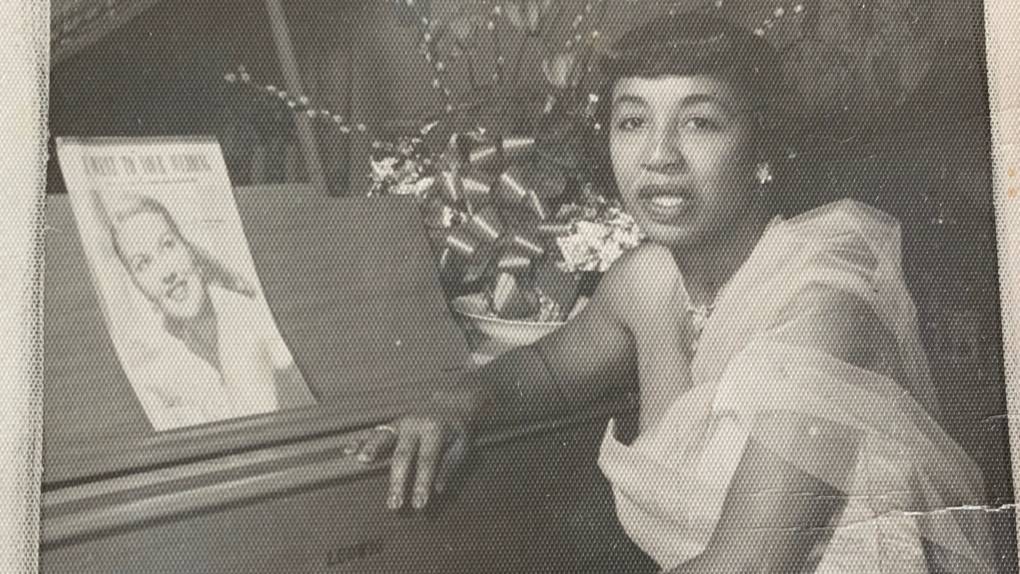
"caption": "Jessie Mae Robinson's songs have been recorded by hundreds of artists, from Louis Jordan to Lana Del Rey.",
"description": "Jessie Mae Robinson's songs have been recorded by hundreds of artists, from \u003ca href=\"https://www.npr.org/artists/15404400/louis-jordan\">Louis Jordan\u003c/a> to \u003ca href=\"https://www.npr.org/artists/145913023/lana-del-rey\">Lana Del Rey\u003c/a>.",
"title": "Jessie Mae Robinson's songs have been recorded by hundreds of artists, from Louis Jordan to Lana Del Rey.",
"credit": "Courtesy of the Robinson family",
"status": "inherit",
"isLoading": false,
"fetchFailed": false
},
"arts_13848930": {
"type": "attachments",
"id": "arts_13848930",
"meta": {
"index": "attachments_1716263798",
"site": "arts",
"id": "13848930",
"found": true
},
"parent": 13848929,
"imgSizes": {
"twentyfourteen-full-width": {
"file": "https://ww2.kqed.org/app/uploads/sites/2/2019/01/gettyimages-106135640_wide-1d39ca02d0f8a1167fe7c35988e00f17716c79cf-e1547755577366-1038x576.jpg",
"width": 1038,
"mimeType": "image/jpeg",
"height": 576
},
"thumbnail": {
"file": "https://ww2.kqed.org/app/uploads/sites/2/2019/01/gettyimages-106135640_wide-1d39ca02d0f8a1167fe7c35988e00f17716c79cf-e1547755577366-160x90.jpg",
"width": 160,
"mimeType": "image/jpeg",
"height": 90
},
"post-thumbnail": {
"file": "https://ww2.kqed.org/app/uploads/sites/2/2019/01/gettyimages-106135640_wide-1d39ca02d0f8a1167fe7c35988e00f17716c79cf-e1547755577366-672x372.jpg",
"width": 672,
"mimeType": "image/jpeg",
"height": 372
},
"kqedFullSize": {
"file": "https://ww2.kqed.org/app/uploads/sites/2/2019/01/gettyimages-106135640_wide-1d39ca02d0f8a1167fe7c35988e00f17716c79cf-e1547755577366.jpg",
"width": 1920,
"height": 1080
},
"large": {
"file": "https://ww2.kqed.org/app/uploads/sites/2/2019/01/gettyimages-106135640_wide-1d39ca02d0f8a1167fe7c35988e00f17716c79cf-e1547755577366-1020x574.jpg",
"width": 1020,
"mimeType": "image/jpeg",
"height": 574
},
"complete_open_graph": {
"file": "https://ww2.kqed.org/app/uploads/sites/2/2019/01/gettyimages-106135640_wide-1d39ca02d0f8a1167fe7c35988e00f17716c79cf-e1547755577366-1200x675.jpg",
"width": 1200,
"mimeType": "image/jpeg",
"height": 675
},
"guest-author-50": {
"file": "https://ww2.kqed.org/app/uploads/sites/2/2019/01/gettyimages-106135640_wide-1d39ca02d0f8a1167fe7c35988e00f17716c79cf-e1547755577366-50x50.jpg",
"width": 50,
"mimeType": "image/jpeg",
"height": 50
},
"guest-author-96": {
"file": "https://ww2.kqed.org/app/uploads/sites/2/2019/01/gettyimages-106135640_wide-1d39ca02d0f8a1167fe7c35988e00f17716c79cf-e1547755577366-96x96.jpg",
"width": 96,
"mimeType": "image/jpeg",
"height": 96
},
"medium": {
"file": "https://ww2.kqed.org/app/uploads/sites/2/2019/01/gettyimages-106135640_wide-1d39ca02d0f8a1167fe7c35988e00f17716c79cf-e1547755577366-800x450.jpg",
"width": 800,
"mimeType": "image/jpeg",
"height": 450
},
"guest-author-64": {
"file": "https://ww2.kqed.org/app/uploads/sites/2/2019/01/gettyimages-106135640_wide-1d39ca02d0f8a1167fe7c35988e00f17716c79cf-e1547755577366-64x64.jpg",
"width": 64,
"mimeType": "image/jpeg",
"height": 64
},
"guest-author-32": {
"file": "https://ww2.kqed.org/app/uploads/sites/2/2019/01/gettyimages-106135640_wide-1d39ca02d0f8a1167fe7c35988e00f17716c79cf-e1547755577366-32x32.jpg",
"width": 32,
"mimeType": "image/jpeg",
"height": 32
},
"full-width": {
"file": "https://ww2.kqed.org/app/uploads/sites/2/2019/01/gettyimages-106135640_wide-1d39ca02d0f8a1167fe7c35988e00f17716c79cf-e1547755577366-1920x1080.jpg",
"width": 1920,
"mimeType": "image/jpeg",
"height": 1080
},
"detail": {
"file": "https://ww2.kqed.org/app/uploads/sites/2/2019/01/gettyimages-106135640_wide-1d39ca02d0f8a1167fe7c35988e00f17716c79cf-e1547755577366-150x150.jpg",
"width": 150,
"mimeType": "image/jpeg",
"height": 150
},
"medium_large": {
"file": "https://ww2.kqed.org/app/uploads/sites/2/2019/01/gettyimages-106135640_wide-1d39ca02d0f8a1167fe7c35988e00f17716c79cf-e1547755577366-768x432.jpg",
"width": 768,
"mimeType": "image/jpeg",
"height": 432
},
"guest-author-128": {
"file": "https://ww2.kqed.org/app/uploads/sites/2/2019/01/gettyimages-106135640_wide-1d39ca02d0f8a1167fe7c35988e00f17716c79cf-e1547755577366-128x128.jpg",
"width": 128,
"mimeType": "image/jpeg",
"height": 128
}
},
"publishDate": 1547755525,
"modified": 1547755608,
"caption": "Poet Mary Oliver speaks at the 2010 Women's Conference in California.",
"description": "Poet Mary Oliver speaks at the 2010 Women's Conference in California.",
"title": "Poet Mary Oliver speaks at the 2010 Women's Conference in California.",
"credit": "Kevork Djansezian/Getty Images",
"status": "inherit",
"isLoading": false,
"fetchFailed": false
},
"arts_13848792": {
"type": "attachments",
"id": "arts_13848792",
"meta": {
"index": "attachments_1716263798",
"site": "arts",
"id": "13848792",
"found": true
},
"parent": 13848789,
"imgSizes": {
"small": {
"file": "https://ww2.kqed.org/app/uploads/sites/2/2019/01/CarolChanning-520x325.jpg",
"width": 520,
"mimeType": "image/jpeg",
"height": 325
},
"twentyfourteen-full-width": {
"file": "https://ww2.kqed.org/app/uploads/sites/2/2019/01/CarolChanning-1038x576.jpg",
"width": 1038,
"mimeType": "image/jpeg",
"height": 576
},
"thumbnail": {
"file": "https://ww2.kqed.org/app/uploads/sites/2/2019/01/CarolChanning-160x100.jpg",
"width": 160,
"mimeType": "image/jpeg",
"height": 100
},
"fd-sm": {
"file": "https://ww2.kqed.org/app/uploads/sites/2/2019/01/CarolChanning-960x600.jpg",
"width": 960,
"mimeType": "image/jpeg",
"height": 600
},
"post-thumbnail": {
"file": "https://ww2.kqed.org/app/uploads/sites/2/2019/01/CarolChanning-672x372.jpg",
"width": 672,
"mimeType": "image/jpeg",
"height": 372
},
"xsmall": {
"file": "https://ww2.kqed.org/app/uploads/sites/2/2019/01/CarolChanning-375x234.jpg",
"width": 375,
"mimeType": "image/jpeg",
"height": 234
},
"kqedFullSize": {
"file": "https://ww2.kqed.org/app/uploads/sites/2/2019/01/CarolChanning.jpg",
"width": 1920,
"height": 1200
},
"large": {
"file": "https://ww2.kqed.org/app/uploads/sites/2/2019/01/CarolChanning-1020x638.jpg",
"width": 1020,
"mimeType": "image/jpeg",
"height": 638
},
"xlarge": {
"file": "https://ww2.kqed.org/app/uploads/sites/2/2019/01/CarolChanning-1180x738.jpg",
"width": 1180,
"mimeType": "image/jpeg",
"height": 738
},
"complete_open_graph": {
"file": "https://ww2.kqed.org/app/uploads/sites/2/2019/01/CarolChanning-1200x750.jpg",
"width": 1200,
"mimeType": "image/jpeg",
"height": 750
},
"guest-author-50": {
"file": "https://ww2.kqed.org/app/uploads/sites/2/2019/01/CarolChanning-50x50.jpg",
"width": 50,
"mimeType": "image/jpeg",
"height": 50
},
"guest-author-96": {
"file": "https://ww2.kqed.org/app/uploads/sites/2/2019/01/CarolChanning-96x96.jpg",
"width": 96,
"mimeType": "image/jpeg",
"height": 96
},
"medium": {
"file": "https://ww2.kqed.org/app/uploads/sites/2/2019/01/CarolChanning-800x500.jpg",
"width": 800,
"mimeType": "image/jpeg",
"height": 500
},
"guest-author-64": {
"file": "https://ww2.kqed.org/app/uploads/sites/2/2019/01/CarolChanning-64x64.jpg",
"width": 64,
"mimeType": "image/jpeg",
"height": 64
},
"guest-author-32": {
"file": "https://ww2.kqed.org/app/uploads/sites/2/2019/01/CarolChanning-32x32.jpg",
"width": 32,
"mimeType": "image/jpeg",
"height": 32
},
"fd-lrg": {
"file": "https://ww2.kqed.org/app/uploads/sites/2/2019/01/CarolChanning-1920x1200.jpg",
"width": 1920,
"mimeType": "image/jpeg",
"height": 1200
},
"fd-med": {
"file": "https://ww2.kqed.org/app/uploads/sites/2/2019/01/CarolChanning-1180x738.jpg",
"width": 1180,
"mimeType": "image/jpeg",
"height": 738
},
"full-width": {
"file": "https://ww2.kqed.org/app/uploads/sites/2/2019/01/CarolChanning-1920x1200.jpg",
"width": 1920,
"mimeType": "image/jpeg",
"height": 1200
},
"detail": {
"file": "https://ww2.kqed.org/app/uploads/sites/2/2019/01/CarolChanning-150x150.jpg",
"width": 150,
"mimeType": "image/jpeg",
"height": 150
},
"medium_large": {
"file": "https://ww2.kqed.org/app/uploads/sites/2/2019/01/CarolChanning-768x480.jpg",
"width": 768,
"mimeType": "image/jpeg",
"height": 480
},
"guest-author-128": {
"file": "https://ww2.kqed.org/app/uploads/sites/2/2019/01/CarolChanning-128x128.jpg",
"width": 128,
"mimeType": "image/jpeg",
"height": 128
},
"xxsmall": {
"file": "https://ww2.kqed.org/app/uploads/sites/2/2019/01/CarolChanning-240x150.jpg",
"width": 240,
"mimeType": "image/jpeg",
"height": 150
}
},
"publishDate": 1547568671,
"modified": 1547568706,
"caption": "Singer Carol Channing performs at 'TV Cares: Ribbon of Hope Celebration 2004' on March 13, 2004 at the Academy of Television Arts and Sciences, in Hollywood, California.",
"description": "Singer Carol Channing performs at 'TV Cares: Ribbon of Hope Celebration 2004' on March 13, 2004 at the Academy of Television Arts and Sciences, in Hollywood, California.",
"title": "CarolChanning",
"credit": "Kevin Winter/Getty Images",
"status": "inherit",
"isLoading": false,
"fetchFailed": false
},
"arts_13848464": {
"type": "attachments",
"id": "arts_13848464",
"meta": {
"index": "attachments_1716263798",
"site": "arts",
"id": "13848464",
"found": true
},
"parent": 13848445,
"imgSizes": {
"thumbnail": {
"file": "https://ww2.kqed.org/app/uploads/sites/2/2019/01/JoeandTomStairs-160x90.jpg",
"width": 160,
"mimeType": "image/jpeg",
"height": 90
},
"post-thumbnail": {
"file": "https://ww2.kqed.org/app/uploads/sites/2/2019/01/JoeandTomStairs-672x372.jpg",
"width": 672,
"mimeType": "image/jpeg",
"height": 372
},
"kqedFullSize": {
"file": "https://ww2.kqed.org/app/uploads/sites/2/2019/01/JoeandTomStairs.jpg",
"width": 800,
"height": 451
},
"guest-author-50": {
"file": "https://ww2.kqed.org/app/uploads/sites/2/2019/01/JoeandTomStairs-50x50.jpg",
"width": 50,
"mimeType": "image/jpeg",
"height": 50
},
"guest-author-96": {
"file": "https://ww2.kqed.org/app/uploads/sites/2/2019/01/JoeandTomStairs-96x96.jpg",
"width": 96,
"mimeType": "image/jpeg",
"height": 96
},
"medium": {
"file": "https://ww2.kqed.org/app/uploads/sites/2/2019/01/JoeandTomStairs-800x451.jpg",
"width": 800,
"mimeType": "image/jpeg",
"height": 451
},
"guest-author-64": {
"file": "https://ww2.kqed.org/app/uploads/sites/2/2019/01/JoeandTomStairs-64x64.jpg",
"width": 64,
"mimeType": "image/jpeg",
"height": 64
},
"detail": {
"file": "https://ww2.kqed.org/app/uploads/sites/2/2019/01/JoeandTomStairs-150x150.jpg",
"width": 150,
"mimeType": "image/jpeg",
"height": 150
},
"guest-author-32": {
"file": "https://ww2.kqed.org/app/uploads/sites/2/2019/01/JoeandTomStairs-32x32.jpg",
"width": 32,
"mimeType": "image/jpeg",
"height": 32
},
"medium_large": {
"file": "https://ww2.kqed.org/app/uploads/sites/2/2019/01/JoeandTomStairs-768x433.jpg",
"width": 768,
"mimeType": "image/jpeg",
"height": 433
},
"guest-author-128": {
"file": "https://ww2.kqed.org/app/uploads/sites/2/2019/01/JoeandTomStairs-128x128.jpg",
"width": 128,
"mimeType": "image/jpeg",
"height": 128
}
},
"publishDate": 1547081336,
"modified": 1547084131,
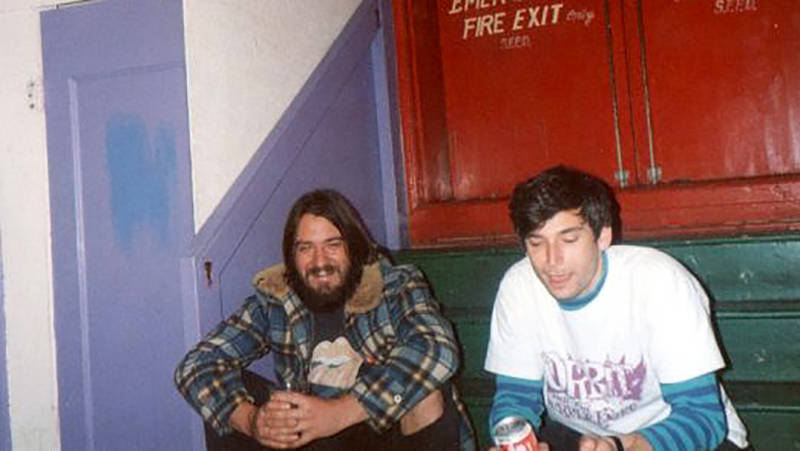
"caption": "Tom Guido (right) and Joe Marchi on the steps of The Purple Onion in the '90s.",
"description": "Tom Guido (right) and Joe Marchi on the steps of The Purple Onion in the '90s.",
"title": "JoeandTomStairs",
"credit": "BethZombie.com/PurpleOnion",
"status": "inherit",
"isLoading": false,
"fetchFailed": false
},
"arts_13847921": {
"type": "attachments",
"id": "arts_13847921",
"meta": {
"index": "attachments_1716263798",
"site": "arts",
"id": "13847921",
"found": true
},
"parent": 13847920,
"imgSizes": {
"small": {
"file": "https://ww2.kqed.org/app/uploads/sites/2/2018/08/gettyimages-638559472-60bb83bee17ff009fbfa6a491db3ee1fe198061e-520x390.jpg",
"width": 520,
"mimeType": "image/jpeg",
"height": 390
},
"twentyfourteen-full-width": {
"file": "https://ww2.kqed.org/app/uploads/sites/2/2018/08/gettyimages-638559472-60bb83bee17ff009fbfa6a491db3ee1fe198061e-1038x576.jpg",
"width": 1038,
"mimeType": "image/jpeg",
"height": 576
},
"thumbnail": {
"file": "https://ww2.kqed.org/app/uploads/sites/2/2018/08/gettyimages-638559472-60bb83bee17ff009fbfa6a491db3ee1fe198061e-160x120.jpg",
"width": 160,
"mimeType": "image/jpeg",
"height": 120
},
"fd-sm": {
"file": "https://ww2.kqed.org/app/uploads/sites/2/2018/08/gettyimages-638559472-60bb83bee17ff009fbfa6a491db3ee1fe198061e-960x720.jpg",
"width": 960,
"mimeType": "image/jpeg",
"height": 720
},
"post-thumbnail": {
"file": "https://ww2.kqed.org/app/uploads/sites/2/2018/08/gettyimages-638559472-60bb83bee17ff009fbfa6a491db3ee1fe198061e-672x372.jpg",
"width": 672,
"mimeType": "image/jpeg",
"height": 372
},
"xsmall": {
"file": "https://ww2.kqed.org/app/uploads/sites/2/2018/08/gettyimages-638559472-60bb83bee17ff009fbfa6a491db3ee1fe198061e-375x281.jpg",
"width": 375,
"mimeType": "image/jpeg",
"height": 281
},
"kqedFullSize": {
"file": "https://ww2.kqed.org/app/uploads/sites/2/2018/08/gettyimages-638559472-60bb83bee17ff009fbfa6a491db3ee1fe198061e-e1546369319720.jpg",
"width": 1920,
"height": 1440
},
"large": {
"file": "https://ww2.kqed.org/app/uploads/sites/2/2018/08/gettyimages-638559472-60bb83bee17ff009fbfa6a491db3ee1fe198061e-1020x765.jpg",
"width": 1020,
"mimeType": "image/jpeg",
"height": 765
},
"xlarge": {
"file": "https://ww2.kqed.org/app/uploads/sites/2/2018/08/gettyimages-638559472-60bb83bee17ff009fbfa6a491db3ee1fe198061e-1180x885.jpg",
"width": 1180,
"mimeType": "image/jpeg",
"height": 885
},
"complete_open_graph": {
"file": "https://ww2.kqed.org/app/uploads/sites/2/2018/08/gettyimages-638559472-60bb83bee17ff009fbfa6a491db3ee1fe198061e-1200x900.jpg",
"width": 1200,
"mimeType": "image/jpeg",
"height": 900
},
"guest-author-50": {
"file": "https://ww2.kqed.org/app/uploads/sites/2/2018/08/gettyimages-638559472-60bb83bee17ff009fbfa6a491db3ee1fe198061e-50x50.jpg",
"width": 50,
"mimeType": "image/jpeg",
"height": 50
},
"guest-author-96": {
"file": "https://ww2.kqed.org/app/uploads/sites/2/2018/08/gettyimages-638559472-60bb83bee17ff009fbfa6a491db3ee1fe198061e-96x96.jpg",
"width": 96,
"mimeType": "image/jpeg",
"height": 96
},
"medium": {
"file": "https://ww2.kqed.org/app/uploads/sites/2/2018/08/gettyimages-638559472-60bb83bee17ff009fbfa6a491db3ee1fe198061e-800x600.jpg",
"width": 800,
"mimeType": "image/jpeg",
"height": 600
},
"guest-author-64": {
"file": "https://ww2.kqed.org/app/uploads/sites/2/2018/08/gettyimages-638559472-60bb83bee17ff009fbfa6a491db3ee1fe198061e-64x64.jpg",
"width": 64,
"mimeType": "image/jpeg",
"height": 64
},
"guest-author-32": {
"file": "https://ww2.kqed.org/app/uploads/sites/2/2018/08/gettyimages-638559472-60bb83bee17ff009fbfa6a491db3ee1fe198061e-32x32.jpg",
"width": 32,
"mimeType": "image/jpeg",
"height": 32
},
"fd-lrg": {
"file": "https://ww2.kqed.org/app/uploads/sites/2/2018/08/gettyimages-638559472-60bb83bee17ff009fbfa6a491db3ee1fe198061e-1920x1440.jpg",
"width": 1920,
"mimeType": "image/jpeg",
"height": 1440
},
"fd-med": {
"file": "https://ww2.kqed.org/app/uploads/sites/2/2018/08/gettyimages-638559472-60bb83bee17ff009fbfa6a491db3ee1fe198061e-1180x885.jpg",
"width": 1180,
"mimeType": "image/jpeg",
"height": 885
},
"full-width": {
"file": "https://ww2.kqed.org/app/uploads/sites/2/2018/08/gettyimages-638559472-60bb83bee17ff009fbfa6a491db3ee1fe198061e-1920x1440.jpg",
"width": 1920,
"mimeType": "image/jpeg",
"height": 1440
},
"detail": {
"file": "https://ww2.kqed.org/app/uploads/sites/2/2018/08/gettyimages-638559472-60bb83bee17ff009fbfa6a491db3ee1fe198061e-150x150.jpg",
"width": 150,
"mimeType": "image/jpeg",
"height": 150
},
"medium_large": {
"file": "https://ww2.kqed.org/app/uploads/sites/2/2018/08/gettyimages-638559472-60bb83bee17ff009fbfa6a491db3ee1fe198061e-768x576.jpg",
"width": 768,
"mimeType": "image/jpeg",
"height": 576
},
"guest-author-128": {
"file": "https://ww2.kqed.org/app/uploads/sites/2/2018/08/gettyimages-638559472-60bb83bee17ff009fbfa6a491db3ee1fe198061e-128x128.jpg",
"width": 128,
"mimeType": "image/jpeg",
"height": 128
},
"xxsmall": {
"file": "https://ww2.kqed.org/app/uploads/sites/2/2018/08/gettyimages-638559472-60bb83bee17ff009fbfa6a491db3ee1fe198061e-240x180.jpg",
"width": 240,
"mimeType": "image/jpeg",
"height": 180
}
},
"publishDate": 1546369259,
"modified": 1546369354,
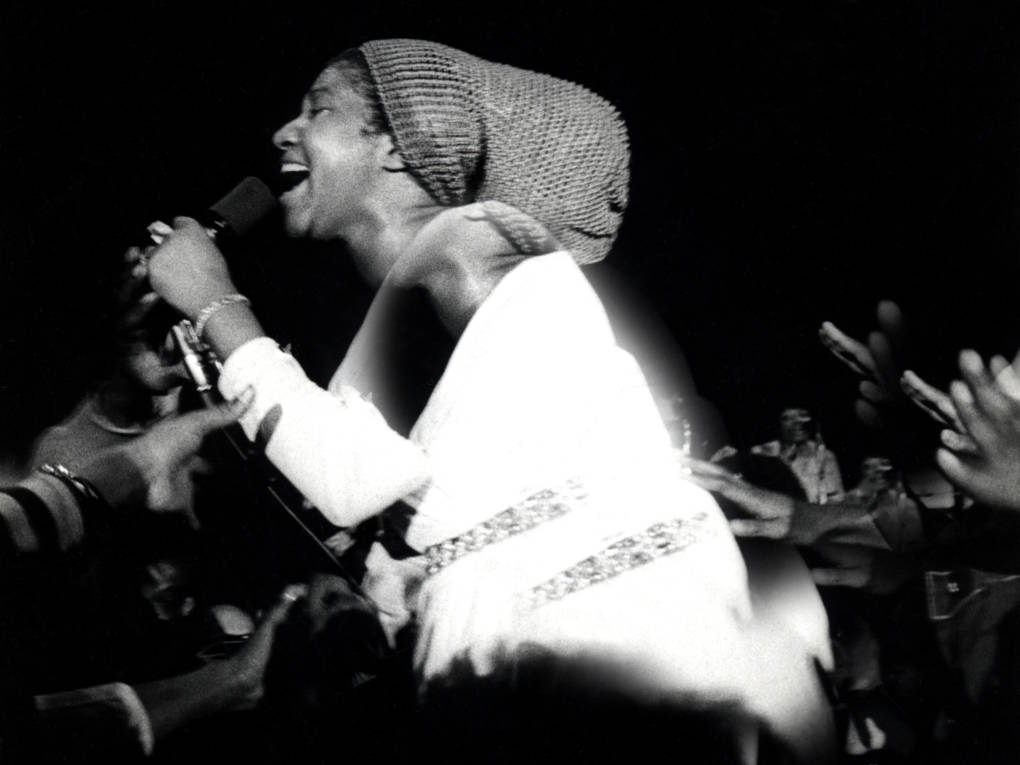
"caption": "Aretha Franklin performs at the Fillmore West in San Francisco on March 5, 1971.",
"description": "Aretha Franklin performs at the Fillmore West in San Francisco on March 5, 1971.",
"title": "Aretha Franklin performs at the Fillmore West in San Francisco on March 5, 1971.",
"credit": "Robert Altman/Getty Images",
"status": "inherit",
"isLoading": false,
"fetchFailed": false
},
"arts_13847183": {
"type": "attachments",
"id": "arts_13847183",
"meta": {
"index": "attachments_1716263798",
"site": "arts",
"id": "13847183",
"found": true
},
"parent": 13847179,
"imgSizes": {
"small": {
"file": "https://ww2.kqed.org/app/uploads/sites/2/2018/12/Dear-Oscar-Grant_5-520x293.jpg",
"width": 520,
"mimeType": "image/jpeg",
"height": 293
},
"twentyfourteen-full-width": {
"file": "https://ww2.kqed.org/app/uploads/sites/2/2018/12/Dear-Oscar-Grant_5-1038x576.jpg",
"width": 1038,
"mimeType": "image/jpeg",
"height": 576
},
"thumbnail": {
"file": "https://ww2.kqed.org/app/uploads/sites/2/2018/12/Dear-Oscar-Grant_5-160x90.jpg",
"width": 160,
"mimeType": "image/jpeg",
"height": 90
},
"fd-sm": {
"file": "https://ww2.kqed.org/app/uploads/sites/2/2018/12/Dear-Oscar-Grant_5-960x540.jpg",
"width": 960,
"mimeType": "image/jpeg",
"height": 540
},
"post-thumbnail": {
"file": "https://ww2.kqed.org/app/uploads/sites/2/2018/12/Dear-Oscar-Grant_5-672x372.jpg",
"width": 672,
"mimeType": "image/jpeg",
"height": 372
},
"xsmall": {
"file": "https://ww2.kqed.org/app/uploads/sites/2/2018/12/Dear-Oscar-Grant_5-375x211.jpg",
"width": 375,
"mimeType": "image/jpeg",
"height": 211
},
"kqedFullSize": {
"file": "https://ww2.kqed.org/app/uploads/sites/2/2018/12/Dear-Oscar-Grant_5.jpg",
"width": 1920,
"height": 1080
},
"large": {
"file": "https://ww2.kqed.org/app/uploads/sites/2/2018/12/Dear-Oscar-Grant_5-1020x574.jpg",
"width": 1020,
"mimeType": "image/jpeg",
"height": 574
},
"xlarge": {
"file": "https://ww2.kqed.org/app/uploads/sites/2/2018/12/Dear-Oscar-Grant_5-1180x664.jpg",
"width": 1180,
"mimeType": "image/jpeg",
"height": 664
},
"complete_open_graph": {
"file": "https://ww2.kqed.org/app/uploads/sites/2/2018/12/Dear-Oscar-Grant_5-1200x675.jpg",
"width": 1200,
"mimeType": "image/jpeg",
"height": 675
},
"guest-author-50": {
"file": "https://ww2.kqed.org/app/uploads/sites/2/2018/12/Dear-Oscar-Grant_5-50x50.jpg",
"width": 50,
"mimeType": "image/jpeg",
"height": 50
},
"guest-author-96": {
"file": "https://ww2.kqed.org/app/uploads/sites/2/2018/12/Dear-Oscar-Grant_5-96x96.jpg",
"width": 96,
"mimeType": "image/jpeg",
"height": 96
},
"medium": {
"file": "https://ww2.kqed.org/app/uploads/sites/2/2018/12/Dear-Oscar-Grant_5-800x450.jpg",
"width": 800,
"mimeType": "image/jpeg",
"height": 450
},
"guest-author-64": {
"file": "https://ww2.kqed.org/app/uploads/sites/2/2018/12/Dear-Oscar-Grant_5-64x64.jpg",
"width": 64,
"mimeType": "image/jpeg",
"height": 64
},
"guest-author-32": {
"file": "https://ww2.kqed.org/app/uploads/sites/2/2018/12/Dear-Oscar-Grant_5-32x32.jpg",
"width": 32,
"mimeType": "image/jpeg",
"height": 32
},
"fd-lrg": {
"file": "https://ww2.kqed.org/app/uploads/sites/2/2018/12/Dear-Oscar-Grant_5-1920x1080.jpg",
"width": 1920,
"mimeType": "image/jpeg",
"height": 1080
},
"fd-med": {
"file": "https://ww2.kqed.org/app/uploads/sites/2/2018/12/Dear-Oscar-Grant_5-1180x664.jpg",
"width": 1180,
"mimeType": "image/jpeg",
"height": 664
},
"full-width": {
"file": "https://ww2.kqed.org/app/uploads/sites/2/2018/12/Dear-Oscar-Grant_5-1920x1080.jpg",
"width": 1920,
"mimeType": "image/jpeg",
"height": 1080
},
"detail": {
"file": "https://ww2.kqed.org/app/uploads/sites/2/2018/12/Dear-Oscar-Grant_5-150x150.jpg",
"width": 150,
"mimeType": "image/jpeg",
"height": 150
},
"medium_large": {
"file": "https://ww2.kqed.org/app/uploads/sites/2/2018/12/Dear-Oscar-Grant_5-768x432.jpg",
"width": 768,
"mimeType": "image/jpeg",
"height": 432
},
"guest-author-128": {
"file": "https://ww2.kqed.org/app/uploads/sites/2/2018/12/Dear-Oscar-Grant_5-128x128.jpg",
"width": 128,
"mimeType": "image/jpeg",
"height": 128
},
"xxsmall": {
"file": "https://ww2.kqed.org/app/uploads/sites/2/2018/12/Dear-Oscar-Grant_5-240x135.jpg",
"width": 240,
"mimeType": "image/jpeg",
"height": 135
}
},
"publishDate": 1544733527,
"modified": 1545259130,
"caption": "If you could tell Oscar Grant anything 10 years after his death, what would you say?",
"description": "If you could tell Oscar Grant anything 10 years after his death, what would you say?",
"title": "Dear-Oscar-Grant_5",
"credit": "Justin Sullivan/Getty Images",
"status": "inherit",
"isLoading": false,
"fetchFailed": false
},
"arts_13847422": {
"type": "attachments",
"id": "arts_13847422",
"meta": {
"index": "attachments_1716263798",
"site": "arts",
"id": "13847422",
"found": true
},
"parent": 13847418,
"imgSizes": {
"twentyfourteen-full-width": {
"file": "https://ww2.kqed.org/app/uploads/sites/2/2018/12/GettyImages-84291239_COVER-1038x576.jpg",
"width": 1038,
"mimeType": "image/jpeg",
"height": 576
},
"thumbnail": {
"file": "https://ww2.kqed.org/app/uploads/sites/2/2018/12/GettyImages-84291239_COVER-160x90.jpg",
"width": 160,
"mimeType": "image/jpeg",
"height": 90
},
"post-thumbnail": {
"file": "https://ww2.kqed.org/app/uploads/sites/2/2018/12/GettyImages-84291239_COVER-672x372.jpg",
"width": 672,
"mimeType": "image/jpeg",
"height": 372
},
"kqedFullSize": {
"file": "https://ww2.kqed.org/app/uploads/sites/2/2018/12/GettyImages-84291239_COVER.jpg",
"width": 1920,
"height": 1080
},
"large": {
"file": "https://ww2.kqed.org/app/uploads/sites/2/2018/12/GettyImages-84291239_COVER-1020x574.jpg",
"width": 1020,
"mimeType": "image/jpeg",
"height": 574
},
"complete_open_graph": {
"file": "https://ww2.kqed.org/app/uploads/sites/2/2018/12/GettyImages-84291239_COVER-1200x675.jpg",
"width": 1200,
"mimeType": "image/jpeg",
"height": 675
},
"guest-author-50": {
"file": "https://ww2.kqed.org/app/uploads/sites/2/2018/12/GettyImages-84291239_COVER-50x50.jpg",
"width": 50,
"mimeType": "image/jpeg",
"height": 50
},
"guest-author-96": {
"file": "https://ww2.kqed.org/app/uploads/sites/2/2018/12/GettyImages-84291239_COVER-96x96.jpg",
"width": 96,
"mimeType": "image/jpeg",
"height": 96
},
"medium": {
"file": "https://ww2.kqed.org/app/uploads/sites/2/2018/12/GettyImages-84291239_COVER-800x450.jpg",
"width": 800,
"mimeType": "image/jpeg",
"height": 450
},
"guest-author-64": {
"file": "https://ww2.kqed.org/app/uploads/sites/2/2018/12/GettyImages-84291239_COVER-64x64.jpg",
"width": 64,
"mimeType": "image/jpeg",
"height": 64
},
"guest-author-32": {
"file": "https://ww2.kqed.org/app/uploads/sites/2/2018/12/GettyImages-84291239_COVER-32x32.jpg",
"width": 32,
"mimeType": "image/jpeg",
"height": 32
},
"full-width": {
"file": "https://ww2.kqed.org/app/uploads/sites/2/2018/12/GettyImages-84291239_COVER-1920x1080.jpg",
"width": 1920,
"mimeType": "image/jpeg",
"height": 1080
},
"detail": {
"file": "https://ww2.kqed.org/app/uploads/sites/2/2018/12/GettyImages-84291239_COVER-150x150.jpg",
"width": 150,
"mimeType": "image/jpeg",
"height": 150
},
"medium_large": {
"file": "https://ww2.kqed.org/app/uploads/sites/2/2018/12/GettyImages-84291239_COVER-768x432.jpg",
"width": 768,
"mimeType": "image/jpeg",
"height": 432
},
"guest-author-128": {
"file": "https://ww2.kqed.org/app/uploads/sites/2/2018/12/GettyImages-84291239_COVER-128x128.jpg",
"width": 128,
"mimeType": "image/jpeg",
"height": 128
}
},
"publishDate": 1545250380,
"modified": 1545250499,
"caption": "Protesters hold hands as they pray during a demonstration for slain 22-year-old Oscar Grant III on Jan. 14, 2009 in Oakland, California.",
"description": "Protesters hold hands as they pray during a demonstration for slain 22-year-old Oscar Grant III on Jan. 14, 2009 in Oakland, California.",
"title": "Protestors Continue To Demonstrate Against Police Shooting Of Oscar Grant",
"credit": "Photo by Justin Sullivan/Getty Images",
"status": "inherit",
"isLoading": false,
"fetchFailed": false
},
"arts_13847377": {
"type": "attachments",
"id": "arts_13847377",
"meta": {
"index": "attachments_1716263798",
"site": "arts",
"id": "13847377",
"found": true
},
"parent": 13847376,
"imgSizes": {
"twentyfourteen-full-width": {
"file": "https://ww2.kqed.org/app/uploads/sites/2/2018/12/gettyimages-463880642_wide-54bb72960a4c2ce248b3b8354203eac5a9a21832-e1545163555324-1038x576.jpg",
"width": 1038,
"mimeType": "image/jpeg",
"height": 576
},
"thumbnail": {
"file": "https://ww2.kqed.org/app/uploads/sites/2/2018/12/gettyimages-463880642_wide-54bb72960a4c2ce248b3b8354203eac5a9a21832-e1545163555324-160x90.jpg",
"width": 160,
"mimeType": "image/jpeg",
"height": 90
},
"post-thumbnail": {
"file": "https://ww2.kqed.org/app/uploads/sites/2/2018/12/gettyimages-463880642_wide-54bb72960a4c2ce248b3b8354203eac5a9a21832-e1545163555324-672x372.jpg",
"width": 672,
"mimeType": "image/jpeg",
"height": 372
},
"kqedFullSize": {
"file": "https://ww2.kqed.org/app/uploads/sites/2/2018/12/gettyimages-463880642_wide-54bb72960a4c2ce248b3b8354203eac5a9a21832-e1545163555324.jpg",
"width": 1920,
"height": 1080
},
"large": {
"file": "https://ww2.kqed.org/app/uploads/sites/2/2018/12/gettyimages-463880642_wide-54bb72960a4c2ce248b3b8354203eac5a9a21832-e1545163555324-1020x574.jpg",
"width": 1020,
"mimeType": "image/jpeg",
"height": 574
},
"complete_open_graph": {
"file": "https://ww2.kqed.org/app/uploads/sites/2/2018/12/gettyimages-463880642_wide-54bb72960a4c2ce248b3b8354203eac5a9a21832-e1545163555324-1200x675.jpg",
"width": 1200,
"mimeType": "image/jpeg",
"height": 675
},
"guest-author-50": {
"file": "https://ww2.kqed.org/app/uploads/sites/2/2018/12/gettyimages-463880642_wide-54bb72960a4c2ce248b3b8354203eac5a9a21832-e1545163555324-50x50.jpg",
"width": 50,
"mimeType": "image/jpeg",
"height": 50
},
"guest-author-96": {
"file": "https://ww2.kqed.org/app/uploads/sites/2/2018/12/gettyimages-463880642_wide-54bb72960a4c2ce248b3b8354203eac5a9a21832-e1545163555324-96x96.jpg",
"width": 96,
"mimeType": "image/jpeg",
"height": 96
},
"medium": {
"file": "https://ww2.kqed.org/app/uploads/sites/2/2018/12/gettyimages-463880642_wide-54bb72960a4c2ce248b3b8354203eac5a9a21832-e1545163555324-800x450.jpg",
"width": 800,
"mimeType": "image/jpeg",
"height": 450
},
"guest-author-64": {
"file": "https://ww2.kqed.org/app/uploads/sites/2/2018/12/gettyimages-463880642_wide-54bb72960a4c2ce248b3b8354203eac5a9a21832-e1545163555324-64x64.jpg",
"width": 64,
"mimeType": "image/jpeg",
"height": 64
},
"guest-author-32": {
"file": "https://ww2.kqed.org/app/uploads/sites/2/2018/12/gettyimages-463880642_wide-54bb72960a4c2ce248b3b8354203eac5a9a21832-e1545163555324-32x32.jpg",
"width": 32,
"mimeType": "image/jpeg",
"height": 32
},
"full-width": {
"file": "https://ww2.kqed.org/app/uploads/sites/2/2018/12/gettyimages-463880642_wide-54bb72960a4c2ce248b3b8354203eac5a9a21832-e1545163555324-1920x1080.jpg",
"width": 1920,
"mimeType": "image/jpeg",
"height": 1080
},
"detail": {
"file": "https://ww2.kqed.org/app/uploads/sites/2/2018/12/gettyimages-463880642_wide-54bb72960a4c2ce248b3b8354203eac5a9a21832-e1545163555324-150x150.jpg",
"width": 150,
"mimeType": "image/jpeg",
"height": 150
},
"medium_large": {
"file": "https://ww2.kqed.org/app/uploads/sites/2/2018/12/gettyimages-463880642_wide-54bb72960a4c2ce248b3b8354203eac5a9a21832-e1545163555324-768x432.jpg",
"width": 768,
"mimeType": "image/jpeg",
"height": 432
},
"guest-author-128": {
"file": "https://ww2.kqed.org/app/uploads/sites/2/2018/12/gettyimages-463880642_wide-54bb72960a4c2ce248b3b8354203eac5a9a21832-e1545163555324-128x128.jpg",
"width": 128,
"mimeType": "image/jpeg",
"height": 128
}
},
"publishDate": 1545163515,
"modified": 1545163587,
"caption": "Penny Marshall played Laverne in Laverne & Shirley and went on to have a career as a Hollywood director. She died Monday at the age of 75.",
"description": "Penny Marshall played Laverne in Laverne & Shirley and went on to have a career as a Hollywood director. She died Monday at the age of 75.",
"title": "PennyMarshall",
"credit": "ABC Photo Archives/Getty Images",
"status": "inherit",
"isLoading": false,
"fetchFailed": false
}
},
"audioPlayerReducer": {
"postId": "stream_live",
"isPaused": true,
"isPlaying": false,
"pfsActive": false,
"pledgeModalIsOpen": true,
"playerDrawerIsOpen": false,
"liveAudioPlayStartedAt": 0,
"liveAudioPlayContext": ""
},
"authorsReducer": {
"byline_arts_13853182": {
"type": "authors",
"id": "byline_arts_13853182",
"meta": {
"override": true
},
"slug": "byline_arts_13853182",
"name": "Otis Hart, Anastasia Tsioulcas",
"isLoading": false
},
"byline_arts_13852144": {
"type": "authors",
"id": "byline_arts_13852144",
"meta": {
"override": true
},
"slug": "byline_arts_13852144",
"name": "Lynn Elber, AP News",
"isLoading": false
},
"byline_arts_13849918": {
"type": "authors",
"id": "byline_arts_13849918",
"meta": {
"override": true
},
"slug": "byline_arts_13849918",
"name": "Meredith Ochs",
"isLoading": false
},
"byline_arts_13848929": {
"type": "authors",
"id": "byline_arts_13848929",
"meta": {
"override": true
},
"slug": "byline_arts_13848929",
"name": "Lynn Neary",
"isLoading": false
},
"byline_arts_13848789": {
"type": "authors",
"id": "byline_arts_13848789",
"meta": {
"override": true
},
"slug": "byline_arts_13848789",
"name": "Mark Kennedy, Associated Press",
"isLoading": false
},
"byline_arts_13847920": {
"type": "authors",
"id": "byline_arts_13847920",
"meta": {
"override": true
},
"slug": "byline_arts_13847920",
"name": "Daphne A. Brooks",
"isLoading": false
},
"byline_arts_13847376": {
"type": "authors",
"id": "byline_arts_13847376",
"meta": {
"override": true
},
"slug": "byline_arts_13847376",
"name": "Camila Domonoske",
"isLoading": false
},
"kqedarts": {
"type": "authors",
"id": "92",
"meta": {
"index": "authors_1716337520",
"id": "92",
"found": true
},
"name": "KQED Arts",
"firstName": "KQED",
"lastName": "Arts",
"slug": "kqedarts",
"email": "arts@kqed.org",
"display_author_email": false,
"staff_mastheads": [],
"title": "KQED Staff",
"bio": null,
"avatar": "https://secure.gravatar.com/avatar/321c9ebfeb7736f9e55366a6d3399ab0?s=600&d=blank&r=g",
"twitter": null,
"facebook": null,
"instagram": "https://www.instagram.com/kqed_arts/",
"linkedin": null,
"sites": [
{
"site": "arts",
"roles": [
"contributor"
]
},
{
"site": "pop",
"roles": [
"contributor"
]
},
{
"site": "science",
"roles": [
"author"
]
},
{
"site": "food",
"roles": [
"contributor"
]
}
],
"headData": {
"title": "KQED Arts | KQED",
"description": "KQED Staff",
"ogImgSrc": "https://secure.gravatar.com/avatar/321c9ebfeb7736f9e55366a6d3399ab0?s=600&d=blank&r=g",
"twImgSrc": "https://secure.gravatar.com/avatar/321c9ebfeb7736f9e55366a6d3399ab0?s=600&d=blank&r=g"
},
"isLoading": false,
"link": "/author/kqedarts"
},
"gmeline": {
"type": "authors",
"id": "185",
"meta": {
"index": "authors_1716337520",
"id": "185",
"found": true
},
"name": "Gabe Meline",
"firstName": "Gabe",
"lastName": "Meline",
"slug": "gmeline",
"email": "gmeline@kqed.org",
"display_author_email": true,
"staff_mastheads": [
"arts"
],
"title": "Senior Editor, KQED Arts & Culture",
"bio": "Gabe Meline entered journalism at age 15 making photocopied zines, and has since earned awards from the Edward R. Murrow Awards, the Society for Professional Journalists, the Online Journalism Awards, the Association of Alternative Newsweeklies and the California Newspaper Publishers Association. Prior to KQED, he was the editor of the \u003cem>North Bay Bohemian\u003c/em> and a touring musician. He lives with his wife and daughter in his hometown of Santa Rosa, CA.",
"avatar": "https://secure.gravatar.com/avatar/5bebe57be0d8bc2dd318934feb47299e2d2d10cba28d09d8d7afb389a2ce2bdd?s=600&d=blank&r=g",
"twitter": null,
"bluesky": null,
"facebook": null,
"instagram": null,
"linkedin": null,
"sites": [
{
"site": "",
"roles": [
"editor"
]
},
{
"site": "arts",
"roles": [
"administrator"
]
},
{
"site": "artschool",
"roles": [
"editor"
]
},
{
"site": "news",
"roles": [
"author"
]
},
{
"site": "pop",
"roles": [
"editor"
]
},
{
"site": "bayareabites",
"roles": [
"editor"
]
},
{
"site": "food",
"roles": [
"editor"
]
},
{
"site": "forum",
"roles": [
"administrator"
]
},
{
"site": "liveblog",
"roles": [
"editor"
]
},
{
"site": "hiphop",
"roles": [
"editor"
]
}
],
"headData": {
"title": "Gabe Meline | KQED",
"description": "Senior Editor, KQED Arts & Culture",
"ogImgSrc": "https://secure.gravatar.com/avatar/5bebe57be0d8bc2dd318934feb47299e2d2d10cba28d09d8d7afb389a2ce2bdd?s=600&d=blank&r=g",
"twImgSrc": "https://secure.gravatar.com/avatar/5bebe57be0d8bc2dd318934feb47299e2d2d10cba28d09d8d7afb389a2ce2bdd?s=600&d=blank&r=g"
},
"isLoading": false,
"link": "/author/gmeline"
},
"nvoynovskaya": {
"type": "authors",
"id": "11387",
"meta": {
"index": "authors_1716337520",
"id": "11387",
"found": true
},
"name": "Nastia Voynovskaya",
"firstName": "Nastia",
"lastName": "Voynovskaya",
"slug": "nvoynovskaya",
"email": "nvoynovskaya@kqed.org",
"display_author_email": false,
"staff_mastheads": [
"arts"
],
"title": "Editor and reporter",
"bio": "Nastia Voynovskaya is a reporter, editor and host at KQED Arts & Culture. She's been covering the arts in the Bay Area for over a decade, with a focus on music, queer culture, labor issues and grassroots organizing. She has edited KQED story series such as Trans Bay: A History of San Francisco's Gender-Diverse Community, and co-created KQED's Bay Area hip-hop history project, That's My Word. Nastia's work has been recognized by the Society of Professional Journalists and San Francisco Press Club. She regularly appears on podcasts and radio programs, including NPR's All Songs Considered, and hosts live events where music, culture and conversation meet.",
"avatar": "https://secure.gravatar.com/avatar/5025ee460e5a85d69ca20ea6c6f2f80d7e17795c828f61ea3aecfcd924e9042e?s=600&d=blank&r=g",
"twitter": null,
"bluesky": null,
"facebook": null,
"instagram": "https://www.instagram.com/nananastia/",
"linkedin": null,
"sites": [
{
"site": "",
"roles": [
"editor"
]
},
{
"site": "arts",
"roles": [
"administrator"
]
},
{
"site": "news",
"roles": [
"editor"
]
},
{
"site": "pop",
"roles": [
"administrator"
]
},
{
"site": "bayareabites",
"roles": [
"editor"
]
},
{
"site": "podcasts",
"roles": [
"editor"
]
},
{
"site": "hiphop",
"roles": [
"editor"
]
}
],
"headData": {
"title": "Nastia Voynovskaya | KQED",
"description": "Editor and reporter",
"ogImgSrc": "https://secure.gravatar.com/avatar/5025ee460e5a85d69ca20ea6c6f2f80d7e17795c828f61ea3aecfcd924e9042e?s=600&d=blank&r=g",
"twImgSrc": "https://secure.gravatar.com/avatar/5025ee460e5a85d69ca20ea6c6f2f80d7e17795c828f61ea3aecfcd924e9042e?s=600&d=blank&r=g"
},
"isLoading": false,
"link": "/author/nvoynovskaya"
},
"ogpenn": {
"type": "authors",
"id": "11491",
"meta": {
"index": "authors_1716337520",
"id": "11491",
"found": true
},
"name": "Pendarvis Harshaw",
"firstName": "Pendarvis",
"lastName": "Harshaw",
"slug": "ogpenn",
"email": "ogpenn@gmail.com",
"display_author_email": false,
"staff_mastheads": [
"arts"
],
"title": "Community Engagement Reporter",
"bio": "Pendarvis Harshaw is an educator, host and writer with KQED Arts.",
"avatar": "https://secure.gravatar.com/avatar/972b77ee8e3f346ae2b00622661187fbfabd059b5693bbdc1475ea7a722fd4cd?s=600&d=blank&r=g",
"twitter": null,
"bluesky": null,
"facebook": null,
"instagram": "ogpenn",
"linkedin": null,
"sites": [
{
"site": "arts",
"roles": [
"administrator"
]
},
{
"site": "news",
"roles": [
"editor"
]
},
{
"site": "bayareabites",
"roles": [
"author"
]
},
{
"site": "hiphop",
"roles": [
"editor"
]
}
],
"headData": {
"title": "Pendarvis Harshaw | KQED",
"description": "Community Engagement Reporter",
"ogImgSrc": "https://secure.gravatar.com/avatar/972b77ee8e3f346ae2b00622661187fbfabd059b5693bbdc1475ea7a722fd4cd?s=600&d=blank&r=g",
"twImgSrc": "https://secure.gravatar.com/avatar/972b77ee8e3f346ae2b00622661187fbfabd059b5693bbdc1475ea7a722fd4cd?s=600&d=blank&r=g"
},
"isLoading": false,
"link": "/author/ogpenn"
}
},
"pagesReducer": {
"arts_category_remembrance": {
"type": "terms",
"id": "arts_1564",
"meta": {
"index": "terms_1716263798",
"site": "arts",
"id": "1564",
"score": 13.107925
},
"featImg": null,
"name": "Remembrance",
"description": null,
"taxonomy": "category",
"headData": {
"twImgId": null,
"twTitle": null,
"ogTitle": null,
"ogImgId": null,
"twDescription": null,
"description": null,
"title": "Remembrance Archives | KQED Arts",
"ogDescription": null
},
"ttid": 1576,
"slug": "remembrance",
"isLoading": false,
"title": "Remembrance",
"pageMeta": {
"site": "arts",
"WpPageTemplate": "page-topic-editorial",
"currentPage": 20
},
"blocks": [
{
"blockName": "kqed/post-list",
"attrs": {
"layout": "cardArticle2",
"query": "posts/arts?category=remembrance",
"seeMore": false,
"paginated": true,
"page": 20
}
},
{
"blockName": "kqed/ad"
}
]
}
},
"pfsSessionReducer": {},
"postsReducer": {
"stream_live": {
"type": "live",
"id": "stream_live",
"audioUrl": "https://streams.kqed.org/kqedradio",
"title": "Live Stream",
"excerpt": "Live Stream information currently unavailable.",
"link": "/radio",
"featImg": "",
"label": {
"name": "KQED Live",
"link": "/"
}
},
"stream_kqedNewscast": {
"type": "posts",
"id": "stream_kqedNewscast",
"audioUrl": "https://www.kqed.org/.stream/anon/radio/RDnews/newscast.mp3?_=1",
"title": "KQED Newscast",
"featImg": "",
"label": {
"name": "88.5 FM",
"link": "/"
}
},
"arts_13853182": {
"type": "posts",
"id": "arts_13853182",
"meta": {
"index": "posts_1716263798",
"site": "arts",
"id": "13853182",
"score": null,
"sort": [
1552934262000
]
},
"guestAuthors": [],
"slug": "dick-dale-surf-guitar-legend-dead-at-81",
"title": "Dick Dale, Surf Guitar Legend, Dead At 81",
"publishDate": 1552934262,
"format": "standard",
"headTitle": "Dick Dale, Surf Guitar Legend, Dead At 81 | KQED",
"labelTerm": {
"term": 137,
"site": "arts"
},
"content": "\u003cp>Dick Dale, the surf rock pioneer who took reverb to new levels, died on Saturday night. He was 81. The guitarist’s health had declined over the past 20 years due to a number of illnesses, including diabetes, kidney disease and rectal cancer. The news was confirmed to NPR by Dusty Watson, a drummer who worked and toured with Dale between 1995 and 2006, who says he spoke with Dale’s wife, Lana Dale. No cause was given.\u003c/p>\n\u003cp>Dale, born Richard Anthony Monsour in 1937, changed the sound of rock and roll in the early 1960s when he upped the reverb on his guitar and applied the Arabic scales of his father’s native Lebanon. Born and originally raised in Massachusetts, he found his aesthetic when his family moved to Orange County, California in 1954—where he took up surfing.\u003c/p>\n\u003cp>[contextly_sidebar id=”183YBqjoFCgM3n39IS44W6BARMAjhZrL”]\u003c/p>\n\u003cp>His high-energy interpretation of \u003ca href=\"https://www.youtube.com/watch?v=LW6qGy3RtwY\">an old song from Asia Minor\u003c/a>, “Misirlou” (Egyptian Girl), became the most famous song of surf rock: He had learned the tune from his Lebanese uncles, who played it on the \u003cem>oud\u003c/em>.\u003c/p>\n\u003cp>“I started playing it,” Dale, who had started out as a drummer, told \u003ca href=\"https://www.npr.org/templates/story/story.php?storyId=130111454\">NPR in a 2010 interview\u003c/a>, “and I said, ‘Oh no, that’s too slow.’ And I thought of Gene Krupa’s drumming, his staccato drumming… When we went to California, I got my first guitar, but I was using this rocket-attack, Gene Krupa rhythm on the guitar.”\u003c/p>\n\u003cp>[ad fullwidth]\u003c/p>\n\u003cp>And that wildfire-tempo song became his signature: Dale self-released “Misirlou” as a single on Deltone Records in 1962, which led in part to a deal with Capitol Records to distribute his first album, 1962’s \u003cem>Surfer’s Choice\u003c/em>. Dale’s first album for Capitol was 1963’s \u003cem>King of the Surf Guitar\u003c/em>; he said that fans at an early show came up with the honorary moniker.\u003c/p>\n\u003cp>\u003ciframe loading=\"lazy\" title=\"Miserlou\" width=\"640\" height=\"480\" src=\"https://www.youtube.com/embed/mKpsuGMeqHI?feature=oembed\" frameborder=\"0\" allow=\"accelerometer; autoplay; clipboard-write; encrypted-media; gyroscope; picture-in-picture; web-share\" referrerpolicy=\"strict-origin-when-cross-origin\" allowfullscreen>\u003c/iframe>\u003c/p>\n\u003cp>Dale’s collaborations with guitar inventor Leo Fender also made sonic history. “I met a man called Leo Fender,” he told NPR, “who is the Einstein of the guitar and the amplifiers. He says, ‘Here, I just made a guitar, it’s a Stratocaster. You just beat it to death and tell me what you think. So when I started playing on that thing, I wanted to get it to be as loud as I could, like Gene Krupa drums. And as I was surfing, when the waves picked me up and took me through the tubes, I would get that rumble sound.”\u003c/p>\n\u003cp>Fender and Dale also worked together on amplifiers, Dale told \u003cem>Fresh Air\u003c/em>‘s Terry Gross in 1993. “I wanted to get a fat, thick, deep sound,” Dale remarked.\u003c/p>\n\u003cp>[contextly_sidebar id=”5u88zYVPpPEqRdoseCXB3TYcWpy63tAH”]\u003c/p>\n\u003cp>Fender kept trying options, but Dale still wasn’t satisfied. “We kept on making all these adjustments with output transformers, with speakers,” Dale told \u003cem>Fresh Air\u003c/em>, “and that’s how I blew up over 48 speakers and amplifiers. They’d catch on fire, the speakers would freeze, the speakers would tear from the coils … So he went back to the drawing board came up and invented the Dick Dale Showman amplifier, and the dual Showman amplifier with the 15 inch Lansing speaker. That was the end result … along with the creations that we did on the Stratocaster guitar, making it a real thick body because the thicker the wood, the purer the sound.”\u003c/p>\n\u003cp>Three decades after he first released his most famous tune, Dale and “Misirlou” had a wave of resurgence after the song was featured in the opening credits of Quentin Tarantino’s 1994 film \u003cem>Pulp Fiction\u003c/em>. The movie’s soundtrack sold more than 3 million copies and helped put surf rock—and Dale himself—in front of a new generation of music fans. New compilations were issued and he was even booked on the 1996 Warped Tour.\u003c/p>\n\u003cp>Over the decades that followed, he released two more albums and kept playing in front of live audiences. “I make my guitar scream with pain or pleasure or sensuality,” he told NPR. “It makes people move their feet and shake their bodies. That’s what music does.”\u003c/p>\n\u003chr>\n\u003cp>\u003c/p>\n\u003cp>\u003cem>NPR’s Andrew Flanagan contributed additional reporting.\u003c/em>\u003c/p>\n\u003cdiv class=\"fullattribution\">Copyright 2019 \u003ca href=\"https://www.npr.org\" target=\"_blank\" rel=\"noopener\">NPR\u003c/a>.\u003cimg decoding=\"async\" src=\"https://www.google-analytics.com/__utm.gif?utmac=UA-5828686-4&utmdt=Dick+Dale%2C+Surf+Guitar+Legend%2C+Dead+At+81&utme=8(APIKey)9(MDAxOTAwOTE4MDEyMTkxMDAzNjczZDljZA004)\">\u003c/div>\n\n",
"blocks": [],
"excerpt": "Dick Dale, the surf rock pioneer who took guitar distortion to new levels and whose version of \"Misirlou\" became pop-culture shorthand, died on Saturday night.",
"status": "publish",
"parent": 0,
"modified": 1726704747,
"stats": {
"hasAudio": false,
"hasVideo": true,
"hasChartOrMap": false,
"iframeSrcs": [],
"hasGoogleForm": false,
"hasGallery": false,
"hasHearkenModule": false,
"hasPolis": false,
"paragraphCount": 16,
"wordCount": 747
},
"headData": {
"title": "Dick Dale, Surf Guitar Legend, Dead At 81 | KQED",
"description": "Dick Dale, the surf rock pioneer who took guitar distortion to new levels and whose version of "Misirlou" became pop-culture shorthand, died on Saturday night.",
"ogTitle": "",
"ogDescription": "",
"ogImgId": "",
"twTitle": "",
"twDescription": "",
"twImgId": "",
"schema": {
"@context": "https://schema.org",
"@type": "Article",
"headline": "Dick Dale, Surf Guitar Legend, Dead At 81",
"datePublished": "2019-03-18T11:37:42-07:00",
"dateModified": "2024-09-18T17:12:27-07:00",
"image": "https://cdn.kqed.org/wp-content/uploads/2020/02/KQED-OG-Image@1x.png"
}
},
"sticky": false,
"nprImageCredit": "Michael Ochs Archives",
"nprByline": "Otis Hart, Anastasia Tsioulcas",
"nprImageAgency": "Getty Images",
"nprStoryId": "704329806",
"nprApiLink": "http://api.npr.org/query?id=704329806&apiKey=MDAxOTAwOTE4MDEyMTkxMDAzNjczZDljZA004",
"nprHtmlLink": "https://www.npr.org/2019/03/18/704329806/dick-dale-surf-guitar-legend-dead-at-81?ft=nprml&f=704329806",
"nprRetrievedStory": "1",
"nprPubDate": "Mon, 18 Mar 2019 00:51:00 -0400",
"nprStoryDate": "Mon, 18 Mar 2019 00:46:00 -0400",
"nprLastModifiedDate": "Mon, 18 Mar 2019 00:51:39 -0400",
"path": "/arts/13853182/dick-dale-surf-guitar-legend-dead-at-81",
"audioTrackLength": null,
"parsedContent": [
{
"type": "contentString",
"content": "\u003cdiv class=\"post-body\">\u003cp>\u003cp>Dick Dale, the surf rock pioneer who took reverb to new levels, died on Saturday night. He was 81. The guitarist’s health had declined over the past 20 years due to a number of illnesses, including diabetes, kidney disease and rectal cancer. The news was confirmed to NPR by Dusty Watson, a drummer who worked and toured with Dale between 1995 and 2006, who says he spoke with Dale’s wife, Lana Dale. No cause was given.\u003c/p>\n\u003cp>Dale, born Richard Anthony Monsour in 1937, changed the sound of rock and roll in the early 1960s when he upped the reverb on his guitar and applied the Arabic scales of his father’s native Lebanon. Born and originally raised in Massachusetts, he found his aesthetic when his family moved to Orange County, California in 1954—where he took up surfing.\u003c/p>\n\u003cp>\u003c/p>\u003cp>\u003c/p>\u003cp>\u003c/p>\n\u003cp>His high-energy interpretation of \u003ca href=\"https://www.youtube.com/watch?v=LW6qGy3RtwY\">an old song from Asia Minor\u003c/a>, “Misirlou” (Egyptian Girl), became the most famous song of surf rock: He had learned the tune from his Lebanese uncles, who played it on the \u003cem>oud\u003c/em>.\u003c/p>\n\u003cp>“I started playing it,” Dale, who had started out as a drummer, told \u003ca href=\"https://www.npr.org/templates/story/story.php?storyId=130111454\">NPR in a 2010 interview\u003c/a>, “and I said, ‘Oh no, that’s too slow.’ And I thought of Gene Krupa’s drumming, his staccato drumming… When we went to California, I got my first guitar, but I was using this rocket-attack, Gene Krupa rhythm on the guitar.”\u003c/p>\n\u003cp>\u003c/p>\u003c/div>",
"attributes": {
"named": {},
"numeric": []
}
},
{
"type": "component",
"content": "",
"name": "ad",
"attributes": {
"named": {
"label": "fullwidth"
},
"numeric": [
"fullwidth"
]
}
},
{
"type": "contentString",
"content": "\u003cdiv class=\"post-body\">\u003cp>\u003c/p>\n\u003cp>And that wildfire-tempo song became his signature: Dale self-released “Misirlou” as a single on Deltone Records in 1962, which led in part to a deal with Capitol Records to distribute his first album, 1962’s \u003cem>Surfer’s Choice\u003c/em>. Dale’s first album for Capitol was 1963’s \u003cem>King of the Surf Guitar\u003c/em>; he said that fans at an early show came up with the honorary moniker.\u003c/p>\n\u003cp>\u003ciframe loading=\"lazy\" title=\"Miserlou\" width=\"640\" height=\"480\" src=\"https://www.youtube.com/embed/mKpsuGMeqHI?feature=oembed\" frameborder=\"0\" allow=\"accelerometer; autoplay; clipboard-write; encrypted-media; gyroscope; picture-in-picture; web-share\" referrerpolicy=\"strict-origin-when-cross-origin\" allowfullscreen>\u003c/iframe>\u003c/p>\n\u003cp>Dale’s collaborations with guitar inventor Leo Fender also made sonic history. “I met a man called Leo Fender,” he told NPR, “who is the Einstein of the guitar and the amplifiers. He says, ‘Here, I just made a guitar, it’s a Stratocaster. You just beat it to death and tell me what you think. So when I started playing on that thing, I wanted to get it to be as loud as I could, like Gene Krupa drums. And as I was surfing, when the waves picked me up and took me through the tubes, I would get that rumble sound.”\u003c/p>\n\u003cp>Fender and Dale also worked together on amplifiers, Dale told \u003cem>Fresh Air\u003c/em>‘s Terry Gross in 1993. “I wanted to get a fat, thick, deep sound,” Dale remarked.\u003c/p>\n\u003cp>\u003c/p>\u003cp>\u003c/p>\u003cp>\u003c/p>\n\u003cp>Fender kept trying options, but Dale still wasn’t satisfied. “We kept on making all these adjustments with output transformers, with speakers,” Dale told \u003cem>Fresh Air\u003c/em>, “and that’s how I blew up over 48 speakers and amplifiers. They’d catch on fire, the speakers would freeze, the speakers would tear from the coils … So he went back to the drawing board came up and invented the Dick Dale Showman amplifier, and the dual Showman amplifier with the 15 inch Lansing speaker. That was the end result … along with the creations that we did on the Stratocaster guitar, making it a real thick body because the thicker the wood, the purer the sound.”\u003c/p>\n\u003cp>Three decades after he first released his most famous tune, Dale and “Misirlou” had a wave of resurgence after the song was featured in the opening credits of Quentin Tarantino’s 1994 film \u003cem>Pulp Fiction\u003c/em>. The movie’s soundtrack sold more than 3 million copies and helped put surf rock—and Dale himself—in front of a new generation of music fans. New compilations were issued and he was even booked on the 1996 Warped Tour.\u003c/p>\n\u003cp>Over the decades that followed, he released two more albums and kept playing in front of live audiences. “I make my guitar scream with pain or pleasure or sensuality,” he told NPR. “It makes people move their feet and shake their bodies. That’s what music does.”\u003c/p>\n\u003chr>\n\u003cp>\u003c/p>\n\u003cp>\u003cem>NPR’s Andrew Flanagan contributed additional reporting.\u003c/em>\u003c/p>\n\u003cdiv class=\"fullattribution\">Copyright 2019 \u003ca href=\"https://www.npr.org\" target=\"_blank\" rel=\"noopener\">NPR\u003c/a>.\u003cimg decoding=\"async\" src=\"https://www.google-analytics.com/__utm.gif?utmac=UA-5828686-4&utmdt=Dick+Dale%2C+Surf+Guitar+Legend%2C+Dead+At+81&utme=8(APIKey)9(MDAxOTAwOTE4MDEyMTkxMDAzNjczZDljZA004)\">\u003c/div>\n\n\u003c/div>\u003c/p>",
"attributes": {
"named": {},
"numeric": []
}
}
],
"link": "/arts/13853182/dick-dale-surf-guitar-legend-dead-at-81",
"authors": [
"byline_arts_13853182"
],
"categories": [
"arts_69",
"arts_235",
"arts_1564"
],
"tags": [
"arts_1398",
"arts_6929",
"arts_4681",
"arts_746",
"arts_6418",
"arts_596",
"arts_1091",
"arts_905"
],
"affiliates": [
"arts_137"
],
"featImg": "arts_13853183",
"label": "arts_137"
},
"arts_13852144": {
"type": "posts",
"id": "arts_13852144",
"meta": {
"index": "posts_1716263798",
"site": "arts",
"id": "13852144",
"score": null,
"sort": [
1551724167000
]
},
"guestAuthors": [],
"slug": "luke-perry-dead-at-52-after-suffering-stroke",
"title": "Luke Perry Dead at 52 After Suffering Stroke",
"publishDate": 1551724167,
"format": "standard",
"headTitle": "Luke Perry Dead at 52 After Suffering Stroke | KQED",
"labelTerm": {
"site": "arts"
},
"content": "\u003cp>Luke Perry, who gained instant heartthrob status as wealthy rebel Dylan McKay on “Beverly Hills, 90210,” died Monday after suffering a massive stroke, his publicist said. He was 52.\u003c/p>\n\u003cp>Perry was surrounded by family and friends when he died, publicist Arnold Robinson said. The actor had been hospitalized since last Wednesday, after a 911 call summoned medical help to his home in the Sherman Oaks section of Los Angeles.\u003c/p>\n\u003cp>“The family appreciates the outpouring of support and prayers that have been extended to Luke from around the world, and respectfully request privacy in this time of great mourning,” Robinson said in a statement. Those at Perry’s bedside included his children, Jake and Sophie; fiancée Wendy Madison Bauer; former wife, Minnie Sharp, and mother Ann Bennett.\u003c/p>\n\u003cp>Perry had played construction company owner Fred Andrews, father of main character Archie Andrews, for three seasons on “Riverdale,” the CW series that gives a dark take on “Archie” comics. A fourth season has been slated.\u003c/p>\n\u003cp>“90210” co-star Ian Ziering \u003ca href=\"https://twitter.com/IanZiering/status/1102636324903927808\" rel=\"noopener\" target=\"_blank\">paid tribute\u003c/a> to his co-star on Twitter. “I will forever bask in the loving memories we’ve shared over the last thirty years,” Ziering said. “May your journey forward be enriched by the magnificent souls who have passed before you, just like you have done here, for those you leave behind.”\u003c/p>\n\u003cp>[ad fullwidth]\u003c/p>\n\u003cp>Born and raised in rural Fredericktown, Ohio, Perry gained fame on “Beverly Hills, 90210,” which ran from 1990 to 2000. In a 2006 interview with The Associated Press, he recounted being partly inspired to pursue acting by a photo of Paul Newman his mother kept on her mirror.\u003c/p>\n\u003cp>He played out the memory of hearing his mother say, “He’s the most beautiful man in the world, honey … he’s a movie star.”\u003c/p>\n\u003cp>“I thought, ‘OK, that’s cool.’ I watched him and, yeah, man, who didn’t want to be Paul Newman?”\u003c/p>\n\u003cp>But Perry expanded his interests far beyond acting, identifying history as a passion and family a priority.\u003c/p>\n\u003cp>“When you are younger you can have only work, and I did for a long time,” he told the AP in 2006. “But it doesn’t command my attention that way anymore. A lot of the mysteries and the questions I had about it I’ve figured out, but life offers up mysteries every day.”\u003c/p>\n\u003cp>He had roles in a handful of films, including “The Fifth Element,” ″Buffy the Vampire Slayer,” ″8 Seconds” and “American Strays,” appeared in HBO’s prison drama “Oz” as a televangelist convicted of fraud, and voiced cartoons including “The Incredible Hulk” and “Mortal Kombat.”\u003c/p>\n\u003cp>He made his Broadway musical debut as Brad in the “The Rocky Horror Picture Show,” and starred on London’s West End in another stage adaptation of a film, “When Harry Met Sally.” In recent years he starred in the series “Ties That Bind” and “Body of Proof.”\u003c/p>\n\u003cp>The same day he was hospitalized, Fox TV announced that it would be running a six-episode return of “90210” featuring most of the original cast, but Perry was not among those announced.\u003c/p>\n\u003cp>On the original series, Perry’s character went from loner to part of a close-knit circle that included twins Brenda and Brandon Walsh (Shannen Doherty, Jason Priestley), but also endured a string of romantic, family and other setbacks, including drug addiction. Perry left the series in 1995 to pursue other roles, returning in 1998 for the rest of the show’s run as a guest star.\u003c/p>\n\u003cp>\u003c/p>\n\u003cp>In a 2011 interview with the AP, Perry said he and his male co-stars were a “really good strong core group” while the show aired and maintained close ties. The friendship and trust he shared with Priestley created a sort of “shorthand” when it came to filming, Perry said.\u003c/p>\n\n",
"blocks": [],
"excerpt": "The star of 'Beverly Hills, 90210' and 'Riverdale' has died. He was 52.",
"status": "publish",
"parent": 0,
"modified": 1726704760,
"stats": {
"hasAudio": false,
"hasVideo": false,
"hasChartOrMap": false,
"iframeSrcs": [],
"hasGoogleForm": false,
"hasGallery": false,
"hasHearkenModule": false,
"hasPolis": false,
"paragraphCount": 17,
"wordCount": 697
},
"headData": {
"title": "Luke Perry Dead at 52 After Suffering Stroke | KQED",
"description": "The star of 'Beverly Hills, 90210' and 'Riverdale' has died. He was 52.",
"ogTitle": "",
"ogDescription": "",
"ogImgId": "",
"twTitle": "",
"twDescription": "",
"twImgId": "",
"schema": {
"@context": "https://schema.org",
"@type": "Article",
"headline": "Luke Perry Dead at 52 After Suffering Stroke",
"datePublished": "2019-03-04T10:29:27-08:00",
"dateModified": "2024-09-18T17:12:40-07:00",
"image": "https://cdn.kqed.org/wp-content/uploads/2020/02/KQED-OG-Image@1x.png"
}
},
"sticky": false,
"nprByline": "Lynn Elber, AP News",
"path": "/arts/13852144/luke-perry-dead-at-52-after-suffering-stroke",
"audioTrackLength": null,
"parsedContent": [
{
"type": "contentString",
"content": "\u003cdiv class=\"post-body\">\u003cp>\u003cp>Luke Perry, who gained instant heartthrob status as wealthy rebel Dylan McKay on “Beverly Hills, 90210,” died Monday after suffering a massive stroke, his publicist said. He was 52.\u003c/p>\n\u003cp>Perry was surrounded by family and friends when he died, publicist Arnold Robinson said. The actor had been hospitalized since last Wednesday, after a 911 call summoned medical help to his home in the Sherman Oaks section of Los Angeles.\u003c/p>\n\u003cp>“The family appreciates the outpouring of support and prayers that have been extended to Luke from around the world, and respectfully request privacy in this time of great mourning,” Robinson said in a statement. Those at Perry’s bedside included his children, Jake and Sophie; fiancée Wendy Madison Bauer; former wife, Minnie Sharp, and mother Ann Bennett.\u003c/p>\n\u003cp>Perry had played construction company owner Fred Andrews, father of main character Archie Andrews, for three seasons on “Riverdale,” the CW series that gives a dark take on “Archie” comics. A fourth season has been slated.\u003c/p>\n\u003cp>“90210” co-star Ian Ziering \u003ca href=\"https://twitter.com/IanZiering/status/1102636324903927808\" rel=\"noopener\" target=\"_blank\">paid tribute\u003c/a> to his co-star on Twitter. “I will forever bask in the loving memories we’ve shared over the last thirty years,” Ziering said. “May your journey forward be enriched by the magnificent souls who have passed before you, just like you have done here, for those you leave behind.”\u003c/p>\n\u003cp>\u003c/p>\u003c/div>",
"attributes": {
"named": {},
"numeric": []
}
},
{
"type": "component",
"content": "",
"name": "ad",
"attributes": {
"named": {
"label": "fullwidth"
},
"numeric": [
"fullwidth"
]
}
},
{
"type": "contentString",
"content": "\u003cdiv class=\"post-body\">\u003cp>\u003c/p>\n\u003cp>Born and raised in rural Fredericktown, Ohio, Perry gained fame on “Beverly Hills, 90210,” which ran from 1990 to 2000. In a 2006 interview with The Associated Press, he recounted being partly inspired to pursue acting by a photo of Paul Newman his mother kept on her mirror.\u003c/p>\n\u003cp>He played out the memory of hearing his mother say, “He’s the most beautiful man in the world, honey … he’s a movie star.”\u003c/p>\n\u003cp>“I thought, ‘OK, that’s cool.’ I watched him and, yeah, man, who didn’t want to be Paul Newman?”\u003c/p>\n\u003cp>But Perry expanded his interests far beyond acting, identifying history as a passion and family a priority.\u003c/p>\n\u003cp>“When you are younger you can have only work, and I did for a long time,” he told the AP in 2006. “But it doesn’t command my attention that way anymore. A lot of the mysteries and the questions I had about it I’ve figured out, but life offers up mysteries every day.”\u003c/p>\n\u003cp>He had roles in a handful of films, including “The Fifth Element,” ″Buffy the Vampire Slayer,” ″8 Seconds” and “American Strays,” appeared in HBO’s prison drama “Oz” as a televangelist convicted of fraud, and voiced cartoons including “The Incredible Hulk” and “Mortal Kombat.”\u003c/p>\n\u003cp>He made his Broadway musical debut as Brad in the “The Rocky Horror Picture Show,” and starred on London’s West End in another stage adaptation of a film, “When Harry Met Sally.” In recent years he starred in the series “Ties That Bind” and “Body of Proof.”\u003c/p>\n\u003cp>The same day he was hospitalized, Fox TV announced that it would be running a six-episode return of “90210” featuring most of the original cast, but Perry was not among those announced.\u003c/p>\n\u003cp>On the original series, Perry’s character went from loner to part of a close-knit circle that included twins Brenda and Brandon Walsh (Shannen Doherty, Jason Priestley), but also endured a string of romantic, family and other setbacks, including drug addiction. Perry left the series in 1995 to pursue other roles, returning in 1998 for the rest of the show’s run as a guest star.\u003c/p>\n\u003cp>\u003c/p>\n\u003cp>In a 2011 interview with the AP, Perry said he and his male co-stars were a “really good strong core group” while the show aired and maintained close ties. The friendship and trust he shared with Priestley created a sort of “shorthand” when it came to filming, Perry said.\u003c/p>\n\n\u003c/div>\u003c/p>",
"attributes": {
"named": {},
"numeric": []
}
}
],
"link": "/arts/13852144/luke-perry-dead-at-52-after-suffering-stroke",
"authors": [
"byline_arts_13852144"
],
"categories": [
"arts_235",
"arts_75",
"arts_1564",
"arts_990"
],
"tags": [
"arts_596"
],
"featImg": "arts_13852148",
"label": "arts"
},
"arts_13851011": {
"type": "posts",
"id": "arts_13851011",
"meta": {
"index": "posts_1716263798",
"site": "arts",
"id": "13851011",
"score": null,
"sort": [
1550344856000
]
},
"guestAuthors": [],
"slug": "ken-nordine-word-jazz-creator-dies-at-98",
"title": "Ken Nordine, 'Word Jazz' Creator, Dies at 98",
"publishDate": 1550344856,
"format": "standard",
"headTitle": "Ken Nordine, ‘Word Jazz’ Creator, Dies at 98 | KQED",
"labelTerm": {
"site": "arts"
},
"content": "\u003cp>Ken Nordine, the wildly creative mind behind a series of \u003cem>Word Jazz\u003c/em> albums and the long-running \u003cem>Word Jazz\u003c/em> radio show, died Saturday at age 98, \u003ca href=\"https://www.wbez.org/shows/wbez-news/word-jazz-creator-and-host-ken-nordine-dies/71c82188-3b11-432b-93da-91d83affdaad\" rel=\"noopener\" target=\"_blank\">WBEZ reports\u003c/a>. \u003c/p>\n\u003cp>Nordine’s instantly recognizable vocal delivery—a rich basement tone that carried equal parts omen and humor—was a favorite of hipsters, radio listeners, jazz fans, poets, and college stoners, particularly during a run of surreal albums starting in the 1950s. Unusual song titles like “I Used to Think My Right Hand Was Uglier Than My Left” or “Flibberty Jib” became vehicles for Nordine’s improvisational approach to poetry, often backed by a small jazz combo.\u003c/p>\n\u003cp>https://www.youtube.com/watch?v=UVYpCdY4Y_0\u003c/p>\n\u003cp>In the 1970s, Nordine brought a radio show called \u003cem>Word Jazz\u003c/em> to Chicago public radio station WBEZ, after a short stint at WBBM. It stayed a staple of WBEZ’s programming for over 40 years. According to WBEZ’s Steve Edwards, the show maintained a “delicious buffet of sound portraits, mind-altering moodscapes and irregular riffs.” \u003c/p>\n\u003cp>Nordine, with his resonant voice, got his start in commercial advertising, an arena that proved dull and banal to the artist who would later collaborate with Tom Waits and David Bowie. One client he stayed with was Levi’s, then based in San Francisco, which he said gave him more creative freedom.\u003c/p>\n\u003cp>[ad fullwidth]\u003c/p>\n\u003cp>https://www.youtube.com/watch?v=_jCJURLuzdw\u003c/p>\n\u003cp>As a voice actor, Nordine’s jobs spanned unusual territory. Muppet creator Jim Henson adapted his 1957 track “Where Hunger is From” for \u003ca href=\"https://www.youtube.com/watch?v=RUWQKwrbcvA\" rel=\"noopener\" target=\"_blank\">a strange segment\u003c/a> on his first television series \u003cem>Sam and Friends\u003c/em>. Nordine also worked with autor Maurice Sendak on \u003cem>Sesame Street\u003c/em> in the 1970s—the same decade he served as vocal coach to Linda Blair for the horror film \u003cem>The Exorcist\u003c/em>.\u003c/p>\n\u003cp>The Grateful Dead’s Jerry Garcia was among many who heard Nordine’s \u003cem>Word Jazz\u003c/em> albums as a teenager and was opened to the possibilities of the human mind. “It was like a religious experience,” Garcia once said. “It was not only a completely different way of thinking, but a fantastic combination of words and music.” (Garcia collaborated with Nordine on a 1990 release, \u003cem>\u003ca href=\"http://swampland.com/reviews/view/title:devout_catalyst\" rel=\"noopener\" target=\"_blank\">Devout Catalyst\u003c/a>\u003c/em>.)\u003c/p>\n\u003cp>\u003c/p>\n\u003cp>Nordine was born in Iowa, and moved to Chicago young, making the city his longtime home. He is survived by three children, ten grandchildren and four great-grandchildren.\u003c/p>\n\n",
"blocks": [],
"excerpt": "Nordine, the wildly creative mind behind a series of 'Word Jazz' albums and shows, was a favorite across all demographics.",
"status": "publish",
"parent": 0,
"modified": 1726767326,
"stats": {
"hasAudio": false,
"hasVideo": true,
"hasChartOrMap": false,
"iframeSrcs": [],
"hasGoogleForm": false,
"hasGallery": false,
"hasHearkenModule": false,
"hasPolis": false,
"paragraphCount": 9,
"wordCount": 409
},
"headData": {
"title": "Ken Nordine, 'Word Jazz' Creator, Dies at 98 | KQED",
"description": "Nordine, the wildly creative mind behind a series of 'Word Jazz' albums and shows, was a favorite across all demographics.",
"ogTitle": "",
"ogDescription": "",
"ogImgId": "",
"twTitle": "",
"twDescription": "",
"twImgId": "",
"schema": {
"@context": "https://schema.org",
"@type": "Article",
"headline": "Ken Nordine, 'Word Jazz' Creator, Dies at 98",
"datePublished": "2019-02-16T11:20:56-08:00",
"dateModified": "2024-09-19T10:35:26-07:00",
"image": "https://cdn.kqed.org/wp-content/uploads/2020/02/KQED-OG-Image@1x.png"
}
},
"sticky": false,
"path": "/arts/13851011/ken-nordine-word-jazz-creator-dies-at-98",
"audioTrackLength": null,
"parsedContent": [
{
"type": "contentString",
"content": "\u003cdiv class=\"post-body\">\u003cp>\u003cp>Ken Nordine, the wildly creative mind behind a series of \u003cem>Word Jazz\u003c/em> albums and the long-running \u003cem>Word Jazz\u003c/em> radio show, died Saturday at age 98, \u003ca href=\"https://www.wbez.org/shows/wbez-news/word-jazz-creator-and-host-ken-nordine-dies/71c82188-3b11-432b-93da-91d83affdaad\" rel=\"noopener\" target=\"_blank\">WBEZ reports\u003c/a>. \u003c/p>\n\u003cp>Nordine’s instantly recognizable vocal delivery—a rich basement tone that carried equal parts omen and humor—was a favorite of hipsters, radio listeners, jazz fans, poets, and college stoners, particularly during a run of surreal albums starting in the 1950s. Unusual song titles like “I Used to Think My Right Hand Was Uglier Than My Left” or “Flibberty Jib” became vehicles for Nordine’s improvisational approach to poetry, often backed by a small jazz combo.\u003c/p>\u003c/p>\u003cp>\u003cspan class='utils-parseShortcode-shortcodes-__youtubeShortcode__embedYoutube'>\n \u003cspan class='utils-parseShortcode-shortcodes-__youtubeShortcode__embedYoutubeInside'>\n \u003ciframe\n loading='lazy'\n class='utils-parseShortcode-shortcodes-__youtubeShortcode__youtubePlayer'\n type='text/html'\n src='//www.youtube.com/embed/UVYpCdY4Y_0'\n title='//www.youtube.com/embed/UVYpCdY4Y_0'\n allowfullscreen='true'\n style='border:0;'>\u003c/iframe>\n \u003c/span>\n \u003c/span>\u003c/p>\u003cp>\u003cp>In the 1970s, Nordine brought a radio show called \u003cem>Word Jazz\u003c/em> to Chicago public radio station WBEZ, after a short stint at WBBM. It stayed a staple of WBEZ’s programming for over 40 years. According to WBEZ’s Steve Edwards, the show maintained a “delicious buffet of sound portraits, mind-altering moodscapes and irregular riffs.” \u003c/p>\n\u003cp>Nordine, with his resonant voice, got his start in commercial advertising, an arena that proved dull and banal to the artist who would later collaborate with Tom Waits and David Bowie. One client he stayed with was Levi’s, then based in San Francisco, which he said gave him more creative freedom.\u003c/p>\n\u003cp>\u003c/p>\u003c/div>",
"attributes": {
"named": {},
"numeric": []
}
},
{
"type": "component",
"content": "",
"name": "ad",
"attributes": {
"named": {
"label": "fullwidth"
},
"numeric": [
"fullwidth"
]
}
},
{
"type": "contentString",
"content": "\u003cdiv class=\"post-body\">\u003cp>\u003c/p>\u003c/p>\u003cp>\u003cspan class='utils-parseShortcode-shortcodes-__youtubeShortcode__embedYoutube'>\n \u003cspan class='utils-parseShortcode-shortcodes-__youtubeShortcode__embedYoutubeInside'>\n \u003ciframe\n loading='lazy'\n class='utils-parseShortcode-shortcodes-__youtubeShortcode__youtubePlayer'\n type='text/html'\n src='//www.youtube.com/embed/_jCJURLuzdw'\n title='//www.youtube.com/embed/_jCJURLuzdw'\n allowfullscreen='true'\n style='border:0;'>\u003c/iframe>\n \u003c/span>\n \u003c/span>\u003c/p>\u003cp>\u003cp>As a voice actor, Nordine’s jobs spanned unusual territory. Muppet creator Jim Henson adapted his 1957 track “Where Hunger is From” for \u003ca href=\"https://www.youtube.com/watch?v=RUWQKwrbcvA\" rel=\"noopener\" target=\"_blank\">a strange segment\u003c/a> on his first television series \u003cem>Sam and Friends\u003c/em>. Nordine also worked with autor Maurice Sendak on \u003cem>Sesame Street\u003c/em> in the 1970s—the same decade he served as vocal coach to Linda Blair for the horror film \u003cem>The Exorcist\u003c/em>.\u003c/p>\n\u003cp>The Grateful Dead’s Jerry Garcia was among many who heard Nordine’s \u003cem>Word Jazz\u003c/em> albums as a teenager and was opened to the possibilities of the human mind. “It was like a religious experience,” Garcia once said. “It was not only a completely different way of thinking, but a fantastic combination of words and music.” (Garcia collaborated with Nordine on a 1990 release, \u003cem>\u003ca href=\"http://swampland.com/reviews/view/title:devout_catalyst\" rel=\"noopener\" target=\"_blank\">Devout Catalyst\u003c/a>\u003c/em>.)\u003c/p>\n\u003cp>\u003c/p>\n\u003cp>Nordine was born in Iowa, and moved to Chicago young, making the city his longtime home. He is survived by three children, ten grandchildren and four great-grandchildren.\u003c/p>\n\n\u003c/div>\u003c/p>",
"attributes": {
"named": {},
"numeric": []
}
}
],
"link": "/arts/13851011/ken-nordine-word-jazz-creator-dies-at-98",
"authors": [
"185"
],
"categories": [
"arts_69",
"arts_235",
"arts_1564"
],
"tags": [
"arts_1118",
"arts_1420",
"arts_596"
],
"featImg": "arts_13851018",
"label": "arts"
},
"arts_13848833": {
"type": "posts",
"id": "arts_13848833",
"meta": {
"index": "posts_1716263798",
"site": "arts",
"id": "13848833",
"score": null,
"sort": [
1550186557000
]
},
"parent": 0,
"labelTerm": {
"site": "arts"
},
"blocks": [],
"publishDate": 1550186557,
"format": "standard",
"title": "On Her Posthumous Album, Cherushii's Ecstatic Vision is Crystal Clear",
"headTitle": "On Her Posthumous Album, Cherushii’s Ecstatic Vision is Crystal Clear | KQED",
"content": "\u003cp>Estonian singer Maria Minerva and the late San Francisco producer \u003ca href=\"https://cherushii.bandcamp.com\" target=\"_blank\" rel=\"noopener\">Cherushii\u003c/a> became fast friends once their label, 100% Silk, paired them up to go on a nationwide tour together in 2013. Whenever Minerva would visit Cherushii in San Francisco in the years that followed, she was struck by her unpretentious optimism and sense of adventure. [contextly_sidebar id=”uuiHQG3X8gvxQuA6idFAWRJe5hPd9mBC”]\u003c/p>\n\u003cp>Minerva recalls a time when Cherushii invited her to perform an early-morning set at the Folsom Street Fair, the famed fetish celebration.\u003c/p>\n\u003cp>\u003cspan style=\"font-weight: 400\">“To me that was the most insane experience ever,” Minerva laughs, remembering how Cherushii brought the same enthusiasm to the sparse crowd of leather-clad early risers as she would have during peak hours at a rave. “For her, that was her comfort zone.”\u003c/span>\u003c/p>\n\u003cp>Sadly, Cherushii, whose real name is Chelsea Faith Dolan, was killed in the 2016 Ghost Ship fire just as she was hitting her creative stride.\u003c/p>\n\u003cp>\u003cspan style=\"font-weight: 400\">“Right before her passing, things were going so great for her. She was doing bigger and better gigs every week, producing a lot—she never stopped,”\u003c/span> says Minerva in a phone interview from Los Angeles. She and Cherushii had been in the process of completing a collaborative album in the months leading up to her death.\u003c/p>\n\u003cp>[ad fullwidth]\u003c/p>\n\u003cp>After two years of working to finish the project amid a difficult grieving process, Minerva releases her album with Cherushii via 100% Silk on Feb. 15. Titled \u003cem>S/T\u003c/em>, it offers a glimpse into the new, exalted house-pop direction Cherushii was reaching for before her passing.\u003c/p>\n\u003cp>\u003c!-- iframe plugin v.4.3 wordpress.org/plugins/iframe/ -->\u003cbr>\n\u003ciframe loading=\"lazy\" style=\"border: 0; width: 100%; height: 120px;\" src=\"https://bandcamp.com/EmbeddedPlayer/album=753160670/size=large/bgcol=ffffff/linkcol=0687f5/tracklist=false/artwork=small/transparent=true/\" width=\"100%\" height=\"500\" scrolling=\"yes\" class=\"iframe-class\" frameborder=\"0\">\u003c/iframe>\u003c/p>\n\u003cp>Soulful, ebullient and effervescent are some ways to describe Cherushii’s approach to house music, which harked back to the funky, jubilant expressions of influential ’90s acts like \u003ca href=\"https://youtu.be/MdoKsW6-r-M\" target=\"_blank\" rel=\"noopener\">Inner City\u003c/a> and \u003ca href=\"https://youtu.be/644UU55eyzk\" target=\"_blank\" rel=\"noopener\">Frankie Knuckles\u003c/a>.\u003c/p>\n\u003cp>On \u003cem>S/T\u003c/em>, Cherushii’s deep, pulsing grooves and heavy-reverb synths recall the work of pioneering pop producer \u003ca href=\"https://youtu.be/RK4Gr0Z1gsA\" target=\"_blank\" rel=\"noopener\">Giorgio Moroder\u003c/a>, who’s responsible for some of Donna Summer’s biggest hits. With Minerva’s melancholy lyrics about solitude and heartbreak against Cherushii’s ecstatic production, \u003cem>S/T\u003c/em> would sit comfortably on a playlist with tracks like “\u003ca href=\"https://youtu.be/8o5BHH9U2Mg\" target=\"_blank\" rel=\"noopener\">Missing U\u003c/a>” by Robyn or “\u003ca href=\"https://www.youtube.com/watch?v=rEamE0MYPkg\" target=\"_blank\" rel=\"noopener\">Everything is Embarrassing\u003c/a>” by Sky Ferreira—sparkly dance-pop tunes that belie pensive, emotional lyrics. [contextly_sidebar id=”F65KQ8pRal1u2LNfByFchOZNPnqbGWvo”]\u003c/p>\n\u003cp>\u003cspan style=\"font-weight: 400\">“More so than other musicians I worked with, [Cherushii] was inspired by the notion of making songs for people to thrill to, and bond to and celebrate to,” says Britt Brown, the co-owner of 100% Silk. “She wasn’t one of those people who’d write a song because she’s sad and it’s a sad song. … It was this revved up, joyful party song.”\u003c/span>\u003c/p>\n\u003cp>“Out by Myself,” about the feeling of transcendence on the dance floor, captures how the pure love of a good beat propelled Cherushii’s creative process. (Her romantic and creative partner David Last assisted with mixing on the track.) On \u003cem>S/T\u003c/em> and in Cherushii’s solo work, her songs are often lengthy, with play times of up to eight minutes. Her maximalist beats beckon the listener—who is also often a dancer—to find the groove and hang out in it for a while, allowing melodic twists and turns to take them to new heights of spiritual ecstasy.\u003c/p>\n\u003cfigure id=\"attachment_13850859\" class=\"wp-caption alignright\" style=\"max-width: 800px\">\u003cimg loading=\"lazy\" decoding=\"async\" class=\"size-medium wp-image-13850859\" src=\"https://ww2.kqed.org/arts/wp-content/uploads/sites/2/2019/02/folsom-800x799.png\" alt=\"Cherushii and Maria Minerva performing at Folsom Street Fair. \" width=\"800\" height=\"799\" srcset=\"https://cdn.kqed.org/wp-content/uploads/sites/2/2019/02/folsom-800x799.png 800w, https://cdn.kqed.org/wp-content/uploads/sites/2/2019/02/folsom-160x160.png 160w, https://cdn.kqed.org/wp-content/uploads/sites/2/2019/02/folsom-768x767.png 768w, https://cdn.kqed.org/wp-content/uploads/sites/2/2019/02/folsom-1020x1018.png 1020w, https://cdn.kqed.org/wp-content/uploads/sites/2/2019/02/folsom-1200x1198.png 1200w, https://cdn.kqed.org/wp-content/uploads/sites/2/2019/02/folsom-32x32.png 32w, https://cdn.kqed.org/wp-content/uploads/sites/2/2019/02/folsom-50x50.png 50w, https://cdn.kqed.org/wp-content/uploads/sites/2/2019/02/folsom-64x64.png 64w, https://cdn.kqed.org/wp-content/uploads/sites/2/2019/02/folsom-96x96.png 96w, https://cdn.kqed.org/wp-content/uploads/sites/2/2019/02/folsom-128x128.png 128w, https://cdn.kqed.org/wp-content/uploads/sites/2/2019/02/folsom-150x150.png 150w, https://cdn.kqed.org/wp-content/uploads/sites/2/2019/02/folsom.png 1312w\" sizes=\"(max-width: 800px) 100vw, 800px\">\u003cfigcaption class=\"wp-caption-text\">Cherushii and Maria Minerva performing at Folsom Street Fair. \u003ccite>(Colleen Dolan)\u003c/cite>\u003c/figcaption>\u003c/figure>\n\u003cp>Brown and Minerva say that Cherushii sometimes felt under-recognized as a producer, and Minerva laments that Cherushii passed away before gender equality became a major topic of conversation in the electronic music world. Now, many international festivals have committed to \u003ca href=\"https://www.bbc.com/news/entertainment-arts-43196414\" target=\"_blank\" rel=\"noopener\">booking 50 percent women\u003c/a> for their lineups by 2022. Female producers \u003ca href=\"https://www.thefader.com/2018/03/15/budx-seoul-peggy-gou-interview-boiler-room-budweiser\" target=\"_blank\" rel=\"noopener\">Peggy Gou\u003c/a> and \u003ca href=\"https://www.thefader.com/2018/06/05/yaeji-cover-story\" target=\"_blank\" rel=\"noopener\">Yaeji\u003c/a> have emerged as two of club music’s biggest stars, and their work shares Cherushii’s joyous, life-affirming sensibility.\u003c/p>\n\u003cp>“She would complain to me about the party scene in San Francisco—and that’s like throwing shade now—but a lot of the male producers and DJs would look through her and not give her the time of day,” Minerva says. “Now the music world is waking up to the fact that it’s happening, and festival lineups get called out for the lack of women.”\u003c/p>\n\u003cp>“That never happened five years ago,” she continues, “And it’s a shame because I feel like she would have benefited from that new awareness.”\u003c/p>\n\u003cp>\u003c/p>\n\u003cp> \u003c/p>\n\n",
"stats": {
"hasVideo": false,
"hasChartOrMap": true,
"hasAudio": false,
"hasPolis": false,
"wordCount": 770,
"hasGoogleForm": false,
"hasGallery": false,
"hasHearkenModule": false,
"iframeSrcs": [
"https://bandcamp.com/EmbeddedPlayer/album=753160670/size=large/bgcol=ffffff/linkcol=0687f5/tracklist=false/artwork=small/transparent=true/"
],
"paragraphCount": 16
},
"modified": 1705026597,
"excerpt": "Two years after the Ghost Ship fire, the effervescent electronic producer pairs with Maria Minerva on an album showing her brilliant talent.",
"headData": {
"twImgId": "",
"twTitle": "",
"ogTitle": "",
"ogImgId": "",
"twDescription": "",
"description": "Two years after the Ghost Ship fire, the effervescent electronic producer pairs with Maria Minerva on an album showing her brilliant talent.",
"title": "On Her Posthumous Album, Cherushii's Ecstatic Vision is Crystal Clear | KQED",
"ogDescription": "",
"schema": {
"@context": "https://schema.org",
"@type": "Article",
"headline": "On Her Posthumous Album, Cherushii's Ecstatic Vision is Crystal Clear",
"datePublished": "2019-02-14T15:22:37-08:00",
"dateModified": "2024-01-11T18:29:57-08:00",
"image": "https://cdn.kqed.org/wp-content/uploads/2020/02/KQED-OG-Image@1x.png"
}
},
"guestAuthors": [],
"slug": "on-her-posthumous-album-cherushiis-ecstatic-vision-is-crystal-clear",
"status": "publish",
"sticky": false,
"path": "/arts/13848833/on-her-posthumous-album-cherushiis-ecstatic-vision-is-crystal-clear",
"audioTrackLength": null,
"parsedContent": [
{
"type": "contentString",
"content": "\u003cdiv class=\"post-body\">\u003cp>\u003cp>Estonian singer Maria Minerva and the late San Francisco producer \u003ca href=\"https://cherushii.bandcamp.com\" target=\"_blank\" rel=\"noopener\">Cherushii\u003c/a> became fast friends once their label, 100% Silk, paired them up to go on a nationwide tour together in 2013. Whenever Minerva would visit Cherushii in San Francisco in the years that followed, she was struck by her unpretentious optimism and sense of adventure. \u003c/p>\u003cp>\u003c/p>\u003cp>\u003c/p>\n\u003cp>Minerva recalls a time when Cherushii invited her to perform an early-morning set at the Folsom Street Fair, the famed fetish celebration.\u003c/p>\n\u003cp>\u003cspan style=\"font-weight: 400\">“To me that was the most insane experience ever,” Minerva laughs, remembering how Cherushii brought the same enthusiasm to the sparse crowd of leather-clad early risers as she would have during peak hours at a rave. “For her, that was her comfort zone.”\u003c/span>\u003c/p>\n\u003cp>Sadly, Cherushii, whose real name is Chelsea Faith Dolan, was killed in the 2016 Ghost Ship fire just as she was hitting her creative stride.\u003c/p>\n\u003cp>\u003cspan style=\"font-weight: 400\">“Right before her passing, things were going so great for her. She was doing bigger and better gigs every week, producing a lot—she never stopped,”\u003c/span> says Minerva in a phone interview from Los Angeles. She and Cherushii had been in the process of completing a collaborative album in the months leading up to her death.\u003c/p>\n\u003cp>\u003c/p>\u003c/div>",
"attributes": {
"named": {},
"numeric": []
}
},
{
"type": "component",
"content": "",
"name": "ad",
"attributes": {
"named": {
"label": "fullwidth"
},
"numeric": [
"fullwidth"
]
}
},
{
"type": "contentString",
"content": "\u003cdiv class=\"post-body\">\u003cp>\u003c/p>\n\u003cp>After two years of working to finish the project amid a difficult grieving process, Minerva releases her album with Cherushii via 100% Silk on Feb. 15. Titled \u003cem>S/T\u003c/em>, it offers a glimpse into the new, exalted house-pop direction Cherushii was reaching for before her passing.\u003c/p>\n\u003cp>\u003c!-- iframe plugin v.4.3 wordpress.org/plugins/iframe/ -->\u003cbr>\n\u003ciframe loading=\"lazy\" style=\"border: 0; width: 100%; height: 120px;\" src=\"https://bandcamp.com/EmbeddedPlayer/album=753160670/size=large/bgcol=ffffff/linkcol=0687f5/tracklist=false/artwork=small/transparent=true/\" width=\"100%\" height=\"500\" scrolling=\"yes\" class=\"iframe-class\" frameborder=\"0\">\u003c/iframe>\u003c/p>\n\u003cp>Soulful, ebullient and effervescent are some ways to describe Cherushii’s approach to house music, which harked back to the funky, jubilant expressions of influential ’90s acts like \u003ca href=\"https://youtu.be/MdoKsW6-r-M\" target=\"_blank\" rel=\"noopener\">Inner City\u003c/a> and \u003ca href=\"https://youtu.be/644UU55eyzk\" target=\"_blank\" rel=\"noopener\">Frankie Knuckles\u003c/a>.\u003c/p>\n\u003cp>On \u003cem>S/T\u003c/em>, Cherushii’s deep, pulsing grooves and heavy-reverb synths recall the work of pioneering pop producer \u003ca href=\"https://youtu.be/RK4Gr0Z1gsA\" target=\"_blank\" rel=\"noopener\">Giorgio Moroder\u003c/a>, who’s responsible for some of Donna Summer’s biggest hits. With Minerva’s melancholy lyrics about solitude and heartbreak against Cherushii’s ecstatic production, \u003cem>S/T\u003c/em> would sit comfortably on a playlist with tracks like “\u003ca href=\"https://youtu.be/8o5BHH9U2Mg\" target=\"_blank\" rel=\"noopener\">Missing U\u003c/a>” by Robyn or “\u003ca href=\"https://www.youtube.com/watch?v=rEamE0MYPkg\" target=\"_blank\" rel=\"noopener\">Everything is Embarrassing\u003c/a>” by Sky Ferreira—sparkly dance-pop tunes that belie pensive, emotional lyrics. \u003c/p>\u003cp>\u003c/p>\u003cp>\u003c/p>\n\u003cp>\u003cspan style=\"font-weight: 400\">“More so than other musicians I worked with, [Cherushii] was inspired by the notion of making songs for people to thrill to, and bond to and celebrate to,” says Britt Brown, the co-owner of 100% Silk. “She wasn’t one of those people who’d write a song because she’s sad and it’s a sad song. … It was this revved up, joyful party song.”\u003c/span>\u003c/p>\n\u003cp>“Out by Myself,” about the feeling of transcendence on the dance floor, captures how the pure love of a good beat propelled Cherushii’s creative process. (Her romantic and creative partner David Last assisted with mixing on the track.) On \u003cem>S/T\u003c/em> and in Cherushii’s solo work, her songs are often lengthy, with play times of up to eight minutes. Her maximalist beats beckon the listener—who is also often a dancer—to find the groove and hang out in it for a while, allowing melodic twists and turns to take them to new heights of spiritual ecstasy.\u003c/p>\n\u003cfigure id=\"attachment_13850859\" class=\"wp-caption alignright\" style=\"max-width: 800px\">\u003cimg loading=\"lazy\" decoding=\"async\" class=\"size-medium wp-image-13850859\" src=\"https://ww2.kqed.org/arts/wp-content/uploads/sites/2/2019/02/folsom-800x799.png\" alt=\"Cherushii and Maria Minerva performing at Folsom Street Fair. \" width=\"800\" height=\"799\" srcset=\"https://cdn.kqed.org/wp-content/uploads/sites/2/2019/02/folsom-800x799.png 800w, https://cdn.kqed.org/wp-content/uploads/sites/2/2019/02/folsom-160x160.png 160w, https://cdn.kqed.org/wp-content/uploads/sites/2/2019/02/folsom-768x767.png 768w, https://cdn.kqed.org/wp-content/uploads/sites/2/2019/02/folsom-1020x1018.png 1020w, https://cdn.kqed.org/wp-content/uploads/sites/2/2019/02/folsom-1200x1198.png 1200w, https://cdn.kqed.org/wp-content/uploads/sites/2/2019/02/folsom-32x32.png 32w, https://cdn.kqed.org/wp-content/uploads/sites/2/2019/02/folsom-50x50.png 50w, https://cdn.kqed.org/wp-content/uploads/sites/2/2019/02/folsom-64x64.png 64w, https://cdn.kqed.org/wp-content/uploads/sites/2/2019/02/folsom-96x96.png 96w, https://cdn.kqed.org/wp-content/uploads/sites/2/2019/02/folsom-128x128.png 128w, https://cdn.kqed.org/wp-content/uploads/sites/2/2019/02/folsom-150x150.png 150w, https://cdn.kqed.org/wp-content/uploads/sites/2/2019/02/folsom.png 1312w\" sizes=\"(max-width: 800px) 100vw, 800px\">\u003cfigcaption class=\"wp-caption-text\">Cherushii and Maria Minerva performing at Folsom Street Fair. \u003ccite>(Colleen Dolan)\u003c/cite>\u003c/figcaption>\u003c/figure>\n\u003cp>Brown and Minerva say that Cherushii sometimes felt under-recognized as a producer, and Minerva laments that Cherushii passed away before gender equality became a major topic of conversation in the electronic music world. Now, many international festivals have committed to \u003ca href=\"https://www.bbc.com/news/entertainment-arts-43196414\" target=\"_blank\" rel=\"noopener\">booking 50 percent women\u003c/a> for their lineups by 2022. Female producers \u003ca href=\"https://www.thefader.com/2018/03/15/budx-seoul-peggy-gou-interview-boiler-room-budweiser\" target=\"_blank\" rel=\"noopener\">Peggy Gou\u003c/a> and \u003ca href=\"https://www.thefader.com/2018/06/05/yaeji-cover-story\" target=\"_blank\" rel=\"noopener\">Yaeji\u003c/a> have emerged as two of club music’s biggest stars, and their work shares Cherushii’s joyous, life-affirming sensibility.\u003c/p>\n\u003cp>“She would complain to me about the party scene in San Francisco—and that’s like throwing shade now—but a lot of the male producers and DJs would look through her and not give her the time of day,” Minerva says. “Now the music world is waking up to the fact that it’s happening, and festival lineups get called out for the lack of women.”\u003c/p>\n\u003cp>“That never happened five years ago,” she continues, “And it’s a shame because I feel like she would have benefited from that new awareness.”\u003c/p>\n\u003cp>\u003c/p>\n\u003cp> \u003c/p>\n\n\u003c/div>\u003c/p>",
"attributes": {
"named": {},
"numeric": []
}
}
],
"link": "/arts/13848833/on-her-posthumous-album-cherushiis-ecstatic-vision-is-crystal-clear",
"authors": [
"11387"
],
"categories": [
"arts_69",
"arts_1564"
],
"tags": [
"arts_1501",
"arts_1118",
"arts_1559",
"arts_1627",
"arts_596"
],
"featImg": "arts_13850857",
"label": "arts"
},
"arts_13849918": {
"type": "posts",
"id": "arts_13849918",
"meta": {
"index": "posts_1716263798",
"site": "arts",
"id": "13849918",
"score": null,
"sort": [
1549062678000
]
},
"parent": 0,
"labelTerm": {
"site": "arts",
"term": 137
},
"blocks": [],
"publishDate": 1549062678,
"format": "standard",
"title": "The Women Behind The Songs: Jessie Mae Robinson",
"headTitle": "The Women Behind The Songs: Jessie Mae Robinson | KQED",
"content": "\u003cp>Many may know \u003ca href=\"https://www.npr.org/artists/16302592/wanda-jackson\">Wanda Jackson\u003c/a>‘s 1960s hit “\u003ca href=\"https://www.youtube.com/watch?v=ip_rNAASt6I\">Let’s Have a Party\u003c/a>,” or even the versions performed by \u003ca href=\"https://www.npr.org/artists/15396553/led-zeppelin\">Led Zeppelin\u003c/a> and \u003ca href=\"https://www.npr.org/artists/15624007/elvis-presley\">Elvis Presley\u003c/a>, but most will not recognize the name of the woman who wrote it: Jessie Mae Robinson.\u003c/p>\n\u003cp>Whether she was composing party songs or heartbreak songs, Robinson wrote with the concise, evocative language of a journalist. She gave her characters dignity no matter who they were or what they were doing.\u003c/p>\n\u003cp>Born in Texas in 1918 and raised in California, Robinson’s songs have been recorded by hundreds of artists, from \u003ca href=\"https://www.npr.org/artists/15404400/louis-jordan\">Louis Jordan\u003c/a> to \u003ca href=\"https://www.npr.org/artists/145913023/lana-del-rey\">Lana Del Rey\u003c/a>.\u003c/p>\n\u003cp>[contextly_sidebar id=”wG4bQWyv4SVZes0v9saOts3pZRAiAmoW”]\u003c/p>\n\u003cp>Growing up in the Watts neighborhood of Los Angeles, Robinson found a supportive community, and plenty of opportunities to explore her creative interests. She became a champion tap dancer, competing at the old Largo Theater. As a teenager, she wrote a column for the \u003ca href=\"https://www.pbs.org/blackpress/news_bios/ca_eagle.html\">\u003cem>California Eagle\u003c/em>\u003c/a> newspaper. She earned an \u003ca href=\"https://www.actorsequity.org/join/\">Actors’ Equity\u003c/a> card, performing in WPA musicals like \u003cem>Show Boat\u003c/em>.\u003c/p>\n\u003cp>[ad fullwidth]\u003c/p>\n\u003cp>But Robinson also had a penchant for making up melodies and writing poetry. She was encouraged to become a songwriter by neighborhood friend Joe Adams, who’d go on to manage \u003ca href=\"https://www.npr.org/artists/14951033/ray-charles\">Ray Charles\u003c/a> and Dootsie Williams. Williams owned a local studio, where Robinson got her songwriting start. She caught a break in 1945, when a young \u003ca href=\"https://www.npr.org/artists/15404991/dinah-washington\">Dinah Washington\u003c/a> released “Mellow Mama Blues.”\u003c/p>\n\u003cp>Robinson was an African American woman working mostly on her own in the 1940s and 50s, but she challenged a music industry determined to pigeonhole her into writing only blues and R&B. She loved\u003ca href=\"https://www.npr.org/templates/story/story.php?storyId=103402874\"> Tin Pan Alley \u003c/a>and show tunes, and refused to be confined by genre.\u003c/p>\n\u003cp>[contextly_sidebar id=”ct1SmKSyDNDH3nDUThOhnHL6UQMjkK8m”]\u003c/p>\n\u003cp>In 1952, Robinson had her first pop music crossover success when \u003ca href=\"https://www.npr.org/sections/therecord/2013/01/03/168488929/patti-page-who-dominated-the-50s-pop-charts-dies\">Patti Page\u003c/a> recorded her song, “I Went To Your Wedding,” about watching the love of your life marry someone else.\u003c/p>\n\u003cp>A self-taught musician, Robinson wrote songs even when she had no access to an instrument. She’d hum melodies into a tape recorder, and scribble lyrics on random pieces of paper. She didn’t learn to drive until age 30, so early in her career, she’d take a bus to Hollywood, and have her songs transcribed onto sheet music that the studio musicians could read.\u003c/p>\n\u003cp>[contextly_sidebar id=”Nkp42ZQ5aAQPxYVtFnMbN4bi1oVEbWQc”]\u003c/p>\n\u003cp>In the early 1960s, Robinson started her own record labels, naming the first one after her daughter, June. Though she loved music, Robinson had grown tired of the industry. She was physically tired, too. Robinson’s health was in decline, and in 1966 she sought treatment for a chronic throat problem. The doctors suggested surgery, but she said no, fearful of permanently losing her voice.\u003c/p>\n\u003cp>\u003c/p>\n\u003cp>Robinson died in 1966 at age 48, leaving behind a body of work that reflects who she was: soft-spoken yet self-possessed, imaginative and ambitious. She was a uniquely gifted composer with an eye for detail that most people overlook and the ability to pack so much emotion into just a few words.\u003c/p>\n\u003cdiv class=\"fullattribution\">Copyright 2019 NPR. To see more, visit https://www.npr.org.\u003cimg decoding=\"async\" src=\"https://www.google-analytics.com/__utm.gif?utmac=UA-5828686-4&utmdt=The+Women+Behind+The+Songs%3A+Jessie+Mae+Robinson&utme=8(APIKey)9(MDAxOTAwOTE4MDEyMTkxMDAzNjczZDljZA004)\">\u003c/div>\n\n",
"stats": {
"hasVideo": false,
"hasChartOrMap": false,
"hasAudio": false,
"hasPolis": false,
"wordCount": 531,
"hasGoogleForm": false,
"hasGallery": false,
"hasHearkenModule": false,
"iframeSrcs": [],
"paragraphCount": 15
},
"modified": 1705026665,
"excerpt": "Born in Texas in 1918 and raised in California, Jessie Mae Robinson's songs have been recorded by hundreds of artists, from Louis Jordan to Lana Del Ray. ",
"headData": {
"twImgId": "",
"twTitle": "",
"ogTitle": "",
"ogImgId": "",
"twDescription": "",
"description": "Born in Texas in 1918 and raised in California, Jessie Mae Robinson's songs have been recorded by hundreds of artists, from Louis Jordan to Lana Del Ray. ",
"title": "The Women Behind The Songs: Jessie Mae Robinson | KQED",
"ogDescription": "",
"schema": {
"@context": "https://schema.org",
"@type": "Article",
"headline": "The Women Behind The Songs: Jessie Mae Robinson",
"datePublished": "2019-02-01T15:11:18-08:00",
"dateModified": "2024-01-11T18:31:05-08:00",
"image": "https://cdn.kqed.org/wp-content/uploads/2020/02/KQED-OG-Image@1x.png"
}
},
"guestAuthors": [],
"slug": "the-women-behind-the-songs-jessie-mae-robinson",
"status": "publish",
"nprApiLink": "http://api.npr.org/query?id=688199494&apiKey=MDAxOTAwOTE4MDEyMTkxMDAzNjczZDljZA004",
"nprStoryDate": "Thu, 31 Jan 2019 16:31:00 -0500",
"nprLastModifiedDate": "Thu, 31 Jan 2019 20:31:09 -0500",
"nprHtmlLink": "https://www.npr.org/2019/01/31/688199494/the-women-behind-the-songs-jessie-mae-robinson?ft=nprml&f=688199494",
"nprAudio": "https://ondemand.npr.org/anon.npr-mp3/npr/atc/2019/01/20190131_atc_the_women_behind_the_songs_jessie_mae_robinson.mp3?orgId=1&topicId=1106&d=293&p=2&story=688199494&ft=nprml&f=688199494",
"nprImageAgency": "Courtesy of the Robinson family",
"nprAudioM3u": "http://api.npr.org/m3u/1690469006-b30651.m3u?orgId=1&topicId=1106&d=293&p=2&story=688199494&ft=nprml&f=688199494",
"nprStoryId": "688199494",
"nprByline": "Meredith Ochs",
"sticky": false,
"audioTrackLength": 294,
"nprRetrievedStory": "1",
"nprPubDate": "Thu, 31 Jan 2019 20:31:00 -0500",
"path": "/arts/13849918/the-women-behind-the-songs-jessie-mae-robinson",
"audioUrl": "https://ondemand.npr.org/anon.npr-mp3/npr/atc/2019/01/20190131_atc_the_women_behind_the_songs_jessie_mae_robinson.mp3?orgId=1&topicId=1106&d=293&p=2&story=688199494&ft=nprml&f=688199494",
"parsedContent": [
{
"type": "contentString",
"content": "\u003cdiv class=\"post-body\">\u003cp>\u003cp>Many may know \u003ca href=\"https://www.npr.org/artists/16302592/wanda-jackson\">Wanda Jackson\u003c/a>‘s 1960s hit “\u003ca href=\"https://www.youtube.com/watch?v=ip_rNAASt6I\">Let’s Have a Party\u003c/a>,” or even the versions performed by \u003ca href=\"https://www.npr.org/artists/15396553/led-zeppelin\">Led Zeppelin\u003c/a> and \u003ca href=\"https://www.npr.org/artists/15624007/elvis-presley\">Elvis Presley\u003c/a>, but most will not recognize the name of the woman who wrote it: Jessie Mae Robinson.\u003c/p>\n\u003cp>Whether she was composing party songs or heartbreak songs, Robinson wrote with the concise, evocative language of a journalist. She gave her characters dignity no matter who they were or what they were doing.\u003c/p>\n\u003cp>Born in Texas in 1918 and raised in California, Robinson’s songs have been recorded by hundreds of artists, from \u003ca href=\"https://www.npr.org/artists/15404400/louis-jordan\">Louis Jordan\u003c/a> to \u003ca href=\"https://www.npr.org/artists/145913023/lana-del-rey\">Lana Del Rey\u003c/a>.\u003c/p>\n\u003cp>\u003c/p>\u003cp>\u003c/p>\u003cp>\u003c/p>\n\u003cp>Growing up in the Watts neighborhood of Los Angeles, Robinson found a supportive community, and plenty of opportunities to explore her creative interests. She became a champion tap dancer, competing at the old Largo Theater. As a teenager, she wrote a column for the \u003ca href=\"https://www.pbs.org/blackpress/news_bios/ca_eagle.html\">\u003cem>California Eagle\u003c/em>\u003c/a> newspaper. She earned an \u003ca href=\"https://www.actorsequity.org/join/\">Actors’ Equity\u003c/a> card, performing in WPA musicals like \u003cem>Show Boat\u003c/em>.\u003c/p>\n\u003cp>\u003c/p>\u003c/div>",
"attributes": {
"named": {},
"numeric": []
}
},
{
"type": "component",
"content": "",
"name": "ad",
"attributes": {
"named": {
"label": "fullwidth"
},
"numeric": [
"fullwidth"
]
}
},
{
"type": "contentString",
"content": "\u003cdiv class=\"post-body\">\u003cp>\u003c/p>\n\u003cp>But Robinson also had a penchant for making up melodies and writing poetry. She was encouraged to become a songwriter by neighborhood friend Joe Adams, who’d go on to manage \u003ca href=\"https://www.npr.org/artists/14951033/ray-charles\">Ray Charles\u003c/a> and Dootsie Williams. Williams owned a local studio, where Robinson got her songwriting start. She caught a break in 1945, when a young \u003ca href=\"https://www.npr.org/artists/15404991/dinah-washington\">Dinah Washington\u003c/a> released “Mellow Mama Blues.”\u003c/p>\n\u003cp>Robinson was an African American woman working mostly on her own in the 1940s and 50s, but she challenged a music industry determined to pigeonhole her into writing only blues and R&B. She loved\u003ca href=\"https://www.npr.org/templates/story/story.php?storyId=103402874\"> Tin Pan Alley \u003c/a>and show tunes, and refused to be confined by genre.\u003c/p>\n\u003cp>\u003c/p>\u003cp>\u003c/p>\u003cp>\u003c/p>\n\u003cp>In 1952, Robinson had her first pop music crossover success when \u003ca href=\"https://www.npr.org/sections/therecord/2013/01/03/168488929/patti-page-who-dominated-the-50s-pop-charts-dies\">Patti Page\u003c/a> recorded her song, “I Went To Your Wedding,” about watching the love of your life marry someone else.\u003c/p>\n\u003cp>A self-taught musician, Robinson wrote songs even when she had no access to an instrument. She’d hum melodies into a tape recorder, and scribble lyrics on random pieces of paper. She didn’t learn to drive until age 30, so early in her career, she’d take a bus to Hollywood, and have her songs transcribed onto sheet music that the studio musicians could read.\u003c/p>\n\u003cp>\u003c/p>\u003cp>\u003c/p>\u003cp>\u003c/p>\n\u003cp>In the early 1960s, Robinson started her own record labels, naming the first one after her daughter, June. Though she loved music, Robinson had grown tired of the industry. She was physically tired, too. Robinson’s health was in decline, and in 1966 she sought treatment for a chronic throat problem. The doctors suggested surgery, but she said no, fearful of permanently losing her voice.\u003c/p>\n\u003cp>\u003c/p>\n\u003cp>Robinson died in 1966 at age 48, leaving behind a body of work that reflects who she was: soft-spoken yet self-possessed, imaginative and ambitious. She was a uniquely gifted composer with an eye for detail that most people overlook and the ability to pack so much emotion into just a few words.\u003c/p>\n\u003cdiv class=\"fullattribution\">Copyright 2019 NPR. To see more, visit https://www.npr.org.\u003cimg decoding=\"async\" src=\"https://www.google-analytics.com/__utm.gif?utmac=UA-5828686-4&utmdt=The+Women+Behind+The+Songs%3A+Jessie+Mae+Robinson&utme=8(APIKey)9(MDAxOTAwOTE4MDEyMTkxMDAzNjczZDljZA004)\">\u003c/div>\n\n\u003c/div>\u003c/p>",
"attributes": {
"named": {},
"numeric": []
}
}
],
"link": "/arts/13849918/the-women-behind-the-songs-jessie-mae-robinson",
"authors": [
"byline_arts_13849918"
],
"categories": [
"arts_69",
"arts_1564"
],
"tags": [
"arts_6475",
"arts_2640",
"arts_1420",
"arts_596",
"arts_2653"
],
"affiliates": [
"arts_137"
],
"featImg": "arts_13849919",
"label": "arts_137"
},
"arts_13848929": {
"type": "posts",
"id": "arts_13848929",
"meta": {
"index": "posts_1716263798",
"site": "arts",
"id": "13848929",
"score": null,
"sort": [
1547755682000
]
},
"parent": 0,
"labelTerm": {
"site": "arts",
"term": 137
},
"blocks": [],
"publishDate": 1547755682,
"format": "standard",
"title": "Beloved Poet Mary Oliver, Who Believed Poetry 'Mustn't Be Fancy,' Dies At 83",
"headTitle": "Beloved Poet Mary Oliver, Who Believed Poetry ‘Mustn’t Be Fancy,’ Dies At 83 | KQED",
"content": "\u003cp>Much-loved poet Mary Oliver died Thursday of lymphoma, at her home in Florida. She was 83. Oliver won many awards for her poems, which often explore the link between nature and the spiritual world; she also won a legion of loyal readers who found both solace and joy in her work.\u003c/p>\n\u003cp>Oliver got a lot of her ideas for poems during long walks — a habit she developed as a kid growing up in rural Ohio. It was not a happy childhood: She said she was sexually abused and suffered from parental neglect. But \u003ca href=\"https://www.npr.org/2012/10/14/162785079/a-thousand-mornings-with-poet-mary-oliver\">as she told NPR in 2012\u003c/a>, she found refuge in two great passions that lasted her entire life.\u003c/p>\n\u003cp>She said, “The two things I loved from a very early age were the natural world and dead poets, [who] were my pals when I was a kid.”\u003c/p>\n\u003cp>Oliver published her first collection, \u003cem>No Voyage and Other Poems\u003c/em>, in her late 20s. She went on to win the Pulitzer Prize and the National Book Award. But writer Ruth Franklin believes such recognition probably wasn’t that important to Oliver. “I always had a sense of her as somebody who was just interested in following her own path, both spiritually and poetically,” she says.\u003c/p>\n\u003cp>In a \u003cem>New Yorker\u003c/em> article about Oliver’s 2017 book, \u003cem>Devotions\u003c/em>, \u003ca href=\"https://www.newyorker.com/magazine/2017/11/27/what-mary-olivers-critics-dont-understand\">Franklin wrote\u003c/a> that Oliver wasn’t always appreciated by critics, but she was still one of the country’s most popular poets. And there’s a reason for that.\u003c/p>\n\u003cp>[ad fullwidth]\u003c/p>\n\u003cp>“Mary Oliver isn’t a difficult poet,” Franklin says. “Her work is incredibly accessible, and I think that’s what makes her so beloved by so many people. It doesn’t feel like you have to take a seminar in order to understand Mary Oliver’s poetry. She’s speaking directly to you as a human being.”\u003c/p>\n\u003cp>Oliver told NPR that simplicity was important to her. “Poetry, to be understood, must be clear,” she said. “It mustn’t be fancy. I have the feeling that a lot of poets writing now, they sort of tap dance through it. I always feel that whatever isn’t necessary should not be in the poem.”\u003c/p>\n\u003cp>Oliver lived for many years in Provincetown, Mass., with the love of her life, the photographer Molly Malone Cook. There, she continued her habit of taking long walks, which often inspired poems. She wrote about one such walk in her poem “The Summer Day”:\u003c/p>\n\u003cblockquote>\u003cp>Who made the world?\u003cbr>\nWho made the swan, and the black bear?\u003cbr>\nWho made the grasshopper?\u003cbr>\nThis grasshopper, I mean-\u003cbr>\nthe one who has flung herself out of the grass,\u003cbr>\nthe one who is eating sugar out of my hand,\u003cbr>\nwho is moving her jaws back and forth instead of up and down-\u003cbr>\nwho is gazing around with her enormous and complicated eyes.\u003cbr>\nNow she lifts her pale forearms and thoroughly washes her face.\u003cbr>\nNow she snaps her wings open, and floats away.\u003cbr>\nI don’t know exactly what a prayer is.\u003cbr>\nI do know how to pay attention, how to fall down\u003cbr>\ninto the grass, how to kneel down in the grass,\u003cbr>\nhow to be idle and blessed, how to stroll through the fields,\u003cbr>\nwhich is what I have been doing all day.\u003cbr>\nTell me, what else should I have done?\u003cbr>\nDoesn’t everything die at last, and too soon?\u003cbr>\nTell me, what is it you plan to do\u003cbr>\nwith your one wild and precious life?\u003c/p>\u003c/blockquote>\n\u003cp>Many of Oliver’s poems are a joyful celebration of nature, but she also wrote about the abuse she suffered as a child and her first brush with death from lung cancer. Ruth Franklin says her work is infused with a deep spirituality. “The way she writes these poems that feel like prayers, she channels the voice of somebody who it seems might possibly have access to God. I think her work does give a sense of someone who is in tune with the deepest mysteries of the universe.”\u003c/p>\n\u003cp>In her poem “\u003ca href=\"http://www.phys.unm.edu/~tw/fas/yits/archive/oliver_whendeathcomes.html\">When Death Comes\u003c/a>,” Oliver wrote this about the inevitable: “When it’s over, I want to say all my life/ I was a bride married to amazement.”\u003c/p>\n\u003cp>\u003c/p>\n\u003cp>\u003cem>Tom Cole edited this story for broadcast, and Nicole Cohen adapted it for the Web.\u003c/em>\u003c/p>\n\u003cdiv class=\"fullattribution\">Copyright 2019 NPR. To see more, visit https://www.npr.org.\u003cimg decoding=\"async\" src=\"https://www.google-analytics.com/__utm.gif?utmac=UA-5828686-4&utmdt=Beloved+Poet+Mary+Oliver%2C+Who+Believed+Poetry+%27Mustn%27t+Be+Fancy%2C%27+Dies+At+83&utme=8(APIKey)9(MDAxOTAwOTE4MDEyMTkxMDAzNjczZDljZA004)\">\u003c/div>\n\n",
"stats": {
"hasVideo": false,
"hasChartOrMap": false,
"hasAudio": false,
"hasPolis": false,
"wordCount": 752,
"hasGoogleForm": false,
"hasGallery": false,
"hasHearkenModule": false,
"iframeSrcs": [],
"paragraphCount": 14
},
"modified": 1705026737,
"excerpt": "Oliver wasn't always appreciated by critics, but she was still one of the country's most popular poets. In 2012, she told NPR, \"Poetry, to be understood, must be clear.\"",
"headData": {
"twImgId": "",
"twTitle": "",
"ogTitle": "",
"ogImgId": "",
"twDescription": "",
"description": "Oliver wasn't always appreciated by critics, but she was still one of the country's most popular poets. In 2012, she told NPR, "Poetry, to be understood, must be clear."",
"title": "Beloved Poet Mary Oliver, Who Believed Poetry 'Mustn't Be Fancy,' Dies At 83 | KQED",
"ogDescription": "",
"schema": {
"@context": "https://schema.org",
"@type": "Article",
"headline": "Beloved Poet Mary Oliver, Who Believed Poetry 'Mustn't Be Fancy,' Dies At 83",
"datePublished": "2019-01-17T12:08:02-08:00",
"dateModified": "2024-01-11T18:32:17-08:00",
"image": "https://cdn.kqed.org/wp-content/uploads/2020/02/KQED-OG-Image@1x.png"
}
},
"guestAuthors": [],
"slug": "beloved-poet-mary-oliver-who-believed-poetry-mustnt-be-fancy-dies-at-83",
"status": "publish",
"nprApiLink": "http://api.npr.org/query?id=577380646&apiKey=MDAxOTAwOTE4MDEyMTkxMDAzNjczZDljZA004",
"nprByline": "Lynn Neary",
"nprStoryDate": "Thu, 17 Jan 2019 11:30:00 -0500",
"nprLastModifiedDate": "Thu, 17 Jan 2019 11:31:47 -0500",
"sticky": false,
"nprHtmlLink": "https://www.npr.org/2019/01/17/577380646/beloved-poet-mary-oliver-who-believed-poetry-mustn-t-be-fancy-dies-at-83?ft=nprml&f=577380646",
"nprImageAgency": "Getty Images",
"nprImageCredit": "Kevork Djansezian",
"nprStoryId": "577380646",
"nprRetrievedStory": "1",
"nprPubDate": "Thu, 17 Jan 2019 11:31:00 -0500",
"path": "/arts/13848929/beloved-poet-mary-oliver-who-believed-poetry-mustnt-be-fancy-dies-at-83",
"audioTrackLength": null,
"parsedContent": [
{
"type": "contentString",
"content": "\u003cdiv class=\"post-body\">\u003cp>\u003cp>Much-loved poet Mary Oliver died Thursday of lymphoma, at her home in Florida. She was 83. Oliver won many awards for her poems, which often explore the link between nature and the spiritual world; she also won a legion of loyal readers who found both solace and joy in her work.\u003c/p>\n\u003cp>Oliver got a lot of her ideas for poems during long walks — a habit she developed as a kid growing up in rural Ohio. It was not a happy childhood: She said she was sexually abused and suffered from parental neglect. But \u003ca href=\"https://www.npr.org/2012/10/14/162785079/a-thousand-mornings-with-poet-mary-oliver\">as she told NPR in 2012\u003c/a>, she found refuge in two great passions that lasted her entire life.\u003c/p>\n\u003cp>She said, “The two things I loved from a very early age were the natural world and dead poets, [who] were my pals when I was a kid.”\u003c/p>\n\u003cp>Oliver published her first collection, \u003cem>No Voyage and Other Poems\u003c/em>, in her late 20s. She went on to win the Pulitzer Prize and the National Book Award. But writer Ruth Franklin believes such recognition probably wasn’t that important to Oliver. “I always had a sense of her as somebody who was just interested in following her own path, both spiritually and poetically,” she says.\u003c/p>\n\u003cp>In a \u003cem>New Yorker\u003c/em> article about Oliver’s 2017 book, \u003cem>Devotions\u003c/em>, \u003ca href=\"https://www.newyorker.com/magazine/2017/11/27/what-mary-olivers-critics-dont-understand\">Franklin wrote\u003c/a> that Oliver wasn’t always appreciated by critics, but she was still one of the country’s most popular poets. And there’s a reason for that.\u003c/p>\n\u003cp>\u003c/p>\u003c/div>",
"attributes": {
"named": {},
"numeric": []
}
},
{
"type": "component",
"content": "",
"name": "ad",
"attributes": {
"named": {
"label": "fullwidth"
},
"numeric": [
"fullwidth"
]
}
},
{
"type": "contentString",
"content": "\u003cdiv class=\"post-body\">\u003cp>\u003c/p>\n\u003cp>“Mary Oliver isn’t a difficult poet,” Franklin says. “Her work is incredibly accessible, and I think that’s what makes her so beloved by so many people. It doesn’t feel like you have to take a seminar in order to understand Mary Oliver’s poetry. She’s speaking directly to you as a human being.”\u003c/p>\n\u003cp>Oliver told NPR that simplicity was important to her. “Poetry, to be understood, must be clear,” she said. “It mustn’t be fancy. I have the feeling that a lot of poets writing now, they sort of tap dance through it. I always feel that whatever isn’t necessary should not be in the poem.”\u003c/p>\n\u003cp>Oliver lived for many years in Provincetown, Mass., with the love of her life, the photographer Molly Malone Cook. There, she continued her habit of taking long walks, which often inspired poems. She wrote about one such walk in her poem “The Summer Day”:\u003c/p>\n\u003cblockquote>\u003cp>Who made the world?\u003cbr>\nWho made the swan, and the black bear?\u003cbr>\nWho made the grasshopper?\u003cbr>\nThis grasshopper, I mean-\u003cbr>\nthe one who has flung herself out of the grass,\u003cbr>\nthe one who is eating sugar out of my hand,\u003cbr>\nwho is moving her jaws back and forth instead of up and down-\u003cbr>\nwho is gazing around with her enormous and complicated eyes.\u003cbr>\nNow she lifts her pale forearms and thoroughly washes her face.\u003cbr>\nNow she snaps her wings open, and floats away.\u003cbr>\nI don’t know exactly what a prayer is.\u003cbr>\nI do know how to pay attention, how to fall down\u003cbr>\ninto the grass, how to kneel down in the grass,\u003cbr>\nhow to be idle and blessed, how to stroll through the fields,\u003cbr>\nwhich is what I have been doing all day.\u003cbr>\nTell me, what else should I have done?\u003cbr>\nDoesn’t everything die at last, and too soon?\u003cbr>\nTell me, what is it you plan to do\u003cbr>\nwith your one wild and precious life?\u003c/p>\u003c/blockquote>\n\u003cp>Many of Oliver’s poems are a joyful celebration of nature, but she also wrote about the abuse she suffered as a child and her first brush with death from lung cancer. Ruth Franklin says her work is infused with a deep spirituality. “The way she writes these poems that feel like prayers, she channels the voice of somebody who it seems might possibly have access to God. I think her work does give a sense of someone who is in tune with the deepest mysteries of the universe.”\u003c/p>\n\u003cp>In her poem “\u003ca href=\"http://www.phys.unm.edu/~tw/fas/yits/archive/oliver_whendeathcomes.html\">When Death Comes\u003c/a>,” Oliver wrote this about the inevitable: “When it’s over, I want to say all my life/ I was a bride married to amazement.”\u003c/p>\n\u003cp>\u003c/p>\n\u003cp>\u003cem>Tom Cole edited this story for broadcast, and Nicole Cohen adapted it for the Web.\u003c/em>\u003c/p>\n\u003cdiv class=\"fullattribution\">Copyright 2019 NPR. To see more, visit https://www.npr.org.\u003cimg decoding=\"async\" src=\"https://www.google-analytics.com/__utm.gif?utmac=UA-5828686-4&utmdt=Beloved+Poet+Mary+Oliver%2C+Who+Believed+Poetry+%27Mustn%27t+Be+Fancy%2C%27+Dies+At+83&utme=8(APIKey)9(MDAxOTAwOTE4MDEyMTkxMDAzNjczZDljZA004)\">\u003c/div>\n\n\u003c/div>\u003c/p>",
"attributes": {
"named": {},
"numeric": []
}
}
],
"link": "/arts/13848929/beloved-poet-mary-oliver-who-believed-poetry-mustnt-be-fancy-dies-at-83",
"authors": [
"byline_arts_13848929"
],
"categories": [
"arts_1564"
],
"tags": [
"arts_596",
"arts_1496",
"arts_1079"
],
"affiliates": [
"arts_137"
],
"featImg": "arts_13848930",
"label": "arts_137"
},
"arts_13848789": {
"type": "posts",
"id": "arts_13848789",
"meta": {
"index": "posts_1716263798",
"site": "arts",
"id": "13848789",
"score": null,
"sort": [
1547568818000
]
},
"parent": 0,
"labelTerm": {
"site": "arts"
},
"blocks": [],
"publishDate": 1547568818,
"format": "standard",
"title": "Carol Channing, Broadway Legend Raised in SF, Dies at Age 97",
"headTitle": "Carol Channing, Broadway Legend Raised in SF, Dies at Age 97 | KQED",
"content": "\u003cp>Carol Channing, the lanky, ebullient musical comedy star who delighted American audiences over almost 5,000 performances as the scheming Dolly Levi in “Hello, Dolly!” on Broadway and beyond, has died. She was 97.\u003c/p>\n\u003cp>Publicist B. Harlan Boll said Channing died of natural causes at 12:31am Tuesday in Rancho Mirage, California. Boll says she had twice suffered strokes in the last year.\u003c/p>\n\u003cp>Besides “Hello, Dolly!,” Channing starred in other Broadway shows, but none with equal magnetism. She often appeared on television and in nightclubs, for a time partnering with George Burns in Las Vegas and a national tour.\u003c/p>\n\u003cp>Her outsized personality seemed too much for the screen, and she made only a few movies, notably “The First Traveling Saleslady” with Ginger Rogers and “Thoroughly Modern Millie” with Julie Andrews.\u003c/p>\n\u003cp>Over the years, Channing continued as Dolly in national tours, the last in 1996, when she was in her 70s. Tom Shales of The Washington Post called her “the ninth wonder of the world.”\u003c/p>\n\u003cp>[ad fullwidth]\u003c/p>\n\u003cp>Messages of love and appreciation lit up Twitter early Tuesday, with the League of Professional Theatre Women saying Channing “was a gift of inspiration to so many.” Fans who saw her work also took to social media, calling her a “firecracker” and saying she was “matchmaking for the angels now.”\u003c/p>\n\u003cp>Channing was not the immediate choice to play Dolly, a matchmaker who receives her toughest challenge yet when a rich grump seeks a suitable wife. The show, which features a rousing score by Jerry Herman that’s bursting with joy and tunes like “Put On Your Sunday Clothes,” ″Before the Parade Passes By” and “It Only Takes a Moment,” is a musical version of Thornton Wilder’s play “The Matchmaker.”\u003c/p>\n\u003cp>Theater producer David Merrick told her: “I don’t want that silly grin with all those teeth that go back to your ears.” Even though director Gower Champion had worked on her first Broadway hit, “Lend an Ear,” he had doubts about Channing’s casting.\u003c/p>\n\u003cp>She wowed them in an audition and was hired on the spot. At opening night on Jan. 16, 1964, when Channing appeared at the top of the stairs in a red gown with feathers in her hair and walked down the red carpet to the Harmonia Gardens restaurant, the New York audience went crazy. The critics followed suit. “Hello, Dolly!” collected 10 Tony Awards, including one for Channing as best actress in a musical.\u003c/p>\n\u003cp>Channing was born Jan. 31, 1921, in Seattle, where her father, George Channing, was a newspaper editor. When his only child was 3 months old, he moved to San Francisco and worked as a writer for The Christian Science Monitor and as a lecturer. He later became editor-in-chief of Christian Science publications. Channing herself graduated from Lowell High School, then on Hayes Street in San Francisco.\u003c/p>\n\u003cp>At the age of 7, Channing decided she wanted to become an entertainer. She credited her father with encouraging her: “He told me you can dedicate your life at 7 or 97. And the people who do that are happier people.”\u003c/p>\n\u003cp>While majoring in drama and dance at Bennington College in Vermont, she was sent off to get experience in her chosen field. She found a job in a New York revue. The show lasted only two weeks, but a New Yorker magazine critic commented, “You will hear more about a satiric chanteuse named Carol Channing.” She said later: “That was it. I said goodbye to trigonometry, zoology and English literature.”\u003c/p>\n\u003cp>For several years she worked as an understudy, bit player and nightclub impressionist, taking jobs as a model, receptionist and sales clerk during lean times. Landing in Los Angeles, she auditioned for Marge Champion, wife and dance partner of Gower Champion who was putting together a revue, “Lend an Ear.” Marge Champion recalled: “She certainly was awkward and odd-looking, but her warmth and wholesomeness came through.”\u003c/p>\n\u003cp>Channing was the hit of “Lend an Ear” in a small Hollywood theater, and she captivated audiences and critics when the show moved to New York. As the innocent gold digger in the musical “Gentlemen Prefer Blondes,” her stardom was assured. One reviewer reported she “hurls across the footlights in broad strokes of pantomime and bold, certain, exquisitely comical gestures.” The show’s hit song, “Diamonds Are a Girl’s Best Friend,” became her signature number.\u003c/p>\n\u003cp>Over and over again she returned to the surefire “Hello, Dolly!,” which earned her $5 million on one tour. She considered Dolly Levi “a role as deep as Lady Macbeth,” but added that “the essence of her character was her unquenchable thirst for life.” That description fit Carol Channing, who attributed her sunny optimism to her lifelong faith in Christian Science.\u003c/p>\n\u003cp>Others who have played the role include Pearl Bailey, Phyllis Diller, Betty Grable, Ethel Merman, Martha Raye, Ginger Rogers and Barbra Streisand, who played Dolly in a 1969 film version directed by Gene Kelly. Bette Midler won a Tony Award in the role in 2017 and a current national tour stars Betty Buckley.\u003c/p>\n\u003cp>The tour of “Hello, Dolly!” said Tuesday it would honor Channing at its current stop in California. “We are deeply saddened by the passing of the one and only Carol Channing. She was a ‘Dolly’ for the ages, and a true icon of the American theater. Betty Buckley and the cast will dedicate tonight’s performance in San Diego to her memory.”\u003c/p>\n\u003cp>Channing had two early marriages that ended in divorce — to novelist Theodore Naidish and pro footballer Alexander Carson, father of her only child, Channing. Her son became a successful political cartoonist.\u003c/p>\n\u003cp>In 1956 she married a television producer, Charles Lowe, who seemed like the perfect mate for a major star. He adopted Channing’s son and supervised every aspect of her business affairs and appearances. He reportedly viewed every one of her performances from out front, leading the applause.\u003c/p>\n\u003cp>After 41 years of marriage, she sued for divorce in 1998, alleging that he misappropriated her funds and humiliated her in public. She remarked that they only had sex twice in four decades.\u003c/p>\n\u003cp>“The only thing about control freak victims is that they don’t know who they are,” she told The Washington Post. “It’s taken me 77 years to figure that out. I was miserable. I was unhappy. And I didn’t realize it wasn’t my fault. But I’m going to survive. I’m going to live. I’m free.”\u003c/p>\n\u003cp>Lowe died after a stroke in 1999. Channing moved to Rancho Mirage near Palm Springs, California, in 2000 to write her memoirs. She called the book “Just Lucky, I Guess.”\u003c/p>\n\u003cp>Channing remarried in 2003 to Harry Kullijian, her childhood sweetheart from 70 years before. He died in 2011.\u003c/p>\n\u003cp>In her book, Channing recounted an early story from her childhood that showed a budding audience-pleasing performer. She wrote that she came home from kindergarten and noted that all the little girls hit the little boys.\u003c/p>\n\u003cp>Her parents asked: “Do you?”\u003c/p>\n\u003cp>She responded: “Oh no, I pet them.”\u003c/p>\n\u003cp> \u003c/p>\n\u003cp>[ad floatright]\u003c/p>\n\u003cp>\u003cem>Associated Press writer Shawn Marsh in Trenton, New Jersey, contributed to this report.\u003c/em>\u003c/p>\n\n",
"stats": {
"hasVideo": false,
"hasChartOrMap": false,
"hasAudio": false,
"hasPolis": false,
"wordCount": 1275,
"hasGoogleForm": false,
"hasGallery": false,
"hasHearkenModule": false,
"iframeSrcs": [],
"paragraphCount": 29
},
"modified": 1705026749,
"excerpt": "The 'Hello Dolly' star returned many times to San Francisco, where she spent her childhood.",
"headData": {
"twImgId": "",
"twTitle": "",
"ogTitle": "",
"ogImgId": "",
"twDescription": "",
"description": "The 'Hello Dolly' star returned many times to San Francisco, where she spent her childhood.",
"title": "Carol Channing, Broadway Legend Raised in SF, Dies at Age 97 | KQED",
"ogDescription": "",
"schema": {
"@context": "https://schema.org",
"@type": "Article",
"headline": "Carol Channing, Broadway Legend Raised in SF, Dies at Age 97",
"datePublished": "2019-01-15T08:13:38-08:00",
"dateModified": "2024-01-11T18:32:29-08:00",
"image": "https://cdn.kqed.org/wp-content/uploads/2020/02/KQED-OG-Image@1x.png"
}
},
"guestAuthors": [],
"slug": "carol-channing-broadway-legend-raised-in-sf-dies-at-age-97",
"status": "publish",
"nprByline": "Mark Kennedy, Associated Press",
"sticky": false,
"path": "/arts/13848789/carol-channing-broadway-legend-raised-in-sf-dies-at-age-97",
"audioTrackLength": null,
"parsedContent": [
{
"type": "contentString",
"content": "\u003cdiv class=\"post-body\">\u003cp>\u003cp>Carol Channing, the lanky, ebullient musical comedy star who delighted American audiences over almost 5,000 performances as the scheming Dolly Levi in “Hello, Dolly!” on Broadway and beyond, has died. She was 97.\u003c/p>\n\u003cp>Publicist B. Harlan Boll said Channing died of natural causes at 12:31am Tuesday in Rancho Mirage, California. Boll says she had twice suffered strokes in the last year.\u003c/p>\n\u003cp>Besides “Hello, Dolly!,” Channing starred in other Broadway shows, but none with equal magnetism. She often appeared on television and in nightclubs, for a time partnering with George Burns in Las Vegas and a national tour.\u003c/p>\n\u003cp>Her outsized personality seemed too much for the screen, and she made only a few movies, notably “The First Traveling Saleslady” with Ginger Rogers and “Thoroughly Modern Millie” with Julie Andrews.\u003c/p>\n\u003cp>Over the years, Channing continued as Dolly in national tours, the last in 1996, when she was in her 70s. Tom Shales of The Washington Post called her “the ninth wonder of the world.”\u003c/p>\n\u003cp>\u003c/p>\u003c/div>",
"attributes": {
"named": {},
"numeric": []
}
},
{
"type": "component",
"content": "",
"name": "ad",
"attributes": {
"named": {
"label": "fullwidth"
},
"numeric": [
"fullwidth"
]
}
},
{
"type": "contentString",
"content": "\u003cdiv class=\"post-body\">\u003cp>\u003c/p>\n\u003cp>Messages of love and appreciation lit up Twitter early Tuesday, with the League of Professional Theatre Women saying Channing “was a gift of inspiration to so many.” Fans who saw her work also took to social media, calling her a “firecracker” and saying she was “matchmaking for the angels now.”\u003c/p>\n\u003cp>Channing was not the immediate choice to play Dolly, a matchmaker who receives her toughest challenge yet when a rich grump seeks a suitable wife. The show, which features a rousing score by Jerry Herman that’s bursting with joy and tunes like “Put On Your Sunday Clothes,” ″Before the Parade Passes By” and “It Only Takes a Moment,” is a musical version of Thornton Wilder’s play “The Matchmaker.”\u003c/p>\n\u003cp>Theater producer David Merrick told her: “I don’t want that silly grin with all those teeth that go back to your ears.” Even though director Gower Champion had worked on her first Broadway hit, “Lend an Ear,” he had doubts about Channing’s casting.\u003c/p>\n\u003cp>She wowed them in an audition and was hired on the spot. At opening night on Jan. 16, 1964, when Channing appeared at the top of the stairs in a red gown with feathers in her hair and walked down the red carpet to the Harmonia Gardens restaurant, the New York audience went crazy. The critics followed suit. “Hello, Dolly!” collected 10 Tony Awards, including one for Channing as best actress in a musical.\u003c/p>\n\u003cp>Channing was born Jan. 31, 1921, in Seattle, where her father, George Channing, was a newspaper editor. When his only child was 3 months old, he moved to San Francisco and worked as a writer for The Christian Science Monitor and as a lecturer. He later became editor-in-chief of Christian Science publications. Channing herself graduated from Lowell High School, then on Hayes Street in San Francisco.\u003c/p>\n\u003cp>At the age of 7, Channing decided she wanted to become an entertainer. She credited her father with encouraging her: “He told me you can dedicate your life at 7 or 97. And the people who do that are happier people.”\u003c/p>\n\u003cp>While majoring in drama and dance at Bennington College in Vermont, she was sent off to get experience in her chosen field. She found a job in a New York revue. The show lasted only two weeks, but a New Yorker magazine critic commented, “You will hear more about a satiric chanteuse named Carol Channing.” She said later: “That was it. I said goodbye to trigonometry, zoology and English literature.”\u003c/p>\n\u003cp>For several years she worked as an understudy, bit player and nightclub impressionist, taking jobs as a model, receptionist and sales clerk during lean times. Landing in Los Angeles, she auditioned for Marge Champion, wife and dance partner of Gower Champion who was putting together a revue, “Lend an Ear.” Marge Champion recalled: “She certainly was awkward and odd-looking, but her warmth and wholesomeness came through.”\u003c/p>\n\u003cp>Channing was the hit of “Lend an Ear” in a small Hollywood theater, and she captivated audiences and critics when the show moved to New York. As the innocent gold digger in the musical “Gentlemen Prefer Blondes,” her stardom was assured. One reviewer reported she “hurls across the footlights in broad strokes of pantomime and bold, certain, exquisitely comical gestures.” The show’s hit song, “Diamonds Are a Girl’s Best Friend,” became her signature number.\u003c/p>\n\u003cp>Over and over again she returned to the surefire “Hello, Dolly!,” which earned her $5 million on one tour. She considered Dolly Levi “a role as deep as Lady Macbeth,” but added that “the essence of her character was her unquenchable thirst for life.” That description fit Carol Channing, who attributed her sunny optimism to her lifelong faith in Christian Science.\u003c/p>\n\u003cp>Others who have played the role include Pearl Bailey, Phyllis Diller, Betty Grable, Ethel Merman, Martha Raye, Ginger Rogers and Barbra Streisand, who played Dolly in a 1969 film version directed by Gene Kelly. Bette Midler won a Tony Award in the role in 2017 and a current national tour stars Betty Buckley.\u003c/p>\n\u003cp>The tour of “Hello, Dolly!” said Tuesday it would honor Channing at its current stop in California. “We are deeply saddened by the passing of the one and only Carol Channing. She was a ‘Dolly’ for the ages, and a true icon of the American theater. Betty Buckley and the cast will dedicate tonight’s performance in San Diego to her memory.”\u003c/p>\n\u003cp>Channing had two early marriages that ended in divorce — to novelist Theodore Naidish and pro footballer Alexander Carson, father of her only child, Channing. Her son became a successful political cartoonist.\u003c/p>\n\u003cp>In 1956 she married a television producer, Charles Lowe, who seemed like the perfect mate for a major star. He adopted Channing’s son and supervised every aspect of her business affairs and appearances. He reportedly viewed every one of her performances from out front, leading the applause.\u003c/p>\n\u003cp>After 41 years of marriage, she sued for divorce in 1998, alleging that he misappropriated her funds and humiliated her in public. She remarked that they only had sex twice in four decades.\u003c/p>\n\u003cp>“The only thing about control freak victims is that they don’t know who they are,” she told The Washington Post. “It’s taken me 77 years to figure that out. I was miserable. I was unhappy. And I didn’t realize it wasn’t my fault. But I’m going to survive. I’m going to live. I’m free.”\u003c/p>\n\u003cp>Lowe died after a stroke in 1999. Channing moved to Rancho Mirage near Palm Springs, California, in 2000 to write her memoirs. She called the book “Just Lucky, I Guess.”\u003c/p>\n\u003cp>Channing remarried in 2003 to Harry Kullijian, her childhood sweetheart from 70 years before. He died in 2011.\u003c/p>\n\u003cp>In her book, Channing recounted an early story from her childhood that showed a budding audience-pleasing performer. She wrote that she came home from kindergarten and noted that all the little girls hit the little boys.\u003c/p>\n\u003cp>Her parents asked: “Do you?”\u003c/p>\n\u003cp>She responded: “Oh no, I pet them.”\u003c/p>\n\u003cp> \u003c/p>\n\u003cp>\u003c/p>\u003c/div>",
"attributes": {
"named": {},
"numeric": []
}
},
{
"type": "component",
"content": "",
"name": "ad",
"attributes": {
"named": {
"label": "floatright"
},
"numeric": [
"floatright"
]
}
},
{
"type": "contentString",
"content": "\u003cdiv class=\"post-body\">\u003cp>\u003c/p>\n\u003cp>\u003cem>Associated Press writer Shawn Marsh in Trenton, New Jersey, contributed to this report.\u003c/em>\u003c/p>\n\n\u003c/div>\u003c/p>",
"attributes": {
"named": {},
"numeric": []
}
}
],
"link": "/arts/13848789/carol-channing-broadway-legend-raised-in-sf-dies-at-age-97",
"authors": [
"byline_arts_13848789"
],
"categories": [
"arts_235",
"arts_1564",
"arts_967"
],
"tags": [
"arts_746",
"arts_596"
],
"featImg": "arts_13848792",
"label": "arts"
},
"arts_13848445": {
"type": "posts",
"id": "arts_13848445",
"meta": {
"index": "posts_1716263798",
"site": "arts",
"id": "13848445",
"score": null,
"sort": [
1547083484000
]
},
"parent": 0,
"labelTerm": {
"site": "arts"
},
"blocks": [],
"publishDate": 1547083484,
"format": "standard",
"title": "Remembering Tom Guido, Purple Onion Manager and SF Counterculture Legend",
"headTitle": "Remembering Tom Guido, Purple Onion Manager and SF Counterculture Legend | KQED",
"content": "\u003cp>Friends describe Tom Guido as the type of quirky character one could only find in San Francisco.\u003c/p>\n\u003cp>From 1993 to 1999, he ran North Beach nightclub the \u003ca href=\"http://bethzombie.com/purpleonion/stories.html\" target=\"_blank\" rel=\"noopener\">Purple Onion\u003c/a>, revitalizing the standup comedy landmark as a destination for the city’s booming garage-rock scene and a home for his own eccentric persona. As manager, bartender, doorman, talent buyer and emcee, Guido operated the venue almost singlehandedly, and his strong personality permeated the basement club.\u003c/p>\n\u003cp>Tony Bedard, a longtime talent buyer for the recently shuttered Hemlock Tavern, remembers Guido flitting about the Purple Onion, jumping on stage to interrupt the bands whenever he felt like interjecting his opinions about the music. During those years, Guido was a North Beach legend who attracted admiration and ire in equal measure.\u003c/p>\n\u003cp>“He had this manic, crazy personality,” says Bedard. “The Purple Onion was infused with this spirit of roiling chaos. How the whole thing existed for that long—no one could figure it out. Tom was so mercurial and charismatic, but he also irritated people and pissed people off.” [contextly_sidebar id=”tLYHgPL8q5Q0YFvAQwI6binFgiSjvHsM”]\u003c/p>\n\u003cp>Bedard and others in the Bay Area music community learned Wednesday that Guido died in a Jan. 8 slaying in the Tenderloin. On Tuesday, police responded to a call about a man who jumped out of a window on the 900 block of Post Street. They found Guido, 58, inside the building with gashes to the neck and head; he was transported to a hospital, where he succumbed to his wounds. The medical examiner ruled Guido’s death a homicide.\u003c/p>\n\u003cp>[ad fullwidth]\u003c/p>\n\u003cp>Friends describe Guido as a music purist obsessed with ’60s garage rock, apparent in his uniform of Beatles-style boots, a shaggy pageboy haircut and striped, long-sleeved T-shirt. He referred to himself and his friends as “Charmkins,” which he defined as people of the ’60s, and published a fanzine called \u003cem>Charmkin Rebellion\u003c/em>. [contextly_sidebar id=”RXJs65LwYsfCRB27jKmK8HgNwmXoyj5I”]\u003c/p>\n\u003cp>The Purple Onion, which opened in 1952 and famously hosted the likes of Phyllis Diller, the Kingston Trio and the Smothers Brothers throughout the 1960s, had a dilapidated vintage decor in the 1990s that matched Guido’s throwback aesthetic. Rickshaw Stop talent buyer Dan Strachota describes its vibe as “fallen grandeur.” At the Purple Onion, Guido booked contemporary groups like The Mummies and The Trashwomen, and Strachota remembers that he had a catch phrase—”That’s not ’60s!”—that he’d yell when he didn’t think the music was up to par.\u003c/p>\n\u003cp>“If the band was playing and he was sick of it, he would say, ‘The beer is all gone and everybody go home,'” Strachota says. “It definitely led to an atmosphere of anything goes at the Purple Onion.”\u003c/p>\n\u003cp>https://youtu.be/VY1nw94Evj8\u003c/p>\n\u003cp>Jonnie Fellman, who was a record store employee when he met Guido in the late ’80s, says that Guido was originally from Texas, later attending Kent State University in Ohio. Fellman recalls that before the Purple Onion, Guido had a graphic design business. The Purple Onion shuttered in 1999—the club would reopen under various identities afterward—but Guido didn’t go on to run another club. Several people who knew him say that he didn’t talk much about what he did for a living, and that he fluctuated in and out of homelessness over the years.\u003c/p>\n\u003cp>“There was definitely some mental health stuff going on,” recalls Tina Lucchesi, the drummer of The Trashwomen. She had been friends with Guido since the ’80s, when he booked a ’60s night called Fuzz Club at The Chameleon, known today as Amnesia. “He was in and out of taking his meds, he would get confrontational with people and get in fights. He ended up living in the club with his cat, Timid. It ended up kind of falling apart.” [contextly_sidebar id=”RB3Cli1WnbpSBmonPokzQEtTOB7ulmIZ”]\u003c/p>\n\u003cp>Lucchesi recalls that the Purple Onion grew into a destination for touring bands, but as Guido’s behavior became more erratic, he sometimes failed to pay musicians and began to burn bridges with his peers. “It was a bummer to see the Purple Onion end, but it was time,” she says.\u003c/p>\n\u003cp>Still, she says that Guido and the Purple Onion left plenty of memories that speak to a bygone time in San Francisco, when a lower cost of living fostered a thriving, out-there creative scene. “We were lucky that to be a part of that, and Tom made it happen,” she says.\u003c/p>\n\u003cp>As Bedard sums it up, “It was a legendary rock club in the United States and it existed by the force of his personality.”\u003c/p>\n\u003cp>\u003c/p>\n\u003cp>\u003cimg loading=\"lazy\" decoding=\"async\" class=\"aligncenter size-medium wp-image-12127869\" src=\"https://ww2.kqed.org/arts/wp-content/uploads/sites/2/2016/09/Q.Logo_.Break_-800x78.jpg\" alt=\"\" width=\"800\" height=\"78\" srcset=\"https://cdn.kqed.org/wp-content/uploads/sites/2/2016/09/Q.Logo_.Break_.jpg 800w, https://cdn.kqed.org/wp-content/uploads/sites/2/2016/09/Q.Logo_.Break_-400x39.jpg 400w, https://cdn.kqed.org/wp-content/uploads/sites/2/2016/09/Q.Logo_.Break_-768x75.jpg 768w\" sizes=\"(max-width: 800px) 100vw, 800px\">\u003c/p>\n\n",
"stats": {
"hasVideo": false,
"hasChartOrMap": false,
"hasAudio": false,
"hasPolis": false,
"wordCount": 815,
"hasGoogleForm": false,
"hasGallery": false,
"hasHearkenModule": false,
"iframeSrcs": [],
"paragraphCount": 16
},
"modified": 1705026771,
"excerpt": "The eccentric talent buyer, 58, was identified as the victim of a brutal Jan. 8 homicide in the Tenderloin. ",
"headData": {
"twImgId": "",
"twTitle": "",
"ogTitle": "",
"ogImgId": "",
"twDescription": "",
"description": "The eccentric talent buyer, 58, was identified as the victim of a brutal Jan. 8 homicide in the Tenderloin. ",
"title": "Remembering Tom Guido, Purple Onion Manager and SF Counterculture Legend | KQED",
"ogDescription": "",
"schema": {
"@context": "https://schema.org",
"@type": "Article",
"headline": "Remembering Tom Guido, Purple Onion Manager and SF Counterculture Legend",
"datePublished": "2019-01-09T17:24:44-08:00",
"dateModified": "2024-01-11T18:32:51-08:00",
"image": "https://cdn.kqed.org/wp-content/uploads/2020/02/KQED-OG-Image@1x.png"
}
},
"guestAuthors": [],
"slug": "remembering-tom-guido-purple-onion-manager-and-sf-counterculture-legend",
"status": "publish",
"sticky": false,
"path": "/arts/13848445/remembering-tom-guido-purple-onion-manager-and-sf-counterculture-legend",
"audioTrackLength": null,
"parsedContent": [
{
"type": "contentString",
"content": "\u003cdiv class=\"post-body\">\u003cp>\u003cp>Friends describe Tom Guido as the type of quirky character one could only find in San Francisco.\u003c/p>\n\u003cp>From 1993 to 1999, he ran North Beach nightclub the \u003ca href=\"http://bethzombie.com/purpleonion/stories.html\" target=\"_blank\" rel=\"noopener\">Purple Onion\u003c/a>, revitalizing the standup comedy landmark as a destination for the city’s booming garage-rock scene and a home for his own eccentric persona. As manager, bartender, doorman, talent buyer and emcee, Guido operated the venue almost singlehandedly, and his strong personality permeated the basement club.\u003c/p>\n\u003cp>Tony Bedard, a longtime talent buyer for the recently shuttered Hemlock Tavern, remembers Guido flitting about the Purple Onion, jumping on stage to interrupt the bands whenever he felt like interjecting his opinions about the music. During those years, Guido was a North Beach legend who attracted admiration and ire in equal measure.\u003c/p>\n\u003cp>“He had this manic, crazy personality,” says Bedard. “The Purple Onion was infused with this spirit of roiling chaos. How the whole thing existed for that long—no one could figure it out. Tom was so mercurial and charismatic, but he also irritated people and pissed people off.” \u003c/p>\u003cp>\u003c/p>\u003cp>\u003c/p>\n\u003cp>Bedard and others in the Bay Area music community learned Wednesday that Guido died in a Jan. 8 slaying in the Tenderloin. On Tuesday, police responded to a call about a man who jumped out of a window on the 900 block of Post Street. They found Guido, 58, inside the building with gashes to the neck and head; he was transported to a hospital, where he succumbed to his wounds. The medical examiner ruled Guido’s death a homicide.\u003c/p>\n\u003cp>\u003c/p>\u003c/div>",
"attributes": {
"named": {},
"numeric": []
}
},
{
"type": "component",
"content": "",
"name": "ad",
"attributes": {
"named": {
"label": "fullwidth"
},
"numeric": [
"fullwidth"
]
}
},
{
"type": "contentString",
"content": "\u003cdiv class=\"post-body\">\u003cp>\u003c/p>\n\u003cp>Friends describe Guido as a music purist obsessed with ’60s garage rock, apparent in his uniform of Beatles-style boots, a shaggy pageboy haircut and striped, long-sleeved T-shirt. He referred to himself and his friends as “Charmkins,” which he defined as people of the ’60s, and published a fanzine called \u003cem>Charmkin Rebellion\u003c/em>. \u003c/p>\u003cp>\u003c/p>\u003cp>\u003c/p>\n\u003cp>The Purple Onion, which opened in 1952 and famously hosted the likes of Phyllis Diller, the Kingston Trio and the Smothers Brothers throughout the 1960s, had a dilapidated vintage decor in the 1990s that matched Guido’s throwback aesthetic. Rickshaw Stop talent buyer Dan Strachota describes its vibe as “fallen grandeur.” At the Purple Onion, Guido booked contemporary groups like The Mummies and The Trashwomen, and Strachota remembers that he had a catch phrase—”That’s not ’60s!”—that he’d yell when he didn’t think the music was up to par.\u003c/p>\n\u003cp>“If the band was playing and he was sick of it, he would say, ‘The beer is all gone and everybody go home,'” Strachota says. “It definitely led to an atmosphere of anything goes at the Purple Onion.”\u003c/p>\u003c/p>\u003cp>\u003cspan class='utils-parseShortcode-shortcodes-__youtubeShortcode__embedYoutube'>\n \u003cspan class='utils-parseShortcode-shortcodes-__youtubeShortcode__embedYoutubeInside'>\n \u003ciframe\n loading='lazy'\n class='utils-parseShortcode-shortcodes-__youtubeShortcode__youtubePlayer'\n type='text/html'\n src='//www.youtube.com/embed/VY1nw94Evj8'\n title='//www.youtube.com/embed/VY1nw94Evj8'\n allowfullscreen='true'\n style='border:0;'>\u003c/iframe>\n \u003c/span>\n \u003c/span>\u003c/p>\u003cp>\u003cp>Jonnie Fellman, who was a record store employee when he met Guido in the late ’80s, says that Guido was originally from Texas, later attending Kent State University in Ohio. Fellman recalls that before the Purple Onion, Guido had a graphic design business. The Purple Onion shuttered in 1999—the club would reopen under various identities afterward—but Guido didn’t go on to run another club. Several people who knew him say that he didn’t talk much about what he did for a living, and that he fluctuated in and out of homelessness over the years.\u003c/p>\n\u003cp>“There was definitely some mental health stuff going on,” recalls Tina Lucchesi, the drummer of The Trashwomen. She had been friends with Guido since the ’80s, when he booked a ’60s night called Fuzz Club at The Chameleon, known today as Amnesia. “He was in and out of taking his meds, he would get confrontational with people and get in fights. He ended up living in the club with his cat, Timid. It ended up kind of falling apart.” \u003c/p>\u003cp>\u003c/p>\u003cp>\u003c/p>\n\u003cp>Lucchesi recalls that the Purple Onion grew into a destination for touring bands, but as Guido’s behavior became more erratic, he sometimes failed to pay musicians and began to burn bridges with his peers. “It was a bummer to see the Purple Onion end, but it was time,” she says.\u003c/p>\n\u003cp>Still, she says that Guido and the Purple Onion left plenty of memories that speak to a bygone time in San Francisco, when a lower cost of living fostered a thriving, out-there creative scene. “We were lucky that to be a part of that, and Tom made it happen,” she says.\u003c/p>\n\u003cp>As Bedard sums it up, “It was a legendary rock club in the United States and it existed by the force of his personality.”\u003c/p>\n\u003cp>\u003c/p>\n\u003cp>\u003cimg loading=\"lazy\" decoding=\"async\" class=\"aligncenter size-medium wp-image-12127869\" src=\"https://ww2.kqed.org/arts/wp-content/uploads/sites/2/2016/09/Q.Logo_.Break_-800x78.jpg\" alt=\"\" width=\"800\" height=\"78\" srcset=\"https://cdn.kqed.org/wp-content/uploads/sites/2/2016/09/Q.Logo_.Break_.jpg 800w, https://cdn.kqed.org/wp-content/uploads/sites/2/2016/09/Q.Logo_.Break_-400x39.jpg 400w, https://cdn.kqed.org/wp-content/uploads/sites/2/2016/09/Q.Logo_.Break_-768x75.jpg 768w\" sizes=\"(max-width: 800px) 100vw, 800px\">\u003c/p>\n\n\u003c/div>\u003c/p>",
"attributes": {
"named": {},
"numeric": []
}
}
],
"link": "/arts/13848445/remembering-tom-guido-purple-onion-manager-and-sf-counterculture-legend",
"authors": [
"11387"
],
"categories": [
"arts_69",
"arts_235",
"arts_1564"
],
"tags": [
"arts_1118",
"arts_902",
"arts_6387",
"arts_1146",
"arts_5511"
],
"featImg": "arts_13848464",
"label": "arts"
},
"arts_13847920": {
"type": "posts",
"id": "arts_13847920",
"meta": {
"index": "posts_1716263798",
"site": "arts",
"id": "13847920",
"score": null,
"sort": [
1546369580000
]
},
"guestAuthors": [],
"slug": "arethas-bridge",
"title": "Aretha's Bridge",
"publishDate": 1546369580,
"format": "image",
"headTitle": "Aretha’s Bridge | KQED",
"labelTerm": {
"term": 137,
"site": "arts"
},
"content": "\u003cp>If one way of understanding gospel music is to trace its emergence in the midst of the African-American Great Migration — from south to north, from rural areas to urban regions, from agrarian culture to industrialization, then so too can we hear Aretha Franklin traveling miles and miles in her luminous cover of Simon and Garfunkel’s “Bridge Over Troubled Water.” With each magnetic pass that she took through this song, we can hear Queen Re mediating the gospel space between traditional spirituals and blues-inflected musicality, bringing the Holy sounds of her Baptist upbringing closer to the secularized lyrics of folk hero Paul Simon.\u003c/p>\n\u003cp>In her extraordinary live performances of this track which she first performed on the Grammys telecast in 1971, Aretha Franklin \u003cem>becomes\u003c/em> a bridge, phantasmagorically elasticizing the wondrous instrument that is her vocal body across musical genres — soul, gospel, folk. Most remarkable was how she drew out the deep spiritual grooves of Simon’s “Bridge” in March of that year at concert promoter Bill Graham’s Fillmore West, a rock and roll palace where Hendrix’s psychedelia and Grateful Dead jam band bacchanalia had been flourishing since 1968. Resplendent in her flowing, earth-toned gown and a supremely Haight-Ashbury slouchy hat, she took a seat at the piano and became the first African-American woman artist to headline a concert event at the venue, home of the “long hairs” as some would refer to it.\u003c/p>\n\u003cp>[contextly_sidebar id=”NP2k2sRmZaUEykroiK5ox8yGTnIQTXN5″]\u003c/p>\n\u003cp>The journey that Aretha takes us on this song is one in which she wraps her arms around an ode to deeply enduring friendship and solidarity in times of trial. This was a moment too in which she also tapped into the traces of songwriter Paul Simon’s love of gospel greats the Swan Silvertones and their own re-reading of the spiritual “Mary Don’t You Weep,” itself a tune that folds together Old and New Testament tales of exodus and re-birth. It was a tale she surely knew well, as the daughter of legendary preacher C.L. Franklin, and she invoked all that knowledge to mine the “Bridge” for its many cultural and spiritual resonances. Along the way, just as she did with Otis Redding’s “Respect,” she made it all her own.\u003c/p>\n\u003cp>Like fellow Detroiter Diana Ross, Aretha makes a bid to “reach out and touch somebody’s hand” across an ocean of ardent, colorful tie-dye clad fans. And in doing so, those Fillmore West performances — released just a few months later as her second live album — became instantly historic in that they assert the multiracial and cross-gender possibilities of early 1970s rock and roll counterculture that so often went unrealized. As she stretches herself out in the lyrics of the song, the Queen laid the ground for making deep well statements about the politics of trust and coalition building in the face of historical uncertainty, as black liberation changed its pace and tenor, as the anti-war effort grew evermore dire.\u003c/p>\n\u003cp>[ad fullwidth]\u003c/p>\n\u003cp>Over three sold out nights, Aretha Franklin would play in the round with King Curtis and the Kingpins, one of the tightest rhythm sections other than James Brown’s JBs, setting off each evening on her own distinct version of Simon and Garfunkel’s “Bridge Over Troubled Water,” a song that marked what turned out to be a crucial period of her transformation as a musician.\u003c/p>\n\u003cp>https://youtu.be/7IExZv-mgrw\u003c/p>\n\u003cp>“Go ahead ‘Retha!” The adoring crowd embraces Aretha the vocalist and pianist as she hails her powerhouse band, a group featuring late great Curtis Ousley on saxophone and the convivial Billy Preston sitting in as guest player at the organ. “Play Billy!” Aretha calls out to her fellow musician as her incandescent cover slowly unfolds, as she wades ever so gracefully into still waters that run deep, as she moves gently and yet fearlessly into the center of Preston’s thick, bright, atmospheric keyboard universe flanked by her backup singers, the Sweethearts of Soul.\u003c/p>\n\u003cp>Aretha’s vocals radiate with the effulgent heat and the ethereal energy of the gospel tradition as she worries lines, improvises impassioned moans and carefully, elegantly puts to use a thing called the melisma, the artful, spiritually-rooted technique of stringing a series of notes together in one syllable so as to stretch out one’s vocal phrasing.\u003c/p>\n\u003cp>Hanging on words, pulling out phrases and turning them over and over so as to wring them for multiple meanings, Aretha here lets us know, without breaking a sweat, that she is still the innovator who birthed a brand of soul music that made spectacularly audible existential and spiritual self-discovery and affirmation, all at the site of her virtuosic vocalization. The philosophical intelligence of her musical phrasing and narrative interpretation set a new standard of excellence in pop music.\u003c/p>\n\u003ch3>\u003cstrong>\u003cem>“When you’re down and out / When you look up and see yourself on the street / When evening falls so hard / I’ll be there to comfort you / I’ll take your part / I’ll take it when darkness comes / And there’s no one you love around.”\u003c/em>\u003c/strong>\u003c/h3>\n\u003cp>Aretha the conduit. Aretha the medium. Aretha the surrogate figure for the masses. She was, especially at this point in her career, between 1971-1973 (called by critics, her “artistically mature period”), a kind of performer who was able to “shap[e] her intimacies with the skill of a dramatist,” as Ann Powers has beautifully put it. Like a great “method actor” who slips into the specific landscape of a particular song to fully inhabit it, Aretha both disappears into the emotional terrain of her “bridge” and unveils a protagonist who expresses herself in the most intense emotive registers.\u003c/p>\n\u003ch3>\u003cstrong>\u003cem>“Don’t trouble the water… Why don’t ya just let it be”\u003c/em>\u003c/strong>\u003c/h3>\n\u003cp>Yes, there are rumors that Simon wrote “Bridge Over Troubled Water” “for Aretha” or “with Aretha in mind.” All speculation, but certainly we can hear the ways that the song would operate as a crossroads in her career, a prescient recording that would forecast her historic transition, her own personal and professional bridge from pop superstardom \u003cem>back\u003c/em> to fully immersing herself in the music of the church.\u003c/p>\n\u003cp>“Bridge Over Troubled Water” is, after all, a gateway song — not simply a cover of a gorgeously wrought proclamation of harmony, intimacy and understanding shared between two New York City folkies — but a song that reaches back to a gospel classic which, in turn, draws its inspiration from the Bible.\u003c/p>\n\u003cp>https://youtu.be/lMvFKpqnsWU\u003c/p>\n\u003cp>Listen carefully to the Swan Silvertones’ classic version of “Mary Don’t You Weep,” and one hears the famous line that would inspire Paul Simon to write a song about a bridge as wells as the seeds from Exodus that inspired that line.\u003c/p>\n\u003cp>“Mary Don’t You Weep” gives us the story, from the Gospel of John, of Mary of Bethany, a woman who, along with her sister Martha, mourns over the death of her brother Lazarus. When Jesus arrives at their house, he meets with both sisters. Before raising their brother to new life, he instructs Martha to draw on hope and faith. To Mary he offers added counsel and addresses her tears: “When Jesus saw her weeping, and the Jews who had come along with her also weeping, he was deeply moved in spirit and troubled.”\u003c/p>\n\u003cp>So sing the Swan Silvertones: \u003cem>“Oh Mary don’t you weep. Tell Martha not to moan.”\u003c/em>\u003c/p>\n\u003cp>“Mary Don’t You Weep” started out as a Negro spiritual, entrusted in the 20th century to the likes of the Fisk Jubilee Singers to deliver the Good Word to the segregated masses, and it is a song that has subsequently been picked up by artists as varied as Pete Seeger, Nat King Cole, Bruce Springsteen, Aaron Neville and Take 6 throughout the 20th century .\u003c/p>\n\u003cp>As Aaron Cohen points out in his book on Aretha’s \u003cem>Amazing Grace\u003c/em>, the version that would seemingly have the most overt impact on her is the 1958 recording \u003ca href=\"https://www.youtube.com/watch?v=c5UDBf9Q2bc\">by The Caravans\u003c/a>, the phenomenally influential gospel group of the ’50s and ’60s, founded by Albertine Walker and a launching pad for a run of future superstars of the genre: Shirley Caesar, James Cleveland and Inez Andrews to name but a few.\u003c/p>\n\u003cp>But the Swan Silvertones’ version from 1959 is the only one that features the marvelous lead singer Claude Jeter’s forthright interpolation: “I’ll be a bridge over deep water if you trust in my name.” It was a line that would stick with Paul Simon and one with roots to the greatest escape tale of all time.\u003c/p>\n\u003cp>Sings Jeter, \u003cem>“Pharoah’s Army got drowned in the sea, but Jesus said Mary, your little sister Martha don’t have to moan …. Now can I get a witness.”\u003c/em>\u003c/p>\n\u003cp>The Swan Silvertones version of “Mary Don’t You Weep” folds into its musical story the narrative of Exodus, one of the most famous passages in all of the Bible — when Moses, led by the Lord, saw the Israelites out of slavery in Egypt.\u003c/p>\n\u003cp>“Mary Don’t You Weep” bridges this holy miracle into the story of Jesus raising Lazarus from the dead in the Gospel of John. In doing so, it is a song that testifies to the wonder of heavenly power to comfort, to protect and to revive mortal souls.\u003c/p>\n\u003cp>\u003cem>“I’ll be a bridge over deep water if you trust in my name.” \u003c/em>Jeter’s line recalls the second half of the Exodus passage when the Israelites traveled for three days, battling heat and sun, thirsting for water. With their faith tested, as the tale goes, the “people grumbled against Moses, saying, ‘What are we to drink?’ And the Lord turned bitter water into the sweetest of drink, assuring the people that ‘I am the LORD, who heals you.'”\u003c/p>\n\u003cp>Many people remember this passage from Exodus (with or without the Cecil B. DeMille special effects from the \u003cem>Ten Commandments \u003c/em>film) because of the way that it so spectacularly showcases the might and power of the Almighty, bringing the waters of the Red Sea over Pharaoh’s army, turning bitter water into the sweetest of drink.\u003c/p>\n\u003cp>Oft-overlooked yet just as crucial to the Israelites deliverance are the women on hand who witness and musically testify to the extraordinary turn of events in their midst:\u003c/p>\n\u003cblockquote>\u003cp>“Then Miriam the prophetess, Aaron’s sister, took a tambourine in her hand, and all the women followed her, with tambourines and dancing. Miriam sang to them: ‘Sing to the LORD, for he is highly exalted. The horse and its rider he has hurled into the sea.'”\u003c/p>\u003c/blockquote>\n\u003cp>Like a bridge, Miriam and the women repeat in song this hallowed flight to freedom. With a “joyful noise,” their voices reanimate the “rock on which Moses stood” to “lead the Hebrew children through.” They are the ones who, like those sisters at the close of Toni Morrison’s \u003cem>Beloved\u003c/em>, “buil[d] voice upon voice until they found it, and when they did it was a wave of sound wide enough to sound deep water and knock the pods off chestnut trees.”\u003c/p>\n\u003cp>We might think of how Aretha picks up the frequency of Claude Jeter singing “I’ll be your bridge over deep water if you trust my name,” so crystal clear that Paul Simon can hear his truth. And it’s she who can hear Miriam and the women’s truth as well as they amplify it, sustain it, make it manifest using “the right combination, the key, the code….”\u003c/p>\n\u003cp>Aretha the code breaker sings through this history, and she also ultimately re-centers that history in a legacy of black women’s agency and conviction.\u003c/p>\n\u003cp>As Cohen reminds, it is Inez Andrews’ “bluesy vamp and original sermonette about Lazarus rising from the tune” in The Caravans’ version of “Mary Don’t You Weep” that Aretha would potently bring to life during the historic \u003cem>Grace\u003c/em> recordings at New Temple Missionary Baptist Church, some nine months after her Fillmore concerts. In that epic, earth-shaking performance, we hear the voice of a black woman actively folding together into one the sacred, secular and sonic histories of the black radical tradition and reminding us of the woman-centered foundations of that tradition. On “Mary,” Aretha follows the road that she’d set for herself on a bridge and carries the congregation through the storm.\u003c/p>\n\u003cp>https://youtu.be/KA84TNAGWJM\u003c/p>\n\u003cp>This is paradigmatic soul at the apex of masterful storytelling. Worth recognizing then, that if in soul performance the very of-this-earth James Brown would make famous the line “take it to the bridge” — an emphatic way of egging his band on and signaling his own virtuosic ability to carry a song from the verse to the chorus to the climax — if in these moments James Brown was announcing his gift of stamina, fierce performative determination, improvisation, and ingenuity, we hear all of this on Aretha Franklin’s \u003cem>Amazing Grace\u003c/em> as well.\u003c/p>\n\u003cp>In Aretha’s stunning performance of “Mary,” alone, we hear Motor City black Baptist royalty meeting New York City Jewish folkie Simon, and we hear Simon meeting Kentucky-born coal miner turned gospel great Jeter. We hear her carrying both men back to Alabama gospel role model Inez Andrews in song, melding together the spiritual and the worldly, Old and New Testament tales of perseverance and faith. We hear her responding to the call made by Miriam, summoning those old school Biblical women’s sonic circuits of energy, and channeling and translating Inez and Paul and Claude.\u003c/p>\n\u003ch3>\u003cstrong>\u003cem>“I’ll be your bridge over deep water if you trust my name.”\u003c/em>\u003c/strong>\u003c/h3>\n\u003cp>The larger lesson for me in that tiny verse in \u003cem>Exodus\u003c/em> and its various rippling echoes in The Caravans and the Swan Silvertones’ versions of “Mary,” rolling on through Aretha’s “Bridge” and on into her own \u003cem>Amazing Grace\u003c/em> performance is that Aretha Franklin is calling out to us to respond and bear witness to the foundations of her soul music revolution. Her music will forever hold the potential to bring the richest array of peoples together in a kind of humanist collectivity that, at its core, celebrates the sound of black womanhood as a site for radical social, spiritual and philosophical possibilities.\u003c/p>\n\u003cp>[ad floatright]\u003c/p>\n\u003cp>No time like now to take that bridge once more.\u003c/p>\n\u003cdiv class=\"fullattribution\">Copyright 2019 NPR. To see more, visit https://www.npr.org.\u003cimg decoding=\"async\" src=\"https://www.google-analytics.com/__utm.gif?utmac=UA-5828686-4&utmdt=Aretha%27s+Bridge&utme=8(APIKey)9(MDAxOTAwOTE4MDEyMTkxMDAzNjczZDljZA004)\">\u003c/div>\n\n",
"blocks": [],
"excerpt": "Amidst an instantly historic performance in 1971 that led to one of her best-known albums, Aretha Franklin's rendition of a single song carries inside it the weight of pop, soul and gospel history.",
"status": "publish",
"parent": 0,
"modified": 1726770867,
"stats": {
"hasAudio": false,
"hasVideo": false,
"hasChartOrMap": false,
"iframeSrcs": [],
"hasGoogleForm": false,
"hasGallery": false,
"hasHearkenModule": false,
"hasPolis": false,
"paragraphCount": 35,
"wordCount": 2559
},
"headData": {
"title": "Aretha's Bridge | KQED",
"description": "Amidst an instantly historic performance in 1971 that led to one of her best-known albums, Aretha Franklin's rendition of a single song carries inside it the weight of pop, soul and gospel history.",
"ogTitle": "",
"ogDescription": "",
"ogImgId": "",
"twTitle": "",
"twDescription": "",
"twImgId": "",
"schema": {
"@context": "https://schema.org",
"@type": "Article",
"headline": "Aretha's Bridge",
"datePublished": "2019-01-01T11:06:20-08:00",
"dateModified": "2024-09-19T11:34:27-07:00",
"image": "https://cdn.kqed.org/wp-content/uploads/2020/02/KQED-OG-Image@1x.png"
}
},
"sticky": false,
"nprImageCredit": "Robert Altman",
"nprByline": "Daphne A. Brooks",
"nprImageAgency": "Getty Images",
"nprStoryId": "639644891",
"nprApiLink": "http://api.npr.org/query?id=639644891&apiKey=MDAxOTAwOTE4MDEyMTkxMDAzNjczZDljZA004",
"nprHtmlLink": "https://www.npr.org/2018/08/18/639644891/arethas-bridge?ft=nprml&f=639644891",
"nprRetrievedStory": "1",
"nprPubDate": "Sat, 18 Aug 2018 15:29:00 -0400",
"nprStoryDate": "Sat, 18 Aug 2018 15:27:00 -0400",
"nprLastModifiedDate": "Sat, 18 Aug 2018 15:29:00 -0400",
"path": "/arts/13847920/arethas-bridge",
"audioTrackLength": null,
"parsedContent": [
{
"type": "contentString",
"content": "\u003cdiv class=\"post-body\">\u003cp>\u003cp>If one way of understanding gospel music is to trace its emergence in the midst of the African-American Great Migration — from south to north, from rural areas to urban regions, from agrarian culture to industrialization, then so too can we hear Aretha Franklin traveling miles and miles in her luminous cover of Simon and Garfunkel’s “Bridge Over Troubled Water.” With each magnetic pass that she took through this song, we can hear Queen Re mediating the gospel space between traditional spirituals and blues-inflected musicality, bringing the Holy sounds of her Baptist upbringing closer to the secularized lyrics of folk hero Paul Simon.\u003c/p>\n\u003cp>In her extraordinary live performances of this track which she first performed on the Grammys telecast in 1971, Aretha Franklin \u003cem>becomes\u003c/em> a bridge, phantasmagorically elasticizing the wondrous instrument that is her vocal body across musical genres — soul, gospel, folk. Most remarkable was how she drew out the deep spiritual grooves of Simon’s “Bridge” in March of that year at concert promoter Bill Graham’s Fillmore West, a rock and roll palace where Hendrix’s psychedelia and Grateful Dead jam band bacchanalia had been flourishing since 1968. Resplendent in her flowing, earth-toned gown and a supremely Haight-Ashbury slouchy hat, she took a seat at the piano and became the first African-American woman artist to headline a concert event at the venue, home of the “long hairs” as some would refer to it.\u003c/p>\n\u003cp>\u003c/p>\u003cp>\u003c/p>\u003cp>\u003c/p>\n\u003cp>The journey that Aretha takes us on this song is one in which she wraps her arms around an ode to deeply enduring friendship and solidarity in times of trial. This was a moment too in which she also tapped into the traces of songwriter Paul Simon’s love of gospel greats the Swan Silvertones and their own re-reading of the spiritual “Mary Don’t You Weep,” itself a tune that folds together Old and New Testament tales of exodus and re-birth. It was a tale she surely knew well, as the daughter of legendary preacher C.L. Franklin, and she invoked all that knowledge to mine the “Bridge” for its many cultural and spiritual resonances. Along the way, just as she did with Otis Redding’s “Respect,” she made it all her own.\u003c/p>\n\u003cp>Like fellow Detroiter Diana Ross, Aretha makes a bid to “reach out and touch somebody’s hand” across an ocean of ardent, colorful tie-dye clad fans. And in doing so, those Fillmore West performances — released just a few months later as her second live album — became instantly historic in that they assert the multiracial and cross-gender possibilities of early 1970s rock and roll counterculture that so often went unrealized. As she stretches herself out in the lyrics of the song, the Queen laid the ground for making deep well statements about the politics of trust and coalition building in the face of historical uncertainty, as black liberation changed its pace and tenor, as the anti-war effort grew evermore dire.\u003c/p>\n\u003cp>\u003c/p>\u003c/div>",
"attributes": {
"named": {},
"numeric": []
}
},
{
"type": "component",
"content": "",
"name": "ad",
"attributes": {
"named": {
"label": "fullwidth"
},
"numeric": [
"fullwidth"
]
}
},
{
"type": "contentString",
"content": "\u003cdiv class=\"post-body\">\u003cp>\u003c/p>\n\u003cp>Over three sold out nights, Aretha Franklin would play in the round with King Curtis and the Kingpins, one of the tightest rhythm sections other than James Brown’s JBs, setting off each evening on her own distinct version of Simon and Garfunkel’s “Bridge Over Troubled Water,” a song that marked what turned out to be a crucial period of her transformation as a musician.\u003c/p>\u003c/p>\u003cp>\u003cspan class='utils-parseShortcode-shortcodes-__youtubeShortcode__embedYoutube'>\n \u003cspan class='utils-parseShortcode-shortcodes-__youtubeShortcode__embedYoutubeInside'>\n \u003ciframe\n loading='lazy'\n class='utils-parseShortcode-shortcodes-__youtubeShortcode__youtubePlayer'\n type='text/html'\n src='//www.youtube.com/embed/7IExZv-mgrw'\n title='//www.youtube.com/embed/7IExZv-mgrw'\n allowfullscreen='true'\n style='border:0;'>\u003c/iframe>\n \u003c/span>\n \u003c/span>\u003c/p>\u003cp>\u003cp>“Go ahead ‘Retha!” The adoring crowd embraces Aretha the vocalist and pianist as she hails her powerhouse band, a group featuring late great Curtis Ousley on saxophone and the convivial Billy Preston sitting in as guest player at the organ. “Play Billy!” Aretha calls out to her fellow musician as her incandescent cover slowly unfolds, as she wades ever so gracefully into still waters that run deep, as she moves gently and yet fearlessly into the center of Preston’s thick, bright, atmospheric keyboard universe flanked by her backup singers, the Sweethearts of Soul.\u003c/p>\n\u003cp>Aretha’s vocals radiate with the effulgent heat and the ethereal energy of the gospel tradition as she worries lines, improvises impassioned moans and carefully, elegantly puts to use a thing called the melisma, the artful, spiritually-rooted technique of stringing a series of notes together in one syllable so as to stretch out one’s vocal phrasing.\u003c/p>\n\u003cp>Hanging on words, pulling out phrases and turning them over and over so as to wring them for multiple meanings, Aretha here lets us know, without breaking a sweat, that she is still the innovator who birthed a brand of soul music that made spectacularly audible existential and spiritual self-discovery and affirmation, all at the site of her virtuosic vocalization. The philosophical intelligence of her musical phrasing and narrative interpretation set a new standard of excellence in pop music.\u003c/p>\n\u003ch3>\u003cstrong>\u003cem>“When you’re down and out / When you look up and see yourself on the street / When evening falls so hard / I’ll be there to comfort you / I’ll take your part / I’ll take it when darkness comes / And there’s no one you love around.”\u003c/em>\u003c/strong>\u003c/h3>\n\u003cp>Aretha the conduit. Aretha the medium. Aretha the surrogate figure for the masses. She was, especially at this point in her career, between 1971-1973 (called by critics, her “artistically mature period”), a kind of performer who was able to “shap[e] her intimacies with the skill of a dramatist,” as Ann Powers has beautifully put it. Like a great “method actor” who slips into the specific landscape of a particular song to fully inhabit it, Aretha both disappears into the emotional terrain of her “bridge” and unveils a protagonist who expresses herself in the most intense emotive registers.\u003c/p>\n\u003ch3>\u003cstrong>\u003cem>“Don’t trouble the water… Why don’t ya just let it be”\u003c/em>\u003c/strong>\u003c/h3>\n\u003cp>Yes, there are rumors that Simon wrote “Bridge Over Troubled Water” “for Aretha” or “with Aretha in mind.” All speculation, but certainly we can hear the ways that the song would operate as a crossroads in her career, a prescient recording that would forecast her historic transition, her own personal and professional bridge from pop superstardom \u003cem>back\u003c/em> to fully immersing herself in the music of the church.\u003c/p>\n\u003cp>“Bridge Over Troubled Water” is, after all, a gateway song — not simply a cover of a gorgeously wrought proclamation of harmony, intimacy and understanding shared between two New York City folkies — but a song that reaches back to a gospel classic which, in turn, draws its inspiration from the Bible.\u003c/p>\u003c/p>\u003cp>\u003cspan class='utils-parseShortcode-shortcodes-__youtubeShortcode__embedYoutube'>\n \u003cspan class='utils-parseShortcode-shortcodes-__youtubeShortcode__embedYoutubeInside'>\n \u003ciframe\n loading='lazy'\n class='utils-parseShortcode-shortcodes-__youtubeShortcode__youtubePlayer'\n type='text/html'\n src='//www.youtube.com/embed/lMvFKpqnsWU'\n title='//www.youtube.com/embed/lMvFKpqnsWU'\n allowfullscreen='true'\n style='border:0;'>\u003c/iframe>\n \u003c/span>\n \u003c/span>\u003c/p>\u003cp>\u003cp>Listen carefully to the Swan Silvertones’ classic version of “Mary Don’t You Weep,” and one hears the famous line that would inspire Paul Simon to write a song about a bridge as wells as the seeds from Exodus that inspired that line.\u003c/p>\n\u003cp>“Mary Don’t You Weep” gives us the story, from the Gospel of John, of Mary of Bethany, a woman who, along with her sister Martha, mourns over the death of her brother Lazarus. When Jesus arrives at their house, he meets with both sisters. Before raising their brother to new life, he instructs Martha to draw on hope and faith. To Mary he offers added counsel and addresses her tears: “When Jesus saw her weeping, and the Jews who had come along with her also weeping, he was deeply moved in spirit and troubled.”\u003c/p>\n\u003cp>So sing the Swan Silvertones: \u003cem>“Oh Mary don’t you weep. Tell Martha not to moan.”\u003c/em>\u003c/p>\n\u003cp>“Mary Don’t You Weep” started out as a Negro spiritual, entrusted in the 20th century to the likes of the Fisk Jubilee Singers to deliver the Good Word to the segregated masses, and it is a song that has subsequently been picked up by artists as varied as Pete Seeger, Nat King Cole, Bruce Springsteen, Aaron Neville and Take 6 throughout the 20th century .\u003c/p>\n\u003cp>As Aaron Cohen points out in his book on Aretha’s \u003cem>Amazing Grace\u003c/em>, the version that would seemingly have the most overt impact on her is the 1958 recording \u003ca href=\"https://www.youtube.com/watch?v=c5UDBf9Q2bc\">by The Caravans\u003c/a>, the phenomenally influential gospel group of the ’50s and ’60s, founded by Albertine Walker and a launching pad for a run of future superstars of the genre: Shirley Caesar, James Cleveland and Inez Andrews to name but a few.\u003c/p>\n\u003cp>But the Swan Silvertones’ version from 1959 is the only one that features the marvelous lead singer Claude Jeter’s forthright interpolation: “I’ll be a bridge over deep water if you trust in my name.” It was a line that would stick with Paul Simon and one with roots to the greatest escape tale of all time.\u003c/p>\n\u003cp>Sings Jeter, \u003cem>“Pharoah’s Army got drowned in the sea, but Jesus said Mary, your little sister Martha don’t have to moan …. Now can I get a witness.”\u003c/em>\u003c/p>\n\u003cp>The Swan Silvertones version of “Mary Don’t You Weep” folds into its musical story the narrative of Exodus, one of the most famous passages in all of the Bible — when Moses, led by the Lord, saw the Israelites out of slavery in Egypt.\u003c/p>\n\u003cp>“Mary Don’t You Weep” bridges this holy miracle into the story of Jesus raising Lazarus from the dead in the Gospel of John. In doing so, it is a song that testifies to the wonder of heavenly power to comfort, to protect and to revive mortal souls.\u003c/p>\n\u003cp>\u003cem>“I’ll be a bridge over deep water if you trust in my name.” \u003c/em>Jeter’s line recalls the second half of the Exodus passage when the Israelites traveled for three days, battling heat and sun, thirsting for water. With their faith tested, as the tale goes, the “people grumbled against Moses, saying, ‘What are we to drink?’ And the Lord turned bitter water into the sweetest of drink, assuring the people that ‘I am the LORD, who heals you.'”\u003c/p>\n\u003cp>Many people remember this passage from Exodus (with or without the Cecil B. DeMille special effects from the \u003cem>Ten Commandments \u003c/em>film) because of the way that it so spectacularly showcases the might and power of the Almighty, bringing the waters of the Red Sea over Pharaoh’s army, turning bitter water into the sweetest of drink.\u003c/p>\n\u003cp>Oft-overlooked yet just as crucial to the Israelites deliverance are the women on hand who witness and musically testify to the extraordinary turn of events in their midst:\u003c/p>\n\u003cblockquote>\u003cp>“Then Miriam the prophetess, Aaron’s sister, took a tambourine in her hand, and all the women followed her, with tambourines and dancing. Miriam sang to them: ‘Sing to the LORD, for he is highly exalted. The horse and its rider he has hurled into the sea.'”\u003c/p>\u003c/blockquote>\n\u003cp>Like a bridge, Miriam and the women repeat in song this hallowed flight to freedom. With a “joyful noise,” their voices reanimate the “rock on which Moses stood” to “lead the Hebrew children through.” They are the ones who, like those sisters at the close of Toni Morrison’s \u003cem>Beloved\u003c/em>, “buil[d] voice upon voice until they found it, and when they did it was a wave of sound wide enough to sound deep water and knock the pods off chestnut trees.”\u003c/p>\n\u003cp>We might think of how Aretha picks up the frequency of Claude Jeter singing “I’ll be your bridge over deep water if you trust my name,” so crystal clear that Paul Simon can hear his truth. And it’s she who can hear Miriam and the women’s truth as well as they amplify it, sustain it, make it manifest using “the right combination, the key, the code….”\u003c/p>\n\u003cp>Aretha the code breaker sings through this history, and she also ultimately re-centers that history in a legacy of black women’s agency and conviction.\u003c/p>\n\u003cp>As Cohen reminds, it is Inez Andrews’ “bluesy vamp and original sermonette about Lazarus rising from the tune” in The Caravans’ version of “Mary Don’t You Weep” that Aretha would potently bring to life during the historic \u003cem>Grace\u003c/em> recordings at New Temple Missionary Baptist Church, some nine months after her Fillmore concerts. In that epic, earth-shaking performance, we hear the voice of a black woman actively folding together into one the sacred, secular and sonic histories of the black radical tradition and reminding us of the woman-centered foundations of that tradition. On “Mary,” Aretha follows the road that she’d set for herself on a bridge and carries the congregation through the storm.\u003c/p>\u003c/p>\u003cp>\u003cspan class='utils-parseShortcode-shortcodes-__youtubeShortcode__embedYoutube'>\n \u003cspan class='utils-parseShortcode-shortcodes-__youtubeShortcode__embedYoutubeInside'>\n \u003ciframe\n loading='lazy'\n class='utils-parseShortcode-shortcodes-__youtubeShortcode__youtubePlayer'\n type='text/html'\n src='//www.youtube.com/embed/KA84TNAGWJM'\n title='//www.youtube.com/embed/KA84TNAGWJM'\n allowfullscreen='true'\n style='border:0;'>\u003c/iframe>\n \u003c/span>\n \u003c/span>\u003c/p>\u003cp>\u003cp>This is paradigmatic soul at the apex of masterful storytelling. Worth recognizing then, that if in soul performance the very of-this-earth James Brown would make famous the line “take it to the bridge” — an emphatic way of egging his band on and signaling his own virtuosic ability to carry a song from the verse to the chorus to the climax — if in these moments James Brown was announcing his gift of stamina, fierce performative determination, improvisation, and ingenuity, we hear all of this on Aretha Franklin’s \u003cem>Amazing Grace\u003c/em> as well.\u003c/p>\n\u003cp>In Aretha’s stunning performance of “Mary,” alone, we hear Motor City black Baptist royalty meeting New York City Jewish folkie Simon, and we hear Simon meeting Kentucky-born coal miner turned gospel great Jeter. We hear her carrying both men back to Alabama gospel role model Inez Andrews in song, melding together the spiritual and the worldly, Old and New Testament tales of perseverance and faith. We hear her responding to the call made by Miriam, summoning those old school Biblical women’s sonic circuits of energy, and channeling and translating Inez and Paul and Claude.\u003c/p>\n\u003ch3>\u003cstrong>\u003cem>“I’ll be your bridge over deep water if you trust my name.”\u003c/em>\u003c/strong>\u003c/h3>\n\u003cp>The larger lesson for me in that tiny verse in \u003cem>Exodus\u003c/em> and its various rippling echoes in The Caravans and the Swan Silvertones’ versions of “Mary,” rolling on through Aretha’s “Bridge” and on into her own \u003cem>Amazing Grace\u003c/em> performance is that Aretha Franklin is calling out to us to respond and bear witness to the foundations of her soul music revolution. Her music will forever hold the potential to bring the richest array of peoples together in a kind of humanist collectivity that, at its core, celebrates the sound of black womanhood as a site for radical social, spiritual and philosophical possibilities.\u003c/p>\n\u003cp>\u003c/p>\u003c/div>",
"attributes": {
"named": {},
"numeric": []
}
},
{
"type": "component",
"content": "",
"name": "ad",
"attributes": {
"named": {
"label": "floatright"
},
"numeric": [
"floatright"
]
}
},
{
"type": "contentString",
"content": "\u003cdiv class=\"post-body\">\u003cp>\u003c/p>\n\u003cp>No time like now to take that bridge once more.\u003c/p>\n\u003cdiv class=\"fullattribution\">Copyright 2019 NPR. To see more, visit https://www.npr.org.\u003cimg decoding=\"async\" src=\"https://www.google-analytics.com/__utm.gif?utmac=UA-5828686-4&utmdt=Aretha%27s+Bridge&utme=8(APIKey)9(MDAxOTAwOTE4MDEyMTkxMDAzNjczZDljZA004)\">\u003c/div>\n\n\u003c/div>\u003c/p>",
"attributes": {
"named": {},
"numeric": []
}
}
],
"link": "/arts/13847920/arethas-bridge",
"authors": [
"byline_arts_13847920"
],
"categories": [
"arts_69",
"arts_1564"
],
"tags": [
"arts_5470",
"arts_1806",
"arts_3277",
"arts_596",
"arts_956",
"arts_6332",
"arts_2996"
],
"affiliates": [
"arts_137"
],
"featImg": "arts_13847921",
"label": "arts_137"
},
"arts_13847179": {
"type": "posts",
"id": "arts_13847179",
"meta": {
"index": "posts_1716263798",
"site": "arts",
"id": "13847179",
"score": null,
"sort": [
1545267630000
]
},
"guestAuthors": [],
"slug": "dear-oscar-grant",
"title": "Dear Oscar Grant: KQED Invites You to Share Your Reflections",
"publishDate": 1545267630,
"format": "image",
"headTitle": "Dear Oscar Grant: KQED Invites You to Share Your Reflections | KQED",
"labelTerm": {
"site": "arts"
},
"content": "\u003cp>Oscar Grant’s death on Jan. 1, 2009 forever shifted the discourse surrounding police brutality, catalyzing a nationwide movement for racial justice.\u003c/p>\n\u003cp>To mark the 10th anniversary of his death, we want to hear from you. Through the first week of January, KQED Arts will provide a platform for respectful reflection. We invite you to share how Oscar Grant’s life—and death—impacted your life, changed your perspective, your family and your community.\u003c/p>\n\u003cp>Did it affect your views on law enforcement? What changes do you wish had come as a result of the shooting? Did it inspire you to take action?\u003c/p>\n\u003cp>We invite you to share your reflections by writing a message to Oscar Grant, whether it’s just a sentence or a full letter. If you could tell him anything 10 years after his death, what would you say?\u003c/p>\n\u003cp>You can read a sample letter from KQED Arts’ Pendarvis Harshaw \u003ca href=\"https://ww2.kqed.org/arts/2018/12/19/a-letter-to-oscar-grant/\" rel=\"noopener\" target=\"_blank\">here\u003c/a>.\u003c/p>\n\u003cp>\u003cstrong>Here’s how:\u003c/strong>\u003c/p>\n\u003cul>\n\u003cli>Address your message with “Dear Oscar Grant” using the form below (it’s also accessible here: \u003ca href=\"http://bit.ly/DearOscarGrantForm\" target=\"_blank\" rel=\"noopener\">bit.ly/DearOscarGrantForm\u003c/a>).\u003c/li>\n\u003cli>Leave a voicemail or text your thoughts to our private KQED hotline at (510) 853-9328, with your message, name and city.\u003c/li>\n\u003c/ul>\n\u003cp>\u003c!-- iframe plugin v.4.3 wordpress.org/plugins/iframe/ -->\u003cbr />\n\u003ciframe loading=\"lazy\" src=\"https://docs.google.com/forms/d/e/1FAIpQLSdkqTVTSTztTgY_qo1elUCyT3sk4G7KFNz0z_MCbZVakfEq8w/viewform?embedded=true\" width=\"800\" height=\"1000\" frameborder=\"0\" marginheight=\"0\" 0=\"marginwidth="0">Loading...</iframe\" scrolling=\"yes\" class=\"iframe-class\">\u003c/iframe>\u003c/p>\n\u003cp>\u003cem>\u003cstrong>Privacy notice:\u003c/strong> KQED is gathering these stories for our reporting and Oscar’s family, and will not share your information with third parties. Your contact information will not be published, but we may contact you to expand your response into an audio segment or story. We may also feature your reflections on KQED’s website, social media or air. By submitting, you give KQED permission to edit your letter for clarity and length. Contributors must be over the age of 13. We welcome responses from youth ages 13–18, but they will require parent and/or teacher permission.\u003c/em>\u003c/p>\n\u003cp> \u003c/p>\n",
"blocks": [],
"excerpt": "A full decade ago, Oscar Grant was killed on a BART platform. If you could say anything to him now, what would it be?",
"status": "publish",
"parent": 0,
"modified": 1726770875,
"stats": {
"hasAudio": false,
"hasVideo": false,
"hasChartOrMap": false,
"iframeSrcs": [],
"hasGoogleForm": false,
"hasGallery": false,
"hasHearkenModule": false,
"hasPolis": false,
"paragraphCount": 8,
"wordCount": 300
},
"headData": {
"title": "Dear Oscar Grant: KQED Invites You to Share Your Reflections | KQED",
"description": "A full decade ago, Oscar Grant was killed on a BART platform. If you could say anything to him now, what would it be?",
"ogTitle": "",
"ogDescription": "",
"ogImgId": "",
"twTitle": "",
"twDescription": "",
"twImgId": "",
"schema": {
"@context": "https://schema.org",
"@type": "Article",
"headline": "Dear Oscar Grant: KQED Invites You to Share Your Reflections",
"datePublished": "2018-12-19T17:00:30-08:00",
"dateModified": "2024-09-19T11:34:35-07:00",
"image": "https://cdn.kqed.org/wp-content/uploads/2020/02/KQED-OG-Image@1x.png"
}
},
"sticky": false,
"path": "/arts/13847179/dear-oscar-grant",
"audioTrackLength": null,
"parsedContent": [
{
"type": "contentString",
"content": "\u003cdiv class=\"post-body\">\u003cp>\u003cp>Oscar Grant’s death on Jan. 1, 2009 forever shifted the discourse surrounding police brutality, catalyzing a nationwide movement for racial justice.\u003c/p>\n\u003cp>To mark the 10th anniversary of his death, we want to hear from you. Through the first week of January, KQED Arts will provide a platform for respectful reflection. We invite you to share how Oscar Grant’s life—and death—impacted your life, changed your perspective, your family and your community.\u003c/p>\n\u003cp>Did it affect your views on law enforcement? What changes do you wish had come as a result of the shooting? Did it inspire you to take action?\u003c/p>\n\u003cp>We invite you to share your reflections by writing a message to Oscar Grant, whether it’s just a sentence or a full letter. If you could tell him anything 10 years after his death, what would you say?\u003c/p>\n\u003cp>You can read a sample letter from KQED Arts’ Pendarvis Harshaw \u003ca href=\"https://ww2.kqed.org/arts/2018/12/19/a-letter-to-oscar-grant/\" rel=\"noopener\" target=\"_blank\">here\u003c/a>.\u003c/p>\n\u003cp>\u003cstrong>Here’s how:\u003c/strong>\u003c/p>\n\u003cul>\n\u003cli>Address your message with “Dear Oscar Grant” using the form below (it’s also accessible here: \u003ca href=\"http://bit.ly/DearOscarGrantForm\" target=\"_blank\" rel=\"noopener\">bit.ly/DearOscarGrantForm\u003c/a>).\u003c/li>\n\u003cli>Leave a voicemail or text your thoughts to our private KQED hotline at (510) 853-9328, with your message, name and city.\u003c/li>\n\u003c/ul>\n\u003cp>\u003c!-- iframe plugin v.4.3 wordpress.org/plugins/iframe/ -->\u003cbr />\n\u003ciframe loading=\"lazy\" src=\"https://docs.google.com/forms/d/e/1FAIpQLSdkqTVTSTztTgY_qo1elUCyT3sk4G7KFNz0z_MCbZVakfEq8w/viewform?embedded=true\" width=\"800\" height=\"1000\" frameborder=\"0\" marginheight=\"0\" 0=\"marginwidth="0">Loading...</iframe\" scrolling=\"yes\" class=\"iframe-class\">\u003c/iframe>\u003c/p>\n\u003cp>\u003cem>\u003cstrong>Privacy notice:\u003c/strong> KQED is gathering these stories for our reporting and Oscar’s family, and will not share your information with third parties. Your contact information will not be published, but we may contact you to expand your response into an audio segment or story. We may also feature your reflections on KQED’s website, social media or air. By submitting, you give KQED permission to edit your letter for clarity and length. Contributors must be over the age of 13. We welcome responses from youth ages 13–18, but they will require parent and/or teacher permission.\u003c/em>\u003c/p>\n\u003cp> \u003c/p>\n\u003c/div>\u003c/p>",
"attributes": {
"named": {},
"numeric": []
}
}
],
"link": "/arts/13847179/dear-oscar-grant",
"authors": [
"92"
],
"categories": [
"arts_2303",
"arts_235",
"arts_1564"
],
"tags": [
"arts_3156",
"arts_1118",
"arts_12322",
"arts_6252",
"arts_5848"
],
"featImg": "arts_13847183",
"label": "arts"
},
"arts_13847418": {
"type": "posts",
"id": "arts_13847418",
"meta": {
"index": "posts_1716263798",
"site": "arts",
"id": "13847418",
"score": null,
"sort": [
1545265856000
]
},
"guestAuthors": [],
"slug": "a-letter-to-oscar-grant",
"title": "A Letter to Oscar Grant",
"publishDate": 1545265856,
"format": "video",
"headTitle": "A Letter to Oscar Grant | KQED",
"labelTerm": {
"site": "arts"
},
"content": "\u003cp>\u003ci>Oscar Grant’s death on Jan. 1, 2009 forever shifted the discourse surrounding police brutality, catalyzing a nationwide movement for racial justice. Below is a letter to Oscar from \u003ca href=\"https://www.kqed.org/author/ogpenn\" target=\"_blank\" rel=\"noopener noreferrer\">Pendarvis Harshaw\u003c/a>, KQED Arts columnist. \u003ca href=\"https://ww2.kqed.org/arts/2018/12/19/dear-oscar-grant/\" target=\"_blank\" rel=\"noopener noreferrer\">Click here\u003c/a> to add your own reflection.\u003c/i>\u003c/p>\n\u003cp>\u003cstrong>Dear Oscar Grant,\u003c/strong>\u003c/p>\n\u003cp>Peace bro.\u003c/p>\n\u003cp>The significance of your life isn’t lost on me.\u003c/p>\n\u003cp>You were a human. A son, father and nephew. And unfortunately, a casualty of an American war.\u003c/p>\n\u003cp>Filed under police brutality somewhere between Rodney King and Mike Brown, your story stood out because social media carried the cell phone footage of you getting gunned down on a platform by a guy in uniform—by far not the first of its form.\u003c/p>\n\u003cp>Something that we all knew went on, but seeing the visual… man, the visual.\u003c/p>\n\u003cp>I saw it 10 years ago, and if I never saw it again, I’d still never forget.\u003c/p>\n\u003cp>It’s disgusting that your life, as well as the lives of so many others before you and after you, were cut short by law enforcement officials of all sorts. A decade later and little, if anything, has changed—including my reverence for your story. It’s a significant piece of this dark and twisted thing we call American history.\u003c/p>\n\u003cp>P.\u003c/p>\n",
"blocks": [],
"excerpt": "Your story is a significant piece of this dark and twisted thing we call American history.",
"status": "publish",
"parent": 0,
"modified": 1726770877,
"stats": {
"hasAudio": false,
"hasVideo": false,
"hasChartOrMap": false,
"iframeSrcs": [],
"hasGoogleForm": false,
"hasGallery": false,
"hasHearkenModule": false,
"hasPolis": false,
"paragraphCount": 10,
"wordCount": 211
},
"headData": {
"title": "A Letter to Oscar Grant | KQED",
"description": "Your story is a significant piece of this dark and twisted thing we call American history.",
"ogTitle": "",
"ogDescription": "",
"ogImgId": "",
"twTitle": "",
"twDescription": "",
"twImgId": "",
"schema": {
"@context": "https://schema.org",
"@type": "Article",
"headline": "A Letter to Oscar Grant",
"datePublished": "2018-12-19T16:30:56-08:00",
"dateModified": "2024-09-19T11:34:37-07:00",
"image": "https://cdn.kqed.org/wp-content/uploads/2020/02/KQED-OG-Image@1x.png"
}
},
"videoEmbed": "https://youtu.be/5UqV1w-vLKk",
"sticky": false,
"excludeFromSiteSearch": "Include",
"articleAge": "0",
"path": "/arts/13847418/a-letter-to-oscar-grant",
"audioTrackLength": null,
"parsedContent": [
{
"type": "contentString",
"content": "\u003cdiv class=\"post-body\">\u003cp>\u003cp>\u003ci>Oscar Grant’s death on Jan. 1, 2009 forever shifted the discourse surrounding police brutality, catalyzing a nationwide movement for racial justice. Below is a letter to Oscar from \u003ca href=\"https://www.kqed.org/author/ogpenn\" target=\"_blank\" rel=\"noopener noreferrer\">Pendarvis Harshaw\u003c/a>, KQED Arts columnist. \u003ca href=\"https://ww2.kqed.org/arts/2018/12/19/dear-oscar-grant/\" target=\"_blank\" rel=\"noopener noreferrer\">Click here\u003c/a> to add your own reflection.\u003c/i>\u003c/p>\n\u003cp>\u003cstrong>Dear Oscar Grant,\u003c/strong>\u003c/p>\n\u003cp>Peace bro.\u003c/p>\n\u003cp>The significance of your life isn’t lost on me.\u003c/p>\n\u003cp>You were a human. A son, father and nephew. And unfortunately, a casualty of an American war.\u003c/p>\n\u003cp>Filed under police brutality somewhere between Rodney King and Mike Brown, your story stood out because social media carried the cell phone footage of you getting gunned down on a platform by a guy in uniform—by far not the first of its form.\u003c/p>\n\u003cp>Something that we all knew went on, but seeing the visual… man, the visual.\u003c/p>\n\u003cp>I saw it 10 years ago, and if I never saw it again, I’d still never forget.\u003c/p>\n\u003cp>It’s disgusting that your life, as well as the lives of so many others before you and after you, were cut short by law enforcement officials of all sorts. A decade later and little, if anything, has changed—including my reverence for your story. It’s a significant piece of this dark and twisted thing we call American history.\u003c/p>\n\u003cp>P.\u003c/p>\n\u003c/div>\u003c/p>",
"attributes": {
"named": {},
"numeric": []
}
}
],
"link": "/arts/13847418/a-letter-to-oscar-grant",
"authors": [
"11491"
],
"categories": [
"arts_2303",
"arts_235",
"arts_1564"
],
"tags": [
"arts_2767",
"arts_1118",
"arts_2356",
"arts_6252"
],
"featImg": "arts_13847422",
"label": "arts"
},
"arts_13847376": {
"type": "posts",
"id": "arts_13847376",
"meta": {
"index": "posts_1716263798",
"site": "arts",
"id": "13847376",
"score": null,
"sort": [
1545163667000
]
},
"parent": 0,
"labelTerm": {
"site": "arts",
"term": 137
},
"blocks": [],
"publishDate": 1545163667,
"format": "standard",
"title": "Penny Marshall, Filmmaker And 'Laverne & Shirley' Star, Dies At 75",
"headTitle": "Penny Marshall, Filmmaker And ‘Laverne & Shirley’ Star, Dies At 75 | KQED",
"content": "\u003cp>\u003cstrong>Updated at 2:58 p.m. ET\u003c/strong>\u003c/p>\n\u003cp>Penny Marshall, who became a household name as Laverne in the TV sitcom \u003cem>Laverne & Shirley\u003c/em> and went on to direct several popular movies, has died at the age of 75.\u003c/p>\n\u003cp>Marshall died Monday night at her Los Angeles home from complications of diabetes, family publicist Michelle Bega tells NPR.\u003c/p>\n\u003cp>In the early ’70s, Marshall got her start on shows like \u003cem>The Odd Couple\u003c/em> and \u003cem>The Bob Newhart Show\u003c/em>. She built her fame co-starring with Cindy Williams in \u003cem>Laverne & Shirley\u003c/em>, the popular sitcom created by her older brother, Garry Marshall (as was \u003cem>The Odd Couple\u003c/em>).\u003c/p>\n\u003cp>The \u003cem>Happy Days\u003c/em> spinoff series was also where she began her directing career, directing several episodes of the show.\u003c/p>\n\u003cp>[ad fullwidth]\u003c/p>\n\u003cp>In the late ’80s, Marshall made the leap from small-screen actress to big-screen director.\u003c/p>\n\u003cp>She directed \u003cem>Big\u003c/em>, starring Tom Hanks as a boy in a man’s body, and \u003cem>A League of Their Own\u003c/em>, based on the true story of a professional women’s baseball league in the 1940s.\u003c/p>\n\u003cp>Then, as now, film directing was a male-dominated field. In 1992, NPR reported that women made up just 10 percent of the membership of the Directors Guild, even as successful movies like Marshall’s drew attention—\u003cem>Big\u003c/em> was the first film from a female director to top $100 million at the box office.\u003c/p>\n\u003cp>Director Ava DuVernay remembered Marshall on Twitter on Tuesday, \u003ca href=\"https://twitter.com/ava/status/1075107218758918144\" target=\"_blank\" rel=\"noopener\">thanking her\u003c/a> “for the trails you blazed. The laughs you gave. The hearts you warmed.”\u003c/p>\n\u003cp>The Academy of Motion Picture Arts and Sciences, the body that awards the Oscars, also \u003ca href=\"https://twitter.com/TheAcademy/status/1075113129388822528\" target=\"_blank\" rel=\"noopener\">remembered\u003c/a> Marshall on Twitter, calling her “one of the greats.”\u003c/p>\n\u003cp>In life, Marshall was \u003ca href=\"https://filmschoolrejects.com/the-losers-penny-marshall-should-have-won-an-oscar-da16c3f2bec0/\">never nominated for an Oscar\u003c/a>—not even when her film \u003cem>Awakenings\u003c/em> was in the running for Best Picture.\u003c/p>\n\u003cp>\u003c/p>\n\u003cp>Marshall’s work on \u003cem>Laverne & Shirley\u003c/em> was also never recognized with an Emmy nomination, as The Hollywood Reporter \u003ca href=\"https://www.hollywoodreporter.com/news/penny-marshall-dead-laverne-shirley-star-75-686405\" target=\"_blank\" rel=\"noopener\">notes with astonishment.\u003c/a>\u003c/p>\n\u003cdiv class=\"fullattribution\">Copyright 2018 NPR. To see more, visit https://www.npr.org.\u003cimg decoding=\"async\" src=\"https://www.google-analytics.com/__utm.gif?utmac=UA-5828686-4&utmdt=Penny+Marshall%2C+Filmmaker+And+%27Laverne+%26+Shirley%27+Star%2C+Dies+At+75&utme=8(APIKey)9(MDAxOTAwOTE4MDEyMTkxMDAzNjczZDljZA004)\">\u003c/div>\n\n",
"stats": {
"hasVideo": false,
"hasChartOrMap": false,
"hasAudio": false,
"hasPolis": false,
"wordCount": 346,
"hasGoogleForm": false,
"hasGallery": false,
"hasHearkenModule": false,
"iframeSrcs": [],
"paragraphCount": 14
},
"modified": 1705026842,
"excerpt": "Marshall directed 'Big' and 'A League of Their Own,' among other films. ",
"headData": {
"twImgId": "",
"twTitle": "",
"ogTitle": "",
"ogImgId": "",
"twDescription": "",
"description": "Marshall directed 'Big' and 'A League of Their Own,' among other films. ",
"title": "Penny Marshall, Filmmaker And 'Laverne & Shirley' Star, Dies At 75 | KQED",
"ogDescription": "",
"schema": {
"@context": "https://schema.org",
"@type": "Article",
"headline": "Penny Marshall, Filmmaker And 'Laverne & Shirley' Star, Dies At 75",
"datePublished": "2018-12-18T12:07:47-08:00",
"dateModified": "2024-01-11T18:34:02-08:00",
"image": "https://cdn.kqed.org/wp-content/uploads/2020/02/KQED-OG-Image@1x.png"
}
},
"guestAuthors": [],
"slug": "penny-marshall-filmmaker-and-laverne-shirley-star-dies-at-75",
"status": "publish",
"nprApiLink": "http://api.npr.org/query?id=677867545&apiKey=MDAxOTAwOTE4MDEyMTkxMDAzNjczZDljZA004",
"nprByline": "Camila Domonoske",
"nprStoryDate": "Tue, 18 Dec 2018 14:33:26 -0500",
"nprLastModifiedDate": "Tue, 18 Dec 2018 14:59:08 -0500",
"sticky": false,
"nprHtmlLink": "https://www.npr.org/2018/12/18/677867545/penny-marshall-filmmaker-and-laverne-shirley-star-dies-at-75?ft=nprml&f=677867545",
"nprImageAgency": "ABC Photo Archives/Getty Images",
"nprStoryId": "677867545",
"nprRetrievedStory": "1",
"nprPubDate": "Tue, 18 Dec 2018 14:59:00 -0500",
"path": "/arts/13847376/penny-marshall-filmmaker-and-laverne-shirley-star-dies-at-75",
"audioTrackLength": null,
"parsedContent": [
{
"type": "contentString",
"content": "\u003cdiv class=\"post-body\">\u003cp>\u003cp>\u003cstrong>Updated at 2:58 p.m. ET\u003c/strong>\u003c/p>\n\u003cp>Penny Marshall, who became a household name as Laverne in the TV sitcom \u003cem>Laverne & Shirley\u003c/em> and went on to direct several popular movies, has died at the age of 75.\u003c/p>\n\u003cp>Marshall died Monday night at her Los Angeles home from complications of diabetes, family publicist Michelle Bega tells NPR.\u003c/p>\n\u003cp>In the early ’70s, Marshall got her start on shows like \u003cem>The Odd Couple\u003c/em> and \u003cem>The Bob Newhart Show\u003c/em>. She built her fame co-starring with Cindy Williams in \u003cem>Laverne & Shirley\u003c/em>, the popular sitcom created by her older brother, Garry Marshall (as was \u003cem>The Odd Couple\u003c/em>).\u003c/p>\n\u003cp>The \u003cem>Happy Days\u003c/em> spinoff series was also where she began her directing career, directing several episodes of the show.\u003c/p>\n\u003cp>\u003c/p>\u003c/div>",
"attributes": {
"named": {},
"numeric": []
}
},
{
"type": "component",
"content": "",
"name": "ad",
"attributes": {
"named": {
"label": "fullwidth"
},
"numeric": [
"fullwidth"
]
}
},
{
"type": "contentString",
"content": "\u003cdiv class=\"post-body\">\u003cp>\u003c/p>\n\u003cp>In the late ’80s, Marshall made the leap from small-screen actress to big-screen director.\u003c/p>\n\u003cp>She directed \u003cem>Big\u003c/em>, starring Tom Hanks as a boy in a man’s body, and \u003cem>A League of Their Own\u003c/em>, based on the true story of a professional women’s baseball league in the 1940s.\u003c/p>\n\u003cp>Then, as now, film directing was a male-dominated field. In 1992, NPR reported that women made up just 10 percent of the membership of the Directors Guild, even as successful movies like Marshall’s drew attention—\u003cem>Big\u003c/em> was the first film from a female director to top $100 million at the box office.\u003c/p>\n\u003cp>Director Ava DuVernay remembered Marshall on Twitter on Tuesday, \u003ca href=\"https://twitter.com/ava/status/1075107218758918144\" target=\"_blank\" rel=\"noopener\">thanking her\u003c/a> “for the trails you blazed. The laughs you gave. The hearts you warmed.”\u003c/p>\n\u003cp>The Academy of Motion Picture Arts and Sciences, the body that awards the Oscars, also \u003ca href=\"https://twitter.com/TheAcademy/status/1075113129388822528\" target=\"_blank\" rel=\"noopener\">remembered\u003c/a> Marshall on Twitter, calling her “one of the greats.”\u003c/p>\n\u003cp>In life, Marshall was \u003ca href=\"https://filmschoolrejects.com/the-losers-penny-marshall-should-have-won-an-oscar-da16c3f2bec0/\">never nominated for an Oscar\u003c/a>—not even when her film \u003cem>Awakenings\u003c/em> was in the running for Best Picture.\u003c/p>\n\u003cp>\u003c/p>\n\u003cp>Marshall’s work on \u003cem>Laverne & Shirley\u003c/em> was also never recognized with an Emmy nomination, as The Hollywood Reporter \u003ca href=\"https://www.hollywoodreporter.com/news/penny-marshall-dead-laverne-shirley-star-75-686405\" target=\"_blank\" rel=\"noopener\">notes with astonishment.\u003c/a>\u003c/p>\n\u003cdiv class=\"fullattribution\">Copyright 2018 NPR. To see more, visit https://www.npr.org.\u003cimg decoding=\"async\" src=\"https://www.google-analytics.com/__utm.gif?utmac=UA-5828686-4&utmdt=Penny+Marshall%2C+Filmmaker+And+%27Laverne+%26+Shirley%27+Star%2C+Dies+At+75&utme=8(APIKey)9(MDAxOTAwOTE4MDEyMTkxMDAzNjczZDljZA004)\">\u003c/div>\n\n\u003c/div>\u003c/p>",
"attributes": {
"named": {},
"numeric": []
}
}
],
"link": "/arts/13847376/penny-marshall-filmmaker-and-laverne-shirley-star-dies-at-75",
"authors": [
"byline_arts_13847376"
],
"categories": [
"arts_74",
"arts_235",
"arts_1564"
],
"tags": [
"arts_596",
"arts_1091"
],
"affiliates": [
"arts_137"
],
"featImg": "arts_13847377",
"label": "arts_137"
}
},
"podcastsReducer": {
"isFetching": false,
"fetchFailed": false,
"hasFetched": false,
"podcasts": {}
},
"radioProgramsReducer": {
"isFetching": false,
"fetchFailed": false,
"hasFetched": false,
"radioPrograms": {}
},
"radioSearchSegmentsReducer": {},
"programsReducer": {
"all-things-considered": {
"id": "all-things-considered",
"title": "All Things Considered",
"info": "Every weekday, \u003cem>All Things Considered\u003c/em> hosts Robert Siegel, Audie Cornish, Ari Shapiro, and Kelly McEvers present the program's trademark mix of news, interviews, commentaries, reviews, and offbeat features. Michel Martin hosts on the weekends.",
"airtime": "MON-FRI 1pm-2pm, 4:30pm-6:30pm\u003cbr />SAT-SUN 5pm-6pm",
"imageSrc": "https://cdn.kqed.org/wp-content/uploads/2024/04/All-Things-Considered-Podcast-Tile-360x360-1.jpg",
"officialWebsiteLink": "https://www.npr.org/programs/all-things-considered/",
"meta": {
"site": "news",
"source": "npr"
},
"link": "/radio/program/all-things-considered"
},
"american-suburb-podcast": {
"id": "american-suburb-podcast",
"title": "American Suburb: The Podcast",
"tagline": "The flip side of gentrification, told through one town",
"info": "Gentrification is changing cities across America, forcing people from neighborhoods they have long called home. Call them the displaced. Now those priced out of the Bay Area are looking for a better life in an unlikely place. American Suburb follows this migration to one California town along the Delta, 45 miles from San Francisco. But is this once sleepy suburb ready for them?",
"imageSrc": "https://cdn.kqed.org/wp-content/uploads/2024/04/American-Suburb-Podcast-Tile-703x703-1.jpg",
"officialWebsiteLink": "/news/series/american-suburb-podcast",
"meta": {
"site": "news",
"source": "kqed",
"order": 19
},
"link": "/news/series/american-suburb-podcast/",
"subscribe": {
"npr": "https://rpb3r.app.goo.gl/RBrW",
"apple": "https://itunes.apple.com/WebObjects/MZStore.woa/wa/viewPodcast?mt=2&id=1287748328",
"tuneIn": "https://tunein.com/radio/American-Suburb-p1086805/",
"rss": "https://ww2.kqed.org/news/series/american-suburb-podcast/feed/podcast",
"google": "https://podcasts.google.com/feed/aHR0cHM6Ly9mZWVkcy5tZWdhcGhvbmUuZm0vS1FJTkMzMDExODgxNjA5"
}
},
"baycurious": {
"id": "baycurious",
"title": "Bay Curious",
"tagline": "Exploring the Bay Area, one question at a time",
"info": "KQED’s new podcast, Bay Curious, gets to the bottom of the mysteries — both profound and peculiar — that give the Bay Area its unique identity. And we’ll do it with your help! You ask the questions. You decide what Bay Curious investigates. And you join us on the journey to find the answers.",
"imageSrc": "https://cdn.kqed.org/wp-content/uploads/2024/04/Bay-Curious-Podcast-Tile-703x703-1.jpg",
"imageAlt": "KQED Bay Curious",
"officialWebsiteLink": "/news/series/baycurious",
"meta": {
"site": "news",
"source": "kqed",
"order": 3
},
"link": "/podcasts/baycurious",
"subscribe": {
"apple": "https://podcasts.apple.com/us/podcast/bay-curious/id1172473406",
"npr": "https://www.npr.org/podcasts/500557090/bay-curious",
"rss": "https://ww2.kqed.org/news/category/bay-curious-podcast/feed/podcast",
"amazon": "https://music.amazon.com/podcasts/9a90d476-aa04-455d-9a4c-0871ed6216d4/bay-curious",
"stitcher": "https://www.stitcher.com/podcast/kqed/bay-curious",
"spotify": "https://open.spotify.com/show/6O76IdmhixfijmhTZLIJ8k"
}
},
"bbc-world-service": {
"id": "bbc-world-service",
"title": "BBC World Service",
"info": "The day's top stories from BBC News compiled twice daily in the week, once at weekends.",
"airtime": "MON-FRI 9pm-10pm, TUE-FRI 1am-2am",
"imageSrc": "https://cdn.kqed.org/wp-content/uploads/2024/04/BBC-World-Service-Podcast-Tile-360x360-1.jpg",
"officialWebsiteLink": "https://www.bbc.co.uk/sounds/play/live:bbc_world_service",
"meta": {
"site": "news",
"source": "BBC World Service"
},
"link": "/radio/program/bbc-world-service",
"subscribe": {
"apple": "https://itunes.apple.com/us/podcast/global-news-podcast/id135067274?mt=2",
"tuneIn": "https://tunein.com/radio/BBC-World-Service-p455581/",
"rss": "https://podcasts.files.bbci.co.uk/p02nq0gn.rss"
}
},
"californiareport": {
"id": "californiareport",
"title": "The California Report",
"tagline": "California, day by day",
"info": "KQED’s statewide radio news program providing daily coverage of issues, trends and public policy decisions.",
"imageSrc": "https://cdn.kqed.org/wp-content/uploads/2024/04/The-California-Report-Podcast-Tile-703x703-1.jpg",
"imageAlt": "KQED The California Report",
"officialWebsiteLink": "/californiareport",
"meta": {
"site": "news",
"source": "kqed",
"order": 8
},
"link": "/californiareport",
"subscribe": {
"apple": "https://podcasts.apple.com/us/podcast/kqeds-the-california-report/id79681292",
"amazon": "https://music.amazon.com/podcasts/26099305-72af-4542-9dde-ac1807fe36d5/kqed-s-the-california-report",
"npr": "https://www.npr.org/podcasts/432285393/the-california-report",
"stitcher": "https://www.stitcher.com/podcast/kqedfm-kqeds-the-california-report-podcast-8838",
"rss": "https://ww2.kqed.org/news/tag/tcram/feed/podcast"
}
},
"californiareportmagazine": {
"id": "californiareportmagazine",
"title": "The California Report Magazine",
"tagline": "Your state, your stories",
"info": "Every week, The California Report Magazine takes you on a road trip for the ears: to visit the places and meet the people who make California unique. The in-depth storytelling podcast from the California Report.",
"airtime": "FRI 4:30pm-5pm, 6:30pm-7pm, 11pm-11:30pm",
"imageSrc": "https://cdn.kqed.org/wp-content/uploads/2024/04/The-California-Report-Magazine-Podcast-Tile-703x703-1.jpg",
"imageAlt": "KQED The California Report Magazine",
"officialWebsiteLink": "/californiareportmagazine",
"meta": {
"site": "news",
"source": "kqed",
"order": 10
},
"link": "/californiareportmagazine",
"subscribe": {
"apple": "https://podcasts.apple.com/us/podcast/the-california-report-magazine/id1314750545",
"google": "https://podcasts.google.com/feed/aHR0cHM6Ly9mZWVkcy5tZWdhcGhvbmUuZm0vS1FJTkM3NjkwNjk1OTAz",
"npr": "https://www.npr.org/podcasts/564733126/the-california-report-magazine",
"stitcher": "https://www.stitcher.com/podcast/kqed/the-california-report-magazine",
"rss": "https://ww2.kqed.org/news/tag/tcrmag/feed/podcast"
}
},
"city-arts": {
"id": "city-arts",
"title": "City Arts & Lectures",
"info": "A one-hour radio program to hear celebrated writers, artists and thinkers address contemporary ideas and values, often discussing the creative process. Please note: tapes or transcripts are not available",
"imageSrc": "https://ww2.kqed.org/radio/wp-content/uploads/sites/50/2018/05/cityartsandlecture-300x300.jpg",
"officialWebsiteLink": "https://www.cityarts.net/",
"airtime": "SUN 1pm-2pm, TUE 10pm, WED 1am",
"meta": {
"site": "news",
"source": "City Arts & Lectures"
},
"link": "https://www.cityarts.net",
"subscribe": {
"tuneIn": "https://tunein.com/radio/City-Arts-and-Lectures-p692/",
"rss": "https://www.cityarts.net/feed/"
}
},
"closealltabs": {
"id": "closealltabs",
"title": "Close All Tabs",
"tagline": "Your irreverent guide to the trends redefining our world",
"info": "Close All Tabs breaks down how digital culture shapes our world through thoughtful insights and irreverent humor.",
"imageSrc": "https://cdn.kqed.org/wp-content/uploads/2025/02/CAT_2_Tile-scaled.jpg",
"imageAlt": "KQED Close All Tabs",
"officialWebsiteLink": "/podcasts/closealltabs",
"meta": {
"site": "news",
"source": "kqed",
"order": 1
},
"link": "/podcasts/closealltabs",
"subscribe": {
"apple": "https://podcasts.apple.com/us/podcast/close-all-tabs/id214663465",
"rss": "https://feeds.megaphone.fm/KQINC6993880386",
"amazon": "https://music.amazon.com/podcasts/92d9d4ac-67a3-4eed-b10a-fb45d45b1ef2/close-all-tabs",
"spotify": "https://open.spotify.com/show/6LAJFHnGK1pYXYzv6SIol6?si=deb0cae19813417c"
}
},
"code-switch-life-kit": {
"id": "code-switch-life-kit",
"title": "Code Switch / Life Kit",
"info": "\u003cem>Code Switch\u003c/em>, which listeners will hear in the first part of the hour, has fearless and much-needed conversations about race. Hosted by journalists of color, the show tackles the subject of race head-on, exploring how it impacts every part of society — from politics and pop culture to history, sports and more.\u003cbr />\u003cbr />\u003cem>Life Kit\u003c/em>, which will be in the second part of the hour, guides you through spaces and feelings no one prepares you for — from finances to mental health, from workplace microaggressions to imposter syndrome, from relationships to parenting. The show features experts with real world experience and shares their knowledge. Because everyone needs a little help being human.\u003cbr />\u003cbr />\u003ca href=\"https://www.npr.org/podcasts/510312/codeswitch\">\u003cem>Code Switch\u003c/em> offical site and podcast\u003c/a>\u003cbr />\u003ca href=\"https://www.npr.org/lifekit\">\u003cem>Life Kit\u003c/em> offical site and podcast\u003c/a>\u003cbr />",
"airtime": "SUN 9pm-10pm",
"imageSrc": "https://cdn.kqed.org/wp-content/uploads/2024/04/Code-Switch-Life-Kit-Podcast-Tile-360x360-1.jpg",
"meta": {
"site": "radio",
"source": "npr"
},
"link": "/radio/program/code-switch-life-kit",
"subscribe": {
"apple": "https://podcasts.apple.com/podcast/1112190608?mt=2&at=11l79Y&ct=nprdirectory",
"google": "https://podcasts.google.com/feed/aHR0cHM6Ly93d3cubnByLm9yZy9yc3MvcG9kY2FzdC5waHA_aWQ9NTEwMzEy",
"spotify": "https://open.spotify.com/show/3bExJ9JQpkwNhoHvaIIuyV",
"rss": "https://feeds.npr.org/510312/podcast.xml"
}
},
"commonwealth-club": {
"id": "commonwealth-club",
"title": "Commonwealth Club of California Podcast",
"info": "The Commonwealth Club of California is the nation's oldest and largest public affairs forum. As a non-partisan forum, The Club brings to the public airwaves diverse viewpoints on important topics. The Club's weekly radio broadcast - the oldest in the U.S., dating back to 1924 - is carried across the nation on public radio stations and is now podcasting. Our website archive features audio of our recent programs, as well as selected speeches from our long and distinguished history. This podcast feed is usually updated twice a week and is always un-edited.",
"airtime": "THU 10pm, FRI 1am",
"imageSrc": "https://cdn.kqed.org/wp-content/uploads/2024/04/Commonwealth-Club-Podcast-Tile-360x360-1.jpg",
"officialWebsiteLink": "https://www.commonwealthclub.org/podcasts",
"meta": {
"site": "news",
"source": "Commonwealth Club of California"
},
"link": "/radio/program/commonwealth-club",
"subscribe": {
"apple": "https://itunes.apple.com/us/podcast/commonwealth-club-of-california-podcast/id976334034?mt=2",
"google": "https://podcasts.google.com/feed/aHR0cDovL3d3dy5jb21tb253ZWFsdGhjbHViLm9yZy9hdWRpby9wb2RjYXN0L3dlZWtseS54bWw",
"tuneIn": "https://tunein.com/radio/Commonwealth-Club-of-California-p1060/"
}
},
"forum": {
"id": "forum",
"title": "Forum",
"tagline": "The conversation starts here",
"info": "KQED’s live call-in program discussing local, state, national and international issues, as well as in-depth interviews.",
"airtime": "MON-FRI 9am-11am, 10pm-11pm",
"imageSrc": "https://cdn.kqed.org/wp-content/uploads/2024/04/Forum-Podcast-Tile-703x703-1.jpg",
"imageAlt": "KQED Forum with Mina Kim and Alexis Madrigal",
"officialWebsiteLink": "/forum",
"meta": {
"site": "news",
"source": "kqed",
"order": 9
},
"link": "/forum",
"subscribe": {
"apple": "https://podcasts.apple.com/us/podcast/kqeds-forum/id73329719",
"google": "https://podcasts.google.com/feed/aHR0cHM6Ly9mZWVkcy5tZWdhcGhvbmUuZm0vS1FJTkM5NTU3MzgxNjMz",
"npr": "https://www.npr.org/podcasts/432307980/forum",
"stitcher": "https://www.stitcher.com/podcast/kqedfm-kqeds-forum-podcast",
"rss": "https://feeds.megaphone.fm/KQINC9557381633"
}
},
"freakonomics-radio": {
"id": "freakonomics-radio",
"title": "Freakonomics Radio",
"info": "Freakonomics Radio is a one-hour award-winning podcast and public-radio project hosted by Stephen Dubner, with co-author Steve Levitt as a regular guest. It is produced in partnership with WNYC.",
"imageSrc": "https://ww2.kqed.org/news/wp-content/uploads/sites/10/2018/05/freakonomicsRadio.png",
"officialWebsiteLink": "http://freakonomics.com/",
"airtime": "SUN 1am-2am, SAT 3pm-4pm",
"meta": {
"site": "radio",
"source": "WNYC"
},
"link": "/radio/program/freakonomics-radio",
"subscribe": {
"npr": "https://rpb3r.app.goo.gl/4s8b",
"apple": "https://itunes.apple.com/us/podcast/freakonomics-radio/id354668519",
"tuneIn": "https://tunein.com/podcasts/WNYC-Podcasts/Freakonomics-Radio-p272293/",
"rss": "https://feeds.feedburner.com/freakonomicsradio"
}
},
"fresh-air": {
"id": "fresh-air",
"title": "Fresh Air",
"info": "Hosted by Terry Gross, \u003cem>Fresh Air from WHYY\u003c/em> is the Peabody Award-winning weekday magazine of contemporary arts and issues. One of public radio's most popular programs, Fresh Air features intimate conversations with today's biggest luminaries.",
"airtime": "MON-FRI 7pm-8pm",
"imageSrc": "https://cdn.kqed.org/wp-content/uploads/2024/04/Fresh-Air-Podcast-Tile-360x360-1.jpg",
"officialWebsiteLink": "https://www.npr.org/programs/fresh-air/",
"meta": {
"site": "radio",
"source": "npr"
},
"link": "/radio/program/fresh-air",
"subscribe": {
"npr": "https://rpb3r.app.goo.gl/4s8b",
"apple": "https://itunes.apple.com/WebObjects/MZStore.woa/wa/viewPodcast?s=143441&mt=2&id=214089682&at=11l79Y&ct=nprdirectory",
"tuneIn": "https://tunein.com/radio/Fresh-Air-p17/",
"rss": "https://feeds.npr.org/381444908/podcast.xml"
}
},
"here-and-now": {
"id": "here-and-now",
"title": "Here & Now",
"info": "A live production of NPR and WBUR Boston, in collaboration with stations across the country, Here & Now reflects the fluid world of news as it's happening in the middle of the day, with timely, in-depth news, interviews and conversation. Hosted by Robin Young, Jeremy Hobson and Tonya Mosley.",
"airtime": "MON-THU 11am-12pm",
"imageSrc": "https://cdn.kqed.org/wp-content/uploads/2024/04/Here-And-Now-Podcast-Tile-360x360-1.jpg",
"officialWebsiteLink": "http://www.wbur.org/hereandnow",
"meta": {
"site": "news",
"source": "npr"
},
"link": "/radio/program/here-and-now",
"subsdcribe": {
"apple": "https://itunes.apple.com/WebObjects/MZStore.woa/wa/viewPodcast?mt=2&id=426698661",
"tuneIn": "https://tunein.com/radio/Here--Now-p211/",
"rss": "https://feeds.npr.org/510051/podcast.xml"
}
},
"hidden-brain": {
"id": "hidden-brain",
"title": "Hidden Brain",
"info": "Shankar Vedantam uses science and storytelling to reveal the unconscious patterns that drive human behavior, shape our choices and direct our relationships.",
"imageSrc": "https://ww2.kqed.org/radio/wp-content/uploads/sites/50/2018/05/hiddenbrain.jpg",
"officialWebsiteLink": "https://www.npr.org/series/423302056/hidden-brain",
"airtime": "SUN 7pm-8pm",
"meta": {
"site": "news",
"source": "NPR"
},
"link": "/radio/program/hidden-brain",
"subscribe": {
"apple": "https://itunes.apple.com/us/podcast/hidden-brain/id1028908750?mt=2",
"tuneIn": "https://tunein.com/podcasts/Science-Podcasts/Hidden-Brain-p787503/",
"rss": "https://feeds.npr.org/510308/podcast.xml"
}
},
"how-i-built-this": {
"id": "how-i-built-this",
"title": "How I Built This with Guy Raz",
"info": "Guy Raz dives into the stories behind some of the world's best known companies. How I Built This weaves a narrative journey about innovators, entrepreneurs and idealists—and the movements they built.",
"imageSrc": "https://ww2.kqed.org/news/wp-content/uploads/sites/10/2018/05/howIBuiltThis.png",
"officialWebsiteLink": "https://www.npr.org/podcasts/510313/how-i-built-this",
"airtime": "SUN 7:30pm-8pm",
"meta": {
"site": "news",
"source": "npr"
},
"link": "/radio/program/how-i-built-this",
"subscribe": {
"npr": "https://rpb3r.app.goo.gl/3zxy",
"apple": "https://itunes.apple.com/us/podcast/how-i-built-this-with-guy-raz/id1150510297?mt=2",
"tuneIn": "https://tunein.com/podcasts/Arts--Culture-Podcasts/How-I-Built-This-p910896/",
"rss": "https://feeds.npr.org/510313/podcast.xml"
}
},
"hyphenacion": {
"id": "hyphenacion",
"title": "Hyphenación",
"tagline": "Where conversation and cultura meet",
"info": "What kind of no sabo word is Hyphenación? For us, it’s about living within a hyphenation. Like being a third-gen Mexican-American from the Texas border now living that Bay Area Chicano life. Like Xorje! Each week we bring together a couple of hyphenated Latinos to talk all about personal life choices: family, careers, relationships, belonging … everything is on the table. ",
"imageSrc": "https://cdn.kqed.org/wp-content/uploads/2025/03/Hyphenacion_FinalAssets_PodcastTile.png",
"imageAlt": "KQED Hyphenación",
"officialWebsiteLink": "/podcasts/hyphenacion",
"meta": {
"site": "news",
"source": "kqed",
"order": 15
},
"link": "/podcasts/hyphenacion",
"subscribe": {
"apple": "https://podcasts.apple.com/us/podcast/hyphenaci%C3%B3n/id1191591838",
"spotify": "https://open.spotify.com/show/2p3Fifq96nw9BPcmFdIq0o?si=39209f7b25774f38",
"youtube": "https://www.youtube.com/c/kqedarts",
"amazon": "https://music.amazon.com/podcasts/6c3dd23c-93fb-4aab-97ba-1725fa6315f1/hyphenaci%C3%B3n",
"rss": "https://feeds.megaphone.fm/KQINC2275451163"
}
},
"jerrybrown": {
"id": "jerrybrown",
"title": "The Political Mind of Jerry Brown",
"tagline": "Lessons from a lifetime in politics",
"info": "The Political Mind of Jerry Brown brings listeners the wisdom of the former Governor, Mayor, and presidential candidate. Scott Shafer interviewed Brown for more than 40 hours, covering the former governor's life and half-century in the political game – and Brown has some lessons he'd like to share. ",
"imageSrc": "https://cdn.kqed.org/wp-content/uploads/2024/04/The-Political-Mind-of-Jerry-Brown-Podcast-Tile-703x703-1.jpg",
"imageAlt": "KQED The Political Mind of Jerry Brown",
"officialWebsiteLink": "/podcasts/jerrybrown",
"meta": {
"site": "news",
"source": "kqed",
"order": 18
},
"link": "/podcasts/jerrybrown",
"subscribe": {
"npr": "https://www.npr.org/podcasts/790253322/the-political-mind-of-jerry-brown",
"apple": "https://itunes.apple.com/us/podcast/id1492194549",
"rss": "https://ww2.kqed.org/news/series/jerrybrown/feed/podcast/",
"tuneIn": "http://tun.in/pjGcK",
"stitcher": "https://www.stitcher.com/podcast/kqed/the-political-mind-of-jerry-brown",
"spotify": "https://open.spotify.com/show/54C1dmuyFyKMFttY6X2j6r?si=K8SgRCoISNK6ZbjpXrX5-w",
"amazon": "https://music.amazon.com/podcasts/44420f75-3b0e-4301-ab3b-16da6b09e543/the-political-mind-of-jerry-brown"
}
},
"latino-usa": {
"id": "latino-usa",
"title": "Latino USA",
"airtime": "MON 1am-2am, SUN 6pm-7pm",
"info": "Latino USA, the radio journal of news and culture, is the only national, English-language radio program produced from a Latino perspective.",
"imageSrc": "https://ww2.kqed.org/radio/wp-content/uploads/sites/50/2018/04/latinoUsa.jpg",
"officialWebsiteLink": "http://latinousa.org/",
"meta": {
"site": "news",
"source": "npr"
},
"link": "/radio/program/latino-usa",
"subscribe": {
"npr": "https://rpb3r.app.goo.gl/xtTd",
"apple": "https://itunes.apple.com/WebObjects/MZStore.woa/wa/viewPodcast?s=143441&mt=2&id=79681317&at=11l79Y&ct=nprdirectory",
"tuneIn": "https://tunein.com/radio/Latino-USA-p621/",
"rss": "https://feeds.npr.org/510016/podcast.xml"
}
},
"marketplace": {
"id": "marketplace",
"title": "Marketplace",
"info": "Our flagship program, helmed by Kai Ryssdal, examines what the day in money delivered, through stories, conversations, newsworthy numbers and more. Updated Monday through Friday at about 3:30 p.m. PT.",
"airtime": "MON-FRI 4pm-4:30pm, MON-WED 6:30pm-7pm",
"imageSrc": "https://cdn.kqed.org/wp-content/uploads/2024/04/Marketplace-Podcast-Tile-360x360-1.jpg",
"officialWebsiteLink": "https://www.marketplace.org/",
"meta": {
"site": "news",
"source": "American Public Media"
},
"link": "/radio/program/marketplace",
"subscribe": {
"apple": "https://itunes.apple.com/WebObjects/MZStore.woa/wa/viewPodcast?s=143441&mt=2&id=201853034&at=11l79Y&ct=nprdirectory",
"tuneIn": "https://tunein.com/radio/APM-Marketplace-p88/",
"rss": "https://feeds.publicradio.org/public_feeds/marketplace-pm/rss/rss"
}
},
"masters-of-scale": {
"id": "masters-of-scale",
"title": "Masters of Scale",
"info": "Masters of Scale is an original podcast in which LinkedIn co-founder and Greylock Partner Reid Hoffman sets out to describe and prove theories that explain how great entrepreneurs take their companies from zero to a gazillion in ingenious fashion.",
"airtime": "Every other Wednesday June 12 through October 16 at 8pm (repeats Thursdays at 2am)",
"imageSrc": "https://cdn.kqed.org/wp-content/uploads/2024/04/Masters-of-Scale-Podcast-Tile-360x360-1.jpg",
"officialWebsiteLink": "https://mastersofscale.com/",
"meta": {
"site": "radio",
"source": "WaitWhat"
},
"link": "/radio/program/masters-of-scale",
"subscribe": {
"apple": "http://mastersofscale.app.link/",
"rss": "https://rss.art19.com/masters-of-scale"
}
},
"mindshift": {
"id": "mindshift",
"title": "MindShift",
"tagline": "A podcast about the future of learning and how we raise our kids",
"info": "The MindShift podcast explores the innovations in education that are shaping how kids learn. Hosts Ki Sung and Katrina Schwartz introduce listeners to educators, researchers, parents and students who are developing effective ways to improve how kids learn. We cover topics like how fed-up administrators are developing surprising tactics to deal with classroom disruptions; how listening to podcasts are helping kids develop reading skills; the consequences of overparenting; and why interdisciplinary learning can engage students on all ends of the traditional achievement spectrum. This podcast is part of the MindShift education site, a division of KQED News. KQED is an NPR/PBS member station based in San Francisco. You can also visit the MindShift website for episodes and supplemental blog posts or tweet us \u003ca href=\"https://twitter.com/MindShiftKQED\">@MindShiftKQED\u003c/a> or visit us at \u003ca href=\"/mindshift\">MindShift.KQED.org\u003c/a>",
"imageSrc": "https://cdn.kqed.org/wp-content/uploads/2024/04/Mindshift-Podcast-Tile-703x703-1.jpg",
"imageAlt": "KQED MindShift: How We Will Learn",
"officialWebsiteLink": "/mindshift/",
"meta": {
"site": "news",
"source": "kqed",
"order": 12
},
"link": "/podcasts/mindshift",
"subscribe": {
"apple": "https://podcasts.apple.com/us/podcast/mindshift-podcast/id1078765985",
"google": "https://podcasts.google.com/feed/aHR0cHM6Ly9mZWVkcy5tZWdhcGhvbmUuZm0vS1FJTkM1NzY0NjAwNDI5",
"npr": "https://www.npr.org/podcasts/464615685/mind-shift-podcast",
"stitcher": "https://www.stitcher.com/podcast/kqed/stories-teachers-share",
"spotify": "https://open.spotify.com/show/0MxSpNYZKNprFLCl7eEtyx"
}
},
"morning-edition": {
"id": "morning-edition",
"title": "Morning Edition",
"info": "\u003cem>Morning Edition\u003c/em> takes listeners around the country and the world with multi-faceted stories and commentaries every weekday. Hosts Steve Inskeep, David Greene and Rachel Martin bring you the latest breaking news and features to prepare you for the day.",
"airtime": "MON-FRI 3am-9am",
"imageSrc": "https://cdn.kqed.org/wp-content/uploads/2024/04/Morning-Edition-Podcast-Tile-360x360-1.jpg",
"officialWebsiteLink": "https://www.npr.org/programs/morning-edition/",
"meta": {
"site": "news",
"source": "npr"
},
"link": "/radio/program/morning-edition"
},
"onourwatch": {
"id": "onourwatch",
"title": "On Our Watch",
"tagline": "Deeply-reported investigative journalism",
"info": "For decades, the process for how police police themselves has been inconsistent – if not opaque. In some states, like California, these proceedings were completely hidden. After a new police transparency law unsealed scores of internal affairs files, our reporters set out to examine these cases and the shadow world of police discipline. On Our Watch brings listeners into the rooms where officers are questioned and witnesses are interrogated to find out who this system is really protecting. Is it the officers, or the public they've sworn to serve?",
"imageSrc": "https://cdn.kqed.org/wp-content/uploads/2024/04/On-Our-Watch-Podcast-Tile-703x703-1.jpg",
"imageAlt": "On Our Watch from NPR and KQED",
"officialWebsiteLink": "/podcasts/onourwatch",
"meta": {
"site": "news",
"source": "kqed",
"order": 11
},
"link": "/podcasts/onourwatch",
"subscribe": {
"apple": "https://podcasts.apple.com/podcast/id1567098962",
"google": "https://podcasts.google.com/feed/aHR0cHM6Ly9mZWVkcy5ucHIub3JnLzUxMDM2MC9wb2RjYXN0LnhtbD9zYz1nb29nbGVwb2RjYXN0cw",
"npr": "https://rpb3r.app.goo.gl/onourwatch",
"spotify": "https://open.spotify.com/show/0OLWoyizopu6tY1XiuX70x",
"tuneIn": "https://tunein.com/radio/On-Our-Watch-p1436229/",
"stitcher": "https://www.stitcher.com/show/on-our-watch",
"rss": "https://feeds.npr.org/510360/podcast.xml"
}
},
"on-the-media": {
"id": "on-the-media",
"title": "On The Media",
"info": "Our weekly podcast explores how the media 'sausage' is made, casts an incisive eye on fluctuations in the marketplace of ideas, and examines threats to the freedom of information and expression in America and abroad. For one hour a week, the show tries to lift the veil from the process of \"making media,\" especially news media, because it's through that lens that we see the world and the world sees us",
"airtime": "SUN 2pm-3pm, MON 12am-1am",
"imageSrc": "https://ww2.kqed.org/radio/wp-content/uploads/sites/50/2018/04/onTheMedia.png",
"officialWebsiteLink": "https://www.wnycstudios.org/shows/otm",
"meta": {
"site": "news",
"source": "wnyc"
},
"link": "/radio/program/on-the-media",
"subscribe": {
"apple": "https://itunes.apple.com/us/podcast/on-the-media/id73330715?mt=2",
"tuneIn": "https://tunein.com/radio/On-the-Media-p69/",
"rss": "http://feeds.wnyc.org/onthemedia"
}
},
"pbs-newshour": {
"id": "pbs-newshour",
"title": "PBS NewsHour",
"info": "Analysis, background reports and updates from the PBS NewsHour putting today's news in context.",
"airtime": "MON-FRI 3pm-4pm",
"imageSrc": "https://cdn.kqed.org/wp-content/uploads/2024/04/PBS-News-Hour-Podcast-Tile-360x360-1.jpg",
"officialWebsiteLink": "https://www.pbs.org/newshour/",
"meta": {
"site": "news",
"source": "pbs"
},
"link": "/radio/program/pbs-newshour",
"subscribe": {
"apple": "https://itunes.apple.com/us/podcast/pbs-newshour-full-show/id394432287?mt=2",
"tuneIn": "https://tunein.com/radio/PBS-NewsHour---Full-Show-p425698/",
"rss": "https://www.pbs.org/newshour/feeds/rss/podcasts/show"
}
},
"perspectives": {
"id": "perspectives",
"title": "Perspectives",
"tagline": "KQED's series of daily listener commentaries since 1991",
"info": "KQED's series of daily listener commentaries since 1991.",
"imageSrc": "https://cdn.kqed.org/wp-content/uploads/2025/01/Perspectives_Tile_Final.jpg",
"imageAlt": "KQED Perspectives",
"officialWebsiteLink": "/perspectives/",
"meta": {
"site": "radio",
"source": "kqed",
"order": 14
},
"link": "/perspectives",
"subscribe": {
"apple": "https://podcasts.apple.com/us/podcast/id73801135",
"npr": "https://www.npr.org/podcasts/432309616/perspectives",
"rss": "https://ww2.kqed.org/perspectives/category/perspectives/feed/",
"google": "https://podcasts.google.com/feed/aHR0cHM6Ly93dzIua3FlZC5vcmcvcGVyc3BlY3RpdmVzL2NhdGVnb3J5L3BlcnNwZWN0aXZlcy9mZWVkLw"
}
},
"planet-money": {
"id": "planet-money",
"title": "Planet Money",
"info": "The economy explained. Imagine you could call up a friend and say, Meet me at the bar and tell me what's going on with the economy. Now imagine that's actually a fun evening.",
"airtime": "SUN 3pm-4pm",
"imageSrc": "https://ww2.kqed.org/radio/wp-content/uploads/sites/50/2018/04/planetmoney.jpg",
"officialWebsiteLink": "https://www.npr.org/sections/money/",
"meta": {
"site": "news",
"source": "npr"
},
"link": "/radio/program/planet-money",
"subscribe": {
"npr": "https://rpb3r.app.goo.gl/M4f5",
"apple": "https://itunes.apple.com/us/podcast/planet-money/id290783428?mt=2",
"tuneIn": "https://tunein.com/podcasts/Business--Economics-Podcasts/Planet-Money-p164680/",
"rss": "https://feeds.npr.org/510289/podcast.xml"
}
},
"politicalbreakdown": {
"id": "politicalbreakdown",
"title": "Political Breakdown",
"tagline": "Politics from a personal perspective",
"info": "Political Breakdown is a new series that explores the political intersection of California and the nation. Each week hosts Scott Shafer and Marisa Lagos are joined with a new special guest to unpack politics -- with personality — and offer an insider’s glimpse at how politics happens.",
"airtime": "THU 6:30pm-7pm",
"imageSrc": "https://cdn.kqed.org/wp-content/uploads/2024/04/Political-Breakdown-2024-Podcast-Tile-703x703-1.jpg",
"imageAlt": "KQED Political Breakdown",
"officialWebsiteLink": "/podcasts/politicalbreakdown",
"meta": {
"site": "radio",
"source": "kqed",
"order": 5
},
"link": "/podcasts/politicalbreakdown",
"subscribe": {
"apple": "https://podcasts.apple.com/us/podcast/political-breakdown/id1327641087",
"amazon": "https://music.amazon.com/podcasts/e0c2d153-ad36-4c8d-901d-f1da6a724824/political-breakdown",
"npr": "https://www.npr.org/podcasts/572155894/political-breakdown",
"stitcher": "https://www.stitcher.com/podcast/kqed/political-breakdown",
"spotify": "https://open.spotify.com/show/07RVyIjIdk2WDuVehvBMoN",
"rss": "https://ww2.kqed.org/news/tag/political-breakdown/feed/podcast"
}
},
"possible": {
"id": "possible",
"title": "Possible",
"info": "Possible is hosted by entrepreneur Reid Hoffman and writer Aria Finger. Together in Possible, Hoffman and Finger lead enlightening discussions about building a brighter collective future. The show features interviews with visionary guests like Trevor Noah, Sam Altman and Janette Sadik-Khan. Possible paints an optimistic portrait of the world we can create through science, policy, business, art and our shared humanity. It asks: What if everything goes right for once? How can we get there? Each episode also includes a short fiction story generated by advanced AI GPT-4, serving as a thought-provoking springboard to speculate how humanity could leverage technology for good.",
"airtime": "SUN 2pm",
"imageSrc": "https://cdn.kqed.org/wp-content/uploads/2024/04/Possible-Podcast-Tile-360x360-1.jpg",
"officialWebsiteLink": "https://www.possible.fm/",
"meta": {
"site": "news",
"source": "Possible"
},
"link": "/radio/program/possible",
"subscribe": {
"apple": "https://podcasts.apple.com/us/podcast/possible/id1677184070",
"spotify": "https://open.spotify.com/show/730YpdUSNlMyPQwNnyjp4k"
}
},
"pri-the-world": {
"id": "pri-the-world",
"title": "PRI's The World: Latest Edition",
"info": "Each weekday, host Marco Werman and his team of producers bring you the world's most interesting stories in an hour of radio that reminds us just how small our planet really is.",
"airtime": "MON-FRI 2pm-3pm",
"imageSrc": "https://cdn.kqed.org/wp-content/uploads/2024/04/The-World-Podcast-Tile-360x360-1.jpg",
"officialWebsiteLink": "https://www.pri.org/programs/the-world",
"meta": {
"site": "news",
"source": "PRI"
},
"link": "/radio/program/pri-the-world",
"subscribe": {
"apple": "https://itunes.apple.com/us/podcast/pris-the-world-latest-edition/id278196007?mt=2",
"tuneIn": "https://tunein.com/podcasts/News--Politics-Podcasts/PRIs-The-World-p24/",
"rss": "http://feeds.feedburner.com/pri/theworld"
}
},
"radiolab": {
"id": "radiolab",
"title": "Radiolab",
"info": "A two-time Peabody Award-winner, Radiolab is an investigation told through sounds and stories, and centered around one big idea. In the Radiolab world, information sounds like music and science and culture collide. Hosted by Jad Abumrad and Robert Krulwich, the show is designed for listeners who demand skepticism, but appreciate wonder. WNYC Studios is the producer of other leading podcasts including Freakonomics Radio, Death, Sex & Money, On the Media and many more.",
"airtime": "SUN 12am-1am, SAT 2pm-3pm",
"imageSrc": "https://ww2.kqed.org/radio/wp-content/uploads/sites/50/2018/04/radiolab1400.png",
"officialWebsiteLink": "https://www.wnycstudios.org/shows/radiolab/",
"meta": {
"site": "science",
"source": "WNYC"
},
"link": "/radio/program/radiolab",
"subscribe": {
"apple": "https://itunes.apple.com/us/podcast/radiolab/id152249110?mt=2",
"tuneIn": "https://tunein.com/radio/RadioLab-p68032/",
"rss": "https://feeds.wnyc.org/radiolab"
}
},
"reveal": {
"id": "reveal",
"title": "Reveal",
"info": "Created by The Center for Investigative Reporting and PRX, Reveal is public radios first one-hour weekly radio show and podcast dedicated to investigative reporting. Credible, fact based and without a partisan agenda, Reveal combines the power and artistry of driveway moment storytelling with data-rich reporting on critically important issues. The result is stories that inform and inspire, arming our listeners with information to right injustices, hold the powerful accountable and improve lives.Reveal is hosted by Al Letson and showcases the award-winning work of CIR and newsrooms large and small across the nation. In a radio and podcast market crowded with choices, Reveal focuses on important and often surprising stories that illuminate the world for our listeners.",
"airtime": "SAT 4pm-5pm",
"imageSrc": "https://ww2.kqed.org/radio/wp-content/uploads/sites/50/2018/04/reveal300px.png",
"officialWebsiteLink": "https://www.revealnews.org/episodes/",
"meta": {
"site": "news",
"source": "npr"
},
"link": "/radio/program/reveal",
"subscribe": {
"apple": "https://itunes.apple.com/us/podcast/reveal/id886009669",
"tuneIn": "https://tunein.com/radio/Reveal-p679597/",
"rss": "http://feeds.revealradio.org/revealpodcast"
}
},
"rightnowish": {
"id": "rightnowish",
"title": "Rightnowish",
"tagline": "Art is where you find it",
"info": "Rightnowish digs into life in the Bay Area right now… ish. Journalist Pendarvis Harshaw takes us to galleries painted on the sides of liquor stores in West Oakland. We'll dance in warehouses in the Bayview, make smoothies with kids in South Berkeley, and listen to classical music in a 1984 Cutlass Supreme in Richmond. Every week, Pen talks to movers and shakers about how the Bay Area shapes what they create, and how they shape the place we call home.",
"imageSrc": "https://cdn.kqed.org/wp-content/uploads/2024/04/Rightnowish-Podcast-Tile-500x500-1.jpg",
"imageAlt": "KQED Rightnowish with Pendarvis Harshaw",
"officialWebsiteLink": "/podcasts/rightnowish",
"meta": {
"site": "arts",
"source": "kqed",
"order": 16
},
"link": "/podcasts/rightnowish",
"subscribe": {
"npr": "https://www.npr.org/podcasts/721590300/rightnowish",
"rss": "https://ww2.kqed.org/arts/programs/rightnowish/feed/podcast",
"apple": "https://podcasts.apple.com/us/podcast/rightnowish/id1482187648",
"stitcher": "https://www.stitcher.com/podcast/kqed/rightnowish",
"google": "https://podcasts.google.com/feed/aHR0cHM6Ly9mZWVkcy5tZWdhcGhvbmUuZm0vS1FJTkMxMjU5MTY3NDc4",
"spotify": "https://open.spotify.com/show/7kEJuafTzTVan7B78ttz1I"
}
},
"science-friday": {
"id": "science-friday",
"title": "Science Friday",
"info": "Science Friday is a weekly science talk show, broadcast live over public radio stations nationwide. Each week, the show focuses on science topics that are in the news and tries to bring an educated, balanced discussion to bear on the scientific issues at hand. Panels of expert guests join host Ira Flatow, a veteran science journalist, to discuss science and to take questions from listeners during the call-in portion of the program.",
"airtime": "FRI 11am-1pm",
"imageSrc": "https://cdn.kqed.org/wp-content/uploads/2024/04/Science-Friday-Podcast-Tile-360x360-1.jpg",
"officialWebsiteLink": "https://www.wnycstudios.org/shows/science-friday",
"meta": {
"site": "news",
"source": "npr"
},
"link": "/radio/program/science-friday",
"subscribe": {
"apple": "https://itunes.apple.com/WebObjects/MZStore.woa/wa/viewPodcast?s=143441&mt=2&id=73329284&at=11l79Y&ct=nprdirectory",
"tuneIn": "https://tunein.com/radio/Science-Friday-p394/",
"rss": "http://feeds.wnyc.org/science-friday"
}
},
"snap-judgment": {
"id": "snap-judgment",
"title": "Snap Judgment",
"tagline": "Real stories with killer beats",
"info": "The Snap Judgment radio show and podcast mixes real stories with killer beats to produce cinematic, dramatic radio. Snap's musical brand of storytelling dares listeners to see the world through the eyes of another. This is storytelling... with a BEAT!! Snap first aired on public radio stations nationwide in July 2010. Today, Snap Judgment airs on over 450 public radio stations and is brought to the airwaves by KQED & PRX.",
"airtime": "SAT 1pm-2pm, 9pm-10pm",
"imageSrc": "https://cdn.kqed.org/wp-content/uploads/2024/05/Snap-Judgment-Podcast-Tile-703x703-1.jpg",
"imageAlt": "KQED Snap Judgment",
"officialWebsiteLink": "https://snapjudgment.org",
"meta": {
"site": "arts",
"source": "kqed",
"order": 4
},
"link": "https://snapjudgment.org",
"subscribe": {
"apple": "https://podcasts.apple.com/us/podcast/snap-judgment/id283657561",
"npr": "https://www.npr.org/podcasts/449018144/snap-judgment",
"stitcher": "https://www.pandora.com/podcast/snap-judgment/PC:241?source=stitcher-sunset",
"spotify": "https://open.spotify.com/show/3Cct7ZWmxHNAtLgBTqjC5v",
"rss": "https://snap.feed.snapjudgment.org/"
}
},
"soldout": {
"id": "soldout",
"title": "SOLD OUT: Rethinking Housing in America",
"tagline": "A new future for housing",
"info": "Sold Out: Rethinking Housing in America",
"imageSrc": "https://cdn.kqed.org/wp-content/uploads/2024/04/Sold-Out-Podcast-Tile-703x703-1.jpg",
"imageAlt": "KQED Sold Out: Rethinking Housing in America",
"officialWebsiteLink": "/podcasts/soldout",
"meta": {
"site": "news",
"source": "kqed",
"order": 13
},
"link": "/podcasts/soldout",
"subscribe": {
"npr": "https://www.npr.org/podcasts/911586047/s-o-l-d-o-u-t-a-new-future-for-housing",
"apple": "https://podcasts.apple.com/us/podcast/introducing-sold-out-rethinking-housing-in-america/id1531354937",
"rss": "https://feeds.megaphone.fm/soldout",
"spotify": "https://open.spotify.com/show/38dTBSk2ISFoPiyYNoKn1X",
"stitcher": "https://www.stitcher.com/podcast/kqed/sold-out-rethinking-housing-in-america",
"tunein": "https://tunein.com/radio/SOLD-OUT-Rethinking-Housing-in-America-p1365871/"
}
},
"spooked": {
"id": "spooked",
"title": "Spooked",
"tagline": "True-life supernatural stories",
"info": "",
"imageSrc": "https://cdn.kqed.org/wp-content/uploads/2024/10/Spooked-Podcast-Tile-703x703-1.jpg",
"imageAlt": "KQED Spooked",
"officialWebsiteLink": "https://spookedpodcast.org/",
"meta": {
"site": "news",
"source": "kqed",
"order": 7
},
"link": "https://spookedpodcast.org/",
"subscribe": {
"apple": "https://podcasts.apple.com/us/podcast/spooked/id1279361017",
"npr": "https://www.npr.org/podcasts/549547848/snap-judgment-presents-spooked",
"spotify": "https://open.spotify.com/show/76571Rfl3m7PLJQZKQIGCT",
"rss": "https://feeds.simplecast.com/TBotaapn"
}
},
"tech-nation": {
"id": "tech-nation",
"title": "Tech Nation Radio Podcast",
"info": "Tech Nation is a weekly public radio program, hosted by Dr. Moira Gunn. Founded in 1993, it has grown from a simple interview show to a multi-faceted production, featuring conversations with noted technology and science leaders, and a weekly science and technology-related commentary.",
"airtime": "FRI 10pm",
"imageSrc": "https://cdn.kqed.org/wp-content/uploads/2024/04/Tech-Nation-Radio-Podcast-Tile-360x360-1.jpg",
"officialWebsiteLink": "http://technation.podomatic.com/",
"meta": {
"site": "science",
"source": "Tech Nation Media"
},
"link": "/radio/program/tech-nation",
"subscribe": {
"rss": "https://technation.podomatic.com/rss2.xml"
}
},
"ted-radio-hour": {
"id": "ted-radio-hour",
"title": "TED Radio Hour",
"info": "The TED Radio Hour is a journey through fascinating ideas, astonishing inventions, fresh approaches to old problems, and new ways to think and create.",
"airtime": "SUN 3pm-4pm, SAT 10pm-11pm",
"imageSrc": "https://ww2.kqed.org/radio/wp-content/uploads/sites/50/2018/04/tedRadioHour.jpg",
"officialWebsiteLink": "https://www.npr.org/programs/ted-radio-hour/?showDate=2018-06-22",
"meta": {
"site": "news",
"source": "npr"
},
"link": "/radio/program/ted-radio-hour",
"subscribe": {
"npr": "https://rpb3r.app.goo.gl/8vsS",
"apple": "https://itunes.apple.com/WebObjects/MZStore.woa/wa/viewPodcast?s=143441&mt=2&id=523121474&at=11l79Y&ct=nprdirectory",
"tuneIn": "https://tunein.com/radio/TED-Radio-Hour-p418021/",
"rss": "https://feeds.npr.org/510298/podcast.xml"
}
},
"thebay": {
"id": "thebay",
"title": "The Bay",
"tagline": "Local news to keep you rooted",
"info": "Host Devin Katayama walks you through the biggest story of the day with reporters and newsmakers.",
"imageSrc": "https://cdn.kqed.org/wp-content/uploads/2024/04/The-Bay-Podcast-Tile-703x703-1.jpg",
"imageAlt": "KQED The Bay",
"officialWebsiteLink": "/podcasts/thebay",
"meta": {
"site": "radio",
"source": "kqed",
"order": 2
},
"link": "/podcasts/thebay",
"subscribe": {
"apple": "https://podcasts.apple.com/us/podcast/the-bay/id1350043452",
"amazon": "https://music.amazon.com/podcasts/d800ea4c-7a2c-42f2-b861-edaf78a5db0b/the-bay",
"npr": "https://www.npr.org/podcasts/586725995/the-bay",
"stitcher": "https://www.stitcher.com/podcast/kqed/the-bay",
"spotify": "https://open.spotify.com/show/4BIKBKIujizLHlIlBNaAqQ",
"rss": "https://feeds.megaphone.fm/KQINC8259786327"
}
},
"thelatest": {
"id": "thelatest",
"title": "The Latest",
"tagline": "Trusted local news in real time",
"info": "",
"imageSrc": "https://cdn.kqed.org/wp-content/uploads/2025/05/The-Latest-2025-Podcast-Tile-703x703-1.jpg",
"imageAlt": "KQED The Latest",
"officialWebsiteLink": "/thelatest",
"meta": {
"site": "news",
"source": "kqed",
"order": 6
},
"link": "/thelatest",
"subscribe": {
"apple": "https://podcasts.apple.com/us/podcast/the-latest-from-kqed/id1197721799",
"npr": "https://www.npr.org/podcasts/1257949365/the-latest-from-k-q-e-d",
"spotify": "https://open.spotify.com/show/5KIIXMgM9GTi5AepwOYvIZ?si=bd3053fec7244dba",
"rss": "https://feeds.megaphone.fm/KQINC9137121918"
}
},
"theleap": {
"id": "theleap",
"title": "The Leap",
"tagline": "What if you closed your eyes, and jumped?",
"info": "Stories about people making dramatic, risky changes, told by award-winning public radio reporter Judy Campbell.",
"imageSrc": "https://cdn.kqed.org/wp-content/uploads/2024/04/The-Leap-Podcast-Tile-703x703-1.jpg",
"imageAlt": "KQED The Leap",
"officialWebsiteLink": "/podcasts/theleap",
"meta": {
"site": "news",
"source": "kqed",
"order": 17
},
"link": "/podcasts/theleap",
"subscribe": {
"apple": "https://podcasts.apple.com/us/podcast/the-leap/id1046668171",
"npr": "https://www.npr.org/podcasts/447248267/the-leap",
"stitcher": "https://www.stitcher.com/podcast/kqed/the-leap",
"spotify": "https://open.spotify.com/show/3sSlVHHzU0ytLwuGs1SD1U",
"rss": "https://ww2.kqed.org/news/programs/the-leap/feed/podcast"
}
},
"the-moth-radio-hour": {
"id": "the-moth-radio-hour",
"title": "The Moth Radio Hour",
"info": "Since its launch in 1997, The Moth has presented thousands of true stories, told live and without notes, to standing-room-only crowds worldwide. Moth storytellers stand alone, under a spotlight, with only a microphone and a roomful of strangers. The storyteller and the audience embark on a high-wire act of shared experience which is both terrifying and exhilarating. Since 2008, The Moth podcast has featured many of our favorite stories told live on Moth stages around the country. For information on all of our programs and live events, visit themoth.org.",
"airtime": "SAT 8pm-9pm and SUN 11am-12pm",
"imageSrc": "https://ww2.kqed.org/radio/wp-content/uploads/sites/50/2018/04/theMoth.jpg",
"officialWebsiteLink": "https://themoth.org/",
"meta": {
"site": "arts",
"source": "prx"
},
"link": "/radio/program/the-moth-radio-hour",
"subscribe": {
"apple": "https://itunes.apple.com/us/podcast/the-moth-podcast/id275699983?mt=2",
"tuneIn": "https://tunein.com/radio/The-Moth-p273888/",
"rss": "http://feeds.themoth.org/themothpodcast"
}
},
"the-new-yorker-radio-hour": {
"id": "the-new-yorker-radio-hour",
"title": "The New Yorker Radio Hour",
"info": "The New Yorker Radio Hour is a weekly program presented by the magazine's editor, David Remnick, and produced by WNYC Studios and The New Yorker. Each episode features a diverse mix of interviews, profiles, storytelling, and an occasional burst of humor inspired by the magazine, and shaped by its writers, artists, and editors. This isn't a radio version of a magazine, but something all its own, reflecting the rich possibilities of audio storytelling and conversation. Theme music for the show was composed and performed by Merrill Garbus of tUnE-YArDs.",
"airtime": "SAT 10am-11am",
"imageSrc": "https://cdn.kqed.org/wp-content/uploads/2024/04/The-New-Yorker-Podcast-Tile-360x360-1.jpg",
"officialWebsiteLink": "https://www.wnycstudios.org/shows/tnyradiohour",
"meta": {
"site": "arts",
"source": "WNYC"
},
"link": "/radio/program/the-new-yorker-radio-hour",
"subscribe": {
"apple": "https://itunes.apple.com/us/podcast/id1050430296",
"tuneIn": "https://tunein.com/podcasts/WNYC-Podcasts/New-Yorker-Radio-Hour-p803804/",
"rss": "https://feeds.feedburner.com/newyorkerradiohour"
}
},
"the-sam-sanders-show": {
"id": "the-sam-sanders-show",
"title": "The Sam Sanders Show",
"info": "One of public radio's most dynamic voices, Sam Sanders helped launch The NPR Politics Podcast and hosted NPR's hit show It's Been A Minute. Now, the award-winning host returns with something brand new, The Sam Sanders Show. Every week, Sam Sanders and friends dig into the culture that shapes our lives: what's driving the biggest trends, how artists really think, and even the memes you can't stop scrolling past. Sam is beloved for his way of unpacking the world and bringing you up close to fresh currents and engaging conversations. The Sam Sanders Show is smart, funny and always a good time.",
"airtime": "FRI 12-1pm AND SAT 11am-12pm",
"imageSrc": "https://cdn.kqed.org/wp-content/uploads/2025/11/The-Sam-Sanders-Show-Podcast-Tile-400x400-1.jpg",
"officialWebsiteLink": "https://www.kcrw.com/shows/the-sam-sanders-show/latest",
"meta": {
"site": "arts",
"source": "KCRW"
},
"link": "https://www.kcrw.com/shows/the-sam-sanders-show/latest",
"subscribe": {
"rss": "https://feed.cdnstream1.com/zjb/feed/download/ac/28/59/ac28594c-e1d0-4231-8728-61865cdc80e8.xml"
}
},
"the-splendid-table": {
"id": "the-splendid-table",
"title": "The Splendid Table",
"info": "\u003cem>The Splendid Table\u003c/em> hosts our nation's conversations about cooking, sustainability and food culture.",
"imageSrc": "https://cdn.kqed.org/wp-content/uploads/2024/04/The-Splendid-Table-Podcast-Tile-360x360-1.jpg",
"officialWebsiteLink": "https://www.splendidtable.org/",
"airtime": "SUN 10-11 pm",
"meta": {
"site": "radio",
"source": "npr"
},
"link": "/radio/program/the-splendid-table"
},
"this-american-life": {
"id": "this-american-life",
"title": "This American Life",
"info": "This American Life is a weekly public radio show, heard by 2.2 million people on more than 500 stations. Another 2.5 million people download the weekly podcast. It is hosted by Ira Glass, produced in collaboration with Chicago Public Media, delivered to stations by PRX The Public Radio Exchange, and has won all of the major broadcasting awards.",
"airtime": "SAT 12pm-1pm, 7pm-8pm",
"imageSrc": "https://ww2.kqed.org/radio/wp-content/uploads/sites/50/2018/04/thisAmericanLife.png",
"officialWebsiteLink": "https://www.thisamericanlife.org/",
"meta": {
"site": "news",
"source": "wbez"
},
"link": "/radio/program/this-american-life",
"subscribe": {
"apple": "https://itunes.apple.com/WebObjects/MZStore.woa/wa/viewPodcast?s=143441&mt=2&id=201671138&at=11l79Y&ct=nprdirectory",
"rss": "https://www.thisamericanlife.org/podcast/rss.xml"
}
},
"tinydeskradio": {
"id": "tinydeskradio",
"title": "Tiny Desk Radio",
"info": "We're bringing the best of Tiny Desk to the airwaves, only on public radio.",
"airtime": "SUN 8pm and SAT 9pm",
"imageSrc": "https://cdn.kqed.org/wp-content/uploads/2025/04/300x300-For-Member-Station-Logo-Tiny-Desk-Radio-@2x.png",
"officialWebsiteLink": "https://www.npr.org/series/g-s1-52030/tiny-desk-radio",
"meta": {
"site": "news",
"source": "npr"
},
"link": "/radio/program/tinydeskradio",
"subscribe": {
"rss": "https://feeds.npr.org/g-s1-52030/rss.xml"
}
},
"wait-wait-dont-tell-me": {
"id": "wait-wait-dont-tell-me",
"title": "Wait Wait... Don't Tell Me!",
"info": "Peter Sagal and Bill Kurtis host the weekly NPR News quiz show alongside some of the best and brightest news and entertainment personalities.",
"airtime": "SUN 10am-11am, SAT 11am-12pm, SAT 6pm-7pm",
"imageSrc": "https://cdn.kqed.org/wp-content/uploads/2024/04/Wait-Wait-Podcast-Tile-300x300-1.jpg",
"officialWebsiteLink": "https://www.npr.org/programs/wait-wait-dont-tell-me/",
"meta": {
"site": "news",
"source": "npr"
},
"link": "/radio/program/wait-wait-dont-tell-me",
"subscribe": {
"npr": "https://rpb3r.app.goo.gl/Xogv",
"apple": "https://itunes.apple.com/WebObjects/MZStore.woa/wa/viewPodcast?s=143441&mt=2&id=121493804&at=11l79Y&ct=nprdirectory",
"tuneIn": "https://tunein.com/radio/Wait-Wait-Dont-Tell-Me-p46/",
"rss": "https://feeds.npr.org/344098539/podcast.xml"
}
},
"weekend-edition-saturday": {
"id": "weekend-edition-saturday",
"title": "Weekend Edition Saturday",
"info": "Weekend Edition Saturday wraps up the week's news and offers a mix of analysis and features on a wide range of topics, including arts, sports, entertainment, and human interest stories. The two-hour program is hosted by NPR's Peabody Award-winning Scott Simon.",
"airtime": "SAT 5am-10am",
"imageSrc": "https://cdn.kqed.org/wp-content/uploads/2024/04/Weekend-Edition-Podcast-Tile-360x360-1.jpg",
"officialWebsiteLink": "https://www.npr.org/programs/weekend-edition-saturday/",
"meta": {
"site": "news",
"source": "npr"
},
"link": "/radio/program/weekend-edition-saturday"
},
"weekend-edition-sunday": {
"id": "weekend-edition-sunday",
"title": "Weekend Edition Sunday",
"info": "Weekend Edition Sunday features interviews with newsmakers, artists, scientists, politicians, musicians, writers, theologians and historians. The program has covered news events from Nelson Mandela's 1990 release from a South African prison to the capture of Saddam Hussein.",
"airtime": "SUN 5am-10am",
"imageSrc": "https://cdn.kqed.org/wp-content/uploads/2024/04/Weekend-Edition-Podcast-Tile-360x360-1.jpg",
"officialWebsiteLink": "https://www.npr.org/programs/weekend-edition-sunday/",
"meta": {
"site": "news",
"source": "npr"
},
"link": "/radio/program/weekend-edition-sunday"
}
},
"racesReducer": {},
"racesGenElectionReducer": {},
"racesGenElection2026Reducer": {},
"racesGenElection2026PresidentialReducer": {},
"radioSchedulesReducer": {},
"listsReducer": {
"posts/arts?category=remembrance": {
"isFetching": false,
"latestQuery": {
"from": 228,
"size": 12
},
"vitalsOnly": false,
"totalRequested": 12,
"isLoading": false,
"isLoadingMore": true,
"total": {
"value": 298,
"relation": "eq"
},
"items": [
"arts_13853182",
"arts_13852144",
"arts_13851011",
"arts_13848833",
"arts_13849918",
"arts_13848929",
"arts_13848789",
"arts_13848445",
"arts_13847920",
"arts_13847179",
"arts_13847418",
"arts_13847376"
],
"complete": true
}
},
"recallGuideReducer": {
"intros": {},
"policy": {},
"candidates": {}
},
"savedArticleReducer": {
"articles": [],
"status": {}
},
"newslettersReducer": {
"isFetching": false,
"fetchFailed": false,
"hasFetched": false,
"newsletters": {},
"isSubscribing": false,
"isUnsubscribing": false,
"subscribedNewsletters": {}
},
"termsReducer": {
"about": {
"name": "About",
"type": "terms",
"id": "about",
"slug": "about",
"link": "/about",
"taxonomy": "site"
},
"arts": {
"name": "Arts & Culture",
"grouping": [
"arts",
"pop",
"trulyca"
],
"description": "KQED Arts provides daily in-depth coverage of the Bay Area's music, art, film, performing arts, literature and arts news, as well as cultural commentary and criticism.",
"type": "terms",
"id": "arts",
"slug": "arts",
"link": "/arts",
"taxonomy": "site"
},
"artschool": {
"name": "Art School",
"parent": "arts",
"type": "terms",
"id": "artschool",
"slug": "artschool",
"link": "/artschool",
"taxonomy": "site"
},
"bayareabites": {
"name": "KQED food",
"grouping": [
"food",
"bayareabites",
"checkplease"
],
"parent": "food",
"type": "terms",
"id": "bayareabites",
"slug": "bayareabites",
"link": "/food",
"taxonomy": "site"
},
"bayareahiphop": {
"name": "Bay Area Hiphop",
"type": "terms",
"id": "bayareahiphop",
"slug": "bayareahiphop",
"link": "/bayareahiphop",
"taxonomy": "site"
},
"campaign21": {
"name": "Campaign 21",
"type": "terms",
"id": "campaign21",
"slug": "campaign21",
"link": "/campaign21",
"taxonomy": "site"
},
"careers": {
"name": "Careers",
"type": "terms",
"id": "careers",
"slug": "careers",
"link": "/careers",
"taxonomy": "site"
},
"checkplease": {
"name": "KQED food",
"grouping": [
"food",
"bayareabites",
"checkplease"
],
"parent": "food",
"type": "terms",
"id": "checkplease",
"slug": "checkplease",
"link": "/food",
"taxonomy": "site"
},
"education": {
"name": "Education",
"grouping": [
"education"
],
"type": "terms",
"id": "education",
"slug": "education",
"link": "/education",
"taxonomy": "site"
},
"elections": {
"name": "Elections",
"type": "terms",
"id": "elections",
"slug": "elections",
"link": "/elections",
"taxonomy": "site"
},
"events": {
"name": "Events",
"type": "terms",
"id": "events",
"slug": "events",
"link": "/events",
"taxonomy": "site"
},
"event": {
"name": "Event",
"alias": "events",
"type": "terms",
"id": "event",
"slug": "event",
"link": "/event",
"taxonomy": "site"
},
"filmschoolshorts": {
"name": "Film School Shorts",
"type": "terms",
"id": "filmschoolshorts",
"slug": "filmschoolshorts",
"link": "/filmschoolshorts",
"taxonomy": "site"
},
"food": {
"name": "KQED food",
"grouping": [
"food",
"bayareabites",
"checkplease"
],
"type": "terms",
"id": "food",
"slug": "food",
"link": "/food",
"taxonomy": "site"
},
"forum": {
"name": "Forum",
"relatedContentQuery": "posts/forum?",
"parent": "news",
"type": "terms",
"id": "forum",
"slug": "forum",
"link": "/forum",
"taxonomy": "site"
},
"futureofyou": {
"name": "Future of You",
"grouping": [
"science",
"futureofyou"
],
"parent": "science",
"type": "terms",
"id": "futureofyou",
"slug": "futureofyou",
"link": "/futureofyou",
"taxonomy": "site"
},
"jpepinheart": {
"name": "KQED food",
"relatedContentQuery": "posts/food,bayareabites,checkplease",
"parent": "food",
"type": "terms",
"id": "jpepinheart",
"slug": "jpepinheart",
"link": "/food",
"taxonomy": "site"
},
"liveblog": {
"name": "Live Blog",
"type": "terms",
"id": "liveblog",
"slug": "liveblog",
"link": "/liveblog",
"taxonomy": "site"
},
"livetv": {
"name": "Live TV",
"parent": "tv",
"type": "terms",
"id": "livetv",
"slug": "livetv",
"link": "/livetv",
"taxonomy": "site"
},
"lowdown": {
"name": "The Lowdown",
"relatedContentQuery": "posts/lowdown?",
"parent": "news",
"type": "terms",
"id": "lowdown",
"slug": "lowdown",
"link": "/lowdown",
"taxonomy": "site"
},
"mindshift": {
"name": "Mindshift",
"parent": "news",
"description": "MindShift explores the future of education by highlighting the innovative – and sometimes counterintuitive – ways educators and parents are helping all children succeed.",
"type": "terms",
"id": "mindshift",
"slug": "mindshift",
"link": "/mindshift",
"taxonomy": "site"
},
"news": {
"name": "News",
"grouping": [
"news",
"forum"
],
"type": "terms",
"id": "news",
"slug": "news",
"link": "/news",
"taxonomy": "site"
},
"newsletters": {
"name": "newsletters",
"type": "terms",
"id": "newsletters",
"slug": "newsletters",
"link": "/newsletters",
"taxonomy": "site"
},
"perspectives": {
"name": "Perspectives",
"parent": "radio",
"type": "terms",
"id": "perspectives",
"slug": "perspectives",
"link": "/perspectives",
"taxonomy": "site"
},
"podcasts": {
"name": "Podcasts",
"type": "terms",
"id": "podcasts",
"slug": "podcasts",
"link": "/podcasts",
"taxonomy": "site"
},
"pop": {
"name": "Pop",
"parent": "arts",
"type": "terms",
"id": "pop",
"slug": "pop",
"link": "/pop",
"taxonomy": "site"
},
"pressroom": {
"name": "Pressroom",
"type": "terms",
"id": "pressroom",
"slug": "pressroom",
"link": "/pressroom",
"taxonomy": "site"
},
"quest": {
"name": "Quest",
"parent": "science",
"type": "terms",
"id": "quest",
"slug": "quest",
"link": "/quest",
"taxonomy": "site"
},
"radio": {
"name": "Radio",
"grouping": [
"forum",
"perspectives"
],
"description": "Listen to KQED Public Radio – home of Forum and The California Report – on 88.5 FM in San Francisco, 89.3 FM in Sacramento, 88.3 FM in Santa Rosa and 88.1 FM in Martinez.",
"type": "terms",
"id": "radio",
"slug": "radio",
"link": "/radio",
"taxonomy": "site"
},
"root": {
"name": "KQED",
"image": "https://ww2.kqed.org/app/uploads/2020/02/KQED-OG-Image@1x.png",
"imageWidth": 1200,
"imageHeight": 630,
"headData": {
"title": "KQED | News, Radio, Podcasts, TV | Public Media for Northern California",
"description": "KQED provides public radio, television, and independent reporting on issues that matter to the Bay Area. We’re the NPR and PBS member station for Northern California."
},
"type": "terms",
"id": "root",
"slug": "root",
"link": "/root",
"taxonomy": "site"
},
"science": {
"name": "Science",
"grouping": [
"science",
"futureofyou"
],
"description": "KQED Science brings you award-winning science and environment coverage from the Bay Area and beyond.",
"type": "terms",
"id": "science",
"slug": "science",
"link": "/science",
"taxonomy": "site"
},
"stateofhealth": {
"name": "State of Health",
"parent": "science",
"type": "terms",
"id": "stateofhealth",
"slug": "stateofhealth",
"link": "/stateofhealth",
"taxonomy": "site"
},
"support": {
"name": "Support",
"type": "terms",
"id": "support",
"slug": "support",
"link": "/support",
"taxonomy": "site"
},
"thedolist": {
"name": "The Do List",
"parent": "arts",
"type": "terms",
"id": "thedolist",
"slug": "thedolist",
"link": "/thedolist",
"taxonomy": "site"
},
"trulyca": {
"name": "Truly CA",
"grouping": [
"arts",
"pop",
"trulyca"
],
"parent": "arts",
"type": "terms",
"id": "trulyca",
"slug": "trulyca",
"link": "/trulyca",
"taxonomy": "site"
},
"tv": {
"name": "TV",
"type": "terms",
"id": "tv",
"slug": "tv",
"link": "/tv",
"taxonomy": "site"
},
"voterguide": {
"name": "Voter Guide",
"parent": "elections",
"alias": "elections",
"type": "terms",
"id": "voterguide",
"slug": "voterguide",
"link": "/voterguide",
"taxonomy": "site"
},
"guiaelectoral": {
"name": "Guia Electoral",
"parent": "elections",
"alias": "elections",
"type": "terms",
"id": "guiaelectoral",
"slug": "guiaelectoral",
"link": "/guiaelectoral",
"taxonomy": "site"
},
"arts_category_remembrance": {
"isLoading": true
},
"arts_1564": {
"type": "terms",
"id": "arts_1564",
"meta": {
"index": "terms_1716263798",
"site": "arts",
"id": "1564",
"found": true
},
"relationships": {},
"featImg": null,
"name": "Remembrance",
"description": null,
"taxonomy": "category",
"headData": {
"twImgId": null,
"twTitle": null,
"ogTitle": null,
"ogImgId": null,
"twDescription": null,
"description": null,
"title": "Remembrance Archives | KQED Arts",
"ogDescription": null
},
"ttid": 1576,
"slug": "remembrance",
"isLoading": false,
"link": "/arts/category/remembrance"
},
"arts_69": {
"type": "terms",
"id": "arts_69",
"meta": {
"index": "terms_1716263798",
"site": "arts",
"id": "69",
"found": true
},
"relationships": {},
"featImg": null,
"name": "Music",
"description": null,
"taxonomy": "category",
"headData": {
"twImgId": null,
"twTitle": null,
"ogTitle": null,
"ogImgId": null,
"twDescription": null,
"description": null,
"title": "Music Archives | KQED Arts",
"ogDescription": null
},
"ttid": 70,
"slug": "music",
"isLoading": false,
"link": "/arts/category/music"
},
"arts_235": {
"type": "terms",
"id": "arts_235",
"meta": {
"index": "terms_1716263798",
"site": "arts",
"id": "235",
"found": true
},
"relationships": {},
"featImg": null,
"name": "News",
"description": null,
"taxonomy": "category",
"headData": {
"twImgId": null,
"twTitle": null,
"ogTitle": null,
"ogImgId": null,
"twDescription": null,
"description": null,
"title": "News Archives | KQED Arts",
"ogDescription": null
},
"ttid": 236,
"slug": "news",
"isLoading": false,
"link": "/arts/category/news"
},
"arts_1398": {
"type": "terms",
"id": "arts_1398",
"meta": {
"index": "terms_1716263798",
"site": "arts",
"id": "1398",
"found": true
},
"relationships": {},
"featImg": null,
"name": "California",
"description": null,
"taxonomy": "tag",
"headData": {
"twImgId": null,
"twTitle": null,
"ogTitle": null,
"ogImgId": null,
"twDescription": null,
"description": null,
"title": "California Archives | KQED Arts",
"ogDescription": null
},
"ttid": 1410,
"slug": "california",
"isLoading": false,
"link": "/arts/tag/california"
},
"arts_6929": {
"type": "terms",
"id": "arts_6929",
"meta": {
"index": "terms_1716263798",
"site": "arts",
"id": "6929",
"found": true
},
"relationships": {},
"featImg": null,
"name": "in remembrance",
"description": null,
"taxonomy": "tag",
"headData": {
"twImgId": null,
"twTitle": null,
"ogTitle": null,
"ogImgId": null,
"twDescription": null,
"description": null,
"title": "in remembrance Archives | KQED Arts",
"ogDescription": null
},
"ttid": 6941,
"slug": "in-remembrance",
"isLoading": false,
"link": "/arts/tag/in-remembrance"
},
"arts_4681": {
"type": "terms",
"id": "arts_4681",
"meta": {
"index": "terms_1716263798",
"site": "arts",
"id": "4681",
"found": true
},
"relationships": {},
"featImg": null,
"name": "los angeles",
"description": null,
"taxonomy": "tag",
"headData": {
"twImgId": null,
"twTitle": null,
"ogTitle": null,
"ogImgId": null,
"twDescription": null,
"description": null,
"title": "los angeles Archives | KQED Arts",
"ogDescription": null
},
"ttid": 4693,
"slug": "los-angeles",
"isLoading": false,
"link": "/arts/tag/los-angeles"
},
"arts_746": {
"type": "terms",
"id": "arts_746",
"meta": {
"index": "terms_1716263798",
"site": "arts",
"id": "746",
"found": true
},
"relationships": {},
"featImg": null,
"name": "news",
"description": null,
"taxonomy": "tag",
"headData": {
"twImgId": null,
"twTitle": null,
"ogTitle": null,
"ogImgId": null,
"twDescription": null,
"description": null,
"title": "news Archives | KQED Arts",
"ogDescription": null
},
"ttid": 764,
"slug": "news-2",
"isLoading": false,
"link": "/arts/tag/news-2"
},
"arts_6418": {
"type": "terms",
"id": "arts_6418",
"meta": {
"index": "terms_1716263798",
"site": "arts",
"id": "6418",
"found": true
},
"relationships": {},
"featImg": null,
"name": "ntf",
"description": null,
"taxonomy": "tag",
"headData": {
"twImgId": null,
"twTitle": null,
"ogTitle": null,
"ogImgId": null,
"twDescription": null,
"description": null,
"title": "ntf Archives | KQED Arts",
"ogDescription": null
},
"ttid": 6430,
"slug": "ntf",
"isLoading": false,
"link": "/arts/tag/ntf"
},
"arts_596": {
"type": "terms",
"id": "arts_596",
"meta": {
"index": "terms_1716263798",
"site": "arts",
"id": "596",
"found": true
},
"relationships": {},
"featImg": null,
"name": "ntv",
"description": null,
"taxonomy": "tag",
"headData": {
"twImgId": null,
"twTitle": null,
"ogTitle": null,
"ogImgId": null,
"twDescription": null,
"description": null,
"title": "ntv Archives | KQED Arts",
"ogDescription": null
},
"ttid": 602,
"slug": "ntv",
"isLoading": false,
"link": "/arts/tag/ntv"
},
"arts_1091": {
"type": "terms",
"id": "arts_1091",
"meta": {
"index": "terms_1716263798",
"site": "arts",
"id": "1091",
"found": true
},
"relationships": {},
"featImg": null,
"name": "obit",
"description": null,
"taxonomy": "tag",
"headData": {
"twImgId": null,
"twTitle": null,
"ogTitle": null,
"ogImgId": null,
"twDescription": null,
"description": null,
"title": "obit Archives | KQED Arts",
"ogDescription": null
},
"ttid": 1108,
"slug": "obit",
"isLoading": false,
"link": "/arts/tag/obit"
},
"arts_905": {
"type": "terms",
"id": "arts_905",
"meta": {
"index": "terms_1716263798",
"site": "arts",
"id": "905",
"found": true
},
"relationships": {},
"featImg": null,
"name": "rock",
"description": null,
"taxonomy": "tag",
"headData": {
"twImgId": null,
"twTitle": null,
"ogTitle": null,
"ogImgId": null,
"twDescription": null,
"description": null,
"title": "rock Archives | KQED Arts",
"ogDescription": null
},
"ttid": 923,
"slug": "rock",
"isLoading": false,
"link": "/arts/tag/rock"
},
"arts_137": {
"type": "terms",
"id": "arts_137",
"meta": {
"index": "terms_1716263798",
"site": "arts",
"id": "137",
"found": true
},
"relationships": {},
"featImg": "https://ww2.kqed.org/app/uploads/sites/2/2014/04/logo-npr-lg1.png",
"name": "NPR",
"description": null,
"taxonomy": "affiliate",
"headData": {
"twImgId": null,
"twTitle": null,
"ogTitle": null,
"ogImgId": null,
"twDescription": null,
"description": null,
"title": "NPR Archives | KQED Arts",
"ogDescription": null
},
"ttid": 138,
"slug": "npr",
"isLoading": false,
"link": "/arts/affiliate/npr"
},
"arts_75": {
"type": "terms",
"id": "arts_75",
"meta": {
"index": "terms_1716263798",
"site": "arts",
"id": "75",
"found": true
},
"relationships": {},
"featImg": null,
"name": "Pop Culture",
"description": null,
"taxonomy": "category",
"headData": {
"twImgId": null,
"twTitle": null,
"ogTitle": null,
"ogImgId": null,
"twDescription": null,
"description": null,
"title": "Pop Culture Archives | KQED Arts",
"ogDescription": null
},
"ttid": 76,
"slug": "popculture",
"isLoading": false,
"link": "/arts/category/popculture"
},
"arts_990": {
"type": "terms",
"id": "arts_990",
"meta": {
"index": "terms_1716263798",
"site": "arts",
"id": "990",
"found": true
},
"relationships": {},
"featImg": null,
"name": "TV",
"description": null,
"taxonomy": "category",
"headData": {
"twImgId": null,
"twTitle": null,
"ogTitle": null,
"ogImgId": null,
"twDescription": null,
"description": null,
"title": "TV Archives | KQED Arts",
"ogDescription": null
},
"ttid": 1008,
"slug": "tv",
"isLoading": false,
"link": "/arts/category/tv"
},
"arts_1118": {
"type": "terms",
"id": "arts_1118",
"meta": {
"index": "terms_1716263798",
"site": "arts",
"id": "1118",
"found": true
},
"relationships": {},
"featImg": null,
"name": "featured",
"description": null,
"taxonomy": "tag",
"headData": {
"twImgId": null,
"twTitle": null,
"ogTitle": null,
"ogImgId": null,
"twDescription": null,
"description": null,
"title": "featured Archives | KQED Arts",
"ogDescription": null
},
"ttid": 1135,
"slug": "featured",
"isLoading": false,
"link": "/arts/tag/featured"
},
"arts_1420": {
"type": "terms",
"id": "arts_1420",
"meta": {
"index": "terms_1716263798",
"site": "arts",
"id": "1420",
"found": true
},
"relationships": {},
"featImg": null,
"name": "jazz",
"description": null,
"taxonomy": "tag",
"headData": {
"twImgId": null,
"twTitle": null,
"ogTitle": null,
"ogImgId": null,
"twDescription": null,
"description": null,
"title": "jazz Archives | KQED Arts",
"ogDescription": null
},
"ttid": 1432,
"slug": "jazz",
"isLoading": false,
"link": "/arts/tag/jazz"
},
"arts_1501": {
"type": "terms",
"id": "arts_1501",
"meta": {
"index": "terms_1716263798",
"site": "arts",
"id": "1501",
"found": true
},
"relationships": {},
"featImg": null,
"name": "electronic music",
"description": null,
"taxonomy": "tag",
"headData": {
"twImgId": null,
"twTitle": null,
"ogTitle": null,
"ogImgId": null,
"twDescription": null,
"description": null,
"title": "electronic music Archives | KQED Arts",
"ogDescription": null
},
"ttid": 1513,
"slug": "electronic-music",
"isLoading": false,
"link": "/arts/tag/electronic-music"
},
"arts_1559": {
"type": "terms",
"id": "arts_1559",
"meta": {
"index": "terms_1716263798",
"site": "arts",
"id": "1559",
"found": true
},
"relationships": {},
"featImg": null,
"name": "ghost ship",
"description": null,
"taxonomy": "tag",
"headData": {
"twImgId": null,
"twTitle": null,
"ogTitle": null,
"ogImgId": null,
"twDescription": null,
"description": null,
"title": "ghost ship Archives | KQED Arts",
"ogDescription": null
},
"ttid": 1571,
"slug": "ghost-ship",
"isLoading": false,
"link": "/arts/tag/ghost-ship"
},
"arts_1627": {
"type": "terms",
"id": "arts_1627",
"meta": {
"index": "terms_1716263798",
"site": "arts",
"id": "1627",
"found": true
},
"relationships": {},
"featImg": null,
"name": "Ghost Ship fire",
"description": null,
"taxonomy": "tag",
"headData": {
"twImgId": null,
"twTitle": null,
"ogTitle": null,
"ogImgId": null,
"twDescription": null,
"description": null,
"title": "Ghost Ship fire Archives | KQED Arts",
"ogDescription": null
},
"ttid": 1639,
"slug": "ghost-ship-fire",
"isLoading": false,
"link": "/arts/tag/ghost-ship-fire"
},
"arts_6475": {
"type": "terms",
"id": "arts_6475",
"meta": {
"index": "terms_1716263798",
"site": "arts",
"id": "6475",
"found": true
},
"relationships": {},
"featImg": null,
"name": "artspop",
"description": null,
"taxonomy": "tag",
"headData": {
"twImgId": null,
"twTitle": null,
"ogTitle": null,
"ogImgId": null,
"twDescription": null,
"description": null,
"title": "artspop Archives | KQED Arts",
"ogDescription": null
},
"ttid": 6487,
"slug": "artspop",
"isLoading": false,
"link": "/arts/tag/artspop"
},
"arts_2640": {
"type": "terms",
"id": "arts_2640",
"meta": {
"index": "terms_1716263798",
"site": "arts",
"id": "2640",
"found": true
},
"relationships": {},
"featImg": null,
"name": "history",
"description": null,
"taxonomy": "tag",
"headData": {
"twImgId": null,
"twTitle": null,
"ogTitle": null,
"ogImgId": null,
"twDescription": null,
"description": null,
"title": "history Archives | KQED Arts",
"ogDescription": null
},
"ttid": 2652,
"slug": "history",
"isLoading": false,
"link": "/arts/tag/history"
},
"arts_2653": {
"type": "terms",
"id": "arts_2653",
"meta": {
"index": "terms_1716263798",
"site": "arts",
"id": "2653",
"found": true
},
"relationships": {},
"featImg": null,
"name": "WPA",
"description": null,
"taxonomy": "tag",
"headData": {
"twImgId": null,
"twTitle": null,
"ogTitle": null,
"ogImgId": null,
"twDescription": null,
"description": null,
"title": "WPA Archives | KQED Arts",
"ogDescription": null
},
"ttid": 2665,
"slug": "wpa",
"isLoading": false,
"link": "/arts/tag/wpa"
},
"arts_1496": {
"type": "terms",
"id": "arts_1496",
"meta": {
"index": "terms_1716263798",
"site": "arts",
"id": "1496",
"found": true
},
"relationships": {},
"featImg": null,
"name": "Poetry",
"description": null,
"taxonomy": "tag",
"headData": {
"twImgId": null,
"twTitle": null,
"ogTitle": null,
"ogImgId": null,
"twDescription": null,
"description": null,
"title": "Poetry Archives | KQED Arts",
"ogDescription": null
},
"ttid": 1508,
"slug": "poetry",
"isLoading": false,
"link": "/arts/tag/poetry"
},
"arts_1079": {
"type": "terms",
"id": "arts_1079",
"meta": {
"index": "terms_1716263798",
"site": "arts",
"id": "1079",
"found": true
},
"relationships": {},
"featImg": null,
"name": "rememberance",
"description": null,
"taxonomy": "tag",
"headData": {
"twImgId": null,
"twTitle": null,
"ogTitle": null,
"ogImgId": null,
"twDescription": null,
"description": null,
"title": "rememberance Archives | KQED Arts",
"ogDescription": null
},
"ttid": 1096,
"slug": "rememberance",
"isLoading": false,
"link": "/arts/tag/rememberance"
},
"arts_967": {
"type": "terms",
"id": "arts_967",
"meta": {
"index": "terms_1716263798",
"site": "arts",
"id": "967",
"found": true
},
"relationships": {},
"featImg": null,
"name": "Theater",
"description": null,
"taxonomy": "category",
"headData": {
"twImgId": null,
"twTitle": null,
"ogTitle": null,
"ogImgId": null,
"twDescription": null,
"description": null,
"title": "Theater Archives | KQED Arts",
"ogDescription": null
},
"ttid": 985,
"slug": "theater",
"isLoading": false,
"link": "/arts/category/theater"
},
"arts_902": {
"type": "terms",
"id": "arts_902",
"meta": {
"index": "terms_1716263798",
"site": "arts",
"id": "902",
"found": true
},
"relationships": {},
"featImg": null,
"name": "garage rock",
"description": null,
"taxonomy": "tag",
"headData": {
"twImgId": null,
"twTitle": null,
"ogTitle": null,
"ogImgId": null,
"twDescription": null,
"description": null,
"title": "garage rock Archives | KQED Arts",
"ogDescription": null
},
"ttid": 920,
"slug": "garage-rock",
"isLoading": false,
"link": "/arts/tag/garage-rock"
},
"arts_6387": {
"type": "terms",
"id": "arts_6387",
"meta": {
"index": "terms_1716263798",
"site": "arts",
"id": "6387",
"found": true
},
"relationships": {},
"featImg": null,
"name": "music venues",
"description": null,
"taxonomy": "tag",
"headData": {
"twImgId": null,
"twTitle": null,
"ogTitle": null,
"ogImgId": null,
"twDescription": null,
"description": null,
"title": "music venues Archives | KQED Arts",
"ogDescription": null
},
"ttid": 6399,
"slug": "music-venues",
"isLoading": false,
"link": "/arts/tag/music-venues"
},
"arts_1146": {
"type": "terms",
"id": "arts_1146",
"meta": {
"index": "terms_1716263798",
"site": "arts",
"id": "1146",
"found": true
},
"relationships": {},
"featImg": null,
"name": "San Francisco",
"description": null,
"taxonomy": "tag",
"headData": {
"twImgId": null,
"twTitle": null,
"ogTitle": null,
"ogImgId": null,
"twDescription": null,
"description": null,
"title": "San Francisco Archives | KQED Arts",
"ogDescription": null
},
"ttid": 701,
"slug": "san-francisco",
"isLoading": false,
"link": "/arts/tag/san-francisco"
},
"arts_5511": {
"type": "terms",
"id": "arts_5511",
"meta": {
"index": "terms_1716263798",
"site": "arts",
"id": "5511",
"found": true
},
"relationships": {},
"featImg": null,
"name": "underground music",
"description": null,
"taxonomy": "tag",
"headData": {
"twImgId": null,
"twTitle": null,
"ogTitle": null,
"ogImgId": null,
"twDescription": null,
"description": null,
"title": "underground music Archives | KQED Arts",
"ogDescription": null
},
"ttid": 5523,
"slug": "underground-music",
"isLoading": false,
"link": "/arts/tag/underground-music"
},
"arts_5470": {
"type": "terms",
"id": "arts_5470",
"meta": {
"index": "terms_1716263798",
"site": "arts",
"id": "5470",
"found": true
},
"relationships": {},
"featImg": null,
"name": "aretha franklin",
"description": null,
"taxonomy": "tag",
"headData": {
"twImgId": null,
"twTitle": null,
"ogTitle": null,
"ogImgId": null,
"twDescription": null,
"description": null,
"title": "aretha franklin Archives | KQED Arts",
"ogDescription": null
},
"ttid": 5482,
"slug": "aretha-franklin",
"isLoading": false,
"link": "/arts/tag/aretha-franklin"
},
"arts_1806": {
"type": "terms",
"id": "arts_1806",
"meta": {
"index": "terms_1716263798",
"site": "arts",
"id": "1806",
"found": true
},
"relationships": {},
"featImg": null,
"name": "fillmore",
"description": null,
"taxonomy": "tag",
"headData": {
"twImgId": null,
"twTitle": null,
"ogTitle": null,
"ogImgId": null,
"twDescription": null,
"description": null,
"title": "fillmore Archives | KQED Arts",
"ogDescription": null
},
"ttid": 1818,
"slug": "fillmore",
"isLoading": false,
"link": "/arts/tag/fillmore"
},
"arts_3277": {
"type": "terms",
"id": "arts_3277",
"meta": {
"index": "terms_1716263798",
"site": "arts",
"id": "3277",
"found": true
},
"relationships": {},
"featImg": null,
"name": "Gospel",
"description": null,
"taxonomy": "tag",
"headData": {
"twImgId": null,
"twTitle": null,
"ogTitle": null,
"ogImgId": null,
"twDescription": null,
"description": null,
"title": "Gospel Archives | KQED Arts",
"ogDescription": null
},
"ttid": 3289,
"slug": "gospel",
"isLoading": false,
"link": "/arts/tag/gospel"
},
"arts_956": {
"type": "terms",
"id": "arts_956",
"meta": {
"index": "terms_1716263798",
"site": "arts",
"id": "956",
"found": true
},
"relationships": {},
"featImg": null,
"name": "Soul",
"description": null,
"taxonomy": "tag",
"headData": {
"twImgId": null,
"twTitle": null,
"ogTitle": null,
"ogImgId": null,
"twDescription": null,
"description": null,
"title": "Soul Archives | KQED Arts",
"ogDescription": null
},
"ttid": 974,
"slug": "soul",
"isLoading": false,
"link": "/arts/tag/soul"
},
"arts_6332": {
"type": "terms",
"id": "arts_6332",
"meta": {
"index": "terms_1716263798",
"site": "arts",
"id": "6332",
"found": true
},
"relationships": {},
"featImg": null,
"name": "spiritual",
"description": null,
"taxonomy": "tag",
"headData": {
"twImgId": null,
"twTitle": null,
"ogTitle": null,
"ogImgId": null,
"twDescription": null,
"description": null,
"title": "spiritual Archives | KQED Arts",
"ogDescription": null
},
"ttid": 6344,
"slug": "spiritual",
"isLoading": false,
"link": "/arts/tag/spiritual"
},
"arts_2996": {
"type": "terms",
"id": "arts_2996",
"meta": {
"index": "terms_1716263798",
"site": "arts",
"id": "2996",
"found": true
},
"relationships": {},
"featImg": null,
"name": "the fillmore",
"description": null,
"taxonomy": "tag",
"headData": {
"twImgId": null,
"twTitle": null,
"ogTitle": null,
"ogImgId": null,
"twDescription": null,
"description": null,
"title": "the fillmore Archives | KQED Arts",
"ogDescription": null
},
"ttid": 3008,
"slug": "the-fillmore",
"isLoading": false,
"link": "/arts/tag/the-fillmore"
},
"arts_2303": {
"type": "terms",
"id": "arts_2303",
"meta": {
"index": "terms_1716263798",
"site": "arts",
"id": "2303",
"found": true
},
"relationships": {},
"featImg": null,
"name": "Commentary",
"description": null,
"taxonomy": "category",
"headData": {
"twImgId": null,
"twTitle": null,
"ogTitle": null,
"ogImgId": null,
"twDescription": null,
"description": null,
"title": "Commentary Archives | KQED Arts",
"ogDescription": null
},
"ttid": 2315,
"slug": "commentary",
"isLoading": false,
"link": "/arts/category/commentary"
},
"arts_3156": {
"type": "terms",
"id": "arts_3156",
"meta": {
"index": "terms_1716263798",
"site": "arts",
"id": "3156",
"found": true
},
"relationships": {},
"featImg": null,
"name": "Black Lives Matter",
"description": null,
"taxonomy": "tag",
"headData": {
"twImgId": null,
"twTitle": null,
"ogTitle": null,
"ogImgId": null,
"twDescription": null,
"description": null,
"title": "Black Lives Matter Archives | KQED Arts",
"ogDescription": null
},
"ttid": 3168,
"slug": "black-lives-matter",
"isLoading": false,
"link": "/arts/tag/black-lives-matter"
},
"arts_12322": {
"type": "terms",
"id": "arts_12322",
"meta": {
"index": "terms_1716263798",
"site": "arts",
"id": "12322",
"found": true
},
"relationships": {},
"featImg": null,
"name": "films",
"description": null,
"taxonomy": "tag",
"headData": {
"twImgId": null,
"twTitle": null,
"ogTitle": null,
"ogImgId": null,
"twDescription": null,
"description": null,
"title": "films Archives | KQED Arts",
"ogDescription": null
},
"ttid": 12334,
"slug": "films",
"isLoading": false,
"link": "/arts/tag/films"
},
"arts_6252": {
"type": "terms",
"id": "arts_6252",
"meta": {
"index": "terms_1716263798",
"site": "arts",
"id": "6252",
"found": true
},
"relationships": {},
"featImg": null,
"name": "oscar grant",
"description": null,
"taxonomy": "tag",
"headData": {
"twImgId": null,
"twTitle": null,
"ogTitle": null,
"ogImgId": null,
"twDescription": null,
"description": null,
"title": "oscar grant Archives | KQED Arts",
"ogDescription": null
},
"ttid": 6264,
"slug": "oscar-grant",
"isLoading": false,
"link": "/arts/tag/oscar-grant"
},
"arts_5848": {
"type": "terms",
"id": "arts_5848",
"meta": {
"index": "terms_1716263798",
"site": "arts",
"id": "5848",
"found": true
},
"relationships": {},
"featImg": null,
"name": "police brutality",
"description": null,
"taxonomy": "tag",
"headData": {
"twImgId": null,
"twTitle": null,
"ogTitle": null,
"ogImgId": null,
"twDescription": null,
"description": null,
"title": "police brutality Archives | KQED Arts",
"ogDescription": null
},
"ttid": 5860,
"slug": "police-brutality",
"isLoading": false,
"link": "/arts/tag/police-brutality"
},
"arts_2767": {
"type": "terms",
"id": "arts_2767",
"meta": {
"index": "terms_1716263798",
"site": "arts",
"id": "2767",
"found": true
},
"relationships": {},
"featImg": null,
"name": "commentary",
"description": null,
"taxonomy": "tag",
"headData": {
"twImgId": null,
"twTitle": null,
"ogTitle": null,
"ogImgId": null,
"twDescription": null,
"description": null,
"title": "commentary Archives | KQED Arts",
"ogDescription": null
},
"ttid": 2779,
"slug": "commentary",
"isLoading": false,
"link": "/arts/tag/commentary"
},
"arts_2356": {
"type": "terms",
"id": "arts_2356",
"meta": {
"index": "terms_1716263798",
"site": "arts",
"id": "2356",
"found": true
},
"relationships": {},
"featImg": null,
"name": "ogpenn",
"description": null,
"taxonomy": "tag",
"headData": {
"twImgId": null,
"twTitle": null,
"ogTitle": null,
"ogImgId": null,
"twDescription": null,
"description": null,
"title": "ogpenn Archives | KQED Arts",
"ogDescription": null
},
"ttid": 2368,
"slug": "ogpenn",
"isLoading": false,
"link": "/arts/tag/ogpenn"
},
"arts_74": {
"type": "terms",
"id": "arts_74",
"meta": {
"index": "terms_1716263798",
"site": "arts",
"id": "74",
"found": true
},
"relationships": {},
"featImg": null,
"name": "Movies",
"description": null,
"taxonomy": "category",
"headData": {
"twImgId": null,
"twTitle": null,
"ogTitle": null,
"ogImgId": null,
"twDescription": null,
"description": null,
"title": "Movies Archives | KQED Arts",
"ogDescription": null
},
"ttid": 75,
"slug": "movies",
"isLoading": false,
"link": "/arts/category/movies"
}
},
"userPermissionsReducer": {
"wpLoggedIn": false
},
"eventsReducer": {},
"fssReducer": {},
"tvDailyScheduleReducer": {},
"tvWeeklyScheduleReducer": {},
"tvPrimetimeScheduleReducer": {},
"tvMonthlyScheduleReducer": {},
"userAccountReducer": {
"user": {
"email": null,
"emailStatus": "EMAIL_UNVALIDATED",
"loggedStatus": "LOGGED_OUT",
"loggingChecked": false,
"articles": [],
"firstName": null,
"lastName": null,
"phoneNumber": null,
"fetchingMembership": false,
"membershipError": false,
"memberships": [
{
"id": null,
"startDate": null,
"firstName": null,
"lastName": null,
"familyNumber": null,
"memberNumber": null,
"memberSince": null,
"expirationDate": null,
"pfsEligible": false,
"isSustaining": false,
"membershipLevel": "Prospect",
"membershipStatus": "Non Member",
"lastGiftDate": null,
"renewalDate": null,
"lastDonationAmount": null
}
]
},
"authModal": {
"isOpen": false,
"view": "LANDING_VIEW"
},
"error": null
},
"youthMediaReducer": {},
"checkPleaseReducer": {
"filterData": {
"region": {
"key": "Restaurant Region",
"filters": [
"Any Region"
]
},
"cuisine": {
"key": "Restaurant Cuisine",
"filters": [
"Any Cuisine"
]
}
},
"restaurantDataById": {},
"restaurantIdsSorted": [],
"error": null
},
"userAgentReducer": {
"userAgent": "Mozilla/5.0 AppleWebKit/537.36 (KHTML, like Gecko; compatible; ClaudeBot/1.0; +claudebot@anthropic.com)",
"isBot": true
},
"requestOutcomesReducer": {
"notFound": []
}
}