window.__IS_SSR__=true
window.__INITIAL_STATE__={
"attachmentsReducer": {
"audio_0": {
"type": "attachments",
"id": "audio_0",
"imgSizes": {
"kqedFullSize": {
"file": "https://ww2.kqed.org/news/wp-content/themes/KQED-unified/img/audio_bgs/background0.jpg"
}
}
},
"audio_1": {
"type": "attachments",
"id": "audio_1",
"imgSizes": {
"kqedFullSize": {
"file": "https://ww2.kqed.org/news/wp-content/themes/KQED-unified/img/audio_bgs/background1.jpg"
}
}
},
"audio_2": {
"type": "attachments",
"id": "audio_2",
"imgSizes": {
"kqedFullSize": {
"file": "https://ww2.kqed.org/news/wp-content/themes/KQED-unified/img/audio_bgs/background2.jpg"
}
}
},
"audio_3": {
"type": "attachments",
"id": "audio_3",
"imgSizes": {
"kqedFullSize": {
"file": "https://ww2.kqed.org/news/wp-content/themes/KQED-unified/img/audio_bgs/background3.jpg"
}
}
},
"audio_4": {
"type": "attachments",
"id": "audio_4",
"imgSizes": {
"kqedFullSize": {
"file": "https://ww2.kqed.org/news/wp-content/themes/KQED-unified/img/audio_bgs/background4.jpg"
}
}
},
"placeholder": {
"type": "attachments",
"id": "placeholder",
"imgSizes": {
"thumbnail": {
"file": "https://cdn.kqed.org/wp-content/uploads/2024/12/KQED-Default-Image-816638274-2000x1333-1-160x107.jpg",
"width": 160,
"height": 107,
"mimeType": "image/jpeg"
},
"medium": {
"file": "https://cdn.kqed.org/wp-content/uploads/2024/12/KQED-Default-Image-816638274-2000x1333-1-800x533.jpg",
"width": 800,
"height": 533,
"mimeType": "image/jpeg"
},
"medium_large": {
"file": "https://cdn.kqed.org/wp-content/uploads/2024/12/KQED-Default-Image-816638274-2000x1333-1-768x512.jpg",
"width": 768,
"height": 512,
"mimeType": "image/jpeg"
},
"large": {
"file": "https://cdn.kqed.org/wp-content/uploads/2024/12/KQED-Default-Image-816638274-2000x1333-1-1020x680.jpg",
"width": 1020,
"height": 680,
"mimeType": "image/jpeg"
},
"1536x1536": {
"file": "https://cdn.kqed.org/wp-content/uploads/2024/12/KQED-Default-Image-816638274-2000x1333-1-1536x1024.jpg",
"width": 1536,
"height": 1024,
"mimeType": "image/jpeg"
},
"fd-lrg": {
"file": "https://cdn.kqed.org/wp-content/uploads/2024/12/KQED-Default-Image-816638274-2000x1333-1-1536x1024.jpg",
"width": 1536,
"height": 1024,
"mimeType": "image/jpeg"
},
"fd-med": {
"file": "https://cdn.kqed.org/wp-content/uploads/2024/12/KQED-Default-Image-816638274-2000x1333-1-1020x680.jpg",
"width": 1020,
"height": 680,
"mimeType": "image/jpeg"
},
"fd-sm": {
"file": "https://cdn.kqed.org/wp-content/uploads/2024/12/KQED-Default-Image-816638274-2000x1333-1-800x533.jpg",
"width": 800,
"height": 533,
"mimeType": "image/jpeg"
},
"post-thumbnail": {
"file": "https://cdn.kqed.org/wp-content/uploads/2024/12/KQED-Default-Image-816638274-2000x1333-1-672x372.jpg",
"width": 672,
"height": 372,
"mimeType": "image/jpeg"
},
"twentyfourteen-full-width": {
"file": "https://cdn.kqed.org/wp-content/uploads/2024/12/KQED-Default-Image-816638274-2000x1333-1-1038x576.jpg",
"width": 1038,
"height": 576,
"mimeType": "image/jpeg"
},
"xxsmall": {
"file": "https://cdn.kqed.org/wp-content/uploads/2024/12/KQED-Default-Image-816638274-2000x1333-1-160x107.jpg",
"width": 160,
"height": 107,
"mimeType": "image/jpeg"
},
"xsmall": {
"file": "https://cdn.kqed.org/wp-content/uploads/2024/12/KQED-Default-Image-816638274-2000x1333-1-672x372.jpg",
"width": 672,
"height": 372,
"mimeType": "image/jpeg"
},
"small": {
"file": "https://cdn.kqed.org/wp-content/uploads/2024/12/KQED-Default-Image-816638274-2000x1333-1-672x372.jpg",
"width": 672,
"height": 372,
"mimeType": "image/jpeg"
},
"xlarge": {
"file": "https://cdn.kqed.org/wp-content/uploads/2024/12/KQED-Default-Image-816638274-2000x1333-1-1020x680.jpg",
"width": 1020,
"height": 680,
"mimeType": "image/jpeg"
},
"full-width": {
"file": "https://cdn.kqed.org/wp-content/uploads/2024/12/KQED-Default-Image-816638274-2000x1333-1-1920x1280.jpg",
"width": 1920,
"height": 1280,
"mimeType": "image/jpeg"
},
"guest-author-32": {
"file": "https://cdn.kqed.org/wp-content/uploads/2025/01/KQED-Default-Image-816638274-1333x1333-1-160x160.jpg",
"width": 32,
"height": 32,
"mimeType": "image/jpeg"
},
"guest-author-50": {
"file": "https://cdn.kqed.org/wp-content/uploads/2025/01/KQED-Default-Image-816638274-1333x1333-1-160x160.jpg",
"width": 50,
"height": 50,
"mimeType": "image/jpeg"
},
"guest-author-64": {
"file": "https://cdn.kqed.org/wp-content/uploads/2025/01/KQED-Default-Image-816638274-1333x1333-1-160x160.jpg",
"width": 64,
"height": 64,
"mimeType": "image/jpeg"
},
"guest-author-96": {
"file": "https://cdn.kqed.org/wp-content/uploads/2025/01/KQED-Default-Image-816638274-1333x1333-1-160x160.jpg",
"width": 96,
"height": 96,
"mimeType": "image/jpeg"
},
"guest-author-128": {
"file": "https://cdn.kqed.org/wp-content/uploads/2025/01/KQED-Default-Image-816638274-1333x1333-1-160x160.jpg",
"width": 128,
"height": 128,
"mimeType": "image/jpeg"
},
"detail": {
"file": "https://cdn.kqed.org/wp-content/uploads/2025/01/KQED-Default-Image-816638274-1333x1333-1-160x160.jpg",
"width": 160,
"height": 160,
"mimeType": "image/jpeg"
},
"kqedFullSize": {
"file": "https://cdn.kqed.org/wp-content/uploads/2024/12/KQED-Default-Image-816638274-2000x1333-1.jpg",
"width": 2000,
"height": 1333
}
}
},
"arts_13845728": {
"type": "attachments",
"id": "arts_13845728",
"meta": {
"index": "attachments_1716263798",
"site": "arts",
"id": "13845728",
"found": true
},
"parent": 13845727,
"imgSizes": {
"twentyfourteen-full-width": {
"file": "https://ww2.kqed.org/app/uploads/sites/2/2018/11/GettyImages-51742450-e1543346920605-1038x576.jpg",
"width": 1038,
"mimeType": "image/jpeg",
"height": 576
},
"thumbnail": {
"file": "https://ww2.kqed.org/app/uploads/sites/2/2018/11/GettyImages-51742450-e1543346920605-160x105.jpg",
"width": 160,
"mimeType": "image/jpeg",
"height": 105
},
"post-thumbnail": {
"file": "https://ww2.kqed.org/app/uploads/sites/2/2018/11/GettyImages-51742450-e1543346920605-672x372.jpg",
"width": 672,
"mimeType": "image/jpeg",
"height": 372
},
"kqedFullSize": {
"file": "https://ww2.kqed.org/app/uploads/sites/2/2018/11/GettyImages-51742450-e1543346920605.jpg",
"width": 1920,
"height": 1255
},
"large": {
"file": "https://ww2.kqed.org/app/uploads/sites/2/2018/11/GettyImages-51742450-e1543346920605-1020x667.jpg",
"width": 1020,
"mimeType": "image/jpeg",
"height": 667
},
"complete_open_graph": {
"file": "https://ww2.kqed.org/app/uploads/sites/2/2018/11/GettyImages-51742450-e1543346920605-1200x784.jpg",
"width": 1200,
"mimeType": "image/jpeg",
"height": 784
},
"guest-author-50": {
"file": "https://ww2.kqed.org/app/uploads/sites/2/2018/11/GettyImages-51742450-e1543346920605-50x50.jpg",
"width": 50,
"mimeType": "image/jpeg",
"height": 50
},
"guest-author-96": {
"file": "https://ww2.kqed.org/app/uploads/sites/2/2018/11/GettyImages-51742450-e1543346920605-96x96.jpg",
"width": 96,
"mimeType": "image/jpeg",
"height": 96
},
"medium": {
"file": "https://ww2.kqed.org/app/uploads/sites/2/2018/11/GettyImages-51742450-e1543346920605-800x523.jpg",
"width": 800,
"mimeType": "image/jpeg",
"height": 523
},
"guest-author-64": {
"file": "https://ww2.kqed.org/app/uploads/sites/2/2018/11/GettyImages-51742450-e1543346920605-64x64.jpg",
"width": 64,
"mimeType": "image/jpeg",
"height": 64
},
"guest-author-32": {
"file": "https://ww2.kqed.org/app/uploads/sites/2/2018/11/GettyImages-51742450-e1543346920605-32x32.jpg",
"width": 32,
"mimeType": "image/jpeg",
"height": 32
},
"full-width": {
"file": "https://ww2.kqed.org/app/uploads/sites/2/2018/11/GettyImages-51742450-e1543346920605-1920x1255.jpg",
"width": 1920,
"mimeType": "image/jpeg",
"height": 1255
},
"detail": {
"file": "https://ww2.kqed.org/app/uploads/sites/2/2018/11/GettyImages-51742450-e1543346920605-150x150.jpg",
"width": 150,
"mimeType": "image/jpeg",
"height": 150
},
"medium_large": {
"file": "https://ww2.kqed.org/app/uploads/sites/2/2018/11/GettyImages-51742450-e1543346920605-768x502.jpg",
"width": 768,
"mimeType": "image/jpeg",
"height": 502
},
"guest-author-128": {
"file": "https://ww2.kqed.org/app/uploads/sites/2/2018/11/GettyImages-51742450-e1543346920605-128x128.jpg",
"width": 128,
"mimeType": "image/jpeg",
"height": 128
}
},
"publishDate": 1543346811,
"modified": 1543346878,
"caption": "Director Stephen Hillenburg attends the film premiere of \"The Spongebob Squarepants Movie.\"",
"description": "Director Stephen Hillenburg attends the film premiere of \"The Spongebob Squarepants Movie.\"",
"title": "Paramount/Nickelodeon Premiere Spongebob Square Pants -Arrivals",
"credit": "Photo by Mark Mainz/Getty Images",
"status": "inherit",
"isLoading": false,
"fetchFailed": false
},
"arts_13844724": {
"type": "attachments",
"id": "arts_13844724",
"meta": {
"index": "attachments_1716263798",
"site": "arts",
"id": "13844724",
"found": true
},
"parent": 13844722,
"imgSizes": {
"small": {
"file": "https://ww2.kqed.org/app/uploads/sites/2/2018/11/StanLee-520x293.jpg",
"width": 520,
"mimeType": "image/jpeg",
"height": 293
},
"twentyfourteen-full-width": {
"file": "https://ww2.kqed.org/app/uploads/sites/2/2018/11/StanLee-1038x576.jpg",
"width": 1038,
"mimeType": "image/jpeg",
"height": 576
},
"thumbnail": {
"file": "https://ww2.kqed.org/app/uploads/sites/2/2018/11/StanLee-160x90.jpg",
"width": 160,
"mimeType": "image/jpeg",
"height": 90
},
"fd-sm": {
"file": "https://ww2.kqed.org/app/uploads/sites/2/2018/11/StanLee-960x540.jpg",
"width": 960,
"mimeType": "image/jpeg",
"height": 540
},
"post-thumbnail": {
"file": "https://ww2.kqed.org/app/uploads/sites/2/2018/11/StanLee-672x372.jpg",
"width": 672,
"mimeType": "image/jpeg",
"height": 372
},
"xsmall": {
"file": "https://ww2.kqed.org/app/uploads/sites/2/2018/11/StanLee-375x211.jpg",
"width": 375,
"mimeType": "image/jpeg",
"height": 211
},
"kqedFullSize": {
"file": "https://ww2.kqed.org/app/uploads/sites/2/2018/11/StanLee.jpg",
"width": 1100,
"height": 619
},
"large": {
"file": "https://ww2.kqed.org/app/uploads/sites/2/2018/11/StanLee-1020x574.jpg",
"width": 1020,
"mimeType": "image/jpeg",
"height": 574
},
"guest-author-50": {
"file": "https://ww2.kqed.org/app/uploads/sites/2/2018/11/StanLee-50x50.jpg",
"width": 50,
"mimeType": "image/jpeg",
"height": 50
},
"guest-author-96": {
"file": "https://ww2.kqed.org/app/uploads/sites/2/2018/11/StanLee-96x96.jpg",
"width": 96,
"mimeType": "image/jpeg",
"height": 96
},
"medium": {
"file": "https://ww2.kqed.org/app/uploads/sites/2/2018/11/StanLee-800x450.jpg",
"width": 800,
"mimeType": "image/jpeg",
"height": 450
},
"guest-author-64": {
"file": "https://ww2.kqed.org/app/uploads/sites/2/2018/11/StanLee-64x64.jpg",
"width": 64,
"mimeType": "image/jpeg",
"height": 64
},
"guest-author-32": {
"file": "https://ww2.kqed.org/app/uploads/sites/2/2018/11/StanLee-32x32.jpg",
"width": 32,
"mimeType": "image/jpeg",
"height": 32
},
"detail": {
"file": "https://ww2.kqed.org/app/uploads/sites/2/2018/11/StanLee-150x150.jpg",
"width": 150,
"mimeType": "image/jpeg",
"height": 150
},
"medium_large": {
"file": "https://ww2.kqed.org/app/uploads/sites/2/2018/11/StanLee-768x432.jpg",
"width": 768,
"mimeType": "image/jpeg",
"height": 432
},
"guest-author-128": {
"file": "https://ww2.kqed.org/app/uploads/sites/2/2018/11/StanLee-128x128.jpg",
"width": 128,
"mimeType": "image/jpeg",
"height": 128
},
"xxsmall": {
"file": "https://ww2.kqed.org/app/uploads/sites/2/2018/11/StanLee-240x135.jpg",
"width": 240,
"mimeType": "image/jpeg",
"height": 135
}
},
"publishDate": 1542050569,
"modified": 1542050631,
"caption": "Stan Lee at Tokyo Comic Con in 2016.",
"description": "Stan Lee at Tokyo Comic Con in 2016.",
"title": "StanLee",
"credit": "BEHROUZ MEHRI/AFP/Getty Images",
"status": "inherit",
"isLoading": false,
"fetchFailed": false
},
"arts_13593408": {
"type": "attachments",
"id": "arts_13593408",
"meta": {
"index": "attachments_1716263798",
"site": "arts",
"id": "13593408",
"found": true
},
"parent": 13593404,
"imgSizes": {
"small": {
"file": "https://ww2.kqed.org/app/uploads/sites/2/2017/07/Moti-Kazemi-BBC-Construction-Inc.-Sydney-Goldstein-at-the-Nourse-Theater-for-the-ground-breaking.-Photo-by-Drew-Altizer-e1499293656806-520x293.jpg",
"width": 520,
"mimeType": "image/jpeg",
"height": 293
},
"twentyfourteen-full-width": {
"file": "https://ww2.kqed.org/app/uploads/sites/2/2017/07/Moti-Kazemi-BBC-Construction-Inc.-Sydney-Goldstein-at-the-Nourse-Theater-for-the-ground-breaking.-Photo-by-Drew-Altizer-e1499293656806-1038x576.jpg",
"width": 1038,
"mimeType": "image/jpeg",
"height": 576
},
"thumbnail": {
"file": "https://ww2.kqed.org/app/uploads/sites/2/2017/07/Moti-Kazemi-BBC-Construction-Inc.-Sydney-Goldstein-at-the-Nourse-Theater-for-the-ground-breaking.-Photo-by-Drew-Altizer-e1499293656806-160x90.jpg",
"width": 160,
"mimeType": "image/jpeg",
"height": 90
},
"fd-sm": {
"file": "https://ww2.kqed.org/app/uploads/sites/2/2017/07/Moti-Kazemi-BBC-Construction-Inc.-Sydney-Goldstein-at-the-Nourse-Theater-for-the-ground-breaking.-Photo-by-Drew-Altizer-e1499293656806-960x541.jpg",
"width": 960,
"mimeType": "image/jpeg",
"height": 541
},
"post-thumbnail": {
"file": "https://ww2.kqed.org/app/uploads/sites/2/2017/07/Moti-Kazemi-BBC-Construction-Inc.-Sydney-Goldstein-at-the-Nourse-Theater-for-the-ground-breaking.-Photo-by-Drew-Altizer-e1499293656806-672x372.jpg",
"width": 672,
"mimeType": "image/jpeg",
"height": 372
},
"xsmall": {
"file": "https://ww2.kqed.org/app/uploads/sites/2/2017/07/Moti-Kazemi-BBC-Construction-Inc.-Sydney-Goldstein-at-the-Nourse-Theater-for-the-ground-breaking.-Photo-by-Drew-Altizer-e1499293656806-375x211.jpg",
"width": 375,
"mimeType": "image/jpeg",
"height": 211
},
"kqedFullSize": {
"file": "https://ww2.kqed.org/app/uploads/sites/2/2017/07/Moti-Kazemi-BBC-Construction-Inc.-Sydney-Goldstein-at-the-Nourse-Theater-for-the-ground-breaking.-Photo-by-Drew-Altizer-e1499293656806.jpg",
"width": 2665,
"height": 1503
},
"large": {
"file": "https://ww2.kqed.org/app/uploads/sites/2/2017/07/Moti-Kazemi-BBC-Construction-Inc.-Sydney-Goldstein-at-the-Nourse-Theater-for-the-ground-breaking.-Photo-by-Drew-Altizer-e1499293656806-1020x575.jpg",
"width": 1020,
"mimeType": "image/jpeg",
"height": 575
},
"xlarge": {
"file": "https://ww2.kqed.org/app/uploads/sites/2/2017/07/Moti-Kazemi-BBC-Construction-Inc.-Sydney-Goldstein-at-the-Nourse-Theater-for-the-ground-breaking.-Photo-by-Drew-Altizer-e1499293656806-1180x665.jpg",
"width": 1180,
"mimeType": "image/jpeg",
"height": 665
},
"guest-author-50": {
"file": "https://ww2.kqed.org/app/uploads/sites/2/2017/07/Moti-Kazemi-BBC-Construction-Inc.-Sydney-Goldstein-at-the-Nourse-Theater-for-the-ground-breaking.-Photo-by-Drew-Altizer-e1499293656806-50x50.jpg",
"width": 50,
"mimeType": "image/jpeg",
"height": 50
},
"guest-author-96": {
"file": "https://ww2.kqed.org/app/uploads/sites/2/2017/07/Moti-Kazemi-BBC-Construction-Inc.-Sydney-Goldstein-at-the-Nourse-Theater-for-the-ground-breaking.-Photo-by-Drew-Altizer-e1499293656806-96x96.jpg",
"width": 96,
"mimeType": "image/jpeg",
"height": 96
},
"medium": {
"file": "https://ww2.kqed.org/app/uploads/sites/2/2017/07/Moti-Kazemi-BBC-Construction-Inc.-Sydney-Goldstein-at-the-Nourse-Theater-for-the-ground-breaking.-Photo-by-Drew-Altizer-e1499293656806-800x451.jpg",
"width": 800,
"mimeType": "image/jpeg",
"height": 451
},
"guest-author-64": {
"file": "https://ww2.kqed.org/app/uploads/sites/2/2017/07/Moti-Kazemi-BBC-Construction-Inc.-Sydney-Goldstein-at-the-Nourse-Theater-for-the-ground-breaking.-Photo-by-Drew-Altizer-e1499293656806-64x64.jpg",
"width": 64,
"mimeType": "image/jpeg",
"height": 64
},
"guest-author-32": {
"file": "https://ww2.kqed.org/app/uploads/sites/2/2017/07/Moti-Kazemi-BBC-Construction-Inc.-Sydney-Goldstein-at-the-Nourse-Theater-for-the-ground-breaking.-Photo-by-Drew-Altizer-e1499293656806-32x32.jpg",
"width": 32,
"mimeType": "image/jpeg",
"height": 32
},
"fd-lrg": {
"file": "https://ww2.kqed.org/app/uploads/sites/2/2017/07/Moti-Kazemi-BBC-Construction-Inc.-Sydney-Goldstein-at-the-Nourse-Theater-for-the-ground-breaking.-Photo-by-Drew-Altizer-e1499293656806-1920x1083.jpg",
"width": 1920,
"mimeType": "image/jpeg",
"height": 1083
},
"fd-med": {
"file": "https://ww2.kqed.org/app/uploads/sites/2/2017/07/Moti-Kazemi-BBC-Construction-Inc.-Sydney-Goldstein-at-the-Nourse-Theater-for-the-ground-breaking.-Photo-by-Drew-Altizer-e1499293656806-1180x665.jpg",
"width": 1180,
"mimeType": "image/jpeg",
"height": 665
},
"full-width": {
"file": "https://ww2.kqed.org/app/uploads/sites/2/2017/07/Moti-Kazemi-BBC-Construction-Inc.-Sydney-Goldstein-at-the-Nourse-Theater-for-the-ground-breaking.-Photo-by-Drew-Altizer-e1499293656806-1920x1083.jpg",
"width": 1920,
"mimeType": "image/jpeg",
"height": 1083
},
"detail": {
"file": "https://ww2.kqed.org/app/uploads/sites/2/2017/07/Moti-Kazemi-BBC-Construction-Inc.-Sydney-Goldstein-at-the-Nourse-Theater-for-the-ground-breaking.-Photo-by-Drew-Altizer-e1499293656806-150x150.jpg",
"width": 150,
"mimeType": "image/jpeg",
"height": 150
},
"medium_large": {
"file": "https://ww2.kqed.org/app/uploads/sites/2/2017/07/Moti-Kazemi-BBC-Construction-Inc.-Sydney-Goldstein-at-the-Nourse-Theater-for-the-ground-breaking.-Photo-by-Drew-Altizer-e1499293656806-768x433.jpg",
"width": 768,
"mimeType": "image/jpeg",
"height": 433
},
"guest-author-128": {
"file": "https://ww2.kqed.org/app/uploads/sites/2/2017/07/Moti-Kazemi-BBC-Construction-Inc.-Sydney-Goldstein-at-the-Nourse-Theater-for-the-ground-breaking.-Photo-by-Drew-Altizer-e1499293656806-128x128.jpg",
"width": 128,
"mimeType": "image/jpeg",
"height": 128
},
"xxsmall": {
"file": "https://ww2.kqed.org/app/uploads/sites/2/2017/07/Moti-Kazemi-BBC-Construction-Inc.-Sydney-Goldstein-at-the-Nourse-Theater-for-the-ground-breaking.-Photo-by-Drew-Altizer-e1499293656806-240x135.jpg",
"width": 240,
"mimeType": "image/jpeg",
"height": 135
}
},
"publishDate": 1499293282,
"modified": 1544487536,
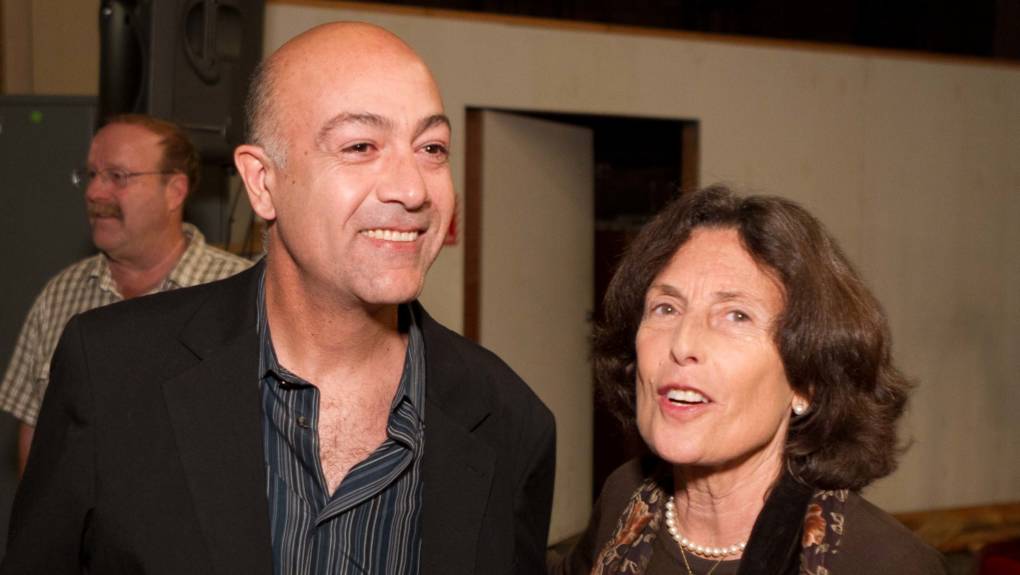
"caption": "City Arts & Lectures longtime leader Sydney Goldstein (right) is retiring after 36 years at the helm of the San Francisco-based public talks presenter. Here she is with one of her main collaborators on the Nourse Theater renovation project, contractor Moti Kazemi. ",
"description": "City Arts & Lectures longtime leader Sydney Goldstein (right) is retiring after 36 years at the helm of the iconic, San Francisco-based public talks presenter. Here she is with one of her main collaborators on the Nouse Theater renovation project, Moti Kazemi. ",
"title": "Moti Kazemi (BBC Construction, Inc.) & Sydney Goldstein at the Nourse Theater for the ground-breaking. Photo by Drew Altizer",
"credit": "Drew Altizer",
"status": "inherit",
"isLoading": false,
"fetchFailed": false
},
"arts_13840419": {
"type": "attachments",
"id": "arts_13840419",
"meta": {
"index": "attachments_1716263798",
"site": "arts",
"id": "13840419",
"found": true
},
"parent": 13840418,
"imgSizes": {
"small": {
"file": "https://ww2.kqed.org/app/uploads/sites/2/2018/09/burt-reynolds_wide-b749b7dce11ef8544bf5d10a1265a8a391b3cdbd-520x292.jpg",
"width": 520,
"mimeType": "image/jpeg",
"height": 292
},
"twentyfourteen-full-width": {
"file": "https://ww2.kqed.org/app/uploads/sites/2/2018/09/burt-reynolds_wide-b749b7dce11ef8544bf5d10a1265a8a391b3cdbd-1038x576.jpg",
"width": 1038,
"mimeType": "image/jpeg",
"height": 576
},
"thumbnail": {
"file": "https://ww2.kqed.org/app/uploads/sites/2/2018/09/burt-reynolds_wide-b749b7dce11ef8544bf5d10a1265a8a391b3cdbd-160x90.jpg",
"width": 160,
"mimeType": "image/jpeg",
"height": 90
},
"fd-sm": {
"file": "https://ww2.kqed.org/app/uploads/sites/2/2018/09/burt-reynolds_wide-b749b7dce11ef8544bf5d10a1265a8a391b3cdbd-960x540.jpg",
"width": 960,
"mimeType": "image/jpeg",
"height": 540
},
"post-thumbnail": {
"file": "https://ww2.kqed.org/app/uploads/sites/2/2018/09/burt-reynolds_wide-b749b7dce11ef8544bf5d10a1265a8a391b3cdbd-672x372.jpg",
"width": 672,
"mimeType": "image/jpeg",
"height": 372
},
"xsmall": {
"file": "https://ww2.kqed.org/app/uploads/sites/2/2018/09/burt-reynolds_wide-b749b7dce11ef8544bf5d10a1265a8a391b3cdbd-375x211.jpg",
"width": 375,
"mimeType": "image/jpeg",
"height": 211
},
"kqedFullSize": {
"file": "https://ww2.kqed.org/app/uploads/sites/2/2018/09/burt-reynolds_wide-b749b7dce11ef8544bf5d10a1265a8a391b3cdbd-e1536265273810.jpg",
"width": 1920,
"height": 1080
},
"large": {
"file": "https://ww2.kqed.org/app/uploads/sites/2/2018/09/burt-reynolds_wide-b749b7dce11ef8544bf5d10a1265a8a391b3cdbd-1020x574.jpg",
"width": 1020,
"mimeType": "image/jpeg",
"height": 574
},
"xlarge": {
"file": "https://ww2.kqed.org/app/uploads/sites/2/2018/09/burt-reynolds_wide-b749b7dce11ef8544bf5d10a1265a8a391b3cdbd-1180x664.jpg",
"width": 1180,
"mimeType": "image/jpeg",
"height": 664
},
"complete_open_graph": {
"file": "https://ww2.kqed.org/app/uploads/sites/2/2018/09/burt-reynolds_wide-b749b7dce11ef8544bf5d10a1265a8a391b3cdbd-1200x675.jpg",
"width": 1200,
"mimeType": "image/jpeg",
"height": 675
},
"guest-author-50": {
"file": "https://ww2.kqed.org/app/uploads/sites/2/2018/09/burt-reynolds_wide-b749b7dce11ef8544bf5d10a1265a8a391b3cdbd-50x50.jpg",
"width": 50,
"mimeType": "image/jpeg",
"height": 50
},
"guest-author-96": {
"file": "https://ww2.kqed.org/app/uploads/sites/2/2018/09/burt-reynolds_wide-b749b7dce11ef8544bf5d10a1265a8a391b3cdbd-96x96.jpg",
"width": 96,
"mimeType": "image/jpeg",
"height": 96
},
"medium": {
"file": "https://ww2.kqed.org/app/uploads/sites/2/2018/09/burt-reynolds_wide-b749b7dce11ef8544bf5d10a1265a8a391b3cdbd-800x450.jpg",
"width": 800,
"mimeType": "image/jpeg",
"height": 450
},
"guest-author-64": {
"file": "https://ww2.kqed.org/app/uploads/sites/2/2018/09/burt-reynolds_wide-b749b7dce11ef8544bf5d10a1265a8a391b3cdbd-64x64.jpg",
"width": 64,
"mimeType": "image/jpeg",
"height": 64
},
"guest-author-32": {
"file": "https://ww2.kqed.org/app/uploads/sites/2/2018/09/burt-reynolds_wide-b749b7dce11ef8544bf5d10a1265a8a391b3cdbd-32x32.jpg",
"width": 32,
"mimeType": "image/jpeg",
"height": 32
},
"fd-lrg": {
"file": "https://ww2.kqed.org/app/uploads/sites/2/2018/09/burt-reynolds_wide-b749b7dce11ef8544bf5d10a1265a8a391b3cdbd-1920x1080.jpg",
"width": 1920,
"mimeType": "image/jpeg",
"height": 1080
},
"fd-med": {
"file": "https://ww2.kqed.org/app/uploads/sites/2/2018/09/burt-reynolds_wide-b749b7dce11ef8544bf5d10a1265a8a391b3cdbd-1180x664.jpg",
"width": 1180,
"mimeType": "image/jpeg",
"height": 664
},
"full-width": {
"file": "https://ww2.kqed.org/app/uploads/sites/2/2018/09/burt-reynolds_wide-b749b7dce11ef8544bf5d10a1265a8a391b3cdbd-1920x1080.jpg",
"width": 1920,
"mimeType": "image/jpeg",
"height": 1080
},
"detail": {
"file": "https://ww2.kqed.org/app/uploads/sites/2/2018/09/burt-reynolds_wide-b749b7dce11ef8544bf5d10a1265a8a391b3cdbd-150x150.jpg",
"width": 150,
"mimeType": "image/jpeg",
"height": 150
},
"medium_large": {
"file": "https://ww2.kqed.org/app/uploads/sites/2/2018/09/burt-reynolds_wide-b749b7dce11ef8544bf5d10a1265a8a391b3cdbd-768x432.jpg",
"width": 768,
"mimeType": "image/jpeg",
"height": 432
},
"guest-author-128": {
"file": "https://ww2.kqed.org/app/uploads/sites/2/2018/09/burt-reynolds_wide-b749b7dce11ef8544bf5d10a1265a8a391b3cdbd-128x128.jpg",
"width": 128,
"mimeType": "image/jpeg",
"height": 128
},
"xxsmall": {
"file": "https://ww2.kqed.org/app/uploads/sites/2/2018/09/burt-reynolds_wide-b749b7dce11ef8544bf5d10a1265a8a391b3cdbd-240x135.jpg",
"width": 240,
"mimeType": "image/jpeg",
"height": 135
}
},
"publishDate": 1536264994,
"modified": 1536265269,
"caption": "Burt Reynolds was among the biggest movie stars of the 1970s thanks to performances like those in Deliverance, Smokey and the Bandit and The Longest Yard.",
"description": "Burt Reynolds was among the biggest movie stars of the 1970s thanks to performances like those in \u003cem>Deliverance, Smokey and the Bandit\u003c/em> and \u003cem>The Longest Yard\u003c/em>.\u003cem> <",
"title": "Burt Reynolds was among the biggest movie stars of the 1970s thanks to performances like those in Deliverance, Smokey and the Bandit and The Longest Yard.",
"credit": "Hulton Archive/Getty Images",
"status": "inherit",
"isLoading": false,
"fetchFailed": false
},
"arts_13839204": {
"type": "attachments",
"id": "arts_13839204",
"meta": {
"index": "attachments_1716263798",
"site": "arts",
"id": "13839204",
"found": true
},
"parent": 13839186,
"imgSizes": {
"small": {
"file": "https://ww2.kqed.org/app/uploads/sites/2/2018/08/GettyImages-142896048_1920-520x345.jpg",
"width": 520,
"mimeType": "image/jpeg",
"height": 345
},
"twentyfourteen-full-width": {
"file": "https://ww2.kqed.org/app/uploads/sites/2/2018/08/GettyImages-142896048_1920-1038x576.jpg",
"width": 1038,
"mimeType": "image/jpeg",
"height": 576
},
"thumbnail": {
"file": "https://ww2.kqed.org/app/uploads/sites/2/2018/08/GettyImages-142896048_1920-160x106.jpg",
"width": 160,
"mimeType": "image/jpeg",
"height": 106
},
"fd-sm": {
"file": "https://ww2.kqed.org/app/uploads/sites/2/2018/08/GettyImages-142896048_1920-960x637.jpg",
"width": 960,
"mimeType": "image/jpeg",
"height": 637
},
"post-thumbnail": {
"file": "https://ww2.kqed.org/app/uploads/sites/2/2018/08/GettyImages-142896048_1920-672x372.jpg",
"width": 672,
"mimeType": "image/jpeg",
"height": 372
},
"xsmall": {
"file": "https://ww2.kqed.org/app/uploads/sites/2/2018/08/GettyImages-142896048_1920-375x249.jpg",
"width": 375,
"mimeType": "image/jpeg",
"height": 249
},
"kqedFullSize": {
"file": "https://ww2.kqed.org/app/uploads/sites/2/2018/08/GettyImages-142896048_1920.jpg",
"width": 1920,
"height": 1274
},
"large": {
"file": "https://ww2.kqed.org/app/uploads/sites/2/2018/08/GettyImages-142896048_1920-1020x677.jpg",
"width": 1020,
"mimeType": "image/jpeg",
"height": 677
},
"xlarge": {
"file": "https://ww2.kqed.org/app/uploads/sites/2/2018/08/GettyImages-142896048_1920-1180x783.jpg",
"width": 1180,
"mimeType": "image/jpeg",
"height": 783
},
"complete_open_graph": {
"file": "https://ww2.kqed.org/app/uploads/sites/2/2018/08/GettyImages-142896048_1920-1200x796.jpg",
"width": 1200,
"mimeType": "image/jpeg",
"height": 796
},
"guest-author-50": {
"file": "https://ww2.kqed.org/app/uploads/sites/2/2018/08/GettyImages-142896048_1920-50x50.jpg",
"width": 50,
"mimeType": "image/jpeg",
"height": 50
},
"guest-author-96": {
"file": "https://ww2.kqed.org/app/uploads/sites/2/2018/08/GettyImages-142896048_1920-96x96.jpg",
"width": 96,
"mimeType": "image/jpeg",
"height": 96
},
"medium": {
"file": "https://ww2.kqed.org/app/uploads/sites/2/2018/08/GettyImages-142896048_1920-800x531.jpg",
"width": 800,
"mimeType": "image/jpeg",
"height": 531
},
"guest-author-64": {
"file": "https://ww2.kqed.org/app/uploads/sites/2/2018/08/GettyImages-142896048_1920-64x64.jpg",
"width": 64,
"mimeType": "image/jpeg",
"height": 64
},
"guest-author-32": {
"file": "https://ww2.kqed.org/app/uploads/sites/2/2018/08/GettyImages-142896048_1920-32x32.jpg",
"width": 32,
"mimeType": "image/jpeg",
"height": 32
},
"fd-lrg": {
"file": "https://ww2.kqed.org/app/uploads/sites/2/2018/08/GettyImages-142896048_1920-1920x1274.jpg",
"width": 1920,
"mimeType": "image/jpeg",
"height": 1274
},
"fd-med": {
"file": "https://ww2.kqed.org/app/uploads/sites/2/2018/08/GettyImages-142896048_1920-1180x783.jpg",
"width": 1180,
"mimeType": "image/jpeg",
"height": 783
},
"full-width": {
"file": "https://ww2.kqed.org/app/uploads/sites/2/2018/08/GettyImages-142896048_1920-1920x1274.jpg",
"width": 1920,
"mimeType": "image/jpeg",
"height": 1274
},
"detail": {
"file": "https://ww2.kqed.org/app/uploads/sites/2/2018/08/GettyImages-142896048_1920-150x150.jpg",
"width": 150,
"mimeType": "image/jpeg",
"height": 150
},
"medium_large": {
"file": "https://ww2.kqed.org/app/uploads/sites/2/2018/08/GettyImages-142896048_1920-768x510.jpg",
"width": 768,
"mimeType": "image/jpeg",
"height": 510
},
"guest-author-128": {
"file": "https://ww2.kqed.org/app/uploads/sites/2/2018/08/GettyImages-142896048_1920-128x128.jpg",
"width": 128,
"mimeType": "image/jpeg",
"height": 128
},
"xxsmall": {
"file": "https://ww2.kqed.org/app/uploads/sites/2/2018/08/GettyImages-142896048_1920-240x159.jpg",
"width": 240,
"mimeType": "image/jpeg",
"height": 159
}
},
"publishDate": 1534463588,
"modified": 1534463624,
"caption": "Whenever it seemed as if Aretha had diminished, she’d resurface and stir the soul in a way only she could. ",
"description": "Whenever it seemed as if Aretha had diminished, she’d resurface and stir the soul in a way only she could. ",
"title": "GettyImages-142896048_1920",
"credit": "Andrew H. Walker/Getty Images",
"status": "inherit",
"isLoading": false,
"fetchFailed": false
},
"arts_13839148": {
"type": "attachments",
"id": "arts_13839148",
"meta": {
"index": "attachments_1716263798",
"site": "arts",
"id": "13839148",
"found": true
},
"parent": 13839139,
"imgSizes": {
"small": {
"file": "https://ww2.kqed.org/app/uploads/sites/2/2018/08/Aretha.Davis_-520x293.jpg",
"width": 520,
"mimeType": "image/jpeg",
"height": 293
},
"twentyfourteen-full-width": {
"file": "https://ww2.kqed.org/app/uploads/sites/2/2018/08/Aretha.Davis_-1038x576.jpg",
"width": 1038,
"mimeType": "image/jpeg",
"height": 576
},
"thumbnail": {
"file": "https://ww2.kqed.org/app/uploads/sites/2/2018/08/Aretha.Davis_-160x90.jpg",
"width": 160,
"mimeType": "image/jpeg",
"height": 90
},
"fd-sm": {
"file": "https://ww2.kqed.org/app/uploads/sites/2/2018/08/Aretha.Davis_-960x540.jpg",
"width": 960,
"mimeType": "image/jpeg",
"height": 540
},
"post-thumbnail": {
"file": "https://ww2.kqed.org/app/uploads/sites/2/2018/08/Aretha.Davis_-672x372.jpg",
"width": 672,
"mimeType": "image/jpeg",
"height": 372
},
"xsmall": {
"file": "https://ww2.kqed.org/app/uploads/sites/2/2018/08/Aretha.Davis_-375x211.jpg",
"width": 375,
"mimeType": "image/jpeg",
"height": 211
},
"kqedFullSize": {
"file": "https://ww2.kqed.org/app/uploads/sites/2/2018/08/Aretha.Davis_.jpg",
"width": 1920,
"height": 1080
},
"large": {
"file": "https://ww2.kqed.org/app/uploads/sites/2/2018/08/Aretha.Davis_-1020x574.jpg",
"width": 1020,
"mimeType": "image/jpeg",
"height": 574
},
"xlarge": {
"file": "https://ww2.kqed.org/app/uploads/sites/2/2018/08/Aretha.Davis_-1180x664.jpg",
"width": 1180,
"mimeType": "image/jpeg",
"height": 664
},
"complete_open_graph": {
"file": "https://ww2.kqed.org/app/uploads/sites/2/2018/08/Aretha.Davis_-1200x675.jpg",
"width": 1200,
"mimeType": "image/jpeg",
"height": 675
},
"guest-author-50": {
"file": "https://ww2.kqed.org/app/uploads/sites/2/2018/08/Aretha.Davis_-50x50.jpg",
"width": 50,
"mimeType": "image/jpeg",
"height": 50
},
"guest-author-96": {
"file": "https://ww2.kqed.org/app/uploads/sites/2/2018/08/Aretha.Davis_-96x96.jpg",
"width": 96,
"mimeType": "image/jpeg",
"height": 96
},
"medium": {
"file": "https://ww2.kqed.org/app/uploads/sites/2/2018/08/Aretha.Davis_-800x450.jpg",
"width": 800,
"mimeType": "image/jpeg",
"height": 450
},
"guest-author-64": {
"file": "https://ww2.kqed.org/app/uploads/sites/2/2018/08/Aretha.Davis_-64x64.jpg",
"width": 64,
"mimeType": "image/jpeg",
"height": 64
},
"guest-author-32": {
"file": "https://ww2.kqed.org/app/uploads/sites/2/2018/08/Aretha.Davis_-32x32.jpg",
"width": 32,
"mimeType": "image/jpeg",
"height": 32
},
"fd-lrg": {
"file": "https://ww2.kqed.org/app/uploads/sites/2/2018/08/Aretha.Davis_-1920x1080.jpg",
"width": 1920,
"mimeType": "image/jpeg",
"height": 1080
},
"fd-med": {
"file": "https://ww2.kqed.org/app/uploads/sites/2/2018/08/Aretha.Davis_-1180x664.jpg",
"width": 1180,
"mimeType": "image/jpeg",
"height": 664
},
"full-width": {
"file": "https://ww2.kqed.org/app/uploads/sites/2/2018/08/Aretha.Davis_-1920x1080.jpg",
"width": 1920,
"mimeType": "image/jpeg",
"height": 1080
},
"detail": {
"file": "https://ww2.kqed.org/app/uploads/sites/2/2018/08/Aretha.Davis_-150x150.jpg",
"width": 150,
"mimeType": "image/jpeg",
"height": 150
},
"medium_large": {
"file": "https://ww2.kqed.org/app/uploads/sites/2/2018/08/Aretha.Davis_-768x432.jpg",
"width": 768,
"mimeType": "image/jpeg",
"height": 432
},
"guest-author-128": {
"file": "https://ww2.kqed.org/app/uploads/sites/2/2018/08/Aretha.Davis_-128x128.jpg",
"width": 128,
"mimeType": "image/jpeg",
"height": 128
},
"xxsmall": {
"file": "https://ww2.kqed.org/app/uploads/sites/2/2018/08/Aretha.Davis_-240x135.jpg",
"width": 240,
"mimeType": "image/jpeg",
"height": 135
}
},
"publishDate": 1534441864,
"modified": 1534441975,
"caption": "Singer Aretha Franklin performs in 2003 in New York City. ",
"description": "Singer Aretha Franklin performs in 2003 in New York City. ",
"title": "Aretha.Davis",
"credit": "Frank Micelotta/Getty Images",
"status": "inherit",
"isLoading": false,
"fetchFailed": false
},
"arts_13839130": {
"type": "attachments",
"id": "arts_13839130",
"meta": {
"index": "attachments_1716263798",
"site": "arts",
"id": "13839130",
"found": true
},
"parent": 13839127,
"imgSizes": {
"small": {
"file": "https://ww2.kqed.org/app/uploads/sites/2/2018/08/GettyImages-871485134-520x293.jpg",
"width": 520,
"mimeType": "image/jpeg",
"height": 293
},
"twentyfourteen-full-width": {
"file": "https://ww2.kqed.org/app/uploads/sites/2/2018/08/GettyImages-871485134-1038x576.jpg",
"width": 1038,
"mimeType": "image/jpeg",
"height": 576
},
"thumbnail": {
"file": "https://ww2.kqed.org/app/uploads/sites/2/2018/08/GettyImages-871485134-160x90.jpg",
"width": 160,
"mimeType": "image/jpeg",
"height": 90
},
"fd-sm": {
"file": "https://ww2.kqed.org/app/uploads/sites/2/2018/08/GettyImages-871485134-960x540.jpg",
"width": 960,
"mimeType": "image/jpeg",
"height": 540
},
"post-thumbnail": {
"file": "https://ww2.kqed.org/app/uploads/sites/2/2018/08/GettyImages-871485134-672x372.jpg",
"width": 672,
"mimeType": "image/jpeg",
"height": 372
},
"xsmall": {
"file": "https://ww2.kqed.org/app/uploads/sites/2/2018/08/GettyImages-871485134-375x211.jpg",
"width": 375,
"mimeType": "image/jpeg",
"height": 211
},
"kqedFullSize": {
"file": "https://ww2.kqed.org/app/uploads/sites/2/2018/08/GettyImages-871485134.jpg",
"width": 1920,
"height": 1080
},
"large": {
"file": "https://ww2.kqed.org/app/uploads/sites/2/2018/08/GettyImages-871485134-1020x574.jpg",
"width": 1020,
"mimeType": "image/jpeg",
"height": 574
},
"xlarge": {
"file": "https://ww2.kqed.org/app/uploads/sites/2/2018/08/GettyImages-871485134-1180x664.jpg",
"width": 1180,
"mimeType": "image/jpeg",
"height": 664
},
"complete_open_graph": {
"file": "https://ww2.kqed.org/app/uploads/sites/2/2018/08/GettyImages-871485134-1200x675.jpg",
"width": 1200,
"mimeType": "image/jpeg",
"height": 675
},
"guest-author-50": {
"file": "https://ww2.kqed.org/app/uploads/sites/2/2018/08/GettyImages-871485134-50x50.jpg",
"width": 50,
"mimeType": "image/jpeg",
"height": 50
},
"guest-author-96": {
"file": "https://ww2.kqed.org/app/uploads/sites/2/2018/08/GettyImages-871485134-96x96.jpg",
"width": 96,
"mimeType": "image/jpeg",
"height": 96
},
"medium": {
"file": "https://ww2.kqed.org/app/uploads/sites/2/2018/08/GettyImages-871485134-800x450.jpg",
"width": 800,
"mimeType": "image/jpeg",
"height": 450
},
"guest-author-64": {
"file": "https://ww2.kqed.org/app/uploads/sites/2/2018/08/GettyImages-871485134-64x64.jpg",
"width": 64,
"mimeType": "image/jpeg",
"height": 64
},
"guest-author-32": {
"file": "https://ww2.kqed.org/app/uploads/sites/2/2018/08/GettyImages-871485134-32x32.jpg",
"width": 32,
"mimeType": "image/jpeg",
"height": 32
},
"fd-lrg": {
"file": "https://ww2.kqed.org/app/uploads/sites/2/2018/08/GettyImages-871485134-1920x1080.jpg",
"width": 1920,
"mimeType": "image/jpeg",
"height": 1080
},
"fd-med": {
"file": "https://ww2.kqed.org/app/uploads/sites/2/2018/08/GettyImages-871485134-1180x664.jpg",
"width": 1180,
"mimeType": "image/jpeg",
"height": 664
},
"full-width": {
"file": "https://ww2.kqed.org/app/uploads/sites/2/2018/08/GettyImages-871485134-1920x1080.jpg",
"width": 1920,
"mimeType": "image/jpeg",
"height": 1080
},
"detail": {
"file": "https://ww2.kqed.org/app/uploads/sites/2/2018/08/GettyImages-871485134-150x150.jpg",
"width": 150,
"mimeType": "image/jpeg",
"height": 150
},
"medium_large": {
"file": "https://ww2.kqed.org/app/uploads/sites/2/2018/08/GettyImages-871485134-768x432.jpg",
"width": 768,
"mimeType": "image/jpeg",
"height": 432
},
"guest-author-128": {
"file": "https://ww2.kqed.org/app/uploads/sites/2/2018/08/GettyImages-871485134-128x128.jpg",
"width": 128,
"mimeType": "image/jpeg",
"height": 128
},
"xxsmall": {
"file": "https://ww2.kqed.org/app/uploads/sites/2/2018/08/GettyImages-871485134-240x135.jpg",
"width": 240,
"mimeType": "image/jpeg",
"height": 135
}
},
"publishDate": 1534433205,
"modified": 1534433275,
"caption": "Aretha Franklin performs onstage at the Elton John AIDS Foundation Commemorates Its 25th Year And Honors Founder Sir Elton John During New York Fall Gala at Cathedral of St. John the Divine on November 7, 2017 in New York City. ",
"description": "Aretha Franklin performs onstage at the Elton John AIDS Foundation Commemorates Its 25th Year And Honors Founder Sir Elton John During New York Fall Gala at Cathedral of St. John the Divine on November 7, 2017 in New York City. ",
"title": "Elton John AIDS Foundation Commemorates Its 25th Year And Honors Founder Sir Elton John During New York Fall Gala - Show",
"credit": "Dimitrios Kambouris/Getty Images",
"status": "inherit",
"isLoading": false,
"fetchFailed": false
},
"arts_13837861": {
"type": "attachments",
"id": "arts_13837861",
"meta": {
"index": "attachments_1716263798",
"site": "arts",
"id": "13837861",
"found": true
},
"parent": 13837740,
"imgSizes": {
"small": {
"file": "https://ww2.kqed.org/app/uploads/sites/2/2018/07/NiaWilson_1920_Collage_3-520x293.jpg",
"width": 520,
"mimeType": "image/jpeg",
"height": 293
},
"twentyfourteen-full-width": {
"file": "https://ww2.kqed.org/app/uploads/sites/2/2018/07/NiaWilson_1920_Collage_3-1038x576.jpg",
"width": 1038,
"mimeType": "image/jpeg",
"height": 576
},
"thumbnail": {
"file": "https://ww2.kqed.org/app/uploads/sites/2/2018/07/NiaWilson_1920_Collage_3-160x90.jpg",
"width": 160,
"mimeType": "image/jpeg",
"height": 90
},
"fd-sm": {
"file": "https://ww2.kqed.org/app/uploads/sites/2/2018/07/NiaWilson_1920_Collage_3-960x540.jpg",
"width": 960,
"mimeType": "image/jpeg",
"height": 540
},
"post-thumbnail": {
"file": "https://ww2.kqed.org/app/uploads/sites/2/2018/07/NiaWilson_1920_Collage_3-672x372.jpg",
"width": 672,
"mimeType": "image/jpeg",
"height": 372
},
"xsmall": {
"file": "https://ww2.kqed.org/app/uploads/sites/2/2018/07/NiaWilson_1920_Collage_3-375x211.jpg",
"width": 375,
"mimeType": "image/jpeg",
"height": 211
},
"kqedFullSize": {
"file": "https://ww2.kqed.org/app/uploads/sites/2/2018/07/NiaWilson_1920_Collage_3.jpg",
"width": 1920,
"height": 1080
},
"large": {
"file": "https://ww2.kqed.org/app/uploads/sites/2/2018/07/NiaWilson_1920_Collage_3-1020x574.jpg",
"width": 1020,
"mimeType": "image/jpeg",
"height": 574
},
"xlarge": {
"file": "https://ww2.kqed.org/app/uploads/sites/2/2018/07/NiaWilson_1920_Collage_3-1180x664.jpg",
"width": 1180,
"mimeType": "image/jpeg",
"height": 664
},
"complete_open_graph": {
"file": "https://ww2.kqed.org/app/uploads/sites/2/2018/07/NiaWilson_1920_Collage_3-1200x675.jpg",
"width": 1200,
"mimeType": "image/jpeg",
"height": 675
},
"guest-author-50": {
"file": "https://ww2.kqed.org/app/uploads/sites/2/2018/07/NiaWilson_1920_Collage_3-50x50.jpg",
"width": 50,
"mimeType": "image/jpeg",
"height": 50
},
"guest-author-96": {
"file": "https://ww2.kqed.org/app/uploads/sites/2/2018/07/NiaWilson_1920_Collage_3-96x96.jpg",
"width": 96,
"mimeType": "image/jpeg",
"height": 96
},
"medium": {
"file": "https://ww2.kqed.org/app/uploads/sites/2/2018/07/NiaWilson_1920_Collage_3-800x450.jpg",
"width": 800,
"mimeType": "image/jpeg",
"height": 450
},
"guest-author-64": {
"file": "https://ww2.kqed.org/app/uploads/sites/2/2018/07/NiaWilson_1920_Collage_3-64x64.jpg",
"width": 64,
"mimeType": "image/jpeg",
"height": 64
},
"guest-author-32": {
"file": "https://ww2.kqed.org/app/uploads/sites/2/2018/07/NiaWilson_1920_Collage_3-32x32.jpg",
"width": 32,
"mimeType": "image/jpeg",
"height": 32
},
"fd-lrg": {
"file": "https://ww2.kqed.org/app/uploads/sites/2/2018/07/NiaWilson_1920_Collage_3-1920x1080.jpg",
"width": 1920,
"mimeType": "image/jpeg",
"height": 1080
},
"fd-med": {
"file": "https://ww2.kqed.org/app/uploads/sites/2/2018/07/NiaWilson_1920_Collage_3-1180x664.jpg",
"width": 1180,
"mimeType": "image/jpeg",
"height": 664
},
"full-width": {
"file": "https://ww2.kqed.org/app/uploads/sites/2/2018/07/NiaWilson_1920_Collage_3-1920x1080.jpg",
"width": 1920,
"mimeType": "image/jpeg",
"height": 1080
},
"detail": {
"file": "https://ww2.kqed.org/app/uploads/sites/2/2018/07/NiaWilson_1920_Collage_3-150x150.jpg",
"width": 150,
"mimeType": "image/jpeg",
"height": 150
},
"medium_large": {
"file": "https://ww2.kqed.org/app/uploads/sites/2/2018/07/NiaWilson_1920_Collage_3-768x432.jpg",
"width": 768,
"mimeType": "image/jpeg",
"height": 432
},
"guest-author-128": {
"file": "https://ww2.kqed.org/app/uploads/sites/2/2018/07/NiaWilson_1920_Collage_3-128x128.jpg",
"width": 128,
"mimeType": "image/jpeg",
"height": 128
},
"xxsmall": {
"file": "https://ww2.kqed.org/app/uploads/sites/2/2018/07/NiaWilson_1920_Collage_3-240x135.jpg",
"width": 240,
"mimeType": "image/jpeg",
"height": 135
}
},
"publishDate": 1532629973,
"modified": 1532630005,
"caption": "\"Part of my anger is always libation for my fallen sisters.\" — Audre Lorde",
"description": "\"Part of my anger is always libation for my fallen sisters.\" — Audre Lorde",
"title": "NiaWilson_1920_Collage_3",
"credit": "Artwork by Francis (@girasoulll)",
"status": "inherit",
"isLoading": false,
"fetchFailed": false
},
"arts_13832834": {
"type": "attachments",
"id": "arts_13832834",
"meta": {
"index": "attachments_1716263798",
"site": "arts",
"id": "13832834",
"found": true
},
"parent": 13832672,
"imgSizes": {
"small": {
"file": "https://ww2.kqed.org/app/uploads/sites/2/2018/05/SADIKI.MAIN_.better2-520x293.jpg",
"width": 520,
"mimeType": "image/jpeg",
"height": 293
},
"thumbnail": {
"file": "https://ww2.kqed.org/app/uploads/sites/2/2018/05/SADIKI.MAIN_.better2-160x90.jpg",
"width": 160,
"mimeType": "image/jpeg",
"height": 90
},
"fd-sm": {
"file": "https://ww2.kqed.org/app/uploads/sites/2/2018/05/SADIKI.MAIN_.better2-960x540.jpg",
"width": 960,
"mimeType": "image/jpeg",
"height": 540
},
"post-thumbnail": {
"file": "https://ww2.kqed.org/app/uploads/sites/2/2018/05/SADIKI.MAIN_.better2-672x372.jpg",
"width": 672,
"mimeType": "image/jpeg",
"height": 372
},
"xsmall": {
"file": "https://ww2.kqed.org/app/uploads/sites/2/2018/05/SADIKI.MAIN_.better2-375x211.jpg",
"width": 375,
"mimeType": "image/jpeg",
"height": 211
},
"kqedFullSize": {
"file": "https://ww2.kqed.org/app/uploads/sites/2/2018/05/SADIKI.MAIN_.better2.jpg",
"width": 976,
"height": 549
},
"guest-author-50": {
"file": "https://ww2.kqed.org/app/uploads/sites/2/2018/05/SADIKI.MAIN_.better2-50x50.jpg",
"width": 50,
"mimeType": "image/jpeg",
"height": 50
},
"guest-author-96": {
"file": "https://ww2.kqed.org/app/uploads/sites/2/2018/05/SADIKI.MAIN_.better2-96x96.jpg",
"width": 96,
"mimeType": "image/jpeg",
"height": 96
},
"medium": {
"file": "https://ww2.kqed.org/app/uploads/sites/2/2018/05/SADIKI.MAIN_.better2-800x450.jpg",
"width": 800,
"mimeType": "image/jpeg",
"height": 450
},
"guest-author-64": {
"file": "https://ww2.kqed.org/app/uploads/sites/2/2018/05/SADIKI.MAIN_.better2-64x64.jpg",
"width": 64,
"mimeType": "image/jpeg",
"height": 64
},
"guest-author-32": {
"file": "https://ww2.kqed.org/app/uploads/sites/2/2018/05/SADIKI.MAIN_.better2-32x32.jpg",
"width": 32,
"mimeType": "image/jpeg",
"height": 32
},
"detail": {
"file": "https://ww2.kqed.org/app/uploads/sites/2/2018/05/SADIKI.MAIN_.better2-150x150.jpg",
"width": 150,
"mimeType": "image/jpeg",
"height": 150
},
"medium_large": {
"file": "https://ww2.kqed.org/app/uploads/sites/2/2018/05/SADIKI.MAIN_.better2-768x432.jpg",
"width": 768,
"mimeType": "image/jpeg",
"height": 432
},
"guest-author-128": {
"file": "https://ww2.kqed.org/app/uploads/sites/2/2018/05/SADIKI.MAIN_.better2-128x128.jpg",
"width": 128,
"mimeType": "image/jpeg",
"height": 128
},
"xxsmall": {
"file": "https://ww2.kqed.org/app/uploads/sites/2/2018/05/SADIKI.MAIN_.better2-240x135.jpg",
"width": 240,
"mimeType": "image/jpeg",
"height": 135
}
},
"publishDate": 1526891393,
"modified": 1526891844,
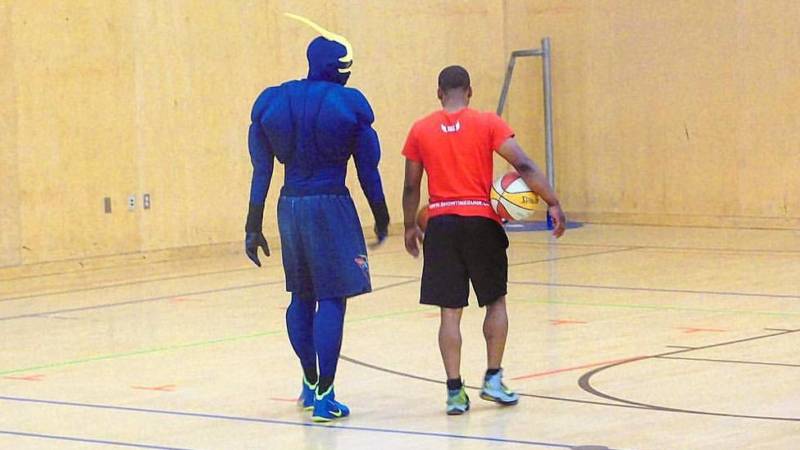
"caption": "Sadiki Fuller dressed as Thunder, left, with Jesus El, right.",
"description": "Sadiki Fuller dressed as Thunder, left, with Jesus El, right.",
"title": "SADIKI.MAIN.better2",
"credit": "Courtesy Jesus El",
"status": "inherit",
"isLoading": false,
"fetchFailed": false
},
"arts_13830895": {
"type": "attachments",
"id": "arts_13830895",
"meta": {
"index": "attachments_1716263798",
"site": "arts",
"id": "13830895",
"found": true
},
"parent": 13830891,
"imgSizes": {
"small": {
"file": "https://ww2.kqed.org/app/uploads/sites/2/2018/05/David-Wiegand-at-The-Do-List-Live-in-San-Jose-e1525215871121-520x292.jpeg",
"width": 520,
"mimeType": "image/jpeg",
"height": 292
},
"twentyfourteen-full-width": {
"file": "https://ww2.kqed.org/app/uploads/sites/2/2018/05/David-Wiegand-at-The-Do-List-Live-in-San-Jose-1000x576.jpeg",
"width": 1000,
"mimeType": "image/jpeg",
"height": 576
},
"thumbnail": {
"file": "https://ww2.kqed.org/app/uploads/sites/2/2018/05/David-Wiegand-at-The-Do-List-Live-in-San-Jose-e1525215871121-160x90.jpeg",
"width": 160,
"mimeType": "image/jpeg",
"height": 90
},
"fd-sm": {
"file": "https://ww2.kqed.org/app/uploads/sites/2/2018/05/David-Wiegand-at-The-Do-List-Live-in-San-Jose-e1525215871121-960x540.jpeg",
"width": 960,
"mimeType": "image/jpeg",
"height": 540
},
"post-thumbnail": {
"file": "https://ww2.kqed.org/app/uploads/sites/2/2018/05/David-Wiegand-at-The-Do-List-Live-in-San-Jose-e1525215871121-672x372.jpeg",
"width": 672,
"mimeType": "image/jpeg",
"height": 372
},
"xsmall": {
"file": "https://ww2.kqed.org/app/uploads/sites/2/2018/05/David-Wiegand-at-The-Do-List-Live-in-San-Jose-e1525215871121-375x211.jpeg",
"width": 375,
"mimeType": "image/jpeg",
"height": 211
},
"kqedFullSize": {
"file": "https://ww2.kqed.org/app/uploads/sites/2/2018/05/David-Wiegand-at-The-Do-List-Live-in-San-Jose-e1525215871121.jpeg",
"width": 1000,
"height": 562
},
"guest-author-50": {
"file": "https://ww2.kqed.org/app/uploads/sites/2/2018/05/David-Wiegand-at-The-Do-List-Live-in-San-Jose-e1525215871121-50x50.jpeg",
"width": 50,
"mimeType": "image/jpeg",
"height": 50
},
"guest-author-96": {
"file": "https://ww2.kqed.org/app/uploads/sites/2/2018/05/David-Wiegand-at-The-Do-List-Live-in-San-Jose-e1525215871121-96x96.jpeg",
"width": 96,
"mimeType": "image/jpeg",
"height": 96
},
"medium": {
"file": "https://ww2.kqed.org/app/uploads/sites/2/2018/05/David-Wiegand-at-The-Do-List-Live-in-San-Jose-e1525215871121-800x450.jpeg",
"width": 800,
"mimeType": "image/jpeg",
"height": 450
},
"guest-author-64": {
"file": "https://ww2.kqed.org/app/uploads/sites/2/2018/05/David-Wiegand-at-The-Do-List-Live-in-San-Jose-e1525215871121-64x64.jpeg",
"width": 64,
"mimeType": "image/jpeg",
"height": 64
},
"guest-author-32": {
"file": "https://ww2.kqed.org/app/uploads/sites/2/2018/05/David-Wiegand-at-The-Do-List-Live-in-San-Jose-e1525215871121-32x32.jpeg",
"width": 32,
"mimeType": "image/jpeg",
"height": 32
},
"detail": {
"file": "https://ww2.kqed.org/app/uploads/sites/2/2018/05/David-Wiegand-at-The-Do-List-Live-in-San-Jose-e1525215871121-150x150.jpeg",
"width": 150,
"mimeType": "image/jpeg",
"height": 150
},
"medium_large": {
"file": "https://ww2.kqed.org/app/uploads/sites/2/2018/05/David-Wiegand-at-The-Do-List-Live-in-San-Jose-e1525215871121-768x432.jpeg",
"width": 768,
"mimeType": "image/jpeg",
"height": 432
},
"guest-author-128": {
"file": "https://ww2.kqed.org/app/uploads/sites/2/2018/05/David-Wiegand-at-The-Do-List-Live-in-San-Jose-e1525215871121-128x128.jpeg",
"width": 128,
"mimeType": "image/jpeg",
"height": 128
},
"xxsmall": {
"file": "https://ww2.kqed.org/app/uploads/sites/2/2018/05/David-Wiegand-at-The-Do-List-Live-in-San-Jose-e1525215871121-240x135.jpeg",
"width": 240,
"mimeType": "image/jpeg",
"height": 135
}
},
"publishDate": 1525215705,
"modified": 1525215845,
"caption": "David Wiegand at The Do List Live show in San Francisco in 2015",
"description": "David Wiegand at The Do List Live show in San Francisco in 2015",
"title": "David Wiegand at The Do List Live show in San Francisco in 2015",
"credit": "KQED",
"status": "inherit",
"isLoading": false,
"fetchFailed": false
},
"arts_13830066": {
"type": "attachments",
"id": "arts_13830066",
"meta": {
"index": "attachments_1716263798",
"site": "arts",
"id": "13830066",
"found": true
},
"parent": 13830063,
"imgSizes": {
"small": {
"file": "https://ww2.kqed.org/app/uploads/sites/2/2018/04/GettyImages-182612974-520x349.jpg",
"width": 520,
"mimeType": "image/jpeg",
"height": 349
},
"twentyfourteen-full-width": {
"file": "https://ww2.kqed.org/app/uploads/sites/2/2018/04/GettyImages-182612974-1038x576.jpg",
"width": 1038,
"mimeType": "image/jpeg",
"height": 576
},
"thumbnail": {
"file": "https://ww2.kqed.org/app/uploads/sites/2/2018/04/GettyImages-182612974-160x107.jpg",
"width": 160,
"mimeType": "image/jpeg",
"height": 107
},
"fd-sm": {
"file": "https://ww2.kqed.org/app/uploads/sites/2/2018/04/GettyImages-182612974-960x644.jpg",
"width": 960,
"mimeType": "image/jpeg",
"height": 644
},
"post-thumbnail": {
"file": "https://ww2.kqed.org/app/uploads/sites/2/2018/04/GettyImages-182612974-672x372.jpg",
"width": 672,
"mimeType": "image/jpeg",
"height": 372
},
"xsmall": {
"file": "https://ww2.kqed.org/app/uploads/sites/2/2018/04/GettyImages-182612974-375x252.jpg",
"width": 375,
"mimeType": "image/jpeg",
"height": 252
},
"kqedFullSize": {
"file": "https://ww2.kqed.org/app/uploads/sites/2/2018/04/GettyImages-182612974.jpg",
"width": 1080,
"height": 725
},
"large": {
"file": "https://ww2.kqed.org/app/uploads/sites/2/2018/04/GettyImages-182612974-1020x685.jpg",
"width": 1020,
"mimeType": "image/jpeg",
"height": 685
},
"guest-author-50": {
"file": "https://ww2.kqed.org/app/uploads/sites/2/2018/04/GettyImages-182612974-50x50.jpg",
"width": 50,
"mimeType": "image/jpeg",
"height": 50
},
"guest-author-96": {
"file": "https://ww2.kqed.org/app/uploads/sites/2/2018/04/GettyImages-182612974-96x96.jpg",
"width": 96,
"mimeType": "image/jpeg",
"height": 96
},
"medium": {
"file": "https://ww2.kqed.org/app/uploads/sites/2/2018/04/GettyImages-182612974-800x537.jpg",
"width": 800,
"mimeType": "image/jpeg",
"height": 537
},
"guest-author-64": {
"file": "https://ww2.kqed.org/app/uploads/sites/2/2018/04/GettyImages-182612974-64x64.jpg",
"width": 64,
"mimeType": "image/jpeg",
"height": 64
},
"guest-author-32": {
"file": "https://ww2.kqed.org/app/uploads/sites/2/2018/04/GettyImages-182612974-32x32.jpg",
"width": 32,
"mimeType": "image/jpeg",
"height": 32
},
"detail": {
"file": "https://ww2.kqed.org/app/uploads/sites/2/2018/04/GettyImages-182612974-150x150.jpg",
"width": 150,
"mimeType": "image/jpeg",
"height": 150
},
"medium_large": {
"file": "https://ww2.kqed.org/app/uploads/sites/2/2018/04/GettyImages-182612974-768x516.jpg",
"width": 768,
"mimeType": "image/jpeg",
"height": 516
},
"guest-author-128": {
"file": "https://ww2.kqed.org/app/uploads/sites/2/2018/04/GettyImages-182612974-128x128.jpg",
"width": 128,
"mimeType": "image/jpeg",
"height": 128
},
"xxsmall": {
"file": "https://ww2.kqed.org/app/uploads/sites/2/2018/04/GettyImages-182612974-240x161.jpg",
"width": 240,
"mimeType": "image/jpeg",
"height": 161
}
},
"publishDate": 1524264758,
"modified": 1524264776,
"caption": "Photo by Mike Lawrie/Getty Images",
"description": null,
"title": "GettyImages-182612974",
"credit": null,
"status": "inherit",
"isLoading": false,
"fetchFailed": false
},
"arts_13806868": {
"type": "attachments",
"id": "arts_13806868",
"meta": {
"index": "attachments_1716263798",
"site": "arts",
"id": "13806868",
"found": true
},
"parent": 13806857,
"imgSizes": {
"small": {
"file": "https://ww2.kqed.org/app/uploads/sites/2/2017/08/Wesla-Whitfield-520x293.jpg",
"width": 520,
"mimeType": "image/jpeg",
"height": 293
},
"twentyfourteen-full-width": {
"file": "https://ww2.kqed.org/app/uploads/sites/2/2017/08/Wesla-Whitfield-1038x576.jpg",
"width": 1038,
"mimeType": "image/jpeg",
"height": 576
},
"thumbnail": {
"file": "https://ww2.kqed.org/app/uploads/sites/2/2017/08/Wesla-Whitfield-160x90.jpg",
"width": 160,
"mimeType": "image/jpeg",
"height": 90
},
"fd-sm": {
"file": "https://ww2.kqed.org/app/uploads/sites/2/2017/08/Wesla-Whitfield-960x540.jpg",
"width": 960,
"mimeType": "image/jpeg",
"height": 540
},
"post-thumbnail": {
"file": "https://ww2.kqed.org/app/uploads/sites/2/2017/08/Wesla-Whitfield-672x372.jpg",
"width": 672,
"mimeType": "image/jpeg",
"height": 372
},
"xsmall": {
"file": "https://ww2.kqed.org/app/uploads/sites/2/2017/08/Wesla-Whitfield-375x211.jpg",
"width": 375,
"mimeType": "image/jpeg",
"height": 211
},
"kqedFullSize": {
"file": "https://ww2.kqed.org/app/uploads/sites/2/2017/08/Wesla-Whitfield.jpg",
"width": 1920,
"height": 1080
},
"large": {
"file": "https://ww2.kqed.org/app/uploads/sites/2/2017/08/Wesla-Whitfield-1020x574.jpg",
"width": 1020,
"mimeType": "image/jpeg",
"height": 574
},
"xlarge": {
"file": "https://ww2.kqed.org/app/uploads/sites/2/2017/08/Wesla-Whitfield-1180x664.jpg",
"width": 1180,
"mimeType": "image/jpeg",
"height": 664
},
"guest-author-50": {
"file": "https://ww2.kqed.org/app/uploads/sites/2/2017/08/Wesla-Whitfield-50x50.jpg",
"width": 50,
"mimeType": "image/jpeg",
"height": 50
},
"guest-author-96": {
"file": "https://ww2.kqed.org/app/uploads/sites/2/2017/08/Wesla-Whitfield-96x96.jpg",
"width": 96,
"mimeType": "image/jpeg",
"height": 96
},
"medium": {
"file": "https://ww2.kqed.org/app/uploads/sites/2/2017/08/Wesla-Whitfield-800x450.jpg",
"width": 800,
"mimeType": "image/jpeg",
"height": 450
},
"guest-author-64": {
"file": "https://ww2.kqed.org/app/uploads/sites/2/2017/08/Wesla-Whitfield-64x64.jpg",
"width": 64,
"mimeType": "image/jpeg",
"height": 64
},
"guest-author-32": {
"file": "https://ww2.kqed.org/app/uploads/sites/2/2017/08/Wesla-Whitfield-32x32.jpg",
"width": 32,
"mimeType": "image/jpeg",
"height": 32
},
"fd-lrg": {
"file": "https://ww2.kqed.org/app/uploads/sites/2/2017/08/Wesla-Whitfield-1920x1080.jpg",
"width": 1920,
"mimeType": "image/jpeg",
"height": 1080
},
"fd-med": {
"file": "https://ww2.kqed.org/app/uploads/sites/2/2017/08/Wesla-Whitfield-1180x664.jpg",
"width": 1180,
"mimeType": "image/jpeg",
"height": 664
},
"full-width": {
"file": "https://ww2.kqed.org/app/uploads/sites/2/2017/08/Wesla-Whitfield-1920x1080.jpg",
"width": 1920,
"mimeType": "image/jpeg",
"height": 1080
},
"detail": {
"file": "https://ww2.kqed.org/app/uploads/sites/2/2017/08/Wesla-Whitfield-150x150.jpg",
"width": 150,
"mimeType": "image/jpeg",
"height": 150
},
"medium_large": {
"file": "https://ww2.kqed.org/app/uploads/sites/2/2017/08/Wesla-Whitfield-768x432.jpg",
"width": 768,
"mimeType": "image/jpeg",
"height": 432
},
"guest-author-128": {
"file": "https://ww2.kqed.org/app/uploads/sites/2/2017/08/Wesla-Whitfield-128x128.jpg",
"width": 128,
"mimeType": "image/jpeg",
"height": 128
},
"xxsmall": {
"file": "https://ww2.kqed.org/app/uploads/sites/2/2017/08/Wesla-Whitfield-240x135.jpg",
"width": 240,
"mimeType": "image/jpeg",
"height": 135
}
},
"publishDate": 1504119090,
"modified": 1504119184,
"caption": "Wesla Whitfield performs at the Actor's Fund S.T.A.G.E. Too Tribute: Hooray For Love celebrating the music of Harold Arlen on November 12, 2005 in Los Angeles, California. ",
"description": "Wesla Whitfield performs at the Actor's Fund S.T.A.G.E. Too Tribute: Hooray For Love celebrating the music of Harold Arlen on November 12, 2005 in Los Angeles, California. ",
"title": "Actors' Fund S.T.A.G.E. Too Tribute: Hooray For Love",
"credit": "Photo: David Livingston/Getty Images",
"status": "inherit",
"isLoading": false,
"fetchFailed": false
}
},
"audioPlayerReducer": {
"postId": "stream_live",
"isPaused": true,
"isPlaying": false,
"pfsActive": false,
"pledgeModalIsOpen": true,
"playerDrawerIsOpen": false,
"liveAudioPlayStartedAt": 0,
"liveAudioPlayContext": ""
},
"authorsReducer": {
"byline_arts_13845727": {
"type": "authors",
"id": "byline_arts_13845727",
"meta": {
"override": true
},
"slug": "byline_arts_13845727",
"name": "Andrew Dalton/Associated Press",
"isLoading": false
},
"byline_arts_13844722": {
"type": "authors",
"id": "byline_arts_13844722",
"meta": {
"override": true
},
"slug": "byline_arts_13844722",
"name": "Associated Press",
"isLoading": false
},
"byline_arts_13840418": {
"type": "authors",
"id": "byline_arts_13840418",
"meta": {
"override": true
},
"slug": "byline_arts_13840418",
"name": "Bob Mondello",
"isLoading": false
},
"byline_arts_13839127": {
"type": "authors",
"id": "byline_arts_13839127",
"meta": {
"override": true
},
"slug": "byline_arts_13839127",
"name": "Mesfin Fekadu and Hillel Italie, Associated Press",
"isLoading": false
},
"byline_arts_13830063": {
"type": "authors",
"id": "byline_arts_13830063",
"meta": {
"override": true
},
"slug": "byline_arts_13830063",
"name": "Andrew Flanagan",
"isLoading": false
},
"cmusiker": {
"type": "authors",
"id": "32",
"meta": {
"index": "authors_1716337520",
"id": "32",
"found": true
},
"name": "Cy Musiker",
"firstName": "Cy",
"lastName": "Musiker",
"slug": "cmusiker",
"email": "cmusiker@kqed.org",
"display_author_email": false,
"staff_mastheads": [],
"title": "KQED Contributor",
"bio": "Cy Musiker is a former co-host of The Do List and a former reporter covering the arts for KQED News and The California Report. He loves live performance, especially great theater, jazz, roots music, anything by Mahler. Cy has an MJ from UC Berkeley's School of Journalism, and got his BA from Hampshire College. His work has been recognized by the Society for Professional Journalists with their Sigma Delta Chi Award for Public Service in Journalism. When he can, Cy likes to swim in Tomales Bay, run with his dog in the East Bay Hills, and hike the Sierra.",
"avatar": "https://secure.gravatar.com/avatar/05eaba5c5696ce8f062e4ea2df428a43?s=600&d=blank&r=g",
"twitter": null,
"facebook": null,
"instagram": null,
"linkedin": null,
"sites": [
{
"site": "arts",
"roles": [
"Contributor",
"subscriber"
]
},
{
"site": "news",
"roles": [
"author"
]
},
{
"site": "bayareabites",
"roles": [
"contributor"
]
}
],
"headData": {
"title": "Cy Musiker | KQED",
"description": "KQED Contributor",
"ogImgSrc": "https://secure.gravatar.com/avatar/05eaba5c5696ce8f062e4ea2df428a43?s=600&d=blank&r=g",
"twImgSrc": "https://secure.gravatar.com/avatar/05eaba5c5696ce8f062e4ea2df428a43?s=600&d=blank&r=g"
},
"isLoading": false,
"link": "/author/cmusiker"
},
"agilbert": {
"type": "authors",
"id": "86",
"meta": {
"index": "authors_1716337520",
"id": "86",
"found": true
},
"name": "Andrew Gilbert",
"firstName": "Andrew",
"lastName": "Gilbert",
"slug": "agilbert",
"email": "jazzscribe@aol.com",
"display_author_email": false,
"staff_mastheads": [],
"title": "KQED Contributor",
"bio": "A Los Angeles native based in the Berkeley area since 1996, Andrew Gilbert covers jazz, international music and dance for KQED's \u003ci>California Report, \u003c/i>the\u003ci> Mercury News\u003c/i>, \u003ci>San Francisco Chronicle\u003c/i>, \u003ci>Berkeleyside.com\u003c/i>, and other publications. He is available for weddings and bar and bat mitzvahs. #jazzscribe",
"avatar": "https://secure.gravatar.com/avatar/d7bcafdbefdd39e9a68f88724ca616eb4e7a5a6bff9cdfb62de652a1e1751471?s=600&d=blank&r=g",
"twitter": null,
"bluesky": null,
"facebook": null,
"instagram": null,
"linkedin": null,
"sites": [
{
"site": "arts",
"roles": [
"Contributor",
"author"
]
},
{
"site": "news",
"roles": [
"author"
]
}
],
"headData": {
"title": "Andrew Gilbert | KQED",
"description": "KQED Contributor",
"ogImgSrc": "https://secure.gravatar.com/avatar/d7bcafdbefdd39e9a68f88724ca616eb4e7a5a6bff9cdfb62de652a1e1751471?s=600&d=blank&r=g",
"twImgSrc": "https://secure.gravatar.com/avatar/d7bcafdbefdd39e9a68f88724ca616eb4e7a5a6bff9cdfb62de652a1e1751471?s=600&d=blank&r=g"
},
"isLoading": false,
"link": "/author/agilbert"
},
"jamedra": {
"type": "authors",
"id": "8661",
"meta": {
"index": "authors_1716337520",
"id": "8661",
"found": true
},
"name": "Jamedra Brown Fleischman",
"firstName": "Jamedra",
"lastName": "Brown Fleischman",
"slug": "jamedra",
"email": "jbrown@kqed.org",
"display_author_email": false,
"staff_mastheads": [],
"title": "KQED Contributor",
"bio": "Jamedra Brown Fleischman is the Social Media & Distribution Specialist for KQED Arts. In her spare time she enjoys most things mommyhood, fashion and pop culture.",
"avatar": "https://secure.gravatar.com/avatar/374f4a7f5b0565e3c4ef33664ec089eefcff922fee4f4d8c6d784e84f35d2558?s=600&d=blank&r=g",
"twitter": null,
"bluesky": null,
"facebook": null,
"instagram": null,
"linkedin": null,
"sites": [
{
"site": "arts",
"roles": [
"subscriber"
]
},
{
"site": "pop",
"roles": [
"subscriber"
]
},
{
"site": "about",
"roles": [
"subscriber"
]
},
{
"site": "education",
"roles": []
}
],
"headData": {
"title": "Jamedra Brown Fleischman | KQED",
"description": "KQED Contributor",
"ogImgSrc": "https://secure.gravatar.com/avatar/374f4a7f5b0565e3c4ef33664ec089eefcff922fee4f4d8c6d784e84f35d2558?s=600&d=blank&r=g",
"twImgSrc": "https://secure.gravatar.com/avatar/374f4a7f5b0565e3c4ef33664ec089eefcff922fee4f4d8c6d784e84f35d2558?s=600&d=blank&r=g"
},
"isLoading": false,
"link": "/author/jamedra"
},
"slefebvre": {
"type": "authors",
"id": "11091",
"meta": {
"index": "authors_1716337520",
"id": "11091",
"found": true
},
"name": "Sam Lefebvre",
"firstName": "Sam",
"lastName": "Lefebvre",
"slug": "slefebvre",
"email": "sdlefebvre@gmail.com",
"display_author_email": false,
"staff_mastheads": [],
"title": "KQED Contributor",
"bio": "Sam Lefebvre is an award-winning reporter at KQED Arts. He has worked as an editor and columnist at the \u003cem>East Bay Express\u003c/em>, \u003cem>SF Weekly \u003c/em>and Impose Magazine, and his journalism and criticism has appeared in \u003cem>The New York Times\u003c/em>, the Guardian and Pitchfork.",
"avatar": "https://secure.gravatar.com/avatar/49d39b42930b77fb13784ddd9fa63fe780666b71bf289368509dba576b64e69b?s=600&d=blank&r=g",
"twitter": "Lefebvre_Sam",
"bluesky": null,
"facebook": null,
"instagram": null,
"linkedin": null,
"sites": [
{
"site": "arts",
"roles": [
"subscriber"
]
},
{
"site": "news",
"roles": [
"author"
]
}
],
"headData": {
"title": "Sam Lefebvre | KQED",
"description": "KQED Contributor",
"ogImgSrc": "https://secure.gravatar.com/avatar/49d39b42930b77fb13784ddd9fa63fe780666b71bf289368509dba576b64e69b?s=600&d=blank&r=g",
"twImgSrc": "https://secure.gravatar.com/avatar/49d39b42930b77fb13784ddd9fa63fe780666b71bf289368509dba576b64e69b?s=600&d=blank&r=g"
},
"isLoading": false,
"link": "/author/slefebvre"
},
"lblanco": {
"type": "authors",
"id": "11357",
"meta": {
"index": "authors_1716337520",
"id": "11357",
"found": true
},
"name": "Lina Blanco",
"firstName": "Lina",
"lastName": "Blanco",
"slug": "lblanco",
"email": "lblanco@kqed.org",
"display_author_email": false,
"staff_mastheads": [],
"title": null,
"bio": "Lina was a Senior Engagement Platforms Manager for KQED News, producing engagement strategies on social media at \u003ca href=\"https://twitter.com/KQEDnews\">@KQEDNews, \u003c/a>via \u003ca href=\"https://www.kqed.org/about/newsletters/\">KQED's daily newsletter\u003c/a> as well as texting campaigns with KQED readers and listeners. She also co-produces for KQED's bilingual news hub \u003ca href=\"https://www.instagram.com/kqedenespanol/\">KQED en Español\u003c/a>.\r\n\r\nLina previously worked for \u003ca href=\"https://kqed.org/arts\">KQED Arts\u003c/a> — supporting audience engagement efforts on the weekly \u003ca href=\"https://www.kqed.org/podcasts/rightnowish\">\u003cem>Rightnowish\u003c/em> \u003c/a>podcast, Webby-winning video series \u003ca href=\"https://www.kqed.org/if-cities-could-dance\">\u003cem>If Cities Could Dance\u003c/em>\u003c/a>, and daily Arts & Culture reporting. She won a \u003ca href=\"https://www.kqed.org/pressroom/10884/murrow\">National 2019 Edward R. Murrow Award for Excellence in Social Media\u003c/a> for KQED's series \u003cem>The Hustle\u003c/em>.\r\n\r\nBefore KQED, Lina worked as a graphic designer and digital storytelling facilitator at the \u003ca href=\"https://www.nativehealth.org/\">Native American Health Center\u003c/a>.\r\n\r\nShe's mom to a senior Chihuahua (plus one black cat) and lives in West Sonoma County on a small farmstead.",
"avatar": "https://secure.gravatar.com/avatar/77ec326d67223c38a436b87bcfd2a2e8?s=600&d=mm&r=g",
"twitter": "LinaBlanco",
"facebook": null,
"instagram": null,
"linkedin": null,
"sites": [
{
"site": "arts",
"roles": [
"subscriber"
]
},
{
"site": "news",
"roles": [
"subscriber"
]
},
{
"site": "pop",
"roles": [
"administrator"
]
},
{
"site": "about",
"roles": [
"administrator"
]
},
{
"site": "bayareabites",
"roles": [
"editor"
]
},
{
"site": "science",
"roles": [
"editor"
]
},
{
"site": "checkplease",
"roles": [
"editor"
]
},
{
"site": "food",
"roles": []
},
{
"site": "perspectives",
"roles": [
"editor"
]
}
],
"headData": {
"title": "Lina Blanco | KQED",
"description": null,
"ogImgSrc": "https://secure.gravatar.com/avatar/77ec326d67223c38a436b87bcfd2a2e8?s=600&d=mm&r=g",
"twImgSrc": "https://secure.gravatar.com/avatar/77ec326d67223c38a436b87bcfd2a2e8?s=600&d=mm&r=g"
},
"isLoading": false,
"link": "/author/lblanco"
},
"ogpenn": {
"type": "authors",
"id": "11491",
"meta": {
"index": "authors_1716337520",
"id": "11491",
"found": true
},
"name": "Pendarvis Harshaw",
"firstName": "Pendarvis",
"lastName": "Harshaw",
"slug": "ogpenn",
"email": "ogpenn@gmail.com",
"display_author_email": false,
"staff_mastheads": [
"arts"
],
"title": "Community Engagement Reporter",
"bio": "Pendarvis Harshaw is an educator, host and writer with KQED Arts.",
"avatar": "https://secure.gravatar.com/avatar/972b77ee8e3f346ae2b00622661187fbfabd059b5693bbdc1475ea7a722fd4cd?s=600&d=blank&r=g",
"twitter": null,
"bluesky": null,
"facebook": null,
"instagram": "ogpenn",
"linkedin": null,
"sites": [
{
"site": "arts",
"roles": [
"administrator"
]
},
{
"site": "news",
"roles": [
"editor"
]
},
{
"site": "bayareabites",
"roles": [
"author"
]
},
{
"site": "hiphop",
"roles": [
"editor"
]
}
],
"headData": {
"title": "Pendarvis Harshaw | KQED",
"description": "Community Engagement Reporter",
"ogImgSrc": "https://secure.gravatar.com/avatar/972b77ee8e3f346ae2b00622661187fbfabd059b5693bbdc1475ea7a722fd4cd?s=600&d=blank&r=g",
"twImgSrc": "https://secure.gravatar.com/avatar/972b77ee8e3f346ae2b00622661187fbfabd059b5693bbdc1475ea7a722fd4cd?s=600&d=blank&r=g"
},
"isLoading": false,
"link": "/author/ogpenn"
}
},
"pagesReducer": {
"arts_category_remembrance": {
"type": "terms",
"id": "arts_1564",
"meta": {
"index": "terms_1716263798",
"site": "arts",
"id": "1564",
"score": 13.107925
},
"featImg": null,
"name": "Remembrance",
"description": null,
"taxonomy": "category",
"headData": {
"twImgId": null,
"twTitle": null,
"ogTitle": null,
"ogImgId": null,
"twDescription": null,
"description": null,
"title": "Remembrance Archives | KQED Arts",
"ogDescription": null
},
"ttid": 1576,
"slug": "remembrance",
"isLoading": false,
"title": "Remembrance",
"pageMeta": {
"site": "arts",
"WpPageTemplate": "page-topic-editorial",
"currentPage": 21
},
"blocks": [
{
"blockName": "kqed/post-list",
"attrs": {
"layout": "cardArticle2",
"query": "posts/arts?category=remembrance",
"seeMore": false,
"paginated": true,
"page": 21
}
},
{
"blockName": "kqed/ad"
}
]
}
},
"pfsSessionReducer": {},
"postsReducer": {
"stream_live": {
"type": "live",
"id": "stream_live",
"audioUrl": "https://streams.kqed.org/kqedradio",
"title": "Live Stream",
"excerpt": "Live Stream information currently unavailable.",
"link": "/radio",
"featImg": "",
"label": {
"name": "KQED Live",
"link": "/"
}
},
"stream_kqedNewscast": {
"type": "posts",
"id": "stream_kqedNewscast",
"audioUrl": "https://www.kqed.org/.stream/anon/radio/RDnews/newscast.mp3?_=1",
"title": "KQED Newscast",
"featImg": "",
"label": {
"name": "88.5 FM",
"link": "/"
}
},
"arts_13845727": {
"type": "posts",
"id": "arts_13845727",
"meta": {
"index": "posts_1716263798",
"site": "arts",
"id": "13845727",
"score": null,
"sort": [
1543347255000
]
},
"guestAuthors": [],
"slug": "spongebob-creator-stephen-hillenburg-dies-at-57",
"title": "‘SpongeBob’ Creator Stephen Hillenburg Dies at 57",
"publishDate": 1543347255,
"format": "standard",
"headTitle": "‘SpongeBob’ Creator Stephen Hillenburg Dies at 57 | KQED",
"labelTerm": {
"site": "arts"
},
"content": "\u003cp>Stephen Hillenburg, who created SpongeBob SquarePants and the absurd undersea world he inhabited, has died at age 57, Nickelodeon announced Tuesday. Hillenburg died Monday of Lou Gehrig’s disease, also known as ALS, the cable network said in a statement. He was 57.\u003c/p>\n\u003cp>Hillenburg had announced he had the disease in March 2017. His death comes just weeks after the passing of another cartoon hero in Marvel creator Stan Lee.\u003c/p>\n\u003cp>An Oklahoma native with a love of both drawing and marine biology, Hillenburg conceived, wrote, produced and directed the animated series that began in 1999 and went on to spawn hundreds of episodes, movies and a Broadway show.\u003c/p>\n\u003cp>“He was a beloved friend and long-time creative partner to everyone at Nickelodeon, and our hearts go out to his entire family,” Nickelodeon’s statement said. “Steve imbued ‘SpongeBob SquarePants’ with a unique sense of humor and innocence that has brought joy to generations of kids and families everywhere. His utterly original characters and the world of Bikini Bottom will long stand as a reminder of the value of optimism, friendship and the limitless power of imagination.”\u003c/p>\n\u003cp>The absurdly jolly SpongeBob, his starfish sidekick Patrick, and a vast cast of oceanic creatures quickly appealed to college kids and parents as much as it did kids.\u003c/p>\n\u003cp>[ad fullwidth]\u003c/p>\n\u003cp>“The fact that it’s undersea and isolated from our world helps the characters maintain their own culture,” Hillenburg told The Associated Press in 2001. “The essence of the show is that SpongeBob is an innocent in a world of jaded characters. The rest is absurd packaging.”\u003c/p>\n\u003cp>Born at his father’s army post in Lawton, Oklahoma, Hillenburg graduated from Humboldt State University in California in 1984 with a degree in natural resource planning with an emphasis on marine resources, and went on to teach marine biology at the Orange County Marine Institute.\u003c/p>\n\u003cp>He shifted to drawing and earned a master of fine arts degree in animation from the California Institute of the Arts in 1992.\u003c/p>\n\u003cp>That same year he created an animated short called “Wormholes” that won festival plaudits and helped land him a job on the Nickelodeon show “Rocko’s Modern Life,” where he worked from 1993 to 1996 before he began to build SpongeBob’s undersea world of Bikini Bottom, which showed off his knowledge of marine life and willingness to throw all the details out the window.\u003c/p>\n\u003cp>“We know that fish don’t walk,” he told the AP, “and that there is no organized community with roads, where cars are really boats. And if you know much about sponges, you know that living sponges aren’t square.”\u003c/p>\n\u003cp>The show was an immediate hit that has lost no momentum in the nearly 20 years since its creation. Its nearly 250 episodes have won four Emmys and 15 Kids Choice Awards, and led to an endless line of merchandise to rival any other pop cultural phenomenon of the 2000s.\u003c/p>\n\u003cp>In 2004, the show shifted to the big screen with “The SpongeBob SquarePants Movie” and a 2015 sequel, “The SpongeBob Movie: Sponge Out of Water.”\u003c/p>\n\u003cp>A musical stage adaptation bowed on Broadway in 2017, with music from such stars as Steven Tyler, Sara Bareilles and John Legend. It earned 12 Tony Award nominations, including one for best performance by a leading actor for Ethan Slater.\u003c/p>\n\u003cp>“I am heartbroken to hear of the passing of Stephen Hillenburg,” Slater said in an email Tuesday. “Through working on ‘SpongeBob,’ I got to know him not only as a creative genius, but as a truly generous and kind person. He warmly embraced us on Broadway as the newest members of his wonderful ‘SpongeBob’ family, and made it so clear from the get-go why he is so beloved: genuine kindness.”\u003c/p>\n\u003cp>\u003c/p>\n\u003cp>Hillenburg is survived by his wife of 20 years Karen Hillenburg, son Clay, mother Nancy Hillenburg, and a brother, Brian Kelly Hillenburg.\u003c/p>\n\n",
"blocks": [],
"excerpt": "Stephen Hillenburg, who created 'SpongeBob Squarepants' and the absurd undersea world he inhabited, has died at age 57.",
"status": "publish",
"parent": 0,
"modified": 1726700804,
"stats": {
"hasAudio": false,
"hasVideo": false,
"hasChartOrMap": false,
"iframeSrcs": [],
"hasGoogleForm": false,
"hasGallery": false,
"hasHearkenModule": false,
"hasPolis": false,
"paragraphCount": 17,
"wordCount": 683
},
"headData": {
"title": "‘SpongeBob’ Creator Stephen Hillenburg Dies at 57 | KQED",
"description": "Stephen Hillenburg, who created 'SpongeBob Squarepants' and the absurd undersea world he inhabited, has died at age 57.",
"ogTitle": "",
"ogDescription": "",
"ogImgId": "",
"twTitle": "",
"twDescription": "",
"twImgId": "",
"schema": {
"@context": "https://schema.org",
"@type": "Article",
"headline": "‘SpongeBob’ Creator Stephen Hillenburg Dies at 57",
"datePublished": "2018-11-27T11:34:15-08:00",
"dateModified": "2024-09-18T16:06:44-07:00",
"image": "https://cdn.kqed.org/wp-content/uploads/2020/02/KQED-OG-Image@1x.png"
}
},
"sticky": false,
"nprByline": "Andrew Dalton/Associated Press",
"path": "/arts/13845727/spongebob-creator-stephen-hillenburg-dies-at-57",
"audioTrackLength": null,
"parsedContent": [
{
"type": "contentString",
"content": "\u003cdiv class=\"post-body\">\u003cp>\u003cp>Stephen Hillenburg, who created SpongeBob SquarePants and the absurd undersea world he inhabited, has died at age 57, Nickelodeon announced Tuesday. Hillenburg died Monday of Lou Gehrig’s disease, also known as ALS, the cable network said in a statement. He was 57.\u003c/p>\n\u003cp>Hillenburg had announced he had the disease in March 2017. His death comes just weeks after the passing of another cartoon hero in Marvel creator Stan Lee.\u003c/p>\n\u003cp>An Oklahoma native with a love of both drawing and marine biology, Hillenburg conceived, wrote, produced and directed the animated series that began in 1999 and went on to spawn hundreds of episodes, movies and a Broadway show.\u003c/p>\n\u003cp>“He was a beloved friend and long-time creative partner to everyone at Nickelodeon, and our hearts go out to his entire family,” Nickelodeon’s statement said. “Steve imbued ‘SpongeBob SquarePants’ with a unique sense of humor and innocence that has brought joy to generations of kids and families everywhere. His utterly original characters and the world of Bikini Bottom will long stand as a reminder of the value of optimism, friendship and the limitless power of imagination.”\u003c/p>\n\u003cp>The absurdly jolly SpongeBob, his starfish sidekick Patrick, and a vast cast of oceanic creatures quickly appealed to college kids and parents as much as it did kids.\u003c/p>\n\u003cp>\u003c/p>\u003c/div>",
"attributes": {
"named": {},
"numeric": []
}
},
{
"type": "component",
"content": "",
"name": "ad",
"attributes": {
"named": {
"label": "fullwidth"
},
"numeric": [
"fullwidth"
]
}
},
{
"type": "contentString",
"content": "\u003cdiv class=\"post-body\">\u003cp>\u003c/p>\n\u003cp>“The fact that it’s undersea and isolated from our world helps the characters maintain their own culture,” Hillenburg told The Associated Press in 2001. “The essence of the show is that SpongeBob is an innocent in a world of jaded characters. The rest is absurd packaging.”\u003c/p>\n\u003cp>Born at his father’s army post in Lawton, Oklahoma, Hillenburg graduated from Humboldt State University in California in 1984 with a degree in natural resource planning with an emphasis on marine resources, and went on to teach marine biology at the Orange County Marine Institute.\u003c/p>\n\u003cp>He shifted to drawing and earned a master of fine arts degree in animation from the California Institute of the Arts in 1992.\u003c/p>\n\u003cp>That same year he created an animated short called “Wormholes” that won festival plaudits and helped land him a job on the Nickelodeon show “Rocko’s Modern Life,” where he worked from 1993 to 1996 before he began to build SpongeBob’s undersea world of Bikini Bottom, which showed off his knowledge of marine life and willingness to throw all the details out the window.\u003c/p>\n\u003cp>“We know that fish don’t walk,” he told the AP, “and that there is no organized community with roads, where cars are really boats. And if you know much about sponges, you know that living sponges aren’t square.”\u003c/p>\n\u003cp>The show was an immediate hit that has lost no momentum in the nearly 20 years since its creation. Its nearly 250 episodes have won four Emmys and 15 Kids Choice Awards, and led to an endless line of merchandise to rival any other pop cultural phenomenon of the 2000s.\u003c/p>\n\u003cp>In 2004, the show shifted to the big screen with “The SpongeBob SquarePants Movie” and a 2015 sequel, “The SpongeBob Movie: Sponge Out of Water.”\u003c/p>\n\u003cp>A musical stage adaptation bowed on Broadway in 2017, with music from such stars as Steven Tyler, Sara Bareilles and John Legend. It earned 12 Tony Award nominations, including one for best performance by a leading actor for Ethan Slater.\u003c/p>\n\u003cp>“I am heartbroken to hear of the passing of Stephen Hillenburg,” Slater said in an email Tuesday. “Through working on ‘SpongeBob,’ I got to know him not only as a creative genius, but as a truly generous and kind person. He warmly embraced us on Broadway as the newest members of his wonderful ‘SpongeBob’ family, and made it so clear from the get-go why he is so beloved: genuine kindness.”\u003c/p>\n\u003cp>\u003c/p>\n\u003cp>Hillenburg is survived by his wife of 20 years Karen Hillenburg, son Clay, mother Nancy Hillenburg, and a brother, Brian Kelly Hillenburg.\u003c/p>\n\n\u003c/div>\u003c/p>",
"attributes": {
"named": {},
"numeric": []
}
}
],
"link": "/arts/13845727/spongebob-creator-stephen-hillenburg-dies-at-57",
"authors": [
"byline_arts_13845727"
],
"categories": [
"arts_235",
"arts_75",
"arts_1564",
"arts_990"
],
"tags": [
"arts_596"
],
"featImg": "arts_13845728",
"label": "arts"
},
"arts_13844722": {
"type": "posts",
"id": "arts_13844722",
"meta": {
"index": "posts_1716263798",
"site": "arts",
"id": "13844722",
"score": null,
"sort": [
1542050650000
]
},
"parent": 0,
"labelTerm": {
"site": "arts"
},
"blocks": [],
"publishDate": 1542050650,
"format": "standard",
"title": "Comic Book Genius Stan Lee Dies at 95",
"headTitle": "Comic Book Genius Stan Lee Dies at 95 | KQED",
"content": "\u003cp>Stan Lee, the creative dynamo who revolutionized the comic book and helped make billions for Hollywood by introducing human frailties in superheroes such as Spider-Man, the Fantastic Four and the Incredible Hulk, died Monday. He was 95.\u003c/p>\n\u003cp>Lee was declared dead at Cedars-Sinai Medical Center in Los Angeles, according to Kirk Schenck, an attorney for Lee’s daughter, J.C. Lee.\u003c/p>\n\u003cp>As the top writer at Marvel Comics and later as its publisher, Lee was widely considered the architect of the contemporary comic book. He revived the industry in the 1960s by offering the costumes and action craved by younger readers while insisting on sophisticated plots, college-level dialogue, satire, science fiction, even philosophy.\u003c/p>\n\u003cp>Millions responded to the unlikely mix of realistic fantasy, and many of his characters, including Spider-Man, the Hulk and X-Men went on to become stars of blockbuster films. Recent projects he helped make possible range from the films \u003cem>Black Panther\u003c/em> and \u003cem>Doctor Strange\u003c/em> to such TV series as \u003cem>Agents of S.H.I.E.L.D\u003c/em> and \u003cem>Guardians of the Galaxy\u003c/em>.\u003c/p>\n\u003cp>“I think everybody loves things that are bigger than life. … I think of them as fairy tales for grown-ups,” he told The Associated Press in a 2006 interview. “We all grew up with giants and ogres and witches. Well, you get a little bit older and you’re too old to read fairy tales. But I don’t think you ever outgrow your love for those kind of things, things that are bigger than life and magical and very imaginative.”\u003c/p>\n\u003cp>[ad fullwidth]\u003c/p>\n\u003cp>Lee considered the comic-book medium an art form and he was prolific: By some accounts, he came up with a new comic book every day for 10 years.\u003c/p>\n\u003cp>“I wrote so many I don’t even know. I wrote either hundreds or thousands of them,” he told the AP in 2006.\u003c/p>\n\u003cp>He hit his stride in the 1960s when he brought the Fantastic Four, the Hulk, Spider-Man, Iron Man and numerous others to life.\u003c/p>\n\u003cp>“It was like there was something in the air. I couldn’t do anything wrong,” he recalled.\u003c/p>\n\u003cp>His heroes, meanwhile, were a far cry from virtuous do-gooders such as rival DC Comics’ Superman.\u003c/p>\n\u003cp>The Fantastic Four fought with each other. Spider-Man was goaded into superhero work by his alter ego, Peter Parker, who suffered from unrequited crushes, money problems and dandruff. The Silver Surfer, an alien doomed to wander Earth’s atmosphere, waxed about the woeful nature of man. The Hulk was marked by self-loathing. Daredevil was blind and Iron Man had a weak heart.\u003c/p>\n\u003cp>“The beauty of Stan Lee’s characters is that they were characters first and superheroes next,” Jeff Kline, executive producer of the \u003cem>Men in Black\u003c/em> animated television series, told The Blade of Toledo, Ohio, in 1998.\u003c/p>\n\u003cp>Some of Lee’s creations became symbols of social change — the inner turmoil of Spider-Man represented ’60s America, for example, while The Black Panther and The Savage She-Hulk mirrored the travails of minorities and women.\u003c/p>\n\u003cp>Lee scripted most of Marvel’s superhero comics himself during the ’60s, including \u003cem>The Avengers\u003c/em> and the \u003cem>X-Men\u003c/em>, two of the most enduring. In 1972, he became Marvel’s publisher and editorial director; four years later, 72 million copies of \u003cem>Spider-Man\u003c/em> were sold.\u003c/p>\n\u003cp>“He’s become our Mickey Mouse,” he once said of the masked, web-crawling crusader.\u003c/p>\n\u003cp>Lee also published several books, including \u003cem>The Superhero Women\u003c/em> in 1977 and \u003cem>How to Draw Comics the Marvel Way\u003c/em> the following year, when he was named publisher of the year by the Periodical and Book Association of America.\u003c/p>\n\u003cp>CBS turned the Hulk into a successful TV series, with Bill Bixby and Lou Ferrigno portraying the doomed scientist from 1978-82. A Spider-Man series ran briefly in 1978. Both characters were featured in animated TV series as well.\u003c/p>\n\u003cp>\u003c/p>\n\u003cp>The first big-budget movie based on Lee’s characters, \u003cem>X-Men\u003c/em>, was a smash in 2000, earning more than $130 million at North American theaters. \u003cem>Spider-Man\u003c/em> did even better, taking in more than $400 million in 2002.\u003c/p>\n\n",
"stats": {
"hasVideo": false,
"hasChartOrMap": false,
"hasAudio": false,
"hasPolis": false,
"wordCount": 715,
"hasGoogleForm": false,
"hasGallery": false,
"hasHearkenModule": false,
"iframeSrcs": [],
"paragraphCount": 20
},
"modified": 1705027028,
"excerpt": "The creative dynamo revolutionized comics by introducing human frailties in superheroes.",
"headData": {
"twImgId": "",
"twTitle": "",
"ogTitle": "",
"ogImgId": "",
"twDescription": "",
"description": "The creative dynamo revolutionized comics by introducing human frailties in superheroes.",
"title": "Comic Book Genius Stan Lee Dies at 95 | KQED",
"ogDescription": "",
"schema": {
"@context": "https://schema.org",
"@type": "Article",
"headline": "Comic Book Genius Stan Lee Dies at 95",
"datePublished": "2018-11-12T11:24:10-08:00",
"dateModified": "2024-01-11T18:37:08-08:00",
"image": "https://cdn.kqed.org/wp-content/uploads/2020/02/KQED-OG-Image@1x.png"
}
},
"guestAuthors": [],
"slug": "comic-book-genius-stan-lee-dies-at-95",
"status": "publish",
"nprByline": "Associated Press",
"sticky": false,
"path": "/arts/13844722/comic-book-genius-stan-lee-dies-at-95",
"audioTrackLength": null,
"parsedContent": [
{
"type": "contentString",
"content": "\u003cdiv class=\"post-body\">\u003cp>\u003cp>Stan Lee, the creative dynamo who revolutionized the comic book and helped make billions for Hollywood by introducing human frailties in superheroes such as Spider-Man, the Fantastic Four and the Incredible Hulk, died Monday. He was 95.\u003c/p>\n\u003cp>Lee was declared dead at Cedars-Sinai Medical Center in Los Angeles, according to Kirk Schenck, an attorney for Lee’s daughter, J.C. Lee.\u003c/p>\n\u003cp>As the top writer at Marvel Comics and later as its publisher, Lee was widely considered the architect of the contemporary comic book. He revived the industry in the 1960s by offering the costumes and action craved by younger readers while insisting on sophisticated plots, college-level dialogue, satire, science fiction, even philosophy.\u003c/p>\n\u003cp>Millions responded to the unlikely mix of realistic fantasy, and many of his characters, including Spider-Man, the Hulk and X-Men went on to become stars of blockbuster films. Recent projects he helped make possible range from the films \u003cem>Black Panther\u003c/em> and \u003cem>Doctor Strange\u003c/em> to such TV series as \u003cem>Agents of S.H.I.E.L.D\u003c/em> and \u003cem>Guardians of the Galaxy\u003c/em>.\u003c/p>\n\u003cp>“I think everybody loves things that are bigger than life. … I think of them as fairy tales for grown-ups,” he told The Associated Press in a 2006 interview. “We all grew up with giants and ogres and witches. Well, you get a little bit older and you’re too old to read fairy tales. But I don’t think you ever outgrow your love for those kind of things, things that are bigger than life and magical and very imaginative.”\u003c/p>\n\u003cp>\u003c/p>\u003c/div>",
"attributes": {
"named": {},
"numeric": []
}
},
{
"type": "component",
"content": "",
"name": "ad",
"attributes": {
"named": {
"label": "fullwidth"
},
"numeric": [
"fullwidth"
]
}
},
{
"type": "contentString",
"content": "\u003cdiv class=\"post-body\">\u003cp>\u003c/p>\n\u003cp>Lee considered the comic-book medium an art form and he was prolific: By some accounts, he came up with a new comic book every day for 10 years.\u003c/p>\n\u003cp>“I wrote so many I don’t even know. I wrote either hundreds or thousands of them,” he told the AP in 2006.\u003c/p>\n\u003cp>He hit his stride in the 1960s when he brought the Fantastic Four, the Hulk, Spider-Man, Iron Man and numerous others to life.\u003c/p>\n\u003cp>“It was like there was something in the air. I couldn’t do anything wrong,” he recalled.\u003c/p>\n\u003cp>His heroes, meanwhile, were a far cry from virtuous do-gooders such as rival DC Comics’ Superman.\u003c/p>\n\u003cp>The Fantastic Four fought with each other. Spider-Man was goaded into superhero work by his alter ego, Peter Parker, who suffered from unrequited crushes, money problems and dandruff. The Silver Surfer, an alien doomed to wander Earth’s atmosphere, waxed about the woeful nature of man. The Hulk was marked by self-loathing. Daredevil was blind and Iron Man had a weak heart.\u003c/p>\n\u003cp>“The beauty of Stan Lee’s characters is that they were characters first and superheroes next,” Jeff Kline, executive producer of the \u003cem>Men in Black\u003c/em> animated television series, told The Blade of Toledo, Ohio, in 1998.\u003c/p>\n\u003cp>Some of Lee’s creations became symbols of social change — the inner turmoil of Spider-Man represented ’60s America, for example, while The Black Panther and The Savage She-Hulk mirrored the travails of minorities and women.\u003c/p>\n\u003cp>Lee scripted most of Marvel’s superhero comics himself during the ’60s, including \u003cem>The Avengers\u003c/em> and the \u003cem>X-Men\u003c/em>, two of the most enduring. In 1972, he became Marvel’s publisher and editorial director; four years later, 72 million copies of \u003cem>Spider-Man\u003c/em> were sold.\u003c/p>\n\u003cp>“He’s become our Mickey Mouse,” he once said of the masked, web-crawling crusader.\u003c/p>\n\u003cp>Lee also published several books, including \u003cem>The Superhero Women\u003c/em> in 1977 and \u003cem>How to Draw Comics the Marvel Way\u003c/em> the following year, when he was named publisher of the year by the Periodical and Book Association of America.\u003c/p>\n\u003cp>CBS turned the Hulk into a successful TV series, with Bill Bixby and Lou Ferrigno portraying the doomed scientist from 1978-82. A Spider-Man series ran briefly in 1978. Both characters were featured in animated TV series as well.\u003c/p>\n\u003cp>\u003c/p>\n\u003cp>The first big-budget movie based on Lee’s characters, \u003cem>X-Men\u003c/em>, was a smash in 2000, earning more than $130 million at North American theaters. \u003cem>Spider-Man\u003c/em> did even better, taking in more than $400 million in 2002.\u003c/p>\n\n\u003c/div>\u003c/p>",
"attributes": {
"named": {},
"numeric": []
}
}
],
"link": "/arts/13844722/comic-book-genius-stan-lee-dies-at-95",
"authors": [
"byline_arts_13844722"
],
"categories": [
"arts_235",
"arts_75",
"arts_1564"
],
"tags": [
"arts_1118",
"arts_596",
"arts_5117"
],
"featImg": "arts_13844724",
"label": "arts"
},
"arts_13841687": {
"type": "posts",
"id": "arts_13841687",
"meta": {
"index": "posts_1716263798",
"site": "arts",
"id": "13841687",
"score": null,
"sort": [
1537994035000
]
},
"guestAuthors": [],
"slug": "sydney-goldstein-founder-of-city-arts-lectures-dies-at-73",
"title": "Sydney Goldstein, Founder of City Arts & Lectures, Dies at 73",
"publishDate": 1537994035,
"format": "standard",
"headTitle": "Sydney Goldstein, Founder of City Arts & Lectures, Dies at 73 | KQED",
"labelTerm": {
"site": "arts"
},
"content": "\u003cp>Sydney Goldstein, the founder of esteemed conversation series City Arts & Lectures, died Tuesday, Sept. 25 in Los Angeles, her daughter Kate Goldstein-Breyer confirmed. She was 73.\u003c/p>\n\u003cp>The San Francisco native launched City Arts & Lectures in 1980 and oversaw programming, which involved pairing guests such as Ta Nehisi-Coates and Edward Snowden with interlocutors including Dave Eggers and Michael Krasny, until her retirement in 2017. An enduring cultural figure, Goldstein also masterminded renovation of the 1,600-seat Nourse Theater in 2013.\u003c/p>\n\u003cp>After organizing talks at College of Marin in the 1970s, Goldstein built City Arts & Lectures into a lean organization with remarkable access to leading intellectuals and celebrities and a keen sense for maintaining relevance. Yet the spartan setup—a vase of flowers between two chairs, conversation and questions from the audience—has changed little over the decades.\u003c/p>\n\u003cp>[contextly_sidebar id=”ghFWesmhzOP62dxXkfFARG12In4BF7ZA”]\u003c/p>\n\u003cp>Goldstein also partnered with KQED to broadcast the talks to the Bay Area, as well as more than 130 public radio stations nationwide. The partnership continues to this day, while the historical tapes are archived at UC Berkeley’s Bancroft Library. \u003c/p>\n\u003cp>[ad fullwidth]\u003c/p>\n\u003cp>In 2012, when the series’ longtime venue Herbst Theater closed for renovation, Goldstein oversaw refurbishment of the sleepy Nourse Theater on Hayes Street. Facing an estimated cost of some $20 million, Goldstein pulled it off for less than $2 million.\u003c/p>\n\u003cp>“It was an incredible feat,” said KQED Forum host Michael Krasny of the renovation. “And she was exactly the person to make it happen.”\u003c/p>\n\u003cp>Krasny, a regular City Arts & Lectures interviewer, remembered his longtime friend as a local institution. “She had an extraordinary talent for pairing people in conversation and she built a program that really became a model for the entire country,” he said.\u003c/p>\n\u003cp>Author-publisher Eggers, who sits on the series’ board, also credited Goldstein with forerunning the live conversation trend. “It’s almost wholly replaced the lecture as the way to know what’s on the minds of the world’s thinkers,” Eggers \u003ca href=\"https://datebook.sfchronicle.com/entertainment/sydney-goldstein-founder-of-city-arts-lectures-dies-at-73\">told\u003c/a> the \u003cem>San Francisco Chronicle\u003c/em>. \u003c/p>\n\u003cp>Goldstein was born Oct. 13, 1944 to shopkeeper parents in San Francisco, and graduated from Lowell High School before working as a writer, artist assistant, and cocktail waitress, among other gigs. In 1975, she married federal court judge Charles Breyer. Her daughter Kate was born in 1979, followed by son Joseph in 1983. Kate became co-director of City Arts & Lectures, alongside staffer Holly Mulder-Wollan, upon \u003ca href=\"https://www.kqed.org/arts/13593404/after-36-years-founder-of-city-arts-lectures-retires\" rel=\"noopener\" target=\"_blank\">Goldstein’s retirement last year\u003c/a>. \u003c/p>\n\u003cp>Goldstein is survived by her husband Charles Breyer, sister Dorian Lewis, daughter Kate Goldstein-Breyer, son Joseph Breyer, and three grandchildren. \u003c/p>\n\u003cp>\u003cimg loading=\"lazy\" decoding=\"async\" src=\"https://ww2.kqed.org/arts/wp-content/uploads/sites/2/2016/09/Q.Logo_.Break_-800x78.jpg\" alt=\"\" width=\"800\" height=\"78\" class=\"aligncenter size-medium wp-image-12127869\" srcset=\"https://cdn.kqed.org/wp-content/uploads/sites/2/2016/09/Q.Logo_.Break_.jpg 800w, https://cdn.kqed.org/wp-content/uploads/sites/2/2016/09/Q.Logo_.Break_-400x39.jpg 400w, https://cdn.kqed.org/wp-content/uploads/sites/2/2016/09/Q.Logo_.Break_-768x75.jpg 768w\" sizes=\"(max-width: 800px) 100vw, 800px\">\u003c/p>\n\u003cp>\u003c/p>\n\u003cp>\u003cem>\u003ca href=\"https://www.kqed.org/forum/201304291000/a-new-home-for-city-arts-lectures\" rel=\"noopener\" target=\"_blank\">Listen to Sydney Goldstein on a 2013 episode of KQED’s Forum here\u003c/a>. \u003c/em>\u003c/p>\n\n",
"blocks": [],
"excerpt": "The founder of the esteemed conversation series had 'an extraordinary talent for pairing people in conversation.'",
"status": "publish",
"parent": 0,
"modified": 1726704854,
"stats": {
"hasAudio": false,
"hasVideo": false,
"hasChartOrMap": false,
"iframeSrcs": [],
"hasGoogleForm": false,
"hasGallery": false,
"hasHearkenModule": false,
"hasPolis": false,
"paragraphCount": 15,
"wordCount": 467
},
"headData": {
"title": "Sydney Goldstein, Founder of City Arts & Lectures, Dies at 73 | KQED",
"description": "The founder of the esteemed conversation series had 'an extraordinary talent for pairing people in conversation.'",
"ogTitle": "",
"ogDescription": "",
"ogImgId": "",
"twTitle": "",
"twDescription": "",
"twImgId": "",
"schema": {
"@context": "https://schema.org",
"@type": "Article",
"headline": "Sydney Goldstein, Founder of City Arts & Lectures, Dies at 73",
"datePublished": "2018-09-26T13:33:55-07:00",
"dateModified": "2024-09-18T17:14:14-07:00",
"image": "https://cdn.kqed.org/wp-content/uploads/2020/02/KQED-OG-Image@1x.png"
}
},
"sticky": false,
"path": "/arts/13841687/sydney-goldstein-founder-of-city-arts-lectures-dies-at-73",
"audioTrackLength": null,
"parsedContent": [
{
"type": "contentString",
"content": "\u003cdiv class=\"post-body\">\u003cp>\u003cp>Sydney Goldstein, the founder of esteemed conversation series City Arts & Lectures, died Tuesday, Sept. 25 in Los Angeles, her daughter Kate Goldstein-Breyer confirmed. She was 73.\u003c/p>\n\u003cp>The San Francisco native launched City Arts & Lectures in 1980 and oversaw programming, which involved pairing guests such as Ta Nehisi-Coates and Edward Snowden with interlocutors including Dave Eggers and Michael Krasny, until her retirement in 2017. An enduring cultural figure, Goldstein also masterminded renovation of the 1,600-seat Nourse Theater in 2013.\u003c/p>\n\u003cp>After organizing talks at College of Marin in the 1970s, Goldstein built City Arts & Lectures into a lean organization with remarkable access to leading intellectuals and celebrities and a keen sense for maintaining relevance. Yet the spartan setup—a vase of flowers between two chairs, conversation and questions from the audience—has changed little over the decades.\u003c/p>\n\u003cp>\u003c/p>\u003cp>\u003c/p>\u003cp>\u003c/p>\n\u003cp>Goldstein also partnered with KQED to broadcast the talks to the Bay Area, as well as more than 130 public radio stations nationwide. The partnership continues to this day, while the historical tapes are archived at UC Berkeley’s Bancroft Library. \u003c/p>\n\u003cp>\u003c/p>\u003c/div>",
"attributes": {
"named": {},
"numeric": []
}
},
{
"type": "component",
"content": "",
"name": "ad",
"attributes": {
"named": {
"label": "fullwidth"
},
"numeric": [
"fullwidth"
]
}
},
{
"type": "contentString",
"content": "\u003cdiv class=\"post-body\">\u003cp>\u003c/p>\n\u003cp>In 2012, when the series’ longtime venue Herbst Theater closed for renovation, Goldstein oversaw refurbishment of the sleepy Nourse Theater on Hayes Street. Facing an estimated cost of some $20 million, Goldstein pulled it off for less than $2 million.\u003c/p>\n\u003cp>“It was an incredible feat,” said KQED Forum host Michael Krasny of the renovation. “And she was exactly the person to make it happen.”\u003c/p>\n\u003cp>Krasny, a regular City Arts & Lectures interviewer, remembered his longtime friend as a local institution. “She had an extraordinary talent for pairing people in conversation and she built a program that really became a model for the entire country,” he said.\u003c/p>\n\u003cp>Author-publisher Eggers, who sits on the series’ board, also credited Goldstein with forerunning the live conversation trend. “It’s almost wholly replaced the lecture as the way to know what’s on the minds of the world’s thinkers,” Eggers \u003ca href=\"https://datebook.sfchronicle.com/entertainment/sydney-goldstein-founder-of-city-arts-lectures-dies-at-73\">told\u003c/a> the \u003cem>San Francisco Chronicle\u003c/em>. \u003c/p>\n\u003cp>Goldstein was born Oct. 13, 1944 to shopkeeper parents in San Francisco, and graduated from Lowell High School before working as a writer, artist assistant, and cocktail waitress, among other gigs. In 1975, she married federal court judge Charles Breyer. Her daughter Kate was born in 1979, followed by son Joseph in 1983. Kate became co-director of City Arts & Lectures, alongside staffer Holly Mulder-Wollan, upon \u003ca href=\"https://www.kqed.org/arts/13593404/after-36-years-founder-of-city-arts-lectures-retires\" rel=\"noopener\" target=\"_blank\">Goldstein’s retirement last year\u003c/a>. \u003c/p>\n\u003cp>Goldstein is survived by her husband Charles Breyer, sister Dorian Lewis, daughter Kate Goldstein-Breyer, son Joseph Breyer, and three grandchildren. \u003c/p>\n\u003cp>\u003cimg loading=\"lazy\" decoding=\"async\" src=\"https://ww2.kqed.org/arts/wp-content/uploads/sites/2/2016/09/Q.Logo_.Break_-800x78.jpg\" alt=\"\" width=\"800\" height=\"78\" class=\"aligncenter size-medium wp-image-12127869\" srcset=\"https://cdn.kqed.org/wp-content/uploads/sites/2/2016/09/Q.Logo_.Break_.jpg 800w, https://cdn.kqed.org/wp-content/uploads/sites/2/2016/09/Q.Logo_.Break_-400x39.jpg 400w, https://cdn.kqed.org/wp-content/uploads/sites/2/2016/09/Q.Logo_.Break_-768x75.jpg 768w\" sizes=\"(max-width: 800px) 100vw, 800px\">\u003c/p>\n\u003cp>\u003c/p>\n\u003cp>\u003cem>\u003ca href=\"https://www.kqed.org/forum/201304291000/a-new-home-for-city-arts-lectures\" rel=\"noopener\" target=\"_blank\">Listen to Sydney Goldstein on a 2013 episode of KQED’s Forum here\u003c/a>. \u003c/em>\u003c/p>\n\n\u003c/div>\u003c/p>",
"attributes": {
"named": {},
"numeric": []
}
}
],
"link": "/arts/13841687/sydney-goldstein-founder-of-city-arts-lectures-dies-at-73",
"authors": [
"11091"
],
"categories": [
"arts_1",
"arts_235",
"arts_1564"
],
"tags": [
"arts_2883",
"arts_1118",
"arts_746",
"arts_596",
"arts_1091",
"arts_1072"
],
"featImg": "arts_13593408",
"label": "arts"
},
"arts_13840418": {
"type": "posts",
"id": "arts_13840418",
"meta": {
"index": "posts_1716263798",
"site": "arts",
"id": "13840418",
"score": null,
"sort": [
1536265295000
]
},
"parent": 0,
"labelTerm": {
"site": "arts",
"term": 137
},
"blocks": [],
"publishDate": 1536265295,
"format": "standard",
"title": "Burt Reynolds, Swaggering Star Actor, Has Died At 82",
"headTitle": "Burt Reynolds, Swaggering Star Actor, Has Died At 82 | KQED",
"content": "\u003cp>Actor Burt Reynolds, who played good ol’ boys and rugged action heroes in an acting career that spanned seven decades, has died. Reynolds died Thursday morning at a Florida hospital following a heart attack. He was 82.\u003c/p>\n\u003cp>Reynolds came to stardom in \u003cem>Deliverance\u003c/em> and \u003cem>Smokey and the Bandit\u003c/em> in the 1970s, and was still making movies more than 40 years later. In 1977’s \u003cem>Smokey and the Bandit\u003c/em>, Jackie Gleason was Smokey the sheriff, Burt Reynolds was Bandit, and the plot hinged on whether Bandit and a truck-driving pal could blow through Smokey’s roadblocks and make the run in 28 hours. The smile, the mustache, the twinkle in his eye … without them, would anyone have buckled up for that bootlegging run from Texarkana to Atlanta?\u003c/p>\n\u003cp>\u003cem>Smokey and the Bandit\u003c/em> opened the same year \u003cem>Star Wars\u003c/em> hit theaters. Reynolds had been offered the part of Han Solo, actually, and turned it down, just as he’d turned down the role of James Bond, and would later turn down \u003cem>Pretty Woman\u003c/em>. No one ever accused him of being smart about choosing film roles.\u003c/p>\n\u003cp>But smart in the films? No question.\u003c/p>\n\u003cp>\u003cem>Deliverance\u003c/em> was the one that made him famous. Years of bit parts on TV hadn’t prepared audiences for his scarily ripped outdoorsman, who led Jon Voight, Ronny Cox and Ned Beatty on what would end up being a harrowing canoe trip in the Georgia backwoods. There were dueling banjos, hillbilly rapists, and Reynolds using a bow and arrow to spear fish, and to meet nature on its own terms.\u003c/p>\n\u003cp>[ad fullwidth]\u003c/p>\n\u003cp>After \u003cem>Deliverance\u003c/em> put him on the map, Reynolds more or less owned the rest of that decade. He played football players in \u003cem>The Longest Yard\u003c/em> and \u003cem>Semi-Tough\u003c/em> — not a huge stretch for him, since he’d attended college on a football scholarship. The bootlegger thing kept coming back in \u003cem>White Lightning\u003c/em> and \u003cem>Lucky Lady\u003c/em>. And off-screen, he also cultivated an outlaw vibe — including \u003ca href=\"https://www.cosmopolitan.com/entertainment/news/a48108/burt-reynolds-cosmo-classic/\">posing nude\u003c/a> on a bearskin rug for \u003cem>Cosmopolitan.\u003c/em>\u003c/p>\n\u003cp>Perhaps unsurprisingly, his marriages didn’t last. Nor did a relationship with sometime co-star Sally Field, whom he later called the love of his life — to her evident surprise.\u003c/p>\n\u003cp>His mistakes on screen included singing in the musical comedy \u003cem>The Best Little Whorehouse in Texas\u003c/em>. “I can sing,” he admitted to interviewers, “as well as Fred Astaire can act.”\u003c/p>\n\u003cp>He had no quips to offer for his business acumen. Reynolds briefly owned a football team, a nightclub and a chain of restaurants before declaring bankruptcy. He also took 22 years to pay a divorce settlement to Loni Anderson.\u003c/p>\n\u003cp>And somehow, he kept coming back — most famously, perhaps, in the 1997 award winner \u003cem>Boogie Nights\u003c/em>, where he played a porn director who had dreams of making movies that were more than (just) porn. “This is the film I want them to remember me by,” his character says — and they did, with an Oscar nomination for best supporting actor.\u003c/p>\n\u003cp>\u003c/p>\n\u003cp>Almost 20 years (and 60 roles) later, he \u003ca href=\"http://www.wbur.org/hereandnow/2016/10/17/memoir-burt-reynolds\">published a memoir\u003c/a> called \u003cem>But Enough About Me\u003c/em> — a jokey title for a bestseller that proved beyond a doubt, that audiences still weren’t tired of hearing about Burt Reynolds.\u003c/p>\n\u003cdiv class=\"fullattribution\">Copyright 2018 NPR. To see more, visit http://www.npr.org/.\u003cimg decoding=\"async\" src=\"https://www.google-analytics.com/__utm.gif?utmac=UA-5828686-4&utmdt=Burt+Reynolds%2C+Swaggering+Star+Actor%2C+Has+Died+At+82&utme=8(APIKey)9(MDAxOTAwOTE4MDEyMTkxMDAzNjczZDljZA004)\">\u003c/div>\n\n",
"stats": {
"hasVideo": false,
"hasChartOrMap": false,
"hasAudio": false,
"hasPolis": false,
"wordCount": 563,
"hasGoogleForm": false,
"hasGallery": false,
"hasHearkenModule": false,
"iframeSrcs": [],
"paragraphCount": 13
},
"modified": 1705027280,
"excerpt": "In a film career that spanned seven decades, Reynolds played good ol' boys and rugged action heroes. He died Thursday following a heart attack.",
"headData": {
"twImgId": "",
"twTitle": "",
"ogTitle": "",
"ogImgId": "",
"twDescription": "",
"description": "In a film career that spanned seven decades, Reynolds played good ol' boys and rugged action heroes. He died Thursday following a heart attack.",
"title": "Burt Reynolds, Swaggering Star Actor, Has Died At 82 | KQED",
"ogDescription": "",
"schema": {
"@context": "https://schema.org",
"@type": "Article",
"headline": "Burt Reynolds, Swaggering Star Actor, Has Died At 82",
"datePublished": "2018-09-06T13:21:35-07:00",
"dateModified": "2024-01-11T18:41:20-08:00",
"image": "https://cdn.kqed.org/wp-content/uploads/2020/02/KQED-OG-Image@1x.png"
}
},
"guestAuthors": [],
"slug": "burt-reynolds-swaggering-star-actor-has-died-at-82",
"status": "publish",
"nprApiLink": "http://api.npr.org/query?id=614547035&apiKey=MDAxOTAwOTE4MDEyMTkxMDAzNjczZDljZA004",
"nprByline": "Bob Mondello",
"nprStoryDate": "Thu, 06 Sep 2018 15:48:02 -0400",
"nprLastModifiedDate": "Thu, 06 Sep 2018 16:03:36 -0400",
"sticky": false,
"nprHtmlLink": "https://www.npr.org/2018/09/06/614547035/burt-reynolds-swaggering-star-actor-has-died-at-82?ft=nprml&f=614547035",
"nprImageAgency": "Getty Images",
"nprImageCredit": "Hulton Archive",
"nprStoryId": "614547035",
"nprRetrievedStory": "1",
"nprPubDate": "Thu, 06 Sep 2018 16:03:00 -0400",
"path": "/arts/13840418/burt-reynolds-swaggering-star-actor-has-died-at-82",
"audioTrackLength": null,
"parsedContent": [
{
"type": "contentString",
"content": "\u003cdiv class=\"post-body\">\u003cp>\u003cp>Actor Burt Reynolds, who played good ol’ boys and rugged action heroes in an acting career that spanned seven decades, has died. Reynolds died Thursday morning at a Florida hospital following a heart attack. He was 82.\u003c/p>\n\u003cp>Reynolds came to stardom in \u003cem>Deliverance\u003c/em> and \u003cem>Smokey and the Bandit\u003c/em> in the 1970s, and was still making movies more than 40 years later. In 1977’s \u003cem>Smokey and the Bandit\u003c/em>, Jackie Gleason was Smokey the sheriff, Burt Reynolds was Bandit, and the plot hinged on whether Bandit and a truck-driving pal could blow through Smokey’s roadblocks and make the run in 28 hours. The smile, the mustache, the twinkle in his eye … without them, would anyone have buckled up for that bootlegging run from Texarkana to Atlanta?\u003c/p>\n\u003cp>\u003cem>Smokey and the Bandit\u003c/em> opened the same year \u003cem>Star Wars\u003c/em> hit theaters. Reynolds had been offered the part of Han Solo, actually, and turned it down, just as he’d turned down the role of James Bond, and would later turn down \u003cem>Pretty Woman\u003c/em>. No one ever accused him of being smart about choosing film roles.\u003c/p>\n\u003cp>But smart in the films? No question.\u003c/p>\n\u003cp>\u003cem>Deliverance\u003c/em> was the one that made him famous. Years of bit parts on TV hadn’t prepared audiences for his scarily ripped outdoorsman, who led Jon Voight, Ronny Cox and Ned Beatty on what would end up being a harrowing canoe trip in the Georgia backwoods. There were dueling banjos, hillbilly rapists, and Reynolds using a bow and arrow to spear fish, and to meet nature on its own terms.\u003c/p>\n\u003cp>\u003c/p>\u003c/div>",
"attributes": {
"named": {},
"numeric": []
}
},
{
"type": "component",
"content": "",
"name": "ad",
"attributes": {
"named": {
"label": "fullwidth"
},
"numeric": [
"fullwidth"
]
}
},
{
"type": "contentString",
"content": "\u003cdiv class=\"post-body\">\u003cp>\u003c/p>\n\u003cp>After \u003cem>Deliverance\u003c/em> put him on the map, Reynolds more or less owned the rest of that decade. He played football players in \u003cem>The Longest Yard\u003c/em> and \u003cem>Semi-Tough\u003c/em> — not a huge stretch for him, since he’d attended college on a football scholarship. The bootlegger thing kept coming back in \u003cem>White Lightning\u003c/em> and \u003cem>Lucky Lady\u003c/em>. And off-screen, he also cultivated an outlaw vibe — including \u003ca href=\"https://www.cosmopolitan.com/entertainment/news/a48108/burt-reynolds-cosmo-classic/\">posing nude\u003c/a> on a bearskin rug for \u003cem>Cosmopolitan.\u003c/em>\u003c/p>\n\u003cp>Perhaps unsurprisingly, his marriages didn’t last. Nor did a relationship with sometime co-star Sally Field, whom he later called the love of his life — to her evident surprise.\u003c/p>\n\u003cp>His mistakes on screen included singing in the musical comedy \u003cem>The Best Little Whorehouse in Texas\u003c/em>. “I can sing,” he admitted to interviewers, “as well as Fred Astaire can act.”\u003c/p>\n\u003cp>He had no quips to offer for his business acumen. Reynolds briefly owned a football team, a nightclub and a chain of restaurants before declaring bankruptcy. He also took 22 years to pay a divorce settlement to Loni Anderson.\u003c/p>\n\u003cp>And somehow, he kept coming back — most famously, perhaps, in the 1997 award winner \u003cem>Boogie Nights\u003c/em>, where he played a porn director who had dreams of making movies that were more than (just) porn. “This is the film I want them to remember me by,” his character says — and they did, with an Oscar nomination for best supporting actor.\u003c/p>\n\u003cp>\u003c/p>\n\u003cp>Almost 20 years (and 60 roles) later, he \u003ca href=\"http://www.wbur.org/hereandnow/2016/10/17/memoir-burt-reynolds\">published a memoir\u003c/a> called \u003cem>But Enough About Me\u003c/em> — a jokey title for a bestseller that proved beyond a doubt, that audiences still weren’t tired of hearing about Burt Reynolds.\u003c/p>\n\u003cdiv class=\"fullattribution\">Copyright 2018 NPR. To see more, visit http://www.npr.org/.\u003cimg decoding=\"async\" src=\"https://www.google-analytics.com/__utm.gif?utmac=UA-5828686-4&utmdt=Burt+Reynolds%2C+Swaggering+Star+Actor%2C+Has+Died+At+82&utme=8(APIKey)9(MDAxOTAwOTE4MDEyMTkxMDAzNjczZDljZA004)\">\u003c/div>\n\n\u003c/div>\u003c/p>",
"attributes": {
"named": {},
"numeric": []
}
}
],
"link": "/arts/13840418/burt-reynolds-swaggering-star-actor-has-died-at-82",
"authors": [
"byline_arts_13840418"
],
"categories": [
"arts_235",
"arts_75",
"arts_1564"
],
"affiliates": [
"arts_137"
],
"featImg": "arts_13840419",
"label": "arts_137"
},
"arts_13839186": {
"type": "posts",
"id": "arts_13839186",
"meta": {
"index": "posts_1716263798",
"site": "arts",
"id": "13839186",
"score": null,
"sort": [
1534459019000
]
},
"parent": 0,
"labelTerm": {
"site": "arts"
},
"blocks": [],
"publishDate": 1534459019,
"format": "standard",
"title": "There Was Only One Queen",
"headTitle": "There Was Only One Queen | KQED",
"content": "\u003cp>Trying to recall the first time I heard the voice of Aretha Franklin is like trying to recall when I first noticed the sky.\u003c/p>\n\u003cp>From the time I could crawl across our green shag carpet at our home in Oakland’s Fruitvale District, I can recall rummaging through the dual polished mahogany cabinets in our home that served as a treasure chest for my mother’s LPs and 45s. I’d flip through cardboard sleeves covered with the faces of Teddy, Tina, Isaac, James, Diana and Smokey, an act that would often evoke a \u003cem>“girl, you don’t know nothin’ about this,”\u003c/em> followed by a brief history lesson from by mother and grandmother, culminating in a decadent sampling of music.\u003c/p>\n\u003cp>Many names were exalted. But I came to understand that there was only one queen.\u003c/p>\n\u003cp>Saturday mornings were reserved for her. As I partook in the weekly ritual of morning chores, Aretha’s voice would pour over my soul like warm honey, transforming my pajamas and headscarf into an ornate ball gown and elaborate bouffant. Broom sticks became makeshift mic stands. And, for a few minutes, the voice overpowering the faint crackle of the spinning 45 belonged to me. A child of the ’80s, born to a daughter of Detroit, I demanded R-E-S-P-E-C-T when I was still learning to spell, I was feeling like a natural woman before I hit puberty, and I vowed I’d never be in someone’s chain of fools before I ever went on a date.\u003c/p>\n\u003cfigure id=\"attachment_13839193\" class=\"wp-caption aligncenter\" style=\"max-width: 800px\">\u003cimg loading=\"lazy\" decoding=\"async\" class=\"size-medium wp-image-13839193\" src=\"https://ww2.kqed.org/arts/wp-content/uploads/sites/2/2018/08/Aretha.Jamedra.Inline-800x563.jpg\" alt=\"Aretha Franklin accepts the Vanguard Award onstage during the 39th NAACP Image Awards on February 14, 2008 in Los Angeles, California.\" width=\"800\" height=\"563\" srcset=\"https://cdn.kqed.org/wp-content/uploads/sites/2/2018/08/Aretha.Jamedra.Inline-800x563.jpg 800w, https://cdn.kqed.org/wp-content/uploads/sites/2/2018/08/Aretha.Jamedra.Inline-160x113.jpg 160w, https://cdn.kqed.org/wp-content/uploads/sites/2/2018/08/Aretha.Jamedra.Inline-768x541.jpg 768w, https://cdn.kqed.org/wp-content/uploads/sites/2/2018/08/Aretha.Jamedra.Inline-1020x718.jpg 1020w, https://cdn.kqed.org/wp-content/uploads/sites/2/2018/08/Aretha.Jamedra.Inline-1200x845.jpg 1200w, https://cdn.kqed.org/wp-content/uploads/sites/2/2018/08/Aretha.Jamedra.Inline.jpg 1920w, https://cdn.kqed.org/wp-content/uploads/sites/2/2018/08/Aretha.Jamedra.Inline-1180x831.jpg 1180w, https://cdn.kqed.org/wp-content/uploads/sites/2/2018/08/Aretha.Jamedra.Inline-960x676.jpg 960w, https://cdn.kqed.org/wp-content/uploads/sites/2/2018/08/Aretha.Jamedra.Inline-240x169.jpg 240w, https://cdn.kqed.org/wp-content/uploads/sites/2/2018/08/Aretha.Jamedra.Inline-375x264.jpg 375w, https://cdn.kqed.org/wp-content/uploads/sites/2/2018/08/Aretha.Jamedra.Inline-520x366.jpg 520w\" sizes=\"(max-width: 800px) 100vw, 800px\">\u003cfigcaption class=\"wp-caption-text\">Aretha Franklin accepts the Vanguard Award onstage during the 39th NAACP Image Awards on February 14, 2008 in Los Angeles, California. \u003ccite>(Jesse Grant/Getty Images)\u003c/cite>\u003c/figcaption>\u003c/figure>\n\u003cp>As I matured, my fascination for the family’s old records would give way to the novelty of compact discs, new jack swing, R&B and neo-soul. But Aretha’s indelible impact couldn’t be erased. I’d find myself craving her voice when modern music failed to take me to the places only Aretha could reach. And as I grew older and aged into love and romance, I discovered new dimensions to her music. The urgency of her plea on “Call Me,” articulating feelings of longing I’d had yet to experience. The eternal truth of “(You Make Me Feel Like) A Natural Woman,” which took on an entirely new meaning once I crossed the threshold into womanhood.\u003c/p>\n\u003cp>[ad fullwidth]\u003c/p>\n\u003cp>Whenever I thought my adoration for Aretha had diminished, she’d resurface and stir my soul in a way only she could. She’d translate emotions from a pivotal film in my youth, \u003cem>Waiting to Exhale\u003c/em>. She’d collaborate with my then-favorite artist Lauryn Hill on her album \u003cem>A Rose is Still A Rose\u003c/em>.\u003c/p>\n\u003cp>And at Barack Obama’s 2009 inauguration, her presence on the Capitol steps that morning meant that a piece of me was there onstage beside America’s first black president.\u003c/p>\n\u003cp>While other artists from her generation struggled to reinvent themselves and connect with a younger audience, Aretha never wavered from the confidence of her throne. Hers was a gift that required no embellishment or novelty; even when she was called to \u003ca href=\"https://www.youtube.com/watch?v=KBCWLhlJV0Y\" target=\"_blank\" rel=\"noopener noreferrer\">duet with a contemporary pop star\u003c/a>, it rarely felt forced. She forged a deep bond with anyone who heard her voice, the power to distill pain, joy and unfiltered soul into every word she sung.\u003c/p>\n\u003cfigure id=\"attachment_13839194\" class=\"wp-caption aligncenter\" style=\"max-width: 617px\">\u003cimg loading=\"lazy\" decoding=\"async\" class=\"size-full wp-image-13839194\" src=\"https://ww2.kqed.org/arts/wp-content/uploads/sites/2/2018/08/Aretha.ItHurts.WaitingExhal.jpg\" alt=\"The single for 'It Hurts Like Hell' from the film 'Waiting to Exhale.'\" width=\"617\" height=\"591\" srcset=\"https://cdn.kqed.org/wp-content/uploads/sites/2/2018/08/Aretha.ItHurts.WaitingExhal.jpg 617w, https://cdn.kqed.org/wp-content/uploads/sites/2/2018/08/Aretha.ItHurts.WaitingExhal-160x153.jpg 160w, https://cdn.kqed.org/wp-content/uploads/sites/2/2018/08/Aretha.ItHurts.WaitingExhal-240x230.jpg 240w, https://cdn.kqed.org/wp-content/uploads/sites/2/2018/08/Aretha.ItHurts.WaitingExhal-375x359.jpg 375w, https://cdn.kqed.org/wp-content/uploads/sites/2/2018/08/Aretha.ItHurts.WaitingExhal-520x498.jpg 520w, https://cdn.kqed.org/wp-content/uploads/sites/2/2018/08/Aretha.ItHurts.WaitingExhal-32x32.jpg 32w\" sizes=\"(max-width: 617px) 100vw, 617px\">\u003cfigcaption class=\"wp-caption-text\">The single for ‘It Hurts Like Hell’ from the film ‘Waiting to Exhale.’\u003c/figcaption>\u003c/figure>\n\u003cp>While I’m undoubtedly a child of the Bay Area, my mother was raised in Detroit. It’s her stories about the makings of Motown (including Barry Gordy’s ill-conceived idea to pass on Aretha in favor of her sister Carol Franklin), and her retelling of how her great aunt watched a young Aretha sing in her father’s church on Sunday mornings, that almost make me feel like Aretha was a part of our family. Her music, her voice, her implicit understanding… she was always \u003cem>there\u003c/em>.\u003c/p>\n\u003cp>Today, still processing the news of her death, I’m sad—and a little ashamed. For it’s only today that I realize how much I’ve taken the undisputed Queen of Soul for granted. For all the glorious spectrum of emotion she gifted me, I expected even more.\u003c/p>\n\u003cp>\u003c/p>\n\u003cp>Let it be told: Aretha gave us more than enough. May she forever remain the moderator of feelings, for young girls and grown women alike, and may her majesty attain immortality.\u003c/p>\n\n",
"stats": {
"hasVideo": false,
"hasChartOrMap": false,
"hasAudio": false,
"hasPolis": false,
"wordCount": 785,
"hasGoogleForm": false,
"hasGallery": false,
"hasHearkenModule": false,
"iframeSrcs": [],
"paragraphCount": 13
},
"modified": 1705027363,
"excerpt": "Growing up in Oakland, Aretha Franklin was like family—her music, her voice, her implicit understanding was always there.",
"headData": {
"twImgId": "",
"twTitle": "",
"ogTitle": "",
"ogImgId": "",
"twDescription": "",
"description": "Growing up in Oakland, Aretha Franklin was like family—her music, her voice, her implicit understanding was always there.",
"title": "There Was Only One Queen | KQED",
"ogDescription": "",
"schema": {
"@context": "https://schema.org",
"@type": "Article",
"headline": "There Was Only One Queen",
"datePublished": "2018-08-16T15:36:59-07:00",
"dateModified": "2024-01-11T18:42:43-08:00",
"image": "https://cdn.kqed.org/wp-content/uploads/2020/02/KQED-OG-Image@1x.png"
}
},
"guestAuthors": [],
"slug": "aretha-franklin-there-was-only-one-queen",
"status": "publish",
"excludeFromSiteSearch": "Include",
"sticky": false,
"WpOldSlug": "there-was-only-one-queen",
"articleAge": "0",
"path": "/arts/13839186/aretha-franklin-there-was-only-one-queen",
"audioTrackLength": null,
"parsedContent": [
{
"type": "contentString",
"content": "\u003cdiv class=\"post-body\">\u003cp>\u003cp>Trying to recall the first time I heard the voice of Aretha Franklin is like trying to recall when I first noticed the sky.\u003c/p>\n\u003cp>From the time I could crawl across our green shag carpet at our home in Oakland’s Fruitvale District, I can recall rummaging through the dual polished mahogany cabinets in our home that served as a treasure chest for my mother’s LPs and 45s. I’d flip through cardboard sleeves covered with the faces of Teddy, Tina, Isaac, James, Diana and Smokey, an act that would often evoke a \u003cem>“girl, you don’t know nothin’ about this,”\u003c/em> followed by a brief history lesson from by mother and grandmother, culminating in a decadent sampling of music.\u003c/p>\n\u003cp>Many names were exalted. But I came to understand that there was only one queen.\u003c/p>\n\u003cp>Saturday mornings were reserved for her. As I partook in the weekly ritual of morning chores, Aretha’s voice would pour over my soul like warm honey, transforming my pajamas and headscarf into an ornate ball gown and elaborate bouffant. Broom sticks became makeshift mic stands. And, for a few minutes, the voice overpowering the faint crackle of the spinning 45 belonged to me. A child of the ’80s, born to a daughter of Detroit, I demanded R-E-S-P-E-C-T when I was still learning to spell, I was feeling like a natural woman before I hit puberty, and I vowed I’d never be in someone’s chain of fools before I ever went on a date.\u003c/p>\n\u003cfigure id=\"attachment_13839193\" class=\"wp-caption aligncenter\" style=\"max-width: 800px\">\u003cimg loading=\"lazy\" decoding=\"async\" class=\"size-medium wp-image-13839193\" src=\"https://ww2.kqed.org/arts/wp-content/uploads/sites/2/2018/08/Aretha.Jamedra.Inline-800x563.jpg\" alt=\"Aretha Franklin accepts the Vanguard Award onstage during the 39th NAACP Image Awards on February 14, 2008 in Los Angeles, California.\" width=\"800\" height=\"563\" srcset=\"https://cdn.kqed.org/wp-content/uploads/sites/2/2018/08/Aretha.Jamedra.Inline-800x563.jpg 800w, https://cdn.kqed.org/wp-content/uploads/sites/2/2018/08/Aretha.Jamedra.Inline-160x113.jpg 160w, https://cdn.kqed.org/wp-content/uploads/sites/2/2018/08/Aretha.Jamedra.Inline-768x541.jpg 768w, https://cdn.kqed.org/wp-content/uploads/sites/2/2018/08/Aretha.Jamedra.Inline-1020x718.jpg 1020w, https://cdn.kqed.org/wp-content/uploads/sites/2/2018/08/Aretha.Jamedra.Inline-1200x845.jpg 1200w, https://cdn.kqed.org/wp-content/uploads/sites/2/2018/08/Aretha.Jamedra.Inline.jpg 1920w, https://cdn.kqed.org/wp-content/uploads/sites/2/2018/08/Aretha.Jamedra.Inline-1180x831.jpg 1180w, https://cdn.kqed.org/wp-content/uploads/sites/2/2018/08/Aretha.Jamedra.Inline-960x676.jpg 960w, https://cdn.kqed.org/wp-content/uploads/sites/2/2018/08/Aretha.Jamedra.Inline-240x169.jpg 240w, https://cdn.kqed.org/wp-content/uploads/sites/2/2018/08/Aretha.Jamedra.Inline-375x264.jpg 375w, https://cdn.kqed.org/wp-content/uploads/sites/2/2018/08/Aretha.Jamedra.Inline-520x366.jpg 520w\" sizes=\"(max-width: 800px) 100vw, 800px\">\u003cfigcaption class=\"wp-caption-text\">Aretha Franklin accepts the Vanguard Award onstage during the 39th NAACP Image Awards on February 14, 2008 in Los Angeles, California. \u003ccite>(Jesse Grant/Getty Images)\u003c/cite>\u003c/figcaption>\u003c/figure>\n\u003cp>As I matured, my fascination for the family’s old records would give way to the novelty of compact discs, new jack swing, R&B and neo-soul. But Aretha’s indelible impact couldn’t be erased. I’d find myself craving her voice when modern music failed to take me to the places only Aretha could reach. And as I grew older and aged into love and romance, I discovered new dimensions to her music. The urgency of her plea on “Call Me,” articulating feelings of longing I’d had yet to experience. The eternal truth of “(You Make Me Feel Like) A Natural Woman,” which took on an entirely new meaning once I crossed the threshold into womanhood.\u003c/p>\n\u003cp>\u003c/p>\u003c/div>",
"attributes": {
"named": {},
"numeric": []
}
},
{
"type": "component",
"content": "",
"name": "ad",
"attributes": {
"named": {
"label": "fullwidth"
},
"numeric": [
"fullwidth"
]
}
},
{
"type": "contentString",
"content": "\u003cdiv class=\"post-body\">\u003cp>\u003c/p>\n\u003cp>Whenever I thought my adoration for Aretha had diminished, she’d resurface and stir my soul in a way only she could. She’d translate emotions from a pivotal film in my youth, \u003cem>Waiting to Exhale\u003c/em>. She’d collaborate with my then-favorite artist Lauryn Hill on her album \u003cem>A Rose is Still A Rose\u003c/em>.\u003c/p>\n\u003cp>And at Barack Obama’s 2009 inauguration, her presence on the Capitol steps that morning meant that a piece of me was there onstage beside America’s first black president.\u003c/p>\n\u003cp>While other artists from her generation struggled to reinvent themselves and connect with a younger audience, Aretha never wavered from the confidence of her throne. Hers was a gift that required no embellishment or novelty; even when she was called to \u003ca href=\"https://www.youtube.com/watch?v=KBCWLhlJV0Y\" target=\"_blank\" rel=\"noopener noreferrer\">duet with a contemporary pop star\u003c/a>, it rarely felt forced. She forged a deep bond with anyone who heard her voice, the power to distill pain, joy and unfiltered soul into every word she sung.\u003c/p>\n\u003cfigure id=\"attachment_13839194\" class=\"wp-caption aligncenter\" style=\"max-width: 617px\">\u003cimg loading=\"lazy\" decoding=\"async\" class=\"size-full wp-image-13839194\" src=\"https://ww2.kqed.org/arts/wp-content/uploads/sites/2/2018/08/Aretha.ItHurts.WaitingExhal.jpg\" alt=\"The single for 'It Hurts Like Hell' from the film 'Waiting to Exhale.'\" width=\"617\" height=\"591\" srcset=\"https://cdn.kqed.org/wp-content/uploads/sites/2/2018/08/Aretha.ItHurts.WaitingExhal.jpg 617w, https://cdn.kqed.org/wp-content/uploads/sites/2/2018/08/Aretha.ItHurts.WaitingExhal-160x153.jpg 160w, https://cdn.kqed.org/wp-content/uploads/sites/2/2018/08/Aretha.ItHurts.WaitingExhal-240x230.jpg 240w, https://cdn.kqed.org/wp-content/uploads/sites/2/2018/08/Aretha.ItHurts.WaitingExhal-375x359.jpg 375w, https://cdn.kqed.org/wp-content/uploads/sites/2/2018/08/Aretha.ItHurts.WaitingExhal-520x498.jpg 520w, https://cdn.kqed.org/wp-content/uploads/sites/2/2018/08/Aretha.ItHurts.WaitingExhal-32x32.jpg 32w\" sizes=\"(max-width: 617px) 100vw, 617px\">\u003cfigcaption class=\"wp-caption-text\">The single for ‘It Hurts Like Hell’ from the film ‘Waiting to Exhale.’\u003c/figcaption>\u003c/figure>\n\u003cp>While I’m undoubtedly a child of the Bay Area, my mother was raised in Detroit. It’s her stories about the makings of Motown (including Barry Gordy’s ill-conceived idea to pass on Aretha in favor of her sister Carol Franklin), and her retelling of how her great aunt watched a young Aretha sing in her father’s church on Sunday mornings, that almost make me feel like Aretha was a part of our family. Her music, her voice, her implicit understanding… she was always \u003cem>there\u003c/em>.\u003c/p>\n\u003cp>Today, still processing the news of her death, I’m sad—and a little ashamed. For it’s only today that I realize how much I’ve taken the undisputed Queen of Soul for granted. For all the glorious spectrum of emotion she gifted me, I expected even more.\u003c/p>\n\u003cp>\u003c/p>\n\u003cp>Let it be told: Aretha gave us more than enough. May she forever remain the moderator of feelings, for young girls and grown women alike, and may her majesty attain immortality.\u003c/p>\n\n\u003c/div>\u003c/p>",
"attributes": {
"named": {},
"numeric": []
}
}
],
"link": "/arts/13839186/aretha-franklin-there-was-only-one-queen",
"authors": [
"8661"
],
"categories": [
"arts_2303",
"arts_69",
"arts_1564"
],
"tags": [
"arts_5470",
"arts_2767",
"arts_596",
"arts_1143"
],
"featImg": "arts_13839204",
"label": "arts"
},
"arts_13839139": {
"type": "posts",
"id": "arts_13839139",
"meta": {
"index": "posts_1716263798",
"site": "arts",
"id": "13839139",
"score": null,
"sort": [
1534442235000
]
},
"guestAuthors": [],
"slug": "how-aretha-franklin-supported-angela-davis-and-the-black-panthers",
"title": "How Aretha Franklin Supported Angela Davis and the Black Panthers",
"publishDate": 1534442235,
"format": "standard",
"headTitle": "How Aretha Franklin Supported Angela Davis and the Black Panthers | KQED",
"labelTerm": {
"site": "arts"
},
"content": "\u003cp>Aretha Franklin, the queen of soul and 20th century pop titan who died Thursday at home in Detroit, had a special connection to the Bay Area’s radical history. \u003c/p>\n\u003cp>Franklin, whose “Respect” became a civil-rights anthem, connected with the Black Power movement in the Bay Area. In a 1971 \u003cem>Jet\u003c/em> magazine interview, she offered to pay the bail of Angela Davis, then imprisoned after eluding arrest for alleged ties to a courtroom escape-turned-shootout in Marin. \u003c/p>\n\u003cp>“Angela Davis must go free,” Franklin said. “Black people will be free. I’ve been locked up… and I know you got to disturb the peace when you can’t get no peace. Jail is hell to be in. I’m going to see her free if there is any justice in our courts, not because I believe in communism, but because she’s a black woman and she wants freedom for black people. I have the money; I got it from black people.”\u003c/p>\n\u003cp>Franklin noted that her father, the preacher C.L. Franklin, did not approve of her position. “Well, I respect him, of course,” she said, “but I’m going to stick by my beliefs. Angela Davis must go free. Black people will be free.”\u003c/p>\n\u003cblockquote class=\"twitter-tweet\">\n\u003cp lang=\"en\" dir=\"ltr\">Aretha Franklin in a December 1970 issue of Jet Magazine, on why she was willing to post bond for Angela Davis. \u003ca href=\"https://t.co/UN7at4MiyD\">pic.twitter.com/UN7at4MiyD\u003c/a>\u003c/p>\n\u003cp>— Jacobin (@jacobinmag) \u003ca href=\"https://twitter.com/jacobinmag/status/1030117996138823680?ref_src=twsrc%5Etfw\">August 16, 2018\u003c/a>\u003c/p>\u003c/blockquote>\n\u003cp>The next year, Franklin wrote a letter to Black Panther Party Minister of Culture Emory Douglas, expressing her regret that due to timing issues, she couldn’t appear at a fundraiser for the Oakland-headquartered organization. “I love what you are doing in the community, and I am looking forward to meeting all of you,” she wrote.\u003c/p>\n\u003cp>[ad fullwidth]\u003c/p>\n\u003cp>“I am also gratified that you thought enough to write and let me know your feelings, as once in a while one feels so inadequate in this business and wonders if people really feel we have talent or not and if that talent brings a smile or so from those we try to reach.” \u003c/p>\n\u003cp>Davis \u003ca href=\"https://www.thenation.com/article/aretha-franklin-musical-genius-truth-teller-freedom-fighter/\" rel=\"noopener noreferrer\" target=\"_blank\">told \u003cem>The Nation\u003c/em> \u003c/a>this week that Franklin was among her most high-profile supporters. “Her bold public call for justice in my case helped in a major way to consolidate the international campaign for my freedom,” Davis said.\u003c/p>\n\u003cblockquote class=\"twitter-tweet\">\n\u003cp lang=\"en\" dir=\"ltr\">just found this mind blowingly humble letter from Aretha Franklin to Emory Douglas, Minster of Culture for Culture of the Black Panther Party while doing some archival digging: “Once in a while one feels so inadequate in this business” \u003ca href=\"https://t.co/tGh7FXTMxT\">pic.twitter.com/tGh7FXTMxT\u003c/a>\u003c/p>\n\u003cp>— your friend jeff (@muttgomery) \u003ca href=\"https://twitter.com/muttgomery/status/1029045575423942656?ref_src=twsrc%5Etfw\">August 13, 2018\u003c/a>\u003c/p>\u003c/blockquote>\n\u003cp>Franklin’s connection to the Bay Area was also cemented in her concert appearances over the decades.\u003c/p>\n\u003cp>As a teenager in the 1950s, Franklin performed at the Oakland Civic Auditorium (later named for industrialist Henry J. Kaiser) as part of a gospel revue led by her father. The event, promoted by Mel Reid of \u003ca href=\"https://www.npr.org/sections/therecord/2010/10/06/130376601/reid-s-records-65-years-of-family-owned-gospel\" rel=\"noopener noreferrer\" target=\"_blank\">Reid’s Records\u003c/a> in Berkeley, yielded her classic recording, “\u003ca href=\"https://www.youtube.com/watch?v=korCFV2etT8\">Precious Lord, Parts 1 and 2\u003c/a>.” In 1967, after making her San Francisco debut at the Jazz Workshop in North Beach, she returned to the Oakland Civic Auditorium as a headliner near the height of her secular stardom. \u003c/p>\n\u003cp>(Franklin has a plaque on the West Oakland Blues of Walk of Fame commemorating artists who performed on 7th Street, but in a 2015 \u003ca href=\"http://www.oaklandpost.org/2015/08/04/queen-soul-aretha-franklin-returns-oakland/\">interview\u003c/a> with the \u003cem>Oakland Post\u003c/em>, she claimed she never played Esther’s Orbit Room, as some have said.) \u003c/p>\n\u003cp>In 1971, storied promoter Bill Graham brought her to his Fillmore West in San Francisco for three nights, a recording of which was released on Atlantic Records that year as \u003cem>Live at Fillmore West\u003c/em>. Album highlights include her crossover covers of Simon & Garfunkel and Beatles, done as stomping, gospel-tinged funk, and a 19-minute duet, “Spirit in the Dark,” with surprise guest Ray Charles. \u003c/p>\n\u003cp>\u003c/p>\n\u003cp>Franklin performed several times at the Circle Star Theater in Santa Clara, but between the years 1978 and 2014, a fear of flying kept Franklin from performing in the Bay Area entirely. She finally returned after nearly four decades for a concert at the Oracle Arena.\u003c/p>\n\n",
"blocks": [],
"excerpt": "The queen of soul connected with the Black Power movement in the Bay Area.",
"status": "publish",
"parent": 0,
"modified": 1726771004,
"stats": {
"hasAudio": false,
"hasVideo": false,
"hasChartOrMap": false,
"iframeSrcs": [],
"hasGoogleForm": false,
"hasGallery": false,
"hasHearkenModule": false,
"hasPolis": false,
"paragraphCount": 16,
"wordCount": 727
},
"headData": {
"title": "How Aretha Franklin Supported Angela Davis and the Black Panthers | KQED",
"description": "The queen of soul connected with the Black Power movement in the Bay Area.",
"ogTitle": "",
"ogDescription": "",
"ogImgId": "",
"twTitle": "",
"twDescription": "",
"twImgId": "",
"schema": {
"@context": "https://schema.org",
"@type": "Article",
"headline": "How Aretha Franklin Supported Angela Davis and the Black Panthers",
"datePublished": "2018-08-16T10:57:15-07:00",
"dateModified": "2024-09-19T11:36:44-07:00",
"image": "https://cdn.kqed.org/wp-content/uploads/2020/02/KQED-OG-Image@1x.png"
}
},
"sticky": false,
"templateType": "standard",
"featuredImageType": "standard",
"path": "/arts/13839139/how-aretha-franklin-supported-angela-davis-and-the-black-panthers",
"audioTrackLength": null,
"parsedContent": [
{
"type": "contentString",
"content": "\u003cdiv class=\"post-body\">\u003cp>\u003cp>Aretha Franklin, the queen of soul and 20th century pop titan who died Thursday at home in Detroit, had a special connection to the Bay Area’s radical history. \u003c/p>\n\u003cp>Franklin, whose “Respect” became a civil-rights anthem, connected with the Black Power movement in the Bay Area. In a 1971 \u003cem>Jet\u003c/em> magazine interview, she offered to pay the bail of Angela Davis, then imprisoned after eluding arrest for alleged ties to a courtroom escape-turned-shootout in Marin. \u003c/p>\n\u003cp>“Angela Davis must go free,” Franklin said. “Black people will be free. I’ve been locked up… and I know you got to disturb the peace when you can’t get no peace. Jail is hell to be in. I’m going to see her free if there is any justice in our courts, not because I believe in communism, but because she’s a black woman and she wants freedom for black people. I have the money; I got it from black people.”\u003c/p>\n\u003cp>Franklin noted that her father, the preacher C.L. Franklin, did not approve of her position. “Well, I respect him, of course,” she said, “but I’m going to stick by my beliefs. Angela Davis must go free. Black people will be free.”\u003c/p>\n\u003cblockquote class=\"twitter-tweet\">\n\u003cp lang=\"en\" dir=\"ltr\">Aretha Franklin in a December 1970 issue of Jet Magazine, on why she was willing to post bond for Angela Davis. \u003ca href=\"https://t.co/UN7at4MiyD\">pic.twitter.com/UN7at4MiyD\u003c/a>\u003c/p>\n\u003cp>— Jacobin (@jacobinmag) \u003ca href=\"https://twitter.com/jacobinmag/status/1030117996138823680?ref_src=twsrc%5Etfw\">August 16, 2018\u003c/a>\u003c/p>\u003c/blockquote>\n\u003cp>The next year, Franklin wrote a letter to Black Panther Party Minister of Culture Emory Douglas, expressing her regret that due to timing issues, she couldn’t appear at a fundraiser for the Oakland-headquartered organization. “I love what you are doing in the community, and I am looking forward to meeting all of you,” she wrote.\u003c/p>\n\u003cp>\u003c/p>\u003c/div>",
"attributes": {
"named": {},
"numeric": []
}
},
{
"type": "component",
"content": "",
"name": "ad",
"attributes": {
"named": {
"label": "fullwidth"
},
"numeric": [
"fullwidth"
]
}
},
{
"type": "contentString",
"content": "\u003cdiv class=\"post-body\">\u003cp>\u003c/p>\n\u003cp>“I am also gratified that you thought enough to write and let me know your feelings, as once in a while one feels so inadequate in this business and wonders if people really feel we have talent or not and if that talent brings a smile or so from those we try to reach.” \u003c/p>\n\u003cp>Davis \u003ca href=\"https://www.thenation.com/article/aretha-franklin-musical-genius-truth-teller-freedom-fighter/\" rel=\"noopener noreferrer\" target=\"_blank\">told \u003cem>The Nation\u003c/em> \u003c/a>this week that Franklin was among her most high-profile supporters. “Her bold public call for justice in my case helped in a major way to consolidate the international campaign for my freedom,” Davis said.\u003c/p>\n\u003cblockquote class=\"twitter-tweet\">\n\u003cp lang=\"en\" dir=\"ltr\">just found this mind blowingly humble letter from Aretha Franklin to Emory Douglas, Minster of Culture for Culture of the Black Panther Party while doing some archival digging: “Once in a while one feels so inadequate in this business” \u003ca href=\"https://t.co/tGh7FXTMxT\">pic.twitter.com/tGh7FXTMxT\u003c/a>\u003c/p>\n\u003cp>— your friend jeff (@muttgomery) \u003ca href=\"https://twitter.com/muttgomery/status/1029045575423942656?ref_src=twsrc%5Etfw\">August 13, 2018\u003c/a>\u003c/p>\u003c/blockquote>\n\u003cp>Franklin’s connection to the Bay Area was also cemented in her concert appearances over the decades.\u003c/p>\n\u003cp>As a teenager in the 1950s, Franklin performed at the Oakland Civic Auditorium (later named for industrialist Henry J. Kaiser) as part of a gospel revue led by her father. The event, promoted by Mel Reid of \u003ca href=\"https://www.npr.org/sections/therecord/2010/10/06/130376601/reid-s-records-65-years-of-family-owned-gospel\" rel=\"noopener noreferrer\" target=\"_blank\">Reid’s Records\u003c/a> in Berkeley, yielded her classic recording, “\u003ca href=\"https://www.youtube.com/watch?v=korCFV2etT8\">Precious Lord, Parts 1 and 2\u003c/a>.” In 1967, after making her San Francisco debut at the Jazz Workshop in North Beach, she returned to the Oakland Civic Auditorium as a headliner near the height of her secular stardom. \u003c/p>\n\u003cp>(Franklin has a plaque on the West Oakland Blues of Walk of Fame commemorating artists who performed on 7th Street, but in a 2015 \u003ca href=\"http://www.oaklandpost.org/2015/08/04/queen-soul-aretha-franklin-returns-oakland/\">interview\u003c/a> with the \u003cem>Oakland Post\u003c/em>, she claimed she never played Esther’s Orbit Room, as some have said.) \u003c/p>\n\u003cp>In 1971, storied promoter Bill Graham brought her to his Fillmore West in San Francisco for three nights, a recording of which was released on Atlantic Records that year as \u003cem>Live at Fillmore West\u003c/em>. Album highlights include her crossover covers of Simon & Garfunkel and Beatles, done as stomping, gospel-tinged funk, and a 19-minute duet, “Spirit in the Dark,” with surprise guest Ray Charles. \u003c/p>\n\u003cp>\u003c/p>\n\u003cp>Franklin performed several times at the Circle Star Theater in Santa Clara, but between the years 1978 and 2014, a fear of flying kept Franklin from performing in the Bay Area entirely. She finally returned after nearly four decades for a concert at the Oracle Arena.\u003c/p>\n\n\u003c/div>\u003c/p>",
"attributes": {
"named": {},
"numeric": []
}
}
],
"link": "/arts/13839139/how-aretha-franklin-supported-angela-davis-and-the-black-panthers",
"authors": [
"11091"
],
"categories": [
"arts_69",
"arts_235",
"arts_1564"
],
"tags": [
"arts_4906",
"arts_5470",
"arts_1346",
"arts_5471",
"arts_1118",
"arts_746",
"arts_596"
],
"featImg": "arts_13839148",
"label": "arts"
},
"arts_13839127": {
"type": "posts",
"id": "arts_13839127",
"meta": {
"index": "posts_1716263798",
"site": "arts",
"id": "13839127",
"score": null,
"sort": [
1534433690000
]
},
"parent": 0,
"labelTerm": {
"site": "arts"
},
"blocks": [],
"publishDate": 1534433690,
"format": "image",
"title": "'Queen of Soul' Aretha Franklin Dies at 76",
"headTitle": "‘Queen of Soul’ Aretha Franklin Dies at 76 | KQED",
"content": "\u003cp>Aretha Franklin, the undisputed “Queen of Soul” who sang with matchless style on such classics as “Think,” “I Say a Little Prayer” and her signature song, “Respect,” and stood as a cultural icon around the globe, has died at age 76 from pancreatic cancer.\u003c/p>\n\u003cp>Publicist Gwendolyn Quinn tells The Associated Press through a family statement that Franklin died Thursday at 9:50 a.m. at her home in Detroit. The statement said “Franklin’s official cause of death was due to advanced pancreatic cancer of the neuroendocrine type, which was confirmed by Franklin’s oncologist, Dr. Philip Phillips of Karmanos Cancer Institute” in Detroit.\u003c/p>\n\u003cp>The family added: “In one of the darkest moments of our lives, we are not able to find the appropriate words to express the pain in our heart. We have lost the matriarch and rock of our family. The love she had for her children, grandchildren, nieces, nephews, and cousins knew no bounds.”\u003c/p>\n\u003cp>The statement continued:\u003c/p>\n\u003cp>“We have been deeply touched by the incredible outpouring of love and support we have received from close friends, supporters and fans all around the world. Thank you for your compassion and prayers. We have felt your love for Aretha and it brings us comfort to know that her legacy will live on. As we grieve, we ask that you respect our privacy during this difficult time.”\u003c/p>\n\u003cp>[ad fullwidth]\u003c/p>\n\u003cp>Funeral arrangements will be announced in the coming days.\u003c/p>\n\u003cp>Franklin, who had battled undisclosed health issues in recent years, had in 2017 announced her retirement from touring.\u003c/p>\n\u003cfigure id=\"attachment_13839132\" class=\"wp-caption aligncenter\" style=\"max-width: 800px\">\u003cimg loading=\"lazy\" decoding=\"async\" src=\"https://ww2.kqed.org/arts/wp-content/uploads/sites/2/2018/08/GettyImages-670445552-800x534.jpg\" alt='Aretha Franklin performs onstage during the \"Clive Davis: The Soundtrack of Our Lives\" Premiere Concert during the 2017 Tribeca Film Festival at Radio City Music Hall on April 19, 2017 in New York City. ' width=\"800\" height=\"534\" class=\"size-medium wp-image-13839132\" srcset=\"https://cdn.kqed.org/wp-content/uploads/sites/2/2018/08/GettyImages-670445552-800x534.jpg 800w, https://cdn.kqed.org/wp-content/uploads/sites/2/2018/08/GettyImages-670445552-160x107.jpg 160w, https://cdn.kqed.org/wp-content/uploads/sites/2/2018/08/GettyImages-670445552-768x513.jpg 768w, https://cdn.kqed.org/wp-content/uploads/sites/2/2018/08/GettyImages-670445552-1020x681.jpg 1020w, https://cdn.kqed.org/wp-content/uploads/sites/2/2018/08/GettyImages-670445552-1200x801.jpg 1200w, https://cdn.kqed.org/wp-content/uploads/sites/2/2018/08/GettyImages-670445552.jpg 1920w, https://cdn.kqed.org/wp-content/uploads/sites/2/2018/08/GettyImages-670445552-1180x788.jpg 1180w, https://cdn.kqed.org/wp-content/uploads/sites/2/2018/08/GettyImages-670445552-960x641.jpg 960w, https://cdn.kqed.org/wp-content/uploads/sites/2/2018/08/GettyImages-670445552-240x160.jpg 240w, https://cdn.kqed.org/wp-content/uploads/sites/2/2018/08/GettyImages-670445552-375x250.jpg 375w, https://cdn.kqed.org/wp-content/uploads/sites/2/2018/08/GettyImages-670445552-520x347.jpg 520w\" sizes=\"(max-width: 800px) 100vw, 800px\">\u003cfigcaption class=\"wp-caption-text\">Aretha Franklin performs onstage during the “Clive Davis: The Soundtrack of Our Lives” Premiere Concert during the 2017 Tribeca Film Festival at Radio City Music Hall on April 19, 2017 in New York City. \u003ccite>(Noam Galai/Getty Images for Tribeca Film Festival)\u003c/cite>\u003c/figcaption>\u003c/figure>\n\u003cp>A professional singer and accomplished pianist by her late teens, a superstar by her mid-20s, Franklin had long ago settled any arguments over who was the greatest popular vocalist of her time. Her gifts, natural and acquired, were a multi-octave mezzo-soprano, gospel passion and training worthy of a preacher’s daughter, taste sophisticated and eccentric, and the courage to channel private pain into liberating song.\u003c/p>\n\u003cp>She recorded hundreds of tracks and had dozens of hits over the span of a half century, including 20 that reached No. 1 on the R&B charts. But her reputation was defined by an extraordinary run of top 10 smashes in the late 1960s, from the morning-after bliss of “(You Make Me Feel Like) A Natural Woman,” to the wised-up “Chain of Fools” to her unstoppable call for “Respect.”\u003c/p>\n\u003cp>Her records sold millions of copies and the music industry couldn’t honor her enough. Franklin won 18 Grammy awards. In 1987, she became the first woman inducted into the Rock and Roll Hall of Fame.\u003c/p>\n\u003cp>Clive Davis, the music mogul who brought her to Arista Records and helped revive her career in the 1980s, said he was “devastated” by her death.\u003c/p>\n\u003cp>“She was truly one of a kind. She was more than the Queen of Soul. She was a national treasure to be cherished by every generation throughout the world,” he said in a statement. “Apart from our long professional relationship, Aretha was my friend. Her loss is deeply profound and my heart is full of sadness.”\u003c/p>\n\u003cp>Fellow singers bowed to her eminence and political and civic leaders treated her as a peer. The Rev. Martin Luther King Jr. was a longtime friend, and she sang at the dedication of King’s memorial, in 2011. She performed at the inaugurations of Presidents Bill Clinton and Jimmy Carter, and at the funeral for civil rights pioneer Rosa Parks. Clinton gave Franklin the National Medal of Arts. President George W. Bush awarded her the Presidential Medal of Freedom, the nation’s highest civilian honor, in 2005.\u003c/p>\n\u003cp>Bill and Hillary Clinton issued a statement mourning the loss of their friend and “one of America’s greatest treasures.”\u003c/p>\n\u003cp>“For more than 50 years, she stirred our souls. She was elegant, graceful, and utterly uncompromising in her artistry. Aretha’s first music school was the church and her performances were powered by what she learned there. I’ll always be grateful for her kindness and support, including her performances at both my inaugural celebrations, and for the chance to be there for what sadly turned out to be her final performance last November at a benefit supporting the fight against HIV/AIDS.”\u003c/p>\n\u003cp>Franklin’s best-known appearance with a president was in January 2009, when she sang “My Country ’tis of Thee” at President Barack Obama’s inauguration. She wore a gray felt hat with a huge, Swarovski rhinestone-bordered bow that became an Internet sensation and even had its own website. In 2015, she brought Obama and others to tears with a triumphant performance of “Natural Woman” at a Kennedy Center tribute to the song’s co-writer, Carole King.\u003c/p>\n\u003cp>Franklin endured the exhausting grind of celebrity and personal troubles dating back to childhood. She was married from 1961 to 1969 to her manager, Ted White, and their battles are widely believed to have inspired her performances on several songs, including “(Sweet Sweet Baby) Since You’ve Been Gone,” ″Think” and her heartbreaking ballad of despair, “Ain’t No Way.” The mother of two sons by age 16 (she later had two more), she was often in turmoil as she struggled with her weight, family problems and financial predicaments. Her best known producer, Jerry Wexler, nicknamed her “Our Lady of Mysterious Sorrows.”\u003c/p>\n\u003cp>https://youtu.be/Vyx34kgHGng\u003c/p>\n\u003cp>Franklin married actor Glynn Turman in 1978 in Los Angeles but returned to her hometown of Detroit the following year after her father was shot by burglars and left semi-comatose until his death in 1984. She and Turman divorced that year.\u003c/p>\n\u003cp>Despite growing up in Detroit, and having Smokey Robinson as a childhood friend, Franklin never recorded for Motown Records; stints with Columbia and Arista were sandwiched around her prime years with Atlantic Records. But it was at Detroit’s New Bethel Baptist Church, where her father was pastor, that Franklin learned the gospel fundamentals that would make her a soul institution.\u003c/p>\n\u003cp>Aretha Louise Franklin was born March 25, 1942, in Memphis, Tennessee. The Rev. C.L. Franklin soon moved his family to Buffalo, New York, then to Detroit, where the Franklins settled after the marriage of Aretha’s parents collapsed and her mother (and reputed sound-alike) Barbara returned to Buffalo.\u003c/p>\n\u003cp>C.L. Franklin was among the most prominent Baptist ministers of his time. He recorded dozens of albums of sermons and music and knew such gospel stars as Marion Williams and Clara Ward, who mentored Aretha and her sisters Carolyn and Erma. (Both sisters sang on Aretha’s records, and Carolyn also wrote “Ain’t No Way” and other songs for Aretha). Music was the family business and performers from Sam Cooke to Lou Rawls were guests at the Franklin house. In the living room, the shy young Aretha awed friends with her playing on the grand piano.\u003c/p>\n\u003cp>Franklin occasionally performed at New Bethel Baptist throughout her career; her 1987 gospel album “One Lord One Faith One Baptism” was recorded live at the church.\u003c/p>\n\u003cp>Her most acclaimed gospel recording came in 1972 with the Grammy-winning album “Amazing Grace,” which was recorded live at New Temple Missionary Baptist Church in South Central Los Angeles and featured gospel legend James Cleveland, along with her own father (Mick Jagger was one of the celebrities in the audience). It became one of of the best-selling gospel albums ever.\u003c/p>\n\u003cp>The piano she began learning at age 8 became a jazzy component of much of her work, including arranging as well as songwriting. “If I’m writing and I’m producing and singing, too, you get more of me that way, rather than having four or five different people working on one song,” Franklin told The Detroit News in 2003.\u003c/p>\n\u003cp>Franklin was in her early teens when she began touring with her father, and she released a gospel album in 1956 through J-V-B Records. Four years later, she signed with Columbia Records producer John Hammond, who called Franklin the most exciting singer he had heard since a vocalist he promoted decades earlier, Billie Holiday. Franklin knew Motown founder Berry Gordy Jr. and considered joining his label, but decided it was just a local company at the time.\u003c/p>\n\u003cp>Franklin recorded several albums for Columbia Records over the next six years. She had a handful of minor hits, including “Rock-A-Bye Your Baby With a Dixie Melody” and “Runnin’ Out of Fools,” but never quite caught on as the label tried to fit into her a variety of styles, from jazz and show songs to such pop numbers as “Mockingbird.” Franklin jumped to Atlantic Records when her contract ran out, in 1966.\u003c/p>\n\u003cp>“But the years at Columbia also taught her several important things,” critic Russell Gersten later wrote. “She worked hard at controlling and modulating her phrasing, giving her a discipline that most other soul singers lacked. She also developed a versatility with mainstream music that gave her later albums a breadth that was lacking on Motown LPs from the same period.\u003c/p>\n\u003cp>“Most important, she learned what she didn’t like: to do what she was told to do.”\u003c/p>\n\u003cp>At Atlantic, Wexler teamed her with veteran R&B musicians from Fame Studios in Muscle Shoals, and the result was a tougher, soulful sound, with call-and-response vocals and Franklin’s gospel-style piano, which anchored “I Say a Little Prayer,” ″Natural Woman” and others.\u003c/p>\n\u003cp>https://youtu.be/n0POmdK18WU\u003c/p>\n\u003cp>Of Franklin’s dozens of hits, none was linked more firmly to her than the funky, horn-led march “Respect” and its spelled out demand for “R-E-S-P-E-C-T.”\u003c/p>\n\u003cp>Writing in Rolling Stone magazine in 2004, Wexler said: “It was an appeal for dignity combined with a blatant lubricity. There are songs that are a call to action. There are love songs. There are sex songs. But it’s hard to think of another song where all those elements are combined.”\u003c/p>\n\u003cp>Franklin had decided she wanted to “embellish” the R&B song written by Otis Redding, whose version had been a modest hit in 1965, Wexler said.\u003c/p>\n\u003cp>“When she walked into the studio, it was already worked out in her head,” the producer wrote. “Otis came up to my office right before ‘Respect’ was released, and I played him the tape. He said, ‘She done took my song.’ He said it benignly and ruefully. He knew the identity of the song was slipping away from him to her.”\u003c/p>\n\u003cp>In a 2004 interview with the St. Petersburg (Florida) Times, Franklin was asked whether she sensed in the ’60s that she was helping change popular music.\u003c/p>\n\u003cp>“Somewhat, certainly with ‘Respect,’ that was a battle cry for freedom and many people of many ethnicities took pride in that word,” she answered. “It was meaningful to all of us.”\u003c/p>\n\u003cp>In 1968, Franklin was pictured on the cover of Time magazine and had more than 10 Top 20 hits in 1967 and 1968. At a time of rebellion and division, Franklin’s records were a musical union of the church and the secular, man and woman, black and white, North and South, East and West. They were produced and engineered by New Yorkers Wexler and Tom Dowd, arranged by Turkish-born Arif Mardin and backed by an interracial assembly of top session musicians based mostly in Alabama.\u003c/p>\n\u003cp>Her popularity faded during the 1970s despite such hits as the funky “Rock Steady” and such acclaimed albums as the intimate “Spirit in the Dark.” But her career was revived in 1980 with a cameo appearance in the smash movie “The Blues Brothers” and her switch to Arista Records. Franklin collaborated with such pop and soul artists as Luther Vandross, Elton John, Whitney Houston and George Michael, with whom she recorded a No. 1 single, “I Knew You Were Waiting (for Me).” Her 1985 album “Who’s Zoomin’ Who” received some of her best reviews and included such hits as the title track and “Freeway of Love.”\u003c/p>\n\u003cp>Critics consistently praised Franklin’s singing but sometimes questioned her material; she covered songs by Stephen Sondheim, Bread, the Doobie Brothers. For Aretha, anything she performed was “soul.”\u003c/p>\n\u003cp>From her earliest recording sessions at Columbia, when she asked to sing “Over the Rainbow,” she defied category. The 1998 Grammys gave her a chance to demonstrate her range. Franklin performed “Respect,” then, with only a few minutes’ notice, filled in for an ailing Luciano Pavarotti and drew rave reviews for her rendition of “Nessun Dorma,” a stirring aria for tenors from Puccini’s “Turandot.”\u003c/p>\n\u003cp>“I’m sure many people were surprised, but I’m not there to prove anything,” Franklin told The Associated Press. “Not necessary.”\u003c/p>\n\u003cp>Fame never eclipsed Franklin’s charitable works, or her loyalty to Detroit.\u003c/p>\n\u003cp>Franklin sang the national anthem at Super Bowl in her hometown in 2006, after grousing that Detroit’s rich musical legacy was being snubbed when the Rolling Stones were chosen as halftime performers.\u003c/p>\n\u003cp>“I didn’t think there was enough (Detroit representation) by any means,” she said. “And it was my feeling, ‘How dare you come to Detroit, a city of legends — musical legends, plural — and not ask one or two of them to participate?’ That’s not the way it should be.”\u003c/p>\n\u003cp>Franklin did most of her extensive touring by bus after Redding’s death in a 1967 plane crash, and a rough flight to Detroit in 1982 left her with a fear of flying that anti-anxiety tapes and classes couldn’t help. She told Time in 1998 that the custom bus was a comfortable alternative: “You can pull over, go to Red Lobster. You can’t pull over at 35,000 feet.”\u003c/p>\n\u003cp>She only released a few albums over the past two decades, including “A Rose is Still a Rose,” which featured songs by Sean “Diddy” Combs, Lauryn Hill and other contemporary artists, and “So Damn Happy,” for which Franklin wrote the gratified title ballad. Franklin’s autobiography, “Aretha: From These Roots,” came out in 1999, when she was in her 50s. But she always made it clear that her story would continue.\u003c/p>\n\u003cp>[ad floatright]\u003c/p>\n\u003cp>“Music is my thing, it’s who I am. I’m in it for the long run,” she told The Associated Press in 2008. “I’ll be around, singing, ‘What you want, baby I got it.’ Having fun all the way.”\u003c/p>\n\n",
"stats": {
"hasVideo": false,
"hasChartOrMap": false,
"hasAudio": false,
"hasPolis": false,
"wordCount": 2617,
"hasGoogleForm": false,
"hasGallery": false,
"hasHearkenModule": false,
"iframeSrcs": [],
"paragraphCount": 48
},
"modified": 1705027368,
"excerpt": "Franklin was known as the greatest popular vocalist of her time.",
"headData": {
"twImgId": "",
"twTitle": "",
"ogTitle": "",
"ogImgId": "",
"twDescription": "",
"description": "Franklin was known as the greatest popular vocalist of her time.",
"title": "'Queen of Soul' Aretha Franklin Dies at 76 | KQED",
"ogDescription": "",
"schema": {
"@context": "https://schema.org",
"@type": "Article",
"headline": "'Queen of Soul' Aretha Franklin Dies at 76",
"datePublished": "2018-08-16T08:34:50-07:00",
"dateModified": "2024-01-11T18:42:48-08:00",
"image": "https://cdn.kqed.org/wp-content/uploads/2020/02/KQED-OG-Image@1x.png"
}
},
"guestAuthors": [],
"slug": "queen-of-soul-aretha-franklin-dies-at-76",
"status": "publish",
"nprByline": "Mesfin Fekadu and Hillel Italie, Associated Press",
"sticky": false,
"path": "/arts/13839127/queen-of-soul-aretha-franklin-dies-at-76",
"audioTrackLength": null,
"parsedContent": [
{
"type": "contentString",
"content": "\u003cdiv class=\"post-body\">\u003cp>\u003cp>Aretha Franklin, the undisputed “Queen of Soul” who sang with matchless style on such classics as “Think,” “I Say a Little Prayer” and her signature song, “Respect,” and stood as a cultural icon around the globe, has died at age 76 from pancreatic cancer.\u003c/p>\n\u003cp>Publicist Gwendolyn Quinn tells The Associated Press through a family statement that Franklin died Thursday at 9:50 a.m. at her home in Detroit. The statement said “Franklin’s official cause of death was due to advanced pancreatic cancer of the neuroendocrine type, which was confirmed by Franklin’s oncologist, Dr. Philip Phillips of Karmanos Cancer Institute” in Detroit.\u003c/p>\n\u003cp>The family added: “In one of the darkest moments of our lives, we are not able to find the appropriate words to express the pain in our heart. We have lost the matriarch and rock of our family. The love she had for her children, grandchildren, nieces, nephews, and cousins knew no bounds.”\u003c/p>\n\u003cp>The statement continued:\u003c/p>\n\u003cp>“We have been deeply touched by the incredible outpouring of love and support we have received from close friends, supporters and fans all around the world. Thank you for your compassion and prayers. We have felt your love for Aretha and it brings us comfort to know that her legacy will live on. As we grieve, we ask that you respect our privacy during this difficult time.”\u003c/p>\n\u003cp>\u003c/p>\u003c/div>",
"attributes": {
"named": {},
"numeric": []
}
},
{
"type": "component",
"content": "",
"name": "ad",
"attributes": {
"named": {
"label": "fullwidth"
},
"numeric": [
"fullwidth"
]
}
},
{
"type": "contentString",
"content": "\u003cdiv class=\"post-body\">\u003cp>\u003c/p>\n\u003cp>Funeral arrangements will be announced in the coming days.\u003c/p>\n\u003cp>Franklin, who had battled undisclosed health issues in recent years, had in 2017 announced her retirement from touring.\u003c/p>\n\u003cfigure id=\"attachment_13839132\" class=\"wp-caption aligncenter\" style=\"max-width: 800px\">\u003cimg loading=\"lazy\" decoding=\"async\" src=\"https://ww2.kqed.org/arts/wp-content/uploads/sites/2/2018/08/GettyImages-670445552-800x534.jpg\" alt='Aretha Franklin performs onstage during the \"Clive Davis: The Soundtrack of Our Lives\" Premiere Concert during the 2017 Tribeca Film Festival at Radio City Music Hall on April 19, 2017 in New York City. ' width=\"800\" height=\"534\" class=\"size-medium wp-image-13839132\" srcset=\"https://cdn.kqed.org/wp-content/uploads/sites/2/2018/08/GettyImages-670445552-800x534.jpg 800w, https://cdn.kqed.org/wp-content/uploads/sites/2/2018/08/GettyImages-670445552-160x107.jpg 160w, https://cdn.kqed.org/wp-content/uploads/sites/2/2018/08/GettyImages-670445552-768x513.jpg 768w, https://cdn.kqed.org/wp-content/uploads/sites/2/2018/08/GettyImages-670445552-1020x681.jpg 1020w, https://cdn.kqed.org/wp-content/uploads/sites/2/2018/08/GettyImages-670445552-1200x801.jpg 1200w, https://cdn.kqed.org/wp-content/uploads/sites/2/2018/08/GettyImages-670445552.jpg 1920w, https://cdn.kqed.org/wp-content/uploads/sites/2/2018/08/GettyImages-670445552-1180x788.jpg 1180w, https://cdn.kqed.org/wp-content/uploads/sites/2/2018/08/GettyImages-670445552-960x641.jpg 960w, https://cdn.kqed.org/wp-content/uploads/sites/2/2018/08/GettyImages-670445552-240x160.jpg 240w, https://cdn.kqed.org/wp-content/uploads/sites/2/2018/08/GettyImages-670445552-375x250.jpg 375w, https://cdn.kqed.org/wp-content/uploads/sites/2/2018/08/GettyImages-670445552-520x347.jpg 520w\" sizes=\"(max-width: 800px) 100vw, 800px\">\u003cfigcaption class=\"wp-caption-text\">Aretha Franklin performs onstage during the “Clive Davis: The Soundtrack of Our Lives” Premiere Concert during the 2017 Tribeca Film Festival at Radio City Music Hall on April 19, 2017 in New York City. \u003ccite>(Noam Galai/Getty Images for Tribeca Film Festival)\u003c/cite>\u003c/figcaption>\u003c/figure>\n\u003cp>A professional singer and accomplished pianist by her late teens, a superstar by her mid-20s, Franklin had long ago settled any arguments over who was the greatest popular vocalist of her time. Her gifts, natural and acquired, were a multi-octave mezzo-soprano, gospel passion and training worthy of a preacher’s daughter, taste sophisticated and eccentric, and the courage to channel private pain into liberating song.\u003c/p>\n\u003cp>She recorded hundreds of tracks and had dozens of hits over the span of a half century, including 20 that reached No. 1 on the R&B charts. But her reputation was defined by an extraordinary run of top 10 smashes in the late 1960s, from the morning-after bliss of “(You Make Me Feel Like) A Natural Woman,” to the wised-up “Chain of Fools” to her unstoppable call for “Respect.”\u003c/p>\n\u003cp>Her records sold millions of copies and the music industry couldn’t honor her enough. Franklin won 18 Grammy awards. In 1987, she became the first woman inducted into the Rock and Roll Hall of Fame.\u003c/p>\n\u003cp>Clive Davis, the music mogul who brought her to Arista Records and helped revive her career in the 1980s, said he was “devastated” by her death.\u003c/p>\n\u003cp>“She was truly one of a kind. She was more than the Queen of Soul. She was a national treasure to be cherished by every generation throughout the world,” he said in a statement. “Apart from our long professional relationship, Aretha was my friend. Her loss is deeply profound and my heart is full of sadness.”\u003c/p>\n\u003cp>Fellow singers bowed to her eminence and political and civic leaders treated her as a peer. The Rev. Martin Luther King Jr. was a longtime friend, and she sang at the dedication of King’s memorial, in 2011. She performed at the inaugurations of Presidents Bill Clinton and Jimmy Carter, and at the funeral for civil rights pioneer Rosa Parks. Clinton gave Franklin the National Medal of Arts. President George W. Bush awarded her the Presidential Medal of Freedom, the nation’s highest civilian honor, in 2005.\u003c/p>\n\u003cp>Bill and Hillary Clinton issued a statement mourning the loss of their friend and “one of America’s greatest treasures.”\u003c/p>\n\u003cp>“For more than 50 years, she stirred our souls. She was elegant, graceful, and utterly uncompromising in her artistry. Aretha’s first music school was the church and her performances were powered by what she learned there. I’ll always be grateful for her kindness and support, including her performances at both my inaugural celebrations, and for the chance to be there for what sadly turned out to be her final performance last November at a benefit supporting the fight against HIV/AIDS.”\u003c/p>\n\u003cp>Franklin’s best-known appearance with a president was in January 2009, when she sang “My Country ’tis of Thee” at President Barack Obama’s inauguration. She wore a gray felt hat with a huge, Swarovski rhinestone-bordered bow that became an Internet sensation and even had its own website. In 2015, she brought Obama and others to tears with a triumphant performance of “Natural Woman” at a Kennedy Center tribute to the song’s co-writer, Carole King.\u003c/p>\n\u003cp>Franklin endured the exhausting grind of celebrity and personal troubles dating back to childhood. She was married from 1961 to 1969 to her manager, Ted White, and their battles are widely believed to have inspired her performances on several songs, including “(Sweet Sweet Baby) Since You’ve Been Gone,” ″Think” and her heartbreaking ballad of despair, “Ain’t No Way.” The mother of two sons by age 16 (she later had two more), she was often in turmoil as she struggled with her weight, family problems and financial predicaments. Her best known producer, Jerry Wexler, nicknamed her “Our Lady of Mysterious Sorrows.”\u003c/p>\u003c/p>\u003cp>\u003cspan class='utils-parseShortcode-shortcodes-__youtubeShortcode__embedYoutube'>\n \u003cspan class='utils-parseShortcode-shortcodes-__youtubeShortcode__embedYoutubeInside'>\n \u003ciframe\n loading='lazy'\n class='utils-parseShortcode-shortcodes-__youtubeShortcode__youtubePlayer'\n type='text/html'\n src='//www.youtube.com/embed/Vyx34kgHGng'\n title='//www.youtube.com/embed/Vyx34kgHGng'\n allowfullscreen='true'\n style='border:0;'>\u003c/iframe>\n \u003c/span>\n \u003c/span>\u003c/p>\u003cp>\u003cp>Franklin married actor Glynn Turman in 1978 in Los Angeles but returned to her hometown of Detroit the following year after her father was shot by burglars and left semi-comatose until his death in 1984. She and Turman divorced that year.\u003c/p>\n\u003cp>Despite growing up in Detroit, and having Smokey Robinson as a childhood friend, Franklin never recorded for Motown Records; stints with Columbia and Arista were sandwiched around her prime years with Atlantic Records. But it was at Detroit’s New Bethel Baptist Church, where her father was pastor, that Franklin learned the gospel fundamentals that would make her a soul institution.\u003c/p>\n\u003cp>Aretha Louise Franklin was born March 25, 1942, in Memphis, Tennessee. The Rev. C.L. Franklin soon moved his family to Buffalo, New York, then to Detroit, where the Franklins settled after the marriage of Aretha’s parents collapsed and her mother (and reputed sound-alike) Barbara returned to Buffalo.\u003c/p>\n\u003cp>C.L. Franklin was among the most prominent Baptist ministers of his time. He recorded dozens of albums of sermons and music and knew such gospel stars as Marion Williams and Clara Ward, who mentored Aretha and her sisters Carolyn and Erma. (Both sisters sang on Aretha’s records, and Carolyn also wrote “Ain’t No Way” and other songs for Aretha). Music was the family business and performers from Sam Cooke to Lou Rawls were guests at the Franklin house. In the living room, the shy young Aretha awed friends with her playing on the grand piano.\u003c/p>\n\u003cp>Franklin occasionally performed at New Bethel Baptist throughout her career; her 1987 gospel album “One Lord One Faith One Baptism” was recorded live at the church.\u003c/p>\n\u003cp>Her most acclaimed gospel recording came in 1972 with the Grammy-winning album “Amazing Grace,” which was recorded live at New Temple Missionary Baptist Church in South Central Los Angeles and featured gospel legend James Cleveland, along with her own father (Mick Jagger was one of the celebrities in the audience). It became one of of the best-selling gospel albums ever.\u003c/p>\n\u003cp>The piano she began learning at age 8 became a jazzy component of much of her work, including arranging as well as songwriting. “If I’m writing and I’m producing and singing, too, you get more of me that way, rather than having four or five different people working on one song,” Franklin told The Detroit News in 2003.\u003c/p>\n\u003cp>Franklin was in her early teens when she began touring with her father, and she released a gospel album in 1956 through J-V-B Records. Four years later, she signed with Columbia Records producer John Hammond, who called Franklin the most exciting singer he had heard since a vocalist he promoted decades earlier, Billie Holiday. Franklin knew Motown founder Berry Gordy Jr. and considered joining his label, but decided it was just a local company at the time.\u003c/p>\n\u003cp>Franklin recorded several albums for Columbia Records over the next six years. She had a handful of minor hits, including “Rock-A-Bye Your Baby With a Dixie Melody” and “Runnin’ Out of Fools,” but never quite caught on as the label tried to fit into her a variety of styles, from jazz and show songs to such pop numbers as “Mockingbird.” Franklin jumped to Atlantic Records when her contract ran out, in 1966.\u003c/p>\n\u003cp>“But the years at Columbia also taught her several important things,” critic Russell Gersten later wrote. “She worked hard at controlling and modulating her phrasing, giving her a discipline that most other soul singers lacked. She also developed a versatility with mainstream music that gave her later albums a breadth that was lacking on Motown LPs from the same period.\u003c/p>\n\u003cp>“Most important, she learned what she didn’t like: to do what she was told to do.”\u003c/p>\n\u003cp>At Atlantic, Wexler teamed her with veteran R&B musicians from Fame Studios in Muscle Shoals, and the result was a tougher, soulful sound, with call-and-response vocals and Franklin’s gospel-style piano, which anchored “I Say a Little Prayer,” ″Natural Woman” and others.\u003c/p>\u003c/p>\u003cp>\u003cspan class='utils-parseShortcode-shortcodes-__youtubeShortcode__embedYoutube'>\n \u003cspan class='utils-parseShortcode-shortcodes-__youtubeShortcode__embedYoutubeInside'>\n \u003ciframe\n loading='lazy'\n class='utils-parseShortcode-shortcodes-__youtubeShortcode__youtubePlayer'\n type='text/html'\n src='//www.youtube.com/embed/n0POmdK18WU'\n title='//www.youtube.com/embed/n0POmdK18WU'\n allowfullscreen='true'\n style='border:0;'>\u003c/iframe>\n \u003c/span>\n \u003c/span>\u003c/p>\u003cp>\u003cp>Of Franklin’s dozens of hits, none was linked more firmly to her than the funky, horn-led march “Respect” and its spelled out demand for “R-E-S-P-E-C-T.”\u003c/p>\n\u003cp>Writing in Rolling Stone magazine in 2004, Wexler said: “It was an appeal for dignity combined with a blatant lubricity. There are songs that are a call to action. There are love songs. There are sex songs. But it’s hard to think of another song where all those elements are combined.”\u003c/p>\n\u003cp>Franklin had decided she wanted to “embellish” the R&B song written by Otis Redding, whose version had been a modest hit in 1965, Wexler said.\u003c/p>\n\u003cp>“When she walked into the studio, it was already worked out in her head,” the producer wrote. “Otis came up to my office right before ‘Respect’ was released, and I played him the tape. He said, ‘She done took my song.’ He said it benignly and ruefully. He knew the identity of the song was slipping away from him to her.”\u003c/p>\n\u003cp>In a 2004 interview with the St. Petersburg (Florida) Times, Franklin was asked whether she sensed in the ’60s that she was helping change popular music.\u003c/p>\n\u003cp>“Somewhat, certainly with ‘Respect,’ that was a battle cry for freedom and many people of many ethnicities took pride in that word,” she answered. “It was meaningful to all of us.”\u003c/p>\n\u003cp>In 1968, Franklin was pictured on the cover of Time magazine and had more than 10 Top 20 hits in 1967 and 1968. At a time of rebellion and division, Franklin’s records were a musical union of the church and the secular, man and woman, black and white, North and South, East and West. They were produced and engineered by New Yorkers Wexler and Tom Dowd, arranged by Turkish-born Arif Mardin and backed by an interracial assembly of top session musicians based mostly in Alabama.\u003c/p>\n\u003cp>Her popularity faded during the 1970s despite such hits as the funky “Rock Steady” and such acclaimed albums as the intimate “Spirit in the Dark.” But her career was revived in 1980 with a cameo appearance in the smash movie “The Blues Brothers” and her switch to Arista Records. Franklin collaborated with such pop and soul artists as Luther Vandross, Elton John, Whitney Houston and George Michael, with whom she recorded a No. 1 single, “I Knew You Were Waiting (for Me).” Her 1985 album “Who’s Zoomin’ Who” received some of her best reviews and included such hits as the title track and “Freeway of Love.”\u003c/p>\n\u003cp>Critics consistently praised Franklin’s singing but sometimes questioned her material; she covered songs by Stephen Sondheim, Bread, the Doobie Brothers. For Aretha, anything she performed was “soul.”\u003c/p>\n\u003cp>From her earliest recording sessions at Columbia, when she asked to sing “Over the Rainbow,” she defied category. The 1998 Grammys gave her a chance to demonstrate her range. Franklin performed “Respect,” then, with only a few minutes’ notice, filled in for an ailing Luciano Pavarotti and drew rave reviews for her rendition of “Nessun Dorma,” a stirring aria for tenors from Puccini’s “Turandot.”\u003c/p>\n\u003cp>“I’m sure many people were surprised, but I’m not there to prove anything,” Franklin told The Associated Press. “Not necessary.”\u003c/p>\n\u003cp>Fame never eclipsed Franklin’s charitable works, or her loyalty to Detroit.\u003c/p>\n\u003cp>Franklin sang the national anthem at Super Bowl in her hometown in 2006, after grousing that Detroit’s rich musical legacy was being snubbed when the Rolling Stones were chosen as halftime performers.\u003c/p>\n\u003cp>“I didn’t think there was enough (Detroit representation) by any means,” she said. “And it was my feeling, ‘How dare you come to Detroit, a city of legends — musical legends, plural — and not ask one or two of them to participate?’ That’s not the way it should be.”\u003c/p>\n\u003cp>Franklin did most of her extensive touring by bus after Redding’s death in a 1967 plane crash, and a rough flight to Detroit in 1982 left her with a fear of flying that anti-anxiety tapes and classes couldn’t help. She told Time in 1998 that the custom bus was a comfortable alternative: “You can pull over, go to Red Lobster. You can’t pull over at 35,000 feet.”\u003c/p>\n\u003cp>She only released a few albums over the past two decades, including “A Rose is Still a Rose,” which featured songs by Sean “Diddy” Combs, Lauryn Hill and other contemporary artists, and “So Damn Happy,” for which Franklin wrote the gratified title ballad. Franklin’s autobiography, “Aretha: From These Roots,” came out in 1999, when she was in her 50s. But she always made it clear that her story would continue.\u003c/p>\n\u003cp>\u003c/p>\u003c/div>",
"attributes": {
"named": {},
"numeric": []
}
},
{
"type": "component",
"content": "",
"name": "ad",
"attributes": {
"named": {
"label": "floatright"
},
"numeric": [
"floatright"
]
}
},
{
"type": "contentString",
"content": "\u003cdiv class=\"post-body\">\u003cp>\u003c/p>\n\u003cp>“Music is my thing, it’s who I am. I’m in it for the long run,” she told The Associated Press in 2008. “I’ll be around, singing, ‘What you want, baby I got it.’ Having fun all the way.”\u003c/p>\n\n\u003c/div>\u003c/p>",
"attributes": {
"named": {},
"numeric": []
}
}
],
"link": "/arts/13839127/queen-of-soul-aretha-franklin-dies-at-76",
"authors": [
"byline_arts_13839127"
],
"categories": [
"arts_69",
"arts_235",
"arts_1564"
],
"tags": [
"arts_5470",
"arts_1118",
"arts_596"
],
"featImg": "arts_13839130",
"label": "arts"
},
"arts_13837740": {
"type": "posts",
"id": "arts_13837740",
"meta": {
"index": "posts_1716263798",
"site": "arts",
"id": "13837740",
"score": null,
"sort": [
1532629139000
]
},
"guestAuthors": [],
"slug": "sayhername-10-illustrated-tributes-to-nia-wilson-lighting-up-social-media",
"title": "#SayHerName: 10 Illustrated Tributes to Nia Wilson Lighting Up Social Media",
"publishDate": 1532629139,
"format": "image",
"headTitle": "#SayHerName: 10 Illustrated Tributes to Nia Wilson Lighting Up Social Media | KQED",
"labelTerm": {
"site": "arts"
},
"content": "\u003cp>In the days since 18-year-old Nia Wilson was slain in Oakland, Bay Area artists have taken up their pens to honor her memory. With hand-drawn illustrations, digital collages and mixed media works, artists from Oakland and San Francisco have demanded justice and called to #SayHerName.\u003c/p>\n\u003cp>“Hearts are destroyed here in Oakland and all over,” write Victoria Emanuela and Caitie Metz, co-founders of feminist press \u003ca href=\"https://www.onbeinginyourbody.com/\">On Being In Your Body\u003c/a>. “Show up. Listen. Speak up. Don’t let your privilege sit on the sidelines and watch. Rest in power, Nia.”\u003c/p>\n\u003cp>Some have spoken up through their art, while others have taken to the streets. What unites them is an enduring need to honor Wilson, the teenage girl from Oakland \u003ca href=\"https://www.nytimes.com/2018/07/25/us/nia-wilson-bart-stabbing.html\" target=\"_blank\" rel=\"noopener\">with big dreams\u003c/a> who died while helping a stranger on the BART train.\u003c/p>\n\u003cp>Below, find 10 tributes to Nia Wilson by Bay Area artists.\u003c/p>\n\u003ch3>\u003ca href=\"https://www.instagram.com/broobs.psd/\" target=\"_blank\" rel=\"noopener\">@broobs.psd\u003c/a>:\u003c/h3>\n\u003cfigure id=\"attachment_13837811\" class=\"wp-caption aligncenter\" style=\"max-width: 800px\">\u003cimg loading=\"lazy\" decoding=\"async\" class=\"wp-image-13837811 size-full\" src=\"https://ww2.kqed.org/arts/wp-content/uploads/sites/2/2018/07/broobs-800.jpg\" alt=\"'Nia Wilson' by Ruben Guadalupe Marquez (@broobs.psd)\" width=\"800\" height=\"914\" srcset=\"https://cdn.kqed.org/wp-content/uploads/sites/2/2018/07/broobs-800.jpg 800w, https://cdn.kqed.org/wp-content/uploads/sites/2/2018/07/broobs-800-160x183.jpg 160w, https://cdn.kqed.org/wp-content/uploads/sites/2/2018/07/broobs-800-768x877.jpg 768w, https://cdn.kqed.org/wp-content/uploads/sites/2/2018/07/broobs-800-240x274.jpg 240w, https://cdn.kqed.org/wp-content/uploads/sites/2/2018/07/broobs-800-375x428.jpg 375w, https://cdn.kqed.org/wp-content/uploads/sites/2/2018/07/broobs-800-520x594.jpg 520w\" sizes=\"(max-width: 800px) 100vw, 800px\">\u003cfigcaption class=\"wp-caption-text\">‘Nia Wilson’ by Ruben Guadalupe Marquez (@broobs.psd)\u003c/figcaption>\u003c/figure>\n\u003cp> \u003c/p>\n\u003ch3>\u003ca href=\"https://www.instagram.com/girasoulll/\" target=\"_blank\" rel=\"noopener\">@girasoull\u003c/a>:\u003c/h3>\n\u003cfigure id=\"attachment_13837812\" class=\"wp-caption aligncenter\" style=\"max-width: 800px\">\u003ca href=\"https://www.instagram.com/p/Blqd77jBZ4q/?taken-by=girasoulll\" target=\"_blank\" rel=\"noopener\">\u003cimg loading=\"lazy\" decoding=\"async\" class=\"wp-image-13837812 size-full\" src=\"https://ww2.kqed.org/arts/wp-content/uploads/sites/2/2018/07/girasoul-800.jpg\" alt='\"Love, protect and honor Black womxn because we far too beautiful for this world. Rest easy young #angel 🙏🏽 I pray your assassination and the continual violence our peoples endure all over the diaspora be met with stronger and deeper rebellion and love🌻\" — Francis (@girasoulll)' width=\"800\" height=\"684\" srcset=\"https://cdn.kqed.org/wp-content/uploads/sites/2/2018/07/girasoul-800.jpg 800w, https://cdn.kqed.org/wp-content/uploads/sites/2/2018/07/girasoul-800-160x137.jpg 160w, https://cdn.kqed.org/wp-content/uploads/sites/2/2018/07/girasoul-800-768x657.jpg 768w, https://cdn.kqed.org/wp-content/uploads/sites/2/2018/07/girasoul-800-240x205.jpg 240w, https://cdn.kqed.org/wp-content/uploads/sites/2/2018/07/girasoul-800-375x321.jpg 375w, https://cdn.kqed.org/wp-content/uploads/sites/2/2018/07/girasoul-800-520x445.jpg 520w\" sizes=\"(max-width: 800px) 100vw, 800px\">\u003c/a>\u003cfigcaption class=\"wp-caption-text\">“Love, protect and honor Black womxn because we far too beautiful for this world. Rest easy young #angel I pray your assassination and the continual violence our peoples endure all over the diaspora be met with stronger and deeper rebellion and love.” — Francis (@girasoulll)\u003c/figcaption>\u003c/figure>\n\u003cp> \u003c/p>\n\u003ch3>\u003ca href=\"https://www.instagram.com/onbeinginyourbody/\" target=\"_blank\" rel=\"noopener\">@onbeinginyourbody\u003c/a>:\u003c/h3>\n\u003cfigure id=\"attachment_13837810\" class=\"wp-caption aligncenter\" style=\"max-width: 800px\">\u003ca href=\"https://www.instagram.com/p/Bln_qQNnVHC/?taken-by=onbeinginyourbody\" target=\"_blank\" rel=\"noopener\">\u003cimg loading=\"lazy\" decoding=\"async\" class=\"wp-image-13837810 size-full\" src=\"https://ww2.kqed.org/arts/wp-content/uploads/sites/2/2018/07/onbeinginyourbody-800.jpg\" alt='\"Hearts are destroyed here in Oakland and all over. Show up. Listen. Speak up. Don’t let your privilege sit on the sidelines and watch. Rest in power, Nia. #justicefornia\" — @onbeinginyourbody feminist press' width=\"800\" height=\"800\" srcset=\"https://cdn.kqed.org/wp-content/uploads/sites/2/2018/07/onbeinginyourbody-800.jpg 800w, https://cdn.kqed.org/wp-content/uploads/sites/2/2018/07/onbeinginyourbody-800-160x160.jpg 160w, https://cdn.kqed.org/wp-content/uploads/sites/2/2018/07/onbeinginyourbody-800-768x768.jpg 768w, https://cdn.kqed.org/wp-content/uploads/sites/2/2018/07/onbeinginyourbody-800-240x240.jpg 240w, https://cdn.kqed.org/wp-content/uploads/sites/2/2018/07/onbeinginyourbody-800-375x375.jpg 375w, https://cdn.kqed.org/wp-content/uploads/sites/2/2018/07/onbeinginyourbody-800-520x520.jpg 520w, https://cdn.kqed.org/wp-content/uploads/sites/2/2018/07/onbeinginyourbody-800-32x32.jpg 32w, https://cdn.kqed.org/wp-content/uploads/sites/2/2018/07/onbeinginyourbody-800-50x50.jpg 50w, https://cdn.kqed.org/wp-content/uploads/sites/2/2018/07/onbeinginyourbody-800-64x64.jpg 64w, https://cdn.kqed.org/wp-content/uploads/sites/2/2018/07/onbeinginyourbody-800-96x96.jpg 96w, https://cdn.kqed.org/wp-content/uploads/sites/2/2018/07/onbeinginyourbody-800-128x128.jpg 128w, https://cdn.kqed.org/wp-content/uploads/sites/2/2018/07/onbeinginyourbody-800-150x150.jpg 150w\" sizes=\"(max-width: 800px) 100vw, 800px\">\u003c/a>\u003cfigcaption class=\"wp-caption-text\">“Hearts are destroyed here in Oakland and all over. Show up. Listen. Speak up. Don’t let your privilege sit on the sidelines and watch. Rest in power, Nia. #justicefornia” — @onbeinginyourbody feminist press\u003c/figcaption>\u003c/figure>\n\u003cp> \u003c/p>\n\u003ch3>\u003ca href=\"https://www.instagram.com/lady_luuz/\" target=\"_blank\" rel=\"noopener\">@lady_luuz\u003c/a>:\u003c/h3>\n\u003cfigure id=\"attachment_13837817\" class=\"wp-caption aligncenter\" style=\"max-width: 800px\">\u003ca href=\"https://www.instagram.com/p/BlrInvOAEEQ/?taken-by=alenamuseum\" target=\"_blank\" rel=\"noopener\">\u003cimg loading=\"lazy\" decoding=\"async\" class=\"wp-image-13837817 size-full\" src=\"https://ww2.kqed.org/arts/wp-content/uploads/sites/2/2018/07/lady_luuz-800.jpg\" alt='\"Mainstream media’s continued dehumanization of Black Lives by criminalizing them is White Supremacy!\" — Alena Museum Artwork by @lady_luuz' width=\"800\" height=\"999\" srcset=\"https://cdn.kqed.org/wp-content/uploads/sites/2/2018/07/lady_luuz-800.jpg 800w, https://cdn.kqed.org/wp-content/uploads/sites/2/2018/07/lady_luuz-800-160x200.jpg 160w, https://cdn.kqed.org/wp-content/uploads/sites/2/2018/07/lady_luuz-800-768x959.jpg 768w, https://cdn.kqed.org/wp-content/uploads/sites/2/2018/07/lady_luuz-800-240x300.jpg 240w, https://cdn.kqed.org/wp-content/uploads/sites/2/2018/07/lady_luuz-800-375x468.jpg 375w, https://cdn.kqed.org/wp-content/uploads/sites/2/2018/07/lady_luuz-800-520x649.jpg 520w\" sizes=\"(max-width: 800px) 100vw, 800px\">\u003c/a>\u003cfigcaption class=\"wp-caption-text\">“Mainstream media’s continued dehumanization of Black Lives by criminalizing them is White Supremacy!” — Ale\u003cem>ń\u003c/em>a Culture Collective (Artwork by @lady_luuz)\u003c/figcaption>\u003c/figure>\n\u003cp> \u003c/p>\n\u003ch3>\u003ca href=\"https://www.instagram.com/dimebagdarla/\" target=\"_blank\" rel=\"noopener\">@dimebagdarla\u003c/a>:\u003c/h3>\n\u003cfigure id=\"attachment_13837822\" class=\"wp-caption aligncenter\" style=\"max-width: 800px\">\u003ca href=\"https://www.instagram.com/p/BllvEzPHkscht-FDEmPIPILIBzDZmTZ1Nbw5qM0/?taken-by=dimebagdarla\" target=\"_blank\" rel=\"noopener\">\u003cimg loading=\"lazy\" decoding=\"async\" class=\"size-full wp-image-13837822\" src=\"https://ww2.kqed.org/arts/wp-content/uploads/sites/2/2018/07/dimebagdarla-800.jpg\" alt='\"Made this for u nia.\" — @dimebagdarla' width=\"800\" height=\"804\" srcset=\"https://cdn.kqed.org/wp-content/uploads/sites/2/2018/07/dimebagdarla-800.jpg 800w, https://cdn.kqed.org/wp-content/uploads/sites/2/2018/07/dimebagdarla-800-160x161.jpg 160w, https://cdn.kqed.org/wp-content/uploads/sites/2/2018/07/dimebagdarla-800-768x772.jpg 768w, https://cdn.kqed.org/wp-content/uploads/sites/2/2018/07/dimebagdarla-800-240x241.jpg 240w, https://cdn.kqed.org/wp-content/uploads/sites/2/2018/07/dimebagdarla-800-375x377.jpg 375w, https://cdn.kqed.org/wp-content/uploads/sites/2/2018/07/dimebagdarla-800-520x523.jpg 520w, https://cdn.kqed.org/wp-content/uploads/sites/2/2018/07/dimebagdarla-800-32x32.jpg 32w, https://cdn.kqed.org/wp-content/uploads/sites/2/2018/07/dimebagdarla-800-50x50.jpg 50w, https://cdn.kqed.org/wp-content/uploads/sites/2/2018/07/dimebagdarla-800-64x64.jpg 64w, https://cdn.kqed.org/wp-content/uploads/sites/2/2018/07/dimebagdarla-800-96x96.jpg 96w, https://cdn.kqed.org/wp-content/uploads/sites/2/2018/07/dimebagdarla-800-128x128.jpg 128w, https://cdn.kqed.org/wp-content/uploads/sites/2/2018/07/dimebagdarla-800-150x150.jpg 150w\" sizes=\"(max-width: 800px) 100vw, 800px\">\u003c/a>\u003cfigcaption class=\"wp-caption-text\">“Made this for u nia.” — @dimebagdarla\u003c/figcaption>\u003c/figure>\n\u003cp> \u003c/p>\n\u003ch3>\u003ca href=\"https://www.instagram.com/paintpimp215/\" target=\"_blank\" rel=\"noopener\">@paintpimp215\u003c/a>:\u003c/h3>\n\u003cfigure id=\"attachment_13837808\" class=\"wp-caption aligncenter\" style=\"max-width: 800px\">\u003ca href=\"https://www.instagram.com/p/BlnFyGpAvNU/?taken-by=paintpimp215\" target=\"_blank\" rel=\"noopener\">\u003cimg loading=\"lazy\" decoding=\"async\" class=\"wp-image-13837808 size-full\" src=\"https://ww2.kqed.org/arts/wp-content/uploads/sites/2/2018/07/paintpimp215-800.jpg\" alt=\"'Nia Wilson' by Jay Pee (@paintpimp215)\" width=\"800\" height=\"1000\" srcset=\"https://cdn.kqed.org/wp-content/uploads/sites/2/2018/07/paintpimp215-800.jpg 800w, https://cdn.kqed.org/wp-content/uploads/sites/2/2018/07/paintpimp215-800-160x200.jpg 160w, https://cdn.kqed.org/wp-content/uploads/sites/2/2018/07/paintpimp215-800-768x960.jpg 768w, https://cdn.kqed.org/wp-content/uploads/sites/2/2018/07/paintpimp215-800-240x300.jpg 240w, https://cdn.kqed.org/wp-content/uploads/sites/2/2018/07/paintpimp215-800-375x469.jpg 375w, https://cdn.kqed.org/wp-content/uploads/sites/2/2018/07/paintpimp215-800-520x650.jpg 520w\" sizes=\"(max-width: 800px) 100vw, 800px\">\u003c/a>\u003cfigcaption class=\"wp-caption-text\">#niawilson #bart #bayarea #oakland #thisisamerica #artlife #copic #pen #blackgirlsmatter ‘Nia Wilson’ by Jay Pee (@paintpimp215)\u003c/figcaption>\u003c/figure>\n\u003cp> \u003c/p>\n\u003ch3>\u003ca href=\"https://www.instagram.com/sarahgreenstudio/\" target=\"_blank\" rel=\"noopener\">@sarahgreenstudio\u003c/a>:\u003c/h3>\n\u003cfigure id=\"attachment_13837813\" class=\"wp-caption aligncenter\" style=\"max-width: 800px\">\u003ca href=\"https://www.instagram.com/p/BlmZDibAMpB/?taken-by=sarahgreenstudio\" target=\"_blank\" rel=\"noopener\">\u003cimg loading=\"lazy\" decoding=\"async\" class=\"wp-image-13837813 size-full\" src=\"https://ww2.kqed.org/arts/wp-content/uploads/sites/2/2018/07/sarahgreenstudio-800.jpg\" alt=\""A caption doesn't really do it, but trying to help spread visibility for Nia, who was killed in a brutal racial hate crime Sunday night on the bay area's public transportation." — Sarah Green Studio \" width=\"800\" height=\"899\" srcset=\"https://cdn.kqed.org/wp-content/uploads/sites/2/2018/07/sarahgreenstudio-800.jpg 800w, https://cdn.kqed.org/wp-content/uploads/sites/2/2018/07/sarahgreenstudio-800-160x180.jpg 160w, https://cdn.kqed.org/wp-content/uploads/sites/2/2018/07/sarahgreenstudio-800-768x863.jpg 768w, https://cdn.kqed.org/wp-content/uploads/sites/2/2018/07/sarahgreenstudio-800-240x270.jpg 240w, https://cdn.kqed.org/wp-content/uploads/sites/2/2018/07/sarahgreenstudio-800-375x421.jpg 375w, https://cdn.kqed.org/wp-content/uploads/sites/2/2018/07/sarahgreenstudio-800-520x584.jpg 520w\" sizes=\"(max-width: 800px) 100vw, 800px\">\u003c/a>\u003cfigcaption class=\"wp-caption-text\">“A caption doesn’t really do it, but trying to help spread visibility for Nia, who was killed in a brutal racial hate crime Sunday night on the bay area’s public transportation.” — Sarah Green Studio\u003c/figcaption>\u003c/figure>\n\u003cp> \u003c/p>\n\u003ch3>\u003ca href=\"https://www.instagram.com/shespeakseasy/\" target=\"_blank\" rel=\"noopener\">@shespeakseasy\u003c/a>:\u003c/h3>\n\u003cfigure id=\"attachment_13837814\" class=\"wp-caption aligncenter\" style=\"max-width: 800px\">\u003ca href=\"https://www.instagram.com/p/BlqX2DblN1q/?taken-by=shespeakseasy\" target=\"_blank\" rel=\"noopener\">\u003cimg loading=\"lazy\" decoding=\"async\" class=\"wp-image-13837814 size-full\" src=\"https://ww2.kqed.org/arts/wp-content/uploads/sites/2/2018/07/shespeakeasy-800.jpg\" alt='\"The news of Nia Wilson’s death has been on my mind all week—it hit particularly close to home as MacArthur used to be my stop. This beautiful girl deserved to grow up and live a full life without the threat of white supremacy or hatred lurking over her shoulder. As her sister Letifah said, black women deserve to live freely, always.\" — Rachel Frankel (@shespeakeasy)' width=\"800\" height=\"800\" srcset=\"https://cdn.kqed.org/wp-content/uploads/sites/2/2018/07/shespeakeasy-800.jpg 800w, https://cdn.kqed.org/wp-content/uploads/sites/2/2018/07/shespeakeasy-800-160x160.jpg 160w, https://cdn.kqed.org/wp-content/uploads/sites/2/2018/07/shespeakeasy-800-768x768.jpg 768w, https://cdn.kqed.org/wp-content/uploads/sites/2/2018/07/shespeakeasy-800-240x240.jpg 240w, https://cdn.kqed.org/wp-content/uploads/sites/2/2018/07/shespeakeasy-800-375x375.jpg 375w, https://cdn.kqed.org/wp-content/uploads/sites/2/2018/07/shespeakeasy-800-520x520.jpg 520w, https://cdn.kqed.org/wp-content/uploads/sites/2/2018/07/shespeakeasy-800-32x32.jpg 32w, https://cdn.kqed.org/wp-content/uploads/sites/2/2018/07/shespeakeasy-800-50x50.jpg 50w, https://cdn.kqed.org/wp-content/uploads/sites/2/2018/07/shespeakeasy-800-64x64.jpg 64w, https://cdn.kqed.org/wp-content/uploads/sites/2/2018/07/shespeakeasy-800-96x96.jpg 96w, https://cdn.kqed.org/wp-content/uploads/sites/2/2018/07/shespeakeasy-800-128x128.jpg 128w, https://cdn.kqed.org/wp-content/uploads/sites/2/2018/07/shespeakeasy-800-150x150.jpg 150w\" sizes=\"(max-width: 800px) 100vw, 800px\">\u003c/a>\u003cfigcaption class=\"wp-caption-text\">“The news of Nia Wilson’s death has been on my mind all week—it hit particularly close to home as MacArthur used to be my stop. This beautiful girl deserved to grow up and live a full life without the threat of white supremacy or hatred lurking over her shoulder. As her sister Letifah said, black women deserve to live freely, always.” — Rachel Frankel (@shespeakseasy)\u003c/figcaption>\u003c/figure>\n\u003cp> \u003c/p>\n\u003ch3>\u003ca href=\"https://www.instagram.com/lostboyillustrations/\" target=\"_blank\" rel=\"noopener\">@lostboyillustrations\u003c/a>:\u003c/h3>\n\u003cfigure id=\"attachment_13837809\" class=\"wp-caption aligncenter\" style=\"max-width: 800px\">\u003ca href=\"https://www.instagram.com/p/BlmGkDnFE-f/?taken-by=lostboyillustrations\" target=\"_blank\" rel=\"noopener\">\u003cimg loading=\"lazy\" decoding=\"async\" class=\"wp-image-13837809 size-full\" src=\"https://ww2.kqed.org/arts/wp-content/uploads/sites/2/2018/07/lostboyillustrations-800.jpg\" alt='\"No fucking words... #niawilson #SAYHERNAME #blacklivesmatter #oaklandlove\" — Fin Lee (@lostboyillustrations)' width=\"800\" height=\"1000\" srcset=\"https://cdn.kqed.org/wp-content/uploads/sites/2/2018/07/lostboyillustrations-800.jpg 800w, https://cdn.kqed.org/wp-content/uploads/sites/2/2018/07/lostboyillustrations-800-160x200.jpg 160w, https://cdn.kqed.org/wp-content/uploads/sites/2/2018/07/lostboyillustrations-800-768x960.jpg 768w, https://cdn.kqed.org/wp-content/uploads/sites/2/2018/07/lostboyillustrations-800-240x300.jpg 240w, https://cdn.kqed.org/wp-content/uploads/sites/2/2018/07/lostboyillustrations-800-375x469.jpg 375w, https://cdn.kqed.org/wp-content/uploads/sites/2/2018/07/lostboyillustrations-800-520x650.jpg 520w\" sizes=\"(max-width: 800px) 100vw, 800px\">\u003c/a>\u003cfigcaption class=\"wp-caption-text\">“No fucking words… #niawilson #SAYHERNAME #blacklivesmatter #oaklandlove” — Fin Lee (@lostboyillustrations)\u003c/figcaption>\u003c/figure>\n\u003cp> \u003c/p>\n\u003ch3>\u003ca href=\"https://www.instagram.com/kaylanijuanita/\" target=\"_blank\" rel=\"noopener\">@kaylanijuanita\u003c/a>:\u003c/h3>\n\u003cfigure id=\"attachment_13837807\" class=\"wp-caption aligncenter\" style=\"max-width: 800px\">\u003ca href=\"https://www.instagram.com/p/Blm0PGagZyh/?taken-by=kaylanijuanita\" target=\"_blank\" rel=\"noopener\">\u003cimg loading=\"lazy\" decoding=\"async\" class=\"wp-image-13837807 size-full\" src=\"https://ww2.kqed.org/arts/wp-content/uploads/sites/2/2018/07/kaylanijuanita-800.jpg\" alt=\""I'm not sure how I feel about everything. I want to know why he did it, but I know there's nothing he can say that will justify any of it. I'm just angry. And I know that we won't know his motives for sure until after the interrogation and investigation, but I really deep in my soul KNOW it was a hate crime. Artwork by Kaylani Juanita (@kaylanijuanita)\" width=\"800\" height=\"800\" srcset=\"https://cdn.kqed.org/wp-content/uploads/sites/2/2018/07/kaylanijuanita-800.jpg 800w, https://cdn.kqed.org/wp-content/uploads/sites/2/2018/07/kaylanijuanita-800-160x160.jpg 160w, https://cdn.kqed.org/wp-content/uploads/sites/2/2018/07/kaylanijuanita-800-768x768.jpg 768w, https://cdn.kqed.org/wp-content/uploads/sites/2/2018/07/kaylanijuanita-800-240x240.jpg 240w, https://cdn.kqed.org/wp-content/uploads/sites/2/2018/07/kaylanijuanita-800-375x375.jpg 375w, https://cdn.kqed.org/wp-content/uploads/sites/2/2018/07/kaylanijuanita-800-520x520.jpg 520w, https://cdn.kqed.org/wp-content/uploads/sites/2/2018/07/kaylanijuanita-800-32x32.jpg 32w, https://cdn.kqed.org/wp-content/uploads/sites/2/2018/07/kaylanijuanita-800-50x50.jpg 50w, https://cdn.kqed.org/wp-content/uploads/sites/2/2018/07/kaylanijuanita-800-64x64.jpg 64w, https://cdn.kqed.org/wp-content/uploads/sites/2/2018/07/kaylanijuanita-800-96x96.jpg 96w, https://cdn.kqed.org/wp-content/uploads/sites/2/2018/07/kaylanijuanita-800-128x128.jpg 128w, https://cdn.kqed.org/wp-content/uploads/sites/2/2018/07/kaylanijuanita-800-150x150.jpg 150w\" sizes=\"(max-width: 800px) 100vw, 800px\">\u003c/a>\u003cfigcaption class=\"wp-caption-text\">“I’m not sure how I feel about everything. I want to know why he did it, but I know there’s nothing he can say that will justify any of it. I’m just angry. And I know that we won’t know his motives for sure until after the interrogation and investigation, but I really deep in my soul KNOW it was a hate crime.” — Kaylani Juanita (@kaylanijuanita)\u003c/figcaption>\u003c/figure>\n\u003cp>[ad fullwidth]\u003c/p>\u003cp>\u003c/p>\n",
"blocks": [],
"excerpt": "Bay Area artists have taken up their pens to honor Nia Wilson in these 10 tributes.",
"status": "publish",
"parent": 0,
"modified": 1726700877,
"stats": {
"hasAudio": false,
"hasVideo": false,
"hasChartOrMap": false,
"iframeSrcs": [],
"hasGoogleForm": false,
"hasGallery": false,
"hasHearkenModule": false,
"hasPolis": false,
"paragraphCount": 6,
"wordCount": 522
},
"headData": {
"title": "#SayHerName: 10 Illustrated Tributes to Nia Wilson Lighting Up Social Media | KQED",
"description": "Bay Area artists have taken up their pens to honor Nia Wilson in these 10 tributes.",
"ogTitle": "",
"ogDescription": "",
"ogImgId": "",
"twTitle": "",
"twDescription": "",
"twImgId": "",
"schema": {
"@context": "https://schema.org",
"@type": "Article",
"headline": "#SayHerName: 10 Illustrated Tributes to Nia Wilson Lighting Up Social Media",
"datePublished": "2018-07-26T11:18:59-07:00",
"dateModified": "2024-09-18T16:07:57-07:00",
"image": "https://cdn.kqed.org/wp-content/uploads/2020/02/KQED-OG-Image@1x.png"
}
},
"sticky": false,
"path": "/arts/13837740/sayhername-10-illustrated-tributes-to-nia-wilson-lighting-up-social-media",
"audioTrackLength": null,
"parsedContent": [
{
"type": "contentString",
"content": "\u003cdiv class=\"post-body\">\u003cp>\u003cp>In the days since 18-year-old Nia Wilson was slain in Oakland, Bay Area artists have taken up their pens to honor her memory. With hand-drawn illustrations, digital collages and mixed media works, artists from Oakland and San Francisco have demanded justice and called to #SayHerName.\u003c/p>\n\u003cp>“Hearts are destroyed here in Oakland and all over,” write Victoria Emanuela and Caitie Metz, co-founders of feminist press \u003ca href=\"https://www.onbeinginyourbody.com/\">On Being In Your Body\u003c/a>. “Show up. Listen. Speak up. Don’t let your privilege sit on the sidelines and watch. Rest in power, Nia.”\u003c/p>\n\u003cp>Some have spoken up through their art, while others have taken to the streets. What unites them is an enduring need to honor Wilson, the teenage girl from Oakland \u003ca href=\"https://www.nytimes.com/2018/07/25/us/nia-wilson-bart-stabbing.html\" target=\"_blank\" rel=\"noopener\">with big dreams\u003c/a> who died while helping a stranger on the BART train.\u003c/p>\n\u003cp>Below, find 10 tributes to Nia Wilson by Bay Area artists.\u003c/p>\n\u003ch3>\u003ca href=\"https://www.instagram.com/broobs.psd/\" target=\"_blank\" rel=\"noopener\">@broobs.psd\u003c/a>:\u003c/h3>\n\u003cfigure id=\"attachment_13837811\" class=\"wp-caption aligncenter\" style=\"max-width: 800px\">\u003cimg loading=\"lazy\" decoding=\"async\" class=\"wp-image-13837811 size-full\" src=\"https://ww2.kqed.org/arts/wp-content/uploads/sites/2/2018/07/broobs-800.jpg\" alt=\"'Nia Wilson' by Ruben Guadalupe Marquez (@broobs.psd)\" width=\"800\" height=\"914\" srcset=\"https://cdn.kqed.org/wp-content/uploads/sites/2/2018/07/broobs-800.jpg 800w, https://cdn.kqed.org/wp-content/uploads/sites/2/2018/07/broobs-800-160x183.jpg 160w, https://cdn.kqed.org/wp-content/uploads/sites/2/2018/07/broobs-800-768x877.jpg 768w, https://cdn.kqed.org/wp-content/uploads/sites/2/2018/07/broobs-800-240x274.jpg 240w, https://cdn.kqed.org/wp-content/uploads/sites/2/2018/07/broobs-800-375x428.jpg 375w, https://cdn.kqed.org/wp-content/uploads/sites/2/2018/07/broobs-800-520x594.jpg 520w\" sizes=\"(max-width: 800px) 100vw, 800px\">\u003cfigcaption class=\"wp-caption-text\">‘Nia Wilson’ by Ruben Guadalupe Marquez (@broobs.psd)\u003c/figcaption>\u003c/figure>\n\u003cp> \u003c/p>\n\u003ch3>\u003ca href=\"https://www.instagram.com/girasoulll/\" target=\"_blank\" rel=\"noopener\">@girasoull\u003c/a>:\u003c/h3>\n\u003cfigure id=\"attachment_13837812\" class=\"wp-caption aligncenter\" style=\"max-width: 800px\">\u003ca href=\"https://www.instagram.com/p/Blqd77jBZ4q/?taken-by=girasoulll\" target=\"_blank\" rel=\"noopener\">\u003cimg loading=\"lazy\" decoding=\"async\" class=\"wp-image-13837812 size-full\" src=\"https://ww2.kqed.org/arts/wp-content/uploads/sites/2/2018/07/girasoul-800.jpg\" alt='\"Love, protect and honor Black womxn because we far too beautiful for this world. Rest easy young #angel 🙏🏽 I pray your assassination and the continual violence our peoples endure all over the diaspora be met with stronger and deeper rebellion and love🌻\" — Francis (@girasoulll)' width=\"800\" height=\"684\" srcset=\"https://cdn.kqed.org/wp-content/uploads/sites/2/2018/07/girasoul-800.jpg 800w, https://cdn.kqed.org/wp-content/uploads/sites/2/2018/07/girasoul-800-160x137.jpg 160w, https://cdn.kqed.org/wp-content/uploads/sites/2/2018/07/girasoul-800-768x657.jpg 768w, https://cdn.kqed.org/wp-content/uploads/sites/2/2018/07/girasoul-800-240x205.jpg 240w, https://cdn.kqed.org/wp-content/uploads/sites/2/2018/07/girasoul-800-375x321.jpg 375w, https://cdn.kqed.org/wp-content/uploads/sites/2/2018/07/girasoul-800-520x445.jpg 520w\" sizes=\"(max-width: 800px) 100vw, 800px\">\u003c/a>\u003cfigcaption class=\"wp-caption-text\">“Love, protect and honor Black womxn because we far too beautiful for this world. Rest easy young #angel I pray your assassination and the continual violence our peoples endure all over the diaspora be met with stronger and deeper rebellion and love.” — Francis (@girasoulll)\u003c/figcaption>\u003c/figure>\n\u003cp> \u003c/p>\n\u003ch3>\u003ca href=\"https://www.instagram.com/onbeinginyourbody/\" target=\"_blank\" rel=\"noopener\">@onbeinginyourbody\u003c/a>:\u003c/h3>\n\u003cfigure id=\"attachment_13837810\" class=\"wp-caption aligncenter\" style=\"max-width: 800px\">\u003ca href=\"https://www.instagram.com/p/Bln_qQNnVHC/?taken-by=onbeinginyourbody\" target=\"_blank\" rel=\"noopener\">\u003cimg loading=\"lazy\" decoding=\"async\" class=\"wp-image-13837810 size-full\" src=\"https://ww2.kqed.org/arts/wp-content/uploads/sites/2/2018/07/onbeinginyourbody-800.jpg\" alt='\"Hearts are destroyed here in Oakland and all over. Show up. Listen. Speak up. Don’t let your privilege sit on the sidelines and watch. Rest in power, Nia. #justicefornia\" — @onbeinginyourbody feminist press' width=\"800\" height=\"800\" srcset=\"https://cdn.kqed.org/wp-content/uploads/sites/2/2018/07/onbeinginyourbody-800.jpg 800w, https://cdn.kqed.org/wp-content/uploads/sites/2/2018/07/onbeinginyourbody-800-160x160.jpg 160w, https://cdn.kqed.org/wp-content/uploads/sites/2/2018/07/onbeinginyourbody-800-768x768.jpg 768w, https://cdn.kqed.org/wp-content/uploads/sites/2/2018/07/onbeinginyourbody-800-240x240.jpg 240w, https://cdn.kqed.org/wp-content/uploads/sites/2/2018/07/onbeinginyourbody-800-375x375.jpg 375w, https://cdn.kqed.org/wp-content/uploads/sites/2/2018/07/onbeinginyourbody-800-520x520.jpg 520w, https://cdn.kqed.org/wp-content/uploads/sites/2/2018/07/onbeinginyourbody-800-32x32.jpg 32w, https://cdn.kqed.org/wp-content/uploads/sites/2/2018/07/onbeinginyourbody-800-50x50.jpg 50w, https://cdn.kqed.org/wp-content/uploads/sites/2/2018/07/onbeinginyourbody-800-64x64.jpg 64w, https://cdn.kqed.org/wp-content/uploads/sites/2/2018/07/onbeinginyourbody-800-96x96.jpg 96w, https://cdn.kqed.org/wp-content/uploads/sites/2/2018/07/onbeinginyourbody-800-128x128.jpg 128w, https://cdn.kqed.org/wp-content/uploads/sites/2/2018/07/onbeinginyourbody-800-150x150.jpg 150w\" sizes=\"(max-width: 800px) 100vw, 800px\">\u003c/a>\u003cfigcaption class=\"wp-caption-text\">“Hearts are destroyed here in Oakland and all over. Show up. Listen. Speak up. Don’t let your privilege sit on the sidelines and watch. Rest in power, Nia. #justicefornia” — @onbeinginyourbody feminist press\u003c/figcaption>\u003c/figure>\n\u003cp> \u003c/p>\n\u003ch3>\u003ca href=\"https://www.instagram.com/lady_luuz/\" target=\"_blank\" rel=\"noopener\">@lady_luuz\u003c/a>:\u003c/h3>\n\u003cfigure id=\"attachment_13837817\" class=\"wp-caption aligncenter\" style=\"max-width: 800px\">\u003ca href=\"https://www.instagram.com/p/BlrInvOAEEQ/?taken-by=alenamuseum\" target=\"_blank\" rel=\"noopener\">\u003cimg loading=\"lazy\" decoding=\"async\" class=\"wp-image-13837817 size-full\" src=\"https://ww2.kqed.org/arts/wp-content/uploads/sites/2/2018/07/lady_luuz-800.jpg\" alt='\"Mainstream media’s continued dehumanization of Black Lives by criminalizing them is White Supremacy!\" — Alena Museum Artwork by @lady_luuz' width=\"800\" height=\"999\" srcset=\"https://cdn.kqed.org/wp-content/uploads/sites/2/2018/07/lady_luuz-800.jpg 800w, https://cdn.kqed.org/wp-content/uploads/sites/2/2018/07/lady_luuz-800-160x200.jpg 160w, https://cdn.kqed.org/wp-content/uploads/sites/2/2018/07/lady_luuz-800-768x959.jpg 768w, https://cdn.kqed.org/wp-content/uploads/sites/2/2018/07/lady_luuz-800-240x300.jpg 240w, https://cdn.kqed.org/wp-content/uploads/sites/2/2018/07/lady_luuz-800-375x468.jpg 375w, https://cdn.kqed.org/wp-content/uploads/sites/2/2018/07/lady_luuz-800-520x649.jpg 520w\" sizes=\"(max-width: 800px) 100vw, 800px\">\u003c/a>\u003cfigcaption class=\"wp-caption-text\">“Mainstream media’s continued dehumanization of Black Lives by criminalizing them is White Supremacy!” — Ale\u003cem>ń\u003c/em>a Culture Collective (Artwork by @lady_luuz)\u003c/figcaption>\u003c/figure>\n\u003cp> \u003c/p>\n\u003ch3>\u003ca href=\"https://www.instagram.com/dimebagdarla/\" target=\"_blank\" rel=\"noopener\">@dimebagdarla\u003c/a>:\u003c/h3>\n\u003cfigure id=\"attachment_13837822\" class=\"wp-caption aligncenter\" style=\"max-width: 800px\">\u003ca href=\"https://www.instagram.com/p/BllvEzPHkscht-FDEmPIPILIBzDZmTZ1Nbw5qM0/?taken-by=dimebagdarla\" target=\"_blank\" rel=\"noopener\">\u003cimg loading=\"lazy\" decoding=\"async\" class=\"size-full wp-image-13837822\" src=\"https://ww2.kqed.org/arts/wp-content/uploads/sites/2/2018/07/dimebagdarla-800.jpg\" alt='\"Made this for u nia.\" — @dimebagdarla' width=\"800\" height=\"804\" srcset=\"https://cdn.kqed.org/wp-content/uploads/sites/2/2018/07/dimebagdarla-800.jpg 800w, https://cdn.kqed.org/wp-content/uploads/sites/2/2018/07/dimebagdarla-800-160x161.jpg 160w, https://cdn.kqed.org/wp-content/uploads/sites/2/2018/07/dimebagdarla-800-768x772.jpg 768w, https://cdn.kqed.org/wp-content/uploads/sites/2/2018/07/dimebagdarla-800-240x241.jpg 240w, https://cdn.kqed.org/wp-content/uploads/sites/2/2018/07/dimebagdarla-800-375x377.jpg 375w, https://cdn.kqed.org/wp-content/uploads/sites/2/2018/07/dimebagdarla-800-520x523.jpg 520w, https://cdn.kqed.org/wp-content/uploads/sites/2/2018/07/dimebagdarla-800-32x32.jpg 32w, https://cdn.kqed.org/wp-content/uploads/sites/2/2018/07/dimebagdarla-800-50x50.jpg 50w, https://cdn.kqed.org/wp-content/uploads/sites/2/2018/07/dimebagdarla-800-64x64.jpg 64w, https://cdn.kqed.org/wp-content/uploads/sites/2/2018/07/dimebagdarla-800-96x96.jpg 96w, https://cdn.kqed.org/wp-content/uploads/sites/2/2018/07/dimebagdarla-800-128x128.jpg 128w, https://cdn.kqed.org/wp-content/uploads/sites/2/2018/07/dimebagdarla-800-150x150.jpg 150w\" sizes=\"(max-width: 800px) 100vw, 800px\">\u003c/a>\u003cfigcaption class=\"wp-caption-text\">“Made this for u nia.” — @dimebagdarla\u003c/figcaption>\u003c/figure>\n\u003cp> \u003c/p>\n\u003ch3>\u003ca href=\"https://www.instagram.com/paintpimp215/\" target=\"_blank\" rel=\"noopener\">@paintpimp215\u003c/a>:\u003c/h3>\n\u003cfigure id=\"attachment_13837808\" class=\"wp-caption aligncenter\" style=\"max-width: 800px\">\u003ca href=\"https://www.instagram.com/p/BlnFyGpAvNU/?taken-by=paintpimp215\" target=\"_blank\" rel=\"noopener\">\u003cimg loading=\"lazy\" decoding=\"async\" class=\"wp-image-13837808 size-full\" src=\"https://ww2.kqed.org/arts/wp-content/uploads/sites/2/2018/07/paintpimp215-800.jpg\" alt=\"'Nia Wilson' by Jay Pee (@paintpimp215)\" width=\"800\" height=\"1000\" srcset=\"https://cdn.kqed.org/wp-content/uploads/sites/2/2018/07/paintpimp215-800.jpg 800w, https://cdn.kqed.org/wp-content/uploads/sites/2/2018/07/paintpimp215-800-160x200.jpg 160w, https://cdn.kqed.org/wp-content/uploads/sites/2/2018/07/paintpimp215-800-768x960.jpg 768w, https://cdn.kqed.org/wp-content/uploads/sites/2/2018/07/paintpimp215-800-240x300.jpg 240w, https://cdn.kqed.org/wp-content/uploads/sites/2/2018/07/paintpimp215-800-375x469.jpg 375w, https://cdn.kqed.org/wp-content/uploads/sites/2/2018/07/paintpimp215-800-520x650.jpg 520w\" sizes=\"(max-width: 800px) 100vw, 800px\">\u003c/a>\u003cfigcaption class=\"wp-caption-text\">#niawilson #bart #bayarea #oakland #thisisamerica #artlife #copic #pen #blackgirlsmatter ‘Nia Wilson’ by Jay Pee (@paintpimp215)\u003c/figcaption>\u003c/figure>\n\u003cp> \u003c/p>\n\u003ch3>\u003ca href=\"https://www.instagram.com/sarahgreenstudio/\" target=\"_blank\" rel=\"noopener\">@sarahgreenstudio\u003c/a>:\u003c/h3>\n\u003cfigure id=\"attachment_13837813\" class=\"wp-caption aligncenter\" style=\"max-width: 800px\">\u003ca href=\"https://www.instagram.com/p/BlmZDibAMpB/?taken-by=sarahgreenstudio\" target=\"_blank\" rel=\"noopener\">\u003cimg loading=\"lazy\" decoding=\"async\" class=\"wp-image-13837813 size-full\" src=\"https://ww2.kqed.org/arts/wp-content/uploads/sites/2/2018/07/sarahgreenstudio-800.jpg\" alt=\""A caption doesn't really do it, but trying to help spread visibility for Nia, who was killed in a brutal racial hate crime Sunday night on the bay area's public transportation." — Sarah Green Studio \" width=\"800\" height=\"899\" srcset=\"https://cdn.kqed.org/wp-content/uploads/sites/2/2018/07/sarahgreenstudio-800.jpg 800w, https://cdn.kqed.org/wp-content/uploads/sites/2/2018/07/sarahgreenstudio-800-160x180.jpg 160w, https://cdn.kqed.org/wp-content/uploads/sites/2/2018/07/sarahgreenstudio-800-768x863.jpg 768w, https://cdn.kqed.org/wp-content/uploads/sites/2/2018/07/sarahgreenstudio-800-240x270.jpg 240w, https://cdn.kqed.org/wp-content/uploads/sites/2/2018/07/sarahgreenstudio-800-375x421.jpg 375w, https://cdn.kqed.org/wp-content/uploads/sites/2/2018/07/sarahgreenstudio-800-520x584.jpg 520w\" sizes=\"(max-width: 800px) 100vw, 800px\">\u003c/a>\u003cfigcaption class=\"wp-caption-text\">“A caption doesn’t really do it, but trying to help spread visibility for Nia, who was killed in a brutal racial hate crime Sunday night on the bay area’s public transportation.” — Sarah Green Studio\u003c/figcaption>\u003c/figure>\n\u003cp> \u003c/p>\n\u003ch3>\u003ca href=\"https://www.instagram.com/shespeakseasy/\" target=\"_blank\" rel=\"noopener\">@shespeakseasy\u003c/a>:\u003c/h3>\n\u003cfigure id=\"attachment_13837814\" class=\"wp-caption aligncenter\" style=\"max-width: 800px\">\u003ca href=\"https://www.instagram.com/p/BlqX2DblN1q/?taken-by=shespeakseasy\" target=\"_blank\" rel=\"noopener\">\u003cimg loading=\"lazy\" decoding=\"async\" class=\"wp-image-13837814 size-full\" src=\"https://ww2.kqed.org/arts/wp-content/uploads/sites/2/2018/07/shespeakeasy-800.jpg\" alt='\"The news of Nia Wilson’s death has been on my mind all week—it hit particularly close to home as MacArthur used to be my stop. This beautiful girl deserved to grow up and live a full life without the threat of white supremacy or hatred lurking over her shoulder. As her sister Letifah said, black women deserve to live freely, always.\" — Rachel Frankel (@shespeakeasy)' width=\"800\" height=\"800\" srcset=\"https://cdn.kqed.org/wp-content/uploads/sites/2/2018/07/shespeakeasy-800.jpg 800w, https://cdn.kqed.org/wp-content/uploads/sites/2/2018/07/shespeakeasy-800-160x160.jpg 160w, https://cdn.kqed.org/wp-content/uploads/sites/2/2018/07/shespeakeasy-800-768x768.jpg 768w, https://cdn.kqed.org/wp-content/uploads/sites/2/2018/07/shespeakeasy-800-240x240.jpg 240w, https://cdn.kqed.org/wp-content/uploads/sites/2/2018/07/shespeakeasy-800-375x375.jpg 375w, https://cdn.kqed.org/wp-content/uploads/sites/2/2018/07/shespeakeasy-800-520x520.jpg 520w, https://cdn.kqed.org/wp-content/uploads/sites/2/2018/07/shespeakeasy-800-32x32.jpg 32w, https://cdn.kqed.org/wp-content/uploads/sites/2/2018/07/shespeakeasy-800-50x50.jpg 50w, https://cdn.kqed.org/wp-content/uploads/sites/2/2018/07/shespeakeasy-800-64x64.jpg 64w, https://cdn.kqed.org/wp-content/uploads/sites/2/2018/07/shespeakeasy-800-96x96.jpg 96w, https://cdn.kqed.org/wp-content/uploads/sites/2/2018/07/shespeakeasy-800-128x128.jpg 128w, https://cdn.kqed.org/wp-content/uploads/sites/2/2018/07/shespeakeasy-800-150x150.jpg 150w\" sizes=\"(max-width: 800px) 100vw, 800px\">\u003c/a>\u003cfigcaption class=\"wp-caption-text\">“The news of Nia Wilson’s death has been on my mind all week—it hit particularly close to home as MacArthur used to be my stop. This beautiful girl deserved to grow up and live a full life without the threat of white supremacy or hatred lurking over her shoulder. As her sister Letifah said, black women deserve to live freely, always.” — Rachel Frankel (@shespeakseasy)\u003c/figcaption>\u003c/figure>\n\u003cp> \u003c/p>\n\u003ch3>\u003ca href=\"https://www.instagram.com/lostboyillustrations/\" target=\"_blank\" rel=\"noopener\">@lostboyillustrations\u003c/a>:\u003c/h3>\n\u003cfigure id=\"attachment_13837809\" class=\"wp-caption aligncenter\" style=\"max-width: 800px\">\u003ca href=\"https://www.instagram.com/p/BlmGkDnFE-f/?taken-by=lostboyillustrations\" target=\"_blank\" rel=\"noopener\">\u003cimg loading=\"lazy\" decoding=\"async\" class=\"wp-image-13837809 size-full\" src=\"https://ww2.kqed.org/arts/wp-content/uploads/sites/2/2018/07/lostboyillustrations-800.jpg\" alt='\"No fucking words... #niawilson #SAYHERNAME #blacklivesmatter #oaklandlove\" — Fin Lee (@lostboyillustrations)' width=\"800\" height=\"1000\" srcset=\"https://cdn.kqed.org/wp-content/uploads/sites/2/2018/07/lostboyillustrations-800.jpg 800w, https://cdn.kqed.org/wp-content/uploads/sites/2/2018/07/lostboyillustrations-800-160x200.jpg 160w, https://cdn.kqed.org/wp-content/uploads/sites/2/2018/07/lostboyillustrations-800-768x960.jpg 768w, https://cdn.kqed.org/wp-content/uploads/sites/2/2018/07/lostboyillustrations-800-240x300.jpg 240w, https://cdn.kqed.org/wp-content/uploads/sites/2/2018/07/lostboyillustrations-800-375x469.jpg 375w, https://cdn.kqed.org/wp-content/uploads/sites/2/2018/07/lostboyillustrations-800-520x650.jpg 520w\" sizes=\"(max-width: 800px) 100vw, 800px\">\u003c/a>\u003cfigcaption class=\"wp-caption-text\">“No fucking words… #niawilson #SAYHERNAME #blacklivesmatter #oaklandlove” — Fin Lee (@lostboyillustrations)\u003c/figcaption>\u003c/figure>\n\u003cp> \u003c/p>\n\u003ch3>\u003ca href=\"https://www.instagram.com/kaylanijuanita/\" target=\"_blank\" rel=\"noopener\">@kaylanijuanita\u003c/a>:\u003c/h3>\n\u003cfigure id=\"attachment_13837807\" class=\"wp-caption aligncenter\" style=\"max-width: 800px\">\u003ca href=\"https://www.instagram.com/p/Blm0PGagZyh/?taken-by=kaylanijuanita\" target=\"_blank\" rel=\"noopener\">\u003cimg loading=\"lazy\" decoding=\"async\" class=\"wp-image-13837807 size-full\" src=\"https://ww2.kqed.org/arts/wp-content/uploads/sites/2/2018/07/kaylanijuanita-800.jpg\" alt=\""I'm not sure how I feel about everything. I want to know why he did it, but I know there's nothing he can say that will justify any of it. I'm just angry. And I know that we won't know his motives for sure until after the interrogation and investigation, but I really deep in my soul KNOW it was a hate crime. Artwork by Kaylani Juanita (@kaylanijuanita)\" width=\"800\" height=\"800\" srcset=\"https://cdn.kqed.org/wp-content/uploads/sites/2/2018/07/kaylanijuanita-800.jpg 800w, https://cdn.kqed.org/wp-content/uploads/sites/2/2018/07/kaylanijuanita-800-160x160.jpg 160w, https://cdn.kqed.org/wp-content/uploads/sites/2/2018/07/kaylanijuanita-800-768x768.jpg 768w, https://cdn.kqed.org/wp-content/uploads/sites/2/2018/07/kaylanijuanita-800-240x240.jpg 240w, https://cdn.kqed.org/wp-content/uploads/sites/2/2018/07/kaylanijuanita-800-375x375.jpg 375w, https://cdn.kqed.org/wp-content/uploads/sites/2/2018/07/kaylanijuanita-800-520x520.jpg 520w, https://cdn.kqed.org/wp-content/uploads/sites/2/2018/07/kaylanijuanita-800-32x32.jpg 32w, https://cdn.kqed.org/wp-content/uploads/sites/2/2018/07/kaylanijuanita-800-50x50.jpg 50w, https://cdn.kqed.org/wp-content/uploads/sites/2/2018/07/kaylanijuanita-800-64x64.jpg 64w, https://cdn.kqed.org/wp-content/uploads/sites/2/2018/07/kaylanijuanita-800-96x96.jpg 96w, https://cdn.kqed.org/wp-content/uploads/sites/2/2018/07/kaylanijuanita-800-128x128.jpg 128w, https://cdn.kqed.org/wp-content/uploads/sites/2/2018/07/kaylanijuanita-800-150x150.jpg 150w\" sizes=\"(max-width: 800px) 100vw, 800px\">\u003c/a>\u003cfigcaption class=\"wp-caption-text\">“I’m not sure how I feel about everything. I want to know why he did it, but I know there’s nothing he can say that will justify any of it. I’m just angry. And I know that we won’t know his motives for sure until after the interrogation and investigation, but I really deep in my soul KNOW it was a hate crime.” — Kaylani Juanita (@kaylanijuanita)\u003c/figcaption>\u003c/figure>\n\u003cp>\u003c/p>\u003c/div>",
"attributes": {
"named": {},
"numeric": []
}
},
{
"type": "component",
"content": "",
"name": "ad",
"attributes": {
"named": {
"label": "fullwidth"
},
"numeric": [
"fullwidth"
]
}
},
{
"type": "contentString",
"content": "\u003cdiv class=\"post-body\">\u003cp>\u003c/p>\u003cp>\u003c/p>\n\u003c/div>\u003c/p>",
"attributes": {
"named": {},
"numeric": []
}
}
],
"link": "/arts/13837740/sayhername-10-illustrated-tributes-to-nia-wilson-lighting-up-social-media",
"authors": [
"11357"
],
"categories": [
"arts_1564",
"arts_70"
],
"tags": [
"arts_2098",
"arts_5355",
"arts_596",
"arts_1091"
],
"featImg": "arts_13837861",
"label": "arts"
},
"arts_13832672": {
"type": "posts",
"id": "arts_13832672",
"meta": {
"index": "posts_1716263798",
"site": "arts",
"id": "13832672",
"score": null,
"sort": [
1526914831000
]
},
"guestAuthors": [],
"slug": "remembering-a-warriors-superhero-on-and-off-the-court",
"title": "Remembering a Warriors Superhero, On and Off the Court",
"publishDate": 1526914831,
"format": "standard",
"headTitle": "Remembering a Warriors Superhero, On and Off the Court | KQED",
"labelTerm": {
"site": "arts"
},
"content": "\u003cp>\u003cspan style=\"font-size: 4.6875em;float: left;line-height: 0.733em;padding: 0.05em 0.1em 0 0;font-family: times, serif, georgia\">T\u003c/span>he Warriors are everywhere these days: the top of Tribune Tower illuminated in blue and gold, AC Transit buses with “Go Warriors” in the front digital display. Even the man pushing a cart past me last week wore a long Warriors banner tied around his neck and draped down his back, as if it were a cape.\u003c/p>\n\u003cp>\u003cimg loading=\"lazy\" decoding=\"async\" class=\"alignright size-thumbnail wp-image-13833985\" src=\"https://ww2.kqed.org/arts/wp-content/uploads/sites/2/2018/05/OGPenn.Cap_-160x184.jpg\" alt=\"\" width=\"160\" height=\"184\" srcset=\"https://cdn.kqed.org/wp-content/uploads/sites/2/2018/05/OGPenn.Cap_-160x184.jpg 160w, https://cdn.kqed.org/wp-content/uploads/sites/2/2018/05/OGPenn.Cap_.jpg 180w\" sizes=\"(max-width: 160px) 100vw, 160px\">\u003c/p>\n\u003cp>I walked past him and entered Halftime Sports Bar, where my best friend Jesus El sat. I knew he wasn’t doing well—the bar was nearly empty, and as I started to ask why he was watching the hockey game on the mounted TV, I realized he was staring blankly through the screen.\u003c/p>\n\u003cp>Jesus was mourning the death of a superhero.\u003c/p>\n\u003cp>Sadiki Fuller, the former Golden State Warriors mascot, had been found dead just a few days prior, leaving behind his mother, two biological sisters, and hundreds of fans who knew him as Thunder, the team’s high-flying mascot in blue.\u003c/p>\n\u003cp>[ad fullwidth]\u003c/p>\n\u003cp>Sadiki also left behind a number of younger people he’d mentored. Jesus was one of them.\u003c/p>\n\u003cfigure id=\"attachment_13832829\" class=\"wp-caption aligncenter\" style=\"max-width: 800px\">\u003cimg loading=\"lazy\" decoding=\"async\" class=\"size-medium wp-image-13832829\" src=\"https://ww2.kqed.org/arts/wp-content/uploads/sites/2/2018/05/SADIKI.fromwebsite-800x600.png\" alt='Sadiki Fuller went from NBA mascot to standup comic without missing a beat. \"He had a gift,\" said former Houston Rockets mascot Jerry Burrell.' width=\"800\" height=\"600\" srcset=\"https://cdn.kqed.org/wp-content/uploads/sites/2/2018/05/SADIKI.fromwebsite-800x600.png 800w, https://cdn.kqed.org/wp-content/uploads/sites/2/2018/05/SADIKI.fromwebsite-160x120.png 160w, https://cdn.kqed.org/wp-content/uploads/sites/2/2018/05/SADIKI.fromwebsite-768x576.png 768w, https://cdn.kqed.org/wp-content/uploads/sites/2/2018/05/SADIKI.fromwebsite-240x180.png 240w, https://cdn.kqed.org/wp-content/uploads/sites/2/2018/05/SADIKI.fromwebsite-375x281.png 375w, https://cdn.kqed.org/wp-content/uploads/sites/2/2018/05/SADIKI.fromwebsite-520x390.png 520w, https://cdn.kqed.org/wp-content/uploads/sites/2/2018/05/SADIKI.fromwebsite.png 942w\" sizes=\"(max-width: 800px) 100vw, 800px\">\u003cfigcaption class=\"wp-caption-text\">Sadiki Fuller went from NBA mascot to standup comic without missing a beat. “He had a gift,” said former Houston Rockets mascot Jerry Burrell. \u003ccite>(via sadikifuller.com)\u003c/cite>\u003c/figcaption>\u003c/figure>\n\u003cp>Sadiki had come into Jesus’ life with the same prescient timing that brought him into the Warriors’ organization—during a period when his talents, wisdom and uplifting spirit were most needed. During a time when the Warriors definitely were \u003cem>not\u003c/em> everywhere.\u003c/p>\n\u003cp>Jesus and Sadiki’s relationship was the stuff of mythological folklore; a chance meeting leads to a call to action, resulting in life-changing circumstances in which both emerge better for having traveled the journey together. Especially Jesus.\u003c/p>\n\u003cp>Last week when I sat down with Jesus at the bar, he summed it up by saying to me, “No one prepares you for your hero to die.”\u003c/p>\n\u003cfigure id=\"attachment_13832832\" class=\"wp-caption aligncenter\" style=\"max-width: 800px\">\u003cimg loading=\"lazy\" decoding=\"async\" class=\"size-medium wp-image-13832832\" src=\"https://ww2.kqed.org/arts/wp-content/uploads/sites/2/2018/05/SADIKI.Oracleoutside-800x800.jpg\" alt=\"Thunder hitting a dunk for the fans outside the arena, 1990s.\" width=\"800\" height=\"800\" srcset=\"https://cdn.kqed.org/wp-content/uploads/sites/2/2018/05/SADIKI.Oracleoutside-800x800.jpg 800w, https://cdn.kqed.org/wp-content/uploads/sites/2/2018/05/SADIKI.Oracleoutside-160x160.jpg 160w, https://cdn.kqed.org/wp-content/uploads/sites/2/2018/05/SADIKI.Oracleoutside-768x768.jpg 768w, https://cdn.kqed.org/wp-content/uploads/sites/2/2018/05/SADIKI.Oracleoutside-1020x1020.jpg 1020w, https://cdn.kqed.org/wp-content/uploads/sites/2/2018/05/SADIKI.Oracleoutside-960x960.jpg 960w, https://cdn.kqed.org/wp-content/uploads/sites/2/2018/05/SADIKI.Oracleoutside-240x240.jpg 240w, https://cdn.kqed.org/wp-content/uploads/sites/2/2018/05/SADIKI.Oracleoutside-375x375.jpg 375w, https://cdn.kqed.org/wp-content/uploads/sites/2/2018/05/SADIKI.Oracleoutside-520x520.jpg 520w, https://cdn.kqed.org/wp-content/uploads/sites/2/2018/05/SADIKI.Oracleoutside-32x32.jpg 32w, https://cdn.kqed.org/wp-content/uploads/sites/2/2018/05/SADIKI.Oracleoutside-50x50.jpg 50w, https://cdn.kqed.org/wp-content/uploads/sites/2/2018/05/SADIKI.Oracleoutside-64x64.jpg 64w, https://cdn.kqed.org/wp-content/uploads/sites/2/2018/05/SADIKI.Oracleoutside-96x96.jpg 96w, https://cdn.kqed.org/wp-content/uploads/sites/2/2018/05/SADIKI.Oracleoutside-128x128.jpg 128w, https://cdn.kqed.org/wp-content/uploads/sites/2/2018/05/SADIKI.Oracleoutside-150x150.jpg 150w, https://cdn.kqed.org/wp-content/uploads/sites/2/2018/05/SADIKI.Oracleoutside.jpg 1080w\" sizes=\"(max-width: 800px) 100vw, 800px\">\u003cfigcaption class=\"wp-caption-text\">Thunder hitting a dunk for the fans outside the arena, 1990s. \u003ccite>(Courtesy Jesus El)\u003c/cite>\u003c/figcaption>\u003c/figure>\n\u003cp>\u003cspan style=\"font-size: 4.6875em;float: left;line-height: 0.733em;padding: 0.05em 0.1em 0 0;font-family: times, serif, georgia\">J\u003c/span>esus—or Zeus, as many people call him—was in elementary school when he first saw Thunder perform, watching in awe as the man in full-body spandex flew off a trampoline, hit flips and dunked basketballs with ease.\u003c/p>\n\u003cp>The next year, Zeus and Sadiki’s paths crossed again. Zeus, one of the millions of kids with an outlandish dream of becoming a superhero, asked the masked man how he could be like him. Sadiki, from behind the mesh face-wear, simply said, “Go to Head Over Heels.”\u003c/p>\n\u003cp>Zeus went home, found Head Over Heels under “Gyms” in the Yellow Pages, and called the number. The organization offered Zeus free gymnastics classes in exchange for working—cleaning everything from dishes to gym mats.\u003c/p>\n\u003cp>Zeus did that for a year, calling Thunder’s office number everyday along the way, just to tell him about his progress. Until one day, Thunder invited Zeus down to the Warriors headquarters.\u003c/p>\n\u003cp>Zeus didn’t know it at the time, but Sadiki Fuller was giving him something more than access to a professional NBA facility. He was passing down the torch of mentorship; unveiling the real path to becoming a superhero.\u003c/p>\n\u003cp>https://www.instagram.com/p/Bi6EBLGnbBL/?taken-by=zeusdadunka\u003c/p>\n\u003cp>\u003cspan style=\"font-size: 4.6875em;float: left;line-height: 0.733em;padding: 0.05em 0.1em 0 0;font-family: times, serif, georgia\">A\u003c/span> couple of days ago, I talked to Sadiki’s mother, Brenda Orr, who told me about his childhood in Houston, Texas. “His first love was gymnastics. He loved to flip, and do acrobatic things,” Orr told me. “He would teach all the kids in the neighborhood. He had his own gymnastics class on my front lawn; we could never grow grass because he was always flipping on it!”\u003c/p>\n\u003cp>On the conference call, including his two sisters, Aiisha and Jari, they told me story after story exemplifying Sadiki’s charisma and leadership.\u003c/p>\n\u003cp>“A couple of years ago, I had my 40th birthday. He showed up, and I was outside socializing,” said Aiisha. “By the time I realized he was there, all my friends were charmed by him. He told everyone he was hugger, and he went around and hugged each and every one of them.”\u003c/p>\n\u003cp>That charisma, charm and urge to uplift others is what made him standout, both socially and professionally. Jerry Burrell, former mascot for the Houston Rockets, says he first met Sadiki in 1994, when he was looking for guys to be a part of a dunk team—not just any dunk team, but a team of superheroes.\u003c/p>\n\u003cp>“He was tall and skinny, and didn’t look like a superhero, so I blew him off,” Burrell told me. “But he kept calling me.”\u003c/p>\n\u003cp>Burrell kept Sadiki as a backup dunker, but Sadiki soon got his time to shine. One day, as the team packed their belongings after a show at a high school, a crowd of people gathered to compliment them on their performance. Next thing Burrell knew, “(Sadiki) was making little kids balloon animals, and at one point he did a flip. He was tying it all together with funny anecdotes and references. He had them eating out of his hand,” said Burrell.\u003c/p>\n\u003cp>“I realized that I had gotten him wrong,” said Burrell, who quickly brought Sadiki onto his High Impact Squad. “It didn’t matter that he didn’t have the ‘superhero look.’ He had a gift.”\u003c/p>\n\u003cfigure id=\"attachment_13832828\" class=\"wp-caption aligncenter\" style=\"max-width: 800px\">\u003cimg loading=\"lazy\" decoding=\"async\" class=\"size-medium wp-image-13832828\" src=\"https://ww2.kqed.org/arts/wp-content/uploads/sites/2/2018/05/SADIKI.balloonscourt-800x572.jpg\" alt=\"Sadiki Fuller, always outgoing, twisting balloons on the court.\" width=\"800\" height=\"572\" srcset=\"https://cdn.kqed.org/wp-content/uploads/sites/2/2018/05/SADIKI.balloonscourt-800x572.jpg 800w, https://cdn.kqed.org/wp-content/uploads/sites/2/2018/05/SADIKI.balloonscourt-160x114.jpg 160w, https://cdn.kqed.org/wp-content/uploads/sites/2/2018/05/SADIKI.balloonscourt-768x549.jpg 768w, https://cdn.kqed.org/wp-content/uploads/sites/2/2018/05/SADIKI.balloonscourt-1020x729.jpg 1020w, https://cdn.kqed.org/wp-content/uploads/sites/2/2018/05/SADIKI.balloonscourt-1200x858.jpg 1200w, https://cdn.kqed.org/wp-content/uploads/sites/2/2018/05/SADIKI.balloonscourt.jpg 1920w, https://cdn.kqed.org/wp-content/uploads/sites/2/2018/05/SADIKI.balloonscourt-1180x843.jpg 1180w, https://cdn.kqed.org/wp-content/uploads/sites/2/2018/05/SADIKI.balloonscourt-960x686.jpg 960w, https://cdn.kqed.org/wp-content/uploads/sites/2/2018/05/SADIKI.balloonscourt-240x172.jpg 240w, https://cdn.kqed.org/wp-content/uploads/sites/2/2018/05/SADIKI.balloonscourt-375x268.jpg 375w, https://cdn.kqed.org/wp-content/uploads/sites/2/2018/05/SADIKI.balloonscourt-520x372.jpg 520w\" sizes=\"(max-width: 800px) 100vw, 800px\">\u003cfigcaption class=\"wp-caption-text\">Sadiki Fuller, always outgoing, twisting balloons on the court. \u003ccite>(Courtesy Jesus El)\u003c/cite>\u003c/figcaption>\u003c/figure>\n\u003cp>\u003cspan style=\"font-size: 4.6875em;float: left;line-height: 0.733em;padding: 0.05em 0.1em 0 0;font-family: times, serif, georgia\">T\u003c/span>he Warriors discovered Sadiki’s gift two years later, after the team abandoned a failed experiment with a mascot by the name of Berserker. A Warriors rep had caught wind of Sadiki’s talents, and brought him on board to play a new, more acrobatic mascot, named Thunder.\u003c/p>\n\u003cp>Sadiki would go on to dunk, flip and fly through the air at Warriors games, in schools and at social events for the next five years—a particularly downtrodden era for Warriors fandom. (As \u003ca href=\"https://www.nytimes.com/2016/03/30/sports/basketball/golden-state-warriors-mascot-thunder-sadiki-fuller.html\" target=\"_blank\" rel=\"noopener noreferrer\">a \u003cem>New York Times\u003c/em> piece on Sadiki\u003c/a> notes, the Warriors went 97-281 during his tenure.) But that didn’t matter to Sadiki. When he performed, he’d go all in. He’d breakdance at center court. He’d hit handstands, and while inverted, he’d kick his legs in rhythm to the music on the stadium’s PA system. Solely by using body language—his face shrouded by a mask—he’d convey excitement.\u003c/p>\n\u003cp>And of course, when it was time, he’d hit a trampoline that was held in place by his young assistant, Zeus, take to the sky like a rocket, and then come down while slamming the ball with the power of Shango—lighting up the Oracle with wild cheers.\u003c/p>\n\u003cp>https://twitter.com/warriors/status/997193788882866178\u003c/p>\n\u003cp>\u003cspan style=\"font-size: 4.6875em;float: left;line-height: 0.733em;padding: 0.05em 0.1em 0 0;font-family: times, serif, georgia\">I\u003c/span>n other words, Sadiki kept people smiling during the dark ages. He was the life of the party. And when he wasn’t on the court, hitting flips and uplifting spirits, he was busy forming his own dunk team—Team Thunder.\u003c/p>\n\u003cp>“He always told us his goal wasn’t to make us better dunkers or performers, but to make us better men,” said Eddie Johnson, one of the original members of Team Thunder. Johnson, who Sadiki recruited after seeing his Taekwondo performance at a Warriors game, dunked for years with Team Thunder—which eventually morphed into the Flying Dubs after the Seattle Supersonics rebranded themselves as the Oklahoma City Thunder.\u003c/p>\n\u003cp>In fact, the Supersonics’ name change had further impact: to avoid confusion, the Warriors decided to part ways with their mascot, Thunder. Sadiki took it as a sign to move to Los Angeles and pursue his dream of standup comedy, which he performed for the past 15 years with relative success (including one time he got to imitate Chris Rock—\u003ca href=\"https://www.youtube.com/watch?v=n-glDhAFLJA&feature=youtu.be&t=2m35s\" target=\"_blank\" rel=\"noopener noreferrer\">\u003cem>in front of\u003c/em> Chris Rock\u003c/a>).\u003c/p>\n\u003cp>But during his time flying through the air in Oakland for screaming fans, Sadiki quietly showed a handful of young men a better path in life.\u003c/p>\n\u003cfigure id=\"attachment_13832830\" class=\"wp-caption aligncenter\" style=\"max-width: 743px\">\u003cimg loading=\"lazy\" decoding=\"async\" class=\"size-full wp-image-13832830\" src=\"https://ww2.kqed.org/arts/wp-content/uploads/sites/2/2018/05/SADIKI.HeadHeels.jpg\" alt=\"Zeus teaches a new generation at Head Over Heels gym in Emeryville.\" width=\"743\" height=\"740\" srcset=\"https://cdn.kqed.org/wp-content/uploads/sites/2/2018/05/SADIKI.HeadHeels.jpg 743w, https://cdn.kqed.org/wp-content/uploads/sites/2/2018/05/SADIKI.HeadHeels-160x159.jpg 160w, https://cdn.kqed.org/wp-content/uploads/sites/2/2018/05/SADIKI.HeadHeels-240x239.jpg 240w, https://cdn.kqed.org/wp-content/uploads/sites/2/2018/05/SADIKI.HeadHeels-375x373.jpg 375w, https://cdn.kqed.org/wp-content/uploads/sites/2/2018/05/SADIKI.HeadHeels-520x518.jpg 520w, https://cdn.kqed.org/wp-content/uploads/sites/2/2018/05/SADIKI.HeadHeels-32x32.jpg 32w, https://cdn.kqed.org/wp-content/uploads/sites/2/2018/05/SADIKI.HeadHeels-50x50.jpg 50w, https://cdn.kqed.org/wp-content/uploads/sites/2/2018/05/SADIKI.HeadHeels-64x64.jpg 64w, https://cdn.kqed.org/wp-content/uploads/sites/2/2018/05/SADIKI.HeadHeels-96x96.jpg 96w, https://cdn.kqed.org/wp-content/uploads/sites/2/2018/05/SADIKI.HeadHeels-128x128.jpg 128w, https://cdn.kqed.org/wp-content/uploads/sites/2/2018/05/SADIKI.HeadHeels-150x150.jpg 150w\" sizes=\"(max-width: 743px) 100vw, 743px\">\u003cfigcaption class=\"wp-caption-text\">Zeus teaches a new generation at Head Over Heels gym in Emeryville. \u003ccite>(Courtesy Jesus El)\u003c/cite>\u003c/figcaption>\u003c/figure>\n\u003cp>Although he never became an official NBA mascot himself, Zeus worked as the Oakland A’s mascot, Stomper, for a year. He’s also traveled the world by acro-dunking, performing at many NBA games as well as schools and youth centers. He’s earned a couple of plaques from the Guinness Book of World Records for acrobatic slam-dunking. And he even has a photo with Beyoncé from an NBA All-Star Game in Denver—his second-most major accomplishment, in my eyes.\u003c/p>\n\u003cp>His first, of course, is the long-running mentorship program he and other members of the Flying Dubs continue to run to this day, even after the Warriors discontinued their involvement with the dunk team a few seasons ago.\u003c/p>\n\u003cp>Johnson, now a father of four, focuses much of his time and energy on his family these days. But every once in a while, he makes the journey to Head Over Heels gymnasium in Emeryville, where his former dunk team teammate, Zeus, teaches young people the art of gymnastics, acrobatic slam dunking and life skills, for free. Giving them the same path he got from Sadiki years ago.\u003c/p>\n\u003cp>The path of a superhero.\u003c/p>\n\u003cp>\u003cimg loading=\"lazy\" decoding=\"async\" class=\"aligncenter size-medium wp-image-12127869\" src=\"https://ww2.kqed.org/arts/wp-content/uploads/sites/2/2016/09/Q.Logo_.Break_-800x78.jpg\" alt=\"\" width=\"800\" height=\"78\" srcset=\"https://cdn.kqed.org/wp-content/uploads/sites/2/2016/09/Q.Logo_.Break_.jpg 800w, https://cdn.kqed.org/wp-content/uploads/sites/2/2016/09/Q.Logo_.Break_-400x39.jpg 400w, https://cdn.kqed.org/wp-content/uploads/sites/2/2016/09/Q.Logo_.Break_-768x75.jpg 768w\" sizes=\"(max-width: 800px) 100vw, 800px\">\u003c/p>\n\u003cp>[ad floatright]\u003c/p>\n\u003cp>\u003cem>Pendarvis Harshaw is the author of ‘\u003ca href=\"http://www.latimes.com/local/abcarian/la-me-abcarian-og-harshaw-20170409-story.html\" target=\"_blank\" rel=\"noopener noreferrer\">OG Told Me\u003c/a>,’ a memoir about growing up in Oakland. Find him on Twitter \u003ca href=\"https://twitter.com/ogpenn\" target=\"_blank\" rel=\"noopener noreferrer\">here\u003c/a>.\u003c/em>\u003c/p>\n\n",
"blocks": [],
"excerpt": "As Thunder, Sadiki Fuller gave fans hope—and, before his death this month, mentored a new generation of young men.",
"status": "publish",
"parent": 0,
"modified": 1726771131,
"stats": {
"hasAudio": false,
"hasVideo": false,
"hasChartOrMap": false,
"iframeSrcs": [],
"hasGoogleForm": false,
"hasGallery": false,
"hasHearkenModule": false,
"hasPolis": false,
"paragraphCount": 36,
"wordCount": 1611
},
"headData": {
"title": "Remembering a Warriors Superhero, On and Off the Court | KQED",
"description": "As Thunder, Sadiki Fuller gave fans hope—and, before his death this month, mentored a new generation of young men.",
"ogTitle": "",
"ogDescription": "",
"ogImgId": "",
"twTitle": "",
"twDescription": "",
"twImgId": "",
"schema": {
"@context": "https://schema.org",
"@type": "Article",
"headline": "Remembering a Warriors Superhero, On and Off the Court",
"datePublished": "2018-05-21T08:00:31-07:00",
"dateModified": "2024-09-19T11:38:51-07:00",
"image": "https://cdn.kqed.org/wp-content/uploads/2020/02/KQED-OG-Image@1x.png"
}
},
"sticky": false,
"excludeFromSiteSearch": "Include",
"articleAge": "0",
"path": "/arts/13832672/remembering-a-warriors-superhero-on-and-off-the-court",
"audioTrackLength": null,
"parsedContent": [
{
"type": "contentString",
"content": "\u003cdiv class=\"post-body\">\u003cp>\u003cp>\u003cspan style=\"font-size: 4.6875em;float: left;line-height: 0.733em;padding: 0.05em 0.1em 0 0;font-family: times, serif, georgia\">T\u003c/span>he Warriors are everywhere these days: the top of Tribune Tower illuminated in blue and gold, AC Transit buses with “Go Warriors” in the front digital display. Even the man pushing a cart past me last week wore a long Warriors banner tied around his neck and draped down his back, as if it were a cape.\u003c/p>\n\u003cp>\u003cimg loading=\"lazy\" decoding=\"async\" class=\"alignright size-thumbnail wp-image-13833985\" src=\"https://ww2.kqed.org/arts/wp-content/uploads/sites/2/2018/05/OGPenn.Cap_-160x184.jpg\" alt=\"\" width=\"160\" height=\"184\" srcset=\"https://cdn.kqed.org/wp-content/uploads/sites/2/2018/05/OGPenn.Cap_-160x184.jpg 160w, https://cdn.kqed.org/wp-content/uploads/sites/2/2018/05/OGPenn.Cap_.jpg 180w\" sizes=\"(max-width: 160px) 100vw, 160px\">\u003c/p>\n\u003cp>I walked past him and entered Halftime Sports Bar, where my best friend Jesus El sat. I knew he wasn’t doing well—the bar was nearly empty, and as I started to ask why he was watching the hockey game on the mounted TV, I realized he was staring blankly through the screen.\u003c/p>\n\u003cp>Jesus was mourning the death of a superhero.\u003c/p>\n\u003cp>Sadiki Fuller, the former Golden State Warriors mascot, had been found dead just a few days prior, leaving behind his mother, two biological sisters, and hundreds of fans who knew him as Thunder, the team’s high-flying mascot in blue.\u003c/p>\n\u003cp>\u003c/p>\u003c/div>",
"attributes": {
"named": {},
"numeric": []
}
},
{
"type": "component",
"content": "",
"name": "ad",
"attributes": {
"named": {
"label": "fullwidth"
},
"numeric": [
"fullwidth"
]
}
},
{
"type": "contentString",
"content": "\u003cdiv class=\"post-body\">\u003cp>\u003c/p>\n\u003cp>Sadiki also left behind a number of younger people he’d mentored. Jesus was one of them.\u003c/p>\n\u003cfigure id=\"attachment_13832829\" class=\"wp-caption aligncenter\" style=\"max-width: 800px\">\u003cimg loading=\"lazy\" decoding=\"async\" class=\"size-medium wp-image-13832829\" src=\"https://ww2.kqed.org/arts/wp-content/uploads/sites/2/2018/05/SADIKI.fromwebsite-800x600.png\" alt='Sadiki Fuller went from NBA mascot to standup comic without missing a beat. \"He had a gift,\" said former Houston Rockets mascot Jerry Burrell.' width=\"800\" height=\"600\" srcset=\"https://cdn.kqed.org/wp-content/uploads/sites/2/2018/05/SADIKI.fromwebsite-800x600.png 800w, https://cdn.kqed.org/wp-content/uploads/sites/2/2018/05/SADIKI.fromwebsite-160x120.png 160w, https://cdn.kqed.org/wp-content/uploads/sites/2/2018/05/SADIKI.fromwebsite-768x576.png 768w, https://cdn.kqed.org/wp-content/uploads/sites/2/2018/05/SADIKI.fromwebsite-240x180.png 240w, https://cdn.kqed.org/wp-content/uploads/sites/2/2018/05/SADIKI.fromwebsite-375x281.png 375w, https://cdn.kqed.org/wp-content/uploads/sites/2/2018/05/SADIKI.fromwebsite-520x390.png 520w, https://cdn.kqed.org/wp-content/uploads/sites/2/2018/05/SADIKI.fromwebsite.png 942w\" sizes=\"(max-width: 800px) 100vw, 800px\">\u003cfigcaption class=\"wp-caption-text\">Sadiki Fuller went from NBA mascot to standup comic without missing a beat. “He had a gift,” said former Houston Rockets mascot Jerry Burrell. \u003ccite>(via sadikifuller.com)\u003c/cite>\u003c/figcaption>\u003c/figure>\n\u003cp>Sadiki had come into Jesus’ life with the same prescient timing that brought him into the Warriors’ organization—during a period when his talents, wisdom and uplifting spirit were most needed. During a time when the Warriors definitely were \u003cem>not\u003c/em> everywhere.\u003c/p>\n\u003cp>Jesus and Sadiki’s relationship was the stuff of mythological folklore; a chance meeting leads to a call to action, resulting in life-changing circumstances in which both emerge better for having traveled the journey together. Especially Jesus.\u003c/p>\n\u003cp>Last week when I sat down with Jesus at the bar, he summed it up by saying to me, “No one prepares you for your hero to die.”\u003c/p>\n\u003cfigure id=\"attachment_13832832\" class=\"wp-caption aligncenter\" style=\"max-width: 800px\">\u003cimg loading=\"lazy\" decoding=\"async\" class=\"size-medium wp-image-13832832\" src=\"https://ww2.kqed.org/arts/wp-content/uploads/sites/2/2018/05/SADIKI.Oracleoutside-800x800.jpg\" alt=\"Thunder hitting a dunk for the fans outside the arena, 1990s.\" width=\"800\" height=\"800\" srcset=\"https://cdn.kqed.org/wp-content/uploads/sites/2/2018/05/SADIKI.Oracleoutside-800x800.jpg 800w, https://cdn.kqed.org/wp-content/uploads/sites/2/2018/05/SADIKI.Oracleoutside-160x160.jpg 160w, https://cdn.kqed.org/wp-content/uploads/sites/2/2018/05/SADIKI.Oracleoutside-768x768.jpg 768w, https://cdn.kqed.org/wp-content/uploads/sites/2/2018/05/SADIKI.Oracleoutside-1020x1020.jpg 1020w, https://cdn.kqed.org/wp-content/uploads/sites/2/2018/05/SADIKI.Oracleoutside-960x960.jpg 960w, https://cdn.kqed.org/wp-content/uploads/sites/2/2018/05/SADIKI.Oracleoutside-240x240.jpg 240w, https://cdn.kqed.org/wp-content/uploads/sites/2/2018/05/SADIKI.Oracleoutside-375x375.jpg 375w, https://cdn.kqed.org/wp-content/uploads/sites/2/2018/05/SADIKI.Oracleoutside-520x520.jpg 520w, https://cdn.kqed.org/wp-content/uploads/sites/2/2018/05/SADIKI.Oracleoutside-32x32.jpg 32w, https://cdn.kqed.org/wp-content/uploads/sites/2/2018/05/SADIKI.Oracleoutside-50x50.jpg 50w, https://cdn.kqed.org/wp-content/uploads/sites/2/2018/05/SADIKI.Oracleoutside-64x64.jpg 64w, https://cdn.kqed.org/wp-content/uploads/sites/2/2018/05/SADIKI.Oracleoutside-96x96.jpg 96w, https://cdn.kqed.org/wp-content/uploads/sites/2/2018/05/SADIKI.Oracleoutside-128x128.jpg 128w, https://cdn.kqed.org/wp-content/uploads/sites/2/2018/05/SADIKI.Oracleoutside-150x150.jpg 150w, https://cdn.kqed.org/wp-content/uploads/sites/2/2018/05/SADIKI.Oracleoutside.jpg 1080w\" sizes=\"(max-width: 800px) 100vw, 800px\">\u003cfigcaption class=\"wp-caption-text\">Thunder hitting a dunk for the fans outside the arena, 1990s. \u003ccite>(Courtesy Jesus El)\u003c/cite>\u003c/figcaption>\u003c/figure>\n\u003cp>\u003cspan style=\"font-size: 4.6875em;float: left;line-height: 0.733em;padding: 0.05em 0.1em 0 0;font-family: times, serif, georgia\">J\u003c/span>esus—or Zeus, as many people call him—was in elementary school when he first saw Thunder perform, watching in awe as the man in full-body spandex flew off a trampoline, hit flips and dunked basketballs with ease.\u003c/p>\n\u003cp>The next year, Zeus and Sadiki’s paths crossed again. Zeus, one of the millions of kids with an outlandish dream of becoming a superhero, asked the masked man how he could be like him. Sadiki, from behind the mesh face-wear, simply said, “Go to Head Over Heels.”\u003c/p>\n\u003cp>Zeus went home, found Head Over Heels under “Gyms” in the Yellow Pages, and called the number. The organization offered Zeus free gymnastics classes in exchange for working—cleaning everything from dishes to gym mats.\u003c/p>\n\u003cp>Zeus did that for a year, calling Thunder’s office number everyday along the way, just to tell him about his progress. Until one day, Thunder invited Zeus down to the Warriors headquarters.\u003c/p>\n\u003cp>Zeus didn’t know it at the time, but Sadiki Fuller was giving him something more than access to a professional NBA facility. He was passing down the torch of mentorship; unveiling the real path to becoming a superhero.\u003c/p>\u003c/p>\u003c/div>",
"attributes": {
"named": {},
"numeric": []
}
},
{
"type": "component",
"content": "",
"name": "instagramLink",
"attributes": {
"named": {
"instagramUrl": "https://www.instagram.com/p/Bi6EBLGnbBL/?taken-by=zeusdadunka"
},
"numeric": []
}
},
{
"type": "contentString",
"content": "\u003cdiv class=\"post-body\">\u003cp>\u003cp>\u003cspan style=\"font-size: 4.6875em;float: left;line-height: 0.733em;padding: 0.05em 0.1em 0 0;font-family: times, serif, georgia\">A\u003c/span> couple of days ago, I talked to Sadiki’s mother, Brenda Orr, who told me about his childhood in Houston, Texas. “His first love was gymnastics. He loved to flip, and do acrobatic things,” Orr told me. “He would teach all the kids in the neighborhood. He had his own gymnastics class on my front lawn; we could never grow grass because he was always flipping on it!”\u003c/p>\n\u003cp>On the conference call, including his two sisters, Aiisha and Jari, they told me story after story exemplifying Sadiki’s charisma and leadership.\u003c/p>\n\u003cp>“A couple of years ago, I had my 40th birthday. He showed up, and I was outside socializing,” said Aiisha. “By the time I realized he was there, all my friends were charmed by him. He told everyone he was hugger, and he went around and hugged each and every one of them.”\u003c/p>\n\u003cp>That charisma, charm and urge to uplift others is what made him standout, both socially and professionally. Jerry Burrell, former mascot for the Houston Rockets, says he first met Sadiki in 1994, when he was looking for guys to be a part of a dunk team—not just any dunk team, but a team of superheroes.\u003c/p>\n\u003cp>“He was tall and skinny, and didn’t look like a superhero, so I blew him off,” Burrell told me. “But he kept calling me.”\u003c/p>\n\u003cp>Burrell kept Sadiki as a backup dunker, but Sadiki soon got his time to shine. One day, as the team packed their belongings after a show at a high school, a crowd of people gathered to compliment them on their performance. Next thing Burrell knew, “(Sadiki) was making little kids balloon animals, and at one point he did a flip. He was tying it all together with funny anecdotes and references. He had them eating out of his hand,” said Burrell.\u003c/p>\n\u003cp>“I realized that I had gotten him wrong,” said Burrell, who quickly brought Sadiki onto his High Impact Squad. “It didn’t matter that he didn’t have the ‘superhero look.’ He had a gift.”\u003c/p>\n\u003cfigure id=\"attachment_13832828\" class=\"wp-caption aligncenter\" style=\"max-width: 800px\">\u003cimg loading=\"lazy\" decoding=\"async\" class=\"size-medium wp-image-13832828\" src=\"https://ww2.kqed.org/arts/wp-content/uploads/sites/2/2018/05/SADIKI.balloonscourt-800x572.jpg\" alt=\"Sadiki Fuller, always outgoing, twisting balloons on the court.\" width=\"800\" height=\"572\" srcset=\"https://cdn.kqed.org/wp-content/uploads/sites/2/2018/05/SADIKI.balloonscourt-800x572.jpg 800w, https://cdn.kqed.org/wp-content/uploads/sites/2/2018/05/SADIKI.balloonscourt-160x114.jpg 160w, https://cdn.kqed.org/wp-content/uploads/sites/2/2018/05/SADIKI.balloonscourt-768x549.jpg 768w, https://cdn.kqed.org/wp-content/uploads/sites/2/2018/05/SADIKI.balloonscourt-1020x729.jpg 1020w, https://cdn.kqed.org/wp-content/uploads/sites/2/2018/05/SADIKI.balloonscourt-1200x858.jpg 1200w, https://cdn.kqed.org/wp-content/uploads/sites/2/2018/05/SADIKI.balloonscourt.jpg 1920w, https://cdn.kqed.org/wp-content/uploads/sites/2/2018/05/SADIKI.balloonscourt-1180x843.jpg 1180w, https://cdn.kqed.org/wp-content/uploads/sites/2/2018/05/SADIKI.balloonscourt-960x686.jpg 960w, https://cdn.kqed.org/wp-content/uploads/sites/2/2018/05/SADIKI.balloonscourt-240x172.jpg 240w, https://cdn.kqed.org/wp-content/uploads/sites/2/2018/05/SADIKI.balloonscourt-375x268.jpg 375w, https://cdn.kqed.org/wp-content/uploads/sites/2/2018/05/SADIKI.balloonscourt-520x372.jpg 520w\" sizes=\"(max-width: 800px) 100vw, 800px\">\u003cfigcaption class=\"wp-caption-text\">Sadiki Fuller, always outgoing, twisting balloons on the court. \u003ccite>(Courtesy Jesus El)\u003c/cite>\u003c/figcaption>\u003c/figure>\n\u003cp>\u003cspan style=\"font-size: 4.6875em;float: left;line-height: 0.733em;padding: 0.05em 0.1em 0 0;font-family: times, serif, georgia\">T\u003c/span>he Warriors discovered Sadiki’s gift two years later, after the team abandoned a failed experiment with a mascot by the name of Berserker. A Warriors rep had caught wind of Sadiki’s talents, and brought him on board to play a new, more acrobatic mascot, named Thunder.\u003c/p>\n\u003cp>Sadiki would go on to dunk, flip and fly through the air at Warriors games, in schools and at social events for the next five years—a particularly downtrodden era for Warriors fandom. (As \u003ca href=\"https://www.nytimes.com/2016/03/30/sports/basketball/golden-state-warriors-mascot-thunder-sadiki-fuller.html\" target=\"_blank\" rel=\"noopener noreferrer\">a \u003cem>New York Times\u003c/em> piece on Sadiki\u003c/a> notes, the Warriors went 97-281 during his tenure.) But that didn’t matter to Sadiki. When he performed, he’d go all in. He’d breakdance at center court. He’d hit handstands, and while inverted, he’d kick his legs in rhythm to the music on the stadium’s PA system. Solely by using body language—his face shrouded by a mask—he’d convey excitement.\u003c/p>\n\u003cp>And of course, when it was time, he’d hit a trampoline that was held in place by his young assistant, Zeus, take to the sky like a rocket, and then come down while slamming the ball with the power of Shango—lighting up the Oracle with wild cheers.\u003c/p>\u003c/p>\u003c/div>",
"attributes": {
"named": {},
"numeric": []
}
},
{
"type": "component",
"content": "",
"name": "singleTwitterStatus",
"attributes": {
"named": {
"id": "997193788882866178"
},
"numeric": []
}
},
{
"type": "contentString",
"content": "\u003cdiv class=\"post-body\">\u003cp>\n\u003cp>\u003cspan style=\"font-size: 4.6875em;float: left;line-height: 0.733em;padding: 0.05em 0.1em 0 0;font-family: times, serif, georgia\">I\u003c/span>n other words, Sadiki kept people smiling during the dark ages. He was the life of the party. And when he wasn’t on the court, hitting flips and uplifting spirits, he was busy forming his own dunk team—Team Thunder.\u003c/p>\n\u003cp>“He always told us his goal wasn’t to make us better dunkers or performers, but to make us better men,” said Eddie Johnson, one of the original members of Team Thunder. Johnson, who Sadiki recruited after seeing his Taekwondo performance at a Warriors game, dunked for years with Team Thunder—which eventually morphed into the Flying Dubs after the Seattle Supersonics rebranded themselves as the Oklahoma City Thunder.\u003c/p>\n\u003cp>In fact, the Supersonics’ name change had further impact: to avoid confusion, the Warriors decided to part ways with their mascot, Thunder. Sadiki took it as a sign to move to Los Angeles and pursue his dream of standup comedy, which he performed for the past 15 years with relative success (including one time he got to imitate Chris Rock—\u003ca href=\"https://www.youtube.com/watch?v=n-glDhAFLJA&feature=youtu.be&t=2m35s\" target=\"_blank\" rel=\"noopener noreferrer\">\u003cem>in front of\u003c/em> Chris Rock\u003c/a>).\u003c/p>\n\u003cp>But during his time flying through the air in Oakland for screaming fans, Sadiki quietly showed a handful of young men a better path in life.\u003c/p>\n\u003cfigure id=\"attachment_13832830\" class=\"wp-caption aligncenter\" style=\"max-width: 743px\">\u003cimg loading=\"lazy\" decoding=\"async\" class=\"size-full wp-image-13832830\" src=\"https://ww2.kqed.org/arts/wp-content/uploads/sites/2/2018/05/SADIKI.HeadHeels.jpg\" alt=\"Zeus teaches a new generation at Head Over Heels gym in Emeryville.\" width=\"743\" height=\"740\" srcset=\"https://cdn.kqed.org/wp-content/uploads/sites/2/2018/05/SADIKI.HeadHeels.jpg 743w, https://cdn.kqed.org/wp-content/uploads/sites/2/2018/05/SADIKI.HeadHeels-160x159.jpg 160w, https://cdn.kqed.org/wp-content/uploads/sites/2/2018/05/SADIKI.HeadHeels-240x239.jpg 240w, https://cdn.kqed.org/wp-content/uploads/sites/2/2018/05/SADIKI.HeadHeels-375x373.jpg 375w, https://cdn.kqed.org/wp-content/uploads/sites/2/2018/05/SADIKI.HeadHeels-520x518.jpg 520w, https://cdn.kqed.org/wp-content/uploads/sites/2/2018/05/SADIKI.HeadHeels-32x32.jpg 32w, https://cdn.kqed.org/wp-content/uploads/sites/2/2018/05/SADIKI.HeadHeels-50x50.jpg 50w, https://cdn.kqed.org/wp-content/uploads/sites/2/2018/05/SADIKI.HeadHeels-64x64.jpg 64w, https://cdn.kqed.org/wp-content/uploads/sites/2/2018/05/SADIKI.HeadHeels-96x96.jpg 96w, https://cdn.kqed.org/wp-content/uploads/sites/2/2018/05/SADIKI.HeadHeels-128x128.jpg 128w, https://cdn.kqed.org/wp-content/uploads/sites/2/2018/05/SADIKI.HeadHeels-150x150.jpg 150w\" sizes=\"(max-width: 743px) 100vw, 743px\">\u003cfigcaption class=\"wp-caption-text\">Zeus teaches a new generation at Head Over Heels gym in Emeryville. \u003ccite>(Courtesy Jesus El)\u003c/cite>\u003c/figcaption>\u003c/figure>\n\u003cp>Although he never became an official NBA mascot himself, Zeus worked as the Oakland A’s mascot, Stomper, for a year. He’s also traveled the world by acro-dunking, performing at many NBA games as well as schools and youth centers. He’s earned a couple of plaques from the Guinness Book of World Records for acrobatic slam-dunking. And he even has a photo with Beyoncé from an NBA All-Star Game in Denver—his second-most major accomplishment, in my eyes.\u003c/p>\n\u003cp>His first, of course, is the long-running mentorship program he and other members of the Flying Dubs continue to run to this day, even after the Warriors discontinued their involvement with the dunk team a few seasons ago.\u003c/p>\n\u003cp>Johnson, now a father of four, focuses much of his time and energy on his family these days. But every once in a while, he makes the journey to Head Over Heels gymnasium in Emeryville, where his former dunk team teammate, Zeus, teaches young people the art of gymnastics, acrobatic slam dunking and life skills, for free. Giving them the same path he got from Sadiki years ago.\u003c/p>\n\u003cp>The path of a superhero.\u003c/p>\n\u003cp>\u003cimg loading=\"lazy\" decoding=\"async\" class=\"aligncenter size-medium wp-image-12127869\" src=\"https://ww2.kqed.org/arts/wp-content/uploads/sites/2/2016/09/Q.Logo_.Break_-800x78.jpg\" alt=\"\" width=\"800\" height=\"78\" srcset=\"https://cdn.kqed.org/wp-content/uploads/sites/2/2016/09/Q.Logo_.Break_.jpg 800w, https://cdn.kqed.org/wp-content/uploads/sites/2/2016/09/Q.Logo_.Break_-400x39.jpg 400w, https://cdn.kqed.org/wp-content/uploads/sites/2/2016/09/Q.Logo_.Break_-768x75.jpg 768w\" sizes=\"(max-width: 800px) 100vw, 800px\">\u003c/p>\n\u003cp>\u003c/p>\u003c/div>",
"attributes": {
"named": {},
"numeric": []
}
},
{
"type": "component",
"content": "",
"name": "ad",
"attributes": {
"named": {
"label": "floatright"
},
"numeric": [
"floatright"
]
}
},
{
"type": "contentString",
"content": "\u003cdiv class=\"post-body\">\u003cp>\u003c/p>\n\u003cp>\u003cem>Pendarvis Harshaw is the author of ‘\u003ca href=\"http://www.latimes.com/local/abcarian/la-me-abcarian-og-harshaw-20170409-story.html\" target=\"_blank\" rel=\"noopener noreferrer\">OG Told Me\u003c/a>,’ a memoir about growing up in Oakland. Find him on Twitter \u003ca href=\"https://twitter.com/ogpenn\" target=\"_blank\" rel=\"noopener noreferrer\">here\u003c/a>.\u003c/em>\u003c/p>\n\n\u003c/div>\u003c/p>",
"attributes": {
"named": {},
"numeric": []
}
}
],
"link": "/arts/13832672/remembering-a-warriors-superhero-on-and-off-the-court",
"authors": [
"11491"
],
"categories": [
"arts_2303",
"arts_235",
"arts_1564"
],
"tags": [
"arts_2767",
"arts_1118",
"arts_596",
"arts_3298"
],
"featImg": "arts_13832834",
"label": "arts"
},
"arts_13830891": {
"type": "posts",
"id": "arts_13830891",
"meta": {
"index": "posts_1716263798",
"site": "arts",
"id": "13830891",
"score": null,
"sort": [
1525228557000
]
},
"parent": 0,
"labelTerm": {
"site": "arts"
},
"blocks": [],
"publishDate": 1525228557,
"format": "audio",
"title": "David Wiegand, Longtime Co-Host of KQED's The Do List, Dies at 70",
"headTitle": "David Wiegand, Longtime Co-Host of KQED’s The Do List, Dies at 70 | KQED",
"content": "\u003cp>David Wiegand, Assistant Managing Editor at the \u003cem>San Francisco Chronicle\u003c/em> and my co-host on \u003cem>The Do List\u003c/em> on KQED from 2008 to 2017, \u003ca href=\"https://www.sfchronicle.com/entertainment/article/David-Wiegand-Chronicle-arts-editor-and-TV-12879905.php\" rel=\"noopener\" target=\"_blank\">died unexpectedly\u003c/a> at his home Monday. He was a colleague, friend, dog lover, and someone who seemed to know everyone and everything about music, theater and the arts here in the Bay Area.\u003c/p>\n\u003cp>By all accounts, David was a workaholic, helping plan the \u003cem>Chronicle\u003c/em>’s coverage for big events; writing TV reviews; editing copy, sometimes late into the night, from the paper’s critics; and filling in for them when needed. Yet somehow he always found time for \u003cem>The Do List\u003c/em>, which he often remarked was his favorite part of the week. (While out in public, he got a kick out of the fact that people recognized his voice from the show and told him how much they enjoyed it.) \u003c/p>\n\u003cfigure id=\"attachment_13830917\" class=\"wp-caption aligncenter\" style=\"max-width: 800px\">\u003cimg loading=\"lazy\" decoding=\"async\" src=\"https://ww2.kqed.org/arts/wp-content/uploads/sites/2/2018/05/David-Wiegand-and-Cy-Musiker-at-The-Do-List-Live-event-at-The-Chapel-in-2015-e1525220054642-800x460.jpeg\" alt=\"David Wiegand and KQED's Cy Musiker at The Do List Live event at The Chapel in 2015.\" width=\"800\" height=\"460\" class=\"size-medium wp-image-13830917\" srcset=\"https://cdn.kqed.org/wp-content/uploads/sites/2/2018/05/David-Wiegand-and-Cy-Musiker-at-The-Do-List-Live-event-at-The-Chapel-in-2015-e1525220054642-800x460.jpeg 800w, https://cdn.kqed.org/wp-content/uploads/sites/2/2018/05/David-Wiegand-and-Cy-Musiker-at-The-Do-List-Live-event-at-The-Chapel-in-2015-e1525220054642-160x92.jpeg 160w, https://cdn.kqed.org/wp-content/uploads/sites/2/2018/05/David-Wiegand-and-Cy-Musiker-at-The-Do-List-Live-event-at-The-Chapel-in-2015-e1525220054642-768x442.jpeg 768w, https://cdn.kqed.org/wp-content/uploads/sites/2/2018/05/David-Wiegand-and-Cy-Musiker-at-The-Do-List-Live-event-at-The-Chapel-in-2015-e1525220054642-960x552.jpeg 960w, https://cdn.kqed.org/wp-content/uploads/sites/2/2018/05/David-Wiegand-and-Cy-Musiker-at-The-Do-List-Live-event-at-The-Chapel-in-2015-e1525220054642-240x138.jpeg 240w, https://cdn.kqed.org/wp-content/uploads/sites/2/2018/05/David-Wiegand-and-Cy-Musiker-at-The-Do-List-Live-event-at-The-Chapel-in-2015-e1525220054642-375x216.jpeg 375w, https://cdn.kqed.org/wp-content/uploads/sites/2/2018/05/David-Wiegand-and-Cy-Musiker-at-The-Do-List-Live-event-at-The-Chapel-in-2015-e1525220054642-520x299.jpeg 520w, https://cdn.kqed.org/wp-content/uploads/sites/2/2018/05/David-Wiegand-and-Cy-Musiker-at-The-Do-List-Live-event-at-The-Chapel-in-2015-e1525220054642.jpeg 1000w\" sizes=\"(max-width: 800px) 100vw, 800px\">\u003cfigcaption class=\"wp-caption-text\">David Wiegand and KQED’s Cy Musiker at The Do List Live event at The Chapel in 2015. \u003ccite>(KQED)\u003c/cite>\u003c/figcaption>\u003c/figure>\n\u003cp>When David, radio producer Suzie Racho, Vice President Jo Anne Wallace and I created \u003cem>The Do List\u003c/em> in October of 2008, Wiegand brought the show credibility and depth. Usually when talking about an upcoming event, he had previously interviewed the artist, or heard them perform a year ago, or 20 years ago, and kept a vivid memory of why they were so good at their art.\u003c/p>\n\u003cp>David loved classical music, rock ‘n’ roll, rap, cabaret and jazz, theater and the occasional opera — though he had little use for Wagner. He got a huge kick out of standup comics, and the way they skewered the pompous and the stupid. And David got just as excited about discovering young talent, a new singer or lyricist, or painter, or a great new theater group. In other words, there was nothing stale about his taste, and he was proud to have a role in publicizing something great that no one had heard of before.\u003c/p>\n\u003cp>David and Suzie Racho and I were an odd trio, sometimes. He could be cranky when he felt like it; he also had a razor-sharp wit. We often disagreed on whether a performer was great or crap. But that was David — passionately caring about art, about \u003cem>The Do List\u003c/em>, and the trust our listeners gave us to help them find a great show.\u003c/p>\n\u003cp>[ad fullwidth]\u003c/p>\n\u003cp>David never missed a show or a deadline. And he believed deeply that the arts mattered in society, that they could both bring us joy and new insights about the world.\u003c/p>\n\u003cp>We’re going to miss his insights, his voice and his wisdom.\u003c/p>\n\u003cp> \u003c/p>\n\u003cp>\u003c/p>\n\u003cp>\u003cem>\u003ca href=\"https://www.sfchronicle.com/entertainment/article/David-Wiegand-Chronicle-arts-editor-and-TV-12879905.php\" rel=\"noopener\" target=\"_blank\">Read the \u003c/a>\u003c/em>Chronicle\u003cem>’s obituary of David Wiegand here.\u003c/em>\u003c/p>\n\n",
"stats": {
"hasVideo": false,
"hasChartOrMap": false,
"hasAudio": false,
"hasPolis": false,
"wordCount": 454,
"hasGoogleForm": false,
"hasGallery": false,
"hasHearkenModule": false,
"iframeSrcs": [],
"paragraphCount": 10
},
"modified": 1705027966,
"excerpt": "Cy Musiker remembers his Do List co-host, David Wiegand of the San Francisco Chronicle, who died Monday at his home.",
"headData": {
"twImgId": "",
"twTitle": "",
"ogTitle": "",
"ogImgId": "",
"twDescription": "",
"description": "Cy Musiker remembers his Do List co-host, David Wiegand of the San Francisco Chronicle, who died Monday at his home.",
"title": "David Wiegand, Longtime Co-Host of KQED's The Do List, Dies at 70 | KQED",
"ogDescription": "",
"schema": {
"@context": "https://schema.org",
"@type": "Article",
"headline": "David Wiegand, Longtime Co-Host of KQED's The Do List, Dies at 70",
"datePublished": "2018-05-01T19:35:57-07:00",
"dateModified": "2024-01-11T18:52:46-08:00",
"image": "https://cdn.kqed.org/wp-content/uploads/2020/02/KQED-OG-Image@1x.png"
}
},
"guestAuthors": [],
"slug": "david-wiegand-longtime-co-host-of-kqeds-the-do-list-dies-at-70",
"status": "publish",
"audioUrl": "https://www.kqed.org/.stream/anon/radio/RDnews/2018/05/2wayRememberingDavidWiegand.mp3",
"sticky": false,
"path": "/arts/13830891/david-wiegand-longtime-co-host-of-kqeds-the-do-list-dies-at-70",
"audioTrackLength": null,
"parsedContent": [
{
"type": "contentString",
"content": "\u003cdiv class=\"post-body\">\u003cp>\u003cp>David Wiegand, Assistant Managing Editor at the \u003cem>San Francisco Chronicle\u003c/em> and my co-host on \u003cem>The Do List\u003c/em> on KQED from 2008 to 2017, \u003ca href=\"https://www.sfchronicle.com/entertainment/article/David-Wiegand-Chronicle-arts-editor-and-TV-12879905.php\" rel=\"noopener\" target=\"_blank\">died unexpectedly\u003c/a> at his home Monday. He was a colleague, friend, dog lover, and someone who seemed to know everyone and everything about music, theater and the arts here in the Bay Area.\u003c/p>\n\u003cp>By all accounts, David was a workaholic, helping plan the \u003cem>Chronicle\u003c/em>’s coverage for big events; writing TV reviews; editing copy, sometimes late into the night, from the paper’s critics; and filling in for them when needed. Yet somehow he always found time for \u003cem>The Do List\u003c/em>, which he often remarked was his favorite part of the week. (While out in public, he got a kick out of the fact that people recognized his voice from the show and told him how much they enjoyed it.) \u003c/p>\n\u003cfigure id=\"attachment_13830917\" class=\"wp-caption aligncenter\" style=\"max-width: 800px\">\u003cimg loading=\"lazy\" decoding=\"async\" src=\"https://ww2.kqed.org/arts/wp-content/uploads/sites/2/2018/05/David-Wiegand-and-Cy-Musiker-at-The-Do-List-Live-event-at-The-Chapel-in-2015-e1525220054642-800x460.jpeg\" alt=\"David Wiegand and KQED's Cy Musiker at The Do List Live event at The Chapel in 2015.\" width=\"800\" height=\"460\" class=\"size-medium wp-image-13830917\" srcset=\"https://cdn.kqed.org/wp-content/uploads/sites/2/2018/05/David-Wiegand-and-Cy-Musiker-at-The-Do-List-Live-event-at-The-Chapel-in-2015-e1525220054642-800x460.jpeg 800w, https://cdn.kqed.org/wp-content/uploads/sites/2/2018/05/David-Wiegand-and-Cy-Musiker-at-The-Do-List-Live-event-at-The-Chapel-in-2015-e1525220054642-160x92.jpeg 160w, https://cdn.kqed.org/wp-content/uploads/sites/2/2018/05/David-Wiegand-and-Cy-Musiker-at-The-Do-List-Live-event-at-The-Chapel-in-2015-e1525220054642-768x442.jpeg 768w, https://cdn.kqed.org/wp-content/uploads/sites/2/2018/05/David-Wiegand-and-Cy-Musiker-at-The-Do-List-Live-event-at-The-Chapel-in-2015-e1525220054642-960x552.jpeg 960w, https://cdn.kqed.org/wp-content/uploads/sites/2/2018/05/David-Wiegand-and-Cy-Musiker-at-The-Do-List-Live-event-at-The-Chapel-in-2015-e1525220054642-240x138.jpeg 240w, https://cdn.kqed.org/wp-content/uploads/sites/2/2018/05/David-Wiegand-and-Cy-Musiker-at-The-Do-List-Live-event-at-The-Chapel-in-2015-e1525220054642-375x216.jpeg 375w, https://cdn.kqed.org/wp-content/uploads/sites/2/2018/05/David-Wiegand-and-Cy-Musiker-at-The-Do-List-Live-event-at-The-Chapel-in-2015-e1525220054642-520x299.jpeg 520w, https://cdn.kqed.org/wp-content/uploads/sites/2/2018/05/David-Wiegand-and-Cy-Musiker-at-The-Do-List-Live-event-at-The-Chapel-in-2015-e1525220054642.jpeg 1000w\" sizes=\"(max-width: 800px) 100vw, 800px\">\u003cfigcaption class=\"wp-caption-text\">David Wiegand and KQED’s Cy Musiker at The Do List Live event at The Chapel in 2015. \u003ccite>(KQED)\u003c/cite>\u003c/figcaption>\u003c/figure>\n\u003cp>When David, radio producer Suzie Racho, Vice President Jo Anne Wallace and I created \u003cem>The Do List\u003c/em> in October of 2008, Wiegand brought the show credibility and depth. Usually when talking about an upcoming event, he had previously interviewed the artist, or heard them perform a year ago, or 20 years ago, and kept a vivid memory of why they were so good at their art.\u003c/p>\n\u003cp>David loved classical music, rock ‘n’ roll, rap, cabaret and jazz, theater and the occasional opera — though he had little use for Wagner. He got a huge kick out of standup comics, and the way they skewered the pompous and the stupid. And David got just as excited about discovering young talent, a new singer or lyricist, or painter, or a great new theater group. In other words, there was nothing stale about his taste, and he was proud to have a role in publicizing something great that no one had heard of before.\u003c/p>\n\u003cp>David and Suzie Racho and I were an odd trio, sometimes. He could be cranky when he felt like it; he also had a razor-sharp wit. We often disagreed on whether a performer was great or crap. But that was David — passionately caring about art, about \u003cem>The Do List\u003c/em>, and the trust our listeners gave us to help them find a great show.\u003c/p>\n\u003cp>\u003c/p>\u003c/div>",
"attributes": {
"named": {},
"numeric": []
}
},
{
"type": "component",
"content": "",
"name": "ad",
"attributes": {
"named": {
"label": "fullwidth"
},
"numeric": [
"fullwidth"
]
}
},
{
"type": "contentString",
"content": "\u003cdiv class=\"post-body\">\u003cp>\u003c/p>\n\u003cp>David never missed a show or a deadline. And he believed deeply that the arts mattered in society, that they could both bring us joy and new insights about the world.\u003c/p>\n\u003cp>We’re going to miss his insights, his voice and his wisdom.\u003c/p>\n\u003cp> \u003c/p>\n\u003cp>\u003c/p>\n\u003cp>\u003cem>\u003ca href=\"https://www.sfchronicle.com/entertainment/article/David-Wiegand-Chronicle-arts-editor-and-TV-12879905.php\" rel=\"noopener\" target=\"_blank\">Read the \u003c/a>\u003c/em>Chronicle\u003cem>’s obituary of David Wiegand here.\u003c/em>\u003c/p>\n\n\u003c/div>\u003c/p>",
"attributes": {
"named": {},
"numeric": []
}
}
],
"link": "/arts/13830891/david-wiegand-longtime-co-host-of-kqeds-the-do-list-dies-at-70",
"authors": [
"32"
],
"categories": [
"arts_235",
"arts_1564"
],
"tags": [
"arts_746",
"arts_596",
"arts_1091",
"arts_4689",
"arts_1334",
"arts_626"
],
"featImg": "arts_13830895",
"label": "arts"
},
"arts_13830063": {
"type": "posts",
"id": "arts_13830063",
"meta": {
"index": "posts_1716263798",
"site": "arts",
"id": "13830063",
"score": null,
"sort": [
1524265031000
]
},
"parent": 0,
"labelTerm": {
"site": "arts",
"term": 137
},
"blocks": [],
"publishDate": 1524265031,
"format": "standard",
"title": "Electronic Dance Music Superstar Avicii Dies At 28",
"headTitle": "Electronic Dance Music Superstar Avicii Dies At 28 | KQED",
"content": "\u003cp>\u003cem>\u003cstrong>Updated at 2:56 p.m. ET\u003c/strong>\u003c/em>\u003c/p>\n\u003cp>Avicii, the Swedish producer who was one of the world’s most successful DJs, was found dead today in Muscat, Oman, his publicist confirmed to NPR Music. He was 28. No cause of death was given.\u003c/p>\n\u003cp>Born Tim Bergling, Avicii rose to worldwide fame quickly beginning in 2011 with the release of “Levels” and earning a Grammy nomination just one year later for his David Guetta collaboration “Sunshine.”\u003c/p>\n\u003cp>https://youtu.be/_ovdm2yX4MA\u003c/p>\n\u003cp>Although he never reached the top of \u003cem>Billboard\u003c/em>‘s main album or singles charts, his work was designed to appeal to the largest audiences possible, fusing broad dance textures with pop melodics, an approach that led his song “Wake Me Up” to become the \u003ca href=\"https://www.npr.org/2014/03/09/286897935/putting-a-name-and-face-to-a-famous-voice\">most-streamed song\u003c/a> on Spotify at the time.\u003c/p>\n\u003cp>[ad fullwidth]\u003c/p>\n\u003cp>Eventually, the young artist rose — along with a massive expansion of the dance music festival scene worldwide, thanks in part to the \u003ca href=\"https://www.npr.org/sections/therecord/2015/10/06/445039871/edm-after-the-drop-what-a-wounded-corporate-giant-means-for-dance-music-culture\">promotions company SFX\u003c/a> — to be one of the busiest EDM artists in the world, bringing in \u003ca href=\"https://www.gq.com/story/avicii-tim-bergling-profile-gq-april-2013\">a reported\u003c/a> six figures per show.\u003c/p>\n\u003cp>Because of that, Avicii came to typify the freewheeling, popped-cork escapism of Las Vegas dance clubs and Ibiza nights — even garnering a \u003cem>Saturday Night Live \u003c/em>\u003ca href=\"https://www.youtube.com/watch?v=XCawU6BE8P8\">parody \u003c/a>along the way. As a writer for \u003cem>GQ\u003c/em> put it in a 2013 profile, at the height of his fame, the DJ was “subsisting on a diet of Red Bull, nicotine, and airport food.”\u003c/p>\n\u003cp>And by 2016, he was already sunsetting his own career, in part because of the toll the lifestyle had taken.\u003c/p>\n\u003cp>“Two weeks ago, I took the time to drive across the U.S. with my friends and team, to just look and see and think about things in a new way,” he \u003ca href=\"https://www.billboard.com/articles/news/dance/7325455/avicii-retirement-illness-fame-interview-cannes-dance\">wrote in 2016\u003c/a>. “It really helped me realize that I needed to make the change that I’d been struggling with for a while.”\u003c/p>\n\u003cp>Reportedly suffering from acute pancreatitis caused in part by excessive drinking, Avicii decided to recuse himself from the busy, party-filled life of a world-famous dance DJ, canceling his remaining dates.\u003c/p>\n\u003cp>https://twitter.com/aloeblacc/status/987394281303302144\u003c/p>\n\u003cp>“This was obviously the hardest decision of my life so far,” he told \u003ca href=\"https://www.billboard.com/articles/news/dance/7325455/avicii-retirement-illness-fame-interview-cannes-dance\">The Hollywood Reporter\u003c/a> in 2016. “But so far it has paid off tremendously in terms of well-being for me. I’m happier than I have been in a very very long time. Stress-free more than I have been in a very long time. I can’t say I’m never going to have a show again. I just don’t think I’m going to go back to the touring life.”\u003c/p>\n\u003cp>The producer did, however, return to music in August 2017, one year after his self-imposed exile, releasing the EP \u003cem>Avici (01)\u003c/em> in August. “This is the first year I felt like I’ve been able to kind of live normally for the first time in eight years or something.”\u003c/p>\n\u003cp>\u003c/p>\n\u003cp>Speaking about his 2017 documentary, \u003cem>Avicii: True Stories,\u003c/em> director Levan Tsikurishvili, a personal friend of the DJ’s, \u003ca href=\"http://variety.com/2017/music/news/avicii-documentary-true-stories-director-interview-1202553567/\">told\u003c/a> \u003cem>Variety,\u003c/em> “That life can look exciting and glamorous on Instagram and social media, but you don’t really have any idea what’s going on behind that.”\u003c/p>\n\u003cdiv class=\"fullattribution\">Copyright 2018 NPR. To see more, visit http://www.npr.org/.\u003cimg decoding=\"async\" src=\"https://www.google-analytics.com/__utm.gif?utmac=UA-5828686-4&utmdt=Electronic+Dance+Music+Superstar+Avicii+Dies+At+28&utme=8(APIKey)9(MDAxOTAwOTE4MDEyMTkxMDAzNjczZDljZA004)\">\u003c/div>\n\n",
"stats": {
"hasVideo": false,
"hasChartOrMap": false,
"hasAudio": false,
"hasPolis": false,
"wordCount": 580,
"hasGoogleForm": false,
"hasGallery": false,
"hasHearkenModule": false,
"iframeSrcs": [],
"paragraphCount": 14
},
"modified": 1705028038,
"excerpt": "Tim Bergling, a Swedish dance wunderkind and one of the most successful DJs in the world, was found dead Friday in Oman.",
"headData": {
"twImgId": "",
"twTitle": "",
"ogTitle": "",
"ogImgId": "",
"twDescription": "",
"description": "Tim Bergling, a Swedish dance wunderkind and one of the most successful DJs in the world, was found dead Friday in Oman.",
"title": "Electronic Dance Music Superstar Avicii Dies At 28 | KQED",
"ogDescription": "",
"schema": {
"@context": "https://schema.org",
"@type": "Article",
"headline": "Electronic Dance Music Superstar Avicii Dies At 28",
"datePublished": "2018-04-20T15:57:11-07:00",
"dateModified": "2024-01-11T18:53:58-08:00",
"image": "https://cdn.kqed.org/wp-content/uploads/2020/02/KQED-OG-Image@1x.png"
}
},
"guestAuthors": [],
"slug": "electronic-dance-music-superstar-avicii-dies-at-28",
"status": "publish",
"nprApiLink": "http://api.npr.org/query?id=604371720&apiKey=MDAxOTAwOTE4MDEyMTkxMDAzNjczZDljZA004",
"nprByline": "Andrew Flanagan",
"nprStoryDate": "Fri, 20 Apr 2018 14:14:00 -0400",
"nprLastModifiedDate": "Fri, 20 Apr 2018 15:50:51 -0400",
"sticky": false,
"nprHtmlLink": "https://www.npr.org/sections/thetwo-way/2018/04/20/604371720/edm-superstar-avicii-dies-at-28?ft=nprml&f=604371720",
"nprImageAgency": "Getty Images for CBS Radio Inc.",
"nprImageCredit": "Gabriel Olsen",
"nprStoryId": "604371720",
"nprRetrievedStory": "1",
"nprPubDate": "Fri, 20 Apr 2018 15:50:00 -0400",
"path": "/arts/13830063/electronic-dance-music-superstar-avicii-dies-at-28",
"audioTrackLength": null,
"parsedContent": [
{
"type": "contentString",
"content": "\u003cdiv class=\"post-body\">\u003cp>\u003cp>\u003cem>\u003cstrong>Updated at 2:56 p.m. ET\u003c/strong>\u003c/em>\u003c/p>\n\u003cp>Avicii, the Swedish producer who was one of the world’s most successful DJs, was found dead today in Muscat, Oman, his publicist confirmed to NPR Music. He was 28. No cause of death was given.\u003c/p>\n\u003cp>Born Tim Bergling, Avicii rose to worldwide fame quickly beginning in 2011 with the release of “Levels” and earning a Grammy nomination just one year later for his David Guetta collaboration “Sunshine.”\u003c/p>\u003c/p>\u003cp>\u003cspan class='utils-parseShortcode-shortcodes-__youtubeShortcode__embedYoutube'>\n \u003cspan class='utils-parseShortcode-shortcodes-__youtubeShortcode__embedYoutubeInside'>\n \u003ciframe\n loading='lazy'\n class='utils-parseShortcode-shortcodes-__youtubeShortcode__youtubePlayer'\n type='text/html'\n src='//www.youtube.com/embed/_ovdm2yX4MA'\n title='//www.youtube.com/embed/_ovdm2yX4MA'\n allowfullscreen='true'\n style='border:0;'>\u003c/iframe>\n \u003c/span>\n \u003c/span>\u003c/p>\u003cp>\u003cp>Although he never reached the top of \u003cem>Billboard\u003c/em>‘s main album or singles charts, his work was designed to appeal to the largest audiences possible, fusing broad dance textures with pop melodics, an approach that led his song “Wake Me Up” to become the \u003ca href=\"https://www.npr.org/2014/03/09/286897935/putting-a-name-and-face-to-a-famous-voice\">most-streamed song\u003c/a> on Spotify at the time.\u003c/p>\n\u003cp>\u003c/p>\u003c/div>",
"attributes": {
"named": {},
"numeric": []
}
},
{
"type": "component",
"content": "",
"name": "ad",
"attributes": {
"named": {
"label": "fullwidth"
},
"numeric": [
"fullwidth"
]
}
},
{
"type": "contentString",
"content": "\u003cdiv class=\"post-body\">\u003cp>\u003c/p>\n\u003cp>Eventually, the young artist rose — along with a massive expansion of the dance music festival scene worldwide, thanks in part to the \u003ca href=\"https://www.npr.org/sections/therecord/2015/10/06/445039871/edm-after-the-drop-what-a-wounded-corporate-giant-means-for-dance-music-culture\">promotions company SFX\u003c/a> — to be one of the busiest EDM artists in the world, bringing in \u003ca href=\"https://www.gq.com/story/avicii-tim-bergling-profile-gq-april-2013\">a reported\u003c/a> six figures per show.\u003c/p>\n\u003cp>Because of that, Avicii came to typify the freewheeling, popped-cork escapism of Las Vegas dance clubs and Ibiza nights — even garnering a \u003cem>Saturday Night Live \u003c/em>\u003ca href=\"https://www.youtube.com/watch?v=XCawU6BE8P8\">parody \u003c/a>along the way. As a writer for \u003cem>GQ\u003c/em> put it in a 2013 profile, at the height of his fame, the DJ was “subsisting on a diet of Red Bull, nicotine, and airport food.”\u003c/p>\n\u003cp>And by 2016, he was already sunsetting his own career, in part because of the toll the lifestyle had taken.\u003c/p>\n\u003cp>“Two weeks ago, I took the time to drive across the U.S. with my friends and team, to just look and see and think about things in a new way,” he \u003ca href=\"https://www.billboard.com/articles/news/dance/7325455/avicii-retirement-illness-fame-interview-cannes-dance\">wrote in 2016\u003c/a>. “It really helped me realize that I needed to make the change that I’d been struggling with for a while.”\u003c/p>\n\u003cp>Reportedly suffering from acute pancreatitis caused in part by excessive drinking, Avicii decided to recuse himself from the busy, party-filled life of a world-famous dance DJ, canceling his remaining dates.\u003c/p>\u003c/p>\u003c/div>",
"attributes": {
"named": {},
"numeric": []
}
},
{
"type": "component",
"content": "",
"name": "singleTwitterStatus",
"attributes": {
"named": {
"id": "987394281303302144"
},
"numeric": []
}
},
{
"type": "contentString",
"content": "\u003cdiv class=\"post-body\">\u003cp>\n\u003cp>“This was obviously the hardest decision of my life so far,” he told \u003ca href=\"https://www.billboard.com/articles/news/dance/7325455/avicii-retirement-illness-fame-interview-cannes-dance\">The Hollywood Reporter\u003c/a> in 2016. “But so far it has paid off tremendously in terms of well-being for me. I’m happier than I have been in a very very long time. Stress-free more than I have been in a very long time. I can’t say I’m never going to have a show again. I just don’t think I’m going to go back to the touring life.”\u003c/p>\n\u003cp>The producer did, however, return to music in August 2017, one year after his self-imposed exile, releasing the EP \u003cem>Avici (01)\u003c/em> in August. “This is the first year I felt like I’ve been able to kind of live normally for the first time in eight years or something.”\u003c/p>\n\u003cp>\u003c/p>\n\u003cp>Speaking about his 2017 documentary, \u003cem>Avicii: True Stories,\u003c/em> director Levan Tsikurishvili, a personal friend of the DJ’s, \u003ca href=\"http://variety.com/2017/music/news/avicii-documentary-true-stories-director-interview-1202553567/\">told\u003c/a> \u003cem>Variety,\u003c/em> “That life can look exciting and glamorous on Instagram and social media, but you don’t really have any idea what’s going on behind that.”\u003c/p>\n\u003cdiv class=\"fullattribution\">Copyright 2018 NPR. To see more, visit http://www.npr.org/.\u003cimg decoding=\"async\" src=\"https://www.google-analytics.com/__utm.gif?utmac=UA-5828686-4&utmdt=Electronic+Dance+Music+Superstar+Avicii+Dies+At+28&utme=8(APIKey)9(MDAxOTAwOTE4MDEyMTkxMDAzNjczZDljZA004)\">\u003c/div>\n\n\u003c/div>\u003c/p>",
"attributes": {
"named": {},
"numeric": []
}
}
],
"link": "/arts/13830063/electronic-dance-music-superstar-avicii-dies-at-28",
"authors": [
"byline_arts_13830063"
],
"categories": [
"arts_69",
"arts_1564"
],
"tags": [
"arts_10589",
"arts_879",
"arts_1501",
"arts_596",
"arts_1091"
],
"affiliates": [
"arts_137"
],
"featImg": "arts_13830066",
"label": "arts_137"
},
"arts_13823586": {
"type": "posts",
"id": "arts_13823586",
"meta": {
"index": "posts_1716263798",
"site": "arts",
"id": "13823586",
"score": null,
"sort": [
1518283645000
]
},
"parent": 0,
"labelTerm": {
"site": "arts"
},
"blocks": [],
"publishDate": 1518283645,
"format": "image",
"title": "Wesla Whitfield’s Long Musical Adventure Comes to an End",
"headTitle": "Wesla Whitfield’s Long Musical Adventure Comes to an End | KQED",
"content": "\u003cp>It was an epiphany at the Great American Music Hall in San Francisco that changed the course of Wesla Whitfield’s life.\u003c/p>\n\u003cp>“Some friends of mine took me to hear this singer Sarah Vaughan, and that was that,” Whitfield told me some two decades ago, in an extended interview for a documentary. “I’ve been trying ever since to get all the way from opera to jazz. I’ll never make it, but it’s a wonderful time trying.”\u003c/p>\n\u003cp>Whitfield, who died Friday night at the age of 70 in the Saint Helena home she shared with her husband, pianist Mike Greensill, left opera far behind. Over the course of four decades, 20 albums and hundreds of spellbinding performances, she played a key role in making San Francisco the most vital outpost for American Songbook exploration after New York City.\u003c/p>\n\u003cp>https://www.youtube.com/watch?v=R9USUBGOqRc\u003c/p>\n\u003cp>While some pigeonholed her as a cabaret singer, Whitfield’s artistry made distinctions between jazz and cabaret moot. An expert spelunker into the vast treasure trove of Broadway show tunes, Hollywood themes, and Tin Pan Alley songs churned out before the rock ‘n’ roll revolution, she turned standards into riveting tales marked by her fierce intelligence and emotional acuity.\u003c/p>\n\u003cp>[ad fullwidth]\u003c/p>\n\u003cp>“I’m trying to become a jazz singer, in the sense that I don’t scat, but then neither did Billie Holiday,” Whitfield said. “I tell the story of the song, and in jazz you can play with the notes a little. You can play with the rhythm, and you can play with a lot of stuff that helps tell the story. So I’m a storyteller, and I’m an apprentice jazz singer.”\u003c/p>\n\u003cp>The cabaret tag stuck partly because Whitfield became a regular presence in the country’s top cabaret venues rather than jazz clubs. She won a devoted following with long runs at the Algonquin Hotel’s storied Oak Room, the Hollywood Roosevelt Hotel’s Cinegrill, and her hometown spot, the York Hotel’s lamented Plush Room. But Whitfield surrounded herself with jazz players, most importantly Greensill, an ebulliently swinging Englishman and ace accompanist with a gift for crafting bespoke, harmonically insightful arrangements beautifully tailored for Whitfield’s voice.\u003c/p>\n\u003cp>Part of what made Whitfield such a powerful performer was her ability to set the stage for a song with a few pithy remarks, like the time she recast “You Don’t Know What Love Is” from torch song lament to passive-aggressive ode by mentioning that a former lover once sent her a recording of the song. No one has better summed up the American Songbook chapter devoted to masochistic love songs than when she once introduced Billie Holiday’s “Don’t Explain” as belonging to the “Hello! I’m a Doormat, Step on Me” genre.\u003c/p>\n\u003cp>https://www.youtube.com/watch?v=Tmb13TOid94\u003c/p>\n\u003cp>Born Weslia Edwards in Santa Maria in 1947 when the Santa Barbara County town depended upon agriculture, Whitfield decided early on that she would be a singer. Around the age of five, she saw the singer Molly Bee on television, “and I thought that’s what I want to do,” she recalled. “I didn’t tell anybody because I was a little girl and they would say, ‘Don’t be silly. What do you know?’ But I knew I was going to be a singer.”\u003c/p>\n\u003cp>She loved showtunes, but vocal training in the 1960s focused on the European classical repertoire. After several years studying in Los Angeles she eventually made her way to the Bay Area and earned a B.A. in music from San Francisco State in 1972 (three decades later the school named her alumna of the year).\u003c/p>\n\u003cp>While singing in the San Francisco Opera chorus, she led a double life, engaging in “the lowest form of singing known to man,” she said. “I started as a singing cocktail waitress, part of a little group of singing cocktail waiters and waitresses, and three times a night we would all get up and do our songs and that would be our set. Slowly I built up a little following.”\u003c/p>\n\u003cp>Then came Sarah Vaughan, and her jazz epiphany. She had just started playing little gigs around the city in 1977 when two young teenage boys tried to mug her. As she walked away, one of them pulled out a gun and shot her in the back. The shooting left her without the use of her legs, a fact that she downplayed on stage until recent years when she started performing in her wheelchair.\u003c/p>\n\u003cfigure id=\"attachment_11109139\" class=\"wp-caption aligncenter\" style=\"max-width: 800px\">\u003cimg loading=\"lazy\" decoding=\"async\" src=\"https://ww2.kqed.org/arts/wp-content/uploads/sites/2/2015/11/Whitfield-and-Orrin-800x452.jpg\" alt=\"Wesla Whitfield with jazz producer Orrin Keepnews.\" width=\"800\" height=\"452\" class=\"size-medium wp-image-11109139\" srcset=\"https://cdn.kqed.org/wp-content/uploads/sites/2/2015/11/Whitfield-and-Orrin-800x452.jpg 800w, https://cdn.kqed.org/wp-content/uploads/sites/2/2015/11/Whitfield-and-Orrin-400x226.jpg 400w, https://cdn.kqed.org/wp-content/uploads/sites/2/2015/11/Whitfield-and-Orrin-1180x667.jpg 1180w, https://cdn.kqed.org/wp-content/uploads/sites/2/2015/11/Whitfield-and-Orrin-960x542.jpg 960w, https://cdn.kqed.org/wp-content/uploads/sites/2/2015/11/Whitfield-and-Orrin.jpg 1437w\" sizes=\"(max-width: 800px) 100vw, 800px\">\u003cfigcaption class=\"wp-caption-text\">Wesla Whitfield with jazz producer Orrin Keepnews. \u003ccite>(Photo: Mike Greensill)\u003c/cite>\u003c/figcaption>\u003c/figure>\n\u003cp>A key turning point in her career came when she began collaborating with Greensill, who had spent four years playing in Hong Kong before settling in San Francisco in 1977. Whitfield’s pianist at the time liked to take long breaks, and Greensill ended up sitting in for several numbers one night. “He played really well, and talking to him afterwards I found out he also did arranging, so I said come by and we’ll talk about some tunes,” Whitfield recalled.\u003c/p>\n\u003cp>They were both married at the time, but over the course of five years performing together they each divorced and forged a close friendship, “then one night we looked at each other and whoops!” Whitfield said.\u003c/p>\n\u003cp>Married in 1985, they knew that Whitfield had to start recording to land better gigs. Her 1986 debut album “Just For a Thrill” featured tenor sax great Al Cohn on one of his last sessions and earned rave reviews from longtime \u003cem>San Francisco Examiner\u003c/em> critic Phil Elwood.\u003c/p>\n\u003cp>She went on to make a series of exceptional recordings, often working with legendary jazz producer Orrin Keepnews. A particular standout is 2003’s \u003cem>September Songs\u003c/em> (HighNote), a program of music by Alec Wilder, Kurt Weill, and Harry Warren featuring Kronos Quartet, pianist Tommy Flanagan, and drummer Tootie Heath among the special guests.\u003c/p>\n\u003cp>Throughout the years, Whitfield continued to measure herself by her musical heroes, “Carmen McRae and Anita O’Day and other people just unbelievably hip,” she said. “My husband is that hip and the musicians that work with me are all real jazz performers, so I’m trying. I figure I have 30 more years before I have to stop singing, or maybe not. But I’ll always be trying to be a little less square.”\u003c/p>\n\u003cp>Better than being hip, Wesla trafficked in truth, revealing the stark emotions and sometimes sublime beauty waiting to be uncovered in the American Songbook that she loved so dearly.\u003c/p>\n\u003cp>[ad floatright]\u003c/p>\n\u003cp>\u003cimg loading=\"lazy\" decoding=\"async\" src=\"https://ww2.kqed.org/arts/wp-content/uploads/sites/2/2016/09/Q.Logo_.Break_-800x78.jpg\" alt=\"\" width=\"800\" height=\"78\" class=\"aligncenter size-medium wp-image-12127869\" srcset=\"https://cdn.kqed.org/wp-content/uploads/sites/2/2016/09/Q.Logo_.Break_.jpg 800w, https://cdn.kqed.org/wp-content/uploads/sites/2/2016/09/Q.Logo_.Break_-400x39.jpg 400w, https://cdn.kqed.org/wp-content/uploads/sites/2/2016/09/Q.Logo_.Break_-768x75.jpg 768w\" sizes=\"(max-width: 800px) 100vw, 800px\">\u003c/p>\n\n",
"stats": {
"hasVideo": true,
"hasChartOrMap": false,
"hasAudio": false,
"hasPolis": false,
"wordCount": 1155,
"hasGoogleForm": false,
"hasGallery": false,
"hasHearkenModule": false,
"iframeSrcs": [],
"paragraphCount": 20
},
"modified": 1705028545,
"excerpt": "Remembering the longtime interpreter of American standards, who died Friday at age 70.",
"headData": {
"twImgId": "",
"twTitle": "",
"ogTitle": "",
"ogImgId": "",
"twDescription": "",
"description": "Remembering the longtime interpreter of American standards, who died Friday at age 70.",
"title": "Wesla Whitfield’s Long Musical Adventure Comes to an End | KQED",
"ogDescription": "",
"schema": {
"@context": "https://schema.org",
"@type": "Article",
"headline": "Wesla Whitfield’s Long Musical Adventure Comes to an End",
"datePublished": "2018-02-10T09:27:25-08:00",
"dateModified": "2024-01-11T19:02:25-08:00",
"image": "https://cdn.kqed.org/wp-content/uploads/2020/02/KQED-OG-Image@1x.png"
}
},
"guestAuthors": [],
"slug": "wesla-whitfields-long-musical-adventure-comes-to-an-end",
"status": "publish",
"sticky": false,
"path": "/arts/13823586/wesla-whitfields-long-musical-adventure-comes-to-an-end",
"audioTrackLength": null,
"parsedContent": [
{
"type": "contentString",
"content": "\u003cdiv class=\"post-body\">\u003cp>\u003cp>It was an epiphany at the Great American Music Hall in San Francisco that changed the course of Wesla Whitfield’s life.\u003c/p>\n\u003cp>“Some friends of mine took me to hear this singer Sarah Vaughan, and that was that,” Whitfield told me some two decades ago, in an extended interview for a documentary. “I’ve been trying ever since to get all the way from opera to jazz. I’ll never make it, but it’s a wonderful time trying.”\u003c/p>\n\u003cp>Whitfield, who died Friday night at the age of 70 in the Saint Helena home she shared with her husband, pianist Mike Greensill, left opera far behind. Over the course of four decades, 20 albums and hundreds of spellbinding performances, she played a key role in making San Francisco the most vital outpost for American Songbook exploration after New York City.\u003c/p>\u003c/p>\u003cp>\u003cspan class='utils-parseShortcode-shortcodes-__youtubeShortcode__embedYoutube'>\n \u003cspan class='utils-parseShortcode-shortcodes-__youtubeShortcode__embedYoutubeInside'>\n \u003ciframe\n loading='lazy'\n class='utils-parseShortcode-shortcodes-__youtubeShortcode__youtubePlayer'\n type='text/html'\n src='//www.youtube.com/embed/R9USUBGOqRc'\n title='//www.youtube.com/embed/R9USUBGOqRc'\n allowfullscreen='true'\n style='border:0;'>\u003c/iframe>\n \u003c/span>\n \u003c/span>\u003c/p>\u003cp>\u003cp>While some pigeonholed her as a cabaret singer, Whitfield’s artistry made distinctions between jazz and cabaret moot. An expert spelunker into the vast treasure trove of Broadway show tunes, Hollywood themes, and Tin Pan Alley songs churned out before the rock ‘n’ roll revolution, she turned standards into riveting tales marked by her fierce intelligence and emotional acuity.\u003c/p>\n\u003cp>\u003c/p>\u003c/div>",
"attributes": {
"named": {},
"numeric": []
}
},
{
"type": "component",
"content": "",
"name": "ad",
"attributes": {
"named": {
"label": "fullwidth"
},
"numeric": [
"fullwidth"
]
}
},
{
"type": "contentString",
"content": "\u003cdiv class=\"post-body\">\u003cp>\u003c/p>\n\u003cp>“I’m trying to become a jazz singer, in the sense that I don’t scat, but then neither did Billie Holiday,” Whitfield said. “I tell the story of the song, and in jazz you can play with the notes a little. You can play with the rhythm, and you can play with a lot of stuff that helps tell the story. So I’m a storyteller, and I’m an apprentice jazz singer.”\u003c/p>\n\u003cp>The cabaret tag stuck partly because Whitfield became a regular presence in the country’s top cabaret venues rather than jazz clubs. She won a devoted following with long runs at the Algonquin Hotel’s storied Oak Room, the Hollywood Roosevelt Hotel’s Cinegrill, and her hometown spot, the York Hotel’s lamented Plush Room. But Whitfield surrounded herself with jazz players, most importantly Greensill, an ebulliently swinging Englishman and ace accompanist with a gift for crafting bespoke, harmonically insightful arrangements beautifully tailored for Whitfield’s voice.\u003c/p>\n\u003cp>Part of what made Whitfield such a powerful performer was her ability to set the stage for a song with a few pithy remarks, like the time she recast “You Don’t Know What Love Is” from torch song lament to passive-aggressive ode by mentioning that a former lover once sent her a recording of the song. No one has better summed up the American Songbook chapter devoted to masochistic love songs than when she once introduced Billie Holiday’s “Don’t Explain” as belonging to the “Hello! I’m a Doormat, Step on Me” genre.\u003c/p>\u003c/p>\u003cp>\u003cspan class='utils-parseShortcode-shortcodes-__youtubeShortcode__embedYoutube'>\n \u003cspan class='utils-parseShortcode-shortcodes-__youtubeShortcode__embedYoutubeInside'>\n \u003ciframe\n loading='lazy'\n class='utils-parseShortcode-shortcodes-__youtubeShortcode__youtubePlayer'\n type='text/html'\n src='//www.youtube.com/embed/Tmb13TOid94'\n title='//www.youtube.com/embed/Tmb13TOid94'\n allowfullscreen='true'\n style='border:0;'>\u003c/iframe>\n \u003c/span>\n \u003c/span>\u003c/p>\u003cp>\u003cp>Born Weslia Edwards in Santa Maria in 1947 when the Santa Barbara County town depended upon agriculture, Whitfield decided early on that she would be a singer. Around the age of five, she saw the singer Molly Bee on television, “and I thought that’s what I want to do,” she recalled. “I didn’t tell anybody because I was a little girl and they would say, ‘Don’t be silly. What do you know?’ But I knew I was going to be a singer.”\u003c/p>\n\u003cp>She loved showtunes, but vocal training in the 1960s focused on the European classical repertoire. After several years studying in Los Angeles she eventually made her way to the Bay Area and earned a B.A. in music from San Francisco State in 1972 (three decades later the school named her alumna of the year).\u003c/p>\n\u003cp>While singing in the San Francisco Opera chorus, she led a double life, engaging in “the lowest form of singing known to man,” she said. “I started as a singing cocktail waitress, part of a little group of singing cocktail waiters and waitresses, and three times a night we would all get up and do our songs and that would be our set. Slowly I built up a little following.”\u003c/p>\n\u003cp>Then came Sarah Vaughan, and her jazz epiphany. She had just started playing little gigs around the city in 1977 when two young teenage boys tried to mug her. As she walked away, one of them pulled out a gun and shot her in the back. The shooting left her without the use of her legs, a fact that she downplayed on stage until recent years when she started performing in her wheelchair.\u003c/p>\n\u003cfigure id=\"attachment_11109139\" class=\"wp-caption aligncenter\" style=\"max-width: 800px\">\u003cimg loading=\"lazy\" decoding=\"async\" src=\"https://ww2.kqed.org/arts/wp-content/uploads/sites/2/2015/11/Whitfield-and-Orrin-800x452.jpg\" alt=\"Wesla Whitfield with jazz producer Orrin Keepnews.\" width=\"800\" height=\"452\" class=\"size-medium wp-image-11109139\" srcset=\"https://cdn.kqed.org/wp-content/uploads/sites/2/2015/11/Whitfield-and-Orrin-800x452.jpg 800w, https://cdn.kqed.org/wp-content/uploads/sites/2/2015/11/Whitfield-and-Orrin-400x226.jpg 400w, https://cdn.kqed.org/wp-content/uploads/sites/2/2015/11/Whitfield-and-Orrin-1180x667.jpg 1180w, https://cdn.kqed.org/wp-content/uploads/sites/2/2015/11/Whitfield-and-Orrin-960x542.jpg 960w, https://cdn.kqed.org/wp-content/uploads/sites/2/2015/11/Whitfield-and-Orrin.jpg 1437w\" sizes=\"(max-width: 800px) 100vw, 800px\">\u003cfigcaption class=\"wp-caption-text\">Wesla Whitfield with jazz producer Orrin Keepnews. \u003ccite>(Photo: Mike Greensill)\u003c/cite>\u003c/figcaption>\u003c/figure>\n\u003cp>A key turning point in her career came when she began collaborating with Greensill, who had spent four years playing in Hong Kong before settling in San Francisco in 1977. Whitfield’s pianist at the time liked to take long breaks, and Greensill ended up sitting in for several numbers one night. “He played really well, and talking to him afterwards I found out he also did arranging, so I said come by and we’ll talk about some tunes,” Whitfield recalled.\u003c/p>\n\u003cp>They were both married at the time, but over the course of five years performing together they each divorced and forged a close friendship, “then one night we looked at each other and whoops!” Whitfield said.\u003c/p>\n\u003cp>Married in 1985, they knew that Whitfield had to start recording to land better gigs. Her 1986 debut album “Just For a Thrill” featured tenor sax great Al Cohn on one of his last sessions and earned rave reviews from longtime \u003cem>San Francisco Examiner\u003c/em> critic Phil Elwood.\u003c/p>\n\u003cp>She went on to make a series of exceptional recordings, often working with legendary jazz producer Orrin Keepnews. A particular standout is 2003’s \u003cem>September Songs\u003c/em> (HighNote), a program of music by Alec Wilder, Kurt Weill, and Harry Warren featuring Kronos Quartet, pianist Tommy Flanagan, and drummer Tootie Heath among the special guests.\u003c/p>\n\u003cp>Throughout the years, Whitfield continued to measure herself by her musical heroes, “Carmen McRae and Anita O’Day and other people just unbelievably hip,” she said. “My husband is that hip and the musicians that work with me are all real jazz performers, so I’m trying. I figure I have 30 more years before I have to stop singing, or maybe not. But I’ll always be trying to be a little less square.”\u003c/p>\n\u003cp>Better than being hip, Wesla trafficked in truth, revealing the stark emotions and sometimes sublime beauty waiting to be uncovered in the American Songbook that she loved so dearly.\u003c/p>\n\u003cp>\u003c/p>\u003c/div>",
"attributes": {
"named": {},
"numeric": []
}
},
{
"type": "component",
"content": "",
"name": "ad",
"attributes": {
"named": {
"label": "floatright"
},
"numeric": [
"floatright"
]
}
},
{
"type": "contentString",
"content": "\u003cdiv class=\"post-body\">\u003cp>\u003c/p>\n\u003cp>\u003cimg loading=\"lazy\" decoding=\"async\" src=\"https://ww2.kqed.org/arts/wp-content/uploads/sites/2/2016/09/Q.Logo_.Break_-800x78.jpg\" alt=\"\" width=\"800\" height=\"78\" class=\"aligncenter size-medium wp-image-12127869\" srcset=\"https://cdn.kqed.org/wp-content/uploads/sites/2/2016/09/Q.Logo_.Break_.jpg 800w, https://cdn.kqed.org/wp-content/uploads/sites/2/2016/09/Q.Logo_.Break_-400x39.jpg 400w, https://cdn.kqed.org/wp-content/uploads/sites/2/2016/09/Q.Logo_.Break_-768x75.jpg 768w\" sizes=\"(max-width: 800px) 100vw, 800px\">\u003c/p>\n\n\u003c/div>\u003c/p>",
"attributes": {
"named": {},
"numeric": []
}
}
],
"link": "/arts/13823586/wesla-whitfields-long-musical-adventure-comes-to-an-end",
"authors": [
"86"
],
"categories": [
"arts_69",
"arts_1564"
],
"tags": [
"arts_1118",
"arts_1420",
"arts_1091"
],
"featImg": "arts_13806868",
"label": "arts"
}
},
"podcastsReducer": {
"isFetching": false,
"fetchFailed": false,
"hasFetched": false,
"podcasts": {}
},
"radioProgramsReducer": {
"isFetching": false,
"fetchFailed": false,
"hasFetched": false,
"radioPrograms": {}
},
"radioSearchSegmentsReducer": {},
"programsReducer": {
"all-things-considered": {
"id": "all-things-considered",
"title": "All Things Considered",
"info": "Every weekday, \u003cem>All Things Considered\u003c/em> hosts Robert Siegel, Audie Cornish, Ari Shapiro, and Kelly McEvers present the program's trademark mix of news, interviews, commentaries, reviews, and offbeat features. Michel Martin hosts on the weekends.",
"airtime": "MON-FRI 1pm-2pm, 4:30pm-6:30pm\u003cbr />SAT-SUN 5pm-6pm",
"imageSrc": "https://cdn.kqed.org/wp-content/uploads/2024/04/All-Things-Considered-Podcast-Tile-360x360-1.jpg",
"officialWebsiteLink": "https://www.npr.org/programs/all-things-considered/",
"meta": {
"site": "news",
"source": "npr"
},
"link": "/radio/program/all-things-considered"
},
"american-suburb-podcast": {
"id": "american-suburb-podcast",
"title": "American Suburb: The Podcast",
"tagline": "The flip side of gentrification, told through one town",
"info": "Gentrification is changing cities across America, forcing people from neighborhoods they have long called home. Call them the displaced. Now those priced out of the Bay Area are looking for a better life in an unlikely place. American Suburb follows this migration to one California town along the Delta, 45 miles from San Francisco. But is this once sleepy suburb ready for them?",
"imageSrc": "https://cdn.kqed.org/wp-content/uploads/2024/04/American-Suburb-Podcast-Tile-703x703-1.jpg",
"officialWebsiteLink": "/news/series/american-suburb-podcast",
"meta": {
"site": "news",
"source": "kqed",
"order": 19
},
"link": "/news/series/american-suburb-podcast/",
"subscribe": {
"npr": "https://rpb3r.app.goo.gl/RBrW",
"apple": "https://itunes.apple.com/WebObjects/MZStore.woa/wa/viewPodcast?mt=2&id=1287748328",
"tuneIn": "https://tunein.com/radio/American-Suburb-p1086805/",
"rss": "https://ww2.kqed.org/news/series/american-suburb-podcast/feed/podcast",
"google": "https://podcasts.google.com/feed/aHR0cHM6Ly9mZWVkcy5tZWdhcGhvbmUuZm0vS1FJTkMzMDExODgxNjA5"
}
},
"baycurious": {
"id": "baycurious",
"title": "Bay Curious",
"tagline": "Exploring the Bay Area, one question at a time",
"info": "KQED’s new podcast, Bay Curious, gets to the bottom of the mysteries — both profound and peculiar — that give the Bay Area its unique identity. And we’ll do it with your help! You ask the questions. You decide what Bay Curious investigates. And you join us on the journey to find the answers.",
"imageSrc": "https://cdn.kqed.org/wp-content/uploads/2024/04/Bay-Curious-Podcast-Tile-703x703-1.jpg",
"imageAlt": "KQED Bay Curious",
"officialWebsiteLink": "/news/series/baycurious",
"meta": {
"site": "news",
"source": "kqed",
"order": 3
},
"link": "/podcasts/baycurious",
"subscribe": {
"apple": "https://podcasts.apple.com/us/podcast/bay-curious/id1172473406",
"npr": "https://www.npr.org/podcasts/500557090/bay-curious",
"rss": "https://ww2.kqed.org/news/category/bay-curious-podcast/feed/podcast",
"amazon": "https://music.amazon.com/podcasts/9a90d476-aa04-455d-9a4c-0871ed6216d4/bay-curious",
"stitcher": "https://www.stitcher.com/podcast/kqed/bay-curious",
"spotify": "https://open.spotify.com/show/6O76IdmhixfijmhTZLIJ8k"
}
},
"bbc-world-service": {
"id": "bbc-world-service",
"title": "BBC World Service",
"info": "The day's top stories from BBC News compiled twice daily in the week, once at weekends.",
"airtime": "MON-FRI 9pm-10pm, TUE-FRI 1am-2am",
"imageSrc": "https://cdn.kqed.org/wp-content/uploads/2024/04/BBC-World-Service-Podcast-Tile-360x360-1.jpg",
"officialWebsiteLink": "https://www.bbc.co.uk/sounds/play/live:bbc_world_service",
"meta": {
"site": "news",
"source": "BBC World Service"
},
"link": "/radio/program/bbc-world-service",
"subscribe": {
"apple": "https://itunes.apple.com/us/podcast/global-news-podcast/id135067274?mt=2",
"tuneIn": "https://tunein.com/radio/BBC-World-Service-p455581/",
"rss": "https://podcasts.files.bbci.co.uk/p02nq0gn.rss"
}
},
"californiareport": {
"id": "californiareport",
"title": "The California Report",
"tagline": "California, day by day",
"info": "KQED’s statewide radio news program providing daily coverage of issues, trends and public policy decisions.",
"imageSrc": "https://cdn.kqed.org/wp-content/uploads/2024/04/The-California-Report-Podcast-Tile-703x703-1.jpg",
"imageAlt": "KQED The California Report",
"officialWebsiteLink": "/californiareport",
"meta": {
"site": "news",
"source": "kqed",
"order": 8
},
"link": "/californiareport",
"subscribe": {
"apple": "https://podcasts.apple.com/us/podcast/kqeds-the-california-report/id79681292",
"amazon": "https://music.amazon.com/podcasts/26099305-72af-4542-9dde-ac1807fe36d5/kqed-s-the-california-report",
"npr": "https://www.npr.org/podcasts/432285393/the-california-report",
"stitcher": "https://www.stitcher.com/podcast/kqedfm-kqeds-the-california-report-podcast-8838",
"rss": "https://ww2.kqed.org/news/tag/tcram/feed/podcast"
}
},
"californiareportmagazine": {
"id": "californiareportmagazine",
"title": "The California Report Magazine",
"tagline": "Your state, your stories",
"info": "Every week, The California Report Magazine takes you on a road trip for the ears: to visit the places and meet the people who make California unique. The in-depth storytelling podcast from the California Report.",
"airtime": "FRI 4:30pm-5pm, 6:30pm-7pm, 11pm-11:30pm",
"imageSrc": "https://cdn.kqed.org/wp-content/uploads/2024/04/The-California-Report-Magazine-Podcast-Tile-703x703-1.jpg",
"imageAlt": "KQED The California Report Magazine",
"officialWebsiteLink": "/californiareportmagazine",
"meta": {
"site": "news",
"source": "kqed",
"order": 10
},
"link": "/californiareportmagazine",
"subscribe": {
"apple": "https://podcasts.apple.com/us/podcast/the-california-report-magazine/id1314750545",
"google": "https://podcasts.google.com/feed/aHR0cHM6Ly9mZWVkcy5tZWdhcGhvbmUuZm0vS1FJTkM3NjkwNjk1OTAz",
"npr": "https://www.npr.org/podcasts/564733126/the-california-report-magazine",
"stitcher": "https://www.stitcher.com/podcast/kqed/the-california-report-magazine",
"rss": "https://ww2.kqed.org/news/tag/tcrmag/feed/podcast"
}
},
"city-arts": {
"id": "city-arts",
"title": "City Arts & Lectures",
"info": "A one-hour radio program to hear celebrated writers, artists and thinkers address contemporary ideas and values, often discussing the creative process. Please note: tapes or transcripts are not available",
"imageSrc": "https://ww2.kqed.org/radio/wp-content/uploads/sites/50/2018/05/cityartsandlecture-300x300.jpg",
"officialWebsiteLink": "https://www.cityarts.net/",
"airtime": "SUN 1pm-2pm, TUE 10pm, WED 1am",
"meta": {
"site": "news",
"source": "City Arts & Lectures"
},
"link": "https://www.cityarts.net",
"subscribe": {
"tuneIn": "https://tunein.com/radio/City-Arts-and-Lectures-p692/",
"rss": "https://www.cityarts.net/feed/"
}
},
"closealltabs": {
"id": "closealltabs",
"title": "Close All Tabs",
"tagline": "Your irreverent guide to the trends redefining our world",
"info": "Close All Tabs breaks down how digital culture shapes our world through thoughtful insights and irreverent humor.",
"imageSrc": "https://cdn.kqed.org/wp-content/uploads/2025/02/CAT_2_Tile-scaled.jpg",
"imageAlt": "KQED Close All Tabs",
"officialWebsiteLink": "/podcasts/closealltabs",
"meta": {
"site": "news",
"source": "kqed",
"order": 1
},
"link": "/podcasts/closealltabs",
"subscribe": {
"apple": "https://podcasts.apple.com/us/podcast/close-all-tabs/id214663465",
"rss": "https://feeds.megaphone.fm/KQINC6993880386",
"amazon": "https://music.amazon.com/podcasts/92d9d4ac-67a3-4eed-b10a-fb45d45b1ef2/close-all-tabs",
"spotify": "https://open.spotify.com/show/6LAJFHnGK1pYXYzv6SIol6?si=deb0cae19813417c"
}
},
"code-switch-life-kit": {
"id": "code-switch-life-kit",
"title": "Code Switch / Life Kit",
"info": "\u003cem>Code Switch\u003c/em>, which listeners will hear in the first part of the hour, has fearless and much-needed conversations about race. Hosted by journalists of color, the show tackles the subject of race head-on, exploring how it impacts every part of society — from politics and pop culture to history, sports and more.\u003cbr />\u003cbr />\u003cem>Life Kit\u003c/em>, which will be in the second part of the hour, guides you through spaces and feelings no one prepares you for — from finances to mental health, from workplace microaggressions to imposter syndrome, from relationships to parenting. The show features experts with real world experience and shares their knowledge. Because everyone needs a little help being human.\u003cbr />\u003cbr />\u003ca href=\"https://www.npr.org/podcasts/510312/codeswitch\">\u003cem>Code Switch\u003c/em> offical site and podcast\u003c/a>\u003cbr />\u003ca href=\"https://www.npr.org/lifekit\">\u003cem>Life Kit\u003c/em> offical site and podcast\u003c/a>\u003cbr />",
"airtime": "SUN 9pm-10pm",
"imageSrc": "https://cdn.kqed.org/wp-content/uploads/2024/04/Code-Switch-Life-Kit-Podcast-Tile-360x360-1.jpg",
"meta": {
"site": "radio",
"source": "npr"
},
"link": "/radio/program/code-switch-life-kit",
"subscribe": {
"apple": "https://podcasts.apple.com/podcast/1112190608?mt=2&at=11l79Y&ct=nprdirectory",
"google": "https://podcasts.google.com/feed/aHR0cHM6Ly93d3cubnByLm9yZy9yc3MvcG9kY2FzdC5waHA_aWQ9NTEwMzEy",
"spotify": "https://open.spotify.com/show/3bExJ9JQpkwNhoHvaIIuyV",
"rss": "https://feeds.npr.org/510312/podcast.xml"
}
},
"commonwealth-club": {
"id": "commonwealth-club",
"title": "Commonwealth Club of California Podcast",
"info": "The Commonwealth Club of California is the nation's oldest and largest public affairs forum. As a non-partisan forum, The Club brings to the public airwaves diverse viewpoints on important topics. The Club's weekly radio broadcast - the oldest in the U.S., dating back to 1924 - is carried across the nation on public radio stations and is now podcasting. Our website archive features audio of our recent programs, as well as selected speeches from our long and distinguished history. This podcast feed is usually updated twice a week and is always un-edited.",
"airtime": "THU 10pm, FRI 1am",
"imageSrc": "https://cdn.kqed.org/wp-content/uploads/2024/04/Commonwealth-Club-Podcast-Tile-360x360-1.jpg",
"officialWebsiteLink": "https://www.commonwealthclub.org/podcasts",
"meta": {
"site": "news",
"source": "Commonwealth Club of California"
},
"link": "/radio/program/commonwealth-club",
"subscribe": {
"apple": "https://itunes.apple.com/us/podcast/commonwealth-club-of-california-podcast/id976334034?mt=2",
"google": "https://podcasts.google.com/feed/aHR0cDovL3d3dy5jb21tb253ZWFsdGhjbHViLm9yZy9hdWRpby9wb2RjYXN0L3dlZWtseS54bWw",
"tuneIn": "https://tunein.com/radio/Commonwealth-Club-of-California-p1060/"
}
},
"forum": {
"id": "forum",
"title": "Forum",
"tagline": "The conversation starts here",
"info": "KQED’s live call-in program discussing local, state, national and international issues, as well as in-depth interviews.",
"airtime": "MON-FRI 9am-11am, 10pm-11pm",
"imageSrc": "https://cdn.kqed.org/wp-content/uploads/2024/04/Forum-Podcast-Tile-703x703-1.jpg",
"imageAlt": "KQED Forum with Mina Kim and Alexis Madrigal",
"officialWebsiteLink": "/forum",
"meta": {
"site": "news",
"source": "kqed",
"order": 9
},
"link": "/forum",
"subscribe": {
"apple": "https://podcasts.apple.com/us/podcast/kqeds-forum/id73329719",
"google": "https://podcasts.google.com/feed/aHR0cHM6Ly9mZWVkcy5tZWdhcGhvbmUuZm0vS1FJTkM5NTU3MzgxNjMz",
"npr": "https://www.npr.org/podcasts/432307980/forum",
"stitcher": "https://www.stitcher.com/podcast/kqedfm-kqeds-forum-podcast",
"rss": "https://feeds.megaphone.fm/KQINC9557381633"
}
},
"freakonomics-radio": {
"id": "freakonomics-radio",
"title": "Freakonomics Radio",
"info": "Freakonomics Radio is a one-hour award-winning podcast and public-radio project hosted by Stephen Dubner, with co-author Steve Levitt as a regular guest. It is produced in partnership with WNYC.",
"imageSrc": "https://ww2.kqed.org/news/wp-content/uploads/sites/10/2018/05/freakonomicsRadio.png",
"officialWebsiteLink": "http://freakonomics.com/",
"airtime": "SUN 1am-2am, SAT 3pm-4pm",
"meta": {
"site": "radio",
"source": "WNYC"
},
"link": "/radio/program/freakonomics-radio",
"subscribe": {
"npr": "https://rpb3r.app.goo.gl/4s8b",
"apple": "https://itunes.apple.com/us/podcast/freakonomics-radio/id354668519",
"tuneIn": "https://tunein.com/podcasts/WNYC-Podcasts/Freakonomics-Radio-p272293/",
"rss": "https://feeds.feedburner.com/freakonomicsradio"
}
},
"fresh-air": {
"id": "fresh-air",
"title": "Fresh Air",
"info": "Hosted by Terry Gross, \u003cem>Fresh Air from WHYY\u003c/em> is the Peabody Award-winning weekday magazine of contemporary arts and issues. One of public radio's most popular programs, Fresh Air features intimate conversations with today's biggest luminaries.",
"airtime": "MON-FRI 7pm-8pm",
"imageSrc": "https://cdn.kqed.org/wp-content/uploads/2024/04/Fresh-Air-Podcast-Tile-360x360-1.jpg",
"officialWebsiteLink": "https://www.npr.org/programs/fresh-air/",
"meta": {
"site": "radio",
"source": "npr"
},
"link": "/radio/program/fresh-air",
"subscribe": {
"npr": "https://rpb3r.app.goo.gl/4s8b",
"apple": "https://itunes.apple.com/WebObjects/MZStore.woa/wa/viewPodcast?s=143441&mt=2&id=214089682&at=11l79Y&ct=nprdirectory",
"tuneIn": "https://tunein.com/radio/Fresh-Air-p17/",
"rss": "https://feeds.npr.org/381444908/podcast.xml"
}
},
"here-and-now": {
"id": "here-and-now",
"title": "Here & Now",
"info": "A live production of NPR and WBUR Boston, in collaboration with stations across the country, Here & Now reflects the fluid world of news as it's happening in the middle of the day, with timely, in-depth news, interviews and conversation. Hosted by Robin Young, Jeremy Hobson and Tonya Mosley.",
"airtime": "MON-THU 11am-12pm",
"imageSrc": "https://cdn.kqed.org/wp-content/uploads/2024/04/Here-And-Now-Podcast-Tile-360x360-1.jpg",
"officialWebsiteLink": "http://www.wbur.org/hereandnow",
"meta": {
"site": "news",
"source": "npr"
},
"link": "/radio/program/here-and-now",
"subsdcribe": {
"apple": "https://itunes.apple.com/WebObjects/MZStore.woa/wa/viewPodcast?mt=2&id=426698661",
"tuneIn": "https://tunein.com/radio/Here--Now-p211/",
"rss": "https://feeds.npr.org/510051/podcast.xml"
}
},
"hidden-brain": {
"id": "hidden-brain",
"title": "Hidden Brain",
"info": "Shankar Vedantam uses science and storytelling to reveal the unconscious patterns that drive human behavior, shape our choices and direct our relationships.",
"imageSrc": "https://ww2.kqed.org/radio/wp-content/uploads/sites/50/2018/05/hiddenbrain.jpg",
"officialWebsiteLink": "https://www.npr.org/series/423302056/hidden-brain",
"airtime": "SUN 7pm-8pm",
"meta": {
"site": "news",
"source": "NPR"
},
"link": "/radio/program/hidden-brain",
"subscribe": {
"apple": "https://itunes.apple.com/us/podcast/hidden-brain/id1028908750?mt=2",
"tuneIn": "https://tunein.com/podcasts/Science-Podcasts/Hidden-Brain-p787503/",
"rss": "https://feeds.npr.org/510308/podcast.xml"
}
},
"how-i-built-this": {
"id": "how-i-built-this",
"title": "How I Built This with Guy Raz",
"info": "Guy Raz dives into the stories behind some of the world's best known companies. How I Built This weaves a narrative journey about innovators, entrepreneurs and idealists—and the movements they built.",
"imageSrc": "https://ww2.kqed.org/news/wp-content/uploads/sites/10/2018/05/howIBuiltThis.png",
"officialWebsiteLink": "https://www.npr.org/podcasts/510313/how-i-built-this",
"airtime": "SUN 7:30pm-8pm",
"meta": {
"site": "news",
"source": "npr"
},
"link": "/radio/program/how-i-built-this",
"subscribe": {
"npr": "https://rpb3r.app.goo.gl/3zxy",
"apple": "https://itunes.apple.com/us/podcast/how-i-built-this-with-guy-raz/id1150510297?mt=2",
"tuneIn": "https://tunein.com/podcasts/Arts--Culture-Podcasts/How-I-Built-This-p910896/",
"rss": "https://feeds.npr.org/510313/podcast.xml"
}
},
"hyphenacion": {
"id": "hyphenacion",
"title": "Hyphenación",
"tagline": "Where conversation and cultura meet",
"info": "What kind of no sabo word is Hyphenación? For us, it’s about living within a hyphenation. Like being a third-gen Mexican-American from the Texas border now living that Bay Area Chicano life. Like Xorje! Each week we bring together a couple of hyphenated Latinos to talk all about personal life choices: family, careers, relationships, belonging … everything is on the table. ",
"imageSrc": "https://cdn.kqed.org/wp-content/uploads/2025/03/Hyphenacion_FinalAssets_PodcastTile.png",
"imageAlt": "KQED Hyphenación",
"officialWebsiteLink": "/podcasts/hyphenacion",
"meta": {
"site": "news",
"source": "kqed",
"order": 15
},
"link": "/podcasts/hyphenacion",
"subscribe": {
"apple": "https://podcasts.apple.com/us/podcast/hyphenaci%C3%B3n/id1191591838",
"spotify": "https://open.spotify.com/show/2p3Fifq96nw9BPcmFdIq0o?si=39209f7b25774f38",
"youtube": "https://www.youtube.com/c/kqedarts",
"amazon": "https://music.amazon.com/podcasts/6c3dd23c-93fb-4aab-97ba-1725fa6315f1/hyphenaci%C3%B3n",
"rss": "https://feeds.megaphone.fm/KQINC2275451163"
}
},
"jerrybrown": {
"id": "jerrybrown",
"title": "The Political Mind of Jerry Brown",
"tagline": "Lessons from a lifetime in politics",
"info": "The Political Mind of Jerry Brown brings listeners the wisdom of the former Governor, Mayor, and presidential candidate. Scott Shafer interviewed Brown for more than 40 hours, covering the former governor's life and half-century in the political game – and Brown has some lessons he'd like to share. ",
"imageSrc": "https://cdn.kqed.org/wp-content/uploads/2024/04/The-Political-Mind-of-Jerry-Brown-Podcast-Tile-703x703-1.jpg",
"imageAlt": "KQED The Political Mind of Jerry Brown",
"officialWebsiteLink": "/podcasts/jerrybrown",
"meta": {
"site": "news",
"source": "kqed",
"order": 18
},
"link": "/podcasts/jerrybrown",
"subscribe": {
"npr": "https://www.npr.org/podcasts/790253322/the-political-mind-of-jerry-brown",
"apple": "https://itunes.apple.com/us/podcast/id1492194549",
"rss": "https://ww2.kqed.org/news/series/jerrybrown/feed/podcast/",
"tuneIn": "http://tun.in/pjGcK",
"stitcher": "https://www.stitcher.com/podcast/kqed/the-political-mind-of-jerry-brown",
"spotify": "https://open.spotify.com/show/54C1dmuyFyKMFttY6X2j6r?si=K8SgRCoISNK6ZbjpXrX5-w",
"amazon": "https://music.amazon.com/podcasts/44420f75-3b0e-4301-ab3b-16da6b09e543/the-political-mind-of-jerry-brown"
}
},
"latino-usa": {
"id": "latino-usa",
"title": "Latino USA",
"airtime": "MON 1am-2am, SUN 6pm-7pm",
"info": "Latino USA, the radio journal of news and culture, is the only national, English-language radio program produced from a Latino perspective.",
"imageSrc": "https://ww2.kqed.org/radio/wp-content/uploads/sites/50/2018/04/latinoUsa.jpg",
"officialWebsiteLink": "http://latinousa.org/",
"meta": {
"site": "news",
"source": "npr"
},
"link": "/radio/program/latino-usa",
"subscribe": {
"npr": "https://rpb3r.app.goo.gl/xtTd",
"apple": "https://itunes.apple.com/WebObjects/MZStore.woa/wa/viewPodcast?s=143441&mt=2&id=79681317&at=11l79Y&ct=nprdirectory",
"tuneIn": "https://tunein.com/radio/Latino-USA-p621/",
"rss": "https://feeds.npr.org/510016/podcast.xml"
}
},
"marketplace": {
"id": "marketplace",
"title": "Marketplace",
"info": "Our flagship program, helmed by Kai Ryssdal, examines what the day in money delivered, through stories, conversations, newsworthy numbers and more. Updated Monday through Friday at about 3:30 p.m. PT.",
"airtime": "MON-FRI 4pm-4:30pm, MON-WED 6:30pm-7pm",
"imageSrc": "https://cdn.kqed.org/wp-content/uploads/2024/04/Marketplace-Podcast-Tile-360x360-1.jpg",
"officialWebsiteLink": "https://www.marketplace.org/",
"meta": {
"site": "news",
"source": "American Public Media"
},
"link": "/radio/program/marketplace",
"subscribe": {
"apple": "https://itunes.apple.com/WebObjects/MZStore.woa/wa/viewPodcast?s=143441&mt=2&id=201853034&at=11l79Y&ct=nprdirectory",
"tuneIn": "https://tunein.com/radio/APM-Marketplace-p88/",
"rss": "https://feeds.publicradio.org/public_feeds/marketplace-pm/rss/rss"
}
},
"masters-of-scale": {
"id": "masters-of-scale",
"title": "Masters of Scale",
"info": "Masters of Scale is an original podcast in which LinkedIn co-founder and Greylock Partner Reid Hoffman sets out to describe and prove theories that explain how great entrepreneurs take their companies from zero to a gazillion in ingenious fashion.",
"airtime": "Every other Wednesday June 12 through October 16 at 8pm (repeats Thursdays at 2am)",
"imageSrc": "https://cdn.kqed.org/wp-content/uploads/2024/04/Masters-of-Scale-Podcast-Tile-360x360-1.jpg",
"officialWebsiteLink": "https://mastersofscale.com/",
"meta": {
"site": "radio",
"source": "WaitWhat"
},
"link": "/radio/program/masters-of-scale",
"subscribe": {
"apple": "http://mastersofscale.app.link/",
"rss": "https://rss.art19.com/masters-of-scale"
}
},
"mindshift": {
"id": "mindshift",
"title": "MindShift",
"tagline": "A podcast about the future of learning and how we raise our kids",
"info": "The MindShift podcast explores the innovations in education that are shaping how kids learn. Hosts Ki Sung and Katrina Schwartz introduce listeners to educators, researchers, parents and students who are developing effective ways to improve how kids learn. We cover topics like how fed-up administrators are developing surprising tactics to deal with classroom disruptions; how listening to podcasts are helping kids develop reading skills; the consequences of overparenting; and why interdisciplinary learning can engage students on all ends of the traditional achievement spectrum. This podcast is part of the MindShift education site, a division of KQED News. KQED is an NPR/PBS member station based in San Francisco. You can also visit the MindShift website for episodes and supplemental blog posts or tweet us \u003ca href=\"https://twitter.com/MindShiftKQED\">@MindShiftKQED\u003c/a> or visit us at \u003ca href=\"/mindshift\">MindShift.KQED.org\u003c/a>",
"imageSrc": "https://cdn.kqed.org/wp-content/uploads/2024/04/Mindshift-Podcast-Tile-703x703-1.jpg",
"imageAlt": "KQED MindShift: How We Will Learn",
"officialWebsiteLink": "/mindshift/",
"meta": {
"site": "news",
"source": "kqed",
"order": 12
},
"link": "/podcasts/mindshift",
"subscribe": {
"apple": "https://podcasts.apple.com/us/podcast/mindshift-podcast/id1078765985",
"google": "https://podcasts.google.com/feed/aHR0cHM6Ly9mZWVkcy5tZWdhcGhvbmUuZm0vS1FJTkM1NzY0NjAwNDI5",
"npr": "https://www.npr.org/podcasts/464615685/mind-shift-podcast",
"stitcher": "https://www.stitcher.com/podcast/kqed/stories-teachers-share",
"spotify": "https://open.spotify.com/show/0MxSpNYZKNprFLCl7eEtyx"
}
},
"morning-edition": {
"id": "morning-edition",
"title": "Morning Edition",
"info": "\u003cem>Morning Edition\u003c/em> takes listeners around the country and the world with multi-faceted stories and commentaries every weekday. Hosts Steve Inskeep, David Greene and Rachel Martin bring you the latest breaking news and features to prepare you for the day.",
"airtime": "MON-FRI 3am-9am",
"imageSrc": "https://cdn.kqed.org/wp-content/uploads/2024/04/Morning-Edition-Podcast-Tile-360x360-1.jpg",
"officialWebsiteLink": "https://www.npr.org/programs/morning-edition/",
"meta": {
"site": "news",
"source": "npr"
},
"link": "/radio/program/morning-edition"
},
"onourwatch": {
"id": "onourwatch",
"title": "On Our Watch",
"tagline": "Deeply-reported investigative journalism",
"info": "For decades, the process for how police police themselves has been inconsistent – if not opaque. In some states, like California, these proceedings were completely hidden. After a new police transparency law unsealed scores of internal affairs files, our reporters set out to examine these cases and the shadow world of police discipline. On Our Watch brings listeners into the rooms where officers are questioned and witnesses are interrogated to find out who this system is really protecting. Is it the officers, or the public they've sworn to serve?",
"imageSrc": "https://cdn.kqed.org/wp-content/uploads/2024/04/On-Our-Watch-Podcast-Tile-703x703-1.jpg",
"imageAlt": "On Our Watch from NPR and KQED",
"officialWebsiteLink": "/podcasts/onourwatch",
"meta": {
"site": "news",
"source": "kqed",
"order": 11
},
"link": "/podcasts/onourwatch",
"subscribe": {
"apple": "https://podcasts.apple.com/podcast/id1567098962",
"google": "https://podcasts.google.com/feed/aHR0cHM6Ly9mZWVkcy5ucHIub3JnLzUxMDM2MC9wb2RjYXN0LnhtbD9zYz1nb29nbGVwb2RjYXN0cw",
"npr": "https://rpb3r.app.goo.gl/onourwatch",
"spotify": "https://open.spotify.com/show/0OLWoyizopu6tY1XiuX70x",
"tuneIn": "https://tunein.com/radio/On-Our-Watch-p1436229/",
"stitcher": "https://www.stitcher.com/show/on-our-watch",
"rss": "https://feeds.npr.org/510360/podcast.xml"
}
},
"on-the-media": {
"id": "on-the-media",
"title": "On The Media",
"info": "Our weekly podcast explores how the media 'sausage' is made, casts an incisive eye on fluctuations in the marketplace of ideas, and examines threats to the freedom of information and expression in America and abroad. For one hour a week, the show tries to lift the veil from the process of \"making media,\" especially news media, because it's through that lens that we see the world and the world sees us",
"airtime": "SUN 2pm-3pm, MON 12am-1am",
"imageSrc": "https://ww2.kqed.org/radio/wp-content/uploads/sites/50/2018/04/onTheMedia.png",
"officialWebsiteLink": "https://www.wnycstudios.org/shows/otm",
"meta": {
"site": "news",
"source": "wnyc"
},
"link": "/radio/program/on-the-media",
"subscribe": {
"apple": "https://itunes.apple.com/us/podcast/on-the-media/id73330715?mt=2",
"tuneIn": "https://tunein.com/radio/On-the-Media-p69/",
"rss": "http://feeds.wnyc.org/onthemedia"
}
},
"pbs-newshour": {
"id": "pbs-newshour",
"title": "PBS NewsHour",
"info": "Analysis, background reports and updates from the PBS NewsHour putting today's news in context.",
"airtime": "MON-FRI 3pm-4pm",
"imageSrc": "https://cdn.kqed.org/wp-content/uploads/2024/04/PBS-News-Hour-Podcast-Tile-360x360-1.jpg",
"officialWebsiteLink": "https://www.pbs.org/newshour/",
"meta": {
"site": "news",
"source": "pbs"
},
"link": "/radio/program/pbs-newshour",
"subscribe": {
"apple": "https://itunes.apple.com/us/podcast/pbs-newshour-full-show/id394432287?mt=2",
"tuneIn": "https://tunein.com/radio/PBS-NewsHour---Full-Show-p425698/",
"rss": "https://www.pbs.org/newshour/feeds/rss/podcasts/show"
}
},
"perspectives": {
"id": "perspectives",
"title": "Perspectives",
"tagline": "KQED's series of daily listener commentaries since 1991",
"info": "KQED's series of daily listener commentaries since 1991.",
"imageSrc": "https://cdn.kqed.org/wp-content/uploads/2025/01/Perspectives_Tile_Final.jpg",
"imageAlt": "KQED Perspectives",
"officialWebsiteLink": "/perspectives/",
"meta": {
"site": "radio",
"source": "kqed",
"order": 14
},
"link": "/perspectives",
"subscribe": {
"apple": "https://podcasts.apple.com/us/podcast/id73801135",
"npr": "https://www.npr.org/podcasts/432309616/perspectives",
"rss": "https://ww2.kqed.org/perspectives/category/perspectives/feed/",
"google": "https://podcasts.google.com/feed/aHR0cHM6Ly93dzIua3FlZC5vcmcvcGVyc3BlY3RpdmVzL2NhdGVnb3J5L3BlcnNwZWN0aXZlcy9mZWVkLw"
}
},
"planet-money": {
"id": "planet-money",
"title": "Planet Money",
"info": "The economy explained. Imagine you could call up a friend and say, Meet me at the bar and tell me what's going on with the economy. Now imagine that's actually a fun evening.",
"airtime": "SUN 3pm-4pm",
"imageSrc": "https://ww2.kqed.org/radio/wp-content/uploads/sites/50/2018/04/planetmoney.jpg",
"officialWebsiteLink": "https://www.npr.org/sections/money/",
"meta": {
"site": "news",
"source": "npr"
},
"link": "/radio/program/planet-money",
"subscribe": {
"npr": "https://rpb3r.app.goo.gl/M4f5",
"apple": "https://itunes.apple.com/us/podcast/planet-money/id290783428?mt=2",
"tuneIn": "https://tunein.com/podcasts/Business--Economics-Podcasts/Planet-Money-p164680/",
"rss": "https://feeds.npr.org/510289/podcast.xml"
}
},
"politicalbreakdown": {
"id": "politicalbreakdown",
"title": "Political Breakdown",
"tagline": "Politics from a personal perspective",
"info": "Political Breakdown is a new series that explores the political intersection of California and the nation. Each week hosts Scott Shafer and Marisa Lagos are joined with a new special guest to unpack politics -- with personality — and offer an insider’s glimpse at how politics happens.",
"airtime": "THU 6:30pm-7pm",
"imageSrc": "https://cdn.kqed.org/wp-content/uploads/2024/04/Political-Breakdown-2024-Podcast-Tile-703x703-1.jpg",
"imageAlt": "KQED Political Breakdown",
"officialWebsiteLink": "/podcasts/politicalbreakdown",
"meta": {
"site": "radio",
"source": "kqed",
"order": 5
},
"link": "/podcasts/politicalbreakdown",
"subscribe": {
"apple": "https://podcasts.apple.com/us/podcast/political-breakdown/id1327641087",
"amazon": "https://music.amazon.com/podcasts/e0c2d153-ad36-4c8d-901d-f1da6a724824/political-breakdown",
"npr": "https://www.npr.org/podcasts/572155894/political-breakdown",
"stitcher": "https://www.stitcher.com/podcast/kqed/political-breakdown",
"spotify": "https://open.spotify.com/show/07RVyIjIdk2WDuVehvBMoN",
"rss": "https://ww2.kqed.org/news/tag/political-breakdown/feed/podcast"
}
},
"possible": {
"id": "possible",
"title": "Possible",
"info": "Possible is hosted by entrepreneur Reid Hoffman and writer Aria Finger. Together in Possible, Hoffman and Finger lead enlightening discussions about building a brighter collective future. The show features interviews with visionary guests like Trevor Noah, Sam Altman and Janette Sadik-Khan. Possible paints an optimistic portrait of the world we can create through science, policy, business, art and our shared humanity. It asks: What if everything goes right for once? How can we get there? Each episode also includes a short fiction story generated by advanced AI GPT-4, serving as a thought-provoking springboard to speculate how humanity could leverage technology for good.",
"airtime": "SUN 2pm",
"imageSrc": "https://cdn.kqed.org/wp-content/uploads/2024/04/Possible-Podcast-Tile-360x360-1.jpg",
"officialWebsiteLink": "https://www.possible.fm/",
"meta": {
"site": "news",
"source": "Possible"
},
"link": "/radio/program/possible",
"subscribe": {
"apple": "https://podcasts.apple.com/us/podcast/possible/id1677184070",
"spotify": "https://open.spotify.com/show/730YpdUSNlMyPQwNnyjp4k"
}
},
"pri-the-world": {
"id": "pri-the-world",
"title": "PRI's The World: Latest Edition",
"info": "Each weekday, host Marco Werman and his team of producers bring you the world's most interesting stories in an hour of radio that reminds us just how small our planet really is.",
"airtime": "MON-FRI 2pm-3pm",
"imageSrc": "https://cdn.kqed.org/wp-content/uploads/2024/04/The-World-Podcast-Tile-360x360-1.jpg",
"officialWebsiteLink": "https://www.pri.org/programs/the-world",
"meta": {
"site": "news",
"source": "PRI"
},
"link": "/radio/program/pri-the-world",
"subscribe": {
"apple": "https://itunes.apple.com/us/podcast/pris-the-world-latest-edition/id278196007?mt=2",
"tuneIn": "https://tunein.com/podcasts/News--Politics-Podcasts/PRIs-The-World-p24/",
"rss": "http://feeds.feedburner.com/pri/theworld"
}
},
"radiolab": {
"id": "radiolab",
"title": "Radiolab",
"info": "A two-time Peabody Award-winner, Radiolab is an investigation told through sounds and stories, and centered around one big idea. In the Radiolab world, information sounds like music and science and culture collide. Hosted by Jad Abumrad and Robert Krulwich, the show is designed for listeners who demand skepticism, but appreciate wonder. WNYC Studios is the producer of other leading podcasts including Freakonomics Radio, Death, Sex & Money, On the Media and many more.",
"airtime": "SUN 12am-1am, SAT 2pm-3pm",
"imageSrc": "https://ww2.kqed.org/radio/wp-content/uploads/sites/50/2018/04/radiolab1400.png",
"officialWebsiteLink": "https://www.wnycstudios.org/shows/radiolab/",
"meta": {
"site": "science",
"source": "WNYC"
},
"link": "/radio/program/radiolab",
"subscribe": {
"apple": "https://itunes.apple.com/us/podcast/radiolab/id152249110?mt=2",
"tuneIn": "https://tunein.com/radio/RadioLab-p68032/",
"rss": "https://feeds.wnyc.org/radiolab"
}
},
"reveal": {
"id": "reveal",
"title": "Reveal",
"info": "Created by The Center for Investigative Reporting and PRX, Reveal is public radios first one-hour weekly radio show and podcast dedicated to investigative reporting. Credible, fact based and without a partisan agenda, Reveal combines the power and artistry of driveway moment storytelling with data-rich reporting on critically important issues. The result is stories that inform and inspire, arming our listeners with information to right injustices, hold the powerful accountable and improve lives.Reveal is hosted by Al Letson and showcases the award-winning work of CIR and newsrooms large and small across the nation. In a radio and podcast market crowded with choices, Reveal focuses on important and often surprising stories that illuminate the world for our listeners.",
"airtime": "SAT 4pm-5pm",
"imageSrc": "https://ww2.kqed.org/radio/wp-content/uploads/sites/50/2018/04/reveal300px.png",
"officialWebsiteLink": "https://www.revealnews.org/episodes/",
"meta": {
"site": "news",
"source": "npr"
},
"link": "/radio/program/reveal",
"subscribe": {
"apple": "https://itunes.apple.com/us/podcast/reveal/id886009669",
"tuneIn": "https://tunein.com/radio/Reveal-p679597/",
"rss": "http://feeds.revealradio.org/revealpodcast"
}
},
"rightnowish": {
"id": "rightnowish",
"title": "Rightnowish",
"tagline": "Art is where you find it",
"info": "Rightnowish digs into life in the Bay Area right now… ish. Journalist Pendarvis Harshaw takes us to galleries painted on the sides of liquor stores in West Oakland. We'll dance in warehouses in the Bayview, make smoothies with kids in South Berkeley, and listen to classical music in a 1984 Cutlass Supreme in Richmond. Every week, Pen talks to movers and shakers about how the Bay Area shapes what they create, and how they shape the place we call home.",
"imageSrc": "https://cdn.kqed.org/wp-content/uploads/2024/04/Rightnowish-Podcast-Tile-500x500-1.jpg",
"imageAlt": "KQED Rightnowish with Pendarvis Harshaw",
"officialWebsiteLink": "/podcasts/rightnowish",
"meta": {
"site": "arts",
"source": "kqed",
"order": 16
},
"link": "/podcasts/rightnowish",
"subscribe": {
"npr": "https://www.npr.org/podcasts/721590300/rightnowish",
"rss": "https://ww2.kqed.org/arts/programs/rightnowish/feed/podcast",
"apple": "https://podcasts.apple.com/us/podcast/rightnowish/id1482187648",
"stitcher": "https://www.stitcher.com/podcast/kqed/rightnowish",
"google": "https://podcasts.google.com/feed/aHR0cHM6Ly9mZWVkcy5tZWdhcGhvbmUuZm0vS1FJTkMxMjU5MTY3NDc4",
"spotify": "https://open.spotify.com/show/7kEJuafTzTVan7B78ttz1I"
}
},
"science-friday": {
"id": "science-friday",
"title": "Science Friday",
"info": "Science Friday is a weekly science talk show, broadcast live over public radio stations nationwide. Each week, the show focuses on science topics that are in the news and tries to bring an educated, balanced discussion to bear on the scientific issues at hand. Panels of expert guests join host Ira Flatow, a veteran science journalist, to discuss science and to take questions from listeners during the call-in portion of the program.",
"airtime": "FRI 11am-1pm",
"imageSrc": "https://cdn.kqed.org/wp-content/uploads/2024/04/Science-Friday-Podcast-Tile-360x360-1.jpg",
"officialWebsiteLink": "https://www.wnycstudios.org/shows/science-friday",
"meta": {
"site": "news",
"source": "npr"
},
"link": "/radio/program/science-friday",
"subscribe": {
"apple": "https://itunes.apple.com/WebObjects/MZStore.woa/wa/viewPodcast?s=143441&mt=2&id=73329284&at=11l79Y&ct=nprdirectory",
"tuneIn": "https://tunein.com/radio/Science-Friday-p394/",
"rss": "http://feeds.wnyc.org/science-friday"
}
},
"snap-judgment": {
"id": "snap-judgment",
"title": "Snap Judgment",
"tagline": "Real stories with killer beats",
"info": "The Snap Judgment radio show and podcast mixes real stories with killer beats to produce cinematic, dramatic radio. Snap's musical brand of storytelling dares listeners to see the world through the eyes of another. This is storytelling... with a BEAT!! Snap first aired on public radio stations nationwide in July 2010. Today, Snap Judgment airs on over 450 public radio stations and is brought to the airwaves by KQED & PRX.",
"airtime": "SAT 1pm-2pm, 9pm-10pm",
"imageSrc": "https://cdn.kqed.org/wp-content/uploads/2024/05/Snap-Judgment-Podcast-Tile-703x703-1.jpg",
"imageAlt": "KQED Snap Judgment",
"officialWebsiteLink": "https://snapjudgment.org",
"meta": {
"site": "arts",
"source": "kqed",
"order": 4
},
"link": "https://snapjudgment.org",
"subscribe": {
"apple": "https://podcasts.apple.com/us/podcast/snap-judgment/id283657561",
"npr": "https://www.npr.org/podcasts/449018144/snap-judgment",
"stitcher": "https://www.pandora.com/podcast/snap-judgment/PC:241?source=stitcher-sunset",
"spotify": "https://open.spotify.com/show/3Cct7ZWmxHNAtLgBTqjC5v",
"rss": "https://snap.feed.snapjudgment.org/"
}
},
"soldout": {
"id": "soldout",
"title": "SOLD OUT: Rethinking Housing in America",
"tagline": "A new future for housing",
"info": "Sold Out: Rethinking Housing in America",
"imageSrc": "https://cdn.kqed.org/wp-content/uploads/2024/04/Sold-Out-Podcast-Tile-703x703-1.jpg",
"imageAlt": "KQED Sold Out: Rethinking Housing in America",
"officialWebsiteLink": "/podcasts/soldout",
"meta": {
"site": "news",
"source": "kqed",
"order": 13
},
"link": "/podcasts/soldout",
"subscribe": {
"npr": "https://www.npr.org/podcasts/911586047/s-o-l-d-o-u-t-a-new-future-for-housing",
"apple": "https://podcasts.apple.com/us/podcast/introducing-sold-out-rethinking-housing-in-america/id1531354937",
"rss": "https://feeds.megaphone.fm/soldout",
"spotify": "https://open.spotify.com/show/38dTBSk2ISFoPiyYNoKn1X",
"stitcher": "https://www.stitcher.com/podcast/kqed/sold-out-rethinking-housing-in-america",
"tunein": "https://tunein.com/radio/SOLD-OUT-Rethinking-Housing-in-America-p1365871/"
}
},
"spooked": {
"id": "spooked",
"title": "Spooked",
"tagline": "True-life supernatural stories",
"info": "",
"imageSrc": "https://cdn.kqed.org/wp-content/uploads/2024/10/Spooked-Podcast-Tile-703x703-1.jpg",
"imageAlt": "KQED Spooked",
"officialWebsiteLink": "https://spookedpodcast.org/",
"meta": {
"site": "news",
"source": "kqed",
"order": 7
},
"link": "https://spookedpodcast.org/",
"subscribe": {
"apple": "https://podcasts.apple.com/us/podcast/spooked/id1279361017",
"npr": "https://www.npr.org/podcasts/549547848/snap-judgment-presents-spooked",
"spotify": "https://open.spotify.com/show/76571Rfl3m7PLJQZKQIGCT",
"rss": "https://feeds.simplecast.com/TBotaapn"
}
},
"tech-nation": {
"id": "tech-nation",
"title": "Tech Nation Radio Podcast",
"info": "Tech Nation is a weekly public radio program, hosted by Dr. Moira Gunn. Founded in 1993, it has grown from a simple interview show to a multi-faceted production, featuring conversations with noted technology and science leaders, and a weekly science and technology-related commentary.",
"airtime": "FRI 10pm",
"imageSrc": "https://cdn.kqed.org/wp-content/uploads/2024/04/Tech-Nation-Radio-Podcast-Tile-360x360-1.jpg",
"officialWebsiteLink": "http://technation.podomatic.com/",
"meta": {
"site": "science",
"source": "Tech Nation Media"
},
"link": "/radio/program/tech-nation",
"subscribe": {
"rss": "https://technation.podomatic.com/rss2.xml"
}
},
"ted-radio-hour": {
"id": "ted-radio-hour",
"title": "TED Radio Hour",
"info": "The TED Radio Hour is a journey through fascinating ideas, astonishing inventions, fresh approaches to old problems, and new ways to think and create.",
"airtime": "SUN 3pm-4pm, SAT 10pm-11pm",
"imageSrc": "https://ww2.kqed.org/radio/wp-content/uploads/sites/50/2018/04/tedRadioHour.jpg",
"officialWebsiteLink": "https://www.npr.org/programs/ted-radio-hour/?showDate=2018-06-22",
"meta": {
"site": "news",
"source": "npr"
},
"link": "/radio/program/ted-radio-hour",
"subscribe": {
"npr": "https://rpb3r.app.goo.gl/8vsS",
"apple": "https://itunes.apple.com/WebObjects/MZStore.woa/wa/viewPodcast?s=143441&mt=2&id=523121474&at=11l79Y&ct=nprdirectory",
"tuneIn": "https://tunein.com/radio/TED-Radio-Hour-p418021/",
"rss": "https://feeds.npr.org/510298/podcast.xml"
}
},
"thebay": {
"id": "thebay",
"title": "The Bay",
"tagline": "Local news to keep you rooted",
"info": "Host Devin Katayama walks you through the biggest story of the day with reporters and newsmakers.",
"imageSrc": "https://cdn.kqed.org/wp-content/uploads/2024/04/The-Bay-Podcast-Tile-703x703-1.jpg",
"imageAlt": "KQED The Bay",
"officialWebsiteLink": "/podcasts/thebay",
"meta": {
"site": "radio",
"source": "kqed",
"order": 2
},
"link": "/podcasts/thebay",
"subscribe": {
"apple": "https://podcasts.apple.com/us/podcast/the-bay/id1350043452",
"amazon": "https://music.amazon.com/podcasts/d800ea4c-7a2c-42f2-b861-edaf78a5db0b/the-bay",
"npr": "https://www.npr.org/podcasts/586725995/the-bay",
"stitcher": "https://www.stitcher.com/podcast/kqed/the-bay",
"spotify": "https://open.spotify.com/show/4BIKBKIujizLHlIlBNaAqQ",
"rss": "https://feeds.megaphone.fm/KQINC8259786327"
}
},
"thelatest": {
"id": "thelatest",
"title": "The Latest",
"tagline": "Trusted local news in real time",
"info": "",
"imageSrc": "https://cdn.kqed.org/wp-content/uploads/2025/05/The-Latest-2025-Podcast-Tile-703x703-1.jpg",
"imageAlt": "KQED The Latest",
"officialWebsiteLink": "/thelatest",
"meta": {
"site": "news",
"source": "kqed",
"order": 6
},
"link": "/thelatest",
"subscribe": {
"apple": "https://podcasts.apple.com/us/podcast/the-latest-from-kqed/id1197721799",
"npr": "https://www.npr.org/podcasts/1257949365/the-latest-from-k-q-e-d",
"spotify": "https://open.spotify.com/show/5KIIXMgM9GTi5AepwOYvIZ?si=bd3053fec7244dba",
"rss": "https://feeds.megaphone.fm/KQINC9137121918"
}
},
"theleap": {
"id": "theleap",
"title": "The Leap",
"tagline": "What if you closed your eyes, and jumped?",
"info": "Stories about people making dramatic, risky changes, told by award-winning public radio reporter Judy Campbell.",
"imageSrc": "https://cdn.kqed.org/wp-content/uploads/2024/04/The-Leap-Podcast-Tile-703x703-1.jpg",
"imageAlt": "KQED The Leap",
"officialWebsiteLink": "/podcasts/theleap",
"meta": {
"site": "news",
"source": "kqed",
"order": 17
},
"link": "/podcasts/theleap",
"subscribe": {
"apple": "https://podcasts.apple.com/us/podcast/the-leap/id1046668171",
"npr": "https://www.npr.org/podcasts/447248267/the-leap",
"stitcher": "https://www.stitcher.com/podcast/kqed/the-leap",
"spotify": "https://open.spotify.com/show/3sSlVHHzU0ytLwuGs1SD1U",
"rss": "https://ww2.kqed.org/news/programs/the-leap/feed/podcast"
}
},
"the-moth-radio-hour": {
"id": "the-moth-radio-hour",
"title": "The Moth Radio Hour",
"info": "Since its launch in 1997, The Moth has presented thousands of true stories, told live and without notes, to standing-room-only crowds worldwide. Moth storytellers stand alone, under a spotlight, with only a microphone and a roomful of strangers. The storyteller and the audience embark on a high-wire act of shared experience which is both terrifying and exhilarating. Since 2008, The Moth podcast has featured many of our favorite stories told live on Moth stages around the country. For information on all of our programs and live events, visit themoth.org.",
"airtime": "SAT 8pm-9pm and SUN 11am-12pm",
"imageSrc": "https://ww2.kqed.org/radio/wp-content/uploads/sites/50/2018/04/theMoth.jpg",
"officialWebsiteLink": "https://themoth.org/",
"meta": {
"site": "arts",
"source": "prx"
},
"link": "/radio/program/the-moth-radio-hour",
"subscribe": {
"apple": "https://itunes.apple.com/us/podcast/the-moth-podcast/id275699983?mt=2",
"tuneIn": "https://tunein.com/radio/The-Moth-p273888/",
"rss": "http://feeds.themoth.org/themothpodcast"
}
},
"the-new-yorker-radio-hour": {
"id": "the-new-yorker-radio-hour",
"title": "The New Yorker Radio Hour",
"info": "The New Yorker Radio Hour is a weekly program presented by the magazine's editor, David Remnick, and produced by WNYC Studios and The New Yorker. Each episode features a diverse mix of interviews, profiles, storytelling, and an occasional burst of humor inspired by the magazine, and shaped by its writers, artists, and editors. This isn't a radio version of a magazine, but something all its own, reflecting the rich possibilities of audio storytelling and conversation. Theme music for the show was composed and performed by Merrill Garbus of tUnE-YArDs.",
"airtime": "SAT 10am-11am",
"imageSrc": "https://cdn.kqed.org/wp-content/uploads/2024/04/The-New-Yorker-Podcast-Tile-360x360-1.jpg",
"officialWebsiteLink": "https://www.wnycstudios.org/shows/tnyradiohour",
"meta": {
"site": "arts",
"source": "WNYC"
},
"link": "/radio/program/the-new-yorker-radio-hour",
"subscribe": {
"apple": "https://itunes.apple.com/us/podcast/id1050430296",
"tuneIn": "https://tunein.com/podcasts/WNYC-Podcasts/New-Yorker-Radio-Hour-p803804/",
"rss": "https://feeds.feedburner.com/newyorkerradiohour"
}
},
"the-sam-sanders-show": {
"id": "the-sam-sanders-show",
"title": "The Sam Sanders Show",
"info": "One of public radio's most dynamic voices, Sam Sanders helped launch The NPR Politics Podcast and hosted NPR's hit show It's Been A Minute. Now, the award-winning host returns with something brand new, The Sam Sanders Show. Every week, Sam Sanders and friends dig into the culture that shapes our lives: what's driving the biggest trends, how artists really think, and even the memes you can't stop scrolling past. Sam is beloved for his way of unpacking the world and bringing you up close to fresh currents and engaging conversations. The Sam Sanders Show is smart, funny and always a good time.",
"airtime": "FRI 12-1pm AND SAT 11am-12pm",
"imageSrc": "https://cdn.kqed.org/wp-content/uploads/2025/11/The-Sam-Sanders-Show-Podcast-Tile-400x400-1.jpg",
"officialWebsiteLink": "https://www.kcrw.com/shows/the-sam-sanders-show/latest",
"meta": {
"site": "arts",
"source": "KCRW"
},
"link": "https://www.kcrw.com/shows/the-sam-sanders-show/latest",
"subscribe": {
"rss": "https://feed.cdnstream1.com/zjb/feed/download/ac/28/59/ac28594c-e1d0-4231-8728-61865cdc80e8.xml"
}
},
"the-splendid-table": {
"id": "the-splendid-table",
"title": "The Splendid Table",
"info": "\u003cem>The Splendid Table\u003c/em> hosts our nation's conversations about cooking, sustainability and food culture.",
"imageSrc": "https://cdn.kqed.org/wp-content/uploads/2024/04/The-Splendid-Table-Podcast-Tile-360x360-1.jpg",
"officialWebsiteLink": "https://www.splendidtable.org/",
"airtime": "SUN 10-11 pm",
"meta": {
"site": "radio",
"source": "npr"
},
"link": "/radio/program/the-splendid-table"
},
"this-american-life": {
"id": "this-american-life",
"title": "This American Life",
"info": "This American Life is a weekly public radio show, heard by 2.2 million people on more than 500 stations. Another 2.5 million people download the weekly podcast. It is hosted by Ira Glass, produced in collaboration with Chicago Public Media, delivered to stations by PRX The Public Radio Exchange, and has won all of the major broadcasting awards.",
"airtime": "SAT 12pm-1pm, 7pm-8pm",
"imageSrc": "https://ww2.kqed.org/radio/wp-content/uploads/sites/50/2018/04/thisAmericanLife.png",
"officialWebsiteLink": "https://www.thisamericanlife.org/",
"meta": {
"site": "news",
"source": "wbez"
},
"link": "/radio/program/this-american-life",
"subscribe": {
"apple": "https://itunes.apple.com/WebObjects/MZStore.woa/wa/viewPodcast?s=143441&mt=2&id=201671138&at=11l79Y&ct=nprdirectory",
"rss": "https://www.thisamericanlife.org/podcast/rss.xml"
}
},
"tinydeskradio": {
"id": "tinydeskradio",
"title": "Tiny Desk Radio",
"info": "We're bringing the best of Tiny Desk to the airwaves, only on public radio.",
"airtime": "SUN 8pm and SAT 9pm",
"imageSrc": "https://cdn.kqed.org/wp-content/uploads/2025/04/300x300-For-Member-Station-Logo-Tiny-Desk-Radio-@2x.png",
"officialWebsiteLink": "https://www.npr.org/series/g-s1-52030/tiny-desk-radio",
"meta": {
"site": "news",
"source": "npr"
},
"link": "/radio/program/tinydeskradio",
"subscribe": {
"rss": "https://feeds.npr.org/g-s1-52030/rss.xml"
}
},
"wait-wait-dont-tell-me": {
"id": "wait-wait-dont-tell-me",
"title": "Wait Wait... Don't Tell Me!",
"info": "Peter Sagal and Bill Kurtis host the weekly NPR News quiz show alongside some of the best and brightest news and entertainment personalities.",
"airtime": "SUN 10am-11am, SAT 11am-12pm, SAT 6pm-7pm",
"imageSrc": "https://cdn.kqed.org/wp-content/uploads/2024/04/Wait-Wait-Podcast-Tile-300x300-1.jpg",
"officialWebsiteLink": "https://www.npr.org/programs/wait-wait-dont-tell-me/",
"meta": {
"site": "news",
"source": "npr"
},
"link": "/radio/program/wait-wait-dont-tell-me",
"subscribe": {
"npr": "https://rpb3r.app.goo.gl/Xogv",
"apple": "https://itunes.apple.com/WebObjects/MZStore.woa/wa/viewPodcast?s=143441&mt=2&id=121493804&at=11l79Y&ct=nprdirectory",
"tuneIn": "https://tunein.com/radio/Wait-Wait-Dont-Tell-Me-p46/",
"rss": "https://feeds.npr.org/344098539/podcast.xml"
}
},
"weekend-edition-saturday": {
"id": "weekend-edition-saturday",
"title": "Weekend Edition Saturday",
"info": "Weekend Edition Saturday wraps up the week's news and offers a mix of analysis and features on a wide range of topics, including arts, sports, entertainment, and human interest stories. The two-hour program is hosted by NPR's Peabody Award-winning Scott Simon.",
"airtime": "SAT 5am-10am",
"imageSrc": "https://cdn.kqed.org/wp-content/uploads/2024/04/Weekend-Edition-Podcast-Tile-360x360-1.jpg",
"officialWebsiteLink": "https://www.npr.org/programs/weekend-edition-saturday/",
"meta": {
"site": "news",
"source": "npr"
},
"link": "/radio/program/weekend-edition-saturday"
},
"weekend-edition-sunday": {
"id": "weekend-edition-sunday",
"title": "Weekend Edition Sunday",
"info": "Weekend Edition Sunday features interviews with newsmakers, artists, scientists, politicians, musicians, writers, theologians and historians. The program has covered news events from Nelson Mandela's 1990 release from a South African prison to the capture of Saddam Hussein.",
"airtime": "SUN 5am-10am",
"imageSrc": "https://cdn.kqed.org/wp-content/uploads/2024/04/Weekend-Edition-Podcast-Tile-360x360-1.jpg",
"officialWebsiteLink": "https://www.npr.org/programs/weekend-edition-sunday/",
"meta": {
"site": "news",
"source": "npr"
},
"link": "/radio/program/weekend-edition-sunday"
}
},
"racesReducer": {},
"racesGenElectionReducer": {},
"racesGenElection2026Reducer": {},
"racesGenElection2026PresidentialReducer": {},
"radioSchedulesReducer": {},
"listsReducer": {
"posts/arts?category=remembrance": {
"isFetching": false,
"latestQuery": {
"from": 240,
"size": 12
},
"vitalsOnly": false,
"totalRequested": 12,
"isLoading": false,
"isLoadingMore": true,
"total": {
"value": 298,
"relation": "eq"
},
"items": [
"arts_13845727",
"arts_13844722",
"arts_13841687",
"arts_13840418",
"arts_13839186",
"arts_13839139",
"arts_13839127",
"arts_13837740",
"arts_13832672",
"arts_13830891",
"arts_13830063",
"arts_13823586"
],
"complete": true
}
},
"recallGuideReducer": {
"intros": {},
"policy": {},
"candidates": {}
},
"savedArticleReducer": {
"articles": [],
"status": {}
},
"newslettersReducer": {
"isFetching": false,
"fetchFailed": false,
"hasFetched": false,
"newsletters": {},
"isSubscribing": false,
"isUnsubscribing": false,
"subscribedNewsletters": {}
},
"termsReducer": {
"about": {
"name": "About",
"type": "terms",
"id": "about",
"slug": "about",
"link": "/about",
"taxonomy": "site"
},
"arts": {
"name": "Arts & Culture",
"grouping": [
"arts",
"pop",
"trulyca"
],
"description": "KQED Arts provides daily in-depth coverage of the Bay Area's music, art, film, performing arts, literature and arts news, as well as cultural commentary and criticism.",
"type": "terms",
"id": "arts",
"slug": "arts",
"link": "/arts",
"taxonomy": "site"
},
"artschool": {
"name": "Art School",
"parent": "arts",
"type": "terms",
"id": "artschool",
"slug": "artschool",
"link": "/artschool",
"taxonomy": "site"
},
"bayareabites": {
"name": "KQED food",
"grouping": [
"food",
"bayareabites",
"checkplease"
],
"parent": "food",
"type": "terms",
"id": "bayareabites",
"slug": "bayareabites",
"link": "/food",
"taxonomy": "site"
},
"bayareahiphop": {
"name": "Bay Area Hiphop",
"type": "terms",
"id": "bayareahiphop",
"slug": "bayareahiphop",
"link": "/bayareahiphop",
"taxonomy": "site"
},
"campaign21": {
"name": "Campaign 21",
"type": "terms",
"id": "campaign21",
"slug": "campaign21",
"link": "/campaign21",
"taxonomy": "site"
},
"careers": {
"name": "Careers",
"type": "terms",
"id": "careers",
"slug": "careers",
"link": "/careers",
"taxonomy": "site"
},
"checkplease": {
"name": "KQED food",
"grouping": [
"food",
"bayareabites",
"checkplease"
],
"parent": "food",
"type": "terms",
"id": "checkplease",
"slug": "checkplease",
"link": "/food",
"taxonomy": "site"
},
"education": {
"name": "Education",
"grouping": [
"education"
],
"type": "terms",
"id": "education",
"slug": "education",
"link": "/education",
"taxonomy": "site"
},
"elections": {
"name": "Elections",
"type": "terms",
"id": "elections",
"slug": "elections",
"link": "/elections",
"taxonomy": "site"
},
"events": {
"name": "Events",
"type": "terms",
"id": "events",
"slug": "events",
"link": "/events",
"taxonomy": "site"
},
"event": {
"name": "Event",
"alias": "events",
"type": "terms",
"id": "event",
"slug": "event",
"link": "/event",
"taxonomy": "site"
},
"filmschoolshorts": {
"name": "Film School Shorts",
"type": "terms",
"id": "filmschoolshorts",
"slug": "filmschoolshorts",
"link": "/filmschoolshorts",
"taxonomy": "site"
},
"food": {
"name": "KQED food",
"grouping": [
"food",
"bayareabites",
"checkplease"
],
"type": "terms",
"id": "food",
"slug": "food",
"link": "/food",
"taxonomy": "site"
},
"forum": {
"name": "Forum",
"relatedContentQuery": "posts/forum?",
"parent": "news",
"type": "terms",
"id": "forum",
"slug": "forum",
"link": "/forum",
"taxonomy": "site"
},
"futureofyou": {
"name": "Future of You",
"grouping": [
"science",
"futureofyou"
],
"parent": "science",
"type": "terms",
"id": "futureofyou",
"slug": "futureofyou",
"link": "/futureofyou",
"taxonomy": "site"
},
"jpepinheart": {
"name": "KQED food",
"relatedContentQuery": "posts/food,bayareabites,checkplease",
"parent": "food",
"type": "terms",
"id": "jpepinheart",
"slug": "jpepinheart",
"link": "/food",
"taxonomy": "site"
},
"liveblog": {
"name": "Live Blog",
"type": "terms",
"id": "liveblog",
"slug": "liveblog",
"link": "/liveblog",
"taxonomy": "site"
},
"livetv": {
"name": "Live TV",
"parent": "tv",
"type": "terms",
"id": "livetv",
"slug": "livetv",
"link": "/livetv",
"taxonomy": "site"
},
"lowdown": {
"name": "The Lowdown",
"relatedContentQuery": "posts/lowdown?",
"parent": "news",
"type": "terms",
"id": "lowdown",
"slug": "lowdown",
"link": "/lowdown",
"taxonomy": "site"
},
"mindshift": {
"name": "Mindshift",
"parent": "news",
"description": "MindShift explores the future of education by highlighting the innovative – and sometimes counterintuitive – ways educators and parents are helping all children succeed.",
"type": "terms",
"id": "mindshift",
"slug": "mindshift",
"link": "/mindshift",
"taxonomy": "site"
},
"news": {
"name": "News",
"grouping": [
"news",
"forum"
],
"type": "terms",
"id": "news",
"slug": "news",
"link": "/news",
"taxonomy": "site"
},
"newsletters": {
"name": "newsletters",
"type": "terms",
"id": "newsletters",
"slug": "newsletters",
"link": "/newsletters",
"taxonomy": "site"
},
"perspectives": {
"name": "Perspectives",
"parent": "radio",
"type": "terms",
"id": "perspectives",
"slug": "perspectives",
"link": "/perspectives",
"taxonomy": "site"
},
"podcasts": {
"name": "Podcasts",
"type": "terms",
"id": "podcasts",
"slug": "podcasts",
"link": "/podcasts",
"taxonomy": "site"
},
"pop": {
"name": "Pop",
"parent": "arts",
"type": "terms",
"id": "pop",
"slug": "pop",
"link": "/pop",
"taxonomy": "site"
},
"pressroom": {
"name": "Pressroom",
"type": "terms",
"id": "pressroom",
"slug": "pressroom",
"link": "/pressroom",
"taxonomy": "site"
},
"quest": {
"name": "Quest",
"parent": "science",
"type": "terms",
"id": "quest",
"slug": "quest",
"link": "/quest",
"taxonomy": "site"
},
"radio": {
"name": "Radio",
"grouping": [
"forum",
"perspectives"
],
"description": "Listen to KQED Public Radio – home of Forum and The California Report – on 88.5 FM in San Francisco, 89.3 FM in Sacramento, 88.3 FM in Santa Rosa and 88.1 FM in Martinez.",
"type": "terms",
"id": "radio",
"slug": "radio",
"link": "/radio",
"taxonomy": "site"
},
"root": {
"name": "KQED",
"image": "https://ww2.kqed.org/app/uploads/2020/02/KQED-OG-Image@1x.png",
"imageWidth": 1200,
"imageHeight": 630,
"headData": {
"title": "KQED | News, Radio, Podcasts, TV | Public Media for Northern California",
"description": "KQED provides public radio, television, and independent reporting on issues that matter to the Bay Area. We’re the NPR and PBS member station for Northern California."
},
"type": "terms",
"id": "root",
"slug": "root",
"link": "/root",
"taxonomy": "site"
},
"science": {
"name": "Science",
"grouping": [
"science",
"futureofyou"
],
"description": "KQED Science brings you award-winning science and environment coverage from the Bay Area and beyond.",
"type": "terms",
"id": "science",
"slug": "science",
"link": "/science",
"taxonomy": "site"
},
"stateofhealth": {
"name": "State of Health",
"parent": "science",
"type": "terms",
"id": "stateofhealth",
"slug": "stateofhealth",
"link": "/stateofhealth",
"taxonomy": "site"
},
"support": {
"name": "Support",
"type": "terms",
"id": "support",
"slug": "support",
"link": "/support",
"taxonomy": "site"
},
"thedolist": {
"name": "The Do List",
"parent": "arts",
"type": "terms",
"id": "thedolist",
"slug": "thedolist",
"link": "/thedolist",
"taxonomy": "site"
},
"trulyca": {
"name": "Truly CA",
"grouping": [
"arts",
"pop",
"trulyca"
],
"parent": "arts",
"type": "terms",
"id": "trulyca",
"slug": "trulyca",
"link": "/trulyca",
"taxonomy": "site"
},
"tv": {
"name": "TV",
"type": "terms",
"id": "tv",
"slug": "tv",
"link": "/tv",
"taxonomy": "site"
},
"voterguide": {
"name": "Voter Guide",
"parent": "elections",
"alias": "elections",
"type": "terms",
"id": "voterguide",
"slug": "voterguide",
"link": "/voterguide",
"taxonomy": "site"
},
"guiaelectoral": {
"name": "Guia Electoral",
"parent": "elections",
"alias": "elections",
"type": "terms",
"id": "guiaelectoral",
"slug": "guiaelectoral",
"link": "/guiaelectoral",
"taxonomy": "site"
},
"arts_category_remembrance": {
"isLoading": true
},
"arts_1564": {
"type": "terms",
"id": "arts_1564",
"meta": {
"index": "terms_1716263798",
"site": "arts",
"id": "1564",
"found": true
},
"relationships": {},
"featImg": null,
"name": "Remembrance",
"description": null,
"taxonomy": "category",
"headData": {
"twImgId": null,
"twTitle": null,
"ogTitle": null,
"ogImgId": null,
"twDescription": null,
"description": null,
"title": "Remembrance Archives | KQED Arts",
"ogDescription": null
},
"ttid": 1576,
"slug": "remembrance",
"isLoading": false,
"link": "/arts/category/remembrance"
},
"arts_235": {
"type": "terms",
"id": "arts_235",
"meta": {
"index": "terms_1716263798",
"site": "arts",
"id": "235",
"found": true
},
"relationships": {},
"featImg": null,
"name": "News",
"description": null,
"taxonomy": "category",
"headData": {
"twImgId": null,
"twTitle": null,
"ogTitle": null,
"ogImgId": null,
"twDescription": null,
"description": null,
"title": "News Archives | KQED Arts",
"ogDescription": null
},
"ttid": 236,
"slug": "news",
"isLoading": false,
"link": "/arts/category/news"
},
"arts_75": {
"type": "terms",
"id": "arts_75",
"meta": {
"index": "terms_1716263798",
"site": "arts",
"id": "75",
"found": true
},
"relationships": {},
"featImg": null,
"name": "Pop Culture",
"description": null,
"taxonomy": "category",
"headData": {
"twImgId": null,
"twTitle": null,
"ogTitle": null,
"ogImgId": null,
"twDescription": null,
"description": null,
"title": "Pop Culture Archives | KQED Arts",
"ogDescription": null
},
"ttid": 76,
"slug": "popculture",
"isLoading": false,
"link": "/arts/category/popculture"
},
"arts_990": {
"type": "terms",
"id": "arts_990",
"meta": {
"index": "terms_1716263798",
"site": "arts",
"id": "990",
"found": true
},
"relationships": {},
"featImg": null,
"name": "TV",
"description": null,
"taxonomy": "category",
"headData": {
"twImgId": null,
"twTitle": null,
"ogTitle": null,
"ogImgId": null,
"twDescription": null,
"description": null,
"title": "TV Archives | KQED Arts",
"ogDescription": null
},
"ttid": 1008,
"slug": "tv",
"isLoading": false,
"link": "/arts/category/tv"
},
"arts_596": {
"type": "terms",
"id": "arts_596",
"meta": {
"index": "terms_1716263798",
"site": "arts",
"id": "596",
"found": true
},
"relationships": {},
"featImg": null,
"name": "ntv",
"description": null,
"taxonomy": "tag",
"headData": {
"twImgId": null,
"twTitle": null,
"ogTitle": null,
"ogImgId": null,
"twDescription": null,
"description": null,
"title": "ntv Archives | KQED Arts",
"ogDescription": null
},
"ttid": 602,
"slug": "ntv",
"isLoading": false,
"link": "/arts/tag/ntv"
},
"arts_1118": {
"type": "terms",
"id": "arts_1118",
"meta": {
"index": "terms_1716263798",
"site": "arts",
"id": "1118",
"found": true
},
"relationships": {},
"featImg": null,
"name": "featured",
"description": null,
"taxonomy": "tag",
"headData": {
"twImgId": null,
"twTitle": null,
"ogTitle": null,
"ogImgId": null,
"twDescription": null,
"description": null,
"title": "featured Archives | KQED Arts",
"ogDescription": null
},
"ttid": 1135,
"slug": "featured",
"isLoading": false,
"link": "/arts/tag/featured"
},
"arts_5117": {
"type": "terms",
"id": "arts_5117",
"meta": {
"index": "terms_1716263798",
"site": "arts",
"id": "5117",
"found": true
},
"relationships": {},
"featImg": null,
"name": "Stan Lee",
"description": null,
"taxonomy": "tag",
"headData": {
"twImgId": null,
"twTitle": null,
"ogTitle": null,
"ogImgId": null,
"twDescription": null,
"description": null,
"title": "Stan Lee Archives | KQED Arts",
"ogDescription": null
},
"ttid": 5129,
"slug": "stan-lee",
"isLoading": false,
"link": "/arts/tag/stan-lee"
},
"arts_1": {
"type": "terms",
"id": "arts_1",
"meta": {
"index": "terms_1716263798",
"site": "arts",
"id": "1",
"found": true
},
"relationships": {},
"featImg": null,
"name": "Arts",
"description": null,
"taxonomy": "category",
"headData": {
"twImgId": null,
"twTitle": null,
"ogTitle": null,
"ogImgId": null,
"twDescription": null,
"description": null,
"title": "Arts Archives | KQED Arts",
"ogDescription": null
},
"ttid": 1,
"slug": "arts",
"isLoading": false,
"link": "/arts/category/arts"
},
"arts_2883": {
"type": "terms",
"id": "arts_2883",
"meta": {
"index": "terms_1716263798",
"site": "arts",
"id": "2883",
"found": true
},
"relationships": {},
"featImg": null,
"name": "city arts and lectures",
"description": null,
"taxonomy": "tag",
"headData": {
"twImgId": null,
"twTitle": null,
"ogTitle": null,
"ogImgId": null,
"twDescription": null,
"description": "City Arts & Lectures is the Bay Area's premier forum for the arts, presenting live talks with today's leading artists, writers, thinkers, and performers.",
"title": "City Arts and Lectures Archives | KQED Arts",
"ogDescription": null
},
"ttid": 2895,
"slug": "city-arts-and-lectures",
"isLoading": false,
"link": "/arts/tag/city-arts-and-lectures"
},
"arts_746": {
"type": "terms",
"id": "arts_746",
"meta": {
"index": "terms_1716263798",
"site": "arts",
"id": "746",
"found": true
},
"relationships": {},
"featImg": null,
"name": "news",
"description": null,
"taxonomy": "tag",
"headData": {
"twImgId": null,
"twTitle": null,
"ogTitle": null,
"ogImgId": null,
"twDescription": null,
"description": null,
"title": "news Archives | KQED Arts",
"ogDescription": null
},
"ttid": 764,
"slug": "news-2",
"isLoading": false,
"link": "/arts/tag/news-2"
},
"arts_1091": {
"type": "terms",
"id": "arts_1091",
"meta": {
"index": "terms_1716263798",
"site": "arts",
"id": "1091",
"found": true
},
"relationships": {},
"featImg": null,
"name": "obit",
"description": null,
"taxonomy": "tag",
"headData": {
"twImgId": null,
"twTitle": null,
"ogTitle": null,
"ogImgId": null,
"twDescription": null,
"description": null,
"title": "obit Archives | KQED Arts",
"ogDescription": null
},
"ttid": 1108,
"slug": "obit",
"isLoading": false,
"link": "/arts/tag/obit"
},
"arts_1072": {
"type": "terms",
"id": "arts_1072",
"meta": {
"index": "terms_1716263798",
"site": "arts",
"id": "1072",
"found": true
},
"relationships": {},
"featImg": null,
"name": "theater",
"description": null,
"taxonomy": "tag",
"headData": {
"twImgId": null,
"twTitle": null,
"ogTitle": null,
"ogImgId": null,
"twDescription": null,
"description": null,
"title": "theater Archives | KQED Arts",
"ogDescription": null
},
"ttid": 1089,
"slug": "theater",
"isLoading": false,
"link": "/arts/tag/theater"
},
"arts_137": {
"type": "terms",
"id": "arts_137",
"meta": {
"index": "terms_1716263798",
"site": "arts",
"id": "137",
"found": true
},
"relationships": {},
"featImg": "https://ww2.kqed.org/app/uploads/sites/2/2014/04/logo-npr-lg1.png",
"name": "NPR",
"description": null,
"taxonomy": "affiliate",
"headData": {
"twImgId": null,
"twTitle": null,
"ogTitle": null,
"ogImgId": null,
"twDescription": null,
"description": null,
"title": "NPR Archives | KQED Arts",
"ogDescription": null
},
"ttid": 138,
"slug": "npr",
"isLoading": false,
"link": "/arts/affiliate/npr"
},
"arts_2303": {
"type": "terms",
"id": "arts_2303",
"meta": {
"index": "terms_1716263798",
"site": "arts",
"id": "2303",
"found": true
},
"relationships": {},
"featImg": null,
"name": "Commentary",
"description": null,
"taxonomy": "category",
"headData": {
"twImgId": null,
"twTitle": null,
"ogTitle": null,
"ogImgId": null,
"twDescription": null,
"description": null,
"title": "Commentary Archives | KQED Arts",
"ogDescription": null
},
"ttid": 2315,
"slug": "commentary",
"isLoading": false,
"link": "/arts/category/commentary"
},
"arts_69": {
"type": "terms",
"id": "arts_69",
"meta": {
"index": "terms_1716263798",
"site": "arts",
"id": "69",
"found": true
},
"relationships": {},
"featImg": null,
"name": "Music",
"description": null,
"taxonomy": "category",
"headData": {
"twImgId": null,
"twTitle": null,
"ogTitle": null,
"ogImgId": null,
"twDescription": null,
"description": null,
"title": "Music Archives | KQED Arts",
"ogDescription": null
},
"ttid": 70,
"slug": "music",
"isLoading": false,
"link": "/arts/category/music"
},
"arts_5470": {
"type": "terms",
"id": "arts_5470",
"meta": {
"index": "terms_1716263798",
"site": "arts",
"id": "5470",
"found": true
},
"relationships": {},
"featImg": null,
"name": "aretha franklin",
"description": null,
"taxonomy": "tag",
"headData": {
"twImgId": null,
"twTitle": null,
"ogTitle": null,
"ogImgId": null,
"twDescription": null,
"description": null,
"title": "aretha franklin Archives | KQED Arts",
"ogDescription": null
},
"ttid": 5482,
"slug": "aretha-franklin",
"isLoading": false,
"link": "/arts/tag/aretha-franklin"
},
"arts_2767": {
"type": "terms",
"id": "arts_2767",
"meta": {
"index": "terms_1716263798",
"site": "arts",
"id": "2767",
"found": true
},
"relationships": {},
"featImg": null,
"name": "commentary",
"description": null,
"taxonomy": "tag",
"headData": {
"twImgId": null,
"twTitle": null,
"ogTitle": null,
"ogImgId": null,
"twDescription": null,
"description": null,
"title": "commentary Archives | KQED Arts",
"ogDescription": null
},
"ttid": 2779,
"slug": "commentary",
"isLoading": false,
"link": "/arts/tag/commentary"
},
"arts_1143": {
"type": "terms",
"id": "arts_1143",
"meta": {
"index": "terms_1716263798",
"site": "arts",
"id": "1143",
"found": true
},
"relationships": {},
"featImg": null,
"name": "Oakland",
"description": null,
"taxonomy": "tag",
"headData": {
"twImgId": null,
"twTitle": null,
"ogTitle": null,
"ogImgId": null,
"twDescription": null,
"description": null,
"title": "Oakland Archives | KQED Arts",
"ogDescription": null
},
"ttid": 692,
"slug": "oakland",
"isLoading": false,
"link": "/arts/tag/oakland"
},
"arts_4906": {
"type": "terms",
"id": "arts_4906",
"meta": {
"index": "terms_1716263798",
"site": "arts",
"id": "4906",
"found": true
},
"relationships": {},
"featImg": null,
"name": "angela davis",
"description": null,
"taxonomy": "tag",
"headData": {
"twImgId": null,
"twTitle": null,
"ogTitle": null,
"ogImgId": null,
"twDescription": null,
"description": null,
"title": "angela davis Archives | KQED Arts",
"ogDescription": null
},
"ttid": 4918,
"slug": "angela-davis",
"isLoading": false,
"link": "/arts/tag/angela-davis"
},
"arts_1346": {
"type": "terms",
"id": "arts_1346",
"meta": {
"index": "terms_1716263798",
"site": "arts",
"id": "1346",
"found": true
},
"relationships": {},
"featImg": null,
"name": "Black Panthers",
"description": null,
"taxonomy": "tag",
"headData": {
"twImgId": null,
"twTitle": null,
"ogTitle": null,
"ogImgId": null,
"twDescription": null,
"description": null,
"title": "Black Panthers Archives | KQED Arts",
"ogDescription": null
},
"ttid": 1358,
"slug": "black-panthers",
"isLoading": false,
"link": "/arts/tag/black-panthers"
},
"arts_5471": {
"type": "terms",
"id": "arts_5471",
"meta": {
"index": "terms_1716263798",
"site": "arts",
"id": "5471",
"found": true
},
"relationships": {},
"featImg": null,
"name": "emory douglas",
"description": null,
"taxonomy": "tag",
"headData": {
"twImgId": null,
"twTitle": null,
"ogTitle": null,
"ogImgId": null,
"twDescription": null,
"description": null,
"title": "emory douglas Archives | KQED Arts",
"ogDescription": null
},
"ttid": 5483,
"slug": "emory-douglas",
"isLoading": false,
"link": "/arts/tag/emory-douglas"
},
"arts_70": {
"type": "terms",
"id": "arts_70",
"meta": {
"index": "terms_1716263798",
"site": "arts",
"id": "70",
"found": true
},
"relationships": {},
"featImg": null,
"name": "Visual Arts",
"description": null,
"taxonomy": "category",
"headData": {
"twImgId": null,
"twTitle": null,
"ogTitle": null,
"ogImgId": null,
"twDescription": null,
"description": null,
"title": "Visual Arts Archives | KQED Arts",
"ogDescription": null
},
"ttid": 71,
"slug": "visualarts",
"isLoading": false,
"link": "/arts/category/visualarts"
},
"arts_2098": {
"type": "terms",
"id": "arts_2098",
"meta": {
"index": "terms_1716263798",
"site": "arts",
"id": "2098",
"found": true
},
"relationships": {},
"featImg": null,
"name": "instagram",
"description": null,
"taxonomy": "tag",
"headData": {
"twImgId": null,
"twTitle": null,
"ogTitle": null,
"ogImgId": null,
"twDescription": null,
"description": null,
"title": "instagram Archives | KQED Arts",
"ogDescription": null
},
"ttid": 2110,
"slug": "instagram",
"isLoading": false,
"link": "/arts/tag/instagram"
},
"arts_5355": {
"type": "terms",
"id": "arts_5355",
"meta": {
"index": "terms_1716263798",
"site": "arts",
"id": "5355",
"found": true
},
"relationships": {},
"featImg": null,
"name": "nia wilson",
"description": null,
"taxonomy": "tag",
"headData": {
"twImgId": null,
"twTitle": null,
"ogTitle": null,
"ogImgId": null,
"twDescription": null,
"description": null,
"title": "nia wilson Archives | KQED Arts",
"ogDescription": null
},
"ttid": 5367,
"slug": "nia-wilson",
"isLoading": false,
"link": "/arts/tag/nia-wilson"
},
"arts_3298": {
"type": "terms",
"id": "arts_3298",
"meta": {
"index": "terms_1716263798",
"site": "arts",
"id": "3298",
"found": true
},
"relationships": {},
"featImg": null,
"name": "warriors",
"description": null,
"taxonomy": "tag",
"headData": {
"twImgId": null,
"twTitle": null,
"ogTitle": null,
"ogImgId": null,
"twDescription": null,
"description": null,
"title": "warriors Archives | KQED Arts",
"ogDescription": null
},
"ttid": 3310,
"slug": "warriors",
"isLoading": false,
"link": "/arts/tag/warriors"
},
"arts_4689": {
"type": "terms",
"id": "arts_4689",
"meta": {
"index": "terms_1716263798",
"site": "arts",
"id": "4689",
"found": true
},
"relationships": {},
"featImg": null,
"name": "san francisco chronicle",
"description": null,
"taxonomy": "tag",
"headData": {
"twImgId": null,
"twTitle": null,
"ogTitle": null,
"ogImgId": null,
"twDescription": null,
"description": null,
"title": "san francisco chronicle Archives | KQED Arts",
"ogDescription": null
},
"ttid": 4701,
"slug": "san-francisco-chronicle",
"isLoading": false,
"link": "/arts/tag/san-francisco-chronicle"
},
"arts_1334": {
"type": "terms",
"id": "arts_1334",
"meta": {
"index": "terms_1716263798",
"site": "arts",
"id": "1334",
"found": true
},
"relationships": {},
"featImg": null,
"name": "the do list",
"description": null,
"taxonomy": "tag",
"headData": {
"twImgId": null,
"twTitle": null,
"ogTitle": null,
"ogImgId": null,
"twDescription": null,
"description": null,
"title": "the do list Archives | KQED Arts",
"ogDescription": null
},
"ttid": 1346,
"slug": "the-do-list",
"isLoading": false,
"link": "/arts/tag/the-do-list"
},
"arts_626": {
"type": "terms",
"id": "arts_626",
"meta": {
"index": "terms_1716263798",
"site": "arts",
"id": "626",
"found": true
},
"relationships": {},
"featImg": null,
"name": "the-do-list-featured",
"description": null,
"taxonomy": "tag",
"headData": {
"twImgId": null,
"twTitle": null,
"ogTitle": null,
"ogImgId": null,
"twDescription": null,
"description": null,
"title": "the-do-list-featured Archives | KQED Arts",
"ogDescription": null
},
"ttid": 634,
"slug": "the-do-list-featured",
"isLoading": false,
"link": "/arts/tag/the-do-list-featured"
},
"arts_10589": {
"type": "terms",
"id": "arts_10589",
"meta": {
"index": "terms_1716263798",
"site": "arts",
"id": "10589",
"found": true
},
"relationships": {},
"featImg": null,
"name": "&Music",
"description": null,
"taxonomy": "tag",
"headData": {
"twImgId": null,
"twTitle": null,
"ogTitle": null,
"ogImgId": null,
"twDescription": null,
"description": null,
"title": "&Music Archives | KQED Arts",
"ogDescription": null
},
"ttid": 10601,
"slug": "music",
"isLoading": false,
"link": "/arts/tag/music"
},
"arts_879": {
"type": "terms",
"id": "arts_879",
"meta": {
"index": "terms_1716263798",
"site": "arts",
"id": "879",
"found": true
},
"relationships": {},
"featImg": null,
"name": "dance",
"description": "Covering dance events in the Bay Area and more.",
"taxonomy": "tag",
"headData": {
"twImgId": null,
"twTitle": null,
"ogTitle": null,
"ogImgId": null,
"twDescription": null,
"description": "Covering dance events in the Bay Area and more.",
"title": "dance Archives | KQED Arts",
"ogDescription": null
},
"ttid": 897,
"slug": "dance",
"isLoading": false,
"link": "/arts/tag/dance"
},
"arts_1501": {
"type": "terms",
"id": "arts_1501",
"meta": {
"index": "terms_1716263798",
"site": "arts",
"id": "1501",
"found": true
},
"relationships": {},
"featImg": null,
"name": "electronic music",
"description": null,
"taxonomy": "tag",
"headData": {
"twImgId": null,
"twTitle": null,
"ogTitle": null,
"ogImgId": null,
"twDescription": null,
"description": null,
"title": "electronic music Archives | KQED Arts",
"ogDescription": null
},
"ttid": 1513,
"slug": "electronic-music",
"isLoading": false,
"link": "/arts/tag/electronic-music"
},
"arts_1420": {
"type": "terms",
"id": "arts_1420",
"meta": {
"index": "terms_1716263798",
"site": "arts",
"id": "1420",
"found": true
},
"relationships": {},
"featImg": null,
"name": "jazz",
"description": null,
"taxonomy": "tag",
"headData": {
"twImgId": null,
"twTitle": null,
"ogTitle": null,
"ogImgId": null,
"twDescription": null,
"description": null,
"title": "jazz Archives | KQED Arts",
"ogDescription": null
},
"ttid": 1432,
"slug": "jazz",
"isLoading": false,
"link": "/arts/tag/jazz"
}
},
"userPermissionsReducer": {
"wpLoggedIn": false
},
"eventsReducer": {},
"fssReducer": {},
"tvDailyScheduleReducer": {},
"tvWeeklyScheduleReducer": {},
"tvPrimetimeScheduleReducer": {},
"tvMonthlyScheduleReducer": {},
"userAccountReducer": {
"user": {
"email": null,
"emailStatus": "EMAIL_UNVALIDATED",
"loggedStatus": "LOGGED_OUT",
"loggingChecked": false,
"articles": [],
"firstName": null,
"lastName": null,
"phoneNumber": null,
"fetchingMembership": false,
"membershipError": false,
"memberships": [
{
"id": null,
"startDate": null,
"firstName": null,
"lastName": null,
"familyNumber": null,
"memberNumber": null,
"memberSince": null,
"expirationDate": null,
"pfsEligible": false,
"isSustaining": false,
"membershipLevel": "Prospect",
"membershipStatus": "Non Member",
"lastGiftDate": null,
"renewalDate": null,
"lastDonationAmount": null
}
]
},
"authModal": {
"isOpen": false,
"view": "LANDING_VIEW"
},
"error": null
},
"youthMediaReducer": {},
"checkPleaseReducer": {
"filterData": {
"region": {
"key": "Restaurant Region",
"filters": [
"Any Region"
]
},
"cuisine": {
"key": "Restaurant Cuisine",
"filters": [
"Any Cuisine"
]
}
},
"restaurantDataById": {},
"restaurantIdsSorted": [],
"error": null
},
"userAgentReducer": {
"userAgent": "Mozilla/5.0 AppleWebKit/537.36 (KHTML, like Gecko; compatible; ClaudeBot/1.0; +claudebot@anthropic.com)",
"isBot": true
},
"requestOutcomesReducer": {
"notFound": []
}
}