window.__IS_SSR__=true
window.__INITIAL_STATE__={
"attachmentsReducer": {
"audio_0": {
"type": "attachments",
"id": "audio_0",
"imgSizes": {
"kqedFullSize": {
"file": "https://ww2.kqed.org/news/wp-content/themes/KQED-unified/img/audio_bgs/background0.jpg"
}
}
},
"audio_1": {
"type": "attachments",
"id": "audio_1",
"imgSizes": {
"kqedFullSize": {
"file": "https://ww2.kqed.org/news/wp-content/themes/KQED-unified/img/audio_bgs/background1.jpg"
}
}
},
"audio_2": {
"type": "attachments",
"id": "audio_2",
"imgSizes": {
"kqedFullSize": {
"file": "https://ww2.kqed.org/news/wp-content/themes/KQED-unified/img/audio_bgs/background2.jpg"
}
}
},
"audio_3": {
"type": "attachments",
"id": "audio_3",
"imgSizes": {
"kqedFullSize": {
"file": "https://ww2.kqed.org/news/wp-content/themes/KQED-unified/img/audio_bgs/background3.jpg"
}
}
},
"audio_4": {
"type": "attachments",
"id": "audio_4",
"imgSizes": {
"kqedFullSize": {
"file": "https://ww2.kqed.org/news/wp-content/themes/KQED-unified/img/audio_bgs/background4.jpg"
}
}
},
"placeholder": {
"type": "attachments",
"id": "placeholder",
"imgSizes": {
"thumbnail": {
"file": "https://cdn.kqed.org/wp-content/uploads/2024/12/KQED-Default-Image-816638274-2000x1333-1-160x107.jpg",
"width": 160,
"height": 107,
"mimeType": "image/jpeg"
},
"medium": {
"file": "https://cdn.kqed.org/wp-content/uploads/2024/12/KQED-Default-Image-816638274-2000x1333-1-800x533.jpg",
"width": 800,
"height": 533,
"mimeType": "image/jpeg"
},
"medium_large": {
"file": "https://cdn.kqed.org/wp-content/uploads/2024/12/KQED-Default-Image-816638274-2000x1333-1-768x512.jpg",
"width": 768,
"height": 512,
"mimeType": "image/jpeg"
},
"large": {
"file": "https://cdn.kqed.org/wp-content/uploads/2024/12/KQED-Default-Image-816638274-2000x1333-1-1020x680.jpg",
"width": 1020,
"height": 680,
"mimeType": "image/jpeg"
},
"1536x1536": {
"file": "https://cdn.kqed.org/wp-content/uploads/2024/12/KQED-Default-Image-816638274-2000x1333-1-1536x1024.jpg",
"width": 1536,
"height": 1024,
"mimeType": "image/jpeg"
},
"fd-lrg": {
"file": "https://cdn.kqed.org/wp-content/uploads/2024/12/KQED-Default-Image-816638274-2000x1333-1-1536x1024.jpg",
"width": 1536,
"height": 1024,
"mimeType": "image/jpeg"
},
"fd-med": {
"file": "https://cdn.kqed.org/wp-content/uploads/2024/12/KQED-Default-Image-816638274-2000x1333-1-1020x680.jpg",
"width": 1020,
"height": 680,
"mimeType": "image/jpeg"
},
"fd-sm": {
"file": "https://cdn.kqed.org/wp-content/uploads/2024/12/KQED-Default-Image-816638274-2000x1333-1-800x533.jpg",
"width": 800,
"height": 533,
"mimeType": "image/jpeg"
},
"post-thumbnail": {
"file": "https://cdn.kqed.org/wp-content/uploads/2024/12/KQED-Default-Image-816638274-2000x1333-1-672x372.jpg",
"width": 672,
"height": 372,
"mimeType": "image/jpeg"
},
"twentyfourteen-full-width": {
"file": "https://cdn.kqed.org/wp-content/uploads/2024/12/KQED-Default-Image-816638274-2000x1333-1-1038x576.jpg",
"width": 1038,
"height": 576,
"mimeType": "image/jpeg"
},
"xxsmall": {
"file": "https://cdn.kqed.org/wp-content/uploads/2024/12/KQED-Default-Image-816638274-2000x1333-1-160x107.jpg",
"width": 160,
"height": 107,
"mimeType": "image/jpeg"
},
"xsmall": {
"file": "https://cdn.kqed.org/wp-content/uploads/2024/12/KQED-Default-Image-816638274-2000x1333-1-672x372.jpg",
"width": 672,
"height": 372,
"mimeType": "image/jpeg"
},
"small": {
"file": "https://cdn.kqed.org/wp-content/uploads/2024/12/KQED-Default-Image-816638274-2000x1333-1-672x372.jpg",
"width": 672,
"height": 372,
"mimeType": "image/jpeg"
},
"xlarge": {
"file": "https://cdn.kqed.org/wp-content/uploads/2024/12/KQED-Default-Image-816638274-2000x1333-1-1020x680.jpg",
"width": 1020,
"height": 680,
"mimeType": "image/jpeg"
},
"full-width": {
"file": "https://cdn.kqed.org/wp-content/uploads/2024/12/KQED-Default-Image-816638274-2000x1333-1-1920x1280.jpg",
"width": 1920,
"height": 1280,
"mimeType": "image/jpeg"
},
"guest-author-32": {
"file": "https://cdn.kqed.org/wp-content/uploads/2025/01/KQED-Default-Image-816638274-1333x1333-1-160x160.jpg",
"width": 32,
"height": 32,
"mimeType": "image/jpeg"
},
"guest-author-50": {
"file": "https://cdn.kqed.org/wp-content/uploads/2025/01/KQED-Default-Image-816638274-1333x1333-1-160x160.jpg",
"width": 50,
"height": 50,
"mimeType": "image/jpeg"
},
"guest-author-64": {
"file": "https://cdn.kqed.org/wp-content/uploads/2025/01/KQED-Default-Image-816638274-1333x1333-1-160x160.jpg",
"width": 64,
"height": 64,
"mimeType": "image/jpeg"
},
"guest-author-96": {
"file": "https://cdn.kqed.org/wp-content/uploads/2025/01/KQED-Default-Image-816638274-1333x1333-1-160x160.jpg",
"width": 96,
"height": 96,
"mimeType": "image/jpeg"
},
"guest-author-128": {
"file": "https://cdn.kqed.org/wp-content/uploads/2025/01/KQED-Default-Image-816638274-1333x1333-1-160x160.jpg",
"width": 128,
"height": 128,
"mimeType": "image/jpeg"
},
"detail": {
"file": "https://cdn.kqed.org/wp-content/uploads/2025/01/KQED-Default-Image-816638274-1333x1333-1-160x160.jpg",
"width": 160,
"height": 160,
"mimeType": "image/jpeg"
},
"kqedFullSize": {
"file": "https://cdn.kqed.org/wp-content/uploads/2024/12/KQED-Default-Image-816638274-2000x1333-1.jpg",
"width": 2000,
"height": 1333
}
}
},
"arts_13940385": {
"type": "attachments",
"id": "arts_13940385",
"meta": {
"index": "attachments_1716263798",
"site": "arts",
"id": "13940385",
"found": true
},
"parent": 13940247,
"imgSizes": {
"twentyfourteen-full-width": {
"file": "https://cdn.kqed.org/wp-content/uploads/sites/2/2024/01/20230426-DSC07273-1038x576.jpg",
"width": 1038,
"mimeType": "image/jpeg",
"height": 576
},
"thumbnail": {
"file": "https://cdn.kqed.org/wp-content/uploads/sites/2/2024/01/20230426-DSC07273-160x107.jpg",
"width": 160,
"mimeType": "image/jpeg",
"height": 107
},
"post-thumbnail": {
"file": "https://cdn.kqed.org/wp-content/uploads/sites/2/2024/01/20230426-DSC07273-672x372.jpg",
"width": 672,
"mimeType": "image/jpeg",
"height": 372
},
"kqedFullSize": {
"file": "https://cdn.kqed.org/wp-content/uploads/sites/2/2024/01/20230426-DSC07273-scaled.jpg",
"width": 2560,
"height": 1707
},
"2048x2048": {
"file": "https://cdn.kqed.org/wp-content/uploads/sites/2/2024/01/20230426-DSC07273-2048x1365.jpg",
"width": 2048,
"mimeType": "image/jpeg",
"height": 1365
},
"large": {
"file": "https://cdn.kqed.org/wp-content/uploads/sites/2/2024/01/20230426-DSC07273-1020x680.jpg",
"width": 1020,
"mimeType": "image/jpeg",
"height": 680
},
"1536x1536": {
"file": "https://cdn.kqed.org/wp-content/uploads/sites/2/2024/01/20230426-DSC07273-1536x1024.jpg",
"width": 1536,
"mimeType": "image/jpeg",
"height": 1024
},
"full-width": {
"file": "https://cdn.kqed.org/wp-content/uploads/sites/2/2024/01/20230426-DSC07273-1920x1280.jpg",
"width": 1920,
"mimeType": "image/jpeg",
"height": 1280
},
"medium": {
"file": "https://cdn.kqed.org/wp-content/uploads/sites/2/2024/01/20230426-DSC07273-800x533.jpg",
"width": 800,
"mimeType": "image/jpeg",
"height": 533
},
"medium_large": {
"file": "https://cdn.kqed.org/wp-content/uploads/sites/2/2024/01/20230426-DSC07273-768x512.jpg",
"width": 768,
"mimeType": "image/jpeg",
"height": 512
}
},
"publishDate": 1704994150,
"modified": 1704994756,
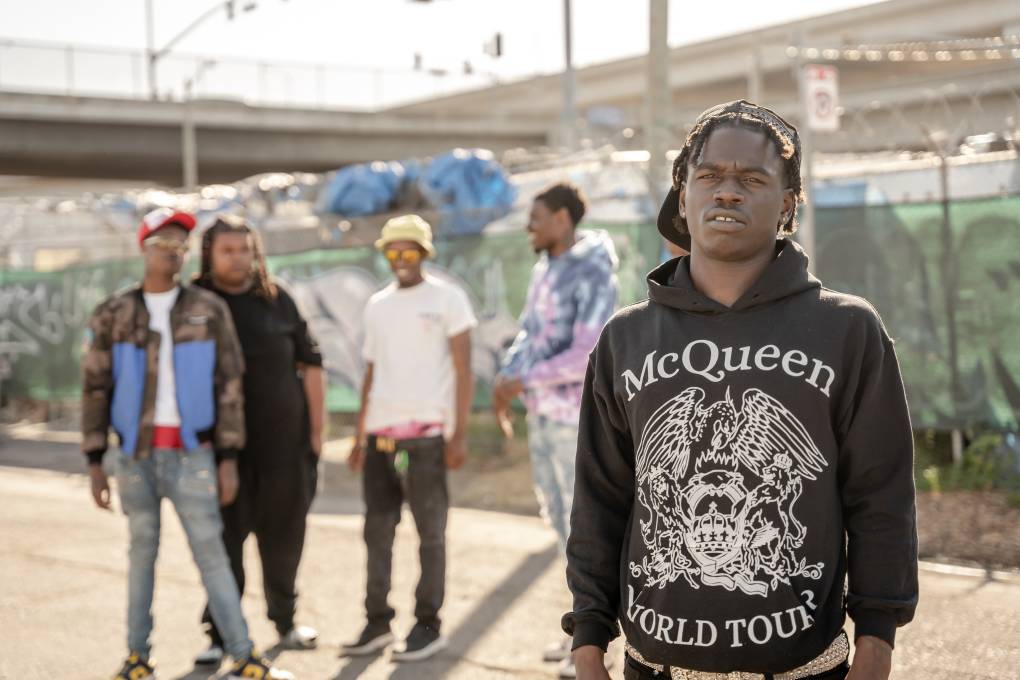
"caption": "Mitchell (right) is attracting a national following with his confessional lyrics and conversations on Discord. ",
"description": null,
"title": "20230426-DSC07273",
"credit": "Courtesy of Thizzler",
"status": "inherit",
"altTag": "A rapper poses in front of a graffitied fence, with a group of friends standing in the background behind him.",
"isLoading": false,
"fetchFailed": false
},
"arts_13940390": {
"type": "attachments",
"id": "arts_13940390",
"meta": {
"index": "attachments_1716263798",
"site": "arts",
"id": "13940390",
"found": true
},
"parent": 0,
"imgSizes": {
"twentyfourteen-full-width": {
"file": "https://cdn.kqed.org/wp-content/uploads/sites/2/2024/01/Ronstadt.Gomez_.REV_-1037x576.jpg",
"width": 1037,
"mimeType": "image/jpeg",
"height": 576
},
"thumbnail": {
"file": "https://cdn.kqed.org/wp-content/uploads/sites/2/2024/01/Ronstadt.Gomez_.REV_-160x90.jpg",
"width": 160,
"mimeType": "image/jpeg",
"height": 90
},
"post-thumbnail": {
"file": "https://cdn.kqed.org/wp-content/uploads/sites/2/2024/01/Ronstadt.Gomez_.REV_-672x372.jpg",
"width": 672,
"mimeType": "image/jpeg",
"height": 372
},
"kqedFullSize": {
"file": "https://cdn.kqed.org/wp-content/uploads/sites/2/2024/01/Ronstadt.Gomez_.REV_.jpg",
"width": 1037,
"height": 583
},
"large": {
"file": "https://cdn.kqed.org/wp-content/uploads/sites/2/2024/01/Ronstadt.Gomez_.REV_-1020x573.jpg",
"width": 1020,
"mimeType": "image/jpeg",
"height": 573
},
"medium": {
"file": "https://cdn.kqed.org/wp-content/uploads/sites/2/2024/01/Ronstadt.Gomez_.REV_-800x450.jpg",
"width": 800,
"mimeType": "image/jpeg",
"height": 450
},
"medium_large": {
"file": "https://cdn.kqed.org/wp-content/uploads/sites/2/2024/01/Ronstadt.Gomez_.REV_-768x432.jpg",
"width": 768,
"mimeType": "image/jpeg",
"height": 432
}
},
"publishDate": 1704994885,
"modified": 1704995009,
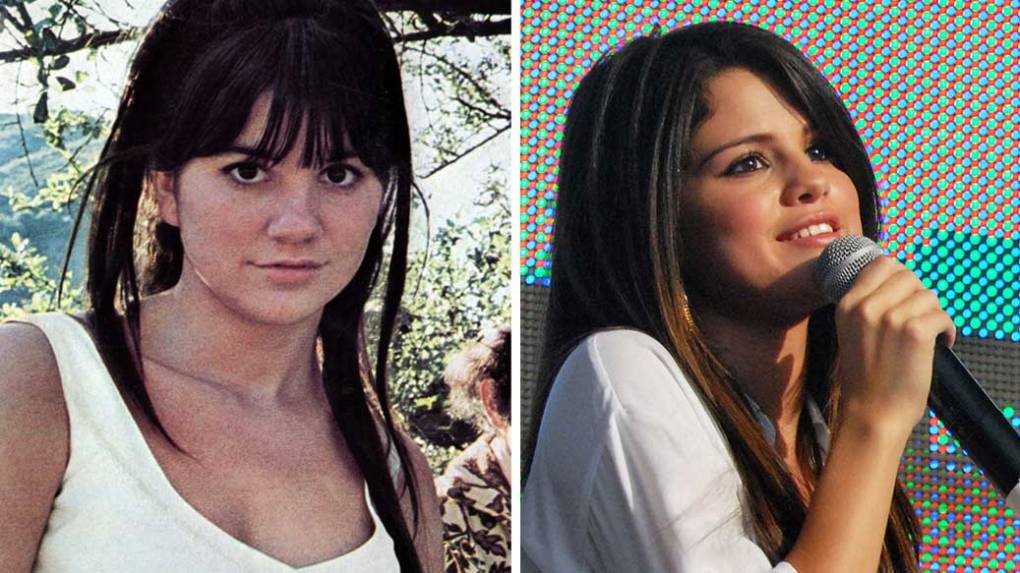
"caption": "Linda Ronstadt (L) will be played by singer and actress Selena Gomez (R) in an upcoming biopic on Ronstadt's life.",
"description": null,
"title": "Ronstadt.Gomez.REV",
"credit": "Capitol Records; Chris McKay/Getty Images for 20th Century Fox",
"status": "inherit",
"altTag": null,
"isLoading": false,
"fetchFailed": false
},
"arts_13940369": {
"type": "attachments",
"id": "arts_13940369",
"meta": {
"index": "attachments_1716263798",
"site": "arts",
"id": "13940369",
"found": true
},
"parent": 13940312,
"imgSizes": {
"twentyfourteen-full-width": {
"file": "https://cdn.kqed.org/wp-content/uploads/sites/2/2024/01/SF.ConservatoryofMusic-1038x576.jpg",
"width": 1038,
"mimeType": "image/jpeg",
"height": 576
},
"thumbnail": {
"file": "https://cdn.kqed.org/wp-content/uploads/sites/2/2024/01/SF.ConservatoryofMusic-160x107.jpg",
"width": 160,
"mimeType": "image/jpeg",
"height": 107
},
"post-thumbnail": {
"file": "https://cdn.kqed.org/wp-content/uploads/sites/2/2024/01/SF.ConservatoryofMusic-672x372.jpg",
"width": 672,
"mimeType": "image/jpeg",
"height": 372
},
"kqedFullSize": {
"file": "https://cdn.kqed.org/wp-content/uploads/sites/2/2024/01/SF.ConservatoryofMusic.jpg",
"width": 1920,
"height": 1280
},
"large": {
"file": "https://cdn.kqed.org/wp-content/uploads/sites/2/2024/01/SF.ConservatoryofMusic-1020x680.jpg",
"width": 1020,
"mimeType": "image/jpeg",
"height": 680
},
"1536x1536": {
"file": "https://cdn.kqed.org/wp-content/uploads/sites/2/2024/01/SF.ConservatoryofMusic-1536x1024.jpg",
"width": 1536,
"mimeType": "image/jpeg",
"height": 1024
},
"medium": {
"file": "https://cdn.kqed.org/wp-content/uploads/sites/2/2024/01/SF.ConservatoryofMusic-800x533.jpg",
"width": 800,
"mimeType": "image/jpeg",
"height": 533
},
"medium_large": {
"file": "https://cdn.kqed.org/wp-content/uploads/sites/2/2024/01/SF.ConservatoryofMusic-768x512.jpg",
"width": 768,
"mimeType": "image/jpeg",
"height": 512
}
},
"publishDate": 1704933652,
"modified": 1704933747,
"caption": "The San Francisco Conservatory of Music pictured under construction in 2020.",
"description": null,
"title": "SF.ConservatoryofMusic",
"credit": "Jessica Christian/The San Francisco Chronicle via Getty Images",
"status": "inherit",
"altTag": "A building with a decorative top floor against a blue sky",
"isLoading": false,
"fetchFailed": false
},
"arts_13940152": {
"type": "attachments",
"id": "arts_13940152",
"meta": {
"index": "attachments_1716263798",
"site": "arts",
"id": "13940152",
"found": true
},
"parent": 13940150,
"imgSizes": {
"twentyfourteen-full-width": {
"file": "https://cdn.kqed.org/wp-content/uploads/sites/2/2024/01/GettyImages-1276975408-1-1024x576.jpg",
"width": 1024,
"mimeType": "image/jpeg",
"height": 576
},
"thumbnail": {
"file": "https://cdn.kqed.org/wp-content/uploads/sites/2/2024/01/GettyImages-1276975408-1-160x107.jpg",
"width": 160,
"mimeType": "image/jpeg",
"height": 107
},
"post-thumbnail": {
"file": "https://cdn.kqed.org/wp-content/uploads/sites/2/2024/01/GettyImages-1276975408-1-672x372.jpg",
"width": 672,
"mimeType": "image/jpeg",
"height": 372
},
"kqedFullSize": {
"file": "https://cdn.kqed.org/wp-content/uploads/sites/2/2024/01/GettyImages-1276975408-1.jpg",
"width": 1024,
"height": 683
},
"large": {
"file": "https://cdn.kqed.org/wp-content/uploads/sites/2/2024/01/GettyImages-1276975408-1-1020x680.jpg",
"width": 1020,
"mimeType": "image/jpeg",
"height": 680
},
"medium": {
"file": "https://cdn.kqed.org/wp-content/uploads/sites/2/2024/01/GettyImages-1276975408-1-800x534.jpg",
"width": 800,
"mimeType": "image/jpeg",
"height": 534
},
"medium_large": {
"file": "https://cdn.kqed.org/wp-content/uploads/sites/2/2024/01/GettyImages-1276975408-1-768x512.jpg",
"width": 768,
"mimeType": "image/jpeg",
"height": 512
}
},
"publishDate": 1704753429,
"modified": 1704758721,
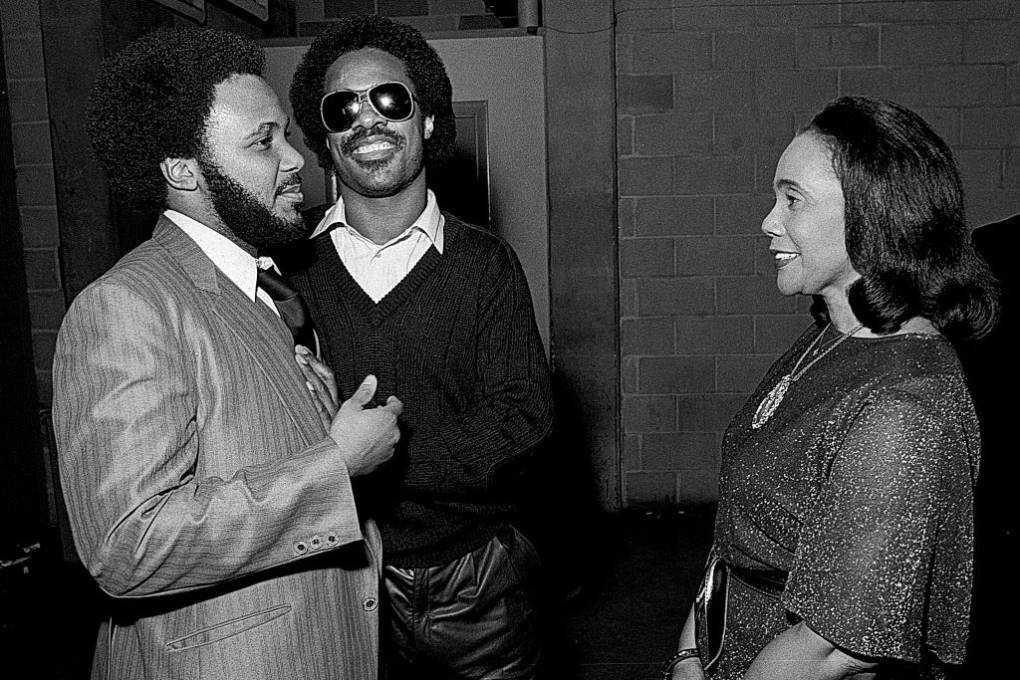
"caption": "Martin Luther King III, Stevie Wonder and Coretta Scott King backstage during the MLK Gala at The Atlanta Civic Center 1982.",
"description": null,
"title": "M.L.K. Gala 01-13-1982",
"credit": "Rick Diamond/Getty Images",
"status": "inherit",
"altTag": "A black-and-white photo of Stevie Wonder smiling and conversing with Coretta Scott King and Martin Luther King III.",
"isLoading": false,
"fetchFailed": false
},
"arts_13917270": {
"type": "attachments",
"id": "arts_13917270",
"meta": {
"index": "attachments_1716263798",
"site": "arts",
"id": "13917270",
"found": true
},
"title": "Kali Uchis performs at Outside Lands on Saturday, August 6, 2022.",
"publishDate": 1659938277,
"status": "inherit",
"parent": 13917310,
"modified": 1755120604,
"caption": "Kali Uchis performs at Outside Lands on Saturday, August 6, 2022.",
"credit": "Estefany Gonzalez for KQED",
"altTag": null,
"description": "Kali Uchis performs at Outside Lands on Saturday, August 6, 2022.",
"imgSizes": {
"medium": {
"file": "https://cdn.kqed.org/wp-content/uploads/sites/2/2022/08/Kali-Uchis-performs-at-Outside-Lands-on-Saturday-August-6-2022.004-800x533.jpg",
"width": 800,
"height": 533,
"mimeType": "image/jpeg"
},
"large": {
"file": "https://cdn.kqed.org/wp-content/uploads/sites/2/2022/08/Kali-Uchis-performs-at-Outside-Lands-on-Saturday-August-6-2022.004-1020x680.jpg",
"width": 1020,
"height": 680,
"mimeType": "image/jpeg"
},
"thumbnail": {
"file": "https://cdn.kqed.org/wp-content/uploads/sites/2/2022/08/Kali-Uchis-performs-at-Outside-Lands-on-Saturday-August-6-2022.004-160x107.jpg",
"width": 160,
"height": 107,
"mimeType": "image/jpeg"
},
"medium_large": {
"file": "https://cdn.kqed.org/wp-content/uploads/sites/2/2022/08/Kali-Uchis-performs-at-Outside-Lands-on-Saturday-August-6-2022.004-768x512.jpg",
"width": 768,
"height": 512,
"mimeType": "image/jpeg"
},
"1536x1536": {
"file": "https://cdn.kqed.org/wp-content/uploads/sites/2/2022/08/Kali-Uchis-performs-at-Outside-Lands-on-Saturday-August-6-2022.004-1536x1024.jpg",
"width": 1536,
"height": 1024,
"mimeType": "image/jpeg"
},
"post-thumbnail": {
"file": "https://cdn.kqed.org/wp-content/uploads/sites/2/2022/08/Kali-Uchis-performs-at-Outside-Lands-on-Saturday-August-6-2022.004-672x372.jpg",
"width": 672,
"height": 372,
"mimeType": "image/jpeg"
},
"twentyfourteen-full-width": {
"file": "https://cdn.kqed.org/wp-content/uploads/sites/2/2022/08/Kali-Uchis-performs-at-Outside-Lands-on-Saturday-August-6-2022.004-1038x576.jpg",
"width": 1038,
"height": 576,
"mimeType": "image/jpeg"
},
"kqedFullSize": {
"file": "https://cdn.kqed.org/wp-content/uploads/sites/2/2022/08/Kali-Uchis-performs-at-Outside-Lands-on-Saturday-August-6-2022.004.jpg",
"width": 1920,
"height": 1280
}
},
"isLoading": false,
"fetchFailed": false
},
"arts_13940070": {
"type": "attachments",
"id": "arts_13940070",
"meta": {
"index": "attachments_1716263798",
"site": "arts",
"id": "13940070",
"found": true
},
"parent": 13940067,
"imgSizes": {
"twentyfourteen-full-width": {
"file": "https://cdn.kqed.org/wp-content/uploads/sites/2/2024/01/Screen-Shot-2024-01-04-at-3.03.54-PM-1038x576.png",
"width": 1038,
"mimeType": "image/png",
"height": 576
},
"thumbnail": {
"file": "https://cdn.kqed.org/wp-content/uploads/sites/2/2024/01/Screen-Shot-2024-01-04-at-3.03.54-PM-160x119.png",
"width": 160,
"mimeType": "image/png",
"height": 119
},
"post-thumbnail": {
"file": "https://cdn.kqed.org/wp-content/uploads/sites/2/2024/01/Screen-Shot-2024-01-04-at-3.03.54-PM-672x372.png",
"width": 672,
"mimeType": "image/png",
"height": 372
},
"kqedFullSize": {
"file": "https://cdn.kqed.org/wp-content/uploads/sites/2/2024/01/Screen-Shot-2024-01-04-at-3.03.54-PM.png",
"width": 1322,
"height": 986
},
"large": {
"file": "https://cdn.kqed.org/wp-content/uploads/sites/2/2024/01/Screen-Shot-2024-01-04-at-3.03.54-PM-1020x761.png",
"width": 1020,
"mimeType": "image/png",
"height": 761
},
"medium": {
"file": "https://cdn.kqed.org/wp-content/uploads/sites/2/2024/01/Screen-Shot-2024-01-04-at-3.03.54-PM-800x597.png",
"width": 800,
"mimeType": "image/png",
"height": 597
},
"medium_large": {
"file": "https://cdn.kqed.org/wp-content/uploads/sites/2/2024/01/Screen-Shot-2024-01-04-at-3.03.54-PM-768x573.png",
"width": 768,
"mimeType": "image/png",
"height": 573
}
},
"publishDate": 1704409490,
"modified": 1704409571,
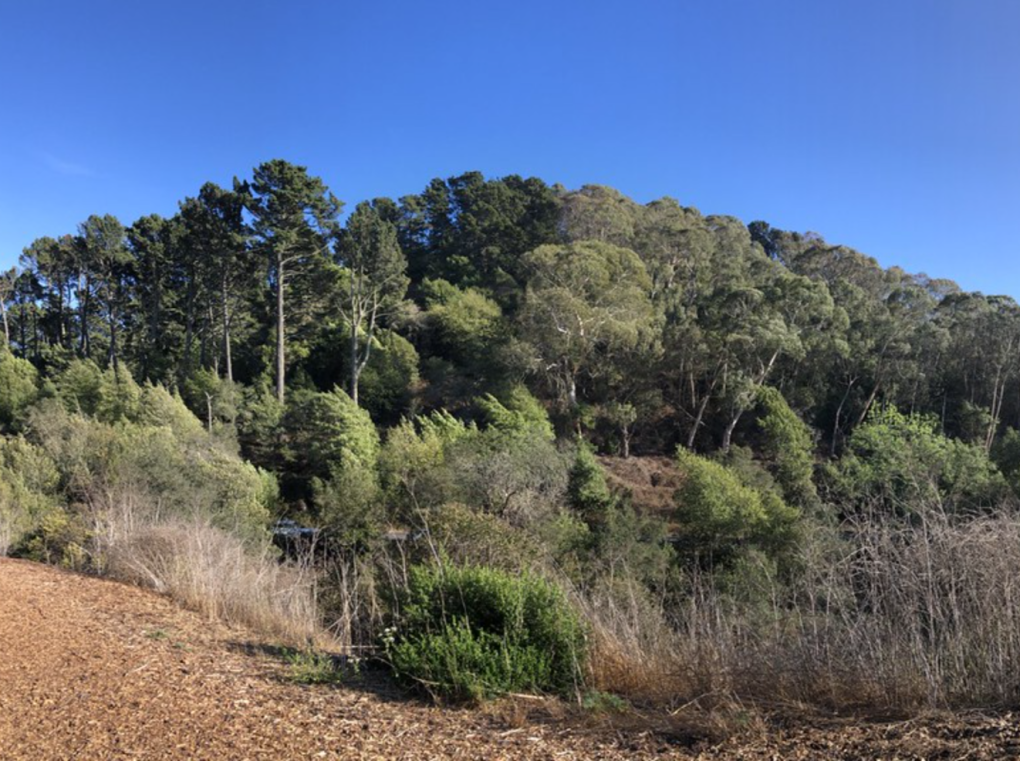
"caption": "Theo Lengyel was arrested after investigators discovered human remains in a wooded area of Tilden Park.",
"description": null,
"title": "Theo Lengyel was arrested after investigators discovered human remains in a wooded area of Tilden Park.",
"credit": "Melinda Young Stuart/ Flickr",
"status": "inherit",
"altTag": "A dense area of trees with brush in the foreground and blue skies in the background.",
"isLoading": false,
"fetchFailed": false
},
"arts_13939972": {
"type": "attachments",
"id": "arts_13939972",
"meta": {
"index": "attachments_1716263798",
"site": "arts",
"id": "13939972",
"found": true
},
"parent": 13939704,
"imgSizes": {
"twentyfourteen-full-width": {
"file": "https://cdn.kqed.org/wp-content/uploads/sites/2/2024/01/rickshaw-20120223-grimes-rickshaw-np-6271-1038x576.jpg",
"width": 1038,
"mimeType": "image/jpeg",
"height": 576
},
"thumbnail": {
"file": "https://cdn.kqed.org/wp-content/uploads/sites/2/2024/01/rickshaw-20120223-grimes-rickshaw-np-6271-160x120.jpg",
"width": 160,
"mimeType": "image/jpeg",
"height": 120
},
"post-thumbnail": {
"file": "https://cdn.kqed.org/wp-content/uploads/sites/2/2024/01/rickshaw-20120223-grimes-rickshaw-np-6271-672x372.jpg",
"width": 672,
"mimeType": "image/jpeg",
"height": 372
},
"kqedFullSize": {
"file": "https://cdn.kqed.org/wp-content/uploads/sites/2/2024/01/rickshaw-20120223-grimes-rickshaw-np-6271.jpg",
"width": 1400,
"height": 1050
},
"large": {
"file": "https://cdn.kqed.org/wp-content/uploads/sites/2/2024/01/rickshaw-20120223-grimes-rickshaw-np-6271-1020x765.jpg",
"width": 1020,
"mimeType": "image/jpeg",
"height": 765
},
"medium": {
"file": "https://cdn.kqed.org/wp-content/uploads/sites/2/2024/01/rickshaw-20120223-grimes-rickshaw-np-6271-800x600.jpg",
"width": 800,
"mimeType": "image/jpeg",
"height": 600
},
"medium_large": {
"file": "https://cdn.kqed.org/wp-content/uploads/sites/2/2024/01/rickshaw-20120223-grimes-rickshaw-np-6271-768x576.jpg",
"width": 768,
"mimeType": "image/jpeg",
"height": 576
}
},
"publishDate": 1704302676,
"modified": 1704303486,
"caption": "Grimes performing early in her career at Rickshaw Stop in 2012.",
"description": null,
"title": "rickshaw-20120223-grimes-rickshaw-np-6271",
"credit": "Paige Parsons",
"status": "inherit",
"altTag": "Person holds mic with both hands and sings with eyes closed under pink and purple light",
"isLoading": false,
"fetchFailed": false
},
"arts_13939896": {
"type": "attachments",
"id": "arts_13939896",
"meta": {
"index": "attachments_1716263798",
"site": "arts",
"id": "13939896",
"found": true
},
"parent": 13939895,
"imgSizes": {
"twentyfourteen-full-width": {
"file": "https://cdn.kqed.org/wp-content/uploads/sites/2/2023/12/6-images-8-_custom-36b02ef59f97418d7ae694e481ddc4b029b96096-1038x576.jpg",
"width": 1038,
"mimeType": "image/jpeg",
"height": 576
},
"thumbnail": {
"file": "https://cdn.kqed.org/wp-content/uploads/sites/2/2023/12/6-images-8-_custom-36b02ef59f97418d7ae694e481ddc4b029b96096-160x90.jpg",
"width": 160,
"mimeType": "image/jpeg",
"height": 90
},
"post-thumbnail": {
"file": "https://cdn.kqed.org/wp-content/uploads/sites/2/2023/12/6-images-8-_custom-36b02ef59f97418d7ae694e481ddc4b029b96096-672x372.jpg",
"width": 672,
"mimeType": "image/jpeg",
"height": 372
},
"kqedFullSize": {
"file": "https://cdn.kqed.org/wp-content/uploads/sites/2/2023/12/6-images-8-_custom-36b02ef59f97418d7ae694e481ddc4b029b96096.jpg",
"width": 2400,
"height": 1348
},
"2048x2048": {
"file": "https://cdn.kqed.org/wp-content/uploads/sites/2/2023/12/6-images-8-_custom-36b02ef59f97418d7ae694e481ddc4b029b96096-2048x1150.jpg",
"width": 2048,
"mimeType": "image/jpeg",
"height": 1150
},
"large": {
"file": "https://cdn.kqed.org/wp-content/uploads/sites/2/2023/12/6-images-8-_custom-36b02ef59f97418d7ae694e481ddc4b029b96096-1020x573.jpg",
"width": 1020,
"mimeType": "image/jpeg",
"height": 573
},
"1536x1536": {
"file": "https://cdn.kqed.org/wp-content/uploads/sites/2/2023/12/6-images-8-_custom-36b02ef59f97418d7ae694e481ddc4b029b96096-1536x863.jpg",
"width": 1536,
"mimeType": "image/jpeg",
"height": 863
},
"full-width": {
"file": "https://cdn.kqed.org/wp-content/uploads/sites/2/2023/12/6-images-8-_custom-36b02ef59f97418d7ae694e481ddc4b029b96096-1920x1078.jpg",
"width": 1920,
"mimeType": "image/jpeg",
"height": 1078
},
"medium": {
"file": "https://cdn.kqed.org/wp-content/uploads/sites/2/2023/12/6-images-8-_custom-36b02ef59f97418d7ae694e481ddc4b029b96096-800x449.jpg",
"width": 800,
"mimeType": "image/jpeg",
"height": 449
},
"medium_large": {
"file": "https://cdn.kqed.org/wp-content/uploads/sites/2/2023/12/6-images-8-_custom-36b02ef59f97418d7ae694e481ddc4b029b96096-768x431.jpg",
"width": 768,
"mimeType": "image/jpeg",
"height": 431
}
},
"publishDate": 1703836589,
"modified": 1703841354,
"caption": "Clockwise from left: ‘Cocaine Bear,’ Luke Macfarlane in ‘Platonic,’ Danielle Brooks and Fantasia Barrino in ‘The Color Purple,’ Bryce Harper of the Philadelphia Phillies, the cover of the book ‘Starter Villain,’ Jessica Williams in ‘Shrinking.’",
"description": null,
"title": "Clockwise from left: ‘Cocaine Bear,’ Luke Macfarlane in ‘Platonic,’ Danielle Brooks and Fantasia Barrino in ‘The Color Purple,’ Bryce Harper of the Philadelphia Phillies, the cover of the book ‘Starter Villain,’ Jessica Williams in ‘Shrinking.’",
"credit": "Universal Pictures; Apple TV+; Eli Adé/Warner Bros. Pictures; Tim Nwachukwu/Getty Images; Tor Books; Apple TV+",
"status": "inherit",
"altTag": null,
"isLoading": false,
"fetchFailed": false
},
"arts_13939829": {
"type": "attachments",
"id": "arts_13939829",
"meta": {
"index": "attachments_1716263798",
"site": "arts",
"id": "13939829",
"found": true
},
"parent": 13939767,
"imgSizes": {
"twentyfourteen-full-width": {
"file": "https://cdn.kqed.org/wp-content/uploads/sites/2/2023/12/BWneg-3-1038x576.jpg",
"width": 1038,
"mimeType": "image/jpeg",
"height": 576
},
"thumbnail": {
"file": "https://cdn.kqed.org/wp-content/uploads/sites/2/2023/12/BWneg-3-160x110.jpg",
"width": 160,
"mimeType": "image/jpeg",
"height": 110
},
"post-thumbnail": {
"file": "https://cdn.kqed.org/wp-content/uploads/sites/2/2023/12/BWneg-3-672x372.jpg",
"width": 672,
"mimeType": "image/jpeg",
"height": 372
},
"kqedFullSize": {
"file": "https://cdn.kqed.org/wp-content/uploads/sites/2/2023/12/BWneg-3.jpg",
"width": 1920,
"height": 1322
},
"large": {
"file": "https://cdn.kqed.org/wp-content/uploads/sites/2/2023/12/BWneg-3-1020x702.jpg",
"width": 1020,
"mimeType": "image/jpeg",
"height": 702
},
"1536x1536": {
"file": "https://cdn.kqed.org/wp-content/uploads/sites/2/2023/12/BWneg-3-1536x1058.jpg",
"width": 1536,
"mimeType": "image/jpeg",
"height": 1058
},
"medium": {
"file": "https://cdn.kqed.org/wp-content/uploads/sites/2/2023/12/BWneg-3-800x551.jpg",
"width": 800,
"mimeType": "image/jpeg",
"height": 551
},
"medium_large": {
"file": "https://cdn.kqed.org/wp-content/uploads/sites/2/2023/12/BWneg-3-768x529.jpg",
"width": 768,
"mimeType": "image/jpeg",
"height": 529
}
},
"publishDate": 1703701364,
"modified": 1703737947,
"caption": "(L–R) Charizma and Peanut Butter Wolf on top of San Jose State parking garage, 1992. (Outtake from 'Big Shots' album cover shoot.)",
"description": null,
"title": "B&Wneg-3",
"credit": "Theresa Castro",
"status": "inherit",
"altTag": null,
"isLoading": false,
"fetchFailed": false
},
"arts_13939811": {
"type": "attachments",
"id": "arts_13939811",
"meta": {
"index": "attachments_1716263798",
"site": "arts",
"id": "13939811",
"found": true
},
"parent": 13939810,
"imgSizes": {
"twentyfourteen-full-width": {
"file": "https://cdn.kqed.org/wp-content/uploads/sites/2/2023/12/gettyimages-1870881180-12f644c7c38e4075192050d49251930e37f01a9d-1038x576.jpg",
"width": 1038,
"mimeType": "image/jpeg",
"height": 576
},
"thumbnail": {
"file": "https://cdn.kqed.org/wp-content/uploads/sites/2/2023/12/gettyimages-1870881180-12f644c7c38e4075192050d49251930e37f01a9d-160x120.jpg",
"width": 160,
"mimeType": "image/jpeg",
"height": 120
},
"post-thumbnail": {
"file": "https://cdn.kqed.org/wp-content/uploads/sites/2/2023/12/gettyimages-1870881180-12f644c7c38e4075192050d49251930e37f01a9d-672x372.jpg",
"width": 672,
"mimeType": "image/jpeg",
"height": 372
},
"kqedFullSize": {
"file": "https://cdn.kqed.org/wp-content/uploads/sites/2/2023/12/gettyimages-1870881180-12f644c7c38e4075192050d49251930e37f01a9d-scaled.jpg",
"width": 2560,
"height": 1919
},
"2048x2048": {
"file": "https://cdn.kqed.org/wp-content/uploads/sites/2/2023/12/gettyimages-1870881180-12f644c7c38e4075192050d49251930e37f01a9d-2048x1535.jpg",
"width": 2048,
"mimeType": "image/jpeg",
"height": 1535
},
"large": {
"file": "https://cdn.kqed.org/wp-content/uploads/sites/2/2023/12/gettyimages-1870881180-12f644c7c38e4075192050d49251930e37f01a9d-1020x765.jpg",
"width": 1020,
"mimeType": "image/jpeg",
"height": 765
},
"1536x1536": {
"file": "https://cdn.kqed.org/wp-content/uploads/sites/2/2023/12/gettyimages-1870881180-12f644c7c38e4075192050d49251930e37f01a9d-1536x1152.jpg",
"width": 1536,
"mimeType": "image/jpeg",
"height": 1152
},
"full-width": {
"file": "https://cdn.kqed.org/wp-content/uploads/sites/2/2023/12/gettyimages-1870881180-12f644c7c38e4075192050d49251930e37f01a9d-1920x1439.jpg",
"width": 1920,
"mimeType": "image/jpeg",
"height": 1439
},
"medium": {
"file": "https://cdn.kqed.org/wp-content/uploads/sites/2/2023/12/gettyimages-1870881180-12f644c7c38e4075192050d49251930e37f01a9d-800x600.jpg",
"width": 800,
"mimeType": "image/jpeg",
"height": 600
},
"medium_large": {
"file": "https://cdn.kqed.org/wp-content/uploads/sites/2/2023/12/gettyimages-1870881180-12f644c7c38e4075192050d49251930e37f01a9d-768x576.jpg",
"width": 768,
"mimeType": "image/jpeg",
"height": 576
}
},
"publishDate": 1703610938,
"modified": 1703611608,
"caption": "Photo taken in Dallas just before the Dixie Chicks released their album \"Shouldn't a Told You That.\" From left, Emily Erwin, Laura Lynch and Martie Erwin.",
"description": "Photo taken in Dallas just before the Dixie Chicks released their album \"Shouldn't a Told You That.\" From left, Emily Erwin, Laura Lynch and Martie Erwin.",
"title": "Photo taken in Dallas just before the Dixie Chicks released their album \"Shouldn't a Told You That.\" From left, Emily Erwin, Laura Lynch and Martie Erwin.",
"credit": "Ralph Lauer/Fort Worth Star-Telegram/Tribune News Service via Getty Images",
"status": "inherit",
"altTag": "Photo taken in Dallas just before the Dixie Chicks released their album \"Shouldn't a Told You That.\" From left, Emily Erwin, Laura Lynch and Martie Erwin.",
"isLoading": false,
"fetchFailed": false
},
"arts_13939451": {
"type": "attachments",
"id": "arts_13939451",
"meta": {
"index": "attachments_1716263798",
"site": "arts",
"id": "13939451",
"found": true
},
"parent": 13939448,
"imgSizes": {
"twentyfourteen-full-width": {
"file": "https://cdn.kqed.org/wp-content/uploads/sites/2/2023/12/67FE8175-3B33-4695-A257-1BEEA108C59F-1038x576.jpeg",
"width": 1038,
"mimeType": "image/jpeg",
"height": 576
},
"thumbnail": {
"file": "https://cdn.kqed.org/wp-content/uploads/sites/2/2023/12/67FE8175-3B33-4695-A257-1BEEA108C59F-160x106.jpeg",
"width": 160,
"mimeType": "image/jpeg",
"height": 106
},
"post-thumbnail": {
"file": "https://cdn.kqed.org/wp-content/uploads/sites/2/2023/12/67FE8175-3B33-4695-A257-1BEEA108C59F-672x372.jpeg",
"width": 672,
"mimeType": "image/jpeg",
"height": 372
},
"kqedFullSize": {
"file": "https://cdn.kqed.org/wp-content/uploads/sites/2/2023/12/67FE8175-3B33-4695-A257-1BEEA108C59F-scaled.jpeg",
"width": 2560,
"height": 1704
},
"2048x2048": {
"file": "https://cdn.kqed.org/wp-content/uploads/sites/2/2023/12/67FE8175-3B33-4695-A257-1BEEA108C59F-2048x1363.jpeg",
"width": 2048,
"mimeType": "image/jpeg",
"height": 1363
},
"large": {
"file": "https://cdn.kqed.org/wp-content/uploads/sites/2/2023/12/67FE8175-3B33-4695-A257-1BEEA108C59F-1020x679.jpeg",
"width": 1020,
"mimeType": "image/jpeg",
"height": 679
},
"1536x1536": {
"file": "https://cdn.kqed.org/wp-content/uploads/sites/2/2023/12/67FE8175-3B33-4695-A257-1BEEA108C59F-1536x1022.jpeg",
"width": 1536,
"mimeType": "image/jpeg",
"height": 1022
},
"full-width": {
"file": "https://cdn.kqed.org/wp-content/uploads/sites/2/2023/12/67FE8175-3B33-4695-A257-1BEEA108C59F-1920x1278.jpeg",
"width": 1920,
"mimeType": "image/jpeg",
"height": 1278
},
"medium": {
"file": "https://cdn.kqed.org/wp-content/uploads/sites/2/2023/12/67FE8175-3B33-4695-A257-1BEEA108C59F-800x532.jpeg",
"width": 800,
"mimeType": "image/jpeg",
"height": 532
},
"medium_large": {
"file": "https://cdn.kqed.org/wp-content/uploads/sites/2/2023/12/67FE8175-3B33-4695-A257-1BEEA108C59F-768x511.jpeg",
"width": 768,
"mimeType": "image/jpeg",
"height": 511
}
},
"publishDate": 1702583281,
"modified": 1702583608,
"caption": "Oakland's JWalt has performed at venues all over the Bay Area, including Oracle Arena.",
"description": null,
"title": "67FE8175-3B33-4695-A257-1BEEA108C59F",
"credit": "Courtesy of JWalt",
"status": "inherit",
"altTag": "a rap performer stands on stage with a microphone and a hand in the air",
"isLoading": false,
"fetchFailed": false
},
"arts_13939543": {
"type": "attachments",
"id": "arts_13939543",
"meta": {
"index": "attachments_1716263798",
"site": "arts",
"id": "13939543",
"found": true
},
"parent": 13939542,
"imgSizes": {
"twentyfourteen-full-width": {
"file": "https://cdn.kqed.org/wp-content/uploads/sites/2/2023/12/gettyimages-86112099_custom-249168e0bcc9cde1b81948723c0b4e1fbcd2d5e5-1038x576.jpg",
"width": 1038,
"mimeType": "image/jpeg",
"height": 576
},
"thumbnail": {
"file": "https://cdn.kqed.org/wp-content/uploads/sites/2/2023/12/gettyimages-86112099_custom-249168e0bcc9cde1b81948723c0b4e1fbcd2d5e5-160x110.jpg",
"width": 160,
"mimeType": "image/jpeg",
"height": 110
},
"post-thumbnail": {
"file": "https://cdn.kqed.org/wp-content/uploads/sites/2/2023/12/gettyimages-86112099_custom-249168e0bcc9cde1b81948723c0b4e1fbcd2d5e5-672x372.jpg",
"width": 672,
"mimeType": "image/jpeg",
"height": 372
},
"kqedFullSize": {
"file": "https://cdn.kqed.org/wp-content/uploads/sites/2/2023/12/gettyimages-86112099_custom-249168e0bcc9cde1b81948723c0b4e1fbcd2d5e5-scaled-e1702668827239.jpg",
"width": 1920,
"height": 1318
},
"2048x2048": {
"file": "https://cdn.kqed.org/wp-content/uploads/sites/2/2023/12/gettyimages-86112099_custom-249168e0bcc9cde1b81948723c0b4e1fbcd2d5e5-2048x1405.jpg",
"width": 2048,
"mimeType": "image/jpeg",
"height": 1405
},
"large": {
"file": "https://cdn.kqed.org/wp-content/uploads/sites/2/2023/12/gettyimages-86112099_custom-249168e0bcc9cde1b81948723c0b4e1fbcd2d5e5-1020x700.jpg",
"width": 1020,
"mimeType": "image/jpeg",
"height": 700
},
"1536x1536": {
"file": "https://cdn.kqed.org/wp-content/uploads/sites/2/2023/12/gettyimages-86112099_custom-249168e0bcc9cde1b81948723c0b4e1fbcd2d5e5-1536x1054.jpg",
"width": 1536,
"mimeType": "image/jpeg",
"height": 1054
},
"full-width": {
"file": "https://cdn.kqed.org/wp-content/uploads/sites/2/2023/12/gettyimages-86112099_custom-249168e0bcc9cde1b81948723c0b4e1fbcd2d5e5-1920x1318.jpg",
"width": 1920,
"mimeType": "image/jpeg",
"height": 1318
},
"medium": {
"file": "https://cdn.kqed.org/wp-content/uploads/sites/2/2023/12/gettyimages-86112099_custom-249168e0bcc9cde1b81948723c0b4e1fbcd2d5e5-800x549.jpg",
"width": 800,
"mimeType": "image/jpeg",
"height": 549
},
"medium_large": {
"file": "https://cdn.kqed.org/wp-content/uploads/sites/2/2023/12/gettyimages-86112099_custom-249168e0bcc9cde1b81948723c0b4e1fbcd2d5e5-768x527.jpg",
"width": 768,
"mimeType": "image/jpeg",
"height": 527
}
},
"publishDate": 1702667272,
"modified": 1702668901,
"caption": "Have you been \"whammed\" yet this year?",
"description": null,
"title": "Have you been \"whammed\" yet this year?",
"credit": "Pete Still/ Redferns",
"status": "inherit",
"altTag": "Two young men stand close together behind a microphone. They are wearing white pants and white cropped tops that say WHAM! on them.",
"isLoading": false,
"fetchFailed": false
}
},
"audioPlayerReducer": {
"postId": "stream_live",
"isPaused": true,
"isPlaying": false,
"pfsActive": false,
"pledgeModalIsOpen": true,
"playerDrawerIsOpen": false,
"liveAudioPlayStartedAt": 0,
"liveAudioPlayContext": ""
},
"authorsReducer": {
"byline_arts_13940067": {
"type": "authors",
"id": "byline_arts_13940067",
"meta": {
"override": true
},
"slug": "byline_arts_13940067",
"name": "Associated Press",
"isLoading": false
},
"byline_arts_13939704": {
"type": "authors",
"id": "byline_arts_13939704",
"meta": {
"override": true
},
"slug": "byline_arts_13939704",
"name": "Jody Amable",
"isLoading": false
},
"byline_arts_13939895": {
"type": "authors",
"id": "byline_arts_13939895",
"meta": {
"override": true
},
"slug": "byline_arts_13939895",
"name": "Linda Holmes",
"isLoading": false
},
"byline_arts_13939767": {
"type": "authors",
"id": "byline_arts_13939767",
"meta": {
"override": true
},
"slug": "byline_arts_13939767",
"name": "David Ma",
"isLoading": false
},
"byline_arts_13939810": {
"type": "authors",
"id": "byline_arts_13939810",
"meta": {
"override": true
},
"slug": "byline_arts_13939810",
"name": "Chloe Veltman",
"isLoading": false
},
"byline_arts_13939542": {
"type": "authors",
"id": "byline_arts_13939542",
"meta": {
"override": true
},
"slug": "byline_arts_13939542",
"name": "Alejandra Marquez Janse",
"isLoading": false
},
"gmeline": {
"type": "authors",
"id": "185",
"meta": {
"index": "authors_1716337520",
"id": "185",
"found": true
},
"name": "Gabe Meline",
"firstName": "Gabe",
"lastName": "Meline",
"slug": "gmeline",
"email": "gmeline@kqed.org",
"display_author_email": true,
"staff_mastheads": [
"arts"
],
"title": "Senior Editor, KQED Arts & Culture",
"bio": "Gabe Meline entered journalism at age 15 making photocopied zines, and has since earned awards from the Edward R. Murrow Awards, the Society for Professional Journalists, the Online Journalism Awards, the Association of Alternative Newsweeklies and the California Newspaper Publishers Association. Prior to KQED, he was the editor of the \u003cem>North Bay Bohemian\u003c/em> and a touring musician. He lives with his wife and daughter in his hometown of Santa Rosa, CA.",
"avatar": "https://secure.gravatar.com/avatar/5bebe57be0d8bc2dd318934feb47299e2d2d10cba28d09d8d7afb389a2ce2bdd?s=600&d=blank&r=g",
"twitter": null,
"bluesky": null,
"facebook": null,
"instagram": null,
"linkedin": null,
"sites": [
{
"site": "",
"roles": [
"editor"
]
},
{
"site": "arts",
"roles": [
"administrator"
]
},
{
"site": "artschool",
"roles": [
"editor"
]
},
{
"site": "news",
"roles": [
"author"
]
},
{
"site": "pop",
"roles": [
"editor"
]
},
{
"site": "bayareabites",
"roles": [
"editor"
]
},
{
"site": "food",
"roles": [
"editor"
]
},
{
"site": "forum",
"roles": [
"administrator"
]
},
{
"site": "liveblog",
"roles": [
"editor"
]
},
{
"site": "hiphop",
"roles": [
"editor"
]
}
],
"headData": {
"title": "Gabe Meline | KQED",
"description": "Senior Editor, KQED Arts & Culture",
"ogImgSrc": "https://secure.gravatar.com/avatar/5bebe57be0d8bc2dd318934feb47299e2d2d10cba28d09d8d7afb389a2ce2bdd?s=600&d=blank&r=g",
"twImgSrc": "https://secure.gravatar.com/avatar/5bebe57be0d8bc2dd318934feb47299e2d2d10cba28d09d8d7afb389a2ce2bdd?s=600&d=blank&r=g"
},
"isLoading": false,
"link": "/author/gmeline"
},
"nvoynovskaya": {
"type": "authors",
"id": "11387",
"meta": {
"index": "authors_1716337520",
"id": "11387",
"found": true
},
"name": "Nastia Voynovskaya",
"firstName": "Nastia",
"lastName": "Voynovskaya",
"slug": "nvoynovskaya",
"email": "nvoynovskaya@kqed.org",
"display_author_email": false,
"staff_mastheads": [
"arts"
],
"title": "Editor and reporter",
"bio": "Nastia Voynovskaya is a reporter, editor and host at KQED Arts & Culture. She's been covering the arts in the Bay Area for over a decade, with a focus on music, queer culture, labor issues and grassroots organizing. She has edited KQED story series such as Trans Bay: A History of San Francisco's Gender-Diverse Community, and co-created KQED's Bay Area hip-hop history project, That's My Word. Nastia's work has been recognized by the Society of Professional Journalists and San Francisco Press Club. She regularly appears on podcasts and radio programs, including NPR's All Songs Considered, and hosts live events where music, culture and conversation meet.",
"avatar": "https://secure.gravatar.com/avatar/5025ee460e5a85d69ca20ea6c6f2f80d7e17795c828f61ea3aecfcd924e9042e?s=600&d=blank&r=g",
"twitter": null,
"bluesky": null,
"facebook": null,
"instagram": "https://www.instagram.com/nananastia/",
"linkedin": null,
"sites": [
{
"site": "",
"roles": [
"editor"
]
},
{
"site": "arts",
"roles": [
"administrator"
]
},
{
"site": "news",
"roles": [
"editor"
]
},
{
"site": "pop",
"roles": [
"administrator"
]
},
{
"site": "bayareabites",
"roles": [
"editor"
]
},
{
"site": "podcasts",
"roles": [
"editor"
]
},
{
"site": "hiphop",
"roles": [
"editor"
]
}
],
"headData": {
"title": "Nastia Voynovskaya | KQED",
"description": "Editor and reporter",
"ogImgSrc": "https://secure.gravatar.com/avatar/5025ee460e5a85d69ca20ea6c6f2f80d7e17795c828f61ea3aecfcd924e9042e?s=600&d=blank&r=g",
"twImgSrc": "https://secure.gravatar.com/avatar/5025ee460e5a85d69ca20ea6c6f2f80d7e17795c828f61ea3aecfcd924e9042e?s=600&d=blank&r=g"
},
"isLoading": false,
"link": "/author/nvoynovskaya"
},
"achazaro": {
"type": "authors",
"id": "11748",
"meta": {
"index": "authors_1716337520",
"id": "11748",
"found": true
},
"name": "Alan Chazaro",
"firstName": "Alan",
"lastName": "Chazaro",
"slug": "achazaro",
"email": "agchazaro@gmail.com",
"display_author_email": true,
"staff_mastheads": [],
"title": "Food Writer and Reporter",
"bio": "Alan Chazaro is the author of \u003cem>This Is Not a Frank Ocean Cover Album\u003c/em> (Black Lawrence Press, 2019), \u003cem>Piñata Theory\u003c/em> (Black Lawrence Press, 2020), and \u003cem>Notes from the Eastern Span of the Bay Bridge\u003c/em> (Ghost City Press, 2021). He is a graduate of June Jordan’s Poetry for the People program at UC Berkeley and a former Lawrence Ferlinghetti Fellow at the University of San Francisco. He writes about sports, food, art, music, education, and culture while repping the Bay on \u003ca href=\"https://twitter.com/alan_chazaro\">Twitter\u003c/a> and \u003ca href=\"https://www.instagram.com/alan_chazaro/?hl=en\">Instagram\u003c/a> at @alan_chazaro.",
"avatar": "https://secure.gravatar.com/avatar/ea8b6dd970fc5c29e7a188e7d5861df7?s=600&d=blank&r=g",
"twitter": "alan_chazaro",
"facebook": null,
"instagram": null,
"linkedin": null,
"sites": [
{
"site": "arts",
"roles": [
"contributor"
]
},
{
"site": "news",
"roles": [
"editor"
]
}
],
"headData": {
"title": "Alan Chazaro | KQED",
"description": "Food Writer and Reporter",
"ogImgSrc": "https://secure.gravatar.com/avatar/ea8b6dd970fc5c29e7a188e7d5861df7?s=600&d=blank&r=g",
"twImgSrc": "https://secure.gravatar.com/avatar/ea8b6dd970fc5c29e7a188e7d5861df7?s=600&d=blank&r=g"
},
"isLoading": false,
"link": "/author/achazaro"
}
},
"pagesReducer": {
"arts_category_music": {
"type": "terms",
"id": "arts_69",
"meta": {
"index": "terms_1716263798",
"site": "arts",
"id": "69",
"score": 10.851397
},
"featImg": null,
"name": "Music",
"description": null,
"taxonomy": "category",
"headData": {
"twImgId": null,
"twTitle": null,
"ogTitle": null,
"ogImgId": null,
"twDescription": null,
"description": null,
"title": "Music Archives | KQED Arts",
"ogDescription": null
},
"ttid": 70,
"slug": "music",
"isLoading": false,
"title": "Music",
"pageMeta": {
"site": "arts",
"WpPageTemplate": "page-topic-editorial",
"currentPage": 63
},
"blocks": [
{
"blockName": "kqed/post-list",
"attrs": {
"layout": "cardArticle2",
"query": "posts/arts?category=music",
"seeMore": false,
"paginated": true,
"page": 63
}
},
{
"blockName": "kqed/ad"
}
]
}
},
"pfsSessionReducer": {},
"postsReducer": {
"stream_live": {
"type": "live",
"id": "stream_live",
"audioUrl": "https://streams.kqed.org/kqedradio",
"title": "Live Stream",
"excerpt": "Live Stream information currently unavailable.",
"link": "/radio",
"featImg": "",
"label": {
"name": "KQED Live",
"link": "/"
}
},
"stream_kqedNewscast": {
"type": "posts",
"id": "stream_kqedNewscast",
"audioUrl": "https://www.kqed.org/.stream/anon/radio/RDnews/newscast.mp3?_=1",
"title": "KQED Newscast",
"featImg": "",
"label": {
"name": "88.5 FM",
"link": "/"
}
},
"arts_13940247": {
"type": "posts",
"id": "arts_13940247",
"meta": {
"index": "posts_1716263798",
"site": "arts",
"id": "13940247",
"score": null,
"sort": [
1704995246000
]
},
"guestAuthors": [],
"slug": "east-oaklands-mitchell-breaks-down-emotional-barriers-with-rap",
"title": "East Oakland’s Mitchell Breaks Down Emotional Barriers With Rap",
"publishDate": 1704995246,
"format": "standard",
"headTitle": "East Oakland’s Mitchell Breaks Down Emotional Barriers With Rap | KQED",
"labelTerm": {
"site": "arts"
},
"content": "\u003cp>\u003ca href=\"https://www.instagram.com/producedbymitchell/?hl=en\">\u003cspan style=\"font-weight: 400\">Mitchell\u003c/span>\u003c/a>\u003cspan style=\"font-weight: 400\"> — a \u003c/span>\u003cspan style=\"font-weight: 400\">polymorphic rapper and producer from East Oakland whose 2023 album \u003c/span>\u003ci>\u003cspan style=\"font-weight: 400\">Antii\u003c/span>\u003c/i>\u003cspan style=\"font-weight: 400\"> was \u003c/span>\u003ca href=\"https://pitchfork.com/thepitch/our-rap-columnists-25-favorite-records-of-2023/\">\u003cspan style=\"font-weight: 400\">listed as one of Pitchfork’s best hip-hop projects of the year\u003c/span>\u003c/a>\u003cspan style=\"font-weight: 400\"> — regularly co-hosts the “Late Night Crew” channel with New Bay Music on Discord. There, his supporters gather to learn more about the artist and his creative process. It’s where he invited me to speak with him for this interview.\u003c/span>\u003c/p>\n\u003cp>\u003cspan style=\"font-weight: 400\">For the better part of an hour, Mitchell (who is also known online as Produced By Mitchell) opened up about his journey in the foster care system, and how he often felt invisible and angry. He revealed his fullest self to those of us listening, referencing the time he got shot, his battle with depression, the pride of becoming a father and his unlikely fanaticism of British songwriter James Blake and American pop band Maroon 5. By 14 years old, it became clear to him that music could be a lifeline — not so much a joyful extracurricular as much as a necessary outlet. \u003c/span>\u003c/p>\n\u003cp>\u003cspan style=\"font-weight: 400\">“What I talk about don’t make people dance; it don’t make them turn up,” he says. “It makes them cry.”\u003c/span>\u003c/p>\n\u003cp>\u003cspan style=\"font-weight: 400\">As a representative of 55th Avenue and Foothill, Mitchell carries “the weight of the world” on his shoulders and uses a nearby recording studio as his therapy. The depth of his realness can certainly be felt \u003c/span>\u003cspan style=\"font-weight: 400\">in his songs. On “Hurt,” the intro to \u003c/span>\u003ci>\u003cspan style=\"font-weight: 400\">Antii\u003c/span>\u003c/i>\u003cspan style=\"font-weight: 400\">, Mitchell reflects on self-accountability and aspirational growth as if speaking to a higher power: “Sometimes I think about mistakes that I made / How many times I got up in my own way / How many times I had to end up lonely…/ They treat me like a reject / I guess they can’t see what I can see yet / I guess they can’t see who I’ma be yet.”\u003c/span>\u003c/p>\n\u003cp>https://www.youtube.com/watch?v=HY75u8VjWR4\u003c/p>\n\u003cp>[ad fullwidth]\u003c/p>\n\u003cp>\u003cspan style=\"font-weight: 400\">If recited acapella, his lines might resemble poetry at an open mic more than rap meant for a liquor store run, as he imparts tender truths that set him apart from his \u003c/span>\u003ca href=\"https://www.youtube.com/watch?v=dogk6UD8ytw\">\u003cspan style=\"font-weight: 400\">Thizzler Cypher\u003c/span>\u003c/a>\u003cspan style=\"font-weight: 400\"> contemporaries. A mix of jazz and soul samples undergird his unconventional production style, yet his nonchalant delivery and darkly clouded basslines remind you he’s mastered a Bay Area street sound, too. Part of Mitchell’s brilliance is that he often balances the textures of his traumatic, violent experiences with a mellow and reflective — if not reserved — tone.\u003c/span>\u003c/p>\n\u003cp>\u003cspan style=\"font-weight: 400\">“It’s not abrasive at all,” he says. “I want to ease listeners into the situation to feel like I’m just talking about a casual conversation. My casual is not necessarily everyone else’s casual, but I don’t have to yell or scream to convey that my life was crazy.”\u003c/span>\u003c/p>\n\u003cp>\u003cspan style=\"font-weight: 400\">Last October, Mitchell followed up \u003c/span>\u003ci>\u003cspan style=\"font-weight: 400\">Antii\u003c/span>\u003c/i>\u003cspan style=\"font-weight: 400\"> with another full-length album, \u003c/span>\u003ci>\u003cspan style=\"font-weight: 400\">Sorry 4 The Wait 3, \u003c/span>\u003c/i>\u003cspan style=\"font-weight: 400\">which continued his exploration of sadness, frustration and a search for purpose. On “Champagne,” the initial track of \u003c/span>\u003ci>\u003cspan style=\"font-weight: 400\">S4TW3\u003c/span>\u003c/i>\u003cspan style=\"font-weight: 400\">, Mitchell bares his soul with a confession of internal struggle: “My sister died last year, and I ain’t had time to cope with it… / This shit hard, I just make it look easy / I got a family and they know that they need me / So much stress come with this shit, I feel like giving up.”\u003c/span>\u003c/p>\n\u003cp>https://www.youtube.com/watch?v=NjdzYr9zBJM\u003c/p>\n\u003cp>\u003cspan style=\"font-weight: 400\">In the video for “Champagne,” Mitchell wanders around a serene outdoor garden while melodic bells and a calmly-paced instrumental provide a cushioned listening experience. The lyrical content doesn’t exactly match the chill vibe, but it’s that duality and range that Mitchell strives for as an artist — particularly one who might otherwise be pigeonholed as a one-gear rapper.\u003c/span>\u003c/p>\n\u003cp>\u003cspan style=\"font-weight: 400\">Mitchell produces for cult-favorite rappers like \u003c/span>\u003ca href=\"https://www.kqed.org/arts/13934803/1100-himself-oakland-rapper-thizzler\">\u003cspan style=\"font-weight: 400\">1100 Himself\u003c/span>\u003c/a>,\u003cspan style=\"font-weight: 400\"> whose collaborations often draw from \u003c/span>\u003ca href=\"https://www.npr.org/2023/07/27/1189985872/hip-hop-50-detroit-flint\">\u003cspan style=\"font-weight: 400\">Detroit and Flint’s centrifuge of “basement sound.”\u003c/span>\u003c/a>\u003cspan style=\"font-weight: 400\"> But Mitchell also harkens back to the timeless elements of hip-hop’s past, too. On “Tesla,” he summons the ominous synths of ’90s-era Vallejo mobb music while calling out “suckas.” That’s followed by a smooth, jazzy banger with an understated East Coast feel on “Still Rich.” And then there’s the nostalgic medicine of “Backpack,” which uses a \u003c/span>\u003ca href=\"https://www.youtube.com/watch?v=5HjX1B48rVI\">\u003cspan style=\"font-weight: 400\">Mario Kart-sounding keyboard riff\u003c/span>\u003c/a>\u003cspan style=\"font-weight: 400\"> as a childhood call back. [aside label='More Hip-Hop Coverage' postid='arts_13939484,arts_13939767,arts_13940111']\u003c/span>\u003c/p>\n\u003cp>\u003cspan style=\"font-weight: 400\">“My whole discography is an experience because you get to see the different sides of me,” he says. “I still got a ghetto element to it but I don’t want my music to only be seen like that. I want to be known as an artist. The creative freedom they give Childish Gambino, I want to have.”\u003c/span>\u003c/p>\n\u003cp>\u003cspan style=\"font-weight: 400\">Hearing Mitchell speak — whether live on Discord or on one of his albums — opens a window into the slow-evolving complexity of a man who has traveled miles to reach his current position. Despite the haze of his past, he manages to exude clarity while rolling a blunt and ruminating on life’s unforgiving twists and turns. As \u003c/span>\u003ca href=\"https://twitter.com/al_peeair?lang=en\">\u003cspan style=\"font-weight: 400\">Pitchfork’s national rap columnist Alphone Pierre\u003c/span>\u003c/a>\u003cspan style=\"font-weight: 400\"> writes, “You’ll want to cough up some gas money so he can keep on rambling.”\u003c/span>\u003c/p>\n\u003cp>\u003c/p>\n\u003cp>\u003cimg loading=\"lazy\" decoding=\"async\" class=\"alignnone size-full wp-image-12127869\" src=\"https://cdn.kqed.org/wp-content/uploads/sites/2/2016/09/Q.Logo_.Break_.jpg\" alt=\"\" width=\"800\" height=\"78\" srcset=\"https://cdn.kqed.org/wp-content/uploads/sites/2/2016/09/Q.Logo_.Break_.jpg 800w, https://cdn.kqed.org/wp-content/uploads/sites/2/2016/09/Q.Logo_.Break_-400x39.jpg 400w, https://cdn.kqed.org/wp-content/uploads/sites/2/2016/09/Q.Logo_.Break_-768x75.jpg 768w\" sizes=\"(max-width: 800px) 100vw, 800px\">\u003c/p>\n\n",
"blocks": [],
"excerpt": "The up-and-coming artist doesn’t shy away from his sadness and makes music he wants listeners to “drown in.”",
"status": "publish",
"parent": 0,
"modified": 1726757363,
"stats": {
"hasAudio": false,
"hasVideo": true,
"hasChartOrMap": false,
"iframeSrcs": [],
"hasGoogleForm": false,
"hasGallery": false,
"hasHearkenModule": false,
"hasPolis": false,
"paragraphCount": 14,
"wordCount": 938
},
"headData": {
"title": "East Oakland’s Mitchell Breaks Down Emotional Barriers With Rap | KQED",
"description": "The up-and-coming artist doesn’t shy away from his sadness and makes music he wants listeners to “drown in.”",
"ogTitle": "",
"ogDescription": "",
"ogImgId": "",
"twTitle": "",
"twDescription": "",
"twImgId": "",
"schema": {
"@context": "https://schema.org",
"@type": "Article",
"headline": "East Oakland’s Mitchell Breaks Down Emotional Barriers With Rap",
"datePublished": "2024-01-11T09:47:26-08:00",
"dateModified": "2024-09-19T07:49:23-07:00",
"image": "https://cdn.kqed.org/wp-content/uploads/2020/02/KQED-OG-Image@1x.png"
}
},
"sticky": false,
"templateType": "standard",
"featuredImageType": "standard",
"excludeFromSiteSearch": "Include",
"articleAge": "0",
"path": "/arts/13940247/east-oaklands-mitchell-breaks-down-emotional-barriers-with-rap",
"audioTrackLength": null,
"parsedContent": [
{
"type": "contentString",
"content": "\u003cdiv class=\"post-body\">\u003cp>\u003cp>\u003ca href=\"https://www.instagram.com/producedbymitchell/?hl=en\">\u003cspan style=\"font-weight: 400\">Mitchell\u003c/span>\u003c/a>\u003cspan style=\"font-weight: 400\"> — a \u003c/span>\u003cspan style=\"font-weight: 400\">polymorphic rapper and producer from East Oakland whose 2023 album \u003c/span>\u003ci>\u003cspan style=\"font-weight: 400\">Antii\u003c/span>\u003c/i>\u003cspan style=\"font-weight: 400\"> was \u003c/span>\u003ca href=\"https://pitchfork.com/thepitch/our-rap-columnists-25-favorite-records-of-2023/\">\u003cspan style=\"font-weight: 400\">listed as one of Pitchfork’s best hip-hop projects of the year\u003c/span>\u003c/a>\u003cspan style=\"font-weight: 400\"> — regularly co-hosts the “Late Night Crew” channel with New Bay Music on Discord. There, his supporters gather to learn more about the artist and his creative process. It’s where he invited me to speak with him for this interview.\u003c/span>\u003c/p>\n\u003cp>\u003cspan style=\"font-weight: 400\">For the better part of an hour, Mitchell (who is also known online as Produced By Mitchell) opened up about his journey in the foster care system, and how he often felt invisible and angry. He revealed his fullest self to those of us listening, referencing the time he got shot, his battle with depression, the pride of becoming a father and his unlikely fanaticism of British songwriter James Blake and American pop band Maroon 5. By 14 years old, it became clear to him that music could be a lifeline — not so much a joyful extracurricular as much as a necessary outlet. \u003c/span>\u003c/p>\n\u003cp>\u003cspan style=\"font-weight: 400\">“What I talk about don’t make people dance; it don’t make them turn up,” he says. “It makes them cry.”\u003c/span>\u003c/p>\n\u003cp>\u003cspan style=\"font-weight: 400\">As a representative of 55th Avenue and Foothill, Mitchell carries “the weight of the world” on his shoulders and uses a nearby recording studio as his therapy. The depth of his realness can certainly be felt \u003c/span>\u003cspan style=\"font-weight: 400\">in his songs. On “Hurt,” the intro to \u003c/span>\u003ci>\u003cspan style=\"font-weight: 400\">Antii\u003c/span>\u003c/i>\u003cspan style=\"font-weight: 400\">, Mitchell reflects on self-accountability and aspirational growth as if speaking to a higher power: “Sometimes I think about mistakes that I made / How many times I got up in my own way / How many times I had to end up lonely…/ They treat me like a reject / I guess they can’t see what I can see yet / I guess they can’t see who I’ma be yet.”\u003c/span>\u003c/p>\u003c/p>\u003cp>\u003cspan class='utils-parseShortcode-shortcodes-__youtubeShortcode__embedYoutube'>\n \u003cspan class='utils-parseShortcode-shortcodes-__youtubeShortcode__embedYoutubeInside'>\n \u003ciframe\n loading='lazy'\n class='utils-parseShortcode-shortcodes-__youtubeShortcode__youtubePlayer'\n type='text/html'\n src='//www.youtube.com/embed/HY75u8VjWR4'\n title='//www.youtube.com/embed/HY75u8VjWR4'\n allowfullscreen='true'\n style='border:0;'>\u003c/iframe>\n \u003c/span>\n \u003c/span>\u003c/p>\u003cp>\u003cp>\u003c/p>\u003c/div>",
"attributes": {
"named": {},
"numeric": []
}
},
{
"type": "component",
"content": "",
"name": "ad",
"attributes": {
"named": {
"label": "fullwidth"
},
"numeric": [
"fullwidth"
]
}
},
{
"type": "contentString",
"content": "\u003cdiv class=\"post-body\">\u003cp>\u003c/p>\n\u003cp>\u003cspan style=\"font-weight: 400\">If recited acapella, his lines might resemble poetry at an open mic more than rap meant for a liquor store run, as he imparts tender truths that set him apart from his \u003c/span>\u003ca href=\"https://www.youtube.com/watch?v=dogk6UD8ytw\">\u003cspan style=\"font-weight: 400\">Thizzler Cypher\u003c/span>\u003c/a>\u003cspan style=\"font-weight: 400\"> contemporaries. A mix of jazz and soul samples undergird his unconventional production style, yet his nonchalant delivery and darkly clouded basslines remind you he’s mastered a Bay Area street sound, too. Part of Mitchell’s brilliance is that he often balances the textures of his traumatic, violent experiences with a mellow and reflective — if not reserved — tone.\u003c/span>\u003c/p>\n\u003cp>\u003cspan style=\"font-weight: 400\">“It’s not abrasive at all,” he says. “I want to ease listeners into the situation to feel like I’m just talking about a casual conversation. My casual is not necessarily everyone else’s casual, but I don’t have to yell or scream to convey that my life was crazy.”\u003c/span>\u003c/p>\n\u003cp>\u003cspan style=\"font-weight: 400\">Last October, Mitchell followed up \u003c/span>\u003ci>\u003cspan style=\"font-weight: 400\">Antii\u003c/span>\u003c/i>\u003cspan style=\"font-weight: 400\"> with another full-length album, \u003c/span>\u003ci>\u003cspan style=\"font-weight: 400\">Sorry 4 The Wait 3, \u003c/span>\u003c/i>\u003cspan style=\"font-weight: 400\">which continued his exploration of sadness, frustration and a search for purpose. On “Champagne,” the initial track of \u003c/span>\u003ci>\u003cspan style=\"font-weight: 400\">S4TW3\u003c/span>\u003c/i>\u003cspan style=\"font-weight: 400\">, Mitchell bares his soul with a confession of internal struggle: “My sister died last year, and I ain’t had time to cope with it… / This shit hard, I just make it look easy / I got a family and they know that they need me / So much stress come with this shit, I feel like giving up.”\u003c/span>\u003c/p>\u003c/p>\u003cp>\u003cspan class='utils-parseShortcode-shortcodes-__youtubeShortcode__embedYoutube'>\n \u003cspan class='utils-parseShortcode-shortcodes-__youtubeShortcode__embedYoutubeInside'>\n \u003ciframe\n loading='lazy'\n class='utils-parseShortcode-shortcodes-__youtubeShortcode__youtubePlayer'\n type='text/html'\n src='//www.youtube.com/embed/NjdzYr9zBJM'\n title='//www.youtube.com/embed/NjdzYr9zBJM'\n allowfullscreen='true'\n style='border:0;'>\u003c/iframe>\n \u003c/span>\n \u003c/span>\u003c/p>\u003cp>\u003cp>\u003cspan style=\"font-weight: 400\">In the video for “Champagne,” Mitchell wanders around a serene outdoor garden while melodic bells and a calmly-paced instrumental provide a cushioned listening experience. The lyrical content doesn’t exactly match the chill vibe, but it’s that duality and range that Mitchell strives for as an artist — particularly one who might otherwise be pigeonholed as a one-gear rapper.\u003c/span>\u003c/p>\n\u003cp>\u003cspan style=\"font-weight: 400\">Mitchell produces for cult-favorite rappers like \u003c/span>\u003ca href=\"https://www.kqed.org/arts/13934803/1100-himself-oakland-rapper-thizzler\">\u003cspan style=\"font-weight: 400\">1100 Himself\u003c/span>\u003c/a>,\u003cspan style=\"font-weight: 400\"> whose collaborations often draw from \u003c/span>\u003ca href=\"https://www.npr.org/2023/07/27/1189985872/hip-hop-50-detroit-flint\">\u003cspan style=\"font-weight: 400\">Detroit and Flint’s centrifuge of “basement sound.”\u003c/span>\u003c/a>\u003cspan style=\"font-weight: 400\"> But Mitchell also harkens back to the timeless elements of hip-hop’s past, too. On “Tesla,” he summons the ominous synths of ’90s-era Vallejo mobb music while calling out “suckas.” That’s followed by a smooth, jazzy banger with an understated East Coast feel on “Still Rich.” And then there’s the nostalgic medicine of “Backpack,” which uses a \u003c/span>\u003ca href=\"https://www.youtube.com/watch?v=5HjX1B48rVI\">\u003cspan style=\"font-weight: 400\">Mario Kart-sounding keyboard riff\u003c/span>\u003c/a>\u003cspan style=\"font-weight: 400\"> as a childhood call back. \u003c/p>\u003c/div>",
"attributes": {
"named": {},
"numeric": []
}
},
{
"type": "component",
"content": "",
"name": "aside",
"attributes": {
"named": {
"label": "More Hip-Hop Coverage ",
"postid": "arts_13939484,arts_13939767,arts_13940111"
},
"numeric": []
}
},
{
"type": "contentString",
"content": "\u003cdiv class=\"post-body\">\u003cp>\u003c/span>\u003c/p>\n\u003cp>\u003cspan style=\"font-weight: 400\">“My whole discography is an experience because you get to see the different sides of me,” he says. “I still got a ghetto element to it but I don’t want my music to only be seen like that. I want to be known as an artist. The creative freedom they give Childish Gambino, I want to have.”\u003c/span>\u003c/p>\n\u003cp>\u003cspan style=\"font-weight: 400\">Hearing Mitchell speak — whether live on Discord or on one of his albums — opens a window into the slow-evolving complexity of a man who has traveled miles to reach his current position. Despite the haze of his past, he manages to exude clarity while rolling a blunt and ruminating on life’s unforgiving twists and turns. As \u003c/span>\u003ca href=\"https://twitter.com/al_peeair?lang=en\">\u003cspan style=\"font-weight: 400\">Pitchfork’s national rap columnist Alphone Pierre\u003c/span>\u003c/a>\u003cspan style=\"font-weight: 400\"> writes, “You’ll want to cough up some gas money so he can keep on rambling.”\u003c/span>\u003c/p>\n\u003cp>\u003c/p>\n\u003cp>\u003cimg loading=\"lazy\" decoding=\"async\" class=\"alignnone size-full wp-image-12127869\" src=\"https://cdn.kqed.org/wp-content/uploads/sites/2/2016/09/Q.Logo_.Break_.jpg\" alt=\"\" width=\"800\" height=\"78\" srcset=\"https://cdn.kqed.org/wp-content/uploads/sites/2/2016/09/Q.Logo_.Break_.jpg 800w, https://cdn.kqed.org/wp-content/uploads/sites/2/2016/09/Q.Logo_.Break_-400x39.jpg 400w, https://cdn.kqed.org/wp-content/uploads/sites/2/2016/09/Q.Logo_.Break_-768x75.jpg 768w\" sizes=\"(max-width: 800px) 100vw, 800px\">\u003c/p>\n\n\u003c/div>\u003c/p>",
"attributes": {
"named": {},
"numeric": []
}
}
],
"link": "/arts/13940247/east-oaklands-mitchell-breaks-down-emotional-barriers-with-rap",
"authors": [
"11748"
],
"categories": [
"arts_1",
"arts_69"
],
"tags": [
"arts_10278",
"arts_831"
],
"featImg": "arts_13940385",
"label": "arts"
},
"arts_13940378": {
"type": "posts",
"id": "arts_13940378",
"meta": {
"index": "posts_1716263798",
"site": "arts",
"id": "13940378",
"score": null,
"sort": [
1704995014000
]
},
"guestAuthors": [],
"slug": "linda-ronstadt-biopic-selena-gomez",
"title": "Linda Ronstadt to Be Portrayed by Selena Gomez in New Biopic",
"publishDate": 1704995014,
"format": "standard",
"headTitle": "Linda Ronstadt to Be Portrayed by Selena Gomez in New Biopic | KQED",
"labelTerm": {
"site": "arts"
},
"content": "\u003cp>Selena Gomez will portray \u003ca href=\"https://www.kqed.org/arts/tag/linda-ronstadt\">Linda Ronstadt\u003c/a> in an upcoming biopic on Ronstadt’s life, multiple sources have confirmed. \u003c/p>\n\u003cp>Ronstadt, who lives in San Francisco’s Sea Cliff neighborhood, \u003ca href=\"https://www.facebook.com/lindaronstadtofficial/posts/pfbid0oxLDMxWNj6imhDh1iNNdUDSq5staooVbtAe2yGD7UTDHvBbSsw8vWZt1zZvZSuk4l\">shared the news\u003c/a> on her social media accounts Wednesday with the caption “It all started with a simple dream.” Gomez had shared an Instagram story of Ronstadt’s 2013 memoir \u003cem>\u003ca href=\"https://www.goodreads.com/en/book/show/17559245\">Simple Dreams\u003c/a>\u003c/em> the evening prior. Like Ronstadt, Gomez is of Mexican descent. \u003c/p>\n\u003cp>[aside postID='arts_13861650']According to \u003cem>\u003ca href=\"https://variety.com/2024/film/news/selena-gomez-linda-ronstadt-biopic-1235867917/\">Variety\u003c/a>\u003c/em>, producers include John Boylan, Ronstadt’s manager, and James Keach, producer of the 2019 documentary \u003cem>Linda Ronstadt: The Sound of My Voice\u003c/em>. \u003c/p>\n\u003cp>While no other casting has been announced, the sheer number of major figures in Ronstadt’s career and personal life could call for an extensive cast list.\u003c/p>\n\u003cp>Ronstadt performed with the Eagles, recorded with Dolly Parton and Emmylou Harris, toured with Neil Young and Jackson Browne, resurrected Nelson Riddle’s career and released two albums of mariachi music with Mexican legends. In the 1970s and 1980s, she maintained multi-year romantic relationships with both Governor Jerry Brown and \u003cem>Star Wars\u003c/em> director George Lucas.\u003c/p>\n\u003cp>[ad fullwidth]\u003c/p>\n\u003cp>[aside postID='arts_13900041']Along the way, Ronstadt became a legend of country, rock, Latin music and the Great American Songbook, winning 11 Grammy Awards in an exceptionally male-dominated industry. Now 77, she is no longer able to sing due to progressive supranuclear palsy, and announced her retirement in 2011.\u003c/p>\n\u003cp>\u003c/p>\n\u003cp>Gomez, the 31-year-old star of the Hulu series \u003cem>Only Murders in the Building\u003c/em> and a Grammy-nominated pop singer in her own right, has been teasing a new album due to release in 2024. Her latest release is the Spanish-language EP \u003cem>Revelación\u003c/em>.\u003c/p>\n\n",
"blocks": [],
"excerpt": "Ronstadt shared the news on her social media accounts Wednesday.",
"status": "publish",
"parent": 0,
"modified": 1720648153,
"stats": {
"hasAudio": false,
"hasVideo": false,
"hasChartOrMap": false,
"iframeSrcs": [],
"hasGoogleForm": false,
"hasGallery": false,
"hasHearkenModule": false,
"hasPolis": false,
"paragraphCount": 9,
"wordCount": 288
},
"headData": {
"title": "Linda Ronstadt to Be Portrayed by Selena Gomez in New Biopic | KQED",
"description": "Ronstadt shared the news on her social media accounts Wednesday.",
"ogTitle": "",
"ogDescription": "",
"ogImgId": "",
"twTitle": "",
"twDescription": "",
"twImgId": "",
"schema": {
"@context": "https://schema.org",
"@type": "Article",
"headline": "Linda Ronstadt to Be Portrayed by Selena Gomez in New Biopic",
"datePublished": "2024-01-11T09:43:34-08:00",
"dateModified": "2024-07-10T14:49:13-07:00",
"image": "https://cdn.kqed.org/wp-content/uploads/2020/02/KQED-OG-Image@1x.png"
}
},
"sticky": false,
"templateType": "standard",
"featuredImageType": "standard",
"excludeFromSiteSearch": "Include",
"articleAge": "0",
"path": "/arts/13940378/linda-ronstadt-biopic-selena-gomez",
"audioTrackLength": null,
"parsedContent": [
{
"type": "contentString",
"content": "\u003cdiv class=\"post-body\">\u003cp>\u003cp>Selena Gomez will portray \u003ca href=\"https://www.kqed.org/arts/tag/linda-ronstadt\">Linda Ronstadt\u003c/a> in an upcoming biopic on Ronstadt’s life, multiple sources have confirmed. \u003c/p>\n\u003cp>Ronstadt, who lives in San Francisco’s Sea Cliff neighborhood, \u003ca href=\"https://www.facebook.com/lindaronstadtofficial/posts/pfbid0oxLDMxWNj6imhDh1iNNdUDSq5staooVbtAe2yGD7UTDHvBbSsw8vWZt1zZvZSuk4l\">shared the news\u003c/a> on her social media accounts Wednesday with the caption “It all started with a simple dream.” Gomez had shared an Instagram story of Ronstadt’s 2013 memoir \u003cem>\u003ca href=\"https://www.goodreads.com/en/book/show/17559245\">Simple Dreams\u003c/a>\u003c/em> the evening prior. Like Ronstadt, Gomez is of Mexican descent. \u003c/p>\n\u003cp>\u003c/p>\u003c/div>",
"attributes": {
"named": {},
"numeric": []
}
},
{
"type": "component",
"content": "",
"name": "aside",
"attributes": {
"named": {
"postid": "arts_13861650",
"label": ""
},
"numeric": []
}
},
{
"type": "contentString",
"content": "\u003cdiv class=\"post-body\">\u003cp>According to \u003cem>\u003ca href=\"https://variety.com/2024/film/news/selena-gomez-linda-ronstadt-biopic-1235867917/\">Variety\u003c/a>\u003c/em>, producers include John Boylan, Ronstadt’s manager, and James Keach, producer of the 2019 documentary \u003cem>Linda Ronstadt: The Sound of My Voice\u003c/em>. \u003c/p>\n\u003cp>While no other casting has been announced, the sheer number of major figures in Ronstadt’s career and personal life could call for an extensive cast list.\u003c/p>\n\u003cp>Ronstadt performed with the Eagles, recorded with Dolly Parton and Emmylou Harris, toured with Neil Young and Jackson Browne, resurrected Nelson Riddle’s career and released two albums of mariachi music with Mexican legends. In the 1970s and 1980s, she maintained multi-year romantic relationships with both Governor Jerry Brown and \u003cem>Star Wars\u003c/em> director George Lucas.\u003c/p>\n\u003cp>\u003c/p>\u003c/div>",
"attributes": {
"named": {},
"numeric": []
}
},
{
"type": "component",
"content": "",
"name": "ad",
"attributes": {
"named": {
"label": "fullwidth"
},
"numeric": [
"fullwidth"
]
}
},
{
"type": "contentString",
"content": "\u003cdiv class=\"post-body\">\u003cp>\u003c/p>\n\u003cp>\u003c/p>\u003c/div>",
"attributes": {
"named": {},
"numeric": []
}
},
{
"type": "component",
"content": "",
"name": "aside",
"attributes": {
"named": {
"postid": "arts_13900041",
"label": ""
},
"numeric": []
}
},
{
"type": "contentString",
"content": "\u003cdiv class=\"post-body\">\u003cp>Along the way, Ronstadt became a legend of country, rock, Latin music and the Great American Songbook, winning 11 Grammy Awards in an exceptionally male-dominated industry. Now 77, she is no longer able to sing due to progressive supranuclear palsy, and announced her retirement in 2011.\u003c/p>\n\u003cp>\u003c/p>\n\u003cp>Gomez, the 31-year-old star of the Hulu series \u003cem>Only Murders in the Building\u003c/em> and a Grammy-nominated pop singer in her own right, has been teasing a new album due to release in 2024. Her latest release is the Spanish-language EP \u003cem>Revelación\u003c/em>.\u003c/p>\n\n\u003c/div>\u003c/p>",
"attributes": {
"named": {},
"numeric": []
}
}
],
"link": "/arts/13940378/linda-ronstadt-biopic-selena-gomez",
"authors": [
"185"
],
"categories": [
"arts_1",
"arts_74",
"arts_69",
"arts_235"
],
"tags": [
"arts_977",
"arts_21837",
"arts_681"
],
"featImg": "arts_13940390",
"label": "arts"
},
"arts_13940312": {
"type": "posts",
"id": "arts_13940312",
"meta": {
"index": "posts_1716263798",
"site": "arts",
"id": "13940312",
"score": null,
"sort": [
1704934356000
]
},
"parent": 0,
"labelTerm": {
"site": "arts"
},
"blocks": [],
"publishDate": 1704934356,
"format": "audio",
"title": "SF Conservatory of Music Mishandled Sexual Assault Investigation, Dept. of Education Concludes",
"headTitle": "SF Conservatory of Music Mishandled Sexual Assault Investigation, Dept. of Education Concludes | KQED",
"content": "\u003cp>The U.S. Department of Education’s Office for Civil Rights (OCR) has concluded that the San Francisco Conservatory of Music (SFCM) mishandled a sexual assault investigation and violated its Title IX obligations to prevent gender discrimination on its campus.\u003c/p>\n\u003cp>The OCR investigated the university’s handling of a 2022 incident in which a female student accused a male student of sexually assaulting her twice, stalking her and then violating an Active Avoidance Order. According to the OCR’s summary, SFCM “violated Title IX at every stage of investigation and resolution.”\u003c/p>\n\u003cp>[aside label='More Arts Coverage' postid='arts_13940225,arts_13940265,arts_13940282']In an email, the SFCM press office told KQED that it investigates every Title IX complaint, and had been following a process created by its legal counsel in 2022. “This report has revealed clear changes that need to be made to our process and we are grateful for this opportunity to improve our work,” the statement reads.\u003c/p>\n\u003cp>OCR investigators determined that the university failed to preserve the accuser’s equal access to classes, performances and educational programs; failed to notify the involved parties in writing of the Title IX grievance process or the full scope of the allegations being investigated; failed to offer the parties an opportunity to review the evidence included in the investigative report at least 10 days prior to its completion; and failed to hold a live hearing. Additionally, the OCR found that the university did not notify the student of her right to appeal its determination on her case.\u003c/p>\n\u003cp>“Based upon the preponderance of the evidence, OCR determined that the Conservatory had actual notice of alleged sexual harassment, including two alleged sexual assaults and alleged stalking of the student, in its education program and responded in a manner that was deliberately indifferent,” reads \u003ca href=\"https://www2.ed.gov/about/offices/list/ocr/docs/investigations/more/09232061-a.pdf\">a Jan. 10 letter to Conservatory President David H. Stull\u003c/a> from the Department of Education.\u003c/p>\n\u003cp>[ad fullwidth]\u003c/p>\n\u003cp>[aside postID='arts_13909289']On Jan. 9, SFCM and the Department of Education reached a \u003ca href=\"https://www2.ed.gov/about/offices/list/ocr/docs/investigations/more/09232061-b.pdf\">resolution agreement\u003c/a>. Although the document specifies no admission of guilt by the Conservatory, the agreement requires SFCM to review its Title IX grievance processes; issue new guidance to staff who respond to complaints of sexual assault and harassment; reimburse the student for up to $5,000 in counseling and medical expenses; and allow her to retake any classes in which her grades were negatively impacted by the incidents, among other reformative measures. The Conservatory also agreed to federal monitoring to ensure compliance.\u003c/p>\n\u003cp>In its statement, the SFMC press office reiterated the Conservatory’s commitment to the agreement, which it said it will share with the campus community today.\u003c/p>\n\u003cp>\u003c/p>\n\u003cp>“The Conservatory is committed to maintaining a safe and secure learning, teaching, and performing environment that emphasizes the dignity and worth of every member of its community,” the statement concluded.\u003c/p>\n\n",
"stats": {
"hasVideo": false,
"hasChartOrMap": false,
"hasAudio": false,
"hasPolis": false,
"wordCount": 479,
"hasGoogleForm": false,
"hasGallery": false,
"hasHearkenModule": false,
"iframeSrcs": [],
"paragraphCount": 10
},
"modified": 1705087534,
"excerpt": "After a Department of Education investigation, the music school has agreed to reform its Title IX process. ",
"headData": {
"twImgId": "",
"twTitle": "",
"ogTitle": "",
"ogImgId": "",
"twDescription": "",
"description": "After a Department of Education investigation, the music school has agreed to reform its Title IX process. ",
"title": "SF Conservatory of Music Mishandled Sexual Assault Investigation, Dept. of Education Concludes | KQED",
"ogDescription": "",
"schema": {
"@context": "https://schema.org",
"@type": "Article",
"headline": "SF Conservatory of Music Mishandled Sexual Assault Investigation, Dept. of Education Concludes",
"datePublished": "2024-01-10T16:52:36-08:00",
"dateModified": "2024-01-12T11:25:34-08:00",
"image": "https://cdn.kqed.org/wp-content/uploads/2020/02/KQED-OG-Image@1x.png"
}
},
"guestAuthors": [],
"slug": "san-francisco-conservatory-of-music-title-ix",
"status": "publish",
"templateType": "standard",
"audioUrl": "https://traffic.omny.fm/d/clips/0af137ef-751e-4b19-a055-aaef00d2d578/ffca7e9f-6831-41c5-bcaf-aaef00f5a073/e19dabb3-ff3a-4959-adfb-b0f5013f0b8d/audio.mp3",
"excludeFromSiteSearch": "Include",
"featuredImageType": "standard",
"sticky": false,
"articleAge": "0",
"path": "/arts/13940312/san-francisco-conservatory-of-music-title-ix",
"audioTrackLength": null,
"parsedContent": [
{
"type": "contentString",
"content": "\u003cdiv class=\"post-body\">\u003cp>\u003cp>The U.S. Department of Education’s Office for Civil Rights (OCR) has concluded that the San Francisco Conservatory of Music (SFCM) mishandled a sexual assault investigation and violated its Title IX obligations to prevent gender discrimination on its campus.\u003c/p>\n\u003cp>The OCR investigated the university’s handling of a 2022 incident in which a female student accused a male student of sexually assaulting her twice, stalking her and then violating an Active Avoidance Order. According to the OCR’s summary, SFCM “violated Title IX at every stage of investigation and resolution.”\u003c/p>\n\u003cp>\u003c/p>\u003c/div>",
"attributes": {
"named": {},
"numeric": []
}
},
{
"type": "component",
"content": "",
"name": "aside",
"attributes": {
"named": {
"label": "More Arts Coverage ",
"postid": "arts_13940225,arts_13940265,arts_13940282"
},
"numeric": []
}
},
{
"type": "contentString",
"content": "\u003cdiv class=\"post-body\">\u003cp>In an email, the SFCM press office told KQED that it investigates every Title IX complaint, and had been following a process created by its legal counsel in 2022. “This report has revealed clear changes that need to be made to our process and we are grateful for this opportunity to improve our work,” the statement reads.\u003c/p>\n\u003cp>OCR investigators determined that the university failed to preserve the accuser’s equal access to classes, performances and educational programs; failed to notify the involved parties in writing of the Title IX grievance process or the full scope of the allegations being investigated; failed to offer the parties an opportunity to review the evidence included in the investigative report at least 10 days prior to its completion; and failed to hold a live hearing. Additionally, the OCR found that the university did not notify the student of her right to appeal its determination on her case.\u003c/p>\n\u003cp>“Based upon the preponderance of the evidence, OCR determined that the Conservatory had actual notice of alleged sexual harassment, including two alleged sexual assaults and alleged stalking of the student, in its education program and responded in a manner that was deliberately indifferent,” reads \u003ca href=\"https://www2.ed.gov/about/offices/list/ocr/docs/investigations/more/09232061-a.pdf\">a Jan. 10 letter to Conservatory President David H. Stull\u003c/a> from the Department of Education.\u003c/p>\n\u003cp>\u003c/p>\u003c/div>",
"attributes": {
"named": {},
"numeric": []
}
},
{
"type": "component",
"content": "",
"name": "ad",
"attributes": {
"named": {
"label": "fullwidth"
},
"numeric": [
"fullwidth"
]
}
},
{
"type": "contentString",
"content": "\u003cdiv class=\"post-body\">\u003cp>\u003c/p>\n\u003cp>\u003c/p>\u003c/div>",
"attributes": {
"named": {},
"numeric": []
}
},
{
"type": "component",
"content": "",
"name": "aside",
"attributes": {
"named": {
"postid": "arts_13909289",
"label": ""
},
"numeric": []
}
},
{
"type": "contentString",
"content": "\u003cdiv class=\"post-body\">\u003cp>On Jan. 9, SFCM and the Department of Education reached a \u003ca href=\"https://www2.ed.gov/about/offices/list/ocr/docs/investigations/more/09232061-b.pdf\">resolution agreement\u003c/a>. Although the document specifies no admission of guilt by the Conservatory, the agreement requires SFCM to review its Title IX grievance processes; issue new guidance to staff who respond to complaints of sexual assault and harassment; reimburse the student for up to $5,000 in counseling and medical expenses; and allow her to retake any classes in which her grades were negatively impacted by the incidents, among other reformative measures. The Conservatory also agreed to federal monitoring to ensure compliance.\u003c/p>\n\u003cp>In its statement, the SFMC press office reiterated the Conservatory’s commitment to the agreement, which it said it will share with the campus community today.\u003c/p>\n\u003cp>\u003c/p>\n\u003cp>“The Conservatory is committed to maintaining a safe and secure learning, teaching, and performing environment that emphasizes the dignity and worth of every member of its community,” the statement concluded.\u003c/p>\n\n\u003c/div>\u003c/p>",
"attributes": {
"named": {},
"numeric": []
}
}
],
"link": "/arts/13940312/san-francisco-conservatory-of-music-title-ix",
"authors": [
"11387"
],
"categories": [
"arts_1",
"arts_69",
"arts_235"
],
"tags": [
"arts_10278",
"arts_21836"
],
"featImg": "arts_13940369",
"label": "arts"
},
"arts_13940150": {
"type": "posts",
"id": "arts_13940150",
"meta": {
"index": "posts_1716263798",
"site": "arts",
"id": "13940150",
"score": null,
"sort": [
1704758943000
]
},
"parent": 0,
"labelTerm": {
"site": "arts",
"term": 140
},
"blocks": [],
"publishDate": 1704758943,
"format": "audio",
"title": "An MLK Weekend Concert Uplifts Stevie Wonder’s Civil Rights Legacy",
"headTitle": "An MLK Weekend Concert Uplifts Stevie Wonder’s Civil Rights Legacy | KQED",
"content": "\u003cp>Not only did Stevie Wonder’s discography profoundly shape R&B, soul and the entire pop culture canon, he also created a blueprint for how musicians can leverage their influence for righteous causes. For Wonder, one of those causes was the fight for racial justice and the creation of Martin Luther King Jr. Day.\u003c/p>\n\u003cp>After a bill to create a federal holiday in honor of the civil rights leader failed in the House of Representatives in 1979, the King Foundation launched a campaign and recruited celebrities to energize the public. Wonder, by then a superstar with a dozen Grammys, was outspoken about racial equality in and outside of his music, and naturally lent his voice to the fight.\u003c/p>\n\u003cp>1980 saw the arrival of Wonder’s chart-topping album \u003ca href=\"https://www.kcrw.com/culture/shows/lost-notes/stevie-wonder-biography-history-comeback-1980\">\u003ci>Hotter Than July\u003c/i>\u003c/a>, whose inner record sleeve featured a portrait of MLK along with photos of white police officers facing off against peaceful, Black protestors. He dedicated one of the album’s singles, “Happy Birthday” — now a staple at celebrations where Black folks are present — to King. \u003ca href=\"https://web.archive.org/web/20110629021941/http://www.thenation.com/article/working-class-hero?page=full\">Wonder’s hit supercharged the campaign\u003c/a>, whose petition garnered six million signatures, and Martin Luther King Jr. Day finally became a national holiday in 1983. [aside label='More Arts Coverage' postid='arts_13940075,arts_13940030,arts_13939974']\u003c/p>\n\u003cp>On Jan. 13, during Martin Luther King Jr. Day weekend, a concert \u003ca href=\"https://www.livingjazz.org/\">produced by Living Jazz\u003c/a> at Oakland’s historic Paramount Theatre will honor the ways King’s and Wonder’s legacies have intertwined. Led by music director \u003ca href=\"https://www.kqed.org/arts/13926968/kev-choice-the-healing-album-pre-release-party-new-parish\">Kev Choice\u003c/a>, an MC and classical pianist, \u003ca href=\"https://www.paramountoakland.org/events/detail/in-the-name-of-love-featuring-the-music-of-stevie-wonder\">In the Name of Love: Featuring the Music of Stevie Wonder\u003c/a> brings together an eclectic group of musicians, including jazz bassist \u003ca href=\"https://www.kqed.org/arts/13852456/rightnowish-bassist-aneesa-strings-love-for-music-started-in-oakland-schools\">Aneesa Strings\u003c/a>, genre-fusing multi-instrumentalist \u003ca href=\"https://www.kqed.org/arts/13900272/de-san-francisco-para-el-mundo-la-donas-star-rises\">La Doña\u003c/a>, singers PHER, Nona Brown and Rhonda Benin, and Choice himself. Awesöme Orchestra Collective and the Howard Wiley Band will accompany these artists in reimagined versions of Wonder’s beloved hits and deep cuts.\u003c/p>\n\u003cp>Choice, an educator and community organizer, says he’s long looked to Wonder for inspiration when it comes to using his art for a bigger purpose. “He’s always had that message in his music and used his voice,” says Choice. “There’s numerous recordings of him at concerts. He’ll literally stop a show and just go off talking about the importance of the issues that he’s representing in his music — of love, of seeing humanity, of equality, of anti-war, of racial justice.”\u003c/p>\n\u003cp>[ad fullwidth]\u003c/p>\n\u003cp>Saturday night’s audience at Paramount Theatre will hear new takes on Wonder classics, including “Pastime Paradise” and “Higher Ground,” interwoven with hip-hop, jazz and even reggaeton. Choice says he wants listeners to come away from the concert with two words: “Love and humanity.” Choice notes that this mantra is crucial as people fight for human rights in \u003ca href=\"https://www.kqed.org/arts/tag/gaza\">Gaza\u003c/a>, the Congo and Sudan.\u003c/p>\n\u003cp>“I want people to walk away thinking about, what would MLK be speaking up about? What would he be doing if he was alive today?” Choice says. “And hopefully just get some inspiration to continue that message.”\u003c/p>\n\u003cp>\u003cimg loading=\"lazy\" decoding=\"async\" class=\"aligncenter size-full wp-image-12127869\" src=\"https://cdn.kqed.org/wp-content/uploads/sites/2/2016/09/Q.Logo_.Break_.jpg\" alt=\"\" width=\"800\" height=\"78\" srcset=\"https://cdn.kqed.org/wp-content/uploads/sites/2/2016/09/Q.Logo_.Break_.jpg 800w, https://cdn.kqed.org/wp-content/uploads/sites/2/2016/09/Q.Logo_.Break_-400x39.jpg 400w, https://cdn.kqed.org/wp-content/uploads/sites/2/2016/09/Q.Logo_.Break_-768x75.jpg 768w\" sizes=\"(max-width: 800px) 100vw, 800px\">\u003c/p>\n\u003cp>\u003c/p>\n\u003cp>\u003cem>In the Name of Love: Featuring the Music of Stevie Wonder, co-presented by Living Jazz and SFJAZZ, takes place at Paramount Theatre in Oakland on Jan. 13. \u003ca href=\"https://www.paramountoakland.org/events/detail/in-the-name-of-love-featuring-the-music-of-stevie-wonder\">Tickets and details here\u003c/a>.\u003c/em>\u003c/p>\n\n",
"stats": {
"hasVideo": false,
"hasChartOrMap": false,
"hasAudio": false,
"hasPolis": false,
"wordCount": 575,
"hasGoogleForm": false,
"hasGallery": false,
"hasHearkenModule": false,
"iframeSrcs": [],
"paragraphCount": 11
},
"modified": 1705015024,
"excerpt": "Oakland musicians honor Stevie Wonder, whose ‘Happy Birthday’ helped make MLK Day a federal holiday. ",
"headData": {
"twImgId": "",
"twTitle": "",
"ogTitle": "",
"ogImgId": "",
"twDescription": "",
"description": "Oakland musicians honor Stevie Wonder, whose ‘Happy Birthday’ helped make MLK Day a federal holiday. ",
"title": "An MLK Weekend Concert Uplifts Stevie Wonder’s Civil Rights Legacy | KQED",
"ogDescription": "",
"schema": {
"@context": "https://schema.org",
"@type": "Article",
"headline": "An MLK Weekend Concert Uplifts Stevie Wonder’s Civil Rights Legacy",
"datePublished": "2024-01-08T16:09:03-08:00",
"dateModified": "2024-01-11T15:17:04-08:00",
"image": "https://cdn.kqed.org/wp-content/uploads/2020/02/KQED-OG-Image@1x.png"
}
},
"guestAuthors": [],
"slug": "name-of-love-stevie-wonder-paramount-theatre-kev-choice-oakland",
"status": "publish",
"templateType": "standard",
"audioUrl": "https://traffic.omny.fm/d/clips/0af137ef-751e-4b19-a055-aaef00d2d578/ffca7e9f-6831-41c5-bcaf-aaef00f5a073/60733abb-e608-4e79-9468-b0f4017e8502/audio.mp3",
"excludeFromSiteSearch": "Include",
"featuredImageType": "standard",
"sticky": false,
"articleAge": "0",
"path": "/arts/13940150/name-of-love-stevie-wonder-paramount-theatre-kev-choice-oakland",
"audioTrackLength": null,
"parsedContent": [
{
"type": "contentString",
"content": "\u003cdiv class=\"post-body\">\u003cp>\u003cp>Not only did Stevie Wonder’s discography profoundly shape R&B, soul and the entire pop culture canon, he also created a blueprint for how musicians can leverage their influence for righteous causes. For Wonder, one of those causes was the fight for racial justice and the creation of Martin Luther King Jr. Day.\u003c/p>\n\u003cp>After a bill to create a federal holiday in honor of the civil rights leader failed in the House of Representatives in 1979, the King Foundation launched a campaign and recruited celebrities to energize the public. Wonder, by then a superstar with a dozen Grammys, was outspoken about racial equality in and outside of his music, and naturally lent his voice to the fight.\u003c/p>\n\u003cp>1980 saw the arrival of Wonder’s chart-topping album \u003ca href=\"https://www.kcrw.com/culture/shows/lost-notes/stevie-wonder-biography-history-comeback-1980\">\u003ci>Hotter Than July\u003c/i>\u003c/a>, whose inner record sleeve featured a portrait of MLK along with photos of white police officers facing off against peaceful, Black protestors. He dedicated one of the album’s singles, “Happy Birthday” — now a staple at celebrations where Black folks are present — to King. \u003ca href=\"https://web.archive.org/web/20110629021941/http://www.thenation.com/article/working-class-hero?page=full\">Wonder’s hit supercharged the campaign\u003c/a>, whose petition garnered six million signatures, and Martin Luther King Jr. Day finally became a national holiday in 1983. \u003c/p>\u003c/div>",
"attributes": {
"named": {},
"numeric": []
}
},
{
"type": "component",
"content": "",
"name": "aside",
"attributes": {
"named": {
"label": "More Arts Coverage ",
"postid": "arts_13940075,arts_13940030,arts_13939974"
},
"numeric": []
}
},
{
"type": "contentString",
"content": "\u003cdiv class=\"post-body\">\u003cp>\u003c/p>\n\u003cp>On Jan. 13, during Martin Luther King Jr. Day weekend, a concert \u003ca href=\"https://www.livingjazz.org/\">produced by Living Jazz\u003c/a> at Oakland’s historic Paramount Theatre will honor the ways King’s and Wonder’s legacies have intertwined. Led by music director \u003ca href=\"https://www.kqed.org/arts/13926968/kev-choice-the-healing-album-pre-release-party-new-parish\">Kev Choice\u003c/a>, an MC and classical pianist, \u003ca href=\"https://www.paramountoakland.org/events/detail/in-the-name-of-love-featuring-the-music-of-stevie-wonder\">In the Name of Love: Featuring the Music of Stevie Wonder\u003c/a> brings together an eclectic group of musicians, including jazz bassist \u003ca href=\"https://www.kqed.org/arts/13852456/rightnowish-bassist-aneesa-strings-love-for-music-started-in-oakland-schools\">Aneesa Strings\u003c/a>, genre-fusing multi-instrumentalist \u003ca href=\"https://www.kqed.org/arts/13900272/de-san-francisco-para-el-mundo-la-donas-star-rises\">La Doña\u003c/a>, singers PHER, Nona Brown and Rhonda Benin, and Choice himself. Awesöme Orchestra Collective and the Howard Wiley Band will accompany these artists in reimagined versions of Wonder’s beloved hits and deep cuts.\u003c/p>\n\u003cp>Choice, an educator and community organizer, says he’s long looked to Wonder for inspiration when it comes to using his art for a bigger purpose. “He’s always had that message in his music and used his voice,” says Choice. “There’s numerous recordings of him at concerts. He’ll literally stop a show and just go off talking about the importance of the issues that he’s representing in his music — of love, of seeing humanity, of equality, of anti-war, of racial justice.”\u003c/p>\n\u003cp>\u003c/p>\u003c/div>",
"attributes": {
"named": {},
"numeric": []
}
},
{
"type": "component",
"content": "",
"name": "ad",
"attributes": {
"named": {
"label": "fullwidth"
},
"numeric": [
"fullwidth"
]
}
},
{
"type": "contentString",
"content": "\u003cdiv class=\"post-body\">\u003cp>\u003c/p>\n\u003cp>Saturday night’s audience at Paramount Theatre will hear new takes on Wonder classics, including “Pastime Paradise” and “Higher Ground,” interwoven with hip-hop, jazz and even reggaeton. Choice says he wants listeners to come away from the concert with two words: “Love and humanity.” Choice notes that this mantra is crucial as people fight for human rights in \u003ca href=\"https://www.kqed.org/arts/tag/gaza\">Gaza\u003c/a>, the Congo and Sudan.\u003c/p>\n\u003cp>“I want people to walk away thinking about, what would MLK be speaking up about? What would he be doing if he was alive today?” Choice says. “And hopefully just get some inspiration to continue that message.”\u003c/p>\n\u003cp>\u003cimg loading=\"lazy\" decoding=\"async\" class=\"aligncenter size-full wp-image-12127869\" src=\"https://cdn.kqed.org/wp-content/uploads/sites/2/2016/09/Q.Logo_.Break_.jpg\" alt=\"\" width=\"800\" height=\"78\" srcset=\"https://cdn.kqed.org/wp-content/uploads/sites/2/2016/09/Q.Logo_.Break_.jpg 800w, https://cdn.kqed.org/wp-content/uploads/sites/2/2016/09/Q.Logo_.Break_-400x39.jpg 400w, https://cdn.kqed.org/wp-content/uploads/sites/2/2016/09/Q.Logo_.Break_-768x75.jpg 768w\" sizes=\"(max-width: 800px) 100vw, 800px\">\u003c/p>\n\u003cp>\u003c/p>\n\u003cp>\u003cem>In the Name of Love: Featuring the Music of Stevie Wonder, co-presented by Living Jazz and SFJAZZ, takes place at Paramount Theatre in Oakland on Jan. 13. \u003ca href=\"https://www.paramountoakland.org/events/detail/in-the-name-of-love-featuring-the-music-of-stevie-wonder\">Tickets and details here\u003c/a>.\u003c/em>\u003c/p>\n\n\u003c/div>\u003c/p>",
"attributes": {
"named": {},
"numeric": []
}
}
],
"link": "/arts/13940150/name-of-love-stevie-wonder-paramount-theatre-kev-choice-oakland",
"authors": [
"11387"
],
"programs": [
"arts_140"
],
"categories": [
"arts_1",
"arts_69"
],
"tags": [
"arts_10278",
"arts_2123",
"arts_585"
],
"featImg": "arts_13940152",
"label": "arts_140"
},
"arts_13940075": {
"type": "posts",
"id": "arts_13940075",
"meta": {
"index": "posts_1716263798",
"site": "arts",
"id": "13940075",
"score": null,
"sort": [
1704729440000
]
},
"parent": 0,
"labelTerm": {
"site": "arts",
"term": 140
},
"blocks": [],
"publishDate": 1704729440,
"format": "standard",
"title": "BottleRock Lineup: Ed Sheeran, Maná, Stevie Nicks, Pearl Jam, Kali Uchis",
"headTitle": "BottleRock Lineup: Ed Sheeran, Maná, Stevie Nicks, Pearl Jam, Kali Uchis | KQED",
"content": "\u003cp>If there’s anything fans can expect at \u003ca href=\"https://www.bottlerocknapavalley.com/\">BottleRock Napa Valley\u003c/a>, it’s an intergenerational, diverse musical lineup and a sampling of wine country’s plentiful food-and-beverage offerings. Today, the annual festival dropped its 2024 lineup, and topping the bill are British pop hitmaker Ed Sheeran, Mexican rockstars Maná, ’90s alt-rock giants Pearl Jam (who have a new album due out this year) and Fleetwood Mac frontwoman Stevie Nicks, who will take the big stage after \u003ca href=\"https://www.kqed.org/arts/13901012/stevie-nicks-cancels-bottlerock-set-citing-covid-concerns\">dropping out of the 2021 festival\u003c/a> due to COVID-19 concerns.\u003c/p>\n\u003cp>The festival returns to the Napa Valley Expo on Memorial Day weekend, May 24–26, and promises a little something for everyone on its five musical stages (plus a culinary stage). Rap fans can look forward to high-octane baddie anthems from Megan Thee Stallion, verses dedicated to underdogs and strivers from breakout Vallejo star LaRussell, and Action Bronson’s gourmet rhymes. Nelly and T-Pain promise a dose of aughts nostalgia. Kali Uchis, whose hotly anticipated album \u003cem>Orquídeas\u003c/em> arrives on Jan. 12, brings a seductive, hyper-confident blend of reggaeton and ballads. [aside label='More Arts Coverage' postid='arts_13940030,arts_13939967,arts_13939974']\u003c/p>\n\u003cp>Lovers of jazz, funk and soul can put New Orleans bassist Mononeon and Oakland funk legends Tower of Power on their schedules, along with funk band the Soul Rebels with Talib Kweli. Veteran rockers will appreciate the Offspring and Queens of the Stone Age. And reggae star Stephen Marley promises to set a feel-good, summer mood.\u003c/p>\n\u003cp>Three-day passes go on sale on Jan. 9, and single-day tickets will be announced at a later date. Those who don’t want to spring for the pricey festival passes (which start at $456) will want to stay tuned, as some BottleRock acts play individual AfterDark shows at San Francisco venues like August Hall. And Maná will stay in Napa to perform at \u003ca href=\"https://www.kqed.org/arts/13938822/festival-la-onda-lineup-mana-fuerza-regida-alejandro-fernandez-junior-h-more\">Festival La Onda\u003c/a>, which features a wide array of Latin American acts and happens on the same fairgrounds June 1 and 2.\u003c/p>\n\u003cp>\u003cimg loading=\"lazy\" decoding=\"async\" class=\"aligncenter size-full wp-image-12127869\" src=\"https://cdn.kqed.org/wp-content/uploads/sites/2/2016/09/Q.Logo_.Break_.jpg\" alt=\"\" width=\"800\" height=\"78\" srcset=\"https://cdn.kqed.org/wp-content/uploads/sites/2/2016/09/Q.Logo_.Break_.jpg 800w, https://cdn.kqed.org/wp-content/uploads/sites/2/2016/09/Q.Logo_.Break_-400x39.jpg 400w, https://cdn.kqed.org/wp-content/uploads/sites/2/2016/09/Q.Logo_.Break_-768x75.jpg 768w\" sizes=\"(max-width: 800px) 100vw, 800px\">\u003c/p>\n\u003cp>[ad fullwidth]\u003c/p>\n\u003cp>\u003c/p>\n\u003cp>\u003cem>The full BottleRock \u003ca href=\"https://www.bottlerocknapavalley.com/\">lineup and ticket information can be found here\u003c/a>. \u003c/em>\u003c/p>\n\n",
"stats": {
"hasVideo": false,
"hasChartOrMap": false,
"hasAudio": false,
"hasPolis": false,
"wordCount": 361,
"hasGoogleForm": false,
"hasGallery": false,
"hasHearkenModule": false,
"iframeSrcs": [],
"paragraphCount": 8
},
"modified": 1705002922,
"excerpt": "Megan Thee Stallion and LaRussell also perform at the wine country festival in May.",
"headData": {
"twImgId": "",
"twTitle": "",
"ogTitle": "",
"ogImgId": "",
"twDescription": "",
"description": "Megan Thee Stallion and LaRussell also perform at the wine country festival in May.",
"title": "BottleRock Lineup: Ed Sheeran, Maná, Stevie Nicks, Pearl Jam, Kali Uchis | KQED",
"ogDescription": "",
"schema": {
"@context": "https://schema.org",
"@type": "Article",
"headline": "BottleRock Lineup: Ed Sheeran, Maná, Stevie Nicks, Pearl Jam, Kali Uchis",
"datePublished": "2024-01-08T07:57:20-08:00",
"dateModified": "2024-01-11T11:55:22-08:00",
"image": "https://cdn.kqed.org/wp-content/uploads/2020/02/KQED-OG-Image@1x.png"
}
},
"guestAuthors": [],
"slug": "ed-sheeran-mana-stevie-nicks-pearl-jam-kali-uchis-bottlerock-napa-2024",
"status": "publish",
"templateType": "standard",
"excludeFromSiteSearch": "Include",
"featuredImageType": "standard",
"sticky": false,
"articleAge": "0",
"path": "/arts/13940075/ed-sheeran-mana-stevie-nicks-pearl-jam-kali-uchis-bottlerock-napa-2024",
"audioTrackLength": null,
"parsedContent": [
{
"type": "contentString",
"content": "\u003cdiv class=\"post-body\">\u003cp>\u003cp>If there’s anything fans can expect at \u003ca href=\"https://www.bottlerocknapavalley.com/\">BottleRock Napa Valley\u003c/a>, it’s an intergenerational, diverse musical lineup and a sampling of wine country’s plentiful food-and-beverage offerings. Today, the annual festival dropped its 2024 lineup, and topping the bill are British pop hitmaker Ed Sheeran, Mexican rockstars Maná, ’90s alt-rock giants Pearl Jam (who have a new album due out this year) and Fleetwood Mac frontwoman Stevie Nicks, who will take the big stage after \u003ca href=\"https://www.kqed.org/arts/13901012/stevie-nicks-cancels-bottlerock-set-citing-covid-concerns\">dropping out of the 2021 festival\u003c/a> due to COVID-19 concerns.\u003c/p>\n\u003cp>The festival returns to the Napa Valley Expo on Memorial Day weekend, May 24–26, and promises a little something for everyone on its five musical stages (plus a culinary stage). Rap fans can look forward to high-octane baddie anthems from Megan Thee Stallion, verses dedicated to underdogs and strivers from breakout Vallejo star LaRussell, and Action Bronson’s gourmet rhymes. Nelly and T-Pain promise a dose of aughts nostalgia. Kali Uchis, whose hotly anticipated album \u003cem>Orquídeas\u003c/em> arrives on Jan. 12, brings a seductive, hyper-confident blend of reggaeton and ballads. \u003c/p>\u003c/div>",
"attributes": {
"named": {},
"numeric": []
}
},
{
"type": "component",
"content": "",
"name": "aside",
"attributes": {
"named": {
"label": "More Arts Coverage ",
"postid": "arts_13940030,arts_13939967,arts_13939974"
},
"numeric": []
}
},
{
"type": "contentString",
"content": "\u003cdiv class=\"post-body\">\u003cp>\u003c/p>\n\u003cp>Lovers of jazz, funk and soul can put New Orleans bassist Mononeon and Oakland funk legends Tower of Power on their schedules, along with funk band the Soul Rebels with Talib Kweli. Veteran rockers will appreciate the Offspring and Queens of the Stone Age. And reggae star Stephen Marley promises to set a feel-good, summer mood.\u003c/p>\n\u003cp>Three-day passes go on sale on Jan. 9, and single-day tickets will be announced at a later date. Those who don’t want to spring for the pricey festival passes (which start at $456) will want to stay tuned, as some BottleRock acts play individual AfterDark shows at San Francisco venues like August Hall. And Maná will stay in Napa to perform at \u003ca href=\"https://www.kqed.org/arts/13938822/festival-la-onda-lineup-mana-fuerza-regida-alejandro-fernandez-junior-h-more\">Festival La Onda\u003c/a>, which features a wide array of Latin American acts and happens on the same fairgrounds June 1 and 2.\u003c/p>\n\u003cp>\u003cimg loading=\"lazy\" decoding=\"async\" class=\"aligncenter size-full wp-image-12127869\" src=\"https://cdn.kqed.org/wp-content/uploads/sites/2/2016/09/Q.Logo_.Break_.jpg\" alt=\"\" width=\"800\" height=\"78\" srcset=\"https://cdn.kqed.org/wp-content/uploads/sites/2/2016/09/Q.Logo_.Break_.jpg 800w, https://cdn.kqed.org/wp-content/uploads/sites/2/2016/09/Q.Logo_.Break_-400x39.jpg 400w, https://cdn.kqed.org/wp-content/uploads/sites/2/2016/09/Q.Logo_.Break_-768x75.jpg 768w\" sizes=\"(max-width: 800px) 100vw, 800px\">\u003c/p>\n\u003cp>\u003c/p>\u003c/div>",
"attributes": {
"named": {},
"numeric": []
}
},
{
"type": "component",
"content": "",
"name": "ad",
"attributes": {
"named": {
"label": "fullwidth"
},
"numeric": [
"fullwidth"
]
}
},
{
"type": "contentString",
"content": "\u003cdiv class=\"post-body\">\u003cp>\u003c/p>\n\u003cp>\u003c/p>\n\u003cp>\u003cem>The full BottleRock \u003ca href=\"https://www.bottlerocknapavalley.com/\">lineup and ticket information can be found here\u003c/a>. \u003c/em>\u003c/p>\n\n\u003c/div>\u003c/p>",
"attributes": {
"named": {},
"numeric": []
}
}
],
"link": "/arts/13940075/ed-sheeran-mana-stevie-nicks-pearl-jam-kali-uchis-bottlerock-napa-2024",
"authors": [
"11387"
],
"programs": [
"arts_140"
],
"categories": [
"arts_1",
"arts_69",
"arts_235"
],
"tags": [
"arts_1853",
"arts_10278",
"arts_585"
],
"featImg": "arts_13917270",
"label": "arts_140"
},
"arts_13940067": {
"type": "posts",
"id": "arts_13940067",
"meta": {
"index": "posts_1716263798",
"site": "arts",
"id": "13940067",
"score": null,
"sort": [
1704409779000
]
},
"parent": 0,
"labelTerm": {
"site": "arts"
},
"blocks": [],
"publishDate": 1704409779,
"format": "standard",
"title": "Founding Member of Mr. Bungle Arrested on Suspicion of Killing Girlfriend",
"headTitle": "Founding Member of Mr. Bungle Arrested on Suspicion of Killing Girlfriend | KQED",
"content": "\u003cp>Theo Lengyel, a founding member of the experimental rock band Mr. Bungle, has been arrested on suspicion of killing his girlfriend after human remains were found at Berkeley’s Tilden Regional Park, police said.\u003c/p>\n\u003cp>Alice “Alyx” Kamakaokalani Herrmann was last seen Dec. 3 in Santa Cruz County, where she lives, and became the subject of a missing person inquiry the following week, according to a statement from the Capitola Police Department.\u003c/p>\n\u003cp>“As the investigation progressed, it became clear that foul play was involved, leading to the identification of Theobald Lengyel as a suspect,” Capitola police wrote in a statement.\u003c/p>\n\u003cp>Lengyel, 54, was arrested Tuesday after investigators discovered human remains in a wooded area of Tilden Park, the statement said. DNA confirmation is still pending but police believe it is Herrmann.\u003c/p>\n\u003cp>Jail records show Lengyel, of El Cerrito, California, was held without bail on one count of first-degree murder. He’s scheduled to appear in court Jan. 16.\u003c/p>\n\u003cp>[ad fullwidth]\u003c/p>\n\u003cp>A phone listing for Lengyel could not be found Thursday and it wasn’t known if he has a lawyer. The Santa Cruz County Public Defender’s Office didn’t immediately respond to an email asking if one of its attorneys was representing him.\u003c/p>\n\u003cp>Lengyel left Mr. Bungle in 1996 after playing saxophone, clarinet and keyboards on several recordings including the band’s self-titled 1991 debut album and \u003cem>Disco Volante\u003c/em> in 1995. He did not participate in any of \u003ca href=\"https://www.kqed.org/arts/13864072/ticket-alert-mr-bungle-at-the-warfield-in-san-francisco\">the band’s recent reunion tours\u003c/a>, which began in 2020.\u003c/p>\n\u003cp>Mr. Bungle was formed in Humboldt County in 1985 by high school friends including guitarist Trey Spruance, bassist Trevor Dunn and vocalist Mike Patton, who went on to perform with Faith No More. Mr. Bungle experimented with funk, heavy metal, electronic, jazz and other musical styles, gaining popularity during the alternative rock boom of the 1990s.\u003c/p>\n\u003cp>In a 2005 Q&A, Dunn said Lengyel left the band on bad terms, \u003ca href=\"https://www.sfgate.com/bayarea/article/bay-area-rocker-arrested-girlfriend-body-found-18587123.php\">SF Gate reported\u003c/a>.\u003c/p>\n\u003cp>“We unanimously decided to go on without him because he wasn’t growing with the rest of the band and we were running out of things for him to do. He got pissed off and I haven’t heard from him since,” Dunn wrote in response to a fan question.\u003c/p>\n\u003cp>Herrmann is a software engineer who was educated at the California Institute of Technology and worked at several San Francisco Bay Area companies over the years, according to her brother, Eric Herrmann. She is also an avid athlete who competed internationally in outrigger canoeing, he said.\u003c/p>\n\u003cp>\u003c/p>\n\u003cp>“She’s very talented, loves music, very active outdoors,” Eric Herrmann told SF Gate on Dec. 19.\u003c/p>\n\n",
"stats": {
"hasVideo": false,
"hasChartOrMap": false,
"hasAudio": false,
"hasPolis": false,
"wordCount": 455,
"hasGoogleForm": false,
"hasGallery": false,
"hasHearkenModule": false,
"iframeSrcs": [],
"paragraphCount": 14
},
"modified": 1705002925,
"excerpt": "Human remains were found in Berkeley's Tilden Park on Tuesday, three weeks after Alice Herrmann was reported missing. ",
"headData": {
"twImgId": "",
"twTitle": "Founding Member of Mr. Bungle Arrested on Suspicion of Killing Girlfriend",
"socialTitle": "Mr. Bungle Founding Member Arrested on Suspicion of Murder %%page%% %%sep%% KQED",
"ogTitle": "Founding Member of Mr. Bungle Arrested on Suspicion of Killing Girlfriend",
"ogImgId": "",
"twDescription": "",
"description": "Human remains were found in Berkeley's Tilden Park on Tuesday, three weeks after Alice Herrmann was reported missing. ",
"title": "Mr. Bungle Founding Member Arrested on Suspicion of Murder | KQED",
"ogDescription": "",
"schema": {
"@context": "https://schema.org",
"@type": "Article",
"headline": "Founding Member of Mr. Bungle Arrested on Suspicion of Killing Girlfriend",
"datePublished": "2024-01-04T15:09:39-08:00",
"dateModified": "2024-01-11T11:55:25-08:00",
"image": "https://cdn.kqed.org/wp-content/uploads/2020/02/KQED-OG-Image@1x.png"
}
},
"guestAuthors": [],
"slug": "founding-member-of-mr-bungle-arrested-on-suspicion-of-killing-girlfriend",
"status": "publish",
"templateType": "standard",
"nprByline": "Associated Press",
"excludeFromSiteSearch": "Include",
"featuredImageType": "standard",
"sticky": false,
"showOnAuthorArchivePages": "No",
"articleAge": "0",
"path": "/arts/13940067/founding-member-of-mr-bungle-arrested-on-suspicion-of-killing-girlfriend",
"audioTrackLength": null,
"parsedContent": [
{
"type": "contentString",
"content": "\u003cdiv class=\"post-body\">\u003cp>\u003cp>Theo Lengyel, a founding member of the experimental rock band Mr. Bungle, has been arrested on suspicion of killing his girlfriend after human remains were found at Berkeley’s Tilden Regional Park, police said.\u003c/p>\n\u003cp>Alice “Alyx” Kamakaokalani Herrmann was last seen Dec. 3 in Santa Cruz County, where she lives, and became the subject of a missing person inquiry the following week, according to a statement from the Capitola Police Department.\u003c/p>\n\u003cp>“As the investigation progressed, it became clear that foul play was involved, leading to the identification of Theobald Lengyel as a suspect,” Capitola police wrote in a statement.\u003c/p>\n\u003cp>Lengyel, 54, was arrested Tuesday after investigators discovered human remains in a wooded area of Tilden Park, the statement said. DNA confirmation is still pending but police believe it is Herrmann.\u003c/p>\n\u003cp>Jail records show Lengyel, of El Cerrito, California, was held without bail on one count of first-degree murder. He’s scheduled to appear in court Jan. 16.\u003c/p>\n\u003cp>\u003c/p>\u003c/div>",
"attributes": {
"named": {},
"numeric": []
}
},
{
"type": "component",
"content": "",
"name": "ad",
"attributes": {
"named": {
"label": "fullwidth"
},
"numeric": [
"fullwidth"
]
}
},
{
"type": "contentString",
"content": "\u003cdiv class=\"post-body\">\u003cp>\u003c/p>\n\u003cp>A phone listing for Lengyel could not be found Thursday and it wasn’t known if he has a lawyer. The Santa Cruz County Public Defender’s Office didn’t immediately respond to an email asking if one of its attorneys was representing him.\u003c/p>\n\u003cp>Lengyel left Mr. Bungle in 1996 after playing saxophone, clarinet and keyboards on several recordings including the band’s self-titled 1991 debut album and \u003cem>Disco Volante\u003c/em> in 1995. He did not participate in any of \u003ca href=\"https://www.kqed.org/arts/13864072/ticket-alert-mr-bungle-at-the-warfield-in-san-francisco\">the band’s recent reunion tours\u003c/a>, which began in 2020.\u003c/p>\n\u003cp>Mr. Bungle was formed in Humboldt County in 1985 by high school friends including guitarist Trey Spruance, bassist Trevor Dunn and vocalist Mike Patton, who went on to perform with Faith No More. Mr. Bungle experimented with funk, heavy metal, electronic, jazz and other musical styles, gaining popularity during the alternative rock boom of the 1990s.\u003c/p>\n\u003cp>In a 2005 Q&A, Dunn said Lengyel left the band on bad terms, \u003ca href=\"https://www.sfgate.com/bayarea/article/bay-area-rocker-arrested-girlfriend-body-found-18587123.php\">SF Gate reported\u003c/a>.\u003c/p>\n\u003cp>“We unanimously decided to go on without him because he wasn’t growing with the rest of the band and we were running out of things for him to do. He got pissed off and I haven’t heard from him since,” Dunn wrote in response to a fan question.\u003c/p>\n\u003cp>Herrmann is a software engineer who was educated at the California Institute of Technology and worked at several San Francisco Bay Area companies over the years, according to her brother, Eric Herrmann. She is also an avid athlete who competed internationally in outrigger canoeing, he said.\u003c/p>\n\u003cp>\u003c/p>\n\u003cp>“She’s very talented, loves music, very active outdoors,” Eric Herrmann told SF Gate on Dec. 19.\u003c/p>\n\n\u003c/div>\u003c/p>",
"attributes": {
"named": {},
"numeric": []
}
}
],
"link": "/arts/13940067/founding-member-of-mr-bungle-arrested-on-suspicion-of-killing-girlfriend",
"authors": [
"byline_arts_13940067"
],
"categories": [
"arts_1",
"arts_69",
"arts_235"
],
"featImg": "arts_13940070",
"label": "arts"
},
"arts_13939704": {
"type": "posts",
"id": "arts_13939704",
"meta": {
"index": "posts_1716263798",
"site": "arts",
"id": "13939704",
"score": null,
"sort": [
1704305031000
]
},
"parent": 0,
"labelTerm": {
"site": "arts",
"term": 140
},
"blocks": [],
"publishDate": 1704305031,
"format": "standard",
"title": "Rickshaw Stop Has Rocked for 20 Years By Taking Risks on Up-And-Comers",
"headTitle": "Rickshaw Stop Has Rocked for 20 Years By Taking Risks on Up-And-Comers | KQED",
"content": "\u003cp>Rickshaw Stop, the beloved live music venue in San Francisco that’s hosted everyone from a nascent Sam Smith and Billie Eilish to your roommate’s garage band, feels a little bit enchanted.\u003c/p>\n\u003cp>Enter through a mural of a tentacled beast on an otherwise dull block of Fell Street, and you’ll find yourself in a lively spill of odds and ends: A worse-for-wear piano sags under a “No Diving Allowed” sign to stage left. Marble-topped counters, scavenged from the demolition site of a Catholic rectory, serve as the bar. There are dramatic, crushed-velvet curtains on each side of the stage, a bike suspended from the ceiling and, of course, the titular rickshaw in the corner.\u003c/p>\n\u003cp>But even though it can make you feel like you’ve slipped into some ramshackle fairytale realm, the venue actually exists for a pretty mundane reason: zoning.\u003c/p>\n\u003cp>“This block is a really wild block,” says Christopher White, the venue’s owner. Rickshaw Stop’s section of the street has housed restaurants, repair shops, hotels and offices over the years. When White and co-founder Waldo Williams approached it in 2003, it was a disused soundstage where companies shot commercials in the 1960s.\u003c/p>\n\u003cp>“Waldo and I were like ‘Ooh, we could build something here,’” White says. They knew, since the block also housed food establishments, they could apply for a liquor license. “So that’s why we ended up getting the place.”\u003c/p>\n\u003cp>[ad fullwidth]\u003c/p>\n\u003cp>Twenty years later, Rickshaw Stop hosts concerts most nights of the week with a slate of up-and-coming indie bands and artists, many from right here in the Bay Area. This month, they’ll celebrate their 20th anniversary with \u003ca href=\"https://www.kqed.org/arts/13935783/rickshaw-stop-20th-anniversary-celebration\">a series of shows that kicks off Jan. 5\u003c/a> and runs throughout the month into February. The lineup is full of independent musicians, particularly local ones, who have played there over the years, including San Francisco punks Pardoner and Oakland garage-rock stylists \u003ca href=\"https://www.kqed.org/arts/13928718/fake-fruit-is-the-best-emerging-band-in-the-bay-is-the-universe-conspiring-against-them\">Fake Fruit\u003c/a>, as well as those who have since graduated to wider acclaim, like K. Flay and Shannon Shaw.\u003c/p>\n\u003cfigure id=\"attachment_13939952\" class=\"wp-caption aligncenter\" style=\"max-width: 2560px\">\u003ca href=\"https://cdn.kqed.org/wp-content/uploads/sites/2/2023/12/GettyImages-1441278746-scaled.jpg\">\u003cimg loading=\"lazy\" decoding=\"async\" class=\"size-full wp-image-13939952\" src=\"https://cdn.kqed.org/wp-content/uploads/sites/2/2023/12/GettyImages-1441278746-scaled.jpg\" alt=\"a young woman with dark hair and a dark dress plays a white guitar on stage in purple lighting\" width=\"2560\" height=\"1707\" srcset=\"https://cdn.kqed.org/wp-content/uploads/sites/2/2023/12/GettyImages-1441278746-scaled.jpg 2560w, https://cdn.kqed.org/wp-content/uploads/sites/2/2023/12/GettyImages-1441278746-800x533.jpg 800w, https://cdn.kqed.org/wp-content/uploads/sites/2/2023/12/GettyImages-1441278746-1020x680.jpg 1020w, https://cdn.kqed.org/wp-content/uploads/sites/2/2023/12/GettyImages-1441278746-160x107.jpg 160w, https://cdn.kqed.org/wp-content/uploads/sites/2/2023/12/GettyImages-1441278746-768x512.jpg 768w, https://cdn.kqed.org/wp-content/uploads/sites/2/2023/12/GettyImages-1441278746-1536x1024.jpg 1536w, https://cdn.kqed.org/wp-content/uploads/sites/2/2023/12/GettyImages-1441278746-2048x1365.jpg 2048w, https://cdn.kqed.org/wp-content/uploads/sites/2/2023/12/GettyImages-1441278746-1920x1280.jpg 1920w\" sizes=\"(max-width: 2560px) 100vw, 2560px\">\u003c/a>\u003cfigcaption class=\"wp-caption-text\">Hannah D’Amato of Oakland’s Fake Fruit, seen here performing at Pitchfork Music Festival London in 2022, will play a Rickshaw Stop anniversary show Jan. 18, 2024. \u003ccite>(Burak Cingi/Redferns)\u003c/cite>\u003c/figcaption>\u003c/figure>\n\u003cp>Despite its current reputation as a rock venue, the dream of Rickshaw Stop started as the dream of a \u003cem>club\u003c/em> club — the kind with pulsating beats, sweaty dance floors and going-out dresses. White and Williams liked dance parties and were looking for a space to hold their own, which led them to the former TV studio. After meeting through a mutual friend, White recruited Dan Strachota — then the DJ and founder of French-pop dance party Bardot a Go Go — to play their first event: a party for Halloween 2003. (There’s debate about how Strachota was dressed that night; he says Santa, White maintains he was a traffic cone with their mutual friend as a traffic cop.) Two decades later, Dan Strachota serves as the club’s longtime talent buyer.\u003c/p>\n\u003cp>But Williams’ wife suggested their idea of a club wasn’t, well, all that cool. “Fran was like ‘Nightclubs are dumb. But bands are cool.’” As White says, it’s always a good idea to listen to Fran. So they put out feelers for live musicians. Their first live act, in 2004, was Willie Wisely, a singer-songwriter from Los Angeles. “It was actually a totally delightful night,” says White. So they started to balance the dance parties with live acts.\u003c/p>\n\u003cp>The dance parties remain on the calendar to this day — even Bardot a Go Go, still going strong after 25 years, takes place there. “[The dance parties] made our bones and also got us noticed, and I think probably got some money in the coffers to get better equipment,” says Strachota.\u003c/p>\n\u003cp>In due time, White realized that Fran was right — while the dance parties were popular, the live music was drawing a crowd, too. He summarizes Rickshaw Stop’s philosophy this way: “The right band, in the right room, at the right time.”\u003c/p>\n\u003cfigure id=\"attachment_13939951\" class=\"wp-caption aligncenter\" style=\"max-width: 2560px\">\u003ca href=\"https://cdn.kqed.org/wp-content/uploads/sites/2/2023/12/image0-6-scaled.jpeg\">\u003cimg loading=\"lazy\" decoding=\"async\" class=\"size-full wp-image-13939951\" src=\"https://cdn.kqed.org/wp-content/uploads/sites/2/2023/12/image0-6-scaled.jpeg\" alt=\"three white men in ballcaps stand for a photo smiling outside a music venue on a city street\" width=\"2560\" height=\"1920\" srcset=\"https://cdn.kqed.org/wp-content/uploads/sites/2/2023/12/image0-6-scaled.jpeg 2560w, https://cdn.kqed.org/wp-content/uploads/sites/2/2023/12/image0-6-800x600.jpeg 800w, https://cdn.kqed.org/wp-content/uploads/sites/2/2023/12/image0-6-1020x765.jpeg 1020w, https://cdn.kqed.org/wp-content/uploads/sites/2/2023/12/image0-6-160x120.jpeg 160w, https://cdn.kqed.org/wp-content/uploads/sites/2/2023/12/image0-6-768x576.jpeg 768w, https://cdn.kqed.org/wp-content/uploads/sites/2/2023/12/image0-6-1536x1152.jpeg 1536w, https://cdn.kqed.org/wp-content/uploads/sites/2/2023/12/image0-6-2048x1536.jpeg 2048w, https://cdn.kqed.org/wp-content/uploads/sites/2/2023/12/image0-6-1920x1440.jpeg 1920w\" sizes=\"(max-width: 2560px) 100vw, 2560px\">\u003c/a>\u003cfigcaption class=\"wp-caption-text\">Harp Casey, Dan Strachota and Christopher White at Rickshaw Stop’s 2023 staff holiday party. \u003ccite>(John Karr)\u003c/cite>\u003c/figcaption>\u003c/figure>\n\u003cp>That mantra has led Rickshaw Stop to occupy a unique place in the local live music landscape: the 400-person capacity makes it the perfect fit for bands that aren’t total newbies, but are just about to start gathering industry buzz. “We always say we wanna catch people on the way up,” says Strachota.\u003c/p>\n\u003cp>Strachota, who has worked as a DJ, music director and music journalist in addition to booking, has honed a precise ear for rising talent. That’s resulted in some major “I knew them when”s – including artists with indie clout, like Mac DeMarco and Vampire Weekend, as well as superstars Sam Smith and Billie Eilish, all of whom played Rickshaw Stop early in their careers.\u003c/p>\n\u003cp>That in-between size combined with an avowed commitment to supporting independent artists has built them an abundance of goodwill amongst both Bay Area musicians and music fans, many of whom are coming back for the anniversary series in January.\u003c/p>\n\u003cp>A number of the bands playing the series include Rickshaw Stop employees as well — another testament to how deeply woven into the local music community they have become. Barback Michael Cruz has worked at the venue since early 2023. His band, Combo, is supporting Cheekface — who aren’t local, but recently tweeted their gratitude for Strachota inviting them to play Rickshaw Stop in 2019.\u003c/p>\n\u003cp>https://twitter.com/cheekfaceREAL/status/1710521710611693951\u003c/p>\n\u003cp>“I appreciate that the space is being used for live music and entertainment instead of something soulless or corporate,” Cruz says. “It’s great to work with like-minded musicians and music lovers.”\u003c/p>\n\u003cp>Cheekface guitarist Greg Katz believes Strachota’s taking a chance on them was a crucial step on their way to wider acclaim (and helped them get an agent). “We love playing independent venues in general, especially ones like Rickshaw who take risks on new bands and are staffed by people who really care like Dan,” he says.\u003c/p>\n\u003cp>White and Strachota did consider bringing in some of those national artists they caught on the way up, and also new ones they’d never been able to coax to the club.\u003c/p>\n\u003cp>But ultimately they decided to keep it close to home. The vast majority of the series’ headliners are local, or at one time were: French Cassettes, Pardoner, Fake Fruit, The She’s, Geographer and plenty more.\u003c/p>\n\u003cfigure id=\"attachment_13939764\" class=\"wp-caption aligncenter\" style=\"max-width: 990px\">\u003ca href=\"https://cdn.kqed.org/wp-content/uploads/sites/2/2023/12/The-Shes-15-Anniv-2.jpg\">\u003cimg loading=\"lazy\" decoding=\"async\" class=\"wp-image-13939764 size-full\" src=\"https://cdn.kqed.org/wp-content/uploads/sites/2/2023/12/The-Shes-15-Anniv-2.jpg\" alt=\"a woman plays guitar bathed in blue and pink light on a stage\" width=\"990\" height=\"660\" srcset=\"https://cdn.kqed.org/wp-content/uploads/sites/2/2023/12/The-Shes-15-Anniv-2.jpg 990w, https://cdn.kqed.org/wp-content/uploads/sites/2/2023/12/The-Shes-15-Anniv-2-800x533.jpg 800w, https://cdn.kqed.org/wp-content/uploads/sites/2/2023/12/The-Shes-15-Anniv-2-160x107.jpg 160w, https://cdn.kqed.org/wp-content/uploads/sites/2/2023/12/The-Shes-15-Anniv-2-768x512.jpg 768w\" sizes=\"(max-width: 990px) 100vw, 990px\">\u003c/a>\u003cfigcaption class=\"wp-caption-text\">The She’s, seen playing at the Rickshaw Stop for the venue’s 15th anniversary in 2019. They’ll play the venue again with French Cassettes on Jan. 5, 2024. \u003ccite>(Geoffrey Smith)\u003c/cite>\u003c/figcaption>\u003c/figure>\n\u003cp>“I think what’s really been heartening is doing some of these all-local shows and you’re like ‘OK, not everyone has left town,” says Strachota. “There are a lot of people here, and they’re young people, and they’re excited about the scene.’”\u003c/p>\n\u003cp>Those young people are factoring in more and more to the club’s overall operations. Lately, they’ve been letting the younger folks in their employ — and their own families — take the reins. “One very strong recommendation I’d ever give anybody … is to find people that are smart, and that are much younger than you, that can help you figure out where you’re going,” says White. “Maybe twee bands and rock music from 1999 is not the thing anymore, so find somebody who gets what the hell it is and listen to them.”\u003c/p>\n\u003cp>To wit, White’s son designed nearly all of the posters for the 20th anniversary series, and his daughter runs the venue’s social media accounts. “To see our friends’ kids now work here and come to shows here, and get involved, is like — I never in my wildest dreams would have thought that that would happen,” says White.\u003c/p>\n\u003cp>Not bad for a couple of guys who just wanted to party. “You can make more money doing dance parties,” says White. “But it’s the affection for the art of the performance that keeps you going.”\u003c/p>\n\u003cp>\u003cimg loading=\"lazy\" decoding=\"async\" class=\"aligncenter size-full wp-image-12127869\" src=\"https://ww2.kqed.org/app/uploads/sites/2/2016/09/Q.Logo_.Break_.jpg\" alt=\"\" width=\"800\" height=\"78\" srcset=\"https://cdn.kqed.org/wp-content/uploads/sites/2/2016/09/Q.Logo_.Break_.jpg 800w, https://cdn.kqed.org/wp-content/uploads/sites/2/2016/09/Q.Logo_.Break_-400x39.jpg 400w, https://cdn.kqed.org/wp-content/uploads/sites/2/2016/09/Q.Logo_.Break_-768x75.jpg 768w\" sizes=\"(max-width: 800px) 100vw, 800px\">\u003c/p>\n\u003cp>[ad floatright]\u003c/p>\n\u003cp>\u003cem>Rickshaw Stop’s 20th anniversary shows kick off Jan. 5 and run through February. Prices vary; more info and \u003ca href=\"https://rickshawstop.com/\">tickets here\u003c/a>. \u003c/em>\u003c/p>\n\n",
"stats": {
"hasVideo": false,
"hasChartOrMap": false,
"hasAudio": false,
"hasPolis": false,
"wordCount": 1480,
"hasGoogleForm": false,
"hasGallery": false,
"hasHearkenModule": false,
"iframeSrcs": [],
"paragraphCount": 26
},
"modified": 1705002936,
"excerpt": "The venue’s anniversary concerts are stacked with local or once-local acts; many cite Rickshaw as a crucial early supporter.",
"headData": {
"twImgId": "",
"twTitle": "",
"ogTitle": "",
"ogImgId": "",
"twDescription": "",
"description": "The venue’s anniversary concerts are stacked with local or once-local acts; many cite Rickshaw as a crucial early supporter.",
"title": "Rickshaw Stop Has Rocked for 20 Years By Taking Risks on Up-And-Comers | KQED",
"ogDescription": "",
"schema": {
"@context": "https://schema.org",
"@type": "Article",
"headline": "Rickshaw Stop Has Rocked for 20 Years By Taking Risks on Up-And-Comers",
"datePublished": "2024-01-03T10:03:51-08:00",
"dateModified": "2024-01-11T11:55:36-08:00",
"image": "https://cdn.kqed.org/wp-content/uploads/2020/02/KQED-OG-Image@1x.png"
}
},
"guestAuthors": [],
"slug": "rickshaw-stop-20th-anniversary-indie-bands-local-music",
"status": "publish",
"templateType": "standard",
"nprByline": "Jody Amable",
"excludeFromSiteSearch": "Include",
"featuredImageType": "standard",
"sticky": false,
"showOnAuthorArchivePages": "No",
"articleAge": "0",
"path": "/arts/13939704/rickshaw-stop-20th-anniversary-indie-bands-local-music",
"audioTrackLength": null,
"parsedContent": [
{
"type": "contentString",
"content": "\u003cdiv class=\"post-body\">\u003cp>\u003cp>Rickshaw Stop, the beloved live music venue in San Francisco that’s hosted everyone from a nascent Sam Smith and Billie Eilish to your roommate’s garage band, feels a little bit enchanted.\u003c/p>\n\u003cp>Enter through a mural of a tentacled beast on an otherwise dull block of Fell Street, and you’ll find yourself in a lively spill of odds and ends: A worse-for-wear piano sags under a “No Diving Allowed” sign to stage left. Marble-topped counters, scavenged from the demolition site of a Catholic rectory, serve as the bar. There are dramatic, crushed-velvet curtains on each side of the stage, a bike suspended from the ceiling and, of course, the titular rickshaw in the corner.\u003c/p>\n\u003cp>But even though it can make you feel like you’ve slipped into some ramshackle fairytale realm, the venue actually exists for a pretty mundane reason: zoning.\u003c/p>\n\u003cp>“This block is a really wild block,” says Christopher White, the venue’s owner. Rickshaw Stop’s section of the street has housed restaurants, repair shops, hotels and offices over the years. When White and co-founder Waldo Williams approached it in 2003, it was a disused soundstage where companies shot commercials in the 1960s.\u003c/p>\n\u003cp>“Waldo and I were like ‘Ooh, we could build something here,’” White says. They knew, since the block also housed food establishments, they could apply for a liquor license. “So that’s why we ended up getting the place.”\u003c/p>\n\u003cp>\u003c/p>\u003c/div>",
"attributes": {
"named": {},
"numeric": []
}
},
{
"type": "component",
"content": "",
"name": "ad",
"attributes": {
"named": {
"label": "fullwidth"
},
"numeric": [
"fullwidth"
]
}
},
{
"type": "contentString",
"content": "\u003cdiv class=\"post-body\">\u003cp>\u003c/p>\n\u003cp>Twenty years later, Rickshaw Stop hosts concerts most nights of the week with a slate of up-and-coming indie bands and artists, many from right here in the Bay Area. This month, they’ll celebrate their 20th anniversary with \u003ca href=\"https://www.kqed.org/arts/13935783/rickshaw-stop-20th-anniversary-celebration\">a series of shows that kicks off Jan. 5\u003c/a> and runs throughout the month into February. The lineup is full of independent musicians, particularly local ones, who have played there over the years, including San Francisco punks Pardoner and Oakland garage-rock stylists \u003ca href=\"https://www.kqed.org/arts/13928718/fake-fruit-is-the-best-emerging-band-in-the-bay-is-the-universe-conspiring-against-them\">Fake Fruit\u003c/a>, as well as those who have since graduated to wider acclaim, like K. Flay and Shannon Shaw.\u003c/p>\n\u003cfigure id=\"attachment_13939952\" class=\"wp-caption aligncenter\" style=\"max-width: 2560px\">\u003ca href=\"https://cdn.kqed.org/wp-content/uploads/sites/2/2023/12/GettyImages-1441278746-scaled.jpg\">\u003cimg loading=\"lazy\" decoding=\"async\" class=\"size-full wp-image-13939952\" src=\"https://cdn.kqed.org/wp-content/uploads/sites/2/2023/12/GettyImages-1441278746-scaled.jpg\" alt=\"a young woman with dark hair and a dark dress plays a white guitar on stage in purple lighting\" width=\"2560\" height=\"1707\" srcset=\"https://cdn.kqed.org/wp-content/uploads/sites/2/2023/12/GettyImages-1441278746-scaled.jpg 2560w, https://cdn.kqed.org/wp-content/uploads/sites/2/2023/12/GettyImages-1441278746-800x533.jpg 800w, https://cdn.kqed.org/wp-content/uploads/sites/2/2023/12/GettyImages-1441278746-1020x680.jpg 1020w, https://cdn.kqed.org/wp-content/uploads/sites/2/2023/12/GettyImages-1441278746-160x107.jpg 160w, https://cdn.kqed.org/wp-content/uploads/sites/2/2023/12/GettyImages-1441278746-768x512.jpg 768w, https://cdn.kqed.org/wp-content/uploads/sites/2/2023/12/GettyImages-1441278746-1536x1024.jpg 1536w, https://cdn.kqed.org/wp-content/uploads/sites/2/2023/12/GettyImages-1441278746-2048x1365.jpg 2048w, https://cdn.kqed.org/wp-content/uploads/sites/2/2023/12/GettyImages-1441278746-1920x1280.jpg 1920w\" sizes=\"(max-width: 2560px) 100vw, 2560px\">\u003c/a>\u003cfigcaption class=\"wp-caption-text\">Hannah D’Amato of Oakland’s Fake Fruit, seen here performing at Pitchfork Music Festival London in 2022, will play a Rickshaw Stop anniversary show Jan. 18, 2024. \u003ccite>(Burak Cingi/Redferns)\u003c/cite>\u003c/figcaption>\u003c/figure>\n\u003cp>Despite its current reputation as a rock venue, the dream of Rickshaw Stop started as the dream of a \u003cem>club\u003c/em> club — the kind with pulsating beats, sweaty dance floors and going-out dresses. White and Williams liked dance parties and were looking for a space to hold their own, which led them to the former TV studio. After meeting through a mutual friend, White recruited Dan Strachota — then the DJ and founder of French-pop dance party Bardot a Go Go — to play their first event: a party for Halloween 2003. (There’s debate about how Strachota was dressed that night; he says Santa, White maintains he was a traffic cone with their mutual friend as a traffic cop.) Two decades later, Dan Strachota serves as the club’s longtime talent buyer.\u003c/p>\n\u003cp>But Williams’ wife suggested their idea of a club wasn’t, well, all that cool. “Fran was like ‘Nightclubs are dumb. But bands are cool.’” As White says, it’s always a good idea to listen to Fran. So they put out feelers for live musicians. Their first live act, in 2004, was Willie Wisely, a singer-songwriter from Los Angeles. “It was actually a totally delightful night,” says White. So they started to balance the dance parties with live acts.\u003c/p>\n\u003cp>The dance parties remain on the calendar to this day — even Bardot a Go Go, still going strong after 25 years, takes place there. “[The dance parties] made our bones and also got us noticed, and I think probably got some money in the coffers to get better equipment,” says Strachota.\u003c/p>\n\u003cp>In due time, White realized that Fran was right — while the dance parties were popular, the live music was drawing a crowd, too. He summarizes Rickshaw Stop’s philosophy this way: “The right band, in the right room, at the right time.”\u003c/p>\n\u003cfigure id=\"attachment_13939951\" class=\"wp-caption aligncenter\" style=\"max-width: 2560px\">\u003ca href=\"https://cdn.kqed.org/wp-content/uploads/sites/2/2023/12/image0-6-scaled.jpeg\">\u003cimg loading=\"lazy\" decoding=\"async\" class=\"size-full wp-image-13939951\" src=\"https://cdn.kqed.org/wp-content/uploads/sites/2/2023/12/image0-6-scaled.jpeg\" alt=\"three white men in ballcaps stand for a photo smiling outside a music venue on a city street\" width=\"2560\" height=\"1920\" srcset=\"https://cdn.kqed.org/wp-content/uploads/sites/2/2023/12/image0-6-scaled.jpeg 2560w, https://cdn.kqed.org/wp-content/uploads/sites/2/2023/12/image0-6-800x600.jpeg 800w, https://cdn.kqed.org/wp-content/uploads/sites/2/2023/12/image0-6-1020x765.jpeg 1020w, https://cdn.kqed.org/wp-content/uploads/sites/2/2023/12/image0-6-160x120.jpeg 160w, https://cdn.kqed.org/wp-content/uploads/sites/2/2023/12/image0-6-768x576.jpeg 768w, https://cdn.kqed.org/wp-content/uploads/sites/2/2023/12/image0-6-1536x1152.jpeg 1536w, https://cdn.kqed.org/wp-content/uploads/sites/2/2023/12/image0-6-2048x1536.jpeg 2048w, https://cdn.kqed.org/wp-content/uploads/sites/2/2023/12/image0-6-1920x1440.jpeg 1920w\" sizes=\"(max-width: 2560px) 100vw, 2560px\">\u003c/a>\u003cfigcaption class=\"wp-caption-text\">Harp Casey, Dan Strachota and Christopher White at Rickshaw Stop’s 2023 staff holiday party. \u003ccite>(John Karr)\u003c/cite>\u003c/figcaption>\u003c/figure>\n\u003cp>That mantra has led Rickshaw Stop to occupy a unique place in the local live music landscape: the 400-person capacity makes it the perfect fit for bands that aren’t total newbies, but are just about to start gathering industry buzz. “We always say we wanna catch people on the way up,” says Strachota.\u003c/p>\n\u003cp>Strachota, who has worked as a DJ, music director and music journalist in addition to booking, has honed a precise ear for rising talent. That’s resulted in some major “I knew them when”s – including artists with indie clout, like Mac DeMarco and Vampire Weekend, as well as superstars Sam Smith and Billie Eilish, all of whom played Rickshaw Stop early in their careers.\u003c/p>\n\u003cp>That in-between size combined with an avowed commitment to supporting independent artists has built them an abundance of goodwill amongst both Bay Area musicians and music fans, many of whom are coming back for the anniversary series in January.\u003c/p>\n\u003cp>A number of the bands playing the series include Rickshaw Stop employees as well — another testament to how deeply woven into the local music community they have become. Barback Michael Cruz has worked at the venue since early 2023. His band, Combo, is supporting Cheekface — who aren’t local, but recently tweeted their gratitude for Strachota inviting them to play Rickshaw Stop in 2019.\u003c/p>\u003c/p>\u003c/div>",
"attributes": {
"named": {},
"numeric": []
}
},
{
"type": "component",
"content": "",
"name": "singleTwitterStatus",
"attributes": {
"named": {
"id": "1710521710611693951"
},
"numeric": []
}
},
{
"type": "contentString",
"content": "\u003cdiv class=\"post-body\">\u003cp>\n\u003cp>“I appreciate that the space is being used for live music and entertainment instead of something soulless or corporate,” Cruz says. “It’s great to work with like-minded musicians and music lovers.”\u003c/p>\n\u003cp>Cheekface guitarist Greg Katz believes Strachota’s taking a chance on them was a crucial step on their way to wider acclaim (and helped them get an agent). “We love playing independent venues in general, especially ones like Rickshaw who take risks on new bands and are staffed by people who really care like Dan,” he says.\u003c/p>\n\u003cp>White and Strachota did consider bringing in some of those national artists they caught on the way up, and also new ones they’d never been able to coax to the club.\u003c/p>\n\u003cp>But ultimately they decided to keep it close to home. The vast majority of the series’ headliners are local, or at one time were: French Cassettes, Pardoner, Fake Fruit, The She’s, Geographer and plenty more.\u003c/p>\n\u003cfigure id=\"attachment_13939764\" class=\"wp-caption aligncenter\" style=\"max-width: 990px\">\u003ca href=\"https://cdn.kqed.org/wp-content/uploads/sites/2/2023/12/The-Shes-15-Anniv-2.jpg\">\u003cimg loading=\"lazy\" decoding=\"async\" class=\"wp-image-13939764 size-full\" src=\"https://cdn.kqed.org/wp-content/uploads/sites/2/2023/12/The-Shes-15-Anniv-2.jpg\" alt=\"a woman plays guitar bathed in blue and pink light on a stage\" width=\"990\" height=\"660\" srcset=\"https://cdn.kqed.org/wp-content/uploads/sites/2/2023/12/The-Shes-15-Anniv-2.jpg 990w, https://cdn.kqed.org/wp-content/uploads/sites/2/2023/12/The-Shes-15-Anniv-2-800x533.jpg 800w, https://cdn.kqed.org/wp-content/uploads/sites/2/2023/12/The-Shes-15-Anniv-2-160x107.jpg 160w, https://cdn.kqed.org/wp-content/uploads/sites/2/2023/12/The-Shes-15-Anniv-2-768x512.jpg 768w\" sizes=\"(max-width: 990px) 100vw, 990px\">\u003c/a>\u003cfigcaption class=\"wp-caption-text\">The She’s, seen playing at the Rickshaw Stop for the venue’s 15th anniversary in 2019. They’ll play the venue again with French Cassettes on Jan. 5, 2024. \u003ccite>(Geoffrey Smith)\u003c/cite>\u003c/figcaption>\u003c/figure>\n\u003cp>“I think what’s really been heartening is doing some of these all-local shows and you’re like ‘OK, not everyone has left town,” says Strachota. “There are a lot of people here, and they’re young people, and they’re excited about the scene.’”\u003c/p>\n\u003cp>Those young people are factoring in more and more to the club’s overall operations. Lately, they’ve been letting the younger folks in their employ — and their own families — take the reins. “One very strong recommendation I’d ever give anybody … is to find people that are smart, and that are much younger than you, that can help you figure out where you’re going,” says White. “Maybe twee bands and rock music from 1999 is not the thing anymore, so find somebody who gets what the hell it is and listen to them.”\u003c/p>\n\u003cp>To wit, White’s son designed nearly all of the posters for the 20th anniversary series, and his daughter runs the venue’s social media accounts. “To see our friends’ kids now work here and come to shows here, and get involved, is like — I never in my wildest dreams would have thought that that would happen,” says White.\u003c/p>\n\u003cp>Not bad for a couple of guys who just wanted to party. “You can make more money doing dance parties,” says White. “But it’s the affection for the art of the performance that keeps you going.”\u003c/p>\n\u003cp>\u003cimg loading=\"lazy\" decoding=\"async\" class=\"aligncenter size-full wp-image-12127869\" src=\"https://ww2.kqed.org/app/uploads/sites/2/2016/09/Q.Logo_.Break_.jpg\" alt=\"\" width=\"800\" height=\"78\" srcset=\"https://cdn.kqed.org/wp-content/uploads/sites/2/2016/09/Q.Logo_.Break_.jpg 800w, https://cdn.kqed.org/wp-content/uploads/sites/2/2016/09/Q.Logo_.Break_-400x39.jpg 400w, https://cdn.kqed.org/wp-content/uploads/sites/2/2016/09/Q.Logo_.Break_-768x75.jpg 768w\" sizes=\"(max-width: 800px) 100vw, 800px\">\u003c/p>\n\u003cp>\u003c/p>\u003c/div>",
"attributes": {
"named": {},
"numeric": []
}
},
{
"type": "component",
"content": "",
"name": "ad",
"attributes": {
"named": {
"label": "floatright"
},
"numeric": [
"floatright"
]
}
},
{
"type": "contentString",
"content": "\u003cdiv class=\"post-body\">\u003cp>\u003c/p>\n\u003cp>\u003cem>Rickshaw Stop’s 20th anniversary shows kick off Jan. 5 and run through February. Prices vary; more info and \u003ca href=\"https://rickshawstop.com/\">tickets here\u003c/a>. \u003c/em>\u003c/p>\n\n\u003c/div>\u003c/p>",
"attributes": {
"named": {},
"numeric": []
}
}
],
"link": "/arts/13939704/rickshaw-stop-20th-anniversary-indie-bands-local-music",
"authors": [
"byline_arts_13939704"
],
"programs": [
"arts_140"
],
"categories": [
"arts_1",
"arts_69"
],
"tags": [
"arts_10342",
"arts_10278",
"arts_681",
"arts_6387",
"arts_905",
"arts_585"
],
"featImg": "arts_13939972",
"label": "arts_140"
},
"arts_13939895": {
"type": "posts",
"id": "arts_13939895",
"meta": {
"index": "posts_1716263798",
"site": "arts",
"id": "13939895",
"score": null,
"sort": [
1703841391000
]
},
"parent": 0,
"labelTerm": {
"site": "arts",
"term": 140
},
"blocks": [],
"publishDate": 1703841391,
"format": "standard",
"title": "NPR's Year in Review: 50 Wonderful Things From 2023",
"headTitle": "NPR’s Year in Review: 50 Wonderful Things From 2023 | KQED",
"content": "\u003cp>I’ve been making annual lists of \u003ca href=\"https://www.npr.org/templates/story/story.php?storyId=1221652903&live=1\">50 Wonderful Pop Culture Things\u003c/a> since 2010. They include things you’ve probably heard of and things you might not have, things that are meaningful and things that are hilarious, things that matter and things that don’t at all. In this year in which TV and film were both interrupted for months as a result of labor disputes, there was plenty to admire even as production ground to a halt.\u003c/p>\n\u003cp>[aside postid='arts_13939862']The usual caveats apply: These are not objectively the best things; they are just wonderful things. There were far more than 50 wonderful things to admire this year, and there is far (far) more that I never saw or read or heard at all. But it never hurts to look back on the year and realize that in fact, delight was upon you over and over.\u003c/p>\n\u003cp>1. The best podcast I started listening to this year was\u003ca href=\"https://www.ifbookspod.com/\"> \u003cem>If Books Could Kill\u003c/em>, \u003c/a>hosted by Michael Hobbes and Peter Shamshiri. The premise is that they dive into “airport books” from self-help to political posturing to investigate their claims. It’s very funny and deeply researched, and in a world where it’s easy to feel like you’re losing your grip, it’s a good reminder: your grip is fine. You’re just being handed a lot of slippery things. Start with their January episode \u003ca href=\"https://podcasts.apple.com/us/podcast/if-books-could-kill/id1651876897?i=1000596707945\">about John Gray’s \u003cem>Men Are From Mars, Women Are From Venus\u003c/em>\u003c/a>. You never forget an episode that makes you cackle in your car.\u003c/p>\n\u003cp>2. It’s hard to pick a single moment from the scorching fourth and final season of \u003cem>Succession. \u003c/em>But the \u003ca href=\"https://www.youtube.com/watch?v=KH55hmX0-Uo&ab_channel=HBO\">balcony fight between Shiv and Tom\u003c/a> that went on and on and got worse and worse, more and more painful, encapsulated exactly what has worked so well about the show. It was a years-long story reaching its inevitable nuclear meltdown, and Sarah Snook and Matthew Macfadyen played it brilliantly. “I think you are incapable of love.” Yikes.\u003c/p>\n\u003cp>https://www.youtube.com/watch?v=KH55hmX0-Uo\u003c/p>\n\u003cp>[ad fullwidth]\u003c/p>\n\u003cp>3. Rarely has a show come back from a truly great first season and made a truly great second season. \u003ca href=\"https://www.kqed.org/arts/13930853/the-bear-deftly-turns-the-corner-into-season-2\">\u003cem>The Bear\u003c/em>\u003c/a> managed to do it with the help of an exquisite cast, both regulars and guest stars. There are enough powerful performances on that show to make five more just like it. When pastry chef Marcus went off to Copenhagen and studied with Luca, played by Will Poulter, the fact that the focus was far away from Carmy did nothing to detract from the episode’s power and its thematic connections to the season.\u003c/p>\n\u003cp>4. The changes to Amy’s (Ali Wong) hair over the course of \u003cem>\u003ca href=\"https://www.kqed.org/arts/13927211/ali-wong-steven-yeun-serve-up-epic-feud-in-netflixs-beef\">Beef\u003c/a> —\u003c/em> long and straight, blond and bobbed and parted on the side, dark and bobbed with bangs — are really effective at underscoring her struggle with who she is and wants to be. Hair department head Nicole Venables was clearly working at the top of her game.\u003c/p>\n\u003cfigure id=\"attachment_13939915\" class=\"wp-caption aligncenter\" style=\"max-width: 1866px\">\u003cimg loading=\"lazy\" decoding=\"async\" class=\"size-full wp-image-13939915\" src=\"https://cdn.kqed.org/wp-content/uploads/sites/2/2023/12/Screen-Shot-2023-12-29-at-8.10.47-AM.png\" alt=\"The same attractive Asian woman is seen with her hair worn in a black bob with bangs, a white bob and long and flowing.\" width=\"1866\" height=\"1060\" srcset=\"https://cdn.kqed.org/wp-content/uploads/sites/2/2023/12/Screen-Shot-2023-12-29-at-8.10.47-AM.png 1866w, https://cdn.kqed.org/wp-content/uploads/sites/2/2023/12/Screen-Shot-2023-12-29-at-8.10.47-AM-800x454.png 800w, https://cdn.kqed.org/wp-content/uploads/sites/2/2023/12/Screen-Shot-2023-12-29-at-8.10.47-AM-1020x579.png 1020w, https://cdn.kqed.org/wp-content/uploads/sites/2/2023/12/Screen-Shot-2023-12-29-at-8.10.47-AM-160x91.png 160w, https://cdn.kqed.org/wp-content/uploads/sites/2/2023/12/Screen-Shot-2023-12-29-at-8.10.47-AM-768x436.png 768w, https://cdn.kqed.org/wp-content/uploads/sites/2/2023/12/Screen-Shot-2023-12-29-at-8.10.47-AM-1536x873.png 1536w\" sizes=\"(max-width: 1866px) 100vw, 1866px\">\u003cfigcaption class=\"wp-caption-text\">A look back at Amy’s hairstyles in ‘Beef.’ \u003ccite>(Andrew Cooper/ Netflix )\u003c/cite>\u003c/figcaption>\u003c/figure>\n\u003cp>5. Michael Schulman’s book \u003ca href=\"https://www.npr.org/2023/02/22/1158513159/oscar-wars-michael-schulman-academy-awards-controversies\">\u003cem>Oscar Wars\u003c/em>\u003c/a> is a great education in Hollywood history, but it’s also dishy as all get out. My highlight? A story about Joan Fontaine (supposedly!) telling people that she was considered for the role of Melanie in \u003cem>Gone With the Wind\u003c/em>, but was told she wasn’t plain enough, so she recommended her sister (and frenemy at best), Olivia de Havilland. That is so ice-cold, you could wrap it up and use it on your swollen ankle.\u003c/p>\n\u003cp>6. Greta Lee should be and likely will be in every awards conversation for her stellar work in \u003ca href=\"https://www.kqed.org/arts/13930006/past-lives-is-a-gorgeous-meditation-on-love-chance-and-the-choices-we-make\">\u003cem>Past Lives\u003c/em>\u003c/a>. But even on Apple’s inconsistent \u003ca href=\"https://www.npr.org/2023/09/13/1198991146/the-morning-show-season-3-review\">\u003cem>The Morning Show\u003c/em>,\u003c/a> she’s always a standout as Stella, a young entertainment executive who faced some terrible choices in the show’s third season.\u003c/p>\n\u003cp>7. Had I been involved in the making of \u003ca href=\"https://www.kqed.org/arts/13931753/allan-doll-michael-cera-greta-gerwig-barbie-movie-review\">\u003cem>Barbie\u003c/em>\u003c/a>, I would have cared about nothing so much as exactly what song all the Kens should play when they, soaking in a bath of toxic masculinity, attempt to impress and win over the Barbies. Whatever I settled on would have been nowhere near as perfect as “\u003ca href=\"https://www.youtube.com/watch?v=uJLgKXp375I&ab_channel=AtlanticRecords\">Push\u003c/a>.”\u003c/p>\n\u003cp>https://www.youtube.com/watch?v=x8Y57NWv5m0\u003c/p>\n\u003cp>8. The bright romantic comedy \u003ca href=\"https://www.npr.org/2023/03/30/1166717149/rye-lane-review\">\u003cem>Rye Lane\u003c/em>\u003c/a> has a lot to recommend it. But perhaps nothing stuck with me as much as its stunning colors — deep golds and yellows, bright pinks and reds, rich greens and blues. From director Raine Allen-Miller, it would be a stunner even with the sound off.\u003c/p>\n\u003cp>9. Whatever your feelings about the franchise, there is nothing to fault in the sequence in \u003ca href=\"https://www.npr.org/2023/06/29/1185129902/mission-impossible-is-back-but-will-you-accept-it-or-will-it-self-destruct\">\u003cem>Mission: Impossible — Dead Reckoning Part One\u003c/em>\u003c/a> in which Tom Cruise and Hayley Atwell are struggling to survive in a train that’s dangling off a cliff. A gas line, vats of oil, and a ratz-a-fratzin \u003cem>grand piano \u003c/em>all play into the gloriously silly, tooth-grindingly tense scene.\u003c/p>\n\u003cfigure id=\"attachment_13939901\" class=\"wp-caption aligncenter\" style=\"max-width: 1920px\">\u003cimg loading=\"lazy\" decoding=\"async\" class=\"size-full wp-image-13939901\" src=\"https://cdn.kqed.org/wp-content/uploads/sites/2/2023/12/shrinking_photo_010402_wide-42f66da259a6934d5edc408a57896cea18f00257-scaled-e1703838143772.jpg\" alt=\"A man in his seventies sits in a leather chair, his glasses propped on his forehead, looking concerned.\" width=\"1920\" height=\"1080\">\u003cfigcaption class=\"wp-caption-text\">Harrison Ford in ‘Shrinking.’ \u003ccite>(Apple TV+)\u003c/cite>\u003c/figcaption>\u003c/figure>\n\u003cp>10. Harrison Ford hasn’t made a lot of straight-up comedy in this stage of his career, so what a joy to see him in \u003ca href=\"https://www.npr.org/2023/01/31/1152527309/shrinking-review-harrison-ford-jason-segel\">\u003cem>Shrinking\u003c/em>\u003c/a>, alongside Jason Segel and Jessica Williams. All three play therapists who work together, and Ford deploys his brutal deadpan to make completely ordinary dialogue feel like punchline after punchline.\u003c/p>\n\u003cp>11. About five minutes into \u003ca href=\"https://www.kqed.org/arts/13938143/may-december-movie-review-netflix-mary-kay-letourneau-julianne-moore\">\u003cem>May December\u003c/em>\u003c/a>, Julianne Moore, seen in profile, opens the refrigerator in her sunny kitchen. The foreboding piano of the score (by Marcelo Zarvos, adapting a 1971 score by Michel Legrand for the film \u003cem>The Go-Between\u003c/em>) suddenly sounds loudly, and she stares into the refrigerator, as if she’s seeing the Ark of the Covenant. The camera pushes in. And then she says, “I don’t think we have enough hot dogs.” Is this a comedy? A drama? A horror movie? In that early moment, it is, as it will remain, hard to say.\u003c/p>\n\u003cfigure id=\"attachment_13939902\" class=\"wp-caption aligncenter\" style=\"max-width: 1424px\">\u003cimg loading=\"lazy\" decoding=\"async\" class=\"size-full wp-image-13939902\" src=\"https://cdn.kqed.org/wp-content/uploads/sites/2/2023/12/2549_fp_00298-1920x802-e909bc9_wide-342797280c20ccc911b09410342a0d34778da180.jpg\" alt=\"A crazed bear, howls in the woods, its tongue sticking out.\" width=\"1424\" height=\"801\" srcset=\"https://cdn.kqed.org/wp-content/uploads/sites/2/2023/12/2549_fp_00298-1920x802-e909bc9_wide-342797280c20ccc911b09410342a0d34778da180.jpg 1424w, https://cdn.kqed.org/wp-content/uploads/sites/2/2023/12/2549_fp_00298-1920x802-e909bc9_wide-342797280c20ccc911b09410342a0d34778da180-800x450.jpg 800w, https://cdn.kqed.org/wp-content/uploads/sites/2/2023/12/2549_fp_00298-1920x802-e909bc9_wide-342797280c20ccc911b09410342a0d34778da180-1020x574.jpg 1020w, https://cdn.kqed.org/wp-content/uploads/sites/2/2023/12/2549_fp_00298-1920x802-e909bc9_wide-342797280c20ccc911b09410342a0d34778da180-160x90.jpg 160w, https://cdn.kqed.org/wp-content/uploads/sites/2/2023/12/2549_fp_00298-1920x802-e909bc9_wide-342797280c20ccc911b09410342a0d34778da180-768x432.jpg 768w\" sizes=\"(max-width: 1424px) 100vw, 1424px\">\u003cfigcaption class=\"wp-caption-text\">The title ‘Cocaine Bear’ says it all, and the film delivers on that promise in 95 minutes. \u003ccite>(Universal Pictures)\u003c/cite>\u003c/figcaption>\u003c/figure>\n\u003cp>12. \u003ca href=\"https://www.kqed.org/arts/13925388/cocaine-bear-is-here-to-strike-a-blow-to-staid-hollywood\">\u003cem>Cocaine Bear\u003c/em>\u003c/a>. The fact that they made it, the fact that they gave it that title, the fact that it’s so gory and gleeful and comfortable being what it is.\u003c/p>\n\u003cp>13. There is a scene near the end of \u003ca href=\"https://www.kqed.org/arts/13938358/saltburn-review-emerald-fennell-shocking-scenes-jacob-elordi\">\u003cem>Saltburn\u003c/em>\u003c/a> in which an elaborate lunch table full of wealthy people trying desperately to act normal under bizarre circumstances is plunged into haunting red light by the closing of the curtains. Emerald Fennell, who wrote and directed, simply doesn’t do anything halfway.\u003c/p>\n\u003cfigure id=\"attachment_13939897\" class=\"wp-caption aligncenter\" style=\"max-width: 1920px\">\u003cimg loading=\"lazy\" decoding=\"async\" class=\"size-full wp-image-13939897\" src=\"https://cdn.kqed.org/wp-content/uploads/sites/2/2023/12/gro-09769_r-1-_wide-e73d26bb40e8b60f639bffe967b22f0abb2b2ba5-scaled-e1703838474386.jpg\" alt=\"Three women stand and gaze upwards. They are wearing superhero uniforms.\" width=\"1920\" height=\"1080\">\u003cfigcaption class=\"wp-caption-text\">(L-R): Iman Vellani as Ms. Marvel, Brie Larson as Captain Marvel and Teyonah Parris as Captain Monica Rambeau in ‘The Marvels.’ \u003ccite>(Laura Radford/ Marvel Studios)\u003c/cite>\u003c/figcaption>\u003c/figure>\n\u003cp>14. Iman Vellani’s performance as Kamala Khan in \u003ca href=\"https://www.npr.org/2023/11/10/1197956743/the-marvels-is-a-light-comedy-about-light-powers\">\u003cem>The Marvels\u003c/em>\u003c/a> bubbles with energy, and a scene where she and Captain Marvel (Brie Larson) keep switching places, disappearing and reappearing in her parents’ house, is a kinetic, rambunctious delight. If you were put off by the talk about \u003cem>The Marvels \u003c/em>falling flat at the box office, don’t let that keep you from checking it out.\u003c/p>\n\u003cp>15. My favorite food host of the year is a three-way tie. Sohla El-Waylly and her husband Ham have been doing the series \u003ca href=\"https://www.youtube.com/watch?v=rVLIdFk-8no&list=PLYG6O_GQCZwikXIXw5p0vFQBif-RxUpHy&ab_channel=NYTCooking\">“Mystery Menu”\u003c/a> for the NYT cooking channel for a while now, but if you haven’t seen it — their experimentation with durian, for instance — check it out immediately. \u003cem>Also\u003c/em>: an equally good way to approach the NYT cooking channel is to watch absolutely anything \u003ca href=\"https://www.youtube.com/watch?v=pyv6lO1SBS0&list=PLYG6O_GQCZwgKmY38LuycalANW67g_yYV&ab_channel=NYTCooking\">featuring Eric Kim\u003c/a>, who is enchanting. \u003cem>Also also\u003c/em>: Anything on the Epicurious channel with chef Saul Montiel will brighten your day. \u003ca href=\"https://www.youtube.com/watch?v=QjyyDCPXy7k&list=PLz3-p2q6vFYWi_e0AWEkj2h22l0u1bqER&index=29&ab_channel=Epicurious\">Here he is making calzones.\u003c/a>\u003c/p>\n\u003cfigure id=\"attachment_13939903\" class=\"wp-caption aligncenter\" style=\"max-width: 1798px\">\u003cimg loading=\"lazy\" decoding=\"async\" class=\"size-full wp-image-13939903\" src=\"https://cdn.kqed.org/wp-content/uploads/sites/2/2023/12/holdovers_fp_00406_r_custom-6ade333ddba964cced852124fceb3e7c742a81a2.jpg\" alt=\"A tall young man and a shorter, older man with a mustache stand side by side in a snowy field. \" width=\"1798\" height=\"1078\" srcset=\"https://cdn.kqed.org/wp-content/uploads/sites/2/2023/12/holdovers_fp_00406_r_custom-6ade333ddba964cced852124fceb3e7c742a81a2.jpg 1798w, https://cdn.kqed.org/wp-content/uploads/sites/2/2023/12/holdovers_fp_00406_r_custom-6ade333ddba964cced852124fceb3e7c742a81a2-800x480.jpg 800w, https://cdn.kqed.org/wp-content/uploads/sites/2/2023/12/holdovers_fp_00406_r_custom-6ade333ddba964cced852124fceb3e7c742a81a2-1020x612.jpg 1020w, https://cdn.kqed.org/wp-content/uploads/sites/2/2023/12/holdovers_fp_00406_r_custom-6ade333ddba964cced852124fceb3e7c742a81a2-160x96.jpg 160w, https://cdn.kqed.org/wp-content/uploads/sites/2/2023/12/holdovers_fp_00406_r_custom-6ade333ddba964cced852124fceb3e7c742a81a2-768x460.jpg 768w, https://cdn.kqed.org/wp-content/uploads/sites/2/2023/12/holdovers_fp_00406_r_custom-6ade333ddba964cced852124fceb3e7c742a81a2-1536x921.jpg 1536w\" sizes=\"(max-width: 1798px) 100vw, 1798px\">\u003cfigcaption class=\"wp-caption-text\">Dominic Sessa, left, and Paul Giamatti in ‘The Holdovers.’ \u003ccite>(Focus Features)\u003c/cite>\u003c/figcaption>\u003c/figure>\n\u003cp>16. All of the performances in \u003ca href=\"https://www.kqed.org/arts/13937046/alexander-payne-keeps-real-emotion-at-bay-in-the-coyly-comic-holdovers\">\u003cem>The Holdovers\u003c/em>\u003c/a> are top-notch, but it was especially promising to discover Dominic Sessa, a young actor on the screen for the first time. Playing Angus Tully, a high school kid who’s both smart and foolish (as so many are), he offers exquisite touches of both swagger and insecurity, enough to keep up with towering performances from Paul Giamatti and Da’Vine Joy Randolph. All three leads deserve many award nominations; he may be the one who loses out. But bet on him in the future. He’ll be back.\u003c/p>\n\u003cp>17. The tense final moments of the suspense thriller \u003ca href=\"https://www.kqed.org/arts/13935443/fair-play-review-netflix-gender-phoebe-dynevor#:~:text=Fair%20Play%20is%20visually%20moody,gray%20of%20their%20austere%20office.\">\u003cem>Fair Play\u003c/em>\u003c/a> had me unsure what I even \u003cem>wanted\u003c/em> to happen, and what actually happened was better than what I would have come up with anyway. That is exactly the ending you want from a psychologically complex story like this one, about a couple torn asunder by a promotion at work.\u003c/p>\n\u003cfigure id=\"attachment_13939904\" class=\"wp-caption aligncenter\" style=\"max-width: 1920px\">\u003cimg loading=\"lazy\" decoding=\"async\" class=\"size-full wp-image-13939904\" src=\"https://cdn.kqed.org/wp-content/uploads/sites/2/2023/12/platonic_photo_010403_wide-a74509800a306a1af17583f3735bdaa794cf2065-scaled-e1703838852943.jpg\" alt=\"A 30-something man sits confidently at an office desk, smiling at someone somewhat awkwardly.\" width=\"1920\" height=\"1079\">\u003cfigcaption class=\"wp-caption-text\">Luke Macfarlane in ‘Platonic.’ \u003ccite>(Apple TV+)\u003c/cite>\u003c/figcaption>\u003c/figure>\n\u003cp>18. Luke MacFarlane is a veteran of holiday love stories (it’s probably adequate to note he was in films called both \u003cem>Sense & Sensibility & Snowmen \u003c/em>and \u003cem>A Shoe Addict’s Christmas\u003c/em>), and he made a splash with Billy Eichner in \u003cem>Bros\u003c/em> in 2022. This year, he was very funny in \u003ca href=\"https://tv.apple.com/us/show/platonic/umc.cmc.y7bc18x7co813l8i2tlsyb4l\">\u003cem>Platonic\u003c/em>\u003c/a>, playing the loving husband of a woman (Rose Byrne) whose friendship with an old pal (Seth Rogen) takes off anew. The part could be a real nothing; he makes it sing. (\u003cem>Platonic \u003c/em>runner-up: the scene, featuring Guy Branum, in which he throws electric scooters like a track star throws a discus is a sport. As it should be.)\u003c/p>\n\u003cp>19. There was nothing like the go-for-broke madness of Peacock’s\u003ca href=\"#1170610821\"> \u003cem>Mrs. Davis\u003c/em>, \u003c/a>an action-adventure comedic thriller about a nun who’s trying to resist the intrusions of an all-knowing AI who is suddenly in everyone’s ear. (Said AI is called Mrs. Davis, you see.) Betty Gilpin played Simone, the nun, with such control and flexibility that the wild plot developments around her didn’t distract from the character work.\u003c/p>\n\u003cfigure id=\"attachment_13939905\" class=\"wp-caption aligncenter\" style=\"max-width: 776px\">\u003cimg loading=\"lazy\" decoding=\"async\" class=\"size-full wp-image-13939905\" src=\"https://cdn.kqed.org/wp-content/uploads/sites/2/2023/12/nup_197587_00171_wide-5aaca6d0f9b84408cb67b0d3276fcda1a9256137.jpg\" alt=\"A woman with long shaggy blond hair stares worried into a phone screen. \" width=\"776\" height=\"436\" srcset=\"https://cdn.kqed.org/wp-content/uploads/sites/2/2023/12/nup_197587_00171_wide-5aaca6d0f9b84408cb67b0d3276fcda1a9256137.jpg 776w, https://cdn.kqed.org/wp-content/uploads/sites/2/2023/12/nup_197587_00171_wide-5aaca6d0f9b84408cb67b0d3276fcda1a9256137-160x90.jpg 160w, https://cdn.kqed.org/wp-content/uploads/sites/2/2023/12/nup_197587_00171_wide-5aaca6d0f9b84408cb67b0d3276fcda1a9256137-768x432.jpg 768w\" sizes=\"(max-width: 776px) 100vw, 776px\">\u003cfigcaption class=\"wp-caption-text\">Natasha Lyonne in ‘Poker Face.’ \u003ccite>(Phillip Caruso/ Peacock)\u003c/cite>\u003c/figcaption>\u003c/figure>\n\u003cp>20. Rian Johnson created the episodic mystery show \u003ca href=\"https://www.kqed.org/arts/13924192/no-lie-natasha-lyonne-is-unforgettable-in-poker-face\">\u003cem>Poker Face\u003c/em>\u003c/a>, in which Natasha Lyonne played Charlie, a woman on the run who encounters a new mystery in every new town. Yes, the writing sparkled, and yes, the roster of guest stars — Judith Light! Lil Rel Howery! Hong Chau! Adrien Brody! — was top-tier. But at the center was Lyonne. From the minute she emerges from a trailer into the hot Nevada sun, sinks into a lawn chair, and grabs herself a beer and a smoke, the character already feels like an icon, and the show like a classic.\u003c/p>\n\u003cp>21. \u003ca href=\"https://www.npr.org/2023/01/15/1149054904/the-traitors-review-alan-cumming\">\u003cem>The Traitors\u003c/em> \u003c/a>is a fun reality competition show. But what set it apart was host Alan Cumming, whose pronunciation of “murrrrrder” and succession of impossibly debonair suits made him host of the year.\u003c/p>\n\u003cp>22. I had a spectacular time — spectacular! — watching the Philadelphia Phillies this fall. How do you not love Bryce Harper \u003ca href=\"https://www.mlb.com/video/harper-sprints-first-to-home\">running through a sign\u003c/a> from the third-base coach, scoring, and popping up on his toe?\u003c/p>\n\u003cfigure id=\"attachment_13939907\" class=\"wp-caption alignright\" style=\"max-width: 200px\">\u003cimg loading=\"lazy\" decoding=\"async\" class=\"size-full wp-image-13939907\" src=\"https://cdn.kqed.org/wp-content/uploads/sites/2/2023/12/71nzsmfyhwl._sl1500__custom-1bdc6680756a679edab8654b3a8629a5f434f87d.jpg\" alt=\"A book cover featuring a cat in a suit.\" width=\"200\" height=\"308\" srcset=\"https://cdn.kqed.org/wp-content/uploads/sites/2/2023/12/71nzsmfyhwl._sl1500__custom-1bdc6680756a679edab8654b3a8629a5f434f87d.jpg 200w, https://cdn.kqed.org/wp-content/uploads/sites/2/2023/12/71nzsmfyhwl._sl1500__custom-1bdc6680756a679edab8654b3a8629a5f434f87d-160x246.jpg 160w\" sizes=\"(max-width: 200px) 100vw, 200px\">\u003cfigcaption class=\"wp-caption-text\">‘Starter Villain.’ \u003ccite>(Tor Books)\u003c/cite>\u003c/figcaption>\u003c/figure>\n\u003cp>23. I dare you not to giggle at least once as the weird world of John Scalzi’s novel, \u003ca href=\"https://apps.npr.org/best-books/#year=2023&book=232\">\u003cem>Starter Villain\u003c/em>\u003c/a> unwinds in front of you. Is there a labor dispute? Yes. Does it involve dolphins? Yes. Is there a volcano, and are there supervillains? Yes and yes.\u003c/p>\n\u003cp>24. Sometimes it’s fun to just have something scare your socks off, and that’s what happened with \u003ca href=\"https://www.hulu.com/movie/9e96f51e-6806-4306-9773-e96b68d25305\">\u003cem>No One Will Save You\u003c/em>\u003c/a>, an eerie, almost dialogue-free “locked in the house and something terrible is happening” story starring Kaitlyn Dever. She hears a noise. She hides under the bed. She sees a pair of very upsetting feet go by. From there, she’s on her own.\u003c/p>\n\u003cp>25. Podcasts diving extra-deep into a particular film or show are of wildly differing quality. But\u003ca href=\"https://50mphpodcast.com/\"> \u003cem>50MPH\u003c/em>,\u003c/a> a planned 50-part (!!) series about the making of \u003cem>Speed\u003c/em>, has offered choice moments for the movie’s fans. Try \u003ca href=\"https://podcasts.apple.com/us/podcast/50-mph/id1691020723?i=1000625961446\">episode 12\u003c/a>, about the script development, which includes a detour into the involvement of one Joss Whedon.\u003c/p>\n\u003cp>26. Emma Cline’s novel \u003ca href=\"https://www.npr.org/2023/05/25/1178300477/in-the-guest-a-sex-worker-wreaks-havoc-on-the-glitzy-social-scene-at-the-hampton\">\u003cem>The Guest\u003c/em>\u003c/a> is about a woman whose boyfriend kicks her out and leaves her adrift in the Hamptons to survive with nothing. She imposes upon one person, then another, and Cline builds a sense of dread amid all the wealth: “No one on the shore noticed her, or looked twice. A couple walked past, heads bent, studying the sand for shells … Surely, if Alex had been in any real danger, someone would have reacted, one of these people would have stepped in to help.”\u003c/p>\n\u003cfigure id=\"attachment_13939908\" class=\"wp-caption aligncenter\" style=\"max-width: 1920px\">\u003cimg loading=\"lazy\" decoding=\"async\" class=\"size-full wp-image-13939908\" src=\"https://cdn.kqed.org/wp-content/uploads/sites/2/2023/12/ap091207034728_wide-a1a2587a9eee11ca90b5d981b831f43c13702513-e1703839359528.jpg\" alt=\"A man in a grey suit and red bowtie gestures wildly, mouth agape.\" width=\"1920\" height=\"1080\">\u003cfigcaption class=\"wp-caption-text\">Paul Reubens, better known as Pee-wee Herman, died in July at age 70. \u003ccite>(Danny Moloshok/ AP)\u003c/cite>\u003c/figcaption>\u003c/figure>\n\u003cp>27. Paul Reubens, who created the character Pee-wee Herman, died on July 30, and was warmly and appropriately appreciated. What a delightful surprise, then, to see him in a cameo appearance in the affable comedy\u003ca href=\"https://www.npr.org/2023/11/08/1197956693/sandra-oh-and-awkwafina-are-perfect-opposites-in-quiz-lady\"> \u003cem>Quiz Lady\u003c/em>, \u003c/a>playing himself as the baffled target of a fan’s affections.\u003c/p>\n\u003cp>[aside postid='arts_13938757']28. I had trouble following the plot of the drama series \u003ca href=\"https://www.max.com/shows/full-circle/8996a19c-8e8b-4d8b-8f1a-fa146751d544\">\u003cem>Full Circle\u003c/em>,\u003c/a> which starred Claire Danes and Timothy Olyphant as a couple that learns their son has been kidnapped, which is only the very beginning of their problems. I did, however, greatly appreciate Vulture’s Kathryn VanArendonk \u003ca href=\"https://www.vulture.com/article/dennis-quaid-full-circle-braid-explained.html\">making a thorough investigation\u003c/a> of why on earth Dennis Quaid ended up wearing a braid. It involves a last-minute dash to a wig shop. It’s quite a tale.\u003c/p>\n\u003cp>29. Yes, Maureen Ryan is one of my very good friends and colleagues in the writing-about-television industry. But plenty of people agreed that as hard as it was to read, her book \u003ca href=\"https://www.npr.org/2023/06/03/1180008736/beloved-tv-show-lost-wasnt-immune-to-industrys-pervasive-toxic-culture\">\u003cem>Burn It Down\u003c/em>\u003c/a>, about abuse in Hollywood and the systems that enable it, was a tremendous example of dogged journalism that does what it sets out to do. Pleasant to read? No. Wonderful to know that this kind of work is still being done, and done so well? Yes.\u003c/p>\n\u003cp>https://www.youtube.com/watch?v=kes2P4IC2bQ&t=3s\u003c/p>\n\u003cp>30. The Tiny Desk at NPR has been growing and growing in the breadth of its offerings, the devotion of its audience, and the vibrancy of its innovation. This year, nothing landed quite like the \u003ca href=\"https://www.youtube.com/watch?v=kes2P4IC2bQ&t=3s&ab_channel=NPRMusic\">appearance by Juvenile\u003c/a>, which is irresistible even to people who don’t necessarily think they’re “Back That Azz Up” people. Trombone Shorty was there! Jon Batiste flew in from London! What a wondrous thing.\u003c/p>\n\u003cp>[aside postid='arts_13938881']31. Jimmy Tatro appeared in the comedy \u003ca href=\"https://www.hulu.com/watch/2e9ba993-a6a8-46e6-b2ac-6705badd7503\">\u003cem>Theater Camp\u003c/em>\u003c/a>, playing a character not dissimilar to the doofus jock he played in \u003cem>American Vandal\u003c/em>. Not to pigeonhole Tatro, but some actors have an eerily perfect touch with a particular kind of role, and Tatro is perhaps our foremost lovably lunkheaded bro.\u003c/p>\n\u003cp>32. Sam Sanders juggled two podcasts for much of the year: \u003ca href=\"https://www.vulture.com/into-it/\">\u003cem>Into It \u003c/em>\u003c/a>at Vulture and \u003ca href=\"https://www.stitcherstudios.com/shows/vibe-check\">\u003cem>Vibe Check\u003c/em>, \u003c/a>which he does with his friends Saeed Jones and Zach Stafford. Disappointingly, \u003cem>Into It \u003c/em>was a victim of cutbacks, but \u003cem>Vibe Check \u003c/em>continues, and it provided \u003ca href=\"https://podcasts.apple.com/us/podcast/life-has-been-lifing-lately/id1637476174?i=1000620850273\">one of the most moving episodes of the year\u003c/a> in a discussion of grief following the death of Sam’s mother.\u003c/p>\n\u003cp>33. There is a long history of shows making baffling choices when forced to replace a beloved host. When Padma Lakshmi decided to step away from \u003cem>Top Chef\u003c/em>, a lot of us thought, “They should pick somebody like [\u003cem>Top Chef \u003c/em>champion] Kristen Kish, but they won’t.” And then they did! Welcome the Kish era!\u003c/p>\n\u003cfigure id=\"attachment_13939909\" class=\"wp-caption aligncenter\" style=\"max-width: 1920px\">\u003cimg loading=\"lazy\" decoding=\"async\" class=\"size-full wp-image-13939909\" src=\"https://cdn.kqed.org/wp-content/uploads/sites/2/2023/12/ishmel-sahid-l-and-james-marsden_custom-90be34d67efc99b6446f46e8d096d995dd66cf83.jpg\" alt=\"A Black man and a white man sit side-by-side in a jury box.\" width=\"1920\" height=\"1078\" srcset=\"https://cdn.kqed.org/wp-content/uploads/sites/2/2023/12/ishmel-sahid-l-and-james-marsden_custom-90be34d67efc99b6446f46e8d096d995dd66cf83.jpg 1920w, https://cdn.kqed.org/wp-content/uploads/sites/2/2023/12/ishmel-sahid-l-and-james-marsden_custom-90be34d67efc99b6446f46e8d096d995dd66cf83-800x449.jpg 800w, https://cdn.kqed.org/wp-content/uploads/sites/2/2023/12/ishmel-sahid-l-and-james-marsden_custom-90be34d67efc99b6446f46e8d096d995dd66cf83-1020x573.jpg 1020w, https://cdn.kqed.org/wp-content/uploads/sites/2/2023/12/ishmel-sahid-l-and-james-marsden_custom-90be34d67efc99b6446f46e8d096d995dd66cf83-160x90.jpg 160w, https://cdn.kqed.org/wp-content/uploads/sites/2/2023/12/ishmel-sahid-l-and-james-marsden_custom-90be34d67efc99b6446f46e8d096d995dd66cf83-768x431.jpg 768w, https://cdn.kqed.org/wp-content/uploads/sites/2/2023/12/ishmel-sahid-l-and-james-marsden_custom-90be34d67efc99b6446f46e8d096d995dd66cf83-1536x862.jpg 1536w\" sizes=\"(max-width: 1920px) 100vw, 1920px\">\u003cfigcaption class=\"wp-caption-text\">Ishmel Sahid, left, and James Marsden play alternate jurors in the series ‘Jury Duty.’ \u003ccite>(Amazon Freevee)\u003c/cite>\u003c/figcaption>\u003c/figure>\n\u003cp>34. \u003ca href=\"https://www.amazon.com/Jury-Duty-Season-1/dp/B0B8JM2BBS\">\u003cem>Jury Duty\u003c/em>\u003c/a> is the Amazon Freevee series in which a man named Ronald is called for jury duty, and he doesn’t know that everyone else from the judge to the other jurors to the lawyers and parties, is an actor. At the end, all is revealed to him — that he’s been sitting on a fake jury of a fake trial — and it could have been so, so painful to watch. But Ronald has a good sense of humor, and he chooses not to feel let down, even by his new pal, James Marsden (who plays himself in the fake scenario). They lucked out with Ronald, for sure.\u003c/p>\n\u003cp>35. There were some impressive videos of striking actors advocating for themselves and their colleagues as their strike (and the WGA strike) wore on. One of the best \u003ca href=\"https://x.com/LisaCullen/status/1656337549495762951?s=20\">came from Mandy Patinkin\u003c/a>.\u003c/p>\n\u003cp>https://twitter.com/LisaCullen/status/1656337549495762951?s=20\u003c/p>\n\u003cp>36. John Mulaney’s Netflix special\u003ca href=\"https://www.kqed.org/arts/13928322/baby-j-john-mulaney-stand-up-review-netflix\">\u003cem> Baby J\u003c/em>\u003c/a> was deeply uncomfortable to watch, as he recounted his experiences with addiction, intervention and rehab. But the story of having an intervention with a room full of comedians sparkled. “Do you know what it’s like to have 12 people save your life?” he asks in a discussion of his indebtedness. “It’s too many people.”\u003c/p>\n\u003cp>37. Last year in this space, I saluted Karina Longworth’s excellent podcast series \u003cem>You Must Remember This\u003c/em>, and its miniseries \u003cem>Erotic ’80s\u003c/em>. What happened this year? \u003cem>Erotic ’90s\u003c/em>, of course, and it was perhaps even better. Try the \u003ca href=\"https://podcasts.apple.com/us/podcast/you-must-remember-this/id858124601?i=1000607274568\">Julia Roberts episode\u003c/a>.\u003c/p>\n\u003cfigure id=\"attachment_13939911\" class=\"wp-caption aligncenter\" style=\"max-width: 1920px\">\u003cimg loading=\"lazy\" decoding=\"async\" class=\"size-full wp-image-13939911\" src=\"https://cdn.kqed.org/wp-content/uploads/sites/2/2023/12/rev-1-tcp-05246_high_res_jpeg_wide-5c0544d47d9f6bbc91455c849ba94e8d7f075681-scaled-e1703839832634.jpe\" alt=\"One Black woman leans on the shoulder of another, outdoors in the sun.\" width=\"1920\" height=\"1080\">\u003cfigcaption class=\"wp-caption-text\">Danielle Brooks and Fantasia Barrino in ‘The Color Purple.’ \u003ccite>(Eli Adé/ Warner Bros. Pictures)\u003c/cite>\u003c/figcaption>\u003c/figure>\n\u003cp>38. Danielle Brooks gives only one of several excellent performances in \u003ca href=\"https://www.kqed.org/arts/13939793/the-color-purple-successfully-squeezes-popular-entertainment-out-of-art\">\u003cem>The Color Purple\u003c/em>\u003c/a>. (What a joy to see Fantasia Barrino thriving, having watched her on \u003cem>American Idol \u003c/em>so many years ago.) But Brooks’ work is emotional and haunting and also tremendously funny — she plays Sofia, played in the Spielberg movie by Oprah Winfrey — and she never misses a step.\u003c/p>\n\u003cp>[aside postid='arts_13939793']39. I don’t spend as much time dunking on terrible things as I used to, but there’s a particular pleasure to be found in an evisceration of something you very much disliked. Thus, please enjoy \u003ca href=\"https://buttnews.substack.com/p/fat-suit-fart-attack-the-whale\">Lindy West’s piece\u003c/a> on \u003cem>The Whale\u003c/em>.\u003c/p>\n\u003cp>40. In \u003ca href=\"https://www.kqed.org/arts/13936363/anatomy-of-a-fall-movie-review-sandra-huller-palme-dor-france\">\u003cem>Anatomy of a Fall\u003c/em>\u003c/a>, Sandra Hüller plays a woman who might — or might not — have done something terrible. In effect, to sustain the uncertainty, she has to play two women simultaneously: one who is covering up guilt, and one who is being unfairly accused. It’s a remarkable trick.\u003c/p>\n\u003cp>41. It has sometimes been hard to remember, as Twitter becomes unusable for me, that it could be a genuine source of friendly small talk. As a salute to that particular piece of its history, \u003ca href=\"https://twitter.com/lindaholmes/status/1633277824906797058\">enjoy this thread\u003c/a> in which a thousand people answered the call for pictures of their pets.\u003c/p>\n\u003cfigure id=\"attachment_13939912\" class=\"wp-caption aligncenter\" style=\"max-width: 1920px\">\u003cimg loading=\"lazy\" decoding=\"async\" class=\"size-full wp-image-13939912\" src=\"https://cdn.kqed.org/wp-content/uploads/sites/2/2023/12/american-fiction-f_03320_r_rgb_custom-9c4efdd6045ee9b2208c20de69d920421838c08b-scaled-e1703840068351.jpg\" alt=\"A Black woman and man walk down a grassy path, surrounded on both sides by tall shrubs and plants. They are smiling.\" width=\"1920\" height=\"1279\">\u003cfigcaption class=\"wp-caption-text\">Erika Alexander and Jeffrey Wright in ‘American Fiction.’ \u003ccite>(Claire Folger/ Orion Releasing LLC)\u003c/cite>\u003c/figcaption>\u003c/figure>\n\u003cp>42. Jeffrey Wright’s performance in \u003ca href=\"https://www.kqed.org/arts/13938160/american-fiction-based-on-erasure-jeffrey-wright-cord-jefferson-ross\">\u003cem>American Fiction\u003c/em>\u003c/a> as an intellectual convinced that he’s at the mercy of a foolish literary establishment (which is … probably right) is part of the movie’s appeal. But maybe even better is the part of the performance that focuses on the character’s complex, fractured relationships with his family. Wright is one of our very best.\u003c/p>\n\u003cp>[aside postid='arts_13932204']43. \u003ca href=\"https://www.kqed.org/arts/13931577/in-oppenheimer-christopher-nolan-builds-a-thrilling-serious-blockbuster-for-adults\">\u003cem>Oppenheimer\u003c/em>\u003c/a> is a category of movie we’ve seen before, in that it’s an examination of a very famous man with a complicated legacy. But director Christopher Nolan is a master of capturing the unthinkably enormous, so it’s unsurprising that his approach to presenting the detonation of a nuclear bomb is inventive and meticulously done.\u003c/p>\n\u003cp>44. The crime thriller \u003cem>Sharper \u003c/em>sort of came and went (\u003ca href=\"https://tv.apple.com/us/movie/sharper/umc.cmc.5ud0ivpwgqw2st0u4z73gwpar\">you can find it on Apple TV+\u003c/a>); it stars Julianne Moore, Sebastian Stan and Justice Smith as three of the people tied up in a complicated (really complicated) plot that involves con artists, guns, money and a lot of beautiful people. There’s a kind of pleasure in twisty thrillers that you can’t quite get anywhere else, and the closing chapter of this one delivered it.\u003c/p>\n\u003cfigure id=\"attachment_13939913\" class=\"wp-caption aligncenter\" style=\"max-width: 1920px\">\u003cimg loading=\"lazy\" decoding=\"async\" class=\"size-full wp-image-13939913\" src=\"https://cdn.kqed.org/wp-content/uploads/sites/2/2023/12/the_diplomat_s1_e4_-native-_00_38_18_16r_wide-4e9514c2c795b64e9326a8f746d70853f47cd2b6-scaled-e1703840309929.jpg\" alt=\"An attractive middle-aged woman holds a telephone to her ear. She looks concerned.\" width=\"1920\" height=\"1080\">\u003cfigcaption class=\"wp-caption-text\">Keri Russell in ‘The Diplomat.’ \u003ccite>(Netflix)\u003c/cite>\u003c/figcaption>\u003c/figure>\n\u003cp>45. After \u003cem>The Americans \u003c/em>and \u003cem>Felicity \u003c/em>(and, sure, \u003cem>Cocaine Bear\u003c/em>), nobody needs to prove the versatility of Keri Russell. But playing a new ambassador named Kate in \u003ca href=\"https://www.npr.org/2023/04/19/1170685432/the-diplomat-review-keri-russell\">\u003cem>The Diplomat\u003c/em>\u003c/a>, the way she moves from one room to another, the way she picks up and puts down various objects, even the way she squirms as someone puts makeup on her, all contribute to a vision of Kate as a superbly competent and capable person, which makes her spy-thriller adventures much easier to care about.\u003c/p>\n\u003cp>[aside postid='arts_13939092']46. The level of difficulty in Emma Stone’s performance in Yorgos Lanthimos’ \u003ca href=\"https://www.kqed.org/arts/13938158/poor-things-movie-review-emma-stone-bella-baxter-mark-ruffalo-willem-dafoe\">\u003cem>Poor Things\u003c/em>\u003c/a> is extraordinary: she’s playing a woman who is, sort of, a child. But she rapidly grows emotionally and intellectually older, more and more independent and lustful. Stone makes it all seem like one performance, one character.\u003c/p>\n\u003cp>47. I very much liked \u003ca href=\"https://www.amazon.com/gp/video/detail/amzn1.dv.gti.bff6d26e-9aa3-47b3-9bbb-92acb9942cdb?autoplay=0&ref_=atv_cf_strg_wb\">\u003cem>Deadloch\u003c/em>\u003c/a>, an Australian comedy-crime series that is both a small-time crime series in the tradition of \u003cem>Broadchurch \u003c/em>and a send-up of those very shows. I didn’t know the actors, I didn’t know much about the show until I watched it, and I was delighted to discover it. Most of those things are also true of runner-up Australian comedy \u003ca href=\"https://www.npr.org/2023/12/04/1197958569/colin-from-accounts-deserves-a-raise\">\u003cem>Colin From Accounts\u003c/em>\u003c/a>, which is also worth a watch.\u003c/p>\n\u003cp>48. I was slow to get attached to \u003cem>Only Murders in the Building\u003c/em>, which focused this season on the production of a musical. But Steve Martin’s delivery of the patter song \u003ca href=\"https://www.youtube.com/watch?v=Piv19tK4lH4&t=2s&ab_channel=Hulu\">“Which of the Pickwick Triplets Did it?”\u003c/a> was the best reason of all to get on board.\u003c/p>\n\u003cp>https://www.youtube.com/watch?v=Piv19tK4lH4&t=2s&ab_channel=Hulu\u003c/p>\n\u003cp>49. Hopefully, I can be forgiven for sneaking some older stuff in here by talking about a project that was great for me this year: The Criterion Collection continues to be a wonderful source for classic movies, and I used its collection of some of the films from the \u003ca href=\"https://www.criterionchannel.com/sight-sound-s-greatest-films-of-all-time\">Sight & Sound poll\u003c/a> as a way into movies including \u003cem>The Passion of Joan of Arc\u003c/em>, \u003cem>Black Orpheus\u003c/em>, \u003cem>Cleo from 5 to 7\u003c/em>, and the film that topped the list: \u003cem>Jean Dielman, 23, quai du Commerce, 1080 Bruxelles\u003c/em>.\u003c/p>\n\u003cp>[ad floatright]\u003c/p>\n\u003cp>50. This was the year I got (deeply) into \u003cem>The Flop House\u003c/em>, a podcast that’s been around since late 2007 (what? I was busy) and passed its 400th episode. Each week, hosts Dan McCoy, Stuart Wellington and Elliott Kalan talk about a movie that’s either a commercial or critical disappointment. There are guest hosts sometimes, there is a longstanding fixation on the more disposable work of Nicolas Cage (whom they rightly revere as an actor), and you can start right at the beginning of January with \u003ca href=\"https://podcasts.apple.com/us/podcast/the-flop-house/id263585537?i=1000594413409\">their consideration of \u003cem>Black Adam\u003c/em>\u003c/a>. From the not-so-wonderful, the wonderful can sometimes emerge.\u003c/p>\n\u003cdiv class=\"fullattribution\">\u003cem>Copyright 2023 NPR. To see more, \u003ca href=\"https://www.npr.org\">visit NPR\u003c/a>.\u003cimg decoding=\"async\" src=\"https://www.google-analytics.com/__utm.gif?utmac=UA-5828686-4&utmdt=The+year+in+review%3A+50+wonderful+things+from+2023&utme=8(APIKey)9(MDAxOTAwOTE4MDEyMTkxMDAzNjczZDljZA004)\">\u003c/em>\u003c/div>\n\n",
"stats": {
"hasVideo": true,
"hasChartOrMap": false,
"hasAudio": false,
"hasPolis": false,
"wordCount": 3911,
"hasGoogleForm": false,
"hasGallery": false,
"hasHearkenModule": false,
"iframeSrcs": [],
"paragraphCount": 54
},
"modified": 1705002940,
"excerpt": "Pop culture critic Linda Holmes lists the big, small, inspirational and silly things that brought her joy in 2023.",
"headData": {
"twImgId": "",
"twTitle": "NPR's Year in Review: 50 Wonderful Things From 2023",
"socialTitle": "Best of 2023 Pop Culture: TV, Podcasts and Movies to Revisit%%page%% %%sep%% KQED",
"ogTitle": "NPR's Year in Review: 50 Wonderful Things From 2023",
"ogImgId": "",
"twDescription": "",
"description": "Pop culture critic Linda Holmes lists the big, small, inspirational and silly things that brought her joy in 2023.",
"title": "Best of 2023 Pop Culture: TV, Podcasts and Movies to Revisit | KQED",
"ogDescription": "",
"schema": {
"@context": "https://schema.org",
"@type": "Article",
"headline": "NPR's Year in Review: 50 Wonderful Things From 2023",
"datePublished": "2023-12-29T01:16:31-08:00",
"dateModified": "2024-01-11T11:55:40-08:00",
"image": "https://cdn.kqed.org/wp-content/uploads/2020/02/KQED-OG-Image@1x.png"
}
},
"guestAuthors": [],
"slug": "best-of-2023-pop-culture-npr-year-in-review-50-wonderful-things",
"status": "publish",
"nprApiLink": "http://api.npr.org/query?id=1221521153&apiKey=MDAxOTAwOTE4MDEyMTkxMDAzNjczZDljZA004",
"templateType": "standard",
"nprStoryDate": "Wed, 27 Dec 2023 05:00:16 -0500",
"excludeFromSiteSearch": "Include",
"nprLastModifiedDate": "Wed, 27 Dec 2023 14:21:43 -0500",
"featuredImageType": "standard",
"nprHtmlLink": "https://www.npr.org/2023/12/27/1221521153/2023-50-wonderful-things?ft=nprml&f=1221521153",
"nprAudio": "https://play.podtrac.com/npr-191676894/ondemand.npr.org/anon.npr-mp3/npr/me/2023/12/20231227_me_the_year_in_review_50_wonderful_things_from_2023.mp3?orgId=1&topicId=1048&aggIds=1221652903,93568166&d=409&p=3&story=1221521153&ft=nprml&f=1221521153",
"nprImageAgency": "Universal Pictures; Apple TV+; Eli Adé/Warner Bros. Pictures; Tim Nwachukwu/Getty Images; Tor Books; Apple TV+",
"nprAudioM3u": "http://api.npr.org/m3u/11221762166-1cbe35.m3u?orgId=1&topicId=1048&aggIds=1221652903,93568166&d=409&p=3&story=1221521153&ft=nprml&f=1221521153",
"nprStoryId": "1221521153",
"nprByline": "Linda Holmes",
"sticky": false,
"showOnAuthorArchivePages": "No",
"articleAge": "0",
"nprRetrievedStory": "1",
"nprPubDate": "Wed, 27 Dec 2023 14:21:00 -0500",
"path": "/arts/13939895/best-of-2023-pop-culture-npr-year-in-review-50-wonderful-things",
"audioUrl": "https://play.podtrac.com/npr-191676894/ondemand.npr.org/anon.npr-mp3/npr/me/2023/12/20231227_me_the_year_in_review_50_wonderful_things_from_2023.mp3?orgId=1&topicId=1048&aggIds=1221652903,93568166&d=409&p=3&story=1221521153&ft=nprml&f=1221521153",
"audioTrackLength": null,
"parsedContent": [
{
"type": "contentString",
"content": "\u003cdiv class=\"post-body\">\u003cp>\u003cp>I’ve been making annual lists of \u003ca href=\"https://www.npr.org/templates/story/story.php?storyId=1221652903&live=1\">50 Wonderful Pop Culture Things\u003c/a> since 2010. They include things you’ve probably heard of and things you might not have, things that are meaningful and things that are hilarious, things that matter and things that don’t at all. In this year in which TV and film were both interrupted for months as a result of labor disputes, there was plenty to admire even as production ground to a halt.\u003c/p>\n\u003cp>\u003c/p>\u003c/div>",
"attributes": {
"named": {},
"numeric": []
}
},
{
"type": "component",
"content": "",
"name": "aside",
"attributes": {
"named": {
"postid": "arts_13939862",
"label": ""
},
"numeric": []
}
},
{
"type": "contentString",
"content": "\u003cdiv class=\"post-body\">\u003cp>The usual caveats apply: These are not objectively the best things; they are just wonderful things. There were far more than 50 wonderful things to admire this year, and there is far (far) more that I never saw or read or heard at all. But it never hurts to look back on the year and realize that in fact, delight was upon you over and over.\u003c/p>\n\u003cp>1. The best podcast I started listening to this year was\u003ca href=\"https://www.ifbookspod.com/\"> \u003cem>If Books Could Kill\u003c/em>, \u003c/a>hosted by Michael Hobbes and Peter Shamshiri. The premise is that they dive into “airport books” from self-help to political posturing to investigate their claims. It’s very funny and deeply researched, and in a world where it’s easy to feel like you’re losing your grip, it’s a good reminder: your grip is fine. You’re just being handed a lot of slippery things. Start with their January episode \u003ca href=\"https://podcasts.apple.com/us/podcast/if-books-could-kill/id1651876897?i=1000596707945\">about John Gray’s \u003cem>Men Are From Mars, Women Are From Venus\u003c/em>\u003c/a>. You never forget an episode that makes you cackle in your car.\u003c/p>\n\u003cp>2. It’s hard to pick a single moment from the scorching fourth and final season of \u003cem>Succession. \u003c/em>But the \u003ca href=\"https://www.youtube.com/watch?v=KH55hmX0-Uo&ab_channel=HBO\">balcony fight between Shiv and Tom\u003c/a> that went on and on and got worse and worse, more and more painful, encapsulated exactly what has worked so well about the show. It was a years-long story reaching its inevitable nuclear meltdown, and Sarah Snook and Matthew Macfadyen played it brilliantly. “I think you are incapable of love.” Yikes.\u003c/p>\u003c/p>\u003cp>\u003cspan class='utils-parseShortcode-shortcodes-__youtubeShortcode__embedYoutube'>\n \u003cspan class='utils-parseShortcode-shortcodes-__youtubeShortcode__embedYoutubeInside'>\n \u003ciframe\n loading='lazy'\n class='utils-parseShortcode-shortcodes-__youtubeShortcode__youtubePlayer'\n type='text/html'\n src='//www.youtube.com/embed/KH55hmX0-Uo'\n title='//www.youtube.com/embed/KH55hmX0-Uo'\n allowfullscreen='true'\n style='border:0;'>\u003c/iframe>\n \u003c/span>\n \u003c/span>\u003c/p>\u003cp>\u003cp>\u003c/p>\u003c/div>",
"attributes": {
"named": {},
"numeric": []
}
},
{
"type": "component",
"content": "",
"name": "ad",
"attributes": {
"named": {
"label": "fullwidth"
},
"numeric": [
"fullwidth"
]
}
},
{
"type": "contentString",
"content": "\u003cdiv class=\"post-body\">\u003cp>\u003c/p>\n\u003cp>3. Rarely has a show come back from a truly great first season and made a truly great second season. \u003ca href=\"https://www.kqed.org/arts/13930853/the-bear-deftly-turns-the-corner-into-season-2\">\u003cem>The Bear\u003c/em>\u003c/a> managed to do it with the help of an exquisite cast, both regulars and guest stars. There are enough powerful performances on that show to make five more just like it. When pastry chef Marcus went off to Copenhagen and studied with Luca, played by Will Poulter, the fact that the focus was far away from Carmy did nothing to detract from the episode’s power and its thematic connections to the season.\u003c/p>\n\u003cp>4. The changes to Amy’s (Ali Wong) hair over the course of \u003cem>\u003ca href=\"https://www.kqed.org/arts/13927211/ali-wong-steven-yeun-serve-up-epic-feud-in-netflixs-beef\">Beef\u003c/a> —\u003c/em> long and straight, blond and bobbed and parted on the side, dark and bobbed with bangs — are really effective at underscoring her struggle with who she is and wants to be. Hair department head Nicole Venables was clearly working at the top of her game.\u003c/p>\n\u003cfigure id=\"attachment_13939915\" class=\"wp-caption aligncenter\" style=\"max-width: 1866px\">\u003cimg loading=\"lazy\" decoding=\"async\" class=\"size-full wp-image-13939915\" src=\"https://cdn.kqed.org/wp-content/uploads/sites/2/2023/12/Screen-Shot-2023-12-29-at-8.10.47-AM.png\" alt=\"The same attractive Asian woman is seen with her hair worn in a black bob with bangs, a white bob and long and flowing.\" width=\"1866\" height=\"1060\" srcset=\"https://cdn.kqed.org/wp-content/uploads/sites/2/2023/12/Screen-Shot-2023-12-29-at-8.10.47-AM.png 1866w, https://cdn.kqed.org/wp-content/uploads/sites/2/2023/12/Screen-Shot-2023-12-29-at-8.10.47-AM-800x454.png 800w, https://cdn.kqed.org/wp-content/uploads/sites/2/2023/12/Screen-Shot-2023-12-29-at-8.10.47-AM-1020x579.png 1020w, https://cdn.kqed.org/wp-content/uploads/sites/2/2023/12/Screen-Shot-2023-12-29-at-8.10.47-AM-160x91.png 160w, https://cdn.kqed.org/wp-content/uploads/sites/2/2023/12/Screen-Shot-2023-12-29-at-8.10.47-AM-768x436.png 768w, https://cdn.kqed.org/wp-content/uploads/sites/2/2023/12/Screen-Shot-2023-12-29-at-8.10.47-AM-1536x873.png 1536w\" sizes=\"(max-width: 1866px) 100vw, 1866px\">\u003cfigcaption class=\"wp-caption-text\">A look back at Amy’s hairstyles in ‘Beef.’ \u003ccite>(Andrew Cooper/ Netflix )\u003c/cite>\u003c/figcaption>\u003c/figure>\n\u003cp>5. Michael Schulman’s book \u003ca href=\"https://www.npr.org/2023/02/22/1158513159/oscar-wars-michael-schulman-academy-awards-controversies\">\u003cem>Oscar Wars\u003c/em>\u003c/a> is a great education in Hollywood history, but it’s also dishy as all get out. My highlight? A story about Joan Fontaine (supposedly!) telling people that she was considered for the role of Melanie in \u003cem>Gone With the Wind\u003c/em>, but was told she wasn’t plain enough, so she recommended her sister (and frenemy at best), Olivia de Havilland. That is so ice-cold, you could wrap it up and use it on your swollen ankle.\u003c/p>\n\u003cp>6. Greta Lee should be and likely will be in every awards conversation for her stellar work in \u003ca href=\"https://www.kqed.org/arts/13930006/past-lives-is-a-gorgeous-meditation-on-love-chance-and-the-choices-we-make\">\u003cem>Past Lives\u003c/em>\u003c/a>. But even on Apple’s inconsistent \u003ca href=\"https://www.npr.org/2023/09/13/1198991146/the-morning-show-season-3-review\">\u003cem>The Morning Show\u003c/em>,\u003c/a> she’s always a standout as Stella, a young entertainment executive who faced some terrible choices in the show’s third season.\u003c/p>\n\u003cp>7. Had I been involved in the making of \u003ca href=\"https://www.kqed.org/arts/13931753/allan-doll-michael-cera-greta-gerwig-barbie-movie-review\">\u003cem>Barbie\u003c/em>\u003c/a>, I would have cared about nothing so much as exactly what song all the Kens should play when they, soaking in a bath of toxic masculinity, attempt to impress and win over the Barbies. Whatever I settled on would have been nowhere near as perfect as “\u003ca href=\"https://www.youtube.com/watch?v=uJLgKXp375I&ab_channel=AtlanticRecords\">Push\u003c/a>.”\u003c/p>\u003c/p>\u003cp>\u003cspan class='utils-parseShortcode-shortcodes-__youtubeShortcode__embedYoutube'>\n \u003cspan class='utils-parseShortcode-shortcodes-__youtubeShortcode__embedYoutubeInside'>\n \u003ciframe\n loading='lazy'\n class='utils-parseShortcode-shortcodes-__youtubeShortcode__youtubePlayer'\n type='text/html'\n src='//www.youtube.com/embed/x8Y57NWv5m0'\n title='//www.youtube.com/embed/x8Y57NWv5m0'\n allowfullscreen='true'\n style='border:0;'>\u003c/iframe>\n \u003c/span>\n \u003c/span>\u003c/p>\u003cp>\u003cp>8. The bright romantic comedy \u003ca href=\"https://www.npr.org/2023/03/30/1166717149/rye-lane-review\">\u003cem>Rye Lane\u003c/em>\u003c/a> has a lot to recommend it. But perhaps nothing stuck with me as much as its stunning colors — deep golds and yellows, bright pinks and reds, rich greens and blues. From director Raine Allen-Miller, it would be a stunner even with the sound off.\u003c/p>\n\u003cp>9. Whatever your feelings about the franchise, there is nothing to fault in the sequence in \u003ca href=\"https://www.npr.org/2023/06/29/1185129902/mission-impossible-is-back-but-will-you-accept-it-or-will-it-self-destruct\">\u003cem>Mission: Impossible — Dead Reckoning Part One\u003c/em>\u003c/a> in which Tom Cruise and Hayley Atwell are struggling to survive in a train that’s dangling off a cliff. A gas line, vats of oil, and a ratz-a-fratzin \u003cem>grand piano \u003c/em>all play into the gloriously silly, tooth-grindingly tense scene.\u003c/p>\n\u003cfigure id=\"attachment_13939901\" class=\"wp-caption aligncenter\" style=\"max-width: 1920px\">\u003cimg loading=\"lazy\" decoding=\"async\" class=\"size-full wp-image-13939901\" src=\"https://cdn.kqed.org/wp-content/uploads/sites/2/2023/12/shrinking_photo_010402_wide-42f66da259a6934d5edc408a57896cea18f00257-scaled-e1703838143772.jpg\" alt=\"A man in his seventies sits in a leather chair, his glasses propped on his forehead, looking concerned.\" width=\"1920\" height=\"1080\">\u003cfigcaption class=\"wp-caption-text\">Harrison Ford in ‘Shrinking.’ \u003ccite>(Apple TV+)\u003c/cite>\u003c/figcaption>\u003c/figure>\n\u003cp>10. Harrison Ford hasn’t made a lot of straight-up comedy in this stage of his career, so what a joy to see him in \u003ca href=\"https://www.npr.org/2023/01/31/1152527309/shrinking-review-harrison-ford-jason-segel\">\u003cem>Shrinking\u003c/em>\u003c/a>, alongside Jason Segel and Jessica Williams. All three play therapists who work together, and Ford deploys his brutal deadpan to make completely ordinary dialogue feel like punchline after punchline.\u003c/p>\n\u003cp>11. About five minutes into \u003ca href=\"https://www.kqed.org/arts/13938143/may-december-movie-review-netflix-mary-kay-letourneau-julianne-moore\">\u003cem>May December\u003c/em>\u003c/a>, Julianne Moore, seen in profile, opens the refrigerator in her sunny kitchen. The foreboding piano of the score (by Marcelo Zarvos, adapting a 1971 score by Michel Legrand for the film \u003cem>The Go-Between\u003c/em>) suddenly sounds loudly, and she stares into the refrigerator, as if she’s seeing the Ark of the Covenant. The camera pushes in. And then she says, “I don’t think we have enough hot dogs.” Is this a comedy? A drama? A horror movie? In that early moment, it is, as it will remain, hard to say.\u003c/p>\n\u003cfigure id=\"attachment_13939902\" class=\"wp-caption aligncenter\" style=\"max-width: 1424px\">\u003cimg loading=\"lazy\" decoding=\"async\" class=\"size-full wp-image-13939902\" src=\"https://cdn.kqed.org/wp-content/uploads/sites/2/2023/12/2549_fp_00298-1920x802-e909bc9_wide-342797280c20ccc911b09410342a0d34778da180.jpg\" alt=\"A crazed bear, howls in the woods, its tongue sticking out.\" width=\"1424\" height=\"801\" srcset=\"https://cdn.kqed.org/wp-content/uploads/sites/2/2023/12/2549_fp_00298-1920x802-e909bc9_wide-342797280c20ccc911b09410342a0d34778da180.jpg 1424w, https://cdn.kqed.org/wp-content/uploads/sites/2/2023/12/2549_fp_00298-1920x802-e909bc9_wide-342797280c20ccc911b09410342a0d34778da180-800x450.jpg 800w, https://cdn.kqed.org/wp-content/uploads/sites/2/2023/12/2549_fp_00298-1920x802-e909bc9_wide-342797280c20ccc911b09410342a0d34778da180-1020x574.jpg 1020w, https://cdn.kqed.org/wp-content/uploads/sites/2/2023/12/2549_fp_00298-1920x802-e909bc9_wide-342797280c20ccc911b09410342a0d34778da180-160x90.jpg 160w, https://cdn.kqed.org/wp-content/uploads/sites/2/2023/12/2549_fp_00298-1920x802-e909bc9_wide-342797280c20ccc911b09410342a0d34778da180-768x432.jpg 768w\" sizes=\"(max-width: 1424px) 100vw, 1424px\">\u003cfigcaption class=\"wp-caption-text\">The title ‘Cocaine Bear’ says it all, and the film delivers on that promise in 95 minutes. \u003ccite>(Universal Pictures)\u003c/cite>\u003c/figcaption>\u003c/figure>\n\u003cp>12. \u003ca href=\"https://www.kqed.org/arts/13925388/cocaine-bear-is-here-to-strike-a-blow-to-staid-hollywood\">\u003cem>Cocaine Bear\u003c/em>\u003c/a>. The fact that they made it, the fact that they gave it that title, the fact that it’s so gory and gleeful and comfortable being what it is.\u003c/p>\n\u003cp>13. There is a scene near the end of \u003ca href=\"https://www.kqed.org/arts/13938358/saltburn-review-emerald-fennell-shocking-scenes-jacob-elordi\">\u003cem>Saltburn\u003c/em>\u003c/a> in which an elaborate lunch table full of wealthy people trying desperately to act normal under bizarre circumstances is plunged into haunting red light by the closing of the curtains. Emerald Fennell, who wrote and directed, simply doesn’t do anything halfway.\u003c/p>\n\u003cfigure id=\"attachment_13939897\" class=\"wp-caption aligncenter\" style=\"max-width: 1920px\">\u003cimg loading=\"lazy\" decoding=\"async\" class=\"size-full wp-image-13939897\" src=\"https://cdn.kqed.org/wp-content/uploads/sites/2/2023/12/gro-09769_r-1-_wide-e73d26bb40e8b60f639bffe967b22f0abb2b2ba5-scaled-e1703838474386.jpg\" alt=\"Three women stand and gaze upwards. They are wearing superhero uniforms.\" width=\"1920\" height=\"1080\">\u003cfigcaption class=\"wp-caption-text\">(L-R): Iman Vellani as Ms. Marvel, Brie Larson as Captain Marvel and Teyonah Parris as Captain Monica Rambeau in ‘The Marvels.’ \u003ccite>(Laura Radford/ Marvel Studios)\u003c/cite>\u003c/figcaption>\u003c/figure>\n\u003cp>14. Iman Vellani’s performance as Kamala Khan in \u003ca href=\"https://www.npr.org/2023/11/10/1197956743/the-marvels-is-a-light-comedy-about-light-powers\">\u003cem>The Marvels\u003c/em>\u003c/a> bubbles with energy, and a scene where she and Captain Marvel (Brie Larson) keep switching places, disappearing and reappearing in her parents’ house, is a kinetic, rambunctious delight. If you were put off by the talk about \u003cem>The Marvels \u003c/em>falling flat at the box office, don’t let that keep you from checking it out.\u003c/p>\n\u003cp>15. My favorite food host of the year is a three-way tie. Sohla El-Waylly and her husband Ham have been doing the series \u003ca href=\"https://www.youtube.com/watch?v=rVLIdFk-8no&list=PLYG6O_GQCZwikXIXw5p0vFQBif-RxUpHy&ab_channel=NYTCooking\">“Mystery Menu”\u003c/a> for the NYT cooking channel for a while now, but if you haven’t seen it — their experimentation with durian, for instance — check it out immediately. \u003cem>Also\u003c/em>: an equally good way to approach the NYT cooking channel is to watch absolutely anything \u003ca href=\"https://www.youtube.com/watch?v=pyv6lO1SBS0&list=PLYG6O_GQCZwgKmY38LuycalANW67g_yYV&ab_channel=NYTCooking\">featuring Eric Kim\u003c/a>, who is enchanting. \u003cem>Also also\u003c/em>: Anything on the Epicurious channel with chef Saul Montiel will brighten your day. \u003ca href=\"https://www.youtube.com/watch?v=QjyyDCPXy7k&list=PLz3-p2q6vFYWi_e0AWEkj2h22l0u1bqER&index=29&ab_channel=Epicurious\">Here he is making calzones.\u003c/a>\u003c/p>\n\u003cfigure id=\"attachment_13939903\" class=\"wp-caption aligncenter\" style=\"max-width: 1798px\">\u003cimg loading=\"lazy\" decoding=\"async\" class=\"size-full wp-image-13939903\" src=\"https://cdn.kqed.org/wp-content/uploads/sites/2/2023/12/holdovers_fp_00406_r_custom-6ade333ddba964cced852124fceb3e7c742a81a2.jpg\" alt=\"A tall young man and a shorter, older man with a mustache stand side by side in a snowy field. \" width=\"1798\" height=\"1078\" srcset=\"https://cdn.kqed.org/wp-content/uploads/sites/2/2023/12/holdovers_fp_00406_r_custom-6ade333ddba964cced852124fceb3e7c742a81a2.jpg 1798w, https://cdn.kqed.org/wp-content/uploads/sites/2/2023/12/holdovers_fp_00406_r_custom-6ade333ddba964cced852124fceb3e7c742a81a2-800x480.jpg 800w, https://cdn.kqed.org/wp-content/uploads/sites/2/2023/12/holdovers_fp_00406_r_custom-6ade333ddba964cced852124fceb3e7c742a81a2-1020x612.jpg 1020w, https://cdn.kqed.org/wp-content/uploads/sites/2/2023/12/holdovers_fp_00406_r_custom-6ade333ddba964cced852124fceb3e7c742a81a2-160x96.jpg 160w, https://cdn.kqed.org/wp-content/uploads/sites/2/2023/12/holdovers_fp_00406_r_custom-6ade333ddba964cced852124fceb3e7c742a81a2-768x460.jpg 768w, https://cdn.kqed.org/wp-content/uploads/sites/2/2023/12/holdovers_fp_00406_r_custom-6ade333ddba964cced852124fceb3e7c742a81a2-1536x921.jpg 1536w\" sizes=\"(max-width: 1798px) 100vw, 1798px\">\u003cfigcaption class=\"wp-caption-text\">Dominic Sessa, left, and Paul Giamatti in ‘The Holdovers.’ \u003ccite>(Focus Features)\u003c/cite>\u003c/figcaption>\u003c/figure>\n\u003cp>16. All of the performances in \u003ca href=\"https://www.kqed.org/arts/13937046/alexander-payne-keeps-real-emotion-at-bay-in-the-coyly-comic-holdovers\">\u003cem>The Holdovers\u003c/em>\u003c/a> are top-notch, but it was especially promising to discover Dominic Sessa, a young actor on the screen for the first time. Playing Angus Tully, a high school kid who’s both smart and foolish (as so many are), he offers exquisite touches of both swagger and insecurity, enough to keep up with towering performances from Paul Giamatti and Da’Vine Joy Randolph. All three leads deserve many award nominations; he may be the one who loses out. But bet on him in the future. He’ll be back.\u003c/p>\n\u003cp>17. The tense final moments of the suspense thriller \u003ca href=\"https://www.kqed.org/arts/13935443/fair-play-review-netflix-gender-phoebe-dynevor#:~:text=Fair%20Play%20is%20visually%20moody,gray%20of%20their%20austere%20office.\">\u003cem>Fair Play\u003c/em>\u003c/a> had me unsure what I even \u003cem>wanted\u003c/em> to happen, and what actually happened was better than what I would have come up with anyway. That is exactly the ending you want from a psychologically complex story like this one, about a couple torn asunder by a promotion at work.\u003c/p>\n\u003cfigure id=\"attachment_13939904\" class=\"wp-caption aligncenter\" style=\"max-width: 1920px\">\u003cimg loading=\"lazy\" decoding=\"async\" class=\"size-full wp-image-13939904\" src=\"https://cdn.kqed.org/wp-content/uploads/sites/2/2023/12/platonic_photo_010403_wide-a74509800a306a1af17583f3735bdaa794cf2065-scaled-e1703838852943.jpg\" alt=\"A 30-something man sits confidently at an office desk, smiling at someone somewhat awkwardly.\" width=\"1920\" height=\"1079\">\u003cfigcaption class=\"wp-caption-text\">Luke Macfarlane in ‘Platonic.’ \u003ccite>(Apple TV+)\u003c/cite>\u003c/figcaption>\u003c/figure>\n\u003cp>18. Luke MacFarlane is a veteran of holiday love stories (it’s probably adequate to note he was in films called both \u003cem>Sense & Sensibility & Snowmen \u003c/em>and \u003cem>A Shoe Addict’s Christmas\u003c/em>), and he made a splash with Billy Eichner in \u003cem>Bros\u003c/em> in 2022. This year, he was very funny in \u003ca href=\"https://tv.apple.com/us/show/platonic/umc.cmc.y7bc18x7co813l8i2tlsyb4l\">\u003cem>Platonic\u003c/em>\u003c/a>, playing the loving husband of a woman (Rose Byrne) whose friendship with an old pal (Seth Rogen) takes off anew. The part could be a real nothing; he makes it sing. (\u003cem>Platonic \u003c/em>runner-up: the scene, featuring Guy Branum, in which he throws electric scooters like a track star throws a discus is a sport. As it should be.)\u003c/p>\n\u003cp>19. There was nothing like the go-for-broke madness of Peacock’s\u003ca href=\"#1170610821\"> \u003cem>Mrs. Davis\u003c/em>, \u003c/a>an action-adventure comedic thriller about a nun who’s trying to resist the intrusions of an all-knowing AI who is suddenly in everyone’s ear. (Said AI is called Mrs. Davis, you see.) Betty Gilpin played Simone, the nun, with such control and flexibility that the wild plot developments around her didn’t distract from the character work.\u003c/p>\n\u003cfigure id=\"attachment_13939905\" class=\"wp-caption aligncenter\" style=\"max-width: 776px\">\u003cimg loading=\"lazy\" decoding=\"async\" class=\"size-full wp-image-13939905\" src=\"https://cdn.kqed.org/wp-content/uploads/sites/2/2023/12/nup_197587_00171_wide-5aaca6d0f9b84408cb67b0d3276fcda1a9256137.jpg\" alt=\"A woman with long shaggy blond hair stares worried into a phone screen. \" width=\"776\" height=\"436\" srcset=\"https://cdn.kqed.org/wp-content/uploads/sites/2/2023/12/nup_197587_00171_wide-5aaca6d0f9b84408cb67b0d3276fcda1a9256137.jpg 776w, https://cdn.kqed.org/wp-content/uploads/sites/2/2023/12/nup_197587_00171_wide-5aaca6d0f9b84408cb67b0d3276fcda1a9256137-160x90.jpg 160w, https://cdn.kqed.org/wp-content/uploads/sites/2/2023/12/nup_197587_00171_wide-5aaca6d0f9b84408cb67b0d3276fcda1a9256137-768x432.jpg 768w\" sizes=\"(max-width: 776px) 100vw, 776px\">\u003cfigcaption class=\"wp-caption-text\">Natasha Lyonne in ‘Poker Face.’ \u003ccite>(Phillip Caruso/ Peacock)\u003c/cite>\u003c/figcaption>\u003c/figure>\n\u003cp>20. Rian Johnson created the episodic mystery show \u003ca href=\"https://www.kqed.org/arts/13924192/no-lie-natasha-lyonne-is-unforgettable-in-poker-face\">\u003cem>Poker Face\u003c/em>\u003c/a>, in which Natasha Lyonne played Charlie, a woman on the run who encounters a new mystery in every new town. Yes, the writing sparkled, and yes, the roster of guest stars — Judith Light! Lil Rel Howery! Hong Chau! Adrien Brody! — was top-tier. But at the center was Lyonne. From the minute she emerges from a trailer into the hot Nevada sun, sinks into a lawn chair, and grabs herself a beer and a smoke, the character already feels like an icon, and the show like a classic.\u003c/p>\n\u003cp>21. \u003ca href=\"https://www.npr.org/2023/01/15/1149054904/the-traitors-review-alan-cumming\">\u003cem>The Traitors\u003c/em> \u003c/a>is a fun reality competition show. But what set it apart was host Alan Cumming, whose pronunciation of “murrrrrder” and succession of impossibly debonair suits made him host of the year.\u003c/p>\n\u003cp>22. I had a spectacular time — spectacular! — watching the Philadelphia Phillies this fall. How do you not love Bryce Harper \u003ca href=\"https://www.mlb.com/video/harper-sprints-first-to-home\">running through a sign\u003c/a> from the third-base coach, scoring, and popping up on his toe?\u003c/p>\n\u003cfigure id=\"attachment_13939907\" class=\"wp-caption alignright\" style=\"max-width: 200px\">\u003cimg loading=\"lazy\" decoding=\"async\" class=\"size-full wp-image-13939907\" src=\"https://cdn.kqed.org/wp-content/uploads/sites/2/2023/12/71nzsmfyhwl._sl1500__custom-1bdc6680756a679edab8654b3a8629a5f434f87d.jpg\" alt=\"A book cover featuring a cat in a suit.\" width=\"200\" height=\"308\" srcset=\"https://cdn.kqed.org/wp-content/uploads/sites/2/2023/12/71nzsmfyhwl._sl1500__custom-1bdc6680756a679edab8654b3a8629a5f434f87d.jpg 200w, https://cdn.kqed.org/wp-content/uploads/sites/2/2023/12/71nzsmfyhwl._sl1500__custom-1bdc6680756a679edab8654b3a8629a5f434f87d-160x246.jpg 160w\" sizes=\"(max-width: 200px) 100vw, 200px\">\u003cfigcaption class=\"wp-caption-text\">‘Starter Villain.’ \u003ccite>(Tor Books)\u003c/cite>\u003c/figcaption>\u003c/figure>\n\u003cp>23. I dare you not to giggle at least once as the weird world of John Scalzi’s novel, \u003ca href=\"https://apps.npr.org/best-books/#year=2023&book=232\">\u003cem>Starter Villain\u003c/em>\u003c/a> unwinds in front of you. Is there a labor dispute? Yes. Does it involve dolphins? Yes. Is there a volcano, and are there supervillains? Yes and yes.\u003c/p>\n\u003cp>24. Sometimes it’s fun to just have something scare your socks off, and that’s what happened with \u003ca href=\"https://www.hulu.com/movie/9e96f51e-6806-4306-9773-e96b68d25305\">\u003cem>No One Will Save You\u003c/em>\u003c/a>, an eerie, almost dialogue-free “locked in the house and something terrible is happening” story starring Kaitlyn Dever. She hears a noise. She hides under the bed. She sees a pair of very upsetting feet go by. From there, she’s on her own.\u003c/p>\n\u003cp>25. Podcasts diving extra-deep into a particular film or show are of wildly differing quality. But\u003ca href=\"https://50mphpodcast.com/\"> \u003cem>50MPH\u003c/em>,\u003c/a> a planned 50-part (!!) series about the making of \u003cem>Speed\u003c/em>, has offered choice moments for the movie’s fans. Try \u003ca href=\"https://podcasts.apple.com/us/podcast/50-mph/id1691020723?i=1000625961446\">episode 12\u003c/a>, about the script development, which includes a detour into the involvement of one Joss Whedon.\u003c/p>\n\u003cp>26. Emma Cline’s novel \u003ca href=\"https://www.npr.org/2023/05/25/1178300477/in-the-guest-a-sex-worker-wreaks-havoc-on-the-glitzy-social-scene-at-the-hampton\">\u003cem>The Guest\u003c/em>\u003c/a> is about a woman whose boyfriend kicks her out and leaves her adrift in the Hamptons to survive with nothing. She imposes upon one person, then another, and Cline builds a sense of dread amid all the wealth: “No one on the shore noticed her, or looked twice. A couple walked past, heads bent, studying the sand for shells … Surely, if Alex had been in any real danger, someone would have reacted, one of these people would have stepped in to help.”\u003c/p>\n\u003cfigure id=\"attachment_13939908\" class=\"wp-caption aligncenter\" style=\"max-width: 1920px\">\u003cimg loading=\"lazy\" decoding=\"async\" class=\"size-full wp-image-13939908\" src=\"https://cdn.kqed.org/wp-content/uploads/sites/2/2023/12/ap091207034728_wide-a1a2587a9eee11ca90b5d981b831f43c13702513-e1703839359528.jpg\" alt=\"A man in a grey suit and red bowtie gestures wildly, mouth agape.\" width=\"1920\" height=\"1080\">\u003cfigcaption class=\"wp-caption-text\">Paul Reubens, better known as Pee-wee Herman, died in July at age 70. \u003ccite>(Danny Moloshok/ AP)\u003c/cite>\u003c/figcaption>\u003c/figure>\n\u003cp>27. Paul Reubens, who created the character Pee-wee Herman, died on July 30, and was warmly and appropriately appreciated. What a delightful surprise, then, to see him in a cameo appearance in the affable comedy\u003ca href=\"https://www.npr.org/2023/11/08/1197956693/sandra-oh-and-awkwafina-are-perfect-opposites-in-quiz-lady\"> \u003cem>Quiz Lady\u003c/em>, \u003c/a>playing himself as the baffled target of a fan’s affections.\u003c/p>\n\u003cp>\u003c/p>\u003c/div>",
"attributes": {
"named": {},
"numeric": []
}
},
{
"type": "component",
"content": "",
"name": "aside",
"attributes": {
"named": {
"postid": "arts_13938757",
"label": ""
},
"numeric": []
}
},
{
"type": "contentString",
"content": "\u003cdiv class=\"post-body\">\u003cp>28. I had trouble following the plot of the drama series \u003ca href=\"https://www.max.com/shows/full-circle/8996a19c-8e8b-4d8b-8f1a-fa146751d544\">\u003cem>Full Circle\u003c/em>,\u003c/a> which starred Claire Danes and Timothy Olyphant as a couple that learns their son has been kidnapped, which is only the very beginning of their problems. I did, however, greatly appreciate Vulture’s Kathryn VanArendonk \u003ca href=\"https://www.vulture.com/article/dennis-quaid-full-circle-braid-explained.html\">making a thorough investigation\u003c/a> of why on earth Dennis Quaid ended up wearing a braid. It involves a last-minute dash to a wig shop. It’s quite a tale.\u003c/p>\n\u003cp>29. Yes, Maureen Ryan is one of my very good friends and colleagues in the writing-about-television industry. But plenty of people agreed that as hard as it was to read, her book \u003ca href=\"https://www.npr.org/2023/06/03/1180008736/beloved-tv-show-lost-wasnt-immune-to-industrys-pervasive-toxic-culture\">\u003cem>Burn It Down\u003c/em>\u003c/a>, about abuse in Hollywood and the systems that enable it, was a tremendous example of dogged journalism that does what it sets out to do. Pleasant to read? No. Wonderful to know that this kind of work is still being done, and done so well? Yes.\u003c/p>\u003c/p>\u003cp>\u003cspan class='utils-parseShortcode-shortcodes-__youtubeShortcode__embedYoutube'>\n \u003cspan class='utils-parseShortcode-shortcodes-__youtubeShortcode__embedYoutubeInside'>\n \u003ciframe\n loading='lazy'\n class='utils-parseShortcode-shortcodes-__youtubeShortcode__youtubePlayer'\n type='text/html'\n src='//www.youtube.com/embed/kes2P4IC2bQ'\n title='//www.youtube.com/embed/kes2P4IC2bQ'\n allowfullscreen='true'\n style='border:0;'>\u003c/iframe>\n \u003c/span>\n \u003c/span>\u003c/p>\u003cp>\u003cp>30. The Tiny Desk at NPR has been growing and growing in the breadth of its offerings, the devotion of its audience, and the vibrancy of its innovation. This year, nothing landed quite like the \u003ca href=\"https://www.youtube.com/watch?v=kes2P4IC2bQ&t=3s&ab_channel=NPRMusic\">appearance by Juvenile\u003c/a>, which is irresistible even to people who don’t necessarily think they’re “Back That Azz Up” people. Trombone Shorty was there! Jon Batiste flew in from London! What a wondrous thing.\u003c/p>\n\u003cp>\u003c/p>\u003c/div>",
"attributes": {
"named": {},
"numeric": []
}
},
{
"type": "component",
"content": "",
"name": "aside",
"attributes": {
"named": {
"postid": "arts_13938881",
"label": ""
},
"numeric": []
}
},
{
"type": "contentString",
"content": "\u003cdiv class=\"post-body\">\u003cp>31. Jimmy Tatro appeared in the comedy \u003ca href=\"https://www.hulu.com/watch/2e9ba993-a6a8-46e6-b2ac-6705badd7503\">\u003cem>Theater Camp\u003c/em>\u003c/a>, playing a character not dissimilar to the doofus jock he played in \u003cem>American Vandal\u003c/em>. Not to pigeonhole Tatro, but some actors have an eerily perfect touch with a particular kind of role, and Tatro is perhaps our foremost lovably lunkheaded bro.\u003c/p>\n\u003cp>32. Sam Sanders juggled two podcasts for much of the year: \u003ca href=\"https://www.vulture.com/into-it/\">\u003cem>Into It \u003c/em>\u003c/a>at Vulture and \u003ca href=\"https://www.stitcherstudios.com/shows/vibe-check\">\u003cem>Vibe Check\u003c/em>, \u003c/a>which he does with his friends Saeed Jones and Zach Stafford. Disappointingly, \u003cem>Into It \u003c/em>was a victim of cutbacks, but \u003cem>Vibe Check \u003c/em>continues, and it provided \u003ca href=\"https://podcasts.apple.com/us/podcast/life-has-been-lifing-lately/id1637476174?i=1000620850273\">one of the most moving episodes of the year\u003c/a> in a discussion of grief following the death of Sam’s mother.\u003c/p>\n\u003cp>33. There is a long history of shows making baffling choices when forced to replace a beloved host. When Padma Lakshmi decided to step away from \u003cem>Top Chef\u003c/em>, a lot of us thought, “They should pick somebody like [\u003cem>Top Chef \u003c/em>champion] Kristen Kish, but they won’t.” And then they did! Welcome the Kish era!\u003c/p>\n\u003cfigure id=\"attachment_13939909\" class=\"wp-caption aligncenter\" style=\"max-width: 1920px\">\u003cimg loading=\"lazy\" decoding=\"async\" class=\"size-full wp-image-13939909\" src=\"https://cdn.kqed.org/wp-content/uploads/sites/2/2023/12/ishmel-sahid-l-and-james-marsden_custom-90be34d67efc99b6446f46e8d096d995dd66cf83.jpg\" alt=\"A Black man and a white man sit side-by-side in a jury box.\" width=\"1920\" height=\"1078\" srcset=\"https://cdn.kqed.org/wp-content/uploads/sites/2/2023/12/ishmel-sahid-l-and-james-marsden_custom-90be34d67efc99b6446f46e8d096d995dd66cf83.jpg 1920w, https://cdn.kqed.org/wp-content/uploads/sites/2/2023/12/ishmel-sahid-l-and-james-marsden_custom-90be34d67efc99b6446f46e8d096d995dd66cf83-800x449.jpg 800w, https://cdn.kqed.org/wp-content/uploads/sites/2/2023/12/ishmel-sahid-l-and-james-marsden_custom-90be34d67efc99b6446f46e8d096d995dd66cf83-1020x573.jpg 1020w, https://cdn.kqed.org/wp-content/uploads/sites/2/2023/12/ishmel-sahid-l-and-james-marsden_custom-90be34d67efc99b6446f46e8d096d995dd66cf83-160x90.jpg 160w, https://cdn.kqed.org/wp-content/uploads/sites/2/2023/12/ishmel-sahid-l-and-james-marsden_custom-90be34d67efc99b6446f46e8d096d995dd66cf83-768x431.jpg 768w, https://cdn.kqed.org/wp-content/uploads/sites/2/2023/12/ishmel-sahid-l-and-james-marsden_custom-90be34d67efc99b6446f46e8d096d995dd66cf83-1536x862.jpg 1536w\" sizes=\"(max-width: 1920px) 100vw, 1920px\">\u003cfigcaption class=\"wp-caption-text\">Ishmel Sahid, left, and James Marsden play alternate jurors in the series ‘Jury Duty.’ \u003ccite>(Amazon Freevee)\u003c/cite>\u003c/figcaption>\u003c/figure>\n\u003cp>34. \u003ca href=\"https://www.amazon.com/Jury-Duty-Season-1/dp/B0B8JM2BBS\">\u003cem>Jury Duty\u003c/em>\u003c/a> is the Amazon Freevee series in which a man named Ronald is called for jury duty, and he doesn’t know that everyone else from the judge to the other jurors to the lawyers and parties, is an actor. At the end, all is revealed to him — that he’s been sitting on a fake jury of a fake trial — and it could have been so, so painful to watch. But Ronald has a good sense of humor, and he chooses not to feel let down, even by his new pal, James Marsden (who plays himself in the fake scenario). They lucked out with Ronald, for sure.\u003c/p>\n\u003cp>35. There were some impressive videos of striking actors advocating for themselves and their colleagues as their strike (and the WGA strike) wore on. One of the best \u003ca href=\"https://x.com/LisaCullen/status/1656337549495762951?s=20\">came from Mandy Patinkin\u003c/a>.\u003c/p>\u003c/p>\u003c/div>",
"attributes": {
"named": {},
"numeric": []
}
},
{
"type": "component",
"content": "",
"name": "singleTwitterStatus",
"attributes": {
"named": {
"id": "1656337549495762951"
},
"numeric": []
}
},
{
"type": "contentString",
"content": "\u003cdiv class=\"post-body\">\u003cp>\n\u003cp>36. John Mulaney’s Netflix special\u003ca href=\"https://www.kqed.org/arts/13928322/baby-j-john-mulaney-stand-up-review-netflix\">\u003cem> Baby J\u003c/em>\u003c/a> was deeply uncomfortable to watch, as he recounted his experiences with addiction, intervention and rehab. But the story of having an intervention with a room full of comedians sparkled. “Do you know what it’s like to have 12 people save your life?” he asks in a discussion of his indebtedness. “It’s too many people.”\u003c/p>\n\u003cp>37. Last year in this space, I saluted Karina Longworth’s excellent podcast series \u003cem>You Must Remember This\u003c/em>, and its miniseries \u003cem>Erotic ’80s\u003c/em>. What happened this year? \u003cem>Erotic ’90s\u003c/em>, of course, and it was perhaps even better. Try the \u003ca href=\"https://podcasts.apple.com/us/podcast/you-must-remember-this/id858124601?i=1000607274568\">Julia Roberts episode\u003c/a>.\u003c/p>\n\u003cfigure id=\"attachment_13939911\" class=\"wp-caption aligncenter\" style=\"max-width: 1920px\">\u003cimg loading=\"lazy\" decoding=\"async\" class=\"size-full wp-image-13939911\" src=\"https://cdn.kqed.org/wp-content/uploads/sites/2/2023/12/rev-1-tcp-05246_high_res_jpeg_wide-5c0544d47d9f6bbc91455c849ba94e8d7f075681-scaled-e1703839832634.jpe\" alt=\"One Black woman leans on the shoulder of another, outdoors in the sun.\" width=\"1920\" height=\"1080\">\u003cfigcaption class=\"wp-caption-text\">Danielle Brooks and Fantasia Barrino in ‘The Color Purple.’ \u003ccite>(Eli Adé/ Warner Bros. Pictures)\u003c/cite>\u003c/figcaption>\u003c/figure>\n\u003cp>38. Danielle Brooks gives only one of several excellent performances in \u003ca href=\"https://www.kqed.org/arts/13939793/the-color-purple-successfully-squeezes-popular-entertainment-out-of-art\">\u003cem>The Color Purple\u003c/em>\u003c/a>. (What a joy to see Fantasia Barrino thriving, having watched her on \u003cem>American Idol \u003c/em>so many years ago.) But Brooks’ work is emotional and haunting and also tremendously funny — she plays Sofia, played in the Spielberg movie by Oprah Winfrey — and she never misses a step.\u003c/p>\n\u003cp>\u003c/p>\u003c/div>",
"attributes": {
"named": {},
"numeric": []
}
},
{
"type": "component",
"content": "",
"name": "aside",
"attributes": {
"named": {
"postid": "arts_13939793",
"label": ""
},
"numeric": []
}
},
{
"type": "contentString",
"content": "\u003cdiv class=\"post-body\">\u003cp>39. I don’t spend as much time dunking on terrible things as I used to, but there’s a particular pleasure to be found in an evisceration of something you very much disliked. Thus, please enjoy \u003ca href=\"https://buttnews.substack.com/p/fat-suit-fart-attack-the-whale\">Lindy West’s piece\u003c/a> on \u003cem>The Whale\u003c/em>.\u003c/p>\n\u003cp>40. In \u003ca href=\"https://www.kqed.org/arts/13936363/anatomy-of-a-fall-movie-review-sandra-huller-palme-dor-france\">\u003cem>Anatomy of a Fall\u003c/em>\u003c/a>, Sandra Hüller plays a woman who might — or might not — have done something terrible. In effect, to sustain the uncertainty, she has to play two women simultaneously: one who is covering up guilt, and one who is being unfairly accused. It’s a remarkable trick.\u003c/p>\n\u003cp>41. It has sometimes been hard to remember, as Twitter becomes unusable for me, that it could be a genuine source of friendly small talk. As a salute to that particular piece of its history, \u003ca href=\"https://twitter.com/lindaholmes/status/1633277824906797058\">enjoy this thread\u003c/a> in which a thousand people answered the call for pictures of their pets.\u003c/p>\n\u003cfigure id=\"attachment_13939912\" class=\"wp-caption aligncenter\" style=\"max-width: 1920px\">\u003cimg loading=\"lazy\" decoding=\"async\" class=\"size-full wp-image-13939912\" src=\"https://cdn.kqed.org/wp-content/uploads/sites/2/2023/12/american-fiction-f_03320_r_rgb_custom-9c4efdd6045ee9b2208c20de69d920421838c08b-scaled-e1703840068351.jpg\" alt=\"A Black woman and man walk down a grassy path, surrounded on both sides by tall shrubs and plants. They are smiling.\" width=\"1920\" height=\"1279\">\u003cfigcaption class=\"wp-caption-text\">Erika Alexander and Jeffrey Wright in ‘American Fiction.’ \u003ccite>(Claire Folger/ Orion Releasing LLC)\u003c/cite>\u003c/figcaption>\u003c/figure>\n\u003cp>42. Jeffrey Wright’s performance in \u003ca href=\"https://www.kqed.org/arts/13938160/american-fiction-based-on-erasure-jeffrey-wright-cord-jefferson-ross\">\u003cem>American Fiction\u003c/em>\u003c/a> as an intellectual convinced that he’s at the mercy of a foolish literary establishment (which is … probably right) is part of the movie’s appeal. But maybe even better is the part of the performance that focuses on the character’s complex, fractured relationships with his family. Wright is one of our very best.\u003c/p>\n\u003cp>\u003c/p>\u003c/div>",
"attributes": {
"named": {},
"numeric": []
}
},
{
"type": "component",
"content": "",
"name": "aside",
"attributes": {
"named": {
"postid": "arts_13932204",
"label": ""
},
"numeric": []
}
},
{
"type": "contentString",
"content": "\u003cdiv class=\"post-body\">\u003cp>43. \u003ca href=\"https://www.kqed.org/arts/13931577/in-oppenheimer-christopher-nolan-builds-a-thrilling-serious-blockbuster-for-adults\">\u003cem>Oppenheimer\u003c/em>\u003c/a> is a category of movie we’ve seen before, in that it’s an examination of a very famous man with a complicated legacy. But director Christopher Nolan is a master of capturing the unthinkably enormous, so it’s unsurprising that his approach to presenting the detonation of a nuclear bomb is inventive and meticulously done.\u003c/p>\n\u003cp>44. The crime thriller \u003cem>Sharper \u003c/em>sort of came and went (\u003ca href=\"https://tv.apple.com/us/movie/sharper/umc.cmc.5ud0ivpwgqw2st0u4z73gwpar\">you can find it on Apple TV+\u003c/a>); it stars Julianne Moore, Sebastian Stan and Justice Smith as three of the people tied up in a complicated (really complicated) plot that involves con artists, guns, money and a lot of beautiful people. There’s a kind of pleasure in twisty thrillers that you can’t quite get anywhere else, and the closing chapter of this one delivered it.\u003c/p>\n\u003cfigure id=\"attachment_13939913\" class=\"wp-caption aligncenter\" style=\"max-width: 1920px\">\u003cimg loading=\"lazy\" decoding=\"async\" class=\"size-full wp-image-13939913\" src=\"https://cdn.kqed.org/wp-content/uploads/sites/2/2023/12/the_diplomat_s1_e4_-native-_00_38_18_16r_wide-4e9514c2c795b64e9326a8f746d70853f47cd2b6-scaled-e1703840309929.jpg\" alt=\"An attractive middle-aged woman holds a telephone to her ear. She looks concerned.\" width=\"1920\" height=\"1080\">\u003cfigcaption class=\"wp-caption-text\">Keri Russell in ‘The Diplomat.’ \u003ccite>(Netflix)\u003c/cite>\u003c/figcaption>\u003c/figure>\n\u003cp>45. After \u003cem>The Americans \u003c/em>and \u003cem>Felicity \u003c/em>(and, sure, \u003cem>Cocaine Bear\u003c/em>), nobody needs to prove the versatility of Keri Russell. But playing a new ambassador named Kate in \u003ca href=\"https://www.npr.org/2023/04/19/1170685432/the-diplomat-review-keri-russell\">\u003cem>The Diplomat\u003c/em>\u003c/a>, the way she moves from one room to another, the way she picks up and puts down various objects, even the way she squirms as someone puts makeup on her, all contribute to a vision of Kate as a superbly competent and capable person, which makes her spy-thriller adventures much easier to care about.\u003c/p>\n\u003cp>\u003c/p>\u003c/div>",
"attributes": {
"named": {},
"numeric": []
}
},
{
"type": "component",
"content": "",
"name": "aside",
"attributes": {
"named": {
"postid": "arts_13939092",
"label": ""
},
"numeric": []
}
},
{
"type": "contentString",
"content": "\u003cdiv class=\"post-body\">\u003cp>46. The level of difficulty in Emma Stone’s performance in Yorgos Lanthimos’ \u003ca href=\"https://www.kqed.org/arts/13938158/poor-things-movie-review-emma-stone-bella-baxter-mark-ruffalo-willem-dafoe\">\u003cem>Poor Things\u003c/em>\u003c/a> is extraordinary: she’s playing a woman who is, sort of, a child. But she rapidly grows emotionally and intellectually older, more and more independent and lustful. Stone makes it all seem like one performance, one character.\u003c/p>\n\u003cp>47. I very much liked \u003ca href=\"https://www.amazon.com/gp/video/detail/amzn1.dv.gti.bff6d26e-9aa3-47b3-9bbb-92acb9942cdb?autoplay=0&ref_=atv_cf_strg_wb\">\u003cem>Deadloch\u003c/em>\u003c/a>, an Australian comedy-crime series that is both a small-time crime series in the tradition of \u003cem>Broadchurch \u003c/em>and a send-up of those very shows. I didn’t know the actors, I didn’t know much about the show until I watched it, and I was delighted to discover it. Most of those things are also true of runner-up Australian comedy \u003ca href=\"https://www.npr.org/2023/12/04/1197958569/colin-from-accounts-deserves-a-raise\">\u003cem>Colin From Accounts\u003c/em>\u003c/a>, which is also worth a watch.\u003c/p>\n\u003cp>48. I was slow to get attached to \u003cem>Only Murders in the Building\u003c/em>, which focused this season on the production of a musical. But Steve Martin’s delivery of the patter song \u003ca href=\"https://www.youtube.com/watch?v=Piv19tK4lH4&t=2s&ab_channel=Hulu\">“Which of the Pickwick Triplets Did it?”\u003c/a> was the best reason of all to get on board.\u003c/p>\u003c/p>\u003cp>\u003cspan class='utils-parseShortcode-shortcodes-__youtubeShortcode__embedYoutube'>\n \u003cspan class='utils-parseShortcode-shortcodes-__youtubeShortcode__embedYoutubeInside'>\n \u003ciframe\n loading='lazy'\n class='utils-parseShortcode-shortcodes-__youtubeShortcode__youtubePlayer'\n type='text/html'\n src='//www.youtube.com/embed/Piv19tK4lH4'\n title='//www.youtube.com/embed/Piv19tK4lH4'\n allowfullscreen='true'\n style='border:0;'>\u003c/iframe>\n \u003c/span>\n \u003c/span>\u003c/p>\u003cp>\u003cp>49. Hopefully, I can be forgiven for sneaking some older stuff in here by talking about a project that was great for me this year: The Criterion Collection continues to be a wonderful source for classic movies, and I used its collection of some of the films from the \u003ca href=\"https://www.criterionchannel.com/sight-sound-s-greatest-films-of-all-time\">Sight & Sound poll\u003c/a> as a way into movies including \u003cem>The Passion of Joan of Arc\u003c/em>, \u003cem>Black Orpheus\u003c/em>, \u003cem>Cleo from 5 to 7\u003c/em>, and the film that topped the list: \u003cem>Jean Dielman, 23, quai du Commerce, 1080 Bruxelles\u003c/em>.\u003c/p>\n\u003cp>\u003c/p>\u003c/div>",
"attributes": {
"named": {},
"numeric": []
}
},
{
"type": "component",
"content": "",
"name": "ad",
"attributes": {
"named": {
"label": "floatright"
},
"numeric": [
"floatright"
]
}
},
{
"type": "contentString",
"content": "\u003cdiv class=\"post-body\">\u003cp>\u003c/p>\n\u003cp>50. This was the year I got (deeply) into \u003cem>The Flop House\u003c/em>, a podcast that’s been around since late 2007 (what? I was busy) and passed its 400th episode. Each week, hosts Dan McCoy, Stuart Wellington and Elliott Kalan talk about a movie that’s either a commercial or critical disappointment. There are guest hosts sometimes, there is a longstanding fixation on the more disposable work of Nicolas Cage (whom they rightly revere as an actor), and you can start right at the beginning of January with \u003ca href=\"https://podcasts.apple.com/us/podcast/the-flop-house/id263585537?i=1000594413409\">their consideration of \u003cem>Black Adam\u003c/em>\u003c/a>. From the not-so-wonderful, the wonderful can sometimes emerge.\u003c/p>\n\u003cdiv class=\"fullattribution\">\u003cem>Copyright 2023 NPR. To see more, \u003ca href=\"https://www.npr.org\">visit NPR\u003c/a>.\u003cimg decoding=\"async\" src=\"https://www.google-analytics.com/__utm.gif?utmac=UA-5828686-4&utmdt=The+year+in+review%3A+50+wonderful+things+from+2023&utme=8(APIKey)9(MDAxOTAwOTE4MDEyMTkxMDAzNjczZDljZA004)\">\u003c/em>\u003c/div>\n\n\u003c/div>\u003c/p>",
"attributes": {
"named": {},
"numeric": []
}
}
],
"link": "/arts/13939895/best-of-2023-pop-culture-npr-year-in-review-50-wonderful-things",
"authors": [
"byline_arts_13939895"
],
"programs": [
"arts_140"
],
"categories": [
"arts_1",
"arts_73",
"arts_74",
"arts_69",
"arts_75",
"arts_990"
],
"tags": [
"arts_3837",
"arts_585"
],
"affiliates": [
"arts_137"
],
"featImg": "arts_13939896",
"label": "arts_140"
},
"arts_13939767": {
"type": "posts",
"id": "arts_13939767",
"meta": {
"index": "posts_1716263798",
"site": "arts",
"id": "13939767",
"score": null,
"sort": [
1703782821000
]
},
"guestAuthors": [],
"slug": "peanut-butter-wolf-san-jose-hip-hop-1980s-1990s",
"title": "Peanut Butter Wolf on San Jose Hip-Hop in the ’80s and ’90s",
"publishDate": 1703782821,
"format": "standard",
"headTitle": "Peanut Butter Wolf on San Jose Hip-Hop in the ’80s and ’90s | KQED",
"labelTerm": {},
"content": "\u003cp>\u003cem>Editor’s note: This story is part of \u003c/em>\u003ca href=\"https://www.kqed.org/bayareahiphop\">That’s My Word\u003c/a>\u003cem>, KQED’s year-long exploration of \u003ca href=\"https://www.kqed.org/bayareahiphop\">Bay Area hip-hop\u003c/a> history.\u003c/em>\u003c/p>\n\u003cp>[dropcap]P[/dropcap]eanut Butter Wolf is a San Jose legend. As a DJ, producer, archivist and record label owner, his contributions to Bay Area hip-hop loom large — even after a move to Los Angeles to run his label, \u003ca href=\"https://www.stonesthrow.com/\">Stones Throw\u003c/a>, which has released undisputed classics from MF Doom, J. Dilla, Madlib and many others. He’s chronicled and reissued more early San Jose rap than anyone, and his own 1998 solo opus \u003cem>\u003ca href=\"https://www.youtube.com/playlist?list=OLAK5uy_nF0-WLXv4osbSzzBa2eRbCzGUClaGhu_Q\">My Vinyl Weighs a Ton\u003c/a>\u003c/em> still goes hard. \u003c/p>\n\u003cp>Here, Peanut Butter Wolf reminisces on growing up in San Jose in the ’80s and ’90s; the dedication required to discover new hip-hop in those early years; and the serendipitous circumstances of his early collaborations with South Bay rappers. This interview with San Jose’s David Ma (\u003ca href=\"https://needletothegroove.net/\">Needle to the Groove Records\u003c/a>, \u003cem>\u003ca href=\"https://dadbodrappod.com/\">Dad Bod Rap Pod\u003c/a>\u003c/em>) has been edited for length and clarity. \u003c/p>\n\u003cfigure id=\"attachment_13939819\" class=\"wp-caption aligncenter\" style=\"max-width: 1920px\">\u003cimg loading=\"lazy\" decoding=\"async\" src=\"https://cdn.kqed.org/wp-content/uploads/sites/2/2023/12/1982-PBW-xmas-Planet-Patrol-record.jpg\" alt=\"\" width=\"1920\" height=\"1534\" class=\"size-full wp-image-13939819\" srcset=\"https://cdn.kqed.org/wp-content/uploads/sites/2/2023/12/1982-PBW-xmas-Planet-Patrol-record.jpg 1920w, https://cdn.kqed.org/wp-content/uploads/sites/2/2023/12/1982-PBW-xmas-Planet-Patrol-record-800x639.jpg 800w, https://cdn.kqed.org/wp-content/uploads/sites/2/2023/12/1982-PBW-xmas-Planet-Patrol-record-1020x815.jpg 1020w, https://cdn.kqed.org/wp-content/uploads/sites/2/2023/12/1982-PBW-xmas-Planet-Patrol-record-160x128.jpg 160w, https://cdn.kqed.org/wp-content/uploads/sites/2/2023/12/1982-PBW-xmas-Planet-Patrol-record-768x614.jpg 768w, https://cdn.kqed.org/wp-content/uploads/sites/2/2023/12/1982-PBW-xmas-Planet-Patrol-record-1536x1227.jpg 1536w\" sizes=\"(max-width: 1920px) 100vw, 1920px\">\u003cfigcaption class=\"wp-caption-text\">With a Planet Patrol 12” single at friend Steve’s house, Christmas 1982. \u003ccite>(Courtesy of Peanut Butter Wolf)\u003c/cite>\u003c/figcaption>\u003c/figure>\n\u003cp>\u003cstrong>David Ma:\u003c/strong> What was your musical experience growing up in San Jose?\u003c/p>\n\u003cp>\u003cstrong>Peanut Butter Wolf:\u003c/strong> My musical experience started with my parents showing me the music they liked, which was mainly classical, showtunes, swing and country. They belonged to a “record of the month” club where they paid a monthly fee and could choose a different record to be mailed to them each month — Beethoven, \u003cem>The Sound of Music\u003c/em>, Frank Sinatra, John Denver. I liked the music OK, but I also liked getting the box in the mail and opening it up. Then my mom would let me get a 45 every now and then, and when \u003cem>Saturday Night Fever\u003c/em> came out, I was hooked on that sound.\u003c/p>\n\u003cp>[ad fullwidth]\u003c/p>\n\u003cp>My second-grade teacher would also show me music. I found out about The Sylvers, The Jacksons, Heatwave and others from him. By age 9, in 1979, my best friend Steve and I were buying 45s every weekend at Star Records. We’d save our lunch money and buy a record or two, play some video games, buy some baseball cards and get a junior whopper at Burger King. The owner would be impressed that these little kids knew the latest songs even before she did, and she told me “When you get old enough to work, I’m gonna hire you.” She eventually did. \u003c/p>\n\u003cfigure id=\"attachment_13939817\" class=\"wp-caption aligncenter\" style=\"max-width: 1920px\">\u003cimg loading=\"lazy\" decoding=\"async\" src=\"https://cdn.kqed.org/wp-content/uploads/sites/2/2023/12/1977-Mr-Bowman-2nd-Grade-teacher.jpg\" alt=\"\" width=\"1920\" height=\"1790\" class=\"size-full wp-image-13939817\" srcset=\"https://cdn.kqed.org/wp-content/uploads/sites/2/2023/12/1977-Mr-Bowman-2nd-Grade-teacher.jpg 1920w, https://cdn.kqed.org/wp-content/uploads/sites/2/2023/12/1977-Mr-Bowman-2nd-Grade-teacher-800x746.jpg 800w, https://cdn.kqed.org/wp-content/uploads/sites/2/2023/12/1977-Mr-Bowman-2nd-Grade-teacher-1020x951.jpg 1020w, https://cdn.kqed.org/wp-content/uploads/sites/2/2023/12/1977-Mr-Bowman-2nd-Grade-teacher-160x149.jpg 160w, https://cdn.kqed.org/wp-content/uploads/sites/2/2023/12/1977-Mr-Bowman-2nd-Grade-teacher-768x716.jpg 768w, https://cdn.kqed.org/wp-content/uploads/sites/2/2023/12/1977-Mr-Bowman-2nd-Grade-teacher-1536x1432.jpg 1536w\" sizes=\"(max-width: 1920px) 100vw, 1920px\">\u003cfigcaption class=\"wp-caption-text\">Second-grade teacher Mr. Bowman, who introduced Chris to funk, soul, and disco in 1977. \u003ccite>(Courtesy of Peanut Butter Wolf)\u003c/cite>\u003c/figcaption>\u003c/figure>\n\u003cp>\u003cstrong>When did hip-hop enter your consciousness? And, to the best of your memory, what was the reaction to hip-hop in the South Bay?\u003c/strong>\u003c/p>\n\u003cp>It started for me with “Rappers Delight” and “The Breaks.” Those were my favorite songs of the year. That’s when I discovered 12” singles, which cost $4.99 compared to 99¢ for a 45, so we’d only buy those if it was something we \u003cem>really\u003c/em> liked. And stuff like “Double Dutch Bus” was rap to us too. We didn’t really know the difference. After “Rappers Delight” took off, funk and soul artists tried rapping too, and we loved it all: “Fantastic Voyage,” “Square Biz,” “Rapture.” But also thanks to the success of “Rappers Delight,” the label that they were on, Sugar Hill Records, was really the only “hip-hop” label that got distribution in the stores we went to in San Jose. We bought records by Grandmaster Flash, Treacherous Three, Crash Crew, The Sequence, West Street Mob — basically anything on that label we could find. And when breaking got big in 1984, it helped bring rapping, DJing, and graffiti to the forefront as well. \u003c/p>\n\u003cp>[aside postID='arts_13923938']Movies like \u003cem>Breakin’\u003c/em>, \u003cem>Beat Street\u003c/em>, and \u003cem>Wild Style\u003c/em> were so exciting. We’d go to Chuck E. Cheese to witness breakdance battles. And our VCR would always be ready in case there was breaking on the news. We’d even tape the TV commercials that had breaking in them — Mountain Dew had one, and Sprite. And shows like Soul Train, cable access video shows like \u003cem>Magic Number Video\u003c/em> with Isaac Stevenson and \u003cem>Night Flight\u003c/em>, college radio stations like KZSU with Kevvy Kev, KSCU, and KSJS. We’re talking mid ’80s. When the pilot episode of \u003cem>Graffiti Rock\u003c/em> came out, we were so excited and recorded it on our VCR and kept watching it over and over. I remember at the end, Shannon does a hair flip with her beads, and they hit one of the members of Run-DMC in the face and we’d watch it over and over on slow motion. But we had to find every song in that episode (we knew most already).\u003c/p>\n\u003cfigure id=\"attachment_13939818\" class=\"wp-caption aligncenter\" style=\"max-width: 1920px\">\u003cimg loading=\"lazy\" decoding=\"async\" src=\"https://cdn.kqed.org/wp-content/uploads/sites/2/2023/12/1982-DJ-Chris.jpg\" alt=\"\" width=\"1920\" height=\"1920\" class=\"size-full wp-image-13939818\" srcset=\"https://cdn.kqed.org/wp-content/uploads/sites/2/2023/12/1982-DJ-Chris.jpg 1920w, https://cdn.kqed.org/wp-content/uploads/sites/2/2023/12/1982-DJ-Chris-800x800.jpg 800w, https://cdn.kqed.org/wp-content/uploads/sites/2/2023/12/1982-DJ-Chris-1020x1020.jpg 1020w, https://cdn.kqed.org/wp-content/uploads/sites/2/2023/12/1982-DJ-Chris-160x160.jpg 160w, https://cdn.kqed.org/wp-content/uploads/sites/2/2023/12/1982-DJ-Chris-768x768.jpg 768w, https://cdn.kqed.org/wp-content/uploads/sites/2/2023/12/1982-DJ-Chris-1536x1536.jpg 1536w\" sizes=\"(max-width: 1920px) 100vw, 1920px\">\u003cfigcaption class=\"wp-caption-text\">Listening to records at his friend Steve’s house. Christmas, 1982. \u003ccite>(Courtesy of Peanut Butter Wolf)\u003c/cite>\u003c/figcaption>\u003c/figure>\n\u003cp>\u003cstrong>What was your main mode for discovering music in a pre-internet era? \u003c/strong>\u003c/p>\n\u003cp>In the early ’80s, most of our favorite stuff as pre-teen kids was on radio station KSOL, but only getting played rarely, at night or on the weekends. You could hear stuff like that at Cal Skate, which was a roller rink in Milpitas. We were friends with an older guy David Gillespie who would let us borrow his albums so we could record them too. Besides those few 12”s that we’d sometimes buy, we were still mainly buying 45s. And sometimes the 45 would be sold out, so we’d have to record it from the radio until it was available, because otherwise, we couldn’t hear the song “on demand.” But when you do that, you miss the beginning and ending of the song because the announcer is talking over it, and God forbid, you’d never want that. But we were too young to go to clubs or live shows, so we didn’t really have much of a way to hear hip-hop in San Jose besides the record stores, mix shows on KSOL, and word of mouth from friends with older siblings. \u003c/p>\n\u003cfigure id=\"attachment_13939835\" class=\"wp-caption aligncenter\" style=\"max-width: 1440px\">\u003cimg loading=\"lazy\" decoding=\"async\" src=\"https://cdn.kqed.org/wp-content/uploads/sites/2/2023/12/Star-Records-shopping-bag.jpg\" alt=\"\" width=\"1440\" height=\"1920\" class=\"size-full wp-image-13939835\" srcset=\"https://cdn.kqed.org/wp-content/uploads/sites/2/2023/12/Star-Records-shopping-bag.jpg 1440w, https://cdn.kqed.org/wp-content/uploads/sites/2/2023/12/Star-Records-shopping-bag-800x1067.jpg 800w, https://cdn.kqed.org/wp-content/uploads/sites/2/2023/12/Star-Records-shopping-bag-1020x1360.jpg 1020w, https://cdn.kqed.org/wp-content/uploads/sites/2/2023/12/Star-Records-shopping-bag-160x213.jpg 160w, https://cdn.kqed.org/wp-content/uploads/sites/2/2023/12/Star-Records-shopping-bag-768x1024.jpg 768w, https://cdn.kqed.org/wp-content/uploads/sites/2/2023/12/Star-Records-shopping-bag-1152x1536.jpg 1152w\" sizes=\"(max-width: 1440px) 100vw, 1440px\">\u003cfigcaption class=\"wp-caption-text\">Star Records shopping bag. Year unknown. \u003ccite>(Courtesy of Peanut Butter Wolf)\u003c/cite>\u003c/figcaption>\u003c/figure>\n\u003cp>\u003cstrong>Seems like you mostly DJ now at gigs, but I want to know about your early beatmaking — for example, the stuff you did with Charizma. Tell us about who your production influences were at the time.\u003c/strong>\u003c/p>\n\u003cp>This was around 1984, so I was really influenced by stuff like “F-4000,” “Sucker MCs,” “What People Do For Money,” “Alnaayfish,” “The Show,” “Request Line,” “Fresh Is the Word,” “King Kut,” “Techno Scratch,” “Roxanne, Roxanne,” “Buffalo Gals,” “Beat Box,” “What Is A DJ If He Can’t Scratch,” “Five Minutes Of Funk” and others. The stuff with just a drum machine and scratching appealed to us the most. We didn’t wanna play keyboards or bass at that point. We just wanted hard drums, rapping, and scratching. The whole point with the second wave of hip-hop that started with the drum machines and scratching was that we didn’t like hip-hop with a live band anymore, like the stuff on Sugar Hill Records that we loved a few years before. It was all about Run-DMC and the stripped-down, hardcore sound. \u003c/p>\n\u003cp>[aside postID='arts_13927349']\u003cstrong>Tell about when you made beats; the equipment you used, what the process was like, what samples you looked for. Were you trying to emulate anyone? Were there other San Jose producers you interacted with?\u003c/strong>\u003c/p>\n\u003cp>I guess that depends on which years. The early drum machines I used were the Mattel Synsonics and then the Boss Dr. Rhythm. The early recordings were done live, with the mic, turntables, and drum machine all plugged into my Realistic mixer from Radio Shack. If you messed up with any of the elements, you’d have to rewind the tape and start all over. And then the Casio RZ-1 that I bought in 1987 when I was in Long Beach, which was later Prince Paul’s signature sound. It was strictly drum machine and scratching. I always wanted an 808, but couldn’t afford one. Then, in 1989, I bought my first real sampler: an Ensoniq EPS workstation. I used that throughout the ’90s. It was the same sampler that RZA used for all his early classic albums and sounded really raw. In those years, I really loved Marley Marl, the Bomb Squad, and the 45 King. And I was really impressed with a local hip-hop producer DJ Divine, who later changed his name to Raleem and then eventually became Assassin. And of course, King Shameek was a big influence because I loved his beats, but also because he moved to New York and “made it.”\u003c/p>\n\u003cfigure id=\"attachment_13939821\" class=\"wp-caption aligncenter\" style=\"max-width: 1920px\">\u003cimg loading=\"lazy\" decoding=\"async\" src=\"https://cdn.kqed.org/wp-content/uploads/sites/2/2023/12/1985-Cut-It-Up-Chris-lo-res.jpg\" alt=\"\" width=\"1920\" height=\"1471\" class=\"size-full wp-image-13939821\" srcset=\"https://cdn.kqed.org/wp-content/uploads/sites/2/2023/12/1985-Cut-It-Up-Chris-lo-res.jpg 1920w, https://cdn.kqed.org/wp-content/uploads/sites/2/2023/12/1985-Cut-It-Up-Chris-lo-res-800x613.jpg 800w, https://cdn.kqed.org/wp-content/uploads/sites/2/2023/12/1985-Cut-It-Up-Chris-lo-res-1020x781.jpg 1020w, https://cdn.kqed.org/wp-content/uploads/sites/2/2023/12/1985-Cut-It-Up-Chris-lo-res-160x123.jpg 160w, https://cdn.kqed.org/wp-content/uploads/sites/2/2023/12/1985-Cut-It-Up-Chris-lo-res-768x588.jpg 768w, https://cdn.kqed.org/wp-content/uploads/sites/2/2023/12/1985-Cut-It-Up-Chris-lo-res-1536x1177.jpg 1536w\" sizes=\"(max-width: 1920px) 100vw, 1920px\">\u003cfigcaption class=\"wp-caption-text\">A doodle of Chris by his high school classmate Rick Gray. Piedmont Hills High School, 1985. \u003ccite>(Illustration by Rick Gray)\u003c/cite>\u003c/figcaption>\u003c/figure>\n\u003cp>\u003cstrong>Let’s get into more obscure San Jose rap that made an impact on you yet doesn’t get brought up often. Do you remember the Members Only crew?\u003c/strong>\u003c/p>\n\u003cp>Of course, I do. They were a major influence because they were the first hip-hop group from the South Bay that I knew about, and the songs were dope. They were all college students at Stanford University and their DJ Markski was the older brother of my friend Todd from high school. I was so excited when their record came out. I was already listening to Kevvy Kev’s hip-hop radio show “The Drum” every Sunday from 6-9 p.m., and I’d learn about all the underground stuff. My parents were divorced at the time and every Sunday, I’d go to my dad’s house, so I’d listen to it in the garage. That was the only place that had a radio besides his car. We’d play pool in there. I remember one time Kev played the bonus beats of the song “Request Line,” and it had a little vocal sample that said “Hello, hello, hello… hello…,” and it repeated over and over, and my dad said, “This isn’t real music. Anyone can do that.” I got so mad. But Kev was one of the rappers in Members Only, and Jonathan Brown was one of the other MCs in the group, and Jonathan had his show on KZSU at 9 p.m. We bought the record and taped the video off of “Magic Number Video,” and recently digitized it and gave it to Jonathan, and he was so happy. He uploaded it to YouTube.\u003c/p>\n\u003cp>https://www.youtube.com/watch?v=RiU_ysKjoyc\u003c/p>\n\u003cp> \u003c/p>\n\u003cp>\u003cstrong>There was a sizable bass and electro scene in the South Bay. Tell us about Jonathan Brown — who he is, what he did, and why he shouldn’t be left out of the history we’re discussing.\u003c/strong>\u003c/p>\n\u003cp>Yeah, San Jose in particular felt like a sister city to Miami. Latin Freestyle music and Miami Bass music really connected with an audience in San Jose. MC Twist was also the first rapper from San Jose to sign with a well-known label, Luke Skyywalker Records, which was from Miami. I didn’t know about him working at Star Records, but I remember him coming in and people being in awe. Before even hearing the music, there was a buzz about him being the first rapper from San Jose to get signed to a label we all knew about. \u003c/p>\n\u003cp>Jonathan Brown was one of the rappers in the Members Only Crew in 1985, but he gravitated more towards bass music. He released records that sounded like lo-fi Egyptian Lover. I wasn’t really into them at the time because I was all about my New York hardcore rap, like Schoolly D and Just-Ice and Ultramagnetic MCs, stuff like that, but my best friend Steve bought his Bass Creator album. Years later, I really liked it. I tried unsuccessfully to release his music on Stones Throw as a reissue, other than the \u003ca href=\"https://www.youtube.com/watch?v=0JzDYv4VBYk\">Bass Creator song on a compilation I did\u003c/a>. But Jonathan is super prolific. He has hundreds and hundreds of songs.\u003c/p>\n\u003cfigure id=\"attachment_13939822\" class=\"wp-caption aligncenter\" style=\"max-width: 1920px\">\u003cimg loading=\"lazy\" decoding=\"async\" src=\"https://cdn.kqed.org/wp-content/uploads/sites/2/2023/12/1986-DJ-Chris-Cut-w-MC-Cool-Breeze-in-the-back.jpg\" alt=\"\" width=\"1920\" height=\"1949\" class=\"size-full wp-image-13939822\" srcset=\"https://cdn.kqed.org/wp-content/uploads/sites/2/2023/12/1986-DJ-Chris-Cut-w-MC-Cool-Breeze-in-the-back.jpg 1920w, https://cdn.kqed.org/wp-content/uploads/sites/2/2023/12/1986-DJ-Chris-Cut-w-MC-Cool-Breeze-in-the-back-800x812.jpg 800w, https://cdn.kqed.org/wp-content/uploads/sites/2/2023/12/1986-DJ-Chris-Cut-w-MC-Cool-Breeze-in-the-back-1020x1035.jpg 1020w, https://cdn.kqed.org/wp-content/uploads/sites/2/2023/12/1986-DJ-Chris-Cut-w-MC-Cool-Breeze-in-the-back-160x162.jpg 160w, https://cdn.kqed.org/wp-content/uploads/sites/2/2023/12/1986-DJ-Chris-Cut-w-MC-Cool-Breeze-in-the-back-768x780.jpg 768w, https://cdn.kqed.org/wp-content/uploads/sites/2/2023/12/1986-DJ-Chris-Cut-w-MC-Cool-Breeze-in-the-back-1513x1536.jpg 1513w\" sizes=\"(max-width: 1920px) 100vw, 1920px\">\u003cfigcaption class=\"wp-caption-text\">Chris Cut and MC Cool Breeze in the back of a Suzuki Samurai on the way to a performance, 1986. \u003ccite>(Dave Gatt)\u003c/cite>\u003c/figcaption>\u003c/figure>\n\u003cp>\u003cstrong>Can you tell folks who Cool Breeze was? I know you two had even recorded some songs together.\u003c/strong> \u003c/p>\n\u003cp>So, the first group I was in was called The Slobs. It was MBJ (Miles) and CKB (Kamaal) on the rhymes and me on the beats and cuts. The Fat Boys had just made it, and the MCs I worked with were both big guys, so they thought “If the Fat Boys can do it, so can we.” Miles was truly the first guy to believe in himself and believe in me, and he borrowed a drum machine from a friend and gave it to me so I could make beats. He had the most ambition of all of us, but not so much talent. He later went solo because CKB never took it as serious, and he changed his name from MBJ to Cool Breeze. \u003c/p>\n\u003cp>We recorded our early demos at King Shameek’s house; he was in a group called Def City Crew with this MC named Landon Green. Shameek always told us we were all gonna make it, and then he moved to New York and became the DJ/producer for Twin Hype, and did beats for King Sun and other rappers. None of us could believe it.\u003c/p>\n\u003cp>Before I moved to Long Beach for college, this DJ on KMEL named Alexander Mejia heard our demo and hooked us up with a show opening for a freestyle artist named Trinere. We were so excited. It was around 800 people, definitely the biggest audience we played for up to that time. Then I moved, and Cool Breeze joined the army, and also moved, and we lost touch. Years later, I found out he committed suicide. \u003c/p>\n\u003cp>[aside postID='arts_13937489']\u003cstrong>The Eastside Prep Boys were around in the mid-’80s and made a name for themselves. Yet they’re also forgotten when it comes to San Jose history. Can you tell us who they were?\u003c/strong>\u003c/p>\n\u003cp>So around 1985, I worked with an MC named Marky D, who later changed his name to Marky Fresh since one of the Fat Boys was named Marky D. Then there was an MC in New York named Marky Fresh who worked with the 45 King. But my Marky had a really deep voice, like Spyder D, even though we were only 15. I was really excited to record with him, but I could never get him to write down rhymes. He always freestyled his way through it. When “Roxanne, Roxanne” came out, we did an answer rap to it. And even before me getting a hold of drum machines, I had him rap over the instrumental of the new wave song “Sex” by Berlin. He never really seemed that worried about becoming a rapper as a career or anything, but was the nicest guy you’d ever meet. He also got into mobile DJing high energy and freestyle music, and then eventually became a nightclub security guard and then an Ultimate Fighter. Decades later, I released a 7” of one of the songs under the fake name “Eastside Prep Boys.” I used the Mattel Synsonic Drums which were a drum machine/electronic drums you could buy at Toys R Us. And the scratching was terrible.\u003c/p>\n\u003cp>[aside postID='arts_13924224']\u003cstrong>San Jose is interesting in that two of the most beloved early rap groups from the area have similar names — Homeliss Derilex and the Dereliks. When did both come on your radar? What are the main distinctions between the two? You even have a song with 50 Grand. Tell us about it?\u003c/strong>\u003c/p>\n\u003cp>Well at the time, they had beef, and I was friends with the Homeless Derilex so I couldn’t listen to the Dereliks. But the Homeless Derilex sounded more like a Gang Starr influence, and the Dereliks sounded more like a Hiero influence. \u003c/p>\n\u003cp>\u003cstrong>Did you ever hear that \u003ca href=\"https://www.youtube.com/watch?v=mxMCbtm4w78&list=OLAK5uy_ljXD8Mjs94cRT2cM-5XfD3FwpkpG5lges\">Raised By Seuss reissue from a few years ago\u003c/a>? They were from Sunnyvale, supposedly. Any reaction to their music? I know plenty of folks for your era who speak of them highly. \u003c/strong>\u003c/p>\n\u003cp>Raised By Seuss was partly brought to my attention by DJ Pioneer, who also knew DJ Raleem. I think out of all the rappers I was working with in San Jose around 1990, besides Charizma, they got the more playful De La Soul, KMD and bohemian influences that I had, more than anybody else. DJ Pioneer was doing their beats. He was another great producer, and I actually liked the songs they did with him better than the ones with me. In those years, I was so concerned with making stuff sound “different” that some of my beats didn’t have that funky, soulful, hip-hop essence. Pioneer always had that. Raised By Seuss really only came to my house a few times to record, but cool cats. For \u003ca href=\"https://www.youtube.com/watch?v=j9fk9Hw5iNc\">one of the songs I did with them\u003c/a>, I ended up developing the track more and eventually gave it to Charizma for a song we did called “Ice Cream Truck.”\u003c/p>\n\u003cp>https://www.youtube.com/watch?v=cFEjqGsn7dY\u003c/p>\n\u003cp> \u003c/p>\n\u003cp>\u003cstrong>How was gangsta rap received in San Jose? How did it strike you? I think you produced a gangsta rap group as well — tell us about them, if you remember.\u003c/strong>\u003c/p>\n\u003cp>People loved gangsta rap in San Jose in the late ’80s and early ’90s. That was definitely selling more than the East Coast stuff. I liked the early East Coast gangsta rap, but we just called it “hardcore.” Stuff like Schoolly D, Just-Ice, Boogie Down Productions’ first album. Gangster rappers around the country were really into the \u003cem>Criminal Minded\u003c/em> album, and even Eric B. & Rakim’s \u003cem>Paid In Full\u003c/em>, EPMD and Public Enemy. Gangsta rap would sample their voices for choruses and make beats that sounded similar, but the whole G-funk sound that grew out of the gangsta rap thing — I wasn’t really listening to it all that much when it was happening. We played a little bit of NWA and Eazy-E on the radio, but we also felt a responsibility to play stuff that hip-hop fans in San Jose didn’t really know or have access to. I also wasn’t interested in really making that music, because I was so excited about digging in the crates and finding rare, weird shit to sample. G-funk was more crisp synths and drum machines, and well-known early ’80s funk like Zapp and One Way. Which was the music I loved when it was happening, but by the early ’90s I was looking for a new sound. And I also didn’t relate to the lifestyle. \u003c/p>\n\u003cp>[aside postID='arts_13936387']I was in college and getting really curious about and attracted to stuff like the Universal Zulu Nation and the 5 Percenters. But this more street group called the Siggnett Posse found out about me through Charizma’s dad, who played in a reggae band with this guy who knew them. They didn’t know any producers, so they were introduced to me. One of the rappers was from San Francisco, and the other was from Oakland, so they called their crew BSB, which stood for Both Sides Of The Bay. They sounded more like Totally Insane, Rappin’ 4-Tay, MC Breed or Paperboy, but it had a 408 connection because of me. I made the beats at my house in San Jose; we tracked the music and their vocals in a studio in San Jose as well. The main rapper, J-Wanz, was the nephew of Victor Willis, the lead singer and songwriter of the Village People. After we released \u003ca href=\"https://www.youtube.com/watch?v=2q-DLOE0MjI\">that tape\u003c/a>, Victor called me and wanted me to produce his solo record with hip-hop sounding beats, but I never followed up. I wasn’t sure how that would sound, but looking back, “YMCA” was my favorite song when I was 7, so maybe I should’ve just tried it. \u003c/p>\n\u003cp>\u003cstrong>One of our favorites, and one of the best turntablists on the planet, is D-Styles, who lived in the South Bay area for a minute. Can you tell us about when you two crossed paths?\u003c/strong> \u003c/p>\n\u003cp>Back in around 1985, when I was in high school and had 2 turntables and a mixer, D-Styles went to middle school with my younger sister. I’m guessing she told him I was a DJ. The way I remember it, my sister brought him over to the house and into my room, and she asked me to show him how to scratch. I was a little protective as the older brother, and didn’t want her talking to guys, even if she said they were just friends. So I didn’t wanna show him all the turntable tricks I learned. Back then, at our age, there really was no way to learn how to scratch other than listening to records and trying to mimic what the DJs did on record.\u003c/p>\n\u003cp>https://www.youtube.com/watch?v=2aLmQ5tP3hg\u003c/p>\n\u003cp> \u003c/p>\n\u003cp>\u003cstrong>Tell us about your DJing experience with one another, as one of a few who experimented with it at the time.\u003c/strong> \u003c/p>\n\u003cp>“Adventures Of Grandmaster Flash” was one of the first songs we’d all try to learn, and then “Buffalo Gals” by Malcolm McLaren, “Rockit” with Grandmixer DST and “Techno Scratch” by Knights Of The Turntable. “Looking For The Perfect Beat” confused us, because it sounded like scratching, but it didn’t sound like a human did it; it was more robotic. But there was “What Is A DJ If He Can’t Scratch” by Egyptian Lover, “Reckless” with Chris “The Glove” Taylor, “Surgery” by the Wreckin’ Crew. Those years in 1982–1983 really made me want to learn how to scratch. I didn’t even care about mixing. I’d go to parties and school dances where Jazzy Jim or D’Jam Hassan or Joey J. Rox was DJing, and literally ask if could get on their turntables and show the crowd that I knew how to scratch. \u003c/p>\n\u003cp>[aside postID='arts_13935467']Looking back, it was really bold to the point of insulting for me to do that, but I didn’t know any better. I was 15. And there weren’t really felt slipmats that you could buy, so we would use the rubber platter that came with the turntable and try to scratch with that under the record. It would ruin my records. And I couldn’t really afford Technics 1200s until the mid-’90s, so even the scratches I did on the songs with Charizma in the early ’90s were done with a Fisher turntable that didn’t even have pitch control and a Radio Shack Realistic mixer. I taped my library card to the crossfader to be able to scratch faster, but even then, you could hear the static as it was happening. By around 1986 when DJ Cheese and Jazzy Jeff and Cash Money came out, transforming and chirping and doing all these difficult scratches, I tried to use the on/off button on my mixer and I’d have these terrible calluses on my thumb and index finger. \u003c/p>\n\u003cp>It would literally hurt to scratch, but we were committed. We’d use WD-40 to try to make the mixer less sticky so we could scratch faster. The WD-40 helped get rid of the static, too. But back to D-Styles — when I later heard about him joining the Skratch Piklz in the late ’90s and being one of the only DJs who could hang with Qbert, I was so proud that a guy from San Jose that I personally knew made it so far with scratching. By then, he was obviously way better than me with turntablism, and has been ever since.\u003c/p>\n\u003cfigure id=\"attachment_13939826\" class=\"wp-caption aligncenter\" style=\"max-width: 1923px\">\u003cimg loading=\"lazy\" decoding=\"async\" src=\"https://cdn.kqed.org/wp-content/uploads/sites/2/2023/12/1994-PB-Breaks.jpg\" alt=\"\" width=\"1923\" height=\"1920\" class=\"size-full wp-image-13939826\" srcset=\"https://cdn.kqed.org/wp-content/uploads/sites/2/2023/12/1994-PB-Breaks.jpg 1923w, https://cdn.kqed.org/wp-content/uploads/sites/2/2023/12/1994-PB-Breaks-800x799.jpg 800w, https://cdn.kqed.org/wp-content/uploads/sites/2/2023/12/1994-PB-Breaks-1020x1018.jpg 1020w, https://cdn.kqed.org/wp-content/uploads/sites/2/2023/12/1994-PB-Breaks-160x160.jpg 160w, https://cdn.kqed.org/wp-content/uploads/sites/2/2023/12/1994-PB-Breaks-768x767.jpg 768w, https://cdn.kqed.org/wp-content/uploads/sites/2/2023/12/1994-PB-Breaks-1536x1534.jpg 1536w, https://cdn.kqed.org/wp-content/uploads/sites/2/2023/12/1994-PB-Breaks-1920x1917.jpg 1920w\" sizes=\"(max-width: 1923px) 100vw, 1923px\">\u003cfigcaption class=\"wp-caption-text\">‘Peanut Butter Breaks,’ a self-released 1994 instrumental LP, was funded by San Jose Latin freestyle label Upstairs Records and distributed by San Francisco rare groove reissue label Ubiquity Records. \u003ccite>(Courtesy of Peanut Butter Wolf)\u003c/cite>\u003c/figcaption>\u003c/figure>\n\u003cp>\u003cstrong>D-Styles was also part of the group \u003ca href=\"https://www.youtube.com/watch?v=_PRN4IPWDko\">Third Sight\u003c/a> when they were active here in San Jose. What do you remember about them when they dropped?\u003c/strong>\u003c/p>\n\u003cp>I loved that record. I was working as the hip-hop buyer at a record distributor in Burlingame called TRC Distributors, and I got that record into stores all around the world. I got the Dereliks and the Homeliss Derilex into stores around the world as well. TRC was a mainly vinyl, mainly house and rave music distributor; I called and asked if I could start a hip-hop division, and they gave me a shot. New York stores generally didn’t care about San Jose rap, or Bay Area rap in general, but I got a lot of these underground West Coast indie hip-hop records to stores up and down California, and eventually the UK, Germany, Australia and Japan. I would buy magazines dedicated to DJ culture, and there would always be ads for record stores in the back. I’d cold-call them all and ask if they liked hip-hop, and many were receptive. Some of my bigger successes were Dr. Octagon, Jurassic 5 and all the Qbert battle records. \u003c/p>\n\u003cp>Some stores would take 50–100 copies of these records at a time. I’d literally play them all the new underground records I had in stock over the phone, and they’d order them that way. Also, at the time, people would order all of their major label and indie label hip-hop from East Coast distributors, but since the Rainbo Records plant was on the West Coast, I had access to a lot of the major label records before the East Coast ones. So all these stores around the world who wouldn’t give me the time of day at first started buying things from me like like Cypress Hill, The Fugees, Biggie, and Pac. I’d convince them to pad their order with the underground shit I would recommend, and they eventually learned that a lot that stuff would sell well too. And in Europe, Asia and Australia, there was a genuine love for the weirder stuff.\u003c/p>\n\u003cp>https://www.youtube.com/watch?v=h0cckKamCtg\u003c/p>\n\u003cp> \u003c/p>\n\u003cp>I did the “Step On Our Egos” EP in 1995, with beats by me and all San Jose MCs, and it was released by South Paw Records, which was started by an A&R of Delicious Vinyl. He heard by record \u003cem>Peanut Butter Breaks \u003c/em>and offered to put out an EP with me. I was excited to showcase my beats with my favorite South Bay rappers. At the same time, two different UK labels signed me to non-exclusive deals to do records for them. This was when DJ Shadow was getting really big over there, and labels were looking for more of that Bay Area “trip hop” sound. We all hated that generalization, but long story short, DJ Shadow was wearing a Charizma & Peanut Butter Wolf T-shirt in his promo pictures and the press and labels over there all started searching for me. I remember getting a call from Madonna’s manager who told me she read about me in a UK magazine and wanted to consider me for a remix, and asked me to send a copy of my music. When she heard it, she passed. \u003c/p>\n\u003cfigure id=\"attachment_13939827\" class=\"wp-caption aligncenter\" style=\"max-width: 1495px\">\u003cimg loading=\"lazy\" decoding=\"async\" src=\"https://cdn.kqed.org/wp-content/uploads/sites/2/2023/12/1996-STH-logo-first-round011.jpg\" alt=\"\" width=\"1495\" height=\"1920\" class=\"size-full wp-image-13939827\" srcset=\"https://cdn.kqed.org/wp-content/uploads/sites/2/2023/12/1996-STH-logo-first-round011.jpg 1495w, https://cdn.kqed.org/wp-content/uploads/sites/2/2023/12/1996-STH-logo-first-round011-800x1027.jpg 800w, https://cdn.kqed.org/wp-content/uploads/sites/2/2023/12/1996-STH-logo-first-round011-1020x1310.jpg 1020w, https://cdn.kqed.org/wp-content/uploads/sites/2/2023/12/1996-STH-logo-first-round011-160x205.jpg 160w, https://cdn.kqed.org/wp-content/uploads/sites/2/2023/12/1996-STH-logo-first-round011-768x986.jpg 768w, https://cdn.kqed.org/wp-content/uploads/sites/2/2023/12/1996-STH-logo-first-round011-1196x1536.jpg 1196w\" sizes=\"(max-width: 1495px) 100vw, 1495px\">\u003cfigcaption class=\"wp-caption-text\">First round of Stones Throw logos submitted by Matthew Clark, 1996. \u003ccite>(Courtesy of Peanut Butter Wolf)\u003c/cite>\u003c/figcaption>\u003c/figure>\n\u003cp>\u003cstrong>Can you touch on Dave Dub? He’s a San Jose stalwart and you put some of his early stuff on Stones Throw. \u003c/strong>\u003c/p>\n\u003cp>I love Dave Dub. He was in a crew called The Underbombers with Persevere. I put out his stuff on my EP \u003cem>Step On Our Egos\u003c/em>, then later on \u003cem>My Vinyl Weighs A Ton\u003c/em> along with Zest The Smoker and others from San Jose. I think I originally met him through this kid Sid, who hung around my younger brother (8 years younger than me). Sid lived with his mom in the same condo complex where I lived with my mom, and Sid used to come over my house and sometimes hang with Charizma and I. He later changed his name to Tape Master Steph and he got the same sampler that I had, the Ensoniq EPS, and started making beats for Dave Dub, Zest, and others. But Dave was and is very talented. I just did a remix for Dave Dub and Myka 9, and we’ve been talking about possibly doing an album together.\u003c/p>\n\u003cfigure id=\"attachment_13939824\" class=\"wp-caption aligncenter\" style=\"max-width: 1920px\">\u003cimg loading=\"lazy\" decoding=\"async\" src=\"https://cdn.kqed.org/wp-content/uploads/sites/2/2023/12/1990-LYRICAL.jpg\" alt=\"\" width=\"1920\" height=\"1948\" class=\"size-full wp-image-13939824\" srcset=\"https://cdn.kqed.org/wp-content/uploads/sites/2/2023/12/1990-LYRICAL.jpg 1920w, https://cdn.kqed.org/wp-content/uploads/sites/2/2023/12/1990-LYRICAL-800x812.jpg 800w, https://cdn.kqed.org/wp-content/uploads/sites/2/2023/12/1990-LYRICAL-1020x1035.jpg 1020w, https://cdn.kqed.org/wp-content/uploads/sites/2/2023/12/1990-LYRICAL-160x162.jpg 160w, https://cdn.kqed.org/wp-content/uploads/sites/2/2023/12/1990-LYRICAL-768x779.jpg 768w, https://cdn.kqed.org/wp-content/uploads/sites/2/2023/12/1990-LYRICAL-1514x1536.jpg 1514w\" sizes=\"(max-width: 1920px) 100vw, 1920px\">\u003cfigcaption class=\"wp-caption-text\">First production on vinyl: Lyrical Prophecy, 1990. \u003ccite>(Courtesy of Peanut Butter Wolf)\u003c/cite>\u003c/figcaption>\u003c/figure>\n\u003cp>\u003cstrong>We need to talk about Lyrical Prophecy. Tell us about your experience with them. It was your first credit, right? As Chris Cut?\u003c/strong>\u003c/p>\n\u003cp>I was DJing on KSJS on their late night hip-hop show called Project Sound, and the program director Kim Collett and the assistant director George Headly were working on this record with a San Jose hip-hop group that sounded like they were from New York. One MC in Lyrical Prophecy was named Quiz One; he was an intimidating 6’5” and 300 pounds. The other MC was named Double Duce. Twenty years later, his son actually did the beats for an album with Phife right before Phife passed away. And Raleem was the producer. I loved what I heard from them and somehow got to go to the studio with them. Raleem was open minded enough to let me add my own ideas over the songs ± some samples and scratches — and even eventually gave me co-producing credit on them. Before we pressed the record, something happened where Double Duce’s raps were recorded over by another MC named Deshee. Deshee was very abstract and lyrical and people compared him to Rakim because of his voice. Even his speaking voice was similar, so none of us ever felt like he was biting.\u003c/p>\n\u003cp>So me and Kim and George each pitched in $500, and for $1,500, we were able to press 500 units. My dad loaned me the money so I could be part of this business venture, even though he always told me, “You’ll never make it doing music. There’s only one Michael Jackson. There’s only one MC Hammer.” I told him “I don’t wanna be either of those guys. I wanna do underground music.” Ironically, the record we made was called “\u003ca href=\"https://www.youtube.com/watch?v=z2_hStmncxw\">You Can’t Swing This\u003c/a>,” and later, Hammer came out with “U Can’t Touch This.” We were sure that he got the idea from us, but looking back now… highly doubtful. It was just a popular Bay Area hip hop saying.\u003c/p>\n\u003cfigure id=\"attachment_13939830\" class=\"wp-caption aligncenter\" style=\"max-width: 1920px\">\u003cimg loading=\"lazy\" decoding=\"async\" src=\"https://cdn.kqed.org/wp-content/uploads/sites/2/2023/12/BWphotos-12.jpg\" alt=\"\" width=\"1920\" height=\"1278\" class=\"size-full wp-image-13939830\" srcset=\"https://cdn.kqed.org/wp-content/uploads/sites/2/2023/12/BWphotos-12.jpg 1920w, https://cdn.kqed.org/wp-content/uploads/sites/2/2023/12/BWphotos-12-800x533.jpg 800w, https://cdn.kqed.org/wp-content/uploads/sites/2/2023/12/BWphotos-12-1020x679.jpg 1020w, https://cdn.kqed.org/wp-content/uploads/sites/2/2023/12/BWphotos-12-160x107.jpg 160w, https://cdn.kqed.org/wp-content/uploads/sites/2/2023/12/BWphotos-12-768x511.jpg 768w, https://cdn.kqed.org/wp-content/uploads/sites/2/2023/12/BWphotos-12-1536x1022.jpg 1536w\" sizes=\"(max-width: 1920px) 100vw, 1920px\">\u003cfigcaption class=\"wp-caption-text\">Charizma and Peanut Butter Wolf by the San Jose train tracks, 1991. \u003ccite>(Theresa Castro)\u003c/cite>\u003c/figcaption>\u003c/figure>\n\u003cp>\u003cstrong>Some of the timeless hip-hop from this area and era is the stuff you did with Charizma. Can you please tell us your origin story as a duo?\u003c/strong>\u003c/p>\n\u003cp>We had just put out the Lyrical Prophecy record and we didn’t know how to distribute it or promote it. I made up a promotional “goals” one-sheet, and it was stuff like “Get on \u003cem>In Living Color\u003c/em>, \u003cem>Rap City\u003c/em>, \u003cem>Yo! MTV Raps\u003c/em> and \u003cem>The Arsenio Hall Show\u003c/em>, get written up in \u003cem>The Source\u003c/em>,” all stuff that was only possible if we were on a big indie label or major label. We got one write-up in a magazine called \u003cem>Dance Music Report\u003c/em>, but coming from the Bay and making New York sounding hip-hop wasn’t the move. We didn’t even master the vinyl — we didn’t know what that was — so it sounded really lo-fi and muddy. But what I did notice was once we had a record out, every rapper in San Jose who was into the same stuff we were into (YZ, Poor Righteous Teachers, Ed O.G., Gang Starr, Public Enemy, De La Soul) found a way to get in touch with me because we actually had a record out. I was meeting so many rappers in 1990 that I wanted to do a West Coast version of Marley Marl’s \u003cem>In Control\u003c/em> by doing songs with all the rappers I knew. And Charizma was one of those rappers. It was hard. I was living at home with my mom and brother and sister, and I worked and went to school, so it made scheduling having rappers come over the house challenging. \u003c/p>\n\u003cp>There were no cell phones or email, so you just had to get a hold of people when you were home and they were home. One day, my friend Kermit from high school brought Charizma to my house. It got confusing because Charizma \u003cem>also\u003c/em> had a friend named Kermit who became our hype man and dancer for our live shows. Charizma had way more drive and focus and excitement than all the other rappers I was working with, but I wanted to at least get a few songs from each rapper, pick the best one from each of them and put out the compilation. When Charizma asked to come over, a lot of times I’d be like “I can’t do today. So-and-so is coming over.” And Charizma said, “I hear ya, but I’m the best of everyone so eventually you’re gonna drop everyone else and focus on me.” And it worked. He planted that seed.\u003c/p>\n\u003cfigure id=\"attachment_13939833\" class=\"wp-caption aligncenter\" style=\"max-width: 1920px\">\u003cimg loading=\"lazy\" decoding=\"async\" src=\"https://cdn.kqed.org/wp-content/uploads/sites/2/2023/12/Charizma-PBWs-dad-Charizmas-dad-PBW.jpg\" alt=\"\" width=\"1920\" height=\"1345\" class=\"size-full wp-image-13939833\" srcset=\"https://cdn.kqed.org/wp-content/uploads/sites/2/2023/12/Charizma-PBWs-dad-Charizmas-dad-PBW.jpg 1920w, https://cdn.kqed.org/wp-content/uploads/sites/2/2023/12/Charizma-PBWs-dad-Charizmas-dad-PBW-800x560.jpg 800w, https://cdn.kqed.org/wp-content/uploads/sites/2/2023/12/Charizma-PBWs-dad-Charizmas-dad-PBW-1020x715.jpg 1020w, https://cdn.kqed.org/wp-content/uploads/sites/2/2023/12/Charizma-PBWs-dad-Charizmas-dad-PBW-160x112.jpg 160w, https://cdn.kqed.org/wp-content/uploads/sites/2/2023/12/Charizma-PBWs-dad-Charizmas-dad-PBW-768x538.jpg 768w, https://cdn.kqed.org/wp-content/uploads/sites/2/2023/12/Charizma-PBWs-dad-Charizmas-dad-PBW-1536x1076.jpg 1536w\" sizes=\"(max-width: 1920px) 100vw, 1920px\">\u003cfigcaption class=\"wp-caption-text\">(L–R) Charizma, Peanut Butter Wolf’s dad, Charizma’s dad and Peanut Butter Wolf at Charizma’s house, 1992. \u003ccite>(Courtesy of Peanut Butter Wolf)\u003c/cite>\u003c/figcaption>\u003c/figure>\n\u003cp>\u003cstrong>What do you know about Charizma’s group, II Def II Touch, before you guys linked?\u003c/strong> \u003c/p>\n\u003cp>I didn’t know about II Def II Touch before I met Charizma. They lived in Milpitas and I lived in Northeast San Jose on the border of Milpitas. So we were really close, but they were in high school and I was in college, so kind of a different scene. But when I first met him, his name was Charlie C and my name was Chris Cut. I eventually met the other MC in the group with Charizma and he was cool too. I think his name was Ty or Tyadi. His dad or his uncle was in The Natural Four, who were an R&B group that worked under Curtis Mayfield. The original business card Charizma gave me was for II Def II Touch, I think. \u003c/p>\n\u003cfigure id=\"attachment_13939831\" class=\"wp-caption aligncenter\" style=\"max-width: 1920px\">\u003cimg loading=\"lazy\" decoding=\"async\" src=\"https://cdn.kqed.org/wp-content/uploads/sites/2/2023/12/Charizma-Chris-Cutt-demo.jpg\" alt=\"\" width=\"1920\" height=\"1389\" class=\"size-full wp-image-13939831\" srcset=\"https://cdn.kqed.org/wp-content/uploads/sites/2/2023/12/Charizma-Chris-Cutt-demo.jpg 1920w, https://cdn.kqed.org/wp-content/uploads/sites/2/2023/12/Charizma-Chris-Cutt-demo-800x579.jpg 800w, https://cdn.kqed.org/wp-content/uploads/sites/2/2023/12/Charizma-Chris-Cutt-demo-1020x738.jpg 1020w, https://cdn.kqed.org/wp-content/uploads/sites/2/2023/12/Charizma-Chris-Cutt-demo-160x116.jpg 160w, https://cdn.kqed.org/wp-content/uploads/sites/2/2023/12/Charizma-Chris-Cutt-demo-768x556.jpg 768w, https://cdn.kqed.org/wp-content/uploads/sites/2/2023/12/Charizma-Chris-Cutt-demo-1536x1111.jpg 1536w\" sizes=\"(max-width: 1920px) 100vw, 1920px\">\u003cfigcaption class=\"wp-caption-text\">Charizma and Chris Cut’s first demo, 1990. \u003ccite>(Courtesy of Peanut Butter Wolf)\u003c/cite>\u003c/figcaption>\u003c/figure>\n\u003cp>\u003cstrong>What was the recording process like? Did you guys have similar taste in other artists?\u003c/strong>\u003c/p>\n\u003cp>Some of our mutual rappers we loved besides the ones I mentioned above were Lord Finesse, Brand Nubian, The Juice Crew like Masta Ace and Craig G, so on and so on. Charizma loved Special Ed. That was his favorite. The recording process was that I’d work on beats on my own in my Ensoniq EPS sampler and then show them all to him and he’d pick his favorites. Charizma knew how to make beats too, but he never pushed his beats on the project. He gave me full creative control. He would pick vocal snippets and sound effects and stuff like that, but the tracks were all me and the lyrics and vocals were all him. We were a group for four years before he passed away.\u003c/p>\n\u003cfigure id=\"attachment_13939825\" class=\"wp-caption aligncenter\" style=\"max-width: 1920px\">\u003cimg loading=\"lazy\" decoding=\"async\" src=\"https://cdn.kqed.org/wp-content/uploads/sites/2/2023/12/1992-Germany-w-Money-B-Hi-C-PBW-Casual-T-Charizma.jpg\" alt=\"\" width=\"1920\" height=\"1431\" class=\"size-full wp-image-13939825\" srcset=\"https://cdn.kqed.org/wp-content/uploads/sites/2/2023/12/1992-Germany-w-Money-B-Hi-C-PBW-Casual-T-Charizma.jpg 1920w, https://cdn.kqed.org/wp-content/uploads/sites/2/2023/12/1992-Germany-w-Money-B-Hi-C-PBW-Casual-T-Charizma-800x596.jpg 800w, https://cdn.kqed.org/wp-content/uploads/sites/2/2023/12/1992-Germany-w-Money-B-Hi-C-PBW-Casual-T-Charizma-1020x760.jpg 1020w, https://cdn.kqed.org/wp-content/uploads/sites/2/2023/12/1992-Germany-w-Money-B-Hi-C-PBW-Casual-T-Charizma-160x119.jpg 160w, https://cdn.kqed.org/wp-content/uploads/sites/2/2023/12/1992-Germany-w-Money-B-Hi-C-PBW-Casual-T-Charizma-768x572.jpg 768w, https://cdn.kqed.org/wp-content/uploads/sites/2/2023/12/1992-Germany-w-Money-B-Hi-C-PBW-Casual-T-Charizma-1536x1145.jpg 1536w\" sizes=\"(max-width: 1920px) 100vw, 1920px\">\u003cfigcaption class=\"wp-caption-text\">Charizma and Peanut Butter Wolf’s first and only German tour as a group in 1992. With Money B, Hi-C, and Hollywood Records A&R Casual T. \u003ccite>(Courtesy of Peanut Butter Wolf)\u003c/cite>\u003c/figcaption>\u003c/figure>\n\u003cp>\u003cstrong>I know you’ve spoken about this before, but for this piece I think we should include it. Please tell us what occurred with Charizma, and take us back to the day or moment you found out.\u003c/strong>\u003c/p>\n\u003cp>In December 1993, we were supposed to go to a recording studio and lay down a song. He left a voice message on my pager that he wasn’t gonna be able to do it because he had something to take care of. He was killed shortly afterward that day, in broad daylight. He was in East Palo Alto and someone tried to rob him, and he resisted and he was killed. I believe a reverend witnessed it and called 911.\u003c/p>\n\u003cp>[aside postID='arts_13933590']\u003cstrong>You mentioned Star Records; what were your other local music haunts back then? Describe for us what that bygone era was like for you.\u003c/strong>\u003c/p>\n\u003cp>In the late ’70s, there was a store called Wheatstraw Records that was close to Olivera Egg Ranch, where the 45s were only a dollar. Star Records was around back then too, and was really the main one in San Jose because they specialized in all styles of dance music — funk, soul, disco, electro, rap, freestyle, Hi-NRG, new wave. There was also Leopold’s across the street from Eastridge, where the 12” singles were $3.89 instead of $4.99, like everywhere else. And the San Jose Flea Market used to carry mixtapes and bootleg cut-up records, which were basically megamixes made by DJs on multi-track tapes pressed onto vinyl. Some of them had scratching too. By the late ’80s, Tower Records in San Francisco was the only store we knew that carried \u003cem>Ultimate Breaks & Beats\u003c/em>, and that was a huge deal. But yeah, overall, Star Records was the best.\u003c/p>\n\u003cfigure id=\"attachment_13939820\" class=\"wp-caption aligncenter\" style=\"max-width: 1920px\">\u003cimg loading=\"lazy\" decoding=\"async\" src=\"https://cdn.kqed.org/wp-content/uploads/sites/2/2023/12/1984-Hard-Times-mixtape-.jpg\" alt=\"\" width=\"1920\" height=\"1810\" class=\"size-full wp-image-13939820\" srcset=\"https://cdn.kqed.org/wp-content/uploads/sites/2/2023/12/1984-Hard-Times-mixtape-.jpg 1920w, https://cdn.kqed.org/wp-content/uploads/sites/2/2023/12/1984-Hard-Times-mixtape--800x754.jpg 800w, https://cdn.kqed.org/wp-content/uploads/sites/2/2023/12/1984-Hard-Times-mixtape--1020x962.jpg 1020w, https://cdn.kqed.org/wp-content/uploads/sites/2/2023/12/1984-Hard-Times-mixtape--160x151.jpg 160w, https://cdn.kqed.org/wp-content/uploads/sites/2/2023/12/1984-Hard-Times-mixtape--768x724.jpg 768w, https://cdn.kqed.org/wp-content/uploads/sites/2/2023/12/1984-Hard-Times-mixtape--1536x1448.jpg 1536w\" sizes=\"(max-width: 1920px) 100vw, 1920px\">\u003cfigcaption class=\"wp-caption-text\">An electro mixtape made by Chris in 1984. \u003ccite>(Courtesy of Peanut Butter Wolf)\u003c/cite>\u003c/figcaption>\u003c/figure>\n\u003cp>\u003cstrong>Tell us about your decision to move to Los Angeles. What did you encounter there that perhaps San Jose lacked? \u003c/strong>\u003c/p>\n\u003cp>I actually first left San Jose in 1987, to go to college in Long Beach. I had been going to Newport Beach every summer for week or two with my friend Steve and his family, and I fell in love with it. I always wanted to move to Southern California, but it seemed more like a dream I’d never follow through with. After a year in Long Beach, I got homesick and moved back, but I loved that they had a radio station that played hip-hop 24 hours a day. I moved from San Jose to San Mateo in 1995 to be closer to TRC Distributors as the head of their hip-hop department, and then I started Stones Throw in 1996 in San Mateo. I moved to San Francisco a couple years later and stayed there until moving to L.A. in around 2001.\u003c/p>\n\u003cp>Stones Throw was pretty much strictly hip-hop when I moved to L.A., but I did sprinkle in some other stuff. With time, I started putting out more and more funk, soul, electronic, jazz and post punk. But one of the main reasons I moved to L.A. was to be closer to Madlib, who lived in Santa Barbara at the time. When I moved to L.A., I basically brought him with me. But yeah, I loved the DJ and club scene and live music scene in L.A. as well. I found myself DJing there a lot when I lived in San Francisco, and they really embraced me at clubs like the Root Down, Firecracker, and some others.\u003c/p>\n\u003cfigure id=\"attachment_13939828\" class=\"wp-caption aligncenter\" style=\"max-width: 1920px\">\u003cimg loading=\"lazy\" decoding=\"async\" src=\"https://cdn.kqed.org/wp-content/uploads/sites/2/2023/12/1996-STH-logos-second-round.jpg\" alt=\"\" width=\"1920\" height=\"1395\" class=\"size-full wp-image-13939828\" srcset=\"https://cdn.kqed.org/wp-content/uploads/sites/2/2023/12/1996-STH-logos-second-round.jpg 1920w, https://cdn.kqed.org/wp-content/uploads/sites/2/2023/12/1996-STH-logos-second-round-800x581.jpg 800w, https://cdn.kqed.org/wp-content/uploads/sites/2/2023/12/1996-STH-logos-second-round-1020x741.jpg 1020w, https://cdn.kqed.org/wp-content/uploads/sites/2/2023/12/1996-STH-logos-second-round-160x116.jpg 160w, https://cdn.kqed.org/wp-content/uploads/sites/2/2023/12/1996-STH-logos-second-round-768x558.jpg 768w, https://cdn.kqed.org/wp-content/uploads/sites/2/2023/12/1996-STH-logos-second-round-1536x1116.jpg 1536w\" sizes=\"(max-width: 1920px) 100vw, 1920px\">\u003cfigcaption class=\"wp-caption-text\">Second round of logos by Matthew Clark, including the one chosen to be ‘official,’ 1996. \u003ccite>(Courtesy of Peanut Butter Wolf)\u003c/cite>\u003c/figcaption>\u003c/figure>\n\u003cp>\u003cstrong>In general, what do you think people should know about San Jose’s early rap history? Are there any misconceived notions of San Jose’s early rap scene that people should know about?\u003c/strong>\u003c/p>\n\u003cp>San Jose was \u003cem>not\u003c/em> a hip-hop city in the ’80s. It was hard to hear the music in clubs, record stores and radio stations until the ’90s. But the scarcity of it made the few of us who were freaks for it try harder to find it. I bought a lot of scarce hip-hop 12” records in the 99¢ bin at Star Records. The labels would send Star a promo, and they would pass on ordering it, and they’d sell the promo in the 99¢ bin. I went there every week to grab those before anybody else did, and made mixtapes with the hardcore New York rap for my high school. Kevvy Kev played it once a week from 6-9 p.m. and if you didn’t make it a priority to hear it, you had to wait another week. That was our hip-hop experience.\u003c/p>\n\u003cp>[ad floatright]\u003c/p>\n\u003cp>\u003cimg loading=\"lazy\" decoding=\"async\" src=\"https://cdn.kqed.org/wp-content/uploads/sites/2/2016/06/Turntable.Break_.jpg\" alt=\"\" width=\"800\" height=\"60\" class=\"aligncenter size-full wp-image-11687704\" srcset=\"https://cdn.kqed.org/wp-content/uploads/sites/2/2016/06/Turntable.Break_.jpg 800w, https://cdn.kqed.org/wp-content/uploads/sites/2/2016/06/Turntable.Break_-400x30.jpg 400w, https://cdn.kqed.org/wp-content/uploads/sites/2/2016/06/Turntable.Break_-768x58.jpg 768w\" sizes=\"(max-width: 800px) 100vw, 800px\">\u003c/p>\n\n",
"blocks": [],
"excerpt": "The DJ, producer and label owner discusses San Jose's earliest hip-hop activity — and the dedication required in those years to be part of it.",
"status": "publish",
"parent": 0,
"modified": 1726790351,
"stats": {
"hasAudio": false,
"hasVideo": true,
"hasChartOrMap": false,
"iframeSrcs": [],
"hasGoogleForm": false,
"hasGallery": false,
"hasHearkenModule": false,
"hasPolis": false,
"paragraphCount": 67,
"wordCount": 7040
},
"headData": {
"title": "Peanut Butter Wolf on San Jose Hip-Hop in the ’80s and ’90s | KQED",
"description": "The DJ, producer and label owner discusses San Jose's earliest hip-hop activity — and the dedication required in those years to be part of it.",
"ogTitle": "",
"ogDescription": "",
"ogImgId": "",
"twTitle": "",
"twDescription": "",
"twImgId": "",
"schema": {
"@context": "https://schema.org",
"@type": "Article",
"headline": "Peanut Butter Wolf on San Jose Hip-Hop in the ’80s and ’90s",
"datePublished": "2023-12-28T09:00:21-08:00",
"dateModified": "2024-09-19T16:59:11-07:00",
"image": "https://cdn.kqed.org/wp-content/uploads/2020/02/KQED-OG-Image@1x.png"
}
},
"source": "That's My Word",
"sourceUrl": "https://www.kqed.org/bayareahiphop",
"sticky": false,
"nprByline": "David Ma",
"templateType": "standard",
"featuredImageType": "standard",
"excludeFromSiteSearch": "Include",
"showOnAuthorArchivePages": "No",
"articleAge": "0",
"path": "/arts/13939767/peanut-butter-wolf-san-jose-hip-hop-1980s-1990s",
"audioTrackLength": null,
"parsedContent": [
{
"type": "contentString",
"content": "\u003cdiv class=\"post-body\">\u003cp>\u003cp>\u003cem>Editor’s note: This story is part of \u003c/em>\u003ca href=\"https://www.kqed.org/bayareahiphop\">That’s My Word\u003c/a>\u003cem>, KQED’s year-long exploration of \u003ca href=\"https://www.kqed.org/bayareahiphop\">Bay Area hip-hop\u003c/a> history.\u003c/em>\u003c/p>\n\u003cp>\u003c/p>\u003cp>\u003cspan class=\"utils-parseShortcode-shortcodes-__dropcapShortcode__dropcap\">P\u003c/span>\u003c/p>\u003cp>eanut Butter Wolf is a San Jose legend. As a DJ, producer, archivist and record label owner, his contributions to Bay Area hip-hop loom large — even after a move to Los Angeles to run his label, \u003ca href=\"https://www.stonesthrow.com/\">Stones Throw\u003c/a>, which has released undisputed classics from MF Doom, J. Dilla, Madlib and many others. He’s chronicled and reissued more early San Jose rap than anyone, and his own 1998 solo opus \u003cem>\u003ca href=\"https://www.youtube.com/playlist?list=OLAK5uy_nF0-WLXv4osbSzzBa2eRbCzGUClaGhu_Q\">My Vinyl Weighs a Ton\u003c/a>\u003c/em> still goes hard. \u003c/p>\n\u003cp>Here, Peanut Butter Wolf reminisces on growing up in San Jose in the ’80s and ’90s; the dedication required to discover new hip-hop in those early years; and the serendipitous circumstances of his early collaborations with South Bay rappers. This interview with San Jose’s David Ma (\u003ca href=\"https://needletothegroove.net/\">Needle to the Groove Records\u003c/a>, \u003cem>\u003ca href=\"https://dadbodrappod.com/\">Dad Bod Rap Pod\u003c/a>\u003c/em>) has been edited for length and clarity. \u003c/p>\n\u003cfigure id=\"attachment_13939819\" class=\"wp-caption aligncenter\" style=\"max-width: 1920px\">\u003cimg loading=\"lazy\" decoding=\"async\" src=\"https://cdn.kqed.org/wp-content/uploads/sites/2/2023/12/1982-PBW-xmas-Planet-Patrol-record.jpg\" alt=\"\" width=\"1920\" height=\"1534\" class=\"size-full wp-image-13939819\" srcset=\"https://cdn.kqed.org/wp-content/uploads/sites/2/2023/12/1982-PBW-xmas-Planet-Patrol-record.jpg 1920w, https://cdn.kqed.org/wp-content/uploads/sites/2/2023/12/1982-PBW-xmas-Planet-Patrol-record-800x639.jpg 800w, https://cdn.kqed.org/wp-content/uploads/sites/2/2023/12/1982-PBW-xmas-Planet-Patrol-record-1020x815.jpg 1020w, https://cdn.kqed.org/wp-content/uploads/sites/2/2023/12/1982-PBW-xmas-Planet-Patrol-record-160x128.jpg 160w, https://cdn.kqed.org/wp-content/uploads/sites/2/2023/12/1982-PBW-xmas-Planet-Patrol-record-768x614.jpg 768w, https://cdn.kqed.org/wp-content/uploads/sites/2/2023/12/1982-PBW-xmas-Planet-Patrol-record-1536x1227.jpg 1536w\" sizes=\"(max-width: 1920px) 100vw, 1920px\">\u003cfigcaption class=\"wp-caption-text\">With a Planet Patrol 12” single at friend Steve’s house, Christmas 1982. \u003ccite>(Courtesy of Peanut Butter Wolf)\u003c/cite>\u003c/figcaption>\u003c/figure>\n\u003cp>\u003cstrong>David Ma:\u003c/strong> What was your musical experience growing up in San Jose?\u003c/p>\n\u003cp>\u003cstrong>Peanut Butter Wolf:\u003c/strong> My musical experience started with my parents showing me the music they liked, which was mainly classical, showtunes, swing and country. They belonged to a “record of the month” club where they paid a monthly fee and could choose a different record to be mailed to them each month — Beethoven, \u003cem>The Sound of Music\u003c/em>, Frank Sinatra, John Denver. I liked the music OK, but I also liked getting the box in the mail and opening it up. Then my mom would let me get a 45 every now and then, and when \u003cem>Saturday Night Fever\u003c/em> came out, I was hooked on that sound.\u003c/p>\n\u003cp>\u003c/p>\u003c/div>",
"attributes": {
"named": {},
"numeric": []
}
},
{
"type": "component",
"content": "",
"name": "ad",
"attributes": {
"named": {
"label": "fullwidth"
},
"numeric": [
"fullwidth"
]
}
},
{
"type": "contentString",
"content": "\u003cdiv class=\"post-body\">\u003cp>\u003c/p>\n\u003cp>My second-grade teacher would also show me music. I found out about The Sylvers, The Jacksons, Heatwave and others from him. By age 9, in 1979, my best friend Steve and I were buying 45s every weekend at Star Records. We’d save our lunch money and buy a record or two, play some video games, buy some baseball cards and get a junior whopper at Burger King. The owner would be impressed that these little kids knew the latest songs even before she did, and she told me “When you get old enough to work, I’m gonna hire you.” She eventually did. \u003c/p>\n\u003cfigure id=\"attachment_13939817\" class=\"wp-caption aligncenter\" style=\"max-width: 1920px\">\u003cimg loading=\"lazy\" decoding=\"async\" src=\"https://cdn.kqed.org/wp-content/uploads/sites/2/2023/12/1977-Mr-Bowman-2nd-Grade-teacher.jpg\" alt=\"\" width=\"1920\" height=\"1790\" class=\"size-full wp-image-13939817\" srcset=\"https://cdn.kqed.org/wp-content/uploads/sites/2/2023/12/1977-Mr-Bowman-2nd-Grade-teacher.jpg 1920w, https://cdn.kqed.org/wp-content/uploads/sites/2/2023/12/1977-Mr-Bowman-2nd-Grade-teacher-800x746.jpg 800w, https://cdn.kqed.org/wp-content/uploads/sites/2/2023/12/1977-Mr-Bowman-2nd-Grade-teacher-1020x951.jpg 1020w, https://cdn.kqed.org/wp-content/uploads/sites/2/2023/12/1977-Mr-Bowman-2nd-Grade-teacher-160x149.jpg 160w, https://cdn.kqed.org/wp-content/uploads/sites/2/2023/12/1977-Mr-Bowman-2nd-Grade-teacher-768x716.jpg 768w, https://cdn.kqed.org/wp-content/uploads/sites/2/2023/12/1977-Mr-Bowman-2nd-Grade-teacher-1536x1432.jpg 1536w\" sizes=\"(max-width: 1920px) 100vw, 1920px\">\u003cfigcaption class=\"wp-caption-text\">Second-grade teacher Mr. Bowman, who introduced Chris to funk, soul, and disco in 1977. \u003ccite>(Courtesy of Peanut Butter Wolf)\u003c/cite>\u003c/figcaption>\u003c/figure>\n\u003cp>\u003cstrong>When did hip-hop enter your consciousness? And, to the best of your memory, what was the reaction to hip-hop in the South Bay?\u003c/strong>\u003c/p>\n\u003cp>It started for me with “Rappers Delight” and “The Breaks.” Those were my favorite songs of the year. That’s when I discovered 12” singles, which cost $4.99 compared to 99¢ for a 45, so we’d only buy those if it was something we \u003cem>really\u003c/em> liked. And stuff like “Double Dutch Bus” was rap to us too. We didn’t really know the difference. After “Rappers Delight” took off, funk and soul artists tried rapping too, and we loved it all: “Fantastic Voyage,” “Square Biz,” “Rapture.” But also thanks to the success of “Rappers Delight,” the label that they were on, Sugar Hill Records, was really the only “hip-hop” label that got distribution in the stores we went to in San Jose. We bought records by Grandmaster Flash, Treacherous Three, Crash Crew, The Sequence, West Street Mob — basically anything on that label we could find. And when breaking got big in 1984, it helped bring rapping, DJing, and graffiti to the forefront as well. \u003c/p>\n\u003cp>\u003c/p>\u003c/div>",
"attributes": {
"named": {},
"numeric": []
}
},
{
"type": "component",
"content": "",
"name": "aside",
"attributes": {
"named": {
"postid": "arts_13923938",
"label": ""
},
"numeric": []
}
},
{
"type": "contentString",
"content": "\u003cdiv class=\"post-body\">\u003cp>Movies like \u003cem>Breakin’\u003c/em>, \u003cem>Beat Street\u003c/em>, and \u003cem>Wild Style\u003c/em> were so exciting. We’d go to Chuck E. Cheese to witness breakdance battles. And our VCR would always be ready in case there was breaking on the news. We’d even tape the TV commercials that had breaking in them — Mountain Dew had one, and Sprite. And shows like Soul Train, cable access video shows like \u003cem>Magic Number Video\u003c/em> with Isaac Stevenson and \u003cem>Night Flight\u003c/em>, college radio stations like KZSU with Kevvy Kev, KSCU, and KSJS. We’re talking mid ’80s. When the pilot episode of \u003cem>Graffiti Rock\u003c/em> came out, we were so excited and recorded it on our VCR and kept watching it over and over. I remember at the end, Shannon does a hair flip with her beads, and they hit one of the members of Run-DMC in the face and we’d watch it over and over on slow motion. But we had to find every song in that episode (we knew most already).\u003c/p>\n\u003cfigure id=\"attachment_13939818\" class=\"wp-caption aligncenter\" style=\"max-width: 1920px\">\u003cimg loading=\"lazy\" decoding=\"async\" src=\"https://cdn.kqed.org/wp-content/uploads/sites/2/2023/12/1982-DJ-Chris.jpg\" alt=\"\" width=\"1920\" height=\"1920\" class=\"size-full wp-image-13939818\" srcset=\"https://cdn.kqed.org/wp-content/uploads/sites/2/2023/12/1982-DJ-Chris.jpg 1920w, https://cdn.kqed.org/wp-content/uploads/sites/2/2023/12/1982-DJ-Chris-800x800.jpg 800w, https://cdn.kqed.org/wp-content/uploads/sites/2/2023/12/1982-DJ-Chris-1020x1020.jpg 1020w, https://cdn.kqed.org/wp-content/uploads/sites/2/2023/12/1982-DJ-Chris-160x160.jpg 160w, https://cdn.kqed.org/wp-content/uploads/sites/2/2023/12/1982-DJ-Chris-768x768.jpg 768w, https://cdn.kqed.org/wp-content/uploads/sites/2/2023/12/1982-DJ-Chris-1536x1536.jpg 1536w\" sizes=\"(max-width: 1920px) 100vw, 1920px\">\u003cfigcaption class=\"wp-caption-text\">Listening to records at his friend Steve’s house. Christmas, 1982. \u003ccite>(Courtesy of Peanut Butter Wolf)\u003c/cite>\u003c/figcaption>\u003c/figure>\n\u003cp>\u003cstrong>What was your main mode for discovering music in a pre-internet era? \u003c/strong>\u003c/p>\n\u003cp>In the early ’80s, most of our favorite stuff as pre-teen kids was on radio station KSOL, but only getting played rarely, at night or on the weekends. You could hear stuff like that at Cal Skate, which was a roller rink in Milpitas. We were friends with an older guy David Gillespie who would let us borrow his albums so we could record them too. Besides those few 12”s that we’d sometimes buy, we were still mainly buying 45s. And sometimes the 45 would be sold out, so we’d have to record it from the radio until it was available, because otherwise, we couldn’t hear the song “on demand.” But when you do that, you miss the beginning and ending of the song because the announcer is talking over it, and God forbid, you’d never want that. But we were too young to go to clubs or live shows, so we didn’t really have much of a way to hear hip-hop in San Jose besides the record stores, mix shows on KSOL, and word of mouth from friends with older siblings. \u003c/p>\n\u003cfigure id=\"attachment_13939835\" class=\"wp-caption aligncenter\" style=\"max-width: 1440px\">\u003cimg loading=\"lazy\" decoding=\"async\" src=\"https://cdn.kqed.org/wp-content/uploads/sites/2/2023/12/Star-Records-shopping-bag.jpg\" alt=\"\" width=\"1440\" height=\"1920\" class=\"size-full wp-image-13939835\" srcset=\"https://cdn.kqed.org/wp-content/uploads/sites/2/2023/12/Star-Records-shopping-bag.jpg 1440w, https://cdn.kqed.org/wp-content/uploads/sites/2/2023/12/Star-Records-shopping-bag-800x1067.jpg 800w, https://cdn.kqed.org/wp-content/uploads/sites/2/2023/12/Star-Records-shopping-bag-1020x1360.jpg 1020w, https://cdn.kqed.org/wp-content/uploads/sites/2/2023/12/Star-Records-shopping-bag-160x213.jpg 160w, https://cdn.kqed.org/wp-content/uploads/sites/2/2023/12/Star-Records-shopping-bag-768x1024.jpg 768w, https://cdn.kqed.org/wp-content/uploads/sites/2/2023/12/Star-Records-shopping-bag-1152x1536.jpg 1152w\" sizes=\"(max-width: 1440px) 100vw, 1440px\">\u003cfigcaption class=\"wp-caption-text\">Star Records shopping bag. Year unknown. \u003ccite>(Courtesy of Peanut Butter Wolf)\u003c/cite>\u003c/figcaption>\u003c/figure>\n\u003cp>\u003cstrong>Seems like you mostly DJ now at gigs, but I want to know about your early beatmaking — for example, the stuff you did with Charizma. Tell us about who your production influences were at the time.\u003c/strong>\u003c/p>\n\u003cp>This was around 1984, so I was really influenced by stuff like “F-4000,” “Sucker MCs,” “What People Do For Money,” “Alnaayfish,” “The Show,” “Request Line,” “Fresh Is the Word,” “King Kut,” “Techno Scratch,” “Roxanne, Roxanne,” “Buffalo Gals,” “Beat Box,” “What Is A DJ If He Can’t Scratch,” “Five Minutes Of Funk” and others. The stuff with just a drum machine and scratching appealed to us the most. We didn’t wanna play keyboards or bass at that point. We just wanted hard drums, rapping, and scratching. The whole point with the second wave of hip-hop that started with the drum machines and scratching was that we didn’t like hip-hop with a live band anymore, like the stuff on Sugar Hill Records that we loved a few years before. It was all about Run-DMC and the stripped-down, hardcore sound. \u003c/p>\n\u003cp>\u003c/p>\u003c/div>",
"attributes": {
"named": {},
"numeric": []
}
},
{
"type": "component",
"content": "",
"name": "aside",
"attributes": {
"named": {
"postid": "arts_13927349",
"label": ""
},
"numeric": []
}
},
{
"type": "contentString",
"content": "\u003cdiv class=\"post-body\">\u003cp>\u003cstrong>Tell about when you made beats; the equipment you used, what the process was like, what samples you looked for. Were you trying to emulate anyone? Were there other San Jose producers you interacted with?\u003c/strong>\u003c/p>\n\u003cp>I guess that depends on which years. The early drum machines I used were the Mattel Synsonics and then the Boss Dr. Rhythm. The early recordings were done live, with the mic, turntables, and drum machine all plugged into my Realistic mixer from Radio Shack. If you messed up with any of the elements, you’d have to rewind the tape and start all over. And then the Casio RZ-1 that I bought in 1987 when I was in Long Beach, which was later Prince Paul’s signature sound. It was strictly drum machine and scratching. I always wanted an 808, but couldn’t afford one. Then, in 1989, I bought my first real sampler: an Ensoniq EPS workstation. I used that throughout the ’90s. It was the same sampler that RZA used for all his early classic albums and sounded really raw. In those years, I really loved Marley Marl, the Bomb Squad, and the 45 King. And I was really impressed with a local hip-hop producer DJ Divine, who later changed his name to Raleem and then eventually became Assassin. And of course, King Shameek was a big influence because I loved his beats, but also because he moved to New York and “made it.”\u003c/p>\n\u003cfigure id=\"attachment_13939821\" class=\"wp-caption aligncenter\" style=\"max-width: 1920px\">\u003cimg loading=\"lazy\" decoding=\"async\" src=\"https://cdn.kqed.org/wp-content/uploads/sites/2/2023/12/1985-Cut-It-Up-Chris-lo-res.jpg\" alt=\"\" width=\"1920\" height=\"1471\" class=\"size-full wp-image-13939821\" srcset=\"https://cdn.kqed.org/wp-content/uploads/sites/2/2023/12/1985-Cut-It-Up-Chris-lo-res.jpg 1920w, https://cdn.kqed.org/wp-content/uploads/sites/2/2023/12/1985-Cut-It-Up-Chris-lo-res-800x613.jpg 800w, https://cdn.kqed.org/wp-content/uploads/sites/2/2023/12/1985-Cut-It-Up-Chris-lo-res-1020x781.jpg 1020w, https://cdn.kqed.org/wp-content/uploads/sites/2/2023/12/1985-Cut-It-Up-Chris-lo-res-160x123.jpg 160w, https://cdn.kqed.org/wp-content/uploads/sites/2/2023/12/1985-Cut-It-Up-Chris-lo-res-768x588.jpg 768w, https://cdn.kqed.org/wp-content/uploads/sites/2/2023/12/1985-Cut-It-Up-Chris-lo-res-1536x1177.jpg 1536w\" sizes=\"(max-width: 1920px) 100vw, 1920px\">\u003cfigcaption class=\"wp-caption-text\">A doodle of Chris by his high school classmate Rick Gray. Piedmont Hills High School, 1985. \u003ccite>(Illustration by Rick Gray)\u003c/cite>\u003c/figcaption>\u003c/figure>\n\u003cp>\u003cstrong>Let’s get into more obscure San Jose rap that made an impact on you yet doesn’t get brought up often. Do you remember the Members Only crew?\u003c/strong>\u003c/p>\n\u003cp>Of course, I do. They were a major influence because they were the first hip-hop group from the South Bay that I knew about, and the songs were dope. They were all college students at Stanford University and their DJ Markski was the older brother of my friend Todd from high school. I was so excited when their record came out. I was already listening to Kevvy Kev’s hip-hop radio show “The Drum” every Sunday from 6-9 p.m., and I’d learn about all the underground stuff. My parents were divorced at the time and every Sunday, I’d go to my dad’s house, so I’d listen to it in the garage. That was the only place that had a radio besides his car. We’d play pool in there. I remember one time Kev played the bonus beats of the song “Request Line,” and it had a little vocal sample that said “Hello, hello, hello… hello…,” and it repeated over and over, and my dad said, “This isn’t real music. Anyone can do that.” I got so mad. But Kev was one of the rappers in Members Only, and Jonathan Brown was one of the other MCs in the group, and Jonathan had his show on KZSU at 9 p.m. We bought the record and taped the video off of “Magic Number Video,” and recently digitized it and gave it to Jonathan, and he was so happy. He uploaded it to YouTube.\u003c/p>\u003c/p>\u003cp>\u003cspan class='utils-parseShortcode-shortcodes-__youtubeShortcode__embedYoutube'>\n \u003cspan class='utils-parseShortcode-shortcodes-__youtubeShortcode__embedYoutubeInside'>\n \u003ciframe\n loading='lazy'\n class='utils-parseShortcode-shortcodes-__youtubeShortcode__youtubePlayer'\n type='text/html'\n src='//www.youtube.com/embed/RiU_ysKjoyc'\n title='//www.youtube.com/embed/RiU_ysKjoyc'\n allowfullscreen='true'\n style='border:0;'>\u003c/iframe>\n \u003c/span>\n \u003c/span>\u003c/p>\u003cp>\u003cp> \u003c/p>\n\u003cp>\u003cstrong>There was a sizable bass and electro scene in the South Bay. Tell us about Jonathan Brown — who he is, what he did, and why he shouldn’t be left out of the history we’re discussing.\u003c/strong>\u003c/p>\n\u003cp>Yeah, San Jose in particular felt like a sister city to Miami. Latin Freestyle music and Miami Bass music really connected with an audience in San Jose. MC Twist was also the first rapper from San Jose to sign with a well-known label, Luke Skyywalker Records, which was from Miami. I didn’t know about him working at Star Records, but I remember him coming in and people being in awe. Before even hearing the music, there was a buzz about him being the first rapper from San Jose to get signed to a label we all knew about. \u003c/p>\n\u003cp>Jonathan Brown was one of the rappers in the Members Only Crew in 1985, but he gravitated more towards bass music. He released records that sounded like lo-fi Egyptian Lover. I wasn’t really into them at the time because I was all about my New York hardcore rap, like Schoolly D and Just-Ice and Ultramagnetic MCs, stuff like that, but my best friend Steve bought his Bass Creator album. Years later, I really liked it. I tried unsuccessfully to release his music on Stones Throw as a reissue, other than the \u003ca href=\"https://www.youtube.com/watch?v=0JzDYv4VBYk\">Bass Creator song on a compilation I did\u003c/a>. But Jonathan is super prolific. He has hundreds and hundreds of songs.\u003c/p>\n\u003cfigure id=\"attachment_13939822\" class=\"wp-caption aligncenter\" style=\"max-width: 1920px\">\u003cimg loading=\"lazy\" decoding=\"async\" src=\"https://cdn.kqed.org/wp-content/uploads/sites/2/2023/12/1986-DJ-Chris-Cut-w-MC-Cool-Breeze-in-the-back.jpg\" alt=\"\" width=\"1920\" height=\"1949\" class=\"size-full wp-image-13939822\" srcset=\"https://cdn.kqed.org/wp-content/uploads/sites/2/2023/12/1986-DJ-Chris-Cut-w-MC-Cool-Breeze-in-the-back.jpg 1920w, https://cdn.kqed.org/wp-content/uploads/sites/2/2023/12/1986-DJ-Chris-Cut-w-MC-Cool-Breeze-in-the-back-800x812.jpg 800w, https://cdn.kqed.org/wp-content/uploads/sites/2/2023/12/1986-DJ-Chris-Cut-w-MC-Cool-Breeze-in-the-back-1020x1035.jpg 1020w, https://cdn.kqed.org/wp-content/uploads/sites/2/2023/12/1986-DJ-Chris-Cut-w-MC-Cool-Breeze-in-the-back-160x162.jpg 160w, https://cdn.kqed.org/wp-content/uploads/sites/2/2023/12/1986-DJ-Chris-Cut-w-MC-Cool-Breeze-in-the-back-768x780.jpg 768w, https://cdn.kqed.org/wp-content/uploads/sites/2/2023/12/1986-DJ-Chris-Cut-w-MC-Cool-Breeze-in-the-back-1513x1536.jpg 1513w\" sizes=\"(max-width: 1920px) 100vw, 1920px\">\u003cfigcaption class=\"wp-caption-text\">Chris Cut and MC Cool Breeze in the back of a Suzuki Samurai on the way to a performance, 1986. \u003ccite>(Dave Gatt)\u003c/cite>\u003c/figcaption>\u003c/figure>\n\u003cp>\u003cstrong>Can you tell folks who Cool Breeze was? I know you two had even recorded some songs together.\u003c/strong> \u003c/p>\n\u003cp>So, the first group I was in was called The Slobs. It was MBJ (Miles) and CKB (Kamaal) on the rhymes and me on the beats and cuts. The Fat Boys had just made it, and the MCs I worked with were both big guys, so they thought “If the Fat Boys can do it, so can we.” Miles was truly the first guy to believe in himself and believe in me, and he borrowed a drum machine from a friend and gave it to me so I could make beats. He had the most ambition of all of us, but not so much talent. He later went solo because CKB never took it as serious, and he changed his name from MBJ to Cool Breeze. \u003c/p>\n\u003cp>We recorded our early demos at King Shameek’s house; he was in a group called Def City Crew with this MC named Landon Green. Shameek always told us we were all gonna make it, and then he moved to New York and became the DJ/producer for Twin Hype, and did beats for King Sun and other rappers. None of us could believe it.\u003c/p>\n\u003cp>Before I moved to Long Beach for college, this DJ on KMEL named Alexander Mejia heard our demo and hooked us up with a show opening for a freestyle artist named Trinere. We were so excited. It was around 800 people, definitely the biggest audience we played for up to that time. Then I moved, and Cool Breeze joined the army, and also moved, and we lost touch. Years later, I found out he committed suicide. \u003c/p>\n\u003cp>\u003c/p>\u003c/div>",
"attributes": {
"named": {},
"numeric": []
}
},
{
"type": "component",
"content": "",
"name": "aside",
"attributes": {
"named": {
"postid": "arts_13937489",
"label": ""
},
"numeric": []
}
},
{
"type": "contentString",
"content": "\u003cdiv class=\"post-body\">\u003cp>\u003cstrong>The Eastside Prep Boys were around in the mid-’80s and made a name for themselves. Yet they’re also forgotten when it comes to San Jose history. Can you tell us who they were?\u003c/strong>\u003c/p>\n\u003cp>So around 1985, I worked with an MC named Marky D, who later changed his name to Marky Fresh since one of the Fat Boys was named Marky D. Then there was an MC in New York named Marky Fresh who worked with the 45 King. But my Marky had a really deep voice, like Spyder D, even though we were only 15. I was really excited to record with him, but I could never get him to write down rhymes. He always freestyled his way through it. When “Roxanne, Roxanne” came out, we did an answer rap to it. And even before me getting a hold of drum machines, I had him rap over the instrumental of the new wave song “Sex” by Berlin. He never really seemed that worried about becoming a rapper as a career or anything, but was the nicest guy you’d ever meet. He also got into mobile DJing high energy and freestyle music, and then eventually became a nightclub security guard and then an Ultimate Fighter. Decades later, I released a 7” of one of the songs under the fake name “Eastside Prep Boys.” I used the Mattel Synsonic Drums which were a drum machine/electronic drums you could buy at Toys R Us. And the scratching was terrible.\u003c/p>\n\u003cp>\u003c/p>\u003c/div>",
"attributes": {
"named": {},
"numeric": []
}
},
{
"type": "component",
"content": "",
"name": "aside",
"attributes": {
"named": {
"postid": "arts_13924224",
"label": ""
},
"numeric": []
}
},
{
"type": "contentString",
"content": "\u003cdiv class=\"post-body\">\u003cp>\u003cstrong>San Jose is interesting in that two of the most beloved early rap groups from the area have similar names — Homeliss Derilex and the Dereliks. When did both come on your radar? What are the main distinctions between the two? You even have a song with 50 Grand. Tell us about it?\u003c/strong>\u003c/p>\n\u003cp>Well at the time, they had beef, and I was friends with the Homeless Derilex so I couldn’t listen to the Dereliks. But the Homeless Derilex sounded more like a Gang Starr influence, and the Dereliks sounded more like a Hiero influence. \u003c/p>\n\u003cp>\u003cstrong>Did you ever hear that \u003ca href=\"https://www.youtube.com/watch?v=mxMCbtm4w78&list=OLAK5uy_ljXD8Mjs94cRT2cM-5XfD3FwpkpG5lges\">Raised By Seuss reissue from a few years ago\u003c/a>? They were from Sunnyvale, supposedly. Any reaction to their music? I know plenty of folks for your era who speak of them highly. \u003c/strong>\u003c/p>\n\u003cp>Raised By Seuss was partly brought to my attention by DJ Pioneer, who also knew DJ Raleem. I think out of all the rappers I was working with in San Jose around 1990, besides Charizma, they got the more playful De La Soul, KMD and bohemian influences that I had, more than anybody else. DJ Pioneer was doing their beats. He was another great producer, and I actually liked the songs they did with him better than the ones with me. In those years, I was so concerned with making stuff sound “different” that some of my beats didn’t have that funky, soulful, hip-hop essence. Pioneer always had that. Raised By Seuss really only came to my house a few times to record, but cool cats. For \u003ca href=\"https://www.youtube.com/watch?v=j9fk9Hw5iNc\">one of the songs I did with them\u003c/a>, I ended up developing the track more and eventually gave it to Charizma for a song we did called “Ice Cream Truck.”\u003c/p>\u003c/p>\u003cp>\u003cspan class='utils-parseShortcode-shortcodes-__youtubeShortcode__embedYoutube'>\n \u003cspan class='utils-parseShortcode-shortcodes-__youtubeShortcode__embedYoutubeInside'>\n \u003ciframe\n loading='lazy'\n class='utils-parseShortcode-shortcodes-__youtubeShortcode__youtubePlayer'\n type='text/html'\n src='//www.youtube.com/embed/cFEjqGsn7dY'\n title='//www.youtube.com/embed/cFEjqGsn7dY'\n allowfullscreen='true'\n style='border:0;'>\u003c/iframe>\n \u003c/span>\n \u003c/span>\u003c/p>\u003cp>\u003cp> \u003c/p>\n\u003cp>\u003cstrong>How was gangsta rap received in San Jose? How did it strike you? I think you produced a gangsta rap group as well — tell us about them, if you remember.\u003c/strong>\u003c/p>\n\u003cp>People loved gangsta rap in San Jose in the late ’80s and early ’90s. That was definitely selling more than the East Coast stuff. I liked the early East Coast gangsta rap, but we just called it “hardcore.” Stuff like Schoolly D, Just-Ice, Boogie Down Productions’ first album. Gangster rappers around the country were really into the \u003cem>Criminal Minded\u003c/em> album, and even Eric B. & Rakim’s \u003cem>Paid In Full\u003c/em>, EPMD and Public Enemy. Gangsta rap would sample their voices for choruses and make beats that sounded similar, but the whole G-funk sound that grew out of the gangsta rap thing — I wasn’t really listening to it all that much when it was happening. We played a little bit of NWA and Eazy-E on the radio, but we also felt a responsibility to play stuff that hip-hop fans in San Jose didn’t really know or have access to. I also wasn’t interested in really making that music, because I was so excited about digging in the crates and finding rare, weird shit to sample. G-funk was more crisp synths and drum machines, and well-known early ’80s funk like Zapp and One Way. Which was the music I loved when it was happening, but by the early ’90s I was looking for a new sound. And I also didn’t relate to the lifestyle. \u003c/p>\n\u003cp>\u003c/p>\u003c/div>",
"attributes": {
"named": {},
"numeric": []
}
},
{
"type": "component",
"content": "",
"name": "aside",
"attributes": {
"named": {
"postid": "arts_13936387",
"label": ""
},
"numeric": []
}
},
{
"type": "contentString",
"content": "\u003cdiv class=\"post-body\">\u003cp>I was in college and getting really curious about and attracted to stuff like the Universal Zulu Nation and the 5 Percenters. But this more street group called the Siggnett Posse found out about me through Charizma’s dad, who played in a reggae band with this guy who knew them. They didn’t know any producers, so they were introduced to me. One of the rappers was from San Francisco, and the other was from Oakland, so they called their crew BSB, which stood for Both Sides Of The Bay. They sounded more like Totally Insane, Rappin’ 4-Tay, MC Breed or Paperboy, but it had a 408 connection because of me. I made the beats at my house in San Jose; we tracked the music and their vocals in a studio in San Jose as well. The main rapper, J-Wanz, was the nephew of Victor Willis, the lead singer and songwriter of the Village People. After we released \u003ca href=\"https://www.youtube.com/watch?v=2q-DLOE0MjI\">that tape\u003c/a>, Victor called me and wanted me to produce his solo record with hip-hop sounding beats, but I never followed up. I wasn’t sure how that would sound, but looking back, “YMCA” was my favorite song when I was 7, so maybe I should’ve just tried it. \u003c/p>\n\u003cp>\u003cstrong>One of our favorites, and one of the best turntablists on the planet, is D-Styles, who lived in the South Bay area for a minute. Can you tell us about when you two crossed paths?\u003c/strong> \u003c/p>\n\u003cp>Back in around 1985, when I was in high school and had 2 turntables and a mixer, D-Styles went to middle school with my younger sister. I’m guessing she told him I was a DJ. The way I remember it, my sister brought him over to the house and into my room, and she asked me to show him how to scratch. I was a little protective as the older brother, and didn’t want her talking to guys, even if she said they were just friends. So I didn’t wanna show him all the turntable tricks I learned. Back then, at our age, there really was no way to learn how to scratch other than listening to records and trying to mimic what the DJs did on record.\u003c/p>\u003c/p>\u003cp>\u003cspan class='utils-parseShortcode-shortcodes-__youtubeShortcode__embedYoutube'>\n \u003cspan class='utils-parseShortcode-shortcodes-__youtubeShortcode__embedYoutubeInside'>\n \u003ciframe\n loading='lazy'\n class='utils-parseShortcode-shortcodes-__youtubeShortcode__youtubePlayer'\n type='text/html'\n src='//www.youtube.com/embed/2aLmQ5tP3hg'\n title='//www.youtube.com/embed/2aLmQ5tP3hg'\n allowfullscreen='true'\n style='border:0;'>\u003c/iframe>\n \u003c/span>\n \u003c/span>\u003c/p>\u003cp>\u003cp> \u003c/p>\n\u003cp>\u003cstrong>Tell us about your DJing experience with one another, as one of a few who experimented with it at the time.\u003c/strong> \u003c/p>\n\u003cp>“Adventures Of Grandmaster Flash” was one of the first songs we’d all try to learn, and then “Buffalo Gals” by Malcolm McLaren, “Rockit” with Grandmixer DST and “Techno Scratch” by Knights Of The Turntable. “Looking For The Perfect Beat” confused us, because it sounded like scratching, but it didn’t sound like a human did it; it was more robotic. But there was “What Is A DJ If He Can’t Scratch” by Egyptian Lover, “Reckless” with Chris “The Glove” Taylor, “Surgery” by the Wreckin’ Crew. Those years in 1982–1983 really made me want to learn how to scratch. I didn’t even care about mixing. I’d go to parties and school dances where Jazzy Jim or D’Jam Hassan or Joey J. Rox was DJing, and literally ask if could get on their turntables and show the crowd that I knew how to scratch. \u003c/p>\n\u003cp>\u003c/p>\u003c/div>",
"attributes": {
"named": {},
"numeric": []
}
},
{
"type": "component",
"content": "",
"name": "aside",
"attributes": {
"named": {
"postid": "arts_13935467",
"label": ""
},
"numeric": []
}
},
{
"type": "contentString",
"content": "\u003cdiv class=\"post-body\">\u003cp>Looking back, it was really bold to the point of insulting for me to do that, but I didn’t know any better. I was 15. And there weren’t really felt slipmats that you could buy, so we would use the rubber platter that came with the turntable and try to scratch with that under the record. It would ruin my records. And I couldn’t really afford Technics 1200s until the mid-’90s, so even the scratches I did on the songs with Charizma in the early ’90s were done with a Fisher turntable that didn’t even have pitch control and a Radio Shack Realistic mixer. I taped my library card to the crossfader to be able to scratch faster, but even then, you could hear the static as it was happening. By around 1986 when DJ Cheese and Jazzy Jeff and Cash Money came out, transforming and chirping and doing all these difficult scratches, I tried to use the on/off button on my mixer and I’d have these terrible calluses on my thumb and index finger. \u003c/p>\n\u003cp>It would literally hurt to scratch, but we were committed. We’d use WD-40 to try to make the mixer less sticky so we could scratch faster. The WD-40 helped get rid of the static, too. But back to D-Styles — when I later heard about him joining the Skratch Piklz in the late ’90s and being one of the only DJs who could hang with Qbert, I was so proud that a guy from San Jose that I personally knew made it so far with scratching. By then, he was obviously way better than me with turntablism, and has been ever since.\u003c/p>\n\u003cfigure id=\"attachment_13939826\" class=\"wp-caption aligncenter\" style=\"max-width: 1923px\">\u003cimg loading=\"lazy\" decoding=\"async\" src=\"https://cdn.kqed.org/wp-content/uploads/sites/2/2023/12/1994-PB-Breaks.jpg\" alt=\"\" width=\"1923\" height=\"1920\" class=\"size-full wp-image-13939826\" srcset=\"https://cdn.kqed.org/wp-content/uploads/sites/2/2023/12/1994-PB-Breaks.jpg 1923w, https://cdn.kqed.org/wp-content/uploads/sites/2/2023/12/1994-PB-Breaks-800x799.jpg 800w, https://cdn.kqed.org/wp-content/uploads/sites/2/2023/12/1994-PB-Breaks-1020x1018.jpg 1020w, https://cdn.kqed.org/wp-content/uploads/sites/2/2023/12/1994-PB-Breaks-160x160.jpg 160w, https://cdn.kqed.org/wp-content/uploads/sites/2/2023/12/1994-PB-Breaks-768x767.jpg 768w, https://cdn.kqed.org/wp-content/uploads/sites/2/2023/12/1994-PB-Breaks-1536x1534.jpg 1536w, https://cdn.kqed.org/wp-content/uploads/sites/2/2023/12/1994-PB-Breaks-1920x1917.jpg 1920w\" sizes=\"(max-width: 1923px) 100vw, 1923px\">\u003cfigcaption class=\"wp-caption-text\">‘Peanut Butter Breaks,’ a self-released 1994 instrumental LP, was funded by San Jose Latin freestyle label Upstairs Records and distributed by San Francisco rare groove reissue label Ubiquity Records. \u003ccite>(Courtesy of Peanut Butter Wolf)\u003c/cite>\u003c/figcaption>\u003c/figure>\n\u003cp>\u003cstrong>D-Styles was also part of the group \u003ca href=\"https://www.youtube.com/watch?v=_PRN4IPWDko\">Third Sight\u003c/a> when they were active here in San Jose. What do you remember about them when they dropped?\u003c/strong>\u003c/p>\n\u003cp>I loved that record. I was working as the hip-hop buyer at a record distributor in Burlingame called TRC Distributors, and I got that record into stores all around the world. I got the Dereliks and the Homeliss Derilex into stores around the world as well. TRC was a mainly vinyl, mainly house and rave music distributor; I called and asked if I could start a hip-hop division, and they gave me a shot. New York stores generally didn’t care about San Jose rap, or Bay Area rap in general, but I got a lot of these underground West Coast indie hip-hop records to stores up and down California, and eventually the UK, Germany, Australia and Japan. I would buy magazines dedicated to DJ culture, and there would always be ads for record stores in the back. I’d cold-call them all and ask if they liked hip-hop, and many were receptive. Some of my bigger successes were Dr. Octagon, Jurassic 5 and all the Qbert battle records. \u003c/p>\n\u003cp>Some stores would take 50–100 copies of these records at a time. I’d literally play them all the new underground records I had in stock over the phone, and they’d order them that way. Also, at the time, people would order all of their major label and indie label hip-hop from East Coast distributors, but since the Rainbo Records plant was on the West Coast, I had access to a lot of the major label records before the East Coast ones. So all these stores around the world who wouldn’t give me the time of day at first started buying things from me like like Cypress Hill, The Fugees, Biggie, and Pac. I’d convince them to pad their order with the underground shit I would recommend, and they eventually learned that a lot that stuff would sell well too. And in Europe, Asia and Australia, there was a genuine love for the weirder stuff.\u003c/p>\u003c/p>\u003cp>\u003cspan class='utils-parseShortcode-shortcodes-__youtubeShortcode__embedYoutube'>\n \u003cspan class='utils-parseShortcode-shortcodes-__youtubeShortcode__embedYoutubeInside'>\n \u003ciframe\n loading='lazy'\n class='utils-parseShortcode-shortcodes-__youtubeShortcode__youtubePlayer'\n type='text/html'\n src='//www.youtube.com/embed/h0cckKamCtg'\n title='//www.youtube.com/embed/h0cckKamCtg'\n allowfullscreen='true'\n style='border:0;'>\u003c/iframe>\n \u003c/span>\n \u003c/span>\u003c/p>\u003cp>\u003cp> \u003c/p>\n\u003cp>I did the “Step On Our Egos” EP in 1995, with beats by me and all San Jose MCs, and it was released by South Paw Records, which was started by an A&R of Delicious Vinyl. He heard by record \u003cem>Peanut Butter Breaks \u003c/em>and offered to put out an EP with me. I was excited to showcase my beats with my favorite South Bay rappers. At the same time, two different UK labels signed me to non-exclusive deals to do records for them. This was when DJ Shadow was getting really big over there, and labels were looking for more of that Bay Area “trip hop” sound. We all hated that generalization, but long story short, DJ Shadow was wearing a Charizma & Peanut Butter Wolf T-shirt in his promo pictures and the press and labels over there all started searching for me. I remember getting a call from Madonna’s manager who told me she read about me in a UK magazine and wanted to consider me for a remix, and asked me to send a copy of my music. When she heard it, she passed. \u003c/p>\n\u003cfigure id=\"attachment_13939827\" class=\"wp-caption aligncenter\" style=\"max-width: 1495px\">\u003cimg loading=\"lazy\" decoding=\"async\" src=\"https://cdn.kqed.org/wp-content/uploads/sites/2/2023/12/1996-STH-logo-first-round011.jpg\" alt=\"\" width=\"1495\" height=\"1920\" class=\"size-full wp-image-13939827\" srcset=\"https://cdn.kqed.org/wp-content/uploads/sites/2/2023/12/1996-STH-logo-first-round011.jpg 1495w, https://cdn.kqed.org/wp-content/uploads/sites/2/2023/12/1996-STH-logo-first-round011-800x1027.jpg 800w, https://cdn.kqed.org/wp-content/uploads/sites/2/2023/12/1996-STH-logo-first-round011-1020x1310.jpg 1020w, https://cdn.kqed.org/wp-content/uploads/sites/2/2023/12/1996-STH-logo-first-round011-160x205.jpg 160w, https://cdn.kqed.org/wp-content/uploads/sites/2/2023/12/1996-STH-logo-first-round011-768x986.jpg 768w, https://cdn.kqed.org/wp-content/uploads/sites/2/2023/12/1996-STH-logo-first-round011-1196x1536.jpg 1196w\" sizes=\"(max-width: 1495px) 100vw, 1495px\">\u003cfigcaption class=\"wp-caption-text\">First round of Stones Throw logos submitted by Matthew Clark, 1996. \u003ccite>(Courtesy of Peanut Butter Wolf)\u003c/cite>\u003c/figcaption>\u003c/figure>\n\u003cp>\u003cstrong>Can you touch on Dave Dub? He’s a San Jose stalwart and you put some of his early stuff on Stones Throw. \u003c/strong>\u003c/p>\n\u003cp>I love Dave Dub. He was in a crew called The Underbombers with Persevere. I put out his stuff on my EP \u003cem>Step On Our Egos\u003c/em>, then later on \u003cem>My Vinyl Weighs A Ton\u003c/em> along with Zest The Smoker and others from San Jose. I think I originally met him through this kid Sid, who hung around my younger brother (8 years younger than me). Sid lived with his mom in the same condo complex where I lived with my mom, and Sid used to come over my house and sometimes hang with Charizma and I. He later changed his name to Tape Master Steph and he got the same sampler that I had, the Ensoniq EPS, and started making beats for Dave Dub, Zest, and others. But Dave was and is very talented. I just did a remix for Dave Dub and Myka 9, and we’ve been talking about possibly doing an album together.\u003c/p>\n\u003cfigure id=\"attachment_13939824\" class=\"wp-caption aligncenter\" style=\"max-width: 1920px\">\u003cimg loading=\"lazy\" decoding=\"async\" src=\"https://cdn.kqed.org/wp-content/uploads/sites/2/2023/12/1990-LYRICAL.jpg\" alt=\"\" width=\"1920\" height=\"1948\" class=\"size-full wp-image-13939824\" srcset=\"https://cdn.kqed.org/wp-content/uploads/sites/2/2023/12/1990-LYRICAL.jpg 1920w, https://cdn.kqed.org/wp-content/uploads/sites/2/2023/12/1990-LYRICAL-800x812.jpg 800w, https://cdn.kqed.org/wp-content/uploads/sites/2/2023/12/1990-LYRICAL-1020x1035.jpg 1020w, https://cdn.kqed.org/wp-content/uploads/sites/2/2023/12/1990-LYRICAL-160x162.jpg 160w, https://cdn.kqed.org/wp-content/uploads/sites/2/2023/12/1990-LYRICAL-768x779.jpg 768w, https://cdn.kqed.org/wp-content/uploads/sites/2/2023/12/1990-LYRICAL-1514x1536.jpg 1514w\" sizes=\"(max-width: 1920px) 100vw, 1920px\">\u003cfigcaption class=\"wp-caption-text\">First production on vinyl: Lyrical Prophecy, 1990. \u003ccite>(Courtesy of Peanut Butter Wolf)\u003c/cite>\u003c/figcaption>\u003c/figure>\n\u003cp>\u003cstrong>We need to talk about Lyrical Prophecy. Tell us about your experience with them. It was your first credit, right? As Chris Cut?\u003c/strong>\u003c/p>\n\u003cp>I was DJing on KSJS on their late night hip-hop show called Project Sound, and the program director Kim Collett and the assistant director George Headly were working on this record with a San Jose hip-hop group that sounded like they were from New York. One MC in Lyrical Prophecy was named Quiz One; he was an intimidating 6’5” and 300 pounds. The other MC was named Double Duce. Twenty years later, his son actually did the beats for an album with Phife right before Phife passed away. And Raleem was the producer. I loved what I heard from them and somehow got to go to the studio with them. Raleem was open minded enough to let me add my own ideas over the songs ± some samples and scratches — and even eventually gave me co-producing credit on them. Before we pressed the record, something happened where Double Duce’s raps were recorded over by another MC named Deshee. Deshee was very abstract and lyrical and people compared him to Rakim because of his voice. Even his speaking voice was similar, so none of us ever felt like he was biting.\u003c/p>\n\u003cp>So me and Kim and George each pitched in $500, and for $1,500, we were able to press 500 units. My dad loaned me the money so I could be part of this business venture, even though he always told me, “You’ll never make it doing music. There’s only one Michael Jackson. There’s only one MC Hammer.” I told him “I don’t wanna be either of those guys. I wanna do underground music.” Ironically, the record we made was called “\u003ca href=\"https://www.youtube.com/watch?v=z2_hStmncxw\">You Can’t Swing This\u003c/a>,” and later, Hammer came out with “U Can’t Touch This.” We were sure that he got the idea from us, but looking back now… highly doubtful. It was just a popular Bay Area hip hop saying.\u003c/p>\n\u003cfigure id=\"attachment_13939830\" class=\"wp-caption aligncenter\" style=\"max-width: 1920px\">\u003cimg loading=\"lazy\" decoding=\"async\" src=\"https://cdn.kqed.org/wp-content/uploads/sites/2/2023/12/BWphotos-12.jpg\" alt=\"\" width=\"1920\" height=\"1278\" class=\"size-full wp-image-13939830\" srcset=\"https://cdn.kqed.org/wp-content/uploads/sites/2/2023/12/BWphotos-12.jpg 1920w, https://cdn.kqed.org/wp-content/uploads/sites/2/2023/12/BWphotos-12-800x533.jpg 800w, https://cdn.kqed.org/wp-content/uploads/sites/2/2023/12/BWphotos-12-1020x679.jpg 1020w, https://cdn.kqed.org/wp-content/uploads/sites/2/2023/12/BWphotos-12-160x107.jpg 160w, https://cdn.kqed.org/wp-content/uploads/sites/2/2023/12/BWphotos-12-768x511.jpg 768w, https://cdn.kqed.org/wp-content/uploads/sites/2/2023/12/BWphotos-12-1536x1022.jpg 1536w\" sizes=\"(max-width: 1920px) 100vw, 1920px\">\u003cfigcaption class=\"wp-caption-text\">Charizma and Peanut Butter Wolf by the San Jose train tracks, 1991. \u003ccite>(Theresa Castro)\u003c/cite>\u003c/figcaption>\u003c/figure>\n\u003cp>\u003cstrong>Some of the timeless hip-hop from this area and era is the stuff you did with Charizma. Can you please tell us your origin story as a duo?\u003c/strong>\u003c/p>\n\u003cp>We had just put out the Lyrical Prophecy record and we didn’t know how to distribute it or promote it. I made up a promotional “goals” one-sheet, and it was stuff like “Get on \u003cem>In Living Color\u003c/em>, \u003cem>Rap City\u003c/em>, \u003cem>Yo! MTV Raps\u003c/em> and \u003cem>The Arsenio Hall Show\u003c/em>, get written up in \u003cem>The Source\u003c/em>,” all stuff that was only possible if we were on a big indie label or major label. We got one write-up in a magazine called \u003cem>Dance Music Report\u003c/em>, but coming from the Bay and making New York sounding hip-hop wasn’t the move. We didn’t even master the vinyl — we didn’t know what that was — so it sounded really lo-fi and muddy. But what I did notice was once we had a record out, every rapper in San Jose who was into the same stuff we were into (YZ, Poor Righteous Teachers, Ed O.G., Gang Starr, Public Enemy, De La Soul) found a way to get in touch with me because we actually had a record out. I was meeting so many rappers in 1990 that I wanted to do a West Coast version of Marley Marl’s \u003cem>In Control\u003c/em> by doing songs with all the rappers I knew. And Charizma was one of those rappers. It was hard. I was living at home with my mom and brother and sister, and I worked and went to school, so it made scheduling having rappers come over the house challenging. \u003c/p>\n\u003cp>There were no cell phones or email, so you just had to get a hold of people when you were home and they were home. One day, my friend Kermit from high school brought Charizma to my house. It got confusing because Charizma \u003cem>also\u003c/em> had a friend named Kermit who became our hype man and dancer for our live shows. Charizma had way more drive and focus and excitement than all the other rappers I was working with, but I wanted to at least get a few songs from each rapper, pick the best one from each of them and put out the compilation. When Charizma asked to come over, a lot of times I’d be like “I can’t do today. So-and-so is coming over.” And Charizma said, “I hear ya, but I’m the best of everyone so eventually you’re gonna drop everyone else and focus on me.” And it worked. He planted that seed.\u003c/p>\n\u003cfigure id=\"attachment_13939833\" class=\"wp-caption aligncenter\" style=\"max-width: 1920px\">\u003cimg loading=\"lazy\" decoding=\"async\" src=\"https://cdn.kqed.org/wp-content/uploads/sites/2/2023/12/Charizma-PBWs-dad-Charizmas-dad-PBW.jpg\" alt=\"\" width=\"1920\" height=\"1345\" class=\"size-full wp-image-13939833\" srcset=\"https://cdn.kqed.org/wp-content/uploads/sites/2/2023/12/Charizma-PBWs-dad-Charizmas-dad-PBW.jpg 1920w, https://cdn.kqed.org/wp-content/uploads/sites/2/2023/12/Charizma-PBWs-dad-Charizmas-dad-PBW-800x560.jpg 800w, https://cdn.kqed.org/wp-content/uploads/sites/2/2023/12/Charizma-PBWs-dad-Charizmas-dad-PBW-1020x715.jpg 1020w, https://cdn.kqed.org/wp-content/uploads/sites/2/2023/12/Charizma-PBWs-dad-Charizmas-dad-PBW-160x112.jpg 160w, https://cdn.kqed.org/wp-content/uploads/sites/2/2023/12/Charizma-PBWs-dad-Charizmas-dad-PBW-768x538.jpg 768w, https://cdn.kqed.org/wp-content/uploads/sites/2/2023/12/Charizma-PBWs-dad-Charizmas-dad-PBW-1536x1076.jpg 1536w\" sizes=\"(max-width: 1920px) 100vw, 1920px\">\u003cfigcaption class=\"wp-caption-text\">(L–R) Charizma, Peanut Butter Wolf’s dad, Charizma’s dad and Peanut Butter Wolf at Charizma’s house, 1992. \u003ccite>(Courtesy of Peanut Butter Wolf)\u003c/cite>\u003c/figcaption>\u003c/figure>\n\u003cp>\u003cstrong>What do you know about Charizma’s group, II Def II Touch, before you guys linked?\u003c/strong> \u003c/p>\n\u003cp>I didn’t know about II Def II Touch before I met Charizma. They lived in Milpitas and I lived in Northeast San Jose on the border of Milpitas. So we were really close, but they were in high school and I was in college, so kind of a different scene. But when I first met him, his name was Charlie C and my name was Chris Cut. I eventually met the other MC in the group with Charizma and he was cool too. I think his name was Ty or Tyadi. His dad or his uncle was in The Natural Four, who were an R&B group that worked under Curtis Mayfield. The original business card Charizma gave me was for II Def II Touch, I think. \u003c/p>\n\u003cfigure id=\"attachment_13939831\" class=\"wp-caption aligncenter\" style=\"max-width: 1920px\">\u003cimg loading=\"lazy\" decoding=\"async\" src=\"https://cdn.kqed.org/wp-content/uploads/sites/2/2023/12/Charizma-Chris-Cutt-demo.jpg\" alt=\"\" width=\"1920\" height=\"1389\" class=\"size-full wp-image-13939831\" srcset=\"https://cdn.kqed.org/wp-content/uploads/sites/2/2023/12/Charizma-Chris-Cutt-demo.jpg 1920w, https://cdn.kqed.org/wp-content/uploads/sites/2/2023/12/Charizma-Chris-Cutt-demo-800x579.jpg 800w, https://cdn.kqed.org/wp-content/uploads/sites/2/2023/12/Charizma-Chris-Cutt-demo-1020x738.jpg 1020w, https://cdn.kqed.org/wp-content/uploads/sites/2/2023/12/Charizma-Chris-Cutt-demo-160x116.jpg 160w, https://cdn.kqed.org/wp-content/uploads/sites/2/2023/12/Charizma-Chris-Cutt-demo-768x556.jpg 768w, https://cdn.kqed.org/wp-content/uploads/sites/2/2023/12/Charizma-Chris-Cutt-demo-1536x1111.jpg 1536w\" sizes=\"(max-width: 1920px) 100vw, 1920px\">\u003cfigcaption class=\"wp-caption-text\">Charizma and Chris Cut’s first demo, 1990. \u003ccite>(Courtesy of Peanut Butter Wolf)\u003c/cite>\u003c/figcaption>\u003c/figure>\n\u003cp>\u003cstrong>What was the recording process like? Did you guys have similar taste in other artists?\u003c/strong>\u003c/p>\n\u003cp>Some of our mutual rappers we loved besides the ones I mentioned above were Lord Finesse, Brand Nubian, The Juice Crew like Masta Ace and Craig G, so on and so on. Charizma loved Special Ed. That was his favorite. The recording process was that I’d work on beats on my own in my Ensoniq EPS sampler and then show them all to him and he’d pick his favorites. Charizma knew how to make beats too, but he never pushed his beats on the project. He gave me full creative control. He would pick vocal snippets and sound effects and stuff like that, but the tracks were all me and the lyrics and vocals were all him. We were a group for four years before he passed away.\u003c/p>\n\u003cfigure id=\"attachment_13939825\" class=\"wp-caption aligncenter\" style=\"max-width: 1920px\">\u003cimg loading=\"lazy\" decoding=\"async\" src=\"https://cdn.kqed.org/wp-content/uploads/sites/2/2023/12/1992-Germany-w-Money-B-Hi-C-PBW-Casual-T-Charizma.jpg\" alt=\"\" width=\"1920\" height=\"1431\" class=\"size-full wp-image-13939825\" srcset=\"https://cdn.kqed.org/wp-content/uploads/sites/2/2023/12/1992-Germany-w-Money-B-Hi-C-PBW-Casual-T-Charizma.jpg 1920w, https://cdn.kqed.org/wp-content/uploads/sites/2/2023/12/1992-Germany-w-Money-B-Hi-C-PBW-Casual-T-Charizma-800x596.jpg 800w, https://cdn.kqed.org/wp-content/uploads/sites/2/2023/12/1992-Germany-w-Money-B-Hi-C-PBW-Casual-T-Charizma-1020x760.jpg 1020w, https://cdn.kqed.org/wp-content/uploads/sites/2/2023/12/1992-Germany-w-Money-B-Hi-C-PBW-Casual-T-Charizma-160x119.jpg 160w, https://cdn.kqed.org/wp-content/uploads/sites/2/2023/12/1992-Germany-w-Money-B-Hi-C-PBW-Casual-T-Charizma-768x572.jpg 768w, https://cdn.kqed.org/wp-content/uploads/sites/2/2023/12/1992-Germany-w-Money-B-Hi-C-PBW-Casual-T-Charizma-1536x1145.jpg 1536w\" sizes=\"(max-width: 1920px) 100vw, 1920px\">\u003cfigcaption class=\"wp-caption-text\">Charizma and Peanut Butter Wolf’s first and only German tour as a group in 1992. With Money B, Hi-C, and Hollywood Records A&R Casual T. \u003ccite>(Courtesy of Peanut Butter Wolf)\u003c/cite>\u003c/figcaption>\u003c/figure>\n\u003cp>\u003cstrong>I know you’ve spoken about this before, but for this piece I think we should include it. Please tell us what occurred with Charizma, and take us back to the day or moment you found out.\u003c/strong>\u003c/p>\n\u003cp>In December 1993, we were supposed to go to a recording studio and lay down a song. He left a voice message on my pager that he wasn’t gonna be able to do it because he had something to take care of. He was killed shortly afterward that day, in broad daylight. He was in East Palo Alto and someone tried to rob him, and he resisted and he was killed. I believe a reverend witnessed it and called 911.\u003c/p>\n\u003cp>\u003c/p>\u003c/div>",
"attributes": {
"named": {},
"numeric": []
}
},
{
"type": "component",
"content": "",
"name": "aside",
"attributes": {
"named": {
"postid": "arts_13933590",
"label": ""
},
"numeric": []
}
},
{
"type": "contentString",
"content": "\u003cdiv class=\"post-body\">\u003cp>\u003cstrong>You mentioned Star Records; what were your other local music haunts back then? Describe for us what that bygone era was like for you.\u003c/strong>\u003c/p>\n\u003cp>In the late ’70s, there was a store called Wheatstraw Records that was close to Olivera Egg Ranch, where the 45s were only a dollar. Star Records was around back then too, and was really the main one in San Jose because they specialized in all styles of dance music — funk, soul, disco, electro, rap, freestyle, Hi-NRG, new wave. There was also Leopold’s across the street from Eastridge, where the 12” singles were $3.89 instead of $4.99, like everywhere else. And the San Jose Flea Market used to carry mixtapes and bootleg cut-up records, which were basically megamixes made by DJs on multi-track tapes pressed onto vinyl. Some of them had scratching too. By the late ’80s, Tower Records in San Francisco was the only store we knew that carried \u003cem>Ultimate Breaks & Beats\u003c/em>, and that was a huge deal. But yeah, overall, Star Records was the best.\u003c/p>\n\u003cfigure id=\"attachment_13939820\" class=\"wp-caption aligncenter\" style=\"max-width: 1920px\">\u003cimg loading=\"lazy\" decoding=\"async\" src=\"https://cdn.kqed.org/wp-content/uploads/sites/2/2023/12/1984-Hard-Times-mixtape-.jpg\" alt=\"\" width=\"1920\" height=\"1810\" class=\"size-full wp-image-13939820\" srcset=\"https://cdn.kqed.org/wp-content/uploads/sites/2/2023/12/1984-Hard-Times-mixtape-.jpg 1920w, https://cdn.kqed.org/wp-content/uploads/sites/2/2023/12/1984-Hard-Times-mixtape--800x754.jpg 800w, https://cdn.kqed.org/wp-content/uploads/sites/2/2023/12/1984-Hard-Times-mixtape--1020x962.jpg 1020w, https://cdn.kqed.org/wp-content/uploads/sites/2/2023/12/1984-Hard-Times-mixtape--160x151.jpg 160w, https://cdn.kqed.org/wp-content/uploads/sites/2/2023/12/1984-Hard-Times-mixtape--768x724.jpg 768w, https://cdn.kqed.org/wp-content/uploads/sites/2/2023/12/1984-Hard-Times-mixtape--1536x1448.jpg 1536w\" sizes=\"(max-width: 1920px) 100vw, 1920px\">\u003cfigcaption class=\"wp-caption-text\">An electro mixtape made by Chris in 1984. \u003ccite>(Courtesy of Peanut Butter Wolf)\u003c/cite>\u003c/figcaption>\u003c/figure>\n\u003cp>\u003cstrong>Tell us about your decision to move to Los Angeles. What did you encounter there that perhaps San Jose lacked? \u003c/strong>\u003c/p>\n\u003cp>I actually first left San Jose in 1987, to go to college in Long Beach. I had been going to Newport Beach every summer for week or two with my friend Steve and his family, and I fell in love with it. I always wanted to move to Southern California, but it seemed more like a dream I’d never follow through with. After a year in Long Beach, I got homesick and moved back, but I loved that they had a radio station that played hip-hop 24 hours a day. I moved from San Jose to San Mateo in 1995 to be closer to TRC Distributors as the head of their hip-hop department, and then I started Stones Throw in 1996 in San Mateo. I moved to San Francisco a couple years later and stayed there until moving to L.A. in around 2001.\u003c/p>\n\u003cp>Stones Throw was pretty much strictly hip-hop when I moved to L.A., but I did sprinkle in some other stuff. With time, I started putting out more and more funk, soul, electronic, jazz and post punk. But one of the main reasons I moved to L.A. was to be closer to Madlib, who lived in Santa Barbara at the time. When I moved to L.A., I basically brought him with me. But yeah, I loved the DJ and club scene and live music scene in L.A. as well. I found myself DJing there a lot when I lived in San Francisco, and they really embraced me at clubs like the Root Down, Firecracker, and some others.\u003c/p>\n\u003cfigure id=\"attachment_13939828\" class=\"wp-caption aligncenter\" style=\"max-width: 1920px\">\u003cimg loading=\"lazy\" decoding=\"async\" src=\"https://cdn.kqed.org/wp-content/uploads/sites/2/2023/12/1996-STH-logos-second-round.jpg\" alt=\"\" width=\"1920\" height=\"1395\" class=\"size-full wp-image-13939828\" srcset=\"https://cdn.kqed.org/wp-content/uploads/sites/2/2023/12/1996-STH-logos-second-round.jpg 1920w, https://cdn.kqed.org/wp-content/uploads/sites/2/2023/12/1996-STH-logos-second-round-800x581.jpg 800w, https://cdn.kqed.org/wp-content/uploads/sites/2/2023/12/1996-STH-logos-second-round-1020x741.jpg 1020w, https://cdn.kqed.org/wp-content/uploads/sites/2/2023/12/1996-STH-logos-second-round-160x116.jpg 160w, https://cdn.kqed.org/wp-content/uploads/sites/2/2023/12/1996-STH-logos-second-round-768x558.jpg 768w, https://cdn.kqed.org/wp-content/uploads/sites/2/2023/12/1996-STH-logos-second-round-1536x1116.jpg 1536w\" sizes=\"(max-width: 1920px) 100vw, 1920px\">\u003cfigcaption class=\"wp-caption-text\">Second round of logos by Matthew Clark, including the one chosen to be ‘official,’ 1996. \u003ccite>(Courtesy of Peanut Butter Wolf)\u003c/cite>\u003c/figcaption>\u003c/figure>\n\u003cp>\u003cstrong>In general, what do you think people should know about San Jose’s early rap history? Are there any misconceived notions of San Jose’s early rap scene that people should know about?\u003c/strong>\u003c/p>\n\u003cp>San Jose was \u003cem>not\u003c/em> a hip-hop city in the ’80s. It was hard to hear the music in clubs, record stores and radio stations until the ’90s. But the scarcity of it made the few of us who were freaks for it try harder to find it. I bought a lot of scarce hip-hop 12” records in the 99¢ bin at Star Records. The labels would send Star a promo, and they would pass on ordering it, and they’d sell the promo in the 99¢ bin. I went there every week to grab those before anybody else did, and made mixtapes with the hardcore New York rap for my high school. Kevvy Kev played it once a week from 6-9 p.m. and if you didn’t make it a priority to hear it, you had to wait another week. That was our hip-hop experience.\u003c/p>\n\u003cp>\u003c/p>\u003c/div>",
"attributes": {
"named": {},
"numeric": []
}
},
{
"type": "component",
"content": "",
"name": "ad",
"attributes": {
"named": {
"label": "floatright"
},
"numeric": [
"floatright"
]
}
},
{
"type": "contentString",
"content": "\u003cdiv class=\"post-body\">\u003cp>\u003c/p>\n\u003cp>\u003cimg loading=\"lazy\" decoding=\"async\" src=\"https://cdn.kqed.org/wp-content/uploads/sites/2/2016/06/Turntable.Break_.jpg\" alt=\"\" width=\"800\" height=\"60\" class=\"aligncenter size-full wp-image-11687704\" srcset=\"https://cdn.kqed.org/wp-content/uploads/sites/2/2016/06/Turntable.Break_.jpg 800w, https://cdn.kqed.org/wp-content/uploads/sites/2/2016/06/Turntable.Break_-400x30.jpg 400w, https://cdn.kqed.org/wp-content/uploads/sites/2/2016/06/Turntable.Break_-768x58.jpg 768w\" sizes=\"(max-width: 800px) 100vw, 800px\">\u003c/p>\n\n\u003c/div>\u003c/p>",
"attributes": {
"named": {},
"numeric": []
}
}
],
"link": "/arts/13939767/peanut-butter-wolf-san-jose-hip-hop-1980s-1990s",
"authors": [
"byline_arts_13939767"
],
"series": [
"arts_22314"
],
"categories": [
"arts_1",
"arts_69"
],
"tags": [
"arts_8505",
"arts_21713",
"arts_10278",
"arts_831",
"arts_1084",
"arts_19347",
"arts_21711"
],
"featImg": "arts_13939829",
"label": "source_arts_13939767"
},
"arts_13939810": {
"type": "posts",
"id": "arts_13939810",
"meta": {
"index": "posts_1716263798",
"site": "arts",
"id": "13939810",
"score": null,
"sort": [
1703612095000
]
},
"parent": 0,
"labelTerm": {
"site": "arts",
"term": 137
},
"blocks": [],
"publishDate": 1703612095,
"format": "standard",
"title": "Laura Lynch, Founding Member of The Chicks, Dies at 65 in Texas Car Crash",
"headTitle": "Laura Lynch, Founding Member of The Chicks, Dies at 65 in Texas Car Crash | KQED",
"content": "\u003cp>Laura Lynch, a founding member of the Dixie Chicks \u003ci>\u003cspan style=\"font-weight: 400\">—\u003c/span>\u003c/i> now known as The Chicks \u003ci>\u003cspan style=\"font-weight: 400\">— \u003c/span>\u003c/i>died Friday in a car crash in El Paso, Texas. She was 65 years old.\u003c/p>\n\u003cp>The Texas Department of Public Safety confirmed Lynch’s death in a statement to NPR.\u003c/p>\n\u003cp>The musician, who played bass and sang with the influential all-women country music band for four years from its inception in 1989, was traveling eastbound on US 62 when her car, a 2016 Ford F-150, was struck head-on by another vehicle. She was pronounced deceased on the scene by a justice of the peace.\u003c/p>\n\u003cp>\u003cspan style=\"font-weight: 400\">[aside postid='arts_13932116']\u003c/span>The other driver was transported to a nearby hospital with non-life-threatening injuries.\u003c/p>\n\u003cp>Chicks members Emily Strayer, Martie Maguire and Natalie Maines posted a tribute to Lynch on their social media accounts, expressing shock and sadness at the news.\u003c/p>\n\u003cp>[ad fullwidth]\u003c/p>\n\u003cp>https://twitter.com/thechicks/status/1738672372528664936?s=20\u003c/p>\n\u003cp>“Laura was a bright light. Her infectious energy and humor gave a spark to the early days of our band,” it said, “Our thoughts are with her family and loved ones at this sad time.”\u003c/p>\n\u003cp>The department of safety said the investigation is ongoing. The Chicks’ representatives did not respond to NPR’s request for comment.\u003c/p>\n\u003cp>\u003c/p>\n\u003cp>\u003cspan style=\"font-weight: 400\">[aside postid='arts_13938757']\u003c/span>Lynch co-founded the group in 1989 with sisters Maguire and Strayer (née Erwin), and left the group after recording three albums in 1993. She was replaced by Maines. Initially the group’s bass player, she started singing with the band following the departure of its original vocalist, Robin Lynn Macy, in 1992.\u003c/p>\n\u003cdiv class=\"fullattribution\">\u003cb>\u003ci>Copyright 2022 NPR. To see more, \u003c/i>\u003c/b>\u003ca href=\"https://www.npr.org\">\u003cb>\u003ci>visit NPR\u003c/i>\u003c/b>\u003c/a>\u003cb>\u003ci>.\u003c/i>\u003c/b>\u003c/div>\n\n",
"stats": {
"hasVideo": false,
"hasChartOrMap": false,
"hasAudio": false,
"hasPolis": false,
"wordCount": 286,
"hasGoogleForm": false,
"hasGallery": false,
"hasHearkenModule": false,
"iframeSrcs": [],
"paragraphCount": 10
},
"modified": 1705002946,
"excerpt": "The musician played bass and sang with the influential all-women country music band from 1989-93.",
"headData": {
"twImgId": "",
"twTitle": "",
"ogTitle": "",
"ogImgId": "",
"twDescription": "",
"description": "The musician played bass and sang with the influential all-women country music band from 1989-93.",
"title": "Laura Lynch, Founding Member of The Chicks, Dies at 65 in Texas Car Crash | KQED",
"ogDescription": "",
"schema": {
"@context": "https://schema.org",
"@type": "Article",
"headline": "Laura Lynch, Founding Member of The Chicks, Dies at 65 in Texas Car Crash",
"datePublished": "2023-12-26T09:34:55-08:00",
"dateModified": "2024-01-11T11:55:46-08:00",
"image": "https://cdn.kqed.org/wp-content/uploads/2020/02/KQED-OG-Image@1x.png"
}
},
"guestAuthors": [],
"slug": "laura-lynch-of-the-chicks-dies-in-car-crash",
"status": "publish",
"nprApiLink": "http://api.npr.org/query?id=1221456277&apiKey=MDAxOTAwOTE4MDEyMTkxMDAzNjczZDljZA004",
"nprStoryDate": "Sat, 23 Dec 2023 18:28:05 -0500",
"excludeFromSiteSearch": "Include",
"nprLastModifiedDate": "Tue, 26 Dec 2023 10:33:55 -0500",
"nprHtmlLink": "https://www.npr.org/2023/12/23/1221456277/laura-lynch-founding-member-of-the-chicks-dies-at-65-in-texas-car-crash?ft=nprml&f=1221456277",
"nprImageAgency": "TNS",
"nprStoryId": "1221456277",
"nprByline": "Chloe Veltman",
"sticky": false,
"nprImageCredit": "Fort Worth Star-Telegram via Getty",
"showOnAuthorArchivePages": "No",
"articleAge": "0",
"nprRetrievedStory": "1",
"nprPubDate": "Tue, 26 Dec 2023 10:33:00 -0500",
"path": "/arts/13939810/laura-lynch-of-the-chicks-dies-in-car-crash",
"audioTrackLength": null,
"parsedContent": [
{
"type": "contentString",
"content": "\u003cdiv class=\"post-body\">\u003cp>\u003cp>Laura Lynch, a founding member of the Dixie Chicks \u003ci>\u003cspan style=\"font-weight: 400\">—\u003c/span>\u003c/i> now known as The Chicks \u003ci>\u003cspan style=\"font-weight: 400\">— \u003c/span>\u003c/i>died Friday in a car crash in El Paso, Texas. She was 65 years old.\u003c/p>\n\u003cp>The Texas Department of Public Safety confirmed Lynch’s death in a statement to NPR.\u003c/p>\n\u003cp>The musician, who played bass and sang with the influential all-women country music band for four years from its inception in 1989, was traveling eastbound on US 62 when her car, a 2016 Ford F-150, was struck head-on by another vehicle. She was pronounced deceased on the scene by a justice of the peace.\u003c/p>\n\u003cp>\u003cspan style=\"font-weight: 400\">\u003c/p>\u003c/div>",
"attributes": {
"named": {},
"numeric": []
}
},
{
"type": "component",
"content": "",
"name": "aside",
"attributes": {
"named": {
"postid": "arts_13932116",
"label": ""
},
"numeric": []
}
},
{
"type": "contentString",
"content": "\u003cdiv class=\"post-body\">\u003cp>\u003c/span>The other driver was transported to a nearby hospital with non-life-threatening injuries.\u003c/p>\n\u003cp>Chicks members Emily Strayer, Martie Maguire and Natalie Maines posted a tribute to Lynch on their social media accounts, expressing shock and sadness at the news.\u003c/p>\n\u003cp>\u003c/p>\u003c/div>",
"attributes": {
"named": {},
"numeric": []
}
},
{
"type": "component",
"content": "",
"name": "ad",
"attributes": {
"named": {
"label": "fullwidth"
},
"numeric": [
"fullwidth"
]
}
},
{
"type": "contentString",
"content": "\u003cdiv class=\"post-body\">\u003cp>\u003c/p>\u003c/p>\u003c/div>",
"attributes": {
"named": {},
"numeric": []
}
},
{
"type": "component",
"content": "",
"name": "singleTwitterStatus",
"attributes": {
"named": {
"id": "1738672372528664936"
},
"numeric": []
}
},
{
"type": "contentString",
"content": "\u003cdiv class=\"post-body\">\u003cp>\n\u003cp>“Laura was a bright light. Her infectious energy and humor gave a spark to the early days of our band,” it said, “Our thoughts are with her family and loved ones at this sad time.”\u003c/p>\n\u003cp>The department of safety said the investigation is ongoing. The Chicks’ representatives did not respond to NPR’s request for comment.\u003c/p>\n\u003cp>\u003c/p>\n\u003cp>\u003cspan style=\"font-weight: 400\">\u003c/p>\u003c/div>",
"attributes": {
"named": {},
"numeric": []
}
},
{
"type": "component",
"content": "",
"name": "aside",
"attributes": {
"named": {
"postid": "arts_13938757",
"label": ""
},
"numeric": []
}
},
{
"type": "contentString",
"content": "\u003cdiv class=\"post-body\">\u003cp>\u003c/span>Lynch co-founded the group in 1989 with sisters Maguire and Strayer (née Erwin), and left the group after recording three albums in 1993. She was replaced by Maines. Initially the group’s bass player, she started singing with the band following the departure of its original vocalist, Robin Lynn Macy, in 1992.\u003c/p>\n\u003cdiv class=\"fullattribution\">\u003cb>\u003ci>Copyright 2022 NPR. To see more, \u003c/i>\u003c/b>\u003ca href=\"https://www.npr.org\">\u003cb>\u003ci>visit NPR\u003c/i>\u003c/b>\u003c/a>\u003cb>\u003ci>.\u003c/i>\u003c/b>\u003c/div>\n\n\u003c/div>\u003c/p>",
"attributes": {
"named": {},
"numeric": []
}
}
],
"link": "/arts/13939810/laura-lynch-of-the-chicks-dies-in-car-crash",
"authors": [
"byline_arts_13939810"
],
"categories": [
"arts_1",
"arts_69",
"arts_1564"
],
"tags": [
"arts_7534"
],
"affiliates": [
"arts_137"
],
"featImg": "arts_13939811",
"label": "arts_137"
},
"arts_13939448": {
"type": "posts",
"id": "arts_13939448",
"meta": {
"index": "posts_1716263798",
"site": "arts",
"id": "13939448",
"score": null,
"sort": [
1703188811000
]
},
"parent": 0,
"labelTerm": {
"site": "arts",
"term": 140
},
"blocks": [],
"publishDate": 1703188811,
"format": "standard",
"title": "Oakland-Grown Wordsmith JWalt Returns to the Bay",
"headTitle": "Oakland-Grown Wordsmith JWalt Returns to the Bay | KQED",
"content": "\u003cp>When you’re an adult wielding a clipboard, most teenagers pretend you don’t exist. I learned that on my first day of teaching at Oakland School for the Arts, when a flock of chattering high schoolers streamed into my classroom.\u003c/p>\n\u003cp>Justin Walton was different. He gave me a smooth head nod, said good morning and coolly took his seat while his peers filled the chairs around him. An aspiring poet, he would later go on to ace my class and create the school’s first and only support group for male artists of color.\u003c/p>\n\u003cp>[aside postID='arts_13936865']Now, Justin — who goes by the stage name \u003ca href=\"https://www.instagram.com/official.jwalt/\">JWalt\u003c/a> — is acing it in the entertainment industry. After publishing a book of poems titled \u003ca href=\"https://www.barnesandnoble.com/w/ahmads-song-justin-walton/1137869058\">\u003ci>Ahmad’s Songs\u003c/i>\u003c/a> in 2019 and debuting his full-length album, \u003ci>Yours Truly\u003c/i>, in 2020, \u003ca href=\"https://eastbayexpress.com/spitting-game/\">the Gen Z wordsmith\u003c/a> continues to express himself lyrically — to powerful effect. In 2023 he released a slew of singles, including “Like That” with Berkeley’s \u003ca href=\"https://www.kqed.org/arts/13936865/berkeleys-rexx-life-raj-administers-medicine-for-the-soul-on-california-poppy-3\">Rexx Life Raj\u003c/a>, which was considered on the Grammy ballot for Best Rap Song. He also performed at an Oakland Roots game, adding to a resume that has drawn praise from notable music veterans like Daveed Diggs, E-40, Mistah F.A.B., G-Eazy, Raekwon and Sway Calloway.\u003c/p>\n\u003cp>https://www.youtube.com/watch?v=jnQBe1sL5kU\u003c/p>\n\u003cp>\u003cspan style=\"color: #ffffff\">p\u003c/span>\u003cbr>\nNext up? The 21-year-old will be taking a break from his undergraduate classes at NYU’s Clive Davis Institute of Recorded Music to headline “Homecoming,” a rap show taking place at Brick and Mortar Music Hall in San Francisco on Dec. 30.\u003c/p>\n\u003cp>While he grew up in Oakland, “Playing in the Mission is full circle for me, because in high school I would come out there to work at the Youth Speaks building,” he says. “So everything just feels aligned.”\u003c/p>\n\u003cp>The venue is also especially meaningful for the artist: Four years ago, when JWalt performed his first-ever headline show, it was at Brick and Mortar. Since then, the young artist has continued to develop his voice, touching on topics including dating, mental health, anxiety traveling, and everyday Bay Area life. Through it all, JWalt has remained true to his origins, delivering the same level of genuine, thoughtful discourse that made him a standout student in high school. But now, he’s representing his community on a bigger stage.\u003c/p>\n\u003cp>“This is where I got my start. This is where it all began,” he says. “I would not be where I am today if it wasn’t for the Bay Area, so it is only right I end the year off doing a show on the soil for the ones who have been there from the beginning.”\u003c/p>\n\u003cp>\u003cimg loading=\"lazy\" decoding=\"async\" class=\"alignnone size-full wp-image-12127869\" src=\"https://cdn.kqed.org/wp-content/uploads/sites/2/2016/09/Q.Logo_.Break_.jpg\" alt=\"\" width=\"800\" height=\"78\" srcset=\"https://cdn.kqed.org/wp-content/uploads/sites/2/2016/09/Q.Logo_.Break_.jpg 800w, https://cdn.kqed.org/wp-content/uploads/sites/2/2016/09/Q.Logo_.Break_-400x39.jpg 400w, https://cdn.kqed.org/wp-content/uploads/sites/2/2016/09/Q.Logo_.Break_-768x75.jpg 768w\" sizes=\"(max-width: 800px) 100vw, 800px\">\u003c/p>\n\u003cp>\u003cem>‘Homecoming,’ with openers Danny Ali, Cilo and Devonte Mcclain, will take place at 8:30 p.m. Dec. 30 at \u003ca href=\"https://www.brickandmortarmusic.com/\">Brick and Mortar Music Hall\u003c/a> (1710 Mission St., San Francisco). \u003ca href=\"https://www.ticketweb.com/event/j-walt-brick-and-mortar-music-hall-tickets/13276573?pl=brickmortar&REFID=clientsitewp\">Tickets are $15\u003c/a>.\u003c/em>\u003c/p>\n\u003cp>[ad fullwidth]\u003c/p>\n\u003cp>\u003c/p>\n",
"stats": {
"hasVideo": true,
"hasChartOrMap": false,
"hasAudio": false,
"hasPolis": false,
"wordCount": 507,
"hasGoogleForm": false,
"hasGallery": false,
"hasHearkenModule": false,
"iframeSrcs": [],
"paragraphCount": 11
},
"modified": 1705002948,
"excerpt": "The young poet and rapper lives in NYC now, but he'll perform a Mission District show to close out the year.",
"headData": {
"twImgId": "",
"twTitle": "",
"ogTitle": "",
"ogImgId": "",
"twDescription": "",
"description": "The young poet and rapper lives in NYC now, but he'll perform a Mission District show to close out the year.",
"title": "Oakland-Grown Wordsmith JWalt Returns to the Bay | KQED",
"ogDescription": "",
"schema": {
"@context": "https://schema.org",
"@type": "Article",
"headline": "Oakland-Grown Wordsmith JWalt Returns to the Bay",
"datePublished": "2023-12-21T12:00:11-08:00",
"dateModified": "2024-01-11T11:55:48-08:00",
"image": "https://cdn.kqed.org/wp-content/uploads/2020/02/KQED-OG-Image@1x.png"
}
},
"guestAuthors": [],
"slug": "oakland-grown-wordsmith-jwalt-returns-to-the-bay-with-homecoming",
"status": "publish",
"excludeFromSiteSearch": "Include",
"sticky": false,
"articleAge": "0",
"path": "/arts/13939448/oakland-grown-wordsmith-jwalt-returns-to-the-bay-with-homecoming",
"audioTrackLength": null,
"parsedContent": [
{
"type": "contentString",
"content": "\u003cdiv class=\"post-body\">\u003cp>\u003cp>When you’re an adult wielding a clipboard, most teenagers pretend you don’t exist. I learned that on my first day of teaching at Oakland School for the Arts, when a flock of chattering high schoolers streamed into my classroom.\u003c/p>\n\u003cp>Justin Walton was different. He gave me a smooth head nod, said good morning and coolly took his seat while his peers filled the chairs around him. An aspiring poet, he would later go on to ace my class and create the school’s first and only support group for male artists of color.\u003c/p>\n\u003cp>\u003c/p>\u003c/div>",
"attributes": {
"named": {},
"numeric": []
}
},
{
"type": "component",
"content": "",
"name": "aside",
"attributes": {
"named": {
"postid": "arts_13936865",
"label": ""
},
"numeric": []
}
},
{
"type": "contentString",
"content": "\u003cdiv class=\"post-body\">\u003cp>Now, Justin — who goes by the stage name \u003ca href=\"https://www.instagram.com/official.jwalt/\">JWalt\u003c/a> — is acing it in the entertainment industry. After publishing a book of poems titled \u003ca href=\"https://www.barnesandnoble.com/w/ahmads-song-justin-walton/1137869058\">\u003ci>Ahmad’s Songs\u003c/i>\u003c/a> in 2019 and debuting his full-length album, \u003ci>Yours Truly\u003c/i>, in 2020, \u003ca href=\"https://eastbayexpress.com/spitting-game/\">the Gen Z wordsmith\u003c/a> continues to express himself lyrically — to powerful effect. In 2023 he released a slew of singles, including “Like That” with Berkeley’s \u003ca href=\"https://www.kqed.org/arts/13936865/berkeleys-rexx-life-raj-administers-medicine-for-the-soul-on-california-poppy-3\">Rexx Life Raj\u003c/a>, which was considered on the Grammy ballot for Best Rap Song. He also performed at an Oakland Roots game, adding to a resume that has drawn praise from notable music veterans like Daveed Diggs, E-40, Mistah F.A.B., G-Eazy, Raekwon and Sway Calloway.\u003c/p>\u003c/p>\u003cp>\u003cspan class='utils-parseShortcode-shortcodes-__youtubeShortcode__embedYoutube'>\n \u003cspan class='utils-parseShortcode-shortcodes-__youtubeShortcode__embedYoutubeInside'>\n \u003ciframe\n loading='lazy'\n class='utils-parseShortcode-shortcodes-__youtubeShortcode__youtubePlayer'\n type='text/html'\n src='//www.youtube.com/embed/jnQBe1sL5kU'\n title='//www.youtube.com/embed/jnQBe1sL5kU'\n allowfullscreen='true'\n style='border:0;'>\u003c/iframe>\n \u003c/span>\n \u003c/span>\u003c/p>\u003cp>\u003cp>\u003cspan style=\"color: #ffffff\">p\u003c/span>\u003cbr>\nNext up? The 21-year-old will be taking a break from his undergraduate classes at NYU’s Clive Davis Institute of Recorded Music to headline “Homecoming,” a rap show taking place at Brick and Mortar Music Hall in San Francisco on Dec. 30.\u003c/p>\n\u003cp>While he grew up in Oakland, “Playing in the Mission is full circle for me, because in high school I would come out there to work at the Youth Speaks building,” he says. “So everything just feels aligned.”\u003c/p>\n\u003cp>The venue is also especially meaningful for the artist: Four years ago, when JWalt performed his first-ever headline show, it was at Brick and Mortar. Since then, the young artist has continued to develop his voice, touching on topics including dating, mental health, anxiety traveling, and everyday Bay Area life. Through it all, JWalt has remained true to his origins, delivering the same level of genuine, thoughtful discourse that made him a standout student in high school. But now, he’s representing his community on a bigger stage.\u003c/p>\n\u003cp>“This is where I got my start. This is where it all began,” he says. “I would not be where I am today if it wasn’t for the Bay Area, so it is only right I end the year off doing a show on the soil for the ones who have been there from the beginning.”\u003c/p>\n\u003cp>\u003cimg loading=\"lazy\" decoding=\"async\" class=\"alignnone size-full wp-image-12127869\" src=\"https://cdn.kqed.org/wp-content/uploads/sites/2/2016/09/Q.Logo_.Break_.jpg\" alt=\"\" width=\"800\" height=\"78\" srcset=\"https://cdn.kqed.org/wp-content/uploads/sites/2/2016/09/Q.Logo_.Break_.jpg 800w, https://cdn.kqed.org/wp-content/uploads/sites/2/2016/09/Q.Logo_.Break_-400x39.jpg 400w, https://cdn.kqed.org/wp-content/uploads/sites/2/2016/09/Q.Logo_.Break_-768x75.jpg 768w\" sizes=\"(max-width: 800px) 100vw, 800px\">\u003c/p>\n\u003cp>\u003cem>‘Homecoming,’ with openers Danny Ali, Cilo and Devonte Mcclain, will take place at 8:30 p.m. Dec. 30 at \u003ca href=\"https://www.brickandmortarmusic.com/\">Brick and Mortar Music Hall\u003c/a> (1710 Mission St., San Francisco). \u003ca href=\"https://www.ticketweb.com/event/j-walt-brick-and-mortar-music-hall-tickets/13276573?pl=brickmortar&REFID=clientsitewp\">Tickets are $15\u003c/a>.\u003c/em>\u003c/p>\n\u003cp>\u003c/p>\u003c/div>",
"attributes": {
"named": {},
"numeric": []
}
},
{
"type": "component",
"content": "",
"name": "ad",
"attributes": {
"named": {
"label": "fullwidth"
},
"numeric": [
"fullwidth"
]
}
},
{
"type": "contentString",
"content": "\u003cdiv class=\"post-body\">\u003cp>\u003c/p>\n\u003cp>\u003c/p>\n\u003c/div>\u003c/p>",
"attributes": {
"named": {},
"numeric": []
}
}
],
"link": "/arts/13939448/oakland-grown-wordsmith-jwalt-returns-to-the-bay-with-homecoming",
"authors": [
"11748"
],
"programs": [
"arts_140"
],
"categories": [
"arts_1",
"arts_69"
],
"tags": [
"arts_8505",
"arts_21801",
"arts_1143"
],
"featImg": "arts_13939451",
"label": "arts_140"
},
"arts_13939542": {
"type": "posts",
"id": "arts_13939542",
"meta": {
"index": "posts_1716263798",
"site": "arts",
"id": "13939542",
"score": null,
"sort": [
1702669280000
]
},
"parent": 0,
"labelTerm": {
"site": "arts",
"term": 137
},
"blocks": [],
"publishDate": 1702669280,
"format": "standard",
"title": "Are You Playing ‘Whamageddon’? It’s the Christmas Game You’ve Probably Already Lost",
"headTitle": "Are You Playing ‘Whamageddon’? It’s the Christmas Game You’ve Probably Already Lost | KQED",
"content": "\u003cp>Last weekend, a DJ caused a stir in Britain after playing the hit Wham! song “Last Christmas” at a soccer game in front of about 60,000 people.\u003c/p>\n\u003cp>A week earlier, another DJ had done the same at a match with 7,000 people, prompting him to apologize in \u003ca href=\"https://www.bbc.com/news/uk-england-northamptonshire-67659010\">an interview with the BBC\u003c/a>.\u003c/p>\n\u003cp>Why? These tune-slingers had just “whammed” their audience, potentially knocking tens of thousands of people out of a long-running Christmas game.\u003c/p>\n\u003cp>Confused? Let’s back up.\u003c/p>\n\u003cp>There is a game called Whamaggedon that’s popular this time of year — especially in Britain — which consists of not listening to the holiday classic by the ’80s pop duo.\u003c/p>\n\u003cp>[ad fullwidth]\u003c/p>\n\u003cp>https://www.youtube.com/watch?v=ReK9MVrOq0w\u003c/p>\n\u003cp>From Dec 1-24, if you listen and recognize the original version of the song, it’s game over. Listening to remixes and covers is fine.\u003c/p>\n\u003cp>[aside postid='arts_13890578']“The very moment you have that ‘Oh no’ feeling in your brain, that’s the moment you’re out,” said Thomas Mertz, who lives in Copenhagen, Denmark, and created the game almost two decades ago with some friends.\u003c/p>\n\u003cp>It’s all for fun, there are no prizes, and if you do get “whammed,” as Mertz called it, you just drop out.\u003c/p>\n\u003cp>Mertz made it clear that the song isn’t the problem. In fact, he plays it repeatedly the week before the game starts, and again as a sort of celebration after he gets whammed. But he said in the early 2000s in Denmark, you pretty much couldn’t go anywhere without hearing those dulcet tones.\u003c/p>\n\u003cp>https://www.youtube.com/watch?v=7SFtYd1mWgs&t=125s\u003c/p>\n\u003cp>“We were thinking, like, it’s frustrating and it’s getting to the point of being annoying. But rather than becoming upset about it, we turned it into a game,” he said.\u003c/p>\n\u003cp>The challenge eventually became a hashtag and a Facebook page. It also blew up when Wham! lead singer George Michael died in 2016.\u003c/p>\n\u003cp>“That created a social storm of attention that the next year kind of launched it into a much, much bigger thing than we ever imagined it could become,” Mertz said.\u003c/p>\n\u003cp>\u003cimg loading=\"lazy\" decoding=\"async\" class=\"aligncenter size-full wp-image-13939552\" src=\"https://cdn.kqed.org/wp-content/uploads/sites/2/2023/12/Screen-Shot-2023-12-15-at-11.27.53-AM.png\" alt=\"\" width=\"1012\" height=\"406\" srcset=\"https://cdn.kqed.org/wp-content/uploads/sites/2/2023/12/Screen-Shot-2023-12-15-at-11.27.53-AM.png 1012w, https://cdn.kqed.org/wp-content/uploads/sites/2/2023/12/Screen-Shot-2023-12-15-at-11.27.53-AM-800x321.png 800w, https://cdn.kqed.org/wp-content/uploads/sites/2/2023/12/Screen-Shot-2023-12-15-at-11.27.53-AM-160x64.png 160w, https://cdn.kqed.org/wp-content/uploads/sites/2/2023/12/Screen-Shot-2023-12-15-at-11.27.53-AM-768x308.png 768w\" sizes=\"(max-width: 1012px) 100vw, 1012px\">\u003c/p>\n\u003cp>As for tactics, Mertz said he has seen two methods to avoid losing.\u003c/p>\n\u003cp>“The most effective thing is what people already have, which is noise-canceling headphones,” he said. “They are the best tool, hands down, to survive.”\u003c/p>\n\u003cp>[aside postid='arts_13939198']A little bit of obliviousness also helps: “A lot of people tell me that they are the kind of people who kind of go through life a little bit oblivious to their surroundings, and they have an easier time of it than most, I think, because they just don’t pick up on music.”\u003c/p>\n\u003cp>In Britain, some pubs have even \u003ca href=\"https://www.vice.com/en/article/gy73p7/over-200-british-pubs-will-refuse-to-play-whams-last-christmas-this-month\">taken the song out of their Christmas playlists\u003c/a>, so as to not ruin the game for people. But the whole point of the game is that there is a risk of listening to the song, Mertz said.\u003c/p>\n\u003cp>So for those who are still in the game, best of luck. For those who are already knocked out, or just want a bit of Wham! magic this holiday season, have another spin of the Christmas classic.\u003c/p>\n\u003cp>\u003c/p>\n\u003cp>https://www.youtube.com/watch?v=E8gmARGvPlI\u003c/p>\n\u003cdiv class=\"fullattribution\">\u003cem>Copyright 2023 NPR. To see more, \u003ca href=\"https://www.npr.org\">visit NPR\u003c/a>.\u003cimg decoding=\"async\" src=\"https://www.google-analytics.com/__utm.gif?utmac=UA-5828686-4&utmdt=Are+you+playing+%27Whamageddon%27%3F+It%27s+the+Christmas+game+you%27ve+probably+already+lost&utme=8(APIKey)9(MDAxOTAwOTE4MDEyMTkxMDAzNjczZDljZA004)\">\u003c/em>\u003c/div>\n\n",
"stats": {
"hasVideo": true,
"hasChartOrMap": false,
"hasAudio": false,
"hasPolis": false,
"wordCount": 585,
"hasGoogleForm": false,
"hasGallery": false,
"hasHearkenModule": false,
"iframeSrcs": [],
"paragraphCount": 20
},
"modified": 1705002966,
"excerpt": "Last weekend, a DJ caused a stir by playing Wham!'s \"Last Christmas\" to 60,000 people at a soccer game. Here's why.",
"headData": {
"twImgId": "",
"twTitle": "",
"ogTitle": "",
"ogImgId": "",
"twDescription": "",
"description": "Last weekend, a DJ caused a stir by playing Wham!'s "Last Christmas" to 60,000 people at a soccer game. Here's why.",
"title": "Are You Playing ‘Whamageddon’? It’s the Christmas Game You’ve Probably Already Lost | KQED",
"ogDescription": "",
"schema": {
"@context": "https://schema.org",
"@type": "Article",
"headline": "Are You Playing ‘Whamageddon’? It’s the Christmas Game You’ve Probably Already Lost",
"datePublished": "2023-12-15T11:41:20-08:00",
"dateModified": "2024-01-11T11:56:06-08:00",
"image": "https://cdn.kqed.org/wp-content/uploads/2020/02/KQED-OG-Image@1x.png"
}
},
"guestAuthors": [],
"slug": "how-to-play-whamageddon-christmas-game-happy-holidays",
"status": "publish",
"nprApiLink": "http://api.npr.org/query?id=1219443878&apiKey=MDAxOTAwOTE4MDEyMTkxMDAzNjczZDljZA004",
"templateType": "standard",
"nprStoryDate": "Fri, 15 Dec 2023 06:00:42 -0500",
"excludeFromSiteSearch": "Include",
"nprLastModifiedDate": "Fri, 15 Dec 2023 10:35:50 -0500",
"featuredImageType": "standard",
"nprHtmlLink": "https://www.npr.org/2023/12/15/1219443878/wham-last-christmas-covers-whamageddon-game?ft=nprml&f=1219443878",
"nprAudio": "https://play.podtrac.com/npr-191676894/ondemand.npr.org/anon.npr-mp3/npr/atc/2023/12/20231214_atc_whamageddon.mp3?orgId=1&topicId=1048&d=83&story=1219443878&ft=nprml&f=1219443878",
"nprImageAgency": "Pete Still/Redferns",
"nprAudioM3u": "http://api.npr.org/m3u/11219574283-07c636.m3u?orgId=1&topicId=1048&d=83&story=1219443878&ft=nprml&f=1219443878",
"nprStoryId": "1219443878",
"nprByline": "Alejandra Marquez Janse",
"sticky": false,
"showOnAuthorArchivePages": "No",
"WpOldSlug": "are-you-playing-whamageddon-its-the-christmas-game-youve-probably-already-lost",
"articleAge": "0",
"nprRetrievedStory": "1",
"nprPubDate": "Fri, 15 Dec 2023 10:35:00 -0500",
"path": "/arts/13939542/how-to-play-whamageddon-christmas-game-happy-holidays",
"audioUrl": "https://play.podtrac.com/npr-191676894/ondemand.npr.org/anon.npr-mp3/npr/atc/2023/12/20231214_atc_whamageddon.mp3?orgId=1&topicId=1048&d=83&story=1219443878&ft=nprml&f=1219443878",
"audioTrackLength": null,
"parsedContent": [
{
"type": "contentString",
"content": "\u003cdiv class=\"post-body\">\u003cp>\u003cp>Last weekend, a DJ caused a stir in Britain after playing the hit Wham! song “Last Christmas” at a soccer game in front of about 60,000 people.\u003c/p>\n\u003cp>A week earlier, another DJ had done the same at a match with 7,000 people, prompting him to apologize in \u003ca href=\"https://www.bbc.com/news/uk-england-northamptonshire-67659010\">an interview with the BBC\u003c/a>.\u003c/p>\n\u003cp>Why? These tune-slingers had just “whammed” their audience, potentially knocking tens of thousands of people out of a long-running Christmas game.\u003c/p>\n\u003cp>Confused? Let’s back up.\u003c/p>\n\u003cp>There is a game called Whamaggedon that’s popular this time of year — especially in Britain — which consists of not listening to the holiday classic by the ’80s pop duo.\u003c/p>\n\u003cp>\u003c/p>\u003c/div>",
"attributes": {
"named": {},
"numeric": []
}
},
{
"type": "component",
"content": "",
"name": "ad",
"attributes": {
"named": {
"label": "fullwidth"
},
"numeric": [
"fullwidth"
]
}
},
{
"type": "contentString",
"content": "\u003cdiv class=\"post-body\">\u003cp>\u003c/p>\u003c/p>\u003cp>\u003cspan class='utils-parseShortcode-shortcodes-__youtubeShortcode__embedYoutube'>\n \u003cspan class='utils-parseShortcode-shortcodes-__youtubeShortcode__embedYoutubeInside'>\n \u003ciframe\n loading='lazy'\n class='utils-parseShortcode-shortcodes-__youtubeShortcode__youtubePlayer'\n type='text/html'\n src='//www.youtube.com/embed/ReK9MVrOq0w'\n title='//www.youtube.com/embed/ReK9MVrOq0w'\n allowfullscreen='true'\n style='border:0;'>\u003c/iframe>\n \u003c/span>\n \u003c/span>\u003c/p>\u003cp>\u003cp>From Dec 1-24, if you listen and recognize the original version of the song, it’s game over. Listening to remixes and covers is fine.\u003c/p>\n\u003cp>\u003c/p>\u003c/div>",
"attributes": {
"named": {},
"numeric": []
}
},
{
"type": "component",
"content": "",
"name": "aside",
"attributes": {
"named": {
"postid": "arts_13890578",
"label": ""
},
"numeric": []
}
},
{
"type": "contentString",
"content": "\u003cdiv class=\"post-body\">\u003cp>“The very moment you have that ‘Oh no’ feeling in your brain, that’s the moment you’re out,” said Thomas Mertz, who lives in Copenhagen, Denmark, and created the game almost two decades ago with some friends.\u003c/p>\n\u003cp>It’s all for fun, there are no prizes, and if you do get “whammed,” as Mertz called it, you just drop out.\u003c/p>\n\u003cp>Mertz made it clear that the song isn’t the problem. In fact, he plays it repeatedly the week before the game starts, and again as a sort of celebration after he gets whammed. But he said in the early 2000s in Denmark, you pretty much couldn’t go anywhere without hearing those dulcet tones.\u003c/p>\u003c/p>\u003cp>\u003cspan class='utils-parseShortcode-shortcodes-__youtubeShortcode__embedYoutube'>\n \u003cspan class='utils-parseShortcode-shortcodes-__youtubeShortcode__embedYoutubeInside'>\n \u003ciframe\n loading='lazy'\n class='utils-parseShortcode-shortcodes-__youtubeShortcode__youtubePlayer'\n type='text/html'\n src='//www.youtube.com/embed/7SFtYd1mWgs'\n title='//www.youtube.com/embed/7SFtYd1mWgs'\n allowfullscreen='true'\n style='border:0;'>\u003c/iframe>\n \u003c/span>\n \u003c/span>\u003c/p>\u003cp>\u003cp>“We were thinking, like, it’s frustrating and it’s getting to the point of being annoying. But rather than becoming upset about it, we turned it into a game,” he said.\u003c/p>\n\u003cp>The challenge eventually became a hashtag and a Facebook page. It also blew up when Wham! lead singer George Michael died in 2016.\u003c/p>\n\u003cp>“That created a social storm of attention that the next year kind of launched it into a much, much bigger thing than we ever imagined it could become,” Mertz said.\u003c/p>\n\u003cp>\u003cimg loading=\"lazy\" decoding=\"async\" class=\"aligncenter size-full wp-image-13939552\" src=\"https://cdn.kqed.org/wp-content/uploads/sites/2/2023/12/Screen-Shot-2023-12-15-at-11.27.53-AM.png\" alt=\"\" width=\"1012\" height=\"406\" srcset=\"https://cdn.kqed.org/wp-content/uploads/sites/2/2023/12/Screen-Shot-2023-12-15-at-11.27.53-AM.png 1012w, https://cdn.kqed.org/wp-content/uploads/sites/2/2023/12/Screen-Shot-2023-12-15-at-11.27.53-AM-800x321.png 800w, https://cdn.kqed.org/wp-content/uploads/sites/2/2023/12/Screen-Shot-2023-12-15-at-11.27.53-AM-160x64.png 160w, https://cdn.kqed.org/wp-content/uploads/sites/2/2023/12/Screen-Shot-2023-12-15-at-11.27.53-AM-768x308.png 768w\" sizes=\"(max-width: 1012px) 100vw, 1012px\">\u003c/p>\n\u003cp>As for tactics, Mertz said he has seen two methods to avoid losing.\u003c/p>\n\u003cp>“The most effective thing is what people already have, which is noise-canceling headphones,” he said. “They are the best tool, hands down, to survive.”\u003c/p>\n\u003cp>\u003c/p>\u003c/div>",
"attributes": {
"named": {},
"numeric": []
}
},
{
"type": "component",
"content": "",
"name": "aside",
"attributes": {
"named": {
"postid": "arts_13939198",
"label": ""
},
"numeric": []
}
},
{
"type": "contentString",
"content": "\u003cdiv class=\"post-body\">\u003cp>A little bit of obliviousness also helps: “A lot of people tell me that they are the kind of people who kind of go through life a little bit oblivious to their surroundings, and they have an easier time of it than most, I think, because they just don’t pick up on music.”\u003c/p>\n\u003cp>In Britain, some pubs have even \u003ca href=\"https://www.vice.com/en/article/gy73p7/over-200-british-pubs-will-refuse-to-play-whams-last-christmas-this-month\">taken the song out of their Christmas playlists\u003c/a>, so as to not ruin the game for people. But the whole point of the game is that there is a risk of listening to the song, Mertz said.\u003c/p>\n\u003cp>So for those who are still in the game, best of luck. For those who are already knocked out, or just want a bit of Wham! magic this holiday season, have another spin of the Christmas classic.\u003c/p>\n\u003cp>\u003c/p>\u003c/p>\u003cp>\u003cspan class='utils-parseShortcode-shortcodes-__youtubeShortcode__embedYoutube'>\n \u003cspan class='utils-parseShortcode-shortcodes-__youtubeShortcode__embedYoutubeInside'>\n \u003ciframe\n loading='lazy'\n class='utils-parseShortcode-shortcodes-__youtubeShortcode__youtubePlayer'\n type='text/html'\n src='//www.youtube.com/embed/E8gmARGvPlI'\n title='//www.youtube.com/embed/E8gmARGvPlI'\n allowfullscreen='true'\n style='border:0;'>\u003c/iframe>\n \u003c/span>\n \u003c/span>\u003c/p>\u003cp>\u003cdiv class=\"fullattribution\">\u003cem>Copyright 2023 NPR. To see more, \u003ca href=\"https://www.npr.org\">visit NPR\u003c/a>.\u003cimg decoding=\"async\" src=\"https://www.google-analytics.com/__utm.gif?utmac=UA-5828686-4&utmdt=Are+you+playing+%27Whamageddon%27%3F+It%27s+the+Christmas+game+you%27ve+probably+already+lost&utme=8(APIKey)9(MDAxOTAwOTE4MDEyMTkxMDAzNjczZDljZA004)\">\u003c/em>\u003c/div>\n\n\u003c/div>\u003c/p>",
"attributes": {
"named": {},
"numeric": []
}
}
],
"link": "/arts/13939542/how-to-play-whamageddon-christmas-game-happy-holidays",
"authors": [
"byline_arts_13939542"
],
"categories": [
"arts_1",
"arts_69",
"arts_75"
],
"tags": [
"arts_10493",
"arts_3388",
"arts_3247"
],
"affiliates": [
"arts_137"
],
"featImg": "arts_13939543",
"label": "arts_137"
}
},
"podcastsReducer": {
"isFetching": false,
"fetchFailed": false,
"hasFetched": false,
"podcasts": {}
},
"radioProgramsReducer": {
"isFetching": false,
"fetchFailed": false,
"hasFetched": false,
"radioPrograms": {}
},
"radioSearchSegmentsReducer": {},
"programsReducer": {
"all-things-considered": {
"id": "all-things-considered",
"title": "All Things Considered",
"info": "Every weekday, \u003cem>All Things Considered\u003c/em> hosts Robert Siegel, Audie Cornish, Ari Shapiro, and Kelly McEvers present the program's trademark mix of news, interviews, commentaries, reviews, and offbeat features. Michel Martin hosts on the weekends.",
"airtime": "MON-FRI 1pm-2pm, 4:30pm-6:30pm\u003cbr />SAT-SUN 5pm-6pm",
"imageSrc": "https://cdn.kqed.org/wp-content/uploads/2024/04/All-Things-Considered-Podcast-Tile-360x360-1.jpg",
"officialWebsiteLink": "https://www.npr.org/programs/all-things-considered/",
"meta": {
"site": "news",
"source": "npr"
},
"link": "/radio/program/all-things-considered"
},
"american-suburb-podcast": {
"id": "american-suburb-podcast",
"title": "American Suburb: The Podcast",
"tagline": "The flip side of gentrification, told through one town",
"info": "Gentrification is changing cities across America, forcing people from neighborhoods they have long called home. Call them the displaced. Now those priced out of the Bay Area are looking for a better life in an unlikely place. American Suburb follows this migration to one California town along the Delta, 45 miles from San Francisco. But is this once sleepy suburb ready for them?",
"imageSrc": "https://cdn.kqed.org/wp-content/uploads/2024/04/American-Suburb-Podcast-Tile-703x703-1.jpg",
"officialWebsiteLink": "/news/series/american-suburb-podcast",
"meta": {
"site": "news",
"source": "kqed",
"order": 19
},
"link": "/news/series/american-suburb-podcast/",
"subscribe": {
"npr": "https://rpb3r.app.goo.gl/RBrW",
"apple": "https://itunes.apple.com/WebObjects/MZStore.woa/wa/viewPodcast?mt=2&id=1287748328",
"tuneIn": "https://tunein.com/radio/American-Suburb-p1086805/",
"rss": "https://ww2.kqed.org/news/series/american-suburb-podcast/feed/podcast",
"google": "https://podcasts.google.com/feed/aHR0cHM6Ly9mZWVkcy5tZWdhcGhvbmUuZm0vS1FJTkMzMDExODgxNjA5"
}
},
"baycurious": {
"id": "baycurious",
"title": "Bay Curious",
"tagline": "Exploring the Bay Area, one question at a time",
"info": "KQED’s new podcast, Bay Curious, gets to the bottom of the mysteries — both profound and peculiar — that give the Bay Area its unique identity. And we’ll do it with your help! You ask the questions. You decide what Bay Curious investigates. And you join us on the journey to find the answers.",
"imageSrc": "https://cdn.kqed.org/wp-content/uploads/2024/04/Bay-Curious-Podcast-Tile-703x703-1.jpg",
"imageAlt": "KQED Bay Curious",
"officialWebsiteLink": "/news/series/baycurious",
"meta": {
"site": "news",
"source": "kqed",
"order": 3
},
"link": "/podcasts/baycurious",
"subscribe": {
"apple": "https://podcasts.apple.com/us/podcast/bay-curious/id1172473406",
"npr": "https://www.npr.org/podcasts/500557090/bay-curious",
"rss": "https://ww2.kqed.org/news/category/bay-curious-podcast/feed/podcast",
"amazon": "https://music.amazon.com/podcasts/9a90d476-aa04-455d-9a4c-0871ed6216d4/bay-curious",
"stitcher": "https://www.stitcher.com/podcast/kqed/bay-curious",
"spotify": "https://open.spotify.com/show/6O76IdmhixfijmhTZLIJ8k"
}
},
"bbc-world-service": {
"id": "bbc-world-service",
"title": "BBC World Service",
"info": "The day's top stories from BBC News compiled twice daily in the week, once at weekends.",
"airtime": "MON-FRI 9pm-10pm, TUE-FRI 1am-2am",
"imageSrc": "https://cdn.kqed.org/wp-content/uploads/2024/04/BBC-World-Service-Podcast-Tile-360x360-1.jpg",
"officialWebsiteLink": "https://www.bbc.co.uk/sounds/play/live:bbc_world_service",
"meta": {
"site": "news",
"source": "BBC World Service"
},
"link": "/radio/program/bbc-world-service",
"subscribe": {
"apple": "https://itunes.apple.com/us/podcast/global-news-podcast/id135067274?mt=2",
"tuneIn": "https://tunein.com/radio/BBC-World-Service-p455581/",
"rss": "https://podcasts.files.bbci.co.uk/p02nq0gn.rss"
}
},
"californiareport": {
"id": "californiareport",
"title": "The California Report",
"tagline": "California, day by day",
"info": "KQED’s statewide radio news program providing daily coverage of issues, trends and public policy decisions.",
"imageSrc": "https://cdn.kqed.org/wp-content/uploads/2024/04/The-California-Report-Podcast-Tile-703x703-1.jpg",
"imageAlt": "KQED The California Report",
"officialWebsiteLink": "/californiareport",
"meta": {
"site": "news",
"source": "kqed",
"order": 8
},
"link": "/californiareport",
"subscribe": {
"apple": "https://podcasts.apple.com/us/podcast/kqeds-the-california-report/id79681292",
"amazon": "https://music.amazon.com/podcasts/26099305-72af-4542-9dde-ac1807fe36d5/kqed-s-the-california-report",
"npr": "https://www.npr.org/podcasts/432285393/the-california-report",
"stitcher": "https://www.stitcher.com/podcast/kqedfm-kqeds-the-california-report-podcast-8838",
"rss": "https://ww2.kqed.org/news/tag/tcram/feed/podcast"
}
},
"californiareportmagazine": {
"id": "californiareportmagazine",
"title": "The California Report Magazine",
"tagline": "Your state, your stories",
"info": "Every week, The California Report Magazine takes you on a road trip for the ears: to visit the places and meet the people who make California unique. The in-depth storytelling podcast from the California Report.",
"airtime": "FRI 4:30pm-5pm, 6:30pm-7pm, 11pm-11:30pm",
"imageSrc": "https://cdn.kqed.org/wp-content/uploads/2024/04/The-California-Report-Magazine-Podcast-Tile-703x703-1.jpg",
"imageAlt": "KQED The California Report Magazine",
"officialWebsiteLink": "/californiareportmagazine",
"meta": {
"site": "news",
"source": "kqed",
"order": 10
},
"link": "/californiareportmagazine",
"subscribe": {
"apple": "https://podcasts.apple.com/us/podcast/the-california-report-magazine/id1314750545",
"google": "https://podcasts.google.com/feed/aHR0cHM6Ly9mZWVkcy5tZWdhcGhvbmUuZm0vS1FJTkM3NjkwNjk1OTAz",
"npr": "https://www.npr.org/podcasts/564733126/the-california-report-magazine",
"stitcher": "https://www.stitcher.com/podcast/kqed/the-california-report-magazine",
"rss": "https://ww2.kqed.org/news/tag/tcrmag/feed/podcast"
}
},
"city-arts": {
"id": "city-arts",
"title": "City Arts & Lectures",
"info": "A one-hour radio program to hear celebrated writers, artists and thinkers address contemporary ideas and values, often discussing the creative process. Please note: tapes or transcripts are not available",
"imageSrc": "https://ww2.kqed.org/radio/wp-content/uploads/sites/50/2018/05/cityartsandlecture-300x300.jpg",
"officialWebsiteLink": "https://www.cityarts.net/",
"airtime": "SUN 1pm-2pm, TUE 10pm, WED 1am",
"meta": {
"site": "news",
"source": "City Arts & Lectures"
},
"link": "https://www.cityarts.net",
"subscribe": {
"tuneIn": "https://tunein.com/radio/City-Arts-and-Lectures-p692/",
"rss": "https://www.cityarts.net/feed/"
}
},
"closealltabs": {
"id": "closealltabs",
"title": "Close All Tabs",
"tagline": "Your irreverent guide to the trends redefining our world",
"info": "Close All Tabs breaks down how digital culture shapes our world through thoughtful insights and irreverent humor.",
"imageSrc": "https://cdn.kqed.org/wp-content/uploads/2025/02/CAT_2_Tile-scaled.jpg",
"imageAlt": "KQED Close All Tabs",
"officialWebsiteLink": "/podcasts/closealltabs",
"meta": {
"site": "news",
"source": "kqed",
"order": 1
},
"link": "/podcasts/closealltabs",
"subscribe": {
"apple": "https://podcasts.apple.com/us/podcast/close-all-tabs/id214663465",
"rss": "https://feeds.megaphone.fm/KQINC6993880386",
"amazon": "https://music.amazon.com/podcasts/92d9d4ac-67a3-4eed-b10a-fb45d45b1ef2/close-all-tabs",
"spotify": "https://open.spotify.com/show/6LAJFHnGK1pYXYzv6SIol6?si=deb0cae19813417c"
}
},
"code-switch-life-kit": {
"id": "code-switch-life-kit",
"title": "Code Switch / Life Kit",
"info": "\u003cem>Code Switch\u003c/em>, which listeners will hear in the first part of the hour, has fearless and much-needed conversations about race. Hosted by journalists of color, the show tackles the subject of race head-on, exploring how it impacts every part of society — from politics and pop culture to history, sports and more.\u003cbr />\u003cbr />\u003cem>Life Kit\u003c/em>, which will be in the second part of the hour, guides you through spaces and feelings no one prepares you for — from finances to mental health, from workplace microaggressions to imposter syndrome, from relationships to parenting. The show features experts with real world experience and shares their knowledge. Because everyone needs a little help being human.\u003cbr />\u003cbr />\u003ca href=\"https://www.npr.org/podcasts/510312/codeswitch\">\u003cem>Code Switch\u003c/em> offical site and podcast\u003c/a>\u003cbr />\u003ca href=\"https://www.npr.org/lifekit\">\u003cem>Life Kit\u003c/em> offical site and podcast\u003c/a>\u003cbr />",
"airtime": "SUN 9pm-10pm",
"imageSrc": "https://cdn.kqed.org/wp-content/uploads/2024/04/Code-Switch-Life-Kit-Podcast-Tile-360x360-1.jpg",
"meta": {
"site": "radio",
"source": "npr"
},
"link": "/radio/program/code-switch-life-kit",
"subscribe": {
"apple": "https://podcasts.apple.com/podcast/1112190608?mt=2&at=11l79Y&ct=nprdirectory",
"google": "https://podcasts.google.com/feed/aHR0cHM6Ly93d3cubnByLm9yZy9yc3MvcG9kY2FzdC5waHA_aWQ9NTEwMzEy",
"spotify": "https://open.spotify.com/show/3bExJ9JQpkwNhoHvaIIuyV",
"rss": "https://feeds.npr.org/510312/podcast.xml"
}
},
"commonwealth-club": {
"id": "commonwealth-club",
"title": "Commonwealth Club of California Podcast",
"info": "The Commonwealth Club of California is the nation's oldest and largest public affairs forum. As a non-partisan forum, The Club brings to the public airwaves diverse viewpoints on important topics. The Club's weekly radio broadcast - the oldest in the U.S., dating back to 1924 - is carried across the nation on public radio stations and is now podcasting. Our website archive features audio of our recent programs, as well as selected speeches from our long and distinguished history. This podcast feed is usually updated twice a week and is always un-edited.",
"airtime": "THU 10pm, FRI 1am",
"imageSrc": "https://cdn.kqed.org/wp-content/uploads/2024/04/Commonwealth-Club-Podcast-Tile-360x360-1.jpg",
"officialWebsiteLink": "https://www.commonwealthclub.org/podcasts",
"meta": {
"site": "news",
"source": "Commonwealth Club of California"
},
"link": "/radio/program/commonwealth-club",
"subscribe": {
"apple": "https://itunes.apple.com/us/podcast/commonwealth-club-of-california-podcast/id976334034?mt=2",
"google": "https://podcasts.google.com/feed/aHR0cDovL3d3dy5jb21tb253ZWFsdGhjbHViLm9yZy9hdWRpby9wb2RjYXN0L3dlZWtseS54bWw",
"tuneIn": "https://tunein.com/radio/Commonwealth-Club-of-California-p1060/"
}
},
"forum": {
"id": "forum",
"title": "Forum",
"tagline": "The conversation starts here",
"info": "KQED’s live call-in program discussing local, state, national and international issues, as well as in-depth interviews.",
"airtime": "MON-FRI 9am-11am, 10pm-11pm",
"imageSrc": "https://cdn.kqed.org/wp-content/uploads/2024/04/Forum-Podcast-Tile-703x703-1.jpg",
"imageAlt": "KQED Forum with Mina Kim and Alexis Madrigal",
"officialWebsiteLink": "/forum",
"meta": {
"site": "news",
"source": "kqed",
"order": 9
},
"link": "/forum",
"subscribe": {
"apple": "https://podcasts.apple.com/us/podcast/kqeds-forum/id73329719",
"google": "https://podcasts.google.com/feed/aHR0cHM6Ly9mZWVkcy5tZWdhcGhvbmUuZm0vS1FJTkM5NTU3MzgxNjMz",
"npr": "https://www.npr.org/podcasts/432307980/forum",
"stitcher": "https://www.stitcher.com/podcast/kqedfm-kqeds-forum-podcast",
"rss": "https://feeds.megaphone.fm/KQINC9557381633"
}
},
"freakonomics-radio": {
"id": "freakonomics-radio",
"title": "Freakonomics Radio",
"info": "Freakonomics Radio is a one-hour award-winning podcast and public-radio project hosted by Stephen Dubner, with co-author Steve Levitt as a regular guest. It is produced in partnership with WNYC.",
"imageSrc": "https://ww2.kqed.org/news/wp-content/uploads/sites/10/2018/05/freakonomicsRadio.png",
"officialWebsiteLink": "http://freakonomics.com/",
"airtime": "SUN 1am-2am, SAT 3pm-4pm",
"meta": {
"site": "radio",
"source": "WNYC"
},
"link": "/radio/program/freakonomics-radio",
"subscribe": {
"npr": "https://rpb3r.app.goo.gl/4s8b",
"apple": "https://itunes.apple.com/us/podcast/freakonomics-radio/id354668519",
"tuneIn": "https://tunein.com/podcasts/WNYC-Podcasts/Freakonomics-Radio-p272293/",
"rss": "https://feeds.feedburner.com/freakonomicsradio"
}
},
"fresh-air": {
"id": "fresh-air",
"title": "Fresh Air",
"info": "Hosted by Terry Gross, \u003cem>Fresh Air from WHYY\u003c/em> is the Peabody Award-winning weekday magazine of contemporary arts and issues. One of public radio's most popular programs, Fresh Air features intimate conversations with today's biggest luminaries.",
"airtime": "MON-FRI 7pm-8pm",
"imageSrc": "https://cdn.kqed.org/wp-content/uploads/2024/04/Fresh-Air-Podcast-Tile-360x360-1.jpg",
"officialWebsiteLink": "https://www.npr.org/programs/fresh-air/",
"meta": {
"site": "radio",
"source": "npr"
},
"link": "/radio/program/fresh-air",
"subscribe": {
"npr": "https://rpb3r.app.goo.gl/4s8b",
"apple": "https://itunes.apple.com/WebObjects/MZStore.woa/wa/viewPodcast?s=143441&mt=2&id=214089682&at=11l79Y&ct=nprdirectory",
"tuneIn": "https://tunein.com/radio/Fresh-Air-p17/",
"rss": "https://feeds.npr.org/381444908/podcast.xml"
}
},
"here-and-now": {
"id": "here-and-now",
"title": "Here & Now",
"info": "A live production of NPR and WBUR Boston, in collaboration with stations across the country, Here & Now reflects the fluid world of news as it's happening in the middle of the day, with timely, in-depth news, interviews and conversation. Hosted by Robin Young, Jeremy Hobson and Tonya Mosley.",
"airtime": "MON-THU 11am-12pm",
"imageSrc": "https://cdn.kqed.org/wp-content/uploads/2024/04/Here-And-Now-Podcast-Tile-360x360-1.jpg",
"officialWebsiteLink": "http://www.wbur.org/hereandnow",
"meta": {
"site": "news",
"source": "npr"
},
"link": "/radio/program/here-and-now",
"subsdcribe": {
"apple": "https://itunes.apple.com/WebObjects/MZStore.woa/wa/viewPodcast?mt=2&id=426698661",
"tuneIn": "https://tunein.com/radio/Here--Now-p211/",
"rss": "https://feeds.npr.org/510051/podcast.xml"
}
},
"hidden-brain": {
"id": "hidden-brain",
"title": "Hidden Brain",
"info": "Shankar Vedantam uses science and storytelling to reveal the unconscious patterns that drive human behavior, shape our choices and direct our relationships.",
"imageSrc": "https://ww2.kqed.org/radio/wp-content/uploads/sites/50/2018/05/hiddenbrain.jpg",
"officialWebsiteLink": "https://www.npr.org/series/423302056/hidden-brain",
"airtime": "SUN 7pm-8pm",
"meta": {
"site": "news",
"source": "NPR"
},
"link": "/radio/program/hidden-brain",
"subscribe": {
"apple": "https://itunes.apple.com/us/podcast/hidden-brain/id1028908750?mt=2",
"tuneIn": "https://tunein.com/podcasts/Science-Podcasts/Hidden-Brain-p787503/",
"rss": "https://feeds.npr.org/510308/podcast.xml"
}
},
"how-i-built-this": {
"id": "how-i-built-this",
"title": "How I Built This with Guy Raz",
"info": "Guy Raz dives into the stories behind some of the world's best known companies. How I Built This weaves a narrative journey about innovators, entrepreneurs and idealists—and the movements they built.",
"imageSrc": "https://ww2.kqed.org/news/wp-content/uploads/sites/10/2018/05/howIBuiltThis.png",
"officialWebsiteLink": "https://www.npr.org/podcasts/510313/how-i-built-this",
"airtime": "SUN 7:30pm-8pm",
"meta": {
"site": "news",
"source": "npr"
},
"link": "/radio/program/how-i-built-this",
"subscribe": {
"npr": "https://rpb3r.app.goo.gl/3zxy",
"apple": "https://itunes.apple.com/us/podcast/how-i-built-this-with-guy-raz/id1150510297?mt=2",
"tuneIn": "https://tunein.com/podcasts/Arts--Culture-Podcasts/How-I-Built-This-p910896/",
"rss": "https://feeds.npr.org/510313/podcast.xml"
}
},
"hyphenacion": {
"id": "hyphenacion",
"title": "Hyphenación",
"tagline": "Where conversation and cultura meet",
"info": "What kind of no sabo word is Hyphenación? For us, it’s about living within a hyphenation. Like being a third-gen Mexican-American from the Texas border now living that Bay Area Chicano life. Like Xorje! Each week we bring together a couple of hyphenated Latinos to talk all about personal life choices: family, careers, relationships, belonging … everything is on the table. ",
"imageSrc": "https://cdn.kqed.org/wp-content/uploads/2025/03/Hyphenacion_FinalAssets_PodcastTile.png",
"imageAlt": "KQED Hyphenación",
"officialWebsiteLink": "/podcasts/hyphenacion",
"meta": {
"site": "news",
"source": "kqed",
"order": 15
},
"link": "/podcasts/hyphenacion",
"subscribe": {
"apple": "https://podcasts.apple.com/us/podcast/hyphenaci%C3%B3n/id1191591838",
"spotify": "https://open.spotify.com/show/2p3Fifq96nw9BPcmFdIq0o?si=39209f7b25774f38",
"youtube": "https://www.youtube.com/c/kqedarts",
"amazon": "https://music.amazon.com/podcasts/6c3dd23c-93fb-4aab-97ba-1725fa6315f1/hyphenaci%C3%B3n",
"rss": "https://feeds.megaphone.fm/KQINC2275451163"
}
},
"jerrybrown": {
"id": "jerrybrown",
"title": "The Political Mind of Jerry Brown",
"tagline": "Lessons from a lifetime in politics",
"info": "The Political Mind of Jerry Brown brings listeners the wisdom of the former Governor, Mayor, and presidential candidate. Scott Shafer interviewed Brown for more than 40 hours, covering the former governor's life and half-century in the political game – and Brown has some lessons he'd like to share. ",
"imageSrc": "https://cdn.kqed.org/wp-content/uploads/2024/04/The-Political-Mind-of-Jerry-Brown-Podcast-Tile-703x703-1.jpg",
"imageAlt": "KQED The Political Mind of Jerry Brown",
"officialWebsiteLink": "/podcasts/jerrybrown",
"meta": {
"site": "news",
"source": "kqed",
"order": 18
},
"link": "/podcasts/jerrybrown",
"subscribe": {
"npr": "https://www.npr.org/podcasts/790253322/the-political-mind-of-jerry-brown",
"apple": "https://itunes.apple.com/us/podcast/id1492194549",
"rss": "https://ww2.kqed.org/news/series/jerrybrown/feed/podcast/",
"tuneIn": "http://tun.in/pjGcK",
"stitcher": "https://www.stitcher.com/podcast/kqed/the-political-mind-of-jerry-brown",
"spotify": "https://open.spotify.com/show/54C1dmuyFyKMFttY6X2j6r?si=K8SgRCoISNK6ZbjpXrX5-w",
"amazon": "https://music.amazon.com/podcasts/44420f75-3b0e-4301-ab3b-16da6b09e543/the-political-mind-of-jerry-brown"
}
},
"latino-usa": {
"id": "latino-usa",
"title": "Latino USA",
"airtime": "MON 1am-2am, SUN 6pm-7pm",
"info": "Latino USA, the radio journal of news and culture, is the only national, English-language radio program produced from a Latino perspective.",
"imageSrc": "https://ww2.kqed.org/radio/wp-content/uploads/sites/50/2018/04/latinoUsa.jpg",
"officialWebsiteLink": "http://latinousa.org/",
"meta": {
"site": "news",
"source": "npr"
},
"link": "/radio/program/latino-usa",
"subscribe": {
"npr": "https://rpb3r.app.goo.gl/xtTd",
"apple": "https://itunes.apple.com/WebObjects/MZStore.woa/wa/viewPodcast?s=143441&mt=2&id=79681317&at=11l79Y&ct=nprdirectory",
"tuneIn": "https://tunein.com/radio/Latino-USA-p621/",
"rss": "https://feeds.npr.org/510016/podcast.xml"
}
},
"marketplace": {
"id": "marketplace",
"title": "Marketplace",
"info": "Our flagship program, helmed by Kai Ryssdal, examines what the day in money delivered, through stories, conversations, newsworthy numbers and more. Updated Monday through Friday at about 3:30 p.m. PT.",
"airtime": "MON-FRI 4pm-4:30pm, MON-WED 6:30pm-7pm",
"imageSrc": "https://cdn.kqed.org/wp-content/uploads/2024/04/Marketplace-Podcast-Tile-360x360-1.jpg",
"officialWebsiteLink": "https://www.marketplace.org/",
"meta": {
"site": "news",
"source": "American Public Media"
},
"link": "/radio/program/marketplace",
"subscribe": {
"apple": "https://itunes.apple.com/WebObjects/MZStore.woa/wa/viewPodcast?s=143441&mt=2&id=201853034&at=11l79Y&ct=nprdirectory",
"tuneIn": "https://tunein.com/radio/APM-Marketplace-p88/",
"rss": "https://feeds.publicradio.org/public_feeds/marketplace-pm/rss/rss"
}
},
"masters-of-scale": {
"id": "masters-of-scale",
"title": "Masters of Scale",
"info": "Masters of Scale is an original podcast in which LinkedIn co-founder and Greylock Partner Reid Hoffman sets out to describe and prove theories that explain how great entrepreneurs take their companies from zero to a gazillion in ingenious fashion.",
"airtime": "Every other Wednesday June 12 through October 16 at 8pm (repeats Thursdays at 2am)",
"imageSrc": "https://cdn.kqed.org/wp-content/uploads/2024/04/Masters-of-Scale-Podcast-Tile-360x360-1.jpg",
"officialWebsiteLink": "https://mastersofscale.com/",
"meta": {
"site": "radio",
"source": "WaitWhat"
},
"link": "/radio/program/masters-of-scale",
"subscribe": {
"apple": "http://mastersofscale.app.link/",
"rss": "https://rss.art19.com/masters-of-scale"
}
},
"mindshift": {
"id": "mindshift",
"title": "MindShift",
"tagline": "A podcast about the future of learning and how we raise our kids",
"info": "The MindShift podcast explores the innovations in education that are shaping how kids learn. Hosts Ki Sung and Katrina Schwartz introduce listeners to educators, researchers, parents and students who are developing effective ways to improve how kids learn. We cover topics like how fed-up administrators are developing surprising tactics to deal with classroom disruptions; how listening to podcasts are helping kids develop reading skills; the consequences of overparenting; and why interdisciplinary learning can engage students on all ends of the traditional achievement spectrum. This podcast is part of the MindShift education site, a division of KQED News. KQED is an NPR/PBS member station based in San Francisco. You can also visit the MindShift website for episodes and supplemental blog posts or tweet us \u003ca href=\"https://twitter.com/MindShiftKQED\">@MindShiftKQED\u003c/a> or visit us at \u003ca href=\"/mindshift\">MindShift.KQED.org\u003c/a>",
"imageSrc": "https://cdn.kqed.org/wp-content/uploads/2024/04/Mindshift-Podcast-Tile-703x703-1.jpg",
"imageAlt": "KQED MindShift: How We Will Learn",
"officialWebsiteLink": "/mindshift/",
"meta": {
"site": "news",
"source": "kqed",
"order": 12
},
"link": "/podcasts/mindshift",
"subscribe": {
"apple": "https://podcasts.apple.com/us/podcast/mindshift-podcast/id1078765985",
"google": "https://podcasts.google.com/feed/aHR0cHM6Ly9mZWVkcy5tZWdhcGhvbmUuZm0vS1FJTkM1NzY0NjAwNDI5",
"npr": "https://www.npr.org/podcasts/464615685/mind-shift-podcast",
"stitcher": "https://www.stitcher.com/podcast/kqed/stories-teachers-share",
"spotify": "https://open.spotify.com/show/0MxSpNYZKNprFLCl7eEtyx"
}
},
"morning-edition": {
"id": "morning-edition",
"title": "Morning Edition",
"info": "\u003cem>Morning Edition\u003c/em> takes listeners around the country and the world with multi-faceted stories and commentaries every weekday. Hosts Steve Inskeep, David Greene and Rachel Martin bring you the latest breaking news and features to prepare you for the day.",
"airtime": "MON-FRI 3am-9am",
"imageSrc": "https://cdn.kqed.org/wp-content/uploads/2024/04/Morning-Edition-Podcast-Tile-360x360-1.jpg",
"officialWebsiteLink": "https://www.npr.org/programs/morning-edition/",
"meta": {
"site": "news",
"source": "npr"
},
"link": "/radio/program/morning-edition"
},
"onourwatch": {
"id": "onourwatch",
"title": "On Our Watch",
"tagline": "Deeply-reported investigative journalism",
"info": "For decades, the process for how police police themselves has been inconsistent – if not opaque. In some states, like California, these proceedings were completely hidden. After a new police transparency law unsealed scores of internal affairs files, our reporters set out to examine these cases and the shadow world of police discipline. On Our Watch brings listeners into the rooms where officers are questioned and witnesses are interrogated to find out who this system is really protecting. Is it the officers, or the public they've sworn to serve?",
"imageSrc": "https://cdn.kqed.org/wp-content/uploads/2024/04/On-Our-Watch-Podcast-Tile-703x703-1.jpg",
"imageAlt": "On Our Watch from NPR and KQED",
"officialWebsiteLink": "/podcasts/onourwatch",
"meta": {
"site": "news",
"source": "kqed",
"order": 11
},
"link": "/podcasts/onourwatch",
"subscribe": {
"apple": "https://podcasts.apple.com/podcast/id1567098962",
"google": "https://podcasts.google.com/feed/aHR0cHM6Ly9mZWVkcy5ucHIub3JnLzUxMDM2MC9wb2RjYXN0LnhtbD9zYz1nb29nbGVwb2RjYXN0cw",
"npr": "https://rpb3r.app.goo.gl/onourwatch",
"spotify": "https://open.spotify.com/show/0OLWoyizopu6tY1XiuX70x",
"tuneIn": "https://tunein.com/radio/On-Our-Watch-p1436229/",
"stitcher": "https://www.stitcher.com/show/on-our-watch",
"rss": "https://feeds.npr.org/510360/podcast.xml"
}
},
"on-the-media": {
"id": "on-the-media",
"title": "On The Media",
"info": "Our weekly podcast explores how the media 'sausage' is made, casts an incisive eye on fluctuations in the marketplace of ideas, and examines threats to the freedom of information and expression in America and abroad. For one hour a week, the show tries to lift the veil from the process of \"making media,\" especially news media, because it's through that lens that we see the world and the world sees us",
"airtime": "SUN 2pm-3pm, MON 12am-1am",
"imageSrc": "https://ww2.kqed.org/radio/wp-content/uploads/sites/50/2018/04/onTheMedia.png",
"officialWebsiteLink": "https://www.wnycstudios.org/shows/otm",
"meta": {
"site": "news",
"source": "wnyc"
},
"link": "/radio/program/on-the-media",
"subscribe": {
"apple": "https://itunes.apple.com/us/podcast/on-the-media/id73330715?mt=2",
"tuneIn": "https://tunein.com/radio/On-the-Media-p69/",
"rss": "http://feeds.wnyc.org/onthemedia"
}
},
"pbs-newshour": {
"id": "pbs-newshour",
"title": "PBS NewsHour",
"info": "Analysis, background reports and updates from the PBS NewsHour putting today's news in context.",
"airtime": "MON-FRI 3pm-4pm",
"imageSrc": "https://cdn.kqed.org/wp-content/uploads/2024/04/PBS-News-Hour-Podcast-Tile-360x360-1.jpg",
"officialWebsiteLink": "https://www.pbs.org/newshour/",
"meta": {
"site": "news",
"source": "pbs"
},
"link": "/radio/program/pbs-newshour",
"subscribe": {
"apple": "https://itunes.apple.com/us/podcast/pbs-newshour-full-show/id394432287?mt=2",
"tuneIn": "https://tunein.com/radio/PBS-NewsHour---Full-Show-p425698/",
"rss": "https://www.pbs.org/newshour/feeds/rss/podcasts/show"
}
},
"perspectives": {
"id": "perspectives",
"title": "Perspectives",
"tagline": "KQED's series of daily listener commentaries since 1991",
"info": "KQED's series of daily listener commentaries since 1991.",
"imageSrc": "https://cdn.kqed.org/wp-content/uploads/2025/01/Perspectives_Tile_Final.jpg",
"imageAlt": "KQED Perspectives",
"officialWebsiteLink": "/perspectives/",
"meta": {
"site": "radio",
"source": "kqed",
"order": 14
},
"link": "/perspectives",
"subscribe": {
"apple": "https://podcasts.apple.com/us/podcast/id73801135",
"npr": "https://www.npr.org/podcasts/432309616/perspectives",
"rss": "https://ww2.kqed.org/perspectives/category/perspectives/feed/",
"google": "https://podcasts.google.com/feed/aHR0cHM6Ly93dzIua3FlZC5vcmcvcGVyc3BlY3RpdmVzL2NhdGVnb3J5L3BlcnNwZWN0aXZlcy9mZWVkLw"
}
},
"planet-money": {
"id": "planet-money",
"title": "Planet Money",
"info": "The economy explained. Imagine you could call up a friend and say, Meet me at the bar and tell me what's going on with the economy. Now imagine that's actually a fun evening.",
"airtime": "SUN 3pm-4pm",
"imageSrc": "https://ww2.kqed.org/radio/wp-content/uploads/sites/50/2018/04/planetmoney.jpg",
"officialWebsiteLink": "https://www.npr.org/sections/money/",
"meta": {
"site": "news",
"source": "npr"
},
"link": "/radio/program/planet-money",
"subscribe": {
"npr": "https://rpb3r.app.goo.gl/M4f5",
"apple": "https://itunes.apple.com/us/podcast/planet-money/id290783428?mt=2",
"tuneIn": "https://tunein.com/podcasts/Business--Economics-Podcasts/Planet-Money-p164680/",
"rss": "https://feeds.npr.org/510289/podcast.xml"
}
},
"politicalbreakdown": {
"id": "politicalbreakdown",
"title": "Political Breakdown",
"tagline": "Politics from a personal perspective",
"info": "Political Breakdown is a new series that explores the political intersection of California and the nation. Each week hosts Scott Shafer and Marisa Lagos are joined with a new special guest to unpack politics -- with personality — and offer an insider’s glimpse at how politics happens.",
"airtime": "THU 6:30pm-7pm",
"imageSrc": "https://cdn.kqed.org/wp-content/uploads/2024/04/Political-Breakdown-2024-Podcast-Tile-703x703-1.jpg",
"imageAlt": "KQED Political Breakdown",
"officialWebsiteLink": "/podcasts/politicalbreakdown",
"meta": {
"site": "radio",
"source": "kqed",
"order": 5
},
"link": "/podcasts/politicalbreakdown",
"subscribe": {
"apple": "https://podcasts.apple.com/us/podcast/political-breakdown/id1327641087",
"amazon": "https://music.amazon.com/podcasts/e0c2d153-ad36-4c8d-901d-f1da6a724824/political-breakdown",
"npr": "https://www.npr.org/podcasts/572155894/political-breakdown",
"stitcher": "https://www.stitcher.com/podcast/kqed/political-breakdown",
"spotify": "https://open.spotify.com/show/07RVyIjIdk2WDuVehvBMoN",
"rss": "https://ww2.kqed.org/news/tag/political-breakdown/feed/podcast"
}
},
"possible": {
"id": "possible",
"title": "Possible",
"info": "Possible is hosted by entrepreneur Reid Hoffman and writer Aria Finger. Together in Possible, Hoffman and Finger lead enlightening discussions about building a brighter collective future. The show features interviews with visionary guests like Trevor Noah, Sam Altman and Janette Sadik-Khan. Possible paints an optimistic portrait of the world we can create through science, policy, business, art and our shared humanity. It asks: What if everything goes right for once? How can we get there? Each episode also includes a short fiction story generated by advanced AI GPT-4, serving as a thought-provoking springboard to speculate how humanity could leverage technology for good.",
"airtime": "SUN 2pm",
"imageSrc": "https://cdn.kqed.org/wp-content/uploads/2024/04/Possible-Podcast-Tile-360x360-1.jpg",
"officialWebsiteLink": "https://www.possible.fm/",
"meta": {
"site": "news",
"source": "Possible"
},
"link": "/radio/program/possible",
"subscribe": {
"apple": "https://podcasts.apple.com/us/podcast/possible/id1677184070",
"spotify": "https://open.spotify.com/show/730YpdUSNlMyPQwNnyjp4k"
}
},
"pri-the-world": {
"id": "pri-the-world",
"title": "PRI's The World: Latest Edition",
"info": "Each weekday, host Marco Werman and his team of producers bring you the world's most interesting stories in an hour of radio that reminds us just how small our planet really is.",
"airtime": "MON-FRI 2pm-3pm",
"imageSrc": "https://cdn.kqed.org/wp-content/uploads/2024/04/The-World-Podcast-Tile-360x360-1.jpg",
"officialWebsiteLink": "https://www.pri.org/programs/the-world",
"meta": {
"site": "news",
"source": "PRI"
},
"link": "/radio/program/pri-the-world",
"subscribe": {
"apple": "https://itunes.apple.com/us/podcast/pris-the-world-latest-edition/id278196007?mt=2",
"tuneIn": "https://tunein.com/podcasts/News--Politics-Podcasts/PRIs-The-World-p24/",
"rss": "http://feeds.feedburner.com/pri/theworld"
}
},
"radiolab": {
"id": "radiolab",
"title": "Radiolab",
"info": "A two-time Peabody Award-winner, Radiolab is an investigation told through sounds and stories, and centered around one big idea. In the Radiolab world, information sounds like music and science and culture collide. Hosted by Jad Abumrad and Robert Krulwich, the show is designed for listeners who demand skepticism, but appreciate wonder. WNYC Studios is the producer of other leading podcasts including Freakonomics Radio, Death, Sex & Money, On the Media and many more.",
"airtime": "SUN 12am-1am, SAT 2pm-3pm",
"imageSrc": "https://ww2.kqed.org/radio/wp-content/uploads/sites/50/2018/04/radiolab1400.png",
"officialWebsiteLink": "https://www.wnycstudios.org/shows/radiolab/",
"meta": {
"site": "science",
"source": "WNYC"
},
"link": "/radio/program/radiolab",
"subscribe": {
"apple": "https://itunes.apple.com/us/podcast/radiolab/id152249110?mt=2",
"tuneIn": "https://tunein.com/radio/RadioLab-p68032/",
"rss": "https://feeds.wnyc.org/radiolab"
}
},
"reveal": {
"id": "reveal",
"title": "Reveal",
"info": "Created by The Center for Investigative Reporting and PRX, Reveal is public radios first one-hour weekly radio show and podcast dedicated to investigative reporting. Credible, fact based and without a partisan agenda, Reveal combines the power and artistry of driveway moment storytelling with data-rich reporting on critically important issues. The result is stories that inform and inspire, arming our listeners with information to right injustices, hold the powerful accountable and improve lives.Reveal is hosted by Al Letson and showcases the award-winning work of CIR and newsrooms large and small across the nation. In a radio and podcast market crowded with choices, Reveal focuses on important and often surprising stories that illuminate the world for our listeners.",
"airtime": "SAT 4pm-5pm",
"imageSrc": "https://ww2.kqed.org/radio/wp-content/uploads/sites/50/2018/04/reveal300px.png",
"officialWebsiteLink": "https://www.revealnews.org/episodes/",
"meta": {
"site": "news",
"source": "npr"
},
"link": "/radio/program/reveal",
"subscribe": {
"apple": "https://itunes.apple.com/us/podcast/reveal/id886009669",
"tuneIn": "https://tunein.com/radio/Reveal-p679597/",
"rss": "http://feeds.revealradio.org/revealpodcast"
}
},
"rightnowish": {
"id": "rightnowish",
"title": "Rightnowish",
"tagline": "Art is where you find it",
"info": "Rightnowish digs into life in the Bay Area right now… ish. Journalist Pendarvis Harshaw takes us to galleries painted on the sides of liquor stores in West Oakland. We'll dance in warehouses in the Bayview, make smoothies with kids in South Berkeley, and listen to classical music in a 1984 Cutlass Supreme in Richmond. Every week, Pen talks to movers and shakers about how the Bay Area shapes what they create, and how they shape the place we call home.",
"imageSrc": "https://cdn.kqed.org/wp-content/uploads/2024/04/Rightnowish-Podcast-Tile-500x500-1.jpg",
"imageAlt": "KQED Rightnowish with Pendarvis Harshaw",
"officialWebsiteLink": "/podcasts/rightnowish",
"meta": {
"site": "arts",
"source": "kqed",
"order": 16
},
"link": "/podcasts/rightnowish",
"subscribe": {
"npr": "https://www.npr.org/podcasts/721590300/rightnowish",
"rss": "https://ww2.kqed.org/arts/programs/rightnowish/feed/podcast",
"apple": "https://podcasts.apple.com/us/podcast/rightnowish/id1482187648",
"stitcher": "https://www.stitcher.com/podcast/kqed/rightnowish",
"google": "https://podcasts.google.com/feed/aHR0cHM6Ly9mZWVkcy5tZWdhcGhvbmUuZm0vS1FJTkMxMjU5MTY3NDc4",
"spotify": "https://open.spotify.com/show/7kEJuafTzTVan7B78ttz1I"
}
},
"science-friday": {
"id": "science-friday",
"title": "Science Friday",
"info": "Science Friday is a weekly science talk show, broadcast live over public radio stations nationwide. Each week, the show focuses on science topics that are in the news and tries to bring an educated, balanced discussion to bear on the scientific issues at hand. Panels of expert guests join host Ira Flatow, a veteran science journalist, to discuss science and to take questions from listeners during the call-in portion of the program.",
"airtime": "FRI 11am-1pm",
"imageSrc": "https://cdn.kqed.org/wp-content/uploads/2024/04/Science-Friday-Podcast-Tile-360x360-1.jpg",
"officialWebsiteLink": "https://www.wnycstudios.org/shows/science-friday",
"meta": {
"site": "news",
"source": "npr"
},
"link": "/radio/program/science-friday",
"subscribe": {
"apple": "https://itunes.apple.com/WebObjects/MZStore.woa/wa/viewPodcast?s=143441&mt=2&id=73329284&at=11l79Y&ct=nprdirectory",
"tuneIn": "https://tunein.com/radio/Science-Friday-p394/",
"rss": "http://feeds.wnyc.org/science-friday"
}
},
"snap-judgment": {
"id": "snap-judgment",
"title": "Snap Judgment",
"tagline": "Real stories with killer beats",
"info": "The Snap Judgment radio show and podcast mixes real stories with killer beats to produce cinematic, dramatic radio. Snap's musical brand of storytelling dares listeners to see the world through the eyes of another. This is storytelling... with a BEAT!! Snap first aired on public radio stations nationwide in July 2010. Today, Snap Judgment airs on over 450 public radio stations and is brought to the airwaves by KQED & PRX.",
"airtime": "SAT 1pm-2pm, 9pm-10pm",
"imageSrc": "https://cdn.kqed.org/wp-content/uploads/2024/05/Snap-Judgment-Podcast-Tile-703x703-1.jpg",
"imageAlt": "KQED Snap Judgment",
"officialWebsiteLink": "https://snapjudgment.org",
"meta": {
"site": "arts",
"source": "kqed",
"order": 4
},
"link": "https://snapjudgment.org",
"subscribe": {
"apple": "https://podcasts.apple.com/us/podcast/snap-judgment/id283657561",
"npr": "https://www.npr.org/podcasts/449018144/snap-judgment",
"stitcher": "https://www.pandora.com/podcast/snap-judgment/PC:241?source=stitcher-sunset",
"spotify": "https://open.spotify.com/show/3Cct7ZWmxHNAtLgBTqjC5v",
"rss": "https://snap.feed.snapjudgment.org/"
}
},
"soldout": {
"id": "soldout",
"title": "SOLD OUT: Rethinking Housing in America",
"tagline": "A new future for housing",
"info": "Sold Out: Rethinking Housing in America",
"imageSrc": "https://cdn.kqed.org/wp-content/uploads/2024/04/Sold-Out-Podcast-Tile-703x703-1.jpg",
"imageAlt": "KQED Sold Out: Rethinking Housing in America",
"officialWebsiteLink": "/podcasts/soldout",
"meta": {
"site": "news",
"source": "kqed",
"order": 13
},
"link": "/podcasts/soldout",
"subscribe": {
"npr": "https://www.npr.org/podcasts/911586047/s-o-l-d-o-u-t-a-new-future-for-housing",
"apple": "https://podcasts.apple.com/us/podcast/introducing-sold-out-rethinking-housing-in-america/id1531354937",
"rss": "https://feeds.megaphone.fm/soldout",
"spotify": "https://open.spotify.com/show/38dTBSk2ISFoPiyYNoKn1X",
"stitcher": "https://www.stitcher.com/podcast/kqed/sold-out-rethinking-housing-in-america",
"tunein": "https://tunein.com/radio/SOLD-OUT-Rethinking-Housing-in-America-p1365871/"
}
},
"spooked": {
"id": "spooked",
"title": "Spooked",
"tagline": "True-life supernatural stories",
"info": "",
"imageSrc": "https://cdn.kqed.org/wp-content/uploads/2024/10/Spooked-Podcast-Tile-703x703-1.jpg",
"imageAlt": "KQED Spooked",
"officialWebsiteLink": "https://spookedpodcast.org/",
"meta": {
"site": "news",
"source": "kqed",
"order": 7
},
"link": "https://spookedpodcast.org/",
"subscribe": {
"apple": "https://podcasts.apple.com/us/podcast/spooked/id1279361017",
"npr": "https://www.npr.org/podcasts/549547848/snap-judgment-presents-spooked",
"spotify": "https://open.spotify.com/show/76571Rfl3m7PLJQZKQIGCT",
"rss": "https://feeds.simplecast.com/TBotaapn"
}
},
"tech-nation": {
"id": "tech-nation",
"title": "Tech Nation Radio Podcast",
"info": "Tech Nation is a weekly public radio program, hosted by Dr. Moira Gunn. Founded in 1993, it has grown from a simple interview show to a multi-faceted production, featuring conversations with noted technology and science leaders, and a weekly science and technology-related commentary.",
"airtime": "FRI 10pm",
"imageSrc": "https://cdn.kqed.org/wp-content/uploads/2024/04/Tech-Nation-Radio-Podcast-Tile-360x360-1.jpg",
"officialWebsiteLink": "http://technation.podomatic.com/",
"meta": {
"site": "science",
"source": "Tech Nation Media"
},
"link": "/radio/program/tech-nation",
"subscribe": {
"rss": "https://technation.podomatic.com/rss2.xml"
}
},
"ted-radio-hour": {
"id": "ted-radio-hour",
"title": "TED Radio Hour",
"info": "The TED Radio Hour is a journey through fascinating ideas, astonishing inventions, fresh approaches to old problems, and new ways to think and create.",
"airtime": "SUN 3pm-4pm, SAT 10pm-11pm",
"imageSrc": "https://ww2.kqed.org/radio/wp-content/uploads/sites/50/2018/04/tedRadioHour.jpg",
"officialWebsiteLink": "https://www.npr.org/programs/ted-radio-hour/?showDate=2018-06-22",
"meta": {
"site": "news",
"source": "npr"
},
"link": "/radio/program/ted-radio-hour",
"subscribe": {
"npr": "https://rpb3r.app.goo.gl/8vsS",
"apple": "https://itunes.apple.com/WebObjects/MZStore.woa/wa/viewPodcast?s=143441&mt=2&id=523121474&at=11l79Y&ct=nprdirectory",
"tuneIn": "https://tunein.com/radio/TED-Radio-Hour-p418021/",
"rss": "https://feeds.npr.org/510298/podcast.xml"
}
},
"thebay": {
"id": "thebay",
"title": "The Bay",
"tagline": "Local news to keep you rooted",
"info": "Host Devin Katayama walks you through the biggest story of the day with reporters and newsmakers.",
"imageSrc": "https://cdn.kqed.org/wp-content/uploads/2024/04/The-Bay-Podcast-Tile-703x703-1.jpg",
"imageAlt": "KQED The Bay",
"officialWebsiteLink": "/podcasts/thebay",
"meta": {
"site": "radio",
"source": "kqed",
"order": 2
},
"link": "/podcasts/thebay",
"subscribe": {
"apple": "https://podcasts.apple.com/us/podcast/the-bay/id1350043452",
"amazon": "https://music.amazon.com/podcasts/d800ea4c-7a2c-42f2-b861-edaf78a5db0b/the-bay",
"npr": "https://www.npr.org/podcasts/586725995/the-bay",
"stitcher": "https://www.stitcher.com/podcast/kqed/the-bay",
"spotify": "https://open.spotify.com/show/4BIKBKIujizLHlIlBNaAqQ",
"rss": "https://feeds.megaphone.fm/KQINC8259786327"
}
},
"thelatest": {
"id": "thelatest",
"title": "The Latest",
"tagline": "Trusted local news in real time",
"info": "",
"imageSrc": "https://cdn.kqed.org/wp-content/uploads/2025/05/The-Latest-2025-Podcast-Tile-703x703-1.jpg",
"imageAlt": "KQED The Latest",
"officialWebsiteLink": "/thelatest",
"meta": {
"site": "news",
"source": "kqed",
"order": 6
},
"link": "/thelatest",
"subscribe": {
"apple": "https://podcasts.apple.com/us/podcast/the-latest-from-kqed/id1197721799",
"npr": "https://www.npr.org/podcasts/1257949365/the-latest-from-k-q-e-d",
"spotify": "https://open.spotify.com/show/5KIIXMgM9GTi5AepwOYvIZ?si=bd3053fec7244dba",
"rss": "https://feeds.megaphone.fm/KQINC9137121918"
}
},
"theleap": {
"id": "theleap",
"title": "The Leap",
"tagline": "What if you closed your eyes, and jumped?",
"info": "Stories about people making dramatic, risky changes, told by award-winning public radio reporter Judy Campbell.",
"imageSrc": "https://cdn.kqed.org/wp-content/uploads/2024/04/The-Leap-Podcast-Tile-703x703-1.jpg",
"imageAlt": "KQED The Leap",
"officialWebsiteLink": "/podcasts/theleap",
"meta": {
"site": "news",
"source": "kqed",
"order": 17
},
"link": "/podcasts/theleap",
"subscribe": {
"apple": "https://podcasts.apple.com/us/podcast/the-leap/id1046668171",
"npr": "https://www.npr.org/podcasts/447248267/the-leap",
"stitcher": "https://www.stitcher.com/podcast/kqed/the-leap",
"spotify": "https://open.spotify.com/show/3sSlVHHzU0ytLwuGs1SD1U",
"rss": "https://ww2.kqed.org/news/programs/the-leap/feed/podcast"
}
},
"the-moth-radio-hour": {
"id": "the-moth-radio-hour",
"title": "The Moth Radio Hour",
"info": "Since its launch in 1997, The Moth has presented thousands of true stories, told live and without notes, to standing-room-only crowds worldwide. Moth storytellers stand alone, under a spotlight, with only a microphone and a roomful of strangers. The storyteller and the audience embark on a high-wire act of shared experience which is both terrifying and exhilarating. Since 2008, The Moth podcast has featured many of our favorite stories told live on Moth stages around the country. For information on all of our programs and live events, visit themoth.org.",
"airtime": "SAT 8pm-9pm and SUN 11am-12pm",
"imageSrc": "https://ww2.kqed.org/radio/wp-content/uploads/sites/50/2018/04/theMoth.jpg",
"officialWebsiteLink": "https://themoth.org/",
"meta": {
"site": "arts",
"source": "prx"
},
"link": "/radio/program/the-moth-radio-hour",
"subscribe": {
"apple": "https://itunes.apple.com/us/podcast/the-moth-podcast/id275699983?mt=2",
"tuneIn": "https://tunein.com/radio/The-Moth-p273888/",
"rss": "http://feeds.themoth.org/themothpodcast"
}
},
"the-new-yorker-radio-hour": {
"id": "the-new-yorker-radio-hour",
"title": "The New Yorker Radio Hour",
"info": "The New Yorker Radio Hour is a weekly program presented by the magazine's editor, David Remnick, and produced by WNYC Studios and The New Yorker. Each episode features a diverse mix of interviews, profiles, storytelling, and an occasional burst of humor inspired by the magazine, and shaped by its writers, artists, and editors. This isn't a radio version of a magazine, but something all its own, reflecting the rich possibilities of audio storytelling and conversation. Theme music for the show was composed and performed by Merrill Garbus of tUnE-YArDs.",
"airtime": "SAT 10am-11am",
"imageSrc": "https://cdn.kqed.org/wp-content/uploads/2024/04/The-New-Yorker-Podcast-Tile-360x360-1.jpg",
"officialWebsiteLink": "https://www.wnycstudios.org/shows/tnyradiohour",
"meta": {
"site": "arts",
"source": "WNYC"
},
"link": "/radio/program/the-new-yorker-radio-hour",
"subscribe": {
"apple": "https://itunes.apple.com/us/podcast/id1050430296",
"tuneIn": "https://tunein.com/podcasts/WNYC-Podcasts/New-Yorker-Radio-Hour-p803804/",
"rss": "https://feeds.feedburner.com/newyorkerradiohour"
}
},
"the-sam-sanders-show": {
"id": "the-sam-sanders-show",
"title": "The Sam Sanders Show",
"info": "One of public radio's most dynamic voices, Sam Sanders helped launch The NPR Politics Podcast and hosted NPR's hit show It's Been A Minute. Now, the award-winning host returns with something brand new, The Sam Sanders Show. Every week, Sam Sanders and friends dig into the culture that shapes our lives: what's driving the biggest trends, how artists really think, and even the memes you can't stop scrolling past. Sam is beloved for his way of unpacking the world and bringing you up close to fresh currents and engaging conversations. The Sam Sanders Show is smart, funny and always a good time.",
"airtime": "FRI 12-1pm AND SAT 11am-12pm",
"imageSrc": "https://cdn.kqed.org/wp-content/uploads/2025/11/The-Sam-Sanders-Show-Podcast-Tile-400x400-1.jpg",
"officialWebsiteLink": "https://www.kcrw.com/shows/the-sam-sanders-show/latest",
"meta": {
"site": "arts",
"source": "KCRW"
},
"link": "https://www.kcrw.com/shows/the-sam-sanders-show/latest",
"subscribe": {
"rss": "https://feed.cdnstream1.com/zjb/feed/download/ac/28/59/ac28594c-e1d0-4231-8728-61865cdc80e8.xml"
}
},
"the-splendid-table": {
"id": "the-splendid-table",
"title": "The Splendid Table",
"info": "\u003cem>The Splendid Table\u003c/em> hosts our nation's conversations about cooking, sustainability and food culture.",
"imageSrc": "https://cdn.kqed.org/wp-content/uploads/2024/04/The-Splendid-Table-Podcast-Tile-360x360-1.jpg",
"officialWebsiteLink": "https://www.splendidtable.org/",
"airtime": "SUN 10-11 pm",
"meta": {
"site": "radio",
"source": "npr"
},
"link": "/radio/program/the-splendid-table"
},
"this-american-life": {
"id": "this-american-life",
"title": "This American Life",
"info": "This American Life is a weekly public radio show, heard by 2.2 million people on more than 500 stations. Another 2.5 million people download the weekly podcast. It is hosted by Ira Glass, produced in collaboration with Chicago Public Media, delivered to stations by PRX The Public Radio Exchange, and has won all of the major broadcasting awards.",
"airtime": "SAT 12pm-1pm, 7pm-8pm",
"imageSrc": "https://ww2.kqed.org/radio/wp-content/uploads/sites/50/2018/04/thisAmericanLife.png",
"officialWebsiteLink": "https://www.thisamericanlife.org/",
"meta": {
"site": "news",
"source": "wbez"
},
"link": "/radio/program/this-american-life",
"subscribe": {
"apple": "https://itunes.apple.com/WebObjects/MZStore.woa/wa/viewPodcast?s=143441&mt=2&id=201671138&at=11l79Y&ct=nprdirectory",
"rss": "https://www.thisamericanlife.org/podcast/rss.xml"
}
},
"tinydeskradio": {
"id": "tinydeskradio",
"title": "Tiny Desk Radio",
"info": "We're bringing the best of Tiny Desk to the airwaves, only on public radio.",
"airtime": "SUN 8pm and SAT 9pm",
"imageSrc": "https://cdn.kqed.org/wp-content/uploads/2025/04/300x300-For-Member-Station-Logo-Tiny-Desk-Radio-@2x.png",
"officialWebsiteLink": "https://www.npr.org/series/g-s1-52030/tiny-desk-radio",
"meta": {
"site": "news",
"source": "npr"
},
"link": "/radio/program/tinydeskradio",
"subscribe": {
"rss": "https://feeds.npr.org/g-s1-52030/rss.xml"
}
},
"wait-wait-dont-tell-me": {
"id": "wait-wait-dont-tell-me",
"title": "Wait Wait... Don't Tell Me!",
"info": "Peter Sagal and Bill Kurtis host the weekly NPR News quiz show alongside some of the best and brightest news and entertainment personalities.",
"airtime": "SUN 10am-11am, SAT 11am-12pm, SAT 6pm-7pm",
"imageSrc": "https://cdn.kqed.org/wp-content/uploads/2024/04/Wait-Wait-Podcast-Tile-300x300-1.jpg",
"officialWebsiteLink": "https://www.npr.org/programs/wait-wait-dont-tell-me/",
"meta": {
"site": "news",
"source": "npr"
},
"link": "/radio/program/wait-wait-dont-tell-me",
"subscribe": {
"npr": "https://rpb3r.app.goo.gl/Xogv",
"apple": "https://itunes.apple.com/WebObjects/MZStore.woa/wa/viewPodcast?s=143441&mt=2&id=121493804&at=11l79Y&ct=nprdirectory",
"tuneIn": "https://tunein.com/radio/Wait-Wait-Dont-Tell-Me-p46/",
"rss": "https://feeds.npr.org/344098539/podcast.xml"
}
},
"weekend-edition-saturday": {
"id": "weekend-edition-saturday",
"title": "Weekend Edition Saturday",
"info": "Weekend Edition Saturday wraps up the week's news and offers a mix of analysis and features on a wide range of topics, including arts, sports, entertainment, and human interest stories. The two-hour program is hosted by NPR's Peabody Award-winning Scott Simon.",
"airtime": "SAT 5am-10am",
"imageSrc": "https://cdn.kqed.org/wp-content/uploads/2024/04/Weekend-Edition-Podcast-Tile-360x360-1.jpg",
"officialWebsiteLink": "https://www.npr.org/programs/weekend-edition-saturday/",
"meta": {
"site": "news",
"source": "npr"
},
"link": "/radio/program/weekend-edition-saturday"
},
"weekend-edition-sunday": {
"id": "weekend-edition-sunday",
"title": "Weekend Edition Sunday",
"info": "Weekend Edition Sunday features interviews with newsmakers, artists, scientists, politicians, musicians, writers, theologians and historians. The program has covered news events from Nelson Mandela's 1990 release from a South African prison to the capture of Saddam Hussein.",
"airtime": "SUN 5am-10am",
"imageSrc": "https://cdn.kqed.org/wp-content/uploads/2024/04/Weekend-Edition-Podcast-Tile-360x360-1.jpg",
"officialWebsiteLink": "https://www.npr.org/programs/weekend-edition-sunday/",
"meta": {
"site": "news",
"source": "npr"
},
"link": "/radio/program/weekend-edition-sunday"
}
},
"racesReducer": {},
"racesGenElectionReducer": {},
"racesGenElection2026Reducer": {},
"racesGenElection2026PresidentialReducer": {},
"radioSchedulesReducer": {},
"listsReducer": {
"posts/arts?category=music": {
"isFetching": false,
"latestQuery": {
"from": 744,
"size": 12
},
"vitalsOnly": false,
"totalRequested": 12,
"isLoading": false,
"isLoadingMore": true,
"total": {
"value": 4930,
"relation": "eq"
},
"items": [
"arts_13940247",
"arts_13940378",
"arts_13940312",
"arts_13940150",
"arts_13940075",
"arts_13940067",
"arts_13939704",
"arts_13939895",
"arts_13939767",
"arts_13939810",
"arts_13939448",
"arts_13939542"
],
"complete": true
}
},
"recallGuideReducer": {
"intros": {},
"policy": {},
"candidates": {}
},
"savedArticleReducer": {
"articles": [],
"status": {}
},
"newslettersReducer": {
"isFetching": false,
"fetchFailed": false,
"hasFetched": false,
"newsletters": {},
"isSubscribing": false,
"isUnsubscribing": false,
"subscribedNewsletters": {}
},
"termsReducer": {
"about": {
"name": "About",
"type": "terms",
"id": "about",
"slug": "about",
"link": "/about",
"taxonomy": "site"
},
"arts": {
"name": "Arts & Culture",
"grouping": [
"arts",
"pop",
"trulyca"
],
"description": "KQED Arts provides daily in-depth coverage of the Bay Area's music, art, film, performing arts, literature and arts news, as well as cultural commentary and criticism.",
"type": "terms",
"id": "arts",
"slug": "arts",
"link": "/arts",
"taxonomy": "site"
},
"artschool": {
"name": "Art School",
"parent": "arts",
"type": "terms",
"id": "artschool",
"slug": "artschool",
"link": "/artschool",
"taxonomy": "site"
},
"bayareabites": {
"name": "KQED food",
"grouping": [
"food",
"bayareabites",
"checkplease"
],
"parent": "food",
"type": "terms",
"id": "bayareabites",
"slug": "bayareabites",
"link": "/food",
"taxonomy": "site"
},
"bayareahiphop": {
"name": "Bay Area Hiphop",
"type": "terms",
"id": "bayareahiphop",
"slug": "bayareahiphop",
"link": "/bayareahiphop",
"taxonomy": "site"
},
"campaign21": {
"name": "Campaign 21",
"type": "terms",
"id": "campaign21",
"slug": "campaign21",
"link": "/campaign21",
"taxonomy": "site"
},
"careers": {
"name": "Careers",
"type": "terms",
"id": "careers",
"slug": "careers",
"link": "/careers",
"taxonomy": "site"
},
"checkplease": {
"name": "KQED food",
"grouping": [
"food",
"bayareabites",
"checkplease"
],
"parent": "food",
"type": "terms",
"id": "checkplease",
"slug": "checkplease",
"link": "/food",
"taxonomy": "site"
},
"education": {
"name": "Education",
"grouping": [
"education"
],
"type": "terms",
"id": "education",
"slug": "education",
"link": "/education",
"taxonomy": "site"
},
"elections": {
"name": "Elections",
"type": "terms",
"id": "elections",
"slug": "elections",
"link": "/elections",
"taxonomy": "site"
},
"events": {
"name": "Events",
"type": "terms",
"id": "events",
"slug": "events",
"link": "/events",
"taxonomy": "site"
},
"event": {
"name": "Event",
"alias": "events",
"type": "terms",
"id": "event",
"slug": "event",
"link": "/event",
"taxonomy": "site"
},
"filmschoolshorts": {
"name": "Film School Shorts",
"type": "terms",
"id": "filmschoolshorts",
"slug": "filmschoolshorts",
"link": "/filmschoolshorts",
"taxonomy": "site"
},
"food": {
"name": "KQED food",
"grouping": [
"food",
"bayareabites",
"checkplease"
],
"type": "terms",
"id": "food",
"slug": "food",
"link": "/food",
"taxonomy": "site"
},
"forum": {
"name": "Forum",
"relatedContentQuery": "posts/forum?",
"parent": "news",
"type": "terms",
"id": "forum",
"slug": "forum",
"link": "/forum",
"taxonomy": "site"
},
"futureofyou": {
"name": "Future of You",
"grouping": [
"science",
"futureofyou"
],
"parent": "science",
"type": "terms",
"id": "futureofyou",
"slug": "futureofyou",
"link": "/futureofyou",
"taxonomy": "site"
},
"jpepinheart": {
"name": "KQED food",
"relatedContentQuery": "posts/food,bayareabites,checkplease",
"parent": "food",
"type": "terms",
"id": "jpepinheart",
"slug": "jpepinheart",
"link": "/food",
"taxonomy": "site"
},
"liveblog": {
"name": "Live Blog",
"type": "terms",
"id": "liveblog",
"slug": "liveblog",
"link": "/liveblog",
"taxonomy": "site"
},
"livetv": {
"name": "Live TV",
"parent": "tv",
"type": "terms",
"id": "livetv",
"slug": "livetv",
"link": "/livetv",
"taxonomy": "site"
},
"lowdown": {
"name": "The Lowdown",
"relatedContentQuery": "posts/lowdown?",
"parent": "news",
"type": "terms",
"id": "lowdown",
"slug": "lowdown",
"link": "/lowdown",
"taxonomy": "site"
},
"mindshift": {
"name": "Mindshift",
"parent": "news",
"description": "MindShift explores the future of education by highlighting the innovative – and sometimes counterintuitive – ways educators and parents are helping all children succeed.",
"type": "terms",
"id": "mindshift",
"slug": "mindshift",
"link": "/mindshift",
"taxonomy": "site"
},
"news": {
"name": "News",
"grouping": [
"news",
"forum"
],
"type": "terms",
"id": "news",
"slug": "news",
"link": "/news",
"taxonomy": "site"
},
"newsletters": {
"name": "newsletters",
"type": "terms",
"id": "newsletters",
"slug": "newsletters",
"link": "/newsletters",
"taxonomy": "site"
},
"perspectives": {
"name": "Perspectives",
"parent": "radio",
"type": "terms",
"id": "perspectives",
"slug": "perspectives",
"link": "/perspectives",
"taxonomy": "site"
},
"podcasts": {
"name": "Podcasts",
"type": "terms",
"id": "podcasts",
"slug": "podcasts",
"link": "/podcasts",
"taxonomy": "site"
},
"pop": {
"name": "Pop",
"parent": "arts",
"type": "terms",
"id": "pop",
"slug": "pop",
"link": "/pop",
"taxonomy": "site"
},
"pressroom": {
"name": "Pressroom",
"type": "terms",
"id": "pressroom",
"slug": "pressroom",
"link": "/pressroom",
"taxonomy": "site"
},
"quest": {
"name": "Quest",
"parent": "science",
"type": "terms",
"id": "quest",
"slug": "quest",
"link": "/quest",
"taxonomy": "site"
},
"radio": {
"name": "Radio",
"grouping": [
"forum",
"perspectives"
],
"description": "Listen to KQED Public Radio – home of Forum and The California Report – on 88.5 FM in San Francisco, 89.3 FM in Sacramento, 88.3 FM in Santa Rosa and 88.1 FM in Martinez.",
"type": "terms",
"id": "radio",
"slug": "radio",
"link": "/radio",
"taxonomy": "site"
},
"root": {
"name": "KQED",
"image": "https://ww2.kqed.org/app/uploads/2020/02/KQED-OG-Image@1x.png",
"imageWidth": 1200,
"imageHeight": 630,
"headData": {
"title": "KQED | News, Radio, Podcasts, TV | Public Media for Northern California",
"description": "KQED provides public radio, television, and independent reporting on issues that matter to the Bay Area. We’re the NPR and PBS member station for Northern California."
},
"type": "terms",
"id": "root",
"slug": "root",
"link": "/root",
"taxonomy": "site"
},
"science": {
"name": "Science",
"grouping": [
"science",
"futureofyou"
],
"description": "KQED Science brings you award-winning science and environment coverage from the Bay Area and beyond.",
"type": "terms",
"id": "science",
"slug": "science",
"link": "/science",
"taxonomy": "site"
},
"stateofhealth": {
"name": "State of Health",
"parent": "science",
"type": "terms",
"id": "stateofhealth",
"slug": "stateofhealth",
"link": "/stateofhealth",
"taxonomy": "site"
},
"support": {
"name": "Support",
"type": "terms",
"id": "support",
"slug": "support",
"link": "/support",
"taxonomy": "site"
},
"thedolist": {
"name": "The Do List",
"parent": "arts",
"type": "terms",
"id": "thedolist",
"slug": "thedolist",
"link": "/thedolist",
"taxonomy": "site"
},
"trulyca": {
"name": "Truly CA",
"grouping": [
"arts",
"pop",
"trulyca"
],
"parent": "arts",
"type": "terms",
"id": "trulyca",
"slug": "trulyca",
"link": "/trulyca",
"taxonomy": "site"
},
"tv": {
"name": "TV",
"type": "terms",
"id": "tv",
"slug": "tv",
"link": "/tv",
"taxonomy": "site"
},
"voterguide": {
"name": "Voter Guide",
"parent": "elections",
"alias": "elections",
"type": "terms",
"id": "voterguide",
"slug": "voterguide",
"link": "/voterguide",
"taxonomy": "site"
},
"guiaelectoral": {
"name": "Guia Electoral",
"parent": "elections",
"alias": "elections",
"type": "terms",
"id": "guiaelectoral",
"slug": "guiaelectoral",
"link": "/guiaelectoral",
"taxonomy": "site"
},
"arts_category_music": {
"isLoading": true
},
"arts_69": {
"type": "terms",
"id": "arts_69",
"meta": {
"index": "terms_1716263798",
"site": "arts",
"id": "69",
"found": true
},
"relationships": {},
"featImg": null,
"name": "Music",
"description": null,
"taxonomy": "category",
"headData": {
"twImgId": null,
"twTitle": null,
"ogTitle": null,
"ogImgId": null,
"twDescription": null,
"description": null,
"title": "Music Archives | KQED Arts",
"ogDescription": null
},
"ttid": 70,
"slug": "music",
"isLoading": false,
"link": "/arts/category/music"
},
"source_arts_13939767": {
"type": "terms",
"id": "source_arts_13939767",
"meta": {
"override": true
},
"name": "That's My Word",
"link": "https://www.kqed.org/bayareahiphop",
"isLoading": false
},
"arts_1": {
"type": "terms",
"id": "arts_1",
"meta": {
"index": "terms_1716263798",
"site": "arts",
"id": "1",
"found": true
},
"relationships": {},
"featImg": null,
"name": "Arts",
"description": null,
"taxonomy": "category",
"headData": {
"twImgId": null,
"twTitle": null,
"ogTitle": null,
"ogImgId": null,
"twDescription": null,
"description": null,
"title": "Arts Archives | KQED Arts",
"ogDescription": null
},
"ttid": 1,
"slug": "arts",
"isLoading": false,
"link": "/arts/category/arts"
},
"arts_10278": {
"type": "terms",
"id": "arts_10278",
"meta": {
"index": "terms_1716263798",
"site": "arts",
"id": "10278",
"found": true
},
"relationships": {},
"featImg": null,
"name": "featured-arts",
"description": null,
"taxonomy": "tag",
"headData": {
"twImgId": null,
"twTitle": null,
"ogTitle": null,
"ogImgId": null,
"twDescription": null,
"description": null,
"title": "featured-arts Archives | KQED Arts",
"ogDescription": null
},
"ttid": 10290,
"slug": "featured-arts",
"isLoading": false,
"link": "/arts/tag/featured-arts"
},
"arts_831": {
"type": "terms",
"id": "arts_831",
"meta": {
"index": "terms_1716263798",
"site": "arts",
"id": "831",
"found": true
},
"relationships": {},
"featImg": null,
"name": "Hip Hop",
"description": null,
"taxonomy": "tag",
"headData": {
"twImgId": null,
"twTitle": null,
"socialTitle": "Fresh Off the Streets: Get Amped by the Bay's Hottest Hip-Hop Stories",
"ogTitle": null,
"ogImgId": null,
"twDescription": null,
"description": "Discover rising stars, hidden gems, and live events that'll keep your head nodding. Find your next favorite local hip hop artist right here.",
"metaRobotsNoIndex": "index",
"title": "Fresh Off the Streets: Get Amped by the Bay's Hottest Hip-Hop Stories",
"ogDescription": null
},
"ttid": 849,
"slug": "hip-hop",
"isLoading": false,
"link": "/arts/tag/hip-hop"
},
"arts_74": {
"type": "terms",
"id": "arts_74",
"meta": {
"index": "terms_1716263798",
"site": "arts",
"id": "74",
"found": true
},
"relationships": {},
"featImg": null,
"name": "Movies",
"description": null,
"taxonomy": "category",
"headData": {
"twImgId": null,
"twTitle": null,
"ogTitle": null,
"ogImgId": null,
"twDescription": null,
"description": null,
"title": "Movies Archives | KQED Arts",
"ogDescription": null
},
"ttid": 75,
"slug": "movies",
"isLoading": false,
"link": "/arts/category/movies"
},
"arts_235": {
"type": "terms",
"id": "arts_235",
"meta": {
"index": "terms_1716263798",
"site": "arts",
"id": "235",
"found": true
},
"relationships": {},
"featImg": null,
"name": "News",
"description": null,
"taxonomy": "category",
"headData": {
"twImgId": null,
"twTitle": null,
"ogTitle": null,
"ogImgId": null,
"twDescription": null,
"description": null,
"title": "News Archives | KQED Arts",
"ogDescription": null
},
"ttid": 236,
"slug": "news",
"isLoading": false,
"link": "/arts/category/news"
},
"arts_977": {
"type": "terms",
"id": "arts_977",
"meta": {
"index": "terms_1716263798",
"site": "arts",
"id": "977",
"found": true
},
"relationships": {},
"name": "Film",
"slug": "film",
"taxonomy": "tag",
"description": null,
"featImg": null,
"headData": {
"title": "Film Archives | KQED Arts",
"description": null,
"ogTitle": null,
"ogDescription": null,
"ogImgId": null,
"twTitle": null,
"twDescription": null,
"twImgId": null
},
"ttid": 995,
"isLoading": false,
"link": "/arts/tag/film"
},
"arts_21837": {
"type": "terms",
"id": "arts_21837",
"meta": {
"index": "terms_1716263798",
"site": "arts",
"id": "21837",
"found": true
},
"relationships": {},
"featImg": null,
"name": "linda ronstadt",
"description": null,
"taxonomy": "tag",
"headData": {
"twImgId": null,
"twTitle": null,
"ogTitle": null,
"ogImgId": null,
"twDescription": null,
"description": null,
"title": "linda ronstadt Archives | KQED Arts",
"ogDescription": null
},
"ttid": 21849,
"slug": "linda-ronstadt",
"isLoading": false,
"link": "/arts/tag/linda-ronstadt"
},
"arts_681": {
"type": "terms",
"id": "arts_681",
"meta": {
"index": "terms_1716263798",
"site": "arts",
"id": "681",
"found": true
},
"relationships": {},
"featImg": null,
"name": "music",
"description": null,
"taxonomy": "tag",
"headData": {
"twImgId": null,
"twTitle": null,
"ogTitle": null,
"ogImgId": null,
"twDescription": null,
"description": null,
"title": "music Archives | KQED Arts",
"ogDescription": null
},
"ttid": 690,
"slug": "music-2",
"isLoading": false,
"link": "/arts/tag/music-2"
},
"arts_21836": {
"type": "terms",
"id": "arts_21836",
"meta": {
"index": "terms_1716263798",
"site": "arts",
"id": "21836",
"found": true
},
"relationships": {},
"featImg": null,
"name": "San Francisco Conservatory of Music",
"description": null,
"taxonomy": "tag",
"headData": {
"twImgId": null,
"twTitle": null,
"ogTitle": null,
"ogImgId": null,
"twDescription": null,
"description": null,
"title": "San Francisco Conservatory of Music Archives | KQED Arts",
"ogDescription": null
},
"ttid": 21848,
"slug": "san-francisco-conservatory-of-music",
"isLoading": false,
"link": "/arts/tag/san-francisco-conservatory-of-music"
},
"arts_140": {
"type": "terms",
"id": "arts_140",
"meta": {
"index": "terms_1716263798",
"site": "arts",
"id": "140",
"found": true
},
"relationships": {},
"name": "The Do List",
"slug": "the-do-list",
"taxonomy": "program",
"description": null,
"featImg": "https://cdn.kqed.org/wp-content/uploads/sites/2/2015/11/The-Do-LIst-logo-2014-horizontal-015.png",
"headData": {
"title": "The Do List Archives | KQED Arts",
"description": null,
"ogTitle": null,
"ogDescription": null,
"ogImgId": null,
"twTitle": null,
"twDescription": null,
"twImgId": null
},
"ttid": 141,
"isLoading": false,
"link": "/arts/program/the-do-list"
},
"arts_2123": {
"type": "terms",
"id": "arts_2123",
"meta": {
"index": "terms_1716263798",
"site": "arts",
"id": "2123",
"found": true
},
"relationships": {},
"featImg": null,
"name": "martin luther king jr",
"description": null,
"taxonomy": "tag",
"headData": {
"twImgId": null,
"twTitle": null,
"ogTitle": null,
"ogImgId": null,
"twDescription": null,
"description": null,
"title": "martin luther king jr Archives | KQED Arts",
"ogDescription": null
},
"ttid": 2135,
"slug": "martin-luther-king-jr",
"isLoading": false,
"link": "/arts/tag/martin-luther-king-jr"
},
"arts_585": {
"type": "terms",
"id": "arts_585",
"meta": {
"index": "terms_1716263798",
"site": "arts",
"id": "585",
"found": true
},
"relationships": {},
"featImg": null,
"name": "thedolist",
"description": null,
"taxonomy": "tag",
"headData": {
"twImgId": null,
"twTitle": null,
"ogTitle": null,
"ogImgId": null,
"twDescription": null,
"description": null,
"title": "thedolist Archives | KQED Arts",
"ogDescription": null
},
"ttid": 590,
"slug": "thedolist",
"isLoading": false,
"link": "/arts/tag/thedolist"
},
"arts_1853": {
"type": "terms",
"id": "arts_1853",
"meta": {
"index": "terms_1716263798",
"site": "arts",
"id": "1853",
"found": true
},
"relationships": {},
"featImg": null,
"name": "bottlerock",
"description": null,
"taxonomy": "tag",
"headData": {
"twImgId": null,
"twTitle": null,
"ogTitle": null,
"ogImgId": null,
"twDescription": null,
"description": null,
"title": "bottlerock Archives | KQED Arts",
"ogDescription": null
},
"ttid": 1865,
"slug": "bottlerock",
"isLoading": false,
"link": "/arts/tag/bottlerock"
},
"arts_10342": {
"type": "terms",
"id": "arts_10342",
"meta": {
"index": "terms_1716263798",
"site": "arts",
"id": "10342",
"found": true
},
"relationships": {},
"featImg": null,
"name": "editorspick",
"description": null,
"taxonomy": "tag",
"headData": {
"twImgId": null,
"twTitle": null,
"ogTitle": null,
"ogImgId": null,
"twDescription": null,
"description": null,
"title": "editorspick Archives | KQED Arts",
"ogDescription": null
},
"ttid": 10354,
"slug": "editorspick",
"isLoading": false,
"link": "/arts/tag/editorspick"
},
"arts_6387": {
"type": "terms",
"id": "arts_6387",
"meta": {
"index": "terms_1716263798",
"site": "arts",
"id": "6387",
"found": true
},
"relationships": {},
"featImg": null,
"name": "music venues",
"description": null,
"taxonomy": "tag",
"headData": {
"twImgId": null,
"twTitle": null,
"ogTitle": null,
"ogImgId": null,
"twDescription": null,
"description": null,
"title": "music venues Archives | KQED Arts",
"ogDescription": null
},
"ttid": 6399,
"slug": "music-venues",
"isLoading": false,
"link": "/arts/tag/music-venues"
},
"arts_905": {
"type": "terms",
"id": "arts_905",
"meta": {
"index": "terms_1716263798",
"site": "arts",
"id": "905",
"found": true
},
"relationships": {},
"featImg": null,
"name": "rock",
"description": null,
"taxonomy": "tag",
"headData": {
"twImgId": null,
"twTitle": null,
"ogTitle": null,
"ogImgId": null,
"twDescription": null,
"description": null,
"title": "rock Archives | KQED Arts",
"ogDescription": null
},
"ttid": 923,
"slug": "rock",
"isLoading": false,
"link": "/arts/tag/rock"
},
"arts_73": {
"type": "terms",
"id": "arts_73",
"meta": {
"index": "terms_1716263798",
"site": "arts",
"id": "73",
"found": true
},
"relationships": {},
"featImg": null,
"name": "Books",
"description": null,
"taxonomy": "category",
"headData": {
"twImgId": null,
"twTitle": null,
"ogTitle": null,
"ogImgId": null,
"twDescription": null,
"description": null,
"title": "Books Archives | KQED Arts",
"ogDescription": null
},
"ttid": 74,
"slug": "literature",
"isLoading": false,
"link": "/arts/category/literature"
},
"arts_75": {
"type": "terms",
"id": "arts_75",
"meta": {
"index": "terms_1716263798",
"site": "arts",
"id": "75",
"found": true
},
"relationships": {},
"featImg": null,
"name": "Pop Culture",
"description": null,
"taxonomy": "category",
"headData": {
"twImgId": null,
"twTitle": null,
"ogTitle": null,
"ogImgId": null,
"twDescription": null,
"description": null,
"title": "Pop Culture Archives | KQED Arts",
"ogDescription": null
},
"ttid": 76,
"slug": "popculture",
"isLoading": false,
"link": "/arts/category/popculture"
},
"arts_990": {
"type": "terms",
"id": "arts_990",
"meta": {
"index": "terms_1716263798",
"site": "arts",
"id": "990",
"found": true
},
"relationships": {},
"featImg": null,
"name": "TV",
"description": null,
"taxonomy": "category",
"headData": {
"twImgId": null,
"twTitle": null,
"ogTitle": null,
"ogImgId": null,
"twDescription": null,
"description": null,
"title": "TV Archives | KQED Arts",
"ogDescription": null
},
"ttid": 1008,
"slug": "tv",
"isLoading": false,
"link": "/arts/category/tv"
},
"arts_3837": {
"type": "terms",
"id": "arts_3837",
"meta": {
"index": "terms_1716263798",
"site": "arts",
"id": "3837",
"found": true
},
"relationships": {},
"featImg": null,
"name": "podcasts",
"description": null,
"taxonomy": "tag",
"headData": {
"twImgId": null,
"twTitle": null,
"ogTitle": null,
"ogImgId": null,
"twDescription": null,
"description": null,
"title": "podcasts Archives | KQED Arts",
"ogDescription": null
},
"ttid": 3849,
"slug": "podcasts",
"isLoading": false,
"link": "/arts/tag/podcasts"
},
"arts_137": {
"type": "terms",
"id": "arts_137",
"meta": {
"index": "terms_1716263798",
"site": "arts",
"id": "137",
"found": true
},
"relationships": {},
"featImg": "https://ww2.kqed.org/app/uploads/sites/2/2014/04/logo-npr-lg1.png",
"name": "NPR",
"description": null,
"taxonomy": "affiliate",
"headData": {
"twImgId": null,
"twTitle": null,
"ogTitle": null,
"ogImgId": null,
"twDescription": null,
"description": null,
"title": "NPR Archives | KQED Arts",
"ogDescription": null
},
"ttid": 138,
"slug": "npr",
"isLoading": false,
"link": "/arts/affiliate/npr"
},
"arts_22314": {
"type": "terms",
"id": "arts_22314",
"meta": {
"index": "terms_1716263798",
"site": "arts",
"id": "22314",
"found": true
},
"relationships": {},
"name": "That’s My Word",
"slug": "thats-my-word",
"taxonomy": "series",
"description": null,
"featImg": null,
"headData": {
"title": "That’s My Word | KQED Arts",
"description": null,
"ogTitle": null,
"ogDescription": null,
"ogImgId": null,
"twTitle": null,
"twDescription": null,
"twImgId": null
},
"ttid": 22326,
"isLoading": false,
"link": "/arts/series/thats-my-word"
},
"arts_8505": {
"type": "terms",
"id": "arts_8505",
"meta": {
"index": "terms_1716263798",
"site": "arts",
"id": "8505",
"found": true
},
"relationships": {},
"featImg": null,
"name": "bay area hip-hop",
"description": null,
"taxonomy": "tag",
"headData": {
"twImgId": null,
"twTitle": null,
"ogTitle": null,
"ogImgId": null,
"twDescription": null,
"description": null,
"title": "bay area hip-hop Archives | KQED Arts",
"ogDescription": null
},
"ttid": 8517,
"slug": "bay-area-hip-hop",
"isLoading": false,
"link": "/arts/tag/bay-area-hip-hop"
},
"arts_21713": {
"type": "terms",
"id": "arts_21713",
"meta": {
"index": "terms_1716263798",
"site": "arts",
"id": "21713",
"found": true
},
"relationships": {},
"featImg": null,
"name": "dj shadow",
"description": null,
"taxonomy": "tag",
"headData": {
"twImgId": null,
"twTitle": null,
"ogTitle": null,
"ogImgId": null,
"twDescription": null,
"description": null,
"title": "dj shadow Archives | KQED Arts",
"ogDescription": null
},
"ttid": 21725,
"slug": "dj-shadow",
"isLoading": false,
"link": "/arts/tag/dj-shadow"
},
"arts_1084": {
"type": "terms",
"id": "arts_1084",
"meta": {
"index": "terms_1716263798",
"site": "arts",
"id": "1084",
"found": true
},
"relationships": {},
"featImg": null,
"name": "San Jose",
"description": null,
"taxonomy": "tag",
"headData": {
"twImgId": null,
"twTitle": null,
"ogTitle": null,
"ogImgId": null,
"twDescription": null,
"description": null,
"title": "San Jose Archives | KQED Arts",
"ogDescription": null
},
"ttid": 1101,
"slug": "san-jose",
"isLoading": false,
"link": "/arts/tag/san-jose"
},
"arts_19347": {
"type": "terms",
"id": "arts_19347",
"meta": {
"index": "terms_1716263798",
"site": "arts",
"id": "19347",
"found": true
},
"relationships": {},
"featImg": null,
"name": "tmw-latest",
"description": null,
"taxonomy": "tag",
"headData": {
"twImgId": null,
"twTitle": null,
"ogTitle": null,
"ogImgId": null,
"twDescription": null,
"description": null,
"title": "tmw-latest Archives | KQED Arts",
"ogDescription": null
},
"ttid": 19359,
"slug": "tmw-latest",
"isLoading": false,
"link": "/arts/tag/tmw-latest"
},
"arts_21711": {
"type": "terms",
"id": "arts_21711",
"meta": {
"index": "terms_1716263798",
"site": "arts",
"id": "21711",
"found": true
},
"relationships": {},
"featImg": null,
"name": "turntablism",
"description": null,
"taxonomy": "tag",
"headData": {
"twImgId": null,
"twTitle": null,
"ogTitle": null,
"ogImgId": null,
"twDescription": null,
"description": null,
"title": "turntablism Archives | KQED Arts",
"ogDescription": null
},
"ttid": 21723,
"slug": "turntablism",
"isLoading": false,
"link": "/arts/tag/turntablism"
},
"arts_1564": {
"type": "terms",
"id": "arts_1564",
"meta": {
"index": "terms_1716263798",
"site": "arts",
"id": "1564",
"found": true
},
"relationships": {},
"featImg": null,
"name": "Remembrance",
"description": null,
"taxonomy": "category",
"headData": {
"twImgId": null,
"twTitle": null,
"ogTitle": null,
"ogImgId": null,
"twDescription": null,
"description": null,
"title": "Remembrance Archives | KQED Arts",
"ogDescription": null
},
"ttid": 1576,
"slug": "remembrance",
"isLoading": false,
"link": "/arts/category/remembrance"
},
"arts_7534": {
"type": "terms",
"id": "arts_7534",
"meta": {
"index": "terms_1716263798",
"site": "arts",
"id": "7534",
"found": true
},
"relationships": {},
"featImg": null,
"name": "country music",
"description": null,
"taxonomy": "tag",
"headData": {
"twImgId": null,
"twTitle": null,
"ogTitle": null,
"ogImgId": null,
"twDescription": null,
"description": null,
"title": "country music Archives | KQED Arts",
"ogDescription": null
},
"ttid": 7546,
"slug": "country-music",
"isLoading": false,
"link": "/arts/tag/country-music"
},
"arts_21801": {
"type": "terms",
"id": "arts_21801",
"meta": {
"index": "terms_1716263798",
"site": "arts",
"id": "21801",
"found": true
},
"relationships": {},
"featImg": null,
"name": "JWalt",
"description": null,
"taxonomy": "tag",
"headData": {
"twImgId": null,
"twTitle": null,
"ogTitle": null,
"ogImgId": null,
"twDescription": null,
"description": null,
"title": "JWalt Archives | KQED Arts",
"ogDescription": null
},
"ttid": 21813,
"slug": "jwalt",
"isLoading": false,
"link": "/arts/tag/jwalt"
},
"arts_1143": {
"type": "terms",
"id": "arts_1143",
"meta": {
"index": "terms_1716263798",
"site": "arts",
"id": "1143",
"found": true
},
"relationships": {},
"featImg": null,
"name": "Oakland",
"description": null,
"taxonomy": "tag",
"headData": {
"twImgId": null,
"twTitle": null,
"ogTitle": null,
"ogImgId": null,
"twDescription": null,
"description": null,
"title": "Oakland Archives | KQED Arts",
"ogDescription": null
},
"ttid": 692,
"slug": "oakland",
"isLoading": false,
"link": "/arts/tag/oakland"
},
"arts_10493": {
"type": "terms",
"id": "arts_10493",
"meta": {
"index": "terms_1716263798",
"site": "arts",
"id": "10493",
"found": true
},
"relationships": {},
"featImg": null,
"name": "1980s",
"description": null,
"taxonomy": "tag",
"headData": {
"twImgId": null,
"twTitle": null,
"ogTitle": null,
"ogImgId": null,
"twDescription": null,
"description": null,
"title": "1980s Archives | KQED Arts",
"ogDescription": null
},
"ttid": 10505,
"slug": "1980s",
"isLoading": false,
"link": "/arts/tag/1980s"
},
"arts_3388": {
"type": "terms",
"id": "arts_3388",
"meta": {
"index": "terms_1716263798",
"site": "arts",
"id": "3388",
"found": true
},
"relationships": {},
"featImg": null,
"name": "christmas",
"description": null,
"taxonomy": "tag",
"headData": {
"twImgId": null,
"twTitle": null,
"ogTitle": null,
"ogImgId": null,
"twDescription": null,
"description": null,
"title": "christmas Archives | KQED Arts",
"ogDescription": null
},
"ttid": 3400,
"slug": "christmas",
"isLoading": false,
"link": "/arts/tag/christmas"
},
"arts_3247": {
"type": "terms",
"id": "arts_3247",
"meta": {
"index": "terms_1716263798",
"site": "arts",
"id": "3247",
"found": true
},
"relationships": {},
"featImg": null,
"name": "holidays",
"description": null,
"taxonomy": "tag",
"headData": {
"twImgId": null,
"twTitle": null,
"ogTitle": null,
"ogImgId": null,
"twDescription": null,
"description": null,
"title": "holidays Archives | KQED Arts",
"ogDescription": null
},
"ttid": 3259,
"slug": "holidays",
"isLoading": false,
"link": "/arts/tag/holidays"
}
},
"userPermissionsReducer": {
"wpLoggedIn": false
},
"eventsReducer": {},
"fssReducer": {},
"tvDailyScheduleReducer": {},
"tvWeeklyScheduleReducer": {},
"tvPrimetimeScheduleReducer": {},
"tvMonthlyScheduleReducer": {},
"userAccountReducer": {
"user": {
"email": null,
"emailStatus": "EMAIL_UNVALIDATED",
"loggedStatus": "LOGGED_OUT",
"loggingChecked": false,
"articles": [],
"firstName": null,
"lastName": null,
"phoneNumber": null,
"fetchingMembership": false,
"membershipError": false,
"memberships": [
{
"id": null,
"startDate": null,
"firstName": null,
"lastName": null,
"familyNumber": null,
"memberNumber": null,
"memberSince": null,
"expirationDate": null,
"pfsEligible": false,
"isSustaining": false,
"membershipLevel": "Prospect",
"membershipStatus": "Non Member",
"lastGiftDate": null,
"renewalDate": null,
"lastDonationAmount": null
}
]
},
"authModal": {
"isOpen": false,
"view": "LANDING_VIEW"
},
"error": null
},
"youthMediaReducer": {},
"checkPleaseReducer": {
"filterData": {
"region": {
"key": "Restaurant Region",
"filters": [
"Any Region"
]
},
"cuisine": {
"key": "Restaurant Cuisine",
"filters": [
"Any Cuisine"
]
}
},
"restaurantDataById": {},
"restaurantIdsSorted": [],
"error": null
},
"userAgentReducer": {
"userAgent": "Mozilla/5.0 AppleWebKit/537.36 (KHTML, like Gecko; compatible; ClaudeBot/1.0; +claudebot@anthropic.com)",
"isBot": true
},
"requestOutcomesReducer": {
"notFound": []
}
}