window.__IS_SSR__=true
window.__INITIAL_STATE__={
"attachmentsReducer": {
"audio_0": {
"type": "attachments",
"id": "audio_0",
"imgSizes": {
"kqedFullSize": {
"file": "https://ww2.kqed.org/news/wp-content/themes/KQED-unified/img/audio_bgs/background0.jpg"
}
}
},
"audio_1": {
"type": "attachments",
"id": "audio_1",
"imgSizes": {
"kqedFullSize": {
"file": "https://ww2.kqed.org/news/wp-content/themes/KQED-unified/img/audio_bgs/background1.jpg"
}
}
},
"audio_2": {
"type": "attachments",
"id": "audio_2",
"imgSizes": {
"kqedFullSize": {
"file": "https://ww2.kqed.org/news/wp-content/themes/KQED-unified/img/audio_bgs/background2.jpg"
}
}
},
"audio_3": {
"type": "attachments",
"id": "audio_3",
"imgSizes": {
"kqedFullSize": {
"file": "https://ww2.kqed.org/news/wp-content/themes/KQED-unified/img/audio_bgs/background3.jpg"
}
}
},
"audio_4": {
"type": "attachments",
"id": "audio_4",
"imgSizes": {
"kqedFullSize": {
"file": "https://ww2.kqed.org/news/wp-content/themes/KQED-unified/img/audio_bgs/background4.jpg"
}
}
},
"placeholder": {
"type": "attachments",
"id": "placeholder",
"imgSizes": {
"thumbnail": {
"file": "https://cdn.kqed.org/wp-content/uploads/2024/12/KQED-Default-Image-816638274-2000x1333-1-160x107.jpg",
"width": 160,
"height": 107,
"mimeType": "image/jpeg"
},
"medium": {
"file": "https://cdn.kqed.org/wp-content/uploads/2024/12/KQED-Default-Image-816638274-2000x1333-1-800x533.jpg",
"width": 800,
"height": 533,
"mimeType": "image/jpeg"
},
"medium_large": {
"file": "https://cdn.kqed.org/wp-content/uploads/2024/12/KQED-Default-Image-816638274-2000x1333-1-768x512.jpg",
"width": 768,
"height": 512,
"mimeType": "image/jpeg"
},
"large": {
"file": "https://cdn.kqed.org/wp-content/uploads/2024/12/KQED-Default-Image-816638274-2000x1333-1-1020x680.jpg",
"width": 1020,
"height": 680,
"mimeType": "image/jpeg"
},
"1536x1536": {
"file": "https://cdn.kqed.org/wp-content/uploads/2024/12/KQED-Default-Image-816638274-2000x1333-1-1536x1024.jpg",
"width": 1536,
"height": 1024,
"mimeType": "image/jpeg"
},
"fd-lrg": {
"file": "https://cdn.kqed.org/wp-content/uploads/2024/12/KQED-Default-Image-816638274-2000x1333-1-1536x1024.jpg",
"width": 1536,
"height": 1024,
"mimeType": "image/jpeg"
},
"fd-med": {
"file": "https://cdn.kqed.org/wp-content/uploads/2024/12/KQED-Default-Image-816638274-2000x1333-1-1020x680.jpg",
"width": 1020,
"height": 680,
"mimeType": "image/jpeg"
},
"fd-sm": {
"file": "https://cdn.kqed.org/wp-content/uploads/2024/12/KQED-Default-Image-816638274-2000x1333-1-800x533.jpg",
"width": 800,
"height": 533,
"mimeType": "image/jpeg"
},
"post-thumbnail": {
"file": "https://cdn.kqed.org/wp-content/uploads/2024/12/KQED-Default-Image-816638274-2000x1333-1-672x372.jpg",
"width": 672,
"height": 372,
"mimeType": "image/jpeg"
},
"twentyfourteen-full-width": {
"file": "https://cdn.kqed.org/wp-content/uploads/2024/12/KQED-Default-Image-816638274-2000x1333-1-1038x576.jpg",
"width": 1038,
"height": 576,
"mimeType": "image/jpeg"
},
"xxsmall": {
"file": "https://cdn.kqed.org/wp-content/uploads/2024/12/KQED-Default-Image-816638274-2000x1333-1-160x107.jpg",
"width": 160,
"height": 107,
"mimeType": "image/jpeg"
},
"xsmall": {
"file": "https://cdn.kqed.org/wp-content/uploads/2024/12/KQED-Default-Image-816638274-2000x1333-1-672x372.jpg",
"width": 672,
"height": 372,
"mimeType": "image/jpeg"
},
"small": {
"file": "https://cdn.kqed.org/wp-content/uploads/2024/12/KQED-Default-Image-816638274-2000x1333-1-672x372.jpg",
"width": 672,
"height": 372,
"mimeType": "image/jpeg"
},
"xlarge": {
"file": "https://cdn.kqed.org/wp-content/uploads/2024/12/KQED-Default-Image-816638274-2000x1333-1-1020x680.jpg",
"width": 1020,
"height": 680,
"mimeType": "image/jpeg"
},
"full-width": {
"file": "https://cdn.kqed.org/wp-content/uploads/2024/12/KQED-Default-Image-816638274-2000x1333-1-1920x1280.jpg",
"width": 1920,
"height": 1280,
"mimeType": "image/jpeg"
},
"guest-author-32": {
"file": "https://cdn.kqed.org/wp-content/uploads/2025/01/KQED-Default-Image-816638274-1333x1333-1-160x160.jpg",
"width": 32,
"height": 32,
"mimeType": "image/jpeg"
},
"guest-author-50": {
"file": "https://cdn.kqed.org/wp-content/uploads/2025/01/KQED-Default-Image-816638274-1333x1333-1-160x160.jpg",
"width": 50,
"height": 50,
"mimeType": "image/jpeg"
},
"guest-author-64": {
"file": "https://cdn.kqed.org/wp-content/uploads/2025/01/KQED-Default-Image-816638274-1333x1333-1-160x160.jpg",
"width": 64,
"height": 64,
"mimeType": "image/jpeg"
},
"guest-author-96": {
"file": "https://cdn.kqed.org/wp-content/uploads/2025/01/KQED-Default-Image-816638274-1333x1333-1-160x160.jpg",
"width": 96,
"height": 96,
"mimeType": "image/jpeg"
},
"guest-author-128": {
"file": "https://cdn.kqed.org/wp-content/uploads/2025/01/KQED-Default-Image-816638274-1333x1333-1-160x160.jpg",
"width": 128,
"height": 128,
"mimeType": "image/jpeg"
},
"detail": {
"file": "https://cdn.kqed.org/wp-content/uploads/2025/01/KQED-Default-Image-816638274-1333x1333-1-160x160.jpg",
"width": 160,
"height": 160,
"mimeType": "image/jpeg"
},
"kqedFullSize": {
"file": "https://cdn.kqed.org/wp-content/uploads/2024/12/KQED-Default-Image-816638274-2000x1333-1.jpg",
"width": 2000,
"height": 1333
}
}
},
"arts_13950814": {
"type": "attachments",
"id": "arts_13950814",
"meta": {
"index": "attachments_1716263798",
"site": "arts",
"id": "13950814",
"found": true
},
"parent": 13950805,
"imgSizes": {
"thumbnail": {
"file": "https://cdn.kqed.org/wp-content/uploads/sites/2/2024/01/Andre3000.16.9-160x90.jpg",
"width": 160,
"mimeType": "image/jpeg",
"height": 90
},
"post-thumbnail": {
"file": "https://cdn.kqed.org/wp-content/uploads/sites/2/2024/01/Andre3000.16.9-672x372.jpg",
"width": 672,
"mimeType": "image/jpeg",
"height": 372
},
"kqedFullSize": {
"file": "https://cdn.kqed.org/wp-content/uploads/sites/2/2024/01/Andre3000.16.9.jpg",
"width": 719,
"height": 404
}
},
"publishDate": 1706036457,
"modified": 1706036543,
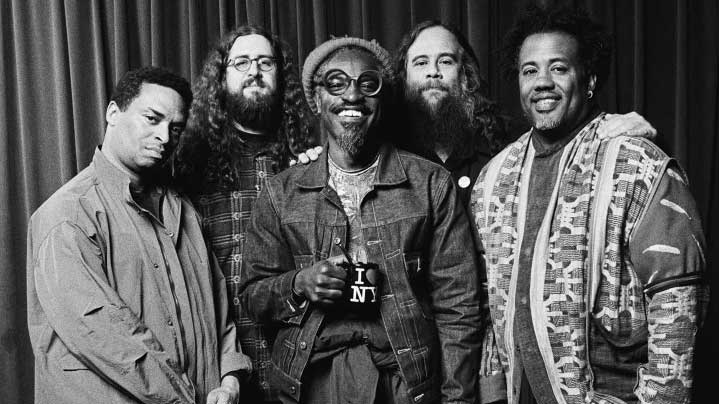
"caption": "André 3000's New Blue Sun Live tour comes to San Francisco Feb. 20–24, with a band including Carlos Niño, Nate Mercereau, Surya Botofasina and Deantoni Parks. ",
"description": null,
"title": "Andre3000.16.9",
"credit": "Todd Weaver",
"status": "inherit",
"altTag": null,
"isLoading": false,
"fetchFailed": false
},
"arts_13950803": {
"type": "attachments",
"id": "arts_13950803",
"meta": {
"index": "attachments_1716263798",
"site": "arts",
"id": "13950803",
"found": true
},
"parent": 13937865,
"imgSizes": {
"twentyfourteen-full-width": {
"file": "https://cdn.kqed.org/wp-content/uploads/sites/2/2023/12/GettyImages-1090357116-1024x576.jpg",
"width": 1024,
"mimeType": "image/jpeg",
"height": 576
},
"thumbnail": {
"file": "https://cdn.kqed.org/wp-content/uploads/sites/2/2023/12/GettyImages-1090357116-160x107.jpg",
"width": 160,
"mimeType": "image/jpeg",
"height": 107
},
"post-thumbnail": {
"file": "https://cdn.kqed.org/wp-content/uploads/sites/2/2023/12/GettyImages-1090357116-672x372.jpg",
"width": 672,
"mimeType": "image/jpeg",
"height": 372
},
"kqedFullSize": {
"file": "https://cdn.kqed.org/wp-content/uploads/sites/2/2023/12/GettyImages-1090357116.jpg",
"width": 1024,
"height": 683
},
"large": {
"file": "https://cdn.kqed.org/wp-content/uploads/sites/2/2023/12/GettyImages-1090357116-1020x680.jpg",
"width": 1020,
"mimeType": "image/jpeg",
"height": 680
},
"medium": {
"file": "https://cdn.kqed.org/wp-content/uploads/sites/2/2023/12/GettyImages-1090357116-800x534.jpg",
"width": 800,
"mimeType": "image/jpeg",
"height": 534
},
"medium_large": {
"file": "https://cdn.kqed.org/wp-content/uploads/sites/2/2023/12/GettyImages-1090357116-768x512.jpg",
"width": 768,
"mimeType": "image/jpeg",
"height": 512
}
},
"publishDate": 1706034960,
"modified": 1706034999,
"caption": "Bone Thugs-n-Harmony perform onstage during \"Puff Puff Pass Tour: Snoop Dogg & Friends\" at State Farm Arena on January 05, 2019 in Atlanta, Georgia. ",
"description": null,
"title": "Snoop Dogg In Concert - Atlanta, GA",
"credit": "Paras Griffin/Getty Images",
"status": "inherit",
"altTag": null,
"isLoading": false,
"fetchFailed": false
},
"arts_13950760": {
"type": "attachments",
"id": "arts_13950760",
"meta": {
"index": "attachments_1716263798",
"site": "arts",
"id": "13950760",
"found": true
},
"parent": 13950757,
"imgSizes": {
"twentyfourteen-full-width": {
"file": "https://cdn.kqed.org/wp-content/uploads/sites/2/2024/01/andrenickatina-1038x576.jpg",
"width": 1038,
"mimeType": "image/jpeg",
"height": 576
},
"thumbnail": {
"file": "https://cdn.kqed.org/wp-content/uploads/sites/2/2024/01/andrenickatina-160x90.jpg",
"width": 160,
"mimeType": "image/jpeg",
"height": 90
},
"post-thumbnail": {
"file": "https://cdn.kqed.org/wp-content/uploads/sites/2/2024/01/andrenickatina-672x372.jpg",
"width": 672,
"mimeType": "image/jpeg",
"height": 372
},
"kqedFullSize": {
"file": "https://cdn.kqed.org/wp-content/uploads/sites/2/2024/01/andrenickatina.jpg",
"width": 1205,
"height": 678
},
"large": {
"file": "https://cdn.kqed.org/wp-content/uploads/sites/2/2024/01/andrenickatina-1020x574.jpg",
"width": 1020,
"mimeType": "image/jpeg",
"height": 574
},
"medium": {
"file": "https://cdn.kqed.org/wp-content/uploads/sites/2/2024/01/andrenickatina-800x450.jpg",
"width": 800,
"mimeType": "image/jpeg",
"height": 450
},
"medium_large": {
"file": "https://cdn.kqed.org/wp-content/uploads/sites/2/2024/01/andrenickatina-768x432.jpg",
"width": 768,
"mimeType": "image/jpeg",
"height": 432
}
},
"publishDate": 1705986466,
"modified": 1705986548,
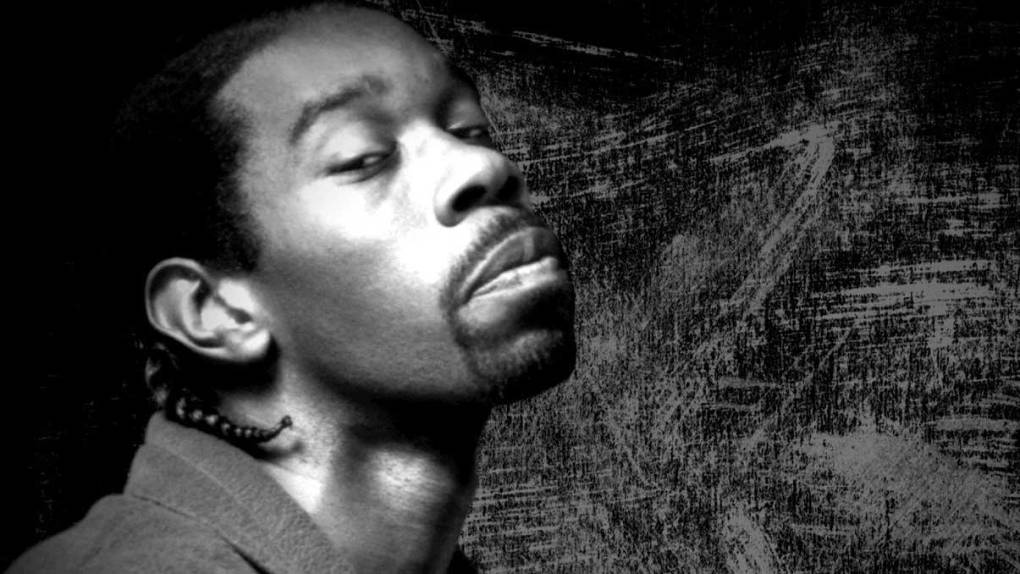
"caption": "Andre Nickatina.",
"description": null,
"title": "andrenickatina",
"credit": "I-Khan Distribution",
"status": "inherit",
"altTag": null,
"isLoading": false,
"fetchFailed": false
},
"arts_13950730": {
"type": "attachments",
"id": "arts_13950730",
"meta": {
"index": "attachments_1716263798",
"site": "arts",
"id": "13950730",
"found": true
},
"parent": 13950431,
"imgSizes": {
"thumbnail": {
"file": "https://cdn.kqed.org/wp-content/uploads/sites/2/2024/01/Kwudi.Hodge_.16x9-160x90.jpg",
"width": 160,
"mimeType": "image/jpeg",
"height": 90
},
"post-thumbnail": {
"file": "https://cdn.kqed.org/wp-content/uploads/sites/2/2024/01/Kwudi.Hodge_.16x9-672x372.jpg",
"width": 672,
"mimeType": "image/jpeg",
"height": 372
},
"kqedFullSize": {
"file": "https://cdn.kqed.org/wp-content/uploads/sites/2/2024/01/Kwudi.Hodge_.16x9.jpg",
"width": 1024,
"height": 576
},
"large": {
"file": "https://cdn.kqed.org/wp-content/uploads/sites/2/2024/01/Kwudi.Hodge_.16x9-1020x574.jpg",
"width": 1020,
"mimeType": "image/jpeg",
"height": 574
},
"medium": {
"file": "https://cdn.kqed.org/wp-content/uploads/sites/2/2024/01/Kwudi.Hodge_.16x9-800x450.jpg",
"width": 800,
"mimeType": "image/jpeg",
"height": 450
},
"medium_large": {
"file": "https://cdn.kqed.org/wp-content/uploads/sites/2/2024/01/Kwudi.Hodge_.16x9-768x432.jpg",
"width": 768,
"mimeType": "image/jpeg",
"height": 432
}
},
"publishDate": 1705951170,
"modified": 1705986371,
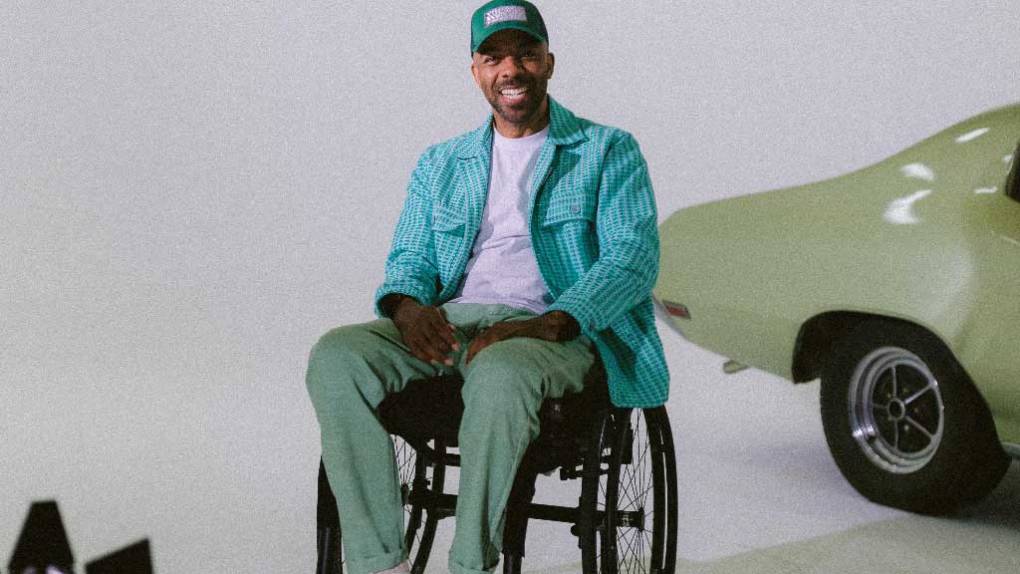
"caption": "Muscian Kwudi Hodge on the set of his music video for “Fast Car.”",
"description": null,
"title": "Kwudi.Hodge.16x9",
"credit": "Jasmyn Bagonghasa ",
"status": "inherit",
"altTag": null,
"isLoading": false,
"fetchFailed": false
},
"arts_13934346": {
"type": "attachments",
"id": "arts_13934346",
"meta": {
"index": "attachments_1716263798",
"site": "arts",
"id": "13934346",
"found": true
},
"parent": 13934324,
"imgSizes": {
"twentyfourteen-full-width": {
"file": "https://ww2.kqed.org/app/uploads/sites/2/2023/09/DSC00055-1038x576.jpg",
"width": 1038,
"mimeType": "image/jpeg",
"height": 576
},
"thumbnail": {
"file": "https://ww2.kqed.org/app/uploads/sites/2/2023/09/DSC00055-160x120.jpg",
"width": 160,
"mimeType": "image/jpeg",
"height": 120
},
"post-thumbnail": {
"file": "https://ww2.kqed.org/app/uploads/sites/2/2023/09/DSC00055-672x372.jpg",
"width": 672,
"mimeType": "image/jpeg",
"height": 372
},
"kqedFullSize": {
"file": "https://ww2.kqed.org/app/uploads/sites/2/2023/09/DSC00055.jpg",
"width": 1920,
"height": 1440
},
"large": {
"file": "https://ww2.kqed.org/app/uploads/sites/2/2023/09/DSC00055-1020x765.jpg",
"width": 1020,
"mimeType": "image/jpeg",
"height": 765
},
"1536x1536": {
"file": "https://ww2.kqed.org/app/uploads/sites/2/2023/09/DSC00055-1536x1152.jpg",
"width": 1536,
"mimeType": "image/jpeg",
"height": 1152
},
"medium": {
"file": "https://ww2.kqed.org/app/uploads/sites/2/2023/09/DSC00055-800x600.jpg",
"width": 800,
"mimeType": "image/jpeg",
"height": 600
},
"medium_large": {
"file": "https://ww2.kqed.org/app/uploads/sites/2/2023/09/DSC00055-768x576.jpg",
"width": 768,
"mimeType": "image/jpeg",
"height": 576
}
},
"publishDate": 1693960061,
"modified": 1693960433,
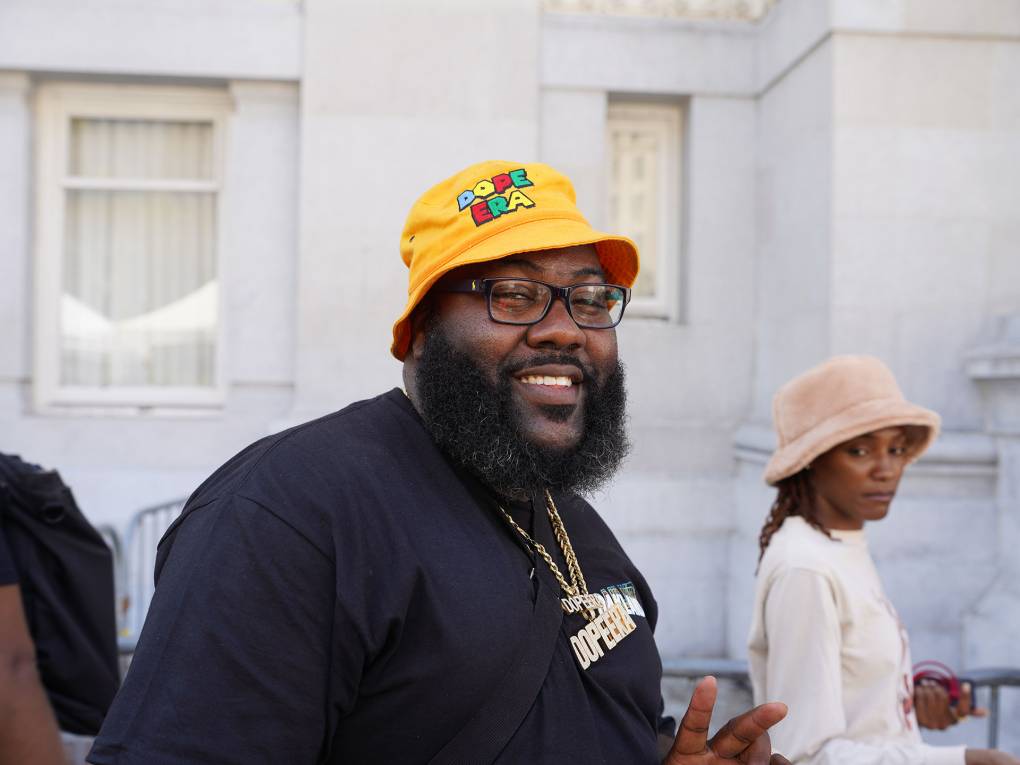
"caption": "Mistah F.A.B. at Hiero Day in Frank Ogawa Plaza, Oakland, Sept. 4, 2023.",
"description": null,
"title": "DSC00055",
"credit": "Eric Arnold/KQED",
"status": "inherit",
"altTag": null,
"isLoading": false,
"fetchFailed": false
},
"arts_13873913": {
"type": "attachments",
"id": "arts_13873913",
"meta": {
"index": "attachments_1716263798",
"site": "arts",
"id": "13873913",
"found": true
},
"parent": 13873909,
"imgSizes": {
"twentyfourteen-full-width": {
"file": "https://cdn.kqed.org/wp-content/uploads/sites/2/2020/01/GettyImages-1202189844-1038x576.jpg",
"width": 1038,
"mimeType": "image/jpeg",
"height": 576
},
"thumbnail": {
"file": "https://cdn.kqed.org/wp-content/uploads/sites/2/2020/01/GettyImages-1202189844-160x90.jpg",
"width": 160,
"mimeType": "image/jpeg",
"height": 90
},
"post-thumbnail": {
"file": "https://cdn.kqed.org/wp-content/uploads/sites/2/2020/01/GettyImages-1202189844-672x372.jpg",
"width": 672,
"mimeType": "image/jpeg",
"height": 372
},
"kqedFullSize": {
"file": "https://cdn.kqed.org/wp-content/uploads/sites/2/2020/01/GettyImages-1202189844.jpg",
"width": 1920,
"height": 1080
},
"large": {
"file": "https://cdn.kqed.org/wp-content/uploads/sites/2/2020/01/GettyImages-1202189844-1020x574.jpg",
"width": 1020,
"mimeType": "image/jpeg",
"height": 574
},
"complete_open_graph": {
"file": "https://cdn.kqed.org/wp-content/uploads/sites/2/2020/01/GettyImages-1202189844-1200x675.jpg",
"width": 1200,
"mimeType": "image/jpeg",
"height": 675
},
"full-width": {
"file": "https://cdn.kqed.org/wp-content/uploads/sites/2/2020/01/GettyImages-1202189844-1920x1080.jpg",
"width": 1920,
"mimeType": "image/jpeg",
"height": 1080
},
"medium": {
"file": "https://cdn.kqed.org/wp-content/uploads/sites/2/2020/01/GettyImages-1202189844-800x450.jpg",
"width": 800,
"mimeType": "image/jpeg",
"height": 450
},
"medium_large": {
"file": "https://cdn.kqed.org/wp-content/uploads/sites/2/2020/01/GettyImages-1202189844-768x432.jpg",
"width": 768,
"mimeType": "image/jpeg",
"height": 432
}
},
"publishDate": 1580102556,
"modified": 1705603656,
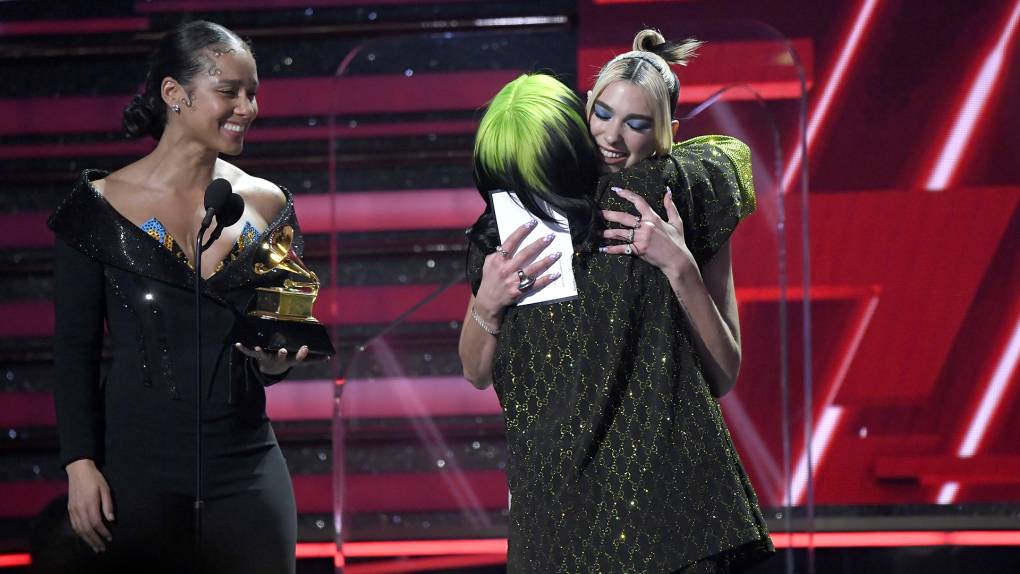
"caption": "Billie Eilish accepts the Best New Artist award from Alicia Keys and Dua Lipa onstage during the 62nd Annual Grammy Awards in 2020.",
"description": null,
"title": "62nd Annual GRAMMY Awards - Show",
"credit": "Kevork Djansezian/ Getty Images",
"status": "inherit",
"altTag": "Billie Eilish accepts the Best New Artist award from Alicia Keys and Dua Lipa onstage during the 62nd Annual GRAMMY Awards at Staples Center on January 26, 2020 in Los Angeles, California.",
"isLoading": false,
"fetchFailed": false
},
"arts_13950393": {
"type": "attachments",
"id": "arts_13950393",
"meta": {
"index": "attachments_1716263798",
"site": "arts",
"id": "13950393",
"found": true
},
"parent": 13950392,
"imgSizes": {
"twentyfourteen-full-width": {
"file": "https://cdn.kqed.org/wp-content/uploads/sites/2/2024/01/Screenshot-2024-01-16-at-8.53.22-AM-1038x576.png",
"width": 1038,
"mimeType": "image/png",
"height": 576
},
"thumbnail": {
"file": "https://cdn.kqed.org/wp-content/uploads/sites/2/2024/01/Screenshot-2024-01-16-at-8.53.22-AM-160x183.png",
"width": 160,
"mimeType": "image/png",
"height": 183
},
"post-thumbnail": {
"file": "https://cdn.kqed.org/wp-content/uploads/sites/2/2024/01/Screenshot-2024-01-16-at-8.53.22-AM-672x372.png",
"width": 672,
"mimeType": "image/png",
"height": 372
},
"kqedFullSize": {
"file": "https://cdn.kqed.org/wp-content/uploads/sites/2/2024/01/Screenshot-2024-01-16-at-8.53.22-AM.png",
"width": 1096,
"height": 1254
},
"large": {
"file": "https://cdn.kqed.org/wp-content/uploads/sites/2/2024/01/Screenshot-2024-01-16-at-8.53.22-AM-1020x1167.png",
"width": 1020,
"mimeType": "image/png",
"height": 1167
},
"medium": {
"file": "https://cdn.kqed.org/wp-content/uploads/sites/2/2024/01/Screenshot-2024-01-16-at-8.53.22-AM-800x915.png",
"width": 800,
"mimeType": "image/png",
"height": 915
},
"medium_large": {
"file": "https://cdn.kqed.org/wp-content/uploads/sites/2/2024/01/Screenshot-2024-01-16-at-8.53.22-AM-768x879.png",
"width": 768,
"mimeType": "image/png",
"height": 879
}
},
"publishDate": 1705424141,
"modified": 1705424545,
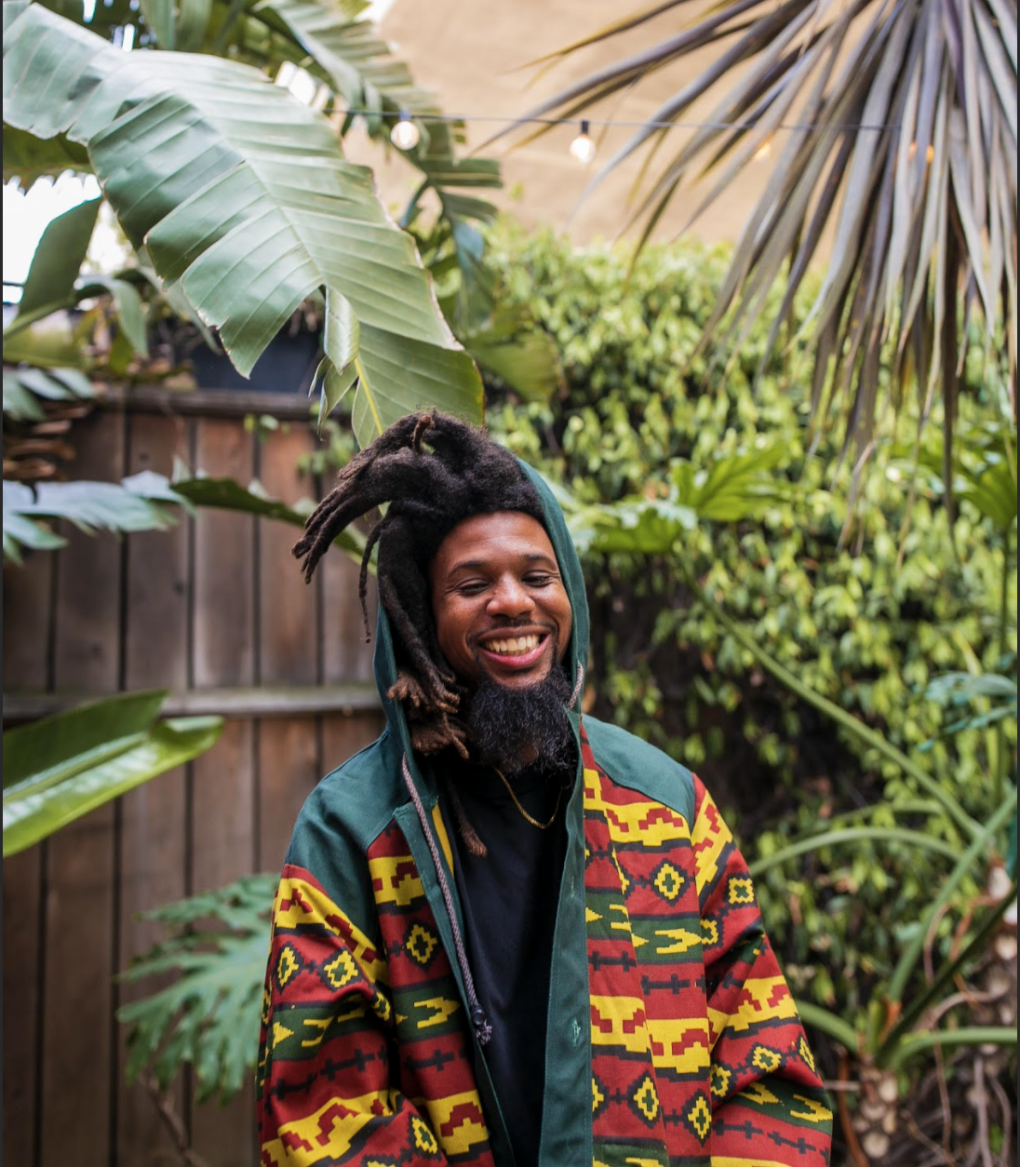
"caption": "Rob Woods.",
"description": "Rob Woods poses for a photo while standing under a large palm leaf and wearing a multicolored hooded jacket. ",
"title": "Rob Woods.",
"credit": "Dorean Raye",
"status": "inherit",
"altTag": "Rob Woods.",
"isLoading": false,
"fetchFailed": false
},
"arts_13950440": {
"type": "attachments",
"id": "arts_13950440",
"meta": {
"index": "attachments_1716263798",
"site": "arts",
"id": "13950440",
"found": true
},
"parent": 13940505,
"imgSizes": {
"twentyfourteen-full-width": {
"file": "https://cdn.kqed.org/wp-content/uploads/sites/2/2024/01/JulianLage.ArtistPhoto-1038x576.jpg",
"width": 1038,
"mimeType": "image/jpeg",
"height": 576
},
"thumbnail": {
"file": "https://cdn.kqed.org/wp-content/uploads/sites/2/2024/01/JulianLage.ArtistPhoto-160x90.jpg",
"width": 160,
"mimeType": "image/jpeg",
"height": 90
},
"post-thumbnail": {
"file": "https://cdn.kqed.org/wp-content/uploads/sites/2/2024/01/JulianLage.ArtistPhoto-672x372.jpg",
"width": 672,
"mimeType": "image/jpeg",
"height": 372
},
"kqedFullSize": {
"file": "https://cdn.kqed.org/wp-content/uploads/sites/2/2024/01/JulianLage.ArtistPhoto.jpg",
"width": 1440,
"height": 810
},
"large": {
"file": "https://cdn.kqed.org/wp-content/uploads/sites/2/2024/01/JulianLage.ArtistPhoto-1020x574.jpg",
"width": 1020,
"mimeType": "image/jpeg",
"height": 574
},
"medium": {
"file": "https://cdn.kqed.org/wp-content/uploads/sites/2/2024/01/JulianLage.ArtistPhoto-800x450.jpg",
"width": 800,
"mimeType": "image/jpeg",
"height": 450
},
"medium_large": {
"file": "https://cdn.kqed.org/wp-content/uploads/sites/2/2024/01/JulianLage.ArtistPhoto-768x432.jpg",
"width": 768,
"mimeType": "image/jpeg",
"height": 432
}
},
"publishDate": 1705444652,
"modified": 1705444735,
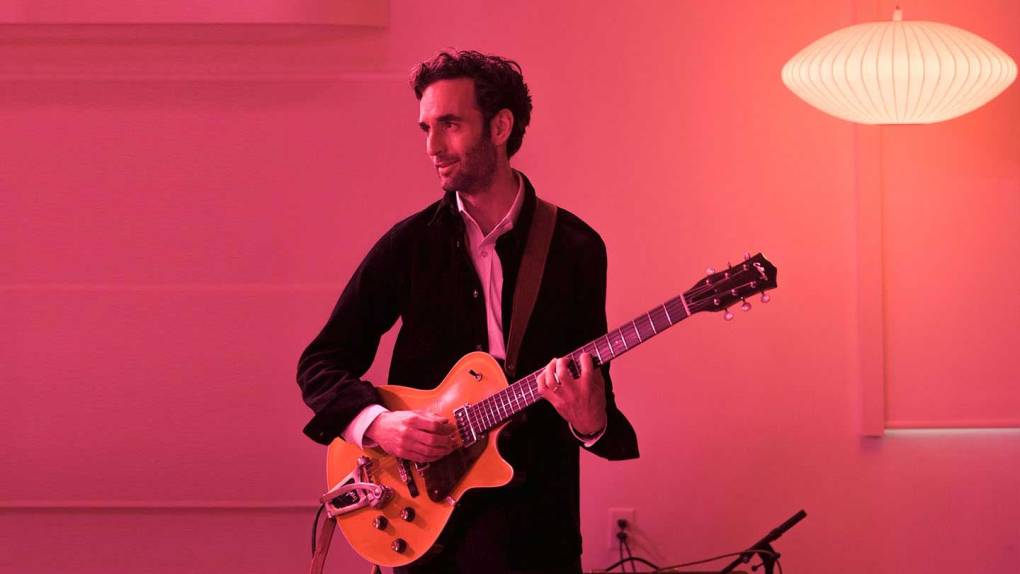
"caption": "Santa Rosa-raised jazz guitarist Julian Lage returns to the Bay Area for a four-day residency as an SFJAZZ artistic director in concerts running Jan. 18–21.",
"description": null,
"title": "JulianLage.ArtistPhoto",
"credit": "Artist Photo",
"status": "inherit",
"altTag": null,
"isLoading": false,
"fetchFailed": false
},
"arts_13950401": {
"type": "attachments",
"id": "arts_13950401",
"meta": {
"index": "attachments_1716263798",
"site": "arts",
"id": "13950401",
"found": true
},
"parent": 13950400,
"imgSizes": {
"twentyfourteen-full-width": {
"file": "https://cdn.kqed.org/wp-content/uploads/sites/2/2021/12/dodos-and-pain_final_wide-bf80d6bc988405beb04d0af9992fe64ec1c56574-1038x576.jpg",
"width": 1038,
"mimeType": "image/jpeg",
"height": 576
},
"thumbnail": {
"file": "https://cdn.kqed.org/wp-content/uploads/sites/2/2021/12/dodos-and-pain_final_wide-bf80d6bc988405beb04d0af9992fe64ec1c56574-160x90.jpg",
"width": 160,
"mimeType": "image/jpeg",
"height": 90
},
"post-thumbnail": {
"file": "https://cdn.kqed.org/wp-content/uploads/sites/2/2021/12/dodos-and-pain_final_wide-bf80d6bc988405beb04d0af9992fe64ec1c56574-672x372.jpg",
"width": 672,
"mimeType": "image/jpeg",
"height": 372
},
"kqedFullSize": {
"file": "https://cdn.kqed.org/wp-content/uploads/sites/2/2021/12/dodos-and-pain_final_wide-bf80d6bc988405beb04d0af9992fe64ec1c56574-scaled-e1705433335653.jpg",
"width": 1920,
"height": 1080
},
"2048x2048": {
"file": "https://cdn.kqed.org/wp-content/uploads/sites/2/2021/12/dodos-and-pain_final_wide-bf80d6bc988405beb04d0af9992fe64ec1c56574-2048x1152.jpg",
"width": 2048,
"mimeType": "image/jpeg",
"height": 1152
},
"large": {
"file": "https://cdn.kqed.org/wp-content/uploads/sites/2/2021/12/dodos-and-pain_final_wide-bf80d6bc988405beb04d0af9992fe64ec1c56574-1020x574.jpg",
"width": 1020,
"mimeType": "image/jpeg",
"height": 574
},
"1536x1536": {
"file": "https://cdn.kqed.org/wp-content/uploads/sites/2/2021/12/dodos-and-pain_final_wide-bf80d6bc988405beb04d0af9992fe64ec1c56574-1536x864.jpg",
"width": 1536,
"mimeType": "image/jpeg",
"height": 864
},
"full-width": {
"file": "https://cdn.kqed.org/wp-content/uploads/sites/2/2021/12/dodos-and-pain_final_wide-bf80d6bc988405beb04d0af9992fe64ec1c56574-1920x1080.jpg",
"width": 1920,
"mimeType": "image/jpeg",
"height": 1080
},
"medium": {
"file": "https://cdn.kqed.org/wp-content/uploads/sites/2/2021/12/dodos-and-pain_final_wide-bf80d6bc988405beb04d0af9992fe64ec1c56574-800x450.jpg",
"width": 800,
"mimeType": "image/jpeg",
"height": 450
},
"medium_large": {
"file": "https://cdn.kqed.org/wp-content/uploads/sites/2/2021/12/dodos-and-pain_final_wide-bf80d6bc988405beb04d0af9992fe64ec1c56574-768x432.jpg",
"width": 768,
"mimeType": "image/jpeg",
"height": 432
}
},
"publishDate": 1705430705,
"modified": 1705433416,
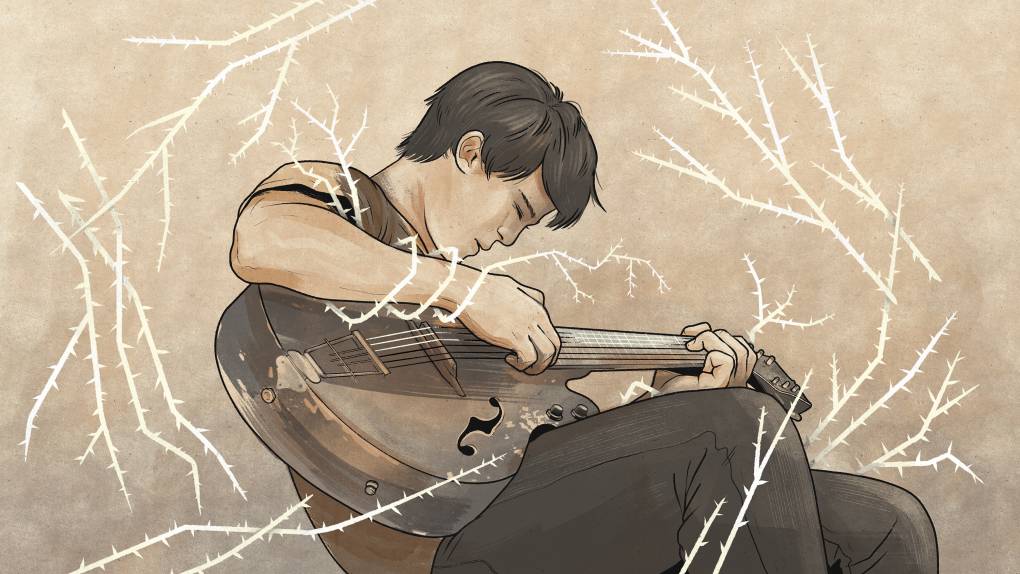
"caption": "Meric Long of The Dodos found his voice in a distinctive guitar style. While writing the new album ‘Grizzly Peak,’ he watched that ability begin to slip away.",
"description": null,
"title": "Meric Long of The Dodos found his voice in a distinctive guitar style. While writing the new album ‘Grizzly Peak,’ he watched that ability begin to slip away.",
"credit": "Shane Tolentino for NPR",
"status": "inherit",
"altTag": "A sepia-toned illustration of a man playing guitar, hunched over and restricted by imaginary vines.",
"isLoading": false,
"fetchFailed": false
},
"arts_13950353": {
"type": "attachments",
"id": "arts_13950353",
"meta": {
"index": "attachments_1716263798",
"site": "arts",
"id": "13950353",
"found": true
},
"parent": 13950352,
"imgSizes": {
"twentyfourteen-full-width": {
"file": "https://cdn.kqed.org/wp-content/uploads/sites/2/2024/01/gettyimages-1131020303_custom-cef5341cf46143bfdc86c65f96184144e02303f0-1038x576.jpg",
"width": 1038,
"mimeType": "image/jpeg",
"height": 576
},
"thumbnail": {
"file": "https://cdn.kqed.org/wp-content/uploads/sites/2/2024/01/gettyimages-1131020303_custom-cef5341cf46143bfdc86c65f96184144e02303f0-160x108.jpg",
"width": 160,
"mimeType": "image/jpeg",
"height": 108
},
"post-thumbnail": {
"file": "https://cdn.kqed.org/wp-content/uploads/sites/2/2024/01/gettyimages-1131020303_custom-cef5341cf46143bfdc86c65f96184144e02303f0-672x372.jpg",
"width": 672,
"mimeType": "image/jpeg",
"height": 372
},
"kqedFullSize": {
"file": "https://cdn.kqed.org/wp-content/uploads/sites/2/2024/01/gettyimages-1131020303_custom-cef5341cf46143bfdc86c65f96184144e02303f0-scaled-e1705084926659.jpg",
"width": 1920,
"height": 1301
},
"2048x2048": {
"file": "https://cdn.kqed.org/wp-content/uploads/sites/2/2024/01/gettyimages-1131020303_custom-cef5341cf46143bfdc86c65f96184144e02303f0-2048x1388.jpg",
"width": 2048,
"mimeType": "image/jpeg",
"height": 1388
},
"large": {
"file": "https://cdn.kqed.org/wp-content/uploads/sites/2/2024/01/gettyimages-1131020303_custom-cef5341cf46143bfdc86c65f96184144e02303f0-1020x691.jpg",
"width": 1020,
"mimeType": "image/jpeg",
"height": 691
},
"1536x1536": {
"file": "https://cdn.kqed.org/wp-content/uploads/sites/2/2024/01/gettyimages-1131020303_custom-cef5341cf46143bfdc86c65f96184144e02303f0-1536x1041.jpg",
"width": 1536,
"mimeType": "image/jpeg",
"height": 1041
},
"full-width": {
"file": "https://cdn.kqed.org/wp-content/uploads/sites/2/2024/01/gettyimages-1131020303_custom-cef5341cf46143bfdc86c65f96184144e02303f0-1920x1301.jpg",
"width": 1920,
"mimeType": "image/jpeg",
"height": 1301
},
"medium": {
"file": "https://cdn.kqed.org/wp-content/uploads/sites/2/2024/01/gettyimages-1131020303_custom-cef5341cf46143bfdc86c65f96184144e02303f0-800x542.jpg",
"width": 800,
"mimeType": "image/jpeg",
"height": 542
},
"medium_large": {
"file": "https://cdn.kqed.org/wp-content/uploads/sites/2/2024/01/gettyimages-1131020303_custom-cef5341cf46143bfdc86c65f96184144e02303f0-768x520.jpg",
"width": 768,
"mimeType": "image/jpeg",
"height": 520
}
},
"publishDate": 1705083613,
"modified": 1705084938,
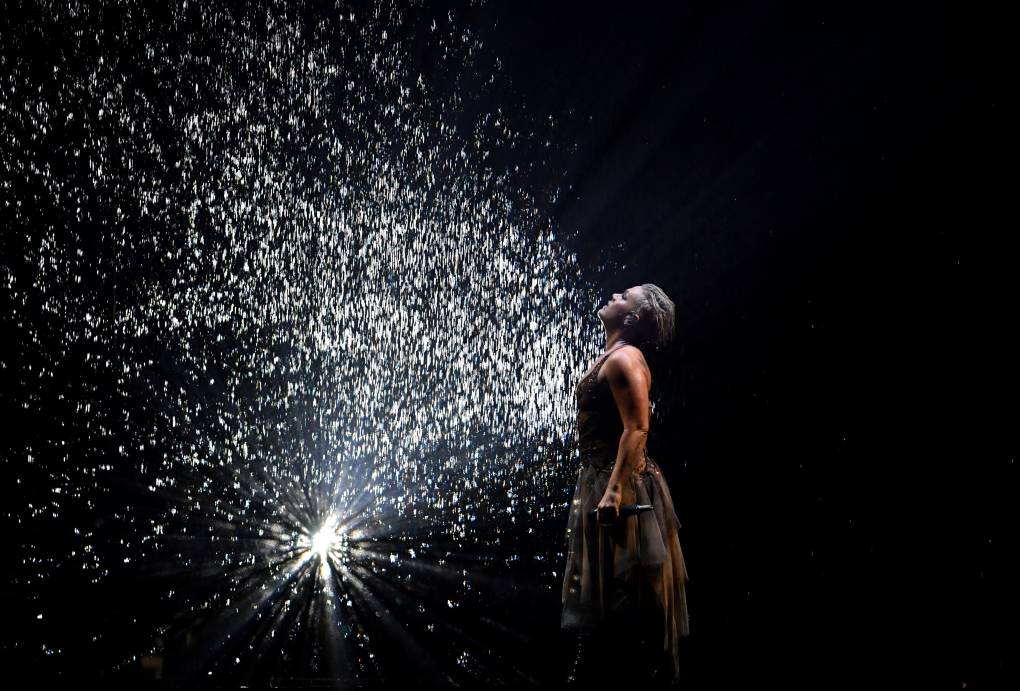
"caption": "Pink’s 2009 pop hit ‘Sober’ may be the best known song about sobriety. She’s shown above at The BRIT Awards in London in 2019.",
"description": null,
"title": "Pink’s 2009 pop hit ‘Sober’ may be the best known song about sobriety. She’s shown above at The BRIT Awards in London in 2019.",
"credit": "Gareth Cattermole/ Getty Images",
"status": "inherit",
"altTag": "A woman stands on a dark stage getting showered with spot-lit droplets of water.",
"isLoading": false,
"fetchFailed": false
},
"arts_13940480": {
"type": "attachments",
"id": "arts_13940480",
"meta": {
"index": "attachments_1716263798",
"site": "arts",
"id": "13940480",
"found": true
},
"parent": 13940429,
"imgSizes": {
"twentyfourteen-full-width": {
"file": "https://cdn.kqed.org/wp-content/uploads/sites/2/2024/01/Screen-Shot-2024-01-11-at-1.09.03-PM-1038x576.png",
"width": 1038,
"mimeType": "image/png",
"height": 576
},
"thumbnail": {
"file": "https://cdn.kqed.org/wp-content/uploads/sites/2/2024/01/Screen-Shot-2024-01-11-at-1.09.03-PM-160x104.png",
"width": 160,
"mimeType": "image/png",
"height": 104
},
"post-thumbnail": {
"file": "https://cdn.kqed.org/wp-content/uploads/sites/2/2024/01/Screen-Shot-2024-01-11-at-1.09.03-PM-672x372.png",
"width": 672,
"mimeType": "image/png",
"height": 372
},
"kqedFullSize": {
"file": "https://cdn.kqed.org/wp-content/uploads/sites/2/2024/01/Screen-Shot-2024-01-11-at-1.09.03-PM.png",
"width": 2022,
"height": 1320
},
"large": {
"file": "https://cdn.kqed.org/wp-content/uploads/sites/2/2024/01/Screen-Shot-2024-01-11-at-1.09.03-PM-1020x666.png",
"width": 1020,
"mimeType": "image/png",
"height": 666
},
"1536x1536": {
"file": "https://cdn.kqed.org/wp-content/uploads/sites/2/2024/01/Screen-Shot-2024-01-11-at-1.09.03-PM-1536x1003.png",
"width": 1536,
"mimeType": "image/png",
"height": 1003
},
"full-width": {
"file": "https://cdn.kqed.org/wp-content/uploads/sites/2/2024/01/Screen-Shot-2024-01-11-at-1.09.03-PM-1920x1253.png",
"width": 1920,
"mimeType": "image/png",
"height": 1253
},
"medium": {
"file": "https://cdn.kqed.org/wp-content/uploads/sites/2/2024/01/Screen-Shot-2024-01-11-at-1.09.03-PM-800x522.png",
"width": 800,
"mimeType": "image/png",
"height": 522
},
"medium_large": {
"file": "https://cdn.kqed.org/wp-content/uploads/sites/2/2024/01/Screen-Shot-2024-01-11-at-1.09.03-PM-768x501.png",
"width": 768,
"mimeType": "image/png",
"height": 501
}
},
"publishDate": 1705007363,
"modified": 1705007465,
"caption": "Marisa Abela as Amy Winehouse in the upcoming — and woefully unnecessary — biopic, ‘Back to Black.’",
"description": null,
"title": "Marisa Abela as Amy Winehouse in the upcoming — and woefully unnecessary — biopic, ‘Back to Black.’",
"credit": "StudioCanal",
"status": "inherit",
"altTag": "A woman with an enormous beehive hairdo stands onstage looking stunned.",
"isLoading": false,
"fetchFailed": false
},
"arts_13940442": {
"type": "attachments",
"id": "arts_13940442",
"meta": {
"index": "attachments_1716263798",
"site": "arts",
"id": "13940442",
"found": true
},
"parent": 13940325,
"imgSizes": {
"twentyfourteen-full-width": {
"file": "https://cdn.kqed.org/wp-content/uploads/sites/2/2024/01/Horizonte_2014_Sa_1080-1038x576.jpg",
"width": 1038,
"mimeType": "image/jpeg",
"height": 576
},
"thumbnail": {
"file": "https://cdn.kqed.org/wp-content/uploads/sites/2/2024/01/Horizonte_2014_Sa_1080-160x106.jpg",
"width": 160,
"mimeType": "image/jpeg",
"height": 106
},
"post-thumbnail": {
"file": "https://cdn.kqed.org/wp-content/uploads/sites/2/2024/01/Horizonte_2014_Sa_1080-672x372.jpg",
"width": 672,
"mimeType": "image/jpeg",
"height": 372
},
"kqedFullSize": {
"file": "https://cdn.kqed.org/wp-content/uploads/sites/2/2024/01/Horizonte_2014_Sa_1080-scaled.jpg",
"width": 2560,
"height": 1700
},
"2048x2048": {
"file": "https://cdn.kqed.org/wp-content/uploads/sites/2/2024/01/Horizonte_2014_Sa_1080-2048x1360.jpg",
"width": 2048,
"mimeType": "image/jpeg",
"height": 1360
},
"large": {
"file": "https://cdn.kqed.org/wp-content/uploads/sites/2/2024/01/Horizonte_2014_Sa_1080-1020x677.jpg",
"width": 1020,
"mimeType": "image/jpeg",
"height": 677
},
"1536x1536": {
"file": "https://cdn.kqed.org/wp-content/uploads/sites/2/2024/01/Horizonte_2014_Sa_1080-1536x1020.jpg",
"width": 1536,
"mimeType": "image/jpeg",
"height": 1020
},
"full-width": {
"file": "https://cdn.kqed.org/wp-content/uploads/sites/2/2024/01/Horizonte_2014_Sa_1080-1920x1275.jpg",
"width": 1920,
"mimeType": "image/jpeg",
"height": 1275
},
"medium": {
"file": "https://cdn.kqed.org/wp-content/uploads/sites/2/2024/01/Horizonte_2014_Sa_1080-800x531.jpg",
"width": 800,
"mimeType": "image/jpeg",
"height": 531
},
"medium_large": {
"file": "https://cdn.kqed.org/wp-content/uploads/sites/2/2024/01/Horizonte_2014_Sa_1080-768x510.jpg",
"width": 768,
"mimeType": "image/jpeg",
"height": 510
}
},
"publishDate": 1705003895,
"modified": 1705006736,
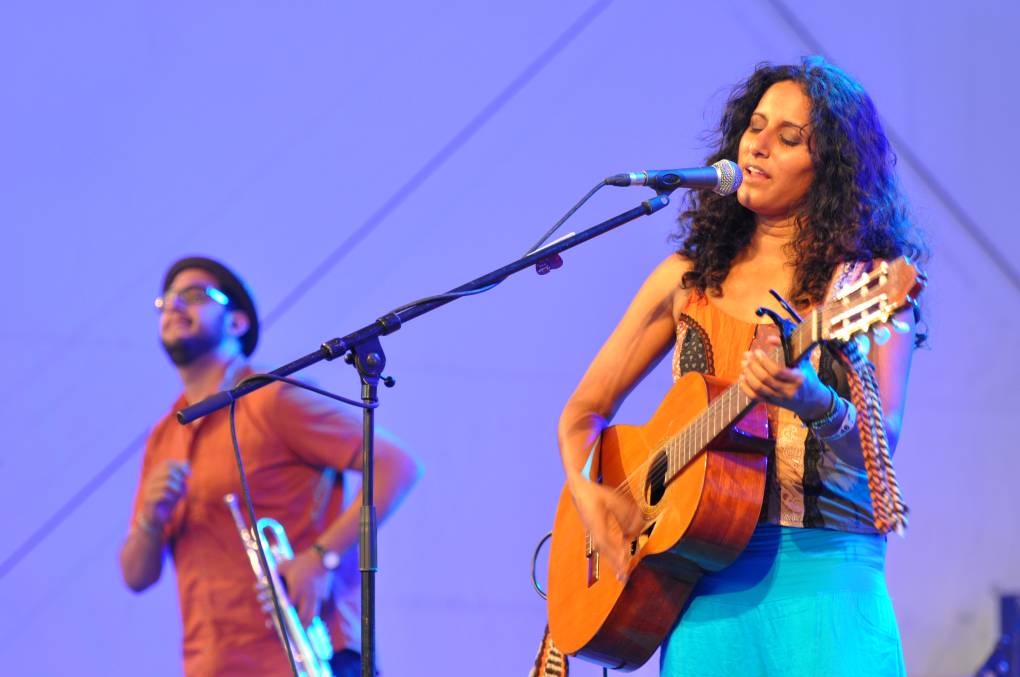
"caption": "Rupa Marya of Rupa & the April Fishes, seen here performing at a 2014 festival in Germany, is among the 87 (and counting) artists who appear on 'Mixtape for Palestine.' Organizer Jessie Woletz says Marya is one of several local artist-activists whose work helped inspire the project.",
"description": null,
"title": "Horizonte_2014_Sa_1080",
"credit": "Rs-foto/Creative Commons",
"status": "inherit",
"altTag": "a woman of Indian descent with dark curly hair and a turquoise dress plays guitar on stage in front of a purple background, while a man holds a trumpet near her",
"isLoading": false,
"fetchFailed": false
}
},
"audioPlayerReducer": {
"postId": "stream_live",
"isPaused": true,
"isPlaying": false,
"pfsActive": false,
"pledgeModalIsOpen": true,
"playerDrawerIsOpen": false,
"liveAudioPlayStartedAt": 0,
"liveAudioPlayContext": ""
},
"authorsReducer": {
"byline_arts_13950553": {
"type": "authors",
"id": "byline_arts_13950553",
"meta": {
"override": true
},
"slug": "byline_arts_13950553",
"name": "Maria Sherman, Associated Press",
"isLoading": false
},
"byline_arts_13950400": {
"type": "authors",
"id": "byline_arts_13950400",
"meta": {
"override": true
},
"slug": "byline_arts_13950400",
"name": "Grayson Haver Currin",
"isLoading": false
},
"byline_arts_13950352": {
"type": "authors",
"id": "byline_arts_13950352",
"meta": {
"override": true
},
"slug": "byline_arts_13950352",
"name": "Neda Ulaby",
"isLoading": false
},
"agilbert": {
"type": "authors",
"id": "86",
"meta": {
"index": "authors_1716337520",
"id": "86",
"found": true
},
"name": "Andrew Gilbert",
"firstName": "Andrew",
"lastName": "Gilbert",
"slug": "agilbert",
"email": "jazzscribe@aol.com",
"display_author_email": false,
"staff_mastheads": [],
"title": "KQED Contributor",
"bio": "A Los Angeles native based in the Berkeley area since 1996, Andrew Gilbert covers jazz, international music and dance for KQED's \u003ci>California Report, \u003c/i>the\u003ci> Mercury News\u003c/i>, \u003ci>San Francisco Chronicle\u003c/i>, \u003ci>Berkeleyside.com\u003c/i>, and other publications. He is available for weddings and bar and bat mitzvahs. #jazzscribe",
"avatar": "https://secure.gravatar.com/avatar/d7bcafdbefdd39e9a68f88724ca616eb4e7a5a6bff9cdfb62de652a1e1751471?s=600&d=blank&r=g",
"twitter": null,
"bluesky": null,
"facebook": null,
"instagram": null,
"linkedin": null,
"sites": [
{
"site": "arts",
"roles": [
"Contributor",
"author"
]
},
{
"site": "news",
"roles": [
"author"
]
}
],
"headData": {
"title": "Andrew Gilbert | KQED",
"description": "KQED Contributor",
"ogImgSrc": "https://secure.gravatar.com/avatar/d7bcafdbefdd39e9a68f88724ca616eb4e7a5a6bff9cdfb62de652a1e1751471?s=600&d=blank&r=g",
"twImgSrc": "https://secure.gravatar.com/avatar/d7bcafdbefdd39e9a68f88724ca616eb4e7a5a6bff9cdfb62de652a1e1751471?s=600&d=blank&r=g"
},
"isLoading": false,
"link": "/author/agilbert"
},
"gmeline": {
"type": "authors",
"id": "185",
"meta": {
"index": "authors_1716337520",
"id": "185",
"found": true
},
"name": "Gabe Meline",
"firstName": "Gabe",
"lastName": "Meline",
"slug": "gmeline",
"email": "gmeline@kqed.org",
"display_author_email": true,
"staff_mastheads": [
"arts"
],
"title": "Senior Editor, KQED Arts & Culture",
"bio": "Gabe Meline entered journalism at age 15 making photocopied zines, and has since earned awards from the Edward R. Murrow Awards, the Society for Professional Journalists, the Online Journalism Awards, the Association of Alternative Newsweeklies and the California Newspaper Publishers Association. Prior to KQED, he was the editor of the \u003cem>North Bay Bohemian\u003c/em> and a touring musician. He lives with his wife and daughter in his hometown of Santa Rosa, CA.",
"avatar": "https://secure.gravatar.com/avatar/5bebe57be0d8bc2dd318934feb47299e2d2d10cba28d09d8d7afb389a2ce2bdd?s=600&d=blank&r=g",
"twitter": null,
"bluesky": null,
"facebook": null,
"instagram": null,
"linkedin": null,
"sites": [
{
"site": "",
"roles": [
"editor"
]
},
{
"site": "arts",
"roles": [
"administrator"
]
},
{
"site": "artschool",
"roles": [
"editor"
]
},
{
"site": "news",
"roles": [
"author"
]
},
{
"site": "pop",
"roles": [
"editor"
]
},
{
"site": "bayareabites",
"roles": [
"editor"
]
},
{
"site": "food",
"roles": [
"editor"
]
},
{
"site": "forum",
"roles": [
"administrator"
]
},
{
"site": "liveblog",
"roles": [
"editor"
]
},
{
"site": "hiphop",
"roles": [
"editor"
]
}
],
"headData": {
"title": "Gabe Meline | KQED",
"description": "Senior Editor, KQED Arts & Culture",
"ogImgSrc": "https://secure.gravatar.com/avatar/5bebe57be0d8bc2dd318934feb47299e2d2d10cba28d09d8d7afb389a2ce2bdd?s=600&d=blank&r=g",
"twImgSrc": "https://secure.gravatar.com/avatar/5bebe57be0d8bc2dd318934feb47299e2d2d10cba28d09d8d7afb389a2ce2bdd?s=600&d=blank&r=g"
},
"isLoading": false,
"link": "/author/gmeline"
},
"esilvers": {
"type": "authors",
"id": "7237",
"meta": {
"index": "authors_1716337520",
"id": "7237",
"found": true
},
"name": "Emma Silvers",
"firstName": "Emma",
"lastName": "Silvers",
"slug": "esilvers",
"email": "esilvers@kqed.org",
"display_author_email": false,
"staff_mastheads": [],
"title": "KQED Contributor",
"bio": "Emma Silvers is an editor at KQED Arts and a former digital producer at KQED News. Born and raised in the Bay Area, she has previously been an arts and entertainment editor at the \u003cem>San Francisco Chronicle\u003c/em>, \u003cem>SF Weekly\u003c/em> and the \u003cem>San Francisco Bay Guardian.\u003c/em> \u003ca href=\"https://www.emmasilvers.com\">Her work\u003c/a> has also appeared in \u003cem>Rolling Stone\u003c/em>, Pitchfork and \u003cem>Mother Jones\u003c/em>. In 2017 she was the recipient of the Society of Professional Journalists-Northern California's award for arts and culture reporting. In 1993 she \u003ca href=\"https://www.kqed.org/pop/16759/wait-what-my-coworker-was-a-voice-over-hyperventilator-for-jurassic-park\">hyperventilated in \u003cem>Jurassic Park\u003c/em>\u003c/a>.",
"avatar": "https://secure.gravatar.com/avatar/247beada39b88ea5759db1f51dba05cf?s=600&d=blank&r=g",
"twitter": "emmaruthless",
"facebook": null,
"instagram": null,
"linkedin": null,
"sites": [
{
"site": "arts",
"roles": [
"editor"
]
},
{
"site": "news",
"roles": [
"editor"
]
},
{
"site": "pop",
"roles": [
"contributor"
]
},
{
"site": "bayareabites",
"roles": [
"editor"
]
},
{
"site": "food",
"roles": [
"contributor"
]
},
{
"site": "liveblog",
"roles": [
"editor"
]
}
],
"headData": {
"title": "Emma Silvers | KQED",
"description": "KQED Contributor",
"ogImgSrc": "https://secure.gravatar.com/avatar/247beada39b88ea5759db1f51dba05cf?s=600&d=blank&r=g",
"twImgSrc": "https://secure.gravatar.com/avatar/247beada39b88ea5759db1f51dba05cf?s=600&d=blank&r=g"
},
"isLoading": false,
"link": "/author/esilvers"
},
"ralexandra": {
"type": "authors",
"id": "11242",
"meta": {
"index": "authors_1716337520",
"id": "11242",
"found": true
},
"name": "Rae Alexandra",
"firstName": "Rae",
"lastName": "Alexandra",
"slug": "ralexandra",
"email": "ralexandra@kqed.org",
"display_author_email": true,
"staff_mastheads": [],
"title": "Reporter/Producer",
"bio": "Rae Alexandra is a Reporter/Producer for KQED Arts & Culture, and the creator/author of the \u003ca href=\"https://www.kqed.org/arts/program/rebel-girls-from-bay-area-history\">Rebel Girls From Bay Area History\u003c/a> and \u003ca href=\"https://www.kqed.org/bizarrebayarea\">Bizarre Bay Area\u003c/a> series. Her debut book, \u003ca href=\"https://citylights.com/politics-current-events-history/unsung-heroines35-women-who-changed/\">Unsung Heroines: 35 Women Who Changed the Bay Area\u003c/a> was published by City Lights in March 2026. In 2023, Rae was awarded an SPJ Excellence in Journalism Award for Arts & Culture. Rae was born and raised in Wales and subsequently — even after two decades in Northern California — still uses phrases that regularly baffle her coworkers.",
"avatar": "https://secure.gravatar.com/avatar/edfee8176c80cc0a382b051190f5341997df378a934a5774dcb0977732dfd401?s=600&d=blank&r=g",
"twitter": null,
"bluesky": null,
"facebook": null,
"instagram": null,
"linkedin": null,
"sites": [
{
"site": "arts",
"roles": [
"subscriber"
]
},
{
"site": "news",
"roles": [
"subscriber"
]
},
{
"site": "pop",
"roles": [
"subscriber"
]
},
{
"site": "bayareabites",
"roles": [
"subscriber"
]
},
{
"site": "science",
"roles": [
"subscriber"
]
}
],
"headData": {
"title": "Rae Alexandra | KQED",
"description": "Reporter/Producer",
"ogImgSrc": "https://secure.gravatar.com/avatar/edfee8176c80cc0a382b051190f5341997df378a934a5774dcb0977732dfd401?s=600&d=blank&r=g",
"twImgSrc": "https://secure.gravatar.com/avatar/edfee8176c80cc0a382b051190f5341997df378a934a5774dcb0977732dfd401?s=600&d=blank&r=g"
},
"isLoading": false,
"link": "/author/ralexandra"
},
"nvoynovskaya": {
"type": "authors",
"id": "11387",
"meta": {
"index": "authors_1716337520",
"id": "11387",
"found": true
},
"name": "Nastia Voynovskaya",
"firstName": "Nastia",
"lastName": "Voynovskaya",
"slug": "nvoynovskaya",
"email": "nvoynovskaya@kqed.org",
"display_author_email": false,
"staff_mastheads": [
"arts"
],
"title": "Editor and reporter",
"bio": "Nastia Voynovskaya is a reporter, editor and host at KQED Arts & Culture. She's been covering the arts in the Bay Area for over a decade, with a focus on music, queer culture, labor issues and grassroots organizing. She has edited KQED story series such as Trans Bay: A History of San Francisco's Gender-Diverse Community, and co-created KQED's Bay Area hip-hop history project, That's My Word. Nastia's work has been recognized by the Society of Professional Journalists and San Francisco Press Club. She regularly appears on podcasts and radio programs, including NPR's All Songs Considered, and hosts live events where music, culture and conversation meet.",
"avatar": "https://secure.gravatar.com/avatar/5025ee460e5a85d69ca20ea6c6f2f80d7e17795c828f61ea3aecfcd924e9042e?s=600&d=blank&r=g",
"twitter": null,
"bluesky": null,
"facebook": null,
"instagram": "https://www.instagram.com/nananastia/",
"linkedin": null,
"sites": [
{
"site": "",
"roles": [
"editor"
]
},
{
"site": "arts",
"roles": [
"administrator"
]
},
{
"site": "news",
"roles": [
"editor"
]
},
{
"site": "pop",
"roles": [
"administrator"
]
},
{
"site": "bayareabites",
"roles": [
"editor"
]
},
{
"site": "podcasts",
"roles": [
"editor"
]
},
{
"site": "hiphop",
"roles": [
"editor"
]
}
],
"headData": {
"title": "Nastia Voynovskaya | KQED",
"description": "Editor and reporter",
"ogImgSrc": "https://secure.gravatar.com/avatar/5025ee460e5a85d69ca20ea6c6f2f80d7e17795c828f61ea3aecfcd924e9042e?s=600&d=blank&r=g",
"twImgSrc": "https://secure.gravatar.com/avatar/5025ee460e5a85d69ca20ea6c6f2f80d7e17795c828f61ea3aecfcd924e9042e?s=600&d=blank&r=g"
},
"isLoading": false,
"link": "/author/nvoynovskaya"
},
"ogpenn": {
"type": "authors",
"id": "11491",
"meta": {
"index": "authors_1716337520",
"id": "11491",
"found": true
},
"name": "Pendarvis Harshaw",
"firstName": "Pendarvis",
"lastName": "Harshaw",
"slug": "ogpenn",
"email": "ogpenn@gmail.com",
"display_author_email": false,
"staff_mastheads": [
"arts"
],
"title": "Community Engagement Reporter",
"bio": "Pendarvis Harshaw is an educator, host and writer with KQED Arts.",
"avatar": "https://secure.gravatar.com/avatar/972b77ee8e3f346ae2b00622661187fbfabd059b5693bbdc1475ea7a722fd4cd?s=600&d=blank&r=g",
"twitter": null,
"bluesky": null,
"facebook": null,
"instagram": "ogpenn",
"linkedin": null,
"sites": [
{
"site": "arts",
"roles": [
"administrator"
]
},
{
"site": "news",
"roles": [
"editor"
]
},
{
"site": "bayareabites",
"roles": [
"author"
]
},
{
"site": "hiphop",
"roles": [
"editor"
]
}
],
"headData": {
"title": "Pendarvis Harshaw | KQED",
"description": "Community Engagement Reporter",
"ogImgSrc": "https://secure.gravatar.com/avatar/972b77ee8e3f346ae2b00622661187fbfabd059b5693bbdc1475ea7a722fd4cd?s=600&d=blank&r=g",
"twImgSrc": "https://secure.gravatar.com/avatar/972b77ee8e3f346ae2b00622661187fbfabd059b5693bbdc1475ea7a722fd4cd?s=600&d=blank&r=g"
},
"isLoading": false,
"link": "/author/ogpenn"
},
"mmedina": {
"type": "authors",
"id": "11528",
"meta": {
"index": "authors_1716337520",
"id": "11528",
"found": true
},
"name": "Marisol Medina-Cadena",
"firstName": "Marisol",
"lastName": "Medina-Cadena",
"slug": "mmedina",
"email": "mmedina@KQED.org",
"display_author_email": true,
"staff_mastheads": [],
"title": "Producer, Rightnowish Podcast",
"bio": "Marisol Medina-Cadena is a radio reporter and podcast producer. Before working at KQED, she produced for PBS member station, KCET, in Los Angeles. In 2017, Marisol won an Emmy Award for her work on the televised documentary, \u003cem>City Rising\u003c/em>, examining California's affordable housing crisis and the historical roots of gentrification.",
"avatar": "https://secure.gravatar.com/avatar/6c3db46a1cabb5e1fe9a365b5f4e681e?s=600&d=blank&r=g",
"twitter": "marisolreports",
"facebook": null,
"instagram": null,
"linkedin": null,
"sites": [
{
"site": "arts",
"roles": []
},
{
"site": "news",
"roles": [
"edit_others_posts"
]
}
],
"headData": {
"title": "Marisol Medina-Cadena | KQED",
"description": "Producer, Rightnowish Podcast",
"ogImgSrc": "https://secure.gravatar.com/avatar/6c3db46a1cabb5e1fe9a365b5f4e681e?s=600&d=blank&r=g",
"twImgSrc": "https://secure.gravatar.com/avatar/6c3db46a1cabb5e1fe9a365b5f4e681e?s=600&d=blank&r=g"
},
"isLoading": false,
"link": "/author/mmedina"
}
},
"pagesReducer": {
"arts_category_music": {
"type": "terms",
"id": "arts_69",
"meta": {
"index": "terms_1716263798",
"site": "arts",
"id": "69",
"score": 10.851397
},
"featImg": null,
"name": "Music",
"description": null,
"taxonomy": "category",
"headData": {
"twImgId": null,
"twTitle": null,
"ogTitle": null,
"ogImgId": null,
"twDescription": null,
"description": null,
"title": "Music Archives | KQED Arts",
"ogDescription": null
},
"ttid": 70,
"slug": "music",
"isLoading": false,
"title": "Music",
"pageMeta": {
"site": "arts",
"WpPageTemplate": "page-topic-editorial",
"currentPage": 62
},
"blocks": [
{
"blockName": "kqed/post-list",
"attrs": {
"layout": "cardArticle2",
"query": "posts/arts?category=music",
"seeMore": false,
"paginated": true,
"page": 62
}
},
{
"blockName": "kqed/ad"
}
]
}
},
"pfsSessionReducer": {},
"postsReducer": {
"stream_live": {
"type": "live",
"id": "stream_live",
"audioUrl": "https://streams.kqed.org/kqedradio",
"title": "Live Stream",
"excerpt": "Live Stream information currently unavailable.",
"link": "/radio",
"featImg": "",
"label": {
"name": "KQED Live",
"link": "/"
}
},
"stream_kqedNewscast": {
"type": "posts",
"id": "stream_kqedNewscast",
"audioUrl": "https://www.kqed.org/.stream/anon/radio/RDnews/newscast.mp3?_=1",
"title": "KQED Newscast",
"featImg": "",
"label": {
"name": "88.5 FM",
"link": "/"
}
},
"arts_13950805": {
"type": "posts",
"id": "arts_13950805",
"meta": {
"index": "posts_1716263798",
"site": "arts",
"id": "13950805",
"score": null,
"sort": [
1706037557000
]
},
"parent": 0,
"labelTerm": {
"site": "arts",
"term": 140
},
"blocks": [],
"publishDate": 1706037557,
"format": "aside",
"title": "Ticket Alert: André 3000 in Berkeley at Cornerstone",
"headTitle": "Ticket Alert: André 3000 in Berkeley at Cornerstone | KQED",
"content": "\u003cfigure id=\"attachment_13950813\" class=\"wp-caption aligncenter\" style=\"max-width: 719px\">\u003cimg loading=\"lazy\" decoding=\"async\" class=\"size-full wp-image-13950813\" src=\"https://cdn.kqed.org/wp-content/uploads/sites/2/2024/01/Andre3000.sq_.jpg\" alt=\"\" width=\"719\" height=\"719\" srcset=\"https://cdn.kqed.org/wp-content/uploads/sites/2/2024/01/Andre3000.sq_.jpg 719w, https://cdn.kqed.org/wp-content/uploads/sites/2/2024/01/Andre3000.sq_-160x160.jpg 160w\" sizes=\"(max-width: 719px) 100vw, 719px\">\u003cfigcaption class=\"wp-caption-text\">André 3000’s New Blue Sun Live tour comes to San Francisco Feb. 20–24, with a band including Carlos Niño, Nate Mercereau, Surya Botofasina and Deantoni Parks. \u003ccite>(Todd Weaver)\u003c/cite>\u003c/figcaption>\u003c/figure>\n\u003cp>\u003cem>This post has been updated.\u003c/em>\u003c/p>\n\u003cp>After making one of the more unlikely hit records of 2023, former Outkast rapper André 3000 is taking his flute on the road.\u003c/p>\n\u003cp>The \u003ca href=\"https://www.amyriadofpyramids.com/\">New Blue Sun Live\u003c/a> tour hits San Francisco in late February, with one catch: the venues are small. Like, really small. On \u003ca href=\"https://www.ticketweb.com/event/andr-3000-new-blue-sun-bimbos-365-club-tickets/13452783?pl=365bimbos\">Feb. 20\u003c/a> and \u003ca href=\"https://www.ticketweb.com/event/andr-3000-new-blue-sun-bimbos-365-club-tickets/13452793?pl=365bimbos\">22\u003c/a>, André 3000 plays Bimbo’s 365 Club (capacity 685), while on Feb. 24, he plays \u003ca href=\"https://www.ticketweb.com/event/andr-3000-new-blue-sun-the-independent-tickets/13457903?pl=independentsf\">two\u003c/a> \u003ca href=\"https://www.ticketweb.com/event/andr-3000-new-blue-sun-the-independent-tickets/13457923?pl=independentsf\">shows\u003c/a> at the Independent (capacity 500).\u003c/p>\n\u003cp>\u003cstrong>UPDATE\u003c/strong>: Andre 3000 has announced one more Bay Area show, on Monday, Feb. 19 at Cornerstone in Berkeley. The show is all-ages, and tickets, $100 each, \u003ca href=\"https://www.tixr.com/groups/cornerstoneberkeley/events/andr-3000-new-blue-sun-live-94741\">go on sale here on Friday, Feb. 9 at 10 a.m. PST\u003c/a>.\u003c/p>\n\u003cp>Here’s what to know about the San Francisco shows: Tickets go on sale at 10 a.m. on Wednesday, Jan. 24. Tickets are $99 each plus fees, and there are no presale codes. All four San Francisco shows are 21+, and tickets are general admission. There’s a two-ticket limit per order, and to combat scalping, the ticket order pages alert that “tickets will be delivered day of show.”\u003c/p>\n\u003cp>[ad fullwidth]\u003c/p>\n\u003cp>Another thing to know: tickets are being sold through Ticketweb, not Ticketmaster. So if you don’t yet have a Ticketweb account, you’ll want to \u003ca href=\"https://www.ticketweb.com/\">open one\u003c/a>, and put a credit or debit card on file to speed the checkout process should you get the opportunity to put tickets in your cart.\u003c/p>\n\u003cp>\u003c/p>\n\u003cp>Other than that, good luck refreshing your browser at 10 a.m. on Wednesday. Find links to tickets \u003ca href=\"https://www.amyriadofpyramids.com/\">here\u003c/a>.\u003c/p>\n\n",
"stats": {
"hasVideo": false,
"hasChartOrMap": false,
"hasAudio": false,
"hasPolis": false,
"wordCount": 306,
"hasGoogleForm": false,
"hasGallery": false,
"hasHearkenModule": false,
"iframeSrcs": [],
"paragraphCount": 9
},
"modified": 1707423048,
"excerpt": "Here's what to know when tickets go on sale Wednesday, Jan. 24 for André 3000's small club dates.",
"headData": {
"twImgId": "",
"twTitle": "",
"ogTitle": "",
"ogImgId": "",
"twDescription": "",
"description": "Here's what to know when tickets go on sale Wednesday, Jan. 24 for André 3000's small club dates.",
"title": "Ticket Alert: André 3000 in Berkeley at Cornerstone | KQED",
"ogDescription": "",
"schema": {
"@context": "https://schema.org",
"@type": "Article",
"headline": "Ticket Alert: André 3000 in Berkeley at Cornerstone",
"datePublished": "2024-01-23T11:19:17-08:00",
"dateModified": "2024-02-08T12:10:48-08:00",
"image": "https://cdn.kqed.org/wp-content/uploads/2020/02/KQED-OG-Image@1x.png"
}
},
"guestAuthors": [],
"slug": "andre-3000-tickets-san-francisco-bimbos-the-independent",
"status": "publish",
"templateType": "standard",
"excludeFromSiteSearch": "Include",
"featuredImageType": "standard",
"sticky": false,
"WpOldSlug": "ticket-alert-andre-3000-in-san-francisco-at-bimbos-the-independent",
"articleAge": "0",
"path": "/arts/13950805/andre-3000-tickets-san-francisco-bimbos-the-independent",
"audioTrackLength": null,
"parsedContent": [
{
"type": "contentString",
"content": "\u003cdiv class=\"post-body\">\u003cp>\u003cfigure id=\"attachment_13950813\" class=\"wp-caption aligncenter\" style=\"max-width: 719px\">\u003cimg loading=\"lazy\" decoding=\"async\" class=\"size-full wp-image-13950813\" src=\"https://cdn.kqed.org/wp-content/uploads/sites/2/2024/01/Andre3000.sq_.jpg\" alt=\"\" width=\"719\" height=\"719\" srcset=\"https://cdn.kqed.org/wp-content/uploads/sites/2/2024/01/Andre3000.sq_.jpg 719w, https://cdn.kqed.org/wp-content/uploads/sites/2/2024/01/Andre3000.sq_-160x160.jpg 160w\" sizes=\"(max-width: 719px) 100vw, 719px\">\u003cfigcaption class=\"wp-caption-text\">André 3000’s New Blue Sun Live tour comes to San Francisco Feb. 20–24, with a band including Carlos Niño, Nate Mercereau, Surya Botofasina and Deantoni Parks. \u003ccite>(Todd Weaver)\u003c/cite>\u003c/figcaption>\u003c/figure>\n\u003cp>\u003cem>This post has been updated.\u003c/em>\u003c/p>\n\u003cp>After making one of the more unlikely hit records of 2023, former Outkast rapper André 3000 is taking his flute on the road.\u003c/p>\n\u003cp>The \u003ca href=\"https://www.amyriadofpyramids.com/\">New Blue Sun Live\u003c/a> tour hits San Francisco in late February, with one catch: the venues are small. Like, really small. On \u003ca href=\"https://www.ticketweb.com/event/andr-3000-new-blue-sun-bimbos-365-club-tickets/13452783?pl=365bimbos\">Feb. 20\u003c/a> and \u003ca href=\"https://www.ticketweb.com/event/andr-3000-new-blue-sun-bimbos-365-club-tickets/13452793?pl=365bimbos\">22\u003c/a>, André 3000 plays Bimbo’s 365 Club (capacity 685), while on Feb. 24, he plays \u003ca href=\"https://www.ticketweb.com/event/andr-3000-new-blue-sun-the-independent-tickets/13457903?pl=independentsf\">two\u003c/a> \u003ca href=\"https://www.ticketweb.com/event/andr-3000-new-blue-sun-the-independent-tickets/13457923?pl=independentsf\">shows\u003c/a> at the Independent (capacity 500).\u003c/p>\n\u003cp>\u003cstrong>UPDATE\u003c/strong>: Andre 3000 has announced one more Bay Area show, on Monday, Feb. 19 at Cornerstone in Berkeley. The show is all-ages, and tickets, $100 each, \u003ca href=\"https://www.tixr.com/groups/cornerstoneberkeley/events/andr-3000-new-blue-sun-live-94741\">go on sale here on Friday, Feb. 9 at 10 a.m. PST\u003c/a>.\u003c/p>\n\u003cp>Here’s what to know about the San Francisco shows: Tickets go on sale at 10 a.m. on Wednesday, Jan. 24. Tickets are $99 each plus fees, and there are no presale codes. All four San Francisco shows are 21+, and tickets are general admission. There’s a two-ticket limit per order, and to combat scalping, the ticket order pages alert that “tickets will be delivered day of show.”\u003c/p>\n\u003cp>\u003c/p>\u003c/div>",
"attributes": {
"named": {},
"numeric": []
}
},
{
"type": "component",
"content": "",
"name": "ad",
"attributes": {
"named": {
"label": "fullwidth"
},
"numeric": [
"fullwidth"
]
}
},
{
"type": "contentString",
"content": "\u003cdiv class=\"post-body\">\u003cp>\u003c/p>\n\u003cp>Another thing to know: tickets are being sold through Ticketweb, not Ticketmaster. So if you don’t yet have a Ticketweb account, you’ll want to \u003ca href=\"https://www.ticketweb.com/\">open one\u003c/a>, and put a credit or debit card on file to speed the checkout process should you get the opportunity to put tickets in your cart.\u003c/p>\n\u003cp>\u003c/p>\n\u003cp>Other than that, good luck refreshing your browser at 10 a.m. on Wednesday. Find links to tickets \u003ca href=\"https://www.amyriadofpyramids.com/\">here\u003c/a>.\u003c/p>\n\n\u003c/div>\u003c/p>",
"attributes": {
"named": {},
"numeric": []
}
}
],
"link": "/arts/13950805/andre-3000-tickets-san-francisco-bimbos-the-independent",
"authors": [
"185"
],
"programs": [
"arts_140"
],
"categories": [
"arts_1",
"arts_69"
],
"tags": [
"arts_3747",
"arts_10278",
"arts_831",
"arts_1420",
"arts_21886",
"arts_1146",
"arts_1111"
],
"featImg": "arts_13950814",
"label": "arts_140"
},
"arts_13937865": {
"type": "posts",
"id": "arts_13937865",
"meta": {
"index": "posts_1716263798",
"site": "arts",
"id": "13937865",
"score": null,
"sort": [
1706034658000
]
},
"guestAuthors": [],
"slug": "noise-pop-festival-2024",
"title": "Bone Thugs-N-Harmony Join Noise Pop 2024 Lineup",
"publishDate": 1706034658,
"format": "standard",
"headTitle": "Bone Thugs-N-Harmony Join Noise Pop 2024 Lineup | KQED",
"labelTerm": {
"term": 140,
"site": "arts"
},
"content": "\u003cp>\u003cstrong>Update, Jan. 23, 2024:\u003c/strong>\u003c/p>\n\u003cp>For the third and final phase of its lineup, \u003ca href=\"https://noisepopfest.com/\">Noise Pop\u003c/a> announced that Bone Thugs-N-Harmony will headline the festival on March 1 at the Curran Theatre. Typically a venue for Broadway plays, it offers a lavish setting for a concert celebrating the legendary hip-hop group’s 30th anniversary. Other lineup additions include Italian electronic musician DJ Tennis, The Knife’s Olof Dreijer and more, bringing the grand total of performances to over 100 acts at 15 venues across the Bay Area.\u003c/p>\n\u003cp>\u003cstrong>Update, Dec. 12, 2023:\u003c/strong>\u003c/p>\n\u003cp>Noise Pop announced the second phase of its lineup today. On Feb. 24, Suzanne Ciani, a barrier-breaking, veteran electronic musician, performs at Grace Cathedral. Another prominent composer, Emile Mosseri — who scored lauded films such as \u003cem>The \u003c/em>\u003cem>Last Black Man of San Francisco\u003c/em> and \u003cem>Minari\u003c/em> — performs Feb. 28 at Swedish American Hall. On Feb. 29, the same venue hosts poet and community organizer Aja Monet, whose stirring, liberation-oriented writing is a balm for a world on fire. (Noise Pop will be her San Francisco debut.)\u003c/p>\n\u003cp>Jazz singer Louis Cole takes the stage at August Hall on Feb. 28, rising, high-energy pop-rock trio Dehd perform at Great American Music Hall on Feb. 29, and Jacques Greene goes b2b (back to back) with Nosaj Thing at a Gray Area dance party on March 2. The \u003ca href=\"https://noisepopfest.com/lineup\">full lineup can be found here\u003c/a>, and more acts will be announced.\u003c/p>\n\u003cp>[ad fullwidth]\u003c/p>\n\u003cp>\u003cstrong>Original story, Nov. 9, 2023:\u003c/strong>\u003c/p>\n\u003cp>Long-running, homegrown music festival \u003ca href=\"https://noisepopfest.com/lineup?mc_cid=10555601e8&mc_eid=6c5b7773cc\">Noise Pop\u003c/a> just announced the first phase of its 2024 lineup, with downcast indie singer-songwriter \u003ca href=\"https://youtu.be/CrLQFLd3To0?si=bztD6ZgUlHM64hNy\">Snail Mail\u003c/a>, high-energy post-punks \u003ca href=\"https://youtu.be/NLNUR0NGi4Y?si=wZmyrdoJwl5VABUX\">Cherry Glazerr\u003c/a> and John Darnielle of OG indie folk band \u003ca href=\"https://youtu.be/a79C3jWUiYE?si=zLCswZ7Y0JXbY8Lz\">the Mountain Goats\u003c/a> topping the bill.\u003c/p>\n\u003cp>The festival takes place Feb. 22–March 3, 2024 in venues across the Bay Area, including San Francisco’s picturesque Grace Cathedral (where the Mountain Goats will perform on March 1), Great American Music Hall (where Snail Mail takes the stage on March 1 and 2) and August Hall (where Cherry Glazerr play on Feb. 29).\u003c/p>\n\u003cp>Other lineup highlights include Francophone indie R&B singer \u003ca href=\"https://youtu.be/8ETohLB6bm8?si=gLXQyBodDheNFJ0r\">Shay Lia\u003c/a> at Rickshaw Stop on March 1, powerhouse soul vocalist \u003ca href=\"https://youtu.be/U_T9sHVKDxk?si=Olpa1w-4cH07Dnca\">Kendra Morris\u003c/a> at Bottom of the Hill on March 2, jazz-funk Ethiopian accordionist and keyboard player \u003ca href=\"https://youtu.be/ifFzTcDDV88?si=Rxt_vQ7D8s69sLaZ\">Hailu Mergia\u003c/a> on March 3 at Great American Music Hall and rising Berlin-based dance music producer \u003ca href=\"https://youtu.be/qPsw7eHvg0M?si=bketlVvFAKYRnbMg\">Sofia Kourtesis\u003c/a> at 1015 Folsom on Feb. 29.\u003c/p>\n\u003cp>As always, the beauty of Noise Pop is that show-goers can hop around to multiple shows in a night, and pick and choose their own schedules. And with concerts taking place in various San Francisco neighborhoods, as well as across the bridge in Oakland and Berkeley, it’s an opportunity to celebrate so much of what Bay Area culture has to offer.\u003c/p>\n\u003cp>\u003cimg loading=\"lazy\" decoding=\"async\" class=\"aligncenter size-full wp-image-12127869\" src=\"https://ww2.kqed.org/app/uploads/sites/2/2016/09/Q.Logo_.Break_.jpg\" alt=\"\" width=\"800\" height=\"78\" srcset=\"https://cdn.kqed.org/wp-content/uploads/sites/2/2016/09/Q.Logo_.Break_.jpg 800w, https://cdn.kqed.org/wp-content/uploads/sites/2/2016/09/Q.Logo_.Break_-400x39.jpg 400w, https://cdn.kqed.org/wp-content/uploads/sites/2/2016/09/Q.Logo_.Break_-768x75.jpg 768w\" sizes=\"(max-width: 800px) 100vw, 800px\">\u003c/p>\n\u003cp>\u003c/p>\n\u003cp>\u003cem>Noise Pop festival badges are on sale now and tickets to individual shows will be available starting Nov. 10. For the complete lineup and schedule, visit \u003ca href=\"https://noisepopfest.com/lineup?mc_cid=10555601e8&mc_eid=6c5b7773cc\">Noise Pop’s website\u003c/a>.\u003c/em>\u003c/p>\n\n",
"blocks": [],
"excerpt": "The homegrown music festival takes over venues across the Bay Area Feb. 22–March 3, 2024. ",
"status": "publish",
"parent": 0,
"modified": 1726757314,
"stats": {
"hasAudio": false,
"hasVideo": false,
"hasChartOrMap": false,
"iframeSrcs": [],
"hasGoogleForm": false,
"hasGallery": false,
"hasHearkenModule": false,
"hasPolis": false,
"paragraphCount": 14,
"wordCount": 510
},
"headData": {
"title": "Bone Thugs-N-Harmony Join Noise Pop 2024 Lineup | KQED",
"description": "The homegrown music festival takes over venues across the Bay Area Feb. 22–March 3, 2024. ",
"ogTitle": "",
"ogDescription": "",
"ogImgId": "",
"twTitle": "",
"twDescription": "",
"twImgId": "",
"schema": {
"@context": "https://schema.org",
"@type": "Article",
"headline": "Bone Thugs-N-Harmony Join Noise Pop 2024 Lineup",
"datePublished": "2024-01-23T10:30:58-08:00",
"dateModified": "2024-09-19T07:48:34-07:00",
"image": "https://cdn.kqed.org/wp-content/uploads/2020/02/KQED-OG-Image@1x.png"
}
},
"sticky": false,
"templateType": "standard",
"featuredImageType": "standard",
"excludeFromSiteSearch": "Include",
"articleAge": "0",
"path": "/arts/13937865/noise-pop-festival-2024",
"audioTrackLength": null,
"parsedContent": [
{
"type": "contentString",
"content": "\u003cdiv class=\"post-body\">\u003cp>\u003cp>\u003cstrong>Update, Jan. 23, 2024:\u003c/strong>\u003c/p>\n\u003cp>For the third and final phase of its lineup, \u003ca href=\"https://noisepopfest.com/\">Noise Pop\u003c/a> announced that Bone Thugs-N-Harmony will headline the festival on March 1 at the Curran Theatre. Typically a venue for Broadway plays, it offers a lavish setting for a concert celebrating the legendary hip-hop group’s 30th anniversary. Other lineup additions include Italian electronic musician DJ Tennis, The Knife’s Olof Dreijer and more, bringing the grand total of performances to over 100 acts at 15 venues across the Bay Area.\u003c/p>\n\u003cp>\u003cstrong>Update, Dec. 12, 2023:\u003c/strong>\u003c/p>\n\u003cp>Noise Pop announced the second phase of its lineup today. On Feb. 24, Suzanne Ciani, a barrier-breaking, veteran electronic musician, performs at Grace Cathedral. Another prominent composer, Emile Mosseri — who scored lauded films such as \u003cem>The \u003c/em>\u003cem>Last Black Man of San Francisco\u003c/em> and \u003cem>Minari\u003c/em> — performs Feb. 28 at Swedish American Hall. On Feb. 29, the same venue hosts poet and community organizer Aja Monet, whose stirring, liberation-oriented writing is a balm for a world on fire. (Noise Pop will be her San Francisco debut.)\u003c/p>\n\u003cp>Jazz singer Louis Cole takes the stage at August Hall on Feb. 28, rising, high-energy pop-rock trio Dehd perform at Great American Music Hall on Feb. 29, and Jacques Greene goes b2b (back to back) with Nosaj Thing at a Gray Area dance party on March 2. The \u003ca href=\"https://noisepopfest.com/lineup\">full lineup can be found here\u003c/a>, and more acts will be announced.\u003c/p>\n\u003cp>\u003c/p>\u003c/div>",
"attributes": {
"named": {},
"numeric": []
}
},
{
"type": "component",
"content": "",
"name": "ad",
"attributes": {
"named": {
"label": "fullwidth"
},
"numeric": [
"fullwidth"
]
}
},
{
"type": "contentString",
"content": "\u003cdiv class=\"post-body\">\u003cp>\u003c/p>\n\u003cp>\u003cstrong>Original story, Nov. 9, 2023:\u003c/strong>\u003c/p>\n\u003cp>Long-running, homegrown music festival \u003ca href=\"https://noisepopfest.com/lineup?mc_cid=10555601e8&mc_eid=6c5b7773cc\">Noise Pop\u003c/a> just announced the first phase of its 2024 lineup, with downcast indie singer-songwriter \u003ca href=\"https://youtu.be/CrLQFLd3To0?si=bztD6ZgUlHM64hNy\">Snail Mail\u003c/a>, high-energy post-punks \u003ca href=\"https://youtu.be/NLNUR0NGi4Y?si=wZmyrdoJwl5VABUX\">Cherry Glazerr\u003c/a> and John Darnielle of OG indie folk band \u003ca href=\"https://youtu.be/a79C3jWUiYE?si=zLCswZ7Y0JXbY8Lz\">the Mountain Goats\u003c/a> topping the bill.\u003c/p>\n\u003cp>The festival takes place Feb. 22–March 3, 2024 in venues across the Bay Area, including San Francisco’s picturesque Grace Cathedral (where the Mountain Goats will perform on March 1), Great American Music Hall (where Snail Mail takes the stage on March 1 and 2) and August Hall (where Cherry Glazerr play on Feb. 29).\u003c/p>\n\u003cp>Other lineup highlights include Francophone indie R&B singer \u003ca href=\"https://youtu.be/8ETohLB6bm8?si=gLXQyBodDheNFJ0r\">Shay Lia\u003c/a> at Rickshaw Stop on March 1, powerhouse soul vocalist \u003ca href=\"https://youtu.be/U_T9sHVKDxk?si=Olpa1w-4cH07Dnca\">Kendra Morris\u003c/a> at Bottom of the Hill on March 2, jazz-funk Ethiopian accordionist and keyboard player \u003ca href=\"https://youtu.be/ifFzTcDDV88?si=Rxt_vQ7D8s69sLaZ\">Hailu Mergia\u003c/a> on March 3 at Great American Music Hall and rising Berlin-based dance music producer \u003ca href=\"https://youtu.be/qPsw7eHvg0M?si=bketlVvFAKYRnbMg\">Sofia Kourtesis\u003c/a> at 1015 Folsom on Feb. 29.\u003c/p>\n\u003cp>As always, the beauty of Noise Pop is that show-goers can hop around to multiple shows in a night, and pick and choose their own schedules. And with concerts taking place in various San Francisco neighborhoods, as well as across the bridge in Oakland and Berkeley, it’s an opportunity to celebrate so much of what Bay Area culture has to offer.\u003c/p>\n\u003cp>\u003cimg loading=\"lazy\" decoding=\"async\" class=\"aligncenter size-full wp-image-12127869\" src=\"https://ww2.kqed.org/app/uploads/sites/2/2016/09/Q.Logo_.Break_.jpg\" alt=\"\" width=\"800\" height=\"78\" srcset=\"https://cdn.kqed.org/wp-content/uploads/sites/2/2016/09/Q.Logo_.Break_.jpg 800w, https://cdn.kqed.org/wp-content/uploads/sites/2/2016/09/Q.Logo_.Break_-400x39.jpg 400w, https://cdn.kqed.org/wp-content/uploads/sites/2/2016/09/Q.Logo_.Break_-768x75.jpg 768w\" sizes=\"(max-width: 800px) 100vw, 800px\">\u003c/p>\n\u003cp>\u003c/p>\n\u003cp>\u003cem>Noise Pop festival badges are on sale now and tickets to individual shows will be available starting Nov. 10. For the complete lineup and schedule, visit \u003ca href=\"https://noisepopfest.com/lineup?mc_cid=10555601e8&mc_eid=6c5b7773cc\">Noise Pop’s website\u003c/a>.\u003c/em>\u003c/p>\n\n\u003c/div>\u003c/p>",
"attributes": {
"named": {},
"numeric": []
}
}
],
"link": "/arts/13937865/noise-pop-festival-2024",
"authors": [
"11387"
],
"programs": [
"arts_140"
],
"categories": [
"arts_1",
"arts_69"
],
"tags": [
"arts_10278",
"arts_1022",
"arts_585"
],
"featImg": "arts_13950803",
"label": "arts_140"
},
"arts_13950757": {
"type": "posts",
"id": "arts_13950757",
"meta": {
"index": "posts_1716263798",
"site": "arts",
"id": "13950757",
"score": null,
"sort": [
1705986961000
]
},
"parent": 0,
"labelTerm": {
"site": "arts",
"term": 140
},
"blocks": [],
"publishDate": 1705986961,
"format": "standard",
"title": "Andre Nickatina Returns to the Stage: Tour Dates Announced",
"headTitle": "Andre Nickatina Returns to the Stage: Tour Dates Announced | KQED",
"content": "\u003cp>After a two-year dry spell, Frisco legend \u003ca href=\"http://www.kqed.org/bayareahiphop/timeline#dre-dog-performs-the-new-jim-jones-on-tv\">Andre Nickatina\u003c/a> will return to the stage this year to celebrate the 20th anniversary of his 2004 album \u003cem>Conversation With a Devil\u003c/em>.\u003c/p>\n\u003cp>The \u003ca href=\"https://www.andrenickatina.com/show-tickets\">announced tour dates\u003c/a>, from late March to mid-May, take place at small, out-of-the-way venues in Northern California — which rapper Mistah F.A.B. once referred to as “\u003ca href=\"https://www.instagram.com/p/Cp9NMh0JQY_/\">the Bay Area’s chitlin’ circuit\u003c/a>” — as well as cities in Washington, Oregon and Nevada.\u003c/p>\n\u003cp>The tour comes as welcome news to Nickatina’s fanbase, who in recent years have had to subsist on Nickatina’s two “\u003ca href=\"https://www.youtube.com/watch?v=AViGHxV10Fk\">Reimagined by Symphony\u003c/a>” concerts at San Francisco’s Herbst Theatre, which presented his hits performed as instrumentals by a classical ensemble.\u003c/p>\n\u003cp>https://www.youtube.com/watch?v=U2b-mWkcBig\u003c/p>\n\u003cp> \u003c/p>\n\u003cp>[ad fullwidth]\u003c/p>\n\u003cp>One difference from Nickatina’s past tours? Expect tickets to the \u003cem>Conversation With a Devil\u003c/em> tour to be more expensive than usual. At the Hopmonk Tavern in Sebastopol, for example, early-bird advance tickets are $60; tickets at the door are priced at $100. \u003c/p>\n\u003cp>Nickatina also recently announced a \u003ca href=\"https://www.andrenickatina.com/product-page/copy-of-pre-order-cocaine-raps-1lp\">vinyl reissue of \u003cem>Cocaine Raps\u003c/em>\u003c/a>, packaged with a bonus LP of unreleased tracks. (The price tag for it is similarly high, at $70.)\u003c/p>\n\u003cp>See tour dates below, and find details and tickets \u003ca href=\"https://www.andrenickatina.com/show-tickets\">here\u003c/a>. \u003c/p>\n\u003cp>\u003cstrong>March 28\u003c/strong>\u003cbr>\nNectar Lounge, Seattle, WA\u003c/p>\n\u003cp>\u003cstrong>March 29\u003c/strong>\u003cbr>\nBossa Nova Ballroom, Portland, OR \u003c/p>\n\u003cp>\u003cstrong>April 5\u003c/strong>\u003cbr>\nThe Vets Hall, Santa Cruz, CA \u003c/p>\n\u003cp>\u003cstrong>April 6\u003c/strong>\u003cbr>\nHopMonk Tavern, Sebastopol, CA\u003c/p>\n\u003cp>\u003cstrong>April 12\u003c/strong>\u003cbr>\nFulton 55, Fresno, CA\u003c/p>\n\u003cp>\u003cstrong>April 18\u003c/strong>\u003cbr>\nThe Holding Company, San Diego, CA \u003c/p>\n\u003cp>\u003cstrong>April 20\u003c/strong>\u003cbr>\nOld Princeton Landing, Half Moon Bay, CA \u003c/p>\n\u003cp>\u003cstrong>May 10\u003c/strong>\u003cbr>\nTackle Box, Chico, CA \u003c/p>\n\u003cp>\u003cstrong>May 11\u003c/strong>\u003cbr>\nOak Room, Sparks, NV \u003c/p>\n\u003cp>\u003cstrong>May 17\u003c/strong>\u003cbr>\nHopMonk Tavern, Novato, CA\u003c/p>\n\u003cp>\u003c/p>\n\u003cp>\u003cstrong>May 18\u003c/strong>\u003cbr>\nNeck of the Woods, San Francisco, CA (w/ RBL Posse)\u003c/p>\n\n",
"stats": {
"hasVideo": true,
"hasChartOrMap": false,
"hasAudio": false,
"hasPolis": false,
"wordCount": 305,
"hasGoogleForm": false,
"hasGallery": false,
"hasHearkenModule": false,
"iframeSrcs": [],
"paragraphCount": 19
},
"modified": 1705986961,
"excerpt": "After a dry spell, Nickatina is playing shows for the 20th anniversary of 'Conversation With a Devil.' ",
"headData": {
"twImgId": "",
"twTitle": "",
"ogTitle": "",
"ogImgId": "",
"twDescription": "",
"description": "After a dry spell, Nickatina is playing shows for the 20th anniversary of 'Conversation With a Devil.' ",
"title": "Andre Nickatina Returns to the Stage: Tour Dates Announced | KQED",
"ogDescription": "",
"schema": {
"@context": "https://schema.org",
"@type": "Article",
"headline": "Andre Nickatina Returns to the Stage: Tour Dates Announced",
"datePublished": "2024-01-22T21:16:01-08:00",
"dateModified": "2024-01-22T21:16:01-08:00",
"image": "https://cdn.kqed.org/wp-content/uploads/2020/02/KQED-OG-Image@1x.png"
}
},
"guestAuthors": [],
"slug": "andre-nickatina-tour-dates-conversation-with-a-devil",
"status": "publish",
"templateType": "standard",
"excludeFromSiteSearch": "Include",
"featuredImageType": "standard",
"sticky": false,
"articleAge": "0",
"path": "/arts/13950757/andre-nickatina-tour-dates-conversation-with-a-devil",
"audioTrackLength": null,
"parsedContent": [
{
"type": "contentString",
"content": "\u003cdiv class=\"post-body\">\u003cp>\u003cp>After a two-year dry spell, Frisco legend \u003ca href=\"http://www.kqed.org/bayareahiphop/timeline#dre-dog-performs-the-new-jim-jones-on-tv\">Andre Nickatina\u003c/a> will return to the stage this year to celebrate the 20th anniversary of his 2004 album \u003cem>Conversation With a Devil\u003c/em>.\u003c/p>\n\u003cp>The \u003ca href=\"https://www.andrenickatina.com/show-tickets\">announced tour dates\u003c/a>, from late March to mid-May, take place at small, out-of-the-way venues in Northern California — which rapper Mistah F.A.B. once referred to as “\u003ca href=\"https://www.instagram.com/p/Cp9NMh0JQY_/\">the Bay Area’s chitlin’ circuit\u003c/a>” — as well as cities in Washington, Oregon and Nevada.\u003c/p>\n\u003cp>The tour comes as welcome news to Nickatina’s fanbase, who in recent years have had to subsist on Nickatina’s two “\u003ca href=\"https://www.youtube.com/watch?v=AViGHxV10Fk\">Reimagined by Symphony\u003c/a>” concerts at San Francisco’s Herbst Theatre, which presented his hits performed as instrumentals by a classical ensemble.\u003c/p>\u003c/p>\u003cp>\u003cspan class='utils-parseShortcode-shortcodes-__youtubeShortcode__embedYoutube'>\n \u003cspan class='utils-parseShortcode-shortcodes-__youtubeShortcode__embedYoutubeInside'>\n \u003ciframe\n loading='lazy'\n class='utils-parseShortcode-shortcodes-__youtubeShortcode__youtubePlayer'\n type='text/html'\n src='//www.youtube.com/embed/U2b-mWkcBig'\n title='//www.youtube.com/embed/U2b-mWkcBig'\n allowfullscreen='true'\n style='border:0;'>\u003c/iframe>\n \u003c/span>\n \u003c/span>\u003c/p>\u003cp>\u003cp> \u003c/p>\n\u003cp>\u003c/p>\u003c/div>",
"attributes": {
"named": {},
"numeric": []
}
},
{
"type": "component",
"content": "",
"name": "ad",
"attributes": {
"named": {
"label": "fullwidth"
},
"numeric": [
"fullwidth"
]
}
},
{
"type": "contentString",
"content": "\u003cdiv class=\"post-body\">\u003cp>\u003c/p>\n\u003cp>One difference from Nickatina’s past tours? Expect tickets to the \u003cem>Conversation With a Devil\u003c/em> tour to be more expensive than usual. At the Hopmonk Tavern in Sebastopol, for example, early-bird advance tickets are $60; tickets at the door are priced at $100. \u003c/p>\n\u003cp>Nickatina also recently announced a \u003ca href=\"https://www.andrenickatina.com/product-page/copy-of-pre-order-cocaine-raps-1lp\">vinyl reissue of \u003cem>Cocaine Raps\u003c/em>\u003c/a>, packaged with a bonus LP of unreleased tracks. (The price tag for it is similarly high, at $70.)\u003c/p>\n\u003cp>See tour dates below, and find details and tickets \u003ca href=\"https://www.andrenickatina.com/show-tickets\">here\u003c/a>. \u003c/p>\n\u003cp>\u003cstrong>March 28\u003c/strong>\u003cbr>\nNectar Lounge, Seattle, WA\u003c/p>\n\u003cp>\u003cstrong>March 29\u003c/strong>\u003cbr>\nBossa Nova Ballroom, Portland, OR \u003c/p>\n\u003cp>\u003cstrong>April 5\u003c/strong>\u003cbr>\nThe Vets Hall, Santa Cruz, CA \u003c/p>\n\u003cp>\u003cstrong>April 6\u003c/strong>\u003cbr>\nHopMonk Tavern, Sebastopol, CA\u003c/p>\n\u003cp>\u003cstrong>April 12\u003c/strong>\u003cbr>\nFulton 55, Fresno, CA\u003c/p>\n\u003cp>\u003cstrong>April 18\u003c/strong>\u003cbr>\nThe Holding Company, San Diego, CA \u003c/p>\n\u003cp>\u003cstrong>April 20\u003c/strong>\u003cbr>\nOld Princeton Landing, Half Moon Bay, CA \u003c/p>\n\u003cp>\u003cstrong>May 10\u003c/strong>\u003cbr>\nTackle Box, Chico, CA \u003c/p>\n\u003cp>\u003cstrong>May 11\u003c/strong>\u003cbr>\nOak Room, Sparks, NV \u003c/p>\n\u003cp>\u003cstrong>May 17\u003c/strong>\u003cbr>\nHopMonk Tavern, Novato, CA\u003c/p>\n\u003cp>\u003c/p>\n\u003cp>\u003cstrong>May 18\u003c/strong>\u003cbr>\nNeck of the Woods, San Francisco, CA (w/ RBL Posse)\u003c/p>\n\n\u003c/div>\u003c/p>",
"attributes": {
"named": {},
"numeric": []
}
}
],
"link": "/arts/13950757/andre-nickatina-tour-dates-conversation-with-a-devil",
"authors": [
"185"
],
"programs": [
"arts_140"
],
"categories": [
"arts_1",
"arts_69"
],
"tags": [
"arts_21883",
"arts_21884"
],
"featImg": "arts_13950760",
"label": "arts_140"
},
"arts_13950431": {
"type": "posts",
"id": "arts_13950431",
"meta": {
"index": "posts_1716263798",
"site": "arts",
"id": "13950431",
"score": null,
"sort": [
1705957746000
]
},
"parent": 0,
"labelTerm": {
"site": "arts"
},
"blocks": [],
"publishDate": 1705957746,
"format": "aside",
"title": "After the Accident, Kwudi's Second Act: Perseverance",
"headTitle": "After the Accident, Kwudi’s Second Act: Perseverance | KQED",
"content": "\u003cfigure id=\"attachment_13950729\" class=\"wp-caption aligncenter\" style=\"max-width: 1024px\">\u003cimg loading=\"lazy\" decoding=\"async\" class=\"size-full wp-image-13950729\" src=\"https://cdn.kqed.org/wp-content/uploads/sites/2/2024/01/Kwudi.Hodge_.1x1.jpg\" alt=\"\" width=\"1024\" height=\"1024\" srcset=\"https://cdn.kqed.org/wp-content/uploads/sites/2/2024/01/Kwudi.Hodge_.1x1.jpg 1024w, https://cdn.kqed.org/wp-content/uploads/sites/2/2024/01/Kwudi.Hodge_.1x1-800x800.jpg 800w, https://cdn.kqed.org/wp-content/uploads/sites/2/2024/01/Kwudi.Hodge_.1x1-1020x1020.jpg 1020w, https://cdn.kqed.org/wp-content/uploads/sites/2/2024/01/Kwudi.Hodge_.1x1-160x160.jpg 160w, https://cdn.kqed.org/wp-content/uploads/sites/2/2024/01/Kwudi.Hodge_.1x1-768x768.jpg 768w\" sizes=\"(max-width: 1024px) 100vw, 1024px\">\u003cfigcaption class=\"wp-caption-text\">Muscian Kwudi on the set of his music video for “Fast Car.” \u003ccite>(Jasmyn Bagonghasa )\u003c/cite>\u003c/figcaption>\u003c/figure>\n\u003cp>We can either go through things, or grow through things. That’s pretty much it. \u003cem>That’s life\u003c/em>.\u003c/p>\n\u003cp>Unforeseen circumstances, often presented as obstacles, \u003ci>can\u003c/i> serve a great purpose. They have the potential to make us better people, if approached properly. And after talking to \u003ca href=\"https://www.instagram.com/callmekwudi/\" target=\"_blank\" rel=\"noopener\">Kwudi\u003c/a>, I’m wondering if maybe, just maybe, that’s the point of life. To grow through the absolute worst thing one can imagine, and to be better because of it.\u003c/p>\n\u003cp>“I remember everything up to getting onto my bike,” Kwudi tells me, recounting the day that changed his life. He adds details for context: that morning his fiancée had gone to her office, and he’d worked on some music in his home studio, including his rendition of “Fast Car,” Tracy Chapman’s 1988 hit song. “It’s crazy to look at the timestamp on my computer,” he says, reflecting on how fast life can change.\u003c/p>\n\u003cp>Kwudi, who lives in Los Angeles, was raised in West Oakland. He’d been playing the drums since he fell in love with the djembe at the age of two, and went on to work with the likes of Logic, Watsky and Kyle. Off the strength of his music, he’s rocked stages at both Madison Square Garden and Red Rocks, and traveled to five different continents. And he used to do a regular gig in our shared hometown back in the day, as part of the house band for the Monday Soul event series at the New Parish in Oakland.\u003c/p>\n\u003cfigure id=\"attachment_13950602\" class=\"wp-caption aligncenter\" style=\"max-width: 1697px\">\u003cimg loading=\"lazy\" decoding=\"async\" class=\"size-full wp-image-13950602\" src=\"https://cdn.kqed.org/wp-content/uploads/sites/2/2024/01/Kwudi-2-by-Jasmine-Bahongsasa-@jasminebphotography--scaled.jpeg\" alt=\"The shadow of Kwudi Hodge's hat brim covers his face as he sits on the set of his music video "Fast Car".\" width=\"1697\" height=\"2560\" srcset=\"https://cdn.kqed.org/wp-content/uploads/sites/2/2024/01/Kwudi-2-by-Jasmine-Bahongsasa-@jasminebphotography--scaled.jpeg 1697w, https://cdn.kqed.org/wp-content/uploads/sites/2/2024/01/Kwudi-2-by-Jasmine-Bahongsasa-@jasminebphotography--800x1207.jpeg 800w, https://cdn.kqed.org/wp-content/uploads/sites/2/2024/01/Kwudi-2-by-Jasmine-Bahongsasa-@jasminebphotography--1020x1539.jpeg 1020w, https://cdn.kqed.org/wp-content/uploads/sites/2/2024/01/Kwudi-2-by-Jasmine-Bahongsasa-@jasminebphotography--160x241.jpeg 160w, https://cdn.kqed.org/wp-content/uploads/sites/2/2024/01/Kwudi-2-by-Jasmine-Bahongsasa-@jasminebphotography--768x1158.jpeg 768w, https://cdn.kqed.org/wp-content/uploads/sites/2/2024/01/Kwudi-2-by-Jasmine-Bahongsasa-@jasminebphotography--1018x1536.jpeg 1018w, https://cdn.kqed.org/wp-content/uploads/sites/2/2024/01/Kwudi-2-by-Jasmine-Bahongsasa-@jasminebphotography--1358x2048.jpeg 1358w, https://cdn.kqed.org/wp-content/uploads/sites/2/2024/01/Kwudi-2-by-Jasmine-Bahongsasa-@jasminebphotography--1920x2896.jpeg 1920w\" sizes=\"(max-width: 1697px) 100vw, 1697px\">\u003cfigcaption class=\"wp-caption-text\">Kwudi on the set of his music video from ‘Fast Car.’ \u003ccite>(Jasmyn Bagonghasa )\u003c/cite>\u003c/figcaption>\u003c/figure>\n\u003cp>Early in his career, Kwudi realized he needed to be stronger to lift his drumming gear, so he became a gym rat. While becoming musclebound and tatted up, he started finding a more appreciation for the great outdoors — particularly through fishing and motorcycling.\u003c/p>\n\u003cp>[ad fullwidth]\u003c/p>\n\u003cp>After constantly traveling and experiencing success through other people’s projects, Kwudi pivoted to focus on his own art. That allowed him to spend more time at home with his then-girlfriend, and now fiancée, Krystal Carpenter.\u003c/p>\n\u003cp>Then, in the early summer of 2022, Kwudi closed his laptop in the studio of the couple’s shared home and jumped on his bike to run an errand. He took a short but scenic cruise through Los Angeles to his sister’s house, and on the return trip, he came to Stocker and Santa Rosalia streets. As Kwudi entered the intersection going straight, so did a woman in oncoming traffic, attempting to make a left turn. Her 2016 Nissan Altima hit Kwudi. According to the police report, he flew over the car, landing about 100 feet away.\u003c/p>\n\u003cp>Kwudi remembers none of this.\u003c/p>\n\u003cp>“The accident was on June 2nd. I remember waking up on June 5th or 6th,” says Kwudi. He awoke to Krystal beside him. A GoFundMe account, started by his friends, had accumulated $50,000 in donations. He’d go on to spend 37 days in the hospital, and another month doing inpatient rehab.\u003c/p>\n\u003cp>Kwudi emerged from the accident hazy and unable to move, but as far he could see, he only had some minor bruises and scrapes on his legs. The physicians told him that he had a serious concussion and a spinal cord injury that was initially listed as “complete” before being changed to “incomplete.”\u003c/p>\n\u003cp>https://www.youtube.com/watch?v=nV5izvWt9RE\u003c/p>\n\u003cp> \u003c/p>\n\u003cp>Kwudi says that “complete” spinal cord injury means he’d never feel anything below the neck again, and an “incomplete” injury means there’s a chance he could one day regain the ability to walk.\u003c/p>\n\u003cp>“A spinal cord injury is really complex,” Kwudi tells me during a video chat. He lays it out like this: “If you break your arm, you’re in cast for three to four weeks, and then you heal, boom. … A spinal cord injury is as opposite of that as it could possibly be.”\u003c/p>\n\u003cp>[aside postID='arts_13875507']I squirmed in my seat as he told me the details of how the doctors performed surgery on his C2 vertebrae, shaving down the bone that was impinging on the nerves, leaving a sizable vertical scar on the back of his neck in a spot that he can’t see.\u003c/p>\n\u003cp>Being seriously hurt while not being able see the scar led to a state of denial. “I was like, ‘I’ll be cool,’” Kwudi says with unfettered confidence. He wasn’t in a ton of pain, so he figured his inability to move or feel his feet was simply due to the pain medication he was taking. “But coming home and needing help to do \u003cem>everything\u003c/em>,” Kwudi says, “that was the ‘ton of bricks’ moment.”\u003c/p>\n\u003cp>His family assisted in redecorating and remodeling portions of his home, making a work desk at a reasonable height for a guy his size. From there, he began the real labor. He had to re-learn how to dress himself. He started spending his days watching classic movies, finding comfort in stories he knew well. At 34 years old, he suddenly felt unattractive because of his accident, and found himself not wanting to be seen. He had to learn how to see himself again, and how to show himself to the world.\u003c/p>\n\u003cfigure id=\"attachment_13950611\" class=\"wp-caption aligncenter\" style=\"max-width: 2560px\">\u003cimg loading=\"lazy\" decoding=\"async\" class=\"size-full wp-image-13950611\" src=\"https://cdn.kqed.org/wp-content/uploads/sites/2/2024/01/Kwudi-3-by-Jasmine-Bahongsasa-@jasminebphotography--scaled.jpeg\" alt=\"A candid shot of musician Kwudi Hodge.\" width=\"2560\" height=\"1707\" srcset=\"https://cdn.kqed.org/wp-content/uploads/sites/2/2024/01/Kwudi-3-by-Jasmine-Bahongsasa-@jasminebphotography--scaled.jpeg 2560w, https://cdn.kqed.org/wp-content/uploads/sites/2/2024/01/Kwudi-3-by-Jasmine-Bahongsasa-@jasminebphotography--800x533.jpeg 800w, https://cdn.kqed.org/wp-content/uploads/sites/2/2024/01/Kwudi-3-by-Jasmine-Bahongsasa-@jasminebphotography--1020x680.jpeg 1020w, https://cdn.kqed.org/wp-content/uploads/sites/2/2024/01/Kwudi-3-by-Jasmine-Bahongsasa-@jasminebphotography--160x107.jpeg 160w, https://cdn.kqed.org/wp-content/uploads/sites/2/2024/01/Kwudi-3-by-Jasmine-Bahongsasa-@jasminebphotography--768x512.jpeg 768w, https://cdn.kqed.org/wp-content/uploads/sites/2/2024/01/Kwudi-3-by-Jasmine-Bahongsasa-@jasminebphotography--1536x1024.jpeg 1536w, https://cdn.kqed.org/wp-content/uploads/sites/2/2024/01/Kwudi-3-by-Jasmine-Bahongsasa-@jasminebphotography--2048x1365.jpeg 2048w, https://cdn.kqed.org/wp-content/uploads/sites/2/2024/01/Kwudi-3-by-Jasmine-Bahongsasa-@jasminebphotography--1920x1280.jpeg 1920w\" sizes=\"(max-width: 2560px) 100vw, 2560px\">\u003cfigcaption class=\"wp-caption-text\">Kwudi. \u003ccite>(Jasmyn Bagonghasa )\u003c/cite>\u003c/figcaption>\u003c/figure>\n\u003cp>On top of not wanting to be social, he could no longer do the things he loved doing on his own time — no fishing, bodybuilding or bike riding. He almost lost music as well. “The doctors were like, ‘You could’ve lost your sense of rhythm,’” Kwudi tells me, his big eyes growing even larger as he expressed what was at stake. “‘You could’ve woken up and not been able to feel one-two-three-four in the same way. You could’ve woken up and been deaf.’”\u003c/p>\n\u003cp>Although Kwudi can’t play the drums right now, he has mobility of his arms and use of his voice — plus the passion to make music. He came up with a different style of producing that allows him to do so from his wheelchair. He’s altered his approach to the craft, but his love of the art is the same. “It feels like that’s why I’m here,” he says about music. “That hasn’t changed.”\u003c/p>\n\u003cp>Around the end of the summer of 2022, he finally reopened his laptop and saw the timestamp of his last song before the accident, “Fast Car,” and started working on it again. In late 2023, he debuted the song with a music video depicting him in his wheelchair with a plain white studio backdrop, posted in front of car that had clearly been in an accident — an image directly reflective of what he’s gone through; or \u003cem>grown\u003c/em> through.\u003c/p>\n\u003cp>“Fast Car” is the leadoff track to \u003ca href=\"https://ffm.bio/everythingkwudi\" target=\"_blank\" rel=\"noopener\">Kwudi’s new four-song EP, \u003cem>It’s Just a Scratch\u003c/em>\u003c/a>. The majority of the music on the project has a future-funk flavor, with live bass lines and energetic drums that are just short of “fist pumping” tempo. Overall it’s a surprisingly fun listen, complete with a verse from actor and lyricist \u003ca href=\"https://www.instagram.com/benjaminearlturner/?hl=en\" target=\"_blank\" rel=\"noopener\">Benjamin Earl Turner\u003c/a>, and the standout track, “\u003ca href=\"https://www.youtube.com/watch?v=bxMcqSEote4\">Pretty Lil’ Lie\u003c/a>.” The tone of the EP isn’t sad, or directly reflective of his accident, despite it being made during the aftermath of a life-changing experience.\u003c/p>\n\u003cp>That’s intentional. Kwudi doesn’t want to harp on his circumstances. He understands that what he’s encountered over the past two years is an essential part of human life.\u003c/p>\n\u003cp>https://www.youtube.com/watch?v=fGOJirc9MEo&list=PLQoIYChY21ZBQ_dtVpPJZxr_K44T2-ZVT\u003c/p>\n\u003cp> \u003c/p>\n\u003cp>When people tell him “I can’t imagine what you’re going through,” Kwudi says that maybe, on a physical level, they can’t. “But mentally, I find that all I’m going through is something unexpected and really, really different. And depending on how our lives are set up, that could be anything. That could be like, the divorce, or the depression or food insecurity.”\u003c/p>\n\u003cp>Kwudi says that through dealing with unforeseen circumstances that have forced him to live differently, he’s found a deeper connection with his family. He’s gained a redefined love of music. And he’s found a layer of human empathy he’s never experienced.\u003c/p>\n\u003cp>[aside postID='arts_13861305']People go through “the worst thing in their life” all the time. His experience may have unique details in the particulars of how it happened, but he says it’s no different than someone living through war, marrying the wrong person, or losing a parent before making peace.\u003c/p>\n\u003cp>Kwudi believes that most humans go through “the thing” before they get out of here; we’re all plagued with that one problem, \u003cem>the thing\u003c/em> that we have to grow through. And in knowing that, Kwudi has a bit of hope.\u003c/p>\n\u003cp>[ad floatright]\u003c/p>\n\u003cp>“I feel like if this is going to be the biggest problem I’m going to have in my life, it’s not that bad,” he says. “That means I only have better things coming.”\u003c/p>\n\n",
"stats": {
"hasVideo": true,
"hasChartOrMap": false,
"hasAudio": false,
"hasPolis": false,
"wordCount": 1639,
"hasGoogleForm": false,
"hasGallery": false,
"hasHearkenModule": false,
"iframeSrcs": [],
"paragraphCount": 27
},
"modified": 1706300739,
"excerpt": "Kwudi could have given up music forever. Instead, he’s just dropped a new EP, ‘It's Just a Scratch.’",
"headData": {
"twImgId": "",
"twTitle": "",
"ogTitle": "",
"ogImgId": "",
"twDescription": "",
"description": "Kwudi could have given up music forever. Instead, he’s just dropped a new EP, ‘It's Just a Scratch.’",
"title": "After the Accident, Kwudi's Second Act: Perseverance | KQED",
"ogDescription": "",
"schema": {
"@context": "https://schema.org",
"@type": "Article",
"headline": "After the Accident, Kwudi's Second Act: Perseverance",
"datePublished": "2024-01-22T13:09:06-08:00",
"dateModified": "2024-01-26T12:25:39-08:00",
"image": "https://cdn.kqed.org/wp-content/uploads/2020/02/KQED-OG-Image@1x.png"
}
},
"guestAuthors": [],
"slug": "kwudi-its-just-a-scratch",
"status": "publish",
"templateType": "standard",
"excludeFromSiteSearch": "Include",
"featuredImageType": "standard",
"sticky": false,
"WpOldSlug": "kwudi-hodge-its-just-a-scratch",
"articleAge": "0",
"path": "/arts/13950431/kwudi-its-just-a-scratch",
"audioTrackLength": null,
"parsedContent": [
{
"type": "contentString",
"content": "\u003cdiv class=\"post-body\">\u003cp>\u003cfigure id=\"attachment_13950729\" class=\"wp-caption aligncenter\" style=\"max-width: 1024px\">\u003cimg loading=\"lazy\" decoding=\"async\" class=\"size-full wp-image-13950729\" src=\"https://cdn.kqed.org/wp-content/uploads/sites/2/2024/01/Kwudi.Hodge_.1x1.jpg\" alt=\"\" width=\"1024\" height=\"1024\" srcset=\"https://cdn.kqed.org/wp-content/uploads/sites/2/2024/01/Kwudi.Hodge_.1x1.jpg 1024w, https://cdn.kqed.org/wp-content/uploads/sites/2/2024/01/Kwudi.Hodge_.1x1-800x800.jpg 800w, https://cdn.kqed.org/wp-content/uploads/sites/2/2024/01/Kwudi.Hodge_.1x1-1020x1020.jpg 1020w, https://cdn.kqed.org/wp-content/uploads/sites/2/2024/01/Kwudi.Hodge_.1x1-160x160.jpg 160w, https://cdn.kqed.org/wp-content/uploads/sites/2/2024/01/Kwudi.Hodge_.1x1-768x768.jpg 768w\" sizes=\"(max-width: 1024px) 100vw, 1024px\">\u003cfigcaption class=\"wp-caption-text\">Muscian Kwudi on the set of his music video for “Fast Car.” \u003ccite>(Jasmyn Bagonghasa )\u003c/cite>\u003c/figcaption>\u003c/figure>\n\u003cp>We can either go through things, or grow through things. That’s pretty much it. \u003cem>That’s life\u003c/em>.\u003c/p>\n\u003cp>Unforeseen circumstances, often presented as obstacles, \u003ci>can\u003c/i> serve a great purpose. They have the potential to make us better people, if approached properly. And after talking to \u003ca href=\"https://www.instagram.com/callmekwudi/\" target=\"_blank\" rel=\"noopener\">Kwudi\u003c/a>, I’m wondering if maybe, just maybe, that’s the point of life. To grow through the absolute worst thing one can imagine, and to be better because of it.\u003c/p>\n\u003cp>“I remember everything up to getting onto my bike,” Kwudi tells me, recounting the day that changed his life. He adds details for context: that morning his fiancée had gone to her office, and he’d worked on some music in his home studio, including his rendition of “Fast Car,” Tracy Chapman’s 1988 hit song. “It’s crazy to look at the timestamp on my computer,” he says, reflecting on how fast life can change.\u003c/p>\n\u003cp>Kwudi, who lives in Los Angeles, was raised in West Oakland. He’d been playing the drums since he fell in love with the djembe at the age of two, and went on to work with the likes of Logic, Watsky and Kyle. Off the strength of his music, he’s rocked stages at both Madison Square Garden and Red Rocks, and traveled to five different continents. And he used to do a regular gig in our shared hometown back in the day, as part of the house band for the Monday Soul event series at the New Parish in Oakland.\u003c/p>\n\u003cfigure id=\"attachment_13950602\" class=\"wp-caption aligncenter\" style=\"max-width: 1697px\">\u003cimg loading=\"lazy\" decoding=\"async\" class=\"size-full wp-image-13950602\" src=\"https://cdn.kqed.org/wp-content/uploads/sites/2/2024/01/Kwudi-2-by-Jasmine-Bahongsasa-@jasminebphotography--scaled.jpeg\" alt=\"The shadow of Kwudi Hodge's hat brim covers his face as he sits on the set of his music video "Fast Car".\" width=\"1697\" height=\"2560\" srcset=\"https://cdn.kqed.org/wp-content/uploads/sites/2/2024/01/Kwudi-2-by-Jasmine-Bahongsasa-@jasminebphotography--scaled.jpeg 1697w, https://cdn.kqed.org/wp-content/uploads/sites/2/2024/01/Kwudi-2-by-Jasmine-Bahongsasa-@jasminebphotography--800x1207.jpeg 800w, https://cdn.kqed.org/wp-content/uploads/sites/2/2024/01/Kwudi-2-by-Jasmine-Bahongsasa-@jasminebphotography--1020x1539.jpeg 1020w, https://cdn.kqed.org/wp-content/uploads/sites/2/2024/01/Kwudi-2-by-Jasmine-Bahongsasa-@jasminebphotography--160x241.jpeg 160w, https://cdn.kqed.org/wp-content/uploads/sites/2/2024/01/Kwudi-2-by-Jasmine-Bahongsasa-@jasminebphotography--768x1158.jpeg 768w, https://cdn.kqed.org/wp-content/uploads/sites/2/2024/01/Kwudi-2-by-Jasmine-Bahongsasa-@jasminebphotography--1018x1536.jpeg 1018w, https://cdn.kqed.org/wp-content/uploads/sites/2/2024/01/Kwudi-2-by-Jasmine-Bahongsasa-@jasminebphotography--1358x2048.jpeg 1358w, https://cdn.kqed.org/wp-content/uploads/sites/2/2024/01/Kwudi-2-by-Jasmine-Bahongsasa-@jasminebphotography--1920x2896.jpeg 1920w\" sizes=\"(max-width: 1697px) 100vw, 1697px\">\u003cfigcaption class=\"wp-caption-text\">Kwudi on the set of his music video from ‘Fast Car.’ \u003ccite>(Jasmyn Bagonghasa )\u003c/cite>\u003c/figcaption>\u003c/figure>\n\u003cp>Early in his career, Kwudi realized he needed to be stronger to lift his drumming gear, so he became a gym rat. While becoming musclebound and tatted up, he started finding a more appreciation for the great outdoors — particularly through fishing and motorcycling.\u003c/p>\n\u003cp>\u003c/p>\u003c/div>",
"attributes": {
"named": {},
"numeric": []
}
},
{
"type": "component",
"content": "",
"name": "ad",
"attributes": {
"named": {
"label": "fullwidth"
},
"numeric": [
"fullwidth"
]
}
},
{
"type": "contentString",
"content": "\u003cdiv class=\"post-body\">\u003cp>\u003c/p>\n\u003cp>After constantly traveling and experiencing success through other people’s projects, Kwudi pivoted to focus on his own art. That allowed him to spend more time at home with his then-girlfriend, and now fiancée, Krystal Carpenter.\u003c/p>\n\u003cp>Then, in the early summer of 2022, Kwudi closed his laptop in the studio of the couple’s shared home and jumped on his bike to run an errand. He took a short but scenic cruise through Los Angeles to his sister’s house, and on the return trip, he came to Stocker and Santa Rosalia streets. As Kwudi entered the intersection going straight, so did a woman in oncoming traffic, attempting to make a left turn. Her 2016 Nissan Altima hit Kwudi. According to the police report, he flew over the car, landing about 100 feet away.\u003c/p>\n\u003cp>Kwudi remembers none of this.\u003c/p>\n\u003cp>“The accident was on June 2nd. I remember waking up on June 5th or 6th,” says Kwudi. He awoke to Krystal beside him. A GoFundMe account, started by his friends, had accumulated $50,000 in donations. He’d go on to spend 37 days in the hospital, and another month doing inpatient rehab.\u003c/p>\n\u003cp>Kwudi emerged from the accident hazy and unable to move, but as far he could see, he only had some minor bruises and scrapes on his legs. The physicians told him that he had a serious concussion and a spinal cord injury that was initially listed as “complete” before being changed to “incomplete.”\u003c/p>\u003c/p>\u003cp>\u003cspan class='utils-parseShortcode-shortcodes-__youtubeShortcode__embedYoutube'>\n \u003cspan class='utils-parseShortcode-shortcodes-__youtubeShortcode__embedYoutubeInside'>\n \u003ciframe\n loading='lazy'\n class='utils-parseShortcode-shortcodes-__youtubeShortcode__youtubePlayer'\n type='text/html'\n src='//www.youtube.com/embed/nV5izvWt9RE'\n title='//www.youtube.com/embed/nV5izvWt9RE'\n allowfullscreen='true'\n style='border:0;'>\u003c/iframe>\n \u003c/span>\n \u003c/span>\u003c/p>\u003cp>\u003cp> \u003c/p>\n\u003cp>Kwudi says that “complete” spinal cord injury means he’d never feel anything below the neck again, and an “incomplete” injury means there’s a chance he could one day regain the ability to walk.\u003c/p>\n\u003cp>“A spinal cord injury is really complex,” Kwudi tells me during a video chat. He lays it out like this: “If you break your arm, you’re in cast for three to four weeks, and then you heal, boom. … A spinal cord injury is as opposite of that as it could possibly be.”\u003c/p>\n\u003cp>\u003c/p>\u003c/div>",
"attributes": {
"named": {},
"numeric": []
}
},
{
"type": "component",
"content": "",
"name": "aside",
"attributes": {
"named": {
"postid": "arts_13875507",
"label": ""
},
"numeric": []
}
},
{
"type": "contentString",
"content": "\u003cdiv class=\"post-body\">\u003cp>I squirmed in my seat as he told me the details of how the doctors performed surgery on his C2 vertebrae, shaving down the bone that was impinging on the nerves, leaving a sizable vertical scar on the back of his neck in a spot that he can’t see.\u003c/p>\n\u003cp>Being seriously hurt while not being able see the scar led to a state of denial. “I was like, ‘I’ll be cool,’” Kwudi says with unfettered confidence. He wasn’t in a ton of pain, so he figured his inability to move or feel his feet was simply due to the pain medication he was taking. “But coming home and needing help to do \u003cem>everything\u003c/em>,” Kwudi says, “that was the ‘ton of bricks’ moment.”\u003c/p>\n\u003cp>His family assisted in redecorating and remodeling portions of his home, making a work desk at a reasonable height for a guy his size. From there, he began the real labor. He had to re-learn how to dress himself. He started spending his days watching classic movies, finding comfort in stories he knew well. At 34 years old, he suddenly felt unattractive because of his accident, and found himself not wanting to be seen. He had to learn how to see himself again, and how to show himself to the world.\u003c/p>\n\u003cfigure id=\"attachment_13950611\" class=\"wp-caption aligncenter\" style=\"max-width: 2560px\">\u003cimg loading=\"lazy\" decoding=\"async\" class=\"size-full wp-image-13950611\" src=\"https://cdn.kqed.org/wp-content/uploads/sites/2/2024/01/Kwudi-3-by-Jasmine-Bahongsasa-@jasminebphotography--scaled.jpeg\" alt=\"A candid shot of musician Kwudi Hodge.\" width=\"2560\" height=\"1707\" srcset=\"https://cdn.kqed.org/wp-content/uploads/sites/2/2024/01/Kwudi-3-by-Jasmine-Bahongsasa-@jasminebphotography--scaled.jpeg 2560w, https://cdn.kqed.org/wp-content/uploads/sites/2/2024/01/Kwudi-3-by-Jasmine-Bahongsasa-@jasminebphotography--800x533.jpeg 800w, https://cdn.kqed.org/wp-content/uploads/sites/2/2024/01/Kwudi-3-by-Jasmine-Bahongsasa-@jasminebphotography--1020x680.jpeg 1020w, https://cdn.kqed.org/wp-content/uploads/sites/2/2024/01/Kwudi-3-by-Jasmine-Bahongsasa-@jasminebphotography--160x107.jpeg 160w, https://cdn.kqed.org/wp-content/uploads/sites/2/2024/01/Kwudi-3-by-Jasmine-Bahongsasa-@jasminebphotography--768x512.jpeg 768w, https://cdn.kqed.org/wp-content/uploads/sites/2/2024/01/Kwudi-3-by-Jasmine-Bahongsasa-@jasminebphotography--1536x1024.jpeg 1536w, https://cdn.kqed.org/wp-content/uploads/sites/2/2024/01/Kwudi-3-by-Jasmine-Bahongsasa-@jasminebphotography--2048x1365.jpeg 2048w, https://cdn.kqed.org/wp-content/uploads/sites/2/2024/01/Kwudi-3-by-Jasmine-Bahongsasa-@jasminebphotography--1920x1280.jpeg 1920w\" sizes=\"(max-width: 2560px) 100vw, 2560px\">\u003cfigcaption class=\"wp-caption-text\">Kwudi. \u003ccite>(Jasmyn Bagonghasa )\u003c/cite>\u003c/figcaption>\u003c/figure>\n\u003cp>On top of not wanting to be social, he could no longer do the things he loved doing on his own time — no fishing, bodybuilding or bike riding. He almost lost music as well. “The doctors were like, ‘You could’ve lost your sense of rhythm,’” Kwudi tells me, his big eyes growing even larger as he expressed what was at stake. “‘You could’ve woken up and not been able to feel one-two-three-four in the same way. You could’ve woken up and been deaf.’”\u003c/p>\n\u003cp>Although Kwudi can’t play the drums right now, he has mobility of his arms and use of his voice — plus the passion to make music. He came up with a different style of producing that allows him to do so from his wheelchair. He’s altered his approach to the craft, but his love of the art is the same. “It feels like that’s why I’m here,” he says about music. “That hasn’t changed.”\u003c/p>\n\u003cp>Around the end of the summer of 2022, he finally reopened his laptop and saw the timestamp of his last song before the accident, “Fast Car,” and started working on it again. In late 2023, he debuted the song with a music video depicting him in his wheelchair with a plain white studio backdrop, posted in front of car that had clearly been in an accident — an image directly reflective of what he’s gone through; or \u003cem>grown\u003c/em> through.\u003c/p>\n\u003cp>“Fast Car” is the leadoff track to \u003ca href=\"https://ffm.bio/everythingkwudi\" target=\"_blank\" rel=\"noopener\">Kwudi’s new four-song EP, \u003cem>It’s Just a Scratch\u003c/em>\u003c/a>. The majority of the music on the project has a future-funk flavor, with live bass lines and energetic drums that are just short of “fist pumping” tempo. Overall it’s a surprisingly fun listen, complete with a verse from actor and lyricist \u003ca href=\"https://www.instagram.com/benjaminearlturner/?hl=en\" target=\"_blank\" rel=\"noopener\">Benjamin Earl Turner\u003c/a>, and the standout track, “\u003ca href=\"https://www.youtube.com/watch?v=bxMcqSEote4\">Pretty Lil’ Lie\u003c/a>.” The tone of the EP isn’t sad, or directly reflective of his accident, despite it being made during the aftermath of a life-changing experience.\u003c/p>\n\u003cp>That’s intentional. Kwudi doesn’t want to harp on his circumstances. He understands that what he’s encountered over the past two years is an essential part of human life.\u003c/p>\u003c/p>\u003cp>\u003cspan class='utils-parseShortcode-shortcodes-__youtubeShortcode__embedYoutube'>\n \u003cspan class='utils-parseShortcode-shortcodes-__youtubeShortcode__embedYoutubeInside'>\n \u003ciframe\n loading='lazy'\n class='utils-parseShortcode-shortcodes-__youtubeShortcode__youtubePlayer'\n type='text/html'\n src='//www.youtube.com/embed/fGOJirc9MEo'\n title='//www.youtube.com/embed/fGOJirc9MEo'\n allowfullscreen='true'\n style='border:0;'>\u003c/iframe>\n \u003c/span>\n \u003c/span>\u003c/p>\u003cp>\u003cp> \u003c/p>\n\u003cp>When people tell him “I can’t imagine what you’re going through,” Kwudi says that maybe, on a physical level, they can’t. “But mentally, I find that all I’m going through is something unexpected and really, really different. And depending on how our lives are set up, that could be anything. That could be like, the divorce, or the depression or food insecurity.”\u003c/p>\n\u003cp>Kwudi says that through dealing with unforeseen circumstances that have forced him to live differently, he’s found a deeper connection with his family. He’s gained a redefined love of music. And he’s found a layer of human empathy he’s never experienced.\u003c/p>\n\u003cp>\u003c/p>\u003c/div>",
"attributes": {
"named": {},
"numeric": []
}
},
{
"type": "component",
"content": "",
"name": "aside",
"attributes": {
"named": {
"postid": "arts_13861305",
"label": ""
},
"numeric": []
}
},
{
"type": "contentString",
"content": "\u003cdiv class=\"post-body\">\u003cp>People go through “the worst thing in their life” all the time. His experience may have unique details in the particulars of how it happened, but he says it’s no different than someone living through war, marrying the wrong person, or losing a parent before making peace.\u003c/p>\n\u003cp>Kwudi believes that most humans go through “the thing” before they get out of here; we’re all plagued with that one problem, \u003cem>the thing\u003c/em> that we have to grow through. And in knowing that, Kwudi has a bit of hope.\u003c/p>\n\u003cp>\u003c/p>\u003c/div>",
"attributes": {
"named": {},
"numeric": []
}
},
{
"type": "component",
"content": "",
"name": "ad",
"attributes": {
"named": {
"label": "floatright"
},
"numeric": [
"floatright"
]
}
},
{
"type": "contentString",
"content": "\u003cdiv class=\"post-body\">\u003cp>\u003c/p>\n\u003cp>“I feel like if this is going to be the biggest problem I’m going to have in my life, it’s not that bad,” he says. “That means I only have better things coming.”\u003c/p>\n\n\u003c/div>\u003c/p>",
"attributes": {
"named": {},
"numeric": []
}
}
],
"link": "/arts/13950431/kwudi-its-just-a-scratch",
"authors": [
"11491"
],
"categories": [
"arts_1",
"arts_69"
],
"tags": [
"arts_21849",
"arts_21850",
"arts_21847",
"arts_10342",
"arts_10278",
"arts_4681",
"arts_1143"
],
"featImg": "arts_13950730",
"label": "arts"
},
"arts_13950643": {
"type": "posts",
"id": "arts_13950643",
"meta": {
"index": "posts_1716263798",
"site": "arts",
"id": "13950643",
"score": null,
"sort": [
1705695706000
]
},
"guestAuthors": [],
"slug": "mistah-fab-week-oakland-2024",
"title": "For His Birthday, Mistah F.A.B. Gifts the Bay Area a Week of Parties and Events",
"publishDate": 1705695706,
"format": "standard",
"headTitle": "For His Birthday, Mistah F.A.B. Gifts the Bay Area a Week of Parties and Events | KQED",
"labelTerm": {
"term": 140,
"site": "arts"
},
"content": "\u003cp>What started as a series of parties called F.A.B. Week to mark Mistah F.A.B.’s 40th birthday has evolved into a full-blown annual festival that the Oakland rap star, entrepreneur and community organizer puts on for his hometown — pretty much single-handedly.\u003c/p>\n\u003cp>“I’m not gonna lie and make it seem like I’m not overwhelmed at times,” says Mistah F.A.B., now almost 42, while laying down verses for an upcoming album at Studio X. As proof, his phone goes off every 30 seconds with calls about F.A.B. Week, fatherhood duties and musical collaborations. “But I know that in the beginning of your creations you have to do the pottery. And that’s where we are. … Hopefully the clay can withstand.”\u003c/p>\n\u003cp>[aside postid='arts_13929461']F.A.B. Week kicks off Monday, Jan. 22, with a ribbon-cutting ceremony for a new \u003ca href=\"https://www.instagram.com/p/C2RFKB7LevT/\">Mistah F.A.B. mural\u003c/a> by Airballin and Steven Anderson on 45th and Market Streets, where Mistah F.A.B. grew up, and a \u003ca href=\"https://www.eventbrite.com/e/know-your-lane-celebrity-bowling-too-hort-gary-payton-tickets-792692694187?aff=erelpanelorg\">“Know Your Lane” bowling party\u003c/a> at Plank in Jack London Square with celebrity guests Too Short and Gary Payton. Events continue daily through Jan. 28, with a \u003ca href=\"https://www.kron4.com/community/calendar/?_escaped_fragment_=/show/?start=2022-04-26#!/details/Fab-Week-2024-Dope-Era-Comedy-Show-HaHa-Davis-Hosted-by-Lewis-Belt/12965871/2024-01-23T20\">comedy night starring HaHa Davis\u003c/a> on Jan. 23 at Tommy T’s in Pleasanton and a \u003ca href=\"https://www.eventbrite.com/e/fab-week-24-baytl-skate-night-dj-esco-in-the-mix-21-tickets-791928588727?aff=erelpanelorg\">Bay-TL Skate Party\u003c/a> with Future’s DJ and producer DJ Esco on Jan. 24 at the Henry J. Kaiser Auditorium in Oakland.\u003c/p>\n\u003cp>On Jan. 25, F.A.B. will bring a ’90s mobb music revival (and some hyphy) to the long-running \u003ca href=\"https://www.eventbrite.com/e/remember-the-nights-3xkrazy-the-delinquents-dru-down-black-c-the-team-tickets-795546118857?aff=erelpanelorg\">San Francisco hip-hop party City Nights\u003c/a>, with performances by 3XKrazy, The Delinquents, Dru Down, Black C of RBL Posse and The Team.\u003c/p>\n\u003cp>Festivities continue with a fashion show at Mistah F.A.B.’s downtown Oakland nightclub Dezi’s on Jan. 26, produced by celebrity stylist Mario B. “He’s a huge advocate and spokesman for the LGBTQ community,” F.A.B. says, noting the importance of unity. “To me that partnership was about, ‘Aye, we all here. We all together.'”\u003c/p>\n\u003cp>[ad fullwidth]\u003c/p>\n\u003cp>[aside postid='arts_13950363']The week will wrap with a car show and \u003ca href=\"https://www.eventbrite.com/e/fab-week-24-sneaker-prom-tickets-797092905337?aff=ebdsoporgprofile\">Sneaker Prom party\u003c/a> at Oakstop’s historic California Ballroom on Jan. 27, and a \u003ca href=\"https://www.eventbrite.com/e/fab-week-24-big-facts-brunch-w-babyjade-bigbankatl-and-djscream-tickets-804064557737?aff=ebdsoporgprofile\">Big Facts Brunch\u003c/a> at ForTheCulture in Old Oakland and a \u003ca href=\"https://www.eventbrite.com/e/fab-week-24-celebrity-basketball-game-tickets-797938334037?aff=ebdsoporgprofile\">celebrity basketball game\u003c/a> at Oakland Technical High School on Jan. 28.\u003c/p>\n\u003cp>With Oakland’s wealth inequality and resulting struggles with crime regularly in the news, F.A.B. says he wants to shine a light on the city as a creative powerhouse.\u003c/p>\n\u003cp>“All we hear about Oakland is that it’s this dangerous place, it’s Gotham City,” he says. “They don’t talk about the beauty of the city. They don’t talk about the brilliant minds that still lay here. They don’t talk about the art diaspora, the musical expression, the businesses that are still thriving even in the midst of all of these negative things.”\u003c/p>\n\u003cp>[aside postid='arts_13950392']Mistah F.A.B. has a hand in pretty much all those categories. The Dope Era boutique owner and veteran artist who helped spearhead the hyphy movement of the 2000s has put in decades of work as a philanthropist and community organizer. Most recently, he’s ramped up his \u003ca href=\"https://oaklandside.org/2023/10/30/oakland-hip-hop-mental-health-black-men-group-therapy/\">Thug Therapy\u003c/a> men’s support and mentorship groups (“thug” standing for “teaching, helping, uniting and guiding”), along with an analogous Tea Time for women. He’s working on getting the programs into Oakland schools, with a long-term goal to create his own Dope Era Academy youth center and offer free access to arts, professional development and social support.\u003c/p>\n\u003cp>“I’m just trying to keep growing and putting the work in,” Mistah F.A.B. says. “Not really worrying about the scoreboard, but just continuing to put points up.”\u003c/p>\n\u003cp>\u003cimg loading=\"lazy\" decoding=\"async\" class=\"aligncenter size-full wp-image-12127869\" src=\"https://cdn.kqed.org/wp-content/uploads/sites/2/2016/09/Q.Logo_.Break_.jpg\" alt=\"\" width=\"800\" height=\"78\" srcset=\"https://cdn.kqed.org/wp-content/uploads/sites/2/2016/09/Q.Logo_.Break_.jpg 800w, https://cdn.kqed.org/wp-content/uploads/sites/2/2016/09/Q.Logo_.Break_-400x39.jpg 400w, https://cdn.kqed.org/wp-content/uploads/sites/2/2016/09/Q.Logo_.Break_-768x75.jpg 768w\" sizes=\"(max-width: 800px) 100vw, 800px\">\u003c/p>\n\u003cp>\u003c/p>\n\u003cp>\u003cem>F.A.B. Week runs Monday–Sunday, Jan. 22–28. \u003ca href=\"https://www.eventbrite.com/o/dope-era-events-70340499773\">Tickets to most events are on Eventbrite\u003c/a>. For more information and updates, follow \u003ca href=\"https://www.instagram.com/fabbydavisjr1\">Mistah F.A.B. on Instagram\u003c/a>. \u003c/em>\u003c/p>\n\n",
"blocks": [],
"excerpt": "F.A.B. Week expands to a full-blown festival with a 3XKrazy concert, fashion show, car show and more. ",
"status": "publish",
"parent": 0,
"modified": 1726757324,
"stats": {
"hasAudio": false,
"hasVideo": false,
"hasChartOrMap": false,
"iframeSrcs": [],
"hasGoogleForm": false,
"hasGallery": false,
"hasHearkenModule": false,
"hasPolis": false,
"paragraphCount": 14,
"wordCount": 708
},
"headData": {
"title": "For His Birthday, Mistah F.A.B. Gifts the Bay Area a Week of Parties and Events | KQED",
"description": "F.A.B. Week expands to a full-blown festival with a 3XKrazy concert, fashion show, car show and more. ",
"ogTitle": "",
"ogDescription": "",
"ogImgId": "",
"twTitle": "",
"twDescription": "",
"twImgId": "",
"schema": {
"@context": "https://schema.org",
"@type": "Article",
"headline": "For His Birthday, Mistah F.A.B. Gifts the Bay Area a Week of Parties and Events",
"datePublished": "2024-01-19T12:21:46-08:00",
"dateModified": "2024-09-19T07:48:44-07:00",
"image": "https://cdn.kqed.org/wp-content/uploads/2020/02/KQED-OG-Image@1x.png"
}
},
"sticky": false,
"templateType": "standard",
"featuredImageType": "standard",
"excludeFromSiteSearch": "Include",
"articleAge": "0",
"path": "/arts/13950643/mistah-fab-week-oakland-2024",
"audioTrackLength": null,
"parsedContent": [
{
"type": "contentString",
"content": "\u003cdiv class=\"post-body\">\u003cp>\u003cp>What started as a series of parties called F.A.B. Week to mark Mistah F.A.B.’s 40th birthday has evolved into a full-blown annual festival that the Oakland rap star, entrepreneur and community organizer puts on for his hometown — pretty much single-handedly.\u003c/p>\n\u003cp>“I’m not gonna lie and make it seem like I’m not overwhelmed at times,” says Mistah F.A.B., now almost 42, while laying down verses for an upcoming album at Studio X. As proof, his phone goes off every 30 seconds with calls about F.A.B. Week, fatherhood duties and musical collaborations. “But I know that in the beginning of your creations you have to do the pottery. And that’s where we are. … Hopefully the clay can withstand.”\u003c/p>\n\u003cp>\u003c/p>\u003c/div>",
"attributes": {
"named": {},
"numeric": []
}
},
{
"type": "component",
"content": "",
"name": "aside",
"attributes": {
"named": {
"postid": "arts_13929461",
"label": ""
},
"numeric": []
}
},
{
"type": "contentString",
"content": "\u003cdiv class=\"post-body\">\u003cp>F.A.B. Week kicks off Monday, Jan. 22, with a ribbon-cutting ceremony for a new \u003ca href=\"https://www.instagram.com/p/C2RFKB7LevT/\">Mistah F.A.B. mural\u003c/a> by Airballin and Steven Anderson on 45th and Market Streets, where Mistah F.A.B. grew up, and a \u003ca href=\"https://www.eventbrite.com/e/know-your-lane-celebrity-bowling-too-hort-gary-payton-tickets-792692694187?aff=erelpanelorg\">“Know Your Lane” bowling party\u003c/a> at Plank in Jack London Square with celebrity guests Too Short and Gary Payton. Events continue daily through Jan. 28, with a \u003ca href=\"https://www.kron4.com/community/calendar/?_escaped_fragment_=/show/?start=2022-04-26#!/details/Fab-Week-2024-Dope-Era-Comedy-Show-HaHa-Davis-Hosted-by-Lewis-Belt/12965871/2024-01-23T20\">comedy night starring HaHa Davis\u003c/a> on Jan. 23 at Tommy T’s in Pleasanton and a \u003ca href=\"https://www.eventbrite.com/e/fab-week-24-baytl-skate-night-dj-esco-in-the-mix-21-tickets-791928588727?aff=erelpanelorg\">Bay-TL Skate Party\u003c/a> with Future’s DJ and producer DJ Esco on Jan. 24 at the Henry J. Kaiser Auditorium in Oakland.\u003c/p>\n\u003cp>On Jan. 25, F.A.B. will bring a ’90s mobb music revival (and some hyphy) to the long-running \u003ca href=\"https://www.eventbrite.com/e/remember-the-nights-3xkrazy-the-delinquents-dru-down-black-c-the-team-tickets-795546118857?aff=erelpanelorg\">San Francisco hip-hop party City Nights\u003c/a>, with performances by 3XKrazy, The Delinquents, Dru Down, Black C of RBL Posse and The Team.\u003c/p>\n\u003cp>Festivities continue with a fashion show at Mistah F.A.B.’s downtown Oakland nightclub Dezi’s on Jan. 26, produced by celebrity stylist Mario B. “He’s a huge advocate and spokesman for the LGBTQ community,” F.A.B. says, noting the importance of unity. “To me that partnership was about, ‘Aye, we all here. We all together.'”\u003c/p>\n\u003cp>\u003c/p>\u003c/div>",
"attributes": {
"named": {},
"numeric": []
}
},
{
"type": "component",
"content": "",
"name": "ad",
"attributes": {
"named": {
"label": "fullwidth"
},
"numeric": [
"fullwidth"
]
}
},
{
"type": "contentString",
"content": "\u003cdiv class=\"post-body\">\u003cp>\u003c/p>\n\u003cp>\u003c/p>\u003c/div>",
"attributes": {
"named": {},
"numeric": []
}
},
{
"type": "component",
"content": "",
"name": "aside",
"attributes": {
"named": {
"postid": "arts_13950363",
"label": ""
},
"numeric": []
}
},
{
"type": "contentString",
"content": "\u003cdiv class=\"post-body\">\u003cp>The week will wrap with a car show and \u003ca href=\"https://www.eventbrite.com/e/fab-week-24-sneaker-prom-tickets-797092905337?aff=ebdsoporgprofile\">Sneaker Prom party\u003c/a> at Oakstop’s historic California Ballroom on Jan. 27, and a \u003ca href=\"https://www.eventbrite.com/e/fab-week-24-big-facts-brunch-w-babyjade-bigbankatl-and-djscream-tickets-804064557737?aff=ebdsoporgprofile\">Big Facts Brunch\u003c/a> at ForTheCulture in Old Oakland and a \u003ca href=\"https://www.eventbrite.com/e/fab-week-24-celebrity-basketball-game-tickets-797938334037?aff=ebdsoporgprofile\">celebrity basketball game\u003c/a> at Oakland Technical High School on Jan. 28.\u003c/p>\n\u003cp>With Oakland’s wealth inequality and resulting struggles with crime regularly in the news, F.A.B. says he wants to shine a light on the city as a creative powerhouse.\u003c/p>\n\u003cp>“All we hear about Oakland is that it’s this dangerous place, it’s Gotham City,” he says. “They don’t talk about the beauty of the city. They don’t talk about the brilliant minds that still lay here. They don’t talk about the art diaspora, the musical expression, the businesses that are still thriving even in the midst of all of these negative things.”\u003c/p>\n\u003cp>\u003c/p>\u003c/div>",
"attributes": {
"named": {},
"numeric": []
}
},
{
"type": "component",
"content": "",
"name": "aside",
"attributes": {
"named": {
"postid": "arts_13950392",
"label": ""
},
"numeric": []
}
},
{
"type": "contentString",
"content": "\u003cdiv class=\"post-body\">\u003cp>Mistah F.A.B. has a hand in pretty much all those categories. The Dope Era boutique owner and veteran artist who helped spearhead the hyphy movement of the 2000s has put in decades of work as a philanthropist and community organizer. Most recently, he’s ramped up his \u003ca href=\"https://oaklandside.org/2023/10/30/oakland-hip-hop-mental-health-black-men-group-therapy/\">Thug Therapy\u003c/a> men’s support and mentorship groups (“thug” standing for “teaching, helping, uniting and guiding”), along with an analogous Tea Time for women. He’s working on getting the programs into Oakland schools, with a long-term goal to create his own Dope Era Academy youth center and offer free access to arts, professional development and social support.\u003c/p>\n\u003cp>“I’m just trying to keep growing and putting the work in,” Mistah F.A.B. says. “Not really worrying about the scoreboard, but just continuing to put points up.”\u003c/p>\n\u003cp>\u003cimg loading=\"lazy\" decoding=\"async\" class=\"aligncenter size-full wp-image-12127869\" src=\"https://cdn.kqed.org/wp-content/uploads/sites/2/2016/09/Q.Logo_.Break_.jpg\" alt=\"\" width=\"800\" height=\"78\" srcset=\"https://cdn.kqed.org/wp-content/uploads/sites/2/2016/09/Q.Logo_.Break_.jpg 800w, https://cdn.kqed.org/wp-content/uploads/sites/2/2016/09/Q.Logo_.Break_-400x39.jpg 400w, https://cdn.kqed.org/wp-content/uploads/sites/2/2016/09/Q.Logo_.Break_-768x75.jpg 768w\" sizes=\"(max-width: 800px) 100vw, 800px\">\u003c/p>\n\u003cp>\u003c/p>\n\u003cp>\u003cem>F.A.B. Week runs Monday–Sunday, Jan. 22–28. \u003ca href=\"https://www.eventbrite.com/o/dope-era-events-70340499773\">Tickets to most events are on Eventbrite\u003c/a>. For more information and updates, follow \u003ca href=\"https://www.instagram.com/fabbydavisjr1\">Mistah F.A.B. on Instagram\u003c/a>. \u003c/em>\u003c/p>\n\n\u003c/div>\u003c/p>",
"attributes": {
"named": {},
"numeric": []
}
}
],
"link": "/arts/13950643/mistah-fab-week-oakland-2024",
"authors": [
"11387"
],
"programs": [
"arts_140"
],
"categories": [
"arts_1",
"arts_76",
"arts_69",
"arts_13238"
],
"tags": [
"arts_8505",
"arts_10278",
"arts_831",
"arts_13352",
"arts_585",
"arts_3478"
],
"featImg": "arts_13934346",
"label": "arts_140"
},
"arts_13950553": {
"type": "posts",
"id": "arts_13950553",
"meta": {
"index": "posts_1716263798",
"site": "arts",
"id": "13950553",
"score": null,
"sort": [
1705604012000
]
},
"parent": 0,
"labelTerm": {
"site": "arts",
"term": 140
},
"blocks": [],
"publishDate": 1705604012,
"format": "standard",
"title": "Grammys 2024: How to Watch, Who’s Nominated, and Other Key Things to Know",
"headTitle": "Grammys 2024: How to Watch, Who’s Nominated, and Other Key Things to Know | KQED",
"content": "\u003cp>The 2024 Grammy Awards are fast approaching — and it is never too early to plan your viewing experience.\u003c/p>\n\u003cp>The 66th annual Grammy Awards will take place Sunday, Feb. 4, at the Crypto.com Arena in Los Angeles.\u003c/p>\n\u003cp>Most of the awards are handed out before that during the Premiere Ceremony, which the Recording Academy will stream live Feb. 4 ahead of the telecast, which starts at 5 p.m.\u003c/p>\n\u003cp>Here’s what you need to know about watching the 2024 Grammys, including how to stream and where you can see music’s biggest stars walking the red carpet.\u003c/p>\n\u003ch2>Who’s Hosting?\u003c/h2>\n\u003cfigure id=\"attachment_13950555\" class=\"wp-caption aligncenter\" style=\"max-width: 1920px\">\u003cimg loading=\"lazy\" decoding=\"async\" class=\"size-full wp-image-13950555\" src=\"https://cdn.kqed.org/wp-content/uploads/sites/2/2024/01/GettyImages-1463273259-scaled-e1705603250438.jpg\" alt=\"A Black man in a white tuxedo stands among tables full of people, speaking into a microphone.\" width=\"1920\" height=\"1280\">\u003cfigcaption class=\"wp-caption-text\">Trevor Noah during the 65th Grammy Awards, Feb. 2023. \u003ccite>(Kevin Mazur/ Getty Images for The Recording Academy)\u003c/cite>\u003c/figcaption>\u003c/figure>\n\u003cp>The Grammy-nominated comedian Trevor Noah will once again host, marking his fourth consecutive year on the job.\u003c/p>\n\u003cp>[ad fullwidth]\u003c/p>\n\u003cp>Noah is also up for a Grammy this year, receiving his second nomination for best comedy album.\u003c/p>\n\u003cp>He’s also a newly-minted Emmy winner, with his final season of \u003cem>The Daily Show\u003c/em> taking home the award for outstanding talk series at Monday’s show.\u003c/p>\n\u003ch2>How can I watch the Grammys?\u003c/h2>\n\u003cp>The main show will air live on CBS and Paramount+ beginning at 5 p.m. Paramount+ with Showtime subscribers can also watch live and on demand. Paramount+ Essential subscribers will be able to stream the Grammy Awards the day after the ceremony\u003c/p>\n\u003cp>The Grammys can also be watched through live TV streaming services that include CBS in their lineup, like Hulu + Live TV, YouTube TV and FuboTV.\u003c/p>\n\u003ch2>How can I watch the red carpet?\u003c/h2>\n\u003cp>E! will host its \u003cem>Live from the Grammys Carpet\u003c/em> show with its mix of fashion coverage and celebrity interviews.\u003c/p>\n\u003cp>The Associated Press will also stream a three-hour red carpet show with interviews and fashion footage. It will be streamed on YouTube, Twitter and APNews.com.\u003c/p>\n\u003ch2>Who’s nominated this year?\u003c/h2>\n\u003cfigure id=\"attachment_13917249\" class=\"wp-caption aligncenter\" style=\"max-width: 1920px\">\u003cimg loading=\"lazy\" decoding=\"async\" class=\"size-full wp-image-13917249\" src=\"https://cdn.kqed.org/wp-content/uploads/sites/2/2022/08/SZA-headlines-Outside-Lands-on-Friday-August-5-2022.002.jpg\" alt=\"A Black woman stands behind a microphone stand on stage. She is dancing and smiling.\" width=\"1920\" height=\"1280\" srcset=\"https://cdn.kqed.org/wp-content/uploads/sites/2/2022/08/SZA-headlines-Outside-Lands-on-Friday-August-5-2022.002.jpg 1920w, https://cdn.kqed.org/wp-content/uploads/sites/2/2022/08/SZA-headlines-Outside-Lands-on-Friday-August-5-2022.002-800x533.jpg 800w, https://cdn.kqed.org/wp-content/uploads/sites/2/2022/08/SZA-headlines-Outside-Lands-on-Friday-August-5-2022.002-1020x680.jpg 1020w, https://cdn.kqed.org/wp-content/uploads/sites/2/2022/08/SZA-headlines-Outside-Lands-on-Friday-August-5-2022.002-160x107.jpg 160w, https://cdn.kqed.org/wp-content/uploads/sites/2/2022/08/SZA-headlines-Outside-Lands-on-Friday-August-5-2022.002-768x512.jpg 768w, https://cdn.kqed.org/wp-content/uploads/sites/2/2022/08/SZA-headlines-Outside-Lands-on-Friday-August-5-2022.002-1536x1024.jpg 1536w\" sizes=\"(max-width: 1920px) 100vw, 1920px\">\u003cfigcaption class=\"wp-caption-text\">SZA headlines Outside Lands on Friday, August 5, 2022. \u003ccite>(Estefany Gonzalez)\u003c/cite>\u003c/figcaption>\u003c/figure>\n\u003cp>SZA enters the Grammys with a leading nine nominations. “Kill Bill,” her revenge anthem cloaked in an R&B ballad, earned her nods for record of the year, song of the year, and best R&B performance. \u003cem>SOS\u003c/em> is also up for album of the year and best progressive R&B album. The 2024 ceremony is the second time SZA has been nominated for record, album, and song in the same year.\u003c/p>\n\u003cp>[aside postid='arts_13950384']Victoria Monét and Phoebe Bridgers have the second-most nominations, with seven. Six of Bridgers’ are with her band boygenius. Taylor Swift, Olivia Rodrigo, Miley Cyrus, Billie Eilish, Brandy Clark, Jon Batiste and producer Jack Antonoff also earned six.\u003c/p>\n\u003cp>Monét is the only leading nominee also up for best new artist, in a category that is rounded out by Gracie Abrams, Fred again.., Ice Spice, Jelly Roll, Coco Jones, Noah Kahan and The War and Treaty.\u003c/p>\n\u003ch2>Who’s performing?\u003c/h2>\n\u003cp>The Recording Academy says Grammy award winners and current nominees Billie Eilish, Olivia Rodrigo, and Dua Lipa will perform on Feb. 4. More performers have yet to be announced.\u003c/p>\n\u003cp>All three have previously won in the best new artist category. Eilish has seven Grammys and is up for six this year. Lipa and Rodrigo both have three Grammys; Lipa is nominated for two awards and Rodrigo is nominated for six.\u003c/p>\n\u003ch2>What’s new with the Grammys in 2024?\u003c/h2>\n\u003cp>In June, the Recording Academy announced that the Grammys would add three new categories to its 2024 award show: best pop dance recording, best African music performance, and best alternative jazz album.\u003c/p>\n\u003cp>[aside postid='arts_13940099']The new best African music performance category will highlight “regional melodic, harmonic and rhythmic musical traditions,” according to a Recording Academy press release, including genres like Afrobeat, Afro-fusion, Afro Pop, Afro-House, South African Hip-Hop, and Ethio Jazz. Before the addition, those artists would compete in the best global music performance category, first introduced in 2022.\u003c/p>\n\u003cp>Another notable change: the Academy announced “only human creators” could win the music industry’s highest honor in a decision aimed at the use of artificial intelligence in popular music.\u003c/p>\n\u003cp>\u003c/p>\n\u003cp>“Here’s the super easy, headline statement: AI, or music that contains AI-created elements is absolutely eligible for entry and for consideration for Grammy nomination. Period,” Recording Academy CEO and President Harvey Mason jr. told AP at the time. “What’s not going to happen is we are not going to give a Grammy or Grammy nomination to the AI portion.”\u003c/p>\n\n",
"stats": {
"hasVideo": false,
"hasChartOrMap": false,
"hasAudio": false,
"hasPolis": false,
"wordCount": 772,
"hasGoogleForm": false,
"hasGallery": false,
"hasHearkenModule": false,
"iframeSrcs": [],
"paragraphCount": 22
},
"modified": 1705604012,
"excerpt": "The 66th annual Grammy Awards will take place on Sunday, Feb. 4, in Los Angeles. Trevor Noah is hosting.",
"headData": {
"twImgId": "",
"twTitle": "Grammys 2024: How to Watch, Who’s Nominated, and Other Key Things to Know",
"socialTitle": "Where to Watch This Year’s Grammys %%page%% %%sep%% KQED",
"ogTitle": "Grammys 2024: How to Watch, Who’s Nominated, and Other Key Things to Know",
"ogImgId": "",
"twDescription": "",
"description": "The 66th annual Grammy Awards will take place on Sunday, Feb. 4, in Los Angeles. Trevor Noah is hosting.",
"title": "Where to Watch This Year’s Grammys | KQED",
"ogDescription": "",
"schema": {
"@context": "https://schema.org",
"@type": "Article",
"headline": "Grammys 2024: How to Watch, Who’s Nominated, and Other Key Things to Know",
"datePublished": "2024-01-18T10:53:32-08:00",
"dateModified": "2024-01-18T10:53:32-08:00",
"image": "https://cdn.kqed.org/wp-content/uploads/2020/02/KQED-OG-Image@1x.png"
}
},
"guestAuthors": [],
"slug": "grammys-2024-how-to-watch-whos-nominated-and-other-key-things-to-know",
"status": "publish",
"templateType": "standard",
"nprByline": "Maria Sherman, Associated Press",
"excludeFromSiteSearch": "Include",
"featuredImageType": "standard",
"sticky": false,
"showOnAuthorArchivePages": "No",
"articleAge": "0",
"path": "/arts/13950553/grammys-2024-how-to-watch-whos-nominated-and-other-key-things-to-know",
"audioTrackLength": null,
"parsedContent": [
{
"type": "contentString",
"content": "\u003cdiv class=\"post-body\">\u003cp>\u003cp>The 2024 Grammy Awards are fast approaching — and it is never too early to plan your viewing experience.\u003c/p>\n\u003cp>The 66th annual Grammy Awards will take place Sunday, Feb. 4, at the Crypto.com Arena in Los Angeles.\u003c/p>\n\u003cp>Most of the awards are handed out before that during the Premiere Ceremony, which the Recording Academy will stream live Feb. 4 ahead of the telecast, which starts at 5 p.m.\u003c/p>\n\u003cp>Here’s what you need to know about watching the 2024 Grammys, including how to stream and where you can see music’s biggest stars walking the red carpet.\u003c/p>\n\u003ch2>Who’s Hosting?\u003c/h2>\n\u003cfigure id=\"attachment_13950555\" class=\"wp-caption aligncenter\" style=\"max-width: 1920px\">\u003cimg loading=\"lazy\" decoding=\"async\" class=\"size-full wp-image-13950555\" src=\"https://cdn.kqed.org/wp-content/uploads/sites/2/2024/01/GettyImages-1463273259-scaled-e1705603250438.jpg\" alt=\"A Black man in a white tuxedo stands among tables full of people, speaking into a microphone.\" width=\"1920\" height=\"1280\">\u003cfigcaption class=\"wp-caption-text\">Trevor Noah during the 65th Grammy Awards, Feb. 2023. \u003ccite>(Kevin Mazur/ Getty Images for The Recording Academy)\u003c/cite>\u003c/figcaption>\u003c/figure>\n\u003cp>The Grammy-nominated comedian Trevor Noah will once again host, marking his fourth consecutive year on the job.\u003c/p>\n\u003cp>\u003c/p>\u003c/div>",
"attributes": {
"named": {},
"numeric": []
}
},
{
"type": "component",
"content": "",
"name": "ad",
"attributes": {
"named": {
"label": "fullwidth"
},
"numeric": [
"fullwidth"
]
}
},
{
"type": "contentString",
"content": "\u003cdiv class=\"post-body\">\u003cp>\u003c/p>\n\u003cp>Noah is also up for a Grammy this year, receiving his second nomination for best comedy album.\u003c/p>\n\u003cp>He’s also a newly-minted Emmy winner, with his final season of \u003cem>The Daily Show\u003c/em> taking home the award for outstanding talk series at Monday’s show.\u003c/p>\n\u003ch2>How can I watch the Grammys?\u003c/h2>\n\u003cp>The main show will air live on CBS and Paramount+ beginning at 5 p.m. Paramount+ with Showtime subscribers can also watch live and on demand. Paramount+ Essential subscribers will be able to stream the Grammy Awards the day after the ceremony\u003c/p>\n\u003cp>The Grammys can also be watched through live TV streaming services that include CBS in their lineup, like Hulu + Live TV, YouTube TV and FuboTV.\u003c/p>\n\u003ch2>How can I watch the red carpet?\u003c/h2>\n\u003cp>E! will host its \u003cem>Live from the Grammys Carpet\u003c/em> show with its mix of fashion coverage and celebrity interviews.\u003c/p>\n\u003cp>The Associated Press will also stream a three-hour red carpet show with interviews and fashion footage. It will be streamed on YouTube, Twitter and APNews.com.\u003c/p>\n\u003ch2>Who’s nominated this year?\u003c/h2>\n\u003cfigure id=\"attachment_13917249\" class=\"wp-caption aligncenter\" style=\"max-width: 1920px\">\u003cimg loading=\"lazy\" decoding=\"async\" class=\"size-full wp-image-13917249\" src=\"https://cdn.kqed.org/wp-content/uploads/sites/2/2022/08/SZA-headlines-Outside-Lands-on-Friday-August-5-2022.002.jpg\" alt=\"A Black woman stands behind a microphone stand on stage. She is dancing and smiling.\" width=\"1920\" height=\"1280\" srcset=\"https://cdn.kqed.org/wp-content/uploads/sites/2/2022/08/SZA-headlines-Outside-Lands-on-Friday-August-5-2022.002.jpg 1920w, https://cdn.kqed.org/wp-content/uploads/sites/2/2022/08/SZA-headlines-Outside-Lands-on-Friday-August-5-2022.002-800x533.jpg 800w, https://cdn.kqed.org/wp-content/uploads/sites/2/2022/08/SZA-headlines-Outside-Lands-on-Friday-August-5-2022.002-1020x680.jpg 1020w, https://cdn.kqed.org/wp-content/uploads/sites/2/2022/08/SZA-headlines-Outside-Lands-on-Friday-August-5-2022.002-160x107.jpg 160w, https://cdn.kqed.org/wp-content/uploads/sites/2/2022/08/SZA-headlines-Outside-Lands-on-Friday-August-5-2022.002-768x512.jpg 768w, https://cdn.kqed.org/wp-content/uploads/sites/2/2022/08/SZA-headlines-Outside-Lands-on-Friday-August-5-2022.002-1536x1024.jpg 1536w\" sizes=\"(max-width: 1920px) 100vw, 1920px\">\u003cfigcaption class=\"wp-caption-text\">SZA headlines Outside Lands on Friday, August 5, 2022. \u003ccite>(Estefany Gonzalez)\u003c/cite>\u003c/figcaption>\u003c/figure>\n\u003cp>SZA enters the Grammys with a leading nine nominations. “Kill Bill,” her revenge anthem cloaked in an R&B ballad, earned her nods for record of the year, song of the year, and best R&B performance. \u003cem>SOS\u003c/em> is also up for album of the year and best progressive R&B album. The 2024 ceremony is the second time SZA has been nominated for record, album, and song in the same year.\u003c/p>\n\u003cp>\u003c/p>\u003c/div>",
"attributes": {
"named": {},
"numeric": []
}
},
{
"type": "component",
"content": "",
"name": "aside",
"attributes": {
"named": {
"postid": "arts_13950384",
"label": ""
},
"numeric": []
}
},
{
"type": "contentString",
"content": "\u003cdiv class=\"post-body\">\u003cp>Victoria Monét and Phoebe Bridgers have the second-most nominations, with seven. Six of Bridgers’ are with her band boygenius. Taylor Swift, Olivia Rodrigo, Miley Cyrus, Billie Eilish, Brandy Clark, Jon Batiste and producer Jack Antonoff also earned six.\u003c/p>\n\u003cp>Monét is the only leading nominee also up for best new artist, in a category that is rounded out by Gracie Abrams, Fred again.., Ice Spice, Jelly Roll, Coco Jones, Noah Kahan and The War and Treaty.\u003c/p>\n\u003ch2>Who’s performing?\u003c/h2>\n\u003cp>The Recording Academy says Grammy award winners and current nominees Billie Eilish, Olivia Rodrigo, and Dua Lipa will perform on Feb. 4. More performers have yet to be announced.\u003c/p>\n\u003cp>All three have previously won in the best new artist category. Eilish has seven Grammys and is up for six this year. Lipa and Rodrigo both have three Grammys; Lipa is nominated for two awards and Rodrigo is nominated for six.\u003c/p>\n\u003ch2>What’s new with the Grammys in 2024?\u003c/h2>\n\u003cp>In June, the Recording Academy announced that the Grammys would add three new categories to its 2024 award show: best pop dance recording, best African music performance, and best alternative jazz album.\u003c/p>\n\u003cp>\u003c/p>\u003c/div>",
"attributes": {
"named": {},
"numeric": []
}
},
{
"type": "component",
"content": "",
"name": "aside",
"attributes": {
"named": {
"postid": "arts_13940099",
"label": ""
},
"numeric": []
}
},
{
"type": "contentString",
"content": "\u003cdiv class=\"post-body\">\u003cp>The new best African music performance category will highlight “regional melodic, harmonic and rhythmic musical traditions,” according to a Recording Academy press release, including genres like Afrobeat, Afro-fusion, Afro Pop, Afro-House, South African Hip-Hop, and Ethio Jazz. Before the addition, those artists would compete in the best global music performance category, first introduced in 2022.\u003c/p>\n\u003cp>Another notable change: the Academy announced “only human creators” could win the music industry’s highest honor in a decision aimed at the use of artificial intelligence in popular music.\u003c/p>\n\u003cp>\u003c/p>\n\u003cp>“Here’s the super easy, headline statement: AI, or music that contains AI-created elements is absolutely eligible for entry and for consideration for Grammy nomination. Period,” Recording Academy CEO and President Harvey Mason jr. told AP at the time. “What’s not going to happen is we are not going to give a Grammy or Grammy nomination to the AI portion.”\u003c/p>\n\n\u003c/div>\u003c/p>",
"attributes": {
"named": {},
"numeric": []
}
}
],
"link": "/arts/13950553/grammys-2024-how-to-watch-whos-nominated-and-other-key-things-to-know",
"authors": [
"byline_arts_13950553"
],
"programs": [
"arts_140"
],
"categories": [
"arts_1",
"arts_69",
"arts_990"
],
"tags": [
"arts_9943",
"arts_8417",
"arts_1685",
"arts_585"
],
"featImg": "arts_13873913",
"label": "arts_140"
},
"arts_13950392": {
"type": "posts",
"id": "arts_13950392",
"meta": {
"index": "posts_1716263798",
"site": "arts",
"id": "13950392",
"score": null,
"sort": [
1705575615000
]
},
"guestAuthors": [],
"slug": "rob-woods",
"title": "Rob Woods Knows You Are Worthy",
"publishDate": 1705575615,
"format": "audio",
"headTitle": "Rob Woods Knows You Are Worthy | KQED",
"labelTerm": {
"term": 8720,
"site": "arts"
},
"content": "\u003cp>\u003ca href=\"#episode-transcript\">\u003ci>\u003cspan style=\"font-weight: 400\">View the full episode transcript.\u003c/span>\u003c/i>\u003c/a>\u003c/p>\n\u003cp>“Been through it all but I feel like it was worth it, not a perfect man but I feel like I am worthy,” sings musician \u003ca href=\"https://linktr.ee/Robwoods\" target=\"_blank\" rel=\"noopener\">Rob Woods\u003c/a> in a raspy yet uplifting tone that’s reflective of the sentiment in his trademark song, “\u003ca href=\"https://www.youtube.com/watch?v=jlKqjbf8u10&t=2s\" target=\"_blank\" rel=\"noopener\">Worthy\u003c/a>.”\u003c/p>\n\u003cp>Woods wrote the song in collaboration with Ricky Jassal, who he met while incarcerated in a California state prison. Since his release, Woods has been traveling around this state reminding people that no matter what they’ve been through, they too are worthy.\u003c/p>\n\u003cfigure id=\"attachment_13950397\" class=\"wp-caption aligncenter\" style=\"max-width: 800px\">\u003cimg loading=\"lazy\" decoding=\"async\" class=\"size-medium wp-image-13950397\" src=\"https://cdn.kqed.org/wp-content/uploads/sites/2/2024/01/Rob-Woods_-Photo_by_David_Chatman-800x531.jpg\" alt=\"Rob Woods talking to people at San Quentin State Prison about the idea of being worthy. \" width=\"800\" height=\"531\" srcset=\"https://cdn.kqed.org/wp-content/uploads/sites/2/2024/01/Rob-Woods_-Photo_by_David_Chatman-800x531.jpg 800w, https://cdn.kqed.org/wp-content/uploads/sites/2/2024/01/Rob-Woods_-Photo_by_David_Chatman-1020x677.jpg 1020w, https://cdn.kqed.org/wp-content/uploads/sites/2/2024/01/Rob-Woods_-Photo_by_David_Chatman-160x106.jpg 160w, https://cdn.kqed.org/wp-content/uploads/sites/2/2024/01/Rob-Woods_-Photo_by_David_Chatman-768x510.jpg 768w, https://cdn.kqed.org/wp-content/uploads/sites/2/2024/01/Rob-Woods_-Photo_by_David_Chatman-1536x1020.jpg 1536w, https://cdn.kqed.org/wp-content/uploads/sites/2/2024/01/Rob-Woods_-Photo_by_David_Chatman-2048x1360.jpg 2048w, https://cdn.kqed.org/wp-content/uploads/sites/2/2024/01/Rob-Woods_-Photo_by_David_Chatman-1920x1275.jpg 1920w\" sizes=\"(max-width: 800px) 100vw, 800px\">\u003cfigcaption class=\"wp-caption-text\">Rob Woods talking to people at San Quentin State Prison about the idea of being worthy. \u003ccite>(David Chatman)\u003c/cite>\u003c/figcaption>\u003c/figure>\n\u003cp>Through the \u003ca href=\"https://worthyfoundation.myshopify.com/\" target=\"_blank\" rel=\"noopener\">Worthy Foundation\u003c/a>, which Woods runs along with Quinton Jackson, Jacob Moynihan and Derek Foster, they have partnered with other volunteers to give free haircuts and resources to people living near the well-known unhoused community of Skid Row in Los Angeles. While there, his message was amplified when local artists painted the word “worthy” on a nearby wall. He’s also gone back behind the prison walls to do work, as he’s held workshops and performances at San Quentin in an effort to remind people of their value. And during a “Worthy Hour” show in his hometown of Sacramento, I got to see firsthand why Woods is so grounded, as his friends and family boisterously cheered in support of his art.\u003c/p>\n\u003cp>Woods’ work is important, especially here in California. This state is home to the \u003ca href=\"https://www.statista.com/statistics/203757/number-of-prisoners-in-the-us-by-states/\" target=\"_blank\" rel=\"noopener\">second largest population of imprisoned people\u003c/a> and \u003ca href=\"https://worldpopulationreview.com/state-rankings/homeless-population-by-state\" target=\"_blank\" rel=\"noopener\">the country’s largest unhoused population\u003c/a>. And for many people, even those who aren’t living behind bars or sleeping on the streets, times are hard. In the scramble to pay bills and make ends meet, our inherent value as human beings often gets lost. So this week we talk to Rob Woods for a simple but profound reminder that you too are worthy.\u003c/p>\n\u003cp>\u003c!-- iframe plugin v.4.3 wordpress.org/plugins/iframe/ -->\u003cbr>\n\u003ciframe loading=\"lazy\" frameborder=\"0\" height=\"200\" scrolling=\"no\" src=\"https://playlist.megaphone.fm/?e=KQINC3473309213&light=true\" width=\"100%\" class=\"iframe-class\">\u003c/iframe>\u003c/p>\n\u003cp> \u003c/p>\n\u003ch2 id=\"episode-transcript\">Episode Transcript\u003c/h2>\n\u003cp>\u003cb>Pendarvis Harshaw, host: \u003c/b>\u003cspan style=\"font-weight: 400\">Welcome to Rightnowish. \u003c/span>\u003c/p>\n\u003cp>\u003cspan style=\"font-weight: 400\">I’m your host Pendarvis Harshaw, bringing you a conversation I recently had with a talented musician by the name of Rob Woods. \u003c/span>\u003c/p>\n\u003cp>\u003cspan style=\"font-weight: 400\">Rob is an MC whose poetic lyrics speak of hard times and hope, the central idea in his music is that we’re all worthy beings. It’s best exemplified in his 2020 song titled, “Worthy,” a melodic and contemplative piece, with soulful lyrics about redemption.\u003c/span>\u003c/p>\n\u003cp>\u003cspan style=\"font-weight: 400\">This concept of worthiness, something he learned while incarcerated, also shows up in Rob’s approach to how he now serves the community. \u003c/span>\u003c/p>\n\u003cp>\u003cspan style=\"font-weight: 400\">He organizes with other volunteers to give haircuts to unhoused folks on Skid Row in Los Angeles. He also volunteers behind bars, speaking to people who are incarcerated in places like Marin County’s San Quentin State prison. And the idea of worthiness even shows up in his series of statewide live performances, which he calls, “The Worthy Hour.” \u003c/span>\u003c/p>\n\u003cp>\u003cspan style=\"font-weight: 400\">Rob knows what it’s like to be at your worst, and then grow to be the best version of yourself. So this week we talk about music, meaningful messages, and his movement to remind people that no matter what you’ve been through, you are worthy. Stay tuned.\u003c/span>\u003c/p>\n\u003cp>\u003cspan style=\"font-weight: 400\">Recently, I saw you perform in Sacramento at the Guild Theater as a part of your show called The Worthy Hour. What is the worthy hour?\u003c/span>\u003c/p>\n\u003cp>\u003cb>Rob Woods, guest: \u003c/b>\u003cspan style=\"font-weight: 400\">It’s exactly what it is. It’s for one hour. You know, I’m trying to pour into those that are, you know, there in attendance, making sure that they feel worthy, that they hear the word worthy, that they understand the meaning behind it, which is for me, it’s knowing that you are loved, knowing that you are worth it, your worth, that you’re worth everything, everything that you want and you desire. I feel like people need to hear that. \u003c/span>\u003c/p>\n\u003cp>\u003cspan style=\"font-weight: 400\">And, you know, I just been able to do it through a musical display most recently, you know, being able to capture a dope audience and sit there with them for the hour and make sure that they’re hearing this, feeling this. And it’s not all just rap. You know, I try to assemble some musicians like my buddy K.J. Focus, who’s just really, really mean on the saxophone. He pulls up and he’s able to convey that same message to you without saying a word, just through his instrument.\u003c/span>\u003c/p>\n\u003cp>\u003cspan style=\"font-weight: 400\">It started with me doing it only inside of prisons. But, I soon realized that even us out here, we need to hear that we’re worthy. It’s not just… some people that are going through things behind bars, like in all reality, we are all in need of hearing this word on the daily. So, you know, I just, you know, take pride in making it my job and doing it.\u003c/span>\u003c/p>\n\u003cp>\u003cspan style=\"font-weight: 400\">\u003cbr>\n\u003c/span>\u003cb>Pendarvis Harshaw: \u003c/b>\u003cspan style=\"font-weight: 400\">What was going on in your life when you wrote the song “Worthy”?\u003c/span>\u003c/p>\n\u003cp>\u003cb>Rob Woods: \u003c/b>\u003cspan style=\"font-weight: 400\">I was finishing up my prison bid sitting on the top of my bunk. I was confused a little bit on like where where I was at, you know. I kind of didn’t even understand, like, damn, you fucked up so bad that you got here. But at that same moment, I did feel that like, God was with me. I’ve never done anything on my own. I felt the power of like prayers, you know, I had a really powerful prayer team. My great aunties came to visit me in prison. They would pray on me. And now I feel like I have just like these angels. You know, I had angels on earth, I have angels above. And it made me feel like I knew I was going to be okay no matter what.\u003c/span>\u003c/p>\n\u003cp>\u003ci>\u003cspan style=\"font-weight: 400\">[Music]\u003c/span>\u003c/i>\u003c/p>\n\u003cp>\u003cb>Rob Woods:\u003c/b>\u003cspan style=\"font-weight: 400\"> You know, the words are “I admit that I did a lot of shit and I never been perfect, been through it all, but I feel like it was worth it. I’m not a perfect man, but I feel like I’m worthy. And if I’m worthy, then Lord, please have mercy on me.”\u003c/span>\u003c/p>\n\u003cp>\u003cb>Clip from Worthy by Rob Woods: \u003c/b>\u003c/p>\n\u003cp>\u003cspan style=\"font-weight: 400\">`\u003c/span> \u003cspan style=\"font-weight: 400\">I admit that I did a lot of shit and I never been perfect, \u003c/span>\u003c/p>\n\u003cp>\u003cspan style=\"font-weight: 400\">been through it all, but I feel like it was worth it. \u003c/span>\u003c/p>\n\u003cp>\u003cspan style=\"font-weight: 400\">Not a perfect man, but I feel like I’m worthy. \u003c/span>\u003c/p>\n\u003cp>\u003cspan style=\"font-weight: 400\">And if I’m worthy, then Lord, please have mercy…\u003c/span>\u003c/p>\n\u003cp>\u003cspan style=\"font-weight: 400\">With the song, I just, I don’t know man, I just heard it in my head. I had a calling for it to write the music. I didn’t, I did not find it, the beats and all that until later on in life. But the initial template was just me writing in my journal.\u003c/span>\u003c/p>\n\u003cp>\u003cb>Pendarvis Harshaw: \u003c/b>\u003cspan style=\"font-weight: 400\">You have a new song with LaRussell, who’s had immense success with putting heavy messages in his music and the Co-LLAB Choir. What was the conversation like leading up to that song?\u003c/span>\u003c/p>\n\u003cp>\u003ci>\u003cspan style=\"font-weight: 400\">[Music]\u003c/span>\u003c/i>\u003c/p>\n\u003cp>\u003cb>Rob Woods: \u003c/b>\u003cspan style=\"font-weight: 400\">It was a genuine approach on all fronts. You know, for me and… me and LaRussell it was just simply, you know we had done some shows. Pre-pandemic, you know, we did some shows where like we were just crossing paths, opening up for other artists and things of that nature. And, you know, we just had a chance to build a cool little rapport and a, you know, friendship through the music. And we waited until we found a track that actually just felt good for both of us.\u003c/span>\u003c/p>\n\u003cp>\u003cb>Clip from The Road by Rob Woods:\u003c/b>\u003c/p>\n\u003cp>\u003cspan style=\"font-weight: 400\">I feel like I got the weight of the world on my shoulders but finally here\u003c/span>\u003c/p>\n\u003cp>\u003cspan style=\"font-weight: 400\">Been through the winter, the stormiest weather but we made out to the clear\u003c/span>\u003c/p>\n\u003cp>\u003cspan style=\"font-weight: 400\">I put my foot on the gas, I ain’t comin’ off, we bout to switch up the gears\u003c/span>\u003c/p>\n\u003cp>\u003cspan style=\"font-weight: 400\">I was locked in the cell, wasn’t worried ‘bout bail but the failure was my only fear\u003c/span>\u003c/p>\n\u003cp>\u003cspan style=\"font-weight: 400\">And I’m back on the road (Back on the road)\u003c/span>\u003c/p>\n\u003cp>\u003cspan style=\"font-weight: 400\">Back in my mode (Back in my mode)\u003c/span>\u003c/p>\n\u003cp>\u003cspan style=\"font-weight: 400\">Back in my zone (Back in my zone)\u003c/span>\u003c/p>\n\u003cp>\u003cspan style=\"font-weight: 400\">Chasing the gold (Chasing)\u003c/span>\u003c/p>\n\u003cp>\u003cb>Rob Woods: \u003c/b>\u003cspan style=\"font-weight: 400\">The song is called The Road. You know, it hit… it hit for him. It hit for me. The beat maker, Beau Knows Beats, it hit for him. It was just very, very once- once we got the correct beat, it was easy, easy flowing. For the Co-LLAB choir…I had no… I didn’t know anything about it. But once they brought it to my attention on my damn this choir is so dope. And um, they jumped on another song with us with me and Gunna Goes Global called I Know. \u003c/span>\u003c/p>\n\u003cp>\u003ci>\u003cspan style=\"font-weight: 400\">[Music]\u003c/span>\u003c/i>\u003c/p>\n\u003cp>\u003cb>Rob Woods: \u003c/b>\u003cspan style=\"font-weight: 400\">And it was a heavy message based song but they elevated.. they elevated the sound. Took them\u003c/span> \u003cspan style=\"font-weight: 400\">no time for them to come back with their own versions of like how the song should sound and they amplified it in a way that I just can’t do on my own. I can’t do it myself, you know? I’m good with writing, I’m good with rapping. I think I can hold a note or two, but the power behind that choir and their willingness to be a part of this was like something that really amplified the track.\u003c/span>\u003c/p>\n\u003cp>\u003cb>Clip from I Know by Gunna Goes Global:\u003c/b>\u003c/p>\n\u003cp>\u003cspan style=\"font-weight: 400\">People always judged you\u003c/span>\u003c/p>\n\u003cp>\u003cspan style=\"font-weight: 400\">You ain’t want nothin’ but somebody to hug you\u003c/span>\u003c/p>\n\u003cp>\u003cspan style=\"font-weight: 400\">Bills got you stressin’ it’s heavy on your back\u003c/span>\u003c/p>\n\u003cp>\u003cspan style=\"font-weight: 400\">You tried to borrow money but they said they’d call you back\u003c/span>\u003c/p>\n\u003cp>\u003cb>Pendarvis Harshaw: \u003c/b>\u003cspan style=\"font-weight: 400\">Hip hop has long had this issue with some music being, um, lighter. It serves a purpose, but it can be overly.. like we’re overly saturated with music that isn’t um, of high intelligence, I’ll say or isn’t um, relating to the soul and so, how do you go about putting substance in your music and making sure that it reaches people?\u003c/span>\u003c/p>\n\u003cp>\u003cb>Rob Woods: \u003c/b>\u003cspan style=\"font-weight: 400\">The first thing that I want to do is make music that I care about and that I love. If I can’t do that, it can’t happen. Very hard for me to do that. So I just try to stay the course of like, do you believe in what you’re saying? Like the stuff that you’re writing about. Is this really you, is that really your life? Is that the image that you are putting out there, does that line up with the person that you are?\u003c/span>\u003c/p>\n\u003cp>\u003cspan style=\"font-weight: 400\">I know what I believe in and what I don’t believe in. And I don’t believe in putting negative things out there. I don’t believe in hurting my brother or my sister in any way. I don’t believe in down talk of any kind to my people. So, you know, with this music, I just make sure that those things are checked off. Does this make a person… how does it make a person feel? Because this isn’t for me. It’s for someone else. I’m giving it to them. How does it make them feel? What did they take away from it? What effect does it have on them, during the, you know, the course of them listening? And that has just been my, you know, my rule of thumb in creating.\u003c/span>\u003c/p>\n\u003cp>\u003ci>\u003cspan style=\"font-weight: 400\">[Music]\u003c/span>\u003c/i>\u003c/p>\n\u003cp>\u003cb>Pendarvis Harshaw: \u003c/b>\u003cspan style=\"font-weight: 400\">Your music is steeped in hope. Like, as I’ve listened, the first song that I really latched onto that black gold track, like I needed to hear that personally. It was, you know, around 2020 where things were pretty heavy. Thank you for that. And why does it feel important for you to have hope at the center of your art?\u003c/span>\u003c/p>\n\u003cp>\u003cb>Rob Woods: \u003c/b>\u003cspan style=\"font-weight: 400\">I think it’s important to implement hope at the inside of the track because that’s all I am you know, that’s all I’ve been. And even the track Black Gold, that was not my original track. It’s actually a guy that I met when I was doing a tour into San Quentin Prison. He was very talented, his name is Antwan Banks. When he got out, he reached out was like, “Hey, I love to connect, let’s do some music.” He came to me with this idea of black gold, like that’s him on the hook \u003c/span>\u003c/p>\n\u003cp>\u003cb>Antwan Banks in a clip from Black Gold by Rob Woods:\u003c/b>\u003c/p>\n\u003cp>\u003cb>“\u003c/b>\u003cspan style=\"font-weight: 400\">I know the price of black gold (Black gold, black gold, black gold)\u003c/span>\u003c/p>\n\u003cp>\u003cspan style=\"font-weight: 400\">I know the price of black gold (Black gold, black gold, black gold)…”\u003c/span>\u003c/p>\n\u003cp>\u003cb>Rob Woods: \u003c/b>\u003cspan style=\"font-weight: 400\">Us as black individuals and… We’ve been painted a different color. You know what I mean. We’ve been painted a different light and it’s negative. But, you know, I really, really want to do my job in reminding us, like, how beautiful black is.\u003c/span>\u003c/p>\n\u003cp>\u003cb>Clip from Black Gold by Rob Woods:\u003c/b>\u003c/p>\n\u003cp>\u003cspan style=\"font-weight: 400\">King like Nat Cole \u003c/span>\u003c/p>\n\u003cp>\u003cspan style=\"font-weight: 400\">Beautiful Black queens, all black bathrobes\u003c/span>\u003c/p>\n\u003cp>\u003cspan style=\"font-weight: 400\">All that Black soul, sound like…\u003c/span>\u003c/p>\n\u003cp>\u003cb>Rob Woods: \u003c/b>\u003cspan style=\"font-weight: 400\">I know that music is… it’s very, very, very, very powerful and it’s dangerous at the same time. I want to be on the side that’s putting something out there that people can take and that they can use in a way that it’s going to help, not hinder.\u003c/span>\u003c/p>\n\u003cp>\u003cb>Pendarvis Harshaw: \u003c/b>\u003cspan style=\"font-weight: 400\">As I’ve done work with folks who’ve been incarcerated in different institutions throughout the state as well as people reentering society, it’s been clear to me that that network, that community is essential in making sure that people get on their feet and reestablish themselves. Is this something you’ve experienced of seeing that… that network of even, um the kind of fraternal group of people you were incarcerated with even, have you experienced that as well?\u003c/span>\u003c/p>\n\u003cp>\u003cb>Rob Woods: \u003c/b>\u003cspan style=\"font-weight: 400\">The formerly incarcerated, I have seen what it looks like when they get out. There’s just absolutely nobody there. You know, I did my… my halfway house in the Tenderloin, you know. Very, very weird place for a prison to place a man after he’s doing prison time. You know, this is supposed to be a rehabilitation time of your life, but the halfway house in the Tenderloin, and we all know what it’s like there. You look to the left, you gon’ see a lot. You look to the right, you see a lot. It’s very hard to just get out and keep a straight path.\u003c/span>\u003c/p>\n\u003cp>\u003cspan style=\"font-weight: 400\">My sister was close to me, you know, like, literally right down the street. She lived in the Tenderloin too somehow and uh… I knew that that helped me a lot. She helped me with getting my first job, references. My other buddy Gunna Goes Global, he was in the halfway house when I got out with me, cause we met in prison. He gave me my first studio for $25 an hour. You know, everything that I really, really needed, it came from other individuals that wanted to help and just be a resource. And I feel like we all need that some times in our life, but definitely a person that has been going through incarceration. When they get home, they need all the help they can get. Positive reinforcements.\u003c/span>\u003c/p>\n\u003cp>\u003cb>Pendarvis Harshaw: \u003c/b>\u003cspan style=\"font-weight: 400\">People showing up for other people who might otherwise slip through the cracks of society. That’s…\u003c/span>\u003c/p>\n\u003cp>\u003cb>Rob Woods: \u003c/b>\u003cspan style=\"font-weight: 400\">Yep\u003c/span>\u003c/p>\n\u003cp>\u003cb>Pendarvis Harshaw:\u003c/b>\u003cspan style=\"font-weight: 400\"> That’s definitely what I’ve seen as well and so…\u003c/span> \u003cspan style=\"font-weight: 400\">thank you for sharing that experience. \u003c/span>\u003c/p>\n\u003cp>\u003cspan style=\"font-weight: 400\">Kind of fast forwarding a little bit. I understand that you grew up in Sacramento, you spent time in the Bay Area, then you moved to L.A. and when you, when you got there, you began working with the unhoused population, specifically around Skid Row. What did you see? What were your like, broad observations when you first got there?\u003c/span>\u003c/p>\n\u003cp>\u003cb>Rob Woods: \u003c/b>\u003cspan style=\"font-weight: 400\">You know, it’s very sad. \u003c/span>\u003c/p>\n\u003cp>\u003ci>\u003cspan style=\"font-weight: 400\">[Music]\u003c/span>\u003c/i>\u003c/p>\n\u003cp>\u003cb>Rob Woods:\u003c/b>\u003cspan style=\"font-weight: 400\"> Very much like how it is down there in San Francisco area where you have Taylor Street, where it’s one street, at the bottom of the street, it’s the Tenderloin. It’s poverty. It’s homelessness. It’s… it’s, you know, it’s just a totally different world from the top of the hill. Here in Los Angeles, it’s the same way. You got your downtown area. You have a very rich area where people are thriving and like just three blocks over you have Skid Row, which is five to seven blocks of just total opposite of that. And\u003c/span> \u003cspan style=\"font-weight: 400\">I saw people turning a blind eye. I saw people making a point to go around these areas. \u003c/span>\u003c/p>\n\u003cp>\u003cspan style=\"font-weight: 400\">The arts district is on the outside of Skid Row. Downtown is on the outside of Skid Row. Skid Row’s almost in the heart of the downtown area, but we make sure to go around it. And I didn’t feel good going around it. Man you know, I didn’t. I had to go in there. I had and it was during me making the video for Worthy, looking for all these dope beautiful spots to do the video. And I’m like, why are we going around what needs us the most?\u003c/span>\u003c/p>\n\u003cp>\u003cspan style=\"font-weight: 400\">Like we went in there and we had. We had our brotherhood, we had our sisterhood. We had people that actually wanted to hear the message. That was eye opening. That was very awakening to me to like, physically see people wanting this message. I feel like that is the place that needs it the most. Let’s… let’s come together in a place that needs us.\u003c/span>\u003c/p>\n\u003cp>\u003cb>Pendarvis Harshaw: \u003c/b>\u003cspan style=\"font-weight: 400\">One of the earlier parts of your volunteer work was around haircuts. Why did you see it as important to give people haircuts in effort to show them that they’re worthy?\u003c/span>\u003c/p>\n\u003cp>\u003cb>Rob Woods: \u003c/b>\u003cspan style=\"font-weight: 400\">You know, the feeling of when you get a haircut, you feel like, ‘Aye, damn, you know, like I feel good. I look good.’\u003c/span>\u003c/p>\n\u003cp>\u003ci>\u003cspan style=\"font-weight: 400\">[Music]\u003c/span>\u003c/i>\u003c/p>\n\u003cp>\u003cb>Rob Woods: ‘\u003c/b>\u003cspan style=\"font-weight: 400\">I don’t have a dime in my pocket, but I feel good, like, let’s go get it.’ You know, that is the energy that I was able to get, even when I was locked up. I get a haircut. I feel good. I still got some years, but looking in the mirror, I’mma be alright. I’m okay.\u003c/span>\u003c/p>\n\u003cp>\u003cspan style=\"font-weight: 400\">When I had the opportunity to do the haircuts in Skid Row, I wanted to give that same energy. You know, and it was beautiful to see.\u003c/span>\u003c/p>\n\u003cp>\u003cspan style=\"font-weight: 400\">One guy flew out from Washington. His name is Juice and he was also incarcerated with me, but he’s a barber. He flew himself out. He stayed for a weekend, and then two other barbers from the L.A. area just.. they banded together and they sat on that corner and they gave up as many free haircuts as possible. And we literally watched… It was a transition, it was a transformation from no smile, to haircut, to mirror, to smile, to walking off, and feeling good, and attacking the day.\u003c/span>\u003c/p>\n\u003cp>\u003cspan style=\"font-weight: 400\">And that’s like what my barber buddies were saying, they’re like, “Hey man we could give this freely. Like, this is the one thing that we possess that doesn’t cost us anything that we want to give away freely.”\u003c/span>\u003c/p>\n\u003cp> \u003c/p>\n\u003cp>\u003cb>Pendarvis Harshaw: \u003c/b>\u003cspan style=\"font-weight: 400\">Based on your firsthand experience in these two environments, prison and then working on the streets with folks who are unhoused. What parallels or overlaps have you seen?\u003c/span>\u003c/p>\n\u003cp> \u003c/p>\n\u003cp>\u003cb>Rob Woods: \u003c/b>\u003cspan style=\"font-weight: 400\">These are two places where it’s clear that they need, they need somebody. They need help, right? You’re dealing and you’re doing with the least amount of resources possible. They don’t have a lot. They might not even want a lot anymore, but they’re making it work and they are trying. But I also see a community of people that have each other’s backs. You know, that’s one thing that really drew me to the area was like, even though they don’t have homes and houses and cars, what they do have is like a heart and a smile and they’re sharing. They don’t have shit, but they’re still sharing!\u003c/span>\u003c/p>\n\u003cp>\u003cspan style=\"font-weight: 400\">\u003cbr>\n\u003c/span>\u003cspan style=\"font-weight: 400\">There’s some things that we need in society. We need, even in the prison system, it sucks to say, bro like the, the structure, the organization, the discipline that it- that they have in there, we need some of that out here. The minimal hopping on the phone to talk to people and the scrolling through our instagrams that they can’t do in there, I feel like we need a little bit of that out here to help balance you know, and keep us focused and stay on track.\u003c/span>\u003c/p>\n\u003cp>\u003cb>Pendarvis Harshaw: \u003c/b>\u003cspan style=\"font-weight: 400\">On a personal note, I know that the work that you do both as entertainment and also the work that you do, the social work that you do, can be draining. And this world just in general is taxing. And so I’m wondering, like when you’re down, what’s your… what’s your personal ritual to remind yourself that you’re worthy? \u003c/span>\u003c/p>\n\u003cp> \u003c/p>\n\u003cp>\u003cb>Rob Woods: \u003c/b>\u003cspan style=\"font-weight: 400\">I just remind myself, like first off, it’s all in my name. I’m named after my grandfather. Very, very, very great man, he led the family, 11 children. I have 11 aunties and uncles. And uh, he was a great man. And I always just try to remind myself like… Will he be proud, you know what I mean, of the work I’m doing? I think so. You know, even with like, the distribution, this stuff I’m doing with the community, I learned that from him. You know, I used to ride around in the back of his truck and he would stop at food banks and grab bread and stuff after work. We’d pass it out, and um, so a little piece of this, like I don’t get drained when it comes to that is what I’m trying to say. I get, I’m very excited because that’s my.. that’s my work. That’s my connection with him. We just keeping it, we just keeping it alive.\u003c/span>\u003c/p>\n\u003cp> \u003c/p>\n\u003cp>\u003cspan style=\"font-weight: 400\">For me, it’s a bit of a blessing. I’ve never not felt it. I’ve never not felt like God loves me, never not felt like my family loves me. To remind myself I literally just have to just speak, speak back to myself, speak to God, just being thankful.\u003c/span>\u003c/p>\n\u003cp>\u003cspan style=\"font-weight: 400\">\u003cbr>\n\u003c/span>\u003cb>Pendarvis Harshaw: \u003c/b>\u003cspan style=\"font-weight: 400\">How was it felt for you personally, seeing your message resonating with folks?\u003c/span>\u003c/p>\n\u003cp>\u003cspan style=\"font-weight: 400\"> \u003c/span>\u003cb>Rob Woods: \u003c/b>\u003cspan style=\"font-weight: 400\">You know I’m a solo artist, I’m not signed or none of that stuff. Bro I just literally like, I have the opportunity and the ability to create something and people actually like it. People actually love it. Some people actually take it and it’s helping them. And that is like, the hugest payoff for me. \u003c/span>\u003c/p>\n\u003cp>\u003cb>Rob Woods: \u003c/b>\u003cspan style=\"font-weight: 400\">It’s like cooking good food, man. And watching everybody at the table eat and get full and say it’s good. And then, you know, catch the itis and doze off, right? Like, I did it the right way. I feel like the same way with my music, and my message when I’m able to put it out there and the…. Man, it’s just… It’s… it’s amazing.\u003c/span>\u003c/p>\n\u003cp>\u003cb>Pendarvis Harshaw:\u003c/b>\u003cspan style=\"font-weight: 400\"> Indeed it is. Rob, thank you. Thank you for your message, your work and your music. \u003c/span>\u003c/p>\n\u003cp>\u003cspan style=\"font-weight: 400\">The service of reminding people of their worth– that we are all worthy– is such a unique thing that can be easily overlooked, especially when so much is needed: housing, mental health resources, changes to laws, you name it. But if you, as an individual, don’t think you’re worthy, you could have the world and it would mean nothing. So, it’s a universal message and I hope you all gained something from this conversation. \u003c/span>\u003c/p>\n\u003cp>\u003cspan style=\"font-weight: 400\">I invite you to check out Rob’s music, including his latest single, “The Road,” which is done in collaboration with Vallejo’s LaRussell and The Co-LLAB Choir, find it wherever you stream music. \u003c/span>\u003c/p>\n\u003cp>\u003cspan style=\"font-weight: 400\">And you can keep up with Rob Woods on instagram, at robwooods, all one word. Rob R-O-B. Woods is spelled with three O’s. That’s W-O-O-O-D-S.\u003c/span>\u003c/p>\n\u003cp>\u003ci>\u003cspan style=\"font-weight: 400\">[Music]\u003c/span>\u003c/i>\u003c/p>\n\u003cp> \u003c/p>\n\u003cp>\u003cspan style=\"font-weight: 400\">This episode was hosted by me, Pendarvis Harshaw.\u003c/span>\u003c/p>\n\u003cp>\u003cspan style=\"font-weight: 400\">It was produced by Marisol Medina-Cadena and Sheree Bishop.\u003c/span>\u003c/p>\n\u003cp>\u003cspan style=\"font-weight: 400\">Chris Hambrick is our editor.\u003c/span>\u003c/p>\n\u003cp>\u003cspan style=\"font-weight: 400\">Our engineer is Christopher Beale.\u003c/span>\u003c/p>\n\u003cp>\u003cspan style=\"font-weight: 400\">Rightnowish is also supported by Ugur Dursun, Cesar Saldana, Katie Sprenger, Jen Chien, and Holly Kernan.\u003c/span>\u003c/p>\n\u003cp>\u003cspan style=\"font-weight: 400\">Rightnowish is a KQED production.\u003c/span>\u003c/p>\n\u003cp>\u003cspan style=\"font-weight: 400\">Take it easy. Keep it lit. Be nice to people and don’t forget to pay it forward. Peace. \u003c/span>\u003c/p>\n\u003cp>\u003cimg loading=\"lazy\" decoding=\"async\" class=\"aligncenter size-full wp-image-12127869\" src=\"https://ww2.kqed.org/app/uploads/sites/2/2016/09/Q.Logo_.Break_.jpg\" alt=\"\" width=\"800\" height=\"78\" srcset=\"https://cdn.kqed.org/wp-content/uploads/sites/2/2016/09/Q.Logo_.Break_.jpg 800w, https://cdn.kqed.org/wp-content/uploads/sites/2/2016/09/Q.Logo_.Break_-400x39.jpg 400w, https://cdn.kqed.org/wp-content/uploads/sites/2/2016/09/Q.Logo_.Break_-768x75.jpg 768w\" sizes=\"(max-width: 800px) 100vw, 800px\">\u003c/p>\n\u003cp>\u003cstrong>\u003cem>Rightnowish is an arts and culture podcast produced at KQED. Listen to it wherever you get your podcasts or click the play button at the top of this page and subscribe to the show on \u003ca href=\"https://www.npr.org/podcasts/721590300/rightnowish\">NPR One\u003c/a>, \u003ca href=\"https://open.spotify.com/show/7kEJuafTzTVan7B78ttz1I\">Spotify\u003c/a>, \u003ca href=\"https://podcasts.apple.com/us/podcast/rightnowish/id1482187648\">Apple Podcasts\u003c/a>, \u003ca href=\"https://tunein.com/podcasts/Arts--Culture-Podcasts/Rightnowish-p1258245/\">TuneIn\u003c/a>, \u003ca href=\"https://www.stitcher.com/podcast/kqed/rightnowish\">Stitcher\u003c/a> or wherever you get your podcasts. \u003c/em>\u003c/strong>\u003c/p>\n\u003cp>[ad fullwidth]=\u003c/p>\n\u003cp>[ad floatright]\u003c/p>\n",
"blocks": [],
"excerpt": "Musician Rob Woods spreads the message that everyone from San Quentin prison to Skid Row is worthy.",
"status": "publish",
"parent": 0,
"modified": 1726875424,
"stats": {
"hasAudio": true,
"hasVideo": false,
"hasChartOrMap": false,
"iframeSrcs": [],
"hasGoogleForm": false,
"hasGallery": false,
"hasHearkenModule": false,
"hasPolis": false,
"paragraphCount": 104,
"wordCount": 4485
},
"headData": {
"title": "Rob Woods Knows You Are Worthy | KQED",
"description": ""Been through it all but I feel like it was worth it, not a perfect man but I feel like I am worthy," sings musician Rob Woods in a raspy yet uplifting tone that's reflective of the sentiment in his trademark song, "Worthy." Woods wrote the song in collaboration with Ricky Jassal, who he met while incarcerated in a California state prison. Since his release, Woods has been traveling around this state reminding people that no matter what they've been through, they too are worthy.",
"ogTitle": "",
"ogDescription": "",
"ogImgId": "",
"twTitle": "",
"twDescription": "",
"twImgId": "",
"socialDescription": ""Been through it all but I feel like it was worth it, not a perfect man but I feel like I am worthy," sings musician Rob Woods in a raspy yet uplifting tone that's reflective of the sentiment in his trademark song, "Worthy." Woods wrote the song in collaboration with Ricky Jassal, who he met while incarcerated in a California state prison. Since his release, Woods has been traveling around this state reminding people that no matter what they've been through, they too are worthy.",
"schema": {
"@context": "https://schema.org",
"@type": "Article",
"headline": "Rob Woods Knows You Are Worthy",
"datePublished": "2024-01-18T03:00:15-08:00",
"dateModified": "2024-09-20T16:37:04-07:00",
"image": "https://cdn.kqed.org/wp-content/uploads/2020/02/KQED-OG-Image@1x.png"
}
},
"audioUrl": "https://www.podtrac.com/pts/redirect.mp3/chrt.fm/track/G6C7C3/traffic.megaphone.fm/KQINC3473309213.mp3?updated=1705530491",
"sticky": false,
"templateType": "standard",
"featuredImageType": "standard",
"excludeFromSiteSearch": "Include",
"articleAge": "0",
"path": "/arts/13950392/rob-woods",
"audioTrackLength": null,
"parsedContent": [
{
"type": "contentString",
"content": "\u003cdiv class=\"post-body\">\u003cp>\u003cp>\u003ca href=\"#episode-transcript\">\u003ci>\u003cspan style=\"font-weight: 400\">View the full episode transcript.\u003c/span>\u003c/i>\u003c/a>\u003c/p>\n\u003cp>“Been through it all but I feel like it was worth it, not a perfect man but I feel like I am worthy,” sings musician \u003ca href=\"https://linktr.ee/Robwoods\" target=\"_blank\" rel=\"noopener\">Rob Woods\u003c/a> in a raspy yet uplifting tone that’s reflective of the sentiment in his trademark song, “\u003ca href=\"https://www.youtube.com/watch?v=jlKqjbf8u10&t=2s\" target=\"_blank\" rel=\"noopener\">Worthy\u003c/a>.”\u003c/p>\n\u003cp>Woods wrote the song in collaboration with Ricky Jassal, who he met while incarcerated in a California state prison. Since his release, Woods has been traveling around this state reminding people that no matter what they’ve been through, they too are worthy.\u003c/p>\n\u003cfigure id=\"attachment_13950397\" class=\"wp-caption aligncenter\" style=\"max-width: 800px\">\u003cimg loading=\"lazy\" decoding=\"async\" class=\"size-medium wp-image-13950397\" src=\"https://cdn.kqed.org/wp-content/uploads/sites/2/2024/01/Rob-Woods_-Photo_by_David_Chatman-800x531.jpg\" alt=\"Rob Woods talking to people at San Quentin State Prison about the idea of being worthy. \" width=\"800\" height=\"531\" srcset=\"https://cdn.kqed.org/wp-content/uploads/sites/2/2024/01/Rob-Woods_-Photo_by_David_Chatman-800x531.jpg 800w, https://cdn.kqed.org/wp-content/uploads/sites/2/2024/01/Rob-Woods_-Photo_by_David_Chatman-1020x677.jpg 1020w, https://cdn.kqed.org/wp-content/uploads/sites/2/2024/01/Rob-Woods_-Photo_by_David_Chatman-160x106.jpg 160w, https://cdn.kqed.org/wp-content/uploads/sites/2/2024/01/Rob-Woods_-Photo_by_David_Chatman-768x510.jpg 768w, https://cdn.kqed.org/wp-content/uploads/sites/2/2024/01/Rob-Woods_-Photo_by_David_Chatman-1536x1020.jpg 1536w, https://cdn.kqed.org/wp-content/uploads/sites/2/2024/01/Rob-Woods_-Photo_by_David_Chatman-2048x1360.jpg 2048w, https://cdn.kqed.org/wp-content/uploads/sites/2/2024/01/Rob-Woods_-Photo_by_David_Chatman-1920x1275.jpg 1920w\" sizes=\"(max-width: 800px) 100vw, 800px\">\u003cfigcaption class=\"wp-caption-text\">Rob Woods talking to people at San Quentin State Prison about the idea of being worthy. \u003ccite>(David Chatman)\u003c/cite>\u003c/figcaption>\u003c/figure>\n\u003cp>Through the \u003ca href=\"https://worthyfoundation.myshopify.com/\" target=\"_blank\" rel=\"noopener\">Worthy Foundation\u003c/a>, which Woods runs along with Quinton Jackson, Jacob Moynihan and Derek Foster, they have partnered with other volunteers to give free haircuts and resources to people living near the well-known unhoused community of Skid Row in Los Angeles. While there, his message was amplified when local artists painted the word “worthy” on a nearby wall. He’s also gone back behind the prison walls to do work, as he’s held workshops and performances at San Quentin in an effort to remind people of their value. And during a “Worthy Hour” show in his hometown of Sacramento, I got to see firsthand why Woods is so grounded, as his friends and family boisterously cheered in support of his art.\u003c/p>\n\u003cp>Woods’ work is important, especially here in California. This state is home to the \u003ca href=\"https://www.statista.com/statistics/203757/number-of-prisoners-in-the-us-by-states/\" target=\"_blank\" rel=\"noopener\">second largest population of imprisoned people\u003c/a> and \u003ca href=\"https://worldpopulationreview.com/state-rankings/homeless-population-by-state\" target=\"_blank\" rel=\"noopener\">the country’s largest unhoused population\u003c/a>. And for many people, even those who aren’t living behind bars or sleeping on the streets, times are hard. In the scramble to pay bills and make ends meet, our inherent value as human beings often gets lost. So this week we talk to Rob Woods for a simple but profound reminder that you too are worthy.\u003c/p>\n\u003cp>\u003c!-- iframe plugin v.4.3 wordpress.org/plugins/iframe/ -->\u003cbr>\n\u003ciframe loading=\"lazy\" frameborder=\"0\" height=\"200\" scrolling=\"no\" src=\"https://playlist.megaphone.fm/?e=KQINC3473309213&light=true\" width=\"100%\" class=\"iframe-class\">\u003c/iframe>\u003c/div>",
"attributes": {
"named": {},
"numeric": []
}
},
{
"type": "contentString",
"content": "\u003cdiv class=\"post-content post-body\">\u003ch2 id=\"episode-transcript\">Episode Transcript\u003c/h2>\n\u003cp>\u003cb>Pendarvis Harshaw, host: \u003c/b>\u003cspan style=\"font-weight: 400\">Welcome to Rightnowish. \u003c/span>\u003c/p>\n\u003cp>\u003cspan style=\"font-weight: 400\">I’m your host Pendarvis Harshaw, bringing you a conversation I recently had with a talented musician by the name of Rob Woods. \u003c/span>\u003c/p>\n\u003cp>\u003cspan style=\"font-weight: 400\">Rob is an MC whose poetic lyrics speak of hard times and hope, the central idea in his music is that we’re all worthy beings. It’s best exemplified in his 2020 song titled, “Worthy,” a melodic and contemplative piece, with soulful lyrics about redemption.\u003c/span>\u003c/p>\n\u003cp>\u003cspan style=\"font-weight: 400\">This concept of worthiness, something he learned while incarcerated, also shows up in Rob’s approach to how he now serves the community. \u003c/span>\u003c/p>\n\u003cp>\u003cspan style=\"font-weight: 400\">He organizes with other volunteers to give haircuts to unhoused folks on Skid Row in Los Angeles. He also volunteers behind bars, speaking to people who are incarcerated in places like Marin County’s San Quentin State prison. And the idea of worthiness even shows up in his series of statewide live performances, which he calls, “The Worthy Hour.” \u003c/span>\u003c/p>\n\u003cp>\u003cspan style=\"font-weight: 400\">Rob knows what it’s like to be at your worst, and then grow to be the best version of yourself. So this week we talk about music, meaningful messages, and his movement to remind people that no matter what you’ve been through, you are worthy. Stay tuned.\u003c/span>\u003c/p>\n\u003cp>\u003cspan style=\"font-weight: 400\">Recently, I saw you perform in Sacramento at the Guild Theater as a part of your show called The Worthy Hour. What is the worthy hour?\u003c/span>\u003c/p>\n\u003cp>\u003cb>Rob Woods, guest: \u003c/b>\u003cspan style=\"font-weight: 400\">It’s exactly what it is. It’s for one hour. You know, I’m trying to pour into those that are, you know, there in attendance, making sure that they feel worthy, that they hear the word worthy, that they understand the meaning behind it, which is for me, it’s knowing that you are loved, knowing that you are worth it, your worth, that you’re worth everything, everything that you want and you desire. I feel like people need to hear that. \u003c/span>\u003c/p>\n\u003cp>\u003cspan style=\"font-weight: 400\">And, you know, I just been able to do it through a musical display most recently, you know, being able to capture a dope audience and sit there with them for the hour and make sure that they’re hearing this, feeling this. And it’s not all just rap. You know, I try to assemble some musicians like my buddy K.J. Focus, who’s just really, really mean on the saxophone. He pulls up and he’s able to convey that same message to you without saying a word, just through his instrument.\u003c/span>\u003c/p>\n\u003cp>\u003cspan style=\"font-weight: 400\">It started with me doing it only inside of prisons. But, I soon realized that even us out here, we need to hear that we’re worthy. It’s not just… some people that are going through things behind bars, like in all reality, we are all in need of hearing this word on the daily. So, you know, I just, you know, take pride in making it my job and doing it.\u003c/span>\u003c/p>\n\u003cp>\u003cspan style=\"font-weight: 400\">\u003cbr>\n\u003c/span>\u003cb>Pendarvis Harshaw: \u003c/b>\u003cspan style=\"font-weight: 400\">What was going on in your life when you wrote the song “Worthy”?\u003c/span>\u003c/p>\n\u003cp>\u003cb>Rob Woods: \u003c/b>\u003cspan style=\"font-weight: 400\">I was finishing up my prison bid sitting on the top of my bunk. I was confused a little bit on like where where I was at, you know. I kind of didn’t even understand, like, damn, you fucked up so bad that you got here. But at that same moment, I did feel that like, God was with me. I’ve never done anything on my own. I felt the power of like prayers, you know, I had a really powerful prayer team. My great aunties came to visit me in prison. They would pray on me. And now I feel like I have just like these angels. You know, I had angels on earth, I have angels above. And it made me feel like I knew I was going to be okay no matter what.\u003c/span>\u003c/p>\n\u003cp>\u003ci>\u003cspan style=\"font-weight: 400\">[Music]\u003c/span>\u003c/i>\u003c/p>\n\u003cp>\u003cb>Rob Woods:\u003c/b>\u003cspan style=\"font-weight: 400\"> You know, the words are “I admit that I did a lot of shit and I never been perfect, been through it all, but I feel like it was worth it. I’m not a perfect man, but I feel like I’m worthy. And if I’m worthy, then Lord, please have mercy on me.”\u003c/span>\u003c/p>\n\u003cp>\u003cb>Clip from Worthy by Rob Woods: \u003c/b>\u003c/p>\n\u003cp>\u003cspan style=\"font-weight: 400\">`\u003c/span> \u003cspan style=\"font-weight: 400\">I admit that I did a lot of shit and I never been perfect, \u003c/span>\u003c/p>\n\u003cp>\u003cspan style=\"font-weight: 400\">been through it all, but I feel like it was worth it. \u003c/span>\u003c/p>\n\u003cp>\u003cspan style=\"font-weight: 400\">Not a perfect man, but I feel like I’m worthy. \u003c/span>\u003c/p>\n\u003cp>\u003cspan style=\"font-weight: 400\">And if I’m worthy, then Lord, please have mercy…\u003c/span>\u003c/p>\n\u003cp>\u003cspan style=\"font-weight: 400\">With the song, I just, I don’t know man, I just heard it in my head. I had a calling for it to write the music. I didn’t, I did not find it, the beats and all that until later on in life. But the initial template was just me writing in my journal.\u003c/span>\u003c/p>\n\u003cp>\u003cb>Pendarvis Harshaw: \u003c/b>\u003cspan style=\"font-weight: 400\">You have a new song with LaRussell, who’s had immense success with putting heavy messages in his music and the Co-LLAB Choir. What was the conversation like leading up to that song?\u003c/span>\u003c/p>\n\u003cp>\u003ci>\u003cspan style=\"font-weight: 400\">[Music]\u003c/span>\u003c/i>\u003c/p>\n\u003cp>\u003cb>Rob Woods: \u003c/b>\u003cspan style=\"font-weight: 400\">It was a genuine approach on all fronts. You know, for me and… me and LaRussell it was just simply, you know we had done some shows. Pre-pandemic, you know, we did some shows where like we were just crossing paths, opening up for other artists and things of that nature. And, you know, we just had a chance to build a cool little rapport and a, you know, friendship through the music. And we waited until we found a track that actually just felt good for both of us.\u003c/span>\u003c/p>\n\u003cp>\u003cb>Clip from The Road by Rob Woods:\u003c/b>\u003c/p>\n\u003cp>\u003cspan style=\"font-weight: 400\">I feel like I got the weight of the world on my shoulders but finally here\u003c/span>\u003c/p>\n\u003cp>\u003cspan style=\"font-weight: 400\">Been through the winter, the stormiest weather but we made out to the clear\u003c/span>\u003c/p>\n\u003cp>\u003cspan style=\"font-weight: 400\">I put my foot on the gas, I ain’t comin’ off, we bout to switch up the gears\u003c/span>\u003c/p>\n\u003cp>\u003cspan style=\"font-weight: 400\">I was locked in the cell, wasn’t worried ‘bout bail but the failure was my only fear\u003c/span>\u003c/p>\n\u003cp>\u003cspan style=\"font-weight: 400\">And I’m back on the road (Back on the road)\u003c/span>\u003c/p>\n\u003cp>\u003cspan style=\"font-weight: 400\">Back in my mode (Back in my mode)\u003c/span>\u003c/p>\n\u003cp>\u003cspan style=\"font-weight: 400\">Back in my zone (Back in my zone)\u003c/span>\u003c/p>\n\u003cp>\u003cspan style=\"font-weight: 400\">Chasing the gold (Chasing)\u003c/span>\u003c/p>\n\u003cp>\u003cb>Rob Woods: \u003c/b>\u003cspan style=\"font-weight: 400\">The song is called The Road. You know, it hit… it hit for him. It hit for me. The beat maker, Beau Knows Beats, it hit for him. It was just very, very once- once we got the correct beat, it was easy, easy flowing. For the Co-LLAB choir…I had no… I didn’t know anything about it. But once they brought it to my attention on my damn this choir is so dope. And um, they jumped on another song with us with me and Gunna Goes Global called I Know. \u003c/span>\u003c/p>\n\u003cp>\u003ci>\u003cspan style=\"font-weight: 400\">[Music]\u003c/span>\u003c/i>\u003c/p>\n\u003cp>\u003cb>Rob Woods: \u003c/b>\u003cspan style=\"font-weight: 400\">And it was a heavy message based song but they elevated.. they elevated the sound. Took them\u003c/span> \u003cspan style=\"font-weight: 400\">no time for them to come back with their own versions of like how the song should sound and they amplified it in a way that I just can’t do on my own. I can’t do it myself, you know? I’m good with writing, I’m good with rapping. I think I can hold a note or two, but the power behind that choir and their willingness to be a part of this was like something that really amplified the track.\u003c/span>\u003c/p>\n\u003cp>\u003cb>Clip from I Know by Gunna Goes Global:\u003c/b>\u003c/p>\n\u003cp>\u003cspan style=\"font-weight: 400\">People always judged you\u003c/span>\u003c/p>\n\u003cp>\u003cspan style=\"font-weight: 400\">You ain’t want nothin’ but somebody to hug you\u003c/span>\u003c/p>\n\u003cp>\u003cspan style=\"font-weight: 400\">Bills got you stressin’ it’s heavy on your back\u003c/span>\u003c/p>\n\u003cp>\u003cspan style=\"font-weight: 400\">You tried to borrow money but they said they’d call you back\u003c/span>\u003c/p>\n\u003cp>\u003cb>Pendarvis Harshaw: \u003c/b>\u003cspan style=\"font-weight: 400\">Hip hop has long had this issue with some music being, um, lighter. It serves a purpose, but it can be overly.. like we’re overly saturated with music that isn’t um, of high intelligence, I’ll say or isn’t um, relating to the soul and so, how do you go about putting substance in your music and making sure that it reaches people?\u003c/span>\u003c/p>\n\u003cp>\u003cb>Rob Woods: \u003c/b>\u003cspan style=\"font-weight: 400\">The first thing that I want to do is make music that I care about and that I love. If I can’t do that, it can’t happen. Very hard for me to do that. So I just try to stay the course of like, do you believe in what you’re saying? Like the stuff that you’re writing about. Is this really you, is that really your life? Is that the image that you are putting out there, does that line up with the person that you are?\u003c/span>\u003c/p>\n\u003cp>\u003cspan style=\"font-weight: 400\">I know what I believe in and what I don’t believe in. And I don’t believe in putting negative things out there. I don’t believe in hurting my brother or my sister in any way. I don’t believe in down talk of any kind to my people. So, you know, with this music, I just make sure that those things are checked off. Does this make a person… how does it make a person feel? Because this isn’t for me. It’s for someone else. I’m giving it to them. How does it make them feel? What did they take away from it? What effect does it have on them, during the, you know, the course of them listening? And that has just been my, you know, my rule of thumb in creating.\u003c/span>\u003c/p>\n\u003cp>\u003ci>\u003cspan style=\"font-weight: 400\">[Music]\u003c/span>\u003c/i>\u003c/p>\n\u003cp>\u003cb>Pendarvis Harshaw: \u003c/b>\u003cspan style=\"font-weight: 400\">Your music is steeped in hope. Like, as I’ve listened, the first song that I really latched onto that black gold track, like I needed to hear that personally. It was, you know, around 2020 where things were pretty heavy. Thank you for that. And why does it feel important for you to have hope at the center of your art?\u003c/span>\u003c/p>\n\u003cp>\u003cb>Rob Woods: \u003c/b>\u003cspan style=\"font-weight: 400\">I think it’s important to implement hope at the inside of the track because that’s all I am you know, that’s all I’ve been. And even the track Black Gold, that was not my original track. It’s actually a guy that I met when I was doing a tour into San Quentin Prison. He was very talented, his name is Antwan Banks. When he got out, he reached out was like, “Hey, I love to connect, let’s do some music.” He came to me with this idea of black gold, like that’s him on the hook \u003c/span>\u003c/p>\n\u003cp>\u003cb>Antwan Banks in a clip from Black Gold by Rob Woods:\u003c/b>\u003c/p>\n\u003cp>\u003cb>“\u003c/b>\u003cspan style=\"font-weight: 400\">I know the price of black gold (Black gold, black gold, black gold)\u003c/span>\u003c/p>\n\u003cp>\u003cspan style=\"font-weight: 400\">I know the price of black gold (Black gold, black gold, black gold)…”\u003c/span>\u003c/p>\n\u003cp>\u003cb>Rob Woods: \u003c/b>\u003cspan style=\"font-weight: 400\">Us as black individuals and… We’ve been painted a different color. You know what I mean. We’ve been painted a different light and it’s negative. But, you know, I really, really want to do my job in reminding us, like, how beautiful black is.\u003c/span>\u003c/p>\n\u003cp>\u003cb>Clip from Black Gold by Rob Woods:\u003c/b>\u003c/p>\n\u003cp>\u003cspan style=\"font-weight: 400\">King like Nat Cole \u003c/span>\u003c/p>\n\u003cp>\u003cspan style=\"font-weight: 400\">Beautiful Black queens, all black bathrobes\u003c/span>\u003c/p>\n\u003cp>\u003cspan style=\"font-weight: 400\">All that Black soul, sound like…\u003c/span>\u003c/p>\n\u003cp>\u003cb>Rob Woods: \u003c/b>\u003cspan style=\"font-weight: 400\">I know that music is… it’s very, very, very, very powerful and it’s dangerous at the same time. I want to be on the side that’s putting something out there that people can take and that they can use in a way that it’s going to help, not hinder.\u003c/span>\u003c/p>\n\u003cp>\u003cb>Pendarvis Harshaw: \u003c/b>\u003cspan style=\"font-weight: 400\">As I’ve done work with folks who’ve been incarcerated in different institutions throughout the state as well as people reentering society, it’s been clear to me that that network, that community is essential in making sure that people get on their feet and reestablish themselves. Is this something you’ve experienced of seeing that… that network of even, um the kind of fraternal group of people you were incarcerated with even, have you experienced that as well?\u003c/span>\u003c/p>\n\u003cp>\u003cb>Rob Woods: \u003c/b>\u003cspan style=\"font-weight: 400\">The formerly incarcerated, I have seen what it looks like when they get out. There’s just absolutely nobody there. You know, I did my… my halfway house in the Tenderloin, you know. Very, very weird place for a prison to place a man after he’s doing prison time. You know, this is supposed to be a rehabilitation time of your life, but the halfway house in the Tenderloin, and we all know what it’s like there. You look to the left, you gon’ see a lot. You look to the right, you see a lot. It’s very hard to just get out and keep a straight path.\u003c/span>\u003c/p>\n\u003cp>\u003cspan style=\"font-weight: 400\">My sister was close to me, you know, like, literally right down the street. She lived in the Tenderloin too somehow and uh… I knew that that helped me a lot. She helped me with getting my first job, references. My other buddy Gunna Goes Global, he was in the halfway house when I got out with me, cause we met in prison. He gave me my first studio for $25 an hour. You know, everything that I really, really needed, it came from other individuals that wanted to help and just be a resource. And I feel like we all need that some times in our life, but definitely a person that has been going through incarceration. When they get home, they need all the help they can get. Positive reinforcements.\u003c/span>\u003c/p>\n\u003cp>\u003cb>Pendarvis Harshaw: \u003c/b>\u003cspan style=\"font-weight: 400\">People showing up for other people who might otherwise slip through the cracks of society. That’s…\u003c/span>\u003c/p>\n\u003cp>\u003cb>Rob Woods: \u003c/b>\u003cspan style=\"font-weight: 400\">Yep\u003c/span>\u003c/p>\n\u003cp>\u003cb>Pendarvis Harshaw:\u003c/b>\u003cspan style=\"font-weight: 400\"> That’s definitely what I’ve seen as well and so…\u003c/span> \u003cspan style=\"font-weight: 400\">thank you for sharing that experience. \u003c/span>\u003c/p>\n\u003cp>\u003cspan style=\"font-weight: 400\">Kind of fast forwarding a little bit. I understand that you grew up in Sacramento, you spent time in the Bay Area, then you moved to L.A. and when you, when you got there, you began working with the unhoused population, specifically around Skid Row. What did you see? What were your like, broad observations when you first got there?\u003c/span>\u003c/p>\n\u003cp>\u003cb>Rob Woods: \u003c/b>\u003cspan style=\"font-weight: 400\">You know, it’s very sad. \u003c/span>\u003c/p>\n\u003cp>\u003ci>\u003cspan style=\"font-weight: 400\">[Music]\u003c/span>\u003c/i>\u003c/p>\n\u003cp>\u003cb>Rob Woods:\u003c/b>\u003cspan style=\"font-weight: 400\"> Very much like how it is down there in San Francisco area where you have Taylor Street, where it’s one street, at the bottom of the street, it’s the Tenderloin. It’s poverty. It’s homelessness. It’s… it’s, you know, it’s just a totally different world from the top of the hill. Here in Los Angeles, it’s the same way. You got your downtown area. You have a very rich area where people are thriving and like just three blocks over you have Skid Row, which is five to seven blocks of just total opposite of that. And\u003c/span> \u003cspan style=\"font-weight: 400\">I saw people turning a blind eye. I saw people making a point to go around these areas. \u003c/span>\u003c/p>\n\u003cp>\u003cspan style=\"font-weight: 400\">The arts district is on the outside of Skid Row. Downtown is on the outside of Skid Row. Skid Row’s almost in the heart of the downtown area, but we make sure to go around it. And I didn’t feel good going around it. Man you know, I didn’t. I had to go in there. I had and it was during me making the video for Worthy, looking for all these dope beautiful spots to do the video. And I’m like, why are we going around what needs us the most?\u003c/span>\u003c/p>\n\u003cp>\u003cspan style=\"font-weight: 400\">Like we went in there and we had. We had our brotherhood, we had our sisterhood. We had people that actually wanted to hear the message. That was eye opening. That was very awakening to me to like, physically see people wanting this message. I feel like that is the place that needs it the most. Let’s… let’s come together in a place that needs us.\u003c/span>\u003c/p>\n\u003cp>\u003cb>Pendarvis Harshaw: \u003c/b>\u003cspan style=\"font-weight: 400\">One of the earlier parts of your volunteer work was around haircuts. Why did you see it as important to give people haircuts in effort to show them that they’re worthy?\u003c/span>\u003c/p>\n\u003cp>\u003cb>Rob Woods: \u003c/b>\u003cspan style=\"font-weight: 400\">You know, the feeling of when you get a haircut, you feel like, ‘Aye, damn, you know, like I feel good. I look good.’\u003c/span>\u003c/p>\n\u003cp>\u003ci>\u003cspan style=\"font-weight: 400\">[Music]\u003c/span>\u003c/i>\u003c/p>\n\u003cp>\u003cb>Rob Woods: ‘\u003c/b>\u003cspan style=\"font-weight: 400\">I don’t have a dime in my pocket, but I feel good, like, let’s go get it.’ You know, that is the energy that I was able to get, even when I was locked up. I get a haircut. I feel good. I still got some years, but looking in the mirror, I’mma be alright. I’m okay.\u003c/span>\u003c/p>\n\u003cp>\u003cspan style=\"font-weight: 400\">When I had the opportunity to do the haircuts in Skid Row, I wanted to give that same energy. You know, and it was beautiful to see.\u003c/span>\u003c/p>\n\u003cp>\u003cspan style=\"font-weight: 400\">One guy flew out from Washington. His name is Juice and he was also incarcerated with me, but he’s a barber. He flew himself out. He stayed for a weekend, and then two other barbers from the L.A. area just.. they banded together and they sat on that corner and they gave up as many free haircuts as possible. And we literally watched… It was a transition, it was a transformation from no smile, to haircut, to mirror, to smile, to walking off, and feeling good, and attacking the day.\u003c/span>\u003c/p>\n\u003cp>\u003cspan style=\"font-weight: 400\">And that’s like what my barber buddies were saying, they’re like, “Hey man we could give this freely. Like, this is the one thing that we possess that doesn’t cost us anything that we want to give away freely.”\u003c/span>\u003c/p>\n\u003cp> \u003c/p>\n\u003cp>\u003cb>Pendarvis Harshaw: \u003c/b>\u003cspan style=\"font-weight: 400\">Based on your firsthand experience in these two environments, prison and then working on the streets with folks who are unhoused. What parallels or overlaps have you seen?\u003c/span>\u003c/p>\n\u003cp> \u003c/p>\n\u003cp>\u003cb>Rob Woods: \u003c/b>\u003cspan style=\"font-weight: 400\">These are two places where it’s clear that they need, they need somebody. They need help, right? You’re dealing and you’re doing with the least amount of resources possible. They don’t have a lot. They might not even want a lot anymore, but they’re making it work and they are trying. But I also see a community of people that have each other’s backs. You know, that’s one thing that really drew me to the area was like, even though they don’t have homes and houses and cars, what they do have is like a heart and a smile and they’re sharing. They don’t have shit, but they’re still sharing!\u003c/span>\u003c/p>\n\u003cp>\u003cspan style=\"font-weight: 400\">\u003cbr>\n\u003c/span>\u003cspan style=\"font-weight: 400\">There’s some things that we need in society. We need, even in the prison system, it sucks to say, bro like the, the structure, the organization, the discipline that it- that they have in there, we need some of that out here. The minimal hopping on the phone to talk to people and the scrolling through our instagrams that they can’t do in there, I feel like we need a little bit of that out here to help balance you know, and keep us focused and stay on track.\u003c/span>\u003c/p>\n\u003cp>\u003cb>Pendarvis Harshaw: \u003c/b>\u003cspan style=\"font-weight: 400\">On a personal note, I know that the work that you do both as entertainment and also the work that you do, the social work that you do, can be draining. And this world just in general is taxing. And so I’m wondering, like when you’re down, what’s your… what’s your personal ritual to remind yourself that you’re worthy? \u003c/span>\u003c/p>\n\u003cp> \u003c/p>\n\u003cp>\u003cb>Rob Woods: \u003c/b>\u003cspan style=\"font-weight: 400\">I just remind myself, like first off, it’s all in my name. I’m named after my grandfather. Very, very, very great man, he led the family, 11 children. I have 11 aunties and uncles. And uh, he was a great man. And I always just try to remind myself like… Will he be proud, you know what I mean, of the work I’m doing? I think so. You know, even with like, the distribution, this stuff I’m doing with the community, I learned that from him. You know, I used to ride around in the back of his truck and he would stop at food banks and grab bread and stuff after work. We’d pass it out, and um, so a little piece of this, like I don’t get drained when it comes to that is what I’m trying to say. I get, I’m very excited because that’s my.. that’s my work. That’s my connection with him. We just keeping it, we just keeping it alive.\u003c/span>\u003c/p>\n\u003cp> \u003c/p>\n\u003cp>\u003cspan style=\"font-weight: 400\">For me, it’s a bit of a blessing. I’ve never not felt it. I’ve never not felt like God loves me, never not felt like my family loves me. To remind myself I literally just have to just speak, speak back to myself, speak to God, just being thankful.\u003c/span>\u003c/p>\n\u003cp>\u003cspan style=\"font-weight: 400\">\u003cbr>\n\u003c/span>\u003cb>Pendarvis Harshaw: \u003c/b>\u003cspan style=\"font-weight: 400\">How was it felt for you personally, seeing your message resonating with folks?\u003c/span>\u003c/p>\n\u003cp>\u003cspan style=\"font-weight: 400\"> \u003c/span>\u003cb>Rob Woods: \u003c/b>\u003cspan style=\"font-weight: 400\">You know I’m a solo artist, I’m not signed or none of that stuff. Bro I just literally like, I have the opportunity and the ability to create something and people actually like it. People actually love it. Some people actually take it and it’s helping them. And that is like, the hugest payoff for me. \u003c/span>\u003c/p>\n\u003cp>\u003cb>Rob Woods: \u003c/b>\u003cspan style=\"font-weight: 400\">It’s like cooking good food, man. And watching everybody at the table eat and get full and say it’s good. And then, you know, catch the itis and doze off, right? Like, I did it the right way. I feel like the same way with my music, and my message when I’m able to put it out there and the…. Man, it’s just… It’s… it’s amazing.\u003c/span>\u003c/p>\n\u003cp>\u003cb>Pendarvis Harshaw:\u003c/b>\u003cspan style=\"font-weight: 400\"> Indeed it is. Rob, thank you. Thank you for your message, your work and your music. \u003c/span>\u003c/p>\n\u003cp>\u003cspan style=\"font-weight: 400\">The service of reminding people of their worth– that we are all worthy– is such a unique thing that can be easily overlooked, especially when so much is needed: housing, mental health resources, changes to laws, you name it. But if you, as an individual, don’t think you’re worthy, you could have the world and it would mean nothing. So, it’s a universal message and I hope you all gained something from this conversation. \u003c/span>\u003c/p>\n\u003cp>\u003cspan style=\"font-weight: 400\">I invite you to check out Rob’s music, including his latest single, “The Road,” which is done in collaboration with Vallejo’s LaRussell and The Co-LLAB Choir, find it wherever you stream music. \u003c/span>\u003c/p>\n\u003cp>\u003cspan style=\"font-weight: 400\">And you can keep up with Rob Woods on instagram, at robwooods, all one word. Rob R-O-B. Woods is spelled with three O’s. That’s W-O-O-O-D-S.\u003c/span>\u003c/p>\n\u003cp>\u003ci>\u003cspan style=\"font-weight: 400\">[Music]\u003c/span>\u003c/i>\u003c/p>\n\u003cp> \u003c/p>\n\u003cp>\u003cspan style=\"font-weight: 400\">This episode was hosted by me, Pendarvis Harshaw.\u003c/span>\u003c/p>\n\u003cp>\u003cspan style=\"font-weight: 400\">It was produced by Marisol Medina-Cadena and Sheree Bishop.\u003c/span>\u003c/p>\n\u003cp>\u003cspan style=\"font-weight: 400\">Chris Hambrick is our editor.\u003c/span>\u003c/p>\n\u003cp>\u003cspan style=\"font-weight: 400\">Our engineer is Christopher Beale.\u003c/span>\u003c/p>\n\u003cp>\u003cspan style=\"font-weight: 400\">Rightnowish is also supported by Ugur Dursun, Cesar Saldana, Katie Sprenger, Jen Chien, and Holly Kernan.\u003c/span>\u003c/p>\n\u003cp>\u003cspan style=\"font-weight: 400\">Rightnowish is a KQED production.\u003c/span>\u003c/p>\n\u003cp>\u003cspan style=\"font-weight: 400\">Take it easy. Keep it lit. Be nice to people and don’t forget to pay it forward. Peace. \u003c/span>\u003c/p>\n\u003cp>\u003cimg loading=\"lazy\" decoding=\"async\" class=\"aligncenter size-full wp-image-12127869\" src=\"https://ww2.kqed.org/app/uploads/sites/2/2016/09/Q.Logo_.Break_.jpg\" alt=\"\" width=\"800\" height=\"78\" srcset=\"https://cdn.kqed.org/wp-content/uploads/sites/2/2016/09/Q.Logo_.Break_.jpg 800w, https://cdn.kqed.org/wp-content/uploads/sites/2/2016/09/Q.Logo_.Break_-400x39.jpg 400w, https://cdn.kqed.org/wp-content/uploads/sites/2/2016/09/Q.Logo_.Break_-768x75.jpg 768w\" sizes=\"(max-width: 800px) 100vw, 800px\">\u003c/p>\n\u003cp>\u003cstrong>\u003cem>Rightnowish is an arts and culture podcast produced at KQED. Listen to it wherever you get your podcasts or click the play button at the top of this page and subscribe to the show on \u003ca href=\"https://www.npr.org/podcasts/721590300/rightnowish\">NPR One\u003c/a>, \u003ca href=\"https://open.spotify.com/show/7kEJuafTzTVan7B78ttz1I\">Spotify\u003c/a>, \u003ca href=\"https://podcasts.apple.com/us/podcast/rightnowish/id1482187648\">Apple Podcasts\u003c/a>, \u003ca href=\"https://tunein.com/podcasts/Arts--Culture-Podcasts/Rightnowish-p1258245/\">TuneIn\u003c/a>, \u003ca href=\"https://www.stitcher.com/podcast/kqed/rightnowish\">Stitcher\u003c/a> or wherever you get your podcasts. \u003c/em>\u003c/strong>\u003c/p>\n\u003cp>=\u003c/p>\n\u003cp>\u003c/p>\n\u003c/div>"
}
],
"link": "/arts/13950392/rob-woods",
"authors": [
"11491",
"11528"
],
"programs": [
"arts_8720"
],
"categories": [
"arts_1",
"arts_69",
"arts_21759"
],
"tags": [
"arts_831",
"arts_1355",
"arts_4681",
"arts_4773",
"arts_1143",
"arts_1526",
"arts_21842",
"arts_5779",
"arts_1146",
"arts_1985",
"arts_21843",
"arts_21844"
],
"featImg": "arts_13950393",
"label": "arts_8720"
},
"arts_13940505": {
"type": "posts",
"id": "arts_13940505",
"meta": {
"index": "posts_1716263798",
"site": "arts",
"id": "13940505",
"score": null,
"sort": [
1705445355000
]
},
"parent": 0,
"labelTerm": {
"site": "arts",
"term": 140
},
"blocks": [],
"publishDate": 1705445355,
"format": "standard",
"title": "Catching Up with Julian Lage",
"headTitle": "Catching Up with Julian Lage | KQED",
"content": "\u003cp>Julian Lage literally grew up on Bay Area stages.\u003c/p>\n\u003cp>From the age of five, the Santa Rosa-raised guitarist cut an irresistible, diminutive figure, playing with the poise, technique and preternatural maturity of a musician many times his age. He was such a \u003ca href=\"https://www.youtube.com/watch?v=Ro8vOlHDqYo\">conspicuously gifted player\u003c/a> that a 1996 documentary, \u003cem>\u003ca href=\"https://www.youtube.com/watch?v=s7FY65rd03I\">Jules at Eight\u003c/a>\u003c/em>, made the rounds at film festivals.\u003c/p>\n\u003cp>But rather than becoming a cautionary example of the pitfalls often associated with young, prodigious talent, Lage took time to let music — and life — take its own course.\u003c/p>\n\u003cp>Now 36, Lage has more than lived up to his promise, creating a vast body of music as a bandleader, composer and collaborator with some of contemporary music’s most celebrated artists. Those include fellow guitarists like \u003ca href=\"https://www.youtube.com/watch?v=Yrryw0HxV-A\">Bill Frisell\u003c/a> and \u003ca href=\"https://www.kqed.org/arts/10314475/ugly-sounds-beautiful-sounds-and-everything-in-between-a-talk-with-guitarist-julian-lage\">Nels Cline\u003c/a>, as well as vibraphonist \u003ca href=\"https://www.youtube.com/watch?v=fXjfvEcAV6w\">Gary Burton\u003c/a>, \u003ca href=\"https://www.youtube.com/watch?v=BqqnOjzv-zA\">tenor sax star Charles Lloyd\u003c/a> and \u003ca href=\"https://www.youtube.com/watch?v=8NAhjnGu8No\">altoist/composer John Zorn\u003c/a>.\u003c/p>\n\u003cp>Lage’s first stint as an SFJAZZ resident artistic director brings him back to the Bay Area from his home in New York City for \u003ca href=\"https://www.sfjazz.org/calendar/?month=1.2024&artist=Julian%20Lage&gclid=Cj0KCQiAwP6sBhDAARIsAPfK_wbtmnPb21HBePxkWROM6J6gmGDGc13xJiA9YnJa9xnJVQVa3PeVzeMaAg__EALw_wcB&gclsrc=aw.ds\">a four-night run at SFJAZZ on Jan. 18–21\u003c/a>, offering a intimate look at where he’s been lately.\u003c/p>\n\u003cp>[ad fullwidth]\u003c/p>\n\u003cp>https://www.youtube.com/watch?v=YqA8tfc89Bo\u003c/p>\n\u003cp> \u003c/p>\n\u003cp>“It’s an opportunity to do something so dear to your heart, or things that don’t get much attention,” he said on a recent phone call with his wife, the singer, songwriter and guitarist Margaret Glaspy. “It’s so cool and such a privilege. We have this January run and we’re back in early 2025. I think of this one as establishing a foundation, and the intent is for next year’s to be more experimental.”\u003c/p>\n\u003cp>There’s nothing more foundational than an artist alone on stage with a guitar, and Lage opens the run Thursday with a solo recital focusing on material from his 2015 album \u003cem>World’s Fair\u003c/em>, an acoustic straight-to-tape session he recorded on a 1939 Martin 000-18. Aside from the Richard Rodgers standard “Where Or When” and Gary Harrison’s old-time fiddle tune “Red Prairie Dawn,” the pieces are all originals — “almost songs without lyrics,” Lage said.\u003c/p>\n\u003cp>“It’s one acoustic guitar, one mic, austere,” Lage said. He’d just finished a two-week tour of solo performances, and found himself “approaching the concerts like [pianist] Paul Bley playing solo, slipping into a standard and an original, playing a free piece, so you hear how one instrument evolves over the course of an evening.”\u003c/p>\n\u003cp>[aside postID='arts_10314475']Friday offers the frisson of a Bay Area premiere: Lage and Glaspy perform together here for the first time in Rude Ruth, a project that resets her songs in the context of his long-running trio with bassist Jorge Roeder and The Bad Plus drummer Dave King.\u003c/p>\n\u003cp>Glaspy has been a regular presence on Bay Area stages over the past 10 years, most recently last November at The Independent on a tour for her third studio album \u003cem>Echo the Diamond\u003c/em>. For audiences well-acquainted with Lage, who’ve watched his rise since grade school, there’s something wondrous about getting this glimpse into his private creative life.\u003c/p>\n\u003cp>He and Glaspy met at Berklee, and playing music together “was always the basis of our connection,” he said. She’s produced several of his albums, including his upcoming debut on Blue Note, \u003cem>Squint\u003c/em>, a song-centric project with the trio slated for release in June.\u003c/p>\n\u003cp>https://www.youtube.com/watch?v=cEqgeN27Hhk\u003c/p>\n\u003cp> \u003c/p>\n\u003cp>Glaspy’s own projects tend toward the raw and dramatic, while Rude Ruth offers a lyrical setting with quieter dynamics. Another difference is that Glaspy leaves the guitar work to Lage, “so I’m free to be a singer and be in the very capable hands of Julian, which opens up a lot of doors for me as a vocalist,” she said. “In the writing process, I can dive in as a lyricist in a narrative way. For my solo work I’m often from first person, my own stories. Rude Ruth tells bigger narratives. Each one is a short story.”\u003c/p>\n\u003cp>Lage is also premiering a new set of music from an upcoming album \u003cem>Speak to Me\u003c/em>, a septet with Roeder, King, pianist Kris Davis, saxophonist Levon Henry, and keyboardist Patrick Warren. In the studio, he worked closely with veteran Los Angeles producer Joe Henry, who helped fill out the instrumental palette of “a record of spirituals and gospel, a project where the concept was to make a body of music as a form of devotion,” Lage said.\u003c/p>\n\u003cp>[aside postID='arts_13906722']While Sunday’s closing show is billed as a tribute to the late guitar legend Jim Hall, Lage says that’s not exactly accurate. Rather, he’s assembling a group of musicians similarly swayed by Hall’s profound yet puckish sensibility, “playing songs he loved to play, some originals, some not,” Lage said. Featuring saxophonist Chris Potter, bassist Scott Colley and drummer Joey Baron, who all performed and recorded with Hall, the group is less interested in repertoire than the close-listening chamber jazz aesthetic that Hall cultivated.\u003c/p>\n\u003cp>“More than anything it’s a disposition that’s rife with humor, that’s satirical and idiosyncratic,” Lage said. “That’s what Jim responded to. He was about progression.”\u003c/p>\n\u003cp>In following his multifarious muses, Lage is providing a similarly capacious road map for pursuing a creative life.\u003c/p>\n\u003cp>\u003cimg loading=\"lazy\" decoding=\"async\" src=\"https://cdn.kqed.org/wp-content/uploads/sites/2/2016/09/Q.Logo_.Break_.jpg\" alt=\"\" width=\"800\" height=\"78\" class=\"alignright size-full wp-image-12127869\" srcset=\"https://cdn.kqed.org/wp-content/uploads/sites/2/2016/09/Q.Logo_.Break_.jpg 800w, https://cdn.kqed.org/wp-content/uploads/sites/2/2016/09/Q.Logo_.Break_-400x39.jpg 400w, https://cdn.kqed.org/wp-content/uploads/sites/2/2016/09/Q.Logo_.Break_-768x75.jpg 768w\" sizes=\"(max-width: 800px) 100vw, 800px\">\u003c/p>\n\u003cp>\u003c/p>\n\u003cp>Julian Lage performs across four nights, Jan. 18–21, at SFJAZZ in San Francisco. Friday night’s concert will be livestreamed, then available on demand as of Jan. 26. \u003ca href=\"https://www.sfjazz.org/calendar/?month=1.2024&series=61709\">Details here\u003c/a>. \u003c/p>\n\n",
"stats": {
"hasVideo": true,
"hasChartOrMap": false,
"hasAudio": false,
"hasPolis": false,
"wordCount": 987,
"hasGoogleForm": false,
"hasGallery": false,
"hasHearkenModule": false,
"iframeSrcs": [],
"paragraphCount": 20
},
"modified": 1705527418,
"excerpt": "Now 36, the Santa Rosa-raised guitarist returns to the Bay Area for four nights of shows at SFJAZZ.",
"headData": {
"twImgId": "",
"twTitle": "",
"ogTitle": "",
"ogImgId": "",
"twDescription": "",
"description": "Now 36, the Santa Rosa-raised guitarist returns to the Bay Area for four nights of shows at SFJAZZ.",
"title": "Catching Up with Julian Lage | KQED",
"ogDescription": "",
"schema": {
"@context": "https://schema.org",
"@type": "Article",
"headline": "Catching Up with Julian Lage",
"datePublished": "2024-01-16T14:49:15-08:00",
"dateModified": "2024-01-17T13:36:58-08:00",
"image": "https://cdn.kqed.org/wp-content/uploads/2020/02/KQED-OG-Image@1x.png"
}
},
"guestAuthors": [],
"slug": "julian-lage-sfjazz-san-francisco",
"status": "publish",
"templateType": "standard",
"excludeFromSiteSearch": "Include",
"featuredImageType": "standard",
"sticky": false,
"articleAge": "0",
"path": "/arts/13940505/julian-lage-sfjazz-san-francisco",
"audioTrackLength": null,
"parsedContent": [
{
"type": "contentString",
"content": "\u003cdiv class=\"post-body\">\u003cp>\u003cp>Julian Lage literally grew up on Bay Area stages.\u003c/p>\n\u003cp>From the age of five, the Santa Rosa-raised guitarist cut an irresistible, diminutive figure, playing with the poise, technique and preternatural maturity of a musician many times his age. He was such a \u003ca href=\"https://www.youtube.com/watch?v=Ro8vOlHDqYo\">conspicuously gifted player\u003c/a> that a 1996 documentary, \u003cem>\u003ca href=\"https://www.youtube.com/watch?v=s7FY65rd03I\">Jules at Eight\u003c/a>\u003c/em>, made the rounds at film festivals.\u003c/p>\n\u003cp>But rather than becoming a cautionary example of the pitfalls often associated with young, prodigious talent, Lage took time to let music — and life — take its own course.\u003c/p>\n\u003cp>Now 36, Lage has more than lived up to his promise, creating a vast body of music as a bandleader, composer and collaborator with some of contemporary music’s most celebrated artists. Those include fellow guitarists like \u003ca href=\"https://www.youtube.com/watch?v=Yrryw0HxV-A\">Bill Frisell\u003c/a> and \u003ca href=\"https://www.kqed.org/arts/10314475/ugly-sounds-beautiful-sounds-and-everything-in-between-a-talk-with-guitarist-julian-lage\">Nels Cline\u003c/a>, as well as vibraphonist \u003ca href=\"https://www.youtube.com/watch?v=fXjfvEcAV6w\">Gary Burton\u003c/a>, \u003ca href=\"https://www.youtube.com/watch?v=BqqnOjzv-zA\">tenor sax star Charles Lloyd\u003c/a> and \u003ca href=\"https://www.youtube.com/watch?v=8NAhjnGu8No\">altoist/composer John Zorn\u003c/a>.\u003c/p>\n\u003cp>Lage’s first stint as an SFJAZZ resident artistic director brings him back to the Bay Area from his home in New York City for \u003ca href=\"https://www.sfjazz.org/calendar/?month=1.2024&artist=Julian%20Lage&gclid=Cj0KCQiAwP6sBhDAARIsAPfK_wbtmnPb21HBePxkWROM6J6gmGDGc13xJiA9YnJa9xnJVQVa3PeVzeMaAg__EALw_wcB&gclsrc=aw.ds\">a four-night run at SFJAZZ on Jan. 18–21\u003c/a>, offering a intimate look at where he’s been lately.\u003c/p>\n\u003cp>\u003c/p>\u003c/div>",
"attributes": {
"named": {},
"numeric": []
}
},
{
"type": "component",
"content": "",
"name": "ad",
"attributes": {
"named": {
"label": "fullwidth"
},
"numeric": [
"fullwidth"
]
}
},
{
"type": "contentString",
"content": "\u003cdiv class=\"post-body\">\u003cp>\u003c/p>\u003c/p>\u003cp>\u003cspan class='utils-parseShortcode-shortcodes-__youtubeShortcode__embedYoutube'>\n \u003cspan class='utils-parseShortcode-shortcodes-__youtubeShortcode__embedYoutubeInside'>\n \u003ciframe\n loading='lazy'\n class='utils-parseShortcode-shortcodes-__youtubeShortcode__youtubePlayer'\n type='text/html'\n src='//www.youtube.com/embed/YqA8tfc89Bo'\n title='//www.youtube.com/embed/YqA8tfc89Bo'\n allowfullscreen='true'\n style='border:0;'>\u003c/iframe>\n \u003c/span>\n \u003c/span>\u003c/p>\u003cp>\u003cp> \u003c/p>\n\u003cp>“It’s an opportunity to do something so dear to your heart, or things that don’t get much attention,” he said on a recent phone call with his wife, the singer, songwriter and guitarist Margaret Glaspy. “It’s so cool and such a privilege. We have this January run and we’re back in early 2025. I think of this one as establishing a foundation, and the intent is for next year’s to be more experimental.”\u003c/p>\n\u003cp>There’s nothing more foundational than an artist alone on stage with a guitar, and Lage opens the run Thursday with a solo recital focusing on material from his 2015 album \u003cem>World’s Fair\u003c/em>, an acoustic straight-to-tape session he recorded on a 1939 Martin 000-18. Aside from the Richard Rodgers standard “Where Or When” and Gary Harrison’s old-time fiddle tune “Red Prairie Dawn,” the pieces are all originals — “almost songs without lyrics,” Lage said.\u003c/p>\n\u003cp>“It’s one acoustic guitar, one mic, austere,” Lage said. He’d just finished a two-week tour of solo performances, and found himself “approaching the concerts like [pianist] Paul Bley playing solo, slipping into a standard and an original, playing a free piece, so you hear how one instrument evolves over the course of an evening.”\u003c/p>\n\u003cp>\u003c/p>\u003c/div>",
"attributes": {
"named": {},
"numeric": []
}
},
{
"type": "component",
"content": "",
"name": "aside",
"attributes": {
"named": {
"postid": "arts_10314475",
"label": ""
},
"numeric": []
}
},
{
"type": "contentString",
"content": "\u003cdiv class=\"post-body\">\u003cp>Friday offers the frisson of a Bay Area premiere: Lage and Glaspy perform together here for the first time in Rude Ruth, a project that resets her songs in the context of his long-running trio with bassist Jorge Roeder and The Bad Plus drummer Dave King.\u003c/p>\n\u003cp>Glaspy has been a regular presence on Bay Area stages over the past 10 years, most recently last November at The Independent on a tour for her third studio album \u003cem>Echo the Diamond\u003c/em>. For audiences well-acquainted with Lage, who’ve watched his rise since grade school, there’s something wondrous about getting this glimpse into his private creative life.\u003c/p>\n\u003cp>He and Glaspy met at Berklee, and playing music together “was always the basis of our connection,” he said. She’s produced several of his albums, including his upcoming debut on Blue Note, \u003cem>Squint\u003c/em>, a song-centric project with the trio slated for release in June.\u003c/p>\u003c/p>\u003cp>\u003cspan class='utils-parseShortcode-shortcodes-__youtubeShortcode__embedYoutube'>\n \u003cspan class='utils-parseShortcode-shortcodes-__youtubeShortcode__embedYoutubeInside'>\n \u003ciframe\n loading='lazy'\n class='utils-parseShortcode-shortcodes-__youtubeShortcode__youtubePlayer'\n type='text/html'\n src='//www.youtube.com/embed/cEqgeN27Hhk'\n title='//www.youtube.com/embed/cEqgeN27Hhk'\n allowfullscreen='true'\n style='border:0;'>\u003c/iframe>\n \u003c/span>\n \u003c/span>\u003c/p>\u003cp>\u003cp> \u003c/p>\n\u003cp>Glaspy’s own projects tend toward the raw and dramatic, while Rude Ruth offers a lyrical setting with quieter dynamics. Another difference is that Glaspy leaves the guitar work to Lage, “so I’m free to be a singer and be in the very capable hands of Julian, which opens up a lot of doors for me as a vocalist,” she said. “In the writing process, I can dive in as a lyricist in a narrative way. For my solo work I’m often from first person, my own stories. Rude Ruth tells bigger narratives. Each one is a short story.”\u003c/p>\n\u003cp>Lage is also premiering a new set of music from an upcoming album \u003cem>Speak to Me\u003c/em>, a septet with Roeder, King, pianist Kris Davis, saxophonist Levon Henry, and keyboardist Patrick Warren. In the studio, he worked closely with veteran Los Angeles producer Joe Henry, who helped fill out the instrumental palette of “a record of spirituals and gospel, a project where the concept was to make a body of music as a form of devotion,” Lage said.\u003c/p>\n\u003cp>\u003c/p>\u003c/div>",
"attributes": {
"named": {},
"numeric": []
}
},
{
"type": "component",
"content": "",
"name": "aside",
"attributes": {
"named": {
"postid": "arts_13906722",
"label": ""
},
"numeric": []
}
},
{
"type": "contentString",
"content": "\u003cdiv class=\"post-body\">\u003cp>While Sunday’s closing show is billed as a tribute to the late guitar legend Jim Hall, Lage says that’s not exactly accurate. Rather, he’s assembling a group of musicians similarly swayed by Hall’s profound yet puckish sensibility, “playing songs he loved to play, some originals, some not,” Lage said. Featuring saxophonist Chris Potter, bassist Scott Colley and drummer Joey Baron, who all performed and recorded with Hall, the group is less interested in repertoire than the close-listening chamber jazz aesthetic that Hall cultivated.\u003c/p>\n\u003cp>“More than anything it’s a disposition that’s rife with humor, that’s satirical and idiosyncratic,” Lage said. “That’s what Jim responded to. He was about progression.”\u003c/p>\n\u003cp>In following his multifarious muses, Lage is providing a similarly capacious road map for pursuing a creative life.\u003c/p>\n\u003cp>\u003cimg loading=\"lazy\" decoding=\"async\" src=\"https://cdn.kqed.org/wp-content/uploads/sites/2/2016/09/Q.Logo_.Break_.jpg\" alt=\"\" width=\"800\" height=\"78\" class=\"alignright size-full wp-image-12127869\" srcset=\"https://cdn.kqed.org/wp-content/uploads/sites/2/2016/09/Q.Logo_.Break_.jpg 800w, https://cdn.kqed.org/wp-content/uploads/sites/2/2016/09/Q.Logo_.Break_-400x39.jpg 400w, https://cdn.kqed.org/wp-content/uploads/sites/2/2016/09/Q.Logo_.Break_-768x75.jpg 768w\" sizes=\"(max-width: 800px) 100vw, 800px\">\u003c/p>\n\u003cp>\u003c/p>\n\u003cp>Julian Lage performs across four nights, Jan. 18–21, at SFJAZZ in San Francisco. Friday night’s concert will be livestreamed, then available on demand as of Jan. 26. \u003ca href=\"https://www.sfjazz.org/calendar/?month=1.2024&series=61709\">Details here\u003c/a>. \u003c/p>\n\n\u003c/div>\u003c/p>",
"attributes": {
"named": {},
"numeric": []
}
}
],
"link": "/arts/13940505/julian-lage-sfjazz-san-francisco",
"authors": [
"86"
],
"programs": [
"arts_140"
],
"categories": [
"arts_1",
"arts_69"
],
"tags": [
"arts_10278",
"arts_1420",
"arts_1146",
"arts_2048",
"arts_585"
],
"featImg": "arts_13950440",
"label": "arts_140"
},
"arts_13950400": {
"type": "posts",
"id": "arts_13950400",
"meta": {
"index": "posts_1716263798",
"site": "arts",
"id": "13950400",
"score": null,
"sort": [
1705433552000
]
},
"guestAuthors": [],
"slug": "when-making-music-breaks-your-body",
"title": "When Making Music Breaks Your Body",
"publishDate": 1705433552,
"format": "standard",
"headTitle": "When Making Music Breaks Your Body | KQED",
"labelTerm": {
"term": 137,
"site": "arts"
},
"content": "\u003cp>\u003ca href=\"https://www.youtube.com/watch?v=c-ca62-xYZQ\">[dropcap]M[/dropcap]eric Long\u003c/a> had been playing guitar for three years when he realized the instrument could be more than his hobby — it could be his way of communicating, too, of feeling he had something important to say.\u003c/p>\n\u003cp>At a high-school friend’s house party, Long, then an anxious teenager, smoked too much weed and meandered on an acoustic guitar for several uninterrupted hours. He assumed he was improvising for no one. But people listened, captivated by the sudden volubility of a 16-year-old who considered himself awkward and uneasy.\u003c/p>\n\u003cp>“I always thought, if I say anything, I am going to say something stupid,” Long remembers with a laugh. “I realized \u003cem>that\u003c/em> moment is what it felt like to speak and have people value what you were saying.” Even now, when he talks to other parents at the daycare of his 5-year-old daughter, Tegra, the guitar gives him something to discuss, a “cool job”-as-icebreaker. “If I could walk into every socially awkward situation with a guitar,” he admits, “I would.”\u003c/p>\n\u003cp>[aside postid='arts_13937745']When Long started \u003ca href=\"https://www.kqed.org/arts/10376697/the-dodos-balance-grief-and-cathartic-joy-on-new-album-individ\">The Dodos\u003c/a>, his Bay Area duo with drummer Logan Kroeber, in the mid-2000s, that feeling was still driving him. Having fallen in love with fingerstyle guitar — playing the strings directly, without the aid of a pick — in his early 20s, he resolved to take it to an unconventional extreme: He wanted, as he put it before a recent weekday rehearsal, for “every string to sound like a different drum.” The idea became the pair’s animating mission, the spiritual center of ecstatic songs that felt too mighty to be dubbed “acoustic rock.” As Long yowled quarterlife missives about\u003ca href=\"https://www.youtube.com/watch?v=LhUwsznwNHk\"> sleeping in\u003c/a>,\u003ca href=\"https://www.youtube.com/watch?v=VQ53P2MDFv4\"> breaking up\u003c/a> or\u003ca href=\"https://www.youtube.com/watch?v=cq4cbJJXLzc\"> questioning God\u003c/a>, he clawed and hammered the strings, with Kroeber throwing jabs at each strum like a welterweight bullying his opponent.\u003c/p>\n\u003cp>Toward the end of the aughts, those punchy songs briefly made The Dodos rising indie rock stars. Their distinctive concerts — Long seated, his body unnaturally warped around the guitar like a tree swallowing an old metal sign — made them festival favorites, playing 100 shows per year at their peak. But despite the popularity and seven full-length records, Long felt like he’d never truly captured his guitar the way he’d hoped. In August 2019, a month before his 39th birthday, he realized he might have only one more chance.\u003c/p>\n\u003cp>[ad fullwidth]\u003c/p>\n\u003cp>He and his wife, Noela, had taken Tegra to Spain to spend the summer at his in-laws’ sylvan cottage, and he’d been playing lots of guitar in the woods. He was working on “Annie,” a plaintive new number about seeking forgiveness within a doomed relationship, when his left pinky refused to stretch across the frets. “I had experienced pain there before, but I had always forced myself through it,” Long remembers. “This didn’t \u003cem>just\u003c/em> hurt. It was a limitation.” Back home in Oakland a month later, a blood test confirmed rheumatoid arthritis — an autoimmune condition with punishing effects on the joints. What’s more, his decade-plus of aggressive guitar playing had, almost certainly, been quietly exacerbating the damage.\u003c/p>\n\u003cp>In mid-November, The Dodos issued the kinetic \u003ca href=\"https://dodosmusic.bandcamp.com/album/grizzly-peak\">\u003cem>Grizzly Peak\u003c/em>\u003c/a>, their eighth album and, likely, their last. The duo’s imminent end underscores a little-publicized truth about making music — it can, and often does, wreck bodies.\u003c/p>\n\u003cfigure id=\"attachment_13950405\" class=\"wp-caption aligncenter\" style=\"max-width: 1920px\">\u003cimg loading=\"lazy\" decoding=\"async\" class=\"size-full wp-image-13950405\" src=\"https://cdn.kqed.org/wp-content/uploads/sites/2/2021/12/91a1252_wide-8088a427523bacf569ad8f25fd78118958b1b055-e1705431596745.jpg\" alt=\"Two men stand on a shoreline, industrial cranes lines up across the water from them.\" width=\"1920\" height=\"1080\">\u003cfigcaption class=\"wp-caption-text\">‘It’s easy for me to take for granted what he does,’ Logan Kroeber (right) says of his Dodos bandmate Meric Long. ‘He’s so talented that I don’t think about physical limitations. But he’s been putting his fingers through the wringer for decades.’ \u003ccite>(Sheila Gim/ Courtesy of the artist)\u003c/cite>\u003c/figcaption>\u003c/figure>\n\u003cp>“I started writing down all the things wrong with me that I can attribute to playing in\u003ca href=\"https://www.npr.org/artists/103879634/superchunk\"> Superchunk\u003c/a>,” says Laura Ballance, the North Carolina band’s bassist for three decades. Ballance \u003ca href=\"https://indyweek.com/music/features/superchunk-bassist-merge-co-founder-laura-ballance-bows-touring-music-empowered/\">quit touring in 2013\u003c/a> after dealing with hearing loss and hyperacusis, where certain sounds become incredibly grating. Her full index of ailments includes COPD, bone spurs in the neck, bunions in the feet, a crooked spine and, she quips, self-diagnosed brain damage. She’s been off the road nearly a decade, but the time away hasn’t magically fixed her. Hearing woes mean it’s still hard to see bands live, hindering her ability to run\u003ca href=\"https://www.npr.org/sections/world-cafe/2015/01/07/375616835/merge-records-at-25\"> Merge Records\u003c/a>, the label she co-founded.\u003c/p>\n\u003cp>Hearing loss and tinnitus, tendonitis and arthritis, mouth calluses and vocal cord nodules: These are only a sliver of the vast collection of maladies a musical life can bring. A 2017 study of more than 700 orchestral musicians in Germany found that two-thirds of them endured chronic pain, many for at least five years. And while it’s fairly well understood that music careers are an endurance sport, requiring rigorous practice and few days off, the physical consequences often go unadvertised, hidden from fans for the sake of shows that must go on.\u003c/p>\n\u003cp>“We all abuse ourselves for the sake of performance, but nobody talks about it,” Ballance says. “I’m not the only one.”\u003c/p>\n\u003cp>[dropcap]N[/dropcap]ear the end of 1981,\u003ca href=\"https://www.npr.org/2014/12/06/368712552/not-my-job-e-street-drummer-max-weinberg-gets-quizzed-on-new-jersey\"> Max Weinberg\u003c/a> felt like \u003cem>he\u003c/em> might actually be the only person injured by making music. By that point, Weinberg had been the drummer in Bruce Springsteen’s E Street Band for nearly a decade, earning the moniker “Mighty Max” for his gusto behind the kit. As the group finished a sprawling tour of arenas and auditoriums for \u003cem>The River\u003c/em>, Weinberg noticed that the space between his thumb and index finger on both hands — where he gripped his sticks for three hours every night — ached, the sinew inflamed. At one point, he couldn’t open his hands at all, even when he pushed against his fingers.\u003c/p>\n\u003cp>When Weinberg learned about Leon Fleisher,\u003ca href=\"https://www.npr.org/sections/deceptivecadence/2020/08/02/702978476/leon-fleisher-the-pianist-who-reinvented-himself-dies-at-92\"> the classical pianist who developed a left-hand repertoire after losing the use of his right\u003c/a>, he realized he might have a chance at recovery, too. He went looking for help. The first doctor he saw told him to find another line of work. The second, esteemed St. Luke’s–Roosevelt hand surgeon Richard Eaton, knew better. A condition known as trigger finger had morphed into severe cases of tendonitis and tenosynovitis; Weinberg underwent seven operations in two years.\u003c/p>\n\u003cp>“I had unusual demands as a drummer, playing at a very high intensity level,” Weinberg says. “But it wasn’t from playing hard — it was from playing incorrectly. I lacked a finessed technique.”\u003c/p>\n\u003cfigure id=\"attachment_13950408\" class=\"wp-caption aligncenter\" style=\"max-width: 1460px\">\u003cimg loading=\"lazy\" decoding=\"async\" class=\"size-full wp-image-13950408\" src=\"https://cdn.kqed.org/wp-content/uploads/sites/2/2024/01/Screen-Shot-2024-01-16-at-11.00.56-AM.png\" alt=\"A senior man wearing round spectacles cries out enthusiastically while playing the drums.\" width=\"1460\" height=\"902\" srcset=\"https://cdn.kqed.org/wp-content/uploads/sites/2/2024/01/Screen-Shot-2024-01-16-at-11.00.56-AM.png 1460w, https://cdn.kqed.org/wp-content/uploads/sites/2/2024/01/Screen-Shot-2024-01-16-at-11.00.56-AM-800x494.png 800w, https://cdn.kqed.org/wp-content/uploads/sites/2/2024/01/Screen-Shot-2024-01-16-at-11.00.56-AM-1020x630.png 1020w, https://cdn.kqed.org/wp-content/uploads/sites/2/2024/01/Screen-Shot-2024-01-16-at-11.00.56-AM-160x99.png 160w, https://cdn.kqed.org/wp-content/uploads/sites/2/2024/01/Screen-Shot-2024-01-16-at-11.00.56-AM-768x474.png 768w\" sizes=\"(max-width: 1460px) 100vw, 1460px\">\u003cfigcaption class=\"wp-caption-text\">Max Weinberg first realized his drumming style could be hurting his hands in the early ’80s. ‘There was an obsessive prejudice on the part of musicians to hide their injuries,’ he says. ‘You would suck it up, play through the pain.’ \u003ccite>(Max Weinberg Collection/ Courtesy of the artist)\u003c/cite>\u003c/figcaption>\u003c/figure>\n\u003cp>After these surgeries, Weinberg became a public apostle for the awareness of such injuries. He offered interviews about his struggles, served on the board of the\u003ca href=\"https://www.local802afm.org/allegro/articles/miller-institute-offers-high-quality-medical-care-for-musicians/\"> Miller Healthcare Institute for Performing Artists\u003c/a> and became a zealot for a regimen of warming up, cooling down and improving technique. In 1986, U2 drummer Larry Mullen Jr. told Weinberg he had endured intense pain for a year, especially while playing “\u003ca href=\"https://www.youtube.com/watch?v=LHcP4MWABGY\">Pride (In the Name of Love)\u003c/a>.” Weinberg sent him to his surgeon, who said exploratory surgery might be necessary.\u003c/p>\n\u003cp>“There was an obsessive prejudice on the part of musicians to hide their injuries. You would suck it up, play through the pain,” Weinberg remembers. “No one was talking about it, so I took the spotlight of the E Street Band and shined it on performance-related injuries. There are so many conservative things you can do to help.”\u003c/p>\n\u003cp>[aside postid='arts_13937219']Still, nearly four decades later, 25-year-old guitarist\u003ca href=\"https://www.npr.org/2021/10/19/1046415242/yasmin-williams-tiny-desk-home-concerts\"> Yasmin Williams\u003c/a> encountered similar isolation and confusion when her right thumb began aching, locking and spasming. Williams’ star has risen quickly during the last year, multiplying schedule demands in spite of COVID-19. She assumed she was just too busy. But when she struggled even to open a bag of chips after a string of fall shows, she posted to social media, wondering if other guitarists had experienced similar pain.\u003c/p>\n\u003cp>“I was asking for advice, but I didn’t think other musicians had the same problem,” she says, laughing at her own naivete. “Turns out most of my musician friends have had surgery or extended periods where they couldn’t play or sing. I don’t hear about that at all.”\u003c/p>\n\u003cp>And yet, even after a doctor diagnosed her with focal tendinosis, Williams herself became reluctant to speak about her symptoms in public. She feared it would cause booking agents — already under financial strain from the pandemic — to think twice about offering contracts, lest she become one of those performers infamous for canceling. “We’re treated like athletes who are supposed to just push through pain to make people feel entertained,” Williams says. “But talking about pain shows that you’re real.”\u003c/p>\n\u003cfigure id=\"attachment_13950409\" class=\"wp-caption aligncenter\" style=\"max-width: 1168px\">\u003cimg loading=\"lazy\" decoding=\"async\" class=\"size-full wp-image-13950409\" src=\"https://cdn.kqed.org/wp-content/uploads/sites/2/2024/01/Screen-Shot-2024-01-16-at-11.06.29-AM.png\" alt=\"A Black woman wearing a Hawaiian shirt stands clutching the neck of a guitar, while looking off to one side.\" width=\"1168\" height=\"722\" srcset=\"https://cdn.kqed.org/wp-content/uploads/sites/2/2024/01/Screen-Shot-2024-01-16-at-11.06.29-AM.png 1168w, https://cdn.kqed.org/wp-content/uploads/sites/2/2024/01/Screen-Shot-2024-01-16-at-11.06.29-AM-800x495.png 800w, https://cdn.kqed.org/wp-content/uploads/sites/2/2024/01/Screen-Shot-2024-01-16-at-11.06.29-AM-1020x631.png 1020w, https://cdn.kqed.org/wp-content/uploads/sites/2/2024/01/Screen-Shot-2024-01-16-at-11.06.29-AM-160x99.png 160w, https://cdn.kqed.org/wp-content/uploads/sites/2/2024/01/Screen-Shot-2024-01-16-at-11.06.29-AM-768x475.png 768w\" sizes=\"(max-width: 1168px) 100vw, 1168px\">\u003cfigcaption class=\"wp-caption-text\">‘We’re treated like athletes who are supposed to just push through pain to make people feel entertained,’ says guitarist Yasmin Williams, who developed tendon damage touring her latest album. \u003ccite>(Zach Pigg/ Courtesy of the artist)\u003c/cite>\u003c/figcaption>\u003c/figure>\n\u003cp>\u003ca href=\"https://www.npr.org/artists/16168987/leo-kottke\">Leo Kottke\u003c/a>, the 76-year-old acoustic guitar titan, knows the shame such suffering can bring. A Navy veteran discharged due to hearing loss, Kottke once played 23 consecutive nights in Germany with a raging fever, penicillin pumping through his veins. Part of being a performer, he assumed, was working hurt. In the late ’70s, he opened a college concert for blues legend \u003ca href=\"https://www.youtube.com/watch?v=NdgrQoZHnNY\">Son House\u003c/a>, by then an ailing septuagenarian unable to stand much. In a fit of frustration with his instrument, House tossed his heavy steel guitar down in a clatter and slowly willed himself out of his chair, as he improvised a haunting a cappella tale about bats flying from a deep well. Not yet 30, Kottke was both flummoxed and inspired. “It was perfect Greek tragedy,” he says.\u003c/p>\n\u003cp>But a decade later, on a small stage in Denver, Kottke’s right arm froze, so that it felt like he was “playing guitar with a baseball bat.” He’d long used fingerpicks — small metal or plastic pieces worn on the fingertips that make it easier to strike a string — which meant his wrist was constantly turned inward, straining his forearm. Kottke dropped the picks to save his wrist, but it took three years for him to feel satisfied with the sound. He never told the crowds about his dissatisfaction or discomfort, fearing they wouldn’t like any musician who hurt too badly to be good.\u003c/p>\n\u003cp>“It’s the only time I’ve ever \u003cem>acted\u003c/em> like I was having a good time,” Kottke says from his home in Minneapolis, weeks before joining jazz drummer Dave King and\u003ca href=\"https://www.youtube.com/watch?v=gBCV3RFWCAA\"> Phish bassist Mike Gordon\u003c/a> for separate duo stands. “The guitar saved my life as a child, and the prospect of losing it propelled me to keep being a disaster.”\u003c/p>\n\u003cp>It seems almost counterintuitive for musicians to feel shame discussing their woes, since pain enjoys such a mythical stature in art at large, the impetus behind so many tormented masterworks. Frida Kahlo’s\u003ca href=\"https://well.blogs.nytimes.com/2008/04/22/pain-as-an-art-form/\"> splintered skeleton\u003c/a> prompted many of her most acclaimed paintings. George Orwell\u003ca href=\"https://www.smithsonianmag.com/smart-news/george-orwell-wrote-1984-while-dying-tuberculosis-180962608/\"> endured\u003c/a> the final stages of tuberculosis to finish \u003cem>1984\u003c/em>. Herman Melville’s many ailments and the impact they had on his work, especially after \u003cem>Moby-Dick\u003c/em>, remain a topic of\u003ca href=\"https://pubmed.ncbi.nlm.nih.gov/18463061/\"> scientific debate\u003c/a>.\u003c/p>\n\u003cp>[aside postid='pop_107245']Similar stories pour from modern music, as though proof our heroes possess a tenacity we cannot comprehend. There was Neil Young’s\u003ca href=\"https://www.loudersound.com/features/injury-and-intrigue-the-story-of-harvest-the-album-neil-young-loved-then-came-to-hate\"> back pain\u003c/a>, the partial source of \u003cem>Harvest\u003c/em>‘s acoustic canter. There is Iggy Pop’s\u003ca href=\"https://www.wweek.com/music/2017/08/15/an-annotated-history-of-iggy-pops-body/\"> battle-scarred body\u003c/a>, a testimonial to the rigors of rock. There was Björk’s vocal polyp and her insistence that its\u003ca href=\"https://www.azcentral.com/story/entertainment/people/2015/05/05/bjork-surgery-changed-my-voice/26917405/\"> surgical removal\u003c/a> widened her range. When icons like \u003ca href=\"https://www.kqed.org/arts/13810185/tom-petty-dead-at-66\">Tom Petty\u003c/a> or \u003ca href=\"https://www.kqed.org/arts/11514048/publicist-confirms-pop-superstar-prince-dies-at-his-minnesota-home\">Prince\u003c/a> die from painkiller overdoses, fans ascribe meaning to the tragedy — \u003ca href=\"https://www.kqed.org/pop/107245/celebrity-fentanyl-use-isnt-rooted-in-hedonism-its-desperation\">relief from the torment\u003c/a> that allowed them to help us.\u003c/p>\n\u003cp>But Chad Clark wants no part of the idea that artists need to suffer more than the average person just to work, that pain is a necessary part of the process. The leader of the Washington, D.C., band Beauty Pill, Clark nearly died in 2007\u003ca href=\"https://www.npr.org/sections/therecord/2015/04/26/401470798/it-crackles-with-life-beauty-pill-returns\"> when his heart began tearing apart from a viral infection\u003c/a>. Doctors split his sternum for emergency surgery. He was dumbfounded when he encountered fans daydreaming about the music his brush with mortality might inspire.\u003c/p>\n\u003cp>“I didn’t want people to see it in this romantic way,” Clark says, after a long walk with his dog, Stanley. “It gets offensive, the way people view artists as alien creatures with special abilities. I didn’t survive the virus because I am a superhuman artist. I was just hoping to live.”\u003c/p>\n\u003cp>[dropcap]W[/dropcap]hen Long’s pinky froze for the first time in Spain, he was confused, then angry, and, soon, more motivated than he’d ever been.\u003c/p>\n\u003cp>Spurred by his arthritis diagnosis, he stopped drinking and changed his diet. He was glad to have health insurance, a relative rarity for musicians who command small or midsized audiences. But he also understood that the window for The Dodos’ original quest — to make guitar music in which each string sounds like a drum — was rapidly closing. For two decades, fingerpicking the guitar had been his identity. Knowing he might be on the cusp of losing that ability, he wanted to get it right, no matter the work it took.\u003c/p>\n\u003cp>[aside postid='arts_13937804']He surveyed almost every audio engineer The Dodos had ever employed, and fellow experts at the Oakland studios where he now works as an engineer, asking how to capture the sound he had long imagined. After Tegra went to bed each evening, he would head for his soundproofed garage, sometimes writing and experimenting until 3 a.m. Playing as he recorded could be painful for his hands, but “the possibility that I was going to make it to the other side,” he remembers, “was the feeling I was after. The rest of the world didn’t exist. That completely saved me.”\u003c/p>\n\u003cp>Long was so focused on pushing past pain and self-pity that The Dodos were nearly done recording \u003cem>Grizzly Peak \u003c/em>before Kroeber learned of his bandmate’s condition — let alone that many of these songs were tentative goodbyes to the band itself. But the drummer says he understood, having weathered his own “Tiger Balm years,” when performing entailed slathering so much of the Singaporean analgesic on his sore joints that he often smelled like a menthol manufacturer. He still loves being a band, but he hates to see it punish Long.\u003c/p>\n\u003cp>“It’s easy for me to take for granted what he does. He’s so talented that I don’t think about physical limitations,” Kroeber says. “But he’s been putting his fingers through the wringer for decades. How long could I expect him to perform at that level?”\u003c/p>\n\u003cfigure id=\"attachment_10376824\" class=\"wp-caption aligncenter\" style=\"max-width: 800px\">\u003cimg loading=\"lazy\" decoding=\"async\" class=\"size-full wp-image-10376824\" src=\"https://cdn.kqed.org/wp-content/uploads/sites/2/2015/02/MericOLWeb.jpg\" alt=\"A man wearing a red t-shirt stands on a stage in the woods singing into a microphone and playing a guitar. \" width=\"800\" height=\"572\" srcset=\"https://cdn.kqed.org/wp-content/uploads/sites/2/2015/02/MericOLWeb.jpg 800w, https://cdn.kqed.org/wp-content/uploads/sites/2/2015/02/MericOLWeb-400x286.jpg 400w\" sizes=\"(max-width: 800px) 100vw, 800px\">\u003cfigcaption class=\"wp-caption-text\">The Dodos’ Meric Long performing at the Outside Lands festival in Golden Gate Park, 2009. \u003ccite>(Gabe Meline)\u003c/cite>\u003c/figcaption>\u003c/figure>\n\u003cp>\u003cem>Grizzly Peak\u003c/em>, released Nov. 12, does make good on The Dodos’ original aim. Its 10 songs suspend listeners like marionettes above the guitar’s sound hole, most every strum rumbling like a little earthquake. The album rumbles open with “\u003ca href=\"https://www.youtube.com/watch?v=rtQ4NVgeMY0\">Annie\u003c/a>,” the song Long was writing when it all went wrong. Riffing directly on the pain behind the scenes, the surging “\u003ca href=\"https://www.youtube.com/watch?v=RhOEATwrihI\">Pale Horizon\u003c/a>” is an anthem against old age and the long odds it can impose. Kroeber’s kick drum mirrors the guitar’s every movement on “\u003ca href=\"https://www.youtube.com/watch?v=ZtNFM9uHPJg\">Sustainer\u003c/a>,” one friend helping another fend off reality’s blues. “I never had much to say, but I said it with a guitar,” Long sings at one point, soundtracking his own crisis.\u003c/p>\n\u003cp>Working through existential angst on record isn’t new for the band, who over the last decade has alternately added vibraphone, electronics and electric guitar — partly to evolve beyond its initial charge, partly in answer to changing tastes and shrinking crowds. Long took to asking himself after every record if the duo was simply finished. (He has done this so much that, despite the diagnosis, Kroeber gives The Dodos a 65% chance of continuing.) But he always returned to the question of what he would be without the instrument: “Who am I then?” he remembers thinking. “What do I have to add?”\u003c/p>\n\u003cp>If nothing else, arthritis may have given him an answer — a reason to see himself as more than a guitarist. The arduousness of recording this album has rippled into his work as an audio engineer, motivating him to help other guitarists sound great. And he has his family. On the overcast eve of the first leg of the \u003cem>Grizzly Peak\u003c/em> tour, he sounded sullen about leaving home for the first time in more than two years. He had just given his dog, Maple, a bath, speaking about it like atonement for his impending departure.\u003c/p>\n\u003cp>[aside postid='arts_13871243']Kottke understands Long’s predicament — and its possibilities. When he stopped using fingerpicks to stave off tendonitis, he realized he could feel the guitar’s strings again, a change that has arguably made him a better player in time. “Your deficiency is what defines you,” he says. “And it’s often what liberates you. It gives you a way in.” Max Weinberg says he relearned how to hold his sticks and passed the lesson on to his son Jay, the drummer of Slipknot. His credo for safe drumming is steadfast: “Remain as relaxed as you can.”\u003c/p>\n\u003cp>Williams, the young guitarist, will soon get her first steroid injection, and she’s developing the sort of warmup routine Weinberg insists every musician should have for their sport of choice. Burdened by the heft of the guitar after surgery, Clark incorporated more electronics into Beauty Pill and began writing songs without instruments altogether, singing into his cell phone. “Disability is not the end of the story at all,” Clark says. “And if your art can lead people to a more optimistic outlook, that is a profound value.”\u003c/p>\n\u003cp>Earlier this year, with \u003cem>Grizzly Peak \u003c/em>done and any concerts then months away, Long left his guitars alone for a while, focusing on family, work and the rest of life. When he finally sat down to play, curling his body around the instrument’s body, his back locked so badly he couldn’t move. He made his way into bed, and stayed there for 24 hours — a daylong reminder of the pain his career has inflicted.\u003c/p>\n\u003cp>[ad floatright]\u003c/p>\n\u003cp>Long’s diagnosis may very well end The Dodos and prevent him from being a guitarist in the future. But it has allowed him to consider what else he is, and can become. “My fundamental relationship with guitar was so simple. Now that it’s taken away, I’ve realized it’s OK if I don’t have anything else to say with it,” he says. “I found other ways to talk — without the guitar.”\u003c/p>\n\u003cdiv class=\"fullattribution\">\u003cem>Copyright 2024 NPR. To see more, \u003ca href=\"https://www.npr.org\">visit NPR\u003c/a>.\u003cimg decoding=\"async\" src=\"https://www.google-analytics.com/__utm.gif?utmac=UA-5828686-4&utmdt=When+Making+Music+Breaks+Your+Body&utme=8(APIKey)9(MDAxOTAwOTE4MDEyMTkxMDAzNjczZDljZA004)\">\u003c/em>\u003c/div>\n\n",
"blocks": [],
"excerpt": "An arthritis diagnosis means the latest album by The Dodos is likely its last — a reminder of the physical strains on musicians.",
"status": "publish",
"parent": 0,
"modified": 1726771041,
"stats": {
"hasAudio": false,
"hasVideo": false,
"hasChartOrMap": false,
"iframeSrcs": [],
"hasGoogleForm": false,
"hasGallery": false,
"hasHearkenModule": false,
"hasPolis": false,
"paragraphCount": 39,
"wordCount": 3360
},
"headData": {
"title": "When Making Music Breaks Your Body | KQED",
"description": "An arthritis diagnosis means the latest album by The Dodos is likely its last — a reminder of the physical strains on musicians.",
"ogTitle": "",
"ogDescription": "",
"ogImgId": "",
"twTitle": "",
"twDescription": "",
"twImgId": "",
"schema": {
"@context": "https://schema.org",
"@type": "Article",
"headline": "When Making Music Breaks Your Body",
"datePublished": "2024-01-16T11:32:32-08:00",
"dateModified": "2024-09-19T11:37:21-07:00",
"image": "https://cdn.kqed.org/wp-content/uploads/2020/02/KQED-OG-Image@1x.png"
}
},
"sticky": false,
"nprByline": "Grayson Haver Currin",
"nprImageAgency": "Shane Tolentino for NPR",
"nprStoryId": "1060584024",
"nprApiLink": "http://api.npr.org/query?id=1060584024&apiKey=MDAxOTAwOTE4MDEyMTkxMDAzNjczZDljZA004",
"nprHtmlLink": "https://www.npr.org/2021/12/04/1060584024/dodos-grizzly-peak-chronic-pain-music-career-hidden-costs?ft=nprml&f=1060584024",
"nprRetrievedStory": "1",
"nprPubDate": "Mon, 06 Dec 2021 15:58:00 -0500",
"nprStoryDate": "Sat, 04 Dec 2021 05:00:30 -0500",
"nprLastModifiedDate": "Mon, 06 Dec 2021 15:58:50 -0500",
"templateType": "standard",
"featuredImageType": "standard",
"excludeFromSiteSearch": "Include",
"showOnAuthorArchivePages": "No",
"articleAge": "0",
"path": "/arts/13950400/when-making-music-breaks-your-body",
"audioTrackLength": null,
"parsedContent": [
{
"type": "contentString",
"content": "\u003cdiv class=\"post-body\">\u003cp>\u003cp>\u003ca href=\"https://www.youtube.com/watch?v=c-ca62-xYZQ\">\u003c/p>\u003cp>\u003cspan class=\"utils-parseShortcode-shortcodes-__dropcapShortcode__dropcap\">M\u003c/span>\u003c/p>\u003cp>eric Long\u003c/a> had been playing guitar for three years when he realized the instrument could be more than his hobby — it could be his way of communicating, too, of feeling he had something important to say.\u003c/p>\n\u003cp>At a high-school friend’s house party, Long, then an anxious teenager, smoked too much weed and meandered on an acoustic guitar for several uninterrupted hours. He assumed he was improvising for no one. But people listened, captivated by the sudden volubility of a 16-year-old who considered himself awkward and uneasy.\u003c/p>\n\u003cp>“I always thought, if I say anything, I am going to say something stupid,” Long remembers with a laugh. “I realized \u003cem>that\u003c/em> moment is what it felt like to speak and have people value what you were saying.” Even now, when he talks to other parents at the daycare of his 5-year-old daughter, Tegra, the guitar gives him something to discuss, a “cool job”-as-icebreaker. “If I could walk into every socially awkward situation with a guitar,” he admits, “I would.”\u003c/p>\n\u003cp>\u003c/p>\u003c/div>",
"attributes": {
"named": {},
"numeric": []
}
},
{
"type": "component",
"content": "",
"name": "aside",
"attributes": {
"named": {
"postid": "arts_13937745",
"label": ""
},
"numeric": []
}
},
{
"type": "contentString",
"content": "\u003cdiv class=\"post-body\">\u003cp>When Long started \u003ca href=\"https://www.kqed.org/arts/10376697/the-dodos-balance-grief-and-cathartic-joy-on-new-album-individ\">The Dodos\u003c/a>, his Bay Area duo with drummer Logan Kroeber, in the mid-2000s, that feeling was still driving him. Having fallen in love with fingerstyle guitar — playing the strings directly, without the aid of a pick — in his early 20s, he resolved to take it to an unconventional extreme: He wanted, as he put it before a recent weekday rehearsal, for “every string to sound like a different drum.” The idea became the pair’s animating mission, the spiritual center of ecstatic songs that felt too mighty to be dubbed “acoustic rock.” As Long yowled quarterlife missives about\u003ca href=\"https://www.youtube.com/watch?v=LhUwsznwNHk\"> sleeping in\u003c/a>,\u003ca href=\"https://www.youtube.com/watch?v=VQ53P2MDFv4\"> breaking up\u003c/a> or\u003ca href=\"https://www.youtube.com/watch?v=cq4cbJJXLzc\"> questioning God\u003c/a>, he clawed and hammered the strings, with Kroeber throwing jabs at each strum like a welterweight bullying his opponent.\u003c/p>\n\u003cp>Toward the end of the aughts, those punchy songs briefly made The Dodos rising indie rock stars. Their distinctive concerts — Long seated, his body unnaturally warped around the guitar like a tree swallowing an old metal sign — made them festival favorites, playing 100 shows per year at their peak. But despite the popularity and seven full-length records, Long felt like he’d never truly captured his guitar the way he’d hoped. In August 2019, a month before his 39th birthday, he realized he might have only one more chance.\u003c/p>\n\u003cp>\u003c/p>\u003c/div>",
"attributes": {
"named": {},
"numeric": []
}
},
{
"type": "component",
"content": "",
"name": "ad",
"attributes": {
"named": {
"label": "fullwidth"
},
"numeric": [
"fullwidth"
]
}
},
{
"type": "contentString",
"content": "\u003cdiv class=\"post-body\">\u003cp>\u003c/p>\n\u003cp>He and his wife, Noela, had taken Tegra to Spain to spend the summer at his in-laws’ sylvan cottage, and he’d been playing lots of guitar in the woods. He was working on “Annie,” a plaintive new number about seeking forgiveness within a doomed relationship, when his left pinky refused to stretch across the frets. “I had experienced pain there before, but I had always forced myself through it,” Long remembers. “This didn’t \u003cem>just\u003c/em> hurt. It was a limitation.” Back home in Oakland a month later, a blood test confirmed rheumatoid arthritis — an autoimmune condition with punishing effects on the joints. What’s more, his decade-plus of aggressive guitar playing had, almost certainly, been quietly exacerbating the damage.\u003c/p>\n\u003cp>In mid-November, The Dodos issued the kinetic \u003ca href=\"https://dodosmusic.bandcamp.com/album/grizzly-peak\">\u003cem>Grizzly Peak\u003c/em>\u003c/a>, their eighth album and, likely, their last. The duo’s imminent end underscores a little-publicized truth about making music — it can, and often does, wreck bodies.\u003c/p>\n\u003cfigure id=\"attachment_13950405\" class=\"wp-caption aligncenter\" style=\"max-width: 1920px\">\u003cimg loading=\"lazy\" decoding=\"async\" class=\"size-full wp-image-13950405\" src=\"https://cdn.kqed.org/wp-content/uploads/sites/2/2021/12/91a1252_wide-8088a427523bacf569ad8f25fd78118958b1b055-e1705431596745.jpg\" alt=\"Two men stand on a shoreline, industrial cranes lines up across the water from them.\" width=\"1920\" height=\"1080\">\u003cfigcaption class=\"wp-caption-text\">‘It’s easy for me to take for granted what he does,’ Logan Kroeber (right) says of his Dodos bandmate Meric Long. ‘He’s so talented that I don’t think about physical limitations. But he’s been putting his fingers through the wringer for decades.’ \u003ccite>(Sheila Gim/ Courtesy of the artist)\u003c/cite>\u003c/figcaption>\u003c/figure>\n\u003cp>“I started writing down all the things wrong with me that I can attribute to playing in\u003ca href=\"https://www.npr.org/artists/103879634/superchunk\"> Superchunk\u003c/a>,” says Laura Ballance, the North Carolina band’s bassist for three decades. Ballance \u003ca href=\"https://indyweek.com/music/features/superchunk-bassist-merge-co-founder-laura-ballance-bows-touring-music-empowered/\">quit touring in 2013\u003c/a> after dealing with hearing loss and hyperacusis, where certain sounds become incredibly grating. Her full index of ailments includes COPD, bone spurs in the neck, bunions in the feet, a crooked spine and, she quips, self-diagnosed brain damage. She’s been off the road nearly a decade, but the time away hasn’t magically fixed her. Hearing woes mean it’s still hard to see bands live, hindering her ability to run\u003ca href=\"https://www.npr.org/sections/world-cafe/2015/01/07/375616835/merge-records-at-25\"> Merge Records\u003c/a>, the label she co-founded.\u003c/p>\n\u003cp>Hearing loss and tinnitus, tendonitis and arthritis, mouth calluses and vocal cord nodules: These are only a sliver of the vast collection of maladies a musical life can bring. A 2017 study of more than 700 orchestral musicians in Germany found that two-thirds of them endured chronic pain, many for at least five years. And while it’s fairly well understood that music careers are an endurance sport, requiring rigorous practice and few days off, the physical consequences often go unadvertised, hidden from fans for the sake of shows that must go on.\u003c/p>\n\u003cp>“We all abuse ourselves for the sake of performance, but nobody talks about it,” Ballance says. “I’m not the only one.”\u003c/p>\n\u003cp>\u003c/p>\u003cp>\u003cspan class=\"utils-parseShortcode-shortcodes-__dropcapShortcode__dropcap\">N\u003c/span>\u003c/p>\u003cp>ear the end of 1981,\u003ca href=\"https://www.npr.org/2014/12/06/368712552/not-my-job-e-street-drummer-max-weinberg-gets-quizzed-on-new-jersey\"> Max Weinberg\u003c/a> felt like \u003cem>he\u003c/em> might actually be the only person injured by making music. By that point, Weinberg had been the drummer in Bruce Springsteen’s E Street Band for nearly a decade, earning the moniker “Mighty Max” for his gusto behind the kit. As the group finished a sprawling tour of arenas and auditoriums for \u003cem>The River\u003c/em>, Weinberg noticed that the space between his thumb and index finger on both hands — where he gripped his sticks for three hours every night — ached, the sinew inflamed. At one point, he couldn’t open his hands at all, even when he pushed against his fingers.\u003c/p>\n\u003cp>When Weinberg learned about Leon Fleisher,\u003ca href=\"https://www.npr.org/sections/deceptivecadence/2020/08/02/702978476/leon-fleisher-the-pianist-who-reinvented-himself-dies-at-92\"> the classical pianist who developed a left-hand repertoire after losing the use of his right\u003c/a>, he realized he might have a chance at recovery, too. He went looking for help. The first doctor he saw told him to find another line of work. The second, esteemed St. Luke’s–Roosevelt hand surgeon Richard Eaton, knew better. A condition known as trigger finger had morphed into severe cases of tendonitis and tenosynovitis; Weinberg underwent seven operations in two years.\u003c/p>\n\u003cp>“I had unusual demands as a drummer, playing at a very high intensity level,” Weinberg says. “But it wasn’t from playing hard — it was from playing incorrectly. I lacked a finessed technique.”\u003c/p>\n\u003cfigure id=\"attachment_13950408\" class=\"wp-caption aligncenter\" style=\"max-width: 1460px\">\u003cimg loading=\"lazy\" decoding=\"async\" class=\"size-full wp-image-13950408\" src=\"https://cdn.kqed.org/wp-content/uploads/sites/2/2024/01/Screen-Shot-2024-01-16-at-11.00.56-AM.png\" alt=\"A senior man wearing round spectacles cries out enthusiastically while playing the drums.\" width=\"1460\" height=\"902\" srcset=\"https://cdn.kqed.org/wp-content/uploads/sites/2/2024/01/Screen-Shot-2024-01-16-at-11.00.56-AM.png 1460w, https://cdn.kqed.org/wp-content/uploads/sites/2/2024/01/Screen-Shot-2024-01-16-at-11.00.56-AM-800x494.png 800w, https://cdn.kqed.org/wp-content/uploads/sites/2/2024/01/Screen-Shot-2024-01-16-at-11.00.56-AM-1020x630.png 1020w, https://cdn.kqed.org/wp-content/uploads/sites/2/2024/01/Screen-Shot-2024-01-16-at-11.00.56-AM-160x99.png 160w, https://cdn.kqed.org/wp-content/uploads/sites/2/2024/01/Screen-Shot-2024-01-16-at-11.00.56-AM-768x474.png 768w\" sizes=\"(max-width: 1460px) 100vw, 1460px\">\u003cfigcaption class=\"wp-caption-text\">Max Weinberg first realized his drumming style could be hurting his hands in the early ’80s. ‘There was an obsessive prejudice on the part of musicians to hide their injuries,’ he says. ‘You would suck it up, play through the pain.’ \u003ccite>(Max Weinberg Collection/ Courtesy of the artist)\u003c/cite>\u003c/figcaption>\u003c/figure>\n\u003cp>After these surgeries, Weinberg became a public apostle for the awareness of such injuries. He offered interviews about his struggles, served on the board of the\u003ca href=\"https://www.local802afm.org/allegro/articles/miller-institute-offers-high-quality-medical-care-for-musicians/\"> Miller Healthcare Institute for Performing Artists\u003c/a> and became a zealot for a regimen of warming up, cooling down and improving technique. In 1986, U2 drummer Larry Mullen Jr. told Weinberg he had endured intense pain for a year, especially while playing “\u003ca href=\"https://www.youtube.com/watch?v=LHcP4MWABGY\">Pride (In the Name of Love)\u003c/a>.” Weinberg sent him to his surgeon, who said exploratory surgery might be necessary.\u003c/p>\n\u003cp>“There was an obsessive prejudice on the part of musicians to hide their injuries. You would suck it up, play through the pain,” Weinberg remembers. “No one was talking about it, so I took the spotlight of the E Street Band and shined it on performance-related injuries. There are so many conservative things you can do to help.”\u003c/p>\n\u003cp>\u003c/p>\u003c/div>",
"attributes": {
"named": {},
"numeric": []
}
},
{
"type": "component",
"content": "",
"name": "aside",
"attributes": {
"named": {
"postid": "arts_13937219",
"label": ""
},
"numeric": []
}
},
{
"type": "contentString",
"content": "\u003cdiv class=\"post-body\">\u003cp>Still, nearly four decades later, 25-year-old guitarist\u003ca href=\"https://www.npr.org/2021/10/19/1046415242/yasmin-williams-tiny-desk-home-concerts\"> Yasmin Williams\u003c/a> encountered similar isolation and confusion when her right thumb began aching, locking and spasming. Williams’ star has risen quickly during the last year, multiplying schedule demands in spite of COVID-19. She assumed she was just too busy. But when she struggled even to open a bag of chips after a string of fall shows, she posted to social media, wondering if other guitarists had experienced similar pain.\u003c/p>\n\u003cp>“I was asking for advice, but I didn’t think other musicians had the same problem,” she says, laughing at her own naivete. “Turns out most of my musician friends have had surgery or extended periods where they couldn’t play or sing. I don’t hear about that at all.”\u003c/p>\n\u003cp>And yet, even after a doctor diagnosed her with focal tendinosis, Williams herself became reluctant to speak about her symptoms in public. She feared it would cause booking agents — already under financial strain from the pandemic — to think twice about offering contracts, lest she become one of those performers infamous for canceling. “We’re treated like athletes who are supposed to just push through pain to make people feel entertained,” Williams says. “But talking about pain shows that you’re real.”\u003c/p>\n\u003cfigure id=\"attachment_13950409\" class=\"wp-caption aligncenter\" style=\"max-width: 1168px\">\u003cimg loading=\"lazy\" decoding=\"async\" class=\"size-full wp-image-13950409\" src=\"https://cdn.kqed.org/wp-content/uploads/sites/2/2024/01/Screen-Shot-2024-01-16-at-11.06.29-AM.png\" alt=\"A Black woman wearing a Hawaiian shirt stands clutching the neck of a guitar, while looking off to one side.\" width=\"1168\" height=\"722\" srcset=\"https://cdn.kqed.org/wp-content/uploads/sites/2/2024/01/Screen-Shot-2024-01-16-at-11.06.29-AM.png 1168w, https://cdn.kqed.org/wp-content/uploads/sites/2/2024/01/Screen-Shot-2024-01-16-at-11.06.29-AM-800x495.png 800w, https://cdn.kqed.org/wp-content/uploads/sites/2/2024/01/Screen-Shot-2024-01-16-at-11.06.29-AM-1020x631.png 1020w, https://cdn.kqed.org/wp-content/uploads/sites/2/2024/01/Screen-Shot-2024-01-16-at-11.06.29-AM-160x99.png 160w, https://cdn.kqed.org/wp-content/uploads/sites/2/2024/01/Screen-Shot-2024-01-16-at-11.06.29-AM-768x475.png 768w\" sizes=\"(max-width: 1168px) 100vw, 1168px\">\u003cfigcaption class=\"wp-caption-text\">‘We’re treated like athletes who are supposed to just push through pain to make people feel entertained,’ says guitarist Yasmin Williams, who developed tendon damage touring her latest album. \u003ccite>(Zach Pigg/ Courtesy of the artist)\u003c/cite>\u003c/figcaption>\u003c/figure>\n\u003cp>\u003ca href=\"https://www.npr.org/artists/16168987/leo-kottke\">Leo Kottke\u003c/a>, the 76-year-old acoustic guitar titan, knows the shame such suffering can bring. A Navy veteran discharged due to hearing loss, Kottke once played 23 consecutive nights in Germany with a raging fever, penicillin pumping through his veins. Part of being a performer, he assumed, was working hurt. In the late ’70s, he opened a college concert for blues legend \u003ca href=\"https://www.youtube.com/watch?v=NdgrQoZHnNY\">Son House\u003c/a>, by then an ailing septuagenarian unable to stand much. In a fit of frustration with his instrument, House tossed his heavy steel guitar down in a clatter and slowly willed himself out of his chair, as he improvised a haunting a cappella tale about bats flying from a deep well. Not yet 30, Kottke was both flummoxed and inspired. “It was perfect Greek tragedy,” he says.\u003c/p>\n\u003cp>But a decade later, on a small stage in Denver, Kottke’s right arm froze, so that it felt like he was “playing guitar with a baseball bat.” He’d long used fingerpicks — small metal or plastic pieces worn on the fingertips that make it easier to strike a string — which meant his wrist was constantly turned inward, straining his forearm. Kottke dropped the picks to save his wrist, but it took three years for him to feel satisfied with the sound. He never told the crowds about his dissatisfaction or discomfort, fearing they wouldn’t like any musician who hurt too badly to be good.\u003c/p>\n\u003cp>“It’s the only time I’ve ever \u003cem>acted\u003c/em> like I was having a good time,” Kottke says from his home in Minneapolis, weeks before joining jazz drummer Dave King and\u003ca href=\"https://www.youtube.com/watch?v=gBCV3RFWCAA\"> Phish bassist Mike Gordon\u003c/a> for separate duo stands. “The guitar saved my life as a child, and the prospect of losing it propelled me to keep being a disaster.”\u003c/p>\n\u003cp>It seems almost counterintuitive for musicians to feel shame discussing their woes, since pain enjoys such a mythical stature in art at large, the impetus behind so many tormented masterworks. Frida Kahlo’s\u003ca href=\"https://well.blogs.nytimes.com/2008/04/22/pain-as-an-art-form/\"> splintered skeleton\u003c/a> prompted many of her most acclaimed paintings. George Orwell\u003ca href=\"https://www.smithsonianmag.com/smart-news/george-orwell-wrote-1984-while-dying-tuberculosis-180962608/\"> endured\u003c/a> the final stages of tuberculosis to finish \u003cem>1984\u003c/em>. Herman Melville’s many ailments and the impact they had on his work, especially after \u003cem>Moby-Dick\u003c/em>, remain a topic of\u003ca href=\"https://pubmed.ncbi.nlm.nih.gov/18463061/\"> scientific debate\u003c/a>.\u003c/p>\n\u003cp>\u003c/p>\u003c/div>",
"attributes": {
"named": {},
"numeric": []
}
},
{
"type": "component",
"content": "",
"name": "aside",
"attributes": {
"named": {
"postid": "pop_107245",
"label": ""
},
"numeric": []
}
},
{
"type": "contentString",
"content": "\u003cdiv class=\"post-body\">\u003cp>Similar stories pour from modern music, as though proof our heroes possess a tenacity we cannot comprehend. There was Neil Young’s\u003ca href=\"https://www.loudersound.com/features/injury-and-intrigue-the-story-of-harvest-the-album-neil-young-loved-then-came-to-hate\"> back pain\u003c/a>, the partial source of \u003cem>Harvest\u003c/em>‘s acoustic canter. There is Iggy Pop’s\u003ca href=\"https://www.wweek.com/music/2017/08/15/an-annotated-history-of-iggy-pops-body/\"> battle-scarred body\u003c/a>, a testimonial to the rigors of rock. There was Björk’s vocal polyp and her insistence that its\u003ca href=\"https://www.azcentral.com/story/entertainment/people/2015/05/05/bjork-surgery-changed-my-voice/26917405/\"> surgical removal\u003c/a> widened her range. When icons like \u003ca href=\"https://www.kqed.org/arts/13810185/tom-petty-dead-at-66\">Tom Petty\u003c/a> or \u003ca href=\"https://www.kqed.org/arts/11514048/publicist-confirms-pop-superstar-prince-dies-at-his-minnesota-home\">Prince\u003c/a> die from painkiller overdoses, fans ascribe meaning to the tragedy — \u003ca href=\"https://www.kqed.org/pop/107245/celebrity-fentanyl-use-isnt-rooted-in-hedonism-its-desperation\">relief from the torment\u003c/a> that allowed them to help us.\u003c/p>\n\u003cp>But Chad Clark wants no part of the idea that artists need to suffer more than the average person just to work, that pain is a necessary part of the process. The leader of the Washington, D.C., band Beauty Pill, Clark nearly died in 2007\u003ca href=\"https://www.npr.org/sections/therecord/2015/04/26/401470798/it-crackles-with-life-beauty-pill-returns\"> when his heart began tearing apart from a viral infection\u003c/a>. Doctors split his sternum for emergency surgery. He was dumbfounded when he encountered fans daydreaming about the music his brush with mortality might inspire.\u003c/p>\n\u003cp>“I didn’t want people to see it in this romantic way,” Clark says, after a long walk with his dog, Stanley. “It gets offensive, the way people view artists as alien creatures with special abilities. I didn’t survive the virus because I am a superhuman artist. I was just hoping to live.”\u003c/p>\n\u003cp>\u003c/p>\u003cp>\u003cspan class=\"utils-parseShortcode-shortcodes-__dropcapShortcode__dropcap\">W\u003c/span>\u003c/p>\u003cp>hen Long’s pinky froze for the first time in Spain, he was confused, then angry, and, soon, more motivated than he’d ever been.\u003c/p>\n\u003cp>Spurred by his arthritis diagnosis, he stopped drinking and changed his diet. He was glad to have health insurance, a relative rarity for musicians who command small or midsized audiences. But he also understood that the window for The Dodos’ original quest — to make guitar music in which each string sounds like a drum — was rapidly closing. For two decades, fingerpicking the guitar had been his identity. Knowing he might be on the cusp of losing that ability, he wanted to get it right, no matter the work it took.\u003c/p>\n\u003cp>\u003c/p>\u003c/div>",
"attributes": {
"named": {},
"numeric": []
}
},
{
"type": "component",
"content": "",
"name": "aside",
"attributes": {
"named": {
"postid": "arts_13937804",
"label": ""
},
"numeric": []
}
},
{
"type": "contentString",
"content": "\u003cdiv class=\"post-body\">\u003cp>He surveyed almost every audio engineer The Dodos had ever employed, and fellow experts at the Oakland studios where he now works as an engineer, asking how to capture the sound he had long imagined. After Tegra went to bed each evening, he would head for his soundproofed garage, sometimes writing and experimenting until 3 a.m. Playing as he recorded could be painful for his hands, but “the possibility that I was going to make it to the other side,” he remembers, “was the feeling I was after. The rest of the world didn’t exist. That completely saved me.”\u003c/p>\n\u003cp>Long was so focused on pushing past pain and self-pity that The Dodos were nearly done recording \u003cem>Grizzly Peak \u003c/em>before Kroeber learned of his bandmate’s condition — let alone that many of these songs were tentative goodbyes to the band itself. But the drummer says he understood, having weathered his own “Tiger Balm years,” when performing entailed slathering so much of the Singaporean analgesic on his sore joints that he often smelled like a menthol manufacturer. He still loves being a band, but he hates to see it punish Long.\u003c/p>\n\u003cp>“It’s easy for me to take for granted what he does. He’s so talented that I don’t think about physical limitations,” Kroeber says. “But he’s been putting his fingers through the wringer for decades. How long could I expect him to perform at that level?”\u003c/p>\n\u003cfigure id=\"attachment_10376824\" class=\"wp-caption aligncenter\" style=\"max-width: 800px\">\u003cimg loading=\"lazy\" decoding=\"async\" class=\"size-full wp-image-10376824\" src=\"https://cdn.kqed.org/wp-content/uploads/sites/2/2015/02/MericOLWeb.jpg\" alt=\"A man wearing a red t-shirt stands on a stage in the woods singing into a microphone and playing a guitar. \" width=\"800\" height=\"572\" srcset=\"https://cdn.kqed.org/wp-content/uploads/sites/2/2015/02/MericOLWeb.jpg 800w, https://cdn.kqed.org/wp-content/uploads/sites/2/2015/02/MericOLWeb-400x286.jpg 400w\" sizes=\"(max-width: 800px) 100vw, 800px\">\u003cfigcaption class=\"wp-caption-text\">The Dodos’ Meric Long performing at the Outside Lands festival in Golden Gate Park, 2009. \u003ccite>(Gabe Meline)\u003c/cite>\u003c/figcaption>\u003c/figure>\n\u003cp>\u003cem>Grizzly Peak\u003c/em>, released Nov. 12, does make good on The Dodos’ original aim. Its 10 songs suspend listeners like marionettes above the guitar’s sound hole, most every strum rumbling like a little earthquake. The album rumbles open with “\u003ca href=\"https://www.youtube.com/watch?v=rtQ4NVgeMY0\">Annie\u003c/a>,” the song Long was writing when it all went wrong. Riffing directly on the pain behind the scenes, the surging “\u003ca href=\"https://www.youtube.com/watch?v=RhOEATwrihI\">Pale Horizon\u003c/a>” is an anthem against old age and the long odds it can impose. Kroeber’s kick drum mirrors the guitar’s every movement on “\u003ca href=\"https://www.youtube.com/watch?v=ZtNFM9uHPJg\">Sustainer\u003c/a>,” one friend helping another fend off reality’s blues. “I never had much to say, but I said it with a guitar,” Long sings at one point, soundtracking his own crisis.\u003c/p>\n\u003cp>Working through existential angst on record isn’t new for the band, who over the last decade has alternately added vibraphone, electronics and electric guitar — partly to evolve beyond its initial charge, partly in answer to changing tastes and shrinking crowds. Long took to asking himself after every record if the duo was simply finished. (He has done this so much that, despite the diagnosis, Kroeber gives The Dodos a 65% chance of continuing.) But he always returned to the question of what he would be without the instrument: “Who am I then?” he remembers thinking. “What do I have to add?”\u003c/p>\n\u003cp>If nothing else, arthritis may have given him an answer — a reason to see himself as more than a guitarist. The arduousness of recording this album has rippled into his work as an audio engineer, motivating him to help other guitarists sound great. And he has his family. On the overcast eve of the first leg of the \u003cem>Grizzly Peak\u003c/em> tour, he sounded sullen about leaving home for the first time in more than two years. He had just given his dog, Maple, a bath, speaking about it like atonement for his impending departure.\u003c/p>\n\u003cp>\u003c/p>\u003c/div>",
"attributes": {
"named": {},
"numeric": []
}
},
{
"type": "component",
"content": "",
"name": "aside",
"attributes": {
"named": {
"postid": "arts_13871243",
"label": ""
},
"numeric": []
}
},
{
"type": "contentString",
"content": "\u003cdiv class=\"post-body\">\u003cp>Kottke understands Long’s predicament — and its possibilities. When he stopped using fingerpicks to stave off tendonitis, he realized he could feel the guitar’s strings again, a change that has arguably made him a better player in time. “Your deficiency is what defines you,” he says. “And it’s often what liberates you. It gives you a way in.” Max Weinberg says he relearned how to hold his sticks and passed the lesson on to his son Jay, the drummer of Slipknot. His credo for safe drumming is steadfast: “Remain as relaxed as you can.”\u003c/p>\n\u003cp>Williams, the young guitarist, will soon get her first steroid injection, and she’s developing the sort of warmup routine Weinberg insists every musician should have for their sport of choice. Burdened by the heft of the guitar after surgery, Clark incorporated more electronics into Beauty Pill and began writing songs without instruments altogether, singing into his cell phone. “Disability is not the end of the story at all,” Clark says. “And if your art can lead people to a more optimistic outlook, that is a profound value.”\u003c/p>\n\u003cp>Earlier this year, with \u003cem>Grizzly Peak \u003c/em>done and any concerts then months away, Long left his guitars alone for a while, focusing on family, work and the rest of life. When he finally sat down to play, curling his body around the instrument’s body, his back locked so badly he couldn’t move. He made his way into bed, and stayed there for 24 hours — a daylong reminder of the pain his career has inflicted.\u003c/p>\n\u003cp>\u003c/p>\u003c/div>",
"attributes": {
"named": {},
"numeric": []
}
},
{
"type": "component",
"content": "",
"name": "ad",
"attributes": {
"named": {
"label": "floatright"
},
"numeric": [
"floatright"
]
}
},
{
"type": "contentString",
"content": "\u003cdiv class=\"post-body\">\u003cp>\u003c/p>\n\u003cp>Long’s diagnosis may very well end The Dodos and prevent him from being a guitarist in the future. But it has allowed him to consider what else he is, and can become. “My fundamental relationship with guitar was so simple. Now that it’s taken away, I’ve realized it’s OK if I don’t have anything else to say with it,” he says. “I found other ways to talk — without the guitar.”\u003c/p>\n\u003cdiv class=\"fullattribution\">\u003cem>Copyright 2024 NPR. To see more, \u003ca href=\"https://www.npr.org\">visit NPR\u003c/a>.\u003cimg decoding=\"async\" src=\"https://www.google-analytics.com/__utm.gif?utmac=UA-5828686-4&utmdt=When+Making+Music+Breaks+Your+Body&utme=8(APIKey)9(MDAxOTAwOTE4MDEyMTkxMDAzNjczZDljZA004)\">\u003c/em>\u003c/div>\n\n\u003c/div>\u003c/p>",
"attributes": {
"named": {},
"numeric": []
}
}
],
"link": "/arts/13950400/when-making-music-breaks-your-body",
"authors": [
"byline_arts_13950400"
],
"categories": [
"arts_1",
"arts_69"
],
"tags": [
"arts_9598"
],
"affiliates": [
"arts_137"
],
"featImg": "arts_13950401",
"label": "arts_137"
},
"arts_13950352": {
"type": "posts",
"id": "arts_13950352",
"meta": {
"index": "posts_1716263798",
"site": "arts",
"id": "13950352",
"score": null,
"sort": [
1705091050000
]
},
"parent": 0,
"labelTerm": {
"site": "arts",
"term": 140
},
"blocks": [],
"publishDate": 1705091050,
"format": "standard",
"title": "For Dry January, Some Great Songs About Not Drinking",
"headTitle": "For Dry January, Some Great Songs About Not Drinking | KQED",
"content": "\u003cp>For those who’ve discovered that Dry January has been more excruciating than expected, we have help: a dive into great songs that explore sobriety.\u003c/p>\n\u003cp>“I’m coming up on five years sober so this is all extremely personal to me,” says music critic Sasha Frere-Jones, who worked at \u003cem>The New Yorker\u003c/em> for a decade. His 2023 memoir \u003cem>Earlier\u003c/em> reflects on his coming of age in New York City, his trajectory as a writer and musician, his family and his recovery from alcohol abuse.\u003c/p>\n\u003cp>[aside postid='arts_13940247']Even as someone actively working a 12 step program, Frere-Jones says his first instinct was to reject the idea of good songs about not drinking.\u003c/p>\n\u003cp>“Music sort of makes me drunk, and I don’t want to think about sobriety when I listen to music,” he says. “Don’t preach to me. Don’t tell me what to do. I don’t want that in my music.”\u003c/p>\n\u003cp>He associated drinking with certain artists he loved, such as Elliott Smith.\u003c/p>\n\u003cp>[ad fullwidth]\u003c/p>\n\u003cp>“That was my guy,” he says. “I don’t think anyone has ever written about drinking better than Elliott.” In “\u003ca href=\"https://www.youtube.com/watch?v=n5g-91mwiNs\">Between The Bars”\u003c/a> Smith appears to be singing to the alcohol itself: “Drink up, baby, look at the stars / I’ll kiss you again, between the bars / When I’m where I’m seeing you there with your hands in the air / Waiting to finally be caught.”\u003c/p>\n\u003cp>https://www.youtube.com/watch?v=n5g-91mwiNs\u003c/p>\n\u003cp>\u003ca href=\"https://www.kqed.org/arts/12973085/two-decades-after-its-release-elliott-smiths-eitheror-is-still-both\">Elliott Smith\u003c/a>, along with musicians such as \u003ca href=\"https://www.kqed.org/pop/tag/amy-winehouse\">Amy Winehouse\u003c/a>, was known for music that seemed to romanticize abusing alcohol and drugs. It should go without saying that both of them are dead, after years of heartbreaking addiction.\u003c/p>\n\u003ch2>\u003cstrong>So what are the good sobriety songs?\u003c/strong>\u003c/h2>\n\u003cp>When asked to identify good songs about not drinking, Frere-Jones was at first stumped. Then he remembered \u003ca href=\"https://www.youtube.com/watch?v=gsAu-nOg3Tw\">“Straight Edge,” by Minor Threat, \u003c/a>the Washington, D.C., punk band founded in 1980 by Ian MacKaye. It mocks the predictability and commercialism of using drugs and alcohol to escape the world.\u003c/p>\n\u003cp>https://www.youtube.com/watch?v=gsAu-nOg3Tw\u003c/p>\n\u003cp>“It’s such an amazing piece of music.” Frere-Jones says. “The reason we talk about straight edge punks is because of this song. And I am roughly the age that Ian MacKaye is. He sang it as a teenager and I heard it as a teenager.”\u003c/p>\n\u003cp>Many years later, during a horrible time of his life, Frere-Jones was in a hospital psychiatric ward when he first heard the song \u003ca href=\"https://www.youtube.com/watch?v=dG_BWKHRx8s\">“I’m Blessed,” by Charlie Wilson\u003c/a>.\u003c/p>\n\u003cp>https://www.youtube.com/watch?v=dG_BWKHRx8s\u003c/p>\n\u003cp>“We would all get together and they would play us songs,” he remembers. “And it was grim. A lot of people in that room were in extremely bad shape. And this amazing woman kept playing ‘I’m Blessed.’ And the first time I heard it, I was like, ‘Lady, this is a little too cheerful.’”\u003c/p>\n\u003cp>“But then I fell in love with the song,” he continues. “I had to get over myself and absorb it as a song. I know Charlie’s story and I think it is a sobriety song.”\u003c/p>\n\u003cp>[aside postid='arts_13940429']Charlie Wilson was the successful lead singer of the \u003ca href=\"https://www.npr.org/artists/1052300888/the-gap-band\">Gap Band\u003c/a>, known for crossover R&B hits in the late 1970s. Then he became addicted to alcohol, cocaine and crack.\u003c/p>\n\u003cp>“He ended up very unhoused,” Frere-Jones says. “He ended up in really, really dire, dire straits, like no-joke stuff. He suffered greatly when he was using.”\u003c/p>\n\u003cp>But the singer met a drug counselor he ended up marrying. He has remained sober for decades. “And he’s just so happy. [‘I’m Blessed’] definitely makes being sober sound pretty great,” Frere-Jones says.\u003c/p>\n\u003ch2>\u003cstrong>Sobriety as a state of mind\u003c/strong>\u003c/h2>\n\u003cp>He suggests the best known sobriety song may be \u003ca href=\"https://www.youtube.com/watch?v=nJ3ZM8FDBlg\">Pink’s “Sober.”\u003c/a> Her 2009 pop hit was also nominated for a Grammy. Pink has been open about her past substance abuse, and the song refers to it, with lyrics such as, “Why do I feel this party’s over?/ No pain inside/ You’re like perfection/ But how do I feel this good sober?”\u003c/p>\n\u003cp>https://www.youtube.com/watch?v=nJ3ZM8FDBlg\u003c/p>\n\u003cp>“I don’t think there’s anyone who has gotten sober who doesn’t understand every single word of this song,” Frere-Jones notes. “And it’s also really good because it goes back and forth, from the specific to the general. Also, I just love Pink and I think it’s catchy. I’m inclined to believe anything Pink says.”\u003c/p>\n\u003cp>Pink is among a surprising number of celebrity musicians, all women, who have written songs entitled “Sober” in the past few years. They include \u003ca href=\"https://www.youtube.com/watch?v=_jNWHOf5gpA\">Kelly Clarkson,\u003c/a>\u003ca href=\"https://www.youtube.com/watch?v=vORIohoI4m0\"> Demi Lovato,\u003c/a> \u003ca href=\"https://www.youtube.com/watch?v=Nj5o7kFH6u4\">Selena Gomez \u003c/a>and \u003ca href=\"https://www.youtube.com/watch?v=UvgigkaSCZA\">Lorde\u003c/a>.\u003c/p>\n\u003cp>https://www.youtube.com/watch?v=Be4ci589Guk\u003c/p>\n\u003cp>“I did not expect there to be so many songs simply called, ‘Sober,’” Frere-Jones admits. “A lot of them are using sober or sobriety as a metaphor or state of mind. It’s interesting, the gender divide. I mean, I don’t think we have that many male pop stars, to be frank. But the men don’t have songs called ‘Sober.’”\u003c/p>\n\u003cp>Frere-Jones suggests these musicians may be staring down the shame and stigma of addiction. “I feel like women are just, in general, stronger and more honest,” he says. “I’m not surprised that the women are more like, ‘Yeah, I got sober, here’s my song,’ and the guys have to be like, ‘What’s a clever way of saying this?’”\u003c/p>\n\u003cp>https://www.youtube.com/watch?v=vORIohoI4m0&t=2s\u003c/p>\n\u003cp>“\u003ca href=\"https://www.youtube.com/watch?v=vORIohoI4m0\">The Demi Lovato one\u003c/a> is really pretty raw,” he adds. “It almost isn’t a song. It’s like a Tumblr post, and I mean that in the most admiring way. I feel like her public [struggles] have been very agonized, really agitated and touching. And in some ways, [the song is] one of the most important because if it’s too euphemistic, people ignore it. Demi Lovato is just like saying it out loud, in plain language. And I think that’s really powerful.”\u003c/p>\n\u003ch2>\u003cstrong>Songs of recovery\u003c/strong>\u003c/h2>\n\u003cp>If you want to hear both men and women singing about sobriety, you will find that in country music. “Rap and country are two great American genres in that they contain the most evidence of daily life, and they often are where things show up the fastest,” Frere-Jones says. He describes Kenny Chesney’s 1998 hit, \u003ca href=\"https://www.youtube.com/watch?v=jqo0aVgKHRo\">“That’s Why I’m Here,” \u003c/a>as “the single most AA meeting song I’ve ever heard,” a joyful song about recovery.\u003c/p>\n\u003cp>https://www.youtube.com/watch?v=jqo0aVgKHRo\u003c/p>\n\u003cp>\u003ca href=\"https://www.youtube.com/watch?v=zSmOvYzSeaQ\">Aerosmith’s “Amazing,”\u003c/a> by Steven Tyler, is another buoyant song about how sobriety feels.\u003c/p>\n\u003cp>“We say it in meetings and we don’t say it in the world enough,” Frere-Jones observes. “Like, bro, you’re not going to be white knuckling. You’re not thinking about what you’re missing. You’re living this incredibly juicy, pleasurable, amazing life.”\u003c/p>\n\u003cp>Maybe, he adds, sober musicians should be writing more songs about that.\u003c/p>\n\u003cp>https://www.youtube.com/watch?v=zSmOvYzSeaQ\u003c/p>\n\u003cp>“There should be like, songs about having sex sober. There should be songs about ‘… and then I had all my money when I woke up in the morning ’cause I didn’t spend it.’ And complete gratitude.”\u003c/p>\n\u003cp>There is one sober song Sasha Frere-Jones especially wishes he could hear — the one Elliott Smith did not live long enough to write, about how good it feels to be sober and alive.\u003c/p>\n\u003cp>[ad floatright]\u003c/p>\n\u003cp>\u003cem>Edited for the radio and web by \u003c/em>\u003ca href=\"https://www.npr.org/people/349241810/rose-friedman\">\u003cem>Rose Friedman\u003c/em>\u003c/a>\u003cem>, produced for the web by \u003c/em>\u003ca href=\"https://www.npr.org/people/348743704/beth-novey\">\u003cem>Beth Novey\u003c/em>\u003c/a>\u003cem>.\u003c/em>\u003c/p>\n\u003cdiv class=\"fullattribution\">\u003cem>Copyright 2024 NPR. To see more, \u003ca href=\"https://www.npr.org\">visit NPR\u003c/a>.\u003cimg decoding=\"async\" src=\"https://www.google-analytics.com/__utm.gif?utmac=UA-5828686-4&utmdt=For+Dry+January%2C+we+ask+a+music+critic+for+great+songs+about+not+drinking&utme=8(APIKey)9(MDAxOTAwOTE4MDEyMTkxMDAzNjczZDljZA004)\">\u003c/em>\u003c/div>\n\n",
"stats": {
"hasVideo": true,
"hasChartOrMap": false,
"hasAudio": false,
"hasPolis": false,
"wordCount": 1419,
"hasGoogleForm": false,
"hasGallery": false,
"hasHearkenModule": false,
"iframeSrcs": [],
"paragraphCount": 30
},
"modified": 1705085380,
"excerpt": "Plenty of songs celebrate drinking. But what about music that finds joy in — well, not drinking? Music critic Sasha Frere-Jones reflects upon a few songs that have been meaningful to his sobriety.",
"headData": {
"twImgId": "",
"twTitle": "For Dry January, Some Great Songs About Not Drinking",
"socialTitle": "Songs About Sobriety to Get You Through Dry January %%page%% %%sep%% KQED",
"ogTitle": "For Dry January, Some Great Songs About Not Drinking",
"ogImgId": "",
"twDescription": "",
"description": "Plenty of songs celebrate drinking. But what about music that finds joy in — well, not drinking? Music critic Sasha Frere-Jones reflects upon a few songs that have been meaningful to his sobriety.",
"title": "Songs About Sobriety to Get You Through Dry January | KQED",
"ogDescription": "",
"schema": {
"@context": "https://schema.org",
"@type": "Article",
"headline": "For Dry January, Some Great Songs About Not Drinking",
"datePublished": "2024-01-12T12:24:10-08:00",
"dateModified": "2024-01-12T10:49:40-08:00",
"image": "https://cdn.kqed.org/wp-content/uploads/2020/02/KQED-OG-Image@1x.png"
}
},
"guestAuthors": [],
"slug": "for-dry-january-some-great-songs-about-not-drinking",
"status": "publish",
"nprApiLink": "http://api.npr.org/query?id=1222874944&apiKey=MDAxOTAwOTE4MDEyMTkxMDAzNjczZDljZA004",
"templateType": "standard",
"nprStoryDate": "Thu, 11 Jan 2024 05:01:07 -0500",
"excludeFromSiteSearch": "Include",
"nprLastModifiedDate": "Thu, 11 Jan 2024 09:58:19 -0500",
"featuredImageType": "standard",
"nprHtmlLink": "https://www.npr.org/2024/01/11/1222874944/dry-january-songs-alcohol-sober?ft=nprml&f=1222874944",
"nprAudio": "https://play.podtrac.com/npr-191676894/ondemand.npr.org/anon.npr-mp3/npr/me/2024/01/20240111_me_for_dry_january_we_ask_a_music_critic_for_great_songs_about_not_drinking.mp3?orgId=1&topicId=1008&d=423&p=3&story=1222874944&ft=nprml&f=1222874944",
"nprImageAgency": "Getty Images",
"nprAudioM3u": "http://api.npr.org/m3u/11224126517-c45544.m3u?orgId=1&topicId=1008&d=423&p=3&story=1222874944&ft=nprml&f=1222874944",
"nprStoryId": "1222874944",
"nprByline": "Neda Ulaby",
"sticky": false,
"nprImageCredit": "Gareth Cattermole",
"showOnAuthorArchivePages": "No",
"articleAge": "0",
"nprRetrievedStory": "1",
"nprPubDate": "Thu, 11 Jan 2024 09:58:00 -0500",
"path": "/arts/13950352/for-dry-january-some-great-songs-about-not-drinking",
"audioUrl": "https://play.podtrac.com/npr-191676894/ondemand.npr.org/anon.npr-mp3/npr/me/2024/01/20240111_me_for_dry_january_we_ask_a_music_critic_for_great_songs_about_not_drinking.mp3?orgId=1&topicId=1008&d=423&p=3&story=1222874944&ft=nprml&f=1222874944",
"audioTrackLength": null,
"parsedContent": [
{
"type": "contentString",
"content": "\u003cdiv class=\"post-body\">\u003cp>\u003cp>For those who’ve discovered that Dry January has been more excruciating than expected, we have help: a dive into great songs that explore sobriety.\u003c/p>\n\u003cp>“I’m coming up on five years sober so this is all extremely personal to me,” says music critic Sasha Frere-Jones, who worked at \u003cem>The New Yorker\u003c/em> for a decade. His 2023 memoir \u003cem>Earlier\u003c/em> reflects on his coming of age in New York City, his trajectory as a writer and musician, his family and his recovery from alcohol abuse.\u003c/p>\n\u003cp>\u003c/p>\u003c/div>",
"attributes": {
"named": {},
"numeric": []
}
},
{
"type": "component",
"content": "",
"name": "aside",
"attributes": {
"named": {
"postid": "arts_13940247",
"label": ""
},
"numeric": []
}
},
{
"type": "contentString",
"content": "\u003cdiv class=\"post-body\">\u003cp>Even as someone actively working a 12 step program, Frere-Jones says his first instinct was to reject the idea of good songs about not drinking.\u003c/p>\n\u003cp>“Music sort of makes me drunk, and I don’t want to think about sobriety when I listen to music,” he says. “Don’t preach to me. Don’t tell me what to do. I don’t want that in my music.”\u003c/p>\n\u003cp>He associated drinking with certain artists he loved, such as Elliott Smith.\u003c/p>\n\u003cp>\u003c/p>\u003c/div>",
"attributes": {
"named": {},
"numeric": []
}
},
{
"type": "component",
"content": "",
"name": "ad",
"attributes": {
"named": {
"label": "fullwidth"
},
"numeric": [
"fullwidth"
]
}
},
{
"type": "contentString",
"content": "\u003cdiv class=\"post-body\">\u003cp>\u003c/p>\n\u003cp>“That was my guy,” he says. “I don’t think anyone has ever written about drinking better than Elliott.” In “\u003ca href=\"https://www.youtube.com/watch?v=n5g-91mwiNs\">Between The Bars”\u003c/a> Smith appears to be singing to the alcohol itself: “Drink up, baby, look at the stars / I’ll kiss you again, between the bars / When I’m where I’m seeing you there with your hands in the air / Waiting to finally be caught.”\u003c/p>\u003c/p>\u003cp>\u003cspan class='utils-parseShortcode-shortcodes-__youtubeShortcode__embedYoutube'>\n \u003cspan class='utils-parseShortcode-shortcodes-__youtubeShortcode__embedYoutubeInside'>\n \u003ciframe\n loading='lazy'\n class='utils-parseShortcode-shortcodes-__youtubeShortcode__youtubePlayer'\n type='text/html'\n src='//www.youtube.com/embed/n5g-91mwiNs'\n title='//www.youtube.com/embed/n5g-91mwiNs'\n allowfullscreen='true'\n style='border:0;'>\u003c/iframe>\n \u003c/span>\n \u003c/span>\u003c/p>\u003cp>\u003cp>\u003ca href=\"https://www.kqed.org/arts/12973085/two-decades-after-its-release-elliott-smiths-eitheror-is-still-both\">Elliott Smith\u003c/a>, along with musicians such as \u003ca href=\"https://www.kqed.org/pop/tag/amy-winehouse\">Amy Winehouse\u003c/a>, was known for music that seemed to romanticize abusing alcohol and drugs. It should go without saying that both of them are dead, after years of heartbreaking addiction.\u003c/p>\n\u003ch2>\u003cstrong>So what are the good sobriety songs?\u003c/strong>\u003c/h2>\n\u003cp>When asked to identify good songs about not drinking, Frere-Jones was at first stumped. Then he remembered \u003ca href=\"https://www.youtube.com/watch?v=gsAu-nOg3Tw\">“Straight Edge,” by Minor Threat, \u003c/a>the Washington, D.C., punk band founded in 1980 by Ian MacKaye. It mocks the predictability and commercialism of using drugs and alcohol to escape the world.\u003c/p>\u003c/p>\u003cp>\u003cspan class='utils-parseShortcode-shortcodes-__youtubeShortcode__embedYoutube'>\n \u003cspan class='utils-parseShortcode-shortcodes-__youtubeShortcode__embedYoutubeInside'>\n \u003ciframe\n loading='lazy'\n class='utils-parseShortcode-shortcodes-__youtubeShortcode__youtubePlayer'\n type='text/html'\n src='//www.youtube.com/embed/gsAu-nOg3Tw'\n title='//www.youtube.com/embed/gsAu-nOg3Tw'\n allowfullscreen='true'\n style='border:0;'>\u003c/iframe>\n \u003c/span>\n \u003c/span>\u003c/p>\u003cp>\u003cp>“It’s such an amazing piece of music.” Frere-Jones says. “The reason we talk about straight edge punks is because of this song. And I am roughly the age that Ian MacKaye is. He sang it as a teenager and I heard it as a teenager.”\u003c/p>\n\u003cp>Many years later, during a horrible time of his life, Frere-Jones was in a hospital psychiatric ward when he first heard the song \u003ca href=\"https://www.youtube.com/watch?v=dG_BWKHRx8s\">“I’m Blessed,” by Charlie Wilson\u003c/a>.\u003c/p>\u003c/p>\u003cp>\u003cspan class='utils-parseShortcode-shortcodes-__youtubeShortcode__embedYoutube'>\n \u003cspan class='utils-parseShortcode-shortcodes-__youtubeShortcode__embedYoutubeInside'>\n \u003ciframe\n loading='lazy'\n class='utils-parseShortcode-shortcodes-__youtubeShortcode__youtubePlayer'\n type='text/html'\n src='//www.youtube.com/embed/dG_BWKHRx8s'\n title='//www.youtube.com/embed/dG_BWKHRx8s'\n allowfullscreen='true'\n style='border:0;'>\u003c/iframe>\n \u003c/span>\n \u003c/span>\u003c/p>\u003cp>\u003cp>“We would all get together and they would play us songs,” he remembers. “And it was grim. A lot of people in that room were in extremely bad shape. And this amazing woman kept playing ‘I’m Blessed.’ And the first time I heard it, I was like, ‘Lady, this is a little too cheerful.’”\u003c/p>\n\u003cp>“But then I fell in love with the song,” he continues. “I had to get over myself and absorb it as a song. I know Charlie’s story and I think it is a sobriety song.”\u003c/p>\n\u003cp>\u003c/p>\u003c/div>",
"attributes": {
"named": {},
"numeric": []
}
},
{
"type": "component",
"content": "",
"name": "aside",
"attributes": {
"named": {
"postid": "arts_13940429",
"label": ""
},
"numeric": []
}
},
{
"type": "contentString",
"content": "\u003cdiv class=\"post-body\">\u003cp>Charlie Wilson was the successful lead singer of the \u003ca href=\"https://www.npr.org/artists/1052300888/the-gap-band\">Gap Band\u003c/a>, known for crossover R&B hits in the late 1970s. Then he became addicted to alcohol, cocaine and crack.\u003c/p>\n\u003cp>“He ended up very unhoused,” Frere-Jones says. “He ended up in really, really dire, dire straits, like no-joke stuff. He suffered greatly when he was using.”\u003c/p>\n\u003cp>But the singer met a drug counselor he ended up marrying. He has remained sober for decades. “And he’s just so happy. [‘I’m Blessed’] definitely makes being sober sound pretty great,” Frere-Jones says.\u003c/p>\n\u003ch2>\u003cstrong>Sobriety as a state of mind\u003c/strong>\u003c/h2>\n\u003cp>He suggests the best known sobriety song may be \u003ca href=\"https://www.youtube.com/watch?v=nJ3ZM8FDBlg\">Pink’s “Sober.”\u003c/a> Her 2009 pop hit was also nominated for a Grammy. Pink has been open about her past substance abuse, and the song refers to it, with lyrics such as, “Why do I feel this party’s over?/ No pain inside/ You’re like perfection/ But how do I feel this good sober?”\u003c/p>\u003c/p>\u003cp>\u003cspan class='utils-parseShortcode-shortcodes-__youtubeShortcode__embedYoutube'>\n \u003cspan class='utils-parseShortcode-shortcodes-__youtubeShortcode__embedYoutubeInside'>\n \u003ciframe\n loading='lazy'\n class='utils-parseShortcode-shortcodes-__youtubeShortcode__youtubePlayer'\n type='text/html'\n src='//www.youtube.com/embed/nJ3ZM8FDBlg'\n title='//www.youtube.com/embed/nJ3ZM8FDBlg'\n allowfullscreen='true'\n style='border:0;'>\u003c/iframe>\n \u003c/span>\n \u003c/span>\u003c/p>\u003cp>\u003cp>“I don’t think there’s anyone who has gotten sober who doesn’t understand every single word of this song,” Frere-Jones notes. “And it’s also really good because it goes back and forth, from the specific to the general. Also, I just love Pink and I think it’s catchy. I’m inclined to believe anything Pink says.”\u003c/p>\n\u003cp>Pink is among a surprising number of celebrity musicians, all women, who have written songs entitled “Sober” in the past few years. They include \u003ca href=\"https://www.youtube.com/watch?v=_jNWHOf5gpA\">Kelly Clarkson,\u003c/a>\u003ca href=\"https://www.youtube.com/watch?v=vORIohoI4m0\"> Demi Lovato,\u003c/a> \u003ca href=\"https://www.youtube.com/watch?v=Nj5o7kFH6u4\">Selena Gomez \u003c/a>and \u003ca href=\"https://www.youtube.com/watch?v=UvgigkaSCZA\">Lorde\u003c/a>.\u003c/p>\u003c/p>\u003cp>\u003cspan class='utils-parseShortcode-shortcodes-__youtubeShortcode__embedYoutube'>\n \u003cspan class='utils-parseShortcode-shortcodes-__youtubeShortcode__embedYoutubeInside'>\n \u003ciframe\n loading='lazy'\n class='utils-parseShortcode-shortcodes-__youtubeShortcode__youtubePlayer'\n type='text/html'\n src='//www.youtube.com/embed/Be4ci589Guk'\n title='//www.youtube.com/embed/Be4ci589Guk'\n allowfullscreen='true'\n style='border:0;'>\u003c/iframe>\n \u003c/span>\n \u003c/span>\u003c/p>\u003cp>\u003cp>“I did not expect there to be so many songs simply called, ‘Sober,’” Frere-Jones admits. “A lot of them are using sober or sobriety as a metaphor or state of mind. It’s interesting, the gender divide. I mean, I don’t think we have that many male pop stars, to be frank. But the men don’t have songs called ‘Sober.’”\u003c/p>\n\u003cp>Frere-Jones suggests these musicians may be staring down the shame and stigma of addiction. “I feel like women are just, in general, stronger and more honest,” he says. “I’m not surprised that the women are more like, ‘Yeah, I got sober, here’s my song,’ and the guys have to be like, ‘What’s a clever way of saying this?’”\u003c/p>\u003c/p>\u003cp>\u003cspan class='utils-parseShortcode-shortcodes-__youtubeShortcode__embedYoutube'>\n \u003cspan class='utils-parseShortcode-shortcodes-__youtubeShortcode__embedYoutubeInside'>\n \u003ciframe\n loading='lazy'\n class='utils-parseShortcode-shortcodes-__youtubeShortcode__youtubePlayer'\n type='text/html'\n src='//www.youtube.com/embed/vORIohoI4m0'\n title='//www.youtube.com/embed/vORIohoI4m0'\n allowfullscreen='true'\n style='border:0;'>\u003c/iframe>\n \u003c/span>\n \u003c/span>\u003c/p>\u003cp>\u003cp>“\u003ca href=\"https://www.youtube.com/watch?v=vORIohoI4m0\">The Demi Lovato one\u003c/a> is really pretty raw,” he adds. “It almost isn’t a song. It’s like a Tumblr post, and I mean that in the most admiring way. I feel like her public [struggles] have been very agonized, really agitated and touching. And in some ways, [the song is] one of the most important because if it’s too euphemistic, people ignore it. Demi Lovato is just like saying it out loud, in plain language. And I think that’s really powerful.”\u003c/p>\n\u003ch2>\u003cstrong>Songs of recovery\u003c/strong>\u003c/h2>\n\u003cp>If you want to hear both men and women singing about sobriety, you will find that in country music. “Rap and country are two great American genres in that they contain the most evidence of daily life, and they often are where things show up the fastest,” Frere-Jones says. He describes Kenny Chesney’s 1998 hit, \u003ca href=\"https://www.youtube.com/watch?v=jqo0aVgKHRo\">“That’s Why I’m Here,” \u003c/a>as “the single most AA meeting song I’ve ever heard,” a joyful song about recovery.\u003c/p>\u003c/p>\u003cp>\u003cspan class='utils-parseShortcode-shortcodes-__youtubeShortcode__embedYoutube'>\n \u003cspan class='utils-parseShortcode-shortcodes-__youtubeShortcode__embedYoutubeInside'>\n \u003ciframe\n loading='lazy'\n class='utils-parseShortcode-shortcodes-__youtubeShortcode__youtubePlayer'\n type='text/html'\n src='//www.youtube.com/embed/jqo0aVgKHRo'\n title='//www.youtube.com/embed/jqo0aVgKHRo'\n allowfullscreen='true'\n style='border:0;'>\u003c/iframe>\n \u003c/span>\n \u003c/span>\u003c/p>\u003cp>\u003cp>\u003ca href=\"https://www.youtube.com/watch?v=zSmOvYzSeaQ\">Aerosmith’s “Amazing,”\u003c/a> by Steven Tyler, is another buoyant song about how sobriety feels.\u003c/p>\n\u003cp>“We say it in meetings and we don’t say it in the world enough,” Frere-Jones observes. “Like, bro, you’re not going to be white knuckling. You’re not thinking about what you’re missing. You’re living this incredibly juicy, pleasurable, amazing life.”\u003c/p>\n\u003cp>Maybe, he adds, sober musicians should be writing more songs about that.\u003c/p>\u003c/p>\u003cp>\u003cspan class='utils-parseShortcode-shortcodes-__youtubeShortcode__embedYoutube'>\n \u003cspan class='utils-parseShortcode-shortcodes-__youtubeShortcode__embedYoutubeInside'>\n \u003ciframe\n loading='lazy'\n class='utils-parseShortcode-shortcodes-__youtubeShortcode__youtubePlayer'\n type='text/html'\n src='//www.youtube.com/embed/zSmOvYzSeaQ'\n title='//www.youtube.com/embed/zSmOvYzSeaQ'\n allowfullscreen='true'\n style='border:0;'>\u003c/iframe>\n \u003c/span>\n \u003c/span>\u003c/p>\u003cp>\u003cp>“There should be like, songs about having sex sober. There should be songs about ‘… and then I had all my money when I woke up in the morning ’cause I didn’t spend it.’ And complete gratitude.”\u003c/p>\n\u003cp>There is one sober song Sasha Frere-Jones especially wishes he could hear — the one Elliott Smith did not live long enough to write, about how good it feels to be sober and alive.\u003c/p>\n\u003cp>\u003c/p>\u003c/div>",
"attributes": {
"named": {},
"numeric": []
}
},
{
"type": "component",
"content": "",
"name": "ad",
"attributes": {
"named": {
"label": "floatright"
},
"numeric": [
"floatright"
]
}
},
{
"type": "contentString",
"content": "\u003cdiv class=\"post-body\">\u003cp>\u003c/p>\n\u003cp>\u003cem>Edited for the radio and web by \u003c/em>\u003ca href=\"https://www.npr.org/people/349241810/rose-friedman\">\u003cem>Rose Friedman\u003c/em>\u003c/a>\u003cem>, produced for the web by \u003c/em>\u003ca href=\"https://www.npr.org/people/348743704/beth-novey\">\u003cem>Beth Novey\u003c/em>\u003c/a>\u003cem>.\u003c/em>\u003c/p>\n\u003cdiv class=\"fullattribution\">\u003cem>Copyright 2024 NPR. To see more, \u003ca href=\"https://www.npr.org\">visit NPR\u003c/a>.\u003cimg decoding=\"async\" src=\"https://www.google-analytics.com/__utm.gif?utmac=UA-5828686-4&utmdt=For+Dry+January%2C+we+ask+a+music+critic+for+great+songs+about+not+drinking&utme=8(APIKey)9(MDAxOTAwOTE4MDEyMTkxMDAzNjczZDljZA004)\">\u003c/em>\u003c/div>\n\n\u003c/div>\u003c/p>",
"attributes": {
"named": {},
"numeric": []
}
}
],
"link": "/arts/13950352/for-dry-january-some-great-songs-about-not-drinking",
"authors": [
"byline_arts_13950352"
],
"programs": [
"arts_140"
],
"categories": [
"arts_1",
"arts_69",
"arts_75"
],
"tags": [
"arts_585"
],
"affiliates": [
"arts_137"
],
"featImg": "arts_13950353",
"label": "arts_140"
},
"arts_13940429": {
"type": "posts",
"id": "arts_13940429",
"meta": {
"index": "posts_1716263798",
"site": "arts",
"id": "13940429",
"score": null,
"sort": [
1705010823000
]
},
"parent": 0,
"labelTerm": {
"site": "arts"
},
"blocks": [],
"publishDate": 1705010823,
"format": "standard",
"title": "10 Reasons to Skip ‘Back to Black,’ the New Amy Winehouse Biopic",
"headTitle": "10 Reasons to Skip ‘Back to Black,’ the New Amy Winehouse Biopic | KQED",
"content": "\u003cp>Guess what, everybody? Just when you thought we might be done exploiting Amy Winehouse’s tragic end for profit, it turns out … there’s still some cash to be made! This morning, a new trailer emerged for \u003cem>Back to Black\u003c/em>, a biopic that aims to capture Winehouse’s rise to stardom and ultimate spiral into self-destruction, all for our sick enjoyment. Hurray!\u003c/p>\n\u003cp>Before I say anything else, please now look at the trailer. And be sure to pay particular attention to the supremely ironic part where the actress playing Winehouse (Marisa Abela) mutters the line, “I wanna be remembered for just being me.” \u003cem>Ugh.\u003c/em>\u003c/p>\n\u003cp>https://www.youtube.com/watch?v=dsJAKPrxRa0\u003c/p>\n\u003cp> \u003c/p>\n\u003cp>Please now allow me to now tell you all of the reasons I already hate this movie.\u003c/p>\n\u003col>\n\u003cli>Amy Winehouse was goofy and hilarious and had a bawdy sense of humor and there is no sign of any of that in this trailer and that is a giant bummer.\u003c/li>\n\u003cp>\u003c/p>\n\u003cli>The Winehouse estate approved \u003cem>Back to Black\u003c/em>, but the Winehouse estate has demonstrated over and over again that \u003ca href=\"https://www.kqed.org/pop/112753/the-impossible-task-of-keeping-amy-winehouse-alive-8-years-after-her-death\">it will take any and every opportunity to make money\u003c/a> from Amy Winehouse’s name, regardless of whether or not she’d have approved. These people \u003ca href=\"https://www.theguardian.com/music/2019/feb/22/amy-winehouse-hologram-tour-postponed\">OK’d an Amy Winehouse hologram\u003c/a>, for crying out loud. Can we be done giving them money now?\u003c/li>\n\u003cp>\u003c/p>\n\u003cli>Marisa Abela is doing an extremely good Amy Winehouse impersonation here. It’s genuinely impressive. Unfortunately, all of the things that made Winehouse such a compelling performer and human were perfectly intangible and cannot be replicated. By anyone. Even someone who’s nailing the accent this well. No amount of hairspray and eyeliner is going to compensate for that.\u003c/li>\n\u003cp>\u003c/p>\n\u003cli>That “You’ve gotta remember: I ain’t no Spice Girl” line was deemed enough of a movie high-point to be put in this trailer. Let’s consider how bad the other dialogue must be if this made the cut.\u003c/li>\n\u003cp>\u003c/p>\n\u003cli>This is kind of a side note but \u003ca href=\"https://www.youtube.com/watch?v=s5Dqa_K6blg\">Amy Winehouse hated Dido\u003c/a> infinitely more than she hated the Spice Girls and I would trust this movie a lot more if there was a sneaky Dido reference in evidence. (Please enjoy \u003ca href=\"https://www.youtube.com/watch?v=-ZydibkgWwY\">this footage of Amy Winehouse throwing a rock at a Dido poster\u003c/a> at a time of your choosing.)\u003c/li>\n\u003cp>\u003c/p>\n\u003cli>Isn’t this basically just a costumed reenactment of things we already saw in 2015’s perfect, Oscar- and Grammy-winning documentary, \u003ca href=\"https://www.kqed.org/arts/10815283/beyond-a-voice-and-a-sad-story-amy-listens-to-a-life\">\u003cem>Amy\u003c/em>\u003c/a>? What is the point of this?\u003c/li>\n\u003cp>\u003c/p>\n\u003cli>Isn’t this also just a costumed reenactment of what we, as Amy Winehouse fans, all watched happen in slow motion at the time? It wasn’t that long ago! Who is clamoring to see this supremely talented young woman self-destruct again already?\u003c/li>\n\u003cp>\u003c/p>\n\u003cli>Do any of us really want to have to think about Mitch Winehouse or \u003ca href=\"https://www.independent.co.uk/arts-entertainment/music/news/amy-winehouse-death-blake-fielder-civil-b2411321.html\">Blake Fielder-Civil\u003c/a> ever again? Especially via the medium of look-alikes? No, thank you.\u003c/li>\n\u003cp>\u003c/p>\n\u003cli>Amy was self-deprecating and had a very finely tuned BS detector. I genuinely don’t believe she would be enjoying any of this.\u003c/li>\n\u003cp>\u003c/p>\n\u003cli>\u003cem>Back to Black\u003c/em> stands as evidence that, as a culture, we’re still not done exploiting the pain of our biggest female stars for public entertainment. She dealt with too much of that in life. Amy Winehouse shouldn’t be contending with it 12 years after her death.\u003c/li>\n\u003c/ol>\n\u003cp>For those of you who still want to see this biopic for some reason, \u003ca href=\"https://www.imdb.com/title/tt21261712/?ref_=tt_mv_close\">\u003cem>Back to Black\u003c/em>\u003c/a> is set for release nationwide on May 10, 2024. Good luck with all that.\u003c/p>\n\u003cp>[ad fullwidth]\u003c/p>\u003cp>\u003c/p>\n",
"stats": {
"hasVideo": true,
"hasChartOrMap": false,
"hasAudio": false,
"hasPolis": false,
"wordCount": 613,
"hasGoogleForm": false,
"hasGallery": false,
"hasHearkenModule": false,
"iframeSrcs": [],
"paragraphCount": 15
},
"modified": 1705010823,
"excerpt": "Just when you thought we might be done exploiting Amy Winehouse’s death, it turns out there’s still some cash to be made!",
"headData": {
"twImgId": "",
"twTitle": "10 Reasons to Skip ‘Back to Black,’ the New Amy Winehouse Biopic",
"socialTitle": "10 Reasons to Skip the New Amy Winehouse Biopic %%page%% %%sep%% KQED",
"ogTitle": "10 Reasons to Skip ‘Back to Black,’ the New Amy Winehouse Biopic",
"ogImgId": "",
"twDescription": "",
"description": "Just when you thought we might be done exploiting Amy Winehouse’s death, it turns out there’s still some cash to be made!",
"title": "10 Reasons to Skip the New Amy Winehouse Biopic | KQED",
"ogDescription": "",
"schema": {
"@context": "https://schema.org",
"@type": "Article",
"headline": "10 Reasons to Skip ‘Back to Black,’ the New Amy Winehouse Biopic",
"datePublished": "2024-01-11T14:07:03-08:00",
"dateModified": "2024-01-11T14:07:03-08:00",
"image": "https://cdn.kqed.org/wp-content/uploads/2020/02/KQED-OG-Image@1x.png"
}
},
"guestAuthors": [],
"slug": "back-to-black-amy-winehouse-biopic-commentary",
"status": "publish",
"templateType": "standard",
"excludeFromSiteSearch": "Include",
"featuredImageType": "standard",
"sticky": false,
"articleAge": "0",
"path": "/arts/13940429/back-to-black-amy-winehouse-biopic-commentary",
"audioTrackLength": null,
"parsedContent": [
{
"type": "contentString",
"content": "\u003cdiv class=\"post-body\">\u003cp>\u003cp>Guess what, everybody? Just when you thought we might be done exploiting Amy Winehouse’s tragic end for profit, it turns out … there’s still some cash to be made! This morning, a new trailer emerged for \u003cem>Back to Black\u003c/em>, a biopic that aims to capture Winehouse’s rise to stardom and ultimate spiral into self-destruction, all for our sick enjoyment. Hurray!\u003c/p>\n\u003cp>Before I say anything else, please now look at the trailer. And be sure to pay particular attention to the supremely ironic part where the actress playing Winehouse (Marisa Abela) mutters the line, “I wanna be remembered for just being me.” \u003cem>Ugh.\u003c/em>\u003c/p>\u003c/p>\u003cp>\u003cspan class='utils-parseShortcode-shortcodes-__youtubeShortcode__embedYoutube'>\n \u003cspan class='utils-parseShortcode-shortcodes-__youtubeShortcode__embedYoutubeInside'>\n \u003ciframe\n loading='lazy'\n class='utils-parseShortcode-shortcodes-__youtubeShortcode__youtubePlayer'\n type='text/html'\n src='//www.youtube.com/embed/dsJAKPrxRa0'\n title='//www.youtube.com/embed/dsJAKPrxRa0'\n allowfullscreen='true'\n style='border:0;'>\u003c/iframe>\n \u003c/span>\n \u003c/span>\u003c/p>\u003cp>\u003cp> \u003c/p>\n\u003cp>Please now allow me to now tell you all of the reasons I already hate this movie.\u003c/p>\n\u003col>\n\u003cli>Amy Winehouse was goofy and hilarious and had a bawdy sense of humor and there is no sign of any of that in this trailer and that is a giant bummer.\u003c/li>\n\u003cp>\u003c/p>\n\u003cli>The Winehouse estate approved \u003cem>Back to Black\u003c/em>, but the Winehouse estate has demonstrated over and over again that \u003ca href=\"https://www.kqed.org/pop/112753/the-impossible-task-of-keeping-amy-winehouse-alive-8-years-after-her-death\">it will take any and every opportunity to make money\u003c/a> from Amy Winehouse’s name, regardless of whether or not she’d have approved. These people \u003ca href=\"https://www.theguardian.com/music/2019/feb/22/amy-winehouse-hologram-tour-postponed\">OK’d an Amy Winehouse hologram\u003c/a>, for crying out loud. Can we be done giving them money now?\u003c/li>\n\u003cp>\u003c/p>\n\u003cli>Marisa Abela is doing an extremely good Amy Winehouse impersonation here. It’s genuinely impressive. Unfortunately, all of the things that made Winehouse such a compelling performer and human were perfectly intangible and cannot be replicated. By anyone. Even someone who’s nailing the accent this well. No amount of hairspray and eyeliner is going to compensate for that.\u003c/li>\n\u003cp>\u003c/p>\n\u003cli>That “You’ve gotta remember: I ain’t no Spice Girl” line was deemed enough of a movie high-point to be put in this trailer. Let’s consider how bad the other dialogue must be if this made the cut.\u003c/li>\n\u003cp>\u003c/p>\n\u003cli>This is kind of a side note but \u003ca href=\"https://www.youtube.com/watch?v=s5Dqa_K6blg\">Amy Winehouse hated Dido\u003c/a> infinitely more than she hated the Spice Girls and I would trust this movie a lot more if there was a sneaky Dido reference in evidence. (Please enjoy \u003ca href=\"https://www.youtube.com/watch?v=-ZydibkgWwY\">this footage of Amy Winehouse throwing a rock at a Dido poster\u003c/a> at a time of your choosing.)\u003c/li>\n\u003cp>\u003c/p>\n\u003cli>Isn’t this basically just a costumed reenactment of things we already saw in 2015’s perfect, Oscar- and Grammy-winning documentary, \u003ca href=\"https://www.kqed.org/arts/10815283/beyond-a-voice-and-a-sad-story-amy-listens-to-a-life\">\u003cem>Amy\u003c/em>\u003c/a>? What is the point of this?\u003c/li>\n\u003cp>\u003c/p>\n\u003cli>Isn’t this also just a costumed reenactment of what we, as Amy Winehouse fans, all watched happen in slow motion at the time? It wasn’t that long ago! Who is clamoring to see this supremely talented young woman self-destruct again already?\u003c/li>\n\u003cp>\u003c/p>\n\u003cli>Do any of us really want to have to think about Mitch Winehouse or \u003ca href=\"https://www.independent.co.uk/arts-entertainment/music/news/amy-winehouse-death-blake-fielder-civil-b2411321.html\">Blake Fielder-Civil\u003c/a> ever again? Especially via the medium of look-alikes? No, thank you.\u003c/li>\n\u003cp>\u003c/p>\n\u003cli>Amy was self-deprecating and had a very finely tuned BS detector. I genuinely don’t believe she would be enjoying any of this.\u003c/li>\n\u003cp>\u003c/p>\n\u003cli>\u003cem>Back to Black\u003c/em> stands as evidence that, as a culture, we’re still not done exploiting the pain of our biggest female stars for public entertainment. She dealt with too much of that in life. Amy Winehouse shouldn’t be contending with it 12 years after her death.\u003c/li>\n\u003c/ol>\n\u003cp>For those of you who still want to see this biopic for some reason, \u003ca href=\"https://www.imdb.com/title/tt21261712/?ref_=tt_mv_close\">\u003cem>Back to Black\u003c/em>\u003c/a> is set for release nationwide on May 10, 2024. Good luck with all that.\u003c/p>\n\u003cp>\u003c/p>\u003c/div>",
"attributes": {
"named": {},
"numeric": []
}
},
{
"type": "component",
"content": "",
"name": "ad",
"attributes": {
"named": {
"label": "fullwidth"
},
"numeric": [
"fullwidth"
]
}
},
{
"type": "contentString",
"content": "\u003cdiv class=\"post-body\">\u003cp>\u003c/p>\u003cp>\u003c/p>\n\u003c/div>\u003c/p>",
"attributes": {
"named": {},
"numeric": []
}
}
],
"link": "/arts/13940429/back-to-black-amy-winehouse-biopic-commentary",
"authors": [
"11242"
],
"categories": [
"arts_1",
"arts_2303",
"arts_74",
"arts_69",
"arts_75"
],
"tags": [
"arts_21839",
"arts_21748"
],
"featImg": "arts_13940480",
"label": "arts"
},
"arts_13940325": {
"type": "posts",
"id": "arts_13940325",
"meta": {
"index": "posts_1716263798",
"site": "arts",
"id": "13940325",
"score": null,
"sort": [
1705007647000
]
},
"parent": 0,
"labelTerm": {
"site": "arts",
"term": 140
},
"blocks": [],
"publishDate": 1705007647,
"format": "standard",
"title": "Singing for Children on the Other Side of the World",
"headTitle": "Singing for Children on the Other Side of the World | KQED",
"content": "\u003cp>If you hang around San Francisco’s indie folk scene, it will not take you long to run into singer and promoter \u003ca href=\"https://www.sfweekly.com/music/music-heroes-jessie-woletz/article_bfe961b1-70a1-5154-9113-cd00d5024e65.html\">Jessie Woletz\u003c/a>. As an individual, she’s warm and soft-spoken, having worked as a nanny for over a decade. But as \u003ca href=\"https://www.instagram.com/seaweedsway/?hl=en\">Seaweed Sway\u003c/a>, the moniker for her DIY music and event-production project that’s hosted shows around the Bay Area since 2007, she’s a veritable force of nature. She gets things done. And she knows \u003cem>a lot\u003c/em> of people.\u003c/p>\n\u003cp>[aside postID='arts_13940282']Both of these attributes came in handy last month, when Woletz — feeling helpless while taking in images of the devastation in Gaza — decided to contact artists she knew with a simple request: “Do you want to donate a song to support relief in Palestine?”\u003c/p>\n\u003cp>The result is a compilation, clocking in at 87 songs and counting, that has already raised more than $5000 for the \u003ca href=\"https://www.mecaforpeace.org/\">Middle East Children’s Alliance\u003c/a> since its release on Jan. 1. \u003cem>\u003ca href=\"https://seaweedsway.bandcamp.com/album/mixtape-for-palestine-fundraiser-for-middle-east-childrens-alliance-for-peace-25-125-scroll-down-to-donate-directly-get-music\">Mixtape for Palestine\u003c/a>, \u003c/em>available for download via Bandcamp with a donation to MECA, is a sprawling patchwork of songs — some originals, some previously released, some covers — by artists across a wide variety of genres.\u003c/p>\n\u003cp>\u003c!-- iframe plugin v.4.3 wordpress.org/plugins/iframe/ -->\u003cbr>\n\u003ciframe loading=\"lazy\" style=\"border: 0; width: 100%; height: 120px;\" src=\"https://bandcamp.com/EmbeddedPlayer/album=4014827160/size=large/bgcol=ffffff/linkcol=0687f5/tracklist=false/artwork=small/track=3952569100/transparent=true/\" width=\"100%\" height=\"500\" scrolling=\"yes\" class=\"iframe-class\" frameborder=\"0\">\u003c/iframe>\u003c/p>\n\u003cp>Emerging local artists appear alongside names with wider recognition, including Jolie Holland, Little Wings, field medic, C.J. Boyd (with a song featuring Bonnie “Prince” Billy), Ayla Nereo, Meklit and more. Veteran Bay Area musicians turned out in droves, including \u003ca href=\"https://www.kqed.org/arts/13855177/doctor-musician-and-activist-rupa-marya-offers-a-healing-balm-on-new-april-fishes-album\">Rupa & the April Fishes\u003c/a>, Brian Belknap, \u003ca href=\"https://www.youtube.com/watch?v=HHR_n_o0f20\">Diana Gameros\u003c/a>, \u003ca href=\"https://www.kqed.org/arts/13906345/sean-hayes-new-album-be-like-water-offers-pathway-from-worry\">Sean Hayes\u003c/a>, Kelly McFarling, Chelsea Coleman, Whiskerman, \u003ca href=\"https://www.kqed.org/news/11667569/singer-songwriter-megan-keelys-tribute-to-her-grandmother\">Megan Keely\u003c/a>, Ezra Lipp and \u003ca href=\"https://www.kqed.org/arts/13894398/amina-shareef-ali-comes-back-to-life\">Amina Shareef Ali\u003c/a>.\u003c/p>\n\u003cp>A handful of the tracks directly address the current death toll in Palestine, like Maia “MJoy” Wiitala’s “\u003ca href=\"https://seaweedsway.bandcamp.com/track/watermelon-nights\">Watermelon Nights\u003c/a>,” and B. Hamilton’s “\u003ca href=\"https://seaweedsway.bandcamp.com/track/that-god-damn-paul-mccartney-christmas-song\">That God Damn Paul McCartney Christmas Song\u003c/a>.” (While the very first track, Nora Roman and the Border Busters’ “\u003ca href=\"https://seaweedsway.bandcamp.com/track/song-for-palestine\">Song For Palestine\u003c/a>,” could have been written last week, the group actually released it in 2011.) Others are protest songs originally inspired by other causes or oppressed communities; still others speak more generally on themes of heartbreak and grief. Woletz welcomed them all.\u003c/p>\n\u003cp>\u003c!-- iframe plugin v.4.3 wordpress.org/plugins/iframe/ -->\u003cbr>\n\u003ciframe loading=\"lazy\" style=\"border: 0; width: 100%; height: 120px;\" src=\"https://bandcamp.com/EmbeddedPlayer/album=4014827160/size=large/bgcol=ffffff/linkcol=0687f5/tracklist=false/artwork=small/track=1737183087/transparent=true/\" width=\"100%\" height=\"500\" scrolling=\"yes\" class=\"iframe-class\" frameborder=\"0\">\u003c/iframe>\u003c/p>\n\u003cp>“I wasn’t sure anyone would want to do it,” she says of her initial trepidation. “I know different artists have different views [on the war] … but my hope was, ‘OK, let’s find where we align.’ I think we can have different views and still come together to support people who are not getting resources.”\u003c/p>\n\u003cp>[aside postID='arts_13939726']Quickly, she says, it became obvious that many artists agreed. It took some dialogue about the exact language that would be released with the compilation, and where and how funds would be distributed, says Woletz. But she was moved by the sheer number of musicians who ultimately wanted to get involved.\u003c/p>\n\u003cp>“It’s a risky thing for some of them, there’s a risk of losing fans,” she says. “But people are choosing to speak out anyway, putting themselves out there, and that feels really powerful.”\u003c/p>\n\u003cp>The compilation’s cover image, \u003ca href=\"https://www.instagram.com/p/C1H_xqiOB0K/?hl=en\">donated by artist Donovan Brutus\u003c/a>, was inspired by Palestinian embroidery, with traditional motifs like chickpeas, raisins, roosters and the Moon of Bethlehem embedded throughout the design.\u003c/p>\n\u003cp>\u003c!-- iframe plugin v.4.3 wordpress.org/plugins/iframe/ -->\u003cbr>\n\u003ciframe loading=\"lazy\" style=\"border: 0; width: 100%; height: 120px;\" src=\"https://bandcamp.com/EmbeddedPlayer/album=4014827160/size=large/bgcol=ffffff/linkcol=0687f5/tracklist=false/artwork=small/track=2648187703/transparent=true/\" width=\"100%\" height=\"500\" scrolling=\"yes\" class=\"iframe-class\" frameborder=\"0\">\u003c/iframe>\u003c/p>\n\u003cp>Brutus is just one of many artists involved with the project whom Woletz originally met at Amnesia, the tiny, beloved Mission District music venue where she hosted shows for years, and \u003ca href=\"https://www.kqed.org/arts/13873227/amnesia-is-the-latest-san-francisco-music-venue-to-close\">which closed in 2020\u003c/a>.\u003c/p>\n\u003cp>For those who frequented the club in its heyday, the compilation also feels a bit like a family reunion, full of now far-flung artists who once called the Bay home: Kacey Johansing and Lapel, now both in Los Angeles; Kendra McKinley and Sonya Cotton, in New York and New Jersey; Misisipi Mike Wolf, now in Duluth, Minnesota. Mariee Siou, now based in Portland, is one of several artist-activists who was instrumental in helping Woletz learn about Palestine, and in spurring her to take action.\u003c/p>\n\u003cp>“So many artists have left over the last few years, especially during the pandemic, and I think we all have grief about that,” says Woletz. “This is hopefully a way to build a sort of shared reality, to bring together different communities at a time when so many of us are feeling helpless, and put our energy in the same place.”\u003c/p>\n\u003cp>\u003cimg loading=\"lazy\" decoding=\"async\" class=\"aligncenter size-full wp-image-12127869\" src=\"https://ww2.kqed.org/app/uploads/sites/2/2016/09/Q.Logo_.Break_.jpg\" alt=\"\" width=\"800\" height=\"78\" srcset=\"https://cdn.kqed.org/wp-content/uploads/sites/2/2016/09/Q.Logo_.Break_.jpg 800w, https://cdn.kqed.org/wp-content/uploads/sites/2/2016/09/Q.Logo_.Break_-400x39.jpg 400w, https://cdn.kqed.org/wp-content/uploads/sites/2/2016/09/Q.Logo_.Break_-768x75.jpg 768w\" sizes=\"(max-width: 800px) 100vw, 800px\">\u003c/p>\n\u003cp>\u003cem>‘Mixtape for Palestine’ is \u003ca href=\"https://seaweedsway.bandcamp.com/album/mixtape-for-palestine-fundraiser-for-middle-east-childrens-alliance-for-peace-25-125-scroll-down-to-donate-directly-get-music\">available on Bandcamp\u003c/a> for a donation of at least $25 to MECA. To bypass Bandcamp’s fees so the organization receives 100% of your donation, visit \u003ca href=\"http://bit.ly/MECAmixtape\">bit.ly/MECAmixtape\u003c/a> and include your email address to receive a download link.\u003c/em>\u003c/p>\n\u003cp>[ad fullwidth]\u003c/p>\n\u003cp>\u003c/p>\n",
"stats": {
"hasVideo": false,
"hasChartOrMap": true,
"hasAudio": false,
"hasPolis": false,
"wordCount": 798,
"hasGoogleForm": false,
"hasGallery": false,
"hasHearkenModule": false,
"iframeSrcs": [
"https://bandcamp.com/EmbeddedPlayer/album=4014827160/size=large/bgcol=ffffff/linkcol=0687f5/tracklist=false/artwork=small/track=3952569100/transparent=true/",
"https://bandcamp.com/EmbeddedPlayer/album=4014827160/size=large/bgcol=ffffff/linkcol=0687f5/tracklist=false/artwork=small/track=1737183087/transparent=true/",
"https://bandcamp.com/EmbeddedPlayer/album=4014827160/size=large/bgcol=ffffff/linkcol=0687f5/tracklist=false/artwork=small/track=2648187703/transparent=true/"
],
"paragraphCount": 19
},
"modified": 1705017836,
"excerpt": "‘Mixtape for Palestine’ features Jolie Holland, Little Wings and a slew of Bay Area indie staples to raise funds for MECA.",
"headData": {
"twImgId": "",
"twTitle": "",
"socialTitle": "‘Mixtape for Palestine’ Raises Funds for MECA Through Music %%page%% %%sep%% KQED",
"ogTitle": "",
"ogImgId": "",
"twDescription": "",
"description": "Jolie Holland, Little Wings and a slew of Bay Area indie musicians have contributed songs to a new benefit compilation.",
"socialDescription": "Jolie Holland, Little Wings and a slew of Bay Area indie musicians have contributed songs to a new benefit compilation.",
"title": "‘Mixtape for Palestine’ Raises Funds for MECA Through Music | KQED",
"ogDescription": "",
"schema": {
"@context": "https://schema.org",
"@type": "Article",
"headline": "Singing for Children on the Other Side of the World",
"datePublished": "2024-01-11T13:14:07-08:00",
"dateModified": "2024-01-11T16:03:56-08:00",
"image": "https://cdn.kqed.org/wp-content/uploads/2020/02/KQED-OG-Image@1x.png"
}
},
"guestAuthors": [],
"slug": "mixtape-for-palestine-meca-benefit-compilation",
"status": "publish",
"templateType": "standard",
"excludeFromSiteSearch": "Include",
"featuredImageType": "standard",
"sticky": false,
"WpOldSlug": "singing-for-children-on-the-other-side-of-the-world",
"articleAge": "0",
"path": "/arts/13940325/mixtape-for-palestine-meca-benefit-compilation",
"audioTrackLength": null,
"parsedContent": [
{
"type": "contentString",
"content": "\u003cdiv class=\"post-body\">\u003cp>\u003cp>If you hang around San Francisco’s indie folk scene, it will not take you long to run into singer and promoter \u003ca href=\"https://www.sfweekly.com/music/music-heroes-jessie-woletz/article_bfe961b1-70a1-5154-9113-cd00d5024e65.html\">Jessie Woletz\u003c/a>. As an individual, she’s warm and soft-spoken, having worked as a nanny for over a decade. But as \u003ca href=\"https://www.instagram.com/seaweedsway/?hl=en\">Seaweed Sway\u003c/a>, the moniker for her DIY music and event-production project that’s hosted shows around the Bay Area since 2007, she’s a veritable force of nature. She gets things done. And she knows \u003cem>a lot\u003c/em> of people.\u003c/p>\n\u003cp>\u003c/p>\u003c/div>",
"attributes": {
"named": {},
"numeric": []
}
},
{
"type": "component",
"content": "",
"name": "aside",
"attributes": {
"named": {
"postid": "arts_13940282",
"label": ""
},
"numeric": []
}
},
{
"type": "contentString",
"content": "\u003cdiv class=\"post-body\">\u003cp>Both of these attributes came in handy last month, when Woletz — feeling helpless while taking in images of the devastation in Gaza — decided to contact artists she knew with a simple request: “Do you want to donate a song to support relief in Palestine?”\u003c/p>\n\u003cp>The result is a compilation, clocking in at 87 songs and counting, that has already raised more than $5000 for the \u003ca href=\"https://www.mecaforpeace.org/\">Middle East Children’s Alliance\u003c/a> since its release on Jan. 1. \u003cem>\u003ca href=\"https://seaweedsway.bandcamp.com/album/mixtape-for-palestine-fundraiser-for-middle-east-childrens-alliance-for-peace-25-125-scroll-down-to-donate-directly-get-music\">Mixtape for Palestine\u003c/a>, \u003c/em>available for download via Bandcamp with a donation to MECA, is a sprawling patchwork of songs — some originals, some previously released, some covers — by artists across a wide variety of genres.\u003c/p>\n\u003cp>\u003c!-- iframe plugin v.4.3 wordpress.org/plugins/iframe/ -->\u003cbr>\n\u003ciframe loading=\"lazy\" style=\"border: 0; width: 100%; height: 120px;\" src=\"https://bandcamp.com/EmbeddedPlayer/album=4014827160/size=large/bgcol=ffffff/linkcol=0687f5/tracklist=false/artwork=small/track=3952569100/transparent=true/\" width=\"100%\" height=\"500\" scrolling=\"yes\" class=\"iframe-class\" frameborder=\"0\">\u003c/iframe>\u003c/p>\n\u003cp>Emerging local artists appear alongside names with wider recognition, including Jolie Holland, Little Wings, field medic, C.J. Boyd (with a song featuring Bonnie “Prince” Billy), Ayla Nereo, Meklit and more. Veteran Bay Area musicians turned out in droves, including \u003ca href=\"https://www.kqed.org/arts/13855177/doctor-musician-and-activist-rupa-marya-offers-a-healing-balm-on-new-april-fishes-album\">Rupa & the April Fishes\u003c/a>, Brian Belknap, \u003ca href=\"https://www.youtube.com/watch?v=HHR_n_o0f20\">Diana Gameros\u003c/a>, \u003ca href=\"https://www.kqed.org/arts/13906345/sean-hayes-new-album-be-like-water-offers-pathway-from-worry\">Sean Hayes\u003c/a>, Kelly McFarling, Chelsea Coleman, Whiskerman, \u003ca href=\"https://www.kqed.org/news/11667569/singer-songwriter-megan-keelys-tribute-to-her-grandmother\">Megan Keely\u003c/a>, Ezra Lipp and \u003ca href=\"https://www.kqed.org/arts/13894398/amina-shareef-ali-comes-back-to-life\">Amina Shareef Ali\u003c/a>.\u003c/p>\n\u003cp>A handful of the tracks directly address the current death toll in Palestine, like Maia “MJoy” Wiitala’s “\u003ca href=\"https://seaweedsway.bandcamp.com/track/watermelon-nights\">Watermelon Nights\u003c/a>,” and B. Hamilton’s “\u003ca href=\"https://seaweedsway.bandcamp.com/track/that-god-damn-paul-mccartney-christmas-song\">That God Damn Paul McCartney Christmas Song\u003c/a>.” (While the very first track, Nora Roman and the Border Busters’ “\u003ca href=\"https://seaweedsway.bandcamp.com/track/song-for-palestine\">Song For Palestine\u003c/a>,” could have been written last week, the group actually released it in 2011.) Others are protest songs originally inspired by other causes or oppressed communities; still others speak more generally on themes of heartbreak and grief. Woletz welcomed them all.\u003c/p>\n\u003cp>\u003c!-- iframe plugin v.4.3 wordpress.org/plugins/iframe/ -->\u003cbr>\n\u003ciframe loading=\"lazy\" style=\"border: 0; width: 100%; height: 120px;\" src=\"https://bandcamp.com/EmbeddedPlayer/album=4014827160/size=large/bgcol=ffffff/linkcol=0687f5/tracklist=false/artwork=small/track=1737183087/transparent=true/\" width=\"100%\" height=\"500\" scrolling=\"yes\" class=\"iframe-class\" frameborder=\"0\">\u003c/iframe>\u003c/p>\n\u003cp>“I wasn’t sure anyone would want to do it,” she says of her initial trepidation. “I know different artists have different views [on the war] … but my hope was, ‘OK, let’s find where we align.’ I think we can have different views and still come together to support people who are not getting resources.”\u003c/p>\n\u003cp>\u003c/p>\u003c/div>",
"attributes": {
"named": {},
"numeric": []
}
},
{
"type": "component",
"content": "",
"name": "aside",
"attributes": {
"named": {
"postid": "arts_13939726",
"label": ""
},
"numeric": []
}
},
{
"type": "contentString",
"content": "\u003cdiv class=\"post-body\">\u003cp>Quickly, she says, it became obvious that many artists agreed. It took some dialogue about the exact language that would be released with the compilation, and where and how funds would be distributed, says Woletz. But she was moved by the sheer number of musicians who ultimately wanted to get involved.\u003c/p>\n\u003cp>“It’s a risky thing for some of them, there’s a risk of losing fans,” she says. “But people are choosing to speak out anyway, putting themselves out there, and that feels really powerful.”\u003c/p>\n\u003cp>The compilation’s cover image, \u003ca href=\"https://www.instagram.com/p/C1H_xqiOB0K/?hl=en\">donated by artist Donovan Brutus\u003c/a>, was inspired by Palestinian embroidery, with traditional motifs like chickpeas, raisins, roosters and the Moon of Bethlehem embedded throughout the design.\u003c/p>\n\u003cp>\u003c!-- iframe plugin v.4.3 wordpress.org/plugins/iframe/ -->\u003cbr>\n\u003ciframe loading=\"lazy\" style=\"border: 0; width: 100%; height: 120px;\" src=\"https://bandcamp.com/EmbeddedPlayer/album=4014827160/size=large/bgcol=ffffff/linkcol=0687f5/tracklist=false/artwork=small/track=2648187703/transparent=true/\" width=\"100%\" height=\"500\" scrolling=\"yes\" class=\"iframe-class\" frameborder=\"0\">\u003c/iframe>\u003c/p>\n\u003cp>Brutus is just one of many artists involved with the project whom Woletz originally met at Amnesia, the tiny, beloved Mission District music venue where she hosted shows for years, and \u003ca href=\"https://www.kqed.org/arts/13873227/amnesia-is-the-latest-san-francisco-music-venue-to-close\">which closed in 2020\u003c/a>.\u003c/p>\n\u003cp>For those who frequented the club in its heyday, the compilation also feels a bit like a family reunion, full of now far-flung artists who once called the Bay home: Kacey Johansing and Lapel, now both in Los Angeles; Kendra McKinley and Sonya Cotton, in New York and New Jersey; Misisipi Mike Wolf, now in Duluth, Minnesota. Mariee Siou, now based in Portland, is one of several artist-activists who was instrumental in helping Woletz learn about Palestine, and in spurring her to take action.\u003c/p>\n\u003cp>“So many artists have left over the last few years, especially during the pandemic, and I think we all have grief about that,” says Woletz. “This is hopefully a way to build a sort of shared reality, to bring together different communities at a time when so many of us are feeling helpless, and put our energy in the same place.”\u003c/p>\n\u003cp>\u003cimg loading=\"lazy\" decoding=\"async\" class=\"aligncenter size-full wp-image-12127869\" src=\"https://ww2.kqed.org/app/uploads/sites/2/2016/09/Q.Logo_.Break_.jpg\" alt=\"\" width=\"800\" height=\"78\" srcset=\"https://cdn.kqed.org/wp-content/uploads/sites/2/2016/09/Q.Logo_.Break_.jpg 800w, https://cdn.kqed.org/wp-content/uploads/sites/2/2016/09/Q.Logo_.Break_-400x39.jpg 400w, https://cdn.kqed.org/wp-content/uploads/sites/2/2016/09/Q.Logo_.Break_-768x75.jpg 768w\" sizes=\"(max-width: 800px) 100vw, 800px\">\u003c/p>\n\u003cp>\u003cem>‘Mixtape for Palestine’ is \u003ca href=\"https://seaweedsway.bandcamp.com/album/mixtape-for-palestine-fundraiser-for-middle-east-childrens-alliance-for-peace-25-125-scroll-down-to-donate-directly-get-music\">available on Bandcamp\u003c/a> for a donation of at least $25 to MECA. To bypass Bandcamp’s fees so the organization receives 100% of your donation, visit \u003ca href=\"http://bit.ly/MECAmixtape\">bit.ly/MECAmixtape\u003c/a> and include your email address to receive a download link.\u003c/em>\u003c/p>\n\u003cp>\u003c/p>\u003c/div>",
"attributes": {
"named": {},
"numeric": []
}
},
{
"type": "component",
"content": "",
"name": "ad",
"attributes": {
"named": {
"label": "fullwidth"
},
"numeric": [
"fullwidth"
]
}
},
{
"type": "contentString",
"content": "\u003cdiv class=\"post-body\">\u003cp>\u003c/p>\n\u003cp>\u003c/p>\n\u003c/div>\u003c/p>",
"attributes": {
"named": {},
"numeric": []
}
}
],
"link": "/arts/13940325/mixtape-for-palestine-meca-benefit-compilation",
"authors": [
"7237"
],
"programs": [
"arts_140"
],
"categories": [
"arts_1",
"arts_69"
],
"tags": [
"arts_1720",
"arts_21682",
"arts_1146",
"arts_585"
],
"featImg": "arts_13940442",
"label": "arts_140"
}
},
"podcastsReducer": {
"isFetching": false,
"fetchFailed": false,
"hasFetched": false,
"podcasts": {}
},
"radioProgramsReducer": {
"isFetching": false,
"fetchFailed": false,
"hasFetched": false,
"radioPrograms": {}
},
"radioSearchSegmentsReducer": {},
"programsReducer": {
"all-things-considered": {
"id": "all-things-considered",
"title": "All Things Considered",
"info": "Every weekday, \u003cem>All Things Considered\u003c/em> hosts Robert Siegel, Audie Cornish, Ari Shapiro, and Kelly McEvers present the program's trademark mix of news, interviews, commentaries, reviews, and offbeat features. Michel Martin hosts on the weekends.",
"airtime": "MON-FRI 1pm-2pm, 4:30pm-6:30pm\u003cbr />SAT-SUN 5pm-6pm",
"imageSrc": "https://cdn.kqed.org/wp-content/uploads/2024/04/All-Things-Considered-Podcast-Tile-360x360-1.jpg",
"officialWebsiteLink": "https://www.npr.org/programs/all-things-considered/",
"meta": {
"site": "news",
"source": "npr"
},
"link": "/radio/program/all-things-considered"
},
"american-suburb-podcast": {
"id": "american-suburb-podcast",
"title": "American Suburb: The Podcast",
"tagline": "The flip side of gentrification, told through one town",
"info": "Gentrification is changing cities across America, forcing people from neighborhoods they have long called home. Call them the displaced. Now those priced out of the Bay Area are looking for a better life in an unlikely place. American Suburb follows this migration to one California town along the Delta, 45 miles from San Francisco. But is this once sleepy suburb ready for them?",
"imageSrc": "https://cdn.kqed.org/wp-content/uploads/2024/04/American-Suburb-Podcast-Tile-703x703-1.jpg",
"officialWebsiteLink": "/news/series/american-suburb-podcast",
"meta": {
"site": "news",
"source": "kqed",
"order": 19
},
"link": "/news/series/american-suburb-podcast/",
"subscribe": {
"npr": "https://rpb3r.app.goo.gl/RBrW",
"apple": "https://itunes.apple.com/WebObjects/MZStore.woa/wa/viewPodcast?mt=2&id=1287748328",
"tuneIn": "https://tunein.com/radio/American-Suburb-p1086805/",
"rss": "https://ww2.kqed.org/news/series/american-suburb-podcast/feed/podcast",
"google": "https://podcasts.google.com/feed/aHR0cHM6Ly9mZWVkcy5tZWdhcGhvbmUuZm0vS1FJTkMzMDExODgxNjA5"
}
},
"baycurious": {
"id": "baycurious",
"title": "Bay Curious",
"tagline": "Exploring the Bay Area, one question at a time",
"info": "KQED’s new podcast, Bay Curious, gets to the bottom of the mysteries — both profound and peculiar — that give the Bay Area its unique identity. And we’ll do it with your help! You ask the questions. You decide what Bay Curious investigates. And you join us on the journey to find the answers.",
"imageSrc": "https://cdn.kqed.org/wp-content/uploads/2024/04/Bay-Curious-Podcast-Tile-703x703-1.jpg",
"imageAlt": "KQED Bay Curious",
"officialWebsiteLink": "/news/series/baycurious",
"meta": {
"site": "news",
"source": "kqed",
"order": 3
},
"link": "/podcasts/baycurious",
"subscribe": {
"apple": "https://podcasts.apple.com/us/podcast/bay-curious/id1172473406",
"npr": "https://www.npr.org/podcasts/500557090/bay-curious",
"rss": "https://ww2.kqed.org/news/category/bay-curious-podcast/feed/podcast",
"amazon": "https://music.amazon.com/podcasts/9a90d476-aa04-455d-9a4c-0871ed6216d4/bay-curious",
"stitcher": "https://www.stitcher.com/podcast/kqed/bay-curious",
"spotify": "https://open.spotify.com/show/6O76IdmhixfijmhTZLIJ8k"
}
},
"bbc-world-service": {
"id": "bbc-world-service",
"title": "BBC World Service",
"info": "The day's top stories from BBC News compiled twice daily in the week, once at weekends.",
"airtime": "MON-FRI 9pm-10pm, TUE-FRI 1am-2am",
"imageSrc": "https://cdn.kqed.org/wp-content/uploads/2024/04/BBC-World-Service-Podcast-Tile-360x360-1.jpg",
"officialWebsiteLink": "https://www.bbc.co.uk/sounds/play/live:bbc_world_service",
"meta": {
"site": "news",
"source": "BBC World Service"
},
"link": "/radio/program/bbc-world-service",
"subscribe": {
"apple": "https://itunes.apple.com/us/podcast/global-news-podcast/id135067274?mt=2",
"tuneIn": "https://tunein.com/radio/BBC-World-Service-p455581/",
"rss": "https://podcasts.files.bbci.co.uk/p02nq0gn.rss"
}
},
"californiareport": {
"id": "californiareport",
"title": "The California Report",
"tagline": "California, day by day",
"info": "KQED’s statewide radio news program providing daily coverage of issues, trends and public policy decisions.",
"imageSrc": "https://cdn.kqed.org/wp-content/uploads/2024/04/The-California-Report-Podcast-Tile-703x703-1.jpg",
"imageAlt": "KQED The California Report",
"officialWebsiteLink": "/californiareport",
"meta": {
"site": "news",
"source": "kqed",
"order": 8
},
"link": "/californiareport",
"subscribe": {
"apple": "https://podcasts.apple.com/us/podcast/kqeds-the-california-report/id79681292",
"amazon": "https://music.amazon.com/podcasts/26099305-72af-4542-9dde-ac1807fe36d5/kqed-s-the-california-report",
"npr": "https://www.npr.org/podcasts/432285393/the-california-report",
"stitcher": "https://www.stitcher.com/podcast/kqedfm-kqeds-the-california-report-podcast-8838",
"rss": "https://ww2.kqed.org/news/tag/tcram/feed/podcast"
}
},
"californiareportmagazine": {
"id": "californiareportmagazine",
"title": "The California Report Magazine",
"tagline": "Your state, your stories",
"info": "Every week, The California Report Magazine takes you on a road trip for the ears: to visit the places and meet the people who make California unique. The in-depth storytelling podcast from the California Report.",
"airtime": "FRI 4:30pm-5pm, 6:30pm-7pm, 11pm-11:30pm",
"imageSrc": "https://cdn.kqed.org/wp-content/uploads/2024/04/The-California-Report-Magazine-Podcast-Tile-703x703-1.jpg",
"imageAlt": "KQED The California Report Magazine",
"officialWebsiteLink": "/californiareportmagazine",
"meta": {
"site": "news",
"source": "kqed",
"order": 10
},
"link": "/californiareportmagazine",
"subscribe": {
"apple": "https://podcasts.apple.com/us/podcast/the-california-report-magazine/id1314750545",
"google": "https://podcasts.google.com/feed/aHR0cHM6Ly9mZWVkcy5tZWdhcGhvbmUuZm0vS1FJTkM3NjkwNjk1OTAz",
"npr": "https://www.npr.org/podcasts/564733126/the-california-report-magazine",
"stitcher": "https://www.stitcher.com/podcast/kqed/the-california-report-magazine",
"rss": "https://ww2.kqed.org/news/tag/tcrmag/feed/podcast"
}
},
"city-arts": {
"id": "city-arts",
"title": "City Arts & Lectures",
"info": "A one-hour radio program to hear celebrated writers, artists and thinkers address contemporary ideas and values, often discussing the creative process. Please note: tapes or transcripts are not available",
"imageSrc": "https://ww2.kqed.org/radio/wp-content/uploads/sites/50/2018/05/cityartsandlecture-300x300.jpg",
"officialWebsiteLink": "https://www.cityarts.net/",
"airtime": "SUN 1pm-2pm, TUE 10pm, WED 1am",
"meta": {
"site": "news",
"source": "City Arts & Lectures"
},
"link": "https://www.cityarts.net",
"subscribe": {
"tuneIn": "https://tunein.com/radio/City-Arts-and-Lectures-p692/",
"rss": "https://www.cityarts.net/feed/"
}
},
"closealltabs": {
"id": "closealltabs",
"title": "Close All Tabs",
"tagline": "Your irreverent guide to the trends redefining our world",
"info": "Close All Tabs breaks down how digital culture shapes our world through thoughtful insights and irreverent humor.",
"imageSrc": "https://cdn.kqed.org/wp-content/uploads/2025/02/CAT_2_Tile-scaled.jpg",
"imageAlt": "KQED Close All Tabs",
"officialWebsiteLink": "/podcasts/closealltabs",
"meta": {
"site": "news",
"source": "kqed",
"order": 1
},
"link": "/podcasts/closealltabs",
"subscribe": {
"apple": "https://podcasts.apple.com/us/podcast/close-all-tabs/id214663465",
"rss": "https://feeds.megaphone.fm/KQINC6993880386",
"amazon": "https://music.amazon.com/podcasts/92d9d4ac-67a3-4eed-b10a-fb45d45b1ef2/close-all-tabs",
"spotify": "https://open.spotify.com/show/6LAJFHnGK1pYXYzv6SIol6?si=deb0cae19813417c"
}
},
"code-switch-life-kit": {
"id": "code-switch-life-kit",
"title": "Code Switch / Life Kit",
"info": "\u003cem>Code Switch\u003c/em>, which listeners will hear in the first part of the hour, has fearless and much-needed conversations about race. Hosted by journalists of color, the show tackles the subject of race head-on, exploring how it impacts every part of society — from politics and pop culture to history, sports and more.\u003cbr />\u003cbr />\u003cem>Life Kit\u003c/em>, which will be in the second part of the hour, guides you through spaces and feelings no one prepares you for — from finances to mental health, from workplace microaggressions to imposter syndrome, from relationships to parenting. The show features experts with real world experience and shares their knowledge. Because everyone needs a little help being human.\u003cbr />\u003cbr />\u003ca href=\"https://www.npr.org/podcasts/510312/codeswitch\">\u003cem>Code Switch\u003c/em> offical site and podcast\u003c/a>\u003cbr />\u003ca href=\"https://www.npr.org/lifekit\">\u003cem>Life Kit\u003c/em> offical site and podcast\u003c/a>\u003cbr />",
"airtime": "SUN 9pm-10pm",
"imageSrc": "https://cdn.kqed.org/wp-content/uploads/2024/04/Code-Switch-Life-Kit-Podcast-Tile-360x360-1.jpg",
"meta": {
"site": "radio",
"source": "npr"
},
"link": "/radio/program/code-switch-life-kit",
"subscribe": {
"apple": "https://podcasts.apple.com/podcast/1112190608?mt=2&at=11l79Y&ct=nprdirectory",
"google": "https://podcasts.google.com/feed/aHR0cHM6Ly93d3cubnByLm9yZy9yc3MvcG9kY2FzdC5waHA_aWQ9NTEwMzEy",
"spotify": "https://open.spotify.com/show/3bExJ9JQpkwNhoHvaIIuyV",
"rss": "https://feeds.npr.org/510312/podcast.xml"
}
},
"commonwealth-club": {
"id": "commonwealth-club",
"title": "Commonwealth Club of California Podcast",
"info": "The Commonwealth Club of California is the nation's oldest and largest public affairs forum. As a non-partisan forum, The Club brings to the public airwaves diverse viewpoints on important topics. The Club's weekly radio broadcast - the oldest in the U.S., dating back to 1924 - is carried across the nation on public radio stations and is now podcasting. Our website archive features audio of our recent programs, as well as selected speeches from our long and distinguished history. This podcast feed is usually updated twice a week and is always un-edited.",
"airtime": "THU 10pm, FRI 1am",
"imageSrc": "https://cdn.kqed.org/wp-content/uploads/2024/04/Commonwealth-Club-Podcast-Tile-360x360-1.jpg",
"officialWebsiteLink": "https://www.commonwealthclub.org/podcasts",
"meta": {
"site": "news",
"source": "Commonwealth Club of California"
},
"link": "/radio/program/commonwealth-club",
"subscribe": {
"apple": "https://itunes.apple.com/us/podcast/commonwealth-club-of-california-podcast/id976334034?mt=2",
"google": "https://podcasts.google.com/feed/aHR0cDovL3d3dy5jb21tb253ZWFsdGhjbHViLm9yZy9hdWRpby9wb2RjYXN0L3dlZWtseS54bWw",
"tuneIn": "https://tunein.com/radio/Commonwealth-Club-of-California-p1060/"
}
},
"forum": {
"id": "forum",
"title": "Forum",
"tagline": "The conversation starts here",
"info": "KQED’s live call-in program discussing local, state, national and international issues, as well as in-depth interviews.",
"airtime": "MON-FRI 9am-11am, 10pm-11pm",
"imageSrc": "https://cdn.kqed.org/wp-content/uploads/2024/04/Forum-Podcast-Tile-703x703-1.jpg",
"imageAlt": "KQED Forum with Mina Kim and Alexis Madrigal",
"officialWebsiteLink": "/forum",
"meta": {
"site": "news",
"source": "kqed",
"order": 9
},
"link": "/forum",
"subscribe": {
"apple": "https://podcasts.apple.com/us/podcast/kqeds-forum/id73329719",
"google": "https://podcasts.google.com/feed/aHR0cHM6Ly9mZWVkcy5tZWdhcGhvbmUuZm0vS1FJTkM5NTU3MzgxNjMz",
"npr": "https://www.npr.org/podcasts/432307980/forum",
"stitcher": "https://www.stitcher.com/podcast/kqedfm-kqeds-forum-podcast",
"rss": "https://feeds.megaphone.fm/KQINC9557381633"
}
},
"freakonomics-radio": {
"id": "freakonomics-radio",
"title": "Freakonomics Radio",
"info": "Freakonomics Radio is a one-hour award-winning podcast and public-radio project hosted by Stephen Dubner, with co-author Steve Levitt as a regular guest. It is produced in partnership with WNYC.",
"imageSrc": "https://ww2.kqed.org/news/wp-content/uploads/sites/10/2018/05/freakonomicsRadio.png",
"officialWebsiteLink": "http://freakonomics.com/",
"airtime": "SUN 1am-2am, SAT 3pm-4pm",
"meta": {
"site": "radio",
"source": "WNYC"
},
"link": "/radio/program/freakonomics-radio",
"subscribe": {
"npr": "https://rpb3r.app.goo.gl/4s8b",
"apple": "https://itunes.apple.com/us/podcast/freakonomics-radio/id354668519",
"tuneIn": "https://tunein.com/podcasts/WNYC-Podcasts/Freakonomics-Radio-p272293/",
"rss": "https://feeds.feedburner.com/freakonomicsradio"
}
},
"fresh-air": {
"id": "fresh-air",
"title": "Fresh Air",
"info": "Hosted by Terry Gross, \u003cem>Fresh Air from WHYY\u003c/em> is the Peabody Award-winning weekday magazine of contemporary arts and issues. One of public radio's most popular programs, Fresh Air features intimate conversations with today's biggest luminaries.",
"airtime": "MON-FRI 7pm-8pm",
"imageSrc": "https://cdn.kqed.org/wp-content/uploads/2024/04/Fresh-Air-Podcast-Tile-360x360-1.jpg",
"officialWebsiteLink": "https://www.npr.org/programs/fresh-air/",
"meta": {
"site": "radio",
"source": "npr"
},
"link": "/radio/program/fresh-air",
"subscribe": {
"npr": "https://rpb3r.app.goo.gl/4s8b",
"apple": "https://itunes.apple.com/WebObjects/MZStore.woa/wa/viewPodcast?s=143441&mt=2&id=214089682&at=11l79Y&ct=nprdirectory",
"tuneIn": "https://tunein.com/radio/Fresh-Air-p17/",
"rss": "https://feeds.npr.org/381444908/podcast.xml"
}
},
"here-and-now": {
"id": "here-and-now",
"title": "Here & Now",
"info": "A live production of NPR and WBUR Boston, in collaboration with stations across the country, Here & Now reflects the fluid world of news as it's happening in the middle of the day, with timely, in-depth news, interviews and conversation. Hosted by Robin Young, Jeremy Hobson and Tonya Mosley.",
"airtime": "MON-THU 11am-12pm",
"imageSrc": "https://cdn.kqed.org/wp-content/uploads/2024/04/Here-And-Now-Podcast-Tile-360x360-1.jpg",
"officialWebsiteLink": "http://www.wbur.org/hereandnow",
"meta": {
"site": "news",
"source": "npr"
},
"link": "/radio/program/here-and-now",
"subsdcribe": {
"apple": "https://itunes.apple.com/WebObjects/MZStore.woa/wa/viewPodcast?mt=2&id=426698661",
"tuneIn": "https://tunein.com/radio/Here--Now-p211/",
"rss": "https://feeds.npr.org/510051/podcast.xml"
}
},
"hidden-brain": {
"id": "hidden-brain",
"title": "Hidden Brain",
"info": "Shankar Vedantam uses science and storytelling to reveal the unconscious patterns that drive human behavior, shape our choices and direct our relationships.",
"imageSrc": "https://ww2.kqed.org/radio/wp-content/uploads/sites/50/2018/05/hiddenbrain.jpg",
"officialWebsiteLink": "https://www.npr.org/series/423302056/hidden-brain",
"airtime": "SUN 7pm-8pm",
"meta": {
"site": "news",
"source": "NPR"
},
"link": "/radio/program/hidden-brain",
"subscribe": {
"apple": "https://itunes.apple.com/us/podcast/hidden-brain/id1028908750?mt=2",
"tuneIn": "https://tunein.com/podcasts/Science-Podcasts/Hidden-Brain-p787503/",
"rss": "https://feeds.npr.org/510308/podcast.xml"
}
},
"how-i-built-this": {
"id": "how-i-built-this",
"title": "How I Built This with Guy Raz",
"info": "Guy Raz dives into the stories behind some of the world's best known companies. How I Built This weaves a narrative journey about innovators, entrepreneurs and idealists—and the movements they built.",
"imageSrc": "https://ww2.kqed.org/news/wp-content/uploads/sites/10/2018/05/howIBuiltThis.png",
"officialWebsiteLink": "https://www.npr.org/podcasts/510313/how-i-built-this",
"airtime": "SUN 7:30pm-8pm",
"meta": {
"site": "news",
"source": "npr"
},
"link": "/radio/program/how-i-built-this",
"subscribe": {
"npr": "https://rpb3r.app.goo.gl/3zxy",
"apple": "https://itunes.apple.com/us/podcast/how-i-built-this-with-guy-raz/id1150510297?mt=2",
"tuneIn": "https://tunein.com/podcasts/Arts--Culture-Podcasts/How-I-Built-This-p910896/",
"rss": "https://feeds.npr.org/510313/podcast.xml"
}
},
"hyphenacion": {
"id": "hyphenacion",
"title": "Hyphenación",
"tagline": "Where conversation and cultura meet",
"info": "What kind of no sabo word is Hyphenación? For us, it’s about living within a hyphenation. Like being a third-gen Mexican-American from the Texas border now living that Bay Area Chicano life. Like Xorje! Each week we bring together a couple of hyphenated Latinos to talk all about personal life choices: family, careers, relationships, belonging … everything is on the table. ",
"imageSrc": "https://cdn.kqed.org/wp-content/uploads/2025/03/Hyphenacion_FinalAssets_PodcastTile.png",
"imageAlt": "KQED Hyphenación",
"officialWebsiteLink": "/podcasts/hyphenacion",
"meta": {
"site": "news",
"source": "kqed",
"order": 15
},
"link": "/podcasts/hyphenacion",
"subscribe": {
"apple": "https://podcasts.apple.com/us/podcast/hyphenaci%C3%B3n/id1191591838",
"spotify": "https://open.spotify.com/show/2p3Fifq96nw9BPcmFdIq0o?si=39209f7b25774f38",
"youtube": "https://www.youtube.com/c/kqedarts",
"amazon": "https://music.amazon.com/podcasts/6c3dd23c-93fb-4aab-97ba-1725fa6315f1/hyphenaci%C3%B3n",
"rss": "https://feeds.megaphone.fm/KQINC2275451163"
}
},
"jerrybrown": {
"id": "jerrybrown",
"title": "The Political Mind of Jerry Brown",
"tagline": "Lessons from a lifetime in politics",
"info": "The Political Mind of Jerry Brown brings listeners the wisdom of the former Governor, Mayor, and presidential candidate. Scott Shafer interviewed Brown for more than 40 hours, covering the former governor's life and half-century in the political game – and Brown has some lessons he'd like to share. ",
"imageSrc": "https://cdn.kqed.org/wp-content/uploads/2024/04/The-Political-Mind-of-Jerry-Brown-Podcast-Tile-703x703-1.jpg",
"imageAlt": "KQED The Political Mind of Jerry Brown",
"officialWebsiteLink": "/podcasts/jerrybrown",
"meta": {
"site": "news",
"source": "kqed",
"order": 18
},
"link": "/podcasts/jerrybrown",
"subscribe": {
"npr": "https://www.npr.org/podcasts/790253322/the-political-mind-of-jerry-brown",
"apple": "https://itunes.apple.com/us/podcast/id1492194549",
"rss": "https://ww2.kqed.org/news/series/jerrybrown/feed/podcast/",
"tuneIn": "http://tun.in/pjGcK",
"stitcher": "https://www.stitcher.com/podcast/kqed/the-political-mind-of-jerry-brown",
"spotify": "https://open.spotify.com/show/54C1dmuyFyKMFttY6X2j6r?si=K8SgRCoISNK6ZbjpXrX5-w",
"amazon": "https://music.amazon.com/podcasts/44420f75-3b0e-4301-ab3b-16da6b09e543/the-political-mind-of-jerry-brown"
}
},
"latino-usa": {
"id": "latino-usa",
"title": "Latino USA",
"airtime": "MON 1am-2am, SUN 6pm-7pm",
"info": "Latino USA, the radio journal of news and culture, is the only national, English-language radio program produced from a Latino perspective.",
"imageSrc": "https://ww2.kqed.org/radio/wp-content/uploads/sites/50/2018/04/latinoUsa.jpg",
"officialWebsiteLink": "http://latinousa.org/",
"meta": {
"site": "news",
"source": "npr"
},
"link": "/radio/program/latino-usa",
"subscribe": {
"npr": "https://rpb3r.app.goo.gl/xtTd",
"apple": "https://itunes.apple.com/WebObjects/MZStore.woa/wa/viewPodcast?s=143441&mt=2&id=79681317&at=11l79Y&ct=nprdirectory",
"tuneIn": "https://tunein.com/radio/Latino-USA-p621/",
"rss": "https://feeds.npr.org/510016/podcast.xml"
}
},
"marketplace": {
"id": "marketplace",
"title": "Marketplace",
"info": "Our flagship program, helmed by Kai Ryssdal, examines what the day in money delivered, through stories, conversations, newsworthy numbers and more. Updated Monday through Friday at about 3:30 p.m. PT.",
"airtime": "MON-FRI 4pm-4:30pm, MON-WED 6:30pm-7pm",
"imageSrc": "https://cdn.kqed.org/wp-content/uploads/2024/04/Marketplace-Podcast-Tile-360x360-1.jpg",
"officialWebsiteLink": "https://www.marketplace.org/",
"meta": {
"site": "news",
"source": "American Public Media"
},
"link": "/radio/program/marketplace",
"subscribe": {
"apple": "https://itunes.apple.com/WebObjects/MZStore.woa/wa/viewPodcast?s=143441&mt=2&id=201853034&at=11l79Y&ct=nprdirectory",
"tuneIn": "https://tunein.com/radio/APM-Marketplace-p88/",
"rss": "https://feeds.publicradio.org/public_feeds/marketplace-pm/rss/rss"
}
},
"masters-of-scale": {
"id": "masters-of-scale",
"title": "Masters of Scale",
"info": "Masters of Scale is an original podcast in which LinkedIn co-founder and Greylock Partner Reid Hoffman sets out to describe and prove theories that explain how great entrepreneurs take their companies from zero to a gazillion in ingenious fashion.",
"airtime": "Every other Wednesday June 12 through October 16 at 8pm (repeats Thursdays at 2am)",
"imageSrc": "https://cdn.kqed.org/wp-content/uploads/2024/04/Masters-of-Scale-Podcast-Tile-360x360-1.jpg",
"officialWebsiteLink": "https://mastersofscale.com/",
"meta": {
"site": "radio",
"source": "WaitWhat"
},
"link": "/radio/program/masters-of-scale",
"subscribe": {
"apple": "http://mastersofscale.app.link/",
"rss": "https://rss.art19.com/masters-of-scale"
}
},
"mindshift": {
"id": "mindshift",
"title": "MindShift",
"tagline": "A podcast about the future of learning and how we raise our kids",
"info": "The MindShift podcast explores the innovations in education that are shaping how kids learn. Hosts Ki Sung and Katrina Schwartz introduce listeners to educators, researchers, parents and students who are developing effective ways to improve how kids learn. We cover topics like how fed-up administrators are developing surprising tactics to deal with classroom disruptions; how listening to podcasts are helping kids develop reading skills; the consequences of overparenting; and why interdisciplinary learning can engage students on all ends of the traditional achievement spectrum. This podcast is part of the MindShift education site, a division of KQED News. KQED is an NPR/PBS member station based in San Francisco. You can also visit the MindShift website for episodes and supplemental blog posts or tweet us \u003ca href=\"https://twitter.com/MindShiftKQED\">@MindShiftKQED\u003c/a> or visit us at \u003ca href=\"/mindshift\">MindShift.KQED.org\u003c/a>",
"imageSrc": "https://cdn.kqed.org/wp-content/uploads/2024/04/Mindshift-Podcast-Tile-703x703-1.jpg",
"imageAlt": "KQED MindShift: How We Will Learn",
"officialWebsiteLink": "/mindshift/",
"meta": {
"site": "news",
"source": "kqed",
"order": 12
},
"link": "/podcasts/mindshift",
"subscribe": {
"apple": "https://podcasts.apple.com/us/podcast/mindshift-podcast/id1078765985",
"google": "https://podcasts.google.com/feed/aHR0cHM6Ly9mZWVkcy5tZWdhcGhvbmUuZm0vS1FJTkM1NzY0NjAwNDI5",
"npr": "https://www.npr.org/podcasts/464615685/mind-shift-podcast",
"stitcher": "https://www.stitcher.com/podcast/kqed/stories-teachers-share",
"spotify": "https://open.spotify.com/show/0MxSpNYZKNprFLCl7eEtyx"
}
},
"morning-edition": {
"id": "morning-edition",
"title": "Morning Edition",
"info": "\u003cem>Morning Edition\u003c/em> takes listeners around the country and the world with multi-faceted stories and commentaries every weekday. Hosts Steve Inskeep, David Greene and Rachel Martin bring you the latest breaking news and features to prepare you for the day.",
"airtime": "MON-FRI 3am-9am",
"imageSrc": "https://cdn.kqed.org/wp-content/uploads/2024/04/Morning-Edition-Podcast-Tile-360x360-1.jpg",
"officialWebsiteLink": "https://www.npr.org/programs/morning-edition/",
"meta": {
"site": "news",
"source": "npr"
},
"link": "/radio/program/morning-edition"
},
"onourwatch": {
"id": "onourwatch",
"title": "On Our Watch",
"tagline": "Deeply-reported investigative journalism",
"info": "For decades, the process for how police police themselves has been inconsistent – if not opaque. In some states, like California, these proceedings were completely hidden. After a new police transparency law unsealed scores of internal affairs files, our reporters set out to examine these cases and the shadow world of police discipline. On Our Watch brings listeners into the rooms where officers are questioned and witnesses are interrogated to find out who this system is really protecting. Is it the officers, or the public they've sworn to serve?",
"imageSrc": "https://cdn.kqed.org/wp-content/uploads/2024/04/On-Our-Watch-Podcast-Tile-703x703-1.jpg",
"imageAlt": "On Our Watch from NPR and KQED",
"officialWebsiteLink": "/podcasts/onourwatch",
"meta": {
"site": "news",
"source": "kqed",
"order": 11
},
"link": "/podcasts/onourwatch",
"subscribe": {
"apple": "https://podcasts.apple.com/podcast/id1567098962",
"google": "https://podcasts.google.com/feed/aHR0cHM6Ly9mZWVkcy5ucHIub3JnLzUxMDM2MC9wb2RjYXN0LnhtbD9zYz1nb29nbGVwb2RjYXN0cw",
"npr": "https://rpb3r.app.goo.gl/onourwatch",
"spotify": "https://open.spotify.com/show/0OLWoyizopu6tY1XiuX70x",
"tuneIn": "https://tunein.com/radio/On-Our-Watch-p1436229/",
"stitcher": "https://www.stitcher.com/show/on-our-watch",
"rss": "https://feeds.npr.org/510360/podcast.xml"
}
},
"on-the-media": {
"id": "on-the-media",
"title": "On The Media",
"info": "Our weekly podcast explores how the media 'sausage' is made, casts an incisive eye on fluctuations in the marketplace of ideas, and examines threats to the freedom of information and expression in America and abroad. For one hour a week, the show tries to lift the veil from the process of \"making media,\" especially news media, because it's through that lens that we see the world and the world sees us",
"airtime": "SUN 2pm-3pm, MON 12am-1am",
"imageSrc": "https://ww2.kqed.org/radio/wp-content/uploads/sites/50/2018/04/onTheMedia.png",
"officialWebsiteLink": "https://www.wnycstudios.org/shows/otm",
"meta": {
"site": "news",
"source": "wnyc"
},
"link": "/radio/program/on-the-media",
"subscribe": {
"apple": "https://itunes.apple.com/us/podcast/on-the-media/id73330715?mt=2",
"tuneIn": "https://tunein.com/radio/On-the-Media-p69/",
"rss": "http://feeds.wnyc.org/onthemedia"
}
},
"pbs-newshour": {
"id": "pbs-newshour",
"title": "PBS NewsHour",
"info": "Analysis, background reports and updates from the PBS NewsHour putting today's news in context.",
"airtime": "MON-FRI 3pm-4pm",
"imageSrc": "https://cdn.kqed.org/wp-content/uploads/2024/04/PBS-News-Hour-Podcast-Tile-360x360-1.jpg",
"officialWebsiteLink": "https://www.pbs.org/newshour/",
"meta": {
"site": "news",
"source": "pbs"
},
"link": "/radio/program/pbs-newshour",
"subscribe": {
"apple": "https://itunes.apple.com/us/podcast/pbs-newshour-full-show/id394432287?mt=2",
"tuneIn": "https://tunein.com/radio/PBS-NewsHour---Full-Show-p425698/",
"rss": "https://www.pbs.org/newshour/feeds/rss/podcasts/show"
}
},
"perspectives": {
"id": "perspectives",
"title": "Perspectives",
"tagline": "KQED's series of daily listener commentaries since 1991",
"info": "KQED's series of daily listener commentaries since 1991.",
"imageSrc": "https://cdn.kqed.org/wp-content/uploads/2025/01/Perspectives_Tile_Final.jpg",
"imageAlt": "KQED Perspectives",
"officialWebsiteLink": "/perspectives/",
"meta": {
"site": "radio",
"source": "kqed",
"order": 14
},
"link": "/perspectives",
"subscribe": {
"apple": "https://podcasts.apple.com/us/podcast/id73801135",
"npr": "https://www.npr.org/podcasts/432309616/perspectives",
"rss": "https://ww2.kqed.org/perspectives/category/perspectives/feed/",
"google": "https://podcasts.google.com/feed/aHR0cHM6Ly93dzIua3FlZC5vcmcvcGVyc3BlY3RpdmVzL2NhdGVnb3J5L3BlcnNwZWN0aXZlcy9mZWVkLw"
}
},
"planet-money": {
"id": "planet-money",
"title": "Planet Money",
"info": "The economy explained. Imagine you could call up a friend and say, Meet me at the bar and tell me what's going on with the economy. Now imagine that's actually a fun evening.",
"airtime": "SUN 3pm-4pm",
"imageSrc": "https://ww2.kqed.org/radio/wp-content/uploads/sites/50/2018/04/planetmoney.jpg",
"officialWebsiteLink": "https://www.npr.org/sections/money/",
"meta": {
"site": "news",
"source": "npr"
},
"link": "/radio/program/planet-money",
"subscribe": {
"npr": "https://rpb3r.app.goo.gl/M4f5",
"apple": "https://itunes.apple.com/us/podcast/planet-money/id290783428?mt=2",
"tuneIn": "https://tunein.com/podcasts/Business--Economics-Podcasts/Planet-Money-p164680/",
"rss": "https://feeds.npr.org/510289/podcast.xml"
}
},
"politicalbreakdown": {
"id": "politicalbreakdown",
"title": "Political Breakdown",
"tagline": "Politics from a personal perspective",
"info": "Political Breakdown is a new series that explores the political intersection of California and the nation. Each week hosts Scott Shafer and Marisa Lagos are joined with a new special guest to unpack politics -- with personality — and offer an insider’s glimpse at how politics happens.",
"airtime": "THU 6:30pm-7pm",
"imageSrc": "https://cdn.kqed.org/wp-content/uploads/2024/04/Political-Breakdown-2024-Podcast-Tile-703x703-1.jpg",
"imageAlt": "KQED Political Breakdown",
"officialWebsiteLink": "/podcasts/politicalbreakdown",
"meta": {
"site": "radio",
"source": "kqed",
"order": 5
},
"link": "/podcasts/politicalbreakdown",
"subscribe": {
"apple": "https://podcasts.apple.com/us/podcast/political-breakdown/id1327641087",
"amazon": "https://music.amazon.com/podcasts/e0c2d153-ad36-4c8d-901d-f1da6a724824/political-breakdown",
"npr": "https://www.npr.org/podcasts/572155894/political-breakdown",
"stitcher": "https://www.stitcher.com/podcast/kqed/political-breakdown",
"spotify": "https://open.spotify.com/show/07RVyIjIdk2WDuVehvBMoN",
"rss": "https://ww2.kqed.org/news/tag/political-breakdown/feed/podcast"
}
},
"possible": {
"id": "possible",
"title": "Possible",
"info": "Possible is hosted by entrepreneur Reid Hoffman and writer Aria Finger. Together in Possible, Hoffman and Finger lead enlightening discussions about building a brighter collective future. The show features interviews with visionary guests like Trevor Noah, Sam Altman and Janette Sadik-Khan. Possible paints an optimistic portrait of the world we can create through science, policy, business, art and our shared humanity. It asks: What if everything goes right for once? How can we get there? Each episode also includes a short fiction story generated by advanced AI GPT-4, serving as a thought-provoking springboard to speculate how humanity could leverage technology for good.",
"airtime": "SUN 2pm",
"imageSrc": "https://cdn.kqed.org/wp-content/uploads/2024/04/Possible-Podcast-Tile-360x360-1.jpg",
"officialWebsiteLink": "https://www.possible.fm/",
"meta": {
"site": "news",
"source": "Possible"
},
"link": "/radio/program/possible",
"subscribe": {
"apple": "https://podcasts.apple.com/us/podcast/possible/id1677184070",
"spotify": "https://open.spotify.com/show/730YpdUSNlMyPQwNnyjp4k"
}
},
"pri-the-world": {
"id": "pri-the-world",
"title": "PRI's The World: Latest Edition",
"info": "Each weekday, host Marco Werman and his team of producers bring you the world's most interesting stories in an hour of radio that reminds us just how small our planet really is.",
"airtime": "MON-FRI 2pm-3pm",
"imageSrc": "https://cdn.kqed.org/wp-content/uploads/2024/04/The-World-Podcast-Tile-360x360-1.jpg",
"officialWebsiteLink": "https://www.pri.org/programs/the-world",
"meta": {
"site": "news",
"source": "PRI"
},
"link": "/radio/program/pri-the-world",
"subscribe": {
"apple": "https://itunes.apple.com/us/podcast/pris-the-world-latest-edition/id278196007?mt=2",
"tuneIn": "https://tunein.com/podcasts/News--Politics-Podcasts/PRIs-The-World-p24/",
"rss": "http://feeds.feedburner.com/pri/theworld"
}
},
"radiolab": {
"id": "radiolab",
"title": "Radiolab",
"info": "A two-time Peabody Award-winner, Radiolab is an investigation told through sounds and stories, and centered around one big idea. In the Radiolab world, information sounds like music and science and culture collide. Hosted by Jad Abumrad and Robert Krulwich, the show is designed for listeners who demand skepticism, but appreciate wonder. WNYC Studios is the producer of other leading podcasts including Freakonomics Radio, Death, Sex & Money, On the Media and many more.",
"airtime": "SUN 12am-1am, SAT 2pm-3pm",
"imageSrc": "https://ww2.kqed.org/radio/wp-content/uploads/sites/50/2018/04/radiolab1400.png",
"officialWebsiteLink": "https://www.wnycstudios.org/shows/radiolab/",
"meta": {
"site": "science",
"source": "WNYC"
},
"link": "/radio/program/radiolab",
"subscribe": {
"apple": "https://itunes.apple.com/us/podcast/radiolab/id152249110?mt=2",
"tuneIn": "https://tunein.com/radio/RadioLab-p68032/",
"rss": "https://feeds.wnyc.org/radiolab"
}
},
"reveal": {
"id": "reveal",
"title": "Reveal",
"info": "Created by The Center for Investigative Reporting and PRX, Reveal is public radios first one-hour weekly radio show and podcast dedicated to investigative reporting. Credible, fact based and without a partisan agenda, Reveal combines the power and artistry of driveway moment storytelling with data-rich reporting on critically important issues. The result is stories that inform and inspire, arming our listeners with information to right injustices, hold the powerful accountable and improve lives.Reveal is hosted by Al Letson and showcases the award-winning work of CIR and newsrooms large and small across the nation. In a radio and podcast market crowded with choices, Reveal focuses on important and often surprising stories that illuminate the world for our listeners.",
"airtime": "SAT 4pm-5pm",
"imageSrc": "https://ww2.kqed.org/radio/wp-content/uploads/sites/50/2018/04/reveal300px.png",
"officialWebsiteLink": "https://www.revealnews.org/episodes/",
"meta": {
"site": "news",
"source": "npr"
},
"link": "/radio/program/reveal",
"subscribe": {
"apple": "https://itunes.apple.com/us/podcast/reveal/id886009669",
"tuneIn": "https://tunein.com/radio/Reveal-p679597/",
"rss": "http://feeds.revealradio.org/revealpodcast"
}
},
"rightnowish": {
"id": "rightnowish",
"title": "Rightnowish",
"tagline": "Art is where you find it",
"info": "Rightnowish digs into life in the Bay Area right now… ish. Journalist Pendarvis Harshaw takes us to galleries painted on the sides of liquor stores in West Oakland. We'll dance in warehouses in the Bayview, make smoothies with kids in South Berkeley, and listen to classical music in a 1984 Cutlass Supreme in Richmond. Every week, Pen talks to movers and shakers about how the Bay Area shapes what they create, and how they shape the place we call home.",
"imageSrc": "https://cdn.kqed.org/wp-content/uploads/2024/04/Rightnowish-Podcast-Tile-500x500-1.jpg",
"imageAlt": "KQED Rightnowish with Pendarvis Harshaw",
"officialWebsiteLink": "/podcasts/rightnowish",
"meta": {
"site": "arts",
"source": "kqed",
"order": 16
},
"link": "/podcasts/rightnowish",
"subscribe": {
"npr": "https://www.npr.org/podcasts/721590300/rightnowish",
"rss": "https://ww2.kqed.org/arts/programs/rightnowish/feed/podcast",
"apple": "https://podcasts.apple.com/us/podcast/rightnowish/id1482187648",
"stitcher": "https://www.stitcher.com/podcast/kqed/rightnowish",
"google": "https://podcasts.google.com/feed/aHR0cHM6Ly9mZWVkcy5tZWdhcGhvbmUuZm0vS1FJTkMxMjU5MTY3NDc4",
"spotify": "https://open.spotify.com/show/7kEJuafTzTVan7B78ttz1I"
}
},
"science-friday": {
"id": "science-friday",
"title": "Science Friday",
"info": "Science Friday is a weekly science talk show, broadcast live over public radio stations nationwide. Each week, the show focuses on science topics that are in the news and tries to bring an educated, balanced discussion to bear on the scientific issues at hand. Panels of expert guests join host Ira Flatow, a veteran science journalist, to discuss science and to take questions from listeners during the call-in portion of the program.",
"airtime": "FRI 11am-1pm",
"imageSrc": "https://cdn.kqed.org/wp-content/uploads/2024/04/Science-Friday-Podcast-Tile-360x360-1.jpg",
"officialWebsiteLink": "https://www.wnycstudios.org/shows/science-friday",
"meta": {
"site": "news",
"source": "npr"
},
"link": "/radio/program/science-friday",
"subscribe": {
"apple": "https://itunes.apple.com/WebObjects/MZStore.woa/wa/viewPodcast?s=143441&mt=2&id=73329284&at=11l79Y&ct=nprdirectory",
"tuneIn": "https://tunein.com/radio/Science-Friday-p394/",
"rss": "http://feeds.wnyc.org/science-friday"
}
},
"snap-judgment": {
"id": "snap-judgment",
"title": "Snap Judgment",
"tagline": "Real stories with killer beats",
"info": "The Snap Judgment radio show and podcast mixes real stories with killer beats to produce cinematic, dramatic radio. Snap's musical brand of storytelling dares listeners to see the world through the eyes of another. This is storytelling... with a BEAT!! Snap first aired on public radio stations nationwide in July 2010. Today, Snap Judgment airs on over 450 public radio stations and is brought to the airwaves by KQED & PRX.",
"airtime": "SAT 1pm-2pm, 9pm-10pm",
"imageSrc": "https://cdn.kqed.org/wp-content/uploads/2024/05/Snap-Judgment-Podcast-Tile-703x703-1.jpg",
"imageAlt": "KQED Snap Judgment",
"officialWebsiteLink": "https://snapjudgment.org",
"meta": {
"site": "arts",
"source": "kqed",
"order": 4
},
"link": "https://snapjudgment.org",
"subscribe": {
"apple": "https://podcasts.apple.com/us/podcast/snap-judgment/id283657561",
"npr": "https://www.npr.org/podcasts/449018144/snap-judgment",
"stitcher": "https://www.pandora.com/podcast/snap-judgment/PC:241?source=stitcher-sunset",
"spotify": "https://open.spotify.com/show/3Cct7ZWmxHNAtLgBTqjC5v",
"rss": "https://snap.feed.snapjudgment.org/"
}
},
"soldout": {
"id": "soldout",
"title": "SOLD OUT: Rethinking Housing in America",
"tagline": "A new future for housing",
"info": "Sold Out: Rethinking Housing in America",
"imageSrc": "https://cdn.kqed.org/wp-content/uploads/2024/04/Sold-Out-Podcast-Tile-703x703-1.jpg",
"imageAlt": "KQED Sold Out: Rethinking Housing in America",
"officialWebsiteLink": "/podcasts/soldout",
"meta": {
"site": "news",
"source": "kqed",
"order": 13
},
"link": "/podcasts/soldout",
"subscribe": {
"npr": "https://www.npr.org/podcasts/911586047/s-o-l-d-o-u-t-a-new-future-for-housing",
"apple": "https://podcasts.apple.com/us/podcast/introducing-sold-out-rethinking-housing-in-america/id1531354937",
"rss": "https://feeds.megaphone.fm/soldout",
"spotify": "https://open.spotify.com/show/38dTBSk2ISFoPiyYNoKn1X",
"stitcher": "https://www.stitcher.com/podcast/kqed/sold-out-rethinking-housing-in-america",
"tunein": "https://tunein.com/radio/SOLD-OUT-Rethinking-Housing-in-America-p1365871/"
}
},
"spooked": {
"id": "spooked",
"title": "Spooked",
"tagline": "True-life supernatural stories",
"info": "",
"imageSrc": "https://cdn.kqed.org/wp-content/uploads/2024/10/Spooked-Podcast-Tile-703x703-1.jpg",
"imageAlt": "KQED Spooked",
"officialWebsiteLink": "https://spookedpodcast.org/",
"meta": {
"site": "news",
"source": "kqed",
"order": 7
},
"link": "https://spookedpodcast.org/",
"subscribe": {
"apple": "https://podcasts.apple.com/us/podcast/spooked/id1279361017",
"npr": "https://www.npr.org/podcasts/549547848/snap-judgment-presents-spooked",
"spotify": "https://open.spotify.com/show/76571Rfl3m7PLJQZKQIGCT",
"rss": "https://feeds.simplecast.com/TBotaapn"
}
},
"tech-nation": {
"id": "tech-nation",
"title": "Tech Nation Radio Podcast",
"info": "Tech Nation is a weekly public radio program, hosted by Dr. Moira Gunn. Founded in 1993, it has grown from a simple interview show to a multi-faceted production, featuring conversations with noted technology and science leaders, and a weekly science and technology-related commentary.",
"airtime": "FRI 10pm",
"imageSrc": "https://cdn.kqed.org/wp-content/uploads/2024/04/Tech-Nation-Radio-Podcast-Tile-360x360-1.jpg",
"officialWebsiteLink": "http://technation.podomatic.com/",
"meta": {
"site": "science",
"source": "Tech Nation Media"
},
"link": "/radio/program/tech-nation",
"subscribe": {
"rss": "https://technation.podomatic.com/rss2.xml"
}
},
"ted-radio-hour": {
"id": "ted-radio-hour",
"title": "TED Radio Hour",
"info": "The TED Radio Hour is a journey through fascinating ideas, astonishing inventions, fresh approaches to old problems, and new ways to think and create.",
"airtime": "SUN 3pm-4pm, SAT 10pm-11pm",
"imageSrc": "https://ww2.kqed.org/radio/wp-content/uploads/sites/50/2018/04/tedRadioHour.jpg",
"officialWebsiteLink": "https://www.npr.org/programs/ted-radio-hour/?showDate=2018-06-22",
"meta": {
"site": "news",
"source": "npr"
},
"link": "/radio/program/ted-radio-hour",
"subscribe": {
"npr": "https://rpb3r.app.goo.gl/8vsS",
"apple": "https://itunes.apple.com/WebObjects/MZStore.woa/wa/viewPodcast?s=143441&mt=2&id=523121474&at=11l79Y&ct=nprdirectory",
"tuneIn": "https://tunein.com/radio/TED-Radio-Hour-p418021/",
"rss": "https://feeds.npr.org/510298/podcast.xml"
}
},
"thebay": {
"id": "thebay",
"title": "The Bay",
"tagline": "Local news to keep you rooted",
"info": "Host Devin Katayama walks you through the biggest story of the day with reporters and newsmakers.",
"imageSrc": "https://cdn.kqed.org/wp-content/uploads/2024/04/The-Bay-Podcast-Tile-703x703-1.jpg",
"imageAlt": "KQED The Bay",
"officialWebsiteLink": "/podcasts/thebay",
"meta": {
"site": "radio",
"source": "kqed",
"order": 2
},
"link": "/podcasts/thebay",
"subscribe": {
"apple": "https://podcasts.apple.com/us/podcast/the-bay/id1350043452",
"amazon": "https://music.amazon.com/podcasts/d800ea4c-7a2c-42f2-b861-edaf78a5db0b/the-bay",
"npr": "https://www.npr.org/podcasts/586725995/the-bay",
"stitcher": "https://www.stitcher.com/podcast/kqed/the-bay",
"spotify": "https://open.spotify.com/show/4BIKBKIujizLHlIlBNaAqQ",
"rss": "https://feeds.megaphone.fm/KQINC8259786327"
}
},
"thelatest": {
"id": "thelatest",
"title": "The Latest",
"tagline": "Trusted local news in real time",
"info": "",
"imageSrc": "https://cdn.kqed.org/wp-content/uploads/2025/05/The-Latest-2025-Podcast-Tile-703x703-1.jpg",
"imageAlt": "KQED The Latest",
"officialWebsiteLink": "/thelatest",
"meta": {
"site": "news",
"source": "kqed",
"order": 6
},
"link": "/thelatest",
"subscribe": {
"apple": "https://podcasts.apple.com/us/podcast/the-latest-from-kqed/id1197721799",
"npr": "https://www.npr.org/podcasts/1257949365/the-latest-from-k-q-e-d",
"spotify": "https://open.spotify.com/show/5KIIXMgM9GTi5AepwOYvIZ?si=bd3053fec7244dba",
"rss": "https://feeds.megaphone.fm/KQINC9137121918"
}
},
"theleap": {
"id": "theleap",
"title": "The Leap",
"tagline": "What if you closed your eyes, and jumped?",
"info": "Stories about people making dramatic, risky changes, told by award-winning public radio reporter Judy Campbell.",
"imageSrc": "https://cdn.kqed.org/wp-content/uploads/2024/04/The-Leap-Podcast-Tile-703x703-1.jpg",
"imageAlt": "KQED The Leap",
"officialWebsiteLink": "/podcasts/theleap",
"meta": {
"site": "news",
"source": "kqed",
"order": 17
},
"link": "/podcasts/theleap",
"subscribe": {
"apple": "https://podcasts.apple.com/us/podcast/the-leap/id1046668171",
"npr": "https://www.npr.org/podcasts/447248267/the-leap",
"stitcher": "https://www.stitcher.com/podcast/kqed/the-leap",
"spotify": "https://open.spotify.com/show/3sSlVHHzU0ytLwuGs1SD1U",
"rss": "https://ww2.kqed.org/news/programs/the-leap/feed/podcast"
}
},
"the-moth-radio-hour": {
"id": "the-moth-radio-hour",
"title": "The Moth Radio Hour",
"info": "Since its launch in 1997, The Moth has presented thousands of true stories, told live and without notes, to standing-room-only crowds worldwide. Moth storytellers stand alone, under a spotlight, with only a microphone and a roomful of strangers. The storyteller and the audience embark on a high-wire act of shared experience which is both terrifying and exhilarating. Since 2008, The Moth podcast has featured many of our favorite stories told live on Moth stages around the country. For information on all of our programs and live events, visit themoth.org.",
"airtime": "SAT 8pm-9pm and SUN 11am-12pm",
"imageSrc": "https://ww2.kqed.org/radio/wp-content/uploads/sites/50/2018/04/theMoth.jpg",
"officialWebsiteLink": "https://themoth.org/",
"meta": {
"site": "arts",
"source": "prx"
},
"link": "/radio/program/the-moth-radio-hour",
"subscribe": {
"apple": "https://itunes.apple.com/us/podcast/the-moth-podcast/id275699983?mt=2",
"tuneIn": "https://tunein.com/radio/The-Moth-p273888/",
"rss": "http://feeds.themoth.org/themothpodcast"
}
},
"the-new-yorker-radio-hour": {
"id": "the-new-yorker-radio-hour",
"title": "The New Yorker Radio Hour",
"info": "The New Yorker Radio Hour is a weekly program presented by the magazine's editor, David Remnick, and produced by WNYC Studios and The New Yorker. Each episode features a diverse mix of interviews, profiles, storytelling, and an occasional burst of humor inspired by the magazine, and shaped by its writers, artists, and editors. This isn't a radio version of a magazine, but something all its own, reflecting the rich possibilities of audio storytelling and conversation. Theme music for the show was composed and performed by Merrill Garbus of tUnE-YArDs.",
"airtime": "SAT 10am-11am",
"imageSrc": "https://cdn.kqed.org/wp-content/uploads/2024/04/The-New-Yorker-Podcast-Tile-360x360-1.jpg",
"officialWebsiteLink": "https://www.wnycstudios.org/shows/tnyradiohour",
"meta": {
"site": "arts",
"source": "WNYC"
},
"link": "/radio/program/the-new-yorker-radio-hour",
"subscribe": {
"apple": "https://itunes.apple.com/us/podcast/id1050430296",
"tuneIn": "https://tunein.com/podcasts/WNYC-Podcasts/New-Yorker-Radio-Hour-p803804/",
"rss": "https://feeds.feedburner.com/newyorkerradiohour"
}
},
"the-sam-sanders-show": {
"id": "the-sam-sanders-show",
"title": "The Sam Sanders Show",
"info": "One of public radio's most dynamic voices, Sam Sanders helped launch The NPR Politics Podcast and hosted NPR's hit show It's Been A Minute. Now, the award-winning host returns with something brand new, The Sam Sanders Show. Every week, Sam Sanders and friends dig into the culture that shapes our lives: what's driving the biggest trends, how artists really think, and even the memes you can't stop scrolling past. Sam is beloved for his way of unpacking the world and bringing you up close to fresh currents and engaging conversations. The Sam Sanders Show is smart, funny and always a good time.",
"airtime": "FRI 12-1pm AND SAT 11am-12pm",
"imageSrc": "https://cdn.kqed.org/wp-content/uploads/2025/11/The-Sam-Sanders-Show-Podcast-Tile-400x400-1.jpg",
"officialWebsiteLink": "https://www.kcrw.com/shows/the-sam-sanders-show/latest",
"meta": {
"site": "arts",
"source": "KCRW"
},
"link": "https://www.kcrw.com/shows/the-sam-sanders-show/latest",
"subscribe": {
"rss": "https://feed.cdnstream1.com/zjb/feed/download/ac/28/59/ac28594c-e1d0-4231-8728-61865cdc80e8.xml"
}
},
"the-splendid-table": {
"id": "the-splendid-table",
"title": "The Splendid Table",
"info": "\u003cem>The Splendid Table\u003c/em> hosts our nation's conversations about cooking, sustainability and food culture.",
"imageSrc": "https://cdn.kqed.org/wp-content/uploads/2024/04/The-Splendid-Table-Podcast-Tile-360x360-1.jpg",
"officialWebsiteLink": "https://www.splendidtable.org/",
"airtime": "SUN 10-11 pm",
"meta": {
"site": "radio",
"source": "npr"
},
"link": "/radio/program/the-splendid-table"
},
"this-american-life": {
"id": "this-american-life",
"title": "This American Life",
"info": "This American Life is a weekly public radio show, heard by 2.2 million people on more than 500 stations. Another 2.5 million people download the weekly podcast. It is hosted by Ira Glass, produced in collaboration with Chicago Public Media, delivered to stations by PRX The Public Radio Exchange, and has won all of the major broadcasting awards.",
"airtime": "SAT 12pm-1pm, 7pm-8pm",
"imageSrc": "https://ww2.kqed.org/radio/wp-content/uploads/sites/50/2018/04/thisAmericanLife.png",
"officialWebsiteLink": "https://www.thisamericanlife.org/",
"meta": {
"site": "news",
"source": "wbez"
},
"link": "/radio/program/this-american-life",
"subscribe": {
"apple": "https://itunes.apple.com/WebObjects/MZStore.woa/wa/viewPodcast?s=143441&mt=2&id=201671138&at=11l79Y&ct=nprdirectory",
"rss": "https://www.thisamericanlife.org/podcast/rss.xml"
}
},
"tinydeskradio": {
"id": "tinydeskradio",
"title": "Tiny Desk Radio",
"info": "We're bringing the best of Tiny Desk to the airwaves, only on public radio.",
"airtime": "SUN 8pm and SAT 9pm",
"imageSrc": "https://cdn.kqed.org/wp-content/uploads/2025/04/300x300-For-Member-Station-Logo-Tiny-Desk-Radio-@2x.png",
"officialWebsiteLink": "https://www.npr.org/series/g-s1-52030/tiny-desk-radio",
"meta": {
"site": "news",
"source": "npr"
},
"link": "/radio/program/tinydeskradio",
"subscribe": {
"rss": "https://feeds.npr.org/g-s1-52030/rss.xml"
}
},
"wait-wait-dont-tell-me": {
"id": "wait-wait-dont-tell-me",
"title": "Wait Wait... Don't Tell Me!",
"info": "Peter Sagal and Bill Kurtis host the weekly NPR News quiz show alongside some of the best and brightest news and entertainment personalities.",
"airtime": "SUN 10am-11am, SAT 11am-12pm, SAT 6pm-7pm",
"imageSrc": "https://cdn.kqed.org/wp-content/uploads/2024/04/Wait-Wait-Podcast-Tile-300x300-1.jpg",
"officialWebsiteLink": "https://www.npr.org/programs/wait-wait-dont-tell-me/",
"meta": {
"site": "news",
"source": "npr"
},
"link": "/radio/program/wait-wait-dont-tell-me",
"subscribe": {
"npr": "https://rpb3r.app.goo.gl/Xogv",
"apple": "https://itunes.apple.com/WebObjects/MZStore.woa/wa/viewPodcast?s=143441&mt=2&id=121493804&at=11l79Y&ct=nprdirectory",
"tuneIn": "https://tunein.com/radio/Wait-Wait-Dont-Tell-Me-p46/",
"rss": "https://feeds.npr.org/344098539/podcast.xml"
}
},
"weekend-edition-saturday": {
"id": "weekend-edition-saturday",
"title": "Weekend Edition Saturday",
"info": "Weekend Edition Saturday wraps up the week's news and offers a mix of analysis and features on a wide range of topics, including arts, sports, entertainment, and human interest stories. The two-hour program is hosted by NPR's Peabody Award-winning Scott Simon.",
"airtime": "SAT 5am-10am",
"imageSrc": "https://cdn.kqed.org/wp-content/uploads/2024/04/Weekend-Edition-Podcast-Tile-360x360-1.jpg",
"officialWebsiteLink": "https://www.npr.org/programs/weekend-edition-saturday/",
"meta": {
"site": "news",
"source": "npr"
},
"link": "/radio/program/weekend-edition-saturday"
},
"weekend-edition-sunday": {
"id": "weekend-edition-sunday",
"title": "Weekend Edition Sunday",
"info": "Weekend Edition Sunday features interviews with newsmakers, artists, scientists, politicians, musicians, writers, theologians and historians. The program has covered news events from Nelson Mandela's 1990 release from a South African prison to the capture of Saddam Hussein.",
"airtime": "SUN 5am-10am",
"imageSrc": "https://cdn.kqed.org/wp-content/uploads/2024/04/Weekend-Edition-Podcast-Tile-360x360-1.jpg",
"officialWebsiteLink": "https://www.npr.org/programs/weekend-edition-sunday/",
"meta": {
"site": "news",
"source": "npr"
},
"link": "/radio/program/weekend-edition-sunday"
}
},
"racesReducer": {},
"racesGenElectionReducer": {},
"racesGenElection2026Reducer": {},
"racesGenElection2026PresidentialReducer": {},
"radioSchedulesReducer": {},
"listsReducer": {
"posts/arts?category=music": {
"isFetching": false,
"latestQuery": {
"from": 732,
"size": 12
},
"vitalsOnly": false,
"totalRequested": 12,
"isLoading": false,
"isLoadingMore": true,
"total": {
"value": 4930,
"relation": "eq"
},
"items": [
"arts_13950805",
"arts_13937865",
"arts_13950757",
"arts_13950431",
"arts_13950643",
"arts_13950553",
"arts_13950392",
"arts_13940505",
"arts_13950400",
"arts_13950352",
"arts_13940429",
"arts_13940325"
],
"complete": true
}
},
"recallGuideReducer": {
"intros": {},
"policy": {},
"candidates": {}
},
"savedArticleReducer": {
"articles": [],
"status": {}
},
"newslettersReducer": {
"isFetching": false,
"fetchFailed": false,
"hasFetched": false,
"newsletters": {},
"isSubscribing": false,
"isUnsubscribing": false,
"subscribedNewsletters": {}
},
"termsReducer": {
"about": {
"name": "About",
"type": "terms",
"id": "about",
"slug": "about",
"link": "/about",
"taxonomy": "site"
},
"arts": {
"name": "Arts & Culture",
"grouping": [
"arts",
"pop",
"trulyca"
],
"description": "KQED Arts provides daily in-depth coverage of the Bay Area's music, art, film, performing arts, literature and arts news, as well as cultural commentary and criticism.",
"type": "terms",
"id": "arts",
"slug": "arts",
"link": "/arts",
"taxonomy": "site"
},
"artschool": {
"name": "Art School",
"parent": "arts",
"type": "terms",
"id": "artschool",
"slug": "artschool",
"link": "/artschool",
"taxonomy": "site"
},
"bayareabites": {
"name": "KQED food",
"grouping": [
"food",
"bayareabites",
"checkplease"
],
"parent": "food",
"type": "terms",
"id": "bayareabites",
"slug": "bayareabites",
"link": "/food",
"taxonomy": "site"
},
"bayareahiphop": {
"name": "Bay Area Hiphop",
"type": "terms",
"id": "bayareahiphop",
"slug": "bayareahiphop",
"link": "/bayareahiphop",
"taxonomy": "site"
},
"campaign21": {
"name": "Campaign 21",
"type": "terms",
"id": "campaign21",
"slug": "campaign21",
"link": "/campaign21",
"taxonomy": "site"
},
"careers": {
"name": "Careers",
"type": "terms",
"id": "careers",
"slug": "careers",
"link": "/careers",
"taxonomy": "site"
},
"checkplease": {
"name": "KQED food",
"grouping": [
"food",
"bayareabites",
"checkplease"
],
"parent": "food",
"type": "terms",
"id": "checkplease",
"slug": "checkplease",
"link": "/food",
"taxonomy": "site"
},
"education": {
"name": "Education",
"grouping": [
"education"
],
"type": "terms",
"id": "education",
"slug": "education",
"link": "/education",
"taxonomy": "site"
},
"elections": {
"name": "Elections",
"type": "terms",
"id": "elections",
"slug": "elections",
"link": "/elections",
"taxonomy": "site"
},
"events": {
"name": "Events",
"type": "terms",
"id": "events",
"slug": "events",
"link": "/events",
"taxonomy": "site"
},
"event": {
"name": "Event",
"alias": "events",
"type": "terms",
"id": "event",
"slug": "event",
"link": "/event",
"taxonomy": "site"
},
"filmschoolshorts": {
"name": "Film School Shorts",
"type": "terms",
"id": "filmschoolshorts",
"slug": "filmschoolshorts",
"link": "/filmschoolshorts",
"taxonomy": "site"
},
"food": {
"name": "KQED food",
"grouping": [
"food",
"bayareabites",
"checkplease"
],
"type": "terms",
"id": "food",
"slug": "food",
"link": "/food",
"taxonomy": "site"
},
"forum": {
"name": "Forum",
"relatedContentQuery": "posts/forum?",
"parent": "news",
"type": "terms",
"id": "forum",
"slug": "forum",
"link": "/forum",
"taxonomy": "site"
},
"futureofyou": {
"name": "Future of You",
"grouping": [
"science",
"futureofyou"
],
"parent": "science",
"type": "terms",
"id": "futureofyou",
"slug": "futureofyou",
"link": "/futureofyou",
"taxonomy": "site"
},
"jpepinheart": {
"name": "KQED food",
"relatedContentQuery": "posts/food,bayareabites,checkplease",
"parent": "food",
"type": "terms",
"id": "jpepinheart",
"slug": "jpepinheart",
"link": "/food",
"taxonomy": "site"
},
"liveblog": {
"name": "Live Blog",
"type": "terms",
"id": "liveblog",
"slug": "liveblog",
"link": "/liveblog",
"taxonomy": "site"
},
"livetv": {
"name": "Live TV",
"parent": "tv",
"type": "terms",
"id": "livetv",
"slug": "livetv",
"link": "/livetv",
"taxonomy": "site"
},
"lowdown": {
"name": "The Lowdown",
"relatedContentQuery": "posts/lowdown?",
"parent": "news",
"type": "terms",
"id": "lowdown",
"slug": "lowdown",
"link": "/lowdown",
"taxonomy": "site"
},
"mindshift": {
"name": "Mindshift",
"parent": "news",
"description": "MindShift explores the future of education by highlighting the innovative – and sometimes counterintuitive – ways educators and parents are helping all children succeed.",
"type": "terms",
"id": "mindshift",
"slug": "mindshift",
"link": "/mindshift",
"taxonomy": "site"
},
"news": {
"name": "News",
"grouping": [
"news",
"forum"
],
"type": "terms",
"id": "news",
"slug": "news",
"link": "/news",
"taxonomy": "site"
},
"newsletters": {
"name": "newsletters",
"type": "terms",
"id": "newsletters",
"slug": "newsletters",
"link": "/newsletters",
"taxonomy": "site"
},
"perspectives": {
"name": "Perspectives",
"parent": "radio",
"type": "terms",
"id": "perspectives",
"slug": "perspectives",
"link": "/perspectives",
"taxonomy": "site"
},
"podcasts": {
"name": "Podcasts",
"type": "terms",
"id": "podcasts",
"slug": "podcasts",
"link": "/podcasts",
"taxonomy": "site"
},
"pop": {
"name": "Pop",
"parent": "arts",
"type": "terms",
"id": "pop",
"slug": "pop",
"link": "/pop",
"taxonomy": "site"
},
"pressroom": {
"name": "Pressroom",
"type": "terms",
"id": "pressroom",
"slug": "pressroom",
"link": "/pressroom",
"taxonomy": "site"
},
"quest": {
"name": "Quest",
"parent": "science",
"type": "terms",
"id": "quest",
"slug": "quest",
"link": "/quest",
"taxonomy": "site"
},
"radio": {
"name": "Radio",
"grouping": [
"forum",
"perspectives"
],
"description": "Listen to KQED Public Radio – home of Forum and The California Report – on 88.5 FM in San Francisco, 89.3 FM in Sacramento, 88.3 FM in Santa Rosa and 88.1 FM in Martinez.",
"type": "terms",
"id": "radio",
"slug": "radio",
"link": "/radio",
"taxonomy": "site"
},
"root": {
"name": "KQED",
"image": "https://ww2.kqed.org/app/uploads/2020/02/KQED-OG-Image@1x.png",
"imageWidth": 1200,
"imageHeight": 630,
"headData": {
"title": "KQED | News, Radio, Podcasts, TV | Public Media for Northern California",
"description": "KQED provides public radio, television, and independent reporting on issues that matter to the Bay Area. We’re the NPR and PBS member station for Northern California."
},
"type": "terms",
"id": "root",
"slug": "root",
"link": "/root",
"taxonomy": "site"
},
"science": {
"name": "Science",
"grouping": [
"science",
"futureofyou"
],
"description": "KQED Science brings you award-winning science and environment coverage from the Bay Area and beyond.",
"type": "terms",
"id": "science",
"slug": "science",
"link": "/science",
"taxonomy": "site"
},
"stateofhealth": {
"name": "State of Health",
"parent": "science",
"type": "terms",
"id": "stateofhealth",
"slug": "stateofhealth",
"link": "/stateofhealth",
"taxonomy": "site"
},
"support": {
"name": "Support",
"type": "terms",
"id": "support",
"slug": "support",
"link": "/support",
"taxonomy": "site"
},
"thedolist": {
"name": "The Do List",
"parent": "arts",
"type": "terms",
"id": "thedolist",
"slug": "thedolist",
"link": "/thedolist",
"taxonomy": "site"
},
"trulyca": {
"name": "Truly CA",
"grouping": [
"arts",
"pop",
"trulyca"
],
"parent": "arts",
"type": "terms",
"id": "trulyca",
"slug": "trulyca",
"link": "/trulyca",
"taxonomy": "site"
},
"tv": {
"name": "TV",
"type": "terms",
"id": "tv",
"slug": "tv",
"link": "/tv",
"taxonomy": "site"
},
"voterguide": {
"name": "Voter Guide",
"parent": "elections",
"alias": "elections",
"type": "terms",
"id": "voterguide",
"slug": "voterguide",
"link": "/voterguide",
"taxonomy": "site"
},
"guiaelectoral": {
"name": "Guia Electoral",
"parent": "elections",
"alias": "elections",
"type": "terms",
"id": "guiaelectoral",
"slug": "guiaelectoral",
"link": "/guiaelectoral",
"taxonomy": "site"
},
"arts_category_music": {
"isLoading": true
},
"arts_69": {
"type": "terms",
"id": "arts_69",
"meta": {
"index": "terms_1716263798",
"site": "arts",
"id": "69",
"found": true
},
"relationships": {},
"featImg": null,
"name": "Music",
"description": null,
"taxonomy": "category",
"headData": {
"twImgId": null,
"twTitle": null,
"ogTitle": null,
"ogImgId": null,
"twDescription": null,
"description": null,
"title": "Music Archives | KQED Arts",
"ogDescription": null
},
"ttid": 70,
"slug": "music",
"isLoading": false,
"link": "/arts/category/music"
},
"arts_140": {
"type": "terms",
"id": "arts_140",
"meta": {
"index": "terms_1716263798",
"site": "arts",
"id": "140",
"found": true
},
"relationships": {},
"name": "The Do List",
"slug": "the-do-list",
"taxonomy": "program",
"description": null,
"featImg": "https://cdn.kqed.org/wp-content/uploads/sites/2/2015/11/The-Do-LIst-logo-2014-horizontal-015.png",
"headData": {
"title": "The Do List Archives | KQED Arts",
"description": null,
"ogTitle": null,
"ogDescription": null,
"ogImgId": null,
"twTitle": null,
"twDescription": null,
"twImgId": null
},
"ttid": 141,
"isLoading": false,
"link": "/arts/program/the-do-list"
},
"arts_1": {
"type": "terms",
"id": "arts_1",
"meta": {
"index": "terms_1716263798",
"site": "arts",
"id": "1",
"found": true
},
"relationships": {},
"featImg": null,
"name": "Arts",
"description": null,
"taxonomy": "category",
"headData": {
"twImgId": null,
"twTitle": null,
"ogTitle": null,
"ogImgId": null,
"twDescription": null,
"description": null,
"title": "Arts Archives | KQED Arts",
"ogDescription": null
},
"ttid": 1,
"slug": "arts",
"isLoading": false,
"link": "/arts/category/arts"
},
"arts_3747": {
"type": "terms",
"id": "arts_3747",
"meta": {
"index": "terms_1716263798",
"site": "arts",
"id": "3747",
"found": true
},
"relationships": {},
"featImg": null,
"name": "Bimbo's",
"description": null,
"taxonomy": "tag",
"headData": {
"twImgId": null,
"twTitle": null,
"ogTitle": null,
"ogImgId": null,
"twDescription": null,
"description": null,
"title": "Bimbo's Archives | KQED Arts",
"ogDescription": null
},
"ttid": 3759,
"slug": "bimbos",
"isLoading": false,
"link": "/arts/tag/bimbos"
},
"arts_10278": {
"type": "terms",
"id": "arts_10278",
"meta": {
"index": "terms_1716263798",
"site": "arts",
"id": "10278",
"found": true
},
"relationships": {},
"featImg": null,
"name": "featured-arts",
"description": null,
"taxonomy": "tag",
"headData": {
"twImgId": null,
"twTitle": null,
"ogTitle": null,
"ogImgId": null,
"twDescription": null,
"description": null,
"title": "featured-arts Archives | KQED Arts",
"ogDescription": null
},
"ttid": 10290,
"slug": "featured-arts",
"isLoading": false,
"link": "/arts/tag/featured-arts"
},
"arts_831": {
"type": "terms",
"id": "arts_831",
"meta": {
"index": "terms_1716263798",
"site": "arts",
"id": "831",
"found": true
},
"relationships": {},
"featImg": null,
"name": "Hip Hop",
"description": null,
"taxonomy": "tag",
"headData": {
"twImgId": null,
"twTitle": null,
"socialTitle": "Fresh Off the Streets: Get Amped by the Bay's Hottest Hip-Hop Stories",
"ogTitle": null,
"ogImgId": null,
"twDescription": null,
"description": "Discover rising stars, hidden gems, and live events that'll keep your head nodding. Find your next favorite local hip hop artist right here.",
"metaRobotsNoIndex": "index",
"title": "Fresh Off the Streets: Get Amped by the Bay's Hottest Hip-Hop Stories",
"ogDescription": null
},
"ttid": 849,
"slug": "hip-hop",
"isLoading": false,
"link": "/arts/tag/hip-hop"
},
"arts_1420": {
"type": "terms",
"id": "arts_1420",
"meta": {
"index": "terms_1716263798",
"site": "arts",
"id": "1420",
"found": true
},
"relationships": {},
"featImg": null,
"name": "jazz",
"description": null,
"taxonomy": "tag",
"headData": {
"twImgId": null,
"twTitle": null,
"ogTitle": null,
"ogImgId": null,
"twDescription": null,
"description": null,
"title": "jazz Archives | KQED Arts",
"ogDescription": null
},
"ttid": 1432,
"slug": "jazz",
"isLoading": false,
"link": "/arts/tag/jazz"
},
"arts_21886": {
"type": "terms",
"id": "arts_21886",
"meta": {
"index": "terms_1716263798",
"site": "arts",
"id": "21886",
"found": true
},
"relationships": {},
"featImg": null,
"name": "outkast",
"description": null,
"taxonomy": "tag",
"headData": {
"twImgId": null,
"twTitle": null,
"ogTitle": null,
"ogImgId": null,
"twDescription": null,
"description": null,
"title": "outkast Archives | KQED Arts",
"ogDescription": null
},
"ttid": 21898,
"slug": "outkast",
"isLoading": false,
"link": "/arts/tag/outkast"
},
"arts_1146": {
"type": "terms",
"id": "arts_1146",
"meta": {
"index": "terms_1716263798",
"site": "arts",
"id": "1146",
"found": true
},
"relationships": {},
"featImg": null,
"name": "San Francisco",
"description": null,
"taxonomy": "tag",
"headData": {
"twImgId": null,
"twTitle": null,
"ogTitle": null,
"ogImgId": null,
"twDescription": null,
"description": null,
"title": "San Francisco Archives | KQED Arts",
"ogDescription": null
},
"ttid": 701,
"slug": "san-francisco",
"isLoading": false,
"link": "/arts/tag/san-francisco"
},
"arts_1111": {
"type": "terms",
"id": "arts_1111",
"meta": {
"index": "terms_1716263798",
"site": "arts",
"id": "1111",
"found": true
},
"relationships": {},
"featImg": null,
"name": "The Independent",
"description": null,
"taxonomy": "tag",
"headData": {
"twImgId": null,
"twTitle": null,
"ogTitle": null,
"ogImgId": null,
"twDescription": null,
"description": null,
"title": "The Independent Archives | KQED Arts",
"ogDescription": null
},
"ttid": 1128,
"slug": "the-independent",
"isLoading": false,
"link": "/arts/tag/the-independent"
},
"arts_1022": {
"type": "terms",
"id": "arts_1022",
"meta": {
"index": "terms_1716263798",
"site": "arts",
"id": "1022",
"found": true
},
"relationships": {},
"featImg": null,
"name": "noise pop",
"description": null,
"taxonomy": "tag",
"headData": {
"twImgId": null,
"twTitle": null,
"ogTitle": null,
"ogImgId": null,
"twDescription": null,
"description": null,
"title": "noise pop Archives | KQED Arts",
"ogDescription": null
},
"ttid": 1039,
"slug": "noise-pop",
"isLoading": false,
"link": "/arts/tag/noise-pop"
},
"arts_585": {
"type": "terms",
"id": "arts_585",
"meta": {
"index": "terms_1716263798",
"site": "arts",
"id": "585",
"found": true
},
"relationships": {},
"featImg": null,
"name": "thedolist",
"description": null,
"taxonomy": "tag",
"headData": {
"twImgId": null,
"twTitle": null,
"ogTitle": null,
"ogImgId": null,
"twDescription": null,
"description": null,
"title": "thedolist Archives | KQED Arts",
"ogDescription": null
},
"ttid": 590,
"slug": "thedolist",
"isLoading": false,
"link": "/arts/tag/thedolist"
},
"arts_21883": {
"type": "terms",
"id": "arts_21883",
"meta": {
"index": "terms_1716263798",
"site": "arts",
"id": "21883",
"found": true
},
"relationships": {},
"featImg": null,
"name": "andre nickatina",
"description": null,
"taxonomy": "tag",
"headData": {
"twImgId": null,
"twTitle": null,
"ogTitle": null,
"ogImgId": null,
"twDescription": null,
"description": null,
"title": "andre nickatina Archives | KQED Arts",
"ogDescription": null
},
"ttid": 21895,
"slug": "andre-nickatina",
"isLoading": false,
"link": "/arts/tag/andre-nickatina"
},
"arts_21884": {
"type": "terms",
"id": "arts_21884",
"meta": {
"index": "terms_1716263798",
"site": "arts",
"id": "21884",
"found": true
},
"relationships": {},
"featImg": null,
"name": "tour",
"description": null,
"taxonomy": "tag",
"headData": {
"twImgId": null,
"twTitle": null,
"ogTitle": null,
"ogImgId": null,
"twDescription": null,
"description": null,
"title": "tour Archives | KQED Arts",
"ogDescription": null
},
"ttid": 21896,
"slug": "tour",
"isLoading": false,
"link": "/arts/tag/tour"
},
"arts_21849": {
"type": "terms",
"id": "arts_21849",
"meta": {
"index": "terms_1716263798",
"site": "arts",
"id": "21849",
"found": true
},
"relationships": {},
"featImg": null,
"name": "Car Accident",
"description": null,
"taxonomy": "tag",
"headData": {
"twImgId": null,
"twTitle": null,
"ogTitle": null,
"ogImgId": null,
"twDescription": null,
"description": null,
"title": "Car Accident Archives | KQED Arts",
"ogDescription": null
},
"ttid": 21861,
"slug": "car-accident",
"isLoading": false,
"link": "/arts/tag/car-accident"
},
"arts_21850": {
"type": "terms",
"id": "arts_21850",
"meta": {
"index": "terms_1716263798",
"site": "arts",
"id": "21850",
"found": true
},
"relationships": {},
"featImg": null,
"name": "Disabilities",
"description": null,
"taxonomy": "tag",
"headData": {
"twImgId": null,
"twTitle": null,
"ogTitle": null,
"ogImgId": null,
"twDescription": null,
"description": null,
"title": "Disabilities Archives | KQED Arts",
"ogDescription": null
},
"ttid": 21862,
"slug": "disabilities",
"isLoading": false,
"link": "/arts/tag/disabilities"
},
"arts_21847": {
"type": "terms",
"id": "arts_21847",
"meta": {
"index": "terms_1716263798",
"site": "arts",
"id": "21847",
"found": true
},
"relationships": {},
"featImg": null,
"name": "Drummer",
"description": null,
"taxonomy": "tag",
"headData": {
"twImgId": null,
"twTitle": null,
"ogTitle": null,
"ogImgId": null,
"twDescription": null,
"description": null,
"title": "Drummer Archives | KQED Arts",
"ogDescription": null
},
"ttid": 21859,
"slug": "drummer",
"isLoading": false,
"link": "/arts/tag/drummer"
},
"arts_10342": {
"type": "terms",
"id": "arts_10342",
"meta": {
"index": "terms_1716263798",
"site": "arts",
"id": "10342",
"found": true
},
"relationships": {},
"featImg": null,
"name": "editorspick",
"description": null,
"taxonomy": "tag",
"headData": {
"twImgId": null,
"twTitle": null,
"ogTitle": null,
"ogImgId": null,
"twDescription": null,
"description": null,
"title": "editorspick Archives | KQED Arts",
"ogDescription": null
},
"ttid": 10354,
"slug": "editorspick",
"isLoading": false,
"link": "/arts/tag/editorspick"
},
"arts_4681": {
"type": "terms",
"id": "arts_4681",
"meta": {
"index": "terms_1716263798",
"site": "arts",
"id": "4681",
"found": true
},
"relationships": {},
"featImg": null,
"name": "los angeles",
"description": null,
"taxonomy": "tag",
"headData": {
"twImgId": null,
"twTitle": null,
"ogTitle": null,
"ogImgId": null,
"twDescription": null,
"description": null,
"title": "los angeles Archives | KQED Arts",
"ogDescription": null
},
"ttid": 4693,
"slug": "los-angeles",
"isLoading": false,
"link": "/arts/tag/los-angeles"
},
"arts_1143": {
"type": "terms",
"id": "arts_1143",
"meta": {
"index": "terms_1716263798",
"site": "arts",
"id": "1143",
"found": true
},
"relationships": {},
"featImg": null,
"name": "Oakland",
"description": null,
"taxonomy": "tag",
"headData": {
"twImgId": null,
"twTitle": null,
"ogTitle": null,
"ogImgId": null,
"twDescription": null,
"description": null,
"title": "Oakland Archives | KQED Arts",
"ogDescription": null
},
"ttid": 692,
"slug": "oakland",
"isLoading": false,
"link": "/arts/tag/oakland"
},
"arts_76": {
"type": "terms",
"id": "arts_76",
"meta": {
"index": "terms_1716263798",
"site": "arts",
"id": "76",
"found": true
},
"relationships": {},
"featImg": null,
"name": "Fashion/Design",
"description": null,
"taxonomy": "category",
"headData": {
"twImgId": null,
"twTitle": null,
"ogTitle": null,
"ogImgId": null,
"twDescription": null,
"description": null,
"title": "Fashion/Design Archives | KQED Arts",
"ogDescription": null
},
"ttid": 77,
"slug": "design",
"isLoading": false,
"link": "/arts/category/design"
},
"arts_13238": {
"type": "terms",
"id": "arts_13238",
"meta": {
"index": "terms_1716263798",
"site": "arts",
"id": "13238",
"found": true
},
"relationships": {},
"featImg": null,
"name": "Sports",
"description": null,
"taxonomy": "category",
"headData": {
"twImgId": null,
"twTitle": null,
"ogTitle": null,
"ogImgId": null,
"twDescription": null,
"description": null,
"title": "Sports Archives | KQED Arts",
"ogDescription": null
},
"ttid": 13250,
"slug": "sports",
"isLoading": false,
"link": "/arts/category/sports"
},
"arts_8505": {
"type": "terms",
"id": "arts_8505",
"meta": {
"index": "terms_1716263798",
"site": "arts",
"id": "8505",
"found": true
},
"relationships": {},
"featImg": null,
"name": "bay area hip-hop",
"description": null,
"taxonomy": "tag",
"headData": {
"twImgId": null,
"twTitle": null,
"ogTitle": null,
"ogImgId": null,
"twDescription": null,
"description": null,
"title": "bay area hip-hop Archives | KQED Arts",
"ogDescription": null
},
"ttid": 8517,
"slug": "bay-area-hip-hop",
"isLoading": false,
"link": "/arts/tag/bay-area-hip-hop"
},
"arts_13352": {
"type": "terms",
"id": "arts_13352",
"meta": {
"index": "terms_1716263798",
"site": "arts",
"id": "13352",
"found": true
},
"relationships": {},
"featImg": null,
"name": "Mistah F.A.B.",
"description": null,
"taxonomy": "tag",
"headData": {
"twImgId": null,
"twTitle": null,
"ogTitle": null,
"ogImgId": null,
"twDescription": null,
"description": null,
"title": "Mistah F.A.B. Archives | KQED Arts",
"ogDescription": null
},
"ttid": 13364,
"slug": "mistah-f-a-b",
"isLoading": false,
"link": "/arts/tag/mistah-f-a-b"
},
"arts_3478": {
"type": "terms",
"id": "arts_3478",
"meta": {
"index": "terms_1716263798",
"site": "arts",
"id": "3478",
"found": true
},
"relationships": {},
"featImg": null,
"name": "Too Short",
"description": null,
"taxonomy": "tag",
"headData": {
"twImgId": null,
"twTitle": null,
"ogTitle": null,
"ogImgId": null,
"twDescription": null,
"description": null,
"title": "Too Short Archives | KQED Arts",
"ogDescription": null
},
"ttid": 3490,
"slug": "too-short",
"isLoading": false,
"link": "/arts/tag/too-short"
},
"arts_990": {
"type": "terms",
"id": "arts_990",
"meta": {
"index": "terms_1716263798",
"site": "arts",
"id": "990",
"found": true
},
"relationships": {},
"featImg": null,
"name": "TV",
"description": null,
"taxonomy": "category",
"headData": {
"twImgId": null,
"twTitle": null,
"ogTitle": null,
"ogImgId": null,
"twDescription": null,
"description": null,
"title": "TV Archives | KQED Arts",
"ogDescription": null
},
"ttid": 1008,
"slug": "tv",
"isLoading": false,
"link": "/arts/category/tv"
},
"arts_9943": {
"type": "terms",
"id": "arts_9943",
"meta": {
"index": "terms_1716263798",
"site": "arts",
"id": "9943",
"found": true
},
"relationships": {},
"featImg": null,
"name": "Awards",
"description": null,
"taxonomy": "tag",
"headData": {
"twImgId": null,
"twTitle": null,
"ogTitle": null,
"ogImgId": null,
"twDescription": null,
"description": null,
"title": "Awards Archives | KQED Arts",
"ogDescription": null
},
"ttid": 9955,
"slug": "awards",
"isLoading": false,
"link": "/arts/tag/awards"
},
"arts_8417": {
"type": "terms",
"id": "arts_8417",
"meta": {
"index": "terms_1716263798",
"site": "arts",
"id": "8417",
"found": true
},
"relationships": {},
"featImg": null,
"name": "awards shows",
"description": null,
"taxonomy": "tag",
"headData": {
"twImgId": null,
"twTitle": null,
"ogTitle": null,
"ogImgId": null,
"twDescription": null,
"description": null,
"title": "awards shows Archives | KQED Arts",
"ogDescription": null
},
"ttid": 8429,
"slug": "awards-shows",
"isLoading": false,
"link": "/arts/tag/awards-shows"
},
"arts_1685": {
"type": "terms",
"id": "arts_1685",
"meta": {
"index": "terms_1716263798",
"site": "arts",
"id": "1685",
"found": true
},
"relationships": {},
"featImg": null,
"name": "grammys",
"description": null,
"taxonomy": "tag",
"headData": {
"twImgId": null,
"twTitle": null,
"ogTitle": null,
"ogImgId": null,
"twDescription": null,
"description": null,
"title": "grammys Archives | KQED Arts",
"ogDescription": null
},
"ttid": 1697,
"slug": "grammys",
"isLoading": false,
"link": "/arts/tag/grammys"
},
"arts_8720": {
"type": "terms",
"id": "arts_8720",
"meta": {
"index": "terms_1716263798",
"site": "arts",
"id": "8720",
"found": true
},
"relationships": {},
"featImg": null,
"name": "Rightnowish",
"description": null,
"taxonomy": "program",
"headData": {
"twImgId": null,
"twTitle": null,
"ogTitle": null,
"ogImgId": null,
"twDescription": null,
"description": null,
"title": "Rightnowish Archives | KQED Arts",
"ogDescription": null
},
"ttid": 8732,
"slug": "rightnowish",
"isLoading": false,
"link": "/arts/program/rightnowish"
},
"arts_21759": {
"type": "terms",
"id": "arts_21759",
"meta": {
"index": "terms_1716263798",
"site": "arts",
"id": "21759",
"found": true
},
"relationships": {},
"featImg": null,
"name": "Podcast",
"description": null,
"taxonomy": "category",
"headData": {
"twImgId": null,
"twTitle": null,
"ogTitle": null,
"ogImgId": null,
"twDescription": null,
"description": null,
"title": "Podcast Archives | KQED Arts",
"ogDescription": null
},
"ttid": 21771,
"slug": "podcast",
"isLoading": false,
"link": "/arts/category/podcast"
},
"arts_1355": {
"type": "terms",
"id": "arts_1355",
"meta": {
"index": "terms_1716263798",
"site": "arts",
"id": "1355",
"found": true
},
"relationships": {},
"featImg": null,
"name": "homelessness",
"description": null,
"taxonomy": "tag",
"headData": {
"twImgId": null,
"twTitle": null,
"ogTitle": null,
"ogImgId": null,
"twDescription": null,
"description": null,
"title": "homelessness Archives | KQED Arts",
"ogDescription": null
},
"ttid": 1367,
"slug": "homelessness",
"isLoading": false,
"link": "/arts/tag/homelessness"
},
"arts_4773": {
"type": "terms",
"id": "arts_4773",
"meta": {
"index": "terms_1716263798",
"site": "arts",
"id": "4773",
"found": true
},
"relationships": {},
"featImg": null,
"name": "mental health",
"description": null,
"taxonomy": "tag",
"headData": {
"twImgId": null,
"twTitle": null,
"ogTitle": null,
"ogImgId": null,
"twDescription": null,
"description": null,
"title": "mental health Archives | KQED Arts",
"ogDescription": null
},
"ttid": 4785,
"slug": "mental-health",
"isLoading": false,
"link": "/arts/tag/mental-health"
},
"arts_1526": {
"type": "terms",
"id": "arts_1526",
"meta": {
"index": "terms_1716263798",
"site": "arts",
"id": "1526",
"found": true
},
"relationships": {},
"featImg": null,
"name": "prison",
"description": null,
"taxonomy": "tag",
"headData": {
"twImgId": null,
"twTitle": null,
"ogTitle": null,
"ogImgId": null,
"twDescription": null,
"description": null,
"title": "prison Archives | KQED Arts",
"ogDescription": null
},
"ttid": 1538,
"slug": "prison",
"isLoading": false,
"link": "/arts/tag/prison"
},
"arts_21842": {
"type": "terms",
"id": "arts_21842",
"meta": {
"index": "terms_1716263798",
"site": "arts",
"id": "21842",
"found": true
},
"relationships": {},
"featImg": null,
"name": "Rob Woods",
"description": null,
"taxonomy": "tag",
"headData": {
"twImgId": null,
"twTitle": null,
"ogTitle": null,
"ogImgId": null,
"twDescription": null,
"description": null,
"title": "Rob Woods Archives | KQED Arts",
"ogDescription": null
},
"ttid": 21854,
"slug": "rob-woods",
"isLoading": false,
"link": "/arts/tag/rob-woods"
},
"arts_5779": {
"type": "terms",
"id": "arts_5779",
"meta": {
"index": "terms_1716263798",
"site": "arts",
"id": "5779",
"found": true
},
"relationships": {},
"featImg": null,
"name": "sacramento",
"description": null,
"taxonomy": "tag",
"headData": {
"twImgId": null,
"twTitle": null,
"ogTitle": null,
"ogImgId": null,
"twDescription": null,
"description": null,
"title": "sacramento Archives | KQED Arts",
"ogDescription": null
},
"ttid": 5791,
"slug": "sacramento",
"isLoading": false,
"link": "/arts/tag/sacramento"
},
"arts_1985": {
"type": "terms",
"id": "arts_1985",
"meta": {
"index": "terms_1716263798",
"site": "arts",
"id": "1985",
"found": true
},
"relationships": {},
"featImg": null,
"name": "San Quentin",
"description": null,
"taxonomy": "tag",
"headData": {
"twImgId": null,
"twTitle": null,
"ogTitle": null,
"ogImgId": null,
"twDescription": null,
"description": null,
"title": "San Quentin Archives | KQED Arts",
"ogDescription": null
},
"ttid": 1997,
"slug": "san-quentin",
"isLoading": false,
"link": "/arts/tag/san-quentin"
},
"arts_21843": {
"type": "terms",
"id": "arts_21843",
"meta": {
"index": "terms_1716263798",
"site": "arts",
"id": "21843",
"found": true
},
"relationships": {},
"featImg": null,
"name": "Skid Row",
"description": null,
"taxonomy": "tag",
"headData": {
"twImgId": null,
"twTitle": null,
"ogTitle": null,
"ogImgId": null,
"twDescription": null,
"description": null,
"title": "Skid Row Archives | KQED Arts",
"ogDescription": null
},
"ttid": 21855,
"slug": "skid-row",
"isLoading": false,
"link": "/arts/tag/skid-row"
},
"arts_21844": {
"type": "terms",
"id": "arts_21844",
"meta": {
"index": "terms_1716263798",
"site": "arts",
"id": "21844",
"found": true
},
"relationships": {},
"featImg": null,
"name": "worthy",
"description": null,
"taxonomy": "tag",
"headData": {
"twImgId": null,
"twTitle": null,
"ogTitle": null,
"ogImgId": null,
"twDescription": null,
"description": null,
"title": "worthy Archives | KQED Arts",
"ogDescription": null
},
"ttid": 21856,
"slug": "worthy",
"isLoading": false,
"link": "/arts/tag/worthy"
},
"arts_2048": {
"type": "terms",
"id": "arts_2048",
"meta": {
"index": "terms_1716263798",
"site": "arts",
"id": "2048",
"found": true
},
"relationships": {},
"featImg": null,
"name": "SFJAZZ",
"description": null,
"taxonomy": "tag",
"headData": {
"twImgId": null,
"twTitle": null,
"ogTitle": null,
"ogImgId": null,
"twDescription": null,
"description": null,
"title": "SFJAZZ Archives | KQED Arts",
"ogDescription": null
},
"ttid": 2060,
"slug": "sfjazz",
"isLoading": false,
"link": "/arts/tag/sfjazz"
},
"arts_9598": {
"type": "terms",
"id": "arts_9598",
"meta": {
"index": "terms_1716263798",
"site": "arts",
"id": "9598",
"found": true
},
"relationships": {},
"featImg": null,
"name": "health",
"description": null,
"taxonomy": "tag",
"headData": {
"twImgId": null,
"twTitle": null,
"ogTitle": null,
"ogImgId": null,
"twDescription": null,
"description": null,
"title": "health Archives | KQED Arts",
"ogDescription": null
},
"ttid": 9610,
"slug": "health",
"isLoading": false,
"link": "/arts/tag/health"
},
"arts_137": {
"type": "terms",
"id": "arts_137",
"meta": {
"index": "terms_1716263798",
"site": "arts",
"id": "137",
"found": true
},
"relationships": {},
"featImg": "https://ww2.kqed.org/app/uploads/sites/2/2014/04/logo-npr-lg1.png",
"name": "NPR",
"description": null,
"taxonomy": "affiliate",
"headData": {
"twImgId": null,
"twTitle": null,
"ogTitle": null,
"ogImgId": null,
"twDescription": null,
"description": null,
"title": "NPR Archives | KQED Arts",
"ogDescription": null
},
"ttid": 138,
"slug": "npr",
"isLoading": false,
"link": "/arts/affiliate/npr"
},
"arts_75": {
"type": "terms",
"id": "arts_75",
"meta": {
"index": "terms_1716263798",
"site": "arts",
"id": "75",
"found": true
},
"relationships": {},
"featImg": null,
"name": "Pop Culture",
"description": null,
"taxonomy": "category",
"headData": {
"twImgId": null,
"twTitle": null,
"ogTitle": null,
"ogImgId": null,
"twDescription": null,
"description": null,
"title": "Pop Culture Archives | KQED Arts",
"ogDescription": null
},
"ttid": 76,
"slug": "popculture",
"isLoading": false,
"link": "/arts/category/popculture"
},
"arts_2303": {
"type": "terms",
"id": "arts_2303",
"meta": {
"index": "terms_1716263798",
"site": "arts",
"id": "2303",
"found": true
},
"relationships": {},
"featImg": null,
"name": "Commentary",
"description": null,
"taxonomy": "category",
"headData": {
"twImgId": null,
"twTitle": null,
"ogTitle": null,
"ogImgId": null,
"twDescription": null,
"description": null,
"title": "Commentary Archives | KQED Arts",
"ogDescription": null
},
"ttid": 2315,
"slug": "commentary",
"isLoading": false,
"link": "/arts/category/commentary"
},
"arts_74": {
"type": "terms",
"id": "arts_74",
"meta": {
"index": "terms_1716263798",
"site": "arts",
"id": "74",
"found": true
},
"relationships": {},
"featImg": null,
"name": "Movies",
"description": null,
"taxonomy": "category",
"headData": {
"twImgId": null,
"twTitle": null,
"ogTitle": null,
"ogImgId": null,
"twDescription": null,
"description": null,
"title": "Movies Archives | KQED Arts",
"ogDescription": null
},
"ttid": 75,
"slug": "movies",
"isLoading": false,
"link": "/arts/category/movies"
},
"arts_21839": {
"type": "terms",
"id": "arts_21839",
"meta": {
"index": "terms_1716263798",
"site": "arts",
"id": "21839",
"found": true
},
"relationships": {},
"featImg": null,
"name": "Amy Winehouse",
"description": null,
"taxonomy": "tag",
"headData": {
"twImgId": null,
"twTitle": null,
"ogTitle": null,
"ogImgId": null,
"twDescription": null,
"description": null,
"title": "Amy Winehouse Archives | KQED Arts",
"ogDescription": null
},
"ttid": 21851,
"slug": "amy-winehouse",
"isLoading": false,
"link": "/arts/tag/amy-winehouse"
},
"arts_21748": {
"type": "terms",
"id": "arts_21748",
"meta": {
"index": "terms_1716263798",
"site": "arts",
"id": "21748",
"found": true
},
"relationships": {},
"featImg": null,
"name": "biopic",
"description": null,
"taxonomy": "tag",
"headData": {
"twImgId": null,
"twTitle": null,
"ogTitle": null,
"ogImgId": null,
"twDescription": null,
"description": null,
"title": "biopic Archives | KQED Arts",
"ogDescription": null
},
"ttid": 21760,
"slug": "biopic",
"isLoading": false,
"link": "/arts/tag/biopic"
},
"arts_1720": {
"type": "terms",
"id": "arts_1720",
"meta": {
"index": "terms_1716263798",
"site": "arts",
"id": "1720",
"found": true
},
"relationships": {},
"featImg": null,
"name": "local music",
"description": null,
"taxonomy": "tag",
"headData": {
"twImgId": null,
"twTitle": null,
"ogTitle": null,
"ogImgId": null,
"twDescription": null,
"description": null,
"title": "local music Archives | KQED Arts",
"ogDescription": null
},
"ttid": 1732,
"slug": "local-music",
"isLoading": false,
"link": "/arts/tag/local-music"
},
"arts_21682": {
"type": "terms",
"id": "arts_21682",
"meta": {
"index": "terms_1716263798",
"site": "arts",
"id": "21682",
"found": true
},
"relationships": {},
"featImg": null,
"name": "palestine",
"description": null,
"taxonomy": "tag",
"headData": {
"twImgId": null,
"twTitle": null,
"ogTitle": null,
"ogImgId": null,
"twDescription": null,
"description": null,
"title": "palestine Archives | KQED Arts",
"ogDescription": null
},
"ttid": 21694,
"slug": "palestine",
"isLoading": false,
"link": "/arts/tag/palestine"
}
},
"userPermissionsReducer": {
"wpLoggedIn": false
},
"eventsReducer": {},
"fssReducer": {},
"tvDailyScheduleReducer": {},
"tvWeeklyScheduleReducer": {},
"tvPrimetimeScheduleReducer": {},
"tvMonthlyScheduleReducer": {},
"userAccountReducer": {
"user": {
"email": null,
"emailStatus": "EMAIL_UNVALIDATED",
"loggedStatus": "LOGGED_OUT",
"loggingChecked": false,
"articles": [],
"firstName": null,
"lastName": null,
"phoneNumber": null,
"fetchingMembership": false,
"membershipError": false,
"memberships": [
{
"id": null,
"startDate": null,
"firstName": null,
"lastName": null,
"familyNumber": null,
"memberNumber": null,
"memberSince": null,
"expirationDate": null,
"pfsEligible": false,
"isSustaining": false,
"membershipLevel": "Prospect",
"membershipStatus": "Non Member",
"lastGiftDate": null,
"renewalDate": null,
"lastDonationAmount": null
}
]
},
"authModal": {
"isOpen": false,
"view": "LANDING_VIEW"
},
"error": null
},
"youthMediaReducer": {},
"checkPleaseReducer": {
"filterData": {
"region": {
"key": "Restaurant Region",
"filters": [
"Any Region"
]
},
"cuisine": {
"key": "Restaurant Cuisine",
"filters": [
"Any Cuisine"
]
}
},
"restaurantDataById": {},
"restaurantIdsSorted": [],
"error": null
},
"userAgentReducer": {
"userAgent": "Mozilla/5.0 AppleWebKit/537.36 (KHTML, like Gecko; compatible; ClaudeBot/1.0; +claudebot@anthropic.com)",
"isBot": true
},
"requestOutcomesReducer": {
"notFound": []
}
}