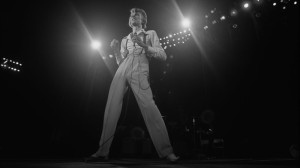
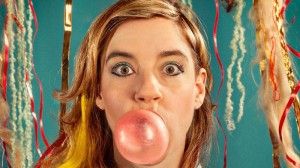
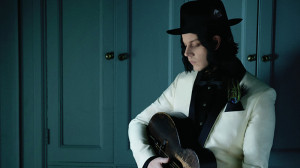
window.__IS_SSR__=true
window.__INITIAL_STATE__={
"attachmentsReducer": {
"audio_0": {
"type": "attachments",
"id": "audio_0",
"imgSizes": {
"kqedFullSize": {
"file": "https://ww2.kqed.org/news/wp-content/themes/KQED-unified/img/audio_bgs/background0.jpg"
}
}
},
"audio_1": {
"type": "attachments",
"id": "audio_1",
"imgSizes": {
"kqedFullSize": {
"file": "https://ww2.kqed.org/news/wp-content/themes/KQED-unified/img/audio_bgs/background1.jpg"
}
}
},
"audio_2": {
"type": "attachments",
"id": "audio_2",
"imgSizes": {
"kqedFullSize": {
"file": "https://ww2.kqed.org/news/wp-content/themes/KQED-unified/img/audio_bgs/background2.jpg"
}
}
},
"audio_3": {
"type": "attachments",
"id": "audio_3",
"imgSizes": {
"kqedFullSize": {
"file": "https://ww2.kqed.org/news/wp-content/themes/KQED-unified/img/audio_bgs/background3.jpg"
}
}
},
"audio_4": {
"type": "attachments",
"id": "audio_4",
"imgSizes": {
"kqedFullSize": {
"file": "https://ww2.kqed.org/news/wp-content/themes/KQED-unified/img/audio_bgs/background4.jpg"
}
}
},
"placeholder": {
"type": "attachments",
"id": "placeholder",
"imgSizes": {
"thumbnail": {
"file": "https://cdn.kqed.org/wp-content/uploads/2024/12/KQED-Default-Image-816638274-2000x1333-1-160x107.jpg",
"width": 160,
"height": 107,
"mimeType": "image/jpeg"
},
"medium": {
"file": "https://cdn.kqed.org/wp-content/uploads/2024/12/KQED-Default-Image-816638274-2000x1333-1-800x533.jpg",
"width": 800,
"height": 533,
"mimeType": "image/jpeg"
},
"medium_large": {
"file": "https://cdn.kqed.org/wp-content/uploads/2024/12/KQED-Default-Image-816638274-2000x1333-1-768x512.jpg",
"width": 768,
"height": 512,
"mimeType": "image/jpeg"
},
"large": {
"file": "https://cdn.kqed.org/wp-content/uploads/2024/12/KQED-Default-Image-816638274-2000x1333-1-1020x680.jpg",
"width": 1020,
"height": 680,
"mimeType": "image/jpeg"
},
"1536x1536": {
"file": "https://cdn.kqed.org/wp-content/uploads/2024/12/KQED-Default-Image-816638274-2000x1333-1-1536x1024.jpg",
"width": 1536,
"height": 1024,
"mimeType": "image/jpeg"
},
"fd-lrg": {
"file": "https://cdn.kqed.org/wp-content/uploads/2024/12/KQED-Default-Image-816638274-2000x1333-1-1536x1024.jpg",
"width": 1536,
"height": 1024,
"mimeType": "image/jpeg"
},
"fd-med": {
"file": "https://cdn.kqed.org/wp-content/uploads/2024/12/KQED-Default-Image-816638274-2000x1333-1-1020x680.jpg",
"width": 1020,
"height": 680,
"mimeType": "image/jpeg"
},
"fd-sm": {
"file": "https://cdn.kqed.org/wp-content/uploads/2024/12/KQED-Default-Image-816638274-2000x1333-1-800x533.jpg",
"width": 800,
"height": 533,
"mimeType": "image/jpeg"
},
"post-thumbnail": {
"file": "https://cdn.kqed.org/wp-content/uploads/2024/12/KQED-Default-Image-816638274-2000x1333-1-672x372.jpg",
"width": 672,
"height": 372,
"mimeType": "image/jpeg"
},
"twentyfourteen-full-width": {
"file": "https://cdn.kqed.org/wp-content/uploads/2024/12/KQED-Default-Image-816638274-2000x1333-1-1038x576.jpg",
"width": 1038,
"height": 576,
"mimeType": "image/jpeg"
},
"xxsmall": {
"file": "https://cdn.kqed.org/wp-content/uploads/2024/12/KQED-Default-Image-816638274-2000x1333-1-160x107.jpg",
"width": 160,
"height": 107,
"mimeType": "image/jpeg"
},
"xsmall": {
"file": "https://cdn.kqed.org/wp-content/uploads/2024/12/KQED-Default-Image-816638274-2000x1333-1-672x372.jpg",
"width": 672,
"height": 372,
"mimeType": "image/jpeg"
},
"small": {
"file": "https://cdn.kqed.org/wp-content/uploads/2024/12/KQED-Default-Image-816638274-2000x1333-1-672x372.jpg",
"width": 672,
"height": 372,
"mimeType": "image/jpeg"
},
"xlarge": {
"file": "https://cdn.kqed.org/wp-content/uploads/2024/12/KQED-Default-Image-816638274-2000x1333-1-1020x680.jpg",
"width": 1020,
"height": 680,
"mimeType": "image/jpeg"
},
"full-width": {
"file": "https://cdn.kqed.org/wp-content/uploads/2024/12/KQED-Default-Image-816638274-2000x1333-1-1920x1280.jpg",
"width": 1920,
"height": 1280,
"mimeType": "image/jpeg"
},
"guest-author-32": {
"file": "https://cdn.kqed.org/wp-content/uploads/2025/01/KQED-Default-Image-816638274-1333x1333-1-160x160.jpg",
"width": 32,
"height": 32,
"mimeType": "image/jpeg"
},
"guest-author-50": {
"file": "https://cdn.kqed.org/wp-content/uploads/2025/01/KQED-Default-Image-816638274-1333x1333-1-160x160.jpg",
"width": 50,
"height": 50,
"mimeType": "image/jpeg"
},
"guest-author-64": {
"file": "https://cdn.kqed.org/wp-content/uploads/2025/01/KQED-Default-Image-816638274-1333x1333-1-160x160.jpg",
"width": 64,
"height": 64,
"mimeType": "image/jpeg"
},
"guest-author-96": {
"file": "https://cdn.kqed.org/wp-content/uploads/2025/01/KQED-Default-Image-816638274-1333x1333-1-160x160.jpg",
"width": 96,
"height": 96,
"mimeType": "image/jpeg"
},
"guest-author-128": {
"file": "https://cdn.kqed.org/wp-content/uploads/2025/01/KQED-Default-Image-816638274-1333x1333-1-160x160.jpg",
"width": 128,
"height": 128,
"mimeType": "image/jpeg"
},
"detail": {
"file": "https://cdn.kqed.org/wp-content/uploads/2025/01/KQED-Default-Image-816638274-1333x1333-1-160x160.jpg",
"width": 160,
"height": 160,
"mimeType": "image/jpeg"
},
"kqedFullSize": {
"file": "https://cdn.kqed.org/wp-content/uploads/2024/12/KQED-Default-Image-816638274-2000x1333-1.jpg",
"width": 2000,
"height": 1333
}
}
},
"arts_10137769": {
"type": "attachments",
"id": "arts_10137769",
"meta": {
"index": "attachments_1716263798",
"site": "arts",
"id": "10137769",
"found": true
},
"parent": 10137764,
"imgSizes": {
"thumbnail": {
"file": "https://ww2.kqed.org/app/uploads/sites/2/2014/06/DAvidBowie1974-400x224.jpg",
"width": 400,
"mimeType": "image/jpeg",
"height": 224
},
"post-thumbnail": {
"file": "https://ww2.kqed.org/app/uploads/sites/2/2014/06/DAvidBowie1974-672x372.jpg",
"width": 672,
"mimeType": "image/jpeg",
"height": 372
},
"kqedFullSize": {
"file": "https://ww2.kqed.org/app/uploads/sites/2/2014/06/DAvidBowie1974.jpg",
"width": 800,
"height": 449
},
"guest-author-96": {
"file": "https://ww2.kqed.org/app/uploads/sites/2/2014/06/DAvidBowie1974-96x96.jpg",
"width": 96,
"mimeType": "image/jpeg",
"height": 96
},
"medium": {
"file": "https://ww2.kqed.org/app/uploads/sites/2/2014/06/DAvidBowie1974-300x168.jpg",
"width": 300,
"mimeType": "image/jpeg",
"height": 168
},
"guest-author-64": {
"file": "https://ww2.kqed.org/app/uploads/sites/2/2014/06/DAvidBowie1974-64x64.jpg",
"width": 64,
"mimeType": "image/jpeg",
"height": 64
},
"detail": {
"file": "https://ww2.kqed.org/app/uploads/sites/2/2014/06/DAvidBowie1974-75x75.jpg",
"width": 75,
"mimeType": "image/jpeg",
"height": 75
},
"guest-author-32": {
"file": "https://ww2.kqed.org/app/uploads/sites/2/2014/06/DAvidBowie1974-32x32.jpg",
"width": 32,
"mimeType": "image/jpeg",
"height": 32
},
"guest-author-128": {
"file": "https://ww2.kqed.org/app/uploads/sites/2/2014/06/DAvidBowie1974-128x128.jpg",
"width": 128,
"mimeType": "image/jpeg",
"height": 128
}
},
"publishDate": 1402942180,
"modified": 1402942180,
"caption": "David Bowie in September of 1974 onstage in Los Angeles.",
"description": "David Bowie in September of 1974 onstage in Los Angeles.",
"title": "DAvidBowie1974",
"credit": "Terry O'Neill/Getty Images",
"status": "inherit",
"isLoading": false,
"fetchFailed": false
},
"arts_10137749": {
"type": "attachments",
"id": "arts_10137749",
"meta": {
"index": "attachments_1716263798",
"site": "arts",
"id": "10137749",
"found": true
},
"parent": 10137748,
"imgSizes": {
"twentyfourteen-full-width": {
"file": "https://ww2.kqed.org/app/uploads/sites/2/2014/06/3201387_enl-42601325c326ca1f87fb107ebf3b6d6c271a6f9d-1038x576.jpg",
"width": 1038,
"mimeType": "image/jpeg",
"height": 576
},
"thumbnail": {
"file": "https://ww2.kqed.org/app/uploads/sites/2/2014/06/3201387_enl-42601325c326ca1f87fb107ebf3b6d6c271a6f9d-e1402867872672-400x192.jpg",
"width": 400,
"mimeType": "image/jpeg",
"height": 192
},
"post-thumbnail": {
"file": "https://ww2.kqed.org/app/uploads/sites/2/2014/06/3201387_enl-42601325c326ca1f87fb107ebf3b6d6c271a6f9d-e1402867872672-672x372.jpg",
"width": 672,
"mimeType": "image/jpeg",
"height": 372
},
"kqedFullSize": {
"file": "https://ww2.kqed.org/app/uploads/sites/2/2014/06/3201387_enl-42601325c326ca1f87fb107ebf3b6d6c271a6f9d-e1402867872672.jpg",
"width": 797,
"height": 383
},
"large": {
"file": "https://ww2.kqed.org/app/uploads/sites/2/2014/06/3201387_enl-42601325c326ca1f87fb107ebf3b6d6c271a6f9d-1180x1440.jpg",
"width": 1180,
"mimeType": "image/jpeg",
"height": 1440
},
"guest-author-96": {
"file": "https://ww2.kqed.org/app/uploads/sites/2/2014/06/3201387_enl-42601325c326ca1f87fb107ebf3b6d6c271a6f9d-e1402867872672-96x96.jpg",
"width": 96,
"mimeType": "image/jpeg",
"height": 96
},
"medium": {
"file": "https://ww2.kqed.org/app/uploads/sites/2/2014/06/3201387_enl-42601325c326ca1f87fb107ebf3b6d6c271a6f9d-e1402867872672-300x144.jpg",
"width": 300,
"mimeType": "image/jpeg",
"height": 144
},
"guest-author-64": {
"file": "https://ww2.kqed.org/app/uploads/sites/2/2014/06/3201387_enl-42601325c326ca1f87fb107ebf3b6d6c271a6f9d-e1402867872672-64x64.jpg",
"width": 64,
"mimeType": "image/jpeg",
"height": 64
},
"detail": {
"file": "https://ww2.kqed.org/app/uploads/sites/2/2014/06/3201387_enl-42601325c326ca1f87fb107ebf3b6d6c271a6f9d-e1402867872672-75x75.jpg",
"width": 75,
"mimeType": "image/jpeg",
"height": 75
},
"guest-author-32": {
"file": "https://ww2.kqed.org/app/uploads/sites/2/2014/06/3201387_enl-42601325c326ca1f87fb107ebf3b6d6c271a6f9d-e1402867872672-32x32.jpg",
"width": 32,
"mimeType": "image/jpeg",
"height": 32
},
"guest-author-128": {
"file": "https://ww2.kqed.org/app/uploads/sites/2/2014/06/3201387_enl-42601325c326ca1f87fb107ebf3b6d6c271a6f9d-e1402867872672-128x128.jpg",
"width": 128,
"mimeType": "image/jpeg",
"height": 128
}
},
"publishDate": 1402861175,
"modified": 1402861175,
"caption": "Casey Kasem, in 1975",
"description": "Casey Kasem, in 1975",
"title": "Casey Kasem, in 1975.",
"credit": null,
"status": "inherit",
"isLoading": false,
"fetchFailed": false
},
"arts_10137127": {
"type": "attachments",
"id": "arts_10137127",
"meta": {
"index": "attachments_1716263798",
"site": "arts",
"id": "10137127",
"found": true
},
"parent": 10137087,
"imgSizes": {
"thumbnail": {
"file": "https://ww2.kqed.org/app/uploads/sites/2/2014/06/tune-yards1-400x225.jpg",
"width": 400,
"mimeType": "image/jpeg",
"height": 225
},
"post-thumbnail": {
"file": "https://ww2.kqed.org/app/uploads/sites/2/2014/06/tune-yards1-672x372.jpg",
"width": 672,
"mimeType": "image/jpeg",
"height": 372
},
"kqedFullSize": {
"file": "https://ww2.kqed.org/app/uploads/sites/2/2014/06/tune-yards1.jpg",
"width": 800,
"height": 450
},
"guest-author-96": {
"file": "https://ww2.kqed.org/app/uploads/sites/2/2014/06/tune-yards1-96x96.jpg",
"width": 96,
"mimeType": "image/jpeg",
"height": 96
},
"medium": {
"file": "https://ww2.kqed.org/app/uploads/sites/2/2014/06/tune-yards1-300x168.jpg",
"width": 300,
"mimeType": "image/jpeg",
"height": 168
},
"guest-author-64": {
"file": "https://ww2.kqed.org/app/uploads/sites/2/2014/06/tune-yards1-64x64.jpg",
"width": 64,
"mimeType": "image/jpeg",
"height": 64
},
"detail": {
"file": "https://ww2.kqed.org/app/uploads/sites/2/2014/06/tune-yards1-75x75.jpg",
"width": 75,
"mimeType": "image/jpeg",
"height": 75
},
"guest-author-32": {
"file": "https://ww2.kqed.org/app/uploads/sites/2/2014/06/tune-yards1-32x32.jpg",
"width": 32,
"mimeType": "image/jpeg",
"height": 32
},
"guest-author-128": {
"file": "https://ww2.kqed.org/app/uploads/sites/2/2014/06/tune-yards1-128x128.jpg",
"width": 128,
"mimeType": "image/jpeg",
"height": 128
}
},
"publishDate": 1401841784,
"modified": 1401841784,
"caption": "tUnE-yArDs' Merrill Garbus",
"description": null,
"title": "tune-yards",
"credit": "Holly Andres/Courtesy of the artist",
"status": "inherit",
"isLoading": false,
"fetchFailed": false
},
"arts_10137730": {
"type": "attachments",
"id": "arts_10137730",
"meta": {
"index": "attachments_1716263798",
"site": "arts",
"id": "10137730",
"found": true
},
"parent": 10137729,
"imgSizes": {
"twentyfourteen-full-width": {
"file": "https://ww2.kqed.org/app/uploads/sites/2/2014/06/85511157-90af725f57b7dae336de57613154d091f1ae3c5c-e1402702943190-1038x576.jpg",
"width": 1038,
"mimeType": "image/jpeg",
"height": 576
},
"thumbnail": {
"file": "https://ww2.kqed.org/app/uploads/sites/2/2014/06/85511157-90af725f57b7dae336de57613154d091f1ae3c5c-e1402702943190-400x196.jpg",
"width": 400,
"mimeType": "image/jpeg",
"height": 196
},
"post-thumbnail": {
"file": "https://ww2.kqed.org/app/uploads/sites/2/2014/06/85511157-90af725f57b7dae336de57613154d091f1ae3c5c-e1402702943190-672x372.jpg",
"width": 672,
"mimeType": "image/jpeg",
"height": 372
},
"kqedFullSize": {
"file": "https://ww2.kqed.org/app/uploads/sites/2/2014/06/85511157-90af725f57b7dae336de57613154d091f1ae3c5c-e1402702960792.jpg",
"width": 800,
"height": 392
},
"large": {
"file": "https://ww2.kqed.org/app/uploads/sites/2/2014/06/85511157-90af725f57b7dae336de57613154d091f1ae3c5c-e1402702943190-1440x705.jpg",
"width": 1440,
"mimeType": "image/jpeg",
"height": 705
},
"guest-author-96": {
"file": "https://ww2.kqed.org/app/uploads/sites/2/2014/06/85511157-90af725f57b7dae336de57613154d091f1ae3c5c-e1402702943190-96x96.jpg",
"width": 96,
"mimeType": "image/jpeg",
"height": 96
},
"medium": {
"file": "https://ww2.kqed.org/app/uploads/sites/2/2014/06/85511157-90af725f57b7dae336de57613154d091f1ae3c5c-e1402702943190-300x147.jpg",
"width": 300,
"mimeType": "image/jpeg",
"height": 147
},
"guest-author-64": {
"file": "https://ww2.kqed.org/app/uploads/sites/2/2014/06/85511157-90af725f57b7dae336de57613154d091f1ae3c5c-e1402702943190-64x64.jpg",
"width": 64,
"mimeType": "image/jpeg",
"height": 64
},
"detail": {
"file": "https://ww2.kqed.org/app/uploads/sites/2/2014/06/85511157-90af725f57b7dae336de57613154d091f1ae3c5c-e1402702943190-75x75.jpg",
"width": 75,
"mimeType": "image/jpeg",
"height": 75
},
"guest-author-32": {
"file": "https://ww2.kqed.org/app/uploads/sites/2/2014/06/85511157-90af725f57b7dae336de57613154d091f1ae3c5c-e1402702943190-32x32.jpg",
"width": 32,
"mimeType": "image/jpeg",
"height": 32
},
"guest-author-128": {
"file": "https://ww2.kqed.org/app/uploads/sites/2/2014/06/85511157-90af725f57b7dae336de57613154d091f1ae3c5c-e1402702943190-128x128.jpg",
"width": 128,
"mimeType": "image/jpeg",
"height": 128
}
},
"publishDate": 1402702162,
"modified": 1402702162,
"caption": "Jimmy Scott performs at the New Orleans Jazz",
"description": "Jimmy Scott performs at the New Orleans Jazz",
"title": "Jimmy Scott performs at the New Orleans Jazz & Heritage Festival in 2001.",
"credit": "Leon Morris/Redferns",
"status": "inherit",
"isLoading": false,
"fetchFailed": false
},
"arts_10137604": {
"type": "attachments",
"id": "arts_10137604",
"meta": {
"index": "attachments_1716263798",
"site": "arts",
"id": "10137604",
"found": true
},
"parent": 10137603,
"imgSizes": {
"thumbnail": {
"file": "https://ww2.kqed.org/app/uploads/sites/2/2014/06/10137603-thumb-400x225.jpg",
"width": 400,
"mimeType": "image/jpeg",
"height": 225
},
"kqedFullSize": {
"file": "https://ww2.kqed.org/app/uploads/sites/2/2014/06/10137603-thumb.jpg",
"width": 640,
"height": 360
},
"guest-author-96": {
"file": "https://ww2.kqed.org/app/uploads/sites/2/2014/06/10137603-thumb-96x96.jpg",
"width": 96,
"mimeType": "image/jpeg",
"height": 96
},
"medium": {
"file": "https://ww2.kqed.org/app/uploads/sites/2/2014/06/10137603-thumb-300x168.jpg",
"width": 300,
"mimeType": "image/jpeg",
"height": 168
},
"guest-author-64": {
"file": "https://ww2.kqed.org/app/uploads/sites/2/2014/06/10137603-thumb-64x64.jpg",
"width": 64,
"mimeType": "image/jpeg",
"height": 64
},
"detail": {
"file": "https://ww2.kqed.org/app/uploads/sites/2/2014/06/10137603-thumb-75x75.jpg",
"width": 75,
"mimeType": "image/jpeg",
"height": 75
},
"guest-author-32": {
"file": "https://ww2.kqed.org/app/uploads/sites/2/2014/06/10137603-thumb-32x32.jpg",
"width": 32,
"mimeType": "image/jpeg",
"height": 32
},
"guest-author-128": {
"file": "https://ww2.kqed.org/app/uploads/sites/2/2014/06/10137603-thumb-128x128.jpg",
"width": 128,
"mimeType": "image/jpeg",
"height": 128
}
},
"publishDate": 1402603031,
"modified": 1402603031,
"caption": null,
"description": null,
"title": "Thumbnail for 10137603",
"credit": null,
"status": "inherit",
"isLoading": false,
"fetchFailed": false
},
"arts_10137493": {
"type": "attachments",
"id": "arts_10137493",
"meta": {
"index": "attachments_1716263798",
"site": "arts",
"id": "10137493",
"found": true
},
"parent": 10137487,
"imgSizes": {
"thumbnail": {
"file": "https://ww2.kqed.org/app/uploads/sites/2/2014/06/JAck-White-400x225.jpg",
"width": 400,
"mimeType": "image/jpeg",
"height": 225
},
"post-thumbnail": {
"file": "https://ww2.kqed.org/app/uploads/sites/2/2014/06/JAck-White-672x372.jpg",
"width": 672,
"mimeType": "image/jpeg",
"height": 372
},
"kqedFullSize": {
"file": "https://ww2.kqed.org/app/uploads/sites/2/2014/06/JAck-White.jpg",
"width": 800,
"height": 450
},
"guest-author-96": {
"file": "https://ww2.kqed.org/app/uploads/sites/2/2014/06/JAck-White-96x96.jpg",
"width": 96,
"mimeType": "image/jpeg",
"height": 96
},
"medium": {
"file": "https://ww2.kqed.org/app/uploads/sites/2/2014/06/JAck-White-300x168.jpg",
"width": 300,
"mimeType": "image/jpeg",
"height": 168
},
"guest-author-64": {
"file": "https://ww2.kqed.org/app/uploads/sites/2/2014/06/JAck-White-64x64.jpg",
"width": 64,
"mimeType": "image/jpeg",
"height": 64
},
"detail": {
"file": "https://ww2.kqed.org/app/uploads/sites/2/2014/06/JAck-White-75x75.jpg",
"width": 75,
"mimeType": "image/jpeg",
"height": 75
},
"guest-author-32": {
"file": "https://ww2.kqed.org/app/uploads/sites/2/2014/06/JAck-White-32x32.jpg",
"width": 32,
"mimeType": "image/jpeg",
"height": 32
},
"guest-author-128": {
"file": "https://ww2.kqed.org/app/uploads/sites/2/2014/06/JAck-White-128x128.jpg",
"width": 128,
"mimeType": "image/jpeg",
"height": 128
}
},
"publishDate": 1402356176,
"modified": 1402356176,
"caption": "Jack White",
"description": "Jack White",
"title": "Jack White",
"credit": "Mary Ellen Matthews/Courtesy of the artist",
"status": "inherit",
"isLoading": false,
"fetchFailed": false
},
"arts_10137508": {
"type": "attachments",
"id": "arts_10137508",
"meta": {
"index": "attachments_1716263798",
"site": "arts",
"id": "10137508",
"found": true
},
"parent": 10137507,
"imgSizes": {
"thumbnail": {
"file": "https://ww2.kqed.org/app/uploads/sites/2/2014/06/10137507-thumb-400x225.jpg",
"width": 400,
"mimeType": "image/jpeg",
"height": 225
},
"kqedFullSize": {
"file": "https://ww2.kqed.org/app/uploads/sites/2/2014/06/10137507-thumb.jpg",
"width": 640,
"height": 360
},
"guest-author-96": {
"file": "https://ww2.kqed.org/app/uploads/sites/2/2014/06/10137507-thumb-96x96.jpg",
"width": 96,
"mimeType": "image/jpeg",
"height": 96
},
"medium": {
"file": "https://ww2.kqed.org/app/uploads/sites/2/2014/06/10137507-thumb-300x168.jpg",
"width": 300,
"mimeType": "image/jpeg",
"height": 168
},
"guest-author-64": {
"file": "https://ww2.kqed.org/app/uploads/sites/2/2014/06/10137507-thumb-64x64.jpg",
"width": 64,
"mimeType": "image/jpeg",
"height": 64
},
"detail": {
"file": "https://ww2.kqed.org/app/uploads/sites/2/2014/06/10137507-thumb-75x75.jpg",
"width": 75,
"mimeType": "image/jpeg",
"height": 75
},
"guest-author-32": {
"file": "https://ww2.kqed.org/app/uploads/sites/2/2014/06/10137507-thumb-32x32.jpg",
"width": 32,
"mimeType": "image/jpeg",
"height": 32
},
"guest-author-128": {
"file": "https://ww2.kqed.org/app/uploads/sites/2/2014/06/10137507-thumb-128x128.jpg",
"width": 128,
"mimeType": "image/jpeg",
"height": 128
}
},
"publishDate": 1402434414,
"modified": 1402434414,
"caption": null,
"description": null,
"title": "Thumbnail for 10137507",
"credit": null,
"status": "inherit",
"isLoading": false,
"fetchFailed": false
},
"arts_10137486": {
"type": "attachments",
"id": "arts_10137486",
"meta": {
"index": "attachments_1716263798",
"site": "arts",
"id": "10137486",
"found": true
},
"parent": 10137470,
"imgSizes": {
"twentyfourteen-full-width": {
"file": "https://ww2.kqed.org/app/uploads/sites/2/2014/06/summer-guide-image-cropped-1038x576.jpg",
"width": 1038,
"mimeType": "image/jpeg",
"height": 576
},
"thumbnail": {
"file": "https://ww2.kqed.org/app/uploads/sites/2/2014/06/summer-guide-image-cropped-400x258.jpg",
"width": 400,
"mimeType": "image/jpeg",
"height": 258
},
"post-thumbnail": {
"file": "https://ww2.kqed.org/app/uploads/sites/2/2014/06/summer-guide-image-cropped-672x372.jpg",
"width": 672,
"mimeType": "image/jpeg",
"height": 372
},
"kqedFullSize": {
"file": "https://ww2.kqed.org/app/uploads/sites/2/2014/06/summer-guide-image-cropped.jpg",
"width": 1200,
"height": 775
},
"guest-author-96": {
"file": "https://ww2.kqed.org/app/uploads/sites/2/2014/06/summer-guide-image-cropped-96x96.jpg",
"width": 96,
"mimeType": "image/jpeg",
"height": 96
},
"medium": {
"file": "https://ww2.kqed.org/app/uploads/sites/2/2014/06/summer-guide-image-cropped-300x193.jpg",
"width": 300,
"mimeType": "image/jpeg",
"height": 193
},
"guest-author-64": {
"file": "https://ww2.kqed.org/app/uploads/sites/2/2014/06/summer-guide-image-cropped-64x64.jpg",
"width": 64,
"mimeType": "image/jpeg",
"height": 64
},
"detail": {
"file": "https://ww2.kqed.org/app/uploads/sites/2/2014/06/summer-guide-image-cropped-75x75.jpg",
"width": 75,
"mimeType": "image/jpeg",
"height": 75
},
"guest-author-32": {
"file": "https://ww2.kqed.org/app/uploads/sites/2/2014/06/summer-guide-image-cropped-32x32.jpg",
"width": 32,
"mimeType": "image/jpeg",
"height": 32
},
"guest-author-128": {
"file": "https://ww2.kqed.org/app/uploads/sites/2/2014/06/summer-guide-image-cropped-128x128.jpg",
"width": 128,
"mimeType": "image/jpeg",
"height": 128
}
},
"publishDate": 1402350964,
"modified": 1402350964,
"caption": null,
"description": null,
"title": "summer-guide-image-cropped",
"credit": null,
"status": "inherit",
"isLoading": false,
"fetchFailed": false
},
"arts_10137418": {
"type": "attachments",
"id": "arts_10137418",
"meta": {
"index": "attachments_1716263798",
"site": "arts",
"id": "10137418",
"found": true
},
"parent": 10137062,
"imgSizes": {
"twentyfourteen-full-width": {
"file": "https://ww2.kqed.org/app/uploads/sites/2/2014/06/the-antlers-800x576.jpg",
"width": 800,
"mimeType": "image/jpeg",
"height": 576
},
"thumbnail": {
"file": "https://ww2.kqed.org/app/uploads/sites/2/2014/06/the-antlers-400x400.jpg",
"width": 400,
"mimeType": "image/jpeg",
"height": 400
},
"post-thumbnail": {
"file": "https://ww2.kqed.org/app/uploads/sites/2/2014/06/the-antlers-672x372.jpg",
"width": 672,
"mimeType": "image/jpeg",
"height": 372
},
"kqedFullSize": {
"file": "https://ww2.kqed.org/app/uploads/sites/2/2014/06/the-antlers.jpg",
"width": 800,
"height": 800
},
"guest-author-96": {
"file": "https://ww2.kqed.org/app/uploads/sites/2/2014/06/the-antlers-96x96.jpg",
"width": 96,
"mimeType": "image/jpeg",
"height": 96
},
"medium": {
"file": "https://ww2.kqed.org/app/uploads/sites/2/2014/06/the-antlers-300x300.jpg",
"width": 300,
"mimeType": "image/jpeg",
"height": 300
},
"guest-author-64": {
"file": "https://ww2.kqed.org/app/uploads/sites/2/2014/06/the-antlers-64x64.jpg",
"width": 64,
"mimeType": "image/jpeg",
"height": 64
},
"detail": {
"file": "https://ww2.kqed.org/app/uploads/sites/2/2014/06/the-antlers-75x75.jpg",
"width": 75,
"mimeType": "image/jpeg",
"height": 75
},
"guest-author-32": {
"file": "https://ww2.kqed.org/app/uploads/sites/2/2014/06/the-antlers-32x32.jpg",
"width": 32,
"mimeType": "image/jpeg",
"height": 32
},
"guest-author-128": {
"file": "https://ww2.kqed.org/app/uploads/sites/2/2014/06/the-antlers-128x128.jpg",
"width": 128,
"mimeType": "image/jpeg",
"height": 128
}
},
"publishDate": 1402083284,
"modified": 1402083284,
"caption": "The Antlers \u003ci>Familiars\u003c/i>",
"description": null,
"title": "the-antlers",
"credit": null,
"status": "inherit",
"isLoading": false,
"fetchFailed": false
},
"arts_10137219": {
"type": "attachments",
"id": "arts_10137219",
"meta": {
"index": "attachments_1716263798",
"site": "arts",
"id": "10137219",
"found": true
},
"parent": 10137215,
"imgSizes": {
"thumbnail": {
"file": "https://ww2.kqed.org/app/uploads/sites/2/2014/06/bobmould-400x225.jpg",
"width": 400,
"mimeType": "image/jpeg",
"height": 225
},
"post-thumbnail": {
"file": "https://ww2.kqed.org/app/uploads/sites/2/2014/06/bobmould-672x372.jpg",
"width": 672,
"mimeType": "image/jpeg",
"height": 372
},
"kqedFullSize": {
"file": "https://ww2.kqed.org/app/uploads/sites/2/2014/06/bobmould.jpg",
"width": 800,
"height": 450
},
"guest-author-96": {
"file": "https://ww2.kqed.org/app/uploads/sites/2/2014/06/bobmould-96x96.jpg",
"width": 96,
"mimeType": "image/jpeg",
"height": 96
},
"medium": {
"file": "https://ww2.kqed.org/app/uploads/sites/2/2014/06/bobmould-300x168.jpg",
"width": 300,
"mimeType": "image/jpeg",
"height": 168
},
"guest-author-64": {
"file": "https://ww2.kqed.org/app/uploads/sites/2/2014/06/bobmould-64x64.jpg",
"width": 64,
"mimeType": "image/jpeg",
"height": 64
},
"detail": {
"file": "https://ww2.kqed.org/app/uploads/sites/2/2014/06/bobmould-75x75.jpg",
"width": 75,
"mimeType": "image/jpeg",
"height": 75
},
"guest-author-32": {
"file": "https://ww2.kqed.org/app/uploads/sites/2/2014/06/bobmould-32x32.jpg",
"width": 32,
"mimeType": "image/jpeg",
"height": 32
},
"guest-author-128": {
"file": "https://ww2.kqed.org/app/uploads/sites/2/2014/06/bobmould-128x128.jpg",
"width": 128,
"mimeType": "image/jpeg",
"height": 128
}
},
"publishDate": 1401916034,
"modified": 1401916034,
"caption": "Bob Mould's latest album is \u003ci>Beauty & Ruin.\u003c/i>",
"description": "Bob Mould's latest album is \u003ci>Beauty & Ruin.\u003c/i>",
"title": "bobmould",
"credit": "Jay Blakesberg/Courtesy of the artist",
"status": "inherit",
"isLoading": false,
"fetchFailed": false
},
"arts_10137231": {
"type": "attachments",
"id": "arts_10137231",
"meta": {
"index": "attachments_1716263798",
"site": "arts",
"id": "10137231",
"found": true
},
"parent": 10137225,
"imgSizes": {
"thumbnail": {
"file": "https://ww2.kqed.org/app/uploads/sites/2/2014/06/return-of-the-mothership-400x256.jpg",
"width": 400,
"mimeType": "image/jpeg",
"height": 256
},
"post-thumbnail": {
"file": "https://ww2.kqed.org/app/uploads/sites/2/2014/06/return-of-the-mothership-672x372.jpg",
"width": 672,
"mimeType": "image/jpeg",
"height": 372
},
"kqedFullSize": {
"file": "https://ww2.kqed.org/app/uploads/sites/2/2014/06/return-of-the-mothership.jpg",
"width": 806,
"height": 517
},
"guest-author-96": {
"file": "https://ww2.kqed.org/app/uploads/sites/2/2014/06/return-of-the-mothership-96x96.jpg",
"width": 96,
"mimeType": "image/jpeg",
"height": 96
},
"medium": {
"file": "https://ww2.kqed.org/app/uploads/sites/2/2014/06/return-of-the-mothership-300x192.jpg",
"width": 300,
"mimeType": "image/jpeg",
"height": 192
},
"guest-author-64": {
"file": "https://ww2.kqed.org/app/uploads/sites/2/2014/06/return-of-the-mothership-64x64.jpg",
"width": 64,
"mimeType": "image/jpeg",
"height": 64
},
"detail": {
"file": "https://ww2.kqed.org/app/uploads/sites/2/2014/06/return-of-the-mothership-75x75.jpg",
"width": 75,
"mimeType": "image/jpeg",
"height": 75
},
"guest-author-32": {
"file": "https://ww2.kqed.org/app/uploads/sites/2/2014/06/return-of-the-mothership-32x32.jpg",
"width": 32,
"mimeType": "image/jpeg",
"height": 32
},
"guest-author-128": {
"file": "https://ww2.kqed.org/app/uploads/sites/2/2014/06/return-of-the-mothership-128x128.jpg",
"width": 128,
"mimeType": "image/jpeg",
"height": 128
}
},
"publishDate": 1401917283,
"modified": 1401917283,
"caption": "The Mothership awaits its display at the National Museum of African American History and Culture in Washington, D.C.",
"description": "The Mothership awaits its display at the National Museum of African American History and Culture in Washington, D.C.",
"title": "return-of-the-mothership",
"credit": "Skip Coblyn",
"status": "inherit",
"isLoading": false,
"fetchFailed": false
},
"arts_10137118": {
"type": "attachments",
"id": "arts_10137118",
"meta": {
"index": "attachments_1716263798",
"site": "arts",
"id": "10137118",
"found": true
},
"title": "Carter11",
"publishDate": 1401834623,
"status": "inherit",
"parent": 10137113,
"modified": 1755810587,
"caption": "Ron Carter.",
"credit": "Fortuna Sung",
"altTag": null,
"description": null,
"imgSizes": {
"thumbnail": {
"file": "https://cdn.kqed.org/wp-content/uploads/sites/2/2014/06/Carter11-400x225.jpg",
"width": 400,
"height": 225,
"mimeType": "image/jpeg"
},
"medium": {
"file": "https://cdn.kqed.org/wp-content/uploads/sites/2/2014/06/Carter11-300x168.jpg",
"width": 300,
"height": 168,
"mimeType": "image/jpeg"
},
"post-thumbnail": {
"file": "https://cdn.kqed.org/wp-content/uploads/sites/2/2014/06/Carter11-672x372.jpg",
"width": 672,
"height": 372,
"mimeType": "image/jpeg"
},
"guest-author-32": {
"file": "https://cdn.kqed.org/wp-content/uploads/sites/2/2014/06/Carter11-32x32.jpg",
"width": 32,
"height": 32,
"mimeType": "image/jpeg"
},
"guest-author-64": {
"file": "https://cdn.kqed.org/wp-content/uploads/sites/2/2014/06/Carter11-64x64.jpg",
"width": 64,
"height": 64,
"mimeType": "image/jpeg"
},
"guest-author-96": {
"file": "https://cdn.kqed.org/wp-content/uploads/sites/2/2014/06/Carter11-96x96.jpg",
"width": 96,
"height": 96,
"mimeType": "image/jpeg"
},
"guest-author-128": {
"file": "https://cdn.kqed.org/wp-content/uploads/sites/2/2014/06/Carter11-128x128.jpg",
"width": 128,
"height": 128,
"mimeType": "image/jpeg"
},
"detail": {
"file": "https://cdn.kqed.org/wp-content/uploads/sites/2/2014/06/Carter11-75x75.jpg",
"width": 75,
"height": 75,
"mimeType": "image/jpeg"
},
"kqedFullSize": {
"file": "https://cdn.kqed.org/wp-content/uploads/sites/2/2014/06/Carter11.jpg",
"width": 800,
"height": 450
}
},
"isLoading": false,
"fetchFailed": false
}
},
"audioPlayerReducer": {
"postId": "stream_live",
"isPaused": true,
"isPlaying": false,
"pfsActive": false,
"pledgeModalIsOpen": true,
"playerDrawerIsOpen": false,
"liveAudioPlayStartedAt": 0,
"liveAudioPlayContext": ""
},
"authorsReducer": {
"byline_arts_10137764": {
"type": "authors",
"id": "byline_arts_10137764",
"meta": {
"override": true
},
"slug": "byline_arts_10137764",
"name": "Jem Aswad",
"isLoading": false
},
"byline_arts_10137748": {
"type": "authors",
"id": "byline_arts_10137748",
"meta": {
"override": true
},
"slug": "byline_arts_10137748",
"name": "Bilal Qureshi",
"isLoading": false
},
"byline_arts_10137729": {
"type": "authors",
"id": "byline_arts_10137729",
"meta": {
"override": true
},
"slug": "byline_arts_10137729",
"name": "Felix Contreras",
"isLoading": false
},
"byline_arts_10137215": {
"type": "authors",
"id": "byline_arts_10137215",
"meta": {
"override": true
},
"slug": "byline_arts_10137215",
"name": "NPR Staff",
"isLoading": false
},
"byline_arts_10137225": {
"type": "authors",
"id": "byline_arts_10137225",
"meta": {
"override": true
},
"slug": "byline_arts_10137225",
"name": "Allison Keyes",
"isLoading": false
},
"kqedarts": {
"type": "authors",
"id": "92",
"meta": {
"index": "authors_1716337520",
"id": "92",
"found": true
},
"name": "KQED Arts",
"firstName": "KQED",
"lastName": "Arts",
"slug": "kqedarts",
"email": "arts@kqed.org",
"display_author_email": false,
"staff_mastheads": [],
"title": "KQED Staff",
"bio": null,
"avatar": "https://secure.gravatar.com/avatar/321c9ebfeb7736f9e55366a6d3399ab0?s=600&d=blank&r=g",
"twitter": null,
"facebook": null,
"instagram": "https://www.instagram.com/kqed_arts/",
"linkedin": null,
"sites": [
{
"site": "arts",
"roles": [
"contributor"
]
},
{
"site": "pop",
"roles": [
"contributor"
]
},
{
"site": "science",
"roles": [
"author"
]
},
{
"site": "food",
"roles": [
"contributor"
]
}
],
"headData": {
"title": "KQED Arts | KQED",
"description": "KQED Staff",
"ogImgSrc": "https://secure.gravatar.com/avatar/321c9ebfeb7736f9e55366a6d3399ab0?s=600&d=blank&r=g",
"twImgSrc": "https://secure.gravatar.com/avatar/321c9ebfeb7736f9e55366a6d3399ab0?s=600&d=blank&r=g"
},
"isLoading": false,
"link": "/author/kqedarts"
},
"noisepop": {
"type": "authors",
"id": "177",
"meta": {
"index": "authors_1716337520",
"id": "177",
"found": true
},
"name": "Noise Pop",
"firstName": "Noise",
"lastName": "Pop",
"slug": "noisepop",
"email": "dawson@noisepop.com",
"display_author_email": false,
"staff_mastheads": [],
"title": null,
"bio": "The Noise Pop Podcast is a bi-monthly series that showcases the most noteworthy and soon-to-be-buzzing music. Hosts, Olivia LaRoche and Dawson Ludwig provide witty and interesting context behind the songs played on the podcast.",
"avatar": "https://secure.gravatar.com/avatar/5f453b166405b70819c53d7e1ef223bc?s=600&d=blank&r=g",
"twitter": null,
"facebook": null,
"instagram": null,
"linkedin": null,
"sites": [
{
"site": "arts",
"roles": [
"contributor"
]
}
],
"headData": {
"title": "Noise Pop | KQED",
"description": null,
"ogImgSrc": "https://secure.gravatar.com/avatar/5f453b166405b70819c53d7e1ef223bc?s=600&d=blank&r=g",
"twImgSrc": "https://secure.gravatar.com/avatar/5f453b166405b70819c53d7e1ef223bc?s=600&d=blank&r=g"
},
"isLoading": false,
"link": "/author/noisepop"
},
"gmeline": {
"type": "authors",
"id": "185",
"meta": {
"index": "authors_1716337520",
"id": "185",
"found": true
},
"name": "Gabe Meline",
"firstName": "Gabe",
"lastName": "Meline",
"slug": "gmeline",
"email": "gmeline@kqed.org",
"display_author_email": true,
"staff_mastheads": [
"arts"
],
"title": "Senior Editor, KQED Arts & Culture",
"bio": "Gabe Meline entered journalism at age 15 making photocopied zines, and has since earned awards from the Edward R. Murrow Awards, the Society for Professional Journalists, the Online Journalism Awards, the Association of Alternative Newsweeklies and the California Newspaper Publishers Association. Prior to KQED, he was the editor of the \u003cem>North Bay Bohemian\u003c/em> and a touring musician. He lives with his wife and daughter in his hometown of Santa Rosa, CA.",
"avatar": "https://secure.gravatar.com/avatar/5bebe57be0d8bc2dd318934feb47299e2d2d10cba28d09d8d7afb389a2ce2bdd?s=600&d=blank&r=g",
"twitter": null,
"bluesky": null,
"facebook": null,
"instagram": null,
"linkedin": null,
"sites": [
{
"site": "",
"roles": [
"editor"
]
},
{
"site": "arts",
"roles": [
"administrator"
]
},
{
"site": "artschool",
"roles": [
"editor"
]
},
{
"site": "news",
"roles": [
"author"
]
},
{
"site": "pop",
"roles": [
"editor"
]
},
{
"site": "bayareabites",
"roles": [
"editor"
]
},
{
"site": "food",
"roles": [
"editor"
]
},
{
"site": "forum",
"roles": [
"administrator"
]
},
{
"site": "liveblog",
"roles": [
"editor"
]
},
{
"site": "hiphop",
"roles": [
"editor"
]
}
],
"headData": {
"title": "Gabe Meline | KQED",
"description": "Senior Editor, KQED Arts & Culture",
"ogImgSrc": "https://secure.gravatar.com/avatar/5bebe57be0d8bc2dd318934feb47299e2d2d10cba28d09d8d7afb389a2ce2bdd?s=600&d=blank&r=g",
"twImgSrc": "https://secure.gravatar.com/avatar/5bebe57be0d8bc2dd318934feb47299e2d2d10cba28d09d8d7afb389a2ce2bdd?s=600&d=blank&r=g"
},
"isLoading": false,
"link": "/author/gmeline"
}
},
"pagesReducer": {
"arts_category_music": {
"type": "terms",
"id": "arts_69",
"meta": {
"index": "terms_1716263798",
"site": "arts",
"id": "69",
"score": 10.850889
},
"featImg": null,
"name": "Music",
"description": null,
"taxonomy": "category",
"headData": {
"twImgId": null,
"twTitle": null,
"ogTitle": null,
"ogImgId": null,
"twDescription": null,
"description": null,
"title": "Music Archives | KQED Arts",
"ogDescription": null
},
"ttid": 70,
"slug": "music",
"isLoading": false,
"title": "Music",
"pageMeta": {
"site": "arts",
"WpPageTemplate": "page-topic-editorial",
"currentPage": 361
},
"blocks": [
{
"blockName": "kqed/post-list",
"attrs": {
"layout": "cardArticle2",
"query": "posts/arts?category=music",
"seeMore": false,
"paginated": true,
"page": 361
}
},
{
"blockName": "kqed/ad"
}
]
}
},
"pfsSessionReducer": {},
"postsReducer": {
"stream_live": {
"type": "live",
"id": "stream_live",
"audioUrl": "https://streams.kqed.org/kqedradio",
"title": "Live Stream",
"excerpt": "Live Stream information currently unavailable.",
"link": "/radio",
"featImg": "",
"label": {
"name": "KQED Live",
"link": "/"
}
},
"stream_kqedNewscast": {
"type": "posts",
"id": "stream_kqedNewscast",
"audioUrl": "https://www.kqed.org/.stream/anon/radio/RDnews/newscast.mp3?_=1",
"title": "KQED Newscast",
"featImg": "",
"label": {
"name": "88.5 FM",
"link": "/"
}
},
"arts_10137764": {
"type": "posts",
"id": "arts_10137764",
"meta": {
"index": "posts_1716263798",
"site": "arts",
"id": "10137764",
"score": null,
"sort": [
1402942776000
]
},
"parent": 0,
"labelTerm": {
"site": "arts",
"term": 137
},
"blocks": [],
"publishDate": 1402942776,
"format": "standard",
"title": "Who can I be now? How David Bowie Spent 1974",
"headTitle": "Who can I be now? How David Bowie Spent 1974 | KQED",
"content": "\u003cp>To say that 1974 was a year of change and challenge for David Bowie and his fans is an understatement as extreme as the lurid outfits he’d worn as his just-abandoned alter ego, Ziggy Stardust. The incubator for the evolution was Bowie’s U.S. tour that year, which began in Montreal on June 14 — 40 years ago this weekend.\u003c/p>\n\u003cp>In July of 1973, at the peak of his success, Bowie unexpectedly retired Ziggy — the character and vehicle he’d ridden to fame after nearly a decade of trying. In the months that followed, he abandoned his band, his home and the city (London) and country that spawned him. By the spring of 1974, he’d ditched the zipper haircut, platform heels and vivid glam fashions that he, more than anyone, had brought to the mainstream. And by the end of that year he’d basically abandoned rock ‘n’ roll altogether.\u003c/p>\n\u003cp>While the Beatles had acclimated the even-then largely complacent rock audience to changes of sound and vision, at the fateful age of 27, Bowie — fueled by exploding creativity, success and not least the white powder to which he’d become addicted — would try the patience of even his most dedicated fans, producing music that wasn’t dauntingly strange and experimental (that would come later), but instead \u003cem>too\u003c/em> normal and everyday for many of his fans: the R&B that saturated FM radio at the time. That style might have seemed exotic to a Brit, but it was the exact sound that most American rock fans were trying to escape.\u003c/p>\n\u003cp>That the two studio albums associated with the tour — \u003cem>Diamond Dogs\u003c/em>, released in March of ’74 was already a departure, being musically more subtle than its comparatively garish predecessor, \u003cem>Aladdin Sane\u003c/em>\u003cem>, \u003c/em>and \u003cem>Young Americans\u003c/em>, put out a year later and featuring Bowie’s first U.S. No. 1 single, “Fame” — made him into a star in America is perhaps the strangest twist of all.\u003c/p>\n\u003cp>The 73-date tour also underwent a stylistic change every bit as tectonic as the one Bowie’s music was undergoing. At its outset, the \u003cem>Diamond Dogs\u003c/em> tour was by far the most extravagant and expensive rock outing ever mounted: designed by Broadway veterans Jules Fisher and Mark Ravitz and choreographed by Toni Basil, it featured a towering set depicting the post-apocalyptic city in which the loosely conceptual album was based. It included a catwalk that lowered from the rafters to stage level and a cherry-picker that lofted Bowie 40 feet above the first dozen rows of the audience (and occasionally failed to bring him back). But after 10 weeks of shows, due to expense or boredom, he abandoned the set and the setlist, going for a more stripped-down presentation and an overhauled R&B sound.\u003c/p>\n\u003cp>[ad fullwidth]\u003c/p>\n\u003cp>“I sunk myself back into the music that I considered the bedrock of all popular music: R&B and soul,” Bowie recalled to writer David Buckley years later. “I guess from the outside it seemed to be a pretty drastic move. I think I probably lost as many fans as I gained new ones.”\u003c/p>\n\u003cp>It’s one of the most drastic image/sound changes in the modern era, and it was just the beginning of the transformations Bowie would make over the next several years. Over the course of the tour, Bowie would drive himself, his band and his audience to the brink: himself to the edge of exhaustion via the physical challenges of the show, overwork and drug abuse; his band to the brink of its musical abilities, energy and salary requirements; his audience to the brink of its patience.\u003c/p>\n\u003cp>“I went to the \u003cem>Diamond Dogs\u003c/em> show [in June] expecting something like Ziggy Stardust,” said fan John Neilson, who caught both incarnations of the tour in Detroit. “And then in October I expected to see something like \u003cem>Diamond Dogs,\u003c/em> and it was the soul revue. It might as well have been a completely different artist.”\u003c/p>\n\u003chr>\n\u003cp>The basis for the tour and its initial extravagant set lay in \u003cem>Diamond Dogs\u003c/em>‘ post-apocalyptic world of street urchins and nefarious characters, like Halloween Jack; the album was the end result of an unsuccessful attempt to create a rock musical from George Orwell’s \u003cem>1984\u003c/em>, which had been blocked by Orwell’s widow. While the album — and its classic lead single, “Rebel Rebel,” which was finishing a Top 5 run in the U.K. at the time Bowie arrived in New York on April 11 — retained elements of the aborted musical, like \u003cem>Ziggy Stardust\u003c/em>, it’s a loose concept album not bound to a straight storyline; the songs act as signposts around which listeners can create their own narrative.\u003c/p>\n\u003cfigure id=\"attachment_10137767\" class=\"wp-caption alignright\" style=\"max-width: 400px\">\u003ca href=\"http://ww2.kqed.org/arts/wp-content/uploads/sites/2/2014/06/482119303_master_vert-69d403a3c9185e94733faff07a6c88c8e8cbd2a4.jpg\">\u003cimg loading=\"lazy\" decoding=\"async\" class=\"wp-image-10137767 size-thumbnail\" src=\"http://ww2.kqed.org/arts/wp-content/uploads/sites/2/2014/06/482119303_master_vert-69d403a3c9185e94733faff07a6c88c8e8cbd2a4-400x533.jpg\" alt=\"David Bowie in February 1974 in the Netherlands.\" width=\"400\" height=\"533\" srcset=\"https://cdn.kqed.org/wp-content/uploads/sites/2/2014/06/482119303_master_vert-69d403a3c9185e94733faff07a6c88c8e8cbd2a4-400x533.jpg 400w, https://cdn.kqed.org/wp-content/uploads/sites/2/2014/06/482119303_master_vert-69d403a3c9185e94733faff07a6c88c8e8cbd2a4-1079x1440.jpg 1079w\" sizes=\"(max-width: 400px) 100vw, 400px\">\u003c/a>\u003cfigcaption class=\"wp-caption-text\">David Bowie in February 1974 in the Netherlands. \u003ccite>(Gijsbert Hanekroot/Redferns)\u003c/cite>\u003c/figcaption>\u003c/figure>\n\u003cp>“I had in my mind this kind of half \u003cem>Wild Boys/1984\u003c/em> world, and there were these ragamuffins, but they were a bit more violent than ragamuffins,” Bowie told Buckley. “They’d taken over this barren city, this city that was falling apart. … I had the Diamond Dogs living in the streets. They were all little Johnny Rottens and Sid Viciouses, really.”\u003c/p>\n\u003cp>That storyline carried over to the show. Framed by towering skyscrapers, Bowie moved from one elaborate scenario to another: He performed “Sweet Thing” from the catwalk as it gradually lowered to the stage floor; was projected over the audience via the cherry-picker as he sang “Space Oddity” into a red telephone microphone; French-kissed a skull during “Cracked Actor”; sang “Time” behind a giant hand festooned with blinking light bulbs that dropped to reveal Bowie inside a neon light box; performed an elaborate walking mime during “Aladdin Sane” very reminiscent of Michael Jackson’s world-famous Moonwalk, unveiled a decade later (Jackson attended one of Bowie’s shows in Los Angeles in September). The Ziggy-era platforms and costumes were replaced by a suave new Bowie, clad in an Yves St. Laurent suit and flat shoes, with a bright orange but calm soul-boy haircut.\u003c/p>\n\u003cp>Bowie’s new band was equally state of the art. Herbie Flowers — who’d worked with Bowie since the mid-’60s and played the timeless bassline on Lou Reed’s “Walk on the Wild Side” — and drummer Tony Newman were veteran British session musicians who’d played on \u003cem>Diamond Dogs\u003c/em>. Virtuoso pianist Michael Garson and backing singer Geoff MacCormack (aka Warren Peace) remained from Bowie’s 1973 band. Classically trained New Yorker Michael Kamen — a future Grammy-winning and Oscar-nominated film composer whose scoring work for the Joffrey Ballet had impressed Bowie — was enlisted as musical director. Kamen brought along two musicians from his former rock bands: future superstar jazz saxophonist David Sanborn and 22-year-old guitarist Earl Slick, who would work with Bowie many times in the coming decades, and also performed on John Lennon and Yoko Ono’s \u003cem>Double Fantasy\u003c/em>.\u003c/p>\n\u003cp>The latter got a call from Kamen one day in April and was told he’d be hearing from an important musician he refused to identify.\u003c/p>\n\u003cp>“I get a phone call from the Bowie people the next day and they set up an audition — which is the weirdest f- – -ing thing I’ve ever done in my life,” Slick, who speaks in a Brooklynese as rapid-fire as his solos, recalls. “David’s personal assistant meets me at RCA Studios in New York, and she walks me not to the control room, which is dark, but into the main studio. I get out my guitar and I hear a voice with an American accent saying, ‘Hey, how ya doin’? Put the headphones on. We’re gonna play you some tracks, just play along.’ I say, ‘What key are they in?’ He says, ‘Don’t worry about it.’ And he just starts rolling tape! I’m playing over tracks from \u003cem>Diamond Dogs\u003c/em>, which [hadn’t been released yet] — I’ve never heard these songs, I don’t know what I’m doing.\u003c/p>\n\u003cp>“I’m out there for maybe 15 minutes and there’s a little bit of chatter between me and this American guy — who turns out to be [longtime Bowie producer] Tony Visconti — and about two minutes later Bowie walks in,” he continues. “We hung out for about half an hour, fiddling around with guitars. His assistant says, ‘We’ll call you in the next couple weeks.’ But the phone rang the next day and they said, ‘If you want it, you got it.’ ”\u003c/p>\n\u003cp>Over the following weeks, the band — filled out by saxophonist Richard Grando, percussionist Pablo Rosario and backing singer Gui Andrisano — worked up radically new arrangements of Bowie’s catalog, which were strongly influenced by New York City nightlife. Bowie had become friends with guitarist Carlos Alomar — a veteran of James Brown’s and Wilson Pickett’s bands, as well as the Apollo Theater’s house band — who took the singer to the Apollo and elsewhere to see The Temptations, The Spinners and Marvin Gaye; he also hit Latin clubs and other nightspots in the city’s budding disco scene, as well as rock haunts like Max’s Kansas City.\u003c/p>\n\u003cp>That influence was immediately felt not just in the soul covers the band played on the first leg of the tour — Eddie Floyd’s 1966 classic “Knock on Wood,” the Ohio Players’ 1968 song “Here Today and Gone Tomorrow” — but also in the reinventions of Bowie’s catalog, which went far beyond the blistering power-trio rock of the Ziggy era. “Aladdin Sane” received a Latin treatment driven by Garson’s manic piano; “Jean Genie” slowed to a lounge crawl on the verses and completely dispensed with its signature riff; even the brand-new “Rebel Rebel” got a looser tempo and jazzy backing vocals.\u003c/p>\n\u003cp>“He was hanging out a lot in New York,” fan Kathy Miller recalls. “I remember seeing him and his entourage snowed in during a blizzard at a [April 22] New York Dolls show at Kenny’s Castaways, and friends of mine saw him at Puerto Rican discos, black discos. So it was not such a shock to New Yorkers that he gravitated toward that kind of music.”\u003c/p>\n\u003cp>After dress rehearsals at the Capitol Theater in Port Chester, N.Y. — “Two days? Maybe more, because that was one complicated f- – -ing thing,” Slick says — the entire production headed up the Northway to Montreal for the first of what would ultimately be 30 dates of the initial leg of the \u003cem>Diamond Dogs\u003c/em> tour. Not surprisingly, the opening night had more than a few rough spots. The sound system was distorted, and the catwalk plummeted dangerously to the stage floor with Bowie on it, a problem that happened more than once.\u003c/p>\n\u003cp>The kinks were gradually worked out and the tour carried on across the Northeast and South, playing major venues — Cleveland’s Public Auditorium for two nights, Detroit’s Cobo Hall, Nashville’s Municipal Auditorium — but also many smaller, less-likely markets and theaters, like Charleston, W.Va.; Dayton and Toledo, Ohio; Norfolk, Va. While most nights went off without a hitch, the complexity of the set continued to cause problems.\u003c/p>\n\u003cp>At the Norfolk show, Rob Holland, then 14, recalls, “I remember the cherry-picker got stuck: It moved for a minute and then it moved again to the side of the stage, but then it got stuck and he had to get off of it.”\u003c/p>\n\u003cp>On at least one other night, the cherry-picker extended to its full length but failed to retract, leaving Bowie stranded over the audience. “When he finished the song he had to shimmy along the [cherry-picker’s hydraulic] arm back to the stage,” Tony Visconti writes in the \u003cem>David Live\u003c/em> liner notes. “Members of the audience were standing on their seats trying to grab him and pull him down. On that night, this was perceived as part of the show: David made it seem to look that way, climbing back in a dramatic, purposeful way.”\u003c/p>\n\u003cp>While many were dazzled by the stage and the theatrics, some weren’t so impressed. “I really liked the set, but I’ve always felt it would have been a much better show if they had really exploited it, doing \u003cem>Diamond Dogs\u003c/em> semi-theatrically and really using the staging,” John Neilson says. “He did use it for ‘Sweet Thing,’ but the rest of the time it just sorta loomed in the background. It was a kind of wasted opportunity.”\u003c/p>\n\u003cp>Brad Elvis, formerly of The Elvis Brothers and currently in The Romantics and The Handcuffs, caught shows in Cleveland and Toledo, Ohio. “It got a good reaction, but it wasn’t like pandemonium,” he remembers. He and a couple of friends did, however, spend time with Bowie and band members at a hotel-room party after the Toledo show — where he witnessed the growing R&B influence firsthand.\u003c/p>\n\u003cp>“There were about five other people in this cramped little room, and they had this big boombox,” he says. “Kind of dancey R&B was playing, and one of the [backing singers] was showing Bowie these dance moves. Everybody’s dancing, having fun, getting loose, except us — we’re watching, wide-eyed.”\u003c/p>\n\u003cfigure id=\"attachment_10137766\" class=\"wp-caption alignright\" style=\"max-width: 400px\">\u003ca href=\"http://ww2.kqed.org/arts/wp-content/uploads/sites/2/2014/06/105742923_master_vert-31c00bc8e6efa97f3c636bad2fe55b57d5919d3d.jpg\">\u003cimg loading=\"lazy\" decoding=\"async\" src=\"http://ww2.kqed.org/arts/wp-content/uploads/sites/2/2014/06/105742923_master_vert-31c00bc8e6efa97f3c636bad2fe55b57d5919d3d-400x532.jpg\" alt=\"David Bowie onstage at Madison Square Garden in New York City on July 20, 1974\" width=\"400\" height=\"532\" class=\"size-thumbnail wp-image-10137766\" srcset=\"https://cdn.kqed.org/wp-content/uploads/sites/2/2014/06/105742923_master_vert-31c00bc8e6efa97f3c636bad2fe55b57d5919d3d-400x532.jpg 400w, https://cdn.kqed.org/wp-content/uploads/sites/2/2014/06/105742923_master_vert-31c00bc8e6efa97f3c636bad2fe55b57d5919d3d-225x300.jpg 225w, https://cdn.kqed.org/wp-content/uploads/sites/2/2014/06/105742923_master_vert-31c00bc8e6efa97f3c636bad2fe55b57d5919d3d-1080x1440.jpg 1080w\" sizes=\"(max-width: 400px) 100vw, 400px\">\u003c/a>\u003cfigcaption class=\"wp-caption-text\">David Bowie onstage at Madison Square Garden in New York City on July 20, 1974 \u003ccite>(Ron Galella/WireImage)\u003c/cite>\u003c/figcaption>\u003c/figure>\n\u003cp>Occasionally parts of the set would be too large for a venue, forcing the crew to scale down the show, but only once on the tour’s first leg did Bowie perform without it completely. En route to Tampa, Fla., one of the drivers was stung by a bee and crashed a truck carrying key elements of the set into a swamp. Cancellation was considered but “David would not hear of it,” according to an announcement made to the crowd, and the show proceeded. During the set Bowie apologized for it not being “the show I’d hoped to bring you” and played a rare encore.\u003c/p>\n\u003cp>As the tour’s first leg reached its home stretch in mid-July, with a run of six shows at Philadelphia’s fabled Tower Theater, the show was beset by a problem that had nothing to do with technology. Eager to get a live album on the market before the tour concluded, Bowie’s then-manager, Tony Defries, arranged to have the Tower shows recorded. Live recordings ordinarily entitle the musicians to a much higher fee than Bowie’s touring group was receiving (Slick recalls getting $300 per week), but Defries attempted to sidestep that issue.\u003c/p>\n\u003cp>“Back in the day, if you were recording, there were two microphones on everything: one would go to the [venue’s] sound, and one would go to the [mobile recording] truck,” Slick says. “At sound check, I didn’t think anything of it, but Herbie picked up on it right away. Tony Defries was one of the biggest f- – -ing shysters on the planet, and [earlier that day] I had gotten a letter pushed under my hotel door offering me $300 basically to give my rights over. Not long after that, Herbie is on the phone with everybody saying, ‘This is bulls- – -, we’re not gonna do this.’ Basically, with Herbie being the spokesperson, we said we ain’t going onstage until we get an agreement for X amount of money, period. They agreed to it, we signed it — and we didn’t get paid, so we sued David. We won, but it took a long, long time to get the money. I know David pitched a serious fit on Herbie, and I think he was kinda s- – – -y for a couple of days, but then everybody got past it.”\u003c/p>\n\u003cp>Still, the bad vibes come through on \u003cem>David Live\u003c/em>, released in the fall. Bowie’s voice is strained, and the band, while competent, played better on other nights of the tour, as bootleg evidence shows.\u003c/p>\n\u003cp>The tour wrapped with two nights at Madison Square Garden, Bowie’s first performances at the venue.\u003c/p>\n\u003cp>“The stage show got a lot of advance buzz,” Kathy Miller remembers. “We couldn’t wait to see this set, and it really lived up to the expectations, it was gorgeous. But the [cherry-picker] reminded me of a telephone repairman — it was not glamorous; it was actually very \u003cem>Spinal Tap\u003c/em>! It looked dangerous and rickety — there really was a sense of, ‘Oh, my God, is this going to work?'”\u003c/p>\n\u003cp>The shows were a triumph, and an after party was held at The Plaza, during which Bowie, Mick Jagger and Bette Midler reportedly disappeared into a walk-in closet for an hour.\u003c/p>\n\u003cp>“It was quite an unbelievable, unbelievable headache, that tour, but it was spectacular,” Bowie told Buckley. “It was truly the first real rock ‘n’ roll theatrical show that made any sense. A lot of people feel it has never been bettered. It was something else, it really was.”\u003c/p>\n\u003cp>Despite its enormous expense and problems, the tour helped drive \u003cem>Diamond Dogs\u003c/em> to No. 5 in the U.S. — by far his highest chart position at the time.\u003c/p>\n\u003chr>\n\u003cp>In early August, many of the band members gathered in Philadelphia to begin work on the album that would become \u003cem>Young Americans\u003c/em>, which is where the R&B transformation truly took hold.\u003c/p>\n\u003cp>While Bowie had originally intended to work with the house band at the city’s Sigma Sound — which had spawned hits by The O’Jays, Lou Rawls, The Three Degrees and Harold Melvin & the Blue Notes — they were unavailable due to a scheduling conflict, and he brought in several members of his touring band, as well as some key new collaborators who would play a huge role in the album: Alomar; his wife, soul singer Robin Clark; and a young friend, future R&B superstar Luther Vandross. The latter two, along for the ride, were playfully riffing on one of the songs in the studio; Bowie loved it and had them sing on nearly every song. It was the first high-profile work of Vandross’ career.\u003c/p>\n\u003cp>Although Bowie was raised on American R&B, like most British musicians of his generation — and he’d even performed James Brown’s “You Got to Have a Job” during the Ziggy Stardust era — the resulting sessions produced music that resembled nothing he had ever done before. Alomar, Sanborn and the singers became Bowie’s primary musical foils, often working in a soulful call-and-response role with him on songs like “Fascination” (a rewrite of Vandross’ composition “Funky Music”), “Somebody Up There Likes Me” and the title track. Bowie, fueled by cocaine, taxed the energy of the musicians by working largely from 11 p.m. until late the following morning.\u003c/p>\n\u003cp>(The album sessions, which resumed in November and again in January, featured two more star appearances. Bruce Springsteen, whom Bowie had admired since seeing a New York performance in 1972, visited the sessions but ultimately did not contribute to Bowie’s cover of his “It’s Hard to Be a Saint in the City.” More fruitful was a visit from Bowie’s new friend John Lennon, who was lured to the studio by being asked to contribute to Bowie’s excruciatingly overblown cover of Lennon’s “Across the Universe,” but ended up co-writing “Fame” — a studio creation conjured from Bowie’s cover of the Flares’ 1961 R&B hit “Footstompin’.”)\u003c/p>\n\u003cp>While he dismissed the album as “plastic” not long after its release, Bowie later recanted. “In 1976 I spouted some nonsense about the album being ‘synthetic radio stuff.’ I don’t believe that for one moment now,” he told Buckley. “I was living and breathing soul and R&B at this time. I listened to nothing else. It became America for me.”\u003c/p>\n\u003chr>\n\u003cp>While Bowie’s cocaine appetite was severe before the ’74 tour began, it had escalated dramatically by the time dates resumed at the end of the summer. A brief second leg of the tour kicked off with a seven-night run at the Universal Amphitheatre in Los Angeles, and it was at this time that director Alan Yentob interviewed Bowie and filmed the shows for the hourlong BBC documentary \u003cem>\u003ca href=\"https://www.youtube.com/watch?v=HnIBBkgkO5o\" target=\"_blank\" rel=\"noopener\">Cracked Actor\u003c/a>\u003c/em>. The Bowie on display there is an unsettling sight: fidgety, awkward and alarmingly thin and pale, he’s intelligent but remote and removed; at other times he’s in the throes of cocaine paranoia, wondering whether his car is being followed, sniffling and licking his gums. At one of the Universal concerts, captured on the \u003cem>A Portrait in Flesh\u003c/em> bootleg, Bowie speaks to the crowd almost exclusively in a bizarre pseudo-Italian accent, making inscrutable jokes.\u003c/p>\n\u003cp>The Bowie that emerges in the documentary is so odd and otherworldly that it convinced Nicolas Roeg he’d found the perfect person to portray the alien in his forthcoming film \u003cem>The Man Who Fell to Earth\u003c/em>, which would mark Bowie’s feature-length debut the following year.\u003c/p>\n\u003cp>While the set and setlist were retained for the Universal shows and a few more Southwest dates, the show was completely re-conceived during a break over the second half of September. The city set was abandoned, and the new staging relied on dramatic lighting and clever use of silhouettes (a 50-foot shadow of Bowie was projected onto a screen behind the stage for “1984”). Bowie changed his wardrobe and hairstyle yet again, adopting a sweeping pompadour, jackets embellished with shoulder pads, a thick checkered tie, suspenders, baggy pants and occasionally a cane.\u003c/p>\n\u003cp>Most of all, the band was overhauled to re-create the \u003cem>Young Americans\u003c/em> sound: Alomar, Vandross, Clark and three other singers who performed on “Young Americans” were brought on board; and Bowie recruited his fifth different rhythm section in a year’s time: rock-solid drummer Dennis Davis (who, like Alomar, would be with Bowie for the rest of the decade) and bassist Emir Ksasan. Garson was made musical director, and Bowie’s revamped backing band became the opening act for the tour, cruising through a 30-minute set of smooth takes on songs like “Stormy Monday,” The O’Jays’ “Love Train” and Vandross’ “Funky Music” before concluding, strangest of all, with a lite-R&B treatment of Bowie’s own “Memory of a Free Festival,” a hippie anthem from his 1969 \u003cem>Space Oddity\u003c/em> album. The crowds hated them.\u003c/p>\n\u003cp>While the Bowie set that followed kicked off reassuringly with either “Rebel Rebel” or “Space Oddity,” it then headed straight into R&B and ballad territory: a funked up version of “John I’m Only Dancing,” a samba-fied “Sorrow,” “Changes.” Rocked-up versions of “Moonage Daydream” and “Diamond Dogs” were thrown in, but a huge dollop of the unreleased \u003cem>Young Americans\u003c/em> was aired on most nights — along with “Footstompin’,” which would form the basis of “Fame” — before the shows concluded with a one-two punch of “Suffragette City” and “Rock and Roll Suicide.”\u003c/p>\n\u003cp>The tour, beginning on Oct. 5 in St. Paul, Minn., soldiered across the Midwest, East and South over the ensuing seven weeks, setting up residencies in several cities — seven nights at New York’s Radio City Music Hall, six in Detroit, three in Boston — before closing in Atlanta on Dec. 1. Bowie’s precious voice, ravaged by cocaine abuse and months of touring, was hoarse on at least a few occasions. Audiences were nonplussed at best by the new production.\u003c/p>\n\u003cp>“I’d bought a really glam outfit: a top with bell sleeves, skin-tight jeans and mile-high, red-leather platform boots,” recalls Lisa Seckler-Roode, who attended one of the Radio City shows. “People came dressed as Ziggy Stardust, with the Aladdin Sane lightning bolt on their faces. It was sort of like Wigstock: I remember the cops looking at the crowd and shaking their heads.\u003c/p>\n\u003cp>“But when Bowie came out in that suit,” she sighs, “I mean, he looked glorious, but it was such a change that the crowd was totally thrown — the atmosphere was just, ‘\u003cem>Huh?\u003c/em> What’s he doing now?’ In retrospect it was a very bold move, but the initial reaction was really confused. I remember going to school the following Monday: ‘How was the show?’ ‘It sucked!'”\u003c/p>\n\u003cp>https://www.youtube.com/watch?v=P8TnXRBkYt8\u003c/p>\n\u003cp>Neilson recalls a similar reaction in Detroit. “The soul show threw everyone, since the album wasn’t out yet and there was a lot of new material,” he says. “The audience reaction was more polite than [hostile], for the most part, because obviously everyone loved Bowie and gave him the benefit of a doubt. But it was muted appreciation at best and probably some quiet disapproval.”\u003c/p>\n\u003cp>At least one musician onstage shared the sentiment. “I gotta be honest with you, I wasn’t terribly thrilled with it,” says Slick, whose guitar roars out at a searing volume on bootlegs during the rare occasions he got the spotlight. “[During the opening set] there wasn’t a whole lot for me to do. For the Bowie set I was back on it, but even with that, the way it was being played wasn’t rock ‘n’ roll anymore.”\u003c/p>\n\u003cp>Bowie’s \u003ca href=\"https://www.youtube.com/watch?v=P8TnXRBkYt8\" target=\"_blank\" rel=\"noopener\">appearance on \u003cem>The Dick Cavett Show\u003c/em>\u003c/a>, taped early in November during the Radio City stint, is fascinating, mixing new, (relatively) old and obscure: The band charges through a fast “1984,” Bowie straps on his Ziggy-era 12-string acoustic as the singers groove for “Young Americans,” and concludes with the still-unreleased “Footstompin’.”\u003c/p>\n\u003cp>While Bowie is in strong form, if a bit hoarse, when performing, his interview with Cavett could function as an anti-cocaine ad. He fidgets relentlessly with a cane he used as a prop during the performance, sniffles and appears completely ill at ease — at one point Cavett asks him if he’s nervous. “Um … oh, let’s carry on talking,” he replies. “Don’t ask me that. Otherwise I’ll wonder, you see. I’d rather not know if I’m nervous until … ” he trails off.\u003c/p>\n\u003cp>During the interview, he’s perhaps most cogent when explaining his rationale for his new look and sound. “We did the \u003cem>Diamond Dogs\u003c/em> tour and took it from New York to Los Angeles, and I felt that that was enough, really. Rather than come back with the same thing, I wanted to give myself an opportunity just to work with the band. … I got a lot of fulfillment from working in productions like \u003cem>Diamond Dogs\u003c/em> or \u003cem>Ziggy Stardust\u003c/em>. But now that I’m working with just a band and singing, which is something I haven’t done for years, I’m finding a new kind of fulfillment.”\u003c/p>\n\u003cp>Judging from the reaction of fans and the tepid-to-negative reviews the show received, Bowie’s audience was not yet ready for that new kind of fulfillment.\u003c/p>\n\u003chr>\n\u003cp>Somehow, from such unpromising origins, from such a turbulent, tumultuous, drug-addled year — one that saw Bowie poised for enormous success yet opting not just to challenge his audience but almost to defy it — after 73 concerts and against daunting odds, the tour helped accomplish the ultimate goal: breaking David Bowie in America. \u003cem>Diamond Dogs\u003c/em> reached No. 5 on the Billboard charts. \u003cem>David Live\u003c/em> went to No. 8. The \u003cem>Young Americans\u003c/em> album hit No. 9, and the title track was his first U.S. Top 40 single, peaking at 29. And “Fame” was a global hit single, became Bowie’s first U.S. No. 1 and made him into a superstar. In 1975, he relocated to Los Angeles, launched his movie career, and became an all-around entertainer who appeared on both \u003cem>Soul Train\u003c/em> and \u003cem>Cher\u003c/em>.\u003c/p>\n\u003cp>(Despite its now-legendary status, Bowie’s 1974 tour is tragically ill-documented. Apart from fan-filmed super-8 footage, the only video documentation of the Hunger City set that has surfaced is Fisher and Ravitz discussing this scale model in the 1996 \u003ca href=\"https://www.youtube.com/watch?v=9qKP4oVraDA\" target=\"_blank\" rel=\"noopener\">BBC documentary \u003cem>Hang on to Yourself\u003c/em>\u003c/a>. (the \u003cem>Cracked Actor\u003c/em> documentary shows frustratingly little of the stage). Likewise, apart from a \u003ca href=\"https://www.youtube.com/watch?v=UjoiIcF6s6Q\" target=\"_blank\" rel=\"noopener\">one-minute-long, professionally filmed segment from a Radio City show\u003c/a> that aired in a VH1 \u003cem>Legends\u003c/em> episode, no footage from the soul concerts has emerged, although the \u003cem>Cavett\u003c/em> show at least documents some performances. While some sources say Bowie filmed rehearsals and the Garden shows, and the VH1 footage suggests there’s more somewhere, Slick says he has no recollection of any shows being filmed.)\u003c/p>\n\u003cp>And while many, including this writer, consider \u003cem>Young Americans\u003c/em> to be his weakest 1970s studio album, that is hardly an insult. In terms of influence, it’s hard to know where to begin: Virtually every artist bearing a trace of white soul since its release — from Robert Palmer to Duran Duran, from George Michael to Robbie Williams and far beyond — owes more than a “sho’nuff” and some hair gel to it.\u003c/p>\n\u003cp>Ultimately, \u003cem>Young Americans\u003c/em> and the Soul Tour were way stations: like everything Bowie had done before, he ingested and used them as a foundation for what came next. In this case, it was the pioneering ice-funk of \u003cem>Station to Station\u003c/em>, arguably one of his two best albums, and one that paved the way not only for thousands of artists who were influenced by it, but also for the brilliant wave of experimentation that followed over the next five years: \u003cem>Low, Heroes, Lodger\u003c/em> and \u003cem>Scary Monsters\u003c/em>. But that’s another story …\u003c/p>\n\u003chr>\n\u003cp>\u003cem>Sources: David Buckley’s stellar liner notes to the deluxe editions of \u003c/em>Diamond Dogs\u003cem> and \u003c/em>Young Americans\u003cem>, and Tony Visconti’s for \u003c/em>David Live\u003cem>; Kevin Cann’s \u003c/em>David Bowie: Any Day Now, The London Years 1947-74\u003cem>; Roy Carr and Charles Shaar Murray’s \u003c/em>David Bowie: An Illustrated Record\u003cem>; Chris Carter’s “\u003ca href=\"http://homepage.ntlworld.com/gouster/introduction.htm\" target=\"_blank\" rel=\"noopener\">The Young American” site\u003c/a>; Chris O’Leary’s “\u003ca href=\"http://bowiesongs.wordpress.com/\" target=\"_blank\" rel=\"noopener\">Pushing Ahead of the Dame” site\u003c/a>; and especially Roger Griffin’s “\u003ca href=\"http://www.bowiegoldenyears.com/\" target=\"_blank\" rel=\"noopener\">Golden Years” site\u003c/a>.\u003c/em>\u003c/p>\n\u003cp>[ad floatright]\u003c/p>\n\u003cp>\u003cem>Special thanks to Ira Robbins, Jennifer Kennedy, Julian Stockton and especially everyone who took the time to be interviewed for this article.\u003c/em>\u003c/p>\n\u003cdiv class=\"fullattribution\">Copyright 2014 NPR. To see more, visit http://www.npr.org/.\u003cimg decoding=\"async\" src=\"http://www.google-analytics.com/__utm.gif?utmac=UA-5828686-4&utmdt=Who+Can+I+Be+Now%3F+How+David+Bowie+Spent+1974&utme=8(APIKey)9(MDAxOTAwOTE4MDEyMTkxMDAzNjczZDljZA004)\" alt=\"\">\u003c/div>\n\n",
"stats": {
"hasVideo": true,
"hasChartOrMap": false,
"hasAudio": false,
"hasPolis": false,
"wordCount": 5390,
"hasGoogleForm": false,
"hasGallery": false,
"hasHearkenModule": false,
"iframeSrcs": [],
"paragraphCount": 61
},
"modified": 1705048752,
"excerpt": "To say that '74 was a year of change and challenge for David Bowie and his fans is an understatement as extreme as the lurid outfits he'd worn as his just-abandoned alter ego, Ziggy Stardust.",
"headData": {
"twImgId": "",
"twTitle": "",
"ogTitle": "",
"ogImgId": "",
"twDescription": "",
"description": "To say that '74 was a year of change and challenge for David Bowie and his fans is an understatement as extreme as the lurid outfits he'd worn as his just-abandoned alter ego, Ziggy Stardust.",
"title": "Who can I be now? How David Bowie Spent 1974 | KQED",
"ogDescription": "",
"schema": {
"@context": "https://schema.org",
"@type": "Article",
"headline": "Who can I be now? How David Bowie Spent 1974",
"datePublished": "2014-06-16T11:19:36-07:00",
"dateModified": "2024-01-12T00:39:12-08:00",
"image": "https://cdn.kqed.org/wp-content/uploads/2020/02/KQED-OG-Image@1x.png"
}
},
"guestAuthors": [],
"slug": "who-can-i-be-now-how-david-bowie-spent-1974",
"status": "publish",
"nprApiLink": "http://api.npr.org/query?id=322274193&apiKey=MDAxOTAwOTE4MDEyMTkxMDAzNjczZDljZA004",
"nprByline": "Jem Aswad",
"nprStoryDate": "Sun, 15 Jun 2014 14:03:00 -0400",
"nprLastModifiedDate": "Mon, 16 Jun 2014 11:58:09 -0400",
"sticky": false,
"nprHtmlLink": "http://www.npr.org/blogs/therecord/2014/06/15/322274193/who-can-i-be-now-how-david-bowie-spent-1974?ft=3&f=322274193",
"nprStoryId": "322274193",
"nprRetrievedStory": "1",
"nprPubDate": "Mon, 16 Jun 2014 11:58:00 -0400",
"path": "/arts/10137764/who-can-i-be-now-how-david-bowie-spent-1974",
"audioTrackLength": null,
"parsedContent": [
{
"type": "contentString",
"content": "\u003cdiv class=\"post-body\">\u003cp>\u003cp>To say that 1974 was a year of change and challenge for David Bowie and his fans is an understatement as extreme as the lurid outfits he’d worn as his just-abandoned alter ego, Ziggy Stardust. The incubator for the evolution was Bowie’s U.S. tour that year, which began in Montreal on June 14 — 40 years ago this weekend.\u003c/p>\n\u003cp>In July of 1973, at the peak of his success, Bowie unexpectedly retired Ziggy — the character and vehicle he’d ridden to fame after nearly a decade of trying. In the months that followed, he abandoned his band, his home and the city (London) and country that spawned him. By the spring of 1974, he’d ditched the zipper haircut, platform heels and vivid glam fashions that he, more than anyone, had brought to the mainstream. And by the end of that year he’d basically abandoned rock ‘n’ roll altogether.\u003c/p>\n\u003cp>While the Beatles had acclimated the even-then largely complacent rock audience to changes of sound and vision, at the fateful age of 27, Bowie — fueled by exploding creativity, success and not least the white powder to which he’d become addicted — would try the patience of even his most dedicated fans, producing music that wasn’t dauntingly strange and experimental (that would come later), but instead \u003cem>too\u003c/em> normal and everyday for many of his fans: the R&B that saturated FM radio at the time. That style might have seemed exotic to a Brit, but it was the exact sound that most American rock fans were trying to escape.\u003c/p>\n\u003cp>That the two studio albums associated with the tour — \u003cem>Diamond Dogs\u003c/em>, released in March of ’74 was already a departure, being musically more subtle than its comparatively garish predecessor, \u003cem>Aladdin Sane\u003c/em>\u003cem>, \u003c/em>and \u003cem>Young Americans\u003c/em>, put out a year later and featuring Bowie’s first U.S. No. 1 single, “Fame” — made him into a star in America is perhaps the strangest twist of all.\u003c/p>\n\u003cp>The 73-date tour also underwent a stylistic change every bit as tectonic as the one Bowie’s music was undergoing. At its outset, the \u003cem>Diamond Dogs\u003c/em> tour was by far the most extravagant and expensive rock outing ever mounted: designed by Broadway veterans Jules Fisher and Mark Ravitz and choreographed by Toni Basil, it featured a towering set depicting the post-apocalyptic city in which the loosely conceptual album was based. It included a catwalk that lowered from the rafters to stage level and a cherry-picker that lofted Bowie 40 feet above the first dozen rows of the audience (and occasionally failed to bring him back). But after 10 weeks of shows, due to expense or boredom, he abandoned the set and the setlist, going for a more stripped-down presentation and an overhauled R&B sound.\u003c/p>\n\u003cp>\u003c/p>\u003c/div>",
"attributes": {
"named": {},
"numeric": []
}
},
{
"type": "component",
"content": "",
"name": "ad",
"attributes": {
"named": {
"label": "fullwidth"
},
"numeric": [
"fullwidth"
]
}
},
{
"type": "contentString",
"content": "\u003cdiv class=\"post-body\">\u003cp>\u003c/p>\n\u003cp>“I sunk myself back into the music that I considered the bedrock of all popular music: R&B and soul,” Bowie recalled to writer David Buckley years later. “I guess from the outside it seemed to be a pretty drastic move. I think I probably lost as many fans as I gained new ones.”\u003c/p>\n\u003cp>It’s one of the most drastic image/sound changes in the modern era, and it was just the beginning of the transformations Bowie would make over the next several years. Over the course of the tour, Bowie would drive himself, his band and his audience to the brink: himself to the edge of exhaustion via the physical challenges of the show, overwork and drug abuse; his band to the brink of its musical abilities, energy and salary requirements; his audience to the brink of its patience.\u003c/p>\n\u003cp>“I went to the \u003cem>Diamond Dogs\u003c/em> show [in June] expecting something like Ziggy Stardust,” said fan John Neilson, who caught both incarnations of the tour in Detroit. “And then in October I expected to see something like \u003cem>Diamond Dogs,\u003c/em> and it was the soul revue. It might as well have been a completely different artist.”\u003c/p>\n\u003chr>\n\u003cp>The basis for the tour and its initial extravagant set lay in \u003cem>Diamond Dogs\u003c/em>‘ post-apocalyptic world of street urchins and nefarious characters, like Halloween Jack; the album was the end result of an unsuccessful attempt to create a rock musical from George Orwell’s \u003cem>1984\u003c/em>, which had been blocked by Orwell’s widow. While the album — and its classic lead single, “Rebel Rebel,” which was finishing a Top 5 run in the U.K. at the time Bowie arrived in New York on April 11 — retained elements of the aborted musical, like \u003cem>Ziggy Stardust\u003c/em>, it’s a loose concept album not bound to a straight storyline; the songs act as signposts around which listeners can create their own narrative.\u003c/p>\n\u003cfigure id=\"attachment_10137767\" class=\"wp-caption alignright\" style=\"max-width: 400px\">\u003ca href=\"http://ww2.kqed.org/arts/wp-content/uploads/sites/2/2014/06/482119303_master_vert-69d403a3c9185e94733faff07a6c88c8e8cbd2a4.jpg\">\u003cimg loading=\"lazy\" decoding=\"async\" class=\"wp-image-10137767 size-thumbnail\" src=\"http://ww2.kqed.org/arts/wp-content/uploads/sites/2/2014/06/482119303_master_vert-69d403a3c9185e94733faff07a6c88c8e8cbd2a4-400x533.jpg\" alt=\"David Bowie in February 1974 in the Netherlands.\" width=\"400\" height=\"533\" srcset=\"https://cdn.kqed.org/wp-content/uploads/sites/2/2014/06/482119303_master_vert-69d403a3c9185e94733faff07a6c88c8e8cbd2a4-400x533.jpg 400w, https://cdn.kqed.org/wp-content/uploads/sites/2/2014/06/482119303_master_vert-69d403a3c9185e94733faff07a6c88c8e8cbd2a4-1079x1440.jpg 1079w\" sizes=\"(max-width: 400px) 100vw, 400px\">\u003c/a>\u003cfigcaption class=\"wp-caption-text\">David Bowie in February 1974 in the Netherlands. \u003ccite>(Gijsbert Hanekroot/Redferns)\u003c/cite>\u003c/figcaption>\u003c/figure>\n\u003cp>“I had in my mind this kind of half \u003cem>Wild Boys/1984\u003c/em> world, and there were these ragamuffins, but they were a bit more violent than ragamuffins,” Bowie told Buckley. “They’d taken over this barren city, this city that was falling apart. … I had the Diamond Dogs living in the streets. They were all little Johnny Rottens and Sid Viciouses, really.”\u003c/p>\n\u003cp>That storyline carried over to the show. Framed by towering skyscrapers, Bowie moved from one elaborate scenario to another: He performed “Sweet Thing” from the catwalk as it gradually lowered to the stage floor; was projected over the audience via the cherry-picker as he sang “Space Oddity” into a red telephone microphone; French-kissed a skull during “Cracked Actor”; sang “Time” behind a giant hand festooned with blinking light bulbs that dropped to reveal Bowie inside a neon light box; performed an elaborate walking mime during “Aladdin Sane” very reminiscent of Michael Jackson’s world-famous Moonwalk, unveiled a decade later (Jackson attended one of Bowie’s shows in Los Angeles in September). The Ziggy-era platforms and costumes were replaced by a suave new Bowie, clad in an Yves St. Laurent suit and flat shoes, with a bright orange but calm soul-boy haircut.\u003c/p>\n\u003cp>Bowie’s new band was equally state of the art. Herbie Flowers — who’d worked with Bowie since the mid-’60s and played the timeless bassline on Lou Reed’s “Walk on the Wild Side” — and drummer Tony Newman were veteran British session musicians who’d played on \u003cem>Diamond Dogs\u003c/em>. Virtuoso pianist Michael Garson and backing singer Geoff MacCormack (aka Warren Peace) remained from Bowie’s 1973 band. Classically trained New Yorker Michael Kamen — a future Grammy-winning and Oscar-nominated film composer whose scoring work for the Joffrey Ballet had impressed Bowie — was enlisted as musical director. Kamen brought along two musicians from his former rock bands: future superstar jazz saxophonist David Sanborn and 22-year-old guitarist Earl Slick, who would work with Bowie many times in the coming decades, and also performed on John Lennon and Yoko Ono’s \u003cem>Double Fantasy\u003c/em>.\u003c/p>\n\u003cp>The latter got a call from Kamen one day in April and was told he’d be hearing from an important musician he refused to identify.\u003c/p>\n\u003cp>“I get a phone call from the Bowie people the next day and they set up an audition — which is the weirdest f- – -ing thing I’ve ever done in my life,” Slick, who speaks in a Brooklynese as rapid-fire as his solos, recalls. “David’s personal assistant meets me at RCA Studios in New York, and she walks me not to the control room, which is dark, but into the main studio. I get out my guitar and I hear a voice with an American accent saying, ‘Hey, how ya doin’? Put the headphones on. We’re gonna play you some tracks, just play along.’ I say, ‘What key are they in?’ He says, ‘Don’t worry about it.’ And he just starts rolling tape! I’m playing over tracks from \u003cem>Diamond Dogs\u003c/em>, which [hadn’t been released yet] — I’ve never heard these songs, I don’t know what I’m doing.\u003c/p>\n\u003cp>“I’m out there for maybe 15 minutes and there’s a little bit of chatter between me and this American guy — who turns out to be [longtime Bowie producer] Tony Visconti — and about two minutes later Bowie walks in,” he continues. “We hung out for about half an hour, fiddling around with guitars. His assistant says, ‘We’ll call you in the next couple weeks.’ But the phone rang the next day and they said, ‘If you want it, you got it.’ ”\u003c/p>\n\u003cp>Over the following weeks, the band — filled out by saxophonist Richard Grando, percussionist Pablo Rosario and backing singer Gui Andrisano — worked up radically new arrangements of Bowie’s catalog, which were strongly influenced by New York City nightlife. Bowie had become friends with guitarist Carlos Alomar — a veteran of James Brown’s and Wilson Pickett’s bands, as well as the Apollo Theater’s house band — who took the singer to the Apollo and elsewhere to see The Temptations, The Spinners and Marvin Gaye; he also hit Latin clubs and other nightspots in the city’s budding disco scene, as well as rock haunts like Max’s Kansas City.\u003c/p>\n\u003cp>That influence was immediately felt not just in the soul covers the band played on the first leg of the tour — Eddie Floyd’s 1966 classic “Knock on Wood,” the Ohio Players’ 1968 song “Here Today and Gone Tomorrow” — but also in the reinventions of Bowie’s catalog, which went far beyond the blistering power-trio rock of the Ziggy era. “Aladdin Sane” received a Latin treatment driven by Garson’s manic piano; “Jean Genie” slowed to a lounge crawl on the verses and completely dispensed with its signature riff; even the brand-new “Rebel Rebel” got a looser tempo and jazzy backing vocals.\u003c/p>\n\u003cp>“He was hanging out a lot in New York,” fan Kathy Miller recalls. “I remember seeing him and his entourage snowed in during a blizzard at a [April 22] New York Dolls show at Kenny’s Castaways, and friends of mine saw him at Puerto Rican discos, black discos. So it was not such a shock to New Yorkers that he gravitated toward that kind of music.”\u003c/p>\n\u003cp>After dress rehearsals at the Capitol Theater in Port Chester, N.Y. — “Two days? Maybe more, because that was one complicated f- – -ing thing,” Slick says — the entire production headed up the Northway to Montreal for the first of what would ultimately be 30 dates of the initial leg of the \u003cem>Diamond Dogs\u003c/em> tour. Not surprisingly, the opening night had more than a few rough spots. The sound system was distorted, and the catwalk plummeted dangerously to the stage floor with Bowie on it, a problem that happened more than once.\u003c/p>\n\u003cp>The kinks were gradually worked out and the tour carried on across the Northeast and South, playing major venues — Cleveland’s Public Auditorium for two nights, Detroit’s Cobo Hall, Nashville’s Municipal Auditorium — but also many smaller, less-likely markets and theaters, like Charleston, W.Va.; Dayton and Toledo, Ohio; Norfolk, Va. While most nights went off without a hitch, the complexity of the set continued to cause problems.\u003c/p>\n\u003cp>At the Norfolk show, Rob Holland, then 14, recalls, “I remember the cherry-picker got stuck: It moved for a minute and then it moved again to the side of the stage, but then it got stuck and he had to get off of it.”\u003c/p>\n\u003cp>On at least one other night, the cherry-picker extended to its full length but failed to retract, leaving Bowie stranded over the audience. “When he finished the song he had to shimmy along the [cherry-picker’s hydraulic] arm back to the stage,” Tony Visconti writes in the \u003cem>David Live\u003c/em> liner notes. “Members of the audience were standing on their seats trying to grab him and pull him down. On that night, this was perceived as part of the show: David made it seem to look that way, climbing back in a dramatic, purposeful way.”\u003c/p>\n\u003cp>While many were dazzled by the stage and the theatrics, some weren’t so impressed. “I really liked the set, but I’ve always felt it would have been a much better show if they had really exploited it, doing \u003cem>Diamond Dogs\u003c/em> semi-theatrically and really using the staging,” John Neilson says. “He did use it for ‘Sweet Thing,’ but the rest of the time it just sorta loomed in the background. It was a kind of wasted opportunity.”\u003c/p>\n\u003cp>Brad Elvis, formerly of The Elvis Brothers and currently in The Romantics and The Handcuffs, caught shows in Cleveland and Toledo, Ohio. “It got a good reaction, but it wasn’t like pandemonium,” he remembers. He and a couple of friends did, however, spend time with Bowie and band members at a hotel-room party after the Toledo show — where he witnessed the growing R&B influence firsthand.\u003c/p>\n\u003cp>“There were about five other people in this cramped little room, and they had this big boombox,” he says. “Kind of dancey R&B was playing, and one of the [backing singers] was showing Bowie these dance moves. Everybody’s dancing, having fun, getting loose, except us — we’re watching, wide-eyed.”\u003c/p>\n\u003cfigure id=\"attachment_10137766\" class=\"wp-caption alignright\" style=\"max-width: 400px\">\u003ca href=\"http://ww2.kqed.org/arts/wp-content/uploads/sites/2/2014/06/105742923_master_vert-31c00bc8e6efa97f3c636bad2fe55b57d5919d3d.jpg\">\u003cimg loading=\"lazy\" decoding=\"async\" src=\"http://ww2.kqed.org/arts/wp-content/uploads/sites/2/2014/06/105742923_master_vert-31c00bc8e6efa97f3c636bad2fe55b57d5919d3d-400x532.jpg\" alt=\"David Bowie onstage at Madison Square Garden in New York City on July 20, 1974\" width=\"400\" height=\"532\" class=\"size-thumbnail wp-image-10137766\" srcset=\"https://cdn.kqed.org/wp-content/uploads/sites/2/2014/06/105742923_master_vert-31c00bc8e6efa97f3c636bad2fe55b57d5919d3d-400x532.jpg 400w, https://cdn.kqed.org/wp-content/uploads/sites/2/2014/06/105742923_master_vert-31c00bc8e6efa97f3c636bad2fe55b57d5919d3d-225x300.jpg 225w, https://cdn.kqed.org/wp-content/uploads/sites/2/2014/06/105742923_master_vert-31c00bc8e6efa97f3c636bad2fe55b57d5919d3d-1080x1440.jpg 1080w\" sizes=\"(max-width: 400px) 100vw, 400px\">\u003c/a>\u003cfigcaption class=\"wp-caption-text\">David Bowie onstage at Madison Square Garden in New York City on July 20, 1974 \u003ccite>(Ron Galella/WireImage)\u003c/cite>\u003c/figcaption>\u003c/figure>\n\u003cp>Occasionally parts of the set would be too large for a venue, forcing the crew to scale down the show, but only once on the tour’s first leg did Bowie perform without it completely. En route to Tampa, Fla., one of the drivers was stung by a bee and crashed a truck carrying key elements of the set into a swamp. Cancellation was considered but “David would not hear of it,” according to an announcement made to the crowd, and the show proceeded. During the set Bowie apologized for it not being “the show I’d hoped to bring you” and played a rare encore.\u003c/p>\n\u003cp>As the tour’s first leg reached its home stretch in mid-July, with a run of six shows at Philadelphia’s fabled Tower Theater, the show was beset by a problem that had nothing to do with technology. Eager to get a live album on the market before the tour concluded, Bowie’s then-manager, Tony Defries, arranged to have the Tower shows recorded. Live recordings ordinarily entitle the musicians to a much higher fee than Bowie’s touring group was receiving (Slick recalls getting $300 per week), but Defries attempted to sidestep that issue.\u003c/p>\n\u003cp>“Back in the day, if you were recording, there were two microphones on everything: one would go to the [venue’s] sound, and one would go to the [mobile recording] truck,” Slick says. “At sound check, I didn’t think anything of it, but Herbie picked up on it right away. Tony Defries was one of the biggest f- – -ing shysters on the planet, and [earlier that day] I had gotten a letter pushed under my hotel door offering me $300 basically to give my rights over. Not long after that, Herbie is on the phone with everybody saying, ‘This is bulls- – -, we’re not gonna do this.’ Basically, with Herbie being the spokesperson, we said we ain’t going onstage until we get an agreement for X amount of money, period. They agreed to it, we signed it — and we didn’t get paid, so we sued David. We won, but it took a long, long time to get the money. I know David pitched a serious fit on Herbie, and I think he was kinda s- – – -y for a couple of days, but then everybody got past it.”\u003c/p>\n\u003cp>Still, the bad vibes come through on \u003cem>David Live\u003c/em>, released in the fall. Bowie’s voice is strained, and the band, while competent, played better on other nights of the tour, as bootleg evidence shows.\u003c/p>\n\u003cp>The tour wrapped with two nights at Madison Square Garden, Bowie’s first performances at the venue.\u003c/p>\n\u003cp>“The stage show got a lot of advance buzz,” Kathy Miller remembers. “We couldn’t wait to see this set, and it really lived up to the expectations, it was gorgeous. But the [cherry-picker] reminded me of a telephone repairman — it was not glamorous; it was actually very \u003cem>Spinal Tap\u003c/em>! It looked dangerous and rickety — there really was a sense of, ‘Oh, my God, is this going to work?'”\u003c/p>\n\u003cp>The shows were a triumph, and an after party was held at The Plaza, during which Bowie, Mick Jagger and Bette Midler reportedly disappeared into a walk-in closet for an hour.\u003c/p>\n\u003cp>“It was quite an unbelievable, unbelievable headache, that tour, but it was spectacular,” Bowie told Buckley. “It was truly the first real rock ‘n’ roll theatrical show that made any sense. A lot of people feel it has never been bettered. It was something else, it really was.”\u003c/p>\n\u003cp>Despite its enormous expense and problems, the tour helped drive \u003cem>Diamond Dogs\u003c/em> to No. 5 in the U.S. — by far his highest chart position at the time.\u003c/p>\n\u003chr>\n\u003cp>In early August, many of the band members gathered in Philadelphia to begin work on the album that would become \u003cem>Young Americans\u003c/em>, which is where the R&B transformation truly took hold.\u003c/p>\n\u003cp>While Bowie had originally intended to work with the house band at the city’s Sigma Sound — which had spawned hits by The O’Jays, Lou Rawls, The Three Degrees and Harold Melvin & the Blue Notes — they were unavailable due to a scheduling conflict, and he brought in several members of his touring band, as well as some key new collaborators who would play a huge role in the album: Alomar; his wife, soul singer Robin Clark; and a young friend, future R&B superstar Luther Vandross. The latter two, along for the ride, were playfully riffing on one of the songs in the studio; Bowie loved it and had them sing on nearly every song. It was the first high-profile work of Vandross’ career.\u003c/p>\n\u003cp>Although Bowie was raised on American R&B, like most British musicians of his generation — and he’d even performed James Brown’s “You Got to Have a Job” during the Ziggy Stardust era — the resulting sessions produced music that resembled nothing he had ever done before. Alomar, Sanborn and the singers became Bowie’s primary musical foils, often working in a soulful call-and-response role with him on songs like “Fascination” (a rewrite of Vandross’ composition “Funky Music”), “Somebody Up There Likes Me” and the title track. Bowie, fueled by cocaine, taxed the energy of the musicians by working largely from 11 p.m. until late the following morning.\u003c/p>\n\u003cp>(The album sessions, which resumed in November and again in January, featured two more star appearances. Bruce Springsteen, whom Bowie had admired since seeing a New York performance in 1972, visited the sessions but ultimately did not contribute to Bowie’s cover of his “It’s Hard to Be a Saint in the City.” More fruitful was a visit from Bowie’s new friend John Lennon, who was lured to the studio by being asked to contribute to Bowie’s excruciatingly overblown cover of Lennon’s “Across the Universe,” but ended up co-writing “Fame” — a studio creation conjured from Bowie’s cover of the Flares’ 1961 R&B hit “Footstompin’.”)\u003c/p>\n\u003cp>While he dismissed the album as “plastic” not long after its release, Bowie later recanted. “In 1976 I spouted some nonsense about the album being ‘synthetic radio stuff.’ I don’t believe that for one moment now,” he told Buckley. “I was living and breathing soul and R&B at this time. I listened to nothing else. It became America for me.”\u003c/p>\n\u003chr>\n\u003cp>While Bowie’s cocaine appetite was severe before the ’74 tour began, it had escalated dramatically by the time dates resumed at the end of the summer. A brief second leg of the tour kicked off with a seven-night run at the Universal Amphitheatre in Los Angeles, and it was at this time that director Alan Yentob interviewed Bowie and filmed the shows for the hourlong BBC documentary \u003cem>\u003ca href=\"https://www.youtube.com/watch?v=HnIBBkgkO5o\" target=\"_blank\" rel=\"noopener\">Cracked Actor\u003c/a>\u003c/em>. The Bowie on display there is an unsettling sight: fidgety, awkward and alarmingly thin and pale, he’s intelligent but remote and removed; at other times he’s in the throes of cocaine paranoia, wondering whether his car is being followed, sniffling and licking his gums. At one of the Universal concerts, captured on the \u003cem>A Portrait in Flesh\u003c/em> bootleg, Bowie speaks to the crowd almost exclusively in a bizarre pseudo-Italian accent, making inscrutable jokes.\u003c/p>\n\u003cp>The Bowie that emerges in the documentary is so odd and otherworldly that it convinced Nicolas Roeg he’d found the perfect person to portray the alien in his forthcoming film \u003cem>The Man Who Fell to Earth\u003c/em>, which would mark Bowie’s feature-length debut the following year.\u003c/p>\n\u003cp>While the set and setlist were retained for the Universal shows and a few more Southwest dates, the show was completely re-conceived during a break over the second half of September. The city set was abandoned, and the new staging relied on dramatic lighting and clever use of silhouettes (a 50-foot shadow of Bowie was projected onto a screen behind the stage for “1984”). Bowie changed his wardrobe and hairstyle yet again, adopting a sweeping pompadour, jackets embellished with shoulder pads, a thick checkered tie, suspenders, baggy pants and occasionally a cane.\u003c/p>\n\u003cp>Most of all, the band was overhauled to re-create the \u003cem>Young Americans\u003c/em> sound: Alomar, Vandross, Clark and three other singers who performed on “Young Americans” were brought on board; and Bowie recruited his fifth different rhythm section in a year’s time: rock-solid drummer Dennis Davis (who, like Alomar, would be with Bowie for the rest of the decade) and bassist Emir Ksasan. Garson was made musical director, and Bowie’s revamped backing band became the opening act for the tour, cruising through a 30-minute set of smooth takes on songs like “Stormy Monday,” The O’Jays’ “Love Train” and Vandross’ “Funky Music” before concluding, strangest of all, with a lite-R&B treatment of Bowie’s own “Memory of a Free Festival,” a hippie anthem from his 1969 \u003cem>Space Oddity\u003c/em> album. The crowds hated them.\u003c/p>\n\u003cp>While the Bowie set that followed kicked off reassuringly with either “Rebel Rebel” or “Space Oddity,” it then headed straight into R&B and ballad territory: a funked up version of “John I’m Only Dancing,” a samba-fied “Sorrow,” “Changes.” Rocked-up versions of “Moonage Daydream” and “Diamond Dogs” were thrown in, but a huge dollop of the unreleased \u003cem>Young Americans\u003c/em> was aired on most nights — along with “Footstompin’,” which would form the basis of “Fame” — before the shows concluded with a one-two punch of “Suffragette City” and “Rock and Roll Suicide.”\u003c/p>\n\u003cp>The tour, beginning on Oct. 5 in St. Paul, Minn., soldiered across the Midwest, East and South over the ensuing seven weeks, setting up residencies in several cities — seven nights at New York’s Radio City Music Hall, six in Detroit, three in Boston — before closing in Atlanta on Dec. 1. Bowie’s precious voice, ravaged by cocaine abuse and months of touring, was hoarse on at least a few occasions. Audiences were nonplussed at best by the new production.\u003c/p>\n\u003cp>“I’d bought a really glam outfit: a top with bell sleeves, skin-tight jeans and mile-high, red-leather platform boots,” recalls Lisa Seckler-Roode, who attended one of the Radio City shows. “People came dressed as Ziggy Stardust, with the Aladdin Sane lightning bolt on their faces. It was sort of like Wigstock: I remember the cops looking at the crowd and shaking their heads.\u003c/p>\n\u003cp>“But when Bowie came out in that suit,” she sighs, “I mean, he looked glorious, but it was such a change that the crowd was totally thrown — the atmosphere was just, ‘\u003cem>Huh?\u003c/em> What’s he doing now?’ In retrospect it was a very bold move, but the initial reaction was really confused. I remember going to school the following Monday: ‘How was the show?’ ‘It sucked!'”\u003c/p>\u003c/p>\u003cp>\u003cspan class='utils-parseShortcode-shortcodes-__youtubeShortcode__embedYoutube'>\n \u003cspan class='utils-parseShortcode-shortcodes-__youtubeShortcode__embedYoutubeInside'>\n \u003ciframe\n loading='lazy'\n class='utils-parseShortcode-shortcodes-__youtubeShortcode__youtubePlayer'\n type='text/html'\n src='//www.youtube.com/embed/P8TnXRBkYt8'\n title='//www.youtube.com/embed/P8TnXRBkYt8'\n allowfullscreen='true'\n style='border:0;'>\u003c/iframe>\n \u003c/span>\n \u003c/span>\u003c/p>\u003cp>\u003cp>Neilson recalls a similar reaction in Detroit. “The soul show threw everyone, since the album wasn’t out yet and there was a lot of new material,” he says. “The audience reaction was more polite than [hostile], for the most part, because obviously everyone loved Bowie and gave him the benefit of a doubt. But it was muted appreciation at best and probably some quiet disapproval.”\u003c/p>\n\u003cp>At least one musician onstage shared the sentiment. “I gotta be honest with you, I wasn’t terribly thrilled with it,” says Slick, whose guitar roars out at a searing volume on bootlegs during the rare occasions he got the spotlight. “[During the opening set] there wasn’t a whole lot for me to do. For the Bowie set I was back on it, but even with that, the way it was being played wasn’t rock ‘n’ roll anymore.”\u003c/p>\n\u003cp>Bowie’s \u003ca href=\"https://www.youtube.com/watch?v=P8TnXRBkYt8\" target=\"_blank\" rel=\"noopener\">appearance on \u003cem>The Dick Cavett Show\u003c/em>\u003c/a>, taped early in November during the Radio City stint, is fascinating, mixing new, (relatively) old and obscure: The band charges through a fast “1984,” Bowie straps on his Ziggy-era 12-string acoustic as the singers groove for “Young Americans,” and concludes with the still-unreleased “Footstompin’.”\u003c/p>\n\u003cp>While Bowie is in strong form, if a bit hoarse, when performing, his interview with Cavett could function as an anti-cocaine ad. He fidgets relentlessly with a cane he used as a prop during the performance, sniffles and appears completely ill at ease — at one point Cavett asks him if he’s nervous. “Um … oh, let’s carry on talking,” he replies. “Don’t ask me that. Otherwise I’ll wonder, you see. I’d rather not know if I’m nervous until … ” he trails off.\u003c/p>\n\u003cp>During the interview, he’s perhaps most cogent when explaining his rationale for his new look and sound. “We did the \u003cem>Diamond Dogs\u003c/em> tour and took it from New York to Los Angeles, and I felt that that was enough, really. Rather than come back with the same thing, I wanted to give myself an opportunity just to work with the band. … I got a lot of fulfillment from working in productions like \u003cem>Diamond Dogs\u003c/em> or \u003cem>Ziggy Stardust\u003c/em>. But now that I’m working with just a band and singing, which is something I haven’t done for years, I’m finding a new kind of fulfillment.”\u003c/p>\n\u003cp>Judging from the reaction of fans and the tepid-to-negative reviews the show received, Bowie’s audience was not yet ready for that new kind of fulfillment.\u003c/p>\n\u003chr>\n\u003cp>Somehow, from such unpromising origins, from such a turbulent, tumultuous, drug-addled year — one that saw Bowie poised for enormous success yet opting not just to challenge his audience but almost to defy it — after 73 concerts and against daunting odds, the tour helped accomplish the ultimate goal: breaking David Bowie in America. \u003cem>Diamond Dogs\u003c/em> reached No. 5 on the Billboard charts. \u003cem>David Live\u003c/em> went to No. 8. The \u003cem>Young Americans\u003c/em> album hit No. 9, and the title track was his first U.S. Top 40 single, peaking at 29. And “Fame” was a global hit single, became Bowie’s first U.S. No. 1 and made him into a superstar. In 1975, he relocated to Los Angeles, launched his movie career, and became an all-around entertainer who appeared on both \u003cem>Soul Train\u003c/em> and \u003cem>Cher\u003c/em>.\u003c/p>\n\u003cp>(Despite its now-legendary status, Bowie’s 1974 tour is tragically ill-documented. Apart from fan-filmed super-8 footage, the only video documentation of the Hunger City set that has surfaced is Fisher and Ravitz discussing this scale model in the 1996 \u003ca href=\"https://www.youtube.com/watch?v=9qKP4oVraDA\" target=\"_blank\" rel=\"noopener\">BBC documentary \u003cem>Hang on to Yourself\u003c/em>\u003c/a>. (the \u003cem>Cracked Actor\u003c/em> documentary shows frustratingly little of the stage). Likewise, apart from a \u003ca href=\"https://www.youtube.com/watch?v=UjoiIcF6s6Q\" target=\"_blank\" rel=\"noopener\">one-minute-long, professionally filmed segment from a Radio City show\u003c/a> that aired in a VH1 \u003cem>Legends\u003c/em> episode, no footage from the soul concerts has emerged, although the \u003cem>Cavett\u003c/em> show at least documents some performances. While some sources say Bowie filmed rehearsals and the Garden shows, and the VH1 footage suggests there’s more somewhere, Slick says he has no recollection of any shows being filmed.)\u003c/p>\n\u003cp>And while many, including this writer, consider \u003cem>Young Americans\u003c/em> to be his weakest 1970s studio album, that is hardly an insult. In terms of influence, it’s hard to know where to begin: Virtually every artist bearing a trace of white soul since its release — from Robert Palmer to Duran Duran, from George Michael to Robbie Williams and far beyond — owes more than a “sho’nuff” and some hair gel to it.\u003c/p>\n\u003cp>Ultimately, \u003cem>Young Americans\u003c/em> and the Soul Tour were way stations: like everything Bowie had done before, he ingested and used them as a foundation for what came next. In this case, it was the pioneering ice-funk of \u003cem>Station to Station\u003c/em>, arguably one of his two best albums, and one that paved the way not only for thousands of artists who were influenced by it, but also for the brilliant wave of experimentation that followed over the next five years: \u003cem>Low, Heroes, Lodger\u003c/em> and \u003cem>Scary Monsters\u003c/em>. But that’s another story …\u003c/p>\n\u003chr>\n\u003cp>\u003cem>Sources: David Buckley’s stellar liner notes to the deluxe editions of \u003c/em>Diamond Dogs\u003cem> and \u003c/em>Young Americans\u003cem>, and Tony Visconti’s for \u003c/em>David Live\u003cem>; Kevin Cann’s \u003c/em>David Bowie: Any Day Now, The London Years 1947-74\u003cem>; Roy Carr and Charles Shaar Murray’s \u003c/em>David Bowie: An Illustrated Record\u003cem>; Chris Carter’s “\u003ca href=\"http://homepage.ntlworld.com/gouster/introduction.htm\" target=\"_blank\" rel=\"noopener\">The Young American” site\u003c/a>; Chris O’Leary’s “\u003ca href=\"http://bowiesongs.wordpress.com/\" target=\"_blank\" rel=\"noopener\">Pushing Ahead of the Dame” site\u003c/a>; and especially Roger Griffin’s “\u003ca href=\"http://www.bowiegoldenyears.com/\" target=\"_blank\" rel=\"noopener\">Golden Years” site\u003c/a>.\u003c/em>\u003c/p>\n\u003cp>\u003c/p>\u003c/div>",
"attributes": {
"named": {},
"numeric": []
}
},
{
"type": "component",
"content": "",
"name": "ad",
"attributes": {
"named": {
"label": "floatright"
},
"numeric": [
"floatright"
]
}
},
{
"type": "contentString",
"content": "\u003cdiv class=\"post-body\">\u003cp>\u003c/p>\n\u003cp>\u003cem>Special thanks to Ira Robbins, Jennifer Kennedy, Julian Stockton and especially everyone who took the time to be interviewed for this article.\u003c/em>\u003c/p>\n\u003cdiv class=\"fullattribution\">Copyright 2014 NPR. To see more, visit http://www.npr.org/.\u003cimg decoding=\"async\" src=\"http://www.google-analytics.com/__utm.gif?utmac=UA-5828686-4&utmdt=Who+Can+I+Be+Now%3F+How+David+Bowie+Spent+1974&utme=8(APIKey)9(MDAxOTAwOTE4MDEyMTkxMDAzNjczZDljZA004)\" alt=\"\">\u003c/div>\n\n\u003c/div>\u003c/p>",
"attributes": {
"named": {},
"numeric": []
}
}
],
"link": "/arts/10137764/who-can-i-be-now-how-david-bowie-spent-1974",
"authors": [
"byline_arts_10137764"
],
"categories": [
"arts_69"
],
"affiliates": [
"arts_137"
],
"featImg": "arts_10137769",
"label": "arts_137"
},
"arts_10137748": {
"type": "posts",
"id": "arts_10137748",
"meta": {
"index": "posts_1716263798",
"site": "arts",
"id": "10137748",
"score": null,
"sort": [
1402868002000
]
},
"parent": 0,
"labelTerm": {
"site": "arts",
"term": 137
},
"blocks": [],
"publishDate": 1402868002,
"format": "standard",
"title": "Casey Kasem, an Iconic Voice of American Radio",
"headTitle": "Casey Kasem, an Iconic Voice of American Radio | KQED",
"content": "\u003cp>Casey Kasem, the countdown king of music radio and the voice of \u003cem>Scooby-Doo’s\u003c/em> Shaggy, \u003ca href=\"http://www.npr.org/blogs/thetwo-way/2014/06/15/322264872/casey-kasem-legendary-radio-dj-dies\" target=\"_blank\" rel=\"noopener\">has died at 82\u003c/a>, his publicist confirmed Sunday.\u003c/p>\n\u003cp>Kasem hosted \u003cem>American Top 40\u003c/em> for four decades. He presented the week’s hits with a sincerity and authority that made him essential listening for million of Americans every weekend.\u003c/p>\n\u003cp>Kasem was born Kemal Amin Kasem in 1932. His parents were Lebanese immigrants who had settled in Detroit. Kasem was drafted into the military and began his broadcasting career as a DJ for Armed Forces Radio in Korea.\u003c/p>\n\u003cp>When he returned to the U.S., he perfected his sound at radio stations around the country before launching his show from California on July 4, 1970. As \u003cem>American Top 40\u003c/em> evolved, Kasem added music trivia, and the long distance dedications that became a hallmark of his show.\u003c/p>\n\u003cp>“It was a voice not just that was smooth and perfect that you recognized but one that you the listener had an emotional relationship with,” says Neil Strauss, a contributing editor for \u003cem>Rolling Stone,\u003c/em> who sat down with Kasem for a rare interview in 2004. He says the DJ represented the best of an age before the Internet.\u003c/p>\n\u003cp>[ad fullwidth]\u003c/p>\n\u003cp>“You wouldn’t know what was No. 1 because you didn’t subscribe to \u003cem>Radio & Records\u003c/em> or \u003cem>Billboard\u003c/em>. Only he knew what was No. 1. He had that power,” says Strauss. “You didn’t know all these details about the artists; only he knew. He actually was a source of so much of your information about pop music and popular culture that nowadays you can just search online.”\u003c/p>\n\u003cp>https://www.youtube.com/watch?v=xm0LnxB2c9Q\u003c/p>\n\u003cp>In addition to the show, Kasem was an accomplished voice actor. He was Shaggy in \u003cem>Scooby Doo\u003c/em>. He voiced several of the \u003cem>Transformers\u003c/em> on TV, and he was an emcee for Jerry Lewis’ annual telethon.\u003c/p>\n\u003cp>For listeners, his was an empathetic voice, but behind the scenes he could be exacting and temperamental.\u003c/p>\n\u003cp>“He was a stickler for doing enough takes until he got it just right,” says Strauss, “that a level’s never too loud, never too quiet; that there was no single aberration in anything he said.”\u003c/p>\n\u003cp>The contrast was so striking that several of his in-studio tirades \u003ca href=\"https://www.youtube.com/watch?v=fDYK2H0ldbo\" target=\"_blank\" rel=\"noopener\">went viral\u003c/a> (audio NSFW). For Strauss, those outbursts prove just how seriously Kasem took his hosting duties.\u003c/p>\n\u003cp>“The reason he’d done these shows for 39 years and survived where other people haven’t was that he never associated himself with the music,” says Strauss. “He never tried to become or embody the music. He never tried to be cool or hip, whatever the trend was at the time. In fact, he never even cared about the music or was a fan of it or liked it — he just liked counting it down and delivering his segments of trivia and dedications.”\u003c/p>\n\u003cp>But off the air, Kasem was passionate about the environment, homelessness and the Arab community. He spoke out against racial profiling and against war in the Middle East.\u003c/p>\n\u003cp>In 1988, Kasem “left over a contract dispute and started his own Casey’s Top 40,” the \u003ca href=\"www.ocregister.com/articles/radio-255910-kasem-seacrest.html\" target=\"_blank\" rel=\"noopener\">OC Register says\u003c/a>. “Shadoe Stevens replaced him on AT40 until 1995, when it was canceled and off the air until 1998 when it returned with Kasem.”\u003c/p>\n\u003cp>Ten years ago, Kasem handed off \u003cem>American Top 40\u003c/em> to Ryan Seacrest. Five years later, he presented his \u003ca href=\"http://www.npr.org/templates/story/story.php?storyId=106333928\" target=\"_blank\" rel=\"noopener\">final countdown\u003c/a> and withdrew from public life. Kasem’s health had worsened in recent years and as he suffered from worsening dementia, his wife and children from his first marriage began a painful and very public feud over his care.\u003c/p>\n\u003cp>In today’s personality-driven industry, Kasem’s original broadcasts can sound a little earnest. But Strauss says Kasem was serious and it was reflected in his show’s catchphrase.\u003c/p>\n\u003cp>“He said, ‘I believe we’re in a great country, we have a lot of opportunity and nothing’s going to limit you, so go for it. But don’t hurt anyone along the way.’ Obviously that’s not catchy, so \u003ca href=\"http://youtu.be/RnBFBilOk-o?t=40s\" target=\"_blank\" rel=\"noopener\">he reduced it.\u003c/a>”\u003c/p>\n\u003cp>\u003c/p>\n\u003cp>\u003cem>I’m Casey Kasem. Now one more time, the words I’ve ended my show with since 1970: Keep your feet on the ground and keep reaching for the stars.\u003c/em> \u003c/p>\n\u003cdiv class=\"fullattribution\">Copyright 2014 NPR. To see more, visit http://www.npr.org/.\u003cimg decoding=\"async\" src=\"http://www.google-analytics.com/__utm.gif?utmac=UA-5828686-4&utmdt=Casey+Kasem%2C+An+Iconic+Voice+Of+American+Radio&utme=8(APIKey)9(MDAxOTAwOTE4MDEyMTkxMDAzNjczZDljZA004)\">\u003c/div>\n\n",
"stats": {
"hasVideo": true,
"hasChartOrMap": false,
"hasAudio": false,
"hasPolis": false,
"wordCount": 764,
"hasGoogleForm": false,
"hasGallery": false,
"hasHearkenModule": false,
"iframeSrcs": [],
"paragraphCount": 19
},
"modified": 1705048755,
"excerpt": "There was a time when you didn't know what the No. 1 song in America was until Casey Kasem said so. The listener had an emotional relationship with the \u003cem>American Top 40 \u003c/em>host for four decades.",
"headData": {
"twImgId": "",
"twTitle": "",
"ogTitle": "",
"ogImgId": "",
"twDescription": "",
"description": "There was a time when you didn't know what the No. 1 song in America was until Casey Kasem said so. The listener had an emotional relationship with the American Top 40 host for four decades.",
"title": "Casey Kasem, an Iconic Voice of American Radio | KQED",
"ogDescription": "",
"schema": {
"@context": "https://schema.org",
"@type": "Article",
"headline": "Casey Kasem, an Iconic Voice of American Radio",
"datePublished": "2014-06-15T14:33:22-07:00",
"dateModified": "2024-01-12T00:39:15-08:00",
"image": "https://cdn.kqed.org/wp-content/uploads/2020/02/KQED-OG-Image@1x.png"
}
},
"guestAuthors": [],
"slug": "casey-kasem-an-iconic-voice-of-american-radio",
"status": "publish",
"nprApiLink": "http://api.npr.org/query?id=321098592&apiKey=MDAxOTAwOTE4MDEyMTkxMDAzNjczZDljZA004",
"nprByline": "Bilal Qureshi",
"nprStoryDate": "Sun, 15 Jun 2014 11:12:00 -0400",
"nprLastModifiedDate": "Sun, 15 Jun 2014 12:56:32 -0400",
"sticky": false,
"nprHtmlLink": "http://www.npr.org/blogs/therecord/2014/06/15/321098592/casey-kasem-an-iconic-voice-of-american-radio-dies?ft=3&f=321098592",
"nprAudio": "http://pd.npr.org/anon.npr-mp3/npr/wesun/2014/06/20140615_wesun_kasem_casey.mp3?orgId=1&topicId=1106&aggIds=100920965&ft=3&f=321098592",
"nprAudioM3u": "http://api.npr.org/m3u/1322276789-762cbb.m3u?orgId=1&topicId=1106&aggIds=100920965&ft=3&f=321098592",
"nprStoryId": "321098592",
"nprRetrievedStory": "1",
"nprPubDate": "Sun, 15 Jun 2014 12:56:00 -0400",
"path": "/arts/10137748/casey-kasem-an-iconic-voice-of-american-radio",
"audioUrl": "http://pd.npr.org/anon.npr-mp3/npr/wesun/2014/06/20140615_wesun_kasem_casey.mp3?orgId=1&topicId=1106&aggIds=100920965&ft=3&f=321098592",
"audioTrackLength": null,
"parsedContent": [
{
"type": "contentString",
"content": "\u003cdiv class=\"post-body\">\u003cp>\u003cp>Casey Kasem, the countdown king of music radio and the voice of \u003cem>Scooby-Doo’s\u003c/em> Shaggy, \u003ca href=\"http://www.npr.org/blogs/thetwo-way/2014/06/15/322264872/casey-kasem-legendary-radio-dj-dies\" target=\"_blank\" rel=\"noopener\">has died at 82\u003c/a>, his publicist confirmed Sunday.\u003c/p>\n\u003cp>Kasem hosted \u003cem>American Top 40\u003c/em> for four decades. He presented the week’s hits with a sincerity and authority that made him essential listening for million of Americans every weekend.\u003c/p>\n\u003cp>Kasem was born Kemal Amin Kasem in 1932. His parents were Lebanese immigrants who had settled in Detroit. Kasem was drafted into the military and began his broadcasting career as a DJ for Armed Forces Radio in Korea.\u003c/p>\n\u003cp>When he returned to the U.S., he perfected his sound at radio stations around the country before launching his show from California on July 4, 1970. As \u003cem>American Top 40\u003c/em> evolved, Kasem added music trivia, and the long distance dedications that became a hallmark of his show.\u003c/p>\n\u003cp>“It was a voice not just that was smooth and perfect that you recognized but one that you the listener had an emotional relationship with,” says Neil Strauss, a contributing editor for \u003cem>Rolling Stone,\u003c/em> who sat down with Kasem for a rare interview in 2004. He says the DJ represented the best of an age before the Internet.\u003c/p>\n\u003cp>\u003c/p>\u003c/div>",
"attributes": {
"named": {},
"numeric": []
}
},
{
"type": "component",
"content": "",
"name": "ad",
"attributes": {
"named": {
"label": "fullwidth"
},
"numeric": [
"fullwidth"
]
}
},
{
"type": "contentString",
"content": "\u003cdiv class=\"post-body\">\u003cp>\u003c/p>\n\u003cp>“You wouldn’t know what was No. 1 because you didn’t subscribe to \u003cem>Radio & Records\u003c/em> or \u003cem>Billboard\u003c/em>. Only he knew what was No. 1. He had that power,” says Strauss. “You didn’t know all these details about the artists; only he knew. He actually was a source of so much of your information about pop music and popular culture that nowadays you can just search online.”\u003c/p>\u003c/p>\u003cp>\u003cspan class='utils-parseShortcode-shortcodes-__youtubeShortcode__embedYoutube'>\n \u003cspan class='utils-parseShortcode-shortcodes-__youtubeShortcode__embedYoutubeInside'>\n \u003ciframe\n loading='lazy'\n class='utils-parseShortcode-shortcodes-__youtubeShortcode__youtubePlayer'\n type='text/html'\n src='//www.youtube.com/embed/xm0LnxB2c9Q'\n title='//www.youtube.com/embed/xm0LnxB2c9Q'\n allowfullscreen='true'\n style='border:0;'>\u003c/iframe>\n \u003c/span>\n \u003c/span>\u003c/p>\u003cp>\u003cp>In addition to the show, Kasem was an accomplished voice actor. He was Shaggy in \u003cem>Scooby Doo\u003c/em>. He voiced several of the \u003cem>Transformers\u003c/em> on TV, and he was an emcee for Jerry Lewis’ annual telethon.\u003c/p>\n\u003cp>For listeners, his was an empathetic voice, but behind the scenes he could be exacting and temperamental.\u003c/p>\n\u003cp>“He was a stickler for doing enough takes until he got it just right,” says Strauss, “that a level’s never too loud, never too quiet; that there was no single aberration in anything he said.”\u003c/p>\n\u003cp>The contrast was so striking that several of his in-studio tirades \u003ca href=\"https://www.youtube.com/watch?v=fDYK2H0ldbo\" target=\"_blank\" rel=\"noopener\">went viral\u003c/a> (audio NSFW). For Strauss, those outbursts prove just how seriously Kasem took his hosting duties.\u003c/p>\n\u003cp>“The reason he’d done these shows for 39 years and survived where other people haven’t was that he never associated himself with the music,” says Strauss. “He never tried to become or embody the music. He never tried to be cool or hip, whatever the trend was at the time. In fact, he never even cared about the music or was a fan of it or liked it — he just liked counting it down and delivering his segments of trivia and dedications.”\u003c/p>\n\u003cp>But off the air, Kasem was passionate about the environment, homelessness and the Arab community. He spoke out against racial profiling and against war in the Middle East.\u003c/p>\n\u003cp>In 1988, Kasem “left over a contract dispute and started his own Casey’s Top 40,” the \u003ca href=\"www.ocregister.com/articles/radio-255910-kasem-seacrest.html\" target=\"_blank\" rel=\"noopener\">OC Register says\u003c/a>. “Shadoe Stevens replaced him on AT40 until 1995, when it was canceled and off the air until 1998 when it returned with Kasem.”\u003c/p>\n\u003cp>Ten years ago, Kasem handed off \u003cem>American Top 40\u003c/em> to Ryan Seacrest. Five years later, he presented his \u003ca href=\"http://www.npr.org/templates/story/story.php?storyId=106333928\" target=\"_blank\" rel=\"noopener\">final countdown\u003c/a> and withdrew from public life. Kasem’s health had worsened in recent years and as he suffered from worsening dementia, his wife and children from his first marriage began a painful and very public feud over his care.\u003c/p>\n\u003cp>In today’s personality-driven industry, Kasem’s original broadcasts can sound a little earnest. But Strauss says Kasem was serious and it was reflected in his show’s catchphrase.\u003c/p>\n\u003cp>“He said, ‘I believe we’re in a great country, we have a lot of opportunity and nothing’s going to limit you, so go for it. But don’t hurt anyone along the way.’ Obviously that’s not catchy, so \u003ca href=\"http://youtu.be/RnBFBilOk-o?t=40s\" target=\"_blank\" rel=\"noopener\">he reduced it.\u003c/a>”\u003c/p>\n\u003cp>\u003c/p>\n\u003cp>\u003cem>I’m Casey Kasem. Now one more time, the words I’ve ended my show with since 1970: Keep your feet on the ground and keep reaching for the stars.\u003c/em> \u003c/p>\n\u003cdiv class=\"fullattribution\">Copyright 2014 NPR. To see more, visit http://www.npr.org/.\u003cimg decoding=\"async\" src=\"http://www.google-analytics.com/__utm.gif?utmac=UA-5828686-4&utmdt=Casey+Kasem%2C+An+Iconic+Voice+Of+American+Radio&utme=8(APIKey)9(MDAxOTAwOTE4MDEyMTkxMDAzNjczZDljZA004)\">\u003c/div>\n\n\u003c/div>\u003c/p>",
"attributes": {
"named": {},
"numeric": []
}
}
],
"link": "/arts/10137748/casey-kasem-an-iconic-voice-of-american-radio",
"authors": [
"byline_arts_10137748"
],
"categories": [
"arts_69"
],
"affiliates": [
"arts_137"
],
"featImg": "arts_10137749",
"label": "arts_137"
},
"arts_10137695": {
"type": "posts",
"id": "arts_10137695",
"meta": {
"index": "posts_1716263798",
"site": "arts",
"id": "10137695",
"score": null,
"sort": [
1402705821000
]
},
"parent": 0,
"labelTerm": {
"site": "arts",
"term": 137
},
"blocks": [],
"publishDate": 1402705821,
"format": "aside",
"title": "Watch Oakland's tUnE-yArDs Live in Concert from D.C.",
"headTitle": "Watch Oakland’s tUnE-yArDs Live in Concert from D.C. | KQED",
"content": "\u003cp>\u003ciframe loading=\"lazy\" width=\"689\" height=\"388\" src=\"http://www.npr.org/templates/event/embeddedVideo.php?storyId=319137516&mediaId=319155167\" frameborder=\"0\" scrolling=\"no\">\u003c/iframe>\u003c/p>\n\u003cp>See tUnE-yArDs in a live video webcast, with an opening set from Sylvan Esso. Both concerts will begin streaming live on NPR Music from the 9:30 Club in Washington, D.C., at 6 p.m. PT Friday, June 13.\u003c/p>\n\u003cp>\u003ci>Below is a review from NPR’s Ken Tucker, titled “tUnE-yArDs: Ain’t Nothing Like The Real Thing”\u003c/i>\u003c/p>\n\u003cp>\u003ca href=\"http://www.npr.org/artists/122443700/tune-yards\" target=\"_blank\" rel=\"noopener\">tUnE-yArDs\u003c/a>\u003cem> is\u003c/em> Merrill Garbus. She writes the songs, which frequently consist of musical riffs broken into pieces and shards, glued together with an organizing rhythm. She provides most of the multi-layered vocals and much of the percussion, as well as various keyboards, ukulele and other instruments and objects. Working with bassist Nate Brenner and occasionally a few other singers and instrumentalists, Garbus gives electrifying performances that showcase her remarkably flexible singing voice. In her ability to create music that sounds at once invitingly familiar and disorientingly new, Garbus is the real thing — an original artist.\u003c/p>\n\u003cp>Her stated influences are a patchwork, including everything from kids’ games and TV shows to the drum rhythms she’s heard in music from Kenya and Haiti, as well as every kind of American pop. I also hear the sort of strongly willful naivete that in the past has powered music by idiosyncratic artists such as Captain Beefheart, Pere Ubu’s David Thomas, Jonathan Richman and the children’s-music genius-eccentric Jim Copp. But in \u003cem>Nikki Nack\u003c/em>‘s “Real Thing,” Garbus worries over the notion that she’s just an accumulation of her influences, and she fights back wonderfully, calling out the “curse of the real thing.” This song and many others are showcases for her striking vocals.\u003c/p>\n\u003cp>[ad fullwidth]\u003c/p>\n\u003cp>https://www.youtube.com/watch?v=jbiFcPhccu8\u003c/p>\n\u003cp>There are quiet moments on this album, such as “Look Around,” which commences with Garbus’ stark, lovely, soulful singing. That song builds and builds into a rich, multi-tracked, orchestral swirl that surges with confidence even as its lyric describes examples of what Garbus calls “the most brilliantly rhyming terrors.” tUnE-yArDs’ music plays with notions of assertiveness and weakness, power and passivity. Garbus’ voice is so flexible, assuming so many roles within a single song, and her music is so artfully ramshackle, it can confuse a newcomer. Is she a kid just fiddling around with do-it-yourself technology? No. Now a thirtysomething based in Oakland, Calif., Garbus is an artist whose process has become more complex with each of her three albums. She took her album title \u003cem>Nikki Nack\u003c/em> from the “This Old Man” nursery rhyme, but she’s never childish — her songs raise the subjects of personal and political revolt, of natural and man-made disasters, of the difficult work of trying to achieve happiness.\u003c/p>\n\u003cp>\u003c/p>\n\u003cp>At one point during “Hey Life,” Garbus sings, “Hey, life, I love you so much I scream and shout.” tUnE-yArDs’ music contains some of the most thoughtful and artful screaming and shouting I’ve heard in a while. \u003c/p>\n\u003cdiv class=\"fullattribution\">Copyright 2014 NPR. To see more, visit http://www.npr.org/.\u003cimg decoding=\"async\" src=\"http://www.google-analytics.com/__utm.gif?utmac=UA-5828686-4&utmdt=tUnE-yArDs%3A+Ain%27t+Nothing+Like+The+Real+Thing&utme=8(APIKey)9(MDAxOTAwOTE4MDEyMTkxMDAzNjczZDljZA004)\">\u003c/div>\n\n",
"stats": {
"hasVideo": true,
"hasChartOrMap": true,
"hasAudio": false,
"hasPolis": false,
"wordCount": 535,
"hasGoogleForm": false,
"hasGallery": false,
"hasHearkenModule": false,
"iframeSrcs": [
"http://www.npr.org/templates/event/embeddedVideo.php"
],
"paragraphCount": 9
},
"modified": 1705048759,
"excerpt": "See tUnE-yArDs in a live video webcast, with an opening set from Sylvan Esso. Both concerts will begin streaming live on NPR Music from the 9:30 Club in Washington, D.C., at 6 p.m. PT Friday, June 13.",
"headData": {
"twImgId": "",
"twTitle": "",
"ogTitle": "",
"ogImgId": "",
"twDescription": "",
"description": "See tUnE-yArDs in a live video webcast, with an opening set from Sylvan Esso. Both concerts will begin streaming live on NPR Music from the 9:30 Club in Washington, D.C., at 6 p.m. PT Friday, June 13.",
"title": "Watch Oakland's tUnE-yArDs Live in Concert from D.C. | KQED",
"ogDescription": "",
"schema": {
"@context": "https://schema.org",
"@type": "Article",
"headline": "Watch Oakland's tUnE-yArDs Live in Concert from D.C.",
"datePublished": "2014-06-13T17:30:21-07:00",
"dateModified": "2024-01-12T00:39:19-08:00",
"image": "https://cdn.kqed.org/wp-content/uploads/2020/02/KQED-OG-Image@1x.png"
}
},
"guestAuthors": [],
"slug": "watch-oaklands-tune-yards-live-in-concert-from-d-c",
"status": "publish",
"sticky": false,
"path": "/arts/10137695/watch-oaklands-tune-yards-live-in-concert-from-d-c",
"audioTrackLength": null,
"parsedContent": [
{
"type": "contentString",
"content": "\u003cdiv class=\"post-body\">\u003cp>\u003cp>\u003ciframe loading=\"lazy\" width=\"689\" height=\"388\" src=\"http://www.npr.org/templates/event/embeddedVideo.php?storyId=319137516&mediaId=319155167\" frameborder=\"0\" scrolling=\"no\">\u003c/iframe>\u003c/p>\n\u003cp>See tUnE-yArDs in a live video webcast, with an opening set from Sylvan Esso. Both concerts will begin streaming live on NPR Music from the 9:30 Club in Washington, D.C., at 6 p.m. PT Friday, June 13.\u003c/p>\n\u003cp>\u003ci>Below is a review from NPR’s Ken Tucker, titled “tUnE-yArDs: Ain’t Nothing Like The Real Thing”\u003c/i>\u003c/p>\n\u003cp>\u003ca href=\"http://www.npr.org/artists/122443700/tune-yards\" target=\"_blank\" rel=\"noopener\">tUnE-yArDs\u003c/a>\u003cem> is\u003c/em> Merrill Garbus. She writes the songs, which frequently consist of musical riffs broken into pieces and shards, glued together with an organizing rhythm. She provides most of the multi-layered vocals and much of the percussion, as well as various keyboards, ukulele and other instruments and objects. Working with bassist Nate Brenner and occasionally a few other singers and instrumentalists, Garbus gives electrifying performances that showcase her remarkably flexible singing voice. In her ability to create music that sounds at once invitingly familiar and disorientingly new, Garbus is the real thing — an original artist.\u003c/p>\n\u003cp>Her stated influences are a patchwork, including everything from kids’ games and TV shows to the drum rhythms she’s heard in music from Kenya and Haiti, as well as every kind of American pop. I also hear the sort of strongly willful naivete that in the past has powered music by idiosyncratic artists such as Captain Beefheart, Pere Ubu’s David Thomas, Jonathan Richman and the children’s-music genius-eccentric Jim Copp. But in \u003cem>Nikki Nack\u003c/em>‘s “Real Thing,” Garbus worries over the notion that she’s just an accumulation of her influences, and she fights back wonderfully, calling out the “curse of the real thing.” This song and many others are showcases for her striking vocals.\u003c/p>\n\u003cp>\u003c/p>\u003c/div>",
"attributes": {
"named": {},
"numeric": []
}
},
{
"type": "component",
"content": "",
"name": "ad",
"attributes": {
"named": {
"label": "fullwidth"
},
"numeric": [
"fullwidth"
]
}
},
{
"type": "contentString",
"content": "\u003cdiv class=\"post-body\">\u003cp>\u003c/p>\u003c/p>\u003cp>\u003cspan class='utils-parseShortcode-shortcodes-__youtubeShortcode__embedYoutube'>\n \u003cspan class='utils-parseShortcode-shortcodes-__youtubeShortcode__embedYoutubeInside'>\n \u003ciframe\n loading='lazy'\n class='utils-parseShortcode-shortcodes-__youtubeShortcode__youtubePlayer'\n type='text/html'\n src='//www.youtube.com/embed/jbiFcPhccu8'\n title='//www.youtube.com/embed/jbiFcPhccu8'\n allowfullscreen='true'\n style='border:0;'>\u003c/iframe>\n \u003c/span>\n \u003c/span>\u003c/p>\u003cp>\u003cp>There are quiet moments on this album, such as “Look Around,” which commences with Garbus’ stark, lovely, soulful singing. That song builds and builds into a rich, multi-tracked, orchestral swirl that surges with confidence even as its lyric describes examples of what Garbus calls “the most brilliantly rhyming terrors.” tUnE-yArDs’ music plays with notions of assertiveness and weakness, power and passivity. Garbus’ voice is so flexible, assuming so many roles within a single song, and her music is so artfully ramshackle, it can confuse a newcomer. Is she a kid just fiddling around with do-it-yourself technology? No. Now a thirtysomething based in Oakland, Calif., Garbus is an artist whose process has become more complex with each of her three albums. She took her album title \u003cem>Nikki Nack\u003c/em> from the “This Old Man” nursery rhyme, but she’s never childish — her songs raise the subjects of personal and political revolt, of natural and man-made disasters, of the difficult work of trying to achieve happiness.\u003c/p>\n\u003cp>\u003c/p>\n\u003cp>At one point during “Hey Life,” Garbus sings, “Hey, life, I love you so much I scream and shout.” tUnE-yArDs’ music contains some of the most thoughtful and artful screaming and shouting I’ve heard in a while. \u003c/p>\n\u003cdiv class=\"fullattribution\">Copyright 2014 NPR. To see more, visit http://www.npr.org/.\u003cimg decoding=\"async\" src=\"http://www.google-analytics.com/__utm.gif?utmac=UA-5828686-4&utmdt=tUnE-yArDs%3A+Ain%27t+Nothing+Like+The+Real+Thing&utme=8(APIKey)9(MDAxOTAwOTE4MDEyMTkxMDAzNjczZDljZA004)\">\u003c/div>\n\n\u003c/div>\u003c/p>",
"attributes": {
"named": {},
"numeric": []
}
}
],
"link": "/arts/10137695/watch-oaklands-tune-yards-live-in-concert-from-d-c",
"authors": [
"92"
],
"categories": [
"arts_69"
],
"affiliates": [
"arts_137"
],
"featImg": "arts_10137127",
"label": "arts_137"
},
"arts_10137729": {
"type": "posts",
"id": "arts_10137729",
"meta": {
"index": "posts_1716263798",
"site": "arts",
"id": "10137729",
"score": null,
"sort": [
1402702996000
]
},
"parent": 0,
"labelTerm": {
"site": "arts",
"term": 137
},
"blocks": [],
"publishDate": 1402702996,
"format": "standard",
"title": "Ethereal Jazz Singer Jimmy Scott Dies",
"headTitle": "Ethereal Jazz Singer Jimmy Scott Dies | KQED",
"content": "\u003cp>Singer \u003ca href=\"http://www.npr.org/artists/15395174/little-jimmy-scott\" target=\"_blank\" rel=\"noopener\">Jimmy Scott\u003c/a> died Thursday morning at his home in Las Vegas at age 88, according to his booking agent, Jean-Pierre Leduc. Scott’s death was a result of complications from Kallmann’s syndrome, a lifelong affliction that prevented his body from maturing through puberty.\u003c/p>\n\u003cp>The condition slowed his growth, leaving his stature at 4 feet 11 inches until his late 30s. It also affected his vocal cords, giving him a high voice that was often misidentified as a woman’s.\u003c/p>\n\u003cp>Scott was labeled Little Jimmy Scott by bandleader \u003ca href=\"http://www.npr.org/artists/15770474/lionel-hampton\" target=\"_blank\" rel=\"noopener\">Lionel Hampton\u003c/a> in the late 1940s. Hampton also delivered the first of many professional slights in 1949 when he left Scott’s name off on an early hit, “\u003ca href=\"https://www.youtube.com/watch?v=mvJeMqPY7WA\" target=\"_blank\" rel=\"noopener\">Everybody’s Somebody’s Fool\u003c/a>.”\u003c/p>\n\u003cp>Scott’s career seemed promising after he left Hampton’s orchestra. He recorded for various independent labels and toured with a revue run by dancer Estelle “Caledonia” Young that included R&B singer Big Maybelle and comedian \u003ca href=\"http://www.npr.org/templates/story/story.php?storyId=90188763\" target=\"_blank\" rel=\"noopener\">Redd Foxx\u003c/a>.\u003c/p>\n\u003cp>Throughout the early ’50s and ’60s, Scott recorded for various indie labels including Savoy, where he was under the tight control of owner Herman Lubinsky.\u003c/p>\n\u003cp>[ad fullwidth]\u003c/p>\n\u003cp>According to Scott’s 2002 autobiography, \u003cem>The Life of Jimmy Scott\u003c/em> (written with David Ritz), Lubinsky halted production of a 1963 album that was personally supervised by Scott fan \u003ca href=\"http://www.npr.org/artists/14951033/ray-charles\" target=\"_blank\" rel=\"noopener\">Ray Charles\u003c/a> for his own Tangerine label. Lubinsky used legal proceedings to halt distribution, claiming Scott was under contract to Savoy. The album was eventually rescued and released in 2003 and has been widely hailed as one of the great jazz vocal albums.\u003c/p>\n\u003cp>The experience of having his album shelved — not to mention the hardships he experienced being misidentified as a woman, accused of drug addiction and harassed about his sexual identity because of his voice — took a toll and Scott left the music business, moving back to his native Cleveland and becoming a hotel clerk.\u003c/p>\n\u003cp>Despite his absence, Scott maintained friends and fans in the music business, including legendary R&B producer \u003ca href=\"http://www.npr.org/2013/10/24/240487765/the-life-of-doc-pomus-songwriter-to-the-stars\" target=\"_blank\" rel=\"noopener\">Doc Pomus\u003c/a>, who requested that Scott sing at his 1991 funeral. A record executive in attendance heard the performance and signed him to a record contract on the spot, kick-starting Scott’s second act. This time adulation came rushing in, resulting in a string of albums that received both popular and critical acclaim. He even \u003ca href=\"https://www.youtube.com/watch?v=rIXPG8NR5iI\" target=\"_blank\" rel=\"noopener\">appeared in the final episode\u003c/a> of the singular TV hit \u003cem>Twin Peaks\u003c/em>.\u003c/p>\n\u003cp>For most of his nearly nine decades Scott’s life and art were affected by loss: first his mother’s death when he was 13, then the personal slights and missed opportunities in his fractured career and decades of anonymity away from the record business. In 2000, \u003cem>The New York Times\u003c/em> called him “perhaps the most unjustly ignored American singer of the 20th century.”\u003c/p>\n\u003cp>\u003c/p>\n\u003cp>And yet in a late-career interview Scott was philosophical about the bad breaks he had caught along the way. “I’ve learned that music is such a healer,” he said. “As long as I could sing my songs, I wasn’t as angry about what had happened, about being shoved back for this or shoved back for the other. I’m a singer, and I never lost sight of that.” \u003c/p>\n\u003cdiv class=\"fullattribution\">Copyright 2014 NPR. To see more, visit http://www.npr.org/.\u003cimg decoding=\"async\" src=\"http://www.google-analytics.com/__utm.gif?utmac=UA-5828686-4&utmdt=Ethereal+Jazz+Singer+Jimmy+Scott+Dies+&utme=8(APIKey)9(MDAxOTAwOTE4MDEyMTkxMDAzNjczZDljZA004)\">\u003c/div>\n\n",
"stats": {
"hasVideo": false,
"hasChartOrMap": false,
"hasAudio": false,
"hasPolis": false,
"wordCount": 576,
"hasGoogleForm": false,
"hasGallery": false,
"hasHearkenModule": false,
"iframeSrcs": [],
"paragraphCount": 12
},
"modified": 1705048761,
"excerpt": "The beloved musician had a slight frame, an almost feminine voice and a late revival after a promising start and years of neglect.",
"headData": {
"twImgId": "",
"twTitle": "",
"ogTitle": "",
"ogImgId": "",
"twDescription": "",
"description": "The beloved musician had a slight frame, an almost feminine voice and a late revival after a promising start and years of neglect.",
"title": "Ethereal Jazz Singer Jimmy Scott Dies | KQED",
"ogDescription": "",
"schema": {
"@context": "https://schema.org",
"@type": "Article",
"headline": "Ethereal Jazz Singer Jimmy Scott Dies",
"datePublished": "2014-06-13T16:43:16-07:00",
"dateModified": "2024-01-12T00:39:21-08:00",
"image": "https://cdn.kqed.org/wp-content/uploads/2020/02/KQED-OG-Image@1x.png"
}
},
"guestAuthors": [],
"slug": "ethereal-jazz-singer-jimmy-scott-dies",
"status": "publish",
"nprApiLink": "http://api.npr.org/query?id=321693803&apiKey=MDAxOTAwOTE4MDEyMTkxMDAzNjczZDljZA004",
"nprByline": "Felix Contreras",
"nprStoryDate": "Fri, 13 Jun 2014 17:11:00 -0400",
"nprLastModifiedDate": "Fri, 13 Jun 2014 18:32:48 -0400",
"sticky": false,
"nprHtmlLink": "http://www.npr.org/blogs/ablogsupreme/2014/06/13/321693803/ethereal-jazz-singer-jimmy-scott-dies?ft=3&f=321693803",
"nprStoryId": "321693803",
"nprRetrievedStory": "1",
"nprPubDate": "Fri, 13 Jun 2014 18:32:00 -0400",
"path": "/arts/10137729/ethereal-jazz-singer-jimmy-scott-dies",
"audioTrackLength": null,
"parsedContent": [
{
"type": "contentString",
"content": "\u003cdiv class=\"post-body\">\u003cp>\u003cp>Singer \u003ca href=\"http://www.npr.org/artists/15395174/little-jimmy-scott\" target=\"_blank\" rel=\"noopener\">Jimmy Scott\u003c/a> died Thursday morning at his home in Las Vegas at age 88, according to his booking agent, Jean-Pierre Leduc. Scott’s death was a result of complications from Kallmann’s syndrome, a lifelong affliction that prevented his body from maturing through puberty.\u003c/p>\n\u003cp>The condition slowed his growth, leaving his stature at 4 feet 11 inches until his late 30s. It also affected his vocal cords, giving him a high voice that was often misidentified as a woman’s.\u003c/p>\n\u003cp>Scott was labeled Little Jimmy Scott by bandleader \u003ca href=\"http://www.npr.org/artists/15770474/lionel-hampton\" target=\"_blank\" rel=\"noopener\">Lionel Hampton\u003c/a> in the late 1940s. Hampton also delivered the first of many professional slights in 1949 when he left Scott’s name off on an early hit, “\u003ca href=\"https://www.youtube.com/watch?v=mvJeMqPY7WA\" target=\"_blank\" rel=\"noopener\">Everybody’s Somebody’s Fool\u003c/a>.”\u003c/p>\n\u003cp>Scott’s career seemed promising after he left Hampton’s orchestra. He recorded for various independent labels and toured with a revue run by dancer Estelle “Caledonia” Young that included R&B singer Big Maybelle and comedian \u003ca href=\"http://www.npr.org/templates/story/story.php?storyId=90188763\" target=\"_blank\" rel=\"noopener\">Redd Foxx\u003c/a>.\u003c/p>\n\u003cp>Throughout the early ’50s and ’60s, Scott recorded for various indie labels including Savoy, where he was under the tight control of owner Herman Lubinsky.\u003c/p>\n\u003cp>\u003c/p>\u003c/div>",
"attributes": {
"named": {},
"numeric": []
}
},
{
"type": "component",
"content": "",
"name": "ad",
"attributes": {
"named": {
"label": "fullwidth"
},
"numeric": [
"fullwidth"
]
}
},
{
"type": "contentString",
"content": "\u003cdiv class=\"post-body\">\u003cp>\u003c/p>\n\u003cp>According to Scott’s 2002 autobiography, \u003cem>The Life of Jimmy Scott\u003c/em> (written with David Ritz), Lubinsky halted production of a 1963 album that was personally supervised by Scott fan \u003ca href=\"http://www.npr.org/artists/14951033/ray-charles\" target=\"_blank\" rel=\"noopener\">Ray Charles\u003c/a> for his own Tangerine label. Lubinsky used legal proceedings to halt distribution, claiming Scott was under contract to Savoy. The album was eventually rescued and released in 2003 and has been widely hailed as one of the great jazz vocal albums.\u003c/p>\n\u003cp>The experience of having his album shelved — not to mention the hardships he experienced being misidentified as a woman, accused of drug addiction and harassed about his sexual identity because of his voice — took a toll and Scott left the music business, moving back to his native Cleveland and becoming a hotel clerk.\u003c/p>\n\u003cp>Despite his absence, Scott maintained friends and fans in the music business, including legendary R&B producer \u003ca href=\"http://www.npr.org/2013/10/24/240487765/the-life-of-doc-pomus-songwriter-to-the-stars\" target=\"_blank\" rel=\"noopener\">Doc Pomus\u003c/a>, who requested that Scott sing at his 1991 funeral. A record executive in attendance heard the performance and signed him to a record contract on the spot, kick-starting Scott’s second act. This time adulation came rushing in, resulting in a string of albums that received both popular and critical acclaim. He even \u003ca href=\"https://www.youtube.com/watch?v=rIXPG8NR5iI\" target=\"_blank\" rel=\"noopener\">appeared in the final episode\u003c/a> of the singular TV hit \u003cem>Twin Peaks\u003c/em>.\u003c/p>\n\u003cp>For most of his nearly nine decades Scott’s life and art were affected by loss: first his mother’s death when he was 13, then the personal slights and missed opportunities in his fractured career and decades of anonymity away from the record business. In 2000, \u003cem>The New York Times\u003c/em> called him “perhaps the most unjustly ignored American singer of the 20th century.”\u003c/p>\n\u003cp>\u003c/p>\n\u003cp>And yet in a late-career interview Scott was philosophical about the bad breaks he had caught along the way. “I’ve learned that music is such a healer,” he said. “As long as I could sing my songs, I wasn’t as angry about what had happened, about being shoved back for this or shoved back for the other. I’m a singer, and I never lost sight of that.” \u003c/p>\n\u003cdiv class=\"fullattribution\">Copyright 2014 NPR. To see more, visit http://www.npr.org/.\u003cimg decoding=\"async\" src=\"http://www.google-analytics.com/__utm.gif?utmac=UA-5828686-4&utmdt=Ethereal+Jazz+Singer+Jimmy+Scott+Dies+&utme=8(APIKey)9(MDAxOTAwOTE4MDEyMTkxMDAzNjczZDljZA004)\">\u003c/div>\n\n\u003c/div>\u003c/p>",
"attributes": {
"named": {},
"numeric": []
}
}
],
"link": "/arts/10137729/ethereal-jazz-singer-jimmy-scott-dies",
"authors": [
"byline_arts_10137729"
],
"categories": [
"arts_69"
],
"affiliates": [
"arts_137"
],
"featImg": "arts_10137730",
"label": "arts_137"
},
"arts_10137603": {
"type": "posts",
"id": "arts_10137603",
"meta": {
"index": "posts_1716263798",
"site": "arts",
"id": "10137603",
"score": null,
"sort": [
1402603006000
]
},
"parent": 0,
"labelTerm": {
"site": "forum"
},
"blocks": [],
"publishDate": 1402603006,
"format": "standard",
"title": "Unforgettable: The Songs We Keep on Replay",
"headTitle": "Unforgettable: The Songs We Keep on Replay | KQED",
"content": "\u003cp>\n\t\u003cb>The Forum team’s Picks\u003c/b>\u003c/p>\n\u003cp>\n\tProducer Irene Noguchi’s songs: Calexico, “Over Your Shoulder”; Sam Cooke, “Bring It On Home To Me/Sentimental Feeling”; Jeff Buckley, “Lover, You Should Have Come Over”\u003c/p>\n\u003cp>\n\tProducer Judy Campbell’s albums: T. Rex, “The Slider”; Sly and the Family Stone, “Fresh”; Cat Power, “Moon Pix”\u003c/p>\n\u003cp>\n\tSenior Editor Dan Zoll’s albums: Miles \u003ca href=\"http://www.kqed.org/epArchive/R201406121000?pid=RD19\" target=\"_self\" class=\"rssmi_more\" rel=\"noopener\"> …read more\u003c/a> \u003c/p>\n\u003cp>Source: \u003ca href=\"http://www.kqed.org/epArchive/R201406121000?pid=RD19\" target=\"_self\" title=\"Unforgettable: The Songs We Keep on Replay\" rel=\"noopener\">Forum Music\u003c/a>\u003c/p>\n\u003cp>[ad fullwidth]\u003c/p>\u003cp>\u003c/p>\n",
"stats": {
"hasVideo": false,
"hasChartOrMap": false,
"hasAudio": false,
"hasPolis": false,
"wordCount": 82,
"hasGoogleForm": false,
"hasGallery": false,
"hasHearkenModule": false,
"iframeSrcs": [],
"paragraphCount": 7
},
"modified": 1705048774,
"excerpt": "\u003cp>\r\n\t\u003cb>The Forum team's Picks\u003c/b>\u003c/p>\r\n\u003cp>\r\n\tProducer Irene Noguchi's songs: Calexico, \"Over Your Shoulder\"; Sam Cooke, \"Bring It On Home To Me/Sentimental Feeling\"; Jeff Buckley, \"Lover, You Should Have Come Over\"\u003c/p>\r\n\u003cp>\r\n\tProducer Judy Campbell's albums: T. Rex, \"The Slider\"; Sly and the Family Stone, \"Fresh\"; Cat Power, \"Moon Pix\"\u003c/p>\r\n\u003cp>\r\n\tSenior Editor Dan Zoll's albums: Miles \u003ca href=\"http://www.kqed.org/epArchive/R201406121000?pid=RD19\" target=\"_self\" class=\"rssmi_more\" rel=\"noopener\"> ...read more\u003c/a>",
"headData": {
"twImgId": "",
"twTitle": "",
"ogTitle": "",
"ogImgId": "",
"twDescription": "",
"description": "\r\n\tThe Forum team's Picks\r\n\r\n\tProducer Irene Noguchi's songs: Calexico, "Over Your Shoulder"; Sam Cooke, "Bring It On Home To Me/Sentimental Feeling"; Jeff Buckley, "Lover, You Should Have Come Over"\r\n\r\n\tProducer Judy Campbell's albums: T. Rex, "The Slider"; Sly and the Family Stone, "Fresh"; Cat Power, "Moon Pix"\r\n\r\n\tSenior Editor Dan Zoll's albums: Miles ...read more",
"title": "Unforgettable: The Songs We Keep on Replay | KQED",
"ogDescription": "",
"schema": {
"@context": "https://schema.org",
"@type": "Article",
"headline": "Unforgettable: The Songs We Keep on Replay",
"datePublished": "2014-06-12T12:56:46-07:00",
"dateModified": "2024-01-12T00:39:34-08:00",
"image": "https://cdn.kqed.org/wp-content/uploads/2020/02/KQED-OG-Image@1x.png"
}
},
"guestAuthors": [],
"slug": "unforgettable-the-songs-we-keep-on-replay",
"status": "publish",
"redirect": {
"type": "external",
"url": "http://www.kqed.org/epArchive/R201406121000?pid=RD19"
},
"rssmiSourceLink": "http://www.kqed.org/epArchive/R201406121000?pid=RD19",
"sticky": false,
"path": "/arts/10137603/unforgettable-the-songs-we-keep-on-replay",
"audioTrackLength": null,
"parsedContent": [
{
"type": "contentString",
"content": "\u003cdiv class=\"post-body\">\u003cp>\u003cp>\n\t\u003cb>The Forum team’s Picks\u003c/b>\u003c/p>\n\u003cp>\n\tProducer Irene Noguchi’s songs: Calexico, “Over Your Shoulder”; Sam Cooke, “Bring It On Home To Me/Sentimental Feeling”; Jeff Buckley, “Lover, You Should Have Come Over”\u003c/p>\n\u003cp>\n\tProducer Judy Campbell’s albums: T. Rex, “The Slider”; Sly and the Family Stone, “Fresh”; Cat Power, “Moon Pix”\u003c/p>\n\u003cp>\n\tSenior Editor Dan Zoll’s albums: Miles \u003ca href=\"http://www.kqed.org/epArchive/R201406121000?pid=RD19\" target=\"_self\" class=\"rssmi_more\" rel=\"noopener\"> …read more\u003c/a> \u003c/p>\n\u003cp>Source: \u003ca href=\"http://www.kqed.org/epArchive/R201406121000?pid=RD19\" target=\"_self\" title=\"Unforgettable: The Songs We Keep on Replay\" rel=\"noopener\">Forum Music\u003c/a>\u003c/p>\n\u003cp>\u003c/p>\u003c/div>",
"attributes": {
"named": {},
"numeric": []
}
},
{
"type": "component",
"content": "",
"name": "ad",
"attributes": {
"named": {
"label": "fullwidth"
},
"numeric": [
"fullwidth"
]
}
},
{
"type": "contentString",
"content": "\u003cdiv class=\"post-body\">\u003cp>\u003c/p>\u003cp>\u003c/p>\n\u003c/div>\u003c/p>",
"attributes": {
"named": {},
"numeric": []
}
}
],
"link": "http://www.kqed.org/epArchive/R201406121000?pid=RD19",
"authors": [
"92"
],
"categories": [
"arts_69"
],
"featImg": "arts_10137604",
"label": "arts"
},
"arts_10137487": {
"type": "posts",
"id": "arts_10137487",
"meta": {
"index": "posts_1716263798",
"site": "arts",
"id": "10137487",
"score": null,
"sort": [
1402460758000
]
},
"parent": 0,
"labelTerm": {
"site": "arts",
"term": 137
},
"blocks": [],
"publishDate": 1402460758,
"format": "standard",
"title": "Watch Jack White Live In Concert",
"headTitle": "Watch Jack White Live In Concert | KQED",
"content": "\u003cp>Jack White’s performance takes place the day he releases his new solo album \u003ci>Lazaretto\u003c/i>, a bold, shape-shifting collection of eclectic rock songs that rank among White’s wildest and most imaginative efforts. He’ll showcase much of the record in this full concert, presented here as a live video webcast.\u003c/p>\n\u003cp>The performance will begin streaming on NPR Music at approximately 9:45pm PT (12:45am ET).\u003c/p>\n\u003cp>Hear \u003ca href=\"http://ww2.kqed.org/arts/2014/05/20/jack-whites-lazaretto-the-all-songs-interview/\" target=\"_blank\" rel=\"noopener\">Jack White talk about Lazaretto\u003c/a> with \u003ci>All Songs Considered\u003c/i> host Bob Boilen.\u003c/p>\n\u003cp>\u003ciframe loading=\"lazy\" width=\"600\" height=\"338\" src=\"http://www.npr.org/templates/event/embeddedVideo.php?storyId=319666614&mediaId=319666680\" frameborder=\"0\" scrolling=\"no\">\u003c/iframe>\u003c/p>\n\u003cp>[ad fullwidth]\u003c/p>\u003cp>\u003c/p>\n",
"stats": {
"hasVideo": false,
"hasChartOrMap": true,
"hasAudio": false,
"hasPolis": false,
"wordCount": 86,
"hasGoogleForm": false,
"hasGallery": false,
"hasHearkenModule": false,
"iframeSrcs": [
"http://www.npr.org/templates/event/embeddedVideo.php"
],
"paragraphCount": 6
},
"modified": 1705048780,
"excerpt": "Watch a live video webcast from the historic Fonda Theater in Hollywood, beginning at approximately 9:45 p.m. on Tuesday, June 10.",
"headData": {
"twImgId": "",
"twTitle": "",
"ogTitle": "",
"ogImgId": "",
"twDescription": "",
"description": "Watch a live video webcast from the historic Fonda Theater in Hollywood, beginning at approximately 9:45 p.m. on Tuesday, June 10.",
"title": "Watch Jack White Live In Concert | KQED",
"ogDescription": "",
"schema": {
"@context": "https://schema.org",
"@type": "Article",
"headline": "Watch Jack White Live In Concert",
"datePublished": "2014-06-10T21:25:58-07:00",
"dateModified": "2024-01-12T00:39:40-08:00",
"image": "https://cdn.kqed.org/wp-content/uploads/2020/02/KQED-OG-Image@1x.png"
}
},
"guestAuthors": [],
"slug": "live-tuesday-jack-white-in-concert",
"status": "publish",
"sticky": false,
"path": "/arts/10137487/live-tuesday-jack-white-in-concert",
"audioTrackLength": null,
"parsedContent": [
{
"type": "contentString",
"content": "\u003cdiv class=\"post-body\">\u003cp>\u003cp>Jack White’s performance takes place the day he releases his new solo album \u003ci>Lazaretto\u003c/i>, a bold, shape-shifting collection of eclectic rock songs that rank among White’s wildest and most imaginative efforts. He’ll showcase much of the record in this full concert, presented here as a live video webcast.\u003c/p>\n\u003cp>The performance will begin streaming on NPR Music at approximately 9:45pm PT (12:45am ET).\u003c/p>\n\u003cp>Hear \u003ca href=\"http://ww2.kqed.org/arts/2014/05/20/jack-whites-lazaretto-the-all-songs-interview/\" target=\"_blank\" rel=\"noopener\">Jack White talk about Lazaretto\u003c/a> with \u003ci>All Songs Considered\u003c/i> host Bob Boilen.\u003c/p>\n\u003cp>\u003ciframe loading=\"lazy\" width=\"600\" height=\"338\" src=\"http://www.npr.org/templates/event/embeddedVideo.php?storyId=319666614&mediaId=319666680\" frameborder=\"0\" scrolling=\"no\">\u003c/iframe>\u003c/p>\n\u003cp>\u003c/p>\u003c/div>",
"attributes": {
"named": {},
"numeric": []
}
},
{
"type": "component",
"content": "",
"name": "ad",
"attributes": {
"named": {
"label": "fullwidth"
},
"numeric": [
"fullwidth"
]
}
},
{
"type": "contentString",
"content": "\u003cdiv class=\"post-body\">\u003cp>\u003c/p>\u003cp>\u003c/p>\n\u003c/div>\u003c/p>",
"attributes": {
"named": {},
"numeric": []
}
}
],
"link": "/arts/10137487/live-tuesday-jack-white-in-concert",
"authors": [
"92"
],
"categories": [
"arts_69"
],
"affiliates": [
"arts_137"
],
"featImg": "arts_10137493",
"label": "arts_137"
},
"arts_10137507": {
"type": "posts",
"id": "arts_10137507",
"meta": {
"index": "posts_1716263798",
"site": "arts",
"id": "10137507",
"score": null,
"sort": [
1402434397000
]
},
"parent": 0,
"labelTerm": {
"site": "forum"
},
"blocks": [],
"publishDate": 1402434397,
"format": "standard",
"title": "Michael Franti and Spearhead",
"headTitle": "Michael Franti and Spearhead | KQED",
"content": "\u003cp>Long before he reached the top of the charts with “Say Hey” in 2009, Michael Franti was well known in the Bay Area for his eclectic music and social justice activism. Franti and his band Spearhead join us for a live in-studio performance. We’ll also talk to the Oakland-born, Davis-raised \u003ca href=\"http://www.kqed.org/epArchive/R201406101000?pid=RD19\" target=\"_self\" class=\"rssmi_more\" rel=\"noopener\"> …read more\u003c/a> \u003c/p>\n\u003cp>Source: \u003ca href=\"http://www.kqed.org/epArchive/R201406101000?pid=RD19\" target=\"_self\" title=\"Michael Franti and Spearhead\" rel=\"noopener\">Forum Music\u003c/a>\u003c/p>\n\u003cp>[ad fullwidth]\u003c/p>\u003cp>\u003c/p>\n",
"stats": {
"hasVideo": false,
"hasChartOrMap": false,
"hasAudio": false,
"hasPolis": false,
"wordCount": 65,
"hasGoogleForm": false,
"hasGallery": false,
"hasHearkenModule": false,
"iframeSrcs": [],
"paragraphCount": 4
},
"modified": 1705048784,
"excerpt": "Long before he reached the top of the charts with \"Say Hey\" in 2009, Michael Franti was well known in the Bay Area for his eclectic music and social justice activism. Franti and his band Spearhead join us for a live in-studio performance. We'll also talk to the Oakland-born, Davis-raised \u003ca href=\"http://www.kqed.org/epArchive/R201406101000?pid=RD19\" target=\"_self\" class=\"rssmi_more\" rel=\"noopener\"> ...read more\u003c/a>",
"headData": {
"twImgId": "",
"twTitle": "",
"ogTitle": "",
"ogImgId": "",
"twDescription": "",
"description": "Long before he reached the top of the charts with "Say Hey" in 2009, Michael Franti was well known in the Bay Area for his eclectic music and social justice activism. Franti and his band Spearhead join us for a live in-studio performance. We'll also talk to the Oakland-born, Davis-raised ...read more",
"title": "Michael Franti and Spearhead | KQED",
"ogDescription": "",
"schema": {
"@context": "https://schema.org",
"@type": "Article",
"headline": "Michael Franti and Spearhead",
"datePublished": "2014-06-10T14:06:37-07:00",
"dateModified": "2024-01-12T00:39:44-08:00",
"image": "https://cdn.kqed.org/wp-content/uploads/2020/02/KQED-OG-Image@1x.png"
}
},
"guestAuthors": [],
"slug": "michael-franti-and-spearhead",
"status": "publish",
"redirect": {
"type": "external",
"url": "http://www.kqed.org/epArchive/R201406101000?pid=RD19"
},
"rssmiSourceLink": "http://www.kqed.org/epArchive/R201406101000?pid=RD19",
"sticky": false,
"path": "/arts/10137507/michael-franti-and-spearhead",
"audioTrackLength": null,
"parsedContent": [
{
"type": "contentString",
"content": "\u003cdiv class=\"post-body\">\u003cp>\u003cp>Long before he reached the top of the charts with “Say Hey” in 2009, Michael Franti was well known in the Bay Area for his eclectic music and social justice activism. Franti and his band Spearhead join us for a live in-studio performance. We’ll also talk to the Oakland-born, Davis-raised \u003ca href=\"http://www.kqed.org/epArchive/R201406101000?pid=RD19\" target=\"_self\" class=\"rssmi_more\" rel=\"noopener\"> …read more\u003c/a> \u003c/p>\n\u003cp>Source: \u003ca href=\"http://www.kqed.org/epArchive/R201406101000?pid=RD19\" target=\"_self\" title=\"Michael Franti and Spearhead\" rel=\"noopener\">Forum Music\u003c/a>\u003c/p>\n\u003cp>\u003c/p>\u003c/div>",
"attributes": {
"named": {},
"numeric": []
}
},
{
"type": "component",
"content": "",
"name": "ad",
"attributes": {
"named": {
"label": "fullwidth"
},
"numeric": [
"fullwidth"
]
}
},
{
"type": "contentString",
"content": "\u003cdiv class=\"post-body\">\u003cp>\u003c/p>\u003cp>\u003c/p>\n\u003c/div>\u003c/p>",
"attributes": {
"named": {},
"numeric": []
}
}
],
"link": "http://www.kqed.org/epArchive/R201406101000?pid=RD19",
"authors": [
"92"
],
"categories": [
"arts_69"
],
"featImg": "arts_10137508",
"label": "arts"
},
"arts_10137470": {
"type": "posts",
"id": "arts_10137470",
"meta": {
"index": "posts_1716263798",
"site": "arts",
"id": "10137470",
"score": null,
"sort": [
1402344013000
]
},
"guestAuthors": [],
"slug": "sizzling-summer-arts-kqeds-hot-summer-days-and-night-guide",
"title": "Sizzling Summer Arts: KQED’s Hot Summer Days and Night Guide",
"publishDate": 1402344013,
"format": "standard",
"headTitle": "Sizzling Summer Arts: KQED’s Hot Summer Days and Night Guide | KQED",
"labelTerm": {
"site": "arts"
},
"content": null,
"blocks": [],
"excerpt": "Our critics pick for the season’s best concerts, books, movies, outdoor plays, visual arts and more.",
"status": "publish",
"parent": 0,
"modified": 1726788483,
"stats": {
"hasAudio": false,
"hasVideo": false,
"hasChartOrMap": false,
"iframeSrcs": [],
"hasGoogleForm": false,
"hasGallery": false,
"hasHearkenModule": false,
"hasPolis": false,
"paragraphCount": 0,
"wordCount": 0
},
"headData": {
"title": "Sizzling Summer Arts: KQED’s Hot Summer Days and Night Guide | KQED",
"description": "Our critics pick for the season’s best concerts, books, movies, outdoor plays, visual arts and more.",
"ogTitle": "",
"ogDescription": "",
"ogImgId": "",
"twTitle": "",
"twDescription": "",
"twImgId": "",
"schema": {
"@context": "https://schema.org",
"@type": "Article",
"headline": "Sizzling Summer Arts: KQED’s Hot Summer Days and Night Guide",
"datePublished": "2014-06-09T13:00:13-07:00",
"dateModified": "2024-09-19T16:28:03-07:00",
"image": "https://cdn.kqed.org/wp-content/uploads/2020/02/KQED-OG-Image@1x.png"
}
},
"redirect": {
"type": "term",
"taxonomy": "series",
"site": "arts",
"slug": "summer-arts-guide-2014"
},
"rssmiSourceLink": "http://ww2.kqed.org/arts/series/summer-arts-guide-2014/",
"sticky": false,
"path": "/arts/10137470/sizzling-summer-arts-kqeds-hot-summer-days-and-night-guide",
"audioTrackLength": null,
"link": "/arts/series/summer-arts-guide-2014",
"authors": [
"92"
],
"categories": [
"arts_966",
"arts_74",
"arts_69",
"arts_967",
"arts_70"
],
"tags": [
"arts_1006",
"arts_596"
],
"featImg": "arts_10137486",
"label": "arts"
},
"arts_10137062": {
"type": "posts",
"id": "arts_10137062",
"meta": {
"index": "posts_1716263798",
"site": "arts",
"id": "10137062",
"score": null,
"sort": [
1402146008000
]
},
"parent": 0,
"labelTerm": {
"site": "arts",
"term": 146
},
"blocks": [],
"publishDate": 1402146008,
"format": "standard",
"title": "Mixtape: Best of the Blogs, June 2014 Edition",
"headTitle": "Mixtape: Best of the Blogs, June 2014 Edition | KQED",
"content": "\u003caside class=\"aligncenter\">\n\u003ch4>Listen to the Noise Pop mix of our favorite new songs making the rounds online, including music from Parquet Courts, Craft Spells, Bob Mould, Shabazz Palaces, The Antlers and more.\u003c/h4>\n\u003cp>http://traffic.libsyn.com/noisepop/Best_of_The_Blogs_June_2015.mp3\u003cbr>\n\u003c/p>\u003c/aside>\n\u003cp>Keeping up with all the new music that gets released can be overwhelming, there are simply too many options. It’s a full time job to stay on top of it all… fortunately we’ve got the Cliffs Notes version for June. This mix features our favorite online releases, including NP Podcast favorites Parquet Courts and the hauntingly beautiful JJ, with her most accessible single to date. Follow along with the track list and enjoy the best new music swirling around the Internet right now.\u003c/p>\n\u003cp>Enjoy!\u003c/p>\n\u003cp>\u003cspan style=\"text-decoration: underline\">Track Listing:\u003c/span>\u003c/p>\n\u003col>\n\u003cli>“Goddess (Jerome LOL Edit)” – Banks, single\u003c/li>\n\u003cli>“Down On My Luck” – Vic Mensa, single\u003c/li>\n\u003cli>“Komorebi” – Craft Spells, \u003ci>Nausea\u003c/i>\u003c/li>\n\u003cli>“I Don’t Know You Anymore” – Bob Mould, \u003ci>Beauty & Ruin\u003c/i>\u003c/li>\n\u003cli>“Bye Bye Big Ocean (The End)”, A Sunny Day in Glasgow, \u003ci>Sea When Absent\u003c/i>\u003c/li>\n\u003cli>“Alkaline” – Papertwin, \u003ci>Vox Humana EP\u003c/i>\u003c/li>\n\u003cli>“Suffering You, Suffering Me” – Slow Club, \u003ci>Complete Surrender\u003c/i>\u003c/li>\n\u003cli>“Instant Disassembly” – Parquet Courts, \u003ci>Sunbathing Animal\u003c/i>\u003c/li>\n\u003cli>“They Come In Gold” – Shabazz Palaces, \u003ci>Lese Majesty\u003c/i>\u003c/li>\n\u003cli>“Hotel” – The Antlers, \u003ci>Familiars\u003c/i>\u003c/li>\n\u003cli>“All White Everything” – JJ, \u003ci>V\u003c/i>\u003c/li>\n\u003cli>“Down From the Rafters” – Hundred Waters, \u003ci>The Moon Rang Like A Bell\u003c/i>\u003c/li>\n\u003cli>“All The Time” – Bahamas, \u003ci>Bahamas Is Afie\u003c/i>\u003c/li>\n\u003c/ol>\n\u003cp>[ad fullwidth]\u003c/p>\u003cp>\u003c/p>\n",
"stats": {
"hasVideo": false,
"hasChartOrMap": false,
"hasAudio": false,
"hasPolis": false,
"wordCount": 266,
"hasGoogleForm": false,
"hasGallery": false,
"hasHearkenModule": false,
"iframeSrcs": [],
"paragraphCount": 5
},
"modified": 1705048797,
"excerpt": "Too busy to keep up with new music? Listen to the Noise Pop mix of our favorite new songs making the rounds online, including music from Parquet Courts, Craft Spells, Bob Mould, Shabazz Palaces, The Antlers and more.",
"headData": {
"twImgId": "",
"twTitle": "",
"ogTitle": "",
"ogImgId": "",
"twDescription": "",
"description": "Too busy to keep up with new music? Listen to the Noise Pop mix of our favorite new songs making the rounds online, including music from Parquet Courts, Craft Spells, Bob Mould, Shabazz Palaces, The Antlers and more.",
"title": "Mixtape: Best of the Blogs, June 2014 Edition | KQED",
"ogDescription": "",
"schema": {
"@context": "https://schema.org",
"@type": "Article",
"headline": "Mixtape: Best of the Blogs, June 2014 Edition",
"datePublished": "2014-06-07T06:00:08-07:00",
"dateModified": "2024-01-12T00:39:57-08:00",
"image": "https://cdn.kqed.org/wp-content/uploads/2020/02/KQED-OG-Image@1x.png"
}
},
"guestAuthors": [],
"slug": "mixtape-best-of-the-blogs-june-2014-edition",
"status": "publish",
"sticky": false,
"path": "/arts/10137062/mixtape-best-of-the-blogs-june-2014-edition",
"audioUrl": "http://traffic.libsyn.com/noisepop/Best_of_The_Blogs_June_2015.mp3",
"audioDuration": null,
"audioTrackLength": null,
"parsedContent": [
{
"type": "contentString",
"content": "\u003cdiv class=\"post-body\">\u003cp>\u003caside class=\"aligncenter\">\n\u003ch4>Listen to the Noise Pop mix of our favorite new songs making the rounds online, including music from Parquet Courts, Craft Spells, Bob Mould, Shabazz Palaces, The Antlers and more.\u003c/h4>\n\u003cp>http://traffic.libsyn.com/noisepop/Best_of_The_Blogs_June_2015.mp3\u003cbr>\n\u003c/p>\u003c/aside>\n\u003cp>Keeping up with all the new music that gets released can be overwhelming, there are simply too many options. It’s a full time job to stay on top of it all… fortunately we’ve got the Cliffs Notes version for June. This mix features our favorite online releases, including NP Podcast favorites Parquet Courts and the hauntingly beautiful JJ, with her most accessible single to date. Follow along with the track list and enjoy the best new music swirling around the Internet right now.\u003c/p>\n\u003cp>Enjoy!\u003c/p>\n\u003cp>\u003cspan style=\"text-decoration: underline\">Track Listing:\u003c/span>\u003c/p>\n\u003col>\n\u003cli>“Goddess (Jerome LOL Edit)” – Banks, single\u003c/li>\n\u003cli>“Down On My Luck” – Vic Mensa, single\u003c/li>\n\u003cli>“Komorebi” – Craft Spells, \u003ci>Nausea\u003c/i>\u003c/li>\n\u003cli>“I Don’t Know You Anymore” – Bob Mould, \u003ci>Beauty & Ruin\u003c/i>\u003c/li>\n\u003cli>“Bye Bye Big Ocean (The End)”, A Sunny Day in Glasgow, \u003ci>Sea When Absent\u003c/i>\u003c/li>\n\u003cli>“Alkaline” – Papertwin, \u003ci>Vox Humana EP\u003c/i>\u003c/li>\n\u003cli>“Suffering You, Suffering Me” – Slow Club, \u003ci>Complete Surrender\u003c/i>\u003c/li>\n\u003cli>“Instant Disassembly” – Parquet Courts, \u003ci>Sunbathing Animal\u003c/i>\u003c/li>\n\u003cli>“They Come In Gold” – Shabazz Palaces, \u003ci>Lese Majesty\u003c/i>\u003c/li>\n\u003cli>“Hotel” – The Antlers, \u003ci>Familiars\u003c/i>\u003c/li>\n\u003cli>“All White Everything” – JJ, \u003ci>V\u003c/i>\u003c/li>\n\u003cli>“Down From the Rafters” – Hundred Waters, \u003ci>The Moon Rang Like A Bell\u003c/i>\u003c/li>\n\u003cli>“All The Time” – Bahamas, \u003ci>Bahamas Is Afie\u003c/i>\u003c/li>\n\u003c/ol>\n\u003cp>\u003c/p>\u003c/div>",
"attributes": {
"named": {},
"numeric": []
}
},
{
"type": "component",
"content": "",
"name": "ad",
"attributes": {
"named": {
"label": "fullwidth"
},
"numeric": [
"fullwidth"
]
}
},
{
"type": "contentString",
"content": "\u003cdiv class=\"post-body\">\u003cp>\u003c/p>\u003cp>\u003c/p>\n\u003c/div>\u003c/p>",
"attributes": {
"named": {},
"numeric": []
}
}
],
"link": "/arts/10137062/mixtape-best-of-the-blogs-june-2014-edition",
"authors": [
"177"
],
"categories": [
"arts_69"
],
"affiliates": [
"arts_146"
],
"featImg": "arts_10137418",
"label": "arts_146"
},
"arts_10137215": {
"type": "posts",
"id": "arts_10137215",
"meta": {
"index": "posts_1716263798",
"site": "arts",
"id": "10137215",
"score": null,
"sort": [
1401920806000
]
},
"parent": 0,
"labelTerm": {
"site": "arts",
"term": 137
},
"blocks": [],
"publishDate": 1401920806,
"format": "standard",
"title": "Bob Mould's Beautiful, Ruinous Life in Punk",
"headTitle": "Bob Mould’s Beautiful, Ruinous Life in Punk | KQED",
"content": "\u003cp>Long before \u003ca href=\"http://www.npr.org/artists/15446165/nirvana\" target=\"_blank\" rel=\"noopener\">Nirvana\u003c/a> made it popular, \u003ca href=\"http://www.npr.org/artists/15182660/bob-mould\" target=\"_blank\" rel=\"noopener\">Bob Mould\u003c/a> helped create the heavy-but-hummable rock sound that would become so big in the ’90s. Hüsker Dü, the band he co-founded in 1979, was among the most prominent in the punk underground that blossomed across the country during the Reagan years. The trio broke up in 1988, just as punk was beginning to hit a mainstream tipping point — but Mould has kept recording ever since, as a solo artist and with his band Sugar, and has pushed himself to keep innovating.\u003c/p>\n\u003cp>On a new record called \u003cem>Beauty & Ruin\u003c/em>, out this week, Mould looks back on his life and long musical career, both of which were profoundly influenced by his father — a music enthusiast who bought him records and guitars, but could also be cruel. In a conversation that covers Mould’s entire artistic life — from playing along to Ramones albums in rural New York to building a DIY touring network with Hüsker Dü, through sobriety, sexual self-discovery and the death of his father — the elder statesman of alt-rock tells NPR’s David Greene that at 53, he’s finally starting to have fun. Hear the radio version at the audio link, and read more of their conversation below.\u003c/p>\n\u003cp>\u003cstrong>DAVID GREENE: I wanted to start with where you grew up: It was a small, rural town in upstate New York. Describe the place for me and how you got your first taste of punk rock.\u003c/strong>\u003c/p>\n\u003cp>\u003cstrong>BOB MOULD: \u003c/strong>Well, I was born and raised in a small farm town called Malone, which was the county seat of Franklin County, the northernmost county in New York state. So when people would say, “Oh, you’re from upstate New York?” I go, “No, I’m actually from northern New York.” The closest city was Montreal, which was about 50 miles due north.\u003c/p>\n\u003cp>\u003cstrong>So you’re way up there. You probably got some snow occasionally.\u003c/strong>\u003c/p>\n\u003cp>[ad fullwidth]\u003c/p>\n\u003cp>\u003cem>[Laughs.\u003c/em>\u003cem>] \u003c/em>A little bit of snow, yeah. I was north of Lake Placid. It was just a quiet farm town — very idyllic, very beautiful. In the ’60s and ’70s it was unscathed; they hadn’t started building all the prisons that currently occupy the area. But in order to find this elusive punk-rock music that I’d started reading about in magazines and seeing occasionally on television, I would have to drive either due east to Plattsburgh or Burlington, Vt., or, more likely than not, north to Montreal to buy music.\u003c/p>\n\u003cp>\u003cstrong>And you\u003c/strong>\u003cstrong> say “elusive.” Is that because the punk-rock scene was kind of hidden in the underground?\u003c/strong>\u003c/p>\n\u003cp>Well, for a farm-town kid, yeah. I didn’t have Max’s [Kansas City] or CBGB’s or anywhere like that at my fingertips, so it took a little bit more research. And coming across punk rock, it was in the funniest ways. When I was a small child, I had all these jukebox singles my dad used to get for me, so I grew up listening to all the great ’60s radio music. In the mid-’70s, I was listening to what my friends were listening to: heavy metal, \u003ca href=\"http://www.npr.org/artists/102442872/fleetwood-mac\" target=\"_blank\" rel=\"noopener\">Fleetwood Mac\u003c/a>, Foghat, that kind of stuff. And I used to read this monthly music magazine out of New York City called \u003cem>Rock Scene\u003c/em>: They would cover \u003ca href=\"http://www.npr.org/artists/129085773/aerosmith\" target=\"_blank\" rel=\"noopener\">Aerosmith\u003c/a> and Kiss, but they would also cover \u003ca href=\"http://www.npr.org/artists/16737462/debbie-harry\" target=\"_blank\" rel=\"noopener\">Blondie\u003c/a> and \u003ca href=\"http://www.npr.org/artists/15778481/television\" target=\"_blank\" rel=\"noopener\">Television\u003c/a> and the \u003ca href=\"http://www.npr.org/artists/15180457/the-ramones\" target=\"_blank\" rel=\"noopener\">Ramones\u003c/a>.\u003c/p>\n\u003cp>I saw these pictures of the Ramones trying to buy a P.A., or trying to find a practice space. It would be these three-page photo spreads, and they looked infinitely cooler than the metal bands that I was listening to. And then, for my 16th birthday, I got the first Ramones album.\u003c/p>\n\u003cp>\u003cstrong>From your dad?\u003c/strong>\u003c/p>\n\u003cp>I got to go to the record store and pick something out.\u003c/p>\n\u003cp>\u003cstrong>That was a big moment, I can imagine.\u003c/strong>\u003c/p>\n\u003cp>That was a big moment, yeah. I already had a Sears guitar, which I was trying to learn how to play. But when I heard the Ramones, that was the moment when I realized that it was actually easier than it seemed. It was very doable.\u003c/p>\n\u003cp>\u003cstrong>What do you mean by that? What exactly struck you when you heard that music?\u003c/strong>\u003c/p>\n\u003cp>Just the simplicity of it. It was very transparent. You know, on the first Ramones record, drums and vocals were set in the center, the bass was on one side and the guitar was on the other. It was almost as if it was an instructional record: I could get close to the bass guitar, hear the drums and vocals, and I could play guitar to that. Or I could go over and listen to the guitar, and learn that constant downstroke, power-chord style that Johnny Ramone came up with. It was just very, very different than these hugely produced pop records at the time. And going back to \u003cem>Rock Scene\u003c/em> magazine and bands with private jets and groupies and cocaine — that all seemed unattainable, I guess. And complicated, and not really that interesting.\u003c/p>\n\u003cp>\u003cstrong>Unattainable. “I want to be in that world with the cocaine, but I just can’t get there.”\u003c/strong>\u003c/p>\n\u003cp>Yeah, a private jet was very daunting. It seemed much easier to take the subway like the Ramones did. It’s just, I guess, an aesthetic call.\u003c/p>\n\u003cp>\u003cstrong>I’d like to hear about your father. As you say, he was giving you these singles and kind of getting you into music. But I\u003c/strong>\u003cstrong>‘ve read he was a difficult personality in many ways.\u003c/strong>\u003c/p>\n\u003cp>My dad passed away in October of 2012. He was a pretty amazing person — a very, very complicated person, a very, very smart person. When I was 6 or 7 years old — that would be 1967, ’68, maybe — he bought a mom-and-pop grocery store, and we packed up the family and moved into this small house that had the grocery store attached to it. People would come to the store and this little buzzer would flip when the door opened, and we would go out through the kitchen and wait on the customers. I think I learned a lot from my dad about business that way — how to run a register, things like that.\u003c/p>\n\u003cp>You know, my dad, he was a drinker. He liked to drink. Weekends could be tough. It’s funny — in retrospect, it didn’t seem that strange, because I only had a handful of friends in junior high and high school that I remember going to their houses, and it was a similar thing.\u003c/p>\n\u003cp>\u003cstrong>You mean, dads who were doing some drinking?\u003c/strong>\u003c/p>\n\u003cp>Yes, exactly. So it didn’t strike me as being particularly abnormal or different. I guess in this day and age, people would be more upset about raising a kid in that environment. I’m sure it still happens; I know it does. But I guess I never really thought it was that strange. It almost just seemed like, “Oh, here comes Friday afternoon and here comes trouble.” Sunday night it calms down, and then we go back to school on Monday. I could go into deeper details, but I think that sets it up pretty good.\u003c/p>\n\u003cp>\u003cstrong>How tough did it get? I mean, \u003cem>\u003c/em>I’ve read the word “abusive” in some places, describing your household.\u003c/strong>\u003c/p>\n\u003cp>You know, there was physicality. But I wouldn’t — I don’t think it was abuse in an endemic kind of way.\u003c/p>\n\u003cp>\u003cstrong>Is there a tie here to the music? Punk rock tends to have a lot of anger in it. I wonder if, as a kid getting into that kind of\u003c/strong>\u003cstrong> music, you were venting some of the anger and frustration from being in a tough family environment.\u003c/strong>\u003cstrong>\u003c/strong>\u003c/p>\n\u003cp>https://www.youtube.com/watch?v=938czNAsHeM\u003c/p>\n\u003cp>Yeah, I think so. A record like \u003cem>Zen Arcade — \u003c/em>that was a double album that my first group, Hüsker Dü, put out in 1984 — that record has a lot of those rites of passage, trying to separate once and for all from your childhood, as we all want to do when we’re 22 or 23, and not realizing that we can never fully separate from it.\u003c/p>\n\u003cp>\u003cstrong>We should say, complicated as your dad might have been, he bought you your first guitar, right?\u003c/strong>\u003c/p>\n\u003cp>Well, going back to when I was getting these boxes of used jukebox singles, that was how I learned music: I would listen to these records and I could sit at a piano and figure out the melodies. He would take me record shopping, got me my first guitar, got me my second guitar, which was the guitar that people watched me play for eight years with Hüsker Dü. So again, a complex person, but I’m very grateful for all those gifts that he exposed me to — even through Hüsker Dü, buying a couple different vans and driving them out to Minnesota so that the band would have decent vehicles to tour the country in.\u003c/p>\n\u003cp>\u003cstrong>And Hüsker Dü became one of the biggest alternative \u003c/strong>\u003cstrong>bands in the country — though even then you were below the radar in a way. Can you take me into that world? How did punk-rock fans find each other in those days? What were the nights like?\u003c/strong>\u003c/p>\n\u003cp>I went to college in St. Paul, Minn., a school called Macalester. Within the first semester, I met a fellow named \u003ca href=\"http://www.npr.org/artists/123786490/grant-hart\" target=\"_blank\" rel=\"noopener\">Grant Hart\u003c/a>, who was working at a record store down the street from school. He had a friend who worked at another record store named Greg Norton. So we now have a drummer, a bass player and me on guitar. We get together, and we’re trying to write some songs to possibly play at this club called The Longhorn, which in 1979 was \u003cem>the\u003c/em> punk-rock club in the Twin Cities. It’s where all of the big bands would play, like The Police and Blondie.\u003c/p>\n\u003cp>\u003cstrong>Those are big names.\u003c/strong>\u003c/p>\n\u003cp>And we managed to get a gig there. And we kept playing, kept meeting people. We went through a number of different styles at the beginning: some sort of simple punk rock; some sort of surfy; some chimey and depressing almost like \u003ca href=\"http://www.npr.org/artists/16229401/joy-division\" target=\"_blank\" rel=\"noopener\">Joy Division\u003c/a> or \u003ca href=\"http://www.npr.org/artists/15790060/the-cure\" target=\"_blank\" rel=\"noopener\">The Cure\u003c/a>, little bits of sort of industrial noise. And then we arrived at this hardcore punk sound.\u003c/p>\n\u003cp>During these years — 1979, 1980, the beginning of 1981 — other bands from around North America would come to Minneapolis, and invariably we would be the opening band. They’d see us and they’d say, “You guys are really great. If you ever come to Vancouver, give us a call. If you ever come to San Francisco, give us a call.” And once we had enough phone numbers together, we decided to try to book a tour. That took us up into Calgary, playing six nights at a sort of SRO hotel lounge, and then over to Vancouver for a week, Seattle for a week, Portland and then San Francisco for a couple weeks.\u003c/p>\n\u003cp>It was just this network of like-minded musicians. We all started in the vacuums in our hometowns, and once a few bands started touring, the information started to spread. There were fanzines like \u003cem>Maximumrocknroll \u003c/em>that helped to spread the word. You know, this was all before the Internet. This was before cellphones, this was before any of this. You were very tethered to conventional telephones and maps, so things grew very organically; they grew very slowly.\u003c/p>\n\u003cp>\u003cstrong>And what was a night on the punk scene like? At a concert or something like that?\u003c/strong>\u003c/p>\n\u003cp>Well, I currently live in San Francisco, and in walking to do this interview I passed by what used to be Mabuhay Gardens, which was booked by a fellow named Dirk Dirksen. I think the first time Hüsker Dü played there would have been in August of 1981. We were one of five or six bands on the bill. It was a Wednesday night. We made $12.\u003c/p>\n\u003cp>\u003cstrong>A whopping $12.\u003c/strong>\u003c/p>\n\u003cp>And three plates of spaghetti and meatballs.\u003c/p>\n\u003cp>\u003cstrong>Which might have been more important than the money.\u003c/strong>\u003c/p>\n\u003cp>I think it was at the time. We had been in San Francisco for three or four days and had already gone down and gotten food stamps, so we were able to buy generic beer at the \u003cem>\u003c/em>Safeway. But, yeah, it would be five or six bands, 10, 20 bucks, plate of food, and you’d just try to weasel your way onto a show on Friday night.\u003c/p>\n\u003cp>\u003cstrong>Was there a philosophy behind that? “We’re not gonna charge big tick\u003c/strong>\u003cstrong>et prices; this is a scene that’s open to anyone who is like-minded and wants to be involved”?\u003c/strong>\u003cstrong>\u003c/strong>\u003c/p>\n\u003cp>There was an idea to try to keep it affordable. I don’t think there were any particular strict rules; it just happened that way. In Minneapolis, when a punk band would come through and they wanted to do an all-ages show, we would go and rent a VFW hall.\u003c/p>\n\u003cp>\u003cstrong>All ages, meaning all ages are welcome?\u003c/strong>\u003c/p>\n\u003cp>Yeah, all ages are welcome: no 18-plus, no 21-plus. A lot of the kids that were in that scene, they were \u003cem>kids\u003c/em> — you know, they were 14-, 15-year-old skateboard kids. We would rent a VFW hall for 50 bucks. We’d rent a P.A. for 75 bucks. We’d spend 25 bucks on advertising, so that’d be $150. If you could get 200 people to pay five bucks, that’s $1,000, and you can actually pay the touring band a bunch of money. And then they tell their friends, and you get more bands in your hometown that want to do that kind of thing, and it just sort of feeds on itself. It was about making enough money to be able to do another show. That was enough.\u003c/p>\n\u003cp>\u003cstrong>Did some of these nights get crazy dangerous?\u003c/strong>\u003c/p>\n\u003cp>I think everybody has a different definition of what danger is. The shows were very physical. The music was very loud, very violent music. When you get a bunch of kids with skateboards dancing in a circle really fast, throwing elbows and knees in the air as they’re dancing and diving off the stage and knocking equipment over, you know, people come up bloody off the floor. But I don’t know — it’s not really that dangerous to me.\u003c/p>\n\u003cp>\u003cstrong>I guess it strikes me as dangerous. If you’ve been in that scene, maybe that’s a normal night.\u003c/strong>\u003c/p>\n\u003cp>https://www.youtube.com/watch?v=hs7wGhk_Yvg\u003c/p>\n\u003cp>Yeah, other people have commented, “Don’t you think that’s strange?” I’m like, “Well, not really, ’cause that’s, again, not unlike my childhood.” That’s sort of what I grew up with, so my baseline for “normal” is different, I suppose.\u003c/p>\n\u003cp>\u003cstrong>Some people think of the ’80s, the Reagan years\u003c/strong>\u003cstrong>, as a happy time; I’m thinking of “\u003ca href=\"https://www.youtube.com/watch?v=d-diB65scQU\" target=\"_blank\" rel=\"noopener\">Don’t Worry, Be Happy\u003c/a>\u003c/strong>\u003cstrong>.” Where was the anger and loudness and frustration in your scene kind of coming from during that time?\u003c/strong>\u003c/p>\n\u003cp>Well, when you say the word “Reagan” — he was the coal that fueled that train of discontent for hardcore for so long. For me, as a not-out gay man in the early ’80s, what the Reagan administration did — I guess, more importantly, what they \u003cem>didn’t\u003c/em> do — they couldn’t say the words “AIDS” or “HIV” until the middle of 1985. So here I am, 20 years old, sexually aware but not out, confused, sometimes self-hating, with a president who cannot name the disease that may or may not kill me or my friends. That would be a source of anger for anybody.\u003c/p>\n\u003cp>\u003cstrong>Do you think there were a lot of other people in a similar position, who were gay but not out, who were part of that scene? Ma\u003c/strong>\u003cstrong>ybe larger numbers than we really know or think about?\u003c/strong>\u003c/p>\n\u003cp>In hindsight, yes — I think there were more gay and lesbian folk in that scene than we knew. Again, in the early ’80s things were very different, very repressed. We didn’t even have a concept of what a hate crime was. But the hardcore scene, and the punk scene, and art rock, and even the big haircut bands — you know, the \u003ca href=\"http://www.npr.org/artists/15396803/scritti-politti\" target=\"_blank\" rel=\"noopener\">Scritti Politti\u003c/a>s, or people who liked \u003ca href=\"http://www.npr.org/artists/17079067/new-order\" target=\"_blank\" rel=\"noopener\">New Order\u003c/a> or \u003ca href=\"http://www.npr.org/artists/145639858/the-smiths\" target=\"_blank\" rel=\"noopener\">The Smiths\u003c/a> — we were all different. And we were all different together. So I think there was a safety in numbers. I often joke that in the military it was, “Don’t ask, don’t tell,” and in the punk community it always felt like, “Don’t advertise, don’t worry.” It was almost as if, if you were who you were, you were OK.\u003c/p>\n\u003cp>\u003cstrong>“Don’t advertise, don’t worry.” Tell me more about that.\u003c/strong>\u003c/p>\n\u003cp>It’s funny, because the look and the feel of hardcore punk was not that different from male prostitution in some ways. You know, the bandannas that would give off codes for whether you’re active or passive or what type of sexual behavior you enjoy, that whole sort of pseudo-military look — all of that is almost bordering on gay fetish. But that was this accepted look for hardcore punk in the early ’80s, so it was almost as if you could pass.\u003c/p>\n\u003cp>\u003cstrong>Pass as what?\u003c/strong>\u003c/p>\n\u003cp>You know, almost like people who dress a different gender. You’re dressing as if you’re in the military or you’re a hustler, but you’re actually a hardcore punk. So it’s almost as if you could pass for any of them.\u003c/p>\n\u003cp>\u003cstrong>Were you able to have relationships with men during that time?\u003c/strong>\u003c/p>\n\u003cp>Little bits here and there, and then my first partner and I got together in April of ’83 and we were together for six years. So, yeah, I was 22 when I had my first long-term relationship — and I guess by then, in Minneapolis, my sexuality was an open secret. But without the Internet, it’s not getting posted on somebody else’s social-media page right away, so it takes a little more time for the information to get around the country.\u003c/p>\n\u003cp>\u003cstrong>I want to play one Hüsker Dü song if we can and talk to you about it a little bit. Tell me what we’re listening to here.\u003c/strong>\u003c/p>\n\u003cp>It’s a song called “\u003ca href=\"https://www.youtube.com/watch?v=5WialdbCrNM\" target=\"_blank\" rel=\"noopener\">I Don’t Know for Sure\u003c/a>.” I believe it was on the \u003cem>Candy Apple Grey\u003c/em> album, which was March of ’86, the first album that Hüsker Dü made for Warner Bros., a major label. That was our jump away from the independent music world of SST Records over to Warner Bros.\u003c/p>\n\u003cp>\u003cstrong>I listen to this and I feel like I could sing to it: It’s hard, certainly, but there’s also something melodic about it. As you experimented with more melody and more singable songs, did some of the crowds start to say you were leaving the true punk scene in a way?\u003c/strong><\u003c/p>\n\u003cp>You know, we fell into this hardcore punk sound, and we quickly moved away from the dogma — the strict sort of anarchy-slash-destroy-the-government thing. By 1985 with \u003cem>New Day Rising\u003c/em>, as a songwriter I was already trying to be a bit of an older soul. I started thinking about time, the temporal nature of relationships, opening myself up more personally. By the time we got to “I Don’t Know for Sure” off of \u003cem>Candy Apple Grey\u003c/em>, punk rock had become “alternative rock”; it was on MTV all the time. It was just a natural progression.\u003c/p>\n\u003cp>Having said that, as far as people accusing Hüsker Dü of selling out or whatever, it was a pretty ferocious live band. If the records had been softened even one bit, all anybody had to do was come and see the band live and they’d recognize that there wasn’t anything soft about it.\u003c/p>\n\u003cp>\u003cstrong>You guys were still hard as can be.\u003c/strong>\u003c/p>\n\u003cp>Yeah. I think compared to “Don’t Worry, Be Happy,” that was still pretty tough music.\u003c/p>\n\u003cp>\u003cstrong>I can imagine that time being frustrating: You were bringing alternative rock into commercial rock, sort of experimenting with a sound that was about to become much more popular — and then Hüsker Dü breaks up. How tough was that?\u003c/strong>\u003c/p>\n\u003cp>At the time, it was tough for different reasons. In the middle of 1986, right after \u003cem>Candy Apple Grey\u003c/em> came out, I was 25 years old and made what I think was a pretty big life choice: I quit drinking. I had started drinking when I was 13 and I didn’t miss a day until I quit at 25.\u003c/p>\n\u003cp>Being a touring musician, there’s alcohol available 24 hours a day. You get to a club at 2 in the afternoon, you wait around ’til 5 o’clock to do your sound check, so in those three hours, you’re sitting at a bar. What do you do? You drink. And then you’ve got all that time from 6 p.m. to 11 p.m., and what do you do? You drink. I had found a place to work where I could continue drinking all day. So when I was 25, I just looked in the mirror and I said, “You know, this has to stop. I’m not gonna make it to 30 if I keep this up.”\u003c/p>\n\u003cp>That same summer, the bass player in Hüsker Dü got married and moved away from the Twin Cities, down maybe an hour south, and we started seeing him a little bit less. And Grant Hart, the drummer, basically found a new set of friends separate from the band and started spending a lot more time with those other folks. You can see what was happening: three people that had this one reason to be together, and all of the other reasons had disappeared. The camaraderie, the mutual drinking and all that stuff that the band was built on, that was all falling apart.\u003c/p>\n\u003cp>Over the next 18 months, everybody really started to separate, started to pull away from the band. We were still touring, still making records and working hard, but it didn’t feel like a band as much as it felt like a job at that point. And the beginning of 1988, we just closed up shop.\u003c/p>\n\u003cp>\u003cstrong>It wasn’t long after you made these big decisions that Nirvana showed up and really exploded. \u003c/strong>\u003cstrong>Hüsker Dü had had the potential to go down that road, as well. Where was your head at during those years, watching other bands from your world start to take off?\u003c/strong>\u003cstrong>\u003c/strong>\u003c/p>\n\u003cp>When Hüsker Dü wrapped up in ’88, I moved up to northern Minnesota. I bought a farm up there and sat more or less by myself for a year, relearning music and relearning how to write songs for myself. I had no friends; I’d cut myself off from everybody just to focus on my work. And out of that I came up with a solo album, \u003cem>Workbook\u003c/em>, that came out in 1989.\u003c/p>\n\u003cp>\u003cstrong>Which is being \u003ca href=\"http://pitchfork.com/reviews/albums/19051-bob-mould-workbook-25/\" target=\"_blank\" rel=\"noopener\">re-released this year\u003c/a> for its 25th anniversary. But a farm by yourself, no alcohol — I can’t imagine a place more different from the underground punk scene.\u003c/strong>\u003c/p>\n\u003cp>\u003cstrong>\u003c/strong>Yeah, it was completely different, and I think you can hear the difference. I was looking for a new way to look at music, because the last thing that I wanted to do in 1988 was to emulate the band I had just been in. I just didn’t want to use that language anymore, at least at that time.\u003c/p>\n\u003cp>https://www.youtube.com/watch?v=75VNKc8Aduk\u003c/p>\n\u003cp>I started listening to a lot of world music, a lot of folk music, Appalachian music. Started experimenting with open tunings, purchased a couple new guitars that sounded very different than anything I had in my collection. I started looking at words differently — less concerned with formal rhyme and meter and more experimenting with “through writing,” just having a series of words or a short story in front of me and picking up a guitar and improvising and not being worried about four lines of this and two lines of that.\u003c/p>\n\u003cp>In 1990, I make a second solo record, \u003cem>Black Sheets of Rain\u003c/em>. I move to New York City, end my first relationship, get dropped by Virgin Records after two records. I spend almost all of 1991 on the road with an acoustic guitar and an electric guitar, playing solo shows. I was touring a lot in Europe and I was playing these festivals with, you know, \u003ca href=\"http://www.npr.org/artists/15373040/sonic-youth\" target=\"_blank\" rel=\"noopener\">Sonic Youth\u003c/a>, who I knew, and Nirvana, who I knew their music, obviously. It was funny to see these bands that had been either part of the hardcore scene or were affected by that music, being on this precipice of enormity. And especially, I guess, in the case of Nirvana, in the fall of ’91, when \u003cem>Nevermind \u003c/em>came out — a record I had been in contention to produce.\u003c/p>\n\u003cp>\u003cstrong>Oh, wow.\u003c/strong>\u003c/p>\n\u003cp>\u003cstrong>\u003c/strong>Music is such a circular thing. When \u003cem>Nevermind\u003c/em> came out, that album changed the way people listen to music. A lot of the songs that I had been writing in 1991 led up to my next group, Sugar — and had it not been for \u003cem>Nevermind\u003c/em>, I don’t know if Sugar’s \u003cem>\u003ca href=\"https://www.youtube.com/watch?v=R6dzOsM0gTw\" target=\"_blank\" rel=\"noopener\">Copper Blue\u003c/a>\u003c/em> would have stood a chance in ’92. But people were now receptive to this sound.\u003c/p>\n\u003cp>\u003cstrong>You’re saying some of your influence for Sugar came from Nirvana?\u003c/strong>\u003c/p>\n\u003cp>No, I’m saying the success of \u003cem>Nevermind\u003c/em> re-tempered the ears of the listeners throughout the world. It was a heavy, punky record, but there was something about it that was so accessible that it opened up all these pathways for other musicians — myself included — to have our music heard.\u003c/p>\n\u003cp>\u003cstrong>As I listen to the new album, \u003cem>Beauty & Ruin\u003c/em>, it sounds like you’ve experimented with lots of sounds — acoustic, electronic — and now you’re going back to your musical roots.\u003c/strong>\u003c/p>\n\u003cp>\u003cem>Beauty & Ruin\u003c/em> is the culmination of a lot of things that have happened over the past three years in my life. In 2011, I released my autobiography, \u003cem>See a Little Light\u003c/em>. I was spending a lot of time doing readings and performances, where I would marry passages of the book with a group of songs to give people sort of an insight as to what it all means. I’d also done some work with the Foo Fighters: \u003ca href=\"http://www.npr.org/artists/173424658/dave-grohl\" target=\"_blank\" rel=\"noopener\">Dave Grohl\u003c/a> gave me a call and had me come and sing and play guitar on a song on their album, and I got to do some shows with them, as sort of a walk-on guest at the end of the night.\u003c/p>\n\u003cp>In November of 2011, at the Walt Disney Concert Hall in downtown Los Angeles, there was a tribute show to my songbook. Dave was a big part of that, as well as \u003ca href=\"https://www.youtube.com/watch?v=uoLW7g8pLaI\" target=\"_blank\" rel=\"noopener\">Ryan Adams\u003c/a>, a group called \u003ca href=\"http://www.npr.org/artists/96823034/no-age\" target=\"_blank\" rel=\"noopener\">No Age\u003c/a>, Margaret Cho, Craig [Finn] and Tad [Kubler] from \u003ca href=\"http://www.npr.org/templates/story/story.php?storyId=15197852\" target=\"_blank\" rel=\"noopener\">The Hold Steady\u003c/a>, Britt [Daniel] from \u003ca href=\"http://www.npr.org/artists/15189629/spoon\" target=\"_blank\" rel=\"noopener\">Spoon\u003c/a>. It was an amazing night, and funny to see all these people assembled \u003ca href=\"https://www.youtube.com/watch?v=uoLW7g8pLaI\" target=\"_blank\" rel=\"noopener\">singing my songs back at me\u003c/a>. In 2012, there were Sugar reissues, and then \u003cem>Silver Age\u003c/em>, a new studio album. Things were really, really great in September of 2012 — I’m doing a lot of touring, \u003cem>Silver Age\u003c/em> is taking off. And then my dad passes in October.\u003c/p>\n\u003cp>\u003cstrong>Of 2012?\u003c/strong>\u003c/p>\n\u003cp>Of 2012, yeah. And that, to me, was the marker that sets the stage for \u003cem>Beauty & Ruin\u003c/em>. It was a “best of times, worst of times” kind of thing.\u003c/p>\n\u003cp>\u003cstrong>Well, I’m sorry to hear about your dad. I wonder what that moment was like and how, as you say, it led to this album.\u003c/strong>\u003c/p>\n\u003cp>I had gotten a lot of good time with my dad in his last six months. We had a lot of really great conversations: a lot of pieces of the puzzle about his childhood and his history before I was born, things he didn’t share much with me until then, that helped me understand why he was the person he was. And I think it meant a lot to him to be able to tell his story.\u003c/p>\n\u003cp>It was a long battle for him, lung cancer. And in the moment, of course you have to take care of your mother, be with your siblings, do the right thing, try to keep things moving forward. But for me, that was also the beginning of a 12-month writing process: writing music, gathering words, gathering ideas, waiting, waiting, waiting. And about nine months into the process, around June of 2013, I started to see the themes.\u003c/p>\n\u003cp>\u003cem>\u003c/em>\u003cem>\u003c/em>There’s four basic themes to \u003cem>Beauty & Ruin\u003c/em>: loss, reflection, acceptance and future. Those four “picture frames,” as I call them, made themselves known to me. And once I had those four frames and I could see how to construct the story of the record, then it was just a matter of grabbing the snapshots and putting them in the right frames. Then the record fell into place pretty quickly.\u003c/p>\n\u003cp>\u003cstrong>There’s a song called “The War” that yo\u003c/strong>\u003cstrong>u’ve said has something to do with your dad. Which frame does that song fit in?\u003c/strong>\u003c/p>\n\u003cp>\u003cstrong>\u003c/strong>That’s the bridge between reflection and acceptance. It’s the end of side one, which is always an important place on a record. It touches on my dad’s battle at the end, and on life in general as a battle for all of us. I’m getting to that age where people around me are having a lot of health problems, and it touches on that, as well. It deals with a number of not-so-happy things, but I tried to wrap it in an uplifting melody. It seems to be my M.O. these days: the dark lyric and the happy melody.\u003c/p>\n\u003cp>\u003cstrong>I guess I wondered if the war was, in some ways, between you and your father.\u003c/strong>\u003c/p>\n\u003cp>No, no. I mean, I gave up that war a long time ago. I think I closed that war up with \u003cem>Zen Ar\u003c/em>\u003cem>cade\u003c/em> back in ’83.\u003c/p>\n\u003cp>\u003cstrong>You turn from “The War” at the end of side one to “Forgiveness” at the beginning of side two. What is that transition, exactly?\u003c/strong>\u003c/p>\n\u003cp>“The War” is very, very dense, very electric, very layered, very visceral, sort of a spontaneous outburst. It literally was written in the studio: I sent the guys away one night and just holed up in the room, sort of took myself apart emotionally and then started putting myself back together with these words that I had written. It’s a very energetic song that has a quiet resolve at the end.\u003c/p>\n\u003cp>If you were listening [on vinyl], you would have to get up at that point to flip over the record. And the beginning of side two, “Forgiveness,” is a complete reset: very clean guitars, very crisp, measured drumming. And it’s this song about forgiveness that’s essentially built on the old saying, “It’s easier to ask forgiveness than to ask permission.”\u003c/p>\n\u003cp>\u003cstrong>Who are you forgiving?\u003c/strong>\u003c/p>\n\u003cp>Oh, I’m just working that axiom. It’s nobody in particular.\u003c/p>\n\u003cp>\u003cstrong>But is that song, and is \u003c/strong>\u003cstrong>the whole album, personally cathartic in some way?\u003c/strong>\u003c/p>\n\u003cp>The autobiography was very cathartic. I think this record is just 12 months in the life, you know? Catharsis is an awful big word. You know, it’s always capitalized and it always has two or three exclamation points after it — at least in my life. So I don’t know if I want to pin the tail on this one with that word. It’s a very personal record, and I’ll take ownership of all the words, but I would like for listeners to be able to appreciate the shiny, metallic pop nature of it, as well.\u003c/p>\n\u003cp>Sometimes laying my meaning so heavily on a record, it may exclude some people. People may go, “Oh, my gosh, this might be too much for me on my drive to work.” Hopefully, it’s 36 minutes of pop music that can create a nice shine for people, as well as be this 12-month journey that I had. “Catharsis” makes it a little too exclusive, I think.\u003c/p>\n\u003cp>\u003cstrong>There’s a song on the album \u003c/strong>\u003cstrong>called “Hey Mr. Grey,” which\u003c/strong>\u003cstrong> has this image of an older \u003c/strong>\u003cstrong>guy, maybe about your age, yelling at kids to get off his lawn.\u003c/strong>\u003c/p>\n\u003cp>\u003cem>[Laughs.] \u003c/em>Isn’t that awesome? \u003cem>\u003c/em>\u003c/p>\n\u003cp>\u003cstrong>It’s pretty awesome. But what strikes me is that you might be this guy in your 50s yelling at kids t\u003c/strong>\u003cstrong>o get off your lawn, but you’re also rocking like you’re 20-something.\u003c/strong>\u003c/p>\n\u003cp>I know. I love the contrast in this record — whether it’s the title, whether it’s the artwork, whether it’s a song like “Hey Mr. Grey” that would actually take me more time to describe than it took me to write.\u003c/p>\n\u003cp>[soundcloud url=”https://api.soundcloud.com/tracks/140389851″ params=”color=ff5500&auto_play=false&hide_related=false&show_artwork=true&show_comments=true&show_user=true&show_reposts=false” width=”100%” height=”166″ iframe=”true” /]\u003c/p>\n\u003cp>\u003cstrong>Why do you say that?\u003c/strong>\u003c/p>\n\u003cp>Because literally it took, like, two minutes. It’s a continuation of the self-awareness that I exhibited with calling the previous album \u003cem>Silver Age\u003c/em>; I can only laugh at my aging. And then, mentioning The Replacements’ “\u003ca href=\"https://www.youtube.com/watch?v=xV55IwBEa14\" target=\"_blank\" rel=\"noopener\">Kids Don’t Follow\u003c/a>,” that was an accident that I instantly recognized and said, “Oh, I’ll leave that in.”\u003c/p>\n\u003cp>\u003cstrong>Is it different playing this kind of hard music in your 50s, compared to\u003c/strong>\u003cstrong> in your 20s?\u003c/strong>\u003c/p>\n\u003cp>Physically, it’s harder, yeah. I’ve done a lot of damage to my voice over the years, so I have to be a little more careful with it. My energy level is not as consistently high as it was when I was in my 20s. But the beauty of things like the Disney Hall tribute show or revisiting the Sugar material is that, for so many years, I ran away from my own sound, and other people took it and ran with it. Now, it’s almost as if I’ve caught up with myself. And what the listener might perceive as, “Oh, he’s going for the glory. He’s going for that anger” — it’s like, no, I’m actually having a great time. I’m having a good laugh on all this, because it’s very clear what this is now.\u003c/p>\n\u003cp>You know, I’m getting up there. I can’t do this forever. People like what I’m doing right now; they like it when I play fast, they like pop songs. I’ve challenged people for 35 years. I’ve made people follow me, jump through my hoops, try to figure out all these crazy twists and turns that I’ve taken. Now, we’re at this moment where I have an amazing rhythm section — we sound great together, we have fun playing together, it’s simple. It might not be like that in five years. So I’m just gonna go for it while it’s working. I’m fully aware that at my age I should be coming up with some complicated opera, but that’s really not who I am. I’m pretty much a meat-and-potatoes singer-songwriter.\u003c/p>\n\u003cp>\u003cstrong>You said the last of the four themes on \u003cem>Beauty & Ruin\u003c/em> is “future.”\u003c/strong> \u003cstrong>Not to give it away, but when you get to the end of the record, is there a sense that you figure out what’s ahead?\u003c/strong>\u003c/p>\n\u003cp>I’m working on it. At least being conscious that there \u003cem>is\u003c/em> a future, and that your future does end at some point, so it’s fun to have possibilities. It’s different for me; I’m growing into this “fun” thing, this “sense of humor” thing. It’s all new. People are shocked by it. I’m just trying to lighten up a little bit. \u003c/p>\n\u003cdiv class=\"fullattribution\">Copyright 2014 NPR. To see more, visit http://www.npr.org/.\u003cimg decoding=\"async\" src=\"http://www.google-analytics.com/__utm.gif?utmac=UA-5828686-4&utmdt=Bob+Mould%27s+Beautiful%2C+Ruinous+Life+In+Punk&utme=8(APIKey)9(MDAxOTAwOTE4MDEyMTkxMDAzNjczZDljZA004)\">\u003c/div>\n\u003cp>\u003cstrong>Transcript :\u003c/strong>\u003c/p>\n\u003cp>DAVID GREENE, HOST: \u003c/p>\n\u003cp>Apologies if you’re not quite awake yet because it’s about to get loud.\u003c/p>\n\u003cp>(SOUNDBITE OF HUSKER DU SONG)\u003c/p>\n\u003cp>GREENE: The band here is Husker Du. They were part of the underground punk scene in the ’80s. This is lead singer Bob Mould.\u003c/p>\n\u003cp>BOB MOULD: The shows are very physical. You know, the music was very loud, very violent. And when you get a bunch of kids with skateboards dancing in a circle really fast, throwing elbows and knees in the air as they’re dancing and diving off the stage and knocking equipment over and people come up bloody off the floor – it’s not really that dangerous I guess.\u003c/p>\n\u003cp>GREENE: It strikes me as dangerous. But, I mean, if you’ve been in that scene, maybe that’s a normal night.\u003c/p>\n\u003cp>MOULD: My baseline for normal is different, I suppose.\u003c/p>\n\u003cp>GREENE: Today Bob Mould is considered one of the elder statesmen in the world of alternative rock. He’s given credit for taking that abrasive, hard-core sound and making it more radio-friendly. Nirvana called him a big influence.\u003c/p>\n\u003cp>Mellowing over time – in a way, that’s the story of Bob Mould’s life. He grew up in a rural town in New York state, and his baseline for normal, as he puts it, was thrown off in his childhood by an unpredictable father.\u003c/p>\n\u003cp>MOULD: He was a pretty amazing person – a very, very complicated person. You know, he was a drinker, weekends could be tough – a lot of chaos in the house. I guess I never really thought it was that strange. It almost just seemed like, oh, here comes Friday afternoon. And Sunday night it’s going to calm down, and then we go back to school on Monday.\u003c/p>\n\u003cp>GREENE: It was his father, though, who got him into music.\u003c/p>\n\u003cp>MOULD: He would take me record shopping, got me my first guitar, got me my second guitar, which was the guitar that people watched me play for eight years with Husker Du. So, yeah, very, very important.\u003c/p>\n\u003cp>(SOUNDBITE OF HUSKER DU SONG, “ZEN ARCADE”)\u003c/p>\n\u003cp>GREENE: Is there a tie here to the music? There’s so much anger in it, and I guess I wonder if you were venting some of the anger and frustration from being in a tough family environment.\u003c/p>\n\u003cp>MOULD: Yeah, in some ways it was an extension of my childhood – not being heard as a child and now as a young man wanting to be heard.\u003c/p>\n\u003cp>(SOUNDBITE OF SONG, “ZEN ARCADE “)\u003c/p>\n\u003cp>HUSKER DU: (Singing) Something I learned today…\u003c/p>\n\u003cp>GREENE: And he was heard. But not by that many people in the early days. He remembered a typical performance in San Francisco in 1981.\u003c/p>\n\u003cp>MOULD: We were one of five or six bands on the bill. It was Wednesday night. We made $12.\u003c/p>\n\u003cp>GREENE: (Laughing) A whopping $12.\u003c/p>\n\u003cp>MOULD: Twelve dollars and three plates of spaghetti and meatballs. And…\u003c/p>\n\u003cp>GREENE: Which might have been more important than the money.\u003c/p>\n\u003cp>MOULD: I think it was at the time. There wasn’t a goal of, let’s make $2,500 so that we can do this. It was more like, let’s at least break even so we can do another show. That was enough.\u003c/p>\n\u003cp>GREENE: You know the ’80s are known to some people as a happy time. I mean, I’m thinking about, you know, Bobby McFerrin and “Don’t Worry Be Happy” and it was the happy Reagan years to some people. Where was the anger and loudness and frustration in this scene coming from during that time?\u003c/p>\n\u003cp>MOULD: Well, I think when you say the world Reagan, he was the coal that fueled that train of discontent for hardcore for so long. Personally, for me as a not-out gay man in the early ’80s and what the Reagan administration did to – I guess more importantly what they didn’t do – they couldn’t say the words AIDS until the middle of 1985. So here I am, 20 years old, sexually aware but not out, confused, sometimes self-hating, with a president who cannot name the disease that may or may not kill me or my friends. That would be a source of anger for anybody.\u003c/p>\n\u003cp>GREENE: And Mould coped by drinking a lot. He decided to quit. It’s a decision that helped drive a major wedge in the band just as they were getting big. How much was your father in your mind when you decided to quit?\u003c/p>\n\u003cp>MOULD: My father was in the mirror when I decided to quit drinking. (Laughing) You see what you will become if you don’t stop. That’s why when I looked in the mirror, and was like, I can’t do this. I know where this is going to go.\u003c/p>\n\u003cp>(SOUNDBITE OF HUSKER DU SONG)\u003c/p>\n\u003cp>GREENE: I think about, you know, a group like Nirvana exploding. And then here you are, you’re on that potential road, but then you make this big decision. Where was your head as you were sort of exploring something new and personal, and you’re watching a band like Nirvana and kind of the world around you take off?\u003c/p>\n\u003cp>MOULD: Well, at the beginning of ’88 when Husker Du wrapped up, I moved up to northern Minnesota. And I bought a farm up there and sat more or less by myself for a year relearning music and relearning how to write songs for myself. I had no friends. I had cut myself off from everybody just to focus on my work.\u003c/p>\n\u003cp>(SOUNDBITE OF HUSKER DU SONG)\u003c/p>\n\u003cp>MOULD: I was looking for a new way to look at music because the last thing that I wanted to do in 1988 was emulate the band I had just been in. I didn’t want to use that language anymore.\u003c/p>\n\u003cp>GREENE: Over the years, Mould experimented with different kinds of music – acoustic, electronic and pop. But now at age 53, he’s been revisiting the past. He wrote an autobiography, and he just put out this new record, “Beauty And Ruin.” It was inspired by his father’s death from cancer in 2012.\u003c/p>\n\u003cp>(SOUNDBITE OF SONG, “THE WAR”)\u003c/p>\n\u003cp>DU: (Singing) And all these songs I write for you, they tear me up. It’s not hard to do.\u003c/p>\n\u003cp>GREENE: There’s a song called “The War” that you said has something to do with your dad.\u003c/p>\n\u003cp>MOULD: You know, it touches on my dad’s battle at the end. It touches on, you know, life in general as a battle for all of us. It deals with a number of not-so-happy things, but I tried to wrap it with an uplifting melody. Seems to be my M.O. these days – the dark lyric and the happy melody.\u003c/p>\n\u003cp>GREENE: I guess I wondered if “The War” was in some ways between you and your father.\u003c/p>\n\u003cp>MOULD: No. I mean, I gave up that war a long time ago.\u003c/p>\n\u003cp>GREENE: Loud as this album is, there is a sense of peaceful resolution. He even mocks himself in a song called “Hey Mr. Gray”.\u003c/p>\n\u003cp>(SOUNDBITE OF SONG, “HEY MR. GRAY”)\u003c/p>\n\u003cp>DU: (Singing) Hey, Mr. Gray. That’s what the children say. Life used to be so hard, well, get out my yard.\u003c/p>\n\u003cp>GREENE: It’s funny because it has this image of an older guy, maybe a guy about your age in his 50s, yelling at kids to get off his lawn.\u003c/p>\n\u003cp>MOULD: Isn’t that awsome? (Laughing).\u003c/p>\n\u003cp>GREENE: It’s pretty awesome. It’s pretty awesome. What strikes me while listening to it is, you might be this guy yelling at kids to get off your lawn, but you’re also rocking like you’re 20-something.\u003c/p>\n\u003cp>MOULD: I know. I love the contrast in this record all the way around. But I think the beauty of it to me, you know, for so many years, I ran away from my own sound. And other people took it and ran with it. And it’s almost as if I’ve caught up with myself somehow. You know, for so long when I go back to ’88 and the farm and wanting to be so different – you know, now it’s like, people like what I’m doing right now. They like it when I play fast, and it might not be like that forever. It might not be like that in five years. So I’m just going to go for it while it’s working.\u003c/p>\n\u003cp>(SOUNDBITE OF SONG, “HEY MR. GRAY”)\u003c/p>\n\u003cp>DU: (Singing) Gets him – it gets him down…\u003c/p>\n\u003cp>GREENE: Well, Bob Mould ,it’s been a lot of fun of talking you, really appreciate it.\u003c/p>\n\u003cp>MOULD: Great. Thank you, David.\u003c/p>\n\u003cp>GREENE: That’s Bob Mould. His new album came out yesterday. This is NPR News. Transcript provided by NPR, Copyright NPR.\u003c/p>\n\u003cp>[ad floatright]\u003c/p>\n\u003cp>\n\u003c/p>\n",
"stats": {
"hasVideo": true,
"hasChartOrMap": false,
"hasAudio": false,
"hasPolis": false,
"wordCount": 7926,
"hasGoogleForm": false,
"hasGallery": false,
"hasHearkenModule": false,
"iframeSrcs": [],
"paragraphCount": 168
},
"modified": 1705048815,
"excerpt": "With Hüsker Dü, Mould helped invent alt-rock, and he's kept innovating ever since. \"For so many years, I ran away from my own sound,\" he says. At 53, he's caught up to himself.",
"headData": {
"twImgId": "",
"twTitle": "",
"ogTitle": "",
"ogImgId": "",
"twDescription": "",
"description": "With Hüsker Dü, Mould helped invent alt-rock, and he's kept innovating ever since. "For so many years, I ran away from my own sound," he says. At 53, he's caught up to himself.",
"title": "Bob Mould's Beautiful, Ruinous Life in Punk | KQED",
"ogDescription": "",
"schema": {
"@context": "https://schema.org",
"@type": "Article",
"headline": "Bob Mould's Beautiful, Ruinous Life in Punk",
"datePublished": "2014-06-04T15:26:46-07:00",
"dateModified": "2024-01-12T00:40:15-08:00",
"image": "https://cdn.kqed.org/wp-content/uploads/2020/02/KQED-OG-Image@1x.png"
}
},
"guestAuthors": [],
"slug": "bob-moulds-beautiful-ruinous-life-in-punk",
"status": "publish",
"nprApiLink": "http://api.npr.org/query?id=317159092&apiKey=MDAxOTAwOTE4MDEyMTkxMDAzNjczZDljZA004",
"nprByline": "NPR Staff",
"nprStoryDate": "Wed, 04 Jun 2014 02:03:00 -0400",
"nprLastModifiedDate": "Wed, 04 Jun 2014 09:17:39 -0400",
"sticky": false,
"nprHtmlLink": "http://www.npr.org/2014/06/04/317159092/bob-moulds-beautiful-ruinous-life-in-punk?ft=3&f=317159092",
"nprAudio": "http://pd.npr.org/anon.npr-mp3/npr/me/2014/06/20140604_me_bob_moulds_beautiful_ruinous_life_in_punk.mp3?orgId=1&topicId=1105&ft=3&f=317159092",
"nprAudioM3u": "http://api.npr.org/m3u/1318733407-2b6953.m3u?orgId=1&topicId=1105&ft=3&f=317159092",
"nprStoryId": "317159092",
"nprRetrievedStory": "1",
"nprPubDate": "Wed, 04 Jun 2014 09:17:00 -0400",
"path": "/arts/10137215/bob-moulds-beautiful-ruinous-life-in-punk",
"audioUrl": "http://pd.npr.org/anon.npr-mp3/npr/me/2014/06/20140604_me_bob_moulds_beautiful_ruinous_life_in_punk.mp3?orgId=1&topicId=1105&ft=3&f=317159092",
"audioTrackLength": null,
"parsedContent": [
{
"type": "contentString",
"content": "\u003cdiv class=\"post-body\">\u003cp>\u003cp>Long before \u003ca href=\"http://www.npr.org/artists/15446165/nirvana\" target=\"_blank\" rel=\"noopener\">Nirvana\u003c/a> made it popular, \u003ca href=\"http://www.npr.org/artists/15182660/bob-mould\" target=\"_blank\" rel=\"noopener\">Bob Mould\u003c/a> helped create the heavy-but-hummable rock sound that would become so big in the ’90s. Hüsker Dü, the band he co-founded in 1979, was among the most prominent in the punk underground that blossomed across the country during the Reagan years. The trio broke up in 1988, just as punk was beginning to hit a mainstream tipping point — but Mould has kept recording ever since, as a solo artist and with his band Sugar, and has pushed himself to keep innovating.\u003c/p>\n\u003cp>On a new record called \u003cem>Beauty & Ruin\u003c/em>, out this week, Mould looks back on his life and long musical career, both of which were profoundly influenced by his father — a music enthusiast who bought him records and guitars, but could also be cruel. In a conversation that covers Mould’s entire artistic life — from playing along to Ramones albums in rural New York to building a DIY touring network with Hüsker Dü, through sobriety, sexual self-discovery and the death of his father — the elder statesman of alt-rock tells NPR’s David Greene that at 53, he’s finally starting to have fun. Hear the radio version at the audio link, and read more of their conversation below.\u003c/p>\n\u003cp>\u003cstrong>DAVID GREENE: I wanted to start with where you grew up: It was a small, rural town in upstate New York. Describe the place for me and how you got your first taste of punk rock.\u003c/strong>\u003c/p>\n\u003cp>\u003cstrong>BOB MOULD: \u003c/strong>Well, I was born and raised in a small farm town called Malone, which was the county seat of Franklin County, the northernmost county in New York state. So when people would say, “Oh, you’re from upstate New York?” I go, “No, I’m actually from northern New York.” The closest city was Montreal, which was about 50 miles due north.\u003c/p>\n\u003cp>\u003cstrong>So you’re way up there. You probably got some snow occasionally.\u003c/strong>\u003c/p>\n\u003cp>\u003c/p>\u003c/div>",
"attributes": {
"named": {},
"numeric": []
}
},
{
"type": "component",
"content": "",
"name": "ad",
"attributes": {
"named": {
"label": "fullwidth"
},
"numeric": [
"fullwidth"
]
}
},
{
"type": "contentString",
"content": "\u003cdiv class=\"post-body\">\u003cp>\u003c/p>\n\u003cp>\u003cem>[Laughs.\u003c/em>\u003cem>] \u003c/em>A little bit of snow, yeah. I was north of Lake Placid. It was just a quiet farm town — very idyllic, very beautiful. In the ’60s and ’70s it was unscathed; they hadn’t started building all the prisons that currently occupy the area. But in order to find this elusive punk-rock music that I’d started reading about in magazines and seeing occasionally on television, I would have to drive either due east to Plattsburgh or Burlington, Vt., or, more likely than not, north to Montreal to buy music.\u003c/p>\n\u003cp>\u003cstrong>And you\u003c/strong>\u003cstrong> say “elusive.” Is that because the punk-rock scene was kind of hidden in the underground?\u003c/strong>\u003c/p>\n\u003cp>Well, for a farm-town kid, yeah. I didn’t have Max’s [Kansas City] or CBGB’s or anywhere like that at my fingertips, so it took a little bit more research. And coming across punk rock, it was in the funniest ways. When I was a small child, I had all these jukebox singles my dad used to get for me, so I grew up listening to all the great ’60s radio music. In the mid-’70s, I was listening to what my friends were listening to: heavy metal, \u003ca href=\"http://www.npr.org/artists/102442872/fleetwood-mac\" target=\"_blank\" rel=\"noopener\">Fleetwood Mac\u003c/a>, Foghat, that kind of stuff. And I used to read this monthly music magazine out of New York City called \u003cem>Rock Scene\u003c/em>: They would cover \u003ca href=\"http://www.npr.org/artists/129085773/aerosmith\" target=\"_blank\" rel=\"noopener\">Aerosmith\u003c/a> and Kiss, but they would also cover \u003ca href=\"http://www.npr.org/artists/16737462/debbie-harry\" target=\"_blank\" rel=\"noopener\">Blondie\u003c/a> and \u003ca href=\"http://www.npr.org/artists/15778481/television\" target=\"_blank\" rel=\"noopener\">Television\u003c/a> and the \u003ca href=\"http://www.npr.org/artists/15180457/the-ramones\" target=\"_blank\" rel=\"noopener\">Ramones\u003c/a>.\u003c/p>\n\u003cp>I saw these pictures of the Ramones trying to buy a P.A., or trying to find a practice space. It would be these three-page photo spreads, and they looked infinitely cooler than the metal bands that I was listening to. And then, for my 16th birthday, I got the first Ramones album.\u003c/p>\n\u003cp>\u003cstrong>From your dad?\u003c/strong>\u003c/p>\n\u003cp>I got to go to the record store and pick something out.\u003c/p>\n\u003cp>\u003cstrong>That was a big moment, I can imagine.\u003c/strong>\u003c/p>\n\u003cp>That was a big moment, yeah. I already had a Sears guitar, which I was trying to learn how to play. But when I heard the Ramones, that was the moment when I realized that it was actually easier than it seemed. It was very doable.\u003c/p>\n\u003cp>\u003cstrong>What do you mean by that? What exactly struck you when you heard that music?\u003c/strong>\u003c/p>\n\u003cp>Just the simplicity of it. It was very transparent. You know, on the first Ramones record, drums and vocals were set in the center, the bass was on one side and the guitar was on the other. It was almost as if it was an instructional record: I could get close to the bass guitar, hear the drums and vocals, and I could play guitar to that. Or I could go over and listen to the guitar, and learn that constant downstroke, power-chord style that Johnny Ramone came up with. It was just very, very different than these hugely produced pop records at the time. And going back to \u003cem>Rock Scene\u003c/em> magazine and bands with private jets and groupies and cocaine — that all seemed unattainable, I guess. And complicated, and not really that interesting.\u003c/p>\n\u003cp>\u003cstrong>Unattainable. “I want to be in that world with the cocaine, but I just can’t get there.”\u003c/strong>\u003c/p>\n\u003cp>Yeah, a private jet was very daunting. It seemed much easier to take the subway like the Ramones did. It’s just, I guess, an aesthetic call.\u003c/p>\n\u003cp>\u003cstrong>I’d like to hear about your father. As you say, he was giving you these singles and kind of getting you into music. But I\u003c/strong>\u003cstrong>‘ve read he was a difficult personality in many ways.\u003c/strong>\u003c/p>\n\u003cp>My dad passed away in October of 2012. He was a pretty amazing person — a very, very complicated person, a very, very smart person. When I was 6 or 7 years old — that would be 1967, ’68, maybe — he bought a mom-and-pop grocery store, and we packed up the family and moved into this small house that had the grocery store attached to it. People would come to the store and this little buzzer would flip when the door opened, and we would go out through the kitchen and wait on the customers. I think I learned a lot from my dad about business that way — how to run a register, things like that.\u003c/p>\n\u003cp>You know, my dad, he was a drinker. He liked to drink. Weekends could be tough. It’s funny — in retrospect, it didn’t seem that strange, because I only had a handful of friends in junior high and high school that I remember going to their houses, and it was a similar thing.\u003c/p>\n\u003cp>\u003cstrong>You mean, dads who were doing some drinking?\u003c/strong>\u003c/p>\n\u003cp>Yes, exactly. So it didn’t strike me as being particularly abnormal or different. I guess in this day and age, people would be more upset about raising a kid in that environment. I’m sure it still happens; I know it does. But I guess I never really thought it was that strange. It almost just seemed like, “Oh, here comes Friday afternoon and here comes trouble.” Sunday night it calms down, and then we go back to school on Monday. I could go into deeper details, but I think that sets it up pretty good.\u003c/p>\n\u003cp>\u003cstrong>How tough did it get? I mean, \u003cem>\u003c/em>I’ve read the word “abusive” in some places, describing your household.\u003c/strong>\u003c/p>\n\u003cp>You know, there was physicality. But I wouldn’t — I don’t think it was abuse in an endemic kind of way.\u003c/p>\n\u003cp>\u003cstrong>Is there a tie here to the music? Punk rock tends to have a lot of anger in it. I wonder if, as a kid getting into that kind of\u003c/strong>\u003cstrong> music, you were venting some of the anger and frustration from being in a tough family environment.\u003c/strong>\u003cstrong>\u003c/strong>\u003c/p>\u003c/p>\u003cp>\u003cspan class='utils-parseShortcode-shortcodes-__youtubeShortcode__embedYoutube'>\n \u003cspan class='utils-parseShortcode-shortcodes-__youtubeShortcode__embedYoutubeInside'>\n \u003ciframe\n loading='lazy'\n class='utils-parseShortcode-shortcodes-__youtubeShortcode__youtubePlayer'\n type='text/html'\n src='//www.youtube.com/embed/938czNAsHeM'\n title='//www.youtube.com/embed/938czNAsHeM'\n allowfullscreen='true'\n style='border:0;'>\u003c/iframe>\n \u003c/span>\n \u003c/span>\u003c/p>\u003cp>\u003cp>Yeah, I think so. A record like \u003cem>Zen Arcade — \u003c/em>that was a double album that my first group, Hüsker Dü, put out in 1984 — that record has a lot of those rites of passage, trying to separate once and for all from your childhood, as we all want to do when we’re 22 or 23, and not realizing that we can never fully separate from it.\u003c/p>\n\u003cp>\u003cstrong>We should say, complicated as your dad might have been, he bought you your first guitar, right?\u003c/strong>\u003c/p>\n\u003cp>Well, going back to when I was getting these boxes of used jukebox singles, that was how I learned music: I would listen to these records and I could sit at a piano and figure out the melodies. He would take me record shopping, got me my first guitar, got me my second guitar, which was the guitar that people watched me play for eight years with Hüsker Dü. So again, a complex person, but I’m very grateful for all those gifts that he exposed me to — even through Hüsker Dü, buying a couple different vans and driving them out to Minnesota so that the band would have decent vehicles to tour the country in.\u003c/p>\n\u003cp>\u003cstrong>And Hüsker Dü became one of the biggest alternative \u003c/strong>\u003cstrong>bands in the country — though even then you were below the radar in a way. Can you take me into that world? How did punk-rock fans find each other in those days? What were the nights like?\u003c/strong>\u003c/p>\n\u003cp>I went to college in St. Paul, Minn., a school called Macalester. Within the first semester, I met a fellow named \u003ca href=\"http://www.npr.org/artists/123786490/grant-hart\" target=\"_blank\" rel=\"noopener\">Grant Hart\u003c/a>, who was working at a record store down the street from school. He had a friend who worked at another record store named Greg Norton. So we now have a drummer, a bass player and me on guitar. We get together, and we’re trying to write some songs to possibly play at this club called The Longhorn, which in 1979 was \u003cem>the\u003c/em> punk-rock club in the Twin Cities. It’s where all of the big bands would play, like The Police and Blondie.\u003c/p>\n\u003cp>\u003cstrong>Those are big names.\u003c/strong>\u003c/p>\n\u003cp>And we managed to get a gig there. And we kept playing, kept meeting people. We went through a number of different styles at the beginning: some sort of simple punk rock; some sort of surfy; some chimey and depressing almost like \u003ca href=\"http://www.npr.org/artists/16229401/joy-division\" target=\"_blank\" rel=\"noopener\">Joy Division\u003c/a> or \u003ca href=\"http://www.npr.org/artists/15790060/the-cure\" target=\"_blank\" rel=\"noopener\">The Cure\u003c/a>, little bits of sort of industrial noise. And then we arrived at this hardcore punk sound.\u003c/p>\n\u003cp>During these years — 1979, 1980, the beginning of 1981 — other bands from around North America would come to Minneapolis, and invariably we would be the opening band. They’d see us and they’d say, “You guys are really great. If you ever come to Vancouver, give us a call. If you ever come to San Francisco, give us a call.” And once we had enough phone numbers together, we decided to try to book a tour. That took us up into Calgary, playing six nights at a sort of SRO hotel lounge, and then over to Vancouver for a week, Seattle for a week, Portland and then San Francisco for a couple weeks.\u003c/p>\n\u003cp>It was just this network of like-minded musicians. We all started in the vacuums in our hometowns, and once a few bands started touring, the information started to spread. There were fanzines like \u003cem>Maximumrocknroll \u003c/em>that helped to spread the word. You know, this was all before the Internet. This was before cellphones, this was before any of this. You were very tethered to conventional telephones and maps, so things grew very organically; they grew very slowly.\u003c/p>\n\u003cp>\u003cstrong>And what was a night on the punk scene like? At a concert or something like that?\u003c/strong>\u003c/p>\n\u003cp>Well, I currently live in San Francisco, and in walking to do this interview I passed by what used to be Mabuhay Gardens, which was booked by a fellow named Dirk Dirksen. I think the first time Hüsker Dü played there would have been in August of 1981. We were one of five or six bands on the bill. It was a Wednesday night. We made $12.\u003c/p>\n\u003cp>\u003cstrong>A whopping $12.\u003c/strong>\u003c/p>\n\u003cp>And three plates of spaghetti and meatballs.\u003c/p>\n\u003cp>\u003cstrong>Which might have been more important than the money.\u003c/strong>\u003c/p>\n\u003cp>I think it was at the time. We had been in San Francisco for three or four days and had already gone down and gotten food stamps, so we were able to buy generic beer at the \u003cem>\u003c/em>Safeway. But, yeah, it would be five or six bands, 10, 20 bucks, plate of food, and you’d just try to weasel your way onto a show on Friday night.\u003c/p>\n\u003cp>\u003cstrong>Was there a philosophy behind that? “We’re not gonna charge big tick\u003c/strong>\u003cstrong>et prices; this is a scene that’s open to anyone who is like-minded and wants to be involved”?\u003c/strong>\u003cstrong>\u003c/strong>\u003c/p>\n\u003cp>There was an idea to try to keep it affordable. I don’t think there were any particular strict rules; it just happened that way. In Minneapolis, when a punk band would come through and they wanted to do an all-ages show, we would go and rent a VFW hall.\u003c/p>\n\u003cp>\u003cstrong>All ages, meaning all ages are welcome?\u003c/strong>\u003c/p>\n\u003cp>Yeah, all ages are welcome: no 18-plus, no 21-plus. A lot of the kids that were in that scene, they were \u003cem>kids\u003c/em> — you know, they were 14-, 15-year-old skateboard kids. We would rent a VFW hall for 50 bucks. We’d rent a P.A. for 75 bucks. We’d spend 25 bucks on advertising, so that’d be $150. If you could get 200 people to pay five bucks, that’s $1,000, and you can actually pay the touring band a bunch of money. And then they tell their friends, and you get more bands in your hometown that want to do that kind of thing, and it just sort of feeds on itself. It was about making enough money to be able to do another show. That was enough.\u003c/p>\n\u003cp>\u003cstrong>Did some of these nights get crazy dangerous?\u003c/strong>\u003c/p>\n\u003cp>I think everybody has a different definition of what danger is. The shows were very physical. The music was very loud, very violent music. When you get a bunch of kids with skateboards dancing in a circle really fast, throwing elbows and knees in the air as they’re dancing and diving off the stage and knocking equipment over, you know, people come up bloody off the floor. But I don’t know — it’s not really that dangerous to me.\u003c/p>\n\u003cp>\u003cstrong>I guess it strikes me as dangerous. If you’ve been in that scene, maybe that’s a normal night.\u003c/strong>\u003c/p>\u003c/p>\u003cp>\u003cspan class='utils-parseShortcode-shortcodes-__youtubeShortcode__embedYoutube'>\n \u003cspan class='utils-parseShortcode-shortcodes-__youtubeShortcode__embedYoutubeInside'>\n \u003ciframe\n loading='lazy'\n class='utils-parseShortcode-shortcodes-__youtubeShortcode__youtubePlayer'\n type='text/html'\n src='//www.youtube.com/embed/hs7wGhk_Yvg'\n title='//www.youtube.com/embed/hs7wGhk_Yvg'\n allowfullscreen='true'\n style='border:0;'>\u003c/iframe>\n \u003c/span>\n \u003c/span>\u003c/p>\u003cp>\u003cp>Yeah, other people have commented, “Don’t you think that’s strange?” I’m like, “Well, not really, ’cause that’s, again, not unlike my childhood.” That’s sort of what I grew up with, so my baseline for “normal” is different, I suppose.\u003c/p>\n\u003cp>\u003cstrong>Some people think of the ’80s, the Reagan years\u003c/strong>\u003cstrong>, as a happy time; I’m thinking of “\u003ca href=\"https://www.youtube.com/watch?v=d-diB65scQU\" target=\"_blank\" rel=\"noopener\">Don’t Worry, Be Happy\u003c/a>\u003c/strong>\u003cstrong>.” Where was the anger and loudness and frustration in your scene kind of coming from during that time?\u003c/strong>\u003c/p>\n\u003cp>Well, when you say the word “Reagan” — he was the coal that fueled that train of discontent for hardcore for so long. For me, as a not-out gay man in the early ’80s, what the Reagan administration did — I guess, more importantly, what they \u003cem>didn’t\u003c/em> do — they couldn’t say the words “AIDS” or “HIV” until the middle of 1985. So here I am, 20 years old, sexually aware but not out, confused, sometimes self-hating, with a president who cannot name the disease that may or may not kill me or my friends. That would be a source of anger for anybody.\u003c/p>\n\u003cp>\u003cstrong>Do you think there were a lot of other people in a similar position, who were gay but not out, who were part of that scene? Ma\u003c/strong>\u003cstrong>ybe larger numbers than we really know or think about?\u003c/strong>\u003c/p>\n\u003cp>In hindsight, yes — I think there were more gay and lesbian folk in that scene than we knew. Again, in the early ’80s things were very different, very repressed. We didn’t even have a concept of what a hate crime was. But the hardcore scene, and the punk scene, and art rock, and even the big haircut bands — you know, the \u003ca href=\"http://www.npr.org/artists/15396803/scritti-politti\" target=\"_blank\" rel=\"noopener\">Scritti Politti\u003c/a>s, or people who liked \u003ca href=\"http://www.npr.org/artists/17079067/new-order\" target=\"_blank\" rel=\"noopener\">New Order\u003c/a> or \u003ca href=\"http://www.npr.org/artists/145639858/the-smiths\" target=\"_blank\" rel=\"noopener\">The Smiths\u003c/a> — we were all different. And we were all different together. So I think there was a safety in numbers. I often joke that in the military it was, “Don’t ask, don’t tell,” and in the punk community it always felt like, “Don’t advertise, don’t worry.” It was almost as if, if you were who you were, you were OK.\u003c/p>\n\u003cp>\u003cstrong>“Don’t advertise, don’t worry.” Tell me more about that.\u003c/strong>\u003c/p>\n\u003cp>It’s funny, because the look and the feel of hardcore punk was not that different from male prostitution in some ways. You know, the bandannas that would give off codes for whether you’re active or passive or what type of sexual behavior you enjoy, that whole sort of pseudo-military look — all of that is almost bordering on gay fetish. But that was this accepted look for hardcore punk in the early ’80s, so it was almost as if you could pass.\u003c/p>\n\u003cp>\u003cstrong>Pass as what?\u003c/strong>\u003c/p>\n\u003cp>You know, almost like people who dress a different gender. You’re dressing as if you’re in the military or you’re a hustler, but you’re actually a hardcore punk. So it’s almost as if you could pass for any of them.\u003c/p>\n\u003cp>\u003cstrong>Were you able to have relationships with men during that time?\u003c/strong>\u003c/p>\n\u003cp>Little bits here and there, and then my first partner and I got together in April of ’83 and we were together for six years. So, yeah, I was 22 when I had my first long-term relationship — and I guess by then, in Minneapolis, my sexuality was an open secret. But without the Internet, it’s not getting posted on somebody else’s social-media page right away, so it takes a little more time for the information to get around the country.\u003c/p>\n\u003cp>\u003cstrong>I want to play one Hüsker Dü song if we can and talk to you about it a little bit. Tell me what we’re listening to here.\u003c/strong>\u003c/p>\n\u003cp>It’s a song called “\u003ca href=\"https://www.youtube.com/watch?v=5WialdbCrNM\" target=\"_blank\" rel=\"noopener\">I Don’t Know for Sure\u003c/a>.” I believe it was on the \u003cem>Candy Apple Grey\u003c/em> album, which was March of ’86, the first album that Hüsker Dü made for Warner Bros., a major label. That was our jump away from the independent music world of SST Records over to Warner Bros.\u003c/p>\n\u003cp>\u003cstrong>I listen to this and I feel like I could sing to it: It’s hard, certainly, but there’s also something melodic about it. As you experimented with more melody and more singable songs, did some of the crowds start to say you were leaving the true punk scene in a way?\u003c/strong><\u003c/p>\n\u003cp>You know, we fell into this hardcore punk sound, and we quickly moved away from the dogma — the strict sort of anarchy-slash-destroy-the-government thing. By 1985 with \u003cem>New Day Rising\u003c/em>, as a songwriter I was already trying to be a bit of an older soul. I started thinking about time, the temporal nature of relationships, opening myself up more personally. By the time we got to “I Don’t Know for Sure” off of \u003cem>Candy Apple Grey\u003c/em>, punk rock had become “alternative rock”; it was on MTV all the time. It was just a natural progression.\u003c/p>\n\u003cp>Having said that, as far as people accusing Hüsker Dü of selling out or whatever, it was a pretty ferocious live band. If the records had been softened even one bit, all anybody had to do was come and see the band live and they’d recognize that there wasn’t anything soft about it.\u003c/p>\n\u003cp>\u003cstrong>You guys were still hard as can be.\u003c/strong>\u003c/p>\n\u003cp>Yeah. I think compared to “Don’t Worry, Be Happy,” that was still pretty tough music.\u003c/p>\n\u003cp>\u003cstrong>I can imagine that time being frustrating: You were bringing alternative rock into commercial rock, sort of experimenting with a sound that was about to become much more popular — and then Hüsker Dü breaks up. How tough was that?\u003c/strong>\u003c/p>\n\u003cp>At the time, it was tough for different reasons. In the middle of 1986, right after \u003cem>Candy Apple Grey\u003c/em> came out, I was 25 years old and made what I think was a pretty big life choice: I quit drinking. I had started drinking when I was 13 and I didn’t miss a day until I quit at 25.\u003c/p>\n\u003cp>Being a touring musician, there’s alcohol available 24 hours a day. You get to a club at 2 in the afternoon, you wait around ’til 5 o’clock to do your sound check, so in those three hours, you’re sitting at a bar. What do you do? You drink. And then you’ve got all that time from 6 p.m. to 11 p.m., and what do you do? You drink. I had found a place to work where I could continue drinking all day. So when I was 25, I just looked in the mirror and I said, “You know, this has to stop. I’m not gonna make it to 30 if I keep this up.”\u003c/p>\n\u003cp>That same summer, the bass player in Hüsker Dü got married and moved away from the Twin Cities, down maybe an hour south, and we started seeing him a little bit less. And Grant Hart, the drummer, basically found a new set of friends separate from the band and started spending a lot more time with those other folks. You can see what was happening: three people that had this one reason to be together, and all of the other reasons had disappeared. The camaraderie, the mutual drinking and all that stuff that the band was built on, that was all falling apart.\u003c/p>\n\u003cp>Over the next 18 months, everybody really started to separate, started to pull away from the band. We were still touring, still making records and working hard, but it didn’t feel like a band as much as it felt like a job at that point. And the beginning of 1988, we just closed up shop.\u003c/p>\n\u003cp>\u003cstrong>It wasn’t long after you made these big decisions that Nirvana showed up and really exploded. \u003c/strong>\u003cstrong>Hüsker Dü had had the potential to go down that road, as well. Where was your head at during those years, watching other bands from your world start to take off?\u003c/strong>\u003cstrong>\u003c/strong>\u003c/p>\n\u003cp>When Hüsker Dü wrapped up in ’88, I moved up to northern Minnesota. I bought a farm up there and sat more or less by myself for a year, relearning music and relearning how to write songs for myself. I had no friends; I’d cut myself off from everybody just to focus on my work. And out of that I came up with a solo album, \u003cem>Workbook\u003c/em>, that came out in 1989.\u003c/p>\n\u003cp>\u003cstrong>Which is being \u003ca href=\"http://pitchfork.com/reviews/albums/19051-bob-mould-workbook-25/\" target=\"_blank\" rel=\"noopener\">re-released this year\u003c/a> for its 25th anniversary. But a farm by yourself, no alcohol — I can’t imagine a place more different from the underground punk scene.\u003c/strong>\u003c/p>\n\u003cp>\u003cstrong>\u003c/strong>Yeah, it was completely different, and I think you can hear the difference. I was looking for a new way to look at music, because the last thing that I wanted to do in 1988 was to emulate the band I had just been in. I just didn’t want to use that language anymore, at least at that time.\u003c/p>\u003c/p>\u003cp>\u003cspan class='utils-parseShortcode-shortcodes-__youtubeShortcode__embedYoutube'>\n \u003cspan class='utils-parseShortcode-shortcodes-__youtubeShortcode__embedYoutubeInside'>\n \u003ciframe\n loading='lazy'\n class='utils-parseShortcode-shortcodes-__youtubeShortcode__youtubePlayer'\n type='text/html'\n src='//www.youtube.com/embed/75VNKc8Aduk'\n title='//www.youtube.com/embed/75VNKc8Aduk'\n allowfullscreen='true'\n style='border:0;'>\u003c/iframe>\n \u003c/span>\n \u003c/span>\u003c/p>\u003cp>\u003cp>I started listening to a lot of world music, a lot of folk music, Appalachian music. Started experimenting with open tunings, purchased a couple new guitars that sounded very different than anything I had in my collection. I started looking at words differently — less concerned with formal rhyme and meter and more experimenting with “through writing,” just having a series of words or a short story in front of me and picking up a guitar and improvising and not being worried about four lines of this and two lines of that.\u003c/p>\n\u003cp>In 1990, I make a second solo record, \u003cem>Black Sheets of Rain\u003c/em>. I move to New York City, end my first relationship, get dropped by Virgin Records after two records. I spend almost all of 1991 on the road with an acoustic guitar and an electric guitar, playing solo shows. I was touring a lot in Europe and I was playing these festivals with, you know, \u003ca href=\"http://www.npr.org/artists/15373040/sonic-youth\" target=\"_blank\" rel=\"noopener\">Sonic Youth\u003c/a>, who I knew, and Nirvana, who I knew their music, obviously. It was funny to see these bands that had been either part of the hardcore scene or were affected by that music, being on this precipice of enormity. And especially, I guess, in the case of Nirvana, in the fall of ’91, when \u003cem>Nevermind \u003c/em>came out — a record I had been in contention to produce.\u003c/p>\n\u003cp>\u003cstrong>Oh, wow.\u003c/strong>\u003c/p>\n\u003cp>\u003cstrong>\u003c/strong>Music is such a circular thing. When \u003cem>Nevermind\u003c/em> came out, that album changed the way people listen to music. A lot of the songs that I had been writing in 1991 led up to my next group, Sugar — and had it not been for \u003cem>Nevermind\u003c/em>, I don’t know if Sugar’s \u003cem>\u003ca href=\"https://www.youtube.com/watch?v=R6dzOsM0gTw\" target=\"_blank\" rel=\"noopener\">Copper Blue\u003c/a>\u003c/em> would have stood a chance in ’92. But people were now receptive to this sound.\u003c/p>\n\u003cp>\u003cstrong>You’re saying some of your influence for Sugar came from Nirvana?\u003c/strong>\u003c/p>\n\u003cp>No, I’m saying the success of \u003cem>Nevermind\u003c/em> re-tempered the ears of the listeners throughout the world. It was a heavy, punky record, but there was something about it that was so accessible that it opened up all these pathways for other musicians — myself included — to have our music heard.\u003c/p>\n\u003cp>\u003cstrong>As I listen to the new album, \u003cem>Beauty & Ruin\u003c/em>, it sounds like you’ve experimented with lots of sounds — acoustic, electronic — and now you’re going back to your musical roots.\u003c/strong>\u003c/p>\n\u003cp>\u003cem>Beauty & Ruin\u003c/em> is the culmination of a lot of things that have happened over the past three years in my life. In 2011, I released my autobiography, \u003cem>See a Little Light\u003c/em>. I was spending a lot of time doing readings and performances, where I would marry passages of the book with a group of songs to give people sort of an insight as to what it all means. I’d also done some work with the Foo Fighters: \u003ca href=\"http://www.npr.org/artists/173424658/dave-grohl\" target=\"_blank\" rel=\"noopener\">Dave Grohl\u003c/a> gave me a call and had me come and sing and play guitar on a song on their album, and I got to do some shows with them, as sort of a walk-on guest at the end of the night.\u003c/p>\n\u003cp>In November of 2011, at the Walt Disney Concert Hall in downtown Los Angeles, there was a tribute show to my songbook. Dave was a big part of that, as well as \u003ca href=\"https://www.youtube.com/watch?v=uoLW7g8pLaI\" target=\"_blank\" rel=\"noopener\">Ryan Adams\u003c/a>, a group called \u003ca href=\"http://www.npr.org/artists/96823034/no-age\" target=\"_blank\" rel=\"noopener\">No Age\u003c/a>, Margaret Cho, Craig [Finn] and Tad [Kubler] from \u003ca href=\"http://www.npr.org/templates/story/story.php?storyId=15197852\" target=\"_blank\" rel=\"noopener\">The Hold Steady\u003c/a>, Britt [Daniel] from \u003ca href=\"http://www.npr.org/artists/15189629/spoon\" target=\"_blank\" rel=\"noopener\">Spoon\u003c/a>. It was an amazing night, and funny to see all these people assembled \u003ca href=\"https://www.youtube.com/watch?v=uoLW7g8pLaI\" target=\"_blank\" rel=\"noopener\">singing my songs back at me\u003c/a>. In 2012, there were Sugar reissues, and then \u003cem>Silver Age\u003c/em>, a new studio album. Things were really, really great in September of 2012 — I’m doing a lot of touring, \u003cem>Silver Age\u003c/em> is taking off. And then my dad passes in October.\u003c/p>\n\u003cp>\u003cstrong>Of 2012?\u003c/strong>\u003c/p>\n\u003cp>Of 2012, yeah. And that, to me, was the marker that sets the stage for \u003cem>Beauty & Ruin\u003c/em>. It was a “best of times, worst of times” kind of thing.\u003c/p>\n\u003cp>\u003cstrong>Well, I’m sorry to hear about your dad. I wonder what that moment was like and how, as you say, it led to this album.\u003c/strong>\u003c/p>\n\u003cp>I had gotten a lot of good time with my dad in his last six months. We had a lot of really great conversations: a lot of pieces of the puzzle about his childhood and his history before I was born, things he didn’t share much with me until then, that helped me understand why he was the person he was. And I think it meant a lot to him to be able to tell his story.\u003c/p>\n\u003cp>It was a long battle for him, lung cancer. And in the moment, of course you have to take care of your mother, be with your siblings, do the right thing, try to keep things moving forward. But for me, that was also the beginning of a 12-month writing process: writing music, gathering words, gathering ideas, waiting, waiting, waiting. And about nine months into the process, around June of 2013, I started to see the themes.\u003c/p>\n\u003cp>\u003cem>\u003c/em>\u003cem>\u003c/em>There’s four basic themes to \u003cem>Beauty & Ruin\u003c/em>: loss, reflection, acceptance and future. Those four “picture frames,” as I call them, made themselves known to me. And once I had those four frames and I could see how to construct the story of the record, then it was just a matter of grabbing the snapshots and putting them in the right frames. Then the record fell into place pretty quickly.\u003c/p>\n\u003cp>\u003cstrong>There’s a song called “The War” that yo\u003c/strong>\u003cstrong>u’ve said has something to do with your dad. Which frame does that song fit in?\u003c/strong>\u003c/p>\n\u003cp>\u003cstrong>\u003c/strong>That’s the bridge between reflection and acceptance. It’s the end of side one, which is always an important place on a record. It touches on my dad’s battle at the end, and on life in general as a battle for all of us. I’m getting to that age where people around me are having a lot of health problems, and it touches on that, as well. It deals with a number of not-so-happy things, but I tried to wrap it in an uplifting melody. It seems to be my M.O. these days: the dark lyric and the happy melody.\u003c/p>\n\u003cp>\u003cstrong>I guess I wondered if the war was, in some ways, between you and your father.\u003c/strong>\u003c/p>\n\u003cp>No, no. I mean, I gave up that war a long time ago. I think I closed that war up with \u003cem>Zen Ar\u003c/em>\u003cem>cade\u003c/em> back in ’83.\u003c/p>\n\u003cp>\u003cstrong>You turn from “The War” at the end of side one to “Forgiveness” at the beginning of side two. What is that transition, exactly?\u003c/strong>\u003c/p>\n\u003cp>“The War” is very, very dense, very electric, very layered, very visceral, sort of a spontaneous outburst. It literally was written in the studio: I sent the guys away one night and just holed up in the room, sort of took myself apart emotionally and then started putting myself back together with these words that I had written. It’s a very energetic song that has a quiet resolve at the end.\u003c/p>\n\u003cp>If you were listening [on vinyl], you would have to get up at that point to flip over the record. And the beginning of side two, “Forgiveness,” is a complete reset: very clean guitars, very crisp, measured drumming. And it’s this song about forgiveness that’s essentially built on the old saying, “It’s easier to ask forgiveness than to ask permission.”\u003c/p>\n\u003cp>\u003cstrong>Who are you forgiving?\u003c/strong>\u003c/p>\n\u003cp>Oh, I’m just working that axiom. It’s nobody in particular.\u003c/p>\n\u003cp>\u003cstrong>But is that song, and is \u003c/strong>\u003cstrong>the whole album, personally cathartic in some way?\u003c/strong>\u003c/p>\n\u003cp>The autobiography was very cathartic. I think this record is just 12 months in the life, you know? Catharsis is an awful big word. You know, it’s always capitalized and it always has two or three exclamation points after it — at least in my life. So I don’t know if I want to pin the tail on this one with that word. It’s a very personal record, and I’ll take ownership of all the words, but I would like for listeners to be able to appreciate the shiny, metallic pop nature of it, as well.\u003c/p>\n\u003cp>Sometimes laying my meaning so heavily on a record, it may exclude some people. People may go, “Oh, my gosh, this might be too much for me on my drive to work.” Hopefully, it’s 36 minutes of pop music that can create a nice shine for people, as well as be this 12-month journey that I had. “Catharsis” makes it a little too exclusive, I think.\u003c/p>\n\u003cp>\u003cstrong>There’s a song on the album \u003c/strong>\u003cstrong>called “Hey Mr. Grey,” which\u003c/strong>\u003cstrong> has this image of an older \u003c/strong>\u003cstrong>guy, maybe about your age, yelling at kids to get off his lawn.\u003c/strong>\u003c/p>\n\u003cp>\u003cem>[Laughs.] \u003c/em>Isn’t that awesome? \u003cem>\u003c/em>\u003c/p>\n\u003cp>\u003cstrong>It’s pretty awesome. But what strikes me is that you might be this guy in your 50s yelling at kids t\u003c/strong>\u003cstrong>o get off your lawn, but you’re also rocking like you’re 20-something.\u003c/strong>\u003c/p>\n\u003cp>I know. I love the contrast in this record — whether it’s the title, whether it’s the artwork, whether it’s a song like “Hey Mr. Grey” that would actually take me more time to describe than it took me to write.\u003c/p>\n\u003cp>\u003c/p>\u003cp>\u003cdiv class='utils-parseShortcode-shortcodes-__shortcodes__shortcodeWrapper'>\n \u003ciframe width='”100%”' height='”166″'\n scrolling='no' frameborder='no'\n src='https://w.soundcloud.com/player/?url=”https://api.soundcloud.com/tracks/140389851″&visual=true&”color=ff5500&auto_play=false&hide_related=false&show_artwork=true&show_comments=true&show_user=true&show_reposts=false”'\n title='”https://api.soundcloud.com/tracks/140389851″'>\n \u003c/iframe>\n \u003c/div>\u003c/p>\u003cp>\u003c/p>\n\u003cp>\u003cstrong>Why do you say that?\u003c/strong>\u003c/p>\n\u003cp>Because literally it took, like, two minutes. It’s a continuation of the self-awareness that I exhibited with calling the previous album \u003cem>Silver Age\u003c/em>; I can only laugh at my aging. And then, mentioning The Replacements’ “\u003ca href=\"https://www.youtube.com/watch?v=xV55IwBEa14\" target=\"_blank\" rel=\"noopener\">Kids Don’t Follow\u003c/a>,” that was an accident that I instantly recognized and said, “Oh, I’ll leave that in.”\u003c/p>\n\u003cp>\u003cstrong>Is it different playing this kind of hard music in your 50s, compared to\u003c/strong>\u003cstrong> in your 20s?\u003c/strong>\u003c/p>\n\u003cp>Physically, it’s harder, yeah. I’ve done a lot of damage to my voice over the years, so I have to be a little more careful with it. My energy level is not as consistently high as it was when I was in my 20s. But the beauty of things like the Disney Hall tribute show or revisiting the Sugar material is that, for so many years, I ran away from my own sound, and other people took it and ran with it. Now, it’s almost as if I’ve caught up with myself. And what the listener might perceive as, “Oh, he’s going for the glory. He’s going for that anger” — it’s like, no, I’m actually having a great time. I’m having a good laugh on all this, because it’s very clear what this is now.\u003c/p>\n\u003cp>You know, I’m getting up there. I can’t do this forever. People like what I’m doing right now; they like it when I play fast, they like pop songs. I’ve challenged people for 35 years. I’ve made people follow me, jump through my hoops, try to figure out all these crazy twists and turns that I’ve taken. Now, we’re at this moment where I have an amazing rhythm section — we sound great together, we have fun playing together, it’s simple. It might not be like that in five years. So I’m just gonna go for it while it’s working. I’m fully aware that at my age I should be coming up with some complicated opera, but that’s really not who I am. I’m pretty much a meat-and-potatoes singer-songwriter.\u003c/p>\n\u003cp>\u003cstrong>You said the last of the four themes on \u003cem>Beauty & Ruin\u003c/em> is “future.”\u003c/strong> \u003cstrong>Not to give it away, but when you get to the end of the record, is there a sense that you figure out what’s ahead?\u003c/strong>\u003c/p>\n\u003cp>I’m working on it. At least being conscious that there \u003cem>is\u003c/em> a future, and that your future does end at some point, so it’s fun to have possibilities. It’s different for me; I’m growing into this “fun” thing, this “sense of humor” thing. It’s all new. People are shocked by it. I’m just trying to lighten up a little bit. \u003c/p>\n\u003cdiv class=\"fullattribution\">Copyright 2014 NPR. To see more, visit http://www.npr.org/.\u003cimg decoding=\"async\" src=\"http://www.google-analytics.com/__utm.gif?utmac=UA-5828686-4&utmdt=Bob+Mould%27s+Beautiful%2C+Ruinous+Life+In+Punk&utme=8(APIKey)9(MDAxOTAwOTE4MDEyMTkxMDAzNjczZDljZA004)\">\u003c/div>\n\u003cp>\u003cstrong>Transcript :\u003c/strong>\u003c/p>\n\u003cp>DAVID GREENE, HOST: \u003c/p>\n\u003cp>Apologies if you’re not quite awake yet because it’s about to get loud.\u003c/p>\n\u003cp>(SOUNDBITE OF HUSKER DU SONG)\u003c/p>\n\u003cp>GREENE: The band here is Husker Du. They were part of the underground punk scene in the ’80s. This is lead singer Bob Mould.\u003c/p>\n\u003cp>BOB MOULD: The shows are very physical. You know, the music was very loud, very violent. And when you get a bunch of kids with skateboards dancing in a circle really fast, throwing elbows and knees in the air as they’re dancing and diving off the stage and knocking equipment over and people come up bloody off the floor – it’s not really that dangerous I guess.\u003c/p>\n\u003cp>GREENE: It strikes me as dangerous. But, I mean, if you’ve been in that scene, maybe that’s a normal night.\u003c/p>\n\u003cp>MOULD: My baseline for normal is different, I suppose.\u003c/p>\n\u003cp>GREENE: Today Bob Mould is considered one of the elder statesmen in the world of alternative rock. He’s given credit for taking that abrasive, hard-core sound and making it more radio-friendly. Nirvana called him a big influence.\u003c/p>\n\u003cp>Mellowing over time – in a way, that’s the story of Bob Mould’s life. He grew up in a rural town in New York state, and his baseline for normal, as he puts it, was thrown off in his childhood by an unpredictable father.\u003c/p>\n\u003cp>MOULD: He was a pretty amazing person – a very, very complicated person. You know, he was a drinker, weekends could be tough – a lot of chaos in the house. I guess I never really thought it was that strange. It almost just seemed like, oh, here comes Friday afternoon. And Sunday night it’s going to calm down, and then we go back to school on Monday.\u003c/p>\n\u003cp>GREENE: It was his father, though, who got him into music.\u003c/p>\n\u003cp>MOULD: He would take me record shopping, got me my first guitar, got me my second guitar, which was the guitar that people watched me play for eight years with Husker Du. So, yeah, very, very important.\u003c/p>\n\u003cp>(SOUNDBITE OF HUSKER DU SONG, “ZEN ARCADE”)\u003c/p>\n\u003cp>GREENE: Is there a tie here to the music? There’s so much anger in it, and I guess I wonder if you were venting some of the anger and frustration from being in a tough family environment.\u003c/p>\n\u003cp>MOULD: Yeah, in some ways it was an extension of my childhood – not being heard as a child and now as a young man wanting to be heard.\u003c/p>\n\u003cp>(SOUNDBITE OF SONG, “ZEN ARCADE “)\u003c/p>\n\u003cp>HUSKER DU: (Singing) Something I learned today…\u003c/p>\n\u003cp>GREENE: And he was heard. But not by that many people in the early days. He remembered a typical performance in San Francisco in 1981.\u003c/p>\n\u003cp>MOULD: We were one of five or six bands on the bill. It was Wednesday night. We made $12.\u003c/p>\n\u003cp>GREENE: (Laughing) A whopping $12.\u003c/p>\n\u003cp>MOULD: Twelve dollars and three plates of spaghetti and meatballs. And…\u003c/p>\n\u003cp>GREENE: Which might have been more important than the money.\u003c/p>\n\u003cp>MOULD: I think it was at the time. There wasn’t a goal of, let’s make $2,500 so that we can do this. It was more like, let’s at least break even so we can do another show. That was enough.\u003c/p>\n\u003cp>GREENE: You know the ’80s are known to some people as a happy time. I mean, I’m thinking about, you know, Bobby McFerrin and “Don’t Worry Be Happy” and it was the happy Reagan years to some people. Where was the anger and loudness and frustration in this scene coming from during that time?\u003c/p>\n\u003cp>MOULD: Well, I think when you say the world Reagan, he was the coal that fueled that train of discontent for hardcore for so long. Personally, for me as a not-out gay man in the early ’80s and what the Reagan administration did to – I guess more importantly what they didn’t do – they couldn’t say the words AIDS until the middle of 1985. So here I am, 20 years old, sexually aware but not out, confused, sometimes self-hating, with a president who cannot name the disease that may or may not kill me or my friends. That would be a source of anger for anybody.\u003c/p>\n\u003cp>GREENE: And Mould coped by drinking a lot. He decided to quit. It’s a decision that helped drive a major wedge in the band just as they were getting big. How much was your father in your mind when you decided to quit?\u003c/p>\n\u003cp>MOULD: My father was in the mirror when I decided to quit drinking. (Laughing) You see what you will become if you don’t stop. That’s why when I looked in the mirror, and was like, I can’t do this. I know where this is going to go.\u003c/p>\n\u003cp>(SOUNDBITE OF HUSKER DU SONG)\u003c/p>\n\u003cp>GREENE: I think about, you know, a group like Nirvana exploding. And then here you are, you’re on that potential road, but then you make this big decision. Where was your head as you were sort of exploring something new and personal, and you’re watching a band like Nirvana and kind of the world around you take off?\u003c/p>\n\u003cp>MOULD: Well, at the beginning of ’88 when Husker Du wrapped up, I moved up to northern Minnesota. And I bought a farm up there and sat more or less by myself for a year relearning music and relearning how to write songs for myself. I had no friends. I had cut myself off from everybody just to focus on my work.\u003c/p>\n\u003cp>(SOUNDBITE OF HUSKER DU SONG)\u003c/p>\n\u003cp>MOULD: I was looking for a new way to look at music because the last thing that I wanted to do in 1988 was emulate the band I had just been in. I didn’t want to use that language anymore.\u003c/p>\n\u003cp>GREENE: Over the years, Mould experimented with different kinds of music – acoustic, electronic and pop. But now at age 53, he’s been revisiting the past. He wrote an autobiography, and he just put out this new record, “Beauty And Ruin.” It was inspired by his father’s death from cancer in 2012.\u003c/p>\n\u003cp>(SOUNDBITE OF SONG, “THE WAR”)\u003c/p>\n\u003cp>DU: (Singing) And all these songs I write for you, they tear me up. It’s not hard to do.\u003c/p>\n\u003cp>GREENE: There’s a song called “The War” that you said has something to do with your dad.\u003c/p>\n\u003cp>MOULD: You know, it touches on my dad’s battle at the end. It touches on, you know, life in general as a battle for all of us. It deals with a number of not-so-happy things, but I tried to wrap it with an uplifting melody. Seems to be my M.O. these days – the dark lyric and the happy melody.\u003c/p>\n\u003cp>GREENE: I guess I wondered if “The War” was in some ways between you and your father.\u003c/p>\n\u003cp>MOULD: No. I mean, I gave up that war a long time ago.\u003c/p>\n\u003cp>GREENE: Loud as this album is, there is a sense of peaceful resolution. He even mocks himself in a song called “Hey Mr. Gray”.\u003c/p>\n\u003cp>(SOUNDBITE OF SONG, “HEY MR. GRAY”)\u003c/p>\n\u003cp>DU: (Singing) Hey, Mr. Gray. That’s what the children say. Life used to be so hard, well, get out my yard.\u003c/p>\n\u003cp>GREENE: It’s funny because it has this image of an older guy, maybe a guy about your age in his 50s, yelling at kids to get off his lawn.\u003c/p>\n\u003cp>MOULD: Isn’t that awsome? (Laughing).\u003c/p>\n\u003cp>GREENE: It’s pretty awesome. It’s pretty awesome. What strikes me while listening to it is, you might be this guy yelling at kids to get off your lawn, but you’re also rocking like you’re 20-something.\u003c/p>\n\u003cp>MOULD: I know. I love the contrast in this record all the way around. But I think the beauty of it to me, you know, for so many years, I ran away from my own sound. And other people took it and ran with it. And it’s almost as if I’ve caught up with myself somehow. You know, for so long when I go back to ’88 and the farm and wanting to be so different – you know, now it’s like, people like what I’m doing right now. They like it when I play fast, and it might not be like that forever. It might not be like that in five years. So I’m just going to go for it while it’s working.\u003c/p>\n\u003cp>(SOUNDBITE OF SONG, “HEY MR. GRAY”)\u003c/p>\n\u003cp>DU: (Singing) Gets him – it gets him down…\u003c/p>\n\u003cp>GREENE: Well, Bob Mould ,it’s been a lot of fun of talking you, really appreciate it.\u003c/p>\n\u003cp>MOULD: Great. Thank you, David.\u003c/p>\n\u003cp>GREENE: That’s Bob Mould. His new album came out yesterday. This is NPR News. Transcript provided by NPR, Copyright NPR.\u003c/p>\n\u003cp>\u003c/p>\u003c/div>",
"attributes": {
"named": {},
"numeric": []
}
},
{
"type": "component",
"content": "",
"name": "ad",
"attributes": {
"named": {
"label": "floatright"
},
"numeric": [
"floatright"
]
}
},
{
"type": "contentString",
"content": "\u003cdiv class=\"post-body\">\u003cp>\u003c/p>\n\u003cp>\n\u003c/p>\n\u003c/div>\u003c/p>",
"attributes": {
"named": {},
"numeric": []
}
}
],
"link": "/arts/10137215/bob-moulds-beautiful-ruinous-life-in-punk",
"authors": [
"byline_arts_10137215"
],
"categories": [
"arts_69"
],
"affiliates": [
"arts_137"
],
"featImg": "arts_10137219",
"label": "arts_137"
},
"arts_10137225": {
"type": "posts",
"id": "arts_10137225",
"meta": {
"index": "posts_1716263798",
"site": "arts",
"id": "10137225",
"score": null,
"sort": [
1401917726000
]
},
"parent": 0,
"labelTerm": {
"site": "arts",
"term": 137
},
"blocks": [],
"publishDate": 1401917726,
"format": "standard",
"title": "Well, All Right, Starchild, the Mothership is Back",
"headTitle": "Well, All Right, Starchild, the Mothership is Back | KQED",
"content": "\u003cp>“Do y’all want to fly this evening? Do you want to ride on the Mothership?”\u003c/p>\n\u003cp>It’s 1976 in Houston and a rapturous crowd is swaying back and forth to the infectious funk of \u003ca href=\"http://www.npr.org/artists/15163944/parliament\">Parliament\u003c/a>-Funkadelic’s “Mothership Connection.” Then, suddenly, it’s there. A sparkling silver spaceship appears with flashing strobe lights shining from its feet, spewing smoke as it lands on the stage. Out steps frontman \u003ca href=\"http://www.npr.org/artists/15163941/george-clinton\">George Clinton\u003c/a>.\u003c/p>\n\u003cp>“It was organized chaos, that’s all I could say,” Parliament-Funkadelic roadie Bernie Walden says. “It was mayhem.”\u003c/p>\n\u003cp>Walden worked with both the original Mothership in the mid-1970s and a replica that was built in the mid-1990s. He says the carbon dioxide smoke that billowed from the bottom of the ship was a bit of a problem.\u003c/p>\n\u003cp>“It was so much on the original one that people in the front row were passing out.”\u003c/p>\n\u003cp>[ad fullwidth]\u003c/p>\n\u003cp>http://youtu.be/zEfIkuTtzQ4?t=4m43s\u003c/p>\n\u003cp>Walden just finished helping the Smithsonian’s \u003ca href=\"http://nmaahc.si.edu/\" target=\"_blank\" rel=\"noopener\">National Museum of African American History and Culture\u003c/a> put the replica back together. The original was destroyed in the 1980s after the band went into debt. But Walden told museum specialist Kevin Strait that the replica was at George Clinton’s Tallahassee, Fla., home studio. Strait leaped into action to acquire it and was dazzled by his first sight of the ship.\u003c/p>\n\u003cp>“Part of the ceiling was carved out so that the crown part of the Mothership could fit,” Strait says, laughing.\u003c/p>\n\u003cp>Strait says the Mothership is the most iconic stage prop in African-American musical history, partly because it provides context and perspective to the evolution of black stagecraft. He describes George Clinton’s Mothership as a manifestation of the liberating power of music.\u003c/p>\n\u003cfigure id=\"attachment_10137226\" class=\"wp-caption alignright\" style=\"max-width: 800px\">\u003ca href=\"http://ww2.kqed.org/arts/wp-content/uploads/sites/2/2014/06/74289795-4d5e601c699db2d1137e645fdebc447d62881ee9-e1401917460112.jpg\">\u003cimg loading=\"lazy\" decoding=\"async\" src=\"http://ww2.kqed.org/arts/wp-content/uploads/sites/2/2014/06/74289795-4d5e601c699db2d1137e645fdebc447d62881ee9-e1401917460112.jpg\" alt=\"George Clinton emerges from Parliament-Funkadelic's Mothership on June 4, 1977, at the Coliseum in Los Angeles.\" width=\"800\" height=\"600\" class=\"size-full wp-image-10137226\">\u003c/a>\u003cfigcaption class=\"wp-caption-text\">George Clinton emerges from Parliament-Funkadelic’s Mothership on June 4, 1977, at the Coliseum in Los Angeles.\u003c/figcaption>\u003c/figure>\n\u003cp>“He really developed this grand idea of envisioning African-Americans in space as a way to liberate one’s mind from the shackles of racism and poverty or any other societal constraints,” Strait says. “The Mothership was this symbolic mode of transporting the conscious self into this ethereal place, which was pretty funky and pretty far out, but represents the grander scope of his thinking.”\u003c/p>\n\u003cp>George Clinton says that when he created the Mothership, he was trying to outdo everything in rock ‘n’ roll, including the elaborate Broadway musical \u003cem>Hair\u003c/em>.\u003c/p>\n\u003cp>“I definitely felt we needed something to be proud of as black people,” Clinton says. “We wanted to have a funk opera.”\u003c/p>\n\u003cp>Clinton says he sees the Mothership as a monument to black music — and adds that he donated it to the museum because the ship will give pride to a lot of people.\u003c/p>\n\u003cp>“It’s a symbol of all the music that was created from it,” Clinton says. “Not only from us — Parliament, Funkadelic, Bootsy [Collins] and the media — but the people that sampled it later, which was a whole other 25 years of music.”\u003c/p>\n\u003cp>The Mothership will be on display in the museum’s Musical Crossroads gallery, according to chief of design Bryan Seiling; other items include rock ‘n’ roll king Chuck Berry’s Cadillac. Seiling says there will also be music and concert footage of the Mothership being used on stage. The display will be spectacular, even if the ship has acquired a few bumps and bruises along the way.\u003c/p>\n\u003cp>“In many ways, it’s a crown jewel in the museum, because just look at it,” Seiling says. “It’s a jewel.”\u003c/p>\n\u003cp>\u003c/p>\n\u003cp>Clinton says he’s proud and happy that the Mothership will be on display at the Smithsonian. He’s still touring, and says he’ll create another one — because he definitely has to fly. \u003c/p>\n\u003cdiv class=\"fullattribution\">Copyright 2014 NPR. To see more, visit http://www.npr.org/.\u003cimg decoding=\"async\" src=\"http://www.google-analytics.com/__utm.gif?utmac=UA-5828686-4&utmdt=Well%2C+All+Right%2C+Starchild%2C+The+Mothership+Is+Back+&utme=8(APIKey)9(MDAxOTAwOTE4MDEyMTkxMDAzNjczZDljZA004)\">\u003c/div>\n\n",
"stats": {
"hasVideo": false,
"hasChartOrMap": false,
"hasAudio": false,
"hasPolis": false,
"wordCount": 680,
"hasGoogleForm": false,
"hasGallery": false,
"hasHearkenModule": false,
"iframeSrcs": [],
"paragraphCount": 18
},
"modified": 1705048818,
"excerpt": "The Smithsonian is bringing back the funk. Parliament-Funkadelic's iconic stage prop, which would descend to the stage in a blaze of flashing lights, will anchor a new exhibit.",
"headData": {
"twImgId": "",
"twTitle": "",
"ogTitle": "",
"ogImgId": "",
"twDescription": "",
"description": "The Smithsonian is bringing back the funk. Parliament-Funkadelic's iconic stage prop, which would descend to the stage in a blaze of flashing lights, will anchor a new exhibit.",
"title": "Well, All Right, Starchild, the Mothership is Back | KQED",
"ogDescription": "",
"schema": {
"@context": "https://schema.org",
"@type": "Article",
"headline": "Well, All Right, Starchild, the Mothership is Back",
"datePublished": "2014-06-04T14:35:26-07:00",
"dateModified": "2024-01-12T00:40:18-08:00",
"image": "https://cdn.kqed.org/wp-content/uploads/2020/02/KQED-OG-Image@1x.png"
}
},
"guestAuthors": [],
"slug": "well-all-right-starchild-the-mothership-is-back",
"status": "publish",
"nprApiLink": "http://api.npr.org/query?id=318544801&apiKey=MDAxOTAwOTE4MDEyMTkxMDAzNjczZDljZA004",
"nprByline": "Allison Keyes",
"nprStoryDate": "Wed, 04 Jun 2014 15:21:00 -0400",
"nprLastModifiedDate": "Wed, 04 Jun 2014 15:21:35 -0400",
"sticky": false,
"nprHtmlLink": "http://www.npr.org/2014/06/04/318544801/well-all-right-starchild-the-mothership-is-back?ft=3&f=318544801",
"nprStoryId": "318544801",
"nprRetrievedStory": "1",
"nprPubDate": "Wed, 04 Jun 2014 17:00:00 -0400",
"path": "/arts/10137225/well-all-right-starchild-the-mothership-is-back",
"audioTrackLength": null,
"parsedContent": [
{
"type": "contentString",
"content": "\u003cdiv class=\"post-body\">\u003cp>\u003cp>“Do y’all want to fly this evening? Do you want to ride on the Mothership?”\u003c/p>\n\u003cp>It’s 1976 in Houston and a rapturous crowd is swaying back and forth to the infectious funk of \u003ca href=\"http://www.npr.org/artists/15163944/parliament\">Parliament\u003c/a>-Funkadelic’s “Mothership Connection.” Then, suddenly, it’s there. A sparkling silver spaceship appears with flashing strobe lights shining from its feet, spewing smoke as it lands on the stage. Out steps frontman \u003ca href=\"http://www.npr.org/artists/15163941/george-clinton\">George Clinton\u003c/a>.\u003c/p>\n\u003cp>“It was organized chaos, that’s all I could say,” Parliament-Funkadelic roadie Bernie Walden says. “It was mayhem.”\u003c/p>\n\u003cp>Walden worked with both the original Mothership in the mid-1970s and a replica that was built in the mid-1990s. He says the carbon dioxide smoke that billowed from the bottom of the ship was a bit of a problem.\u003c/p>\n\u003cp>“It was so much on the original one that people in the front row were passing out.”\u003c/p>\n\u003cp>\u003c/p>\u003c/div>",
"attributes": {
"named": {},
"numeric": []
}
},
{
"type": "component",
"content": "",
"name": "ad",
"attributes": {
"named": {
"label": "fullwidth"
},
"numeric": [
"fullwidth"
]
}
},
{
"type": "contentString",
"content": "\u003cdiv class=\"post-body\">\u003cp>\u003c/p>\u003c/p>\u003cp>\u003cspan class='utils-parseShortcode-shortcodes-__youtubeShortcode__embedYoutube'>\n \u003cspan class='utils-parseShortcode-shortcodes-__youtubeShortcode__embedYoutubeInside'>\n \u003ciframe\n loading='lazy'\n class='utils-parseShortcode-shortcodes-__youtubeShortcode__youtubePlayer'\n type='text/html'\n src='//www.youtube.com/embed/zEfIkuTtzQ4'\n title='//www.youtube.com/embed/zEfIkuTtzQ4'\n allowfullscreen='true'\n style='border:0;'>\u003c/iframe>\n \u003c/span>\n \u003c/span>\u003c/p>\u003cp>\u003cp>Walden just finished helping the Smithsonian’s \u003ca href=\"http://nmaahc.si.edu/\" target=\"_blank\" rel=\"noopener\">National Museum of African American History and Culture\u003c/a> put the replica back together. The original was destroyed in the 1980s after the band went into debt. But Walden told museum specialist Kevin Strait that the replica was at George Clinton’s Tallahassee, Fla., home studio. Strait leaped into action to acquire it and was dazzled by his first sight of the ship.\u003c/p>\n\u003cp>“Part of the ceiling was carved out so that the crown part of the Mothership could fit,” Strait says, laughing.\u003c/p>\n\u003cp>Strait says the Mothership is the most iconic stage prop in African-American musical history, partly because it provides context and perspective to the evolution of black stagecraft. He describes George Clinton’s Mothership as a manifestation of the liberating power of music.\u003c/p>\n\u003cfigure id=\"attachment_10137226\" class=\"wp-caption alignright\" style=\"max-width: 800px\">\u003ca href=\"http://ww2.kqed.org/arts/wp-content/uploads/sites/2/2014/06/74289795-4d5e601c699db2d1137e645fdebc447d62881ee9-e1401917460112.jpg\">\u003cimg loading=\"lazy\" decoding=\"async\" src=\"http://ww2.kqed.org/arts/wp-content/uploads/sites/2/2014/06/74289795-4d5e601c699db2d1137e645fdebc447d62881ee9-e1401917460112.jpg\" alt=\"George Clinton emerges from Parliament-Funkadelic's Mothership on June 4, 1977, at the Coliseum in Los Angeles.\" width=\"800\" height=\"600\" class=\"size-full wp-image-10137226\">\u003c/a>\u003cfigcaption class=\"wp-caption-text\">George Clinton emerges from Parliament-Funkadelic’s Mothership on June 4, 1977, at the Coliseum in Los Angeles.\u003c/figcaption>\u003c/figure>\n\u003cp>“He really developed this grand idea of envisioning African-Americans in space as a way to liberate one’s mind from the shackles of racism and poverty or any other societal constraints,” Strait says. “The Mothership was this symbolic mode of transporting the conscious self into this ethereal place, which was pretty funky and pretty far out, but represents the grander scope of his thinking.”\u003c/p>\n\u003cp>George Clinton says that when he created the Mothership, he was trying to outdo everything in rock ‘n’ roll, including the elaborate Broadway musical \u003cem>Hair\u003c/em>.\u003c/p>\n\u003cp>“I definitely felt we needed something to be proud of as black people,” Clinton says. “We wanted to have a funk opera.”\u003c/p>\n\u003cp>Clinton says he sees the Mothership as a monument to black music — and adds that he donated it to the museum because the ship will give pride to a lot of people.\u003c/p>\n\u003cp>“It’s a symbol of all the music that was created from it,” Clinton says. “Not only from us — Parliament, Funkadelic, Bootsy [Collins] and the media — but the people that sampled it later, which was a whole other 25 years of music.”\u003c/p>\n\u003cp>The Mothership will be on display in the museum’s Musical Crossroads gallery, according to chief of design Bryan Seiling; other items include rock ‘n’ roll king Chuck Berry’s Cadillac. Seiling says there will also be music and concert footage of the Mothership being used on stage. The display will be spectacular, even if the ship has acquired a few bumps and bruises along the way.\u003c/p>\n\u003cp>“In many ways, it’s a crown jewel in the museum, because just look at it,” Seiling says. “It’s a jewel.”\u003c/p>\n\u003cp>\u003c/p>\n\u003cp>Clinton says he’s proud and happy that the Mothership will be on display at the Smithsonian. He’s still touring, and says he’ll create another one — because he definitely has to fly. \u003c/p>\n\u003cdiv class=\"fullattribution\">Copyright 2014 NPR. To see more, visit http://www.npr.org/.\u003cimg decoding=\"async\" src=\"http://www.google-analytics.com/__utm.gif?utmac=UA-5828686-4&utmdt=Well%2C+All+Right%2C+Starchild%2C+The+Mothership+Is+Back+&utme=8(APIKey)9(MDAxOTAwOTE4MDEyMTkxMDAzNjczZDljZA004)\">\u003c/div>\n\n\u003c/div>\u003c/p>",
"attributes": {
"named": {},
"numeric": []
}
}
],
"link": "/arts/10137225/well-all-right-starchild-the-mothership-is-back",
"authors": [
"byline_arts_10137225"
],
"categories": [
"arts_69"
],
"affiliates": [
"arts_137"
],
"featImg": "arts_10137231",
"label": "arts_137"
},
"arts_10137113": {
"type": "posts",
"id": "arts_10137113",
"meta": {
"index": "posts_1716263798",
"site": "arts",
"id": "10137113",
"score": null,
"sort": [
1401912029000
]
},
"parent": 0,
"labelTerm": {
"site": "arts"
},
"blocks": [],
"publishDate": 1401912029,
"format": "standard",
"title": "Ron Carter and the Low End Theory",
"headTitle": "Ron Carter and the Low End Theory | KQED",
"content": "\u003cp>It’s no secret that jazz is a tough sell. Over the years, myriad ways to dress it up, infuse it with gimmickry or adorn it with commercial appeal have been undertaken, sold, mocked, consumed, spat out, or just plain flopped.\u003c/p>\n\u003cp>Jazz legend Ron Carter knows this all too well—especially when he finds himself booked onto so-called jazz festivals packed instead with pop and rock acts.\u003c/p>\n\u003caside class=\"event-info alignright\">\n\u003ch3>Event Information\u003c/h3>\n\u003cdiv class=\"event-map\">[googlemaps https://www.google.com/maps/embed?pb=!1m18!1m12!1m3!1d3117.592653799636!2d-122.87039399999999!3d38.61224499999996!2m3!1f0!2f0!3f0!3m2!1i1024!2i768!4f13.1!3m3!1m2!1s0x8084173388414f6f%3A0xbd353db1a14ec279!2sRaven+Performing+Arts+Theater!5e0!3m2!1sen!2sus!4v1401910350113&w=400&h=300]\u003c/div>\n\u003cdiv class=\"event-desc\">Ron Carter performs on Saturday, June 7, at the Raven Theater in Healdsburg as part of the Healdsburg Jazz Festival. For tickets and information visit: \u003ca href=\"http://www.healdsburgjazzfestival.org/wordpress/june-7-ron-carter-quartet/\" target=\"_blank\" rel=\"noopener\">healdsburgjazzfestival.org\u003c/a>\u003c/div>\n\u003cdiv class=\"event-dates\">\n\u003ch4>Saturday, June 7, 2014\u003c/h4>\n\u003cp>7:30pm\u003c/p>\n\u003c/div>\n\u003cdiv class=\"event-venue\">Raven Theater\u003cbr>\n115 North St.\u003cbr>\nHealdsburg, California\u003cbr>\nTel: 707.433.4633\u003cbr>\n\u003ca href=\"https://goo.gl/maps/EIkxI\" target=\"_blank\" rel=\"noopener\">MAP\u003c/a>\u003c/div>\n\u003c/aside>\n\u003cp>“I’m always upset, because they tell me that jazz doesn’t sell,” the famed bassist tells me recently on the phone from his home in New York. “But these festivals continue to have the name in their program. They must feel it appeals to somebody, otherwise they wouldn’t have the word in the title!”\u003c/p>\n\u003cp>Carter, age 77 and the undisputed most-recorded jazz bassist in history, should find a welcome home this weekend at the \u003ca href=\"http://www.healdsburgjazzfestival.org/wordpress/\">Healdsburg Jazz Festival\u003c/a>, which for 16 years has staunchly presented pure jazz. In 2010, when the Healdsburg Jazz Festival’s artistic director Jessica Felix was ousted by the board of directors and a change in musical format was announced, a public outcry from fans and musicians alike resulted in Felix being reinstated and the board stepping down. (\u003ca href=\"http://citysound.bohemian.com/2010/07/29/healdsburg-jazz-festival-postponed-jessica-felix-ousted/\" target=\"_blank\" rel=\"noopener\">Read about it here\u003c/a>.)\u003c/p>\n\u003cp>Carter notes that showcasing non-jazz acts — prevalent in lineups for the \u003ca href=\"http://lineup.nojazzfest.com/\" target=\"_blank\" rel=\"noopener\">New Orleans Jazz & Heritage Festival\u003c/a>, \u003ca href=\"http://www.jazzaspensnowmass.org/\" target=\"_blank\" rel=\"noopener\">Jazz Aspen Snowmass\u003c/a>, or the now-defunct \u003ca href=\"http://citysound.bohemian.com/2011/09/21/sonoma-jazz-goodbye-fake-jazz-festival/\" target=\"_blank\" rel=\"noopener\">Sonoma Jazz+ Festival\u003c/a> — teaches audiences an entirely incorrect definition of jazz. Such faulty inoculation puts legends like him in a precarious position. “If we don’t do what they heard at the last ‘jazz’ festival,” he explains, “we’re kind of like the bad guys. They think we’re cheating them. We’re the charlatans.”\u003c/p>\n\u003cp>[ad fullwidth]\u003c/p>\n\u003cp>In Healdsburg, Carter joins a true jazz lineup that includes Charles Lloyd, Joshua Redman, Bobby Hutcherson, Marcus Shelby and others attuned closely to America’s native musical art form. He indicates, however, that even “real” jazz might be able to sell itself better commercially. When we talked, he had just returned from the Billboard Music Awards in Las Vegas, witnessing all the sizzle and bombast of a huge commercial show — replete with \u003ca href=\"http://www.youtube.com/watch?v=jDRTghGZ7XU\" target=\"_blank\" rel=\"noopener\">a Michael Jackson hologram\u003c/a>.\u003c/p>\n\u003cp>“The groups that perform there, they insist on the audiences being attracted to them visually. They want you to \u003cem>see\u003c/em> what they do. They want the flash, they want the flames, they want the smoke,” Carter says.\u003c/p>\n\u003cp>“The whole process of the things they do to make the music attractive is something that the jazz community doesn’t see every day, because we don’t go to those kinds of shows,” he continues. “I’m not saying we \u003cem>have\u003c/em> to borrow some of that mindset, but it’s interesting to know how they sell the music.”\u003c/p>\n\u003cfigure id=\"attachment_10137115\" class=\"wp-caption alignleft\" style=\"max-width: 500px\">\u003cimg loading=\"lazy\" decoding=\"async\" class=\"size-full wp-image-10137115\" src=\"http://ww2.kqed.org/arts/wp-content/uploads/sites/2/2014/06/Carter.2.jpg\" alt=\"Ron Carter's current quartet; photo by Beti Niemeyer\" width=\"500\" height=\"425\" srcset=\"https://cdn.kqed.org/wp-content/uploads/sites/2/2014/06/Carter.2.jpg 500w, https://cdn.kqed.org/wp-content/uploads/sites/2/2014/06/Carter.2-400x340.jpg 400w, https://cdn.kqed.org/wp-content/uploads/sites/2/2014/06/Carter.2-300x255.jpg 300w\" sizes=\"(max-width: 500px) 100vw, 500px\">\u003cfigcaption class=\"wp-caption-text\">Ron Carter’s current quartet; photo by Beti Niemeyer \u003ccite>(Beti Niemeyer)\u003c/cite>\u003c/figcaption>\u003c/figure>\n\u003cp>The sublime group Carter brings to Healdsburg this year, including pianist Renee Rosnes, drummer Payton Crossley and percussionist Rolando Morales-Mattos, plays a 90-minute set with no breaks, with Carter indicating through a form of musical ESP which song to segue into next. Some of those indicators, he admits, can be very subtle.\u003c/p>\n\u003cp>“Oh, man, it kinda fools us sometimes,” he laughs. “There’s this exchange of quietness, this exchange of question marks, this exchange of exclamation points, this exchange of nothing, sometimes, to make this stuff work.”\u003c/p>\n\u003cp>This combination of simultaneously grounding and directing the group is a hallmark of Carter’s playing, dating back to his celebrated stint in Miles Davis’ famed second quintet with Herbie Hancock, Tony Williams and Wayne Shorter (and, before Shorter replaced him, George Coleman). It was a five-year run that, no matter how many hundreds of other combos he plays with, will always define Carter to the jazz audience at large.\u003c/p>\n\u003cp>[youtube http://www.youtube.com/watch?v=K0PAhPjieVg]\u003c/p>\n\u003cp>Carter talks about playing with Davis with appreciation, blended with a tone of slightly resigned acceptance for the public’s enduring interest in what amounts to a sliver of his long career. When asked what he learned in that quintet about the role of the bass, and the role of his own playing, Carter demurs for a second.\u003c/p>\n\u003cp>“The implication is that Miles taught me those things, and that’s not quite the case,” he says. “I try to say these things and not sound haughty, because that’s not my feeling. But what I did learn from playing with the band — with Wayne and George, Herbie and Tony — was how much an impact you can have in such a high-powered band. It’s one thing to be with Jim Hall, in a duo, or it’s one thing to be with my Golden Striker Trio, but it’s another thing to be in a band with that personnel, with that skill set, that direction, that volume! To be able to be a part of that group and still affect their thought process and musical direction—man, every night was a school for me.”\u003c/p>\n\u003cp>At the time, Davis’ aesthetic was teetering around the edges of a three-way Venn diagram of free jazz, modal jazz and hard bop, and Carter’s role became not just the foundation of the group—like most every bassist in jazz up until that point—but a navigator to the other four men of theretofore uncharted musical waters.\u003c/p>\n\u003cp>“Can I have a strong enough sense,” Carter remembers asking himself, “of those things to tell these guys—as I’m playing it, not telling them, but telling them through the bass — hey man, I think here’s the bridge right… \u003cem>here\u003c/em>? Or this is a C7 right… \u003cem>now\u003c/em>? Can I do that with the bass? Can I have an impact on this high-powered band? And I learned that the bass can do all of those things.”\u003c/p>\n\u003cp>For all his dedication to jazz — Carter taught jazz at the City College of New York for 20 years, and joined the staff of Juilliard as a bass instructor in 2008 — the amiable bassist has stayed open to new musical ideas. Even as far back as 1969, Carter opened soul singer Roberta Flack’s debut album \u003cem>First Date\u003c/em> with a now-classic bass riff to the track “Compared to What;” sessions with Paul Simon and Phoebe Snow followed.\u003c/p>\n\u003cp>In the 1990s, Carter received a call from rapper Q-Tip, asking to record on A Tribe Called Quest’s album \u003cem>The Low End Theory\u003c/em>. (Carter checked with his son to make sure the hip-hop group didn’t peddle in “unsavory” content, and stipulated that the rappers refrain from cursing on his song before agreeing to the studio date.) The result, “Verses From the Abstract,” was one of the earliest collaborations between a hip-hop group and a jazz musician. “They were nice kids, by the way,” Carter adds. “I was sorry to see them break up, ‘cause they were on the right track. They had some really good musical ideas, about changes, form and keys.”\u003c/p>\n\u003cp>http://www.youtube.com/watch?v=p8iGF3M4IHc\u003c/p>\n\u003cp>But the majority of Carter’s output has been jazz, whether in his early dates with Eric Dolphy, his Blue Note dates with McCoy Tyner, his records with Milt Jackson or even his recent guest cameo on the HBO series \u003cem>Tremé\u003c/em>. His discography is massive, and ever-growing. “As for that title, yeah, I’m probably the most-recorded jazz bass player. It’s probably over 2,000 albums I’m on,” he estimates.\u003c/p>\n\u003cp>“I had someone email me the other day and say, ‘Hey man, I cut this record with you and Gene Ammons on it.’ I forgot about that! Those things are still coming up.”\u003c/p>\n\u003cp>[ad floatright]\u003c/p>\n\u003cp>Ron Carter performs 7:30pm, Saturday, June 7, at the Raven Theater in Healdsburg as part of the Healdsburg Jazz Festival. For \u003ca href=\"http://www.healdsburgjazzfestival.org/wordpress/june-7-ron-carter-quartet/\" target=\"_blank\" rel=\"noopener\">tickets and information\u003c/a>, visit healdsburgjazzfestival.org.\u003c/p>\n\n",
"stats": {
"hasVideo": true,
"hasChartOrMap": true,
"hasAudio": false,
"hasPolis": false,
"wordCount": 1501,
"hasGoogleForm": false,
"hasGallery": false,
"hasHearkenModule": false,
"iframeSrcs": [
"https://www.google.com/maps/embed"
],
"paragraphCount": 24
},
"modified": 1705048820,
"excerpt": "Jazz bassist Ron Carter on fake “jazz” festivals, playing through ESP, and recording with Miles Davis",
"headData": {
"twImgId": "",
"twTitle": "",
"ogTitle": "",
"ogImgId": "",
"twDescription": "",
"description": "Jazz bassist Ron Carter on fake “jazz” festivals, playing through ESP, and recording with Miles Davis",
"title": "Ron Carter and the Low End Theory | KQED",
"ogDescription": "",
"schema": {
"@context": "https://schema.org",
"@type": "Article",
"headline": "Ron Carter and the Low End Theory",
"datePublished": "2014-06-04T13:00:29-07:00",
"dateModified": "2024-01-12T00:40:20-08:00",
"image": "https://cdn.kqed.org/wp-content/uploads/2020/02/KQED-OG-Image@1x.png"
}
},
"guestAuthors": [],
"slug": "ron-carter-and-the-low-end-theory",
"status": "publish",
"sticky": false,
"path": "/arts/10137113/ron-carter-and-the-low-end-theory",
"audioTrackLength": null,
"parsedContent": [
{
"type": "contentString",
"content": "\u003cdiv class=\"post-body\">\u003cp>\u003cp>It’s no secret that jazz is a tough sell. Over the years, myriad ways to dress it up, infuse it with gimmickry or adorn it with commercial appeal have been undertaken, sold, mocked, consumed, spat out, or just plain flopped.\u003c/p>\n\u003cp>Jazz legend Ron Carter knows this all too well—especially when he finds himself booked onto so-called jazz festivals packed instead with pop and rock acts.\u003c/p>\n\u003caside class=\"event-info alignright\">\n\u003ch3>Event Information\u003c/h3>\n\u003cdiv class=\"event-map\">\u003c/p>\u003cp>\u003ciframe\n src='https://www.google.com/maps/embed?pb=!1m18!1m12!1m3!1d3117.592653799636!2d-122.87039399999999!3d38.61224499999996!2m3!1f0!2f0!3f0!3m2!1i1024!2i768!4f13.1!3m3!1m2!1s0x8084173388414f6f%3A0xbd353db1a14ec279!2sRaven+Performing+Arts+Theater!5e0!3m2!1sen!2sus!4v1401910350113&w=400&h=300'\n title='https://www.google.com/maps/embed?pb=!1m18!1m12!1m3!1d3117.592653799636!2d-122.87039399999999!3d38.61224499999996!2m3!1f0!2f0!3f0!3m2!1i1024!2i768!4f13.1!3m3!1m2!1s0x8084173388414f6f%3A0xbd353db1a14ec279!2sRaven+Performing+Arts+Theater!5e0!3m2!1sen!2sus!4v1401910350113&w=400&h=300'\n width='400'\n height='300'\n scrolling='no'\n frameborder='no'>\u003c/iframe>\u003c/p>\u003cp>\u003c/div>\n\u003cdiv class=\"event-desc\">Ron Carter performs on Saturday, June 7, at the Raven Theater in Healdsburg as part of the Healdsburg Jazz Festival. For tickets and information visit: \u003ca href=\"http://www.healdsburgjazzfestival.org/wordpress/june-7-ron-carter-quartet/\" target=\"_blank\" rel=\"noopener\">healdsburgjazzfestival.org\u003c/a>\u003c/div>\n\u003cdiv class=\"event-dates\">\n\u003ch4>Saturday, June 7, 2014\u003c/h4>\n\u003cp>7:30pm\u003c/p>\n\u003c/div>\n\u003cdiv class=\"event-venue\">Raven Theater\u003cbr>\n115 North St.\u003cbr>\nHealdsburg, California\u003cbr>\nTel: 707.433.4633\u003cbr>\n\u003ca href=\"https://goo.gl/maps/EIkxI\" target=\"_blank\" rel=\"noopener\">MAP\u003c/a>\u003c/div>\n\u003c/aside>\n\u003cp>“I’m always upset, because they tell me that jazz doesn’t sell,” the famed bassist tells me recently on the phone from his home in New York. “But these festivals continue to have the name in their program. They must feel it appeals to somebody, otherwise they wouldn’t have the word in the title!”\u003c/p>\n\u003cp>Carter, age 77 and the undisputed most-recorded jazz bassist in history, should find a welcome home this weekend at the \u003ca href=\"http://www.healdsburgjazzfestival.org/wordpress/\">Healdsburg Jazz Festival\u003c/a>, which for 16 years has staunchly presented pure jazz. In 2010, when the Healdsburg Jazz Festival’s artistic director Jessica Felix was ousted by the board of directors and a change in musical format was announced, a public outcry from fans and musicians alike resulted in Felix being reinstated and the board stepping down. (\u003ca href=\"http://citysound.bohemian.com/2010/07/29/healdsburg-jazz-festival-postponed-jessica-felix-ousted/\" target=\"_blank\" rel=\"noopener\">Read about it here\u003c/a>.)\u003c/p>\n\u003cp>Carter notes that showcasing non-jazz acts — prevalent in lineups for the \u003ca href=\"http://lineup.nojazzfest.com/\" target=\"_blank\" rel=\"noopener\">New Orleans Jazz & Heritage Festival\u003c/a>, \u003ca href=\"http://www.jazzaspensnowmass.org/\" target=\"_blank\" rel=\"noopener\">Jazz Aspen Snowmass\u003c/a>, or the now-defunct \u003ca href=\"http://citysound.bohemian.com/2011/09/21/sonoma-jazz-goodbye-fake-jazz-festival/\" target=\"_blank\" rel=\"noopener\">Sonoma Jazz+ Festival\u003c/a> — teaches audiences an entirely incorrect definition of jazz. Such faulty inoculation puts legends like him in a precarious position. “If we don’t do what they heard at the last ‘jazz’ festival,” he explains, “we’re kind of like the bad guys. They think we’re cheating them. We’re the charlatans.”\u003c/p>\n\u003cp>\u003c/p>\u003c/div>",
"attributes": {
"named": {},
"numeric": []
}
},
{
"type": "component",
"content": "",
"name": "ad",
"attributes": {
"named": {
"label": "fullwidth"
},
"numeric": [
"fullwidth"
]
}
},
{
"type": "contentString",
"content": "\u003cdiv class=\"post-body\">\u003cp>\u003c/p>\n\u003cp>In Healdsburg, Carter joins a true jazz lineup that includes Charles Lloyd, Joshua Redman, Bobby Hutcherson, Marcus Shelby and others attuned closely to America’s native musical art form. He indicates, however, that even “real” jazz might be able to sell itself better commercially. When we talked, he had just returned from the Billboard Music Awards in Las Vegas, witnessing all the sizzle and bombast of a huge commercial show — replete with \u003ca href=\"http://www.youtube.com/watch?v=jDRTghGZ7XU\" target=\"_blank\" rel=\"noopener\">a Michael Jackson hologram\u003c/a>.\u003c/p>\n\u003cp>“The groups that perform there, they insist on the audiences being attracted to them visually. They want you to \u003cem>see\u003c/em> what they do. They want the flash, they want the flames, they want the smoke,” Carter says.\u003c/p>\n\u003cp>“The whole process of the things they do to make the music attractive is something that the jazz community doesn’t see every day, because we don’t go to those kinds of shows,” he continues. “I’m not saying we \u003cem>have\u003c/em> to borrow some of that mindset, but it’s interesting to know how they sell the music.”\u003c/p>\n\u003cfigure id=\"attachment_10137115\" class=\"wp-caption alignleft\" style=\"max-width: 500px\">\u003cimg loading=\"lazy\" decoding=\"async\" class=\"size-full wp-image-10137115\" src=\"http://ww2.kqed.org/arts/wp-content/uploads/sites/2/2014/06/Carter.2.jpg\" alt=\"Ron Carter's current quartet; photo by Beti Niemeyer\" width=\"500\" height=\"425\" srcset=\"https://cdn.kqed.org/wp-content/uploads/sites/2/2014/06/Carter.2.jpg 500w, https://cdn.kqed.org/wp-content/uploads/sites/2/2014/06/Carter.2-400x340.jpg 400w, https://cdn.kqed.org/wp-content/uploads/sites/2/2014/06/Carter.2-300x255.jpg 300w\" sizes=\"(max-width: 500px) 100vw, 500px\">\u003cfigcaption class=\"wp-caption-text\">Ron Carter’s current quartet; photo by Beti Niemeyer \u003ccite>(Beti Niemeyer)\u003c/cite>\u003c/figcaption>\u003c/figure>\n\u003cp>The sublime group Carter brings to Healdsburg this year, including pianist Renee Rosnes, drummer Payton Crossley and percussionist Rolando Morales-Mattos, plays a 90-minute set with no breaks, with Carter indicating through a form of musical ESP which song to segue into next. Some of those indicators, he admits, can be very subtle.\u003c/p>\n\u003cp>“Oh, man, it kinda fools us sometimes,” he laughs. “There’s this exchange of quietness, this exchange of question marks, this exchange of exclamation points, this exchange of nothing, sometimes, to make this stuff work.”\u003c/p>\n\u003cp>This combination of simultaneously grounding and directing the group is a hallmark of Carter’s playing, dating back to his celebrated stint in Miles Davis’ famed second quintet with Herbie Hancock, Tony Williams and Wayne Shorter (and, before Shorter replaced him, George Coleman). It was a five-year run that, no matter how many hundreds of other combos he plays with, will always define Carter to the jazz audience at large.\u003c/p>\n\u003cp>\u003c/p>\u003cp>\u003cspan class='utils-parseShortcode-shortcodes-__youtubeShortcode__embedYoutube'>\n \u003cspan class='utils-parseShortcode-shortcodes-__youtubeShortcode__embedYoutubeInside'>\n \u003ciframe\n loading='lazy'\n class='utils-parseShortcode-shortcodes-__youtubeShortcode__youtubePlayer'\n type='text/html'\n src='//www.youtube.com/embed/K0PAhPjieVg'\n title='//www.youtube.com/embed/K0PAhPjieVg'\n allowfullscreen='true'\n style='border:0;'>\u003c/iframe>\n \u003c/span>\n \u003c/span>\u003c/p>\u003cp>\u003c/p>\n\u003cp>Carter talks about playing with Davis with appreciation, blended with a tone of slightly resigned acceptance for the public’s enduring interest in what amounts to a sliver of his long career. When asked what he learned in that quintet about the role of the bass, and the role of his own playing, Carter demurs for a second.\u003c/p>\n\u003cp>“The implication is that Miles taught me those things, and that’s not quite the case,” he says. “I try to say these things and not sound haughty, because that’s not my feeling. But what I did learn from playing with the band — with Wayne and George, Herbie and Tony — was how much an impact you can have in such a high-powered band. It’s one thing to be with Jim Hall, in a duo, or it’s one thing to be with my Golden Striker Trio, but it’s another thing to be in a band with that personnel, with that skill set, that direction, that volume! To be able to be a part of that group and still affect their thought process and musical direction—man, every night was a school for me.”\u003c/p>\n\u003cp>At the time, Davis’ aesthetic was teetering around the edges of a three-way Venn diagram of free jazz, modal jazz and hard bop, and Carter’s role became not just the foundation of the group—like most every bassist in jazz up until that point—but a navigator to the other four men of theretofore uncharted musical waters.\u003c/p>\n\u003cp>“Can I have a strong enough sense,” Carter remembers asking himself, “of those things to tell these guys—as I’m playing it, not telling them, but telling them through the bass — hey man, I think here’s the bridge right… \u003cem>here\u003c/em>? Or this is a C7 right… \u003cem>now\u003c/em>? Can I do that with the bass? Can I have an impact on this high-powered band? And I learned that the bass can do all of those things.”\u003c/p>\n\u003cp>For all his dedication to jazz — Carter taught jazz at the City College of New York for 20 years, and joined the staff of Juilliard as a bass instructor in 2008 — the amiable bassist has stayed open to new musical ideas. Even as far back as 1969, Carter opened soul singer Roberta Flack’s debut album \u003cem>First Date\u003c/em> with a now-classic bass riff to the track “Compared to What;” sessions with Paul Simon and Phoebe Snow followed.\u003c/p>\n\u003cp>In the 1990s, Carter received a call from rapper Q-Tip, asking to record on A Tribe Called Quest’s album \u003cem>The Low End Theory\u003c/em>. (Carter checked with his son to make sure the hip-hop group didn’t peddle in “unsavory” content, and stipulated that the rappers refrain from cursing on his song before agreeing to the studio date.) The result, “Verses From the Abstract,” was one of the earliest collaborations between a hip-hop group and a jazz musician. “They were nice kids, by the way,” Carter adds. “I was sorry to see them break up, ‘cause they were on the right track. They had some really good musical ideas, about changes, form and keys.”\u003c/p>\u003c/p>\u003cp>\u003cspan class='utils-parseShortcode-shortcodes-__youtubeShortcode__embedYoutube'>\n \u003cspan class='utils-parseShortcode-shortcodes-__youtubeShortcode__embedYoutubeInside'>\n \u003ciframe\n loading='lazy'\n class='utils-parseShortcode-shortcodes-__youtubeShortcode__youtubePlayer'\n type='text/html'\n src='//www.youtube.com/embed/p8iGF3M4IHc'\n title='//www.youtube.com/embed/p8iGF3M4IHc'\n allowfullscreen='true'\n style='border:0;'>\u003c/iframe>\n \u003c/span>\n \u003c/span>\u003c/p>\u003cp>\u003cp>But the majority of Carter’s output has been jazz, whether in his early dates with Eric Dolphy, his Blue Note dates with McCoy Tyner, his records with Milt Jackson or even his recent guest cameo on the HBO series \u003cem>Tremé\u003c/em>. His discography is massive, and ever-growing. “As for that title, yeah, I’m probably the most-recorded jazz bass player. It’s probably over 2,000 albums I’m on,” he estimates.\u003c/p>\n\u003cp>“I had someone email me the other day and say, ‘Hey man, I cut this record with you and Gene Ammons on it.’ I forgot about that! Those things are still coming up.”\u003c/p>\n\u003cp>\u003c/p>\u003c/div>",
"attributes": {
"named": {},
"numeric": []
}
},
{
"type": "component",
"content": "",
"name": "ad",
"attributes": {
"named": {
"label": "floatright"
},
"numeric": [
"floatright"
]
}
},
{
"type": "contentString",
"content": "\u003cdiv class=\"post-body\">\u003cp>\u003c/p>\n\u003cp>Ron Carter performs 7:30pm, Saturday, June 7, at the Raven Theater in Healdsburg as part of the Healdsburg Jazz Festival. For \u003ca href=\"http://www.healdsburgjazzfestival.org/wordpress/june-7-ron-carter-quartet/\" target=\"_blank\" rel=\"noopener\">tickets and information\u003c/a>, visit healdsburgjazzfestival.org.\u003c/p>\n\n\u003c/div>\u003c/p>",
"attributes": {
"named": {},
"numeric": []
}
}
],
"link": "/arts/10137113/ron-carter-and-the-low-end-theory",
"authors": [
"185"
],
"categories": [
"arts_69"
],
"featImg": "arts_10137118",
"label": "arts"
}
},
"podcastsReducer": {
"isFetching": false,
"fetchFailed": false,
"hasFetched": false,
"podcasts": {}
},
"radioProgramsReducer": {
"isFetching": false,
"fetchFailed": false,
"hasFetched": false,
"radioPrograms": {}
},
"radioSearchSegmentsReducer": {},
"programsReducer": {
"all-things-considered": {
"id": "all-things-considered",
"title": "All Things Considered",
"info": "Every weekday, \u003cem>All Things Considered\u003c/em> hosts Robert Siegel, Audie Cornish, Ari Shapiro, and Kelly McEvers present the program's trademark mix of news, interviews, commentaries, reviews, and offbeat features. Michel Martin hosts on the weekends.",
"airtime": "MON-FRI 1pm-2pm, 4:30pm-6:30pm\u003cbr />SAT-SUN 5pm-6pm",
"imageSrc": "https://cdn.kqed.org/wp-content/uploads/2024/04/All-Things-Considered-Podcast-Tile-360x360-1.jpg",
"officialWebsiteLink": "https://www.npr.org/programs/all-things-considered/",
"meta": {
"site": "news",
"source": "npr"
},
"link": "/radio/program/all-things-considered"
},
"american-suburb-podcast": {
"id": "american-suburb-podcast",
"title": "American Suburb: The Podcast",
"tagline": "The flip side of gentrification, told through one town",
"info": "Gentrification is changing cities across America, forcing people from neighborhoods they have long called home. Call them the displaced. Now those priced out of the Bay Area are looking for a better life in an unlikely place. American Suburb follows this migration to one California town along the Delta, 45 miles from San Francisco. But is this once sleepy suburb ready for them?",
"imageSrc": "https://cdn.kqed.org/wp-content/uploads/2024/04/American-Suburb-Podcast-Tile-703x703-1.jpg",
"officialWebsiteLink": "/news/series/american-suburb-podcast",
"meta": {
"site": "news",
"source": "kqed",
"order": 19
},
"link": "/news/series/american-suburb-podcast/",
"subscribe": {
"npr": "https://rpb3r.app.goo.gl/RBrW",
"apple": "https://itunes.apple.com/WebObjects/MZStore.woa/wa/viewPodcast?mt=2&id=1287748328",
"tuneIn": "https://tunein.com/radio/American-Suburb-p1086805/",
"rss": "https://ww2.kqed.org/news/series/american-suburb-podcast/feed/podcast",
"google": "https://podcasts.google.com/feed/aHR0cHM6Ly9mZWVkcy5tZWdhcGhvbmUuZm0vS1FJTkMzMDExODgxNjA5"
}
},
"baycurious": {
"id": "baycurious",
"title": "Bay Curious",
"tagline": "Exploring the Bay Area, one question at a time",
"info": "KQED’s new podcast, Bay Curious, gets to the bottom of the mysteries — both profound and peculiar — that give the Bay Area its unique identity. And we’ll do it with your help! You ask the questions. You decide what Bay Curious investigates. And you join us on the journey to find the answers.",
"imageSrc": "https://cdn.kqed.org/wp-content/uploads/2024/04/Bay-Curious-Podcast-Tile-703x703-1.jpg",
"imageAlt": "KQED Bay Curious",
"officialWebsiteLink": "/news/series/baycurious",
"meta": {
"site": "news",
"source": "kqed",
"order": 3
},
"link": "/podcasts/baycurious",
"subscribe": {
"apple": "https://podcasts.apple.com/us/podcast/bay-curious/id1172473406",
"npr": "https://www.npr.org/podcasts/500557090/bay-curious",
"rss": "https://ww2.kqed.org/news/category/bay-curious-podcast/feed/podcast",
"amazon": "https://music.amazon.com/podcasts/9a90d476-aa04-455d-9a4c-0871ed6216d4/bay-curious",
"stitcher": "https://www.stitcher.com/podcast/kqed/bay-curious",
"spotify": "https://open.spotify.com/show/6O76IdmhixfijmhTZLIJ8k"
}
},
"bbc-world-service": {
"id": "bbc-world-service",
"title": "BBC World Service",
"info": "The day's top stories from BBC News compiled twice daily in the week, once at weekends.",
"airtime": "MON-FRI 9pm-10pm, TUE-FRI 1am-2am",
"imageSrc": "https://cdn.kqed.org/wp-content/uploads/2024/04/BBC-World-Service-Podcast-Tile-360x360-1.jpg",
"officialWebsiteLink": "https://www.bbc.co.uk/sounds/play/live:bbc_world_service",
"meta": {
"site": "news",
"source": "BBC World Service"
},
"link": "/radio/program/bbc-world-service",
"subscribe": {
"apple": "https://itunes.apple.com/us/podcast/global-news-podcast/id135067274?mt=2",
"tuneIn": "https://tunein.com/radio/BBC-World-Service-p455581/",
"rss": "https://podcasts.files.bbci.co.uk/p02nq0gn.rss"
}
},
"californiareport": {
"id": "californiareport",
"title": "The California Report",
"tagline": "California, day by day",
"info": "KQED’s statewide radio news program providing daily coverage of issues, trends and public policy decisions.",
"imageSrc": "https://cdn.kqed.org/wp-content/uploads/2024/04/The-California-Report-Podcast-Tile-703x703-1.jpg",
"imageAlt": "KQED The California Report",
"officialWebsiteLink": "/californiareport",
"meta": {
"site": "news",
"source": "kqed",
"order": 8
},
"link": "/californiareport",
"subscribe": {
"apple": "https://podcasts.apple.com/us/podcast/kqeds-the-california-report/id79681292",
"amazon": "https://music.amazon.com/podcasts/26099305-72af-4542-9dde-ac1807fe36d5/kqed-s-the-california-report",
"npr": "https://www.npr.org/podcasts/432285393/the-california-report",
"stitcher": "https://www.stitcher.com/podcast/kqedfm-kqeds-the-california-report-podcast-8838",
"rss": "https://ww2.kqed.org/news/tag/tcram/feed/podcast"
}
},
"californiareportmagazine": {
"id": "californiareportmagazine",
"title": "The California Report Magazine",
"tagline": "Your state, your stories",
"info": "Every week, The California Report Magazine takes you on a road trip for the ears: to visit the places and meet the people who make California unique. The in-depth storytelling podcast from the California Report.",
"airtime": "FRI 4:30pm-5pm, 6:30pm-7pm, 11pm-11:30pm",
"imageSrc": "https://cdn.kqed.org/wp-content/uploads/2024/04/The-California-Report-Magazine-Podcast-Tile-703x703-1.jpg",
"imageAlt": "KQED The California Report Magazine",
"officialWebsiteLink": "/californiareportmagazine",
"meta": {
"site": "news",
"source": "kqed",
"order": 10
},
"link": "/californiareportmagazine",
"subscribe": {
"apple": "https://podcasts.apple.com/us/podcast/the-california-report-magazine/id1314750545",
"google": "https://podcasts.google.com/feed/aHR0cHM6Ly9mZWVkcy5tZWdhcGhvbmUuZm0vS1FJTkM3NjkwNjk1OTAz",
"npr": "https://www.npr.org/podcasts/564733126/the-california-report-magazine",
"stitcher": "https://www.stitcher.com/podcast/kqed/the-california-report-magazine",
"rss": "https://ww2.kqed.org/news/tag/tcrmag/feed/podcast"
}
},
"city-arts": {
"id": "city-arts",
"title": "City Arts & Lectures",
"info": "A one-hour radio program to hear celebrated writers, artists and thinkers address contemporary ideas and values, often discussing the creative process. Please note: tapes or transcripts are not available",
"imageSrc": "https://ww2.kqed.org/radio/wp-content/uploads/sites/50/2018/05/cityartsandlecture-300x300.jpg",
"officialWebsiteLink": "https://www.cityarts.net/",
"airtime": "SUN 1pm-2pm, TUE 10pm, WED 1am",
"meta": {
"site": "news",
"source": "City Arts & Lectures"
},
"link": "https://www.cityarts.net",
"subscribe": {
"tuneIn": "https://tunein.com/radio/City-Arts-and-Lectures-p692/",
"rss": "https://www.cityarts.net/feed/"
}
},
"closealltabs": {
"id": "closealltabs",
"title": "Close All Tabs",
"tagline": "Your irreverent guide to the trends redefining our world",
"info": "Close All Tabs breaks down how digital culture shapes our world through thoughtful insights and irreverent humor.",
"imageSrc": "https://cdn.kqed.org/wp-content/uploads/2025/02/CAT_2_Tile-scaled.jpg",
"imageAlt": "KQED Close All Tabs",
"officialWebsiteLink": "/podcasts/closealltabs",
"meta": {
"site": "news",
"source": "kqed",
"order": 1
},
"link": "/podcasts/closealltabs",
"subscribe": {
"apple": "https://podcasts.apple.com/us/podcast/close-all-tabs/id214663465",
"rss": "https://feeds.megaphone.fm/KQINC6993880386",
"amazon": "https://music.amazon.com/podcasts/92d9d4ac-67a3-4eed-b10a-fb45d45b1ef2/close-all-tabs",
"spotify": "https://open.spotify.com/show/6LAJFHnGK1pYXYzv6SIol6?si=deb0cae19813417c"
}
},
"code-switch-life-kit": {
"id": "code-switch-life-kit",
"title": "Code Switch / Life Kit",
"info": "\u003cem>Code Switch\u003c/em>, which listeners will hear in the first part of the hour, has fearless and much-needed conversations about race. Hosted by journalists of color, the show tackles the subject of race head-on, exploring how it impacts every part of society — from politics and pop culture to history, sports and more.\u003cbr />\u003cbr />\u003cem>Life Kit\u003c/em>, which will be in the second part of the hour, guides you through spaces and feelings no one prepares you for — from finances to mental health, from workplace microaggressions to imposter syndrome, from relationships to parenting. The show features experts with real world experience and shares their knowledge. Because everyone needs a little help being human.\u003cbr />\u003cbr />\u003ca href=\"https://www.npr.org/podcasts/510312/codeswitch\">\u003cem>Code Switch\u003c/em> offical site and podcast\u003c/a>\u003cbr />\u003ca href=\"https://www.npr.org/lifekit\">\u003cem>Life Kit\u003c/em> offical site and podcast\u003c/a>\u003cbr />",
"airtime": "SUN 9pm-10pm",
"imageSrc": "https://cdn.kqed.org/wp-content/uploads/2024/04/Code-Switch-Life-Kit-Podcast-Tile-360x360-1.jpg",
"meta": {
"site": "radio",
"source": "npr"
},
"link": "/radio/program/code-switch-life-kit",
"subscribe": {
"apple": "https://podcasts.apple.com/podcast/1112190608?mt=2&at=11l79Y&ct=nprdirectory",
"google": "https://podcasts.google.com/feed/aHR0cHM6Ly93d3cubnByLm9yZy9yc3MvcG9kY2FzdC5waHA_aWQ9NTEwMzEy",
"spotify": "https://open.spotify.com/show/3bExJ9JQpkwNhoHvaIIuyV",
"rss": "https://feeds.npr.org/510312/podcast.xml"
}
},
"commonwealth-club": {
"id": "commonwealth-club",
"title": "Commonwealth Club of California Podcast",
"info": "The Commonwealth Club of California is the nation's oldest and largest public affairs forum. As a non-partisan forum, The Club brings to the public airwaves diverse viewpoints on important topics. The Club's weekly radio broadcast - the oldest in the U.S., dating back to 1924 - is carried across the nation on public radio stations and is now podcasting. Our website archive features audio of our recent programs, as well as selected speeches from our long and distinguished history. This podcast feed is usually updated twice a week and is always un-edited.",
"airtime": "THU 10pm, FRI 1am",
"imageSrc": "https://cdn.kqed.org/wp-content/uploads/2024/04/Commonwealth-Club-Podcast-Tile-360x360-1.jpg",
"officialWebsiteLink": "https://www.commonwealthclub.org/podcasts",
"meta": {
"site": "news",
"source": "Commonwealth Club of California"
},
"link": "/radio/program/commonwealth-club",
"subscribe": {
"apple": "https://itunes.apple.com/us/podcast/commonwealth-club-of-california-podcast/id976334034?mt=2",
"google": "https://podcasts.google.com/feed/aHR0cDovL3d3dy5jb21tb253ZWFsdGhjbHViLm9yZy9hdWRpby9wb2RjYXN0L3dlZWtseS54bWw",
"tuneIn": "https://tunein.com/radio/Commonwealth-Club-of-California-p1060/"
}
},
"forum": {
"id": "forum",
"title": "Forum",
"tagline": "The conversation starts here",
"info": "KQED’s live call-in program discussing local, state, national and international issues, as well as in-depth interviews.",
"airtime": "MON-FRI 9am-11am, 10pm-11pm",
"imageSrc": "https://cdn.kqed.org/wp-content/uploads/2024/04/Forum-Podcast-Tile-703x703-1.jpg",
"imageAlt": "KQED Forum with Mina Kim and Alexis Madrigal",
"officialWebsiteLink": "/forum",
"meta": {
"site": "news",
"source": "kqed",
"order": 9
},
"link": "/forum",
"subscribe": {
"apple": "https://podcasts.apple.com/us/podcast/kqeds-forum/id73329719",
"google": "https://podcasts.google.com/feed/aHR0cHM6Ly9mZWVkcy5tZWdhcGhvbmUuZm0vS1FJTkM5NTU3MzgxNjMz",
"npr": "https://www.npr.org/podcasts/432307980/forum",
"stitcher": "https://www.stitcher.com/podcast/kqedfm-kqeds-forum-podcast",
"rss": "https://feeds.megaphone.fm/KQINC9557381633"
}
},
"freakonomics-radio": {
"id": "freakonomics-radio",
"title": "Freakonomics Radio",
"info": "Freakonomics Radio is a one-hour award-winning podcast and public-radio project hosted by Stephen Dubner, with co-author Steve Levitt as a regular guest. It is produced in partnership with WNYC.",
"imageSrc": "https://ww2.kqed.org/news/wp-content/uploads/sites/10/2018/05/freakonomicsRadio.png",
"officialWebsiteLink": "http://freakonomics.com/",
"airtime": "SUN 1am-2am, SAT 3pm-4pm",
"meta": {
"site": "radio",
"source": "WNYC"
},
"link": "/radio/program/freakonomics-radio",
"subscribe": {
"npr": "https://rpb3r.app.goo.gl/4s8b",
"apple": "https://itunes.apple.com/us/podcast/freakonomics-radio/id354668519",
"tuneIn": "https://tunein.com/podcasts/WNYC-Podcasts/Freakonomics-Radio-p272293/",
"rss": "https://feeds.feedburner.com/freakonomicsradio"
}
},
"fresh-air": {
"id": "fresh-air",
"title": "Fresh Air",
"info": "Hosted by Terry Gross, \u003cem>Fresh Air from WHYY\u003c/em> is the Peabody Award-winning weekday magazine of contemporary arts and issues. One of public radio's most popular programs, Fresh Air features intimate conversations with today's biggest luminaries.",
"airtime": "MON-FRI 7pm-8pm",
"imageSrc": "https://cdn.kqed.org/wp-content/uploads/2024/04/Fresh-Air-Podcast-Tile-360x360-1.jpg",
"officialWebsiteLink": "https://www.npr.org/programs/fresh-air/",
"meta": {
"site": "radio",
"source": "npr"
},
"link": "/radio/program/fresh-air",
"subscribe": {
"npr": "https://rpb3r.app.goo.gl/4s8b",
"apple": "https://itunes.apple.com/WebObjects/MZStore.woa/wa/viewPodcast?s=143441&mt=2&id=214089682&at=11l79Y&ct=nprdirectory",
"tuneIn": "https://tunein.com/radio/Fresh-Air-p17/",
"rss": "https://feeds.npr.org/381444908/podcast.xml"
}
},
"here-and-now": {
"id": "here-and-now",
"title": "Here & Now",
"info": "A live production of NPR and WBUR Boston, in collaboration with stations across the country, Here & Now reflects the fluid world of news as it's happening in the middle of the day, with timely, in-depth news, interviews and conversation. Hosted by Robin Young, Jeremy Hobson and Tonya Mosley.",
"airtime": "MON-THU 11am-12pm",
"imageSrc": "https://cdn.kqed.org/wp-content/uploads/2024/04/Here-And-Now-Podcast-Tile-360x360-1.jpg",
"officialWebsiteLink": "http://www.wbur.org/hereandnow",
"meta": {
"site": "news",
"source": "npr"
},
"link": "/radio/program/here-and-now",
"subsdcribe": {
"apple": "https://itunes.apple.com/WebObjects/MZStore.woa/wa/viewPodcast?mt=2&id=426698661",
"tuneIn": "https://tunein.com/radio/Here--Now-p211/",
"rss": "https://feeds.npr.org/510051/podcast.xml"
}
},
"hidden-brain": {
"id": "hidden-brain",
"title": "Hidden Brain",
"info": "Shankar Vedantam uses science and storytelling to reveal the unconscious patterns that drive human behavior, shape our choices and direct our relationships.",
"imageSrc": "https://ww2.kqed.org/radio/wp-content/uploads/sites/50/2018/05/hiddenbrain.jpg",
"officialWebsiteLink": "https://www.npr.org/series/423302056/hidden-brain",
"airtime": "SUN 7pm-8pm",
"meta": {
"site": "news",
"source": "NPR"
},
"link": "/radio/program/hidden-brain",
"subscribe": {
"apple": "https://itunes.apple.com/us/podcast/hidden-brain/id1028908750?mt=2",
"tuneIn": "https://tunein.com/podcasts/Science-Podcasts/Hidden-Brain-p787503/",
"rss": "https://feeds.npr.org/510308/podcast.xml"
}
},
"how-i-built-this": {
"id": "how-i-built-this",
"title": "How I Built This with Guy Raz",
"info": "Guy Raz dives into the stories behind some of the world's best known companies. How I Built This weaves a narrative journey about innovators, entrepreneurs and idealists—and the movements they built.",
"imageSrc": "https://ww2.kqed.org/news/wp-content/uploads/sites/10/2018/05/howIBuiltThis.png",
"officialWebsiteLink": "https://www.npr.org/podcasts/510313/how-i-built-this",
"airtime": "SUN 7:30pm-8pm",
"meta": {
"site": "news",
"source": "npr"
},
"link": "/radio/program/how-i-built-this",
"subscribe": {
"npr": "https://rpb3r.app.goo.gl/3zxy",
"apple": "https://itunes.apple.com/us/podcast/how-i-built-this-with-guy-raz/id1150510297?mt=2",
"tuneIn": "https://tunein.com/podcasts/Arts--Culture-Podcasts/How-I-Built-This-p910896/",
"rss": "https://feeds.npr.org/510313/podcast.xml"
}
},
"hyphenacion": {
"id": "hyphenacion",
"title": "Hyphenación",
"tagline": "Where conversation and cultura meet",
"info": "What kind of no sabo word is Hyphenación? For us, it’s about living within a hyphenation. Like being a third-gen Mexican-American from the Texas border now living that Bay Area Chicano life. Like Xorje! Each week we bring together a couple of hyphenated Latinos to talk all about personal life choices: family, careers, relationships, belonging … everything is on the table. ",
"imageSrc": "https://cdn.kqed.org/wp-content/uploads/2025/03/Hyphenacion_FinalAssets_PodcastTile.png",
"imageAlt": "KQED Hyphenación",
"officialWebsiteLink": "/podcasts/hyphenacion",
"meta": {
"site": "news",
"source": "kqed",
"order": 15
},
"link": "/podcasts/hyphenacion",
"subscribe": {
"apple": "https://podcasts.apple.com/us/podcast/hyphenaci%C3%B3n/id1191591838",
"spotify": "https://open.spotify.com/show/2p3Fifq96nw9BPcmFdIq0o?si=39209f7b25774f38",
"youtube": "https://www.youtube.com/c/kqedarts",
"amazon": "https://music.amazon.com/podcasts/6c3dd23c-93fb-4aab-97ba-1725fa6315f1/hyphenaci%C3%B3n",
"rss": "https://feeds.megaphone.fm/KQINC2275451163"
}
},
"jerrybrown": {
"id": "jerrybrown",
"title": "The Political Mind of Jerry Brown",
"tagline": "Lessons from a lifetime in politics",
"info": "The Political Mind of Jerry Brown brings listeners the wisdom of the former Governor, Mayor, and presidential candidate. Scott Shafer interviewed Brown for more than 40 hours, covering the former governor's life and half-century in the political game – and Brown has some lessons he'd like to share. ",
"imageSrc": "https://cdn.kqed.org/wp-content/uploads/2024/04/The-Political-Mind-of-Jerry-Brown-Podcast-Tile-703x703-1.jpg",
"imageAlt": "KQED The Political Mind of Jerry Brown",
"officialWebsiteLink": "/podcasts/jerrybrown",
"meta": {
"site": "news",
"source": "kqed",
"order": 18
},
"link": "/podcasts/jerrybrown",
"subscribe": {
"npr": "https://www.npr.org/podcasts/790253322/the-political-mind-of-jerry-brown",
"apple": "https://itunes.apple.com/us/podcast/id1492194549",
"rss": "https://ww2.kqed.org/news/series/jerrybrown/feed/podcast/",
"tuneIn": "http://tun.in/pjGcK",
"stitcher": "https://www.stitcher.com/podcast/kqed/the-political-mind-of-jerry-brown",
"spotify": "https://open.spotify.com/show/54C1dmuyFyKMFttY6X2j6r?si=K8SgRCoISNK6ZbjpXrX5-w",
"amazon": "https://music.amazon.com/podcasts/44420f75-3b0e-4301-ab3b-16da6b09e543/the-political-mind-of-jerry-brown"
}
},
"latino-usa": {
"id": "latino-usa",
"title": "Latino USA",
"airtime": "MON 1am-2am, SUN 6pm-7pm",
"info": "Latino USA, the radio journal of news and culture, is the only national, English-language radio program produced from a Latino perspective.",
"imageSrc": "https://ww2.kqed.org/radio/wp-content/uploads/sites/50/2018/04/latinoUsa.jpg",
"officialWebsiteLink": "http://latinousa.org/",
"meta": {
"site": "news",
"source": "npr"
},
"link": "/radio/program/latino-usa",
"subscribe": {
"npr": "https://rpb3r.app.goo.gl/xtTd",
"apple": "https://itunes.apple.com/WebObjects/MZStore.woa/wa/viewPodcast?s=143441&mt=2&id=79681317&at=11l79Y&ct=nprdirectory",
"tuneIn": "https://tunein.com/radio/Latino-USA-p621/",
"rss": "https://feeds.npr.org/510016/podcast.xml"
}
},
"marketplace": {
"id": "marketplace",
"title": "Marketplace",
"info": "Our flagship program, helmed by Kai Ryssdal, examines what the day in money delivered, through stories, conversations, newsworthy numbers and more. Updated Monday through Friday at about 3:30 p.m. PT.",
"airtime": "MON-FRI 4pm-4:30pm, MON-WED 6:30pm-7pm",
"imageSrc": "https://cdn.kqed.org/wp-content/uploads/2024/04/Marketplace-Podcast-Tile-360x360-1.jpg",
"officialWebsiteLink": "https://www.marketplace.org/",
"meta": {
"site": "news",
"source": "American Public Media"
},
"link": "/radio/program/marketplace",
"subscribe": {
"apple": "https://itunes.apple.com/WebObjects/MZStore.woa/wa/viewPodcast?s=143441&mt=2&id=201853034&at=11l79Y&ct=nprdirectory",
"tuneIn": "https://tunein.com/radio/APM-Marketplace-p88/",
"rss": "https://feeds.publicradio.org/public_feeds/marketplace-pm/rss/rss"
}
},
"masters-of-scale": {
"id": "masters-of-scale",
"title": "Masters of Scale",
"info": "Masters of Scale is an original podcast in which LinkedIn co-founder and Greylock Partner Reid Hoffman sets out to describe and prove theories that explain how great entrepreneurs take their companies from zero to a gazillion in ingenious fashion.",
"airtime": "Every other Wednesday June 12 through October 16 at 8pm (repeats Thursdays at 2am)",
"imageSrc": "https://cdn.kqed.org/wp-content/uploads/2024/04/Masters-of-Scale-Podcast-Tile-360x360-1.jpg",
"officialWebsiteLink": "https://mastersofscale.com/",
"meta": {
"site": "radio",
"source": "WaitWhat"
},
"link": "/radio/program/masters-of-scale",
"subscribe": {
"apple": "http://mastersofscale.app.link/",
"rss": "https://rss.art19.com/masters-of-scale"
}
},
"mindshift": {
"id": "mindshift",
"title": "MindShift",
"tagline": "A podcast about the future of learning and how we raise our kids",
"info": "The MindShift podcast explores the innovations in education that are shaping how kids learn. Hosts Ki Sung and Katrina Schwartz introduce listeners to educators, researchers, parents and students who are developing effective ways to improve how kids learn. We cover topics like how fed-up administrators are developing surprising tactics to deal with classroom disruptions; how listening to podcasts are helping kids develop reading skills; the consequences of overparenting; and why interdisciplinary learning can engage students on all ends of the traditional achievement spectrum. This podcast is part of the MindShift education site, a division of KQED News. KQED is an NPR/PBS member station based in San Francisco. You can also visit the MindShift website for episodes and supplemental blog posts or tweet us \u003ca href=\"https://twitter.com/MindShiftKQED\">@MindShiftKQED\u003c/a> or visit us at \u003ca href=\"/mindshift\">MindShift.KQED.org\u003c/a>",
"imageSrc": "https://cdn.kqed.org/wp-content/uploads/2024/04/Mindshift-Podcast-Tile-703x703-1.jpg",
"imageAlt": "KQED MindShift: How We Will Learn",
"officialWebsiteLink": "/mindshift/",
"meta": {
"site": "news",
"source": "kqed",
"order": 12
},
"link": "/podcasts/mindshift",
"subscribe": {
"apple": "https://podcasts.apple.com/us/podcast/mindshift-podcast/id1078765985",
"google": "https://podcasts.google.com/feed/aHR0cHM6Ly9mZWVkcy5tZWdhcGhvbmUuZm0vS1FJTkM1NzY0NjAwNDI5",
"npr": "https://www.npr.org/podcasts/464615685/mind-shift-podcast",
"stitcher": "https://www.stitcher.com/podcast/kqed/stories-teachers-share",
"spotify": "https://open.spotify.com/show/0MxSpNYZKNprFLCl7eEtyx"
}
},
"morning-edition": {
"id": "morning-edition",
"title": "Morning Edition",
"info": "\u003cem>Morning Edition\u003c/em> takes listeners around the country and the world with multi-faceted stories and commentaries every weekday. Hosts Steve Inskeep, David Greene and Rachel Martin bring you the latest breaking news and features to prepare you for the day.",
"airtime": "MON-FRI 3am-9am",
"imageSrc": "https://cdn.kqed.org/wp-content/uploads/2024/04/Morning-Edition-Podcast-Tile-360x360-1.jpg",
"officialWebsiteLink": "https://www.npr.org/programs/morning-edition/",
"meta": {
"site": "news",
"source": "npr"
},
"link": "/radio/program/morning-edition"
},
"onourwatch": {
"id": "onourwatch",
"title": "On Our Watch",
"tagline": "Deeply-reported investigative journalism",
"info": "For decades, the process for how police police themselves has been inconsistent – if not opaque. In some states, like California, these proceedings were completely hidden. After a new police transparency law unsealed scores of internal affairs files, our reporters set out to examine these cases and the shadow world of police discipline. On Our Watch brings listeners into the rooms where officers are questioned and witnesses are interrogated to find out who this system is really protecting. Is it the officers, or the public they've sworn to serve?",
"imageSrc": "https://cdn.kqed.org/wp-content/uploads/2024/04/On-Our-Watch-Podcast-Tile-703x703-1.jpg",
"imageAlt": "On Our Watch from NPR and KQED",
"officialWebsiteLink": "/podcasts/onourwatch",
"meta": {
"site": "news",
"source": "kqed",
"order": 11
},
"link": "/podcasts/onourwatch",
"subscribe": {
"apple": "https://podcasts.apple.com/podcast/id1567098962",
"google": "https://podcasts.google.com/feed/aHR0cHM6Ly9mZWVkcy5ucHIub3JnLzUxMDM2MC9wb2RjYXN0LnhtbD9zYz1nb29nbGVwb2RjYXN0cw",
"npr": "https://rpb3r.app.goo.gl/onourwatch",
"spotify": "https://open.spotify.com/show/0OLWoyizopu6tY1XiuX70x",
"tuneIn": "https://tunein.com/radio/On-Our-Watch-p1436229/",
"stitcher": "https://www.stitcher.com/show/on-our-watch",
"rss": "https://feeds.npr.org/510360/podcast.xml"
}
},
"on-the-media": {
"id": "on-the-media",
"title": "On The Media",
"info": "Our weekly podcast explores how the media 'sausage' is made, casts an incisive eye on fluctuations in the marketplace of ideas, and examines threats to the freedom of information and expression in America and abroad. For one hour a week, the show tries to lift the veil from the process of \"making media,\" especially news media, because it's through that lens that we see the world and the world sees us",
"airtime": "SUN 2pm-3pm, MON 12am-1am",
"imageSrc": "https://ww2.kqed.org/radio/wp-content/uploads/sites/50/2018/04/onTheMedia.png",
"officialWebsiteLink": "https://www.wnycstudios.org/shows/otm",
"meta": {
"site": "news",
"source": "wnyc"
},
"link": "/radio/program/on-the-media",
"subscribe": {
"apple": "https://itunes.apple.com/us/podcast/on-the-media/id73330715?mt=2",
"tuneIn": "https://tunein.com/radio/On-the-Media-p69/",
"rss": "http://feeds.wnyc.org/onthemedia"
}
},
"pbs-newshour": {
"id": "pbs-newshour",
"title": "PBS NewsHour",
"info": "Analysis, background reports and updates from the PBS NewsHour putting today's news in context.",
"airtime": "MON-FRI 3pm-4pm",
"imageSrc": "https://cdn.kqed.org/wp-content/uploads/2024/04/PBS-News-Hour-Podcast-Tile-360x360-1.jpg",
"officialWebsiteLink": "https://www.pbs.org/newshour/",
"meta": {
"site": "news",
"source": "pbs"
},
"link": "/radio/program/pbs-newshour",
"subscribe": {
"apple": "https://itunes.apple.com/us/podcast/pbs-newshour-full-show/id394432287?mt=2",
"tuneIn": "https://tunein.com/radio/PBS-NewsHour---Full-Show-p425698/",
"rss": "https://www.pbs.org/newshour/feeds/rss/podcasts/show"
}
},
"perspectives": {
"id": "perspectives",
"title": "Perspectives",
"tagline": "KQED's series of daily listener commentaries since 1991",
"info": "KQED's series of daily listener commentaries since 1991.",
"imageSrc": "https://cdn.kqed.org/wp-content/uploads/2025/01/Perspectives_Tile_Final.jpg",
"imageAlt": "KQED Perspectives",
"officialWebsiteLink": "/perspectives/",
"meta": {
"site": "radio",
"source": "kqed",
"order": 14
},
"link": "/perspectives",
"subscribe": {
"apple": "https://podcasts.apple.com/us/podcast/id73801135",
"npr": "https://www.npr.org/podcasts/432309616/perspectives",
"rss": "https://ww2.kqed.org/perspectives/category/perspectives/feed/",
"google": "https://podcasts.google.com/feed/aHR0cHM6Ly93dzIua3FlZC5vcmcvcGVyc3BlY3RpdmVzL2NhdGVnb3J5L3BlcnNwZWN0aXZlcy9mZWVkLw"
}
},
"planet-money": {
"id": "planet-money",
"title": "Planet Money",
"info": "The economy explained. Imagine you could call up a friend and say, Meet me at the bar and tell me what's going on with the economy. Now imagine that's actually a fun evening.",
"airtime": "SUN 3pm-4pm",
"imageSrc": "https://ww2.kqed.org/radio/wp-content/uploads/sites/50/2018/04/planetmoney.jpg",
"officialWebsiteLink": "https://www.npr.org/sections/money/",
"meta": {
"site": "news",
"source": "npr"
},
"link": "/radio/program/planet-money",
"subscribe": {
"npr": "https://rpb3r.app.goo.gl/M4f5",
"apple": "https://itunes.apple.com/us/podcast/planet-money/id290783428?mt=2",
"tuneIn": "https://tunein.com/podcasts/Business--Economics-Podcasts/Planet-Money-p164680/",
"rss": "https://feeds.npr.org/510289/podcast.xml"
}
},
"politicalbreakdown": {
"id": "politicalbreakdown",
"title": "Political Breakdown",
"tagline": "Politics from a personal perspective",
"info": "Political Breakdown is a new series that explores the political intersection of California and the nation. Each week hosts Scott Shafer and Marisa Lagos are joined with a new special guest to unpack politics -- with personality — and offer an insider’s glimpse at how politics happens.",
"airtime": "THU 6:30pm-7pm",
"imageSrc": "https://cdn.kqed.org/wp-content/uploads/2024/04/Political-Breakdown-2024-Podcast-Tile-703x703-1.jpg",
"imageAlt": "KQED Political Breakdown",
"officialWebsiteLink": "/podcasts/politicalbreakdown",
"meta": {
"site": "radio",
"source": "kqed",
"order": 5
},
"link": "/podcasts/politicalbreakdown",
"subscribe": {
"apple": "https://podcasts.apple.com/us/podcast/political-breakdown/id1327641087",
"amazon": "https://music.amazon.com/podcasts/e0c2d153-ad36-4c8d-901d-f1da6a724824/political-breakdown",
"npr": "https://www.npr.org/podcasts/572155894/political-breakdown",
"stitcher": "https://www.stitcher.com/podcast/kqed/political-breakdown",
"spotify": "https://open.spotify.com/show/07RVyIjIdk2WDuVehvBMoN",
"rss": "https://ww2.kqed.org/news/tag/political-breakdown/feed/podcast"
}
},
"possible": {
"id": "possible",
"title": "Possible",
"info": "Possible is hosted by entrepreneur Reid Hoffman and writer Aria Finger. Together in Possible, Hoffman and Finger lead enlightening discussions about building a brighter collective future. The show features interviews with visionary guests like Trevor Noah, Sam Altman and Janette Sadik-Khan. Possible paints an optimistic portrait of the world we can create through science, policy, business, art and our shared humanity. It asks: What if everything goes right for once? How can we get there? Each episode also includes a short fiction story generated by advanced AI GPT-4, serving as a thought-provoking springboard to speculate how humanity could leverage technology for good.",
"airtime": "SUN 2pm",
"imageSrc": "https://cdn.kqed.org/wp-content/uploads/2024/04/Possible-Podcast-Tile-360x360-1.jpg",
"officialWebsiteLink": "https://www.possible.fm/",
"meta": {
"site": "news",
"source": "Possible"
},
"link": "/radio/program/possible",
"subscribe": {
"apple": "https://podcasts.apple.com/us/podcast/possible/id1677184070",
"spotify": "https://open.spotify.com/show/730YpdUSNlMyPQwNnyjp4k"
}
},
"pri-the-world": {
"id": "pri-the-world",
"title": "PRI's The World: Latest Edition",
"info": "Each weekday, host Marco Werman and his team of producers bring you the world's most interesting stories in an hour of radio that reminds us just how small our planet really is.",
"airtime": "MON-FRI 2pm-3pm",
"imageSrc": "https://cdn.kqed.org/wp-content/uploads/2024/04/The-World-Podcast-Tile-360x360-1.jpg",
"officialWebsiteLink": "https://www.pri.org/programs/the-world",
"meta": {
"site": "news",
"source": "PRI"
},
"link": "/radio/program/pri-the-world",
"subscribe": {
"apple": "https://itunes.apple.com/us/podcast/pris-the-world-latest-edition/id278196007?mt=2",
"tuneIn": "https://tunein.com/podcasts/News--Politics-Podcasts/PRIs-The-World-p24/",
"rss": "http://feeds.feedburner.com/pri/theworld"
}
},
"radiolab": {
"id": "radiolab",
"title": "Radiolab",
"info": "A two-time Peabody Award-winner, Radiolab is an investigation told through sounds and stories, and centered around one big idea. In the Radiolab world, information sounds like music and science and culture collide. Hosted by Jad Abumrad and Robert Krulwich, the show is designed for listeners who demand skepticism, but appreciate wonder. WNYC Studios is the producer of other leading podcasts including Freakonomics Radio, Death, Sex & Money, On the Media and many more.",
"airtime": "SUN 12am-1am, SAT 2pm-3pm",
"imageSrc": "https://ww2.kqed.org/radio/wp-content/uploads/sites/50/2018/04/radiolab1400.png",
"officialWebsiteLink": "https://www.wnycstudios.org/shows/radiolab/",
"meta": {
"site": "science",
"source": "WNYC"
},
"link": "/radio/program/radiolab",
"subscribe": {
"apple": "https://itunes.apple.com/us/podcast/radiolab/id152249110?mt=2",
"tuneIn": "https://tunein.com/radio/RadioLab-p68032/",
"rss": "https://feeds.wnyc.org/radiolab"
}
},
"reveal": {
"id": "reveal",
"title": "Reveal",
"info": "Created by The Center for Investigative Reporting and PRX, Reveal is public radios first one-hour weekly radio show and podcast dedicated to investigative reporting. Credible, fact based and without a partisan agenda, Reveal combines the power and artistry of driveway moment storytelling with data-rich reporting on critically important issues. The result is stories that inform and inspire, arming our listeners with information to right injustices, hold the powerful accountable and improve lives.Reveal is hosted by Al Letson and showcases the award-winning work of CIR and newsrooms large and small across the nation. In a radio and podcast market crowded with choices, Reveal focuses on important and often surprising stories that illuminate the world for our listeners.",
"airtime": "SAT 4pm-5pm",
"imageSrc": "https://ww2.kqed.org/radio/wp-content/uploads/sites/50/2018/04/reveal300px.png",
"officialWebsiteLink": "https://www.revealnews.org/episodes/",
"meta": {
"site": "news",
"source": "npr"
},
"link": "/radio/program/reveal",
"subscribe": {
"apple": "https://itunes.apple.com/us/podcast/reveal/id886009669",
"tuneIn": "https://tunein.com/radio/Reveal-p679597/",
"rss": "http://feeds.revealradio.org/revealpodcast"
}
},
"rightnowish": {
"id": "rightnowish",
"title": "Rightnowish",
"tagline": "Art is where you find it",
"info": "Rightnowish digs into life in the Bay Area right now… ish. Journalist Pendarvis Harshaw takes us to galleries painted on the sides of liquor stores in West Oakland. We'll dance in warehouses in the Bayview, make smoothies with kids in South Berkeley, and listen to classical music in a 1984 Cutlass Supreme in Richmond. Every week, Pen talks to movers and shakers about how the Bay Area shapes what they create, and how they shape the place we call home.",
"imageSrc": "https://cdn.kqed.org/wp-content/uploads/2024/04/Rightnowish-Podcast-Tile-500x500-1.jpg",
"imageAlt": "KQED Rightnowish with Pendarvis Harshaw",
"officialWebsiteLink": "/podcasts/rightnowish",
"meta": {
"site": "arts",
"source": "kqed",
"order": 16
},
"link": "/podcasts/rightnowish",
"subscribe": {
"npr": "https://www.npr.org/podcasts/721590300/rightnowish",
"rss": "https://ww2.kqed.org/arts/programs/rightnowish/feed/podcast",
"apple": "https://podcasts.apple.com/us/podcast/rightnowish/id1482187648",
"stitcher": "https://www.stitcher.com/podcast/kqed/rightnowish",
"google": "https://podcasts.google.com/feed/aHR0cHM6Ly9mZWVkcy5tZWdhcGhvbmUuZm0vS1FJTkMxMjU5MTY3NDc4",
"spotify": "https://open.spotify.com/show/7kEJuafTzTVan7B78ttz1I"
}
},
"science-friday": {
"id": "science-friday",
"title": "Science Friday",
"info": "Science Friday is a weekly science talk show, broadcast live over public radio stations nationwide. Each week, the show focuses on science topics that are in the news and tries to bring an educated, balanced discussion to bear on the scientific issues at hand. Panels of expert guests join host Ira Flatow, a veteran science journalist, to discuss science and to take questions from listeners during the call-in portion of the program.",
"airtime": "FRI 11am-1pm",
"imageSrc": "https://cdn.kqed.org/wp-content/uploads/2024/04/Science-Friday-Podcast-Tile-360x360-1.jpg",
"officialWebsiteLink": "https://www.wnycstudios.org/shows/science-friday",
"meta": {
"site": "news",
"source": "npr"
},
"link": "/radio/program/science-friday",
"subscribe": {
"apple": "https://itunes.apple.com/WebObjects/MZStore.woa/wa/viewPodcast?s=143441&mt=2&id=73329284&at=11l79Y&ct=nprdirectory",
"tuneIn": "https://tunein.com/radio/Science-Friday-p394/",
"rss": "http://feeds.wnyc.org/science-friday"
}
},
"snap-judgment": {
"id": "snap-judgment",
"title": "Snap Judgment",
"tagline": "Real stories with killer beats",
"info": "The Snap Judgment radio show and podcast mixes real stories with killer beats to produce cinematic, dramatic radio. Snap's musical brand of storytelling dares listeners to see the world through the eyes of another. This is storytelling... with a BEAT!! Snap first aired on public radio stations nationwide in July 2010. Today, Snap Judgment airs on over 450 public radio stations and is brought to the airwaves by KQED & PRX.",
"airtime": "SAT 1pm-2pm, 9pm-10pm",
"imageSrc": "https://cdn.kqed.org/wp-content/uploads/2024/05/Snap-Judgment-Podcast-Tile-703x703-1.jpg",
"imageAlt": "KQED Snap Judgment",
"officialWebsiteLink": "https://snapjudgment.org",
"meta": {
"site": "arts",
"source": "kqed",
"order": 4
},
"link": "https://snapjudgment.org",
"subscribe": {
"apple": "https://podcasts.apple.com/us/podcast/snap-judgment/id283657561",
"npr": "https://www.npr.org/podcasts/449018144/snap-judgment",
"stitcher": "https://www.pandora.com/podcast/snap-judgment/PC:241?source=stitcher-sunset",
"spotify": "https://open.spotify.com/show/3Cct7ZWmxHNAtLgBTqjC5v",
"rss": "https://snap.feed.snapjudgment.org/"
}
},
"soldout": {
"id": "soldout",
"title": "SOLD OUT: Rethinking Housing in America",
"tagline": "A new future for housing",
"info": "Sold Out: Rethinking Housing in America",
"imageSrc": "https://cdn.kqed.org/wp-content/uploads/2024/04/Sold-Out-Podcast-Tile-703x703-1.jpg",
"imageAlt": "KQED Sold Out: Rethinking Housing in America",
"officialWebsiteLink": "/podcasts/soldout",
"meta": {
"site": "news",
"source": "kqed",
"order": 13
},
"link": "/podcasts/soldout",
"subscribe": {
"npr": "https://www.npr.org/podcasts/911586047/s-o-l-d-o-u-t-a-new-future-for-housing",
"apple": "https://podcasts.apple.com/us/podcast/introducing-sold-out-rethinking-housing-in-america/id1531354937",
"rss": "https://feeds.megaphone.fm/soldout",
"spotify": "https://open.spotify.com/show/38dTBSk2ISFoPiyYNoKn1X",
"stitcher": "https://www.stitcher.com/podcast/kqed/sold-out-rethinking-housing-in-america",
"tunein": "https://tunein.com/radio/SOLD-OUT-Rethinking-Housing-in-America-p1365871/"
}
},
"spooked": {
"id": "spooked",
"title": "Spooked",
"tagline": "True-life supernatural stories",
"info": "",
"imageSrc": "https://cdn.kqed.org/wp-content/uploads/2024/10/Spooked-Podcast-Tile-703x703-1.jpg",
"imageAlt": "KQED Spooked",
"officialWebsiteLink": "https://spookedpodcast.org/",
"meta": {
"site": "news",
"source": "kqed",
"order": 7
},
"link": "https://spookedpodcast.org/",
"subscribe": {
"apple": "https://podcasts.apple.com/us/podcast/spooked/id1279361017",
"npr": "https://www.npr.org/podcasts/549547848/snap-judgment-presents-spooked",
"spotify": "https://open.spotify.com/show/76571Rfl3m7PLJQZKQIGCT",
"rss": "https://feeds.simplecast.com/TBotaapn"
}
},
"tech-nation": {
"id": "tech-nation",
"title": "Tech Nation Radio Podcast",
"info": "Tech Nation is a weekly public radio program, hosted by Dr. Moira Gunn. Founded in 1993, it has grown from a simple interview show to a multi-faceted production, featuring conversations with noted technology and science leaders, and a weekly science and technology-related commentary.",
"airtime": "FRI 10pm",
"imageSrc": "https://cdn.kqed.org/wp-content/uploads/2024/04/Tech-Nation-Radio-Podcast-Tile-360x360-1.jpg",
"officialWebsiteLink": "http://technation.podomatic.com/",
"meta": {
"site": "science",
"source": "Tech Nation Media"
},
"link": "/radio/program/tech-nation",
"subscribe": {
"rss": "https://technation.podomatic.com/rss2.xml"
}
},
"ted-radio-hour": {
"id": "ted-radio-hour",
"title": "TED Radio Hour",
"info": "The TED Radio Hour is a journey through fascinating ideas, astonishing inventions, fresh approaches to old problems, and new ways to think and create.",
"airtime": "SUN 3pm-4pm, SAT 10pm-11pm",
"imageSrc": "https://ww2.kqed.org/radio/wp-content/uploads/sites/50/2018/04/tedRadioHour.jpg",
"officialWebsiteLink": "https://www.npr.org/programs/ted-radio-hour/?showDate=2018-06-22",
"meta": {
"site": "news",
"source": "npr"
},
"link": "/radio/program/ted-radio-hour",
"subscribe": {
"npr": "https://rpb3r.app.goo.gl/8vsS",
"apple": "https://itunes.apple.com/WebObjects/MZStore.woa/wa/viewPodcast?s=143441&mt=2&id=523121474&at=11l79Y&ct=nprdirectory",
"tuneIn": "https://tunein.com/radio/TED-Radio-Hour-p418021/",
"rss": "https://feeds.npr.org/510298/podcast.xml"
}
},
"thebay": {
"id": "thebay",
"title": "The Bay",
"tagline": "Local news to keep you rooted",
"info": "Host Devin Katayama walks you through the biggest story of the day with reporters and newsmakers.",
"imageSrc": "https://cdn.kqed.org/wp-content/uploads/2024/04/The-Bay-Podcast-Tile-703x703-1.jpg",
"imageAlt": "KQED The Bay",
"officialWebsiteLink": "/podcasts/thebay",
"meta": {
"site": "radio",
"source": "kqed",
"order": 2
},
"link": "/podcasts/thebay",
"subscribe": {
"apple": "https://podcasts.apple.com/us/podcast/the-bay/id1350043452",
"amazon": "https://music.amazon.com/podcasts/d800ea4c-7a2c-42f2-b861-edaf78a5db0b/the-bay",
"npr": "https://www.npr.org/podcasts/586725995/the-bay",
"stitcher": "https://www.stitcher.com/podcast/kqed/the-bay",
"spotify": "https://open.spotify.com/show/4BIKBKIujizLHlIlBNaAqQ",
"rss": "https://feeds.megaphone.fm/KQINC8259786327"
}
},
"thelatest": {
"id": "thelatest",
"title": "The Latest",
"tagline": "Trusted local news in real time",
"info": "",
"imageSrc": "https://cdn.kqed.org/wp-content/uploads/2025/05/The-Latest-2025-Podcast-Tile-703x703-1.jpg",
"imageAlt": "KQED The Latest",
"officialWebsiteLink": "/thelatest",
"meta": {
"site": "news",
"source": "kqed",
"order": 6
},
"link": "/thelatest",
"subscribe": {
"apple": "https://podcasts.apple.com/us/podcast/the-latest-from-kqed/id1197721799",
"npr": "https://www.npr.org/podcasts/1257949365/the-latest-from-k-q-e-d",
"spotify": "https://open.spotify.com/show/5KIIXMgM9GTi5AepwOYvIZ?si=bd3053fec7244dba",
"rss": "https://feeds.megaphone.fm/KQINC9137121918"
}
},
"theleap": {
"id": "theleap",
"title": "The Leap",
"tagline": "What if you closed your eyes, and jumped?",
"info": "Stories about people making dramatic, risky changes, told by award-winning public radio reporter Judy Campbell.",
"imageSrc": "https://cdn.kqed.org/wp-content/uploads/2024/04/The-Leap-Podcast-Tile-703x703-1.jpg",
"imageAlt": "KQED The Leap",
"officialWebsiteLink": "/podcasts/theleap",
"meta": {
"site": "news",
"source": "kqed",
"order": 17
},
"link": "/podcasts/theleap",
"subscribe": {
"apple": "https://podcasts.apple.com/us/podcast/the-leap/id1046668171",
"npr": "https://www.npr.org/podcasts/447248267/the-leap",
"stitcher": "https://www.stitcher.com/podcast/kqed/the-leap",
"spotify": "https://open.spotify.com/show/3sSlVHHzU0ytLwuGs1SD1U",
"rss": "https://ww2.kqed.org/news/programs/the-leap/feed/podcast"
}
},
"the-moth-radio-hour": {
"id": "the-moth-radio-hour",
"title": "The Moth Radio Hour",
"info": "Since its launch in 1997, The Moth has presented thousands of true stories, told live and without notes, to standing-room-only crowds worldwide. Moth storytellers stand alone, under a spotlight, with only a microphone and a roomful of strangers. The storyteller and the audience embark on a high-wire act of shared experience which is both terrifying and exhilarating. Since 2008, The Moth podcast has featured many of our favorite stories told live on Moth stages around the country. For information on all of our programs and live events, visit themoth.org.",
"airtime": "SAT 8pm-9pm and SUN 11am-12pm",
"imageSrc": "https://ww2.kqed.org/radio/wp-content/uploads/sites/50/2018/04/theMoth.jpg",
"officialWebsiteLink": "https://themoth.org/",
"meta": {
"site": "arts",
"source": "prx"
},
"link": "/radio/program/the-moth-radio-hour",
"subscribe": {
"apple": "https://itunes.apple.com/us/podcast/the-moth-podcast/id275699983?mt=2",
"tuneIn": "https://tunein.com/radio/The-Moth-p273888/",
"rss": "http://feeds.themoth.org/themothpodcast"
}
},
"the-new-yorker-radio-hour": {
"id": "the-new-yorker-radio-hour",
"title": "The New Yorker Radio Hour",
"info": "The New Yorker Radio Hour is a weekly program presented by the magazine's editor, David Remnick, and produced by WNYC Studios and The New Yorker. Each episode features a diverse mix of interviews, profiles, storytelling, and an occasional burst of humor inspired by the magazine, and shaped by its writers, artists, and editors. This isn't a radio version of a magazine, but something all its own, reflecting the rich possibilities of audio storytelling and conversation. Theme music for the show was composed and performed by Merrill Garbus of tUnE-YArDs.",
"airtime": "SAT 10am-11am",
"imageSrc": "https://cdn.kqed.org/wp-content/uploads/2024/04/The-New-Yorker-Podcast-Tile-360x360-1.jpg",
"officialWebsiteLink": "https://www.wnycstudios.org/shows/tnyradiohour",
"meta": {
"site": "arts",
"source": "WNYC"
},
"link": "/radio/program/the-new-yorker-radio-hour",
"subscribe": {
"apple": "https://itunes.apple.com/us/podcast/id1050430296",
"tuneIn": "https://tunein.com/podcasts/WNYC-Podcasts/New-Yorker-Radio-Hour-p803804/",
"rss": "https://feeds.feedburner.com/newyorkerradiohour"
}
},
"the-sam-sanders-show": {
"id": "the-sam-sanders-show",
"title": "The Sam Sanders Show",
"info": "One of public radio's most dynamic voices, Sam Sanders helped launch The NPR Politics Podcast and hosted NPR's hit show It's Been A Minute. Now, the award-winning host returns with something brand new, The Sam Sanders Show. Every week, Sam Sanders and friends dig into the culture that shapes our lives: what's driving the biggest trends, how artists really think, and even the memes you can't stop scrolling past. Sam is beloved for his way of unpacking the world and bringing you up close to fresh currents and engaging conversations. The Sam Sanders Show is smart, funny and always a good time.",
"airtime": "FRI 12-1pm AND SAT 11am-12pm",
"imageSrc": "https://cdn.kqed.org/wp-content/uploads/2025/11/The-Sam-Sanders-Show-Podcast-Tile-400x400-1.jpg",
"officialWebsiteLink": "https://www.kcrw.com/shows/the-sam-sanders-show/latest",
"meta": {
"site": "arts",
"source": "KCRW"
},
"link": "https://www.kcrw.com/shows/the-sam-sanders-show/latest",
"subscribe": {
"rss": "https://feed.cdnstream1.com/zjb/feed/download/ac/28/59/ac28594c-e1d0-4231-8728-61865cdc80e8.xml"
}
},
"the-splendid-table": {
"id": "the-splendid-table",
"title": "The Splendid Table",
"info": "\u003cem>The Splendid Table\u003c/em> hosts our nation's conversations about cooking, sustainability and food culture.",
"imageSrc": "https://cdn.kqed.org/wp-content/uploads/2024/04/The-Splendid-Table-Podcast-Tile-360x360-1.jpg",
"officialWebsiteLink": "https://www.splendidtable.org/",
"airtime": "SUN 10-11 pm",
"meta": {
"site": "radio",
"source": "npr"
},
"link": "/radio/program/the-splendid-table"
},
"this-american-life": {
"id": "this-american-life",
"title": "This American Life",
"info": "This American Life is a weekly public radio show, heard by 2.2 million people on more than 500 stations. Another 2.5 million people download the weekly podcast. It is hosted by Ira Glass, produced in collaboration with Chicago Public Media, delivered to stations by PRX The Public Radio Exchange, and has won all of the major broadcasting awards.",
"airtime": "SAT 12pm-1pm, 7pm-8pm",
"imageSrc": "https://ww2.kqed.org/radio/wp-content/uploads/sites/50/2018/04/thisAmericanLife.png",
"officialWebsiteLink": "https://www.thisamericanlife.org/",
"meta": {
"site": "news",
"source": "wbez"
},
"link": "/radio/program/this-american-life",
"subscribe": {
"apple": "https://itunes.apple.com/WebObjects/MZStore.woa/wa/viewPodcast?s=143441&mt=2&id=201671138&at=11l79Y&ct=nprdirectory",
"rss": "https://www.thisamericanlife.org/podcast/rss.xml"
}
},
"tinydeskradio": {
"id": "tinydeskradio",
"title": "Tiny Desk Radio",
"info": "We're bringing the best of Tiny Desk to the airwaves, only on public radio.",
"airtime": "SUN 8pm and SAT 9pm",
"imageSrc": "https://cdn.kqed.org/wp-content/uploads/2025/04/300x300-For-Member-Station-Logo-Tiny-Desk-Radio-@2x.png",
"officialWebsiteLink": "https://www.npr.org/series/g-s1-52030/tiny-desk-radio",
"meta": {
"site": "news",
"source": "npr"
},
"link": "/radio/program/tinydeskradio",
"subscribe": {
"rss": "https://feeds.npr.org/g-s1-52030/rss.xml"
}
},
"wait-wait-dont-tell-me": {
"id": "wait-wait-dont-tell-me",
"title": "Wait Wait... Don't Tell Me!",
"info": "Peter Sagal and Bill Kurtis host the weekly NPR News quiz show alongside some of the best and brightest news and entertainment personalities.",
"airtime": "SUN 10am-11am, SAT 11am-12pm, SAT 6pm-7pm",
"imageSrc": "https://cdn.kqed.org/wp-content/uploads/2024/04/Wait-Wait-Podcast-Tile-300x300-1.jpg",
"officialWebsiteLink": "https://www.npr.org/programs/wait-wait-dont-tell-me/",
"meta": {
"site": "news",
"source": "npr"
},
"link": "/radio/program/wait-wait-dont-tell-me",
"subscribe": {
"npr": "https://rpb3r.app.goo.gl/Xogv",
"apple": "https://itunes.apple.com/WebObjects/MZStore.woa/wa/viewPodcast?s=143441&mt=2&id=121493804&at=11l79Y&ct=nprdirectory",
"tuneIn": "https://tunein.com/radio/Wait-Wait-Dont-Tell-Me-p46/",
"rss": "https://feeds.npr.org/344098539/podcast.xml"
}
},
"weekend-edition-saturday": {
"id": "weekend-edition-saturday",
"title": "Weekend Edition Saturday",
"info": "Weekend Edition Saturday wraps up the week's news and offers a mix of analysis and features on a wide range of topics, including arts, sports, entertainment, and human interest stories. The two-hour program is hosted by NPR's Peabody Award-winning Scott Simon.",
"airtime": "SAT 5am-10am",
"imageSrc": "https://cdn.kqed.org/wp-content/uploads/2024/04/Weekend-Edition-Podcast-Tile-360x360-1.jpg",
"officialWebsiteLink": "https://www.npr.org/programs/weekend-edition-saturday/",
"meta": {
"site": "news",
"source": "npr"
},
"link": "/radio/program/weekend-edition-saturday"
},
"weekend-edition-sunday": {
"id": "weekend-edition-sunday",
"title": "Weekend Edition Sunday",
"info": "Weekend Edition Sunday features interviews with newsmakers, artists, scientists, politicians, musicians, writers, theologians and historians. The program has covered news events from Nelson Mandela's 1990 release from a South African prison to the capture of Saddam Hussein.",
"airtime": "SUN 5am-10am",
"imageSrc": "https://cdn.kqed.org/wp-content/uploads/2024/04/Weekend-Edition-Podcast-Tile-360x360-1.jpg",
"officialWebsiteLink": "https://www.npr.org/programs/weekend-edition-sunday/",
"meta": {
"site": "news",
"source": "npr"
},
"link": "/radio/program/weekend-edition-sunday"
}
},
"racesReducer": {},
"racesGenElectionReducer": {},
"racesGenElection2026Reducer": {},
"racesGenElection2026PresidentialReducer": {},
"radioSchedulesReducer": {},
"listsReducer": {
"posts/arts?category=music": {
"isFetching": false,
"latestQuery": {
"from": 4320,
"size": 12
},
"vitalsOnly": false,
"totalRequested": 12,
"isLoading": false,
"isLoadingMore": true,
"total": {
"value": 4930,
"relation": "eq"
},
"items": [
"arts_10137764",
"arts_10137748",
"arts_10137695",
"arts_10137729",
"arts_10137603",
"arts_10137487",
"arts_10137507",
"arts_10137470",
"arts_10137062",
"arts_10137215",
"arts_10137225",
"arts_10137113"
],
"complete": true
}
},
"recallGuideReducer": {
"intros": {},
"policy": {},
"candidates": {}
},
"savedArticleReducer": {
"articles": [],
"status": {}
},
"newslettersReducer": {
"isFetching": false,
"fetchFailed": false,
"hasFetched": false,
"newsletters": {},
"isSubscribing": false,
"isUnsubscribing": false,
"subscribedNewsletters": {}
},
"termsReducer": {
"about": {
"name": "About",
"type": "terms",
"id": "about",
"slug": "about",
"link": "/about",
"taxonomy": "site"
},
"arts": {
"name": "Arts & Culture",
"grouping": [
"arts",
"pop",
"trulyca"
],
"description": "KQED Arts provides daily in-depth coverage of the Bay Area's music, art, film, performing arts, literature and arts news, as well as cultural commentary and criticism.",
"type": "terms",
"id": "arts",
"slug": "arts",
"link": "/arts",
"taxonomy": "site"
},
"artschool": {
"name": "Art School",
"parent": "arts",
"type": "terms",
"id": "artschool",
"slug": "artschool",
"link": "/artschool",
"taxonomy": "site"
},
"bayareabites": {
"name": "KQED food",
"grouping": [
"food",
"bayareabites",
"checkplease"
],
"parent": "food",
"type": "terms",
"id": "bayareabites",
"slug": "bayareabites",
"link": "/food",
"taxonomy": "site"
},
"bayareahiphop": {
"name": "Bay Area Hiphop",
"type": "terms",
"id": "bayareahiphop",
"slug": "bayareahiphop",
"link": "/bayareahiphop",
"taxonomy": "site"
},
"campaign21": {
"name": "Campaign 21",
"type": "terms",
"id": "campaign21",
"slug": "campaign21",
"link": "/campaign21",
"taxonomy": "site"
},
"careers": {
"name": "Careers",
"type": "terms",
"id": "careers",
"slug": "careers",
"link": "/careers",
"taxonomy": "site"
},
"checkplease": {
"name": "KQED food",
"grouping": [
"food",
"bayareabites",
"checkplease"
],
"parent": "food",
"type": "terms",
"id": "checkplease",
"slug": "checkplease",
"link": "/food",
"taxonomy": "site"
},
"education": {
"name": "Education",
"grouping": [
"education"
],
"type": "terms",
"id": "education",
"slug": "education",
"link": "/education",
"taxonomy": "site"
},
"elections": {
"name": "Elections",
"type": "terms",
"id": "elections",
"slug": "elections",
"link": "/elections",
"taxonomy": "site"
},
"events": {
"name": "Events",
"type": "terms",
"id": "events",
"slug": "events",
"link": "/events",
"taxonomy": "site"
},
"event": {
"name": "Event",
"alias": "events",
"type": "terms",
"id": "event",
"slug": "event",
"link": "/event",
"taxonomy": "site"
},
"filmschoolshorts": {
"name": "Film School Shorts",
"type": "terms",
"id": "filmschoolshorts",
"slug": "filmschoolshorts",
"link": "/filmschoolshorts",
"taxonomy": "site"
},
"food": {
"name": "KQED food",
"grouping": [
"food",
"bayareabites",
"checkplease"
],
"type": "terms",
"id": "food",
"slug": "food",
"link": "/food",
"taxonomy": "site"
},
"forum": {
"name": "Forum",
"relatedContentQuery": "posts/forum?",
"parent": "news",
"type": "terms",
"id": "forum",
"slug": "forum",
"link": "/forum",
"taxonomy": "site"
},
"futureofyou": {
"name": "Future of You",
"grouping": [
"science",
"futureofyou"
],
"parent": "science",
"type": "terms",
"id": "futureofyou",
"slug": "futureofyou",
"link": "/futureofyou",
"taxonomy": "site"
},
"jpepinheart": {
"name": "KQED food",
"relatedContentQuery": "posts/food,bayareabites,checkplease",
"parent": "food",
"type": "terms",
"id": "jpepinheart",
"slug": "jpepinheart",
"link": "/food",
"taxonomy": "site"
},
"liveblog": {
"name": "Live Blog",
"type": "terms",
"id": "liveblog",
"slug": "liveblog",
"link": "/liveblog",
"taxonomy": "site"
},
"livetv": {
"name": "Live TV",
"parent": "tv",
"type": "terms",
"id": "livetv",
"slug": "livetv",
"link": "/livetv",
"taxonomy": "site"
},
"lowdown": {
"name": "The Lowdown",
"relatedContentQuery": "posts/lowdown?",
"parent": "news",
"type": "terms",
"id": "lowdown",
"slug": "lowdown",
"link": "/lowdown",
"taxonomy": "site"
},
"mindshift": {
"name": "Mindshift",
"parent": "news",
"description": "MindShift explores the future of education by highlighting the innovative – and sometimes counterintuitive – ways educators and parents are helping all children succeed.",
"type": "terms",
"id": "mindshift",
"slug": "mindshift",
"link": "/mindshift",
"taxonomy": "site"
},
"news": {
"name": "News",
"grouping": [
"news",
"forum"
],
"type": "terms",
"id": "news",
"slug": "news",
"link": "/news",
"taxonomy": "site"
},
"newsletters": {
"name": "newsletters",
"type": "terms",
"id": "newsletters",
"slug": "newsletters",
"link": "/newsletters",
"taxonomy": "site"
},
"perspectives": {
"name": "Perspectives",
"parent": "radio",
"type": "terms",
"id": "perspectives",
"slug": "perspectives",
"link": "/perspectives",
"taxonomy": "site"
},
"podcasts": {
"name": "Podcasts",
"type": "terms",
"id": "podcasts",
"slug": "podcasts",
"link": "/podcasts",
"taxonomy": "site"
},
"pop": {
"name": "Pop",
"parent": "arts",
"type": "terms",
"id": "pop",
"slug": "pop",
"link": "/pop",
"taxonomy": "site"
},
"pressroom": {
"name": "Pressroom",
"type": "terms",
"id": "pressroom",
"slug": "pressroom",
"link": "/pressroom",
"taxonomy": "site"
},
"quest": {
"name": "Quest",
"parent": "science",
"type": "terms",
"id": "quest",
"slug": "quest",
"link": "/quest",
"taxonomy": "site"
},
"radio": {
"name": "Radio",
"grouping": [
"forum",
"perspectives"
],
"description": "Listen to KQED Public Radio – home of Forum and The California Report – on 88.5 FM in San Francisco, 89.3 FM in Sacramento, 88.3 FM in Santa Rosa and 88.1 FM in Martinez.",
"type": "terms",
"id": "radio",
"slug": "radio",
"link": "/radio",
"taxonomy": "site"
},
"root": {
"name": "KQED",
"image": "https://ww2.kqed.org/app/uploads/2020/02/KQED-OG-Image@1x.png",
"imageWidth": 1200,
"imageHeight": 630,
"headData": {
"title": "KQED | News, Radio, Podcasts, TV | Public Media for Northern California",
"description": "KQED provides public radio, television, and independent reporting on issues that matter to the Bay Area. We’re the NPR and PBS member station for Northern California."
},
"type": "terms",
"id": "root",
"slug": "root",
"link": "/root",
"taxonomy": "site"
},
"science": {
"name": "Science",
"grouping": [
"science",
"futureofyou"
],
"description": "KQED Science brings you award-winning science and environment coverage from the Bay Area and beyond.",
"type": "terms",
"id": "science",
"slug": "science",
"link": "/science",
"taxonomy": "site"
},
"stateofhealth": {
"name": "State of Health",
"parent": "science",
"type": "terms",
"id": "stateofhealth",
"slug": "stateofhealth",
"link": "/stateofhealth",
"taxonomy": "site"
},
"support": {
"name": "Support",
"type": "terms",
"id": "support",
"slug": "support",
"link": "/support",
"taxonomy": "site"
},
"thedolist": {
"name": "The Do List",
"parent": "arts",
"type": "terms",
"id": "thedolist",
"slug": "thedolist",
"link": "/thedolist",
"taxonomy": "site"
},
"trulyca": {
"name": "Truly CA",
"grouping": [
"arts",
"pop",
"trulyca"
],
"parent": "arts",
"type": "terms",
"id": "trulyca",
"slug": "trulyca",
"link": "/trulyca",
"taxonomy": "site"
},
"tv": {
"name": "TV",
"type": "terms",
"id": "tv",
"slug": "tv",
"link": "/tv",
"taxonomy": "site"
},
"voterguide": {
"name": "Voter Guide",
"parent": "elections",
"alias": "elections",
"type": "terms",
"id": "voterguide",
"slug": "voterguide",
"link": "/voterguide",
"taxonomy": "site"
},
"guiaelectoral": {
"name": "Guia Electoral",
"parent": "elections",
"alias": "elections",
"type": "terms",
"id": "guiaelectoral",
"slug": "guiaelectoral",
"link": "/guiaelectoral",
"taxonomy": "site"
},
"arts_category_music": {
"isLoading": true
},
"arts_69": {
"type": "terms",
"id": "arts_69",
"meta": {
"index": "terms_1716263798",
"site": "arts",
"id": "69",
"found": true
},
"relationships": {},
"featImg": null,
"name": "Music",
"description": null,
"taxonomy": "category",
"headData": {
"twImgId": null,
"twTitle": null,
"ogTitle": null,
"ogImgId": null,
"twDescription": null,
"description": null,
"title": "Music Archives | KQED Arts",
"ogDescription": null
},
"ttid": 70,
"slug": "music",
"isLoading": false,
"link": "/arts/category/music"
},
"arts_137": {
"type": "terms",
"id": "arts_137",
"meta": {
"index": "terms_1716263798",
"site": "arts",
"id": "137",
"found": true
},
"relationships": {},
"featImg": "https://ww2.kqed.org/app/uploads/sites/2/2014/04/logo-npr-lg1.png",
"name": "NPR",
"description": null,
"taxonomy": "affiliate",
"headData": {
"twImgId": null,
"twTitle": null,
"ogTitle": null,
"ogImgId": null,
"twDescription": null,
"description": null,
"title": "NPR Archives | KQED Arts",
"ogDescription": null
},
"ttid": 138,
"slug": "npr",
"isLoading": false,
"link": "/arts/affiliate/npr"
},
"arts_966": {
"type": "terms",
"id": "arts_966",
"meta": {
"index": "terms_1716263798",
"site": "arts",
"id": "966",
"found": true
},
"relationships": {},
"featImg": null,
"name": "Dance",
"description": null,
"taxonomy": "category",
"headData": {
"twImgId": null,
"twTitle": null,
"ogTitle": null,
"ogImgId": null,
"twDescription": null,
"description": null,
"title": "Dance Archives | KQED Arts",
"ogDescription": null
},
"ttid": 984,
"slug": "dance",
"isLoading": false,
"link": "/arts/category/dance"
},
"arts_74": {
"type": "terms",
"id": "arts_74",
"meta": {
"index": "terms_1716263798",
"site": "arts",
"id": "74",
"found": true
},
"relationships": {},
"featImg": null,
"name": "Movies",
"description": null,
"taxonomy": "category",
"headData": {
"twImgId": null,
"twTitle": null,
"ogTitle": null,
"ogImgId": null,
"twDescription": null,
"description": null,
"title": "Movies Archives | KQED Arts",
"ogDescription": null
},
"ttid": 75,
"slug": "movies",
"isLoading": false,
"link": "/arts/category/movies"
},
"arts_967": {
"type": "terms",
"id": "arts_967",
"meta": {
"index": "terms_1716263798",
"site": "arts",
"id": "967",
"found": true
},
"relationships": {},
"featImg": null,
"name": "Theater",
"description": null,
"taxonomy": "category",
"headData": {
"twImgId": null,
"twTitle": null,
"ogTitle": null,
"ogImgId": null,
"twDescription": null,
"description": null,
"title": "Theater Archives | KQED Arts",
"ogDescription": null
},
"ttid": 985,
"slug": "theater",
"isLoading": false,
"link": "/arts/category/theater"
},
"arts_70": {
"type": "terms",
"id": "arts_70",
"meta": {
"index": "terms_1716263798",
"site": "arts",
"id": "70",
"found": true
},
"relationships": {},
"featImg": null,
"name": "Visual Arts",
"description": null,
"taxonomy": "category",
"headData": {
"twImgId": null,
"twTitle": null,
"ogTitle": null,
"ogImgId": null,
"twDescription": null,
"description": null,
"title": "Visual Arts Archives | KQED Arts",
"ogDescription": null
},
"ttid": 71,
"slug": "visualarts",
"isLoading": false,
"link": "/arts/category/visualarts"
},
"arts_1006": {
"type": "terms",
"id": "arts_1006",
"meta": {
"index": "terms_1716263798",
"site": "arts",
"id": "1006",
"found": true
},
"relationships": {},
"featImg": null,
"name": "guide",
"description": null,
"taxonomy": "tag",
"headData": {
"twImgId": null,
"twTitle": null,
"ogTitle": null,
"ogImgId": null,
"twDescription": null,
"description": null,
"title": "guide Archives | KQED Arts",
"ogDescription": null
},
"ttid": 1023,
"slug": "guide",
"isLoading": false,
"link": "/arts/tag/guide"
},
"arts_596": {
"type": "terms",
"id": "arts_596",
"meta": {
"index": "terms_1716263798",
"site": "arts",
"id": "596",
"found": true
},
"relationships": {},
"featImg": null,
"name": "ntv",
"description": null,
"taxonomy": "tag",
"headData": {
"twImgId": null,
"twTitle": null,
"ogTitle": null,
"ogImgId": null,
"twDescription": null,
"description": null,
"title": "ntv Archives | KQED Arts",
"ogDescription": null
},
"ttid": 602,
"slug": "ntv",
"isLoading": false,
"link": "/arts/tag/ntv"
},
"arts_146": {
"type": "terms",
"id": "arts_146",
"meta": {
"index": "terms_1716263798",
"site": "arts",
"id": "146",
"found": true
},
"relationships": {},
"featImg": "https://ww2.kqed.org/app/uploads/sites/2/2014/04/masthead-noisepop1.png",
"name": "Noise Pop",
"description": "The Noise Pop Podcast is a bi-monthly series showcasing noteworthy new releases from the independent and underground music scene, produced by Noise Pop: San Francisco’s favorite indie music, arts and film festival. KQED Arts has discontinued distributing the podcast, but you can find it \u003ca href=\"http://www.noisepop.com/podcast/\" target=\"_blank\">on their website\u003c/a>. ",
"taxonomy": "affiliate",
"headData": {
"twImgId": null,
"twTitle": null,
"ogTitle": null,
"ogImgId": null,
"twDescription": null,
"description": "The Noise Pop Podcast is a bi-monthly series showcasing noteworthy new releases from the independent and underground music scene, produced by Noise Pop: San Francisco’s favorite indie music, arts and film festival. KQED Arts has discontinued distributing the podcast, but you can find it on their website.",
"title": "Noise Pop Archives | KQED Arts",
"ogDescription": null
},
"ttid": 147,
"slug": "noise-pop",
"isLoading": false,
"link": "/arts/affiliate/noise-pop"
}
},
"userPermissionsReducer": {
"wpLoggedIn": false
},
"eventsReducer": {},
"fssReducer": {},
"tvDailyScheduleReducer": {},
"tvWeeklyScheduleReducer": {},
"tvPrimetimeScheduleReducer": {},
"tvMonthlyScheduleReducer": {},
"userAccountReducer": {
"user": {
"email": null,
"emailStatus": "EMAIL_UNVALIDATED",
"loggedStatus": "LOGGED_OUT",
"loggingChecked": false,
"articles": [],
"firstName": null,
"lastName": null,
"phoneNumber": null,
"fetchingMembership": false,
"membershipError": false,
"memberships": [
{
"id": null,
"startDate": null,
"firstName": null,
"lastName": null,
"familyNumber": null,
"memberNumber": null,
"memberSince": null,
"expirationDate": null,
"pfsEligible": false,
"isSustaining": false,
"membershipLevel": "Prospect",
"membershipStatus": "Non Member",
"lastGiftDate": null,
"renewalDate": null,
"lastDonationAmount": null
}
]
},
"authModal": {
"isOpen": false,
"view": "LANDING_VIEW"
},
"error": null
},
"youthMediaReducer": {},
"checkPleaseReducer": {
"filterData": {
"region": {
"key": "Restaurant Region",
"filters": [
"Any Region"
]
},
"cuisine": {
"key": "Restaurant Cuisine",
"filters": [
"Any Cuisine"
]
}
},
"restaurantDataById": {},
"restaurantIdsSorted": [],
"error": null
},
"userAgentReducer": {
"userAgent": "Mozilla/5.0 AppleWebKit/537.36 (KHTML, like Gecko; compatible; ClaudeBot/1.0; +claudebot@anthropic.com)",
"isBot": true
},
"requestOutcomesReducer": {
"notFound": []
}
}