window.__IS_SSR__=true
window.__INITIAL_STATE__={
"attachmentsReducer": {
"audio_0": {
"type": "attachments",
"id": "audio_0",
"imgSizes": {
"kqedFullSize": {
"file": "https://ww2.kqed.org/news/wp-content/themes/KQED-unified/img/audio_bgs/background0.jpg"
}
}
},
"audio_1": {
"type": "attachments",
"id": "audio_1",
"imgSizes": {
"kqedFullSize": {
"file": "https://ww2.kqed.org/news/wp-content/themes/KQED-unified/img/audio_bgs/background1.jpg"
}
}
},
"audio_2": {
"type": "attachments",
"id": "audio_2",
"imgSizes": {
"kqedFullSize": {
"file": "https://ww2.kqed.org/news/wp-content/themes/KQED-unified/img/audio_bgs/background2.jpg"
}
}
},
"audio_3": {
"type": "attachments",
"id": "audio_3",
"imgSizes": {
"kqedFullSize": {
"file": "https://ww2.kqed.org/news/wp-content/themes/KQED-unified/img/audio_bgs/background3.jpg"
}
}
},
"audio_4": {
"type": "attachments",
"id": "audio_4",
"imgSizes": {
"kqedFullSize": {
"file": "https://ww2.kqed.org/news/wp-content/themes/KQED-unified/img/audio_bgs/background4.jpg"
}
}
},
"placeholder": {
"type": "attachments",
"id": "placeholder",
"imgSizes": {
"thumbnail": {
"file": "https://cdn.kqed.org/wp-content/uploads/2024/12/KQED-Default-Image-816638274-2000x1333-1-160x107.jpg",
"width": 160,
"height": 107,
"mimeType": "image/jpeg"
},
"medium": {
"file": "https://cdn.kqed.org/wp-content/uploads/2024/12/KQED-Default-Image-816638274-2000x1333-1-800x533.jpg",
"width": 800,
"height": 533,
"mimeType": "image/jpeg"
},
"medium_large": {
"file": "https://cdn.kqed.org/wp-content/uploads/2024/12/KQED-Default-Image-816638274-2000x1333-1-768x512.jpg",
"width": 768,
"height": 512,
"mimeType": "image/jpeg"
},
"large": {
"file": "https://cdn.kqed.org/wp-content/uploads/2024/12/KQED-Default-Image-816638274-2000x1333-1-1020x680.jpg",
"width": 1020,
"height": 680,
"mimeType": "image/jpeg"
},
"1536x1536": {
"file": "https://cdn.kqed.org/wp-content/uploads/2024/12/KQED-Default-Image-816638274-2000x1333-1-1536x1024.jpg",
"width": 1536,
"height": 1024,
"mimeType": "image/jpeg"
},
"fd-lrg": {
"file": "https://cdn.kqed.org/wp-content/uploads/2024/12/KQED-Default-Image-816638274-2000x1333-1-1536x1024.jpg",
"width": 1536,
"height": 1024,
"mimeType": "image/jpeg"
},
"fd-med": {
"file": "https://cdn.kqed.org/wp-content/uploads/2024/12/KQED-Default-Image-816638274-2000x1333-1-1020x680.jpg",
"width": 1020,
"height": 680,
"mimeType": "image/jpeg"
},
"fd-sm": {
"file": "https://cdn.kqed.org/wp-content/uploads/2024/12/KQED-Default-Image-816638274-2000x1333-1-800x533.jpg",
"width": 800,
"height": 533,
"mimeType": "image/jpeg"
},
"post-thumbnail": {
"file": "https://cdn.kqed.org/wp-content/uploads/2024/12/KQED-Default-Image-816638274-2000x1333-1-672x372.jpg",
"width": 672,
"height": 372,
"mimeType": "image/jpeg"
},
"twentyfourteen-full-width": {
"file": "https://cdn.kqed.org/wp-content/uploads/2024/12/KQED-Default-Image-816638274-2000x1333-1-1038x576.jpg",
"width": 1038,
"height": 576,
"mimeType": "image/jpeg"
},
"xxsmall": {
"file": "https://cdn.kqed.org/wp-content/uploads/2024/12/KQED-Default-Image-816638274-2000x1333-1-160x107.jpg",
"width": 160,
"height": 107,
"mimeType": "image/jpeg"
},
"xsmall": {
"file": "https://cdn.kqed.org/wp-content/uploads/2024/12/KQED-Default-Image-816638274-2000x1333-1-672x372.jpg",
"width": 672,
"height": 372,
"mimeType": "image/jpeg"
},
"small": {
"file": "https://cdn.kqed.org/wp-content/uploads/2024/12/KQED-Default-Image-816638274-2000x1333-1-672x372.jpg",
"width": 672,
"height": 372,
"mimeType": "image/jpeg"
},
"xlarge": {
"file": "https://cdn.kqed.org/wp-content/uploads/2024/12/KQED-Default-Image-816638274-2000x1333-1-1020x680.jpg",
"width": 1020,
"height": 680,
"mimeType": "image/jpeg"
},
"full-width": {
"file": "https://cdn.kqed.org/wp-content/uploads/2024/12/KQED-Default-Image-816638274-2000x1333-1-1920x1280.jpg",
"width": 1920,
"height": 1280,
"mimeType": "image/jpeg"
},
"guest-author-32": {
"file": "https://cdn.kqed.org/wp-content/uploads/2025/01/KQED-Default-Image-816638274-1333x1333-1-160x160.jpg",
"width": 32,
"height": 32,
"mimeType": "image/jpeg"
},
"guest-author-50": {
"file": "https://cdn.kqed.org/wp-content/uploads/2025/01/KQED-Default-Image-816638274-1333x1333-1-160x160.jpg",
"width": 50,
"height": 50,
"mimeType": "image/jpeg"
},
"guest-author-64": {
"file": "https://cdn.kqed.org/wp-content/uploads/2025/01/KQED-Default-Image-816638274-1333x1333-1-160x160.jpg",
"width": 64,
"height": 64,
"mimeType": "image/jpeg"
},
"guest-author-96": {
"file": "https://cdn.kqed.org/wp-content/uploads/2025/01/KQED-Default-Image-816638274-1333x1333-1-160x160.jpg",
"width": 96,
"height": 96,
"mimeType": "image/jpeg"
},
"guest-author-128": {
"file": "https://cdn.kqed.org/wp-content/uploads/2025/01/KQED-Default-Image-816638274-1333x1333-1-160x160.jpg",
"width": 128,
"height": 128,
"mimeType": "image/jpeg"
},
"detail": {
"file": "https://cdn.kqed.org/wp-content/uploads/2025/01/KQED-Default-Image-816638274-1333x1333-1-160x160.jpg",
"width": 160,
"height": 160,
"mimeType": "image/jpeg"
},
"kqedFullSize": {
"file": "https://cdn.kqed.org/wp-content/uploads/2024/12/KQED-Default-Image-816638274-2000x1333-1.jpg",
"width": 2000,
"height": 1333
}
}
},
"arts_10137127": {
"type": "attachments",
"id": "arts_10137127",
"meta": {
"index": "attachments_1716263798",
"site": "arts",
"id": "10137127",
"found": true
},
"parent": 10137087,
"imgSizes": {
"thumbnail": {
"file": "https://ww2.kqed.org/app/uploads/sites/2/2014/06/tune-yards1-400x225.jpg",
"width": 400,
"mimeType": "image/jpeg",
"height": 225
},
"post-thumbnail": {
"file": "https://ww2.kqed.org/app/uploads/sites/2/2014/06/tune-yards1-672x372.jpg",
"width": 672,
"mimeType": "image/jpeg",
"height": 372
},
"kqedFullSize": {
"file": "https://ww2.kqed.org/app/uploads/sites/2/2014/06/tune-yards1.jpg",
"width": 800,
"height": 450
},
"guest-author-96": {
"file": "https://ww2.kqed.org/app/uploads/sites/2/2014/06/tune-yards1-96x96.jpg",
"width": 96,
"mimeType": "image/jpeg",
"height": 96
},
"medium": {
"file": "https://ww2.kqed.org/app/uploads/sites/2/2014/06/tune-yards1-300x168.jpg",
"width": 300,
"mimeType": "image/jpeg",
"height": 168
},
"guest-author-64": {
"file": "https://ww2.kqed.org/app/uploads/sites/2/2014/06/tune-yards1-64x64.jpg",
"width": 64,
"mimeType": "image/jpeg",
"height": 64
},
"detail": {
"file": "https://ww2.kqed.org/app/uploads/sites/2/2014/06/tune-yards1-75x75.jpg",
"width": 75,
"mimeType": "image/jpeg",
"height": 75
},
"guest-author-32": {
"file": "https://ww2.kqed.org/app/uploads/sites/2/2014/06/tune-yards1-32x32.jpg",
"width": 32,
"mimeType": "image/jpeg",
"height": 32
},
"guest-author-128": {
"file": "https://ww2.kqed.org/app/uploads/sites/2/2014/06/tune-yards1-128x128.jpg",
"width": 128,
"mimeType": "image/jpeg",
"height": 128
}
},
"publishDate": 1401841784,
"modified": 1401841784,
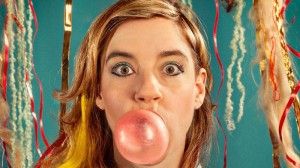
"caption": "tUnE-yArDs' Merrill Garbus",
"description": null,
"title": "tune-yards",
"credit": "Holly Andres/Courtesy of the artist",
"status": "inherit",
"isLoading": false,
"fetchFailed": false
},
"arts_10137079": {
"type": "attachments",
"id": "arts_10137079",
"meta": {
"index": "attachments_1716263798",
"site": "arts",
"id": "10137079",
"found": true
},
"parent": 10137065,
"imgSizes": {
"twentyfourteen-full-width": {
"file": "https://ww2.kqed.org/app/uploads/sites/2/2014/06/The-Cure-1038x555.jpg",
"width": 1038,
"mimeType": "image/jpeg",
"height": 555
},
"thumbnail": {
"file": "https://ww2.kqed.org/app/uploads/sites/2/2014/06/The-Cure-400x201.jpg",
"width": 400,
"mimeType": "image/jpeg",
"height": 201
},
"post-thumbnail": {
"file": "https://ww2.kqed.org/app/uploads/sites/2/2014/06/The-Cure-672x372.jpg",
"width": 672,
"mimeType": "image/jpeg",
"height": 372
},
"kqedFullSize": {
"file": "https://ww2.kqed.org/app/uploads/sites/2/2014/06/The-Cure.jpg",
"width": 1100,
"height": 555
},
"guest-author-96": {
"file": "https://ww2.kqed.org/app/uploads/sites/2/2014/06/The-Cure-96x96.jpg",
"width": 96,
"mimeType": "image/jpeg",
"height": 96
},
"medium": {
"file": "https://ww2.kqed.org/app/uploads/sites/2/2014/06/The-Cure-300x151.jpg",
"width": 300,
"mimeType": "image/jpeg",
"height": 151
},
"guest-author-64": {
"file": "https://ww2.kqed.org/app/uploads/sites/2/2014/06/The-Cure-64x64.jpg",
"width": 64,
"mimeType": "image/jpeg",
"height": 64
},
"detail": {
"file": "https://ww2.kqed.org/app/uploads/sites/2/2014/06/The-Cure-75x75.jpg",
"width": 75,
"mimeType": "image/jpeg",
"height": 75
},
"guest-author-32": {
"file": "https://ww2.kqed.org/app/uploads/sites/2/2014/06/The-Cure-32x32.jpg",
"width": 32,
"mimeType": "image/jpeg",
"height": 32
},
"guest-author-128": {
"file": "https://ww2.kqed.org/app/uploads/sites/2/2014/06/The-Cure-128x128.jpg",
"width": 128,
"mimeType": "image/jpeg",
"height": 128
}
},
"publishDate": 1401819308,
"modified": 1401819308,
"caption": "The Cure headlined BottleRock 2014 on Friday night. Photo courtesy of BottleRock Napa Valley.",
"description": null,
"title": "The Cure",
"credit": null,
"status": "inherit",
"isLoading": false,
"fetchFailed": false
},
"arts_10137008": {
"type": "attachments",
"id": "arts_10137008",
"meta": {
"index": "attachments_1716263798",
"site": "arts",
"id": "10137008",
"found": true
},
"parent": 10137007,
"imgSizes": {
"thumbnail": {
"file": "https://ww2.kqed.org/app/uploads/sites/2/2014/05/10137007-thumb-400x225.jpg",
"width": 400,
"mimeType": "image/jpeg",
"height": 225
},
"kqedFullSize": {
"file": "https://ww2.kqed.org/app/uploads/sites/2/2014/05/10137007-thumb.jpg",
"width": 640,
"height": 360
},
"guest-author-96": {
"file": "https://ww2.kqed.org/app/uploads/sites/2/2014/05/10137007-thumb-96x96.jpg",
"width": 96,
"mimeType": "image/jpeg",
"height": 96
},
"medium": {
"file": "https://ww2.kqed.org/app/uploads/sites/2/2014/05/10137007-thumb-300x168.jpg",
"width": 300,
"mimeType": "image/jpeg",
"height": 168
},
"guest-author-64": {
"file": "https://ww2.kqed.org/app/uploads/sites/2/2014/05/10137007-thumb-64x64.jpg",
"width": 64,
"mimeType": "image/jpeg",
"height": 64
},
"detail": {
"file": "https://ww2.kqed.org/app/uploads/sites/2/2014/05/10137007-thumb-75x75.jpg",
"width": 75,
"mimeType": "image/jpeg",
"height": 75
},
"guest-author-32": {
"file": "https://ww2.kqed.org/app/uploads/sites/2/2014/05/10137007-thumb-32x32.jpg",
"width": 32,
"mimeType": "image/jpeg",
"height": 32
},
"guest-author-128": {
"file": "https://ww2.kqed.org/app/uploads/sites/2/2014/05/10137007-thumb-128x128.jpg",
"width": 128,
"mimeType": "image/jpeg",
"height": 128
}
},
"publishDate": 1401496641,
"modified": 1401496641,
"caption": null,
"description": null,
"title": "Thumbnail for 10137007",
"credit": null,
"status": "inherit",
"isLoading": false,
"fetchFailed": false
},
"arts_10136999": {
"type": "attachments",
"id": "arts_10136999",
"meta": {
"index": "attachments_1716263798",
"site": "arts",
"id": "10136999",
"found": true
},
"parent": 10136998,
"imgSizes": {
"thumbnail": {
"file": "https://ww2.kqed.org/app/uploads/sites/2/2014/05/10136998-thumb-400x225.jpg",
"width": 400,
"mimeType": "image/jpeg",
"height": 225
},
"kqedFullSize": {
"file": "https://ww2.kqed.org/app/uploads/sites/2/2014/05/10136998-thumb.jpg",
"width": 640,
"height": 360
},
"guest-author-96": {
"file": "https://ww2.kqed.org/app/uploads/sites/2/2014/05/10136998-thumb-96x96.jpg",
"width": 96,
"mimeType": "image/jpeg",
"height": 96
},
"medium": {
"file": "https://ww2.kqed.org/app/uploads/sites/2/2014/05/10136998-thumb-300x168.jpg",
"width": 300,
"mimeType": "image/jpeg",
"height": 168
},
"guest-author-64": {
"file": "https://ww2.kqed.org/app/uploads/sites/2/2014/05/10136998-thumb-64x64.jpg",
"width": 64,
"mimeType": "image/jpeg",
"height": 64
},
"detail": {
"file": "https://ww2.kqed.org/app/uploads/sites/2/2014/05/10136998-thumb-75x75.jpg",
"width": 75,
"mimeType": "image/jpeg",
"height": 75
},
"guest-author-32": {
"file": "https://ww2.kqed.org/app/uploads/sites/2/2014/05/10136998-thumb-32x32.jpg",
"width": 32,
"mimeType": "image/jpeg",
"height": 32
},
"guest-author-128": {
"file": "https://ww2.kqed.org/app/uploads/sites/2/2014/05/10136998-thumb-128x128.jpg",
"width": 128,
"mimeType": "image/jpeg",
"height": 128
}
},
"publishDate": 1401477419,
"modified": 1401477419,
"caption": null,
"description": null,
"title": "Thumbnail for 10136998",
"credit": null,
"status": "inherit",
"isLoading": false,
"fetchFailed": false
},
"arts_10136693": {
"type": "attachments",
"id": "arts_10136693",
"meta": {
"index": "attachments_1716263798",
"site": "arts",
"id": "10136693",
"found": true
},
"parent": 10136690,
"imgSizes": {
"twentyfourteen-full-width": {
"file": "https://ww2.kqed.org/app/uploads/sites/2/2014/05/goldblumjazz_0210_custom-4be61fa5c457deb6436224a6f646920f4f747dc81-1038x576.jpg",
"width": 1038,
"mimeType": "image/jpeg",
"height": 576
},
"thumbnail": {
"file": "https://ww2.kqed.org/app/uploads/sites/2/2014/05/goldblumjazz_0210_custom-4be61fa5c457deb6436224a6f646920f4f747dc81-e1401081035193-400x225.jpg",
"width": 400,
"mimeType": "image/jpeg",
"height": 225
},
"post-thumbnail": {
"file": "https://ww2.kqed.org/app/uploads/sites/2/2014/05/goldblumjazz_0210_custom-4be61fa5c457deb6436224a6f646920f4f747dc81-e1401081035193-672x372.jpg",
"width": 672,
"mimeType": "image/jpeg",
"height": 372
},
"kqedFullSize": {
"file": "https://ww2.kqed.org/app/uploads/sites/2/2014/05/goldblumjazz_0210_custom-4be61fa5c457deb6436224a6f646920f4f747dc81-e1401081035193.jpg",
"width": 798,
"height": 450
},
"large": {
"file": "https://ww2.kqed.org/app/uploads/sites/2/2014/05/goldblumjazz_0210_custom-4be61fa5c457deb6436224a6f646920f4f747dc81-1440x958.jpg",
"width": 1440,
"mimeType": "image/jpeg",
"height": 958
},
"guest-author-96": {
"file": "https://ww2.kqed.org/app/uploads/sites/2/2014/05/goldblumjazz_0210_custom-4be61fa5c457deb6436224a6f646920f4f747dc81-e1401081035193-96x96.jpg",
"width": 96,
"mimeType": "image/jpeg",
"height": 96
},
"medium": {
"file": "https://ww2.kqed.org/app/uploads/sites/2/2014/05/goldblumjazz_0210_custom-4be61fa5c457deb6436224a6f646920f4f747dc81-e1401081035193-300x169.jpg",
"width": 300,
"mimeType": "image/jpeg",
"height": 169
},
"guest-author-64": {
"file": "https://ww2.kqed.org/app/uploads/sites/2/2014/05/goldblumjazz_0210_custom-4be61fa5c457deb6436224a6f646920f4f747dc81-e1401081035193-64x64.jpg",
"width": 64,
"mimeType": "image/jpeg",
"height": 64
},
"detail": {
"file": "https://ww2.kqed.org/app/uploads/sites/2/2014/05/goldblumjazz_0210_custom-4be61fa5c457deb6436224a6f646920f4f747dc81-e1401081035193-75x75.jpg",
"width": 75,
"mimeType": "image/jpeg",
"height": 75
},
"guest-author-32": {
"file": "https://ww2.kqed.org/app/uploads/sites/2/2014/05/goldblumjazz_0210_custom-4be61fa5c457deb6436224a6f646920f4f747dc81-e1401081035193-32x32.jpg",
"width": 32,
"mimeType": "image/jpeg",
"height": 32
},
"guest-author-128": {
"file": "https://ww2.kqed.org/app/uploads/sites/2/2014/05/goldblumjazz_0210_custom-4be61fa5c457deb6436224a6f646920f4f747dc81-e1401081035193-128x128.jpg",
"width": 128,
"mimeType": "image/jpeg",
"height": 128
}
},
"publishDate": 1401080735,
"modified": 1401080735,
"caption": "Jeff Goldblum performs with his band The Mildred Snitzer Orchestra on Wednesdays at Rockwell club in L.A.",
"description": "Jeff Goldblum performs with his band The Mildred Snitzer Orchestra on Wednesdays at Rockwell club in L.A.",
"title": "Jeff Goldblum performs with his band The Mildred Snitzer Orchestra on Wednesdays at Rockwell club in L.A.",
"credit": "Hayley Bartels for NPR",
"status": "inherit",
"isLoading": false,
"fetchFailed": false
},
"arts_10136668": {
"type": "attachments",
"id": "arts_10136668",
"meta": {
"index": "attachments_1716263798",
"site": "arts",
"id": "10136668",
"found": true
},
"parent": 10136667,
"imgSizes": {
"thumbnail": {
"file": "https://ww2.kqed.org/app/uploads/sites/2/2014/05/10136667-thumb-400x225.jpg",
"width": 400,
"mimeType": "image/jpeg",
"height": 225
},
"kqedFullSize": {
"file": "https://ww2.kqed.org/app/uploads/sites/2/2014/05/10136667-thumb.jpg",
"width": 640,
"height": 360
},
"guest-author-96": {
"file": "https://ww2.kqed.org/app/uploads/sites/2/2014/05/10136667-thumb-96x96.jpg",
"width": 96,
"mimeType": "image/jpeg",
"height": 96
},
"medium": {
"file": "https://ww2.kqed.org/app/uploads/sites/2/2014/05/10136667-thumb-300x168.jpg",
"width": 300,
"mimeType": "image/jpeg",
"height": 168
},
"guest-author-64": {
"file": "https://ww2.kqed.org/app/uploads/sites/2/2014/05/10136667-thumb-64x64.jpg",
"width": 64,
"mimeType": "image/jpeg",
"height": 64
},
"detail": {
"file": "https://ww2.kqed.org/app/uploads/sites/2/2014/05/10136667-thumb-75x75.jpg",
"width": 75,
"mimeType": "image/jpeg",
"height": 75
},
"guest-author-32": {
"file": "https://ww2.kqed.org/app/uploads/sites/2/2014/05/10136667-thumb-32x32.jpg",
"width": 32,
"mimeType": "image/jpeg",
"height": 32
},
"guest-author-128": {
"file": "https://ww2.kqed.org/app/uploads/sites/2/2014/05/10136667-thumb-128x128.jpg",
"width": 128,
"mimeType": "image/jpeg",
"height": 128
}
},
"publishDate": 1400888224,
"modified": 1400888224,
"caption": null,
"description": null,
"title": "Thumbnail for 10136667",
"credit": null,
"status": "inherit",
"isLoading": false,
"fetchFailed": false
},
"arts_10136663": {
"type": "attachments",
"id": "arts_10136663",
"meta": {
"index": "attachments_1716263798",
"site": "arts",
"id": "10136663",
"found": true
},
"parent": 10136662,
"imgSizes": {
"twentyfourteen-full-width": {
"file": "https://ww2.kqed.org/app/uploads/sites/2/2014/05/dg_210514_rbmafestival14_0151_wide-805ba2dfcbff386cc49affdb5a2914fa431fe1b1-1038x576.jpg",
"width": 1038,
"mimeType": "image/jpeg",
"height": 576
},
"thumbnail": {
"file": "https://ww2.kqed.org/app/uploads/sites/2/2014/05/dg_210514_rbmafestival14_0151_wide-805ba2dfcbff386cc49affdb5a2914fa431fe1b1-400x224.jpg",
"width": 400,
"mimeType": "image/jpeg",
"height": 224
},
"post-thumbnail": {
"file": "https://ww2.kqed.org/app/uploads/sites/2/2014/05/dg_210514_rbmafestival14_0151_wide-805ba2dfcbff386cc49affdb5a2914fa431fe1b1-672x372.jpg",
"width": 672,
"mimeType": "image/jpeg",
"height": 372
},
"kqedFullSize": {
"file": "https://ww2.kqed.org/app/uploads/sites/2/2014/05/dg_210514_rbmafestival14_0151_wide-805ba2dfcbff386cc49affdb5a2914fa431fe1b1-e1400887960582.jpg",
"width": 800,
"height": 450
},
"large": {
"file": "https://ww2.kqed.org/app/uploads/sites/2/2014/05/dg_210514_rbmafestival14_0151_wide-805ba2dfcbff386cc49affdb5a2914fa431fe1b1-1440x809.jpg",
"width": 1440,
"mimeType": "image/jpeg",
"height": 809
},
"guest-author-96": {
"file": "https://ww2.kqed.org/app/uploads/sites/2/2014/05/dg_210514_rbmafestival14_0151_wide-805ba2dfcbff386cc49affdb5a2914fa431fe1b1-96x96.jpg",
"width": 96,
"mimeType": "image/jpeg",
"height": 96
},
"medium": {
"file": "https://ww2.kqed.org/app/uploads/sites/2/2014/05/dg_210514_rbmafestival14_0151_wide-805ba2dfcbff386cc49affdb5a2914fa431fe1b1-300x168.jpg",
"width": 300,
"mimeType": "image/jpeg",
"height": 168
},
"guest-author-64": {
"file": "https://ww2.kqed.org/app/uploads/sites/2/2014/05/dg_210514_rbmafestival14_0151_wide-805ba2dfcbff386cc49affdb5a2914fa431fe1b1-64x64.jpg",
"width": 64,
"mimeType": "image/jpeg",
"height": 64
},
"detail": {
"file": "https://ww2.kqed.org/app/uploads/sites/2/2014/05/dg_210514_rbmafestival14_0151_wide-805ba2dfcbff386cc49affdb5a2914fa431fe1b1-75x75.jpg",
"width": 75,
"mimeType": "image/jpeg",
"height": 75
},
"guest-author-32": {
"file": "https://ww2.kqed.org/app/uploads/sites/2/2014/05/dg_210514_rbmafestival14_0151_wide-805ba2dfcbff386cc49affdb5a2914fa431fe1b1-32x32.jpg",
"width": 32,
"mimeType": "image/jpeg",
"height": 32
},
"guest-author-128": {
"file": "https://ww2.kqed.org/app/uploads/sites/2/2014/05/dg_210514_rbmafestival14_0151_wide-805ba2dfcbff386cc49affdb5a2914fa431fe1b1-128x128.jpg",
"width": 128,
"mimeType": "image/jpeg",
"height": 128
}
},
"publishDate": 1400887475,
"modified": 1400887475,
"caption": "D'Angelo with Nelson George (left) onstage at the Brooklyn Museum Wednesday night.",
"description": "D'Angelo with Nelson George (left) onstage at the Brooklyn Museum Wednesday night.",
"title": "D'Angelo with Nelson George (left) onstage at the Brooklyn Museum Wednesday night.",
"credit": "Drew Gurian/Red Bull Content Pool",
"status": "inherit",
"isLoading": false,
"fetchFailed": false
},
"arts_10136501": {
"type": "attachments",
"id": "arts_10136501",
"meta": {
"index": "attachments_1716263798",
"site": "arts",
"id": "10136501",
"found": true
},
"parent": 10136497,
"imgSizes": {
"twentyfourteen-full-width": {
"file": "https://ww2.kqed.org/app/uploads/sites/2/2014/05/wallpaper_of_musical_notation_swirled_into_a_double_spiral.1920x1200.97b2aa64-1038x576.jpg",
"width": 1038,
"mimeType": "image/jpeg",
"height": 576
},
"thumbnail": {
"file": "https://ww2.kqed.org/app/uploads/sites/2/2014/05/wallpaper_of_musical_notation_swirled_into_a_double_spiral.1920x1200.97b2aa64-400x250.jpg",
"width": 400,
"mimeType": "image/jpeg",
"height": 250
},
"post-thumbnail": {
"file": "https://ww2.kqed.org/app/uploads/sites/2/2014/05/wallpaper_of_musical_notation_swirled_into_a_double_spiral.1920x1200.97b2aa64-672x372.jpg",
"width": 672,
"mimeType": "image/jpeg",
"height": 372
},
"kqedFullSize": {
"file": "https://ww2.kqed.org/app/uploads/sites/2/2014/05/wallpaper_of_musical_notation_swirled_into_a_double_spiral.1920x1200.97b2aa64.jpg",
"width": 1920,
"height": 1200
},
"large": {
"file": "https://ww2.kqed.org/app/uploads/sites/2/2014/05/wallpaper_of_musical_notation_swirled_into_a_double_spiral.1920x1200.97b2aa64-1440x900.jpg",
"width": 1440,
"mimeType": "image/jpeg",
"height": 900
},
"guest-author-96": {
"file": "https://ww2.kqed.org/app/uploads/sites/2/2014/05/wallpaper_of_musical_notation_swirled_into_a_double_spiral.1920x1200.97b2aa64-96x96.jpg",
"width": 96,
"mimeType": "image/jpeg",
"height": 96
},
"medium": {
"file": "https://ww2.kqed.org/app/uploads/sites/2/2014/05/wallpaper_of_musical_notation_swirled_into_a_double_spiral.1920x1200.97b2aa64-300x187.jpg",
"width": 300,
"mimeType": "image/jpeg",
"height": 187
},
"guest-author-64": {
"file": "https://ww2.kqed.org/app/uploads/sites/2/2014/05/wallpaper_of_musical_notation_swirled_into_a_double_spiral.1920x1200.97b2aa64-64x64.jpg",
"width": 64,
"mimeType": "image/jpeg",
"height": 64
},
"detail": {
"file": "https://ww2.kqed.org/app/uploads/sites/2/2014/05/wallpaper_of_musical_notation_swirled_into_a_double_spiral.1920x1200.97b2aa64-75x75.jpg",
"width": 75,
"mimeType": "image/jpeg",
"height": 75
},
"guest-author-32": {
"file": "https://ww2.kqed.org/app/uploads/sites/2/2014/05/wallpaper_of_musical_notation_swirled_into_a_double_spiral.1920x1200.97b2aa64-32x32.jpg",
"width": 32,
"mimeType": "image/jpeg",
"height": 32
},
"guest-author-128": {
"file": "https://ww2.kqed.org/app/uploads/sites/2/2014/05/wallpaper_of_musical_notation_swirled_into_a_double_spiral.1920x1200.97b2aa64-128x128.jpg",
"width": 128,
"mimeType": "image/jpeg",
"height": 128
}
},
"publishDate": 1400697002,
"modified": 1400697002,
"caption": null,
"description": null,
"title": "The elements of music",
"credit": null,
"status": "inherit",
"isLoading": false,
"fetchFailed": false
},
"arts_10137493": {
"type": "attachments",
"id": "arts_10137493",
"meta": {
"index": "attachments_1716263798",
"site": "arts",
"id": "10137493",
"found": true
},
"parent": 10137487,
"imgSizes": {
"thumbnail": {
"file": "https://ww2.kqed.org/app/uploads/sites/2/2014/06/JAck-White-400x225.jpg",
"width": 400,
"mimeType": "image/jpeg",
"height": 225
},
"post-thumbnail": {
"file": "https://ww2.kqed.org/app/uploads/sites/2/2014/06/JAck-White-672x372.jpg",
"width": 672,
"mimeType": "image/jpeg",
"height": 372
},
"kqedFullSize": {
"file": "https://ww2.kqed.org/app/uploads/sites/2/2014/06/JAck-White.jpg",
"width": 800,
"height": 450
},
"guest-author-96": {
"file": "https://ww2.kqed.org/app/uploads/sites/2/2014/06/JAck-White-96x96.jpg",
"width": 96,
"mimeType": "image/jpeg",
"height": 96
},
"medium": {
"file": "https://ww2.kqed.org/app/uploads/sites/2/2014/06/JAck-White-300x168.jpg",
"width": 300,
"mimeType": "image/jpeg",
"height": 168
},
"guest-author-64": {
"file": "https://ww2.kqed.org/app/uploads/sites/2/2014/06/JAck-White-64x64.jpg",
"width": 64,
"mimeType": "image/jpeg",
"height": 64
},
"detail": {
"file": "https://ww2.kqed.org/app/uploads/sites/2/2014/06/JAck-White-75x75.jpg",
"width": 75,
"mimeType": "image/jpeg",
"height": 75
},
"guest-author-32": {
"file": "https://ww2.kqed.org/app/uploads/sites/2/2014/06/JAck-White-32x32.jpg",
"width": 32,
"mimeType": "image/jpeg",
"height": 32
},
"guest-author-128": {
"file": "https://ww2.kqed.org/app/uploads/sites/2/2014/06/JAck-White-128x128.jpg",
"width": 128,
"mimeType": "image/jpeg",
"height": 128
}
},
"publishDate": 1402356176,
"modified": 1402356176,
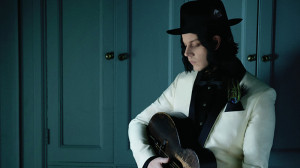
"caption": "Jack White",
"description": "Jack White",
"title": "Jack White",
"credit": "Mary Ellen Matthews/Courtesy of the artist",
"status": "inherit",
"isLoading": false,
"fetchFailed": false
},
"arts_10136442": {
"type": "attachments",
"id": "arts_10136442",
"meta": {
"index": "attachments_1716263798",
"site": "arts",
"id": "10136442",
"found": true
},
"parent": 10136439,
"imgSizes": {
"thumbnail": {
"file": "https://ww2.kqed.org/app/uploads/sites/2/2014/05/zeppelin-400x224.jpg",
"width": 400,
"mimeType": "image/jpeg",
"height": 224
},
"post-thumbnail": {
"file": "https://ww2.kqed.org/app/uploads/sites/2/2014/05/zeppelin-672x372.jpg",
"width": 672,
"mimeType": "image/jpeg",
"height": 372
},
"kqedFullSize": {
"file": "https://ww2.kqed.org/app/uploads/sites/2/2014/05/zeppelin.jpg",
"width": 800,
"height": 449
},
"guest-author-96": {
"file": "https://ww2.kqed.org/app/uploads/sites/2/2014/05/zeppelin-96x96.jpg",
"width": 96,
"mimeType": "image/jpeg",
"height": 96
},
"medium": {
"file": "https://ww2.kqed.org/app/uploads/sites/2/2014/05/zeppelin-300x168.jpg",
"width": 300,
"mimeType": "image/jpeg",
"height": 168
},
"guest-author-64": {
"file": "https://ww2.kqed.org/app/uploads/sites/2/2014/05/zeppelin-64x64.jpg",
"width": 64,
"mimeType": "image/jpeg",
"height": 64
},
"detail": {
"file": "https://ww2.kqed.org/app/uploads/sites/2/2014/05/zeppelin-75x75.jpg",
"width": 75,
"mimeType": "image/jpeg",
"height": 75
},
"guest-author-32": {
"file": "https://ww2.kqed.org/app/uploads/sites/2/2014/05/zeppelin-32x32.jpg",
"width": 32,
"mimeType": "image/jpeg",
"height": 32
},
"guest-author-128": {
"file": "https://ww2.kqed.org/app/uploads/sites/2/2014/05/zeppelin-128x128.jpg",
"width": 128,
"mimeType": "image/jpeg",
"height": 128
}
},
"publishDate": 1400617112,
"modified": 1400617112,
"caption": "Jimmy Page, Robert Plant, and John Bonham of Led Zeppelin, in 1970. A new lawsuit says the group borrowed from another band's work without crediting it, for the huge hit \"Stairway to Heaven.\"",
"description": "Jimmy Page, Robert Plant, and John Bonham of Led Zeppelin, in 1970. A new lawsuit says the group borrowed from another band's work without crediting it, for the huge hit \"Stairway to Heaven.\"",
"title": "zeppelin",
"credit": "Roger Jackson/Getty Images",
"status": "inherit",
"isLoading": false,
"fetchFailed": false
},
"arts_10136374": {
"type": "attachments",
"id": "arts_10136374",
"meta": {
"index": "attachments_1716263798",
"site": "arts",
"id": "10136374",
"found": true
},
"parent": 10136256,
"imgSizes": {
"thumbnail": {
"file": "https://ww2.kqed.org/app/uploads/sites/2/2014/05/Ledisi-crop-400x225.jpg",
"width": 400,
"mimeType": "image/jpeg",
"height": 225
},
"post-thumbnail": {
"file": "https://ww2.kqed.org/app/uploads/sites/2/2014/05/Ledisi-crop-672x372.jpg",
"width": 672,
"mimeType": "image/jpeg",
"height": 372
},
"kqedFullSize": {
"file": "https://ww2.kqed.org/app/uploads/sites/2/2014/05/Ledisi-crop.jpg",
"width": 800,
"height": 450
},
"guest-author-96": {
"file": "https://ww2.kqed.org/app/uploads/sites/2/2014/05/Ledisi-crop-96x96.jpg",
"width": 96,
"mimeType": "image/jpeg",
"height": 96
},
"medium": {
"file": "https://ww2.kqed.org/app/uploads/sites/2/2014/05/Ledisi-crop-300x168.jpg",
"width": 300,
"mimeType": "image/jpeg",
"height": 168
},
"guest-author-64": {
"file": "https://ww2.kqed.org/app/uploads/sites/2/2014/05/Ledisi-crop-64x64.jpg",
"width": 64,
"mimeType": "image/jpeg",
"height": 64
},
"detail": {
"file": "https://ww2.kqed.org/app/uploads/sites/2/2014/05/Ledisi-crop-75x75.jpg",
"width": 75,
"mimeType": "image/jpeg",
"height": 75
},
"guest-author-32": {
"file": "https://ww2.kqed.org/app/uploads/sites/2/2014/05/Ledisi-crop-32x32.jpg",
"width": 32,
"mimeType": "image/jpeg",
"height": 32
},
"guest-author-128": {
"file": "https://ww2.kqed.org/app/uploads/sites/2/2014/05/Ledisi-crop-128x128.jpg",
"width": 128,
"mimeType": "image/jpeg",
"height": 128
}
},
"publishDate": 1400538797,
"modified": 1400538797,
"caption": "Ledisi performs at the 2013 Thelonious Monk International Jazz Saxophone Competition at The John F. Kennedy Center for Performing Arts on September 16, 2013 in Washington, DC.",
"description": "Ledisi performs at the 2013 Thelonious Monk International Jazz Saxophone Competition at The John F. Kennedy Center for Performing Arts on September 16, 2013 in Washington, DC. ",
"title": "2013 Thelonious Monk International Jazz Saxophone Competition",
"credit": "Paul Morigi/Getty Images",
"status": "inherit",
"isLoading": false,
"fetchFailed": false
},
"arts_10136382": {
"type": "attachments",
"id": "arts_10136382",
"meta": {
"index": "attachments_1716263798",
"site": "arts",
"id": "10136382",
"found": true
},
"parent": 10136381,
"imgSizes": {
"thumbnail": {
"file": "https://ww2.kqed.org/app/uploads/sites/2/2014/05/10136381-thumb-e1400542961432-400x225.jpg",
"width": 400,
"mimeType": "image/jpeg",
"height": 225
},
"post-thumbnail": {
"file": "https://ww2.kqed.org/app/uploads/sites/2/2014/05/10136381-thumb-640x372.jpg",
"width": 640,
"mimeType": "image/jpeg",
"height": 372
},
"kqedFullSize": {
"file": "https://ww2.kqed.org/app/uploads/sites/2/2014/05/10136381-thumb-e1400542961432.jpg",
"width": 640,
"height": 360
},
"guest-author-96": {
"file": "https://ww2.kqed.org/app/uploads/sites/2/2014/05/10136381-thumb-e1400542961432-96x96.jpg",
"width": 96,
"mimeType": "image/jpeg",
"height": 96
},
"medium": {
"file": "https://ww2.kqed.org/app/uploads/sites/2/2014/05/10136381-thumb-e1400542961432-300x168.jpg",
"width": 300,
"mimeType": "image/jpeg",
"height": 168
},
"guest-author-64": {
"file": "https://ww2.kqed.org/app/uploads/sites/2/2014/05/10136381-thumb-e1400542961432-64x64.jpg",
"width": 64,
"mimeType": "image/jpeg",
"height": 64
},
"detail": {
"file": "https://ww2.kqed.org/app/uploads/sites/2/2014/05/10136381-thumb-e1400542961432-75x75.jpg",
"width": 75,
"mimeType": "image/jpeg",
"height": 75
},
"guest-author-32": {
"file": "https://ww2.kqed.org/app/uploads/sites/2/2014/05/10136381-thumb-e1400542961432-32x32.jpg",
"width": 32,
"mimeType": "image/jpeg",
"height": 32
},
"guest-author-128": {
"file": "https://ww2.kqed.org/app/uploads/sites/2/2014/05/10136381-thumb-e1400542961432-128x128.jpg",
"width": 128,
"mimeType": "image/jpeg",
"height": 128
}
},
"publishDate": 1400540215,
"modified": 1400540215,
"caption": null,
"description": null,
"title": "Thumbnail for 10136381",
"credit": null,
"status": "inherit",
"isLoading": false,
"fetchFailed": false
}
},
"audioPlayerReducer": {
"postId": "stream_live",
"isPaused": true,
"isPlaying": false,
"pfsActive": false,
"pledgeModalIsOpen": true,
"playerDrawerIsOpen": false,
"liveAudioPlayStartedAt": 0,
"liveAudioPlayContext": ""
},
"authorsReducer": {
"byline_arts_10136690": {
"type": "authors",
"id": "byline_arts_10136690",
"meta": {
"override": true
},
"slug": "byline_arts_10136690",
"name": "Tom Dreisbach",
"isLoading": false
},
"byline_arts_10136662": {
"type": "authors",
"id": "byline_arts_10136662",
"meta": {
"override": true
},
"slug": "byline_arts_10136662",
"name": "Frannie Kelley",
"isLoading": false
},
"byline_arts_10137494": {
"type": "authors",
"id": "byline_arts_10137494",
"meta": {
"override": true
},
"slug": "byline_arts_10137494",
"name": "Bob Boilen",
"isLoading": false
},
"byline_arts_10136439": {
"type": "authors",
"id": "byline_arts_10136439",
"meta": {
"override": true
},
"slug": "byline_arts_10136439",
"name": "Bill Chappell",
"isLoading": false
},
"agilbert": {
"type": "authors",
"id": "86",
"meta": {
"index": "authors_1716337520",
"id": "86",
"found": true
},
"name": "Andrew Gilbert",
"firstName": "Andrew",
"lastName": "Gilbert",
"slug": "agilbert",
"email": "jazzscribe@aol.com",
"display_author_email": false,
"staff_mastheads": [],
"title": "KQED Contributor",
"bio": "A Los Angeles native based in the Berkeley area since 1996, Andrew Gilbert covers jazz, international music and dance for KQED's \u003ci>California Report, \u003c/i>the\u003ci> Mercury News\u003c/i>, \u003ci>San Francisco Chronicle\u003c/i>, \u003ci>Berkeleyside.com\u003c/i>, and other publications. He is available for weddings and bar and bat mitzvahs. #jazzscribe",
"avatar": "https://secure.gravatar.com/avatar/d7bcafdbefdd39e9a68f88724ca616eb4e7a5a6bff9cdfb62de652a1e1751471?s=600&d=blank&r=g",
"twitter": null,
"bluesky": null,
"facebook": null,
"instagram": null,
"linkedin": null,
"sites": [
{
"site": "arts",
"roles": [
"Contributor",
"author"
]
},
{
"site": "news",
"roles": [
"author"
]
}
],
"headData": {
"title": "Andrew Gilbert | KQED",
"description": "KQED Contributor",
"ogImgSrc": "https://secure.gravatar.com/avatar/d7bcafdbefdd39e9a68f88724ca616eb4e7a5a6bff9cdfb62de652a1e1751471?s=600&d=blank&r=g",
"twImgSrc": "https://secure.gravatar.com/avatar/d7bcafdbefdd39e9a68f88724ca616eb4e7a5a6bff9cdfb62de652a1e1751471?s=600&d=blank&r=g"
},
"isLoading": false,
"link": "/author/agilbert"
},
"kqedarts": {
"type": "authors",
"id": "92",
"meta": {
"index": "authors_1716337520",
"id": "92",
"found": true
},
"name": "KQED Arts",
"firstName": "KQED",
"lastName": "Arts",
"slug": "kqedarts",
"email": "arts@kqed.org",
"display_author_email": false,
"staff_mastheads": [],
"title": "KQED Staff",
"bio": null,
"avatar": "https://secure.gravatar.com/avatar/321c9ebfeb7736f9e55366a6d3399ab0?s=600&d=blank&r=g",
"twitter": null,
"facebook": null,
"instagram": "https://www.instagram.com/kqed_arts/",
"linkedin": null,
"sites": [
{
"site": "arts",
"roles": [
"contributor"
]
},
{
"site": "pop",
"roles": [
"contributor"
]
},
{
"site": "science",
"roles": [
"author"
]
},
{
"site": "food",
"roles": [
"contributor"
]
}
],
"headData": {
"title": "KQED Arts | KQED",
"description": "KQED Staff",
"ogImgSrc": "https://secure.gravatar.com/avatar/321c9ebfeb7736f9e55366a6d3399ab0?s=600&d=blank&r=g",
"twImgSrc": "https://secure.gravatar.com/avatar/321c9ebfeb7736f9e55366a6d3399ab0?s=600&d=blank&r=g"
},
"isLoading": false,
"link": "/author/kqedarts"
},
"tmimbs": {
"type": "authors",
"id": "105",
"meta": {
"index": "authors_1716337520",
"id": "105",
"found": true
},
"name": "T.J. Mimbs",
"firstName": "T.J.",
"lastName": "Mimbs",
"slug": "tmimbs",
"email": "tjmimbs@gmail.com",
"display_author_email": false,
"staff_mastheads": [],
"title": null,
"bio": "T.J. Mimbs is a freelance writer, songwriter, musician and recording engineer based in San Francisco by way of Athens, GA. \u003cspan style=\"line-height: 1.5;\">T.J. fronts Bay Area band, Surf Bored, works with other local bands as an audio engineer and has an addiction to live music. He is a disciple of the open-minded yet still a Southerner at heart.\u003c/span>\r\n\u003cdiv>\u003c/div>",
"avatar": "https://secure.gravatar.com/avatar/3d3d4ac09a331e77af28efcfaf7e593e?s=600&d=blank&r=g",
"twitter": null,
"facebook": null,
"instagram": null,
"linkedin": null,
"sites": [
{
"site": "arts",
"roles": [
"contributor"
]
}
],
"headData": {
"title": "T.J. Mimbs | KQED",
"description": null,
"ogImgSrc": "https://secure.gravatar.com/avatar/3d3d4ac09a331e77af28efcfaf7e593e?s=600&d=blank&r=g",
"twImgSrc": "https://secure.gravatar.com/avatar/3d3d4ac09a331e77af28efcfaf7e593e?s=600&d=blank&r=g"
},
"isLoading": false,
"link": "/author/tmimbs"
},
"noisepop": {
"type": "authors",
"id": "177",
"meta": {
"index": "authors_1716337520",
"id": "177",
"found": true
},
"name": "Noise Pop",
"firstName": "Noise",
"lastName": "Pop",
"slug": "noisepop",
"email": "dawson@noisepop.com",
"display_author_email": false,
"staff_mastheads": [],
"title": null,
"bio": "The Noise Pop Podcast is a bi-monthly series that showcases the most noteworthy and soon-to-be-buzzing music. Hosts, Olivia LaRoche and Dawson Ludwig provide witty and interesting context behind the songs played on the podcast.",
"avatar": "https://secure.gravatar.com/avatar/5f453b166405b70819c53d7e1ef223bc?s=600&d=blank&r=g",
"twitter": null,
"facebook": null,
"instagram": null,
"linkedin": null,
"sites": [
{
"site": "arts",
"roles": [
"contributor"
]
}
],
"headData": {
"title": "Noise Pop | KQED",
"description": null,
"ogImgSrc": "https://secure.gravatar.com/avatar/5f453b166405b70819c53d7e1ef223bc?s=600&d=blank&r=g",
"twImgSrc": "https://secure.gravatar.com/avatar/5f453b166405b70819c53d7e1ef223bc?s=600&d=blank&r=g"
},
"isLoading": false,
"link": "/author/noisepop"
},
"baybridged": {
"type": "authors",
"id": "178",
"meta": {
"index": "authors_1716337520",
"id": "178",
"found": true
},
"name": "The Bay Bridged",
"firstName": "The Bay",
"lastName": "Bridged",
"slug": "baybridged",
"email": "thebaybridged@gmail.com",
"display_author_email": false,
"staff_mastheads": [],
"title": "KQED Contributor",
"bio": null,
"avatar": "https://secure.gravatar.com/avatar/211daad5386ad504c39c31f3e16cfae45ec7b0ad32ecca7ee64cfd9b7eb76609?s=600&d=blank&r=g",
"twitter": null,
"bluesky": null,
"facebook": null,
"instagram": null,
"linkedin": null,
"sites": [
{
"site": "arts",
"roles": [
"subscriber"
]
}
],
"headData": {
"title": "The Bay Bridged | KQED",
"description": "KQED Contributor",
"ogImgSrc": "https://secure.gravatar.com/avatar/211daad5386ad504c39c31f3e16cfae45ec7b0ad32ecca7ee64cfd9b7eb76609?s=600&d=blank&r=g",
"twImgSrc": "https://secure.gravatar.com/avatar/211daad5386ad504c39c31f3e16cfae45ec7b0ad32ecca7ee64cfd9b7eb76609?s=600&d=blank&r=g"
},
"isLoading": false,
"link": "/author/baybridged"
}
},
"pagesReducer": {
"arts_category_music": {
"type": "terms",
"id": "arts_69",
"meta": {
"index": "terms_1716263798",
"site": "arts",
"id": "69",
"score": 10.850847
},
"featImg": null,
"name": "Music",
"description": null,
"taxonomy": "category",
"headData": {
"twImgId": null,
"twTitle": null,
"ogTitle": null,
"ogImgId": null,
"twDescription": null,
"description": null,
"title": "Music Archives | KQED Arts",
"ogDescription": null
},
"ttid": 70,
"slug": "music",
"isLoading": false,
"title": "Music",
"pageMeta": {
"site": "arts",
"WpPageTemplate": "page-topic-editorial",
"currentPage": 362
},
"blocks": [
{
"blockName": "kqed/post-list",
"attrs": {
"layout": "cardArticle2",
"query": "posts/arts?category=music",
"seeMore": false,
"paginated": true,
"page": 362
}
},
{
"blockName": "kqed/ad"
}
]
}
},
"pfsSessionReducer": {},
"postsReducer": {
"stream_live": {
"type": "live",
"id": "stream_live",
"audioUrl": "https://streams.kqed.org/kqedradio",
"title": "Live Stream",
"excerpt": "Live Stream information currently unavailable.",
"link": "/radio",
"featImg": "",
"label": {
"name": "KQED Live",
"link": "/"
}
},
"stream_kqedNewscast": {
"type": "posts",
"id": "stream_kqedNewscast",
"audioUrl": "https://www.kqed.org/.stream/anon/radio/RDnews/newscast.mp3?_=1",
"title": "KQED Newscast",
"featImg": "",
"label": {
"name": "88.5 FM",
"link": "/"
}
},
"arts_10137087": {
"type": "posts",
"id": "arts_10137087",
"meta": {
"index": "posts_1716263798",
"site": "arts",
"id": "10137087",
"score": null,
"sort": [
1401886855000
]
},
"parent": 0,
"labelTerm": {
"site": "arts",
"term": 147
},
"blocks": [],
"publishDate": 1401886855,
"format": "standard",
"title": "Live This Month: June 2014",
"headTitle": "Live This Month: June 2014 | KQED",
"content": "\u003caside class=\"aligncenter\">\n\u003ch4>Listen to \u003ci>The Bay Bridged\u003c/i> mix of bands playing live in the Bay Area this month, including: tUnE-yArDs, Cocktails, Dean Wareham, Some Ember, The Both, Bonnie and the BANG BANG and more.\u003c/h4>\n\u003cp>http://media.libsyn.com/media/thebaybridged/LTM_June_2014.mp3\u003cbr>\n\u003c/p>\u003c/aside>\n\u003cp>It’s been a little over three years since \u003ca href=\"https://www.facebook.com/tuneyards\">tUnE-yArDs\u003c/a> garnered universal acclaim for \u003cem>w h o k i l l\u003c/em>, but Merrill Garbus hasn’t lost any momentum with \u003cem>Nikki Nack\u003c/em>. Her band’s nationwide tour comes to The Fillmore this month for two sold-out shows. tUnE-yArDs isn’t the only local band with a new album — we’re also really excited for \u003cem>Adult Life\u003c/em>, the upcoming album from \u003ca href=\"https://www.facebook.com/cocktails.the.band\">Cocktails\u003c/a> that arrives later this month on Father/Daughter Records. This podcast also includes a new track from local punk band \u003ca href=\"https://www.facebook.com/pages/Yi/143426139014734\">Yi\u003c/a>, off their just-released \u003cem>Crying\u003c/em> LP.\u003c/p>\n\u003cp>We always include a lot of new bands in these podcasts, but this month’s set might be particularly striking for the number of veteran performers involved here. \u003ca href=\"http://the-both.com/\">The Both\u003c/a> is an unimpressive band name, but the band is the union of two impressive songwriters, Aimee Mann and Ted Leo. The duo’s new LP is their first together, but it continues a long legacy of quality work for both artists. It’s a similar story for \u003ca href=\"https://www.facebook.com/DeanWareham\">Dean Wareham\u003c/a>, who just released his first solo full-length, decades into a career that has included Galaxie 500, Luna, and Dean & Britta. \u003cem>Dean Wareham\u003c/em> was produced by My Morning Jacket’s Jim James. Finally, \u003ca href=\"https://www.facebook.com/ChadVangaalen\">Chad VanGaalen\u003c/a> reemerged recently with his fifth album; the Canadian outsider artist has amassed a strong cult following from a series of acclaimed albums on Sub Pop.\u003c/p>\n\u003cp>Enjoy the podcast and then go see some concerts!\u003c/p>\n\u003cp>\u003cspan style=\"text-decoration: underline\">About the bands:\u003c/span>\u003c/p>\n\u003cp>\u003ca href=\"https://www.facebook.com/tuneyards\">tUnE-yArDs\u003c/a> – “Water Fountain”\u003cbr>\nPlaying two shows at \u003ca href=\"http://thefillmore.com/\">The Fillmore\u003c/a> — June 6 (with Sylvan Esso) and June 7 (with The Seshen).\u003c/p>\n\u003cp>[ad fullwidth]\u003c/p>\n\u003cp>\u003ca href=\"https://www.facebook.com/cocktails.the.band\">Cocktails\u003c/a> – “Tough Love”\u003cbr>\nAppearing on June 27 at \u003ca href=\"http://www.bottomofthehill.com/calendar.html#sthash.TO7ot5I2.dpbs\">Bottom of the Hill\u003c/a>; Magic Trick, Violent Change and Big Tits round out the all-local bill.\u003c/p>\n\u003cp>\u003ca href=\"https://www.facebook.com/PUJOLDOTCOM\">PUJOL\u003c/a> – “Pitch Black”\u003cbr>\nPlaying with The Detroit Cobras and The Spyrals at \u003ca href=\"http://www.bottomofthehill.com/calendar.html#sthash.TO7ot5I2.dpbs\">Bottom of the Hill\u003c/a> on June 6.\u003c/p>\n\u003cp>\u003ca href=\"https://www.facebook.com/owlsbandchicago\">Owls\u003c/a> – “I’m Surprised…”\u003cbr>\nThe reunited band’s tour comes to \u003ca href=\"http://www.bottomofthehill.com/calendar.html#sthash.TO7ot5I2.dpbs\">Bottom of the Hill\u003c/a> on June 29, with Into It. Over It. and Victor Villarreal also playing.\u003c/p>\n\u003cp>\u003ca href=\"https://www.facebook.com/someember\">Some Ember\u003c/a> – “The Thrashing Whip”\u003cbr>\nAppearing with RedRedRed on June 18 at the \u003ca href=\"http://elbo.com/Calendar.php\">Elbo Room\u003c/a>.\u003c/p>\n\u003cp>\u003ca href=\"https://www.facebook.com/DeanWareham\">Dean Wareham\u003c/a> – “The Dancer Disappears”\u003cbr>\nPlaying alongside Hott Mt at \u003ca href=\"http://www.thechapelsf.com/\">The Chapel\u003c/a> on June 20.\u003c/p>\n\u003cp>\u003ca href=\"https://www.facebook.com/troppop\">Tropical Popsicle\u003c/a> – “Havana”\u003cbr>\nPerforming on June 24 at the \u003ca href=\"http://www.rickshawstop.com/calendar/\">Rickshaw Stop\u003c/a> with fellow Lolipop Records acts Mystic Braves, Corners, and Electric Magpie.\u003c/p>\n\u003cp>\u003ca href=\"https://www.facebook.com/SharonVanEttenMusic\">Sharon Van Etten\u003c/a> – “Taking Chances”\u003cbr>\nHeadlining \u003ca href=\"http://www.theindependentsf.com/\">The Independent\u003c/a> on June 29 and June 30; Jana Hunter opens both shows.\u003c/p>\n\u003cp>\u003ca href=\"http://the-both.com/\">The Both\u003c/a> – “The Inevitable Shove”\u003cbr>\nThe duo of Aimee Mann and Ted Leo performs at the \u003ca href=\"http://www.slimspresents.com/calendar/\">Great American Music Hall\u003c/a> on June 12.\u003c/p>\n\u003cp>\u003ca href=\"https://www.facebook.com/bonniehellabangs\">Bonnie & the BANG BANG\u003c/a> – “Every New Love”\u003cbr>\nThe San Francisco band performs at the \u003ca href=\"http://theeparkside.com/event/170682\">Not Dead Yet Fest\u003c/a> at Thee Parkside on June 7 and at \u003ca href=\"http://www.slimspresents.com/calendar/\">Slim’s\u003c/a> on June 27.\u003c/p>\n\u003cp>\u003ca href=\"https://www.facebook.com/CherryGlazerr\">Cherry Glazerr\u003c/a> – “Haxel Princess”\u003cbr>\nOn June 26, Meat Market, Big Tits, Never Young, and Joel Jerome join the band at \u003ca href=\"http://www.slimspresents.com/calendar/\">Slim’s\u003c/a>.\u003c/p>\n\u003cp>\u003ca href=\"https://www.facebook.com/ChadVangaalen\">Chad VanGaalen\u003c/a> – “Monster”\u003cbr>\nVanGaalen’s West Coast tour with Cousins comes to the \u003ca href=\"http://www.brickandmortarmusic.com/\">Brick & Mortar Music Hall\u003c/a> on June 17 and \u003ca href=\"http://www.thenewparish.com/\">The New Parish\u003c/a> on June 19.\u003c/p>\n\u003cp>\u003c/p>\n\u003cp>\u003ca href=\"https://www.facebook.com/pages/Yi/143426139014734\">Yi\u003c/a> – “Monkey in the Mirror”\u003cbr>\nPlaying at \u003ca href=\"http://www.elriosf.com/calendar/\">El Rio\u003c/a> on June 21 with Scraper, Generation Loss, and Quaaludes.\u003c/p>\n\n",
"stats": {
"hasVideo": false,
"hasChartOrMap": false,
"hasAudio": false,
"hasPolis": false,
"wordCount": 639,
"hasGoogleForm": false,
"hasGallery": false,
"hasHearkenModule": false,
"iframeSrcs": [],
"paragraphCount": 19
},
"modified": 1705048821,
"excerpt": "Listen to \u003ci>The Bay Bridged\u003c/i> mix of bands playing live in the Bay Area this month, including: tUnE-yArDs, Cocktails, Dean Wareham, Some Ember, The Both, Bonnie and the BANG BANG and more.",
"headData": {
"twImgId": "",
"twTitle": "",
"ogTitle": "",
"ogImgId": "",
"twDescription": "",
"description": "Listen to The Bay Bridged mix of bands playing live in the Bay Area this month, including: tUnE-yArDs, Cocktails, Dean Wareham, Some Ember, The Both, Bonnie and the BANG BANG and more.",
"title": "Live This Month: June 2014 | KQED",
"ogDescription": "",
"schema": {
"@context": "https://schema.org",
"@type": "Article",
"headline": "Live This Month: June 2014",
"datePublished": "2014-06-04T06:00:55-07:00",
"dateModified": "2024-01-12T00:40:21-08:00",
"image": "https://cdn.kqed.org/wp-content/uploads/2020/02/KQED-OG-Image@1x.png"
}
},
"guestAuthors": [],
"slug": "live-this-month-june-2014",
"status": "publish",
"sticky": false,
"path": "/arts/10137087/live-this-month-june-2014",
"audioUrl": "http://media.libsyn.com/media/thebaybridged/LTM_June_2014.mp3",
"audioDuration": null,
"audioTrackLength": null,
"parsedContent": [
{
"type": "contentString",
"content": "\u003cdiv class=\"post-body\">\u003cp>\u003caside class=\"aligncenter\">\n\u003ch4>Listen to \u003ci>The Bay Bridged\u003c/i> mix of bands playing live in the Bay Area this month, including: tUnE-yArDs, Cocktails, Dean Wareham, Some Ember, The Both, Bonnie and the BANG BANG and more.\u003c/h4>\n\u003cp>http://media.libsyn.com/media/thebaybridged/LTM_June_2014.mp3\u003cbr>\n\u003c/p>\u003c/aside>\n\u003cp>It’s been a little over three years since \u003ca href=\"https://www.facebook.com/tuneyards\">tUnE-yArDs\u003c/a> garnered universal acclaim for \u003cem>w h o k i l l\u003c/em>, but Merrill Garbus hasn’t lost any momentum with \u003cem>Nikki Nack\u003c/em>. Her band’s nationwide tour comes to The Fillmore this month for two sold-out shows. tUnE-yArDs isn’t the only local band with a new album — we’re also really excited for \u003cem>Adult Life\u003c/em>, the upcoming album from \u003ca href=\"https://www.facebook.com/cocktails.the.band\">Cocktails\u003c/a> that arrives later this month on Father/Daughter Records. This podcast also includes a new track from local punk band \u003ca href=\"https://www.facebook.com/pages/Yi/143426139014734\">Yi\u003c/a>, off their just-released \u003cem>Crying\u003c/em> LP.\u003c/p>\n\u003cp>We always include a lot of new bands in these podcasts, but this month’s set might be particularly striking for the number of veteran performers involved here. \u003ca href=\"http://the-both.com/\">The Both\u003c/a> is an unimpressive band name, but the band is the union of two impressive songwriters, Aimee Mann and Ted Leo. The duo’s new LP is their first together, but it continues a long legacy of quality work for both artists. It’s a similar story for \u003ca href=\"https://www.facebook.com/DeanWareham\">Dean Wareham\u003c/a>, who just released his first solo full-length, decades into a career that has included Galaxie 500, Luna, and Dean & Britta. \u003cem>Dean Wareham\u003c/em> was produced by My Morning Jacket’s Jim James. Finally, \u003ca href=\"https://www.facebook.com/ChadVangaalen\">Chad VanGaalen\u003c/a> reemerged recently with his fifth album; the Canadian outsider artist has amassed a strong cult following from a series of acclaimed albums on Sub Pop.\u003c/p>\n\u003cp>Enjoy the podcast and then go see some concerts!\u003c/p>\n\u003cp>\u003cspan style=\"text-decoration: underline\">About the bands:\u003c/span>\u003c/p>\n\u003cp>\u003ca href=\"https://www.facebook.com/tuneyards\">tUnE-yArDs\u003c/a> – “Water Fountain”\u003cbr>\nPlaying two shows at \u003ca href=\"http://thefillmore.com/\">The Fillmore\u003c/a> — June 6 (with Sylvan Esso) and June 7 (with The Seshen).\u003c/p>\n\u003cp>\u003c/p>\u003c/div>",
"attributes": {
"named": {},
"numeric": []
}
},
{
"type": "component",
"content": "",
"name": "ad",
"attributes": {
"named": {
"label": "fullwidth"
},
"numeric": [
"fullwidth"
]
}
},
{
"type": "contentString",
"content": "\u003cdiv class=\"post-body\">\u003cp>\u003c/p>\n\u003cp>\u003ca href=\"https://www.facebook.com/cocktails.the.band\">Cocktails\u003c/a> – “Tough Love”\u003cbr>\nAppearing on June 27 at \u003ca href=\"http://www.bottomofthehill.com/calendar.html#sthash.TO7ot5I2.dpbs\">Bottom of the Hill\u003c/a>; Magic Trick, Violent Change and Big Tits round out the all-local bill.\u003c/p>\n\u003cp>\u003ca href=\"https://www.facebook.com/PUJOLDOTCOM\">PUJOL\u003c/a> – “Pitch Black”\u003cbr>\nPlaying with The Detroit Cobras and The Spyrals at \u003ca href=\"http://www.bottomofthehill.com/calendar.html#sthash.TO7ot5I2.dpbs\">Bottom of the Hill\u003c/a> on June 6.\u003c/p>\n\u003cp>\u003ca href=\"https://www.facebook.com/owlsbandchicago\">Owls\u003c/a> – “I’m Surprised…”\u003cbr>\nThe reunited band’s tour comes to \u003ca href=\"http://www.bottomofthehill.com/calendar.html#sthash.TO7ot5I2.dpbs\">Bottom of the Hill\u003c/a> on June 29, with Into It. Over It. and Victor Villarreal also playing.\u003c/p>\n\u003cp>\u003ca href=\"https://www.facebook.com/someember\">Some Ember\u003c/a> – “The Thrashing Whip”\u003cbr>\nAppearing with RedRedRed on June 18 at the \u003ca href=\"http://elbo.com/Calendar.php\">Elbo Room\u003c/a>.\u003c/p>\n\u003cp>\u003ca href=\"https://www.facebook.com/DeanWareham\">Dean Wareham\u003c/a> – “The Dancer Disappears”\u003cbr>\nPlaying alongside Hott Mt at \u003ca href=\"http://www.thechapelsf.com/\">The Chapel\u003c/a> on June 20.\u003c/p>\n\u003cp>\u003ca href=\"https://www.facebook.com/troppop\">Tropical Popsicle\u003c/a> – “Havana”\u003cbr>\nPerforming on June 24 at the \u003ca href=\"http://www.rickshawstop.com/calendar/\">Rickshaw Stop\u003c/a> with fellow Lolipop Records acts Mystic Braves, Corners, and Electric Magpie.\u003c/p>\n\u003cp>\u003ca href=\"https://www.facebook.com/SharonVanEttenMusic\">Sharon Van Etten\u003c/a> – “Taking Chances”\u003cbr>\nHeadlining \u003ca href=\"http://www.theindependentsf.com/\">The Independent\u003c/a> on June 29 and June 30; Jana Hunter opens both shows.\u003c/p>\n\u003cp>\u003ca href=\"http://the-both.com/\">The Both\u003c/a> – “The Inevitable Shove”\u003cbr>\nThe duo of Aimee Mann and Ted Leo performs at the \u003ca href=\"http://www.slimspresents.com/calendar/\">Great American Music Hall\u003c/a> on June 12.\u003c/p>\n\u003cp>\u003ca href=\"https://www.facebook.com/bonniehellabangs\">Bonnie & the BANG BANG\u003c/a> – “Every New Love”\u003cbr>\nThe San Francisco band performs at the \u003ca href=\"http://theeparkside.com/event/170682\">Not Dead Yet Fest\u003c/a> at Thee Parkside on June 7 and at \u003ca href=\"http://www.slimspresents.com/calendar/\">Slim’s\u003c/a> on June 27.\u003c/p>\n\u003cp>\u003ca href=\"https://www.facebook.com/CherryGlazerr\">Cherry Glazerr\u003c/a> – “Haxel Princess”\u003cbr>\nOn June 26, Meat Market, Big Tits, Never Young, and Joel Jerome join the band at \u003ca href=\"http://www.slimspresents.com/calendar/\">Slim’s\u003c/a>.\u003c/p>\n\u003cp>\u003ca href=\"https://www.facebook.com/ChadVangaalen\">Chad VanGaalen\u003c/a> – “Monster”\u003cbr>\nVanGaalen’s West Coast tour with Cousins comes to the \u003ca href=\"http://www.brickandmortarmusic.com/\">Brick & Mortar Music Hall\u003c/a> on June 17 and \u003ca href=\"http://www.thenewparish.com/\">The New Parish\u003c/a> on June 19.\u003c/p>\n\u003cp>\u003c/p>\n\u003cp>\u003ca href=\"https://www.facebook.com/pages/Yi/143426139014734\">Yi\u003c/a> – “Monkey in the Mirror”\u003cbr>\nPlaying at \u003ca href=\"http://www.elriosf.com/calendar/\">El Rio\u003c/a> on June 21 with Scraper, Generation Loss, and Quaaludes.\u003c/p>\n\n\u003c/div>\u003c/p>",
"attributes": {
"named": {},
"numeric": []
}
}
],
"link": "/arts/10137087/live-this-month-june-2014",
"authors": [
"178"
],
"categories": [
"arts_69"
],
"affiliates": [
"arts_147"
],
"featImg": "arts_10137127",
"label": "arts_147"
},
"arts_10137065": {
"type": "posts",
"id": "arts_10137065",
"meta": {
"index": "posts_1716263798",
"site": "arts",
"id": "10137065",
"score": null,
"sort": [
1401825630000
]
},
"parent": 0,
"labelTerm": {
"site": "arts"
},
"blocks": [],
"publishDate": 1401825630,
"format": "standard",
"title": "How I Survived BottleRock",
"headTitle": "How I Survived BottleRock | KQED",
"content": "\u003cp>Much ado has been made of BottleRock Napa Valley during the first half of 2014. Questions surrounding \u003ca href=\"http://www.kqed.org/arts/music/article.jsp?essid=136410\">this year’s lineup\u003c/a> and \u003ca href=\"http://sfist.com/2014/02/28/bottlerock_napa_2014_proceeding_des.php\">last year’s debacle\u003c/a> have swirled like the dust from the trampled Napa Valley Expo grounds. This past weekend I attended the notorious event and survived by sticking to a set of time-tested music festival maxims:\u003c/p>\n\u003cp>1. \u003cem>Feed Your Body\u003c/em>. You’re going to be on your feet, walking, and possibly running for 10 hours. You’ve got to stay hydrated and, just as importantly, adequately fed. Yes, festival food can be quite taxing on your wallet, but it’s also one of the draws of the event. I survived BottleRock by splurging on the awesome \u003ca href=\"http://www.bottlerocknapavalley.com/food\">Napa Valley food vendors\u003c/a> and drinking free water poured into my reusable bottle at the Camelback-sponsored tents.\u003c/p>\n\u003cp>2. \u003cem>Screen Your Body\u003c/em>. This is on par with number one, especially for a festival in Napa Valley. I survived the first day of BottleRock without sunscreen — barely. I didn’t make the same mistake Saturday and Sunday. I slathered on a nice, thick layer of SPF 30 — even spraying down the visible portions of my head.\u003c/p>\n\u003cp>Just as you must screen your skin from the sun during the day, you must screen your body from the chill at night. My festival companion started Friday off in a sundress and sandals and ended the evening in boots, jeans, a hoodie and an overcoat.\u003c/p>\n\u003cfigure id=\"attachment_10137076\" class=\"wp-caption aligncenter\" style=\"max-width: 500px\">\u003ca href=\"http://ww2.kqed.org/arts/wp-content/uploads/sites/2/2014/06/Blanket.png\">\u003cimg loading=\"lazy\" decoding=\"async\" src=\"http://ww2.kqed.org/arts/wp-content/uploads/sites/2/2014/06/Blanket.png\" alt=\"Bring a Blanket\" width=\"500\" height=\"333\" class=\"size-full wp-image-10137076\" srcset=\"https://cdn.kqed.org/wp-content/uploads/sites/2/2014/06/Blanket.png 500w, https://cdn.kqed.org/wp-content/uploads/sites/2/2014/06/Blanket-400x266.png 400w, https://cdn.kqed.org/wp-content/uploads/sites/2/2014/06/Blanket-300x199.png 300w\" sizes=\"(max-width: 500px) 100vw, 500px\">\u003c/a>\u003cfigcaption class=\"wp-caption-text\">Bring a blanket to BottleRock and stake out your real estate. Photo courtesy of BottleRock Napa Valley.\u003c/figcaption>\u003c/figure>\n\u003cp>3. \u003cem>Stake Claim on Your Real Estate.\u003c/em> Bring a blanket and relax in your own space during the day, while the crowds are still thickening up. Although you can’t realistically expect your blanket to be an invisible fence around your group, it will at least discourage others from getting all up in your business. On the other hand, don’t be that guy (or girl) who expects to maintain your little haven all the way through the headliner’s set.\u003c/p>\n\u003cp>[ad fullwidth]\u003c/p>\n\u003cp>4. \u003cem>Make Friends with Your Neighbors\u003c/em>. This was an essential and extremely enjoyable facet of my BottleRock experience. I got up close and personal with a group of 8-10 folks around me during Outkast on Saturday night, and we had a reunion of sorts Sunday morning when we all ended up in the same spot. A little secret: people tend to be much less hostile after an accidental bump-in or drink spill when they’ve gotten to know you a little before the show.\u003c/p>\n\u003cp>5. \u003cem>Don’t Fret\u003c/em>. No matter the lengths you go to avoid it, there is bound to be a less-than-pleasant encounter when tens of thousands of people are attempting to get as close as they can to the same place. The best course of action is to worry about your own behavior and remember that everyone is there to have a good time.\u003c/p>\n\u003cp>Abiding by the above principles, it wasn’t at all difficult to survive and enjoy myself at BottleRock 2014. I figured I was in for an okay weekend when I witnessed an interaction that started with a beach-ball-carrying bro yelling to two police officers: “Hey, I bet you guys don’t have balls like this,” and that ended with a smile and shrug from said officers.\u003c/p>\n\u003cp>Yes, the musical lineup was strange, and not even close to as stacked as \u003ca href=\"http://www.kqed.org/arts/music/article.jsp?essid=120774\">last year’s\u003c/a>, but it wasn’t without its highlights. Matisyahu put a bounce in everyone’s step Friday afternoon to really get the festival going. I got to see a couple of hits from Gin Blossoms and hear some brand new material from TV On the Radio, and I can now say that I’ve seen The Cure.\u003c/p>\n\u003cfigure id=\"attachment_10137083\" class=\"wp-caption alignright\" style=\"max-width: 500px\">\u003ca href=\"http://ww2.kqed.org/arts/wp-content/uploads/sites/2/2014/06/Matt-and-Kim.png\">\u003cimg loading=\"lazy\" decoding=\"async\" class=\"size-full wp-image-10137083\" src=\"http://ww2.kqed.org/arts/wp-content/uploads/sites/2/2014/06/Matt-and-Kim.png\" alt=\"Matt and Kim at BottleRock 2014.\" width=\"500\" height=\"335\" srcset=\"https://cdn.kqed.org/wp-content/uploads/sites/2/2014/06/Matt-and-Kim.png 500w, https://cdn.kqed.org/wp-content/uploads/sites/2/2014/06/Matt-and-Kim-400x268.png 400w, https://cdn.kqed.org/wp-content/uploads/sites/2/2014/06/Matt-and-Kim-300x201.png 300w\" sizes=\"(max-width: 500px) 100vw, 500px\">\u003c/a>\u003cfigcaption class=\"wp-caption-text\">Matt and Kim put on a high energy show at BottleRock on Saturday. Photo courtesy of BottleRock Napa Valley.\u003c/figcaption>\u003c/figure>\n\u003cp>Matt and Kim put on a show that had everyone dancing on Saturday afternoon. They, along with San Francisco’s own \u003ca href=\"http://ww2.kqed.org/arts/2014/04/23/the-soft-white-sixties-working-class-soul/\">Soft White Sixties\u003c/a>, got the crowd primed and ready for what were to be the three most entertaining shows of the weekend: Third Eye Blind, Weezer and Outkast.\u003c/p>\n\u003cfigure id=\"attachment_10137080\" class=\"wp-caption alignright\" style=\"max-width: 500px\">\u003ca href=\"http://ww2.kqed.org/arts/wp-content/uploads/sites/2/2014/06/Andre-3000-Sold-Out.png\">\u003cimg loading=\"lazy\" decoding=\"async\" class=\"size-full wp-image-10137080\" src=\"http://ww2.kqed.org/arts/wp-content/uploads/sites/2/2014/06/Andre-3000-Sold-Out.png\" alt=\"Andre 3000 of Outkast\" width=\"500\" height=\"337\" srcset=\"https://cdn.kqed.org/wp-content/uploads/sites/2/2014/06/Andre-3000-Sold-Out.png 500w, https://cdn.kqed.org/wp-content/uploads/sites/2/2014/06/Andre-3000-Sold-Out-400x269.png 400w, https://cdn.kqed.org/wp-content/uploads/sites/2/2014/06/Andre-3000-Sold-Out-300x202.png 300w\" sizes=\"(max-width: 500px) 100vw, 500px\">\u003c/a>\u003cfigcaption class=\"wp-caption-text\">Andre 3000 of Outkast performs at BottleRock 2014. Photo courtesy of BottleRock Napa Valley.\u003c/figcaption>\u003c/figure>\n\u003cp>\u003ca href=\"http://www.thestonefoxes.com/\">The Stone Foxes\u003c/a>, another local San Francisco darling, ripped open a rager at high noon on Sunday, posting a performance that stood up as the best of the day (although, LL Cool J and Deerhunter get honorable mentions).\u003c/p>\n\u003cp>All in all, the weekend shaped up to be pretty memorable. As with any young festival, BottleRock is going to have to find its niche in order to stay viable. What I dug just as much, if not more, than the music was the food and drink offerings.\u003c/p>\n\u003cp>This would seem like a foregone conclusion for a festival in Napa Valley, but given the financial loss last year’s inaugural event resulted in, and the forfeited payment to many of the vendors, a strong culinary showing was no sure thing. However, every meal I had was delicious (special shout-outs to \u003ca href=\"http://www.ilpostonapa.com/\">Il Posto Trattoria\u003c/a> and \u003ca href=\"http://www.gerardspaella.com/\">Gerard’s Paella\u003c/a>) and every drink satisfying. I also loved the shaded lounges many of the wineries were sporting. They were essential after a few hours of standing in the sun.\u003c/p>\n\u003cp>\u003c/p>\n\u003cp>According to \u003ca href=\"http://napavalleyregister.com/news/local/article_177e8aef-fb76-5831-b37c-705fce7edc05.html#.U43ngTwSyys.twitter\">reports\u003c/a>, 2014’s BottleRock seemed to at least avoid the financial catastrophe of its predecessor. The crowd surged significantly on Saturday, but Friday and Sunday may have been a bit of a disappointment for the producers. The overall experience was pleasurable and unique, though, and I believe there is a future for a music festival in wine country if its designers focus on this year’s strengths and shore up its weaknesses. Hopefully we’ll witness further growth of BottleRock Napa Valley in 2015.\u003c/p>\n\n",
"stats": {
"hasVideo": false,
"hasChartOrMap": false,
"hasAudio": false,
"hasPolis": false,
"wordCount": 1007,
"hasGoogleForm": false,
"hasGallery": false,
"hasHearkenModule": false,
"iframeSrcs": [],
"paragraphCount": 16
},
"modified": 1705048823,
"excerpt": "Highlights from last weekend's BottleRock in Napa and tips on how to survive the upcoming outdoor music fest season in the Bay Area. ",
"headData": {
"twImgId": "",
"twTitle": "",
"ogTitle": "",
"ogImgId": "",
"twDescription": "",
"description": "Highlights from last weekend's BottleRock in Napa and tips on how to survive the upcoming outdoor music fest season in the Bay Area. ",
"title": "How I Survived BottleRock | KQED",
"ogDescription": "",
"schema": {
"@context": "https://schema.org",
"@type": "Article",
"headline": "How I Survived BottleRock",
"datePublished": "2014-06-03T13:00:30-07:00",
"dateModified": "2024-01-12T00:40:23-08:00",
"image": "https://cdn.kqed.org/wp-content/uploads/2020/02/KQED-OG-Image@1x.png"
}
},
"guestAuthors": [],
"slug": "how-i-survived-bottlerock",
"status": "publish",
"sticky": false,
"path": "/arts/10137065/how-i-survived-bottlerock",
"audioTrackLength": null,
"parsedContent": [
{
"type": "contentString",
"content": "\u003cdiv class=\"post-body\">\u003cp>\u003cp>Much ado has been made of BottleRock Napa Valley during the first half of 2014. Questions surrounding \u003ca href=\"http://www.kqed.org/arts/music/article.jsp?essid=136410\">this year’s lineup\u003c/a> and \u003ca href=\"http://sfist.com/2014/02/28/bottlerock_napa_2014_proceeding_des.php\">last year’s debacle\u003c/a> have swirled like the dust from the trampled Napa Valley Expo grounds. This past weekend I attended the notorious event and survived by sticking to a set of time-tested music festival maxims:\u003c/p>\n\u003cp>1. \u003cem>Feed Your Body\u003c/em>. You’re going to be on your feet, walking, and possibly running for 10 hours. You’ve got to stay hydrated and, just as importantly, adequately fed. Yes, festival food can be quite taxing on your wallet, but it’s also one of the draws of the event. I survived BottleRock by splurging on the awesome \u003ca href=\"http://www.bottlerocknapavalley.com/food\">Napa Valley food vendors\u003c/a> and drinking free water poured into my reusable bottle at the Camelback-sponsored tents.\u003c/p>\n\u003cp>2. \u003cem>Screen Your Body\u003c/em>. This is on par with number one, especially for a festival in Napa Valley. I survived the first day of BottleRock without sunscreen — barely. I didn’t make the same mistake Saturday and Sunday. I slathered on a nice, thick layer of SPF 30 — even spraying down the visible portions of my head.\u003c/p>\n\u003cp>Just as you must screen your skin from the sun during the day, you must screen your body from the chill at night. My festival companion started Friday off in a sundress and sandals and ended the evening in boots, jeans, a hoodie and an overcoat.\u003c/p>\n\u003cfigure id=\"attachment_10137076\" class=\"wp-caption aligncenter\" style=\"max-width: 500px\">\u003ca href=\"http://ww2.kqed.org/arts/wp-content/uploads/sites/2/2014/06/Blanket.png\">\u003cimg loading=\"lazy\" decoding=\"async\" src=\"http://ww2.kqed.org/arts/wp-content/uploads/sites/2/2014/06/Blanket.png\" alt=\"Bring a Blanket\" width=\"500\" height=\"333\" class=\"size-full wp-image-10137076\" srcset=\"https://cdn.kqed.org/wp-content/uploads/sites/2/2014/06/Blanket.png 500w, https://cdn.kqed.org/wp-content/uploads/sites/2/2014/06/Blanket-400x266.png 400w, https://cdn.kqed.org/wp-content/uploads/sites/2/2014/06/Blanket-300x199.png 300w\" sizes=\"(max-width: 500px) 100vw, 500px\">\u003c/a>\u003cfigcaption class=\"wp-caption-text\">Bring a blanket to BottleRock and stake out your real estate. Photo courtesy of BottleRock Napa Valley.\u003c/figcaption>\u003c/figure>\n\u003cp>3. \u003cem>Stake Claim on Your Real Estate.\u003c/em> Bring a blanket and relax in your own space during the day, while the crowds are still thickening up. Although you can’t realistically expect your blanket to be an invisible fence around your group, it will at least discourage others from getting all up in your business. On the other hand, don’t be that guy (or girl) who expects to maintain your little haven all the way through the headliner’s set.\u003c/p>\n\u003cp>\u003c/p>\u003c/div>",
"attributes": {
"named": {},
"numeric": []
}
},
{
"type": "component",
"content": "",
"name": "ad",
"attributes": {
"named": {
"label": "fullwidth"
},
"numeric": [
"fullwidth"
]
}
},
{
"type": "contentString",
"content": "\u003cdiv class=\"post-body\">\u003cp>\u003c/p>\n\u003cp>4. \u003cem>Make Friends with Your Neighbors\u003c/em>. This was an essential and extremely enjoyable facet of my BottleRock experience. I got up close and personal with a group of 8-10 folks around me during Outkast on Saturday night, and we had a reunion of sorts Sunday morning when we all ended up in the same spot. A little secret: people tend to be much less hostile after an accidental bump-in or drink spill when they’ve gotten to know you a little before the show.\u003c/p>\n\u003cp>5. \u003cem>Don’t Fret\u003c/em>. No matter the lengths you go to avoid it, there is bound to be a less-than-pleasant encounter when tens of thousands of people are attempting to get as close as they can to the same place. The best course of action is to worry about your own behavior and remember that everyone is there to have a good time.\u003c/p>\n\u003cp>Abiding by the above principles, it wasn’t at all difficult to survive and enjoy myself at BottleRock 2014. I figured I was in for an okay weekend when I witnessed an interaction that started with a beach-ball-carrying bro yelling to two police officers: “Hey, I bet you guys don’t have balls like this,” and that ended with a smile and shrug from said officers.\u003c/p>\n\u003cp>Yes, the musical lineup was strange, and not even close to as stacked as \u003ca href=\"http://www.kqed.org/arts/music/article.jsp?essid=120774\">last year’s\u003c/a>, but it wasn’t without its highlights. Matisyahu put a bounce in everyone’s step Friday afternoon to really get the festival going. I got to see a couple of hits from Gin Blossoms and hear some brand new material from TV On the Radio, and I can now say that I’ve seen The Cure.\u003c/p>\n\u003cfigure id=\"attachment_10137083\" class=\"wp-caption alignright\" style=\"max-width: 500px\">\u003ca href=\"http://ww2.kqed.org/arts/wp-content/uploads/sites/2/2014/06/Matt-and-Kim.png\">\u003cimg loading=\"lazy\" decoding=\"async\" class=\"size-full wp-image-10137083\" src=\"http://ww2.kqed.org/arts/wp-content/uploads/sites/2/2014/06/Matt-and-Kim.png\" alt=\"Matt and Kim at BottleRock 2014.\" width=\"500\" height=\"335\" srcset=\"https://cdn.kqed.org/wp-content/uploads/sites/2/2014/06/Matt-and-Kim.png 500w, https://cdn.kqed.org/wp-content/uploads/sites/2/2014/06/Matt-and-Kim-400x268.png 400w, https://cdn.kqed.org/wp-content/uploads/sites/2/2014/06/Matt-and-Kim-300x201.png 300w\" sizes=\"(max-width: 500px) 100vw, 500px\">\u003c/a>\u003cfigcaption class=\"wp-caption-text\">Matt and Kim put on a high energy show at BottleRock on Saturday. Photo courtesy of BottleRock Napa Valley.\u003c/figcaption>\u003c/figure>\n\u003cp>Matt and Kim put on a show that had everyone dancing on Saturday afternoon. They, along with San Francisco’s own \u003ca href=\"http://ww2.kqed.org/arts/2014/04/23/the-soft-white-sixties-working-class-soul/\">Soft White Sixties\u003c/a>, got the crowd primed and ready for what were to be the three most entertaining shows of the weekend: Third Eye Blind, Weezer and Outkast.\u003c/p>\n\u003cfigure id=\"attachment_10137080\" class=\"wp-caption alignright\" style=\"max-width: 500px\">\u003ca href=\"http://ww2.kqed.org/arts/wp-content/uploads/sites/2/2014/06/Andre-3000-Sold-Out.png\">\u003cimg loading=\"lazy\" decoding=\"async\" class=\"size-full wp-image-10137080\" src=\"http://ww2.kqed.org/arts/wp-content/uploads/sites/2/2014/06/Andre-3000-Sold-Out.png\" alt=\"Andre 3000 of Outkast\" width=\"500\" height=\"337\" srcset=\"https://cdn.kqed.org/wp-content/uploads/sites/2/2014/06/Andre-3000-Sold-Out.png 500w, https://cdn.kqed.org/wp-content/uploads/sites/2/2014/06/Andre-3000-Sold-Out-400x269.png 400w, https://cdn.kqed.org/wp-content/uploads/sites/2/2014/06/Andre-3000-Sold-Out-300x202.png 300w\" sizes=\"(max-width: 500px) 100vw, 500px\">\u003c/a>\u003cfigcaption class=\"wp-caption-text\">Andre 3000 of Outkast performs at BottleRock 2014. Photo courtesy of BottleRock Napa Valley.\u003c/figcaption>\u003c/figure>\n\u003cp>\u003ca href=\"http://www.thestonefoxes.com/\">The Stone Foxes\u003c/a>, another local San Francisco darling, ripped open a rager at high noon on Sunday, posting a performance that stood up as the best of the day (although, LL Cool J and Deerhunter get honorable mentions).\u003c/p>\n\u003cp>All in all, the weekend shaped up to be pretty memorable. As with any young festival, BottleRock is going to have to find its niche in order to stay viable. What I dug just as much, if not more, than the music was the food and drink offerings.\u003c/p>\n\u003cp>This would seem like a foregone conclusion for a festival in Napa Valley, but given the financial loss last year’s inaugural event resulted in, and the forfeited payment to many of the vendors, a strong culinary showing was no sure thing. However, every meal I had was delicious (special shout-outs to \u003ca href=\"http://www.ilpostonapa.com/\">Il Posto Trattoria\u003c/a> and \u003ca href=\"http://www.gerardspaella.com/\">Gerard’s Paella\u003c/a>) and every drink satisfying. I also loved the shaded lounges many of the wineries were sporting. They were essential after a few hours of standing in the sun.\u003c/p>\n\u003cp>\u003c/p>\n\u003cp>According to \u003ca href=\"http://napavalleyregister.com/news/local/article_177e8aef-fb76-5831-b37c-705fce7edc05.html#.U43ngTwSyys.twitter\">reports\u003c/a>, 2014’s BottleRock seemed to at least avoid the financial catastrophe of its predecessor. The crowd surged significantly on Saturday, but Friday and Sunday may have been a bit of a disappointment for the producers. The overall experience was pleasurable and unique, though, and I believe there is a future for a music festival in wine country if its designers focus on this year’s strengths and shore up its weaknesses. Hopefully we’ll witness further growth of BottleRock Napa Valley in 2015.\u003c/p>\n\n\u003c/div>\u003c/p>",
"attributes": {
"named": {},
"numeric": []
}
}
],
"link": "/arts/10137065/how-i-survived-bottlerock",
"authors": [
"105"
],
"categories": [
"arts_69"
],
"tags": [
"arts_596",
"arts_769"
],
"featImg": "arts_10137079",
"label": "arts"
},
"arts_10137007": {
"type": "posts",
"id": "arts_10137007",
"meta": {
"index": "posts_1716263798",
"site": "arts",
"id": "10137007",
"score": null,
"sort": [
1401496622000
]
},
"parent": 0,
"labelTerm": {},
"blocks": [],
"publishDate": 1401496622,
"format": "standard",
"title": "Pop Music Review: Dave and Phil Alvin's 'Common Ground'",
"headTitle": "Pop Music Review: Dave and Phil Alvin’s ‘Common Ground’ | KQED",
"content": "\u003cp>\n\t\u003ci>By: Steve Hochman\u003c/i>\u003c/p>\n\u003cp>\n\tBlues great Big Bill Broonzy was one of 17 children in his family. So he probably knew a little something of sibling rivalries, and he might appreciate that here, 56 years after his death, his songs have played a key role in patching up the notorious rift between \u003ca href=\"http://www.californiareport.org/archive/R201405301630/d\" target=\"_self\" class=\"rssmi_more\" rel=\"noopener\"> …read more\u003c/a> \u003c/p>\n\u003cp>Source: \u003ca href=\"http://www.californiareport.org/archive/R201405301630/d\" target=\"_self\" title=\"Pop Music Review: Dave and Phil Alvin's 'Common Ground'\" rel=\"noopener\">TCR Music\u003c/a>\u003c/p>\n\u003cp>[ad fullwidth]\u003c/p>\u003cp>\u003c/p>\n",
"stats": {
"hasVideo": false,
"hasChartOrMap": false,
"hasAudio": false,
"hasPolis": false,
"wordCount": 59,
"hasGoogleForm": false,
"hasGallery": false,
"hasHearkenModule": false,
"iframeSrcs": [],
"paragraphCount": 5
},
"modified": 1705048840,
"excerpt": "\u003cp>\r\n\t\u003ci>By: Steve Hochman\u003c/i>\u003c/p>\r\n\u003cp>\r\n\tBlues great Big Bill Broonzy was one of 17 children in his family. So he probably knew a little something of sibling rivalries, and he might appreciate that here, 56 years after his death, his songs have played a key role in patching up the notorious rift between \u003ca href=\"http://www.californiareport.org/archive/R201405301630/d\" target=\"_self\" class=\"rssmi_more\" rel=\"noopener\"> ...read more\u003c/a>",
"headData": {
"twImgId": "",
"twTitle": "",
"ogTitle": "",
"ogImgId": "",
"twDescription": "",
"description": "\r\n\tBy: Steve Hochman\r\n\r\n\tBlues great Big Bill Broonzy was one of 17 children in his family. So he probably knew a little something of sibling rivalries, and he might appreciate that here, 56 years after his death, his songs have played a key role in patching up the notorious rift between ...read more",
"title": "Pop Music Review: Dave and Phil Alvin's 'Common Ground' | KQED",
"ogDescription": "",
"schema": {
"@context": "https://schema.org",
"@type": "Article",
"headline": "Pop Music Review: Dave and Phil Alvin's 'Common Ground'",
"datePublished": "2014-05-30T17:37:02-07:00",
"dateModified": "2024-01-12T00:40:40-08:00",
"image": "https://cdn.kqed.org/wp-content/uploads/2020/02/KQED-OG-Image@1x.png"
}
},
"guestAuthors": [],
"slug": "pop-music-review-dave-and-phil-alvins-common-ground",
"status": "publish",
"redirect": {
"type": "external",
"url": "http://www.californiareport.org/archive/R201405301630/d"
},
"rssmiSourceLink": "http://www.californiareport.org/archive/R201405301630/d",
"sticky": false,
"path": "/arts/10137007/pop-music-review-dave-and-phil-alvins-common-ground",
"audioTrackLength": null,
"parsedContent": [
{
"type": "contentString",
"content": "\u003cdiv class=\"post-body\">\u003cp>\u003cp>\n\t\u003ci>By: Steve Hochman\u003c/i>\u003c/p>\n\u003cp>\n\tBlues great Big Bill Broonzy was one of 17 children in his family. So he probably knew a little something of sibling rivalries, and he might appreciate that here, 56 years after his death, his songs have played a key role in patching up the notorious rift between \u003ca href=\"http://www.californiareport.org/archive/R201405301630/d\" target=\"_self\" class=\"rssmi_more\" rel=\"noopener\"> …read more\u003c/a> \u003c/p>\n\u003cp>Source: \u003ca href=\"http://www.californiareport.org/archive/R201405301630/d\" target=\"_self\" title=\"Pop Music Review: Dave and Phil Alvin's 'Common Ground'\" rel=\"noopener\">TCR Music\u003c/a>\u003c/p>\n\u003cp>\u003c/p>\u003c/div>",
"attributes": {
"named": {},
"numeric": []
}
},
{
"type": "component",
"content": "",
"name": "ad",
"attributes": {
"named": {
"label": "fullwidth"
},
"numeric": [
"fullwidth"
]
}
},
{
"type": "contentString",
"content": "\u003cdiv class=\"post-body\">\u003cp>\u003c/p>\u003cp>\u003c/p>\n\u003c/div>\u003c/p>",
"attributes": {
"named": {},
"numeric": []
}
}
],
"link": "http://www.californiareport.org/archive/R201405301630/d",
"authors": [
"92"
],
"categories": [
"arts_69"
],
"featImg": "arts_10137008",
"label": "arts"
},
"arts_10136998": {
"type": "posts",
"id": "arts_10136998",
"meta": {
"index": "posts_1716263798",
"site": "arts",
"id": "10136998",
"score": null,
"sort": [
1401477405000
]
},
"parent": 0,
"labelTerm": {
"site": "forum"
},
"blocks": [],
"publishDate": 1401477405,
"format": "standard",
"title": "American Nomad: 'Modern-day Troubadours' on Heartache, Lonely Roads",
"headTitle": "American Nomad: ‘Modern-day Troubadours’ on Heartache, Lonely Roads | KQED",
"content": "\u003cp> \u003ca href=\"http://www.kqed.org/epArchive/R201405301030?pid=RD19\" target=\"_self\" class=\"rssmi_more\" rel=\"noopener\"> …read more\u003c/a> \u003c/p>\n\u003cp>Source: \u003ca href=\"http://www.kqed.org/epArchive/R201405301030?pid=RD19\" target=\"_self\" title=\"American Nomad: 'Modern-day Troubadours' on Heartache, Lonely Roads\" rel=\"noopener\">Forum Music\u003c/a>\u003c/p>\n\u003cp>[ad fullwidth]\u003c/p>\u003cp>\u003c/p>\n",
"stats": {
"hasVideo": false,
"hasChartOrMap": false,
"hasAudio": false,
"hasPolis": false,
"wordCount": 8,
"hasGoogleForm": false,
"hasGallery": false,
"hasHearkenModule": false,
"iframeSrcs": [],
"paragraphCount": 4
},
"modified": 1705048841,
"excerpt": "\u003cp>\r\n\t\u003c/p> \u003ca href=\"http://www.kqed.org/epArchive/R201405301030?pid=RD19\" target=\"_self\" class=\"rssmi_more\" rel=\"noopener\"> ...read more\u003c/a>",
"headData": {
"twImgId": "",
"twTitle": "",
"ogTitle": "",
"ogImgId": "",
"twDescription": "",
"description": "\r\n\t ...read more",
"title": "American Nomad: 'Modern-day Troubadours' on Heartache, Lonely Roads | KQED",
"ogDescription": "",
"schema": {
"@context": "https://schema.org",
"@type": "Article",
"headline": "American Nomad: 'Modern-day Troubadours' on Heartache, Lonely Roads",
"datePublished": "2014-05-30T12:16:45-07:00",
"dateModified": "2024-01-12T00:40:41-08:00",
"image": "https://cdn.kqed.org/wp-content/uploads/2020/02/KQED-OG-Image@1x.png"
}
},
"guestAuthors": [],
"slug": "american-nomad-modern-day-troubadours-on-heartache-lonely-roads",
"status": "publish",
"redirect": {
"type": "external",
"url": "http://www.kqed.org/epArchive/R201405301030?pid=RD19"
},
"rssmiSourceLink": "http://www.kqed.org/epArchive/R201405301030?pid=RD19",
"sticky": false,
"path": "/arts/10136998/american-nomad-modern-day-troubadours-on-heartache-lonely-roads",
"audioTrackLength": null,
"parsedContent": [
{
"type": "contentString",
"content": "\u003cdiv class=\"post-body\">\u003cp>\u003cp> \u003ca href=\"http://www.kqed.org/epArchive/R201405301030?pid=RD19\" target=\"_self\" class=\"rssmi_more\" rel=\"noopener\"> …read more\u003c/a> \u003c/p>\n\u003cp>Source: \u003ca href=\"http://www.kqed.org/epArchive/R201405301030?pid=RD19\" target=\"_self\" title=\"American Nomad: 'Modern-day Troubadours' on Heartache, Lonely Roads\" rel=\"noopener\">Forum Music\u003c/a>\u003c/p>\n\u003cp>\u003c/p>\u003c/div>",
"attributes": {
"named": {},
"numeric": []
}
},
{
"type": "component",
"content": "",
"name": "ad",
"attributes": {
"named": {
"label": "fullwidth"
},
"numeric": [
"fullwidth"
]
}
},
{
"type": "contentString",
"content": "\u003cdiv class=\"post-body\">\u003cp>\u003c/p>\u003cp>\u003c/p>\n\u003c/div>\u003c/p>",
"attributes": {
"named": {},
"numeric": []
}
}
],
"link": "http://www.kqed.org/epArchive/R201405301030?pid=RD19",
"authors": [
"92"
],
"categories": [
"arts_69"
],
"featImg": "arts_10136999",
"label": "arts"
},
"arts_10136690": {
"type": "posts",
"id": "arts_10136690",
"meta": {
"index": "posts_1716263798",
"site": "arts",
"id": "10136690",
"score": null,
"sort": [
1401109203000
]
},
"parent": 0,
"labelTerm": {
"site": "arts",
"term": 137
},
"blocks": [],
"publishDate": 1401109203,
"format": "standard",
"title": "Jeff Goldblum Plays a Jazz Show Almost Every Week. No, Really.",
"headTitle": "Jeff Goldblum Plays a Jazz Show Almost Every Week. No, Really. | KQED",
"content": "\u003cp>Did you know the \u003ca href=\"https://www.youtube.com/watch?v=gOmJLk1lu08&t=1m25s\" target=\"_blank\" rel=\"noopener\">theme music\u003c/a> to \u003cem>Jurassic Park\u003c/em> has lyrics?\u003c/p>\n\u003cp>Well, according to Jeff Goldblum, who played “Dr. Ian Malcolm” in the film, here they are:\u003c/p>\n\u003cblockquote>\n\u003cp>\u003cem>In Jurassic Park\u003c/em>\u003cbr>\u003cem>Scary in the dark\u003c/em>\u003cbr>\u003cem>I’m so scared that I’ll be eaten.\u003c/em>\u003c/p>\n\u003c/blockquote>\n\u003cp>At least that’s what Goldblum said — or, rather, sang — at a recent performance of the jazz show he plays in Los Angeles almost every week. He’s been playing there since the 1990s.\u003c/p>\n\u003cp>Goldblum’s long-time hobby might come as a surprise to his fans.\u003c/p>\n\u003cp>The actor, now 61 years old, has been performing in movies, television, and on stage for more than four decades. In addition to \u003cem>Jurassic Park\u003c/em>, he’s acted in \u003cem>Independence Day\u003c/em>, \u003cem>The Grand Budapest Hotel\u003c/em>, \u003cem>The Big Chill\u003c/em>, \u003cem>The Fly\u003c/em> and dozens of other films and TV shows, where he provides that uniquely wry, charming, and unpredictable edge.\u003c/p>\n\u003cp>[ad fullwidth]\u003c/p>\n\u003cp>But before Jeff Goldblum was an actor, he played piano.\u003c/p>\n\u003cp>“I’m from Pittsburgh, and I played piano when I was a kid,” Goldblum says before a recent performance. “I got the idea to play out and about in cocktail lounges when I was, like, 15, and got a job or two.”\u003c/p>\n\u003cfigure id=\"attachment_10136700\" class=\"wp-caption alignright\" style=\"max-width: 800px\">\u003ca href=\"http://ww2.kqed.org/arts/wp-content/uploads/sites/2/2014/05/goldblumjazz_0029.jpg\">\u003cimg loading=\"lazy\" decoding=\"async\" src=\"http://ww2.kqed.org/arts/wp-content/uploads/sites/2/2014/05/goldblumjazz_0029.jpg\" alt=\"Goldblum's acting career still comes first, but when he's not busy acting, he gets his band together for an improvised set.\" width=\"800\" height=\"532\" class=\"size-full wp-image-10136700\" srcset=\"https://cdn.kqed.org/wp-content/uploads/sites/2/2014/05/goldblumjazz_0029.jpg 800w, https://cdn.kqed.org/wp-content/uploads/sites/2/2014/05/goldblumjazz_0029-400x266.jpg 400w, https://cdn.kqed.org/wp-content/uploads/sites/2/2014/05/goldblumjazz_0029-300x199.jpg 300w\" sizes=\"(max-width: 800px) 100vw, 800px\">\u003c/a>\u003cfigcaption class=\"wp-caption-text\">Goldblum’s acting career still comes first, but when he’s not busy acting, he gets his band together for an improvised set. \u003ccite>(Hayley Bartels for NPR)\u003c/cite>\u003c/figcaption>\u003c/figure>\n\u003cp>Ever since, whenever he’s not playing a character on set, he’s playing a piano at home.\u003c/p>\n\u003cp>“These days and for many years, I just hardly spend a day where I don’t pass a piano in my place and just play for as long as I can,” he says.\u003c/p>\n\u003cp>\u003cstrong>Meet The Mildred Snitzer Orchestra\u003c/strong>\u003c/p>\n\u003cp>Sometime in the 1990s — and he can’t recall exactly when — Goldblum got a band together through a friend of a friend named John Mastro, who had connections in the local music scene.\u003c/p>\n\u003cp>“We just started playing,” says Mastro, who still manages the band. There was “no advertising or anything. It was just something to do.”\u003c/p>\n\u003cp>The semi-regular group of professional jazz players that perform with Goldblum even took on a name, The Mildred Snitzer Orchestra. They’re named for a friend of Goldblum’s family back in Pittsburgh.\u003c/p>\n\u003cp>Goldblum says he still prioritizes his acting career, so the shows have not always been exactly weekly. But when he’s not busy, he’ll get his band together for the very loose, improvised three-hour show at an L.A. club called Rockwell.\u003c/p>\n\u003cp>“So we have a kind of hootenanny, or be-in, or some kind of a jam session is what they call it,” Goldblum says, “and people seem to enjoy it.”\u003c/p>\n\u003cp>\u003cstrong>Working The Room\u003c/strong>\u003c/p>\n\u003cfigure id=\"attachment_10136702\" class=\"wp-caption alignright\" style=\"max-width: 800px\">\u003ca href=\"http://ww2.kqed.org/arts/wp-content/uploads/sites/2/2014/05/goldblumjazz_0083.jpg\">\u003cimg loading=\"lazy\" decoding=\"async\" src=\"http://ww2.kqed.org/arts/wp-content/uploads/sites/2/2014/05/goldblumjazz_0083.jpg\" alt=\"Fans take their picture with Goldblum before the show at Rockwell club in Los Angeles. Goldblum likes to mingle with audience members before the show. "Nobody works the room like Jeff Goldblum," says John Mastro, the band's manager.\" width=\"800\" height=\"532\" class=\"size-full wp-image-10136702\" srcset=\"https://cdn.kqed.org/wp-content/uploads/sites/2/2014/05/goldblumjazz_0083.jpg 800w, https://cdn.kqed.org/wp-content/uploads/sites/2/2014/05/goldblumjazz_0083-400x266.jpg 400w, https://cdn.kqed.org/wp-content/uploads/sites/2/2014/05/goldblumjazz_0083-300x199.jpg 300w\" sizes=\"(max-width: 800px) 100vw, 800px\">\u003c/a>\u003cfigcaption class=\"wp-caption-text\">Fans take their picture with Goldblum before the show at Rockwell club in Los Angeles. Goldblum likes to mingle with audience members before the show. “Nobody works the room like Jeff Goldblum,” says John Mastro, the band’s manager. \u003ccite>(Hayley Bartels for NPR)\u003c/cite>\u003c/figcaption>\u003c/figure>\n\u003cp>A big part of the audience’s enjoyment comes from the joy Goldblum takes in working a room full of Goldblum acolytes and fans.\u003c/p>\n\u003cp>“I consider myself a social lubricant as much as a musician really,” Goldblum says.\u003c/p>\n\u003cp>During a recent show, Goldblum meets two musicians in the audience, Ryan Thorn and Jessica Hall. The three spontaneously start singing the aria, “Caro Mio Ben” together.\u003c/p>\n\u003cp>“This is the greatest moment ever,” says Hall.\u003c/p>\n\u003cp>“This is the greatest moment of \u003cem>my\u003c/em> life,” Goldblum shoots back.\u003c/p>\n\u003cp>Goldblum’s willingness to interact with everyone, taking photos, and playing little games with people in the audience, tends to put many of the very nervous fans at ease.\u003c/p>\n\u003cp>“After hundreds of shows, I’m amused every time,” says Mastro, as Goldblum takes photo after photo with people in the audience. “Nobody works the room like Jeff Goldblum.”\u003c/p>\n\u003cp>\u003cstrong>‘Exactly How He Is In The Movies’\u003c/strong>\u003c/p>\n\u003cp>For many of the fans, the show has nothing to do with jazz.\u003c/p>\n\u003cp>“\u003cem>Jurassic Park\u003c/em> was my favorite movie since I was a little kid,” says Jay Salahi. “I’ve probably seen that movie 200 times.”\u003c/p>\n\u003cp>The generation of people who grew up watching Goldblum star in 1990s blockbusters have embraced the actor.\u003c/p>\n\u003cp>Recently, both his \u003ca href=\"http://www.reddit.com/r/IAmA/comments/20xynh/hi_this_is_jeff_goldblum_go_ahead_im_all_ears_ask/\" target=\"_blank\" rel=\"noopener\">“Ask Me Anything”\u003c/a> on Reddit, and a \u003ca href=\"https://www.youtube.com/watch?v=wJelEXaPhJ8\" target=\"_blank\" rel=\"noopener\">fan tribute on YouTube\u003c/a> to his eccentric way of laughing in \u003cem>Jurassic Park\u003c/em> went viral online.\u003c/p>\n\u003cp>“As someone born in the 80s,” says Lucy Shanahan in between songs, “\u003cem>Jurassic Park\u003c/em> was kind of up there in terms of life moments.”\u003c/p>\n\u003cp>And at least for fan Zach Johnson, Goldblum makes good on those expectations.\u003c/p>\n\u003cp>“His persona, his stage presence, how he is in person,” Johnson says, are “exactly how he is in the movies.”\u003c/p>\n\u003cp>\u003cstrong>The Show Comes First\u003c/strong>\u003c/p>\n\u003cfigure id=\"attachment_10136704\" class=\"wp-caption alignright\" style=\"max-width: 800px\">\u003ca href=\"http://ww2.kqed.org/arts/wp-content/uploads/sites/2/2014/05/goldblumjazz_0235.jpg\">\u003cimg loading=\"lazy\" decoding=\"async\" src=\"http://ww2.kqed.org/arts/wp-content/uploads/sites/2/2014/05/goldblumjazz_0235.jpg\" alt=\"Goldblum's band is named The Mildred Snitzer Orchestra, after a family friend back in Pittsburgh.\" width=\"800\" height=\"532\" class=\"size-full wp-image-10136704\" srcset=\"https://cdn.kqed.org/wp-content/uploads/sites/2/2014/05/goldblumjazz_0235.jpg 800w, https://cdn.kqed.org/wp-content/uploads/sites/2/2014/05/goldblumjazz_0235-400x266.jpg 400w, https://cdn.kqed.org/wp-content/uploads/sites/2/2014/05/goldblumjazz_0235-300x199.jpg 300w\" sizes=\"(max-width: 800px) 100vw, 800px\">\u003c/a>\u003cfigcaption class=\"wp-caption-text\">Goldblum’s band is named The Mildred Snitzer Orchestra, after a family friend back in Pittsburgh. \u003ccite>(ayley Bartels for NPR)\u003c/cite>\u003c/figcaption>\u003c/figure>\n\u003cp>For the rotating group of musicians that plays with Goldblum, it’s been an odd but fun ride.\u003c/p>\n\u003cp>They perform loose, improvised versions of jazz standards like “Summertime,” “Watermelon Man” or “The Sidewinder.”\u003c/p>\n\u003cp>“I actually like to play things that I’m surprised that I’m playing, have never played before,” Goldblum says. “I like to cold read stuff and kind of, you know, make it up.”\u003c/p>\n\u003cp>In fact, Goldblum says, until very recently, The Mildred Snitzer Orchestra never rehearsed.\u003c/p>\n\u003cp>Between songs, Goldblum banters with the audience, plays the movie game, or assures people that he tied his bow tie himself. “I can undo it right now and show you,” he says of a green Brooks Brothers number. “It’s not a clip-on!”\u003c/p>\n\u003cp>What the group might lack in technical discipline, bassist Tim Emmons says, they make up in showmanship.\u003c/p>\n\u003cp>“Jeff’s much more personable than most band leaders,” Emmons says. “I go sometimes to play jazz gigs, and the people [in the band] don’t talk to the audience.”\u003c/p>\n\u003cp>Drummer Kenny Elliott says Goldblum provides a welcome shot of joy to the local jazz scene. When he got the call to perform with the group, he says, “I jumped out of my pants to do it!”\u003c/p>\n\u003cp>\u003cstrong>‘I Just Like To Play’\u003c/strong>\u003c/p>\n\u003cp>Goldblum makes clear that he has no “careerist ambitions” about his music. “I just like to play,” he says. At the end of the show, he’s fairly unassuming about the three-hour performance.\u003c/p>\n\u003cp>“I had no idea what we were gonna do, actually,” he says. “It was kind of fun, wasn’t it?”\u003c/p>\n\u003cp>He stays after the final set to chat with fans, take photos and say his goodbyes.\u003c/p>\n\u003cp>And if he’s not up to anything else, Goldblum will be out there again next Wednesday, working the room.\u003c/p>\n\u003chr>\n\u003cp>[ad floatright]\u003c/p>\n\u003cp>\u003cem>Tom Dreisbach is an associate producer with NPR’s \u003c/em>\u003cem>weekend \u003c/em>All Things Considered\u003cem>. NPR’s Daniel Hajek also contributed to this story.\u003c/em> \u003c/p>\n\u003cdiv class=\"fullattribution\">Copyright 2014 NPR. To see more, visit http://www.npr.org/.\u003cimg decoding=\"async\" src=\"http://www.google-analytics.com/__utm.gif?utmac=UA-5828686-4&utmdt=Jeff+Goldblum+Plays+A+Jazz+Show+Almost+Every+Week.+No%2C+Really.&utme=8(APIKey)9(MDAxOTAwOTE4MDEyMTkxMDAzNjczZDljZA004)\">\u003c/div>\n\n",
"stats": {
"hasVideo": false,
"hasChartOrMap": false,
"hasAudio": false,
"hasPolis": false,
"wordCount": 1254,
"hasGoogleForm": false,
"hasGallery": false,
"hasHearkenModule": false,
"iframeSrcs": [],
"paragraphCount": 49
},
"modified": 1705048888,
"excerpt": "Known for his roles in \u003cem>The Big Chill\u003c/em> and \u003cem>The Fly\u003c/em>, the actor hosts a weekly show in Los Angeles with his band, The Mildred Snitzer Orchestra. Among the songs: the lyrics to \u003cem>Jurassic Park's\u003c/em> theme music.",
"headData": {
"twImgId": "",
"twTitle": "",
"ogTitle": "",
"ogImgId": "",
"twDescription": "",
"description": "Known for his roles in The Big Chill and The Fly, the actor hosts a weekly show in Los Angeles with his band, The Mildred Snitzer Orchestra. Among the songs: the lyrics to Jurassic Park's theme music.",
"title": "Jeff Goldblum Plays a Jazz Show Almost Every Week. No, Really. | KQED",
"ogDescription": "",
"schema": {
"@context": "https://schema.org",
"@type": "Article",
"headline": "Jeff Goldblum Plays a Jazz Show Almost Every Week. No, Really.",
"datePublished": "2014-05-26T06:00:03-07:00",
"dateModified": "2024-01-12T00:41:28-08:00",
"image": "https://cdn.kqed.org/wp-content/uploads/2020/02/KQED-OG-Image@1x.png"
}
},
"guestAuthors": [],
"slug": "jeff-goldblum-plays-a-jazz-show-almost-every-week-no-really",
"status": "publish",
"nprApiLink": "http://api.npr.org/query?id=312857631&apiKey=MDAxOTAwOTE4MDEyMTkxMDAzNjczZDljZA004",
"nprByline": "Tom Dreisbach",
"nprStoryDate": "Sun, 25 May 2014 16:21:27 -0400",
"nprLastModifiedDate": "Sun, 25 May 2014 16:21:27 -0400",
"sticky": false,
"nprHtmlLink": "http://www.npr.org/2014/05/25/312857631/jeff-goldblum-plays-a-jazz-show-almost-every-week-no-really?ft=3&f=312857631",
"nprAudio": "http://pd.npr.org/anon.npr-mp3/npr/atc/2014/05/20140525_atc_jeff_goldblum_plays_a_jazz_show_almost_every_week_no_really.mp3?orgId=1&topicId=1008&ft=3&f=312857631",
"nprAudioM3u": "http://api.npr.org/m3u/1315825883-d14122.m3u?orgId=1&topicId=1008&ft=3&f=312857631",
"nprStoryId": "312857631",
"nprRetrievedStory": "1",
"nprPubDate": "Sun, 25 May 2014 18:57:00 -0400",
"path": "/arts/10136690/jeff-goldblum-plays-a-jazz-show-almost-every-week-no-really",
"audioUrl": "http://pd.npr.org/anon.npr-mp3/npr/atc/2014/05/20140525_atc_jeff_goldblum_plays_a_jazz_show_almost_every_week_no_really.mp3?orgId=1&topicId=1008&ft=3&f=312857631",
"audioTrackLength": null,
"parsedContent": [
{
"type": "contentString",
"content": "\u003cdiv class=\"post-body\">\u003cp>\u003cp>Did you know the \u003ca href=\"https://www.youtube.com/watch?v=gOmJLk1lu08&t=1m25s\" target=\"_blank\" rel=\"noopener\">theme music\u003c/a> to \u003cem>Jurassic Park\u003c/em> has lyrics?\u003c/p>\n\u003cp>Well, according to Jeff Goldblum, who played “Dr. Ian Malcolm” in the film, here they are:\u003c/p>\n\u003cblockquote>\n\u003cp>\u003cem>In Jurassic Park\u003c/em>\u003cbr>\u003cem>Scary in the dark\u003c/em>\u003cbr>\u003cem>I’m so scared that I’ll be eaten.\u003c/em>\u003c/p>\n\u003c/blockquote>\n\u003cp>At least that’s what Goldblum said — or, rather, sang — at a recent performance of the jazz show he plays in Los Angeles almost every week. He’s been playing there since the 1990s.\u003c/p>\n\u003cp>Goldblum’s long-time hobby might come as a surprise to his fans.\u003c/p>\n\u003cp>The actor, now 61 years old, has been performing in movies, television, and on stage for more than four decades. In addition to \u003cem>Jurassic Park\u003c/em>, he’s acted in \u003cem>Independence Day\u003c/em>, \u003cem>The Grand Budapest Hotel\u003c/em>, \u003cem>The Big Chill\u003c/em>, \u003cem>The Fly\u003c/em> and dozens of other films and TV shows, where he provides that uniquely wry, charming, and unpredictable edge.\u003c/p>\n\u003cp>\u003c/p>\u003c/div>",
"attributes": {
"named": {},
"numeric": []
}
},
{
"type": "component",
"content": "",
"name": "ad",
"attributes": {
"named": {
"label": "fullwidth"
},
"numeric": [
"fullwidth"
]
}
},
{
"type": "contentString",
"content": "\u003cdiv class=\"post-body\">\u003cp>\u003c/p>\n\u003cp>But before Jeff Goldblum was an actor, he played piano.\u003c/p>\n\u003cp>“I’m from Pittsburgh, and I played piano when I was a kid,” Goldblum says before a recent performance. “I got the idea to play out and about in cocktail lounges when I was, like, 15, and got a job or two.”\u003c/p>\n\u003cfigure id=\"attachment_10136700\" class=\"wp-caption alignright\" style=\"max-width: 800px\">\u003ca href=\"http://ww2.kqed.org/arts/wp-content/uploads/sites/2/2014/05/goldblumjazz_0029.jpg\">\u003cimg loading=\"lazy\" decoding=\"async\" src=\"http://ww2.kqed.org/arts/wp-content/uploads/sites/2/2014/05/goldblumjazz_0029.jpg\" alt=\"Goldblum's acting career still comes first, but when he's not busy acting, he gets his band together for an improvised set.\" width=\"800\" height=\"532\" class=\"size-full wp-image-10136700\" srcset=\"https://cdn.kqed.org/wp-content/uploads/sites/2/2014/05/goldblumjazz_0029.jpg 800w, https://cdn.kqed.org/wp-content/uploads/sites/2/2014/05/goldblumjazz_0029-400x266.jpg 400w, https://cdn.kqed.org/wp-content/uploads/sites/2/2014/05/goldblumjazz_0029-300x199.jpg 300w\" sizes=\"(max-width: 800px) 100vw, 800px\">\u003c/a>\u003cfigcaption class=\"wp-caption-text\">Goldblum’s acting career still comes first, but when he’s not busy acting, he gets his band together for an improvised set. \u003ccite>(Hayley Bartels for NPR)\u003c/cite>\u003c/figcaption>\u003c/figure>\n\u003cp>Ever since, whenever he’s not playing a character on set, he’s playing a piano at home.\u003c/p>\n\u003cp>“These days and for many years, I just hardly spend a day where I don’t pass a piano in my place and just play for as long as I can,” he says.\u003c/p>\n\u003cp>\u003cstrong>Meet The Mildred Snitzer Orchestra\u003c/strong>\u003c/p>\n\u003cp>Sometime in the 1990s — and he can’t recall exactly when — Goldblum got a band together through a friend of a friend named John Mastro, who had connections in the local music scene.\u003c/p>\n\u003cp>“We just started playing,” says Mastro, who still manages the band. There was “no advertising or anything. It was just something to do.”\u003c/p>\n\u003cp>The semi-regular group of professional jazz players that perform with Goldblum even took on a name, The Mildred Snitzer Orchestra. They’re named for a friend of Goldblum’s family back in Pittsburgh.\u003c/p>\n\u003cp>Goldblum says he still prioritizes his acting career, so the shows have not always been exactly weekly. But when he’s not busy, he’ll get his band together for the very loose, improvised three-hour show at an L.A. club called Rockwell.\u003c/p>\n\u003cp>“So we have a kind of hootenanny, or be-in, or some kind of a jam session is what they call it,” Goldblum says, “and people seem to enjoy it.”\u003c/p>\n\u003cp>\u003cstrong>Working The Room\u003c/strong>\u003c/p>\n\u003cfigure id=\"attachment_10136702\" class=\"wp-caption alignright\" style=\"max-width: 800px\">\u003ca href=\"http://ww2.kqed.org/arts/wp-content/uploads/sites/2/2014/05/goldblumjazz_0083.jpg\">\u003cimg loading=\"lazy\" decoding=\"async\" src=\"http://ww2.kqed.org/arts/wp-content/uploads/sites/2/2014/05/goldblumjazz_0083.jpg\" alt=\"Fans take their picture with Goldblum before the show at Rockwell club in Los Angeles. Goldblum likes to mingle with audience members before the show. "Nobody works the room like Jeff Goldblum," says John Mastro, the band's manager.\" width=\"800\" height=\"532\" class=\"size-full wp-image-10136702\" srcset=\"https://cdn.kqed.org/wp-content/uploads/sites/2/2014/05/goldblumjazz_0083.jpg 800w, https://cdn.kqed.org/wp-content/uploads/sites/2/2014/05/goldblumjazz_0083-400x266.jpg 400w, https://cdn.kqed.org/wp-content/uploads/sites/2/2014/05/goldblumjazz_0083-300x199.jpg 300w\" sizes=\"(max-width: 800px) 100vw, 800px\">\u003c/a>\u003cfigcaption class=\"wp-caption-text\">Fans take their picture with Goldblum before the show at Rockwell club in Los Angeles. Goldblum likes to mingle with audience members before the show. “Nobody works the room like Jeff Goldblum,” says John Mastro, the band’s manager. \u003ccite>(Hayley Bartels for NPR)\u003c/cite>\u003c/figcaption>\u003c/figure>\n\u003cp>A big part of the audience’s enjoyment comes from the joy Goldblum takes in working a room full of Goldblum acolytes and fans.\u003c/p>\n\u003cp>“I consider myself a social lubricant as much as a musician really,” Goldblum says.\u003c/p>\n\u003cp>During a recent show, Goldblum meets two musicians in the audience, Ryan Thorn and Jessica Hall. The three spontaneously start singing the aria, “Caro Mio Ben” together.\u003c/p>\n\u003cp>“This is the greatest moment ever,” says Hall.\u003c/p>\n\u003cp>“This is the greatest moment of \u003cem>my\u003c/em> life,” Goldblum shoots back.\u003c/p>\n\u003cp>Goldblum’s willingness to interact with everyone, taking photos, and playing little games with people in the audience, tends to put many of the very nervous fans at ease.\u003c/p>\n\u003cp>“After hundreds of shows, I’m amused every time,” says Mastro, as Goldblum takes photo after photo with people in the audience. “Nobody works the room like Jeff Goldblum.”\u003c/p>\n\u003cp>\u003cstrong>‘Exactly How He Is In The Movies’\u003c/strong>\u003c/p>\n\u003cp>For many of the fans, the show has nothing to do with jazz.\u003c/p>\n\u003cp>“\u003cem>Jurassic Park\u003c/em> was my favorite movie since I was a little kid,” says Jay Salahi. “I’ve probably seen that movie 200 times.”\u003c/p>\n\u003cp>The generation of people who grew up watching Goldblum star in 1990s blockbusters have embraced the actor.\u003c/p>\n\u003cp>Recently, both his \u003ca href=\"http://www.reddit.com/r/IAmA/comments/20xynh/hi_this_is_jeff_goldblum_go_ahead_im_all_ears_ask/\" target=\"_blank\" rel=\"noopener\">“Ask Me Anything”\u003c/a> on Reddit, and a \u003ca href=\"https://www.youtube.com/watch?v=wJelEXaPhJ8\" target=\"_blank\" rel=\"noopener\">fan tribute on YouTube\u003c/a> to his eccentric way of laughing in \u003cem>Jurassic Park\u003c/em> went viral online.\u003c/p>\n\u003cp>“As someone born in the 80s,” says Lucy Shanahan in between songs, “\u003cem>Jurassic Park\u003c/em> was kind of up there in terms of life moments.”\u003c/p>\n\u003cp>And at least for fan Zach Johnson, Goldblum makes good on those expectations.\u003c/p>\n\u003cp>“His persona, his stage presence, how he is in person,” Johnson says, are “exactly how he is in the movies.”\u003c/p>\n\u003cp>\u003cstrong>The Show Comes First\u003c/strong>\u003c/p>\n\u003cfigure id=\"attachment_10136704\" class=\"wp-caption alignright\" style=\"max-width: 800px\">\u003ca href=\"http://ww2.kqed.org/arts/wp-content/uploads/sites/2/2014/05/goldblumjazz_0235.jpg\">\u003cimg loading=\"lazy\" decoding=\"async\" src=\"http://ww2.kqed.org/arts/wp-content/uploads/sites/2/2014/05/goldblumjazz_0235.jpg\" alt=\"Goldblum's band is named The Mildred Snitzer Orchestra, after a family friend back in Pittsburgh.\" width=\"800\" height=\"532\" class=\"size-full wp-image-10136704\" srcset=\"https://cdn.kqed.org/wp-content/uploads/sites/2/2014/05/goldblumjazz_0235.jpg 800w, https://cdn.kqed.org/wp-content/uploads/sites/2/2014/05/goldblumjazz_0235-400x266.jpg 400w, https://cdn.kqed.org/wp-content/uploads/sites/2/2014/05/goldblumjazz_0235-300x199.jpg 300w\" sizes=\"(max-width: 800px) 100vw, 800px\">\u003c/a>\u003cfigcaption class=\"wp-caption-text\">Goldblum’s band is named The Mildred Snitzer Orchestra, after a family friend back in Pittsburgh. \u003ccite>(ayley Bartels for NPR)\u003c/cite>\u003c/figcaption>\u003c/figure>\n\u003cp>For the rotating group of musicians that plays with Goldblum, it’s been an odd but fun ride.\u003c/p>\n\u003cp>They perform loose, improvised versions of jazz standards like “Summertime,” “Watermelon Man” or “The Sidewinder.”\u003c/p>\n\u003cp>“I actually like to play things that I’m surprised that I’m playing, have never played before,” Goldblum says. “I like to cold read stuff and kind of, you know, make it up.”\u003c/p>\n\u003cp>In fact, Goldblum says, until very recently, The Mildred Snitzer Orchestra never rehearsed.\u003c/p>\n\u003cp>Between songs, Goldblum banters with the audience, plays the movie game, or assures people that he tied his bow tie himself. “I can undo it right now and show you,” he says of a green Brooks Brothers number. “It’s not a clip-on!”\u003c/p>\n\u003cp>What the group might lack in technical discipline, bassist Tim Emmons says, they make up in showmanship.\u003c/p>\n\u003cp>“Jeff’s much more personable than most band leaders,” Emmons says. “I go sometimes to play jazz gigs, and the people [in the band] don’t talk to the audience.”\u003c/p>\n\u003cp>Drummer Kenny Elliott says Goldblum provides a welcome shot of joy to the local jazz scene. When he got the call to perform with the group, he says, “I jumped out of my pants to do it!”\u003c/p>\n\u003cp>\u003cstrong>‘I Just Like To Play’\u003c/strong>\u003c/p>\n\u003cp>Goldblum makes clear that he has no “careerist ambitions” about his music. “I just like to play,” he says. At the end of the show, he’s fairly unassuming about the three-hour performance.\u003c/p>\n\u003cp>“I had no idea what we were gonna do, actually,” he says. “It was kind of fun, wasn’t it?”\u003c/p>\n\u003cp>He stays after the final set to chat with fans, take photos and say his goodbyes.\u003c/p>\n\u003cp>And if he’s not up to anything else, Goldblum will be out there again next Wednesday, working the room.\u003c/p>\n\u003chr>\n\u003cp>\u003c/p>\u003c/div>",
"attributes": {
"named": {},
"numeric": []
}
},
{
"type": "component",
"content": "",
"name": "ad",
"attributes": {
"named": {
"label": "floatright"
},
"numeric": [
"floatright"
]
}
},
{
"type": "contentString",
"content": "\u003cdiv class=\"post-body\">\u003cp>\u003c/p>\n\u003cp>\u003cem>Tom Dreisbach is an associate producer with NPR’s \u003c/em>\u003cem>weekend \u003c/em>All Things Considered\u003cem>. NPR’s Daniel Hajek also contributed to this story.\u003c/em> \u003c/p>\n\u003cdiv class=\"fullattribution\">Copyright 2014 NPR. To see more, visit http://www.npr.org/.\u003cimg decoding=\"async\" src=\"http://www.google-analytics.com/__utm.gif?utmac=UA-5828686-4&utmdt=Jeff+Goldblum+Plays+A+Jazz+Show+Almost+Every+Week.+No%2C+Really.&utme=8(APIKey)9(MDAxOTAwOTE4MDEyMTkxMDAzNjczZDljZA004)\">\u003c/div>\n\n\u003c/div>\u003c/p>",
"attributes": {
"named": {},
"numeric": []
}
}
],
"link": "/arts/10136690/jeff-goldblum-plays-a-jazz-show-almost-every-week-no-really",
"authors": [
"byline_arts_10136690"
],
"categories": [
"arts_74",
"arts_69"
],
"affiliates": [
"arts_137"
],
"featImg": "arts_10136693",
"label": "arts_137"
},
"arts_10136667": {
"type": "posts",
"id": "arts_10136667",
"meta": {
"index": "posts_1716263798",
"site": "arts",
"id": "10136667",
"score": null,
"sort": [
1400888207000
]
},
"parent": 0,
"labelTerm": {},
"blocks": [],
"publishDate": 1400888207,
"format": "standard",
"title": "Fishtank Ensemble Plays Music from the Edge of the World",
"headTitle": "Fishtank Ensemble Plays Music from the Edge of the World | KQED",
"content": "\u003cp>\n\tSome bands pick up influences on the road like souvenirs, evoking their far-flung travels with odd meters or exotic melodies. For the Los Angeles combo Fishtank Ensemble, years of relentless touring have pushed it in the opposite direction, distilling the band’s foundational influences.\u003c/p>\n\u003cp>\n\tThe group is still impressively eclectic, but as \u003ca href=\"http://www.californiareport.org/archive/R201405231630/d\" target=\"_self\" class=\"rssmi_more\" rel=\"noopener\"> …read more\u003c/a> \u003c/p>\n\u003cp>Source: \u003ca href=\"http://www.californiareport.org/archive/R201405231630/d\" target=\"_self\" title=\"Fishtank Ensemble Plays Music from the Edge of the World\" rel=\"noopener\">TCR Music\u003c/a>\u003c/p>\n\u003cp>[ad fullwidth]\u003c/p>\u003cp>\u003c/p>\n",
"stats": {
"hasVideo": false,
"hasChartOrMap": false,
"hasAudio": false,
"hasPolis": false,
"wordCount": 62,
"hasGoogleForm": false,
"hasGallery": false,
"hasHearkenModule": false,
"iframeSrcs": [],
"paragraphCount": 5
},
"modified": 1705048897,
"excerpt": "\u003cp>\r\n\tSome bands pick up influences on the road like souvenirs, evoking their far-flung travels with odd meters or exotic melodies. For the Los Angeles combo Fishtank Ensemble, years of relentless touring have pushed it in the opposite direction, distilling the band's foundational influences.\u003c/p>\r\n\u003cp>\r\n\tThe group is still impressively eclectic, but as \u003ca href=\"http://www.californiareport.org/archive/R201405231630/d\" target=\"_self\" class=\"rssmi_more\" rel=\"noopener\"> ...read more\u003c/a>",
"headData": {
"twImgId": "",
"twTitle": "",
"ogTitle": "",
"ogImgId": "",
"twDescription": "",
"description": "\r\n\tSome bands pick up influences on the road like souvenirs, evoking their far-flung travels with odd meters or exotic melodies. For the Los Angeles combo Fishtank Ensemble, years of relentless touring have pushed it in the opposite direction, distilling the band's foundational influences.\r\n\r\n\tThe group is still impressively eclectic, but as ...read more",
"title": "Fishtank Ensemble Plays Music from the Edge of the World | KQED",
"ogDescription": "",
"schema": {
"@context": "https://schema.org",
"@type": "Article",
"headline": "Fishtank Ensemble Plays Music from the Edge of the World",
"datePublished": "2014-05-23T16:36:47-07:00",
"dateModified": "2024-01-12T00:41:37-08:00",
"image": "https://cdn.kqed.org/wp-content/uploads/2020/02/KQED-OG-Image@1x.png"
}
},
"guestAuthors": [],
"slug": "fishtank-ensemble-plays-music-from-the-edge-of-the-world",
"status": "publish",
"redirect": {
"type": "external",
"url": "http://www.californiareport.org/archive/R201405231630/d"
},
"rssmiSourceLink": "http://www.californiareport.org/archive/R201405231630/d",
"sticky": false,
"path": "/arts/10136667/fishtank-ensemble-plays-music-from-the-edge-of-the-world",
"audioTrackLength": null,
"parsedContent": [
{
"type": "contentString",
"content": "\u003cdiv class=\"post-body\">\u003cp>\u003cp>\n\tSome bands pick up influences on the road like souvenirs, evoking their far-flung travels with odd meters or exotic melodies. For the Los Angeles combo Fishtank Ensemble, years of relentless touring have pushed it in the opposite direction, distilling the band’s foundational influences.\u003c/p>\n\u003cp>\n\tThe group is still impressively eclectic, but as \u003ca href=\"http://www.californiareport.org/archive/R201405231630/d\" target=\"_self\" class=\"rssmi_more\" rel=\"noopener\"> …read more\u003c/a> \u003c/p>\n\u003cp>Source: \u003ca href=\"http://www.californiareport.org/archive/R201405231630/d\" target=\"_self\" title=\"Fishtank Ensemble Plays Music from the Edge of the World\" rel=\"noopener\">TCR Music\u003c/a>\u003c/p>\n\u003cp>\u003c/p>\u003c/div>",
"attributes": {
"named": {},
"numeric": []
}
},
{
"type": "component",
"content": "",
"name": "ad",
"attributes": {
"named": {
"label": "fullwidth"
},
"numeric": [
"fullwidth"
]
}
},
{
"type": "contentString",
"content": "\u003cdiv class=\"post-body\">\u003cp>\u003c/p>\u003cp>\u003c/p>\n\u003c/div>\u003c/p>",
"attributes": {
"named": {},
"numeric": []
}
}
],
"link": "http://www.californiareport.org/archive/R201405231630/d",
"authors": [
"92"
],
"categories": [
"arts_69"
],
"featImg": "arts_10136668",
"label": "arts"
},
"arts_10136662": {
"type": "posts",
"id": "arts_10136662",
"meta": {
"index": "posts_1716263798",
"site": "arts",
"id": "10136662",
"score": null,
"sort": [
1400888051000
]
},
"parent": 0,
"labelTerm": {
"site": "arts",
"term": 137
},
"blocks": [],
"publishDate": 1400888051,
"format": "standard",
"title": "A Long Conversation with D'Angelo: 'I'm Trying to Go Deep'",
"headTitle": "A Long Conversation with D’Angelo: ‘I’m Trying to Go Deep’ | KQED",
"content": "\u003cp>On Wednesday night in Brooklyn the elusive singer and songwriter, who hasn’t released an album in almost 15 years and performs rarely, sat down in front of 500 people in the auditorium of a museum and thousands of people listening online. So hungry were fans of D’Angelo that at one point in the evening the hashtag \u003ca href=\"https://twitter.com/search?f=realtime&q=%23askdangelo%20&src=typd\" target=\"_blank\" rel=\"noopener\">#AskDAngelo\u003c/a> was trending Number 1 on Twitter in New York City.\u003c/p>\n\u003cp>D’Angelo did field questions, from author \u003ca href=\"http://nelsondgeorge.net/\" target=\"_blank\" rel=\"noopener\">Nelson George\u003c/a>, and from Twitter, but he didn’t exactly open up. It doesn’t even seem intentional, the way he holds a part of himself in reserve. He just doesn’t find himself particularly fascinating, although remembering his teenage self cracks him up, and in stories about his recording process he spoke about withdrawing so that he can produce the music he wants to. He called it “trying to go deep, deep in the onion.”\u003c/p>\n\u003cp>D’Angelo told us of making a private room within a room when he’s recording vocals. He used the word tee-pee. And he tied himself to R&B musicians who’ve also been called eccentric. “Mtume was talking about how Sly would use this thing called the dead zone,” said D. “Sly wouldn’t even use headphones. You know, he would sit at the board, with the mic, and he would position the mic a certain way in between the speakers.” That was the second time D’Angelo brought up Sly Stone. The first time he told us he’d recently heard Sly’s new songs, which use AutoTune, and hinted at a forthcoming duet.\u003c/p>\n\u003cp>Hinting was a theme of the evening. D stuck his tongue out when he recalled the song he sang to win \u003cem>Showtime at the Apollo\u003c/em> as a teenager, Johnny Gill’s “\u003ca href=\"http://www.youtube.com/watch?v=VUvtlmlBbDg\" target=\"_blank\" rel=\"noopener\">Rub You The Right Way\u003c/a>.” Questlove, who intermittently climbed on stage, called D’Angelo’s current work the “unmentionable, unspoken third record.” George kept calling it “the future.”\u003c/p>\n\u003cp>There is an almost visible tension around the possibility of a new album from D’Angelo. It’s been rising for a few years, through European dates, occasional U.S. appearances, studio clips. It informed Red Bull Academy’s booking of him and laid heavy over the opening minutes of this week’s public interview. But then the nervy feeling receded. Or, suddenly, something else mattered more.\u003c/p>\n\u003cp>[ad fullwidth]\u003c/p>\n\u003cp>The shift happened about 15 minutes in. Nelson George said the words “Richmond, Va.” and shouts went up. D reacted directly to those people — “Uh, oh. Richmond in the house. What’s up!” — and then we were part of their conversation. Moments later D’Angelo cursed for the first time. We laughed at the fact of that, the fact of him, and he thought we were all hilarious. He laughed open-throated and familiarly with us, and relief and recognition swept from the stage and over the seats: we were among friends.\u003c/p>\n\u003cp>\u003cem>Listen to the conversation in full above, read the transcript below, or watch video \u003ca href=\"http://www.redbullmusicacademy.com/magazine/dangelo-lecture\" target=\"_blank\" rel=\"noopener\">at Red Bull Music Academy’s site\u003c/a>.\u003c/em>\u003c/p>\n\u003cp>\u003cstrong>NELSON GEORGE\u003c/strong>: Let’s start talking about guitar playing.\u003c/p>\n\u003cp>\u003cstrong>D’ANGELO\u003c/strong>: What’s up, Brooklyn? How y’all doing?\u003c/p>\n\u003cp>\u003cstrong>GEORGE\u003c/strong>: One of the big changes from the D’Angelo people -– for me — was from before to where you are now, musically, is you’ve added guitar to your music — you became a guitar player. Can you talk about how that happened and how that’s affected what you do?\u003c/p>\n\u003cp>\u003cstrong>D’ANGELO\u003c/strong>: Well, I played guitar before. I was playing a little bit on \u003cem>Voodoo\u003c/em> — a couple of songs, “Left and Right” and some songs. But I think during the \u003cem>V\u003c/em>\u003cem>oodoo \u003c/em>recording, recording the album, I –- we were at Electric Lady, so Jimi Hendrix was a big influence and just a big spirit in the place, in the building.\u003c/p>\n\u003cp>I’ve always wanted to — I feel like my style on piano, because piano’s my main instrument, so I feel like I always wanted to — on piano, I was always emulating the guitar and bass. I can play bass. I didn’t play much guitar. I played a lot of keyboards, but I really wanted to produce the sound that was in my head that I was trying to emulate on the keys. I wanted to do it for real.\u003c/p>\n\u003cp>And it makes me look at the keys in a different way. So it’s like I’m looking at the guitar and bass more like meat and potatoes and keys like coloring over top of it, you know. I guess that’s where I’m at right now.\u003c/p>\n\u003cp>\u003cstrong>GEORGE\u003c/strong>: \u003ca href=\"http://jessejohnson.com/\" target=\"_blank\" rel=\"noopener\">Jesse Johnson\u003c/a> played a role in this, though, didn’t he?\u003c/p>\n\u003cp>\u003cstrong>D’ANGELO\u003c/strong>: Yes, he did.\u003c/p>\n\u003cp>\u003cstrong>GEORGE\u003c/strong>: Those of you know, Jesse Johnson, guitar player with The Time; solo artist in his own right. Before we go further –- please, no photography! Thank you! No phone pictures. Some big, ugly man may come looking for you if you have them. So, just be aware that that’s prohibited. As we were saying — Jesse Johnson.\u003c/p>\n\u003cp>\u003cstrong>D’ANGELO\u003c/strong>: Yes, Jesse. Shortly after\u003cem> Voodoo\u003c/em>, I got in touch with Jesse through \u003ca href=\"http://www.allmusic.com/artist/john-mcclain-mn0001740224/credits\" target=\"_blank\" rel=\"noopener\">John McClain\u003c/a> and — actually through Alan, \u003ca href=\"http://prince.org/msg/7/171968\">Alan Leeds\u003c/a>.\u003c/p>\n\u003cp>\u003cstrong>GEORGE\u003c/strong>: Right.\u003c/p>\n\u003cp>\u003cstrong>D’ANGELO\u003c/strong>: Just the instant kinship, you know. When I first talked to him on the telephone — and we talked for years on the telephone before we actually met — I was just struck. I even had to say it to him. I was like, “Man, you sound just like my brother.” Like he just, his voice and his vernacular, he sounds just like my oldest brother, Luther. So I just really felt, like, a kinship with him.\u003c/p>\n\u003cp>We finally met at \u003ca href=\"http://www.npr.org/artists/95031938/raphael-saadiq\" target=\"_blank\" rel=\"noopener\">Raphael\u003c/a>‘s studio in Cali — in Blakeslee. He came through, and first thing he did was gave me a couple of guitars. Gave me a Minarik, the black Minarik that I play now and he gave me one of his guitars.\u003c/p>\n\u003cp>\u003cstrong>GEORGE\u003c/strong>: You have a pink one, right?\u003c/p>\n\u003cp>\u003cstrong>D’ANGELO\u003c/strong>: Yes. That was one of his. He’s actually \u003ca href=\"http://ecx.images-amazon.com/images/I/416JDIRJhML._SL290_.jpg\" target=\"_blank\" rel=\"noopener\">holding it\u003c/a> on the \u003cem>Shockadelica \u003c/em>album — the pink Fender Invader.\u003c/p>\n\u003cp>\u003cstrong>GEORGE\u003c/strong>: Working with him, how did that begin to evolve your playing? How did that affect how you —\u003c/p>\n\u003cp>\u003cstrong>D’ANGELO\u003c/strong>: I mean, obviously I’m sitting with him shedding, you know. We went out and did a couple of shows in Europe. Before then just sitting with him, he’s showing me things, I’m asking him questions and asking him about, you know, everything. Prince.\u003c/p>\n\u003cp>\u003cstrong>GEORGE\u003c/strong>: Right, Prince questions, I’m sure.\u003c/p>\n\u003cp>\u003cstrong>D’ANGELO\u003c/strong>: It gets a little hairy because The Time and the Prince — that feud was very real. But, you know, there’s no love lost. He still speaks with a high love and respect for Prince. And I’m just like a sponge. I’m just trying to soak everything in.\u003c/p>\n\u003cp>\u003cstrong>GEORGE\u003c/strong>: So, I saw the tapes of your tour in Europe and then I’ve seen you play here in the States. And it does seem like what you’re doing now and where you’re going musically for the future, the guitar and the idea of that -– it’s much more prominent. Like, I feel more rock and more funk in what you’re doing now.\u003c/p>\n\u003cp>\u003cstrong>D’ANGELO\u003c/strong>: Well, it’s a natural progression for me. Honestly, I just feel like that’s where it’s going. The thing with me is, about that — about rock and all that — years and years of crate-digging, listening to old music, you kind of start to connect the dots. And I was seeing the thread that was connecting everything together, which is pretty much the blues. And everything soul or funk kind of starts with that. That’s kind of like the nucleus of everything, thread that holds everything together. And so it’s kind of just a natural progression.\u003c/p>\n\u003cp>\u003cstrong>GEORGE\u003c/strong>: I remember I seen you open for Mary J. Blige maybe a year ago? A year-and-a-half ago? And it was an interesting dichotomy in the audience that — there’s the music you played on the piano that was familiar, and that, like, the Mary J. Blige crowd particularly, cause that’s a adult black crowd, was into — and then there was where you going now. You’re going in a much — I would say funk-rock direction, maybe, or something like that. And so, I think one of the things that’s gonna be interesting as we go forward with your music is there’s a transition that’s happened in you creatively that the audience is gonna have to be prepared for.\u003c/p>\n\u003cp>\u003cstrong>D’ANGELO\u003c/strong>: Yeah. I would say so. I think so. A couple of shows that we did, \u003ca href=\"http://articles.chicagotribune.com/2012-09-14/entertainment/chi-mary-j-blige-and-dangelo-concert-review-dangelo-at-united-center-reviewed-20120914_1_mary-j-blige-empty-prayers-d-angelo\" target=\"_blank\" rel=\"noopener\">we opened up for Mary\u003c/a> and \u003ca href=\"http://www.npr.org/blogs/therecord/2012/07/09/156494248/essence-in-new-orleans-a-festival-that-knows-its-audience\" target=\"_blank\" rel=\"noopener\">we did Essence Festival\u003c/a>.\u003c/p>\n\u003cp>\u003cstrong>GEORGE\u003c/strong>: Right.\u003c/p>\n\u003cp>\u003cstrong>D’ANGELO\u003c/strong>: We did —\u003c/p>\n\u003cp>\u003cstrong>GEORGE\u003c/strong>: \u003ca href=\"http://www.bet.com/video/betawards/2012/performances/dangelo.html\" target=\"_blank\" rel=\"noopener\">The BET Awards\u003c/a>.\u003c/p>\n\u003cp>\u003cstrong>D’ANGELO\u003c/strong>: I did the BET Awards, right. But we did like a, we did \u003ca href=\"http://www.soulbeach.net/2013/index.php/9-uncategorised/71-soul-beach-music-festival-aruba-2013\" target=\"_blank\" rel=\"noopener\">a Sinbad thing in Aruba\u003c/a>.\u003c/p>\n\u003cp>\u003cstrong>GEORGE\u003c/strong>: Oh, you did the boat ride?\u003c/p>\n\u003cp>\u003cstrong>D’ANGELO\u003c/strong>: Yeah. Well, something like that. I don’t know. So it was a lot of like, R&B, soul thing going on, which is great. But definitely, we’re looking to the future here. I don’t know if people were really expecting what they got from us, because we did a lot of new material and, you know, I think there was a lot of, like, kind of confusion — a lot of confused looks on certain people’s faces. And then, on other people’s faces, they were really receiving what we were doing. But I love that. I love — if it’s confusing at first, that’s a good thing for me; that’s a good sign.\u003c/p>\n\u003cp>\u003cstrong>GEORGE\u003c/strong>: From what I got, you wouldn’t necessarily want to — where you’re going now is where you are and you were not like, unnecessarily having to — you don’t want to be a nostalgia act, I guess, in a sense, is what I’m saying. That you’re looking forward. I remember when \u003ca href=\"https://www.youtube.com/watch?v=3woHfDKTjqU\" target=\"_blank\" rel=\"noopener\">you played Bonnaroo, with The Roots\u003c/a>, you were doing, “She Came In Through The Bathroom Window.” You were doing some Beatles covers.\u003c/p>\n\u003cp>\u003cstrong>D’ANGELO\u003c/strong>: Yes.\u003c/p>\n\u003cp>\u003cstrong>GEORGE\u003c/strong>: I think that that was pretty radical. People weren’t expecting that. The Beatles, is that, as we look forward, is that what we’re gonna be hearing more of — that kind of approach?\u003c/p>\n\u003cp>\u003cstrong>D’ANGELO\u003c/strong>: I don’t know who was not influenced by them. And the thing about them and they were the masters of, were — and I say Prince, too, I love how Prince would do it — how all these interesting, different, eccentric ideas, but they were able to fit it in a simple pop format. That could be considered formulaic, or whatever. But to be able to fit all of that and your vision into this simple format, whether it be a pop song or it’s a 12-bar blues or whatever — I think that’s the challenge. And they were the best at it. They were the best.\u003c/p>\n\u003cp>\u003cstrong>GEORGE\u003c/strong>: One of the things that’s interesting — you had, everyone remembers Soulquarian, was that how we pronounce it?\u003c/p>\n\u003cp>\u003cstrong>D’ANGELO\u003c/strong>: Soulquarians.\u003c/p>\n\u003cp>\u003cstrong>GEORGE\u003c/strong>: And now, your band now, you call them the Vanguard.\u003c/p>\n\u003cp>\u003cstrong>D’ANGELO\u003c/strong>: Yes.\u003c/p>\n\u003cp>\u003cstrong>GEORGE\u003c/strong>: What is a vanguard and tell me about what that represents for your music.\u003c/p>\n\u003cp>\u003cstrong>D’ANGELO\u003c/strong>: Vanguard is definitely an evolution; my last band being the Soultronics. And the Soulquarians was, I guess, the collective of all of us. But yeah, the Vanguard is just the progression of that. We’re not the Soultronics. It’s a different band. I think it’s a louder band, it’s a harder band. It’s more guitars, definitely, so it’s definitely more rock, you know.\u003c/p>\n\u003cp>\u003cstrong>GEORGE\u003c/strong>: When you played with Mary, you had a lot of — I remember asking you like, “Where’d you find these musicians?” And you said you found them in a church. A lot of the younger guys were —\u003c/p>\n\u003cp>\u003cstrong>D’ANGELO\u003c/strong>: Yeah, the younger guys. Yeah, definitely.\u003c/p>\n\u003cp>\u003cstrong>GEORGE\u003c/strong>: So that still is the motherload where you find the great black musicians.\u003c/p>\n\u003cp>\u003cstrong>D’ANGELO\u003c/strong>: Absolutely. I mean, the thing about the church is, what I learned early — they used to say this when I was going to church. They used to say, “Don’t go up there for no form or fashion.” So I guess what that means is, “Listen, we’re up here singing for the Lord. So don’t be up here trying to be cute,” you know. “Cause we don’t care about all that. We just want to feel what you, you know, and what the spirit is moving through you.” And it’s the best place to learn that. So you shut yourself down and you let whatever’s coming, come through you.\u003c/p>\n\u003cp>The guys that were singing with me, the Lumzys, the Lumzy brothers —\u003c/p>\n\u003cp>\u003cstrong>GEORGE\u003c/strong>: The Lumzy brothers, right.\u003c/p>\n\u003cp>\u003cstrong>D’ANGELO\u003c/strong>: Yeah. One of ’em I met in Richmond. I put a little quartet group together, quartet gospel group together, and he was playing drums. So I brought him along, and he brought his cousins who sing, came up in the quartet tradition.\u003c/p>\n\u003cp>\u003cstrong>GEORGE\u003c/strong>: It’s interesting because in the quartet tradition — it’s like a dying art form.\u003c/p>\n\u003cp>\u003cstrong>D’ANGELO\u003c/strong>: Yeah, it is.\u003c/p>\n\u003cp>\u003cstrong>GEORGE\u003c/strong>: I don’t know the last time there was a significant, young, black harmony group, it’s been a long time. So you found most of these guys in Richmond? A lot of the younger guys?\u003c/p>\n\u003cp>\u003cstrong>D’ANGELO\u003c/strong>: The younger guys, yes.\u003c/p>\n\u003cp>\u003cstrong>GEORGE\u003c/strong>: Let’s talk about Richmond, Va. Not a place —\u003c/p>\n\u003cp>\u003cstrong>D’ANGELO\u003c/strong>: Uh oh. Richmond in the house. What’s up?\u003c/p>\n\u003cp>\u003cstrong>GEORGE\u003c/strong>: Richmond, Va., is not seen as a musical hotbed. However —\u003c/p>\n\u003cp>\u003cstrong>D’ANGELO\u003c/strong>: Yeah, however —\u003c/p>\n\u003cp>\u003cstrong>GEORGE\u003c/strong>: Come on. Explain it, explain it. Tell me about it.\u003c/p>\n\u003cp>\u003cstrong>D’ANGELO\u003c/strong>: It’s not, because I don’t know how many – there’re not really a lot of cats there — from there — that made it really big. I mean, y’all know of Major Harris.\u003c/p>\n\u003cp>\u003cstrong>GEORGE\u003c/strong>: “\u003ca href=\"https://www.youtube.com/watch?v=ttbsYCM3lgU\" target=\"_blank\" rel=\"noopener\">Love Won’t Let Me Wait\u003c/a>,” anybody?\u003c/p>\n\u003cp>\u003cstrong>GEORGE\u003c/strong>: Soul music fans in the house?\u003c/p>\n\u003cp>\u003cstrong>D’ANGELO\u003c/strong>: The singer of The Delfonics. He’s definitely from Richmond. I mean, you know, it’s a couple of motherf—ers, but not really. You know what? It wasn’t nothing down there. And the funny thing about it is that, it was all this talent. It’s, like, mad talent down there. Like, when I was coming up — when I was little — my whole thing was I wanted to just be big enough to be in a band, because they used to have battle of the bands all the time down there. And it was a big deal, you know. It was a whole bunch of local talent, but nobody never really crossed that threshold.\u003c/p>\n\u003cp>\u003cstrong>GEORGE\u003c/strong>: Also there’s a — you were telling me there’s a rock tradition there that people don’t know about — don’t think about in Richmond. What bands you talking about?\u003c/p>\n\u003cp>\u003cstrong>D’ANGELO\u003c/strong>: Wow, well, yeah, it’s a big punk scene in Richmond — always has been — D.C. area and Richmond, big time. Lot of heavy metal heads in Richmond. Where I had to move — when I started going to high school, I moved from Richmond to, there’s a county outside of Richmond called Chesterfield, but that’s where \u003ca href=\"http://www.lamb-of-god.com/\" target=\"_blank\" rel=\"noopener\">Lamb of God\u003c/a>, that’s where they’re from. \u003ca href=\"https://www.facebook.com/slipknot\" target=\"_blank\" rel=\"noopener\">Slipknot\u003c/a>, they’re from Chesterfield. So it’s a big rock scene down there, big time.\u003c/p>\n\u003cp>\u003cstrong>GEORGE\u003c/strong>: So in the past you’ve talked a lot about your church background, but I wanted to jump to another aspect of your development, which is — a lot of people don’t know that you were in a hip-hop band, hip-hop group. And the group is pictured here. The group was called I.D.U.: Intelligent, Deadly, but Unique.\u003c/p>\n\u003cp>\u003cstrong>D’ANGELO\u003c/strong>: That’s right.\u003c/p>\n\u003cp>\u003cstrong>GEORGE\u003c/strong>: So talk about what you were doing at that particular point in your development.\u003c/p>\n\u003cp>\u003cstrong>D’ANGELO\u003c/strong>: I just moved from Richmond to Chesterfield and that’s when I was MCing back then. I was a MC. I was pretty f—ing good, too.\u003c/p>\n\u003cp>\u003cstrong>GEORGE\u003c/strong>: You don’t say that if you’re not gonna bust a rhyme.\u003c/p>\n\u003cp>\u003cstrong>D’ANGELO\u003c/strong>: No! Hell no. That was a long time ago.\u003c/p>\n\u003cp>\u003cstrong>GEORGE\u003c/strong>: There are apparently some tracks floating around the Internet of I.D.U. somewhere.\u003c/p>\n\u003cp>\u003cstrong>D’ANGELO\u003c/strong>: I.D.U. s— was for real, man. We weren’t no joke. And it was I.D.U. Productions, so we was a production crew, you know. What y’all laughing at?\u003c/p>\n\u003cp>\u003cstrong>GEORGE\u003c/strong>: Were you the hook singer?\u003c/p>\n\u003cp>\u003cstrong>D’ANGELO\u003c/strong>: At first. But I was really like co-producer, and that was the whole thing. When I moved from Richmond to Chesterfield, the first brothers that I really hooked up with was the leader of the group, Brian Trent. And I was, what? I was a freshman, coming to high school, he was a senior. And the other producer for the group, we called him Baby Fro; his name was Ron Flowers. So he was the DJ. His father DJed for years and years and years, so his house was a record store. And those records were kept in pristine condition. We’d be over there all — that’s where I really went to school. That was like Hip-hop and Music 101 for me. It was the first time I learned about \u003ca href=\"http://www.themeters.org/\" target=\"_blank\" rel=\"noopener\">The Meters\u003c/a> and \u003ca href=\"http://www.allmusic.com/album/band-of-gypsys-mw0000650248\" target=\"_blank\" rel=\"noopener\">Band of Gypsys\u003c/a> and all that s—. You know, when you’re listening to records strictly to find samples, looking for break beats — and then I stopped listening to records for break beats and instead of just skimming through it looking for a break beat, I’m listening to the whole record, you know what I mean? And so that’s when I started.\u003c/p>\n\u003cp>\u003cstrong>GEORGE\u003c/strong>: Obviously you had church training, but this was one of your key musical educations in terms of the sweep of music?\u003c/p>\n\u003cp>\u003cstrong>D’ANGELO\u003c/strong>: Yes. Up until that point — I mean, I rhymed, you know, but my main musical love was Prince. That was it. I started to learn about \u003ca href=\"http://www.npr.org/blogs/MicrophoneCheck/2013/09/11/221440934/marley-marl-on-the-bridge-wars-ll-cool-j-and-discovering-sampling\" target=\"_blank\" rel=\"noopener\">Marley Marl\u003c/a> and all those cats. It just opened my whole world up, really.\u003c/p>\n\u003cp>\u003cstrong>GEORGE\u003c/strong>: It’s an interesting story because this band, I.D.U., they ended up coming to New York and trying to get a deal.\u003c/p>\n\u003cp>\u003cstrong>D’ANGELO\u003c/strong>: That’s right.\u003c/p>\n\u003cp>\u003cstrong>GEORGE\u003c/strong>: And the story goes that people would go, “Eh, it’s alright. Who produced the track?” That people were already seeing in these tracks that you made early on with this band that there was something there. And Jocelyn Cooper, who ended up —\u003c/p>\n\u003cp>\u003cstrong>D’ANGELO\u003c/strong>: Hi, Jocelyn!\u003c/p>\n\u003cp>\u003cstrong>GEORGE\u003c/strong>: Jocelyn Cooper who was then — who now helps run the \u003ca href=\"http://afropunkfest.com/\" target=\"_blank\" rel=\"noopener\">Afropunk Festival\u003c/a> — but then was, worked at a music publishing company, Warner/Chappell, right? Midnight Music, excuse me. That you came up to — she tells a story about you coming in and you played —\u003c/p>\n\u003cp>\u003cstrong>D’ANGELO\u003c/strong>: I walked in with a suit. I had a, like a two-piece. We were walking in Manhattan and we just came from Norfolk and I just really, I just knew that this was the shot. This was my shot. And I was hellbent on getting the suit. I wanted to walk in there with a suit. Bought brand new church shoes and s—. Never walked the streets of Manhattan before. Got to the office and I met Jocelyn Cooper who was just like, ah, like the most beautiful woman I’d ever seen.\u003c/p>\n\u003cp>\u003cstrong>GEORGE\u003c/strong>: Aw.\u003c/p>\n\u003cp>\u003cstrong>D’ANGELO\u003c/strong>: It’s true. And it was, you know, woopty, woopty, woop and all that. I had to, “Where’s your bathroom? Can I go to the bathroom for a second, please?” I know they kept wondering why I kept going to the bathroom cause I had to take those shoes off, man. My feet were f—ing hurting. But, you know, that’s where it started. I sat there. I played like — I was just like a jukebox. They would name out a song and I’d play it and sing it.\u003c/p>\n\u003cp>\u003cstrong>GEORGE\u003c/strong>: Well she says you played a Jodeci — Jocelyn, if I’m wrong, correct me. You played a Jodeci song, you played a gospel song and you played a Miles Davis song.\u003c/p>\n\u003cp>\u003cstrong>D’ANGELO\u003c/strong>: That’s right.\u003c/p>\n\u003cp>\u003cstrong>GEORGE\u003c/strong>: So what I go back to is — how old are you at this point?\u003c/p>\n\u003cp>\u003cstrong>D’ANGELO\u003c/strong>: I was 17.\u003c/p>\n\u003cp>\u003cstrong>GEORGE\u003c/strong>: So the range of music that you had some access to is, for a 17-year-old from Richmond, Va., is pretty impressive. Did that go back to — is that the DJ thing? That you were able to expand your horizon through that?\u003c/p>\n\u003cp>\u003cstrong>D’ANGELO\u003c/strong>: Not really. I just, I been playing piano since I was three. And I’d always wanted to just get some more jazz chops. You know what? I studied for two years when I was like 12 or 13, classical music. The classical teacher that I was with, she kinda got hip to me because she would play a song once and I would come back the next week and play it all perfect. But I still wasn’t really reading. And when she got hip to the fact that my ear was that good, she was like, “I’ma send you to this guy,” named Russell somebody, who worked at VCU and taught music theory. So I went to the guy Russell and took a music theory class and, you know, he was like, “I can’t do nothing with you. You don’t need theory. You already know theory. You already know it. So I’m gonna pass you to this guy at VCU.”\u003c/p>\n\u003cp>\u003cstrong>GEORGE\u003c/strong>: In Virginia?\u003c/p>\n\u003cp>\u003cstrong>D’ANGELO\u003c/strong>: In Virginia, who still taught at VCU. It was Ellis Marsalis.\u003c/p>\n\u003cp>\u003cstrong>GEORGE\u003c/strong>: Wow.\u003c/p>\n\u003cp>\u003cstrong>D’ANGELO\u003c/strong>: Wynton’s father.\u003c/p>\n\u003cp>\u003cstrong>GEORGE\u003c/strong>: Wow.\u003c/p>\n\u003cp>\u003cstrong>D’ANGELO\u003c/strong>: Who was still teaching at VCU. And I went and auditioned for Ellis Marsalis and James Moody, matter of fact. James Moody was up there. I was like 13, 14. And got on the piano and I played, I played an Anita Baker song cause it was the jazziest song I could think of. So I played Anita Baker and, you know, they were impressed, and they were like, “Oh, that’s great, young blood.” “Wow,” I was like, “Are you gonna teach me? Do I get to, you know?” And he was like, “Nah, I’m getting ready to leave.” So he was getting ready to leave that year and go teach back in New Orleans, so I never got a chance to really get any jazz training or what have you, like that. But I always felt like that was a good thing that I didn’t.\u003c/p>\n\u003cp>\u003cstrong>GEORGE\u003c/strong>: Why?\u003c/p>\n\u003cp>\u003cstrong>D’ANGELO\u003c/strong>: Because it would have changed my whole style. It would have changed my whole style of playing. It just wasn’t meant to be, I guess.\u003c/p>\n\u003cp>\u003cstrong>GEORGE\u003c/strong>: Rhere was another band that you were involved in that I wanted to get at. Because there’s — in researching for this interview, I learned a bunch of stuff that I hadn’t been aware of. So you were, after Intelligent, Deadly, but Unique, you then —\u003c/p>\n\u003cp>\u003cstrong>D’ANGELO\u003c/strong>: Yeah. I.D.U.\u003c/p>\n\u003cp>\u003cstrong>GEORGE\u003c/strong>: You had another band, which was Michael Archer and Precise.\u003c/p>\n\u003cp>\u003cstrong>D’ANGELO\u003c/strong>: That’s right.\u003c/p>\n\u003cp>\u003cstrong>GEORGE\u003c/strong>: So this is after–\u003c/p>\n\u003cp>\u003cstrong>D’ANGELO\u003c/strong>: It’s before, it’s before I.D.U., actually. Precise —\u003c/p>\n\u003cp>\u003cstrong>GEORGE\u003c/strong>: Oh, OK. So you guys, I mean, what I didn’t know is that you actually won Apollo Amateur night a couple of times.\u003c/p>\n\u003cp>\u003cstrong>D’ANGELO\u003c/strong>: Yes, I did. We used to do a lot of gigs — a lot of shows. Not gigs, but shows. Talent shows, you know, whatever, in Richmond. And it was this big, big talent show they used to have every year. It was huge for the high school kids and s—. And there was a school that was in North Side — I’m from South Side — so then there’s North side. Anybody know anything about Virginia, North Side and South Side do not get along. Like there’s always been beef, right? Even if it’s playful. Anyway, all the great kids and all the great talent went to this one school, Kennedy High School. They had a great musical director there and they would have this big, big talent show that they would have every year at — and they would have it at the mosque. Like that was the big — the mosque in Richmond, everyone performed at the mosque. So it was a huge deal and they would sell tickets and everything. The place would be f—ing packed. And I did the talent show, I guess two years before. But this one year, I got everything together. We got the Precise together, we went there and we tore the roof off, man, really. I was what? I was 16. I was 16 and tore the roof off and from there I got the chance to go to the Apollo.\u003c/p>\n\u003cp>\u003cstrong>GEORGE\u003c/strong>: What was Precise? I mean, what was it? How many pieces? Tell me what kind of group was it.\u003c/p>\n\u003cp>\u003cstrong>D’ANGELO\u003c/strong>: Well, it was me and my cousin, Marlon, who played drums. My other cousin, Regina, was on keyboards, and I had my other cousin singing background.\u003c/p>\n\u003cp>\u003cstrong>GEORGE\u003c/strong>: It was a family band, in other words.\u003c/p>\n\u003cp>\u003cstrong>D’ANGELO\u003c/strong>: Almost. And then I had two other background singers. They were both named Nikki — Nikki T., Nikki C.\u003c/p>\n\u003cp>\u003cstrong>GEORGE\u003c/strong>: So was that your first trip to New York — the Apollo gigs?\u003c/p>\n\u003cp>\u003cstrong>D’ANGELO\u003c/strong>: That was my first trip.\u003c/p>\n\u003cp>\u003cstrong>GEORGE\u003c/strong>: What do you, tell me about that experience of going up. You’re 16, Amateur Night at the Apollo from Virginia — how was that?\u003c/p>\n\u003cp>\u003cstrong>D’ANGELO\u003c/strong>: It was surreal. It was amazing. The first time I went, it was sponsored by this whole thing called Kemet Productions. So we would get in the bus from Richmond and get on the highway and it would be a whole bunch of talent on the bus or whatever. And so the people that were in charge, like, I mean, you know, they were kinda trying to tell everybody what to do. “You should sing this song. You should sing a Luther Vandross song. You have a Luther Vandross type of tone.” Or, “Don’t sing a gospel song! They’ll boo you!” Type of s— like that. And you know, I had my mind set on singing \u003ca href=\"http://peabobryson.net/\" target=\"_blank\" rel=\"noopener\">Peabo Bryson\u003c/a>. I was like, “I’m singing Peabo Bryson.” And they were like, “Don’t sing that song. Please don’t sing that song. They gonna boo you off the stage.” And they had me at the last minute, I was trying to switch the song up.\u003c/p>\n\u003cp>Anyway, long story short, you know, I rubbed the log or whatever and the girl that goes out right before me sings a gospel song, right, a gospel song. And they booed the s— out of it, man. Like, it was no sympathy. They was so cold-blooded. And she walked off the stage crying. “Alright, young blood, you’re next!” I rubbed the log. And the MC comes out, he’s like, “Yeah, so we got this kid. He’s from way down, deep down South.” “Boo!” Like, I didn’t even walk out on the stage. Long story short, I won them over and, you know, I placed and then I got the opportunity to come back. When I came back, I did my own background music, I did my own background vocals. I was like, “No, I’m not doing no Luther Vandross or nothing. I’m gonna do some up-tempo s—.” And you know, whatever. I won first place.\u003c/p>\n\u003cp>\u003cstrong>GEORGE\u003c/strong>: What song? You did an original song of yours?\u003c/p>\n\u003cp>\u003cstrong>D’ANGELO\u003c/strong>: No. I did “Rub You The Right Way” by Johnny Gill.\u003c/p>\n\u003cp>\u003cstrong>GEORGE\u003c/strong>: One of the interesting things about your career, speaking of, is that you’ve been really great at interpreting classic material, soul music. And part of the reason I think you attracted so many people to you was that you have a connection to that past. So I want to play one of my favorite D’Angelo covers, and that’s, well, we’ll just play it. Play the \u003ca href=\"https://www.youtube.com/watch?v=gfyJbXn01HM\" target=\"_blank\" rel=\"noopener\">Eddie Kendricks song\u003c/a>.\u003c/p>\n\u003cp>\u003cstrong>D’ANGELO\u003c/strong>: Thank you.\u003c/p>\n\u003cp>\u003cstrong>GEORGE\u003c/strong>: Now, you’ve had many interesting collaborators. And one of the ones that probably people don’t know about, a person who was actually a mentor to me as well, \u003ca href=\"http://www.redbullmusicacademy.com/magazine/mtume-interview\" target=\"_blank\" rel=\"noopener\">the great Mtume\u003c/a>.\u003c/p>\n\u003cp>\u003cstrong>D’ANGELO\u003c/strong>: Yes, sir.\u003c/p>\n\u003cp>\u003cstrong>GEORGE\u003c/strong>: Mtume’s pedigree is pretty long. Just break it down, he played with Miles during his electric period.\u003c/p>\n\u003cp>\u003cstrong>D’ANGELO\u003c/strong>: Absolutely.\u003c/p>\n\u003cp>\u003cstrong>GEORGE\u003c/strong>: He went on to become one of the top singer-songwriters, wrote all of Stephanie Mills’ hits, Roberta Flack hits, and then had —\u003c/p>\n\u003cp>\u003cstrong>D’ANGELO\u003c/strong>: Solo success. “\u003ca href=\"https://www.youtube.com/watch?v=MucY5wRYByU\" target=\"_blank\" rel=\"noopener\">Juicy Fruit\u003c/a>.”\u003c/p>\n\u003cp>\u003cstrong>GEORGE\u003c/strong>: One of the most sampled records in hip-hop history.\u003c/p>\n\u003cp>\u003cstrong>D’ANGELO\u003c/strong>: Right.\u003c/p>\n\u003cp>\u003cstrong>GEORGE\u003c/strong>: And also a super political person — was on KISS Radio for years doing morning show. So a very diverse and powerful man. He helped you produce this track, didn’t he?\u003c/p>\n\u003cp>\u003cstrong>D’ANGELO\u003c/strong>: Well, yeah, he did. He produced the song for \u003cem>Get On The Bus\u003c/em> soundtrack. And I think, yeah, he was doing like a lot of those dope covers. At that time, he had just did —\u003c/p>\n\u003cp>\u003cstrong>GEORGE\u003c/strong>: Oh, \u003cem>New York Undercover. \u003c/em>He was the song guy for \u003cem>New York Undercover\u003c/em>. He did all those covers on the show.\u003c/p>\n\u003cp>\u003cstrong>D’ANGELO\u003c/strong>: Right, and he had just did the cover of Bobby Womack’s — \u003cem>\u003c/em>\u003c/p>\n\u003cp>\u003cstrong>QUESTLOVE, FROM THE AUDIENCE\u003c/strong>: “If You Think You’re Lonely Now.”\u003c/p>\n\u003cp>\u003cstrong>D’ANGELO\u003c/strong>: “If You Think You’re Lonely Now,” right. \u003ca href=\"https://www.youtube.com/watch?v=sm87OgZU0cU\" target=\"_blank\" rel=\"noopener\">Wrote it for K-Ci\u003c/a>.\u003c/p>\n\u003cp>\u003cstrong>GEORGE\u003c/strong>: For K-Ci, right. We’re name-checking Jocelyn a lot here, but she gets name-checked again — that he was doing — you told me a story about him doing, he was doing music or songwriting seminars?\u003c/p>\n\u003cp>\u003cstrong>D’ANGELO\u003c/strong>: Well, yeah. He was involved with Midnight Songs, definitely. And Jocelyn would have these workshops. So all of the writers on her roster would come to the workshop and James Mtume would really be holding court, you know. And he would literally have like a chalkboard, he’d really be going through it, you know, talking about songwriting and song structure, theory, whatever — blah, blah, blah, blah, blah.\u003c/p>\n\u003cp>\u003cstrong>GEORGE\u003c/strong>: And you weren’t the best student, I hear?\u003c/p>\n\u003cp>\u003cstrong>D’ANGELO\u003c/strong>: Jocelyn, she used to always be mad at me because I never would come. I never would come to the music shops. “You oughta come! Blah, blah, blah, blah, blah!”\u003c/p>\n\u003cp>\u003cstrong>GEORGE\u003c/strong>: But you finally did show up one time?\u003c/p>\n\u003cp>\u003cstrong>D’ANGELO\u003c/strong>: I did come. Yeah, I did come. I was jammin’ — cause I wanted to jam with \u003ca href=\"https://www.youtube.com/watch?v=lu9QH71YKQw\" target=\"_blank\" rel=\"noopener\">Rob Bacon\u003c/a>, who was, you know, a guitar, the funk guitar player from Detroit. But Mtume was awesome. He was one of those cats in the early days that really, really gave me a lot of confidence and let me know that I could do it, you know? I remember at the end of recording \u003cem>Brown Sugar\u003c/em>, I don’t know, I had like a mental block where I couldn’t finish. There was, I couldn’t nail this line on “\u003ca href=\"https://www.youtube.com/watch?v=YBB8valskCQ\" target=\"_blank\" rel=\"noopener\">Lady\u003c/a>.” And then there was this line on “\u003ca href=\"https://www.youtube.com/watch?v=JAfuUZRou7g\" target=\"_blank\" rel=\"noopener\">Cruisin’\u003c/a>” that I couldn’t nail. And Mtume was at the studio when I did those vocals and kinda coached me through it, you know. And he’s just a great guy, man.\u003c/p>\n\u003cp>\u003cstrong>GEORGE\u003c/strong>: Absolutely.\u003c/p>\n\u003cp>\u003cstrong>D’ANGELO\u003c/strong>: He’s great, yeah.\u003c/p>\n\u003cp>\u003cstrong>GEORGE\u003c/strong>: Speaking of collaborators and mentors and that combination, one of the people you’re most associated with, you know, is Questlove from The Roots. I don’t think I need to introduce him. Questlove.\u003c/p>\n\u003cp>\u003cstrong>D’ANGELO\u003c/strong>: What’s up, brother?\u003c/p>\n\u003cp>\u003cstrong>GEORGE\u003c/strong>: You did these shows, I saw the show you did at Brooklyn Bowl maybe a year ago, whatever, where you guys — it was just the two of you on stage. And it was, to me, it was a beautiful experience, musically, and the chemistry you guys had together — talk about how you guys met and the musical bond you guys share.\u003c/p>\n\u003cp>\u003cstrong>D’ANGELO\u003c/strong>: Yeah. I call him Ahmir. He’s always gonna be Ahmir to me. He’s Questlove but that’s Ahmir. That’s my brother. I met him shortly after \u003cem>Brown Sugar \u003c/em>came out. I think I’d just stopped touring for a second and they was doing a show at the House of Blues. They were opening for The Fugees. So it was Goodie Mob, The Roots and The Fugees. And so, you know, Cee-Lo was there killing and then here come The Roots. And it was the first time I’d seen them live and, you know, I had just got off the road and I was pretty bummed out because the drummer that I wanted, who was the house drummer at The Apollo, Ralph Rolle —\u003c/p>\n\u003cp>\u003cstrong>GEORGE\u003c/strong>: Oh, Ralph Rolle, sure.\u003c/p>\n\u003cp>\u003cstrong>D’ANGELO\u003c/strong>: I wanted — he was my drummer for the first couple of shows and then he didn’t want to tour. So I was bummed out for the rest of the shows. I feel like I did not have the drummer that I wanted and I was searching for a drummer. I went through a whole bunch of drummers during that time. Abe Fogle was one of my drummers. \u003ca href=\"http://omarhakim.com/\" target=\"_blank\" rel=\"noopener\">Omar Hakim\u003c/a>, who was with Weather Report, he was one of my drummers at the time. And I just couldn’t find it. So, anyway, at the show, seeing Ahmir — he knew I was there. I don’t know how.\u003c/p>\n\u003cp>\u003cstrong>QUESTLOVE, FROM THE AUDIENCE\u003c/strong>: I knew! \u003cem>\u003c/em>\u003c/p>\n\u003cp>\u003cstrong>D’ANGELO\u003c/strong>: Where are you at, man? So, OK. He always tells this story. See, you should tell the story, cause you tell it better than I do.\u003c/p>\n\u003cp>\u003cstrong>QUESTLOVE, NOW ON STAGE\u003c/strong>: OK, at the risk of overexposure, cause I know people are tired of hearing me talking, I promise to keep this under two minutes. I had met — you had first walked in when The Roots were mixing our \u003cem>\u003c/em>\u003cem>Do You Want More?!!!??!\u003c/em> record. And Bob — at Battery Studios — and engineer Bob Power, who was working on the \u003cem>\u003c/em>\u003cem>Brown Sugar\u003c/em> record, was like, “Yo, you gotta meet this kid. He’s the next …” You know, he named every — “He’s the next Sam Cooke. He’s the next Donny Hathaway. He’s the next …” you know, and I had such a Nazi attitude towards like R&B at that time, I just thought, “Ah, whatever.” And he walked in, and I was dismissive. I was like, “Ah, whatever.” And Bob’s like, “No. There’s a song called ‘\u003ca href=\"https://www.youtube.com/watch?v=Kfd5UZnGAi0\" target=\"_blank\" rel=\"noopener\">S—, Damn, Motherf—er\u003c/a>.’ You gotta play on it.” And I was, you know, and I was so dismissive. You know, he came in, I look, alright, it’s a R&B dude. I’m cool.\u003c/p>\n\u003cp>And so I had had gotten the \u003cem>\u003c/em>\u003cem>Brown Sugar \u003c/em>sampler when I left the Source Awards — the second Source awards — that one where Suge Knight was like, “\u003ca href=\"https://www.youtube.com/watch?v=JpgpS3ogvMM\" target=\"_blank\" rel=\"noopener\">All in the video, all in the —\u003c/a>“. I always consider that day to be hip-hop’s funeral. And the only saving grace was — so at the time when Snoop is on stage yelling, “Y’all don’t love us. Y’all don’t …” I grab my date and I was like, “Yo, we out.” Cause I knew it was gonna be like a war going on. So I ran in the lobby and as I was running, some guy just ran up to me and says, “Here!” I look and it’s D’Angelo, \u003cem>\u003c/em>\u003cem>Brown Sugar\u003c/em>, and I put it in my pocket and I ran out. And I don’t know what made me do it, but I listened to it and I thought, “Ah, I done f—ed up now.” Like, I did. I thought like, “Yo. This is our savior.” Like, I knew. So I basically spent — that was May of ’95. So I spent the entire year trying to figure out how to strategically get within his sight so that I can atone for my sins of being dismissive that day. And that moment came April 1, 1996. So, it was April Fools’ Day; Marvin Gaye day. You and Erykah — you had just met Erykah that day, right?\u003c/p>\n\u003cp>\u003cstrong>D’ANGELO\u003c/strong>: Nah.\u003c/p>\n\u003cp>\u003cstrong>QUESTLOVE\u003c/strong>: Well you knew of her.\u003c/p>\n\u003cp>\u003cstrong>D’ANGELO\u003c/strong>: We were there together, yeah.\u003c/p>\n\u003cp>\u003cstrong>QUESTLOVE\u003c/strong>: Right. So y’all recorded the duet, that, “\u003ca href=\"https://www.youtube.com/watch?v=HQNMAadLnLE\" target=\"_blank\" rel=\"noopener\">Heaven Must Have Sent You\u003c/a>.” Y’all recorded that earlier at \u003ca href=\"http://www.marvins-room.com/\" target=\"_blank\" rel=\"noopener\">Marvin’s studio\u003c/a>. And that night, you, both of y’all came to the House of Blues. So I met both of y’all the same night.\u003c/p>\n\u003cp>And I knew he was in the audience. And I thought, “OK. I could either sabotage our show right now …” Like, “Either I can audition for him, or I can make it smooth running.” Because I’m not saying there’s a band rivalry going on between the three, but it was like we were all trying to kill each other in \u003ca href=\"http://www.npr.org/blogs/therecord/2013/08/21/214145432/the-blast-radius-of-kendrick-lamars-control-verse\" target=\"_blank\" rel=\"noopener\">that Kendrick Lamar rivalry way\u003c/a>. Like, you know, by this point, we’re in L.A. Soul Train Awards. Everybody’s in the house. You see TLC up there, you see all these notable celebrities, and The Roots could have either stuck to the script or — it was such a moment, I thought, “I gotta audition for him.” And, in the auditioning for D’Angelo, I decided to play in a style that The Roots were not accustomed to. So the sort of — the preview of that drunken \u003ca href=\"http://en.wikipedia.org/wiki/J_Dilla\" target=\"_blank\" rel=\"noopener\">Dilla\u003c/a> style that we perfected for \u003cem>Voodoo\u003c/em>, I thought, “OK. This is what I’m gonna do.” And everyone’s looking at me like, “What are you doing? Why are you playing so …?” And so there was this moment where I was like, “God, I don’t have him yet,” and I decided to do — there’s a song — there’s a side Prince project called \u003ca href=\"http://en.wikipedia.org/wiki/Madhouse_(band)\" target=\"_blank\" rel=\"noopener\">Madhouse\u003c/a>.\u003c/p>\n\u003cp>\u003cstrong>GEORGE\u003c/strong>: Madhouse, right.\u003c/p>\n\u003cp>\u003cstrong>QUESTLOVE\u003c/strong>: There’s an introductory song called “Four.” So I was like, “Alright. I’ma see what language he speaks.” It was some African communication drum thing. And I did it and he instantly — he was like, “Yeah!” Like he just — that’s how I met him.\u003c/p>\n\u003cp>\u003cstrong>D’ANGELO\u003c/strong>: True story. True story.\u003c/p>\n\u003cp>\u003cstrong>GEORGE\u003c/strong>: I think I’ll move ahead. I was gonna do this later, but let’s talk about \u003cem>Voodoo\u003c/em>. Since he’s in the house — one of the things that a lot of people think is that Questlove produced \u003cem>Voodoo\u003c/em>.\u003c/p>\n\u003cp>\u003cstrong>QUESTLOVE, NOW BACK IN THE AUDIENCE\u003c/strong>: No!\u003c/p>\n\u003cp>\u003cstrong>GEORGE\u003c/strong>: OK. I know, and that’s what we’re doing here. But a lot of people do think that, by the way. So I guess the question I have — I want to talk a little bit about the creative genesis of that album. We were talking earlier about Roy Hargrove played a key role. Talk about the genesis of that album.\u003c/p>\n\u003cp>\u003cstrong>D’ANGELO\u003c/strong>: Well, wow. Me and Ahmir met. After that night, they were doing, y’all were doing \u003cem>Illadelph Halflife\u003c/em>.\u003c/p>\n\u003cp>\u003cstrong>QUESTLOVE\u003c/strong>: [off mic]\u003c/p>\n\u003cp>\u003cstrong>D’ANGELO\u003c/strong>: Right, right, “\u003ca href=\"https://www.youtube.com/watch?v=JC9twfHSiR8\" target=\"_blank\" rel=\"noopener\">Hypnotic\u003c/a>.”\u003c/p>\n\u003cp>\u003cstrong>GEORGE\u003c/strong>: So for those who didn’t hear and the people who are listening online, what Ahmir just said is that the last cut on the \u003cem>Illadelphia\u003c/em> album —\u003c/p>\n\u003cp>\u003cstrong>D’ANGELO\u003c/strong>: Went into the first cut of \u003cem>Voodoo\u003c/em>. Literally, wow.\u003c/p>\n\u003cp>\u003cstrong>GEORGE\u003c/strong>: And what does that mean?\u003c/p>\n\u003cp>\u003cstrong>D’ANGELO\u003c/strong>: What does that mean?\u003c/p>\n\u003cp>\u003cstrong>GEORGE\u003c/strong>: Yeah. What does that mean, musically?\u003c/p>\n\u003cp>\u003cstrong>D’ANGELO\u003c/strong>: I don’t know. I think what it means is that, you know it’s like musical kin. It’s kind of like being separated at birth and then y’all meet when you’re 22. And you be like, “Damn, you my brother.” That’s basically what it was like.\u003c/p>\n\u003cp>I was doing \u003cem>Space Jam\u003c/em> soundtrack. And so the concept of the song was the real NBA players against, you know, the monster. Hence the basketball references in “\u003ca href=\"https://www.youtube.com/watch?v=COix3dndSfk\" target=\"_blank\" rel=\"noopener\">Playa Playa\u003c/a>.” So that was the first song we did. When we got together, we at The Hit Factory. And we just was like nuttin’ off, like two little kids in the toy store.\u003c/p>\n\u003cp>\u003cstrong>GEORGE\u003c/strong>: You want to play that track for a minute?\u003c/p>\n\u003cp>\u003cstrong>D’ANGELO\u003c/strong>: Yeah. Hell yeah.\u003c/p>\n\u003cp>\u003cstrong>GEORGE\u003c/strong>: From \u003cem>Voodoo, \u003c/em>“Playa Playa.”\u003c/p>\n\u003cp>\u003cstrong>D’ANGELO\u003c/strong>: Questlove.\u003c/p>\n\u003cp>\u003cstrong>GEORGE\u003c/strong>: So a landmark album. It’s got some — the mood of it is really significantly different from your first album. Talk about the evolution from the first one to the second one.\u003c/p>\n\u003cp>\u003cstrong>D’ANGELO\u003c/strong>: OK. Just about the entirety of the first album, \u003cem>Brown Sugar\u003c/em>, I wrote it, the majority of that record in my bedroom in Richmond. And all of the demos for it were done on a four-track in my bedroom. I think EMI was a little leery of me being in the studio producing it on my own, which is what I was fighting for. So it was important for them that I go in with someone, an engineer. Everyone was trying to pick like, “You should get Prince’s engineer, or somebody else,” and I picked Bob Power because of my love for Tribe and what they were doing. And it was the best, it was the best thing to do. He was so awesome. He taught me a lot. All of the demos that I had basically before we even set foot in the studio — we were at Bob Power’s house for like three months like going over every detail, tweaking every high hat, every symbol, you name it. And so, when we went into the studio to record, I mean, it was really like, in my opinion, I felt like — after it was done, I loved it. But there were certain songs that I felt it lost something between the demo version and all of the production that went into it. I felt like it lost — like it got a little homogenized, in my opinion, for me, at the time.\u003c/p>\n\u003cp>\u003cstrong>GEORGE\u003c/strong>: You mean just sonically, it was too clean? You need a little dirtier?\u003c/p>\n\u003cp>\u003cstrong>D’ANGELO\u003c/strong>: No clean but — I wouldn’t use the word clean — but what’s the word? Buttery? I think it’s the best. Yeah, buttery.\u003c/p>\n\u003cp>\u003cstrong>GEORGE\u003c/strong>: So you were looking to, you wanted to eliminate the margarine and the butter?\u003c/p>\n\u003cp>\u003cstrong>D’ANGELO\u003c/strong>: There you go. So I was like — yeah, straight from the cow to the glass, you know. And that’s what \u003cem>Voodoo\u003c/em> was; it really was that. We were in the studio and i wanted everything to feel like the demo. I wanted everything to feel like the demo. So that was the first thing. And then it was, too, more working with musicians. We were doing a lot of — me and Ahmir would be in there just really, like I said, nuttin’ off like kids. For hours and we would just keep the tape rolling. And we’d be in that live room with absolutely no, really no intent of writing or recording anything — we would just be playing. We would be playing, playing for hours. The whole time the tape is rolling. And then something would come up. We would doodle and then Ahmir would go, “Whoa, whoa! What’s that? Yo, Russ! Rewind it! Rewind the tape!” So Russ Elevado would rewind it, we would listen to it again and boom, there’s a new song. And then, you know, a lot of it was one take, you know what I mean? We would go in there — so that was a different thing from \u003cem>Brown Sugar \u003c/em>that was because I was doing everything myself at first.\u003c/p>\n\u003cp>So, for me, I think it was two major elements — or three major elements. Ahmir being there. I think after me and Ahmir did “Playa,” I did a duet with B.B. King. I brought Ahmir with me to the session because it was my intention of doing a cover of — Johnny “Guitar” Watson had just died — he had just died right before the B.B. King session and it was my intention to do a cover of “\u003ca href=\"https://www.youtube.com/watch?v=4g4DO6co0II\" target=\"_blank\" rel=\"noopener\">Superman Lover\u003c/a>.” So I brought Ahmir with me and you know, we get there, we can’t do Johnny “Guitar” Watson because they have to be B.B. King songs. But I was in search, I was desperately seeking a \u003ca href=\"http://www.allmusic.com/artist/james-jamerson-mn0000123578\" target=\"_blank\" rel=\"noopener\">James Jamerson\u003c/a> aficionado or a James Jamerson — I even sought out his son.\u003c/p>\n\u003cp>\u003cstrong>GEORGE\u003c/strong>: Right; James Jamerson, Jr.\u003c/p>\n\u003cp>\u003cstrong>D’ANGELO\u003c/strong>: James Jamerson, Jr. And I was looking for someone who could really give me that and boom, I found him at the B.B. King session: \u003ca href=\"http://en.wikipedia.org/wiki/Pino_Palladino\" target=\"_blank\" rel=\"noopener\">Pino Palladino\u003c/a>. That and from the \u003cem>Brown Sugar \u003c/em>days, I’d always been dying — we had a mutual friend who kind of turned me on to his music and I used to listen to it a lot and I just loved his tone and been dying to work with \u003ca href=\"http://www.npr.org/artists/15291267/roy-hargrove\" target=\"_blank\" rel=\"noopener\">Roy Hargrove\u003c/a>. And we reached out and so I think those elements right there — that was it, man. That was the recipe.\u003c/p>\n\u003cp>\u003cstrong>GEORGE\u003c/strong>: Yeah, Pino Palladino, he’s been with you ever since. He’s still with you.\u003c/p>\n\u003cp>\u003cstrong>D’ANGELO\u003c/strong>: Yes, he is. Yes.\u003c/p>\n\u003cp>\u003cstrong>GEORGE\u003c/strong>: How do you work — I mean, obviously Ahmir and you guys have this bond — cause you play so many instruments, I’m really curious how you weave in other musicians. You said a certain way you want to play it. Do you have them play exactly what you played? How much are they able to put themselves in?\u003c/p>\n\u003cp>\u003cstrong>D’ANGELO\u003c/strong>: They follow — I’ll set the structure, or what have you. Whatever, however you want to call it. And then we follow that to a certain degree, but I do give them license to interpret it, you know. I mean, once you — when you working with musicians of that caliber, you can trust them to interpret it any way. Like Roy, I would just play it for Roy and let him just do what he does. And he would make the arrangements, do the horn arrangements, all right there. He’s incredible. He’s f—ing incredible, man. And Pino pretty much would follow what I wrote, you know, for the structure of the song and then add his own interpretations in.\u003c/p>\n\u003cp>\u003cstrong>GEORGE\u003c/strong>: Speaking of the blues, it seems to me that one of the tracks that really is powerful with you from that era is “Devil’s Pie,” and we talked about those — but it’s a blues song to you, isn’t it.\u003c/p>\n\u003cp>\u003cstrong>D’ANGELO\u003c/strong>: Yeah, it’s kinda like a blues song. I would say the spirit of the vocals was more like chain gang, or like the feel of the slaves, the field slaves in the field picking whatever the f— master had us picking and that’s what we’d be singing while we picking in the hot f—ing sun. I mean, that’s kind of where I was going with it.\u003c/p>\n\u003cp>\u003cstrong>GEORGE\u003c/strong>: Let’s get a little hit from “Devil’s Pie,” from \u003cem>Voodoo\u003c/em>.\u003c/p>\n\u003cp>\u003cstrong>D’ANGELO\u003c/strong>: Thank you.\u003cem>\u003c/em> Shout-out to Premier for lacing that. It’s crazy. Preemo.\u003c/p>\n\u003cp>\u003cstrong>GEORGE\u003c/strong>: So we had a Twitter #AskDAngelo, and here’s a question: “Just learned you wrote Black Men United’s anthem, ‘\u003ca href=\"https://www.youtube.com/watch?v=poAVDRa0DFY\" target=\"_blank\" rel=\"noopener\">U Will Know\u003c/a>.’ What’s the story on that?” And just as a couple little fun things, this a picture we’re gonna drop in later of — this is the R. Kelly, D’Angelo and Brian McKnight, a very unlikely trio. And the sheet music from “U Will Know,” which was written by you and your brother, Luther.\u003c/p>\n\u003cp>\u003cstrong>D’ANGELO\u003c/strong>: That’s right.\u003c/p>\n\u003cp>\u003cstrong>GEORGE\u003c/strong>: So, let’s talk about that track.\u003c/p>\n\u003cp>\u003cstrong>D’ANGELO\u003c/strong>: Again, in the crib, it was — that song really is what got me my deal. It was on my first demo when Jocelyn signed me to Midnight Music. I think that was the one. That was the song that sealed the deal.\u003c/p>\n\u003cp>\u003cstrong>GEORGE\u003c/strong>: How did it end up being a sound — it ended up being a soundtrack for \u003cem>Jason’s Lyric\u003c/em> as opposed to be a solo track for you. How did that happen?\u003c/p>\n\u003cp>\u003cstrong>D’ANGELO\u003c/strong>: Well, it was, you know, it was early and, like I said, it was my original demo and it takes time to get signed and all the process and all that stuff. So by the time I’d gotten signed to EMI, the direction I was going was just different. So it was a perfect fit. Jocelyn being, you know, the great publisher that she was, she placed it for the movie. And it was like, wow. It was like, I’m coming out of nowhere. Because the only thing I had done up to that point was a song called “\u003ca href=\"https://www.youtube.com/watch?v=lq4WGKGDtW0\" target=\"_blank\" rel=\"noopener\">Overjoyed\u003c/a>” for the Harlem Boys’ Choir. And so here I am, you know, with all my heroes, man. So it was —\u003c/p>\n\u003cp>\u003cstrong>GEORGE\u003c/strong>: Who was — talk about the talent that was on that track.\u003c/p>\n\u003cp>\u003cstrong>D’ANGELO\u003c/strong>: Man. So, Brian McKnight, R. Kelly, \u003ca href=\"http://www.allmusic.com/artist/gerald-levert-mn0000649435/biography\" target=\"_blank\" rel=\"noopener\">Gerald LeVert\u003c/a>, Al B. Sure, Boyz II Men, H-Town —\u003c/p>\n\u003cp>\u003cstrong>GEORGE\u003c/strong>: H-Town, “\u003ca href=\"https://www.youtube.com/watch?v=HrBnEaQd4ZY\" target=\"_blank\" rel=\"noopener\">Knockin da Boots\u003c/a>.”\u003c/p>\n\u003cp>\u003cstrong>D’ANGELO\u003c/strong>: “Knockin da Boots.” It was everybody.\u003c/p>\n\u003cp>\u003cstrong>GEORGE\u003c/strong>: Usher, I think?\u003c/p>\n\u003cp>\u003cstrong>D’ANGELO\u003c/strong>: Usher. Yeah, little Usher was there. I was like, “This little kid gone do something, man.” S—, yeah. \u003ca href=\"http://www.mtv.com/news/1508850/aaron-hall-working-to-overcome-tough-times-with-guy-reunion-new-persona/\" target=\"_blank\" rel=\"noopener\">Aaron Hall\u003c/a>. Did I tell you Aaron Hall?\u003c/p>\n\u003cp>\u003cstrong>GEORGE\u003c/strong>: Yeah, Aaron Hall’s important.\u003c/p>\n\u003cp>\u003cstrong>D’ANGELO\u003c/strong>: Aaron Hall, who was like God to me. I f—ing loved Aaron Hall. And everybody — \u003ca href=\"http://en.wikipedia.org/wiki/Christopher_Williams_(singer)\" target=\"_blank\" rel=\"noopener\">Christopher Williams\u003c/a> —\u003c/p>\n\u003cp>\u003cstrong>GEORGE\u003c/strong>: That’s a whole era right there.\u003c/p>\n\u003cp>\u003cstrong>D’ANGELO\u003c/strong>: Right. It was crazy.\u003c/p>\n\u003cp>\u003cstrong>GEORGE\u003c/strong>: So you were in the studio. Now, you basically have all these vets and you’re the kid. How was that? How were those sessions?\u003c/p>\n\u003cp>\u003cstrong>D’ANGELO\u003c/strong>: They were fun. They were really, really fun. And everyone — it was Black Men United, so there was no, I mean, everybody kind of left their egos at the door. For the most part, it was — like I said, it was surreal. And I got a chance to, not just work with a lot of my heroes, but you know, groove. Relationships — especially with Aaron. Aaron Hall was really cool. Those brothers kind of like, you know, kind of put me up under their wing, kind of like, “Come here, young blood.” You know, “Watch out for this. Dah, dah, dah, dah, dah.” Him and Gerald LeVert were the biggest ones, man. Gerald was just f—ing awesome. Rest in peace, brother. I love that man; love that man.\u003c/p>\n\u003cp>\u003cstrong>GEORGE\u003c/strong>: So for those of you who may not know this track or know that D’Angelo wrote it, we’re gonna play “U Will Know” by Black Men United.\u003c/p>\n\u003cp>\u003cstrong>GEORGE\u003c/strong>: It’s interesting listening to that track now and — talk about longevity and mystique. I mean, there are people on that record who — Christopher Williams — who had a moment. He was a movie star and a singer. He was in \u003cem>New Jack City\u003c/em>. Al B., who’s moved on and does radio. Having longevity and having mystique — you’re one of the few people who has mystique, you know that. I mean in the age of TMZ and all that stuff, you, you have — there’s an aura still about your career. It’s very unusual today for anybody to have any mystery left.\u003c/p>\n\u003cp>\u003cstrong>D’ANGELO\u003c/strong>: I agree.\u003c/p>\n\u003cp>\u003cstrong>GEORGE\u003c/strong>: You know, I feel like — so let’s just take a couple more questions. This came in tonight from Twitter. And \u003ca href=\"https://twitter.com/divynthought/status/469229952085151744\" target=\"_blank\" rel=\"noopener\">this is from Divyn Thought\u003c/a>: “Are you a fan of how technology has changed the music industry?” And I guess you could take that a number of ways — technology in the studio or technology in how people consume music. How do you feel about the changes? And how does that affect as you’re going forward with your music?\u003c/p>\n\u003cp>\u003cstrong>D’ANGELO\u003c/strong>: The consumption of it — that’s a — I can’t even touch that; that’s different. But as far as the technology — I don’t have a problem with technology as long as it’s not, it’s gotta be a balance, you know what I mean? So you can use technology but still — if you’re using technology to get the same point across that you would get say in doing analog s—, then it’s cool. I don’t have any problem with it at all.\u003c/p>\n\u003cp>\u003cstrong>GEORGE\u003c/strong>: Do you have any Auto-Tune tracks you working on?\u003c/p>\n\u003cp>\u003cstrong>D’ANGELO\u003c/strong>: No. Although, it’s funny, I met Sly recently and he was working on — yeah, \u003ca href=\"http://www.slystonemusic.com/\" target=\"_blank\" rel=\"noopener\">Sly Stone\u003c/a>. And you know, I always hear the rumor mill that he’s always constantly working on music.\u003c/p>\n\u003cp>\u003cstrong>GEORGE\u003c/strong>: That’s what he says when you ask him.\u003c/p>\n\u003cp>\u003cstrong>D’ANGELO\u003c/strong>: And it’s the truth. He’s got like mad s—, man, that he’s been working on.\u003c/p>\n\u003cp>\u003cstrong>GEORGE\u003c/strong>: Oh, he played you some stuff?\u003c/p>\n\u003cp>\u003cstrong>D’ANGELO\u003c/strong>: Yeah.\u003c/p>\n\u003cp>\u003cstrong>GEORGE\u003c/strong>: Oh!\u003c/p>\n\u003cp>\u003cstrong>D’ANGELO\u003c/strong>: And it’s not Family Stone s—. It’s progressive, it’s new, he’s f—ing with the Auto-Tune s—. I had a conversation with him like — cause I heard it. I was like, “Nah! Damn! Nah! Don’t do that! Why you using Auto-Tune?” you know. And he was explaining it. But the way he did it, he’s doing it like no one else. I mean, of course, it’s Sly. But he, like I said, I don’t have a problem with technology as long as you’re doing something with it that’s just new, you know what I mean, that’s putting some kind of twist with it. But he’s incredible, man. He’s incredible.\u003c/p>\n\u003cp>\u003cstrong>GEORGE\u003c/strong>: Alright, so when’s the Sly/D’Angelo duet?\u003c/p>\n\u003cp>\u003cstrong>D’ANGELO\u003c/strong>: It’s coming. Sly, you promised, so.\u003c/p>\n\u003cp>\u003cstrong>GEORGE\u003c/strong>: We can talk a little bit more about — we can talk about your future. I mean, obviously there’s all kinds of anticipation. What are your thoughts about dealing with that? There’s a tremendous amount of like social media pressure that didn’t exist before.\u003c/p>\n\u003cp>\u003cstrong>D’ANGELO\u003c/strong>: Right.\u003c/p>\n\u003cp>\u003cstrong>GEORGE\u003c/strong>: Does that infect your process at all — the fact that people are getting at you all the time?\u003c/p>\n\u003cp>\u003cstrong>D’ANGELO\u003c/strong>: It doesn’t. And I, to a fault, I think that I’ve kind of put myself in a bubble so that I’m not affected by any of that. Although, it’s hard not to be cause it’s just the world that we live in now. But I mean, I completely kind of like blocked all that s— out. I have to because when I’m thinking about music, when I’m being creative, you know, I can’t even put my mind there.\u003c/p>\n\u003cp>\u003cstrong>GEORGE\u003c/strong>: I visited the studio you work in and you have a cave. You literally sing in a cave.\u003c/p>\n\u003cp>\u003cstrong>D’ANGELO\u003c/strong>: Yes, I do.\u003c/p>\n\u003cp>\u003cstrong>GEORGE\u003c/strong>: It’s —\u003c/p>\n\u003cp>\u003cstrong>D’ANGELO\u003c/strong>: My little tee-pee.\u003c/p>\n\u003cp>\u003cstrong>GEORGE\u003c/strong>: It’s a black tarp and then you have a humidifier, keyboard — that’s more or less it. And a ashtray.\u003c/p>\n\u003cp>\u003cstrong>D’ANGELO\u003c/strong>: And a ashtray.\u003c/p>\n\u003cp>\u003cstrong>GEORGE\u003c/strong>: Talk about that. Cause it’s unusual — even in the studio, which is in itself an enclosed environment, you have even another enclosed environment. What is that? Talk about that.\u003c/p>\n\u003cp>\u003cstrong>D’ANGELO\u003c/strong>: I don’t know. I’m trying to go deep, deep in the onion. I get tired of kicking everybody out the room cause when it’s time for me to do vocals, I’ll kick the engineer out, the assistant and everybody. I’m like, “Get out,” you know. I’ll set the board myself and I’ll have the mic there. What we’ve been doing now is Russ will be in the control room mixing and I’ll be in the live room where we set up the cave — in the live room.\u003c/p>\n\u003cp>But I hear that’s how Sly used to do it. You know, he would sit at — that’s one thing Mtume taught me, too, about Sly. Mtume was talking about how Sly would use this thing called the dead zone. Sly wouldn’t even use headphones. You know, he would sit at the board, with the mic and he would position the mic a certain way in between the speakers and there’s a dead zone. So he wouldn’t even put on headphones. And that’s why when you listen to some of that stuff, \u003cem>There’s A Riot Going On\u003c/em>, you hear a lot of hiss and a lot of stuff in there, but that’s what that is. I kinda just borrowed that from him, you know.\u003c/p>\n\u003cp>\u003cstrong>GEORGE\u003c/strong>: Well, talk about — I mean, your vocals are part of your trademark, and they’re falsetto harmonies. Talk about the process of recording. Because it seems like a very sacred process. You have a cave. I mean, you know, you’re not someone who has a bunch of people in the studio. It’s not a party when you record. What is your thoughts about that? Why do you go in that direction? Is it just, you say, the onion? You trying to get in deeper?\u003c/p>\n\u003cp>\u003cstrong>D’ANGELO\u003c/strong>: It’s the onion, yeah. You know, you’re putting your voice down on tape — because I still use tape — and you know, it’s about capturing the spirit. It’s about capturing the vibe. And I learned — we all learned a lot working on \u003cem>Voodoo.\u003c/em>\u003cem> \u003c/em>That was such a great time. I’m kinda a first take dude. The first time, cut that mic on and the spirit is there and what comes on the mic — I mean, even if I’m mumbling, I like to keep a lot of that initial thing that comes out. Cause that’s the spirit.\u003c/p>\n\u003cp>\u003cstrong>GEORGE\u003c/strong>: I’ve heard some vocalists go in and they don’t have — they have a melody, they don’t have the lyrics. The famous — I think Paul McCartney “Yesterday” was originally “Scrambled Eggs” or whatever ’til he figured out what the words would be. Do you go in with the words or the emotion? I mean, which goes first?\u003c/p>\n\u003cp>\u003cstrong>D’ANGELO\u003c/strong>: It’s kind of like the emotion, yeah. And freestyle; you freestyle and mumble s—. And then later, you know, fill in the blanks and make sense out of the mumbles, yeah.\u003c/p>\n\u003cp>\u003cstrong>GEORGE\u003c/strong>: So we’re coming to the end of our evening and I want to talk just a little bit about the future. From what I’ve seen of the shows you’ve been doing over the last couple years, obviously you’ve evolved. It’s not the same D’Angelo that people might have seen before. Where do you see yourself going musically? Is it gonna be like — because one of the things that’s interesting about the shows, at the Brooklyn Bowl, for example, it was a completely different audience than I’ve seen you with before. It was a younger audience — way younger — it was a whiter audience —\u003c/p>\n\u003cp>\u003cstrong>D’ANGELO\u003c/strong>: Yeah.\u003c/p>\n\u003cp>\u003cstrong>GEORGE\u003c/strong>: Than I think people would expect. Do you feel like your future recordings will have a different kind of audience base than even what you’ve had before because you’re in a different place?\u003c/p>\n\u003cp>\u003cstrong>D’ANGELO\u003c/strong>: Different? I don’t know. I just feel like it’s expanding, you know, and the music itself is expanding. So yeah, I mean, I think that this is a different — it’s just a different generation. Everybody call it the iPod Nation or what have you. But I think there’s less segregation, if you will, of genres. I think more people are welcome to — they don’t give a f— if it’s called this or that. If it’s good, it’s good, right?\u003c/p>\n\u003cp>\u003cstrong>GEORGE\u003c/strong>: I think, are we through?\u003c/p>\n\u003cp>\u003cstrong>D’ANGELO\u003c/strong>: I don’t know, man.\u003c/p>\n\u003cp>\u003cstrong>GEORGE\u003c/strong>: OK. A couple more questions from the audience. Oh, this is a good one. If you were not a musician, what would you be?\u003c/p>\n\u003cp>\u003cstrong>D’ANGELO\u003c/strong>: Goddamn. I’m scared to say it. You know what? Cause everybody back home always thinks that this is what I’m gonna do — that I’ma take the Al Green route. I don’t see it. But I don’t know.\u003c/p>\n\u003cp>\u003cstrong>GEORGE\u003c/strong>: You’re gonna join the family business?\u003c/p>\n\u003cp>\u003cstrong>D’ANGELO\u003c/strong>: I don’t know. I don’t think so.\u003c/p>\n\u003cp>\u003cstrong>GEORGE\u003c/strong>: There’s not gonna be a church of D’Angelo in Richmond — outside of Richmond?\u003c/p>\n\u003cp>\u003cstrong>D’ANGELO\u003c/strong>: You know, I’ve always looked at, when I’m on stage, that the stage is my pulpit and when we’re on the music, I mean, when we’re playing and we’re getting the energy back and feeding it to the crowd, and that exchange is happening, that that’s my ministry. I’ve always looked at it like that.\u003c/p>\n\u003cp>\u003cstrong>GEORGE\u003c/strong>: You grew up in a very — I mean, your father was a Pentecostal preacher.\u003c/p>\n\u003cp>\u003cstrong>D’ANGELO\u003c/strong>: Yes.\u003c/p>\n\u003cp>\u003cstrong>GEORGE\u003c/strong>: You grew up in a very church environment. I mean, is there ever a temptation? I mean, you said not a church but you ever have the temptation to go back and do Christian music?\u003c/p>\n\u003cp>\u003cstrong>D’ANGELO\u003c/strong>: I definitely want to do a quartet album and I’m just —\u003c/p>\n\u003cp>\u003cstrong>GEORGE\u003c/strong>: A gospel quartet?\u003c/p>\n\u003cp>\u003cstrong>D’ANGELO\u003c/strong>: Yeah.\u003c/p>\n\u003cp>\u003cstrong>GEORGE\u003c/strong>: Oh, nice.\u003c/p>\n\u003cp>\u003cstrong>D’ANGELO\u003c/strong>: I love quartet and those guys are still — I’m still fascinated with that whole world. Before the first European tour, you know, that’s what I did in Richmond. Me, my cousin Marlon, dude that’s in the Vanguard now, Arel, my other cousin — we put together a quartet group and I did a little surprise little thing at this church way up in the woods and it was great, man. It was great. It was funny because we was doing like some real deal quartet gospel, you know. Like, we did a song by, we did a couple songs by The Jubes, \u003ca href=\"https://www.youtube.com/watch?v=I-bujno-CYk\" target=\"_blank\" rel=\"noopener\">Pilgrim Jubilees\u003c/a>.\u003c/p>\n\u003cp>\u003cstrong>GEORGE\u003c/strong>: Right. Wow. That’s seriously going back.\u003c/p>\n\u003cp>\u003cstrong>D’ANGELO\u003c/strong>: Oh, yeah. And then we ended it with this interpretation — so it went to this Fishbone thing. It’s funny and I told Angelo — I called \u003ca href=\"http://en.wikipedia.org/wiki/Angelo_Moore\" target=\"_blank\" rel=\"noopener\">Angelo Moore\u003c/a> and told him about it and he was like, “You did what? What song?” It was —\u003c/p>\n\u003cp>\u003cstrong>QUESTLOVE, FROM THE AUDIENCE\u003c/strong>: “\u003ca href=\"https://www.youtube.com/watch?v=QV5Nkah8nP8\" target=\"_blank\" rel=\"noopener\">Everyday Sunshine\u003c/a>?”\u003c/p>\n\u003cp>\u003cstrong>D’ANGELO\u003c/strong>: No, no, no. It”s on \u003cem>Give A Monkey A Brain\u003c/em>. The funk song. “Propaganda.” \u003ca href=\"https://www.youtube.com/watch?v=TaEXHot1-04\" target=\"_blank\" rel=\"noopener\">The “Propaganda” joint\u003c/a>. So at the end where they go — so we was doing that. And like the church, at first, was really up and s—, then when we went into that, everybody sat down.\u003c/p>\n\u003cp>\u003cstrong>GEORGE\u003c/strong>: How much more time do we have, folks?\u003c/p>\n\u003cp>\u003cstrong>QUESTLOVE FROM AND WITH THE AUDIENCE\u003c/strong>: Forever!\u003c/p>\n\u003cp>\u003cstrong>GEORGE\u003c/strong>: Nah. Hey, Questlove, come back up here, man. I want to end this with a little — cause you said something interesting when I interviewed him before about your process and I’d like to get that. I think that would be a good way to end the evening. When I interviewed you for \u003ca href=\"http://www.imdb.com/title/tt2665186/\" target=\"_blank\" rel=\"noopener\">Finding The Funk\u003c/a>, you talked about the ways in which playing with him affected and how he affected your drumming. I’d love for you to talk about that now.\u003c/p>\n\u003cp>\u003cstrong>QUESTLOVE\u003c/strong>: Absolutely. If you listen to “\u003ca href=\"https://www.youtube.com/watch?v=h3y2aP0B4Ic\" target=\"_blank\" rel=\"noopener\">Dreaming Eyes of Mine\u003c/a>,” on \u003cem>Brown Sugar\u003c/em> — you know, at the time — it’s funny because the only person I’ve ever heard describe this was the time that we brought Lenny Kravitz in to play and he said the same thing that I thought in the beginning. I was like, “Man, there’s a discrepancy on the kick pattern. It’s really messed up.” But I was kind of obsessed with just how sloppy the kick pattern sounded. And I hit up Bob Power — I was like, “Yo, why did y’all leave it like that? Like, it’s so, like no one cared someone drunk was playing it.” And he said, “No, that’s exactly how he wants it.” I was like, “Really?”\u003c/p>\n\u003cp>Which leads to, what I was explaining was when D’Angelo, when he came down to Philadelphia to record on the \u003cem>Illadelph Halflife \u003c/em>album, we had him there for two days because normally like a song should take that long, but we literally knocked out the song on The Roots album in seven hours. Like he’s, his vocal process is — I’ve never seen someone just so instantaneous. It’s like watching someone shoot like 10 half-court shots — not even look at the ball — that’s how effortless it is. So we were done and you know, we had him down for two days so he stayed in Philadelphia. And it was like, “Well, alright, let’s mess around.” That’s when I think we were testing each other to see each other’s knowledge. But there was a song that he had initially planned for \u003cem>Brown Sugar\u003c/em> called “B—” that — I know right! You remember? Which was the most drunkest — past J. Dilla drunk, drumming I ever heard — programming, so if the pulse is this, the drum pattern was \u003cem>— \u003c/em>It was drunk but it was perfect and it just — I had spent, like you have to understand. Being in a hip-hop band in 1996, like there was a lot of resistance.\u003c/p>\n\u003cp>\u003cstrong>GEORGE\u003c/strong>: Sure.\u003c/p>\n\u003cp>\u003cstrong>QUESTLOVE\u003c/strong>: It was still the era of \u003cem>The Chronic\u003c/em>, \u003cem>Ready to Die\u003c/em>; Biggie was happening so, you know, real hip-hop was like, yo, if you ain’t sampling, you ain’t doing nothing. So The Roots, I’d spent four years by that point with a chip on my shoulder like, “I am as meticulous and as quantized and as straight as 12 o’clock. I am a time machine.” And he just basically came in and deprogrammed me. I had a lot of pride in the fact that Premier, Q-Tip would come up and be like, “Yo, you’re like a drum machine.” Like, “You’re so straight,” right? So I was playing like a metronome for him and he was like, “Nah, nah.” Like, “Lay back a little bit.”\u003c/p>\n\u003cp>\u003cstrong>GEORGE\u003c/strong>: So tell us about that. What is that philosophy of drumming come from? What were you trying — cause you were trying to mess up my man.\u003c/p>\n\u003cp>\u003cstrong>D’ANGELO\u003c/strong>: See that’s the thing. I’m basically trying to emulate the great hip-hop producers. So if you looking for a break — you look for a sample — and this was before you had, I guess, the technology to speed up or slow down a sample without f—ing with the tempo of it, right? So you had a beat going and you would put a sample over top of that beat. It wouldn’t align perfectly unless you kind of would put it behind. You have to kind of play it a little bit before the beat started so that by the time you got to the end of the four bars, it would align. And in that way, everything was the drunk thing, like you’re saying, you know. I mean, that’s just me kinda trying to emulate Premier and Marley Marl, my favorite hip-hop producers.\u003c/p>\n\u003cp>\u003cstrong>QUESTLOVE\u003c/strong>: I gotta object. You were past that. I mean, I don’t mean like you were past that level — when people program drums, I mean, you can either have the quantized option on — I’m assuming that some of you aren’t musicians, so when you have a quantized on, you can take 12 shots of Patron, program something and it fixes it for you. Whereas the only two human beings I know that never had the quantize option on was D’Angelo and Dilla. And so both of them single-handedly made me drop it.\u003c/p>\n\u003cp>And you gotta understand the way that black musicianship was going, you had to be precise, it was about gospel chops, it was about how many drums you can hit per hour. And I’m in my prime. Like finally getting a little light with the group and then suddenly they want me to just strip down to gutter bucket levels, you know. On the whole \u003cem>Voodoo \u003c/em>record, like I’m playing rim shot. I played snare on one song, “\u003ca href=\"https://www.youtube.com/watch?v=mcQ83tOZ4Wk\" target=\"_blank\" rel=\"noopener\">Feel Like Makin Love\u003c/a>.” So he, to me, it was like being told to use the force, in \u003cem>Star Wars \u003c/em>terms. Like, “Just trust me. Keep it in the pocket. Be sloppy as hell and it’s gonna work.” So, I mean, it took me like a month to adjust to it.\u003c/p>\n\u003cp>\u003cstrong>GEORGE\u003c/strong>: I have both of you here — let’s talk about Soulquarians and what that was. From both of your points of view, what did that collective mean to you and how you think it’s affected music going forward in any way, shape or form. Want to jump on it? Either one.\u003c/p>\n\u003cp>\u003cstrong>QUESTLOVE\u003c/strong>: I mean —\u003c/p>\n\u003cp>\u003cstrong>GEORGE\u003c/strong>: Don’t let him talk all the time!\u003c/p>\n\u003cp>\u003cstrong>QUESTLOVE\u003c/strong>: You right. This is your thing, man.\u003c/p>\n\u003cp>\u003cstrong>GEORGE\u003c/strong>: Exactly. You start.\u003c/p>\n\u003cp>\u003cstrong>D’ANGELO\u003c/strong>: Alright. To me, Soulquarians was definitely just a collective of like-minded individuals. I remember us being at Electric Lady. I’d be downstairs, Ahmir would be in the room and it was just like a hotbed — everyone would stop by. Everyone knew we was there. So Erykah would stop by or she would be upstairs. Common would be down the hall.\u003c/p>\n\u003cp>\u003cstrong>QUESTLOVE\u003c/strong>: Yeah, he had studio A, Common had studio B, and then up in C would be, you know —\u003c/p>\n\u003cp>\u003cstrong>D’ANGELO\u003c/strong>: Mos Def.\u003c/p>\n\u003cp>\u003cstrong>QUESTLOVE\u003c/strong>: Yeah, either Mos or Kweli or sometimes Bilal. So at any given moment, between 1997 and like 2001, 2002, we literally just took over Electric Lady Studios. And I mean, at one point in ’98 it was just like, it was like sleepovers. We would just sit, watch \u003cem>Soul Train\u003c/em> all night and figure out something, like see a trick that Al Green was doing and then — mostly it was like practicing for the show. It was like, what album can we make, that we can do live for people and then they’ll be like, “Ah! That was amazing!”\u003c/p>\n\u003cp>\u003cstrong>D’ANGELO\u003c/strong>: The main premise was, it’s not gonna just be one group — it’s not gonna be one album that does this, it’s gonna be a movement. It’s gonna be all of us.\u003c/p>\n\u003cp>\u003cstrong>QUESTLOVE\u003c/strong>: Yeah. I personally have figured out, at least from The Roots’ standpoint, that any success that’s ever happened in music, happened as a movement, you know. You think you like Stevie Wonder, but no, you like the Motown movement. And then who’s he associated with? I mean, everything that’s had a success is associated with something.\u003c/p>\n\u003cp>\u003cstrong>GEORGE\u003c/strong>: Before we close, can we grapple with \u003cem>\u003c/em>neo-soul and whether that’s a valid phrase or was just some PR bulls—. Anybody?\u003c/p>\n\u003cp>\u003cstrong>D’ANGELO\u003c/strong>: I plead the fifth, really. I’m not touching it.\u003c/p>\n\u003cp>\u003cstrong>QUESTLOVE\u003c/strong>: No, you know, I’ll say this much. I’m not — cause I hate documentaries in which like, you know, they’ll coin a term and then you see a bunch of people that are a part of that movement kind of like disassociate themselves with it. I mean, none of us — who came up? Was it \u003ca href=\"http://www.kedar.com/\" target=\"_blank\" rel=\"noopener\">Kedar\u003c/a>?\u003c/p>\n\u003cp>\u003cstrong>D’ANGELO\u003c/strong>: Kedar. Are you here, Kedar?\u003c/p>\n\u003cp>\u003cstrong>QUESTLOVE\u003c/strong>: Yo, this is like \u003ca href=\"http://www.thisisyourlife.com/tiyl.html?id_tiyl=0523TL681065\" target=\"_blank\" rel=\"noopener\">\u003cem>This Is Your Life\u003c/em>\u003c/a>! Everybody’s in here!\u003c/p>\n\u003cp>\u003cstrong>D’ANGELO\u003c/strong>: Where are you Kedar? Can you please stand up? Ke!\u003c/p>\n\u003cp>\u003cstrong>QUESTLOVE\u003c/strong>: That’s amazing. Everybody’s here.\u003c/p>\n\u003cp>\u003cstrong>D’ANGELO\u003c/strong>: So he coined the phrase.\u003c/p>\n\u003cp>\u003cstrong>QUESTLOVE\u003c/strong>: I think Kedar coined the phrase. But I don’t think —\u003c/p>\n\u003cp>\u003cstrong>GEORGE\u003c/strong>:\u003cstrong> \u003c/strong>Was this a valid phrase or was this something that was bogus? What do you feel about it?\u003c/p>\n\u003cp>\u003cstrong>QUESTLOVE\u003c/strong>: I never want to go on record disassociating myself from something or think I was above it. Cause usually when people do that, they’re really passive aggressively trying to say, “Well, I’m better than that person that you associated me with.” I think at the end of the day, it’s like the individual collective have made their mark and their stamp in history and more importantly, what I want him to understand — because the problem with the bubble thing, is that sometimes you’re unaware of the effects of it.\u003c/p>\n\u003cp>Like he’s totally amazed at the fact, when I bring him news of like who’s — the fact that \u003cem>Voodoo\u003c/em> is still rippling, like the effects of it are rippling and spreading and people are now, there’s a whole other audience that’s into it, you know. When we did the Bonnaroo thing together a year-and-a-half ago, and saw the audience, it was like, there’s a new generation of people that are on it.\u003c/p>\n\u003cp>So we weren’t necessarily card-carrying members with a flag on it, but I do think that it was definitely something in the air between ’97 to like 2003. And I don’t think it’s anything to scoff or disassociate yourself from.\u003c/p>\n\u003cp>\u003cstrong>D’ANGELO\u003c/strong>: Yeah, and I agree with you. I don’t think I want to disassociate or anything — and respect it for what it is and all that. But I will say this that, you know, anytime you put a name on something that you kind of, you just put it in a box.\u003c/p>\n\u003cp>\u003cstrong>QUESTLOVE\u003c/strong>: It’s the end.\u003c/p>\n\u003cp>\u003cstrong>\u003c/strong>\u003cstrong>D’ANGELO\u003c/strong>: You put it in a box. Right. So, I think the main thing about the whole neo-soul thing — not to put it down or it was a bad thing or anything — but you don’t — you want to be in a position where you can grow, as an artist. You never want to be told, “Hey, well, you don’t do, you’re not doing what you did on \u003cem>Brown Sugar\u003c/em>,” you know. Cause like right now, I’m not — we’re going some place else. And so going, “Well, damn, you a neo-soul artist. Why don’t you do neo-soul?” And I never claimed that. I never claimed I do neo-soul, you know. I used to say — when I first came out — I used to always say, “I do black music. I make black music.”\u003c/p>\n\u003cp>\u003cstrong>QUESTLOVE\u003c/strong>: And you also have to understand that when \u003cem>Voodoo \u003c/em>came out, that was — at one point in history, that was a hard pill for a lot of people to swallow. Like it sounded — it’s weird now because it’s in our DNA, but when it came out, there were a lot of people that were like, “Whoa! This sounds like an acid trip or something! What are you guys doing?” Now it sounds normal — especially compared to unmentionable, unspoken third record.\u003c/p>\n\u003cp>And I think I just killed the interview. I’m sorry! Thank you!\u003c/p>\n\u003cp>\u003cstrong>GEORGE\u003c/strong>: So how are we doing, guys, on time?\u003c/p>\n\u003cp>\u003cstrong>AUDIENCE\u003c/strong>: Good! Great! Don’t stop!\u003c/p>\n\u003cp>\u003cstrong>GEORGE\u003c/strong>: Alright, we’ve had a quorum and we’ve decided we’re finished. So, Ahmir Thompson and —\u003c/p>\n\u003cp>\u003cstrong>D’ANGELO\u003c/strong>: Before we end, I just want to thank all of y’all for coming and for showing your love and support, really, it means so much. Thank you.\u003c/p>\n\u003cp>[ad floatright]\u003c/p>\n\u003cp>From the heart. \u003c/p>\n\u003cdiv class=\"fullattribution\">Copyright 2014 NPR. To see more, visit http://www.npr.org/.\u003cimg decoding=\"async\" src=\"http://www.google-analytics.com/__utm.gif?utmac=UA-5828686-4&utmdt=D%27Angelo%3A+%27I%27m+Trying+To+Go+Deep%27&utme=8(APIKey)9(MDAxOTAwOTE4MDEyMTkxMDAzNjczZDljZA004)\">\u003c/div>\n\n",
"stats": {
"hasVideo": false,
"hasChartOrMap": false,
"hasAudio": false,
"hasPolis": false,
"wordCount": 13760,
"hasGoogleForm": false,
"hasGallery": false,
"hasHearkenModule": false,
"iframeSrcs": [],
"paragraphCount": 318
},
"modified": 1705048898,
"excerpt": "In a conversation with author Nelson George at the Brooklyn Museum, the elusive singer and songwriter spoke on his idols, his process and his teenage years, and hinted at a new album.",
"headData": {
"twImgId": "",
"twTitle": "",
"ogTitle": "",
"ogImgId": "",
"twDescription": "",
"description": "In a conversation with author Nelson George at the Brooklyn Museum, the elusive singer and songwriter spoke on his idols, his process and his teenage years, and hinted at a new album.",
"title": "A Long Conversation with D'Angelo: 'I'm Trying to Go Deep' | KQED",
"ogDescription": "",
"schema": {
"@context": "https://schema.org",
"@type": "Article",
"headline": "A Long Conversation with D'Angelo: 'I'm Trying to Go Deep'",
"datePublished": "2014-05-23T16:34:11-07:00",
"dateModified": "2024-01-12T00:41:38-08:00",
"image": "https://cdn.kqed.org/wp-content/uploads/2020/02/KQED-OG-Image@1x.png"
}
},
"guestAuthors": [],
"slug": "a-long-conversation-with-dangelo-im-trying-to-go-deep",
"status": "publish",
"nprApiLink": "http://api.npr.org/query?id=314883957&apiKey=MDAxOTAwOTE4MDEyMTkxMDAzNjczZDljZA004",
"nprByline": "Frannie Kelley",
"nprStoryDate": "Fri, 23 May 2014 12:55:00 -0400",
"nprLastModifiedDate": "Fri, 23 May 2014 13:16:59 -0400",
"sticky": false,
"nprHtmlLink": "http://www.npr.org/blogs/MicrophoneCheck/2014/05/23/314883957/dangelo-im-trying-to-go-deep?ft=3&f=314883957",
"nprAudio": "http://pd.npr.org/anon.npr-mp3/npr/specials/2014/05/20140522_specials_dangeloconversation.mp3?orgId=1&topicId=1105&ft=3&f=314883957",
"nprAudioM3u": "http://api.npr.org/m3u/1315053734-594f2c.m3u?orgId=1&topicId=1105&ft=3&f=314883957",
"nprStoryId": "314883957",
"nprRetrievedStory": "1",
"nprPubDate": "Fri, 23 May 2014 13:17:00 -0400",
"path": "/arts/10136662/a-long-conversation-with-dangelo-im-trying-to-go-deep",
"audioUrl": "http://pd.npr.org/anon.npr-mp3/npr/specials/2014/05/20140522_specials_dangeloconversation.mp3?orgId=1&topicId=1105&ft=3&f=314883957",
"audioTrackLength": null,
"parsedContent": [
{
"type": "contentString",
"content": "\u003cdiv class=\"post-body\">\u003cp>\u003cp>On Wednesday night in Brooklyn the elusive singer and songwriter, who hasn’t released an album in almost 15 years and performs rarely, sat down in front of 500 people in the auditorium of a museum and thousands of people listening online. So hungry were fans of D’Angelo that at one point in the evening the hashtag \u003ca href=\"https://twitter.com/search?f=realtime&q=%23askdangelo%20&src=typd\" target=\"_blank\" rel=\"noopener\">#AskDAngelo\u003c/a> was trending Number 1 on Twitter in New York City.\u003c/p>\n\u003cp>D’Angelo did field questions, from author \u003ca href=\"http://nelsondgeorge.net/\" target=\"_blank\" rel=\"noopener\">Nelson George\u003c/a>, and from Twitter, but he didn’t exactly open up. It doesn’t even seem intentional, the way he holds a part of himself in reserve. He just doesn’t find himself particularly fascinating, although remembering his teenage self cracks him up, and in stories about his recording process he spoke about withdrawing so that he can produce the music he wants to. He called it “trying to go deep, deep in the onion.”\u003c/p>\n\u003cp>D’Angelo told us of making a private room within a room when he’s recording vocals. He used the word tee-pee. And he tied himself to R&B musicians who’ve also been called eccentric. “Mtume was talking about how Sly would use this thing called the dead zone,” said D. “Sly wouldn’t even use headphones. You know, he would sit at the board, with the mic, and he would position the mic a certain way in between the speakers.” That was the second time D’Angelo brought up Sly Stone. The first time he told us he’d recently heard Sly’s new songs, which use AutoTune, and hinted at a forthcoming duet.\u003c/p>\n\u003cp>Hinting was a theme of the evening. D stuck his tongue out when he recalled the song he sang to win \u003cem>Showtime at the Apollo\u003c/em> as a teenager, Johnny Gill’s “\u003ca href=\"http://www.youtube.com/watch?v=VUvtlmlBbDg\" target=\"_blank\" rel=\"noopener\">Rub You The Right Way\u003c/a>.” Questlove, who intermittently climbed on stage, called D’Angelo’s current work the “unmentionable, unspoken third record.” George kept calling it “the future.”\u003c/p>\n\u003cp>There is an almost visible tension around the possibility of a new album from D’Angelo. It’s been rising for a few years, through European dates, occasional U.S. appearances, studio clips. It informed Red Bull Academy’s booking of him and laid heavy over the opening minutes of this week’s public interview. But then the nervy feeling receded. Or, suddenly, something else mattered more.\u003c/p>\n\u003cp>\u003c/p>\u003c/div>",
"attributes": {
"named": {},
"numeric": []
}
},
{
"type": "component",
"content": "",
"name": "ad",
"attributes": {
"named": {
"label": "fullwidth"
},
"numeric": [
"fullwidth"
]
}
},
{
"type": "contentString",
"content": "\u003cdiv class=\"post-body\">\u003cp>\u003c/p>\n\u003cp>The shift happened about 15 minutes in. Nelson George said the words “Richmond, Va.” and shouts went up. D reacted directly to those people — “Uh, oh. Richmond in the house. What’s up!” — and then we were part of their conversation. Moments later D’Angelo cursed for the first time. We laughed at the fact of that, the fact of him, and he thought we were all hilarious. He laughed open-throated and familiarly with us, and relief and recognition swept from the stage and over the seats: we were among friends.\u003c/p>\n\u003cp>\u003cem>Listen to the conversation in full above, read the transcript below, or watch video \u003ca href=\"http://www.redbullmusicacademy.com/magazine/dangelo-lecture\" target=\"_blank\" rel=\"noopener\">at Red Bull Music Academy’s site\u003c/a>.\u003c/em>\u003c/p>\n\u003cp>\u003cstrong>NELSON GEORGE\u003c/strong>: Let’s start talking about guitar playing.\u003c/p>\n\u003cp>\u003cstrong>D’ANGELO\u003c/strong>: What’s up, Brooklyn? How y’all doing?\u003c/p>\n\u003cp>\u003cstrong>GEORGE\u003c/strong>: One of the big changes from the D’Angelo people -– for me — was from before to where you are now, musically, is you’ve added guitar to your music — you became a guitar player. Can you talk about how that happened and how that’s affected what you do?\u003c/p>\n\u003cp>\u003cstrong>D’ANGELO\u003c/strong>: Well, I played guitar before. I was playing a little bit on \u003cem>Voodoo\u003c/em> — a couple of songs, “Left and Right” and some songs. But I think during the \u003cem>V\u003c/em>\u003cem>oodoo \u003c/em>recording, recording the album, I –- we were at Electric Lady, so Jimi Hendrix was a big influence and just a big spirit in the place, in the building.\u003c/p>\n\u003cp>I’ve always wanted to — I feel like my style on piano, because piano’s my main instrument, so I feel like I always wanted to — on piano, I was always emulating the guitar and bass. I can play bass. I didn’t play much guitar. I played a lot of keyboards, but I really wanted to produce the sound that was in my head that I was trying to emulate on the keys. I wanted to do it for real.\u003c/p>\n\u003cp>And it makes me look at the keys in a different way. So it’s like I’m looking at the guitar and bass more like meat and potatoes and keys like coloring over top of it, you know. I guess that’s where I’m at right now.\u003c/p>\n\u003cp>\u003cstrong>GEORGE\u003c/strong>: \u003ca href=\"http://jessejohnson.com/\" target=\"_blank\" rel=\"noopener\">Jesse Johnson\u003c/a> played a role in this, though, didn’t he?\u003c/p>\n\u003cp>\u003cstrong>D’ANGELO\u003c/strong>: Yes, he did.\u003c/p>\n\u003cp>\u003cstrong>GEORGE\u003c/strong>: Those of you know, Jesse Johnson, guitar player with The Time; solo artist in his own right. Before we go further –- please, no photography! Thank you! No phone pictures. Some big, ugly man may come looking for you if you have them. So, just be aware that that’s prohibited. As we were saying — Jesse Johnson.\u003c/p>\n\u003cp>\u003cstrong>D’ANGELO\u003c/strong>: Yes, Jesse. Shortly after\u003cem> Voodoo\u003c/em>, I got in touch with Jesse through \u003ca href=\"http://www.allmusic.com/artist/john-mcclain-mn0001740224/credits\" target=\"_blank\" rel=\"noopener\">John McClain\u003c/a> and — actually through Alan, \u003ca href=\"http://prince.org/msg/7/171968\">Alan Leeds\u003c/a>.\u003c/p>\n\u003cp>\u003cstrong>GEORGE\u003c/strong>: Right.\u003c/p>\n\u003cp>\u003cstrong>D’ANGELO\u003c/strong>: Just the instant kinship, you know. When I first talked to him on the telephone — and we talked for years on the telephone before we actually met — I was just struck. I even had to say it to him. I was like, “Man, you sound just like my brother.” Like he just, his voice and his vernacular, he sounds just like my oldest brother, Luther. So I just really felt, like, a kinship with him.\u003c/p>\n\u003cp>We finally met at \u003ca href=\"http://www.npr.org/artists/95031938/raphael-saadiq\" target=\"_blank\" rel=\"noopener\">Raphael\u003c/a>‘s studio in Cali — in Blakeslee. He came through, and first thing he did was gave me a couple of guitars. Gave me a Minarik, the black Minarik that I play now and he gave me one of his guitars.\u003c/p>\n\u003cp>\u003cstrong>GEORGE\u003c/strong>: You have a pink one, right?\u003c/p>\n\u003cp>\u003cstrong>D’ANGELO\u003c/strong>: Yes. That was one of his. He’s actually \u003ca href=\"http://ecx.images-amazon.com/images/I/416JDIRJhML._SL290_.jpg\" target=\"_blank\" rel=\"noopener\">holding it\u003c/a> on the \u003cem>Shockadelica \u003c/em>album — the pink Fender Invader.\u003c/p>\n\u003cp>\u003cstrong>GEORGE\u003c/strong>: Working with him, how did that begin to evolve your playing? How did that affect how you —\u003c/p>\n\u003cp>\u003cstrong>D’ANGELO\u003c/strong>: I mean, obviously I’m sitting with him shedding, you know. We went out and did a couple of shows in Europe. Before then just sitting with him, he’s showing me things, I’m asking him questions and asking him about, you know, everything. Prince.\u003c/p>\n\u003cp>\u003cstrong>GEORGE\u003c/strong>: Right, Prince questions, I’m sure.\u003c/p>\n\u003cp>\u003cstrong>D’ANGELO\u003c/strong>: It gets a little hairy because The Time and the Prince — that feud was very real. But, you know, there’s no love lost. He still speaks with a high love and respect for Prince. And I’m just like a sponge. I’m just trying to soak everything in.\u003c/p>\n\u003cp>\u003cstrong>GEORGE\u003c/strong>: So, I saw the tapes of your tour in Europe and then I’ve seen you play here in the States. And it does seem like what you’re doing now and where you’re going musically for the future, the guitar and the idea of that -– it’s much more prominent. Like, I feel more rock and more funk in what you’re doing now.\u003c/p>\n\u003cp>\u003cstrong>D’ANGELO\u003c/strong>: Well, it’s a natural progression for me. Honestly, I just feel like that’s where it’s going. The thing with me is, about that — about rock and all that — years and years of crate-digging, listening to old music, you kind of start to connect the dots. And I was seeing the thread that was connecting everything together, which is pretty much the blues. And everything soul or funk kind of starts with that. That’s kind of like the nucleus of everything, thread that holds everything together. And so it’s kind of just a natural progression.\u003c/p>\n\u003cp>\u003cstrong>GEORGE\u003c/strong>: I remember I seen you open for Mary J. Blige maybe a year ago? A year-and-a-half ago? And it was an interesting dichotomy in the audience that — there’s the music you played on the piano that was familiar, and that, like, the Mary J. Blige crowd particularly, cause that’s a adult black crowd, was into — and then there was where you going now. You’re going in a much — I would say funk-rock direction, maybe, or something like that. And so, I think one of the things that’s gonna be interesting as we go forward with your music is there’s a transition that’s happened in you creatively that the audience is gonna have to be prepared for.\u003c/p>\n\u003cp>\u003cstrong>D’ANGELO\u003c/strong>: Yeah. I would say so. I think so. A couple of shows that we did, \u003ca href=\"http://articles.chicagotribune.com/2012-09-14/entertainment/chi-mary-j-blige-and-dangelo-concert-review-dangelo-at-united-center-reviewed-20120914_1_mary-j-blige-empty-prayers-d-angelo\" target=\"_blank\" rel=\"noopener\">we opened up for Mary\u003c/a> and \u003ca href=\"http://www.npr.org/blogs/therecord/2012/07/09/156494248/essence-in-new-orleans-a-festival-that-knows-its-audience\" target=\"_blank\" rel=\"noopener\">we did Essence Festival\u003c/a>.\u003c/p>\n\u003cp>\u003cstrong>GEORGE\u003c/strong>: Right.\u003c/p>\n\u003cp>\u003cstrong>D’ANGELO\u003c/strong>: We did —\u003c/p>\n\u003cp>\u003cstrong>GEORGE\u003c/strong>: \u003ca href=\"http://www.bet.com/video/betawards/2012/performances/dangelo.html\" target=\"_blank\" rel=\"noopener\">The BET Awards\u003c/a>.\u003c/p>\n\u003cp>\u003cstrong>D’ANGELO\u003c/strong>: I did the BET Awards, right. But we did like a, we did \u003ca href=\"http://www.soulbeach.net/2013/index.php/9-uncategorised/71-soul-beach-music-festival-aruba-2013\" target=\"_blank\" rel=\"noopener\">a Sinbad thing in Aruba\u003c/a>.\u003c/p>\n\u003cp>\u003cstrong>GEORGE\u003c/strong>: Oh, you did the boat ride?\u003c/p>\n\u003cp>\u003cstrong>D’ANGELO\u003c/strong>: Yeah. Well, something like that. I don’t know. So it was a lot of like, R&B, soul thing going on, which is great. But definitely, we’re looking to the future here. I don’t know if people were really expecting what they got from us, because we did a lot of new material and, you know, I think there was a lot of, like, kind of confusion — a lot of confused looks on certain people’s faces. And then, on other people’s faces, they were really receiving what we were doing. But I love that. I love — if it’s confusing at first, that’s a good thing for me; that’s a good sign.\u003c/p>\n\u003cp>\u003cstrong>GEORGE\u003c/strong>: From what I got, you wouldn’t necessarily want to — where you’re going now is where you are and you were not like, unnecessarily having to — you don’t want to be a nostalgia act, I guess, in a sense, is what I’m saying. That you’re looking forward. I remember when \u003ca href=\"https://www.youtube.com/watch?v=3woHfDKTjqU\" target=\"_blank\" rel=\"noopener\">you played Bonnaroo, with The Roots\u003c/a>, you were doing, “She Came In Through The Bathroom Window.” You were doing some Beatles covers.\u003c/p>\n\u003cp>\u003cstrong>D’ANGELO\u003c/strong>: Yes.\u003c/p>\n\u003cp>\u003cstrong>GEORGE\u003c/strong>: I think that that was pretty radical. People weren’t expecting that. The Beatles, is that, as we look forward, is that what we’re gonna be hearing more of — that kind of approach?\u003c/p>\n\u003cp>\u003cstrong>D’ANGELO\u003c/strong>: I don’t know who was not influenced by them. And the thing about them and they were the masters of, were — and I say Prince, too, I love how Prince would do it — how all these interesting, different, eccentric ideas, but they were able to fit it in a simple pop format. That could be considered formulaic, or whatever. But to be able to fit all of that and your vision into this simple format, whether it be a pop song or it’s a 12-bar blues or whatever — I think that’s the challenge. And they were the best at it. They were the best.\u003c/p>\n\u003cp>\u003cstrong>GEORGE\u003c/strong>: One of the things that’s interesting — you had, everyone remembers Soulquarian, was that how we pronounce it?\u003c/p>\n\u003cp>\u003cstrong>D’ANGELO\u003c/strong>: Soulquarians.\u003c/p>\n\u003cp>\u003cstrong>GEORGE\u003c/strong>: And now, your band now, you call them the Vanguard.\u003c/p>\n\u003cp>\u003cstrong>D’ANGELO\u003c/strong>: Yes.\u003c/p>\n\u003cp>\u003cstrong>GEORGE\u003c/strong>: What is a vanguard and tell me about what that represents for your music.\u003c/p>\n\u003cp>\u003cstrong>D’ANGELO\u003c/strong>: Vanguard is definitely an evolution; my last band being the Soultronics. And the Soulquarians was, I guess, the collective of all of us. But yeah, the Vanguard is just the progression of that. We’re not the Soultronics. It’s a different band. I think it’s a louder band, it’s a harder band. It’s more guitars, definitely, so it’s definitely more rock, you know.\u003c/p>\n\u003cp>\u003cstrong>GEORGE\u003c/strong>: When you played with Mary, you had a lot of — I remember asking you like, “Where’d you find these musicians?” And you said you found them in a church. A lot of the younger guys were —\u003c/p>\n\u003cp>\u003cstrong>D’ANGELO\u003c/strong>: Yeah, the younger guys. Yeah, definitely.\u003c/p>\n\u003cp>\u003cstrong>GEORGE\u003c/strong>: So that still is the motherload where you find the great black musicians.\u003c/p>\n\u003cp>\u003cstrong>D’ANGELO\u003c/strong>: Absolutely. I mean, the thing about the church is, what I learned early — they used to say this when I was going to church. They used to say, “Don’t go up there for no form or fashion.” So I guess what that means is, “Listen, we’re up here singing for the Lord. So don’t be up here trying to be cute,” you know. “Cause we don’t care about all that. We just want to feel what you, you know, and what the spirit is moving through you.” And it’s the best place to learn that. So you shut yourself down and you let whatever’s coming, come through you.\u003c/p>\n\u003cp>The guys that were singing with me, the Lumzys, the Lumzy brothers —\u003c/p>\n\u003cp>\u003cstrong>GEORGE\u003c/strong>: The Lumzy brothers, right.\u003c/p>\n\u003cp>\u003cstrong>D’ANGELO\u003c/strong>: Yeah. One of ’em I met in Richmond. I put a little quartet group together, quartet gospel group together, and he was playing drums. So I brought him along, and he brought his cousins who sing, came up in the quartet tradition.\u003c/p>\n\u003cp>\u003cstrong>GEORGE\u003c/strong>: It’s interesting because in the quartet tradition — it’s like a dying art form.\u003c/p>\n\u003cp>\u003cstrong>D’ANGELO\u003c/strong>: Yeah, it is.\u003c/p>\n\u003cp>\u003cstrong>GEORGE\u003c/strong>: I don’t know the last time there was a significant, young, black harmony group, it’s been a long time. So you found most of these guys in Richmond? A lot of the younger guys?\u003c/p>\n\u003cp>\u003cstrong>D’ANGELO\u003c/strong>: The younger guys, yes.\u003c/p>\n\u003cp>\u003cstrong>GEORGE\u003c/strong>: Let’s talk about Richmond, Va. Not a place —\u003c/p>\n\u003cp>\u003cstrong>D’ANGELO\u003c/strong>: Uh oh. Richmond in the house. What’s up?\u003c/p>\n\u003cp>\u003cstrong>GEORGE\u003c/strong>: Richmond, Va., is not seen as a musical hotbed. However —\u003c/p>\n\u003cp>\u003cstrong>D’ANGELO\u003c/strong>: Yeah, however —\u003c/p>\n\u003cp>\u003cstrong>GEORGE\u003c/strong>: Come on. Explain it, explain it. Tell me about it.\u003c/p>\n\u003cp>\u003cstrong>D’ANGELO\u003c/strong>: It’s not, because I don’t know how many – there’re not really a lot of cats there — from there — that made it really big. I mean, y’all know of Major Harris.\u003c/p>\n\u003cp>\u003cstrong>GEORGE\u003c/strong>: “\u003ca href=\"https://www.youtube.com/watch?v=ttbsYCM3lgU\" target=\"_blank\" rel=\"noopener\">Love Won’t Let Me Wait\u003c/a>,” anybody?\u003c/p>\n\u003cp>\u003cstrong>GEORGE\u003c/strong>: Soul music fans in the house?\u003c/p>\n\u003cp>\u003cstrong>D’ANGELO\u003c/strong>: The singer of The Delfonics. He’s definitely from Richmond. I mean, you know, it’s a couple of motherf—ers, but not really. You know what? It wasn’t nothing down there. And the funny thing about it is that, it was all this talent. It’s, like, mad talent down there. Like, when I was coming up — when I was little — my whole thing was I wanted to just be big enough to be in a band, because they used to have battle of the bands all the time down there. And it was a big deal, you know. It was a whole bunch of local talent, but nobody never really crossed that threshold.\u003c/p>\n\u003cp>\u003cstrong>GEORGE\u003c/strong>: Also there’s a — you were telling me there’s a rock tradition there that people don’t know about — don’t think about in Richmond. What bands you talking about?\u003c/p>\n\u003cp>\u003cstrong>D’ANGELO\u003c/strong>: Wow, well, yeah, it’s a big punk scene in Richmond — always has been — D.C. area and Richmond, big time. Lot of heavy metal heads in Richmond. Where I had to move — when I started going to high school, I moved from Richmond to, there’s a county outside of Richmond called Chesterfield, but that’s where \u003ca href=\"http://www.lamb-of-god.com/\" target=\"_blank\" rel=\"noopener\">Lamb of God\u003c/a>, that’s where they’re from. \u003ca href=\"https://www.facebook.com/slipknot\" target=\"_blank\" rel=\"noopener\">Slipknot\u003c/a>, they’re from Chesterfield. So it’s a big rock scene down there, big time.\u003c/p>\n\u003cp>\u003cstrong>GEORGE\u003c/strong>: So in the past you’ve talked a lot about your church background, but I wanted to jump to another aspect of your development, which is — a lot of people don’t know that you were in a hip-hop band, hip-hop group. And the group is pictured here. The group was called I.D.U.: Intelligent, Deadly, but Unique.\u003c/p>\n\u003cp>\u003cstrong>D’ANGELO\u003c/strong>: That’s right.\u003c/p>\n\u003cp>\u003cstrong>GEORGE\u003c/strong>: So talk about what you were doing at that particular point in your development.\u003c/p>\n\u003cp>\u003cstrong>D’ANGELO\u003c/strong>: I just moved from Richmond to Chesterfield and that’s when I was MCing back then. I was a MC. I was pretty f—ing good, too.\u003c/p>\n\u003cp>\u003cstrong>GEORGE\u003c/strong>: You don’t say that if you’re not gonna bust a rhyme.\u003c/p>\n\u003cp>\u003cstrong>D’ANGELO\u003c/strong>: No! Hell no. That was a long time ago.\u003c/p>\n\u003cp>\u003cstrong>GEORGE\u003c/strong>: There are apparently some tracks floating around the Internet of I.D.U. somewhere.\u003c/p>\n\u003cp>\u003cstrong>D’ANGELO\u003c/strong>: I.D.U. s— was for real, man. We weren’t no joke. And it was I.D.U. Productions, so we was a production crew, you know. What y’all laughing at?\u003c/p>\n\u003cp>\u003cstrong>GEORGE\u003c/strong>: Were you the hook singer?\u003c/p>\n\u003cp>\u003cstrong>D’ANGELO\u003c/strong>: At first. But I was really like co-producer, and that was the whole thing. When I moved from Richmond to Chesterfield, the first brothers that I really hooked up with was the leader of the group, Brian Trent. And I was, what? I was a freshman, coming to high school, he was a senior. And the other producer for the group, we called him Baby Fro; his name was Ron Flowers. So he was the DJ. His father DJed for years and years and years, so his house was a record store. And those records were kept in pristine condition. We’d be over there all — that’s where I really went to school. That was like Hip-hop and Music 101 for me. It was the first time I learned about \u003ca href=\"http://www.themeters.org/\" target=\"_blank\" rel=\"noopener\">The Meters\u003c/a> and \u003ca href=\"http://www.allmusic.com/album/band-of-gypsys-mw0000650248\" target=\"_blank\" rel=\"noopener\">Band of Gypsys\u003c/a> and all that s—. You know, when you’re listening to records strictly to find samples, looking for break beats — and then I stopped listening to records for break beats and instead of just skimming through it looking for a break beat, I’m listening to the whole record, you know what I mean? And so that’s when I started.\u003c/p>\n\u003cp>\u003cstrong>GEORGE\u003c/strong>: Obviously you had church training, but this was one of your key musical educations in terms of the sweep of music?\u003c/p>\n\u003cp>\u003cstrong>D’ANGELO\u003c/strong>: Yes. Up until that point — I mean, I rhymed, you know, but my main musical love was Prince. That was it. I started to learn about \u003ca href=\"http://www.npr.org/blogs/MicrophoneCheck/2013/09/11/221440934/marley-marl-on-the-bridge-wars-ll-cool-j-and-discovering-sampling\" target=\"_blank\" rel=\"noopener\">Marley Marl\u003c/a> and all those cats. It just opened my whole world up, really.\u003c/p>\n\u003cp>\u003cstrong>GEORGE\u003c/strong>: It’s an interesting story because this band, I.D.U., they ended up coming to New York and trying to get a deal.\u003c/p>\n\u003cp>\u003cstrong>D’ANGELO\u003c/strong>: That’s right.\u003c/p>\n\u003cp>\u003cstrong>GEORGE\u003c/strong>: And the story goes that people would go, “Eh, it’s alright. Who produced the track?” That people were already seeing in these tracks that you made early on with this band that there was something there. And Jocelyn Cooper, who ended up —\u003c/p>\n\u003cp>\u003cstrong>D’ANGELO\u003c/strong>: Hi, Jocelyn!\u003c/p>\n\u003cp>\u003cstrong>GEORGE\u003c/strong>: Jocelyn Cooper who was then — who now helps run the \u003ca href=\"http://afropunkfest.com/\" target=\"_blank\" rel=\"noopener\">Afropunk Festival\u003c/a> — but then was, worked at a music publishing company, Warner/Chappell, right? Midnight Music, excuse me. That you came up to — she tells a story about you coming in and you played —\u003c/p>\n\u003cp>\u003cstrong>D’ANGELO\u003c/strong>: I walked in with a suit. I had a, like a two-piece. We were walking in Manhattan and we just came from Norfolk and I just really, I just knew that this was the shot. This was my shot. And I was hellbent on getting the suit. I wanted to walk in there with a suit. Bought brand new church shoes and s—. Never walked the streets of Manhattan before. Got to the office and I met Jocelyn Cooper who was just like, ah, like the most beautiful woman I’d ever seen.\u003c/p>\n\u003cp>\u003cstrong>GEORGE\u003c/strong>: Aw.\u003c/p>\n\u003cp>\u003cstrong>D’ANGELO\u003c/strong>: It’s true. And it was, you know, woopty, woopty, woop and all that. I had to, “Where’s your bathroom? Can I go to the bathroom for a second, please?” I know they kept wondering why I kept going to the bathroom cause I had to take those shoes off, man. My feet were f—ing hurting. But, you know, that’s where it started. I sat there. I played like — I was just like a jukebox. They would name out a song and I’d play it and sing it.\u003c/p>\n\u003cp>\u003cstrong>GEORGE\u003c/strong>: Well she says you played a Jodeci — Jocelyn, if I’m wrong, correct me. You played a Jodeci song, you played a gospel song and you played a Miles Davis song.\u003c/p>\n\u003cp>\u003cstrong>D’ANGELO\u003c/strong>: That’s right.\u003c/p>\n\u003cp>\u003cstrong>GEORGE\u003c/strong>: So what I go back to is — how old are you at this point?\u003c/p>\n\u003cp>\u003cstrong>D’ANGELO\u003c/strong>: I was 17.\u003c/p>\n\u003cp>\u003cstrong>GEORGE\u003c/strong>: So the range of music that you had some access to is, for a 17-year-old from Richmond, Va., is pretty impressive. Did that go back to — is that the DJ thing? That you were able to expand your horizon through that?\u003c/p>\n\u003cp>\u003cstrong>D’ANGELO\u003c/strong>: Not really. I just, I been playing piano since I was three. And I’d always wanted to just get some more jazz chops. You know what? I studied for two years when I was like 12 or 13, classical music. The classical teacher that I was with, she kinda got hip to me because she would play a song once and I would come back the next week and play it all perfect. But I still wasn’t really reading. And when she got hip to the fact that my ear was that good, she was like, “I’ma send you to this guy,” named Russell somebody, who worked at VCU and taught music theory. So I went to the guy Russell and took a music theory class and, you know, he was like, “I can’t do nothing with you. You don’t need theory. You already know theory. You already know it. So I’m gonna pass you to this guy at VCU.”\u003c/p>\n\u003cp>\u003cstrong>GEORGE\u003c/strong>: In Virginia?\u003c/p>\n\u003cp>\u003cstrong>D’ANGELO\u003c/strong>: In Virginia, who still taught at VCU. It was Ellis Marsalis.\u003c/p>\n\u003cp>\u003cstrong>GEORGE\u003c/strong>: Wow.\u003c/p>\n\u003cp>\u003cstrong>D’ANGELO\u003c/strong>: Wynton’s father.\u003c/p>\n\u003cp>\u003cstrong>GEORGE\u003c/strong>: Wow.\u003c/p>\n\u003cp>\u003cstrong>D’ANGELO\u003c/strong>: Who was still teaching at VCU. And I went and auditioned for Ellis Marsalis and James Moody, matter of fact. James Moody was up there. I was like 13, 14. And got on the piano and I played, I played an Anita Baker song cause it was the jazziest song I could think of. So I played Anita Baker and, you know, they were impressed, and they were like, “Oh, that’s great, young blood.” “Wow,” I was like, “Are you gonna teach me? Do I get to, you know?” And he was like, “Nah, I’m getting ready to leave.” So he was getting ready to leave that year and go teach back in New Orleans, so I never got a chance to really get any jazz training or what have you, like that. But I always felt like that was a good thing that I didn’t.\u003c/p>\n\u003cp>\u003cstrong>GEORGE\u003c/strong>: Why?\u003c/p>\n\u003cp>\u003cstrong>D’ANGELO\u003c/strong>: Because it would have changed my whole style. It would have changed my whole style of playing. It just wasn’t meant to be, I guess.\u003c/p>\n\u003cp>\u003cstrong>GEORGE\u003c/strong>: Rhere was another band that you were involved in that I wanted to get at. Because there’s — in researching for this interview, I learned a bunch of stuff that I hadn’t been aware of. So you were, after Intelligent, Deadly, but Unique, you then —\u003c/p>\n\u003cp>\u003cstrong>D’ANGELO\u003c/strong>: Yeah. I.D.U.\u003c/p>\n\u003cp>\u003cstrong>GEORGE\u003c/strong>: You had another band, which was Michael Archer and Precise.\u003c/p>\n\u003cp>\u003cstrong>D’ANGELO\u003c/strong>: That’s right.\u003c/p>\n\u003cp>\u003cstrong>GEORGE\u003c/strong>: So this is after–\u003c/p>\n\u003cp>\u003cstrong>D’ANGELO\u003c/strong>: It’s before, it’s before I.D.U., actually. Precise —\u003c/p>\n\u003cp>\u003cstrong>GEORGE\u003c/strong>: Oh, OK. So you guys, I mean, what I didn’t know is that you actually won Apollo Amateur night a couple of times.\u003c/p>\n\u003cp>\u003cstrong>D’ANGELO\u003c/strong>: Yes, I did. We used to do a lot of gigs — a lot of shows. Not gigs, but shows. Talent shows, you know, whatever, in Richmond. And it was this big, big talent show they used to have every year. It was huge for the high school kids and s—. And there was a school that was in North Side — I’m from South Side — so then there’s North side. Anybody know anything about Virginia, North Side and South Side do not get along. Like there’s always been beef, right? Even if it’s playful. Anyway, all the great kids and all the great talent went to this one school, Kennedy High School. They had a great musical director there and they would have this big, big talent show that they would have every year at — and they would have it at the mosque. Like that was the big — the mosque in Richmond, everyone performed at the mosque. So it was a huge deal and they would sell tickets and everything. The place would be f—ing packed. And I did the talent show, I guess two years before. But this one year, I got everything together. We got the Precise together, we went there and we tore the roof off, man, really. I was what? I was 16. I was 16 and tore the roof off and from there I got the chance to go to the Apollo.\u003c/p>\n\u003cp>\u003cstrong>GEORGE\u003c/strong>: What was Precise? I mean, what was it? How many pieces? Tell me what kind of group was it.\u003c/p>\n\u003cp>\u003cstrong>D’ANGELO\u003c/strong>: Well, it was me and my cousin, Marlon, who played drums. My other cousin, Regina, was on keyboards, and I had my other cousin singing background.\u003c/p>\n\u003cp>\u003cstrong>GEORGE\u003c/strong>: It was a family band, in other words.\u003c/p>\n\u003cp>\u003cstrong>D’ANGELO\u003c/strong>: Almost. And then I had two other background singers. They were both named Nikki — Nikki T., Nikki C.\u003c/p>\n\u003cp>\u003cstrong>GEORGE\u003c/strong>: So was that your first trip to New York — the Apollo gigs?\u003c/p>\n\u003cp>\u003cstrong>D’ANGELO\u003c/strong>: That was my first trip.\u003c/p>\n\u003cp>\u003cstrong>GEORGE\u003c/strong>: What do you, tell me about that experience of going up. You’re 16, Amateur Night at the Apollo from Virginia — how was that?\u003c/p>\n\u003cp>\u003cstrong>D’ANGELO\u003c/strong>: It was surreal. It was amazing. The first time I went, it was sponsored by this whole thing called Kemet Productions. So we would get in the bus from Richmond and get on the highway and it would be a whole bunch of talent on the bus or whatever. And so the people that were in charge, like, I mean, you know, they were kinda trying to tell everybody what to do. “You should sing this song. You should sing a Luther Vandross song. You have a Luther Vandross type of tone.” Or, “Don’t sing a gospel song! They’ll boo you!” Type of s— like that. And you know, I had my mind set on singing \u003ca href=\"http://peabobryson.net/\" target=\"_blank\" rel=\"noopener\">Peabo Bryson\u003c/a>. I was like, “I’m singing Peabo Bryson.” And they were like, “Don’t sing that song. Please don’t sing that song. They gonna boo you off the stage.” And they had me at the last minute, I was trying to switch the song up.\u003c/p>\n\u003cp>Anyway, long story short, you know, I rubbed the log or whatever and the girl that goes out right before me sings a gospel song, right, a gospel song. And they booed the s— out of it, man. Like, it was no sympathy. They was so cold-blooded. And she walked off the stage crying. “Alright, young blood, you’re next!” I rubbed the log. And the MC comes out, he’s like, “Yeah, so we got this kid. He’s from way down, deep down South.” “Boo!” Like, I didn’t even walk out on the stage. Long story short, I won them over and, you know, I placed and then I got the opportunity to come back. When I came back, I did my own background music, I did my own background vocals. I was like, “No, I’m not doing no Luther Vandross or nothing. I’m gonna do some up-tempo s—.” And you know, whatever. I won first place.\u003c/p>\n\u003cp>\u003cstrong>GEORGE\u003c/strong>: What song? You did an original song of yours?\u003c/p>\n\u003cp>\u003cstrong>D’ANGELO\u003c/strong>: No. I did “Rub You The Right Way” by Johnny Gill.\u003c/p>\n\u003cp>\u003cstrong>GEORGE\u003c/strong>: One of the interesting things about your career, speaking of, is that you’ve been really great at interpreting classic material, soul music. And part of the reason I think you attracted so many people to you was that you have a connection to that past. So I want to play one of my favorite D’Angelo covers, and that’s, well, we’ll just play it. Play the \u003ca href=\"https://www.youtube.com/watch?v=gfyJbXn01HM\" target=\"_blank\" rel=\"noopener\">Eddie Kendricks song\u003c/a>.\u003c/p>\n\u003cp>\u003cstrong>D’ANGELO\u003c/strong>: Thank you.\u003c/p>\n\u003cp>\u003cstrong>GEORGE\u003c/strong>: Now, you’ve had many interesting collaborators. And one of the ones that probably people don’t know about, a person who was actually a mentor to me as well, \u003ca href=\"http://www.redbullmusicacademy.com/magazine/mtume-interview\" target=\"_blank\" rel=\"noopener\">the great Mtume\u003c/a>.\u003c/p>\n\u003cp>\u003cstrong>D’ANGELO\u003c/strong>: Yes, sir.\u003c/p>\n\u003cp>\u003cstrong>GEORGE\u003c/strong>: Mtume’s pedigree is pretty long. Just break it down, he played with Miles during his electric period.\u003c/p>\n\u003cp>\u003cstrong>D’ANGELO\u003c/strong>: Absolutely.\u003c/p>\n\u003cp>\u003cstrong>GEORGE\u003c/strong>: He went on to become one of the top singer-songwriters, wrote all of Stephanie Mills’ hits, Roberta Flack hits, and then had —\u003c/p>\n\u003cp>\u003cstrong>D’ANGELO\u003c/strong>: Solo success. “\u003ca href=\"https://www.youtube.com/watch?v=MucY5wRYByU\" target=\"_blank\" rel=\"noopener\">Juicy Fruit\u003c/a>.”\u003c/p>\n\u003cp>\u003cstrong>GEORGE\u003c/strong>: One of the most sampled records in hip-hop history.\u003c/p>\n\u003cp>\u003cstrong>D’ANGELO\u003c/strong>: Right.\u003c/p>\n\u003cp>\u003cstrong>GEORGE\u003c/strong>: And also a super political person — was on KISS Radio for years doing morning show. So a very diverse and powerful man. He helped you produce this track, didn’t he?\u003c/p>\n\u003cp>\u003cstrong>D’ANGELO\u003c/strong>: Well, yeah, he did. He produced the song for \u003cem>Get On The Bus\u003c/em> soundtrack. And I think, yeah, he was doing like a lot of those dope covers. At that time, he had just did —\u003c/p>\n\u003cp>\u003cstrong>GEORGE\u003c/strong>: Oh, \u003cem>New York Undercover. \u003c/em>He was the song guy for \u003cem>New York Undercover\u003c/em>. He did all those covers on the show.\u003c/p>\n\u003cp>\u003cstrong>D’ANGELO\u003c/strong>: Right, and he had just did the cover of Bobby Womack’s — \u003cem>\u003c/em>\u003c/p>\n\u003cp>\u003cstrong>QUESTLOVE, FROM THE AUDIENCE\u003c/strong>: “If You Think You’re Lonely Now.”\u003c/p>\n\u003cp>\u003cstrong>D’ANGELO\u003c/strong>: “If You Think You’re Lonely Now,” right. \u003ca href=\"https://www.youtube.com/watch?v=sm87OgZU0cU\" target=\"_blank\" rel=\"noopener\">Wrote it for K-Ci\u003c/a>.\u003c/p>\n\u003cp>\u003cstrong>GEORGE\u003c/strong>: For K-Ci, right. We’re name-checking Jocelyn a lot here, but she gets name-checked again — that he was doing — you told me a story about him doing, he was doing music or songwriting seminars?\u003c/p>\n\u003cp>\u003cstrong>D’ANGELO\u003c/strong>: Well, yeah. He was involved with Midnight Songs, definitely. And Jocelyn would have these workshops. So all of the writers on her roster would come to the workshop and James Mtume would really be holding court, you know. And he would literally have like a chalkboard, he’d really be going through it, you know, talking about songwriting and song structure, theory, whatever — blah, blah, blah, blah, blah.\u003c/p>\n\u003cp>\u003cstrong>GEORGE\u003c/strong>: And you weren’t the best student, I hear?\u003c/p>\n\u003cp>\u003cstrong>D’ANGELO\u003c/strong>: Jocelyn, she used to always be mad at me because I never would come. I never would come to the music shops. “You oughta come! Blah, blah, blah, blah, blah!”\u003c/p>\n\u003cp>\u003cstrong>GEORGE\u003c/strong>: But you finally did show up one time?\u003c/p>\n\u003cp>\u003cstrong>D’ANGELO\u003c/strong>: I did come. Yeah, I did come. I was jammin’ — cause I wanted to jam with \u003ca href=\"https://www.youtube.com/watch?v=lu9QH71YKQw\" target=\"_blank\" rel=\"noopener\">Rob Bacon\u003c/a>, who was, you know, a guitar, the funk guitar player from Detroit. But Mtume was awesome. He was one of those cats in the early days that really, really gave me a lot of confidence and let me know that I could do it, you know? I remember at the end of recording \u003cem>Brown Sugar\u003c/em>, I don’t know, I had like a mental block where I couldn’t finish. There was, I couldn’t nail this line on “\u003ca href=\"https://www.youtube.com/watch?v=YBB8valskCQ\" target=\"_blank\" rel=\"noopener\">Lady\u003c/a>.” And then there was this line on “\u003ca href=\"https://www.youtube.com/watch?v=JAfuUZRou7g\" target=\"_blank\" rel=\"noopener\">Cruisin’\u003c/a>” that I couldn’t nail. And Mtume was at the studio when I did those vocals and kinda coached me through it, you know. And he’s just a great guy, man.\u003c/p>\n\u003cp>\u003cstrong>GEORGE\u003c/strong>: Absolutely.\u003c/p>\n\u003cp>\u003cstrong>D’ANGELO\u003c/strong>: He’s great, yeah.\u003c/p>\n\u003cp>\u003cstrong>GEORGE\u003c/strong>: Speaking of collaborators and mentors and that combination, one of the people you’re most associated with, you know, is Questlove from The Roots. I don’t think I need to introduce him. Questlove.\u003c/p>\n\u003cp>\u003cstrong>D’ANGELO\u003c/strong>: What’s up, brother?\u003c/p>\n\u003cp>\u003cstrong>GEORGE\u003c/strong>: You did these shows, I saw the show you did at Brooklyn Bowl maybe a year ago, whatever, where you guys — it was just the two of you on stage. And it was, to me, it was a beautiful experience, musically, and the chemistry you guys had together — talk about how you guys met and the musical bond you guys share.\u003c/p>\n\u003cp>\u003cstrong>D’ANGELO\u003c/strong>: Yeah. I call him Ahmir. He’s always gonna be Ahmir to me. He’s Questlove but that’s Ahmir. That’s my brother. I met him shortly after \u003cem>Brown Sugar \u003c/em>came out. I think I’d just stopped touring for a second and they was doing a show at the House of Blues. They were opening for The Fugees. So it was Goodie Mob, The Roots and The Fugees. And so, you know, Cee-Lo was there killing and then here come The Roots. And it was the first time I’d seen them live and, you know, I had just got off the road and I was pretty bummed out because the drummer that I wanted, who was the house drummer at The Apollo, Ralph Rolle —\u003c/p>\n\u003cp>\u003cstrong>GEORGE\u003c/strong>: Oh, Ralph Rolle, sure.\u003c/p>\n\u003cp>\u003cstrong>D’ANGELO\u003c/strong>: I wanted — he was my drummer for the first couple of shows and then he didn’t want to tour. So I was bummed out for the rest of the shows. I feel like I did not have the drummer that I wanted and I was searching for a drummer. I went through a whole bunch of drummers during that time. Abe Fogle was one of my drummers. \u003ca href=\"http://omarhakim.com/\" target=\"_blank\" rel=\"noopener\">Omar Hakim\u003c/a>, who was with Weather Report, he was one of my drummers at the time. And I just couldn’t find it. So, anyway, at the show, seeing Ahmir — he knew I was there. I don’t know how.\u003c/p>\n\u003cp>\u003cstrong>QUESTLOVE, FROM THE AUDIENCE\u003c/strong>: I knew! \u003cem>\u003c/em>\u003c/p>\n\u003cp>\u003cstrong>D’ANGELO\u003c/strong>: Where are you at, man? So, OK. He always tells this story. See, you should tell the story, cause you tell it better than I do.\u003c/p>\n\u003cp>\u003cstrong>QUESTLOVE, NOW ON STAGE\u003c/strong>: OK, at the risk of overexposure, cause I know people are tired of hearing me talking, I promise to keep this under two minutes. I had met — you had first walked in when The Roots were mixing our \u003cem>\u003c/em>\u003cem>Do You Want More?!!!??!\u003c/em> record. And Bob — at Battery Studios — and engineer Bob Power, who was working on the \u003cem>\u003c/em>\u003cem>Brown Sugar\u003c/em> record, was like, “Yo, you gotta meet this kid. He’s the next …” You know, he named every — “He’s the next Sam Cooke. He’s the next Donny Hathaway. He’s the next …” you know, and I had such a Nazi attitude towards like R&B at that time, I just thought, “Ah, whatever.” And he walked in, and I was dismissive. I was like, “Ah, whatever.” And Bob’s like, “No. There’s a song called ‘\u003ca href=\"https://www.youtube.com/watch?v=Kfd5UZnGAi0\" target=\"_blank\" rel=\"noopener\">S—, Damn, Motherf—er\u003c/a>.’ You gotta play on it.” And I was, you know, and I was so dismissive. You know, he came in, I look, alright, it’s a R&B dude. I’m cool.\u003c/p>\n\u003cp>And so I had had gotten the \u003cem>\u003c/em>\u003cem>Brown Sugar \u003c/em>sampler when I left the Source Awards — the second Source awards — that one where Suge Knight was like, “\u003ca href=\"https://www.youtube.com/watch?v=JpgpS3ogvMM\" target=\"_blank\" rel=\"noopener\">All in the video, all in the —\u003c/a>“. I always consider that day to be hip-hop’s funeral. And the only saving grace was — so at the time when Snoop is on stage yelling, “Y’all don’t love us. Y’all don’t …” I grab my date and I was like, “Yo, we out.” Cause I knew it was gonna be like a war going on. So I ran in the lobby and as I was running, some guy just ran up to me and says, “Here!” I look and it’s D’Angelo, \u003cem>\u003c/em>\u003cem>Brown Sugar\u003c/em>, and I put it in my pocket and I ran out. And I don’t know what made me do it, but I listened to it and I thought, “Ah, I done f—ed up now.” Like, I did. I thought like, “Yo. This is our savior.” Like, I knew. So I basically spent — that was May of ’95. So I spent the entire year trying to figure out how to strategically get within his sight so that I can atone for my sins of being dismissive that day. And that moment came April 1, 1996. So, it was April Fools’ Day; Marvin Gaye day. You and Erykah — you had just met Erykah that day, right?\u003c/p>\n\u003cp>\u003cstrong>D’ANGELO\u003c/strong>: Nah.\u003c/p>\n\u003cp>\u003cstrong>QUESTLOVE\u003c/strong>: Well you knew of her.\u003c/p>\n\u003cp>\u003cstrong>D’ANGELO\u003c/strong>: We were there together, yeah.\u003c/p>\n\u003cp>\u003cstrong>QUESTLOVE\u003c/strong>: Right. So y’all recorded the duet, that, “\u003ca href=\"https://www.youtube.com/watch?v=HQNMAadLnLE\" target=\"_blank\" rel=\"noopener\">Heaven Must Have Sent You\u003c/a>.” Y’all recorded that earlier at \u003ca href=\"http://www.marvins-room.com/\" target=\"_blank\" rel=\"noopener\">Marvin’s studio\u003c/a>. And that night, you, both of y’all came to the House of Blues. So I met both of y’all the same night.\u003c/p>\n\u003cp>And I knew he was in the audience. And I thought, “OK. I could either sabotage our show right now …” Like, “Either I can audition for him, or I can make it smooth running.” Because I’m not saying there’s a band rivalry going on between the three, but it was like we were all trying to kill each other in \u003ca href=\"http://www.npr.org/blogs/therecord/2013/08/21/214145432/the-blast-radius-of-kendrick-lamars-control-verse\" target=\"_blank\" rel=\"noopener\">that Kendrick Lamar rivalry way\u003c/a>. Like, you know, by this point, we’re in L.A. Soul Train Awards. Everybody’s in the house. You see TLC up there, you see all these notable celebrities, and The Roots could have either stuck to the script or — it was such a moment, I thought, “I gotta audition for him.” And, in the auditioning for D’Angelo, I decided to play in a style that The Roots were not accustomed to. So the sort of — the preview of that drunken \u003ca href=\"http://en.wikipedia.org/wiki/J_Dilla\" target=\"_blank\" rel=\"noopener\">Dilla\u003c/a> style that we perfected for \u003cem>Voodoo\u003c/em>, I thought, “OK. This is what I’m gonna do.” And everyone’s looking at me like, “What are you doing? Why are you playing so …?” And so there was this moment where I was like, “God, I don’t have him yet,” and I decided to do — there’s a song — there’s a side Prince project called \u003ca href=\"http://en.wikipedia.org/wiki/Madhouse_(band)\" target=\"_blank\" rel=\"noopener\">Madhouse\u003c/a>.\u003c/p>\n\u003cp>\u003cstrong>GEORGE\u003c/strong>: Madhouse, right.\u003c/p>\n\u003cp>\u003cstrong>QUESTLOVE\u003c/strong>: There’s an introductory song called “Four.” So I was like, “Alright. I’ma see what language he speaks.” It was some African communication drum thing. And I did it and he instantly — he was like, “Yeah!” Like he just — that’s how I met him.\u003c/p>\n\u003cp>\u003cstrong>D’ANGELO\u003c/strong>: True story. True story.\u003c/p>\n\u003cp>\u003cstrong>GEORGE\u003c/strong>: I think I’ll move ahead. I was gonna do this later, but let’s talk about \u003cem>Voodoo\u003c/em>. Since he’s in the house — one of the things that a lot of people think is that Questlove produced \u003cem>Voodoo\u003c/em>.\u003c/p>\n\u003cp>\u003cstrong>QUESTLOVE, NOW BACK IN THE AUDIENCE\u003c/strong>: No!\u003c/p>\n\u003cp>\u003cstrong>GEORGE\u003c/strong>: OK. I know, and that’s what we’re doing here. But a lot of people do think that, by the way. So I guess the question I have — I want to talk a little bit about the creative genesis of that album. We were talking earlier about Roy Hargrove played a key role. Talk about the genesis of that album.\u003c/p>\n\u003cp>\u003cstrong>D’ANGELO\u003c/strong>: Well, wow. Me and Ahmir met. After that night, they were doing, y’all were doing \u003cem>Illadelph Halflife\u003c/em>.\u003c/p>\n\u003cp>\u003cstrong>QUESTLOVE\u003c/strong>: [off mic]\u003c/p>\n\u003cp>\u003cstrong>D’ANGELO\u003c/strong>: Right, right, “\u003ca href=\"https://www.youtube.com/watch?v=JC9twfHSiR8\" target=\"_blank\" rel=\"noopener\">Hypnotic\u003c/a>.”\u003c/p>\n\u003cp>\u003cstrong>GEORGE\u003c/strong>: So for those who didn’t hear and the people who are listening online, what Ahmir just said is that the last cut on the \u003cem>Illadelphia\u003c/em> album —\u003c/p>\n\u003cp>\u003cstrong>D’ANGELO\u003c/strong>: Went into the first cut of \u003cem>Voodoo\u003c/em>. Literally, wow.\u003c/p>\n\u003cp>\u003cstrong>GEORGE\u003c/strong>: And what does that mean?\u003c/p>\n\u003cp>\u003cstrong>D’ANGELO\u003c/strong>: What does that mean?\u003c/p>\n\u003cp>\u003cstrong>GEORGE\u003c/strong>: Yeah. What does that mean, musically?\u003c/p>\n\u003cp>\u003cstrong>D’ANGELO\u003c/strong>: I don’t know. I think what it means is that, you know it’s like musical kin. It’s kind of like being separated at birth and then y’all meet when you’re 22. And you be like, “Damn, you my brother.” That’s basically what it was like.\u003c/p>\n\u003cp>I was doing \u003cem>Space Jam\u003c/em> soundtrack. And so the concept of the song was the real NBA players against, you know, the monster. Hence the basketball references in “\u003ca href=\"https://www.youtube.com/watch?v=COix3dndSfk\" target=\"_blank\" rel=\"noopener\">Playa Playa\u003c/a>.” So that was the first song we did. When we got together, we at The Hit Factory. And we just was like nuttin’ off, like two little kids in the toy store.\u003c/p>\n\u003cp>\u003cstrong>GEORGE\u003c/strong>: You want to play that track for a minute?\u003c/p>\n\u003cp>\u003cstrong>D’ANGELO\u003c/strong>: Yeah. Hell yeah.\u003c/p>\n\u003cp>\u003cstrong>GEORGE\u003c/strong>: From \u003cem>Voodoo, \u003c/em>“Playa Playa.”\u003c/p>\n\u003cp>\u003cstrong>D’ANGELO\u003c/strong>: Questlove.\u003c/p>\n\u003cp>\u003cstrong>GEORGE\u003c/strong>: So a landmark album. It’s got some — the mood of it is really significantly different from your first album. Talk about the evolution from the first one to the second one.\u003c/p>\n\u003cp>\u003cstrong>D’ANGELO\u003c/strong>: OK. Just about the entirety of the first album, \u003cem>Brown Sugar\u003c/em>, I wrote it, the majority of that record in my bedroom in Richmond. And all of the demos for it were done on a four-track in my bedroom. I think EMI was a little leery of me being in the studio producing it on my own, which is what I was fighting for. So it was important for them that I go in with someone, an engineer. Everyone was trying to pick like, “You should get Prince’s engineer, or somebody else,” and I picked Bob Power because of my love for Tribe and what they were doing. And it was the best, it was the best thing to do. He was so awesome. He taught me a lot. All of the demos that I had basically before we even set foot in the studio — we were at Bob Power’s house for like three months like going over every detail, tweaking every high hat, every symbol, you name it. And so, when we went into the studio to record, I mean, it was really like, in my opinion, I felt like — after it was done, I loved it. But there were certain songs that I felt it lost something between the demo version and all of the production that went into it. I felt like it lost — like it got a little homogenized, in my opinion, for me, at the time.\u003c/p>\n\u003cp>\u003cstrong>GEORGE\u003c/strong>: You mean just sonically, it was too clean? You need a little dirtier?\u003c/p>\n\u003cp>\u003cstrong>D’ANGELO\u003c/strong>: No clean but — I wouldn’t use the word clean — but what’s the word? Buttery? I think it’s the best. Yeah, buttery.\u003c/p>\n\u003cp>\u003cstrong>GEORGE\u003c/strong>: So you were looking to, you wanted to eliminate the margarine and the butter?\u003c/p>\n\u003cp>\u003cstrong>D’ANGELO\u003c/strong>: There you go. So I was like — yeah, straight from the cow to the glass, you know. And that’s what \u003cem>Voodoo\u003c/em> was; it really was that. We were in the studio and i wanted everything to feel like the demo. I wanted everything to feel like the demo. So that was the first thing. And then it was, too, more working with musicians. We were doing a lot of — me and Ahmir would be in there just really, like I said, nuttin’ off like kids. For hours and we would just keep the tape rolling. And we’d be in that live room with absolutely no, really no intent of writing or recording anything — we would just be playing. We would be playing, playing for hours. The whole time the tape is rolling. And then something would come up. We would doodle and then Ahmir would go, “Whoa, whoa! What’s that? Yo, Russ! Rewind it! Rewind the tape!” So Russ Elevado would rewind it, we would listen to it again and boom, there’s a new song. And then, you know, a lot of it was one take, you know what I mean? We would go in there — so that was a different thing from \u003cem>Brown Sugar \u003c/em>that was because I was doing everything myself at first.\u003c/p>\n\u003cp>So, for me, I think it was two major elements — or three major elements. Ahmir being there. I think after me and Ahmir did “Playa,” I did a duet with B.B. King. I brought Ahmir with me to the session because it was my intention of doing a cover of — Johnny “Guitar” Watson had just died — he had just died right before the B.B. King session and it was my intention to do a cover of “\u003ca href=\"https://www.youtube.com/watch?v=4g4DO6co0II\" target=\"_blank\" rel=\"noopener\">Superman Lover\u003c/a>.” So I brought Ahmir with me and you know, we get there, we can’t do Johnny “Guitar” Watson because they have to be B.B. King songs. But I was in search, I was desperately seeking a \u003ca href=\"http://www.allmusic.com/artist/james-jamerson-mn0000123578\" target=\"_blank\" rel=\"noopener\">James Jamerson\u003c/a> aficionado or a James Jamerson — I even sought out his son.\u003c/p>\n\u003cp>\u003cstrong>GEORGE\u003c/strong>: Right; James Jamerson, Jr.\u003c/p>\n\u003cp>\u003cstrong>D’ANGELO\u003c/strong>: James Jamerson, Jr. And I was looking for someone who could really give me that and boom, I found him at the B.B. King session: \u003ca href=\"http://en.wikipedia.org/wiki/Pino_Palladino\" target=\"_blank\" rel=\"noopener\">Pino Palladino\u003c/a>. That and from the \u003cem>Brown Sugar \u003c/em>days, I’d always been dying — we had a mutual friend who kind of turned me on to his music and I used to listen to it a lot and I just loved his tone and been dying to work with \u003ca href=\"http://www.npr.org/artists/15291267/roy-hargrove\" target=\"_blank\" rel=\"noopener\">Roy Hargrove\u003c/a>. And we reached out and so I think those elements right there — that was it, man. That was the recipe.\u003c/p>\n\u003cp>\u003cstrong>GEORGE\u003c/strong>: Yeah, Pino Palladino, he’s been with you ever since. He’s still with you.\u003c/p>\n\u003cp>\u003cstrong>D’ANGELO\u003c/strong>: Yes, he is. Yes.\u003c/p>\n\u003cp>\u003cstrong>GEORGE\u003c/strong>: How do you work — I mean, obviously Ahmir and you guys have this bond — cause you play so many instruments, I’m really curious how you weave in other musicians. You said a certain way you want to play it. Do you have them play exactly what you played? How much are they able to put themselves in?\u003c/p>\n\u003cp>\u003cstrong>D’ANGELO\u003c/strong>: They follow — I’ll set the structure, or what have you. Whatever, however you want to call it. And then we follow that to a certain degree, but I do give them license to interpret it, you know. I mean, once you — when you working with musicians of that caliber, you can trust them to interpret it any way. Like Roy, I would just play it for Roy and let him just do what he does. And he would make the arrangements, do the horn arrangements, all right there. He’s incredible. He’s f—ing incredible, man. And Pino pretty much would follow what I wrote, you know, for the structure of the song and then add his own interpretations in.\u003c/p>\n\u003cp>\u003cstrong>GEORGE\u003c/strong>: Speaking of the blues, it seems to me that one of the tracks that really is powerful with you from that era is “Devil’s Pie,” and we talked about those — but it’s a blues song to you, isn’t it.\u003c/p>\n\u003cp>\u003cstrong>D’ANGELO\u003c/strong>: Yeah, it’s kinda like a blues song. I would say the spirit of the vocals was more like chain gang, or like the feel of the slaves, the field slaves in the field picking whatever the f— master had us picking and that’s what we’d be singing while we picking in the hot f—ing sun. I mean, that’s kind of where I was going with it.\u003c/p>\n\u003cp>\u003cstrong>GEORGE\u003c/strong>: Let’s get a little hit from “Devil’s Pie,” from \u003cem>Voodoo\u003c/em>.\u003c/p>\n\u003cp>\u003cstrong>D’ANGELO\u003c/strong>: Thank you.\u003cem>\u003c/em> Shout-out to Premier for lacing that. It’s crazy. Preemo.\u003c/p>\n\u003cp>\u003cstrong>GEORGE\u003c/strong>: So we had a Twitter #AskDAngelo, and here’s a question: “Just learned you wrote Black Men United’s anthem, ‘\u003ca href=\"https://www.youtube.com/watch?v=poAVDRa0DFY\" target=\"_blank\" rel=\"noopener\">U Will Know\u003c/a>.’ What’s the story on that?” And just as a couple little fun things, this a picture we’re gonna drop in later of — this is the R. Kelly, D’Angelo and Brian McKnight, a very unlikely trio. And the sheet music from “U Will Know,” which was written by you and your brother, Luther.\u003c/p>\n\u003cp>\u003cstrong>D’ANGELO\u003c/strong>: That’s right.\u003c/p>\n\u003cp>\u003cstrong>GEORGE\u003c/strong>: So, let’s talk about that track.\u003c/p>\n\u003cp>\u003cstrong>D’ANGELO\u003c/strong>: Again, in the crib, it was — that song really is what got me my deal. It was on my first demo when Jocelyn signed me to Midnight Music. I think that was the one. That was the song that sealed the deal.\u003c/p>\n\u003cp>\u003cstrong>GEORGE\u003c/strong>: How did it end up being a sound — it ended up being a soundtrack for \u003cem>Jason’s Lyric\u003c/em> as opposed to be a solo track for you. How did that happen?\u003c/p>\n\u003cp>\u003cstrong>D’ANGELO\u003c/strong>: Well, it was, you know, it was early and, like I said, it was my original demo and it takes time to get signed and all the process and all that stuff. So by the time I’d gotten signed to EMI, the direction I was going was just different. So it was a perfect fit. Jocelyn being, you know, the great publisher that she was, she placed it for the movie. And it was like, wow. It was like, I’m coming out of nowhere. Because the only thing I had done up to that point was a song called “\u003ca href=\"https://www.youtube.com/watch?v=lq4WGKGDtW0\" target=\"_blank\" rel=\"noopener\">Overjoyed\u003c/a>” for the Harlem Boys’ Choir. And so here I am, you know, with all my heroes, man. So it was —\u003c/p>\n\u003cp>\u003cstrong>GEORGE\u003c/strong>: Who was — talk about the talent that was on that track.\u003c/p>\n\u003cp>\u003cstrong>D’ANGELO\u003c/strong>: Man. So, Brian McKnight, R. Kelly, \u003ca href=\"http://www.allmusic.com/artist/gerald-levert-mn0000649435/biography\" target=\"_blank\" rel=\"noopener\">Gerald LeVert\u003c/a>, Al B. Sure, Boyz II Men, H-Town —\u003c/p>\n\u003cp>\u003cstrong>GEORGE\u003c/strong>: H-Town, “\u003ca href=\"https://www.youtube.com/watch?v=HrBnEaQd4ZY\" target=\"_blank\" rel=\"noopener\">Knockin da Boots\u003c/a>.”\u003c/p>\n\u003cp>\u003cstrong>D’ANGELO\u003c/strong>: “Knockin da Boots.” It was everybody.\u003c/p>\n\u003cp>\u003cstrong>GEORGE\u003c/strong>: Usher, I think?\u003c/p>\n\u003cp>\u003cstrong>D’ANGELO\u003c/strong>: Usher. Yeah, little Usher was there. I was like, “This little kid gone do something, man.” S—, yeah. \u003ca href=\"http://www.mtv.com/news/1508850/aaron-hall-working-to-overcome-tough-times-with-guy-reunion-new-persona/\" target=\"_blank\" rel=\"noopener\">Aaron Hall\u003c/a>. Did I tell you Aaron Hall?\u003c/p>\n\u003cp>\u003cstrong>GEORGE\u003c/strong>: Yeah, Aaron Hall’s important.\u003c/p>\n\u003cp>\u003cstrong>D’ANGELO\u003c/strong>: Aaron Hall, who was like God to me. I f—ing loved Aaron Hall. And everybody — \u003ca href=\"http://en.wikipedia.org/wiki/Christopher_Williams_(singer)\" target=\"_blank\" rel=\"noopener\">Christopher Williams\u003c/a> —\u003c/p>\n\u003cp>\u003cstrong>GEORGE\u003c/strong>: That’s a whole era right there.\u003c/p>\n\u003cp>\u003cstrong>D’ANGELO\u003c/strong>: Right. It was crazy.\u003c/p>\n\u003cp>\u003cstrong>GEORGE\u003c/strong>: So you were in the studio. Now, you basically have all these vets and you’re the kid. How was that? How were those sessions?\u003c/p>\n\u003cp>\u003cstrong>D’ANGELO\u003c/strong>: They were fun. They were really, really fun. And everyone — it was Black Men United, so there was no, I mean, everybody kind of left their egos at the door. For the most part, it was — like I said, it was surreal. And I got a chance to, not just work with a lot of my heroes, but you know, groove. Relationships — especially with Aaron. Aaron Hall was really cool. Those brothers kind of like, you know, kind of put me up under their wing, kind of like, “Come here, young blood.” You know, “Watch out for this. Dah, dah, dah, dah, dah.” Him and Gerald LeVert were the biggest ones, man. Gerald was just f—ing awesome. Rest in peace, brother. I love that man; love that man.\u003c/p>\n\u003cp>\u003cstrong>GEORGE\u003c/strong>: So for those of you who may not know this track or know that D’Angelo wrote it, we’re gonna play “U Will Know” by Black Men United.\u003c/p>\n\u003cp>\u003cstrong>GEORGE\u003c/strong>: It’s interesting listening to that track now and — talk about longevity and mystique. I mean, there are people on that record who — Christopher Williams — who had a moment. He was a movie star and a singer. He was in \u003cem>New Jack City\u003c/em>. Al B., who’s moved on and does radio. Having longevity and having mystique — you’re one of the few people who has mystique, you know that. I mean in the age of TMZ and all that stuff, you, you have — there’s an aura still about your career. It’s very unusual today for anybody to have any mystery left.\u003c/p>\n\u003cp>\u003cstrong>D’ANGELO\u003c/strong>: I agree.\u003c/p>\n\u003cp>\u003cstrong>GEORGE\u003c/strong>: You know, I feel like — so let’s just take a couple more questions. This came in tonight from Twitter. And \u003ca href=\"https://twitter.com/divynthought/status/469229952085151744\" target=\"_blank\" rel=\"noopener\">this is from Divyn Thought\u003c/a>: “Are you a fan of how technology has changed the music industry?” And I guess you could take that a number of ways — technology in the studio or technology in how people consume music. How do you feel about the changes? And how does that affect as you’re going forward with your music?\u003c/p>\n\u003cp>\u003cstrong>D’ANGELO\u003c/strong>: The consumption of it — that’s a — I can’t even touch that; that’s different. But as far as the technology — I don’t have a problem with technology as long as it’s not, it’s gotta be a balance, you know what I mean? So you can use technology but still — if you’re using technology to get the same point across that you would get say in doing analog s—, then it’s cool. I don’t have any problem with it at all.\u003c/p>\n\u003cp>\u003cstrong>GEORGE\u003c/strong>: Do you have any Auto-Tune tracks you working on?\u003c/p>\n\u003cp>\u003cstrong>D’ANGELO\u003c/strong>: No. Although, it’s funny, I met Sly recently and he was working on — yeah, \u003ca href=\"http://www.slystonemusic.com/\" target=\"_blank\" rel=\"noopener\">Sly Stone\u003c/a>. And you know, I always hear the rumor mill that he’s always constantly working on music.\u003c/p>\n\u003cp>\u003cstrong>GEORGE\u003c/strong>: That’s what he says when you ask him.\u003c/p>\n\u003cp>\u003cstrong>D’ANGELO\u003c/strong>: And it’s the truth. He’s got like mad s—, man, that he’s been working on.\u003c/p>\n\u003cp>\u003cstrong>GEORGE\u003c/strong>: Oh, he played you some stuff?\u003c/p>\n\u003cp>\u003cstrong>D’ANGELO\u003c/strong>: Yeah.\u003c/p>\n\u003cp>\u003cstrong>GEORGE\u003c/strong>: Oh!\u003c/p>\n\u003cp>\u003cstrong>D’ANGELO\u003c/strong>: And it’s not Family Stone s—. It’s progressive, it’s new, he’s f—ing with the Auto-Tune s—. I had a conversation with him like — cause I heard it. I was like, “Nah! Damn! Nah! Don’t do that! Why you using Auto-Tune?” you know. And he was explaining it. But the way he did it, he’s doing it like no one else. I mean, of course, it’s Sly. But he, like I said, I don’t have a problem with technology as long as you’re doing something with it that’s just new, you know what I mean, that’s putting some kind of twist with it. But he’s incredible, man. He’s incredible.\u003c/p>\n\u003cp>\u003cstrong>GEORGE\u003c/strong>: Alright, so when’s the Sly/D’Angelo duet?\u003c/p>\n\u003cp>\u003cstrong>D’ANGELO\u003c/strong>: It’s coming. Sly, you promised, so.\u003c/p>\n\u003cp>\u003cstrong>GEORGE\u003c/strong>: We can talk a little bit more about — we can talk about your future. I mean, obviously there’s all kinds of anticipation. What are your thoughts about dealing with that? There’s a tremendous amount of like social media pressure that didn’t exist before.\u003c/p>\n\u003cp>\u003cstrong>D’ANGELO\u003c/strong>: Right.\u003c/p>\n\u003cp>\u003cstrong>GEORGE\u003c/strong>: Does that infect your process at all — the fact that people are getting at you all the time?\u003c/p>\n\u003cp>\u003cstrong>D’ANGELO\u003c/strong>: It doesn’t. And I, to a fault, I think that I’ve kind of put myself in a bubble so that I’m not affected by any of that. Although, it’s hard not to be cause it’s just the world that we live in now. But I mean, I completely kind of like blocked all that s— out. I have to because when I’m thinking about music, when I’m being creative, you know, I can’t even put my mind there.\u003c/p>\n\u003cp>\u003cstrong>GEORGE\u003c/strong>: I visited the studio you work in and you have a cave. You literally sing in a cave.\u003c/p>\n\u003cp>\u003cstrong>D’ANGELO\u003c/strong>: Yes, I do.\u003c/p>\n\u003cp>\u003cstrong>GEORGE\u003c/strong>: It’s —\u003c/p>\n\u003cp>\u003cstrong>D’ANGELO\u003c/strong>: My little tee-pee.\u003c/p>\n\u003cp>\u003cstrong>GEORGE\u003c/strong>: It’s a black tarp and then you have a humidifier, keyboard — that’s more or less it. And a ashtray.\u003c/p>\n\u003cp>\u003cstrong>D’ANGELO\u003c/strong>: And a ashtray.\u003c/p>\n\u003cp>\u003cstrong>GEORGE\u003c/strong>: Talk about that. Cause it’s unusual — even in the studio, which is in itself an enclosed environment, you have even another enclosed environment. What is that? Talk about that.\u003c/p>\n\u003cp>\u003cstrong>D’ANGELO\u003c/strong>: I don’t know. I’m trying to go deep, deep in the onion. I get tired of kicking everybody out the room cause when it’s time for me to do vocals, I’ll kick the engineer out, the assistant and everybody. I’m like, “Get out,” you know. I’ll set the board myself and I’ll have the mic there. What we’ve been doing now is Russ will be in the control room mixing and I’ll be in the live room where we set up the cave — in the live room.\u003c/p>\n\u003cp>But I hear that’s how Sly used to do it. You know, he would sit at — that’s one thing Mtume taught me, too, about Sly. Mtume was talking about how Sly would use this thing called the dead zone. Sly wouldn’t even use headphones. You know, he would sit at the board, with the mic and he would position the mic a certain way in between the speakers and there’s a dead zone. So he wouldn’t even put on headphones. And that’s why when you listen to some of that stuff, \u003cem>There’s A Riot Going On\u003c/em>, you hear a lot of hiss and a lot of stuff in there, but that’s what that is. I kinda just borrowed that from him, you know.\u003c/p>\n\u003cp>\u003cstrong>GEORGE\u003c/strong>: Well, talk about — I mean, your vocals are part of your trademark, and they’re falsetto harmonies. Talk about the process of recording. Because it seems like a very sacred process. You have a cave. I mean, you know, you’re not someone who has a bunch of people in the studio. It’s not a party when you record. What is your thoughts about that? Why do you go in that direction? Is it just, you say, the onion? You trying to get in deeper?\u003c/p>\n\u003cp>\u003cstrong>D’ANGELO\u003c/strong>: It’s the onion, yeah. You know, you’re putting your voice down on tape — because I still use tape — and you know, it’s about capturing the spirit. It’s about capturing the vibe. And I learned — we all learned a lot working on \u003cem>Voodoo.\u003c/em>\u003cem> \u003c/em>That was such a great time. I’m kinda a first take dude. The first time, cut that mic on and the spirit is there and what comes on the mic — I mean, even if I’m mumbling, I like to keep a lot of that initial thing that comes out. Cause that’s the spirit.\u003c/p>\n\u003cp>\u003cstrong>GEORGE\u003c/strong>: I’ve heard some vocalists go in and they don’t have — they have a melody, they don’t have the lyrics. The famous — I think Paul McCartney “Yesterday” was originally “Scrambled Eggs” or whatever ’til he figured out what the words would be. Do you go in with the words or the emotion? I mean, which goes first?\u003c/p>\n\u003cp>\u003cstrong>D’ANGELO\u003c/strong>: It’s kind of like the emotion, yeah. And freestyle; you freestyle and mumble s—. And then later, you know, fill in the blanks and make sense out of the mumbles, yeah.\u003c/p>\n\u003cp>\u003cstrong>GEORGE\u003c/strong>: So we’re coming to the end of our evening and I want to talk just a little bit about the future. From what I’ve seen of the shows you’ve been doing over the last couple years, obviously you’ve evolved. It’s not the same D’Angelo that people might have seen before. Where do you see yourself going musically? Is it gonna be like — because one of the things that’s interesting about the shows, at the Brooklyn Bowl, for example, it was a completely different audience than I’ve seen you with before. It was a younger audience — way younger — it was a whiter audience —\u003c/p>\n\u003cp>\u003cstrong>D’ANGELO\u003c/strong>: Yeah.\u003c/p>\n\u003cp>\u003cstrong>GEORGE\u003c/strong>: Than I think people would expect. Do you feel like your future recordings will have a different kind of audience base than even what you’ve had before because you’re in a different place?\u003c/p>\n\u003cp>\u003cstrong>D’ANGELO\u003c/strong>: Different? I don’t know. I just feel like it’s expanding, you know, and the music itself is expanding. So yeah, I mean, I think that this is a different — it’s just a different generation. Everybody call it the iPod Nation or what have you. But I think there’s less segregation, if you will, of genres. I think more people are welcome to — they don’t give a f— if it’s called this or that. If it’s good, it’s good, right?\u003c/p>\n\u003cp>\u003cstrong>GEORGE\u003c/strong>: I think, are we through?\u003c/p>\n\u003cp>\u003cstrong>D’ANGELO\u003c/strong>: I don’t know, man.\u003c/p>\n\u003cp>\u003cstrong>GEORGE\u003c/strong>: OK. A couple more questions from the audience. Oh, this is a good one. If you were not a musician, what would you be?\u003c/p>\n\u003cp>\u003cstrong>D’ANGELO\u003c/strong>: Goddamn. I’m scared to say it. You know what? Cause everybody back home always thinks that this is what I’m gonna do — that I’ma take the Al Green route. I don’t see it. But I don’t know.\u003c/p>\n\u003cp>\u003cstrong>GEORGE\u003c/strong>: You’re gonna join the family business?\u003c/p>\n\u003cp>\u003cstrong>D’ANGELO\u003c/strong>: I don’t know. I don’t think so.\u003c/p>\n\u003cp>\u003cstrong>GEORGE\u003c/strong>: There’s not gonna be a church of D’Angelo in Richmond — outside of Richmond?\u003c/p>\n\u003cp>\u003cstrong>D’ANGELO\u003c/strong>: You know, I’ve always looked at, when I’m on stage, that the stage is my pulpit and when we’re on the music, I mean, when we’re playing and we’re getting the energy back and feeding it to the crowd, and that exchange is happening, that that’s my ministry. I’ve always looked at it like that.\u003c/p>\n\u003cp>\u003cstrong>GEORGE\u003c/strong>: You grew up in a very — I mean, your father was a Pentecostal preacher.\u003c/p>\n\u003cp>\u003cstrong>D’ANGELO\u003c/strong>: Yes.\u003c/p>\n\u003cp>\u003cstrong>GEORGE\u003c/strong>: You grew up in a very church environment. I mean, is there ever a temptation? I mean, you said not a church but you ever have the temptation to go back and do Christian music?\u003c/p>\n\u003cp>\u003cstrong>D’ANGELO\u003c/strong>: I definitely want to do a quartet album and I’m just —\u003c/p>\n\u003cp>\u003cstrong>GEORGE\u003c/strong>: A gospel quartet?\u003c/p>\n\u003cp>\u003cstrong>D’ANGELO\u003c/strong>: Yeah.\u003c/p>\n\u003cp>\u003cstrong>GEORGE\u003c/strong>: Oh, nice.\u003c/p>\n\u003cp>\u003cstrong>D’ANGELO\u003c/strong>: I love quartet and those guys are still — I’m still fascinated with that whole world. Before the first European tour, you know, that’s what I did in Richmond. Me, my cousin Marlon, dude that’s in the Vanguard now, Arel, my other cousin — we put together a quartet group and I did a little surprise little thing at this church way up in the woods and it was great, man. It was great. It was funny because we was doing like some real deal quartet gospel, you know. Like, we did a song by, we did a couple songs by The Jubes, \u003ca href=\"https://www.youtube.com/watch?v=I-bujno-CYk\" target=\"_blank\" rel=\"noopener\">Pilgrim Jubilees\u003c/a>.\u003c/p>\n\u003cp>\u003cstrong>GEORGE\u003c/strong>: Right. Wow. That’s seriously going back.\u003c/p>\n\u003cp>\u003cstrong>D’ANGELO\u003c/strong>: Oh, yeah. And then we ended it with this interpretation — so it went to this Fishbone thing. It’s funny and I told Angelo — I called \u003ca href=\"http://en.wikipedia.org/wiki/Angelo_Moore\" target=\"_blank\" rel=\"noopener\">Angelo Moore\u003c/a> and told him about it and he was like, “You did what? What song?” It was —\u003c/p>\n\u003cp>\u003cstrong>QUESTLOVE, FROM THE AUDIENCE\u003c/strong>: “\u003ca href=\"https://www.youtube.com/watch?v=QV5Nkah8nP8\" target=\"_blank\" rel=\"noopener\">Everyday Sunshine\u003c/a>?”\u003c/p>\n\u003cp>\u003cstrong>D’ANGELO\u003c/strong>: No, no, no. It”s on \u003cem>Give A Monkey A Brain\u003c/em>. The funk song. “Propaganda.” \u003ca href=\"https://www.youtube.com/watch?v=TaEXHot1-04\" target=\"_blank\" rel=\"noopener\">The “Propaganda” joint\u003c/a>. So at the end where they go — so we was doing that. And like the church, at first, was really up and s—, then when we went into that, everybody sat down.\u003c/p>\n\u003cp>\u003cstrong>GEORGE\u003c/strong>: How much more time do we have, folks?\u003c/p>\n\u003cp>\u003cstrong>QUESTLOVE FROM AND WITH THE AUDIENCE\u003c/strong>: Forever!\u003c/p>\n\u003cp>\u003cstrong>GEORGE\u003c/strong>: Nah. Hey, Questlove, come back up here, man. I want to end this with a little — cause you said something interesting when I interviewed him before about your process and I’d like to get that. I think that would be a good way to end the evening. When I interviewed you for \u003ca href=\"http://www.imdb.com/title/tt2665186/\" target=\"_blank\" rel=\"noopener\">Finding The Funk\u003c/a>, you talked about the ways in which playing with him affected and how he affected your drumming. I’d love for you to talk about that now.\u003c/p>\n\u003cp>\u003cstrong>QUESTLOVE\u003c/strong>: Absolutely. If you listen to “\u003ca href=\"https://www.youtube.com/watch?v=h3y2aP0B4Ic\" target=\"_blank\" rel=\"noopener\">Dreaming Eyes of Mine\u003c/a>,” on \u003cem>Brown Sugar\u003c/em> — you know, at the time — it’s funny because the only person I’ve ever heard describe this was the time that we brought Lenny Kravitz in to play and he said the same thing that I thought in the beginning. I was like, “Man, there’s a discrepancy on the kick pattern. It’s really messed up.” But I was kind of obsessed with just how sloppy the kick pattern sounded. And I hit up Bob Power — I was like, “Yo, why did y’all leave it like that? Like, it’s so, like no one cared someone drunk was playing it.” And he said, “No, that’s exactly how he wants it.” I was like, “Really?”\u003c/p>\n\u003cp>Which leads to, what I was explaining was when D’Angelo, when he came down to Philadelphia to record on the \u003cem>Illadelph Halflife \u003c/em>album, we had him there for two days because normally like a song should take that long, but we literally knocked out the song on The Roots album in seven hours. Like he’s, his vocal process is — I’ve never seen someone just so instantaneous. It’s like watching someone shoot like 10 half-court shots — not even look at the ball — that’s how effortless it is. So we were done and you know, we had him down for two days so he stayed in Philadelphia. And it was like, “Well, alright, let’s mess around.” That’s when I think we were testing each other to see each other’s knowledge. But there was a song that he had initially planned for \u003cem>Brown Sugar\u003c/em> called “B—” that — I know right! You remember? Which was the most drunkest — past J. Dilla drunk, drumming I ever heard — programming, so if the pulse is this, the drum pattern was \u003cem>— \u003c/em>It was drunk but it was perfect and it just — I had spent, like you have to understand. Being in a hip-hop band in 1996, like there was a lot of resistance.\u003c/p>\n\u003cp>\u003cstrong>GEORGE\u003c/strong>: Sure.\u003c/p>\n\u003cp>\u003cstrong>QUESTLOVE\u003c/strong>: It was still the era of \u003cem>The Chronic\u003c/em>, \u003cem>Ready to Die\u003c/em>; Biggie was happening so, you know, real hip-hop was like, yo, if you ain’t sampling, you ain’t doing nothing. So The Roots, I’d spent four years by that point with a chip on my shoulder like, “I am as meticulous and as quantized and as straight as 12 o’clock. I am a time machine.” And he just basically came in and deprogrammed me. I had a lot of pride in the fact that Premier, Q-Tip would come up and be like, “Yo, you’re like a drum machine.” Like, “You’re so straight,” right? So I was playing like a metronome for him and he was like, “Nah, nah.” Like, “Lay back a little bit.”\u003c/p>\n\u003cp>\u003cstrong>GEORGE\u003c/strong>: So tell us about that. What is that philosophy of drumming come from? What were you trying — cause you were trying to mess up my man.\u003c/p>\n\u003cp>\u003cstrong>D’ANGELO\u003c/strong>: See that’s the thing. I’m basically trying to emulate the great hip-hop producers. So if you looking for a break — you look for a sample — and this was before you had, I guess, the technology to speed up or slow down a sample without f—ing with the tempo of it, right? So you had a beat going and you would put a sample over top of that beat. It wouldn’t align perfectly unless you kind of would put it behind. You have to kind of play it a little bit before the beat started so that by the time you got to the end of the four bars, it would align. And in that way, everything was the drunk thing, like you’re saying, you know. I mean, that’s just me kinda trying to emulate Premier and Marley Marl, my favorite hip-hop producers.\u003c/p>\n\u003cp>\u003cstrong>QUESTLOVE\u003c/strong>: I gotta object. You were past that. I mean, I don’t mean like you were past that level — when people program drums, I mean, you can either have the quantized option on — I’m assuming that some of you aren’t musicians, so when you have a quantized on, you can take 12 shots of Patron, program something and it fixes it for you. Whereas the only two human beings I know that never had the quantize option on was D’Angelo and Dilla. And so both of them single-handedly made me drop it.\u003c/p>\n\u003cp>And you gotta understand the way that black musicianship was going, you had to be precise, it was about gospel chops, it was about how many drums you can hit per hour. And I’m in my prime. Like finally getting a little light with the group and then suddenly they want me to just strip down to gutter bucket levels, you know. On the whole \u003cem>Voodoo \u003c/em>record, like I’m playing rim shot. I played snare on one song, “\u003ca href=\"https://www.youtube.com/watch?v=mcQ83tOZ4Wk\" target=\"_blank\" rel=\"noopener\">Feel Like Makin Love\u003c/a>.” So he, to me, it was like being told to use the force, in \u003cem>Star Wars \u003c/em>terms. Like, “Just trust me. Keep it in the pocket. Be sloppy as hell and it’s gonna work.” So, I mean, it took me like a month to adjust to it.\u003c/p>\n\u003cp>\u003cstrong>GEORGE\u003c/strong>: I have both of you here — let’s talk about Soulquarians and what that was. From both of your points of view, what did that collective mean to you and how you think it’s affected music going forward in any way, shape or form. Want to jump on it? Either one.\u003c/p>\n\u003cp>\u003cstrong>QUESTLOVE\u003c/strong>: I mean —\u003c/p>\n\u003cp>\u003cstrong>GEORGE\u003c/strong>: Don’t let him talk all the time!\u003c/p>\n\u003cp>\u003cstrong>QUESTLOVE\u003c/strong>: You right. This is your thing, man.\u003c/p>\n\u003cp>\u003cstrong>GEORGE\u003c/strong>: Exactly. You start.\u003c/p>\n\u003cp>\u003cstrong>D’ANGELO\u003c/strong>: Alright. To me, Soulquarians was definitely just a collective of like-minded individuals. I remember us being at Electric Lady. I’d be downstairs, Ahmir would be in the room and it was just like a hotbed — everyone would stop by. Everyone knew we was there. So Erykah would stop by or she would be upstairs. Common would be down the hall.\u003c/p>\n\u003cp>\u003cstrong>QUESTLOVE\u003c/strong>: Yeah, he had studio A, Common had studio B, and then up in C would be, you know —\u003c/p>\n\u003cp>\u003cstrong>D’ANGELO\u003c/strong>: Mos Def.\u003c/p>\n\u003cp>\u003cstrong>QUESTLOVE\u003c/strong>: Yeah, either Mos or Kweli or sometimes Bilal. So at any given moment, between 1997 and like 2001, 2002, we literally just took over Electric Lady Studios. And I mean, at one point in ’98 it was just like, it was like sleepovers. We would just sit, watch \u003cem>Soul Train\u003c/em> all night and figure out something, like see a trick that Al Green was doing and then — mostly it was like practicing for the show. It was like, what album can we make, that we can do live for people and then they’ll be like, “Ah! That was amazing!”\u003c/p>\n\u003cp>\u003cstrong>D’ANGELO\u003c/strong>: The main premise was, it’s not gonna just be one group — it’s not gonna be one album that does this, it’s gonna be a movement. It’s gonna be all of us.\u003c/p>\n\u003cp>\u003cstrong>QUESTLOVE\u003c/strong>: Yeah. I personally have figured out, at least from The Roots’ standpoint, that any success that’s ever happened in music, happened as a movement, you know. You think you like Stevie Wonder, but no, you like the Motown movement. And then who’s he associated with? I mean, everything that’s had a success is associated with something.\u003c/p>\n\u003cp>\u003cstrong>GEORGE\u003c/strong>: Before we close, can we grapple with \u003cem>\u003c/em>neo-soul and whether that’s a valid phrase or was just some PR bulls—. Anybody?\u003c/p>\n\u003cp>\u003cstrong>D’ANGELO\u003c/strong>: I plead the fifth, really. I’m not touching it.\u003c/p>\n\u003cp>\u003cstrong>QUESTLOVE\u003c/strong>: No, you know, I’ll say this much. I’m not — cause I hate documentaries in which like, you know, they’ll coin a term and then you see a bunch of people that are a part of that movement kind of like disassociate themselves with it. I mean, none of us — who came up? Was it \u003ca href=\"http://www.kedar.com/\" target=\"_blank\" rel=\"noopener\">Kedar\u003c/a>?\u003c/p>\n\u003cp>\u003cstrong>D’ANGELO\u003c/strong>: Kedar. Are you here, Kedar?\u003c/p>\n\u003cp>\u003cstrong>QUESTLOVE\u003c/strong>: Yo, this is like \u003ca href=\"http://www.thisisyourlife.com/tiyl.html?id_tiyl=0523TL681065\" target=\"_blank\" rel=\"noopener\">\u003cem>This Is Your Life\u003c/em>\u003c/a>! Everybody’s in here!\u003c/p>\n\u003cp>\u003cstrong>D’ANGELO\u003c/strong>: Where are you Kedar? Can you please stand up? Ke!\u003c/p>\n\u003cp>\u003cstrong>QUESTLOVE\u003c/strong>: That’s amazing. Everybody’s here.\u003c/p>\n\u003cp>\u003cstrong>D’ANGELO\u003c/strong>: So he coined the phrase.\u003c/p>\n\u003cp>\u003cstrong>QUESTLOVE\u003c/strong>: I think Kedar coined the phrase. But I don’t think —\u003c/p>\n\u003cp>\u003cstrong>GEORGE\u003c/strong>:\u003cstrong> \u003c/strong>Was this a valid phrase or was this something that was bogus? What do you feel about it?\u003c/p>\n\u003cp>\u003cstrong>QUESTLOVE\u003c/strong>: I never want to go on record disassociating myself from something or think I was above it. Cause usually when people do that, they’re really passive aggressively trying to say, “Well, I’m better than that person that you associated me with.” I think at the end of the day, it’s like the individual collective have made their mark and their stamp in history and more importantly, what I want him to understand — because the problem with the bubble thing, is that sometimes you’re unaware of the effects of it.\u003c/p>\n\u003cp>Like he’s totally amazed at the fact, when I bring him news of like who’s — the fact that \u003cem>Voodoo\u003c/em> is still rippling, like the effects of it are rippling and spreading and people are now, there’s a whole other audience that’s into it, you know. When we did the Bonnaroo thing together a year-and-a-half ago, and saw the audience, it was like, there’s a new generation of people that are on it.\u003c/p>\n\u003cp>So we weren’t necessarily card-carrying members with a flag on it, but I do think that it was definitely something in the air between ’97 to like 2003. And I don’t think it’s anything to scoff or disassociate yourself from.\u003c/p>\n\u003cp>\u003cstrong>D’ANGELO\u003c/strong>: Yeah, and I agree with you. I don’t think I want to disassociate or anything — and respect it for what it is and all that. But I will say this that, you know, anytime you put a name on something that you kind of, you just put it in a box.\u003c/p>\n\u003cp>\u003cstrong>QUESTLOVE\u003c/strong>: It’s the end.\u003c/p>\n\u003cp>\u003cstrong>\u003c/strong>\u003cstrong>D’ANGELO\u003c/strong>: You put it in a box. Right. So, I think the main thing about the whole neo-soul thing — not to put it down or it was a bad thing or anything — but you don’t — you want to be in a position where you can grow, as an artist. You never want to be told, “Hey, well, you don’t do, you’re not doing what you did on \u003cem>Brown Sugar\u003c/em>,” you know. Cause like right now, I’m not — we’re going some place else. And so going, “Well, damn, you a neo-soul artist. Why don’t you do neo-soul?” And I never claimed that. I never claimed I do neo-soul, you know. I used to say — when I first came out — I used to always say, “I do black music. I make black music.”\u003c/p>\n\u003cp>\u003cstrong>QUESTLOVE\u003c/strong>: And you also have to understand that when \u003cem>Voodoo \u003c/em>came out, that was — at one point in history, that was a hard pill for a lot of people to swallow. Like it sounded — it’s weird now because it’s in our DNA, but when it came out, there were a lot of people that were like, “Whoa! This sounds like an acid trip or something! What are you guys doing?” Now it sounds normal — especially compared to unmentionable, unspoken third record.\u003c/p>\n\u003cp>And I think I just killed the interview. I’m sorry! Thank you!\u003c/p>\n\u003cp>\u003cstrong>GEORGE\u003c/strong>: So how are we doing, guys, on time?\u003c/p>\n\u003cp>\u003cstrong>AUDIENCE\u003c/strong>: Good! Great! Don’t stop!\u003c/p>\n\u003cp>\u003cstrong>GEORGE\u003c/strong>: Alright, we’ve had a quorum and we’ve decided we’re finished. So, Ahmir Thompson and —\u003c/p>\n\u003cp>\u003cstrong>D’ANGELO\u003c/strong>: Before we end, I just want to thank all of y’all for coming and for showing your love and support, really, it means so much. Thank you.\u003c/p>\n\u003cp>\u003c/p>\u003c/div>",
"attributes": {
"named": {},
"numeric": []
}
},
{
"type": "component",
"content": "",
"name": "ad",
"attributes": {
"named": {
"label": "floatright"
},
"numeric": [
"floatright"
]
}
},
{
"type": "contentString",
"content": "\u003cdiv class=\"post-body\">\u003cp>\u003c/p>\n\u003cp>From the heart. \u003c/p>\n\u003cdiv class=\"fullattribution\">Copyright 2014 NPR. To see more, visit http://www.npr.org/.\u003cimg decoding=\"async\" src=\"http://www.google-analytics.com/__utm.gif?utmac=UA-5828686-4&utmdt=D%27Angelo%3A+%27I%27m+Trying+To+Go+Deep%27&utme=8(APIKey)9(MDAxOTAwOTE4MDEyMTkxMDAzNjczZDljZA004)\">\u003c/div>\n\n\u003c/div>\u003c/p>",
"attributes": {
"named": {},
"numeric": []
}
}
],
"link": "/arts/10136662/a-long-conversation-with-dangelo-im-trying-to-go-deep",
"authors": [
"byline_arts_10136662"
],
"categories": [
"arts_69"
],
"affiliates": [
"arts_137"
],
"featImg": "arts_10136663",
"label": "arts_137"
},
"arts_10136497": {
"type": "posts",
"id": "arts_10136497",
"meta": {
"index": "posts_1716263798",
"site": "arts",
"id": "10136497",
"score": null,
"sort": [
1400711420000
]
},
"parent": 0,
"labelTerm": {
"site": "arts",
"term": 146
},
"blocks": [],
"publishDate": 1400711420,
"format": "standard",
"title": "Music Theory... or Why Some Songs Are So Good",
"headTitle": "Music Theory… or Why Some Songs Are So Good | KQED",
"content": "\u003caside class=\"aligncenter\">\n\u003ch4>Here’s the latest Noise Pop Podcast, which digs into the musical theory behind great songwriters, including Beck, Dirty Projectors, Black Angels, and Ty Segall\u003c/h4>\n\u003cp>http://traffic.libsyn.com/noisepop/Musical_Theory.mp3\u003c/p>\n\u003c/aside>\n\u003cp>We know major chords make us feel happy, and minor chords make us feel sad. But beyond that, there is so much more to the composition of a song; it’s a careful construction that can conjure up a variety of emotions, from anxiety to exuberance. So this episode, we’re diving into the theory behind the songs we love and finding out what makes them so good from a technical perspective.\u003cbr>\nWe decided to do this topic after reading the following articles about music criticism and composition. Check them out:\u003c/p>\n\u003col>\n\u003cli>\u003ca href=\"http://www.thedailybeast.com/articles/2014/03/18/music-criticism-has-degenerated-into-lifestyle-reporting.html\">Daily Beast article chastising the nature of music criticism\u003c/a>\u003c/li>\n\u003cli>\u003ca href=\"http://www.slate.com/articles/arts/culturebox/2014/03/katy_perry_s_teenage_dream_explaining_the_hit_using_music_theory.html\">Slate article using music theory to deconstruct Katy Perry’s Teenage Dream\u003c/a>\u003c/li>\n\u003c/ol>\n\u003cp>\u003cspan style=\"text-decoration: underline\">Track Listing:\u003c/span>\u003c/p>\n\u003col>\n\u003cli>“Don’t Play With Guns” — Black Angels, \u003ci>Indigo Meadow\u003c/i>\u003c/li>\n\u003cli>“Blue Moon” — Beck, \u003ci>Morning Phase\u003c/i>\u003c/li>\n\u003cli>“About to Die” — Dirty Projectors, \u003ci>Swing Lo Magellan\u003c/i>\u003c/li>\n\u003cli>“Birthday Song” — Frankie Cosmos, \u003ci>Zentropy\u003c/i>\u003c/li>\n\u003cli>“Water Me” — FKA twigs, \u003ci>EP2\u003c/i>\u003c/li>\n\u003cli>“Broken Heart” — Dr. Dog, \u003ci>B-Room\u003c/i>\u003c/li>\n\u003c/ol>\n\u003cp>[ad fullwidth]\u003c/p>\u003cp>\u003c/p>\n",
"stats": {
"hasVideo": false,
"hasChartOrMap": false,
"hasAudio": false,
"hasPolis": false,
"wordCount": 209,
"hasGoogleForm": false,
"hasGallery": false,
"hasHearkenModule": false,
"iframeSrcs": [],
"paragraphCount": 4
},
"modified": 1705048923,
"excerpt": "We know major chords make us feel happy, and minor chords make us feel sad. But beyond that, there is so much more to the composition of a song; it's a careful construction that can conjure up a variety of emotions, from anxiety to exuberance. So this episode, we're diving into the theory behind the songs we love and finding out what makes them so good from a technical perspective.",
"headData": {
"twImgId": "",
"twTitle": "",
"ogTitle": "",
"ogImgId": "",
"twDescription": "",
"description": "We know major chords make us feel happy, and minor chords make us feel sad. But beyond that, there is so much more to the composition of a song; it's a careful construction that can conjure up a variety of emotions, from anxiety to exuberance. So this episode, we're diving into the theory behind the songs we love and finding out what makes them so good from a technical perspective.",
"title": "Music Theory... or Why Some Songs Are So Good | KQED",
"ogDescription": "",
"schema": {
"@context": "https://schema.org",
"@type": "Article",
"headline": "Music Theory... or Why Some Songs Are So Good",
"datePublished": "2014-05-21T15:30:20-07:00",
"dateModified": "2024-01-12T00:42:03-08:00",
"image": "https://cdn.kqed.org/wp-content/uploads/2020/02/KQED-OG-Image@1x.png"
}
},
"guestAuthors": [],
"slug": "music-theory-or-why-some-songs-are-so-good",
"status": "publish",
"sticky": false,
"path": "/arts/10136497/music-theory-or-why-some-songs-are-so-good",
"audioUrl": "http://traffic.libsyn.com/noisepop/Musical_Theory.mp3",
"audioDuration": null,
"audioTrackLength": null,
"parsedContent": [
{
"type": "contentString",
"content": "\u003cdiv class=\"post-body\">\u003cp>\u003caside class=\"aligncenter\">\n\u003ch4>Here’s the latest Noise Pop Podcast, which digs into the musical theory behind great songwriters, including Beck, Dirty Projectors, Black Angels, and Ty Segall\u003c/h4>\n\u003cp>http://traffic.libsyn.com/noisepop/Musical_Theory.mp3\u003c/p>\n\u003c/aside>\n\u003cp>We know major chords make us feel happy, and minor chords make us feel sad. But beyond that, there is so much more to the composition of a song; it’s a careful construction that can conjure up a variety of emotions, from anxiety to exuberance. So this episode, we’re diving into the theory behind the songs we love and finding out what makes them so good from a technical perspective.\u003cbr>\nWe decided to do this topic after reading the following articles about music criticism and composition. Check them out:\u003c/p>\n\u003col>\n\u003cli>\u003ca href=\"http://www.thedailybeast.com/articles/2014/03/18/music-criticism-has-degenerated-into-lifestyle-reporting.html\">Daily Beast article chastising the nature of music criticism\u003c/a>\u003c/li>\n\u003cli>\u003ca href=\"http://www.slate.com/articles/arts/culturebox/2014/03/katy_perry_s_teenage_dream_explaining_the_hit_using_music_theory.html\">Slate article using music theory to deconstruct Katy Perry’s Teenage Dream\u003c/a>\u003c/li>\n\u003c/ol>\n\u003cp>\u003cspan style=\"text-decoration: underline\">Track Listing:\u003c/span>\u003c/p>\n\u003col>\n\u003cli>“Don’t Play With Guns” — Black Angels, \u003ci>Indigo Meadow\u003c/i>\u003c/li>\n\u003cli>“Blue Moon” — Beck, \u003ci>Morning Phase\u003c/i>\u003c/li>\n\u003cli>“About to Die” — Dirty Projectors, \u003ci>Swing Lo Magellan\u003c/i>\u003c/li>\n\u003cli>“Birthday Song” — Frankie Cosmos, \u003ci>Zentropy\u003c/i>\u003c/li>\n\u003cli>“Water Me” — FKA twigs, \u003ci>EP2\u003c/i>\u003c/li>\n\u003cli>“Broken Heart” — Dr. Dog, \u003ci>B-Room\u003c/i>\u003c/li>\n\u003c/ol>\n\u003cp>\u003c/p>\u003c/div>",
"attributes": {
"named": {},
"numeric": []
}
},
{
"type": "component",
"content": "",
"name": "ad",
"attributes": {
"named": {
"label": "fullwidth"
},
"numeric": [
"fullwidth"
]
}
},
{
"type": "contentString",
"content": "\u003cdiv class=\"post-body\">\u003cp>\u003c/p>\u003cp>\u003c/p>\n\u003c/div>\u003c/p>",
"attributes": {
"named": {},
"numeric": []
}
}
],
"link": "/arts/10136497/music-theory-or-why-some-songs-are-so-good",
"authors": [
"177"
],
"categories": [
"arts_69"
],
"affiliates": [
"arts_146"
],
"featImg": "arts_10136501",
"label": "arts_146"
},
"arts_10137494": {
"type": "posts",
"id": "arts_10137494",
"meta": {
"index": "posts_1716263798",
"site": "arts",
"id": "10137494",
"score": null,
"sort": [
1400626847000
]
},
"parent": 0,
"labelTerm": {
"site": "arts",
"term": 137
},
"blocks": [],
"publishDate": 1400626847,
"format": "standard",
"title": "Jack White's 'Lazaretto': the All Songs Interview",
"headTitle": "Jack White’s ‘Lazaretto’: the All Songs Interview | KQED",
"content": "\u003cp>There’s a stunning new album from \u003ca href=\"http://www.npr.org/artists/17089122/jack-white\" target=\"_blank\" rel=\"noopener\">Jack White \u003c/a>on the way. \u003cem>Lazaretto\u003c/em>, out June 10, is his second “solo” record, though the talented musicians who made up the male and female backing bands for \u003cem>Blunderbuss\u003c/em>, his first album under his own name, have returned. This time around, the men and women are often part of the same band.\u003c/p>\n\u003cp>Jack White has been a passionate and gritty guitar player since he was a teenager, and with \u003ca href=\"http://www.npr.org/artists/15189638/the-white-stripes\">The White Stripes\u003c/a> he excelled at making music that was bold and brash. But in his many projects, both as a musician and as the mind behind the Nashville label Third Man Records, he’s demonstrated a love for a range of American styles, and found ways to bring music from the hills and from the distant past into the here and now. On \u003cem>Lazaretto\u003c/em>, he puts those influences on full view: old-time fiddle, honky-tonk piano, wailing electronics and his own shimmering guitar.\u003c/p>\n\u003cp>When I spoke with Jack White last week, I was in Philadelphia and he was in Nashville, in rehearsals with his band to \u003ca href=\"http://jackwhiteiii.com/tour-dates/\" target=\"_blank\" rel=\"noopener\">tour the new record this summer\u003c/a>. We talked about the composition process behind the new album — including how he crushed writer’s block with a little help from his 19-year-old self — as well as the nature of fate and coincidence, and why he rarely writes anything down. When he first sat down he told me his next stop was the studio, to record a B-side for an upcoming single.\u003c/p>\n\u003cp>\u003cem>You can \u003ca href=\"http://www.npr.org/player/v2/mediaPlayer.html?action=1&t=1&islist=false&id=313991548&m=314279020&live=1\" target=\"_blank\" rel=\"noopener\">hear or download the audio of this interview, with samples of new music\u003c/a>, at the “Listen” link on this page, or read an edited version below.\u003c/em>\u003c/p>\n\u003cp>\u003cstrong>When you first go into the studio to record a song, do you go in with other folks? Do you go in alone?\u003c/strong>\u003c/p>\n\u003cp>[ad fullwidth]\u003c/p>\n\u003cp>My band’s in town. We’re rehearsing to go play shows. But today we’re taking a break and we’re just going to record things today. Sometimes you just have to get caught up. When you start playing together and rehearsing, you come up with ideas, and then at some point you have to take a day [and say], “Huh, I want to record a few things because I keep thinking of new ideas now that we’ve been playing music all day long every day.” You take a break and record. I think it’s good for me to capture some of that stuff before I forget about it.\u003c/p>\n\u003cp>\u003cstrong>Yeah, I was going to say: Are you good at remembering? How do you remember?\u003c/strong>\u003c/p>\n\u003cp>Best thing for me to do is to play it on a different instrument. If I’m writing something on a guitar, and [I think], “Oh, I really like that,” I’ll go over and play it on the piano, and for some reason my brain will remember that.\u003c/p>\n\u003cp>\u003cstrong>Oh, that’s really interesting.\u003c/strong> \u003cstrong>It’s sort of the equivalent of just writing it down, maybe — there’s some muscle memory or something connected.\u003c/strong>\u003c/p>\n\u003cp>I’ve never been good at writing things down. I don’t know, I just always lose the paper or I don’t know what it is. I don’t keep a book with me. I don’t like to carry anything with me. I don’t have a cell phone. I don’t like to carry a wallet with me if I can help it. I just don’t like having things in my hands like that.\u003c/p>\n\u003cp>\u003cstrong>What about the idea of “rough recording” all that you do and then going back? Is that just too much weight, too much baggage?\u003c/strong>\u003c/p>\n\u003cp>Well, the problem with my personality is that I’m the kind of guy, like if I took a roll of film and it got developed and came back, I would take out the two photos that are good and I throw away all the rest. I don’t like bad photos being there when there’s one good one that’s so great. You know, you should take that one out and frame it, and throw the rest of them away so nobody else will find them. And of course, this is — don’t ever do that in front of a female. They’ll just come run, screaming, diving, “Why?!” Girls can’t stand that for some reason, I don’t know why. Guys are like, “Well, whatever, set them on fire. Who cares?”\u003c/p>\n\u003cp>\u003cstrong>I can think of a couple of pack rat guys.\u003c/strong>\u003c/p>\n\u003cp>In particular if it’s photographs, though.\u003c/p>\n\u003cp>\u003cstrong>Oh, I see. A different connection, yeah. It’s not just a matter of items.\u003c/strong>\u003c/p>\n\u003cp>Hoarding, yeah.\u003c/p>\n\u003cp>\u003cstrong>I’ve been really enjoying the record. I can tell you had fun making it. I hear it in the voice, I can hear it in the playing; it feels nicely inspired. I’m gonna play the first thing I heard on it; here’s a little “High Ball Stepper.”\u003c/strong>\u003c/p>\n\u003cp>\u003cstrong>Actually, I’m even going to stop it right away — because you must tell me what’s going on, like the first 12 seconds of this song.\u003c/strong>\u003c/p>\n\u003cp>https://www.youtube.com/watch?v=sRbnAxrS3EM\u003c/p>\n\u003cp>We had a day off in touring, and I wanted to get some stuff on tape. This was an idea I had had before we started playing in the studio — I gave this steel guitar player, Maggie Björklund, a “backwards pedal” that takes whatever you put into it and plays it backwards. I thought, “Well, what happens if you play steel guitar into a backwards pedal like that?” She was messing around with it, and by the time she had done that, Lillie Mae was tuning up …\u003c/p>\n\u003cp>\u003cstrong>Lillie Mae [Rische], the fiddler.\u003c/strong>\u003c/p>\n\u003cp>Yeah, she played the fiddle, and she made some sound effect while she was tuning up, and it sounded something like \u003cem>[makes screeching sound]. \u003c/em>That thing you’re hearing.\u003c/p>\n\u003cp>\u003cstrong>Oh!\u003c/strong>\u003c/p>\n\u003cp>I was playing a guitar, and I kept thinking of that little phrase. So I asked her and Ruby [Amanfu], the vocalist, to make that sound effect together while we were playing this song, and so it became something very grandiose, very fast.\u003c/p>\n\u003cp>\u003cstrong>This is an instrumental track. Did you imagine ever putting words to it?\u003c/strong>\u003c/p>\n\u003cp>At first, I thought — because [of] this effect, maybe people don’t even know what’s making that sound — that will be our vocals for the song and we don’t need to write any. And then I thought later on, “Maybe it’s not powerful enough.” And I started to think of different ideas for vocals. But then every time I’d play it for someone, I’d say, “Here’s this song, I’m going to put some vocals on it, I think.” And they would say, “Oh my God, that’s my favorite thing of the things you played me.” They already liked it. And I said, “Well, if you like it already, I’m not going to try to fix it.”\u003c/p>\n\u003cp>\u003cstrong>You’ve always been such a lover of words, and there are really good lyrics on this record. I remember once, somebody telling me a story — maybe it was you, I can’t remember — you used to work as an upholsterer, listening to NPR, and would write notes and stuff them in the couches and chairs.\u003c/strong>\u003c/p>\n\u003cp>Yeah. That’s right.\u003c/p>\n\u003cp>\u003cstrong>But I’m also told on this record that you found a series of old writings of your own. Tell me about that.\u003c/strong>\u003c/p>\n\u003cp>A new problem with these songs is that I recorded the music and I didn’t write vocal parts or lyrics for some of them for maybe seven or eight months, so I was in a real bind. I’d become disconnected with the music. [It was hard] to start thinking about what stories make sense and what characters can be involved in this; I was so far away from them. I had never been in this position before, because I had never worked on an album this long before. So I was getting very frustrated with the idea of, “Oh my God, I can’t imagine sitting down and trying to sing to this song, because now it’s someone else’s song. I have to pretend it’s someone else’s, and I have to cover this song, and collaborate with them.”\u003c/p>\n\u003cp>I had found these scribble writings or whatever, from when I was 19. I had these one-act plays and whatever they were, poems. They weren’t very good. They were just sort of by a person without any experience in life, but with a lot of fire inside of me — I couldn’t wait to break out of the house and get something done, go somewhere, see something. And I’d thought, like the photographs I told you about before, I think I’m just going to throw away all of these and keep one or two of them that were interesting. And then I thought, before I do that, why don’t I pull some of these characters out, some of these names, some of these sentences, and work with them? And I did. And it became a way to collaborate with my younger self. That’s how I’ll do these vocals on these songs: I’m going to collaborate with a 19-year-old version of me, which is half my age. I have experience now. What would I be telling myself how to do? If I could go back and say, “No, \u003cem>this \u003c/em>is how you write a song. This is how you work with metaphors. Try it like this.” So that became the way I got out of that bind.\u003c/p>\n\u003cp>\u003cstrong>First of all, how the hell do you throw these away? (\u003cem>Laughter\u003c/em>) I know it’s like the photographs, but I’m gonna be the one there screaming, “How do you take writings that you do when you’re a kid and just toss them?” I don’t even comprehend it.\u003c/strong>\u003c/p>\n\u003cp>Oh, it’s better to not see them. I mean, it’s just — I’ve always been that way.\u003c/p>\n\u003cp>\u003cstrong>But what if you did that when you were 20? Then you wouldn’t have had these.\u003c/strong>\u003c/p>\n\u003cp>To throw them \u003cem>all\u003c/em> away would be a bad idea.\u003c/p>\n\u003cp>\u003cstrong>Okay.\u003c/strong>\u003c/p>\n\u003cp>But to take what makes the most sense — what’s the beautiful aspect of it? Take that out, and the rest can, you know, be set on fire, because they’ll ruin the one good thing. That’s why I think bad photographs in an envelope ruin the one beautiful photograph. Because when you see the beautiful one, and people want to keep digging through the other photos, and say, “Oh, maybe there’s one that’s better.” No, there’s not one that’s better, there’s just this one, and you know how it goes.\u003c/p>\n\u003cp>Take, for example, right now: If you found a bag of Jimi Hendrix photos, you’re gonna print every single one of them, because it’s a bag of photos of Jimi Hendrix. When are you going to see this again? You’re not going to take out the one good one.\u003c/p>\n\u003cp>\u003cstrong>That’s right, I’m not burning them.\u003c/strong>\u003c/p>\n\u003cp>You’re going to print all of them, and probably have an art show and sell each one of them, you know? (\u003cem>Laughs\u003c/em>) But I’m sure he would like, “Oh, my God, there’s \u003cem>one \u003c/em>good one in there and that’s it.” So that’s the funny thing.\u003c/p>\n\u003cp>\u003cstrong>It’s a really hard discipline. Back to the idea of reconnecting with yourself when you were 19. What did you see in your writings that you did like? What was it about yourself then that you thought something was there?\u003c/strong>\u003c/p>\n\u003cp>A lust for life, but with no experience. It’s a different place to be in. Now, I start to write, and I think about these characters and where they could go. I think, “Oh, this person would do that.” But the harsh reality is, when that person gets to the end of that tunnel, there’s nothing there. Whereas when I was writing when I was 19, I thought, “Oh, no, when you get to the end of that tunnel, something beautiful and romantic might happen there, and it goes to another level.” And now, it’s hard. I have to talk myself out of the harsh reality that, over the years, your romance becomes tempered by realism. And you have to figure out a balance of keeping outlook on life positive, but knowing in the back of your head that there could be a bad ending to this.\u003c/p>\n\u003cp>\u003cstrong>Wow. It reminds me of this Richard Thompson song, “\u003ca href=\"https://www.youtube.com/watch?v=CRwc_1sILkQ\" target=\"_blank\" rel=\"noopener\">The End Of The Rainbow\u003c/a>.” He sings this song to his newborn, “There’s nothing at the end of the rainbow / There’s nothing to grow up for anymore.” And it’s like, “Oh my God, how can you sing that song to a child?”\u003c/strong>\u003c/p>\n\u003cp>\u003cstrong>Anyway, on another note, let me play “Lazaretto.” [\u003cem>Track begins with lyrics in English and Spanish.\u003c/em>] I fail at Spanish all the time, but it’s something about working and wood. What’s the Spanish there?\u003c/strong>\u003c/p>\n\u003cp>https://www.youtube.com/watch?v=cYF0LtfUvJs\u003c/p>\n\u003cp>This was a rhyme about the braggadocio of some hip-hop lyrics — the bragging about oneself in hip-hop music. The character who’s singing this song is bragging about himself, but he’s actually bragging about real things he’s actually accomplished and real things that he actually does, not imaginary things or things he would like to do. Because sometimes you see people who, they sing from the heart, but they haven’t done anything, you know? And their lives are not very interesting or whatever. So this character in this song actually has worked very hard in his life and he’s done some interesting things.\u003c/p>\n\u003cp>You can’t sing a lyric like “I work hard.” You can’t get away with saying it. So I had to change it to Spanish: “\u003cem>Yo trabajo duro\u003c/em>.” “I work hard, like in wood and plaster.” There’s sort of a triple meaning, that wood and plaster are hard surfaces — as in a painter who “works in oils.” It’s sort of bad Spanish, because you wouldn’t say \u003cem>como\u003c/em> [to mean] “as in.”\u003c/p>\n\u003cp>\u003cstrong>This song takes a dark turn, talking about being quarantined on the Isle of Man — “trying to escape any way that I can,” I think is the rhyme. I wanted to talk about what a Lazaretto is. “They threw me down into a Lazaretto … bored rotten.”\u003c/strong>\u003c/p>\n\u003cp>This is the only thing I that I really put in the album of my own personality. There’s a song called “That Black Bat Licorice,” where I talk about being confined, a prisoner in a hospital. That really is me, personally. My sort of fantasy that I have is, I wish that some other forces, some powers that be, would push me into this scenario for a month and lock me somewhere, instead of me doing it to myself all the time. I’m always imposing restrictions on myself. And so I guess my fantasy is, it would be so nice to be in a quarantine hospital, but not to die from it — just to know that I had to stay here for two months and I can’t do anything else. That’s why I named the album \u003cem>Lazaretto\u003c/em>.\u003c/p>\n\u003cp>\u003cstrong>So a lazaretto is a place where they took people who, for some reason, a disease or …\u003c/strong>\u003c/p>\n\u003cp>It’s a word for \u003ca href=\"http://en.wikipedia.org/wiki/Philadelphia_Lazaretto\" target=\"_blank\" rel=\"noopener\">a quarantine hospital\u003c/a>, or a quarantine island, or something like that. It’s a beautiful-sounding word, too, “lazaretto” — coming from Lazarus, I guess.\u003c/p>\n\u003cp>What was funny is, I had that lyric, “Making models of people I used to know / Out of coffee and cotton.” And to me, that was revolving around maybe two or three meanings. I was drinking so much coffee, and I’m resting on these cotton sheets and pillows, and I’m smothering my face in cotton all day long. But at the same time, I’m also taking the coffee grounds and creating little sculptures out of them. These are the few materials that I have in the room together that, if you just give me a couple of slivers of wood and some metal shavings, I will be forced to create something in this room, under this condition. But someone sent me this beautiful thing that someone had found in an interview, that one of the \u003ca href=\"http://en.wikipedia.org/wiki/West_Memphis_Three\" target=\"_blank\" rel=\"noopener\">West Memphis Three\u003c/a> — those people that got put into jail unjustly — in jail, he was making drawings with Q-tips and coffee grounds. I couldn’t believe it, man! You’d say, “Oh that’s where you got that idea.” Well, I’m not gonna argue with you now. I’d never heard of that, but that’s an unbelievable coincidence. I couldn’t believe that. That’s one of the biggest coincidences I’ve ever had in my life. I really like that lyric now, even more.\u003c/p>\n\u003cp>\u003cstrong>What do you make of coincidences? I deal with this a lot — wondering about fate, and where is fate, is there fate, do things happen for a reason, or do you just put two things together and make a purpose from them?\u003c/strong>\u003c/p>\n\u003cp>This is the most beautiful and scientifically the most sad thing about that topic, is that, when I was younger, I had heard about synchronicity, when things are happening at the same time: You went to someone’s house and they were watching the same TV show you were just talking about in the car. I had this unbelievable thing happen; this will be my maybe second favorite coincidence. I was in line at a drive-through coffee place in Detroit. This was, like, 10 years ago. And I was telling somebody in line while I was paying for coffee, “You know that in World War II, they couldn’t make pennies out of copper? They had to make them out of steel or aluminum.” I think they’re called steel pennies, but I don’t think they’re actually steel — they’re made out of zinc or aluminum or something like that. But they weren’t copper. And someone was telling me, “Oh, that’s interesting.” Twenty-four hours later in that exact same line again, my morning ritual, getting coffee in this drive-through with the same person sitting next to me, and I’m given change. I’m given a steel penny from 1942. I was like, “C’mon, there’s just no way.” I haven’t been given one of these as change in 10 years or something. So, unbelievable coincidence.\u003c/p>\n\u003cp>But I read this article a couple years ago about how, scientifically, our brain, we have to create patterns. We look for patterns of similarity all the time; we’re trying to find things that are similar so that our brain can make sense of them. And that, shockingly, is the seed of a lot of romantic ideas for a lot of people on a day-to-day basis, even for a lot of artists, you know? That it was meant to be. Actually, it’s our brain focusing on patterns, trying to discover patterns all the time. It’s a little bit sad to say that, so I hate even saying that out loud because it kind of kills a lot of romance about things.\u003c/p>\n\u003cp>\u003cstrong>It does, but when those moments happen, it’s really difficult to let go of the romance of it.\u003c/strong>\u003c/p>\n\u003cp>Oh, I think we shouldn’t. We got nothing else to talk about. (\u003cem>Laughs\u003c/em>)\u003c/p>\n\u003cp>\u003cstrong>So you’d rather someone take you for a month and put you on that island. What would be the difference of you doing that, and someone making you do that?\u003c/strong>\u003c/p>\n\u003cp>Well, you can’t really do it, you know?\u003c/p>\n\u003cp>\u003cstrong>That’s it.\u003c/strong>\u003c/p>\n\u003cp>Whenever I had a lot of problems going on, and they’re piling up on each other, I used to think, or say out loud to someone, “Well, God, I wish at least my leg was broken. At least then I’d know what the problem was.” You could say, “Okay, well, my leg’s broken, I can’t walk. I have to wait six weeks now.” Done. But all the other kinds of problems in life, they can be vague, and they’re unsolvable, and you can’t get your head around them. And they’re imposed by these ridiculous things. Not problems you want to have. They’re not good problems. So that’s why I guess that fantasy comes from me wanting to be in the Marine Corps or in prison or something. Something where someone else told me that I have to be in this spot and can’t leave. That would be a nice thing for me.\u003c/p>\n\u003cp>\u003cstrong>You do get an astonishing amount of stuff done.\u003c/strong>\u003c/p>\n\u003cp>It’s self-imposed though. It’s self-imposed, that’s the difference.\u003c/p>\n\u003cp>\u003cstrong>There are many beautiful things that happen in the song “Temporary Ground,” and I want to know who helped with that — both the fiddle and then that harmony.\u003c/strong>\u003c/p>\n\u003cp>That’s Lillie Mae Rische, who just exemplifies freedom to me in every way possible. And the first lyric is, “On a floating lily island” — again, sort of an accidental coincidence. I had read in \u003cem>National Geographic\u003c/em> about these giant Queen Victoria lily pads that could hold up to a hundred pounds, so a person could actually float on a lily pad, which seems like an \u003cem>Alice in Wonderland\u003c/em>, \u003cem>Through the Looking Glass \u003c/em>kind of idea. So coincidentally, two ideas about freedom, and the word “lily” together.\u003c/p>\n\u003cp>\u003cstrong>And she’s also the singer?\u003c/strong>\u003c/p>\n\u003cp>Yeah, she sings on there too. She didn’t at first, but I really wanted to get her voice on there.\u003c/p>\n\u003cp>\u003cstrong>When you work on a song like this, would you sit with Lillie Mae in a room and make it? \u003c/strong>\u003c/p>\n\u003cp>I did this one with the whole band, and then we asked her if she would sing on it later on, after I had put vocals down. She just really, for some reason, exemplifies freedom in all ways to me. She grew up in a band. She was on stage when she was three years old and traveling with her family band, playing music on different stages and fairs and folk festivals and things like that, and she still sort of lives that way. It just seems like she breathes music all day long, and that seems like total freedom to me. She was very inspiring to me for that.\u003c/p>\n\u003cp>\u003cstrong>Is there something on this record that you’d like me to play?\u003c/strong>\u003c/p>\n\u003cp>I don’t know. It’s so funny, [what] you’re playing to me, I’m only hearing the left channel where I’m at. It’s great to listen to these songs again with just one side of it, because I’m hearing things I haven’t heard in a long time.\u003c/p>\n\u003cp>\u003cstrong>I can’t tell why that would be. Could we just one quick second ask the engineer …\u003c/strong>\u003c/p>\n\u003cp>\u003cstrong>\u003c/strong>No, it’s okay! Let’s keep it. “Want and Able” is interesting, since we’ve got this left channel thing going. I wrote this with these two characters in mind, almost like they would be names, like “Pancho and Lefty”: “Juan” and “Abel,” but “Want and Able.” But by the time it had gotten finished, it felt like I almost should go approach like a gay rights organization or something like that. It feels like something that could be used as a theme for an idea about fighting against something else. And these two characters are talking to each other, and they aren’t able to do what they naturally already want to do, or need to do. Outside forces are not allowing it. And these two characters are telling each other how they either have the chance to fight it or that they’re unable to fight. I think the left channel has a low vocal and piano, and the right channel is a high vocal and guitar. And they’re completely separate from each other, so that if you just turn the knob either direction, you either hear one or the other.\u003c/p>\n\u003cp>\u003cstrong>[\u003cem>Sound of crows plays at start of song\u003c/em>] There’s a needle drop, but I didn’t quite hear it there. Let me just start it again, ’cause I didn’t have the volume up. \u003c/strong>\u003c/p>\n\u003cp>Those crows are coming from these old hunting records that I found. I found a portable record player from the ’50s that you’d take out when you go hunting, and these are records that you’d play to get crows to come around. There was a death cry of a crow, and a crow and a raven [or] a crow and something else fighting each other. So those are two different old records played at the wrong speed — they’re played very slowed down, like 33 [RPM] when they’re supposed to be 45’s or something.\u003c/p>\n\u003cp>\u003cstrong>\u003c/strong>\u003cstrong> Do you get to sit around, by yourself, and just play songs? To either a room of no one, or to kids?\u003c/strong>\u003c/p>\n\u003cp>I play songs to my kids quite often, to see what they react to, you know? I like to play music [I] recorded in the car to them, too, because they don’t lie. They tell you immediately if something is good or not. And that’s a great place to be. If they react to something, that really tells me I’m on the right path.\u003c/p>\n\u003cp>\u003cstrong>Can you tell what it is that engages them? They’re how old now?\u003c/strong>\u003c/p>\n\u003cp>They’re 8 and 6 now. No, there’s nothing in particular. I never know what they’re gonna like.\u003c/p>\n\u003cp>\u003cstrong>Do you remember the last thing you played for them that they did like?\u003c/strong>\u003c/p>\n\u003cp>They don’t know the names of things. They just tell me, “Oh, I like the song that says this.” Or, “The song that has the piano on it at the beginning.” That’s what they say, and it’s pretty funny.\u003c/p>\n\u003cp>\u003cstrong>I wonder about people who, they started playing music because they \u003cem>couldn’t not\u003c/em> play music. That had to be you, right? You had to make music.\u003c/strong>\u003c/p>\n\u003cp>Yeah, but I also thought I’d never be able to do it. No one ever said, “You know, if you keep doing this, you’ll be able to make records, and you’ll be able to go on tour.” That was never told to me when I was a teenager. I just always assumed there was no chance in hell of me ever doing anything with it. I always played music because I loved it. And I would play till 4 in the morning. I just loved it to death. My whole bedroom had nothing to do with anything but music, and a little bit of upholstery. That’s about it. [laughter] That was it. I was shocked when we finally did make a record. I think the first White Stripes 45 was the first record I made, and I think I held onto that record for a week. Matter of fact, I put it in the bathroom, so that every time I was in there, I could pick it up and look at it. I was just so shocked. It wasn’t glory. It was just shock.\u003c/p>\n\u003cp>\u003cstrong>So you would do that until 4 in the morning. Do you find yourself doing that now, where it’s not project-based, just sitting and playing?\u003c/strong>\u003c/p>\n\u003cp>You have to sort of wake yourself up. Like, if I see a guitar, I go to pick it up, and sometimes now, I’m 38, and I’m like, “Damn, the \u003cem>guitar\u003c/em> again?” Somebody hand me an accordion or something.” So sometimes you get into that kind of mode. And a lot of times over the years, I’ve thought, “Okay, well, I’ll play a guitar, ’cause I guess that’s what people want me to do. I’d rather be playing xylophone or something on this song.” But you do what you have to do, you make concessions, and you pick your battles about how it’s going to be presented. Obviously, if I went out and read these lyrics out loud, holding a piece of paper on a microphone with no music, that’s not going to have the kind of appeal it would have if I had this kind of drum beat, and this kind of melody to back it up. I need those tricks to get you to pay attention to it. I’m fine with doing it; I’ll do whatever tricks are necessary in my job, to share something with somebody else. It’s just sort of picking those battles of, which ones do you want to use that will be the most effective, and that I’ll get something out of too.\u003c/p>\n\u003cp>\u003cstrong>I think it’s a good thing to think about for anybody who’s new to playing music, that taking chances and not getting into one set way of doing things is always good. But I’ll say to you, and you must know this, that there’s so many things happening on this record. Sometimes it sounds like I’m listening to a jazz record, and sometimes it sounds like there’s a little honky-tonk to it. And I like the way that they all fall into place.\u003c/strong>\u003c/p>\n\u003cp>That’s great to hear.\u003c/p>\n\u003cp>\u003cstrong>You dedicate this record to a couple of people. One of them is Florence Green; another is “Amazing Grace” Hopper.\u003c/strong>\u003c/p>\n\u003cp>Yeah, Florence Green, she was the last surviving participant of World War I. I wrote her name down to think about her as a possible character for one of the songs on the record. I can’t remember if I actually applied that to somebody or not; it was so fast. I write down very little, as I was saying before — but sometimes I’ll say, “Oh, okay, I can’t play that on the piano and remember that name. I’ve got to actually write down that person’s name.”\u003c/p>\n\u003cp>Anyhow, these were people that came up when I was thinking about characters. And they had incredible lives, but incredible lives in strange ways. One of them’s sort of an anarchist, or fighter for freedom. Grace Hopper was an amazing scientist and mathematician for the Navy. I was dedicating the record, and I thought, “These names are still here. I’m going to dedicate it to them.” The album starts off with “Three Women,” and I guess it ends with three women. It just made sense.\u003c/p>\n\u003cp>\u003cstrong>Beautiful. Thanks for your time.\u003c/strong>\u003c/p>\n\u003cp>[ad floatright]\u003c/p>\n\u003cp>Thank you, I appreciate it. It’s great to talk about all these [characters], and great to hear just the left channel, so I can go back and think about things in rehearsal in a different way now. \u003c/p>\n\u003cdiv class=\"fullattribution\">Copyright 2014 NPR. To see more, visit http://www.npr.org/.\u003cimg decoding=\"async\" src=\"http://www.google-analytics.com/__utm.gif?utmac=UA-5828686-4&utmdt=Jack+White%27s+%27Lazaretto%27%3A+The+All+Songs+Interview&utme=8(APIKey)9(MDAxOTAwOTE4MDEyMTkxMDAzNjczZDljZA004)\">\u003c/div>\n\n",
"stats": {
"hasVideo": true,
"hasChartOrMap": false,
"hasAudio": false,
"hasPolis": false,
"wordCount": 5592,
"hasGoogleForm": false,
"hasGallery": false,
"hasHearkenModule": false,
"iframeSrcs": [],
"paragraphCount": 92
},
"modified": 1705048930,
"excerpt": "White got an assist from an unlikely ally — his teenaged self — in the making of his second solo album. He talks about fate, coincidence and the happy accidents that helped create \u003cem>Lazaretto\u003c/em>.",
"headData": {
"twImgId": "",
"twTitle": "",
"ogTitle": "",
"ogImgId": "",
"twDescription": "",
"description": "White got an assist from an unlikely ally — his teenaged self — in the making of his second solo album. He talks about fate, coincidence and the happy accidents that helped create Lazaretto.",
"title": "Jack White's 'Lazaretto': the All Songs Interview | KQED",
"ogDescription": "",
"schema": {
"@context": "https://schema.org",
"@type": "Article",
"headline": "Jack White's 'Lazaretto': the All Songs Interview",
"datePublished": "2014-05-20T16:00:47-07:00",
"dateModified": "2024-01-12T00:42:10-08:00",
"image": "https://cdn.kqed.org/wp-content/uploads/2020/02/KQED-OG-Image@1x.png"
}
},
"guestAuthors": [],
"slug": "jack-whites-lazaretto-the-all-songs-interview",
"status": "publish",
"nprApiLink": "http://api.npr.org/query?id=313991548&apiKey=MDAxOTAwOTE4MDEyMTkxMDAzNjczZDljZA004",
"nprByline": "Bob Boilen",
"nprStoryDate": "Tue, 20 May 2014 16:00:00 -0400",
"nprLastModifiedDate": "Wed, 21 May 2014 12:29:06 -0400",
"sticky": false,
"nprHtmlLink": "http://www.npr.org/blogs/allsongs/2014/05/20/313991548/jack-whites-lazaretto-the-all-songs-interview?ft=3&f=313991548",
"nprAudio": "http://pd.npr.org/anon.npr-mp3/npr/asc/2014/05/20140520_asc_jackwhite.mp3?orgId=1&topicId=1039&ft=3&f=313991548",
"nprAudioM3u": "http://api.npr.org/m3u/1314279020-0e0aec.m3u?orgId=1&topicId=1039&ft=3&f=313991548",
"nprStoryId": "313991548",
"nprRetrievedStory": "1",
"nprPubDate": "Wed, 21 May 2014 12:29:00 -0400",
"path": "/arts/10137494/jack-whites-lazaretto-the-all-songs-interview",
"audioUrl": "http://pd.npr.org/anon.npr-mp3/npr/asc/2014/05/20140520_asc_jackwhite.mp3?orgId=1&topicId=1039&ft=3&f=313991548",
"audioTrackLength": null,
"parsedContent": [
{
"type": "contentString",
"content": "\u003cdiv class=\"post-body\">\u003cp>\u003cp>There’s a stunning new album from \u003ca href=\"http://www.npr.org/artists/17089122/jack-white\" target=\"_blank\" rel=\"noopener\">Jack White \u003c/a>on the way. \u003cem>Lazaretto\u003c/em>, out June 10, is his second “solo” record, though the talented musicians who made up the male and female backing bands for \u003cem>Blunderbuss\u003c/em>, his first album under his own name, have returned. This time around, the men and women are often part of the same band.\u003c/p>\n\u003cp>Jack White has been a passionate and gritty guitar player since he was a teenager, and with \u003ca href=\"http://www.npr.org/artists/15189638/the-white-stripes\">The White Stripes\u003c/a> he excelled at making music that was bold and brash. But in his many projects, both as a musician and as the mind behind the Nashville label Third Man Records, he’s demonstrated a love for a range of American styles, and found ways to bring music from the hills and from the distant past into the here and now. On \u003cem>Lazaretto\u003c/em>, he puts those influences on full view: old-time fiddle, honky-tonk piano, wailing electronics and his own shimmering guitar.\u003c/p>\n\u003cp>When I spoke with Jack White last week, I was in Philadelphia and he was in Nashville, in rehearsals with his band to \u003ca href=\"http://jackwhiteiii.com/tour-dates/\" target=\"_blank\" rel=\"noopener\">tour the new record this summer\u003c/a>. We talked about the composition process behind the new album — including how he crushed writer’s block with a little help from his 19-year-old self — as well as the nature of fate and coincidence, and why he rarely writes anything down. When he first sat down he told me his next stop was the studio, to record a B-side for an upcoming single.\u003c/p>\n\u003cp>\u003cem>You can \u003ca href=\"http://www.npr.org/player/v2/mediaPlayer.html?action=1&t=1&islist=false&id=313991548&m=314279020&live=1\" target=\"_blank\" rel=\"noopener\">hear or download the audio of this interview, with samples of new music\u003c/a>, at the “Listen” link on this page, or read an edited version below.\u003c/em>\u003c/p>\n\u003cp>\u003cstrong>When you first go into the studio to record a song, do you go in with other folks? Do you go in alone?\u003c/strong>\u003c/p>\n\u003cp>\u003c/p>\u003c/div>",
"attributes": {
"named": {},
"numeric": []
}
},
{
"type": "component",
"content": "",
"name": "ad",
"attributes": {
"named": {
"label": "fullwidth"
},
"numeric": [
"fullwidth"
]
}
},
{
"type": "contentString",
"content": "\u003cdiv class=\"post-body\">\u003cp>\u003c/p>\n\u003cp>My band’s in town. We’re rehearsing to go play shows. But today we’re taking a break and we’re just going to record things today. Sometimes you just have to get caught up. When you start playing together and rehearsing, you come up with ideas, and then at some point you have to take a day [and say], “Huh, I want to record a few things because I keep thinking of new ideas now that we’ve been playing music all day long every day.” You take a break and record. I think it’s good for me to capture some of that stuff before I forget about it.\u003c/p>\n\u003cp>\u003cstrong>Yeah, I was going to say: Are you good at remembering? How do you remember?\u003c/strong>\u003c/p>\n\u003cp>Best thing for me to do is to play it on a different instrument. If I’m writing something on a guitar, and [I think], “Oh, I really like that,” I’ll go over and play it on the piano, and for some reason my brain will remember that.\u003c/p>\n\u003cp>\u003cstrong>Oh, that’s really interesting.\u003c/strong> \u003cstrong>It’s sort of the equivalent of just writing it down, maybe — there’s some muscle memory or something connected.\u003c/strong>\u003c/p>\n\u003cp>I’ve never been good at writing things down. I don’t know, I just always lose the paper or I don’t know what it is. I don’t keep a book with me. I don’t like to carry anything with me. I don’t have a cell phone. I don’t like to carry a wallet with me if I can help it. I just don’t like having things in my hands like that.\u003c/p>\n\u003cp>\u003cstrong>What about the idea of “rough recording” all that you do and then going back? Is that just too much weight, too much baggage?\u003c/strong>\u003c/p>\n\u003cp>Well, the problem with my personality is that I’m the kind of guy, like if I took a roll of film and it got developed and came back, I would take out the two photos that are good and I throw away all the rest. I don’t like bad photos being there when there’s one good one that’s so great. You know, you should take that one out and frame it, and throw the rest of them away so nobody else will find them. And of course, this is — don’t ever do that in front of a female. They’ll just come run, screaming, diving, “Why?!” Girls can’t stand that for some reason, I don’t know why. Guys are like, “Well, whatever, set them on fire. Who cares?”\u003c/p>\n\u003cp>\u003cstrong>I can think of a couple of pack rat guys.\u003c/strong>\u003c/p>\n\u003cp>In particular if it’s photographs, though.\u003c/p>\n\u003cp>\u003cstrong>Oh, I see. A different connection, yeah. It’s not just a matter of items.\u003c/strong>\u003c/p>\n\u003cp>Hoarding, yeah.\u003c/p>\n\u003cp>\u003cstrong>I’ve been really enjoying the record. I can tell you had fun making it. I hear it in the voice, I can hear it in the playing; it feels nicely inspired. I’m gonna play the first thing I heard on it; here’s a little “High Ball Stepper.”\u003c/strong>\u003c/p>\n\u003cp>\u003cstrong>Actually, I’m even going to stop it right away — because you must tell me what’s going on, like the first 12 seconds of this song.\u003c/strong>\u003c/p>\u003c/p>\u003cp>\u003cspan class='utils-parseShortcode-shortcodes-__youtubeShortcode__embedYoutube'>\n \u003cspan class='utils-parseShortcode-shortcodes-__youtubeShortcode__embedYoutubeInside'>\n \u003ciframe\n loading='lazy'\n class='utils-parseShortcode-shortcodes-__youtubeShortcode__youtubePlayer'\n type='text/html'\n src='//www.youtube.com/embed/sRbnAxrS3EM'\n title='//www.youtube.com/embed/sRbnAxrS3EM'\n allowfullscreen='true'\n style='border:0;'>\u003c/iframe>\n \u003c/span>\n \u003c/span>\u003c/p>\u003cp>\u003cp>We had a day off in touring, and I wanted to get some stuff on tape. This was an idea I had had before we started playing in the studio — I gave this steel guitar player, Maggie Björklund, a “backwards pedal” that takes whatever you put into it and plays it backwards. I thought, “Well, what happens if you play steel guitar into a backwards pedal like that?” She was messing around with it, and by the time she had done that, Lillie Mae was tuning up …\u003c/p>\n\u003cp>\u003cstrong>Lillie Mae [Rische], the fiddler.\u003c/strong>\u003c/p>\n\u003cp>Yeah, she played the fiddle, and she made some sound effect while she was tuning up, and it sounded something like \u003cem>[makes screeching sound]. \u003c/em>That thing you’re hearing.\u003c/p>\n\u003cp>\u003cstrong>Oh!\u003c/strong>\u003c/p>\n\u003cp>I was playing a guitar, and I kept thinking of that little phrase. So I asked her and Ruby [Amanfu], the vocalist, to make that sound effect together while we were playing this song, and so it became something very grandiose, very fast.\u003c/p>\n\u003cp>\u003cstrong>This is an instrumental track. Did you imagine ever putting words to it?\u003c/strong>\u003c/p>\n\u003cp>At first, I thought — because [of] this effect, maybe people don’t even know what’s making that sound — that will be our vocals for the song and we don’t need to write any. And then I thought later on, “Maybe it’s not powerful enough.” And I started to think of different ideas for vocals. But then every time I’d play it for someone, I’d say, “Here’s this song, I’m going to put some vocals on it, I think.” And they would say, “Oh my God, that’s my favorite thing of the things you played me.” They already liked it. And I said, “Well, if you like it already, I’m not going to try to fix it.”\u003c/p>\n\u003cp>\u003cstrong>You’ve always been such a lover of words, and there are really good lyrics on this record. I remember once, somebody telling me a story — maybe it was you, I can’t remember — you used to work as an upholsterer, listening to NPR, and would write notes and stuff them in the couches and chairs.\u003c/strong>\u003c/p>\n\u003cp>Yeah. That’s right.\u003c/p>\n\u003cp>\u003cstrong>But I’m also told on this record that you found a series of old writings of your own. Tell me about that.\u003c/strong>\u003c/p>\n\u003cp>A new problem with these songs is that I recorded the music and I didn’t write vocal parts or lyrics for some of them for maybe seven or eight months, so I was in a real bind. I’d become disconnected with the music. [It was hard] to start thinking about what stories make sense and what characters can be involved in this; I was so far away from them. I had never been in this position before, because I had never worked on an album this long before. So I was getting very frustrated with the idea of, “Oh my God, I can’t imagine sitting down and trying to sing to this song, because now it’s someone else’s song. I have to pretend it’s someone else’s, and I have to cover this song, and collaborate with them.”\u003c/p>\n\u003cp>I had found these scribble writings or whatever, from when I was 19. I had these one-act plays and whatever they were, poems. They weren’t very good. They were just sort of by a person without any experience in life, but with a lot of fire inside of me — I couldn’t wait to break out of the house and get something done, go somewhere, see something. And I’d thought, like the photographs I told you about before, I think I’m just going to throw away all of these and keep one or two of them that were interesting. And then I thought, before I do that, why don’t I pull some of these characters out, some of these names, some of these sentences, and work with them? And I did. And it became a way to collaborate with my younger self. That’s how I’ll do these vocals on these songs: I’m going to collaborate with a 19-year-old version of me, which is half my age. I have experience now. What would I be telling myself how to do? If I could go back and say, “No, \u003cem>this \u003c/em>is how you write a song. This is how you work with metaphors. Try it like this.” So that became the way I got out of that bind.\u003c/p>\n\u003cp>\u003cstrong>First of all, how the hell do you throw these away? (\u003cem>Laughter\u003c/em>) I know it’s like the photographs, but I’m gonna be the one there screaming, “How do you take writings that you do when you’re a kid and just toss them?” I don’t even comprehend it.\u003c/strong>\u003c/p>\n\u003cp>Oh, it’s better to not see them. I mean, it’s just — I’ve always been that way.\u003c/p>\n\u003cp>\u003cstrong>But what if you did that when you were 20? Then you wouldn’t have had these.\u003c/strong>\u003c/p>\n\u003cp>To throw them \u003cem>all\u003c/em> away would be a bad idea.\u003c/p>\n\u003cp>\u003cstrong>Okay.\u003c/strong>\u003c/p>\n\u003cp>But to take what makes the most sense — what’s the beautiful aspect of it? Take that out, and the rest can, you know, be set on fire, because they’ll ruin the one good thing. That’s why I think bad photographs in an envelope ruin the one beautiful photograph. Because when you see the beautiful one, and people want to keep digging through the other photos, and say, “Oh, maybe there’s one that’s better.” No, there’s not one that’s better, there’s just this one, and you know how it goes.\u003c/p>\n\u003cp>Take, for example, right now: If you found a bag of Jimi Hendrix photos, you’re gonna print every single one of them, because it’s a bag of photos of Jimi Hendrix. When are you going to see this again? You’re not going to take out the one good one.\u003c/p>\n\u003cp>\u003cstrong>That’s right, I’m not burning them.\u003c/strong>\u003c/p>\n\u003cp>You’re going to print all of them, and probably have an art show and sell each one of them, you know? (\u003cem>Laughs\u003c/em>) But I’m sure he would like, “Oh, my God, there’s \u003cem>one \u003c/em>good one in there and that’s it.” So that’s the funny thing.\u003c/p>\n\u003cp>\u003cstrong>It’s a really hard discipline. Back to the idea of reconnecting with yourself when you were 19. What did you see in your writings that you did like? What was it about yourself then that you thought something was there?\u003c/strong>\u003c/p>\n\u003cp>A lust for life, but with no experience. It’s a different place to be in. Now, I start to write, and I think about these characters and where they could go. I think, “Oh, this person would do that.” But the harsh reality is, when that person gets to the end of that tunnel, there’s nothing there. Whereas when I was writing when I was 19, I thought, “Oh, no, when you get to the end of that tunnel, something beautiful and romantic might happen there, and it goes to another level.” And now, it’s hard. I have to talk myself out of the harsh reality that, over the years, your romance becomes tempered by realism. And you have to figure out a balance of keeping outlook on life positive, but knowing in the back of your head that there could be a bad ending to this.\u003c/p>\n\u003cp>\u003cstrong>Wow. It reminds me of this Richard Thompson song, “\u003ca href=\"https://www.youtube.com/watch?v=CRwc_1sILkQ\" target=\"_blank\" rel=\"noopener\">The End Of The Rainbow\u003c/a>.” He sings this song to his newborn, “There’s nothing at the end of the rainbow / There’s nothing to grow up for anymore.” And it’s like, “Oh my God, how can you sing that song to a child?”\u003c/strong>\u003c/p>\n\u003cp>\u003cstrong>Anyway, on another note, let me play “Lazaretto.” [\u003cem>Track begins with lyrics in English and Spanish.\u003c/em>] I fail at Spanish all the time, but it’s something about working and wood. What’s the Spanish there?\u003c/strong>\u003c/p>\u003c/p>\u003cp>\u003cspan class='utils-parseShortcode-shortcodes-__youtubeShortcode__embedYoutube'>\n \u003cspan class='utils-parseShortcode-shortcodes-__youtubeShortcode__embedYoutubeInside'>\n \u003ciframe\n loading='lazy'\n class='utils-parseShortcode-shortcodes-__youtubeShortcode__youtubePlayer'\n type='text/html'\n src='//www.youtube.com/embed/cYF0LtfUvJs'\n title='//www.youtube.com/embed/cYF0LtfUvJs'\n allowfullscreen='true'\n style='border:0;'>\u003c/iframe>\n \u003c/span>\n \u003c/span>\u003c/p>\u003cp>\u003cp>This was a rhyme about the braggadocio of some hip-hop lyrics — the bragging about oneself in hip-hop music. The character who’s singing this song is bragging about himself, but he’s actually bragging about real things he’s actually accomplished and real things that he actually does, not imaginary things or things he would like to do. Because sometimes you see people who, they sing from the heart, but they haven’t done anything, you know? And their lives are not very interesting or whatever. So this character in this song actually has worked very hard in his life and he’s done some interesting things.\u003c/p>\n\u003cp>You can’t sing a lyric like “I work hard.” You can’t get away with saying it. So I had to change it to Spanish: “\u003cem>Yo trabajo duro\u003c/em>.” “I work hard, like in wood and plaster.” There’s sort of a triple meaning, that wood and plaster are hard surfaces — as in a painter who “works in oils.” It’s sort of bad Spanish, because you wouldn’t say \u003cem>como\u003c/em> [to mean] “as in.”\u003c/p>\n\u003cp>\u003cstrong>This song takes a dark turn, talking about being quarantined on the Isle of Man — “trying to escape any way that I can,” I think is the rhyme. I wanted to talk about what a Lazaretto is. “They threw me down into a Lazaretto … bored rotten.”\u003c/strong>\u003c/p>\n\u003cp>This is the only thing I that I really put in the album of my own personality. There’s a song called “That Black Bat Licorice,” where I talk about being confined, a prisoner in a hospital. That really is me, personally. My sort of fantasy that I have is, I wish that some other forces, some powers that be, would push me into this scenario for a month and lock me somewhere, instead of me doing it to myself all the time. I’m always imposing restrictions on myself. And so I guess my fantasy is, it would be so nice to be in a quarantine hospital, but not to die from it — just to know that I had to stay here for two months and I can’t do anything else. That’s why I named the album \u003cem>Lazaretto\u003c/em>.\u003c/p>\n\u003cp>\u003cstrong>So a lazaretto is a place where they took people who, for some reason, a disease or …\u003c/strong>\u003c/p>\n\u003cp>It’s a word for \u003ca href=\"http://en.wikipedia.org/wiki/Philadelphia_Lazaretto\" target=\"_blank\" rel=\"noopener\">a quarantine hospital\u003c/a>, or a quarantine island, or something like that. It’s a beautiful-sounding word, too, “lazaretto” — coming from Lazarus, I guess.\u003c/p>\n\u003cp>What was funny is, I had that lyric, “Making models of people I used to know / Out of coffee and cotton.” And to me, that was revolving around maybe two or three meanings. I was drinking so much coffee, and I’m resting on these cotton sheets and pillows, and I’m smothering my face in cotton all day long. But at the same time, I’m also taking the coffee grounds and creating little sculptures out of them. These are the few materials that I have in the room together that, if you just give me a couple of slivers of wood and some metal shavings, I will be forced to create something in this room, under this condition. But someone sent me this beautiful thing that someone had found in an interview, that one of the \u003ca href=\"http://en.wikipedia.org/wiki/West_Memphis_Three\" target=\"_blank\" rel=\"noopener\">West Memphis Three\u003c/a> — those people that got put into jail unjustly — in jail, he was making drawings with Q-tips and coffee grounds. I couldn’t believe it, man! You’d say, “Oh that’s where you got that idea.” Well, I’m not gonna argue with you now. I’d never heard of that, but that’s an unbelievable coincidence. I couldn’t believe that. That’s one of the biggest coincidences I’ve ever had in my life. I really like that lyric now, even more.\u003c/p>\n\u003cp>\u003cstrong>What do you make of coincidences? I deal with this a lot — wondering about fate, and where is fate, is there fate, do things happen for a reason, or do you just put two things together and make a purpose from them?\u003c/strong>\u003c/p>\n\u003cp>This is the most beautiful and scientifically the most sad thing about that topic, is that, when I was younger, I had heard about synchronicity, when things are happening at the same time: You went to someone’s house and they were watching the same TV show you were just talking about in the car. I had this unbelievable thing happen; this will be my maybe second favorite coincidence. I was in line at a drive-through coffee place in Detroit. This was, like, 10 years ago. And I was telling somebody in line while I was paying for coffee, “You know that in World War II, they couldn’t make pennies out of copper? They had to make them out of steel or aluminum.” I think they’re called steel pennies, but I don’t think they’re actually steel — they’re made out of zinc or aluminum or something like that. But they weren’t copper. And someone was telling me, “Oh, that’s interesting.” Twenty-four hours later in that exact same line again, my morning ritual, getting coffee in this drive-through with the same person sitting next to me, and I’m given change. I’m given a steel penny from 1942. I was like, “C’mon, there’s just no way.” I haven’t been given one of these as change in 10 years or something. So, unbelievable coincidence.\u003c/p>\n\u003cp>But I read this article a couple years ago about how, scientifically, our brain, we have to create patterns. We look for patterns of similarity all the time; we’re trying to find things that are similar so that our brain can make sense of them. And that, shockingly, is the seed of a lot of romantic ideas for a lot of people on a day-to-day basis, even for a lot of artists, you know? That it was meant to be. Actually, it’s our brain focusing on patterns, trying to discover patterns all the time. It’s a little bit sad to say that, so I hate even saying that out loud because it kind of kills a lot of romance about things.\u003c/p>\n\u003cp>\u003cstrong>It does, but when those moments happen, it’s really difficult to let go of the romance of it.\u003c/strong>\u003c/p>\n\u003cp>Oh, I think we shouldn’t. We got nothing else to talk about. (\u003cem>Laughs\u003c/em>)\u003c/p>\n\u003cp>\u003cstrong>So you’d rather someone take you for a month and put you on that island. What would be the difference of you doing that, and someone making you do that?\u003c/strong>\u003c/p>\n\u003cp>Well, you can’t really do it, you know?\u003c/p>\n\u003cp>\u003cstrong>That’s it.\u003c/strong>\u003c/p>\n\u003cp>Whenever I had a lot of problems going on, and they’re piling up on each other, I used to think, or say out loud to someone, “Well, God, I wish at least my leg was broken. At least then I’d know what the problem was.” You could say, “Okay, well, my leg’s broken, I can’t walk. I have to wait six weeks now.” Done. But all the other kinds of problems in life, they can be vague, and they’re unsolvable, and you can’t get your head around them. And they’re imposed by these ridiculous things. Not problems you want to have. They’re not good problems. So that’s why I guess that fantasy comes from me wanting to be in the Marine Corps or in prison or something. Something where someone else told me that I have to be in this spot and can’t leave. That would be a nice thing for me.\u003c/p>\n\u003cp>\u003cstrong>You do get an astonishing amount of stuff done.\u003c/strong>\u003c/p>\n\u003cp>It’s self-imposed though. It’s self-imposed, that’s the difference.\u003c/p>\n\u003cp>\u003cstrong>There are many beautiful things that happen in the song “Temporary Ground,” and I want to know who helped with that — both the fiddle and then that harmony.\u003c/strong>\u003c/p>\n\u003cp>That’s Lillie Mae Rische, who just exemplifies freedom to me in every way possible. And the first lyric is, “On a floating lily island” — again, sort of an accidental coincidence. I had read in \u003cem>National Geographic\u003c/em> about these giant Queen Victoria lily pads that could hold up to a hundred pounds, so a person could actually float on a lily pad, which seems like an \u003cem>Alice in Wonderland\u003c/em>, \u003cem>Through the Looking Glass \u003c/em>kind of idea. So coincidentally, two ideas about freedom, and the word “lily” together.\u003c/p>\n\u003cp>\u003cstrong>And she’s also the singer?\u003c/strong>\u003c/p>\n\u003cp>Yeah, she sings on there too. She didn’t at first, but I really wanted to get her voice on there.\u003c/p>\n\u003cp>\u003cstrong>When you work on a song like this, would you sit with Lillie Mae in a room and make it? \u003c/strong>\u003c/p>\n\u003cp>I did this one with the whole band, and then we asked her if she would sing on it later on, after I had put vocals down. She just really, for some reason, exemplifies freedom in all ways to me. She grew up in a band. She was on stage when she was three years old and traveling with her family band, playing music on different stages and fairs and folk festivals and things like that, and she still sort of lives that way. It just seems like she breathes music all day long, and that seems like total freedom to me. She was very inspiring to me for that.\u003c/p>\n\u003cp>\u003cstrong>Is there something on this record that you’d like me to play?\u003c/strong>\u003c/p>\n\u003cp>I don’t know. It’s so funny, [what] you’re playing to me, I’m only hearing the left channel where I’m at. It’s great to listen to these songs again with just one side of it, because I’m hearing things I haven’t heard in a long time.\u003c/p>\n\u003cp>\u003cstrong>I can’t tell why that would be. Could we just one quick second ask the engineer …\u003c/strong>\u003c/p>\n\u003cp>\u003cstrong>\u003c/strong>No, it’s okay! Let’s keep it. “Want and Able” is interesting, since we’ve got this left channel thing going. I wrote this with these two characters in mind, almost like they would be names, like “Pancho and Lefty”: “Juan” and “Abel,” but “Want and Able.” But by the time it had gotten finished, it felt like I almost should go approach like a gay rights organization or something like that. It feels like something that could be used as a theme for an idea about fighting against something else. And these two characters are talking to each other, and they aren’t able to do what they naturally already want to do, or need to do. Outside forces are not allowing it. And these two characters are telling each other how they either have the chance to fight it or that they’re unable to fight. I think the left channel has a low vocal and piano, and the right channel is a high vocal and guitar. And they’re completely separate from each other, so that if you just turn the knob either direction, you either hear one or the other.\u003c/p>\n\u003cp>\u003cstrong>[\u003cem>Sound of crows plays at start of song\u003c/em>] There’s a needle drop, but I didn’t quite hear it there. Let me just start it again, ’cause I didn’t have the volume up. \u003c/strong>\u003c/p>\n\u003cp>Those crows are coming from these old hunting records that I found. I found a portable record player from the ’50s that you’d take out when you go hunting, and these are records that you’d play to get crows to come around. There was a death cry of a crow, and a crow and a raven [or] a crow and something else fighting each other. So those are two different old records played at the wrong speed — they’re played very slowed down, like 33 [RPM] when they’re supposed to be 45’s or something.\u003c/p>\n\u003cp>\u003cstrong>\u003c/strong>\u003cstrong> Do you get to sit around, by yourself, and just play songs? To either a room of no one, or to kids?\u003c/strong>\u003c/p>\n\u003cp>I play songs to my kids quite often, to see what they react to, you know? I like to play music [I] recorded in the car to them, too, because they don’t lie. They tell you immediately if something is good or not. And that’s a great place to be. If they react to something, that really tells me I’m on the right path.\u003c/p>\n\u003cp>\u003cstrong>Can you tell what it is that engages them? They’re how old now?\u003c/strong>\u003c/p>\n\u003cp>They’re 8 and 6 now. No, there’s nothing in particular. I never know what they’re gonna like.\u003c/p>\n\u003cp>\u003cstrong>Do you remember the last thing you played for them that they did like?\u003c/strong>\u003c/p>\n\u003cp>They don’t know the names of things. They just tell me, “Oh, I like the song that says this.” Or, “The song that has the piano on it at the beginning.” That’s what they say, and it’s pretty funny.\u003c/p>\n\u003cp>\u003cstrong>I wonder about people who, they started playing music because they \u003cem>couldn’t not\u003c/em> play music. That had to be you, right? You had to make music.\u003c/strong>\u003c/p>\n\u003cp>Yeah, but I also thought I’d never be able to do it. No one ever said, “You know, if you keep doing this, you’ll be able to make records, and you’ll be able to go on tour.” That was never told to me when I was a teenager. I just always assumed there was no chance in hell of me ever doing anything with it. I always played music because I loved it. And I would play till 4 in the morning. I just loved it to death. My whole bedroom had nothing to do with anything but music, and a little bit of upholstery. That’s about it. [laughter] That was it. I was shocked when we finally did make a record. I think the first White Stripes 45 was the first record I made, and I think I held onto that record for a week. Matter of fact, I put it in the bathroom, so that every time I was in there, I could pick it up and look at it. I was just so shocked. It wasn’t glory. It was just shock.\u003c/p>\n\u003cp>\u003cstrong>So you would do that until 4 in the morning. Do you find yourself doing that now, where it’s not project-based, just sitting and playing?\u003c/strong>\u003c/p>\n\u003cp>You have to sort of wake yourself up. Like, if I see a guitar, I go to pick it up, and sometimes now, I’m 38, and I’m like, “Damn, the \u003cem>guitar\u003c/em> again?” Somebody hand me an accordion or something.” So sometimes you get into that kind of mode. And a lot of times over the years, I’ve thought, “Okay, well, I’ll play a guitar, ’cause I guess that’s what people want me to do. I’d rather be playing xylophone or something on this song.” But you do what you have to do, you make concessions, and you pick your battles about how it’s going to be presented. Obviously, if I went out and read these lyrics out loud, holding a piece of paper on a microphone with no music, that’s not going to have the kind of appeal it would have if I had this kind of drum beat, and this kind of melody to back it up. I need those tricks to get you to pay attention to it. I’m fine with doing it; I’ll do whatever tricks are necessary in my job, to share something with somebody else. It’s just sort of picking those battles of, which ones do you want to use that will be the most effective, and that I’ll get something out of too.\u003c/p>\n\u003cp>\u003cstrong>I think it’s a good thing to think about for anybody who’s new to playing music, that taking chances and not getting into one set way of doing things is always good. But I’ll say to you, and you must know this, that there’s so many things happening on this record. Sometimes it sounds like I’m listening to a jazz record, and sometimes it sounds like there’s a little honky-tonk to it. And I like the way that they all fall into place.\u003c/strong>\u003c/p>\n\u003cp>That’s great to hear.\u003c/p>\n\u003cp>\u003cstrong>You dedicate this record to a couple of people. One of them is Florence Green; another is “Amazing Grace” Hopper.\u003c/strong>\u003c/p>\n\u003cp>Yeah, Florence Green, she was the last surviving participant of World War I. I wrote her name down to think about her as a possible character for one of the songs on the record. I can’t remember if I actually applied that to somebody or not; it was so fast. I write down very little, as I was saying before — but sometimes I’ll say, “Oh, okay, I can’t play that on the piano and remember that name. I’ve got to actually write down that person’s name.”\u003c/p>\n\u003cp>Anyhow, these were people that came up when I was thinking about characters. And they had incredible lives, but incredible lives in strange ways. One of them’s sort of an anarchist, or fighter for freedom. Grace Hopper was an amazing scientist and mathematician for the Navy. I was dedicating the record, and I thought, “These names are still here. I’m going to dedicate it to them.” The album starts off with “Three Women,” and I guess it ends with three women. It just made sense.\u003c/p>\n\u003cp>\u003cstrong>Beautiful. Thanks for your time.\u003c/strong>\u003c/p>\n\u003cp>\u003c/p>\u003c/div>",
"attributes": {
"named": {},
"numeric": []
}
},
{
"type": "component",
"content": "",
"name": "ad",
"attributes": {
"named": {
"label": "floatright"
},
"numeric": [
"floatright"
]
}
},
{
"type": "contentString",
"content": "\u003cdiv class=\"post-body\">\u003cp>\u003c/p>\n\u003cp>Thank you, I appreciate it. It’s great to talk about all these [characters], and great to hear just the left channel, so I can go back and think about things in rehearsal in a different way now. \u003c/p>\n\u003cdiv class=\"fullattribution\">Copyright 2014 NPR. To see more, visit http://www.npr.org/.\u003cimg decoding=\"async\" src=\"http://www.google-analytics.com/__utm.gif?utmac=UA-5828686-4&utmdt=Jack+White%27s+%27Lazaretto%27%3A+The+All+Songs+Interview&utme=8(APIKey)9(MDAxOTAwOTE4MDEyMTkxMDAzNjczZDljZA004)\">\u003c/div>\n\n\u003c/div>\u003c/p>",
"attributes": {
"named": {},
"numeric": []
}
}
],
"link": "/arts/10137494/jack-whites-lazaretto-the-all-songs-interview",
"authors": [
"byline_arts_10137494"
],
"categories": [
"arts_69"
],
"affiliates": [
"arts_137"
],
"featImg": "arts_10137493",
"label": "arts_137"
},
"arts_10136439": {
"type": "posts",
"id": "arts_10136439",
"meta": {
"index": "posts_1716263798",
"site": "arts",
"id": "10136439",
"score": null,
"sort": [
1400617913000
]
},
"parent": 0,
"labelTerm": {
"site": "arts",
"term": 137
},
"blocks": [],
"publishDate": 1400617913,
"format": "standard",
"title": "Led Zeppelin Sued over 'Stairway to Heaven' Guitar Line",
"headTitle": "Led Zeppelin Sued over ‘Stairway to Heaven’ Guitar Line | KQED",
"content": "\u003cp>Did a band from Los Angeles get ripped off by Led Zeppelin? That’s the claim in a new lawsuit by representatives of the band Spirit, which played some dates with the British rock legends in their early days in America.\u003c/p>\n\u003cp>The story is a familiar one: A band plays a bit of music that sounds a lot like another song; a debate ensues. But in this case, the band is Led Zeppelin, and the song is “Stairway to Heaven,” a megahit so popular it’s been ubiquitous in bars and on the radio for decades.\u003c/p>\n\u003cp>The similarity of the meditative guitar-picking in both 1971’s “Stairway to Heaven” and 1968’s “Taurus,” an instrumental track on Spirit’s self-titled album, has been discussed by music fans for years. Now a lawsuit over the songs’ similarities has sent the debate toward a court date.\u003c/p>\n\u003cp>You can listen to the Spirit song and see for yourself what you think.\u003c/p>\n\u003cp>https://www.youtube.com/watch?v=jJUdnTKlP1E\u003c/p>\n\u003cp>[ad fullwidth]\u003c/p>\n\u003cp>As \u003ca href=\"http://www.businessweek.com/articles/2014-05-15/led-zeppelins-stairway-to-heaven-vs-dot-spirits-taurus-a-reckoning\">Bloomberg Businessweek\u003c/a> reports, the lawsuit was filed on behalf of the trust of Spirit guitarist Randy California, who died in 1997. The band’s original bassist is also involved in the case.\u003c/p>\n\u003cp>“The idea behind this is to make sure that Randy California is given a writing credit on ‘Stairway to Heaven,’ ” says attorney Francis Alexander Malofiy. “It’s been a long time coming.”\u003c/p>\n\u003cp>The attorney also acknowledges there’s a great deal of money at stake. From Bloomberg Businessweek:\u003c/p>\n\u003cblockquote>\n\u003cp>\u003cem>“Stairway\u003c/em>‘s stature—financially, culturally, and musically—is towering. By 2008, when \u003cem>Conde Nast Portfolio \u003c/em>magazine published an estimate that included royalties and record sales, the song had earned at least $562 million.”\u003c/p>\n\u003c/blockquote>\n\u003cp>That number is out of date — and it’s poised to rise higher, as Led Zeppelin is set to release new versions of its albums this summer.\u003c/p>\n\u003cp>News of the lawsuit has prompted a lively comment session over at \u003ca href=\"http://www.rollingstone.com/music/news/led-zeppelins-stairway-to-heaven-targeted-for-plagiarism-20140519\">Rolling Stone\u003c/a>, where readers are debating the ability to copyright chord progressions and chords.\u003c/p>\n\u003cp>Randy California didn’t often speak about the similarity between the two songs. By many accounts, he was an easygoing sort who didn’t let it bother him. But he did comment on it in an interview with \u003cem>Listener\u003c/em> magazine that was recently \u003ca href=\"http://turnmeondeadman.com/led-zeppelin-plagiarism-stairway-to-heaven/\">quoted by the site Turn Me On, Dead Man\u003c/a>:\u003c/p>\n\u003cblockquote>\n\u003cp>“Well, if you listen to the two songs, you can make your own judgment. It’s an exact… I’d say it was a rip-off. And the guys made millions of bucks on it and never said, ‘Thank you,’ never said, ‘Can we pay you some money for it?’ It’s kind of a sore point with me. Maybe some day their conscience will make them do something about it. I don’t know.”\u003c/p>\n\u003c/blockquote>\n\u003cp>As that story noted, Led Zeppelin had likely heard the song on its first American tour, when it opened up for Spirit.\u003c/p>\n\u003cp>Writing about the 40th anniversary of “Stairway To Heaven” in 2011, NPR’s Ann Powers noted that elements of it “may or may not” have been borrowed from the Spirit song. But she also noted, “nobody but Zep could have molded those chord progressions into such a masterpiece of excess.”\u003c/p>\n\u003cp>\u003c/p>\n\u003cp>Stories about artistic influence are often circuitous — and to prove it, we bring you a paragraph from music critic Will Shade, written in 2001 for \u003ca href=\"http://www.furious.com/perfect/yardbirds2.html\">Perfect Sound Forever\u003c/a>. He laid out several instances in which Led Zeppelin guitarist Jimmy Page has been alleged to have lifted the work of others, before touching on the “Taurus” question:\u003c/p>\n\u003cblockquote>\n\u003cp>“But it is that holiest of Holy Grails, ‘Stairway To Heaven,’ that will shock the faithful. On one of Led Zeppelin’s early tours, they had opened for the California art-rock group, Spirit. In the liner notes to the reissue of Spirit’s 1968 eponymous debut, the band’s guitarist Randy California mentions the fact that Jimmy Page took special interest in an original entitled ‘Taurus.’ There is no doubt that Page appropriated the opening guitar lines note for note on ‘Stairway To Heaven.’ Further, the chord progression in ‘Stairway To Heaven’ is incredibly similar to a song by the Chocolate Watch Band, ‘And She’s Lonely.’ The Yardbirds played with the Chocolate Watch Band during Page’s tenure. It would be quite ironic if he did indeed lift the chords from the Chocolate Watch Band. The Chocolate Watch Band, to those in the know, were the ultimate Yardbirds clone. Wouldn’t it be fitting that a former Yardbirds guitarist ripped off something from a band that based an entire career around sounding like that famed quintet?”\u003c/p>\n\u003c/blockquote>\n\u003cdiv class=\"fullattribution\">Copyright 2014 NPR. To see more, visit http://www.npr.org/.\u003cimg decoding=\"async\" src=\"http://www.google-analytics.com/__utm.gif?utmac=UA-5828686-4&utmdt=Led+Zeppelin+Sued+Over+%27Stairway+To+Heaven%27+Guitar+Line&utme=8(APIKey)9(MDAxOTAwOTE4MDEyMTkxMDAzNjczZDljZA004)\">\u003c/div>\n\n",
"stats": {
"hasVideo": true,
"hasChartOrMap": false,
"hasAudio": false,
"hasPolis": false,
"wordCount": 849,
"hasGoogleForm": false,
"hasGallery": false,
"hasHearkenModule": false,
"iframeSrcs": [],
"paragraphCount": 18
},
"modified": 1705048931,
"excerpt": "Did a band from Los Angeles get ripped off by Led Zeppelin? That's the claim made in a new lawsuit by representatives of the band Spirit, which played some dates with the British rock legends.",
"headData": {
"twImgId": "",
"twTitle": "",
"ogTitle": "",
"ogImgId": "",
"twDescription": "",
"description": "Did a band from Los Angeles get ripped off by Led Zeppelin? That's the claim made in a new lawsuit by representatives of the band Spirit, which played some dates with the British rock legends.",
"title": "Led Zeppelin Sued over 'Stairway to Heaven' Guitar Line | KQED",
"ogDescription": "",
"schema": {
"@context": "https://schema.org",
"@type": "Article",
"headline": "Led Zeppelin Sued over 'Stairway to Heaven' Guitar Line",
"datePublished": "2014-05-20T13:31:53-07:00",
"dateModified": "2024-01-12T00:42:11-08:00",
"image": "https://cdn.kqed.org/wp-content/uploads/2020/02/KQED-OG-Image@1x.png"
}
},
"guestAuthors": [],
"slug": "led-zeppelin-sued-over-stairway-to-heaven-guitar-line",
"status": "publish",
"nprApiLink": "http://api.npr.org/query?id=314256004&apiKey=MDAxOTAwOTE4MDEyMTkxMDAzNjczZDljZA004",
"nprByline": "Bill Chappell",
"nprStoryDate": "Tue, 20 May 2014 14:33:00 -0400",
"nprLastModifiedDate": "Tue, 20 May 2014 14:47:05 -0400",
"sticky": false,
"nprHtmlLink": "http://www.npr.org/blogs/thetwo-way/2014/05/20/314256004/led-zeppelin-sued-over-stairway-to-heaven-guitar-line?ft=3&f=314256004",
"nprStoryId": "314256004",
"nprRetrievedStory": "1",
"nprPubDate": "Tue, 20 May 2014 14:47:00 -0400",
"path": "/arts/10136439/led-zeppelin-sued-over-stairway-to-heaven-guitar-line",
"audioTrackLength": null,
"parsedContent": [
{
"type": "contentString",
"content": "\u003cdiv class=\"post-body\">\u003cp>\u003cp>Did a band from Los Angeles get ripped off by Led Zeppelin? That’s the claim in a new lawsuit by representatives of the band Spirit, which played some dates with the British rock legends in their early days in America.\u003c/p>\n\u003cp>The story is a familiar one: A band plays a bit of music that sounds a lot like another song; a debate ensues. But in this case, the band is Led Zeppelin, and the song is “Stairway to Heaven,” a megahit so popular it’s been ubiquitous in bars and on the radio for decades.\u003c/p>\n\u003cp>The similarity of the meditative guitar-picking in both 1971’s “Stairway to Heaven” and 1968’s “Taurus,” an instrumental track on Spirit’s self-titled album, has been discussed by music fans for years. Now a lawsuit over the songs’ similarities has sent the debate toward a court date.\u003c/p>\n\u003cp>You can listen to the Spirit song and see for yourself what you think.\u003c/p>\u003c/p>\u003cp>\u003cspan class='utils-parseShortcode-shortcodes-__youtubeShortcode__embedYoutube'>\n \u003cspan class='utils-parseShortcode-shortcodes-__youtubeShortcode__embedYoutubeInside'>\n \u003ciframe\n loading='lazy'\n class='utils-parseShortcode-shortcodes-__youtubeShortcode__youtubePlayer'\n type='text/html'\n src='//www.youtube.com/embed/jJUdnTKlP1E'\n title='//www.youtube.com/embed/jJUdnTKlP1E'\n allowfullscreen='true'\n style='border:0;'>\u003c/iframe>\n \u003c/span>\n \u003c/span>\u003c/p>\u003cp>\u003cp>\u003c/p>\u003c/div>",
"attributes": {
"named": {},
"numeric": []
}
},
{
"type": "component",
"content": "",
"name": "ad",
"attributes": {
"named": {
"label": "fullwidth"
},
"numeric": [
"fullwidth"
]
}
},
{
"type": "contentString",
"content": "\u003cdiv class=\"post-body\">\u003cp>\u003c/p>\n\u003cp>As \u003ca href=\"http://www.businessweek.com/articles/2014-05-15/led-zeppelins-stairway-to-heaven-vs-dot-spirits-taurus-a-reckoning\">Bloomberg Businessweek\u003c/a> reports, the lawsuit was filed on behalf of the trust of Spirit guitarist Randy California, who died in 1997. The band’s original bassist is also involved in the case.\u003c/p>\n\u003cp>“The idea behind this is to make sure that Randy California is given a writing credit on ‘Stairway to Heaven,’ ” says attorney Francis Alexander Malofiy. “It’s been a long time coming.”\u003c/p>\n\u003cp>The attorney also acknowledges there’s a great deal of money at stake. From Bloomberg Businessweek:\u003c/p>\n\u003cblockquote>\n\u003cp>\u003cem>“Stairway\u003c/em>‘s stature—financially, culturally, and musically—is towering. By 2008, when \u003cem>Conde Nast Portfolio \u003c/em>magazine published an estimate that included royalties and record sales, the song had earned at least $562 million.”\u003c/p>\n\u003c/blockquote>\n\u003cp>That number is out of date — and it’s poised to rise higher, as Led Zeppelin is set to release new versions of its albums this summer.\u003c/p>\n\u003cp>News of the lawsuit has prompted a lively comment session over at \u003ca href=\"http://www.rollingstone.com/music/news/led-zeppelins-stairway-to-heaven-targeted-for-plagiarism-20140519\">Rolling Stone\u003c/a>, where readers are debating the ability to copyright chord progressions and chords.\u003c/p>\n\u003cp>Randy California didn’t often speak about the similarity between the two songs. By many accounts, he was an easygoing sort who didn’t let it bother him. But he did comment on it in an interview with \u003cem>Listener\u003c/em> magazine that was recently \u003ca href=\"http://turnmeondeadman.com/led-zeppelin-plagiarism-stairway-to-heaven/\">quoted by the site Turn Me On, Dead Man\u003c/a>:\u003c/p>\n\u003cblockquote>\n\u003cp>“Well, if you listen to the two songs, you can make your own judgment. It’s an exact… I’d say it was a rip-off. And the guys made millions of bucks on it and never said, ‘Thank you,’ never said, ‘Can we pay you some money for it?’ It’s kind of a sore point with me. Maybe some day their conscience will make them do something about it. I don’t know.”\u003c/p>\n\u003c/blockquote>\n\u003cp>As that story noted, Led Zeppelin had likely heard the song on its first American tour, when it opened up for Spirit.\u003c/p>\n\u003cp>Writing about the 40th anniversary of “Stairway To Heaven” in 2011, NPR’s Ann Powers noted that elements of it “may or may not” have been borrowed from the Spirit song. But she also noted, “nobody but Zep could have molded those chord progressions into such a masterpiece of excess.”\u003c/p>\n\u003cp>\u003c/p>\n\u003cp>Stories about artistic influence are often circuitous — and to prove it, we bring you a paragraph from music critic Will Shade, written in 2001 for \u003ca href=\"http://www.furious.com/perfect/yardbirds2.html\">Perfect Sound Forever\u003c/a>. He laid out several instances in which Led Zeppelin guitarist Jimmy Page has been alleged to have lifted the work of others, before touching on the “Taurus” question:\u003c/p>\n\u003cblockquote>\n\u003cp>“But it is that holiest of Holy Grails, ‘Stairway To Heaven,’ that will shock the faithful. On one of Led Zeppelin’s early tours, they had opened for the California art-rock group, Spirit. In the liner notes to the reissue of Spirit’s 1968 eponymous debut, the band’s guitarist Randy California mentions the fact that Jimmy Page took special interest in an original entitled ‘Taurus.’ There is no doubt that Page appropriated the opening guitar lines note for note on ‘Stairway To Heaven.’ Further, the chord progression in ‘Stairway To Heaven’ is incredibly similar to a song by the Chocolate Watch Band, ‘And She’s Lonely.’ The Yardbirds played with the Chocolate Watch Band during Page’s tenure. It would be quite ironic if he did indeed lift the chords from the Chocolate Watch Band. The Chocolate Watch Band, to those in the know, were the ultimate Yardbirds clone. Wouldn’t it be fitting that a former Yardbirds guitarist ripped off something from a band that based an entire career around sounding like that famed quintet?”\u003c/p>\n\u003c/blockquote>\n\u003cdiv class=\"fullattribution\">Copyright 2014 NPR. To see more, visit http://www.npr.org/.\u003cimg decoding=\"async\" src=\"http://www.google-analytics.com/__utm.gif?utmac=UA-5828686-4&utmdt=Led+Zeppelin+Sued+Over+%27Stairway+To+Heaven%27+Guitar+Line&utme=8(APIKey)9(MDAxOTAwOTE4MDEyMTkxMDAzNjczZDljZA004)\">\u003c/div>\n\n\u003c/div>\u003c/p>",
"attributes": {
"named": {},
"numeric": []
}
}
],
"link": "/arts/10136439/led-zeppelin-sued-over-stairway-to-heaven-guitar-line",
"authors": [
"byline_arts_10136439"
],
"categories": [
"arts_69"
],
"affiliates": [
"arts_137"
],
"featImg": "arts_10136442",
"label": "arts_137"
},
"arts_10136256": {
"type": "posts",
"id": "arts_10136256",
"meta": {
"index": "posts_1716263798",
"site": "arts",
"id": "10136256",
"score": null,
"sort": [
1400590852000
]
},
"parent": 0,
"labelTerm": {
"site": "arts"
},
"blocks": [],
"publishDate": 1400590852,
"format": "standard",
"title": "A Soul Queen Comes Home: Ledisi at the Warfield",
"headTitle": "A Soul Queen Comes Home: Ledisi at the Warfield | KQED",
"content": "\u003cp>The Bay Area was never big enough to contain Ledisi’s voluminous talent, but the R&B star credits her formative years here with providing everything she needed to take on the world. Returning to town on Wednesday for a gig at the Warfield celebrating the release of her luscious new album \u003ci>The Truth\u003c/i> (Verve), she’s a bona fide soul queen who hasn’t forgotten where she came from.\u003c/p>\n\u003cp>“I’m so grateful for the Bay Area,” Ledisi said during a recent phone conversation from the tour bus with her band heading to a gig in Arizona. “I got some great training there being a performer. If I could please those audiences in theater, churchy, jazz and R&B settings, if I could please all those listeners, I was ready after that. I had my training. The Bay Area kicked my butt.”\u003c/p>\n\u003cfigure id=\"attachment_10136377\" class=\"wp-caption alignright\" style=\"max-width: 400px\">\u003ca href=\"http://ww2.kqed.org/arts/wp-content/uploads/sites/2/2014/05/159381351.jpg\">\u003cimg loading=\"lazy\" decoding=\"async\" class=\"size-thumbnail wp-image-10136377\" src=\"http://ww2.kqed.org/arts/wp-content/uploads/sites/2/2014/05/159381351-400x600.jpg\" alt=\"Ledisi attends BET Honors 2013 at Warner Theatre on January 12, 2013 in Washington, DC.\" width=\"400\" height=\"600\" srcset=\"https://cdn.kqed.org/wp-content/uploads/sites/2/2014/05/159381351-400x600.jpg 400w, https://cdn.kqed.org/wp-content/uploads/sites/2/2014/05/159381351-200x300.jpg 200w, https://cdn.kqed.org/wp-content/uploads/sites/2/2014/05/159381351.jpg 800w\" sizes=\"(max-width: 400px) 100vw, 400px\">\u003c/a>\u003cfigcaption class=\"wp-caption-text\">Ledisi attends BET Honors 2013 at Warner Theatre on January 12, 2013 in Washington, DC. \u003ccite>(Paul Morigi/Getty Images)\u003c/cite>\u003c/figcaption>\u003c/figure>\n\u003cp>A supremely versatile singer, Ledisi draws from a vast swath of African-American music, infusing soul melisma into standards while using smooth R&B grooves as a springboard for improvisational flights. Like her previous release, the Grammy-nominated \u003ci>Pieces of Me,\u003c/i> \u003ci>The Truth only\u003c/i> reveals one small facet of what Ledisi can do. But in concert she lets loose, scatting Charlie Parker’s blues “Now’s the Time” with the harmonic sophistication of a bebop saxophonist, or delivering Billie Holiday’s “God Bless the Child” with scorching intensity.\u003c/p>\n\u003cp>Just as important as her stylistic range and huge, multi-octave voice is Ledisi’s mercurial stage presence, honed during an 11-year run in the North Beach cabaret institution \u003cb>Beach Blanket Babylon.\u003c/b> Playful and goofy one moment, she can switch on a soul diva persona if a song requires. Ultimately, she seeks to turn audiences into confidantes as she provides romantic advice, affirmations and cautionary tales, all set to the most seductive beats.\u003c/p>\n\u003cp>She took her affirmations from the stage to the printed page with her 2012 book \u003ci>Better Than Alright: Finding Peace, Love & Power.\u003c/i> The project was part of a collaboration with \u003ci>Essence,\u003c/i> a natural fit as the magazine produces the huge annual Essence Music Festival in New Orleans (she’s one of the vocalists featured on three different Essence cover photos this month, along with Erykah Badu and Solange).\u003c/p>\n\u003cp>[ad fullwidth]\u003c/p>\n\u003cp>“The book is partially self help, but it’s more me describing these journeys I’ve been on,” Ledisi said. “I’ve met some extraordinary people. Those experiences have helped me become a stronger person. I wrote it for other women to feel empowered.”\u003c/p>\n\u003cp>Born Ledisi Anibade Young in New Orleans, Ledisi was weaned on soul music. She grew up listening to her mother sing with a popular Crescent City cover band Carnova. When the family moved to Oakland in the early ’80s, she began studying opera in the Young Musicians Program, the U.C. Berkeley program that provides budding musicians with conservatory training.\u003c/p>\n\u003cp>She first started gaining notice in the early ’90s with the band Slide 5, but came into her own when she founded Anibade, a group fluent in jazz, funk and hip hop that matched her intense stage energy. Her rip roaring performances won her a Bammie nomination for Best Jazz Vocalist and a 1999 Goldie Award from the San Francisco Bay Guardian. She cemented her reputation as a powerful new voice with the release of Soulsinger, now an out-of-print collector’s item.\u003c/p>\n\u003cp>Looking for greater emotional range, she decided to record a limited edition jazz-tinged CD \u003cem>Feeling Orange But Sometimes Blue\u003c/em> featuring her working band and guests stars like pianist Mark Levine and percussionists Pete Escovedo and Karl Perazzo. Her ability to synthesize the jazz tradition and 21st century soul is perfectly captured in her arrangement of “Sugar/Brown Sugar,” which combines Stanley Turrentine’s funky jazz standard with D’Angelo’s R&B hit. The album confused some longtime fans–it wasn’t straight ahead jazz and it was too jazzy for R&B airplay — but it captured many of the qualities that make Ledisi a force to be reckoned with.\u003c/p>\n\u003cfigure id=\"attachment_10136379\" class=\"wp-caption alignright\" style=\"max-width: 800px\">\u003ca href=\"http://ww2.kqed.org/arts/wp-content/uploads/sites/2/2014/05/158450945.jpg\">\u003cimg loading=\"lazy\" decoding=\"async\" class=\"wp-image-10136379 size-full\" src=\"http://ww2.kqed.org/arts/wp-content/uploads/sites/2/2014/05/158450945.jpg\" alt='(L-R) Singers Ledisi, Jordin Sparks and Melanie Fiona perform onstage during \"VH1 Divas\" 2012 at The Shrine Auditorium on December 16, 2012 in Los Angeles, California. ' width=\"800\" height=\"601\" srcset=\"https://cdn.kqed.org/wp-content/uploads/sites/2/2014/05/158450945.jpg 800w, https://cdn.kqed.org/wp-content/uploads/sites/2/2014/05/158450945-400x300.jpg 400w, https://cdn.kqed.org/wp-content/uploads/sites/2/2014/05/158450945-300x225.jpg 300w\" sizes=\"(max-width: 800px) 100vw, 800px\">\u003c/a>\u003cfigcaption class=\"wp-caption-text\">(L-R) Singers Ledisi, Jordin Sparks and Melanie Fiona perform onstage during “VH1 Divas” 2012 at The Shrine Auditorium on December 16, 2012 in Los Angeles, California. \u003ccite>(Christopher Polk/Getty Images)\u003c/cite>\u003c/figcaption>\u003c/figure>\n\u003cp>After more than a decade building a career as an independent artist on the Bay Area scene, she finally broke through to a national audience with her 2007 major label debut on Verve/Universal, Lost & Found, which garnered her Grammy nominations for Best New Artist and Best R&B Album. Since then she’s been spreading her wings in every direction. She made a brief but vivid appearance as a blues singer in George Clooney’s 2008 comedy \u003ci>Leatherheads\u003c/i> and regularly hangs heavyweights like Quincy Jones, Chaka Khan, Jill Scott, Prince, and Sergio Mendes (who featured her singing Jobim’s classic “Waters of March” on his album 2008 album Encanto).\u003c/p>\n\u003cp>Last year she earned a Grammy nomination for Best R&B Performance for her collaboration with keyboardist Robert Glasper on “Gonna Be Alright” from his Grammy Award-winning album \u003cem>Black Radio\u003c/em>. Wednesday’s performance at the Warfield is part of her tour with the Robert Glasper Experiment. She’s working with her own band, but you can be sure that she’ll be joining Glasper, an artist who is similarly steeped in jazz and gospel as well as R&B.\u003c/p>\n\u003cp>\u003c/p>\n\u003cp>“He does his set and then I do my show, and towards the end we do ‘Gonna Be Alright’ with ‘Alright,’” Ledisi said, referring to a stand out track from her album \u003cem>Lost & Found\u003c/em>. “I watch his set every night, and I love when we can perform together. It gives a round performance that goes from jazz, hip hop and R&B to pop and real R&B. I love that.”\u003c/p>\n\n",
"stats": {
"hasVideo": false,
"hasChartOrMap": false,
"hasAudio": false,
"hasPolis": false,
"wordCount": 1053,
"hasGoogleForm": false,
"hasGallery": false,
"hasHearkenModule": false,
"iframeSrcs": [],
"paragraphCount": 14
},
"modified": 1705048934,
"excerpt": "A supremely versatile singer, Ledisi draws from a vast swath of African-American music, infusing soul melisma into standards while using smooth R&B grooves as a springboard for improvisational flights. Like her previous release, the Grammy-nominated \u003ci>Pieces of Me,\u003c/i> \u003ci>The Truth only\u003c/i> reveals one small facet of what Ledisi can do.",
"headData": {
"twImgId": "",
"twTitle": "",
"ogTitle": "",
"ogImgId": "",
"twDescription": "",
"description": "A supremely versatile singer, Ledisi draws from a vast swath of African-American music, infusing soul melisma into standards while using smooth R&B grooves as a springboard for improvisational flights. Like her previous release, the Grammy-nominated Pieces of Me, The Truth only reveals one small facet of what Ledisi can do.",
"title": "A Soul Queen Comes Home: Ledisi at the Warfield | KQED",
"ogDescription": "",
"schema": {
"@context": "https://schema.org",
"@type": "Article",
"headline": "A Soul Queen Comes Home: Ledisi at the Warfield",
"datePublished": "2014-05-20T06:00:52-07:00",
"dateModified": "2024-01-12T00:42:14-08:00",
"image": "https://cdn.kqed.org/wp-content/uploads/2020/02/KQED-OG-Image@1x.png"
}
},
"guestAuthors": [],
"slug": "a-soul-queen-comes-home-ledisi-at-the-warfield",
"status": "publish",
"sticky": false,
"path": "/arts/10136256/a-soul-queen-comes-home-ledisi-at-the-warfield",
"audioTrackLength": null,
"parsedContent": [
{
"type": "contentString",
"content": "\u003cdiv class=\"post-body\">\u003cp>\u003cp>The Bay Area was never big enough to contain Ledisi’s voluminous talent, but the R&B star credits her formative years here with providing everything she needed to take on the world. Returning to town on Wednesday for a gig at the Warfield celebrating the release of her luscious new album \u003ci>The Truth\u003c/i> (Verve), she’s a bona fide soul queen who hasn’t forgotten where she came from.\u003c/p>\n\u003cp>“I’m so grateful for the Bay Area,” Ledisi said during a recent phone conversation from the tour bus with her band heading to a gig in Arizona. “I got some great training there being a performer. If I could please those audiences in theater, churchy, jazz and R&B settings, if I could please all those listeners, I was ready after that. I had my training. The Bay Area kicked my butt.”\u003c/p>\n\u003cfigure id=\"attachment_10136377\" class=\"wp-caption alignright\" style=\"max-width: 400px\">\u003ca href=\"http://ww2.kqed.org/arts/wp-content/uploads/sites/2/2014/05/159381351.jpg\">\u003cimg loading=\"lazy\" decoding=\"async\" class=\"size-thumbnail wp-image-10136377\" src=\"http://ww2.kqed.org/arts/wp-content/uploads/sites/2/2014/05/159381351-400x600.jpg\" alt=\"Ledisi attends BET Honors 2013 at Warner Theatre on January 12, 2013 in Washington, DC.\" width=\"400\" height=\"600\" srcset=\"https://cdn.kqed.org/wp-content/uploads/sites/2/2014/05/159381351-400x600.jpg 400w, https://cdn.kqed.org/wp-content/uploads/sites/2/2014/05/159381351-200x300.jpg 200w, https://cdn.kqed.org/wp-content/uploads/sites/2/2014/05/159381351.jpg 800w\" sizes=\"(max-width: 400px) 100vw, 400px\">\u003c/a>\u003cfigcaption class=\"wp-caption-text\">Ledisi attends BET Honors 2013 at Warner Theatre on January 12, 2013 in Washington, DC. \u003ccite>(Paul Morigi/Getty Images)\u003c/cite>\u003c/figcaption>\u003c/figure>\n\u003cp>A supremely versatile singer, Ledisi draws from a vast swath of African-American music, infusing soul melisma into standards while using smooth R&B grooves as a springboard for improvisational flights. Like her previous release, the Grammy-nominated \u003ci>Pieces of Me,\u003c/i> \u003ci>The Truth only\u003c/i> reveals one small facet of what Ledisi can do. But in concert she lets loose, scatting Charlie Parker’s blues “Now’s the Time” with the harmonic sophistication of a bebop saxophonist, or delivering Billie Holiday’s “God Bless the Child” with scorching intensity.\u003c/p>\n\u003cp>Just as important as her stylistic range and huge, multi-octave voice is Ledisi’s mercurial stage presence, honed during an 11-year run in the North Beach cabaret institution \u003cb>Beach Blanket Babylon.\u003c/b> Playful and goofy one moment, she can switch on a soul diva persona if a song requires. Ultimately, she seeks to turn audiences into confidantes as she provides romantic advice, affirmations and cautionary tales, all set to the most seductive beats.\u003c/p>\n\u003cp>She took her affirmations from the stage to the printed page with her 2012 book \u003ci>Better Than Alright: Finding Peace, Love & Power.\u003c/i> The project was part of a collaboration with \u003ci>Essence,\u003c/i> a natural fit as the magazine produces the huge annual Essence Music Festival in New Orleans (she’s one of the vocalists featured on three different Essence cover photos this month, along with Erykah Badu and Solange).\u003c/p>\n\u003cp>\u003c/p>\u003c/div>",
"attributes": {
"named": {},
"numeric": []
}
},
{
"type": "component",
"content": "",
"name": "ad",
"attributes": {
"named": {
"label": "fullwidth"
},
"numeric": [
"fullwidth"
]
}
},
{
"type": "contentString",
"content": "\u003cdiv class=\"post-body\">\u003cp>\u003c/p>\n\u003cp>“The book is partially self help, but it’s more me describing these journeys I’ve been on,” Ledisi said. “I’ve met some extraordinary people. Those experiences have helped me become a stronger person. I wrote it for other women to feel empowered.”\u003c/p>\n\u003cp>Born Ledisi Anibade Young in New Orleans, Ledisi was weaned on soul music. She grew up listening to her mother sing with a popular Crescent City cover band Carnova. When the family moved to Oakland in the early ’80s, she began studying opera in the Young Musicians Program, the U.C. Berkeley program that provides budding musicians with conservatory training.\u003c/p>\n\u003cp>She first started gaining notice in the early ’90s with the band Slide 5, but came into her own when she founded Anibade, a group fluent in jazz, funk and hip hop that matched her intense stage energy. Her rip roaring performances won her a Bammie nomination for Best Jazz Vocalist and a 1999 Goldie Award from the San Francisco Bay Guardian. She cemented her reputation as a powerful new voice with the release of Soulsinger, now an out-of-print collector’s item.\u003c/p>\n\u003cp>Looking for greater emotional range, she decided to record a limited edition jazz-tinged CD \u003cem>Feeling Orange But Sometimes Blue\u003c/em> featuring her working band and guests stars like pianist Mark Levine and percussionists Pete Escovedo and Karl Perazzo. Her ability to synthesize the jazz tradition and 21st century soul is perfectly captured in her arrangement of “Sugar/Brown Sugar,” which combines Stanley Turrentine’s funky jazz standard with D’Angelo’s R&B hit. The album confused some longtime fans–it wasn’t straight ahead jazz and it was too jazzy for R&B airplay — but it captured many of the qualities that make Ledisi a force to be reckoned with.\u003c/p>\n\u003cfigure id=\"attachment_10136379\" class=\"wp-caption alignright\" style=\"max-width: 800px\">\u003ca href=\"http://ww2.kqed.org/arts/wp-content/uploads/sites/2/2014/05/158450945.jpg\">\u003cimg loading=\"lazy\" decoding=\"async\" class=\"wp-image-10136379 size-full\" src=\"http://ww2.kqed.org/arts/wp-content/uploads/sites/2/2014/05/158450945.jpg\" alt='(L-R) Singers Ledisi, Jordin Sparks and Melanie Fiona perform onstage during \"VH1 Divas\" 2012 at The Shrine Auditorium on December 16, 2012 in Los Angeles, California. ' width=\"800\" height=\"601\" srcset=\"https://cdn.kqed.org/wp-content/uploads/sites/2/2014/05/158450945.jpg 800w, https://cdn.kqed.org/wp-content/uploads/sites/2/2014/05/158450945-400x300.jpg 400w, https://cdn.kqed.org/wp-content/uploads/sites/2/2014/05/158450945-300x225.jpg 300w\" sizes=\"(max-width: 800px) 100vw, 800px\">\u003c/a>\u003cfigcaption class=\"wp-caption-text\">(L-R) Singers Ledisi, Jordin Sparks and Melanie Fiona perform onstage during “VH1 Divas” 2012 at The Shrine Auditorium on December 16, 2012 in Los Angeles, California. \u003ccite>(Christopher Polk/Getty Images)\u003c/cite>\u003c/figcaption>\u003c/figure>\n\u003cp>After more than a decade building a career as an independent artist on the Bay Area scene, she finally broke through to a national audience with her 2007 major label debut on Verve/Universal, Lost & Found, which garnered her Grammy nominations for Best New Artist and Best R&B Album. Since then she’s been spreading her wings in every direction. She made a brief but vivid appearance as a blues singer in George Clooney’s 2008 comedy \u003ci>Leatherheads\u003c/i> and regularly hangs heavyweights like Quincy Jones, Chaka Khan, Jill Scott, Prince, and Sergio Mendes (who featured her singing Jobim’s classic “Waters of March” on his album 2008 album Encanto).\u003c/p>\n\u003cp>Last year she earned a Grammy nomination for Best R&B Performance for her collaboration with keyboardist Robert Glasper on “Gonna Be Alright” from his Grammy Award-winning album \u003cem>Black Radio\u003c/em>. Wednesday’s performance at the Warfield is part of her tour with the Robert Glasper Experiment. She’s working with her own band, but you can be sure that she’ll be joining Glasper, an artist who is similarly steeped in jazz and gospel as well as R&B.\u003c/p>\n\u003cp>\u003c/p>\n\u003cp>“He does his set and then I do my show, and towards the end we do ‘Gonna Be Alright’ with ‘Alright,’” Ledisi said, referring to a stand out track from her album \u003cem>Lost & Found\u003c/em>. “I watch his set every night, and I love when we can perform together. It gives a round performance that goes from jazz, hip hop and R&B to pop and real R&B. I love that.”\u003c/p>\n\n\u003c/div>\u003c/p>",
"attributes": {
"named": {},
"numeric": []
}
}
],
"link": "/arts/10136256/a-soul-queen-comes-home-ledisi-at-the-warfield",
"authors": [
"86"
],
"categories": [
"arts_69"
],
"featImg": "arts_10136374",
"label": "arts"
},
"arts_10136381": {
"type": "posts",
"id": "arts_10136381",
"meta": {
"index": "posts_1716263798",
"site": "arts",
"id": "10136381",
"score": null,
"sort": [
1400540199000
]
},
"parent": 0,
"labelTerm": {
"site": "news"
},
"blocks": [],
"publishDate": 1400540199,
"format": "standard",
"title": "Abstract Math Concepts Spring to Life at UC Square Dancing Club",
"headTitle": "Abstract Math Concepts Spring to Life at UC Square Dancing Club | KQED",
"content": "\u003cp>Daniel Levine and a couple of dozen fellow students are swinging through a classroom at UC Berkeley to a remixed Rihanna song. The lyrics are telling them to “do si do” \u003ca href=\"http://ww2.kqed.org/news/uc-berkeley-square-dancing-club-abstract-math\" target=\"_self\" class=\"rssmi_more\" rel=\"noopener\"> …read more\u003c/a> \u003c/p>\n\u003cp>Source: \u003ca href=\"http://ww2.kqed.org/news/uc-berkeley-square-dancing-club-abstract-math\" target=\"_self\" title=\"Abstract Math Concepts Spring to Life at UC Square Dancing Club\" rel=\"noopener\">News Fix Arts\u003c/a>\u003c/p>\n\u003cp>[ad fullwidth]\u003c/p>\u003cp>\u003c/p>\n",
"stats": {
"hasVideo": false,
"hasChartOrMap": false,
"hasAudio": false,
"hasPolis": false,
"wordCount": 42,
"hasGoogleForm": false,
"hasGallery": false,
"hasHearkenModule": false,
"iframeSrcs": [],
"paragraphCount": 4
},
"modified": 1705048937,
"excerpt": "\u003cp>Daniel Levine and a couple of dozen fellow students are swinging through a classroom at UC Berkeley to a remixed Rihanna song. ",
"headData": {
"twImgId": "",
"twTitle": "",
"ogTitle": "",
"ogImgId": "",
"twDescription": "",
"description": "Daniel Levine and a couple of dozen fellow students are swinging through a classroom at UC Berkeley to a remixed Rihanna song. ",
"title": "Abstract Math Concepts Spring to Life at UC Square Dancing Club | KQED",
"ogDescription": "",
"schema": {
"@context": "https://schema.org",
"@type": "Article",
"headline": "Abstract Math Concepts Spring to Life at UC Square Dancing Club",
"datePublished": "2014-05-19T15:56:39-07:00",
"dateModified": "2024-01-12T00:42:17-08:00",
"image": "https://cdn.kqed.org/wp-content/uploads/2020/02/KQED-OG-Image@1x.png"
}
},
"guestAuthors": [],
"slug": "abstract-math-concepts-spring-to-life-at-uc-square-dancing-club",
"status": "publish",
"redirect": {
"type": "external",
"url": "http://ww2.kqed.org/news/uc-berkeley-square-dancing-club-abstract-math"
},
"rssmiSourceLink": "http://ww2.kqed.org/news/uc-berkeley-square-dancing-club-abstract-math",
"sticky": false,
"path": "/arts/10136381/abstract-math-concepts-spring-to-life-at-uc-square-dancing-club",
"audioTrackLength": null,
"parsedContent": [
{
"type": "contentString",
"content": "\u003cdiv class=\"post-body\">\u003cp>\u003cp>Daniel Levine and a couple of dozen fellow students are swinging through a classroom at UC Berkeley to a remixed Rihanna song. The lyrics are telling them to “do si do” \u003ca href=\"http://ww2.kqed.org/news/uc-berkeley-square-dancing-club-abstract-math\" target=\"_self\" class=\"rssmi_more\" rel=\"noopener\"> …read more\u003c/a> \u003c/p>\n\u003cp>Source: \u003ca href=\"http://ww2.kqed.org/news/uc-berkeley-square-dancing-club-abstract-math\" target=\"_self\" title=\"Abstract Math Concepts Spring to Life at UC Square Dancing Club\" rel=\"noopener\">News Fix Arts\u003c/a>\u003c/p>\n\u003cp>\u003c/p>\u003c/div>",
"attributes": {
"named": {},
"numeric": []
}
},
{
"type": "component",
"content": "",
"name": "ad",
"attributes": {
"named": {
"label": "fullwidth"
},
"numeric": [
"fullwidth"
]
}
},
{
"type": "contentString",
"content": "\u003cdiv class=\"post-body\">\u003cp>\u003c/p>\u003cp>\u003c/p>\n\u003c/div>\u003c/p>",
"attributes": {
"named": {},
"numeric": []
}
}
],
"link": "http://ww2.kqed.org/news/uc-berkeley-square-dancing-club-abstract-math",
"authors": [
"92"
],
"categories": [
"arts_69"
],
"affiliates": [
"arts_137"
],
"featImg": "arts_10136382",
"label": "arts"
}
},
"podcastsReducer": {
"isFetching": false,
"fetchFailed": false,
"hasFetched": false,
"podcasts": {}
},
"radioProgramsReducer": {
"isFetching": false,
"fetchFailed": false,
"hasFetched": false,
"radioPrograms": {}
},
"radioSearchSegmentsReducer": {},
"programsReducer": {
"all-things-considered": {
"id": "all-things-considered",
"title": "All Things Considered",
"info": "Every weekday, \u003cem>All Things Considered\u003c/em> hosts Robert Siegel, Audie Cornish, Ari Shapiro, and Kelly McEvers present the program's trademark mix of news, interviews, commentaries, reviews, and offbeat features. Michel Martin hosts on the weekends.",
"airtime": "MON-FRI 1pm-2pm, 4:30pm-6:30pm\u003cbr />SAT-SUN 5pm-6pm",
"imageSrc": "https://cdn.kqed.org/wp-content/uploads/2024/04/All-Things-Considered-Podcast-Tile-360x360-1.jpg",
"officialWebsiteLink": "https://www.npr.org/programs/all-things-considered/",
"meta": {
"site": "news",
"source": "npr"
},
"link": "/radio/program/all-things-considered"
},
"american-suburb-podcast": {
"id": "american-suburb-podcast",
"title": "American Suburb: The Podcast",
"tagline": "The flip side of gentrification, told through one town",
"info": "Gentrification is changing cities across America, forcing people from neighborhoods they have long called home. Call them the displaced. Now those priced out of the Bay Area are looking for a better life in an unlikely place. American Suburb follows this migration to one California town along the Delta, 45 miles from San Francisco. But is this once sleepy suburb ready for them?",
"imageSrc": "https://cdn.kqed.org/wp-content/uploads/2024/04/American-Suburb-Podcast-Tile-703x703-1.jpg",
"officialWebsiteLink": "/news/series/american-suburb-podcast",
"meta": {
"site": "news",
"source": "kqed",
"order": 19
},
"link": "/news/series/american-suburb-podcast/",
"subscribe": {
"npr": "https://rpb3r.app.goo.gl/RBrW",
"apple": "https://itunes.apple.com/WebObjects/MZStore.woa/wa/viewPodcast?mt=2&id=1287748328",
"tuneIn": "https://tunein.com/radio/American-Suburb-p1086805/",
"rss": "https://ww2.kqed.org/news/series/american-suburb-podcast/feed/podcast",
"google": "https://podcasts.google.com/feed/aHR0cHM6Ly9mZWVkcy5tZWdhcGhvbmUuZm0vS1FJTkMzMDExODgxNjA5"
}
},
"baycurious": {
"id": "baycurious",
"title": "Bay Curious",
"tagline": "Exploring the Bay Area, one question at a time",
"info": "KQED’s new podcast, Bay Curious, gets to the bottom of the mysteries — both profound and peculiar — that give the Bay Area its unique identity. And we’ll do it with your help! You ask the questions. You decide what Bay Curious investigates. And you join us on the journey to find the answers.",
"imageSrc": "https://cdn.kqed.org/wp-content/uploads/2024/04/Bay-Curious-Podcast-Tile-703x703-1.jpg",
"imageAlt": "KQED Bay Curious",
"officialWebsiteLink": "/news/series/baycurious",
"meta": {
"site": "news",
"source": "kqed",
"order": 3
},
"link": "/podcasts/baycurious",
"subscribe": {
"apple": "https://podcasts.apple.com/us/podcast/bay-curious/id1172473406",
"npr": "https://www.npr.org/podcasts/500557090/bay-curious",
"rss": "https://ww2.kqed.org/news/category/bay-curious-podcast/feed/podcast",
"amazon": "https://music.amazon.com/podcasts/9a90d476-aa04-455d-9a4c-0871ed6216d4/bay-curious",
"stitcher": "https://www.stitcher.com/podcast/kqed/bay-curious",
"spotify": "https://open.spotify.com/show/6O76IdmhixfijmhTZLIJ8k"
}
},
"bbc-world-service": {
"id": "bbc-world-service",
"title": "BBC World Service",
"info": "The day's top stories from BBC News compiled twice daily in the week, once at weekends.",
"airtime": "MON-FRI 9pm-10pm, TUE-FRI 1am-2am",
"imageSrc": "https://cdn.kqed.org/wp-content/uploads/2024/04/BBC-World-Service-Podcast-Tile-360x360-1.jpg",
"officialWebsiteLink": "https://www.bbc.co.uk/sounds/play/live:bbc_world_service",
"meta": {
"site": "news",
"source": "BBC World Service"
},
"link": "/radio/program/bbc-world-service",
"subscribe": {
"apple": "https://itunes.apple.com/us/podcast/global-news-podcast/id135067274?mt=2",
"tuneIn": "https://tunein.com/radio/BBC-World-Service-p455581/",
"rss": "https://podcasts.files.bbci.co.uk/p02nq0gn.rss"
}
},
"californiareport": {
"id": "californiareport",
"title": "The California Report",
"tagline": "California, day by day",
"info": "KQED’s statewide radio news program providing daily coverage of issues, trends and public policy decisions.",
"imageSrc": "https://cdn.kqed.org/wp-content/uploads/2024/04/The-California-Report-Podcast-Tile-703x703-1.jpg",
"imageAlt": "KQED The California Report",
"officialWebsiteLink": "/californiareport",
"meta": {
"site": "news",
"source": "kqed",
"order": 8
},
"link": "/californiareport",
"subscribe": {
"apple": "https://podcasts.apple.com/us/podcast/kqeds-the-california-report/id79681292",
"amazon": "https://music.amazon.com/podcasts/26099305-72af-4542-9dde-ac1807fe36d5/kqed-s-the-california-report",
"npr": "https://www.npr.org/podcasts/432285393/the-california-report",
"stitcher": "https://www.stitcher.com/podcast/kqedfm-kqeds-the-california-report-podcast-8838",
"rss": "https://ww2.kqed.org/news/tag/tcram/feed/podcast"
}
},
"californiareportmagazine": {
"id": "californiareportmagazine",
"title": "The California Report Magazine",
"tagline": "Your state, your stories",
"info": "Every week, The California Report Magazine takes you on a road trip for the ears: to visit the places and meet the people who make California unique. The in-depth storytelling podcast from the California Report.",
"airtime": "FRI 4:30pm-5pm, 6:30pm-7pm, 11pm-11:30pm",
"imageSrc": "https://cdn.kqed.org/wp-content/uploads/2024/04/The-California-Report-Magazine-Podcast-Tile-703x703-1.jpg",
"imageAlt": "KQED The California Report Magazine",
"officialWebsiteLink": "/californiareportmagazine",
"meta": {
"site": "news",
"source": "kqed",
"order": 10
},
"link": "/californiareportmagazine",
"subscribe": {
"apple": "https://podcasts.apple.com/us/podcast/the-california-report-magazine/id1314750545",
"google": "https://podcasts.google.com/feed/aHR0cHM6Ly9mZWVkcy5tZWdhcGhvbmUuZm0vS1FJTkM3NjkwNjk1OTAz",
"npr": "https://www.npr.org/podcasts/564733126/the-california-report-magazine",
"stitcher": "https://www.stitcher.com/podcast/kqed/the-california-report-magazine",
"rss": "https://ww2.kqed.org/news/tag/tcrmag/feed/podcast"
}
},
"city-arts": {
"id": "city-arts",
"title": "City Arts & Lectures",
"info": "A one-hour radio program to hear celebrated writers, artists and thinkers address contemporary ideas and values, often discussing the creative process. Please note: tapes or transcripts are not available",
"imageSrc": "https://ww2.kqed.org/radio/wp-content/uploads/sites/50/2018/05/cityartsandlecture-300x300.jpg",
"officialWebsiteLink": "https://www.cityarts.net/",
"airtime": "SUN 1pm-2pm, TUE 10pm, WED 1am",
"meta": {
"site": "news",
"source": "City Arts & Lectures"
},
"link": "https://www.cityarts.net",
"subscribe": {
"tuneIn": "https://tunein.com/radio/City-Arts-and-Lectures-p692/",
"rss": "https://www.cityarts.net/feed/"
}
},
"closealltabs": {
"id": "closealltabs",
"title": "Close All Tabs",
"tagline": "Your irreverent guide to the trends redefining our world",
"info": "Close All Tabs breaks down how digital culture shapes our world through thoughtful insights and irreverent humor.",
"imageSrc": "https://cdn.kqed.org/wp-content/uploads/2025/02/CAT_2_Tile-scaled.jpg",
"imageAlt": "KQED Close All Tabs",
"officialWebsiteLink": "/podcasts/closealltabs",
"meta": {
"site": "news",
"source": "kqed",
"order": 1
},
"link": "/podcasts/closealltabs",
"subscribe": {
"apple": "https://podcasts.apple.com/us/podcast/close-all-tabs/id214663465",
"rss": "https://feeds.megaphone.fm/KQINC6993880386",
"amazon": "https://music.amazon.com/podcasts/92d9d4ac-67a3-4eed-b10a-fb45d45b1ef2/close-all-tabs",
"spotify": "https://open.spotify.com/show/6LAJFHnGK1pYXYzv6SIol6?si=deb0cae19813417c"
}
},
"code-switch-life-kit": {
"id": "code-switch-life-kit",
"title": "Code Switch / Life Kit",
"info": "\u003cem>Code Switch\u003c/em>, which listeners will hear in the first part of the hour, has fearless and much-needed conversations about race. Hosted by journalists of color, the show tackles the subject of race head-on, exploring how it impacts every part of society — from politics and pop culture to history, sports and more.\u003cbr />\u003cbr />\u003cem>Life Kit\u003c/em>, which will be in the second part of the hour, guides you through spaces and feelings no one prepares you for — from finances to mental health, from workplace microaggressions to imposter syndrome, from relationships to parenting. The show features experts with real world experience and shares their knowledge. Because everyone needs a little help being human.\u003cbr />\u003cbr />\u003ca href=\"https://www.npr.org/podcasts/510312/codeswitch\">\u003cem>Code Switch\u003c/em> offical site and podcast\u003c/a>\u003cbr />\u003ca href=\"https://www.npr.org/lifekit\">\u003cem>Life Kit\u003c/em> offical site and podcast\u003c/a>\u003cbr />",
"airtime": "SUN 9pm-10pm",
"imageSrc": "https://cdn.kqed.org/wp-content/uploads/2024/04/Code-Switch-Life-Kit-Podcast-Tile-360x360-1.jpg",
"meta": {
"site": "radio",
"source": "npr"
},
"link": "/radio/program/code-switch-life-kit",
"subscribe": {
"apple": "https://podcasts.apple.com/podcast/1112190608?mt=2&at=11l79Y&ct=nprdirectory",
"google": "https://podcasts.google.com/feed/aHR0cHM6Ly93d3cubnByLm9yZy9yc3MvcG9kY2FzdC5waHA_aWQ9NTEwMzEy",
"spotify": "https://open.spotify.com/show/3bExJ9JQpkwNhoHvaIIuyV",
"rss": "https://feeds.npr.org/510312/podcast.xml"
}
},
"commonwealth-club": {
"id": "commonwealth-club",
"title": "Commonwealth Club of California Podcast",
"info": "The Commonwealth Club of California is the nation's oldest and largest public affairs forum. As a non-partisan forum, The Club brings to the public airwaves diverse viewpoints on important topics. The Club's weekly radio broadcast - the oldest in the U.S., dating back to 1924 - is carried across the nation on public radio stations and is now podcasting. Our website archive features audio of our recent programs, as well as selected speeches from our long and distinguished history. This podcast feed is usually updated twice a week and is always un-edited.",
"airtime": "THU 10pm, FRI 1am",
"imageSrc": "https://cdn.kqed.org/wp-content/uploads/2024/04/Commonwealth-Club-Podcast-Tile-360x360-1.jpg",
"officialWebsiteLink": "https://www.commonwealthclub.org/podcasts",
"meta": {
"site": "news",
"source": "Commonwealth Club of California"
},
"link": "/radio/program/commonwealth-club",
"subscribe": {
"apple": "https://itunes.apple.com/us/podcast/commonwealth-club-of-california-podcast/id976334034?mt=2",
"google": "https://podcasts.google.com/feed/aHR0cDovL3d3dy5jb21tb253ZWFsdGhjbHViLm9yZy9hdWRpby9wb2RjYXN0L3dlZWtseS54bWw",
"tuneIn": "https://tunein.com/radio/Commonwealth-Club-of-California-p1060/"
}
},
"forum": {
"id": "forum",
"title": "Forum",
"tagline": "The conversation starts here",
"info": "KQED’s live call-in program discussing local, state, national and international issues, as well as in-depth interviews.",
"airtime": "MON-FRI 9am-11am, 10pm-11pm",
"imageSrc": "https://cdn.kqed.org/wp-content/uploads/2024/04/Forum-Podcast-Tile-703x703-1.jpg",
"imageAlt": "KQED Forum with Mina Kim and Alexis Madrigal",
"officialWebsiteLink": "/forum",
"meta": {
"site": "news",
"source": "kqed",
"order": 9
},
"link": "/forum",
"subscribe": {
"apple": "https://podcasts.apple.com/us/podcast/kqeds-forum/id73329719",
"google": "https://podcasts.google.com/feed/aHR0cHM6Ly9mZWVkcy5tZWdhcGhvbmUuZm0vS1FJTkM5NTU3MzgxNjMz",
"npr": "https://www.npr.org/podcasts/432307980/forum",
"stitcher": "https://www.stitcher.com/podcast/kqedfm-kqeds-forum-podcast",
"rss": "https://feeds.megaphone.fm/KQINC9557381633"
}
},
"freakonomics-radio": {
"id": "freakonomics-radio",
"title": "Freakonomics Radio",
"info": "Freakonomics Radio is a one-hour award-winning podcast and public-radio project hosted by Stephen Dubner, with co-author Steve Levitt as a regular guest. It is produced in partnership with WNYC.",
"imageSrc": "https://ww2.kqed.org/news/wp-content/uploads/sites/10/2018/05/freakonomicsRadio.png",
"officialWebsiteLink": "http://freakonomics.com/",
"airtime": "SUN 1am-2am, SAT 3pm-4pm",
"meta": {
"site": "radio",
"source": "WNYC"
},
"link": "/radio/program/freakonomics-radio",
"subscribe": {
"npr": "https://rpb3r.app.goo.gl/4s8b",
"apple": "https://itunes.apple.com/us/podcast/freakonomics-radio/id354668519",
"tuneIn": "https://tunein.com/podcasts/WNYC-Podcasts/Freakonomics-Radio-p272293/",
"rss": "https://feeds.feedburner.com/freakonomicsradio"
}
},
"fresh-air": {
"id": "fresh-air",
"title": "Fresh Air",
"info": "Hosted by Terry Gross, \u003cem>Fresh Air from WHYY\u003c/em> is the Peabody Award-winning weekday magazine of contemporary arts and issues. One of public radio's most popular programs, Fresh Air features intimate conversations with today's biggest luminaries.",
"airtime": "MON-FRI 7pm-8pm",
"imageSrc": "https://cdn.kqed.org/wp-content/uploads/2024/04/Fresh-Air-Podcast-Tile-360x360-1.jpg",
"officialWebsiteLink": "https://www.npr.org/programs/fresh-air/",
"meta": {
"site": "radio",
"source": "npr"
},
"link": "/radio/program/fresh-air",
"subscribe": {
"npr": "https://rpb3r.app.goo.gl/4s8b",
"apple": "https://itunes.apple.com/WebObjects/MZStore.woa/wa/viewPodcast?s=143441&mt=2&id=214089682&at=11l79Y&ct=nprdirectory",
"tuneIn": "https://tunein.com/radio/Fresh-Air-p17/",
"rss": "https://feeds.npr.org/381444908/podcast.xml"
}
},
"here-and-now": {
"id": "here-and-now",
"title": "Here & Now",
"info": "A live production of NPR and WBUR Boston, in collaboration with stations across the country, Here & Now reflects the fluid world of news as it's happening in the middle of the day, with timely, in-depth news, interviews and conversation. Hosted by Robin Young, Jeremy Hobson and Tonya Mosley.",
"airtime": "MON-THU 11am-12pm",
"imageSrc": "https://cdn.kqed.org/wp-content/uploads/2024/04/Here-And-Now-Podcast-Tile-360x360-1.jpg",
"officialWebsiteLink": "http://www.wbur.org/hereandnow",
"meta": {
"site": "news",
"source": "npr"
},
"link": "/radio/program/here-and-now",
"subsdcribe": {
"apple": "https://itunes.apple.com/WebObjects/MZStore.woa/wa/viewPodcast?mt=2&id=426698661",
"tuneIn": "https://tunein.com/radio/Here--Now-p211/",
"rss": "https://feeds.npr.org/510051/podcast.xml"
}
},
"hidden-brain": {
"id": "hidden-brain",
"title": "Hidden Brain",
"info": "Shankar Vedantam uses science and storytelling to reveal the unconscious patterns that drive human behavior, shape our choices and direct our relationships.",
"imageSrc": "https://ww2.kqed.org/radio/wp-content/uploads/sites/50/2018/05/hiddenbrain.jpg",
"officialWebsiteLink": "https://www.npr.org/series/423302056/hidden-brain",
"airtime": "SUN 7pm-8pm",
"meta": {
"site": "news",
"source": "NPR"
},
"link": "/radio/program/hidden-brain",
"subscribe": {
"apple": "https://itunes.apple.com/us/podcast/hidden-brain/id1028908750?mt=2",
"tuneIn": "https://tunein.com/podcasts/Science-Podcasts/Hidden-Brain-p787503/",
"rss": "https://feeds.npr.org/510308/podcast.xml"
}
},
"how-i-built-this": {
"id": "how-i-built-this",
"title": "How I Built This with Guy Raz",
"info": "Guy Raz dives into the stories behind some of the world's best known companies. How I Built This weaves a narrative journey about innovators, entrepreneurs and idealists—and the movements they built.",
"imageSrc": "https://ww2.kqed.org/news/wp-content/uploads/sites/10/2018/05/howIBuiltThis.png",
"officialWebsiteLink": "https://www.npr.org/podcasts/510313/how-i-built-this",
"airtime": "SUN 7:30pm-8pm",
"meta": {
"site": "news",
"source": "npr"
},
"link": "/radio/program/how-i-built-this",
"subscribe": {
"npr": "https://rpb3r.app.goo.gl/3zxy",
"apple": "https://itunes.apple.com/us/podcast/how-i-built-this-with-guy-raz/id1150510297?mt=2",
"tuneIn": "https://tunein.com/podcasts/Arts--Culture-Podcasts/How-I-Built-This-p910896/",
"rss": "https://feeds.npr.org/510313/podcast.xml"
}
},
"hyphenacion": {
"id": "hyphenacion",
"title": "Hyphenación",
"tagline": "Where conversation and cultura meet",
"info": "What kind of no sabo word is Hyphenación? For us, it’s about living within a hyphenation. Like being a third-gen Mexican-American from the Texas border now living that Bay Area Chicano life. Like Xorje! Each week we bring together a couple of hyphenated Latinos to talk all about personal life choices: family, careers, relationships, belonging … everything is on the table. ",
"imageSrc": "https://cdn.kqed.org/wp-content/uploads/2025/03/Hyphenacion_FinalAssets_PodcastTile.png",
"imageAlt": "KQED Hyphenación",
"officialWebsiteLink": "/podcasts/hyphenacion",
"meta": {
"site": "news",
"source": "kqed",
"order": 15
},
"link": "/podcasts/hyphenacion",
"subscribe": {
"apple": "https://podcasts.apple.com/us/podcast/hyphenaci%C3%B3n/id1191591838",
"spotify": "https://open.spotify.com/show/2p3Fifq96nw9BPcmFdIq0o?si=39209f7b25774f38",
"youtube": "https://www.youtube.com/c/kqedarts",
"amazon": "https://music.amazon.com/podcasts/6c3dd23c-93fb-4aab-97ba-1725fa6315f1/hyphenaci%C3%B3n",
"rss": "https://feeds.megaphone.fm/KQINC2275451163"
}
},
"jerrybrown": {
"id": "jerrybrown",
"title": "The Political Mind of Jerry Brown",
"tagline": "Lessons from a lifetime in politics",
"info": "The Political Mind of Jerry Brown brings listeners the wisdom of the former Governor, Mayor, and presidential candidate. Scott Shafer interviewed Brown for more than 40 hours, covering the former governor's life and half-century in the political game – and Brown has some lessons he'd like to share. ",
"imageSrc": "https://cdn.kqed.org/wp-content/uploads/2024/04/The-Political-Mind-of-Jerry-Brown-Podcast-Tile-703x703-1.jpg",
"imageAlt": "KQED The Political Mind of Jerry Brown",
"officialWebsiteLink": "/podcasts/jerrybrown",
"meta": {
"site": "news",
"source": "kqed",
"order": 18
},
"link": "/podcasts/jerrybrown",
"subscribe": {
"npr": "https://www.npr.org/podcasts/790253322/the-political-mind-of-jerry-brown",
"apple": "https://itunes.apple.com/us/podcast/id1492194549",
"rss": "https://ww2.kqed.org/news/series/jerrybrown/feed/podcast/",
"tuneIn": "http://tun.in/pjGcK",
"stitcher": "https://www.stitcher.com/podcast/kqed/the-political-mind-of-jerry-brown",
"spotify": "https://open.spotify.com/show/54C1dmuyFyKMFttY6X2j6r?si=K8SgRCoISNK6ZbjpXrX5-w",
"amazon": "https://music.amazon.com/podcasts/44420f75-3b0e-4301-ab3b-16da6b09e543/the-political-mind-of-jerry-brown"
}
},
"latino-usa": {
"id": "latino-usa",
"title": "Latino USA",
"airtime": "MON 1am-2am, SUN 6pm-7pm",
"info": "Latino USA, the radio journal of news and culture, is the only national, English-language radio program produced from a Latino perspective.",
"imageSrc": "https://ww2.kqed.org/radio/wp-content/uploads/sites/50/2018/04/latinoUsa.jpg",
"officialWebsiteLink": "http://latinousa.org/",
"meta": {
"site": "news",
"source": "npr"
},
"link": "/radio/program/latino-usa",
"subscribe": {
"npr": "https://rpb3r.app.goo.gl/xtTd",
"apple": "https://itunes.apple.com/WebObjects/MZStore.woa/wa/viewPodcast?s=143441&mt=2&id=79681317&at=11l79Y&ct=nprdirectory",
"tuneIn": "https://tunein.com/radio/Latino-USA-p621/",
"rss": "https://feeds.npr.org/510016/podcast.xml"
}
},
"marketplace": {
"id": "marketplace",
"title": "Marketplace",
"info": "Our flagship program, helmed by Kai Ryssdal, examines what the day in money delivered, through stories, conversations, newsworthy numbers and more. Updated Monday through Friday at about 3:30 p.m. PT.",
"airtime": "MON-FRI 4pm-4:30pm, MON-WED 6:30pm-7pm",
"imageSrc": "https://cdn.kqed.org/wp-content/uploads/2024/04/Marketplace-Podcast-Tile-360x360-1.jpg",
"officialWebsiteLink": "https://www.marketplace.org/",
"meta": {
"site": "news",
"source": "American Public Media"
},
"link": "/radio/program/marketplace",
"subscribe": {
"apple": "https://itunes.apple.com/WebObjects/MZStore.woa/wa/viewPodcast?s=143441&mt=2&id=201853034&at=11l79Y&ct=nprdirectory",
"tuneIn": "https://tunein.com/radio/APM-Marketplace-p88/",
"rss": "https://feeds.publicradio.org/public_feeds/marketplace-pm/rss/rss"
}
},
"masters-of-scale": {
"id": "masters-of-scale",
"title": "Masters of Scale",
"info": "Masters of Scale is an original podcast in which LinkedIn co-founder and Greylock Partner Reid Hoffman sets out to describe and prove theories that explain how great entrepreneurs take their companies from zero to a gazillion in ingenious fashion.",
"airtime": "Every other Wednesday June 12 through October 16 at 8pm (repeats Thursdays at 2am)",
"imageSrc": "https://cdn.kqed.org/wp-content/uploads/2024/04/Masters-of-Scale-Podcast-Tile-360x360-1.jpg",
"officialWebsiteLink": "https://mastersofscale.com/",
"meta": {
"site": "radio",
"source": "WaitWhat"
},
"link": "/radio/program/masters-of-scale",
"subscribe": {
"apple": "http://mastersofscale.app.link/",
"rss": "https://rss.art19.com/masters-of-scale"
}
},
"mindshift": {
"id": "mindshift",
"title": "MindShift",
"tagline": "A podcast about the future of learning and how we raise our kids",
"info": "The MindShift podcast explores the innovations in education that are shaping how kids learn. Hosts Ki Sung and Katrina Schwartz introduce listeners to educators, researchers, parents and students who are developing effective ways to improve how kids learn. We cover topics like how fed-up administrators are developing surprising tactics to deal with classroom disruptions; how listening to podcasts are helping kids develop reading skills; the consequences of overparenting; and why interdisciplinary learning can engage students on all ends of the traditional achievement spectrum. This podcast is part of the MindShift education site, a division of KQED News. KQED is an NPR/PBS member station based in San Francisco. You can also visit the MindShift website for episodes and supplemental blog posts or tweet us \u003ca href=\"https://twitter.com/MindShiftKQED\">@MindShiftKQED\u003c/a> or visit us at \u003ca href=\"/mindshift\">MindShift.KQED.org\u003c/a>",
"imageSrc": "https://cdn.kqed.org/wp-content/uploads/2024/04/Mindshift-Podcast-Tile-703x703-1.jpg",
"imageAlt": "KQED MindShift: How We Will Learn",
"officialWebsiteLink": "/mindshift/",
"meta": {
"site": "news",
"source": "kqed",
"order": 12
},
"link": "/podcasts/mindshift",
"subscribe": {
"apple": "https://podcasts.apple.com/us/podcast/mindshift-podcast/id1078765985",
"google": "https://podcasts.google.com/feed/aHR0cHM6Ly9mZWVkcy5tZWdhcGhvbmUuZm0vS1FJTkM1NzY0NjAwNDI5",
"npr": "https://www.npr.org/podcasts/464615685/mind-shift-podcast",
"stitcher": "https://www.stitcher.com/podcast/kqed/stories-teachers-share",
"spotify": "https://open.spotify.com/show/0MxSpNYZKNprFLCl7eEtyx"
}
},
"morning-edition": {
"id": "morning-edition",
"title": "Morning Edition",
"info": "\u003cem>Morning Edition\u003c/em> takes listeners around the country and the world with multi-faceted stories and commentaries every weekday. Hosts Steve Inskeep, David Greene and Rachel Martin bring you the latest breaking news and features to prepare you for the day.",
"airtime": "MON-FRI 3am-9am",
"imageSrc": "https://cdn.kqed.org/wp-content/uploads/2024/04/Morning-Edition-Podcast-Tile-360x360-1.jpg",
"officialWebsiteLink": "https://www.npr.org/programs/morning-edition/",
"meta": {
"site": "news",
"source": "npr"
},
"link": "/radio/program/morning-edition"
},
"onourwatch": {
"id": "onourwatch",
"title": "On Our Watch",
"tagline": "Deeply-reported investigative journalism",
"info": "For decades, the process for how police police themselves has been inconsistent – if not opaque. In some states, like California, these proceedings were completely hidden. After a new police transparency law unsealed scores of internal affairs files, our reporters set out to examine these cases and the shadow world of police discipline. On Our Watch brings listeners into the rooms where officers are questioned and witnesses are interrogated to find out who this system is really protecting. Is it the officers, or the public they've sworn to serve?",
"imageSrc": "https://cdn.kqed.org/wp-content/uploads/2024/04/On-Our-Watch-Podcast-Tile-703x703-1.jpg",
"imageAlt": "On Our Watch from NPR and KQED",
"officialWebsiteLink": "/podcasts/onourwatch",
"meta": {
"site": "news",
"source": "kqed",
"order": 11
},
"link": "/podcasts/onourwatch",
"subscribe": {
"apple": "https://podcasts.apple.com/podcast/id1567098962",
"google": "https://podcasts.google.com/feed/aHR0cHM6Ly9mZWVkcy5ucHIub3JnLzUxMDM2MC9wb2RjYXN0LnhtbD9zYz1nb29nbGVwb2RjYXN0cw",
"npr": "https://rpb3r.app.goo.gl/onourwatch",
"spotify": "https://open.spotify.com/show/0OLWoyizopu6tY1XiuX70x",
"tuneIn": "https://tunein.com/radio/On-Our-Watch-p1436229/",
"stitcher": "https://www.stitcher.com/show/on-our-watch",
"rss": "https://feeds.npr.org/510360/podcast.xml"
}
},
"on-the-media": {
"id": "on-the-media",
"title": "On The Media",
"info": "Our weekly podcast explores how the media 'sausage' is made, casts an incisive eye on fluctuations in the marketplace of ideas, and examines threats to the freedom of information and expression in America and abroad. For one hour a week, the show tries to lift the veil from the process of \"making media,\" especially news media, because it's through that lens that we see the world and the world sees us",
"airtime": "SUN 2pm-3pm, MON 12am-1am",
"imageSrc": "https://ww2.kqed.org/radio/wp-content/uploads/sites/50/2018/04/onTheMedia.png",
"officialWebsiteLink": "https://www.wnycstudios.org/shows/otm",
"meta": {
"site": "news",
"source": "wnyc"
},
"link": "/radio/program/on-the-media",
"subscribe": {
"apple": "https://itunes.apple.com/us/podcast/on-the-media/id73330715?mt=2",
"tuneIn": "https://tunein.com/radio/On-the-Media-p69/",
"rss": "http://feeds.wnyc.org/onthemedia"
}
},
"pbs-newshour": {
"id": "pbs-newshour",
"title": "PBS NewsHour",
"info": "Analysis, background reports and updates from the PBS NewsHour putting today's news in context.",
"airtime": "MON-FRI 3pm-4pm",
"imageSrc": "https://cdn.kqed.org/wp-content/uploads/2024/04/PBS-News-Hour-Podcast-Tile-360x360-1.jpg",
"officialWebsiteLink": "https://www.pbs.org/newshour/",
"meta": {
"site": "news",
"source": "pbs"
},
"link": "/radio/program/pbs-newshour",
"subscribe": {
"apple": "https://itunes.apple.com/us/podcast/pbs-newshour-full-show/id394432287?mt=2",
"tuneIn": "https://tunein.com/radio/PBS-NewsHour---Full-Show-p425698/",
"rss": "https://www.pbs.org/newshour/feeds/rss/podcasts/show"
}
},
"perspectives": {
"id": "perspectives",
"title": "Perspectives",
"tagline": "KQED's series of daily listener commentaries since 1991",
"info": "KQED's series of daily listener commentaries since 1991.",
"imageSrc": "https://cdn.kqed.org/wp-content/uploads/2025/01/Perspectives_Tile_Final.jpg",
"imageAlt": "KQED Perspectives",
"officialWebsiteLink": "/perspectives/",
"meta": {
"site": "radio",
"source": "kqed",
"order": 14
},
"link": "/perspectives",
"subscribe": {
"apple": "https://podcasts.apple.com/us/podcast/id73801135",
"npr": "https://www.npr.org/podcasts/432309616/perspectives",
"rss": "https://ww2.kqed.org/perspectives/category/perspectives/feed/",
"google": "https://podcasts.google.com/feed/aHR0cHM6Ly93dzIua3FlZC5vcmcvcGVyc3BlY3RpdmVzL2NhdGVnb3J5L3BlcnNwZWN0aXZlcy9mZWVkLw"
}
},
"planet-money": {
"id": "planet-money",
"title": "Planet Money",
"info": "The economy explained. Imagine you could call up a friend and say, Meet me at the bar and tell me what's going on with the economy. Now imagine that's actually a fun evening.",
"airtime": "SUN 3pm-4pm",
"imageSrc": "https://ww2.kqed.org/radio/wp-content/uploads/sites/50/2018/04/planetmoney.jpg",
"officialWebsiteLink": "https://www.npr.org/sections/money/",
"meta": {
"site": "news",
"source": "npr"
},
"link": "/radio/program/planet-money",
"subscribe": {
"npr": "https://rpb3r.app.goo.gl/M4f5",
"apple": "https://itunes.apple.com/us/podcast/planet-money/id290783428?mt=2",
"tuneIn": "https://tunein.com/podcasts/Business--Economics-Podcasts/Planet-Money-p164680/",
"rss": "https://feeds.npr.org/510289/podcast.xml"
}
},
"politicalbreakdown": {
"id": "politicalbreakdown",
"title": "Political Breakdown",
"tagline": "Politics from a personal perspective",
"info": "Political Breakdown is a new series that explores the political intersection of California and the nation. Each week hosts Scott Shafer and Marisa Lagos are joined with a new special guest to unpack politics -- with personality — and offer an insider’s glimpse at how politics happens.",
"airtime": "THU 6:30pm-7pm",
"imageSrc": "https://cdn.kqed.org/wp-content/uploads/2024/04/Political-Breakdown-2024-Podcast-Tile-703x703-1.jpg",
"imageAlt": "KQED Political Breakdown",
"officialWebsiteLink": "/podcasts/politicalbreakdown",
"meta": {
"site": "radio",
"source": "kqed",
"order": 5
},
"link": "/podcasts/politicalbreakdown",
"subscribe": {
"apple": "https://podcasts.apple.com/us/podcast/political-breakdown/id1327641087",
"amazon": "https://music.amazon.com/podcasts/e0c2d153-ad36-4c8d-901d-f1da6a724824/political-breakdown",
"npr": "https://www.npr.org/podcasts/572155894/political-breakdown",
"stitcher": "https://www.stitcher.com/podcast/kqed/political-breakdown",
"spotify": "https://open.spotify.com/show/07RVyIjIdk2WDuVehvBMoN",
"rss": "https://ww2.kqed.org/news/tag/political-breakdown/feed/podcast"
}
},
"possible": {
"id": "possible",
"title": "Possible",
"info": "Possible is hosted by entrepreneur Reid Hoffman and writer Aria Finger. Together in Possible, Hoffman and Finger lead enlightening discussions about building a brighter collective future. The show features interviews with visionary guests like Trevor Noah, Sam Altman and Janette Sadik-Khan. Possible paints an optimistic portrait of the world we can create through science, policy, business, art and our shared humanity. It asks: What if everything goes right for once? How can we get there? Each episode also includes a short fiction story generated by advanced AI GPT-4, serving as a thought-provoking springboard to speculate how humanity could leverage technology for good.",
"airtime": "SUN 2pm",
"imageSrc": "https://cdn.kqed.org/wp-content/uploads/2024/04/Possible-Podcast-Tile-360x360-1.jpg",
"officialWebsiteLink": "https://www.possible.fm/",
"meta": {
"site": "news",
"source": "Possible"
},
"link": "/radio/program/possible",
"subscribe": {
"apple": "https://podcasts.apple.com/us/podcast/possible/id1677184070",
"spotify": "https://open.spotify.com/show/730YpdUSNlMyPQwNnyjp4k"
}
},
"pri-the-world": {
"id": "pri-the-world",
"title": "PRI's The World: Latest Edition",
"info": "Each weekday, host Marco Werman and his team of producers bring you the world's most interesting stories in an hour of radio that reminds us just how small our planet really is.",
"airtime": "MON-FRI 2pm-3pm",
"imageSrc": "https://cdn.kqed.org/wp-content/uploads/2024/04/The-World-Podcast-Tile-360x360-1.jpg",
"officialWebsiteLink": "https://www.pri.org/programs/the-world",
"meta": {
"site": "news",
"source": "PRI"
},
"link": "/radio/program/pri-the-world",
"subscribe": {
"apple": "https://itunes.apple.com/us/podcast/pris-the-world-latest-edition/id278196007?mt=2",
"tuneIn": "https://tunein.com/podcasts/News--Politics-Podcasts/PRIs-The-World-p24/",
"rss": "http://feeds.feedburner.com/pri/theworld"
}
},
"radiolab": {
"id": "radiolab",
"title": "Radiolab",
"info": "A two-time Peabody Award-winner, Radiolab is an investigation told through sounds and stories, and centered around one big idea. In the Radiolab world, information sounds like music and science and culture collide. Hosted by Jad Abumrad and Robert Krulwich, the show is designed for listeners who demand skepticism, but appreciate wonder. WNYC Studios is the producer of other leading podcasts including Freakonomics Radio, Death, Sex & Money, On the Media and many more.",
"airtime": "SUN 12am-1am, SAT 2pm-3pm",
"imageSrc": "https://ww2.kqed.org/radio/wp-content/uploads/sites/50/2018/04/radiolab1400.png",
"officialWebsiteLink": "https://www.wnycstudios.org/shows/radiolab/",
"meta": {
"site": "science",
"source": "WNYC"
},
"link": "/radio/program/radiolab",
"subscribe": {
"apple": "https://itunes.apple.com/us/podcast/radiolab/id152249110?mt=2",
"tuneIn": "https://tunein.com/radio/RadioLab-p68032/",
"rss": "https://feeds.wnyc.org/radiolab"
}
},
"reveal": {
"id": "reveal",
"title": "Reveal",
"info": "Created by The Center for Investigative Reporting and PRX, Reveal is public radios first one-hour weekly radio show and podcast dedicated to investigative reporting. Credible, fact based and without a partisan agenda, Reveal combines the power and artistry of driveway moment storytelling with data-rich reporting on critically important issues. The result is stories that inform and inspire, arming our listeners with information to right injustices, hold the powerful accountable and improve lives.Reveal is hosted by Al Letson and showcases the award-winning work of CIR and newsrooms large and small across the nation. In a radio and podcast market crowded with choices, Reveal focuses on important and often surprising stories that illuminate the world for our listeners.",
"airtime": "SAT 4pm-5pm",
"imageSrc": "https://ww2.kqed.org/radio/wp-content/uploads/sites/50/2018/04/reveal300px.png",
"officialWebsiteLink": "https://www.revealnews.org/episodes/",
"meta": {
"site": "news",
"source": "npr"
},
"link": "/radio/program/reveal",
"subscribe": {
"apple": "https://itunes.apple.com/us/podcast/reveal/id886009669",
"tuneIn": "https://tunein.com/radio/Reveal-p679597/",
"rss": "http://feeds.revealradio.org/revealpodcast"
}
},
"rightnowish": {
"id": "rightnowish",
"title": "Rightnowish",
"tagline": "Art is where you find it",
"info": "Rightnowish digs into life in the Bay Area right now… ish. Journalist Pendarvis Harshaw takes us to galleries painted on the sides of liquor stores in West Oakland. We'll dance in warehouses in the Bayview, make smoothies with kids in South Berkeley, and listen to classical music in a 1984 Cutlass Supreme in Richmond. Every week, Pen talks to movers and shakers about how the Bay Area shapes what they create, and how they shape the place we call home.",
"imageSrc": "https://cdn.kqed.org/wp-content/uploads/2024/04/Rightnowish-Podcast-Tile-500x500-1.jpg",
"imageAlt": "KQED Rightnowish with Pendarvis Harshaw",
"officialWebsiteLink": "/podcasts/rightnowish",
"meta": {
"site": "arts",
"source": "kqed",
"order": 16
},
"link": "/podcasts/rightnowish",
"subscribe": {
"npr": "https://www.npr.org/podcasts/721590300/rightnowish",
"rss": "https://ww2.kqed.org/arts/programs/rightnowish/feed/podcast",
"apple": "https://podcasts.apple.com/us/podcast/rightnowish/id1482187648",
"stitcher": "https://www.stitcher.com/podcast/kqed/rightnowish",
"google": "https://podcasts.google.com/feed/aHR0cHM6Ly9mZWVkcy5tZWdhcGhvbmUuZm0vS1FJTkMxMjU5MTY3NDc4",
"spotify": "https://open.spotify.com/show/7kEJuafTzTVan7B78ttz1I"
}
},
"science-friday": {
"id": "science-friday",
"title": "Science Friday",
"info": "Science Friday is a weekly science talk show, broadcast live over public radio stations nationwide. Each week, the show focuses on science topics that are in the news and tries to bring an educated, balanced discussion to bear on the scientific issues at hand. Panels of expert guests join host Ira Flatow, a veteran science journalist, to discuss science and to take questions from listeners during the call-in portion of the program.",
"airtime": "FRI 11am-1pm",
"imageSrc": "https://cdn.kqed.org/wp-content/uploads/2024/04/Science-Friday-Podcast-Tile-360x360-1.jpg",
"officialWebsiteLink": "https://www.wnycstudios.org/shows/science-friday",
"meta": {
"site": "news",
"source": "npr"
},
"link": "/radio/program/science-friday",
"subscribe": {
"apple": "https://itunes.apple.com/WebObjects/MZStore.woa/wa/viewPodcast?s=143441&mt=2&id=73329284&at=11l79Y&ct=nprdirectory",
"tuneIn": "https://tunein.com/radio/Science-Friday-p394/",
"rss": "http://feeds.wnyc.org/science-friday"
}
},
"snap-judgment": {
"id": "snap-judgment",
"title": "Snap Judgment",
"tagline": "Real stories with killer beats",
"info": "The Snap Judgment radio show and podcast mixes real stories with killer beats to produce cinematic, dramatic radio. Snap's musical brand of storytelling dares listeners to see the world through the eyes of another. This is storytelling... with a BEAT!! Snap first aired on public radio stations nationwide in July 2010. Today, Snap Judgment airs on over 450 public radio stations and is brought to the airwaves by KQED & PRX.",
"airtime": "SAT 1pm-2pm, 9pm-10pm",
"imageSrc": "https://cdn.kqed.org/wp-content/uploads/2024/05/Snap-Judgment-Podcast-Tile-703x703-1.jpg",
"imageAlt": "KQED Snap Judgment",
"officialWebsiteLink": "https://snapjudgment.org",
"meta": {
"site": "arts",
"source": "kqed",
"order": 4
},
"link": "https://snapjudgment.org",
"subscribe": {
"apple": "https://podcasts.apple.com/us/podcast/snap-judgment/id283657561",
"npr": "https://www.npr.org/podcasts/449018144/snap-judgment",
"stitcher": "https://www.pandora.com/podcast/snap-judgment/PC:241?source=stitcher-sunset",
"spotify": "https://open.spotify.com/show/3Cct7ZWmxHNAtLgBTqjC5v",
"rss": "https://snap.feed.snapjudgment.org/"
}
},
"soldout": {
"id": "soldout",
"title": "SOLD OUT: Rethinking Housing in America",
"tagline": "A new future for housing",
"info": "Sold Out: Rethinking Housing in America",
"imageSrc": "https://cdn.kqed.org/wp-content/uploads/2024/04/Sold-Out-Podcast-Tile-703x703-1.jpg",
"imageAlt": "KQED Sold Out: Rethinking Housing in America",
"officialWebsiteLink": "/podcasts/soldout",
"meta": {
"site": "news",
"source": "kqed",
"order": 13
},
"link": "/podcasts/soldout",
"subscribe": {
"npr": "https://www.npr.org/podcasts/911586047/s-o-l-d-o-u-t-a-new-future-for-housing",
"apple": "https://podcasts.apple.com/us/podcast/introducing-sold-out-rethinking-housing-in-america/id1531354937",
"rss": "https://feeds.megaphone.fm/soldout",
"spotify": "https://open.spotify.com/show/38dTBSk2ISFoPiyYNoKn1X",
"stitcher": "https://www.stitcher.com/podcast/kqed/sold-out-rethinking-housing-in-america",
"tunein": "https://tunein.com/radio/SOLD-OUT-Rethinking-Housing-in-America-p1365871/"
}
},
"spooked": {
"id": "spooked",
"title": "Spooked",
"tagline": "True-life supernatural stories",
"info": "",
"imageSrc": "https://cdn.kqed.org/wp-content/uploads/2024/10/Spooked-Podcast-Tile-703x703-1.jpg",
"imageAlt": "KQED Spooked",
"officialWebsiteLink": "https://spookedpodcast.org/",
"meta": {
"site": "news",
"source": "kqed",
"order": 7
},
"link": "https://spookedpodcast.org/",
"subscribe": {
"apple": "https://podcasts.apple.com/us/podcast/spooked/id1279361017",
"npr": "https://www.npr.org/podcasts/549547848/snap-judgment-presents-spooked",
"spotify": "https://open.spotify.com/show/76571Rfl3m7PLJQZKQIGCT",
"rss": "https://feeds.simplecast.com/TBotaapn"
}
},
"tech-nation": {
"id": "tech-nation",
"title": "Tech Nation Radio Podcast",
"info": "Tech Nation is a weekly public radio program, hosted by Dr. Moira Gunn. Founded in 1993, it has grown from a simple interview show to a multi-faceted production, featuring conversations with noted technology and science leaders, and a weekly science and technology-related commentary.",
"airtime": "FRI 10pm",
"imageSrc": "https://cdn.kqed.org/wp-content/uploads/2024/04/Tech-Nation-Radio-Podcast-Tile-360x360-1.jpg",
"officialWebsiteLink": "http://technation.podomatic.com/",
"meta": {
"site": "science",
"source": "Tech Nation Media"
},
"link": "/radio/program/tech-nation",
"subscribe": {
"rss": "https://technation.podomatic.com/rss2.xml"
}
},
"ted-radio-hour": {
"id": "ted-radio-hour",
"title": "TED Radio Hour",
"info": "The TED Radio Hour is a journey through fascinating ideas, astonishing inventions, fresh approaches to old problems, and new ways to think and create.",
"airtime": "SUN 3pm-4pm, SAT 10pm-11pm",
"imageSrc": "https://ww2.kqed.org/radio/wp-content/uploads/sites/50/2018/04/tedRadioHour.jpg",
"officialWebsiteLink": "https://www.npr.org/programs/ted-radio-hour/?showDate=2018-06-22",
"meta": {
"site": "news",
"source": "npr"
},
"link": "/radio/program/ted-radio-hour",
"subscribe": {
"npr": "https://rpb3r.app.goo.gl/8vsS",
"apple": "https://itunes.apple.com/WebObjects/MZStore.woa/wa/viewPodcast?s=143441&mt=2&id=523121474&at=11l79Y&ct=nprdirectory",
"tuneIn": "https://tunein.com/radio/TED-Radio-Hour-p418021/",
"rss": "https://feeds.npr.org/510298/podcast.xml"
}
},
"thebay": {
"id": "thebay",
"title": "The Bay",
"tagline": "Local news to keep you rooted",
"info": "Host Devin Katayama walks you through the biggest story of the day with reporters and newsmakers.",
"imageSrc": "https://cdn.kqed.org/wp-content/uploads/2024/04/The-Bay-Podcast-Tile-703x703-1.jpg",
"imageAlt": "KQED The Bay",
"officialWebsiteLink": "/podcasts/thebay",
"meta": {
"site": "radio",
"source": "kqed",
"order": 2
},
"link": "/podcasts/thebay",
"subscribe": {
"apple": "https://podcasts.apple.com/us/podcast/the-bay/id1350043452",
"amazon": "https://music.amazon.com/podcasts/d800ea4c-7a2c-42f2-b861-edaf78a5db0b/the-bay",
"npr": "https://www.npr.org/podcasts/586725995/the-bay",
"stitcher": "https://www.stitcher.com/podcast/kqed/the-bay",
"spotify": "https://open.spotify.com/show/4BIKBKIujizLHlIlBNaAqQ",
"rss": "https://feeds.megaphone.fm/KQINC8259786327"
}
},
"thelatest": {
"id": "thelatest",
"title": "The Latest",
"tagline": "Trusted local news in real time",
"info": "",
"imageSrc": "https://cdn.kqed.org/wp-content/uploads/2025/05/The-Latest-2025-Podcast-Tile-703x703-1.jpg",
"imageAlt": "KQED The Latest",
"officialWebsiteLink": "/thelatest",
"meta": {
"site": "news",
"source": "kqed",
"order": 6
},
"link": "/thelatest",
"subscribe": {
"apple": "https://podcasts.apple.com/us/podcast/the-latest-from-kqed/id1197721799",
"npr": "https://www.npr.org/podcasts/1257949365/the-latest-from-k-q-e-d",
"spotify": "https://open.spotify.com/show/5KIIXMgM9GTi5AepwOYvIZ?si=bd3053fec7244dba",
"rss": "https://feeds.megaphone.fm/KQINC9137121918"
}
},
"theleap": {
"id": "theleap",
"title": "The Leap",
"tagline": "What if you closed your eyes, and jumped?",
"info": "Stories about people making dramatic, risky changes, told by award-winning public radio reporter Judy Campbell.",
"imageSrc": "https://cdn.kqed.org/wp-content/uploads/2024/04/The-Leap-Podcast-Tile-703x703-1.jpg",
"imageAlt": "KQED The Leap",
"officialWebsiteLink": "/podcasts/theleap",
"meta": {
"site": "news",
"source": "kqed",
"order": 17
},
"link": "/podcasts/theleap",
"subscribe": {
"apple": "https://podcasts.apple.com/us/podcast/the-leap/id1046668171",
"npr": "https://www.npr.org/podcasts/447248267/the-leap",
"stitcher": "https://www.stitcher.com/podcast/kqed/the-leap",
"spotify": "https://open.spotify.com/show/3sSlVHHzU0ytLwuGs1SD1U",
"rss": "https://ww2.kqed.org/news/programs/the-leap/feed/podcast"
}
},
"the-moth-radio-hour": {
"id": "the-moth-radio-hour",
"title": "The Moth Radio Hour",
"info": "Since its launch in 1997, The Moth has presented thousands of true stories, told live and without notes, to standing-room-only crowds worldwide. Moth storytellers stand alone, under a spotlight, with only a microphone and a roomful of strangers. The storyteller and the audience embark on a high-wire act of shared experience which is both terrifying and exhilarating. Since 2008, The Moth podcast has featured many of our favorite stories told live on Moth stages around the country. For information on all of our programs and live events, visit themoth.org.",
"airtime": "SAT 8pm-9pm and SUN 11am-12pm",
"imageSrc": "https://ww2.kqed.org/radio/wp-content/uploads/sites/50/2018/04/theMoth.jpg",
"officialWebsiteLink": "https://themoth.org/",
"meta": {
"site": "arts",
"source": "prx"
},
"link": "/radio/program/the-moth-radio-hour",
"subscribe": {
"apple": "https://itunes.apple.com/us/podcast/the-moth-podcast/id275699983?mt=2",
"tuneIn": "https://tunein.com/radio/The-Moth-p273888/",
"rss": "http://feeds.themoth.org/themothpodcast"
}
},
"the-new-yorker-radio-hour": {
"id": "the-new-yorker-radio-hour",
"title": "The New Yorker Radio Hour",
"info": "The New Yorker Radio Hour is a weekly program presented by the magazine's editor, David Remnick, and produced by WNYC Studios and The New Yorker. Each episode features a diverse mix of interviews, profiles, storytelling, and an occasional burst of humor inspired by the magazine, and shaped by its writers, artists, and editors. This isn't a radio version of a magazine, but something all its own, reflecting the rich possibilities of audio storytelling and conversation. Theme music for the show was composed and performed by Merrill Garbus of tUnE-YArDs.",
"airtime": "SAT 10am-11am",
"imageSrc": "https://cdn.kqed.org/wp-content/uploads/2024/04/The-New-Yorker-Podcast-Tile-360x360-1.jpg",
"officialWebsiteLink": "https://www.wnycstudios.org/shows/tnyradiohour",
"meta": {
"site": "arts",
"source": "WNYC"
},
"link": "/radio/program/the-new-yorker-radio-hour",
"subscribe": {
"apple": "https://itunes.apple.com/us/podcast/id1050430296",
"tuneIn": "https://tunein.com/podcasts/WNYC-Podcasts/New-Yorker-Radio-Hour-p803804/",
"rss": "https://feeds.feedburner.com/newyorkerradiohour"
}
},
"the-sam-sanders-show": {
"id": "the-sam-sanders-show",
"title": "The Sam Sanders Show",
"info": "One of public radio's most dynamic voices, Sam Sanders helped launch The NPR Politics Podcast and hosted NPR's hit show It's Been A Minute. Now, the award-winning host returns with something brand new, The Sam Sanders Show. Every week, Sam Sanders and friends dig into the culture that shapes our lives: what's driving the biggest trends, how artists really think, and even the memes you can't stop scrolling past. Sam is beloved for his way of unpacking the world and bringing you up close to fresh currents and engaging conversations. The Sam Sanders Show is smart, funny and always a good time.",
"airtime": "FRI 12-1pm AND SAT 11am-12pm",
"imageSrc": "https://cdn.kqed.org/wp-content/uploads/2025/11/The-Sam-Sanders-Show-Podcast-Tile-400x400-1.jpg",
"officialWebsiteLink": "https://www.kcrw.com/shows/the-sam-sanders-show/latest",
"meta": {
"site": "arts",
"source": "KCRW"
},
"link": "https://www.kcrw.com/shows/the-sam-sanders-show/latest",
"subscribe": {
"rss": "https://feed.cdnstream1.com/zjb/feed/download/ac/28/59/ac28594c-e1d0-4231-8728-61865cdc80e8.xml"
}
},
"the-splendid-table": {
"id": "the-splendid-table",
"title": "The Splendid Table",
"info": "\u003cem>The Splendid Table\u003c/em> hosts our nation's conversations about cooking, sustainability and food culture.",
"imageSrc": "https://cdn.kqed.org/wp-content/uploads/2024/04/The-Splendid-Table-Podcast-Tile-360x360-1.jpg",
"officialWebsiteLink": "https://www.splendidtable.org/",
"airtime": "SUN 10-11 pm",
"meta": {
"site": "radio",
"source": "npr"
},
"link": "/radio/program/the-splendid-table"
},
"this-american-life": {
"id": "this-american-life",
"title": "This American Life",
"info": "This American Life is a weekly public radio show, heard by 2.2 million people on more than 500 stations. Another 2.5 million people download the weekly podcast. It is hosted by Ira Glass, produced in collaboration with Chicago Public Media, delivered to stations by PRX The Public Radio Exchange, and has won all of the major broadcasting awards.",
"airtime": "SAT 12pm-1pm, 7pm-8pm",
"imageSrc": "https://ww2.kqed.org/radio/wp-content/uploads/sites/50/2018/04/thisAmericanLife.png",
"officialWebsiteLink": "https://www.thisamericanlife.org/",
"meta": {
"site": "news",
"source": "wbez"
},
"link": "/radio/program/this-american-life",
"subscribe": {
"apple": "https://itunes.apple.com/WebObjects/MZStore.woa/wa/viewPodcast?s=143441&mt=2&id=201671138&at=11l79Y&ct=nprdirectory",
"rss": "https://www.thisamericanlife.org/podcast/rss.xml"
}
},
"tinydeskradio": {
"id": "tinydeskradio",
"title": "Tiny Desk Radio",
"info": "We're bringing the best of Tiny Desk to the airwaves, only on public radio.",
"airtime": "SUN 8pm and SAT 9pm",
"imageSrc": "https://cdn.kqed.org/wp-content/uploads/2025/04/300x300-For-Member-Station-Logo-Tiny-Desk-Radio-@2x.png",
"officialWebsiteLink": "https://www.npr.org/series/g-s1-52030/tiny-desk-radio",
"meta": {
"site": "news",
"source": "npr"
},
"link": "/radio/program/tinydeskradio",
"subscribe": {
"rss": "https://feeds.npr.org/g-s1-52030/rss.xml"
}
},
"wait-wait-dont-tell-me": {
"id": "wait-wait-dont-tell-me",
"title": "Wait Wait... Don't Tell Me!",
"info": "Peter Sagal and Bill Kurtis host the weekly NPR News quiz show alongside some of the best and brightest news and entertainment personalities.",
"airtime": "SUN 10am-11am, SAT 11am-12pm, SAT 6pm-7pm",
"imageSrc": "https://cdn.kqed.org/wp-content/uploads/2024/04/Wait-Wait-Podcast-Tile-300x300-1.jpg",
"officialWebsiteLink": "https://www.npr.org/programs/wait-wait-dont-tell-me/",
"meta": {
"site": "news",
"source": "npr"
},
"link": "/radio/program/wait-wait-dont-tell-me",
"subscribe": {
"npr": "https://rpb3r.app.goo.gl/Xogv",
"apple": "https://itunes.apple.com/WebObjects/MZStore.woa/wa/viewPodcast?s=143441&mt=2&id=121493804&at=11l79Y&ct=nprdirectory",
"tuneIn": "https://tunein.com/radio/Wait-Wait-Dont-Tell-Me-p46/",
"rss": "https://feeds.npr.org/344098539/podcast.xml"
}
},
"weekend-edition-saturday": {
"id": "weekend-edition-saturday",
"title": "Weekend Edition Saturday",
"info": "Weekend Edition Saturday wraps up the week's news and offers a mix of analysis and features on a wide range of topics, including arts, sports, entertainment, and human interest stories. The two-hour program is hosted by NPR's Peabody Award-winning Scott Simon.",
"airtime": "SAT 5am-10am",
"imageSrc": "https://cdn.kqed.org/wp-content/uploads/2024/04/Weekend-Edition-Podcast-Tile-360x360-1.jpg",
"officialWebsiteLink": "https://www.npr.org/programs/weekend-edition-saturday/",
"meta": {
"site": "news",
"source": "npr"
},
"link": "/radio/program/weekend-edition-saturday"
},
"weekend-edition-sunday": {
"id": "weekend-edition-sunday",
"title": "Weekend Edition Sunday",
"info": "Weekend Edition Sunday features interviews with newsmakers, artists, scientists, politicians, musicians, writers, theologians and historians. The program has covered news events from Nelson Mandela's 1990 release from a South African prison to the capture of Saddam Hussein.",
"airtime": "SUN 5am-10am",
"imageSrc": "https://cdn.kqed.org/wp-content/uploads/2024/04/Weekend-Edition-Podcast-Tile-360x360-1.jpg",
"officialWebsiteLink": "https://www.npr.org/programs/weekend-edition-sunday/",
"meta": {
"site": "news",
"source": "npr"
},
"link": "/radio/program/weekend-edition-sunday"
}
},
"racesReducer": {},
"racesGenElectionReducer": {},
"racesGenElection2026Reducer": {},
"racesGenElection2026PresidentialReducer": {},
"radioSchedulesReducer": {},
"listsReducer": {
"posts/arts?category=music": {
"isFetching": false,
"latestQuery": {
"from": 4332,
"size": 12
},
"vitalsOnly": false,
"totalRequested": 12,
"isLoading": false,
"isLoadingMore": true,
"total": {
"value": 4930,
"relation": "eq"
},
"items": [
"arts_10137087",
"arts_10137065",
"arts_10137007",
"arts_10136998",
"arts_10136690",
"arts_10136667",
"arts_10136662",
"arts_10136497",
"arts_10137494",
"arts_10136439",
"arts_10136256",
"arts_10136381"
],
"complete": true
}
},
"recallGuideReducer": {
"intros": {},
"policy": {},
"candidates": {}
},
"savedArticleReducer": {
"articles": [],
"status": {}
},
"newslettersReducer": {
"isFetching": false,
"fetchFailed": false,
"hasFetched": false,
"newsletters": {},
"isSubscribing": false,
"isUnsubscribing": false,
"subscribedNewsletters": {}
},
"termsReducer": {
"about": {
"name": "About",
"type": "terms",
"id": "about",
"slug": "about",
"link": "/about",
"taxonomy": "site"
},
"arts": {
"name": "Arts & Culture",
"grouping": [
"arts",
"pop",
"trulyca"
],
"description": "KQED Arts provides daily in-depth coverage of the Bay Area's music, art, film, performing arts, literature and arts news, as well as cultural commentary and criticism.",
"type": "terms",
"id": "arts",
"slug": "arts",
"link": "/arts",
"taxonomy": "site"
},
"artschool": {
"name": "Art School",
"parent": "arts",
"type": "terms",
"id": "artschool",
"slug": "artschool",
"link": "/artschool",
"taxonomy": "site"
},
"bayareabites": {
"name": "KQED food",
"grouping": [
"food",
"bayareabites",
"checkplease"
],
"parent": "food",
"type": "terms",
"id": "bayareabites",
"slug": "bayareabites",
"link": "/food",
"taxonomy": "site"
},
"bayareahiphop": {
"name": "Bay Area Hiphop",
"type": "terms",
"id": "bayareahiphop",
"slug": "bayareahiphop",
"link": "/bayareahiphop",
"taxonomy": "site"
},
"campaign21": {
"name": "Campaign 21",
"type": "terms",
"id": "campaign21",
"slug": "campaign21",
"link": "/campaign21",
"taxonomy": "site"
},
"careers": {
"name": "Careers",
"type": "terms",
"id": "careers",
"slug": "careers",
"link": "/careers",
"taxonomy": "site"
},
"checkplease": {
"name": "KQED food",
"grouping": [
"food",
"bayareabites",
"checkplease"
],
"parent": "food",
"type": "terms",
"id": "checkplease",
"slug": "checkplease",
"link": "/food",
"taxonomy": "site"
},
"education": {
"name": "Education",
"grouping": [
"education"
],
"type": "terms",
"id": "education",
"slug": "education",
"link": "/education",
"taxonomy": "site"
},
"elections": {
"name": "Elections",
"type": "terms",
"id": "elections",
"slug": "elections",
"link": "/elections",
"taxonomy": "site"
},
"events": {
"name": "Events",
"type": "terms",
"id": "events",
"slug": "events",
"link": "/events",
"taxonomy": "site"
},
"event": {
"name": "Event",
"alias": "events",
"type": "terms",
"id": "event",
"slug": "event",
"link": "/event",
"taxonomy": "site"
},
"filmschoolshorts": {
"name": "Film School Shorts",
"type": "terms",
"id": "filmschoolshorts",
"slug": "filmschoolshorts",
"link": "/filmschoolshorts",
"taxonomy": "site"
},
"food": {
"name": "KQED food",
"grouping": [
"food",
"bayareabites",
"checkplease"
],
"type": "terms",
"id": "food",
"slug": "food",
"link": "/food",
"taxonomy": "site"
},
"forum": {
"name": "Forum",
"relatedContentQuery": "posts/forum?",
"parent": "news",
"type": "terms",
"id": "forum",
"slug": "forum",
"link": "/forum",
"taxonomy": "site"
},
"futureofyou": {
"name": "Future of You",
"grouping": [
"science",
"futureofyou"
],
"parent": "science",
"type": "terms",
"id": "futureofyou",
"slug": "futureofyou",
"link": "/futureofyou",
"taxonomy": "site"
},
"jpepinheart": {
"name": "KQED food",
"relatedContentQuery": "posts/food,bayareabites,checkplease",
"parent": "food",
"type": "terms",
"id": "jpepinheart",
"slug": "jpepinheart",
"link": "/food",
"taxonomy": "site"
},
"liveblog": {
"name": "Live Blog",
"type": "terms",
"id": "liveblog",
"slug": "liveblog",
"link": "/liveblog",
"taxonomy": "site"
},
"livetv": {
"name": "Live TV",
"parent": "tv",
"type": "terms",
"id": "livetv",
"slug": "livetv",
"link": "/livetv",
"taxonomy": "site"
},
"lowdown": {
"name": "The Lowdown",
"relatedContentQuery": "posts/lowdown?",
"parent": "news",
"type": "terms",
"id": "lowdown",
"slug": "lowdown",
"link": "/lowdown",
"taxonomy": "site"
},
"mindshift": {
"name": "Mindshift",
"parent": "news",
"description": "MindShift explores the future of education by highlighting the innovative – and sometimes counterintuitive – ways educators and parents are helping all children succeed.",
"type": "terms",
"id": "mindshift",
"slug": "mindshift",
"link": "/mindshift",
"taxonomy": "site"
},
"news": {
"name": "News",
"grouping": [
"news",
"forum"
],
"type": "terms",
"id": "news",
"slug": "news",
"link": "/news",
"taxonomy": "site"
},
"newsletters": {
"name": "newsletters",
"type": "terms",
"id": "newsletters",
"slug": "newsletters",
"link": "/newsletters",
"taxonomy": "site"
},
"perspectives": {
"name": "Perspectives",
"parent": "radio",
"type": "terms",
"id": "perspectives",
"slug": "perspectives",
"link": "/perspectives",
"taxonomy": "site"
},
"podcasts": {
"name": "Podcasts",
"type": "terms",
"id": "podcasts",
"slug": "podcasts",
"link": "/podcasts",
"taxonomy": "site"
},
"pop": {
"name": "Pop",
"parent": "arts",
"type": "terms",
"id": "pop",
"slug": "pop",
"link": "/pop",
"taxonomy": "site"
},
"pressroom": {
"name": "Pressroom",
"type": "terms",
"id": "pressroom",
"slug": "pressroom",
"link": "/pressroom",
"taxonomy": "site"
},
"quest": {
"name": "Quest",
"parent": "science",
"type": "terms",
"id": "quest",
"slug": "quest",
"link": "/quest",
"taxonomy": "site"
},
"radio": {
"name": "Radio",
"grouping": [
"forum",
"perspectives"
],
"description": "Listen to KQED Public Radio – home of Forum and The California Report – on 88.5 FM in San Francisco, 89.3 FM in Sacramento, 88.3 FM in Santa Rosa and 88.1 FM in Martinez.",
"type": "terms",
"id": "radio",
"slug": "radio",
"link": "/radio",
"taxonomy": "site"
},
"root": {
"name": "KQED",
"image": "https://ww2.kqed.org/app/uploads/2020/02/KQED-OG-Image@1x.png",
"imageWidth": 1200,
"imageHeight": 630,
"headData": {
"title": "KQED | News, Radio, Podcasts, TV | Public Media for Northern California",
"description": "KQED provides public radio, television, and independent reporting on issues that matter to the Bay Area. We’re the NPR and PBS member station for Northern California."
},
"type": "terms",
"id": "root",
"slug": "root",
"link": "/root",
"taxonomy": "site"
},
"science": {
"name": "Science",
"grouping": [
"science",
"futureofyou"
],
"description": "KQED Science brings you award-winning science and environment coverage from the Bay Area and beyond.",
"type": "terms",
"id": "science",
"slug": "science",
"link": "/science",
"taxonomy": "site"
},
"stateofhealth": {
"name": "State of Health",
"parent": "science",
"type": "terms",
"id": "stateofhealth",
"slug": "stateofhealth",
"link": "/stateofhealth",
"taxonomy": "site"
},
"support": {
"name": "Support",
"type": "terms",
"id": "support",
"slug": "support",
"link": "/support",
"taxonomy": "site"
},
"thedolist": {
"name": "The Do List",
"parent": "arts",
"type": "terms",
"id": "thedolist",
"slug": "thedolist",
"link": "/thedolist",
"taxonomy": "site"
},
"trulyca": {
"name": "Truly CA",
"grouping": [
"arts",
"pop",
"trulyca"
],
"parent": "arts",
"type": "terms",
"id": "trulyca",
"slug": "trulyca",
"link": "/trulyca",
"taxonomy": "site"
},
"tv": {
"name": "TV",
"type": "terms",
"id": "tv",
"slug": "tv",
"link": "/tv",
"taxonomy": "site"
},
"voterguide": {
"name": "Voter Guide",
"parent": "elections",
"alias": "elections",
"type": "terms",
"id": "voterguide",
"slug": "voterguide",
"link": "/voterguide",
"taxonomy": "site"
},
"guiaelectoral": {
"name": "Guia Electoral",
"parent": "elections",
"alias": "elections",
"type": "terms",
"id": "guiaelectoral",
"slug": "guiaelectoral",
"link": "/guiaelectoral",
"taxonomy": "site"
},
"arts_category_music": {
"isLoading": true
},
"arts_69": {
"type": "terms",
"id": "arts_69",
"meta": {
"index": "terms_1716263798",
"site": "arts",
"id": "69",
"found": true
},
"relationships": {},
"featImg": null,
"name": "Music",
"description": null,
"taxonomy": "category",
"headData": {
"twImgId": null,
"twTitle": null,
"ogTitle": null,
"ogImgId": null,
"twDescription": null,
"description": null,
"title": "Music Archives | KQED Arts",
"ogDescription": null
},
"ttid": 70,
"slug": "music",
"isLoading": false,
"link": "/arts/category/music"
},
"arts_147": {
"type": "terms",
"id": "arts_147",
"meta": {
"index": "terms_1716263798",
"site": "arts",
"id": "147",
"found": true
},
"relationships": {},
"featImg": "https://ww2.kqed.org/app/uploads/sites/2/2014/04/logo-thebaybridged1.png",
"name": "The Bay Bridged",
"description": null,
"taxonomy": "affiliate",
"headData": {
"twImgId": null,
"twTitle": null,
"ogTitle": null,
"ogImgId": null,
"twDescription": null,
"description": null,
"title": "The Bay Bridged Archives | KQED Arts",
"ogDescription": null
},
"ttid": 148,
"slug": "the-bay-bridged",
"isLoading": false,
"link": "/arts/affiliate/the-bay-bridged"
},
"arts_596": {
"type": "terms",
"id": "arts_596",
"meta": {
"index": "terms_1716263798",
"site": "arts",
"id": "596",
"found": true
},
"relationships": {},
"featImg": null,
"name": "ntv",
"description": null,
"taxonomy": "tag",
"headData": {
"twImgId": null,
"twTitle": null,
"ogTitle": null,
"ogImgId": null,
"twDescription": null,
"description": null,
"title": "ntv Archives | KQED Arts",
"ogDescription": null
},
"ttid": 602,
"slug": "ntv",
"isLoading": false,
"link": "/arts/tag/ntv"
},
"arts_769": {
"type": "terms",
"id": "arts_769",
"meta": {
"index": "terms_1716263798",
"site": "arts",
"id": "769",
"found": true
},
"relationships": {},
"featImg": null,
"name": "review",
"description": null,
"taxonomy": "tag",
"headData": {
"twImgId": null,
"twTitle": null,
"ogTitle": null,
"ogImgId": null,
"twDescription": null,
"description": null,
"title": "review Archives | KQED Arts",
"ogDescription": null
},
"ttid": 787,
"slug": "review",
"isLoading": false,
"link": "/arts/tag/review"
},
"arts_74": {
"type": "terms",
"id": "arts_74",
"meta": {
"index": "terms_1716263798",
"site": "arts",
"id": "74",
"found": true
},
"relationships": {},
"featImg": null,
"name": "Movies",
"description": null,
"taxonomy": "category",
"headData": {
"twImgId": null,
"twTitle": null,
"ogTitle": null,
"ogImgId": null,
"twDescription": null,
"description": null,
"title": "Movies Archives | KQED Arts",
"ogDescription": null
},
"ttid": 75,
"slug": "movies",
"isLoading": false,
"link": "/arts/category/movies"
},
"arts_137": {
"type": "terms",
"id": "arts_137",
"meta": {
"index": "terms_1716263798",
"site": "arts",
"id": "137",
"found": true
},
"relationships": {},
"featImg": "https://ww2.kqed.org/app/uploads/sites/2/2014/04/logo-npr-lg1.png",
"name": "NPR",
"description": null,
"taxonomy": "affiliate",
"headData": {
"twImgId": null,
"twTitle": null,
"ogTitle": null,
"ogImgId": null,
"twDescription": null,
"description": null,
"title": "NPR Archives | KQED Arts",
"ogDescription": null
},
"ttid": 138,
"slug": "npr",
"isLoading": false,
"link": "/arts/affiliate/npr"
},
"arts_146": {
"type": "terms",
"id": "arts_146",
"meta": {
"index": "terms_1716263798",
"site": "arts",
"id": "146",
"found": true
},
"relationships": {},
"featImg": "https://ww2.kqed.org/app/uploads/sites/2/2014/04/masthead-noisepop1.png",
"name": "Noise Pop",
"description": "The Noise Pop Podcast is a bi-monthly series showcasing noteworthy new releases from the independent and underground music scene, produced by Noise Pop: San Francisco’s favorite indie music, arts and film festival. KQED Arts has discontinued distributing the podcast, but you can find it \u003ca href=\"http://www.noisepop.com/podcast/\" target=\"_blank\">on their website\u003c/a>. ",
"taxonomy": "affiliate",
"headData": {
"twImgId": null,
"twTitle": null,
"ogTitle": null,
"ogImgId": null,
"twDescription": null,
"description": "The Noise Pop Podcast is a bi-monthly series showcasing noteworthy new releases from the independent and underground music scene, produced by Noise Pop: San Francisco’s favorite indie music, arts and film festival. KQED Arts has discontinued distributing the podcast, but you can find it on their website.",
"title": "Noise Pop Archives | KQED Arts",
"ogDescription": null
},
"ttid": 147,
"slug": "noise-pop",
"isLoading": false,
"link": "/arts/affiliate/noise-pop"
}
},
"userPermissionsReducer": {
"wpLoggedIn": false
},
"eventsReducer": {},
"fssReducer": {},
"tvDailyScheduleReducer": {},
"tvWeeklyScheduleReducer": {},
"tvPrimetimeScheduleReducer": {},
"tvMonthlyScheduleReducer": {},
"userAccountReducer": {
"user": {
"email": null,
"emailStatus": "EMAIL_UNVALIDATED",
"loggedStatus": "LOGGED_OUT",
"loggingChecked": false,
"articles": [],
"firstName": null,
"lastName": null,
"phoneNumber": null,
"fetchingMembership": false,
"membershipError": false,
"memberships": [
{
"id": null,
"startDate": null,
"firstName": null,
"lastName": null,
"familyNumber": null,
"memberNumber": null,
"memberSince": null,
"expirationDate": null,
"pfsEligible": false,
"isSustaining": false,
"membershipLevel": "Prospect",
"membershipStatus": "Non Member",
"lastGiftDate": null,
"renewalDate": null,
"lastDonationAmount": null
}
]
},
"authModal": {
"isOpen": false,
"view": "LANDING_VIEW"
},
"error": null
},
"youthMediaReducer": {},
"checkPleaseReducer": {
"filterData": {
"region": {
"key": "Restaurant Region",
"filters": [
"Any Region"
]
},
"cuisine": {
"key": "Restaurant Cuisine",
"filters": [
"Any Cuisine"
]
}
},
"restaurantDataById": {},
"restaurantIdsSorted": [],
"error": null
},
"userAgentReducer": {
"userAgent": "Mozilla/5.0 AppleWebKit/537.36 (KHTML, like Gecko; compatible; ClaudeBot/1.0; +claudebot@anthropic.com)",
"isBot": true
},
"requestOutcomesReducer": {
"notFound": []
}
}