window.__IS_SSR__=true
window.__INITIAL_STATE__={
"attachmentsReducer": {
"audio_0": {
"type": "attachments",
"id": "audio_0",
"imgSizes": {
"kqedFullSize": {
"file": "https://ww2.kqed.org/news/wp-content/themes/KQED-unified/img/audio_bgs/background0.jpg"
}
}
},
"audio_1": {
"type": "attachments",
"id": "audio_1",
"imgSizes": {
"kqedFullSize": {
"file": "https://ww2.kqed.org/news/wp-content/themes/KQED-unified/img/audio_bgs/background1.jpg"
}
}
},
"audio_2": {
"type": "attachments",
"id": "audio_2",
"imgSizes": {
"kqedFullSize": {
"file": "https://ww2.kqed.org/news/wp-content/themes/KQED-unified/img/audio_bgs/background2.jpg"
}
}
},
"audio_3": {
"type": "attachments",
"id": "audio_3",
"imgSizes": {
"kqedFullSize": {
"file": "https://ww2.kqed.org/news/wp-content/themes/KQED-unified/img/audio_bgs/background3.jpg"
}
}
},
"audio_4": {
"type": "attachments",
"id": "audio_4",
"imgSizes": {
"kqedFullSize": {
"file": "https://ww2.kqed.org/news/wp-content/themes/KQED-unified/img/audio_bgs/background4.jpg"
}
}
},
"placeholder": {
"type": "attachments",
"id": "placeholder",
"imgSizes": {
"thumbnail": {
"file": "https://cdn.kqed.org/wp-content/uploads/2024/12/KQED-Default-Image-816638274-2000x1333-1-160x107.jpg",
"width": 160,
"height": 107,
"mimeType": "image/jpeg"
},
"medium": {
"file": "https://cdn.kqed.org/wp-content/uploads/2024/12/KQED-Default-Image-816638274-2000x1333-1-800x533.jpg",
"width": 800,
"height": 533,
"mimeType": "image/jpeg"
},
"medium_large": {
"file": "https://cdn.kqed.org/wp-content/uploads/2024/12/KQED-Default-Image-816638274-2000x1333-1-768x512.jpg",
"width": 768,
"height": 512,
"mimeType": "image/jpeg"
},
"large": {
"file": "https://cdn.kqed.org/wp-content/uploads/2024/12/KQED-Default-Image-816638274-2000x1333-1-1020x680.jpg",
"width": 1020,
"height": 680,
"mimeType": "image/jpeg"
},
"1536x1536": {
"file": "https://cdn.kqed.org/wp-content/uploads/2024/12/KQED-Default-Image-816638274-2000x1333-1-1536x1024.jpg",
"width": 1536,
"height": 1024,
"mimeType": "image/jpeg"
},
"fd-lrg": {
"file": "https://cdn.kqed.org/wp-content/uploads/2024/12/KQED-Default-Image-816638274-2000x1333-1-1536x1024.jpg",
"width": 1536,
"height": 1024,
"mimeType": "image/jpeg"
},
"fd-med": {
"file": "https://cdn.kqed.org/wp-content/uploads/2024/12/KQED-Default-Image-816638274-2000x1333-1-1020x680.jpg",
"width": 1020,
"height": 680,
"mimeType": "image/jpeg"
},
"fd-sm": {
"file": "https://cdn.kqed.org/wp-content/uploads/2024/12/KQED-Default-Image-816638274-2000x1333-1-800x533.jpg",
"width": 800,
"height": 533,
"mimeType": "image/jpeg"
},
"post-thumbnail": {
"file": "https://cdn.kqed.org/wp-content/uploads/2024/12/KQED-Default-Image-816638274-2000x1333-1-672x372.jpg",
"width": 672,
"height": 372,
"mimeType": "image/jpeg"
},
"twentyfourteen-full-width": {
"file": "https://cdn.kqed.org/wp-content/uploads/2024/12/KQED-Default-Image-816638274-2000x1333-1-1038x576.jpg",
"width": 1038,
"height": 576,
"mimeType": "image/jpeg"
},
"xxsmall": {
"file": "https://cdn.kqed.org/wp-content/uploads/2024/12/KQED-Default-Image-816638274-2000x1333-1-160x107.jpg",
"width": 160,
"height": 107,
"mimeType": "image/jpeg"
},
"xsmall": {
"file": "https://cdn.kqed.org/wp-content/uploads/2024/12/KQED-Default-Image-816638274-2000x1333-1-672x372.jpg",
"width": 672,
"height": 372,
"mimeType": "image/jpeg"
},
"small": {
"file": "https://cdn.kqed.org/wp-content/uploads/2024/12/KQED-Default-Image-816638274-2000x1333-1-672x372.jpg",
"width": 672,
"height": 372,
"mimeType": "image/jpeg"
},
"xlarge": {
"file": "https://cdn.kqed.org/wp-content/uploads/2024/12/KQED-Default-Image-816638274-2000x1333-1-1020x680.jpg",
"width": 1020,
"height": 680,
"mimeType": "image/jpeg"
},
"full-width": {
"file": "https://cdn.kqed.org/wp-content/uploads/2024/12/KQED-Default-Image-816638274-2000x1333-1-1920x1280.jpg",
"width": 1920,
"height": 1280,
"mimeType": "image/jpeg"
},
"guest-author-32": {
"file": "https://cdn.kqed.org/wp-content/uploads/2025/01/KQED-Default-Image-816638274-1333x1333-1-160x160.jpg",
"width": 32,
"height": 32,
"mimeType": "image/jpeg"
},
"guest-author-50": {
"file": "https://cdn.kqed.org/wp-content/uploads/2025/01/KQED-Default-Image-816638274-1333x1333-1-160x160.jpg",
"width": 50,
"height": 50,
"mimeType": "image/jpeg"
},
"guest-author-64": {
"file": "https://cdn.kqed.org/wp-content/uploads/2025/01/KQED-Default-Image-816638274-1333x1333-1-160x160.jpg",
"width": 64,
"height": 64,
"mimeType": "image/jpeg"
},
"guest-author-96": {
"file": "https://cdn.kqed.org/wp-content/uploads/2025/01/KQED-Default-Image-816638274-1333x1333-1-160x160.jpg",
"width": 96,
"height": 96,
"mimeType": "image/jpeg"
},
"guest-author-128": {
"file": "https://cdn.kqed.org/wp-content/uploads/2025/01/KQED-Default-Image-816638274-1333x1333-1-160x160.jpg",
"width": 128,
"height": 128,
"mimeType": "image/jpeg"
},
"detail": {
"file": "https://cdn.kqed.org/wp-content/uploads/2025/01/KQED-Default-Image-816638274-1333x1333-1-160x160.jpg",
"width": 160,
"height": 160,
"mimeType": "image/jpeg"
},
"kqedFullSize": {
"file": "https://cdn.kqed.org/wp-content/uploads/2024/12/KQED-Default-Image-816638274-2000x1333-1.jpg",
"width": 2000,
"height": 1333
}
}
},
"arts_10820718": {
"type": "attachments",
"id": "arts_10820718",
"meta": {
"index": "attachments_1716263798",
"site": "arts",
"id": "10820718",
"found": true
},
"parent": 10820705,
"imgSizes": {
"twentyfourteen-full-width": {
"file": "https://ww2.kqed.org/app/uploads/sites/2/2015/07/TheMummies1-1038x576.jpg",
"width": 1038,
"mimeType": "image/jpeg",
"height": 576
},
"thumbnail": {
"file": "https://ww2.kqed.org/app/uploads/sites/2/2015/07/TheMummies1-400x225.jpg",
"width": 400,
"mimeType": "image/jpeg",
"height": 225
},
"fd-sm": {
"file": "https://ww2.kqed.org/app/uploads/sites/2/2015/07/TheMummies1-960x540.jpg",
"width": 960,
"mimeType": "image/jpeg",
"height": 540
},
"post-thumbnail": {
"file": "https://ww2.kqed.org/app/uploads/sites/2/2015/07/TheMummies1-672x372.jpg",
"width": 672,
"mimeType": "image/jpeg",
"height": 372
},
"kqedFullSize": {
"file": "https://ww2.kqed.org/app/uploads/sites/2/2015/07/TheMummies1.jpg",
"width": 1440,
"height": 810
},
"large": {
"file": "https://ww2.kqed.org/app/uploads/sites/2/2015/07/TheMummies1-1180x664.jpg",
"width": 1180,
"mimeType": "image/jpeg",
"height": 664
},
"guest-author-96": {
"file": "https://ww2.kqed.org/app/uploads/sites/2/2015/07/TheMummies1-96x96.jpg",
"width": 96,
"mimeType": "image/jpeg",
"height": 96
},
"medium": {
"file": "https://ww2.kqed.org/app/uploads/sites/2/2015/07/TheMummies1-800x450.jpg",
"width": 800,
"mimeType": "image/jpeg",
"height": 450
},
"guest-author-64": {
"file": "https://ww2.kqed.org/app/uploads/sites/2/2015/07/TheMummies1-64x64.jpg",
"width": 64,
"mimeType": "image/jpeg",
"height": 64
},
"guest-author-32": {
"file": "https://ww2.kqed.org/app/uploads/sites/2/2015/07/TheMummies1-32x32.jpg",
"width": 32,
"mimeType": "image/jpeg",
"height": 32
},
"fd-med": {
"file": "https://ww2.kqed.org/app/uploads/sites/2/2015/07/TheMummies1-1180x664.jpg",
"width": 1180,
"mimeType": "image/jpeg",
"height": 664
},
"detail": {
"file": "https://ww2.kqed.org/app/uploads/sites/2/2015/07/TheMummies1-75x75.jpg",
"width": 75,
"mimeType": "image/jpeg",
"height": 75
},
"guest-author-128": {
"file": "https://ww2.kqed.org/app/uploads/sites/2/2015/07/TheMummies1-128x128.jpg",
"width": 128,
"mimeType": "image/jpeg",
"height": 128
}
},
"publishDate": 1436130616,
"modified": 1497331918,
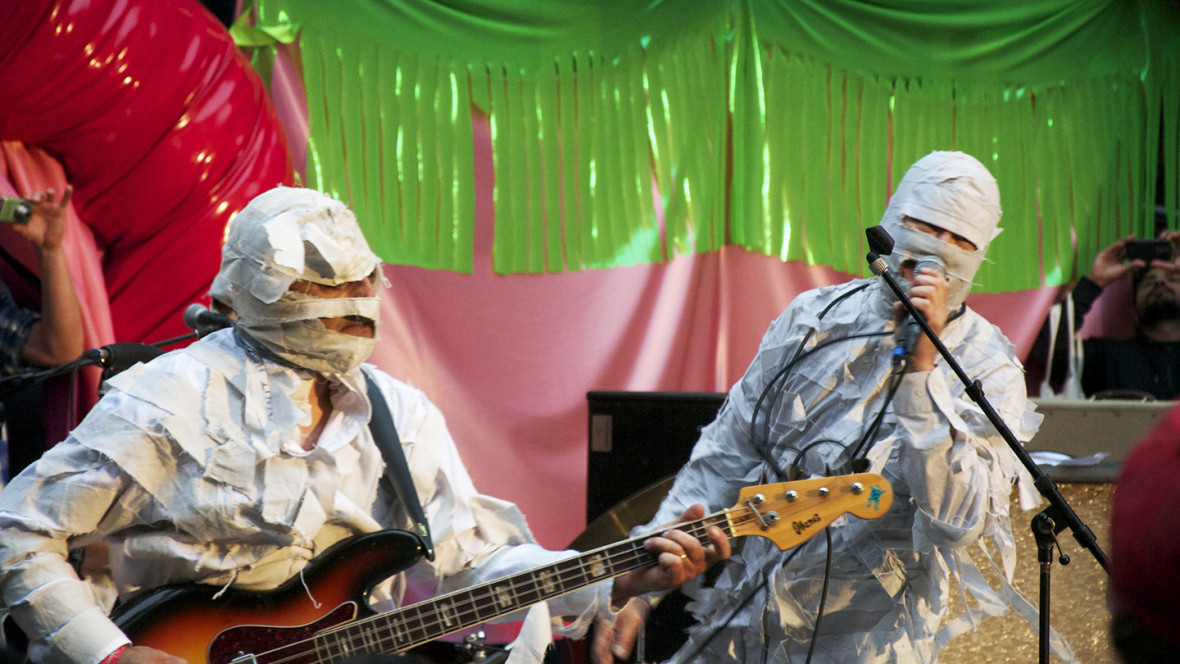
"caption": "Garage punk band The Mummies headlined the July 4 lineup at Burger Boogaloo. ",
"description": "Garage punk band The Mummies headlined the July 4 lineup at Burger Boogaloo.",
"title": "TheMummies1",
"credit": "(Photo: Rebecca Bowe/KQED)",
"status": "inherit",
"isLoading": false,
"fetchFailed": false
},
"arts_10817744": {
"type": "attachments",
"id": "arts_10817744",
"meta": {
"index": "attachments_1716263798",
"site": "arts",
"id": "10817744",
"found": true
},
"parent": 10817743,
"imgSizes": {
"twentyfourteen-full-width": {
"file": "https://ww2.kqed.org/app/uploads/sites/2/2015/06/albumart_custom-767eeb3772b7b897c692f54d6ca3f0fe9ee1e7b6-1038x576.jpg",
"width": 1038,
"mimeType": "image/jpeg",
"height": 576
},
"thumbnail": {
"file": "https://ww2.kqed.org/app/uploads/sites/2/2015/06/albumart_custom-767eeb3772b7b897c692f54d6ca3f0fe9ee1e7b6-400x200.jpg",
"width": 400,
"mimeType": "image/jpeg",
"height": 200
},
"fd-sm": {
"file": "https://ww2.kqed.org/app/uploads/sites/2/2015/06/albumart_custom-767eeb3772b7b897c692f54d6ca3f0fe9ee1e7b6-960x480.jpg",
"width": 960,
"mimeType": "image/jpeg",
"height": 480
},
"post-thumbnail": {
"file": "https://ww2.kqed.org/app/uploads/sites/2/2015/06/albumart_custom-767eeb3772b7b897c692f54d6ca3f0fe9ee1e7b6-672x372.jpg",
"width": 672,
"mimeType": "image/jpeg",
"height": 372
},
"kqedFullSize": {
"file": "https://ww2.kqed.org/app/uploads/sites/2/2015/06/albumart_custom-767eeb3772b7b897c692f54d6ca3f0fe9ee1e7b6.jpg",
"width": 2250,
"height": 1125
},
"large": {
"file": "https://ww2.kqed.org/app/uploads/sites/2/2015/06/albumart_custom-767eeb3772b7b897c692f54d6ca3f0fe9ee1e7b6-1180x590.jpg",
"width": 1180,
"mimeType": "image/jpeg",
"height": 590
},
"guest-author-96": {
"file": "https://ww2.kqed.org/app/uploads/sites/2/2015/06/albumart_custom-767eeb3772b7b897c692f54d6ca3f0fe9ee1e7b6-96x96.jpg",
"width": 96,
"mimeType": "image/jpeg",
"height": 96
},
"medium": {
"file": "https://ww2.kqed.org/app/uploads/sites/2/2015/06/albumart_custom-767eeb3772b7b897c692f54d6ca3f0fe9ee1e7b6-800x400.jpg",
"width": 800,
"mimeType": "image/jpeg",
"height": 400
},
"guest-author-64": {
"file": "https://ww2.kqed.org/app/uploads/sites/2/2015/06/albumart_custom-767eeb3772b7b897c692f54d6ca3f0fe9ee1e7b6-64x64.jpg",
"width": 64,
"mimeType": "image/jpeg",
"height": 64
},
"guest-author-32": {
"file": "https://ww2.kqed.org/app/uploads/sites/2/2015/06/albumart_custom-767eeb3772b7b897c692f54d6ca3f0fe9ee1e7b6-32x32.jpg",
"width": 32,
"mimeType": "image/jpeg",
"height": 32
},
"fd-med": {
"file": "https://ww2.kqed.org/app/uploads/sites/2/2015/06/albumart_custom-767eeb3772b7b897c692f54d6ca3f0fe9ee1e7b6-1180x590.jpg",
"width": 1180,
"mimeType": "image/jpeg",
"height": 590
},
"detail": {
"file": "https://ww2.kqed.org/app/uploads/sites/2/2015/06/albumart_custom-767eeb3772b7b897c692f54d6ca3f0fe9ee1e7b6-75x75.jpg",
"width": 75,
"mimeType": "image/jpeg",
"height": 75
},
"guest-author-128": {
"file": "https://ww2.kqed.org/app/uploads/sites/2/2015/06/albumart_custom-767eeb3772b7b897c692f54d6ca3f0fe9ee1e7b6-128x128.jpg",
"width": 128,
"mimeType": "image/jpeg",
"height": 128
}
},
"publishDate": 1435994171,
"modified": 1435994171,
"caption": null,
"description": "NPR Music's 25 Favorite Albums of 2015 (So Far)",
"title": "NPR Music's 25 Favorite Albums of 2015 (So Far)",
"credit": null,
"status": "inherit",
"isLoading": false,
"fetchFailed": false
},
"arts_10819680": {
"type": "attachments",
"id": "arts_10819680",
"meta": {
"index": "attachments_1716263798",
"site": "arts",
"id": "10819680",
"found": true
},
"parent": 10819679,
"imgSizes": {
"twentyfourteen-full-width": {
"file": "https://ww2.kqed.org/app/uploads/sites/2/2015/07/ap_0902220345071-05db7b64000a8c18e578b4e2775e6d8cfe64c069-1038x576.jpg",
"width": 1038,
"mimeType": "image/jpeg",
"height": 576
},
"thumbnail": {
"file": "https://ww2.kqed.org/app/uploads/sites/2/2015/07/ap_0902220345071-05db7b64000a8c18e578b4e2775e6d8cfe64c069-400x300.jpg",
"width": 400,
"mimeType": "image/jpeg",
"height": 300
},
"fd-sm": {
"file": "https://ww2.kqed.org/app/uploads/sites/2/2015/07/ap_0902220345071-05db7b64000a8c18e578b4e2775e6d8cfe64c069-960x720.jpg",
"width": 960,
"mimeType": "image/jpeg",
"height": 720
},
"post-thumbnail": {
"file": "https://ww2.kqed.org/app/uploads/sites/2/2015/07/ap_0902220345071-05db7b64000a8c18e578b4e2775e6d8cfe64c069-672x372.jpg",
"width": 672,
"mimeType": "image/jpeg",
"height": 372
},
"kqedFullSize": {
"file": "https://ww2.kqed.org/app/uploads/sites/2/2015/07/ap_0902220345071-05db7b64000a8c18e578b4e2775e6d8cfe64c069.jpg",
"width": 2664,
"height": 1998
},
"large": {
"file": "https://ww2.kqed.org/app/uploads/sites/2/2015/07/ap_0902220345071-05db7b64000a8c18e578b4e2775e6d8cfe64c069-1180x885.jpg",
"width": 1180,
"mimeType": "image/jpeg",
"height": 885
},
"guest-author-96": {
"file": "https://ww2.kqed.org/app/uploads/sites/2/2015/07/ap_0902220345071-05db7b64000a8c18e578b4e2775e6d8cfe64c069-96x96.jpg",
"width": 96,
"mimeType": "image/jpeg",
"height": 96
},
"medium": {
"file": "https://ww2.kqed.org/app/uploads/sites/2/2015/07/ap_0902220345071-05db7b64000a8c18e578b4e2775e6d8cfe64c069-800x600.jpg",
"width": 800,
"mimeType": "image/jpeg",
"height": 600
},
"guest-author-64": {
"file": "https://ww2.kqed.org/app/uploads/sites/2/2015/07/ap_0902220345071-05db7b64000a8c18e578b4e2775e6d8cfe64c069-64x64.jpg",
"width": 64,
"mimeType": "image/jpeg",
"height": 64
},
"guest-author-32": {
"file": "https://ww2.kqed.org/app/uploads/sites/2/2015/07/ap_0902220345071-05db7b64000a8c18e578b4e2775e6d8cfe64c069-32x32.jpg",
"width": 32,
"mimeType": "image/jpeg",
"height": 32
},
"fd-med": {
"file": "https://ww2.kqed.org/app/uploads/sites/2/2015/07/ap_0902220345071-05db7b64000a8c18e578b4e2775e6d8cfe64c069-1180x885.jpg",
"width": 1180,
"mimeType": "image/jpeg",
"height": 885
},
"detail": {
"file": "https://ww2.kqed.org/app/uploads/sites/2/2015/07/ap_0902220345071-05db7b64000a8c18e578b4e2775e6d8cfe64c069-75x75.jpg",
"width": 75,
"mimeType": "image/jpeg",
"height": 75
},
"guest-author-128": {
"file": "https://ww2.kqed.org/app/uploads/sites/2/2015/07/ap_0902220345071-05db7b64000a8c18e578b4e2775e6d8cfe64c069-128x128.jpg",
"width": 128,
"mimeType": "image/jpeg",
"height": 128
}
},
"publishDate": 1436082231,
"modified": 1436082231,
"caption": null,
"description": "The first time Tim Burton and Danny Elfman (pictured) collaborated was during the 1985 film \u003cem>Pee-Wee's Big Adventure. \u003c/em>\"There was instant chemistry in terms of what we were into,\" Elfman says.",
"title": "The first time Tim Burton and Danny Elfman (pictured) collaborated was during the 1985 film Pee-Wee's Big Adventure. \"There was instant chemistry in terms of what we were into,\" Elfman says.",
"credit": null,
"status": "inherit",
"isLoading": false,
"fetchFailed": false
},
"arts_10814968": {
"type": "attachments",
"id": "arts_10814968",
"meta": {
"index": "attachments_1716263798",
"site": "arts",
"id": "10814968",
"found": true
},
"parent": 10793082,
"imgSizes": {
"thumbnail": {
"file": "https://ww2.kqed.org/app/uploads/sites/2/2015/07/Beirut-400x225.jpg",
"width": 400,
"mimeType": "image/jpeg",
"height": 225
},
"fd-sm": {
"file": "https://ww2.kqed.org/app/uploads/sites/2/2015/07/Beirut-960x540.jpg",
"width": 960,
"mimeType": "image/jpeg",
"height": 540
},
"post-thumbnail": {
"file": "https://ww2.kqed.org/app/uploads/sites/2/2015/07/Beirut-672x372.jpg",
"width": 672,
"mimeType": "image/jpeg",
"height": 372
},
"kqedFullSize": {
"file": "https://ww2.kqed.org/app/uploads/sites/2/2015/07/Beirut.jpg",
"width": 997,
"height": 561
},
"guest-author-96": {
"file": "https://ww2.kqed.org/app/uploads/sites/2/2015/07/Beirut-96x96.jpg",
"width": 96,
"mimeType": "image/jpeg",
"height": 96
},
"medium": {
"file": "https://ww2.kqed.org/app/uploads/sites/2/2015/07/Beirut-800x450.jpg",
"width": 800,
"mimeType": "image/jpeg",
"height": 450
},
"guest-author-64": {
"file": "https://ww2.kqed.org/app/uploads/sites/2/2015/07/Beirut-64x64.jpg",
"width": 64,
"mimeType": "image/jpeg",
"height": 64
},
"detail": {
"file": "https://ww2.kqed.org/app/uploads/sites/2/2015/07/Beirut-75x75.jpg",
"width": 75,
"mimeType": "image/jpeg",
"height": 75
},
"guest-author-32": {
"file": "https://ww2.kqed.org/app/uploads/sites/2/2015/07/Beirut-32x32.jpg",
"width": 32,
"mimeType": "image/jpeg",
"height": 32
},
"guest-author-128": {
"file": "https://ww2.kqed.org/app/uploads/sites/2/2015/07/Beirut-128x128.jpg",
"width": 128,
"mimeType": "image/jpeg",
"height": 128
}
},
"publishDate": 1435870710,
"modified": 1435870723,
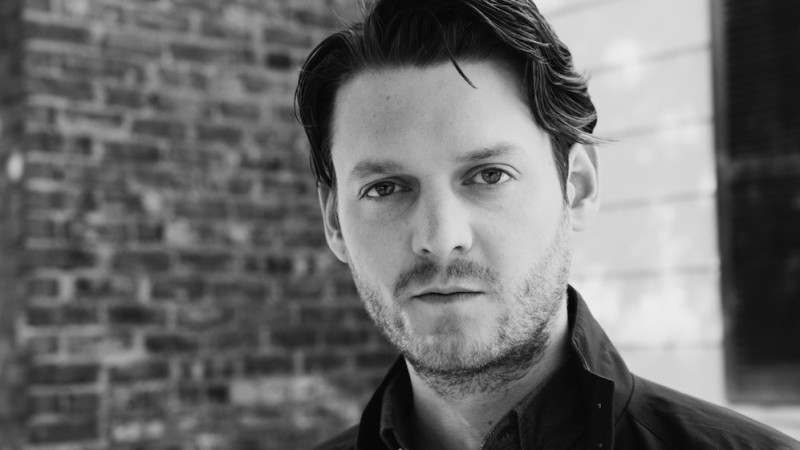
"caption": "Beirut's Zach Condon.",
"description": "Beirut's Zach Condon.",
"title": "Beirut",
"credit": null,
"status": "inherit",
"isLoading": false,
"fetchFailed": false
},
"arts_10820709": {
"type": "attachments",
"id": "arts_10820709",
"meta": {
"index": "attachments_1716263798",
"site": "arts",
"id": "10820709",
"found": true
},
"parent": 10820708,
"imgSizes": {
"thumbnail": {
"file": "https://ww2.kqed.org/app/uploads/sites/2/2015/07/Tamaryn-400x225.jpg",
"width": 400,
"mimeType": "image/jpeg",
"height": 225
},
"post-thumbnail": {
"file": "https://ww2.kqed.org/app/uploads/sites/2/2015/07/Tamaryn-672x372.jpg",
"width": 672,
"mimeType": "image/jpeg",
"height": 372
},
"kqedFullSize": {
"file": "https://ww2.kqed.org/app/uploads/sites/2/2015/07/Tamaryn.jpg",
"width": 800,
"height": 450
},
"guest-author-96": {
"file": "https://ww2.kqed.org/app/uploads/sites/2/2015/07/Tamaryn-96x96.jpg",
"width": 96,
"mimeType": "image/jpeg",
"height": 96
},
"medium": {
"file": "https://ww2.kqed.org/app/uploads/sites/2/2015/07/Tamaryn-800x450.jpg",
"width": 800,
"mimeType": "image/jpeg",
"height": 450
},
"guest-author-64": {
"file": "https://ww2.kqed.org/app/uploads/sites/2/2015/07/Tamaryn-64x64.jpg",
"width": 64,
"mimeType": "image/jpeg",
"height": 64
},
"detail": {
"file": "https://ww2.kqed.org/app/uploads/sites/2/2015/07/Tamaryn-75x75.jpg",
"width": 75,
"mimeType": "image/jpeg",
"height": 75
},
"guest-author-32": {
"file": "https://ww2.kqed.org/app/uploads/sites/2/2015/07/Tamaryn-32x32.jpg",
"width": 32,
"mimeType": "image/jpeg",
"height": 32
},
"guest-author-128": {
"file": "https://ww2.kqed.org/app/uploads/sites/2/2015/07/Tamaryn-128x128.jpg",
"width": 128,
"mimeType": "image/jpeg",
"height": 128
}
},
"publishDate": 1436130590,
"modified": 1437638265,
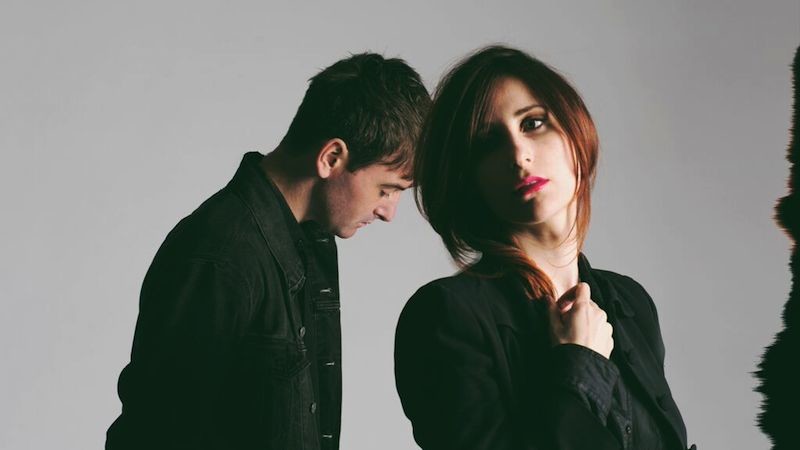
"caption": "Tamaryn.",
"description": "Tamaryn.",
"title": "Tamaryn",
"credit": null,
"status": "inherit",
"isLoading": false,
"fetchFailed": false
},
"arts_10814793": {
"type": "attachments",
"id": "arts_10814793",
"meta": {
"index": "attachments_1716263798",
"site": "arts",
"id": "10814793",
"found": true
},
"parent": 10814714,
"imgSizes": {
"twentyfourteen-full-width": {
"file": "https://ww2.kqed.org/app/uploads/sites/2/2015/07/RileyIntMAIN.EvanNeff-1038x576.jpg",
"width": 1038,
"mimeType": "image/jpeg",
"height": 576
},
"thumbnail": {
"file": "https://ww2.kqed.org/app/uploads/sites/2/2015/07/RileyIntMAIN.EvanNeff-400x225.jpg",
"width": 400,
"mimeType": "image/jpeg",
"height": 225
},
"fd-sm": {
"file": "https://ww2.kqed.org/app/uploads/sites/2/2015/07/RileyIntMAIN.EvanNeff-960x540.jpg",
"width": 960,
"mimeType": "image/jpeg",
"height": 540
},
"post-thumbnail": {
"file": "https://ww2.kqed.org/app/uploads/sites/2/2015/07/RileyIntMAIN.EvanNeff-672x372.jpg",
"width": 672,
"mimeType": "image/jpeg",
"height": 372
},
"kqedFullSize": {
"file": "https://ww2.kqed.org/app/uploads/sites/2/2015/07/RileyIntMAIN.EvanNeff.jpg",
"width": 1100,
"height": 619
},
"guest-author-96": {
"file": "https://ww2.kqed.org/app/uploads/sites/2/2015/07/RileyIntMAIN.EvanNeff-96x96.jpg",
"width": 96,
"mimeType": "image/jpeg",
"height": 96
},
"medium": {
"file": "https://ww2.kqed.org/app/uploads/sites/2/2015/07/RileyIntMAIN.EvanNeff-800x450.jpg",
"width": 800,
"mimeType": "image/jpeg",
"height": 450
},
"guest-author-64": {
"file": "https://ww2.kqed.org/app/uploads/sites/2/2015/07/RileyIntMAIN.EvanNeff-64x64.jpg",
"width": 64,
"mimeType": "image/jpeg",
"height": 64
},
"detail": {
"file": "https://ww2.kqed.org/app/uploads/sites/2/2015/07/RileyIntMAIN.EvanNeff-75x75.jpg",
"width": 75,
"mimeType": "image/jpeg",
"height": 75
},
"guest-author-32": {
"file": "https://ww2.kqed.org/app/uploads/sites/2/2015/07/RileyIntMAIN.EvanNeff-32x32.jpg",
"width": 32,
"mimeType": "image/jpeg",
"height": 32
},
"guest-author-128": {
"file": "https://ww2.kqed.org/app/uploads/sites/2/2015/07/RileyIntMAIN.EvanNeff-128x128.jpg",
"width": 128,
"mimeType": "image/jpeg",
"height": 128
}
},
"publishDate": 1435863365,
"modified": 1435863407,
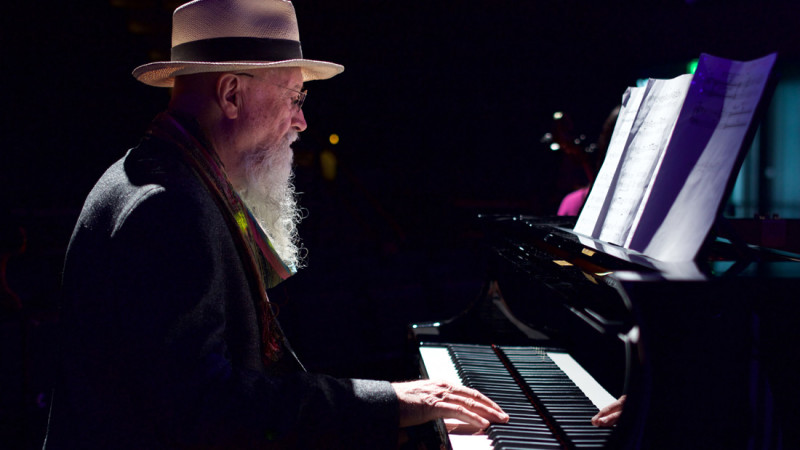
"caption": "Terry Riley performs at his 80th birthday celebration at SFJAZZ Center, June 2015. (Photo: Evan Neff)",
"description": "Terry Riley performs at his 80th birthday celebration at SFJAZZ Center, June 2015.",
"title": "RileyIntMAIN.EvanNeff",
"credit": null,
"status": "inherit",
"isLoading": false,
"fetchFailed": false
},
"news_10585892": {
"type": "attachments",
"id": "news_10585892",
"meta": {
"index": "attachments_1716263798",
"site": "news",
"id": "10585892",
"found": true
},
"parent": 10585889,
"imgSizes": {
"twentyfourteen-full-width": {
"file": "https://ww2.kqed.org/app/uploads/sites/10/2015/07/BURGER-REC-11-1038x576.jpg",
"width": 1038,
"mimeType": "image/jpeg",
"height": 576
},
"thumbnail": {
"file": "https://ww2.kqed.org/app/uploads/sites/10/2015/07/BURGER-REC-11-400x267.jpg",
"width": 400,
"mimeType": "image/jpeg",
"height": 267
},
"fd-sm": {
"file": "https://ww2.kqed.org/app/uploads/sites/10/2015/07/BURGER-REC-11-960x640.jpg",
"width": 960,
"mimeType": "image/jpeg",
"height": 640
},
"post-thumbnail": {
"file": "https://ww2.kqed.org/app/uploads/sites/10/2015/07/BURGER-REC-11-672x372.jpg",
"width": 672,
"mimeType": "image/jpeg",
"height": 372
},
"kqedFullSize": {
"file": "https://ww2.kqed.org/app/uploads/sites/10/2015/07/BURGER-REC-11.jpg",
"width": 1920,
"height": 1280
},
"large": {
"file": "https://ww2.kqed.org/app/uploads/sites/10/2015/07/BURGER-REC-11-1440x960.jpg",
"width": 1440,
"mimeType": "image/jpeg",
"height": 960
},
"guest-author-96": {
"file": "https://ww2.kqed.org/app/uploads/sites/10/2015/07/BURGER-REC-11-96x96.jpg",
"width": 96,
"mimeType": "image/jpeg",
"height": 96
},
"medium": {
"file": "https://ww2.kqed.org/app/uploads/sites/10/2015/07/BURGER-REC-11-800x533.jpg",
"width": 800,
"mimeType": "image/jpeg",
"height": 533
},
"guest-author-64": {
"file": "https://ww2.kqed.org/app/uploads/sites/10/2015/07/BURGER-REC-11-64x64.jpg",
"width": 64,
"mimeType": "image/jpeg",
"height": 64
},
"guest-author-32": {
"file": "https://ww2.kqed.org/app/uploads/sites/10/2015/07/BURGER-REC-11-32x32.jpg",
"width": 32,
"mimeType": "image/jpeg",
"height": 32
},
"jmtc-small-thumb": {
"file": "https://ww2.kqed.org/app/uploads/sites/10/2015/07/BURGER-REC-11-280x150.jpg",
"width": 280,
"mimeType": "image/jpeg",
"height": 150
},
"fd-med": {
"file": "https://ww2.kqed.org/app/uploads/sites/10/2015/07/BURGER-REC-11-1180x787.jpg",
"width": 1180,
"mimeType": "image/jpeg",
"height": 787
},
"detail": {
"file": "https://ww2.kqed.org/app/uploads/sites/10/2015/07/BURGER-REC-11-75x75.jpg",
"width": 75,
"mimeType": "image/jpeg",
"height": 75
},
"guest-author-128": {
"file": "https://ww2.kqed.org/app/uploads/sites/10/2015/07/BURGER-REC-11-128x128.jpg",
"width": 128,
"mimeType": "image/jpeg",
"height": 128
}
},
"publishDate": 1435878553,
"modified": 1435884295,
"caption": "Sean Bohrman and Lee Rickard work the counter at Burger Records",
"description": null,
"title": "BURGER REC 1",
"credit": "Steven Cuevas/KQED",
"status": "inherit",
"isLoading": false,
"fetchFailed": false
},
"arts_10813153": {
"type": "attachments",
"id": "arts_10813153",
"meta": {
"index": "attachments_1716263798",
"site": "arts",
"id": "10813153",
"found": true
},
"parent": 10812980,
"imgSizes": {
"twentyfourteen-full-width": {
"file": "https://ww2.kqed.org/app/uploads/sites/2/2015/07/EzraRoseViracochaMAIN-1038x576.jpg",
"width": 1038,
"mimeType": "image/jpeg",
"height": 576
},
"thumbnail": {
"file": "https://ww2.kqed.org/app/uploads/sites/2/2015/07/EzraRoseViracochaMAIN-400x223.jpg",
"width": 400,
"mimeType": "image/jpeg",
"height": 223
},
"fd-sm": {
"file": "https://ww2.kqed.org/app/uploads/sites/2/2015/07/EzraRoseViracochaMAIN-960x534.jpg",
"width": 960,
"mimeType": "image/jpeg",
"height": 534
},
"post-thumbnail": {
"file": "https://ww2.kqed.org/app/uploads/sites/2/2015/07/EzraRoseViracochaMAIN-672x372.jpg",
"width": 672,
"mimeType": "image/jpeg",
"height": 372
},
"kqedFullSize": {
"file": "https://ww2.kqed.org/app/uploads/sites/2/2015/07/EzraRoseViracochaMAIN.jpg",
"width": 1100,
"height": 612
},
"guest-author-96": {
"file": "https://ww2.kqed.org/app/uploads/sites/2/2015/07/EzraRoseViracochaMAIN-96x96.jpg",
"width": 96,
"mimeType": "image/jpeg",
"height": 96
},
"medium": {
"file": "https://ww2.kqed.org/app/uploads/sites/2/2015/07/EzraRoseViracochaMAIN-800x445.jpg",
"width": 800,
"mimeType": "image/jpeg",
"height": 445
},
"guest-author-64": {
"file": "https://ww2.kqed.org/app/uploads/sites/2/2015/07/EzraRoseViracochaMAIN-64x64.jpg",
"width": 64,
"mimeType": "image/jpeg",
"height": 64
},
"detail": {
"file": "https://ww2.kqed.org/app/uploads/sites/2/2015/07/EzraRoseViracochaMAIN-75x75.jpg",
"width": 75,
"mimeType": "image/jpeg",
"height": 75
},
"guest-author-32": {
"file": "https://ww2.kqed.org/app/uploads/sites/2/2015/07/EzraRoseViracochaMAIN-32x32.jpg",
"width": 32,
"mimeType": "image/jpeg",
"height": 32
},
"guest-author-128": {
"file": "https://ww2.kqed.org/app/uploads/sites/2/2015/07/EzraRoseViracochaMAIN-128x128.jpg",
"width": 128,
"mimeType": "image/jpeg",
"height": 128
}
},
"publishDate": 1435790453,
"modified": 1435790486,
"caption": "Ezza Rose and her band perform in Viracocha's basement. (Photo: Pete Lee)",
"description": "Ezza Rose and her band perform in Viracocha's basement.",
"title": "EzraRoseViracochaMAIN",
"credit": null,
"status": "inherit",
"isLoading": false,
"fetchFailed": false
},
"arts_10806072": {
"type": "attachments",
"id": "arts_10806072",
"meta": {
"index": "attachments_1716263798",
"site": "arts",
"id": "10806072",
"found": true
},
"parent": 0,
"imgSizes": {
"twentyfourteen-full-width": {
"file": "https://ww2.kqed.org/app/uploads/sites/2/2015/06/AndrewWK1-900x576.jpg",
"width": 900,
"mimeType": "image/jpeg",
"height": 576
},
"thumbnail": {
"file": "https://ww2.kqed.org/app/uploads/sites/2/2015/06/AndrewWK1-e1435477990770-400x225.jpg",
"width": 400,
"mimeType": "image/jpeg",
"height": 225
},
"post-thumbnail": {
"file": "https://ww2.kqed.org/app/uploads/sites/2/2015/06/AndrewWK1-e1435477990770-672x372.jpg",
"width": 672,
"mimeType": "image/jpeg",
"height": 372
},
"kqedFullSize": {
"file": "https://ww2.kqed.org/app/uploads/sites/2/2015/06/AndrewWK1-e1435477990770.jpg",
"width": 900,
"height": 506
},
"guest-author-96": {
"file": "https://ww2.kqed.org/app/uploads/sites/2/2015/06/AndrewWK1-e1435477990770-96x96.jpg",
"width": 96,
"mimeType": "image/jpeg",
"height": 96
},
"medium": {
"file": "https://ww2.kqed.org/app/uploads/sites/2/2015/06/AndrewWK1-e1435477990770-800x450.jpg",
"width": 800,
"mimeType": "image/jpeg",
"height": 450
},
"guest-author-64": {
"file": "https://ww2.kqed.org/app/uploads/sites/2/2015/06/AndrewWK1-e1435477990770-64x64.jpg",
"width": 64,
"mimeType": "image/jpeg",
"height": 64
},
"detail": {
"file": "https://ww2.kqed.org/app/uploads/sites/2/2015/06/AndrewWK1-e1435477990770-75x75.jpg",
"width": 75,
"mimeType": "image/jpeg",
"height": 75
},
"guest-author-32": {
"file": "https://ww2.kqed.org/app/uploads/sites/2/2015/06/AndrewWK1-e1435477990770-32x32.jpg",
"width": 32,
"mimeType": "image/jpeg",
"height": 32
},
"guest-author-128": {
"file": "https://ww2.kqed.org/app/uploads/sites/2/2015/06/AndrewWK1-e1435477990770-128x128.jpg",
"width": 128,
"mimeType": "image/jpeg",
"height": 128
}
},
"publishDate": 1435477821,
"modified": 1435477962,
"caption": "Andrew W. K. playing live in Liverpool, UK. (Photo by Vicky Pea)",
"description": "Andrew W. K. playing live in Liverpool, UK. (Photo by Vicky Pea)",
"title": "AndrewWK1",
"credit": null,
"status": "inherit",
"isLoading": false,
"fetchFailed": false
},
"arts_10811293": {
"type": "attachments",
"id": "arts_10811293",
"meta": {
"index": "attachments_1716263798",
"site": "arts",
"id": "10811293",
"found": true
},
"parent": 10811289,
"imgSizes": {
"twentyfourteen-full-width": {
"file": "https://ww2.kqed.org/app/uploads/sites/2/2015/06/KendrickMAIN-1038x576.jpg",
"width": 1038,
"mimeType": "image/jpeg",
"height": 576
},
"thumbnail": {
"file": "https://ww2.kqed.org/app/uploads/sites/2/2015/06/KendrickMAIN-400x225.jpg",
"width": 400,
"mimeType": "image/jpeg",
"height": 225
},
"fd-sm": {
"file": "https://ww2.kqed.org/app/uploads/sites/2/2015/06/KendrickMAIN-960x540.jpg",
"width": 960,
"mimeType": "image/jpeg",
"height": 540
},
"post-thumbnail": {
"file": "https://ww2.kqed.org/app/uploads/sites/2/2015/06/KendrickMAIN-672x372.jpg",
"width": 672,
"mimeType": "image/jpeg",
"height": 372
},
"kqedFullSize": {
"file": "https://ww2.kqed.org/app/uploads/sites/2/2015/06/KendrickMAIN.jpg",
"width": 1100,
"height": 619
},
"guest-author-96": {
"file": "https://ww2.kqed.org/app/uploads/sites/2/2015/06/KendrickMAIN-96x96.jpg",
"width": 96,
"mimeType": "image/jpeg",
"height": 96
},
"medium": {
"file": "https://ww2.kqed.org/app/uploads/sites/2/2015/06/KendrickMAIN-800x450.jpg",
"width": 800,
"mimeType": "image/jpeg",
"height": 450
},
"guest-author-64": {
"file": "https://ww2.kqed.org/app/uploads/sites/2/2015/06/KendrickMAIN-64x64.jpg",
"width": 64,
"mimeType": "image/jpeg",
"height": 64
},
"detail": {
"file": "https://ww2.kqed.org/app/uploads/sites/2/2015/06/KendrickMAIN-75x75.jpg",
"width": 75,
"mimeType": "image/jpeg",
"height": 75
},
"guest-author-32": {
"file": "https://ww2.kqed.org/app/uploads/sites/2/2015/06/KendrickMAIN-32x32.jpg",
"width": 32,
"mimeType": "image/jpeg",
"height": 32
},
"guest-author-128": {
"file": "https://ww2.kqed.org/app/uploads/sites/2/2015/06/KendrickMAIN-128x128.jpg",
"width": 128,
"mimeType": "image/jpeg",
"height": 128
}
},
"publishDate": 1435707068,
"modified": 1435707092,
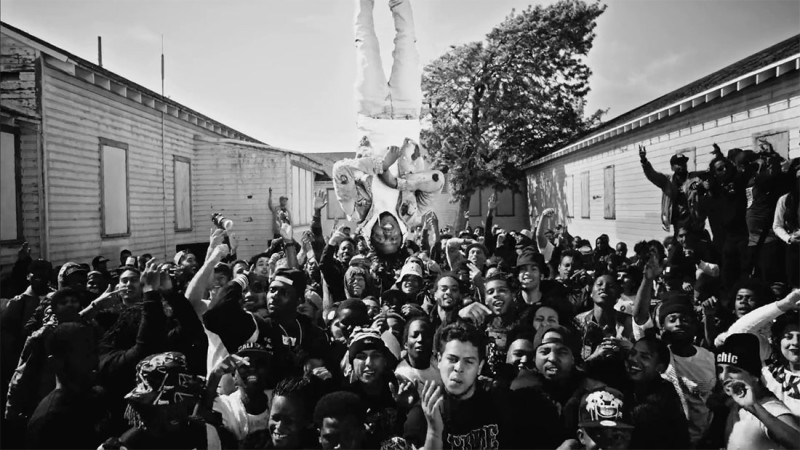
"caption": "Kendrick Lamar's \"Alright\" video, shot on Treasure Island.",
"description": "Kendrick Lamar's \"Alright\" video, shot on Treasure Island.",
"title": "KendrickMAIN",
"credit": null,
"status": "inherit",
"isLoading": false,
"fetchFailed": false
},
"news_10578465": {
"type": "attachments",
"id": "news_10578465",
"meta": {
"index": "attachments_1716263798",
"site": "news",
"id": "10578465",
"found": true
},
"parent": 10577740,
"imgSizes": {
"twentyfourteen-full-width": {
"file": "https://ww2.kqed.org/app/uploads/sites/10/2015/06/TiffanyAustin-1038x576.jpg",
"width": 1038,
"mimeType": "image/jpeg",
"height": 576
},
"thumbnail": {
"file": "https://ww2.kqed.org/app/uploads/sites/10/2015/06/TiffanyAustin-400x274.jpg",
"width": 400,
"mimeType": "image/jpeg",
"height": 274
},
"fd-sm": {
"file": "https://ww2.kqed.org/app/uploads/sites/10/2015/06/TiffanyAustin-960x658.jpg",
"width": 960,
"mimeType": "image/jpeg",
"height": 658
},
"post-thumbnail": {
"file": "https://ww2.kqed.org/app/uploads/sites/10/2015/06/TiffanyAustin-672x372.jpg",
"width": 672,
"mimeType": "image/jpeg",
"height": 372
},
"kqedFullSize": {
"file": "https://ww2.kqed.org/app/uploads/sites/10/2015/06/TiffanyAustin.jpg",
"width": 1920,
"height": 1315
},
"large": {
"file": "https://ww2.kqed.org/app/uploads/sites/10/2015/06/TiffanyAustin-1440x986.jpg",
"width": 1440,
"mimeType": "image/jpeg",
"height": 986
},
"guest-author-96": {
"file": "https://ww2.kqed.org/app/uploads/sites/10/2015/06/TiffanyAustin-96x96.jpg",
"width": 96,
"mimeType": "image/jpeg",
"height": 96
},
"medium": {
"file": "https://ww2.kqed.org/app/uploads/sites/10/2015/06/TiffanyAustin-800x548.jpg",
"width": 800,
"mimeType": "image/jpeg",
"height": 548
},
"guest-author-64": {
"file": "https://ww2.kqed.org/app/uploads/sites/10/2015/06/TiffanyAustin-64x64.jpg",
"width": 64,
"mimeType": "image/jpeg",
"height": 64
},
"guest-author-32": {
"file": "https://ww2.kqed.org/app/uploads/sites/10/2015/06/TiffanyAustin-32x32.jpg",
"width": 32,
"mimeType": "image/jpeg",
"height": 32
},
"jmtc-small-thumb": {
"file": "https://ww2.kqed.org/app/uploads/sites/10/2015/06/TiffanyAustin-280x150.jpg",
"width": 280,
"mimeType": "image/jpeg",
"height": 150
},
"fd-med": {
"file": "https://ww2.kqed.org/app/uploads/sites/10/2015/06/TiffanyAustin-1180x808.jpg",
"width": 1180,
"mimeType": "image/jpeg",
"height": 808
},
"detail": {
"file": "https://ww2.kqed.org/app/uploads/sites/10/2015/06/TiffanyAustin-75x75.jpg",
"width": 75,
"mimeType": "image/jpeg",
"height": 75
},
"guest-author-128": {
"file": "https://ww2.kqed.org/app/uploads/sites/10/2015/06/TiffanyAustin-128x128.jpg",
"width": 128,
"mimeType": "image/jpeg",
"height": 128
}
},
"publishDate": 1435351338,
"modified": 1435364072,
"caption": "Bay Area singer Tiffany Austin's new debut album is \"Nothing But Soul.\"",
"description": "Bay Area singer Tiffany Austin's new debut album is \"Nothing But Soul.\"",
"title": "TiffanyAustin",
"credit": "Bill Reitzel/Courtesy Tiffany Austin",
"status": "inherit",
"isLoading": false,
"fetchFailed": false
}
},
"audioPlayerReducer": {
"postId": "stream_live",
"isPaused": true,
"isPlaying": false,
"pfsActive": false,
"pledgeModalIsOpen": true,
"playerDrawerIsOpen": false,
"liveAudioPlayStartedAt": 0,
"liveAudioPlayContext": ""
},
"authorsReducer": {
"byline_arts_10819679": {
"type": "authors",
"id": "byline_arts_10819679",
"meta": {
"override": true
},
"slug": "byline_arts_10819679",
"name": "Daniel Hajek",
"isLoading": false
},
"byline_arts_10814714": {
"type": "authors",
"id": "byline_arts_10814714",
"meta": {
"override": true
},
"slug": "byline_arts_10814714",
"name": "Geeta Dayal",
"isLoading": false
},
"byline_news_10577740": {
"type": "authors",
"id": "byline_news_10577740",
"meta": {
"override": true
},
"slug": "byline_news_10577740",
"name": "Andrew Gilbert",
"isLoading": false
},
"kqedarts": {
"type": "authors",
"id": "92",
"meta": {
"index": "authors_1716337520",
"id": "92",
"found": true
},
"name": "KQED Arts",
"firstName": "KQED",
"lastName": "Arts",
"slug": "kqedarts",
"email": "arts@kqed.org",
"display_author_email": false,
"staff_mastheads": [],
"title": "KQED Staff",
"bio": null,
"avatar": "https://secure.gravatar.com/avatar/321c9ebfeb7736f9e55366a6d3399ab0?s=600&d=blank&r=g",
"twitter": null,
"facebook": null,
"instagram": "https://www.instagram.com/kqed_arts/",
"linkedin": null,
"sites": [
{
"site": "arts",
"roles": [
"contributor"
]
},
{
"site": "pop",
"roles": [
"contributor"
]
},
{
"site": "science",
"roles": [
"author"
]
},
{
"site": "food",
"roles": [
"contributor"
]
}
],
"headData": {
"title": "KQED Arts | KQED",
"description": "KQED Staff",
"ogImgSrc": "https://secure.gravatar.com/avatar/321c9ebfeb7736f9e55366a6d3399ab0?s=600&d=blank&r=g",
"twImgSrc": "https://secure.gravatar.com/avatar/321c9ebfeb7736f9e55366a6d3399ab0?s=600&d=blank&r=g"
},
"isLoading": false,
"link": "/author/kqedarts"
},
"kjones": {
"type": "authors",
"id": "93",
"meta": {
"index": "authors_1716337520",
"id": "93",
"found": true
},
"name": "Kevin L. Jones",
"firstName": "Kevin",
"lastName": "Jones",
"slug": "kjones",
"email": "kjones@kqed.org",
"display_author_email": false,
"staff_mastheads": [],
"title": null,
"bio": null,
"avatar": "https://secure.gravatar.com/avatar/12c65b5633ed39d0a59bb7f497eff645?s=600&d=blank&r=g",
"twitter": null,
"facebook": null,
"instagram": null,
"linkedin": null,
"sites": [
{
"site": "arts",
"roles": [
"subscriber"
]
},
{
"site": "styleguide",
"roles": [
"contributor"
]
},
{
"site": "artschool",
"roles": [
"subscriber"
]
},
{
"site": "news",
"roles": [
"subscriber"
]
},
{
"site": "pop",
"roles": [
"subscriber"
]
}
],
"headData": {
"title": "Kevin L. Jones | KQED",
"description": null,
"ogImgSrc": "https://secure.gravatar.com/avatar/12c65b5633ed39d0a59bb7f497eff645?s=600&d=blank&r=g",
"twImgSrc": "https://secure.gravatar.com/avatar/12c65b5633ed39d0a59bb7f497eff645?s=600&d=blank&r=g"
},
"isLoading": false,
"link": "/author/kjones"
},
"noisepop": {
"type": "authors",
"id": "177",
"meta": {
"index": "authors_1716337520",
"id": "177",
"found": true
},
"name": "Noise Pop",
"firstName": "Noise",
"lastName": "Pop",
"slug": "noisepop",
"email": "dawson@noisepop.com",
"display_author_email": false,
"staff_mastheads": [],
"title": null,
"bio": "The Noise Pop Podcast is a bi-monthly series that showcases the most noteworthy and soon-to-be-buzzing music. Hosts, Olivia LaRoche and Dawson Ludwig provide witty and interesting context behind the songs played on the podcast.",
"avatar": "https://secure.gravatar.com/avatar/5f453b166405b70819c53d7e1ef223bc?s=600&d=blank&r=g",
"twitter": null,
"facebook": null,
"instagram": null,
"linkedin": null,
"sites": [
{
"site": "arts",
"roles": [
"contributor"
]
}
],
"headData": {
"title": "Noise Pop | KQED",
"description": null,
"ogImgSrc": "https://secure.gravatar.com/avatar/5f453b166405b70819c53d7e1ef223bc?s=600&d=blank&r=g",
"twImgSrc": "https://secure.gravatar.com/avatar/5f453b166405b70819c53d7e1ef223bc?s=600&d=blank&r=g"
},
"isLoading": false,
"link": "/author/noisepop"
},
"baybridged": {
"type": "authors",
"id": "178",
"meta": {
"index": "authors_1716337520",
"id": "178",
"found": true
},
"name": "The Bay Bridged",
"firstName": "The Bay",
"lastName": "Bridged",
"slug": "baybridged",
"email": "thebaybridged@gmail.com",
"display_author_email": false,
"staff_mastheads": [],
"title": "KQED Contributor",
"bio": null,
"avatar": "https://secure.gravatar.com/avatar/211daad5386ad504c39c31f3e16cfae45ec7b0ad32ecca7ee64cfd9b7eb76609?s=600&d=blank&r=g",
"twitter": null,
"bluesky": null,
"facebook": null,
"instagram": null,
"linkedin": null,
"sites": [
{
"site": "arts",
"roles": [
"subscriber"
]
}
],
"headData": {
"title": "The Bay Bridged | KQED",
"description": "KQED Contributor",
"ogImgSrc": "https://secure.gravatar.com/avatar/211daad5386ad504c39c31f3e16cfae45ec7b0ad32ecca7ee64cfd9b7eb76609?s=600&d=blank&r=g",
"twImgSrc": "https://secure.gravatar.com/avatar/211daad5386ad504c39c31f3e16cfae45ec7b0ad32ecca7ee64cfd9b7eb76609?s=600&d=blank&r=g"
},
"isLoading": false,
"link": "/author/baybridged"
},
"gmeline": {
"type": "authors",
"id": "185",
"meta": {
"index": "authors_1716337520",
"id": "185",
"found": true
},
"name": "Gabe Meline",
"firstName": "Gabe",
"lastName": "Meline",
"slug": "gmeline",
"email": "gmeline@kqed.org",
"display_author_email": true,
"staff_mastheads": [
"arts"
],
"title": "Senior Editor, KQED Arts & Culture",
"bio": "Gabe Meline entered journalism at age 15 making photocopied zines, and has since earned awards from the Edward R. Murrow Awards, the Society for Professional Journalists, the Online Journalism Awards, the Association of Alternative Newsweeklies and the California Newspaper Publishers Association. Prior to KQED, he was the editor of the \u003cem>North Bay Bohemian\u003c/em> and a touring musician. He lives with his wife and daughter in his hometown of Santa Rosa, CA.",
"avatar": "https://secure.gravatar.com/avatar/5bebe57be0d8bc2dd318934feb47299e2d2d10cba28d09d8d7afb389a2ce2bdd?s=600&d=blank&r=g",
"twitter": null,
"bluesky": null,
"facebook": null,
"instagram": null,
"linkedin": null,
"sites": [
{
"site": "",
"roles": [
"editor"
]
},
{
"site": "arts",
"roles": [
"administrator"
]
},
{
"site": "artschool",
"roles": [
"editor"
]
},
{
"site": "news",
"roles": [
"author"
]
},
{
"site": "pop",
"roles": [
"editor"
]
},
{
"site": "bayareabites",
"roles": [
"editor"
]
},
{
"site": "food",
"roles": [
"editor"
]
},
{
"site": "forum",
"roles": [
"administrator"
]
},
{
"site": "liveblog",
"roles": [
"editor"
]
},
{
"site": "hiphop",
"roles": [
"editor"
]
}
],
"headData": {
"title": "Gabe Meline | KQED",
"description": "Senior Editor, KQED Arts & Culture",
"ogImgSrc": "https://secure.gravatar.com/avatar/5bebe57be0d8bc2dd318934feb47299e2d2d10cba28d09d8d7afb389a2ce2bdd?s=600&d=blank&r=g",
"twImgSrc": "https://secure.gravatar.com/avatar/5bebe57be0d8bc2dd318934feb47299e2d2d10cba28d09d8d7afb389a2ce2bdd?s=600&d=blank&r=g"
},
"isLoading": false,
"link": "/author/gmeline"
},
"scuevas": {
"type": "authors",
"id": "2600",
"meta": {
"index": "authors_1716337520",
"id": "2600",
"found": true
},
"name": "Steven Cuevas",
"firstName": "Steven",
"lastName": "Cuevas",
"slug": "scuevas",
"email": "scuevas@kqed.org",
"display_author_email": false,
"staff_mastheads": [],
"title": "KQED Contributor",
"bio": "Steven is a former Los Angeles bureau chief for The California Report.\r\n\r\nHe reports on an array of issues across the Southland, from immigration and regional politics to religion, the performing arts and pop culture.\r\n\r\nPrior to joining KQED in 2012, Steven covered Inland southern California for KPCC in Pasadena. He also helped establish the first newsroom at \u003ca href=\"http://kut.org/\">KUT\u003c/a> in Austin, Texas where he was a general assignment reporter.\r\n\r\nSteven has received numerous awards for his reporting including an RTNDA Edward R. Murrow Award for investigative reporting in addition to awards from the LA Press Club, the Associated Press and the Society for Professional Journalists.\r\n\r\nSteven grew up in and around San Francisco and now lives in Pasadena just a short jog from the foot of the San Gabriel Mountains.",
"avatar": "https://secure.gravatar.com/avatar/2d253580794f8e026100fae05cfabbbd4889b4fe15146146cacb82a01974c538?s=600&d=blank&r=g",
"twitter": null,
"bluesky": null,
"facebook": null,
"instagram": null,
"linkedin": null,
"sites": [
{
"site": "news",
"roles": [
"subscriber"
]
}
],
"headData": {
"title": "Steven Cuevas | KQED",
"description": "KQED Contributor",
"ogImgSrc": "https://secure.gravatar.com/avatar/2d253580794f8e026100fae05cfabbbd4889b4fe15146146cacb82a01974c538?s=600&d=blank&r=g",
"twImgSrc": "https://secure.gravatar.com/avatar/2d253580794f8e026100fae05cfabbbd4889b4fe15146146cacb82a01974c538?s=600&d=blank&r=g"
},
"isLoading": false,
"link": "/author/scuevas"
},
"mlevenson": {
"type": "authors",
"id": "6624",
"meta": {
"index": "authors_1716337520",
"id": "6624",
"found": true
},
"name": "Max Savage Levenson",
"firstName": "Max",
"lastName": "Savage Levenson",
"slug": "mlevenson",
"email": "m.savagelevenson@gmail.com",
"display_author_email": false,
"staff_mastheads": [],
"title": null,
"bio": null,
"avatar": "https://secure.gravatar.com/avatar/e7f998073c1ba6fec822d9f7dcd8c272?s=600&d=blank&r=g",
"twitter": null,
"facebook": null,
"instagram": null,
"linkedin": null,
"sites": [
{
"site": "arts",
"roles": [
"contributor"
]
},
{
"site": "news",
"roles": [
"author"
]
}
],
"headData": {
"title": "Max Savage Levenson | KQED",
"description": null,
"ogImgSrc": "https://secure.gravatar.com/avatar/e7f998073c1ba6fec822d9f7dcd8c272?s=600&d=blank&r=g",
"twImgSrc": "https://secure.gravatar.com/avatar/e7f998073c1ba6fec822d9f7dcd8c272?s=600&d=blank&r=g"
},
"isLoading": false,
"link": "/author/mlevenson"
}
},
"pagesReducer": {
"arts_category_music": {
"type": "terms",
"id": "arts_69",
"meta": {
"index": "terms_1716263798",
"site": "arts",
"id": "69",
"score": 10.850889
},
"featImg": null,
"name": "Music",
"description": null,
"taxonomy": "category",
"headData": {
"twImgId": null,
"twTitle": null,
"ogTitle": null,
"ogImgId": null,
"twDescription": null,
"description": null,
"title": "Music Archives | KQED Arts",
"ogDescription": null
},
"ttid": 70,
"slug": "music",
"isLoading": false,
"title": "Music",
"pageMeta": {
"site": "arts",
"WpPageTemplate": "page-topic-editorial",
"currentPage": 335
},
"blocks": [
{
"blockName": "kqed/post-list",
"attrs": {
"layout": "cardArticle2",
"query": "posts/arts?category=music",
"seeMore": false,
"paginated": true,
"page": 335
}
},
{
"blockName": "kqed/ad"
}
]
}
},
"pfsSessionReducer": {},
"postsReducer": {
"stream_live": {
"type": "live",
"id": "stream_live",
"audioUrl": "https://streams.kqed.org/kqedradio",
"title": "Live Stream",
"excerpt": "Live Stream information currently unavailable.",
"link": "/radio",
"featImg": "",
"label": {
"name": "KQED Live",
"link": "/"
}
},
"stream_kqedNewscast": {
"type": "posts",
"id": "stream_kqedNewscast",
"audioUrl": "https://www.kqed.org/.stream/anon/radio/RDnews/newscast.mp3?_=1",
"title": "KQED Newscast",
"featImg": "",
"label": {
"name": "88.5 FM",
"link": "/"
}
},
"arts_10812895": {
"type": "posts",
"id": "arts_10812895",
"meta": {
"index": "posts_1716263798",
"site": "arts",
"id": "10812895",
"score": null,
"sort": [
1436220000000
]
},
"guestAuthors": [],
"slug": "listen-in-french-cassettes-right-talk",
"title": "Listen In: French Cassettes' \"Right Talk\"",
"publishDate": 1436220000,
"format": "audio",
"headTitle": "Listen In: French Cassettes’ “Right Talk” | KQED",
"labelTerm": {
"site": "arts"
},
"content": "\u003cp>[soundcloud url=”https://api.soundcloud.com/tracks/213542851″ params=”auto_play=false&hide_related=false&show_comments=true&show_user=true&show_reposts=false&visual=true” width=”100%” height=”150″ iframe=”true” /]\u003c/p>\n\u003cp>Two years ago, San Francisco’s French Cassettes stuffed their debut LP \u003ca href=\"https://frenchcassettes.bandcamp.com/album/gold-youth\">\u003cem>Gold Youth\u003c/em> \u003c/a>with more vocal hooks and guitar riffs than a field of teeth-gnashing Republican presidential hopefuls. The album’s tightly wound pop tunes, not to mention the group’s sure-footed live show, caught the ear of East Bay tastemaker Sarah Sexton, who featured the group’s “Right Talk” on the first iteration of her \u003ca href=\"http://oimrecords.bandcamp.com/album/oim-vol-i-compilation\">Oaktown Indie Mayhem compilation\u003c/a>, released last month.\u003c/p>\n\u003cp>The compilation was co-produced by local engineer and industry veteran Jeff Saltzman, whose pop sensibilities, honed through collaborations with acts like Blondie and the Killers, shines throughout the compilation — and on “Right Talk” in particular.\u003c/p>\n\u003cp>I recently caught up with the group in Santa Cruz before a gig at the Catalyst for an interview-turned-sauna in their Hyundai. Listen below, and be sure to catch them at \u003ca href=\"http://brickandmortarmusic.com/event.cfm?id=207537\" target=\"_blank\" rel=\"noopener\">Brick and Mortar Music Hall on July 10\u003c/a>.\u003c/p>\n\u003cp>[ad fullwidth]\u003c/p>\u003cp>\u003c/p>\n",
"blocks": [],
"excerpt": "Hear the members of San Francisco band French Cassettes dissect their new single, \"Right Talk.\"",
"status": "publish",
"parent": 0,
"modified": 1726771413,
"stats": {
"hasAudio": false,
"hasVideo": false,
"hasChartOrMap": false,
"iframeSrcs": [],
"hasGoogleForm": false,
"hasGallery": false,
"hasHearkenModule": false,
"hasPolis": false,
"paragraphCount": 6,
"wordCount": 209
},
"headData": {
"title": "Listen In: French Cassettes' \"Right Talk\" | KQED",
"description": "Hear the members of San Francisco band French Cassettes dissect their new single, "Right Talk."",
"ogTitle": "",
"ogDescription": "",
"ogImgId": "",
"twTitle": "",
"twDescription": "",
"twImgId": "",
"schema": {
"@context": "https://schema.org",
"@type": "Article",
"headline": "Listen In: French Cassettes' \"Right Talk\"",
"datePublished": "2015-07-06T15:00:00-07:00",
"dateModified": "2024-09-19T11:43:33-07:00",
"image": "https://cdn.kqed.org/wp-content/uploads/2020/02/KQED-OG-Image@1x.png"
}
},
"sticky": false,
"nprStoryId": "465836592",
"path": "/arts/10812895/listen-in-french-cassettes-right-talk",
"audioTrackLength": null,
"parsedContent": [
{
"type": "contentString",
"content": "\u003cdiv class=\"post-body\">\u003cp>\u003cp>\u003c/p>\u003cp>\u003cdiv class='utils-parseShortcode-shortcodes-__shortcodes__shortcodeWrapper'>\n \u003ciframe width='”100%”' height='”150″'\n scrolling='no' frameborder='no'\n src='https://w.soundcloud.com/player/?url=”https://api.soundcloud.com/tracks/213542851″&visual=true&”auto_play=false&hide_related=false&show_comments=true&show_user=true&show_reposts=false&visual=true”'\n title='”https://api.soundcloud.com/tracks/213542851″'>\n \u003c/iframe>\n \u003c/div>\u003c/p>\u003cp>\u003c/p>\n\u003cp>Two years ago, San Francisco’s French Cassettes stuffed their debut LP \u003ca href=\"https://frenchcassettes.bandcamp.com/album/gold-youth\">\u003cem>Gold Youth\u003c/em> \u003c/a>with more vocal hooks and guitar riffs than a field of teeth-gnashing Republican presidential hopefuls. The album’s tightly wound pop tunes, not to mention the group’s sure-footed live show, caught the ear of East Bay tastemaker Sarah Sexton, who featured the group’s “Right Talk” on the first iteration of her \u003ca href=\"http://oimrecords.bandcamp.com/album/oim-vol-i-compilation\">Oaktown Indie Mayhem compilation\u003c/a>, released last month.\u003c/p>\n\u003cp>The compilation was co-produced by local engineer and industry veteran Jeff Saltzman, whose pop sensibilities, honed through collaborations with acts like Blondie and the Killers, shines throughout the compilation — and on “Right Talk” in particular.\u003c/p>\n\u003cp>I recently caught up with the group in Santa Cruz before a gig at the Catalyst for an interview-turned-sauna in their Hyundai. Listen below, and be sure to catch them at \u003ca href=\"http://brickandmortarmusic.com/event.cfm?id=207537\" target=\"_blank\" rel=\"noopener\">Brick and Mortar Music Hall on July 10\u003c/a>.\u003c/p>\n\u003cp>\u003c/p>\u003c/div>",
"attributes": {
"named": {},
"numeric": []
}
},
{
"type": "component",
"content": "",
"name": "ad",
"attributes": {
"named": {
"label": "fullwidth"
},
"numeric": [
"fullwidth"
]
}
},
{
"type": "contentString",
"content": "\u003cdiv class=\"post-body\">\u003cp>\u003c/p>\u003cp>\u003c/p>\n\u003c/div>\u003c/p>",
"attributes": {
"named": {},
"numeric": []
}
}
],
"link": "/arts/10812895/listen-in-french-cassettes-right-talk",
"authors": [
"6624"
],
"categories": [
"arts_69"
],
"tags": [
"arts_1207",
"arts_596"
],
"featImg": "arts_10297218",
"label": "arts"
},
"arts_10820705": {
"type": "posts",
"id": "arts_10820705",
"meta": {
"index": "posts_1716263798",
"site": "arts",
"id": "10820705",
"score": null,
"sort": [
1436134754000
]
},
"parent": 0,
"labelTerm": {
"site": "arts"
},
"blocks": [],
"publishDate": 1436134754,
"format": "image",
"title": "PHOTOS: Thousands Descend on Oakland to Celebrate Lo-Fi Rock 'N' Roll",
"headTitle": "PHOTOS: Thousands Descend on Oakland to Celebrate Lo-Fi Rock ‘N’ Roll | KQED",
"content": "\u003cp>While many Bay Area residents celebrated the Fourth of July by barbecuing, drinking beer and waiting until it got dark for fireworks, thousands descended on Oakland’s Mosswood Park Saturday to enjoy the rawest of rock ‘n’ roll bands in the land.\u003c/p>\n\u003cp>Hosted by the always outrageous John Waters (director of the infamous cult flick \u003ci>Pink Flamingos\u003c/i>), the sixth-annual Burger Boogaloo attracted rockers of all ages to its two-day lineup, which featured groups such as the Black Lips, the Legendary Stardust Cowboy, Oakland’s Shannon and the Clams, and Detroit’s godfathers of the ’80s garage revival, the Gories.\u003c/p>\n\u003cp>Saturday night’s lineup had San Mateo’s kings of budget rock, the Mummies, come out of retirement to headline, and \u003ca href=\"https://twitter.com/JacobDDay/status/617560140451966976\" target=\"_blank\" rel=\"noopener\">by all accounts\u003c/a> theirs was a set to remember. It not only included hits such as their cover of the Rascals’ “\u003ca href=\"https://www.youtube.com/watch?v=lVFhN-TL36Q\" target=\"_blank\" rel=\"noopener\">Come On Up\u003c/a>,” it also featured the band riding around on mopeds while on stage. \u003c/p>\n\u003cp>Below are just a few snapshots of the chaos and fun had during the first day of the Boogalooo. \u003c/p>\n\u003cfigure id=\"attachment_10820719\" class=\"wp-caption aligncenter\" style=\"max-width: 800px\">\u003cimg loading=\"lazy\" decoding=\"async\" src=\"http://ww2.kqed.org/arts/wp-content/uploads/sites/2/2015/07/JohnWaters.jpg\" alt=\"Burger Boogaloo was hosted by cultural icon and filmmaker John Waters. \" width=\"800\" height=\"450\" class=\"size-full wp-image-10820719\" srcset=\"https://cdn.kqed.org/wp-content/uploads/sites/2/2015/07/JohnWaters.jpg 800w, https://cdn.kqed.org/wp-content/uploads/sites/2/2015/07/JohnWaters-400x225.jpg 400w\" sizes=\"(max-width: 800px) 100vw, 800px\">\u003cfigcaption class=\"wp-caption-text\">Burger Boogaloo was hosted by cultural icon and filmmaker John Waters.\u003c/figcaption>\u003c/figure>\n\u003cfigure id=\"attachment_10820715\" class=\"wp-caption aligncenter\" style=\"max-width: 800px\">\u003cimg loading=\"lazy\" decoding=\"async\" src=\"http://ww2.kqed.org/arts/wp-content/uploads/sites/2/2015/07/ShannonandtheClams1.jpg\" alt=\"Shannon Shaw of Oakland-based indie garage punk trio Shannon and the Clams.\" width=\"800\" height=\"450\" class=\"size-full wp-image-10820715\" srcset=\"https://cdn.kqed.org/wp-content/uploads/sites/2/2015/07/ShannonandtheClams1.jpg 800w, https://cdn.kqed.org/wp-content/uploads/sites/2/2015/07/ShannonandtheClams1-400x225.jpg 400w\" sizes=\"(max-width: 800px) 100vw, 800px\">\u003cfigcaption class=\"wp-caption-text\">Shannon Shaw of Oakland-based indie garage punk trio Shannon and the Clams.\u003c/figcaption>\u003c/figure>\n\u003cfigure id=\"attachment_10820710\" class=\"wp-caption aligncenter\" style=\"max-width: 800px\">\u003cimg loading=\"lazy\" decoding=\"async\" src=\"http://ww2.kqed.org/arts/wp-content/uploads/sites/2/2015/07/TheTroublemakers1.jpg\" alt=\"Sacramento-based garage band The Trouble Makers.\" width=\"800\" height=\"450\" class=\"size-full wp-image-10820710\" srcset=\"https://cdn.kqed.org/wp-content/uploads/sites/2/2015/07/TheTroublemakers1.jpg 800w, https://cdn.kqed.org/wp-content/uploads/sites/2/2015/07/TheTroublemakers1-400x225.jpg 400w\" sizes=\"(max-width: 800px) 100vw, 800px\">\u003cfigcaption class=\"wp-caption-text\">Sacramento-based garage band The Trouble Makers.\u003c/figcaption>\u003c/figure>\n\u003cfigure id=\"attachment_10820721\" class=\"wp-caption aligncenter\" style=\"max-width: 800px\">\u003cimg loading=\"lazy\" decoding=\"async\" src=\"http://ww2.kqed.org/arts/wp-content/uploads/sites/2/2015/07/ThunderRoads2.jpg\" alt=\"Japanese garage punk band Thunderroads.\" width=\"800\" height=\"450\" class=\"size-full wp-image-10820721\" srcset=\"https://cdn.kqed.org/wp-content/uploads/sites/2/2015/07/ThunderRoads2.jpg 800w, https://cdn.kqed.org/wp-content/uploads/sites/2/2015/07/ThunderRoads2-400x225.jpg 400w\" sizes=\"(max-width: 800px) 100vw, 800px\">\u003cfigcaption class=\"wp-caption-text\">Japanese garage punk band Thunderroads.\u003c/figcaption>\u003c/figure>\n\u003cfigure id=\"attachment_10820720\" class=\"wp-caption aligncenter\" style=\"max-width: 800px\">\u003cimg loading=\"lazy\" decoding=\"async\" src=\"http://ww2.kqed.org/arts/wp-content/uploads/sites/2/2015/07/LegendaryStardustCowboy.jpg\" alt=\"Psychobilly performer Legendary Stardust Cowboy swings his guitar in the air. On the left is Dead Kennedys bassist Klaus Flouride playing guitar\" width=\"800\" height=\"450\" class=\"size-full wp-image-10820720\" srcset=\"https://cdn.kqed.org/wp-content/uploads/sites/2/2015/07/LegendaryStardustCowboy.jpg 800w, https://cdn.kqed.org/wp-content/uploads/sites/2/2015/07/LegendaryStardustCowboy-400x225.jpg 400w\" sizes=\"(max-width: 800px) 100vw, 800px\">\u003cfigcaption class=\"wp-caption-text\">Psychobilly performer Legendary Stardust Cowboy swings his guitar in the air. On the left is Dead Kennedys bassist Klaus Flouride playing guitar\u003c/figcaption>\u003c/figure>\n\u003cfigure id=\"attachment_10820711\" class=\"wp-caption aligncenter\" style=\"max-width: 800px\">\u003cimg loading=\"lazy\" decoding=\"async\" src=\"http://ww2.kqed.org/arts/wp-content/uploads/sites/2/2015/07/DannyandtheDarleans2.jpg\" alt=\"Colleen Burke, bassist of Danny & the Darleans, who also include Danny Kroha, one of the founding members of the Gories.\" width=\"800\" height=\"531\" class=\"size-full wp-image-10820711\" srcset=\"https://cdn.kqed.org/wp-content/uploads/sites/2/2015/07/DannyandtheDarleans2.jpg 800w, https://cdn.kqed.org/wp-content/uploads/sites/2/2015/07/DannyandtheDarleans2-400x266.jpg 400w\" sizes=\"(max-width: 800px) 100vw, 800px\">\u003cfigcaption class=\"wp-caption-text\">Colleen Burke, bassist of Danny & the Darleans, who also include Danny Kroha, one of the founding members of the Gories.\u003c/figcaption>\u003c/figure>\n\u003cfigure id=\"attachment_10820712\" class=\"wp-caption aligncenter\" style=\"max-width: 800px\">\u003cimg loading=\"lazy\" decoding=\"async\" src=\"http://ww2.kqed.org/arts/wp-content/uploads/sites/2/2015/07/TheGories2.jpg\" alt=\"Danny Kroha performs with The Gories.\" width=\"800\" height=\"450\" class=\"size-full wp-image-10820712\" srcset=\"https://cdn.kqed.org/wp-content/uploads/sites/2/2015/07/TheGories2.jpg 800w, https://cdn.kqed.org/wp-content/uploads/sites/2/2015/07/TheGories2-400x225.jpg 400w\" sizes=\"(max-width: 800px) 100vw, 800px\">\u003cfigcaption class=\"wp-caption-text\">Danny Kroha performs with The Gories.\u003c/figcaption>\u003c/figure>\n\u003cfigure id=\"attachment_10820716\" class=\"wp-caption aligncenter\" style=\"max-width: 800px\">\u003cimg loading=\"lazy\" decoding=\"async\" src=\"http://ww2.kqed.org/arts/wp-content/uploads/sites/2/2015/07/ThePandoras2.jpg\" alt=\"A reunion show of The Pandoras featured the Muffs' Kim Shattuck on vocals. Original Pandoras' vocalist Paula Pierce died in 1991 of an aneurysm -- she was 31 at the time.\" width=\"800\" height=\"450\" class=\"size-full wp-image-10820716\" srcset=\"https://cdn.kqed.org/wp-content/uploads/sites/2/2015/07/ThePandoras2.jpg 800w, https://cdn.kqed.org/wp-content/uploads/sites/2/2015/07/ThePandoras2-400x225.jpg 400w\" sizes=\"(max-width: 800px) 100vw, 800px\">\u003cfigcaption class=\"wp-caption-text\">A reunion show of The Pandoras featured the Muffs’ Kim Shattuck on vocals. Original Pandoras’ vocalist Paula Pierce died in 1991 of an aneurysm — she was 31 at the time.\u003c/figcaption>\u003c/figure>\n\u003cfigure id=\"attachment_10820713\" class=\"wp-caption aligncenter\" style=\"max-width: 800px\">\u003cimg loading=\"lazy\" decoding=\"async\" src=\"http://ww2.kqed.org/arts/wp-content/uploads/sites/2/2015/07/crowdsurf2.jpg\" alt=\"A crowd surfer.\" width=\"800\" height=\"450\" class=\"size-full wp-image-10820713\" srcset=\"https://cdn.kqed.org/wp-content/uploads/sites/2/2015/07/crowdsurf2.jpg 800w, https://cdn.kqed.org/wp-content/uploads/sites/2/2015/07/crowdsurf2-400x225.jpg 400w\" sizes=\"(max-width: 800px) 100vw, 800px\">\u003cfigcaption class=\"wp-caption-text\">A crowd surfer.\u003c/figcaption>\u003c/figure>\n\u003cfigure id=\"attachment_10820714\" class=\"wp-caption aligncenter\" style=\"max-width: 800px\">\u003cimg loading=\"lazy\" decoding=\"async\" src=\"http://ww2.kqed.org/arts/wp-content/uploads/sites/2/2015/07/TheMummies2-800x450.jpg\" alt=\"Garage punk band The Mummies headlined the July 4 lineup at Burger Boogaloo.\" width=\"800\" height=\"450\" class=\"size-medium wp-image-10820714\" srcset=\"https://cdn.kqed.org/wp-content/uploads/sites/2/2015/07/TheMummies2-800x450.jpg 800w, https://cdn.kqed.org/wp-content/uploads/sites/2/2015/07/TheMummies2-400x225.jpg 400w, https://cdn.kqed.org/wp-content/uploads/sites/2/2015/07/TheMummies2-1180x664.jpg 1180w, https://cdn.kqed.org/wp-content/uploads/sites/2/2015/07/TheMummies2-960x540.jpg 960w, https://cdn.kqed.org/wp-content/uploads/sites/2/2015/07/TheMummies2.jpg 1440w\" sizes=\"(max-width: 800px) 100vw, 800px\">\u003cfigcaption class=\"wp-caption-text\">Garage punk band The Mummies headlined the July 4 lineup at Burger Boogaloo.\u003c/figcaption>\u003c/figure>\n\u003cp>\u003ci>All photos by Rebecca Bowe/KQED.\u003c/i>\u003c/p>\n\u003cp>[ad fullwidth]\u003c/p>\u003cp>\u003c/p>\n",
"stats": {
"hasVideo": false,
"hasChartOrMap": false,
"hasAudio": false,
"hasPolis": false,
"wordCount": 330,
"hasGoogleForm": false,
"hasGallery": false,
"hasHearkenModule": false,
"iframeSrcs": [],
"paragraphCount": 7
},
"modified": 1705046829,
"excerpt": "San Mateo's kings of 'Budget Rock,' The Mummies, headlined a revue of lo-fi garage acts of varying ages and stature Saturday, which was also MC'd by infamous director John Waters.",
"headData": {
"twImgId": "",
"twTitle": "",
"ogTitle": "",
"ogImgId": "",
"twDescription": "",
"description": "San Mateo's kings of 'Budget Rock,' The Mummies, headlined a revue of lo-fi garage acts of varying ages and stature Saturday, which was also MC'd by infamous director John Waters.",
"title": "PHOTOS: Thousands Descend on Oakland to Celebrate Lo-Fi Rock 'N' Roll | KQED",
"ogDescription": "",
"schema": {
"@context": "https://schema.org",
"@type": "Article",
"headline": "PHOTOS: Thousands Descend on Oakland to Celebrate Lo-Fi Rock 'N' Roll",
"datePublished": "2015-07-05T15:19:14-07:00",
"dateModified": "2024-01-12T00:07:09-08:00",
"image": "https://cdn.kqed.org/wp-content/uploads/2020/02/KQED-OG-Image@1x.png"
}
},
"guestAuthors": [],
"slug": "images-thousands-descend-on-oakland-to-celebrate-lo-fi-rock-n-roll",
"status": "publish",
"sticky": false,
"path": "/arts/10820705/images-thousands-descend-on-oakland-to-celebrate-lo-fi-rock-n-roll",
"audioTrackLength": null,
"parsedContent": [
{
"type": "contentString",
"content": "\u003cdiv class=\"post-body\">\u003cp>\u003cp>While many Bay Area residents celebrated the Fourth of July by barbecuing, drinking beer and waiting until it got dark for fireworks, thousands descended on Oakland’s Mosswood Park Saturday to enjoy the rawest of rock ‘n’ roll bands in the land.\u003c/p>\n\u003cp>Hosted by the always outrageous John Waters (director of the infamous cult flick \u003ci>Pink Flamingos\u003c/i>), the sixth-annual Burger Boogaloo attracted rockers of all ages to its two-day lineup, which featured groups such as the Black Lips, the Legendary Stardust Cowboy, Oakland’s Shannon and the Clams, and Detroit’s godfathers of the ’80s garage revival, the Gories.\u003c/p>\n\u003cp>Saturday night’s lineup had San Mateo’s kings of budget rock, the Mummies, come out of retirement to headline, and \u003ca href=\"https://twitter.com/JacobDDay/status/617560140451966976\" target=\"_blank\" rel=\"noopener\">by all accounts\u003c/a> theirs was a set to remember. It not only included hits such as their cover of the Rascals’ “\u003ca href=\"https://www.youtube.com/watch?v=lVFhN-TL36Q\" target=\"_blank\" rel=\"noopener\">Come On Up\u003c/a>,” it also featured the band riding around on mopeds while on stage. \u003c/p>\n\u003cp>Below are just a few snapshots of the chaos and fun had during the first day of the Boogalooo. \u003c/p>\n\u003cfigure id=\"attachment_10820719\" class=\"wp-caption aligncenter\" style=\"max-width: 800px\">\u003cimg loading=\"lazy\" decoding=\"async\" src=\"http://ww2.kqed.org/arts/wp-content/uploads/sites/2/2015/07/JohnWaters.jpg\" alt=\"Burger Boogaloo was hosted by cultural icon and filmmaker John Waters. \" width=\"800\" height=\"450\" class=\"size-full wp-image-10820719\" srcset=\"https://cdn.kqed.org/wp-content/uploads/sites/2/2015/07/JohnWaters.jpg 800w, https://cdn.kqed.org/wp-content/uploads/sites/2/2015/07/JohnWaters-400x225.jpg 400w\" sizes=\"(max-width: 800px) 100vw, 800px\">\u003cfigcaption class=\"wp-caption-text\">Burger Boogaloo was hosted by cultural icon and filmmaker John Waters.\u003c/figcaption>\u003c/figure>\n\u003cfigure id=\"attachment_10820715\" class=\"wp-caption aligncenter\" style=\"max-width: 800px\">\u003cimg loading=\"lazy\" decoding=\"async\" src=\"http://ww2.kqed.org/arts/wp-content/uploads/sites/2/2015/07/ShannonandtheClams1.jpg\" alt=\"Shannon Shaw of Oakland-based indie garage punk trio Shannon and the Clams.\" width=\"800\" height=\"450\" class=\"size-full wp-image-10820715\" srcset=\"https://cdn.kqed.org/wp-content/uploads/sites/2/2015/07/ShannonandtheClams1.jpg 800w, https://cdn.kqed.org/wp-content/uploads/sites/2/2015/07/ShannonandtheClams1-400x225.jpg 400w\" sizes=\"(max-width: 800px) 100vw, 800px\">\u003cfigcaption class=\"wp-caption-text\">Shannon Shaw of Oakland-based indie garage punk trio Shannon and the Clams.\u003c/figcaption>\u003c/figure>\n\u003cfigure id=\"attachment_10820710\" class=\"wp-caption aligncenter\" style=\"max-width: 800px\">\u003cimg loading=\"lazy\" decoding=\"async\" src=\"http://ww2.kqed.org/arts/wp-content/uploads/sites/2/2015/07/TheTroublemakers1.jpg\" alt=\"Sacramento-based garage band The Trouble Makers.\" width=\"800\" height=\"450\" class=\"size-full wp-image-10820710\" srcset=\"https://cdn.kqed.org/wp-content/uploads/sites/2/2015/07/TheTroublemakers1.jpg 800w, https://cdn.kqed.org/wp-content/uploads/sites/2/2015/07/TheTroublemakers1-400x225.jpg 400w\" sizes=\"(max-width: 800px) 100vw, 800px\">\u003cfigcaption class=\"wp-caption-text\">Sacramento-based garage band The Trouble Makers.\u003c/figcaption>\u003c/figure>\n\u003cfigure id=\"attachment_10820721\" class=\"wp-caption aligncenter\" style=\"max-width: 800px\">\u003cimg loading=\"lazy\" decoding=\"async\" src=\"http://ww2.kqed.org/arts/wp-content/uploads/sites/2/2015/07/ThunderRoads2.jpg\" alt=\"Japanese garage punk band Thunderroads.\" width=\"800\" height=\"450\" class=\"size-full wp-image-10820721\" srcset=\"https://cdn.kqed.org/wp-content/uploads/sites/2/2015/07/ThunderRoads2.jpg 800w, https://cdn.kqed.org/wp-content/uploads/sites/2/2015/07/ThunderRoads2-400x225.jpg 400w\" sizes=\"(max-width: 800px) 100vw, 800px\">\u003cfigcaption class=\"wp-caption-text\">Japanese garage punk band Thunderroads.\u003c/figcaption>\u003c/figure>\n\u003cfigure id=\"attachment_10820720\" class=\"wp-caption aligncenter\" style=\"max-width: 800px\">\u003cimg loading=\"lazy\" decoding=\"async\" src=\"http://ww2.kqed.org/arts/wp-content/uploads/sites/2/2015/07/LegendaryStardustCowboy.jpg\" alt=\"Psychobilly performer Legendary Stardust Cowboy swings his guitar in the air. On the left is Dead Kennedys bassist Klaus Flouride playing guitar\" width=\"800\" height=\"450\" class=\"size-full wp-image-10820720\" srcset=\"https://cdn.kqed.org/wp-content/uploads/sites/2/2015/07/LegendaryStardustCowboy.jpg 800w, https://cdn.kqed.org/wp-content/uploads/sites/2/2015/07/LegendaryStardustCowboy-400x225.jpg 400w\" sizes=\"(max-width: 800px) 100vw, 800px\">\u003cfigcaption class=\"wp-caption-text\">Psychobilly performer Legendary Stardust Cowboy swings his guitar in the air. On the left is Dead Kennedys bassist Klaus Flouride playing guitar\u003c/figcaption>\u003c/figure>\n\u003cfigure id=\"attachment_10820711\" class=\"wp-caption aligncenter\" style=\"max-width: 800px\">\u003cimg loading=\"lazy\" decoding=\"async\" src=\"http://ww2.kqed.org/arts/wp-content/uploads/sites/2/2015/07/DannyandtheDarleans2.jpg\" alt=\"Colleen Burke, bassist of Danny & the Darleans, who also include Danny Kroha, one of the founding members of the Gories.\" width=\"800\" height=\"531\" class=\"size-full wp-image-10820711\" srcset=\"https://cdn.kqed.org/wp-content/uploads/sites/2/2015/07/DannyandtheDarleans2.jpg 800w, https://cdn.kqed.org/wp-content/uploads/sites/2/2015/07/DannyandtheDarleans2-400x266.jpg 400w\" sizes=\"(max-width: 800px) 100vw, 800px\">\u003cfigcaption class=\"wp-caption-text\">Colleen Burke, bassist of Danny & the Darleans, who also include Danny Kroha, one of the founding members of the Gories.\u003c/figcaption>\u003c/figure>\n\u003cfigure id=\"attachment_10820712\" class=\"wp-caption aligncenter\" style=\"max-width: 800px\">\u003cimg loading=\"lazy\" decoding=\"async\" src=\"http://ww2.kqed.org/arts/wp-content/uploads/sites/2/2015/07/TheGories2.jpg\" alt=\"Danny Kroha performs with The Gories.\" width=\"800\" height=\"450\" class=\"size-full wp-image-10820712\" srcset=\"https://cdn.kqed.org/wp-content/uploads/sites/2/2015/07/TheGories2.jpg 800w, https://cdn.kqed.org/wp-content/uploads/sites/2/2015/07/TheGories2-400x225.jpg 400w\" sizes=\"(max-width: 800px) 100vw, 800px\">\u003cfigcaption class=\"wp-caption-text\">Danny Kroha performs with The Gories.\u003c/figcaption>\u003c/figure>\n\u003cfigure id=\"attachment_10820716\" class=\"wp-caption aligncenter\" style=\"max-width: 800px\">\u003cimg loading=\"lazy\" decoding=\"async\" src=\"http://ww2.kqed.org/arts/wp-content/uploads/sites/2/2015/07/ThePandoras2.jpg\" alt=\"A reunion show of The Pandoras featured the Muffs' Kim Shattuck on vocals. Original Pandoras' vocalist Paula Pierce died in 1991 of an aneurysm -- she was 31 at the time.\" width=\"800\" height=\"450\" class=\"size-full wp-image-10820716\" srcset=\"https://cdn.kqed.org/wp-content/uploads/sites/2/2015/07/ThePandoras2.jpg 800w, https://cdn.kqed.org/wp-content/uploads/sites/2/2015/07/ThePandoras2-400x225.jpg 400w\" sizes=\"(max-width: 800px) 100vw, 800px\">\u003cfigcaption class=\"wp-caption-text\">A reunion show of The Pandoras featured the Muffs’ Kim Shattuck on vocals. Original Pandoras’ vocalist Paula Pierce died in 1991 of an aneurysm — she was 31 at the time.\u003c/figcaption>\u003c/figure>\n\u003cfigure id=\"attachment_10820713\" class=\"wp-caption aligncenter\" style=\"max-width: 800px\">\u003cimg loading=\"lazy\" decoding=\"async\" src=\"http://ww2.kqed.org/arts/wp-content/uploads/sites/2/2015/07/crowdsurf2.jpg\" alt=\"A crowd surfer.\" width=\"800\" height=\"450\" class=\"size-full wp-image-10820713\" srcset=\"https://cdn.kqed.org/wp-content/uploads/sites/2/2015/07/crowdsurf2.jpg 800w, https://cdn.kqed.org/wp-content/uploads/sites/2/2015/07/crowdsurf2-400x225.jpg 400w\" sizes=\"(max-width: 800px) 100vw, 800px\">\u003cfigcaption class=\"wp-caption-text\">A crowd surfer.\u003c/figcaption>\u003c/figure>\n\u003cfigure id=\"attachment_10820714\" class=\"wp-caption aligncenter\" style=\"max-width: 800px\">\u003cimg loading=\"lazy\" decoding=\"async\" src=\"http://ww2.kqed.org/arts/wp-content/uploads/sites/2/2015/07/TheMummies2-800x450.jpg\" alt=\"Garage punk band The Mummies headlined the July 4 lineup at Burger Boogaloo.\" width=\"800\" height=\"450\" class=\"size-medium wp-image-10820714\" srcset=\"https://cdn.kqed.org/wp-content/uploads/sites/2/2015/07/TheMummies2-800x450.jpg 800w, https://cdn.kqed.org/wp-content/uploads/sites/2/2015/07/TheMummies2-400x225.jpg 400w, https://cdn.kqed.org/wp-content/uploads/sites/2/2015/07/TheMummies2-1180x664.jpg 1180w, https://cdn.kqed.org/wp-content/uploads/sites/2/2015/07/TheMummies2-960x540.jpg 960w, https://cdn.kqed.org/wp-content/uploads/sites/2/2015/07/TheMummies2.jpg 1440w\" sizes=\"(max-width: 800px) 100vw, 800px\">\u003cfigcaption class=\"wp-caption-text\">Garage punk band The Mummies headlined the July 4 lineup at Burger Boogaloo.\u003c/figcaption>\u003c/figure>\n\u003cp>\u003ci>All photos by Rebecca Bowe/KQED.\u003c/i>\u003c/p>\n\u003cp>\u003c/p>\u003c/div>",
"attributes": {
"named": {},
"numeric": []
}
},
{
"type": "component",
"content": "",
"name": "ad",
"attributes": {
"named": {
"label": "fullwidth"
},
"numeric": [
"fullwidth"
]
}
},
{
"type": "contentString",
"content": "\u003cdiv class=\"post-body\">\u003cp>\u003c/p>\u003cp>\u003c/p>\n\u003c/div>\u003c/p>",
"attributes": {
"named": {},
"numeric": []
}
}
],
"link": "/arts/10820705/images-thousands-descend-on-oakland-to-celebrate-lo-fi-rock-n-roll",
"authors": [
"93"
],
"categories": [
"arts_69"
],
"tags": [
"arts_1310",
"arts_3649",
"arts_596"
],
"featImg": "arts_10820718",
"label": "arts"
},
"arts_10817743": {
"type": "posts",
"id": "arts_10817743",
"meta": {
"index": "posts_1716263798",
"site": "arts",
"id": "10817743",
"score": null,
"sort": [
1436108402000
]
},
"parent": 0,
"labelTerm": {
"site": "arts",
"term": 137
},
"blocks": [],
"publishDate": 1436108402,
"format": "standard",
"title": "NPR Music's 25 Favorite Albums Of 2015 (So Far)",
"headTitle": "NPR Music’s 25 Favorite Albums Of 2015 (So Far) | KQED",
"content": "\u003cp>We’ll call it in the air: 2015 is going to end up being a great year for music. The albums that have impressed us the most over the year’s first six months are a varied lot. There’s enormous ambition on display here, epic works crafted to bust boundaries or reshape at will (check out that three-hour debut album), but also intensity in small gestures: a pair of devastating albums about loss, two more anchored in the sounds of sisterly harmonies. As we reach the year’s mid-point, take a moment to listen with us, ears wide open to a great six months of music. Let’s hope the second half of 2015 lives up to it.\u003c/p>\n\u003cp>\u003cem>Advisory: Some of the songs on this page contain profanity.\u003c/em>\u003c/p>\n\u003chr>\n\u003cp>\u003cstrong>ALABAMA SHAKES\u003cbr>\u003cem>Sound & Color\u003c/em>\u003cbr>\u003c/strong>\u003c/p>\n\u003cp>\u003cimg loading=\"lazy\" decoding=\"async\" src=\"http://ww2.kqed.org/arts/wp-content/uploads/sites/2/2015/06/alabamashakes_custom-e197e7902b347566d9796f6be89d96b2a9828bb6.jpg\" alt=\"Sound & Color by Alabama Shakes\" width=\"200\" height=\"200\" class=\"alignright size-full wp-image-10817745\" srcset=\"https://cdn.kqed.org/wp-content/uploads/sites/2/2015/06/alabamashakes_custom-e197e7902b347566d9796f6be89d96b2a9828bb6.jpg 200w, https://cdn.kqed.org/wp-content/uploads/sites/2/2015/06/alabamashakes_custom-e197e7902b347566d9796f6be89d96b2a9828bb6-32x32.jpg 32w, https://cdn.kqed.org/wp-content/uploads/sites/2/2015/06/alabamashakes_custom-e197e7902b347566d9796f6be89d96b2a9828bb6-64x64.jpg 64w, https://cdn.kqed.org/wp-content/uploads/sites/2/2015/06/alabamashakes_custom-e197e7902b347566d9796f6be89d96b2a9828bb6-96x96.jpg 96w, https://cdn.kqed.org/wp-content/uploads/sites/2/2015/06/alabamashakes_custom-e197e7902b347566d9796f6be89d96b2a9828bb6-128x128.jpg 128w, https://cdn.kqed.org/wp-content/uploads/sites/2/2015/06/alabamashakes_custom-e197e7902b347566d9796f6be89d96b2a9828bb6-75x75.jpg 75w\" sizes=\"(max-width: 200px) 100vw, 200px\">\u003c/p>\n\u003cp>On its second album, this Athens, Ala. band — now chart-toppers, late-nite TV veterans, large-font festival draws — sounds less like a historically-accurate pedestal for propping up Brittany Howard’s monumental rock-soul-blues voice than a demolition crew with a work order to knock down some pedestals. Where the Shakes’ debut\u003cem>, Boys & Girls\u003c/em>, bopped along on the energy generated by its musicians locking into perfect step, \u003cem>Sound & Color \u003c/em>sees each band member stretching out. Bassist Zac Cockrell and drummer Steve Johnson might be the album’s\u003cem> \u003c/em>secret weapons, switching tempos and clearing space for the emotive guitar playing of Heath Fogg. Howard coos and sighs as often as she howls, hanging in the background for long stretches, yet still comes across as someone who doesn’t have to tell you twice to step aside. Like its predecessor, you can dance to all the songs on \u003cem>Sound & Color\u003c/em>, but it’s an angrier, druggier, cooler, \u003ca href=\"http://www.npr.org/2015/04/12/398068310/first-listen-alabama-shakes-sound-color\" target=\"_blank\" rel=\"noopener\">freakier\u003c/a> kind of dancing. \u003cem>–Jacob Ganz\u003c/em>\u003c/p>\n\u003cp>[ad fullwidth]\u003c/p>\n\u003cp>\u003ciframe loading=\"lazy\" src=\"http://www.npr.org/player/embed/417426717/418406546\" width=\"100%\" height=\"290\" frameborder=\"0\" scrolling=\"no\">\u003c/iframe>\u003c/p>\n\u003chr>\n\u003cp>\u003cstrong>BJÖRK\u003cbr>\u003cem>Vulnicura\u003c/em>\u003c/strong>\u003c/p>\n\u003cp>\u003cimg loading=\"lazy\" decoding=\"async\" src=\"http://ww2.kqed.org/arts/wp-content/uploads/sites/2/2015/06/bjork_custom-98e3030d4db57fbf5884e004814aad2361da05f0.jpg\" alt=\"Vulnicura by Bjork\" width=\"200\" height=\"200\" class=\"alignright size-full wp-image-10817746\" srcset=\"https://cdn.kqed.org/wp-content/uploads/sites/2/2015/06/bjork_custom-98e3030d4db57fbf5884e004814aad2361da05f0.jpg 200w, https://cdn.kqed.org/wp-content/uploads/sites/2/2015/06/bjork_custom-98e3030d4db57fbf5884e004814aad2361da05f0-32x32.jpg 32w, https://cdn.kqed.org/wp-content/uploads/sites/2/2015/06/bjork_custom-98e3030d4db57fbf5884e004814aad2361da05f0-64x64.jpg 64w, https://cdn.kqed.org/wp-content/uploads/sites/2/2015/06/bjork_custom-98e3030d4db57fbf5884e004814aad2361da05f0-96x96.jpg 96w, https://cdn.kqed.org/wp-content/uploads/sites/2/2015/06/bjork_custom-98e3030d4db57fbf5884e004814aad2361da05f0-128x128.jpg 128w, https://cdn.kqed.org/wp-content/uploads/sites/2/2015/06/bjork_custom-98e3030d4db57fbf5884e004814aad2361da05f0-75x75.jpg 75w\" sizes=\"(max-width: 200px) 100vw, 200px\">\u003c/p>\n\u003cp>There’s nothing easy or joyous about \u003cem>Vulnicura\u003c/em>. \u003ca href=\"http://www.npr.org/artists/15191158/bjork\" target=\"_blank\" rel=\"noopener\">Björk\u003c/a>‘s break-up album is full of pain and betrayal. Its electronic beats won’t let you dance, the strings are heavy, there’s not a singable chorus and the words are wounds documenting an almost anthropological timeline of love lost. And with all that, \u003cem>Vulnicura\u003c/em> is worth its weight. It’s a universal album for all of us who have tangled in love. There’s never been a record quite like this; alongside all the hurt, there’s still healing to be had and to be heard. \u003cem>–Bob Boilen\u003c/em>\u003c/p>\n\u003cp>\u003ciframe loading=\"lazy\" src=\"http://www.npr.org/player/embed/417426717/418406485\" width=\"100%\" height=\"290\" frameborder=\"0\" scrolling=\"no\">\u003c/iframe>\u003c/p>\n\u003chr>\n\u003cp>\u003cstrong>BOMBA ESTEREO\u003cbr>\u003cem>Amanecer \u003c/em>\u003c/strong>\u003c/p>\n\u003cp>\u003cimg loading=\"lazy\" decoding=\"async\" src=\"http://ww2.kqed.org/arts/wp-content/uploads/sites/2/2015/06/bombaestereo_custom-ef0364272f2bc124ab95ecf3d269af1158f913f0.jpg\" alt=\"Amanecer by Bomba Estereo\" width=\"200\" height=\"200\" class=\"alignright size-full wp-image-10817747\" srcset=\"https://cdn.kqed.org/wp-content/uploads/sites/2/2015/06/bombaestereo_custom-ef0364272f2bc124ab95ecf3d269af1158f913f0.jpg 200w, https://cdn.kqed.org/wp-content/uploads/sites/2/2015/06/bombaestereo_custom-ef0364272f2bc124ab95ecf3d269af1158f913f0-32x32.jpg 32w, https://cdn.kqed.org/wp-content/uploads/sites/2/2015/06/bombaestereo_custom-ef0364272f2bc124ab95ecf3d269af1158f913f0-64x64.jpg 64w, https://cdn.kqed.org/wp-content/uploads/sites/2/2015/06/bombaestereo_custom-ef0364272f2bc124ab95ecf3d269af1158f913f0-96x96.jpg 96w, https://cdn.kqed.org/wp-content/uploads/sites/2/2015/06/bombaestereo_custom-ef0364272f2bc124ab95ecf3d269af1158f913f0-128x128.jpg 128w, https://cdn.kqed.org/wp-content/uploads/sites/2/2015/06/bombaestereo_custom-ef0364272f2bc124ab95ecf3d269af1158f913f0-75x75.jpg 75w\" sizes=\"(max-width: 200px) 100vw, 200px\">\u003c/p>\n\u003cp>\u003ca href=\"http://www.npr.org/artists/121272357/bomba-estereo\" target=\"_blank\" rel=\"noopener\">Bomba Estereo\u003c/a> has cemented itself as a band that is able to produce fun, danceable music that is also deeply rooted in tradition. The Colombian band’s sound is as much an exploration of Latin America’s indigenous and African roots as it is a stroll through the noisiest neighborhoods of Bogota. With its latest album, the band goes beyond just being incredibly fun and energetic — it dives further into a spiritual, reflective feel. \u003cem>Amanecer\u003c/em> is intimate in a way the previous Bomba Estereo albums are not, like hanging out at an after-party with someone you always suspected you could fall in love with. The crowning gem is the song “Mar (Lo Que Siento),” a reflective, airy piece that feels like drifting away on a beach after a night of dancing. \u003cem>–Jasmine Garsd\u003c/em>\u003c/p>\n\u003cp>\u003ciframe loading=\"lazy\" src=\"http://www.npr.org/player/embed/417426717/418406468\" width=\"100%\" height=\"290\" frameborder=\"0\" scrolling=\"no\">\u003c/iframe>\u003c/p>\n\u003chr>\n\u003cp>\u003cstrong>BOSTON MODERN ORCHESTRA PROJECT\u003cbr>\u003cem>Play (Andrew Norman) \u003c/em>\u003cbr>\u003c/strong>\u003c/p>\n\u003cp>\u003cimg loading=\"lazy\" decoding=\"async\" src=\"http://ww2.kqed.org/arts/wp-content/uploads/sites/2/2015/06/bmop_custom-d8ba0bddf010c798d93c5f10a8a688954b60b38a.jpg\" alt=\"Andrew Norman's Play, performed by the Boston Modern Orchestra Project\" width=\"200\" height=\"200\" class=\"alignright size-full wp-image-10817748\" srcset=\"https://cdn.kqed.org/wp-content/uploads/sites/2/2015/06/bmop_custom-d8ba0bddf010c798d93c5f10a8a688954b60b38a.jpg 200w, https://cdn.kqed.org/wp-content/uploads/sites/2/2015/06/bmop_custom-d8ba0bddf010c798d93c5f10a8a688954b60b38a-32x32.jpg 32w, https://cdn.kqed.org/wp-content/uploads/sites/2/2015/06/bmop_custom-d8ba0bddf010c798d93c5f10a8a688954b60b38a-64x64.jpg 64w, https://cdn.kqed.org/wp-content/uploads/sites/2/2015/06/bmop_custom-d8ba0bddf010c798d93c5f10a8a688954b60b38a-96x96.jpg 96w, https://cdn.kqed.org/wp-content/uploads/sites/2/2015/06/bmop_custom-d8ba0bddf010c798d93c5f10a8a688954b60b38a-128x128.jpg 128w, https://cdn.kqed.org/wp-content/uploads/sites/2/2015/06/bmop_custom-d8ba0bddf010c798d93c5f10a8a688954b60b38a-75x75.jpg 75w\" sizes=\"(max-width: 200px) 100vw, 200px\">\u003c/p>\n\u003cp>Just how good is Andrew Norman’s \u003cem>Play\u003c/em>? It might just be the best piece of large-scale orchestral music so far in the 21st century. Scored for full orchestra plus piano and extra percussion, \u003cem>Play\u003c/em> is a rigorously constructed, wildly rambunctious beast in the spirit of older works like \u003ca href=\"http://www.npr.org/artists/15162965/olivier-messiaen\" target=\"_blank\" rel=\"noopener\">Olivier Messiaen\u003c/a>‘s \u003cem>Turangalila\u003c/em> Symphony and new ones like Thomas Adès’ \u003cem>Tevot\u003c/em>. From the opening seconds, Norman, a Californian in his mid-30s, sets up a symphonic thrill ride. Through its three levels (not unlike a video game), \u003cem>Play\u003c/em> unleashes spasms of melody and whiplash transitions, but also unveils landscapes of serene beauty. Late in the piece, he carefully builds an extraordinary crescendo, topped with a sweet oboe line soaring over an orchestra that twitches and roils. \u003cem>Play\u003c/em> is a staggering achievement, built with wit and wonder. Yet for all its flamboyance — made all the more brilliant in a brave, exacting performance from Gil Rose’s Boston Modern Orchestra Project — the piece, like most great art, is a fascinating journey, one you’ll want to take again and again. \u003cem>–Tom Huizenga\u003c/em>\u003c/p>\n\u003cp>\u003ciframe loading=\"lazy\" src=\"http://www.npr.org/player/embed/417426717/418406132\" width=\"100%\" height=\"290\" frameborder=\"0\" scrolling=\"no\">\u003c/iframe>\u003c/p>\n\u003chr>\n\u003cp>\u003cstrong>BROTHERS OF THE SONIC CLOTH\u003cbr>\u003cem>Brothers of the Sonic Cloth \u003c/em>\u003cbr>\u003c/strong>\u003c/p>\n\u003cp>\u003cimg loading=\"lazy\" decoding=\"async\" src=\"http://ww2.kqed.org/arts/wp-content/uploads/sites/2/2015/06/brothersofhtesoniccloth_custom-238153439d73904901e859e80605a2235489c2d0.jpg\" alt=\"Brothers of the Sonic Cloth\" width=\"200\" height=\"200\" class=\"alignright size-full wp-image-10817749\" srcset=\"https://cdn.kqed.org/wp-content/uploads/sites/2/2015/06/brothersofhtesoniccloth_custom-238153439d73904901e859e80605a2235489c2d0.jpg 200w, https://cdn.kqed.org/wp-content/uploads/sites/2/2015/06/brothersofhtesoniccloth_custom-238153439d73904901e859e80605a2235489c2d0-32x32.jpg 32w, https://cdn.kqed.org/wp-content/uploads/sites/2/2015/06/brothersofhtesoniccloth_custom-238153439d73904901e859e80605a2235489c2d0-64x64.jpg 64w, https://cdn.kqed.org/wp-content/uploads/sites/2/2015/06/brothersofhtesoniccloth_custom-238153439d73904901e859e80605a2235489c2d0-96x96.jpg 96w, https://cdn.kqed.org/wp-content/uploads/sites/2/2015/06/brothersofhtesoniccloth_custom-238153439d73904901e859e80605a2235489c2d0-128x128.jpg 128w, https://cdn.kqed.org/wp-content/uploads/sites/2/2015/06/brothersofhtesoniccloth_custom-238153439d73904901e859e80605a2235489c2d0-75x75.jpg 75w\" sizes=\"(max-width: 200px) 100vw, 200px\">\u003c/p>\n\u003cp>Seattle’s Tad Doyle has been at this heavy game coming on three decades now. With bands like TAD and Hog Molly, he could take a bummer riff and make it boil and hum in ways others just couldn’t. Years in the making, Brothers of the Sonic Cloth’s debut is a thoroughly satisfying doom metal LP that is fully awake and teeming with power. \u003cem>–Lars Gotrich\u003c/em>\u003c/p>\n\u003cp>\u003ciframe loading=\"lazy\" src=\"http://www.npr.org/player/embed/417426717/418406021\" width=\"100%\" height=\"290\" frameborder=\"0\" scrolling=\"no\">\u003c/iframe>\u003c/p>\n\u003chr>\n\u003cp>\u003cstrong>CHRIS STAPLETON\u003cbr>\u003c/strong>\u003cstrong>\u003cem>Traveller \u003c/em>\u003c/strong>\u003c/p>\n\u003cp>\u003cimg loading=\"lazy\" decoding=\"async\" src=\"http://ww2.kqed.org/arts/wp-content/uploads/sites/2/2015/06/chrisstapleton_custom-2251bd262f3768adc8edff8c3d8809fef2f2251e.jpg\" alt=\"Traveller by Chris Stapleton\" width=\"200\" height=\"200\" class=\"alignright size-full wp-image-10817750\" srcset=\"https://cdn.kqed.org/wp-content/uploads/sites/2/2015/06/chrisstapleton_custom-2251bd262f3768adc8edff8c3d8809fef2f2251e.jpg 200w, https://cdn.kqed.org/wp-content/uploads/sites/2/2015/06/chrisstapleton_custom-2251bd262f3768adc8edff8c3d8809fef2f2251e-32x32.jpg 32w, https://cdn.kqed.org/wp-content/uploads/sites/2/2015/06/chrisstapleton_custom-2251bd262f3768adc8edff8c3d8809fef2f2251e-64x64.jpg 64w, https://cdn.kqed.org/wp-content/uploads/sites/2/2015/06/chrisstapleton_custom-2251bd262f3768adc8edff8c3d8809fef2f2251e-96x96.jpg 96w, https://cdn.kqed.org/wp-content/uploads/sites/2/2015/06/chrisstapleton_custom-2251bd262f3768adc8edff8c3d8809fef2f2251e-128x128.jpg 128w, https://cdn.kqed.org/wp-content/uploads/sites/2/2015/06/chrisstapleton_custom-2251bd262f3768adc8edff8c3d8809fef2f2251e-75x75.jpg 75w\" sizes=\"(max-width: 200px) 100vw, 200px\">\u003c/p>\n\u003cp>Here’s the truth: Music critics are so buried in new releases that some — including those that rank in a given year’s Top 10 — might only get a few impassioned spins before being retired to make room for a new deluge. But a select few become the soft denim jackets in a music lover’s listening closet, pulled out time after time, lending comfort, suiting every occasion, with treasure stuffed in every pocket. This exquisite debut album by one of Nashville’s great all-around talents is that kind of satisfying. It rocks hard; it doles out heartache; it’s funny and profound; it showcases a stunning voice and celebrates the camaraderie of a fine band. It’s a keeper in the deepest sense.\u003cem> –Ann Powers\u003c/em>\u003c/p>\n\u003cp>\u003ciframe loading=\"lazy\" src=\"https://embed.spotify.com/?uri=spotify:track:178OI1A3qjROeFeh8lmNwW\" frameborder=\"0\" allowtransparency=\"true\" width=\"690\" height=\"80\">\u003c/iframe>\u003c/p>\n\u003chr>\n\u003cp>\u003cstrong>COURTNEY BARNETT\u003cbr>\u003c/strong>\u003cem>\u003cstrong>Sometimes I Sit And Think, And Sometimes I Just Sit \u003c/strong>\u003c/em>\u003c/p>\n\u003cp>\u003cimg loading=\"lazy\" decoding=\"async\" src=\"http://ww2.kqed.org/arts/wp-content/uploads/sites/2/2015/06/courtneybarnett_custom-d0a0483b67bab1f41ad6335e421bdc3c1e72345e.jpg\" alt=\"Sometimes I Sit and Think, and Sometimes I Just Sit by Courtney Barnett\" width=\"200\" height=\"200\" class=\"alignright size-full wp-image-10817751\" srcset=\"https://cdn.kqed.org/wp-content/uploads/sites/2/2015/06/courtneybarnett_custom-d0a0483b67bab1f41ad6335e421bdc3c1e72345e.jpg 200w, https://cdn.kqed.org/wp-content/uploads/sites/2/2015/06/courtneybarnett_custom-d0a0483b67bab1f41ad6335e421bdc3c1e72345e-32x32.jpg 32w, https://cdn.kqed.org/wp-content/uploads/sites/2/2015/06/courtneybarnett_custom-d0a0483b67bab1f41ad6335e421bdc3c1e72345e-64x64.jpg 64w, https://cdn.kqed.org/wp-content/uploads/sites/2/2015/06/courtneybarnett_custom-d0a0483b67bab1f41ad6335e421bdc3c1e72345e-96x96.jpg 96w, https://cdn.kqed.org/wp-content/uploads/sites/2/2015/06/courtneybarnett_custom-d0a0483b67bab1f41ad6335e421bdc3c1e72345e-128x128.jpg 128w, https://cdn.kqed.org/wp-content/uploads/sites/2/2015/06/courtneybarnett_custom-d0a0483b67bab1f41ad6335e421bdc3c1e72345e-75x75.jpg 75w\" sizes=\"(max-width: 200px) 100vw, 200px\">\u003c/p>\n\u003cp>I’ve been wanting this record since I saw \u003ca href=\"http://www.npr.org/artists/239210251/courtney-barnett\" target=\"_blank\" rel=\"noopener\">Courtney Barnett\u003c/a> three times in 2013 and heard her two EPs (repackaged together last year). Unlike those EPs, Barnett recorded her debut album with her touring band, and what’s most striking is this Australian trio’s ability to make rock and roll feel vital and not played out. Chalk some of that up to the fact that this band of bass, drums and Courtney on guitar are truly great players, but they also bolster some of the best words rock has ever had. Take this example from “Dead Fox,” a song about the repercussions of industrial agriculture:\u003c/p>\n\u003cblockquote>\n\u003cp>Heading down the Highway Hume\u003cbr>Somewhere at the end of June\u003cbr>Taxidermied kangaroos are littered on the shoulders\u003cbr>A possum Jackson Pollock is painted in the tar.\u003cbr>Sometimes I think a single sneeze could be the end of us\u003cbr>My hay-fever is turning up, just swerved into a passing truck\u003cbr>Big business overtaking\u003cbr>Without indicating.\u003cbr>He passes on the right, been driving through the night\u003cbr>To bring us the best price.\u003c/p>\n\u003c/blockquote>\n\u003cp>Barring some bolt of musical lightning before year’s end, this debut album from Courtney Barnett will be my number one record of the year. \u003cem>–Bob Boilen\u003c/em>\u003c/p>\n\u003cp>\u003ciframe loading=\"lazy\" src=\"http://www.npr.org/player/embed/417426717/418405876\" width=\"100%\" height=\"290\" frameborder=\"0\" scrolling=\"no\">\u003c/iframe>\u003c/p>\n\u003chr>\n\u003cp>\u003cstrong>\u003cstrong>D’ANGELO AND THE VANGUARD\u003cbr>\u003c/strong>\u003cem>\u003cstrong>Black Messiah \u003c/strong>\u003c/em>\u003c/strong>\u003c/p>\n\u003cp>\u003cimg loading=\"lazy\" decoding=\"async\" src=\"http://ww2.kqed.org/arts/wp-content/uploads/sites/2/2015/06/d-angelo_custom-ed724fcecedcbaf33cf409014dc6bd9d467b346a.jpg\" alt=\"Black Messiah by D'Angelo And The Vanguard\" width=\"200\" height=\"200\" class=\"alignright size-full wp-image-10817752\" srcset=\"https://cdn.kqed.org/wp-content/uploads/sites/2/2015/06/d-angelo_custom-ed724fcecedcbaf33cf409014dc6bd9d467b346a.jpg 200w, https://cdn.kqed.org/wp-content/uploads/sites/2/2015/06/d-angelo_custom-ed724fcecedcbaf33cf409014dc6bd9d467b346a-32x32.jpg 32w, https://cdn.kqed.org/wp-content/uploads/sites/2/2015/06/d-angelo_custom-ed724fcecedcbaf33cf409014dc6bd9d467b346a-64x64.jpg 64w, https://cdn.kqed.org/wp-content/uploads/sites/2/2015/06/d-angelo_custom-ed724fcecedcbaf33cf409014dc6bd9d467b346a-96x96.jpg 96w, https://cdn.kqed.org/wp-content/uploads/sites/2/2015/06/d-angelo_custom-ed724fcecedcbaf33cf409014dc6bd9d467b346a-128x128.jpg 128w, https://cdn.kqed.org/wp-content/uploads/sites/2/2015/06/d-angelo_custom-ed724fcecedcbaf33cf409014dc6bd9d467b346a-75x75.jpg 75w\" sizes=\"(max-width: 200px) 100vw, 200px\">\u003c/p>\n\u003cp>Technically it’s a 2014 album (it dropped without much advance warning mid December) but cut us some slack: \u003cem>Black Messiah\u003c/em>‘s singles really started making waves in 2015 and \u003ca href=\"http://www.npr.org/artists/370926966/dangelo\" target=\"_blank\" rel=\"noopener\">D’Angelo\u003c/a> has been killing it on tour this spring. You shouldn’t hold Mr. Michael Archer to a fixed calendar anyways: After a 14-year hibernation, he pulled a rabbit trick by gifting us a tricky, sexy, modern classic that seemingly synthesizes the entirety of analog-era avant-garde soul — \u003ca href=\"http://www.npr.org/artists/15696782/jimi-hendrix\" target=\"_blank\" rel=\"noopener\">Hendrix\u003c/a>, Sly, Clinton, \u003ca href=\"http://www.npr.org/artists/15394157/prince\" target=\"_blank\" rel=\"noopener\">Prince\u003c/a>, Shuggie and more. He also brings the gentle bossa-like feel of “Really Love” and those Monk-ish changes on “Sugah Daddy.” Remember the old adage that if you’re late enough you’ll be on time again: The experimental sonics of \u003cem>Black Messiah\u003c/em> — with its barely intelligible lyrics and impressive analog mix by Russ Elevado — somehow manage to capture the muffled anger and simmering agitation that increasingly defines black life in the age of Ferguson, Baltimore and Charleston. The creeping, almost resigned weariness of tunes like “Charade” suggests both the everyday melancholy and profound resilience of people darker than blue facing a violent, supremacist culture. As did Charles Burnett’s \u003cem>Killer of Sheep\u003c/em> or Bill Gunn’s \u003cem>Ganja & Hess\u003c/em> for film in their respective moments, \u003cem>Black Messiah\u003c/em> sublimates some of the feeling of 21st century black life in recorded musical form. It’s inspiration information, indeed. \u003cem>–Jason King\u003c/em>\u003c/p>\n\u003cp>\u003ciframe loading=\"lazy\" src=\"https://embed.spotify.com/?uri=spotify:track:2RcanAJpudPNDkyIe9DzKS\" frameborder=\"0\" allowtransparency=\"true\" width=\"690\" height=\"80\">\u003c/iframe>\u003c/p>\n\u003chr>\n\u003cp>\u003cstrong>\u003cstrong>DJ SOTOFETT\u003cbr>\u003c/strong>\u003cem>\u003cstrong>Drippin’ For A Tripp \u003c/strong>\u003c/em>\u003c/strong>\u003c/p>\n\u003cp>\u003cimg loading=\"lazy\" decoding=\"async\" src=\"http://ww2.kqed.org/arts/wp-content/uploads/sites/2/2015/06/djsotofett_custom-e3e23f3810bf49a106b4f92c1737d9be15c7ad4c.jpg\" alt=\"Drippin' For A Tripp by DJ Sotofett\" width=\"200\" height=\"200\" class=\"alignright size-full wp-image-10817753\" srcset=\"https://cdn.kqed.org/wp-content/uploads/sites/2/2015/06/djsotofett_custom-e3e23f3810bf49a106b4f92c1737d9be15c7ad4c.jpg 200w, https://cdn.kqed.org/wp-content/uploads/sites/2/2015/06/djsotofett_custom-e3e23f3810bf49a106b4f92c1737d9be15c7ad4c-32x32.jpg 32w, https://cdn.kqed.org/wp-content/uploads/sites/2/2015/06/djsotofett_custom-e3e23f3810bf49a106b4f92c1737d9be15c7ad4c-64x64.jpg 64w, https://cdn.kqed.org/wp-content/uploads/sites/2/2015/06/djsotofett_custom-e3e23f3810bf49a106b4f92c1737d9be15c7ad4c-96x96.jpg 96w, https://cdn.kqed.org/wp-content/uploads/sites/2/2015/06/djsotofett_custom-e3e23f3810bf49a106b4f92c1737d9be15c7ad4c-128x128.jpg 128w, https://cdn.kqed.org/wp-content/uploads/sites/2/2015/06/djsotofett_custom-e3e23f3810bf49a106b4f92c1737d9be15c7ad4c-75x75.jpg 75w\" sizes=\"(max-width: 200px) 100vw, 200px\">\u003c/p>\n\u003cp>A sprawling, varied LP From the Sex Tags Mania boss DJ Sotofett, \u003cem>Drippin’ For A Tripp\u003c/em> blends sparkling new age with ambient house and West African melodies. The Norwegian DJ’s left-field dance label has a reputation for oddball charm, so it makes sense that his debut LP strikes a chord between warm and weird. Made with six different artists over a two year period, the record’s reggae, batucada and dub influences hang neatly between sinewy synths and flashes of psychedelia. Watch out for “Nondo,” where Maimouna Haugen’s intro vocal lulls the senses before housey drums and trippy pings perk them back up. \u003cem>–Sami Yenigun\u003c/em>\u003c/p>\n\u003cp>\u003ciframe loading=\"lazy\" src=\"http://www.npr.org/player/embed/417426717/418405695\" width=\"100%\" height=\"290\" frameborder=\"0\" scrolling=\"no\">\u003c/iframe>\u003c/p>\n\u003cp>Drippin’ For A Tripp\u003cem> is only available in physical formats. Buy it from \u003ca href=\"http://www.forcedexposure.com/Artists/DJ.SOTOFETT.html\" target=\"_blank\" rel=\"noopener\">Forced Exposure\u003c/a> or \u003ca href=\"http://honestjons.com/shop/artist/DJ_Sotofett/release/Drippin_For_A_Tripp\" target=\"_blank\" rel=\"noopener\">Honest Jon’s\u003c/a>.\u003c/em>\u003c/p>\n\u003chr>\n\u003cp>\u003cstrong>\u003cstrong>DONNIE TRUMPET & THE SOCIAL EXPERIMENT\u003cbr>\u003c/strong>\u003c/strong>\u003cstrong>\u003cem>Surf\u003c/em>\u003c/strong>\u003c/p>\n\u003cp>\u003cimg loading=\"lazy\" decoding=\"async\" src=\"http://ww2.kqed.org/arts/wp-content/uploads/sites/2/2015/06/surf_custom-29183b6239c864d5e2db84c2b6b00ce6a4d820b7.jpe\" alt=\"Surf by Donnie Trumpet & The Social Experiment\" width=\"200\" height=\"200\" class=\"alignright size-full wp-image-10817754\" srcset=\"https://cdn.kqed.org/wp-content/uploads/sites/2/2015/06/surf_custom-29183b6239c864d5e2db84c2b6b00ce6a4d820b7.jpe 200w, https://cdn.kqed.org/wp-content/uploads/sites/2/2015/06/surf_custom-29183b6239c864d5e2db84c2b6b00ce6a4d820b7-32x32.jpe 32w, https://cdn.kqed.org/wp-content/uploads/sites/2/2015/06/surf_custom-29183b6239c864d5e2db84c2b6b00ce6a4d820b7-64x64.jpe 64w, https://cdn.kqed.org/wp-content/uploads/sites/2/2015/06/surf_custom-29183b6239c864d5e2db84c2b6b00ce6a4d820b7-96x96.jpe 96w, https://cdn.kqed.org/wp-content/uploads/sites/2/2015/06/surf_custom-29183b6239c864d5e2db84c2b6b00ce6a4d820b7-128x128.jpe 128w, https://cdn.kqed.org/wp-content/uploads/sites/2/2015/06/surf_custom-29183b6239c864d5e2db84c2b6b00ce6a4d820b7-75x75.jpe 75w\" sizes=\"(max-width: 200px) 100vw, 200px\">\u003c/p>\n\u003cp>For the last time: This is NOT a Chance The Rapper album. Not to say that a Chance album wouldn’t be nice, but \u003cem>Surf\u003c/em> is a welcome digression in the much-hyped Chicago MC’s career. And although Chance is its vocalist, the group is fronted by, as its name suggests, Donnie Trumpet, a.k.a. Nico Segal. On \u003cem>Surf, \u003c/em>the band takes pleasure in sidestepping categorizations, not with a defiant snarl but rather a cheerful smile. It’s a feel good album in the “turn up!” era: an amalgam of jazz, poetry, neo-soul and hip-hop with an effervescent pop appeal that just happens to feature great live instrumentation and unexpected guest shots from artists as disparate as \u003ca href=\"http://www.npr.org/artists/36898288/erykah-badu\" target=\"_blank\" rel=\"noopener\">Erykah Badu\u003c/a> and Quavo. Who knew happy didn’t have to be hokey? \u003cem>–Timmhotep Aku\u003c/em>\u003c/p>\n\u003cp>\u003ciframe loading=\"lazy\" src=\"http://www.npr.org/player/embed/417426717/418405179\" width=\"100%\" height=\"290\" frameborder=\"0\" scrolling=\"no\">\u003c/iframe>\u003c/p>\n\u003chr>\n\u003cp>\u003cstrong>GIRLPOOL\u003cbr>\u003cem>Before The World Was Big \u003c/em>\u003cbr>\u003c/strong>\u003cbr>\n\u003cimg loading=\"lazy\" decoding=\"async\" src=\"http://ww2.kqed.org/arts/wp-content/uploads/sites/2/2015/06/girlpool_custom-610ffd1d67745c8505fdf19b11822282831f37c7.png\" alt=\"Before The World Was Big by Girlpool\" width=\"200\" height=\"200\" class=\"alignright size-full wp-image-10817755\" srcset=\"https://cdn.kqed.org/wp-content/uploads/sites/2/2015/06/girlpool_custom-610ffd1d67745c8505fdf19b11822282831f37c7.png 200w, https://cdn.kqed.org/wp-content/uploads/sites/2/2015/06/girlpool_custom-610ffd1d67745c8505fdf19b11822282831f37c7-32x32.png 32w, https://cdn.kqed.org/wp-content/uploads/sites/2/2015/06/girlpool_custom-610ffd1d67745c8505fdf19b11822282831f37c7-64x64.png 64w, https://cdn.kqed.org/wp-content/uploads/sites/2/2015/06/girlpool_custom-610ffd1d67745c8505fdf19b11822282831f37c7-96x96.png 96w, https://cdn.kqed.org/wp-content/uploads/sites/2/2015/06/girlpool_custom-610ffd1d67745c8505fdf19b11822282831f37c7-128x128.png 128w, https://cdn.kqed.org/wp-content/uploads/sites/2/2015/06/girlpool_custom-610ffd1d67745c8505fdf19b11822282831f37c7-75x75.png 75w\" sizes=\"(max-width: 200px) 100vw, 200px\">\u003c/p>\n\u003cp>As \u003ca href=\"http://www.npr.org/artists/381937892/girlpool\" target=\"_blank\" rel=\"noopener\">Girlpool\u003c/a>, Harmony Trividad and Cleo Tucker have distilled the equipment necessary for a direct link between ear canal and heartstrings down to two members, two instruments, one cassette, one EP and one full-length album. That album, \u003cem>Before The World Was Big\u003c/em>, is a lo-fi collection of punk songs that have a playful spirit but aren’t playing around. Trividad and Tucker specialize in no-frills singing and simple instrumentation that cut through bone and aim for marrow. The title track, in particular, features vocal harmonies that are almost startling in their poignancy and impact, bringing life to lyrics about memory and the loss of things remembered. Girlpool’s lack of polish does nothing to diminish its shine, and its free-spirited approach to punk only adds to the power behind their punch.\u003cem> –Katie Presley\u003c/em>\u003c/p>\n\u003cp>\u003ciframe loading=\"lazy\" src=\"http://www.npr.org/player/embed/417426717/418404861\" width=\"100%\" height=\"290\" frameborder=\"0\" scrolling=\"no\">\u003c/iframe>\u003c/p>\n\u003chr>\n\u003cp>\u003cstrong>IBEYI\u003cbr>\u003cem>Ibeyi\u003c/em>\u003c/strong>\u003c/p>\n\u003cp>\u003cimg loading=\"lazy\" decoding=\"async\" src=\"http://ww2.kqed.org/arts/wp-content/uploads/sites/2/2015/06/ibeyi_custom-ca6af2a49db46c525a0d9b523ad0045f982292fb.jpg\" alt=\"Ibeyi by Ibeyi\" width=\"200\" height=\"172\" class=\"alignright size-full wp-image-10817756\">\u003c/p>\n\u003cp>There are a lot of things to admire about the self-titled debut from \u003ca href=\"http://www.npr.org/artists/338284149/ibeyi\" target=\"_blank\" rel=\"noopener\">Ibeyi \u003c/a>— an accomplishment considering that there simply aren’t a lot of things in it. It’s made by a band of twin sisters: One sings and plays piano; the other sings backup and makes beats. The textures are often minimal, the assembly spare. Of course, there’s more behind that, namely two musical parents who raised them in France and Cuba and around Afro-Cuban religious culture. So their foray into the production-and-voice duo model is sung in both English and Yoruba (and a little French), with electronics that employ traditional cajón and batá drums toward hip-hop ideas. It’s very much a summons to the ghosts of their history, whether in direct incantations to Santería deities or in its dedication to their father and elder sister, who both died prematurely. And there’s the way their voices hang, overlap, chant in unison, linger as a chorus; Ibeyi may be only two people, but there are more presences in the room. \u003cem>— Patrick Jarenwattananon\u003c/em>\u003c/p>\n\u003cp>\u003ciframe loading=\"lazy\" src=\"http://www.npr.org/player/embed/417426717/418404599\" width=\"100%\" height=\"290\" frameborder=\"0\" scrolling=\"no\">\u003c/iframe>\u003c/p>\n\u003chr>\n\u003cp>\u003cstrong>J. COLE\u003cbr>\u003cem>2014 Forest Hills Drive \u003c/em>\u003c/strong>\u003c/p>\n\u003cp>\u003cimg loading=\"lazy\" decoding=\"async\" src=\"http://ww2.kqed.org/arts/wp-content/uploads/sites/2/2015/06/jcole_custom-fb0e99fdb64545c72fcd22df2a8cec29d468dbf2.jpg\" alt=\"2014 Forest Hills Drive by J. Cole\" width=\"200\" height=\"200\" class=\"alignright size-full wp-image-10817757\" srcset=\"https://cdn.kqed.org/wp-content/uploads/sites/2/2015/06/jcole_custom-fb0e99fdb64545c72fcd22df2a8cec29d468dbf2.jpg 200w, https://cdn.kqed.org/wp-content/uploads/sites/2/2015/06/jcole_custom-fb0e99fdb64545c72fcd22df2a8cec29d468dbf2-32x32.jpg 32w, https://cdn.kqed.org/wp-content/uploads/sites/2/2015/06/jcole_custom-fb0e99fdb64545c72fcd22df2a8cec29d468dbf2-64x64.jpg 64w, https://cdn.kqed.org/wp-content/uploads/sites/2/2015/06/jcole_custom-fb0e99fdb64545c72fcd22df2a8cec29d468dbf2-96x96.jpg 96w, https://cdn.kqed.org/wp-content/uploads/sites/2/2015/06/jcole_custom-fb0e99fdb64545c72fcd22df2a8cec29d468dbf2-128x128.jpg 128w, https://cdn.kqed.org/wp-content/uploads/sites/2/2015/06/jcole_custom-fb0e99fdb64545c72fcd22df2a8cec29d468dbf2-75x75.jpg 75w\" sizes=\"(max-width: 200px) 100vw, 200px\">\u003c/p>\n\u003cp>Can everyone just give \u003ca href=\"http://www.npr.org/artists/397293070/j-cole\" target=\"_blank\" rel=\"noopener\">Jermaine Cole\u003c/a> his props already? With this album, Cole, ever the underdog, has proven that he’s not only come into his own artistically but also that he deserves to be mentioned in the same breath as hip-hop’s current elite. A surprise release in December of last year, \u003cem>2014 Forest Hills Drive\u003c/em> makes our 2015 list because: A) it was released after we published our \u003ca href=\"http://www.npr.org/2014/12/08/368731400/npr-musics-50-favorite-albums-of-2014\" target=\"_blank\" rel=\"noopener\">2014 albums list\u003c/a> and B) although it dropped during the holiday season it stayed in rotation well into the new year. Chalk it up to Cole’s now-perfected formula of breaking up his bravado with moments of introspection and brutal honesty. Musically we heard him explore melody as he never had before, singing from his soul as much as he rapped his little heart out. Largely self-produced and featuring no one but background vocalists, it proves he can carry an album on his own, without the aide of his Roc Nation benefactor \u003ca href=\"http://www.npr.org/artists/16318474/jay-z\" target=\"_blank\" rel=\"noopener\">Jay Z\u003c/a> or a big name producer — a feat in itself. So again, can J. Cole finally get his just due? \u003cem>–Timmhotep Aku\u003c/em>\u003c/p>\n\u003cp>\u003ciframe loading=\"lazy\" src=\"https://embed.spotify.com/?uri=spotify:track:16qYlQ6koFxYVbiJbGHblz\" frameborder=\"0\" allowtransparency=\"true\" width=\"690\" height=\"80\">\u003c/iframe>\u003c/p>\n\u003chr>\n\u003cp>\u003cstrong>JAZMINE SULLIVAN \u003cbr>\u003cem>Reality Show\u003c/em>\u003cbr>\u003c/strong>\u003c/p>\n\u003cp>\u003cimg loading=\"lazy\" decoding=\"async\" src=\"http://ww2.kqed.org/arts/wp-content/uploads/sites/2/2015/06/jazminesullivan_custom-88d565389bb15ff6c431f0cf1d4f8a28107fdf14.jpg\" alt=\"Reality Show by Jazmine Sullivan\" width=\"200\" height=\"200\" class=\"alignright size-full wp-image-10817758\" srcset=\"https://cdn.kqed.org/wp-content/uploads/sites/2/2015/06/jazminesullivan_custom-88d565389bb15ff6c431f0cf1d4f8a28107fdf14.jpg 200w, https://cdn.kqed.org/wp-content/uploads/sites/2/2015/06/jazminesullivan_custom-88d565389bb15ff6c431f0cf1d4f8a28107fdf14-32x32.jpg 32w, https://cdn.kqed.org/wp-content/uploads/sites/2/2015/06/jazminesullivan_custom-88d565389bb15ff6c431f0cf1d4f8a28107fdf14-64x64.jpg 64w, https://cdn.kqed.org/wp-content/uploads/sites/2/2015/06/jazminesullivan_custom-88d565389bb15ff6c431f0cf1d4f8a28107fdf14-96x96.jpg 96w, https://cdn.kqed.org/wp-content/uploads/sites/2/2015/06/jazminesullivan_custom-88d565389bb15ff6c431f0cf1d4f8a28107fdf14-128x128.jpg 128w, https://cdn.kqed.org/wp-content/uploads/sites/2/2015/06/jazminesullivan_custom-88d565389bb15ff6c431f0cf1d4f8a28107fdf14-75x75.jpg 75w\" sizes=\"(max-width: 200px) 100vw, 200px\">\u003c/p>\n\u003cp>In 2011, as one of R&B’s strongest voices, Jazmine Sullivan announced via Twitter that she was taking a self-imposed hiatus from singing: “i promised myself when it wasn’t fun anymore i wouldn’t do it. and here i am [sic],” she wrote. Fast-forward four years, and she’s finally back — with a hell of a concept in front of her. On \u003cem>Reality Show,\u003c/em> Sullivan interprets the imaginary life of your present-day reality TV star by flirting with just about every approach possible. She never lets us get the least bit comfortable: she effortlessly transitions from flawless a capella runs (“Forever Don’t Last”) to full-fledged visions of sensual clarity (“Veins”). The somewhat unsettling “Mascara” juxtaposes fleshed-out, meaningful production and Sullivan’s fully alive voice with lyrics that grate against everything we believe in: “Most people think I’m shallow ’cause I’m always dressed like I’m going out to the club / But I gotta keep up cause it’s new chicks poppin’ up everyday and they want the same thing.” Whichever direction she flows, Sullivan gently reminds us with each turn that she’s capable of taking anything on — with no problem. \u003cem>–Kiana Fitzgerald\u003c/em>\u003c/p>\n\u003cp>\u003ciframe loading=\"lazy\" src=\"https://embed.spotify.com/?uri=spotify:track:6KOc6ViZB8NtfCVABmTe66\" frameborder=\"0\" allowtransparency=\"true\" width=\"690\" height=\"80\">\u003c/iframe>\u003c/p>\n\u003chr>\n\u003cp>\u003cstrong>KACEY MUSGRAVES \u003cbr>\u003cem>Pageant Material\u003c/em>\u003cbr>\u003c/strong>\u003c/p>\n\u003cp>\u003cimg loading=\"lazy\" decoding=\"async\" src=\"http://ww2.kqed.org/arts/wp-content/uploads/sites/2/2015/06/kaceymusgraves_custom-32202915eef7d840060eb250f5ae868de0e9bf51.jpg\" alt=\"Pageant Material by Kacey Musgraves\" width=\"200\" height=\"200\" class=\"alignright size-full wp-image-10817759\" srcset=\"https://cdn.kqed.org/wp-content/uploads/sites/2/2015/06/kaceymusgraves_custom-32202915eef7d840060eb250f5ae868de0e9bf51.jpg 200w, https://cdn.kqed.org/wp-content/uploads/sites/2/2015/06/kaceymusgraves_custom-32202915eef7d840060eb250f5ae868de0e9bf51-32x32.jpg 32w, https://cdn.kqed.org/wp-content/uploads/sites/2/2015/06/kaceymusgraves_custom-32202915eef7d840060eb250f5ae868de0e9bf51-64x64.jpg 64w, https://cdn.kqed.org/wp-content/uploads/sites/2/2015/06/kaceymusgraves_custom-32202915eef7d840060eb250f5ae868de0e9bf51-96x96.jpg 96w, https://cdn.kqed.org/wp-content/uploads/sites/2/2015/06/kaceymusgraves_custom-32202915eef7d840060eb250f5ae868de0e9bf51-128x128.jpg 128w, https://cdn.kqed.org/wp-content/uploads/sites/2/2015/06/kaceymusgraves_custom-32202915eef7d840060eb250f5ae868de0e9bf51-75x75.jpg 75w\" sizes=\"(max-width: 200px) 100vw, 200px\">\u003c/p>\n\u003cp>\u003ca href=\"http://www.npr.org/artists/174510165/kacey-musgraves\" target=\"_blank\" rel=\"noopener\">Kacey Musgraves\u003c/a>‘ 2013 debut, \u003cem>Same Trailer Different Park,\u003c/em> mixed go-your-own-way anthems with heartbreaking songs about lives set adrift by circumstance, tradition and old habits. For the most part, \u003cem>Pageant Material\u003c/em> doubles down on the anthems at the expense of the heartbreak: It’s largely a collection of mission statements about minding your own business, being yourself despite outside pressures, trusting your family warts and all, and making the most of what we’re given while we’re around to enjoy it. But those mission statements — again written by Musgraves, again with ace assists from a small team that includes Brandy Clark and Shane McAnally — are quotably, often poignantly irresistible. “Dime Store Cowgirl,” for example, may tread familiar thematic ground in the way it paints Musgraves as a country star who’s remained unchanged by the trappings of fame. But the song, like so much of what surrounds it on \u003cem>Pageant Material,\u003c/em> is a gorgeously shimmering, almost impossibly infectious charmer. \u003cem>–Stephen Thompson\u003c/em>\u003c/p>\n\u003cp>\u003ciframe loading=\"lazy\" src=\"https://embed.spotify.com/?uri=spotify:track:4vHVfwVi2CEc4r7P1Pr9iu\" frameborder=\"0\" allowtransparency=\"true\" width=\"690\" height=\"80\">\u003c/iframe>\u003c/p>\n\u003chr>\n\u003cp>\u003cstrong>KAMASI WASHINGTON\u003cbr>\u003c/strong>\u003cem>\u003cstrong>The Epic\u003c/strong>\u003c/em>\u003c/p>\n\u003cp>\u003cimg loading=\"lazy\" decoding=\"async\" src=\"http://ww2.kqed.org/arts/wp-content/uploads/sites/2/2015/06/kamasiwashington_custom-98df6b2aef81941ce4f307eee6d90d216edbbb8f.jpg\" alt=\"The Epic by Kamasi Washington\" width=\"200\" height=\"200\" class=\"alignright size-full wp-image-10817760\" srcset=\"https://cdn.kqed.org/wp-content/uploads/sites/2/2015/06/kamasiwashington_custom-98df6b2aef81941ce4f307eee6d90d216edbbb8f.jpg 200w, https://cdn.kqed.org/wp-content/uploads/sites/2/2015/06/kamasiwashington_custom-98df6b2aef81941ce4f307eee6d90d216edbbb8f-32x32.jpg 32w, https://cdn.kqed.org/wp-content/uploads/sites/2/2015/06/kamasiwashington_custom-98df6b2aef81941ce4f307eee6d90d216edbbb8f-64x64.jpg 64w, https://cdn.kqed.org/wp-content/uploads/sites/2/2015/06/kamasiwashington_custom-98df6b2aef81941ce4f307eee6d90d216edbbb8f-96x96.jpg 96w, https://cdn.kqed.org/wp-content/uploads/sites/2/2015/06/kamasiwashington_custom-98df6b2aef81941ce4f307eee6d90d216edbbb8f-128x128.jpg 128w, https://cdn.kqed.org/wp-content/uploads/sites/2/2015/06/kamasiwashington_custom-98df6b2aef81941ce4f307eee6d90d216edbbb8f-75x75.jpg 75w\" sizes=\"(max-width: 200px) 100vw, 200px\">\u003c/p>\n\u003cp>It’s not that this record sounds, in any specific regional identity sort of way, like Los Angeles. If anything, it sounds like dislocation and amalgam: like ’70s modal swing, like Donald Byrd’s \u003cem>A New Perspective\u003c/em> meets \u003cem>Charlie Parker With Strings,\u003c/em> like the last half century of black popular music. But L.A. is integral to its existence. It’s where saxophonist and composer Kamasi Washington, now 34, met his bandmates in high school or before. It’s where they found various gigs with pop stars, set up residencies in clubs that would have them, lived in actual houses where they can jam and pooled their money to book a recording studio for a month. The first fruit from that collective undertaking is overkill: 17 songs, nearly three hours, horns, a double rhythm section, strings, vocal chorus. It’s gloriously so, an imposing collection that first overwhelms with volume and energy and ecstatic solos and reveals its depth of color and hummable melodies as you begin to process it. It’s proof that you can both go big and go home. \u003cem>–Patrick Jarenwattananon\u003c/em>\u003c/p>\n\u003cp>\u003ciframe loading=\"lazy\" src=\"http://www.npr.org/player/embed/417426717/418404453\" width=\"100%\" height=\"290\" frameborder=\"0\" scrolling=\"no\">\u003c/iframe>\u003c/p>\n\u003chr>\n\u003cp>\u003cstrong>KENDRICK LAMAR\u003cbr>\u003c/strong>\u003cstrong>\u003cem>To Pimp A Butterfly\u003c/em>\u003c/strong>\u003c/p>\n\u003cp>\u003cimg loading=\"lazy\" decoding=\"async\" src=\"http://ww2.kqed.org/arts/wp-content/uploads/sites/2/2015/06/kendricklamar_custom-0f8eee868936faf9f65bb9f422b4bf7e507e0caf.jpg\" alt=\"To Pimp A Butterfly by Kendrick Lamar\" width=\"200\" height=\"200\" class=\"alignright size-full wp-image-10817761\" srcset=\"https://cdn.kqed.org/wp-content/uploads/sites/2/2015/06/kendricklamar_custom-0f8eee868936faf9f65bb9f422b4bf7e507e0caf.jpg 200w, https://cdn.kqed.org/wp-content/uploads/sites/2/2015/06/kendricklamar_custom-0f8eee868936faf9f65bb9f422b4bf7e507e0caf-32x32.jpg 32w, https://cdn.kqed.org/wp-content/uploads/sites/2/2015/06/kendricklamar_custom-0f8eee868936faf9f65bb9f422b4bf7e507e0caf-64x64.jpg 64w, https://cdn.kqed.org/wp-content/uploads/sites/2/2015/06/kendricklamar_custom-0f8eee868936faf9f65bb9f422b4bf7e507e0caf-96x96.jpg 96w, https://cdn.kqed.org/wp-content/uploads/sites/2/2015/06/kendricklamar_custom-0f8eee868936faf9f65bb9f422b4bf7e507e0caf-128x128.jpg 128w, https://cdn.kqed.org/wp-content/uploads/sites/2/2015/06/kendricklamar_custom-0f8eee868936faf9f65bb9f422b4bf7e507e0caf-75x75.jpg 75w\" sizes=\"(max-width: 200px) 100vw, 200px\">\u003c/p>\n\u003cp>Last year he got labeled a sell-out due to his support for Australian hip-popper Iggy Azalea and for making a seemingly conservative remark about Mike Brown’s shooting in a \u003cem>Billboard\u003c/em> story. This year he made a surprising, possibly jarring, cameo in fan \u003ca href=\"http://www.npr.org/artists/120581188/taylor-swift\" target=\"_blank\" rel=\"noopener\">Taylor Swift\u003c/a>‘s “Bad Blood” mega-video. So this we know: \u003ca href=\"http://www.npr.org/artists/166009689/kendrick-lamar\" target=\"_blank\" rel=\"noopener\">Kendrick Lamar\u003c/a> isn’t chasing traditional street cred and he may not always be down for the righteous cause. Loving him is complicated. But not unlike social media loose cannon \u003ca href=\"http://www.npr.org/artists/14889532/kanye-west\" target=\"_blank\" rel=\"noopener\">Kanye West\u003c/a>, Lamar knows how to filter his manic ideas and channel his range of feeling into a cohesive album as artistic statement. \u003cem>To Pimp a Butterfly\u003c/em>‘s scalding mix of neo-soul, jazz, electronica, sampled soul, sound effects and spoken word interludes — to say nothing of Lamar’s diverse constellation of vocal personas and his wicked ability to warp his own flow on demand — makes this album far more outré, and self-consciously bizarre, than his 2012 throwback cinematic \u003cem>Good Kid M.A.A.D City\u003c/em>. It’s a sprawling, chaotic structure of feeling in the form of 16 album tracks. The list of collaborators here, from George Clinton to \u003ca href=\"http://www.npr.org/artists/15396311/robert-glasper\" target=\"_blank\" rel=\"noopener\">Robert Glasper\u003c/a> to Thundercat, and even the faux staged interview with \u003ca href=\"http://www.npr.org/artists/88479205/tupac-shakur\" target=\"_blank\" rel=\"noopener\">Tupac\u003c/a>, helps deliver the goods; but it is Lamar’s profound insistence on self-empowerment in the context of his own scars and trauma that really wows. Top tracks include “i,” coasting on its instantly-recognizable \u003ca href=\"http://www.npr.org/artists/15331601/the-isley-brothers\" target=\"_blank\" rel=\"noopener\">Isley Brothers\u003c/a>‘ sample, and the marauding black masculinity screed “King Kunta.” There are no easy, simple answers in\u003cem> To Pimp a Butterfly\u003c/em>; in working through its unapologetic mania, maybe you’ll discover your own truths. \u003cem>–Jason King\u003c/em>\u003c/p>\n\u003cp>\u003ciframe loading=\"lazy\" src=\"https://embed.spotify.com/?uri=spotify:track:0N3W5peJUQtI4eyR6GJT5O\" frameborder=\"0\" allowtransparency=\"true\" width=\"690\" height=\"80\">\u003c/iframe>\u003c/p>\n\u003chr>\n\u003cp>\u003cstrong>LOS HIJOS DE LA MONTAÑA \u003cbr>\u003cem>Los Hijos de la Montaña \u003c/em>\u003cbr>\u003c/strong>\u003c/p>\n\u003cp>\u003cimg loading=\"lazy\" decoding=\"async\" src=\"http://ww2.kqed.org/arts/wp-content/uploads/sites/2/2015/06/loshijosdelamontana_custom-0c1f3c586e60306e73473ab0bcb719242a197f14.jpe\" alt=\"Los Hijos de la Montaña by Los Hijos de la Montaña\" width=\"200\" height=\"200\" class=\"alignright size-full wp-image-10817762\" srcset=\"https://cdn.kqed.org/wp-content/uploads/sites/2/2015/06/loshijosdelamontana_custom-0c1f3c586e60306e73473ab0bcb719242a197f14.jpe 200w, https://cdn.kqed.org/wp-content/uploads/sites/2/2015/06/loshijosdelamontana_custom-0c1f3c586e60306e73473ab0bcb719242a197f14-32x32.jpe 32w, https://cdn.kqed.org/wp-content/uploads/sites/2/2015/06/loshijosdelamontana_custom-0c1f3c586e60306e73473ab0bcb719242a197f14-64x64.jpe 64w, https://cdn.kqed.org/wp-content/uploads/sites/2/2015/06/loshijosdelamontana_custom-0c1f3c586e60306e73473ab0bcb719242a197f14-96x96.jpe 96w, https://cdn.kqed.org/wp-content/uploads/sites/2/2015/06/loshijosdelamontana_custom-0c1f3c586e60306e73473ab0bcb719242a197f14-128x128.jpe 128w, https://cdn.kqed.org/wp-content/uploads/sites/2/2015/06/loshijosdelamontana_custom-0c1f3c586e60306e73473ab0bcb719242a197f14-75x75.jpe 75w\" sizes=\"(max-width: 200px) 100vw, 200px\">\u003c/p>\n\u003cp>I’ve been calling it “The Meeting of the Mendozas,” this first-ever collaboration between songwriter Sergio Mendoza and vocalist Luz Elena Mendoza. The two (unrelated) musicians represent two very unique takes on Mexican influences in their music: Luz Elena is the husky-voiced lead singer of Y la Bamba, a group from the Pacific Northwest that I once described as a group of “rugged choir boys”; Sergio has divided his time between Calexico and his own Orkesta Mendoza, a 1950s-inspired mambo rock band. Together these Mendozas sound nothing like their separate bands: Los Hijos de la Montaña is a captivating sonic soundscape of a mythical Southwest, a land where the border doesn’t exist and the musical flow is bilingual and bi-cultural. It hasn’t caused much of a stir in the crowded world of online music, but this album is worth a second and even third listen six months into this year. There is a well-crafted and expertly-performed world in this music that is very real to many of us who grew up in the Southwest. This collaboration nails the sound in our heads perfectly. \u003cem>–Felix Contreras\u003c/em>\u003c/p>\n\u003cp>\u003ciframe loading=\"lazy\" src=\"http://www.npr.org/player/embed/417426717/418404336\" width=\"100%\" height=\"290\" frameborder=\"0\" scrolling=\"no\">\u003c/iframe>\u003c/p>\n\u003chr>\n\u003cp>\u003cstrong>MBONGWANA STAR \u003cbr>\u003cem>From Kinshasa\u003c/em>\u003cbr>\u003c/strong>\u003c/p>\n\u003cp>\u003cimg loading=\"lazy\" decoding=\"async\" src=\"http://ww2.kqed.org/arts/wp-content/uploads/sites/2/2015/06/mbongwanastar_custom-532fee2ae2597bd28978f43709c586fb6bde455b.jpg\" alt=\"From Kinshasa by Mbongwana Star\" width=\"200\" height=\"200\" class=\"alignright size-full wp-image-10817763\" srcset=\"https://cdn.kqed.org/wp-content/uploads/sites/2/2015/06/mbongwanastar_custom-532fee2ae2597bd28978f43709c586fb6bde455b.jpg 200w, https://cdn.kqed.org/wp-content/uploads/sites/2/2015/06/mbongwanastar_custom-532fee2ae2597bd28978f43709c586fb6bde455b-32x32.jpg 32w, https://cdn.kqed.org/wp-content/uploads/sites/2/2015/06/mbongwanastar_custom-532fee2ae2597bd28978f43709c586fb6bde455b-64x64.jpg 64w, https://cdn.kqed.org/wp-content/uploads/sites/2/2015/06/mbongwanastar_custom-532fee2ae2597bd28978f43709c586fb6bde455b-96x96.jpg 96w, https://cdn.kqed.org/wp-content/uploads/sites/2/2015/06/mbongwanastar_custom-532fee2ae2597bd28978f43709c586fb6bde455b-128x128.jpg 128w, https://cdn.kqed.org/wp-content/uploads/sites/2/2015/06/mbongwanastar_custom-532fee2ae2597bd28978f43709c586fb6bde455b-75x75.jpg 75w\" sizes=\"(max-width: 200px) 100vw, 200px\">\u003c/p>\n\u003cp>The original title for this album was “From Kinshasa to the Moon,” and that sounds just about right — this commingling of Congolese street music and electronic sounds is at once earthy and totally futuristic. Anchored by two veterans of the DRC’s Staff Benda Bilili (Yakala “Coco” Ngambali and Nsituvuidi “Theo” Nzonzawho) who teamed up with Paris-based Irish producer Liam Farrell, Mbongwana Star lives true to its name: “mbongwana” means “transformation” in the Lingala language. From the album’s first single, the hyper-metallic “Malukayi” (featuring Konono Nº1), to the sweat-drenched Congolese rumba of “Shégué” and the dance floor thrust of “Nganshé,” you hear the band’s metamorphic power throttling straight into the fringes of the great beyond. \u003cem>–Anastasia Tsioulcas\u003c/em>\u003c/p>\n\u003cp>\u003ciframe loading=\"lazy\" src=\"http://www.npr.org/player/embed/417426717/418404176\" width=\"100%\" height=\"290\" frameborder=\"0\" scrolling=\"no\">\u003c/iframe>\u003c/p>\n\u003chr>\n\u003cp>\u003cstrong>RHIANNON GIDDENS \u003cbr>\u003cem>Tomorrow Is My Turn \u003c/em>\u003cbr>\u003c/strong>\u003c/p>\n\u003cp>\u003cimg loading=\"lazy\" decoding=\"async\" src=\"http://ww2.kqed.org/arts/wp-content/uploads/sites/2/2015/06/rhiannongiddens_custom-5891affac18931df678bde97c406f217cc89458d.jpg\" alt=\"Tomorrow Is My Turn by Rhiannon Giddens\" width=\"200\" height=\"200\" class=\"alignright size-full wp-image-10817764\" srcset=\"https://cdn.kqed.org/wp-content/uploads/sites/2/2015/06/rhiannongiddens_custom-5891affac18931df678bde97c406f217cc89458d.jpg 200w, https://cdn.kqed.org/wp-content/uploads/sites/2/2015/06/rhiannongiddens_custom-5891affac18931df678bde97c406f217cc89458d-32x32.jpg 32w, https://cdn.kqed.org/wp-content/uploads/sites/2/2015/06/rhiannongiddens_custom-5891affac18931df678bde97c406f217cc89458d-64x64.jpg 64w, https://cdn.kqed.org/wp-content/uploads/sites/2/2015/06/rhiannongiddens_custom-5891affac18931df678bde97c406f217cc89458d-96x96.jpg 96w, https://cdn.kqed.org/wp-content/uploads/sites/2/2015/06/rhiannongiddens_custom-5891affac18931df678bde97c406f217cc89458d-128x128.jpg 128w, https://cdn.kqed.org/wp-content/uploads/sites/2/2015/06/rhiannongiddens_custom-5891affac18931df678bde97c406f217cc89458d-75x75.jpg 75w\" sizes=\"(max-width: 200px) 100vw, 200px\">\u003c/p>\n\u003cp>The first thought that takes over during a listen to \u003ca href=\"http://www.npr.org/artists/384980773/rhiannon-giddens\" target=\"_blank\" rel=\"noopener\">Rhiannon Giddens\u003c/a>‘ solo debut is: This woman can sing anything. Country, art song, R&B, old-timey sounds in the style of her old band Carolina Chocolate Drops, the songbooks of Dolly Parton and \u003ca href=\"http://www.npr.org/artists/15396720/nina-simone\" target=\"_blank\" rel=\"noopener\">Nina Simone\u003c/a>: check. Stop marveling for a moment and this impeccably constructed, hotly executed collection reveals the brain and soul that feed the extraordinary voice. Giddens and producer \u003ca href=\"http://www.npr.org/artists/15171857/t-bone-burnett\" target=\"_blank\" rel=\"noopener\">T-Bone Burnett\u003c/a> recast the American songbook with women at the center. Giddens’ deeply personal interpretations of songs made famous by \u003ca href=\"http://www.npr.org/artists/15396529/patsy-cline\" target=\"_blank\" rel=\"noopener\">Patsy Cline\u003c/a>, the mezzo- soprano Florence Quivar, Elizabeth Cotten, Odetta and others strip away the tired truisms smothering our understanding of musical history. In the hands of this young master, stories that seemed beyond refreshing shine, renewed. \u003cem>–Ann Powers\u003c/em>\u003c/p>\n\u003cp>\u003ciframe loading=\"lazy\" src=\"http://www.npr.org/player/embed/417426717/418403325\" width=\"100%\" height=\"290\" frameborder=\"0\" scrolling=\"no\">\u003c/iframe>\u003c/p>\n\u003chr>\n\u003cp>\u003cstrong>SEATTLE SYMPHONY \u003cbr>\u003cem>Dvořák, Symphony No. 9; Varèse, Amériques \u003c/em>\u003cbr>\u003c/strong>\u003c/p>\n\u003cp>\u003cimg loading=\"lazy\" decoding=\"async\" src=\"http://ww2.kqed.org/arts/wp-content/uploads/sites/2/2015/06/seattlesymphony_custom-ab6a30d718c5dd322e6ec9cc313a3e4904ef0f4b.jpg\" alt=\"Dvořák, Symphony No. 9; Varèse, Amériques by Seattle Symphony\" width=\"200\" height=\"200\" class=\"alignright size-full wp-image-10817765\" srcset=\"https://cdn.kqed.org/wp-content/uploads/sites/2/2015/06/seattlesymphony_custom-ab6a30d718c5dd322e6ec9cc313a3e4904ef0f4b.jpg 200w, https://cdn.kqed.org/wp-content/uploads/sites/2/2015/06/seattlesymphony_custom-ab6a30d718c5dd322e6ec9cc313a3e4904ef0f4b-32x32.jpg 32w, https://cdn.kqed.org/wp-content/uploads/sites/2/2015/06/seattlesymphony_custom-ab6a30d718c5dd322e6ec9cc313a3e4904ef0f4b-64x64.jpg 64w, https://cdn.kqed.org/wp-content/uploads/sites/2/2015/06/seattlesymphony_custom-ab6a30d718c5dd322e6ec9cc313a3e4904ef0f4b-96x96.jpg 96w, https://cdn.kqed.org/wp-content/uploads/sites/2/2015/06/seattlesymphony_custom-ab6a30d718c5dd322e6ec9cc313a3e4904ef0f4b-128x128.jpg 128w, https://cdn.kqed.org/wp-content/uploads/sites/2/2015/06/seattlesymphony_custom-ab6a30d718c5dd322e6ec9cc313a3e4904ef0f4b-75x75.jpg 75w\" sizes=\"(max-width: 200px) 100vw, 200px\">\u003c/p>\n\u003cp>This album is an irresistible musical pairing of two sketches of the United States. The first is \u003ca href=\"http://www.npr.org/artists/15033227/antonin-dvorak\" target=\"_blank\" rel=\"noopener\">Dvorak\u003c/a>‘s famous and lush paean to the “new” Native and African-American sounds he heard in America, which has become one of the most popular symphonies ever. The other is Edgard Varèse’s crackling, clangorous \u003cem>Ameriques\u003c/em> — far less well-known, but riveting and necessary. Perhaps even more important than the repertoire are the performances. This recording bursts with terrific playing — listen to that tremendous brass! Those urgent, razor-sharp strings! And it serves as proof of the Seattle Symphony’s triumphant claim, under the leadership of Ludovic Morlot, as one of the truly great American orchestras. Beautifully engineered, too. \u003cem>–Anastasia Tsioulcas\u003c/em>\u003c/p>\n\u003cp>\u003ciframe loading=\"lazy\" src=\"http://www.npr.org/player/embed/417426717/418407642\" width=\"100%\" height=\"290\" frameborder=\"0\" scrolling=\"no\">\u003c/iframe>\u003c/p>\n\u003chr>\n\u003cp>\u003cstrong>SUFJAN STEVENS \u003cbr>\u003cem>Carrie & Lowell \u003c/em>\u003c/strong>\u003c/p>\n\u003cp>\u003cimg loading=\"lazy\" decoding=\"async\" src=\"http://ww2.kqed.org/arts/wp-content/uploads/sites/2/2015/06/sufjanstevens_custom-3d159564518f48722b351340d4618f94dc2dc252.jpg\" alt=\"Carrie & Lowell by Sufjan Stevens\" width=\"200\" height=\"200\" class=\"alignright size-full wp-image-10817766\" srcset=\"https://cdn.kqed.org/wp-content/uploads/sites/2/2015/06/sufjanstevens_custom-3d159564518f48722b351340d4618f94dc2dc252.jpg 200w, https://cdn.kqed.org/wp-content/uploads/sites/2/2015/06/sufjanstevens_custom-3d159564518f48722b351340d4618f94dc2dc252-32x32.jpg 32w, https://cdn.kqed.org/wp-content/uploads/sites/2/2015/06/sufjanstevens_custom-3d159564518f48722b351340d4618f94dc2dc252-64x64.jpg 64w, https://cdn.kqed.org/wp-content/uploads/sites/2/2015/06/sufjanstevens_custom-3d159564518f48722b351340d4618f94dc2dc252-96x96.jpg 96w, https://cdn.kqed.org/wp-content/uploads/sites/2/2015/06/sufjanstevens_custom-3d159564518f48722b351340d4618f94dc2dc252-128x128.jpg 128w, https://cdn.kqed.org/wp-content/uploads/sites/2/2015/06/sufjanstevens_custom-3d159564518f48722b351340d4618f94dc2dc252-75x75.jpg 75w\" sizes=\"(max-width: 200px) 100vw, 200px\">\u003c/p>\n\u003cp>A decade after \u003ca href=\"http://pitchfork.com/features/staff-lists/6222-top-50-albums-of-2005/5/\" target=\"_blank\" rel=\"noopener\">his coming-out party\u003c/a> as indie’s gentlest superhero, it was starting to feel reasonable to wonder whether \u003ca href=\"http://www.npr.org/artists/15121560/sufjan-stevens\" target=\"_blank\" rel=\"noopener\">Sufjan Stevens\u003c/a>‘ feet might ever touch the ground again. From \u003cem>Illinois \u003c/em>to \u003cem>The Age of Adz \u003c/em>via \u003cem>The BQE,\u003c/em> Stevens built an ornate, dense collection of epic songs that was awe-inspiring but not always welcoming. On \u003cem>Carrie & Lowell,\u003c/em> Stevens dials things back to a whisper to reckon with the 2012 death of his mother. If it sounds like a “classic” Sufjan album on the surface, it conceals its mastery of subtle changes only lightly, all the ambition of his previous albums on the head of a pin. A deep pool of familial regret and pain in “Should Have Known Better” ripples with hope and acceptance. The gentle propulsion of “Drawn To The Blood” gives way to ambient shimmer. The most immediately “Sufjan-like” song on the album, “Eugene,” begins with lines about lemon yogurt and the “hysterical” light in the Oregon town of the title. It sounds like it could be the set-up for a new entry in his long-abandoned 50 States project, but turns despondent: “What’s the point of singing songs if they’ll never even hear you?” Stevens sings before the song abruptly ends. “We’re all gonna die,” he repeats later. And then, “F*** me, I’m falling apart.” By the album’s end, he’s lost and alone, but take a breath and put the album on again and you’ll hear him forgive his mother in the opening song. Healing doesn’t follow a straight line; neither does art. \u003cem>–Jacob Ganz\u003c/em>\u003c/p>\n\u003cp>\u003ciframe loading=\"lazy\" src=\"http://www.npr.org/player/embed/417426717/418403102\" width=\"100%\" height=\"290\" frameborder=\"0\" scrolling=\"no\">\u003c/iframe>\u003c/p>\n\u003chr>\n\u003cp>\u003cstrong>TORRES \u003cbr>\u003cem>Sprinter\u003c/em>\u003cbr>\u003c/strong>\u003c/p>\n\u003cp>\u003cimg loading=\"lazy\" decoding=\"async\" src=\"http://ww2.kqed.org/arts/wp-content/uploads/sites/2/2015/06/torres_custom-652d0a4375a8db48ae92774154c903dc34e7735b.jpg\" alt=\"Sprinter by Torres\" width=\"200\" height=\"199\" class=\"alignright size-full wp-image-10817767\" srcset=\"https://cdn.kqed.org/wp-content/uploads/sites/2/2015/06/torres_custom-652d0a4375a8db48ae92774154c903dc34e7735b.jpg 200w, https://cdn.kqed.org/wp-content/uploads/sites/2/2015/06/torres_custom-652d0a4375a8db48ae92774154c903dc34e7735b-32x32.jpg 32w, https://cdn.kqed.org/wp-content/uploads/sites/2/2015/06/torres_custom-652d0a4375a8db48ae92774154c903dc34e7735b-64x64.jpg 64w, https://cdn.kqed.org/wp-content/uploads/sites/2/2015/06/torres_custom-652d0a4375a8db48ae92774154c903dc34e7735b-96x96.jpg 96w, https://cdn.kqed.org/wp-content/uploads/sites/2/2015/06/torres_custom-652d0a4375a8db48ae92774154c903dc34e7735b-128x128.jpg 128w, https://cdn.kqed.org/wp-content/uploads/sites/2/2015/06/torres_custom-652d0a4375a8db48ae92774154c903dc34e7735b-75x75.jpg 75w\" sizes=\"(max-width: 200px) 100vw, 200px\">\u003c/p>\n\u003cp>\u003cem>Sprinter\u003c/em> is the sound of an artist at the moment her vision snaps into startling focus. Mackenzie Scott had showed promise before; her early work as \u003ca href=\"http://www.npr.org/artists/390468475/tores\" target=\"_blank\" rel=\"noopener\">Torres \u003c/a>exuded moody cool and unsettling atmosphere. \u003cem>Sprinter\u003c/em>, though, is something else, and it’s apparent within its opening minute. “Strange Hellos” opens with a strained whisper through clenched teeth, and by the time 60 seconds have passed, the song has accelerated into something approaching a full roar — it’s confident and scary and mysterious and crowd-pleasing all at once. From there, the ideas keep pouring out, as Scott explores crises of faith and identity with equal parts aggression and grace. \u003ca href=\"http://www.npr.org/artists/15405929/pj-harvey\" target=\"_blank\" rel=\"noopener\">PJ Harvey\u003c/a> is as fine a reference point as any, but \u003cem>Sprinter\u003c/em> also plays around with quieter atmospheres in songs that storm, seethe and surprise. \u003cem>–Stephen Thompson\u003c/em>\u003c/p>\n\u003cp>\u003ciframe loading=\"lazy\" src=\"http://www.npr.org/player/embed/417426717/418403057\" width=\"100%\" height=\"290\" frameborder=\"0\" scrolling=\"no\">\u003c/iframe>\u003c/p>\n\u003chr>\n\u003cp>\u003cstrong>VIJAY IYER TRIO\u003cbr>\u003cem>Break Stuff \u003c/em>\u003cbr>\u003c/strong>\u003c/p>\n\u003cp>\u003cimg loading=\"lazy\" decoding=\"async\" src=\"http://ww2.kqed.org/arts/wp-content/uploads/sites/2/2015/06/vijayiyer_custom-9883795d16e245f4f5700c4d832a5d1dbedaa58d.jpg\" alt=\"Hood by Vijay Iyer Trio\" width=\"200\" height=\"200\" class=\"alignright size-full wp-image-10817768\" srcset=\"https://cdn.kqed.org/wp-content/uploads/sites/2/2015/06/vijayiyer_custom-9883795d16e245f4f5700c4d832a5d1dbedaa58d.jpg 200w, https://cdn.kqed.org/wp-content/uploads/sites/2/2015/06/vijayiyer_custom-9883795d16e245f4f5700c4d832a5d1dbedaa58d-32x32.jpg 32w, https://cdn.kqed.org/wp-content/uploads/sites/2/2015/06/vijayiyer_custom-9883795d16e245f4f5700c4d832a5d1dbedaa58d-64x64.jpg 64w, https://cdn.kqed.org/wp-content/uploads/sites/2/2015/06/vijayiyer_custom-9883795d16e245f4f5700c4d832a5d1dbedaa58d-96x96.jpg 96w, https://cdn.kqed.org/wp-content/uploads/sites/2/2015/06/vijayiyer_custom-9883795d16e245f4f5700c4d832a5d1dbedaa58d-128x128.jpg 128w, https://cdn.kqed.org/wp-content/uploads/sites/2/2015/06/vijayiyer_custom-9883795d16e245f4f5700c4d832a5d1dbedaa58d-75x75.jpg 75w\" sizes=\"(max-width: 200px) 100vw, 200px\">\u003c/p>\n\u003cp>To say \u003ca href=\"http://www.npr.org/artists/92749291/vijay-iyer\" target=\"_blank\" rel=\"noopener\">Vijay Iyer\u003c/a> has expanded the boundaries of jazz has become old hat. For my money he has accomplished the same kind of innovation and forward thinking that \u003ca href=\"http://www.npr.org/artists/15368370/miles-davis\" target=\"_blank\" rel=\"noopener\">Miles Davis\u003c/a> used to brag about. There are some of the usual trappings: a jazz trio; larger big bands full of saxophones and brass; quirky, angular compositions that echo the best of the most challenging jazz. But what Iyer brings to every group context and performance is the kind of wandering spirit that us jazz fans cherish but rarely encounter. Plenty of musicians experiment and even dip into the screech and howl of the avant-garde but so precious few ever master the jazz tradition enough to be able abandon it and carve out a place for their own. \u003cem>Break Stuff\u003c/em> is but another chorus in the continuing song that is the life and music of Vijay Iyer. I have no doubt the next album as will be as good as his last. So for now, I spend time with his current album and marvel at how he does it. \u003cem>–Felix Contreras\u003c/em>\u003c/p>\n\u003cp>\u003ciframe loading=\"lazy\" src=\"http://www.npr.org/player/embed/417426717/418402988\" width=\"100%\" height=\"290\" frameborder=\"0\" scrolling=\"no\">\u003c/iframe>\u003c/p>\n\u003chr>\n\u003cp>\u003cstrong>WILLIAM BASINSKI \u003cbr>\u003cem>Cascade \u003c/em>\u003cbr>\u003c/strong>\u003c/p>\n\u003cp>\u003cimg loading=\"lazy\" decoding=\"async\" src=\"http://ww2.kqed.org/arts/wp-content/uploads/sites/2/2015/06/williambasinski_custom-902b71dfaf91310b397ab1ba56a964a270bf8a4b.jpg\" alt=\"Cascade by William Basinski\" width=\"200\" height=\"200\" class=\"alignright size-full wp-image-10817769\" srcset=\"https://cdn.kqed.org/wp-content/uploads/sites/2/2015/06/williambasinski_custom-902b71dfaf91310b397ab1ba56a964a270bf8a4b.jpg 200w, https://cdn.kqed.org/wp-content/uploads/sites/2/2015/06/williambasinski_custom-902b71dfaf91310b397ab1ba56a964a270bf8a4b-32x32.jpg 32w, https://cdn.kqed.org/wp-content/uploads/sites/2/2015/06/williambasinski_custom-902b71dfaf91310b397ab1ba56a964a270bf8a4b-64x64.jpg 64w, https://cdn.kqed.org/wp-content/uploads/sites/2/2015/06/williambasinski_custom-902b71dfaf91310b397ab1ba56a964a270bf8a4b-96x96.jpg 96w, https://cdn.kqed.org/wp-content/uploads/sites/2/2015/06/williambasinski_custom-902b71dfaf91310b397ab1ba56a964a270bf8a4b-128x128.jpg 128w, https://cdn.kqed.org/wp-content/uploads/sites/2/2015/06/williambasinski_custom-902b71dfaf91310b397ab1ba56a964a270bf8a4b-75x75.jpg 75w\" sizes=\"(max-width: 200px) 100vw, 200px\">\u003c/p>\n\u003cp>A master of tape loop manipulation, composer \u003ca href=\"http://www.npr.org/artists/163552901/william-basinski\" target=\"_blank\" rel=\"noopener\">William Basinski\u003c/a> is known best for his mournful, mysterious, five-hour-long recording \u003cem>The Disintegration Loops.\u003c/em> Fifteen years ago, while digitizing fragile reels of tape, he discovered a transitory beauty as they literally crumbled in the tape deck, but found new life as digital files. Now again, Basinski has rescued old tapes to create \u003cem>Cascade,\u003c/em> another mesmerizing ambient landscape. “I agonized over these and almost threw them in the trash,” he wrote in a promotional email. \u003cem>Cascade\u003c/em> appears to be built from a single fragile piano riff, drenched in reverb, slightly overmodulated and looped for nearly 40 minutes. But as usual with this most subtle composer, there’s much below Cascade’s shimmering surface. Instead of stasis, a slight tug of current floats you down a rippling streamlet. The music emerges from nowhere, shifts almost imperceptibly, then quietly recedes. Why it packs as much emotional punch as it does is a mystery best left unanswered. \u003cem>Cascade,\u003c/em> aside from its dark beauty and quiet power, is a vindication for all packrats — proof that having second thoughts about what to trash and what to save can be a glorious thing. \u003cem>–Tom Huizenga\u003c/em> \u003c/p>\n\u003cp>[ad floatright]\u003c/p>\n\u003cp>\u003ciframe loading=\"lazy\" src=\"http://www.npr.org/player/embed/417426717/418401447\" width=\"100%\" height=\"290\" frameborder=\"0\" scrolling=\"no\">\u003c/iframe>\u003c/p>\n\u003cdiv class=\"fullattribution\">Copyright 2015 NPR. To see more, visit http://www.npr.org/.\u003cimg decoding=\"async\" src=\"http://www.google-analytics.com/__utm.gif?utmac=UA-5828686-4&utmdt=NPR+Music%27s+25+Favorite+Albums+Of+2015+%28So+Far%29&utme=8(APIKey)9(MDAxOTAwOTE4MDEyMTkxMDAzNjczZDljZA004)\">\u003c/div>\n\n",
"stats": {
"hasVideo": false,
"hasChartOrMap": false,
"hasAudio": true,
"hasPolis": false,
"wordCount": 4714,
"hasGoogleForm": false,
"hasGallery": false,
"hasHearkenModule": false,
"iframeSrcs": [],
"paragraphCount": 106
},
"modified": 1705046831,
"excerpt": "We'll call it in the air: 2015 is going to end up being a great year for music. Here are 25 albums we fell in love with over the year's first six months.",
"headData": {
"twImgId": "",
"twTitle": "",
"ogTitle": "",
"ogImgId": "",
"twDescription": "",
"description": "We'll call it in the air: 2015 is going to end up being a great year for music. Here are 25 albums we fell in love with over the year's first six months.",
"title": "NPR Music's 25 Favorite Albums Of 2015 (So Far) | KQED",
"ogDescription": "",
"schema": {
"@context": "https://schema.org",
"@type": "Article",
"headline": "NPR Music's 25 Favorite Albums Of 2015 (So Far)",
"datePublished": "2015-07-05T08:00:02-07:00",
"dateModified": "2024-01-12T00:07:11-08:00",
"image": "https://cdn.kqed.org/wp-content/uploads/2020/02/KQED-OG-Image@1x.png"
}
},
"guestAuthors": [],
"slug": "npr-musics-25-favorite-albums-of-2015-so-far",
"status": "publish",
"nprApiLink": "http://api.npr.org/query?id=417426717&apiKey=MDAxOTAwOTE4MDEyMTkxMDAzNjczZDljZA004",
"nprStoryDate": "Mon, 29 Jun 2015 06:03:00 -0400",
"nprLastModifiedDate": "Mon, 29 Jun 2015 13:16:03 -0400",
"sticky": false,
"nprHtmlLink": "http://www.npr.org/2015/06/29/417426717/npr-musics-25-favorite-albums-of-2015-so-far?ft=nprml&f=417426717",
"nprStoryId": "417426717",
"nprRetrievedStory": "1",
"nprPubDate": "Mon, 29 Jun 2015 13:16:00 -0400",
"path": "/arts/10817743/npr-musics-25-favorite-albums-of-2015-so-far",
"audioTrackLength": null,
"parsedContent": [
{
"type": "contentString",
"content": "\u003cdiv class=\"post-body\">\u003cp>\u003cp>We’ll call it in the air: 2015 is going to end up being a great year for music. The albums that have impressed us the most over the year’s first six months are a varied lot. There’s enormous ambition on display here, epic works crafted to bust boundaries or reshape at will (check out that three-hour debut album), but also intensity in small gestures: a pair of devastating albums about loss, two more anchored in the sounds of sisterly harmonies. As we reach the year’s mid-point, take a moment to listen with us, ears wide open to a great six months of music. Let’s hope the second half of 2015 lives up to it.\u003c/p>\n\u003cp>\u003cem>Advisory: Some of the songs on this page contain profanity.\u003c/em>\u003c/p>\n\u003chr>\n\u003cp>\u003cstrong>ALABAMA SHAKES\u003cbr>\u003cem>Sound & Color\u003c/em>\u003cbr>\u003c/strong>\u003c/p>\n\u003cp>\u003cimg loading=\"lazy\" decoding=\"async\" src=\"http://ww2.kqed.org/arts/wp-content/uploads/sites/2/2015/06/alabamashakes_custom-e197e7902b347566d9796f6be89d96b2a9828bb6.jpg\" alt=\"Sound & Color by Alabama Shakes\" width=\"200\" height=\"200\" class=\"alignright size-full wp-image-10817745\" srcset=\"https://cdn.kqed.org/wp-content/uploads/sites/2/2015/06/alabamashakes_custom-e197e7902b347566d9796f6be89d96b2a9828bb6.jpg 200w, https://cdn.kqed.org/wp-content/uploads/sites/2/2015/06/alabamashakes_custom-e197e7902b347566d9796f6be89d96b2a9828bb6-32x32.jpg 32w, https://cdn.kqed.org/wp-content/uploads/sites/2/2015/06/alabamashakes_custom-e197e7902b347566d9796f6be89d96b2a9828bb6-64x64.jpg 64w, https://cdn.kqed.org/wp-content/uploads/sites/2/2015/06/alabamashakes_custom-e197e7902b347566d9796f6be89d96b2a9828bb6-96x96.jpg 96w, https://cdn.kqed.org/wp-content/uploads/sites/2/2015/06/alabamashakes_custom-e197e7902b347566d9796f6be89d96b2a9828bb6-128x128.jpg 128w, https://cdn.kqed.org/wp-content/uploads/sites/2/2015/06/alabamashakes_custom-e197e7902b347566d9796f6be89d96b2a9828bb6-75x75.jpg 75w\" sizes=\"(max-width: 200px) 100vw, 200px\">\u003c/p>\n\u003cp>On its second album, this Athens, Ala. band — now chart-toppers, late-nite TV veterans, large-font festival draws — sounds less like a historically-accurate pedestal for propping up Brittany Howard’s monumental rock-soul-blues voice than a demolition crew with a work order to knock down some pedestals. Where the Shakes’ debut\u003cem>, Boys & Girls\u003c/em>, bopped along on the energy generated by its musicians locking into perfect step, \u003cem>Sound & Color \u003c/em>sees each band member stretching out. Bassist Zac Cockrell and drummer Steve Johnson might be the album’s\u003cem> \u003c/em>secret weapons, switching tempos and clearing space for the emotive guitar playing of Heath Fogg. Howard coos and sighs as often as she howls, hanging in the background for long stretches, yet still comes across as someone who doesn’t have to tell you twice to step aside. Like its predecessor, you can dance to all the songs on \u003cem>Sound & Color\u003c/em>, but it’s an angrier, druggier, cooler, \u003ca href=\"http://www.npr.org/2015/04/12/398068310/first-listen-alabama-shakes-sound-color\" target=\"_blank\" rel=\"noopener\">freakier\u003c/a> kind of dancing. \u003cem>–Jacob Ganz\u003c/em>\u003c/p>\n\u003cp>\u003c/p>\u003c/div>",
"attributes": {
"named": {},
"numeric": []
}
},
{
"type": "component",
"content": "",
"name": "ad",
"attributes": {
"named": {
"label": "fullwidth"
},
"numeric": [
"fullwidth"
]
}
},
{
"type": "contentString",
"content": "\u003cdiv class=\"post-body\">\u003cp>\u003c/p>\n\u003cp>\u003ciframe loading=\"lazy\" src=\"http://www.npr.org/player/embed/417426717/418406546\" width=\"100%\" height=\"290\" frameborder=\"0\" scrolling=\"no\">\u003c/iframe>\u003c/p>\n\u003chr>\n\u003cp>\u003cstrong>BJÖRK\u003cbr>\u003cem>Vulnicura\u003c/em>\u003c/strong>\u003c/p>\n\u003cp>\u003cimg loading=\"lazy\" decoding=\"async\" src=\"http://ww2.kqed.org/arts/wp-content/uploads/sites/2/2015/06/bjork_custom-98e3030d4db57fbf5884e004814aad2361da05f0.jpg\" alt=\"Vulnicura by Bjork\" width=\"200\" height=\"200\" class=\"alignright size-full wp-image-10817746\" srcset=\"https://cdn.kqed.org/wp-content/uploads/sites/2/2015/06/bjork_custom-98e3030d4db57fbf5884e004814aad2361da05f0.jpg 200w, https://cdn.kqed.org/wp-content/uploads/sites/2/2015/06/bjork_custom-98e3030d4db57fbf5884e004814aad2361da05f0-32x32.jpg 32w, https://cdn.kqed.org/wp-content/uploads/sites/2/2015/06/bjork_custom-98e3030d4db57fbf5884e004814aad2361da05f0-64x64.jpg 64w, https://cdn.kqed.org/wp-content/uploads/sites/2/2015/06/bjork_custom-98e3030d4db57fbf5884e004814aad2361da05f0-96x96.jpg 96w, https://cdn.kqed.org/wp-content/uploads/sites/2/2015/06/bjork_custom-98e3030d4db57fbf5884e004814aad2361da05f0-128x128.jpg 128w, https://cdn.kqed.org/wp-content/uploads/sites/2/2015/06/bjork_custom-98e3030d4db57fbf5884e004814aad2361da05f0-75x75.jpg 75w\" sizes=\"(max-width: 200px) 100vw, 200px\">\u003c/p>\n\u003cp>There’s nothing easy or joyous about \u003cem>Vulnicura\u003c/em>. \u003ca href=\"http://www.npr.org/artists/15191158/bjork\" target=\"_blank\" rel=\"noopener\">Björk\u003c/a>‘s break-up album is full of pain and betrayal. Its electronic beats won’t let you dance, the strings are heavy, there’s not a singable chorus and the words are wounds documenting an almost anthropological timeline of love lost. And with all that, \u003cem>Vulnicura\u003c/em> is worth its weight. It’s a universal album for all of us who have tangled in love. There’s never been a record quite like this; alongside all the hurt, there’s still healing to be had and to be heard. \u003cem>–Bob Boilen\u003c/em>\u003c/p>\n\u003cp>\u003ciframe loading=\"lazy\" src=\"http://www.npr.org/player/embed/417426717/418406485\" width=\"100%\" height=\"290\" frameborder=\"0\" scrolling=\"no\">\u003c/iframe>\u003c/p>\n\u003chr>\n\u003cp>\u003cstrong>BOMBA ESTEREO\u003cbr>\u003cem>Amanecer \u003c/em>\u003c/strong>\u003c/p>\n\u003cp>\u003cimg loading=\"lazy\" decoding=\"async\" src=\"http://ww2.kqed.org/arts/wp-content/uploads/sites/2/2015/06/bombaestereo_custom-ef0364272f2bc124ab95ecf3d269af1158f913f0.jpg\" alt=\"Amanecer by Bomba Estereo\" width=\"200\" height=\"200\" class=\"alignright size-full wp-image-10817747\" srcset=\"https://cdn.kqed.org/wp-content/uploads/sites/2/2015/06/bombaestereo_custom-ef0364272f2bc124ab95ecf3d269af1158f913f0.jpg 200w, https://cdn.kqed.org/wp-content/uploads/sites/2/2015/06/bombaestereo_custom-ef0364272f2bc124ab95ecf3d269af1158f913f0-32x32.jpg 32w, https://cdn.kqed.org/wp-content/uploads/sites/2/2015/06/bombaestereo_custom-ef0364272f2bc124ab95ecf3d269af1158f913f0-64x64.jpg 64w, https://cdn.kqed.org/wp-content/uploads/sites/2/2015/06/bombaestereo_custom-ef0364272f2bc124ab95ecf3d269af1158f913f0-96x96.jpg 96w, https://cdn.kqed.org/wp-content/uploads/sites/2/2015/06/bombaestereo_custom-ef0364272f2bc124ab95ecf3d269af1158f913f0-128x128.jpg 128w, https://cdn.kqed.org/wp-content/uploads/sites/2/2015/06/bombaestereo_custom-ef0364272f2bc124ab95ecf3d269af1158f913f0-75x75.jpg 75w\" sizes=\"(max-width: 200px) 100vw, 200px\">\u003c/p>\n\u003cp>\u003ca href=\"http://www.npr.org/artists/121272357/bomba-estereo\" target=\"_blank\" rel=\"noopener\">Bomba Estereo\u003c/a> has cemented itself as a band that is able to produce fun, danceable music that is also deeply rooted in tradition. The Colombian band’s sound is as much an exploration of Latin America’s indigenous and African roots as it is a stroll through the noisiest neighborhoods of Bogota. With its latest album, the band goes beyond just being incredibly fun and energetic — it dives further into a spiritual, reflective feel. \u003cem>Amanecer\u003c/em> is intimate in a way the previous Bomba Estereo albums are not, like hanging out at an after-party with someone you always suspected you could fall in love with. The crowning gem is the song “Mar (Lo Que Siento),” a reflective, airy piece that feels like drifting away on a beach after a night of dancing. \u003cem>–Jasmine Garsd\u003c/em>\u003c/p>\n\u003cp>\u003ciframe loading=\"lazy\" src=\"http://www.npr.org/player/embed/417426717/418406468\" width=\"100%\" height=\"290\" frameborder=\"0\" scrolling=\"no\">\u003c/iframe>\u003c/p>\n\u003chr>\n\u003cp>\u003cstrong>BOSTON MODERN ORCHESTRA PROJECT\u003cbr>\u003cem>Play (Andrew Norman) \u003c/em>\u003cbr>\u003c/strong>\u003c/p>\n\u003cp>\u003cimg loading=\"lazy\" decoding=\"async\" src=\"http://ww2.kqed.org/arts/wp-content/uploads/sites/2/2015/06/bmop_custom-d8ba0bddf010c798d93c5f10a8a688954b60b38a.jpg\" alt=\"Andrew Norman's Play, performed by the Boston Modern Orchestra Project\" width=\"200\" height=\"200\" class=\"alignright size-full wp-image-10817748\" srcset=\"https://cdn.kqed.org/wp-content/uploads/sites/2/2015/06/bmop_custom-d8ba0bddf010c798d93c5f10a8a688954b60b38a.jpg 200w, https://cdn.kqed.org/wp-content/uploads/sites/2/2015/06/bmop_custom-d8ba0bddf010c798d93c5f10a8a688954b60b38a-32x32.jpg 32w, https://cdn.kqed.org/wp-content/uploads/sites/2/2015/06/bmop_custom-d8ba0bddf010c798d93c5f10a8a688954b60b38a-64x64.jpg 64w, https://cdn.kqed.org/wp-content/uploads/sites/2/2015/06/bmop_custom-d8ba0bddf010c798d93c5f10a8a688954b60b38a-96x96.jpg 96w, https://cdn.kqed.org/wp-content/uploads/sites/2/2015/06/bmop_custom-d8ba0bddf010c798d93c5f10a8a688954b60b38a-128x128.jpg 128w, https://cdn.kqed.org/wp-content/uploads/sites/2/2015/06/bmop_custom-d8ba0bddf010c798d93c5f10a8a688954b60b38a-75x75.jpg 75w\" sizes=\"(max-width: 200px) 100vw, 200px\">\u003c/p>\n\u003cp>Just how good is Andrew Norman’s \u003cem>Play\u003c/em>? It might just be the best piece of large-scale orchestral music so far in the 21st century. Scored for full orchestra plus piano and extra percussion, \u003cem>Play\u003c/em> is a rigorously constructed, wildly rambunctious beast in the spirit of older works like \u003ca href=\"http://www.npr.org/artists/15162965/olivier-messiaen\" target=\"_blank\" rel=\"noopener\">Olivier Messiaen\u003c/a>‘s \u003cem>Turangalila\u003c/em> Symphony and new ones like Thomas Adès’ \u003cem>Tevot\u003c/em>. From the opening seconds, Norman, a Californian in his mid-30s, sets up a symphonic thrill ride. Through its three levels (not unlike a video game), \u003cem>Play\u003c/em> unleashes spasms of melody and whiplash transitions, but also unveils landscapes of serene beauty. Late in the piece, he carefully builds an extraordinary crescendo, topped with a sweet oboe line soaring over an orchestra that twitches and roils. \u003cem>Play\u003c/em> is a staggering achievement, built with wit and wonder. Yet for all its flamboyance — made all the more brilliant in a brave, exacting performance from Gil Rose’s Boston Modern Orchestra Project — the piece, like most great art, is a fascinating journey, one you’ll want to take again and again. \u003cem>–Tom Huizenga\u003c/em>\u003c/p>\n\u003cp>\u003ciframe loading=\"lazy\" src=\"http://www.npr.org/player/embed/417426717/418406132\" width=\"100%\" height=\"290\" frameborder=\"0\" scrolling=\"no\">\u003c/iframe>\u003c/p>\n\u003chr>\n\u003cp>\u003cstrong>BROTHERS OF THE SONIC CLOTH\u003cbr>\u003cem>Brothers of the Sonic Cloth \u003c/em>\u003cbr>\u003c/strong>\u003c/p>\n\u003cp>\u003cimg loading=\"lazy\" decoding=\"async\" src=\"http://ww2.kqed.org/arts/wp-content/uploads/sites/2/2015/06/brothersofhtesoniccloth_custom-238153439d73904901e859e80605a2235489c2d0.jpg\" alt=\"Brothers of the Sonic Cloth\" width=\"200\" height=\"200\" class=\"alignright size-full wp-image-10817749\" srcset=\"https://cdn.kqed.org/wp-content/uploads/sites/2/2015/06/brothersofhtesoniccloth_custom-238153439d73904901e859e80605a2235489c2d0.jpg 200w, https://cdn.kqed.org/wp-content/uploads/sites/2/2015/06/brothersofhtesoniccloth_custom-238153439d73904901e859e80605a2235489c2d0-32x32.jpg 32w, https://cdn.kqed.org/wp-content/uploads/sites/2/2015/06/brothersofhtesoniccloth_custom-238153439d73904901e859e80605a2235489c2d0-64x64.jpg 64w, https://cdn.kqed.org/wp-content/uploads/sites/2/2015/06/brothersofhtesoniccloth_custom-238153439d73904901e859e80605a2235489c2d0-96x96.jpg 96w, https://cdn.kqed.org/wp-content/uploads/sites/2/2015/06/brothersofhtesoniccloth_custom-238153439d73904901e859e80605a2235489c2d0-128x128.jpg 128w, https://cdn.kqed.org/wp-content/uploads/sites/2/2015/06/brothersofhtesoniccloth_custom-238153439d73904901e859e80605a2235489c2d0-75x75.jpg 75w\" sizes=\"(max-width: 200px) 100vw, 200px\">\u003c/p>\n\u003cp>Seattle’s Tad Doyle has been at this heavy game coming on three decades now. With bands like TAD and Hog Molly, he could take a bummer riff and make it boil and hum in ways others just couldn’t. Years in the making, Brothers of the Sonic Cloth’s debut is a thoroughly satisfying doom metal LP that is fully awake and teeming with power. \u003cem>–Lars Gotrich\u003c/em>\u003c/p>\n\u003cp>\u003ciframe loading=\"lazy\" src=\"http://www.npr.org/player/embed/417426717/418406021\" width=\"100%\" height=\"290\" frameborder=\"0\" scrolling=\"no\">\u003c/iframe>\u003c/p>\n\u003chr>\n\u003cp>\u003cstrong>CHRIS STAPLETON\u003cbr>\u003c/strong>\u003cstrong>\u003cem>Traveller \u003c/em>\u003c/strong>\u003c/p>\n\u003cp>\u003cimg loading=\"lazy\" decoding=\"async\" src=\"http://ww2.kqed.org/arts/wp-content/uploads/sites/2/2015/06/chrisstapleton_custom-2251bd262f3768adc8edff8c3d8809fef2f2251e.jpg\" alt=\"Traveller by Chris Stapleton\" width=\"200\" height=\"200\" class=\"alignright size-full wp-image-10817750\" srcset=\"https://cdn.kqed.org/wp-content/uploads/sites/2/2015/06/chrisstapleton_custom-2251bd262f3768adc8edff8c3d8809fef2f2251e.jpg 200w, https://cdn.kqed.org/wp-content/uploads/sites/2/2015/06/chrisstapleton_custom-2251bd262f3768adc8edff8c3d8809fef2f2251e-32x32.jpg 32w, https://cdn.kqed.org/wp-content/uploads/sites/2/2015/06/chrisstapleton_custom-2251bd262f3768adc8edff8c3d8809fef2f2251e-64x64.jpg 64w, https://cdn.kqed.org/wp-content/uploads/sites/2/2015/06/chrisstapleton_custom-2251bd262f3768adc8edff8c3d8809fef2f2251e-96x96.jpg 96w, https://cdn.kqed.org/wp-content/uploads/sites/2/2015/06/chrisstapleton_custom-2251bd262f3768adc8edff8c3d8809fef2f2251e-128x128.jpg 128w, https://cdn.kqed.org/wp-content/uploads/sites/2/2015/06/chrisstapleton_custom-2251bd262f3768adc8edff8c3d8809fef2f2251e-75x75.jpg 75w\" sizes=\"(max-width: 200px) 100vw, 200px\">\u003c/p>\n\u003cp>Here’s the truth: Music critics are so buried in new releases that some — including those that rank in a given year’s Top 10 — might only get a few impassioned spins before being retired to make room for a new deluge. But a select few become the soft denim jackets in a music lover’s listening closet, pulled out time after time, lending comfort, suiting every occasion, with treasure stuffed in every pocket. This exquisite debut album by one of Nashville’s great all-around talents is that kind of satisfying. It rocks hard; it doles out heartache; it’s funny and profound; it showcases a stunning voice and celebrates the camaraderie of a fine band. It’s a keeper in the deepest sense.\u003cem> –Ann Powers\u003c/em>\u003c/p>\n\u003cp>\u003ciframe loading=\"lazy\" src=\"https://embed.spotify.com/?uri=spotify:track:178OI1A3qjROeFeh8lmNwW\" frameborder=\"0\" allowtransparency=\"true\" width=\"690\" height=\"80\">\u003c/iframe>\u003c/p>\n\u003chr>\n\u003cp>\u003cstrong>COURTNEY BARNETT\u003cbr>\u003c/strong>\u003cem>\u003cstrong>Sometimes I Sit And Think, And Sometimes I Just Sit \u003c/strong>\u003c/em>\u003c/p>\n\u003cp>\u003cimg loading=\"lazy\" decoding=\"async\" src=\"http://ww2.kqed.org/arts/wp-content/uploads/sites/2/2015/06/courtneybarnett_custom-d0a0483b67bab1f41ad6335e421bdc3c1e72345e.jpg\" alt=\"Sometimes I Sit and Think, and Sometimes I Just Sit by Courtney Barnett\" width=\"200\" height=\"200\" class=\"alignright size-full wp-image-10817751\" srcset=\"https://cdn.kqed.org/wp-content/uploads/sites/2/2015/06/courtneybarnett_custom-d0a0483b67bab1f41ad6335e421bdc3c1e72345e.jpg 200w, https://cdn.kqed.org/wp-content/uploads/sites/2/2015/06/courtneybarnett_custom-d0a0483b67bab1f41ad6335e421bdc3c1e72345e-32x32.jpg 32w, https://cdn.kqed.org/wp-content/uploads/sites/2/2015/06/courtneybarnett_custom-d0a0483b67bab1f41ad6335e421bdc3c1e72345e-64x64.jpg 64w, https://cdn.kqed.org/wp-content/uploads/sites/2/2015/06/courtneybarnett_custom-d0a0483b67bab1f41ad6335e421bdc3c1e72345e-96x96.jpg 96w, https://cdn.kqed.org/wp-content/uploads/sites/2/2015/06/courtneybarnett_custom-d0a0483b67bab1f41ad6335e421bdc3c1e72345e-128x128.jpg 128w, https://cdn.kqed.org/wp-content/uploads/sites/2/2015/06/courtneybarnett_custom-d0a0483b67bab1f41ad6335e421bdc3c1e72345e-75x75.jpg 75w\" sizes=\"(max-width: 200px) 100vw, 200px\">\u003c/p>\n\u003cp>I’ve been wanting this record since I saw \u003ca href=\"http://www.npr.org/artists/239210251/courtney-barnett\" target=\"_blank\" rel=\"noopener\">Courtney Barnett\u003c/a> three times in 2013 and heard her two EPs (repackaged together last year). Unlike those EPs, Barnett recorded her debut album with her touring band, and what’s most striking is this Australian trio’s ability to make rock and roll feel vital and not played out. Chalk some of that up to the fact that this band of bass, drums and Courtney on guitar are truly great players, but they also bolster some of the best words rock has ever had. Take this example from “Dead Fox,” a song about the repercussions of industrial agriculture:\u003c/p>\n\u003cblockquote>\n\u003cp>Heading down the Highway Hume\u003cbr>Somewhere at the end of June\u003cbr>Taxidermied kangaroos are littered on the shoulders\u003cbr>A possum Jackson Pollock is painted in the tar.\u003cbr>Sometimes I think a single sneeze could be the end of us\u003cbr>My hay-fever is turning up, just swerved into a passing truck\u003cbr>Big business overtaking\u003cbr>Without indicating.\u003cbr>He passes on the right, been driving through the night\u003cbr>To bring us the best price.\u003c/p>\n\u003c/blockquote>\n\u003cp>Barring some bolt of musical lightning before year’s end, this debut album from Courtney Barnett will be my number one record of the year. \u003cem>–Bob Boilen\u003c/em>\u003c/p>\n\u003cp>\u003ciframe loading=\"lazy\" src=\"http://www.npr.org/player/embed/417426717/418405876\" width=\"100%\" height=\"290\" frameborder=\"0\" scrolling=\"no\">\u003c/iframe>\u003c/p>\n\u003chr>\n\u003cp>\u003cstrong>\u003cstrong>D’ANGELO AND THE VANGUARD\u003cbr>\u003c/strong>\u003cem>\u003cstrong>Black Messiah \u003c/strong>\u003c/em>\u003c/strong>\u003c/p>\n\u003cp>\u003cimg loading=\"lazy\" decoding=\"async\" src=\"http://ww2.kqed.org/arts/wp-content/uploads/sites/2/2015/06/d-angelo_custom-ed724fcecedcbaf33cf409014dc6bd9d467b346a.jpg\" alt=\"Black Messiah by D'Angelo And The Vanguard\" width=\"200\" height=\"200\" class=\"alignright size-full wp-image-10817752\" srcset=\"https://cdn.kqed.org/wp-content/uploads/sites/2/2015/06/d-angelo_custom-ed724fcecedcbaf33cf409014dc6bd9d467b346a.jpg 200w, https://cdn.kqed.org/wp-content/uploads/sites/2/2015/06/d-angelo_custom-ed724fcecedcbaf33cf409014dc6bd9d467b346a-32x32.jpg 32w, https://cdn.kqed.org/wp-content/uploads/sites/2/2015/06/d-angelo_custom-ed724fcecedcbaf33cf409014dc6bd9d467b346a-64x64.jpg 64w, https://cdn.kqed.org/wp-content/uploads/sites/2/2015/06/d-angelo_custom-ed724fcecedcbaf33cf409014dc6bd9d467b346a-96x96.jpg 96w, https://cdn.kqed.org/wp-content/uploads/sites/2/2015/06/d-angelo_custom-ed724fcecedcbaf33cf409014dc6bd9d467b346a-128x128.jpg 128w, https://cdn.kqed.org/wp-content/uploads/sites/2/2015/06/d-angelo_custom-ed724fcecedcbaf33cf409014dc6bd9d467b346a-75x75.jpg 75w\" sizes=\"(max-width: 200px) 100vw, 200px\">\u003c/p>\n\u003cp>Technically it’s a 2014 album (it dropped without much advance warning mid December) but cut us some slack: \u003cem>Black Messiah\u003c/em>‘s singles really started making waves in 2015 and \u003ca href=\"http://www.npr.org/artists/370926966/dangelo\" target=\"_blank\" rel=\"noopener\">D’Angelo\u003c/a> has been killing it on tour this spring. You shouldn’t hold Mr. Michael Archer to a fixed calendar anyways: After a 14-year hibernation, he pulled a rabbit trick by gifting us a tricky, sexy, modern classic that seemingly synthesizes the entirety of analog-era avant-garde soul — \u003ca href=\"http://www.npr.org/artists/15696782/jimi-hendrix\" target=\"_blank\" rel=\"noopener\">Hendrix\u003c/a>, Sly, Clinton, \u003ca href=\"http://www.npr.org/artists/15394157/prince\" target=\"_blank\" rel=\"noopener\">Prince\u003c/a>, Shuggie and more. He also brings the gentle bossa-like feel of “Really Love” and those Monk-ish changes on “Sugah Daddy.” Remember the old adage that if you’re late enough you’ll be on time again: The experimental sonics of \u003cem>Black Messiah\u003c/em> — with its barely intelligible lyrics and impressive analog mix by Russ Elevado — somehow manage to capture the muffled anger and simmering agitation that increasingly defines black life in the age of Ferguson, Baltimore and Charleston. The creeping, almost resigned weariness of tunes like “Charade” suggests both the everyday melancholy and profound resilience of people darker than blue facing a violent, supremacist culture. As did Charles Burnett’s \u003cem>Killer of Sheep\u003c/em> or Bill Gunn’s \u003cem>Ganja & Hess\u003c/em> for film in their respective moments, \u003cem>Black Messiah\u003c/em> sublimates some of the feeling of 21st century black life in recorded musical form. It’s inspiration information, indeed. \u003cem>–Jason King\u003c/em>\u003c/p>\n\u003cp>\u003ciframe loading=\"lazy\" src=\"https://embed.spotify.com/?uri=spotify:track:2RcanAJpudPNDkyIe9DzKS\" frameborder=\"0\" allowtransparency=\"true\" width=\"690\" height=\"80\">\u003c/iframe>\u003c/p>\n\u003chr>\n\u003cp>\u003cstrong>\u003cstrong>DJ SOTOFETT\u003cbr>\u003c/strong>\u003cem>\u003cstrong>Drippin’ For A Tripp \u003c/strong>\u003c/em>\u003c/strong>\u003c/p>\n\u003cp>\u003cimg loading=\"lazy\" decoding=\"async\" src=\"http://ww2.kqed.org/arts/wp-content/uploads/sites/2/2015/06/djsotofett_custom-e3e23f3810bf49a106b4f92c1737d9be15c7ad4c.jpg\" alt=\"Drippin' For A Tripp by DJ Sotofett\" width=\"200\" height=\"200\" class=\"alignright size-full wp-image-10817753\" srcset=\"https://cdn.kqed.org/wp-content/uploads/sites/2/2015/06/djsotofett_custom-e3e23f3810bf49a106b4f92c1737d9be15c7ad4c.jpg 200w, https://cdn.kqed.org/wp-content/uploads/sites/2/2015/06/djsotofett_custom-e3e23f3810bf49a106b4f92c1737d9be15c7ad4c-32x32.jpg 32w, https://cdn.kqed.org/wp-content/uploads/sites/2/2015/06/djsotofett_custom-e3e23f3810bf49a106b4f92c1737d9be15c7ad4c-64x64.jpg 64w, https://cdn.kqed.org/wp-content/uploads/sites/2/2015/06/djsotofett_custom-e3e23f3810bf49a106b4f92c1737d9be15c7ad4c-96x96.jpg 96w, https://cdn.kqed.org/wp-content/uploads/sites/2/2015/06/djsotofett_custom-e3e23f3810bf49a106b4f92c1737d9be15c7ad4c-128x128.jpg 128w, https://cdn.kqed.org/wp-content/uploads/sites/2/2015/06/djsotofett_custom-e3e23f3810bf49a106b4f92c1737d9be15c7ad4c-75x75.jpg 75w\" sizes=\"(max-width: 200px) 100vw, 200px\">\u003c/p>\n\u003cp>A sprawling, varied LP From the Sex Tags Mania boss DJ Sotofett, \u003cem>Drippin’ For A Tripp\u003c/em> blends sparkling new age with ambient house and West African melodies. The Norwegian DJ’s left-field dance label has a reputation for oddball charm, so it makes sense that his debut LP strikes a chord between warm and weird. Made with six different artists over a two year period, the record’s reggae, batucada and dub influences hang neatly between sinewy synths and flashes of psychedelia. Watch out for “Nondo,” where Maimouna Haugen’s intro vocal lulls the senses before housey drums and trippy pings perk them back up. \u003cem>–Sami Yenigun\u003c/em>\u003c/p>\n\u003cp>\u003ciframe loading=\"lazy\" src=\"http://www.npr.org/player/embed/417426717/418405695\" width=\"100%\" height=\"290\" frameborder=\"0\" scrolling=\"no\">\u003c/iframe>\u003c/p>\n\u003cp>Drippin’ For A Tripp\u003cem> is only available in physical formats. Buy it from \u003ca href=\"http://www.forcedexposure.com/Artists/DJ.SOTOFETT.html\" target=\"_blank\" rel=\"noopener\">Forced Exposure\u003c/a> or \u003ca href=\"http://honestjons.com/shop/artist/DJ_Sotofett/release/Drippin_For_A_Tripp\" target=\"_blank\" rel=\"noopener\">Honest Jon’s\u003c/a>.\u003c/em>\u003c/p>\n\u003chr>\n\u003cp>\u003cstrong>\u003cstrong>DONNIE TRUMPET & THE SOCIAL EXPERIMENT\u003cbr>\u003c/strong>\u003c/strong>\u003cstrong>\u003cem>Surf\u003c/em>\u003c/strong>\u003c/p>\n\u003cp>\u003cimg loading=\"lazy\" decoding=\"async\" src=\"http://ww2.kqed.org/arts/wp-content/uploads/sites/2/2015/06/surf_custom-29183b6239c864d5e2db84c2b6b00ce6a4d820b7.jpe\" alt=\"Surf by Donnie Trumpet & The Social Experiment\" width=\"200\" height=\"200\" class=\"alignright size-full wp-image-10817754\" srcset=\"https://cdn.kqed.org/wp-content/uploads/sites/2/2015/06/surf_custom-29183b6239c864d5e2db84c2b6b00ce6a4d820b7.jpe 200w, https://cdn.kqed.org/wp-content/uploads/sites/2/2015/06/surf_custom-29183b6239c864d5e2db84c2b6b00ce6a4d820b7-32x32.jpe 32w, https://cdn.kqed.org/wp-content/uploads/sites/2/2015/06/surf_custom-29183b6239c864d5e2db84c2b6b00ce6a4d820b7-64x64.jpe 64w, https://cdn.kqed.org/wp-content/uploads/sites/2/2015/06/surf_custom-29183b6239c864d5e2db84c2b6b00ce6a4d820b7-96x96.jpe 96w, https://cdn.kqed.org/wp-content/uploads/sites/2/2015/06/surf_custom-29183b6239c864d5e2db84c2b6b00ce6a4d820b7-128x128.jpe 128w, https://cdn.kqed.org/wp-content/uploads/sites/2/2015/06/surf_custom-29183b6239c864d5e2db84c2b6b00ce6a4d820b7-75x75.jpe 75w\" sizes=\"(max-width: 200px) 100vw, 200px\">\u003c/p>\n\u003cp>For the last time: This is NOT a Chance The Rapper album. Not to say that a Chance album wouldn’t be nice, but \u003cem>Surf\u003c/em> is a welcome digression in the much-hyped Chicago MC’s career. And although Chance is its vocalist, the group is fronted by, as its name suggests, Donnie Trumpet, a.k.a. Nico Segal. On \u003cem>Surf, \u003c/em>the band takes pleasure in sidestepping categorizations, not with a defiant snarl but rather a cheerful smile. It’s a feel good album in the “turn up!” era: an amalgam of jazz, poetry, neo-soul and hip-hop with an effervescent pop appeal that just happens to feature great live instrumentation and unexpected guest shots from artists as disparate as \u003ca href=\"http://www.npr.org/artists/36898288/erykah-badu\" target=\"_blank\" rel=\"noopener\">Erykah Badu\u003c/a> and Quavo. Who knew happy didn’t have to be hokey? \u003cem>–Timmhotep Aku\u003c/em>\u003c/p>\n\u003cp>\u003ciframe loading=\"lazy\" src=\"http://www.npr.org/player/embed/417426717/418405179\" width=\"100%\" height=\"290\" frameborder=\"0\" scrolling=\"no\">\u003c/iframe>\u003c/p>\n\u003chr>\n\u003cp>\u003cstrong>GIRLPOOL\u003cbr>\u003cem>Before The World Was Big \u003c/em>\u003cbr>\u003c/strong>\u003cbr>\n\u003cimg loading=\"lazy\" decoding=\"async\" src=\"http://ww2.kqed.org/arts/wp-content/uploads/sites/2/2015/06/girlpool_custom-610ffd1d67745c8505fdf19b11822282831f37c7.png\" alt=\"Before The World Was Big by Girlpool\" width=\"200\" height=\"200\" class=\"alignright size-full wp-image-10817755\" srcset=\"https://cdn.kqed.org/wp-content/uploads/sites/2/2015/06/girlpool_custom-610ffd1d67745c8505fdf19b11822282831f37c7.png 200w, https://cdn.kqed.org/wp-content/uploads/sites/2/2015/06/girlpool_custom-610ffd1d67745c8505fdf19b11822282831f37c7-32x32.png 32w, https://cdn.kqed.org/wp-content/uploads/sites/2/2015/06/girlpool_custom-610ffd1d67745c8505fdf19b11822282831f37c7-64x64.png 64w, https://cdn.kqed.org/wp-content/uploads/sites/2/2015/06/girlpool_custom-610ffd1d67745c8505fdf19b11822282831f37c7-96x96.png 96w, https://cdn.kqed.org/wp-content/uploads/sites/2/2015/06/girlpool_custom-610ffd1d67745c8505fdf19b11822282831f37c7-128x128.png 128w, https://cdn.kqed.org/wp-content/uploads/sites/2/2015/06/girlpool_custom-610ffd1d67745c8505fdf19b11822282831f37c7-75x75.png 75w\" sizes=\"(max-width: 200px) 100vw, 200px\">\u003c/p>\n\u003cp>As \u003ca href=\"http://www.npr.org/artists/381937892/girlpool\" target=\"_blank\" rel=\"noopener\">Girlpool\u003c/a>, Harmony Trividad and Cleo Tucker have distilled the equipment necessary for a direct link between ear canal and heartstrings down to two members, two instruments, one cassette, one EP and one full-length album. That album, \u003cem>Before The World Was Big\u003c/em>, is a lo-fi collection of punk songs that have a playful spirit but aren’t playing around. Trividad and Tucker specialize in no-frills singing and simple instrumentation that cut through bone and aim for marrow. The title track, in particular, features vocal harmonies that are almost startling in their poignancy and impact, bringing life to lyrics about memory and the loss of things remembered. Girlpool’s lack of polish does nothing to diminish its shine, and its free-spirited approach to punk only adds to the power behind their punch.\u003cem> –Katie Presley\u003c/em>\u003c/p>\n\u003cp>\u003ciframe loading=\"lazy\" src=\"http://www.npr.org/player/embed/417426717/418404861\" width=\"100%\" height=\"290\" frameborder=\"0\" scrolling=\"no\">\u003c/iframe>\u003c/p>\n\u003chr>\n\u003cp>\u003cstrong>IBEYI\u003cbr>\u003cem>Ibeyi\u003c/em>\u003c/strong>\u003c/p>\n\u003cp>\u003cimg loading=\"lazy\" decoding=\"async\" src=\"http://ww2.kqed.org/arts/wp-content/uploads/sites/2/2015/06/ibeyi_custom-ca6af2a49db46c525a0d9b523ad0045f982292fb.jpg\" alt=\"Ibeyi by Ibeyi\" width=\"200\" height=\"172\" class=\"alignright size-full wp-image-10817756\">\u003c/p>\n\u003cp>There are a lot of things to admire about the self-titled debut from \u003ca href=\"http://www.npr.org/artists/338284149/ibeyi\" target=\"_blank\" rel=\"noopener\">Ibeyi \u003c/a>— an accomplishment considering that there simply aren’t a lot of things in it. It’s made by a band of twin sisters: One sings and plays piano; the other sings backup and makes beats. The textures are often minimal, the assembly spare. Of course, there’s more behind that, namely two musical parents who raised them in France and Cuba and around Afro-Cuban religious culture. So their foray into the production-and-voice duo model is sung in both English and Yoruba (and a little French), with electronics that employ traditional cajón and batá drums toward hip-hop ideas. It’s very much a summons to the ghosts of their history, whether in direct incantations to Santería deities or in its dedication to their father and elder sister, who both died prematurely. And there’s the way their voices hang, overlap, chant in unison, linger as a chorus; Ibeyi may be only two people, but there are more presences in the room. \u003cem>— Patrick Jarenwattananon\u003c/em>\u003c/p>\n\u003cp>\u003ciframe loading=\"lazy\" src=\"http://www.npr.org/player/embed/417426717/418404599\" width=\"100%\" height=\"290\" frameborder=\"0\" scrolling=\"no\">\u003c/iframe>\u003c/p>\n\u003chr>\n\u003cp>\u003cstrong>J. COLE\u003cbr>\u003cem>2014 Forest Hills Drive \u003c/em>\u003c/strong>\u003c/p>\n\u003cp>\u003cimg loading=\"lazy\" decoding=\"async\" src=\"http://ww2.kqed.org/arts/wp-content/uploads/sites/2/2015/06/jcole_custom-fb0e99fdb64545c72fcd22df2a8cec29d468dbf2.jpg\" alt=\"2014 Forest Hills Drive by J. Cole\" width=\"200\" height=\"200\" class=\"alignright size-full wp-image-10817757\" srcset=\"https://cdn.kqed.org/wp-content/uploads/sites/2/2015/06/jcole_custom-fb0e99fdb64545c72fcd22df2a8cec29d468dbf2.jpg 200w, https://cdn.kqed.org/wp-content/uploads/sites/2/2015/06/jcole_custom-fb0e99fdb64545c72fcd22df2a8cec29d468dbf2-32x32.jpg 32w, https://cdn.kqed.org/wp-content/uploads/sites/2/2015/06/jcole_custom-fb0e99fdb64545c72fcd22df2a8cec29d468dbf2-64x64.jpg 64w, https://cdn.kqed.org/wp-content/uploads/sites/2/2015/06/jcole_custom-fb0e99fdb64545c72fcd22df2a8cec29d468dbf2-96x96.jpg 96w, https://cdn.kqed.org/wp-content/uploads/sites/2/2015/06/jcole_custom-fb0e99fdb64545c72fcd22df2a8cec29d468dbf2-128x128.jpg 128w, https://cdn.kqed.org/wp-content/uploads/sites/2/2015/06/jcole_custom-fb0e99fdb64545c72fcd22df2a8cec29d468dbf2-75x75.jpg 75w\" sizes=\"(max-width: 200px) 100vw, 200px\">\u003c/p>\n\u003cp>Can everyone just give \u003ca href=\"http://www.npr.org/artists/397293070/j-cole\" target=\"_blank\" rel=\"noopener\">Jermaine Cole\u003c/a> his props already? With this album, Cole, ever the underdog, has proven that he’s not only come into his own artistically but also that he deserves to be mentioned in the same breath as hip-hop’s current elite. A surprise release in December of last year, \u003cem>2014 Forest Hills Drive\u003c/em> makes our 2015 list because: A) it was released after we published our \u003ca href=\"http://www.npr.org/2014/12/08/368731400/npr-musics-50-favorite-albums-of-2014\" target=\"_blank\" rel=\"noopener\">2014 albums list\u003c/a> and B) although it dropped during the holiday season it stayed in rotation well into the new year. Chalk it up to Cole’s now-perfected formula of breaking up his bravado with moments of introspection and brutal honesty. Musically we heard him explore melody as he never had before, singing from his soul as much as he rapped his little heart out. Largely self-produced and featuring no one but background vocalists, it proves he can carry an album on his own, without the aide of his Roc Nation benefactor \u003ca href=\"http://www.npr.org/artists/16318474/jay-z\" target=\"_blank\" rel=\"noopener\">Jay Z\u003c/a> or a big name producer — a feat in itself. So again, can J. Cole finally get his just due? \u003cem>–Timmhotep Aku\u003c/em>\u003c/p>\n\u003cp>\u003ciframe loading=\"lazy\" src=\"https://embed.spotify.com/?uri=spotify:track:16qYlQ6koFxYVbiJbGHblz\" frameborder=\"0\" allowtransparency=\"true\" width=\"690\" height=\"80\">\u003c/iframe>\u003c/p>\n\u003chr>\n\u003cp>\u003cstrong>JAZMINE SULLIVAN \u003cbr>\u003cem>Reality Show\u003c/em>\u003cbr>\u003c/strong>\u003c/p>\n\u003cp>\u003cimg loading=\"lazy\" decoding=\"async\" src=\"http://ww2.kqed.org/arts/wp-content/uploads/sites/2/2015/06/jazminesullivan_custom-88d565389bb15ff6c431f0cf1d4f8a28107fdf14.jpg\" alt=\"Reality Show by Jazmine Sullivan\" width=\"200\" height=\"200\" class=\"alignright size-full wp-image-10817758\" srcset=\"https://cdn.kqed.org/wp-content/uploads/sites/2/2015/06/jazminesullivan_custom-88d565389bb15ff6c431f0cf1d4f8a28107fdf14.jpg 200w, https://cdn.kqed.org/wp-content/uploads/sites/2/2015/06/jazminesullivan_custom-88d565389bb15ff6c431f0cf1d4f8a28107fdf14-32x32.jpg 32w, https://cdn.kqed.org/wp-content/uploads/sites/2/2015/06/jazminesullivan_custom-88d565389bb15ff6c431f0cf1d4f8a28107fdf14-64x64.jpg 64w, https://cdn.kqed.org/wp-content/uploads/sites/2/2015/06/jazminesullivan_custom-88d565389bb15ff6c431f0cf1d4f8a28107fdf14-96x96.jpg 96w, https://cdn.kqed.org/wp-content/uploads/sites/2/2015/06/jazminesullivan_custom-88d565389bb15ff6c431f0cf1d4f8a28107fdf14-128x128.jpg 128w, https://cdn.kqed.org/wp-content/uploads/sites/2/2015/06/jazminesullivan_custom-88d565389bb15ff6c431f0cf1d4f8a28107fdf14-75x75.jpg 75w\" sizes=\"(max-width: 200px) 100vw, 200px\">\u003c/p>\n\u003cp>In 2011, as one of R&B’s strongest voices, Jazmine Sullivan announced via Twitter that she was taking a self-imposed hiatus from singing: “i promised myself when it wasn’t fun anymore i wouldn’t do it. and here i am [sic],” she wrote. Fast-forward four years, and she’s finally back — with a hell of a concept in front of her. On \u003cem>Reality Show,\u003c/em> Sullivan interprets the imaginary life of your present-day reality TV star by flirting with just about every approach possible. She never lets us get the least bit comfortable: she effortlessly transitions from flawless a capella runs (“Forever Don’t Last”) to full-fledged visions of sensual clarity (“Veins”). The somewhat unsettling “Mascara” juxtaposes fleshed-out, meaningful production and Sullivan’s fully alive voice with lyrics that grate against everything we believe in: “Most people think I’m shallow ’cause I’m always dressed like I’m going out to the club / But I gotta keep up cause it’s new chicks poppin’ up everyday and they want the same thing.” Whichever direction she flows, Sullivan gently reminds us with each turn that she’s capable of taking anything on — with no problem. \u003cem>–Kiana Fitzgerald\u003c/em>\u003c/p>\n\u003cp>\u003ciframe loading=\"lazy\" src=\"https://embed.spotify.com/?uri=spotify:track:6KOc6ViZB8NtfCVABmTe66\" frameborder=\"0\" allowtransparency=\"true\" width=\"690\" height=\"80\">\u003c/iframe>\u003c/p>\n\u003chr>\n\u003cp>\u003cstrong>KACEY MUSGRAVES \u003cbr>\u003cem>Pageant Material\u003c/em>\u003cbr>\u003c/strong>\u003c/p>\n\u003cp>\u003cimg loading=\"lazy\" decoding=\"async\" src=\"http://ww2.kqed.org/arts/wp-content/uploads/sites/2/2015/06/kaceymusgraves_custom-32202915eef7d840060eb250f5ae868de0e9bf51.jpg\" alt=\"Pageant Material by Kacey Musgraves\" width=\"200\" height=\"200\" class=\"alignright size-full wp-image-10817759\" srcset=\"https://cdn.kqed.org/wp-content/uploads/sites/2/2015/06/kaceymusgraves_custom-32202915eef7d840060eb250f5ae868de0e9bf51.jpg 200w, https://cdn.kqed.org/wp-content/uploads/sites/2/2015/06/kaceymusgraves_custom-32202915eef7d840060eb250f5ae868de0e9bf51-32x32.jpg 32w, https://cdn.kqed.org/wp-content/uploads/sites/2/2015/06/kaceymusgraves_custom-32202915eef7d840060eb250f5ae868de0e9bf51-64x64.jpg 64w, https://cdn.kqed.org/wp-content/uploads/sites/2/2015/06/kaceymusgraves_custom-32202915eef7d840060eb250f5ae868de0e9bf51-96x96.jpg 96w, https://cdn.kqed.org/wp-content/uploads/sites/2/2015/06/kaceymusgraves_custom-32202915eef7d840060eb250f5ae868de0e9bf51-128x128.jpg 128w, https://cdn.kqed.org/wp-content/uploads/sites/2/2015/06/kaceymusgraves_custom-32202915eef7d840060eb250f5ae868de0e9bf51-75x75.jpg 75w\" sizes=\"(max-width: 200px) 100vw, 200px\">\u003c/p>\n\u003cp>\u003ca href=\"http://www.npr.org/artists/174510165/kacey-musgraves\" target=\"_blank\" rel=\"noopener\">Kacey Musgraves\u003c/a>‘ 2013 debut, \u003cem>Same Trailer Different Park,\u003c/em> mixed go-your-own-way anthems with heartbreaking songs about lives set adrift by circumstance, tradition and old habits. For the most part, \u003cem>Pageant Material\u003c/em> doubles down on the anthems at the expense of the heartbreak: It’s largely a collection of mission statements about minding your own business, being yourself despite outside pressures, trusting your family warts and all, and making the most of what we’re given while we’re around to enjoy it. But those mission statements — again written by Musgraves, again with ace assists from a small team that includes Brandy Clark and Shane McAnally — are quotably, often poignantly irresistible. “Dime Store Cowgirl,” for example, may tread familiar thematic ground in the way it paints Musgraves as a country star who’s remained unchanged by the trappings of fame. But the song, like so much of what surrounds it on \u003cem>Pageant Material,\u003c/em> is a gorgeously shimmering, almost impossibly infectious charmer. \u003cem>–Stephen Thompson\u003c/em>\u003c/p>\n\u003cp>\u003ciframe loading=\"lazy\" src=\"https://embed.spotify.com/?uri=spotify:track:4vHVfwVi2CEc4r7P1Pr9iu\" frameborder=\"0\" allowtransparency=\"true\" width=\"690\" height=\"80\">\u003c/iframe>\u003c/p>\n\u003chr>\n\u003cp>\u003cstrong>KAMASI WASHINGTON\u003cbr>\u003c/strong>\u003cem>\u003cstrong>The Epic\u003c/strong>\u003c/em>\u003c/p>\n\u003cp>\u003cimg loading=\"lazy\" decoding=\"async\" src=\"http://ww2.kqed.org/arts/wp-content/uploads/sites/2/2015/06/kamasiwashington_custom-98df6b2aef81941ce4f307eee6d90d216edbbb8f.jpg\" alt=\"The Epic by Kamasi Washington\" width=\"200\" height=\"200\" class=\"alignright size-full wp-image-10817760\" srcset=\"https://cdn.kqed.org/wp-content/uploads/sites/2/2015/06/kamasiwashington_custom-98df6b2aef81941ce4f307eee6d90d216edbbb8f.jpg 200w, https://cdn.kqed.org/wp-content/uploads/sites/2/2015/06/kamasiwashington_custom-98df6b2aef81941ce4f307eee6d90d216edbbb8f-32x32.jpg 32w, https://cdn.kqed.org/wp-content/uploads/sites/2/2015/06/kamasiwashington_custom-98df6b2aef81941ce4f307eee6d90d216edbbb8f-64x64.jpg 64w, https://cdn.kqed.org/wp-content/uploads/sites/2/2015/06/kamasiwashington_custom-98df6b2aef81941ce4f307eee6d90d216edbbb8f-96x96.jpg 96w, https://cdn.kqed.org/wp-content/uploads/sites/2/2015/06/kamasiwashington_custom-98df6b2aef81941ce4f307eee6d90d216edbbb8f-128x128.jpg 128w, https://cdn.kqed.org/wp-content/uploads/sites/2/2015/06/kamasiwashington_custom-98df6b2aef81941ce4f307eee6d90d216edbbb8f-75x75.jpg 75w\" sizes=\"(max-width: 200px) 100vw, 200px\">\u003c/p>\n\u003cp>It’s not that this record sounds, in any specific regional identity sort of way, like Los Angeles. If anything, it sounds like dislocation and amalgam: like ’70s modal swing, like Donald Byrd’s \u003cem>A New Perspective\u003c/em> meets \u003cem>Charlie Parker With Strings,\u003c/em> like the last half century of black popular music. But L.A. is integral to its existence. It’s where saxophonist and composer Kamasi Washington, now 34, met his bandmates in high school or before. It’s where they found various gigs with pop stars, set up residencies in clubs that would have them, lived in actual houses where they can jam and pooled their money to book a recording studio for a month. The first fruit from that collective undertaking is overkill: 17 songs, nearly three hours, horns, a double rhythm section, strings, vocal chorus. It’s gloriously so, an imposing collection that first overwhelms with volume and energy and ecstatic solos and reveals its depth of color and hummable melodies as you begin to process it. It’s proof that you can both go big and go home. \u003cem>–Patrick Jarenwattananon\u003c/em>\u003c/p>\n\u003cp>\u003ciframe loading=\"lazy\" src=\"http://www.npr.org/player/embed/417426717/418404453\" width=\"100%\" height=\"290\" frameborder=\"0\" scrolling=\"no\">\u003c/iframe>\u003c/p>\n\u003chr>\n\u003cp>\u003cstrong>KENDRICK LAMAR\u003cbr>\u003c/strong>\u003cstrong>\u003cem>To Pimp A Butterfly\u003c/em>\u003c/strong>\u003c/p>\n\u003cp>\u003cimg loading=\"lazy\" decoding=\"async\" src=\"http://ww2.kqed.org/arts/wp-content/uploads/sites/2/2015/06/kendricklamar_custom-0f8eee868936faf9f65bb9f422b4bf7e507e0caf.jpg\" alt=\"To Pimp A Butterfly by Kendrick Lamar\" width=\"200\" height=\"200\" class=\"alignright size-full wp-image-10817761\" srcset=\"https://cdn.kqed.org/wp-content/uploads/sites/2/2015/06/kendricklamar_custom-0f8eee868936faf9f65bb9f422b4bf7e507e0caf.jpg 200w, https://cdn.kqed.org/wp-content/uploads/sites/2/2015/06/kendricklamar_custom-0f8eee868936faf9f65bb9f422b4bf7e507e0caf-32x32.jpg 32w, https://cdn.kqed.org/wp-content/uploads/sites/2/2015/06/kendricklamar_custom-0f8eee868936faf9f65bb9f422b4bf7e507e0caf-64x64.jpg 64w, https://cdn.kqed.org/wp-content/uploads/sites/2/2015/06/kendricklamar_custom-0f8eee868936faf9f65bb9f422b4bf7e507e0caf-96x96.jpg 96w, https://cdn.kqed.org/wp-content/uploads/sites/2/2015/06/kendricklamar_custom-0f8eee868936faf9f65bb9f422b4bf7e507e0caf-128x128.jpg 128w, https://cdn.kqed.org/wp-content/uploads/sites/2/2015/06/kendricklamar_custom-0f8eee868936faf9f65bb9f422b4bf7e507e0caf-75x75.jpg 75w\" sizes=\"(max-width: 200px) 100vw, 200px\">\u003c/p>\n\u003cp>Last year he got labeled a sell-out due to his support for Australian hip-popper Iggy Azalea and for making a seemingly conservative remark about Mike Brown’s shooting in a \u003cem>Billboard\u003c/em> story. This year he made a surprising, possibly jarring, cameo in fan \u003ca href=\"http://www.npr.org/artists/120581188/taylor-swift\" target=\"_blank\" rel=\"noopener\">Taylor Swift\u003c/a>‘s “Bad Blood” mega-video. So this we know: \u003ca href=\"http://www.npr.org/artists/166009689/kendrick-lamar\" target=\"_blank\" rel=\"noopener\">Kendrick Lamar\u003c/a> isn’t chasing traditional street cred and he may not always be down for the righteous cause. Loving him is complicated. But not unlike social media loose cannon \u003ca href=\"http://www.npr.org/artists/14889532/kanye-west\" target=\"_blank\" rel=\"noopener\">Kanye West\u003c/a>, Lamar knows how to filter his manic ideas and channel his range of feeling into a cohesive album as artistic statement. \u003cem>To Pimp a Butterfly\u003c/em>‘s scalding mix of neo-soul, jazz, electronica, sampled soul, sound effects and spoken word interludes — to say nothing of Lamar’s diverse constellation of vocal personas and his wicked ability to warp his own flow on demand — makes this album far more outré, and self-consciously bizarre, than his 2012 throwback cinematic \u003cem>Good Kid M.A.A.D City\u003c/em>. It’s a sprawling, chaotic structure of feeling in the form of 16 album tracks. The list of collaborators here, from George Clinton to \u003ca href=\"http://www.npr.org/artists/15396311/robert-glasper\" target=\"_blank\" rel=\"noopener\">Robert Glasper\u003c/a> to Thundercat, and even the faux staged interview with \u003ca href=\"http://www.npr.org/artists/88479205/tupac-shakur\" target=\"_blank\" rel=\"noopener\">Tupac\u003c/a>, helps deliver the goods; but it is Lamar’s profound insistence on self-empowerment in the context of his own scars and trauma that really wows. Top tracks include “i,” coasting on its instantly-recognizable \u003ca href=\"http://www.npr.org/artists/15331601/the-isley-brothers\" target=\"_blank\" rel=\"noopener\">Isley Brothers\u003c/a>‘ sample, and the marauding black masculinity screed “King Kunta.” There are no easy, simple answers in\u003cem> To Pimp a Butterfly\u003c/em>; in working through its unapologetic mania, maybe you’ll discover your own truths. \u003cem>–Jason King\u003c/em>\u003c/p>\n\u003cp>\u003ciframe loading=\"lazy\" src=\"https://embed.spotify.com/?uri=spotify:track:0N3W5peJUQtI4eyR6GJT5O\" frameborder=\"0\" allowtransparency=\"true\" width=\"690\" height=\"80\">\u003c/iframe>\u003c/p>\n\u003chr>\n\u003cp>\u003cstrong>LOS HIJOS DE LA MONTAÑA \u003cbr>\u003cem>Los Hijos de la Montaña \u003c/em>\u003cbr>\u003c/strong>\u003c/p>\n\u003cp>\u003cimg loading=\"lazy\" decoding=\"async\" src=\"http://ww2.kqed.org/arts/wp-content/uploads/sites/2/2015/06/loshijosdelamontana_custom-0c1f3c586e60306e73473ab0bcb719242a197f14.jpe\" alt=\"Los Hijos de la Montaña by Los Hijos de la Montaña\" width=\"200\" height=\"200\" class=\"alignright size-full wp-image-10817762\" srcset=\"https://cdn.kqed.org/wp-content/uploads/sites/2/2015/06/loshijosdelamontana_custom-0c1f3c586e60306e73473ab0bcb719242a197f14.jpe 200w, https://cdn.kqed.org/wp-content/uploads/sites/2/2015/06/loshijosdelamontana_custom-0c1f3c586e60306e73473ab0bcb719242a197f14-32x32.jpe 32w, https://cdn.kqed.org/wp-content/uploads/sites/2/2015/06/loshijosdelamontana_custom-0c1f3c586e60306e73473ab0bcb719242a197f14-64x64.jpe 64w, https://cdn.kqed.org/wp-content/uploads/sites/2/2015/06/loshijosdelamontana_custom-0c1f3c586e60306e73473ab0bcb719242a197f14-96x96.jpe 96w, https://cdn.kqed.org/wp-content/uploads/sites/2/2015/06/loshijosdelamontana_custom-0c1f3c586e60306e73473ab0bcb719242a197f14-128x128.jpe 128w, https://cdn.kqed.org/wp-content/uploads/sites/2/2015/06/loshijosdelamontana_custom-0c1f3c586e60306e73473ab0bcb719242a197f14-75x75.jpe 75w\" sizes=\"(max-width: 200px) 100vw, 200px\">\u003c/p>\n\u003cp>I’ve been calling it “The Meeting of the Mendozas,” this first-ever collaboration between songwriter Sergio Mendoza and vocalist Luz Elena Mendoza. The two (unrelated) musicians represent two very unique takes on Mexican influences in their music: Luz Elena is the husky-voiced lead singer of Y la Bamba, a group from the Pacific Northwest that I once described as a group of “rugged choir boys”; Sergio has divided his time between Calexico and his own Orkesta Mendoza, a 1950s-inspired mambo rock band. Together these Mendozas sound nothing like their separate bands: Los Hijos de la Montaña is a captivating sonic soundscape of a mythical Southwest, a land where the border doesn’t exist and the musical flow is bilingual and bi-cultural. It hasn’t caused much of a stir in the crowded world of online music, but this album is worth a second and even third listen six months into this year. There is a well-crafted and expertly-performed world in this music that is very real to many of us who grew up in the Southwest. This collaboration nails the sound in our heads perfectly. \u003cem>–Felix Contreras\u003c/em>\u003c/p>\n\u003cp>\u003ciframe loading=\"lazy\" src=\"http://www.npr.org/player/embed/417426717/418404336\" width=\"100%\" height=\"290\" frameborder=\"0\" scrolling=\"no\">\u003c/iframe>\u003c/p>\n\u003chr>\n\u003cp>\u003cstrong>MBONGWANA STAR \u003cbr>\u003cem>From Kinshasa\u003c/em>\u003cbr>\u003c/strong>\u003c/p>\n\u003cp>\u003cimg loading=\"lazy\" decoding=\"async\" src=\"http://ww2.kqed.org/arts/wp-content/uploads/sites/2/2015/06/mbongwanastar_custom-532fee2ae2597bd28978f43709c586fb6bde455b.jpg\" alt=\"From Kinshasa by Mbongwana Star\" width=\"200\" height=\"200\" class=\"alignright size-full wp-image-10817763\" srcset=\"https://cdn.kqed.org/wp-content/uploads/sites/2/2015/06/mbongwanastar_custom-532fee2ae2597bd28978f43709c586fb6bde455b.jpg 200w, https://cdn.kqed.org/wp-content/uploads/sites/2/2015/06/mbongwanastar_custom-532fee2ae2597bd28978f43709c586fb6bde455b-32x32.jpg 32w, https://cdn.kqed.org/wp-content/uploads/sites/2/2015/06/mbongwanastar_custom-532fee2ae2597bd28978f43709c586fb6bde455b-64x64.jpg 64w, https://cdn.kqed.org/wp-content/uploads/sites/2/2015/06/mbongwanastar_custom-532fee2ae2597bd28978f43709c586fb6bde455b-96x96.jpg 96w, https://cdn.kqed.org/wp-content/uploads/sites/2/2015/06/mbongwanastar_custom-532fee2ae2597bd28978f43709c586fb6bde455b-128x128.jpg 128w, https://cdn.kqed.org/wp-content/uploads/sites/2/2015/06/mbongwanastar_custom-532fee2ae2597bd28978f43709c586fb6bde455b-75x75.jpg 75w\" sizes=\"(max-width: 200px) 100vw, 200px\">\u003c/p>\n\u003cp>The original title for this album was “From Kinshasa to the Moon,” and that sounds just about right — this commingling of Congolese street music and electronic sounds is at once earthy and totally futuristic. Anchored by two veterans of the DRC’s Staff Benda Bilili (Yakala “Coco” Ngambali and Nsituvuidi “Theo” Nzonzawho) who teamed up with Paris-based Irish producer Liam Farrell, Mbongwana Star lives true to its name: “mbongwana” means “transformation” in the Lingala language. From the album’s first single, the hyper-metallic “Malukayi” (featuring Konono Nº1), to the sweat-drenched Congolese rumba of “Shégué” and the dance floor thrust of “Nganshé,” you hear the band’s metamorphic power throttling straight into the fringes of the great beyond. \u003cem>–Anastasia Tsioulcas\u003c/em>\u003c/p>\n\u003cp>\u003ciframe loading=\"lazy\" src=\"http://www.npr.org/player/embed/417426717/418404176\" width=\"100%\" height=\"290\" frameborder=\"0\" scrolling=\"no\">\u003c/iframe>\u003c/p>\n\u003chr>\n\u003cp>\u003cstrong>RHIANNON GIDDENS \u003cbr>\u003cem>Tomorrow Is My Turn \u003c/em>\u003cbr>\u003c/strong>\u003c/p>\n\u003cp>\u003cimg loading=\"lazy\" decoding=\"async\" src=\"http://ww2.kqed.org/arts/wp-content/uploads/sites/2/2015/06/rhiannongiddens_custom-5891affac18931df678bde97c406f217cc89458d.jpg\" alt=\"Tomorrow Is My Turn by Rhiannon Giddens\" width=\"200\" height=\"200\" class=\"alignright size-full wp-image-10817764\" srcset=\"https://cdn.kqed.org/wp-content/uploads/sites/2/2015/06/rhiannongiddens_custom-5891affac18931df678bde97c406f217cc89458d.jpg 200w, https://cdn.kqed.org/wp-content/uploads/sites/2/2015/06/rhiannongiddens_custom-5891affac18931df678bde97c406f217cc89458d-32x32.jpg 32w, https://cdn.kqed.org/wp-content/uploads/sites/2/2015/06/rhiannongiddens_custom-5891affac18931df678bde97c406f217cc89458d-64x64.jpg 64w, https://cdn.kqed.org/wp-content/uploads/sites/2/2015/06/rhiannongiddens_custom-5891affac18931df678bde97c406f217cc89458d-96x96.jpg 96w, https://cdn.kqed.org/wp-content/uploads/sites/2/2015/06/rhiannongiddens_custom-5891affac18931df678bde97c406f217cc89458d-128x128.jpg 128w, https://cdn.kqed.org/wp-content/uploads/sites/2/2015/06/rhiannongiddens_custom-5891affac18931df678bde97c406f217cc89458d-75x75.jpg 75w\" sizes=\"(max-width: 200px) 100vw, 200px\">\u003c/p>\n\u003cp>The first thought that takes over during a listen to \u003ca href=\"http://www.npr.org/artists/384980773/rhiannon-giddens\" target=\"_blank\" rel=\"noopener\">Rhiannon Giddens\u003c/a>‘ solo debut is: This woman can sing anything. Country, art song, R&B, old-timey sounds in the style of her old band Carolina Chocolate Drops, the songbooks of Dolly Parton and \u003ca href=\"http://www.npr.org/artists/15396720/nina-simone\" target=\"_blank\" rel=\"noopener\">Nina Simone\u003c/a>: check. Stop marveling for a moment and this impeccably constructed, hotly executed collection reveals the brain and soul that feed the extraordinary voice. Giddens and producer \u003ca href=\"http://www.npr.org/artists/15171857/t-bone-burnett\" target=\"_blank\" rel=\"noopener\">T-Bone Burnett\u003c/a> recast the American songbook with women at the center. Giddens’ deeply personal interpretations of songs made famous by \u003ca href=\"http://www.npr.org/artists/15396529/patsy-cline\" target=\"_blank\" rel=\"noopener\">Patsy Cline\u003c/a>, the mezzo- soprano Florence Quivar, Elizabeth Cotten, Odetta and others strip away the tired truisms smothering our understanding of musical history. In the hands of this young master, stories that seemed beyond refreshing shine, renewed. \u003cem>–Ann Powers\u003c/em>\u003c/p>\n\u003cp>\u003ciframe loading=\"lazy\" src=\"http://www.npr.org/player/embed/417426717/418403325\" width=\"100%\" height=\"290\" frameborder=\"0\" scrolling=\"no\">\u003c/iframe>\u003c/p>\n\u003chr>\n\u003cp>\u003cstrong>SEATTLE SYMPHONY \u003cbr>\u003cem>Dvořák, Symphony No. 9; Varèse, Amériques \u003c/em>\u003cbr>\u003c/strong>\u003c/p>\n\u003cp>\u003cimg loading=\"lazy\" decoding=\"async\" src=\"http://ww2.kqed.org/arts/wp-content/uploads/sites/2/2015/06/seattlesymphony_custom-ab6a30d718c5dd322e6ec9cc313a3e4904ef0f4b.jpg\" alt=\"Dvořák, Symphony No. 9; Varèse, Amériques by Seattle Symphony\" width=\"200\" height=\"200\" class=\"alignright size-full wp-image-10817765\" srcset=\"https://cdn.kqed.org/wp-content/uploads/sites/2/2015/06/seattlesymphony_custom-ab6a30d718c5dd322e6ec9cc313a3e4904ef0f4b.jpg 200w, https://cdn.kqed.org/wp-content/uploads/sites/2/2015/06/seattlesymphony_custom-ab6a30d718c5dd322e6ec9cc313a3e4904ef0f4b-32x32.jpg 32w, https://cdn.kqed.org/wp-content/uploads/sites/2/2015/06/seattlesymphony_custom-ab6a30d718c5dd322e6ec9cc313a3e4904ef0f4b-64x64.jpg 64w, https://cdn.kqed.org/wp-content/uploads/sites/2/2015/06/seattlesymphony_custom-ab6a30d718c5dd322e6ec9cc313a3e4904ef0f4b-96x96.jpg 96w, https://cdn.kqed.org/wp-content/uploads/sites/2/2015/06/seattlesymphony_custom-ab6a30d718c5dd322e6ec9cc313a3e4904ef0f4b-128x128.jpg 128w, https://cdn.kqed.org/wp-content/uploads/sites/2/2015/06/seattlesymphony_custom-ab6a30d718c5dd322e6ec9cc313a3e4904ef0f4b-75x75.jpg 75w\" sizes=\"(max-width: 200px) 100vw, 200px\">\u003c/p>\n\u003cp>This album is an irresistible musical pairing of two sketches of the United States. The first is \u003ca href=\"http://www.npr.org/artists/15033227/antonin-dvorak\" target=\"_blank\" rel=\"noopener\">Dvorak\u003c/a>‘s famous and lush paean to the “new” Native and African-American sounds he heard in America, which has become one of the most popular symphonies ever. The other is Edgard Varèse’s crackling, clangorous \u003cem>Ameriques\u003c/em> — far less well-known, but riveting and necessary. Perhaps even more important than the repertoire are the performances. This recording bursts with terrific playing — listen to that tremendous brass! Those urgent, razor-sharp strings! And it serves as proof of the Seattle Symphony’s triumphant claim, under the leadership of Ludovic Morlot, as one of the truly great American orchestras. Beautifully engineered, too. \u003cem>–Anastasia Tsioulcas\u003c/em>\u003c/p>\n\u003cp>\u003ciframe loading=\"lazy\" src=\"http://www.npr.org/player/embed/417426717/418407642\" width=\"100%\" height=\"290\" frameborder=\"0\" scrolling=\"no\">\u003c/iframe>\u003c/p>\n\u003chr>\n\u003cp>\u003cstrong>SUFJAN STEVENS \u003cbr>\u003cem>Carrie & Lowell \u003c/em>\u003c/strong>\u003c/p>\n\u003cp>\u003cimg loading=\"lazy\" decoding=\"async\" src=\"http://ww2.kqed.org/arts/wp-content/uploads/sites/2/2015/06/sufjanstevens_custom-3d159564518f48722b351340d4618f94dc2dc252.jpg\" alt=\"Carrie & Lowell by Sufjan Stevens\" width=\"200\" height=\"200\" class=\"alignright size-full wp-image-10817766\" srcset=\"https://cdn.kqed.org/wp-content/uploads/sites/2/2015/06/sufjanstevens_custom-3d159564518f48722b351340d4618f94dc2dc252.jpg 200w, https://cdn.kqed.org/wp-content/uploads/sites/2/2015/06/sufjanstevens_custom-3d159564518f48722b351340d4618f94dc2dc252-32x32.jpg 32w, https://cdn.kqed.org/wp-content/uploads/sites/2/2015/06/sufjanstevens_custom-3d159564518f48722b351340d4618f94dc2dc252-64x64.jpg 64w, https://cdn.kqed.org/wp-content/uploads/sites/2/2015/06/sufjanstevens_custom-3d159564518f48722b351340d4618f94dc2dc252-96x96.jpg 96w, https://cdn.kqed.org/wp-content/uploads/sites/2/2015/06/sufjanstevens_custom-3d159564518f48722b351340d4618f94dc2dc252-128x128.jpg 128w, https://cdn.kqed.org/wp-content/uploads/sites/2/2015/06/sufjanstevens_custom-3d159564518f48722b351340d4618f94dc2dc252-75x75.jpg 75w\" sizes=\"(max-width: 200px) 100vw, 200px\">\u003c/p>\n\u003cp>A decade after \u003ca href=\"http://pitchfork.com/features/staff-lists/6222-top-50-albums-of-2005/5/\" target=\"_blank\" rel=\"noopener\">his coming-out party\u003c/a> as indie’s gentlest superhero, it was starting to feel reasonable to wonder whether \u003ca href=\"http://www.npr.org/artists/15121560/sufjan-stevens\" target=\"_blank\" rel=\"noopener\">Sufjan Stevens\u003c/a>‘ feet might ever touch the ground again. From \u003cem>Illinois \u003c/em>to \u003cem>The Age of Adz \u003c/em>via \u003cem>The BQE,\u003c/em> Stevens built an ornate, dense collection of epic songs that was awe-inspiring but not always welcoming. On \u003cem>Carrie & Lowell,\u003c/em> Stevens dials things back to a whisper to reckon with the 2012 death of his mother. If it sounds like a “classic” Sufjan album on the surface, it conceals its mastery of subtle changes only lightly, all the ambition of his previous albums on the head of a pin. A deep pool of familial regret and pain in “Should Have Known Better” ripples with hope and acceptance. The gentle propulsion of “Drawn To The Blood” gives way to ambient shimmer. The most immediately “Sufjan-like” song on the album, “Eugene,” begins with lines about lemon yogurt and the “hysterical” light in the Oregon town of the title. It sounds like it could be the set-up for a new entry in his long-abandoned 50 States project, but turns despondent: “What’s the point of singing songs if they’ll never even hear you?” Stevens sings before the song abruptly ends. “We’re all gonna die,” he repeats later. And then, “F*** me, I’m falling apart.” By the album’s end, he’s lost and alone, but take a breath and put the album on again and you’ll hear him forgive his mother in the opening song. Healing doesn’t follow a straight line; neither does art. \u003cem>–Jacob Ganz\u003c/em>\u003c/p>\n\u003cp>\u003ciframe loading=\"lazy\" src=\"http://www.npr.org/player/embed/417426717/418403102\" width=\"100%\" height=\"290\" frameborder=\"0\" scrolling=\"no\">\u003c/iframe>\u003c/p>\n\u003chr>\n\u003cp>\u003cstrong>TORRES \u003cbr>\u003cem>Sprinter\u003c/em>\u003cbr>\u003c/strong>\u003c/p>\n\u003cp>\u003cimg loading=\"lazy\" decoding=\"async\" src=\"http://ww2.kqed.org/arts/wp-content/uploads/sites/2/2015/06/torres_custom-652d0a4375a8db48ae92774154c903dc34e7735b.jpg\" alt=\"Sprinter by Torres\" width=\"200\" height=\"199\" class=\"alignright size-full wp-image-10817767\" srcset=\"https://cdn.kqed.org/wp-content/uploads/sites/2/2015/06/torres_custom-652d0a4375a8db48ae92774154c903dc34e7735b.jpg 200w, https://cdn.kqed.org/wp-content/uploads/sites/2/2015/06/torres_custom-652d0a4375a8db48ae92774154c903dc34e7735b-32x32.jpg 32w, https://cdn.kqed.org/wp-content/uploads/sites/2/2015/06/torres_custom-652d0a4375a8db48ae92774154c903dc34e7735b-64x64.jpg 64w, https://cdn.kqed.org/wp-content/uploads/sites/2/2015/06/torres_custom-652d0a4375a8db48ae92774154c903dc34e7735b-96x96.jpg 96w, https://cdn.kqed.org/wp-content/uploads/sites/2/2015/06/torres_custom-652d0a4375a8db48ae92774154c903dc34e7735b-128x128.jpg 128w, https://cdn.kqed.org/wp-content/uploads/sites/2/2015/06/torres_custom-652d0a4375a8db48ae92774154c903dc34e7735b-75x75.jpg 75w\" sizes=\"(max-width: 200px) 100vw, 200px\">\u003c/p>\n\u003cp>\u003cem>Sprinter\u003c/em> is the sound of an artist at the moment her vision snaps into startling focus. Mackenzie Scott had showed promise before; her early work as \u003ca href=\"http://www.npr.org/artists/390468475/tores\" target=\"_blank\" rel=\"noopener\">Torres \u003c/a>exuded moody cool and unsettling atmosphere. \u003cem>Sprinter\u003c/em>, though, is something else, and it’s apparent within its opening minute. “Strange Hellos” opens with a strained whisper through clenched teeth, and by the time 60 seconds have passed, the song has accelerated into something approaching a full roar — it’s confident and scary and mysterious and crowd-pleasing all at once. From there, the ideas keep pouring out, as Scott explores crises of faith and identity with equal parts aggression and grace. \u003ca href=\"http://www.npr.org/artists/15405929/pj-harvey\" target=\"_blank\" rel=\"noopener\">PJ Harvey\u003c/a> is as fine a reference point as any, but \u003cem>Sprinter\u003c/em> also plays around with quieter atmospheres in songs that storm, seethe and surprise. \u003cem>–Stephen Thompson\u003c/em>\u003c/p>\n\u003cp>\u003ciframe loading=\"lazy\" src=\"http://www.npr.org/player/embed/417426717/418403057\" width=\"100%\" height=\"290\" frameborder=\"0\" scrolling=\"no\">\u003c/iframe>\u003c/p>\n\u003chr>\n\u003cp>\u003cstrong>VIJAY IYER TRIO\u003cbr>\u003cem>Break Stuff \u003c/em>\u003cbr>\u003c/strong>\u003c/p>\n\u003cp>\u003cimg loading=\"lazy\" decoding=\"async\" src=\"http://ww2.kqed.org/arts/wp-content/uploads/sites/2/2015/06/vijayiyer_custom-9883795d16e245f4f5700c4d832a5d1dbedaa58d.jpg\" alt=\"Hood by Vijay Iyer Trio\" width=\"200\" height=\"200\" class=\"alignright size-full wp-image-10817768\" srcset=\"https://cdn.kqed.org/wp-content/uploads/sites/2/2015/06/vijayiyer_custom-9883795d16e245f4f5700c4d832a5d1dbedaa58d.jpg 200w, https://cdn.kqed.org/wp-content/uploads/sites/2/2015/06/vijayiyer_custom-9883795d16e245f4f5700c4d832a5d1dbedaa58d-32x32.jpg 32w, https://cdn.kqed.org/wp-content/uploads/sites/2/2015/06/vijayiyer_custom-9883795d16e245f4f5700c4d832a5d1dbedaa58d-64x64.jpg 64w, https://cdn.kqed.org/wp-content/uploads/sites/2/2015/06/vijayiyer_custom-9883795d16e245f4f5700c4d832a5d1dbedaa58d-96x96.jpg 96w, https://cdn.kqed.org/wp-content/uploads/sites/2/2015/06/vijayiyer_custom-9883795d16e245f4f5700c4d832a5d1dbedaa58d-128x128.jpg 128w, https://cdn.kqed.org/wp-content/uploads/sites/2/2015/06/vijayiyer_custom-9883795d16e245f4f5700c4d832a5d1dbedaa58d-75x75.jpg 75w\" sizes=\"(max-width: 200px) 100vw, 200px\">\u003c/p>\n\u003cp>To say \u003ca href=\"http://www.npr.org/artists/92749291/vijay-iyer\" target=\"_blank\" rel=\"noopener\">Vijay Iyer\u003c/a> has expanded the boundaries of jazz has become old hat. For my money he has accomplished the same kind of innovation and forward thinking that \u003ca href=\"http://www.npr.org/artists/15368370/miles-davis\" target=\"_blank\" rel=\"noopener\">Miles Davis\u003c/a> used to brag about. There are some of the usual trappings: a jazz trio; larger big bands full of saxophones and brass; quirky, angular compositions that echo the best of the most challenging jazz. But what Iyer brings to every group context and performance is the kind of wandering spirit that us jazz fans cherish but rarely encounter. Plenty of musicians experiment and even dip into the screech and howl of the avant-garde but so precious few ever master the jazz tradition enough to be able abandon it and carve out a place for their own. \u003cem>Break Stuff\u003c/em> is but another chorus in the continuing song that is the life and music of Vijay Iyer. I have no doubt the next album as will be as good as his last. So for now, I spend time with his current album and marvel at how he does it. \u003cem>–Felix Contreras\u003c/em>\u003c/p>\n\u003cp>\u003ciframe loading=\"lazy\" src=\"http://www.npr.org/player/embed/417426717/418402988\" width=\"100%\" height=\"290\" frameborder=\"0\" scrolling=\"no\">\u003c/iframe>\u003c/p>\n\u003chr>\n\u003cp>\u003cstrong>WILLIAM BASINSKI \u003cbr>\u003cem>Cascade \u003c/em>\u003cbr>\u003c/strong>\u003c/p>\n\u003cp>\u003cimg loading=\"lazy\" decoding=\"async\" src=\"http://ww2.kqed.org/arts/wp-content/uploads/sites/2/2015/06/williambasinski_custom-902b71dfaf91310b397ab1ba56a964a270bf8a4b.jpg\" alt=\"Cascade by William Basinski\" width=\"200\" height=\"200\" class=\"alignright size-full wp-image-10817769\" srcset=\"https://cdn.kqed.org/wp-content/uploads/sites/2/2015/06/williambasinski_custom-902b71dfaf91310b397ab1ba56a964a270bf8a4b.jpg 200w, https://cdn.kqed.org/wp-content/uploads/sites/2/2015/06/williambasinski_custom-902b71dfaf91310b397ab1ba56a964a270bf8a4b-32x32.jpg 32w, https://cdn.kqed.org/wp-content/uploads/sites/2/2015/06/williambasinski_custom-902b71dfaf91310b397ab1ba56a964a270bf8a4b-64x64.jpg 64w, https://cdn.kqed.org/wp-content/uploads/sites/2/2015/06/williambasinski_custom-902b71dfaf91310b397ab1ba56a964a270bf8a4b-96x96.jpg 96w, https://cdn.kqed.org/wp-content/uploads/sites/2/2015/06/williambasinski_custom-902b71dfaf91310b397ab1ba56a964a270bf8a4b-128x128.jpg 128w, https://cdn.kqed.org/wp-content/uploads/sites/2/2015/06/williambasinski_custom-902b71dfaf91310b397ab1ba56a964a270bf8a4b-75x75.jpg 75w\" sizes=\"(max-width: 200px) 100vw, 200px\">\u003c/p>\n\u003cp>A master of tape loop manipulation, composer \u003ca href=\"http://www.npr.org/artists/163552901/william-basinski\" target=\"_blank\" rel=\"noopener\">William Basinski\u003c/a> is known best for his mournful, mysterious, five-hour-long recording \u003cem>The Disintegration Loops.\u003c/em> Fifteen years ago, while digitizing fragile reels of tape, he discovered a transitory beauty as they literally crumbled in the tape deck, but found new life as digital files. Now again, Basinski has rescued old tapes to create \u003cem>Cascade,\u003c/em> another mesmerizing ambient landscape. “I agonized over these and almost threw them in the trash,” he wrote in a promotional email. \u003cem>Cascade\u003c/em> appears to be built from a single fragile piano riff, drenched in reverb, slightly overmodulated and looped for nearly 40 minutes. But as usual with this most subtle composer, there’s much below Cascade’s shimmering surface. Instead of stasis, a slight tug of current floats you down a rippling streamlet. The music emerges from nowhere, shifts almost imperceptibly, then quietly recedes. Why it packs as much emotional punch as it does is a mystery best left unanswered. \u003cem>Cascade,\u003c/em> aside from its dark beauty and quiet power, is a vindication for all packrats — proof that having second thoughts about what to trash and what to save can be a glorious thing. \u003cem>–Tom Huizenga\u003c/em> \u003c/p>\n\u003cp>\u003c/p>\u003c/div>",
"attributes": {
"named": {},
"numeric": []
}
},
{
"type": "component",
"content": "",
"name": "ad",
"attributes": {
"named": {
"label": "floatright"
},
"numeric": [
"floatright"
]
}
},
{
"type": "contentString",
"content": "\u003cdiv class=\"post-body\">\u003cp>\u003c/p>\n\u003cp>\u003ciframe loading=\"lazy\" src=\"http://www.npr.org/player/embed/417426717/418401447\" width=\"100%\" height=\"290\" frameborder=\"0\" scrolling=\"no\">\u003c/iframe>\u003c/p>\n\u003cdiv class=\"fullattribution\">Copyright 2015 NPR. To see more, visit http://www.npr.org/.\u003cimg decoding=\"async\" src=\"http://www.google-analytics.com/__utm.gif?utmac=UA-5828686-4&utmdt=NPR+Music%27s+25+Favorite+Albums+Of+2015+%28So+Far%29&utme=8(APIKey)9(MDAxOTAwOTE4MDEyMTkxMDAzNjczZDljZA004)\">\u003c/div>\n\n\u003c/div>\u003c/p>",
"attributes": {
"named": {},
"numeric": []
}
}
],
"link": "/arts/10817743/npr-musics-25-favorite-albums-of-2015-so-far",
"authors": [
"92"
],
"categories": [
"arts_69"
],
"tags": [
"arts_596"
],
"affiliates": [
"arts_137"
],
"featImg": "arts_10817744",
"label": "arts_137"
},
"arts_10819679": {
"type": "posts",
"id": "arts_10819679",
"meta": {
"index": "posts_1716263798",
"site": "arts",
"id": "10819679",
"score": null,
"sort": [
1436082395000
]
},
"parent": 0,
"labelTerm": {
"site": "arts",
"term": 137
},
"blocks": [],
"publishDate": 1436082395,
"format": "standard",
"title": "For Danny Elfman, the Strange Worlds of Tim Burton Just Make Sense",
"headTitle": "For Danny Elfman, the Strange Worlds of Tim Burton Just Make Sense | KQED",
"content": "\u003cp>Tim Burton’s shadowy tales have taken audiences from a pastel suburban paradise in \u003cem>Edward Scissorhands\u003c/em> to the dark streets of Gotham City in \u003cem>Batman\u003c/em>.\u003c/p>\n\u003cp>Accompanying Burton’s strange worlds are the mysterious and unforgettable scores by composer Danny Elfman. Over the last 30 years, the two have forged an iconic partnership.\u003c/p>\n\u003cp>“There was instant chemistry in terms of what we were into,” Danny Elfman says about the first time he met Tim Burton. “We had a lot of common roots … we both grew up as horror movie kids.”\u003c/p>\n\u003cp>Burton’s latest film, \u003cem>Big Eyes\u003c/em>, marks the duo’s 16th collaboration together.\u003c/p>\n\u003cp>To celebrate, the Lincoln Center Festival in New York City opens Monday with \u003cem>\u003ca href=\"http://www.lincolncenterfestival.org/2015/danny-elfman-s-music-from-the-films-of-tim-burton\" target=\"_blank\" rel=\"noopener\">Danny Elfman’s Music from the Films of Tim Burton\u003c/a> \u003c/em>at Avery Fisher Hall.\u003c/p>\n\u003cp>[ad fullwidth]\u003c/p>\n\u003cp>The first act features music from \u003cem>Pee-Wee’s Big Adventure\u003c/em> — the first movie the two worked on together. While filming, Burton asked Elfman to score the film.\u003c/p>\n\u003cp>“I had a four-track tape player and I went and recorded a demo,” he says. “Sent them to him on a cassette. That was it.”\u003c/p>\n\u003cp>Burton called back a few weeks later and offered Elfman the job.\u003c/p>\n\u003cp>“In the beginning and over the years of working together, considering that it’s been 16 films, we’ve talked very little about them,” Elfman says. “Tim doesn’t like to analyze his films. Tim’s never been that way. And so we usually will see a film, he’ll tell me how he feels, a little bit about this character, that character, and we don’t really communicate until I have music to play.”\u003c/p>\n\u003cp>“I grew up feeling that I was from another planet,” Elfman says. “And I get the feeling that Tim also grew up similarly … The worlds he created didn’t seem that weird to me, it just seemed like, ‘Okay, yeah.’ ”\u003c/p>\n\u003cp>\u003cem>Hear the full piece at the audio link below.\u003c/em> \u003c/p>\n\u003cp>\u003c/p>\n\u003cp>\u003ciframe loading=\"lazy\" src=\"http://www.npr.org/player/embed/419643892/420097073\" width=\"100%\" height=\"290\" frameborder=\"0\" scrolling=\"no\">\u003c/iframe>\u003c/p>\n\u003cdiv class=\"fullattribution\">Copyright 2015 NPR. To see more, visit http://www.npr.org/.\u003cimg decoding=\"async\" src=\"http://www.google-analytics.com/__utm.gif?utmac=UA-5828686-4&utmdt=For+Danny+Elfman%2C+The+Strange+Worlds+Of+Tim+Burton+Just+Make+Sense&utme=8(APIKey)9(MDAxOTAwOTE4MDEyMTkxMDAzNjczZDljZA004)\">\u003c/div>\n\n",
"stats": {
"hasVideo": false,
"hasChartOrMap": false,
"hasAudio": false,
"hasPolis": false,
"wordCount": 366,
"hasGoogleForm": false,
"hasGallery": false,
"hasHearkenModule": false,
"iframeSrcs": [],
"paragraphCount": 14
},
"modified": 1705046833,
"excerpt": "Tim Burton's shadowy tales have taken us from a pastel suburban paradise to the dark streets of Gotham City. But what would Burton's mysterious films be without Danny Elfman's iconic music?",
"headData": {
"twImgId": "",
"twTitle": "",
"ogTitle": "",
"ogImgId": "",
"twDescription": "",
"description": "Tim Burton's shadowy tales have taken us from a pastel suburban paradise to the dark streets of Gotham City. But what would Burton's mysterious films be without Danny Elfman's iconic music?",
"title": "For Danny Elfman, the Strange Worlds of Tim Burton Just Make Sense | KQED",
"ogDescription": "",
"schema": {
"@context": "https://schema.org",
"@type": "Article",
"headline": "For Danny Elfman, the Strange Worlds of Tim Burton Just Make Sense",
"datePublished": "2015-07-05T00:46:35-07:00",
"dateModified": "2024-01-12T00:07:13-08:00",
"image": "https://cdn.kqed.org/wp-content/uploads/2020/02/KQED-OG-Image@1x.png"
}
},
"guestAuthors": [],
"slug": "for-danny-elfman-the-strange-worlds-of-tim-burton-just-make-sense",
"status": "publish",
"nprApiLink": "http://api.npr.org/query?id=419643892&apiKey=MDAxOTAwOTE4MDEyMTkxMDAzNjczZDljZA004",
"nprByline": "Daniel Hajek",
"nprStoryDate": "Sat, 04 Jul 2015 17:04:58 -0400",
"nprLastModifiedDate": "Sat, 04 Jul 2015 17:04:58 -0400",
"sticky": false,
"nprHtmlLink": "http://www.npr.org/2015/07/04/419643892/for-danny-elfman-the-strange-worlds-of-tim-burton-just-make-sense?ft=nprml&f=419643892",
"nprAudio": "http://pd.npr.org/anon.npr-mp3/npr/atc/2015/07/20150704_atc_for_danny_elfman_the_strange_worlds_of_tim_burton_just_make_sense.mp3?orgId=1&topicId=1039&d=429&p=2&story=419643892&t=progseg&e=420097014&seg=10&ft=nprml&f=419643892",
"nprAudioM3u": "http://api.npr.org/m3u/1420097073-f9648d.m3u?orgId=1&topicId=1039&d=429&p=2&story=419643892&t=progseg&e=420097014&seg=10&ft=nprml&f=419643892",
"nprStoryId": "419643892",
"nprRetrievedStory": "1",
"nprPubDate": "Sat, 04 Jul 2015 18:42:00 -0400",
"path": "/arts/10819679/for-danny-elfman-the-strange-worlds-of-tim-burton-just-make-sense",
"audioUrl": "http://pd.npr.org/anon.npr-mp3/npr/atc/2015/07/20150704_atc_for_danny_elfman_the_strange_worlds_of_tim_burton_just_make_sense.mp3?orgId=1&topicId=1039&d=429&p=2&story=419643892&t=progseg&e=420097014&seg=10&ft=nprml&f=419643892",
"audioTrackLength": null,
"parsedContent": [
{
"type": "contentString",
"content": "\u003cdiv class=\"post-body\">\u003cp>\u003cp>Tim Burton’s shadowy tales have taken audiences from a pastel suburban paradise in \u003cem>Edward Scissorhands\u003c/em> to the dark streets of Gotham City in \u003cem>Batman\u003c/em>.\u003c/p>\n\u003cp>Accompanying Burton’s strange worlds are the mysterious and unforgettable scores by composer Danny Elfman. Over the last 30 years, the two have forged an iconic partnership.\u003c/p>\n\u003cp>“There was instant chemistry in terms of what we were into,” Danny Elfman says about the first time he met Tim Burton. “We had a lot of common roots … we both grew up as horror movie kids.”\u003c/p>\n\u003cp>Burton’s latest film, \u003cem>Big Eyes\u003c/em>, marks the duo’s 16th collaboration together.\u003c/p>\n\u003cp>To celebrate, the Lincoln Center Festival in New York City opens Monday with \u003cem>\u003ca href=\"http://www.lincolncenterfestival.org/2015/danny-elfman-s-music-from-the-films-of-tim-burton\" target=\"_blank\" rel=\"noopener\">Danny Elfman’s Music from the Films of Tim Burton\u003c/a> \u003c/em>at Avery Fisher Hall.\u003c/p>\n\u003cp>\u003c/p>\u003c/div>",
"attributes": {
"named": {},
"numeric": []
}
},
{
"type": "component",
"content": "",
"name": "ad",
"attributes": {
"named": {
"label": "fullwidth"
},
"numeric": [
"fullwidth"
]
}
},
{
"type": "contentString",
"content": "\u003cdiv class=\"post-body\">\u003cp>\u003c/p>\n\u003cp>The first act features music from \u003cem>Pee-Wee’s Big Adventure\u003c/em> — the first movie the two worked on together. While filming, Burton asked Elfman to score the film.\u003c/p>\n\u003cp>“I had a four-track tape player and I went and recorded a demo,” he says. “Sent them to him on a cassette. That was it.”\u003c/p>\n\u003cp>Burton called back a few weeks later and offered Elfman the job.\u003c/p>\n\u003cp>“In the beginning and over the years of working together, considering that it’s been 16 films, we’ve talked very little about them,” Elfman says. “Tim doesn’t like to analyze his films. Tim’s never been that way. And so we usually will see a film, he’ll tell me how he feels, a little bit about this character, that character, and we don’t really communicate until I have music to play.”\u003c/p>\n\u003cp>“I grew up feeling that I was from another planet,” Elfman says. “And I get the feeling that Tim also grew up similarly … The worlds he created didn’t seem that weird to me, it just seemed like, ‘Okay, yeah.’ ”\u003c/p>\n\u003cp>\u003cem>Hear the full piece at the audio link below.\u003c/em> \u003c/p>\n\u003cp>\u003c/p>\n\u003cp>\u003ciframe loading=\"lazy\" src=\"http://www.npr.org/player/embed/419643892/420097073\" width=\"100%\" height=\"290\" frameborder=\"0\" scrolling=\"no\">\u003c/iframe>\u003c/p>\n\u003cdiv class=\"fullattribution\">Copyright 2015 NPR. To see more, visit http://www.npr.org/.\u003cimg decoding=\"async\" src=\"http://www.google-analytics.com/__utm.gif?utmac=UA-5828686-4&utmdt=For+Danny+Elfman%2C+The+Strange+Worlds+Of+Tim+Burton+Just+Make+Sense&utme=8(APIKey)9(MDAxOTAwOTE4MDEyMTkxMDAzNjczZDljZA004)\">\u003c/div>\n\n\u003c/div>\u003c/p>",
"attributes": {
"named": {},
"numeric": []
}
}
],
"link": "/arts/10819679/for-danny-elfman-the-strange-worlds-of-tim-burton-just-make-sense",
"authors": [
"byline_arts_10819679"
],
"categories": [
"arts_74",
"arts_69"
],
"tags": [
"arts_596"
],
"affiliates": [
"arts_137"
],
"featImg": "arts_10819680",
"label": "arts_137"
},
"arts_10793082": {
"type": "posts",
"id": "arts_10793082",
"meta": {
"index": "posts_1716263798",
"site": "arts",
"id": "10793082",
"score": null,
"sort": [
1435950058000
]
},
"parent": 0,
"labelTerm": {
"site": "arts",
"term": 146
},
"blocks": [],
"publishDate": 1435950058,
"format": "standard",
"title": "Best of the Blogs, June 2015",
"headTitle": "Best of the Blogs, June 2015 | KQED",
"content": "\u003caside class=\"aligncenter\">\n\u003ch4>Listen to the Noise Pop Podcast’s latest mix of the best new music released over the past month.\u003c/h4>\n\u003cp>http://traffic.libsyn.com/noisepop/June_Best_of_Blogs.mp3\u003cbr>\n\u003c/p>\u003c/aside>\n\u003cp>Every month we scour the deepest corners of the internet to find the best and most influential new music that’s circulating between blogs and social media. This month we have Boss’ed-out new songs from Destroyer and Titus Andronicus, a driving synth anthem from HEALTH, a meditation on jealousy by Widowspeak and more.\n\u003c/p>\n\u003cp>Enjoy the mix!\u003c/p>\n\u003cp>\u003cspan style=\"text-decoration: underline\">Track Listing:\u003c/span>\u003c/p>\n\u003col>\n\u003cli>“Creature” – It Looks Sad., \u003ci>Kaiju\u003c/i>\u003c/li>\n\u003cli>“Dream Lover” – Destroyer, \u003ci>Poison Season\u003c/i>\u003c/li>\n\u003cli>“Apple Cherry” – Nao, \u003ci>February 15 EP\u003c/i>\u003c/li>\n\u003cli>“Before the World Was Big” – Girlpool, \u003ci>Before the World Was Big\u003c/i>\u003c/li>\n\u003cli>“Fatal Flaw” – Titus Andronicus, \u003ci>The Most Lamentable Tragedy\u003c/i>\u003c/li>\n\u003cli>“High on Love” – Class Actress, \u003ci>Movies\u003c/i>\u003c/li>\n\u003cli>“Girls” – Widowspeak, \u003ci>All Yours\u003c/i>\u003c/li>\n\u003cli>“Windows” – Donnie Trumpet & The Social Experiment, \u003ci>Surf\u003c/i>\u003c/li>\n\u003cli>“Stonefist” – HEALTH, \u003ci>Death Magic\u003c/i>\u003c/li>\n\u003cli>“No No No” – Beirut, \u003ci>No No No\u003c/i>\u003c/li>\n\u003c/ol>\n\u003cp>[ad fullwidth]\u003c/p>\u003cp>\u003c/p>\n",
"stats": {
"hasVideo": false,
"hasChartOrMap": false,
"hasAudio": false,
"hasPolis": false,
"wordCount": 185,
"hasGoogleForm": false,
"hasGallery": false,
"hasHearkenModule": false,
"iframeSrcs": [],
"paragraphCount": 5
},
"modified": 1705046838,
"excerpt": "Listen to the Noise Pop Podcast's latest mix of the best new music released over the past month.",
"headData": {
"twImgId": "",
"twTitle": "",
"ogTitle": "",
"ogImgId": "",
"twDescription": "",
"description": "Listen to the Noise Pop Podcast's latest mix of the best new music released over the past month.",
"title": "Best of the Blogs, June 2015 | KQED",
"ogDescription": "",
"schema": {
"@context": "https://schema.org",
"@type": "Article",
"headline": "Best of the Blogs, June 2015",
"datePublished": "2015-07-03T12:00:58-07:00",
"dateModified": "2024-01-12T00:07:18-08:00",
"image": "https://cdn.kqed.org/wp-content/uploads/2020/02/KQED-OG-Image@1x.png"
}
},
"guestAuthors": [],
"slug": "best-of-the-blogs-june-2015",
"status": "publish",
"sticky": false,
"path": "/arts/10793082/best-of-the-blogs-june-2015",
"audioTrackLength": null,
"parsedContent": [
{
"type": "contentString",
"content": "\u003cdiv class=\"post-body\">\u003cp>\u003caside class=\"aligncenter\">\n\u003ch4>Listen to the Noise Pop Podcast’s latest mix of the best new music released over the past month.\u003c/h4>\n\u003cp>http://traffic.libsyn.com/noisepop/June_Best_of_Blogs.mp3\u003cbr>\n\u003c/p>\u003c/aside>\n\u003cp>Every month we scour the deepest corners of the internet to find the best and most influential new music that’s circulating between blogs and social media. This month we have Boss’ed-out new songs from Destroyer and Titus Andronicus, a driving synth anthem from HEALTH, a meditation on jealousy by Widowspeak and more.\n\u003c/p>\n\u003cp>Enjoy the mix!\u003c/p>\n\u003cp>\u003cspan style=\"text-decoration: underline\">Track Listing:\u003c/span>\u003c/p>\n\u003col>\n\u003cli>“Creature” – It Looks Sad., \u003ci>Kaiju\u003c/i>\u003c/li>\n\u003cli>“Dream Lover” – Destroyer, \u003ci>Poison Season\u003c/i>\u003c/li>\n\u003cli>“Apple Cherry” – Nao, \u003ci>February 15 EP\u003c/i>\u003c/li>\n\u003cli>“Before the World Was Big” – Girlpool, \u003ci>Before the World Was Big\u003c/i>\u003c/li>\n\u003cli>“Fatal Flaw” – Titus Andronicus, \u003ci>The Most Lamentable Tragedy\u003c/i>\u003c/li>\n\u003cli>“High on Love” – Class Actress, \u003ci>Movies\u003c/i>\u003c/li>\n\u003cli>“Girls” – Widowspeak, \u003ci>All Yours\u003c/i>\u003c/li>\n\u003cli>“Windows” – Donnie Trumpet & The Social Experiment, \u003ci>Surf\u003c/i>\u003c/li>\n\u003cli>“Stonefist” – HEALTH, \u003ci>Death Magic\u003c/i>\u003c/li>\n\u003cli>“No No No” – Beirut, \u003ci>No No No\u003c/i>\u003c/li>\n\u003c/ol>\n\u003cp>\u003c/p>\u003c/div>",
"attributes": {
"named": {},
"numeric": []
}
},
{
"type": "component",
"content": "",
"name": "ad",
"attributes": {
"named": {
"label": "fullwidth"
},
"numeric": [
"fullwidth"
]
}
},
{
"type": "contentString",
"content": "\u003cdiv class=\"post-body\">\u003cp>\u003c/p>\u003cp>\u003c/p>\n\u003c/div>\u003c/p>",
"attributes": {
"named": {},
"numeric": []
}
}
],
"link": "/arts/10793082/best-of-the-blogs-june-2015",
"authors": [
"177"
],
"categories": [
"arts_69"
],
"tags": [
"arts_596"
],
"affiliates": [
"arts_146"
],
"featImg": "arts_10814968",
"label": "arts_146"
},
"arts_10820708": {
"type": "posts",
"id": "arts_10820708",
"meta": {
"index": "posts_1716263798",
"site": "arts",
"id": "10820708",
"score": null,
"sort": [
1435935613000
]
},
"parent": 0,
"labelTerm": {
"site": "arts",
"term": 147
},
"blocks": [],
"publishDate": 1435935613,
"format": "standard",
"title": "Live This Month: July 2015",
"headTitle": "Live This Month: July 2015 | KQED",
"content": "\u003caside class=\"aligncenter\">\n\u003ch4>Listen to The Bay Bridged mix of bands playing live in July.\u003c/h4>\n\u003cp>http://media.libsyn.com/media/thebaybridged/LTM_July_2015.mp3\u003cbr>\n\u003c/p>\u003c/aside>\n\u003cp>\u003cem>In \u003ca href=\"http://www.thebaybridged.com/category/podcast/live-this-month/\">Live This Month\u003c/a>, we sample some of the great local and out-of-town bands performing in the coming month in the San Francisco Bay Area.\u003c/em>\u003c/p>\n\u003cp>While the returns of Thee Oh Sees and Ty Segall to SF this month are certainly cause for excitement, one former local we’re especially psyched to see is \u003cstrong>\u003ca href=\"https://www.facebook.com/pages/Tamaryn/21877892594\">Tamaryn\u003c/a>\u003c/strong> (pictured above), previewing songs from next month’s \u003cem>Cranekiss\u003c/em> at the Rickshaw Stop. While the artist’s first two LPs found her voice floating amidst atmospheric waves of guitar, her new album incorporates elements of dance-pop as well, and finds her collaborating with another former local, Shaun Durkan (of Weekend), as well as Violens’ Jorge Elbrecht.\u003c/p>\n\u003cp>Speaking of atmosphere, San Francisco experimental punk pioneers \u003cstrong>\u003ca href=\"https://www.facebook.com/chromechronicles\">Chrome\u003c/a>\u003c/strong> are hitting the road for a West Coast tour that ends at Bottom of the Hill later this month. Founded 40 years ago, the Helios Creed-led group released its most recent LP, \u003cem>Feel It Like a Scientist\u003c/em>, last year, and ought to be more heralded for its groundbreaking sonic weirdness.\u003c/p>\n\u003cp>Plenty of great touring bands are coming through town this month, too, including Providence’s \u003cstrong>\u003ca href=\"https://www.facebook.com/DowntownBoys\">Downtown Boys\u003c/a>\u003c/strong>. The group’s debut LP, \u003cem>Full Communism\u003c/em>, is one of the most exciting punk albums we’ve heard lately, delivering intensity, heart, and brains packed into some killer songs. Also highly recommended is the latest from \u003cstrong>\u003ca href=\"https://www.facebook.com/dickdiverband\">Dick Diver\u003c/a>\u003c/strong>, one of the many terrific Melbourne bands from the Mikey Young/Eddy Current/Total Control/UV Race universe. Whatever is going on Australia, it’s working, and Dick Diver’s new LP, \u003cem>Melbourne, Florida\u003c/em>, is a jangle-pop delight.\u003c/p>\n\u003cp>Finally, we have to mention how excited we are for the \u003ca href=\"http://www.phonodelsol.com/\">\u003cstrong>2015 Phono del Sol Music and Food Festival\u003c/strong>\u003c/a> on July 11. Produced by The Bay Bridged, the fest features 11 stellar local and touring bands, ten food trucks, and a whole day of fun. We’ll see you there!\u003c/p>\n\u003cp>[ad fullwidth]\u003c/p>\n\u003cp>Enjoy the podcast — and then go see some concerts!\u003c/p>\n\u003cp>\u003cspan style=\"text-decoration: underline\">\u003cstrong>About the Bands:\u003c/strong>\u003c/span>\u003c/p>\n\u003cp>\u003cstrong>\u003ca href=\"https://www.facebook.com/reptoidrock\">Andy Human and the Reptoids\u003c/a>\u003c/strong> – “I Got Soul”\u003cbr>\nPlaying at \u003ca href=\"http://www.theeparkside.com/\">Thee Parkside\u003c/a> with Scraper, Vaguess, and Rays on July 30.\u003c/p>\n\u003cp>\u003cstrong>\u003ca href=\"https://www.facebook.com/DowntownBoys\">Downtown Boys\u003c/a>\u003c/strong> – “Wave of History”\u003cbr>\nThe Providence punk band heads to the \u003ca href=\"http://www.hemlocktavern.com/calendar/month/\">Hemlock Tavern\u003c/a> on July 12; Hard Left and The World open the show.\u003c/p>\n\u003cp>\u003cstrong>\u003ca href=\"https://www.facebook.com/kingtuffy\">King Tuff\u003c/a>\u003c/strong> – “Headbanger”\u003cbr>\nCo-headlining the \u003ca href=\"http://www.phonodelsol.com/\">2015 Phono del Sol Music and Food Festival\u003c/a> on July 11 in Potrero del Sol Park; additional performers include Tanlines, Generationals, VÉRITÉ, Sonny & The Sunsets, and many more.\u003c/p>\n\u003cp>\u003cstrong>\u003ca href=\"https://www.facebook.com/rintintiger\">Rin Tin Tiger\u003c/a>\u003c/strong> – “Small Cuts That Bleed A Lot”\u003cbr>\nCelebrating the release of \u003cem>Burial Grounds\u003c/em> on July 10 at \u003ca href=\"http://www.theindependentsf.com\">The Independent\u003c/a>; fellow locals Owl Paws and Growwler also perform.\u003c/p>\n\u003cp>\u003cstrong>\u003ca href=\"https://www.facebook.com/pages/Tamaryn/21877892594\">Tamaryn\u003c/a>\u003c/strong> – “Hands All Over Me”\u003cbr>\nReturning to SF for a July 20 show at the \u003ca href=\"http://www.rickshawstop.com/calendar/\">Rickshaw Stop\u003c/a> with Bellavista, VOWWS, and DJ Omar.\u003c/p>\n\u003cp>\u003cstrong>\u003ca href=\"https://www.facebook.com/YumiZouma\">Yumi Zouma\u003c/a>\u003c/strong> – “Alena”\u003cbr>\nHeadlining the \u003ca href=\"http://www.rickshawstop.com/calendar/\">Rickshaw Stop\u003c/a> on July 28; Jaakko Eino Kalevi and Silver Swans support.\u003c/p>\n\u003cp>\u003cstrong>\u003ca href=\"https://www.facebook.com/RATATAT\">Ratatat\u003c/a>\u003c/strong> – “Abrasive”\u003cbr>\nThe Brooklyn band returns with a tour coming to the \u003ca href=\"http://www.theregencyballroom.com/events\">Regency Ballroom\u003c/a> on July 31.\u003c/p>\n\u003cp>\u003cstrong>\u003ca href=\"https://www.facebook.com/paisanomusic\">Paisano\u003c/a>\u003c/strong> – “Shoot Shoot!”\u003cbr>\nPlaying at \u003ca href=\"http://amnesiathebar.com/newp/calendar/\">Amnesia\u003c/a> with other great local bands on July 17 and July 31.\u003c/p>\n\u003cp>\u003cstrong>\u003ca href=\"http://www.millercarr.com/\">Miller Carr\u003c/a>\u003c/strong> – “Trickster In Exile”\u003cbr>\nPerforming every Sunday night at the \u003ca href=\"http://www.makeoutroom.com/calendar.html\">Make-Out Room\u003c/a> with Luke Sweeney and other local artists.\u003c/p>\n\u003cp>\u003cstrong>\u003ca href=\"https://www.facebook.com/dickdiverband\">Dick Diver\u003c/a>\u003c/strong> – “Waste The Alphabet”\u003cbr>\nThe band’s US tour comes to the \u003ca href=\"http://www.makeoutroom.com/calendar.html\">Make-Out Room\u003c/a> on July 18 with Maniac and Dirty Ghosts.\u003c/p>\n\u003cp>\u003cstrong>\u003ca href=\"https://www.facebook.com/straighttothekisser\">POW!\u003c/a>\u003c/strong> – “Liquid Daydream”\u003cbr>\nSupporting Thee Oh Sees on all three nights of the band’s residency at \u003ca href=\"http://www.thechapelsf.com/\">The Chapel\u003c/a> July 14 through July 16.\u003c/p>\n\u003cp>\u003cstrong>\u003ca href=\"https://www.facebook.com/chromechronicles\">Chrome\u003c/a>\u003c/strong> – “Prophecy”\u003cbr>\nOn July 18, the band headlines \u003ca href=\"http://www.bottomofthehill.com/calendar.html#sthash.u5Nm36lF.dpbs\">Bottom of the Hill\u003c/a> with Dispirit and GalaXxy Chamber.\u003c/p>\n\u003cp>\u003c/p>\n\u003cp>\u003cstrong>\u003ca href=\"https://www.facebook.com/porcelainraft\">Porcelain Raft\u003c/a>\u003c/strong> – “All In My Head”\u003cbr>\nPlaying \u003ca href=\"http://www.bottomofthehill.com/calendar.html#sthash.u5Nm36lF.dpbs\">Bottom of the Hill\u003c/a> on July 9 with Gracie and Rachel and Andrew St. James.\u003c/p>\n\n",
"stats": {
"hasVideo": false,
"hasChartOrMap": false,
"hasAudio": false,
"hasPolis": false,
"wordCount": 698,
"hasGoogleForm": false,
"hasGallery": false,
"hasHearkenModule": false,
"iframeSrcs": [],
"paragraphCount": 22
},
"modified": 1705046840,
"excerpt": "Listen to The Bay Bridged mix of bands playing live in July.",
"headData": {
"twImgId": "",
"twTitle": "",
"ogTitle": "",
"ogImgId": "",
"twDescription": "",
"description": "Listen to The Bay Bridged mix of bands playing live in July.",
"title": "Live This Month: July 2015 | KQED",
"ogDescription": "",
"schema": {
"@context": "https://schema.org",
"@type": "Article",
"headline": "Live This Month: July 2015",
"datePublished": "2015-07-03T08:00:13-07:00",
"dateModified": "2024-01-12T00:07:20-08:00",
"image": "https://cdn.kqed.org/wp-content/uploads/2020/02/KQED-OG-Image@1x.png"
}
},
"guestAuthors": [],
"slug": "live-this-month-july-2015",
"status": "publish",
"sticky": false,
"path": "/arts/10820708/live-this-month-july-2015",
"audioTrackLength": null,
"parsedContent": [
{
"type": "contentString",
"content": "\u003cdiv class=\"post-body\">\u003cp>\u003caside class=\"aligncenter\">\n\u003ch4>Listen to The Bay Bridged mix of bands playing live in July.\u003c/h4>\n\u003cp>http://media.libsyn.com/media/thebaybridged/LTM_July_2015.mp3\u003cbr>\n\u003c/p>\u003c/aside>\n\u003cp>\u003cem>In \u003ca href=\"http://www.thebaybridged.com/category/podcast/live-this-month/\">Live This Month\u003c/a>, we sample some of the great local and out-of-town bands performing in the coming month in the San Francisco Bay Area.\u003c/em>\u003c/p>\n\u003cp>While the returns of Thee Oh Sees and Ty Segall to SF this month are certainly cause for excitement, one former local we’re especially psyched to see is \u003cstrong>\u003ca href=\"https://www.facebook.com/pages/Tamaryn/21877892594\">Tamaryn\u003c/a>\u003c/strong> (pictured above), previewing songs from next month’s \u003cem>Cranekiss\u003c/em> at the Rickshaw Stop. While the artist’s first two LPs found her voice floating amidst atmospheric waves of guitar, her new album incorporates elements of dance-pop as well, and finds her collaborating with another former local, Shaun Durkan (of Weekend), as well as Violens’ Jorge Elbrecht.\u003c/p>\n\u003cp>Speaking of atmosphere, San Francisco experimental punk pioneers \u003cstrong>\u003ca href=\"https://www.facebook.com/chromechronicles\">Chrome\u003c/a>\u003c/strong> are hitting the road for a West Coast tour that ends at Bottom of the Hill later this month. Founded 40 years ago, the Helios Creed-led group released its most recent LP, \u003cem>Feel It Like a Scientist\u003c/em>, last year, and ought to be more heralded for its groundbreaking sonic weirdness.\u003c/p>\n\u003cp>Plenty of great touring bands are coming through town this month, too, including Providence’s \u003cstrong>\u003ca href=\"https://www.facebook.com/DowntownBoys\">Downtown Boys\u003c/a>\u003c/strong>. The group’s debut LP, \u003cem>Full Communism\u003c/em>, is one of the most exciting punk albums we’ve heard lately, delivering intensity, heart, and brains packed into some killer songs. Also highly recommended is the latest from \u003cstrong>\u003ca href=\"https://www.facebook.com/dickdiverband\">Dick Diver\u003c/a>\u003c/strong>, one of the many terrific Melbourne bands from the Mikey Young/Eddy Current/Total Control/UV Race universe. Whatever is going on Australia, it’s working, and Dick Diver’s new LP, \u003cem>Melbourne, Florida\u003c/em>, is a jangle-pop delight.\u003c/p>\n\u003cp>Finally, we have to mention how excited we are for the \u003ca href=\"http://www.phonodelsol.com/\">\u003cstrong>2015 Phono del Sol Music and Food Festival\u003c/strong>\u003c/a> on July 11. Produced by The Bay Bridged, the fest features 11 stellar local and touring bands, ten food trucks, and a whole day of fun. We’ll see you there!\u003c/p>\n\u003cp>\u003c/p>\u003c/div>",
"attributes": {
"named": {},
"numeric": []
}
},
{
"type": "component",
"content": "",
"name": "ad",
"attributes": {
"named": {
"label": "fullwidth"
},
"numeric": [
"fullwidth"
]
}
},
{
"type": "contentString",
"content": "\u003cdiv class=\"post-body\">\u003cp>\u003c/p>\n\u003cp>Enjoy the podcast — and then go see some concerts!\u003c/p>\n\u003cp>\u003cspan style=\"text-decoration: underline\">\u003cstrong>About the Bands:\u003c/strong>\u003c/span>\u003c/p>\n\u003cp>\u003cstrong>\u003ca href=\"https://www.facebook.com/reptoidrock\">Andy Human and the Reptoids\u003c/a>\u003c/strong> – “I Got Soul”\u003cbr>\nPlaying at \u003ca href=\"http://www.theeparkside.com/\">Thee Parkside\u003c/a> with Scraper, Vaguess, and Rays on July 30.\u003c/p>\n\u003cp>\u003cstrong>\u003ca href=\"https://www.facebook.com/DowntownBoys\">Downtown Boys\u003c/a>\u003c/strong> – “Wave of History”\u003cbr>\nThe Providence punk band heads to the \u003ca href=\"http://www.hemlocktavern.com/calendar/month/\">Hemlock Tavern\u003c/a> on July 12; Hard Left and The World open the show.\u003c/p>\n\u003cp>\u003cstrong>\u003ca href=\"https://www.facebook.com/kingtuffy\">King Tuff\u003c/a>\u003c/strong> – “Headbanger”\u003cbr>\nCo-headlining the \u003ca href=\"http://www.phonodelsol.com/\">2015 Phono del Sol Music and Food Festival\u003c/a> on July 11 in Potrero del Sol Park; additional performers include Tanlines, Generationals, VÉRITÉ, Sonny & The Sunsets, and many more.\u003c/p>\n\u003cp>\u003cstrong>\u003ca href=\"https://www.facebook.com/rintintiger\">Rin Tin Tiger\u003c/a>\u003c/strong> – “Small Cuts That Bleed A Lot”\u003cbr>\nCelebrating the release of \u003cem>Burial Grounds\u003c/em> on July 10 at \u003ca href=\"http://www.theindependentsf.com\">The Independent\u003c/a>; fellow locals Owl Paws and Growwler also perform.\u003c/p>\n\u003cp>\u003cstrong>\u003ca href=\"https://www.facebook.com/pages/Tamaryn/21877892594\">Tamaryn\u003c/a>\u003c/strong> – “Hands All Over Me”\u003cbr>\nReturning to SF for a July 20 show at the \u003ca href=\"http://www.rickshawstop.com/calendar/\">Rickshaw Stop\u003c/a> with Bellavista, VOWWS, and DJ Omar.\u003c/p>\n\u003cp>\u003cstrong>\u003ca href=\"https://www.facebook.com/YumiZouma\">Yumi Zouma\u003c/a>\u003c/strong> – “Alena”\u003cbr>\nHeadlining the \u003ca href=\"http://www.rickshawstop.com/calendar/\">Rickshaw Stop\u003c/a> on July 28; Jaakko Eino Kalevi and Silver Swans support.\u003c/p>\n\u003cp>\u003cstrong>\u003ca href=\"https://www.facebook.com/RATATAT\">Ratatat\u003c/a>\u003c/strong> – “Abrasive”\u003cbr>\nThe Brooklyn band returns with a tour coming to the \u003ca href=\"http://www.theregencyballroom.com/events\">Regency Ballroom\u003c/a> on July 31.\u003c/p>\n\u003cp>\u003cstrong>\u003ca href=\"https://www.facebook.com/paisanomusic\">Paisano\u003c/a>\u003c/strong> – “Shoot Shoot!”\u003cbr>\nPlaying at \u003ca href=\"http://amnesiathebar.com/newp/calendar/\">Amnesia\u003c/a> with other great local bands on July 17 and July 31.\u003c/p>\n\u003cp>\u003cstrong>\u003ca href=\"http://www.millercarr.com/\">Miller Carr\u003c/a>\u003c/strong> – “Trickster In Exile”\u003cbr>\nPerforming every Sunday night at the \u003ca href=\"http://www.makeoutroom.com/calendar.html\">Make-Out Room\u003c/a> with Luke Sweeney and other local artists.\u003c/p>\n\u003cp>\u003cstrong>\u003ca href=\"https://www.facebook.com/dickdiverband\">Dick Diver\u003c/a>\u003c/strong> – “Waste The Alphabet”\u003cbr>\nThe band’s US tour comes to the \u003ca href=\"http://www.makeoutroom.com/calendar.html\">Make-Out Room\u003c/a> on July 18 with Maniac and Dirty Ghosts.\u003c/p>\n\u003cp>\u003cstrong>\u003ca href=\"https://www.facebook.com/straighttothekisser\">POW!\u003c/a>\u003c/strong> – “Liquid Daydream”\u003cbr>\nSupporting Thee Oh Sees on all three nights of the band’s residency at \u003ca href=\"http://www.thechapelsf.com/\">The Chapel\u003c/a> July 14 through July 16.\u003c/p>\n\u003cp>\u003cstrong>\u003ca href=\"https://www.facebook.com/chromechronicles\">Chrome\u003c/a>\u003c/strong> – “Prophecy”\u003cbr>\nOn July 18, the band headlines \u003ca href=\"http://www.bottomofthehill.com/calendar.html#sthash.u5Nm36lF.dpbs\">Bottom of the Hill\u003c/a> with Dispirit and GalaXxy Chamber.\u003c/p>\n\u003cp>\u003c/p>\n\u003cp>\u003cstrong>\u003ca href=\"https://www.facebook.com/porcelainraft\">Porcelain Raft\u003c/a>\u003c/strong> – “All In My Head”\u003cbr>\nPlaying \u003ca href=\"http://www.bottomofthehill.com/calendar.html#sthash.u5Nm36lF.dpbs\">Bottom of the Hill\u003c/a> on July 9 with Gracie and Rachel and Andrew St. James.\u003c/p>\n\n\u003c/div>\u003c/p>",
"attributes": {
"named": {},
"numeric": []
}
}
],
"link": "/arts/10820708/live-this-month-july-2015",
"authors": [
"178"
],
"categories": [
"arts_69"
],
"tags": [
"arts_596"
],
"affiliates": [
"arts_147"
],
"featImg": "arts_10820709",
"label": "arts_147"
},
"arts_10814714": {
"type": "posts",
"id": "arts_10814714",
"meta": {
"index": "posts_1716263798",
"site": "arts",
"id": "10814714",
"score": null,
"sort": [
1435874429000
]
},
"parent": 0,
"labelTerm": {
"site": "arts"
},
"blocks": [],
"publishDate": 1435874429,
"format": "standard",
"title": "Q&A: Terry Riley at 80",
"headTitle": "Q&A: Terry Riley at 80 | KQED",
"content": "\u003cp>Terry Riley is one of the world’s most legendary living composers. His 1964 work \u003cem>In C\u003c/em> is widely revered as a foundational text of the musical form eventually known as minimalism — where very short repeated phrases gradually morph into different musical shapes, often to mesmerizing effect.\u003c/p>\n\u003cp>In 1970, Riley became a disciple of Pandit Pran Nath, the famed North Indian classical music vocalist, and immersed himself deeply in the study of Indian music. But Riley’s varied compositions over the past six decades bridge gaps between non-Western and Western music, and between improvisation and composition. His openhearted, expansive approach to music has inspired legions of musicians worldwide, cutting across the usual divides of rock and roll, jazz, classical and electronic music.\u003c/p>\n\u003cp>On June 24, the northern California-based composer celebrated his 80th birthday. For the past few months, organizations around the globe, from the Massachusetts Institute of Technology (MIT) to the Musiekgebouw in Amsterdam to London’s Barbican Center, have hosted concerts and festivals in the composer’s honor.\u003c/p>\n\u003cp>Last weekend, closer to home, the Kronos Quartet — which has collaborated with Riley for 35 years — produced a three-day festival of concerts celebrating his life and work at the SFJAZZ Center. The event featured a wide array of Riley’s friends and guest musicians, including tabla virtuoso Zakir Hussain and pipa player and composer Wu Man.\u003c/p>\n\u003cp>Read our \u003ca href=\"http://ww2.kqed.org/arts/2015/06/30/live-review-terry-riley-festival-with-kronos-quartet-at-sfjazz-center/\" target=\"_blank\" rel=\"noopener\">review of the festival here\u003c/a>, and continue below for a conversation with Riley about turning 80, the evolution of his creative process, and the reason he never made it to Yoko Ono’s loft in the 1960s.\u003c/p>\n\u003cp>[ad fullwidth]\u003c/p>\n\u003cp> \u003c/p>\n\u003cfigure id=\"attachment_10814797\" class=\"wp-caption alignright\" style=\"max-width: 640px\">\u003cimg loading=\"lazy\" decoding=\"async\" class=\"size-large wp-image-10814797\" src=\"http://ww2.kqed.org/arts/wp-content/uploads/sites/2/2015/07/KronosRileyCake50-1180x914.jpg\" alt=\"Terry Riley in 1985, celebrating his 50th birthday with the Kronos Quartet. \" width=\"640\" height=\"496\" srcset=\"https://cdn.kqed.org/wp-content/uploads/sites/2/2015/07/KronosRileyCake50-1180x914.jpg 1180w, https://cdn.kqed.org/wp-content/uploads/sites/2/2015/07/KronosRileyCake50-400x310.jpg 400w, https://cdn.kqed.org/wp-content/uploads/sites/2/2015/07/KronosRileyCake50-775x600.jpg 775w, https://cdn.kqed.org/wp-content/uploads/sites/2/2015/07/KronosRileyCake50-960x743.jpg 960w, https://cdn.kqed.org/wp-content/uploads/sites/2/2015/07/KronosRileyCake50.jpg 1240w\" sizes=\"(max-width: 640px) 100vw, 640px\">\u003cfigcaption class=\"wp-caption-text\">Terry Riley in 1985, celebrating his 50th birthday with the Kronos Quartet. (Photo courtesy Kronos Presents)\u003c/figcaption>\u003c/figure>\n\u003cp>\u003cstrong>How do all of these 80th birthday celebrations around the world feel to you? Does it seem strange to look back on your life’s work?\u003c/strong>\u003c/p>\n\u003cp>I’ve never been 80 before, so it’s not weird — it’s just new territory. Each decade brings different kinds of experiences. This particular past week there was just more intensity, more things happening, more interest and more demands on me and my time. But it wasn’t weird — it was just, everything got jacked up to a higher level. You try to match it in some way, flow with it. I’m enjoying it to a certain degree. It’s also challenging and I like challenges.\u003c/p>\n\u003cp>I think looking back at my life and what I’ve been interested in at different times, I’ve usually spent quite a bit of time on one or two pieces or processes. Every time I begin to work with a new process, I usually spend quite a few years with that and immerse myself in it. It’s almost like being in college for three years here, two years there — each period was a period of discovery. If I look back over my life, these periods lasted as much as 10 years. When I was doing solo all-night keyboard concerts, that was a long period — 10 years of doing that.\u003c/p>\n\u003cp>Then Pandit Pran Nath came into my life and I did drop everything and just worked on raga for a few years. The whole thing for me is taking enough time to deepen in whatever I was trying to get at to study; taking enough time with it.\u003c/p>\n\u003cp>\u003cstrong>You went very deep in your studies with Pandit Pran Nath, becoming his disciple.\u003c/strong>\u003c/p>\n\u003cp>I was very happy to do anything that was required of me, to charm him into teaching me what he knew, to go really deep into this music. There’s a reason why there’s a guru and his disciple — the reason is the transmission of the energies of raga. The knowledge of raga can’t take place on a casual basis.\u003c/p>\n\u003cp>\u003cstrong>Early in your life, when you were studying piano, you loved the composers Debussy and Ravel.\u003c/strong>\u003c/p>\n\u003cp>A lot of that had to do with what Debussy was bringing from Balinese and Indian music. There’s this long train of ideas going through, especially through recent music history, that all connect; they all seem to be different aspects of the same thing. I was fascinated with Schoenberg, Webern and Stockhausen for a while because it was opening up a sonic vista. I found it didn’t particularly suit me as a musician to continue with that. But I listened to their music a lot.\u003c/p>\n\u003cfigure id=\"attachment_10814803\" class=\"wp-caption alignright\" style=\"max-width: 600px\">\u003cimg loading=\"lazy\" decoding=\"async\" class=\"size-full wp-image-10814803\" src=\"http://ww2.kqed.org/arts/wp-content/uploads/sites/2/2015/07/Terry_Riley_85.jpg\" alt=\"Terry Riley at the Great American Music Hall, San Francisco, in 1985. \" width=\"600\" height=\"443\" srcset=\"https://cdn.kqed.org/wp-content/uploads/sites/2/2015/07/Terry_Riley_85.jpg 600w, https://cdn.kqed.org/wp-content/uploads/sites/2/2015/07/Terry_Riley_85-400x295.jpg 400w\" sizes=\"(max-width: 600px) 100vw, 600px\">\u003cfigcaption class=\"wp-caption-text\">Terry Riley at the Great American Music Hall, San Francisco, in 1985. (Photo: Brian McMillen)\u003c/figcaption>\u003c/figure>\n\u003cp>\u003cstrong>You’re still actively composing. What inspires you to keep making music?\u003c/strong>\u003c/p>\n\u003cp>Every time I set out to create a new piece it’s always a learning process. You have to draw on your experience, and you’re also studying what’s going on and trying to solve whatever problems come up with a new concert or new composition. I like that. Without learning something new, it wouldn’t be as exciting.\u003c/p>\n\u003cp>\u003cstrong>Was there a personal highlight of the three-day festival for your 80th birthday at SFJAZZ this weekend?\u003c/strong>\u003c/p>\n\u003cp>I think the highest moment I experienced was during “Conquest of the War Demons” (from the second quartet of the cycle \u003cem>Salome Dances for Peace\u003c/em> (1985-1986), originally composed by Riley for Kronos) when Kronos went into a very soft mesmerizing floating passage that seemed like the whole hall was levitating. I had never quite heard it sound like that before. It’s something I often try for – a very subtle, very powerful vibration. They just had a great moment, and they did it a couple times. I loved the Yoko Ono piece. I was very touched that she wrote a piece for me.\u003c/p>\n\u003cp>\u003cstrong>Did you and Yoko Ono know each other well?\u003c/strong>\u003c/p>\n\u003cp>[ad floatright]\u003c/p>\n\u003cp>No, not at all. I’ve known about Yoko and I’m sure she’s known about me since [minimalist composer] \u003ca href=\"https://en.wikipedia.org/wiki/La_Monte_Young\" target=\"_blank\" rel=\"noopener\">La Monte Young\u003c/a> first went to New York. An interesting connection was that La Monte was doing a series at her loft in probably ’62, ’63. He asked a bunch of people to do performances there. And my plan was to ride my motorcycle to New York and do this concert at her loft. I remember jumping on my motorcycle and heading to New York. I got as far as San Jose and my motorcycle blew a head gasket. I managed to nurse it back to San Francisco. That was as far as I got to performing in Yoko Ono’s loft.\u003c/p>\n\n",
"stats": {
"hasVideo": false,
"hasChartOrMap": false,
"hasAudio": false,
"hasPolis": false,
"wordCount": 1138,
"hasGoogleForm": false,
"hasGallery": false,
"hasHearkenModule": false,
"iframeSrcs": [],
"paragraphCount": 21
},
"modified": 1705046844,
"excerpt": "A conversation with the minimalist composer about entering his ninth decade, the evolution of his creative process, and the reason he never made it to Yoko Ono's loft.",
"headData": {
"twImgId": "",
"twTitle": "",
"ogTitle": "",
"ogImgId": "",
"twDescription": "",
"description": "A conversation with the minimalist composer about entering his ninth decade, the evolution of his creative process, and the reason he never made it to Yoko Ono's loft.",
"title": "Q&A: Terry Riley at 80 | KQED",
"ogDescription": "",
"schema": {
"@context": "https://schema.org",
"@type": "Article",
"headline": "Q&A: Terry Riley at 80",
"datePublished": "2015-07-02T15:00:29-07:00",
"dateModified": "2024-01-12T00:07:24-08:00",
"image": "https://cdn.kqed.org/wp-content/uploads/2020/02/KQED-OG-Image@1x.png"
}
},
"guestAuthors": [],
"slug": "qa-terry-riley-at-80",
"status": "publish",
"nprByline": "Geeta Dayal",
"sticky": false,
"path": "/arts/10814714/qa-terry-riley-at-80",
"audioTrackLength": null,
"parsedContent": [
{
"type": "contentString",
"content": "\u003cdiv class=\"post-body\">\u003cp>\u003cp>Terry Riley is one of the world’s most legendary living composers. His 1964 work \u003cem>In C\u003c/em> is widely revered as a foundational text of the musical form eventually known as minimalism — where very short repeated phrases gradually morph into different musical shapes, often to mesmerizing effect.\u003c/p>\n\u003cp>In 1970, Riley became a disciple of Pandit Pran Nath, the famed North Indian classical music vocalist, and immersed himself deeply in the study of Indian music. But Riley’s varied compositions over the past six decades bridge gaps between non-Western and Western music, and between improvisation and composition. His openhearted, expansive approach to music has inspired legions of musicians worldwide, cutting across the usual divides of rock and roll, jazz, classical and electronic music.\u003c/p>\n\u003cp>On June 24, the northern California-based composer celebrated his 80th birthday. For the past few months, organizations around the globe, from the Massachusetts Institute of Technology (MIT) to the Musiekgebouw in Amsterdam to London’s Barbican Center, have hosted concerts and festivals in the composer’s honor.\u003c/p>\n\u003cp>Last weekend, closer to home, the Kronos Quartet — which has collaborated with Riley for 35 years — produced a three-day festival of concerts celebrating his life and work at the SFJAZZ Center. The event featured a wide array of Riley’s friends and guest musicians, including tabla virtuoso Zakir Hussain and pipa player and composer Wu Man.\u003c/p>\n\u003cp>Read our \u003ca href=\"http://ww2.kqed.org/arts/2015/06/30/live-review-terry-riley-festival-with-kronos-quartet-at-sfjazz-center/\" target=\"_blank\" rel=\"noopener\">review of the festival here\u003c/a>, and continue below for a conversation with Riley about turning 80, the evolution of his creative process, and the reason he never made it to Yoko Ono’s loft in the 1960s.\u003c/p>\n\u003cp>\u003c/p>\u003c/div>",
"attributes": {
"named": {},
"numeric": []
}
},
{
"type": "component",
"content": "",
"name": "ad",
"attributes": {
"named": {
"label": "fullwidth"
},
"numeric": [
"fullwidth"
]
}
},
{
"type": "contentString",
"content": "\u003cdiv class=\"post-body\">\u003cp>\u003c/p>\n\u003cp> \u003c/p>\n\u003cfigure id=\"attachment_10814797\" class=\"wp-caption alignright\" style=\"max-width: 640px\">\u003cimg loading=\"lazy\" decoding=\"async\" class=\"size-large wp-image-10814797\" src=\"http://ww2.kqed.org/arts/wp-content/uploads/sites/2/2015/07/KronosRileyCake50-1180x914.jpg\" alt=\"Terry Riley in 1985, celebrating his 50th birthday with the Kronos Quartet. \" width=\"640\" height=\"496\" srcset=\"https://cdn.kqed.org/wp-content/uploads/sites/2/2015/07/KronosRileyCake50-1180x914.jpg 1180w, https://cdn.kqed.org/wp-content/uploads/sites/2/2015/07/KronosRileyCake50-400x310.jpg 400w, https://cdn.kqed.org/wp-content/uploads/sites/2/2015/07/KronosRileyCake50-775x600.jpg 775w, https://cdn.kqed.org/wp-content/uploads/sites/2/2015/07/KronosRileyCake50-960x743.jpg 960w, https://cdn.kqed.org/wp-content/uploads/sites/2/2015/07/KronosRileyCake50.jpg 1240w\" sizes=\"(max-width: 640px) 100vw, 640px\">\u003cfigcaption class=\"wp-caption-text\">Terry Riley in 1985, celebrating his 50th birthday with the Kronos Quartet. (Photo courtesy Kronos Presents)\u003c/figcaption>\u003c/figure>\n\u003cp>\u003cstrong>How do all of these 80th birthday celebrations around the world feel to you? Does it seem strange to look back on your life’s work?\u003c/strong>\u003c/p>\n\u003cp>I’ve never been 80 before, so it’s not weird — it’s just new territory. Each decade brings different kinds of experiences. This particular past week there was just more intensity, more things happening, more interest and more demands on me and my time. But it wasn’t weird — it was just, everything got jacked up to a higher level. You try to match it in some way, flow with it. I’m enjoying it to a certain degree. It’s also challenging and I like challenges.\u003c/p>\n\u003cp>I think looking back at my life and what I’ve been interested in at different times, I’ve usually spent quite a bit of time on one or two pieces or processes. Every time I begin to work with a new process, I usually spend quite a few years with that and immerse myself in it. It’s almost like being in college for three years here, two years there — each period was a period of discovery. If I look back over my life, these periods lasted as much as 10 years. When I was doing solo all-night keyboard concerts, that was a long period — 10 years of doing that.\u003c/p>\n\u003cp>Then Pandit Pran Nath came into my life and I did drop everything and just worked on raga for a few years. The whole thing for me is taking enough time to deepen in whatever I was trying to get at to study; taking enough time with it.\u003c/p>\n\u003cp>\u003cstrong>You went very deep in your studies with Pandit Pran Nath, becoming his disciple.\u003c/strong>\u003c/p>\n\u003cp>I was very happy to do anything that was required of me, to charm him into teaching me what he knew, to go really deep into this music. There’s a reason why there’s a guru and his disciple — the reason is the transmission of the energies of raga. The knowledge of raga can’t take place on a casual basis.\u003c/p>\n\u003cp>\u003cstrong>Early in your life, when you were studying piano, you loved the composers Debussy and Ravel.\u003c/strong>\u003c/p>\n\u003cp>A lot of that had to do with what Debussy was bringing from Balinese and Indian music. There’s this long train of ideas going through, especially through recent music history, that all connect; they all seem to be different aspects of the same thing. I was fascinated with Schoenberg, Webern and Stockhausen for a while because it was opening up a sonic vista. I found it didn’t particularly suit me as a musician to continue with that. But I listened to their music a lot.\u003c/p>\n\u003cfigure id=\"attachment_10814803\" class=\"wp-caption alignright\" style=\"max-width: 600px\">\u003cimg loading=\"lazy\" decoding=\"async\" class=\"size-full wp-image-10814803\" src=\"http://ww2.kqed.org/arts/wp-content/uploads/sites/2/2015/07/Terry_Riley_85.jpg\" alt=\"Terry Riley at the Great American Music Hall, San Francisco, in 1985. \" width=\"600\" height=\"443\" srcset=\"https://cdn.kqed.org/wp-content/uploads/sites/2/2015/07/Terry_Riley_85.jpg 600w, https://cdn.kqed.org/wp-content/uploads/sites/2/2015/07/Terry_Riley_85-400x295.jpg 400w\" sizes=\"(max-width: 600px) 100vw, 600px\">\u003cfigcaption class=\"wp-caption-text\">Terry Riley at the Great American Music Hall, San Francisco, in 1985. (Photo: Brian McMillen)\u003c/figcaption>\u003c/figure>\n\u003cp>\u003cstrong>You’re still actively composing. What inspires you to keep making music?\u003c/strong>\u003c/p>\n\u003cp>Every time I set out to create a new piece it’s always a learning process. You have to draw on your experience, and you’re also studying what’s going on and trying to solve whatever problems come up with a new concert or new composition. I like that. Without learning something new, it wouldn’t be as exciting.\u003c/p>\n\u003cp>\u003cstrong>Was there a personal highlight of the three-day festival for your 80th birthday at SFJAZZ this weekend?\u003c/strong>\u003c/p>\n\u003cp>I think the highest moment I experienced was during “Conquest of the War Demons” (from the second quartet of the cycle \u003cem>Salome Dances for Peace\u003c/em> (1985-1986), originally composed by Riley for Kronos) when Kronos went into a very soft mesmerizing floating passage that seemed like the whole hall was levitating. I had never quite heard it sound like that before. It’s something I often try for – a very subtle, very powerful vibration. They just had a great moment, and they did it a couple times. I loved the Yoko Ono piece. I was very touched that she wrote a piece for me.\u003c/p>\n\u003cp>\u003cstrong>Did you and Yoko Ono know each other well?\u003c/strong>\u003c/p>\n\u003cp>\u003c/p>\u003c/div>",
"attributes": {
"named": {},
"numeric": []
}
},
{
"type": "component",
"content": "",
"name": "ad",
"attributes": {
"named": {
"label": "floatright"
},
"numeric": [
"floatright"
]
}
},
{
"type": "contentString",
"content": "\u003cdiv class=\"post-body\">\u003cp>\u003c/p>\n\u003cp>No, not at all. I’ve known about Yoko and I’m sure she’s known about me since [minimalist composer] \u003ca href=\"https://en.wikipedia.org/wiki/La_Monte_Young\" target=\"_blank\" rel=\"noopener\">La Monte Young\u003c/a> first went to New York. An interesting connection was that La Monte was doing a series at her loft in probably ’62, ’63. He asked a bunch of people to do performances there. And my plan was to ride my motorcycle to New York and do this concert at her loft. I remember jumping on my motorcycle and heading to New York. I got as far as San Jose and my motorcycle blew a head gasket. I managed to nurse it back to San Francisco. That was as far as I got to performing in Yoko Ono’s loft.\u003c/p>\n\n\u003c/div>\u003c/p>",
"attributes": {
"named": {},
"numeric": []
}
}
],
"link": "/arts/10814714/qa-terry-riley-at-80",
"authors": [
"byline_arts_10814714"
],
"categories": [
"arts_69"
],
"tags": [
"arts_596"
],
"featImg": "arts_10814793",
"label": "arts"
},
"news_10585889": {
"type": "posts",
"id": "news_10585889",
"meta": {
"index": "posts_1716263798",
"site": "news",
"id": "10585889",
"score": null,
"sort": [
1435885609000
]
},
"guestAuthors": [],
"slug": "the-big-appetites-behind-orange-countys-burger-records-2",
"title": "The Big Appetites Behind Orange County’s Burger Records",
"publishDate": 1435885609,
"format": "standard",
"headTitle": "The Big Appetites Behind Orange County’s Burger Records | KQED",
"labelTerm": {
"term": 72,
"site": "news"
},
"content": "\u003cp>When I stop by the \u003ca href=\"http://www.burgerrecords.org/\">Burger Records\u003c/a> store in Fullerton, founders Lee Rickard and Sean Bohrman are days from jetting off to France for Paris Fashion Week — guests of a \u003ca href=\"http://hedislimane.com/diary/\">well-known designer \u003c/a>and Burger super fan.\u003c/p>\n\u003cp>“Constantly, doors are being opened and we’re walking through them,” says Rickard, sinking into an old couch in Burger’s cramped but cozy back office. “Because people are into the bands we’re working with.”\u003c/p>\n\u003cp>A pricy tailored suit, a gift from that fashion designer, hangs at the foot of a makeshift bunk bed, even though everyday life is more Anaheim thrift store than Beverly Hills clothier.\u003c/p>\n\u003cp>[soundcloud url=”https://api.soundcloud.com/tracks/213883810″ params=”color=ff5500&auto_play=false&hide_related=false&show_comments=true&show_user=true&show_reposts=false” width=”100%” height=”166″ iframe=”true” /]\u003c/p>\n\u003cp>“We live here, so you’re in my room right now. This is my bed right here,” says Bohrman. “Lee lives in the front of the store here, on the couch, so we’re here all the time.”\u003c/p>\n\u003cp>[ad fullwidth]\u003c/p>\n\u003cp>Bohrman, a self-described workaholic, says he typically works until about 3 or 4 in the morning, sleeps a few hours and then gets back to work.\u003c/p>\n\u003cp>“So that’s why we’ve been able to do so many releases and grow so quickly,” says Bohrman. “And that’s why we still live at the shop and don’t shower much.”\u003c/p>\n\u003cp>Virtually every waking moment, every penny earned, goes right back into growing the Burger empire, which now includes the record store and label, concert promotion and merchandise.\u003c/p>\n\u003cp>The Burger machine never sleeps.\u003c/p>\n\u003cp>“Oh yeah, we’re burned out,” confesses Rickard, while Bohrman fields another incoming phone call. “But we kind of thrive on insanity and delirium. We don’t really dwell on what we’re missing out on because we’re grateful that this is our life. We’re tastemakers or whatever, and we get to produce cool content.”\u003c/p>\n\u003cp>Rickard and Bohrman, now in their early 30s, launched Burger eight years ago when they couldn’t find a label to put out a single by their own band, Thee Makeout Party.\u003c/p>\n\u003cp>They began doing the same for other Orange County bands like \u003ca href=\"https://www.youtube.com/watch?v=a0l214b5fmw\">Audacity\u003c/a>.\u003c/p>\n\u003cp>Kyle Gibson, one of Audacity’s two guitarists, says the band was pretty much the first to get a record out on Burger back when the band was still in high school.\u003c/p>\n\u003cfigure id=\"attachment_10585896\" class=\"wp-caption alignleft\" style=\"max-width: 800px\">\u003ca href=\"http://ww2.kqed.org/news/wp-content/uploads/sites/10/2015/07/BURGER-AUDCAITY.jpg\">\u003cimg loading=\"lazy\" decoding=\"async\" class=\"size-medium wp-image-10585896\" src=\"http://ww2.kqed.org/news/wp-content/uploads/sites/10/2015/07/BURGER-AUDCAITY-800x600.jpg\" alt=\"Screen shot from Audacity’s 2013 Jam in the Van video shoot. \" width=\"800\" height=\"600\" srcset=\"https://cdn.kqed.org/wp-content/uploads/sites/10/2015/07/BURGER-AUDCAITY-800x600.jpg 800w, https://cdn.kqed.org/wp-content/uploads/sites/10/2015/07/BURGER-AUDCAITY-400x300.jpg 400w, https://cdn.kqed.org/wp-content/uploads/sites/10/2015/07/BURGER-AUDCAITY-1440x1080.jpg 1440w, https://cdn.kqed.org/wp-content/uploads/sites/10/2015/07/BURGER-AUDCAITY-1180x885.jpg 1180w, https://cdn.kqed.org/wp-content/uploads/sites/10/2015/07/BURGER-AUDCAITY-960x720.jpg 960w, https://cdn.kqed.org/wp-content/uploads/sites/10/2015/07/BURGER-AUDCAITY.jpg 1920w\" sizes=\"(max-width: 800px) 100vw, 800px\">\u003c/a>\u003cfigcaption class=\"wp-caption-text\">Screen shot from Audacity’s 2013 Jam in the Van video shoot. \u003ccite>(YouTube)\u003c/cite>\u003c/figcaption>\u003c/figure>\n\u003cp>In the eight years since, Burger has released around 900 records, CDs and cassette tapes.\u003c/p>\n\u003cp>“With them it’s more handshake kind of stuff. They hate contracts and money and stuff,” Gibson says.\u003c/p>\n\u003cp>Audacity now has a more formal deal with another indie label, he says. But the close relationship with Burger continues.\u003c/p>\n\u003cp>“Well, they don’t hate money, but I’ve heard Sean say lots of times like, ‘Money sucks, that’s when everything starts to get weird,’ ” laughs Bohrman.\u003c/p>\n\u003cp>Burger’s bread and butter is the one-off deal; cheaply priced limited edition cassettes or 7-inch singles for scores of bands and even rival labels.\u003c/p>\n\u003cp>That includes heavy hitters like Weezer and Dave Grohl, Sub Pop records and Universal Music. Clients like it because Burger works fast, works cheap and answers the phone.\u003c/p>\n\u003cp>It’s become a one-stop distributor, manufacturer and promoter for acts that fit into the Burger aesthetic, which lean toward messy but urgent lo-fi garage rock with a bubble-gum heart.\u003c/p>\n\u003cp>“We like to keep it raw and real and teenage and fun and colorful,” says Rickard. “A lot of our stuff might not be perfectly manicured. But the sounds are top shelf.”\u003c/p>\n\u003cp>And you don’t even have to be affiliated with the label to be part of the Burger world.\u003c/p>\n\u003cp>This weekend’s Burger Bugaloo festival in Oakland is chock full of bands that simply reflect or have been inspired by Burger’s cheeky DIY swagger.\u003c/p>\n\u003cp>None so more than Bay Area garage punk legends \u003ca href=\"https://www.youtube.com/watch?v=RyN7ibB2UEc\">The Mummies \u003c/a>— playing a rare reunion show after disbanding nearly 25 years ago.\u003c/p>\n\u003cfigure id=\"attachment_10585948\" class=\"wp-caption alignleft\" style=\"max-width: 800px\">\u003ca href=\"http://ww2.kqed.org/news/wp-content/uploads/sites/10/2015/07/BURGER-MUMMIES-2011.jpg\">\u003cimg loading=\"lazy\" decoding=\"async\" class=\"size-medium wp-image-10585948\" src=\"http://ww2.kqed.org/news/wp-content/uploads/sites/10/2015/07/BURGER-MUMMIES-2011-800x595.jpg\" alt=\"Fan footage from a rare 2011 Mummies reunion show in Oslo, Norway.\" width=\"800\" height=\"595\" srcset=\"https://cdn.kqed.org/wp-content/uploads/sites/10/2015/07/BURGER-MUMMIES-2011-800x595.jpg 800w, https://cdn.kqed.org/wp-content/uploads/sites/10/2015/07/BURGER-MUMMIES-2011-400x298.jpg 400w, https://cdn.kqed.org/wp-content/uploads/sites/10/2015/07/BURGER-MUMMIES-2011-1440x1071.jpg 1440w, https://cdn.kqed.org/wp-content/uploads/sites/10/2015/07/BURGER-MUMMIES-2011-1180x878.jpg 1180w, https://cdn.kqed.org/wp-content/uploads/sites/10/2015/07/BURGER-MUMMIES-2011-960x714.jpg 960w, https://cdn.kqed.org/wp-content/uploads/sites/10/2015/07/BURGER-MUMMIES-2011.jpg 1920w\" sizes=\"(max-width: 800px) 100vw, 800px\">\u003c/a>\u003cfigcaption class=\"wp-caption-text\">Fan footage from a rare 2011 Mummies reunion show in Oslo, Norway. \u003ccite>(YouTube)\u003c/cite>\u003c/figcaption>\u003c/figure>\n\u003cp>“I’ll be honest with you. We thought we were playing some kind of thing for an actual burger chain,” says Mummies singer and organist Trent Ruane. “There is a little bit of disappointment there, but we’ve entered into a contract so we’ll go through with it, this time.”\u003c/p>\n\u003cp>Or at least he says it’s Ruane. It’s hard to know because he’s speaking on the phone from the Bay Area. The band member’s true identities have always been purposely obscured.\u003c/p>\n\u003cp>Since forming in the suburbs south of San Francisco in the late 1980s, the Mummies have swaddled themselves from head to toe in bandages when appearing in public.\u003c/p>\n\u003cfigure id=\"attachment_10585900\" class=\"wp-caption alignleft\" style=\"max-width: 800px\">\u003ca href=\"http://ww2.kqed.org/news/wp-content/uploads/sites/10/2015/07/BURGER-MUMMIES-cable.jpg\">\u003cimg loading=\"lazy\" decoding=\"async\" class=\"size-medium wp-image-10585900\" src=\"http://ww2.kqed.org/news/wp-content/uploads/sites/10/2015/07/BURGER-MUMMIES-cable-800x579.jpg\" alt=\"Screenshot from a rare 1991 Mummies performance on a Southern California cable access variety show. \" width=\"800\" height=\"579\" srcset=\"https://cdn.kqed.org/wp-content/uploads/sites/10/2015/07/BURGER-MUMMIES-cable-800x579.jpg 800w, https://cdn.kqed.org/wp-content/uploads/sites/10/2015/07/BURGER-MUMMIES-cable-400x289.jpg 400w, https://cdn.kqed.org/wp-content/uploads/sites/10/2015/07/BURGER-MUMMIES-cable-1440x1042.jpg 1440w, https://cdn.kqed.org/wp-content/uploads/sites/10/2015/07/BURGER-MUMMIES-cable-1180x854.jpg 1180w, https://cdn.kqed.org/wp-content/uploads/sites/10/2015/07/BURGER-MUMMIES-cable-960x695.jpg 960w, https://cdn.kqed.org/wp-content/uploads/sites/10/2015/07/BURGER-MUMMIES-cable.jpg 1920w\" sizes=\"(max-width: 800px) 100vw, 800px\">\u003c/a>\u003cfigcaption class=\"wp-caption-text\">Screen shot from a rare 1991 Mummies performance on a Southern California cable access variety show. \u003ccite>(YouTube)\u003c/cite>\u003c/figcaption>\u003c/figure>\n\u003cp>Think the Munsters meet the Beatles.\u003c/p>\n\u003cp>“Yeah, I always thought of it more as ‘Night of the Living Dead’ meets the Monkees,” Ruane drawls. “We were really looking for something that could be one of the dumbest things you can do.”\u003c/p>\n\u003cp>In a sense, the Mummies were too punk for punk.\u003c/p>\n\u003cp>Recordings were deliberately raw and sloppy. LPs and singles were pressed in small quantities. When they sold out, they stayed sold out.\u003c/p>\n\u003cp>Then the band vanished.\u003c/p>\n\u003cp>“We wanted to be the Mummies, and that was like our idol band in high school that we looked up to,” gushes Burger Bohrman.\u003c/p>\n\u003cp>“Just the attitude and the confidence, standing up tall and just like who cares if I got a snotty nose,” adds Rickard.\u003c/p>\n\u003cp>And like the Mummies, says Rickard, Burger kind of began as a joke with a crudely drawn hamburger scrawled on a piece of paper.\u003c/p>\n\u003cp>“And now 10 years later, I mean we’re not laughing to the bank yet but we’re finally looking at houses to rent,” says Rickard. “And hopefully we can get something, because I really want a kitchen.”\u003c/p>\n\u003cp>A kitchen does make sense, because the Burger is getting bigger.\u003c/p>\n\u003cp>[ad floatright]\u003c/p>\n\u003cp>On top of a torrent of new releases and a new music shop in L.A., there’s talk of opening a Burger bar and grill — with a stage, of course.\u003c/p>\n\n",
"blocks": [],
"excerpt": "The growing empire now includes a store, label, concert promotion and merchandise.",
"status": "publish",
"parent": 0,
"modified": 1721150448,
"stats": {
"hasAudio": false,
"hasVideo": false,
"hasChartOrMap": false,
"iframeSrcs": [],
"hasGoogleForm": false,
"hasGallery": false,
"hasHearkenModule": false,
"hasPolis": false,
"paragraphCount": 40,
"wordCount": 1161
},
"headData": {
"title": "The Big Appetites Behind Orange County’s Burger Records | KQED",
"description": "The growing empire now includes a store, label, concert promotion and merchandise.",
"ogTitle": "",
"ogDescription": "",
"ogImgId": "",
"twTitle": "",
"twDescription": "",
"twImgId": "",
"schema": {
"@context": "https://schema.org",
"@type": "NewsArticle",
"headline": "The Big Appetites Behind Orange County’s Burger Records",
"datePublished": "2015-07-02T18:06:49-07:00",
"dateModified": "2024-07-16T10:20:48-07:00",
"image": "https://cdn.kqed.org/wp-content/uploads/2020/02/KQED-OG-Image@1x.png",
"isAccessibleForFree": "True",
"publisher": {
"@type": "NewsMediaOrganization",
"@id": "https://www.kqed.org/#organization",
"name": "KQED",
"logo": "https://cdn.kqed.org/wp-content/uploads/2020/02/KQED-OG-Image@1x.png",
"url": "https://www.kqed.org",
"sameAs": [
"https://www.facebook.com/KQED",
"https://twitter.com/KQED",
"https://www.instagram.com/kqed/",
"https://www.tiktok.com/@kqedofficial",
"https://www.linkedin.com/company/kqed",
"https://www.youtube.com/channel/UCeC0IOo7i1P_61zVUWbJ4nw"
]
}
}
},
"sticky": false,
"path": "/news/10585889/the-big-appetites-behind-orange-countys-burger-records-2",
"audioTrackLength": null,
"parsedContent": [
{
"type": "contentString",
"content": "\u003cdiv class=\"post-body\">\u003cp>\u003cp>When I stop by the \u003ca href=\"http://www.burgerrecords.org/\">Burger Records\u003c/a> store in Fullerton, founders Lee Rickard and Sean Bohrman are days from jetting off to France for Paris Fashion Week — guests of a \u003ca href=\"http://hedislimane.com/diary/\">well-known designer \u003c/a>and Burger super fan.\u003c/p>\n\u003cp>“Constantly, doors are being opened and we’re walking through them,” says Rickard, sinking into an old couch in Burger’s cramped but cozy back office. “Because people are into the bands we’re working with.”\u003c/p>\n\u003cp>A pricy tailored suit, a gift from that fashion designer, hangs at the foot of a makeshift bunk bed, even though everyday life is more Anaheim thrift store than Beverly Hills clothier.\u003c/p>\n\u003cp>\u003c/p>\u003cp>\u003cdiv class='utils-parseShortcode-shortcodes-__shortcodes__shortcodeWrapper'>\n \u003ciframe width='”100%”' height='”166″'\n scrolling='no' frameborder='no'\n src='https://w.soundcloud.com/player/?url=”https://api.soundcloud.com/tracks/213883810″&visual=true&”color=ff5500&auto_play=false&hide_related=false&show_comments=true&show_user=true&show_reposts=false”'\n title='”https://api.soundcloud.com/tracks/213883810″'>\n \u003c/iframe>\n \u003c/div>\u003c/p>\u003cp>\u003c/p>\n\u003cp>“We live here, so you’re in my room right now. This is my bed right here,” says Bohrman. “Lee lives in the front of the store here, on the couch, so we’re here all the time.”\u003c/p>\n\u003cp>\u003c/p>\u003c/div>",
"attributes": {
"named": {},
"numeric": []
}
},
{
"type": "component",
"content": "",
"name": "ad",
"attributes": {
"named": {
"label": "fullwidth"
},
"numeric": [
"fullwidth"
]
}
},
{
"type": "contentString",
"content": "\u003cdiv class=\"post-body\">\u003cp>\u003c/p>\n\u003cp>Bohrman, a self-described workaholic, says he typically works until about 3 or 4 in the morning, sleeps a few hours and then gets back to work.\u003c/p>\n\u003cp>“So that’s why we’ve been able to do so many releases and grow so quickly,” says Bohrman. “And that’s why we still live at the shop and don’t shower much.”\u003c/p>\n\u003cp>Virtually every waking moment, every penny earned, goes right back into growing the Burger empire, which now includes the record store and label, concert promotion and merchandise.\u003c/p>\n\u003cp>The Burger machine never sleeps.\u003c/p>\n\u003cp>“Oh yeah, we’re burned out,” confesses Rickard, while Bohrman fields another incoming phone call. “But we kind of thrive on insanity and delirium. We don’t really dwell on what we’re missing out on because we’re grateful that this is our life. We’re tastemakers or whatever, and we get to produce cool content.”\u003c/p>\n\u003cp>Rickard and Bohrman, now in their early 30s, launched Burger eight years ago when they couldn’t find a label to put out a single by their own band, Thee Makeout Party.\u003c/p>\n\u003cp>They began doing the same for other Orange County bands like \u003ca href=\"https://www.youtube.com/watch?v=a0l214b5fmw\">Audacity\u003c/a>.\u003c/p>\n\u003cp>Kyle Gibson, one of Audacity’s two guitarists, says the band was pretty much the first to get a record out on Burger back when the band was still in high school.\u003c/p>\n\u003cfigure id=\"attachment_10585896\" class=\"wp-caption alignleft\" style=\"max-width: 800px\">\u003ca href=\"http://ww2.kqed.org/news/wp-content/uploads/sites/10/2015/07/BURGER-AUDCAITY.jpg\">\u003cimg loading=\"lazy\" decoding=\"async\" class=\"size-medium wp-image-10585896\" src=\"http://ww2.kqed.org/news/wp-content/uploads/sites/10/2015/07/BURGER-AUDCAITY-800x600.jpg\" alt=\"Screen shot from Audacity’s 2013 Jam in the Van video shoot. \" width=\"800\" height=\"600\" srcset=\"https://cdn.kqed.org/wp-content/uploads/sites/10/2015/07/BURGER-AUDCAITY-800x600.jpg 800w, https://cdn.kqed.org/wp-content/uploads/sites/10/2015/07/BURGER-AUDCAITY-400x300.jpg 400w, https://cdn.kqed.org/wp-content/uploads/sites/10/2015/07/BURGER-AUDCAITY-1440x1080.jpg 1440w, https://cdn.kqed.org/wp-content/uploads/sites/10/2015/07/BURGER-AUDCAITY-1180x885.jpg 1180w, https://cdn.kqed.org/wp-content/uploads/sites/10/2015/07/BURGER-AUDCAITY-960x720.jpg 960w, https://cdn.kqed.org/wp-content/uploads/sites/10/2015/07/BURGER-AUDCAITY.jpg 1920w\" sizes=\"(max-width: 800px) 100vw, 800px\">\u003c/a>\u003cfigcaption class=\"wp-caption-text\">Screen shot from Audacity’s 2013 Jam in the Van video shoot. \u003ccite>(YouTube)\u003c/cite>\u003c/figcaption>\u003c/figure>\n\u003cp>In the eight years since, Burger has released around 900 records, CDs and cassette tapes.\u003c/p>\n\u003cp>“With them it’s more handshake kind of stuff. They hate contracts and money and stuff,” Gibson says.\u003c/p>\n\u003cp>Audacity now has a more formal deal with another indie label, he says. But the close relationship with Burger continues.\u003c/p>\n\u003cp>“Well, they don’t hate money, but I’ve heard Sean say lots of times like, ‘Money sucks, that’s when everything starts to get weird,’ ” laughs Bohrman.\u003c/p>\n\u003cp>Burger’s bread and butter is the one-off deal; cheaply priced limited edition cassettes or 7-inch singles for scores of bands and even rival labels.\u003c/p>\n\u003cp>That includes heavy hitters like Weezer and Dave Grohl, Sub Pop records and Universal Music. Clients like it because Burger works fast, works cheap and answers the phone.\u003c/p>\n\u003cp>It’s become a one-stop distributor, manufacturer and promoter for acts that fit into the Burger aesthetic, which lean toward messy but urgent lo-fi garage rock with a bubble-gum heart.\u003c/p>\n\u003cp>“We like to keep it raw and real and teenage and fun and colorful,” says Rickard. “A lot of our stuff might not be perfectly manicured. But the sounds are top shelf.”\u003c/p>\n\u003cp>And you don’t even have to be affiliated with the label to be part of the Burger world.\u003c/p>\n\u003cp>This weekend’s Burger Bugaloo festival in Oakland is chock full of bands that simply reflect or have been inspired by Burger’s cheeky DIY swagger.\u003c/p>\n\u003cp>None so more than Bay Area garage punk legends \u003ca href=\"https://www.youtube.com/watch?v=RyN7ibB2UEc\">The Mummies \u003c/a>— playing a rare reunion show after disbanding nearly 25 years ago.\u003c/p>\n\u003cfigure id=\"attachment_10585948\" class=\"wp-caption alignleft\" style=\"max-width: 800px\">\u003ca href=\"http://ww2.kqed.org/news/wp-content/uploads/sites/10/2015/07/BURGER-MUMMIES-2011.jpg\">\u003cimg loading=\"lazy\" decoding=\"async\" class=\"size-medium wp-image-10585948\" src=\"http://ww2.kqed.org/news/wp-content/uploads/sites/10/2015/07/BURGER-MUMMIES-2011-800x595.jpg\" alt=\"Fan footage from a rare 2011 Mummies reunion show in Oslo, Norway.\" width=\"800\" height=\"595\" srcset=\"https://cdn.kqed.org/wp-content/uploads/sites/10/2015/07/BURGER-MUMMIES-2011-800x595.jpg 800w, https://cdn.kqed.org/wp-content/uploads/sites/10/2015/07/BURGER-MUMMIES-2011-400x298.jpg 400w, https://cdn.kqed.org/wp-content/uploads/sites/10/2015/07/BURGER-MUMMIES-2011-1440x1071.jpg 1440w, https://cdn.kqed.org/wp-content/uploads/sites/10/2015/07/BURGER-MUMMIES-2011-1180x878.jpg 1180w, https://cdn.kqed.org/wp-content/uploads/sites/10/2015/07/BURGER-MUMMIES-2011-960x714.jpg 960w, https://cdn.kqed.org/wp-content/uploads/sites/10/2015/07/BURGER-MUMMIES-2011.jpg 1920w\" sizes=\"(max-width: 800px) 100vw, 800px\">\u003c/a>\u003cfigcaption class=\"wp-caption-text\">Fan footage from a rare 2011 Mummies reunion show in Oslo, Norway. \u003ccite>(YouTube)\u003c/cite>\u003c/figcaption>\u003c/figure>\n\u003cp>“I’ll be honest with you. We thought we were playing some kind of thing for an actual burger chain,” says Mummies singer and organist Trent Ruane. “There is a little bit of disappointment there, but we’ve entered into a contract so we’ll go through with it, this time.”\u003c/p>\n\u003cp>Or at least he says it’s Ruane. It’s hard to know because he’s speaking on the phone from the Bay Area. The band member’s true identities have always been purposely obscured.\u003c/p>\n\u003cp>Since forming in the suburbs south of San Francisco in the late 1980s, the Mummies have swaddled themselves from head to toe in bandages when appearing in public.\u003c/p>\n\u003cfigure id=\"attachment_10585900\" class=\"wp-caption alignleft\" style=\"max-width: 800px\">\u003ca href=\"http://ww2.kqed.org/news/wp-content/uploads/sites/10/2015/07/BURGER-MUMMIES-cable.jpg\">\u003cimg loading=\"lazy\" decoding=\"async\" class=\"size-medium wp-image-10585900\" src=\"http://ww2.kqed.org/news/wp-content/uploads/sites/10/2015/07/BURGER-MUMMIES-cable-800x579.jpg\" alt=\"Screenshot from a rare 1991 Mummies performance on a Southern California cable access variety show. \" width=\"800\" height=\"579\" srcset=\"https://cdn.kqed.org/wp-content/uploads/sites/10/2015/07/BURGER-MUMMIES-cable-800x579.jpg 800w, https://cdn.kqed.org/wp-content/uploads/sites/10/2015/07/BURGER-MUMMIES-cable-400x289.jpg 400w, https://cdn.kqed.org/wp-content/uploads/sites/10/2015/07/BURGER-MUMMIES-cable-1440x1042.jpg 1440w, https://cdn.kqed.org/wp-content/uploads/sites/10/2015/07/BURGER-MUMMIES-cable-1180x854.jpg 1180w, https://cdn.kqed.org/wp-content/uploads/sites/10/2015/07/BURGER-MUMMIES-cable-960x695.jpg 960w, https://cdn.kqed.org/wp-content/uploads/sites/10/2015/07/BURGER-MUMMIES-cable.jpg 1920w\" sizes=\"(max-width: 800px) 100vw, 800px\">\u003c/a>\u003cfigcaption class=\"wp-caption-text\">Screen shot from a rare 1991 Mummies performance on a Southern California cable access variety show. \u003ccite>(YouTube)\u003c/cite>\u003c/figcaption>\u003c/figure>\n\u003cp>Think the Munsters meet the Beatles.\u003c/p>\n\u003cp>“Yeah, I always thought of it more as ‘Night of the Living Dead’ meets the Monkees,” Ruane drawls. “We were really looking for something that could be one of the dumbest things you can do.”\u003c/p>\n\u003cp>In a sense, the Mummies were too punk for punk.\u003c/p>\n\u003cp>Recordings were deliberately raw and sloppy. LPs and singles were pressed in small quantities. When they sold out, they stayed sold out.\u003c/p>\n\u003cp>Then the band vanished.\u003c/p>\n\u003cp>“We wanted to be the Mummies, and that was like our idol band in high school that we looked up to,” gushes Burger Bohrman.\u003c/p>\n\u003cp>“Just the attitude and the confidence, standing up tall and just like who cares if I got a snotty nose,” adds Rickard.\u003c/p>\n\u003cp>And like the Mummies, says Rickard, Burger kind of began as a joke with a crudely drawn hamburger scrawled on a piece of paper.\u003c/p>\n\u003cp>“And now 10 years later, I mean we’re not laughing to the bank yet but we’re finally looking at houses to rent,” says Rickard. “And hopefully we can get something, because I really want a kitchen.”\u003c/p>\n\u003cp>A kitchen does make sense, because the Burger is getting bigger.\u003c/p>\n\u003cp>\u003c/p>\u003c/div>",
"attributes": {
"named": {},
"numeric": []
}
},
{
"type": "component",
"content": "",
"name": "ad",
"attributes": {
"named": {
"label": "floatright"
},
"numeric": [
"floatright"
]
}
},
{
"type": "contentString",
"content": "\u003cdiv class=\"post-body\">\u003cp>\u003c/p>\n\u003cp>On top of a torrent of new releases and a new music shop in L.A., there’s talk of opening a Burger bar and grill — with a stage, of course.\u003c/p>\n\n\u003c/div>\u003c/p>",
"attributes": {
"named": {},
"numeric": []
}
}
],
"link": "/news/10585889/the-big-appetites-behind-orange-countys-burger-records-2",
"authors": [
"2600"
],
"programs": [
"news_72"
],
"categories": [
"news_223",
"news_8"
],
"tags": [
"news_17286"
],
"featImg": "news_10585892",
"label": "news_72"
},
"arts_10812980": {
"type": "posts",
"id": "arts_10812980",
"meta": {
"index": "posts_1716263798",
"site": "arts",
"id": "10812980",
"score": null,
"sort": [
1435792568000
]
},
"parent": 0,
"labelTerm": {
"site": "arts"
},
"blocks": [],
"publishDate": 1435792568,
"format": "standard",
"title": "Viracocha, Mission District Music Venue, to Close",
"headTitle": "Viracocha, Mission District Music Venue, to Close | KQED",
"content": "\u003cp>Viracocha, the basement venue on Valencia Street that’s hosted live music for the past five and a half years, is set to close.\u003c/p>\n\u003cp>The Mission District spot has been plagued with ongoing financial trouble — a year and a half ago, \u003ca href=\"http://www.sfweekly.com/sanfrancisco/mission-venue-viracocha-wagers-its-survival-on-going-legit/Content?oid=2828463\" target=\"_blank\" rel=\"noopener\">according to the \u003cem>SF Weekly\u003c/em>\u003c/a>, it faced $40,000 in debt while being charged $10,000 in monthly rent.\u003c/p>\n\u003cp>Now, according to emails from bands playing the venue, and a flurry of \u003ca href=\"https://twitter.com/BrownBagConspir/status/616364329160409088\" target=\"_blank\" rel=\"noopener\">reports on social media\u003c/a>, the space will close its doors in the next two months. Viracocha’s official website is \u003ca href=\"http://viracochasf.com/\" target=\"_blank\" rel=\"noopener\">currently down\u003c/a>.\u003c/p>\n\u003cp>While the rumor mill has churned about the beloved spot for months, owner and operator Jonathan Siegel has been intentionally quiet about the closure. In mid-June, KQED contacted Siegel, who did not deny the venue’s impending closure but declined official comment.\u003c/p>\n\u003cfigure id=\"attachment_10813156\" class=\"wp-caption alignright\" style=\"max-width: 640px\">\u003cimg loading=\"lazy\" decoding=\"async\" class=\"size-full wp-image-10813156\" src=\"http://ww2.kqed.org/arts/wp-content/uploads/sites/2/2015/07/viracocha-waltz.jpg\" alt=\"A couple dances upstairs at Viracocha. \" width=\"640\" height=\"345\" srcset=\"https://cdn.kqed.org/wp-content/uploads/sites/2/2015/07/viracocha-waltz.jpg 640w, https://cdn.kqed.org/wp-content/uploads/sites/2/2015/07/viracocha-waltz-400x216.jpg 400w\" sizes=\"(max-width: 640px) 100vw, 640px\">\u003cfigcaption class=\"wp-caption-text\">A couple dances upstairs at Viracocha. (Photo: Pete Lee)\u003c/figcaption>\u003c/figure>\n\u003cp>Viracocha joins a list of San Francisco music venues that have shuttered in recent years, including Kimo’s, \u003ca href=\"http://ww2.kqed.org/arts/2015/01/12/the-addition-formerly-yoshis-in-san-francisco-to-abruptly-close/\" target=\"_blank\" rel=\"noopener\">The Addition\u003c/a>, the Red Devil Lounge, and soon the Elbo Room, which is scheduled to close \u003ca href=\"http://ww2.kqed.org/arts/2015/04/22/its-official-elbo-room-to-close-in-november/\" target=\"_blank\" rel=\"noopener\">later this year\u003c/a>. Nearby development has also threatened the operations of the Bottom of the Hill and Slim’s, resulting in legislation, \u003ca href=\"http://ww2.kqed.org/arts/2015/05/07/legislation-passes-to-protect-sf-nightclubs-from-complainy-pants-neighbors/\" target=\"_blank\" rel=\"noopener\">passed in May\u003c/a>, to protect nightclubs from the friction that historically comes with new condos and their residents.\u003c/p>\n\u003cp>[ad fullwidth]\u003c/p>\n\u003cp>But Viracocha is no ordinary nightclub.\u003c/p>\n\u003cp>Upstairs, the space operates primarily as an antique store. A typewriter repair service and a free lending library have also shared the space. Its bathroom was once named among 10 finalists in a “Best Bathroom in America” contest.\u003c/p>\n\u003cp>Downstairs, Viracocha hosts not just live music but numerous reading events, including a series called “You Are Going to Die,” where participants share intense stories about death. Longtime San Francisco politician Matt Gonzalez has taught classes downstairs for the Free University of San Francisco.\u003c/p>\n\u003cp>In short, Viracocha has been a de facto community center, where anyone with an idea could find a home for it, and where, often, one needing temporary employment might be able to find it behind Viracocha’s antique cash register. Last year, to journalist Kate Conger, Siegel \u003ca href=\"http://www.sfweekly.com/shookdown/2014/09/10/underground-no-more-viracocha-gets-its-venue-permit\" target=\"_blank\" rel=\"noopener\">referred to Viracocha\u003c/a> as a “cultural advocacy group.”\u003c/p>\n\u003cfigure id=\"attachment_10813157\" class=\"wp-caption alignright\" style=\"max-width: 640px\">\u003cimg loading=\"lazy\" decoding=\"async\" class=\"size-full wp-image-10813157\" src=\"http://ww2.kqed.org/arts/wp-content/uploads/sites/2/2015/07/viracocha-bathroom-wide-2.jpg\" alt=\"Viracocha's famous bathroom.\" width=\"640\" height=\"410\" srcset=\"https://cdn.kqed.org/wp-content/uploads/sites/2/2015/07/viracocha-bathroom-wide-2.jpg 640w, https://cdn.kqed.org/wp-content/uploads/sites/2/2015/07/viracocha-bathroom-wide-2-400x256.jpg 400w\" sizes=\"(max-width: 640px) 100vw, 640px\">\u003cfigcaption class=\"wp-caption-text\">Viracocha’s famous bathroom. (Photo: Pete Lee)\u003c/figcaption>\u003c/figure>\n\u003cp>But the space will be remembered most fondly by the San Francisco music community, many bands from which performed on the small, below-ground-level wooden stage. \u003ca href=\"http://megankeely.com/post/85657220099/an-open-letter-of-support-for-viracocha\" target=\"_blank\" rel=\"noopener\">Megan Keely\u003c/a> and \u003ca href=\"http://www.npr.org/sections/allsongs/2012/08/06/158207503/first-watch-wolf-larsen-if-i-be-wrong\" target=\"_blank\" rel=\"noopener\">Wolf Larsen\u003c/a> and \u003ca href=\"https://www.youtube.com/watch?v=4-MNi7jwphI\" target=\"_blank\" rel=\"noopener\">Con Brio\u003c/a>, all Bay Area artists, have shot music videos at the space, as have nationally recognized hip-hop duo \u003ca href=\"https://www.youtube.com/watch?v=3JrDVPsVbVA\" target=\"_blank\" rel=\"noopener\">Atmosphere\u003c/a>.\u003c/p>\n\u003cp>Remarkably, Viracocha’s music events continued for several years without proper permitting, even as the fire department periodically visited the space to stay updated on the building’s layout. In September of last year, the venue finally acquired the required permits in an effort to stay afloat, paying for costly updates to the building and adding to its debt along the way.\u003c/p>\n\u003cp>Amidst the permitting process, an unlikely vignette provided a microcosm of the venue’s purpose and support base: during a 2013 City Hall meeting, a police officer from the Mission precinct declared her on-the-record support of Viracocha — spoken in dramatic iambic pentameter.\u003c/p>\n\u003cp>\u003c/p>\n\u003cp>Viracocha’s upcoming calendar currently \u003ca href=\"http://sanfrancisco.eventful.com/venues/viracocha-/V0-001-003867631-9\" target=\"_blank\" rel=\"noopener\">runs through July\u003c/a>.\u003c/p>\n\n",
"stats": {
"hasVideo": false,
"hasChartOrMap": false,
"hasAudio": false,
"hasPolis": false,
"wordCount": 560,
"hasGoogleForm": false,
"hasGallery": false,
"hasHearkenModule": false,
"iframeSrcs": [],
"paragraphCount": 15
},
"modified": 1705046853,
"excerpt": "The beloved under-the-radar music venue on Valencia Street prepares to close after five years of hosting live music and other cultural events.",
"headData": {
"twImgId": "",
"twTitle": "",
"ogTitle": "",
"ogImgId": "",
"twDescription": "",
"description": "The beloved under-the-radar music venue on Valencia Street prepares to close after five years of hosting live music and other cultural events.",
"title": "Viracocha, Mission District Music Venue, to Close | KQED",
"ogDescription": "",
"schema": {
"@context": "https://schema.org",
"@type": "Article",
"headline": "Viracocha, Mission District Music Venue, to Close",
"datePublished": "2015-07-01T16:16:08-07:00",
"dateModified": "2024-01-12T00:07:33-08:00",
"image": "https://cdn.kqed.org/wp-content/uploads/2020/02/KQED-OG-Image@1x.png"
}
},
"guestAuthors": [],
"slug": "viracocha-mission-district-music-venue-to-close",
"status": "publish",
"sticky": false,
"path": "/arts/10812980/viracocha-mission-district-music-venue-to-close",
"audioTrackLength": null,
"parsedContent": [
{
"type": "contentString",
"content": "\u003cdiv class=\"post-body\">\u003cp>\u003cp>Viracocha, the basement venue on Valencia Street that’s hosted live music for the past five and a half years, is set to close.\u003c/p>\n\u003cp>The Mission District spot has been plagued with ongoing financial trouble — a year and a half ago, \u003ca href=\"http://www.sfweekly.com/sanfrancisco/mission-venue-viracocha-wagers-its-survival-on-going-legit/Content?oid=2828463\" target=\"_blank\" rel=\"noopener\">according to the \u003cem>SF Weekly\u003c/em>\u003c/a>, it faced $40,000 in debt while being charged $10,000 in monthly rent.\u003c/p>\n\u003cp>Now, according to emails from bands playing the venue, and a flurry of \u003ca href=\"https://twitter.com/BrownBagConspir/status/616364329160409088\" target=\"_blank\" rel=\"noopener\">reports on social media\u003c/a>, the space will close its doors in the next two months. Viracocha’s official website is \u003ca href=\"http://viracochasf.com/\" target=\"_blank\" rel=\"noopener\">currently down\u003c/a>.\u003c/p>\n\u003cp>While the rumor mill has churned about the beloved spot for months, owner and operator Jonathan Siegel has been intentionally quiet about the closure. In mid-June, KQED contacted Siegel, who did not deny the venue’s impending closure but declined official comment.\u003c/p>\n\u003cfigure id=\"attachment_10813156\" class=\"wp-caption alignright\" style=\"max-width: 640px\">\u003cimg loading=\"lazy\" decoding=\"async\" class=\"size-full wp-image-10813156\" src=\"http://ww2.kqed.org/arts/wp-content/uploads/sites/2/2015/07/viracocha-waltz.jpg\" alt=\"A couple dances upstairs at Viracocha. \" width=\"640\" height=\"345\" srcset=\"https://cdn.kqed.org/wp-content/uploads/sites/2/2015/07/viracocha-waltz.jpg 640w, https://cdn.kqed.org/wp-content/uploads/sites/2/2015/07/viracocha-waltz-400x216.jpg 400w\" sizes=\"(max-width: 640px) 100vw, 640px\">\u003cfigcaption class=\"wp-caption-text\">A couple dances upstairs at Viracocha. (Photo: Pete Lee)\u003c/figcaption>\u003c/figure>\n\u003cp>Viracocha joins a list of San Francisco music venues that have shuttered in recent years, including Kimo’s, \u003ca href=\"http://ww2.kqed.org/arts/2015/01/12/the-addition-formerly-yoshis-in-san-francisco-to-abruptly-close/\" target=\"_blank\" rel=\"noopener\">The Addition\u003c/a>, the Red Devil Lounge, and soon the Elbo Room, which is scheduled to close \u003ca href=\"http://ww2.kqed.org/arts/2015/04/22/its-official-elbo-room-to-close-in-november/\" target=\"_blank\" rel=\"noopener\">later this year\u003c/a>. Nearby development has also threatened the operations of the Bottom of the Hill and Slim’s, resulting in legislation, \u003ca href=\"http://ww2.kqed.org/arts/2015/05/07/legislation-passes-to-protect-sf-nightclubs-from-complainy-pants-neighbors/\" target=\"_blank\" rel=\"noopener\">passed in May\u003c/a>, to protect nightclubs from the friction that historically comes with new condos and their residents.\u003c/p>\n\u003cp>\u003c/p>\u003c/div>",
"attributes": {
"named": {},
"numeric": []
}
},
{
"type": "component",
"content": "",
"name": "ad",
"attributes": {
"named": {
"label": "fullwidth"
},
"numeric": [
"fullwidth"
]
}
},
{
"type": "contentString",
"content": "\u003cdiv class=\"post-body\">\u003cp>\u003c/p>\n\u003cp>But Viracocha is no ordinary nightclub.\u003c/p>\n\u003cp>Upstairs, the space operates primarily as an antique store. A typewriter repair service and a free lending library have also shared the space. Its bathroom was once named among 10 finalists in a “Best Bathroom in America” contest.\u003c/p>\n\u003cp>Downstairs, Viracocha hosts not just live music but numerous reading events, including a series called “You Are Going to Die,” where participants share intense stories about death. Longtime San Francisco politician Matt Gonzalez has taught classes downstairs for the Free University of San Francisco.\u003c/p>\n\u003cp>In short, Viracocha has been a de facto community center, where anyone with an idea could find a home for it, and where, often, one needing temporary employment might be able to find it behind Viracocha’s antique cash register. Last year, to journalist Kate Conger, Siegel \u003ca href=\"http://www.sfweekly.com/shookdown/2014/09/10/underground-no-more-viracocha-gets-its-venue-permit\" target=\"_blank\" rel=\"noopener\">referred to Viracocha\u003c/a> as a “cultural advocacy group.”\u003c/p>\n\u003cfigure id=\"attachment_10813157\" class=\"wp-caption alignright\" style=\"max-width: 640px\">\u003cimg loading=\"lazy\" decoding=\"async\" class=\"size-full wp-image-10813157\" src=\"http://ww2.kqed.org/arts/wp-content/uploads/sites/2/2015/07/viracocha-bathroom-wide-2.jpg\" alt=\"Viracocha's famous bathroom.\" width=\"640\" height=\"410\" srcset=\"https://cdn.kqed.org/wp-content/uploads/sites/2/2015/07/viracocha-bathroom-wide-2.jpg 640w, https://cdn.kqed.org/wp-content/uploads/sites/2/2015/07/viracocha-bathroom-wide-2-400x256.jpg 400w\" sizes=\"(max-width: 640px) 100vw, 640px\">\u003cfigcaption class=\"wp-caption-text\">Viracocha’s famous bathroom. (Photo: Pete Lee)\u003c/figcaption>\u003c/figure>\n\u003cp>But the space will be remembered most fondly by the San Francisco music community, many bands from which performed on the small, below-ground-level wooden stage. \u003ca href=\"http://megankeely.com/post/85657220099/an-open-letter-of-support-for-viracocha\" target=\"_blank\" rel=\"noopener\">Megan Keely\u003c/a> and \u003ca href=\"http://www.npr.org/sections/allsongs/2012/08/06/158207503/first-watch-wolf-larsen-if-i-be-wrong\" target=\"_blank\" rel=\"noopener\">Wolf Larsen\u003c/a> and \u003ca href=\"https://www.youtube.com/watch?v=4-MNi7jwphI\" target=\"_blank\" rel=\"noopener\">Con Brio\u003c/a>, all Bay Area artists, have shot music videos at the space, as have nationally recognized hip-hop duo \u003ca href=\"https://www.youtube.com/watch?v=3JrDVPsVbVA\" target=\"_blank\" rel=\"noopener\">Atmosphere\u003c/a>.\u003c/p>\n\u003cp>Remarkably, Viracocha’s music events continued for several years without proper permitting, even as the fire department periodically visited the space to stay updated on the building’s layout. In September of last year, the venue finally acquired the required permits in an effort to stay afloat, paying for costly updates to the building and adding to its debt along the way.\u003c/p>\n\u003cp>Amidst the permitting process, an unlikely vignette provided a microcosm of the venue’s purpose and support base: during a 2013 City Hall meeting, a police officer from the Mission precinct declared her on-the-record support of Viracocha — spoken in dramatic iambic pentameter.\u003c/p>\n\u003cp>\u003c/p>\n\u003cp>Viracocha’s upcoming calendar currently \u003ca href=\"http://sanfrancisco.eventful.com/venues/viracocha-/V0-001-003867631-9\" target=\"_blank\" rel=\"noopener\">runs through July\u003c/a>.\u003c/p>\n\n\u003c/div>\u003c/p>",
"attributes": {
"named": {},
"numeric": []
}
}
],
"link": "/arts/10812980/viracocha-mission-district-music-venue-to-close",
"authors": [
"185"
],
"categories": [
"arts_69"
],
"tags": [
"arts_596"
],
"featImg": "arts_10813153",
"label": "arts"
},
"arts_10807866": {
"type": "posts",
"id": "arts_10807866",
"meta": {
"index": "posts_1716263798",
"site": "arts",
"id": "10807866",
"score": null,
"sort": [
1435762820000
]
},
"parent": 0,
"labelTerm": {
"site": "arts",
"term": 140
},
"blocks": [],
"publishDate": 1435762820,
"format": "standard",
"title": "Zen and the Art of Partying with Andrew W.K.",
"headTitle": "Zen and the Art of Partying with Andrew W.K. | KQED",
"content": "\u003caside class=\"event-info alignright\">\n\u003cfigure>\u003ca href=\"http://ww2.kqed.org/arts/programs/the-do-list/\">\u003cimg decoding=\"async\" src=\"http://ww2.kqed.org/wp-content/themes/KQED-unified/img/thedolist_icon.png\" alt=\"\" width=\"100\">\u003c/a>\u003c/figure>\n\u003ch3>\u003ca href=\"http://ww2.kqed.org/arts/the-do-list/pizza-party-with-andrew-w-k/\" target=\"_blank\" rel=\"noopener\">Event Information\u003c/a>\u003c/h3>\n\u003ch2>Pizza Party With Andrew W.K.\u003c/h2>\n\u003cdiv class=\"event-desc\">Party anthem king Andrew W.K. spins the jams during a (no joke) pizza party\u003c/div>\n\u003cdiv class=\"event-dates\">\n\u003ch4>July 3, 2015\u003c/h4>\n\u003c/div>\n\u003cdiv class=\"event-venue\">1015 Folsom\u003c/div>\n\u003cul>\n\u003cli>\u003ca href=\"http://ww2.kqed.org/arts/the-do-list/pizza-party-with-andrew-w-k/\" target=\"_blank\" rel=\"noopener\">Details and tickets\u003c/a>\u003c/li>\n\u003c/ul>\n\u003c/aside>\n\u003cp>From the moment Andrew W.K. planted his party flag in 2001 with the breakthrough album \u003ci>I Get Wet\u003c/i>, and announced to the world that “\u003ca href=\"https://www.youtube.com/watch?v=WccfbPQNMbg\" target=\"_blank\" rel=\"noopener\">When it’s time to party we will always party hard\u003c/a>,” he might as well have written on his signature white t-shirt: “Never take me seriously.”\u003c/p>\n\u003cp>For his part, W.K. (born Andrew Wilkes-Krier, in Stanford, Calif.) has embraced that generalization, doing interviews where he makes \u003ca href=\"https://www.youtube.com/watch?v=EqOTU89cgC4\" target=\"_blank\" rel=\"noopener\">silly faces while being asked serious questions\u003c/a> and performing a ridiculous version of a weather forecast on a morning news show.\u003c/p>\n\u003cp>https://www.youtube.com/watch?v=RdPB-hi26Yk\u003c/p>\n\u003cp>Eventually, those in power ignored the fact that W.K. is first and foremost a musician, and began allowing him other venues in which to be a character. It started with several TV shows, grew to \u003ca href=\"http://www.villagevoice.com/authors/andrew-w-k\" target=\"_blank\" rel=\"noopener\">advice columns\u003c/a> and \u003ca href=\"https://soundcloud.com/america-w-k\" target=\"_blank\" rel=\"noopener\">podcasts\u003c/a>, and even expanded to \u003ca href=\"http://andrewwk.com/about/page/6\" target=\"_blank\" rel=\"noopener\">college lectures\u003c/a>.\u003c/p>\n\u003cp>With each new medium, W.K. has never stopped preaching the power of “partying,” but what started as something seemingly innocuous and goofy became something more profound: a message of \u003ca href=\"http://www.villagevoice.com/music/ask-andrew-wk-can-you-help-me-be-positive-7212579\" target=\"_blank\" rel=\"noopener\">absolute positivity\u003c/a>. Even his \u003ca href=\"https://twitter.com/AndrewWK\" target=\"_blank\" rel=\"noopener\">Twitter feed\u003c/a> is full of golden life advice, dispensed in bite-sized “party tips.”\u003c/p>\n\u003cp>[ad fullwidth]\u003c/p>\n\u003cp>https://twitter.com/AndrewWK/status/614481748227964928\u003c/p>\n\u003cp>When W.K.’s people reached out to me for an interview, I hoped to speak not with the goofball Andrew W.K. character but with the wise Andrew W.K. — he has admitted he plays a character in \u003ca href=\"http://andrewwk.com/about/page/12\" target=\"_blank\" rel=\"noopener\">one of his lectures\u003c/a> — even though he was promoting a pizza party. Luckily, it wasn’t hard push aside the funnyman and speak to the zen master, who lives just beneath the surface of his party-boy persona.\u003c/p>\n\u003cp>\u003cb>You were born in Stanford. Did your dad teach at Stanford University?\u003c/b>\u003c/p>\n\u003cp>He taught there and he taught at Cal Tech. And UCLA.\u003c/p>\n\u003cp>\u003cb>And now he’s a well-known law professor at the University of Michigan Law School. Did having a law professor in the family help you develop communication skills?\u003c/b>\u003c/p>\n\u003cp>He’s a great teacher. I’ve sat in his classes and he’s able to express very complicated ideas — certainly much more complicated ideas than partying. It may seem like I’m good at communicating, but that’s because of what my subject is; it does all the work for me. It’s such an appealing subject because it’s fun, and anybody can talk about partying and make it sound cool. Now talking about contracts and property law, that takes some real talent to make that interesting.\u003c/p>\n\u003cp>\u003cb>When \u003ci>I Get Wet\u003c/i> came out, it was like a shotgun blast from the speakers; the production was so intense. What was the vision for that record, and was the sound/production a part of that?\u003c/b>\u003c/p>\n\u003cfigure id=\"attachment_10806073\" class=\"wp-caption alignright\" style=\"max-width: 800px\">\u003cimg loading=\"lazy\" decoding=\"async\" class=\"size-medium wp-image-10806073\" src=\"http://ww2.kqed.org/arts/wp-content/uploads/sites/2/2015/06/AndrewWK2-800x532.png\" alt=\"Live in New York City on New Years Eve, 2013. (Photo by Nicole Mago)\" width=\"800\" height=\"532\" srcset=\"https://cdn.kqed.org/wp-content/uploads/sites/2/2015/06/AndrewWK2-800x532.png 800w, https://cdn.kqed.org/wp-content/uploads/sites/2/2015/06/AndrewWK2-400x266.png 400w, https://cdn.kqed.org/wp-content/uploads/sites/2/2015/06/AndrewWK2.png 895w\" sizes=\"(max-width: 800px) 100vw, 800px\">\u003cfigcaption class=\"wp-caption-text\">Live in New York City on New Years Eve, 2013. (Photo by Nicole Mago)\u003c/figcaption>\u003c/figure>\n\u003cp>I wanted it to be as exciting and energizing as I could possibly imagine something being, and at the same time just fulfill its desire to exist. Sometimes there’s just something that wants to be what it is and you’re asked to help make it happen. It was a combination of trying to make songs that made me excited and make the songs that were excited about existing. In a weird way, I don’t feel like I made that album. That album made me; that started my whole adventure. And it’s hard to even take credit for it that way because, like a lot of people say, it came from some place beyond. Out of anything that I’ve ever gotten to be a part of, that is certainly the case with that record. It emerged, and I was just there, lucky enough to help it come out of the darkness.\u003c/p>\n\u003cp>\u003cb>You seem to have such a clear vision with all of your work, and to hear you say that your first album was driving itself rather than you pursuing something you envisioned — that’s quite surprising.\u003c/b>\u003c/p>\n\u003cp>It doesn’t feel the greatest to say that but, if I’m to be honest, that’s just what happened. I used to think I was in control of all the stuff I did, and I could really take responsibility. I decided this, I decided that. But while that felt good — it made me feel proud and powerful in certain ways — it just wasn’t really the case, because if I couldn’t do that again, why did it happen then? Why did it align with so many other things that happened? Why did so many other people that I had never even met come into that project, get involved and have such an impact on it?\u003c/p>\n\u003cp>In the end, there were too many factors out of my control for me to take credit for any of it. I showed up and did the best I possibly could, and you should always try to put everything you have into the opportunity in front of you. But it would be dishonest for me to say, “I made that.” It sort of made itself, or someone else made it. Or some other thing made it.\u003c/p>\n\u003cp>\u003cb>Interesting.\u003c/b>\u003c/p>\n\u003cp>I’m just trying to face these things with sincerity. It’s very easy to lose your way and lose sense of yourself in what you’re doing.\u003c/p>\n\u003cp>\u003cb>Other than age, has there been anything that inspired this mature outlook on life?\u003c/b>\u003c/p>\n\u003cfigure id=\"attachment_10806074\" class=\"wp-caption alignright\" style=\"max-width: 800px\">\u003cimg loading=\"lazy\" decoding=\"async\" class=\"size-medium wp-image-10806074\" src=\"http://ww2.kqed.org/arts/wp-content/uploads/sites/2/2015/06/AndrewWK3-800x533.jpg\" alt=\"Andrew W.K. speaking at the Baltimore School of the Arts in 2014. (Photo by Olivia Obineme)\" width=\"800\" height=\"533\" srcset=\"https://cdn.kqed.org/wp-content/uploads/sites/2/2015/06/AndrewWK3-800x533.jpg 800w, https://cdn.kqed.org/wp-content/uploads/sites/2/2015/06/AndrewWK3-400x267.jpg 400w, https://cdn.kqed.org/wp-content/uploads/sites/2/2015/06/AndrewWK3.jpg 900w\" sizes=\"(max-width: 800px) 100vw, 800px\">\u003cfigcaption class=\"wp-caption-text\">Andrew W.K. speaking at the Baltimore School of the Arts in 2014. (Photo by Olivia Obineme)\u003c/figcaption>\u003c/figure>\n\u003cp>I used to constantly fight against everything, which had its moments. It was exciting, and a lot of times it was emotionally stimulating — I mean really dramatic. But then I realized it had nothing to do with anything. It really accomplished very little other than to sort of distract and entertain myself, and give myself a sense of purpose and great achievement — or great loss, depending what was going on.\u003c/p>\n\u003cp>But when I look back, it didn’t have any impact on anything else, negative or positive. It was only really going on in my mind. All this striving, scheming, plotting and planning — it had nothing to do with anything. So I just stopped spending all the energy on that, and just started showing up for my assignments and doing them.\u003c/p>\n\u003caside class=\"pullquote alignright\">“I used to think that you’re supposed to do what you want, but now I know you’re supposed to do what you’re meant to do.”\u003ccite>Andrew W.K.\u003c/cite>\u003c/aside>\n\u003cp>If you’ve been in school and didn’t like it much, you really want to get away from that approach. But no longer is it the school and those teachers giving me assignments; now it’s life, and the world and everyone around giving me assignments. And those are good people and good forces to have be your teachers. That’s a good curriculum.\u003c/p>\n\u003cp>\u003cb>That actually demonstrates why school is structured like it is: 1. In life, sometimes you’ll need to be in places which you might not like, but you still need to be there; and 2. Just because some teachers aren’t great, others are.\u003c/b>\u003c/p>\n\u003cfigure id=\"attachment_10806075\" class=\"wp-caption alignright\" style=\"max-width: 750px\">\u003cimg loading=\"lazy\" decoding=\"async\" class=\"size-full wp-image-10806075\" src=\"http://ww2.kqed.org/arts/wp-content/uploads/sites/2/2015/06/AndrewWK4.jpg\" alt=\"Andrew W.K. and his full band performs at Download Festival in Derbyshire, UK on 6/13/15. (Photo by Dave Musson.)\" width=\"750\" height=\"500\" srcset=\"https://cdn.kqed.org/wp-content/uploads/sites/2/2015/06/AndrewWK4.jpg 750w, https://cdn.kqed.org/wp-content/uploads/sites/2/2015/06/AndrewWK4-400x267.jpg 400w\" sizes=\"(max-width: 750px) 100vw, 750px\">\u003cfigcaption class=\"wp-caption-text\">Andrew W.K. and his full band performs at Download Festival in Derbyshire, UK on 6/13/15. (Photo by Dave Musson.)\u003c/figcaption>\u003c/figure>\n\u003cp>Exactly, very well said. You’ve got to show up whether you like it or not and try to do what you’re supposed to do. I used to think that you’re supposed to do what you \u003ci>want\u003c/i>, but now I know you’re supposed to do what you’re meant to do. Having that reveal itself to you can be painful, it can be discouraging, it can even be depressing! But if you can somehow develop the strength of character and personality that allows you to just do what you really should do — what you, in particular, should do in the world — then whether it’s hard or not, or even fun or not, you know you’re doing what needs to be done.\u003c/p>\n\u003cp>[ad floatright]\u003c/p>\n\u003cp>A flower may not want to bloom. It may say, “Hey, I want to stay in this bud forever. It’s cozy, I’m protected, no bumblebees are going to try to land on me. I’m gonna stay like this.” But deep down inside it knows that that is just a part of its process. It’s meant to blossom, even if it’s painful, even if it exposes itself to the entire world — and to bumblebees. At some point it finds satisfaction in following the path that was set out for that flower. I’m no different; I’m trying to blossom here in my own way — and I encourage everyone else to do so.\u003c/p>\n\n",
"stats": {
"hasVideo": true,
"hasChartOrMap": false,
"hasAudio": false,
"hasPolis": false,
"wordCount": 1563,
"hasGoogleForm": false,
"hasGallery": false,
"hasHearkenModule": false,
"iframeSrcs": [],
"paragraphCount": 25
},
"modified": 1705046858,
"excerpt": "Even when he's not providing sagely advice for his newspaper column, Andrew W.K. is a wise soul with a zen message that's often obscured by his \"Party Hard\" image.",
"headData": {
"twImgId": "",
"twTitle": "",
"ogTitle": "",
"ogImgId": "",
"twDescription": "",
"description": "Even when he's not providing sagely advice for his newspaper column, Andrew W.K. is a wise soul with a zen message that's often obscured by his "Party Hard" image.",
"title": "Zen and the Art of Partying with Andrew W.K. | KQED",
"ogDescription": "",
"schema": {
"@context": "https://schema.org",
"@type": "Article",
"headline": "Zen and the Art of Partying with Andrew W.K.",
"datePublished": "2015-07-01T08:00:20-07:00",
"dateModified": "2024-01-12T00:07:38-08:00",
"image": "https://cdn.kqed.org/wp-content/uploads/2020/02/KQED-OG-Image@1x.png"
}
},
"guestAuthors": [],
"slug": "party-preacher-andrew-w-k-never-stops-spreading-positivity",
"status": "publish",
"sticky": false,
"path": "/arts/10807866/party-preacher-andrew-w-k-never-stops-spreading-positivity",
"audioTrackLength": null,
"parsedContent": [
{
"type": "contentString",
"content": "\u003cdiv class=\"post-body\">\u003cp>\u003caside class=\"event-info alignright\">\n\u003cfigure>\u003ca href=\"http://ww2.kqed.org/arts/programs/the-do-list/\">\u003cimg decoding=\"async\" src=\"http://ww2.kqed.org/wp-content/themes/KQED-unified/img/thedolist_icon.png\" alt=\"\" width=\"100\">\u003c/a>\u003c/figure>\n\u003ch3>\u003ca href=\"http://ww2.kqed.org/arts/the-do-list/pizza-party-with-andrew-w-k/\" target=\"_blank\" rel=\"noopener\">Event Information\u003c/a>\u003c/h3>\n\u003ch2>Pizza Party With Andrew W.K.\u003c/h2>\n\u003cdiv class=\"event-desc\">Party anthem king Andrew W.K. spins the jams during a (no joke) pizza party\u003c/div>\n\u003cdiv class=\"event-dates\">\n\u003ch4>July 3, 2015\u003c/h4>\n\u003c/div>\n\u003cdiv class=\"event-venue\">1015 Folsom\u003c/div>\n\u003cul>\n\u003cli>\u003ca href=\"http://ww2.kqed.org/arts/the-do-list/pizza-party-with-andrew-w-k/\" target=\"_blank\" rel=\"noopener\">Details and tickets\u003c/a>\u003c/li>\n\u003c/ul>\n\u003c/aside>\n\u003cp>From the moment Andrew W.K. planted his party flag in 2001 with the breakthrough album \u003ci>I Get Wet\u003c/i>, and announced to the world that “\u003ca href=\"https://www.youtube.com/watch?v=WccfbPQNMbg\" target=\"_blank\" rel=\"noopener\">When it’s time to party we will always party hard\u003c/a>,” he might as well have written on his signature white t-shirt: “Never take me seriously.”\u003c/p>\n\u003cp>For his part, W.K. (born Andrew Wilkes-Krier, in Stanford, Calif.) has embraced that generalization, doing interviews where he makes \u003ca href=\"https://www.youtube.com/watch?v=EqOTU89cgC4\" target=\"_blank\" rel=\"noopener\">silly faces while being asked serious questions\u003c/a> and performing a ridiculous version of a weather forecast on a morning news show.\u003c/p>\u003c/p>\u003cp>\u003cspan class='utils-parseShortcode-shortcodes-__youtubeShortcode__embedYoutube'>\n \u003cspan class='utils-parseShortcode-shortcodes-__youtubeShortcode__embedYoutubeInside'>\n \u003ciframe\n loading='lazy'\n class='utils-parseShortcode-shortcodes-__youtubeShortcode__youtubePlayer'\n type='text/html'\n src='//www.youtube.com/embed/RdPB-hi26Yk'\n title='//www.youtube.com/embed/RdPB-hi26Yk'\n allowfullscreen='true'\n style='border:0;'>\u003c/iframe>\n \u003c/span>\n \u003c/span>\u003c/p>\u003cp>\u003cp>Eventually, those in power ignored the fact that W.K. is first and foremost a musician, and began allowing him other venues in which to be a character. It started with several TV shows, grew to \u003ca href=\"http://www.villagevoice.com/authors/andrew-w-k\" target=\"_blank\" rel=\"noopener\">advice columns\u003c/a> and \u003ca href=\"https://soundcloud.com/america-w-k\" target=\"_blank\" rel=\"noopener\">podcasts\u003c/a>, and even expanded to \u003ca href=\"http://andrewwk.com/about/page/6\" target=\"_blank\" rel=\"noopener\">college lectures\u003c/a>.\u003c/p>\n\u003cp>With each new medium, W.K. has never stopped preaching the power of “partying,” but what started as something seemingly innocuous and goofy became something more profound: a message of \u003ca href=\"http://www.villagevoice.com/music/ask-andrew-wk-can-you-help-me-be-positive-7212579\" target=\"_blank\" rel=\"noopener\">absolute positivity\u003c/a>. Even his \u003ca href=\"https://twitter.com/AndrewWK\" target=\"_blank\" rel=\"noopener\">Twitter feed\u003c/a> is full of golden life advice, dispensed in bite-sized “party tips.”\u003c/p>\n\u003cp>\u003c/p>\u003c/div>",
"attributes": {
"named": {},
"numeric": []
}
},
{
"type": "component",
"content": "",
"name": "ad",
"attributes": {
"named": {
"label": "fullwidth"
},
"numeric": [
"fullwidth"
]
}
},
{
"type": "contentString",
"content": "\u003cdiv class=\"post-body\">\u003cp>\u003c/p>\u003c/p>\u003c/div>",
"attributes": {
"named": {},
"numeric": []
}
},
{
"type": "component",
"content": "",
"name": "singleTwitterStatus",
"attributes": {
"named": {
"id": "614481748227964928"
},
"numeric": []
}
},
{
"type": "contentString",
"content": "\u003cdiv class=\"post-body\">\u003cp>\n\u003cp>When W.K.’s people reached out to me for an interview, I hoped to speak not with the goofball Andrew W.K. character but with the wise Andrew W.K. — he has admitted he plays a character in \u003ca href=\"http://andrewwk.com/about/page/12\" target=\"_blank\" rel=\"noopener\">one of his lectures\u003c/a> — even though he was promoting a pizza party. Luckily, it wasn’t hard push aside the funnyman and speak to the zen master, who lives just beneath the surface of his party-boy persona.\u003c/p>\n\u003cp>\u003cb>You were born in Stanford. Did your dad teach at Stanford University?\u003c/b>\u003c/p>\n\u003cp>He taught there and he taught at Cal Tech. And UCLA.\u003c/p>\n\u003cp>\u003cb>And now he’s a well-known law professor at the University of Michigan Law School. Did having a law professor in the family help you develop communication skills?\u003c/b>\u003c/p>\n\u003cp>He’s a great teacher. I’ve sat in his classes and he’s able to express very complicated ideas — certainly much more complicated ideas than partying. It may seem like I’m good at communicating, but that’s because of what my subject is; it does all the work for me. It’s such an appealing subject because it’s fun, and anybody can talk about partying and make it sound cool. Now talking about contracts and property law, that takes some real talent to make that interesting.\u003c/p>\n\u003cp>\u003cb>When \u003ci>I Get Wet\u003c/i> came out, it was like a shotgun blast from the speakers; the production was so intense. What was the vision for that record, and was the sound/production a part of that?\u003c/b>\u003c/p>\n\u003cfigure id=\"attachment_10806073\" class=\"wp-caption alignright\" style=\"max-width: 800px\">\u003cimg loading=\"lazy\" decoding=\"async\" class=\"size-medium wp-image-10806073\" src=\"http://ww2.kqed.org/arts/wp-content/uploads/sites/2/2015/06/AndrewWK2-800x532.png\" alt=\"Live in New York City on New Years Eve, 2013. (Photo by Nicole Mago)\" width=\"800\" height=\"532\" srcset=\"https://cdn.kqed.org/wp-content/uploads/sites/2/2015/06/AndrewWK2-800x532.png 800w, https://cdn.kqed.org/wp-content/uploads/sites/2/2015/06/AndrewWK2-400x266.png 400w, https://cdn.kqed.org/wp-content/uploads/sites/2/2015/06/AndrewWK2.png 895w\" sizes=\"(max-width: 800px) 100vw, 800px\">\u003cfigcaption class=\"wp-caption-text\">Live in New York City on New Years Eve, 2013. (Photo by Nicole Mago)\u003c/figcaption>\u003c/figure>\n\u003cp>I wanted it to be as exciting and energizing as I could possibly imagine something being, and at the same time just fulfill its desire to exist. Sometimes there’s just something that wants to be what it is and you’re asked to help make it happen. It was a combination of trying to make songs that made me excited and make the songs that were excited about existing. In a weird way, I don’t feel like I made that album. That album made me; that started my whole adventure. And it’s hard to even take credit for it that way because, like a lot of people say, it came from some place beyond. Out of anything that I’ve ever gotten to be a part of, that is certainly the case with that record. It emerged, and I was just there, lucky enough to help it come out of the darkness.\u003c/p>\n\u003cp>\u003cb>You seem to have such a clear vision with all of your work, and to hear you say that your first album was driving itself rather than you pursuing something you envisioned — that’s quite surprising.\u003c/b>\u003c/p>\n\u003cp>It doesn’t feel the greatest to say that but, if I’m to be honest, that’s just what happened. I used to think I was in control of all the stuff I did, and I could really take responsibility. I decided this, I decided that. But while that felt good — it made me feel proud and powerful in certain ways — it just wasn’t really the case, because if I couldn’t do that again, why did it happen then? Why did it align with so many other things that happened? Why did so many other people that I had never even met come into that project, get involved and have such an impact on it?\u003c/p>\n\u003cp>In the end, there were too many factors out of my control for me to take credit for any of it. I showed up and did the best I possibly could, and you should always try to put everything you have into the opportunity in front of you. But it would be dishonest for me to say, “I made that.” It sort of made itself, or someone else made it. Or some other thing made it.\u003c/p>\n\u003cp>\u003cb>Interesting.\u003c/b>\u003c/p>\n\u003cp>I’m just trying to face these things with sincerity. It’s very easy to lose your way and lose sense of yourself in what you’re doing.\u003c/p>\n\u003cp>\u003cb>Other than age, has there been anything that inspired this mature outlook on life?\u003c/b>\u003c/p>\n\u003cfigure id=\"attachment_10806074\" class=\"wp-caption alignright\" style=\"max-width: 800px\">\u003cimg loading=\"lazy\" decoding=\"async\" class=\"size-medium wp-image-10806074\" src=\"http://ww2.kqed.org/arts/wp-content/uploads/sites/2/2015/06/AndrewWK3-800x533.jpg\" alt=\"Andrew W.K. speaking at the Baltimore School of the Arts in 2014. (Photo by Olivia Obineme)\" width=\"800\" height=\"533\" srcset=\"https://cdn.kqed.org/wp-content/uploads/sites/2/2015/06/AndrewWK3-800x533.jpg 800w, https://cdn.kqed.org/wp-content/uploads/sites/2/2015/06/AndrewWK3-400x267.jpg 400w, https://cdn.kqed.org/wp-content/uploads/sites/2/2015/06/AndrewWK3.jpg 900w\" sizes=\"(max-width: 800px) 100vw, 800px\">\u003cfigcaption class=\"wp-caption-text\">Andrew W.K. speaking at the Baltimore School of the Arts in 2014. (Photo by Olivia Obineme)\u003c/figcaption>\u003c/figure>\n\u003cp>I used to constantly fight against everything, which had its moments. It was exciting, and a lot of times it was emotionally stimulating — I mean really dramatic. But then I realized it had nothing to do with anything. It really accomplished very little other than to sort of distract and entertain myself, and give myself a sense of purpose and great achievement — or great loss, depending what was going on.\u003c/p>\n\u003cp>But when I look back, it didn’t have any impact on anything else, negative or positive. It was only really going on in my mind. All this striving, scheming, plotting and planning — it had nothing to do with anything. So I just stopped spending all the energy on that, and just started showing up for my assignments and doing them.\u003c/p>\n\u003caside class=\"pullquote alignright\">“I used to think that you’re supposed to do what you want, but now I know you’re supposed to do what you’re meant to do.”\u003ccite>Andrew W.K.\u003c/cite>\u003c/aside>\n\u003cp>If you’ve been in school and didn’t like it much, you really want to get away from that approach. But no longer is it the school and those teachers giving me assignments; now it’s life, and the world and everyone around giving me assignments. And those are good people and good forces to have be your teachers. That’s a good curriculum.\u003c/p>\n\u003cp>\u003cb>That actually demonstrates why school is structured like it is: 1. In life, sometimes you’ll need to be in places which you might not like, but you still need to be there; and 2. Just because some teachers aren’t great, others are.\u003c/b>\u003c/p>\n\u003cfigure id=\"attachment_10806075\" class=\"wp-caption alignright\" style=\"max-width: 750px\">\u003cimg loading=\"lazy\" decoding=\"async\" class=\"size-full wp-image-10806075\" src=\"http://ww2.kqed.org/arts/wp-content/uploads/sites/2/2015/06/AndrewWK4.jpg\" alt=\"Andrew W.K. and his full band performs at Download Festival in Derbyshire, UK on 6/13/15. (Photo by Dave Musson.)\" width=\"750\" height=\"500\" srcset=\"https://cdn.kqed.org/wp-content/uploads/sites/2/2015/06/AndrewWK4.jpg 750w, https://cdn.kqed.org/wp-content/uploads/sites/2/2015/06/AndrewWK4-400x267.jpg 400w\" sizes=\"(max-width: 750px) 100vw, 750px\">\u003cfigcaption class=\"wp-caption-text\">Andrew W.K. and his full band performs at Download Festival in Derbyshire, UK on 6/13/15. (Photo by Dave Musson.)\u003c/figcaption>\u003c/figure>\n\u003cp>Exactly, very well said. You’ve got to show up whether you like it or not and try to do what you’re supposed to do. I used to think that you’re supposed to do what you \u003ci>want\u003c/i>, but now I know you’re supposed to do what you’re meant to do. Having that reveal itself to you can be painful, it can be discouraging, it can even be depressing! But if you can somehow develop the strength of character and personality that allows you to just do what you really should do — what you, in particular, should do in the world — then whether it’s hard or not, or even fun or not, you know you’re doing what needs to be done.\u003c/p>\n\u003cp>\u003c/p>\u003c/div>",
"attributes": {
"named": {},
"numeric": []
}
},
{
"type": "component",
"content": "",
"name": "ad",
"attributes": {
"named": {
"label": "floatright"
},
"numeric": [
"floatright"
]
}
},
{
"type": "contentString",
"content": "\u003cdiv class=\"post-body\">\u003cp>\u003c/p>\n\u003cp>A flower may not want to bloom. It may say, “Hey, I want to stay in this bud forever. It’s cozy, I’m protected, no bumblebees are going to try to land on me. I’m gonna stay like this.” But deep down inside it knows that that is just a part of its process. It’s meant to blossom, even if it’s painful, even if it exposes itself to the entire world — and to bumblebees. At some point it finds satisfaction in following the path that was set out for that flower. I’m no different; I’m trying to blossom here in my own way — and I encourage everyone else to do so.\u003c/p>\n\n\u003c/div>\u003c/p>",
"attributes": {
"named": {},
"numeric": []
}
}
],
"link": "/arts/10807866/party-preacher-andrew-w-k-never-stops-spreading-positivity",
"authors": [
"93"
],
"programs": [
"arts_140"
],
"categories": [
"arts_69"
],
"tags": [
"arts_596"
],
"featImg": "arts_10806072",
"label": "arts_140"
},
"arts_10811289": {
"type": "posts",
"id": "arts_10811289",
"meta": {
"index": "posts_1716263798",
"site": "arts",
"id": "10811289",
"score": null,
"sort": [
1435707252000
]
},
"parent": 0,
"labelTerm": {
"site": "arts"
},
"blocks": [],
"publishDate": 1435707252,
"format": "standard",
"title": "Watch Kendrick Lamar's \"Alright\" Video, Shot on Treasure Island",
"headTitle": "Watch Kendrick Lamar’s “Alright” Video, Shot on Treasure Island | KQED",
"content": "\u003cp>Kendrick Lamar’s \u003cem>To Pimp a Butterfly\u003c/em> is already a strong contender for album of the year, and its latest video has just dropped: “Alright,” filmed largely on Treasure Island, smack in the middle of the Bay Area.\u003c/p>\n\u003cp>The \u003cem>East Bay Express\u003c/em> posted an \u003ca href=\"http://www.eastbayexpress.com/CultureSpyBlog/archives/2015/05/22/kendrick-lamar-shot-a-music-video-on-treasure-island-today\" target=\"_blank\" rel=\"noopener\">in-person report\u003c/a> from last month’s video shoot, a day-long affair which boasted over a hundred local extras, including Oakland hip-hop duo Los Rakas.\u003c/p>\n\u003cp>Kudos to director Colin Tilley for repping the Bay, with skyline shots and wide-angle pans of local residents. Watch the politically-charged longform video below.\u003c/p>\n\u003cp>\u003cem>Note: Video contains explicit language.\u003c/em>\u003c/p>\n\u003cp>https://youtu.be/Z-48u_uWMHY\u003c/p>\n\u003cp>[ad fullwidth]\u003c/p>\u003cp>\u003c/p>\n",
"stats": {
"hasVideo": false,
"hasChartOrMap": false,
"hasAudio": false,
"hasPolis": false,
"wordCount": 113,
"hasGoogleForm": false,
"hasGallery": false,
"hasHearkenModule": false,
"iframeSrcs": [],
"paragraphCount": 6
},
"modified": 1705046863,
"excerpt": "Kendrick Lamar reps the Bay Area with skyline shots and wide-angle pans of hundreds of local extras in a politically-charged longform video shot on Treasure Island.",
"headData": {
"twImgId": "",
"twTitle": "",
"ogTitle": "",
"ogImgId": "",
"twDescription": "",
"description": "Kendrick Lamar reps the Bay Area with skyline shots and wide-angle pans of hundreds of local extras in a politically-charged longform video shot on Treasure Island.",
"title": "Watch Kendrick Lamar's \"Alright\" Video, Shot on Treasure Island | KQED",
"ogDescription": "",
"schema": {
"@context": "https://schema.org",
"@type": "Article",
"headline": "Watch Kendrick Lamar's \"Alright\" Video, Shot on Treasure Island",
"datePublished": "2015-06-30T16:34:12-07:00",
"dateModified": "2024-01-12T00:07:43-08:00",
"image": "https://cdn.kqed.org/wp-content/uploads/2020/02/KQED-OG-Image@1x.png"
}
},
"guestAuthors": [],
"slug": "watch-kendrick-lamars-alright-video-shot-on-treasure-island",
"status": "publish",
"sticky": false,
"path": "/arts/10811289/watch-kendrick-lamars-alright-video-shot-on-treasure-island",
"audioTrackLength": null,
"parsedContent": [
{
"type": "contentString",
"content": "\u003cdiv class=\"post-body\">\u003cp>\u003cp>Kendrick Lamar’s \u003cem>To Pimp a Butterfly\u003c/em> is already a strong contender for album of the year, and its latest video has just dropped: “Alright,” filmed largely on Treasure Island, smack in the middle of the Bay Area.\u003c/p>\n\u003cp>The \u003cem>East Bay Express\u003c/em> posted an \u003ca href=\"http://www.eastbayexpress.com/CultureSpyBlog/archives/2015/05/22/kendrick-lamar-shot-a-music-video-on-treasure-island-today\" target=\"_blank\" rel=\"noopener\">in-person report\u003c/a> from last month’s video shoot, a day-long affair which boasted over a hundred local extras, including Oakland hip-hop duo Los Rakas.\u003c/p>\n\u003cp>Kudos to director Colin Tilley for repping the Bay, with skyline shots and wide-angle pans of local residents. Watch the politically-charged longform video below.\u003c/p>\n\u003cp>\u003cem>Note: Video contains explicit language.\u003c/em>\u003c/p>\u003c/p>\u003cp>\u003cspan class='utils-parseShortcode-shortcodes-__youtubeShortcode__embedYoutube'>\n \u003cspan class='utils-parseShortcode-shortcodes-__youtubeShortcode__embedYoutubeInside'>\n \u003ciframe\n loading='lazy'\n class='utils-parseShortcode-shortcodes-__youtubeShortcode__youtubePlayer'\n type='text/html'\n src='//www.youtube.com/embed/Z-48u_uWMHY'\n title='//www.youtube.com/embed/Z-48u_uWMHY'\n allowfullscreen='true'\n style='border:0;'>\u003c/iframe>\n \u003c/span>\n \u003c/span>\u003c/p>\u003cp>\u003cp>\u003c/p>\u003c/div>",
"attributes": {
"named": {},
"numeric": []
}
},
{
"type": "component",
"content": "",
"name": "ad",
"attributes": {
"named": {
"label": "fullwidth"
},
"numeric": [
"fullwidth"
]
}
},
{
"type": "contentString",
"content": "\u003cdiv class=\"post-body\">\u003cp>\u003c/p>\u003cp>\u003c/p>\n\u003c/div>\u003c/p>",
"attributes": {
"named": {},
"numeric": []
}
}
],
"link": "/arts/10811289/watch-kendrick-lamars-alright-video-shot-on-treasure-island",
"authors": [
"185"
],
"categories": [
"arts_69"
],
"tags": [
"arts_596"
],
"featImg": "arts_10811293",
"label": "arts"
},
"news_10577740": {
"type": "posts",
"id": "news_10577740",
"meta": {
"index": "posts_1716263798",
"site": "news",
"id": "10577740",
"score": null,
"sort": [
1435410021000
]
},
"parent": 0,
"labelTerm": {
"site": "news",
"term": 72
},
"blocks": [],
"publishDate": 1435410021,
"format": "standard",
"disqusTitle": "Two New Albums Are Latest Blooms From S.F.'s Red Poppy Art House",
"title": "Two New Albums Are Latest Blooms From S.F.'s Red Poppy Art House",
"headTitle": "The California Report | KQED News",
"content": "\u003cp>Square foot for square foot, no venue in San Francisco has made a bigger impact over the past 15 years than the \u003ca href=\"http://redpoppyarthouse.org/\">Red Poppy Art House\u003c/a>. A storefront Mission District performance space and studio run on a shoestring budget, the venue has nurtured a fascinating array of hybrid artists, such as the Carnatic jazz of VidyA and the Ethio-soul of Meklit. Two recent albums by artists associated with the Red Poppy make it clear that the club hasn’t lost its mojo.\u003c/p>\n\u003cp>For her first album, \u003ca href=\"http://www.tiffanyaustinmusic.com/\">Tiffany Austin \u003c/a>relies on a time-tested strategy that alto sax great Jackie McLean once described as “new wine in old bottles.” A graduate of the UC Berkeley School of Law, she’s spent the past few years paying dues on the Bay Area jazz scene, singing with established bandleaders like bassist \u003ca href=\"http://www.marcusshelby.com/\">Marcus Shelby\u003c/a>, trombonist \u003ca href=\"http://www.jazzmafia.com/family/adam-theis/\">Adam Theis\u003c/a> and saxophonist Howard Wiley.\u003c/p>\n\u003cp>[soundcloud url=\"https://api.soundcloud.com/tracks/212163759\" params=\"color=ff5500&auto_play=false&hide_related=false&show_comments=true&show_user=true&show_reposts=false\" width=\"100%\" height=\"166\" iframe=\"true\" /]\u003c/p>\n\u003cp>Her new album, \"Nothing But Soul,\" came out of a 2013 SFJAZZ Hotplate concert exploring the songs of Hoagy Carmichael. She and Wiley came up with unfussy arrangements that refashioned some of Carmichael’s best-loved songs to fit the luxuriant contours of her voice.\u003c/p>\n\u003cp>She kicks off the album with a casually swinging version of “Stardust,” set to a lilting two-beat feel that doesn’t dilute the enduring power of Carmichael’s soaring melody. Her fleet and almost frantic take on “Baltimore Oriole” captures the bleak vision of abandonment behind the cutesy avian lyrics. The album’s most unexpected track is her barrelhouse sprint through Johnny Cash’s “I Walk the Line,” a tune that Carmichael evidentially covered in 1956.\u003c/p>\n\u003cp>[ad fullwidth]\u003c/p>\n\u003cp>https://www.youtube.com/watch?v=cyGFpiZW5Do\u003c/p>\n\u003cp>Reimagining standards is just one facet of Austin’s creativity. She spent a year as artist in residence at the Red Poppy Art House, putting her own spin on songs gleaned from early Creole recordings from Louisiana. Accompanied by some of the best jazz musicians in the Bay Area -- pianist Glen Pearson, bassist Ron Belcher and drummer Sly Randolph -- Austin delivers an impressive debut that only hints at her potential.\u003c/p>\n\u003cfigure id=\"attachment_10578476\" class=\"wp-caption alignright\" style=\"max-width: 800px\">\u003cimg class=\"size-medium wp-image-10578476\" src=\"http://ww2.kqed.org/news/wp-content/uploads/sites/10/2015/06/RobReich-800x554.jpg\" alt=\"Oakland accordionist Rob Reich.\" width=\"800\" height=\"554\" srcset=\"https://ww2.kqed.org/app/uploads/sites/10/2015/06/RobReich-800x554.jpg 800w, https://ww2.kqed.org/app/uploads/sites/10/2015/06/RobReich-400x277.jpg 400w, https://ww2.kqed.org/app/uploads/sites/10/2015/06/RobReich-1440x997.jpg 1440w, https://ww2.kqed.org/app/uploads/sites/10/2015/06/RobReich-1180x817.jpg 1180w, https://ww2.kqed.org/app/uploads/sites/10/2015/06/RobReich-960x665.jpg 960w, https://ww2.kqed.org/app/uploads/sites/10/2015/06/RobReich.jpg 1920w\" sizes=\"(max-width: 800px) 100vw, 800px\">\u003cfigcaption class=\"wp-caption-text\">Oakland accordionist Rob Reich \u003ccite>(Courtesy Rob Reich)\u003c/cite>\u003c/figcaption>\u003c/figure>\n\u003cp>Where Austin employs a canny strategy in approaching familiar material, Oakland accordionist \u003ca href=\"http://www.robreich.com/\">Rob Reich\u003c/a> merely has to play a few notes to establish his singular identity. A versatile composer who has thrived in many situations, from writing action-packed circus music to setting e.e. cummings verse to music in the chamber ensemble Tin Hat, Reich delivers a dozen original compositions on his entrancing new album \"Shadowbox.\"\u003c/p>\n\u003cp>The opening track, “Night Heron,” embodies so much of what makes his music memorable and evocative. There’s the subway rumble of Ben Goldberg’s contra alto clarinet and Todd Sickafoose’s elastic bass lines. There’s Eric Garland’s subtle but assertive cymbal touch, and guitarist Ila Cantor’s ominous notes that hang in the air.\u003c/p>\n\u003cp>Reich plays piano on several tracks, too, but it’s the tunes that pair his accordion with Goldberg’s clarinet that I keep coming back to, like “How Now,” a piece that makes me think of Thelonious Monk walking through the countryside in Eastern Europe.\u003c/p>\n\u003cp>https://www.youtube.com/watch?v=8LX4uWyNWTo\u003c/p>\n\u003cp>\u003c/p>\n\u003cp>Using his own particular alchemy to combine various folk, jazz and classical elements, Reich creates soundscapes that linger like a half-remembered scent. It’s a realm where the accordion sheds many, but not all, of its Old World connotations, a Shadowbox brimming with half-buried feelings and memories just out of reach.\u003c/p>\n\n",
"disqusIdentifier": "10577740 http://ww2.kqed.org/news/?p=10577740",
"disqusUrl": "https://ww2.kqed.org/news/2015/06/27/two-new-albums-are-latest-blooms-from-sfs-red-poppy-art-house/",
"stats": {
"hasVideo": true,
"hasChartOrMap": false,
"hasAudio": false,
"hasPolis": false,
"wordCount": 648,
"hasGoogleForm": false,
"hasGallery": false,
"hasHearkenModule": false,
"iframeSrcs": [],
"paragraphCount": 12
},
"modified": 1435367158,
"excerpt": "Releases from singer Tiffany Austin and accordionist Rob Reich show the club hasn’t lost its mojo.",
"headData": {
"twImgId": "",
"twTitle": "",
"ogTitle": "",
"ogImgId": "",
"twDescription": "",
"description": "Releases from singer Tiffany Austin and accordionist Rob Reich show the club hasn’t lost its mojo.",
"title": "Two New Albums Are Latest Blooms From S.F.'s Red Poppy Art House | KQED",
"ogDescription": "",
"schema": {
"@context": "https://schema.org",
"@type": "NewsArticle",
"headline": "Two New Albums Are Latest Blooms From S.F.'s Red Poppy Art House",
"datePublished": "2015-06-27T06:00:21-07:00",
"dateModified": "2015-06-26T18:05:58-07:00",
"image": "https://cdn.kqed.org/wp-content/uploads/2020/02/KQED-OG-Image@1x.png",
"isAccessibleForFree": "True",
"publisher": {
"@type": "NewsMediaOrganization",
"@id": "https://www.kqed.org/#organization",
"name": "KQED",
"logo": "https://cdn.kqed.org/wp-content/uploads/2020/02/KQED-OG-Image@1x.png",
"url": "https://www.kqed.org",
"sameAs": [
"https://www.facebook.com/KQED",
"https://twitter.com/KQED",
"https://www.instagram.com/kqed/",
"https://www.tiktok.com/@kqedofficial",
"https://www.linkedin.com/company/kqed",
"https://www.youtube.com/channel/UCeC0IOo7i1P_61zVUWbJ4nw"
]
}
}
},
"guestAuthors": [],
"slug": "two-new-albums-are-latest-blooms-from-sfs-red-poppy-art-house",
"status": "publish",
"nprByline": "Andrew Gilbert",
"path": "/news/10577740/two-new-albums-are-latest-blooms-from-sfs-red-poppy-art-house",
"audioTrackLength": null,
"parsedContent": [
{
"type": "contentString",
"content": "\u003cdiv class=\"post-body\">\u003cp>\u003cp>Square foot for square foot, no venue in San Francisco has made a bigger impact over the past 15 years than the \u003ca href=\"http://redpoppyarthouse.org/\">Red Poppy Art House\u003c/a>. A storefront Mission District performance space and studio run on a shoestring budget, the venue has nurtured a fascinating array of hybrid artists, such as the Carnatic jazz of VidyA and the Ethio-soul of Meklit. Two recent albums by artists associated with the Red Poppy make it clear that the club hasn’t lost its mojo.\u003c/p>\n\u003cp>For her first album, \u003ca href=\"http://www.tiffanyaustinmusic.com/\">Tiffany Austin \u003c/a>relies on a time-tested strategy that alto sax great Jackie McLean once described as “new wine in old bottles.” A graduate of the UC Berkeley School of Law, she’s spent the past few years paying dues on the Bay Area jazz scene, singing with established bandleaders like bassist \u003ca href=\"http://www.marcusshelby.com/\">Marcus Shelby\u003c/a>, trombonist \u003ca href=\"http://www.jazzmafia.com/family/adam-theis/\">Adam Theis\u003c/a> and saxophonist Howard Wiley.\u003c/p>\n\u003cp>\u003c/p>\u003cp>\u003cdiv class='utils-parseShortcode-shortcodes-__shortcodes__shortcodeWrapper'>\n \u003ciframe width='100%' height='166'\n scrolling='no' frameborder='no'\n src='https://w.soundcloud.com/player/?url=https://api.soundcloud.com/tracks/212163759&visual=true&color=ff5500&auto_play=false&hide_related=false&show_comments=true&show_user=true&show_reposts=false'\n title='https://api.soundcloud.com/tracks/212163759'>\n \u003c/iframe>\n \u003c/div>\u003c/p>\u003cp>\u003c/p>\n\u003cp>Her new album, \"Nothing But Soul,\" came out of a 2013 SFJAZZ Hotplate concert exploring the songs of Hoagy Carmichael. She and Wiley came up with unfussy arrangements that refashioned some of Carmichael’s best-loved songs to fit the luxuriant contours of her voice.\u003c/p>\n\u003cp>She kicks off the album with a casually swinging version of “Stardust,” set to a lilting two-beat feel that doesn’t dilute the enduring power of Carmichael’s soaring melody. Her fleet and almost frantic take on “Baltimore Oriole” captures the bleak vision of abandonment behind the cutesy avian lyrics. The album’s most unexpected track is her barrelhouse sprint through Johnny Cash’s “I Walk the Line,” a tune that Carmichael evidentially covered in 1956.\u003c/p>\n\u003cp>\u003c/p>\u003c/div>",
"attributes": {
"named": {},
"numeric": []
}
},
{
"type": "component",
"content": "",
"name": "ad",
"attributes": {
"named": {
"label": "fullwidth"
},
"numeric": [
"fullwidth"
]
}
},
{
"type": "contentString",
"content": "\u003cdiv class=\"post-body\">\u003cp>\u003c/p>\u003c/p>\u003cp>\u003cspan class='utils-parseShortcode-shortcodes-__youtubeShortcode__embedYoutube'>\n \u003cspan class='utils-parseShortcode-shortcodes-__youtubeShortcode__embedYoutubeInside'>\n \u003ciframe\n loading='lazy'\n class='utils-parseShortcode-shortcodes-__youtubeShortcode__youtubePlayer'\n type='text/html'\n src='//www.youtube.com/embed/cyGFpiZW5Do'\n title='//www.youtube.com/embed/cyGFpiZW5Do'\n allowfullscreen='true'\n style='border:0;'>\u003c/iframe>\n \u003c/span>\n \u003c/span>\u003c/p>\u003cp>\u003cp>Reimagining standards is just one facet of Austin’s creativity. She spent a year as artist in residence at the Red Poppy Art House, putting her own spin on songs gleaned from early Creole recordings from Louisiana. Accompanied by some of the best jazz musicians in the Bay Area -- pianist Glen Pearson, bassist Ron Belcher and drummer Sly Randolph -- Austin delivers an impressive debut that only hints at her potential.\u003c/p>\n\u003cfigure id=\"attachment_10578476\" class=\"wp-caption alignright\" style=\"max-width: 800px\">\u003cimg class=\"size-medium wp-image-10578476\" src=\"http://ww2.kqed.org/news/wp-content/uploads/sites/10/2015/06/RobReich-800x554.jpg\" alt=\"Oakland accordionist Rob Reich.\" width=\"800\" height=\"554\" srcset=\"https://ww2.kqed.org/app/uploads/sites/10/2015/06/RobReich-800x554.jpg 800w, https://ww2.kqed.org/app/uploads/sites/10/2015/06/RobReich-400x277.jpg 400w, https://ww2.kqed.org/app/uploads/sites/10/2015/06/RobReich-1440x997.jpg 1440w, https://ww2.kqed.org/app/uploads/sites/10/2015/06/RobReich-1180x817.jpg 1180w, https://ww2.kqed.org/app/uploads/sites/10/2015/06/RobReich-960x665.jpg 960w, https://ww2.kqed.org/app/uploads/sites/10/2015/06/RobReich.jpg 1920w\" sizes=\"(max-width: 800px) 100vw, 800px\">\u003cfigcaption class=\"wp-caption-text\">Oakland accordionist Rob Reich \u003ccite>(Courtesy Rob Reich)\u003c/cite>\u003c/figcaption>\u003c/figure>\n\u003cp>Where Austin employs a canny strategy in approaching familiar material, Oakland accordionist \u003ca href=\"http://www.robreich.com/\">Rob Reich\u003c/a> merely has to play a few notes to establish his singular identity. A versatile composer who has thrived in many situations, from writing action-packed circus music to setting e.e. cummings verse to music in the chamber ensemble Tin Hat, Reich delivers a dozen original compositions on his entrancing new album \"Shadowbox.\"\u003c/p>\n\u003cp>The opening track, “Night Heron,” embodies so much of what makes his music memorable and evocative. There’s the subway rumble of Ben Goldberg’s contra alto clarinet and Todd Sickafoose’s elastic bass lines. There’s Eric Garland’s subtle but assertive cymbal touch, and guitarist Ila Cantor’s ominous notes that hang in the air.\u003c/p>\n\u003cp>Reich plays piano on several tracks, too, but it’s the tunes that pair his accordion with Goldberg’s clarinet that I keep coming back to, like “How Now,” a piece that makes me think of Thelonious Monk walking through the countryside in Eastern Europe.\u003c/p>\u003c/p>\u003cp>\u003cspan class='utils-parseShortcode-shortcodes-__youtubeShortcode__embedYoutube'>\n \u003cspan class='utils-parseShortcode-shortcodes-__youtubeShortcode__embedYoutubeInside'>\n \u003ciframe\n loading='lazy'\n class='utils-parseShortcode-shortcodes-__youtubeShortcode__youtubePlayer'\n type='text/html'\n src='//www.youtube.com/embed/8LX4uWyNWTo'\n title='//www.youtube.com/embed/8LX4uWyNWTo'\n allowfullscreen='true'\n style='border:0;'>\u003c/iframe>\n \u003c/span>\n \u003c/span>\u003c/p>\u003cp>\u003cp>\u003c/p>\n\u003cp>Using his own particular alchemy to combine various folk, jazz and classical elements, Reich creates soundscapes that linger like a half-remembered scent. It’s a realm where the accordion sheds many, but not all, of its Old World connotations, a Shadowbox brimming with half-buried feelings and memories just out of reach.\u003c/p>\n\n\u003c/div>\u003c/p>",
"attributes": {
"named": {},
"numeric": []
}
}
],
"link": "/news/10577740/two-new-albums-are-latest-blooms-from-sfs-red-poppy-art-house",
"authors": [
"byline_news_10577740"
],
"programs": [
"news_72"
],
"categories": [
"news_223"
],
"tags": [
"news_3771",
"news_1425",
"news_17051",
"news_17286",
"news_17041"
],
"featImg": "news_10578465",
"label": "news_72"
}
},
"podcastsReducer": {
"isFetching": false,
"fetchFailed": false,
"hasFetched": false,
"podcasts": {}
},
"radioProgramsReducer": {
"isFetching": false,
"fetchFailed": false,
"hasFetched": false,
"radioPrograms": {}
},
"radioSearchSegmentsReducer": {},
"programsReducer": {
"all-things-considered": {
"id": "all-things-considered",
"title": "All Things Considered",
"info": "Every weekday, \u003cem>All Things Considered\u003c/em> hosts Robert Siegel, Audie Cornish, Ari Shapiro, and Kelly McEvers present the program's trademark mix of news, interviews, commentaries, reviews, and offbeat features. Michel Martin hosts on the weekends.",
"airtime": "MON-FRI 1pm-2pm, 4:30pm-6:30pm\u003cbr />SAT-SUN 5pm-6pm",
"imageSrc": "https://cdn.kqed.org/wp-content/uploads/2024/04/All-Things-Considered-Podcast-Tile-360x360-1.jpg",
"officialWebsiteLink": "https://www.npr.org/programs/all-things-considered/",
"meta": {
"site": "news",
"source": "npr"
},
"link": "/radio/program/all-things-considered"
},
"american-suburb-podcast": {
"id": "american-suburb-podcast",
"title": "American Suburb: The Podcast",
"tagline": "The flip side of gentrification, told through one town",
"info": "Gentrification is changing cities across America, forcing people from neighborhoods they have long called home. Call them the displaced. Now those priced out of the Bay Area are looking for a better life in an unlikely place. American Suburb follows this migration to one California town along the Delta, 45 miles from San Francisco. But is this once sleepy suburb ready for them?",
"imageSrc": "https://cdn.kqed.org/wp-content/uploads/2024/04/American-Suburb-Podcast-Tile-703x703-1.jpg",
"officialWebsiteLink": "/news/series/american-suburb-podcast",
"meta": {
"site": "news",
"source": "kqed",
"order": 19
},
"link": "/news/series/american-suburb-podcast/",
"subscribe": {
"npr": "https://rpb3r.app.goo.gl/RBrW",
"apple": "https://itunes.apple.com/WebObjects/MZStore.woa/wa/viewPodcast?mt=2&id=1287748328",
"tuneIn": "https://tunein.com/radio/American-Suburb-p1086805/",
"rss": "https://ww2.kqed.org/news/series/american-suburb-podcast/feed/podcast",
"google": "https://podcasts.google.com/feed/aHR0cHM6Ly9mZWVkcy5tZWdhcGhvbmUuZm0vS1FJTkMzMDExODgxNjA5"
}
},
"baycurious": {
"id": "baycurious",
"title": "Bay Curious",
"tagline": "Exploring the Bay Area, one question at a time",
"info": "KQED’s new podcast, Bay Curious, gets to the bottom of the mysteries — both profound and peculiar — that give the Bay Area its unique identity. And we’ll do it with your help! You ask the questions. You decide what Bay Curious investigates. And you join us on the journey to find the answers.",
"imageSrc": "https://cdn.kqed.org/wp-content/uploads/2024/04/Bay-Curious-Podcast-Tile-703x703-1.jpg",
"imageAlt": "KQED Bay Curious",
"officialWebsiteLink": "/news/series/baycurious",
"meta": {
"site": "news",
"source": "kqed",
"order": 3
},
"link": "/podcasts/baycurious",
"subscribe": {
"apple": "https://podcasts.apple.com/us/podcast/bay-curious/id1172473406",
"npr": "https://www.npr.org/podcasts/500557090/bay-curious",
"rss": "https://ww2.kqed.org/news/category/bay-curious-podcast/feed/podcast",
"amazon": "https://music.amazon.com/podcasts/9a90d476-aa04-455d-9a4c-0871ed6216d4/bay-curious",
"stitcher": "https://www.stitcher.com/podcast/kqed/bay-curious",
"spotify": "https://open.spotify.com/show/6O76IdmhixfijmhTZLIJ8k"
}
},
"bbc-world-service": {
"id": "bbc-world-service",
"title": "BBC World Service",
"info": "The day's top stories from BBC News compiled twice daily in the week, once at weekends.",
"airtime": "MON-FRI 9pm-10pm, TUE-FRI 1am-2am",
"imageSrc": "https://cdn.kqed.org/wp-content/uploads/2024/04/BBC-World-Service-Podcast-Tile-360x360-1.jpg",
"officialWebsiteLink": "https://www.bbc.co.uk/sounds/play/live:bbc_world_service",
"meta": {
"site": "news",
"source": "BBC World Service"
},
"link": "/radio/program/bbc-world-service",
"subscribe": {
"apple": "https://itunes.apple.com/us/podcast/global-news-podcast/id135067274?mt=2",
"tuneIn": "https://tunein.com/radio/BBC-World-Service-p455581/",
"rss": "https://podcasts.files.bbci.co.uk/p02nq0gn.rss"
}
},
"californiareport": {
"id": "californiareport",
"title": "The California Report",
"tagline": "California, day by day",
"info": "KQED’s statewide radio news program providing daily coverage of issues, trends and public policy decisions.",
"imageSrc": "https://cdn.kqed.org/wp-content/uploads/2024/04/The-California-Report-Podcast-Tile-703x703-1.jpg",
"imageAlt": "KQED The California Report",
"officialWebsiteLink": "/californiareport",
"meta": {
"site": "news",
"source": "kqed",
"order": 8
},
"link": "/californiareport",
"subscribe": {
"apple": "https://podcasts.apple.com/us/podcast/kqeds-the-california-report/id79681292",
"amazon": "https://music.amazon.com/podcasts/26099305-72af-4542-9dde-ac1807fe36d5/kqed-s-the-california-report",
"npr": "https://www.npr.org/podcasts/432285393/the-california-report",
"stitcher": "https://www.stitcher.com/podcast/kqedfm-kqeds-the-california-report-podcast-8838",
"rss": "https://ww2.kqed.org/news/tag/tcram/feed/podcast"
}
},
"californiareportmagazine": {
"id": "californiareportmagazine",
"title": "The California Report Magazine",
"tagline": "Your state, your stories",
"info": "Every week, The California Report Magazine takes you on a road trip for the ears: to visit the places and meet the people who make California unique. The in-depth storytelling podcast from the California Report.",
"airtime": "FRI 4:30pm-5pm, 6:30pm-7pm, 11pm-11:30pm",
"imageSrc": "https://cdn.kqed.org/wp-content/uploads/2024/04/The-California-Report-Magazine-Podcast-Tile-703x703-1.jpg",
"imageAlt": "KQED The California Report Magazine",
"officialWebsiteLink": "/californiareportmagazine",
"meta": {
"site": "news",
"source": "kqed",
"order": 10
},
"link": "/californiareportmagazine",
"subscribe": {
"apple": "https://podcasts.apple.com/us/podcast/the-california-report-magazine/id1314750545",
"google": "https://podcasts.google.com/feed/aHR0cHM6Ly9mZWVkcy5tZWdhcGhvbmUuZm0vS1FJTkM3NjkwNjk1OTAz",
"npr": "https://www.npr.org/podcasts/564733126/the-california-report-magazine",
"stitcher": "https://www.stitcher.com/podcast/kqed/the-california-report-magazine",
"rss": "https://ww2.kqed.org/news/tag/tcrmag/feed/podcast"
}
},
"city-arts": {
"id": "city-arts",
"title": "City Arts & Lectures",
"info": "A one-hour radio program to hear celebrated writers, artists and thinkers address contemporary ideas and values, often discussing the creative process. Please note: tapes or transcripts are not available",
"imageSrc": "https://ww2.kqed.org/radio/wp-content/uploads/sites/50/2018/05/cityartsandlecture-300x300.jpg",
"officialWebsiteLink": "https://www.cityarts.net/",
"airtime": "SUN 1pm-2pm, TUE 10pm, WED 1am",
"meta": {
"site": "news",
"source": "City Arts & Lectures"
},
"link": "https://www.cityarts.net",
"subscribe": {
"tuneIn": "https://tunein.com/radio/City-Arts-and-Lectures-p692/",
"rss": "https://www.cityarts.net/feed/"
}
},
"closealltabs": {
"id": "closealltabs",
"title": "Close All Tabs",
"tagline": "Your irreverent guide to the trends redefining our world",
"info": "Close All Tabs breaks down how digital culture shapes our world through thoughtful insights and irreverent humor.",
"imageSrc": "https://cdn.kqed.org/wp-content/uploads/2025/02/CAT_2_Tile-scaled.jpg",
"imageAlt": "KQED Close All Tabs",
"officialWebsiteLink": "/podcasts/closealltabs",
"meta": {
"site": "news",
"source": "kqed",
"order": 1
},
"link": "/podcasts/closealltabs",
"subscribe": {
"apple": "https://podcasts.apple.com/us/podcast/close-all-tabs/id214663465",
"rss": "https://feeds.megaphone.fm/KQINC6993880386",
"amazon": "https://music.amazon.com/podcasts/92d9d4ac-67a3-4eed-b10a-fb45d45b1ef2/close-all-tabs",
"spotify": "https://open.spotify.com/show/6LAJFHnGK1pYXYzv6SIol6?si=deb0cae19813417c"
}
},
"code-switch-life-kit": {
"id": "code-switch-life-kit",
"title": "Code Switch / Life Kit",
"info": "\u003cem>Code Switch\u003c/em>, which listeners will hear in the first part of the hour, has fearless and much-needed conversations about race. Hosted by journalists of color, the show tackles the subject of race head-on, exploring how it impacts every part of society — from politics and pop culture to history, sports and more.\u003cbr />\u003cbr />\u003cem>Life Kit\u003c/em>, which will be in the second part of the hour, guides you through spaces and feelings no one prepares you for — from finances to mental health, from workplace microaggressions to imposter syndrome, from relationships to parenting. The show features experts with real world experience and shares their knowledge. Because everyone needs a little help being human.\u003cbr />\u003cbr />\u003ca href=\"https://www.npr.org/podcasts/510312/codeswitch\">\u003cem>Code Switch\u003c/em> offical site and podcast\u003c/a>\u003cbr />\u003ca href=\"https://www.npr.org/lifekit\">\u003cem>Life Kit\u003c/em> offical site and podcast\u003c/a>\u003cbr />",
"airtime": "SUN 9pm-10pm",
"imageSrc": "https://cdn.kqed.org/wp-content/uploads/2024/04/Code-Switch-Life-Kit-Podcast-Tile-360x360-1.jpg",
"meta": {
"site": "radio",
"source": "npr"
},
"link": "/radio/program/code-switch-life-kit",
"subscribe": {
"apple": "https://podcasts.apple.com/podcast/1112190608?mt=2&at=11l79Y&ct=nprdirectory",
"google": "https://podcasts.google.com/feed/aHR0cHM6Ly93d3cubnByLm9yZy9yc3MvcG9kY2FzdC5waHA_aWQ9NTEwMzEy",
"spotify": "https://open.spotify.com/show/3bExJ9JQpkwNhoHvaIIuyV",
"rss": "https://feeds.npr.org/510312/podcast.xml"
}
},
"commonwealth-club": {
"id": "commonwealth-club",
"title": "Commonwealth Club of California Podcast",
"info": "The Commonwealth Club of California is the nation's oldest and largest public affairs forum. As a non-partisan forum, The Club brings to the public airwaves diverse viewpoints on important topics. The Club's weekly radio broadcast - the oldest in the U.S., dating back to 1924 - is carried across the nation on public radio stations and is now podcasting. Our website archive features audio of our recent programs, as well as selected speeches from our long and distinguished history. This podcast feed is usually updated twice a week and is always un-edited.",
"airtime": "THU 10pm, FRI 1am",
"imageSrc": "https://cdn.kqed.org/wp-content/uploads/2024/04/Commonwealth-Club-Podcast-Tile-360x360-1.jpg",
"officialWebsiteLink": "https://www.commonwealthclub.org/podcasts",
"meta": {
"site": "news",
"source": "Commonwealth Club of California"
},
"link": "/radio/program/commonwealth-club",
"subscribe": {
"apple": "https://itunes.apple.com/us/podcast/commonwealth-club-of-california-podcast/id976334034?mt=2",
"google": "https://podcasts.google.com/feed/aHR0cDovL3d3dy5jb21tb253ZWFsdGhjbHViLm9yZy9hdWRpby9wb2RjYXN0L3dlZWtseS54bWw",
"tuneIn": "https://tunein.com/radio/Commonwealth-Club-of-California-p1060/"
}
},
"forum": {
"id": "forum",
"title": "Forum",
"tagline": "The conversation starts here",
"info": "KQED’s live call-in program discussing local, state, national and international issues, as well as in-depth interviews.",
"airtime": "MON-FRI 9am-11am, 10pm-11pm",
"imageSrc": "https://cdn.kqed.org/wp-content/uploads/2024/04/Forum-Podcast-Tile-703x703-1.jpg",
"imageAlt": "KQED Forum with Mina Kim and Alexis Madrigal",
"officialWebsiteLink": "/forum",
"meta": {
"site": "news",
"source": "kqed",
"order": 9
},
"link": "/forum",
"subscribe": {
"apple": "https://podcasts.apple.com/us/podcast/kqeds-forum/id73329719",
"google": "https://podcasts.google.com/feed/aHR0cHM6Ly9mZWVkcy5tZWdhcGhvbmUuZm0vS1FJTkM5NTU3MzgxNjMz",
"npr": "https://www.npr.org/podcasts/432307980/forum",
"stitcher": "https://www.stitcher.com/podcast/kqedfm-kqeds-forum-podcast",
"rss": "https://feeds.megaphone.fm/KQINC9557381633"
}
},
"freakonomics-radio": {
"id": "freakonomics-radio",
"title": "Freakonomics Radio",
"info": "Freakonomics Radio is a one-hour award-winning podcast and public-radio project hosted by Stephen Dubner, with co-author Steve Levitt as a regular guest. It is produced in partnership with WNYC.",
"imageSrc": "https://ww2.kqed.org/news/wp-content/uploads/sites/10/2018/05/freakonomicsRadio.png",
"officialWebsiteLink": "http://freakonomics.com/",
"airtime": "SUN 1am-2am, SAT 3pm-4pm",
"meta": {
"site": "radio",
"source": "WNYC"
},
"link": "/radio/program/freakonomics-radio",
"subscribe": {
"npr": "https://rpb3r.app.goo.gl/4s8b",
"apple": "https://itunes.apple.com/us/podcast/freakonomics-radio/id354668519",
"tuneIn": "https://tunein.com/podcasts/WNYC-Podcasts/Freakonomics-Radio-p272293/",
"rss": "https://feeds.feedburner.com/freakonomicsradio"
}
},
"fresh-air": {
"id": "fresh-air",
"title": "Fresh Air",
"info": "Hosted by Terry Gross, \u003cem>Fresh Air from WHYY\u003c/em> is the Peabody Award-winning weekday magazine of contemporary arts and issues. One of public radio's most popular programs, Fresh Air features intimate conversations with today's biggest luminaries.",
"airtime": "MON-FRI 7pm-8pm",
"imageSrc": "https://cdn.kqed.org/wp-content/uploads/2024/04/Fresh-Air-Podcast-Tile-360x360-1.jpg",
"officialWebsiteLink": "https://www.npr.org/programs/fresh-air/",
"meta": {
"site": "radio",
"source": "npr"
},
"link": "/radio/program/fresh-air",
"subscribe": {
"npr": "https://rpb3r.app.goo.gl/4s8b",
"apple": "https://itunes.apple.com/WebObjects/MZStore.woa/wa/viewPodcast?s=143441&mt=2&id=214089682&at=11l79Y&ct=nprdirectory",
"tuneIn": "https://tunein.com/radio/Fresh-Air-p17/",
"rss": "https://feeds.npr.org/381444908/podcast.xml"
}
},
"here-and-now": {
"id": "here-and-now",
"title": "Here & Now",
"info": "A live production of NPR and WBUR Boston, in collaboration with stations across the country, Here & Now reflects the fluid world of news as it's happening in the middle of the day, with timely, in-depth news, interviews and conversation. Hosted by Robin Young, Jeremy Hobson and Tonya Mosley.",
"airtime": "MON-THU 11am-12pm",
"imageSrc": "https://cdn.kqed.org/wp-content/uploads/2024/04/Here-And-Now-Podcast-Tile-360x360-1.jpg",
"officialWebsiteLink": "http://www.wbur.org/hereandnow",
"meta": {
"site": "news",
"source": "npr"
},
"link": "/radio/program/here-and-now",
"subsdcribe": {
"apple": "https://itunes.apple.com/WebObjects/MZStore.woa/wa/viewPodcast?mt=2&id=426698661",
"tuneIn": "https://tunein.com/radio/Here--Now-p211/",
"rss": "https://feeds.npr.org/510051/podcast.xml"
}
},
"hidden-brain": {
"id": "hidden-brain",
"title": "Hidden Brain",
"info": "Shankar Vedantam uses science and storytelling to reveal the unconscious patterns that drive human behavior, shape our choices and direct our relationships.",
"imageSrc": "https://ww2.kqed.org/radio/wp-content/uploads/sites/50/2018/05/hiddenbrain.jpg",
"officialWebsiteLink": "https://www.npr.org/series/423302056/hidden-brain",
"airtime": "SUN 7pm-8pm",
"meta": {
"site": "news",
"source": "NPR"
},
"link": "/radio/program/hidden-brain",
"subscribe": {
"apple": "https://itunes.apple.com/us/podcast/hidden-brain/id1028908750?mt=2",
"tuneIn": "https://tunein.com/podcasts/Science-Podcasts/Hidden-Brain-p787503/",
"rss": "https://feeds.npr.org/510308/podcast.xml"
}
},
"how-i-built-this": {
"id": "how-i-built-this",
"title": "How I Built This with Guy Raz",
"info": "Guy Raz dives into the stories behind some of the world's best known companies. How I Built This weaves a narrative journey about innovators, entrepreneurs and idealists—and the movements they built.",
"imageSrc": "https://ww2.kqed.org/news/wp-content/uploads/sites/10/2018/05/howIBuiltThis.png",
"officialWebsiteLink": "https://www.npr.org/podcasts/510313/how-i-built-this",
"airtime": "SUN 7:30pm-8pm",
"meta": {
"site": "news",
"source": "npr"
},
"link": "/radio/program/how-i-built-this",
"subscribe": {
"npr": "https://rpb3r.app.goo.gl/3zxy",
"apple": "https://itunes.apple.com/us/podcast/how-i-built-this-with-guy-raz/id1150510297?mt=2",
"tuneIn": "https://tunein.com/podcasts/Arts--Culture-Podcasts/How-I-Built-This-p910896/",
"rss": "https://feeds.npr.org/510313/podcast.xml"
}
},
"hyphenacion": {
"id": "hyphenacion",
"title": "Hyphenación",
"tagline": "Where conversation and cultura meet",
"info": "What kind of no sabo word is Hyphenación? For us, it’s about living within a hyphenation. Like being a third-gen Mexican-American from the Texas border now living that Bay Area Chicano life. Like Xorje! Each week we bring together a couple of hyphenated Latinos to talk all about personal life choices: family, careers, relationships, belonging … everything is on the table. ",
"imageSrc": "https://cdn.kqed.org/wp-content/uploads/2025/03/Hyphenacion_FinalAssets_PodcastTile.png",
"imageAlt": "KQED Hyphenación",
"officialWebsiteLink": "/podcasts/hyphenacion",
"meta": {
"site": "news",
"source": "kqed",
"order": 15
},
"link": "/podcasts/hyphenacion",
"subscribe": {
"apple": "https://podcasts.apple.com/us/podcast/hyphenaci%C3%B3n/id1191591838",
"spotify": "https://open.spotify.com/show/2p3Fifq96nw9BPcmFdIq0o?si=39209f7b25774f38",
"youtube": "https://www.youtube.com/c/kqedarts",
"amazon": "https://music.amazon.com/podcasts/6c3dd23c-93fb-4aab-97ba-1725fa6315f1/hyphenaci%C3%B3n",
"rss": "https://feeds.megaphone.fm/KQINC2275451163"
}
},
"jerrybrown": {
"id": "jerrybrown",
"title": "The Political Mind of Jerry Brown",
"tagline": "Lessons from a lifetime in politics",
"info": "The Political Mind of Jerry Brown brings listeners the wisdom of the former Governor, Mayor, and presidential candidate. Scott Shafer interviewed Brown for more than 40 hours, covering the former governor's life and half-century in the political game – and Brown has some lessons he'd like to share. ",
"imageSrc": "https://cdn.kqed.org/wp-content/uploads/2024/04/The-Political-Mind-of-Jerry-Brown-Podcast-Tile-703x703-1.jpg",
"imageAlt": "KQED The Political Mind of Jerry Brown",
"officialWebsiteLink": "/podcasts/jerrybrown",
"meta": {
"site": "news",
"source": "kqed",
"order": 18
},
"link": "/podcasts/jerrybrown",
"subscribe": {
"npr": "https://www.npr.org/podcasts/790253322/the-political-mind-of-jerry-brown",
"apple": "https://itunes.apple.com/us/podcast/id1492194549",
"rss": "https://ww2.kqed.org/news/series/jerrybrown/feed/podcast/",
"tuneIn": "http://tun.in/pjGcK",
"stitcher": "https://www.stitcher.com/podcast/kqed/the-political-mind-of-jerry-brown",
"spotify": "https://open.spotify.com/show/54C1dmuyFyKMFttY6X2j6r?si=K8SgRCoISNK6ZbjpXrX5-w",
"amazon": "https://music.amazon.com/podcasts/44420f75-3b0e-4301-ab3b-16da6b09e543/the-political-mind-of-jerry-brown"
}
},
"latino-usa": {
"id": "latino-usa",
"title": "Latino USA",
"airtime": "MON 1am-2am, SUN 6pm-7pm",
"info": "Latino USA, the radio journal of news and culture, is the only national, English-language radio program produced from a Latino perspective.",
"imageSrc": "https://ww2.kqed.org/radio/wp-content/uploads/sites/50/2018/04/latinoUsa.jpg",
"officialWebsiteLink": "http://latinousa.org/",
"meta": {
"site": "news",
"source": "npr"
},
"link": "/radio/program/latino-usa",
"subscribe": {
"npr": "https://rpb3r.app.goo.gl/xtTd",
"apple": "https://itunes.apple.com/WebObjects/MZStore.woa/wa/viewPodcast?s=143441&mt=2&id=79681317&at=11l79Y&ct=nprdirectory",
"tuneIn": "https://tunein.com/radio/Latino-USA-p621/",
"rss": "https://feeds.npr.org/510016/podcast.xml"
}
},
"marketplace": {
"id": "marketplace",
"title": "Marketplace",
"info": "Our flagship program, helmed by Kai Ryssdal, examines what the day in money delivered, through stories, conversations, newsworthy numbers and more. Updated Monday through Friday at about 3:30 p.m. PT.",
"airtime": "MON-FRI 4pm-4:30pm, MON-WED 6:30pm-7pm",
"imageSrc": "https://cdn.kqed.org/wp-content/uploads/2024/04/Marketplace-Podcast-Tile-360x360-1.jpg",
"officialWebsiteLink": "https://www.marketplace.org/",
"meta": {
"site": "news",
"source": "American Public Media"
},
"link": "/radio/program/marketplace",
"subscribe": {
"apple": "https://itunes.apple.com/WebObjects/MZStore.woa/wa/viewPodcast?s=143441&mt=2&id=201853034&at=11l79Y&ct=nprdirectory",
"tuneIn": "https://tunein.com/radio/APM-Marketplace-p88/",
"rss": "https://feeds.publicradio.org/public_feeds/marketplace-pm/rss/rss"
}
},
"masters-of-scale": {
"id": "masters-of-scale",
"title": "Masters of Scale",
"info": "Masters of Scale is an original podcast in which LinkedIn co-founder and Greylock Partner Reid Hoffman sets out to describe and prove theories that explain how great entrepreneurs take their companies from zero to a gazillion in ingenious fashion.",
"airtime": "Every other Wednesday June 12 through October 16 at 8pm (repeats Thursdays at 2am)",
"imageSrc": "https://cdn.kqed.org/wp-content/uploads/2024/04/Masters-of-Scale-Podcast-Tile-360x360-1.jpg",
"officialWebsiteLink": "https://mastersofscale.com/",
"meta": {
"site": "radio",
"source": "WaitWhat"
},
"link": "/radio/program/masters-of-scale",
"subscribe": {
"apple": "http://mastersofscale.app.link/",
"rss": "https://rss.art19.com/masters-of-scale"
}
},
"mindshift": {
"id": "mindshift",
"title": "MindShift",
"tagline": "A podcast about the future of learning and how we raise our kids",
"info": "The MindShift podcast explores the innovations in education that are shaping how kids learn. Hosts Ki Sung and Katrina Schwartz introduce listeners to educators, researchers, parents and students who are developing effective ways to improve how kids learn. We cover topics like how fed-up administrators are developing surprising tactics to deal with classroom disruptions; how listening to podcasts are helping kids develop reading skills; the consequences of overparenting; and why interdisciplinary learning can engage students on all ends of the traditional achievement spectrum. This podcast is part of the MindShift education site, a division of KQED News. KQED is an NPR/PBS member station based in San Francisco. You can also visit the MindShift website for episodes and supplemental blog posts or tweet us \u003ca href=\"https://twitter.com/MindShiftKQED\">@MindShiftKQED\u003c/a> or visit us at \u003ca href=\"/mindshift\">MindShift.KQED.org\u003c/a>",
"imageSrc": "https://cdn.kqed.org/wp-content/uploads/2024/04/Mindshift-Podcast-Tile-703x703-1.jpg",
"imageAlt": "KQED MindShift: How We Will Learn",
"officialWebsiteLink": "/mindshift/",
"meta": {
"site": "news",
"source": "kqed",
"order": 12
},
"link": "/podcasts/mindshift",
"subscribe": {
"apple": "https://podcasts.apple.com/us/podcast/mindshift-podcast/id1078765985",
"google": "https://podcasts.google.com/feed/aHR0cHM6Ly9mZWVkcy5tZWdhcGhvbmUuZm0vS1FJTkM1NzY0NjAwNDI5",
"npr": "https://www.npr.org/podcasts/464615685/mind-shift-podcast",
"stitcher": "https://www.stitcher.com/podcast/kqed/stories-teachers-share",
"spotify": "https://open.spotify.com/show/0MxSpNYZKNprFLCl7eEtyx"
}
},
"morning-edition": {
"id": "morning-edition",
"title": "Morning Edition",
"info": "\u003cem>Morning Edition\u003c/em> takes listeners around the country and the world with multi-faceted stories and commentaries every weekday. Hosts Steve Inskeep, David Greene and Rachel Martin bring you the latest breaking news and features to prepare you for the day.",
"airtime": "MON-FRI 3am-9am",
"imageSrc": "https://cdn.kqed.org/wp-content/uploads/2024/04/Morning-Edition-Podcast-Tile-360x360-1.jpg",
"officialWebsiteLink": "https://www.npr.org/programs/morning-edition/",
"meta": {
"site": "news",
"source": "npr"
},
"link": "/radio/program/morning-edition"
},
"onourwatch": {
"id": "onourwatch",
"title": "On Our Watch",
"tagline": "Deeply-reported investigative journalism",
"info": "For decades, the process for how police police themselves has been inconsistent – if not opaque. In some states, like California, these proceedings were completely hidden. After a new police transparency law unsealed scores of internal affairs files, our reporters set out to examine these cases and the shadow world of police discipline. On Our Watch brings listeners into the rooms where officers are questioned and witnesses are interrogated to find out who this system is really protecting. Is it the officers, or the public they've sworn to serve?",
"imageSrc": "https://cdn.kqed.org/wp-content/uploads/2024/04/On-Our-Watch-Podcast-Tile-703x703-1.jpg",
"imageAlt": "On Our Watch from NPR and KQED",
"officialWebsiteLink": "/podcasts/onourwatch",
"meta": {
"site": "news",
"source": "kqed",
"order": 11
},
"link": "/podcasts/onourwatch",
"subscribe": {
"apple": "https://podcasts.apple.com/podcast/id1567098962",
"google": "https://podcasts.google.com/feed/aHR0cHM6Ly9mZWVkcy5ucHIub3JnLzUxMDM2MC9wb2RjYXN0LnhtbD9zYz1nb29nbGVwb2RjYXN0cw",
"npr": "https://rpb3r.app.goo.gl/onourwatch",
"spotify": "https://open.spotify.com/show/0OLWoyizopu6tY1XiuX70x",
"tuneIn": "https://tunein.com/radio/On-Our-Watch-p1436229/",
"stitcher": "https://www.stitcher.com/show/on-our-watch",
"rss": "https://feeds.npr.org/510360/podcast.xml"
}
},
"on-the-media": {
"id": "on-the-media",
"title": "On The Media",
"info": "Our weekly podcast explores how the media 'sausage' is made, casts an incisive eye on fluctuations in the marketplace of ideas, and examines threats to the freedom of information and expression in America and abroad. For one hour a week, the show tries to lift the veil from the process of \"making media,\" especially news media, because it's through that lens that we see the world and the world sees us",
"airtime": "SUN 2pm-3pm, MON 12am-1am",
"imageSrc": "https://ww2.kqed.org/radio/wp-content/uploads/sites/50/2018/04/onTheMedia.png",
"officialWebsiteLink": "https://www.wnycstudios.org/shows/otm",
"meta": {
"site": "news",
"source": "wnyc"
},
"link": "/radio/program/on-the-media",
"subscribe": {
"apple": "https://itunes.apple.com/us/podcast/on-the-media/id73330715?mt=2",
"tuneIn": "https://tunein.com/radio/On-the-Media-p69/",
"rss": "http://feeds.wnyc.org/onthemedia"
}
},
"pbs-newshour": {
"id": "pbs-newshour",
"title": "PBS NewsHour",
"info": "Analysis, background reports and updates from the PBS NewsHour putting today's news in context.",
"airtime": "MON-FRI 3pm-4pm",
"imageSrc": "https://cdn.kqed.org/wp-content/uploads/2024/04/PBS-News-Hour-Podcast-Tile-360x360-1.jpg",
"officialWebsiteLink": "https://www.pbs.org/newshour/",
"meta": {
"site": "news",
"source": "pbs"
},
"link": "/radio/program/pbs-newshour",
"subscribe": {
"apple": "https://itunes.apple.com/us/podcast/pbs-newshour-full-show/id394432287?mt=2",
"tuneIn": "https://tunein.com/radio/PBS-NewsHour---Full-Show-p425698/",
"rss": "https://www.pbs.org/newshour/feeds/rss/podcasts/show"
}
},
"perspectives": {
"id": "perspectives",
"title": "Perspectives",
"tagline": "KQED's series of daily listener commentaries since 1991",
"info": "KQED's series of daily listener commentaries since 1991.",
"imageSrc": "https://cdn.kqed.org/wp-content/uploads/2025/01/Perspectives_Tile_Final.jpg",
"imageAlt": "KQED Perspectives",
"officialWebsiteLink": "/perspectives/",
"meta": {
"site": "radio",
"source": "kqed",
"order": 14
},
"link": "/perspectives",
"subscribe": {
"apple": "https://podcasts.apple.com/us/podcast/id73801135",
"npr": "https://www.npr.org/podcasts/432309616/perspectives",
"rss": "https://ww2.kqed.org/perspectives/category/perspectives/feed/",
"google": "https://podcasts.google.com/feed/aHR0cHM6Ly93dzIua3FlZC5vcmcvcGVyc3BlY3RpdmVzL2NhdGVnb3J5L3BlcnNwZWN0aXZlcy9mZWVkLw"
}
},
"planet-money": {
"id": "planet-money",
"title": "Planet Money",
"info": "The economy explained. Imagine you could call up a friend and say, Meet me at the bar and tell me what's going on with the economy. Now imagine that's actually a fun evening.",
"airtime": "SUN 3pm-4pm",
"imageSrc": "https://ww2.kqed.org/radio/wp-content/uploads/sites/50/2018/04/planetmoney.jpg",
"officialWebsiteLink": "https://www.npr.org/sections/money/",
"meta": {
"site": "news",
"source": "npr"
},
"link": "/radio/program/planet-money",
"subscribe": {
"npr": "https://rpb3r.app.goo.gl/M4f5",
"apple": "https://itunes.apple.com/us/podcast/planet-money/id290783428?mt=2",
"tuneIn": "https://tunein.com/podcasts/Business--Economics-Podcasts/Planet-Money-p164680/",
"rss": "https://feeds.npr.org/510289/podcast.xml"
}
},
"politicalbreakdown": {
"id": "politicalbreakdown",
"title": "Political Breakdown",
"tagline": "Politics from a personal perspective",
"info": "Political Breakdown is a new series that explores the political intersection of California and the nation. Each week hosts Scott Shafer and Marisa Lagos are joined with a new special guest to unpack politics -- with personality — and offer an insider’s glimpse at how politics happens.",
"airtime": "THU 6:30pm-7pm",
"imageSrc": "https://cdn.kqed.org/wp-content/uploads/2024/04/Political-Breakdown-2024-Podcast-Tile-703x703-1.jpg",
"imageAlt": "KQED Political Breakdown",
"officialWebsiteLink": "/podcasts/politicalbreakdown",
"meta": {
"site": "radio",
"source": "kqed",
"order": 5
},
"link": "/podcasts/politicalbreakdown",
"subscribe": {
"apple": "https://podcasts.apple.com/us/podcast/political-breakdown/id1327641087",
"amazon": "https://music.amazon.com/podcasts/e0c2d153-ad36-4c8d-901d-f1da6a724824/political-breakdown",
"npr": "https://www.npr.org/podcasts/572155894/political-breakdown",
"stitcher": "https://www.stitcher.com/podcast/kqed/political-breakdown",
"spotify": "https://open.spotify.com/show/07RVyIjIdk2WDuVehvBMoN",
"rss": "https://ww2.kqed.org/news/tag/political-breakdown/feed/podcast"
}
},
"possible": {
"id": "possible",
"title": "Possible",
"info": "Possible is hosted by entrepreneur Reid Hoffman and writer Aria Finger. Together in Possible, Hoffman and Finger lead enlightening discussions about building a brighter collective future. The show features interviews with visionary guests like Trevor Noah, Sam Altman and Janette Sadik-Khan. Possible paints an optimistic portrait of the world we can create through science, policy, business, art and our shared humanity. It asks: What if everything goes right for once? How can we get there? Each episode also includes a short fiction story generated by advanced AI GPT-4, serving as a thought-provoking springboard to speculate how humanity could leverage technology for good.",
"airtime": "SUN 2pm",
"imageSrc": "https://cdn.kqed.org/wp-content/uploads/2024/04/Possible-Podcast-Tile-360x360-1.jpg",
"officialWebsiteLink": "https://www.possible.fm/",
"meta": {
"site": "news",
"source": "Possible"
},
"link": "/radio/program/possible",
"subscribe": {
"apple": "https://podcasts.apple.com/us/podcast/possible/id1677184070",
"spotify": "https://open.spotify.com/show/730YpdUSNlMyPQwNnyjp4k"
}
},
"pri-the-world": {
"id": "pri-the-world",
"title": "PRI's The World: Latest Edition",
"info": "Each weekday, host Marco Werman and his team of producers bring you the world's most interesting stories in an hour of radio that reminds us just how small our planet really is.",
"airtime": "MON-FRI 2pm-3pm",
"imageSrc": "https://cdn.kqed.org/wp-content/uploads/2024/04/The-World-Podcast-Tile-360x360-1.jpg",
"officialWebsiteLink": "https://www.pri.org/programs/the-world",
"meta": {
"site": "news",
"source": "PRI"
},
"link": "/radio/program/pri-the-world",
"subscribe": {
"apple": "https://itunes.apple.com/us/podcast/pris-the-world-latest-edition/id278196007?mt=2",
"tuneIn": "https://tunein.com/podcasts/News--Politics-Podcasts/PRIs-The-World-p24/",
"rss": "http://feeds.feedburner.com/pri/theworld"
}
},
"radiolab": {
"id": "radiolab",
"title": "Radiolab",
"info": "A two-time Peabody Award-winner, Radiolab is an investigation told through sounds and stories, and centered around one big idea. In the Radiolab world, information sounds like music and science and culture collide. Hosted by Jad Abumrad and Robert Krulwich, the show is designed for listeners who demand skepticism, but appreciate wonder. WNYC Studios is the producer of other leading podcasts including Freakonomics Radio, Death, Sex & Money, On the Media and many more.",
"airtime": "SUN 12am-1am, SAT 2pm-3pm",
"imageSrc": "https://ww2.kqed.org/radio/wp-content/uploads/sites/50/2018/04/radiolab1400.png",
"officialWebsiteLink": "https://www.wnycstudios.org/shows/radiolab/",
"meta": {
"site": "science",
"source": "WNYC"
},
"link": "/radio/program/radiolab",
"subscribe": {
"apple": "https://itunes.apple.com/us/podcast/radiolab/id152249110?mt=2",
"tuneIn": "https://tunein.com/radio/RadioLab-p68032/",
"rss": "https://feeds.wnyc.org/radiolab"
}
},
"reveal": {
"id": "reveal",
"title": "Reveal",
"info": "Created by The Center for Investigative Reporting and PRX, Reveal is public radios first one-hour weekly radio show and podcast dedicated to investigative reporting. Credible, fact based and without a partisan agenda, Reveal combines the power and artistry of driveway moment storytelling with data-rich reporting on critically important issues. The result is stories that inform and inspire, arming our listeners with information to right injustices, hold the powerful accountable and improve lives.Reveal is hosted by Al Letson and showcases the award-winning work of CIR and newsrooms large and small across the nation. In a radio and podcast market crowded with choices, Reveal focuses on important and often surprising stories that illuminate the world for our listeners.",
"airtime": "SAT 4pm-5pm",
"imageSrc": "https://ww2.kqed.org/radio/wp-content/uploads/sites/50/2018/04/reveal300px.png",
"officialWebsiteLink": "https://www.revealnews.org/episodes/",
"meta": {
"site": "news",
"source": "npr"
},
"link": "/radio/program/reveal",
"subscribe": {
"apple": "https://itunes.apple.com/us/podcast/reveal/id886009669",
"tuneIn": "https://tunein.com/radio/Reveal-p679597/",
"rss": "http://feeds.revealradio.org/revealpodcast"
}
},
"rightnowish": {
"id": "rightnowish",
"title": "Rightnowish",
"tagline": "Art is where you find it",
"info": "Rightnowish digs into life in the Bay Area right now… ish. Journalist Pendarvis Harshaw takes us to galleries painted on the sides of liquor stores in West Oakland. We'll dance in warehouses in the Bayview, make smoothies with kids in South Berkeley, and listen to classical music in a 1984 Cutlass Supreme in Richmond. Every week, Pen talks to movers and shakers about how the Bay Area shapes what they create, and how they shape the place we call home.",
"imageSrc": "https://cdn.kqed.org/wp-content/uploads/2024/04/Rightnowish-Podcast-Tile-500x500-1.jpg",
"imageAlt": "KQED Rightnowish with Pendarvis Harshaw",
"officialWebsiteLink": "/podcasts/rightnowish",
"meta": {
"site": "arts",
"source": "kqed",
"order": 16
},
"link": "/podcasts/rightnowish",
"subscribe": {
"npr": "https://www.npr.org/podcasts/721590300/rightnowish",
"rss": "https://ww2.kqed.org/arts/programs/rightnowish/feed/podcast",
"apple": "https://podcasts.apple.com/us/podcast/rightnowish/id1482187648",
"stitcher": "https://www.stitcher.com/podcast/kqed/rightnowish",
"google": "https://podcasts.google.com/feed/aHR0cHM6Ly9mZWVkcy5tZWdhcGhvbmUuZm0vS1FJTkMxMjU5MTY3NDc4",
"spotify": "https://open.spotify.com/show/7kEJuafTzTVan7B78ttz1I"
}
},
"science-friday": {
"id": "science-friday",
"title": "Science Friday",
"info": "Science Friday is a weekly science talk show, broadcast live over public radio stations nationwide. Each week, the show focuses on science topics that are in the news and tries to bring an educated, balanced discussion to bear on the scientific issues at hand. Panels of expert guests join host Ira Flatow, a veteran science journalist, to discuss science and to take questions from listeners during the call-in portion of the program.",
"airtime": "FRI 11am-1pm",
"imageSrc": "https://cdn.kqed.org/wp-content/uploads/2024/04/Science-Friday-Podcast-Tile-360x360-1.jpg",
"officialWebsiteLink": "https://www.wnycstudios.org/shows/science-friday",
"meta": {
"site": "news",
"source": "npr"
},
"link": "/radio/program/science-friday",
"subscribe": {
"apple": "https://itunes.apple.com/WebObjects/MZStore.woa/wa/viewPodcast?s=143441&mt=2&id=73329284&at=11l79Y&ct=nprdirectory",
"tuneIn": "https://tunein.com/radio/Science-Friday-p394/",
"rss": "http://feeds.wnyc.org/science-friday"
}
},
"snap-judgment": {
"id": "snap-judgment",
"title": "Snap Judgment",
"tagline": "Real stories with killer beats",
"info": "The Snap Judgment radio show and podcast mixes real stories with killer beats to produce cinematic, dramatic radio. Snap's musical brand of storytelling dares listeners to see the world through the eyes of another. This is storytelling... with a BEAT!! Snap first aired on public radio stations nationwide in July 2010. Today, Snap Judgment airs on over 450 public radio stations and is brought to the airwaves by KQED & PRX.",
"airtime": "SAT 1pm-2pm, 9pm-10pm",
"imageSrc": "https://cdn.kqed.org/wp-content/uploads/2024/05/Snap-Judgment-Podcast-Tile-703x703-1.jpg",
"imageAlt": "KQED Snap Judgment",
"officialWebsiteLink": "https://snapjudgment.org",
"meta": {
"site": "arts",
"source": "kqed",
"order": 4
},
"link": "https://snapjudgment.org",
"subscribe": {
"apple": "https://podcasts.apple.com/us/podcast/snap-judgment/id283657561",
"npr": "https://www.npr.org/podcasts/449018144/snap-judgment",
"stitcher": "https://www.pandora.com/podcast/snap-judgment/PC:241?source=stitcher-sunset",
"spotify": "https://open.spotify.com/show/3Cct7ZWmxHNAtLgBTqjC5v",
"rss": "https://snap.feed.snapjudgment.org/"
}
},
"soldout": {
"id": "soldout",
"title": "SOLD OUT: Rethinking Housing in America",
"tagline": "A new future for housing",
"info": "Sold Out: Rethinking Housing in America",
"imageSrc": "https://cdn.kqed.org/wp-content/uploads/2024/04/Sold-Out-Podcast-Tile-703x703-1.jpg",
"imageAlt": "KQED Sold Out: Rethinking Housing in America",
"officialWebsiteLink": "/podcasts/soldout",
"meta": {
"site": "news",
"source": "kqed",
"order": 13
},
"link": "/podcasts/soldout",
"subscribe": {
"npr": "https://www.npr.org/podcasts/911586047/s-o-l-d-o-u-t-a-new-future-for-housing",
"apple": "https://podcasts.apple.com/us/podcast/introducing-sold-out-rethinking-housing-in-america/id1531354937",
"rss": "https://feeds.megaphone.fm/soldout",
"spotify": "https://open.spotify.com/show/38dTBSk2ISFoPiyYNoKn1X",
"stitcher": "https://www.stitcher.com/podcast/kqed/sold-out-rethinking-housing-in-america",
"tunein": "https://tunein.com/radio/SOLD-OUT-Rethinking-Housing-in-America-p1365871/"
}
},
"spooked": {
"id": "spooked",
"title": "Spooked",
"tagline": "True-life supernatural stories",
"info": "",
"imageSrc": "https://cdn.kqed.org/wp-content/uploads/2024/10/Spooked-Podcast-Tile-703x703-1.jpg",
"imageAlt": "KQED Spooked",
"officialWebsiteLink": "https://spookedpodcast.org/",
"meta": {
"site": "news",
"source": "kqed",
"order": 7
},
"link": "https://spookedpodcast.org/",
"subscribe": {
"apple": "https://podcasts.apple.com/us/podcast/spooked/id1279361017",
"npr": "https://www.npr.org/podcasts/549547848/snap-judgment-presents-spooked",
"spotify": "https://open.spotify.com/show/76571Rfl3m7PLJQZKQIGCT",
"rss": "https://feeds.simplecast.com/TBotaapn"
}
},
"tech-nation": {
"id": "tech-nation",
"title": "Tech Nation Radio Podcast",
"info": "Tech Nation is a weekly public radio program, hosted by Dr. Moira Gunn. Founded in 1993, it has grown from a simple interview show to a multi-faceted production, featuring conversations with noted technology and science leaders, and a weekly science and technology-related commentary.",
"airtime": "FRI 10pm",
"imageSrc": "https://cdn.kqed.org/wp-content/uploads/2024/04/Tech-Nation-Radio-Podcast-Tile-360x360-1.jpg",
"officialWebsiteLink": "http://technation.podomatic.com/",
"meta": {
"site": "science",
"source": "Tech Nation Media"
},
"link": "/radio/program/tech-nation",
"subscribe": {
"rss": "https://technation.podomatic.com/rss2.xml"
}
},
"ted-radio-hour": {
"id": "ted-radio-hour",
"title": "TED Radio Hour",
"info": "The TED Radio Hour is a journey through fascinating ideas, astonishing inventions, fresh approaches to old problems, and new ways to think and create.",
"airtime": "SUN 3pm-4pm, SAT 10pm-11pm",
"imageSrc": "https://ww2.kqed.org/radio/wp-content/uploads/sites/50/2018/04/tedRadioHour.jpg",
"officialWebsiteLink": "https://www.npr.org/programs/ted-radio-hour/?showDate=2018-06-22",
"meta": {
"site": "news",
"source": "npr"
},
"link": "/radio/program/ted-radio-hour",
"subscribe": {
"npr": "https://rpb3r.app.goo.gl/8vsS",
"apple": "https://itunes.apple.com/WebObjects/MZStore.woa/wa/viewPodcast?s=143441&mt=2&id=523121474&at=11l79Y&ct=nprdirectory",
"tuneIn": "https://tunein.com/radio/TED-Radio-Hour-p418021/",
"rss": "https://feeds.npr.org/510298/podcast.xml"
}
},
"thebay": {
"id": "thebay",
"title": "The Bay",
"tagline": "Local news to keep you rooted",
"info": "Host Devin Katayama walks you through the biggest story of the day with reporters and newsmakers.",
"imageSrc": "https://cdn.kqed.org/wp-content/uploads/2024/04/The-Bay-Podcast-Tile-703x703-1.jpg",
"imageAlt": "KQED The Bay",
"officialWebsiteLink": "/podcasts/thebay",
"meta": {
"site": "radio",
"source": "kqed",
"order": 2
},
"link": "/podcasts/thebay",
"subscribe": {
"apple": "https://podcasts.apple.com/us/podcast/the-bay/id1350043452",
"amazon": "https://music.amazon.com/podcasts/d800ea4c-7a2c-42f2-b861-edaf78a5db0b/the-bay",
"npr": "https://www.npr.org/podcasts/586725995/the-bay",
"stitcher": "https://www.stitcher.com/podcast/kqed/the-bay",
"spotify": "https://open.spotify.com/show/4BIKBKIujizLHlIlBNaAqQ",
"rss": "https://feeds.megaphone.fm/KQINC8259786327"
}
},
"thelatest": {
"id": "thelatest",
"title": "The Latest",
"tagline": "Trusted local news in real time",
"info": "",
"imageSrc": "https://cdn.kqed.org/wp-content/uploads/2025/05/The-Latest-2025-Podcast-Tile-703x703-1.jpg",
"imageAlt": "KQED The Latest",
"officialWebsiteLink": "/thelatest",
"meta": {
"site": "news",
"source": "kqed",
"order": 6
},
"link": "/thelatest",
"subscribe": {
"apple": "https://podcasts.apple.com/us/podcast/the-latest-from-kqed/id1197721799",
"npr": "https://www.npr.org/podcasts/1257949365/the-latest-from-k-q-e-d",
"spotify": "https://open.spotify.com/show/5KIIXMgM9GTi5AepwOYvIZ?si=bd3053fec7244dba",
"rss": "https://feeds.megaphone.fm/KQINC9137121918"
}
},
"theleap": {
"id": "theleap",
"title": "The Leap",
"tagline": "What if you closed your eyes, and jumped?",
"info": "Stories about people making dramatic, risky changes, told by award-winning public radio reporter Judy Campbell.",
"imageSrc": "https://cdn.kqed.org/wp-content/uploads/2024/04/The-Leap-Podcast-Tile-703x703-1.jpg",
"imageAlt": "KQED The Leap",
"officialWebsiteLink": "/podcasts/theleap",
"meta": {
"site": "news",
"source": "kqed",
"order": 17
},
"link": "/podcasts/theleap",
"subscribe": {
"apple": "https://podcasts.apple.com/us/podcast/the-leap/id1046668171",
"npr": "https://www.npr.org/podcasts/447248267/the-leap",
"stitcher": "https://www.stitcher.com/podcast/kqed/the-leap",
"spotify": "https://open.spotify.com/show/3sSlVHHzU0ytLwuGs1SD1U",
"rss": "https://ww2.kqed.org/news/programs/the-leap/feed/podcast"
}
},
"the-moth-radio-hour": {
"id": "the-moth-radio-hour",
"title": "The Moth Radio Hour",
"info": "Since its launch in 1997, The Moth has presented thousands of true stories, told live and without notes, to standing-room-only crowds worldwide. Moth storytellers stand alone, under a spotlight, with only a microphone and a roomful of strangers. The storyteller and the audience embark on a high-wire act of shared experience which is both terrifying and exhilarating. Since 2008, The Moth podcast has featured many of our favorite stories told live on Moth stages around the country. For information on all of our programs and live events, visit themoth.org.",
"airtime": "SAT 8pm-9pm and SUN 11am-12pm",
"imageSrc": "https://ww2.kqed.org/radio/wp-content/uploads/sites/50/2018/04/theMoth.jpg",
"officialWebsiteLink": "https://themoth.org/",
"meta": {
"site": "arts",
"source": "prx"
},
"link": "/radio/program/the-moth-radio-hour",
"subscribe": {
"apple": "https://itunes.apple.com/us/podcast/the-moth-podcast/id275699983?mt=2",
"tuneIn": "https://tunein.com/radio/The-Moth-p273888/",
"rss": "http://feeds.themoth.org/themothpodcast"
}
},
"the-new-yorker-radio-hour": {
"id": "the-new-yorker-radio-hour",
"title": "The New Yorker Radio Hour",
"info": "The New Yorker Radio Hour is a weekly program presented by the magazine's editor, David Remnick, and produced by WNYC Studios and The New Yorker. Each episode features a diverse mix of interviews, profiles, storytelling, and an occasional burst of humor inspired by the magazine, and shaped by its writers, artists, and editors. This isn't a radio version of a magazine, but something all its own, reflecting the rich possibilities of audio storytelling and conversation. Theme music for the show was composed and performed by Merrill Garbus of tUnE-YArDs.",
"airtime": "SAT 10am-11am",
"imageSrc": "https://cdn.kqed.org/wp-content/uploads/2024/04/The-New-Yorker-Podcast-Tile-360x360-1.jpg",
"officialWebsiteLink": "https://www.wnycstudios.org/shows/tnyradiohour",
"meta": {
"site": "arts",
"source": "WNYC"
},
"link": "/radio/program/the-new-yorker-radio-hour",
"subscribe": {
"apple": "https://itunes.apple.com/us/podcast/id1050430296",
"tuneIn": "https://tunein.com/podcasts/WNYC-Podcasts/New-Yorker-Radio-Hour-p803804/",
"rss": "https://feeds.feedburner.com/newyorkerradiohour"
}
},
"the-sam-sanders-show": {
"id": "the-sam-sanders-show",
"title": "The Sam Sanders Show",
"info": "One of public radio's most dynamic voices, Sam Sanders helped launch The NPR Politics Podcast and hosted NPR's hit show It's Been A Minute. Now, the award-winning host returns with something brand new, The Sam Sanders Show. Every week, Sam Sanders and friends dig into the culture that shapes our lives: what's driving the biggest trends, how artists really think, and even the memes you can't stop scrolling past. Sam is beloved for his way of unpacking the world and bringing you up close to fresh currents and engaging conversations. The Sam Sanders Show is smart, funny and always a good time.",
"airtime": "FRI 12-1pm AND SAT 11am-12pm",
"imageSrc": "https://cdn.kqed.org/wp-content/uploads/2025/11/The-Sam-Sanders-Show-Podcast-Tile-400x400-1.jpg",
"officialWebsiteLink": "https://www.kcrw.com/shows/the-sam-sanders-show/latest",
"meta": {
"site": "arts",
"source": "KCRW"
},
"link": "https://www.kcrw.com/shows/the-sam-sanders-show/latest",
"subscribe": {
"rss": "https://feed.cdnstream1.com/zjb/feed/download/ac/28/59/ac28594c-e1d0-4231-8728-61865cdc80e8.xml"
}
},
"the-splendid-table": {
"id": "the-splendid-table",
"title": "The Splendid Table",
"info": "\u003cem>The Splendid Table\u003c/em> hosts our nation's conversations about cooking, sustainability and food culture.",
"imageSrc": "https://cdn.kqed.org/wp-content/uploads/2024/04/The-Splendid-Table-Podcast-Tile-360x360-1.jpg",
"officialWebsiteLink": "https://www.splendidtable.org/",
"airtime": "SUN 10-11 pm",
"meta": {
"site": "radio",
"source": "npr"
},
"link": "/radio/program/the-splendid-table"
},
"this-american-life": {
"id": "this-american-life",
"title": "This American Life",
"info": "This American Life is a weekly public radio show, heard by 2.2 million people on more than 500 stations. Another 2.5 million people download the weekly podcast. It is hosted by Ira Glass, produced in collaboration with Chicago Public Media, delivered to stations by PRX The Public Radio Exchange, and has won all of the major broadcasting awards.",
"airtime": "SAT 12pm-1pm, 7pm-8pm",
"imageSrc": "https://ww2.kqed.org/radio/wp-content/uploads/sites/50/2018/04/thisAmericanLife.png",
"officialWebsiteLink": "https://www.thisamericanlife.org/",
"meta": {
"site": "news",
"source": "wbez"
},
"link": "/radio/program/this-american-life",
"subscribe": {
"apple": "https://itunes.apple.com/WebObjects/MZStore.woa/wa/viewPodcast?s=143441&mt=2&id=201671138&at=11l79Y&ct=nprdirectory",
"rss": "https://www.thisamericanlife.org/podcast/rss.xml"
}
},
"tinydeskradio": {
"id": "tinydeskradio",
"title": "Tiny Desk Radio",
"info": "We're bringing the best of Tiny Desk to the airwaves, only on public radio.",
"airtime": "SUN 8pm and SAT 9pm",
"imageSrc": "https://cdn.kqed.org/wp-content/uploads/2025/04/300x300-For-Member-Station-Logo-Tiny-Desk-Radio-@2x.png",
"officialWebsiteLink": "https://www.npr.org/series/g-s1-52030/tiny-desk-radio",
"meta": {
"site": "news",
"source": "npr"
},
"link": "/radio/program/tinydeskradio",
"subscribe": {
"rss": "https://feeds.npr.org/g-s1-52030/rss.xml"
}
},
"wait-wait-dont-tell-me": {
"id": "wait-wait-dont-tell-me",
"title": "Wait Wait... Don't Tell Me!",
"info": "Peter Sagal and Bill Kurtis host the weekly NPR News quiz show alongside some of the best and brightest news and entertainment personalities.",
"airtime": "SUN 10am-11am, SAT 11am-12pm, SAT 6pm-7pm",
"imageSrc": "https://cdn.kqed.org/wp-content/uploads/2024/04/Wait-Wait-Podcast-Tile-300x300-1.jpg",
"officialWebsiteLink": "https://www.npr.org/programs/wait-wait-dont-tell-me/",
"meta": {
"site": "news",
"source": "npr"
},
"link": "/radio/program/wait-wait-dont-tell-me",
"subscribe": {
"npr": "https://rpb3r.app.goo.gl/Xogv",
"apple": "https://itunes.apple.com/WebObjects/MZStore.woa/wa/viewPodcast?s=143441&mt=2&id=121493804&at=11l79Y&ct=nprdirectory",
"tuneIn": "https://tunein.com/radio/Wait-Wait-Dont-Tell-Me-p46/",
"rss": "https://feeds.npr.org/344098539/podcast.xml"
}
},
"weekend-edition-saturday": {
"id": "weekend-edition-saturday",
"title": "Weekend Edition Saturday",
"info": "Weekend Edition Saturday wraps up the week's news and offers a mix of analysis and features on a wide range of topics, including arts, sports, entertainment, and human interest stories. The two-hour program is hosted by NPR's Peabody Award-winning Scott Simon.",
"airtime": "SAT 5am-10am",
"imageSrc": "https://cdn.kqed.org/wp-content/uploads/2024/04/Weekend-Edition-Podcast-Tile-360x360-1.jpg",
"officialWebsiteLink": "https://www.npr.org/programs/weekend-edition-saturday/",
"meta": {
"site": "news",
"source": "npr"
},
"link": "/radio/program/weekend-edition-saturday"
},
"weekend-edition-sunday": {
"id": "weekend-edition-sunday",
"title": "Weekend Edition Sunday",
"info": "Weekend Edition Sunday features interviews with newsmakers, artists, scientists, politicians, musicians, writers, theologians and historians. The program has covered news events from Nelson Mandela's 1990 release from a South African prison to the capture of Saddam Hussein.",
"airtime": "SUN 5am-10am",
"imageSrc": "https://cdn.kqed.org/wp-content/uploads/2024/04/Weekend-Edition-Podcast-Tile-360x360-1.jpg",
"officialWebsiteLink": "https://www.npr.org/programs/weekend-edition-sunday/",
"meta": {
"site": "news",
"source": "npr"
},
"link": "/radio/program/weekend-edition-sunday"
}
},
"racesReducer": {},
"racesGenElectionReducer": {},
"racesGenElection2026Reducer": {},
"racesGenElection2026PresidentialReducer": {},
"radioSchedulesReducer": {},
"listsReducer": {
"posts/arts?category=music": {
"isFetching": false,
"latestQuery": {
"from": 4008,
"size": 12
},
"vitalsOnly": false,
"totalRequested": 12,
"isLoading": false,
"isLoadingMore": true,
"total": {
"value": 4930,
"relation": "eq"
},
"items": [
"arts_10812895",
"arts_10820705",
"arts_10817743",
"arts_10819679",
"arts_10793082",
"arts_10820708",
"arts_10814714",
"news_10585889",
"arts_10812980",
"arts_10807866",
"arts_10811289",
"news_10577740"
],
"complete": true
}
},
"recallGuideReducer": {
"intros": {},
"policy": {},
"candidates": {}
},
"savedArticleReducer": {
"articles": [],
"status": {}
},
"newslettersReducer": {
"isFetching": false,
"fetchFailed": false,
"hasFetched": false,
"newsletters": {},
"isSubscribing": false,
"isUnsubscribing": false,
"subscribedNewsletters": {}
},
"termsReducer": {
"about": {
"name": "About",
"type": "terms",
"id": "about",
"slug": "about",
"link": "/about",
"taxonomy": "site"
},
"arts": {
"name": "Arts & Culture",
"grouping": [
"arts",
"pop",
"trulyca"
],
"description": "KQED Arts provides daily in-depth coverage of the Bay Area's music, art, film, performing arts, literature and arts news, as well as cultural commentary and criticism.",
"type": "terms",
"id": "arts",
"slug": "arts",
"link": "/arts",
"taxonomy": "site"
},
"artschool": {
"name": "Art School",
"parent": "arts",
"type": "terms",
"id": "artschool",
"slug": "artschool",
"link": "/artschool",
"taxonomy": "site"
},
"bayareabites": {
"name": "KQED food",
"grouping": [
"food",
"bayareabites",
"checkplease"
],
"parent": "food",
"type": "terms",
"id": "bayareabites",
"slug": "bayareabites",
"link": "/food",
"taxonomy": "site"
},
"bayareahiphop": {
"name": "Bay Area Hiphop",
"type": "terms",
"id": "bayareahiphop",
"slug": "bayareahiphop",
"link": "/bayareahiphop",
"taxonomy": "site"
},
"campaign21": {
"name": "Campaign 21",
"type": "terms",
"id": "campaign21",
"slug": "campaign21",
"link": "/campaign21",
"taxonomy": "site"
},
"careers": {
"name": "Careers",
"type": "terms",
"id": "careers",
"slug": "careers",
"link": "/careers",
"taxonomy": "site"
},
"checkplease": {
"name": "KQED food",
"grouping": [
"food",
"bayareabites",
"checkplease"
],
"parent": "food",
"type": "terms",
"id": "checkplease",
"slug": "checkplease",
"link": "/food",
"taxonomy": "site"
},
"education": {
"name": "Education",
"grouping": [
"education"
],
"type": "terms",
"id": "education",
"slug": "education",
"link": "/education",
"taxonomy": "site"
},
"elections": {
"name": "Elections",
"type": "terms",
"id": "elections",
"slug": "elections",
"link": "/elections",
"taxonomy": "site"
},
"events": {
"name": "Events",
"type": "terms",
"id": "events",
"slug": "events",
"link": "/events",
"taxonomy": "site"
},
"event": {
"name": "Event",
"alias": "events",
"type": "terms",
"id": "event",
"slug": "event",
"link": "/event",
"taxonomy": "site"
},
"filmschoolshorts": {
"name": "Film School Shorts",
"type": "terms",
"id": "filmschoolshorts",
"slug": "filmschoolshorts",
"link": "/filmschoolshorts",
"taxonomy": "site"
},
"food": {
"name": "KQED food",
"grouping": [
"food",
"bayareabites",
"checkplease"
],
"type": "terms",
"id": "food",
"slug": "food",
"link": "/food",
"taxonomy": "site"
},
"forum": {
"name": "Forum",
"relatedContentQuery": "posts/forum?",
"parent": "news",
"type": "terms",
"id": "forum",
"slug": "forum",
"link": "/forum",
"taxonomy": "site"
},
"futureofyou": {
"name": "Future of You",
"grouping": [
"science",
"futureofyou"
],
"parent": "science",
"type": "terms",
"id": "futureofyou",
"slug": "futureofyou",
"link": "/futureofyou",
"taxonomy": "site"
},
"jpepinheart": {
"name": "KQED food",
"relatedContentQuery": "posts/food,bayareabites,checkplease",
"parent": "food",
"type": "terms",
"id": "jpepinheart",
"slug": "jpepinheart",
"link": "/food",
"taxonomy": "site"
},
"liveblog": {
"name": "Live Blog",
"type": "terms",
"id": "liveblog",
"slug": "liveblog",
"link": "/liveblog",
"taxonomy": "site"
},
"livetv": {
"name": "Live TV",
"parent": "tv",
"type": "terms",
"id": "livetv",
"slug": "livetv",
"link": "/livetv",
"taxonomy": "site"
},
"lowdown": {
"name": "The Lowdown",
"relatedContentQuery": "posts/lowdown?",
"parent": "news",
"type": "terms",
"id": "lowdown",
"slug": "lowdown",
"link": "/lowdown",
"taxonomy": "site"
},
"mindshift": {
"name": "Mindshift",
"parent": "news",
"description": "MindShift explores the future of education by highlighting the innovative – and sometimes counterintuitive – ways educators and parents are helping all children succeed.",
"type": "terms",
"id": "mindshift",
"slug": "mindshift",
"link": "/mindshift",
"taxonomy": "site"
},
"news": {
"name": "News",
"grouping": [
"news",
"forum"
],
"type": "terms",
"id": "news",
"slug": "news",
"link": "/news",
"taxonomy": "site"
},
"newsletters": {
"name": "newsletters",
"type": "terms",
"id": "newsletters",
"slug": "newsletters",
"link": "/newsletters",
"taxonomy": "site"
},
"perspectives": {
"name": "Perspectives",
"parent": "radio",
"type": "terms",
"id": "perspectives",
"slug": "perspectives",
"link": "/perspectives",
"taxonomy": "site"
},
"podcasts": {
"name": "Podcasts",
"type": "terms",
"id": "podcasts",
"slug": "podcasts",
"link": "/podcasts",
"taxonomy": "site"
},
"pop": {
"name": "Pop",
"parent": "arts",
"type": "terms",
"id": "pop",
"slug": "pop",
"link": "/pop",
"taxonomy": "site"
},
"pressroom": {
"name": "Pressroom",
"type": "terms",
"id": "pressroom",
"slug": "pressroom",
"link": "/pressroom",
"taxonomy": "site"
},
"quest": {
"name": "Quest",
"parent": "science",
"type": "terms",
"id": "quest",
"slug": "quest",
"link": "/quest",
"taxonomy": "site"
},
"radio": {
"name": "Radio",
"grouping": [
"forum",
"perspectives"
],
"description": "Listen to KQED Public Radio – home of Forum and The California Report – on 88.5 FM in San Francisco, 89.3 FM in Sacramento, 88.3 FM in Santa Rosa and 88.1 FM in Martinez.",
"type": "terms",
"id": "radio",
"slug": "radio",
"link": "/radio",
"taxonomy": "site"
},
"root": {
"name": "KQED",
"image": "https://ww2.kqed.org/app/uploads/2020/02/KQED-OG-Image@1x.png",
"imageWidth": 1200,
"imageHeight": 630,
"headData": {
"title": "KQED | News, Radio, Podcasts, TV | Public Media for Northern California",
"description": "KQED provides public radio, television, and independent reporting on issues that matter to the Bay Area. We’re the NPR and PBS member station for Northern California."
},
"type": "terms",
"id": "root",
"slug": "root",
"link": "/root",
"taxonomy": "site"
},
"science": {
"name": "Science",
"grouping": [
"science",
"futureofyou"
],
"description": "KQED Science brings you award-winning science and environment coverage from the Bay Area and beyond.",
"type": "terms",
"id": "science",
"slug": "science",
"link": "/science",
"taxonomy": "site"
},
"stateofhealth": {
"name": "State of Health",
"parent": "science",
"type": "terms",
"id": "stateofhealth",
"slug": "stateofhealth",
"link": "/stateofhealth",
"taxonomy": "site"
},
"support": {
"name": "Support",
"type": "terms",
"id": "support",
"slug": "support",
"link": "/support",
"taxonomy": "site"
},
"thedolist": {
"name": "The Do List",
"parent": "arts",
"type": "terms",
"id": "thedolist",
"slug": "thedolist",
"link": "/thedolist",
"taxonomy": "site"
},
"trulyca": {
"name": "Truly CA",
"grouping": [
"arts",
"pop",
"trulyca"
],
"parent": "arts",
"type": "terms",
"id": "trulyca",
"slug": "trulyca",
"link": "/trulyca",
"taxonomy": "site"
},
"tv": {
"name": "TV",
"type": "terms",
"id": "tv",
"slug": "tv",
"link": "/tv",
"taxonomy": "site"
},
"voterguide": {
"name": "Voter Guide",
"parent": "elections",
"alias": "elections",
"type": "terms",
"id": "voterguide",
"slug": "voterguide",
"link": "/voterguide",
"taxonomy": "site"
},
"guiaelectoral": {
"name": "Guia Electoral",
"parent": "elections",
"alias": "elections",
"type": "terms",
"id": "guiaelectoral",
"slug": "guiaelectoral",
"link": "/guiaelectoral",
"taxonomy": "site"
},
"arts_category_music": {
"isLoading": true
},
"arts_69": {
"type": "terms",
"id": "arts_69",
"meta": {
"index": "terms_1716263798",
"site": "arts",
"id": "69",
"found": true
},
"relationships": {},
"featImg": null,
"name": "Music",
"description": null,
"taxonomy": "category",
"headData": {
"twImgId": null,
"twTitle": null,
"ogTitle": null,
"ogImgId": null,
"twDescription": null,
"description": null,
"title": "Music Archives | KQED Arts",
"ogDescription": null
},
"ttid": 70,
"slug": "music",
"isLoading": false,
"link": "/arts/category/music"
},
"arts_1207": {
"type": "terms",
"id": "arts_1207",
"meta": {
"index": "terms_1716263798",
"site": "arts",
"id": "1207",
"found": true
},
"relationships": {},
"featImg": null,
"name": "listen in",
"description": null,
"taxonomy": "tag",
"headData": {
"twImgId": null,
"twTitle": null,
"ogTitle": null,
"ogImgId": null,
"twDescription": null,
"description": null,
"title": "listen in Archives | KQED Arts",
"ogDescription": null
},
"ttid": 1219,
"slug": "listen-in",
"isLoading": false,
"link": "/arts/tag/listen-in"
},
"arts_596": {
"type": "terms",
"id": "arts_596",
"meta": {
"index": "terms_1716263798",
"site": "arts",
"id": "596",
"found": true
},
"relationships": {},
"featImg": null,
"name": "ntv",
"description": null,
"taxonomy": "tag",
"headData": {
"twImgId": null,
"twTitle": null,
"ogTitle": null,
"ogImgId": null,
"twDescription": null,
"description": null,
"title": "ntv Archives | KQED Arts",
"ogDescription": null
},
"ttid": 602,
"slug": "ntv",
"isLoading": false,
"link": "/arts/tag/ntv"
},
"arts_1310": {
"type": "terms",
"id": "arts_1310",
"meta": {
"index": "terms_1716263798",
"site": "arts",
"id": "1310",
"found": true
},
"relationships": {},
"featImg": null,
"name": "Art in the Open",
"description": null,
"taxonomy": "tag",
"headData": {
"twImgId": null,
"twTitle": null,
"ogTitle": null,
"ogImgId": null,
"twDescription": null,
"description": null,
"title": "Art in the Open Archives | KQED Arts",
"ogDescription": null
},
"ttid": 1322,
"slug": "art-in-the-open",
"isLoading": false,
"link": "/arts/tag/art-in-the-open"
},
"arts_3649": {
"type": "terms",
"id": "arts_3649",
"meta": {
"index": "terms_1716263798",
"site": "arts",
"id": "3649",
"found": true
},
"relationships": {},
"featImg": null,
"name": "galleries",
"description": null,
"taxonomy": "tag",
"headData": {
"twImgId": null,
"twTitle": null,
"ogTitle": null,
"ogImgId": null,
"twDescription": null,
"description": null,
"title": "galleries Archives | KQED Arts",
"ogDescription": null
},
"ttid": 3661,
"slug": "galleries",
"isLoading": false,
"link": "/arts/tag/galleries"
},
"arts_137": {
"type": "terms",
"id": "arts_137",
"meta": {
"index": "terms_1716263798",
"site": "arts",
"id": "137",
"found": true
},
"relationships": {},
"featImg": "https://ww2.kqed.org/app/uploads/sites/2/2014/04/logo-npr-lg1.png",
"name": "NPR",
"description": null,
"taxonomy": "affiliate",
"headData": {
"twImgId": null,
"twTitle": null,
"ogTitle": null,
"ogImgId": null,
"twDescription": null,
"description": null,
"title": "NPR Archives | KQED Arts",
"ogDescription": null
},
"ttid": 138,
"slug": "npr",
"isLoading": false,
"link": "/arts/affiliate/npr"
},
"arts_74": {
"type": "terms",
"id": "arts_74",
"meta": {
"index": "terms_1716263798",
"site": "arts",
"id": "74",
"found": true
},
"relationships": {},
"featImg": null,
"name": "Movies",
"description": null,
"taxonomy": "category",
"headData": {
"twImgId": null,
"twTitle": null,
"ogTitle": null,
"ogImgId": null,
"twDescription": null,
"description": null,
"title": "Movies Archives | KQED Arts",
"ogDescription": null
},
"ttid": 75,
"slug": "movies",
"isLoading": false,
"link": "/arts/category/movies"
},
"arts_146": {
"type": "terms",
"id": "arts_146",
"meta": {
"index": "terms_1716263798",
"site": "arts",
"id": "146",
"found": true
},
"relationships": {},
"featImg": "https://ww2.kqed.org/app/uploads/sites/2/2014/04/masthead-noisepop1.png",
"name": "Noise Pop",
"description": "The Noise Pop Podcast is a bi-monthly series showcasing noteworthy new releases from the independent and underground music scene, produced by Noise Pop: San Francisco’s favorite indie music, arts and film festival. KQED Arts has discontinued distributing the podcast, but you can find it \u003ca href=\"http://www.noisepop.com/podcast/\" target=\"_blank\">on their website\u003c/a>. ",
"taxonomy": "affiliate",
"headData": {
"twImgId": null,
"twTitle": null,
"ogTitle": null,
"ogImgId": null,
"twDescription": null,
"description": "The Noise Pop Podcast is a bi-monthly series showcasing noteworthy new releases from the independent and underground music scene, produced by Noise Pop: San Francisco’s favorite indie music, arts and film festival. KQED Arts has discontinued distributing the podcast, but you can find it on their website.",
"title": "Noise Pop Archives | KQED Arts",
"ogDescription": null
},
"ttid": 147,
"slug": "noise-pop",
"isLoading": false,
"link": "/arts/affiliate/noise-pop"
},
"arts_147": {
"type": "terms",
"id": "arts_147",
"meta": {
"index": "terms_1716263798",
"site": "arts",
"id": "147",
"found": true
},
"relationships": {},
"featImg": "https://ww2.kqed.org/app/uploads/sites/2/2014/04/logo-thebaybridged1.png",
"name": "The Bay Bridged",
"description": null,
"taxonomy": "affiliate",
"headData": {
"twImgId": null,
"twTitle": null,
"ogTitle": null,
"ogImgId": null,
"twDescription": null,
"description": null,
"title": "The Bay Bridged Archives | KQED Arts",
"ogDescription": null
},
"ttid": 148,
"slug": "the-bay-bridged",
"isLoading": false,
"link": "/arts/affiliate/the-bay-bridged"
},
"news_72": {
"type": "terms",
"id": "news_72",
"meta": {
"index": "terms_1716263798",
"site": "news",
"id": "72",
"found": true
},
"relationships": {},
"featImg": "https://ww2.kqed.org/app/uploads/sites/10/2014/10/TCR-2-Logo-Web-Banners-03.png",
"name": "The California Report",
"description": null,
"taxonomy": "program",
"headData": {
"twImgId": null,
"twTitle": null,
"ogTitle": null,
"ogImgId": null,
"twDescription": null,
"description": null,
"title": "The California Report Archives | KQED News",
"ogDescription": null
},
"ttid": 6969,
"slug": "the-california-report",
"isLoading": false,
"link": "/news/program/the-california-report"
},
"news_223": {
"type": "terms",
"id": "news_223",
"meta": {
"index": "terms_1716263798",
"site": "news",
"id": "223",
"found": true
},
"relationships": {},
"featImg": null,
"name": "Arts and Culture",
"description": null,
"taxonomy": "category",
"headData": {
"twImgId": null,
"twTitle": null,
"ogTitle": null,
"ogImgId": null,
"twDescription": null,
"description": null,
"title": "Arts and Culture Archives | KQED News",
"ogDescription": null
},
"ttid": 231,
"slug": "arts-and-culture",
"isLoading": false,
"link": "/news/category/arts-and-culture"
},
"news_8": {
"type": "terms",
"id": "news_8",
"meta": {
"index": "terms_1716263798",
"site": "news",
"id": "8",
"found": true
},
"relationships": {},
"featImg": null,
"name": "News",
"description": null,
"taxonomy": "category",
"headData": {
"twImgId": null,
"twTitle": null,
"ogTitle": null,
"ogImgId": null,
"twDescription": null,
"description": null,
"title": "News Archives | KQED News",
"ogDescription": null
},
"ttid": 8,
"slug": "news",
"isLoading": false,
"link": "/news/category/news"
},
"news_17286": {
"type": "terms",
"id": "news_17286",
"meta": {
"index": "terms_1716263798",
"site": "news",
"id": "17286",
"found": true
},
"relationships": {},
"featImg": null,
"name": "tcr",
"description": null,
"taxonomy": "tag",
"headData": {
"twImgId": null,
"twTitle": null,
"ogTitle": null,
"ogImgId": null,
"twDescription": null,
"description": null,
"title": "tcr Archives | KQED News",
"ogDescription": null
},
"ttid": 17318,
"slug": "tcr",
"isLoading": false,
"link": "/news/tag/tcr"
},
"arts_140": {
"type": "terms",
"id": "arts_140",
"meta": {
"index": "terms_1716263798",
"site": "arts",
"id": "140",
"found": true
},
"relationships": {},
"name": "The Do List",
"slug": "the-do-list",
"taxonomy": "program",
"description": null,
"featImg": "https://cdn.kqed.org/wp-content/uploads/sites/2/2015/11/The-Do-LIst-logo-2014-horizontal-015.png",
"headData": {
"title": "The Do List Archives | KQED Arts",
"description": null,
"ogTitle": null,
"ogDescription": null,
"ogImgId": null,
"twTitle": null,
"twDescription": null,
"twImgId": null
},
"ttid": 141,
"isLoading": false,
"link": "/arts/program/the-do-list"
},
"news_3771": {
"type": "terms",
"id": "news_3771",
"meta": {
"index": "terms_1716263798",
"site": "news",
"id": "3771",
"found": true
},
"relationships": {},
"featImg": null,
"name": "jazz",
"description": null,
"taxonomy": "tag",
"headData": {
"twImgId": null,
"twTitle": null,
"ogTitle": null,
"ogImgId": null,
"twDescription": null,
"description": null,
"title": "jazz Archives | KQED News",
"ogDescription": null
},
"ttid": 3789,
"slug": "jazz",
"isLoading": false,
"link": "/news/tag/jazz"
},
"news_1425": {
"type": "terms",
"id": "news_1425",
"meta": {
"index": "terms_1716263798",
"site": "news",
"id": "1425",
"found": true
},
"relationships": {},
"featImg": null,
"name": "music",
"description": null,
"taxonomy": "tag",
"headData": {
"twImgId": null,
"twTitle": null,
"ogTitle": null,
"ogImgId": null,
"twDescription": null,
"description": null,
"title": "music Archives | KQED News",
"ogDescription": null
},
"ttid": 1437,
"slug": "music",
"isLoading": false,
"link": "/news/tag/music"
},
"news_17051": {
"type": "terms",
"id": "news_17051",
"meta": {
"index": "terms_1716263798",
"site": "news",
"id": "17051",
"found": true
},
"relationships": {},
"featImg": null,
"name": "Music Review",
"description": null,
"taxonomy": "tag",
"headData": {
"twImgId": null,
"twTitle": null,
"ogTitle": null,
"ogImgId": null,
"twDescription": null,
"description": null,
"title": "Music Review Archives | KQED News",
"ogDescription": null
},
"ttid": 17079,
"slug": "music-review",
"isLoading": false,
"link": "/news/tag/music-review"
},
"news_17041": {
"type": "terms",
"id": "news_17041",
"meta": {
"index": "terms_1716263798",
"site": "news",
"id": "17041",
"found": true
},
"relationships": {},
"featImg": null,
"name": "the-california-report-featured",
"description": null,
"taxonomy": "tag",
"headData": {
"twImgId": null,
"twTitle": null,
"ogTitle": null,
"ogImgId": null,
"twDescription": null,
"description": null,
"title": "the-california-report-featured Archives | KQED News",
"ogDescription": null
},
"ttid": 17067,
"slug": "the-california-report-featured",
"isLoading": false,
"link": "/news/tag/the-california-report-featured"
}
},
"userPermissionsReducer": {
"wpLoggedIn": false
},
"eventsReducer": {},
"fssReducer": {},
"tvDailyScheduleReducer": {},
"tvWeeklyScheduleReducer": {},
"tvPrimetimeScheduleReducer": {},
"tvMonthlyScheduleReducer": {},
"userAccountReducer": {
"user": {
"email": null,
"emailStatus": "EMAIL_UNVALIDATED",
"loggedStatus": "LOGGED_OUT",
"loggingChecked": false,
"articles": [],
"firstName": null,
"lastName": null,
"phoneNumber": null,
"fetchingMembership": false,
"membershipError": false,
"memberships": [
{
"id": null,
"startDate": null,
"firstName": null,
"lastName": null,
"familyNumber": null,
"memberNumber": null,
"memberSince": null,
"expirationDate": null,
"pfsEligible": false,
"isSustaining": false,
"membershipLevel": "Prospect",
"membershipStatus": "Non Member",
"lastGiftDate": null,
"renewalDate": null,
"lastDonationAmount": null
}
]
},
"authModal": {
"isOpen": false,
"view": "LANDING_VIEW"
},
"error": null
},
"youthMediaReducer": {},
"checkPleaseReducer": {
"filterData": {
"region": {
"key": "Restaurant Region",
"filters": [
"Any Region"
]
},
"cuisine": {
"key": "Restaurant Cuisine",
"filters": [
"Any Cuisine"
]
}
},
"restaurantDataById": {},
"restaurantIdsSorted": [],
"error": null
},
"userAgentReducer": {
"userAgent": "Mozilla/5.0 AppleWebKit/537.36 (KHTML, like Gecko; compatible; ClaudeBot/1.0; +claudebot@anthropic.com)",
"isBot": true
},
"requestOutcomesReducer": {
"notFound": []
}
}