window.__IS_SSR__=true
window.__INITIAL_STATE__={
"attachmentsReducer": {
"audio_0": {
"type": "attachments",
"id": "audio_0",
"imgSizes": {
"kqedFullSize": {
"file": "https://ww2.kqed.org/news/wp-content/themes/KQED-unified/img/audio_bgs/background0.jpg"
}
}
},
"audio_1": {
"type": "attachments",
"id": "audio_1",
"imgSizes": {
"kqedFullSize": {
"file": "https://ww2.kqed.org/news/wp-content/themes/KQED-unified/img/audio_bgs/background1.jpg"
}
}
},
"audio_2": {
"type": "attachments",
"id": "audio_2",
"imgSizes": {
"kqedFullSize": {
"file": "https://ww2.kqed.org/news/wp-content/themes/KQED-unified/img/audio_bgs/background2.jpg"
}
}
},
"audio_3": {
"type": "attachments",
"id": "audio_3",
"imgSizes": {
"kqedFullSize": {
"file": "https://ww2.kqed.org/news/wp-content/themes/KQED-unified/img/audio_bgs/background3.jpg"
}
}
},
"audio_4": {
"type": "attachments",
"id": "audio_4",
"imgSizes": {
"kqedFullSize": {
"file": "https://ww2.kqed.org/news/wp-content/themes/KQED-unified/img/audio_bgs/background4.jpg"
}
}
},
"placeholder": {
"type": "attachments",
"id": "placeholder",
"imgSizes": {
"thumbnail": {
"file": "https://cdn.kqed.org/wp-content/uploads/2024/12/KQED-Default-Image-816638274-2000x1333-1-160x107.jpg",
"width": 160,
"height": 107,
"mimeType": "image/jpeg"
},
"medium": {
"file": "https://cdn.kqed.org/wp-content/uploads/2024/12/KQED-Default-Image-816638274-2000x1333-1-800x533.jpg",
"width": 800,
"height": 533,
"mimeType": "image/jpeg"
},
"medium_large": {
"file": "https://cdn.kqed.org/wp-content/uploads/2024/12/KQED-Default-Image-816638274-2000x1333-1-768x512.jpg",
"width": 768,
"height": 512,
"mimeType": "image/jpeg"
},
"large": {
"file": "https://cdn.kqed.org/wp-content/uploads/2024/12/KQED-Default-Image-816638274-2000x1333-1-1020x680.jpg",
"width": 1020,
"height": 680,
"mimeType": "image/jpeg"
},
"1536x1536": {
"file": "https://cdn.kqed.org/wp-content/uploads/2024/12/KQED-Default-Image-816638274-2000x1333-1-1536x1024.jpg",
"width": 1536,
"height": 1024,
"mimeType": "image/jpeg"
},
"fd-lrg": {
"file": "https://cdn.kqed.org/wp-content/uploads/2024/12/KQED-Default-Image-816638274-2000x1333-1-1536x1024.jpg",
"width": 1536,
"height": 1024,
"mimeType": "image/jpeg"
},
"fd-med": {
"file": "https://cdn.kqed.org/wp-content/uploads/2024/12/KQED-Default-Image-816638274-2000x1333-1-1020x680.jpg",
"width": 1020,
"height": 680,
"mimeType": "image/jpeg"
},
"fd-sm": {
"file": "https://cdn.kqed.org/wp-content/uploads/2024/12/KQED-Default-Image-816638274-2000x1333-1-800x533.jpg",
"width": 800,
"height": 533,
"mimeType": "image/jpeg"
},
"post-thumbnail": {
"file": "https://cdn.kqed.org/wp-content/uploads/2024/12/KQED-Default-Image-816638274-2000x1333-1-672x372.jpg",
"width": 672,
"height": 372,
"mimeType": "image/jpeg"
},
"twentyfourteen-full-width": {
"file": "https://cdn.kqed.org/wp-content/uploads/2024/12/KQED-Default-Image-816638274-2000x1333-1-1038x576.jpg",
"width": 1038,
"height": 576,
"mimeType": "image/jpeg"
},
"xxsmall": {
"file": "https://cdn.kqed.org/wp-content/uploads/2024/12/KQED-Default-Image-816638274-2000x1333-1-160x107.jpg",
"width": 160,
"height": 107,
"mimeType": "image/jpeg"
},
"xsmall": {
"file": "https://cdn.kqed.org/wp-content/uploads/2024/12/KQED-Default-Image-816638274-2000x1333-1-672x372.jpg",
"width": 672,
"height": 372,
"mimeType": "image/jpeg"
},
"small": {
"file": "https://cdn.kqed.org/wp-content/uploads/2024/12/KQED-Default-Image-816638274-2000x1333-1-672x372.jpg",
"width": 672,
"height": 372,
"mimeType": "image/jpeg"
},
"xlarge": {
"file": "https://cdn.kqed.org/wp-content/uploads/2024/12/KQED-Default-Image-816638274-2000x1333-1-1020x680.jpg",
"width": 1020,
"height": 680,
"mimeType": "image/jpeg"
},
"full-width": {
"file": "https://cdn.kqed.org/wp-content/uploads/2024/12/KQED-Default-Image-816638274-2000x1333-1-1920x1280.jpg",
"width": 1920,
"height": 1280,
"mimeType": "image/jpeg"
},
"guest-author-32": {
"file": "https://cdn.kqed.org/wp-content/uploads/2025/01/KQED-Default-Image-816638274-1333x1333-1-160x160.jpg",
"width": 32,
"height": 32,
"mimeType": "image/jpeg"
},
"guest-author-50": {
"file": "https://cdn.kqed.org/wp-content/uploads/2025/01/KQED-Default-Image-816638274-1333x1333-1-160x160.jpg",
"width": 50,
"height": 50,
"mimeType": "image/jpeg"
},
"guest-author-64": {
"file": "https://cdn.kqed.org/wp-content/uploads/2025/01/KQED-Default-Image-816638274-1333x1333-1-160x160.jpg",
"width": 64,
"height": 64,
"mimeType": "image/jpeg"
},
"guest-author-96": {
"file": "https://cdn.kqed.org/wp-content/uploads/2025/01/KQED-Default-Image-816638274-1333x1333-1-160x160.jpg",
"width": 96,
"height": 96,
"mimeType": "image/jpeg"
},
"guest-author-128": {
"file": "https://cdn.kqed.org/wp-content/uploads/2025/01/KQED-Default-Image-816638274-1333x1333-1-160x160.jpg",
"width": 128,
"height": 128,
"mimeType": "image/jpeg"
},
"detail": {
"file": "https://cdn.kqed.org/wp-content/uploads/2025/01/KQED-Default-Image-816638274-1333x1333-1-160x160.jpg",
"width": 160,
"height": 160,
"mimeType": "image/jpeg"
},
"kqedFullSize": {
"file": "https://cdn.kqed.org/wp-content/uploads/2024/12/KQED-Default-Image-816638274-2000x1333-1.jpg",
"width": 2000,
"height": 1333
}
}
},
"arts_10975645": {
"type": "attachments",
"id": "arts_10975645",
"meta": {
"index": "attachments_1716263798",
"site": "arts",
"id": "10975645",
"found": true
},
"parent": 10975096,
"imgSizes": {
"twentyfourteen-full-width": {
"file": "https://ww2.kqed.org/app/uploads/sites/2/2015/09/LibraryMAIN-1038x576.jpg",
"width": 1038,
"mimeType": "image/jpeg",
"height": 576
},
"thumbnail": {
"file": "https://ww2.kqed.org/app/uploads/sites/2/2015/09/LibraryMAIN-400x225.jpg",
"width": 400,
"mimeType": "image/jpeg",
"height": 225
},
"fd-sm": {
"file": "https://ww2.kqed.org/app/uploads/sites/2/2015/09/LibraryMAIN-960x540.jpg",
"width": 960,
"mimeType": "image/jpeg",
"height": 540
},
"post-thumbnail": {
"file": "https://ww2.kqed.org/app/uploads/sites/2/2015/09/LibraryMAIN-672x372.jpg",
"width": 672,
"mimeType": "image/jpeg",
"height": 372
},
"kqedFullSize": {
"file": "https://ww2.kqed.org/app/uploads/sites/2/2015/09/LibraryMAIN.jpg",
"width": 1100,
"height": 619
},
"guest-author-96": {
"file": "https://ww2.kqed.org/app/uploads/sites/2/2015/09/LibraryMAIN-96x96.jpg",
"width": 96,
"mimeType": "image/jpeg",
"height": 96
},
"medium": {
"file": "https://ww2.kqed.org/app/uploads/sites/2/2015/09/LibraryMAIN-800x450.jpg",
"width": 800,
"mimeType": "image/jpeg",
"height": 450
},
"guest-author-64": {
"file": "https://ww2.kqed.org/app/uploads/sites/2/2015/09/LibraryMAIN-64x64.jpg",
"width": 64,
"mimeType": "image/jpeg",
"height": 64
},
"detail": {
"file": "https://ww2.kqed.org/app/uploads/sites/2/2015/09/LibraryMAIN-75x75.jpg",
"width": 75,
"mimeType": "image/jpeg",
"height": 75
},
"guest-author-32": {
"file": "https://ww2.kqed.org/app/uploads/sites/2/2015/09/LibraryMAIN-32x32.jpg",
"width": 32,
"mimeType": "image/jpeg",
"height": 32
},
"guest-author-128": {
"file": "https://ww2.kqed.org/app/uploads/sites/2/2015/09/LibraryMAIN-128x128.jpg",
"width": 128,
"mimeType": "image/jpeg",
"height": 128
}
},
"publishDate": 1443068311,
"modified": 1443068430,
"caption": "Some library streaming services have artists from Universal Music Group; others have artists from Sony Music -- but none have the entire industry's catalog, going against the all-access nature of the public library.",
"description": "Some library streaming services have artists from Universal Music Group; others have artists from Sony Music -- but none have the entire industry's catalog, going against the all-access nature of the public library.",
"title": "LibraryMAIN",
"credit": null,
"status": "inherit",
"isLoading": false,
"fetchFailed": false
},
"arts_10978417": {
"type": "attachments",
"id": "arts_10978417",
"meta": {
"index": "attachments_1716263798",
"site": "arts",
"id": "10978417",
"found": true
},
"parent": 10978415,
"imgSizes": {
"twentyfourteen-full-width": {
"file": "https://ww2.kqed.org/app/uploads/sites/2/2015/09/PopeMAIN-1038x576.jpg",
"width": 1038,
"mimeType": "image/jpeg",
"height": 576
},
"thumbnail": {
"file": "https://ww2.kqed.org/app/uploads/sites/2/2015/09/PopeMAIN-400x225.jpg",
"width": 400,
"mimeType": "image/jpeg",
"height": 225
},
"fd-sm": {
"file": "https://ww2.kqed.org/app/uploads/sites/2/2015/09/PopeMAIN-960x540.jpg",
"width": 960,
"mimeType": "image/jpeg",
"height": 540
},
"post-thumbnail": {
"file": "https://ww2.kqed.org/app/uploads/sites/2/2015/09/PopeMAIN-672x372.jpg",
"width": 672,
"mimeType": "image/jpeg",
"height": 372
},
"kqedFullSize": {
"file": "https://ww2.kqed.org/app/uploads/sites/2/2015/09/PopeMAIN.jpg",
"width": 1100,
"height": 619
},
"guest-author-96": {
"file": "https://ww2.kqed.org/app/uploads/sites/2/2015/09/PopeMAIN-96x96.jpg",
"width": 96,
"mimeType": "image/jpeg",
"height": 96
},
"medium": {
"file": "https://ww2.kqed.org/app/uploads/sites/2/2015/09/PopeMAIN-800x450.jpg",
"width": 800,
"mimeType": "image/jpeg",
"height": 450
},
"guest-author-64": {
"file": "https://ww2.kqed.org/app/uploads/sites/2/2015/09/PopeMAIN-64x64.jpg",
"width": 64,
"mimeType": "image/jpeg",
"height": 64
},
"detail": {
"file": "https://ww2.kqed.org/app/uploads/sites/2/2015/09/PopeMAIN-75x75.jpg",
"width": 75,
"mimeType": "image/jpeg",
"height": 75
},
"guest-author-32": {
"file": "https://ww2.kqed.org/app/uploads/sites/2/2015/09/PopeMAIN-32x32.jpg",
"width": 32,
"mimeType": "image/jpeg",
"height": 32
},
"guest-author-128": {
"file": "https://ww2.kqed.org/app/uploads/sites/2/2015/09/PopeMAIN-128x128.jpg",
"width": 128,
"mimeType": "image/jpeg",
"height": 128
}
},
"publishDate": 1443196804,
"modified": 1443196854,
"caption": "The Pope's musical backing is said to include Gregorian Chants alongside prog-rock soundscapes.",
"description": "The Pope's musical backing is said to include Gregorian Chants alongside prog-rock soundscapes.",
"title": "PopeMAIN",
"credit": "Believe Digital",
"status": "inherit",
"isLoading": false,
"fetchFailed": false
},
"arts_10966466": {
"type": "attachments",
"id": "arts_10966466",
"meta": {
"index": "attachments_1716263798",
"site": "arts",
"id": "10966466",
"found": true
},
"parent": 10966318,
"imgSizes": {
"twentyfourteen-full-width": {
"file": "https://ww2.kqed.org/app/uploads/sites/2/2015/09/Both-on-Piano-1038x576.jpg",
"width": 1038,
"mimeType": "image/jpeg",
"height": 576
},
"thumbnail": {
"file": "https://ww2.kqed.org/app/uploads/sites/2/2015/09/Both-on-Piano-400x225.jpg",
"width": 400,
"mimeType": "image/jpeg",
"height": 225
},
"fd-sm": {
"file": "https://ww2.kqed.org/app/uploads/sites/2/2015/09/Both-on-Piano-960x540.jpg",
"width": 960,
"mimeType": "image/jpeg",
"height": 540
},
"post-thumbnail": {
"file": "https://ww2.kqed.org/app/uploads/sites/2/2015/09/Both-on-Piano-672x372.jpg",
"width": 672,
"mimeType": "image/jpeg",
"height": 372
},
"kqedFullSize": {
"file": "https://ww2.kqed.org/app/uploads/sites/2/2015/09/Both-on-Piano.jpg",
"width": 1920,
"height": 1080
},
"large": {
"file": "https://ww2.kqed.org/app/uploads/sites/2/2015/09/Both-on-Piano-1180x664.jpg",
"width": 1180,
"mimeType": "image/jpeg",
"height": 664
},
"guest-author-96": {
"file": "https://ww2.kqed.org/app/uploads/sites/2/2015/09/Both-on-Piano-96x96.jpg",
"width": 96,
"mimeType": "image/jpeg",
"height": 96
},
"medium": {
"file": "https://ww2.kqed.org/app/uploads/sites/2/2015/09/Both-on-Piano-800x450.jpg",
"width": 800,
"mimeType": "image/jpeg",
"height": 450
},
"guest-author-64": {
"file": "https://ww2.kqed.org/app/uploads/sites/2/2015/09/Both-on-Piano-64x64.jpg",
"width": 64,
"mimeType": "image/jpeg",
"height": 64
},
"guest-author-32": {
"file": "https://ww2.kqed.org/app/uploads/sites/2/2015/09/Both-on-Piano-32x32.jpg",
"width": 32,
"mimeType": "image/jpeg",
"height": 32
},
"fd-lrg": {
"file": "https://ww2.kqed.org/app/uploads/sites/2/2015/09/Both-on-Piano-1920x1080.jpg",
"width": 1920,
"mimeType": "image/jpeg",
"height": 1080
},
"fd-med": {
"file": "https://ww2.kqed.org/app/uploads/sites/2/2015/09/Both-on-Piano-1180x664.jpg",
"width": 1180,
"mimeType": "image/jpeg",
"height": 664
},
"detail": {
"file": "https://ww2.kqed.org/app/uploads/sites/2/2015/09/Both-on-Piano-75x75.jpg",
"width": 75,
"mimeType": "image/jpeg",
"height": 75
},
"guest-author-128": {
"file": "https://ww2.kqed.org/app/uploads/sites/2/2015/09/Both-on-Piano-128x128.jpg",
"width": 128,
"mimeType": "image/jpeg",
"height": 128
}
},
"publishDate": 1442623389,
"modified": 1442623389,
"caption": null,
"description": null,
"title": "Both on Piano",
"credit": null,
"status": "inherit",
"isLoading": false,
"fetchFailed": false
},
"arts_10977035": {
"type": "attachments",
"id": "arts_10977035",
"meta": {
"index": "attachments_1716263798",
"site": "arts",
"id": "10977035",
"found": true
},
"parent": 10976943,
"imgSizes": {
"thumbnail": {
"file": "https://ww2.kqed.org/app/uploads/sites/2/2015/09/201510_kreiter_hero_970-e1443132080757-400x221.jpg",
"width": 400,
"mimeType": "image/jpeg",
"height": 221
},
"fd-sm": {
"file": "https://ww2.kqed.org/app/uploads/sites/2/2015/09/201510_kreiter_hero_970-e1443132080757-960x530.jpg",
"width": 960,
"mimeType": "image/jpeg",
"height": 530
},
"post-thumbnail": {
"file": "https://ww2.kqed.org/app/uploads/sites/2/2015/09/201510_kreiter_hero_970-e1443132080757-672x372.jpg",
"width": 672,
"mimeType": "image/jpeg",
"height": 372
},
"kqedFullSize": {
"file": "https://ww2.kqed.org/app/uploads/sites/2/2015/09/201510_kreiter_hero_970-e1443132080757.jpg",
"width": 965,
"height": 533
},
"guest-author-96": {
"file": "https://ww2.kqed.org/app/uploads/sites/2/2015/09/201510_kreiter_hero_970-e1443132080757-96x96.jpg",
"width": 96,
"mimeType": "image/jpeg",
"height": 96
},
"medium": {
"file": "https://ww2.kqed.org/app/uploads/sites/2/2015/09/201510_kreiter_hero_970-e1443132080757-800x442.jpg",
"width": 800,
"mimeType": "image/jpeg",
"height": 442
},
"guest-author-64": {
"file": "https://ww2.kqed.org/app/uploads/sites/2/2015/09/201510_kreiter_hero_970-e1443132080757-64x64.jpg",
"width": 64,
"mimeType": "image/jpeg",
"height": 64
},
"detail": {
"file": "https://ww2.kqed.org/app/uploads/sites/2/2015/09/201510_kreiter_hero_970-e1443132080757-75x75.jpg",
"width": 75,
"mimeType": "image/jpeg",
"height": 75
},
"guest-author-32": {
"file": "https://ww2.kqed.org/app/uploads/sites/2/2015/09/201510_kreiter_hero_970-e1443132080757-32x32.jpg",
"width": 32,
"mimeType": "image/jpeg",
"height": 32
},
"guest-author-128": {
"file": "https://ww2.kqed.org/app/uploads/sites/2/2015/09/201510_kreiter_hero_970-e1443132080757-128x128.jpg",
"width": 128,
"mimeType": "image/jpeg",
"height": 128
}
},
"publishDate": 1443132065,
"modified": 1443132159,
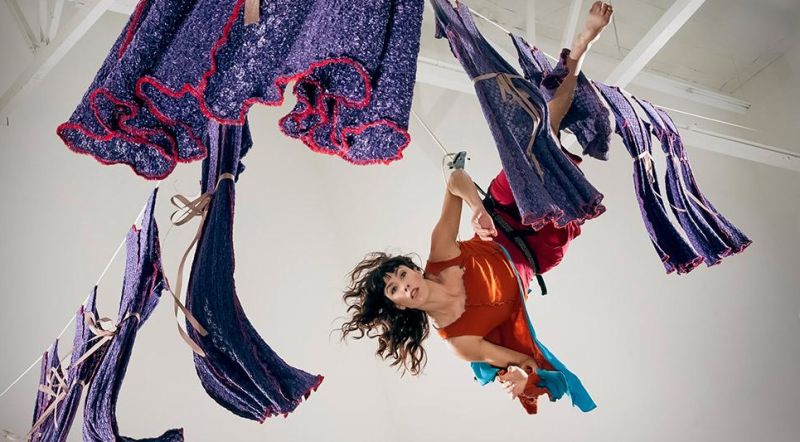
"caption": "Alayna Stroud in Jo Kreiter's 'Needles to Thread.' Photo: RJ Muna.",
"description": "Alayna Stroud in Jo Kreiter's 'Needles to Thread.' Photo: RJ Muna.",
"title": "201510_kreiter_hero_970",
"credit": null,
"status": "inherit",
"isLoading": false,
"fetchFailed": false
},
"arts_10974778": {
"type": "attachments",
"id": "arts_10974778",
"meta": {
"index": "attachments_1716263798",
"site": "arts",
"id": "10974778",
"found": true
},
"parent": 10973414,
"imgSizes": {
"thumbnail": {
"file": "https://ww2.kqed.org/app/uploads/sites/2/2015/09/ECMAIN-400x275.jpg",
"width": 400,
"mimeType": "image/jpeg",
"height": 275
},
"post-thumbnail": {
"file": "https://ww2.kqed.org/app/uploads/sites/2/2015/09/ECMAIN-672x372.jpg",
"width": 672,
"mimeType": "image/jpeg",
"height": 372
},
"kqedFullSize": {
"file": "https://ww2.kqed.org/app/uploads/sites/2/2015/09/ECMAIN.jpg",
"width": 800,
"height": 550
},
"guest-author-96": {
"file": "https://ww2.kqed.org/app/uploads/sites/2/2015/09/ECMAIN-96x96.jpg",
"width": 96,
"mimeType": "image/jpeg",
"height": 96
},
"medium": {
"file": "https://ww2.kqed.org/app/uploads/sites/2/2015/09/ECMAIN-800x550.jpg",
"width": 800,
"mimeType": "image/jpeg",
"height": 550
},
"guest-author-64": {
"file": "https://ww2.kqed.org/app/uploads/sites/2/2015/09/ECMAIN-64x64.jpg",
"width": 64,
"mimeType": "image/jpeg",
"height": 64
},
"detail": {
"file": "https://ww2.kqed.org/app/uploads/sites/2/2015/09/ECMAIN-75x75.jpg",
"width": 75,
"mimeType": "image/jpeg",
"height": 75
},
"guest-author-32": {
"file": "https://ww2.kqed.org/app/uploads/sites/2/2015/09/ECMAIN-32x32.jpg",
"width": 32,
"mimeType": "image/jpeg",
"height": 32
},
"guest-author-128": {
"file": "https://ww2.kqed.org/app/uploads/sites/2/2015/09/ECMAIN-128x128.jpg",
"width": 128,
"mimeType": "image/jpeg",
"height": 128
}
},
"publishDate": 1443028667,
"modified": 1443036285,
"caption": "The-Dream performs at the New Parish in Oakland, 2012. The owner of the nightclub club recently continued his accusations of corruption at San Francisco's Entertainment Commission in his new music publication.",
"description": null,
"title": "ECMAIN",
"credit": "Gabe Meline/KQED",
"status": "inherit",
"isLoading": false,
"fetchFailed": false
},
"arts_11166099": {
"type": "attachments",
"id": "arts_11166099",
"meta": {
"index": "attachments_1716263798",
"site": "arts",
"id": "11166099",
"found": true
},
"parent": 10974703,
"imgSizes": {
"thumbnail": {
"file": "https://ww2.kqed.org/app/uploads/sites/2/2015/09/TheSeshen-400x225.jpg",
"width": 400,
"mimeType": "image/jpeg",
"height": 225
},
"post-thumbnail": {
"file": "https://ww2.kqed.org/app/uploads/sites/2/2015/09/TheSeshen-672x372.jpg",
"width": 672,
"mimeType": "image/jpeg",
"height": 372
},
"kqedFullSize": {
"file": "https://ww2.kqed.org/app/uploads/sites/2/2015/09/TheSeshen.jpg",
"width": 764,
"height": 430
},
"guest-author-96": {
"file": "https://ww2.kqed.org/app/uploads/sites/2/2015/09/TheSeshen-96x96.jpg",
"width": 96,
"mimeType": "image/jpeg",
"height": 96
},
"guest-author-64": {
"file": "https://ww2.kqed.org/app/uploads/sites/2/2015/09/TheSeshen-64x64.jpg",
"width": 64,
"mimeType": "image/jpeg",
"height": 64
},
"detail": {
"file": "https://ww2.kqed.org/app/uploads/sites/2/2015/09/TheSeshen-75x75.jpg",
"width": 75,
"mimeType": "image/jpeg",
"height": 75
},
"guest-author-32": {
"file": "https://ww2.kqed.org/app/uploads/sites/2/2015/09/TheSeshen-32x32.jpg",
"width": 32,
"mimeType": "image/jpeg",
"height": 32
},
"guest-author-128": {
"file": "https://ww2.kqed.org/app/uploads/sites/2/2015/09/TheSeshen-128x128.jpg",
"width": 128,
"mimeType": "image/jpeg",
"height": 128
}
},
"publishDate": 1450223699,
"modified": 1450223712,
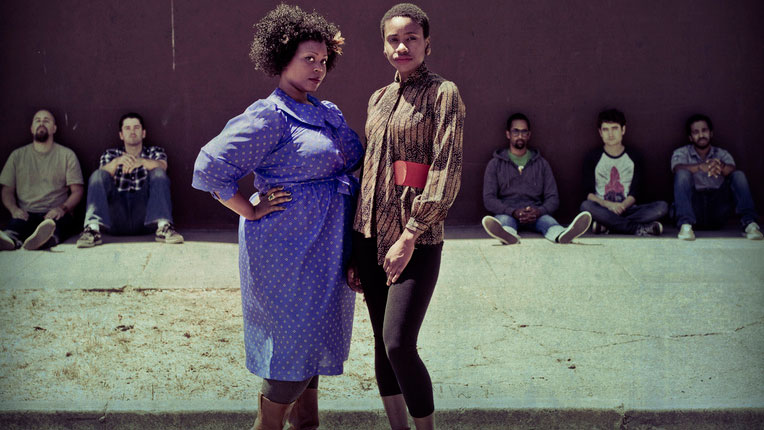
"caption": "The Seshen.",
"description": "The Seshen.",
"title": "TheSeshen",
"credit": null,
"status": "inherit",
"isLoading": false,
"fetchFailed": false
},
"news_10694173": {
"type": "attachments",
"id": "news_10694173",
"meta": {
"index": "attachments_1716263798",
"site": "news",
"id": "10694173",
"found": true
},
"parent": 10694172,
"imgSizes": {
"twentyfourteen-full-width": {
"file": "https://ww2.kqed.org/app/uploads/sites/10/2015/09/Happy-Birthday-To-You-e1442990739684-849x576.jpg",
"width": 849,
"mimeType": "image/jpeg",
"height": 576
},
"jmtc-small-thumb": {
"file": "https://ww2.kqed.org/app/uploads/sites/10/2015/09/Happy-Birthday-To-You-e1442990739684-280x150.jpg",
"width": 280,
"mimeType": "image/jpeg",
"height": 150
},
"thumbnail": {
"file": "https://ww2.kqed.org/app/uploads/sites/10/2015/09/Happy-Birthday-To-You-e1442990739684-400x334.jpg",
"width": 400,
"mimeType": "image/jpeg",
"height": 334
},
"post-thumbnail": {
"file": "https://ww2.kqed.org/app/uploads/sites/10/2015/09/Happy-Birthday-To-You-e1442990739684-672x372.jpg",
"width": 672,
"mimeType": "image/jpeg",
"height": 372
},
"kqedFullSize": {
"file": "https://ww2.kqed.org/app/uploads/sites/10/2015/09/Happy-Birthday-To-You-e1442990739684.jpg",
"width": 849,
"height": 709
},
"guest-author-96": {
"file": "https://ww2.kqed.org/app/uploads/sites/10/2015/09/Happy-Birthday-To-You-e1442990739684-96x96.jpg",
"width": 96,
"mimeType": "image/jpeg",
"height": 96
},
"medium": {
"file": "https://ww2.kqed.org/app/uploads/sites/10/2015/09/Happy-Birthday-To-You-e1442990739684-800x668.jpg",
"width": 800,
"mimeType": "image/jpeg",
"height": 668
},
"guest-author-64": {
"file": "https://ww2.kqed.org/app/uploads/sites/10/2015/09/Happy-Birthday-To-You-e1442990739684-64x64.jpg",
"width": 64,
"mimeType": "image/jpeg",
"height": 64
},
"detail": {
"file": "https://ww2.kqed.org/app/uploads/sites/10/2015/09/Happy-Birthday-To-You-e1442990739684-75x75.jpg",
"width": 75,
"mimeType": "image/jpeg",
"height": 75
},
"guest-author-32": {
"file": "https://ww2.kqed.org/app/uploads/sites/10/2015/09/Happy-Birthday-To-You-e1442990739684-32x32.jpg",
"width": 32,
"mimeType": "image/jpeg",
"height": 32
},
"guest-author-128": {
"file": "https://ww2.kqed.org/app/uploads/sites/10/2015/09/Happy-Birthday-To-You-e1442990739684-128x128.jpg",
"width": 128,
"mimeType": "image/jpeg",
"height": 128
}
},
"publishDate": 1442990714,
"modified": 1442990774,
"caption": "Words and music to the song, \"Happy Birthday\" -- also known as \"Happy Birthday to You.\"",
"description": null,
"title": "Happy-Birthday-To-You",
"credit": null,
"status": "inherit",
"isLoading": false,
"fetchFailed": false
},
"arts_10970418": {
"type": "attachments",
"id": "arts_10970418",
"meta": {
"index": "attachments_1716263798",
"site": "arts",
"id": "10970418",
"found": true
},
"parent": 10970417,
"imgSizes": {
"thumbnail": {
"file": "https://ww2.kqed.org/app/uploads/sites/2/2015/09/Matrixxman-Photo-by-Cole-Rise-400x225.jpg",
"width": 400,
"mimeType": "image/jpeg",
"height": 225
},
"post-thumbnail": {
"file": "https://ww2.kqed.org/app/uploads/sites/2/2015/09/Matrixxman-Photo-by-Cole-Rise-672x372.jpg",
"width": 672,
"mimeType": "image/jpeg",
"height": 372
},
"kqedFullSize": {
"file": "https://ww2.kqed.org/app/uploads/sites/2/2015/09/Matrixxman-Photo-by-Cole-Rise.jpg",
"width": 800,
"height": 450
},
"guest-author-96": {
"file": "https://ww2.kqed.org/app/uploads/sites/2/2015/09/Matrixxman-Photo-by-Cole-Rise-96x96.jpg",
"width": 96,
"mimeType": "image/jpeg",
"height": 96
},
"medium": {
"file": "https://ww2.kqed.org/app/uploads/sites/2/2015/09/Matrixxman-Photo-by-Cole-Rise-800x450.jpg",
"width": 800,
"mimeType": "image/jpeg",
"height": 450
},
"guest-author-64": {
"file": "https://ww2.kqed.org/app/uploads/sites/2/2015/09/Matrixxman-Photo-by-Cole-Rise-64x64.jpg",
"width": 64,
"mimeType": "image/jpeg",
"height": 64
},
"detail": {
"file": "https://ww2.kqed.org/app/uploads/sites/2/2015/09/Matrixxman-Photo-by-Cole-Rise-75x75.jpg",
"width": 75,
"mimeType": "image/jpeg",
"height": 75
},
"guest-author-32": {
"file": "https://ww2.kqed.org/app/uploads/sites/2/2015/09/Matrixxman-Photo-by-Cole-Rise-32x32.jpg",
"width": 32,
"mimeType": "image/jpeg",
"height": 32
},
"guest-author-128": {
"file": "https://ww2.kqed.org/app/uploads/sites/2/2015/09/Matrixxman-Photo-by-Cole-Rise-128x128.jpg",
"width": 128,
"mimeType": "image/jpeg",
"height": 128
}
},
"publishDate": 1442817892,
"modified": 1442865725,
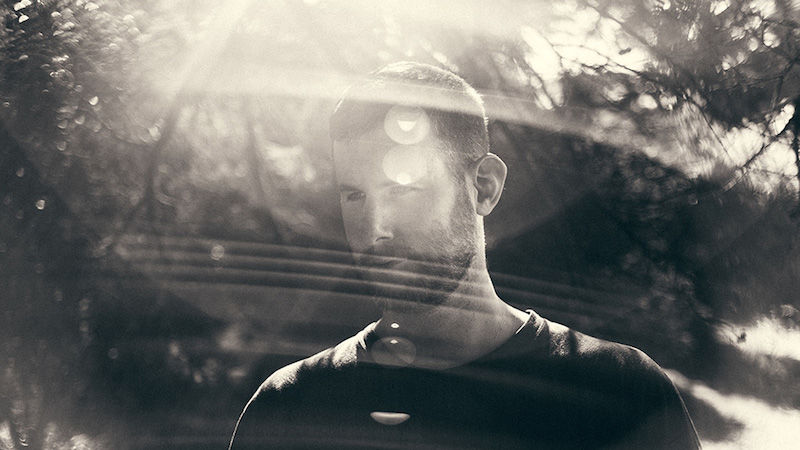
"caption": "Matrixxman.",
"description": null,
"title": "Matrixxman - Photo by Cole Rise",
"credit": "Cole Rise",
"status": "inherit",
"isLoading": false,
"fetchFailed": false
},
"arts_10971779": {
"type": "attachments",
"id": "arts_10971779",
"meta": {
"index": "attachments_1716263798",
"site": "arts",
"id": "10971779",
"found": true
},
"parent": 0,
"imgSizes": {
"twentyfourteen-full-width": {
"file": "https://ww2.kqed.org/app/uploads/sites/2/2015/09/Matthew-Shilvock-1038x576.jpg",
"width": 1038,
"mimeType": "image/jpeg",
"height": 576
},
"thumbnail": {
"file": "https://ww2.kqed.org/app/uploads/sites/2/2015/09/Matthew-Shilvock-400x264.jpg",
"width": 400,
"mimeType": "image/jpeg",
"height": 264
},
"fd-sm": {
"file": "https://ww2.kqed.org/app/uploads/sites/2/2015/09/Matthew-Shilvock-960x633.jpg",
"width": 960,
"mimeType": "image/jpeg",
"height": 633
},
"post-thumbnail": {
"file": "https://ww2.kqed.org/app/uploads/sites/2/2015/09/Matthew-Shilvock-672x372.jpg",
"width": 672,
"mimeType": "image/jpeg",
"height": 372
},
"kqedFullSize": {
"file": "https://ww2.kqed.org/app/uploads/sites/2/2015/09/Matthew-Shilvock.jpg",
"width": 1200,
"height": 791
},
"large": {
"file": "https://ww2.kqed.org/app/uploads/sites/2/2015/09/Matthew-Shilvock-1180x778.jpg",
"width": 1180,
"mimeType": "image/jpeg",
"height": 778
},
"guest-author-96": {
"file": "https://ww2.kqed.org/app/uploads/sites/2/2015/09/Matthew-Shilvock-96x96.jpg",
"width": 96,
"mimeType": "image/jpeg",
"height": 96
},
"medium": {
"file": "https://ww2.kqed.org/app/uploads/sites/2/2015/09/Matthew-Shilvock-800x527.jpg",
"width": 800,
"mimeType": "image/jpeg",
"height": 527
},
"guest-author-64": {
"file": "https://ww2.kqed.org/app/uploads/sites/2/2015/09/Matthew-Shilvock-64x64.jpg",
"width": 64,
"mimeType": "image/jpeg",
"height": 64
},
"guest-author-32": {
"file": "https://ww2.kqed.org/app/uploads/sites/2/2015/09/Matthew-Shilvock-32x32.jpg",
"width": 32,
"mimeType": "image/jpeg",
"height": 32
},
"fd-med": {
"file": "https://ww2.kqed.org/app/uploads/sites/2/2015/09/Matthew-Shilvock-1180x778.jpg",
"width": 1180,
"mimeType": "image/jpeg",
"height": 778
},
"detail": {
"file": "https://ww2.kqed.org/app/uploads/sites/2/2015/09/Matthew-Shilvock-75x75.jpg",
"width": 75,
"mimeType": "image/jpeg",
"height": 75
},
"guest-author-128": {
"file": "https://ww2.kqed.org/app/uploads/sites/2/2015/09/Matthew-Shilvock-128x128.jpg",
"width": 128,
"mimeType": "image/jpeg",
"height": 128
}
},
"publishDate": 1442884626,
"modified": 1442884677,
"caption": "Matthew Shilvock, San Francisco Opera General Director Designate",
"description": "Matthew Shilvock, San Francisco Opera General Director Designate",
"title": "Matthew Shilvock",
"credit": "Photo: Cory Weaver",
"status": "inherit",
"isLoading": false,
"fetchFailed": false
},
"arts_10971688": {
"type": "attachments",
"id": "arts_10971688",
"meta": {
"index": "attachments_1716263798",
"site": "arts",
"id": "10971688",
"found": true
},
"parent": 10951535,
"imgSizes": {
"small": {
"file": "https://ww2.kqed.org/app/uploads/sites/2/2015/09/MTTMain-e1509597835447-520x293.jpg",
"width": 520,
"mimeType": "image/jpeg",
"height": 293
},
"twentyfourteen-full-width": {
"file": "https://ww2.kqed.org/app/uploads/sites/2/2015/09/MTTMain-960x576.jpg",
"width": 960,
"mimeType": "image/jpeg",
"height": 576
},
"thumbnail": {
"file": "https://ww2.kqed.org/app/uploads/sites/2/2015/09/MTTMain-e1509597835447-160x90.jpg",
"width": 160,
"mimeType": "image/jpeg",
"height": 90
},
"fd-sm": {
"file": "https://ww2.kqed.org/app/uploads/sites/2/2015/09/MTTMain-960x629.jpg",
"width": 960,
"mimeType": "image/jpeg",
"height": 629
},
"post-thumbnail": {
"file": "https://ww2.kqed.org/app/uploads/sites/2/2015/09/MTTMain-e1509597835447-672x372.jpg",
"width": 672,
"mimeType": "image/jpeg",
"height": 372
},
"xsmall": {
"file": "https://ww2.kqed.org/app/uploads/sites/2/2015/09/MTTMain-e1509597835447-375x211.jpg",
"width": 375,
"mimeType": "image/jpeg",
"height": 211
},
"kqedFullSize": {
"file": "https://ww2.kqed.org/app/uploads/sites/2/2015/09/MTTMain-e1509597835447.jpg",
"width": 770,
"height": 434
},
"guest-author-50": {
"file": "https://ww2.kqed.org/app/uploads/sites/2/2015/09/MTTMain-e1509597835447-50x50.jpg",
"width": 50,
"mimeType": "image/jpeg",
"height": 50
},
"guest-author-96": {
"file": "https://ww2.kqed.org/app/uploads/sites/2/2015/09/MTTMain-e1509597835447-96x96.jpg",
"width": 96,
"mimeType": "image/jpeg",
"height": 96
},
"medium": {
"file": "https://ww2.kqed.org/app/uploads/sites/2/2015/09/MTTMain-800x524.jpg",
"width": 800,
"mimeType": "image/jpeg",
"height": 524
},
"guest-author-64": {
"file": "https://ww2.kqed.org/app/uploads/sites/2/2015/09/MTTMain-e1509597835447-64x64.jpg",
"width": 64,
"mimeType": "image/jpeg",
"height": 64
},
"guest-author-32": {
"file": "https://ww2.kqed.org/app/uploads/sites/2/2015/09/MTTMain-e1509597835447-32x32.jpg",
"width": 32,
"mimeType": "image/jpeg",
"height": 32
},
"detail": {
"file": "https://ww2.kqed.org/app/uploads/sites/2/2015/09/MTTMain-e1509597835447-150x150.jpg",
"width": 150,
"mimeType": "image/jpeg",
"height": 150
},
"guest-author-128": {
"file": "https://ww2.kqed.org/app/uploads/sites/2/2015/09/MTTMain-e1509597835447-128x128.jpg",
"width": 128,
"mimeType": "image/jpeg",
"height": 128
},
"medium_large": {
"file": "https://ww2.kqed.org/app/uploads/sites/2/2015/09/MTTMain-e1509597835447-768x433.jpg",
"width": 768,
"mimeType": "image/jpeg",
"height": 433
},
"xxsmall": {
"file": "https://ww2.kqed.org/app/uploads/sites/2/2015/09/MTTMain-e1509597835447-240x135.jpg",
"width": 240,
"mimeType": "image/jpeg",
"height": 135
}
},
"publishDate": 1442878165,
"modified": 1509595854,
"caption": "San Francisco Symphony Music Director Michael Tilson Thomas goes over sheet music during the orchestra's 2015 European tour.",
"description": "San Francisco Symphony Music Director Michael Tilson Thomas goes over sheet music during the orchestra's 2015 European tour.",
"title": "MTTMain",
"credit": "Photo: Courtesy San Francisco Symphony",
"status": "inherit",
"isLoading": false,
"fetchFailed": false
},
"arts_10963533": {
"type": "attachments",
"id": "arts_10963533",
"meta": {
"index": "attachments_1716263798",
"site": "arts",
"id": "10963533",
"found": true
},
"title": "RRaycrimedrop",
"publishDate": 1442482082,
"status": "inherit",
"parent": 10963517,
"modified": 1756156429,
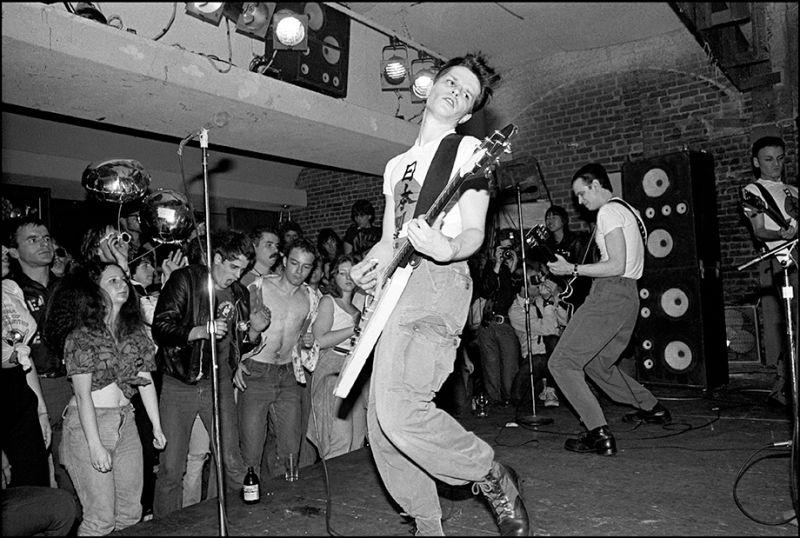
"caption": "Crime at Mabuhay Gardens.",
"credit": "Ruby Ray",
"altTag": "Crime at the Mabuhay Gardens",
"description": "Crime at the Mabuhay Gardens.",
"imgSizes": {
"thumbnail": {
"file": "https://cdn.kqed.org/wp-content/uploads/sites/2/2015/09/RRaycrimedrop-400x269.jpg",
"width": 400,
"height": 269,
"mimeType": "image/jpeg"
},
"medium": {
"file": "https://cdn.kqed.org/wp-content/uploads/sites/2/2015/09/RRaycrimedrop-800x538.jpg",
"width": 800,
"height": 538,
"mimeType": "image/jpeg"
},
"post-thumbnail": {
"file": "https://cdn.kqed.org/wp-content/uploads/sites/2/2015/09/RRaycrimedrop-672x372.jpg",
"width": 672,
"height": 372,
"mimeType": "image/jpeg"
},
"twentyfourteen-full-width": {
"file": "https://cdn.kqed.org/wp-content/uploads/sites/2/2015/09/RRaycrimedrop-920x576.jpg",
"width": 920,
"height": 576,
"mimeType": "image/jpeg"
},
"guest-author-32": {
"file": "https://cdn.kqed.org/wp-content/uploads/sites/2/2015/09/RRaycrimedrop-32x32.jpg",
"width": 32,
"height": 32,
"mimeType": "image/jpeg"
},
"guest-author-64": {
"file": "https://cdn.kqed.org/wp-content/uploads/sites/2/2015/09/RRaycrimedrop-64x64.jpg",
"width": 64,
"height": 64,
"mimeType": "image/jpeg"
},
"guest-author-96": {
"file": "https://cdn.kqed.org/wp-content/uploads/sites/2/2015/09/RRaycrimedrop-96x96.jpg",
"width": 96,
"height": 96,
"mimeType": "image/jpeg"
},
"guest-author-128": {
"file": "https://cdn.kqed.org/wp-content/uploads/sites/2/2015/09/RRaycrimedrop-128x128.jpg",
"width": 128,
"height": 128,
"mimeType": "image/jpeg"
},
"detail": {
"file": "https://cdn.kqed.org/wp-content/uploads/sites/2/2015/09/RRaycrimedrop-75x75.jpg",
"width": 75,
"height": 75,
"mimeType": "image/jpeg"
},
"kqedFullSize": {
"file": "https://cdn.kqed.org/wp-content/uploads/sites/2/2015/09/RRaycrimedrop.jpg",
"width": 920,
"height": 619
}
},
"isLoading": false,
"fetchFailed": false
},
"arts_10967129": {
"type": "attachments",
"id": "arts_10967129",
"meta": {
"index": "attachments_1716263798",
"site": "arts",
"id": "10967129",
"found": true
},
"parent": 10967044,
"imgSizes": {
"twentyfourteen-full-width": {
"file": "https://ww2.kqed.org/app/uploads/sites/2/2015/09/oompas-feature-1038x576.jpg",
"width": 1038,
"mimeType": "image/jpeg",
"height": 576
},
"thumbnail": {
"file": "https://ww2.kqed.org/app/uploads/sites/2/2015/09/oompas-feature-400x225.jpg",
"width": 400,
"mimeType": "image/jpeg",
"height": 225
},
"fd-sm": {
"file": "https://ww2.kqed.org/app/uploads/sites/2/2015/09/oompas-feature-960x540.jpg",
"width": 960,
"mimeType": "image/jpeg",
"height": 540
},
"post-thumbnail": {
"file": "https://ww2.kqed.org/app/uploads/sites/2/2015/09/oompas-feature-672x372.jpg",
"width": 672,
"mimeType": "image/jpeg",
"height": 372
},
"kqedFullSize": {
"file": "https://ww2.kqed.org/app/uploads/sites/2/2015/09/oompas-feature.jpg",
"width": 1920,
"height": 1080
},
"large": {
"file": "https://ww2.kqed.org/app/uploads/sites/2/2015/09/oompas-feature-1180x664.jpg",
"width": 1180,
"mimeType": "image/jpeg",
"height": 664
},
"guest-author-96": {
"file": "https://ww2.kqed.org/app/uploads/sites/2/2015/09/oompas-feature-96x96.jpg",
"width": 96,
"mimeType": "image/jpeg",
"height": 96
},
"medium": {
"file": "https://ww2.kqed.org/app/uploads/sites/2/2015/09/oompas-feature-800x450.jpg",
"width": 800,
"mimeType": "image/jpeg",
"height": 450
},
"guest-author-64": {
"file": "https://ww2.kqed.org/app/uploads/sites/2/2015/09/oompas-feature-64x64.jpg",
"width": 64,
"mimeType": "image/jpeg",
"height": 64
},
"guest-author-32": {
"file": "https://ww2.kqed.org/app/uploads/sites/2/2015/09/oompas-feature-32x32.jpg",
"width": 32,
"mimeType": "image/jpeg",
"height": 32
},
"fd-lrg": {
"file": "https://ww2.kqed.org/app/uploads/sites/2/2015/09/oompas-feature-1920x1080.jpg",
"width": 1920,
"mimeType": "image/jpeg",
"height": 1080
},
"fd-med": {
"file": "https://ww2.kqed.org/app/uploads/sites/2/2015/09/oompas-feature-1180x664.jpg",
"width": 1180,
"mimeType": "image/jpeg",
"height": 664
},
"detail": {
"file": "https://ww2.kqed.org/app/uploads/sites/2/2015/09/oompas-feature-75x75.jpg",
"width": 75,
"mimeType": "image/jpeg",
"height": 75
},
"guest-author-128": {
"file": "https://ww2.kqed.org/app/uploads/sites/2/2015/09/oompas-feature-128x128.jpg",
"width": 128,
"mimeType": "image/jpeg",
"height": 128
}
},
"publishDate": 1442654747,
"modified": 1442680250,
"caption": "Not a nightmare; just a scene with the Oompa Loompas during the second-to-last Primus & the Chocote Factory at the Palace of Fine Arts.",
"description": "Not a nightmare; just a scene with the Oompa Loompas during the second-to-last Primus & the Chocolate Factory show at the Palace of Fine Arts.",
"title": "oompas feature",
"credit": "Photo: Kevin L. Jones/KQED",
"status": "inherit",
"isLoading": false,
"fetchFailed": false
}
},
"audioPlayerReducer": {
"postId": "stream_live",
"isPaused": true,
"isPlaying": false,
"pfsActive": false,
"pledgeModalIsOpen": true,
"playerDrawerIsOpen": false,
"liveAudioPlayStartedAt": 0,
"liveAudioPlayContext": ""
},
"authorsReducer": {
"byline_news_10694172": {
"type": "authors",
"id": "byline_news_10694172",
"meta": {
"override": true
},
"slug": "byline_news_10694172",
"name": "\u003cstrong>John Rogers\u003cbr />Associated Press\u003c/strong>",
"isLoading": false
},
"kjones": {
"type": "authors",
"id": "93",
"meta": {
"index": "authors_1716337520",
"id": "93",
"found": true
},
"name": "Kevin L. Jones",
"firstName": "Kevin",
"lastName": "Jones",
"slug": "kjones",
"email": "kjones@kqed.org",
"display_author_email": false,
"staff_mastheads": [],
"title": null,
"bio": null,
"avatar": "https://secure.gravatar.com/avatar/12c65b5633ed39d0a59bb7f497eff645?s=600&d=blank&r=g",
"twitter": null,
"facebook": null,
"instagram": null,
"linkedin": null,
"sites": [
{
"site": "arts",
"roles": [
"subscriber"
]
},
{
"site": "styleguide",
"roles": [
"contributor"
]
},
{
"site": "artschool",
"roles": [
"subscriber"
]
},
{
"site": "news",
"roles": [
"subscriber"
]
},
{
"site": "pop",
"roles": [
"subscriber"
]
}
],
"headData": {
"title": "Kevin L. Jones | KQED",
"description": null,
"ogImgSrc": "https://secure.gravatar.com/avatar/12c65b5633ed39d0a59bb7f497eff645?s=600&d=blank&r=g",
"twImgSrc": "https://secure.gravatar.com/avatar/12c65b5633ed39d0a59bb7f497eff645?s=600&d=blank&r=g"
},
"isLoading": false,
"link": "/author/kjones"
},
"baybridged": {
"type": "authors",
"id": "178",
"meta": {
"index": "authors_1716337520",
"id": "178",
"found": true
},
"name": "The Bay Bridged",
"firstName": "The Bay",
"lastName": "Bridged",
"slug": "baybridged",
"email": "thebaybridged@gmail.com",
"display_author_email": false,
"staff_mastheads": [],
"title": "KQED Contributor",
"bio": null,
"avatar": "https://secure.gravatar.com/avatar/211daad5386ad504c39c31f3e16cfae45ec7b0ad32ecca7ee64cfd9b7eb76609?s=600&d=blank&r=g",
"twitter": null,
"bluesky": null,
"facebook": null,
"instagram": null,
"linkedin": null,
"sites": [
{
"site": "arts",
"roles": [
"subscriber"
]
}
],
"headData": {
"title": "The Bay Bridged | KQED",
"description": "KQED Contributor",
"ogImgSrc": "https://secure.gravatar.com/avatar/211daad5386ad504c39c31f3e16cfae45ec7b0ad32ecca7ee64cfd9b7eb76609?s=600&d=blank&r=g",
"twImgSrc": "https://secure.gravatar.com/avatar/211daad5386ad504c39c31f3e16cfae45ec7b0ad32ecca7ee64cfd9b7eb76609?s=600&d=blank&r=g"
},
"isLoading": false,
"link": "/author/baybridged"
},
"gmeline": {
"type": "authors",
"id": "185",
"meta": {
"index": "authors_1716337520",
"id": "185",
"found": true
},
"name": "Gabe Meline",
"firstName": "Gabe",
"lastName": "Meline",
"slug": "gmeline",
"email": "gmeline@kqed.org",
"display_author_email": true,
"staff_mastheads": [
"arts"
],
"title": "Senior Editor, KQED Arts & Culture",
"bio": "Gabe Meline entered journalism at age 15 making photocopied zines, and has since earned awards from the Edward R. Murrow Awards, the Society for Professional Journalists, the Online Journalism Awards, the Association of Alternative Newsweeklies and the California Newspaper Publishers Association. Prior to KQED, he was the editor of the \u003cem>North Bay Bohemian\u003c/em> and a touring musician. He lives with his wife and daughter in his hometown of Santa Rosa, CA.",
"avatar": "https://secure.gravatar.com/avatar/5bebe57be0d8bc2dd318934feb47299e2d2d10cba28d09d8d7afb389a2ce2bdd?s=600&d=blank&r=g",
"twitter": null,
"bluesky": null,
"facebook": null,
"instagram": null,
"linkedin": null,
"sites": [
{
"site": "",
"roles": [
"editor"
]
},
{
"site": "arts",
"roles": [
"administrator"
]
},
{
"site": "artschool",
"roles": [
"editor"
]
},
{
"site": "news",
"roles": [
"author"
]
},
{
"site": "pop",
"roles": [
"editor"
]
},
{
"site": "bayareabites",
"roles": [
"editor"
]
},
{
"site": "food",
"roles": [
"editor"
]
},
{
"site": "forum",
"roles": [
"administrator"
]
},
{
"site": "liveblog",
"roles": [
"editor"
]
},
{
"site": "hiphop",
"roles": [
"editor"
]
}
],
"headData": {
"title": "Gabe Meline | KQED",
"description": "Senior Editor, KQED Arts & Culture",
"ogImgSrc": "https://secure.gravatar.com/avatar/5bebe57be0d8bc2dd318934feb47299e2d2d10cba28d09d8d7afb389a2ce2bdd?s=600&d=blank&r=g",
"twImgSrc": "https://secure.gravatar.com/avatar/5bebe57be0d8bc2dd318934feb47299e2d2d10cba28d09d8d7afb389a2ce2bdd?s=600&d=blank&r=g"
},
"isLoading": false,
"link": "/author/gmeline"
},
"thedolist": {
"type": "authors",
"id": "3215",
"meta": {
"index": "authors_1716337520",
"id": "3215",
"found": true
},
"name": "The Do List",
"firstName": "Do",
"lastName": "List",
"slug": "thedolist",
"email": "harold.check+dolist@gmail.com",
"display_author_email": false,
"staff_mastheads": [],
"title": null,
"bio": "The Do List scours the Bay Area for superb and surprising performing arts events, with an eye for local talent, new discoveries, and fun opportunities across the price spectrum. Every Friday morning at 6:23 and 8:23am on KQED Radio, you can hear Do List regulars Cy Musiker and David Wiegand discuss the upcoming week's best picks.",
"avatar": "https://secure.gravatar.com/avatar/25ef8068d096493f649195742621360d?s=600&d=blank&r=g",
"twitter": null,
"facebook": null,
"instagram": null,
"linkedin": null,
"sites": [
{
"site": "arts",
"roles": [
"contributor"
]
}
],
"headData": {
"title": "The Do List | KQED",
"description": null,
"ogImgSrc": "https://secure.gravatar.com/avatar/25ef8068d096493f649195742621360d?s=600&d=blank&r=g",
"twImgSrc": "https://secure.gravatar.com/avatar/25ef8068d096493f649195742621360d?s=600&d=blank&r=g"
},
"isLoading": false,
"link": "/author/thedolist"
},
"rdovey": {
"type": "authors",
"id": "3246",
"meta": {
"index": "authors_1716337520",
"id": "3246",
"found": true
},
"name": "Rachel Dovey",
"firstName": "Rachel",
"lastName": "Dovey",
"slug": "rdovey",
"email": "rachel.dovey@gmail.com",
"display_author_email": false,
"staff_mastheads": [],
"title": null,
"bio": "Rachel Dovey is a freelance writer from Santa Rosa.",
"avatar": "https://secure.gravatar.com/avatar/ec7d795ea95a6d144a9fcac2b548db38?s=600&d=blank&r=g",
"twitter": null,
"facebook": null,
"instagram": null,
"linkedin": null,
"sites": [
{
"site": "arts",
"roles": [
"contributor"
]
}
],
"headData": {
"title": "Rachel Dovey | KQED",
"description": null,
"ogImgSrc": "https://secure.gravatar.com/avatar/ec7d795ea95a6d144a9fcac2b548db38?s=600&d=blank&r=g",
"twImgSrc": "https://secure.gravatar.com/avatar/ec7d795ea95a6d144a9fcac2b548db38?s=600&d=blank&r=g"
},
"isLoading": false,
"link": "/author/rdovey"
},
"mlevenson": {
"type": "authors",
"id": "6624",
"meta": {
"index": "authors_1716337520",
"id": "6624",
"found": true
},
"name": "Max Savage Levenson",
"firstName": "Max",
"lastName": "Savage Levenson",
"slug": "mlevenson",
"email": "m.savagelevenson@gmail.com",
"display_author_email": false,
"staff_mastheads": [],
"title": null,
"bio": null,
"avatar": "https://secure.gravatar.com/avatar/e7f998073c1ba6fec822d9f7dcd8c272?s=600&d=blank&r=g",
"twitter": null,
"facebook": null,
"instagram": null,
"linkedin": null,
"sites": [
{
"site": "arts",
"roles": [
"contributor"
]
},
{
"site": "news",
"roles": [
"author"
]
}
],
"headData": {
"title": "Max Savage Levenson | KQED",
"description": null,
"ogImgSrc": "https://secure.gravatar.com/avatar/e7f998073c1ba6fec822d9f7dcd8c272?s=600&d=blank&r=g",
"twImgSrc": "https://secure.gravatar.com/avatar/e7f998073c1ba6fec822d9f7dcd8c272?s=600&d=blank&r=g"
},
"isLoading": false,
"link": "/author/mlevenson"
},
"asingh": {
"type": "authors",
"id": "7235",
"meta": {
"index": "authors_1716337520",
"id": "7235",
"found": true
},
"name": "Abhi Singh",
"firstName": "Abhi",
"lastName": "Singh",
"slug": "asingh",
"email": "asingh@KQED.org",
"display_author_email": false,
"staff_mastheads": [],
"title": null,
"bio": null,
"avatar": "https://secure.gravatar.com/avatar/0a221f8ba680e55e147ee49e20fb590e?s=600&d=blank&r=g",
"twitter": null,
"facebook": null,
"instagram": null,
"linkedin": null,
"sites": [
{
"site": "arts",
"roles": [
"contributor"
]
}
],
"headData": {
"title": "Abhi Singh | KQED",
"description": null,
"ogImgSrc": "https://secure.gravatar.com/avatar/0a221f8ba680e55e147ee49e20fb590e?s=600&d=blank&r=g",
"twImgSrc": "https://secure.gravatar.com/avatar/0a221f8ba680e55e147ee49e20fb590e?s=600&d=blank&r=g"
},
"isLoading": false,
"link": "/author/asingh"
},
"jplaczek": {
"type": "authors",
"id": "8606",
"meta": {
"index": "authors_1716337520",
"id": "8606",
"found": true
},
"name": "Jessica Placzek",
"firstName": "Jessica",
"lastName": "Placzek",
"slug": "jplaczek",
"email": "jessicalplaczek@gmail.com",
"display_author_email": false,
"staff_mastheads": [
"news"
],
"title": "KQED Contributor",
"bio": "Jessica Placzek is a former senior editor of podcasts at KQED where she served as the editorial lead of the podcast department. She worked with shows like MindShift, Rightnowish, Consider This, SOLD OUT, Bay Curious and The Bay. She’s also been a reporter and audio producer at KQED, KPFA, and KALW. She taught audio production to men incarcerated at California State Prison Solano and edited pieces they produced for the Uncuffed podcast through KALW. In 2018 she co-hosted and produced the third season of Raw Material for SFMOMA. In New Orleans she wrote for the Nola Defender. Her work has also appeared on Marketplace, All Things Considered, The California Report, and Vice. You can find more at jessicaplaczek.com",
"avatar": "https://secure.gravatar.com/avatar/5ead103b5880f672eceb84ce75eecd1b4b6f74a47edc457684a73ad5b8b158e9?s=600&d=blank&r=g",
"twitter": null,
"bluesky": null,
"facebook": null,
"instagram": null,
"linkedin": null,
"sites": [
{
"site": "arts",
"roles": [
"subscriber"
]
},
{
"site": "news",
"roles": [
"subscriber"
]
},
{
"site": "stateofhealth",
"roles": [
"editor"
]
},
{
"site": "forum",
"roles": [
"editor"
]
}
],
"headData": {
"title": "Jessica Placzek | KQED",
"description": "KQED Contributor",
"ogImgSrc": "https://secure.gravatar.com/avatar/5ead103b5880f672eceb84ce75eecd1b4b6f74a47edc457684a73ad5b8b158e9?s=600&d=blank&r=g",
"twImgSrc": "https://secure.gravatar.com/avatar/5ead103b5880f672eceb84ce75eecd1b4b6f74a47edc457684a73ad5b8b158e9?s=600&d=blank&r=g"
},
"isLoading": false,
"link": "/author/jplaczek"
},
"dventon": {
"type": "authors",
"id": "11088",
"meta": {
"index": "authors_1716337520",
"id": "11088",
"found": true
},
"name": "Danielle Venton",
"firstName": "Danielle",
"lastName": "Venton",
"slug": "dventon",
"email": "dventon@kqed.org",
"display_author_email": true,
"staff_mastheads": [
"science"
],
"title": "Science reporter",
"bio": "Danielle Venton is a reporter for KQED Science. She covers wildfires, space and oceans (though she is prone to sea sickness).\r\n\r\nBefore joining KQED in 2015, Danielle was a staff reporter at KRCB in Sonoma County and a freelancer. She studied science communication at UC Santa Cruz and formerly worked at CERN in Geneva, Switzerland where she wrote about computing. She lives in Sonoma County and enjoys backpacking.",
"avatar": "https://secure.gravatar.com/avatar/37b292b5c40c8d93959c4f48d73b5286f41b7abd8588277e941905a3ed4c801c?s=600&d=blank&r=g",
"twitter": "DanielleVenton",
"bluesky": null,
"facebook": null,
"instagram": null,
"linkedin": null,
"sites": [
{
"site": "arts",
"roles": [
"contributor"
]
},
{
"site": "news",
"roles": [
"editor"
]
},
{
"site": "futureofyou",
"roles": [
"editor"
]
},
{
"site": "science",
"roles": [
"editor"
]
},
{
"site": "liveblog",
"roles": [
"contributor"
]
}
],
"headData": {
"title": "Danielle Venton | KQED",
"description": "Science reporter",
"ogImgSrc": "https://secure.gravatar.com/avatar/37b292b5c40c8d93959c4f48d73b5286f41b7abd8588277e941905a3ed4c801c?s=600&d=blank&r=g",
"twImgSrc": "https://secure.gravatar.com/avatar/37b292b5c40c8d93959c4f48d73b5286f41b7abd8588277e941905a3ed4c801c?s=600&d=blank&r=g"
},
"isLoading": false,
"link": "/author/dventon"
},
"slefebvre": {
"type": "authors",
"id": "11091",
"meta": {
"index": "authors_1716337520",
"id": "11091",
"found": true
},
"name": "Sam Lefebvre",
"firstName": "Sam",
"lastName": "Lefebvre",
"slug": "slefebvre",
"email": "sdlefebvre@gmail.com",
"display_author_email": false,
"staff_mastheads": [],
"title": "KQED Contributor",
"bio": "Sam Lefebvre is an award-winning reporter at KQED Arts. He has worked as an editor and columnist at the \u003cem>East Bay Express\u003c/em>, \u003cem>SF Weekly \u003c/em>and Impose Magazine, and his journalism and criticism has appeared in \u003cem>The New York Times\u003c/em>, the Guardian and Pitchfork.",
"avatar": "https://secure.gravatar.com/avatar/49d39b42930b77fb13784ddd9fa63fe780666b71bf289368509dba576b64e69b?s=600&d=blank&r=g",
"twitter": "Lefebvre_Sam",
"bluesky": null,
"facebook": null,
"instagram": null,
"linkedin": null,
"sites": [
{
"site": "arts",
"roles": [
"subscriber"
]
},
{
"site": "news",
"roles": [
"author"
]
}
],
"headData": {
"title": "Sam Lefebvre | KQED",
"description": "KQED Contributor",
"ogImgSrc": "https://secure.gravatar.com/avatar/49d39b42930b77fb13784ddd9fa63fe780666b71bf289368509dba576b64e69b?s=600&d=blank&r=g",
"twImgSrc": "https://secure.gravatar.com/avatar/49d39b42930b77fb13784ddd9fa63fe780666b71bf289368509dba576b64e69b?s=600&d=blank&r=g"
},
"isLoading": false,
"link": "/author/slefebvre"
}
},
"pagesReducer": {
"arts_category_music": {
"type": "terms",
"id": "arts_69",
"meta": {
"index": "terms_1716263798",
"site": "arts",
"id": "69",
"score": 10.851354
},
"featImg": null,
"name": "Music",
"description": null,
"taxonomy": "category",
"headData": {
"twImgId": null,
"twTitle": null,
"ogTitle": null,
"ogImgId": null,
"twDescription": null,
"description": null,
"title": "Music Archives | KQED Arts",
"ogDescription": null
},
"ttid": 70,
"slug": "music",
"isLoading": false,
"title": "Music",
"pageMeta": {
"site": "arts",
"WpPageTemplate": "page-topic-editorial",
"currentPage": 325
},
"blocks": [
{
"blockName": "kqed/post-list",
"attrs": {
"layout": "cardArticle2",
"query": "posts/arts?category=music",
"seeMore": false,
"paginated": true,
"page": 325
}
},
{
"blockName": "kqed/ad"
}
]
}
},
"pfsSessionReducer": {},
"postsReducer": {
"stream_live": {
"type": "live",
"id": "stream_live",
"audioUrl": "https://streams.kqed.org/kqedradio",
"title": "Live Stream",
"excerpt": "Live Stream information currently unavailable.",
"link": "/radio",
"featImg": "",
"label": {
"name": "KQED Live",
"link": "/"
}
},
"stream_kqedNewscast": {
"type": "posts",
"id": "stream_kqedNewscast",
"audioUrl": "https://www.kqed.org/.stream/anon/radio/RDnews/newscast.mp3?_=1",
"title": "KQED Newscast",
"featImg": "",
"label": {
"name": "88.5 FM",
"link": "/"
}
},
"arts_10975096": {
"type": "posts",
"id": "arts_10975096",
"meta": {
"index": "posts_1716263798",
"site": "arts",
"id": "10975096",
"score": null,
"sort": [
1443279620000
]
},
"parent": 0,
"labelTerm": {
"site": "arts"
},
"blocks": [],
"publishDate": 1443279620,
"format": "standard",
"title": "'Spotify for Libraries': Public Libraries Edge Toward Music Streaming Services",
"headTitle": "‘Spotify for Libraries’: Public Libraries Edge Toward Music Streaming Services | KQED",
"content": "\u003cp>As \u003ca href=\"http://www.nielsen.com/content/dam/corporate/us/en/public%20factsheets/Soundscan/nielsen-2014-year-end-music-report-us.pdf\">more people stream and fewer buy\u003c/a>, Netflix-like subscriptions look like the\u003ca href=\"http://www.slate.com/articles/technology/technology/2015/06/apple_music_launches_you_might_never_buy_a_song_again.html\"> reasonable bet\u003c/a> for tomorrow’s music marketplace — a way for suppliers to mimic Spotify without going the freemium route. Apple Music, set to \u003ca href=\"http://www.wired.com/2015/06/how-to-turn-off-auto-renewal-for-apple-music/\">begin charging users\u003c/a> September 30, is often lauded as \u003ca href=\"http://finance.yahoo.com/news/music-industry-watching-closely-as-apple-music-free-trials-expire-182736963.html\">the brave initiator\u003c/a> of this potential future, but well outside Cupertino, a smaller company has spent the past five years pioneering a similar model in one of the last places you’d expect: The public library.\u003c/p>\n\u003cp>The service is called Freegal, and in August the Watsonville Public Library \u003ca href=\"http://www.santacruzsentinel.com/general-news/20150817/coast-lines-aug-18-2015-library-offers-digital-music-from-its-website\">opened an account\u003c/a>. As long as the branch pays an annual fee, patrons can stream \u003ca href=\"http://libraryideas.freegalmusic.com/questions\">thousands of artists\u003c/a> from nearly 30,000 labels, many under Sony Music’s large umbrella. Cardholders can log in from anywhere — they don’t need to be inside the library — and they’re allowed up to three hours of streaming per day and three free downloads per week.\u003c/p>\n\u003cp>“We wanted to offer patrons a way to access music online, so that they could freely and legally listen,” says Heather Geddes, Principal Librarian of Public Services in Watsonville.\u003c/p>\n\u003cp>She’s not alone. In the Bay Area, both the Santa Clara County Library District and the \u003ca href=\"http://www.smcl.org/en/content/freegal-music\">San Mateo County Library\u003c/a> offer the service. They’re joined by 5,000 others in 20 countries, according to Brian Downing, CEO of Library Ideas LLC (which owns Freegal).\u003c/p>\n\u003cp>The company’s reach makes sense: Libraries have long offered physical CDs, cassettes and LPs — why not switch to a listening format that, \u003ca href=\"http://www.commonwealthclub.org/events/2015-08-25/how-we-listen-music\">for better or worse\u003c/a>, matches the consumption patterns of those kids and their darn iPhones? But not every library supports streaming services. Because the institution’s historic mission has been about providing free, open access to information, the costs and exclusive label contracts that come with companies like Freegal have some librarians opting out.\u003c/p>\n\u003cp>[ad fullwidth]\u003c/p>\n\u003cp>Sarah Houghton is one of them. In 2011 she published an entry to her popular Librarian in Black blog titled “Just say no to Freegal.” Now the Director of San Rafael Public Library, Houghton says she still stands by that post.\u003c/p>\n\u003cp>“Since [streaming has] become more prevalent on the consumer market, libraries have wanted to provide those services to our users,” she says. “Unfortunately, very few digital providers will actually license their content to libraries, so the selection is pretty slim.”\u003c/p>\n\u003cp>Her issues with Freegal are twofold. First, the cost — Houghton says the last quote her library received was about $20,000 annually, which would have been half of its digital operating budget. According to Downing, a library’s annual fee depends on several factors, including population served and number of cardholders, and can range from several hundred to six figures a year. Watsonville’s fee is significantly less than the sum Houghton quotes, running at about $4,000 a year, according to Library Director Carol Heitzig.\u003c/p>\n\u003cp>But Houghton also takes issue with the company’s business model which, she says, doesn’t mesh with the way libraries have traditionally operated.\u003c/p>\n\u003cp>“The way public libraries have worked, and been able to be a very good return on investment, is that we buy something once and then multiple people get to use it — whether that’s a book that we loan out ten times or a computer that 20 different people can use throughout the day,” she says. “With services like this, what the library is doing is paying for a piece of content for our patrons to use permanently, so it’s not the same kind of multiplying effect.”\u003c/p>\n\u003cp>Geddes, however, argues that while issues of lending and ownership aren’t as clear-cut with digital products, services like Freegal are still an important part of the library’s evolving mission. Aside from music streaming, she says, Watsonville offers online classes — publicly subsidized sessions that patrons don’t exactly check out and then give back.\u003c/p>\n\u003cp>“When you transition to online, from eBooks to music streaming, you just see a variety of products that are a little bit different,” she says. “[Libraries] are feeling them out and trying to offer the services that meet the needs of our communities.”\u003c/p>\n\u003cp>\u003cspan style=\"line-height: 1.5\">Freegal isn’t the only company of its kind. Hoopla, offered by San Francisco Public Library, San Jose Public Library and several others throughout the Bay Area, serves 816 libraries across North America. Its pricing structure differs from Freegal’s — libraries only pay for content that patrons borrow, with fees ranging $.99 to $2 a pop for albums, eBooks and DVDs. According to Passion Hemphill, PR representative for the company, many libraries cap the number of borrows each patron is entitled to. \u003c/span>\u003c/p>\n\u003cp>The services are similar in one respect: Both pay artists — though neither Hemphill nor Downing would specify a percentage. According to Hemphill, artists receive mechanical, PRO and label royalties through Hoopla.\u003c/p>\n\u003cp>“We make agreements with labels, and those agreements are confidential,” Downing says.\u003c/p>\n\u003cp>\u003cspan style=\"line-height: 1.5\">A scroll through Hoopla’s \u003c/span>\u003ca style=\"line-height: 1.5\" href=\"https://www.hoopladigital.com/home\">website\u003c/a>\u003cspan style=\"line-height: 1.5\"> reveals an extensive catalog, including the Weeknd, Lana Del Rey and Rihanna, with content partners \u003ca href=\"http://library.hoopladigital.com/whats-new/2014/8/multiple-vendors-offering-content-on-hoopla\">ranging\u003c/a> from Universal Music and Warner Music to Chicago-based indie label Alligator Records. Freegal, however, doesn’t just have the wider circulation — it also has Sony. Downing wouldn’t confirm that Freegal’s contract with the publishing giant is exclusive, but he did write in an email: “[Y]ou won’t find Sony Music in any other service.” A search for “Beyoncé” in Hoopla’s database, for example, \u003c/span>\u003ca style=\"line-height: 1.5\" href=\"https://www.hoopladigital.com/search?q=beyonce&offset=0\">brings up\u003c/a>\u003cspan style=\"line-height: 1.5\"> an eBook biography and a smooth jazz tribute to the pop star.\u003c/span>\u003c/p>\n\u003cfigure id=\"attachment_10975646\" class=\"wp-caption alignright\" style=\"max-width: 400px\">\u003cimg loading=\"lazy\" decoding=\"async\" src=\"http://ww2.kqed.org/arts/wp-content/uploads/sites/2/2015/09/SoCoInline-400x300.jpg\" alt=\"Physical CD racks at the Sonoma County Library, where Collections Manager David Dodd says he's waiting for streaming services for public libraries to improve before adopting one for patrons' use.\" width=\"400\" height=\"300\" class=\"size-thumbnail wp-image-10975646\" srcset=\"https://cdn.kqed.org/wp-content/uploads/sites/2/2015/09/SoCoInline-400x300.jpg 400w, https://cdn.kqed.org/wp-content/uploads/sites/2/2015/09/SoCoInline.jpg 800w\" sizes=\"(max-width: 400px) 100vw, 400px\">\u003cfigcaption class=\"wp-caption-text\">Physical CD racks at the Sonoma County Library, where Collections Manager David Dodd says he’s waiting for streaming services for public libraries to improve before adopting one for patrons’ use. \u003ccite>(Rachel Dovey/KQED)\u003c/cite>\u003c/figcaption>\u003c/figure>\n\u003cp>But while Freegal \u003ca href=\"http://www.freegalmusic.com/search?q=beyonce&type=all\">offers\u003c/a> everything from “Crazy in Love” to the self-titled \u003cem>Beyoncé\u003c/em>, its catalog lacks many artists signed to Universal subsidiaries. \u003cem>Beauty Behind the Madness\u003c/em>, the Weeknd’s newest release, is one of the first featured albums on Hoopla’s site. But run a search for “the Weeknd” through Freegal, and you’ll come up \u003ca href=\"http://www.freegalmusic.com/search?type=album&q=the+weeknd&fq=facets\">empty-handed\u003c/a> save for some Juicy J and Travis Scott features.\u003c/p>\n\u003cp>And that — the fact that artists are siphoned into different services according to their label — frustrates David Dodd, Collections Manager for the Sonoma County Library.\u003c/p>\n\u003cp>“We no longer have access to a full marketplace of materials,” he says.\u003c/p>\n\u003cp>The Sonoma County Library doesn’t yet subscribe to a streaming service, though Dodd says it’s considering various vendors. But in some ways, he, too, finds the available models incongruous with the library’s historic goal of free, wide-ranging public access. One reason is that with limited funds, few libraries can purchase all the services they would need to make up a well-rounded digital catalog.\u003c/p>\n\u003cp>“It feels like publishers are running scared and labels are running scared,” he says. “Of course creatives and publishers have a right to make money off their works, but the public library has long been a model for how to make sure that it’s not just the wealthy who can afford that music and art.”\u003c/p>\n\u003cp>[ad floatright]\u003c/p>\n\u003cp>“Everything is available on the web,” he adds. “But not everything is freely available on the web.”\u003c/p>\n\n",
"stats": {
"hasVideo": false,
"hasChartOrMap": false,
"hasAudio": false,
"hasPolis": false,
"wordCount": 1333,
"hasGoogleForm": false,
"hasGallery": false,
"hasHearkenModule": false,
"iframeSrcs": [],
"paragraphCount": 24
},
"modified": 1705046288,
"excerpt": "While some Bay Area libraries now offer patrons the ability to stream music for free, record label contracts and operating costs have created a less-than-ideal upgrade to the digital era.",
"headData": {
"twImgId": "",
"twTitle": "",
"ogTitle": "",
"ogImgId": "",
"twDescription": "",
"description": "While some Bay Area libraries now offer patrons the ability to stream music for free, record label contracts and operating costs have created a less-than-ideal upgrade to the digital era.",
"title": "'Spotify for Libraries': Public Libraries Edge Toward Music Streaming Services | KQED",
"ogDescription": "",
"schema": {
"@context": "https://schema.org",
"@type": "Article",
"headline": "'Spotify for Libraries': Public Libraries Edge Toward Music Streaming Services",
"datePublished": "2015-09-26T08:00:20-07:00",
"dateModified": "2024-01-11T23:58:08-08:00",
"image": "https://cdn.kqed.org/wp-content/uploads/2020/02/KQED-OG-Image@1x.png"
}
},
"guestAuthors": [],
"slug": "spotify-libraries-music-streaming",
"status": "publish",
"sticky": false,
"path": "/arts/10975096/spotify-libraries-music-streaming",
"audioTrackLength": null,
"parsedContent": [
{
"type": "contentString",
"content": "\u003cdiv class=\"post-body\">\u003cp>\u003cp>As \u003ca href=\"http://www.nielsen.com/content/dam/corporate/us/en/public%20factsheets/Soundscan/nielsen-2014-year-end-music-report-us.pdf\">more people stream and fewer buy\u003c/a>, Netflix-like subscriptions look like the\u003ca href=\"http://www.slate.com/articles/technology/technology/2015/06/apple_music_launches_you_might_never_buy_a_song_again.html\"> reasonable bet\u003c/a> for tomorrow’s music marketplace — a way for suppliers to mimic Spotify without going the freemium route. Apple Music, set to \u003ca href=\"http://www.wired.com/2015/06/how-to-turn-off-auto-renewal-for-apple-music/\">begin charging users\u003c/a> September 30, is often lauded as \u003ca href=\"http://finance.yahoo.com/news/music-industry-watching-closely-as-apple-music-free-trials-expire-182736963.html\">the brave initiator\u003c/a> of this potential future, but well outside Cupertino, a smaller company has spent the past five years pioneering a similar model in one of the last places you’d expect: The public library.\u003c/p>\n\u003cp>The service is called Freegal, and in August the Watsonville Public Library \u003ca href=\"http://www.santacruzsentinel.com/general-news/20150817/coast-lines-aug-18-2015-library-offers-digital-music-from-its-website\">opened an account\u003c/a>. As long as the branch pays an annual fee, patrons can stream \u003ca href=\"http://libraryideas.freegalmusic.com/questions\">thousands of artists\u003c/a> from nearly 30,000 labels, many under Sony Music’s large umbrella. Cardholders can log in from anywhere — they don’t need to be inside the library — and they’re allowed up to three hours of streaming per day and three free downloads per week.\u003c/p>\n\u003cp>“We wanted to offer patrons a way to access music online, so that they could freely and legally listen,” says Heather Geddes, Principal Librarian of Public Services in Watsonville.\u003c/p>\n\u003cp>She’s not alone. In the Bay Area, both the Santa Clara County Library District and the \u003ca href=\"http://www.smcl.org/en/content/freegal-music\">San Mateo County Library\u003c/a> offer the service. They’re joined by 5,000 others in 20 countries, according to Brian Downing, CEO of Library Ideas LLC (which owns Freegal).\u003c/p>\n\u003cp>The company’s reach makes sense: Libraries have long offered physical CDs, cassettes and LPs — why not switch to a listening format that, \u003ca href=\"http://www.commonwealthclub.org/events/2015-08-25/how-we-listen-music\">for better or worse\u003c/a>, matches the consumption patterns of those kids and their darn iPhones? But not every library supports streaming services. Because the institution’s historic mission has been about providing free, open access to information, the costs and exclusive label contracts that come with companies like Freegal have some librarians opting out.\u003c/p>\n\u003cp>\u003c/p>\u003c/div>",
"attributes": {
"named": {},
"numeric": []
}
},
{
"type": "component",
"content": "",
"name": "ad",
"attributes": {
"named": {
"label": "fullwidth"
},
"numeric": [
"fullwidth"
]
}
},
{
"type": "contentString",
"content": "\u003cdiv class=\"post-body\">\u003cp>\u003c/p>\n\u003cp>Sarah Houghton is one of them. In 2011 she published an entry to her popular Librarian in Black blog titled “Just say no to Freegal.” Now the Director of San Rafael Public Library, Houghton says she still stands by that post.\u003c/p>\n\u003cp>“Since [streaming has] become more prevalent on the consumer market, libraries have wanted to provide those services to our users,” she says. “Unfortunately, very few digital providers will actually license their content to libraries, so the selection is pretty slim.”\u003c/p>\n\u003cp>Her issues with Freegal are twofold. First, the cost — Houghton says the last quote her library received was about $20,000 annually, which would have been half of its digital operating budget. According to Downing, a library’s annual fee depends on several factors, including population served and number of cardholders, and can range from several hundred to six figures a year. Watsonville’s fee is significantly less than the sum Houghton quotes, running at about $4,000 a year, according to Library Director Carol Heitzig.\u003c/p>\n\u003cp>But Houghton also takes issue with the company’s business model which, she says, doesn’t mesh with the way libraries have traditionally operated.\u003c/p>\n\u003cp>“The way public libraries have worked, and been able to be a very good return on investment, is that we buy something once and then multiple people get to use it — whether that’s a book that we loan out ten times or a computer that 20 different people can use throughout the day,” she says. “With services like this, what the library is doing is paying for a piece of content for our patrons to use permanently, so it’s not the same kind of multiplying effect.”\u003c/p>\n\u003cp>Geddes, however, argues that while issues of lending and ownership aren’t as clear-cut with digital products, services like Freegal are still an important part of the library’s evolving mission. Aside from music streaming, she says, Watsonville offers online classes — publicly subsidized sessions that patrons don’t exactly check out and then give back.\u003c/p>\n\u003cp>“When you transition to online, from eBooks to music streaming, you just see a variety of products that are a little bit different,” she says. “[Libraries] are feeling them out and trying to offer the services that meet the needs of our communities.”\u003c/p>\n\u003cp>\u003cspan style=\"line-height: 1.5\">Freegal isn’t the only company of its kind. Hoopla, offered by San Francisco Public Library, San Jose Public Library and several others throughout the Bay Area, serves 816 libraries across North America. Its pricing structure differs from Freegal’s — libraries only pay for content that patrons borrow, with fees ranging $.99 to $2 a pop for albums, eBooks and DVDs. According to Passion Hemphill, PR representative for the company, many libraries cap the number of borrows each patron is entitled to. \u003c/span>\u003c/p>\n\u003cp>The services are similar in one respect: Both pay artists — though neither Hemphill nor Downing would specify a percentage. According to Hemphill, artists receive mechanical, PRO and label royalties through Hoopla.\u003c/p>\n\u003cp>“We make agreements with labels, and those agreements are confidential,” Downing says.\u003c/p>\n\u003cp>\u003cspan style=\"line-height: 1.5\">A scroll through Hoopla’s \u003c/span>\u003ca style=\"line-height: 1.5\" href=\"https://www.hoopladigital.com/home\">website\u003c/a>\u003cspan style=\"line-height: 1.5\"> reveals an extensive catalog, including the Weeknd, Lana Del Rey and Rihanna, with content partners \u003ca href=\"http://library.hoopladigital.com/whats-new/2014/8/multiple-vendors-offering-content-on-hoopla\">ranging\u003c/a> from Universal Music and Warner Music to Chicago-based indie label Alligator Records. Freegal, however, doesn’t just have the wider circulation — it also has Sony. Downing wouldn’t confirm that Freegal’s contract with the publishing giant is exclusive, but he did write in an email: “[Y]ou won’t find Sony Music in any other service.” A search for “Beyoncé” in Hoopla’s database, for example, \u003c/span>\u003ca style=\"line-height: 1.5\" href=\"https://www.hoopladigital.com/search?q=beyonce&offset=0\">brings up\u003c/a>\u003cspan style=\"line-height: 1.5\"> an eBook biography and a smooth jazz tribute to the pop star.\u003c/span>\u003c/p>\n\u003cfigure id=\"attachment_10975646\" class=\"wp-caption alignright\" style=\"max-width: 400px\">\u003cimg loading=\"lazy\" decoding=\"async\" src=\"http://ww2.kqed.org/arts/wp-content/uploads/sites/2/2015/09/SoCoInline-400x300.jpg\" alt=\"Physical CD racks at the Sonoma County Library, where Collections Manager David Dodd says he's waiting for streaming services for public libraries to improve before adopting one for patrons' use.\" width=\"400\" height=\"300\" class=\"size-thumbnail wp-image-10975646\" srcset=\"https://cdn.kqed.org/wp-content/uploads/sites/2/2015/09/SoCoInline-400x300.jpg 400w, https://cdn.kqed.org/wp-content/uploads/sites/2/2015/09/SoCoInline.jpg 800w\" sizes=\"(max-width: 400px) 100vw, 400px\">\u003cfigcaption class=\"wp-caption-text\">Physical CD racks at the Sonoma County Library, where Collections Manager David Dodd says he’s waiting for streaming services for public libraries to improve before adopting one for patrons’ use. \u003ccite>(Rachel Dovey/KQED)\u003c/cite>\u003c/figcaption>\u003c/figure>\n\u003cp>But while Freegal \u003ca href=\"http://www.freegalmusic.com/search?q=beyonce&type=all\">offers\u003c/a> everything from “Crazy in Love” to the self-titled \u003cem>Beyoncé\u003c/em>, its catalog lacks many artists signed to Universal subsidiaries. \u003cem>Beauty Behind the Madness\u003c/em>, the Weeknd’s newest release, is one of the first featured albums on Hoopla’s site. But run a search for “the Weeknd” through Freegal, and you’ll come up \u003ca href=\"http://www.freegalmusic.com/search?type=album&q=the+weeknd&fq=facets\">empty-handed\u003c/a> save for some Juicy J and Travis Scott features.\u003c/p>\n\u003cp>And that — the fact that artists are siphoned into different services according to their label — frustrates David Dodd, Collections Manager for the Sonoma County Library.\u003c/p>\n\u003cp>“We no longer have access to a full marketplace of materials,” he says.\u003c/p>\n\u003cp>The Sonoma County Library doesn’t yet subscribe to a streaming service, though Dodd says it’s considering various vendors. But in some ways, he, too, finds the available models incongruous with the library’s historic goal of free, wide-ranging public access. One reason is that with limited funds, few libraries can purchase all the services they would need to make up a well-rounded digital catalog.\u003c/p>\n\u003cp>“It feels like publishers are running scared and labels are running scared,” he says. “Of course creatives and publishers have a right to make money off their works, but the public library has long been a model for how to make sure that it’s not just the wealthy who can afford that music and art.”\u003c/p>\n\u003cp>\u003c/p>\u003c/div>",
"attributes": {
"named": {},
"numeric": []
}
},
{
"type": "component",
"content": "",
"name": "ad",
"attributes": {
"named": {
"label": "floatright"
},
"numeric": [
"floatright"
]
}
},
{
"type": "contentString",
"content": "\u003cdiv class=\"post-body\">\u003cp>\u003c/p>\n\u003cp>“Everything is available on the web,” he adds. “But not everything is freely available on the web.”\u003c/p>\n\n\u003c/div>\u003c/p>",
"attributes": {
"named": {},
"numeric": []
}
}
],
"link": "/arts/10975096/spotify-libraries-music-streaming",
"authors": [
"3246"
],
"categories": [
"arts_69"
],
"tags": [
"arts_1118",
"arts_746",
"arts_596"
],
"featImg": "arts_10975645",
"label": "arts"
},
"arts_10978415": {
"type": "posts",
"id": "arts_10978415",
"meta": {
"index": "posts_1716263798",
"site": "arts",
"id": "10978415",
"score": null,
"sort": [
1443197110000
]
},
"parent": 0,
"labelTerm": {
"site": "arts"
},
"blocks": [],
"publishDate": 1443197110,
"format": "standard",
"title": "Yes, the Pope is Releasing a Prog-Rock Album; Hear a Song Here",
"headTitle": "Yes, the Pope is Releasing a Prog-Rock Album; Hear a Song Here | KQED",
"content": "\u003cp>Pope Francis, a.k.a. “Cool Pope,” has been rocking Washington D.C. this week — and in two months, he might actually rock the Billboard charts.\u003c/p>\n\u003cfigure id=\"attachment_10978416\" class=\"wp-caption alignright\" style=\"max-width: 400px\">\u003cimg loading=\"lazy\" decoding=\"async\" src=\"http://ww2.kqed.org/arts/wp-content/uploads/sites/2/2015/09/PopeCover1-400x400.jpg\" alt=\"'Wake Up!,' out Nov. 27, is fully sanctioned by the Vatican.\" width=\"300\" height=\"300\" class=\"size-thumbnail wp-image-10978416\" srcset=\"https://cdn.kqed.org/wp-content/uploads/sites/2/2015/09/PopeCover1-400x400.jpg 400w, https://cdn.kqed.org/wp-content/uploads/sites/2/2015/09/PopeCover1-600x600.jpg 600w, https://cdn.kqed.org/wp-content/uploads/sites/2/2015/09/PopeCover1-32x32.jpg 32w, https://cdn.kqed.org/wp-content/uploads/sites/2/2015/09/PopeCover1-64x64.jpg 64w, https://cdn.kqed.org/wp-content/uploads/sites/2/2015/09/PopeCover1-96x96.jpg 96w, https://cdn.kqed.org/wp-content/uploads/sites/2/2015/09/PopeCover1-128x128.jpg 128w, https://cdn.kqed.org/wp-content/uploads/sites/2/2015/09/PopeCover1-75x75.jpg 75w, https://cdn.kqed.org/wp-content/uploads/sites/2/2015/09/PopeCover1.jpg 920w\" sizes=\"(max-width: 300px) 100vw, 300px\">\u003cfigcaption class=\"wp-caption-text\">‘Wake Up!,’ out Nov. 27, is fully sanctioned by the Vatican. \u003ccite>(Believe Digital)\u003c/cite>\u003c/figcaption>\u003c/figure>\n\u003cp>As \u003ca href=\"http://www.rollingstone.com/music/news/pope-francis-to-release-pop-rock-album-wake-up-20150925\" target=\"_blank\" rel=\"noopener\">reported by \u003cem>Rolling Stone\u003c/em>\u003c/a>, the Pope is planning the release of a “prog-rock-infused album” for Nov. 27.\u003c/p>\n\u003cp>Titled \u003cem>Wake Up!\u003c/em>, and approved by the Vatican, the album blends the Pope’s speeches with music by various musicians, including Tony Pagliaca, who founded prog-rock band Le Orme and worked with Van Der Graaf Generator.\u003c/p>\n\u003cp>Hear the Pope’s first single, “Wake Up! Go! Go! Forward!” below:\u003c/p>\n\u003cp>[soundcloud url=”https://api.soundcloud.com/tracks/225225714?secret_token=s-DONtr” params=”color=ff5500&auto_play=false&hide_related=false&show_comments=true&show_user=true&show_reposts=false” width=”100%” height=’166′ iframe=”true” /]\u003c/p>\n\u003cp>\u003cem>Wake Up!\u003c/em> Track List:\u003c/p>\n\u003cp>[ad fullwidth]\u003c/p>\n\u003cp>\u003c/p>\n\u003cp>1. “Annuntio Vobis Gadium Mangum”\u003cbr>\n2. “Salve Regina”\u003cbr>\n3. “Laudato Sie…”\u003cbr>\n4. “Poe Que’ Sufren Los Ninos”\u003cbr>\n5. “Non Lasciatevi Rubare La Speranza!”\u003cbr>\n6. “La Iglesia No Puede Ser Una Ong!”\u003cbr>\n7. “Wake Up! Go! Go! Forward!”\u003cbr>\n8. “La Fa Es Entera, No Se Licua!”\u003cbr>\n9. “Pace! Fratelli!”\u003cbr>\n10. “Per La Famiglia”\u003cbr>\n11. “Fazei O Que Ele Vos Disser”\u003c/p>\n\n",
"stats": {
"hasVideo": false,
"hasChartOrMap": false,
"hasAudio": false,
"hasPolis": false,
"wordCount": 253,
"hasGoogleForm": false,
"hasGallery": false,
"hasHearkenModule": false,
"iframeSrcs": [],
"paragraphCount": 9
},
"modified": 1705046294,
"excerpt": "Pope Francis, a.k.a. \"Cool Pope,\" has been rocking Washington D.C. this week — and in November, he might actually rock the Billboard charts.",
"headData": {
"twImgId": "",
"twTitle": "",
"ogTitle": "",
"ogImgId": "",
"twDescription": "",
"description": "Pope Francis, a.k.a. "Cool Pope," has been rocking Washington D.C. this week — and in November, he might actually rock the Billboard charts.",
"title": "Yes, the Pope is Releasing a Prog-Rock Album; Hear a Song Here | KQED",
"ogDescription": "",
"schema": {
"@context": "https://schema.org",
"@type": "Article",
"headline": "Yes, the Pope is Releasing a Prog-Rock Album; Hear a Song Here",
"datePublished": "2015-09-25T09:05:10-07:00",
"dateModified": "2024-01-11T23:58:14-08:00",
"image": "https://cdn.kqed.org/wp-content/uploads/2020/02/KQED-OG-Image@1x.png"
}
},
"guestAuthors": [],
"slug": "yes-the-pope-is-releasing-a-prog-rock-album-hear-a-song-here",
"status": "publish",
"sticky": false,
"path": "/arts/10978415/yes-the-pope-is-releasing-a-prog-rock-album-hear-a-song-here",
"audioTrackLength": null,
"parsedContent": [
{
"type": "contentString",
"content": "\u003cdiv class=\"post-body\">\u003cp>\u003cp>Pope Francis, a.k.a. “Cool Pope,” has been rocking Washington D.C. this week — and in two months, he might actually rock the Billboard charts.\u003c/p>\n\u003cfigure id=\"attachment_10978416\" class=\"wp-caption alignright\" style=\"max-width: 400px\">\u003cimg loading=\"lazy\" decoding=\"async\" src=\"http://ww2.kqed.org/arts/wp-content/uploads/sites/2/2015/09/PopeCover1-400x400.jpg\" alt=\"'Wake Up!,' out Nov. 27, is fully sanctioned by the Vatican.\" width=\"300\" height=\"300\" class=\"size-thumbnail wp-image-10978416\" srcset=\"https://cdn.kqed.org/wp-content/uploads/sites/2/2015/09/PopeCover1-400x400.jpg 400w, https://cdn.kqed.org/wp-content/uploads/sites/2/2015/09/PopeCover1-600x600.jpg 600w, https://cdn.kqed.org/wp-content/uploads/sites/2/2015/09/PopeCover1-32x32.jpg 32w, https://cdn.kqed.org/wp-content/uploads/sites/2/2015/09/PopeCover1-64x64.jpg 64w, https://cdn.kqed.org/wp-content/uploads/sites/2/2015/09/PopeCover1-96x96.jpg 96w, https://cdn.kqed.org/wp-content/uploads/sites/2/2015/09/PopeCover1-128x128.jpg 128w, https://cdn.kqed.org/wp-content/uploads/sites/2/2015/09/PopeCover1-75x75.jpg 75w, https://cdn.kqed.org/wp-content/uploads/sites/2/2015/09/PopeCover1.jpg 920w\" sizes=\"(max-width: 300px) 100vw, 300px\">\u003cfigcaption class=\"wp-caption-text\">‘Wake Up!,’ out Nov. 27, is fully sanctioned by the Vatican. \u003ccite>(Believe Digital)\u003c/cite>\u003c/figcaption>\u003c/figure>\n\u003cp>As \u003ca href=\"http://www.rollingstone.com/music/news/pope-francis-to-release-pop-rock-album-wake-up-20150925\" target=\"_blank\" rel=\"noopener\">reported by \u003cem>Rolling Stone\u003c/em>\u003c/a>, the Pope is planning the release of a “prog-rock-infused album” for Nov. 27.\u003c/p>\n\u003cp>Titled \u003cem>Wake Up!\u003c/em>, and approved by the Vatican, the album blends the Pope’s speeches with music by various musicians, including Tony Pagliaca, who founded prog-rock band Le Orme and worked with Van Der Graaf Generator.\u003c/p>\n\u003cp>Hear the Pope’s first single, “Wake Up! Go! Go! Forward!” below:\u003c/p>\n\u003cp>\u003c/p>\u003cp>\u003cdiv class='utils-parseShortcode-shortcodes-__shortcodes__shortcodeWrapper'>\n \u003ciframe width='”100%”' height='’166′'\n scrolling='no' frameborder='no'\n src='https://w.soundcloud.com/player/?url=”https://api.soundcloud.com/tracks/225225714?secret_token=s-DONtr”&visual=true&”color=ff5500&auto_play=false&hide_related=false&show_comments=true&show_user=true&show_reposts=false”'\n title='”https://api.soundcloud.com/tracks/225225714?secret_token=s-DONtr”'>\n \u003c/iframe>\n \u003c/div>\u003c/p>\u003cp>\u003c/p>\n\u003cp>\u003cem>Wake Up!\u003c/em> Track List:\u003c/p>\n\u003cp>\u003c/p>\u003c/div>",
"attributes": {
"named": {},
"numeric": []
}
},
{
"type": "component",
"content": "",
"name": "ad",
"attributes": {
"named": {
"label": "fullwidth"
},
"numeric": [
"fullwidth"
]
}
},
{
"type": "contentString",
"content": "\u003cdiv class=\"post-body\">\u003cp>\u003c/p>\n\u003cp>\u003c/p>\n\u003cp>1. “Annuntio Vobis Gadium Mangum”\u003cbr>\n2. “Salve Regina”\u003cbr>\n3. “Laudato Sie…”\u003cbr>\n4. “Poe Que’ Sufren Los Ninos”\u003cbr>\n5. “Non Lasciatevi Rubare La Speranza!”\u003cbr>\n6. “La Iglesia No Puede Ser Una Ong!”\u003cbr>\n7. “Wake Up! Go! Go! Forward!”\u003cbr>\n8. “La Fa Es Entera, No Se Licua!”\u003cbr>\n9. “Pace! Fratelli!”\u003cbr>\n10. “Per La Famiglia”\u003cbr>\n11. “Fazei O Que Ele Vos Disser”\u003c/p>\n\n\u003c/div>\u003c/p>",
"attributes": {
"named": {},
"numeric": []
}
}
],
"link": "/arts/10978415/yes-the-pope-is-releasing-a-prog-rock-album-hear-a-song-here",
"authors": [
"185"
],
"categories": [
"arts_69"
],
"tags": [
"arts_746",
"arts_596"
],
"featImg": "arts_10978417",
"label": "arts"
},
"arts_10966318": {
"type": "posts",
"id": "arts_10966318",
"meta": {
"index": "posts_1716263798",
"site": "arts",
"id": "10966318",
"score": null,
"sort": [
1443193226000
]
},
"parent": 0,
"labelTerm": {
"site": "arts"
},
"blocks": [],
"publishDate": 1443193226,
"format": "video",
"title": "Michael Tilson Thomas and Yuja Wang: Sublime Connection",
"headTitle": "Michael Tilson Thomas and Yuja Wang: Sublime Connection | KQED",
"content": "\u003cp>When Michael Tilson Thomas, music director of the San Francisco Symphony, works with precocious young musicians, they generally show up with an entourage of parents, teachers, coaches and publicists. But not Yuja Wang. “What was so different about her, she simply appeared,” the conductor says of the first time he met and started working with the world renowned pianist, who was then just 17. “She said, ‘Hi. I’m here! What do we do?’”\u003c/p>\n\u003cp>The resulting years have led to a fruitful artistic collaboration between Tilson Thomas and Wang. The conductor, who’s long been a mentor as well as close friend of Wang’s, sees his role as a supportive one. “It’s my responsibility to make the soloist comfortable because that will create a situation in which they can make the most brilliant and delightful contribution for the listeners,” Tilson Thomas says.\u003c/p>\n\u003cp>Besides being a one of the most in-demand soloists working in classical music today, Wang is a social media sensation who manages to appeal to young people who might not otherwise be drawn to classical music. She is also vivacious, attractive and known for her vibrant onstage outfits – including a dress decorated entirely with silver sequins which Wang says makes her look like a mermaid. She likes to wear it when playing Beethoven.\u003c/p>\n\u003cp>Once the pianist takes her seat at the keyboard though, it’s all about the music. As Wang puts it: “The music speaks, everything else goes away. The music itself speaks to the soul, it connects humanity.”\u003c/p>\n\u003cp>\u003cem>Some of the footage in the video comes courtesy of \u003ca href=\"https://www.youtube.com/user/SoundTracksQH\" target=\"_blank\" rel=\"noopener\"> PBS Sound Tracks\u003c/a> and the \u003ca href=\"https://www.youtube.com/user/Lso\" target=\"_blank\" rel=\"noopener\">London Symphony Orchestra\u003c/a>. \u003c/em>\u003c/p>\n\u003cp>[ad fullwidth]\u003c/p>\n\u003cp>\u003cem>This video was co-produced with PBS NewsHour.\u003c/em>\u003c/p>\n\u003cp> \u003c/p>\n\u003cp>\u003c/p>\n\u003cp>[contextly_auto_sidebar id=”P6Ubppts0fEjKi7hsYYxNWrjNKPnEYCs”]\u003c/p>\n\n",
"stats": {
"hasVideo": false,
"hasChartOrMap": false,
"hasAudio": false,
"hasPolis": false,
"wordCount": 309,
"hasGoogleForm": false,
"hasGallery": false,
"hasHearkenModule": false,
"iframeSrcs": [],
"paragraphCount": 9
},
"modified": 1705046295,
"excerpt": "The music director of the San Francisco Symphony and one of the greatest young pianists around today talk about their close friendship and collaboration in KQED’s latest video.",
"headData": {
"twImgId": "",
"twTitle": "",
"ogTitle": "",
"ogImgId": "",
"twDescription": "",
"description": "The music director of the San Francisco Symphony and one of the greatest young pianists around today talk about their close friendship and collaboration in KQED’s latest video.",
"title": "Michael Tilson Thomas and Yuja Wang: Sublime Connection | KQED",
"ogDescription": "",
"schema": {
"@context": "https://schema.org",
"@type": "Article",
"headline": "Michael Tilson Thomas and Yuja Wang: Sublime Connection",
"datePublished": "2015-09-25T08:00:26-07:00",
"dateModified": "2024-01-11T23:58:15-08:00",
"image": "https://cdn.kqed.org/wp-content/uploads/2020/02/KQED-OG-Image@1x.png"
}
},
"guestAuthors": [],
"slug": "michael-tilson-thomas-and-yuja-wang-sublime-connection",
"status": "publish",
"videoEmbed": "https://www.youtube.com/watch?v=muf7r-qKK0I",
"sticky": false,
"path": "/arts/10966318/michael-tilson-thomas-and-yuja-wang-sublime-connection",
"audioTrackLength": null,
"parsedContent": [
{
"type": "contentString",
"content": "\u003cdiv class=\"post-body\">\u003cp>\u003cp>When Michael Tilson Thomas, music director of the San Francisco Symphony, works with precocious young musicians, they generally show up with an entourage of parents, teachers, coaches and publicists. But not Yuja Wang. “What was so different about her, she simply appeared,” the conductor says of the first time he met and started working with the world renowned pianist, who was then just 17. “She said, ‘Hi. I’m here! What do we do?’”\u003c/p>\n\u003cp>The resulting years have led to a fruitful artistic collaboration between Tilson Thomas and Wang. The conductor, who’s long been a mentor as well as close friend of Wang’s, sees his role as a supportive one. “It’s my responsibility to make the soloist comfortable because that will create a situation in which they can make the most brilliant and delightful contribution for the listeners,” Tilson Thomas says.\u003c/p>\n\u003cp>Besides being a one of the most in-demand soloists working in classical music today, Wang is a social media sensation who manages to appeal to young people who might not otherwise be drawn to classical music. She is also vivacious, attractive and known for her vibrant onstage outfits – including a dress decorated entirely with silver sequins which Wang says makes her look like a mermaid. She likes to wear it when playing Beethoven.\u003c/p>\n\u003cp>Once the pianist takes her seat at the keyboard though, it’s all about the music. As Wang puts it: “The music speaks, everything else goes away. The music itself speaks to the soul, it connects humanity.”\u003c/p>\n\u003cp>\u003cem>Some of the footage in the video comes courtesy of \u003ca href=\"https://www.youtube.com/user/SoundTracksQH\" target=\"_blank\" rel=\"noopener\"> PBS Sound Tracks\u003c/a> and the \u003ca href=\"https://www.youtube.com/user/Lso\" target=\"_blank\" rel=\"noopener\">London Symphony Orchestra\u003c/a>. \u003c/em>\u003c/p>\n\u003cp>\u003c/p>\u003c/div>",
"attributes": {
"named": {},
"numeric": []
}
},
{
"type": "component",
"content": "",
"name": "ad",
"attributes": {
"named": {
"label": "fullwidth"
},
"numeric": [
"fullwidth"
]
}
},
{
"type": "contentString",
"content": "\u003cdiv class=\"post-body\">\u003cp>\u003c/p>\n\u003cp>\u003cem>This video was co-produced with PBS NewsHour.\u003c/em>\u003c/p>\n\u003cp> \u003c/p>\n\u003cp>\u003c/p>\n\u003cp>[contextly_auto_sidebar id=”P6Ubppts0fEjKi7hsYYxNWrjNKPnEYCs”]\u003c/p>\n\n\u003c/div>\u003c/p>",
"attributes": {
"named": {},
"numeric": []
}
}
],
"link": "/arts/10966318/michael-tilson-thomas-and-yuja-wang-sublime-connection",
"authors": [
"7235"
],
"categories": [
"arts_69"
],
"tags": [
"arts_1118",
"arts_596",
"arts_1007"
],
"featImg": "arts_10966466",
"label": "arts"
},
"arts_10976943": {
"type": "posts",
"id": "arts_10976943",
"meta": {
"index": "posts_1716263798",
"site": "arts",
"id": "10976943",
"score": null,
"sort": [
1443146400000
]
},
"parent": 0,
"labelTerm": {
"site": "arts",
"term": 140
},
"blocks": [],
"publishDate": 1443146400,
"format": "audio",
"title": "Cy and David's Picks: The Dear Hunter, a Diminutive Dynamo, and a Week of Dance",
"headTitle": "Cy and David’s Picks: The Dear Hunter, a Diminutive Dynamo, and a Week of Dance | KQED",
"content": "\u003caside class=\"aligncenter\">\n\u003ch4>Cy Musiker and David Wiegand share their picks for great events around the Bay Area this week.\u003c/h4>\n\u003cp>http://www.kqed.org/.stream/anon/radio/thedolist/2015/09/20150925tdl.mp3\u003c/p>\n\u003c/aside>\n\u003cp>\u003cstrong>Saturday, Sept. 26: \u003ca href=\"http://www.slimspresents.com/?post_type=events&p=12104\" target=\"_blank\" rel=\"noopener\">The Dear Hunter. \u003c/a> \u003c/strong>Casey Crescenzo has written and recorded a symphony, had a series of concept EPs based on colors, and just released the fourth album in what’s going to be a six-album series — including a collaboration with the Bay Area’s Awesome Orchestra.\u003ca href=\"http://www.slimspresents.com/?post_type=events&p=12104\" target=\"_blank\" rel=\"noopener\"> Details here.\u003c/a>\u003c/p>\n\u003cp>\u003cstrong>Sunday, Sept. 27: \u003ca href=\"http://www.axs.com/events/275446/an-evening-with-kristin-chenoweth-tickets?skin=mountainwinery\" target=\"_blank\" rel=\"noopener\">Kristin Chenoweth.\u003c/a>\u003c/strong> The diminutive dynamo — and Emmy- and Tony-winner — performs songs from her latest album, \u003cem>Coming Home\u003c/em>, at the Mountain Winery. \u003ca href=\"http://www.axs.com/events/275446/an-evening-with-kristin-chenoweth-tickets?skin=mountainwinery\" target=\"_blank\" rel=\"noopener\">Details here. \u003c/a>\u003c/p>\n\u003cp>\u003cstrong>Tuesday, Sept. 29:\u003ca href=\"http://ww2.kqed.org/arts/the-do-list/tobias-jesso-jr/\" target=\"_blank\" rel=\"noopener\"> Tobias Jesso Jr. \u003c/a>\u003c/strong>The gangly, painstakingly earnest singer-songwriter-pianist brings songs from his buzzy debut, \u003cem>Goons\u003c/em>, to San Francisco. \u003ca href=\"http://ww2.kqed.org/arts/the-do-list/tobias-jesso-jr/\" target=\"_blank\" rel=\"noopener\">Details here. \u003c/a>\u003c/p>\n\u003cp>\u003cstrong>Thursday, Oct. 1 – Sunday, Oct. 4: \u003ca href=\"http://calperformances.org/performances/2015-16/dance/mariinsky-ballet-orchestra-cinderella.php\" target=\"_blank\" rel=\"noopener\">Mariinsky Ballet and Orchestra’s ‘Cinderella.’ \u003c/a>\u003c/strong>Commissioned for the Mariinsky in 2002, the production launched choreographer Alexei Ratmansky to international stardom, earning him a reputation for revitalizing classic ballet with urbane sophistication and modern storytelling. \u003ca href=\"http://calperformances.org/performances/2015-16/dance/mariinsky-ballet-orchestra-cinderella.php\" target=\"_blank\" rel=\"noopener\">Details here. \u003c/a>\u003c/p>\n\u003cp>\u003cstrong>Thursday, Oct. 1 – Sunday, Oct. 4: \u003ca href=\"http://flyawayproductions.com\" target=\"_blank\" rel=\"noopener\">Needles to Thread: Dancing Along These Lines in Continuum Alley. \u003c/a>\u003c/strong>Jo Kreiter’s Flyaway Productions present a new piece inspired by immigrant women who work in the garment industry, drawing from a number of lenses: gymnastics, Chinese pole acrobatics, social justice and urban revitalization, feminism. \u003ca href=\"http://flyawayproductions.com\" target=\"_blank\" rel=\"noopener\">Details here. \u003c/a>\u003c/p>\n\u003cp>[ad fullwidth]\u003c/p>\n\u003cp>\u003c/p>\n\u003cp>\u003cstrong>Shout-Out: Thursday, Oct. 1: \u003ca href=\"http://www.slimspresents.com/?post_type=events&p=12774\" target=\"_blank\" rel=\"noopener\">Big Star’s ‘Third’ at Great American Music Hall.\u003c/a>\u003c/strong> A warm-up for Hardly Strictly Bluegrass. \u003ca href=\"http://www.slimspresents.com/?post_type=events&p=12774\" target=\"_blank\" rel=\"noopener\">Details here. \u003c/a>\u003c/p>\n\n",
"stats": {
"hasVideo": false,
"hasChartOrMap": false,
"hasAudio": true,
"hasPolis": false,
"wordCount": 282,
"hasGoogleForm": false,
"hasGallery": false,
"hasHearkenModule": false,
"iframeSrcs": [],
"paragraphCount": 8
},
"modified": 1705046300,
"excerpt": "Cy Musiker and David Wiegand share their picks for great events around the Bay Area this week.",
"headData": {
"twImgId": "",
"twTitle": "",
"ogTitle": "",
"ogImgId": "",
"twDescription": "",
"description": "Cy Musiker and David Wiegand share their picks for great events around the Bay Area this week.",
"title": "Cy and David's Picks: The Dear Hunter, a Diminutive Dynamo, and a Week of Dance | KQED",
"ogDescription": "",
"schema": {
"@context": "https://schema.org",
"@type": "Article",
"headline": "Cy and David's Picks: The Dear Hunter, a Diminutive Dynamo, and a Week of Dance",
"datePublished": "2015-09-24T19:00:00-07:00",
"dateModified": "2024-01-11T23:58:20-08:00",
"image": "https://cdn.kqed.org/wp-content/uploads/2020/02/KQED-OG-Image@1x.png"
}
},
"guestAuthors": [],
"slug": "cy-and-davids-picks-the-dear-hunter-a-diminutive-dynamo-and-a-week-of-dance",
"status": "publish",
"audioUrl": "http://www.kqed.org/.stream/anon/radio/thedolist/2015/09/20150925tdl.mp3",
"sticky": false,
"path": "/arts/10976943/cy-and-davids-picks-the-dear-hunter-a-diminutive-dynamo-and-a-week-of-dance",
"audioDuration": 444000,
"audioTrackLength": null,
"parsedContent": [
{
"type": "contentString",
"content": "\u003cdiv class=\"post-body\">\u003cp>\u003caside class=\"aligncenter\">\n\u003ch4>Cy Musiker and David Wiegand share their picks for great events around the Bay Area this week.\u003c/h4>\u003c/p>\u003c/div>",
"attributes": {
"named": {},
"numeric": []
}
},
{
"type": "component",
"content": "",
"name": "audioLink",
"attributes": {
"named": {
"src": "http://www.kqed.org/.stream/anon/radio/thedolist/2015/09/20150925tdl.mp3"
},
"numeric": []
}
},
{
"type": "contentString",
"content": "\u003cdiv class=\"post-body\">\u003cp>\u003c/aside>\n\u003cp>\u003cstrong>Saturday, Sept. 26: \u003ca href=\"http://www.slimspresents.com/?post_type=events&p=12104\" target=\"_blank\" rel=\"noopener\">The Dear Hunter. \u003c/a> \u003c/strong>Casey Crescenzo has written and recorded a symphony, had a series of concept EPs based on colors, and just released the fourth album in what’s going to be a six-album series — including a collaboration with the Bay Area’s Awesome Orchestra.\u003ca href=\"http://www.slimspresents.com/?post_type=events&p=12104\" target=\"_blank\" rel=\"noopener\"> Details here.\u003c/a>\u003c/p>\n\u003cp>\u003cstrong>Sunday, Sept. 27: \u003ca href=\"http://www.axs.com/events/275446/an-evening-with-kristin-chenoweth-tickets?skin=mountainwinery\" target=\"_blank\" rel=\"noopener\">Kristin Chenoweth.\u003c/a>\u003c/strong> The diminutive dynamo — and Emmy- and Tony-winner — performs songs from her latest album, \u003cem>Coming Home\u003c/em>, at the Mountain Winery. \u003ca href=\"http://www.axs.com/events/275446/an-evening-with-kristin-chenoweth-tickets?skin=mountainwinery\" target=\"_blank\" rel=\"noopener\">Details here. \u003c/a>\u003c/p>\n\u003cp>\u003cstrong>Tuesday, Sept. 29:\u003ca href=\"http://ww2.kqed.org/arts/the-do-list/tobias-jesso-jr/\" target=\"_blank\" rel=\"noopener\"> Tobias Jesso Jr. \u003c/a>\u003c/strong>The gangly, painstakingly earnest singer-songwriter-pianist brings songs from his buzzy debut, \u003cem>Goons\u003c/em>, to San Francisco. \u003ca href=\"http://ww2.kqed.org/arts/the-do-list/tobias-jesso-jr/\" target=\"_blank\" rel=\"noopener\">Details here. \u003c/a>\u003c/p>\n\u003cp>\u003cstrong>Thursday, Oct. 1 – Sunday, Oct. 4: \u003ca href=\"http://calperformances.org/performances/2015-16/dance/mariinsky-ballet-orchestra-cinderella.php\" target=\"_blank\" rel=\"noopener\">Mariinsky Ballet and Orchestra’s ‘Cinderella.’ \u003c/a>\u003c/strong>Commissioned for the Mariinsky in 2002, the production launched choreographer Alexei Ratmansky to international stardom, earning him a reputation for revitalizing classic ballet with urbane sophistication and modern storytelling. \u003ca href=\"http://calperformances.org/performances/2015-16/dance/mariinsky-ballet-orchestra-cinderella.php\" target=\"_blank\" rel=\"noopener\">Details here. \u003c/a>\u003c/p>\n\u003cp>\u003cstrong>Thursday, Oct. 1 – Sunday, Oct. 4: \u003ca href=\"http://flyawayproductions.com\" target=\"_blank\" rel=\"noopener\">Needles to Thread: Dancing Along These Lines in Continuum Alley. \u003c/a>\u003c/strong>Jo Kreiter’s Flyaway Productions present a new piece inspired by immigrant women who work in the garment industry, drawing from a number of lenses: gymnastics, Chinese pole acrobatics, social justice and urban revitalization, feminism. \u003ca href=\"http://flyawayproductions.com\" target=\"_blank\" rel=\"noopener\">Details here. \u003c/a>\u003c/p>\n\u003cp>\u003c/p>\u003c/div>",
"attributes": {
"named": {},
"numeric": []
}
},
{
"type": "component",
"content": "",
"name": "ad",
"attributes": {
"named": {
"label": "fullwidth"
},
"numeric": [
"fullwidth"
]
}
},
{
"type": "contentString",
"content": "\u003cdiv class=\"post-body\">\u003cp>\u003c/p>\n\u003cp>\u003c/p>\n\u003cp>\u003cstrong>Shout-Out: Thursday, Oct. 1: \u003ca href=\"http://www.slimspresents.com/?post_type=events&p=12774\" target=\"_blank\" rel=\"noopener\">Big Star’s ‘Third’ at Great American Music Hall.\u003c/a>\u003c/strong> A warm-up for Hardly Strictly Bluegrass. \u003ca href=\"http://www.slimspresents.com/?post_type=events&p=12774\" target=\"_blank\" rel=\"noopener\">Details here. \u003c/a>\u003c/p>\n\n\u003c/div>\u003c/p>",
"attributes": {
"named": {},
"numeric": []
}
}
],
"link": "/arts/10976943/cy-and-davids-picks-the-dear-hunter-a-diminutive-dynamo-and-a-week-of-dance",
"authors": [
"3215"
],
"programs": [
"arts_140"
],
"categories": [
"arts_966",
"arts_69"
],
"tags": [
"arts_1118",
"arts_596",
"arts_626"
],
"featImg": "arts_10977035",
"label": "arts_140"
},
"arts_10973414": {
"type": "posts",
"id": "arts_10973414",
"meta": {
"index": "posts_1716263798",
"site": "arts",
"id": "10973414",
"score": null,
"sort": [
1443121252000
]
},
"parent": 0,
"labelTerm": {
"site": "arts"
},
"blocks": [],
"publishDate": 1443121252,
"format": "standard",
"title": "Entertainment Commission: Nightlife Heroes, or 'Instrument of Destruction'?",
"headTitle": "Entertainment Commission: Nightlife Heroes, or ‘Instrument of Destruction’? | KQED",
"content": "\u003cp>\u003cem>SF Sounds\u003c/em> is a new music publication, printed in a run of 25,000 and distributed for free throughout San Francisco. The first issue, released in September, is boosterish and basic. It previews shows and fluffs local artists with snappy interviews in the serviceable way one would expect from a handout underwritten by a managing partner at the \u003ca href=\"http://parishmusicgroup.com/\" target=\"_blank\" rel=\"noopener\">Parish Entertainment Group\u003c/a>, the umbrella company for venues including the Brick & Mortar Music Hall, a nightclub in San Francisco, and Leo’s Music Club and the New Parish, in Oakland.\u003c/p>\n\u003cp>That benevolent, advertorial bent is also the reason why its central editorial statement — a screed alleging egregious corruption and conflicts of interest at the \u003ca href=\"http://www.sfgov2.org/index.aspx?page=335\" target=\"_blank\" rel=\"noopener\">San Francisco Entertainment Commission\u003c/a>, drearily titled “The Selling of Our Cultural Soul” — seems so surprisingly vindictive.\u003c/p>\n\u003cfigure id=\"attachment_10974932\" class=\"wp-caption alignright\" style=\"max-width: 640px\">\u003cimg loading=\"lazy\" decoding=\"async\" class=\"size-full wp-image-10974932\" src=\"http://ww2.kqed.org/arts/wp-content/uploads/sites/2/2015/09/sfsoundsp1.jpg\" alt=\"The debut issue of SF Sounds, a paper underwritten by club owner Jason Perkins.\" width=\"640\" height=\"693\" srcset=\"https://cdn.kqed.org/wp-content/uploads/sites/2/2015/09/sfsoundsp1.jpg 640w, https://cdn.kqed.org/wp-content/uploads/sites/2/2015/09/sfsoundsp1-400x433.jpg 400w, https://cdn.kqed.org/wp-content/uploads/sites/2/2015/09/sfsoundsp1-554x600.jpg 554w\" sizes=\"(max-width: 640px) 100vw, 640px\">\u003cfigcaption class=\"wp-caption-text\">The debut issue of SF Sounds, a paper underwritten by club owner Jason Perkins.\u003c/figcaption>\u003c/figure>\n\u003cp>The editorial in \u003cem>SF Sounds\u003c/em> \u003ca href=\"http://ww2.kqed.org/arts/wp-content/uploads/sites/2/2015/09/SFSounds_sm.pdf\" target=\"_blank\" rel=\"noopener\">[PDF; 10MB]\u003c/a> is unsigned, but when interviewed for this story, Parish Entertainment Group managing partner Jason Perkins acknowledges co-authorship.\u003c/p>\n\u003cp>Perkins’ editorial aims at Commissioner Audrey Joseph, a nightlife veteran and celebrated figure in the LGBTQ community who was appointed to the Commission in 2003. It also lambasts the Commission for allegedly fast-tracking large venues operated by corporations like Live Nation and Goldenvoice, and for watching “idly” as venues like Cafe du Nord, the Elbo Room and Viracocha are “dismantled by rising rents and sound complaints.”\u003c/p>\n\u003cp>His campaign has a vengeful tone: Beyond the strongly worded editorial, Perkins cries corruption in comments on articles about the commissioner’s \u003ca href=\"http://ww2.kqed.org/arts/2015/08/26/veteran-club-promoter-running-new-venue-in-kink-coms-armory/\" target=\"_blank\" rel=\"noopener\">new role as Director of Events at the Mission District’s historic Armory Building\u003c/a>, and, to KQED, declares the Commission an “instrument of our destruction.”\u003c/p>\n\u003cp>[ad fullwidth]\u003c/p>\n\u003cp>And yet, amidst the current tech boom, Perkins’ anger resonates with many local musicians and fans. Local clubs are in a bad way: In the past year, Cafe Du Nord’s new ownership has \u003ca href=\"http://ww2.kqed.org/arts/2015/06/15/cafe-du-nord-to-reopen-as-sit-down-restaurant-with-quiet-music/\" target=\"_blank\" rel=\"noopener\">done away with louder bands\u003c/a> and introduced dinnertime music. Submission, one of very few places for all-ages events, shuttered. Yoshi’s spinoff the Addition \u003ca href=\"http://ww2.kqed.org/arts/2015/01/12/the-addition-formerly-yoshis-in-san-francisco-to-abruptly-close/\" target=\"_blank\" rel=\"noopener\">floundered\u003c/a>, leaving behind massive debt. The Elbo Room is \u003ca href=\"http://ww2.kqed.org/arts/2015/08/19/the-elbo-room-will-live-to-see-2016/\" target=\"_blank\" rel=\"noopener\">hanging on by a thread\u003c/a>. Meanwhile, massive venues clamber to host the high-profile headliners for whom San Francisco is a crucial market. Both Perkins and Joseph style themselves as crusaders for local music; their clash exemplifies the fraught and emotional discourse surrounding an invaluable component of the city’s cultural character.\u003c/p>\n\u003cp>At this precarious, transitional moment for San Francisco nightlife, it warrants investigation: is Perkins exposing a broken system? Separating his bluster from basic facts reveals some inaccuracies, but also some salient concerns.\u003c/p>\n\u003cfigure id=\"attachment_10917676\" class=\"wp-caption alignright\" style=\"max-width: 698px\">\u003cimg loading=\"lazy\" decoding=\"async\" class=\"size-full wp-image-10917676\" src=\"http://ww2.kqed.org/arts/wp-content/uploads/sites/2/2015/08/Audrey-Joseph.jpg\" alt=\"Joseph being sworn in once again to the San Francisco Entertainment Commission in 2015\" width=\"698\" height=\"400\" srcset=\"https://cdn.kqed.org/wp-content/uploads/sites/2/2015/08/Audrey-Joseph.jpg 698w, https://cdn.kqed.org/wp-content/uploads/sites/2/2015/08/Audrey-Joseph-400x229.jpg 400w\" sizes=\"(max-width: 698px) 100vw, 698px\">\u003cfigcaption class=\"wp-caption-text\">Joseph being sworn in once again to the San Francisco Entertainment Commission in 2015 \u003ccite>(Courtesy: Audrey Joseph)\u003c/cite>\u003c/figcaption>\u003c/figure>\n\u003ch3>‘On a rampage’\u003c/h3>\n\u003cp>Strife between Perkins and the Commission dates back to 2013, when the club owner \u003ca href=\"http://www.sfweekly.com/shookdown/2013/05/22/club-owner-alleges-city-inspector-punishes-venues-that-dont-use-his-security-company\" target=\"_blank\" rel=\"noopener\">alleged that Brick & Mortar’s decibel threshold was downgraded\u003c/a> because he declined to employ a security company tied to Vajra Granelli, at the time an inspector for the Entertainment Commission.\u003c/p>\n\u003cp>Indeed, his article rehashes the episode in stark terms, asserting that “32 clubs [were] forced to pay Inspector Granelli $64/hour to stay open and out of trouble with the Entertainment Commission.” At the time, the Entertainment Commission’s executive director Jocelyn Kane defended Granelli in the press. (Reached recently by phone, Kane acknowledged that Granelli resigned amid the allegations; a subsequent San Francisco City Attorney investigation resulted in no charges.)\u003c/p>\n\u003cp>Perkins’ article also points to Joseph’s current position at the Armory — a building best known for housing fetish-porn site Kink.com — as evidence of a regulatory fast-lane in permitting the large space for live events, such as a Chemical Brothers show this past July.\u003c/p>\n\u003cp>“It’s shocking to me to see such incredibly bad governance and conflicts of interest,” Perkins says. “The thing that really struck was how naked it was.”\u003c/p>\n\u003cp>For her part, Joseph was flummoxed by the piece. “[It’s] full of inaccuracies and sounded like an attack on me personally,” she writes in an email. “It seems like Mr. Perkins is on a rampage.” In a later phone call, she adds, “I have no idea why he decided to attack me.”\u003c/p>\n\u003cp>Perkins’ assertion that permitting the space was inappropriately exempted from public hearing doesn’t hold; the Armory hosts occasional happenings via one-time event permits, regularly applied for and granted without hearing. And to Perkins’ charge that the Armory is awry in the eyes of the Planning Department, a representative said that though the space is not approved for regularly scheduled music events, it operates in compliance with its Temporary Use Authorization.\u003c/p>\n\u003cp>Which isn’t to say that an aspirant 4,000 capacity venue employing a Commissioner doesn’t deserve scrutiny. Even while acknowledging that Joseph is allowed, by City Hall, to work in her field, critics quoted in \u003ca href=\"http://www.sfweekly.com/sanfrancisco/for-entertainment-purposes-only/Content?oid=2173295&showFullText=true\" target=\"_blank\" rel=\"noopener\">extensive prior reporting\u003c/a> on the Entertainment Commission call it an “ethical minefield.”\u003c/p>\n\u003cfigure id=\"attachment_10917233\" class=\"wp-caption alignright\" style=\"max-width: 800px\">\u003cimg loading=\"lazy\" decoding=\"async\" class=\"size-medium wp-image-10917233\" src=\"http://ww2.kqed.org/arts/wp-content/uploads/sites/2/2015/08/drillcourt_a-800x450.jpg\" alt=\"Drill Court, the new 4,000-person venue inside the Kink.com Armory\" width=\"800\" height=\"450\" srcset=\"https://cdn.kqed.org/wp-content/uploads/sites/2/2015/08/drillcourt_a-800x450.jpg 800w, https://cdn.kqed.org/wp-content/uploads/sites/2/2015/08/drillcourt_a-400x225.jpg 400w, https://cdn.kqed.org/wp-content/uploads/sites/2/2015/08/drillcourt_a-960x540.jpg 960w, https://cdn.kqed.org/wp-content/uploads/sites/2/2015/08/drillcourt_a.jpg 1030w\" sizes=\"(max-width: 800px) 100vw, 800px\">\u003cfigcaption class=\"wp-caption-text\">Drill Court, the new 4,000-person venue inside the Kink.com Armory. \u003ccite>(Photo courtesy the Armory)\u003c/cite>\u003c/figcaption>\u003c/figure>\n\u003ch3>Consulting and transparency\u003c/h3>\n\u003cp>For many years, in addition to the Entertainment Commission job, Joseph ran a consulting company. Last year, she consulted for the Armory; her 2014 Statement of Economic Interests form \u003ca href=\"http://ww2.kqed.org/arts/wp-content/uploads/sites/2/2015/09/JosephSEI2014.pdf\" target=\"_blank\" rel=\"noopener\">[PDF; 146kb]\u003c/a> states that her eponymous company grossed between $10,000 and $100,000 in income from the Armory Community Center. (By phone, Joseph’s own estimates hover around $14,000.) Joseph became director of the Armory on Jan. 5 of this year, and she acknowledges that her new role at the Armory forces her to recuse herself on Armory matters with the Commission, and excludes interactions with any and all city departments on behalf of the Armory.\u003c/p>\n\u003cp>Over email, however, the Planning Department’s Senior Advisor for Special Projects, Daniel Sider, writes in regards to the Armory’s ongoing efforts towards becoming a full-fledged venue that “[Joseph] works for the Armory and has been — at least to the extent I’ve been involved with this case — the primary point of contact.” That appears to violate the Commission’s Statement of Incompatible Activities \u003ca href=\"http://ww2.kqed.org/arts/wp-content/uploads/sites/2/2015/09/Entertainment_Commission_SIA.pdf\" target=\"_blank\" rel=\"noopener\">[PDF; 59kb]\u003c/a> and city ethics rules prohibiting inter-departmental lobbying on behalf of citizens. (Joseph denies directly interacting with the Planning Department.)\u003c/p>\n\u003cp>On her 2014 form, Joseph also reported a $600 gift in the form of festival tickets from Another Planet Entertainment, one of the large promoters she noted in KQED’s recent interview as a potential source of future bookings at the Armory. Earlier this month, Perkins continued his campaign against Joseph by formally complaining to the Ethics Commission about the free festival tickets. (The complaint has not yet been settled, but isn’t without precedent; in 2009, SFGate \u003ca href=\"http://blog.sfgate.com/cityinsider/2009/08/17/complaint-filed-against-city-commissioner/\" target=\"_blank\" rel=\"noopener\">reported on another complaint\u003c/a> after Joseph appeared before the Small Business Commission to vouch for two hopeful club owners who she clearly identified as clients.)\u003c/p>\n\u003cp>Ethics Commission complaints and investigations are typically conducted confidentially, but Perkins is keen to take credit for his recent filing. Indeed, he makes a point of contrasting his belief in transparency with what he considers the Commission’s opaque dealings.\u003c/p>\n\u003cp>And that’s the thing: attacks on the grounds of conflicts of interest and transparency tend to boomerang.\u003c/p>\n\u003cfigure id=\"attachment_10974933\" class=\"wp-caption alignright\" style=\"max-width: 600px\">\u003cimg loading=\"lazy\" decoding=\"async\" class=\"size-medium wp-image-10974933\" src=\"http://ww2.kqed.org/arts/wp-content/uploads/sites/2/2015/09/GhostGaleBrick.TravisHayes-600x600.jpg\" alt=\"Ghost and Gale perform at the Brick and Mortar Music Hall.\" width=\"600\" height=\"600\" srcset=\"https://cdn.kqed.org/wp-content/uploads/sites/2/2015/09/GhostGaleBrick.TravisHayes-600x600.jpg 600w, https://cdn.kqed.org/wp-content/uploads/sites/2/2015/09/GhostGaleBrick.TravisHayes-400x400.jpg 400w, https://cdn.kqed.org/wp-content/uploads/sites/2/2015/09/GhostGaleBrick.TravisHayes-32x32.jpg 32w, https://cdn.kqed.org/wp-content/uploads/sites/2/2015/09/GhostGaleBrick.TravisHayes-64x64.jpg 64w, https://cdn.kqed.org/wp-content/uploads/sites/2/2015/09/GhostGaleBrick.TravisHayes-96x96.jpg 96w, https://cdn.kqed.org/wp-content/uploads/sites/2/2015/09/GhostGaleBrick.TravisHayes-128x128.jpg 128w, https://cdn.kqed.org/wp-content/uploads/sites/2/2015/09/GhostGaleBrick.TravisHayes-75x75.jpg 75w, https://cdn.kqed.org/wp-content/uploads/sites/2/2015/09/GhostGaleBrick.TravisHayes.jpg 640w\" sizes=\"(max-width: 600px) 100vw, 600px\">\u003cfigcaption class=\"wp-caption-text\">Ghost and Gale perform at the Brick and Mortar Music Hall. \u003ccite>(Travis Hayes)\u003c/cite>\u003c/figcaption>\u003c/figure>\n\u003cp>As mentioned, the \u003cem>SF Sounds\u003c/em> editorial is not bylined; Perkins’ name appears nowhere on the paper’s masthead. Furthermore, there’s no acknowledgment that the Parish Entertainment Group’s managing partner underwrites the paper, which predominantly features ads and editorial copy promoting the company’s own shows. It also includes an interview with one of its own employees — Gina Madrid, a.k.a. Raw-G — without disclosure. And the editorial botches numbers, inflating the Armory’s capacity by 500, for instance. Also, it oddly claims that the Masonic Auditorium, operated by Live Nation, was not given public hearing, but records clearly indicate extensive — and contentious — public comment from members of the Nob Hill community.\u003c/p>\n\u003cp>Plus, the \u003cem>SF Sounds\u003c/em> editorial doesn’t state that Joseph was offered any opportunity to respond. Perkins tells me that he reached out to Joseph “ten times,” but hasn’t forwarded the emails. Joseph staunchly denies receiving request for comment.\u003c/p>\n\u003ch3>‘We don’t have the money’\u003c/h3>\n\u003cp>Though \u003cem>SF Sounds\u003c/em> doesn’t demonstrate the journalistic credibility that Perkins asks from other media outlets, a broader takeaway from his editorial does feel resonant.\u003c/p>\n\u003cp>The Commission’s \u003ca href=\"http://www.sfgov2.org/index.aspx?page=335\" target=\"_blank\" rel=\"noopener\">stated purpose\u003c/a> includes both regulation and promotion of nightlife — a strange dual calling, whose inherent conflict has long been fodder for critics. Promoting nightlife entails enabling it to generate revenue — not the strong suit of many much-beloved smaller clubs — and trumpeting its cash flow: when \u003ca href=\"http://ww2.kqed.org/arts/2015/08/26/veteran-club-promoter-running-new-venue-in-kink-coms-armory/\" target=\"_blank\" rel=\"noopener\">asked by KQED recently how she viewed the local club scene\u003c/a>, for example, Joseph emphasized its economic impact in jobs, payroll taxes, and dollars spent in the city.\u003c/p>\n\u003cp>Larger concert promoters like Live Nation and Goldenvoice, who book primarily touring acts, supply a sizable economic impact from concerts at the Regency Ballroom, the Fillmore, the Masonic Auditorium, the Warfield, and AT&T Park. In dealing with City Hall, these larger corporations are also able to hire consultants to navigate permits, and attorneys to challenge citations.\u003c/p>\n\u003cp>Small club owners, meanwhile, are the ones booking and paying local musicians. And some of them feel that the Commission’s oversight further burdens their struggle against the riptide of displacement.\u003c/p>\n\u003cfigure id=\"attachment_10974934\" class=\"wp-caption alignright\" style=\"max-width: 1136px\">\u003cimg loading=\"lazy\" decoding=\"async\" class=\"size-full wp-image-10974934\" src=\"http://ww2.kqed.org/arts/wp-content/uploads/sites/2/2015/09/TheLab.jpg\" alt=\"Chris Corsano, Okkyung Lee, and Bill Orcutt perform recently at the Lab, where Executive Director Dena Beard says the Entertainment Commission has been inflexible, thus displacing experimental music from the city.\" width=\"1136\" height=\"640\" srcset=\"https://cdn.kqed.org/wp-content/uploads/sites/2/2015/09/TheLab.jpg 1136w, https://cdn.kqed.org/wp-content/uploads/sites/2/2015/09/TheLab-400x225.jpg 400w, https://cdn.kqed.org/wp-content/uploads/sites/2/2015/09/TheLab-800x451.jpg 800w, https://cdn.kqed.org/wp-content/uploads/sites/2/2015/09/TheLab-960x541.jpg 960w\" sizes=\"(max-width: 1136px) 100vw, 1136px\">\u003cfigcaption class=\"wp-caption-text\">Chris Corsano, Okkyung Lee, and Bill Orcutt perform recently at the Lab, where Executive Director Dena Beard says the Entertainment Commission has been inflexible, thus displacing experimental music from the city. \u003ccite>(Photo: The Lab)\u003c/cite>\u003c/figcaption>\u003c/figure>\n\u003cp>“I’m not convinced that the City of San Francisco supports edgier nonprofit art spaces,” says Dena Beard, Executive Director of Mission District arts space \u003ca href=\"http://www.thelab.org/\" target=\"_blank\" rel=\"noopener\">The Lab\u003c/a>. She commends Supervisor David Campos’ office, but says that the Commission was intractable regarding the Lab’s request to host one higher decibel level show per month.\u003c/p>\n\u003cp>“As a result, we’ve had to dissolve a significant part of our experimental music program, displacing those artists to smaller venues in Oakland and denying San Francisco access to some of the greatest sound artists in the world,” Beard says, adding, “It’s disheartening, to say the least.”\u003c/p>\n\u003cp>Don Alan, who’s owned \u003ca href=\"http://www.casanovasf.com/\" target=\"_blank\" rel=\"noopener\">Casanova Lounge\u003c/a> and rock fixture the \u003ca href=\"http://www.hemlocktavern.com/\" target=\"_blank\" rel=\"noopener\">Hemlock Tavern\u003c/a> for a combined 31 years, takes a broad view of the Commission. He speaks for the smaller clubs for whom live entertainment is more of a liability than a commercial asset — especially when subject to the strictures of an inflexible bureaucracy’s microscopic oversight.\u003c/p>\n\u003cp>“People who run smaller clubs are more vulnerable to regulatory sources, because we don’t have the money to hire lawyers and lobbyists,” Alan says. “I’ve had problems. We had a bar where people played records. No one complained, but [the Entertainment Commission] said we couldn’t. They solved a problem that didn’t exist.” Referencing Granelli, he adds, “The guy who enforced it turned out to be corrupt.”\u003c/p>\n\u003cp>Of course, small club owners like Alan benefited when the Commission earlier this year joined several city departments in approving \u003ca href=\"http://ww2.kqed.org/arts/2015/05/07/legislation-passes-to-protect-sf-nightclubs-from-complainy-pants-neighbors/\" target=\"_blank\" rel=\"noopener\">legislation aimed at curbing the damage of San Francisco newcomers’ complaints\u003c/a>. The measure, spearheaded by Board of Supervisors President London Breed, obligates developers to disclose nearby nightlife to prospective tenants, and limits residents’ ability to file noise complaints against clubs that comply with their permits.\u003c/p>\n\u003cp>Alan adds of the Entertainment Commission, “I feel like if the Hemlock were under attack I’d at least have a forum. It used to be more vulnerable for us… Back in the day, you had police captains using their influence to push agendas. That made life very difficult for some club owners, but easy for favored ones. The Commission was set up to neutralize that.”\u003c/p>\n\u003cp>[ad floatright]\u003c/p>\n\u003cp>Perkins, who finds the SFPD “to be far more ethical and have far higher standards of interacting with club owners,” says he’d rather deal with the cops.\u003c/p>\n\n",
"stats": {
"hasVideo": false,
"hasChartOrMap": false,
"hasAudio": false,
"hasPolis": false,
"wordCount": 2103,
"hasGoogleForm": false,
"hasGallery": false,
"hasHearkenModule": false,
"iframeSrcs": [],
"paragraphCount": 34
},
"modified": 1705046306,
"excerpt": "Club owner Jason Perkins alleges the governmental body established to promote nightlife in San Francisco is actually ruining it. Is there any truth to his bluster?",
"headData": {
"twImgId": "",
"twTitle": "",
"ogTitle": "",
"ogImgId": "",
"twDescription": "",
"description": "Club owner Jason Perkins alleges the governmental body established to promote nightlife in San Francisco is actually ruining it. Is there any truth to his bluster?",
"title": "Entertainment Commission: Nightlife Heroes, or 'Instrument of Destruction'? | KQED",
"ogDescription": "",
"schema": {
"@context": "https://schema.org",
"@type": "Article",
"headline": "Entertainment Commission: Nightlife Heroes, or 'Instrument of Destruction'?",
"datePublished": "2015-09-24T12:00:52-07:00",
"dateModified": "2024-01-11T23:58:26-08:00",
"image": "https://cdn.kqed.org/wp-content/uploads/2020/02/KQED-OG-Image@1x.png"
}
},
"guestAuthors": [],
"slug": "entertainment-commission-nightlife-heroes-or-instrument-of-destruction",
"status": "publish",
"sticky": false,
"path": "/arts/10973414/entertainment-commission-nightlife-heroes-or-instrument-of-destruction",
"audioTrackLength": null,
"parsedContent": [
{
"type": "contentString",
"content": "\u003cdiv class=\"post-body\">\u003cp>\u003cp>\u003cem>SF Sounds\u003c/em> is a new music publication, printed in a run of 25,000 and distributed for free throughout San Francisco. The first issue, released in September, is boosterish and basic. It previews shows and fluffs local artists with snappy interviews in the serviceable way one would expect from a handout underwritten by a managing partner at the \u003ca href=\"http://parishmusicgroup.com/\" target=\"_blank\" rel=\"noopener\">Parish Entertainment Group\u003c/a>, the umbrella company for venues including the Brick & Mortar Music Hall, a nightclub in San Francisco, and Leo’s Music Club and the New Parish, in Oakland.\u003c/p>\n\u003cp>That benevolent, advertorial bent is also the reason why its central editorial statement — a screed alleging egregious corruption and conflicts of interest at the \u003ca href=\"http://www.sfgov2.org/index.aspx?page=335\" target=\"_blank\" rel=\"noopener\">San Francisco Entertainment Commission\u003c/a>, drearily titled “The Selling of Our Cultural Soul” — seems so surprisingly vindictive.\u003c/p>\n\u003cfigure id=\"attachment_10974932\" class=\"wp-caption alignright\" style=\"max-width: 640px\">\u003cimg loading=\"lazy\" decoding=\"async\" class=\"size-full wp-image-10974932\" src=\"http://ww2.kqed.org/arts/wp-content/uploads/sites/2/2015/09/sfsoundsp1.jpg\" alt=\"The debut issue of SF Sounds, a paper underwritten by club owner Jason Perkins.\" width=\"640\" height=\"693\" srcset=\"https://cdn.kqed.org/wp-content/uploads/sites/2/2015/09/sfsoundsp1.jpg 640w, https://cdn.kqed.org/wp-content/uploads/sites/2/2015/09/sfsoundsp1-400x433.jpg 400w, https://cdn.kqed.org/wp-content/uploads/sites/2/2015/09/sfsoundsp1-554x600.jpg 554w\" sizes=\"(max-width: 640px) 100vw, 640px\">\u003cfigcaption class=\"wp-caption-text\">The debut issue of SF Sounds, a paper underwritten by club owner Jason Perkins.\u003c/figcaption>\u003c/figure>\n\u003cp>The editorial in \u003cem>SF Sounds\u003c/em> \u003ca href=\"http://ww2.kqed.org/arts/wp-content/uploads/sites/2/2015/09/SFSounds_sm.pdf\" target=\"_blank\" rel=\"noopener\">[PDF; 10MB]\u003c/a> is unsigned, but when interviewed for this story, Parish Entertainment Group managing partner Jason Perkins acknowledges co-authorship.\u003c/p>\n\u003cp>Perkins’ editorial aims at Commissioner Audrey Joseph, a nightlife veteran and celebrated figure in the LGBTQ community who was appointed to the Commission in 2003. It also lambasts the Commission for allegedly fast-tracking large venues operated by corporations like Live Nation and Goldenvoice, and for watching “idly” as venues like Cafe du Nord, the Elbo Room and Viracocha are “dismantled by rising rents and sound complaints.”\u003c/p>\n\u003cp>His campaign has a vengeful tone: Beyond the strongly worded editorial, Perkins cries corruption in comments on articles about the commissioner’s \u003ca href=\"http://ww2.kqed.org/arts/2015/08/26/veteran-club-promoter-running-new-venue-in-kink-coms-armory/\" target=\"_blank\" rel=\"noopener\">new role as Director of Events at the Mission District’s historic Armory Building\u003c/a>, and, to KQED, declares the Commission an “instrument of our destruction.”\u003c/p>\n\u003cp>\u003c/p>\u003c/div>",
"attributes": {
"named": {},
"numeric": []
}
},
{
"type": "component",
"content": "",
"name": "ad",
"attributes": {
"named": {
"label": "fullwidth"
},
"numeric": [
"fullwidth"
]
}
},
{
"type": "contentString",
"content": "\u003cdiv class=\"post-body\">\u003cp>\u003c/p>\n\u003cp>And yet, amidst the current tech boom, Perkins’ anger resonates with many local musicians and fans. Local clubs are in a bad way: In the past year, Cafe Du Nord’s new ownership has \u003ca href=\"http://ww2.kqed.org/arts/2015/06/15/cafe-du-nord-to-reopen-as-sit-down-restaurant-with-quiet-music/\" target=\"_blank\" rel=\"noopener\">done away with louder bands\u003c/a> and introduced dinnertime music. Submission, one of very few places for all-ages events, shuttered. Yoshi’s spinoff the Addition \u003ca href=\"http://ww2.kqed.org/arts/2015/01/12/the-addition-formerly-yoshis-in-san-francisco-to-abruptly-close/\" target=\"_blank\" rel=\"noopener\">floundered\u003c/a>, leaving behind massive debt. The Elbo Room is \u003ca href=\"http://ww2.kqed.org/arts/2015/08/19/the-elbo-room-will-live-to-see-2016/\" target=\"_blank\" rel=\"noopener\">hanging on by a thread\u003c/a>. Meanwhile, massive venues clamber to host the high-profile headliners for whom San Francisco is a crucial market. Both Perkins and Joseph style themselves as crusaders for local music; their clash exemplifies the fraught and emotional discourse surrounding an invaluable component of the city’s cultural character.\u003c/p>\n\u003cp>At this precarious, transitional moment for San Francisco nightlife, it warrants investigation: is Perkins exposing a broken system? Separating his bluster from basic facts reveals some inaccuracies, but also some salient concerns.\u003c/p>\n\u003cfigure id=\"attachment_10917676\" class=\"wp-caption alignright\" style=\"max-width: 698px\">\u003cimg loading=\"lazy\" decoding=\"async\" class=\"size-full wp-image-10917676\" src=\"http://ww2.kqed.org/arts/wp-content/uploads/sites/2/2015/08/Audrey-Joseph.jpg\" alt=\"Joseph being sworn in once again to the San Francisco Entertainment Commission in 2015\" width=\"698\" height=\"400\" srcset=\"https://cdn.kqed.org/wp-content/uploads/sites/2/2015/08/Audrey-Joseph.jpg 698w, https://cdn.kqed.org/wp-content/uploads/sites/2/2015/08/Audrey-Joseph-400x229.jpg 400w\" sizes=\"(max-width: 698px) 100vw, 698px\">\u003cfigcaption class=\"wp-caption-text\">Joseph being sworn in once again to the San Francisco Entertainment Commission in 2015 \u003ccite>(Courtesy: Audrey Joseph)\u003c/cite>\u003c/figcaption>\u003c/figure>\n\u003ch3>‘On a rampage’\u003c/h3>\n\u003cp>Strife between Perkins and the Commission dates back to 2013, when the club owner \u003ca href=\"http://www.sfweekly.com/shookdown/2013/05/22/club-owner-alleges-city-inspector-punishes-venues-that-dont-use-his-security-company\" target=\"_blank\" rel=\"noopener\">alleged that Brick & Mortar’s decibel threshold was downgraded\u003c/a> because he declined to employ a security company tied to Vajra Granelli, at the time an inspector for the Entertainment Commission.\u003c/p>\n\u003cp>Indeed, his article rehashes the episode in stark terms, asserting that “32 clubs [were] forced to pay Inspector Granelli $64/hour to stay open and out of trouble with the Entertainment Commission.” At the time, the Entertainment Commission’s executive director Jocelyn Kane defended Granelli in the press. (Reached recently by phone, Kane acknowledged that Granelli resigned amid the allegations; a subsequent San Francisco City Attorney investigation resulted in no charges.)\u003c/p>\n\u003cp>Perkins’ article also points to Joseph’s current position at the Armory — a building best known for housing fetish-porn site Kink.com — as evidence of a regulatory fast-lane in permitting the large space for live events, such as a Chemical Brothers show this past July.\u003c/p>\n\u003cp>“It’s shocking to me to see such incredibly bad governance and conflicts of interest,” Perkins says. “The thing that really struck was how naked it was.”\u003c/p>\n\u003cp>For her part, Joseph was flummoxed by the piece. “[It’s] full of inaccuracies and sounded like an attack on me personally,” she writes in an email. “It seems like Mr. Perkins is on a rampage.” In a later phone call, she adds, “I have no idea why he decided to attack me.”\u003c/p>\n\u003cp>Perkins’ assertion that permitting the space was inappropriately exempted from public hearing doesn’t hold; the Armory hosts occasional happenings via one-time event permits, regularly applied for and granted without hearing. And to Perkins’ charge that the Armory is awry in the eyes of the Planning Department, a representative said that though the space is not approved for regularly scheduled music events, it operates in compliance with its Temporary Use Authorization.\u003c/p>\n\u003cp>Which isn’t to say that an aspirant 4,000 capacity venue employing a Commissioner doesn’t deserve scrutiny. Even while acknowledging that Joseph is allowed, by City Hall, to work in her field, critics quoted in \u003ca href=\"http://www.sfweekly.com/sanfrancisco/for-entertainment-purposes-only/Content?oid=2173295&showFullText=true\" target=\"_blank\" rel=\"noopener\">extensive prior reporting\u003c/a> on the Entertainment Commission call it an “ethical minefield.”\u003c/p>\n\u003cfigure id=\"attachment_10917233\" class=\"wp-caption alignright\" style=\"max-width: 800px\">\u003cimg loading=\"lazy\" decoding=\"async\" class=\"size-medium wp-image-10917233\" src=\"http://ww2.kqed.org/arts/wp-content/uploads/sites/2/2015/08/drillcourt_a-800x450.jpg\" alt=\"Drill Court, the new 4,000-person venue inside the Kink.com Armory\" width=\"800\" height=\"450\" srcset=\"https://cdn.kqed.org/wp-content/uploads/sites/2/2015/08/drillcourt_a-800x450.jpg 800w, https://cdn.kqed.org/wp-content/uploads/sites/2/2015/08/drillcourt_a-400x225.jpg 400w, https://cdn.kqed.org/wp-content/uploads/sites/2/2015/08/drillcourt_a-960x540.jpg 960w, https://cdn.kqed.org/wp-content/uploads/sites/2/2015/08/drillcourt_a.jpg 1030w\" sizes=\"(max-width: 800px) 100vw, 800px\">\u003cfigcaption class=\"wp-caption-text\">Drill Court, the new 4,000-person venue inside the Kink.com Armory. \u003ccite>(Photo courtesy the Armory)\u003c/cite>\u003c/figcaption>\u003c/figure>\n\u003ch3>Consulting and transparency\u003c/h3>\n\u003cp>For many years, in addition to the Entertainment Commission job, Joseph ran a consulting company. Last year, she consulted for the Armory; her 2014 Statement of Economic Interests form \u003ca href=\"http://ww2.kqed.org/arts/wp-content/uploads/sites/2/2015/09/JosephSEI2014.pdf\" target=\"_blank\" rel=\"noopener\">[PDF; 146kb]\u003c/a> states that her eponymous company grossed between $10,000 and $100,000 in income from the Armory Community Center. (By phone, Joseph’s own estimates hover around $14,000.) Joseph became director of the Armory on Jan. 5 of this year, and she acknowledges that her new role at the Armory forces her to recuse herself on Armory matters with the Commission, and excludes interactions with any and all city departments on behalf of the Armory.\u003c/p>\n\u003cp>Over email, however, the Planning Department’s Senior Advisor for Special Projects, Daniel Sider, writes in regards to the Armory’s ongoing efforts towards becoming a full-fledged venue that “[Joseph] works for the Armory and has been — at least to the extent I’ve been involved with this case — the primary point of contact.” That appears to violate the Commission’s Statement of Incompatible Activities \u003ca href=\"http://ww2.kqed.org/arts/wp-content/uploads/sites/2/2015/09/Entertainment_Commission_SIA.pdf\" target=\"_blank\" rel=\"noopener\">[PDF; 59kb]\u003c/a> and city ethics rules prohibiting inter-departmental lobbying on behalf of citizens. (Joseph denies directly interacting with the Planning Department.)\u003c/p>\n\u003cp>On her 2014 form, Joseph also reported a $600 gift in the form of festival tickets from Another Planet Entertainment, one of the large promoters she noted in KQED’s recent interview as a potential source of future bookings at the Armory. Earlier this month, Perkins continued his campaign against Joseph by formally complaining to the Ethics Commission about the free festival tickets. (The complaint has not yet been settled, but isn’t without precedent; in 2009, SFGate \u003ca href=\"http://blog.sfgate.com/cityinsider/2009/08/17/complaint-filed-against-city-commissioner/\" target=\"_blank\" rel=\"noopener\">reported on another complaint\u003c/a> after Joseph appeared before the Small Business Commission to vouch for two hopeful club owners who she clearly identified as clients.)\u003c/p>\n\u003cp>Ethics Commission complaints and investigations are typically conducted confidentially, but Perkins is keen to take credit for his recent filing. Indeed, he makes a point of contrasting his belief in transparency with what he considers the Commission’s opaque dealings.\u003c/p>\n\u003cp>And that’s the thing: attacks on the grounds of conflicts of interest and transparency tend to boomerang.\u003c/p>\n\u003cfigure id=\"attachment_10974933\" class=\"wp-caption alignright\" style=\"max-width: 600px\">\u003cimg loading=\"lazy\" decoding=\"async\" class=\"size-medium wp-image-10974933\" src=\"http://ww2.kqed.org/arts/wp-content/uploads/sites/2/2015/09/GhostGaleBrick.TravisHayes-600x600.jpg\" alt=\"Ghost and Gale perform at the Brick and Mortar Music Hall.\" width=\"600\" height=\"600\" srcset=\"https://cdn.kqed.org/wp-content/uploads/sites/2/2015/09/GhostGaleBrick.TravisHayes-600x600.jpg 600w, https://cdn.kqed.org/wp-content/uploads/sites/2/2015/09/GhostGaleBrick.TravisHayes-400x400.jpg 400w, https://cdn.kqed.org/wp-content/uploads/sites/2/2015/09/GhostGaleBrick.TravisHayes-32x32.jpg 32w, https://cdn.kqed.org/wp-content/uploads/sites/2/2015/09/GhostGaleBrick.TravisHayes-64x64.jpg 64w, https://cdn.kqed.org/wp-content/uploads/sites/2/2015/09/GhostGaleBrick.TravisHayes-96x96.jpg 96w, https://cdn.kqed.org/wp-content/uploads/sites/2/2015/09/GhostGaleBrick.TravisHayes-128x128.jpg 128w, https://cdn.kqed.org/wp-content/uploads/sites/2/2015/09/GhostGaleBrick.TravisHayes-75x75.jpg 75w, https://cdn.kqed.org/wp-content/uploads/sites/2/2015/09/GhostGaleBrick.TravisHayes.jpg 640w\" sizes=\"(max-width: 600px) 100vw, 600px\">\u003cfigcaption class=\"wp-caption-text\">Ghost and Gale perform at the Brick and Mortar Music Hall. \u003ccite>(Travis Hayes)\u003c/cite>\u003c/figcaption>\u003c/figure>\n\u003cp>As mentioned, the \u003cem>SF Sounds\u003c/em> editorial is not bylined; Perkins’ name appears nowhere on the paper’s masthead. Furthermore, there’s no acknowledgment that the Parish Entertainment Group’s managing partner underwrites the paper, which predominantly features ads and editorial copy promoting the company’s own shows. It also includes an interview with one of its own employees — Gina Madrid, a.k.a. Raw-G — without disclosure. And the editorial botches numbers, inflating the Armory’s capacity by 500, for instance. Also, it oddly claims that the Masonic Auditorium, operated by Live Nation, was not given public hearing, but records clearly indicate extensive — and contentious — public comment from members of the Nob Hill community.\u003c/p>\n\u003cp>Plus, the \u003cem>SF Sounds\u003c/em> editorial doesn’t state that Joseph was offered any opportunity to respond. Perkins tells me that he reached out to Joseph “ten times,” but hasn’t forwarded the emails. Joseph staunchly denies receiving request for comment.\u003c/p>\n\u003ch3>‘We don’t have the money’\u003c/h3>\n\u003cp>Though \u003cem>SF Sounds\u003c/em> doesn’t demonstrate the journalistic credibility that Perkins asks from other media outlets, a broader takeaway from his editorial does feel resonant.\u003c/p>\n\u003cp>The Commission’s \u003ca href=\"http://www.sfgov2.org/index.aspx?page=335\" target=\"_blank\" rel=\"noopener\">stated purpose\u003c/a> includes both regulation and promotion of nightlife — a strange dual calling, whose inherent conflict has long been fodder for critics. Promoting nightlife entails enabling it to generate revenue — not the strong suit of many much-beloved smaller clubs — and trumpeting its cash flow: when \u003ca href=\"http://ww2.kqed.org/arts/2015/08/26/veteran-club-promoter-running-new-venue-in-kink-coms-armory/\" target=\"_blank\" rel=\"noopener\">asked by KQED recently how she viewed the local club scene\u003c/a>, for example, Joseph emphasized its economic impact in jobs, payroll taxes, and dollars spent in the city.\u003c/p>\n\u003cp>Larger concert promoters like Live Nation and Goldenvoice, who book primarily touring acts, supply a sizable economic impact from concerts at the Regency Ballroom, the Fillmore, the Masonic Auditorium, the Warfield, and AT&T Park. In dealing with City Hall, these larger corporations are also able to hire consultants to navigate permits, and attorneys to challenge citations.\u003c/p>\n\u003cp>Small club owners, meanwhile, are the ones booking and paying local musicians. And some of them feel that the Commission’s oversight further burdens their struggle against the riptide of displacement.\u003c/p>\n\u003cfigure id=\"attachment_10974934\" class=\"wp-caption alignright\" style=\"max-width: 1136px\">\u003cimg loading=\"lazy\" decoding=\"async\" class=\"size-full wp-image-10974934\" src=\"http://ww2.kqed.org/arts/wp-content/uploads/sites/2/2015/09/TheLab.jpg\" alt=\"Chris Corsano, Okkyung Lee, and Bill Orcutt perform recently at the Lab, where Executive Director Dena Beard says the Entertainment Commission has been inflexible, thus displacing experimental music from the city.\" width=\"1136\" height=\"640\" srcset=\"https://cdn.kqed.org/wp-content/uploads/sites/2/2015/09/TheLab.jpg 1136w, https://cdn.kqed.org/wp-content/uploads/sites/2/2015/09/TheLab-400x225.jpg 400w, https://cdn.kqed.org/wp-content/uploads/sites/2/2015/09/TheLab-800x451.jpg 800w, https://cdn.kqed.org/wp-content/uploads/sites/2/2015/09/TheLab-960x541.jpg 960w\" sizes=\"(max-width: 1136px) 100vw, 1136px\">\u003cfigcaption class=\"wp-caption-text\">Chris Corsano, Okkyung Lee, and Bill Orcutt perform recently at the Lab, where Executive Director Dena Beard says the Entertainment Commission has been inflexible, thus displacing experimental music from the city. \u003ccite>(Photo: The Lab)\u003c/cite>\u003c/figcaption>\u003c/figure>\n\u003cp>“I’m not convinced that the City of San Francisco supports edgier nonprofit art spaces,” says Dena Beard, Executive Director of Mission District arts space \u003ca href=\"http://www.thelab.org/\" target=\"_blank\" rel=\"noopener\">The Lab\u003c/a>. She commends Supervisor David Campos’ office, but says that the Commission was intractable regarding the Lab’s request to host one higher decibel level show per month.\u003c/p>\n\u003cp>“As a result, we’ve had to dissolve a significant part of our experimental music program, displacing those artists to smaller venues in Oakland and denying San Francisco access to some of the greatest sound artists in the world,” Beard says, adding, “It’s disheartening, to say the least.”\u003c/p>\n\u003cp>Don Alan, who’s owned \u003ca href=\"http://www.casanovasf.com/\" target=\"_blank\" rel=\"noopener\">Casanova Lounge\u003c/a> and rock fixture the \u003ca href=\"http://www.hemlocktavern.com/\" target=\"_blank\" rel=\"noopener\">Hemlock Tavern\u003c/a> for a combined 31 years, takes a broad view of the Commission. He speaks for the smaller clubs for whom live entertainment is more of a liability than a commercial asset — especially when subject to the strictures of an inflexible bureaucracy’s microscopic oversight.\u003c/p>\n\u003cp>“People who run smaller clubs are more vulnerable to regulatory sources, because we don’t have the money to hire lawyers and lobbyists,” Alan says. “I’ve had problems. We had a bar where people played records. No one complained, but [the Entertainment Commission] said we couldn’t. They solved a problem that didn’t exist.” Referencing Granelli, he adds, “The guy who enforced it turned out to be corrupt.”\u003c/p>\n\u003cp>Of course, small club owners like Alan benefited when the Commission earlier this year joined several city departments in approving \u003ca href=\"http://ww2.kqed.org/arts/2015/05/07/legislation-passes-to-protect-sf-nightclubs-from-complainy-pants-neighbors/\" target=\"_blank\" rel=\"noopener\">legislation aimed at curbing the damage of San Francisco newcomers’ complaints\u003c/a>. The measure, spearheaded by Board of Supervisors President London Breed, obligates developers to disclose nearby nightlife to prospective tenants, and limits residents’ ability to file noise complaints against clubs that comply with their permits.\u003c/p>\n\u003cp>Alan adds of the Entertainment Commission, “I feel like if the Hemlock were under attack I’d at least have a forum. It used to be more vulnerable for us… Back in the day, you had police captains using their influence to push agendas. That made life very difficult for some club owners, but easy for favored ones. The Commission was set up to neutralize that.”\u003c/p>\n\u003cp>\u003c/p>\u003c/div>",
"attributes": {
"named": {},
"numeric": []
}
},
{
"type": "component",
"content": "",
"name": "ad",
"attributes": {
"named": {
"label": "floatright"
},
"numeric": [
"floatright"
]
}
},
{
"type": "contentString",
"content": "\u003cdiv class=\"post-body\">\u003cp>\u003c/p>\n\u003cp>Perkins, who finds the SFPD “to be far more ethical and have far higher standards of interacting with club owners,” says he’d rather deal with the cops.\u003c/p>\n\n\u003c/div>\u003c/p>",
"attributes": {
"named": {},
"numeric": []
}
}
],
"link": "/arts/10973414/entertainment-commission-nightlife-heroes-or-instrument-of-destruction",
"authors": [
"11091"
],
"categories": [
"arts_69",
"arts_235"
],
"tags": [
"arts_1119",
"arts_1118",
"arts_596"
],
"featImg": "arts_10974778",
"label": "arts"
},
"arts_10974703": {
"type": "posts",
"id": "arts_10974703",
"meta": {
"index": "posts_1716263798",
"site": "arts",
"id": "10974703",
"score": null,
"sort": [
1443106831000
]
},
"guestAuthors": [],
"slug": "listen-in-the-seshen-shapes",
"title": "Listen In: The Seshen, 'Shapes'",
"publishDate": 1443106831,
"format": "audio",
"headTitle": "Listen In: The Seshen, ‘Shapes’ | KQED",
"labelTerm": {
"site": "arts"
},
"content": "\u003cp>Sometimes using electronics makes life much easier for musicians. You can replace your band with backing tracks; you can make \u003ca href=\"http://ww2.kqed.org/news/2015/08/20/the-origins-of-hella\" target=\"_blank\" rel=\"noopener\">hella\u003c/a> cash touring as two people instead of five; you can click a button on your Macbook and pretend to DJ while the computer handles the rest (yes, \u003ca href=\"http://www.davidguetta.com/\" target=\"_blank\" rel=\"noopener\">it happens\u003c/a>).\u003c/p>\n\u003cp>[soundcloud url=”https://api.soundcloud.com/tracks/225292733″ params=”auto_play=false&hide_related=false&show_comments=true&show_user=true&show_reposts=false&visual=true” width=”100%” height=”150″ iframe=”true” /]\u003c/p>\n\u003cp>But for bands like the Seshen, the computer doesn’t offer an easy way out, but rather an opportunity for exploration. On both their 2012 self-titled LP and last year’s \u003ci>Unravel\u003c/i> EP, the Bay Area seven-piece utilize electronics and digital manipulation to add unexpected textures and sounds to their maximalist compositions, focusing on the sonic horizon where the human instrument ends and the artificial takes over.\u003c/p>\n\u003cp>Listen in as vocalist Lalin St. Juste, bassist/producer Aki Ehara and percussionist Mirza Kopelman explain the editing process behind their riveting track “Shapes,” their love of weird, unstable pitches, and the tightrope act they call the “human-robot conundrum.” And \u003ca href=\"http://clubleos.com/event.cfm?id=216513&cart\" target=\"_blank\" rel=\"noopener\">don’t miss the band\u003c/a> this coming Tuesday, Sept. 29, at Leo’s, when they play the final show of their “Love, Oakland” residency.\u003c/p>\n\u003cp>\u003cem>Additional songs heard in this episode:\u003c/em>\u003c/p>\n\u003cp>[ad fullwidth]\u003c/p>\n\u003cp>\u003c/p>\n\u003cp>Harry Partch – “Windsong”\u003c/p>\n\n",
"blocks": [],
"excerpt": "'Listen In' returns as the Seshen, hailing from Oakland, discuss the sounds and styles of their single \"Shapes\" with host Max Savage Levenson.",
"status": "publish",
"parent": 0,
"modified": 1726771383,
"stats": {
"hasAudio": false,
"hasVideo": false,
"hasChartOrMap": false,
"iframeSrcs": [],
"hasGoogleForm": false,
"hasGallery": false,
"hasHearkenModule": false,
"hasPolis": false,
"paragraphCount": 8,
"wordCount": 264
},
"headData": {
"title": "Listen In: The Seshen, 'Shapes' | KQED",
"description": "'Listen In' returns as the Seshen, hailing from Oakland, discuss the sounds and styles of their single "Shapes" with host Max Savage Levenson.",
"ogTitle": "",
"ogDescription": "",
"ogImgId": "",
"twTitle": "",
"twDescription": "",
"twImgId": "",
"schema": {
"@context": "https://schema.org",
"@type": "Article",
"headline": "Listen In: The Seshen, 'Shapes'",
"datePublished": "2015-09-24T08:00:31-07:00",
"dateModified": "2024-09-19T11:43:03-07:00",
"image": "https://cdn.kqed.org/wp-content/uploads/2020/02/KQED-OG-Image@1x.png"
}
},
"sticky": false,
"nprStoryId": "465836162",
"path": "/arts/10974703/listen-in-the-seshen-shapes",
"audioTrackLength": null,
"parsedContent": [
{
"type": "contentString",
"content": "\u003cdiv class=\"post-body\">\u003cp>\u003cp>Sometimes using electronics makes life much easier for musicians. You can replace your band with backing tracks; you can make \u003ca href=\"http://ww2.kqed.org/news/2015/08/20/the-origins-of-hella\" target=\"_blank\" rel=\"noopener\">hella\u003c/a> cash touring as two people instead of five; you can click a button on your Macbook and pretend to DJ while the computer handles the rest (yes, \u003ca href=\"http://www.davidguetta.com/\" target=\"_blank\" rel=\"noopener\">it happens\u003c/a>).\u003c/p>\n\u003cp>\u003c/p>\u003cp>\u003cdiv class='utils-parseShortcode-shortcodes-__shortcodes__shortcodeWrapper'>\n \u003ciframe width='”100%”' height='”150″'\n scrolling='no' frameborder='no'\n src='https://w.soundcloud.com/player/?url=”https://api.soundcloud.com/tracks/225292733″&visual=true&”auto_play=false&hide_related=false&show_comments=true&show_user=true&show_reposts=false&visual=true”'\n title='”https://api.soundcloud.com/tracks/225292733″'>\n \u003c/iframe>\n \u003c/div>\u003c/p>\u003cp>\u003c/p>\n\u003cp>But for bands like the Seshen, the computer doesn’t offer an easy way out, but rather an opportunity for exploration. On both their 2012 self-titled LP and last year’s \u003ci>Unravel\u003c/i> EP, the Bay Area seven-piece utilize electronics and digital manipulation to add unexpected textures and sounds to their maximalist compositions, focusing on the sonic horizon where the human instrument ends and the artificial takes over.\u003c/p>\n\u003cp>Listen in as vocalist Lalin St. Juste, bassist/producer Aki Ehara and percussionist Mirza Kopelman explain the editing process behind their riveting track “Shapes,” their love of weird, unstable pitches, and the tightrope act they call the “human-robot conundrum.” And \u003ca href=\"http://clubleos.com/event.cfm?id=216513&cart\" target=\"_blank\" rel=\"noopener\">don’t miss the band\u003c/a> this coming Tuesday, Sept. 29, at Leo’s, when they play the final show of their “Love, Oakland” residency.\u003c/p>\n\u003cp>\u003cem>Additional songs heard in this episode:\u003c/em>\u003c/p>\n\u003cp>\u003c/p>\u003c/div>",
"attributes": {
"named": {},
"numeric": []
}
},
{
"type": "component",
"content": "",
"name": "ad",
"attributes": {
"named": {
"label": "fullwidth"
},
"numeric": [
"fullwidth"
]
}
},
{
"type": "contentString",
"content": "\u003cdiv class=\"post-body\">\u003cp>\u003c/p>\n\u003cp>\u003c/p>\n\u003cp>Harry Partch – “Windsong”\u003c/p>\n\n\u003c/div>\u003c/p>",
"attributes": {
"named": {},
"numeric": []
}
}
],
"link": "/arts/10974703/listen-in-the-seshen-shapes",
"authors": [
"6624"
],
"categories": [
"arts_69"
],
"tags": [
"arts_1037",
"arts_1207",
"arts_596"
],
"featImg": "arts_11166099",
"label": "arts"
},
"news_10694172": {
"type": "posts",
"id": "news_10694172",
"meta": {
"index": "posts_1716263798",
"site": "news",
"id": "10694172",
"score": null,
"sort": [
1442993527000
]
},
"parent": 0,
"labelTerm": {
"site": "news",
"term": 6944
},
"blocks": [],
"publishDate": 1442993527,
"format": "aside",
"disqusTitle": "Judge Throws Out Publisher's Claim to 'Happy Birthday' Copyright",
"title": "Judge Throws Out Publisher's Claim to 'Happy Birthday' Copyright",
"headTitle": "News Fix | KQED News",
"content": "\u003cp>LOS ANGELES — In a gift to many musicians, moviemakers and other content creators, a federal judge has found that the song \"Happy Birthday To You\" is entirely in the public domain.\u003c/p>\n\u003cp>The ruling could mean millions lost for the music publishing company that has been collecting on the copyright to one of the most widely sung songs in the world.\u003c/p>\n\u003cfigure id=\"attachment_10694173\" class=\"wp-caption alignleft\" style=\"max-width: 400px\">\u003ca href=\"http://ww2.kqed.org/news/wp-content/uploads/sites/10/2015/09/Happy-Birthday-To-You-e1442990739684.jpg\">\u003cimg class=\"wp-image-10694173 size-thumbnail\" src=\"http://ww2.kqed.org/news/wp-content/uploads/sites/10/2015/09/Happy-Birthday-To-You-e1442990739684-400x334.jpg\" alt='Words and music to the song, \"Happy Birthday\" -- also known as \"Happy Birthday to You.\"' width=\"400\" height=\"334\" srcset=\"https://ww2.kqed.org/app/uploads/sites/10/2015/09/Happy-Birthday-To-You-e1442990739684-400x334.jpg 400w, https://ww2.kqed.org/app/uploads/sites/10/2015/09/Happy-Birthday-To-You-e1442990739684-800x668.jpg 800w, https://ww2.kqed.org/app/uploads/sites/10/2015/09/Happy-Birthday-To-You-e1442990739684.jpg 849w\" sizes=\"(max-width: 400px) 100vw, 400px\">\u003c/a>\u003cfigcaption class=\"wp-caption-text\">Words and music to the song 'Happy Birthday' -- also known as 'Happy Birthday to You.'\u003c/figcaption>\u003c/figure>\n\u003cp>U.S. District Judge George H. King found Tuesday that the song's original copyright, obtained by the Clayton F. Summy Co. from the song's writers and bought for $15 million in 1988 by Warner/Chappell Music Inc., covered only specific piano arrangements of the song, not its lyrics.\u003c/p>\n\u003cp>The basic \"Happy Birthday\" melody, derived from another popular children's song, \"Good Morning to All,\" has long been in the public domain, and King's decision, though it could be appealed, makes the entirety fair game for use.\u003c/p>\n\u003cp>\" 'Happy Birthday' is finally free after 80 years,\" Randall Newman, one of the plaintiffs' attorneys, told the Los Angeles Times.\u003c/p>\n\u003cp>[ad fullwidth]\u003c/p>\n\u003cp>One of the co-plaintiffs, \u003ca href=\"https://www.facebook.com/rupamarya\" target=\"_blank\">Rupa Marya\u003c/a> of the San Francisco-based group \u003ca href=\"http://www.theaprilfishes.com/\" target=\"_blank\">Rupa and The April Fishes\u003c/a>, also praised the decision as momentous, saying, \"I hope we can start reimagining copyright law to do what it's supposed to do -- protect the creations of people who make stuff so that we can continue to make more stuff.\"\u003c/p>\n\u003cp>Marya said she had paid Warner/Chappell $455 to include the song on a live album during which members of her band and the audience sang the song to her the night before her birthday.\u003c/p>\n\u003cp>Warner/Chappell has said it doesn't try to collect royalties from just anyone singing the song but those who use it in a commercial enterprise.\u003c/p>\n\u003cp>\"We are looking at the court's lengthy opinion and considering our options,\" Warner/Chappell said in a statement following Tuesday's ruling.\u003c/p>\n\u003cp>King's decision comes in a lawsuit filed two years ago by Good Morning To You Productions Corp., which is working on a documentary film tentatively titled \"Happy Birthday.\" The company challenged the copyright, arguing that the song should be \"dedicated to public use and in the public domain.\"\u003c/p>\n\u003cp>\"Because Summy Co. never acquired the rights to the 'Happy Birthday' lyrics, defendants, as Summy Co.'s purported successors-in-interest, do not own a valid copyright in the Happy Birthday lyrics,\" King concluded in his 43-page ruling.\u003c/p>\n\u003cp>The lawsuit also asked for monetary damages and restitution of more than $5 million in licensing fees it said in 2013 that Warner/Chappell had collected from thousands of people and groups who have paid to use the song over the years.\u003c/p>\n\u003cp>Marshall Lamm, a spokesman for one of the plaintiffs' lawyers, said that issue would be determined later.\u003c/p>\n\u003cp>In his ruling, King went into great detail about the history of \"Happy Birthday To You,\" and its derivation from \"Good Morning to All.\"\u003c/p>\n\u003cp>That song was written by sisters Mildred Hill and Patty Hill sometime before 1893, the judge said, adding that the sisters assigned the rights to it and other songs to Clayton F. Summy, who copyrighted and published them in a book titled \"Song Stories for the Kindergarten.\"\u003c/p>\n\u003cp>\"The origins of the lyrics to Happy Birthday ... are less clear,\" the judge continued, adding the first known reference to them appeared in a 1901 article in the Inland Educator and Indiana School Journal.\u003c/p>\n\u003cp>The full lyrics themselves, King said, didn't appear in print until 1911.\u003c/p>\n\u003cp>Since then, they have become the most famous lyrics in the English language, according to Guinness World Records. The song is also sung in countless other languages around the world.\u003c/p>\n\u003cp>\u003c/p>\n\u003cp>\u003cem>Associated Press Writer Andrew Dalton contributed to this report.\u003c/em>\u003c/p>\n\n",
"disqusIdentifier": "10694172 http://ww2.kqed.org/news/?p=10694172",
"disqusUrl": "https://ww2.kqed.org/news/2015/09/23/judge-throws-out-publishers-claim-to-happy-birthday-copyright/",
"stats": {
"hasVideo": false,
"hasChartOrMap": false,
"hasAudio": false,
"hasPolis": false,
"wordCount": 633,
"hasGoogleForm": false,
"hasGallery": false,
"hasHearkenModule": false,
"iframeSrcs": [],
"paragraphCount": 21
},
"modified": 1443043581,
"excerpt": "Court finds claim to song's lyrics was invalid. Publisher could owe millions in improperly levied royalties.",
"headData": {
"twImgId": "",
"twTitle": "",
"ogTitle": "",
"ogImgId": "",
"twDescription": "",
"description": "Court finds claim to song's lyrics was invalid. Publisher could owe millions in improperly levied royalties.",
"title": "Judge Throws Out Publisher's Claim to 'Happy Birthday' Copyright | KQED",
"ogDescription": "",
"schema": {
"@context": "https://schema.org",
"@type": "NewsArticle",
"headline": "Judge Throws Out Publisher's Claim to 'Happy Birthday' Copyright",
"datePublished": "2015-09-23T00:32:07-07:00",
"dateModified": "2015-09-23T14:26:21-07:00",
"image": "https://cdn.kqed.org/wp-content/uploads/2020/02/KQED-OG-Image@1x.png",
"isAccessibleForFree": "True",
"publisher": {
"@type": "NewsMediaOrganization",
"@id": "https://www.kqed.org/#organization",
"name": "KQED",
"logo": "https://cdn.kqed.org/wp-content/uploads/2020/02/KQED-OG-Image@1x.png",
"url": "https://www.kqed.org",
"sameAs": [
"https://www.facebook.com/KQED",
"https://twitter.com/KQED",
"https://www.instagram.com/kqed/",
"https://www.tiktok.com/@kqedofficial",
"https://www.linkedin.com/company/kqed",
"https://www.youtube.com/channel/UCeC0IOo7i1P_61zVUWbJ4nw"
]
}
}
},
"guestAuthors": [],
"slug": "judge-throws-out-publishers-claim-to-happy-birthday-copyright",
"status": "publish",
"nprByline": "\u003cstrong>John Rogers\u003cbr />Associated Press\u003c/strong>",
"path": "/news/10694172/judge-throws-out-publishers-claim-to-happy-birthday-copyright",
"audioTrackLength": null,
"parsedContent": [
{
"type": "contentString",
"content": "\u003cdiv class=\"post-body\">\u003cp>\u003cp>LOS ANGELES — In a gift to many musicians, moviemakers and other content creators, a federal judge has found that the song \"Happy Birthday To You\" is entirely in the public domain.\u003c/p>\n\u003cp>The ruling could mean millions lost for the music publishing company that has been collecting on the copyright to one of the most widely sung songs in the world.\u003c/p>\n\u003cfigure id=\"attachment_10694173\" class=\"wp-caption alignleft\" style=\"max-width: 400px\">\u003ca href=\"http://ww2.kqed.org/news/wp-content/uploads/sites/10/2015/09/Happy-Birthday-To-You-e1442990739684.jpg\">\u003cimg class=\"wp-image-10694173 size-thumbnail\" src=\"http://ww2.kqed.org/news/wp-content/uploads/sites/10/2015/09/Happy-Birthday-To-You-e1442990739684-400x334.jpg\" alt='Words and music to the song, \"Happy Birthday\" -- also known as \"Happy Birthday to You.\"' width=\"400\" height=\"334\" srcset=\"https://ww2.kqed.org/app/uploads/sites/10/2015/09/Happy-Birthday-To-You-e1442990739684-400x334.jpg 400w, https://ww2.kqed.org/app/uploads/sites/10/2015/09/Happy-Birthday-To-You-e1442990739684-800x668.jpg 800w, https://ww2.kqed.org/app/uploads/sites/10/2015/09/Happy-Birthday-To-You-e1442990739684.jpg 849w\" sizes=\"(max-width: 400px) 100vw, 400px\">\u003c/a>\u003cfigcaption class=\"wp-caption-text\">Words and music to the song 'Happy Birthday' -- also known as 'Happy Birthday to You.'\u003c/figcaption>\u003c/figure>\n\u003cp>U.S. District Judge George H. King found Tuesday that the song's original copyright, obtained by the Clayton F. Summy Co. from the song's writers and bought for $15 million in 1988 by Warner/Chappell Music Inc., covered only specific piano arrangements of the song, not its lyrics.\u003c/p>\n\u003cp>The basic \"Happy Birthday\" melody, derived from another popular children's song, \"Good Morning to All,\" has long been in the public domain, and King's decision, though it could be appealed, makes the entirety fair game for use.\u003c/p>\n\u003cp>\" 'Happy Birthday' is finally free after 80 years,\" Randall Newman, one of the plaintiffs' attorneys, told the Los Angeles Times.\u003c/p>\n\u003cp>\u003c/p>\u003c/div>",
"attributes": {
"named": {},
"numeric": []
}
},
{
"type": "component",
"content": "",
"name": "ad",
"attributes": {
"named": {
"label": "fullwidth"
},
"numeric": [
"fullwidth"
]
}
},
{
"type": "contentString",
"content": "\u003cdiv class=\"post-body\">\u003cp>\u003c/p>\n\u003cp>One of the co-plaintiffs, \u003ca href=\"https://www.facebook.com/rupamarya\" target=\"_blank\">Rupa Marya\u003c/a> of the San Francisco-based group \u003ca href=\"http://www.theaprilfishes.com/\" target=\"_blank\">Rupa and The April Fishes\u003c/a>, also praised the decision as momentous, saying, \"I hope we can start reimagining copyright law to do what it's supposed to do -- protect the creations of people who make stuff so that we can continue to make more stuff.\"\u003c/p>\n\u003cp>Marya said she had paid Warner/Chappell $455 to include the song on a live album during which members of her band and the audience sang the song to her the night before her birthday.\u003c/p>\n\u003cp>Warner/Chappell has said it doesn't try to collect royalties from just anyone singing the song but those who use it in a commercial enterprise.\u003c/p>\n\u003cp>\"We are looking at the court's lengthy opinion and considering our options,\" Warner/Chappell said in a statement following Tuesday's ruling.\u003c/p>\n\u003cp>King's decision comes in a lawsuit filed two years ago by Good Morning To You Productions Corp., which is working on a documentary film tentatively titled \"Happy Birthday.\" The company challenged the copyright, arguing that the song should be \"dedicated to public use and in the public domain.\"\u003c/p>\n\u003cp>\"Because Summy Co. never acquired the rights to the 'Happy Birthday' lyrics, defendants, as Summy Co.'s purported successors-in-interest, do not own a valid copyright in the Happy Birthday lyrics,\" King concluded in his 43-page ruling.\u003c/p>\n\u003cp>The lawsuit also asked for monetary damages and restitution of more than $5 million in licensing fees it said in 2013 that Warner/Chappell had collected from thousands of people and groups who have paid to use the song over the years.\u003c/p>\n\u003cp>Marshall Lamm, a spokesman for one of the plaintiffs' lawyers, said that issue would be determined later.\u003c/p>\n\u003cp>In his ruling, King went into great detail about the history of \"Happy Birthday To You,\" and its derivation from \"Good Morning to All.\"\u003c/p>\n\u003cp>That song was written by sisters Mildred Hill and Patty Hill sometime before 1893, the judge said, adding that the sisters assigned the rights to it and other songs to Clayton F. Summy, who copyrighted and published them in a book titled \"Song Stories for the Kindergarten.\"\u003c/p>\n\u003cp>\"The origins of the lyrics to Happy Birthday ... are less clear,\" the judge continued, adding the first known reference to them appeared in a 1901 article in the Inland Educator and Indiana School Journal.\u003c/p>\n\u003cp>The full lyrics themselves, King said, didn't appear in print until 1911.\u003c/p>\n\u003cp>Since then, they have become the most famous lyrics in the English language, according to Guinness World Records. The song is also sung in countless other languages around the world.\u003c/p>\n\u003cp>\u003c/p>\n\u003cp>\u003cem>Associated Press Writer Andrew Dalton contributed to this report.\u003c/em>\u003c/p>\n\n\u003c/div>\u003c/p>",
"attributes": {
"named": {},
"numeric": []
}
}
],
"link": "/news/10694172/judge-throws-out-publishers-claim-to-happy-birthday-copyright",
"authors": [
"byline_news_10694172"
],
"programs": [
"news_6944"
],
"categories": [
"news_223",
"news_8"
],
"tags": [
"news_17879"
],
"featImg": "news_10694173",
"label": "news_6944"
},
"arts_10970417": {
"type": "posts",
"id": "arts_10970417",
"meta": {
"index": "posts_1716263798",
"site": "arts",
"id": "10970417",
"score": null,
"sort": [
1442959213000
]
},
"parent": 0,
"labelTerm": {
"site": "arts",
"term": 147
},
"blocks": [],
"publishDate": 1442959213,
"format": "audio",
"title": "Mixtape: Meet the SF Producers Pushing House and Techno Forward",
"headTitle": "Mixtape: Meet the SF Producers Pushing House and Techno Forward | KQED",
"content": "\u003caside class=\"aligncenter\">\n\u003ch4>Listen to The Bay Bridged mix of house and techno producers in San Francisco.\u003c/h4>\n\u003cp>http://media.libsyn.com/media/thebaybridged/Electronic_Music_2015_Mix.mp3\u003c/p>\n\u003c/aside>\n\u003cp>It certainly \u003cem>feels\u003c/em> like San Francisco is experiencing a resurgence of house and techno music lately, but let’s face it: the City has been a hotbed of dance music innovation for decades.\u003c/p>\n\u003cp>Consider, for example, the legacy of \u003ca href=\"https://www.youtube.com/watch?v=tW-qdC1lTZY\" target=\"_blank\" rel=\"noopener\">Patrick Cowley\u003c/a>, whose experimental, synth-driven dance music from the ’70s and ’80s is now finding broader audiences through a series of joint releases by local labels Dark Entries and Honey Soundsystem Records. Cowley’s work wouldn’t sound out of place among many of today’s house and techno producers, and the track that concludes this mix — from Honey Soundsystem’s \u003cstrong>\u003ca href=\"https://www.facebook.com/MissJackieHouse\">Jackie House\u003c/a>\u003c/strong> and Jacktone Records’ \u003cstrong>\u003ca href=\"https://www.facebook.com/djdocsleep\">Dr. Sleep\u003c/a>\u003c/strong> — features a sample of the pioneering artist’s “Primordial Landscape.”\u003c/p>\n\u003cp>There are plenty of production collectives represented in this mix, but few, if any, have grown the following of San Francisco’s Dirtybird. The label/event production house led by Claude Von Stroke was founded a decade ago, establishing a reputation for being both forward-thinking and fun-loving. We’ve included a track in this mix from Dirtybird’s \u003cstrong>\u003ca href=\"https://www.facebook.com/jphlip\">J. Phlip\u003c/a>\u003c/strong>; Jessica Phillippe is a renowned touring DJ, but “Growl” is a masterfully bass-heavy tune. Similarly dance floor-friendly melodic deep house tracks come from local duos \u003cstrong>\u003ca href=\"https://www.facebook.com/Bellsandwhistlesmusic\">Bells & Whistles\u003c/a>\u003c/strong> and \u003cstrong>\u003ca href=\"https://www.facebook.com/glssmusic\">GLSS\u003c/a>\u003c/strong>. Check out the GLSS song, then do a deep dive into \u003ca href=\"http://popgangrecords.com/\" target=\"_blank\" rel=\"noopener\">Popgang Records\u003c/a>‘ varied and engaging catalog.\u003c/p>\n\u003cp>Of the artists included here, indie music fans might be most familiar with \u003cstrong>\u003ca href=\"https://www.facebook.com/matrixxman\">Matrixxman\u003c/a>\u003c/strong>. Charles Duff released \u003cem>Homesick\u003c/em> on electronic pop heavyweight label Ghostly International over the summer, and the long-simmering talent’s debut album is a thoroughly compelling work. Inspired by the intersection between scientific developments and humanity, is it any surprise that \u003cem>Homesick\u003c/em> is a great headphone record? Another recent local release that we’re really enjoying is \u003cem>Depth Charge\u003c/em>, the new EP from Oakland’s \u003cstrong>\u003ca href=\"https://www.facebook.com/workerparasite510\">Worker/Parasite\u003c/a>\u003c/strong>. In a world of infinite digital-editing capability, it’s impressive that \u003cem>Depth Charge\u003c/em> was recorded straight to tape.\u003c/p>\n\u003cp>Enjoy the mix!\u003c/p>\n\u003cp>[ad fullwidth]\u003c/p>\n\u003cp>\u003cspan style=\"text-decoration: underline\">\u003cstrong>Track Listing:\u003c/strong>\u003c/span>\u003c/p>\n\u003cp>\u003c/p>\n\u003cp>\u003cstrong>\u003ca href=\"https://www.facebook.com/CherushiiMusic\">Cherushii\u003c/a>\u003c/strong> – “Wild Abandon”\u003cbr>\n\u003cstrong>\u003ca href=\"https://www.facebook.com/Bellsandwhistlesmusic\">Bells & Whistles\u003c/a>\u003c/strong> – “Hands”\u003cbr>\n\u003cstrong>\u003ca href=\"https://www.facebook.com/matrixxman\">Matrixxman\u003c/a>\u003c/strong> – “Augmented”\u003cbr>\n\u003cstrong>\u003ca href=\"https://www.facebook.com/jphlip\">J. Phlip\u003c/a>\u003c/strong> – “Growl”\u003cbr>\nJackol (now known as \u003ca href=\"https://soundcloud.com/juanthealchemist\">\u003cstrong>Juan the Alchemist\u003c/strong>\u003c/a>) – “Predictable”\u003cbr>\n\u003cstrong>\u003ca href=\"https://www.facebook.com/glssmusic\">GLSS\u003c/a>\u003c/strong> – “Soul Feel”\u003cbr>\n\u003cstrong>\u003ca href=\"https://soundcloud.com/cm-4\">CM-4\u003c/a>\u003c/strong> – “Summit”\u003cbr>\n\u003cstrong>\u003ca href=\"https://www.facebook.com/AbandonedFootwear\">Abandoned Footwear\u003c/a>\u003c/strong> – “Robsart Hospital”\u003cbr>\n\u003cstrong>\u003ca href=\"https://www.facebook.com/nacktmusic\">Nackt\u003c/a>\u003c/strong> – “Understand”\u003cbr>\n\u003cstrong>\u003ca href=\"https://www.facebook.com/workerparasite510\">Worker/Parasite\u003c/a>\u003c/strong> – “Fish Dust”\u003cbr>\n\u003cstrong>\u003ca href=\"https://www.facebook.com/MissJackieHouse\">Jackie House\u003c/a>\u003c/strong> & \u003cstrong>\u003ca href=\"https://www.facebook.com/djdocsleep\">Dr. Sleep\u003c/a>\u003c/strong> – “Predatory Landscape”\u003c/p>\n\n",
"stats": {
"hasVideo": false,
"hasChartOrMap": false,
"hasAudio": false,
"hasPolis": false,
"wordCount": 457,
"hasGoogleForm": false,
"hasGallery": false,
"hasHearkenModule": false,
"iframeSrcs": [],
"paragraphCount": 9
},
"modified": 1705046320,
"excerpt": "San Francisco has long been a hotbed of dance-music innovation; hear the Bay Bridged mix of the City's newest electronic pioneers.",
"headData": {
"twImgId": "",
"twTitle": "",
"ogTitle": "",
"ogImgId": "",
"twDescription": "",
"description": "San Francisco has long been a hotbed of dance-music innovation; hear the Bay Bridged mix of the City's newest electronic pioneers.",
"title": "Mixtape: Meet the SF Producers Pushing House and Techno Forward | KQED",
"ogDescription": "",
"schema": {
"@context": "https://schema.org",
"@type": "Article",
"headline": "Mixtape: Meet the SF Producers Pushing House and Techno Forward",
"datePublished": "2015-09-22T15:00:13-07:00",
"dateModified": "2024-01-11T23:58:40-08:00",
"image": "https://cdn.kqed.org/wp-content/uploads/2020/02/KQED-OG-Image@1x.png"
}
},
"guestAuthors": [],
"slug": "mixtape-meet-the-sf-producers-pushing-house-and-techno-forward",
"status": "publish",
"sticky": false,
"path": "/arts/10970417/mixtape-meet-the-sf-producers-pushing-house-and-techno-forward",
"audioTrackLength": null,
"parsedContent": [
{
"type": "contentString",
"content": "\u003cdiv class=\"post-body\">\u003cp>\u003caside class=\"aligncenter\">\n\u003ch4>Listen to The Bay Bridged mix of house and techno producers in San Francisco.\u003c/h4>\n\u003cp>http://media.libsyn.com/media/thebaybridged/Electronic_Music_2015_Mix.mp3\u003c/p>\n\u003c/aside>\n\u003cp>It certainly \u003cem>feels\u003c/em> like San Francisco is experiencing a resurgence of house and techno music lately, but let’s face it: the City has been a hotbed of dance music innovation for decades.\u003c/p>\n\u003cp>Consider, for example, the legacy of \u003ca href=\"https://www.youtube.com/watch?v=tW-qdC1lTZY\" target=\"_blank\" rel=\"noopener\">Patrick Cowley\u003c/a>, whose experimental, synth-driven dance music from the ’70s and ’80s is now finding broader audiences through a series of joint releases by local labels Dark Entries and Honey Soundsystem Records. Cowley’s work wouldn’t sound out of place among many of today’s house and techno producers, and the track that concludes this mix — from Honey Soundsystem’s \u003cstrong>\u003ca href=\"https://www.facebook.com/MissJackieHouse\">Jackie House\u003c/a>\u003c/strong> and Jacktone Records’ \u003cstrong>\u003ca href=\"https://www.facebook.com/djdocsleep\">Dr. Sleep\u003c/a>\u003c/strong> — features a sample of the pioneering artist’s “Primordial Landscape.”\u003c/p>\n\u003cp>There are plenty of production collectives represented in this mix, but few, if any, have grown the following of San Francisco’s Dirtybird. The label/event production house led by Claude Von Stroke was founded a decade ago, establishing a reputation for being both forward-thinking and fun-loving. We’ve included a track in this mix from Dirtybird’s \u003cstrong>\u003ca href=\"https://www.facebook.com/jphlip\">J. Phlip\u003c/a>\u003c/strong>; Jessica Phillippe is a renowned touring DJ, but “Growl” is a masterfully bass-heavy tune. Similarly dance floor-friendly melodic deep house tracks come from local duos \u003cstrong>\u003ca href=\"https://www.facebook.com/Bellsandwhistlesmusic\">Bells & Whistles\u003c/a>\u003c/strong> and \u003cstrong>\u003ca href=\"https://www.facebook.com/glssmusic\">GLSS\u003c/a>\u003c/strong>. Check out the GLSS song, then do a deep dive into \u003ca href=\"http://popgangrecords.com/\" target=\"_blank\" rel=\"noopener\">Popgang Records\u003c/a>‘ varied and engaging catalog.\u003c/p>\n\u003cp>Of the artists included here, indie music fans might be most familiar with \u003cstrong>\u003ca href=\"https://www.facebook.com/matrixxman\">Matrixxman\u003c/a>\u003c/strong>. Charles Duff released \u003cem>Homesick\u003c/em> on electronic pop heavyweight label Ghostly International over the summer, and the long-simmering talent’s debut album is a thoroughly compelling work. Inspired by the intersection between scientific developments and humanity, is it any surprise that \u003cem>Homesick\u003c/em> is a great headphone record? Another recent local release that we’re really enjoying is \u003cem>Depth Charge\u003c/em>, the new EP from Oakland’s \u003cstrong>\u003ca href=\"https://www.facebook.com/workerparasite510\">Worker/Parasite\u003c/a>\u003c/strong>. In a world of infinite digital-editing capability, it’s impressive that \u003cem>Depth Charge\u003c/em> was recorded straight to tape.\u003c/p>\n\u003cp>Enjoy the mix!\u003c/p>\n\u003cp>\u003c/p>\u003c/div>",
"attributes": {
"named": {},
"numeric": []
}
},
{
"type": "component",
"content": "",
"name": "ad",
"attributes": {
"named": {
"label": "fullwidth"
},
"numeric": [
"fullwidth"
]
}
},
{
"type": "contentString",
"content": "\u003cdiv class=\"post-body\">\u003cp>\u003c/p>\n\u003cp>\u003cspan style=\"text-decoration: underline\">\u003cstrong>Track Listing:\u003c/strong>\u003c/span>\u003c/p>\n\u003cp>\u003c/p>\n\u003cp>\u003cstrong>\u003ca href=\"https://www.facebook.com/CherushiiMusic\">Cherushii\u003c/a>\u003c/strong> – “Wild Abandon”\u003cbr>\n\u003cstrong>\u003ca href=\"https://www.facebook.com/Bellsandwhistlesmusic\">Bells & Whistles\u003c/a>\u003c/strong> – “Hands”\u003cbr>\n\u003cstrong>\u003ca href=\"https://www.facebook.com/matrixxman\">Matrixxman\u003c/a>\u003c/strong> – “Augmented”\u003cbr>\n\u003cstrong>\u003ca href=\"https://www.facebook.com/jphlip\">J. Phlip\u003c/a>\u003c/strong> – “Growl”\u003cbr>\nJackol (now known as \u003ca href=\"https://soundcloud.com/juanthealchemist\">\u003cstrong>Juan the Alchemist\u003c/strong>\u003c/a>) – “Predictable”\u003cbr>\n\u003cstrong>\u003ca href=\"https://www.facebook.com/glssmusic\">GLSS\u003c/a>\u003c/strong> – “Soul Feel”\u003cbr>\n\u003cstrong>\u003ca href=\"https://soundcloud.com/cm-4\">CM-4\u003c/a>\u003c/strong> – “Summit”\u003cbr>\n\u003cstrong>\u003ca href=\"https://www.facebook.com/AbandonedFootwear\">Abandoned Footwear\u003c/a>\u003c/strong> – “Robsart Hospital”\u003cbr>\n\u003cstrong>\u003ca href=\"https://www.facebook.com/nacktmusic\">Nackt\u003c/a>\u003c/strong> – “Understand”\u003cbr>\n\u003cstrong>\u003ca href=\"https://www.facebook.com/workerparasite510\">Worker/Parasite\u003c/a>\u003c/strong> – “Fish Dust”\u003cbr>\n\u003cstrong>\u003ca href=\"https://www.facebook.com/MissJackieHouse\">Jackie House\u003c/a>\u003c/strong> & \u003cstrong>\u003ca href=\"https://www.facebook.com/djdocsleep\">Dr. Sleep\u003c/a>\u003c/strong> – “Predatory Landscape”\u003c/p>\n\n\u003c/div>\u003c/p>",
"attributes": {
"named": {},
"numeric": []
}
}
],
"link": "/arts/10970417/mixtape-meet-the-sf-producers-pushing-house-and-techno-forward",
"authors": [
"178"
],
"categories": [
"arts_69"
],
"tags": [
"arts_1037",
"arts_1118",
"arts_596"
],
"affiliates": [
"arts_147"
],
"featImg": "arts_10970418",
"label": "arts_147"
},
"arts_10972803": {
"type": "posts",
"id": "arts_10972803",
"meta": {
"index": "posts_1716263798",
"site": "arts",
"id": "10972803",
"score": null,
"sort": [
1442944809000
]
},
"parent": 0,
"labelTerm": {
"site": "arts"
},
"blocks": [],
"publishDate": 1442944809,
"format": "standard",
"title": "San Francisco Opera appoints Matthew Shilvock as New General Director",
"headTitle": "San Francisco Opera appoints Matthew Shilvock as New General Director | KQED",
"content": "\u003cp>\u003cem>Editor’s Note: KQED is a partner of San Francisco Opera. The orgnizations collaborate on the annual broadcast of opera productions. \u003c/em>\u003c/p>\n\u003cp>Staging a night of opera is “a very complicated jigsaw puzzle,” says Matthew Shilvock. Music, theater, dance, architecture and writing must be arranged into a coherent whole. Today, the \u003ca href=\"http://sfopera.com/Home.aspx\" target=\"_blank\" rel=\"noopener\">San Francisco Opera\u003c/a> announced Shilvock will become their primary puzzlemaster next August, as he steps into the role of general director, replacing David Gockley as he retires after 10 years at the helm of one of the country’s biggest opera companies.\u003c/p>\n\u003cp>Shilvock first came on board with the San Francisco Opera as part of Gockley’s transition team a decade ago and went on to become the company’s associate general director in 2010. The two men had worked together at Houston Grand Opera for three years prior to coming to the Bay Area, where Gockley was general director and Shilvock was his liaison.\u003c/p>\n\u003cp>Currently Shilvock manages and leads six departments: music operations, electronic media, education, rehersal, development and the opera’s professional artist training programs. Under his guidance, the opera began in 2007 it’s program of \u003ca href=\"http://sfopera.com/Season-Tickets/Opera-in-the-Park.aspx\" target=\"_blank\" rel=\"noopener\">free live opera simulcasts at the AT&T ballpark\u003c/a>. Shilvock also negotiated the media rights to make it possible to commercially release performances on home video, television and the internet.\u003c/p>\n\u003cp>Over the past 10 years, the San Francisco Opera has transformed from running deep deficits to having relatively stable finances. Some opera aficionados have accused Gockley of staging one too many crowd-pleasing Puccini productions, but he’s also known for mounting world premieres and for bringing musicals (including \u003cem>Porgy and Bess\u003c/em>, \u003cem>Show Boat\u003c/em> and this season’s \u003cem>Sweeney Todd\u003c/em>) to the opera stage. (Read \u003ca href=\"http://ww2.kqed.org/arts/2015/09/11/looking-back-at-david-gockleys-puccini-ful-years-at-sf-opera/\" target=\"_blank\" rel=\"noopener\">Charlise Tiee’s retrospective of Gockley’s years \u003c/a>at the San Francisco Opera for more on Gockley’s tenure.)\u003c/p>\n\u003cp>[ad fullwidth]\u003c/p>\n\u003cp>“Matthew now has the ultimate balancing act,” says Marc Scorca, president and CEO of \u003ca href=\"http://www.operaamerica.org/\" target=\"_blank\" rel=\"noopener\">OPERA America\u003c/a>, an opera service organization. Scorca, who describes Shilvock as “thorough, meticulous and gracious at every minute,” has known the new director designate since 2002, when Shilvock became an OPERA America fellow.\u003c/p>\n\u003cp>“I’m not the first person to say this, but every financial decision has an artistic implication and every artistic decision has a financial implication,” Scorca says. “Matthew now holds the reins of doing something so hard to do, which is to make great art, keep the finances of the company strong and the audience curious and excited.”\u003c/p>\n\u003cp>Bay Area opera fans shouldn’t expect drastic changes as Shilvock takes over the directorship.\u003c/p>\n\u003cp>“We live and breathe on our relationship with our community,” Shilvock says. “That’s going to be as important now as it ever has been. I think taking advantage of the great energy and change that is happening in San Francisco at the moment is going to be essential as we look to the future.”\u003c/p>\n\u003cp>As part of his strategy, Shilvock says the company may form closer partnerships with performers, composers, directors and opera companies in Pacific Rim countries, particularly in China. He’s also eager to develop the programming at the company’s new 300-seat \u003ca href=\"http://sfopera.com/Support-Us/Individual-Giving/Wilsey-Center/Wilsey-Center-Detailed-Information.aspx\" target=\"_blank\" rel=\"noopener\">Diane B. Wilsey Center for Opera\u003c/a>, opening next year at the Veterans Building. Between now and his appointment as director next August, Shilvock says he will be diving into programming the 2018/19 season.\u003c/p>\n\u003cp>Despite the fact that Shilvock is a protégé of Gockley’s, Scorca says not to expect Shilvock to be a carbon copy of the outgoing director. “But Matthew had great responsibility for realizing many of the productions at San Francisco and Houston Grand Opera,” Scorca says. “We know the sensibilities that have shaped him over the last 13 years. I think he’s going to be looking for vocal excellence, a wide mix of works from the classical repertoire and new material. So the values that San Francisco holds dear I think will be promoted by Matthew.”\u003c/p>\n\u003cp>Born and educated in England in 1976, Shilvock studied music at Oxford University and holds a master’s degree in public administration from the University of Massachusetts Amherst. Shilvock lives in Marin County with his wife Kate and their two children.\u003c/p>\n\u003cp>\u003c/p>\n\u003cp>The appointment of Shilvock comes at the end of a 10-month-long, international search. His five year contract as general director will last through July 2021.\u003c/p>\n\n",
"stats": {
"hasVideo": false,
"hasChartOrMap": false,
"hasAudio": false,
"hasPolis": false,
"wordCount": 776,
"hasGoogleForm": false,
"hasGallery": false,
"hasHearkenModule": false,
"iframeSrcs": [],
"paragraphCount": 15
},
"modified": 1705046321,
"excerpt": "The former SF Opera associate director succeeds David Gockley, who retires July 2016, concluding a 44-year career. \r\n \r\n",
"headData": {
"twImgId": "",
"twTitle": "",
"ogTitle": "",
"ogImgId": "",
"twDescription": "",
"description": "The former SF Opera associate director succeeds David Gockley, who retires July 2016, concluding a 44-year career. \r\n \r\n",
"title": "San Francisco Opera appoints Matthew Shilvock as New General Director | KQED",
"ogDescription": "",
"schema": {
"@context": "https://schema.org",
"@type": "Article",
"headline": "San Francisco Opera appoints Matthew Shilvock as New General Director",
"datePublished": "2015-09-22T11:00:09-07:00",
"dateModified": "2024-01-11T23:58:41-08:00",
"image": "https://cdn.kqed.org/wp-content/uploads/2020/02/KQED-OG-Image@1x.png"
}
},
"guestAuthors": [],
"slug": "san-francisco-opera-appoints-matthew-shilvock-as-new-general-director",
"status": "publish",
"sticky": false,
"path": "/arts/10972803/san-francisco-opera-appoints-matthew-shilvock-as-new-general-director",
"audioTrackLength": null,
"parsedContent": [
{
"type": "contentString",
"content": "\u003cdiv class=\"post-body\">\u003cp>\u003cp>\u003cem>Editor’s Note: KQED is a partner of San Francisco Opera. The orgnizations collaborate on the annual broadcast of opera productions. \u003c/em>\u003c/p>\n\u003cp>Staging a night of opera is “a very complicated jigsaw puzzle,” says Matthew Shilvock. Music, theater, dance, architecture and writing must be arranged into a coherent whole. Today, the \u003ca href=\"http://sfopera.com/Home.aspx\" target=\"_blank\" rel=\"noopener\">San Francisco Opera\u003c/a> announced Shilvock will become their primary puzzlemaster next August, as he steps into the role of general director, replacing David Gockley as he retires after 10 years at the helm of one of the country’s biggest opera companies.\u003c/p>\n\u003cp>Shilvock first came on board with the San Francisco Opera as part of Gockley’s transition team a decade ago and went on to become the company’s associate general director in 2010. The two men had worked together at Houston Grand Opera for three years prior to coming to the Bay Area, where Gockley was general director and Shilvock was his liaison.\u003c/p>\n\u003cp>Currently Shilvock manages and leads six departments: music operations, electronic media, education, rehersal, development and the opera’s professional artist training programs. Under his guidance, the opera began in 2007 it’s program of \u003ca href=\"http://sfopera.com/Season-Tickets/Opera-in-the-Park.aspx\" target=\"_blank\" rel=\"noopener\">free live opera simulcasts at the AT&T ballpark\u003c/a>. Shilvock also negotiated the media rights to make it possible to commercially release performances on home video, television and the internet.\u003c/p>\n\u003cp>Over the past 10 years, the San Francisco Opera has transformed from running deep deficits to having relatively stable finances. Some opera aficionados have accused Gockley of staging one too many crowd-pleasing Puccini productions, but he’s also known for mounting world premieres and for bringing musicals (including \u003cem>Porgy and Bess\u003c/em>, \u003cem>Show Boat\u003c/em> and this season’s \u003cem>Sweeney Todd\u003c/em>) to the opera stage. (Read \u003ca href=\"http://ww2.kqed.org/arts/2015/09/11/looking-back-at-david-gockleys-puccini-ful-years-at-sf-opera/\" target=\"_blank\" rel=\"noopener\">Charlise Tiee’s retrospective of Gockley’s years \u003c/a>at the San Francisco Opera for more on Gockley’s tenure.)\u003c/p>\n\u003cp>\u003c/p>\u003c/div>",
"attributes": {
"named": {},
"numeric": []
}
},
{
"type": "component",
"content": "",
"name": "ad",
"attributes": {
"named": {
"label": "fullwidth"
},
"numeric": [
"fullwidth"
]
}
},
{
"type": "contentString",
"content": "\u003cdiv class=\"post-body\">\u003cp>\u003c/p>\n\u003cp>“Matthew now has the ultimate balancing act,” says Marc Scorca, president and CEO of \u003ca href=\"http://www.operaamerica.org/\" target=\"_blank\" rel=\"noopener\">OPERA America\u003c/a>, an opera service organization. Scorca, who describes Shilvock as “thorough, meticulous and gracious at every minute,” has known the new director designate since 2002, when Shilvock became an OPERA America fellow.\u003c/p>\n\u003cp>“I’m not the first person to say this, but every financial decision has an artistic implication and every artistic decision has a financial implication,” Scorca says. “Matthew now holds the reins of doing something so hard to do, which is to make great art, keep the finances of the company strong and the audience curious and excited.”\u003c/p>\n\u003cp>Bay Area opera fans shouldn’t expect drastic changes as Shilvock takes over the directorship.\u003c/p>\n\u003cp>“We live and breathe on our relationship with our community,” Shilvock says. “That’s going to be as important now as it ever has been. I think taking advantage of the great energy and change that is happening in San Francisco at the moment is going to be essential as we look to the future.”\u003c/p>\n\u003cp>As part of his strategy, Shilvock says the company may form closer partnerships with performers, composers, directors and opera companies in Pacific Rim countries, particularly in China. He’s also eager to develop the programming at the company’s new 300-seat \u003ca href=\"http://sfopera.com/Support-Us/Individual-Giving/Wilsey-Center/Wilsey-Center-Detailed-Information.aspx\" target=\"_blank\" rel=\"noopener\">Diane B. Wilsey Center for Opera\u003c/a>, opening next year at the Veterans Building. Between now and his appointment as director next August, Shilvock says he will be diving into programming the 2018/19 season.\u003c/p>\n\u003cp>Despite the fact that Shilvock is a protégé of Gockley’s, Scorca says not to expect Shilvock to be a carbon copy of the outgoing director. “But Matthew had great responsibility for realizing many of the productions at San Francisco and Houston Grand Opera,” Scorca says. “We know the sensibilities that have shaped him over the last 13 years. I think he’s going to be looking for vocal excellence, a wide mix of works from the classical repertoire and new material. So the values that San Francisco holds dear I think will be promoted by Matthew.”\u003c/p>\n\u003cp>Born and educated in England in 1976, Shilvock studied music at Oxford University and holds a master’s degree in public administration from the University of Massachusetts Amherst. Shilvock lives in Marin County with his wife Kate and their two children.\u003c/p>\n\u003cp>\u003c/p>\n\u003cp>The appointment of Shilvock comes at the end of a 10-month-long, international search. His five year contract as general director will last through July 2021.\u003c/p>\n\n\u003c/div>\u003c/p>",
"attributes": {
"named": {},
"numeric": []
}
}
],
"link": "/arts/10972803/san-francisco-opera-appoints-matthew-shilvock-as-new-general-director",
"authors": [
"11088"
],
"categories": [
"arts_69",
"arts_235",
"arts_967"
],
"tags": [
"arts_1118",
"arts_746",
"arts_596"
],
"featImg": "arts_10971779",
"label": "arts"
},
"arts_10951535": {
"type": "posts",
"id": "arts_10951535",
"meta": {
"index": "posts_1716263798",
"site": "arts",
"id": "10951535",
"score": null,
"sort": [
1442934048000
]
},
"parent": 0,
"labelTerm": {
"site": "arts"
},
"blocks": [],
"publishDate": 1442934048,
"format": "audio",
"title": "Grand Halls and a Grinding Schedule: The San Francisco Symphony in Europe",
"headTitle": "Grand Halls and a Grinding Schedule: The San Francisco Symphony in Europe | KQED",
"content": "\u003cp>With a near-constant presence at Davies Symphony Hall, the San Francisco Symphony often feels like our home team — we walk to their performances, cheer for them, and sometimes take them for granted. Hence, it’s important to remember that the orchestra has just returned from Europe, headlining some of the most renowned concert halls in the world.\u003c/p>\n\u003cp>[soundcloud url=”https://api.soundcloud.com/tracks/224969714″ params=”auto_play=false&hide_related=false&show_comments=true&show_user=true&show_reposts=false&visual=true” width=”100%” height=”150″ iframe=”true” /]\u003c/p>\n\u003cp>But life on the road for the home team isn’t all champagne, massages and standing ovations. Above, listen to an audio postcard from the European trip — the symphony’s 17th such tour since 1928 — and scroll down for more snapshots from overseas.\u003c/p>\n\u003cfigure id=\"attachment_10951744\" class=\"wp-caption alignnone\" style=\"max-width: 640px\">\u003ca href=\"http://ww2.kqed.org/arts/wp-content/uploads/sites/2/2015/09/Usher.jpg\">\u003cimg loading=\"lazy\" decoding=\"async\" class=\"wp-image-10951744 size-full\" src=\"http://ww2.kqed.org/arts/wp-content/uploads/sites/2/2015/09/Usher.jpg\" alt=\"Usher\" width=\"640\" height=\"235\" srcset=\"https://cdn.kqed.org/wp-content/uploads/sites/2/2015/09/Usher.jpg 640w, https://cdn.kqed.org/wp-content/uploads/sites/2/2015/09/Usher-400x147.jpg 400w\" sizes=\"(max-width: 640px) 100vw, 640px\">\u003c/a>\u003cfigcaption class=\"wp-caption-text\">Usher Hall\u003c/figcaption>\u003c/figure>\n\u003cp>The Edinburgh International Festival marked the tour’s kickoff, where the orchestra performed at Usher Hall. “That was a wonderful way to open up our tour — as we joke — to \u003cem>usher\u003c/em> in our tour,” says violinist Elina Lev.\u003c/p>\n\u003cfigure id=\"attachment_10951639\" class=\"wp-caption alignnone\" style=\"max-width: 684px\">\u003cimg loading=\"lazy\" decoding=\"async\" class=\"wp-image-10951639 size-medium\" src=\"http://ww2.kqed.org/arts/wp-content/uploads/sites/2/2015/09/Lev-684x600.jpg\" alt=\"Lev\" width=\"684\" height=\"600\" srcset=\"https://cdn.kqed.org/wp-content/uploads/sites/2/2015/09/Lev-684x600.jpg 684w, https://cdn.kqed.org/wp-content/uploads/sites/2/2015/09/Lev-400x351.jpg 400w, https://cdn.kqed.org/wp-content/uploads/sites/2/2015/09/Lev.jpg 720w\" sizes=\"(max-width: 684px) 100vw, 684px\">\u003cfigcaption class=\"wp-caption-text\">Violinists Elina Lev (left) and Kum Mo Kim (right)\u003c/figcaption>\u003c/figure>\n\u003cp>“The first morning I woke up way too early and I couldn’t go to sleep to save my life,” Lev continues, “and so at six o’clock in the morning I just walked around Edinburgh in that misty rain that’s so popular and wonderful here.”\u003c/p>\n\u003cfigure id=\"attachment_10951649\" class=\"wp-caption alignnone\" style=\"max-width: 540px\">\u003ca href=\"http://ww2.kqed.org/arts/wp-content/uploads/sites/2/2015/09/Edinburgh.png\">\u003cimg loading=\"lazy\" decoding=\"async\" class=\"wp-image-10951649 size-full\" src=\"http://ww2.kqed.org/arts/wp-content/uploads/sites/2/2015/09/Edinburgh.png\" alt=\"Edinburgh\" width=\"540\" height=\"368\" srcset=\"https://cdn.kqed.org/wp-content/uploads/sites/2/2015/09/Edinburgh.png 540w, https://cdn.kqed.org/wp-content/uploads/sites/2/2015/09/Edinburgh-400x273.png 400w\" sizes=\"(max-width: 540px) 100vw, 540px\">\u003c/a>\u003cfigcaption class=\"wp-caption-text\">Edinburgh.\u003c/figcaption>\u003c/figure>\n\u003cp>The next stop on the tour was London, where the Symphony performed at the Royal Albert Hall as part of the Proms music festival. The musicians were surprised by some of the unique traditions of the festival, including attendees in the arena shouting “Heave!” while people in the gallery shout “Ho!” whenever a piano is rolled out.\u003c/p>\n\u003cp>[ad fullwidth]\u003c/p>\n\u003cp>“There’s a standing room section that’s right down in front that reminds me of a mosh pit,” says principal percussionist Jacob Nissly.\u003c/p>\n\u003cfigure id=\"attachment_10951650\" class=\"wp-caption alignnone\" style=\"max-width: 640px\">\u003ca href=\"http://ww2.kqed.org/arts/wp-content/uploads/sites/2/2015/09/Proms.jpg\">\u003cimg loading=\"lazy\" decoding=\"async\" class=\"wp-image-10951650 size-full\" src=\"http://ww2.kqed.org/arts/wp-content/uploads/sites/2/2015/09/Proms.jpg\" alt=\"Proms\" width=\"640\" height=\"480\" srcset=\"https://cdn.kqed.org/wp-content/uploads/sites/2/2015/09/Proms.jpg 640w, https://cdn.kqed.org/wp-content/uploads/sites/2/2015/09/Proms-400x300.jpg 400w\" sizes=\"(max-width: 640px) 100vw, 640px\">\u003c/a>\u003cfigcaption class=\"wp-caption-text\">The Proms at the Royal Albert Hall in London.\u003c/figcaption>\u003c/figure>\n\u003cp>London’s Royal Albert Hall is one of the top performance halls in the world. “Trying to follow in the footsteps of the iconic pop acts like Adele or some of the other greatest symphony orchestras in the world, you can’t help but feel it’s a different energy it’s a different level,” Nissly says. “You sorta have to pinch yourself when you come off stage that yes, you did in fact just do that.”\u003c/p>\n\u003cp>\u003ca href=\"http://ww2.kqed.org/arts/wp-content/uploads/sites/2/2015/09/Tuba.jpg\">\u003cimg loading=\"lazy\" decoding=\"async\" class=\"alignnone size-medium wp-image-10951640\" src=\"http://ww2.kqed.org/arts/wp-content/uploads/sites/2/2015/09/Tuba-422x600.jpg\" alt=\"Tuba\" width=\"422\" height=\"600\" srcset=\"https://cdn.kqed.org/wp-content/uploads/sites/2/2015/09/Tuba-422x600.jpg 422w, https://cdn.kqed.org/wp-content/uploads/sites/2/2015/09/Tuba-400x569.jpg 400w, https://cdn.kqed.org/wp-content/uploads/sites/2/2015/09/Tuba.jpg 720w\" sizes=\"(max-width: 422px) 100vw, 422px\">\u003c/a>\u003c/p>\n\u003cp>\u003cspan style=\"font-weight: 400\">Next came the Rheingau Festival at the Kurhaus, situated in the middle of Wiesbaden, a beautiful spa town in Germany. The building also houses a casino that allows the “highest roulette stakes in Germany,” and where Dostoyevsky is rumored to have gotten the inspiration for \u003cem>The Gambler\u003c/em>.\u003c/span>\u003c/p>\n\u003cfigure id=\"attachment_10951641\" class=\"wp-caption alignnone\" style=\"max-width: 640px\">\u003ca href=\"http://ww2.kqed.org/arts/wp-content/uploads/sites/2/2015/09/Exterior.jpg\">\u003cimg loading=\"lazy\" decoding=\"async\" class=\"wp-image-10951641 size-full\" src=\"http://ww2.kqed.org/arts/wp-content/uploads/sites/2/2015/09/Exterior.jpg\" alt=\"Exterior\" width=\"640\" height=\"448\" srcset=\"https://cdn.kqed.org/wp-content/uploads/sites/2/2015/09/Exterior.jpg 640w, https://cdn.kqed.org/wp-content/uploads/sites/2/2015/09/Exterior-400x280.jpg 400w\" sizes=\"(max-width: 640px) 100vw, 640px\">\u003c/a>\u003cfigcaption class=\"wp-caption-text\">The Kurhaus in Wiesbaden, Germany.\u003c/figcaption>\u003c/figure>\n\u003cp>“Every hall is different,” says violinist In Sun Jang. “[The] first time you walk on stage you feel like a tourist… ‘Look at the ceiling! Look at the decorations!'”\u003c/p>\n\u003cfigure id=\"attachment_10951644\" class=\"wp-caption alignnone\" style=\"max-width: 450px\">\u003ca href=\"http://ww2.kqed.org/arts/wp-content/uploads/sites/2/2015/09/Storage.jpg\">\u003cimg loading=\"lazy\" decoding=\"async\" class=\"wp-image-10951644 size-medium\" src=\"http://ww2.kqed.org/arts/wp-content/uploads/sites/2/2015/09/Storage-450x600.jpg\" alt=\"Storage\" width=\"450\" height=\"600\" srcset=\"https://cdn.kqed.org/wp-content/uploads/sites/2/2015/09/Storage-450x600.jpg 450w, https://cdn.kqed.org/wp-content/uploads/sites/2/2015/09/Storage-400x533.jpg 400w, https://cdn.kqed.org/wp-content/uploads/sites/2/2015/09/Storage.jpg 480w\" sizes=\"(max-width: 450px) 100vw, 450px\">\u003c/a>\u003cfigcaption class=\"wp-caption-text\">Backstage at the Kurhaus.\u003c/figcaption>\u003c/figure>\n\u003cp>“You have to be flexible and willing to roll with flight delays, and equipment arriving late, and dealing with not practicing for two days in a row,” Nissly says. “It’s really tricky to do when you’re expected to perform at the top of your game on these tours.” \u003c/p>\n\u003cfigure id=\"attachment_10957756\" class=\"wp-caption alignnone\" style=\"max-width: 450px\">\u003ca href=\"http://ww2.kqed.org/arts/wp-content/uploads/sites/2/2015/09/Jake-Nissly.jpg\">\u003cimg loading=\"lazy\" decoding=\"async\" class=\"wp-image-10957756 size-medium\" src=\"http://ww2.kqed.org/arts/wp-content/uploads/sites/2/2015/09/Jake-Nissly-450x600.jpg\" alt=\"Jake Nissly\" width=\"450\" height=\"600\" srcset=\"https://cdn.kqed.org/wp-content/uploads/sites/2/2015/09/Jake-Nissly-450x600.jpg 450w, https://cdn.kqed.org/wp-content/uploads/sites/2/2015/09/Jake-Nissly-400x533.jpg 400w, https://cdn.kqed.org/wp-content/uploads/sites/2/2015/09/Jake-Nissly.jpg 480w\" sizes=\"(max-width: 450px) 100vw, 450px\">\u003c/a>\u003cfigcaption class=\"wp-caption-text\">Jake Nissly, principal percussionist.\u003c/figcaption>\u003c/figure>\n\u003cp>Principal pianist Robin Sutherland has long held the orchestra’s next stop, the Philharmonie in Berlin, in high regard, as the home of the Berlin Philharmonie. “It also has a cafe that no one else can access,” Sutherland says.\u003c/p>\n\u003cfigure id=\"attachment_10951645\" class=\"wp-caption alignnone\" style=\"max-width: 600px\">\u003ca href=\"http://ww2.kqed.org/arts/wp-content/uploads/sites/2/2015/09/Secret-Cafe.jpg\">\u003cimg loading=\"lazy\" decoding=\"async\" class=\"wp-image-10951645 size-medium\" src=\"http://ww2.kqed.org/arts/wp-content/uploads/sites/2/2015/09/Secret-Cafe-600x600.jpg\" alt=\"Secret Cafe\" width=\"600\" height=\"600\" srcset=\"https://cdn.kqed.org/wp-content/uploads/sites/2/2015/09/Secret-Cafe-600x600.jpg 600w, https://cdn.kqed.org/wp-content/uploads/sites/2/2015/09/Secret-Cafe-400x400.jpg 400w, https://cdn.kqed.org/wp-content/uploads/sites/2/2015/09/Secret-Cafe.jpg 960w, https://cdn.kqed.org/wp-content/uploads/sites/2/2015/09/Secret-Cafe-32x32.jpg 32w, https://cdn.kqed.org/wp-content/uploads/sites/2/2015/09/Secret-Cafe-64x64.jpg 64w, https://cdn.kqed.org/wp-content/uploads/sites/2/2015/09/Secret-Cafe-96x96.jpg 96w, https://cdn.kqed.org/wp-content/uploads/sites/2/2015/09/Secret-Cafe-128x128.jpg 128w, https://cdn.kqed.org/wp-content/uploads/sites/2/2015/09/Secret-Cafe-75x75.jpg 75w\" sizes=\"(max-width: 600px) 100vw, 600px\">\u003c/a>\u003cfigcaption class=\"wp-caption-text\">Backstage at the Philharmonie, musicians have access to their own cafe and bar.\u003c/figcaption>\u003c/figure>\n\u003cp>“I think the stakes are very much higher,” Sutherland says of performing in such established halls. “I was walking down the hall in one of the hotels and I heard two of the maids. Each of them had been to different performances of the same opera, and they were discussing with great knowledge the performances they had just witnessed. This is where these works were born — these people know them inside and out.”\u003c/p>\n\u003cfigure id=\"attachment_10951647\" class=\"wp-caption alignnone\" style=\"max-width: 640px\">\u003ca href=\"http://ww2.kqed.org/arts/wp-content/uploads/sites/2/2015/09/Sold-out-crowd.jpg\">\u003cimg loading=\"lazy\" decoding=\"async\" class=\"wp-image-10951647 size-full\" src=\"http://ww2.kqed.org/arts/wp-content/uploads/sites/2/2015/09/Sold-out-crowd.jpg\" alt=\"Sold out crowd\" width=\"640\" height=\"480\" srcset=\"https://cdn.kqed.org/wp-content/uploads/sites/2/2015/09/Sold-out-crowd.jpg 640w, https://cdn.kqed.org/wp-content/uploads/sites/2/2015/09/Sold-out-crowd-400x300.jpg 400w\" sizes=\"(max-width: 640px) 100vw, 640px\">\u003c/a>\u003cfigcaption class=\"wp-caption-text\">A sold-out audience in Bucharest, Romania.\u003c/figcaption>\u003c/figure>\n\u003cp>The tour included the Symphony’s first trip to Romania, where the orchestra appeared before sold-out audiences.\u003c/p>\n\u003cfigure id=\"attachment_10957757\" class=\"wp-caption alignnone\" style=\"max-width: 640px\">\u003ca href=\"http://ww2.kqed.org/arts/wp-content/uploads/sites/2/2015/09/Lucern-.jpg\">\u003cimg loading=\"lazy\" decoding=\"async\" class=\"wp-image-10957757 size-full\" src=\"http://ww2.kqed.org/arts/wp-content/uploads/sites/2/2015/09/Lucern-.jpg\" alt=\"Lucern\" width=\"640\" height=\"480\" srcset=\"https://cdn.kqed.org/wp-content/uploads/sites/2/2015/09/Lucern-.jpg 640w, https://cdn.kqed.org/wp-content/uploads/sites/2/2015/09/Lucern--400x300.jpg 400w\" sizes=\"(max-width: 640px) 100vw, 640px\">\u003c/a>\u003cfigcaption class=\"wp-caption-text\">Lake Lucerne in Switzerland. The San Francisco Symphony performed at the Kultur und Kongress Zentrum in Lucerne.\u003c/figcaption>\u003c/figure>\n\u003cp>“When we walk around town, we try to absorb their culture and history,” Jang says. “But then we have something to share: at night we perform and share \u003cem>our\u003c/em> story. That is satisfying and special for me.”\u003c/p>\n\u003cfigure id=\"attachment_10957758\" class=\"wp-caption alignnone\" style=\"max-width: 450px\">\u003ca href=\"http://ww2.kqed.org/arts/wp-content/uploads/sites/2/2015/09/MTT.jpg\">\u003cimg loading=\"lazy\" decoding=\"async\" class=\"wp-image-10957758 size-medium\" src=\"http://ww2.kqed.org/arts/wp-content/uploads/sites/2/2015/09/MTT-450x600.jpg\" alt=\"MTT\" width=\"450\" height=\"600\" srcset=\"https://cdn.kqed.org/wp-content/uploads/sites/2/2015/09/MTT-450x600.jpg 450w, https://cdn.kqed.org/wp-content/uploads/sites/2/2015/09/MTT-400x533.jpg 400w, https://cdn.kqed.org/wp-content/uploads/sites/2/2015/09/MTT-885x1180.jpg 885w, https://cdn.kqed.org/wp-content/uploads/sites/2/2015/09/MTT.jpg 960w\" sizes=\"(max-width: 450px) 100vw, 450px\">\u003c/a>\u003cfigcaption class=\"wp-caption-text\">Michael Tilson Thomas, the musical director of the San Francisco Symphony.\u003c/figcaption>\u003c/figure>\n\u003cp>\u003c/p>\n\u003cp>\u003cem>All photos courtesy San Francisco Symphony.\u003c/em>\u003c/p>\n\n",
"stats": {
"hasVideo": false,
"hasChartOrMap": false,
"hasAudio": false,
"hasPolis": false,
"wordCount": 839,
"hasGoogleForm": false,
"hasGallery": false,
"hasHearkenModule": false,
"iframeSrcs": [],
"paragraphCount": 19
},
"modified": 1705046325,
"excerpt": "Listen to our audio postcard of the San Francisco Symphony's European tour, including tales of world-class music halls and a rigorous schedule.",
"headData": {
"twImgId": "",
"twTitle": "",
"ogTitle": "",
"ogImgId": "",
"twDescription": "",
"description": "Listen to our audio postcard of the San Francisco Symphony's European tour, including tales of world-class music halls and a rigorous schedule.",
"title": "Grand Halls and a Grinding Schedule: The San Francisco Symphony in Europe | KQED",
"ogDescription": "",
"schema": {
"@context": "https://schema.org",
"@type": "Article",
"headline": "Grand Halls and a Grinding Schedule: The San Francisco Symphony in Europe",
"datePublished": "2015-09-22T08:00:48-07:00",
"dateModified": "2024-01-11T23:58:45-08:00",
"image": "https://cdn.kqed.org/wp-content/uploads/2020/02/KQED-OG-Image@1x.png"
}
},
"guestAuthors": [],
"slug": "grand-halls-a-grinding-schedule-the-san-francisco-symphony-in-europe",
"status": "publish",
"sticky": false,
"path": "/arts/10951535/grand-halls-a-grinding-schedule-the-san-francisco-symphony-in-europe",
"audioTrackLength": null,
"parsedContent": [
{
"type": "contentString",
"content": "\u003cdiv class=\"post-body\">\u003cp>\u003cp>With a near-constant presence at Davies Symphony Hall, the San Francisco Symphony often feels like our home team — we walk to their performances, cheer for them, and sometimes take them for granted. Hence, it’s important to remember that the orchestra has just returned from Europe, headlining some of the most renowned concert halls in the world.\u003c/p>\n\u003cp>\u003c/p>\u003cp>\u003cdiv class='utils-parseShortcode-shortcodes-__shortcodes__shortcodeWrapper'>\n \u003ciframe width='”100%”' height='”150″'\n scrolling='no' frameborder='no'\n src='https://w.soundcloud.com/player/?url=”https://api.soundcloud.com/tracks/224969714″&visual=true&”auto_play=false&hide_related=false&show_comments=true&show_user=true&show_reposts=false&visual=true”'\n title='”https://api.soundcloud.com/tracks/224969714″'>\n \u003c/iframe>\n \u003c/div>\u003c/p>\u003cp>\u003c/p>\n\u003cp>But life on the road for the home team isn’t all champagne, massages and standing ovations. Above, listen to an audio postcard from the European trip — the symphony’s 17th such tour since 1928 — and scroll down for more snapshots from overseas.\u003c/p>\n\u003cfigure id=\"attachment_10951744\" class=\"wp-caption alignnone\" style=\"max-width: 640px\">\u003ca href=\"http://ww2.kqed.org/arts/wp-content/uploads/sites/2/2015/09/Usher.jpg\">\u003cimg loading=\"lazy\" decoding=\"async\" class=\"wp-image-10951744 size-full\" src=\"http://ww2.kqed.org/arts/wp-content/uploads/sites/2/2015/09/Usher.jpg\" alt=\"Usher\" width=\"640\" height=\"235\" srcset=\"https://cdn.kqed.org/wp-content/uploads/sites/2/2015/09/Usher.jpg 640w, https://cdn.kqed.org/wp-content/uploads/sites/2/2015/09/Usher-400x147.jpg 400w\" sizes=\"(max-width: 640px) 100vw, 640px\">\u003c/a>\u003cfigcaption class=\"wp-caption-text\">Usher Hall\u003c/figcaption>\u003c/figure>\n\u003cp>The Edinburgh International Festival marked the tour’s kickoff, where the orchestra performed at Usher Hall. “That was a wonderful way to open up our tour — as we joke — to \u003cem>usher\u003c/em> in our tour,” says violinist Elina Lev.\u003c/p>\n\u003cfigure id=\"attachment_10951639\" class=\"wp-caption alignnone\" style=\"max-width: 684px\">\u003cimg loading=\"lazy\" decoding=\"async\" class=\"wp-image-10951639 size-medium\" src=\"http://ww2.kqed.org/arts/wp-content/uploads/sites/2/2015/09/Lev-684x600.jpg\" alt=\"Lev\" width=\"684\" height=\"600\" srcset=\"https://cdn.kqed.org/wp-content/uploads/sites/2/2015/09/Lev-684x600.jpg 684w, https://cdn.kqed.org/wp-content/uploads/sites/2/2015/09/Lev-400x351.jpg 400w, https://cdn.kqed.org/wp-content/uploads/sites/2/2015/09/Lev.jpg 720w\" sizes=\"(max-width: 684px) 100vw, 684px\">\u003cfigcaption class=\"wp-caption-text\">Violinists Elina Lev (left) and Kum Mo Kim (right)\u003c/figcaption>\u003c/figure>\n\u003cp>“The first morning I woke up way too early and I couldn’t go to sleep to save my life,” Lev continues, “and so at six o’clock in the morning I just walked around Edinburgh in that misty rain that’s so popular and wonderful here.”\u003c/p>\n\u003cfigure id=\"attachment_10951649\" class=\"wp-caption alignnone\" style=\"max-width: 540px\">\u003ca href=\"http://ww2.kqed.org/arts/wp-content/uploads/sites/2/2015/09/Edinburgh.png\">\u003cimg loading=\"lazy\" decoding=\"async\" class=\"wp-image-10951649 size-full\" src=\"http://ww2.kqed.org/arts/wp-content/uploads/sites/2/2015/09/Edinburgh.png\" alt=\"Edinburgh\" width=\"540\" height=\"368\" srcset=\"https://cdn.kqed.org/wp-content/uploads/sites/2/2015/09/Edinburgh.png 540w, https://cdn.kqed.org/wp-content/uploads/sites/2/2015/09/Edinburgh-400x273.png 400w\" sizes=\"(max-width: 540px) 100vw, 540px\">\u003c/a>\u003cfigcaption class=\"wp-caption-text\">Edinburgh.\u003c/figcaption>\u003c/figure>\n\u003cp>The next stop on the tour was London, where the Symphony performed at the Royal Albert Hall as part of the Proms music festival. The musicians were surprised by some of the unique traditions of the festival, including attendees in the arena shouting “Heave!” while people in the gallery shout “Ho!” whenever a piano is rolled out.\u003c/p>\n\u003cp>\u003c/p>\u003c/div>",
"attributes": {
"named": {},
"numeric": []
}
},
{
"type": "component",
"content": "",
"name": "ad",
"attributes": {
"named": {
"label": "fullwidth"
},
"numeric": [
"fullwidth"
]
}
},
{
"type": "contentString",
"content": "\u003cdiv class=\"post-body\">\u003cp>\u003c/p>\n\u003cp>“There’s a standing room section that’s right down in front that reminds me of a mosh pit,” says principal percussionist Jacob Nissly.\u003c/p>\n\u003cfigure id=\"attachment_10951650\" class=\"wp-caption alignnone\" style=\"max-width: 640px\">\u003ca href=\"http://ww2.kqed.org/arts/wp-content/uploads/sites/2/2015/09/Proms.jpg\">\u003cimg loading=\"lazy\" decoding=\"async\" class=\"wp-image-10951650 size-full\" src=\"http://ww2.kqed.org/arts/wp-content/uploads/sites/2/2015/09/Proms.jpg\" alt=\"Proms\" width=\"640\" height=\"480\" srcset=\"https://cdn.kqed.org/wp-content/uploads/sites/2/2015/09/Proms.jpg 640w, https://cdn.kqed.org/wp-content/uploads/sites/2/2015/09/Proms-400x300.jpg 400w\" sizes=\"(max-width: 640px) 100vw, 640px\">\u003c/a>\u003cfigcaption class=\"wp-caption-text\">The Proms at the Royal Albert Hall in London.\u003c/figcaption>\u003c/figure>\n\u003cp>London’s Royal Albert Hall is one of the top performance halls in the world. “Trying to follow in the footsteps of the iconic pop acts like Adele or some of the other greatest symphony orchestras in the world, you can’t help but feel it’s a different energy it’s a different level,” Nissly says. “You sorta have to pinch yourself when you come off stage that yes, you did in fact just do that.”\u003c/p>\n\u003cp>\u003ca href=\"http://ww2.kqed.org/arts/wp-content/uploads/sites/2/2015/09/Tuba.jpg\">\u003cimg loading=\"lazy\" decoding=\"async\" class=\"alignnone size-medium wp-image-10951640\" src=\"http://ww2.kqed.org/arts/wp-content/uploads/sites/2/2015/09/Tuba-422x600.jpg\" alt=\"Tuba\" width=\"422\" height=\"600\" srcset=\"https://cdn.kqed.org/wp-content/uploads/sites/2/2015/09/Tuba-422x600.jpg 422w, https://cdn.kqed.org/wp-content/uploads/sites/2/2015/09/Tuba-400x569.jpg 400w, https://cdn.kqed.org/wp-content/uploads/sites/2/2015/09/Tuba.jpg 720w\" sizes=\"(max-width: 422px) 100vw, 422px\">\u003c/a>\u003c/p>\n\u003cp>\u003cspan style=\"font-weight: 400\">Next came the Rheingau Festival at the Kurhaus, situated in the middle of Wiesbaden, a beautiful spa town in Germany. The building also houses a casino that allows the “highest roulette stakes in Germany,” and where Dostoyevsky is rumored to have gotten the inspiration for \u003cem>The Gambler\u003c/em>.\u003c/span>\u003c/p>\n\u003cfigure id=\"attachment_10951641\" class=\"wp-caption alignnone\" style=\"max-width: 640px\">\u003ca href=\"http://ww2.kqed.org/arts/wp-content/uploads/sites/2/2015/09/Exterior.jpg\">\u003cimg loading=\"lazy\" decoding=\"async\" class=\"wp-image-10951641 size-full\" src=\"http://ww2.kqed.org/arts/wp-content/uploads/sites/2/2015/09/Exterior.jpg\" alt=\"Exterior\" width=\"640\" height=\"448\" srcset=\"https://cdn.kqed.org/wp-content/uploads/sites/2/2015/09/Exterior.jpg 640w, https://cdn.kqed.org/wp-content/uploads/sites/2/2015/09/Exterior-400x280.jpg 400w\" sizes=\"(max-width: 640px) 100vw, 640px\">\u003c/a>\u003cfigcaption class=\"wp-caption-text\">The Kurhaus in Wiesbaden, Germany.\u003c/figcaption>\u003c/figure>\n\u003cp>“Every hall is different,” says violinist In Sun Jang. “[The] first time you walk on stage you feel like a tourist… ‘Look at the ceiling! Look at the decorations!'”\u003c/p>\n\u003cfigure id=\"attachment_10951644\" class=\"wp-caption alignnone\" style=\"max-width: 450px\">\u003ca href=\"http://ww2.kqed.org/arts/wp-content/uploads/sites/2/2015/09/Storage.jpg\">\u003cimg loading=\"lazy\" decoding=\"async\" class=\"wp-image-10951644 size-medium\" src=\"http://ww2.kqed.org/arts/wp-content/uploads/sites/2/2015/09/Storage-450x600.jpg\" alt=\"Storage\" width=\"450\" height=\"600\" srcset=\"https://cdn.kqed.org/wp-content/uploads/sites/2/2015/09/Storage-450x600.jpg 450w, https://cdn.kqed.org/wp-content/uploads/sites/2/2015/09/Storage-400x533.jpg 400w, https://cdn.kqed.org/wp-content/uploads/sites/2/2015/09/Storage.jpg 480w\" sizes=\"(max-width: 450px) 100vw, 450px\">\u003c/a>\u003cfigcaption class=\"wp-caption-text\">Backstage at the Kurhaus.\u003c/figcaption>\u003c/figure>\n\u003cp>“You have to be flexible and willing to roll with flight delays, and equipment arriving late, and dealing with not practicing for two days in a row,” Nissly says. “It’s really tricky to do when you’re expected to perform at the top of your game on these tours.” \u003c/p>\n\u003cfigure id=\"attachment_10957756\" class=\"wp-caption alignnone\" style=\"max-width: 450px\">\u003ca href=\"http://ww2.kqed.org/arts/wp-content/uploads/sites/2/2015/09/Jake-Nissly.jpg\">\u003cimg loading=\"lazy\" decoding=\"async\" class=\"wp-image-10957756 size-medium\" src=\"http://ww2.kqed.org/arts/wp-content/uploads/sites/2/2015/09/Jake-Nissly-450x600.jpg\" alt=\"Jake Nissly\" width=\"450\" height=\"600\" srcset=\"https://cdn.kqed.org/wp-content/uploads/sites/2/2015/09/Jake-Nissly-450x600.jpg 450w, https://cdn.kqed.org/wp-content/uploads/sites/2/2015/09/Jake-Nissly-400x533.jpg 400w, https://cdn.kqed.org/wp-content/uploads/sites/2/2015/09/Jake-Nissly.jpg 480w\" sizes=\"(max-width: 450px) 100vw, 450px\">\u003c/a>\u003cfigcaption class=\"wp-caption-text\">Jake Nissly, principal percussionist.\u003c/figcaption>\u003c/figure>\n\u003cp>Principal pianist Robin Sutherland has long held the orchestra’s next stop, the Philharmonie in Berlin, in high regard, as the home of the Berlin Philharmonie. “It also has a cafe that no one else can access,” Sutherland says.\u003c/p>\n\u003cfigure id=\"attachment_10951645\" class=\"wp-caption alignnone\" style=\"max-width: 600px\">\u003ca href=\"http://ww2.kqed.org/arts/wp-content/uploads/sites/2/2015/09/Secret-Cafe.jpg\">\u003cimg loading=\"lazy\" decoding=\"async\" class=\"wp-image-10951645 size-medium\" src=\"http://ww2.kqed.org/arts/wp-content/uploads/sites/2/2015/09/Secret-Cafe-600x600.jpg\" alt=\"Secret Cafe\" width=\"600\" height=\"600\" srcset=\"https://cdn.kqed.org/wp-content/uploads/sites/2/2015/09/Secret-Cafe-600x600.jpg 600w, https://cdn.kqed.org/wp-content/uploads/sites/2/2015/09/Secret-Cafe-400x400.jpg 400w, https://cdn.kqed.org/wp-content/uploads/sites/2/2015/09/Secret-Cafe.jpg 960w, https://cdn.kqed.org/wp-content/uploads/sites/2/2015/09/Secret-Cafe-32x32.jpg 32w, https://cdn.kqed.org/wp-content/uploads/sites/2/2015/09/Secret-Cafe-64x64.jpg 64w, https://cdn.kqed.org/wp-content/uploads/sites/2/2015/09/Secret-Cafe-96x96.jpg 96w, https://cdn.kqed.org/wp-content/uploads/sites/2/2015/09/Secret-Cafe-128x128.jpg 128w, https://cdn.kqed.org/wp-content/uploads/sites/2/2015/09/Secret-Cafe-75x75.jpg 75w\" sizes=\"(max-width: 600px) 100vw, 600px\">\u003c/a>\u003cfigcaption class=\"wp-caption-text\">Backstage at the Philharmonie, musicians have access to their own cafe and bar.\u003c/figcaption>\u003c/figure>\n\u003cp>“I think the stakes are very much higher,” Sutherland says of performing in such established halls. “I was walking down the hall in one of the hotels and I heard two of the maids. Each of them had been to different performances of the same opera, and they were discussing with great knowledge the performances they had just witnessed. This is where these works were born — these people know them inside and out.”\u003c/p>\n\u003cfigure id=\"attachment_10951647\" class=\"wp-caption alignnone\" style=\"max-width: 640px\">\u003ca href=\"http://ww2.kqed.org/arts/wp-content/uploads/sites/2/2015/09/Sold-out-crowd.jpg\">\u003cimg loading=\"lazy\" decoding=\"async\" class=\"wp-image-10951647 size-full\" src=\"http://ww2.kqed.org/arts/wp-content/uploads/sites/2/2015/09/Sold-out-crowd.jpg\" alt=\"Sold out crowd\" width=\"640\" height=\"480\" srcset=\"https://cdn.kqed.org/wp-content/uploads/sites/2/2015/09/Sold-out-crowd.jpg 640w, https://cdn.kqed.org/wp-content/uploads/sites/2/2015/09/Sold-out-crowd-400x300.jpg 400w\" sizes=\"(max-width: 640px) 100vw, 640px\">\u003c/a>\u003cfigcaption class=\"wp-caption-text\">A sold-out audience in Bucharest, Romania.\u003c/figcaption>\u003c/figure>\n\u003cp>The tour included the Symphony’s first trip to Romania, where the orchestra appeared before sold-out audiences.\u003c/p>\n\u003cfigure id=\"attachment_10957757\" class=\"wp-caption alignnone\" style=\"max-width: 640px\">\u003ca href=\"http://ww2.kqed.org/arts/wp-content/uploads/sites/2/2015/09/Lucern-.jpg\">\u003cimg loading=\"lazy\" decoding=\"async\" class=\"wp-image-10957757 size-full\" src=\"http://ww2.kqed.org/arts/wp-content/uploads/sites/2/2015/09/Lucern-.jpg\" alt=\"Lucern\" width=\"640\" height=\"480\" srcset=\"https://cdn.kqed.org/wp-content/uploads/sites/2/2015/09/Lucern-.jpg 640w, https://cdn.kqed.org/wp-content/uploads/sites/2/2015/09/Lucern--400x300.jpg 400w\" sizes=\"(max-width: 640px) 100vw, 640px\">\u003c/a>\u003cfigcaption class=\"wp-caption-text\">Lake Lucerne in Switzerland. The San Francisco Symphony performed at the Kultur und Kongress Zentrum in Lucerne.\u003c/figcaption>\u003c/figure>\n\u003cp>“When we walk around town, we try to absorb their culture and history,” Jang says. “But then we have something to share: at night we perform and share \u003cem>our\u003c/em> story. That is satisfying and special for me.”\u003c/p>\n\u003cfigure id=\"attachment_10957758\" class=\"wp-caption alignnone\" style=\"max-width: 450px\">\u003ca href=\"http://ww2.kqed.org/arts/wp-content/uploads/sites/2/2015/09/MTT.jpg\">\u003cimg loading=\"lazy\" decoding=\"async\" class=\"wp-image-10957758 size-medium\" src=\"http://ww2.kqed.org/arts/wp-content/uploads/sites/2/2015/09/MTT-450x600.jpg\" alt=\"MTT\" width=\"450\" height=\"600\" srcset=\"https://cdn.kqed.org/wp-content/uploads/sites/2/2015/09/MTT-450x600.jpg 450w, https://cdn.kqed.org/wp-content/uploads/sites/2/2015/09/MTT-400x533.jpg 400w, https://cdn.kqed.org/wp-content/uploads/sites/2/2015/09/MTT-885x1180.jpg 885w, https://cdn.kqed.org/wp-content/uploads/sites/2/2015/09/MTT.jpg 960w\" sizes=\"(max-width: 450px) 100vw, 450px\">\u003c/a>\u003cfigcaption class=\"wp-caption-text\">Michael Tilson Thomas, the musical director of the San Francisco Symphony.\u003c/figcaption>\u003c/figure>\n\u003cp>\u003c/p>\n\u003cp>\u003cem>All photos courtesy San Francisco Symphony.\u003c/em>\u003c/p>\n\n\u003c/div>\u003c/p>",
"attributes": {
"named": {},
"numeric": []
}
}
],
"link": "/arts/10951535/grand-halls-a-grinding-schedule-the-san-francisco-symphony-in-europe",
"authors": [
"8606"
],
"categories": [
"arts_69"
],
"tags": [
"arts_1037",
"arts_1118",
"arts_596"
],
"featImg": "arts_10971688",
"label": "arts"
},
"arts_10963517": {
"type": "posts",
"id": "arts_10963517",
"meta": {
"index": "posts_1716263798",
"site": "arts",
"id": "10963517",
"score": null,
"sort": [
1442768436000
]
},
"parent": 0,
"labelTerm": {
"site": "arts"
},
"blocks": [],
"publishDate": 1442768436,
"format": "standard",
"title": "In The Beginning: Ruby Ray Discusses the Earliest Days of SF Punk",
"headTitle": "In The Beginning: Ruby Ray Discusses the Earliest Days of SF Punk | KQED",
"content": "\u003caside class=\"event-info alignright\">\n\u003cfigure>\u003ca href=\"http://ww2.kqed.org/arts/programs/the-do-list/\">\u003cimg decoding=\"async\" src=\"http://ww2.kqed.org/wp-content/themes/KQED-unified/img/thedolist_icon.png\" alt=\"\" width=\"100\">\u003c/a>\u003c/figure>\n\u003ch3>\u003ca href=\"http://ww2.kqed.org/arts/the-do-list/tunnel-vision-the-punk-photography-exhibit/\" target=\"_blank\" rel=\"noopener\">Event Information\u003c/a>\u003c/h3>\n\u003ch2>‘Tunnel Vision: The Punk Photography Exhibit’\u003c/h2>\n\u003cdiv class=\"event-desc\">Photos and movies from early days of San Francisco’s punk scene\u003c/div>\n\u003cdiv class=\"event-dates\">\n\u003ch4>Sept. 23, 6PM\u003c/h4>\n\u003c/div>\n\u003cdiv class=\"event-venue\">Public Works SF\u003c/div>\n\u003cul>\n\u003cli>\u003ca href=\"http://punkrocksewingcircle.com/sf-punk-renaissance-2015-tickets/\" target=\"_blank\" rel=\"noopener\">Details and tickets\u003c/a>\u003c/li>\n\u003c/ul>\n\u003c/aside>\n\u003cp>In 1977, Ruby Ray landed her first photo assignment for San Francisco punk zine \u003ci>Search and Destroy\u003c/i> by accosting editor V. Vale at Tower Records. As she tells it, she caught him as he was leaving and told him his magazine needed more pictures. Her first assignment? Three recently-transplanted-from-Carlsbad punks in a band called the Dils, whose songs “\u003ca href=\"https://www.youtube.com/watch?v=DLpaa3xzdCw\" target=\"_blank\" rel=\"noopener\">You’re Not Blank\u003c/a>” and “Class War” would become punk rock classics, covered by many bands to come.\u003c/p>\n\u003cp>“I got together with them in the afternoon and we shot some photos somewhere in North Beach where they had just destroyed a bunch of houses — it was like a bulldozer had just come and knocked these houses down,” Ray says. “At the time, [the band] were like, ‘Why do we want to stand on these broken-down houses?’ They didn’t get it.”\u003c/p>\n\u003cp>But it was photos like Ray’s showing the young, disheveled musicians standing in front of what, at the time, was plain old city landscape — stacks of house debris, dirty brick walls — that would help define the aesthetic of punk rock. You couldn’t imagine the Eagles or the Bee Gees posing on piles of blight for a photoshoot, and that’s partly why it worked for punk bands.\u003c/p>\n\u003cfigure id=\"attachment_10966067\" class=\"wp-caption alignright\" style=\"max-width: 800px\">\u003cimg loading=\"lazy\" decoding=\"async\" src=\"http://ww2.kqed.org/arts/wp-content/uploads/sites/2/2015/09/RRaydilslive-800x582.jpg\" alt=\"The Dils live at Mabuhay Gardens\" width=\"800\" height=\"582\" class=\"size-medium wp-image-10966067\" srcset=\"https://cdn.kqed.org/wp-content/uploads/sites/2/2015/09/RRaydilslive-800x582.jpg 800w, https://cdn.kqed.org/wp-content/uploads/sites/2/2015/09/RRaydilslive-400x291.jpg 400w, https://cdn.kqed.org/wp-content/uploads/sites/2/2015/09/RRaydilslive.jpg 920w\" sizes=\"(max-width: 800px) 100vw, 800px\">\u003cfigcaption class=\"wp-caption-text\">The Dils live at Mabuhay Gardens \u003ccite>(Photo: Ruby Ray)\u003c/cite>\u003c/figcaption>\u003c/figure>\n\u003cp>\u003ci>Search And Destroy\u003c/i> ceased publication in 1979, but Ray is still connected to those early days of punk rock in San Francisco through the Punk Rock Sewing Circle, an organization that’s hosted a multi-event celebration of punk for the past three years called \u003ca href=\"http://punkrocksewingcircle.com/sf-punk-renaissance-2015-tickets/\" target=\"_blank\" rel=\"noopener\">SF Punk Renaissance\u003c/a>. This year, Ray joins other punk photogs from the era in \u003ca href=\"http://publicsf.com/exhibitions/tunnel-vision-13090\" target=\"_blank\" rel=\"noopener\">\u003ci>Tunnel Vision: The Punk Photography Exhibit\u003c/i>\u003c/a>, the visual-arts portion of the week-long celebration. \u003c/p>\n\u003cp>Ray recently took some time from preparing for her show to give us a glimpse of what it was like when punk first came to San Francisco. [Answers have been edited for space and clarity.]\u003c/p>\n\u003cp>[ad fullwidth]\u003c/p>\n\u003cp>\u003cb>When the scene started up in San Francisco in the late ’70s, how big was it?\u003c/b>\u003c/p>\n\u003cp>In the beginning I would say there weren’t more than 30 to 40 people at most, and you’d have to include the bands, as that was most of them. And these were people you knew were going to be at the show. It was probably even less. There were times at shows when 10 people would be punks and the rest were people from the outside wanting to see what was going on. But it kept building up; each week there’d be more. \u003c/p>\n\u003cp>\u003cb>Who were the first important local groups?\u003c/b>\u003c/p>\n\u003cfigure id=\"attachment_10966071\" class=\"wp-caption alignright\" style=\"max-width: 800px\">\u003cimg loading=\"lazy\" decoding=\"async\" src=\"http://ww2.kqed.org/arts/wp-content/uploads/sites/2/2015/09/RRaypenelopeoven-800x529.jpg\" alt=\"Penelope Houston of the Avengers\" width=\"800\" height=\"529\" class=\"size-medium wp-image-10966071\" srcset=\"https://cdn.kqed.org/wp-content/uploads/sites/2/2015/09/RRaypenelopeoven-800x529.jpg 800w, https://cdn.kqed.org/wp-content/uploads/sites/2/2015/09/RRaypenelopeoven-400x264.jpg 400w, https://cdn.kqed.org/wp-content/uploads/sites/2/2015/09/RRaypenelopeoven.jpg 920w\" sizes=\"(max-width: 800px) 100vw, 800px\">\u003cfigcaption class=\"wp-caption-text\">Penelope Houston of the Avengers. \u003ccite>(Photo: Ruby Ray)\u003c/cite>\u003c/figcaption>\u003c/figure>\n\u003cp>The Avengers, Crime and the Nuns. Crime and the Nuns were basically the first punk bands in the city and they even started in 1976, when there was hardly a scene at the time. Hardly anyone knew of them then.\u003c/p>\n\u003cp>But even when the scene was happening, it was completely underground. Nobody would write about it — they would try to ridicule it if they had to just slighty refer to it. We just called each other and put up posters for shows. That’s why posters became so important — it was the one way we had to get the word out.\u003c/p>\n\u003cp>\u003cb>But it didn’t seem to take long for the scene to pick up. There’s video of \u003ca href=\"https://www.youtube.com/watch?v=mlrpF9n4e94\" target=\"_blank\" rel=\"noopener\">the Dead Kennedys\u003c/a> playing to pretty sizeable crowds in 1979.\u003c/b> \u003c/p>\n\u003cfigure id=\"attachment_10966068\" class=\"wp-caption alignright\" style=\"max-width: 920px\">\u003cimg loading=\"lazy\" decoding=\"async\" src=\"http://ww2.kqed.org/arts/wp-content/uploads/sites/2/2015/09/RRayflippergroup.jpg\" alt=\"Flipper\" width=\"920\" height=\"626\" class=\"size-full wp-image-10966068\" srcset=\"https://cdn.kqed.org/wp-content/uploads/sites/2/2015/09/RRayflippergroup.jpg 920w, https://cdn.kqed.org/wp-content/uploads/sites/2/2015/09/RRayflippergroup-400x272.jpg 400w, https://cdn.kqed.org/wp-content/uploads/sites/2/2015/09/RRayflippergroup-800x544.jpg 800w\" sizes=\"(max-width: 920px) 100vw, 920px\">\u003cfigcaption class=\"wp-caption-text\">Flipper. \u003ccite>(Photo: Ruby Ray)\u003c/cite>\u003c/figcaption>\u003c/figure>\n\u003cp>The Dead Kennedys were the second wave, and when I say second wave, I mean 1978. Before then, we’d see [singer Jello] Biafra hanging out in front of the stage like the rest of us. A lot of those early punks became band members, like Bruce Loose [Calderwood, of \u003ca href=\"https://www.youtube.com/watch?v=PP64sI5rgL0\" target=\"_blank\" rel=\"noopener\">Flipper\u003c/a>]. Bruce Loose and Biafra were always at the front of the stage, checking out the bands and egging them on.\u003c/p>\n\u003cp>\u003cb>I’ve loved punk rock for a long time now and I love hearing stories about its early days. But I have to know — was it as great as I imagine it to be?\u003c/b>\u003c/p>\n\u003cp>We felt that we were really alive. We were doing something and were having a blast. We were all creative and we made it up as we went along. We were making collages, writing on our clothes. We were getting cheap clothes and turning them into different outfits. We were performing.\u003c/p>\n\u003cp>And these people were smart. They were literate people and that added a lot to it. The lyrics were meaningful and so were the politics behind them.\u003c/p>\n\u003cfigure id=\"attachment_10966072\" class=\"wp-caption alignright\" style=\"max-width: 920px\">\u003cimg loading=\"lazy\" decoding=\"async\" src=\"http://ww2.kqed.org/arts/wp-content/uploads/sites/2/2015/09/RRaysleepers.jpg\" alt=\"Ricky Williams of the Sleepers\" width=\"920\" height=\"627\" class=\"size-full wp-image-10966072\" srcset=\"https://cdn.kqed.org/wp-content/uploads/sites/2/2015/09/RRaysleepers.jpg 920w, https://cdn.kqed.org/wp-content/uploads/sites/2/2015/09/RRaysleepers-400x273.jpg 400w, https://cdn.kqed.org/wp-content/uploads/sites/2/2015/09/RRaysleepers-800x545.jpg 800w\" sizes=\"(max-width: 920px) 100vw, 920px\">\u003cfigcaption class=\"wp-caption-text\">Ricky Williams of the Sleepers. \u003ccite>(Photo: Ruby Ray)\u003c/cite>\u003c/figcaption>\u003c/figure>\n\u003cp>I feel the scene set a lot of us free. We saw what was going on in the world. And you had disco and the Eagles — after the hippies, it was a really depressing period. \u003c/p>\n\u003cp>\u003cb>There were a lot of other venues besides the legendary Mabuhay Gardens, and many of them didn’t last long. For example, the Deaf Club: a punk venue that started up in what was meant to be a clubhouse for the local deaf population, and lasted just 18 months. What was it like there?\u003c/b>\u003c/p>\n\u003cp>We’re going to show \u003ci>Deaf Punk\u003c/i>, the Richard Gaikowski short film about the Deaf Club, at the \u003ci>Tunnel Vision\u003c/i> exhibit. I’m in it — there’s a scene where I’m at the bar, writing down my drink order because we didn’t know sign language. Some did, but we would just write our drink down. And the [deaf] employees were so happy because they were making money. \u003c/p>\n\u003cfigure id=\"attachment_10966070\" class=\"wp-caption alignright\" style=\"max-width: 920px\">\u003cimg loading=\"lazy\" decoding=\"async\" src=\"http://ww2.kqed.org/arts/wp-content/uploads/sites/2/2015/09/RRaynegativetrend.jpg\" alt=\"Negative Trend at the Mabuhay Gardens\" width=\"920\" height=\"623\" class=\"size-full wp-image-10966070\" srcset=\"https://cdn.kqed.org/wp-content/uploads/sites/2/2015/09/RRaynegativetrend.jpg 920w, https://cdn.kqed.org/wp-content/uploads/sites/2/2015/09/RRaynegativetrend-400x271.jpg 400w, https://cdn.kqed.org/wp-content/uploads/sites/2/2015/09/RRaynegativetrend-800x542.jpg 800w\" sizes=\"(max-width: 920px) 100vw, 920px\">\u003cfigcaption class=\"wp-caption-text\">Negative Trend at the Mabuhay Gardens. \u003ccite>(Photo: Ruby Ray)\u003c/cite>\u003c/figcaption>\u003c/figure>\n\u003cp>They couldn’t hear the music but they could feel it in the floor, and that floor was insane. That was the waviest floor I’ve ever been on. And when people started jumping up and down, it was really like an earthquake. And the deaf members would dance too and have a blast.\u003c/p>\n\u003cp>\u003cb>You were at both the last \u003ca href=\"https://www.youtube.com/watch?v=3K3uAlyNL5o\" target=\"_blank\" rel=\"noopener\">Sex Pistols show in 1978\u003c/a> and the Germs show at the Mabuhay Gardens the following night, where Sid Vicious showed up wasted and was a total jerk. What did he do?\u003c/b>\u003c/p>\n\u003cp>You want to know the story? So the Sex Pistols played the night before and I didn’t have my camera because Bill Graham was kind of a dick and he used to say that only “certified photographers” could bring their cameras. \u003c/p>\n\u003cp>[contextly_sidebar id=”P9wVHPVibZEcFW7JQ5inBefyi7MrPEQg”]\u003c/p>\n\u003cp>But a bunch of us got backstage and that was sort-of a free for all, with beer being shook up and squirted all over the floor so that people could do a slip-n-slide. But that didn’t go over well with Bill Graham.\u003c/p>\n\u003cp>The next day we figured that everybody would go to the Mab because it was the only punk club at that point. Sid came in and he was pretty out of it. He was trying to cause trouble. He went on stage when the Bags were playing, took a piece of a broken beer bottle and started to cut himself. \u003c/p>\n\u003cp>The Bags weren’t too happy about it, and they tried just to ignore him. Eventually he lost interest and went backstage, where I photographed him laying down. He came around a little later — he wasn’t going to die or anything.\u003c/p>\n\u003cp>[ad floatright]\u003c/p>\n\u003cp>That was the same night that the Germs played and Darby [Crash, singer of the Germs] took up where Sid left off by cutting himself with I don’t know what. It was like they were challenging each other to see who could be the more badass. And I think Darby won out in the end because he never had to lay down. [laughs] \u003c/p>\n\n",
"stats": {
"hasVideo": false,
"hasChartOrMap": false,
"hasAudio": false,
"hasPolis": false,
"wordCount": 1373,
"hasGoogleForm": false,
"hasGallery": false,
"hasHearkenModule": false,
"iframeSrcs": [],
"paragraphCount": 28
},
"modified": 1705046337,
"excerpt": "One of the first photographers to document San Francisco's punk scene looks back at those exciting times.",
"headData": {
"twImgId": "",
"twTitle": "",
"ogTitle": "",
"ogImgId": "",
"twDescription": "",
"description": "One of the first photographers to document San Francisco's punk scene looks back at those exciting times.",
"title": "In The Beginning: Ruby Ray Discusses the Earliest Days of SF Punk | KQED",
"ogDescription": "",
"schema": {
"@context": "https://schema.org",
"@type": "Article",
"headline": "In The Beginning: Ruby Ray Discusses the Earliest Days of SF Punk",
"datePublished": "2015-09-20T10:00:36-07:00",
"dateModified": "2024-01-11T23:58:57-08:00",
"image": "https://cdn.kqed.org/wp-content/uploads/2020/02/KQED-OG-Image@1x.png"
}
},
"guestAuthors": [],
"slug": "in-the-beginning-ruby-ray-discusses-the-earliest-days-of-sf-punk",
"status": "publish",
"sticky": false,
"path": "/arts/10963517/in-the-beginning-ruby-ray-discusses-the-earliest-days-of-sf-punk",
"audioTrackLength": null,
"parsedContent": [
{
"type": "contentString",
"content": "\u003cdiv class=\"post-body\">\u003cp>\u003caside class=\"event-info alignright\">\n\u003cfigure>\u003ca href=\"http://ww2.kqed.org/arts/programs/the-do-list/\">\u003cimg decoding=\"async\" src=\"http://ww2.kqed.org/wp-content/themes/KQED-unified/img/thedolist_icon.png\" alt=\"\" width=\"100\">\u003c/a>\u003c/figure>\n\u003ch3>\u003ca href=\"http://ww2.kqed.org/arts/the-do-list/tunnel-vision-the-punk-photography-exhibit/\" target=\"_blank\" rel=\"noopener\">Event Information\u003c/a>\u003c/h3>\n\u003ch2>‘Tunnel Vision: The Punk Photography Exhibit’\u003c/h2>\n\u003cdiv class=\"event-desc\">Photos and movies from early days of San Francisco’s punk scene\u003c/div>\n\u003cdiv class=\"event-dates\">\n\u003ch4>Sept. 23, 6PM\u003c/h4>\n\u003c/div>\n\u003cdiv class=\"event-venue\">Public Works SF\u003c/div>\n\u003cul>\n\u003cli>\u003ca href=\"http://punkrocksewingcircle.com/sf-punk-renaissance-2015-tickets/\" target=\"_blank\" rel=\"noopener\">Details and tickets\u003c/a>\u003c/li>\n\u003c/ul>\n\u003c/aside>\n\u003cp>In 1977, Ruby Ray landed her first photo assignment for San Francisco punk zine \u003ci>Search and Destroy\u003c/i> by accosting editor V. Vale at Tower Records. As she tells it, she caught him as he was leaving and told him his magazine needed more pictures. Her first assignment? Three recently-transplanted-from-Carlsbad punks in a band called the Dils, whose songs “\u003ca href=\"https://www.youtube.com/watch?v=DLpaa3xzdCw\" target=\"_blank\" rel=\"noopener\">You’re Not Blank\u003c/a>” and “Class War” would become punk rock classics, covered by many bands to come.\u003c/p>\n\u003cp>“I got together with them in the afternoon and we shot some photos somewhere in North Beach where they had just destroyed a bunch of houses — it was like a bulldozer had just come and knocked these houses down,” Ray says. “At the time, [the band] were like, ‘Why do we want to stand on these broken-down houses?’ They didn’t get it.”\u003c/p>\n\u003cp>But it was photos like Ray’s showing the young, disheveled musicians standing in front of what, at the time, was plain old city landscape — stacks of house debris, dirty brick walls — that would help define the aesthetic of punk rock. You couldn’t imagine the Eagles or the Bee Gees posing on piles of blight for a photoshoot, and that’s partly why it worked for punk bands.\u003c/p>\n\u003cfigure id=\"attachment_10966067\" class=\"wp-caption alignright\" style=\"max-width: 800px\">\u003cimg loading=\"lazy\" decoding=\"async\" src=\"http://ww2.kqed.org/arts/wp-content/uploads/sites/2/2015/09/RRaydilslive-800x582.jpg\" alt=\"The Dils live at Mabuhay Gardens\" width=\"800\" height=\"582\" class=\"size-medium wp-image-10966067\" srcset=\"https://cdn.kqed.org/wp-content/uploads/sites/2/2015/09/RRaydilslive-800x582.jpg 800w, https://cdn.kqed.org/wp-content/uploads/sites/2/2015/09/RRaydilslive-400x291.jpg 400w, https://cdn.kqed.org/wp-content/uploads/sites/2/2015/09/RRaydilslive.jpg 920w\" sizes=\"(max-width: 800px) 100vw, 800px\">\u003cfigcaption class=\"wp-caption-text\">The Dils live at Mabuhay Gardens \u003ccite>(Photo: Ruby Ray)\u003c/cite>\u003c/figcaption>\u003c/figure>\n\u003cp>\u003ci>Search And Destroy\u003c/i> ceased publication in 1979, but Ray is still connected to those early days of punk rock in San Francisco through the Punk Rock Sewing Circle, an organization that’s hosted a multi-event celebration of punk for the past three years called \u003ca href=\"http://punkrocksewingcircle.com/sf-punk-renaissance-2015-tickets/\" target=\"_blank\" rel=\"noopener\">SF Punk Renaissance\u003c/a>. This year, Ray joins other punk photogs from the era in \u003ca href=\"http://publicsf.com/exhibitions/tunnel-vision-13090\" target=\"_blank\" rel=\"noopener\">\u003ci>Tunnel Vision: The Punk Photography Exhibit\u003c/i>\u003c/a>, the visual-arts portion of the week-long celebration. \u003c/p>\n\u003cp>Ray recently took some time from preparing for her show to give us a glimpse of what it was like when punk first came to San Francisco. [Answers have been edited for space and clarity.]\u003c/p>\n\u003cp>\u003c/p>\u003c/div>",
"attributes": {
"named": {},
"numeric": []
}
},
{
"type": "component",
"content": "",
"name": "ad",
"attributes": {
"named": {
"label": "fullwidth"
},
"numeric": [
"fullwidth"
]
}
},
{
"type": "contentString",
"content": "\u003cdiv class=\"post-body\">\u003cp>\u003c/p>\n\u003cp>\u003cb>When the scene started up in San Francisco in the late ’70s, how big was it?\u003c/b>\u003c/p>\n\u003cp>In the beginning I would say there weren’t more than 30 to 40 people at most, and you’d have to include the bands, as that was most of them. And these were people you knew were going to be at the show. It was probably even less. There were times at shows when 10 people would be punks and the rest were people from the outside wanting to see what was going on. But it kept building up; each week there’d be more. \u003c/p>\n\u003cp>\u003cb>Who were the first important local groups?\u003c/b>\u003c/p>\n\u003cfigure id=\"attachment_10966071\" class=\"wp-caption alignright\" style=\"max-width: 800px\">\u003cimg loading=\"lazy\" decoding=\"async\" src=\"http://ww2.kqed.org/arts/wp-content/uploads/sites/2/2015/09/RRaypenelopeoven-800x529.jpg\" alt=\"Penelope Houston of the Avengers\" width=\"800\" height=\"529\" class=\"size-medium wp-image-10966071\" srcset=\"https://cdn.kqed.org/wp-content/uploads/sites/2/2015/09/RRaypenelopeoven-800x529.jpg 800w, https://cdn.kqed.org/wp-content/uploads/sites/2/2015/09/RRaypenelopeoven-400x264.jpg 400w, https://cdn.kqed.org/wp-content/uploads/sites/2/2015/09/RRaypenelopeoven.jpg 920w\" sizes=\"(max-width: 800px) 100vw, 800px\">\u003cfigcaption class=\"wp-caption-text\">Penelope Houston of the Avengers. \u003ccite>(Photo: Ruby Ray)\u003c/cite>\u003c/figcaption>\u003c/figure>\n\u003cp>The Avengers, Crime and the Nuns. Crime and the Nuns were basically the first punk bands in the city and they even started in 1976, when there was hardly a scene at the time. Hardly anyone knew of them then.\u003c/p>\n\u003cp>But even when the scene was happening, it was completely underground. Nobody would write about it — they would try to ridicule it if they had to just slighty refer to it. We just called each other and put up posters for shows. That’s why posters became so important — it was the one way we had to get the word out.\u003c/p>\n\u003cp>\u003cb>But it didn’t seem to take long for the scene to pick up. There’s video of \u003ca href=\"https://www.youtube.com/watch?v=mlrpF9n4e94\" target=\"_blank\" rel=\"noopener\">the Dead Kennedys\u003c/a> playing to pretty sizeable crowds in 1979.\u003c/b> \u003c/p>\n\u003cfigure id=\"attachment_10966068\" class=\"wp-caption alignright\" style=\"max-width: 920px\">\u003cimg loading=\"lazy\" decoding=\"async\" src=\"http://ww2.kqed.org/arts/wp-content/uploads/sites/2/2015/09/RRayflippergroup.jpg\" alt=\"Flipper\" width=\"920\" height=\"626\" class=\"size-full wp-image-10966068\" srcset=\"https://cdn.kqed.org/wp-content/uploads/sites/2/2015/09/RRayflippergroup.jpg 920w, https://cdn.kqed.org/wp-content/uploads/sites/2/2015/09/RRayflippergroup-400x272.jpg 400w, https://cdn.kqed.org/wp-content/uploads/sites/2/2015/09/RRayflippergroup-800x544.jpg 800w\" sizes=\"(max-width: 920px) 100vw, 920px\">\u003cfigcaption class=\"wp-caption-text\">Flipper. \u003ccite>(Photo: Ruby Ray)\u003c/cite>\u003c/figcaption>\u003c/figure>\n\u003cp>The Dead Kennedys were the second wave, and when I say second wave, I mean 1978. Before then, we’d see [singer Jello] Biafra hanging out in front of the stage like the rest of us. A lot of those early punks became band members, like Bruce Loose [Calderwood, of \u003ca href=\"https://www.youtube.com/watch?v=PP64sI5rgL0\" target=\"_blank\" rel=\"noopener\">Flipper\u003c/a>]. Bruce Loose and Biafra were always at the front of the stage, checking out the bands and egging them on.\u003c/p>\n\u003cp>\u003cb>I’ve loved punk rock for a long time now and I love hearing stories about its early days. But I have to know — was it as great as I imagine it to be?\u003c/b>\u003c/p>\n\u003cp>We felt that we were really alive. We were doing something and were having a blast. We were all creative and we made it up as we went along. We were making collages, writing on our clothes. We were getting cheap clothes and turning them into different outfits. We were performing.\u003c/p>\n\u003cp>And these people were smart. They were literate people and that added a lot to it. The lyrics were meaningful and so were the politics behind them.\u003c/p>\n\u003cfigure id=\"attachment_10966072\" class=\"wp-caption alignright\" style=\"max-width: 920px\">\u003cimg loading=\"lazy\" decoding=\"async\" src=\"http://ww2.kqed.org/arts/wp-content/uploads/sites/2/2015/09/RRaysleepers.jpg\" alt=\"Ricky Williams of the Sleepers\" width=\"920\" height=\"627\" class=\"size-full wp-image-10966072\" srcset=\"https://cdn.kqed.org/wp-content/uploads/sites/2/2015/09/RRaysleepers.jpg 920w, https://cdn.kqed.org/wp-content/uploads/sites/2/2015/09/RRaysleepers-400x273.jpg 400w, https://cdn.kqed.org/wp-content/uploads/sites/2/2015/09/RRaysleepers-800x545.jpg 800w\" sizes=\"(max-width: 920px) 100vw, 920px\">\u003cfigcaption class=\"wp-caption-text\">Ricky Williams of the Sleepers. \u003ccite>(Photo: Ruby Ray)\u003c/cite>\u003c/figcaption>\u003c/figure>\n\u003cp>I feel the scene set a lot of us free. We saw what was going on in the world. And you had disco and the Eagles — after the hippies, it was a really depressing period. \u003c/p>\n\u003cp>\u003cb>There were a lot of other venues besides the legendary Mabuhay Gardens, and many of them didn’t last long. For example, the Deaf Club: a punk venue that started up in what was meant to be a clubhouse for the local deaf population, and lasted just 18 months. What was it like there?\u003c/b>\u003c/p>\n\u003cp>We’re going to show \u003ci>Deaf Punk\u003c/i>, the Richard Gaikowski short film about the Deaf Club, at the \u003ci>Tunnel Vision\u003c/i> exhibit. I’m in it — there’s a scene where I’m at the bar, writing down my drink order because we didn’t know sign language. Some did, but we would just write our drink down. And the [deaf] employees were so happy because they were making money. \u003c/p>\n\u003cfigure id=\"attachment_10966070\" class=\"wp-caption alignright\" style=\"max-width: 920px\">\u003cimg loading=\"lazy\" decoding=\"async\" src=\"http://ww2.kqed.org/arts/wp-content/uploads/sites/2/2015/09/RRaynegativetrend.jpg\" alt=\"Negative Trend at the Mabuhay Gardens\" width=\"920\" height=\"623\" class=\"size-full wp-image-10966070\" srcset=\"https://cdn.kqed.org/wp-content/uploads/sites/2/2015/09/RRaynegativetrend.jpg 920w, https://cdn.kqed.org/wp-content/uploads/sites/2/2015/09/RRaynegativetrend-400x271.jpg 400w, https://cdn.kqed.org/wp-content/uploads/sites/2/2015/09/RRaynegativetrend-800x542.jpg 800w\" sizes=\"(max-width: 920px) 100vw, 920px\">\u003cfigcaption class=\"wp-caption-text\">Negative Trend at the Mabuhay Gardens. \u003ccite>(Photo: Ruby Ray)\u003c/cite>\u003c/figcaption>\u003c/figure>\n\u003cp>They couldn’t hear the music but they could feel it in the floor, and that floor was insane. That was the waviest floor I’ve ever been on. And when people started jumping up and down, it was really like an earthquake. And the deaf members would dance too and have a blast.\u003c/p>\n\u003cp>\u003cb>You were at both the last \u003ca href=\"https://www.youtube.com/watch?v=3K3uAlyNL5o\" target=\"_blank\" rel=\"noopener\">Sex Pistols show in 1978\u003c/a> and the Germs show at the Mabuhay Gardens the following night, where Sid Vicious showed up wasted and was a total jerk. What did he do?\u003c/b>\u003c/p>\n\u003cp>You want to know the story? So the Sex Pistols played the night before and I didn’t have my camera because Bill Graham was kind of a dick and he used to say that only “certified photographers” could bring their cameras. \u003c/p>\n\u003cp>\u003c/p>\u003cp>\u003c/p>\u003cp>\u003c/p>\n\u003cp>But a bunch of us got backstage and that was sort-of a free for all, with beer being shook up and squirted all over the floor so that people could do a slip-n-slide. But that didn’t go over well with Bill Graham.\u003c/p>\n\u003cp>The next day we figured that everybody would go to the Mab because it was the only punk club at that point. Sid came in and he was pretty out of it. He was trying to cause trouble. He went on stage when the Bags were playing, took a piece of a broken beer bottle and started to cut himself. \u003c/p>\n\u003cp>The Bags weren’t too happy about it, and they tried just to ignore him. Eventually he lost interest and went backstage, where I photographed him laying down. He came around a little later — he wasn’t going to die or anything.\u003c/p>\n\u003cp>\u003c/p>\u003c/div>",
"attributes": {
"named": {},
"numeric": []
}
},
{
"type": "component",
"content": "",
"name": "ad",
"attributes": {
"named": {
"label": "floatright"
},
"numeric": [
"floatright"
]
}
},
{
"type": "contentString",
"content": "\u003cdiv class=\"post-body\">\u003cp>\u003c/p>\n\u003cp>That was the same night that the Germs played and Darby [Crash, singer of the Germs] took up where Sid left off by cutting himself with I don’t know what. It was like they were challenging each other to see who could be the more badass. And I think Darby won out in the end because he never had to lay down. [laughs] \u003c/p>\n\n\u003c/div>\u003c/p>",
"attributes": {
"named": {},
"numeric": []
}
}
],
"link": "/arts/10963517/in-the-beginning-ruby-ray-discusses-the-earliest-days-of-sf-punk",
"authors": [
"93"
],
"categories": [
"arts_69",
"arts_70"
],
"tags": [
"arts_1118",
"arts_596",
"arts_989"
],
"featImg": "arts_10963533",
"label": "arts"
},
"arts_10967044": {
"type": "posts",
"id": "arts_10967044",
"meta": {
"index": "posts_1716263798",
"site": "arts",
"id": "10967044",
"score": null,
"sort": [
1442683969000
]
},
"parent": 0,
"labelTerm": {
"site": "arts"
},
"blocks": [],
"publishDate": 1442683969,
"format": "image",
"title": "Primus Puts 'Willy Wonka' To Bed Before Another Hiatus [Photos]",
"headTitle": "Primus Puts ‘Willy Wonka’ To Bed Before Another Hiatus [Photos] | KQED",
"content": "\u003cp>“This is the Palace of Fine Arts. Do you know what that means?” Primus bassist/singer Les Claypool asked during their first set Friday night. “We, Primus, are now considered fine art. I’ve gone from being the guy that wrote the song about a beaver, to fine art.”\u003c/p>\n\u003cp>“Now let’s play that song about the beaver!” Claypool yelped, before the band kicked into one of their biggest hits, “Wynona’s Big Brown Beaver.”\u003c/p>\n\u003cp>To a cheering crowd, the song would be followed up with other alternative-era classics like “My Name Is Mud” and “Jerry Was A Race Car Driver.” The three-piece also revived a handful of tracks from their debut studio album \u003ci>Frizzle Fry\u003c/i>, which the band — Claypool, guitarist Larry LaLonde and drummer Tim “Herb the Ginseng Drummer” Alexander — recorded in San Francisco 25 years ago.\u003c/p>\n\u003cfigure id=\"attachment_10967133\" class=\"wp-caption alignright\" style=\"max-width: 800px\">\u003cimg loading=\"lazy\" decoding=\"async\" src=\"http://ww2.kqed.org/arts/wp-content/uploads/sites/2/2015/09/The-MArtins-800x450.jpg\" alt=\"The Martins, L to R: Sophia, Ella and Tawnya, who dressed up for the Primus & the Chocolate Factory show\" width=\"800\" height=\"450\" class=\"size-medium wp-image-10967133\" srcset=\"https://cdn.kqed.org/wp-content/uploads/sites/2/2015/09/The-MArtins-800x450.jpg 800w, https://cdn.kqed.org/wp-content/uploads/sites/2/2015/09/The-MArtins-400x225.jpg 400w, https://cdn.kqed.org/wp-content/uploads/sites/2/2015/09/The-MArtins-1180x664.jpg 1180w, https://cdn.kqed.org/wp-content/uploads/sites/2/2015/09/The-MArtins.jpg 1920w, https://cdn.kqed.org/wp-content/uploads/sites/2/2015/09/The-MArtins-960x540.jpg 960w\" sizes=\"(max-width: 800px) 100vw, 800px\">\u003cfigcaption class=\"wp-caption-text\">The Martins, L to R: Sophia, Ella and Tawnya, who dressed up for the Primus & the Chocolate Factory show \u003ccite>(Photo: Kevin L. Jones/KQED)\u003c/cite>\u003c/figcaption>\u003c/figure>\n\u003cp>The concert at the Palace of Fine Arts served as the last in San Francisco before the band takes another hiatus. The break comes after the band’s strange recycling of their first two drummers: when Primus decided to reform back in 2010, Alexander wasn’t interested, and so Claypool recruited the group’s real first drummer, funkmaster and living pot chimney Jay “Jayski” Lane (whose return led to the groove-heavy 2011 LP \u003ci>Green Naugahyde\u003c/i>). After touring and playing for about three years, Lane returned to playing with Bob Weir in Further, but by then, Alexander was ready to get back behind the kit.\u003c/p>\n\u003cp>Before re-joining the band that he recorded so many landmark albums with — \u003ci>Pork Soda\u003c/i>, \u003ci>Sailing the Seas of Cheese\u003c/i>, \u003ci>Tales From the Punchbowl\u003c/i> — Alexander spent time working in the percussion-heavy performance troupe \u003ca href=\"http://www.blueman.com/\" target=\"_blank\" rel=\"noopener\">Blue Man Group\u003c/a>. The experience sparked a new interest for Alexander in unconventional percussion, which he wanted to incorporate with Primus. Claypool had the perfect idea for it: a reworking of the music to \u003ci>Willy Wonka and the Chocolate Factory\u003c/i>.\u003c/p>\n\u003cp>[ad fullwidth]\u003c/p>\n\u003cp>“I had been talking about doing a project, some sort of sacred cow, and I had always wanted to do the Wonka thing,” Claypool said in an interview before the show. “It was basically ‘Herb’s back, let’s keep going,’ and they were up for this project.”\u003c/p>\n\u003cp>Friday night’s show was the second-to-last performance of \u003ci>Primus and the Chocolate Factory\u003c/i>, as their license to play the songs and use footage from the original movie in their stage show is running out. This is a shame, for the hallucinatory experience that is \u003ci>Primus and the Chocolate Factory\u003c/i> should be had by so many more people than what the Palace of Fine Arts can seat. I was glad to see some parents bringing their kids, because the show has the same goals that the movie did: provide a new view on something familiar, be it life in poverty or a classic film. Hopefully some of them had their minds blown.\u003c/p>\n\u003cp>But mind expansion was definitely not in short supply during that show — I wouldn’t be surprised if the Palace repaints its walls to cover the up fresh layer of pot resin that’s surely coating the theater’s interior. But those weed-toking fans were out in force — moreso, it seemed, for the \u003cem>Chocolate Factory\u003c/em> portion of the night. And I could understand why: though I was looking forward to hearing songs I’ve always enjoyed, it was the Wonka portion that hasn’t left my thoughts since I left the venue.\u003c/p>\n\u003cp>In our interview, Claypool told me that since his days in \u003ca href=\"https://en.wikipedia.org/wiki/Oysterhead\" target=\"_blank\" rel=\"noopener\">Oysterhead\u003c/a>, he’s toned down his stage energy in order to concentrate more on his playing. So even though you’ll hear the hits, don’t go see Primus expecting the bass player from the festivals of yore (the ’90s) to be hopping all over the stage while kicking out his left foot (which some fans describe as the “Les Claypool”). But it appears the physical slowing that comes with old age has opened up a new instrument for Claypool: the stage set. The total experience that was the Wonka set — the lights, the warped movie footage, the men in giant Oompa Loopmpa heads — is a sign that, like the bass, Claypool has mastered it.\u003c/p>\n\u003cp>Here are a few photos for proof:\u003c/p>\n\u003cfigure id=\"attachment_10967117\" class=\"wp-caption aligncenter\" style=\"max-width: 800px\">\u003cimg loading=\"lazy\" decoding=\"async\" src=\"http://ww2.kqed.org/arts/wp-content/uploads/sites/2/2015/09/Band-Begins-800x450.jpg\" alt=\"Primus starts the show\" width=\"800\" height=\"450\" class=\"size-medium wp-image-10967117\" srcset=\"https://cdn.kqed.org/wp-content/uploads/sites/2/2015/09/Band-Begins-800x450.jpg 800w, https://cdn.kqed.org/wp-content/uploads/sites/2/2015/09/Band-Begins-400x225.jpg 400w, https://cdn.kqed.org/wp-content/uploads/sites/2/2015/09/Band-Begins-1180x664.jpg 1180w, https://cdn.kqed.org/wp-content/uploads/sites/2/2015/09/Band-Begins.jpg 1920w, https://cdn.kqed.org/wp-content/uploads/sites/2/2015/09/Band-Begins-960x540.jpg 960w\" sizes=\"(max-width: 800px) 100vw, 800px\">\u003cfigcaption class=\"wp-caption-text\">Primus starts the show \u003ccite>(Photo: Kevin L. Jones/KQED)\u003c/cite>\u003c/figcaption>\u003c/figure>\n\u003cp>\u003cimg loading=\"lazy\" decoding=\"async\" src=\"http://ww2.kqed.org/arts/wp-content/uploads/sites/2/2015/09/Band-1-800x450.jpg\" alt=\"Band 1\" width=\"800\" height=\"450\" class=\"aligncenter size-medium wp-image-10967116\">\u003c/p>\n\u003cfigure id=\"attachment_10967132\" class=\"wp-caption aligncenter\" style=\"max-width: 800px\">\u003cimg loading=\"lazy\" decoding=\"async\" src=\"http://ww2.kqed.org/arts/wp-content/uploads/sites/2/2015/09/The-Colonel-800x450.jpg\" alt='When I arrived at the venue, I was asked \"You here to speak to the Colonel?\" It appears Claypool takes that title seriously' width=\"800\" height=\"450\" class=\"size-medium wp-image-10967132\" srcset=\"https://cdn.kqed.org/wp-content/uploads/sites/2/2015/09/The-Colonel-800x450.jpg 800w, https://cdn.kqed.org/wp-content/uploads/sites/2/2015/09/The-Colonel-400x225.jpg 400w, https://cdn.kqed.org/wp-content/uploads/sites/2/2015/09/The-Colonel-1180x664.jpg 1180w, https://cdn.kqed.org/wp-content/uploads/sites/2/2015/09/The-Colonel.jpg 1920w, https://cdn.kqed.org/wp-content/uploads/sites/2/2015/09/The-Colonel-960x540.jpg 960w\" sizes=\"(max-width: 800px) 100vw, 800px\">\u003cfigcaption class=\"wp-caption-text\">When I arrived at the venue, I was asked “You here to speak to the Colonel?” It appears Claypool takes that title seriously \u003ccite>(Photo: Kevin L. Jones/KQED)\u003c/cite>\u003c/figcaption>\u003c/figure>\n\u003cfigure id=\"attachment_10967135\" class=\"wp-caption aligncenter\" style=\"max-width: 800px\">\u003cimg loading=\"lazy\" decoding=\"async\" src=\"http://ww2.kqed.org/arts/wp-content/uploads/sites/2/2015/09/Tim-Solo-800x450.jpg\" alt=\"Alexander was given time for his own solo...\" width=\"800\" height=\"450\" class=\"size-medium wp-image-10967135\" srcset=\"https://cdn.kqed.org/wp-content/uploads/sites/2/2015/09/Tim-Solo-800x450.jpg 800w, https://cdn.kqed.org/wp-content/uploads/sites/2/2015/09/Tim-Solo-400x225.jpg 400w, https://cdn.kqed.org/wp-content/uploads/sites/2/2015/09/Tim-Solo-1180x664.jpg 1180w, https://cdn.kqed.org/wp-content/uploads/sites/2/2015/09/Tim-Solo.jpg 1920w, https://cdn.kqed.org/wp-content/uploads/sites/2/2015/09/Tim-Solo-960x540.jpg 960w\" sizes=\"(max-width: 800px) 100vw, 800px\">\u003cfigcaption class=\"wp-caption-text\">Alexander was given time for his own solo…\u003c/figcaption>\u003c/figure>\n\u003cfigure id=\"attachment_10967128\" class=\"wp-caption aligncenter\" style=\"max-width: 800px\">\u003cimg loading=\"lazy\" decoding=\"async\" src=\"http://ww2.kqed.org/arts/wp-content/uploads/sites/2/2015/09/Monkey-Whamola-800x450.jpg\" alt=\"...Which was then interrupted by Claypool in a monkey mask playing a 'Whamola'\" width=\"800\" height=\"450\" class=\"size-medium wp-image-10967128\" srcset=\"https://cdn.kqed.org/wp-content/uploads/sites/2/2015/09/Monkey-Whamola-800x450.jpg 800w, https://cdn.kqed.org/wp-content/uploads/sites/2/2015/09/Monkey-Whamola-400x225.jpg 400w, https://cdn.kqed.org/wp-content/uploads/sites/2/2015/09/Monkey-Whamola-1180x664.jpg 1180w, https://cdn.kqed.org/wp-content/uploads/sites/2/2015/09/Monkey-Whamola.jpg 1920w, https://cdn.kqed.org/wp-content/uploads/sites/2/2015/09/Monkey-Whamola-960x540.jpg 960w\" sizes=\"(max-width: 800px) 100vw, 800px\">\u003cfigcaption class=\"wp-caption-text\">…Which was then interrupted by Claypool in a monkey mask playing a ‘Whamola’\u003c/figcaption>\u003c/figure>\n\u003cfigure id=\"attachment_10967136\" class=\"wp-caption aligncenter\" style=\"max-width: 800px\">\u003cimg loading=\"lazy\" decoding=\"async\" src=\"http://ww2.kqed.org/arts/wp-content/uploads/sites/2/2015/09/Willy-Begins-800x450.jpg\" alt=\"After an intermission, it was time for 'Primus and the Chocolate Factory'\" width=\"800\" height=\"450\" class=\"size-medium wp-image-10967136\" srcset=\"https://cdn.kqed.org/wp-content/uploads/sites/2/2015/09/Willy-Begins-800x450.jpg 800w, https://cdn.kqed.org/wp-content/uploads/sites/2/2015/09/Willy-Begins-400x225.jpg 400w, https://cdn.kqed.org/wp-content/uploads/sites/2/2015/09/Willy-Begins-1180x664.jpg 1180w, https://cdn.kqed.org/wp-content/uploads/sites/2/2015/09/Willy-Begins.jpg 1920w, https://cdn.kqed.org/wp-content/uploads/sites/2/2015/09/Willy-Begins-960x540.jpg 960w\" sizes=\"(max-width: 800px) 100vw, 800px\">\u003cfigcaption class=\"wp-caption-text\">After an intermission, it was time for ‘Primus and the Chocolate Factory’\u003c/figcaption>\u003c/figure>\n\u003cp>\u003cimg loading=\"lazy\" decoding=\"async\" src=\"http://ww2.kqed.org/arts/wp-content/uploads/sites/2/2015/09/Primus-Feature-800x450.jpg\" alt=\"Primus Feature\" width=\"800\" height=\"450\" class=\"aligncenter size-medium wp-image-10967131\" srcset=\"https://cdn.kqed.org/wp-content/uploads/sites/2/2015/09/Primus-Feature-800x450.jpg 800w, https://cdn.kqed.org/wp-content/uploads/sites/2/2015/09/Primus-Feature-400x225.jpg 400w, https://cdn.kqed.org/wp-content/uploads/sites/2/2015/09/Primus-Feature-1180x664.jpg 1180w, https://cdn.kqed.org/wp-content/uploads/sites/2/2015/09/Primus-Feature.jpg 1920w, https://cdn.kqed.org/wp-content/uploads/sites/2/2015/09/Primus-Feature-960x540.jpg 960w\" sizes=\"(max-width: 800px) 100vw, 800px\">\u003c/p>\n\u003cp>\u003cimg loading=\"lazy\" decoding=\"async\" src=\"http://ww2.kqed.org/arts/wp-content/uploads/sites/2/2015/09/Cello-LEs-800x450.jpg\" alt=\"Cello & LEs\" width=\"800\" height=\"450\" class=\"aligncenter size-medium wp-image-10967119\" srcset=\"https://cdn.kqed.org/wp-content/uploads/sites/2/2015/09/Cello-LEs-800x450.jpg 800w, https://cdn.kqed.org/wp-content/uploads/sites/2/2015/09/Cello-LEs-400x225.jpg 400w, https://cdn.kqed.org/wp-content/uploads/sites/2/2015/09/Cello-LEs-1180x664.jpg 1180w, https://cdn.kqed.org/wp-content/uploads/sites/2/2015/09/Cello-LEs.jpg 1920w, https://cdn.kqed.org/wp-content/uploads/sites/2/2015/09/Cello-LEs-960x540.jpg 960w\" sizes=\"(max-width: 800px) 100vw, 800px\">\u003c/p>\n\u003cp>\u003cimg loading=\"lazy\" decoding=\"async\" src=\"http://ww2.kqed.org/arts/wp-content/uploads/sites/2/2015/09/Les-solo-800x450.jpg\" alt=\"Les solo\" width=\"800\" height=\"450\" class=\"aligncenter size-medium wp-image-10967127\">\u003c/p>\n\u003cp>\u003cimg loading=\"lazy\" decoding=\"async\" src=\"http://ww2.kqed.org/arts/wp-content/uploads/sites/2/2015/09/Ler-Cello-LEs-800x533.jpg\" alt=\"Ler Cello LEs\" width=\"800\" height=\"533\" class=\"aligncenter size-medium wp-image-10967124\" srcset=\"https://cdn.kqed.org/wp-content/uploads/sites/2/2015/09/Ler-Cello-LEs-800x533.jpg 800w, https://cdn.kqed.org/wp-content/uploads/sites/2/2015/09/Ler-Cello-LEs-400x267.jpg 400w, https://cdn.kqed.org/wp-content/uploads/sites/2/2015/09/Ler-Cello-LEs-1180x787.jpg 1180w, https://cdn.kqed.org/wp-content/uploads/sites/2/2015/09/Ler-Cello-LEs.jpg 1920w, https://cdn.kqed.org/wp-content/uploads/sites/2/2015/09/Ler-Cello-LEs-960x640.jpg 960w\" sizes=\"(max-width: 800px) 100vw, 800px\">\u003c/p>\n\u003cp>\u003cimg loading=\"lazy\" decoding=\"async\" src=\"http://ww2.kqed.org/arts/wp-content/uploads/sites/2/2015/09/dark-primus-feature2-800x533.jpg\" alt=\"dark primus feature2\" width=\"800\" height=\"533\" class=\"aligncenter size-medium wp-image-10967121\" srcset=\"https://cdn.kqed.org/wp-content/uploads/sites/2/2015/09/dark-primus-feature2-800x533.jpg 800w, https://cdn.kqed.org/wp-content/uploads/sites/2/2015/09/dark-primus-feature2-400x267.jpg 400w, https://cdn.kqed.org/wp-content/uploads/sites/2/2015/09/dark-primus-feature2-1180x787.jpg 1180w, https://cdn.kqed.org/wp-content/uploads/sites/2/2015/09/dark-primus-feature2.jpg 1920w, https://cdn.kqed.org/wp-content/uploads/sites/2/2015/09/dark-primus-feature2-960x640.jpg 960w\" sizes=\"(max-width: 800px) 100vw, 800px\">\u003c/p>\n\u003cp>\u003cimg loading=\"lazy\" decoding=\"async\" src=\"http://ww2.kqed.org/arts/wp-content/uploads/sites/2/2015/09/Good-LEr-playin-800x533.jpg\" alt=\"Good LEr playin\" width=\"800\" height=\"533\" class=\"aligncenter size-medium wp-image-10967122\" srcset=\"https://cdn.kqed.org/wp-content/uploads/sites/2/2015/09/Good-LEr-playin-800x533.jpg 800w, https://cdn.kqed.org/wp-content/uploads/sites/2/2015/09/Good-LEr-playin-400x267.jpg 400w, https://cdn.kqed.org/wp-content/uploads/sites/2/2015/09/Good-LEr-playin-1180x787.jpg 1180w, https://cdn.kqed.org/wp-content/uploads/sites/2/2015/09/Good-LEr-playin.jpg 1920w, https://cdn.kqed.org/wp-content/uploads/sites/2/2015/09/Good-LEr-playin-960x640.jpg 960w\" sizes=\"(max-width: 800px) 100vw, 800px\">\u003c/p>\n\u003cp>\u003cimg loading=\"lazy\" decoding=\"async\" src=\"http://ww2.kqed.org/arts/wp-content/uploads/sites/2/2015/09/LEs-big-nose-800x450.jpg\" alt=\"LEs big nose\" width=\"800\" height=\"450\" class=\"aligncenter size-medium wp-image-10967126\" srcset=\"https://cdn.kqed.org/wp-content/uploads/sites/2/2015/09/LEs-big-nose-800x450.jpg 800w, https://cdn.kqed.org/wp-content/uploads/sites/2/2015/09/LEs-big-nose-400x225.jpg 400w, https://cdn.kqed.org/wp-content/uploads/sites/2/2015/09/LEs-big-nose-1180x664.jpg 1180w, https://cdn.kqed.org/wp-content/uploads/sites/2/2015/09/LEs-big-nose.jpg 1920w, https://cdn.kqed.org/wp-content/uploads/sites/2/2015/09/LEs-big-nose-960x540.jpg 960w\" sizes=\"(max-width: 800px) 100vw, 800px\">\u003c/p>\n\u003cfigure id=\"attachment_10967118\" class=\"wp-caption aligncenter\" style=\"max-width: 800px\">\u003cimg loading=\"lazy\" decoding=\"async\" src=\"http://ww2.kqed.org/arts/wp-content/uploads/sites/2/2015/09/Cellist-Solo-800x533.jpg\" alt=\"Cellist Solo\" width=\"800\" height=\"533\" class=\"size-medium wp-image-10967118\" srcset=\"https://cdn.kqed.org/wp-content/uploads/sites/2/2015/09/Cellist-Solo-800x533.jpg 800w, https://cdn.kqed.org/wp-content/uploads/sites/2/2015/09/Cellist-Solo-400x267.jpg 400w, https://cdn.kqed.org/wp-content/uploads/sites/2/2015/09/Cellist-Solo-1180x787.jpg 1180w, https://cdn.kqed.org/wp-content/uploads/sites/2/2015/09/Cellist-Solo.jpg 1920w, https://cdn.kqed.org/wp-content/uploads/sites/2/2015/09/Cellist-Solo-960x640.jpg 960w\" sizes=\"(max-width: 800px) 100vw, 800px\">\u003cfigcaption class=\"wp-caption-text\">Cellist Solo\u003c/figcaption>\u003c/figure>\n\u003cp>\u003cimg loading=\"lazy\" decoding=\"async\" src=\"http://ww2.kqed.org/arts/wp-content/uploads/sites/2/2015/09/LEr-Singing-800x533.jpg\" alt=\"LEr Singing\" width=\"800\" height=\"533\" class=\"aligncenter size-medium wp-image-10967125\" srcset=\"https://cdn.kqed.org/wp-content/uploads/sites/2/2015/09/LEr-Singing-800x533.jpg 800w, https://cdn.kqed.org/wp-content/uploads/sites/2/2015/09/LEr-Singing-400x267.jpg 400w, https://cdn.kqed.org/wp-content/uploads/sites/2/2015/09/LEr-Singing-1180x787.jpg 1180w, https://cdn.kqed.org/wp-content/uploads/sites/2/2015/09/LEr-Singing.jpg 1920w, https://cdn.kqed.org/wp-content/uploads/sites/2/2015/09/LEr-Singing-960x640.jpg 960w\" sizes=\"(max-width: 800px) 100vw, 800px\">\u003c/p>\n\u003cp>\u003c/p>\n\u003cp>\u003cimg loading=\"lazy\" decoding=\"async\" src=\"http://ww2.kqed.org/arts/wp-content/uploads/sites/2/2015/09/Just-wow-800x533.jpg\" alt=\"Just wow\" width=\"800\" height=\"533\" class=\"aligncenter size-medium wp-image-10967123\" srcset=\"https://cdn.kqed.org/wp-content/uploads/sites/2/2015/09/Just-wow-800x533.jpg 800w, https://cdn.kqed.org/wp-content/uploads/sites/2/2015/09/Just-wow-400x267.jpg 400w, https://cdn.kqed.org/wp-content/uploads/sites/2/2015/09/Just-wow-1180x787.jpg 1180w, https://cdn.kqed.org/wp-content/uploads/sites/2/2015/09/Just-wow.jpg 1920w, https://cdn.kqed.org/wp-content/uploads/sites/2/2015/09/Just-wow-960x640.jpg 960w\" sizes=\"(max-width: 800px) 100vw, 800px\">\u003c/p>\n\n",
"stats": {
"hasVideo": false,
"hasChartOrMap": false,
"hasAudio": false,
"hasPolis": false,
"wordCount": 864,
"hasGoogleForm": false,
"hasGallery": false,
"hasHearkenModule": false,
"iframeSrcs": [],
"paragraphCount": 22
},
"modified": 1705046338,
"excerpt": "After five years since their last hiatus, it's time for Primus to take another break — but they're ending this round with the last performances of their psychedelic tribute to 'Willy Wonka and the Chocolate Factory.'",
"headData": {
"twImgId": "",
"twTitle": "",
"ogTitle": "",
"ogImgId": "",
"twDescription": "",
"description": "After five years since their last hiatus, it's time for Primus to take another break — but they're ending this round with the last performances of their psychedelic tribute to 'Willy Wonka and the Chocolate Factory.'",
"title": "Primus Puts 'Willy Wonka' To Bed Before Another Hiatus [Photos] | KQED",
"ogDescription": "",
"schema": {
"@context": "https://schema.org",
"@type": "Article",
"headline": "Primus Puts 'Willy Wonka' To Bed Before Another Hiatus [Photos]",
"datePublished": "2015-09-19T10:32:49-07:00",
"dateModified": "2024-01-11T23:58:58-08:00",
"image": "https://cdn.kqed.org/wp-content/uploads/2020/02/KQED-OG-Image@1x.png"
}
},
"guestAuthors": [],
"slug": "primus-puts-willy-wonka-to-bed-before-another-hiatus-pictures",
"status": "publish",
"sticky": false,
"path": "/arts/10967044/primus-puts-willy-wonka-to-bed-before-another-hiatus-pictures",
"audioTrackLength": null,
"parsedContent": [
{
"type": "contentString",
"content": "\u003cdiv class=\"post-body\">\u003cp>\u003cp>“This is the Palace of Fine Arts. Do you know what that means?” Primus bassist/singer Les Claypool asked during their first set Friday night. “We, Primus, are now considered fine art. I’ve gone from being the guy that wrote the song about a beaver, to fine art.”\u003c/p>\n\u003cp>“Now let’s play that song about the beaver!” Claypool yelped, before the band kicked into one of their biggest hits, “Wynona’s Big Brown Beaver.”\u003c/p>\n\u003cp>To a cheering crowd, the song would be followed up with other alternative-era classics like “My Name Is Mud” and “Jerry Was A Race Car Driver.” The three-piece also revived a handful of tracks from their debut studio album \u003ci>Frizzle Fry\u003c/i>, which the band — Claypool, guitarist Larry LaLonde and drummer Tim “Herb the Ginseng Drummer” Alexander — recorded in San Francisco 25 years ago.\u003c/p>\n\u003cfigure id=\"attachment_10967133\" class=\"wp-caption alignright\" style=\"max-width: 800px\">\u003cimg loading=\"lazy\" decoding=\"async\" src=\"http://ww2.kqed.org/arts/wp-content/uploads/sites/2/2015/09/The-MArtins-800x450.jpg\" alt=\"The Martins, L to R: Sophia, Ella and Tawnya, who dressed up for the Primus & the Chocolate Factory show\" width=\"800\" height=\"450\" class=\"size-medium wp-image-10967133\" srcset=\"https://cdn.kqed.org/wp-content/uploads/sites/2/2015/09/The-MArtins-800x450.jpg 800w, https://cdn.kqed.org/wp-content/uploads/sites/2/2015/09/The-MArtins-400x225.jpg 400w, https://cdn.kqed.org/wp-content/uploads/sites/2/2015/09/The-MArtins-1180x664.jpg 1180w, https://cdn.kqed.org/wp-content/uploads/sites/2/2015/09/The-MArtins.jpg 1920w, https://cdn.kqed.org/wp-content/uploads/sites/2/2015/09/The-MArtins-960x540.jpg 960w\" sizes=\"(max-width: 800px) 100vw, 800px\">\u003cfigcaption class=\"wp-caption-text\">The Martins, L to R: Sophia, Ella and Tawnya, who dressed up for the Primus & the Chocolate Factory show \u003ccite>(Photo: Kevin L. Jones/KQED)\u003c/cite>\u003c/figcaption>\u003c/figure>\n\u003cp>The concert at the Palace of Fine Arts served as the last in San Francisco before the band takes another hiatus. The break comes after the band’s strange recycling of their first two drummers: when Primus decided to reform back in 2010, Alexander wasn’t interested, and so Claypool recruited the group’s real first drummer, funkmaster and living pot chimney Jay “Jayski” Lane (whose return led to the groove-heavy 2011 LP \u003ci>Green Naugahyde\u003c/i>). After touring and playing for about three years, Lane returned to playing with Bob Weir in Further, but by then, Alexander was ready to get back behind the kit.\u003c/p>\n\u003cp>Before re-joining the band that he recorded so many landmark albums with — \u003ci>Pork Soda\u003c/i>, \u003ci>Sailing the Seas of Cheese\u003c/i>, \u003ci>Tales From the Punchbowl\u003c/i> — Alexander spent time working in the percussion-heavy performance troupe \u003ca href=\"http://www.blueman.com/\" target=\"_blank\" rel=\"noopener\">Blue Man Group\u003c/a>. The experience sparked a new interest for Alexander in unconventional percussion, which he wanted to incorporate with Primus. Claypool had the perfect idea for it: a reworking of the music to \u003ci>Willy Wonka and the Chocolate Factory\u003c/i>.\u003c/p>\n\u003cp>\u003c/p>\u003c/div>",
"attributes": {
"named": {},
"numeric": []
}
},
{
"type": "component",
"content": "",
"name": "ad",
"attributes": {
"named": {
"label": "fullwidth"
},
"numeric": [
"fullwidth"
]
}
},
{
"type": "contentString",
"content": "\u003cdiv class=\"post-body\">\u003cp>\u003c/p>\n\u003cp>“I had been talking about doing a project, some sort of sacred cow, and I had always wanted to do the Wonka thing,” Claypool said in an interview before the show. “It was basically ‘Herb’s back, let’s keep going,’ and they were up for this project.”\u003c/p>\n\u003cp>Friday night’s show was the second-to-last performance of \u003ci>Primus and the Chocolate Factory\u003c/i>, as their license to play the songs and use footage from the original movie in their stage show is running out. This is a shame, for the hallucinatory experience that is \u003ci>Primus and the Chocolate Factory\u003c/i> should be had by so many more people than what the Palace of Fine Arts can seat. I was glad to see some parents bringing their kids, because the show has the same goals that the movie did: provide a new view on something familiar, be it life in poverty or a classic film. Hopefully some of them had their minds blown.\u003c/p>\n\u003cp>But mind expansion was definitely not in short supply during that show — I wouldn’t be surprised if the Palace repaints its walls to cover the up fresh layer of pot resin that’s surely coating the theater’s interior. But those weed-toking fans were out in force — moreso, it seemed, for the \u003cem>Chocolate Factory\u003c/em> portion of the night. And I could understand why: though I was looking forward to hearing songs I’ve always enjoyed, it was the Wonka portion that hasn’t left my thoughts since I left the venue.\u003c/p>\n\u003cp>In our interview, Claypool told me that since his days in \u003ca href=\"https://en.wikipedia.org/wiki/Oysterhead\" target=\"_blank\" rel=\"noopener\">Oysterhead\u003c/a>, he’s toned down his stage energy in order to concentrate more on his playing. So even though you’ll hear the hits, don’t go see Primus expecting the bass player from the festivals of yore (the ’90s) to be hopping all over the stage while kicking out his left foot (which some fans describe as the “Les Claypool”). But it appears the physical slowing that comes with old age has opened up a new instrument for Claypool: the stage set. The total experience that was the Wonka set — the lights, the warped movie footage, the men in giant Oompa Loopmpa heads — is a sign that, like the bass, Claypool has mastered it.\u003c/p>\n\u003cp>Here are a few photos for proof:\u003c/p>\n\u003cfigure id=\"attachment_10967117\" class=\"wp-caption aligncenter\" style=\"max-width: 800px\">\u003cimg loading=\"lazy\" decoding=\"async\" src=\"http://ww2.kqed.org/arts/wp-content/uploads/sites/2/2015/09/Band-Begins-800x450.jpg\" alt=\"Primus starts the show\" width=\"800\" height=\"450\" class=\"size-medium wp-image-10967117\" srcset=\"https://cdn.kqed.org/wp-content/uploads/sites/2/2015/09/Band-Begins-800x450.jpg 800w, https://cdn.kqed.org/wp-content/uploads/sites/2/2015/09/Band-Begins-400x225.jpg 400w, https://cdn.kqed.org/wp-content/uploads/sites/2/2015/09/Band-Begins-1180x664.jpg 1180w, https://cdn.kqed.org/wp-content/uploads/sites/2/2015/09/Band-Begins.jpg 1920w, https://cdn.kqed.org/wp-content/uploads/sites/2/2015/09/Band-Begins-960x540.jpg 960w\" sizes=\"(max-width: 800px) 100vw, 800px\">\u003cfigcaption class=\"wp-caption-text\">Primus starts the show \u003ccite>(Photo: Kevin L. Jones/KQED)\u003c/cite>\u003c/figcaption>\u003c/figure>\n\u003cp>\u003cimg loading=\"lazy\" decoding=\"async\" src=\"http://ww2.kqed.org/arts/wp-content/uploads/sites/2/2015/09/Band-1-800x450.jpg\" alt=\"Band 1\" width=\"800\" height=\"450\" class=\"aligncenter size-medium wp-image-10967116\">\u003c/p>\n\u003cfigure id=\"attachment_10967132\" class=\"wp-caption aligncenter\" style=\"max-width: 800px\">\u003cimg loading=\"lazy\" decoding=\"async\" src=\"http://ww2.kqed.org/arts/wp-content/uploads/sites/2/2015/09/The-Colonel-800x450.jpg\" alt='When I arrived at the venue, I was asked \"You here to speak to the Colonel?\" It appears Claypool takes that title seriously' width=\"800\" height=\"450\" class=\"size-medium wp-image-10967132\" srcset=\"https://cdn.kqed.org/wp-content/uploads/sites/2/2015/09/The-Colonel-800x450.jpg 800w, https://cdn.kqed.org/wp-content/uploads/sites/2/2015/09/The-Colonel-400x225.jpg 400w, https://cdn.kqed.org/wp-content/uploads/sites/2/2015/09/The-Colonel-1180x664.jpg 1180w, https://cdn.kqed.org/wp-content/uploads/sites/2/2015/09/The-Colonel.jpg 1920w, https://cdn.kqed.org/wp-content/uploads/sites/2/2015/09/The-Colonel-960x540.jpg 960w\" sizes=\"(max-width: 800px) 100vw, 800px\">\u003cfigcaption class=\"wp-caption-text\">When I arrived at the venue, I was asked “You here to speak to the Colonel?” It appears Claypool takes that title seriously \u003ccite>(Photo: Kevin L. Jones/KQED)\u003c/cite>\u003c/figcaption>\u003c/figure>\n\u003cfigure id=\"attachment_10967135\" class=\"wp-caption aligncenter\" style=\"max-width: 800px\">\u003cimg loading=\"lazy\" decoding=\"async\" src=\"http://ww2.kqed.org/arts/wp-content/uploads/sites/2/2015/09/Tim-Solo-800x450.jpg\" alt=\"Alexander was given time for his own solo...\" width=\"800\" height=\"450\" class=\"size-medium wp-image-10967135\" srcset=\"https://cdn.kqed.org/wp-content/uploads/sites/2/2015/09/Tim-Solo-800x450.jpg 800w, https://cdn.kqed.org/wp-content/uploads/sites/2/2015/09/Tim-Solo-400x225.jpg 400w, https://cdn.kqed.org/wp-content/uploads/sites/2/2015/09/Tim-Solo-1180x664.jpg 1180w, https://cdn.kqed.org/wp-content/uploads/sites/2/2015/09/Tim-Solo.jpg 1920w, https://cdn.kqed.org/wp-content/uploads/sites/2/2015/09/Tim-Solo-960x540.jpg 960w\" sizes=\"(max-width: 800px) 100vw, 800px\">\u003cfigcaption class=\"wp-caption-text\">Alexander was given time for his own solo…\u003c/figcaption>\u003c/figure>\n\u003cfigure id=\"attachment_10967128\" class=\"wp-caption aligncenter\" style=\"max-width: 800px\">\u003cimg loading=\"lazy\" decoding=\"async\" src=\"http://ww2.kqed.org/arts/wp-content/uploads/sites/2/2015/09/Monkey-Whamola-800x450.jpg\" alt=\"...Which was then interrupted by Claypool in a monkey mask playing a 'Whamola'\" width=\"800\" height=\"450\" class=\"size-medium wp-image-10967128\" srcset=\"https://cdn.kqed.org/wp-content/uploads/sites/2/2015/09/Monkey-Whamola-800x450.jpg 800w, https://cdn.kqed.org/wp-content/uploads/sites/2/2015/09/Monkey-Whamola-400x225.jpg 400w, https://cdn.kqed.org/wp-content/uploads/sites/2/2015/09/Monkey-Whamola-1180x664.jpg 1180w, https://cdn.kqed.org/wp-content/uploads/sites/2/2015/09/Monkey-Whamola.jpg 1920w, https://cdn.kqed.org/wp-content/uploads/sites/2/2015/09/Monkey-Whamola-960x540.jpg 960w\" sizes=\"(max-width: 800px) 100vw, 800px\">\u003cfigcaption class=\"wp-caption-text\">…Which was then interrupted by Claypool in a monkey mask playing a ‘Whamola’\u003c/figcaption>\u003c/figure>\n\u003cfigure id=\"attachment_10967136\" class=\"wp-caption aligncenter\" style=\"max-width: 800px\">\u003cimg loading=\"lazy\" decoding=\"async\" src=\"http://ww2.kqed.org/arts/wp-content/uploads/sites/2/2015/09/Willy-Begins-800x450.jpg\" alt=\"After an intermission, it was time for 'Primus and the Chocolate Factory'\" width=\"800\" height=\"450\" class=\"size-medium wp-image-10967136\" srcset=\"https://cdn.kqed.org/wp-content/uploads/sites/2/2015/09/Willy-Begins-800x450.jpg 800w, https://cdn.kqed.org/wp-content/uploads/sites/2/2015/09/Willy-Begins-400x225.jpg 400w, https://cdn.kqed.org/wp-content/uploads/sites/2/2015/09/Willy-Begins-1180x664.jpg 1180w, https://cdn.kqed.org/wp-content/uploads/sites/2/2015/09/Willy-Begins.jpg 1920w, https://cdn.kqed.org/wp-content/uploads/sites/2/2015/09/Willy-Begins-960x540.jpg 960w\" sizes=\"(max-width: 800px) 100vw, 800px\">\u003cfigcaption class=\"wp-caption-text\">After an intermission, it was time for ‘Primus and the Chocolate Factory’\u003c/figcaption>\u003c/figure>\n\u003cp>\u003cimg loading=\"lazy\" decoding=\"async\" src=\"http://ww2.kqed.org/arts/wp-content/uploads/sites/2/2015/09/Primus-Feature-800x450.jpg\" alt=\"Primus Feature\" width=\"800\" height=\"450\" class=\"aligncenter size-medium wp-image-10967131\" srcset=\"https://cdn.kqed.org/wp-content/uploads/sites/2/2015/09/Primus-Feature-800x450.jpg 800w, https://cdn.kqed.org/wp-content/uploads/sites/2/2015/09/Primus-Feature-400x225.jpg 400w, https://cdn.kqed.org/wp-content/uploads/sites/2/2015/09/Primus-Feature-1180x664.jpg 1180w, https://cdn.kqed.org/wp-content/uploads/sites/2/2015/09/Primus-Feature.jpg 1920w, https://cdn.kqed.org/wp-content/uploads/sites/2/2015/09/Primus-Feature-960x540.jpg 960w\" sizes=\"(max-width: 800px) 100vw, 800px\">\u003c/p>\n\u003cp>\u003cimg loading=\"lazy\" decoding=\"async\" src=\"http://ww2.kqed.org/arts/wp-content/uploads/sites/2/2015/09/Cello-LEs-800x450.jpg\" alt=\"Cello & LEs\" width=\"800\" height=\"450\" class=\"aligncenter size-medium wp-image-10967119\" srcset=\"https://cdn.kqed.org/wp-content/uploads/sites/2/2015/09/Cello-LEs-800x450.jpg 800w, https://cdn.kqed.org/wp-content/uploads/sites/2/2015/09/Cello-LEs-400x225.jpg 400w, https://cdn.kqed.org/wp-content/uploads/sites/2/2015/09/Cello-LEs-1180x664.jpg 1180w, https://cdn.kqed.org/wp-content/uploads/sites/2/2015/09/Cello-LEs.jpg 1920w, https://cdn.kqed.org/wp-content/uploads/sites/2/2015/09/Cello-LEs-960x540.jpg 960w\" sizes=\"(max-width: 800px) 100vw, 800px\">\u003c/p>\n\u003cp>\u003cimg loading=\"lazy\" decoding=\"async\" src=\"http://ww2.kqed.org/arts/wp-content/uploads/sites/2/2015/09/Les-solo-800x450.jpg\" alt=\"Les solo\" width=\"800\" height=\"450\" class=\"aligncenter size-medium wp-image-10967127\">\u003c/p>\n\u003cp>\u003cimg loading=\"lazy\" decoding=\"async\" src=\"http://ww2.kqed.org/arts/wp-content/uploads/sites/2/2015/09/Ler-Cello-LEs-800x533.jpg\" alt=\"Ler Cello LEs\" width=\"800\" height=\"533\" class=\"aligncenter size-medium wp-image-10967124\" srcset=\"https://cdn.kqed.org/wp-content/uploads/sites/2/2015/09/Ler-Cello-LEs-800x533.jpg 800w, https://cdn.kqed.org/wp-content/uploads/sites/2/2015/09/Ler-Cello-LEs-400x267.jpg 400w, https://cdn.kqed.org/wp-content/uploads/sites/2/2015/09/Ler-Cello-LEs-1180x787.jpg 1180w, https://cdn.kqed.org/wp-content/uploads/sites/2/2015/09/Ler-Cello-LEs.jpg 1920w, https://cdn.kqed.org/wp-content/uploads/sites/2/2015/09/Ler-Cello-LEs-960x640.jpg 960w\" sizes=\"(max-width: 800px) 100vw, 800px\">\u003c/p>\n\u003cp>\u003cimg loading=\"lazy\" decoding=\"async\" src=\"http://ww2.kqed.org/arts/wp-content/uploads/sites/2/2015/09/dark-primus-feature2-800x533.jpg\" alt=\"dark primus feature2\" width=\"800\" height=\"533\" class=\"aligncenter size-medium wp-image-10967121\" srcset=\"https://cdn.kqed.org/wp-content/uploads/sites/2/2015/09/dark-primus-feature2-800x533.jpg 800w, https://cdn.kqed.org/wp-content/uploads/sites/2/2015/09/dark-primus-feature2-400x267.jpg 400w, https://cdn.kqed.org/wp-content/uploads/sites/2/2015/09/dark-primus-feature2-1180x787.jpg 1180w, https://cdn.kqed.org/wp-content/uploads/sites/2/2015/09/dark-primus-feature2.jpg 1920w, https://cdn.kqed.org/wp-content/uploads/sites/2/2015/09/dark-primus-feature2-960x640.jpg 960w\" sizes=\"(max-width: 800px) 100vw, 800px\">\u003c/p>\n\u003cp>\u003cimg loading=\"lazy\" decoding=\"async\" src=\"http://ww2.kqed.org/arts/wp-content/uploads/sites/2/2015/09/Good-LEr-playin-800x533.jpg\" alt=\"Good LEr playin\" width=\"800\" height=\"533\" class=\"aligncenter size-medium wp-image-10967122\" srcset=\"https://cdn.kqed.org/wp-content/uploads/sites/2/2015/09/Good-LEr-playin-800x533.jpg 800w, https://cdn.kqed.org/wp-content/uploads/sites/2/2015/09/Good-LEr-playin-400x267.jpg 400w, https://cdn.kqed.org/wp-content/uploads/sites/2/2015/09/Good-LEr-playin-1180x787.jpg 1180w, https://cdn.kqed.org/wp-content/uploads/sites/2/2015/09/Good-LEr-playin.jpg 1920w, https://cdn.kqed.org/wp-content/uploads/sites/2/2015/09/Good-LEr-playin-960x640.jpg 960w\" sizes=\"(max-width: 800px) 100vw, 800px\">\u003c/p>\n\u003cp>\u003cimg loading=\"lazy\" decoding=\"async\" src=\"http://ww2.kqed.org/arts/wp-content/uploads/sites/2/2015/09/LEs-big-nose-800x450.jpg\" alt=\"LEs big nose\" width=\"800\" height=\"450\" class=\"aligncenter size-medium wp-image-10967126\" srcset=\"https://cdn.kqed.org/wp-content/uploads/sites/2/2015/09/LEs-big-nose-800x450.jpg 800w, https://cdn.kqed.org/wp-content/uploads/sites/2/2015/09/LEs-big-nose-400x225.jpg 400w, https://cdn.kqed.org/wp-content/uploads/sites/2/2015/09/LEs-big-nose-1180x664.jpg 1180w, https://cdn.kqed.org/wp-content/uploads/sites/2/2015/09/LEs-big-nose.jpg 1920w, https://cdn.kqed.org/wp-content/uploads/sites/2/2015/09/LEs-big-nose-960x540.jpg 960w\" sizes=\"(max-width: 800px) 100vw, 800px\">\u003c/p>\n\u003cfigure id=\"attachment_10967118\" class=\"wp-caption aligncenter\" style=\"max-width: 800px\">\u003cimg loading=\"lazy\" decoding=\"async\" src=\"http://ww2.kqed.org/arts/wp-content/uploads/sites/2/2015/09/Cellist-Solo-800x533.jpg\" alt=\"Cellist Solo\" width=\"800\" height=\"533\" class=\"size-medium wp-image-10967118\" srcset=\"https://cdn.kqed.org/wp-content/uploads/sites/2/2015/09/Cellist-Solo-800x533.jpg 800w, https://cdn.kqed.org/wp-content/uploads/sites/2/2015/09/Cellist-Solo-400x267.jpg 400w, https://cdn.kqed.org/wp-content/uploads/sites/2/2015/09/Cellist-Solo-1180x787.jpg 1180w, https://cdn.kqed.org/wp-content/uploads/sites/2/2015/09/Cellist-Solo.jpg 1920w, https://cdn.kqed.org/wp-content/uploads/sites/2/2015/09/Cellist-Solo-960x640.jpg 960w\" sizes=\"(max-width: 800px) 100vw, 800px\">\u003cfigcaption class=\"wp-caption-text\">Cellist Solo\u003c/figcaption>\u003c/figure>\n\u003cp>\u003cimg loading=\"lazy\" decoding=\"async\" src=\"http://ww2.kqed.org/arts/wp-content/uploads/sites/2/2015/09/LEr-Singing-800x533.jpg\" alt=\"LEr Singing\" width=\"800\" height=\"533\" class=\"aligncenter size-medium wp-image-10967125\" srcset=\"https://cdn.kqed.org/wp-content/uploads/sites/2/2015/09/LEr-Singing-800x533.jpg 800w, https://cdn.kqed.org/wp-content/uploads/sites/2/2015/09/LEr-Singing-400x267.jpg 400w, https://cdn.kqed.org/wp-content/uploads/sites/2/2015/09/LEr-Singing-1180x787.jpg 1180w, https://cdn.kqed.org/wp-content/uploads/sites/2/2015/09/LEr-Singing.jpg 1920w, https://cdn.kqed.org/wp-content/uploads/sites/2/2015/09/LEr-Singing-960x640.jpg 960w\" sizes=\"(max-width: 800px) 100vw, 800px\">\u003c/p>\n\u003cp>\u003c/p>\n\u003cp>\u003cimg loading=\"lazy\" decoding=\"async\" src=\"http://ww2.kqed.org/arts/wp-content/uploads/sites/2/2015/09/Just-wow-800x533.jpg\" alt=\"Just wow\" width=\"800\" height=\"533\" class=\"aligncenter size-medium wp-image-10967123\" srcset=\"https://cdn.kqed.org/wp-content/uploads/sites/2/2015/09/Just-wow-800x533.jpg 800w, https://cdn.kqed.org/wp-content/uploads/sites/2/2015/09/Just-wow-400x267.jpg 400w, https://cdn.kqed.org/wp-content/uploads/sites/2/2015/09/Just-wow-1180x787.jpg 1180w, https://cdn.kqed.org/wp-content/uploads/sites/2/2015/09/Just-wow.jpg 1920w, https://cdn.kqed.org/wp-content/uploads/sites/2/2015/09/Just-wow-960x640.jpg 960w\" sizes=\"(max-width: 800px) 100vw, 800px\">\u003c/p>\n\n\u003c/div>\u003c/p>",
"attributes": {
"named": {},
"numeric": []
}
}
],
"link": "/arts/10967044/primus-puts-willy-wonka-to-bed-before-another-hiatus-pictures",
"authors": [
"93"
],
"categories": [
"arts_69"
],
"tags": [
"arts_1118",
"arts_596",
"arts_769"
],
"featImg": "arts_10967129",
"label": "arts"
}
},
"podcastsReducer": {
"isFetching": false,
"fetchFailed": false,
"hasFetched": false,
"podcasts": {}
},
"radioProgramsReducer": {
"isFetching": false,
"fetchFailed": false,
"hasFetched": false,
"radioPrograms": {}
},
"radioSearchSegmentsReducer": {},
"programsReducer": {
"all-things-considered": {
"id": "all-things-considered",
"title": "All Things Considered",
"info": "Every weekday, \u003cem>All Things Considered\u003c/em> hosts Robert Siegel, Audie Cornish, Ari Shapiro, and Kelly McEvers present the program's trademark mix of news, interviews, commentaries, reviews, and offbeat features. Michel Martin hosts on the weekends.",
"airtime": "MON-FRI 1pm-2pm, 4:30pm-6:30pm\u003cbr />SAT-SUN 5pm-6pm",
"imageSrc": "https://cdn.kqed.org/wp-content/uploads/2024/04/All-Things-Considered-Podcast-Tile-360x360-1.jpg",
"officialWebsiteLink": "https://www.npr.org/programs/all-things-considered/",
"meta": {
"site": "news",
"source": "npr"
},
"link": "/radio/program/all-things-considered"
},
"american-suburb-podcast": {
"id": "american-suburb-podcast",
"title": "American Suburb: The Podcast",
"tagline": "The flip side of gentrification, told through one town",
"info": "Gentrification is changing cities across America, forcing people from neighborhoods they have long called home. Call them the displaced. Now those priced out of the Bay Area are looking for a better life in an unlikely place. American Suburb follows this migration to one California town along the Delta, 45 miles from San Francisco. But is this once sleepy suburb ready for them?",
"imageSrc": "https://cdn.kqed.org/wp-content/uploads/2024/04/American-Suburb-Podcast-Tile-703x703-1.jpg",
"officialWebsiteLink": "/news/series/american-suburb-podcast",
"meta": {
"site": "news",
"source": "kqed",
"order": 19
},
"link": "/news/series/american-suburb-podcast/",
"subscribe": {
"npr": "https://rpb3r.app.goo.gl/RBrW",
"apple": "https://itunes.apple.com/WebObjects/MZStore.woa/wa/viewPodcast?mt=2&id=1287748328",
"tuneIn": "https://tunein.com/radio/American-Suburb-p1086805/",
"rss": "https://ww2.kqed.org/news/series/american-suburb-podcast/feed/podcast",
"google": "https://podcasts.google.com/feed/aHR0cHM6Ly9mZWVkcy5tZWdhcGhvbmUuZm0vS1FJTkMzMDExODgxNjA5"
}
},
"baycurious": {
"id": "baycurious",
"title": "Bay Curious",
"tagline": "Exploring the Bay Area, one question at a time",
"info": "KQED’s new podcast, Bay Curious, gets to the bottom of the mysteries — both profound and peculiar — that give the Bay Area its unique identity. And we’ll do it with your help! You ask the questions. You decide what Bay Curious investigates. And you join us on the journey to find the answers.",
"imageSrc": "https://cdn.kqed.org/wp-content/uploads/2024/04/Bay-Curious-Podcast-Tile-703x703-1.jpg",
"imageAlt": "KQED Bay Curious",
"officialWebsiteLink": "/news/series/baycurious",
"meta": {
"site": "news",
"source": "kqed",
"order": 3
},
"link": "/podcasts/baycurious",
"subscribe": {
"apple": "https://podcasts.apple.com/us/podcast/bay-curious/id1172473406",
"npr": "https://www.npr.org/podcasts/500557090/bay-curious",
"rss": "https://ww2.kqed.org/news/category/bay-curious-podcast/feed/podcast",
"amazon": "https://music.amazon.com/podcasts/9a90d476-aa04-455d-9a4c-0871ed6216d4/bay-curious",
"stitcher": "https://www.stitcher.com/podcast/kqed/bay-curious",
"spotify": "https://open.spotify.com/show/6O76IdmhixfijmhTZLIJ8k"
}
},
"bbc-world-service": {
"id": "bbc-world-service",
"title": "BBC World Service",
"info": "The day's top stories from BBC News compiled twice daily in the week, once at weekends.",
"airtime": "MON-FRI 9pm-10pm, TUE-FRI 1am-2am",
"imageSrc": "https://cdn.kqed.org/wp-content/uploads/2024/04/BBC-World-Service-Podcast-Tile-360x360-1.jpg",
"officialWebsiteLink": "https://www.bbc.co.uk/sounds/play/live:bbc_world_service",
"meta": {
"site": "news",
"source": "BBC World Service"
},
"link": "/radio/program/bbc-world-service",
"subscribe": {
"apple": "https://itunes.apple.com/us/podcast/global-news-podcast/id135067274?mt=2",
"tuneIn": "https://tunein.com/radio/BBC-World-Service-p455581/",
"rss": "https://podcasts.files.bbci.co.uk/p02nq0gn.rss"
}
},
"californiareport": {
"id": "californiareport",
"title": "The California Report",
"tagline": "California, day by day",
"info": "KQED’s statewide radio news program providing daily coverage of issues, trends and public policy decisions.",
"imageSrc": "https://cdn.kqed.org/wp-content/uploads/2024/04/The-California-Report-Podcast-Tile-703x703-1.jpg",
"imageAlt": "KQED The California Report",
"officialWebsiteLink": "/californiareport",
"meta": {
"site": "news",
"source": "kqed",
"order": 8
},
"link": "/californiareport",
"subscribe": {
"apple": "https://podcasts.apple.com/us/podcast/kqeds-the-california-report/id79681292",
"amazon": "https://music.amazon.com/podcasts/26099305-72af-4542-9dde-ac1807fe36d5/kqed-s-the-california-report",
"npr": "https://www.npr.org/podcasts/432285393/the-california-report",
"stitcher": "https://www.stitcher.com/podcast/kqedfm-kqeds-the-california-report-podcast-8838",
"rss": "https://ww2.kqed.org/news/tag/tcram/feed/podcast"
}
},
"californiareportmagazine": {
"id": "californiareportmagazine",
"title": "The California Report Magazine",
"tagline": "Your state, your stories",
"info": "Every week, The California Report Magazine takes you on a road trip for the ears: to visit the places and meet the people who make California unique. The in-depth storytelling podcast from the California Report.",
"airtime": "FRI 4:30pm-5pm, 6:30pm-7pm, 11pm-11:30pm",
"imageSrc": "https://cdn.kqed.org/wp-content/uploads/2024/04/The-California-Report-Magazine-Podcast-Tile-703x703-1.jpg",
"imageAlt": "KQED The California Report Magazine",
"officialWebsiteLink": "/californiareportmagazine",
"meta": {
"site": "news",
"source": "kqed",
"order": 10
},
"link": "/californiareportmagazine",
"subscribe": {
"apple": "https://podcasts.apple.com/us/podcast/the-california-report-magazine/id1314750545",
"google": "https://podcasts.google.com/feed/aHR0cHM6Ly9mZWVkcy5tZWdhcGhvbmUuZm0vS1FJTkM3NjkwNjk1OTAz",
"npr": "https://www.npr.org/podcasts/564733126/the-california-report-magazine",
"stitcher": "https://www.stitcher.com/podcast/kqed/the-california-report-magazine",
"rss": "https://ww2.kqed.org/news/tag/tcrmag/feed/podcast"
}
},
"city-arts": {
"id": "city-arts",
"title": "City Arts & Lectures",
"info": "A one-hour radio program to hear celebrated writers, artists and thinkers address contemporary ideas and values, often discussing the creative process. Please note: tapes or transcripts are not available",
"imageSrc": "https://ww2.kqed.org/radio/wp-content/uploads/sites/50/2018/05/cityartsandlecture-300x300.jpg",
"officialWebsiteLink": "https://www.cityarts.net/",
"airtime": "SUN 1pm-2pm, TUE 10pm, WED 1am",
"meta": {
"site": "news",
"source": "City Arts & Lectures"
},
"link": "https://www.cityarts.net",
"subscribe": {
"tuneIn": "https://tunein.com/radio/City-Arts-and-Lectures-p692/",
"rss": "https://www.cityarts.net/feed/"
}
},
"closealltabs": {
"id": "closealltabs",
"title": "Close All Tabs",
"tagline": "Your irreverent guide to the trends redefining our world",
"info": "Close All Tabs breaks down how digital culture shapes our world through thoughtful insights and irreverent humor.",
"imageSrc": "https://cdn.kqed.org/wp-content/uploads/2025/02/CAT_2_Tile-scaled.jpg",
"imageAlt": "KQED Close All Tabs",
"officialWebsiteLink": "/podcasts/closealltabs",
"meta": {
"site": "news",
"source": "kqed",
"order": 1
},
"link": "/podcasts/closealltabs",
"subscribe": {
"apple": "https://podcasts.apple.com/us/podcast/close-all-tabs/id214663465",
"rss": "https://feeds.megaphone.fm/KQINC6993880386",
"amazon": "https://music.amazon.com/podcasts/92d9d4ac-67a3-4eed-b10a-fb45d45b1ef2/close-all-tabs",
"spotify": "https://open.spotify.com/show/6LAJFHnGK1pYXYzv6SIol6?si=deb0cae19813417c"
}
},
"code-switch-life-kit": {
"id": "code-switch-life-kit",
"title": "Code Switch / Life Kit",
"info": "\u003cem>Code Switch\u003c/em>, which listeners will hear in the first part of the hour, has fearless and much-needed conversations about race. Hosted by journalists of color, the show tackles the subject of race head-on, exploring how it impacts every part of society — from politics and pop culture to history, sports and more.\u003cbr />\u003cbr />\u003cem>Life Kit\u003c/em>, which will be in the second part of the hour, guides you through spaces and feelings no one prepares you for — from finances to mental health, from workplace microaggressions to imposter syndrome, from relationships to parenting. The show features experts with real world experience and shares their knowledge. Because everyone needs a little help being human.\u003cbr />\u003cbr />\u003ca href=\"https://www.npr.org/podcasts/510312/codeswitch\">\u003cem>Code Switch\u003c/em> offical site and podcast\u003c/a>\u003cbr />\u003ca href=\"https://www.npr.org/lifekit\">\u003cem>Life Kit\u003c/em> offical site and podcast\u003c/a>\u003cbr />",
"airtime": "SUN 9pm-10pm",
"imageSrc": "https://cdn.kqed.org/wp-content/uploads/2024/04/Code-Switch-Life-Kit-Podcast-Tile-360x360-1.jpg",
"meta": {
"site": "radio",
"source": "npr"
},
"link": "/radio/program/code-switch-life-kit",
"subscribe": {
"apple": "https://podcasts.apple.com/podcast/1112190608?mt=2&at=11l79Y&ct=nprdirectory",
"google": "https://podcasts.google.com/feed/aHR0cHM6Ly93d3cubnByLm9yZy9yc3MvcG9kY2FzdC5waHA_aWQ9NTEwMzEy",
"spotify": "https://open.spotify.com/show/3bExJ9JQpkwNhoHvaIIuyV",
"rss": "https://feeds.npr.org/510312/podcast.xml"
}
},
"commonwealth-club": {
"id": "commonwealth-club",
"title": "Commonwealth Club of California Podcast",
"info": "The Commonwealth Club of California is the nation's oldest and largest public affairs forum. As a non-partisan forum, The Club brings to the public airwaves diverse viewpoints on important topics. The Club's weekly radio broadcast - the oldest in the U.S., dating back to 1924 - is carried across the nation on public radio stations and is now podcasting. Our website archive features audio of our recent programs, as well as selected speeches from our long and distinguished history. This podcast feed is usually updated twice a week and is always un-edited.",
"airtime": "THU 10pm, FRI 1am",
"imageSrc": "https://cdn.kqed.org/wp-content/uploads/2024/04/Commonwealth-Club-Podcast-Tile-360x360-1.jpg",
"officialWebsiteLink": "https://www.commonwealthclub.org/podcasts",
"meta": {
"site": "news",
"source": "Commonwealth Club of California"
},
"link": "/radio/program/commonwealth-club",
"subscribe": {
"apple": "https://itunes.apple.com/us/podcast/commonwealth-club-of-california-podcast/id976334034?mt=2",
"google": "https://podcasts.google.com/feed/aHR0cDovL3d3dy5jb21tb253ZWFsdGhjbHViLm9yZy9hdWRpby9wb2RjYXN0L3dlZWtseS54bWw",
"tuneIn": "https://tunein.com/radio/Commonwealth-Club-of-California-p1060/"
}
},
"forum": {
"id": "forum",
"title": "Forum",
"tagline": "The conversation starts here",
"info": "KQED’s live call-in program discussing local, state, national and international issues, as well as in-depth interviews.",
"airtime": "MON-FRI 9am-11am, 10pm-11pm",
"imageSrc": "https://cdn.kqed.org/wp-content/uploads/2024/04/Forum-Podcast-Tile-703x703-1.jpg",
"imageAlt": "KQED Forum with Mina Kim and Alexis Madrigal",
"officialWebsiteLink": "/forum",
"meta": {
"site": "news",
"source": "kqed",
"order": 9
},
"link": "/forum",
"subscribe": {
"apple": "https://podcasts.apple.com/us/podcast/kqeds-forum/id73329719",
"google": "https://podcasts.google.com/feed/aHR0cHM6Ly9mZWVkcy5tZWdhcGhvbmUuZm0vS1FJTkM5NTU3MzgxNjMz",
"npr": "https://www.npr.org/podcasts/432307980/forum",
"stitcher": "https://www.stitcher.com/podcast/kqedfm-kqeds-forum-podcast",
"rss": "https://feeds.megaphone.fm/KQINC9557381633"
}
},
"freakonomics-radio": {
"id": "freakonomics-radio",
"title": "Freakonomics Radio",
"info": "Freakonomics Radio is a one-hour award-winning podcast and public-radio project hosted by Stephen Dubner, with co-author Steve Levitt as a regular guest. It is produced in partnership with WNYC.",
"imageSrc": "https://ww2.kqed.org/news/wp-content/uploads/sites/10/2018/05/freakonomicsRadio.png",
"officialWebsiteLink": "http://freakonomics.com/",
"airtime": "SUN 1am-2am, SAT 3pm-4pm",
"meta": {
"site": "radio",
"source": "WNYC"
},
"link": "/radio/program/freakonomics-radio",
"subscribe": {
"npr": "https://rpb3r.app.goo.gl/4s8b",
"apple": "https://itunes.apple.com/us/podcast/freakonomics-radio/id354668519",
"tuneIn": "https://tunein.com/podcasts/WNYC-Podcasts/Freakonomics-Radio-p272293/",
"rss": "https://feeds.feedburner.com/freakonomicsradio"
}
},
"fresh-air": {
"id": "fresh-air",
"title": "Fresh Air",
"info": "Hosted by Terry Gross, \u003cem>Fresh Air from WHYY\u003c/em> is the Peabody Award-winning weekday magazine of contemporary arts and issues. One of public radio's most popular programs, Fresh Air features intimate conversations with today's biggest luminaries.",
"airtime": "MON-FRI 7pm-8pm",
"imageSrc": "https://cdn.kqed.org/wp-content/uploads/2024/04/Fresh-Air-Podcast-Tile-360x360-1.jpg",
"officialWebsiteLink": "https://www.npr.org/programs/fresh-air/",
"meta": {
"site": "radio",
"source": "npr"
},
"link": "/radio/program/fresh-air",
"subscribe": {
"npr": "https://rpb3r.app.goo.gl/4s8b",
"apple": "https://itunes.apple.com/WebObjects/MZStore.woa/wa/viewPodcast?s=143441&mt=2&id=214089682&at=11l79Y&ct=nprdirectory",
"tuneIn": "https://tunein.com/radio/Fresh-Air-p17/",
"rss": "https://feeds.npr.org/381444908/podcast.xml"
}
},
"here-and-now": {
"id": "here-and-now",
"title": "Here & Now",
"info": "A live production of NPR and WBUR Boston, in collaboration with stations across the country, Here & Now reflects the fluid world of news as it's happening in the middle of the day, with timely, in-depth news, interviews and conversation. Hosted by Robin Young, Jeremy Hobson and Tonya Mosley.",
"airtime": "MON-THU 11am-12pm",
"imageSrc": "https://cdn.kqed.org/wp-content/uploads/2024/04/Here-And-Now-Podcast-Tile-360x360-1.jpg",
"officialWebsiteLink": "http://www.wbur.org/hereandnow",
"meta": {
"site": "news",
"source": "npr"
},
"link": "/radio/program/here-and-now",
"subsdcribe": {
"apple": "https://itunes.apple.com/WebObjects/MZStore.woa/wa/viewPodcast?mt=2&id=426698661",
"tuneIn": "https://tunein.com/radio/Here--Now-p211/",
"rss": "https://feeds.npr.org/510051/podcast.xml"
}
},
"hidden-brain": {
"id": "hidden-brain",
"title": "Hidden Brain",
"info": "Shankar Vedantam uses science and storytelling to reveal the unconscious patterns that drive human behavior, shape our choices and direct our relationships.",
"imageSrc": "https://ww2.kqed.org/radio/wp-content/uploads/sites/50/2018/05/hiddenbrain.jpg",
"officialWebsiteLink": "https://www.npr.org/series/423302056/hidden-brain",
"airtime": "SUN 7pm-8pm",
"meta": {
"site": "news",
"source": "NPR"
},
"link": "/radio/program/hidden-brain",
"subscribe": {
"apple": "https://itunes.apple.com/us/podcast/hidden-brain/id1028908750?mt=2",
"tuneIn": "https://tunein.com/podcasts/Science-Podcasts/Hidden-Brain-p787503/",
"rss": "https://feeds.npr.org/510308/podcast.xml"
}
},
"how-i-built-this": {
"id": "how-i-built-this",
"title": "How I Built This with Guy Raz",
"info": "Guy Raz dives into the stories behind some of the world's best known companies. How I Built This weaves a narrative journey about innovators, entrepreneurs and idealists—and the movements they built.",
"imageSrc": "https://ww2.kqed.org/news/wp-content/uploads/sites/10/2018/05/howIBuiltThis.png",
"officialWebsiteLink": "https://www.npr.org/podcasts/510313/how-i-built-this",
"airtime": "SUN 7:30pm-8pm",
"meta": {
"site": "news",
"source": "npr"
},
"link": "/radio/program/how-i-built-this",
"subscribe": {
"npr": "https://rpb3r.app.goo.gl/3zxy",
"apple": "https://itunes.apple.com/us/podcast/how-i-built-this-with-guy-raz/id1150510297?mt=2",
"tuneIn": "https://tunein.com/podcasts/Arts--Culture-Podcasts/How-I-Built-This-p910896/",
"rss": "https://feeds.npr.org/510313/podcast.xml"
}
},
"hyphenacion": {
"id": "hyphenacion",
"title": "Hyphenación",
"tagline": "Where conversation and cultura meet",
"info": "What kind of no sabo word is Hyphenación? For us, it’s about living within a hyphenation. Like being a third-gen Mexican-American from the Texas border now living that Bay Area Chicano life. Like Xorje! Each week we bring together a couple of hyphenated Latinos to talk all about personal life choices: family, careers, relationships, belonging … everything is on the table. ",
"imageSrc": "https://cdn.kqed.org/wp-content/uploads/2025/03/Hyphenacion_FinalAssets_PodcastTile.png",
"imageAlt": "KQED Hyphenación",
"officialWebsiteLink": "/podcasts/hyphenacion",
"meta": {
"site": "news",
"source": "kqed",
"order": 15
},
"link": "/podcasts/hyphenacion",
"subscribe": {
"apple": "https://podcasts.apple.com/us/podcast/hyphenaci%C3%B3n/id1191591838",
"spotify": "https://open.spotify.com/show/2p3Fifq96nw9BPcmFdIq0o?si=39209f7b25774f38",
"youtube": "https://www.youtube.com/c/kqedarts",
"amazon": "https://music.amazon.com/podcasts/6c3dd23c-93fb-4aab-97ba-1725fa6315f1/hyphenaci%C3%B3n",
"rss": "https://feeds.megaphone.fm/KQINC2275451163"
}
},
"jerrybrown": {
"id": "jerrybrown",
"title": "The Political Mind of Jerry Brown",
"tagline": "Lessons from a lifetime in politics",
"info": "The Political Mind of Jerry Brown brings listeners the wisdom of the former Governor, Mayor, and presidential candidate. Scott Shafer interviewed Brown for more than 40 hours, covering the former governor's life and half-century in the political game – and Brown has some lessons he'd like to share. ",
"imageSrc": "https://cdn.kqed.org/wp-content/uploads/2024/04/The-Political-Mind-of-Jerry-Brown-Podcast-Tile-703x703-1.jpg",
"imageAlt": "KQED The Political Mind of Jerry Brown",
"officialWebsiteLink": "/podcasts/jerrybrown",
"meta": {
"site": "news",
"source": "kqed",
"order": 18
},
"link": "/podcasts/jerrybrown",
"subscribe": {
"npr": "https://www.npr.org/podcasts/790253322/the-political-mind-of-jerry-brown",
"apple": "https://itunes.apple.com/us/podcast/id1492194549",
"rss": "https://ww2.kqed.org/news/series/jerrybrown/feed/podcast/",
"tuneIn": "http://tun.in/pjGcK",
"stitcher": "https://www.stitcher.com/podcast/kqed/the-political-mind-of-jerry-brown",
"spotify": "https://open.spotify.com/show/54C1dmuyFyKMFttY6X2j6r?si=K8SgRCoISNK6ZbjpXrX5-w",
"amazon": "https://music.amazon.com/podcasts/44420f75-3b0e-4301-ab3b-16da6b09e543/the-political-mind-of-jerry-brown"
}
},
"latino-usa": {
"id": "latino-usa",
"title": "Latino USA",
"airtime": "MON 1am-2am, SUN 6pm-7pm",
"info": "Latino USA, the radio journal of news and culture, is the only national, English-language radio program produced from a Latino perspective.",
"imageSrc": "https://ww2.kqed.org/radio/wp-content/uploads/sites/50/2018/04/latinoUsa.jpg",
"officialWebsiteLink": "http://latinousa.org/",
"meta": {
"site": "news",
"source": "npr"
},
"link": "/radio/program/latino-usa",
"subscribe": {
"npr": "https://rpb3r.app.goo.gl/xtTd",
"apple": "https://itunes.apple.com/WebObjects/MZStore.woa/wa/viewPodcast?s=143441&mt=2&id=79681317&at=11l79Y&ct=nprdirectory",
"tuneIn": "https://tunein.com/radio/Latino-USA-p621/",
"rss": "https://feeds.npr.org/510016/podcast.xml"
}
},
"marketplace": {
"id": "marketplace",
"title": "Marketplace",
"info": "Our flagship program, helmed by Kai Ryssdal, examines what the day in money delivered, through stories, conversations, newsworthy numbers and more. Updated Monday through Friday at about 3:30 p.m. PT.",
"airtime": "MON-FRI 4pm-4:30pm, MON-WED 6:30pm-7pm",
"imageSrc": "https://cdn.kqed.org/wp-content/uploads/2024/04/Marketplace-Podcast-Tile-360x360-1.jpg",
"officialWebsiteLink": "https://www.marketplace.org/",
"meta": {
"site": "news",
"source": "American Public Media"
},
"link": "/radio/program/marketplace",
"subscribe": {
"apple": "https://itunes.apple.com/WebObjects/MZStore.woa/wa/viewPodcast?s=143441&mt=2&id=201853034&at=11l79Y&ct=nprdirectory",
"tuneIn": "https://tunein.com/radio/APM-Marketplace-p88/",
"rss": "https://feeds.publicradio.org/public_feeds/marketplace-pm/rss/rss"
}
},
"masters-of-scale": {
"id": "masters-of-scale",
"title": "Masters of Scale",
"info": "Masters of Scale is an original podcast in which LinkedIn co-founder and Greylock Partner Reid Hoffman sets out to describe and prove theories that explain how great entrepreneurs take their companies from zero to a gazillion in ingenious fashion.",
"airtime": "Every other Wednesday June 12 through October 16 at 8pm (repeats Thursdays at 2am)",
"imageSrc": "https://cdn.kqed.org/wp-content/uploads/2024/04/Masters-of-Scale-Podcast-Tile-360x360-1.jpg",
"officialWebsiteLink": "https://mastersofscale.com/",
"meta": {
"site": "radio",
"source": "WaitWhat"
},
"link": "/radio/program/masters-of-scale",
"subscribe": {
"apple": "http://mastersofscale.app.link/",
"rss": "https://rss.art19.com/masters-of-scale"
}
},
"mindshift": {
"id": "mindshift",
"title": "MindShift",
"tagline": "A podcast about the future of learning and how we raise our kids",
"info": "The MindShift podcast explores the innovations in education that are shaping how kids learn. Hosts Ki Sung and Katrina Schwartz introduce listeners to educators, researchers, parents and students who are developing effective ways to improve how kids learn. We cover topics like how fed-up administrators are developing surprising tactics to deal with classroom disruptions; how listening to podcasts are helping kids develop reading skills; the consequences of overparenting; and why interdisciplinary learning can engage students on all ends of the traditional achievement spectrum. This podcast is part of the MindShift education site, a division of KQED News. KQED is an NPR/PBS member station based in San Francisco. You can also visit the MindShift website for episodes and supplemental blog posts or tweet us \u003ca href=\"https://twitter.com/MindShiftKQED\">@MindShiftKQED\u003c/a> or visit us at \u003ca href=\"/mindshift\">MindShift.KQED.org\u003c/a>",
"imageSrc": "https://cdn.kqed.org/wp-content/uploads/2024/04/Mindshift-Podcast-Tile-703x703-1.jpg",
"imageAlt": "KQED MindShift: How We Will Learn",
"officialWebsiteLink": "/mindshift/",
"meta": {
"site": "news",
"source": "kqed",
"order": 12
},
"link": "/podcasts/mindshift",
"subscribe": {
"apple": "https://podcasts.apple.com/us/podcast/mindshift-podcast/id1078765985",
"google": "https://podcasts.google.com/feed/aHR0cHM6Ly9mZWVkcy5tZWdhcGhvbmUuZm0vS1FJTkM1NzY0NjAwNDI5",
"npr": "https://www.npr.org/podcasts/464615685/mind-shift-podcast",
"stitcher": "https://www.stitcher.com/podcast/kqed/stories-teachers-share",
"spotify": "https://open.spotify.com/show/0MxSpNYZKNprFLCl7eEtyx"
}
},
"morning-edition": {
"id": "morning-edition",
"title": "Morning Edition",
"info": "\u003cem>Morning Edition\u003c/em> takes listeners around the country and the world with multi-faceted stories and commentaries every weekday. Hosts Steve Inskeep, David Greene and Rachel Martin bring you the latest breaking news and features to prepare you for the day.",
"airtime": "MON-FRI 3am-9am",
"imageSrc": "https://cdn.kqed.org/wp-content/uploads/2024/04/Morning-Edition-Podcast-Tile-360x360-1.jpg",
"officialWebsiteLink": "https://www.npr.org/programs/morning-edition/",
"meta": {
"site": "news",
"source": "npr"
},
"link": "/radio/program/morning-edition"
},
"onourwatch": {
"id": "onourwatch",
"title": "On Our Watch",
"tagline": "Deeply-reported investigative journalism",
"info": "For decades, the process for how police police themselves has been inconsistent – if not opaque. In some states, like California, these proceedings were completely hidden. After a new police transparency law unsealed scores of internal affairs files, our reporters set out to examine these cases and the shadow world of police discipline. On Our Watch brings listeners into the rooms where officers are questioned and witnesses are interrogated to find out who this system is really protecting. Is it the officers, or the public they've sworn to serve?",
"imageSrc": "https://cdn.kqed.org/wp-content/uploads/2024/04/On-Our-Watch-Podcast-Tile-703x703-1.jpg",
"imageAlt": "On Our Watch from NPR and KQED",
"officialWebsiteLink": "/podcasts/onourwatch",
"meta": {
"site": "news",
"source": "kqed",
"order": 11
},
"link": "/podcasts/onourwatch",
"subscribe": {
"apple": "https://podcasts.apple.com/podcast/id1567098962",
"google": "https://podcasts.google.com/feed/aHR0cHM6Ly9mZWVkcy5ucHIub3JnLzUxMDM2MC9wb2RjYXN0LnhtbD9zYz1nb29nbGVwb2RjYXN0cw",
"npr": "https://rpb3r.app.goo.gl/onourwatch",
"spotify": "https://open.spotify.com/show/0OLWoyizopu6tY1XiuX70x",
"tuneIn": "https://tunein.com/radio/On-Our-Watch-p1436229/",
"stitcher": "https://www.stitcher.com/show/on-our-watch",
"rss": "https://feeds.npr.org/510360/podcast.xml"
}
},
"on-the-media": {
"id": "on-the-media",
"title": "On The Media",
"info": "Our weekly podcast explores how the media 'sausage' is made, casts an incisive eye on fluctuations in the marketplace of ideas, and examines threats to the freedom of information and expression in America and abroad. For one hour a week, the show tries to lift the veil from the process of \"making media,\" especially news media, because it's through that lens that we see the world and the world sees us",
"airtime": "SUN 2pm-3pm, MON 12am-1am",
"imageSrc": "https://ww2.kqed.org/radio/wp-content/uploads/sites/50/2018/04/onTheMedia.png",
"officialWebsiteLink": "https://www.wnycstudios.org/shows/otm",
"meta": {
"site": "news",
"source": "wnyc"
},
"link": "/radio/program/on-the-media",
"subscribe": {
"apple": "https://itunes.apple.com/us/podcast/on-the-media/id73330715?mt=2",
"tuneIn": "https://tunein.com/radio/On-the-Media-p69/",
"rss": "http://feeds.wnyc.org/onthemedia"
}
},
"pbs-newshour": {
"id": "pbs-newshour",
"title": "PBS NewsHour",
"info": "Analysis, background reports and updates from the PBS NewsHour putting today's news in context.",
"airtime": "MON-FRI 3pm-4pm",
"imageSrc": "https://cdn.kqed.org/wp-content/uploads/2024/04/PBS-News-Hour-Podcast-Tile-360x360-1.jpg",
"officialWebsiteLink": "https://www.pbs.org/newshour/",
"meta": {
"site": "news",
"source": "pbs"
},
"link": "/radio/program/pbs-newshour",
"subscribe": {
"apple": "https://itunes.apple.com/us/podcast/pbs-newshour-full-show/id394432287?mt=2",
"tuneIn": "https://tunein.com/radio/PBS-NewsHour---Full-Show-p425698/",
"rss": "https://www.pbs.org/newshour/feeds/rss/podcasts/show"
}
},
"perspectives": {
"id": "perspectives",
"title": "Perspectives",
"tagline": "KQED's series of daily listener commentaries since 1991",
"info": "KQED's series of daily listener commentaries since 1991.",
"imageSrc": "https://cdn.kqed.org/wp-content/uploads/2025/01/Perspectives_Tile_Final.jpg",
"imageAlt": "KQED Perspectives",
"officialWebsiteLink": "/perspectives/",
"meta": {
"site": "radio",
"source": "kqed",
"order": 14
},
"link": "/perspectives",
"subscribe": {
"apple": "https://podcasts.apple.com/us/podcast/id73801135",
"npr": "https://www.npr.org/podcasts/432309616/perspectives",
"rss": "https://ww2.kqed.org/perspectives/category/perspectives/feed/",
"google": "https://podcasts.google.com/feed/aHR0cHM6Ly93dzIua3FlZC5vcmcvcGVyc3BlY3RpdmVzL2NhdGVnb3J5L3BlcnNwZWN0aXZlcy9mZWVkLw"
}
},
"planet-money": {
"id": "planet-money",
"title": "Planet Money",
"info": "The economy explained. Imagine you could call up a friend and say, Meet me at the bar and tell me what's going on with the economy. Now imagine that's actually a fun evening.",
"airtime": "SUN 3pm-4pm",
"imageSrc": "https://ww2.kqed.org/radio/wp-content/uploads/sites/50/2018/04/planetmoney.jpg",
"officialWebsiteLink": "https://www.npr.org/sections/money/",
"meta": {
"site": "news",
"source": "npr"
},
"link": "/radio/program/planet-money",
"subscribe": {
"npr": "https://rpb3r.app.goo.gl/M4f5",
"apple": "https://itunes.apple.com/us/podcast/planet-money/id290783428?mt=2",
"tuneIn": "https://tunein.com/podcasts/Business--Economics-Podcasts/Planet-Money-p164680/",
"rss": "https://feeds.npr.org/510289/podcast.xml"
}
},
"politicalbreakdown": {
"id": "politicalbreakdown",
"title": "Political Breakdown",
"tagline": "Politics from a personal perspective",
"info": "Political Breakdown is a new series that explores the political intersection of California and the nation. Each week hosts Scott Shafer and Marisa Lagos are joined with a new special guest to unpack politics -- with personality — and offer an insider’s glimpse at how politics happens.",
"airtime": "THU 6:30pm-7pm",
"imageSrc": "https://cdn.kqed.org/wp-content/uploads/2024/04/Political-Breakdown-2024-Podcast-Tile-703x703-1.jpg",
"imageAlt": "KQED Political Breakdown",
"officialWebsiteLink": "/podcasts/politicalbreakdown",
"meta": {
"site": "radio",
"source": "kqed",
"order": 5
},
"link": "/podcasts/politicalbreakdown",
"subscribe": {
"apple": "https://podcasts.apple.com/us/podcast/political-breakdown/id1327641087",
"amazon": "https://music.amazon.com/podcasts/e0c2d153-ad36-4c8d-901d-f1da6a724824/political-breakdown",
"npr": "https://www.npr.org/podcasts/572155894/political-breakdown",
"stitcher": "https://www.stitcher.com/podcast/kqed/political-breakdown",
"spotify": "https://open.spotify.com/show/07RVyIjIdk2WDuVehvBMoN",
"rss": "https://ww2.kqed.org/news/tag/political-breakdown/feed/podcast"
}
},
"possible": {
"id": "possible",
"title": "Possible",
"info": "Possible is hosted by entrepreneur Reid Hoffman and writer Aria Finger. Together in Possible, Hoffman and Finger lead enlightening discussions about building a brighter collective future. The show features interviews with visionary guests like Trevor Noah, Sam Altman and Janette Sadik-Khan. Possible paints an optimistic portrait of the world we can create through science, policy, business, art and our shared humanity. It asks: What if everything goes right for once? How can we get there? Each episode also includes a short fiction story generated by advanced AI GPT-4, serving as a thought-provoking springboard to speculate how humanity could leverage technology for good.",
"airtime": "SUN 2pm",
"imageSrc": "https://cdn.kqed.org/wp-content/uploads/2024/04/Possible-Podcast-Tile-360x360-1.jpg",
"officialWebsiteLink": "https://www.possible.fm/",
"meta": {
"site": "news",
"source": "Possible"
},
"link": "/radio/program/possible",
"subscribe": {
"apple": "https://podcasts.apple.com/us/podcast/possible/id1677184070",
"spotify": "https://open.spotify.com/show/730YpdUSNlMyPQwNnyjp4k"
}
},
"pri-the-world": {
"id": "pri-the-world",
"title": "PRI's The World: Latest Edition",
"info": "Each weekday, host Marco Werman and his team of producers bring you the world's most interesting stories in an hour of radio that reminds us just how small our planet really is.",
"airtime": "MON-FRI 2pm-3pm",
"imageSrc": "https://cdn.kqed.org/wp-content/uploads/2024/04/The-World-Podcast-Tile-360x360-1.jpg",
"officialWebsiteLink": "https://www.pri.org/programs/the-world",
"meta": {
"site": "news",
"source": "PRI"
},
"link": "/radio/program/pri-the-world",
"subscribe": {
"apple": "https://itunes.apple.com/us/podcast/pris-the-world-latest-edition/id278196007?mt=2",
"tuneIn": "https://tunein.com/podcasts/News--Politics-Podcasts/PRIs-The-World-p24/",
"rss": "http://feeds.feedburner.com/pri/theworld"
}
},
"radiolab": {
"id": "radiolab",
"title": "Radiolab",
"info": "A two-time Peabody Award-winner, Radiolab is an investigation told through sounds and stories, and centered around one big idea. In the Radiolab world, information sounds like music and science and culture collide. Hosted by Jad Abumrad and Robert Krulwich, the show is designed for listeners who demand skepticism, but appreciate wonder. WNYC Studios is the producer of other leading podcasts including Freakonomics Radio, Death, Sex & Money, On the Media and many more.",
"airtime": "SUN 12am-1am, SAT 2pm-3pm",
"imageSrc": "https://ww2.kqed.org/radio/wp-content/uploads/sites/50/2018/04/radiolab1400.png",
"officialWebsiteLink": "https://www.wnycstudios.org/shows/radiolab/",
"meta": {
"site": "science",
"source": "WNYC"
},
"link": "/radio/program/radiolab",
"subscribe": {
"apple": "https://itunes.apple.com/us/podcast/radiolab/id152249110?mt=2",
"tuneIn": "https://tunein.com/radio/RadioLab-p68032/",
"rss": "https://feeds.wnyc.org/radiolab"
}
},
"reveal": {
"id": "reveal",
"title": "Reveal",
"info": "Created by The Center for Investigative Reporting and PRX, Reveal is public radios first one-hour weekly radio show and podcast dedicated to investigative reporting. Credible, fact based and without a partisan agenda, Reveal combines the power and artistry of driveway moment storytelling with data-rich reporting on critically important issues. The result is stories that inform and inspire, arming our listeners with information to right injustices, hold the powerful accountable and improve lives.Reveal is hosted by Al Letson and showcases the award-winning work of CIR and newsrooms large and small across the nation. In a radio and podcast market crowded with choices, Reveal focuses on important and often surprising stories that illuminate the world for our listeners.",
"airtime": "SAT 4pm-5pm",
"imageSrc": "https://ww2.kqed.org/radio/wp-content/uploads/sites/50/2018/04/reveal300px.png",
"officialWebsiteLink": "https://www.revealnews.org/episodes/",
"meta": {
"site": "news",
"source": "npr"
},
"link": "/radio/program/reveal",
"subscribe": {
"apple": "https://itunes.apple.com/us/podcast/reveal/id886009669",
"tuneIn": "https://tunein.com/radio/Reveal-p679597/",
"rss": "http://feeds.revealradio.org/revealpodcast"
}
},
"rightnowish": {
"id": "rightnowish",
"title": "Rightnowish",
"tagline": "Art is where you find it",
"info": "Rightnowish digs into life in the Bay Area right now… ish. Journalist Pendarvis Harshaw takes us to galleries painted on the sides of liquor stores in West Oakland. We'll dance in warehouses in the Bayview, make smoothies with kids in South Berkeley, and listen to classical music in a 1984 Cutlass Supreme in Richmond. Every week, Pen talks to movers and shakers about how the Bay Area shapes what they create, and how they shape the place we call home.",
"imageSrc": "https://cdn.kqed.org/wp-content/uploads/2024/04/Rightnowish-Podcast-Tile-500x500-1.jpg",
"imageAlt": "KQED Rightnowish with Pendarvis Harshaw",
"officialWebsiteLink": "/podcasts/rightnowish",
"meta": {
"site": "arts",
"source": "kqed",
"order": 16
},
"link": "/podcasts/rightnowish",
"subscribe": {
"npr": "https://www.npr.org/podcasts/721590300/rightnowish",
"rss": "https://ww2.kqed.org/arts/programs/rightnowish/feed/podcast",
"apple": "https://podcasts.apple.com/us/podcast/rightnowish/id1482187648",
"stitcher": "https://www.stitcher.com/podcast/kqed/rightnowish",
"google": "https://podcasts.google.com/feed/aHR0cHM6Ly9mZWVkcy5tZWdhcGhvbmUuZm0vS1FJTkMxMjU5MTY3NDc4",
"spotify": "https://open.spotify.com/show/7kEJuafTzTVan7B78ttz1I"
}
},
"science-friday": {
"id": "science-friday",
"title": "Science Friday",
"info": "Science Friday is a weekly science talk show, broadcast live over public radio stations nationwide. Each week, the show focuses on science topics that are in the news and tries to bring an educated, balanced discussion to bear on the scientific issues at hand. Panels of expert guests join host Ira Flatow, a veteran science journalist, to discuss science and to take questions from listeners during the call-in portion of the program.",
"airtime": "FRI 11am-1pm",
"imageSrc": "https://cdn.kqed.org/wp-content/uploads/2024/04/Science-Friday-Podcast-Tile-360x360-1.jpg",
"officialWebsiteLink": "https://www.wnycstudios.org/shows/science-friday",
"meta": {
"site": "news",
"source": "npr"
},
"link": "/radio/program/science-friday",
"subscribe": {
"apple": "https://itunes.apple.com/WebObjects/MZStore.woa/wa/viewPodcast?s=143441&mt=2&id=73329284&at=11l79Y&ct=nprdirectory",
"tuneIn": "https://tunein.com/radio/Science-Friday-p394/",
"rss": "http://feeds.wnyc.org/science-friday"
}
},
"snap-judgment": {
"id": "snap-judgment",
"title": "Snap Judgment",
"tagline": "Real stories with killer beats",
"info": "The Snap Judgment radio show and podcast mixes real stories with killer beats to produce cinematic, dramatic radio. Snap's musical brand of storytelling dares listeners to see the world through the eyes of another. This is storytelling... with a BEAT!! Snap first aired on public radio stations nationwide in July 2010. Today, Snap Judgment airs on over 450 public radio stations and is brought to the airwaves by KQED & PRX.",
"airtime": "SAT 1pm-2pm, 9pm-10pm",
"imageSrc": "https://cdn.kqed.org/wp-content/uploads/2024/05/Snap-Judgment-Podcast-Tile-703x703-1.jpg",
"imageAlt": "KQED Snap Judgment",
"officialWebsiteLink": "https://snapjudgment.org",
"meta": {
"site": "arts",
"source": "kqed",
"order": 4
},
"link": "https://snapjudgment.org",
"subscribe": {
"apple": "https://podcasts.apple.com/us/podcast/snap-judgment/id283657561",
"npr": "https://www.npr.org/podcasts/449018144/snap-judgment",
"stitcher": "https://www.pandora.com/podcast/snap-judgment/PC:241?source=stitcher-sunset",
"spotify": "https://open.spotify.com/show/3Cct7ZWmxHNAtLgBTqjC5v",
"rss": "https://snap.feed.snapjudgment.org/"
}
},
"soldout": {
"id": "soldout",
"title": "SOLD OUT: Rethinking Housing in America",
"tagline": "A new future for housing",
"info": "Sold Out: Rethinking Housing in America",
"imageSrc": "https://cdn.kqed.org/wp-content/uploads/2024/04/Sold-Out-Podcast-Tile-703x703-1.jpg",
"imageAlt": "KQED Sold Out: Rethinking Housing in America",
"officialWebsiteLink": "/podcasts/soldout",
"meta": {
"site": "news",
"source": "kqed",
"order": 13
},
"link": "/podcasts/soldout",
"subscribe": {
"npr": "https://www.npr.org/podcasts/911586047/s-o-l-d-o-u-t-a-new-future-for-housing",
"apple": "https://podcasts.apple.com/us/podcast/introducing-sold-out-rethinking-housing-in-america/id1531354937",
"rss": "https://feeds.megaphone.fm/soldout",
"spotify": "https://open.spotify.com/show/38dTBSk2ISFoPiyYNoKn1X",
"stitcher": "https://www.stitcher.com/podcast/kqed/sold-out-rethinking-housing-in-america",
"tunein": "https://tunein.com/radio/SOLD-OUT-Rethinking-Housing-in-America-p1365871/"
}
},
"spooked": {
"id": "spooked",
"title": "Spooked",
"tagline": "True-life supernatural stories",
"info": "",
"imageSrc": "https://cdn.kqed.org/wp-content/uploads/2024/10/Spooked-Podcast-Tile-703x703-1.jpg",
"imageAlt": "KQED Spooked",
"officialWebsiteLink": "https://spookedpodcast.org/",
"meta": {
"site": "news",
"source": "kqed",
"order": 7
},
"link": "https://spookedpodcast.org/",
"subscribe": {
"apple": "https://podcasts.apple.com/us/podcast/spooked/id1279361017",
"npr": "https://www.npr.org/podcasts/549547848/snap-judgment-presents-spooked",
"spotify": "https://open.spotify.com/show/76571Rfl3m7PLJQZKQIGCT",
"rss": "https://feeds.simplecast.com/TBotaapn"
}
},
"tech-nation": {
"id": "tech-nation",
"title": "Tech Nation Radio Podcast",
"info": "Tech Nation is a weekly public radio program, hosted by Dr. Moira Gunn. Founded in 1993, it has grown from a simple interview show to a multi-faceted production, featuring conversations with noted technology and science leaders, and a weekly science and technology-related commentary.",
"airtime": "FRI 10pm",
"imageSrc": "https://cdn.kqed.org/wp-content/uploads/2024/04/Tech-Nation-Radio-Podcast-Tile-360x360-1.jpg",
"officialWebsiteLink": "http://technation.podomatic.com/",
"meta": {
"site": "science",
"source": "Tech Nation Media"
},
"link": "/radio/program/tech-nation",
"subscribe": {
"rss": "https://technation.podomatic.com/rss2.xml"
}
},
"ted-radio-hour": {
"id": "ted-radio-hour",
"title": "TED Radio Hour",
"info": "The TED Radio Hour is a journey through fascinating ideas, astonishing inventions, fresh approaches to old problems, and new ways to think and create.",
"airtime": "SUN 3pm-4pm, SAT 10pm-11pm",
"imageSrc": "https://ww2.kqed.org/radio/wp-content/uploads/sites/50/2018/04/tedRadioHour.jpg",
"officialWebsiteLink": "https://www.npr.org/programs/ted-radio-hour/?showDate=2018-06-22",
"meta": {
"site": "news",
"source": "npr"
},
"link": "/radio/program/ted-radio-hour",
"subscribe": {
"npr": "https://rpb3r.app.goo.gl/8vsS",
"apple": "https://itunes.apple.com/WebObjects/MZStore.woa/wa/viewPodcast?s=143441&mt=2&id=523121474&at=11l79Y&ct=nprdirectory",
"tuneIn": "https://tunein.com/radio/TED-Radio-Hour-p418021/",
"rss": "https://feeds.npr.org/510298/podcast.xml"
}
},
"thebay": {
"id": "thebay",
"title": "The Bay",
"tagline": "Local news to keep you rooted",
"info": "Host Devin Katayama walks you through the biggest story of the day with reporters and newsmakers.",
"imageSrc": "https://cdn.kqed.org/wp-content/uploads/2024/04/The-Bay-Podcast-Tile-703x703-1.jpg",
"imageAlt": "KQED The Bay",
"officialWebsiteLink": "/podcasts/thebay",
"meta": {
"site": "radio",
"source": "kqed",
"order": 2
},
"link": "/podcasts/thebay",
"subscribe": {
"apple": "https://podcasts.apple.com/us/podcast/the-bay/id1350043452",
"amazon": "https://music.amazon.com/podcasts/d800ea4c-7a2c-42f2-b861-edaf78a5db0b/the-bay",
"npr": "https://www.npr.org/podcasts/586725995/the-bay",
"stitcher": "https://www.stitcher.com/podcast/kqed/the-bay",
"spotify": "https://open.spotify.com/show/4BIKBKIujizLHlIlBNaAqQ",
"rss": "https://feeds.megaphone.fm/KQINC8259786327"
}
},
"thelatest": {
"id": "thelatest",
"title": "The Latest",
"tagline": "Trusted local news in real time",
"info": "",
"imageSrc": "https://cdn.kqed.org/wp-content/uploads/2025/05/The-Latest-2025-Podcast-Tile-703x703-1.jpg",
"imageAlt": "KQED The Latest",
"officialWebsiteLink": "/thelatest",
"meta": {
"site": "news",
"source": "kqed",
"order": 6
},
"link": "/thelatest",
"subscribe": {
"apple": "https://podcasts.apple.com/us/podcast/the-latest-from-kqed/id1197721799",
"npr": "https://www.npr.org/podcasts/1257949365/the-latest-from-k-q-e-d",
"spotify": "https://open.spotify.com/show/5KIIXMgM9GTi5AepwOYvIZ?si=bd3053fec7244dba",
"rss": "https://feeds.megaphone.fm/KQINC9137121918"
}
},
"theleap": {
"id": "theleap",
"title": "The Leap",
"tagline": "What if you closed your eyes, and jumped?",
"info": "Stories about people making dramatic, risky changes, told by award-winning public radio reporter Judy Campbell.",
"imageSrc": "https://cdn.kqed.org/wp-content/uploads/2024/04/The-Leap-Podcast-Tile-703x703-1.jpg",
"imageAlt": "KQED The Leap",
"officialWebsiteLink": "/podcasts/theleap",
"meta": {
"site": "news",
"source": "kqed",
"order": 17
},
"link": "/podcasts/theleap",
"subscribe": {
"apple": "https://podcasts.apple.com/us/podcast/the-leap/id1046668171",
"npr": "https://www.npr.org/podcasts/447248267/the-leap",
"stitcher": "https://www.stitcher.com/podcast/kqed/the-leap",
"spotify": "https://open.spotify.com/show/3sSlVHHzU0ytLwuGs1SD1U",
"rss": "https://ww2.kqed.org/news/programs/the-leap/feed/podcast"
}
},
"the-moth-radio-hour": {
"id": "the-moth-radio-hour",
"title": "The Moth Radio Hour",
"info": "Since its launch in 1997, The Moth has presented thousands of true stories, told live and without notes, to standing-room-only crowds worldwide. Moth storytellers stand alone, under a spotlight, with only a microphone and a roomful of strangers. The storyteller and the audience embark on a high-wire act of shared experience which is both terrifying and exhilarating. Since 2008, The Moth podcast has featured many of our favorite stories told live on Moth stages around the country. For information on all of our programs and live events, visit themoth.org.",
"airtime": "SAT 8pm-9pm and SUN 11am-12pm",
"imageSrc": "https://ww2.kqed.org/radio/wp-content/uploads/sites/50/2018/04/theMoth.jpg",
"officialWebsiteLink": "https://themoth.org/",
"meta": {
"site": "arts",
"source": "prx"
},
"link": "/radio/program/the-moth-radio-hour",
"subscribe": {
"apple": "https://itunes.apple.com/us/podcast/the-moth-podcast/id275699983?mt=2",
"tuneIn": "https://tunein.com/radio/The-Moth-p273888/",
"rss": "http://feeds.themoth.org/themothpodcast"
}
},
"the-new-yorker-radio-hour": {
"id": "the-new-yorker-radio-hour",
"title": "The New Yorker Radio Hour",
"info": "The New Yorker Radio Hour is a weekly program presented by the magazine's editor, David Remnick, and produced by WNYC Studios and The New Yorker. Each episode features a diverse mix of interviews, profiles, storytelling, and an occasional burst of humor inspired by the magazine, and shaped by its writers, artists, and editors. This isn't a radio version of a magazine, but something all its own, reflecting the rich possibilities of audio storytelling and conversation. Theme music for the show was composed and performed by Merrill Garbus of tUnE-YArDs.",
"airtime": "SAT 10am-11am",
"imageSrc": "https://cdn.kqed.org/wp-content/uploads/2024/04/The-New-Yorker-Podcast-Tile-360x360-1.jpg",
"officialWebsiteLink": "https://www.wnycstudios.org/shows/tnyradiohour",
"meta": {
"site": "arts",
"source": "WNYC"
},
"link": "/radio/program/the-new-yorker-radio-hour",
"subscribe": {
"apple": "https://itunes.apple.com/us/podcast/id1050430296",
"tuneIn": "https://tunein.com/podcasts/WNYC-Podcasts/New-Yorker-Radio-Hour-p803804/",
"rss": "https://feeds.feedburner.com/newyorkerradiohour"
}
},
"the-sam-sanders-show": {
"id": "the-sam-sanders-show",
"title": "The Sam Sanders Show",
"info": "One of public radio's most dynamic voices, Sam Sanders helped launch The NPR Politics Podcast and hosted NPR's hit show It's Been A Minute. Now, the award-winning host returns with something brand new, The Sam Sanders Show. Every week, Sam Sanders and friends dig into the culture that shapes our lives: what's driving the biggest trends, how artists really think, and even the memes you can't stop scrolling past. Sam is beloved for his way of unpacking the world and bringing you up close to fresh currents and engaging conversations. The Sam Sanders Show is smart, funny and always a good time.",
"airtime": "FRI 12-1pm AND SAT 11am-12pm",
"imageSrc": "https://cdn.kqed.org/wp-content/uploads/2025/11/The-Sam-Sanders-Show-Podcast-Tile-400x400-1.jpg",
"officialWebsiteLink": "https://www.kcrw.com/shows/the-sam-sanders-show/latest",
"meta": {
"site": "arts",
"source": "KCRW"
},
"link": "https://www.kcrw.com/shows/the-sam-sanders-show/latest",
"subscribe": {
"rss": "https://feed.cdnstream1.com/zjb/feed/download/ac/28/59/ac28594c-e1d0-4231-8728-61865cdc80e8.xml"
}
},
"the-splendid-table": {
"id": "the-splendid-table",
"title": "The Splendid Table",
"info": "\u003cem>The Splendid Table\u003c/em> hosts our nation's conversations about cooking, sustainability and food culture.",
"imageSrc": "https://cdn.kqed.org/wp-content/uploads/2024/04/The-Splendid-Table-Podcast-Tile-360x360-1.jpg",
"officialWebsiteLink": "https://www.splendidtable.org/",
"airtime": "SUN 10-11 pm",
"meta": {
"site": "radio",
"source": "npr"
},
"link": "/radio/program/the-splendid-table"
},
"this-american-life": {
"id": "this-american-life",
"title": "This American Life",
"info": "This American Life is a weekly public radio show, heard by 2.2 million people on more than 500 stations. Another 2.5 million people download the weekly podcast. It is hosted by Ira Glass, produced in collaboration with Chicago Public Media, delivered to stations by PRX The Public Radio Exchange, and has won all of the major broadcasting awards.",
"airtime": "SAT 12pm-1pm, 7pm-8pm",
"imageSrc": "https://ww2.kqed.org/radio/wp-content/uploads/sites/50/2018/04/thisAmericanLife.png",
"officialWebsiteLink": "https://www.thisamericanlife.org/",
"meta": {
"site": "news",
"source": "wbez"
},
"link": "/radio/program/this-american-life",
"subscribe": {
"apple": "https://itunes.apple.com/WebObjects/MZStore.woa/wa/viewPodcast?s=143441&mt=2&id=201671138&at=11l79Y&ct=nprdirectory",
"rss": "https://www.thisamericanlife.org/podcast/rss.xml"
}
},
"tinydeskradio": {
"id": "tinydeskradio",
"title": "Tiny Desk Radio",
"info": "We're bringing the best of Tiny Desk to the airwaves, only on public radio.",
"airtime": "SUN 8pm and SAT 9pm",
"imageSrc": "https://cdn.kqed.org/wp-content/uploads/2025/04/300x300-For-Member-Station-Logo-Tiny-Desk-Radio-@2x.png",
"officialWebsiteLink": "https://www.npr.org/series/g-s1-52030/tiny-desk-radio",
"meta": {
"site": "news",
"source": "npr"
},
"link": "/radio/program/tinydeskradio",
"subscribe": {
"rss": "https://feeds.npr.org/g-s1-52030/rss.xml"
}
},
"wait-wait-dont-tell-me": {
"id": "wait-wait-dont-tell-me",
"title": "Wait Wait... Don't Tell Me!",
"info": "Peter Sagal and Bill Kurtis host the weekly NPR News quiz show alongside some of the best and brightest news and entertainment personalities.",
"airtime": "SUN 10am-11am, SAT 11am-12pm, SAT 6pm-7pm",
"imageSrc": "https://cdn.kqed.org/wp-content/uploads/2024/04/Wait-Wait-Podcast-Tile-300x300-1.jpg",
"officialWebsiteLink": "https://www.npr.org/programs/wait-wait-dont-tell-me/",
"meta": {
"site": "news",
"source": "npr"
},
"link": "/radio/program/wait-wait-dont-tell-me",
"subscribe": {
"npr": "https://rpb3r.app.goo.gl/Xogv",
"apple": "https://itunes.apple.com/WebObjects/MZStore.woa/wa/viewPodcast?s=143441&mt=2&id=121493804&at=11l79Y&ct=nprdirectory",
"tuneIn": "https://tunein.com/radio/Wait-Wait-Dont-Tell-Me-p46/",
"rss": "https://feeds.npr.org/344098539/podcast.xml"
}
},
"weekend-edition-saturday": {
"id": "weekend-edition-saturday",
"title": "Weekend Edition Saturday",
"info": "Weekend Edition Saturday wraps up the week's news and offers a mix of analysis and features on a wide range of topics, including arts, sports, entertainment, and human interest stories. The two-hour program is hosted by NPR's Peabody Award-winning Scott Simon.",
"airtime": "SAT 5am-10am",
"imageSrc": "https://cdn.kqed.org/wp-content/uploads/2024/04/Weekend-Edition-Podcast-Tile-360x360-1.jpg",
"officialWebsiteLink": "https://www.npr.org/programs/weekend-edition-saturday/",
"meta": {
"site": "news",
"source": "npr"
},
"link": "/radio/program/weekend-edition-saturday"
},
"weekend-edition-sunday": {
"id": "weekend-edition-sunday",
"title": "Weekend Edition Sunday",
"info": "Weekend Edition Sunday features interviews with newsmakers, artists, scientists, politicians, musicians, writers, theologians and historians. The program has covered news events from Nelson Mandela's 1990 release from a South African prison to the capture of Saddam Hussein.",
"airtime": "SUN 5am-10am",
"imageSrc": "https://cdn.kqed.org/wp-content/uploads/2024/04/Weekend-Edition-Podcast-Tile-360x360-1.jpg",
"officialWebsiteLink": "https://www.npr.org/programs/weekend-edition-sunday/",
"meta": {
"site": "news",
"source": "npr"
},
"link": "/radio/program/weekend-edition-sunday"
}
},
"racesReducer": {},
"racesGenElectionReducer": {},
"racesGenElection2026Reducer": {},
"racesGenElection2026PresidentialReducer": {},
"radioSchedulesReducer": {},
"listsReducer": {
"posts/arts?category=music": {
"isFetching": false,
"latestQuery": {
"from": 3888,
"size": 12
},
"vitalsOnly": false,
"totalRequested": 12,
"isLoading": false,
"isLoadingMore": true,
"total": {
"value": 4930,
"relation": "eq"
},
"items": [
"arts_10975096",
"arts_10978415",
"arts_10966318",
"arts_10976943",
"arts_10973414",
"arts_10974703",
"news_10694172",
"arts_10970417",
"arts_10972803",
"arts_10951535",
"arts_10963517",
"arts_10967044"
],
"complete": true
}
},
"recallGuideReducer": {
"intros": {},
"policy": {},
"candidates": {}
},
"savedArticleReducer": {
"articles": [],
"status": {}
},
"newslettersReducer": {
"isFetching": false,
"fetchFailed": false,
"hasFetched": false,
"newsletters": {},
"isSubscribing": false,
"isUnsubscribing": false,
"subscribedNewsletters": {}
},
"termsReducer": {
"about": {
"name": "About",
"type": "terms",
"id": "about",
"slug": "about",
"link": "/about",
"taxonomy": "site"
},
"arts": {
"name": "Arts & Culture",
"grouping": [
"arts",
"pop",
"trulyca"
],
"description": "KQED Arts provides daily in-depth coverage of the Bay Area's music, art, film, performing arts, literature and arts news, as well as cultural commentary and criticism.",
"type": "terms",
"id": "arts",
"slug": "arts",
"link": "/arts",
"taxonomy": "site"
},
"artschool": {
"name": "Art School",
"parent": "arts",
"type": "terms",
"id": "artschool",
"slug": "artschool",
"link": "/artschool",
"taxonomy": "site"
},
"bayareabites": {
"name": "KQED food",
"grouping": [
"food",
"bayareabites",
"checkplease"
],
"parent": "food",
"type": "terms",
"id": "bayareabites",
"slug": "bayareabites",
"link": "/food",
"taxonomy": "site"
},
"bayareahiphop": {
"name": "Bay Area Hiphop",
"type": "terms",
"id": "bayareahiphop",
"slug": "bayareahiphop",
"link": "/bayareahiphop",
"taxonomy": "site"
},
"campaign21": {
"name": "Campaign 21",
"type": "terms",
"id": "campaign21",
"slug": "campaign21",
"link": "/campaign21",
"taxonomy": "site"
},
"careers": {
"name": "Careers",
"type": "terms",
"id": "careers",
"slug": "careers",
"link": "/careers",
"taxonomy": "site"
},
"checkplease": {
"name": "KQED food",
"grouping": [
"food",
"bayareabites",
"checkplease"
],
"parent": "food",
"type": "terms",
"id": "checkplease",
"slug": "checkplease",
"link": "/food",
"taxonomy": "site"
},
"education": {
"name": "Education",
"grouping": [
"education"
],
"type": "terms",
"id": "education",
"slug": "education",
"link": "/education",
"taxonomy": "site"
},
"elections": {
"name": "Elections",
"type": "terms",
"id": "elections",
"slug": "elections",
"link": "/elections",
"taxonomy": "site"
},
"events": {
"name": "Events",
"type": "terms",
"id": "events",
"slug": "events",
"link": "/events",
"taxonomy": "site"
},
"event": {
"name": "Event",
"alias": "events",
"type": "terms",
"id": "event",
"slug": "event",
"link": "/event",
"taxonomy": "site"
},
"filmschoolshorts": {
"name": "Film School Shorts",
"type": "terms",
"id": "filmschoolshorts",
"slug": "filmschoolshorts",
"link": "/filmschoolshorts",
"taxonomy": "site"
},
"food": {
"name": "KQED food",
"grouping": [
"food",
"bayareabites",
"checkplease"
],
"type": "terms",
"id": "food",
"slug": "food",
"link": "/food",
"taxonomy": "site"
},
"forum": {
"name": "Forum",
"relatedContentQuery": "posts/forum?",
"parent": "news",
"type": "terms",
"id": "forum",
"slug": "forum",
"link": "/forum",
"taxonomy": "site"
},
"futureofyou": {
"name": "Future of You",
"grouping": [
"science",
"futureofyou"
],
"parent": "science",
"type": "terms",
"id": "futureofyou",
"slug": "futureofyou",
"link": "/futureofyou",
"taxonomy": "site"
},
"jpepinheart": {
"name": "KQED food",
"relatedContentQuery": "posts/food,bayareabites,checkplease",
"parent": "food",
"type": "terms",
"id": "jpepinheart",
"slug": "jpepinheart",
"link": "/food",
"taxonomy": "site"
},
"liveblog": {
"name": "Live Blog",
"type": "terms",
"id": "liveblog",
"slug": "liveblog",
"link": "/liveblog",
"taxonomy": "site"
},
"livetv": {
"name": "Live TV",
"parent": "tv",
"type": "terms",
"id": "livetv",
"slug": "livetv",
"link": "/livetv",
"taxonomy": "site"
},
"lowdown": {
"name": "The Lowdown",
"relatedContentQuery": "posts/lowdown?",
"parent": "news",
"type": "terms",
"id": "lowdown",
"slug": "lowdown",
"link": "/lowdown",
"taxonomy": "site"
},
"mindshift": {
"name": "Mindshift",
"parent": "news",
"description": "MindShift explores the future of education by highlighting the innovative – and sometimes counterintuitive – ways educators and parents are helping all children succeed.",
"type": "terms",
"id": "mindshift",
"slug": "mindshift",
"link": "/mindshift",
"taxonomy": "site"
},
"news": {
"name": "News",
"grouping": [
"news",
"forum"
],
"type": "terms",
"id": "news",
"slug": "news",
"link": "/news",
"taxonomy": "site"
},
"newsletters": {
"name": "newsletters",
"type": "terms",
"id": "newsletters",
"slug": "newsletters",
"link": "/newsletters",
"taxonomy": "site"
},
"perspectives": {
"name": "Perspectives",
"parent": "radio",
"type": "terms",
"id": "perspectives",
"slug": "perspectives",
"link": "/perspectives",
"taxonomy": "site"
},
"podcasts": {
"name": "Podcasts",
"type": "terms",
"id": "podcasts",
"slug": "podcasts",
"link": "/podcasts",
"taxonomy": "site"
},
"pop": {
"name": "Pop",
"parent": "arts",
"type": "terms",
"id": "pop",
"slug": "pop",
"link": "/pop",
"taxonomy": "site"
},
"pressroom": {
"name": "Pressroom",
"type": "terms",
"id": "pressroom",
"slug": "pressroom",
"link": "/pressroom",
"taxonomy": "site"
},
"quest": {
"name": "Quest",
"parent": "science",
"type": "terms",
"id": "quest",
"slug": "quest",
"link": "/quest",
"taxonomy": "site"
},
"radio": {
"name": "Radio",
"grouping": [
"forum",
"perspectives"
],
"description": "Listen to KQED Public Radio – home of Forum and The California Report – on 88.5 FM in San Francisco, 89.3 FM in Sacramento, 88.3 FM in Santa Rosa and 88.1 FM in Martinez.",
"type": "terms",
"id": "radio",
"slug": "radio",
"link": "/radio",
"taxonomy": "site"
},
"root": {
"name": "KQED",
"image": "https://ww2.kqed.org/app/uploads/2020/02/KQED-OG-Image@1x.png",
"imageWidth": 1200,
"imageHeight": 630,
"headData": {
"title": "KQED | News, Radio, Podcasts, TV | Public Media for Northern California",
"description": "KQED provides public radio, television, and independent reporting on issues that matter to the Bay Area. We’re the NPR and PBS member station for Northern California."
},
"type": "terms",
"id": "root",
"slug": "root",
"link": "/root",
"taxonomy": "site"
},
"science": {
"name": "Science",
"grouping": [
"science",
"futureofyou"
],
"description": "KQED Science brings you award-winning science and environment coverage from the Bay Area and beyond.",
"type": "terms",
"id": "science",
"slug": "science",
"link": "/science",
"taxonomy": "site"
},
"stateofhealth": {
"name": "State of Health",
"parent": "science",
"type": "terms",
"id": "stateofhealth",
"slug": "stateofhealth",
"link": "/stateofhealth",
"taxonomy": "site"
},
"support": {
"name": "Support",
"type": "terms",
"id": "support",
"slug": "support",
"link": "/support",
"taxonomy": "site"
},
"thedolist": {
"name": "The Do List",
"parent": "arts",
"type": "terms",
"id": "thedolist",
"slug": "thedolist",
"link": "/thedolist",
"taxonomy": "site"
},
"trulyca": {
"name": "Truly CA",
"grouping": [
"arts",
"pop",
"trulyca"
],
"parent": "arts",
"type": "terms",
"id": "trulyca",
"slug": "trulyca",
"link": "/trulyca",
"taxonomy": "site"
},
"tv": {
"name": "TV",
"type": "terms",
"id": "tv",
"slug": "tv",
"link": "/tv",
"taxonomy": "site"
},
"voterguide": {
"name": "Voter Guide",
"parent": "elections",
"alias": "elections",
"type": "terms",
"id": "voterguide",
"slug": "voterguide",
"link": "/voterguide",
"taxonomy": "site"
},
"guiaelectoral": {
"name": "Guia Electoral",
"parent": "elections",
"alias": "elections",
"type": "terms",
"id": "guiaelectoral",
"slug": "guiaelectoral",
"link": "/guiaelectoral",
"taxonomy": "site"
},
"arts_category_music": {
"isLoading": true
},
"arts_69": {
"type": "terms",
"id": "arts_69",
"meta": {
"index": "terms_1716263798",
"site": "arts",
"id": "69",
"found": true
},
"relationships": {},
"featImg": null,
"name": "Music",
"description": null,
"taxonomy": "category",
"headData": {
"twImgId": null,
"twTitle": null,
"ogTitle": null,
"ogImgId": null,
"twDescription": null,
"description": null,
"title": "Music Archives | KQED Arts",
"ogDescription": null
},
"ttid": 70,
"slug": "music",
"isLoading": false,
"link": "/arts/category/music"
},
"arts_1118": {
"type": "terms",
"id": "arts_1118",
"meta": {
"index": "terms_1716263798",
"site": "arts",
"id": "1118",
"found": true
},
"relationships": {},
"featImg": null,
"name": "featured",
"description": null,
"taxonomy": "tag",
"headData": {
"twImgId": null,
"twTitle": null,
"ogTitle": null,
"ogImgId": null,
"twDescription": null,
"description": null,
"title": "featured Archives | KQED Arts",
"ogDescription": null
},
"ttid": 1135,
"slug": "featured",
"isLoading": false,
"link": "/arts/tag/featured"
},
"arts_746": {
"type": "terms",
"id": "arts_746",
"meta": {
"index": "terms_1716263798",
"site": "arts",
"id": "746",
"found": true
},
"relationships": {},
"featImg": null,
"name": "news",
"description": null,
"taxonomy": "tag",
"headData": {
"twImgId": null,
"twTitle": null,
"ogTitle": null,
"ogImgId": null,
"twDescription": null,
"description": null,
"title": "news Archives | KQED Arts",
"ogDescription": null
},
"ttid": 764,
"slug": "news-2",
"isLoading": false,
"link": "/arts/tag/news-2"
},
"arts_596": {
"type": "terms",
"id": "arts_596",
"meta": {
"index": "terms_1716263798",
"site": "arts",
"id": "596",
"found": true
},
"relationships": {},
"featImg": null,
"name": "ntv",
"description": null,
"taxonomy": "tag",
"headData": {
"twImgId": null,
"twTitle": null,
"ogTitle": null,
"ogImgId": null,
"twDescription": null,
"description": null,
"title": "ntv Archives | KQED Arts",
"ogDescription": null
},
"ttid": 602,
"slug": "ntv",
"isLoading": false,
"link": "/arts/tag/ntv"
},
"arts_1007": {
"type": "terms",
"id": "arts_1007",
"meta": {
"index": "terms_1716263798",
"site": "arts",
"id": "1007",
"found": true
},
"relationships": {},
"featImg": null,
"name": "video",
"description": null,
"taxonomy": "tag",
"headData": {
"twImgId": null,
"twTitle": null,
"ogTitle": null,
"ogImgId": null,
"twDescription": null,
"description": null,
"title": "video Archives | KQED Arts",
"ogDescription": null
},
"ttid": 1024,
"slug": "video",
"isLoading": false,
"link": "/arts/tag/video"
},
"arts_140": {
"type": "terms",
"id": "arts_140",
"meta": {
"index": "terms_1716263798",
"site": "arts",
"id": "140",
"found": true
},
"relationships": {},
"name": "The Do List",
"slug": "the-do-list",
"taxonomy": "program",
"description": null,
"featImg": "https://cdn.kqed.org/wp-content/uploads/sites/2/2015/11/The-Do-LIst-logo-2014-horizontal-015.png",
"headData": {
"title": "The Do List Archives | KQED Arts",
"description": null,
"ogTitle": null,
"ogDescription": null,
"ogImgId": null,
"twTitle": null,
"twDescription": null,
"twImgId": null
},
"ttid": 141,
"isLoading": false,
"link": "/arts/program/the-do-list"
},
"arts_966": {
"type": "terms",
"id": "arts_966",
"meta": {
"index": "terms_1716263798",
"site": "arts",
"id": "966",
"found": true
},
"relationships": {},
"featImg": null,
"name": "Dance",
"description": null,
"taxonomy": "category",
"headData": {
"twImgId": null,
"twTitle": null,
"ogTitle": null,
"ogImgId": null,
"twDescription": null,
"description": null,
"title": "Dance Archives | KQED Arts",
"ogDescription": null
},
"ttid": 984,
"slug": "dance",
"isLoading": false,
"link": "/arts/category/dance"
},
"arts_626": {
"type": "terms",
"id": "arts_626",
"meta": {
"index": "terms_1716263798",
"site": "arts",
"id": "626",
"found": true
},
"relationships": {},
"featImg": null,
"name": "the-do-list-featured",
"description": null,
"taxonomy": "tag",
"headData": {
"twImgId": null,
"twTitle": null,
"ogTitle": null,
"ogImgId": null,
"twDescription": null,
"description": null,
"title": "the-do-list-featured Archives | KQED Arts",
"ogDescription": null
},
"ttid": 634,
"slug": "the-do-list-featured",
"isLoading": false,
"link": "/arts/tag/the-do-list-featured"
},
"arts_235": {
"type": "terms",
"id": "arts_235",
"meta": {
"index": "terms_1716263798",
"site": "arts",
"id": "235",
"found": true
},
"relationships": {},
"featImg": null,
"name": "News",
"description": null,
"taxonomy": "category",
"headData": {
"twImgId": null,
"twTitle": null,
"ogTitle": null,
"ogImgId": null,
"twDescription": null,
"description": null,
"title": "News Archives | KQED Arts",
"ogDescription": null
},
"ttid": 236,
"slug": "news",
"isLoading": false,
"link": "/arts/category/news"
},
"arts_1119": {
"type": "terms",
"id": "arts_1119",
"meta": {
"index": "terms_1716263798",
"site": "arts",
"id": "1119",
"found": true
},
"relationships": {},
"featImg": null,
"name": "feature",
"description": null,
"taxonomy": "tag",
"headData": {
"twImgId": null,
"twTitle": null,
"ogTitle": null,
"ogImgId": null,
"twDescription": null,
"description": null,
"title": "feature Archives | KQED Arts",
"ogDescription": null
},
"ttid": 1136,
"slug": "feature",
"isLoading": false,
"link": "/arts/tag/feature"
},
"arts_1037": {
"type": "terms",
"id": "arts_1037",
"meta": {
"index": "terms_1716263798",
"site": "arts",
"id": "1037",
"found": true
},
"relationships": {},
"featImg": null,
"name": "audio",
"description": null,
"taxonomy": "tag",
"headData": {
"twImgId": null,
"twTitle": null,
"ogTitle": null,
"ogImgId": null,
"twDescription": null,
"description": null,
"title": "audio Archives | KQED Arts",
"ogDescription": null
},
"ttid": 1054,
"slug": "audio",
"isLoading": false,
"link": "/arts/tag/audio"
},
"arts_1207": {
"type": "terms",
"id": "arts_1207",
"meta": {
"index": "terms_1716263798",
"site": "arts",
"id": "1207",
"found": true
},
"relationships": {},
"featImg": null,
"name": "listen in",
"description": null,
"taxonomy": "tag",
"headData": {
"twImgId": null,
"twTitle": null,
"ogTitle": null,
"ogImgId": null,
"twDescription": null,
"description": null,
"title": "listen in Archives | KQED Arts",
"ogDescription": null
},
"ttid": 1219,
"slug": "listen-in",
"isLoading": false,
"link": "/arts/tag/listen-in"
},
"news_6944": {
"type": "terms",
"id": "news_6944",
"meta": {
"index": "terms_1716263798",
"site": "news",
"id": "6944",
"found": true
},
"relationships": {},
"featImg": "https://ww2.kqed.org/app/uploads/sites/10/2014/10/News-Fix-Logo-Web-Banners-04.png",
"name": "News Fix",
"description": null,
"taxonomy": "program",
"headData": {
"twImgId": null,
"twTitle": null,
"ogTitle": null,
"ogImgId": null,
"twDescription": null,
"description": "The News Fix is a daily news podcast from KQED that breaks down the latest headlines and provides in-depth analysis of the stories that matter to the Bay Area.",
"title": "News Fix - Daily Dose of Bay Area News | KQED",
"ogDescription": null
},
"ttid": 6968,
"slug": "news-fix",
"isLoading": false,
"link": "/news/program/news-fix"
},
"news_223": {
"type": "terms",
"id": "news_223",
"meta": {
"index": "terms_1716263798",
"site": "news",
"id": "223",
"found": true
},
"relationships": {},
"featImg": null,
"name": "Arts and Culture",
"description": null,
"taxonomy": "category",
"headData": {
"twImgId": null,
"twTitle": null,
"ogTitle": null,
"ogImgId": null,
"twDescription": null,
"description": null,
"title": "Arts and Culture Archives | KQED News",
"ogDescription": null
},
"ttid": 231,
"slug": "arts-and-culture",
"isLoading": false,
"link": "/news/category/arts-and-culture"
},
"news_8": {
"type": "terms",
"id": "news_8",
"meta": {
"index": "terms_1716263798",
"site": "news",
"id": "8",
"found": true
},
"relationships": {},
"featImg": null,
"name": "News",
"description": null,
"taxonomy": "category",
"headData": {
"twImgId": null,
"twTitle": null,
"ogTitle": null,
"ogImgId": null,
"twDescription": null,
"description": null,
"title": "News Archives | KQED News",
"ogDescription": null
},
"ttid": 8,
"slug": "news",
"isLoading": false,
"link": "/news/category/news"
},
"news_17879": {
"type": "terms",
"id": "news_17879",
"meta": {
"index": "terms_1716263798",
"site": "news",
"id": "17879",
"found": true
},
"relationships": {},
"featImg": null,
"name": "copyright",
"description": null,
"taxonomy": "tag",
"headData": {
"twImgId": null,
"twTitle": null,
"ogTitle": null,
"ogImgId": null,
"twDescription": null,
"description": null,
"title": "copyright Archives | KQED News",
"ogDescription": null
},
"ttid": 17913,
"slug": "copyright",
"isLoading": false,
"link": "/news/tag/copyright"
},
"arts_147": {
"type": "terms",
"id": "arts_147",
"meta": {
"index": "terms_1716263798",
"site": "arts",
"id": "147",
"found": true
},
"relationships": {},
"featImg": "https://ww2.kqed.org/app/uploads/sites/2/2014/04/logo-thebaybridged1.png",
"name": "The Bay Bridged",
"description": null,
"taxonomy": "affiliate",
"headData": {
"twImgId": null,
"twTitle": null,
"ogTitle": null,
"ogImgId": null,
"twDescription": null,
"description": null,
"title": "The Bay Bridged Archives | KQED Arts",
"ogDescription": null
},
"ttid": 148,
"slug": "the-bay-bridged",
"isLoading": false,
"link": "/arts/affiliate/the-bay-bridged"
},
"arts_967": {
"type": "terms",
"id": "arts_967",
"meta": {
"index": "terms_1716263798",
"site": "arts",
"id": "967",
"found": true
},
"relationships": {},
"featImg": null,
"name": "Theater",
"description": null,
"taxonomy": "category",
"headData": {
"twImgId": null,
"twTitle": null,
"ogTitle": null,
"ogImgId": null,
"twDescription": null,
"description": null,
"title": "Theater Archives | KQED Arts",
"ogDescription": null
},
"ttid": 985,
"slug": "theater",
"isLoading": false,
"link": "/arts/category/theater"
},
"arts_70": {
"type": "terms",
"id": "arts_70",
"meta": {
"index": "terms_1716263798",
"site": "arts",
"id": "70",
"found": true
},
"relationships": {},
"featImg": null,
"name": "Visual Arts",
"description": null,
"taxonomy": "category",
"headData": {
"twImgId": null,
"twTitle": null,
"ogTitle": null,
"ogImgId": null,
"twDescription": null,
"description": null,
"title": "Visual Arts Archives | KQED Arts",
"ogDescription": null
},
"ttid": 71,
"slug": "visualarts",
"isLoading": false,
"link": "/arts/category/visualarts"
},
"arts_989": {
"type": "terms",
"id": "arts_989",
"meta": {
"index": "terms_1716263798",
"site": "arts",
"id": "989",
"found": true
},
"relationships": {},
"featImg": null,
"name": "Q&A",
"description": null,
"taxonomy": "tag",
"headData": {
"twImgId": null,
"twTitle": null,
"ogTitle": null,
"ogImgId": null,
"twDescription": null,
"description": null,
"title": "Q&A Archives | KQED Arts",
"ogDescription": null
},
"ttid": 1007,
"slug": "qa",
"isLoading": false,
"link": "/arts/tag/qa"
},
"arts_769": {
"type": "terms",
"id": "arts_769",
"meta": {
"index": "terms_1716263798",
"site": "arts",
"id": "769",
"found": true
},
"relationships": {},
"featImg": null,
"name": "review",
"description": null,
"taxonomy": "tag",
"headData": {
"twImgId": null,
"twTitle": null,
"ogTitle": null,
"ogImgId": null,
"twDescription": null,
"description": null,
"title": "review Archives | KQED Arts",
"ogDescription": null
},
"ttid": 787,
"slug": "review",
"isLoading": false,
"link": "/arts/tag/review"
}
},
"userPermissionsReducer": {
"wpLoggedIn": false
},
"eventsReducer": {},
"fssReducer": {},
"tvDailyScheduleReducer": {},
"tvWeeklyScheduleReducer": {},
"tvPrimetimeScheduleReducer": {},
"tvMonthlyScheduleReducer": {},
"userAccountReducer": {
"user": {
"email": null,
"emailStatus": "EMAIL_UNVALIDATED",
"loggedStatus": "LOGGED_OUT",
"loggingChecked": false,
"articles": [],
"firstName": null,
"lastName": null,
"phoneNumber": null,
"fetchingMembership": false,
"membershipError": false,
"memberships": [
{
"id": null,
"startDate": null,
"firstName": null,
"lastName": null,
"familyNumber": null,
"memberNumber": null,
"memberSince": null,
"expirationDate": null,
"pfsEligible": false,
"isSustaining": false,
"membershipLevel": "Prospect",
"membershipStatus": "Non Member",
"lastGiftDate": null,
"renewalDate": null,
"lastDonationAmount": null
}
]
},
"authModal": {
"isOpen": false,
"view": "LANDING_VIEW"
},
"error": null
},
"youthMediaReducer": {},
"checkPleaseReducer": {
"filterData": {
"region": {
"key": "Restaurant Region",
"filters": [
"Any Region"
]
},
"cuisine": {
"key": "Restaurant Cuisine",
"filters": [
"Any Cuisine"
]
}
},
"restaurantDataById": {},
"restaurantIdsSorted": [],
"error": null
},
"userAgentReducer": {
"userAgent": "Mozilla/5.0 AppleWebKit/537.36 (KHTML, like Gecko; compatible; ClaudeBot/1.0; +claudebot@anthropic.com)",
"isBot": true
},
"requestOutcomesReducer": {
"notFound": []
}
}