window.__IS_SSR__=true
window.__INITIAL_STATE__={
"attachmentsReducer": {
"audio_0": {
"type": "attachments",
"id": "audio_0",
"imgSizes": {
"kqedFullSize": {
"file": "https://ww2.kqed.org/news/wp-content/themes/KQED-unified/img/audio_bgs/background0.jpg"
}
}
},
"audio_1": {
"type": "attachments",
"id": "audio_1",
"imgSizes": {
"kqedFullSize": {
"file": "https://ww2.kqed.org/news/wp-content/themes/KQED-unified/img/audio_bgs/background1.jpg"
}
}
},
"audio_2": {
"type": "attachments",
"id": "audio_2",
"imgSizes": {
"kqedFullSize": {
"file": "https://ww2.kqed.org/news/wp-content/themes/KQED-unified/img/audio_bgs/background2.jpg"
}
}
},
"audio_3": {
"type": "attachments",
"id": "audio_3",
"imgSizes": {
"kqedFullSize": {
"file": "https://ww2.kqed.org/news/wp-content/themes/KQED-unified/img/audio_bgs/background3.jpg"
}
}
},
"audio_4": {
"type": "attachments",
"id": "audio_4",
"imgSizes": {
"kqedFullSize": {
"file": "https://ww2.kqed.org/news/wp-content/themes/KQED-unified/img/audio_bgs/background4.jpg"
}
}
},
"placeholder": {
"type": "attachments",
"id": "placeholder",
"imgSizes": {
"thumbnail": {
"file": "https://cdn.kqed.org/wp-content/uploads/2024/12/KQED-Default-Image-816638274-2000x1333-1-160x107.jpg",
"width": 160,
"height": 107,
"mimeType": "image/jpeg"
},
"medium": {
"file": "https://cdn.kqed.org/wp-content/uploads/2024/12/KQED-Default-Image-816638274-2000x1333-1-800x533.jpg",
"width": 800,
"height": 533,
"mimeType": "image/jpeg"
},
"medium_large": {
"file": "https://cdn.kqed.org/wp-content/uploads/2024/12/KQED-Default-Image-816638274-2000x1333-1-768x512.jpg",
"width": 768,
"height": 512,
"mimeType": "image/jpeg"
},
"large": {
"file": "https://cdn.kqed.org/wp-content/uploads/2024/12/KQED-Default-Image-816638274-2000x1333-1-1020x680.jpg",
"width": 1020,
"height": 680,
"mimeType": "image/jpeg"
},
"1536x1536": {
"file": "https://cdn.kqed.org/wp-content/uploads/2024/12/KQED-Default-Image-816638274-2000x1333-1-1536x1024.jpg",
"width": 1536,
"height": 1024,
"mimeType": "image/jpeg"
},
"fd-lrg": {
"file": "https://cdn.kqed.org/wp-content/uploads/2024/12/KQED-Default-Image-816638274-2000x1333-1-1536x1024.jpg",
"width": 1536,
"height": 1024,
"mimeType": "image/jpeg"
},
"fd-med": {
"file": "https://cdn.kqed.org/wp-content/uploads/2024/12/KQED-Default-Image-816638274-2000x1333-1-1020x680.jpg",
"width": 1020,
"height": 680,
"mimeType": "image/jpeg"
},
"fd-sm": {
"file": "https://cdn.kqed.org/wp-content/uploads/2024/12/KQED-Default-Image-816638274-2000x1333-1-800x533.jpg",
"width": 800,
"height": 533,
"mimeType": "image/jpeg"
},
"post-thumbnail": {
"file": "https://cdn.kqed.org/wp-content/uploads/2024/12/KQED-Default-Image-816638274-2000x1333-1-672x372.jpg",
"width": 672,
"height": 372,
"mimeType": "image/jpeg"
},
"twentyfourteen-full-width": {
"file": "https://cdn.kqed.org/wp-content/uploads/2024/12/KQED-Default-Image-816638274-2000x1333-1-1038x576.jpg",
"width": 1038,
"height": 576,
"mimeType": "image/jpeg"
},
"xxsmall": {
"file": "https://cdn.kqed.org/wp-content/uploads/2024/12/KQED-Default-Image-816638274-2000x1333-1-160x107.jpg",
"width": 160,
"height": 107,
"mimeType": "image/jpeg"
},
"xsmall": {
"file": "https://cdn.kqed.org/wp-content/uploads/2024/12/KQED-Default-Image-816638274-2000x1333-1-672x372.jpg",
"width": 672,
"height": 372,
"mimeType": "image/jpeg"
},
"small": {
"file": "https://cdn.kqed.org/wp-content/uploads/2024/12/KQED-Default-Image-816638274-2000x1333-1-672x372.jpg",
"width": 672,
"height": 372,
"mimeType": "image/jpeg"
},
"xlarge": {
"file": "https://cdn.kqed.org/wp-content/uploads/2024/12/KQED-Default-Image-816638274-2000x1333-1-1020x680.jpg",
"width": 1020,
"height": 680,
"mimeType": "image/jpeg"
},
"full-width": {
"file": "https://cdn.kqed.org/wp-content/uploads/2024/12/KQED-Default-Image-816638274-2000x1333-1-1920x1280.jpg",
"width": 1920,
"height": 1280,
"mimeType": "image/jpeg"
},
"guest-author-32": {
"file": "https://cdn.kqed.org/wp-content/uploads/2025/01/KQED-Default-Image-816638274-1333x1333-1-160x160.jpg",
"width": 32,
"height": 32,
"mimeType": "image/jpeg"
},
"guest-author-50": {
"file": "https://cdn.kqed.org/wp-content/uploads/2025/01/KQED-Default-Image-816638274-1333x1333-1-160x160.jpg",
"width": 50,
"height": 50,
"mimeType": "image/jpeg"
},
"guest-author-64": {
"file": "https://cdn.kqed.org/wp-content/uploads/2025/01/KQED-Default-Image-816638274-1333x1333-1-160x160.jpg",
"width": 64,
"height": 64,
"mimeType": "image/jpeg"
},
"guest-author-96": {
"file": "https://cdn.kqed.org/wp-content/uploads/2025/01/KQED-Default-Image-816638274-1333x1333-1-160x160.jpg",
"width": 96,
"height": 96,
"mimeType": "image/jpeg"
},
"guest-author-128": {
"file": "https://cdn.kqed.org/wp-content/uploads/2025/01/KQED-Default-Image-816638274-1333x1333-1-160x160.jpg",
"width": 128,
"height": 128,
"mimeType": "image/jpeg"
},
"detail": {
"file": "https://cdn.kqed.org/wp-content/uploads/2025/01/KQED-Default-Image-816638274-1333x1333-1-160x160.jpg",
"width": 160,
"height": 160,
"mimeType": "image/jpeg"
},
"kqedFullSize": {
"file": "https://cdn.kqed.org/wp-content/uploads/2024/12/KQED-Default-Image-816638274-2000x1333-1.jpg",
"width": 2000,
"height": 1333
}
}
},
"pop_39203": {
"type": "attachments",
"id": "pop_39203",
"meta": {
"index": "attachments_1716263798",
"site": "pop",
"id": "39203",
"found": true
},
"parent": 39195,
"imgSizes": {
"twentyfourteen-full-width": {
"file": "https://ww2.kqed.org/app/uploads/sites/12/2016/09/maxresdefault-1038x576.jpg",
"width": 1038,
"mimeType": "image/jpeg",
"height": 576
},
"thumbnail": {
"file": "https://ww2.kqed.org/app/uploads/sites/12/2016/09/maxresdefault-400x225.jpg",
"width": 400,
"mimeType": "image/jpeg",
"height": 225
},
"fd-sm": {
"file": "https://ww2.kqed.org/app/uploads/sites/12/2016/09/maxresdefault-960x540.jpg",
"width": 960,
"mimeType": "image/jpeg",
"height": 540
},
"post-thumbnail": {
"file": "https://ww2.kqed.org/app/uploads/sites/12/2016/09/maxresdefault-672x372.jpg",
"width": 672,
"mimeType": "image/jpeg",
"height": 372
},
"kqedFullSize": {
"file": "https://ww2.kqed.org/app/uploads/sites/12/2016/09/maxresdefault.jpg",
"width": 1920,
"height": 1080
},
"large": {
"file": "https://ww2.kqed.org/app/uploads/sites/12/2016/09/maxresdefault-1440x810.jpg",
"width": 1440,
"mimeType": "image/jpeg",
"height": 810
},
"guest-author-50": {
"file": "https://ww2.kqed.org/app/uploads/sites/12/2016/09/maxresdefault-50x50.jpg",
"width": 50,
"mimeType": "image/jpeg",
"height": 50
},
"guest-author-96": {
"file": "https://ww2.kqed.org/app/uploads/sites/12/2016/09/maxresdefault-96x96.jpg",
"width": 96,
"mimeType": "image/jpeg",
"height": 96
},
"medium": {
"file": "https://ww2.kqed.org/app/uploads/sites/12/2016/09/maxresdefault-800x450.jpg",
"width": 800,
"mimeType": "image/jpeg",
"height": 450
},
"guest-author-64": {
"file": "https://ww2.kqed.org/app/uploads/sites/12/2016/09/maxresdefault-64x64.jpg",
"width": 64,
"mimeType": "image/jpeg",
"height": 64
},
"guest-author-32": {
"file": "https://ww2.kqed.org/app/uploads/sites/12/2016/09/maxresdefault-32x32.jpg",
"width": 32,
"mimeType": "image/jpeg",
"height": 32
},
"fd-lrg": {
"file": "https://ww2.kqed.org/app/uploads/sites/12/2016/09/maxresdefault-1920x1080.jpg",
"width": 1920,
"mimeType": "image/jpeg",
"height": 1080
},
"fd-med": {
"file": "https://ww2.kqed.org/app/uploads/sites/12/2016/09/maxresdefault-1180x664.jpg",
"width": 1180,
"mimeType": "image/jpeg",
"height": 664
},
"detail": {
"file": "https://ww2.kqed.org/app/uploads/sites/12/2016/09/maxresdefault-150x150.jpg",
"width": 150,
"mimeType": "image/jpeg",
"height": 150
},
"medium_large": {
"file": "https://ww2.kqed.org/app/uploads/sites/12/2016/09/maxresdefault-768x432.jpg",
"width": 768,
"mimeType": "image/jpeg",
"height": 432
},
"guest-author-128": {
"file": "https://ww2.kqed.org/app/uploads/sites/12/2016/09/maxresdefault-128x128.jpg",
"width": 128,
"mimeType": "image/jpeg",
"height": 128
}
},
"publishDate": 1475089874,
"modified": 1475089874,
"caption": null,
"description": null,
"title": "maxresdefault",
"credit": null,
"status": "inherit",
"isLoading": false,
"fetchFailed": false
},
"arts_12127274": {
"type": "attachments",
"id": "arts_12127274",
"meta": {
"index": "attachments_1716263798",
"site": "arts",
"id": "12127274",
"found": true
},
"parent": 12126870,
"imgSizes": {
"thumbnail": {
"file": "https://ww2.kqed.org/app/uploads/sites/2/2016/09/brett-assink.2-400x225.jpg",
"width": 400,
"mimeType": "image/jpeg",
"height": 225
},
"post-thumbnail": {
"file": "https://ww2.kqed.org/app/uploads/sites/2/2016/09/brett-assink.2-672x372.jpg",
"width": 672,
"mimeType": "image/jpeg",
"height": 372
},
"kqedFullSize": {
"file": "https://ww2.kqed.org/app/uploads/sites/2/2016/09/brett-assink.2.jpg",
"width": 800,
"height": 450
},
"guest-author-50": {
"file": "https://ww2.kqed.org/app/uploads/sites/2/2016/09/brett-assink.2-50x50.jpg",
"width": 50,
"mimeType": "image/jpeg",
"height": 50
},
"guest-author-96": {
"file": "https://ww2.kqed.org/app/uploads/sites/2/2016/09/brett-assink.2-96x96.jpg",
"width": 96,
"mimeType": "image/jpeg",
"height": 96
},
"medium": {
"file": "https://ww2.kqed.org/app/uploads/sites/2/2016/09/brett-assink.2-800x450.jpg",
"width": 800,
"mimeType": "image/jpeg",
"height": 450
},
"guest-author-64": {
"file": "https://ww2.kqed.org/app/uploads/sites/2/2016/09/brett-assink.2-64x64.jpg",
"width": 64,
"mimeType": "image/jpeg",
"height": 64
},
"detail": {
"file": "https://ww2.kqed.org/app/uploads/sites/2/2016/09/brett-assink.2-150x150.jpg",
"width": 150,
"mimeType": "image/jpeg",
"height": 150
},
"guest-author-32": {
"file": "https://ww2.kqed.org/app/uploads/sites/2/2016/09/brett-assink.2-32x32.jpg",
"width": 32,
"mimeType": "image/jpeg",
"height": 32
},
"medium_large": {
"file": "https://ww2.kqed.org/app/uploads/sites/2/2016/09/brett-assink.2-768x432.jpg",
"width": 768,
"mimeType": "image/jpeg",
"height": 432
},
"guest-author-128": {
"file": "https://ww2.kqed.org/app/uploads/sites/2/2016/09/brett-assink.2-128x128.jpg",
"width": 128,
"mimeType": "image/jpeg",
"height": 128
}
},
"publishDate": 1475015882,
"modified": 1475015929,
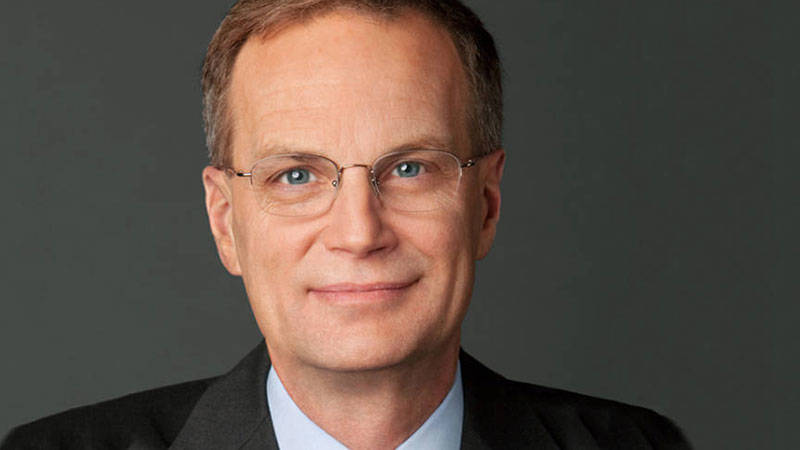
"caption": "Brent Assink.",
"description": "Brent Assink.",
"title": "brent-assink.2",
"credit": "San Francisco Symphony",
"status": "inherit",
"isLoading": false,
"fetchFailed": false
},
"arts_10143914": {
"type": "attachments",
"id": "arts_10143914",
"meta": {
"index": "attachments_1716263798",
"site": "arts",
"id": "10143914",
"found": true
},
"parent": 10143907,
"imgSizes": {
"thumbnail": {
"file": "https://ww2.kqed.org/app/uploads/sites/2/2014/10/TreasureIslandMain-400x235.jpg",
"width": 400,
"mimeType": "image/jpeg",
"height": 235
},
"post-thumbnail": {
"file": "https://ww2.kqed.org/app/uploads/sites/2/2014/10/TreasureIslandMain-672x372.jpg",
"width": 672,
"mimeType": "image/jpeg",
"height": 372
},
"kqedFullSize": {
"file": "https://ww2.kqed.org/app/uploads/sites/2/2014/10/TreasureIslandMain.jpg",
"width": 800,
"height": 471
},
"guest-author-96": {
"file": "https://ww2.kqed.org/app/uploads/sites/2/2014/10/TreasureIslandMain-96x96.jpg",
"width": 96,
"mimeType": "image/jpeg",
"height": 96
},
"guest-author-64": {
"file": "https://ww2.kqed.org/app/uploads/sites/2/2014/10/TreasureIslandMain-64x64.jpg",
"width": 64,
"mimeType": "image/jpeg",
"height": 64
},
"detail": {
"file": "https://ww2.kqed.org/app/uploads/sites/2/2014/10/TreasureIslandMain-75x75.jpg",
"width": 75,
"mimeType": "image/jpeg",
"height": 75
},
"guest-author-32": {
"file": "https://ww2.kqed.org/app/uploads/sites/2/2014/10/TreasureIslandMain-32x32.jpg",
"width": 32,
"mimeType": "image/jpeg",
"height": 32
},
"guest-author-128": {
"file": "https://ww2.kqed.org/app/uploads/sites/2/2014/10/TreasureIslandMain-128x128.jpg",
"width": 128,
"mimeType": "image/jpeg",
"height": 128
}
},
"publishDate": 1413319120,
"modified": 1433878124,
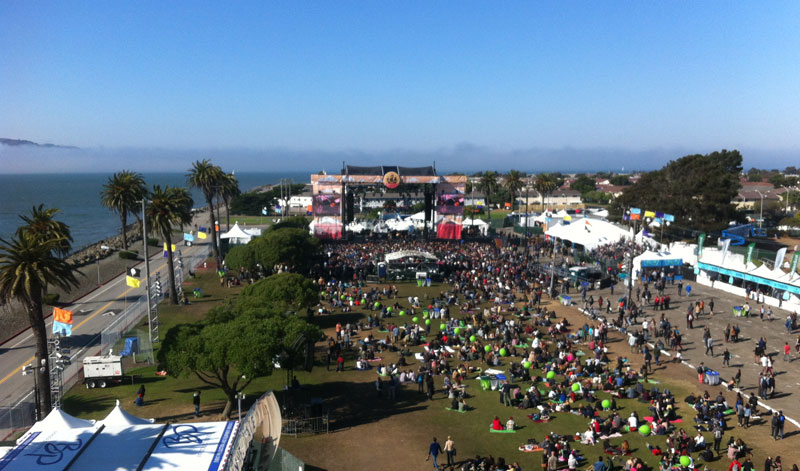
"caption": "The view from the Ferris wheel at the Treasure Island Music Festival, 2013. (Photo: Gabe Meline)",
"description": null,
"title": "TreasureIslandMain",
"credit": null,
"status": "inherit",
"isLoading": false,
"fetchFailed": false
},
"arts_12123104": {
"type": "attachments",
"id": "arts_12123104",
"meta": {
"index": "attachments_1716263798",
"site": "arts",
"id": "12123104",
"found": true
},
"parent": 12123103,
"imgSizes": {
"twentyfourteen-full-width": {
"file": "https://ww2.kqed.org/app/uploads/sites/2/2016/09/gettyimages-52026279_wide-5ad1f2d7e14bb11d4d134c84042e4cf6e0732f19-1038x576.jpg",
"width": 1038,
"mimeType": "image/jpeg",
"height": 576
},
"thumbnail": {
"file": "https://ww2.kqed.org/app/uploads/sites/2/2016/09/gettyimages-52026279_wide-5ad1f2d7e14bb11d4d134c84042e4cf6e0732f19-400x225.jpg",
"width": 400,
"mimeType": "image/jpeg",
"height": 225
},
"fd-sm": {
"file": "https://ww2.kqed.org/app/uploads/sites/2/2016/09/gettyimages-52026279_wide-5ad1f2d7e14bb11d4d134c84042e4cf6e0732f19-960x540.jpg",
"width": 960,
"mimeType": "image/jpeg",
"height": 540
},
"post-thumbnail": {
"file": "https://ww2.kqed.org/app/uploads/sites/2/2016/09/gettyimages-52026279_wide-5ad1f2d7e14bb11d4d134c84042e4cf6e0732f19-672x372.jpg",
"width": 672,
"mimeType": "image/jpeg",
"height": 372
},
"kqedFullSize": {
"file": "https://ww2.kqed.org/app/uploads/sites/2/2016/09/gettyimages-52026279_wide-5ad1f2d7e14bb11d4d134c84042e4cf6e0732f19.jpg",
"width": 1106,
"height": 622
},
"guest-author-50": {
"file": "https://ww2.kqed.org/app/uploads/sites/2/2016/09/gettyimages-52026279_wide-5ad1f2d7e14bb11d4d134c84042e4cf6e0732f19-50x50.jpg",
"width": 50,
"mimeType": "image/jpeg",
"height": 50
},
"guest-author-96": {
"file": "https://ww2.kqed.org/app/uploads/sites/2/2016/09/gettyimages-52026279_wide-5ad1f2d7e14bb11d4d134c84042e4cf6e0732f19-96x96.jpg",
"width": 96,
"mimeType": "image/jpeg",
"height": 96
},
"medium": {
"file": "https://ww2.kqed.org/app/uploads/sites/2/2016/09/gettyimages-52026279_wide-5ad1f2d7e14bb11d4d134c84042e4cf6e0732f19-800x450.jpg",
"width": 800,
"mimeType": "image/jpeg",
"height": 450
},
"guest-author-64": {
"file": "https://ww2.kqed.org/app/uploads/sites/2/2016/09/gettyimages-52026279_wide-5ad1f2d7e14bb11d4d134c84042e4cf6e0732f19-64x64.jpg",
"width": 64,
"mimeType": "image/jpeg",
"height": 64
},
"guest-author-32": {
"file": "https://ww2.kqed.org/app/uploads/sites/2/2016/09/gettyimages-52026279_wide-5ad1f2d7e14bb11d4d134c84042e4cf6e0732f19-32x32.jpg",
"width": 32,
"mimeType": "image/jpeg",
"height": 32
},
"detail": {
"file": "https://ww2.kqed.org/app/uploads/sites/2/2016/09/gettyimages-52026279_wide-5ad1f2d7e14bb11d4d134c84042e4cf6e0732f19-150x150.jpg",
"width": 150,
"mimeType": "image/jpeg",
"height": 150
},
"medium_large": {
"file": "https://ww2.kqed.org/app/uploads/sites/2/2016/09/gettyimages-52026279_wide-5ad1f2d7e14bb11d4d134c84042e4cf6e0732f19-768x432.jpg",
"width": 768,
"mimeType": "image/jpeg",
"height": 432
},
"guest-author-128": {
"file": "https://ww2.kqed.org/app/uploads/sites/2/2016/09/gettyimages-52026279_wide-5ad1f2d7e14bb11d4d134c84042e4cf6e0732f19-128x128.jpg",
"width": 128,
"mimeType": "image/jpeg",
"height": 128
}
},
"publishDate": 1474936853,
"modified": 1474936853,
"caption": null,
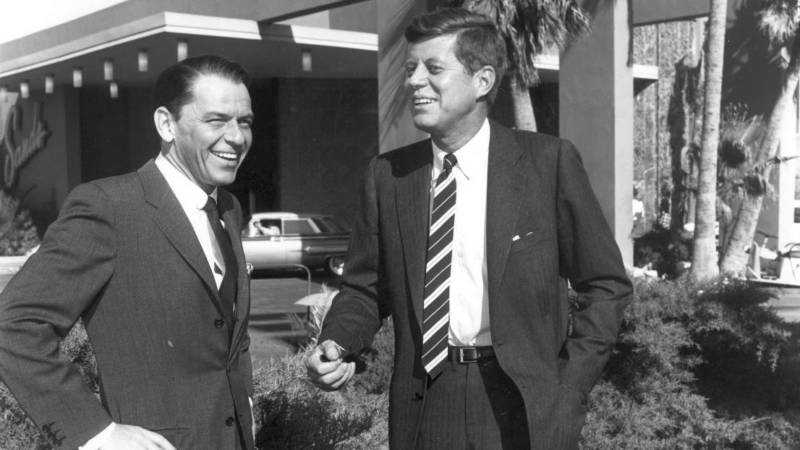
"description": "Frank Sinatra and then-presidential candidate John F. Kennedy in February 1960.",
"title": "Frank Sinatra and then-presidential candidate John F. Kennedy in February 1960.",
"credit": null,
"status": "inherit",
"isLoading": false,
"fetchFailed": false
},
"arts_12121764": {
"type": "attachments",
"id": "arts_12121764",
"meta": {
"index": "attachments_1716263798",
"site": "arts",
"id": "12121764",
"found": true
},
"parent": 12121760,
"imgSizes": {
"twentyfourteen-full-width": {
"file": "https://ww2.kqed.org/app/uploads/sites/2/2016/09/Rolling-Stone-1038x576.jpg",
"width": 1038,
"mimeType": "image/jpeg",
"height": 576
},
"thumbnail": {
"file": "https://ww2.kqed.org/app/uploads/sites/2/2016/09/Rolling-Stone-400x225.jpg",
"width": 400,
"mimeType": "image/jpeg",
"height": 225
},
"fd-sm": {
"file": "https://ww2.kqed.org/app/uploads/sites/2/2016/09/Rolling-Stone-960x540.jpg",
"width": 960,
"mimeType": "image/jpeg",
"height": 540
},
"post-thumbnail": {
"file": "https://ww2.kqed.org/app/uploads/sites/2/2016/09/Rolling-Stone-672x372.jpg",
"width": 672,
"mimeType": "image/jpeg",
"height": 372
},
"kqedFullSize": {
"file": "https://ww2.kqed.org/app/uploads/sites/2/2016/09/Rolling-Stone.jpg",
"width": 1920,
"height": 1080
},
"large": {
"file": "https://ww2.kqed.org/app/uploads/sites/2/2016/09/Rolling-Stone-1180x664.jpg",
"width": 1180,
"mimeType": "image/jpeg",
"height": 664
},
"guest-author-50": {
"file": "https://ww2.kqed.org/app/uploads/sites/2/2016/09/Rolling-Stone-50x50.jpg",
"width": 50,
"mimeType": "image/jpeg",
"height": 50
},
"guest-author-96": {
"file": "https://ww2.kqed.org/app/uploads/sites/2/2016/09/Rolling-Stone-96x96.jpg",
"width": 96,
"mimeType": "image/jpeg",
"height": 96
},
"medium": {
"file": "https://ww2.kqed.org/app/uploads/sites/2/2016/09/Rolling-Stone-800x450.jpg",
"width": 800,
"mimeType": "image/jpeg",
"height": 450
},
"guest-author-64": {
"file": "https://ww2.kqed.org/app/uploads/sites/2/2016/09/Rolling-Stone-64x64.jpg",
"width": 64,
"mimeType": "image/jpeg",
"height": 64
},
"guest-author-32": {
"file": "https://ww2.kqed.org/app/uploads/sites/2/2016/09/Rolling-Stone-32x32.jpg",
"width": 32,
"mimeType": "image/jpeg",
"height": 32
},
"fd-lrg": {
"file": "https://ww2.kqed.org/app/uploads/sites/2/2016/09/Rolling-Stone-1920x1080.jpg",
"width": 1920,
"mimeType": "image/jpeg",
"height": 1080
},
"fd-med": {
"file": "https://ww2.kqed.org/app/uploads/sites/2/2016/09/Rolling-Stone-1180x664.jpg",
"width": 1180,
"mimeType": "image/jpeg",
"height": 664
},
"detail": {
"file": "https://ww2.kqed.org/app/uploads/sites/2/2016/09/Rolling-Stone-150x150.jpg",
"width": 150,
"mimeType": "image/jpeg",
"height": 150
},
"medium_large": {
"file": "https://ww2.kqed.org/app/uploads/sites/2/2016/09/Rolling-Stone-768x432.jpg",
"width": 768,
"mimeType": "image/jpeg",
"height": 432
},
"guest-author-128": {
"file": "https://ww2.kqed.org/app/uploads/sites/2/2016/09/Rolling-Stone-128x128.jpg",
"width": 128,
"mimeType": "image/jpeg",
"height": 128
}
},
"publishDate": 1474912341,
"modified": 1474912426,
"caption": "A vendor pulls out one of the Rolling Stone magazine on sale in Singapore on September 26, 2016. ",
"description": "A vendor pulls out one of the Rolling Stone magazine on sale in Singapore on September 26, 2016. ",
"title": "SINGAPORE-US-ENTERTAINMENT-MAGAZINE-MUSIC",
"credit": "Photo: Roslan Rahman/AFP/Getty Images",
"status": "inherit",
"isLoading": false,
"fetchFailed": false
},
"news_11101108": {
"type": "attachments",
"id": "news_11101108",
"meta": {
"index": "attachments_1716263798",
"site": "news",
"id": "11101108",
"found": true
},
"parent": 11094448,
"imgSizes": {
"twentyfourteen-full-width": {
"file": "https://ww2.kqed.org/app/uploads/sites/10/2016/09/Gaslamp-1038x576.jpg",
"width": 1038,
"mimeType": "image/jpeg",
"height": 576
},
"thumbnail": {
"file": "https://ww2.kqed.org/app/uploads/sites/10/2016/09/Gaslamp-400x220.jpg",
"width": 400,
"mimeType": "image/jpeg",
"height": 220
},
"fd-sm": {
"file": "https://ww2.kqed.org/app/uploads/sites/10/2016/09/Gaslamp-960x528.jpg",
"width": 960,
"mimeType": "image/jpeg",
"height": 528
},
"post-thumbnail": {
"file": "https://ww2.kqed.org/app/uploads/sites/10/2016/09/Gaslamp-672x372.jpg",
"width": 672,
"mimeType": "image/jpeg",
"height": 372
},
"kqedFullSize": {
"file": "https://ww2.kqed.org/app/uploads/sites/10/2016/09/Gaslamp.jpg",
"width": 1920,
"height": 1055
},
"large": {
"file": "https://ww2.kqed.org/app/uploads/sites/10/2016/09/Gaslamp-1920x1055.jpg",
"width": 1920,
"mimeType": "image/jpeg",
"height": 1055
},
"guest-author-50": {
"file": "https://ww2.kqed.org/app/uploads/sites/10/2016/09/Gaslamp-50x50.jpg",
"width": 50,
"mimeType": "image/jpeg",
"height": 50
},
"guest-author-96": {
"file": "https://ww2.kqed.org/app/uploads/sites/10/2016/09/Gaslamp-96x96.jpg",
"width": 96,
"mimeType": "image/jpeg",
"height": 96
},
"medium": {
"file": "https://ww2.kqed.org/app/uploads/sites/10/2016/09/Gaslamp-800x440.jpg",
"width": 800,
"mimeType": "image/jpeg",
"height": 440
},
"guest-author-64": {
"file": "https://ww2.kqed.org/app/uploads/sites/10/2016/09/Gaslamp-64x64.jpg",
"width": 64,
"mimeType": "image/jpeg",
"height": 64
},
"guest-author-32": {
"file": "https://ww2.kqed.org/app/uploads/sites/10/2016/09/Gaslamp-32x32.jpg",
"width": 32,
"mimeType": "image/jpeg",
"height": 32
},
"jmtc-small-thumb": {
"file": "https://ww2.kqed.org/app/uploads/sites/10/2016/09/Gaslamp-280x150.jpg",
"width": 280,
"mimeType": "image/jpeg",
"height": 150
},
"fd-lrg": {
"file": "https://ww2.kqed.org/app/uploads/sites/10/2016/09/Gaslamp-1920x1055.jpg",
"width": 1920,
"mimeType": "image/jpeg",
"height": 1055
},
"fd-med": {
"file": "https://ww2.kqed.org/app/uploads/sites/10/2016/09/Gaslamp-1180x648.jpg",
"width": 1180,
"mimeType": "image/jpeg",
"height": 648
},
"detail": {
"file": "https://ww2.kqed.org/app/uploads/sites/10/2016/09/Gaslamp-150x150.jpg",
"width": 150,
"mimeType": "image/jpeg",
"height": 150
},
"guest-author-128": {
"file": "https://ww2.kqed.org/app/uploads/sites/10/2016/09/Gaslamp-128x128.jpg",
"width": 128,
"mimeType": "image/jpeg",
"height": 128
}
},
"publishDate": 1474685359,
"modified": 1474685376,
"caption": "The Gaslamp Killer",
"description": "The Gaslamp Killer",
"title": "Gaslamp",
"credit": "Theo Jemison",
"status": "inherit",
"isLoading": false,
"fetchFailed": false
},
"news_11100935": {
"type": "attachments",
"id": "news_11100935",
"meta": {
"index": "attachments_1716263798",
"site": "news",
"id": "11100935",
"found": true
},
"parent": 11090501,
"imgSizes": {
"twentyfourteen-full-width": {
"file": "https://ww2.kqed.org/app/uploads/sites/10/2016/09/LaoMusician-1038x576.jpg",
"width": 1038,
"mimeType": "image/jpeg",
"height": 576
},
"thumbnail": {
"file": "https://ww2.kqed.org/app/uploads/sites/10/2016/09/LaoMusician-400x296.jpg",
"width": 400,
"mimeType": "image/jpeg",
"height": 296
},
"fd-sm": {
"file": "https://ww2.kqed.org/app/uploads/sites/10/2016/09/LaoMusician-960x711.jpg",
"width": 960,
"mimeType": "image/jpeg",
"height": 711
},
"post-thumbnail": {
"file": "https://ww2.kqed.org/app/uploads/sites/10/2016/09/LaoMusician-672x372.jpg",
"width": 672,
"mimeType": "image/jpeg",
"height": 372
},
"kqedFullSize": {
"file": "https://ww2.kqed.org/app/uploads/sites/10/2016/09/LaoMusician.jpg",
"width": 1920,
"height": 1422
},
"large": {
"file": "https://ww2.kqed.org/app/uploads/sites/10/2016/09/LaoMusician-1920x1422.jpg",
"width": 1920,
"mimeType": "image/jpeg",
"height": 1422
},
"guest-author-50": {
"file": "https://ww2.kqed.org/app/uploads/sites/10/2016/09/LaoMusician-50x50.jpg",
"width": 50,
"mimeType": "image/jpeg",
"height": 50
},
"guest-author-96": {
"file": "https://ww2.kqed.org/app/uploads/sites/10/2016/09/LaoMusician-96x96.jpg",
"width": 96,
"mimeType": "image/jpeg",
"height": 96
},
"medium": {
"file": "https://ww2.kqed.org/app/uploads/sites/10/2016/09/LaoMusician-800x593.jpg",
"width": 800,
"mimeType": "image/jpeg",
"height": 593
},
"guest-author-64": {
"file": "https://ww2.kqed.org/app/uploads/sites/10/2016/09/LaoMusician-64x64.jpg",
"width": 64,
"mimeType": "image/jpeg",
"height": 64
},
"guest-author-32": {
"file": "https://ww2.kqed.org/app/uploads/sites/10/2016/09/LaoMusician-32x32.jpg",
"width": 32,
"mimeType": "image/jpeg",
"height": 32
},
"jmtc-small-thumb": {
"file": "https://ww2.kqed.org/app/uploads/sites/10/2016/09/LaoMusician-280x150.jpg",
"width": 280,
"mimeType": "image/jpeg",
"height": 150
},
"fd-lrg": {
"file": "https://ww2.kqed.org/app/uploads/sites/10/2016/09/LaoMusician-1920x1422.jpg",
"width": 1920,
"mimeType": "image/jpeg",
"height": 1422
},
"fd-med": {
"file": "https://ww2.kqed.org/app/uploads/sites/10/2016/09/LaoMusician-1180x874.jpg",
"width": 1180,
"mimeType": "image/jpeg",
"height": 874
},
"detail": {
"file": "https://ww2.kqed.org/app/uploads/sites/10/2016/09/LaoMusician-150x150.jpg",
"width": 150,
"mimeType": "image/jpeg",
"height": 150
},
"guest-author-128": {
"file": "https://ww2.kqed.org/app/uploads/sites/10/2016/09/LaoMusician-128x128.jpg",
"width": 128,
"mimeType": "image/jpeg",
"height": 128
}
},
"publishDate": 1474678036,
"modified": 1474679512,
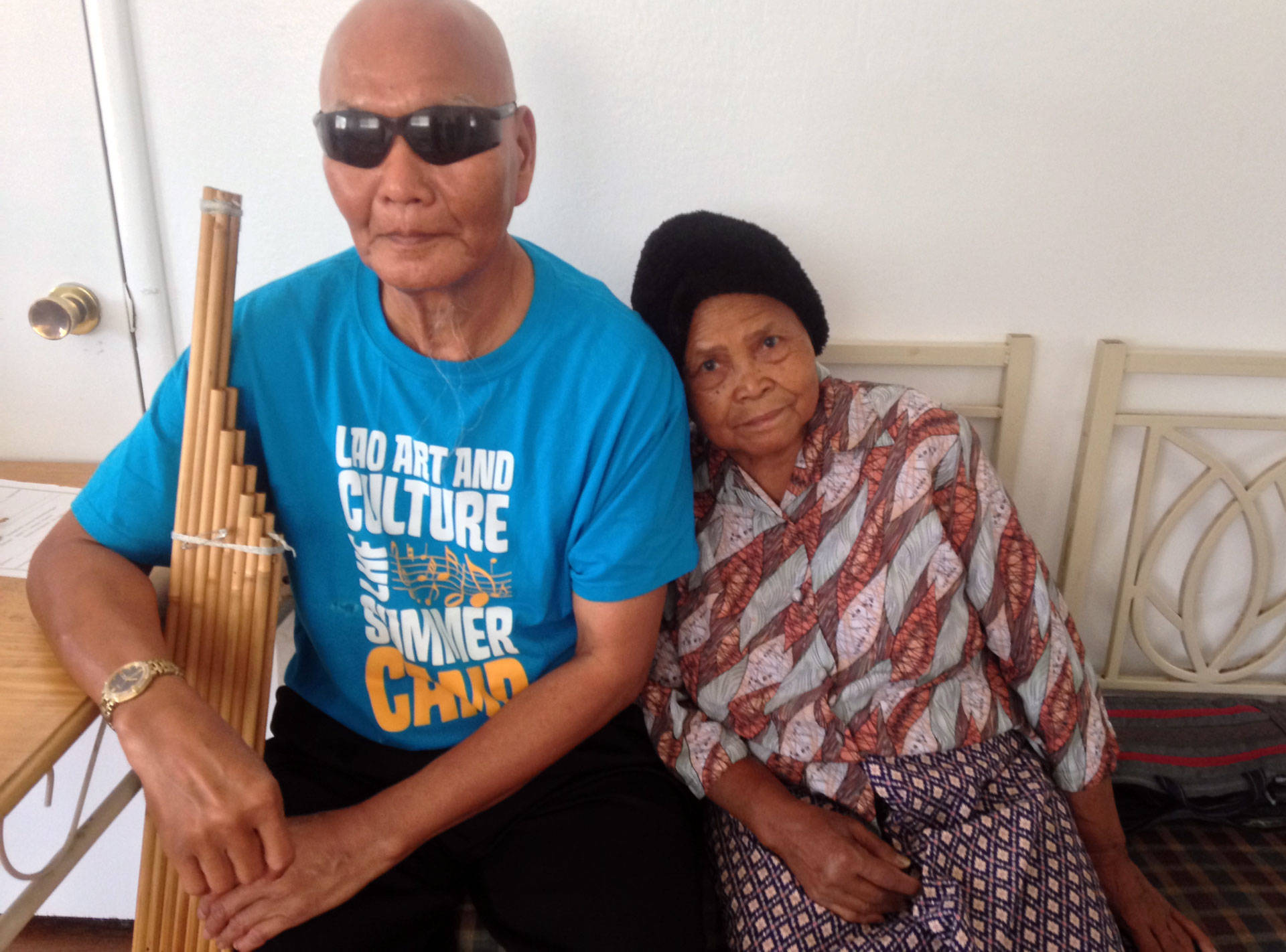
"caption": "Bounxeung Synanonh (L) is a master of the khaen, a traditional Laotian bamboo mouth organ. He met his wife Kham Souvanakhyly (R) in Fresno. She says she doesn’t care if Synanonh can’t see her because she knows he loves her.",
"description": "Bounxeung Synanonh (L) is a master of the khaen, a traditional Laotian bamboo mouth organ. He met his wife Kham Souvanakhyly (R) in Fresno. She says she doesn’t care if Synanonh can’t see her because she knows he loves her.",
"title": "LaoMusician",
"credit": "Alice Daniel/KQED",
"status": "inherit",
"isLoading": false,
"fetchFailed": false
},
"arts_12109117": {
"type": "attachments",
"id": "arts_12109117",
"meta": {
"index": "attachments_1716263798",
"site": "arts",
"id": "12109117",
"found": true
},
"parent": 12109116,
"imgSizes": {
"twentyfourteen-full-width": {
"file": "https://ww2.kqed.org/app/uploads/sites/2/2016/09/gettyimages-3297256-4830c4ed310706f0c0974bc169597402cbc62944-e1474663978995-1038x576.jpg",
"width": 1038,
"mimeType": "image/jpeg",
"height": 576
},
"thumbnail": {
"file": "https://ww2.kqed.org/app/uploads/sites/2/2016/09/gettyimages-3297256-4830c4ed310706f0c0974bc169597402cbc62944-e1474663978995-400x225.jpg",
"width": 400,
"mimeType": "image/jpeg",
"height": 225
},
"fd-sm": {
"file": "https://ww2.kqed.org/app/uploads/sites/2/2016/09/gettyimages-3297256-4830c4ed310706f0c0974bc169597402cbc62944-e1474663978995-960x540.jpg",
"width": 960,
"mimeType": "image/jpeg",
"height": 540
},
"post-thumbnail": {
"file": "https://ww2.kqed.org/app/uploads/sites/2/2016/09/gettyimages-3297256-4830c4ed310706f0c0974bc169597402cbc62944-e1474663978995-672x372.jpg",
"width": 672,
"mimeType": "image/jpeg",
"height": 372
},
"kqedFullSize": {
"file": "https://ww2.kqed.org/app/uploads/sites/2/2016/09/gettyimages-3297256-4830c4ed310706f0c0974bc169597402cbc62944-e1474663978995.jpg",
"width": 2473,
"height": 1391
},
"large": {
"file": "https://ww2.kqed.org/app/uploads/sites/2/2016/09/gettyimages-3297256-4830c4ed310706f0c0974bc169597402cbc62944-e1474663978995-1180x664.jpg",
"width": 1180,
"mimeType": "image/jpeg",
"height": 664
},
"guest-author-50": {
"file": "https://ww2.kqed.org/app/uploads/sites/2/2016/09/gettyimages-3297256-4830c4ed310706f0c0974bc169597402cbc62944-e1474663978995-50x50.jpg",
"width": 50,
"mimeType": "image/jpeg",
"height": 50
},
"guest-author-96": {
"file": "https://ww2.kqed.org/app/uploads/sites/2/2016/09/gettyimages-3297256-4830c4ed310706f0c0974bc169597402cbc62944-e1474663978995-96x96.jpg",
"width": 96,
"mimeType": "image/jpeg",
"height": 96
},
"medium": {
"file": "https://ww2.kqed.org/app/uploads/sites/2/2016/09/gettyimages-3297256-4830c4ed310706f0c0974bc169597402cbc62944-e1474663978995-800x450.jpg",
"width": 800,
"mimeType": "image/jpeg",
"height": 450
},
"guest-author-64": {
"file": "https://ww2.kqed.org/app/uploads/sites/2/2016/09/gettyimages-3297256-4830c4ed310706f0c0974bc169597402cbc62944-e1474663978995-64x64.jpg",
"width": 64,
"mimeType": "image/jpeg",
"height": 64
},
"guest-author-32": {
"file": "https://ww2.kqed.org/app/uploads/sites/2/2016/09/gettyimages-3297256-4830c4ed310706f0c0974bc169597402cbc62944-e1474663978995-32x32.jpg",
"width": 32,
"mimeType": "image/jpeg",
"height": 32
},
"fd-lrg": {
"file": "https://ww2.kqed.org/app/uploads/sites/2/2016/09/gettyimages-3297256-4830c4ed310706f0c0974bc169597402cbc62944-e1474663978995-1920x1080.jpg",
"width": 1920,
"mimeType": "image/jpeg",
"height": 1080
},
"fd-med": {
"file": "https://ww2.kqed.org/app/uploads/sites/2/2016/09/gettyimages-3297256-4830c4ed310706f0c0974bc169597402cbc62944-e1474663978995-1180x664.jpg",
"width": 1180,
"mimeType": "image/jpeg",
"height": 664
},
"detail": {
"file": "https://ww2.kqed.org/app/uploads/sites/2/2016/09/gettyimages-3297256-4830c4ed310706f0c0974bc169597402cbc62944-e1474663978995-150x150.jpg",
"width": 150,
"mimeType": "image/jpeg",
"height": 150
},
"medium_large": {
"file": "https://ww2.kqed.org/app/uploads/sites/2/2016/09/gettyimages-3297256-4830c4ed310706f0c0974bc169597402cbc62944-e1474663978995-768x432.jpg",
"width": 768,
"mimeType": "image/jpeg",
"height": 432
},
"guest-author-128": {
"file": "https://ww2.kqed.org/app/uploads/sites/2/2016/09/gettyimages-3297256-4830c4ed310706f0c0974bc169597402cbc62944-e1474663978995-128x128.jpg",
"width": 128,
"mimeType": "image/jpeg",
"height": 128
}
},
"publishDate": 1474663602,
"modified": 1474663942,
"caption": "The Who in 1969, the year the group released the rock opera Tommy. Earlier in the 1960s, the band says it only cared about singles. By 1971, it was making albums that would help define the \"heritage rock\" industry.",
"description": "The Who in 1969, the year the group released the rock opera \u003cem>Tommy\u003c/em>. Earlier in the 1960s, the band says it only cared about singles. By 1971, it was making albums that would help define the \"heritage rock\" industry",
"title": "The Who in 1969, the year the group released the rock opera Tommy. Earlier in the 1960s, the band says it only cared about singles. By 1971, it was making albums that would help define the \"heritage rock\" industry.",
"credit": "Photo: Steve Wood/Getty Images",
"status": "inherit",
"isLoading": false,
"fetchFailed": false
},
"arts_12104406": {
"type": "attachments",
"id": "arts_12104406",
"meta": {
"index": "attachments_1716263798",
"site": "arts",
"id": "12104406",
"found": true
},
"parent": 12104402,
"imgSizes": {
"twentyfourteen-full-width": {
"file": "https://ww2.kqed.org/app/uploads/sites/2/2016/09/The-Shipment-Cast-at-Crowded-Fire-1038x576.jpg",
"width": 1038,
"mimeType": "image/jpeg",
"height": 576
},
"thumbnail": {
"file": "https://ww2.kqed.org/app/uploads/sites/2/2016/09/The-Shipment-Cast-at-Crowded-Fire-400x267.jpg",
"width": 400,
"mimeType": "image/jpeg",
"height": 267
},
"fd-sm": {
"file": "https://ww2.kqed.org/app/uploads/sites/2/2016/09/The-Shipment-Cast-at-Crowded-Fire-960x640.jpg",
"width": 960,
"mimeType": "image/jpeg",
"height": 640
},
"post-thumbnail": {
"file": "https://ww2.kqed.org/app/uploads/sites/2/2016/09/The-Shipment-Cast-at-Crowded-Fire-672x372.jpg",
"width": 672,
"mimeType": "image/jpeg",
"height": 372
},
"kqedFullSize": {
"file": "https://ww2.kqed.org/app/uploads/sites/2/2016/09/The-Shipment-Cast-at-Crowded-Fire.jpg",
"width": 3000,
"height": 2000
},
"large": {
"file": "https://ww2.kqed.org/app/uploads/sites/2/2016/09/The-Shipment-Cast-at-Crowded-Fire-1180x787.jpg",
"width": 1180,
"mimeType": "image/jpeg",
"height": 787
},
"guest-author-50": {
"file": "https://ww2.kqed.org/app/uploads/sites/2/2016/09/The-Shipment-Cast-at-Crowded-Fire-50x50.jpg",
"width": 50,
"mimeType": "image/jpeg",
"height": 50
},
"guest-author-96": {
"file": "https://ww2.kqed.org/app/uploads/sites/2/2016/09/The-Shipment-Cast-at-Crowded-Fire-96x96.jpg",
"width": 96,
"mimeType": "image/jpeg",
"height": 96
},
"medium": {
"file": "https://ww2.kqed.org/app/uploads/sites/2/2016/09/The-Shipment-Cast-at-Crowded-Fire-800x533.jpg",
"width": 800,
"mimeType": "image/jpeg",
"height": 533
},
"guest-author-64": {
"file": "https://ww2.kqed.org/app/uploads/sites/2/2016/09/The-Shipment-Cast-at-Crowded-Fire-64x64.jpg",
"width": 64,
"mimeType": "image/jpeg",
"height": 64
},
"guest-author-32": {
"file": "https://ww2.kqed.org/app/uploads/sites/2/2016/09/The-Shipment-Cast-at-Crowded-Fire-32x32.jpg",
"width": 32,
"mimeType": "image/jpeg",
"height": 32
},
"fd-lrg": {
"file": "https://ww2.kqed.org/app/uploads/sites/2/2016/09/The-Shipment-Cast-at-Crowded-Fire-1920x1280.jpg",
"width": 1920,
"mimeType": "image/jpeg",
"height": 1280
},
"fd-med": {
"file": "https://ww2.kqed.org/app/uploads/sites/2/2016/09/The-Shipment-Cast-at-Crowded-Fire-1180x787.jpg",
"width": 1180,
"mimeType": "image/jpeg",
"height": 787
},
"detail": {
"file": "https://ww2.kqed.org/app/uploads/sites/2/2016/09/The-Shipment-Cast-at-Crowded-Fire-150x150.jpg",
"width": 150,
"mimeType": "image/jpeg",
"height": 150
},
"medium_large": {
"file": "https://ww2.kqed.org/app/uploads/sites/2/2016/09/The-Shipment-Cast-at-Crowded-Fire-768x512.jpg",
"width": 768,
"mimeType": "image/jpeg",
"height": 512
},
"guest-author-128": {
"file": "https://ww2.kqed.org/app/uploads/sites/2/2016/09/The-Shipment-Cast-at-Crowded-Fire-128x128.jpg",
"width": 128,
"mimeType": "image/jpeg",
"height": 128
}
},
"publishDate": 1474573893,
"modified": 1474574049,
"caption": "The cast of Young Jean Lee's The Shipment (left-right) William Hartfield, Nican Robinson, Howard Johnson Jr., Nkechi Emeruwa, and Michael Wayne Turner III",
"description": "The cast of Young Jean Lee's The Shipment (left-right) William Hartfield, Nican Robinson, Howard Johnson Jr., Nkechi Emeruwa, and Michael Wayne Turner III",
"title": "The cast of Young Jean Lee's The Shipment (left-right) William Hartfield, Nican Robinson, Howard Johnson Jr., Nkechi Emeruwa, and Michael Wayne Turner III",
"credit": " Photo: Pak Han/Crowded Fire",
"status": "inherit",
"isLoading": false,
"fetchFailed": false
},
"arts_12099809": {
"type": "attachments",
"id": "arts_12099809",
"meta": {
"index": "attachments_1716263798",
"site": "arts",
"id": "12099809",
"found": true
},
"parent": 12077164,
"imgSizes": {
"twentyfourteen-full-width": {
"file": "https://ww2.kqed.org/app/uploads/sites/2/2016/09/SamRudin-1038x576.jpg",
"width": 1038,
"mimeType": "image/jpeg",
"height": 576
},
"thumbnail": {
"file": "https://ww2.kqed.org/app/uploads/sites/2/2016/09/SamRudin-400x225.jpg",
"width": 400,
"mimeType": "image/jpeg",
"height": 225
},
"fd-sm": {
"file": "https://ww2.kqed.org/app/uploads/sites/2/2016/09/SamRudin-960x540.jpg",
"width": 960,
"mimeType": "image/jpeg",
"height": 540
},
"post-thumbnail": {
"file": "https://ww2.kqed.org/app/uploads/sites/2/2016/09/SamRudin-672x372.jpg",
"width": 672,
"mimeType": "image/jpeg",
"height": 372
},
"kqedFullSize": {
"file": "https://ww2.kqed.org/app/uploads/sites/2/2016/09/SamRudin.jpg",
"width": 1920,
"height": 1080
},
"large": {
"file": "https://ww2.kqed.org/app/uploads/sites/2/2016/09/SamRudin-1180x664.jpg",
"width": 1180,
"mimeType": "image/jpeg",
"height": 664
},
"guest-author-50": {
"file": "https://ww2.kqed.org/app/uploads/sites/2/2016/09/SamRudin-50x50.jpg",
"width": 50,
"mimeType": "image/jpeg",
"height": 50
},
"guest-author-96": {
"file": "https://ww2.kqed.org/app/uploads/sites/2/2016/09/SamRudin-96x96.jpg",
"width": 96,
"mimeType": "image/jpeg",
"height": 96
},
"medium": {
"file": "https://ww2.kqed.org/app/uploads/sites/2/2016/09/SamRudin-800x450.jpg",
"width": 800,
"mimeType": "image/jpeg",
"height": 450
},
"guest-author-64": {
"file": "https://ww2.kqed.org/app/uploads/sites/2/2016/09/SamRudin-64x64.jpg",
"width": 64,
"mimeType": "image/jpeg",
"height": 64
},
"guest-author-32": {
"file": "https://ww2.kqed.org/app/uploads/sites/2/2016/09/SamRudin-32x32.jpg",
"width": 32,
"mimeType": "image/jpeg",
"height": 32
},
"fd-lrg": {
"file": "https://ww2.kqed.org/app/uploads/sites/2/2016/09/SamRudin-1920x1080.jpg",
"width": 1920,
"mimeType": "image/jpeg",
"height": 1080
},
"fd-med": {
"file": "https://ww2.kqed.org/app/uploads/sites/2/2016/09/SamRudin-1180x664.jpg",
"width": 1180,
"mimeType": "image/jpeg",
"height": 664
},
"detail": {
"file": "https://ww2.kqed.org/app/uploads/sites/2/2016/09/SamRudin-150x150.jpg",
"width": 150,
"mimeType": "image/jpeg",
"height": 150
},
"medium_large": {
"file": "https://ww2.kqed.org/app/uploads/sites/2/2016/09/SamRudin-768x432.jpg",
"width": 768,
"mimeType": "image/jpeg",
"height": 432
},
"guest-author-128": {
"file": "https://ww2.kqed.org/app/uploads/sites/2/2016/09/SamRudin-128x128.jpg",
"width": 128,
"mimeType": "image/jpeg",
"height": 128
}
},
"publishDate": 1474486003,
"modified": 1474486061,
"caption": "Sam Rudin's new living-room style venue, the Backroom, seeks to fill a void in downtown Berkeley.",
"description": "Sam Rudin's new living-room style venue, the Backroom, seeks to fill a void in downtown Berkeley.",
"title": "SamRudin",
"credit": "Photo courtesy Sam Rudin",
"status": "inherit",
"isLoading": false,
"fetchFailed": false
},
"arts_12100595": {
"type": "attachments",
"id": "arts_12100595",
"meta": {
"index": "attachments_1716263798",
"site": "arts",
"id": "12100595",
"found": true
},
"parent": 12100194,
"imgSizes": {
"thumbnail": {
"file": "https://ww2.kqed.org/app/uploads/sites/2/2016/09/RS21189_VoyagerRecord-qut-400x225.jpg",
"width": 400,
"mimeType": "image/jpeg",
"height": 225
},
"fd-sm": {
"file": "https://ww2.kqed.org/app/uploads/sites/2/2016/09/RS21189_VoyagerRecord-qut-960x540.jpg",
"width": 960,
"mimeType": "image/jpeg",
"height": 540
},
"post-thumbnail": {
"file": "https://ww2.kqed.org/app/uploads/sites/2/2016/09/RS21189_VoyagerRecord-qut-672x372.jpg",
"width": 672,
"mimeType": "image/jpeg",
"height": 372
},
"kqedFullSize": {
"file": "https://ww2.kqed.org/app/uploads/sites/2/2016/09/RS21189_VoyagerRecord-qut.jpg",
"width": 999,
"height": 562
},
"guest-author-50": {
"file": "https://ww2.kqed.org/app/uploads/sites/2/2016/09/RS21189_VoyagerRecord-qut-50x50.jpg",
"width": 50,
"mimeType": "image/jpeg",
"height": 50
},
"guest-author-96": {
"file": "https://ww2.kqed.org/app/uploads/sites/2/2016/09/RS21189_VoyagerRecord-qut-96x96.jpg",
"width": 96,
"mimeType": "image/jpeg",
"height": 96
},
"medium": {
"file": "https://ww2.kqed.org/app/uploads/sites/2/2016/09/RS21189_VoyagerRecord-qut-800x450.jpg",
"width": 800,
"mimeType": "image/jpeg",
"height": 450
},
"guest-author-64": {
"file": "https://ww2.kqed.org/app/uploads/sites/2/2016/09/RS21189_VoyagerRecord-qut-64x64.jpg",
"width": 64,
"mimeType": "image/jpeg",
"height": 64
},
"detail": {
"file": "https://ww2.kqed.org/app/uploads/sites/2/2016/09/RS21189_VoyagerRecord-qut-150x150.jpg",
"width": 150,
"mimeType": "image/jpeg",
"height": 150
},
"guest-author-32": {
"file": "https://ww2.kqed.org/app/uploads/sites/2/2016/09/RS21189_VoyagerRecord-qut-32x32.jpg",
"width": 32,
"mimeType": "image/jpeg",
"height": 32
},
"medium_large": {
"file": "https://ww2.kqed.org/app/uploads/sites/2/2016/09/RS21189_VoyagerRecord-qut-768x432.jpg",
"width": 768,
"mimeType": "image/jpeg",
"height": 432
},
"guest-author-128": {
"file": "https://ww2.kqed.org/app/uploads/sites/2/2016/09/RS21189_VoyagerRecord-qut-128x128.jpg",
"width": 128,
"mimeType": "image/jpeg",
"height": 128
}
},
"publishDate": 1474501579,
"modified": 1474501606,
"caption": "A team of California science geeks is attempting a vinyl reissue of the gold records launched into space 40 years ago on the Voyager spacecraft.",
"description": "A team of California science geeks is attempting a vinyl reissue of the gold records launched into space 40 years ago on the Voyager spacecraft.",
"title": "RS21189_VoyagerRecord-qut",
"credit": "Photo: Courtesy of Lawrence Azerrad/LADesign",
"status": "inherit",
"isLoading": false,
"fetchFailed": false
},
"arts_12096991": {
"type": "attachments",
"id": "arts_12096991",
"meta": {
"index": "attachments_1716263798",
"site": "arts",
"id": "12096991",
"found": true
},
"parent": 12095669,
"imgSizes": {
"twentyfourteen-full-width": {
"file": "https://ww2.kqed.org/app/uploads/sites/2/2016/09/StrangerThings.Main_-1038x576.jpg",
"width": 1038,
"mimeType": "image/jpeg",
"height": 576
},
"thumbnail": {
"file": "https://ww2.kqed.org/app/uploads/sites/2/2016/09/StrangerThings.Main_-400x225.jpg",
"width": 400,
"mimeType": "image/jpeg",
"height": 225
},
"fd-sm": {
"file": "https://ww2.kqed.org/app/uploads/sites/2/2016/09/StrangerThings.Main_-960x540.jpg",
"width": 960,
"mimeType": "image/jpeg",
"height": 540
},
"post-thumbnail": {
"file": "https://ww2.kqed.org/app/uploads/sites/2/2016/09/StrangerThings.Main_-672x372.jpg",
"width": 672,
"mimeType": "image/jpeg",
"height": 372
},
"kqedFullSize": {
"file": "https://ww2.kqed.org/app/uploads/sites/2/2016/09/StrangerThings.Main_.jpg",
"width": 1920,
"height": 1080
},
"large": {
"file": "https://ww2.kqed.org/app/uploads/sites/2/2016/09/StrangerThings.Main_-1180x664.jpg",
"width": 1180,
"mimeType": "image/jpeg",
"height": 664
},
"guest-author-50": {
"file": "https://ww2.kqed.org/app/uploads/sites/2/2016/09/StrangerThings.Main_-50x50.jpg",
"width": 50,
"mimeType": "image/jpeg",
"height": 50
},
"guest-author-96": {
"file": "https://ww2.kqed.org/app/uploads/sites/2/2016/09/StrangerThings.Main_-96x96.jpg",
"width": 96,
"mimeType": "image/jpeg",
"height": 96
},
"medium": {
"file": "https://ww2.kqed.org/app/uploads/sites/2/2016/09/StrangerThings.Main_-800x450.jpg",
"width": 800,
"mimeType": "image/jpeg",
"height": 450
},
"guest-author-64": {
"file": "https://ww2.kqed.org/app/uploads/sites/2/2016/09/StrangerThings.Main_-64x64.jpg",
"width": 64,
"mimeType": "image/jpeg",
"height": 64
},
"guest-author-32": {
"file": "https://ww2.kqed.org/app/uploads/sites/2/2016/09/StrangerThings.Main_-32x32.jpg",
"width": 32,
"mimeType": "image/jpeg",
"height": 32
},
"fd-lrg": {
"file": "https://ww2.kqed.org/app/uploads/sites/2/2016/09/StrangerThings.Main_-1920x1080.jpg",
"width": 1920,
"mimeType": "image/jpeg",
"height": 1080
},
"fd-med": {
"file": "https://ww2.kqed.org/app/uploads/sites/2/2016/09/StrangerThings.Main_-1180x664.jpg",
"width": 1180,
"mimeType": "image/jpeg",
"height": 664
},
"detail": {
"file": "https://ww2.kqed.org/app/uploads/sites/2/2016/09/StrangerThings.Main_-150x150.jpg",
"width": 150,
"mimeType": "image/jpeg",
"height": 150
},
"medium_large": {
"file": "https://ww2.kqed.org/app/uploads/sites/2/2016/09/StrangerThings.Main_-768x432.jpg",
"width": 768,
"mimeType": "image/jpeg",
"height": 432
},
"guest-author-128": {
"file": "https://ww2.kqed.org/app/uploads/sites/2/2016/09/StrangerThings.Main_-128x128.jpg",
"width": 128,
"mimeType": "image/jpeg",
"height": 128
}
},
"publishDate": 1474434545,
"modified": 1474434616,
"caption": "The eerie music to 'Stranger Things' both builds upon and propels a zeitgeist of moody, analog soundtracks.",
"description": "The eerie music to 'Stranger Things' both builds upon and propels a zeitgeist of moody, analog soundtracks.",
"title": "StrangerThings.Main",
"credit": "Netflix",
"status": "inherit",
"isLoading": false,
"fetchFailed": false
}
},
"audioPlayerReducer": {
"postId": "stream_live",
"isPaused": true,
"isPlaying": false,
"pfsActive": false,
"pledgeModalIsOpen": true,
"playerDrawerIsOpen": false,
"liveAudioPlayStartedAt": 0,
"liveAudioPlayContext": ""
},
"authorsReducer": {
"byline_arts_12123103": {
"type": "authors",
"id": "byline_arts_12123103",
"meta": {
"override": true
},
"slug": "byline_arts_12123103",
"name": "Anastasia Tsioulcas",
"isLoading": false
},
"byline_arts_12121760": {
"type": "authors",
"id": "byline_arts_12121760",
"meta": {
"override": true
},
"slug": "byline_arts_12121760",
"name": "Jim Zarroli",
"isLoading": false
},
"byline_arts_12109116": {
"type": "authors",
"id": "byline_arts_12109116",
"meta": {
"override": true
},
"slug": "byline_arts_12109116",
"name": "Michaelangelo Matos",
"isLoading": false
},
"byline_arts_12095669": {
"type": "authors",
"id": "byline_arts_12095669",
"meta": {
"override": true
},
"slug": "byline_arts_12095669",
"name": "Jennifer Maerz",
"isLoading": false
},
"cmusiker": {
"type": "authors",
"id": "32",
"meta": {
"index": "authors_1716337520",
"id": "32",
"found": true
},
"name": "Cy Musiker",
"firstName": "Cy",
"lastName": "Musiker",
"slug": "cmusiker",
"email": "cmusiker@kqed.org",
"display_author_email": false,
"staff_mastheads": [],
"title": "KQED Contributor",
"bio": "Cy Musiker is a former co-host of The Do List and a former reporter covering the arts for KQED News and The California Report. He loves live performance, especially great theater, jazz, roots music, anything by Mahler. Cy has an MJ from UC Berkeley's School of Journalism, and got his BA from Hampshire College. His work has been recognized by the Society for Professional Journalists with their Sigma Delta Chi Award for Public Service in Journalism. When he can, Cy likes to swim in Tomales Bay, run with his dog in the East Bay Hills, and hike the Sierra.",
"avatar": "https://secure.gravatar.com/avatar/05eaba5c5696ce8f062e4ea2df428a43?s=600&d=blank&r=g",
"twitter": null,
"facebook": null,
"instagram": null,
"linkedin": null,
"sites": [
{
"site": "arts",
"roles": [
"Contributor",
"subscriber"
]
},
{
"site": "news",
"roles": [
"author"
]
},
{
"site": "bayareabites",
"roles": [
"contributor"
]
}
],
"headData": {
"title": "Cy Musiker | KQED",
"description": "KQED Contributor",
"ogImgSrc": "https://secure.gravatar.com/avatar/05eaba5c5696ce8f062e4ea2df428a43?s=600&d=blank&r=g",
"twImgSrc": "https://secure.gravatar.com/avatar/05eaba5c5696ce8f062e4ea2df428a43?s=600&d=blank&r=g"
},
"isLoading": false,
"link": "/author/cmusiker"
},
"agilbert": {
"type": "authors",
"id": "86",
"meta": {
"index": "authors_1716337520",
"id": "86",
"found": true
},
"name": "Andrew Gilbert",
"firstName": "Andrew",
"lastName": "Gilbert",
"slug": "agilbert",
"email": "jazzscribe@aol.com",
"display_author_email": false,
"staff_mastheads": [],
"title": "KQED Contributor",
"bio": "A Los Angeles native based in the Berkeley area since 1996, Andrew Gilbert covers jazz, international music and dance for KQED's \u003ci>California Report, \u003c/i>the\u003ci> Mercury News\u003c/i>, \u003ci>San Francisco Chronicle\u003c/i>, \u003ci>Berkeleyside.com\u003c/i>, and other publications. He is available for weddings and bar and bat mitzvahs. #jazzscribe",
"avatar": "https://secure.gravatar.com/avatar/d7bcafdbefdd39e9a68f88724ca616eb4e7a5a6bff9cdfb62de652a1e1751471?s=600&d=blank&r=g",
"twitter": null,
"bluesky": null,
"facebook": null,
"instagram": null,
"linkedin": null,
"sites": [
{
"site": "arts",
"roles": [
"Contributor",
"author"
]
},
{
"site": "news",
"roles": [
"author"
]
}
],
"headData": {
"title": "Andrew Gilbert | KQED",
"description": "KQED Contributor",
"ogImgSrc": "https://secure.gravatar.com/avatar/d7bcafdbefdd39e9a68f88724ca616eb4e7a5a6bff9cdfb62de652a1e1751471?s=600&d=blank&r=g",
"twImgSrc": "https://secure.gravatar.com/avatar/d7bcafdbefdd39e9a68f88724ca616eb4e7a5a6bff9cdfb62de652a1e1751471?s=600&d=blank&r=g"
},
"isLoading": false,
"link": "/author/agilbert"
},
"shochman": {
"type": "authors",
"id": "87",
"meta": {
"index": "authors_1716337520",
"id": "87",
"found": true
},
"name": "Steve Hochman",
"firstName": "Steve",
"lastName": "Hochman",
"slug": "shochman",
"email": "sehochman@me.com",
"display_author_email": false,
"staff_mastheads": [],
"title": "KQED Contributor",
"bio": "Steve Hochman has covered popular, and unpopular, music for more than 30 years, most of that time as a key member of the \u003ci>Los Angeles Times\u003c/i>' music team. In that capacity he wrote about the full range of music and musicians, from Hungarian folk to industrial noise, and from 1991 through 2005 wrote the \u003ci>Times\u003c/i>' widely read weekly \"Pop Eye\" column. In addition to his role with \u003ci>The California Report\u003c/i>, he's a music critic for Pasadena station KPCC's morning magazine \u003ci>Take Two\u003c/i> and a regular contributor to Grammy.com, Fender.com and other outlets. His byline has appeared through the years in an array of major publications, including \u003ci>Rolling Stone\u003c/i>, \u003ci>Billboard\u003c/i> and \u003ci>Entertainment Weekly\u003c/i> and New Orleans' \u003ci>Offbeat\u003c/i>.",
"avatar": "https://secure.gravatar.com/avatar/37fbddee9db232a05a1be3b065171301e8baa142626c45b0caa6fc61c25a8c8d?s=600&d=blank&r=g",
"twitter": null,
"bluesky": null,
"facebook": null,
"instagram": null,
"linkedin": null,
"sites": [
{
"site": "arts",
"roles": [
"Contributor",
"subscriber"
]
},
{
"site": "news",
"roles": [
"subscriber"
]
}
],
"headData": {
"title": "Steve Hochman | KQED",
"description": "KQED Contributor",
"ogImgSrc": "https://secure.gravatar.com/avatar/37fbddee9db232a05a1be3b065171301e8baa142626c45b0caa6fc61c25a8c8d?s=600&d=blank&r=g",
"twImgSrc": "https://secure.gravatar.com/avatar/37fbddee9db232a05a1be3b065171301e8baa142626c45b0caa6fc61c25a8c8d?s=600&d=blank&r=g"
},
"isLoading": false,
"link": "/author/shochman"
},
"aliceldaniel": {
"type": "authors",
"id": "208",
"meta": {
"index": "authors_1716337520",
"id": "208",
"found": true
},
"name": "Alice Daniel",
"firstName": "Alice",
"lastName": "Daniel",
"slug": "aliceldaniel",
"email": "adaniel@kqed.org",
"display_author_email": false,
"staff_mastheads": [],
"title": null,
"bio": "Alice Daniel loves the listening aspect of reporting because she gets to briefly walk in other people’s shoes. She has rappelled down into caves and gone up in helicopters for KQED’s The California Report but her favorite place to pursue a story is the High Sierra or any family-run bakery, of course. Alice has a masters in journalism from Columbia University and teaches at Fresno State. She is a California Healthline Regional Correspondent and a frequent contributor to Success magazine. In her free time, she skis and hikes, throws pottery, practices piano and looks out the window.",
"avatar": "https://secure.gravatar.com/avatar/e611aa06593b114a67f9f123a8e875ad?s=600&d=blank&r=g",
"twitter": null,
"facebook": null,
"instagram": null,
"linkedin": null,
"sites": [
{
"site": "news",
"roles": [
"author"
]
},
{
"site": "stateofhealth",
"roles": [
"author"
]
}
],
"headData": {
"title": "Alice Daniel | KQED",
"description": null,
"ogImgSrc": "https://secure.gravatar.com/avatar/e611aa06593b114a67f9f123a8e875ad?s=600&d=blank&r=g",
"twImgSrc": "https://secure.gravatar.com/avatar/e611aa06593b114a67f9f123a8e875ad?s=600&d=blank&r=g"
},
"isLoading": false,
"link": "/author/aliceldaniel"
},
"rachael-myrow": {
"type": "authors",
"id": "251",
"meta": {
"index": "authors_1716337520",
"id": "251",
"found": true
},
"name": "Rachael Myrow",
"firstName": "Rachael",
"lastName": "Myrow",
"slug": "rachael-myrow",
"email": "rmyrow@kqed.org",
"display_author_email": true,
"staff_mastheads": [
"news"
],
"title": "Senior Editor of KQED's Silicon Valley News Desk",
"bio": "• I write and edit stories about how Silicon Valley power and policies shape everyday life in California. I’m also passionate about making Bay Area history and culture more accessible to a broad public. • I’ve been a journalist for most of my life, starting in high school with The Franklin Press in Los Angeles, where I grew up. While earning my first degree in English at UC Berkeley, I got my start in public radio at KALX-FM. After completing a second degree in journalism at Cal, I landed my first professional job at Marketplace, then moved on to KPCC (now LAist), and then KQED, where I hosted The California Report for more than seven years. • My reporting has appeared on NPR, The World, WBUR’s \u003ci>Here & Now\u003c/i>, and the BBC. I also guest host for KQED’s \u003ci>Forum\u003c/i>, as well as the Commonwealth Club in San Francisco. • I speak periodically on media, democracy and technology issues, and do voiceover work for documentaries and educational video projects. • Outside of the studio, you'll find me hiking Bay Area trails and whipping up Insta-ready meals in my kitchen. • I do not accept gifts, money, or favors from anyone connected to my reporting, I don't pay people for information, and I do not support or donate to political causes. • I strive to treat the people I report on with fairness, honesty, and respect. I also recognize there are often multiple sides to a story and work to verify information through multiple sources and documentation. If I get something wrong, I correct it.",
"avatar": "https://secure.gravatar.com/avatar/3ed8a3c5f26025e4a805ba634cda8cd764906b97438a6d9ce216b044e340da4e?s=600&d=blank&r=g",
"twitter": "rachaelmyrow",
"bluesky": null,
"facebook": null,
"instagram": null,
"linkedin": "https://www.linkedin.com/in/rachaelmyrow/",
"sites": [
{
"site": "arts",
"roles": [
"administrator"
]
},
{
"site": "news",
"roles": [
"edit_others_posts",
"editor"
]
},
{
"site": "futureofyou",
"roles": [
"editor"
]
},
{
"site": "bayareabites",
"roles": [
"editor"
]
},
{
"site": "stateofhealth",
"roles": [
"editor"
]
},
{
"site": "science",
"roles": [
"editor"
]
},
{
"site": "food",
"roles": [
"editor"
]
},
{
"site": "forum",
"roles": [
"editor"
]
},
{
"site": "liveblog",
"roles": [
"author"
]
}
],
"headData": {
"title": "Rachael Myrow | KQED",
"description": "Senior Editor of KQED's Silicon Valley News Desk",
"ogImgSrc": "https://secure.gravatar.com/avatar/3ed8a3c5f26025e4a805ba634cda8cd764906b97438a6d9ce216b044e340da4e?s=600&d=blank&r=g",
"twImgSrc": "https://secure.gravatar.com/avatar/3ed8a3c5f26025e4a805ba634cda8cd764906b97438a6d9ce216b044e340da4e?s=600&d=blank&r=g"
},
"isLoading": false,
"link": "/author/rachael-myrow"
},
"esilvers": {
"type": "authors",
"id": "7237",
"meta": {
"index": "authors_1716337520",
"id": "7237",
"found": true
},
"name": "Emma Silvers",
"firstName": "Emma",
"lastName": "Silvers",
"slug": "esilvers",
"email": "esilvers@kqed.org",
"display_author_email": false,
"staff_mastheads": [],
"title": "KQED Contributor",
"bio": "Emma Silvers is an editor at KQED Arts and a former digital producer at KQED News. Born and raised in the Bay Area, she has previously been an arts and entertainment editor at the \u003cem>San Francisco Chronicle\u003c/em>, \u003cem>SF Weekly\u003c/em> and the \u003cem>San Francisco Bay Guardian.\u003c/em> \u003ca href=\"https://www.emmasilvers.com\">Her work\u003c/a> has also appeared in \u003cem>Rolling Stone\u003c/em>, Pitchfork and \u003cem>Mother Jones\u003c/em>. In 2017 she was the recipient of the Society of Professional Journalists-Northern California's award for arts and culture reporting. In 1993 she \u003ca href=\"https://www.kqed.org/pop/16759/wait-what-my-coworker-was-a-voice-over-hyperventilator-for-jurassic-park\">hyperventilated in \u003cem>Jurassic Park\u003c/em>\u003c/a>.",
"avatar": "https://secure.gravatar.com/avatar/247beada39b88ea5759db1f51dba05cf?s=600&d=blank&r=g",
"twitter": "emmaruthless",
"facebook": null,
"instagram": null,
"linkedin": null,
"sites": [
{
"site": "arts",
"roles": [
"editor"
]
},
{
"site": "news",
"roles": [
"editor"
]
},
{
"site": "pop",
"roles": [
"contributor"
]
},
{
"site": "bayareabites",
"roles": [
"editor"
]
},
{
"site": "food",
"roles": [
"contributor"
]
},
{
"site": "liveblog",
"roles": [
"editor"
]
}
],
"headData": {
"title": "Emma Silvers | KQED",
"description": "KQED Contributor",
"ogImgSrc": "https://secure.gravatar.com/avatar/247beada39b88ea5759db1f51dba05cf?s=600&d=blank&r=g",
"twImgSrc": "https://secure.gravatar.com/avatar/247beada39b88ea5759db1f51dba05cf?s=600&d=blank&r=g"
},
"isLoading": false,
"link": "/author/esilvers"
},
"crnoveno": {
"type": "authors",
"id": "11208",
"meta": {
"index": "authors_1716337520",
"id": "11208",
"found": true
},
"name": "Creo Noveno",
"firstName": "Creo",
"lastName": "Noveno",
"slug": "crnoveno",
"email": "creonoveno@gmail.com",
"display_author_email": false,
"staff_mastheads": [],
"title": "KQED Contributor",
"bio": null,
"avatar": "https://secure.gravatar.com/avatar/0df6606b8e36036309fd287052246d01?s=600&d=blank&r=g",
"twitter": null,
"facebook": null,
"instagram": null,
"linkedin": null,
"sites": [
{
"site": "arts",
"roles": [
"subscriber"
]
},
{
"site": "pop",
"roles": [
"contributor"
]
}
],
"headData": {
"title": "Creo Noveno | KQED",
"description": "KQED Contributor",
"ogImgSrc": "https://secure.gravatar.com/avatar/0df6606b8e36036309fd287052246d01?s=600&d=blank&r=g",
"twImgSrc": "https://secure.gravatar.com/avatar/0df6606b8e36036309fd287052246d01?s=600&d=blank&r=g"
},
"isLoading": false,
"link": "/author/crnoveno"
}
},
"pagesReducer": {
"arts_category_music": {
"type": "terms",
"id": "arts_69",
"meta": {
"index": "terms_1716263798",
"site": "arts",
"id": "69",
"score": 10.85186
},
"featImg": null,
"name": "Music",
"description": null,
"taxonomy": "category",
"headData": {
"twImgId": null,
"twTitle": null,
"ogTitle": null,
"ogImgId": null,
"twDescription": null,
"description": null,
"title": "Music Archives | KQED Arts",
"ogDescription": null
},
"ttid": 70,
"slug": "music",
"isLoading": false,
"title": "Music",
"pageMeta": {
"site": "arts",
"WpPageTemplate": "page-topic-editorial",
"currentPage": 267
},
"blocks": [
{
"blockName": "kqed/post-list",
"attrs": {
"layout": "cardArticle2",
"query": "posts/arts?category=music",
"seeMore": false,
"paginated": true,
"page": 267
}
},
{
"blockName": "kqed/ad"
}
]
}
},
"pfsSessionReducer": {},
"postsReducer": {
"stream_live": {
"type": "live",
"id": "stream_live",
"audioUrl": "https://streams.kqed.org/kqedradio",
"title": "Live Stream",
"excerpt": "Live Stream information currently unavailable.",
"link": "/radio",
"featImg": "",
"label": {
"name": "KQED Live",
"link": "/"
}
},
"stream_kqedNewscast": {
"type": "posts",
"id": "stream_kqedNewscast",
"audioUrl": "https://www.kqed.org/.stream/anon/radio/RDnews/newscast.mp3?_=1",
"title": "KQED Newscast",
"featImg": "",
"label": {
"name": "88.5 FM",
"link": "/"
}
},
"pop_39195": {
"type": "posts",
"id": "pop_39195",
"meta": {
"index": "posts_1716263798",
"site": "pop",
"id": "39195",
"score": null,
"sort": [
1475090033000
]
},
"parent": 0,
"labelTerm": {
"site": "pop"
},
"blocks": [],
"publishDate": 1475090033,
"format": "standard",
"disqusTitle": "Watch: Blondie Helps 'Songify' the First Presidential Debate",
"title": "Watch: Blondie Helps 'Songify' the First Presidential Debate",
"headTitle": "KQED Pop | KQED Arts",
"content": "\u003cp>If you were among the \u003ca href=\"http://www.nytimes.com/2016/09/28/business/media/at-nearly-84-million-viewers-debate-may-be-the-most-watched-ever.html?_r=0\" target=\"_blank\">84 million viewers \u003c/a>who tuned in Monday night to watch the surrealist 90-minute\u003ca href=\"http://www.pbs.org/newshour/rundown/for-many-women-watching-trump-interrupt-clinton-51-times-was-unnerving-but-familiar/\" target=\"_blank\"> interruption-fest\u003c/a>/Gender Politics 101 course that was the first presidential debate, chances are you found yourself cringing more than a handful of times. No matter your political orientation, it contained moments that were -- well, let's be diplomatic and say \"less than artful.\"\u003c/p>\n\u003cp>Luckily, we have the internet. In confusing times like these, the internet promises to make sense out of the nonsensical, or at least round up \u003ca href=\"https://www.wired.com/2016/09/first-debate-best-tweets/\" target=\"_blank\">the funniest tweets about it\u003c/a>.\u003c/p>\n\u003cp>In that same spirit of \"maybe if we make fun of this situation it will stop being so deeply terrifying,\" the Gregory Brothers -- best known for their work \u003ca href=\"https://www.youtube.com/watch?v=Vegd7EPdOss\" target=\"_blank\">Auto-Tuning the news\u003c/a>, as well as that \u003ca href=\"http://www.vanityfair.com/hollywood/2015/03/unbreakable-kimmy-schmidt-theme-song\" target=\"_blank\">earworm of a theme song for \u003cem>Unbreakable Kimmy Schmidt\u003c/em>\u003c/a> -- seemingly worked around the clock immediately following the debate to produce the following, truly inspirational ditty.\u003c/p>\n\u003cp>With a little help from Blondie's Debbie Harry and Chris Stein filling in for moderator Lester Holt, it's no surprise that this two-and-a-half-minute song immediately surpasses the actual debate in terms of enjoyability. I'll say that I, for one, have certainly never liked the sound of the name \"Sean Hannity\" quite as much as I do here. (Or, you know, at all.)\u003c/p>\n\u003cp>In any event: Give it a watch below. Take some deep breaths with me. Maybe by the time the second debate rolls around (Sunday, Oct. 9), we will all have collectively unclenched our teeth.\u003c/p>\n\u003cp>[ad fullwidth]\u003c/p>\n\u003cp>https://www.youtube.com/watch?v=95AR87ciruc\u003c/p>\n\u003cp>\u003c/p>\n\u003cp> \u003c/p>\n\n",
"disqusIdentifier": "39195 http://ww2.kqed.org/pop/?p=39195",
"disqusUrl": "https://ww2.kqed.org/pop/2016/09/28/watch-blondie-helps-songify-the-first-presidential-debate/",
"stats": {
"hasVideo": true,
"hasChartOrMap": false,
"hasAudio": false,
"hasPolis": false,
"wordCount": 278,
"hasGoogleForm": false,
"hasGallery": false,
"hasHearkenModule": false,
"iframeSrcs": [],
"paragraphCount": 7
},
"modified": 1475090443,
"excerpt": "Still reeling from Monday's debate? Let this two-minute musical version soothe your senses. ",
"headData": {
"twImgId": "",
"twTitle": "",
"ogTitle": "",
"ogImgId": "",
"twDescription": "",
"description": "Still reeling from Monday's debate? Let this two-minute musical version soothe your senses. ",
"title": "Watch: Blondie Helps 'Songify' the First Presidential Debate | KQED",
"ogDescription": "",
"schema": {
"@context": "https://schema.org",
"@type": "Article",
"headline": "Watch: Blondie Helps 'Songify' the First Presidential Debate",
"datePublished": "2016-09-28T12:13:53-07:00",
"dateModified": "2016-09-28T12:20:43-07:00",
"image": "https://cdn.kqed.org/wp-content/uploads/2020/02/KQED-OG-Image@1x.png"
}
},
"guestAuthors": [],
"slug": "watch-blondie-helps-songify-the-first-presidential-debate",
"status": "publish",
"path": "/pop/39195/watch-blondie-helps-songify-the-first-presidential-debate",
"audioTrackLength": null,
"parsedContent": [
{
"type": "contentString",
"content": "\u003cdiv class=\"post-body\">\u003cp>\u003cp>If you were among the \u003ca href=\"http://www.nytimes.com/2016/09/28/business/media/at-nearly-84-million-viewers-debate-may-be-the-most-watched-ever.html?_r=0\" target=\"_blank\">84 million viewers \u003c/a>who tuned in Monday night to watch the surrealist 90-minute\u003ca href=\"http://www.pbs.org/newshour/rundown/for-many-women-watching-trump-interrupt-clinton-51-times-was-unnerving-but-familiar/\" target=\"_blank\"> interruption-fest\u003c/a>/Gender Politics 101 course that was the first presidential debate, chances are you found yourself cringing more than a handful of times. No matter your political orientation, it contained moments that were -- well, let's be diplomatic and say \"less than artful.\"\u003c/p>\n\u003cp>Luckily, we have the internet. In confusing times like these, the internet promises to make sense out of the nonsensical, or at least round up \u003ca href=\"https://www.wired.com/2016/09/first-debate-best-tweets/\" target=\"_blank\">the funniest tweets about it\u003c/a>.\u003c/p>\n\u003cp>In that same spirit of \"maybe if we make fun of this situation it will stop being so deeply terrifying,\" the Gregory Brothers -- best known for their work \u003ca href=\"https://www.youtube.com/watch?v=Vegd7EPdOss\" target=\"_blank\">Auto-Tuning the news\u003c/a>, as well as that \u003ca href=\"http://www.vanityfair.com/hollywood/2015/03/unbreakable-kimmy-schmidt-theme-song\" target=\"_blank\">earworm of a theme song for \u003cem>Unbreakable Kimmy Schmidt\u003c/em>\u003c/a> -- seemingly worked around the clock immediately following the debate to produce the following, truly inspirational ditty.\u003c/p>\n\u003cp>With a little help from Blondie's Debbie Harry and Chris Stein filling in for moderator Lester Holt, it's no surprise that this two-and-a-half-minute song immediately surpasses the actual debate in terms of enjoyability. I'll say that I, for one, have certainly never liked the sound of the name \"Sean Hannity\" quite as much as I do here. (Or, you know, at all.)\u003c/p>\n\u003cp>In any event: Give it a watch below. Take some deep breaths with me. Maybe by the time the second debate rolls around (Sunday, Oct. 9), we will all have collectively unclenched our teeth.\u003c/p>\n\u003cp>\u003c/p>\u003c/div>",
"attributes": {
"named": {},
"numeric": []
}
},
{
"type": "component",
"content": "",
"name": "ad",
"attributes": {
"named": {
"label": "fullwidth"
},
"numeric": [
"fullwidth"
]
}
},
{
"type": "contentString",
"content": "\u003cdiv class=\"post-body\">\u003cp>\u003c/p>\u003c/p>\u003cp>\u003cspan class='utils-parseShortcode-shortcodes-__youtubeShortcode__embedYoutube'>\n \u003cspan class='utils-parseShortcode-shortcodes-__youtubeShortcode__embedYoutubeInside'>\n \u003ciframe\n loading='lazy'\n class='utils-parseShortcode-shortcodes-__youtubeShortcode__youtubePlayer'\n type='text/html'\n src='//www.youtube.com/embed/95AR87ciruc'\n title='//www.youtube.com/embed/95AR87ciruc'\n allowfullscreen='true'\n style='border:0;'>\u003c/iframe>\n \u003c/span>\n \u003c/span>\u003c/p>\u003cp>\u003cp>\u003c/p>\n\u003cp> \u003c/p>\n\n\u003c/div>\u003c/p>",
"attributes": {
"named": {},
"numeric": []
}
}
],
"link": "/pop/39195/watch-blondie-helps-songify-the-first-presidential-debate",
"authors": [
"7237"
],
"categories": [
"pop_4",
"pop_5"
],
"tags": [
"pop_2914",
"pop_2827",
"pop_2828",
"pop_1637",
"pop_2849"
],
"featImg": "pop_39203",
"label": "pop"
},
"arts_12126870": {
"type": "posts",
"id": "arts_12126870",
"meta": {
"index": "posts_1716263798",
"site": "arts",
"id": "12126870",
"score": null,
"sort": [
1475015996000
]
},
"guestAuthors": [],
"slug": "brent-assink-to-step-down-as-executive-director-of-sf-symphony",
"title": "Brent Assink to Step Down as Executive Director of SF Symphony",
"publishDate": 1475015996,
"format": "standard",
"headTitle": "Brent Assink to Step Down as Executive Director of SF Symphony | KQED",
"labelTerm": {
"site": "arts"
},
"content": "\u003cp>After 18 years as executive director, Brent Assink will depart from his post at the San Francisco Symphony early next year, the organization has announced.\u003c/p>\n\u003cp>Assink, who has served in the role since 1999, is only the fourth Executive Director since the position’s creation in 1939. He was previously the Symphony’s general manager. \u003c/p>\n\u003cp>“Knowing that the San Francisco Symphony’s artistic level is stronger than ever, I turn my focus to the next phase of my life,” Assink said in a statement. “As I do this, I look forward with great anticipation to what the next chapter holds for me personally and to the opportunity to observe the fresh perspectives that the next Executive Director will bring to this organization about which I care so much.”\u003c/p>\n\u003cp>In his 18-season tenure, Assink led efforts to innovate the San Francisco Symphony, both in its musical practice and its approach to community outreach. In 2001, the symphony launched SFS Media, the first orchestra-run record label in the United States, which has won eight Grammy Awards since. Assink’s creative partnership with San Francisco Symphony Music Director Michael Tilson Thomas brought forth projects such as \u003ca href=\"https://ww2.kqed.org/arts/2014/12/15/live-review-soundbox-classical-goes-clubbing/\" target=\"_blank\" rel=\"noopener\">Soundbox\u003c/a> and Thomas’ \u003ca href=\"http://www.keepingscore.org/\" target=\"_blank\" rel=\"noopener\">\u003ci>Keeping Score\u003c/i>\u003c/a> series, in a push to bring new audiences to the symphony through new media. \u003c/p>\n\u003cp>Recently, Assink also helped the Symphony navigate the financial straits brought on by the recession, and oversaw \u003ca href=\"https://www.sfcv.org/article/sfs-contract-talks-on-short-fuse\" target=\"_blank\" rel=\"noopener\">at times contentious\u003c/a> contract negotiations with musicians.\u003c/p>\n\u003cp>[ad fullwidth]\u003c/p>\n\u003cp>\u003c/p>\n\u003cp>Assink will continue to work with the symphony until March 31, 2017, according to Symphony President Sakurako Fisher, who says the search for his successor has already begun. \u003c/p>\n\n",
"blocks": [],
"excerpt": "Assink ends his 18-year tenure on March 31.",
"status": "publish",
"parent": 0,
"modified": 1726709004,
"stats": {
"hasAudio": false,
"hasVideo": false,
"hasChartOrMap": false,
"iframeSrcs": [],
"hasGoogleForm": false,
"hasGallery": false,
"hasHearkenModule": false,
"hasPolis": false,
"paragraphCount": 8,
"wordCount": 277
},
"headData": {
"title": "Brent Assink to Step Down as Executive Director of SF Symphony | KQED",
"description": "Assink ends his 18-year tenure on March 31.",
"ogTitle": "",
"ogDescription": "",
"ogImgId": "",
"twTitle": "",
"twDescription": "",
"twImgId": "",
"schema": {
"@context": "https://schema.org",
"@type": "Article",
"headline": "Brent Assink to Step Down as Executive Director of SF Symphony",
"datePublished": "2016-09-27T15:39:56-07:00",
"dateModified": "2024-09-18T18:23:24-07:00",
"image": "https://cdn.kqed.org/wp-content/uploads/2020/02/KQED-OG-Image@1x.png"
}
},
"sticky": false,
"nprStoryId": "495696272",
"path": "/arts/12126870/brent-assink-to-step-down-as-executive-director-of-sf-symphony",
"audioTrackLength": null,
"parsedContent": [
{
"type": "contentString",
"content": "\u003cdiv class=\"post-body\">\u003cp>\u003cp>After 18 years as executive director, Brent Assink will depart from his post at the San Francisco Symphony early next year, the organization has announced.\u003c/p>\n\u003cp>Assink, who has served in the role since 1999, is only the fourth Executive Director since the position’s creation in 1939. He was previously the Symphony’s general manager. \u003c/p>\n\u003cp>“Knowing that the San Francisco Symphony’s artistic level is stronger than ever, I turn my focus to the next phase of my life,” Assink said in a statement. “As I do this, I look forward with great anticipation to what the next chapter holds for me personally and to the opportunity to observe the fresh perspectives that the next Executive Director will bring to this organization about which I care so much.”\u003c/p>\n\u003cp>In his 18-season tenure, Assink led efforts to innovate the San Francisco Symphony, both in its musical practice and its approach to community outreach. In 2001, the symphony launched SFS Media, the first orchestra-run record label in the United States, which has won eight Grammy Awards since. Assink’s creative partnership with San Francisco Symphony Music Director Michael Tilson Thomas brought forth projects such as \u003ca href=\"https://ww2.kqed.org/arts/2014/12/15/live-review-soundbox-classical-goes-clubbing/\" target=\"_blank\" rel=\"noopener\">Soundbox\u003c/a> and Thomas’ \u003ca href=\"http://www.keepingscore.org/\" target=\"_blank\" rel=\"noopener\">\u003ci>Keeping Score\u003c/i>\u003c/a> series, in a push to bring new audiences to the symphony through new media. \u003c/p>\n\u003cp>Recently, Assink also helped the Symphony navigate the financial straits brought on by the recession, and oversaw \u003ca href=\"https://www.sfcv.org/article/sfs-contract-talks-on-short-fuse\" target=\"_blank\" rel=\"noopener\">at times contentious\u003c/a> contract negotiations with musicians.\u003c/p>\n\u003cp>\u003c/p>\u003c/div>",
"attributes": {
"named": {},
"numeric": []
}
},
{
"type": "component",
"content": "",
"name": "ad",
"attributes": {
"named": {
"label": "fullwidth"
},
"numeric": [
"fullwidth"
]
}
},
{
"type": "contentString",
"content": "\u003cdiv class=\"post-body\">\u003cp>\u003c/p>\n\u003cp>\u003c/p>\n\u003cp>Assink will continue to work with the symphony until March 31, 2017, according to Symphony President Sakurako Fisher, who says the search for his successor has already begun. \u003c/p>\n\n\u003c/div>\u003c/p>",
"attributes": {
"named": {},
"numeric": []
}
}
],
"link": "/arts/12126870/brent-assink-to-step-down-as-executive-director-of-sf-symphony",
"authors": [
"11208"
],
"categories": [
"arts_69"
],
"tags": [
"arts_1448",
"arts_746",
"arts_596"
],
"featImg": "arts_12127274",
"label": "arts"
},
"arts_12126293": {
"type": "posts",
"id": "arts_12126293",
"meta": {
"index": "posts_1716263798",
"site": "arts",
"id": "12126293",
"score": null,
"sort": [
1475005263000
]
},
"guestAuthors": [],
"slug": "this-years-treasure-island-music-festival-moves-to-eastern-shore",
"title": "This Year's Treasure Island Music Festival Moves to Eastern Shore",
"publishDate": 1475005263,
"format": "standard",
"headTitle": "This Year’s Treasure Island Music Festival Moves to Eastern Shore | KQED",
"labelTerm": {
"site": "arts"
},
"content": "\u003cp>This year’s Treasure Island Music Festival will now be held on the island’s eastern shore, in light of \u003ca href=\"https://ww2.kqed.org/forum/2016/05/23/massive-redevelopment-underway-for-treasure-island\" target=\"_blank\" rel=\"noopener\">extensive development\u003c/a> on Treasure Island.\u003c/p>\n\u003cp>Organizers previously announced that this would be the festival’s \u003ca href=\"https://ww2.kqed.org/arts/2016/06/14/treasure-island-lineup-announced-sigur-ros-ice-cube-headline-final-year/\">final year\u003c/a> on site and are currently deliberating next year’s location.\u003c/p>\n\u003cp>“We’ll be relocating and evolving this event in 2017, but at its core, it will stay the same: an intimate and carefully crafted festival experience filled with incredible music performances,” Treasure Island Music Festival co-founder Jordan Kurland said in a statement. “For now though, we’re grateful to have one final year on the island to give it a proper goodbye.”\u003c/p>\n\u003cp>The relocation from the festival’s previous location at the Great Lawn on the island’s west side — which offered skyline views of San Francisco and the Golden Gate Bridge — will instead offer festival-goers both new views and new access to the East Bay, with an East Bay shuttle set to join the festival’s San Francisco-based fleet.\u003c/p>\n\u003cfigure id=\"attachment_12126477\" class=\"wp-caption aligncenter\" style=\"max-width: 776px\">\u003cimg loading=\"lazy\" decoding=\"async\" class=\"size-medium wp-image-12126477\" src=\"http://ww2.kqed.org/arts/wp-content/uploads/sites/2/2016/09/timf2016_map-location-776x600.png\" alt=\"Treasure Island Music Festival moves to the island's eastern shore.\" width=\"776\" height=\"600\" srcset=\"https://cdn.kqed.org/wp-content/uploads/sites/2/2016/09/timf2016_map-location-776x600.png 776w, https://cdn.kqed.org/wp-content/uploads/sites/2/2016/09/timf2016_map-location-400x309.png 400w, https://cdn.kqed.org/wp-content/uploads/sites/2/2016/09/timf2016_map-location-768x593.png 768w, https://cdn.kqed.org/wp-content/uploads/sites/2/2016/09/timf2016_map-location-1180x912.png 1180w, https://cdn.kqed.org/wp-content/uploads/sites/2/2016/09/timf2016_map-location-960x742.png 960w, https://cdn.kqed.org/wp-content/uploads/sites/2/2016/09/timf2016_map-location.png 1650w\" sizes=\"(max-width: 776px) 100vw, 776px\">\u003cfigcaption class=\"wp-caption-text\">Treasure Island Music Festival moves to the island’s eastern shore. \u003ccite>(Courtesy of Treasure Island Music Festival)\u003c/cite>\u003c/figcaption>\u003c/figure>\n\u003cp>The eastern pier will also be the new venue for the event’s 60-foot Ferris wheel and annual Silent Disco. The new site, now mostly concrete and dirt, will also be transformed with stages, booths, and an expanded VIP area, which offers wider viewing areas and improved accessibility between stages.\u003c/p>\n\u003cp>[ad fullwidth]\u003c/p>\n\u003cp>\u003c/p>\n\u003cp>\u003ca href=\"http://ww2.kqed.org/forum/2016/05/23/massive-redevelopment-underway-for-treasure-island/\" target=\"_blank\" rel=\"noopener\">Redevelopment\u003c/a> on Treasure Island began in March, and plans to bring 8,000 new housing units, hotel rooms and a new ferry station to the area. The San Francisco Arts Commission also plans to reinvigorate Treasure Island by investing \u003ca href=\"//ww2.kqed.org/arts/2015/07/21/city-plans-to-transform-treasure-island-with-50-million-for-public-art/\" target=\"_blank\" rel=\"noopener\">$50 million\u003c/a> from the construction’s costs toward public art.\u003c/p>\n\n",
"blocks": [],
"excerpt": "This year’s Treasure Island Music Festival will now be held on the island’s eastern shore to accommodate extensive development on Treasure Island.",
"status": "publish",
"parent": 0,
"modified": 1726709008,
"stats": {
"hasAudio": false,
"hasVideo": false,
"hasChartOrMap": false,
"iframeSrcs": [],
"hasGoogleForm": false,
"hasGallery": false,
"hasHearkenModule": false,
"hasPolis": false,
"paragraphCount": 8,
"wordCount": 307
},
"headData": {
"title": "This Year's Treasure Island Music Festival Moves to Eastern Shore | KQED",
"description": "This year’s Treasure Island Music Festival will now be held on the island’s eastern shore to accommodate extensive development on Treasure Island.",
"ogTitle": "",
"ogDescription": "",
"ogImgId": "",
"twTitle": "",
"twDescription": "",
"twImgId": "",
"schema": {
"@context": "https://schema.org",
"@type": "Article",
"headline": "This Year's Treasure Island Music Festival Moves to Eastern Shore",
"datePublished": "2016-09-27T12:41:03-07:00",
"dateModified": "2024-09-18T18:23:28-07:00",
"image": "https://cdn.kqed.org/wp-content/uploads/2020/02/KQED-OG-Image@1x.png"
}
},
"sticky": false,
"nprStoryId": "495669452",
"path": "/arts/12126293/this-years-treasure-island-music-festival-moves-to-eastern-shore",
"audioTrackLength": null,
"parsedContent": [
{
"type": "contentString",
"content": "\u003cdiv class=\"post-body\">\u003cp>\u003cp>This year’s Treasure Island Music Festival will now be held on the island’s eastern shore, in light of \u003ca href=\"https://ww2.kqed.org/forum/2016/05/23/massive-redevelopment-underway-for-treasure-island\" target=\"_blank\" rel=\"noopener\">extensive development\u003c/a> on Treasure Island.\u003c/p>\n\u003cp>Organizers previously announced that this would be the festival’s \u003ca href=\"https://ww2.kqed.org/arts/2016/06/14/treasure-island-lineup-announced-sigur-ros-ice-cube-headline-final-year/\">final year\u003c/a> on site and are currently deliberating next year’s location.\u003c/p>\n\u003cp>“We’ll be relocating and evolving this event in 2017, but at its core, it will stay the same: an intimate and carefully crafted festival experience filled with incredible music performances,” Treasure Island Music Festival co-founder Jordan Kurland said in a statement. “For now though, we’re grateful to have one final year on the island to give it a proper goodbye.”\u003c/p>\n\u003cp>The relocation from the festival’s previous location at the Great Lawn on the island’s west side — which offered skyline views of San Francisco and the Golden Gate Bridge — will instead offer festival-goers both new views and new access to the East Bay, with an East Bay shuttle set to join the festival’s San Francisco-based fleet.\u003c/p>\n\u003cfigure id=\"attachment_12126477\" class=\"wp-caption aligncenter\" style=\"max-width: 776px\">\u003cimg loading=\"lazy\" decoding=\"async\" class=\"size-medium wp-image-12126477\" src=\"http://ww2.kqed.org/arts/wp-content/uploads/sites/2/2016/09/timf2016_map-location-776x600.png\" alt=\"Treasure Island Music Festival moves to the island's eastern shore.\" width=\"776\" height=\"600\" srcset=\"https://cdn.kqed.org/wp-content/uploads/sites/2/2016/09/timf2016_map-location-776x600.png 776w, https://cdn.kqed.org/wp-content/uploads/sites/2/2016/09/timf2016_map-location-400x309.png 400w, https://cdn.kqed.org/wp-content/uploads/sites/2/2016/09/timf2016_map-location-768x593.png 768w, https://cdn.kqed.org/wp-content/uploads/sites/2/2016/09/timf2016_map-location-1180x912.png 1180w, https://cdn.kqed.org/wp-content/uploads/sites/2/2016/09/timf2016_map-location-960x742.png 960w, https://cdn.kqed.org/wp-content/uploads/sites/2/2016/09/timf2016_map-location.png 1650w\" sizes=\"(max-width: 776px) 100vw, 776px\">\u003cfigcaption class=\"wp-caption-text\">Treasure Island Music Festival moves to the island’s eastern shore. \u003ccite>(Courtesy of Treasure Island Music Festival)\u003c/cite>\u003c/figcaption>\u003c/figure>\n\u003cp>The eastern pier will also be the new venue for the event’s 60-foot Ferris wheel and annual Silent Disco. The new site, now mostly concrete and dirt, will also be transformed with stages, booths, and an expanded VIP area, which offers wider viewing areas and improved accessibility between stages.\u003c/p>\n\u003cp>\u003c/p>\u003c/div>",
"attributes": {
"named": {},
"numeric": []
}
},
{
"type": "component",
"content": "",
"name": "ad",
"attributes": {
"named": {
"label": "fullwidth"
},
"numeric": [
"fullwidth"
]
}
},
{
"type": "contentString",
"content": "\u003cdiv class=\"post-body\">\u003cp>\u003c/p>\n\u003cp>\u003c/p>\n\u003cp>\u003ca href=\"http://ww2.kqed.org/forum/2016/05/23/massive-redevelopment-underway-for-treasure-island/\" target=\"_blank\" rel=\"noopener\">Redevelopment\u003c/a> on Treasure Island began in March, and plans to bring 8,000 new housing units, hotel rooms and a new ferry station to the area. The San Francisco Arts Commission also plans to reinvigorate Treasure Island by investing \u003ca href=\"//ww2.kqed.org/arts/2015/07/21/city-plans-to-transform-treasure-island-with-50-million-for-public-art/\" target=\"_blank\" rel=\"noopener\">$50 million\u003c/a> from the construction’s costs toward public art.\u003c/p>\n\n\u003c/div>\u003c/p>",
"attributes": {
"named": {},
"numeric": []
}
}
],
"link": "/arts/12126293/this-years-treasure-island-music-festival-moves-to-eastern-shore",
"authors": [
"11208"
],
"categories": [
"arts_69"
],
"tags": [
"arts_746",
"arts_596",
"arts_1427"
],
"featImg": "arts_10143914",
"label": "arts"
},
"arts_12123103": {
"type": "posts",
"id": "arts_12123103",
"meta": {
"index": "posts_1716263798",
"site": "arts",
"id": "12123103",
"score": null,
"sort": [
1474988459000
]
},
"parent": 0,
"labelTerm": {
"site": "arts",
"term": 137
},
"blocks": [],
"publishDate": 1474988459,
"format": "standard",
"title": "The Long, Strange History of Campaign Endorsement Songs",
"headTitle": "The Long, Strange History of Campaign Endorsement Songs | KQED",
"content": "\u003cp>The political endorsement song is a strange beast. It’s something more than just a campaign anthem — the kind of track that pumps up rally audiences before a candidate’s entrance onstage. Instead, this kind of tune is an odd hybrid: part commercial jingle, part aspirational anthem and, with nearly no exceptions, a soon-forgotten novelty. (One outlier: the sturdy Whig song “Tippecanoe and Tyler Too” from the 1840 presidential campaign, which was most recently resurrected by \u003ca href=\"https://www.youtube.com/watch?v=IFaRklAYanY\" target=\"_blank\" rel=\"noopener\">They Might Be Giants\u003c/a> in 2004.)\u003c/p>\n\u003cp>Certain politicians undoubtedly find it easier than others to get star singers and songwriters to pen and perform original tunes for them. Occasionally, the candidate just has to fall back on pre-existing material, as Mitt Romney did. And sometimes, candidates wind up with old songs reworked for political ends — like the unmistakably buoyant “High Hopes,” with new lyrics that celebrated JFK in 1960.\u003c/p>\n\u003cp>But some of the most interesting selections from U.S. history are the more singular ones. “Nixon’s The One,” anyone? How about a funk-drenched paean to Jimmy Carter? In any case, with the first presidential debate of 2016 happening this evening, we wanted to revisit some of our favorite endorsement-song finds.\u003c/p>\n\u003chr>\n\u003cp>https://www.youtube.com/watch?v=lHRTCVwSKMs\u003c/p>\n\u003ch3>Frank Sinatra, “High Hopes”\u003c/h3>\n\u003cp>The 1959 Frank Capra film \u003ca href=\"http://www.tcm.com/mediaroom/video/196092/Hole-In-The-Head-A-Original-Trailer-.html\" target=\"_blank\" rel=\"noopener\">\u003cem>A Hole in the Head\u003c/em>\u003c/a> is a strange time capsule — not least because its premise is that Miami’s South Beach is so slow-moving that a theme park could be plopped down there. Its most enduring aspect is the Oscar-winning song “\u003ca href=\"http://www.tcm.com/mediaroom/video/198770/Hole-in-the-Head-A-Movie-Clip-High-Hopes.html\" target=\"_blank\" rel=\"noopener\">High Hopes\u003c/a>,” which leading man Frank Sinatra and songwriters Sammy Cahn and \u003ca href=\"https://www.youtube.com/watch?v=XREVcBhQ1xE\" target=\"_blank\" rel=\"noopener\">Jimmy Van Heusen adapted\u003c/a> for John F. Kennedy’s 1960 campaign. JFK also had a more \u003ca href=\"https://www.youtube.com/watch?v=7DoUiNxh6_0\" target=\"_blank\" rel=\"noopener\">traditional jingle\u003c/a>, but the star power and extreme catchiness of “High Hopes” made it unforgettable: “Come on and vote for Kennedy … and we’ll come out on top! Oops, there goes the opposition — kerplop!” —\u003cem>Mark Mobley\u003c/em>\u003c/p>\n\u003chr>\n\u003cp>https://www.youtube.com/watch?v=qKMvvPQU38U\u003c/p>\n\u003ch3>Connie Francis, “Nixon’s The One”\u003c/h3>\n\u003cp>With lyrics by Alvin Cooperman and music by Moose Charlap — the composer of the Broadway musical \u003cem>Peter Pan\u003c/em> and father of jazz pianist \u003ca href=\"http://www.npr.org/artists/15343365/bill-charlap\">Bill Charlap\u003c/a> — “Nixon’s The One” bears a peppy, upbeat and thoroughly wholesome, big band-backed message for the 1968 campaign. The Nixon/Humphrey race took place in the same year as the assassinations of Martin Luther King, Jr. and Robert Kennedy, civil rights protests, urban unrest and rioting, and during polarizing debate about the Vietnam War. But this sunny endorsement song was, culturally and sonically, a throwback to an earlier era — a perfect fit for Nixon as the law-and-order candidate for voters longing for an age already long gone: “Can do / Americans can do / with the man who knows how to / Yes, Nixon’s the one to go with!” —\u003cem>Anastasia Tsioulcas\u003c/em>\u003c/p>\n\u003chr>\n\u003cp>https://www.youtube.com/watch?v=kWF9qZb6y64\u003c/p>\n\u003ch3>Gene Marshall, “Jimmy Carter Says ‘Yes'”\u003c/h3>\n\u003cp>After the Bicentennial frenzy of 1976, the most memorable musical moments of the presidential campaign may have been the benefits that the Allman Brothers Band \u003ca href=\"http://www.rollingstone.com/politics/news/candidate-jimmy-carter-rocks-good-ol-boy-19751204\" target=\"_blank\" rel=\"noopener\">played\u003c/a> for Jimmy Carter, the governor of their adopted home state. (Next to “Midnight Rider” and “Whipping Post,” Gerald Ford’s \u003ca href=\"https://www.youtube.com/watch?v=N9SVr4uTtFo\" target=\"_blank\" rel=\"noopener\">Up With People-style jingle\u003c/a> was bound to sound especially bland.) But one of the most entertaining artifacts of the era is this pro-am slow jam about Carter’s upstanding nature. “Jimmy Carter Says ‘Yes'” is a “song-poem” — a song cranked out by studio musicians from words mailed in by an aspiring lyricist willing to pay a modest fee. Carter may have received more elaborate \u003ca href=\"https://www.youtube.com/watch?v=UwEUCMrI2aQ\" target=\"_blank\" rel=\"noopener\">musical tributes\u003c/a>, but none as charmingly funky: “Can our government be competent? Jimmy Carter says, ‘Yes!'” —\u003cem>Mark Mobley\u003c/em>\u003c/p>\n\u003chr>\n\u003cp>https://www.youtube.com/watch?v=qmKgITJejfg\u003c/p>\n\u003ch3>John Rich, “Raisin’ McCain”\u003c/h3>\n\u003cp>Music touting failed candidates can take on retroactive wistfulness. Sometimes, it’s as modest as the \u003ca href=\"https://www.youtube.com/watch?v=cLvNm7j-L2U\" target=\"_blank\" rel=\"noopener\">cabaret number\u003c/a> and \u003ca href=\"https://www.youtube.com/watch?v=MxYDTTNYMic\" target=\"_blank\" rel=\"noopener\">Christmas carol adaptation\u003c/a> from the 1952 Adlai Stevenson campaign. Other times, it’s as grand as \u003ca href=\"https://www.c-span.org/video/?c4453714/john-williams-fanfare-michael-dukakis\" target=\"_blank\" rel=\"noopener\">John Williams’ fanfare\u003c/a> for 1988 Democratic nominee Michael Dukakis. The 2008 video for “Raisin’ McCain” by John Rich of Big & Rich is a straightforward country rocker — featuring an “American guitar” solo — that manages to weave in the Republican nominee’s time as a prisoner of war as women in the crowd dance enthusiastically: “Well, he got shot down in a Vietnam town, fighting for the red, white and blue / And they locked him up in the Hanoi Hilton, thinking they could break him in two…” —\u003cem>Mark Mobley\u003c/em>\u003c/p>\n\u003chr>\n\u003cp>https://www.youtube.com/watch?v=bu3rsha1ZtI\u003c/p>\n\u003ch3>Kid Rock, “Born Free”\u003c/h3>\n\u003cp>While Kid Rock didn’t write the anthemic “Born Free” explicitly for Mitt Romney, he was happy to let the GOP use it as their 2012 song for the former Massachusetts governor. “I was like, ‘Yeah, go ahead,'” the singer \u003ca href=\"http://www.mtv.com/news/1695488/kid-rock-mitt-romney-born-free/\" target=\"_blank\" rel=\"noopener\">told MTV\u003c/a> that year. “I make music to have people hear it, and I’m not about to dictate at what level they want to listen or hear it at; that doesn’t matter to me. I mean, yeah, I’m a little right-wing, you know, I’m going to vote for Mitt Romney … but if you’re not, it’s OK.” According to an interview Mitt and Ann Romney gave to \u003cem>\u003ca href=\"http://parade.com/124656/lynnsherr/26-conversation-with-the-romneys/\" target=\"_blank\" rel=\"noopener\">Parade\u003c/a>\u003c/em> magazine that August, their personal tastes in music generally ran a little more old-school, to the likes of The Beach Boys, Alabama and The Eagles, with one contemporary curveball: The Killers. But Kid Rock’s song reflected bedrock Americana: “Deep, like the grandest canyon / Wild, like an untamed stallion / If you can’t see my heart, you must be blind.” —\u003cem>Anastasia Tsioulcas\u003c/em>\u003c/p>\n\u003chr>\n\u003cp>https://www.youtube.com/watch?v=KWqn0VORmvU\u003c/p>\n\u003ch3>Vicente Fernández, “El Corrido de Hillary Clinton”\u003c/h3>\n\u003cp>Just last week, one of Mexico’s most beloved artists, the \u003cem>ranchero\u003c/em> legend \u003ca href=\"http://www.npr.org/sections/codeswitch/2016/08/23/488502412/in-mariachi-music-a-distinctive-yell-speaks-to-the-soul\" target=\"_blank\" rel=\"noopener\">Vicente Fernández\u003c/a>, released a \u003cem>corrido (\u003c/em>narrative song) urging his fans to vote for Hillary Clinton. Fernández doesn’t name-check Donald Trump in his tune, which he released via the PAC Latino Victory Project, nor does he directly address Trump’s platforms on such topics as immigration, jobs or trade. But he also doesn’t shy away from tossing some obvious shade Trump’s way: “My freedom, my rights, are respected with Hillary,” Fernández sings. “With her as president, we always have a bridge.” —\u003cem>Anastasia Tsioulcas\u003c/em> \u003c/p>\n\u003cdiv class=\"fullattribution\">Copyright 2016 NPR. To see more, visit http://www.npr.org/.\u003cimg decoding=\"async\" src=\"http://www.google-analytics.com/__utm.gif?utmac=UA-5828686-4&utmdt=The+Long%2C+Strange+History+Of+Campaign+Endorsement+Songs&utme=8(APIKey)9(MDAxOTAwOTE4MDEyMTkxMDAzNjczZDljZA004)\">\u003c/div>\n\u003cp>[ad fullwidth]\u003c/p>\u003cp>[ad floatright]\u003c/p>\n",
"stats": {
"hasVideo": true,
"hasChartOrMap": false,
"hasAudio": false,
"hasPolis": false,
"wordCount": 1186,
"hasGoogleForm": false,
"hasGallery": false,
"hasHearkenModule": false,
"iframeSrcs": [],
"paragraphCount": 11
},
"modified": 1705032937,
"excerpt": "From \"Nixon's The One\" To \"El Corrido de Hillary Clinton,\" an odd subgenre of music raises its head every four years: the endorsement song. It's part commercial jingle, part aspirational anthem.",
"headData": {
"twImgId": "",
"twTitle": "",
"ogTitle": "",
"ogImgId": "",
"twDescription": "",
"description": "From "Nixon's The One" To "El Corrido de Hillary Clinton," an odd subgenre of music raises its head every four years: the endorsement song. It's part commercial jingle, part aspirational anthem.",
"title": "The Long, Strange History of Campaign Endorsement Songs | KQED",
"ogDescription": "",
"schema": {
"@context": "https://schema.org",
"@type": "Article",
"headline": "The Long, Strange History of Campaign Endorsement Songs",
"datePublished": "2016-09-27T08:00:59-07:00",
"dateModified": "2024-01-11T20:15:37-08:00",
"image": "https://cdn.kqed.org/wp-content/uploads/2020/02/KQED-OG-Image@1x.png"
}
},
"guestAuthors": [],
"slug": "the-long-strange-history-of-campaign-endorsement-songs",
"status": "publish",
"nprApiLink": "http://api.npr.org/query?id=495458499&apiKey=MDAxOTAwOTE4MDEyMTkxMDAzNjczZDljZA004",
"nprByline": "Anastasia Tsioulcas",
"nprStoryDate": "Mon, 26 Sep 2016 13:28:00 -0400",
"nprLastModifiedDate": "Mon, 26 Sep 2016 13:31:12 -0400",
"sticky": false,
"nprHtmlLink": "http://www.npr.org/sections/allsongs/2016/09/26/495458499/the-long-strange-history-of-campaign-endorsement-songs?ft=nprml&f=495458499",
"nprImageAgency": "AFP/Getty Images",
"nprImageCredit": "AFP",
"nprStoryId": "495458499",
"nprRetrievedStory": "1",
"nprPubDate": "Mon, 26 Sep 2016 13:31:00 -0400",
"path": "/arts/12123103/the-long-strange-history-of-campaign-endorsement-songs",
"audioTrackLength": null,
"parsedContent": [
{
"type": "contentString",
"content": "\u003cdiv class=\"post-body\">\u003cp>\u003cp>The political endorsement song is a strange beast. It’s something more than just a campaign anthem — the kind of track that pumps up rally audiences before a candidate’s entrance onstage. Instead, this kind of tune is an odd hybrid: part commercial jingle, part aspirational anthem and, with nearly no exceptions, a soon-forgotten novelty. (One outlier: the sturdy Whig song “Tippecanoe and Tyler Too” from the 1840 presidential campaign, which was most recently resurrected by \u003ca href=\"https://www.youtube.com/watch?v=IFaRklAYanY\" target=\"_blank\" rel=\"noopener\">They Might Be Giants\u003c/a> in 2004.)\u003c/p>\n\u003cp>Certain politicians undoubtedly find it easier than others to get star singers and songwriters to pen and perform original tunes for them. Occasionally, the candidate just has to fall back on pre-existing material, as Mitt Romney did. And sometimes, candidates wind up with old songs reworked for political ends — like the unmistakably buoyant “High Hopes,” with new lyrics that celebrated JFK in 1960.\u003c/p>\n\u003cp>But some of the most interesting selections from U.S. history are the more singular ones. “Nixon’s The One,” anyone? How about a funk-drenched paean to Jimmy Carter? In any case, with the first presidential debate of 2016 happening this evening, we wanted to revisit some of our favorite endorsement-song finds.\u003c/p>\n\u003chr>\u003c/p>\u003cp>\u003cspan class='utils-parseShortcode-shortcodes-__youtubeShortcode__embedYoutube'>\n \u003cspan class='utils-parseShortcode-shortcodes-__youtubeShortcode__embedYoutubeInside'>\n \u003ciframe\n loading='lazy'\n class='utils-parseShortcode-shortcodes-__youtubeShortcode__youtubePlayer'\n type='text/html'\n src='//www.youtube.com/embed/lHRTCVwSKMs'\n title='//www.youtube.com/embed/lHRTCVwSKMs'\n allowfullscreen='true'\n style='border:0;'>\u003c/iframe>\n \u003c/span>\n \u003c/span>\u003c/p>\u003cp>\u003ch3>Frank Sinatra, “High Hopes”\u003c/h3>\n\u003cp>The 1959 Frank Capra film \u003ca href=\"http://www.tcm.com/mediaroom/video/196092/Hole-In-The-Head-A-Original-Trailer-.html\" target=\"_blank\" rel=\"noopener\">\u003cem>A Hole in the Head\u003c/em>\u003c/a> is a strange time capsule — not least because its premise is that Miami’s South Beach is so slow-moving that a theme park could be plopped down there. Its most enduring aspect is the Oscar-winning song “\u003ca href=\"http://www.tcm.com/mediaroom/video/198770/Hole-in-the-Head-A-Movie-Clip-High-Hopes.html\" target=\"_blank\" rel=\"noopener\">High Hopes\u003c/a>,” which leading man Frank Sinatra and songwriters Sammy Cahn and \u003ca href=\"https://www.youtube.com/watch?v=XREVcBhQ1xE\" target=\"_blank\" rel=\"noopener\">Jimmy Van Heusen adapted\u003c/a> for John F. Kennedy’s 1960 campaign. JFK also had a more \u003ca href=\"https://www.youtube.com/watch?v=7DoUiNxh6_0\" target=\"_blank\" rel=\"noopener\">traditional jingle\u003c/a>, but the star power and extreme catchiness of “High Hopes” made it unforgettable: “Come on and vote for Kennedy … and we’ll come out on top! Oops, there goes the opposition — kerplop!” —\u003cem>Mark Mobley\u003c/em>\u003c/p>\n\u003chr>\u003c/p>\u003cp>\u003cspan class='utils-parseShortcode-shortcodes-__youtubeShortcode__embedYoutube'>\n \u003cspan class='utils-parseShortcode-shortcodes-__youtubeShortcode__embedYoutubeInside'>\n \u003ciframe\n loading='lazy'\n class='utils-parseShortcode-shortcodes-__youtubeShortcode__youtubePlayer'\n type='text/html'\n src='//www.youtube.com/embed/qKMvvPQU38U'\n title='//www.youtube.com/embed/qKMvvPQU38U'\n allowfullscreen='true'\n style='border:0;'>\u003c/iframe>\n \u003c/span>\n \u003c/span>\u003c/p>\u003cp>\u003ch3>Connie Francis, “Nixon’s The One”\u003c/h3>\n\u003cp>With lyrics by Alvin Cooperman and music by Moose Charlap — the composer of the Broadway musical \u003cem>Peter Pan\u003c/em> and father of jazz pianist \u003ca href=\"http://www.npr.org/artists/15343365/bill-charlap\">Bill Charlap\u003c/a> — “Nixon’s The One” bears a peppy, upbeat and thoroughly wholesome, big band-backed message for the 1968 campaign. The Nixon/Humphrey race took place in the same year as the assassinations of Martin Luther King, Jr. and Robert Kennedy, civil rights protests, urban unrest and rioting, and during polarizing debate about the Vietnam War. But this sunny endorsement song was, culturally and sonically, a throwback to an earlier era — a perfect fit for Nixon as the law-and-order candidate for voters longing for an age already long gone: “Can do / Americans can do / with the man who knows how to / Yes, Nixon’s the one to go with!” —\u003cem>Anastasia Tsioulcas\u003c/em>\u003c/p>\n\u003chr>\u003c/p>\u003cp>\u003cspan class='utils-parseShortcode-shortcodes-__youtubeShortcode__embedYoutube'>\n \u003cspan class='utils-parseShortcode-shortcodes-__youtubeShortcode__embedYoutubeInside'>\n \u003ciframe\n loading='lazy'\n class='utils-parseShortcode-shortcodes-__youtubeShortcode__youtubePlayer'\n type='text/html'\n src='//www.youtube.com/embed/kWF9qZb6y64'\n title='//www.youtube.com/embed/kWF9qZb6y64'\n allowfullscreen='true'\n style='border:0;'>\u003c/iframe>\n \u003c/span>\n \u003c/span>\u003c/p>\u003cp>\u003ch3>Gene Marshall, “Jimmy Carter Says ‘Yes'”\u003c/h3>\n\u003cp>After the Bicentennial frenzy of 1976, the most memorable musical moments of the presidential campaign may have been the benefits that the Allman Brothers Band \u003ca href=\"http://www.rollingstone.com/politics/news/candidate-jimmy-carter-rocks-good-ol-boy-19751204\" target=\"_blank\" rel=\"noopener\">played\u003c/a> for Jimmy Carter, the governor of their adopted home state. (Next to “Midnight Rider” and “Whipping Post,” Gerald Ford’s \u003ca href=\"https://www.youtube.com/watch?v=N9SVr4uTtFo\" target=\"_blank\" rel=\"noopener\">Up With People-style jingle\u003c/a> was bound to sound especially bland.) But one of the most entertaining artifacts of the era is this pro-am slow jam about Carter’s upstanding nature. “Jimmy Carter Says ‘Yes'” is a “song-poem” — a song cranked out by studio musicians from words mailed in by an aspiring lyricist willing to pay a modest fee. Carter may have received more elaborate \u003ca href=\"https://www.youtube.com/watch?v=UwEUCMrI2aQ\" target=\"_blank\" rel=\"noopener\">musical tributes\u003c/a>, but none as charmingly funky: “Can our government be competent? Jimmy Carter says, ‘Yes!'” —\u003cem>Mark Mobley\u003c/em>\u003c/p>\n\u003chr>\u003c/p>\u003cp>\u003cspan class='utils-parseShortcode-shortcodes-__youtubeShortcode__embedYoutube'>\n \u003cspan class='utils-parseShortcode-shortcodes-__youtubeShortcode__embedYoutubeInside'>\n \u003ciframe\n loading='lazy'\n class='utils-parseShortcode-shortcodes-__youtubeShortcode__youtubePlayer'\n type='text/html'\n src='//www.youtube.com/embed/qmKgITJejfg'\n title='//www.youtube.com/embed/qmKgITJejfg'\n allowfullscreen='true'\n style='border:0;'>\u003c/iframe>\n \u003c/span>\n \u003c/span>\u003c/p>\u003cp>\u003ch3>John Rich, “Raisin’ McCain”\u003c/h3>\n\u003cp>Music touting failed candidates can take on retroactive wistfulness. Sometimes, it’s as modest as the \u003ca href=\"https://www.youtube.com/watch?v=cLvNm7j-L2U\" target=\"_blank\" rel=\"noopener\">cabaret number\u003c/a> and \u003ca href=\"https://www.youtube.com/watch?v=MxYDTTNYMic\" target=\"_blank\" rel=\"noopener\">Christmas carol adaptation\u003c/a> from the 1952 Adlai Stevenson campaign. Other times, it’s as grand as \u003ca href=\"https://www.c-span.org/video/?c4453714/john-williams-fanfare-michael-dukakis\" target=\"_blank\" rel=\"noopener\">John Williams’ fanfare\u003c/a> for 1988 Democratic nominee Michael Dukakis. The 2008 video for “Raisin’ McCain” by John Rich of Big & Rich is a straightforward country rocker — featuring an “American guitar” solo — that manages to weave in the Republican nominee’s time as a prisoner of war as women in the crowd dance enthusiastically: “Well, he got shot down in a Vietnam town, fighting for the red, white and blue / And they locked him up in the Hanoi Hilton, thinking they could break him in two…” —\u003cem>Mark Mobley\u003c/em>\u003c/p>\n\u003chr>\u003c/p>\u003cp>\u003cspan class='utils-parseShortcode-shortcodes-__youtubeShortcode__embedYoutube'>\n \u003cspan class='utils-parseShortcode-shortcodes-__youtubeShortcode__embedYoutubeInside'>\n \u003ciframe\n loading='lazy'\n class='utils-parseShortcode-shortcodes-__youtubeShortcode__youtubePlayer'\n type='text/html'\n src='//www.youtube.com/embed/bu3rsha1ZtI'\n title='//www.youtube.com/embed/bu3rsha1ZtI'\n allowfullscreen='true'\n style='border:0;'>\u003c/iframe>\n \u003c/span>\n \u003c/span>\u003c/p>\u003cp>\u003ch3>Kid Rock, “Born Free”\u003c/h3>\n\u003cp>While Kid Rock didn’t write the anthemic “Born Free” explicitly for Mitt Romney, he was happy to let the GOP use it as their 2012 song for the former Massachusetts governor. “I was like, ‘Yeah, go ahead,'” the singer \u003ca href=\"http://www.mtv.com/news/1695488/kid-rock-mitt-romney-born-free/\" target=\"_blank\" rel=\"noopener\">told MTV\u003c/a> that year. “I make music to have people hear it, and I’m not about to dictate at what level they want to listen or hear it at; that doesn’t matter to me. I mean, yeah, I’m a little right-wing, you know, I’m going to vote for Mitt Romney … but if you’re not, it’s OK.” According to an interview Mitt and Ann Romney gave to \u003cem>\u003ca href=\"http://parade.com/124656/lynnsherr/26-conversation-with-the-romneys/\" target=\"_blank\" rel=\"noopener\">Parade\u003c/a>\u003c/em> magazine that August, their personal tastes in music generally ran a little more old-school, to the likes of The Beach Boys, Alabama and The Eagles, with one contemporary curveball: The Killers. But Kid Rock’s song reflected bedrock Americana: “Deep, like the grandest canyon / Wild, like an untamed stallion / If you can’t see my heart, you must be blind.” —\u003cem>Anastasia Tsioulcas\u003c/em>\u003c/p>\n\u003chr>\u003c/p>\u003cp>\u003cspan class='utils-parseShortcode-shortcodes-__youtubeShortcode__embedYoutube'>\n \u003cspan class='utils-parseShortcode-shortcodes-__youtubeShortcode__embedYoutubeInside'>\n \u003ciframe\n loading='lazy'\n class='utils-parseShortcode-shortcodes-__youtubeShortcode__youtubePlayer'\n type='text/html'\n src='//www.youtube.com/embed/KWqn0VORmvU'\n title='//www.youtube.com/embed/KWqn0VORmvU'\n allowfullscreen='true'\n style='border:0;'>\u003c/iframe>\n \u003c/span>\n \u003c/span>\u003c/p>\u003cp>\u003ch3>Vicente Fernández, “El Corrido de Hillary Clinton”\u003c/h3>\n\u003cp>Just last week, one of Mexico’s most beloved artists, the \u003cem>ranchero\u003c/em> legend \u003ca href=\"http://www.npr.org/sections/codeswitch/2016/08/23/488502412/in-mariachi-music-a-distinctive-yell-speaks-to-the-soul\" target=\"_blank\" rel=\"noopener\">Vicente Fernández\u003c/a>, released a \u003cem>corrido (\u003c/em>narrative song) urging his fans to vote for Hillary Clinton. Fernández doesn’t name-check Donald Trump in his tune, which he released via the PAC Latino Victory Project, nor does he directly address Trump’s platforms on such topics as immigration, jobs or trade. But he also doesn’t shy away from tossing some obvious shade Trump’s way: “My freedom, my rights, are respected with Hillary,” Fernández sings. “With her as president, we always have a bridge.” —\u003cem>Anastasia Tsioulcas\u003c/em> \u003c/p>\n\u003cdiv class=\"fullattribution\">Copyright 2016 NPR. To see more, visit http://www.npr.org/.\u003cimg decoding=\"async\" src=\"http://www.google-analytics.com/__utm.gif?utmac=UA-5828686-4&utmdt=The+Long%2C+Strange+History+Of+Campaign+Endorsement+Songs&utme=8(APIKey)9(MDAxOTAwOTE4MDEyMTkxMDAzNjczZDljZA004)\">\u003c/div>\n\u003cp>\u003c/p>\u003c/div>",
"attributes": {
"named": {},
"numeric": []
}
},
{
"type": "component",
"content": "",
"name": "ad",
"attributes": {
"named": {
"label": "fullwidth"
},
"numeric": [
"fullwidth"
]
}
},
{
"type": "contentString",
"content": "\u003cdiv class=\"post-body\">\u003cp>\u003c/p>\u003cp>\u003c/p>\u003c/div>",
"attributes": {
"named": {},
"numeric": []
}
},
{
"type": "component",
"content": "",
"name": "ad",
"attributes": {
"named": {
"label": "floatright"
},
"numeric": [
"floatright"
]
}
},
{
"type": "contentString",
"content": "\u003cdiv class=\"post-body\">\u003cp>\u003c/p>\n\u003c/div>\u003c/p>",
"attributes": {
"named": {},
"numeric": []
}
}
],
"link": "/arts/12123103/the-long-strange-history-of-campaign-endorsement-songs",
"authors": [
"byline_arts_12123103"
],
"categories": [
"arts_69",
"arts_235",
"arts_75"
],
"tags": [
"arts_1119",
"arts_1118",
"arts_596"
],
"affiliates": [
"arts_137"
],
"featImg": "arts_12123104",
"label": "arts_137"
},
"arts_12121760": {
"type": "posts",
"id": "arts_12121760",
"meta": {
"index": "posts_1716263798",
"site": "arts",
"id": "12121760",
"score": null,
"sort": [
1474912937000
]
},
"parent": 0,
"labelTerm": {
"site": "arts",
"term": 137
},
"blocks": [],
"publishDate": 1474912937,
"format": "standard",
"title": "'Rolling Stone' Sells Minority Share of Magazine to Singapore Entrepreneur",
"headTitle": "‘Rolling Stone’ Sells Minority Share of Magazine to Singapore Entrepreneur | KQED",
"content": "\u003cp>The founder of \u003cem>Rolling Stone\u003c/em> is selling a minority share of the fabled magazine to a Singapore-based social media entrepreneur, the first time an outside investor has been allowed to buy into the property.\u003c/p>\n\u003cp>Several media reports say Jann Wenner has decided to sell 49 percent of the magazine, as well as its digital assets, to BandLab Technologies, a social-networking site for musicians and fans.\u003c/p>\n\u003cp>The sale will not involve \u003cem>Rolling Stone\u003c/em>‘s parent company, Wenner Media LLC, and Wenner will retain control of the magazine, \u003ca href=\"http://www.wsj.com/articles/rolling-stone-magazine-sells-49-stake-to-singapores-bandlab-technologies-1474812182\" target=\"_blank\" rel=\"noopener\">The Wall Street Journal reports\u003c/a>. Instead, BandLab “will oversee a new Rolling Stone International subsidiary, which will develop live events, merchandising and hospitality,” \u003ca href=\"http://www.bloomberg.com/news/articles/2016-09-25/jann-wenner-to-sell-49-of-rolling-stone-to-singapore-s-bandlab\" target=\"_blank\" rel=\"noopener\">Bloomberg reports\u003c/a>.\u003c/p>\n\u003cfigure id=\"attachment_12121763\" class=\"wp-caption aligncenter\" style=\"max-width: 800px\">\u003cimg loading=\"lazy\" decoding=\"async\" src=\"http://ww2.kqed.org/arts/wp-content/uploads/sites/2/2016/09/Jann-Wenner-800x450.jpg\" alt=\"Jann Wenner speaks onstage during the 30th Annual Rock And Roll Hall Of Fame Induction Ceremony at Public Hall on April 18, 2015 in Cleveland, Ohio. \" width=\"800\" height=\"450\" class=\"size-medium wp-image-12121763\" srcset=\"https://cdn.kqed.org/wp-content/uploads/sites/2/2016/09/Jann-Wenner-800x450.jpg 800w, https://cdn.kqed.org/wp-content/uploads/sites/2/2016/09/Jann-Wenner-400x225.jpg 400w, https://cdn.kqed.org/wp-content/uploads/sites/2/2016/09/Jann-Wenner-768x432.jpg 768w, https://cdn.kqed.org/wp-content/uploads/sites/2/2016/09/Jann-Wenner-1180x664.jpg 1180w, https://cdn.kqed.org/wp-content/uploads/sites/2/2016/09/Jann-Wenner.jpg 1920w, https://cdn.kqed.org/wp-content/uploads/sites/2/2016/09/Jann-Wenner-960x540.jpg 960w\" sizes=\"(max-width: 800px) 100vw, 800px\">\u003cfigcaption class=\"wp-caption-text\">Jann Wenner speaks onstage during the 30th Annual Rock And Roll Hall Of Fame Induction Ceremony at Public Hall on April 18, 2015 in Cleveland, Ohio. \u003ccite>(Photo: Mike Coppola/Getty Images)\u003c/cite>\u003c/figcaption>\u003c/figure>\n\u003cp>The sale comes at a time when \u003cem>Rolling Stone\u003c/em>, like virtually every publication, has seen its revenues slip and its subscriber base shrink. It also suffered a major blow to its reputation when it published an article about a purported gang rape at a University of Virginia fraternity that turned out to be a hoax.\u003c/p>\n\u003cp>Under Wenner’s son, Gus, the magazine has pursued an aggressive digital strategy, Bloomberg reports:\u003c/p>\n\u003cblockquote>\n\u003cp>“Rolling Stone currently reaches a global audience of 65 million people, according to the company. That includes 22 million domestic digital monthly users, almost 18 million social fans and followers, and nearly 12 million readers of the U.S. print publication. The average monthly unique visitors to its \u003ca href=\"http://www.RollingStone.com\" target=\"_blank\" data-tracker-action=\"click\" data-tracker-category=\"nav\" data-tracker-label=\"inline_link.05\" rel=\"noopener\">website\u003c/a> rose almost 40 percent in the first half of this year from a year earlier. It publishes 12 international editions in countries including Australia, Indonesia and Japan.”\u003c/p>\n\u003c/blockquote>\n\u003cp>“Everyone is trying to figure out the new business model,” said Gus Wenner, in an interview with the \u003cem>Wall Street Journal\u003c/em>. He runs digital operations at Wenner Media and also oversees ad sales, marketing and digital editorial across the company.\u003c/p>\n\u003cp>[ad fullwidth]\u003c/p>\n\u003cp>“We have the quality that most matters, a brand that means something to people and elicits an emotional response,” said Wenner, the son of Jann Wenner, who founded the magazine in 1967.\u003c/p>\n\u003cp>BandLab was founded by Kuok Meng Ru, the son of agribusiness billionaire Kuok Khoon Hong. It is funded by private investors, including Kuok’s father.\u003c/p>\n\u003cp>\u003c/p>\n\u003cp>“What has happened last 49 years has already shown that \u003cem>Rolling Stone\u003c/em> is more than a brand to people,” Kuok said in a \u003cem>Bloomberg\u003c/em> interview. “It is now our shared responsibility to take it into the future.” \u003c/p>\n\u003cdiv class=\"fullattribution\">Copyright 2016 NPR. To see more, visit http://www.npr.org/.\u003cimg decoding=\"async\" src=\"http://www.google-analytics.com/__utm.gif?utmac=UA-5828686-4&utmdt=%27Rolling+Stone%27+Sells+Minority+Share+Of+Magazine+To+Singapore+Entrepreneur&utme=8(APIKey)9(MDAxOTAwOTE4MDEyMTkxMDAzNjczZDljZA004)\">\u003c/div>\n\n",
"stats": {
"hasVideo": false,
"hasChartOrMap": false,
"hasAudio": false,
"hasPolis": false,
"wordCount": 452,
"hasGoogleForm": false,
"hasGallery": false,
"hasHearkenModule": false,
"iframeSrcs": [],
"paragraphCount": 12
},
"modified": 1705032941,
"excerpt": "It's the first time Jann Wenner has allowed an outside investor to buy a part of the fabled magazine he founded in 1967.",
"headData": {
"twImgId": "",
"twTitle": "",
"ogTitle": "",
"ogImgId": "",
"twDescription": "",
"description": "It's the first time Jann Wenner has allowed an outside investor to buy a part of the fabled magazine he founded in 1967.",
"title": "'Rolling Stone' Sells Minority Share of Magazine to Singapore Entrepreneur | KQED",
"ogDescription": "",
"schema": {
"@context": "https://schema.org",
"@type": "Article",
"headline": "'Rolling Stone' Sells Minority Share of Magazine to Singapore Entrepreneur",
"datePublished": "2016-09-26T11:02:17-07:00",
"dateModified": "2024-01-11T20:15:41-08:00",
"image": "https://cdn.kqed.org/wp-content/uploads/2020/02/KQED-OG-Image@1x.png"
}
},
"guestAuthors": [],
"slug": "rolling-stone-sells-minority-share-of-magazine-to-singapore-entrepreneur",
"status": "publish",
"nprApiLink": "http://api.npr.org/query?id=495386067&apiKey=MDAxOTAwOTE4MDEyMTkxMDAzNjczZDljZA004",
"nprByline": "Jim Zarroli",
"nprStoryDate": "Sun, 25 Sep 2016 16:22:00 -0400",
"nprLastModifiedDate": "Sun, 25 Sep 2016 16:21:23 -0400",
"sticky": false,
"nprHtmlLink": "http://www.npr.org/sections/thetwo-way/2016/09/25/495386067/rolling-stone-sells-minority-share-of-magazine-to-singapore-entrepreneur?ft=nprml&f=495386067",
"nprStoryId": "495386067",
"nprRetrievedStory": "1",
"nprPubDate": "Sun, 25 Sep 2016 16:21:00 -0400",
"path": "/arts/12121760/rolling-stone-sells-minority-share-of-magazine-to-singapore-entrepreneur",
"audioTrackLength": null,
"parsedContent": [
{
"type": "contentString",
"content": "\u003cdiv class=\"post-body\">\u003cp>\u003cp>The founder of \u003cem>Rolling Stone\u003c/em> is selling a minority share of the fabled magazine to a Singapore-based social media entrepreneur, the first time an outside investor has been allowed to buy into the property.\u003c/p>\n\u003cp>Several media reports say Jann Wenner has decided to sell 49 percent of the magazine, as well as its digital assets, to BandLab Technologies, a social-networking site for musicians and fans.\u003c/p>\n\u003cp>The sale will not involve \u003cem>Rolling Stone\u003c/em>‘s parent company, Wenner Media LLC, and Wenner will retain control of the magazine, \u003ca href=\"http://www.wsj.com/articles/rolling-stone-magazine-sells-49-stake-to-singapores-bandlab-technologies-1474812182\" target=\"_blank\" rel=\"noopener\">The Wall Street Journal reports\u003c/a>. Instead, BandLab “will oversee a new Rolling Stone International subsidiary, which will develop live events, merchandising and hospitality,” \u003ca href=\"http://www.bloomberg.com/news/articles/2016-09-25/jann-wenner-to-sell-49-of-rolling-stone-to-singapore-s-bandlab\" target=\"_blank\" rel=\"noopener\">Bloomberg reports\u003c/a>.\u003c/p>\n\u003cfigure id=\"attachment_12121763\" class=\"wp-caption aligncenter\" style=\"max-width: 800px\">\u003cimg loading=\"lazy\" decoding=\"async\" src=\"http://ww2.kqed.org/arts/wp-content/uploads/sites/2/2016/09/Jann-Wenner-800x450.jpg\" alt=\"Jann Wenner speaks onstage during the 30th Annual Rock And Roll Hall Of Fame Induction Ceremony at Public Hall on April 18, 2015 in Cleveland, Ohio. \" width=\"800\" height=\"450\" class=\"size-medium wp-image-12121763\" srcset=\"https://cdn.kqed.org/wp-content/uploads/sites/2/2016/09/Jann-Wenner-800x450.jpg 800w, https://cdn.kqed.org/wp-content/uploads/sites/2/2016/09/Jann-Wenner-400x225.jpg 400w, https://cdn.kqed.org/wp-content/uploads/sites/2/2016/09/Jann-Wenner-768x432.jpg 768w, https://cdn.kqed.org/wp-content/uploads/sites/2/2016/09/Jann-Wenner-1180x664.jpg 1180w, https://cdn.kqed.org/wp-content/uploads/sites/2/2016/09/Jann-Wenner.jpg 1920w, https://cdn.kqed.org/wp-content/uploads/sites/2/2016/09/Jann-Wenner-960x540.jpg 960w\" sizes=\"(max-width: 800px) 100vw, 800px\">\u003cfigcaption class=\"wp-caption-text\">Jann Wenner speaks onstage during the 30th Annual Rock And Roll Hall Of Fame Induction Ceremony at Public Hall on April 18, 2015 in Cleveland, Ohio. \u003ccite>(Photo: Mike Coppola/Getty Images)\u003c/cite>\u003c/figcaption>\u003c/figure>\n\u003cp>The sale comes at a time when \u003cem>Rolling Stone\u003c/em>, like virtually every publication, has seen its revenues slip and its subscriber base shrink. It also suffered a major blow to its reputation when it published an article about a purported gang rape at a University of Virginia fraternity that turned out to be a hoax.\u003c/p>\n\u003cp>Under Wenner’s son, Gus, the magazine has pursued an aggressive digital strategy, Bloomberg reports:\u003c/p>\n\u003cblockquote>\n\u003cp>“Rolling Stone currently reaches a global audience of 65 million people, according to the company. That includes 22 million domestic digital monthly users, almost 18 million social fans and followers, and nearly 12 million readers of the U.S. print publication. The average monthly unique visitors to its \u003ca href=\"http://www.RollingStone.com\" target=\"_blank\" data-tracker-action=\"click\" data-tracker-category=\"nav\" data-tracker-label=\"inline_link.05\" rel=\"noopener\">website\u003c/a> rose almost 40 percent in the first half of this year from a year earlier. It publishes 12 international editions in countries including Australia, Indonesia and Japan.”\u003c/p>\n\u003c/blockquote>\n\u003cp>“Everyone is trying to figure out the new business model,” said Gus Wenner, in an interview with the \u003cem>Wall Street Journal\u003c/em>. He runs digital operations at Wenner Media and also oversees ad sales, marketing and digital editorial across the company.\u003c/p>\n\u003cp>\u003c/p>\u003c/div>",
"attributes": {
"named": {},
"numeric": []
}
},
{
"type": "component",
"content": "",
"name": "ad",
"attributes": {
"named": {
"label": "fullwidth"
},
"numeric": [
"fullwidth"
]
}
},
{
"type": "contentString",
"content": "\u003cdiv class=\"post-body\">\u003cp>\u003c/p>\n\u003cp>“We have the quality that most matters, a brand that means something to people and elicits an emotional response,” said Wenner, the son of Jann Wenner, who founded the magazine in 1967.\u003c/p>\n\u003cp>BandLab was founded by Kuok Meng Ru, the son of agribusiness billionaire Kuok Khoon Hong. It is funded by private investors, including Kuok’s father.\u003c/p>\n\u003cp>\u003c/p>\n\u003cp>“What has happened last 49 years has already shown that \u003cem>Rolling Stone\u003c/em> is more than a brand to people,” Kuok said in a \u003cem>Bloomberg\u003c/em> interview. “It is now our shared responsibility to take it into the future.” \u003c/p>\n\u003cdiv class=\"fullattribution\">Copyright 2016 NPR. To see more, visit http://www.npr.org/.\u003cimg decoding=\"async\" src=\"http://www.google-analytics.com/__utm.gif?utmac=UA-5828686-4&utmdt=%27Rolling+Stone%27+Sells+Minority+Share+Of+Magazine+To+Singapore+Entrepreneur&utme=8(APIKey)9(MDAxOTAwOTE4MDEyMTkxMDAzNjczZDljZA004)\">\u003c/div>\n\n\u003c/div>\u003c/p>",
"attributes": {
"named": {},
"numeric": []
}
}
],
"link": "/arts/12121760/rolling-stone-sells-minority-share-of-magazine-to-singapore-entrepreneur",
"authors": [
"byline_arts_12121760"
],
"categories": [
"arts_74",
"arts_69",
"arts_235",
"arts_75",
"arts_990"
],
"tags": [
"arts_596",
"arts_1427"
],
"affiliates": [
"arts_137"
],
"featImg": "arts_12121764",
"label": "arts_137"
},
"news_11094448": {
"type": "posts",
"id": "news_11094448",
"meta": {
"index": "posts_1716263798",
"site": "news",
"id": "11094448",
"score": null,
"sort": [
1474812006000
]
},
"parent": 0,
"labelTerm": {
"site": "news",
"term": 72
},
"blocks": [],
"publishDate": 1474812006,
"format": "audio",
"disqusTitle": "New Music, New Perspectives: The Gaslamp Killer, Warpaint and Dwight Yoakam",
"title": "New Music, New Perspectives: The Gaslamp Killer, Warpaint and Dwight Yoakam",
"headTitle": "The California Report | KQED News",
"content": "\u003cp>It's all about perspective for the three acts spotlighted in this month's California pop music roundup: The Gaslamp Killer's perspective coming from a near-death and life-altering accident, Warpaint's from a hiatus and growth, and Dwight Yoakam's from looking back over his three-decade career and back to his Kentucky roots.\u003c/p>\n\u003cp>An angelic child’s voice begins “Instrumentalepathy,” the follow-up to \u003ca href=\"http://www.thegaslampkiller.com\">\u003cb>the Gaslamp Killer\u003c/b>\u003c/a>’s aptly titled 2012 debut “Breakthrough.” And the first single released to preview the album is called “Residual Tingles.” But then, the child is singing “This is the way the world ends,” and those tingles are the constant reminders for the artist of just what has gone on in his life since that debut.\u003c/p>\n\u003cp>See, in the summer of 2013, William Benjamin Bensussen — the San Diego-raised, Los Angeles-based producer and DJ who uses the Gaslamp Killer name professionally — nearly lost that life. Riding home one night, he flipped his scooter, landed hard and would have succumbed to internal hemorrhaging were it not for astute surgeons slicing open his chest to deal with the damage not long before he would have bled to death.\u003c/p>\n\u003cp>It left him bedridden, in pain, without his spleen, physically (and pharmaceutically) impaired for months. It also left him in career and artistic limbo, having come just as he was grabbing the spotlight with his inventive sonic senses, as he’d showcased on “Breakthrough,” as well as various productions and collaborations as he became a rising star in the \u003ca href=\"http://www.brainfeedersite.com\">Brainfeeder\u003c/a> label community that has formed around electro-ace Flying Lotus. (The Gaslamp Killer was on the recent Brainfeeder bill at the Hollywood Bowl that also featured Flying Lotus, Thundercat and new signee George Clinton's P-Funk.)\u003c/p>\n\u003cp>https://www.youtube.com/watch?v=NOk8iEv5HG0\u003c/p>\n\u003cp>[ad fullwidth]\u003c/p>\n\u003cp>So… “Tingles?” Sounds benign, pleasant even. Certainly small stuff in context, especially if you see the photo that ran back then in the LA Weekly showing his post-surgical chest stapled closed from abdomen to sternum. But the tingles, one can assume, are the continuing reminders — both physical and psychological — of the trauma. And it’s not just tingles, but twinges, spasms, jolts, as well as some out-of-body floating — residual or otherwise — that provide much of the language and punctuation of the sound collages TGK has crafted with equal amounts of skill and personality. A few other titles are giveaways: “The Butcher,” “Gammalaser Kill,” “Shred You to Bits.” And make that personalities. Bensussen has tapped a bunch of friends, including singer Gonjasufi and former Jogger member Amir Yaghmai, to help him with this sonic/emotional exploration.\u003c/p>\n\u003cp>That opening track with the kid’s voice, “Pathetic Dreams,” is a disjointed journey through a state between consciousness and unconsciousness, made in collaboration with Kid Moxie and Miguel Atwood-Ferguson. That feeling continues through the album, bouncing from the relatively steady “Tingles” (which could make a good soundtrack piece) to the jarring electro-pings of “The Butcher” (featuring electronic music producer Mophono). Live drums provide a sonic thread — calling it a heartbeat may be too prosaic, though maybe that’s just it, in this case sometimes unsteady, sometimes throbbing or pounding, like blood in a fevered head.\u003c/p>\n\u003cp>https://www.youtube.com/watch?v=TycqoWwBpxM\u003c/p>\n\u003cp>Most striking, perhaps, are the two tracks featuring Yaghmai’s Turkish tambour touches, which also graced a couple of “Breakthrough” pieces, echoing the multiculturally expansive and expanded explosion of the live Gaslamp Killer Experience shows, such as the one at England's noted Glastonbury Festival in 2015. On this album, with “Warm Wind” and “Haleva,” the two create psychedelic exoticisms, dreamy and otherworldly, brittle and, yes, tingly.\u003c/p>\n\u003cp>\u003cstrong>Warpaint\u003cbr>\n\u003c/strong>\u003c/p>\n\u003cfigure id=\"attachment_11101113\" class=\"wp-caption aligncenter\" style=\"max-width: 800px\">\u003cimg src=\"http://ww2.kqed.org/news/wp-content/uploads/sites/10/2016/09/Warpaint-800x533.jpg\" alt=\"Warpaint\" width=\"800\" height=\"533\" class=\"size-medium wp-image-11101113\" srcset=\"https://ww2.kqed.org/app/uploads/sites/10/2016/09/Warpaint-800x533.jpg 800w, https://ww2.kqed.org/app/uploads/sites/10/2016/09/Warpaint-400x267.jpg 400w, https://ww2.kqed.org/app/uploads/sites/10/2016/09/Warpaint.jpg 1920w, https://ww2.kqed.org/app/uploads/sites/10/2016/09/Warpaint-1180x787.jpg 1180w, https://ww2.kqed.org/app/uploads/sites/10/2016/09/Warpaint-960x640.jpg 960w\" sizes=\"(max-width: 800px) 100vw, 800px\">\u003cfigcaption class=\"wp-caption-text\">Warpaint \u003ccite>(Mia Kirby)\u003c/cite>\u003c/figcaption>\u003c/figure>\n\u003cp>There’s something delightfully straightforward, even quaint, about \u003ca href=\"http://warpaintwarpaint.com\">\u003cb>Warpaint\u003c/b>\u003c/a>’s new song, titled, well, “New Song.” It works on two levels, both as an analogy for a new relationship — the lyrics are very plain in that regard, the meaning right on the surface, kind of sweet and familiar — and as a signal that the L.A. quartet is doing some things new with its songs. This one in particular is marked by its bright melodies, again sweet and familiar, like something a poppy British ‘80s group might have done. Bananarama with better singing.\u003c/p>\n\u003cp>But before you worry, there is plenty under that surface on “Heads Up,” the album that sports that track. That’s clear from the first song, “Whiteout,” as Stella Mozgawa’s spare drums and Jenny Lee Lindberg’s rubbery bass conjure the dubby, murky mystique that had been the band’s signature sound through its two previous albums. When Lindberg and guitarist Emily Kokai break into a soaring chorus here, the effect is elevating, the pop touches and art instincts complementing and enhancing each other — and setting up the real treat of the swirls of guitars and stuttered rhythms that then dissolve back into the opening spareness.\u003c/p>\n\u003cp>And that, pretty much, is the new Warpaint, the four women having reconvened after exploring some solo and side projects for a couple of years, recharged, renewed and with new vision of what they can be as a band.\u003c/p>\n\u003cp>https://www.youtube.com/watch?v=_PhAMlJDMeI\u003c/p>\n\u003cp>“New Song” is hardly an aberration, though, and is something of a touchstone here. “Don’t Let Go” ventures into dreamy pop, echoed duo vocals reaching back to the early ‘60s or even ‘50s, filtered again through the ‘80s — though when the two sing, ruefully, “It’s the end of us, because of what I’ve done…” the guitars get a little dissonant, out of sync, echoing the emotions.\u003c/p>\n\u003cp>The sounds and moods cycle. The title song is perky self-affirmation, bubbly even. “By Your Side,” gets heavy-dubby, with spiky organ jabs almost as if heard from the next room. But even the poppiest songs have their dark turns and musical weirdnesses, and even the duskier songs have their sunny pop passages.\u003c/p>\n\u003cp>Still, for all the new tones and expressiveness, the closing “Today Dear” may be a bit of a shock. It’s a low-key acoustic turn, like something from a lost ‘60s freak-folk act, picked guitars and echoed voices blending in swirls of harmony. It’s lovely. You might even say quaint.\u003c/p>\n\u003cp>\u003cstrong>Dwight Yoakam\u003cbr>\n\u003c/strong>\u003cbr>\nDwight Yoakam’s getting a lot of attention for the bluegrass-y version of Prince’s “Purple Rain” that caps off his acoustic-country showcase “Swimmin’ Pools, Movie Stars.” (And don’t we love that album title?) But we want to spotlight a revision of another classic that’s one of the set’s highlights: Yoakam’s own “Guitars, Cadillacs,” which had first life as the near-title song of his debut album “Guitars, Cadillacs, Etc., Etc.” — a full 30 years ago. That’s half his life (he turns 60 next month) and this new take, a frisky frolic, bridges the decades with a wink and a laugh at all that’s happened along the way.\u003c/p>\n\u003cp>https://www.youtube.com/watch?v=kozRt-Wv54A\u003c/p>\n\u003cp>When he wrote the song, he was a pretty fresh arrival in Hollywood from Kentucky (yes, the Bluegrass State), rebelling against urban cowboy slickness and finding a place alongside the resurgent roots and California country revival in this town south of Bakersfield, becoming a golden boy of that scene. \u003c/p>\n\u003cp>Now having had his own Hollywood career (from an acclaimed co-star role with Billy Bob Thornton in “Sling Blade” to a top spot in last year’s Christian drama “90 Minutes to Heaven”) and relationships alongside his music career, he’s returned to his own home state musical roots with affection and bubbling spirit.\u003c/p>\n\u003cp>[ad floatright]\u003c/p>\n\u003cp>The whole album’s about bringing that past new perspective, and “Purple Rain” is understandably the attention-getter. But this revisit to an old friend is the best kind of nostalgia.\u003c/p>\n\n",
"disqusIdentifier": "11094448 http://ww2.kqed.org/news/?p=11094448",
"disqusUrl": "https://ww2.kqed.org/news/2016/09/25/new-music-new-perspectives-the-gaslamp-killer-warpaint-and-dwight-yoakam/",
"stats": {
"hasVideo": true,
"hasChartOrMap": false,
"hasAudio": false,
"hasPolis": false,
"wordCount": 1413,
"hasGoogleForm": false,
"hasGallery": false,
"hasHearkenModule": false,
"iframeSrcs": [],
"paragraphCount": 20
},
"modified": 1474686105,
"excerpt": "It's all about perspective: The Gaslamp Killer’s after a near-death and life-altering accident, Warpaint’s from hiatus and growth, and Dwight Yoakam’s from looking back on a 30-year career and back to his Kentucky roots.",
"headData": {
"twImgId": "",
"twTitle": "",
"ogTitle": "",
"ogImgId": "",
"twDescription": "",
"description": "It's all about perspective: The Gaslamp Killer’s after a near-death and life-altering accident, Warpaint’s from hiatus and growth, and Dwight Yoakam’s from looking back on a 30-year career and back to his Kentucky roots.",
"title": "New Music, New Perspectives: The Gaslamp Killer, Warpaint and Dwight Yoakam | KQED",
"ogDescription": "",
"schema": {
"@context": "https://schema.org",
"@type": "NewsArticle",
"headline": "New Music, New Perspectives: The Gaslamp Killer, Warpaint and Dwight Yoakam",
"datePublished": "2016-09-25T07:00:06-07:00",
"dateModified": "2016-09-23T20:01:45-07:00",
"image": "https://cdn.kqed.org/wp-content/uploads/2020/02/KQED-OG-Image@1x.png",
"isAccessibleForFree": "True",
"publisher": {
"@type": "NewsMediaOrganization",
"@id": "https://www.kqed.org/#organization",
"name": "KQED",
"logo": "https://cdn.kqed.org/wp-content/uploads/2020/02/KQED-OG-Image@1x.png",
"url": "https://www.kqed.org",
"sameAs": [
"https://www.facebook.com/KQED",
"https://twitter.com/KQED",
"https://www.instagram.com/kqed/",
"https://www.tiktok.com/@kqedofficial",
"https://www.linkedin.com/company/kqed",
"https://www.youtube.com/channel/UCeC0IOo7i1P_61zVUWbJ4nw"
]
}
}
},
"guestAuthors": [],
"slug": "new-music-new-perspectives-the-gaslamp-killer-warpaint-and-dwight-yoakam",
"status": "publish",
"audioUrl": "http://www.kqed.org/.stream/anon/radio/tcrmag/2016/09/2016-09-23e-tcrmag.mp3",
"guestFields": "0",
"nprStoryId": "495363817",
"path": "/news/11094448/new-music-new-perspectives-the-gaslamp-killer-warpaint-and-dwight-yoakam",
"audioTrackLength": null,
"parsedContent": [
{
"type": "contentString",
"content": "\u003cdiv class=\"post-body\">\u003cp>\u003cp>It's all about perspective for the three acts spotlighted in this month's California pop music roundup: The Gaslamp Killer's perspective coming from a near-death and life-altering accident, Warpaint's from a hiatus and growth, and Dwight Yoakam's from looking back over his three-decade career and back to his Kentucky roots.\u003c/p>\n\u003cp>An angelic child’s voice begins “Instrumentalepathy,” the follow-up to \u003ca href=\"http://www.thegaslampkiller.com\">\u003cb>the Gaslamp Killer\u003c/b>\u003c/a>’s aptly titled 2012 debut “Breakthrough.” And the first single released to preview the album is called “Residual Tingles.” But then, the child is singing “This is the way the world ends,” and those tingles are the constant reminders for the artist of just what has gone on in his life since that debut.\u003c/p>\n\u003cp>See, in the summer of 2013, William Benjamin Bensussen — the San Diego-raised, Los Angeles-based producer and DJ who uses the Gaslamp Killer name professionally — nearly lost that life. Riding home one night, he flipped his scooter, landed hard and would have succumbed to internal hemorrhaging were it not for astute surgeons slicing open his chest to deal with the damage not long before he would have bled to death.\u003c/p>\n\u003cp>It left him bedridden, in pain, without his spleen, physically (and pharmaceutically) impaired for months. It also left him in career and artistic limbo, having come just as he was grabbing the spotlight with his inventive sonic senses, as he’d showcased on “Breakthrough,” as well as various productions and collaborations as he became a rising star in the \u003ca href=\"http://www.brainfeedersite.com\">Brainfeeder\u003c/a> label community that has formed around electro-ace Flying Lotus. (The Gaslamp Killer was on the recent Brainfeeder bill at the Hollywood Bowl that also featured Flying Lotus, Thundercat and new signee George Clinton's P-Funk.)\u003c/p>\u003c/p>\u003cp>\u003cspan class='utils-parseShortcode-shortcodes-__youtubeShortcode__embedYoutube'>\n \u003cspan class='utils-parseShortcode-shortcodes-__youtubeShortcode__embedYoutubeInside'>\n \u003ciframe\n loading='lazy'\n class='utils-parseShortcode-shortcodes-__youtubeShortcode__youtubePlayer'\n type='text/html'\n src='//www.youtube.com/embed/NOk8iEv5HG0'\n title='//www.youtube.com/embed/NOk8iEv5HG0'\n allowfullscreen='true'\n style='border:0;'>\u003c/iframe>\n \u003c/span>\n \u003c/span>\u003c/p>\u003cp>\u003cp>\u003c/p>\u003c/div>",
"attributes": {
"named": {},
"numeric": []
}
},
{
"type": "component",
"content": "",
"name": "ad",
"attributes": {
"named": {
"label": "fullwidth"
},
"numeric": [
"fullwidth"
]
}
},
{
"type": "contentString",
"content": "\u003cdiv class=\"post-body\">\u003cp>\u003c/p>\n\u003cp>So… “Tingles?” Sounds benign, pleasant even. Certainly small stuff in context, especially if you see the photo that ran back then in the LA Weekly showing his post-surgical chest stapled closed from abdomen to sternum. But the tingles, one can assume, are the continuing reminders — both physical and psychological — of the trauma. And it’s not just tingles, but twinges, spasms, jolts, as well as some out-of-body floating — residual or otherwise — that provide much of the language and punctuation of the sound collages TGK has crafted with equal amounts of skill and personality. A few other titles are giveaways: “The Butcher,” “Gammalaser Kill,” “Shred You to Bits.” And make that personalities. Bensussen has tapped a bunch of friends, including singer Gonjasufi and former Jogger member Amir Yaghmai, to help him with this sonic/emotional exploration.\u003c/p>\n\u003cp>That opening track with the kid’s voice, “Pathetic Dreams,” is a disjointed journey through a state between consciousness and unconsciousness, made in collaboration with Kid Moxie and Miguel Atwood-Ferguson. That feeling continues through the album, bouncing from the relatively steady “Tingles” (which could make a good soundtrack piece) to the jarring electro-pings of “The Butcher” (featuring electronic music producer Mophono). Live drums provide a sonic thread — calling it a heartbeat may be too prosaic, though maybe that’s just it, in this case sometimes unsteady, sometimes throbbing or pounding, like blood in a fevered head.\u003c/p>\u003c/p>\u003cp>\u003cspan class='utils-parseShortcode-shortcodes-__youtubeShortcode__embedYoutube'>\n \u003cspan class='utils-parseShortcode-shortcodes-__youtubeShortcode__embedYoutubeInside'>\n \u003ciframe\n loading='lazy'\n class='utils-parseShortcode-shortcodes-__youtubeShortcode__youtubePlayer'\n type='text/html'\n src='//www.youtube.com/embed/TycqoWwBpxM'\n title='//www.youtube.com/embed/TycqoWwBpxM'\n allowfullscreen='true'\n style='border:0;'>\u003c/iframe>\n \u003c/span>\n \u003c/span>\u003c/p>\u003cp>\u003cp>Most striking, perhaps, are the two tracks featuring Yaghmai’s Turkish tambour touches, which also graced a couple of “Breakthrough” pieces, echoing the multiculturally expansive and expanded explosion of the live Gaslamp Killer Experience shows, such as the one at England's noted Glastonbury Festival in 2015. On this album, with “Warm Wind” and “Haleva,” the two create psychedelic exoticisms, dreamy and otherworldly, brittle and, yes, tingly.\u003c/p>\n\u003cp>\u003cstrong>Warpaint\u003cbr>\n\u003c/strong>\u003c/p>\n\u003cfigure id=\"attachment_11101113\" class=\"wp-caption aligncenter\" style=\"max-width: 800px\">\u003cimg src=\"http://ww2.kqed.org/news/wp-content/uploads/sites/10/2016/09/Warpaint-800x533.jpg\" alt=\"Warpaint\" width=\"800\" height=\"533\" class=\"size-medium wp-image-11101113\" srcset=\"https://ww2.kqed.org/app/uploads/sites/10/2016/09/Warpaint-800x533.jpg 800w, https://ww2.kqed.org/app/uploads/sites/10/2016/09/Warpaint-400x267.jpg 400w, https://ww2.kqed.org/app/uploads/sites/10/2016/09/Warpaint.jpg 1920w, https://ww2.kqed.org/app/uploads/sites/10/2016/09/Warpaint-1180x787.jpg 1180w, https://ww2.kqed.org/app/uploads/sites/10/2016/09/Warpaint-960x640.jpg 960w\" sizes=\"(max-width: 800px) 100vw, 800px\">\u003cfigcaption class=\"wp-caption-text\">Warpaint \u003ccite>(Mia Kirby)\u003c/cite>\u003c/figcaption>\u003c/figure>\n\u003cp>There’s something delightfully straightforward, even quaint, about \u003ca href=\"http://warpaintwarpaint.com\">\u003cb>Warpaint\u003c/b>\u003c/a>’s new song, titled, well, “New Song.” It works on two levels, both as an analogy for a new relationship — the lyrics are very plain in that regard, the meaning right on the surface, kind of sweet and familiar — and as a signal that the L.A. quartet is doing some things new with its songs. This one in particular is marked by its bright melodies, again sweet and familiar, like something a poppy British ‘80s group might have done. Bananarama with better singing.\u003c/p>\n\u003cp>But before you worry, there is plenty under that surface on “Heads Up,” the album that sports that track. That’s clear from the first song, “Whiteout,” as Stella Mozgawa’s spare drums and Jenny Lee Lindberg’s rubbery bass conjure the dubby, murky mystique that had been the band’s signature sound through its two previous albums. When Lindberg and guitarist Emily Kokai break into a soaring chorus here, the effect is elevating, the pop touches and art instincts complementing and enhancing each other — and setting up the real treat of the swirls of guitars and stuttered rhythms that then dissolve back into the opening spareness.\u003c/p>\n\u003cp>And that, pretty much, is the new Warpaint, the four women having reconvened after exploring some solo and side projects for a couple of years, recharged, renewed and with new vision of what they can be as a band.\u003c/p>\u003c/p>\u003cp>\u003cspan class='utils-parseShortcode-shortcodes-__youtubeShortcode__embedYoutube'>\n \u003cspan class='utils-parseShortcode-shortcodes-__youtubeShortcode__embedYoutubeInside'>\n \u003ciframe\n loading='lazy'\n class='utils-parseShortcode-shortcodes-__youtubeShortcode__youtubePlayer'\n type='text/html'\n src='//www.youtube.com/embed/_PhAMlJDMeI'\n title='//www.youtube.com/embed/_PhAMlJDMeI'\n allowfullscreen='true'\n style='border:0;'>\u003c/iframe>\n \u003c/span>\n \u003c/span>\u003c/p>\u003cp>\u003cp>“New Song” is hardly an aberration, though, and is something of a touchstone here. “Don’t Let Go” ventures into dreamy pop, echoed duo vocals reaching back to the early ‘60s or even ‘50s, filtered again through the ‘80s — though when the two sing, ruefully, “It’s the end of us, because of what I’ve done…” the guitars get a little dissonant, out of sync, echoing the emotions.\u003c/p>\n\u003cp>The sounds and moods cycle. The title song is perky self-affirmation, bubbly even. “By Your Side,” gets heavy-dubby, with spiky organ jabs almost as if heard from the next room. But even the poppiest songs have their dark turns and musical weirdnesses, and even the duskier songs have their sunny pop passages.\u003c/p>\n\u003cp>Still, for all the new tones and expressiveness, the closing “Today Dear” may be a bit of a shock. It’s a low-key acoustic turn, like something from a lost ‘60s freak-folk act, picked guitars and echoed voices blending in swirls of harmony. It’s lovely. You might even say quaint.\u003c/p>\n\u003cp>\u003cstrong>Dwight Yoakam\u003cbr>\n\u003c/strong>\u003cbr>\nDwight Yoakam’s getting a lot of attention for the bluegrass-y version of Prince’s “Purple Rain” that caps off his acoustic-country showcase “Swimmin’ Pools, Movie Stars.” (And don’t we love that album title?) But we want to spotlight a revision of another classic that’s one of the set’s highlights: Yoakam’s own “Guitars, Cadillacs,” which had first life as the near-title song of his debut album “Guitars, Cadillacs, Etc., Etc.” — a full 30 years ago. That’s half his life (he turns 60 next month) and this new take, a frisky frolic, bridges the decades with a wink and a laugh at all that’s happened along the way.\u003c/p>\u003c/p>\u003cp>\u003cspan class='utils-parseShortcode-shortcodes-__youtubeShortcode__embedYoutube'>\n \u003cspan class='utils-parseShortcode-shortcodes-__youtubeShortcode__embedYoutubeInside'>\n \u003ciframe\n loading='lazy'\n class='utils-parseShortcode-shortcodes-__youtubeShortcode__youtubePlayer'\n type='text/html'\n src='//www.youtube.com/embed/kozRt-Wv54A'\n title='//www.youtube.com/embed/kozRt-Wv54A'\n allowfullscreen='true'\n style='border:0;'>\u003c/iframe>\n \u003c/span>\n \u003c/span>\u003c/p>\u003cp>\u003cp>When he wrote the song, he was a pretty fresh arrival in Hollywood from Kentucky (yes, the Bluegrass State), rebelling against urban cowboy slickness and finding a place alongside the resurgent roots and California country revival in this town south of Bakersfield, becoming a golden boy of that scene. \u003c/p>\n\u003cp>Now having had his own Hollywood career (from an acclaimed co-star role with Billy Bob Thornton in “Sling Blade” to a top spot in last year’s Christian drama “90 Minutes to Heaven”) and relationships alongside his music career, he’s returned to his own home state musical roots with affection and bubbling spirit.\u003c/p>\n\u003cp>\u003c/p>\u003c/div>",
"attributes": {
"named": {},
"numeric": []
}
},
{
"type": "component",
"content": "",
"name": "ad",
"attributes": {
"named": {
"label": "floatright"
},
"numeric": [
"floatright"
]
}
},
{
"type": "contentString",
"content": "\u003cdiv class=\"post-body\">\u003cp>\u003c/p>\n\u003cp>The whole album’s about bringing that past new perspective, and “Purple Rain” is understandably the attention-getter. But this revisit to an old friend is the best kind of nostalgia.\u003c/p>\n\n\u003c/div>\u003c/p>",
"attributes": {
"named": {},
"numeric": []
}
}
],
"link": "/news/11094448/new-music-new-perspectives-the-gaslamp-killer-warpaint-and-dwight-yoakam",
"authors": [
"87"
],
"programs": [
"news_72"
],
"categories": [
"news_223"
],
"tags": [
"news_17051",
"news_17286"
],
"featImg": "news_11101108",
"label": "news_72"
},
"news_11090501": {
"type": "posts",
"id": "news_11090501",
"meta": {
"index": "posts_1716263798",
"site": "news",
"id": "11090501",
"score": null,
"sort": [
1474708257000
]
},
"guestAuthors": [],
"slug": "meet-the-laotian-master-musician-who-won-americas-highest-folk-arts-award",
"title": "Meet the Laotian Master Musician Who Won America’s Highest Folk Arts Award",
"publishDate": 1474708257,
"format": "standard",
"headTitle": "Meet the Laotian Master Musician Who Won America’s Highest Folk Arts Award | KQED",
"labelTerm": {
"term": 72,
"site": "news"
},
"content": "\u003cp>Clothes hang to dry on a metal fence surrounding the one-story apartment complex where Bounxeung Synanonh lives. A few toys litter the thirsty lawn.\u003c/p>\n\u003cp>But open the front door going directly into Synanonh’s tidy living room, and suddenly signs of ordinary life fade away to the sound of the \u003ca href=\"http://www.ksanti.net/free-reed/essays/khaenlaos.html\">khaen\u003c/a>, a traditional Laotian bamboo mouth organ.\u003c/p>\n\u003cp>Yes, off the beaten path in central Fresno, you’ll find a masterful musician, so well regarded that he was recently chosen as one of only nine artists in the United States to receive the \u003ca href=\"https://www.arts.gov/honors/heritage\">National Heritage Fellowship\u003c/a> from the National Endowment for the Arts.\u003c/p>\n\u003cp>[soundcloud url=”https://api.soundcloud.com/tracks/284372971″ params=”color=ff5500&auto_play=false&hide_related=false&show_comments=true&show_user=true&show_reposts=false” width=”100%” height=”166″ iframe=”true” /]\u003c/p>\n\u003cp>There’s no higher award honoring traditional and folk artists in America. Some past recipients include BB King, the creator of bluegrass Bill Monroe, and ballad singer and storyteller Sheila Kay Adams. Rarely are the artists as famous as the king of the blues, but they are masters of their work, connecting people to a sense of place.\u003c/p>\n\u003cp>[ad fullwidth]\u003c/p>\n\u003cp>And every time \u003ca href=\"https://www.arts.gov/honors/heritage/fellows/bounxeung-synanonh\">Synanonh plays the khaen\u003c/a>, he is playing nothing less than the sound of home for the Laotian diaspora in Fresno and beyond. Playing the khaen is kind of like playing the harmonica in that the musician inhales and exhales through the instrument, allowing for a continuous sound.\u003c/p>\n\u003cp>But the khaen looks nothing like a harmonica. It has 16 long bamboo pipes or “flutes.” Synanonh blows through only one hole and plays notes with his fingers on the bamboo pipes. Each one of the pipes has a small metal reed in it.\u003c/p>\n\u003cp>When Synanonh was 15, he learned to play the khaen from his uncle and other village elders in Laos. That same year, he lost his eyesight. He says being blind forced him to learn only by ear.\u003c/p>\n\u003cp>“Once he got blind, and can’t see, then he plays more and more, and now he becomes an expert,” says Sonny Somchitvongsa, Synanonh’s interpreter.\u003c/p>\n\u003cp>In fact, Lao communities all over the country invite Synanonh to perform and even teach music lessons. This summer, he performed in Washington, D.C., at the \u003ca href=\"http://www.festival.si.edu/\">Smithsonian Folklife Festival\u003c/a>. His dedication to preserving the tradition of the khaen is one reason why he won a National Heritage Fellowship, which includes a $25,000 award.\u003c/p>\n\u003cfigure id=\"attachment_11101008\" class=\"wp-caption alignright\" style=\"max-width: 800px\">\u003cimg loading=\"lazy\" decoding=\"async\" src=\"http://ww2.kqed.org/news/wp-content/uploads/sites/10/2016/09/khaen-800x1051.jpg\" alt=\"Bounxeung Synanonh plays the khaen, which he says takes a lot of lung power.\" width=\"800\" height=\"1051\" class=\"size-medium wp-image-11101008\" srcset=\"https://cdn.kqed.org/wp-content/uploads/sites/10/2016/09/khaen-800x1051.jpg 800w, https://cdn.kqed.org/wp-content/uploads/sites/10/2016/09/khaen-400x526.jpg 400w, https://cdn.kqed.org/wp-content/uploads/sites/10/2016/09/khaen.jpg 1920w, https://cdn.kqed.org/wp-content/uploads/sites/10/2016/09/khaen-1180x1551.jpg 1180w, https://cdn.kqed.org/wp-content/uploads/sites/10/2016/09/khaen-960x1262.jpg 960w\" sizes=\"(max-width: 800px) 100vw, 800px\">\u003cfigcaption class=\"wp-caption-text\">Bounxeung Synanonh plays the khaen, which he says takes a lot of lung power. \u003ccite>(Alice Daniel/KQED)\u003c/cite>\u003c/figcaption>\u003c/figure>\n\u003cp>The khaen is not only a rich solo instrument; it’s also used to accompany storytelling in song.\u003c/p>\n\u003cp>Somchitvongsa is happy to demonstrate but he first he has to make sure Synanonh is in the right key.\u003c/p>\n\u003cp>“I can’t sing the high key, too high,” he says, and then sings a few words. “OK. Now it’s ready.”\u003c/p>\n\u003cp>He sings a song called “Tai Dam Lam Phanh.” It’s about an ethnic group called Tai Dam that has to flee its homeland because of all the bombing during the CIA’s secret war in Laos.\u003c/p>\n\u003cp>It’s a story Synanonh knows all too well. Like many Lao refugees here in the United States, he fled his homeland in the late 1970s for Thailand, where he ended up in a refugee camp. In 1981, when he was 32, he came to the U.S.\u003c/p>\n\u003cp>“I landed in Iowa, I lived there, but there’s no Lao people there,” he says. “Life is not too happy, and also it’s cold, and there’s snow.”\u003c/p>\n\u003cp>He lasted about a year in Iowa, until friends and cousins in Fresno urged him to move here where the weather is warm.\u003c/p>\n\u003cp>His wife, Kham Souvanakhyly, is happy he came to Fresno, too. She is also a refugee from Laos, but the couple met in the Central Valley. She has nine children from a previous marriage. Synanonh has tried to teach some of his stepchildren to play the khaen but they haven’t shown much interest, he says. Still, there are plenty of other students interested in learning from him.\u003c/p>\n\u003cp>Souvanakhyly says she is very proud of her husband. It makes her happy to hear him play. But, she says, every time he plays, she misses her homeland.\u003c/p>\n\u003cp>\u003c/p>\n\u003cp>She says she yearns for Laos. And like others who are part of the diaspora, when she hears the khaen, memories of what she left behind so many years ago come flooding back. Bounxeung Synanonh will receive his award at the Library of Congress in Washington later this month.\u003c/p>\n\n",
"blocks": [],
"excerpt": "Fresno-based Bounxeung Synanonh has played the khaen for half a century -- and he’s finally getting some major recognition.",
"status": "publish",
"parent": 0,
"modified": 1721151359,
"stats": {
"hasAudio": false,
"hasVideo": false,
"hasChartOrMap": false,
"iframeSrcs": [],
"hasGoogleForm": false,
"hasGallery": false,
"hasHearkenModule": false,
"hasPolis": false,
"paragraphCount": 22,
"wordCount": 805
},
"headData": {
"title": "Meet the Laotian Master Musician Who Won America’s Highest Folk Arts Award | KQED",
"description": "Fresno-based Bounxeung Synanonh has played the khaen for half a century -- and he’s finally getting some major recognition.",
"ogTitle": "",
"ogDescription": "",
"ogImgId": "",
"twTitle": "",
"twDescription": "",
"twImgId": "",
"schema": {
"@context": "https://schema.org",
"@type": "NewsArticle",
"headline": "Meet the Laotian Master Musician Who Won America’s Highest Folk Arts Award",
"datePublished": "2016-09-24T02:10:57-07:00",
"dateModified": "2024-07-16T10:35:59-07:00",
"image": "https://cdn.kqed.org/wp-content/uploads/2020/02/KQED-OG-Image@1x.png",
"isAccessibleForFree": "True",
"publisher": {
"@type": "NewsMediaOrganization",
"@id": "https://www.kqed.org/#organization",
"name": "KQED",
"logo": "https://cdn.kqed.org/wp-content/uploads/2020/02/KQED-OG-Image@1x.png",
"url": "https://www.kqed.org",
"sameAs": [
"https://www.facebook.com/KQED",
"https://twitter.com/KQED",
"https://www.instagram.com/kqed/",
"https://www.tiktok.com/@kqedofficial",
"https://www.linkedin.com/company/kqed",
"https://www.youtube.com/channel/UCeC0IOo7i1P_61zVUWbJ4nw"
]
}
}
},
"sticky": false,
"nprStoryId": "495287057",
"path": "/news/11090501/meet-the-laotian-master-musician-who-won-americas-highest-folk-arts-award",
"audioTrackLength": null,
"parsedContent": [
{
"type": "contentString",
"content": "\u003cdiv class=\"post-body\">\u003cp>\u003cp>Clothes hang to dry on a metal fence surrounding the one-story apartment complex where Bounxeung Synanonh lives. A few toys litter the thirsty lawn.\u003c/p>\n\u003cp>But open the front door going directly into Synanonh’s tidy living room, and suddenly signs of ordinary life fade away to the sound of the \u003ca href=\"http://www.ksanti.net/free-reed/essays/khaenlaos.html\">khaen\u003c/a>, a traditional Laotian bamboo mouth organ.\u003c/p>\n\u003cp>Yes, off the beaten path in central Fresno, you’ll find a masterful musician, so well regarded that he was recently chosen as one of only nine artists in the United States to receive the \u003ca href=\"https://www.arts.gov/honors/heritage\">National Heritage Fellowship\u003c/a> from the National Endowment for the Arts.\u003c/p>\n\u003cp>\u003c/p>\u003cp>\u003cdiv class='utils-parseShortcode-shortcodes-__shortcodes__shortcodeWrapper'>\n \u003ciframe width='”100%”' height='”166″'\n scrolling='no' frameborder='no'\n src='https://w.soundcloud.com/player/?url=”https://api.soundcloud.com/tracks/284372971″&visual=true&”color=ff5500&auto_play=false&hide_related=false&show_comments=true&show_user=true&show_reposts=false”'\n title='”https://api.soundcloud.com/tracks/284372971″'>\n \u003c/iframe>\n \u003c/div>\u003c/p>\u003cp>\u003c/p>\n\u003cp>There’s no higher award honoring traditional and folk artists in America. Some past recipients include BB King, the creator of bluegrass Bill Monroe, and ballad singer and storyteller Sheila Kay Adams. Rarely are the artists as famous as the king of the blues, but they are masters of their work, connecting people to a sense of place.\u003c/p>\n\u003cp>\u003c/p>\u003c/div>",
"attributes": {
"named": {},
"numeric": []
}
},
{
"type": "component",
"content": "",
"name": "ad",
"attributes": {
"named": {
"label": "fullwidth"
},
"numeric": [
"fullwidth"
]
}
},
{
"type": "contentString",
"content": "\u003cdiv class=\"post-body\">\u003cp>\u003c/p>\n\u003cp>And every time \u003ca href=\"https://www.arts.gov/honors/heritage/fellows/bounxeung-synanonh\">Synanonh plays the khaen\u003c/a>, he is playing nothing less than the sound of home for the Laotian diaspora in Fresno and beyond. Playing the khaen is kind of like playing the harmonica in that the musician inhales and exhales through the instrument, allowing for a continuous sound.\u003c/p>\n\u003cp>But the khaen looks nothing like a harmonica. It has 16 long bamboo pipes or “flutes.” Synanonh blows through only one hole and plays notes with his fingers on the bamboo pipes. Each one of the pipes has a small metal reed in it.\u003c/p>\n\u003cp>When Synanonh was 15, he learned to play the khaen from his uncle and other village elders in Laos. That same year, he lost his eyesight. He says being blind forced him to learn only by ear.\u003c/p>\n\u003cp>“Once he got blind, and can’t see, then he plays more and more, and now he becomes an expert,” says Sonny Somchitvongsa, Synanonh’s interpreter.\u003c/p>\n\u003cp>In fact, Lao communities all over the country invite Synanonh to perform and even teach music lessons. This summer, he performed in Washington, D.C., at the \u003ca href=\"http://www.festival.si.edu/\">Smithsonian Folklife Festival\u003c/a>. His dedication to preserving the tradition of the khaen is one reason why he won a National Heritage Fellowship, which includes a $25,000 award.\u003c/p>\n\u003cfigure id=\"attachment_11101008\" class=\"wp-caption alignright\" style=\"max-width: 800px\">\u003cimg loading=\"lazy\" decoding=\"async\" src=\"http://ww2.kqed.org/news/wp-content/uploads/sites/10/2016/09/khaen-800x1051.jpg\" alt=\"Bounxeung Synanonh plays the khaen, which he says takes a lot of lung power.\" width=\"800\" height=\"1051\" class=\"size-medium wp-image-11101008\" srcset=\"https://cdn.kqed.org/wp-content/uploads/sites/10/2016/09/khaen-800x1051.jpg 800w, https://cdn.kqed.org/wp-content/uploads/sites/10/2016/09/khaen-400x526.jpg 400w, https://cdn.kqed.org/wp-content/uploads/sites/10/2016/09/khaen.jpg 1920w, https://cdn.kqed.org/wp-content/uploads/sites/10/2016/09/khaen-1180x1551.jpg 1180w, https://cdn.kqed.org/wp-content/uploads/sites/10/2016/09/khaen-960x1262.jpg 960w\" sizes=\"(max-width: 800px) 100vw, 800px\">\u003cfigcaption class=\"wp-caption-text\">Bounxeung Synanonh plays the khaen, which he says takes a lot of lung power. \u003ccite>(Alice Daniel/KQED)\u003c/cite>\u003c/figcaption>\u003c/figure>\n\u003cp>The khaen is not only a rich solo instrument; it’s also used to accompany storytelling in song.\u003c/p>\n\u003cp>Somchitvongsa is happy to demonstrate but he first he has to make sure Synanonh is in the right key.\u003c/p>\n\u003cp>“I can’t sing the high key, too high,” he says, and then sings a few words. “OK. Now it’s ready.”\u003c/p>\n\u003cp>He sings a song called “Tai Dam Lam Phanh.” It’s about an ethnic group called Tai Dam that has to flee its homeland because of all the bombing during the CIA’s secret war in Laos.\u003c/p>\n\u003cp>It’s a story Synanonh knows all too well. Like many Lao refugees here in the United States, he fled his homeland in the late 1970s for Thailand, where he ended up in a refugee camp. In 1981, when he was 32, he came to the U.S.\u003c/p>\n\u003cp>“I landed in Iowa, I lived there, but there’s no Lao people there,” he says. “Life is not too happy, and also it’s cold, and there’s snow.”\u003c/p>\n\u003cp>He lasted about a year in Iowa, until friends and cousins in Fresno urged him to move here where the weather is warm.\u003c/p>\n\u003cp>His wife, Kham Souvanakhyly, is happy he came to Fresno, too. She is also a refugee from Laos, but the couple met in the Central Valley. She has nine children from a previous marriage. Synanonh has tried to teach some of his stepchildren to play the khaen but they haven’t shown much interest, he says. Still, there are plenty of other students interested in learning from him.\u003c/p>\n\u003cp>Souvanakhyly says she is very proud of her husband. It makes her happy to hear him play. But, she says, every time he plays, she misses her homeland.\u003c/p>\n\u003cp>\u003c/p>\n\u003cp>She says she yearns for Laos. And like others who are part of the diaspora, when she hears the khaen, memories of what she left behind so many years ago come flooding back. Bounxeung Synanonh will receive his award at the Library of Congress in Washington later this month.\u003c/p>\n\n\u003c/div>\u003c/p>",
"attributes": {
"named": {},
"numeric": []
}
}
],
"link": "/news/11090501/meet-the-laotian-master-musician-who-won-americas-highest-folk-arts-award",
"authors": [
"208"
],
"programs": [
"news_72"
],
"categories": [
"news_223",
"news_1169"
],
"tags": [
"news_1425",
"news_17286",
"news_17041"
],
"featImg": "news_11100935",
"label": "news_72"
},
"arts_12109116": {
"type": "posts",
"id": "arts_12109116",
"meta": {
"index": "posts_1716263798",
"site": "arts",
"id": "12109116",
"score": null,
"sort": [
1474668052000
]
},
"parent": 0,
"labelTerm": {
"site": "arts",
"term": 137
},
"blocks": [],
"publishDate": 1474668052,
"format": "standard",
"title": "1966 Vs. 1971: When 'Rock 'n' Roll' Became 'Rock,' and What We Lost",
"headTitle": "1966 Vs. 1971: When ‘Rock ‘n’ Roll’ Became ‘Rock,’ and What We Lost | KQED",
"content": "\u003cp>In 2009, musician and historian Elijah Wald published an overview of American pop from the 1890s to the 1960s he called \u003cem>How the Beatles Destroyed Rock ‘n’ Roll\u003c/em>. The title was a bomb-throwing feint — as \u003ca href=\"http://daily.redbullmusicacademy.com/2015/08/elijah-wald-interview\" target=\"_blank\" rel=\"noopener\">Wald told me in an interview\u003c/a>, he knew that title would get much more attention than a drier one such as “American Pop From Sousa to Soul” — and as if on cue, one reviewer after another lined up to wave away its thesis. “[I]s rock dead because of [the Beatles]?” \u003ca href=\"http://articles.latimes.com/2009/jun/11/entertainment/et-book11/2\" target=\"_blank\" rel=\"noopener\">harrumphed the \u003cem>Los Angeles Times\u003c/em>\u003c/a>. “You don’t need to be a critic to know the answer to that question.”\u003c/p>\n\u003cp>Only Wald didn’t say that \u003cem>rock \u003c/em>was destroyed, but that \u003cem>rock and roll \u003c/em>was — and the difference is not merely academic. \u003cem>Rock\u003c/em>, \u003ca href=\"http://daily.redbullmusicacademy.com/2015/03/robert-christgau-interview\" target=\"_blank\" rel=\"noopener\">in the words of critic Robert Christgau\u003c/a>, is “rock and roll made conscious of itself as an art form.” Prior to the June 1967 release of \u003ca href=\"http://www.npr.org/artists/15229570/the-beatles\" target=\"_blank\" rel=\"noopener\">The Beatles\u003c/a>‘ \u003cem>Sgt. Pepper’s Lonely Hearts Club Band\u003c/em>, “rock and roll” meant any and everything formally tied to the mid-fifties explosion led commercially by \u003ca href=\"http://www.npr.org/artists/15624007/elvis-presley\" target=\"_blank\" rel=\"noopener\">Elvis Presley\u003c/a> — doo-wop, surf music, Motown, the British Invasion, \u003ca href=\"http://www.npr.org/artists/15316566/james-brown\" target=\"_blank\" rel=\"noopener\">James Brown\u003c/a>. “We were influenced by early rock and roll … which was not black,” Daryl Hall of \u003ca href=\"http://www.npr.org/artists/15757261/hall-oates\" target=\"_blank\" rel=\"noopener\">Hall & Oates\u003c/a> told \u003cem>Musician \u003c/em>magazine in 1982 (cited in a \u003ca href=\"mailto:https://medium.com/cuepoint/70s-scenario-how-hall-oates-walked-along-the-red-ledge-to-discover-their-x-static-voice-5cb5b01d4d6f%23.udtzlulc4\" target=\"_blank\" rel=\"noopener\">Stephen Thomas Erlewine piece for Cuepoint\u003c/a>). “It was \u003cem>integrated \u003c/em>music. There was no difference between black and white.” As Jack Hamilton points out in his forthcoming \u003cem>Just Around Midnight: Rock and Roll and the Racial Imaginary\u003c/em>, the term “rock,” by itself, was almost nonexistent before \u003cem>Sgt. Pepper\u003c/em>; afterward, it almost exclusively denoted white men with guitars.\u003c/p>\n\u003cp>It also denoted an equally important marketplace turn: 1966 was the last year that seven-inch singles outsold twelve-inch LPs, and albums remained king through the digital age, when individual-track downloads finally surpassed full-lengths \u003ca href=\"http://www.hypebot.com/hypebot/2009/07/theres-still-a-place-where-albums-outsell-singles.html\" target=\"_blank\" rel=\"noopener\">in 2008\u003c/a>. Two new books by British rock critics, each keyed to specific years, act as a before-and-after of how “rock and roll” calcifying into “rock” acted in terms of who had access to it as the primary, envelope-pushing musical form of the moment.\u003c/p>\n\u003cp>\u003cem>1966: The Year the Decade Exploded\u003c/em>, by Jon Savage, author of the definitive punk rock history \u003cem>England’s Dreaming\u003c/em>,\u003cem> \u003c/em>is a heavily researched deep dive into both the year’s U.S.-U.K. pop landscape and their attendant sociopolitical ferment, keyed near-entirely to a nonstop parade of hits and duds, many first encountered via pirate radio, which bubbled up as an alternative to the pop-unfriendly BBC and was largely gone by 1968. \u003cem>Never a Dull Moment: 1971 — The Year That Rock Exploded\u003c/em>, by David Hepworth, veteran of numerous British rock mags (most recently, the \u003ca href=\"http://www.theatlantic.com/entertainment/archive/2012/07/rip-to-the-best-music-magazine-of-the-21st-century/259585/\" target=\"_blank\" rel=\"noopener\">late, lamented monthly \u003cem>The Word\u003c/em>\u003c/a>),\u003cem> \u003c/em>is a breezier but still expansive overview of the high-water mark of rock’s album-oriented maturity, a year Hepworth calls “the busiest, most creative, most interesting, and longest-resounding year of [the rock] era.”\u003c/p>\n\u003cp>Both books are structured similarly: twelve chapters apiece, one per month, keyed to specific recordings but moving well beyond them. Hepworth is a looser stylist; occasionally too loose, as when he correctly cites the November 1971 release date of \u003ca href=\"http://www.npr.org/artists/15180612/sly-the-family-stone\" target=\"_blank\" rel=\"noopener\">Sly and the Family Stone\u003c/a>‘s \u003cem>There’s a Riot Goin’ On\u003c/em>, only to say many pages later that it “had just been released” at the time of the riots at New York’s Attica State Prison that September. But he’s also sharp and zingy. When he notes, “The year 1971 was the age of the Marshall stack, of mutually assured tinnitus,” or observes that Yes’s lyrics “had to be celestial poetry because they clearly made no sense on this earth,” his mix of garrulousness and dry wit makes \u003cem>Never a Dull Moment \u003c/em>a zip to read.\u003c/p>\n\u003cp>[ad fullwidth]\u003c/p>\n\u003cp>Savage is a more careful stylist and fact-gatherer; not only is \u003cem>1966: The Year the Decade Exploded\u003c/em> (we’ll refer to it by its subtitle from here on)\u003cem> \u003c/em>twice as long as Hepworth’s book, it’s far more densely packed. “Primary sources have been used wherever possible in order to eradicate hindsight and to reconstruct the mood of the time,” Savage notes — a stark contrast to Hepworth, for whom hindsight is very much the point. “If any of my children were to be cast away in the year 1971, they would be lost,” Hepworth writes. “However, they would feel entirely at home with the records that were made that year.” That couldn’t be further from what Savage prizes — the constant sense of present tense surprise captured by his carefully cultivated archival diggings.\u003c/p>\n\u003cp>One reason \u003cem>The Year the Decade Exploded \u003c/em>is so much longer than \u003cem>Never a Dull Moment \u003c/em>is that the latter is primarily fascinated by rock culture — record labels’ marketing plans or lack thereof, the U.K. live circuit, the day-to-day life of the artists behind the classic albums on which Hepworth focuses. Savage, on the other hand, casts his historical net wide, focusing on everything from nuclear paranoia (keyed to Birmingham, U.K., rockers The Ugly’s’ obscure “A Quiet Explosion,” the kickoff of the January chapter) to Vietnam (via Sgt. Barry Sadler’s number-one “The Ballad of the Green Berets,” March) to Andy Warhol (\u003ca href=\"http://www.npr.org/artists/100863084/the-velvet-underground\" target=\"_blank\" rel=\"noopener\">The Velvet Underground\u003c/a>‘s “I’ll Be Your Mirror,” June). He links soul music — \u003ca href=\"http://www.npr.org/artists/16119847/wilson-pickett\" target=\"_blank\" rel=\"noopener\">Wilson Pickett\u003c/a>‘s atomic “Land of 1,000 Dances,” James Brown, Motown — to the rise of Black Power a lot more doggedly than your typical highlight-reel skim, and does the same for the still deeply underground gay rights movement by focusing on the Tornados’ archly campy “Do You Come Here Often?” — produced by Joe Meek, London’s kitchen-sink answer to Phil Spector and a gay man who committed a murder-suicide in February 1967, taking his landlady with him.\u003c/p>\n\u003cp>If one of the key tenets of rock is that singles are kids’ stuff while albums where the real meat is, \u003cem>The Year the Decade Exploded \u003c/em>wipes away that silly myth repeatedly: Savage’s 45s have as much vaulting, widescreen ambition as the albums Hepworth valorizes. (Being British, Savage uses “pop” rather than “rock and roll,” but the meaning is basically the same.) Take \u003ca href=\"http://www.npr.org/artists/15397669/the-who\" target=\"_blank\" rel=\"noopener\">The Who\u003c/a>, a band that in very different ways is central to both Savage and Hepworth’s books. In the mid-sixties, The Who were London’s archetypal singles band — by choice, not happenstance. “Before we even approached the idea of making an album that was an expression of our own feelings . . . we believed only in singles,” \u003ca href=\"http://www.rollingstone.com/music/news/meaty-beaty-big-and-bouncy-pete-townshend-on-tommy-19711209\" target=\"_blank\" rel=\"noopener\">Pete Townshend wrote in \u003cem>Rolling Stone\u003c/em>\u003c/a>\u003cem> \u003c/em>about the band’s 1971 45s compilation \u003cem>Meaty, Beaty, Big and Bouncy\u003c/em>. “In the top ten records and pirate radio. We, I repeat, believed only in singles.”\u003c/p>\n\u003cp>The February ’66-released “Substitute” remains the band’s masterpiece. “At the start of the instrumental break — which, against type, features only John Entwistle’s bass guitar — [drummer Keith] Moon wallops the hell out of the floor toms in a performance so manic, or drug-deranged, that he had no memory of it after the event,” Savage writes. “I like the blatantness of pop, the speed, the urgency,” the band’s manager Chris Stamp said in a March 1966 quote that Savage cites: “There’s either success or failure — it’s no use bollockin’ about.” \u003cstrong>\u003c/strong>\u003c/p>\n\u003cp>By contrast, Hepworth lauds the band’s 1971 album \u003cem>Who’s Next \u003c/em>for being ambitious but not getting carried away. The album’s songs had been intended for an amorphous epic Townshend called “Lifehouse”: “[It] was supposed to be a film, a multimedia epic, a unique collaboration between performer and audience, and, on some level, a ‘crowd-sourced’ piece of art in which the band would facilitate the audience in reaching a new level of consciousness,” Hepworth writes. To him, the secret hero of \u003cem>Who’s Next \u003c/em>is associate producer Glyn Johns, who convinced Townshend to abandon the cumbersome, formless “Lifehouse” and instead concentrate on the songs he’d written: “One of the things that made Glyn Johns a production genius was his lack of interest in how things were supposed to work and his readiness to understand how things did work.”\u003c/p>\n\u003cp>If the kind of runaway ambition of a “Lifehouse” was a path to potential incoherence, though, the type of if-it-ain’t-broke-don’t-fix-it clamping down that led to \u003cem>Who’s Next \u003c/em>also lay the groundwork for a wholesale rejection of difference on the part of the largely male, working class rock audience. True, the “heritage rock” industry of Britain (of which Hepworth is part — he helped launch \u003cem>Mojo\u003c/em>, the UK’s heritage-rock house organ, in the mid-nineties) isn’t quite the monolith of American classic-rock radio, particularly in the country’s middle, whose flat lands are rendered even flatter thanks to forty ceaseless years of programming the exact same records. But for a Yank, many of the albums Hepworth rightly celebrates — \u003cem>Led Zeppelin IV, \u003ca href=\"http://www.npr.org/artists/15403019/the-rolling-stones\" target=\"_blank\" rel=\"noopener\">The Rolling Stones\u003c/a>\u003c/em>‘ \u003cem>Sticky Fingers\u003c/em>, \u003ca href=\"http://www.npr.org/artists/90721971/jethro-tull\" target=\"_blank\" rel=\"noopener\">Jethro Tull\u003c/a>‘s \u003cem>Aqualung — \u003c/em>can nevertheless be difficult to hear freshly, even aided by a sympathetic reading of his insightful contextualizing. By contrast, the fabulous \u003ca href=\"http://www.acerecords.co.uk/jon-savages-1966-the-year-the-decade-exploded\" target=\"_blank\" rel=\"noopener\">double-CD 1966\u003cem> \u003c/em>soundtrack\u003c/a> Savage compiled for Ace Records never stops surprising, not least due to the sequencing — mostly chronological, but not always. Yes, “Baba O’Riley” is still amazing, but somehow less so on the 1,001st play, especially when roughly 900 of them weren’t voluntary. By contrast, Savage’s inclusion of “Substitute” can still feel revelatory — not least because the song gets extra ballast by Savage leading into it with New Orleans R&B singer Robert Parker’s horn-led party jam “Barefootin’.” \u003cstrong>\u003c/strong>\u003c/p>\n\u003cp>The advantage of the albums central to Hepworth’s book is that they could provide their own context, not to mention that their subjects were hardly shy of vaulting ambition. \u003ca href=\"http://www.npr.org/artists/15396553/led-zeppelin\" target=\"_blank\" rel=\"noopener\">Led Zeppelin\u003c/a>, for example, would have been unimaginable in 1966; it was barely imaginable five years later. “It was customary in 1971 … to release an album as soon as humanly possible,” Hepworth writes. “There was no machine to prime, no marketing scheme to be perfected, no budget to be hammered out, no accompanying image to be developed … no complex hullabaloo to be orchestrated.” Zeppelin didn’t operate that way: Hepworth notes a November 1971 issue of \u003cem>Billboard\u003c/em> featured a four-page ad for fellow hard rockers Grand Funk Railroad’s \u003cem>E Pluribus Funk\u003c/em> that included “color portraits of all three members of the band,” which compared to the mysterious, band-less cover art of \u003cem>Led Zeppelin IV\u003c/em> made Grand Funk appear “gauche and needy.”\u003c/p>\n\u003cp>The sheer size of the band’s sound was made for arenas and high-end stereos, not transistor radios. When the band was booked to play Madison Square Garden (which it did for the first time on \u003ca href=\"http://www.ledzeppelin.com/show/september-19-1970\" target=\"_blank\" rel=\"noopener\">September 19, 1970\u003c/a>), Hepworth notes a fellow musician’s double take: “He simply didn’t believe bands could play venues that big.” A festival like Woodstock was one thing; but for the most part, selling out large halls was a rarity in this era, never mind arenas. In the U.K., college halls were the venues of choice (in particular, the University of Leeds, as in the Who’s 1970 \u003cem>Live at Leeds\u003c/em>), and as Hepworth points out, drugs were difficult to find and pubs shut down well before the concerts did: “Hence, audiences were overwhelmingly sober.” Merchandise — the full lines of T-shirts, buttons, canvas bags, and other branded gewgaws that now make up so much of the touring musician’s bottom line — basically didn’t yet exist.”\u003c/p>\n\u003cp>The kind of hard rock Led Zeppelin (and Grand Funk) embodied engendered a hard retreat, both into softer music — such as \u003ca href=\"http://www.npr.org/artists/15403595/carole-king\" target=\"_blank\" rel=\"noopener\">Carole King\u003c/a>‘s \u003cem>Tapestry\u003c/em>, 1971’s commercial behemoth and, as Hepworth points out, one of the only big albums of the era selling in large quantities to young women — and the past. One of Hepworth’s key arguments is that in 1971 the marketing of the musical past, in the form of reissues and concerts full of old material, was something “the record business hadn’t yet woken up to,” though that would change in short order. Hepworth’s prime examples are Elvis Presley, already retreating from his 1968 comeback, and \u003ca href=\"http://www.npr.org/artists/15394818/the-beach-boys\" target=\"_blank\" rel=\"noopener\">The Beach Boys\u003c/a>, whose 1971 album \u003cem>Surf’s Up \u003c/em>featured a title track that added new overdubs to a Brian Wilson solo-piano performance from 1966; Hepworth calls it “probably the first case of a band making a tribute album to itself.”\u003c/p>\n\u003cp>Only five years earlier, The Beach Boys had been in rock and roll’s first rank, thanks to the critical (and, in the U.K., commercial) success of \u003cem>Pet Sounds \u003c/em>but even more so to “Good Vibrations,” a single that many considered 1966’s most forward thinking. “It was technological yet emotional, sensual and spiritual, with an immediate physical impact and a deeper metaphysical meaning,” Savage writes. But as he also points out, the heady futurism of 1966’s pop incurred its own reactionary streak: Savage’s nostalgia-themed October chapter is keyed to the New Vaudeville Band’s Dixieland throwback “Winchester Cathedral,” which the Grammy Awards naturally named Best Contemporary [R&R] Recording in 1967, beating among others, “Good Vibrations.”\u003c/p>\n\u003cp>Savage notes that The Beach Boys’ record “spanned both R&B and psychedelia — the biggest new trends of the year.” \u003cem>The Year the Decade Exploded \u003c/em>spends lots of time on soul music, particularly its emergence in the U.K., but it could have spent lots more. (Savage notes that he left Jamaican music out nearly entirely for reasons of focus — and, no doubt considering how much research he already did here, sanity.) By contrast, Hepworth doesn’t write enough about R&B because he \u003cem>doesn’t\u003c/em>. He does offer a long consideration of Motown, keyed to \u003ca href=\"http://www.npr.org/artists/15669282/marvin-gaye\" target=\"_blank\" rel=\"noopener\">Marvin Gaye\u003c/a>‘s \u003cem>What’s Going On \u003c/em>(a good album, not a great one, he says, and I agree), but it feels very surface-level; there’s an uncomfortable component to a line like, “There was nothing Berry [Gordy] did that didn’t have at least some element of social climbing about it,” even though at root it’s basically correct.\u003c/p>\n\u003cp>What’s more amazing — suspicious, even — is that Hepworth merely grazes some of the most important soul of not only the year but the entire decade. \u003ca href=\"http://www.npr.org/artists/14947959/al-green\" target=\"_blank\" rel=\"noopener\">Al Green\u003c/a> didn’t release an album in 1971, but “Let’s Stay Together,” issued that November, ahead of the 1972 album of the same title, was a key component of the overall sweetening of R&B then occurring. At the other end of the spectrum, in 1971 James Brown left the indie label King for multinational Polydor, founded the People Records label, and that March lost his band that was anchored by \u003ca href=\"http://www.npr.org/artists/15293039/bootsy-collins\" target=\"_blank\" rel=\"noopener\">Bootsy Collins\u003c/a> and hired another that was led by trombonist Fred Wesley. With the latter unit Brown recorded this third live album at Harlem’s Apollo, \u003cem>Revolution of the Mind\u003c/em>, shelving a Bootsy-driven show taped in Paris (eventually issued in 1992 as \u003cem>Love Power Peace\u003c/em>). And he churned out no fewer than five R&B top-ten hits. Surely this is worth more than an aside that one of them, “Hot Pants (She Got to Use What She Got to Get What She Wants),” “encapsulates his trademark marriage of carnal and mercantile” — not to mention that both \u003cem>Revolution of the Mind \u003c/em>and the \u003cem>Hot Pants \u003c/em>album deserve a place on Hepworth’s listing of 1971’s 100 crucial albums far more than, oh, the self-titled debut of soft-rock simpletons America.\u003c/p>\n\u003cp>[ad floatright]\u003c/p>\n\u003cp>And what about Funkadelic’s \u003cem>Maggot Brain\u003c/em>, which also makes Hepworth’s 100 album listing but is otherwise absent from the text, one of \u003cem>Never a Dull Moment\u003c/em>‘s most curious omissions. (To be fair, both Green and Brown have tracks in Hepworth’s chapter-ending suggested playlists.) \u003cem>Maggot Brain\u003c/em>‘s title track has one of the most legendary backstories of 1971 or any other year: \u003ca href=\"http://www.npr.org/artists/15163941/george-clinton\" target=\"_blank\" rel=\"noopener\">George Clinton\u003c/a> told guitarist Eddie Hazel to “Play like your mother died,” and Hazel responded with a ten-minute psychedelic blues solo as searing as Hendrix’s “Star Spangled Banner.” Also, Oedipal psychodrama from a disintegrating counterculture by a bunch of African-American hippie rock and rollers who’d go on to be the most sampled band of all time — how much resonance do you \u003cem>want\u003c/em>, anyway? That’s the problem with “rock”: Once seemingly expansive as the sun, with time it’s become clearer how limited a worldview it ultimately is. \u003c/p>\n\u003cdiv class=\"fullattribution\">Copyright 2016 NPR. To see more, visit http://www.npr.org/.\u003cimg decoding=\"async\" src=\"http://www.google-analytics.com/__utm.gif?utmac=UA-5828686-4&utmdt=1966+Vs.+1971%3A+When+%27Rock+%27n%27+Roll%27+Became+%27Rock%2C%27+And+What+We+Lost&utme=8(APIKey)9(MDAxOTAwOTE4MDEyMTkxMDAzNjczZDljZA004)\">\u003c/div>\n\n",
"stats": {
"hasVideo": false,
"hasChartOrMap": false,
"hasAudio": false,
"hasPolis": false,
"wordCount": 3031,
"hasGoogleForm": false,
"hasGallery": false,
"hasHearkenModule": false,
"iframeSrcs": [],
"paragraphCount": 20
},
"modified": 1705032956,
"excerpt": "Two books about two crucial years in the story of rock and roll, taken together, reveal how the genre shrank to become the playground of white men with guitars.",
"headData": {
"twImgId": "",
"twTitle": "",
"ogTitle": "",
"ogImgId": "",
"twDescription": "",
"description": "Two books about two crucial years in the story of rock and roll, taken together, reveal how the genre shrank to become the playground of white men with guitars.",
"title": "1966 Vs. 1971: When 'Rock 'n' Roll' Became 'Rock,' and What We Lost | KQED",
"ogDescription": "",
"schema": {
"@context": "https://schema.org",
"@type": "Article",
"headline": "1966 Vs. 1971: When 'Rock 'n' Roll' Became 'Rock,' and What We Lost",
"datePublished": "2016-09-23T15:00:52-07:00",
"dateModified": "2024-01-11T20:15:56-08:00",
"image": "https://cdn.kqed.org/wp-content/uploads/2020/02/KQED-OG-Image@1x.png"
}
},
"guestAuthors": [],
"slug": "1966-vs-1971-when-rock-n-roll-became-rock-and-what-we-lost",
"status": "publish",
"nprApiLink": "http://api.npr.org/query?id=495021326&apiKey=MDAxOTAwOTE4MDEyMTkxMDAzNjczZDljZA004",
"nprByline": "Michaelangelo Matos",
"nprStoryDate": "Thu, 22 Sep 2016 11:50:00 -0400",
"nprLastModifiedDate": "Thu, 22 Sep 2016 11:50:56 -0400",
"sticky": false,
"nprHtmlLink": "http://www.npr.org/sections/therecord/2016/09/22/495021326/1966-vs-1971-when-rock-n-roll-became-rock-and-what-we-lost?ft=nprml&f=495021326",
"nprImageAgency": "Getty Images",
"nprImageCredit": "Steve Wood",
"nprStoryId": "495021326",
"nprRetrievedStory": "1",
"nprPubDate": "Thu, 22 Sep 2016 11:50:00 -0400",
"path": "/arts/12109116/1966-vs-1971-when-rock-n-roll-became-rock-and-what-we-lost",
"audioTrackLength": null,
"parsedContent": [
{
"type": "contentString",
"content": "\u003cdiv class=\"post-body\">\u003cp>\u003cp>In 2009, musician and historian Elijah Wald published an overview of American pop from the 1890s to the 1960s he called \u003cem>How the Beatles Destroyed Rock ‘n’ Roll\u003c/em>. The title was a bomb-throwing feint — as \u003ca href=\"http://daily.redbullmusicacademy.com/2015/08/elijah-wald-interview\" target=\"_blank\" rel=\"noopener\">Wald told me in an interview\u003c/a>, he knew that title would get much more attention than a drier one such as “American Pop From Sousa to Soul” — and as if on cue, one reviewer after another lined up to wave away its thesis. “[I]s rock dead because of [the Beatles]?” \u003ca href=\"http://articles.latimes.com/2009/jun/11/entertainment/et-book11/2\" target=\"_blank\" rel=\"noopener\">harrumphed the \u003cem>Los Angeles Times\u003c/em>\u003c/a>. “You don’t need to be a critic to know the answer to that question.”\u003c/p>\n\u003cp>Only Wald didn’t say that \u003cem>rock \u003c/em>was destroyed, but that \u003cem>rock and roll \u003c/em>was — and the difference is not merely academic. \u003cem>Rock\u003c/em>, \u003ca href=\"http://daily.redbullmusicacademy.com/2015/03/robert-christgau-interview\" target=\"_blank\" rel=\"noopener\">in the words of critic Robert Christgau\u003c/a>, is “rock and roll made conscious of itself as an art form.” Prior to the June 1967 release of \u003ca href=\"http://www.npr.org/artists/15229570/the-beatles\" target=\"_blank\" rel=\"noopener\">The Beatles\u003c/a>‘ \u003cem>Sgt. Pepper’s Lonely Hearts Club Band\u003c/em>, “rock and roll” meant any and everything formally tied to the mid-fifties explosion led commercially by \u003ca href=\"http://www.npr.org/artists/15624007/elvis-presley\" target=\"_blank\" rel=\"noopener\">Elvis Presley\u003c/a> — doo-wop, surf music, Motown, the British Invasion, \u003ca href=\"http://www.npr.org/artists/15316566/james-brown\" target=\"_blank\" rel=\"noopener\">James Brown\u003c/a>. “We were influenced by early rock and roll … which was not black,” Daryl Hall of \u003ca href=\"http://www.npr.org/artists/15757261/hall-oates\" target=\"_blank\" rel=\"noopener\">Hall & Oates\u003c/a> told \u003cem>Musician \u003c/em>magazine in 1982 (cited in a \u003ca href=\"mailto:https://medium.com/cuepoint/70s-scenario-how-hall-oates-walked-along-the-red-ledge-to-discover-their-x-static-voice-5cb5b01d4d6f%23.udtzlulc4\" target=\"_blank\" rel=\"noopener\">Stephen Thomas Erlewine piece for Cuepoint\u003c/a>). “It was \u003cem>integrated \u003c/em>music. There was no difference between black and white.” As Jack Hamilton points out in his forthcoming \u003cem>Just Around Midnight: Rock and Roll and the Racial Imaginary\u003c/em>, the term “rock,” by itself, was almost nonexistent before \u003cem>Sgt. Pepper\u003c/em>; afterward, it almost exclusively denoted white men with guitars.\u003c/p>\n\u003cp>It also denoted an equally important marketplace turn: 1966 was the last year that seven-inch singles outsold twelve-inch LPs, and albums remained king through the digital age, when individual-track downloads finally surpassed full-lengths \u003ca href=\"http://www.hypebot.com/hypebot/2009/07/theres-still-a-place-where-albums-outsell-singles.html\" target=\"_blank\" rel=\"noopener\">in 2008\u003c/a>. Two new books by British rock critics, each keyed to specific years, act as a before-and-after of how “rock and roll” calcifying into “rock” acted in terms of who had access to it as the primary, envelope-pushing musical form of the moment.\u003c/p>\n\u003cp>\u003cem>1966: The Year the Decade Exploded\u003c/em>, by Jon Savage, author of the definitive punk rock history \u003cem>England’s Dreaming\u003c/em>,\u003cem> \u003c/em>is a heavily researched deep dive into both the year’s U.S.-U.K. pop landscape and their attendant sociopolitical ferment, keyed near-entirely to a nonstop parade of hits and duds, many first encountered via pirate radio, which bubbled up as an alternative to the pop-unfriendly BBC and was largely gone by 1968. \u003cem>Never a Dull Moment: 1971 — The Year That Rock Exploded\u003c/em>, by David Hepworth, veteran of numerous British rock mags (most recently, the \u003ca href=\"http://www.theatlantic.com/entertainment/archive/2012/07/rip-to-the-best-music-magazine-of-the-21st-century/259585/\" target=\"_blank\" rel=\"noopener\">late, lamented monthly \u003cem>The Word\u003c/em>\u003c/a>),\u003cem> \u003c/em>is a breezier but still expansive overview of the high-water mark of rock’s album-oriented maturity, a year Hepworth calls “the busiest, most creative, most interesting, and longest-resounding year of [the rock] era.”\u003c/p>\n\u003cp>Both books are structured similarly: twelve chapters apiece, one per month, keyed to specific recordings but moving well beyond them. Hepworth is a looser stylist; occasionally too loose, as when he correctly cites the November 1971 release date of \u003ca href=\"http://www.npr.org/artists/15180612/sly-the-family-stone\" target=\"_blank\" rel=\"noopener\">Sly and the Family Stone\u003c/a>‘s \u003cem>There’s a Riot Goin’ On\u003c/em>, only to say many pages later that it “had just been released” at the time of the riots at New York’s Attica State Prison that September. But he’s also sharp and zingy. When he notes, “The year 1971 was the age of the Marshall stack, of mutually assured tinnitus,” or observes that Yes’s lyrics “had to be celestial poetry because they clearly made no sense on this earth,” his mix of garrulousness and dry wit makes \u003cem>Never a Dull Moment \u003c/em>a zip to read.\u003c/p>\n\u003cp>\u003c/p>\u003c/div>",
"attributes": {
"named": {},
"numeric": []
}
},
{
"type": "component",
"content": "",
"name": "ad",
"attributes": {
"named": {
"label": "fullwidth"
},
"numeric": [
"fullwidth"
]
}
},
{
"type": "contentString",
"content": "\u003cdiv class=\"post-body\">\u003cp>\u003c/p>\n\u003cp>Savage is a more careful stylist and fact-gatherer; not only is \u003cem>1966: The Year the Decade Exploded\u003c/em> (we’ll refer to it by its subtitle from here on)\u003cem> \u003c/em>twice as long as Hepworth’s book, it’s far more densely packed. “Primary sources have been used wherever possible in order to eradicate hindsight and to reconstruct the mood of the time,” Savage notes — a stark contrast to Hepworth, for whom hindsight is very much the point. “If any of my children were to be cast away in the year 1971, they would be lost,” Hepworth writes. “However, they would feel entirely at home with the records that were made that year.” That couldn’t be further from what Savage prizes — the constant sense of present tense surprise captured by his carefully cultivated archival diggings.\u003c/p>\n\u003cp>One reason \u003cem>The Year the Decade Exploded \u003c/em>is so much longer than \u003cem>Never a Dull Moment \u003c/em>is that the latter is primarily fascinated by rock culture — record labels’ marketing plans or lack thereof, the U.K. live circuit, the day-to-day life of the artists behind the classic albums on which Hepworth focuses. Savage, on the other hand, casts his historical net wide, focusing on everything from nuclear paranoia (keyed to Birmingham, U.K., rockers The Ugly’s’ obscure “A Quiet Explosion,” the kickoff of the January chapter) to Vietnam (via Sgt. Barry Sadler’s number-one “The Ballad of the Green Berets,” March) to Andy Warhol (\u003ca href=\"http://www.npr.org/artists/100863084/the-velvet-underground\" target=\"_blank\" rel=\"noopener\">The Velvet Underground\u003c/a>‘s “I’ll Be Your Mirror,” June). He links soul music — \u003ca href=\"http://www.npr.org/artists/16119847/wilson-pickett\" target=\"_blank\" rel=\"noopener\">Wilson Pickett\u003c/a>‘s atomic “Land of 1,000 Dances,” James Brown, Motown — to the rise of Black Power a lot more doggedly than your typical highlight-reel skim, and does the same for the still deeply underground gay rights movement by focusing on the Tornados’ archly campy “Do You Come Here Often?” — produced by Joe Meek, London’s kitchen-sink answer to Phil Spector and a gay man who committed a murder-suicide in February 1967, taking his landlady with him.\u003c/p>\n\u003cp>If one of the key tenets of rock is that singles are kids’ stuff while albums where the real meat is, \u003cem>The Year the Decade Exploded \u003c/em>wipes away that silly myth repeatedly: Savage’s 45s have as much vaulting, widescreen ambition as the albums Hepworth valorizes. (Being British, Savage uses “pop” rather than “rock and roll,” but the meaning is basically the same.) Take \u003ca href=\"http://www.npr.org/artists/15397669/the-who\" target=\"_blank\" rel=\"noopener\">The Who\u003c/a>, a band that in very different ways is central to both Savage and Hepworth’s books. In the mid-sixties, The Who were London’s archetypal singles band — by choice, not happenstance. “Before we even approached the idea of making an album that was an expression of our own feelings . . . we believed only in singles,” \u003ca href=\"http://www.rollingstone.com/music/news/meaty-beaty-big-and-bouncy-pete-townshend-on-tommy-19711209\" target=\"_blank\" rel=\"noopener\">Pete Townshend wrote in \u003cem>Rolling Stone\u003c/em>\u003c/a>\u003cem> \u003c/em>about the band’s 1971 45s compilation \u003cem>Meaty, Beaty, Big and Bouncy\u003c/em>. “In the top ten records and pirate radio. We, I repeat, believed only in singles.”\u003c/p>\n\u003cp>The February ’66-released “Substitute” remains the band’s masterpiece. “At the start of the instrumental break — which, against type, features only John Entwistle’s bass guitar — [drummer Keith] Moon wallops the hell out of the floor toms in a performance so manic, or drug-deranged, that he had no memory of it after the event,” Savage writes. “I like the blatantness of pop, the speed, the urgency,” the band’s manager Chris Stamp said in a March 1966 quote that Savage cites: “There’s either success or failure — it’s no use bollockin’ about.” \u003cstrong>\u003c/strong>\u003c/p>\n\u003cp>By contrast, Hepworth lauds the band’s 1971 album \u003cem>Who’s Next \u003c/em>for being ambitious but not getting carried away. The album’s songs had been intended for an amorphous epic Townshend called “Lifehouse”: “[It] was supposed to be a film, a multimedia epic, a unique collaboration between performer and audience, and, on some level, a ‘crowd-sourced’ piece of art in which the band would facilitate the audience in reaching a new level of consciousness,” Hepworth writes. To him, the secret hero of \u003cem>Who’s Next \u003c/em>is associate producer Glyn Johns, who convinced Townshend to abandon the cumbersome, formless “Lifehouse” and instead concentrate on the songs he’d written: “One of the things that made Glyn Johns a production genius was his lack of interest in how things were supposed to work and his readiness to understand how things did work.”\u003c/p>\n\u003cp>If the kind of runaway ambition of a “Lifehouse” was a path to potential incoherence, though, the type of if-it-ain’t-broke-don’t-fix-it clamping down that led to \u003cem>Who’s Next \u003c/em>also lay the groundwork for a wholesale rejection of difference on the part of the largely male, working class rock audience. True, the “heritage rock” industry of Britain (of which Hepworth is part — he helped launch \u003cem>Mojo\u003c/em>, the UK’s heritage-rock house organ, in the mid-nineties) isn’t quite the monolith of American classic-rock radio, particularly in the country’s middle, whose flat lands are rendered even flatter thanks to forty ceaseless years of programming the exact same records. But for a Yank, many of the albums Hepworth rightly celebrates — \u003cem>Led Zeppelin IV, \u003ca href=\"http://www.npr.org/artists/15403019/the-rolling-stones\" target=\"_blank\" rel=\"noopener\">The Rolling Stones\u003c/a>\u003c/em>‘ \u003cem>Sticky Fingers\u003c/em>, \u003ca href=\"http://www.npr.org/artists/90721971/jethro-tull\" target=\"_blank\" rel=\"noopener\">Jethro Tull\u003c/a>‘s \u003cem>Aqualung — \u003c/em>can nevertheless be difficult to hear freshly, even aided by a sympathetic reading of his insightful contextualizing. By contrast, the fabulous \u003ca href=\"http://www.acerecords.co.uk/jon-savages-1966-the-year-the-decade-exploded\" target=\"_blank\" rel=\"noopener\">double-CD 1966\u003cem> \u003c/em>soundtrack\u003c/a> Savage compiled for Ace Records never stops surprising, not least due to the sequencing — mostly chronological, but not always. Yes, “Baba O’Riley” is still amazing, but somehow less so on the 1,001st play, especially when roughly 900 of them weren’t voluntary. By contrast, Savage’s inclusion of “Substitute” can still feel revelatory — not least because the song gets extra ballast by Savage leading into it with New Orleans R&B singer Robert Parker’s horn-led party jam “Barefootin’.” \u003cstrong>\u003c/strong>\u003c/p>\n\u003cp>The advantage of the albums central to Hepworth’s book is that they could provide their own context, not to mention that their subjects were hardly shy of vaulting ambition. \u003ca href=\"http://www.npr.org/artists/15396553/led-zeppelin\" target=\"_blank\" rel=\"noopener\">Led Zeppelin\u003c/a>, for example, would have been unimaginable in 1966; it was barely imaginable five years later. “It was customary in 1971 … to release an album as soon as humanly possible,” Hepworth writes. “There was no machine to prime, no marketing scheme to be perfected, no budget to be hammered out, no accompanying image to be developed … no complex hullabaloo to be orchestrated.” Zeppelin didn’t operate that way: Hepworth notes a November 1971 issue of \u003cem>Billboard\u003c/em> featured a four-page ad for fellow hard rockers Grand Funk Railroad’s \u003cem>E Pluribus Funk\u003c/em> that included “color portraits of all three members of the band,” which compared to the mysterious, band-less cover art of \u003cem>Led Zeppelin IV\u003c/em> made Grand Funk appear “gauche and needy.”\u003c/p>\n\u003cp>The sheer size of the band’s sound was made for arenas and high-end stereos, not transistor radios. When the band was booked to play Madison Square Garden (which it did for the first time on \u003ca href=\"http://www.ledzeppelin.com/show/september-19-1970\" target=\"_blank\" rel=\"noopener\">September 19, 1970\u003c/a>), Hepworth notes a fellow musician’s double take: “He simply didn’t believe bands could play venues that big.” A festival like Woodstock was one thing; but for the most part, selling out large halls was a rarity in this era, never mind arenas. In the U.K., college halls were the venues of choice (in particular, the University of Leeds, as in the Who’s 1970 \u003cem>Live at Leeds\u003c/em>), and as Hepworth points out, drugs were difficult to find and pubs shut down well before the concerts did: “Hence, audiences were overwhelmingly sober.” Merchandise — the full lines of T-shirts, buttons, canvas bags, and other branded gewgaws that now make up so much of the touring musician’s bottom line — basically didn’t yet exist.”\u003c/p>\n\u003cp>The kind of hard rock Led Zeppelin (and Grand Funk) embodied engendered a hard retreat, both into softer music — such as \u003ca href=\"http://www.npr.org/artists/15403595/carole-king\" target=\"_blank\" rel=\"noopener\">Carole King\u003c/a>‘s \u003cem>Tapestry\u003c/em>, 1971’s commercial behemoth and, as Hepworth points out, one of the only big albums of the era selling in large quantities to young women — and the past. One of Hepworth’s key arguments is that in 1971 the marketing of the musical past, in the form of reissues and concerts full of old material, was something “the record business hadn’t yet woken up to,” though that would change in short order. Hepworth’s prime examples are Elvis Presley, already retreating from his 1968 comeback, and \u003ca href=\"http://www.npr.org/artists/15394818/the-beach-boys\" target=\"_blank\" rel=\"noopener\">The Beach Boys\u003c/a>, whose 1971 album \u003cem>Surf’s Up \u003c/em>featured a title track that added new overdubs to a Brian Wilson solo-piano performance from 1966; Hepworth calls it “probably the first case of a band making a tribute album to itself.”\u003c/p>\n\u003cp>Only five years earlier, The Beach Boys had been in rock and roll’s first rank, thanks to the critical (and, in the U.K., commercial) success of \u003cem>Pet Sounds \u003c/em>but even more so to “Good Vibrations,” a single that many considered 1966’s most forward thinking. “It was technological yet emotional, sensual and spiritual, with an immediate physical impact and a deeper metaphysical meaning,” Savage writes. But as he also points out, the heady futurism of 1966’s pop incurred its own reactionary streak: Savage’s nostalgia-themed October chapter is keyed to the New Vaudeville Band’s Dixieland throwback “Winchester Cathedral,” which the Grammy Awards naturally named Best Contemporary [R&R] Recording in 1967, beating among others, “Good Vibrations.”\u003c/p>\n\u003cp>Savage notes that The Beach Boys’ record “spanned both R&B and psychedelia — the biggest new trends of the year.” \u003cem>The Year the Decade Exploded \u003c/em>spends lots of time on soul music, particularly its emergence in the U.K., but it could have spent lots more. (Savage notes that he left Jamaican music out nearly entirely for reasons of focus — and, no doubt considering how much research he already did here, sanity.) By contrast, Hepworth doesn’t write enough about R&B because he \u003cem>doesn’t\u003c/em>. He does offer a long consideration of Motown, keyed to \u003ca href=\"http://www.npr.org/artists/15669282/marvin-gaye\" target=\"_blank\" rel=\"noopener\">Marvin Gaye\u003c/a>‘s \u003cem>What’s Going On \u003c/em>(a good album, not a great one, he says, and I agree), but it feels very surface-level; there’s an uncomfortable component to a line like, “There was nothing Berry [Gordy] did that didn’t have at least some element of social climbing about it,” even though at root it’s basically correct.\u003c/p>\n\u003cp>What’s more amazing — suspicious, even — is that Hepworth merely grazes some of the most important soul of not only the year but the entire decade. \u003ca href=\"http://www.npr.org/artists/14947959/al-green\" target=\"_blank\" rel=\"noopener\">Al Green\u003c/a> didn’t release an album in 1971, but “Let’s Stay Together,” issued that November, ahead of the 1972 album of the same title, was a key component of the overall sweetening of R&B then occurring. At the other end of the spectrum, in 1971 James Brown left the indie label King for multinational Polydor, founded the People Records label, and that March lost his band that was anchored by \u003ca href=\"http://www.npr.org/artists/15293039/bootsy-collins\" target=\"_blank\" rel=\"noopener\">Bootsy Collins\u003c/a> and hired another that was led by trombonist Fred Wesley. With the latter unit Brown recorded this third live album at Harlem’s Apollo, \u003cem>Revolution of the Mind\u003c/em>, shelving a Bootsy-driven show taped in Paris (eventually issued in 1992 as \u003cem>Love Power Peace\u003c/em>). And he churned out no fewer than five R&B top-ten hits. Surely this is worth more than an aside that one of them, “Hot Pants (She Got to Use What She Got to Get What She Wants),” “encapsulates his trademark marriage of carnal and mercantile” — not to mention that both \u003cem>Revolution of the Mind \u003c/em>and the \u003cem>Hot Pants \u003c/em>album deserve a place on Hepworth’s listing of 1971’s 100 crucial albums far more than, oh, the self-titled debut of soft-rock simpletons America.\u003c/p>\n\u003cp>\u003c/p>\u003c/div>",
"attributes": {
"named": {},
"numeric": []
}
},
{
"type": "component",
"content": "",
"name": "ad",
"attributes": {
"named": {
"label": "floatright"
},
"numeric": [
"floatright"
]
}
},
{
"type": "contentString",
"content": "\u003cdiv class=\"post-body\">\u003cp>\u003c/p>\n\u003cp>And what about Funkadelic’s \u003cem>Maggot Brain\u003c/em>, which also makes Hepworth’s 100 album listing but is otherwise absent from the text, one of \u003cem>Never a Dull Moment\u003c/em>‘s most curious omissions. (To be fair, both Green and Brown have tracks in Hepworth’s chapter-ending suggested playlists.) \u003cem>Maggot Brain\u003c/em>‘s title track has one of the most legendary backstories of 1971 or any other year: \u003ca href=\"http://www.npr.org/artists/15163941/george-clinton\" target=\"_blank\" rel=\"noopener\">George Clinton\u003c/a> told guitarist Eddie Hazel to “Play like your mother died,” and Hazel responded with a ten-minute psychedelic blues solo as searing as Hendrix’s “Star Spangled Banner.” Also, Oedipal psychodrama from a disintegrating counterculture by a bunch of African-American hippie rock and rollers who’d go on to be the most sampled band of all time — how much resonance do you \u003cem>want\u003c/em>, anyway? That’s the problem with “rock”: Once seemingly expansive as the sun, with time it’s become clearer how limited a worldview it ultimately is. \u003c/p>\n\u003cdiv class=\"fullattribution\">Copyright 2016 NPR. To see more, visit http://www.npr.org/.\u003cimg decoding=\"async\" src=\"http://www.google-analytics.com/__utm.gif?utmac=UA-5828686-4&utmdt=1966+Vs.+1971%3A+When+%27Rock+%27n%27+Roll%27+Became+%27Rock%2C%27+And+What+We+Lost&utme=8(APIKey)9(MDAxOTAwOTE4MDEyMTkxMDAzNjczZDljZA004)\">\u003c/div>\n\n\u003c/div>\u003c/p>",
"attributes": {
"named": {},
"numeric": []
}
}
],
"link": "/arts/12109116/1966-vs-1971-when-rock-n-roll-became-rock-and-what-we-lost",
"authors": [
"byline_arts_12109116"
],
"categories": [
"arts_69"
],
"tags": [
"arts_1119",
"arts_1118",
"arts_596"
],
"affiliates": [
"arts_137"
],
"featImg": "arts_12109117",
"label": "arts_137"
},
"arts_12104402": {
"type": "posts",
"id": "arts_12104402",
"meta": {
"index": "posts_1716263798",
"site": "arts",
"id": "12104402",
"score": null,
"sort": [
1474588803000
]
},
"guestAuthors": [],
"slug": "cy-and-davids-picks-a-composer-at-80-an-uncomfortable-comedy-about-race-and-a-magical-musical-world",
"title": "Cy and David's Picks: A Composer at 80, an Uncomfortable Comedy About Race, and a Magical, Musical World",
"publishDate": 1474588803,
"format": "standard",
"headTitle": "Cy and David’s Picks: A Composer at 80, an Uncomfortable Comedy About Race, and a Magical, Musical World | KQED",
"labelTerm": {
"term": 140,
"site": "arts"
},
"content": "\u003cp>[soundcloud url=”https://api.soundcloud.com/tracks/284193182″ params=”color=ff5500&auto_play=false&hide_related=false&show_comments=true&show_user=true&show_reposts=false” width=”100%” height=”166″ iframe=”true” /]\u003c/p>\n\u003ch4>KQED’s Cy Musiker and David Wiegand share their picks for great events around the Bay Area this week.\u003c/h4>\n\u003cp>https://www.youtube.com/watch?v=lxEsC8wTO6Y\u003c/p>\n\u003cp>\u003cstrong>Sept. 29:\u003c/strong> Another great American composer known for groundbreaking work in minimalism is turning 80. We mentioned Steve Reich \u003ca href=\"https://ww2.kqed.org/arts/2016/09/01/cy-and-davids-picks-an-icon-of-minimalism-a-standup-politician-and-a-cure-for-those-post-labor-day-back-to-work-blues/\" target=\"_blank\" rel=\"noopener\">a few weeks ago\u003c/a> — now it’s\u003ca href=\"http://philipglass.com/\" target=\"_blank\" rel=\"noopener\"> Philip Glass\u003c/a>’ turn. And you can celebrate his still-dexterous fingers as he joins four other pianists to play all 20 of Glass’ piano études. He’s working with a terrific team, including the Bay Area’s \u003ca href=\"http://sarahcahill.com/\" target=\"_blank\" rel=\"noopener\"> Sarah Cahill, \u003c/a>jazz pianist \u003ca href=\"http://www.aarondiehl.com/\" target=\"_blank\" rel=\"noopener\">Aaron Diehl\u003c/a>, and Jenny Lin. Glass does a pre-show chat with Stanford Live’s executive director Chris Lorway; I hope he talks about his days driving cab in New York. Tickets for this Bing Hall Concert are scarce, so act fast. Details \u003ca href=\"https://live.stanford.edu/calendar/september-2016/complete-piano-%C3%A9tudes-philip-glass\" target=\"_blank\" rel=\"noopener\">here.\u003c/a>\u003c/p>\n\u003cfigure id=\"attachment_12104803\" class=\"wp-caption aligncenter\" style=\"max-width: 800px\">\u003cimg loading=\"lazy\" decoding=\"async\" class=\"size-medium wp-image-12104803\" src=\"http://ww2.kqed.org/arts/wp-content/uploads/sites/2/2016/09/Clifford-and-Jacobi-800x533.jpg\" alt=\"Richard Clifford and Derek Jacobi in 'Measure and Dido' coming to the Napa Valley Performing Arts Center and Weill Hall at Sonoma State\" width=\"800\" height=\"533\" srcset=\"https://cdn.kqed.org/wp-content/uploads/sites/2/2016/09/Clifford-and-Jacobi-800x533.jpg 800w, https://cdn.kqed.org/wp-content/uploads/sites/2/2016/09/Clifford-and-Jacobi-400x267.jpg 400w, https://cdn.kqed.org/wp-content/uploads/sites/2/2016/09/Clifford-and-Jacobi-768x512.jpg 768w, https://cdn.kqed.org/wp-content/uploads/sites/2/2016/09/Clifford-and-Jacobi-1180x787.jpg 1180w, https://cdn.kqed.org/wp-content/uploads/sites/2/2016/09/Clifford-and-Jacobi-1920x1280.jpg 1920w, https://cdn.kqed.org/wp-content/uploads/sites/2/2016/09/Clifford-and-Jacobi-960x640.jpg 960w\" sizes=\"(max-width: 800px) 100vw, 800px\">\u003cfigcaption class=\"wp-caption-text\">Richard Clifford and Derek Jacobi in ‘Measure and Dido’ coming to the Napa Valley Performing Arts Center and Weill Hall at Sonoma State \u003ccite>(Photo: Courtesy of Folger Shakespeare Library)\u003c/cite>\u003c/figcaption>\u003c/figure>\n\u003cp>\u003cstrong>Sept. 24 and 25\u003c/strong>: \u003ca href=\"https://en.wikipedia.org/wiki/Derek_Jacobi\" target=\"_blank\" rel=\"noopener\">Derek Jacobi \u003c/a>could have retired after making \u003cem>\u003ca href=\"http://www.pbs.org/wgbh/masterpiece/archive/39/39.html\" target=\"_blank\" rel=\"noopener\">I, Claudius\u003c/a>\u003c/em> in 1976, and people would still be talking about how good he was in that BBC series. But he’s still working (\u003ca href=\"http://www.pbs.org/program/vicious/\" target=\"_blank\" rel=\"noopener\">\u003cem>Vicious\u003c/em>\u003c/a> with Ian McKellen), and he’s the biggest star in a touring show from the Folger Shakespeare Library, a fascinating mashup of Shakespeare’s \u003cem>Measure for Measure\u003c/em> with Purcell’s opera \u003cem>Dido and Aeneas\u003c/em>. Jacobi stars with his partner \u003ca href=\"http://www.imdb.com/name/nm0166678/\" target=\"_blank\" rel=\"noopener\">Richard Clifford\u003c/a>, who also directs the show, and musicians of the Folger Consort. This is a coup for the North Bay. The \u003ca href=\"http://lincolntheater.com/\" target=\"_blank\" rel=\"noopener\">Napa Valley Performing Center\u003c/a> in Yountville gets the world premiere, Saturday. Details \u003ca href=\"http://lincolntheater.com/vbo/?page=selectevent&eid=14227&edid=0\" target=\"_blank\" rel=\"noopener\">here.\u003c/a> And then \u003ca href=\"http://gmc.sonoma.edu/events-by-date\" target=\"_blank\" rel=\"noopener\">Weill Hall \u003c/a>at Sonoma State in Rohnert Park gets the second performance. Details \u003ca href=\"http://gmc.sonoma.edu/event/3156910-shakespeare-s-400th-excerpts-from-measure-for\" target=\"_blank\" rel=\"noopener\">here.\u003c/a>\u003c/p>\n\u003cp>https://www.youtube.com/watch?v=w-YaWE0zu-c\u003c/p>\n\u003cp>[ad fullwidth]\u003c/p>\n\u003cp>\u003cstrong>Sept. 23-Oct. 9\u003c/strong>: A musical adaptation of \u003cem>Pride and Prejudice\u003c/em>. Is Jane Austen rolling in her grave? Well, at least there are no zombies. This production from the scrappy \u003ca href=\"http://iamtheatre.org/\" target=\"_blank\" rel=\"noopener\">IAM Theatre\u003c/a> is also a chance to support a local favorite. The songs in \u003cem>Pride and Prejudice the Musical \u003c/em>are by \u003ca href=\"http://www.ritaabrams.com/\" target=\"_blank\" rel=\"noopener\">Rita Abrams\u003c/a>, the former Mill Valley schoolteacher priced out of town a few years ago, and the composer of the hit song “Mill Valley.” Details for this North American premiere are \u003ca href=\"http://www.prideandprejudicemusical.com/\" target=\"_blank\" rel=\"noopener\">here\u003c/a>.\u003c/p>\n\u003cp>https://www.youtube.com/watch?v=qS2MJwmBB5Y\u003c/p>\n\u003cp>\u003cstrong>Sept. 23-25\u003c/strong>: The \u003ca href=\"http://www.dresherensemble.org/\" target=\"_blank\" rel=\"noopener\">Paul Dresher Ensemble \u003c/a>is always pushing the boundaries of music and theater. This time, they’ve enlisted percussionist \u003ca href=\"http://sfcmp.org/steven-schick/\" target=\"_blank\" rel=\"noopener\">Steven Schick \u003c/a>(artistic director for the San Francisco Contemporary Music Players) to shake and bang on a battery of one-of-a-kind instruments in what they’re calling “Schick Experiment,” directed by \u003ca href=\"http://www.rindeeckert.com/\" target=\"_blank\" rel=\"noopener\">Rinde Eckert. \u003c/a>The instruments are as expressive as Schick himself: everything from a piece of sheet metal on a pogo stick to the Hurdy Grande, the Field of Flowers, and the Peacock (a deconstructed pipe organ). The idea seems to be to have fun with sound. We radio people applaud. Details \u003ca href=\"http://www.zspace.org/schick-machine/\" target=\"_blank\" rel=\"noopener\">here\u003c/a>.\u003c/p>\n\u003cp>https://vimeo.com/18516286\u003c/p>\n\u003cp>\u003cstrong>Sept. 22-Oct 15\u003c/strong>: \u003ca href=\"http://youngjeanlee.org/\" target=\"_blank\" rel=\"noopener\">Young Jean Lee\u003c/a> wrote her play \u003cem>The Shipment\u003c/em> back in in 2007, but it feels totally fresh today. It’s about racial stereotyping in American culture, and it premiered before President Obama was inaugurated, before Black Lives matter, and before #OscarsSoWhite, yet Lee told me that she’s shocked at how little has changed since then. “It’s much more disturbing to me now than it was back then,” she says. “You know the issues that it’s addressing hurt more, because we should have gotten further by now.” Lee said she loves the dynamic of how mixed audiences (black and white) watching the show end up also watching each other, trying to gauge how to react. Maybe you should bring a friend. Details for the show’s run at \u003ca href=\"http://www.crowdedfire.org/\" target=\"_blank\" rel=\"noopener\">Crowded Fire Theater\u003c/a> are \u003ca href=\"//www.crowdedfire.org/2016-the-shipment/\" target=\"_blank\" rel=\"noopener\">here\u003c/a>.\u003c/p>\n\u003cfigure id=\"attachment_12104607\" class=\"wp-caption aligncenter\" style=\"max-width: 800px\">\u003cimg loading=\"lazy\" decoding=\"async\" class=\"size-medium wp-image-12104607\" src=\"http://ww2.kqed.org/arts/wp-content/uploads/sites/2/2016/09/Richmond-Art-Center-Celebrates-its-80th-Anniversary-800x450.jpg\" alt=\"Richmond Art Center Celebrates its 80th Anniversary\" width=\"800\" height=\"450\" srcset=\"https://cdn.kqed.org/wp-content/uploads/sites/2/2016/09/Richmond-Art-Center-Celebrates-its-80th-Anniversary-800x450.jpg 800w, https://cdn.kqed.org/wp-content/uploads/sites/2/2016/09/Richmond-Art-Center-Celebrates-its-80th-Anniversary-400x225.jpg 400w, https://cdn.kqed.org/wp-content/uploads/sites/2/2016/09/Richmond-Art-Center-Celebrates-its-80th-Anniversary-768x432.jpg 768w, https://cdn.kqed.org/wp-content/uploads/sites/2/2016/09/Richmond-Art-Center-Celebrates-its-80th-Anniversary-1180x664.jpg 1180w, https://cdn.kqed.org/wp-content/uploads/sites/2/2016/09/Richmond-Art-Center-Celebrates-its-80th-Anniversary-1920x1080.jpg 1920w, https://cdn.kqed.org/wp-content/uploads/sites/2/2016/09/Richmond-Art-Center-Celebrates-its-80th-Anniversary-960x540.jpg 960w, https://cdn.kqed.org/wp-content/uploads/sites/2/2016/09/Richmond-Art-Center-Celebrates-its-80th-Anniversary.jpg 2048w\" sizes=\"(max-width: 800px) 100vw, 800px\">\u003cfigcaption class=\"wp-caption-text\">Richmond Art Center Celebrates its 80th Anniversary \u003ccite>(Photo: Courtesy of Richmond Art Center )\u003c/cite>\u003c/figcaption>\u003c/figure>\n\u003cp>\u003cstrong>Sept. 23-Nov. 12\u003c/strong>: Another 80th birthday now, this time for one of the Bay Area’s best and most innovative art centers. The \u003ca href=\"http://richmondartcenter.org/\" target=\"_blank\" rel=\"noopener\">Richmond Art Center \u003c/a>celebrates with the show \u003cem>Making Our Mark\u003c/em> by some of the great artists who’ve shown there, and their students, featuring work by \u003ca href=\"http://www.hungliu.com/\" target=\"_blank\" rel=\"noopener\">Hung Liu, \u003c/a>Christopher Brown, Squeak Carnwath, Enrique Chagoya, William T. Wiley, and more. This evening the RAC celebrates its role teaching art to thousands of local school kids, with a \u003cem>Back to School Community Celebration\u003c/em> with art-making and food. Tomorrow the \u003ca href=\"http://delsolquartet.com/\" target=\"_blank\" rel=\"noopener\">Del Sol Quartet \u003c/a>plays music by Terry Riley at 2pm — just ten bucks for that. Details for the gallery show and other goodies are \u003ca href=\"http://richmondartcenter.org/\" target=\"_blank\" rel=\"noopener\">here\u003c/a>.\u003c/p>\n\u003cp>https://www.youtube.com/watch?v=IHyLiZTMmqg\u003c/p>\n\u003cp>\u003c/p>\n\u003cp>\u003cstrong>Sept. 23\u003c/strong>: \u003ca href=\"https://deadprezblog.wordpress.com/\" target=\"_blank\" rel=\"noopener\">Dead Prez\u003c/a> is the duo of M1 and stic.man, and their music mixes social justice with pan-Africanism. In fact they make \u003ca href=\"http://publicenemy.com/\" target=\"_blank\" rel=\"noopener\">Public Enemy\u003c/a> look like pussy cats, with lyrics like “You wanna stop terrorists, start with U.S. imperialists.” When he was on Comedy Central, Dave Chapelle opened each episode of \u003cem>Chapelle’s Show\u003c/em> with an instrumental version of the Dead Prez song \u003ca href=\"https://www.youtube.com/watch?v=4jNyr6BJZuI\" target=\"_blank\" rel=\"noopener\">“Hip-Hop.”\u003c/a> They haven’t released an album in a while, but I’m glad they’re touring. Details for their show at the Uptown Nightclub in Oakland are \u003ca href=\"http://www.uptownnightclub.com/event/dead-prez/\" target=\"_blank\" rel=\"noopener\">here\u003c/a>.\u003c/p>\n\n",
"blocks": [],
"excerpt": "KQED's Cy Musiker and David Wiegand share their picks for great events around the Bay Area this week, including Philip Glass, Young Jean Lee, the Paul Dresher Ensemble, Dead Prez and more.",
"status": "publish",
"parent": 0,
"modified": 1726787422,
"stats": {
"hasAudio": false,
"hasVideo": true,
"hasChartOrMap": false,
"iframeSrcs": [],
"hasGoogleForm": false,
"hasGallery": false,
"hasHearkenModule": false,
"hasPolis": false,
"paragraphCount": 10,
"wordCount": 983
},
"headData": {
"title": "Cy and David's Picks: A Composer at 80, an Uncomfortable Comedy About Race, and a Magical, Musical World | KQED",
"description": "KQED's Cy Musiker and David Wiegand share their picks for great events around the Bay Area this week, including Philip Glass, Young Jean Lee, the Paul Dresher Ensemble, Dead Prez and more.",
"ogTitle": "",
"ogDescription": "",
"ogImgId": "",
"twTitle": "",
"twDescription": "",
"twImgId": "",
"schema": {
"@context": "https://schema.org",
"@type": "Article",
"headline": "Cy and David's Picks: A Composer at 80, an Uncomfortable Comedy About Race, and a Magical, Musical World",
"datePublished": "2016-09-22T17:00:03-07:00",
"dateModified": "2024-09-19T16:10:22-07:00",
"image": "https://cdn.kqed.org/wp-content/uploads/2020/02/KQED-OG-Image@1x.png"
}
},
"sticky": false,
"nprStoryId": "495110660",
"path": "/arts/12104402/cy-and-davids-picks-a-composer-at-80-an-uncomfortable-comedy-about-race-and-a-magical-musical-world",
"audioTrackLength": null,
"parsedContent": [
{
"type": "contentString",
"content": "\u003cdiv class=\"post-body\">\u003cp>\u003cp>\u003c/p>\u003cp>\u003cdiv class='utils-parseShortcode-shortcodes-__shortcodes__shortcodeWrapper'>\n \u003ciframe width='”100%”' height='”166″'\n scrolling='no' frameborder='no'\n src='https://w.soundcloud.com/player/?url=”https://api.soundcloud.com/tracks/284193182″&visual=true&”color=ff5500&auto_play=false&hide_related=false&show_comments=true&show_user=true&show_reposts=false”'\n title='”https://api.soundcloud.com/tracks/284193182″'>\n \u003c/iframe>\n \u003c/div>\u003c/p>\u003cp>\u003c/p>\n\u003ch4>KQED’s Cy Musiker and David Wiegand share their picks for great events around the Bay Area this week.\u003c/h4>\u003c/p>\u003cp>\u003cspan class='utils-parseShortcode-shortcodes-__youtubeShortcode__embedYoutube'>\n \u003cspan class='utils-parseShortcode-shortcodes-__youtubeShortcode__embedYoutubeInside'>\n \u003ciframe\n loading='lazy'\n class='utils-parseShortcode-shortcodes-__youtubeShortcode__youtubePlayer'\n type='text/html'\n src='//www.youtube.com/embed/lxEsC8wTO6Y'\n title='//www.youtube.com/embed/lxEsC8wTO6Y'\n allowfullscreen='true'\n style='border:0;'>\u003c/iframe>\n \u003c/span>\n \u003c/span>\u003c/p>\u003cp>\u003cp>\u003cstrong>Sept. 29:\u003c/strong> Another great American composer known for groundbreaking work in minimalism is turning 80. We mentioned Steve Reich \u003ca href=\"https://ww2.kqed.org/arts/2016/09/01/cy-and-davids-picks-an-icon-of-minimalism-a-standup-politician-and-a-cure-for-those-post-labor-day-back-to-work-blues/\" target=\"_blank\" rel=\"noopener\">a few weeks ago\u003c/a> — now it’s\u003ca href=\"http://philipglass.com/\" target=\"_blank\" rel=\"noopener\"> Philip Glass\u003c/a>’ turn. And you can celebrate his still-dexterous fingers as he joins four other pianists to play all 20 of Glass’ piano études. He’s working with a terrific team, including the Bay Area’s \u003ca href=\"http://sarahcahill.com/\" target=\"_blank\" rel=\"noopener\"> Sarah Cahill, \u003c/a>jazz pianist \u003ca href=\"http://www.aarondiehl.com/\" target=\"_blank\" rel=\"noopener\">Aaron Diehl\u003c/a>, and Jenny Lin. Glass does a pre-show chat with Stanford Live’s executive director Chris Lorway; I hope he talks about his days driving cab in New York. Tickets for this Bing Hall Concert are scarce, so act fast. Details \u003ca href=\"https://live.stanford.edu/calendar/september-2016/complete-piano-%C3%A9tudes-philip-glass\" target=\"_blank\" rel=\"noopener\">here.\u003c/a>\u003c/p>\n\u003cfigure id=\"attachment_12104803\" class=\"wp-caption aligncenter\" style=\"max-width: 800px\">\u003cimg loading=\"lazy\" decoding=\"async\" class=\"size-medium wp-image-12104803\" src=\"http://ww2.kqed.org/arts/wp-content/uploads/sites/2/2016/09/Clifford-and-Jacobi-800x533.jpg\" alt=\"Richard Clifford and Derek Jacobi in 'Measure and Dido' coming to the Napa Valley Performing Arts Center and Weill Hall at Sonoma State\" width=\"800\" height=\"533\" srcset=\"https://cdn.kqed.org/wp-content/uploads/sites/2/2016/09/Clifford-and-Jacobi-800x533.jpg 800w, https://cdn.kqed.org/wp-content/uploads/sites/2/2016/09/Clifford-and-Jacobi-400x267.jpg 400w, https://cdn.kqed.org/wp-content/uploads/sites/2/2016/09/Clifford-and-Jacobi-768x512.jpg 768w, https://cdn.kqed.org/wp-content/uploads/sites/2/2016/09/Clifford-and-Jacobi-1180x787.jpg 1180w, https://cdn.kqed.org/wp-content/uploads/sites/2/2016/09/Clifford-and-Jacobi-1920x1280.jpg 1920w, https://cdn.kqed.org/wp-content/uploads/sites/2/2016/09/Clifford-and-Jacobi-960x640.jpg 960w\" sizes=\"(max-width: 800px) 100vw, 800px\">\u003cfigcaption class=\"wp-caption-text\">Richard Clifford and Derek Jacobi in ‘Measure and Dido’ coming to the Napa Valley Performing Arts Center and Weill Hall at Sonoma State \u003ccite>(Photo: Courtesy of Folger Shakespeare Library)\u003c/cite>\u003c/figcaption>\u003c/figure>\n\u003cp>\u003cstrong>Sept. 24 and 25\u003c/strong>: \u003ca href=\"https://en.wikipedia.org/wiki/Derek_Jacobi\" target=\"_blank\" rel=\"noopener\">Derek Jacobi \u003c/a>could have retired after making \u003cem>\u003ca href=\"http://www.pbs.org/wgbh/masterpiece/archive/39/39.html\" target=\"_blank\" rel=\"noopener\">I, Claudius\u003c/a>\u003c/em> in 1976, and people would still be talking about how good he was in that BBC series. But he’s still working (\u003ca href=\"http://www.pbs.org/program/vicious/\" target=\"_blank\" rel=\"noopener\">\u003cem>Vicious\u003c/em>\u003c/a> with Ian McKellen), and he’s the biggest star in a touring show from the Folger Shakespeare Library, a fascinating mashup of Shakespeare’s \u003cem>Measure for Measure\u003c/em> with Purcell’s opera \u003cem>Dido and Aeneas\u003c/em>. Jacobi stars with his partner \u003ca href=\"http://www.imdb.com/name/nm0166678/\" target=\"_blank\" rel=\"noopener\">Richard Clifford\u003c/a>, who also directs the show, and musicians of the Folger Consort. This is a coup for the North Bay. The \u003ca href=\"http://lincolntheater.com/\" target=\"_blank\" rel=\"noopener\">Napa Valley Performing Center\u003c/a> in Yountville gets the world premiere, Saturday. Details \u003ca href=\"http://lincolntheater.com/vbo/?page=selectevent&eid=14227&edid=0\" target=\"_blank\" rel=\"noopener\">here.\u003c/a> And then \u003ca href=\"http://gmc.sonoma.edu/events-by-date\" target=\"_blank\" rel=\"noopener\">Weill Hall \u003c/a>at Sonoma State in Rohnert Park gets the second performance. Details \u003ca href=\"http://gmc.sonoma.edu/event/3156910-shakespeare-s-400th-excerpts-from-measure-for\" target=\"_blank\" rel=\"noopener\">here.\u003c/a>\u003c/p>\u003c/p>\u003cp>\u003cspan class='utils-parseShortcode-shortcodes-__youtubeShortcode__embedYoutube'>\n \u003cspan class='utils-parseShortcode-shortcodes-__youtubeShortcode__embedYoutubeInside'>\n \u003ciframe\n loading='lazy'\n class='utils-parseShortcode-shortcodes-__youtubeShortcode__youtubePlayer'\n type='text/html'\n src='//www.youtube.com/embed/w-YaWE0zu-c'\n title='//www.youtube.com/embed/w-YaWE0zu-c'\n allowfullscreen='true'\n style='border:0;'>\u003c/iframe>\n \u003c/span>\n \u003c/span>\u003c/p>\u003cp>\u003cp>\u003c/p>\u003c/div>",
"attributes": {
"named": {},
"numeric": []
}
},
{
"type": "component",
"content": "",
"name": "ad",
"attributes": {
"named": {
"label": "fullwidth"
},
"numeric": [
"fullwidth"
]
}
},
{
"type": "contentString",
"content": "\u003cdiv class=\"post-body\">\u003cp>\u003c/p>\n\u003cp>\u003cstrong>Sept. 23-Oct. 9\u003c/strong>: A musical adaptation of \u003cem>Pride and Prejudice\u003c/em>. Is Jane Austen rolling in her grave? Well, at least there are no zombies. This production from the scrappy \u003ca href=\"http://iamtheatre.org/\" target=\"_blank\" rel=\"noopener\">IAM Theatre\u003c/a> is also a chance to support a local favorite. The songs in \u003cem>Pride and Prejudice the Musical \u003c/em>are by \u003ca href=\"http://www.ritaabrams.com/\" target=\"_blank\" rel=\"noopener\">Rita Abrams\u003c/a>, the former Mill Valley schoolteacher priced out of town a few years ago, and the composer of the hit song “Mill Valley.” Details for this North American premiere are \u003ca href=\"http://www.prideandprejudicemusical.com/\" target=\"_blank\" rel=\"noopener\">here\u003c/a>.\u003c/p>\u003c/p>\u003cp>\u003cspan class='utils-parseShortcode-shortcodes-__youtubeShortcode__embedYoutube'>\n \u003cspan class='utils-parseShortcode-shortcodes-__youtubeShortcode__embedYoutubeInside'>\n \u003ciframe\n loading='lazy'\n class='utils-parseShortcode-shortcodes-__youtubeShortcode__youtubePlayer'\n type='text/html'\n src='//www.youtube.com/embed/qS2MJwmBB5Y'\n title='//www.youtube.com/embed/qS2MJwmBB5Y'\n allowfullscreen='true'\n style='border:0;'>\u003c/iframe>\n \u003c/span>\n \u003c/span>\u003c/p>\u003cp>\u003cp>\u003cstrong>Sept. 23-25\u003c/strong>: The \u003ca href=\"http://www.dresherensemble.org/\" target=\"_blank\" rel=\"noopener\">Paul Dresher Ensemble \u003c/a>is always pushing the boundaries of music and theater. This time, they’ve enlisted percussionist \u003ca href=\"http://sfcmp.org/steven-schick/\" target=\"_blank\" rel=\"noopener\">Steven Schick \u003c/a>(artistic director for the San Francisco Contemporary Music Players) to shake and bang on a battery of one-of-a-kind instruments in what they’re calling “Schick Experiment,” directed by \u003ca href=\"http://www.rindeeckert.com/\" target=\"_blank\" rel=\"noopener\">Rinde Eckert. \u003c/a>The instruments are as expressive as Schick himself: everything from a piece of sheet metal on a pogo stick to the Hurdy Grande, the Field of Flowers, and the Peacock (a deconstructed pipe organ). The idea seems to be to have fun with sound. We radio people applaud. Details \u003ca href=\"http://www.zspace.org/schick-machine/\" target=\"_blank\" rel=\"noopener\">here\u003c/a>.\u003c/p>\u003c/p>\u003c/div>",
"attributes": {
"named": {},
"numeric": []
}
},
{
"type": "component",
"content": "",
"name": "vimeoLink",
"attributes": {
"named": {
"vimeoId": "18516286"
},
"numeric": []
}
},
{
"type": "contentString",
"content": "\u003cdiv class=\"post-body\">\u003cp>\u003cp>\u003cstrong>Sept. 22-Oct 15\u003c/strong>: \u003ca href=\"http://youngjeanlee.org/\" target=\"_blank\" rel=\"noopener\">Young Jean Lee\u003c/a> wrote her play \u003cem>The Shipment\u003c/em> back in in 2007, but it feels totally fresh today. It’s about racial stereotyping in American culture, and it premiered before President Obama was inaugurated, before Black Lives matter, and before #OscarsSoWhite, yet Lee told me that she’s shocked at how little has changed since then. “It’s much more disturbing to me now than it was back then,” she says. “You know the issues that it’s addressing hurt more, because we should have gotten further by now.” Lee said she loves the dynamic of how mixed audiences (black and white) watching the show end up also watching each other, trying to gauge how to react. Maybe you should bring a friend. Details for the show’s run at \u003ca href=\"http://www.crowdedfire.org/\" target=\"_blank\" rel=\"noopener\">Crowded Fire Theater\u003c/a> are \u003ca href=\"//www.crowdedfire.org/2016-the-shipment/\" target=\"_blank\" rel=\"noopener\">here\u003c/a>.\u003c/p>\n\u003cfigure id=\"attachment_12104607\" class=\"wp-caption aligncenter\" style=\"max-width: 800px\">\u003cimg loading=\"lazy\" decoding=\"async\" class=\"size-medium wp-image-12104607\" src=\"http://ww2.kqed.org/arts/wp-content/uploads/sites/2/2016/09/Richmond-Art-Center-Celebrates-its-80th-Anniversary-800x450.jpg\" alt=\"Richmond Art Center Celebrates its 80th Anniversary\" width=\"800\" height=\"450\" srcset=\"https://cdn.kqed.org/wp-content/uploads/sites/2/2016/09/Richmond-Art-Center-Celebrates-its-80th-Anniversary-800x450.jpg 800w, https://cdn.kqed.org/wp-content/uploads/sites/2/2016/09/Richmond-Art-Center-Celebrates-its-80th-Anniversary-400x225.jpg 400w, https://cdn.kqed.org/wp-content/uploads/sites/2/2016/09/Richmond-Art-Center-Celebrates-its-80th-Anniversary-768x432.jpg 768w, https://cdn.kqed.org/wp-content/uploads/sites/2/2016/09/Richmond-Art-Center-Celebrates-its-80th-Anniversary-1180x664.jpg 1180w, https://cdn.kqed.org/wp-content/uploads/sites/2/2016/09/Richmond-Art-Center-Celebrates-its-80th-Anniversary-1920x1080.jpg 1920w, https://cdn.kqed.org/wp-content/uploads/sites/2/2016/09/Richmond-Art-Center-Celebrates-its-80th-Anniversary-960x540.jpg 960w, https://cdn.kqed.org/wp-content/uploads/sites/2/2016/09/Richmond-Art-Center-Celebrates-its-80th-Anniversary.jpg 2048w\" sizes=\"(max-width: 800px) 100vw, 800px\">\u003cfigcaption class=\"wp-caption-text\">Richmond Art Center Celebrates its 80th Anniversary \u003ccite>(Photo: Courtesy of Richmond Art Center )\u003c/cite>\u003c/figcaption>\u003c/figure>\n\u003cp>\u003cstrong>Sept. 23-Nov. 12\u003c/strong>: Another 80th birthday now, this time for one of the Bay Area’s best and most innovative art centers. The \u003ca href=\"http://richmondartcenter.org/\" target=\"_blank\" rel=\"noopener\">Richmond Art Center \u003c/a>celebrates with the show \u003cem>Making Our Mark\u003c/em> by some of the great artists who’ve shown there, and their students, featuring work by \u003ca href=\"http://www.hungliu.com/\" target=\"_blank\" rel=\"noopener\">Hung Liu, \u003c/a>Christopher Brown, Squeak Carnwath, Enrique Chagoya, William T. Wiley, and more. This evening the RAC celebrates its role teaching art to thousands of local school kids, with a \u003cem>Back to School Community Celebration\u003c/em> with art-making and food. Tomorrow the \u003ca href=\"http://delsolquartet.com/\" target=\"_blank\" rel=\"noopener\">Del Sol Quartet \u003c/a>plays music by Terry Riley at 2pm — just ten bucks for that. Details for the gallery show and other goodies are \u003ca href=\"http://richmondartcenter.org/\" target=\"_blank\" rel=\"noopener\">here\u003c/a>.\u003c/p>\u003c/p>\u003cp>\u003cspan class='utils-parseShortcode-shortcodes-__youtubeShortcode__embedYoutube'>\n \u003cspan class='utils-parseShortcode-shortcodes-__youtubeShortcode__embedYoutubeInside'>\n \u003ciframe\n loading='lazy'\n class='utils-parseShortcode-shortcodes-__youtubeShortcode__youtubePlayer'\n type='text/html'\n src='//www.youtube.com/embed/IHyLiZTMmqg'\n title='//www.youtube.com/embed/IHyLiZTMmqg'\n allowfullscreen='true'\n style='border:0;'>\u003c/iframe>\n \u003c/span>\n \u003c/span>\u003c/p>\u003cp>\u003cp>\u003c/p>\n\u003cp>\u003cstrong>Sept. 23\u003c/strong>: \u003ca href=\"https://deadprezblog.wordpress.com/\" target=\"_blank\" rel=\"noopener\">Dead Prez\u003c/a> is the duo of M1 and stic.man, and their music mixes social justice with pan-Africanism. In fact they make \u003ca href=\"http://publicenemy.com/\" target=\"_blank\" rel=\"noopener\">Public Enemy\u003c/a> look like pussy cats, with lyrics like “You wanna stop terrorists, start with U.S. imperialists.” When he was on Comedy Central, Dave Chapelle opened each episode of \u003cem>Chapelle’s Show\u003c/em> with an instrumental version of the Dead Prez song \u003ca href=\"https://www.youtube.com/watch?v=4jNyr6BJZuI\" target=\"_blank\" rel=\"noopener\">“Hip-Hop.”\u003c/a> They haven’t released an album in a while, but I’m glad they’re touring. Details for their show at the Uptown Nightclub in Oakland are \u003ca href=\"http://www.uptownnightclub.com/event/dead-prez/\" target=\"_blank\" rel=\"noopener\">here\u003c/a>.\u003c/p>\n\n\u003c/div>\u003c/p>",
"attributes": {
"named": {},
"numeric": []
}
}
],
"link": "/arts/12104402/cy-and-davids-picks-a-composer-at-80-an-uncomfortable-comedy-about-race-and-a-magical-musical-world",
"authors": [
"32"
],
"programs": [
"arts_140"
],
"categories": [
"arts_1",
"arts_69",
"arts_235",
"arts_75",
"arts_967",
"arts_70"
],
"tags": [
"arts_1119",
"arts_1118",
"arts_596",
"arts_626"
],
"featImg": "arts_12104406",
"label": "arts_140"
},
"arts_12077164": {
"type": "posts",
"id": "arts_12077164",
"meta": {
"index": "posts_1716263798",
"site": "arts",
"id": "12077164",
"score": null,
"sort": [
1474556432000
]
},
"parent": 0,
"labelTerm": {
"site": "arts"
},
"blocks": [],
"publishDate": 1474556432,
"format": "image",
"title": "A (Music) Room of One’s Own in Berkeley's Blossoming Downtown",
"headTitle": "A (Music) Room of One’s Own in Berkeley’s Blossoming Downtown | KQED",
"content": "\u003cp>In Berkeley, everything old is new again, at least when it comes to music venues. \u003ca href=\"http://www.samrudin.com\">Sam Rudin\u003c/a>, a jazzy blues pianist (or a bluesy jazz pianist, depending on the gig) has opened his new club \u003ca href=\"http://backroommusic.com/events\">The Back Room\u003c/a>, based on the original Freight & Salvage, the venerable Berkeley folk music spot where he played frequently after moving to the Bay Area in the early 1980s. Intimate and comfy, with rows of couches, impeccable sound, and unobstructed sight lines, the Back Room fills an East Bay void by providing an ideal living-room environment for singer/songwriters, small jazz combos, and bluegrass bands.\u003c/p>\n\u003cfigure id=\"attachment_12077351\" class=\"wp-caption aligncenter\" style=\"max-width: 500px\">\u003cimg loading=\"lazy\" decoding=\"async\" src=\"http://ww2.kqed.org/arts/wp-content/uploads/sites/2/2016/09/BackRoom.jpg\" alt=\"The Back Room.\" width=\"500\" height=\"500\" class=\"size-full wp-image-12077351\" srcset=\"https://cdn.kqed.org/wp-content/uploads/sites/2/2016/09/BackRoom.jpg 500w, https://cdn.kqed.org/wp-content/uploads/sites/2/2016/09/BackRoom-400x400.jpg 400w, https://cdn.kqed.org/wp-content/uploads/sites/2/2016/09/BackRoom-32x32.jpg 32w, https://cdn.kqed.org/wp-content/uploads/sites/2/2016/09/BackRoom-50x50.jpg 50w, https://cdn.kqed.org/wp-content/uploads/sites/2/2016/09/BackRoom-64x64.jpg 64w, https://cdn.kqed.org/wp-content/uploads/sites/2/2016/09/BackRoom-96x96.jpg 96w, https://cdn.kqed.org/wp-content/uploads/sites/2/2016/09/BackRoom-128x128.jpg 128w, https://cdn.kqed.org/wp-content/uploads/sites/2/2016/09/BackRoom-150x150.jpg 150w\" sizes=\"(max-width: 500px) 100vw, 500px\">\u003cfigcaption class=\"wp-caption-text\">The Back Room.\u003c/figcaption>\u003c/figure>\n\u003cp>Rudin used the old Freight as a model because the institution’s third incarnation, a glorious \u003ca href=\"http://www.thefreight.org\">490-seat venue\u003c/a> two blocks away in the Downtown \u003ca href=\"http://www.ci.berkeley.ca.us/ContentDisplay.aspx?id=25412\">Berkeley Arts District\u003c/a>, is simply too big for many of the artists who once performed at the original storefront. There, on San Pablo Avenue, was “where I established myself as a performer,” says Rudin, a.k.a. Hurricane Sam, who plays his first gig at his own venue with his blues-steeped Hot Shots on \u003ca href=\"http://backroommusic.com/events-1/2016/9/24/the-return-of-hurricane-sam-the-hotshots\">Saturday, Sept. 24\u003c/a>. “Not having similar places after it moved was always a disappointment. Anna’s Jazz Island was my next home, but the original Freight had a hold on my imagination.”\u003c/p>\n\u003cp>On the same block as the current Freight & Salvage, jazz pianist Susan Muscarella is getting ready to break ground on a new \u003ca href=\"http://cjc.edu/support/giving-categories/round-midnight/\">wing\u003c/a> for the \u003ca href=\"https://cjc.edu\">California Jazz Conservatory\u003c/a> across from the school’s present site on the corner of Shattuck and Addison Streets in the historic Kress Building. The CJC, formerly known as the Jazzschool, already presents regular concerts in \u003ca href=\"https://cjc.edu/concerts/\">Hardymon Hall\u003c/a> by local jazz artists, touring musicians, and students studying at the school. The need for more classrooms, rehearsal studios and a second concert space reflects the CJC’s steady growth, and underscores its essential role in the Bay Area jazz ecosystem.\u003c/p>\n\u003cp>The new CJC venue is modeled on \u003ca href=\"https://en.wikipedia.org/wiki/Minton%27s_Playhouse\">Minton’s Playhouse\u003c/a>, the legendary Harlem nightspot that served as a proving ground for bebop in the 1940s. “I was really inspired reading about Henry Minton, how his personal mission was to provide up-and-coming musicians of the day a place to experiment,” Muscarella says. “We’re trying to meet our $1.5 million goal, and have about one-third to go.”\u003c/p>\n\u003cp>Muscarella hosts some next-generation players on Sunday, Sept. 25, with an event featuring \u003ca href=\"http://ridgewayrecords.net/opaluna-2/\">Opaluna\u003c/a>, a duo of Colombian-born vocalist Susana Pineda and guitarist Luis Salcado, who recently graduated from the CJC with a bachelor’s in music. Playing original songs and standards reimagined with an array of Latin American rhythms, Opaluna just last month released a \u003ca href=\"https://ww2.kqed.org/news/2016/09/18/three-new-releases-by-boundary-bending-bay-area-artists/\" target=\"_blank\" rel=\"noopener\">gorgeous eponymous album\u003c/a> produced by bassist and CJC Professor \u003ca href=\"http://www.jeffdenson.com\">Jeff Denson\u003c/a>.\u003c/p>\n\u003cfigure id=\"attachment_12099813\" class=\"wp-caption aligncenter\" style=\"max-width: 513px\">\u003cimg loading=\"lazy\" decoding=\"async\" src=\"http://ww2.kqed.org/arts/wp-content/uploads/sites/2/2016/09/OPaluna.SQ_.jpg\" alt=\"Susana Pineda and Luis Salcedo, a.k.a. Opaluna, perform Sept. 25 at the California Jazz Conservatory. \" width=\"513\" height=\"532\" class=\"size-full wp-image-12099813\" srcset=\"https://cdn.kqed.org/wp-content/uploads/sites/2/2016/09/OPaluna.SQ_.jpg 513w, https://cdn.kqed.org/wp-content/uploads/sites/2/2016/09/OPaluna.SQ_-400x415.jpg 400w, https://cdn.kqed.org/wp-content/uploads/sites/2/2016/09/OPaluna.SQ_-32x32.jpg 32w\" sizes=\"(max-width: 513px) 100vw, 513px\">\u003cfigcaption class=\"wp-caption-text\">Susana Pineda and Luis Salcedo, a.k.a. Opaluna, perform Sept. 25 at the California Jazz Conservatory. \u003ccite>(Photo: A-retrospective)\u003c/cite>\u003c/figcaption>\u003c/figure>\n\u003cp>With the beautifully reconditioned \u003ca href=\"http://www.theuctheatre.org\">UC Theatre\u003c/a> up and running one block over, a nightly roster of jazz, funk and Americana up the street at \u003ca href=\"http://www.jupiterbeer.com/events/\">Jupiter\u003c/a>, and the experimental offerings two blocks over at the storefront \u003ca href=\"http://www.berkeleyartsfestival.com\">Berkeley Arts Festival\u003c/a> space, the neighborhood now rivals Oakland’s Uptown district for musical outlets. There might be some competition for acts, but the vibe is mostly communitarian according to Rudin, who presented a series of CJC student recitals in May.\u003c/p>\n\u003cp>[ad fullwidth]\u003c/p>\n\u003cp>“I hadn’t even opened yet when the Jazzschool contacted me and asked when would the space be available,” Rudin says. “Shortly after that, Susan played with \u003ca href=\"http://www.michaelzilber.com/page/welcome\">saxophonist Michael Zilber\u003c/a> in their band Zilberella, and other people from the Jazzschool have found their way here. I have the same cordial connection with the Freight & Salvage.”\u003c/p>\n\u003cp>Rudin’s decision to open a club spans back to the previous decade, when gigs dried up for Hurricane Sam and the Hot Shots during the Great Recession. He spent years looking for the right spot in the East Bay, and eventually settled on the brick building formerly used as a publishing office just off Berkeley’s University Avenue.\u003c/p>\n\u003cp>Investing a big chunk of his own savings wasn’t part of the original plan, but “we talk about improvising in jazz as jumping off a cliff together, and that’s an appropriate metaphor for this,” he says. “This whole thing is my late-life adventure. It’s not intended to make money, though hopefully I’ll make it back so I don’t lose it. It doesn’t make financial sense, but I hope it makes artistic sense.”\u003c/p>\n\u003cp>The Back Room’s opening night was headlined by bluegrass great \u003ca href=\"http://www.laurielewis.com\">Laurie Lewis\u003c/a>, a Freight regular for decades, and word quickly spread on the musicians’ grapevine. Rudin’s eclectic mix of acts speaks to the need for an 80-100 seat venue — the same size that Muscarella’s planning for the new CJC space. Her ambitious vision for the institution is less Boston’s sprawling Berklee School of Music and more “the Juilliard of jazz on the West Coast, a small, high-quality school,” she says, with a concert hall designed to put listeners in the middle of the action.\u003c/p>\n\u003cp>“I like the more intimate spaces, where you’re up close to the artists,” she says. “Jazz doesn’t always attract 400 people. With a 100-seat room, you can sell out — or, if you have 50 people, it still feels good.”\u003c/p>\n\u003cp> \u003c/p>\n\u003cp>\u003cem>More info and upcoming concerts at the Back Room \u003ca href=\"http://backroommusic.com/\" target=\"_blank\" rel=\"noopener\">here\u003c/a>.\u003c/em>\u003c/p>\n\u003cp>\u003c/p>\n\u003cp>\u003cem>More on the California Jazz Conservatory \u003ca href=\"https://cjc.edu/\" target=\"_blank\" rel=\"noopener\">here\u003c/a>.\u003c/em>\u003c/p>\n\n",
"stats": {
"hasVideo": false,
"hasChartOrMap": false,
"hasAudio": false,
"hasPolis": false,
"wordCount": 960,
"hasGoogleForm": false,
"hasGallery": false,
"hasHearkenModule": false,
"iframeSrcs": [],
"paragraphCount": 15
},
"modified": 1705032968,
"excerpt": "In Berkeley, everything old is new again with the opening of intimate music venues the Backroom and the California Jazz Conservatory.",
"headData": {
"twImgId": "",
"twTitle": "",
"ogTitle": "",
"ogImgId": "",
"twDescription": "",
"description": "In Berkeley, everything old is new again with the opening of intimate music venues the Backroom and the California Jazz Conservatory.",
"title": "A (Music) Room of One’s Own in Berkeley's Blossoming Downtown | KQED",
"ogDescription": "",
"schema": {
"@context": "https://schema.org",
"@type": "Article",
"headline": "A (Music) Room of One’s Own in Berkeley's Blossoming Downtown",
"datePublished": "2016-09-22T08:00:32-07:00",
"dateModified": "2024-01-11T20:16:08-08:00",
"image": "https://cdn.kqed.org/wp-content/uploads/2020/02/KQED-OG-Image@1x.png"
}
},
"guestAuthors": [],
"slug": "a-music-room-of-ones-own-in-berkeleys-blossoming-downtown",
"status": "publish",
"sticky": false,
"nprStoryId": "495023888",
"path": "/arts/12077164/a-music-room-of-ones-own-in-berkeleys-blossoming-downtown",
"audioTrackLength": null,
"parsedContent": [
{
"type": "contentString",
"content": "\u003cdiv class=\"post-body\">\u003cp>\u003cp>In Berkeley, everything old is new again, at least when it comes to music venues. \u003ca href=\"http://www.samrudin.com\">Sam Rudin\u003c/a>, a jazzy blues pianist (or a bluesy jazz pianist, depending on the gig) has opened his new club \u003ca href=\"http://backroommusic.com/events\">The Back Room\u003c/a>, based on the original Freight & Salvage, the venerable Berkeley folk music spot where he played frequently after moving to the Bay Area in the early 1980s. Intimate and comfy, with rows of couches, impeccable sound, and unobstructed sight lines, the Back Room fills an East Bay void by providing an ideal living-room environment for singer/songwriters, small jazz combos, and bluegrass bands.\u003c/p>\n\u003cfigure id=\"attachment_12077351\" class=\"wp-caption aligncenter\" style=\"max-width: 500px\">\u003cimg loading=\"lazy\" decoding=\"async\" src=\"http://ww2.kqed.org/arts/wp-content/uploads/sites/2/2016/09/BackRoom.jpg\" alt=\"The Back Room.\" width=\"500\" height=\"500\" class=\"size-full wp-image-12077351\" srcset=\"https://cdn.kqed.org/wp-content/uploads/sites/2/2016/09/BackRoom.jpg 500w, https://cdn.kqed.org/wp-content/uploads/sites/2/2016/09/BackRoom-400x400.jpg 400w, https://cdn.kqed.org/wp-content/uploads/sites/2/2016/09/BackRoom-32x32.jpg 32w, https://cdn.kqed.org/wp-content/uploads/sites/2/2016/09/BackRoom-50x50.jpg 50w, https://cdn.kqed.org/wp-content/uploads/sites/2/2016/09/BackRoom-64x64.jpg 64w, https://cdn.kqed.org/wp-content/uploads/sites/2/2016/09/BackRoom-96x96.jpg 96w, https://cdn.kqed.org/wp-content/uploads/sites/2/2016/09/BackRoom-128x128.jpg 128w, https://cdn.kqed.org/wp-content/uploads/sites/2/2016/09/BackRoom-150x150.jpg 150w\" sizes=\"(max-width: 500px) 100vw, 500px\">\u003cfigcaption class=\"wp-caption-text\">The Back Room.\u003c/figcaption>\u003c/figure>\n\u003cp>Rudin used the old Freight as a model because the institution’s third incarnation, a glorious \u003ca href=\"http://www.thefreight.org\">490-seat venue\u003c/a> two blocks away in the Downtown \u003ca href=\"http://www.ci.berkeley.ca.us/ContentDisplay.aspx?id=25412\">Berkeley Arts District\u003c/a>, is simply too big for many of the artists who once performed at the original storefront. There, on San Pablo Avenue, was “where I established myself as a performer,” says Rudin, a.k.a. Hurricane Sam, who plays his first gig at his own venue with his blues-steeped Hot Shots on \u003ca href=\"http://backroommusic.com/events-1/2016/9/24/the-return-of-hurricane-sam-the-hotshots\">Saturday, Sept. 24\u003c/a>. “Not having similar places after it moved was always a disappointment. Anna’s Jazz Island was my next home, but the original Freight had a hold on my imagination.”\u003c/p>\n\u003cp>On the same block as the current Freight & Salvage, jazz pianist Susan Muscarella is getting ready to break ground on a new \u003ca href=\"http://cjc.edu/support/giving-categories/round-midnight/\">wing\u003c/a> for the \u003ca href=\"https://cjc.edu\">California Jazz Conservatory\u003c/a> across from the school’s present site on the corner of Shattuck and Addison Streets in the historic Kress Building. The CJC, formerly known as the Jazzschool, already presents regular concerts in \u003ca href=\"https://cjc.edu/concerts/\">Hardymon Hall\u003c/a> by local jazz artists, touring musicians, and students studying at the school. The need for more classrooms, rehearsal studios and a second concert space reflects the CJC’s steady growth, and underscores its essential role in the Bay Area jazz ecosystem.\u003c/p>\n\u003cp>The new CJC venue is modeled on \u003ca href=\"https://en.wikipedia.org/wiki/Minton%27s_Playhouse\">Minton’s Playhouse\u003c/a>, the legendary Harlem nightspot that served as a proving ground for bebop in the 1940s. “I was really inspired reading about Henry Minton, how his personal mission was to provide up-and-coming musicians of the day a place to experiment,” Muscarella says. “We’re trying to meet our $1.5 million goal, and have about one-third to go.”\u003c/p>\n\u003cp>Muscarella hosts some next-generation players on Sunday, Sept. 25, with an event featuring \u003ca href=\"http://ridgewayrecords.net/opaluna-2/\">Opaluna\u003c/a>, a duo of Colombian-born vocalist Susana Pineda and guitarist Luis Salcado, who recently graduated from the CJC with a bachelor’s in music. Playing original songs and standards reimagined with an array of Latin American rhythms, Opaluna just last month released a \u003ca href=\"https://ww2.kqed.org/news/2016/09/18/three-new-releases-by-boundary-bending-bay-area-artists/\" target=\"_blank\" rel=\"noopener\">gorgeous eponymous album\u003c/a> produced by bassist and CJC Professor \u003ca href=\"http://www.jeffdenson.com\">Jeff Denson\u003c/a>.\u003c/p>\n\u003cfigure id=\"attachment_12099813\" class=\"wp-caption aligncenter\" style=\"max-width: 513px\">\u003cimg loading=\"lazy\" decoding=\"async\" src=\"http://ww2.kqed.org/arts/wp-content/uploads/sites/2/2016/09/OPaluna.SQ_.jpg\" alt=\"Susana Pineda and Luis Salcedo, a.k.a. Opaluna, perform Sept. 25 at the California Jazz Conservatory. \" width=\"513\" height=\"532\" class=\"size-full wp-image-12099813\" srcset=\"https://cdn.kqed.org/wp-content/uploads/sites/2/2016/09/OPaluna.SQ_.jpg 513w, https://cdn.kqed.org/wp-content/uploads/sites/2/2016/09/OPaluna.SQ_-400x415.jpg 400w, https://cdn.kqed.org/wp-content/uploads/sites/2/2016/09/OPaluna.SQ_-32x32.jpg 32w\" sizes=\"(max-width: 513px) 100vw, 513px\">\u003cfigcaption class=\"wp-caption-text\">Susana Pineda and Luis Salcedo, a.k.a. Opaluna, perform Sept. 25 at the California Jazz Conservatory. \u003ccite>(Photo: A-retrospective)\u003c/cite>\u003c/figcaption>\u003c/figure>\n\u003cp>With the beautifully reconditioned \u003ca href=\"http://www.theuctheatre.org\">UC Theatre\u003c/a> up and running one block over, a nightly roster of jazz, funk and Americana up the street at \u003ca href=\"http://www.jupiterbeer.com/events/\">Jupiter\u003c/a>, and the experimental offerings two blocks over at the storefront \u003ca href=\"http://www.berkeleyartsfestival.com\">Berkeley Arts Festival\u003c/a> space, the neighborhood now rivals Oakland’s Uptown district for musical outlets. There might be some competition for acts, but the vibe is mostly communitarian according to Rudin, who presented a series of CJC student recitals in May.\u003c/p>\n\u003cp>\u003c/p>\u003c/div>",
"attributes": {
"named": {},
"numeric": []
}
},
{
"type": "component",
"content": "",
"name": "ad",
"attributes": {
"named": {
"label": "fullwidth"
},
"numeric": [
"fullwidth"
]
}
},
{
"type": "contentString",
"content": "\u003cdiv class=\"post-body\">\u003cp>\u003c/p>\n\u003cp>“I hadn’t even opened yet when the Jazzschool contacted me and asked when would the space be available,” Rudin says. “Shortly after that, Susan played with \u003ca href=\"http://www.michaelzilber.com/page/welcome\">saxophonist Michael Zilber\u003c/a> in their band Zilberella, and other people from the Jazzschool have found their way here. I have the same cordial connection with the Freight & Salvage.”\u003c/p>\n\u003cp>Rudin’s decision to open a club spans back to the previous decade, when gigs dried up for Hurricane Sam and the Hot Shots during the Great Recession. He spent years looking for the right spot in the East Bay, and eventually settled on the brick building formerly used as a publishing office just off Berkeley’s University Avenue.\u003c/p>\n\u003cp>Investing a big chunk of his own savings wasn’t part of the original plan, but “we talk about improvising in jazz as jumping off a cliff together, and that’s an appropriate metaphor for this,” he says. “This whole thing is my late-life adventure. It’s not intended to make money, though hopefully I’ll make it back so I don’t lose it. It doesn’t make financial sense, but I hope it makes artistic sense.”\u003c/p>\n\u003cp>The Back Room’s opening night was headlined by bluegrass great \u003ca href=\"http://www.laurielewis.com\">Laurie Lewis\u003c/a>, a Freight regular for decades, and word quickly spread on the musicians’ grapevine. Rudin’s eclectic mix of acts speaks to the need for an 80-100 seat venue — the same size that Muscarella’s planning for the new CJC space. Her ambitious vision for the institution is less Boston’s sprawling Berklee School of Music and more “the Juilliard of jazz on the West Coast, a small, high-quality school,” she says, with a concert hall designed to put listeners in the middle of the action.\u003c/p>\n\u003cp>“I like the more intimate spaces, where you’re up close to the artists,” she says. “Jazz doesn’t always attract 400 people. With a 100-seat room, you can sell out — or, if you have 50 people, it still feels good.”\u003c/p>\n\u003cp> \u003c/p>\n\u003cp>\u003cem>More info and upcoming concerts at the Back Room \u003ca href=\"http://backroommusic.com/\" target=\"_blank\" rel=\"noopener\">here\u003c/a>.\u003c/em>\u003c/p>\n\u003cp>\u003c/p>\n\u003cp>\u003cem>More on the California Jazz Conservatory \u003ca href=\"https://cjc.edu/\" target=\"_blank\" rel=\"noopener\">here\u003c/a>.\u003c/em>\u003c/p>\n\n\u003c/div>\u003c/p>",
"attributes": {
"named": {},
"numeric": []
}
}
],
"link": "/arts/12077164/a-music-room-of-ones-own-in-berkeleys-blossoming-downtown",
"authors": [
"86"
],
"categories": [
"arts_69"
],
"tags": [
"arts_1118",
"arts_596"
],
"featImg": "arts_12099809",
"label": "arts"
},
"arts_12100194": {
"type": "posts",
"id": "arts_12100194",
"meta": {
"index": "posts_1716263798",
"site": "arts",
"id": "12100194",
"score": null,
"sort": [
1474504924000
]
},
"guestAuthors": [],
"slug": "carl-sagans-intergalactic-mix-tape-could-be-reissued-on-vinyl",
"title": "Carl Sagan's Intergalactic Mix Tape Could be Reissued on Vinyl",
"publishDate": 1474504924,
"format": "standard",
"headTitle": "Carl Sagan’s Intergalactic Mix Tape Could be Reissued on Vinyl | KQED",
"labelTerm": {
"site": "arts"
},
"content": "\u003cp>Somewhere out there, billions and billions of miles from Earth, two Voyager spacecraft are hurtling towards the back of beyond at a rate of more than 35,000 miles per hour. They were sent into outer space in 1977 to take pictures of Jupiter and Saturn — but also in the hopes that maybe, somewhere beyond our solar system, aliens might spot the craft and wonder “Who the heck made those?”\u003c/p>\n\u003cp>Should that happen, each craft holds a copy of a golden record that included, among other things, \u003ca href=\"https://soundcloud.com/nasa/sets/golden-record-greetings-to-the\" target=\"_blank\" rel=\"noopener\">human greetings\u003c/a> recorded in more than 50 languages, \u003ca href=\"https://soundcloud.com/nasa/sets/golden-record-sounds-of\" target=\"_blank\" rel=\"noopener\">sounds peculiar to Earth\u003c/a>, and a selection of greatest musical hits as selected by a team of scientists led by astronomer, astrophysicist and Pulitzer Prize-winning author Carl Sagan.\u003c/p>\n\u003cp>Now a California-based team has launched a \u003ca href=\"https://www.kickstarter.com/projects/ozmarecords/voyager-golden-record-40th-anniversary-edition\" target=\"_blank\" rel=\"noopener\">Kickstarter campaign\u003c/a> to produce a vinyl version in time for the 40th anniversary of the Voyager launches in late August next year.\u003c/p>\n\u003cp>David Pescovitz, co-editor and managing partner of the tech news website \u003ca href=\"http://boingboing.net/\" target=\"_blank\" rel=\"noopener\">Boing Boing\u003c/a>, and a research director at the nonprofit \u003ca title=\"Website for Institute for the Future.\" href=\"http://www.iftf.org/\">Institute for the Future\u003c/a> is leading the effort\u003ca href=\"http://boingboing.net/\" target=\"_blank\" rel=\"noopener\">.\u003c/a> \u003c/p>\n\u003cp>Pescovitz says “In a time when we spend so much of our lives in mediated experiences, we wanted to create something beautiful and tangible that embodies the spirit and magic of the original golden record that right now is 13 billion miles away from this planet. With the other one right on its tail.”\u003c/p>\n\u003cp>[ad fullwidth]\u003c/p>\n\u003cp>\u003cstrong>The hard work was done in the 1970s\u003c/strong>\u003c/p>\n\u003cp>The original records are gold-plated copper disks, packaged inside aluminum cases, designed to survive for a billion years. Just a dozen copies were made, and even fewer are available for public perusal at places like the Smithsonian’s \u003ca href=\"https://airandspace.si.edu/collection-objects/voyager-spacecraft-mock-full-scale\" target=\"_blank\" rel=\"noopener\">National Air and Space Museum\u003c/a> in Washington and the \u003ca href=\"http://voyager.jpl.nasa.gov/spacecraft/goldenrec.html\" target=\"_blank\" rel=\"noopener\">Jet Propulsion Laboratory\u003c/a> in Pasadena.\u003c/p>\n\u003cfigure id=\"attachment_12100596\" class=\"wp-caption aligncenter\" style=\"max-width: 800px\">\u003cimg loading=\"lazy\" decoding=\"async\" class=\"size-medium wp-image-12100596\" src=\"http://ww2.kqed.org/arts/wp-content/uploads/sites/2/2016/09/RS21187_Voyagerjacketcover4-qut-800x450.jpg\" alt=\"The records on the Voyager spacecraft contain sounds and images selected to portray the diversity of life and culture on Earth - minus the yucky bits like war and famine. \" width=\"800\" height=\"450\" srcset=\"https://cdn.kqed.org/wp-content/uploads/sites/2/2016/09/RS21187_Voyagerjacketcover4-qut-800x450.jpg 800w, https://cdn.kqed.org/wp-content/uploads/sites/2/2016/09/RS21187_Voyagerjacketcover4-qut-400x225.jpg 400w, https://cdn.kqed.org/wp-content/uploads/sites/2/2016/09/RS21187_Voyagerjacketcover4-qut-768x432.jpg 768w, https://cdn.kqed.org/wp-content/uploads/sites/2/2016/09/RS21187_Voyagerjacketcover4-qut-1180x664.jpg 1180w, https://cdn.kqed.org/wp-content/uploads/sites/2/2016/09/RS21187_Voyagerjacketcover4-qut.jpg 1920w, https://cdn.kqed.org/wp-content/uploads/sites/2/2016/09/RS21187_Voyagerjacketcover4-qut-960x541.jpg 960w\" sizes=\"(max-width: 800px) 100vw, 800px\">\u003cfigcaption class=\"wp-caption-text\">The records on the Voyager spacecraft contain sounds and images selected to portray the diversity of life and culture on Earth – minus the yucky bits like war and famine. \u003ccite>(Photo: Courtesy of Lawrence Azerrad/LADesign)\u003c/cite>\u003c/figcaption>\u003c/figure>\n\u003cp>How do you decide what to put on an album for the consumption of an unknown life form? Dr. Sagan, who\u003ca title=\"Carl Sagan obituary\" href=\"http://www.nytimes.com/1996/12/21/us/carl-sagan-an-astronomer-who-excelled-at-popularizing-science-is-dead-at-62.html\"> died in 1996\u003c/a>, called it a “bottle cast into the cosmic ocean.”\u003c/p>\n\u003cp>He had a lot of help, including from the creative director of the project, Ann Druyan, who later \u003ca href=\"http://www.npr.org/2010/02/12/123534818/carl-sagan-and-ann-druyans-ultimate-mix-tape\" target=\"_blank\" rel=\"noopener\">married Sagan\u003c/a>.\u003c/p>\n\u003cp>Dr. Sagan and his associates assembled 115 images as well as about 90 minutes of music, ranging from Bach’s Brandenburg Concertos and “Johnny B. Goode” by Chuck Berry, to selections like a 2,500-year-old Chinese folk song called “Flowing Stream.”\u003c/p>\n\u003cp class=\"story-body-text story-content\">Sagan wrote a book about the Golden Record, called \u003ca href=\"https://www.amazon.com/Murmurs-Earth-Voyager-Interstellar-Record/dp/0345315367\" target=\"_blank\" rel=\"noopener\">Murmurs of Earth\u003c/a>, which is considered definitive. But a complete copy of the compilation you can hold in your grubby hands has not been issued since a CD-ROM in 1992 by Warner News Media.\u003c/p>\n\u003cp class=\"story-body-text story-content\">[contextly_sidebar id=”o1lqIXGYjYFAGeaaa0T3M6ayFrwr7iB7″]”This was intended as a gift from humanity to the cosmos,” Pescovitz says. “But it’s also a gift to humanity: a reminder of what we can do when we are at our best. That reminder is perhaps more necessary and relevant today than it was even then.”\u003c/p>\n\u003cp class=\"story-body-text story-content\">Collecting the music and photography rights constitutes the biggest challenge. Pescovitz teamed up with Timothy Daly, a manager at Amoeba Music in San Francisco, and \u003ca href=\"http://laddesign.net/\" target=\"_blank\" rel=\"noopener\">Lawrence Azerrad\u003c/a>, a graphic designer who has created packaging for Miles Davis, The Beach Boys, Wilco and others.\u003c/p>\n\u003cp class=\"story-body-text story-content\">“This was one of the more utopian endeavors of humanity,” says Azerrad, noting the golden record left out the ugly bits of human experience, like war and famine. That may have something to do with the record’s enduring appeal.\u003c/p>\n\u003cp class=\"story-body-text story-content\">“In a lot of ways, it embodies a type of thinking much harder to find in today’s world. We’ve kind of lost that aspiration to look at who we are as a human race.”\u003c/p>\n\u003cfigure id=\"attachment_12100598\" class=\"wp-caption aligncenter\" style=\"max-width: 800px\">\u003cimg loading=\"lazy\" decoding=\"async\" class=\"size-medium wp-image-12100598\" src=\"http://ww2.kqed.org/arts/wp-content/uploads/sites/2/2016/09/RS21190_jon-lomberg-today-qut-800x479.jpg\" alt=\"Jon Lomberg, design director for the Voyager Gold Records, sports one of the many t-shirts inspired by the project.\" width=\"800\" height=\"479\" srcset=\"https://cdn.kqed.org/wp-content/uploads/sites/2/2016/09/RS21190_jon-lomberg-today-qut-800x479.jpg 800w, https://cdn.kqed.org/wp-content/uploads/sites/2/2016/09/RS21190_jon-lomberg-today-qut-400x239.jpg 400w, https://cdn.kqed.org/wp-content/uploads/sites/2/2016/09/RS21190_jon-lomberg-today-qut-768x460.jpg 768w, https://cdn.kqed.org/wp-content/uploads/sites/2/2016/09/RS21190_jon-lomberg-today-qut.jpg 942w\" sizes=\"(max-width: 800px) 100vw, 800px\">\u003cfigcaption class=\"wp-caption-text\">Jon Lomberg, design director for the Voyager Gold Records, sports one of the many t-shirts inspired by the project. \u003ccite>(Photo: Courtesy of Jon Lomberg)\u003c/cite>\u003c/figcaption>\u003c/figure>\n\u003cp class=\"story-body-text story-content\">\u003cstrong>Golden Record Take Two\u003c/strong>\u003c/p>\n\u003cp class=\"story-body-text story-content\">Pescovitz and company aren’t the only ones inspired by the upcoming 40th anniversary of the Voyager launches.\u003c/p>\n\u003cp>\u003c/p>\n\u003cp class=\"story-body-text story-content\">Jon Lomberg, the design director for the original project, is spearheading another, this one to be crowd-sourced. Called \u003ca href=\"http://oneearthmessage.org/\" target=\"_blank\" rel=\"noopener\">One Earth\u003c/a>, the idea is to transmit the message to \u003ca href=\"http://pluto.jhuapl.edu/\" target=\"_blank\" rel=\"noopener\">New Horizons\u003c/a>, another NASA spacecraft headed out of the solar system. “The whole world has changed so much since the 1970s,” Lomberg says. Why not put out something that reflects the ways we have changed since then?\u003c/p>\n\n",
"blocks": [],
"excerpt": "A California group plans a vinyl reissue of the gold records launched into space on Voyagers 1 and 2.",
"status": "publish",
"parent": 0,
"modified": 1726709025,
"stats": {
"hasAudio": false,
"hasVideo": false,
"hasChartOrMap": false,
"iframeSrcs": [],
"hasGoogleForm": false,
"hasGallery": false,
"hasHearkenModule": false,
"hasPolis": false,
"paragraphCount": 12,
"wordCount": 817
},
"headData": {
"title": "Carl Sagan's Intergalactic Mix Tape Could be Reissued on Vinyl | KQED",
"description": "A California group plans a vinyl reissue of the gold records launched into space on Voyagers 1 and 2.",
"ogTitle": "",
"ogDescription": "",
"ogImgId": "",
"twTitle": "",
"twDescription": "",
"twImgId": "",
"schema": {
"@context": "https://schema.org",
"@type": "Article",
"headline": "Carl Sagan's Intergalactic Mix Tape Could be Reissued on Vinyl",
"datePublished": "2016-09-21T17:42:04-07:00",
"dateModified": "2024-09-18T18:23:45-07:00",
"image": "https://cdn.kqed.org/wp-content/uploads/2020/02/KQED-OG-Image@1x.png"
}
},
"sticky": false,
"nprStoryId": "494953918",
"path": "/arts/12100194/carl-sagans-intergalactic-mix-tape-could-be-reissued-on-vinyl",
"audioTrackLength": null,
"parsedContent": [
{
"type": "contentString",
"content": "\u003cdiv class=\"post-body\">\u003cp>\u003cp>Somewhere out there, billions and billions of miles from Earth, two Voyager spacecraft are hurtling towards the back of beyond at a rate of more than 35,000 miles per hour. They were sent into outer space in 1977 to take pictures of Jupiter and Saturn — but also in the hopes that maybe, somewhere beyond our solar system, aliens might spot the craft and wonder “Who the heck made those?”\u003c/p>\n\u003cp>Should that happen, each craft holds a copy of a golden record that included, among other things, \u003ca href=\"https://soundcloud.com/nasa/sets/golden-record-greetings-to-the\" target=\"_blank\" rel=\"noopener\">human greetings\u003c/a> recorded in more than 50 languages, \u003ca href=\"https://soundcloud.com/nasa/sets/golden-record-sounds-of\" target=\"_blank\" rel=\"noopener\">sounds peculiar to Earth\u003c/a>, and a selection of greatest musical hits as selected by a team of scientists led by astronomer, astrophysicist and Pulitzer Prize-winning author Carl Sagan.\u003c/p>\n\u003cp>Now a California-based team has launched a \u003ca href=\"https://www.kickstarter.com/projects/ozmarecords/voyager-golden-record-40th-anniversary-edition\" target=\"_blank\" rel=\"noopener\">Kickstarter campaign\u003c/a> to produce a vinyl version in time for the 40th anniversary of the Voyager launches in late August next year.\u003c/p>\n\u003cp>David Pescovitz, co-editor and managing partner of the tech news website \u003ca href=\"http://boingboing.net/\" target=\"_blank\" rel=\"noopener\">Boing Boing\u003c/a>, and a research director at the nonprofit \u003ca title=\"Website for Institute for the Future.\" href=\"http://www.iftf.org/\">Institute for the Future\u003c/a> is leading the effort\u003ca href=\"http://boingboing.net/\" target=\"_blank\" rel=\"noopener\">.\u003c/a> \u003c/p>\n\u003cp>Pescovitz says “In a time when we spend so much of our lives in mediated experiences, we wanted to create something beautiful and tangible that embodies the spirit and magic of the original golden record that right now is 13 billion miles away from this planet. With the other one right on its tail.”\u003c/p>\n\u003cp>\u003c/p>\u003c/div>",
"attributes": {
"named": {},
"numeric": []
}
},
{
"type": "component",
"content": "",
"name": "ad",
"attributes": {
"named": {
"label": "fullwidth"
},
"numeric": [
"fullwidth"
]
}
},
{
"type": "contentString",
"content": "\u003cdiv class=\"post-body\">\u003cp>\u003c/p>\n\u003cp>\u003cstrong>The hard work was done in the 1970s\u003c/strong>\u003c/p>\n\u003cp>The original records are gold-plated copper disks, packaged inside aluminum cases, designed to survive for a billion years. Just a dozen copies were made, and even fewer are available for public perusal at places like the Smithsonian’s \u003ca href=\"https://airandspace.si.edu/collection-objects/voyager-spacecraft-mock-full-scale\" target=\"_blank\" rel=\"noopener\">National Air and Space Museum\u003c/a> in Washington and the \u003ca href=\"http://voyager.jpl.nasa.gov/spacecraft/goldenrec.html\" target=\"_blank\" rel=\"noopener\">Jet Propulsion Laboratory\u003c/a> in Pasadena.\u003c/p>\n\u003cfigure id=\"attachment_12100596\" class=\"wp-caption aligncenter\" style=\"max-width: 800px\">\u003cimg loading=\"lazy\" decoding=\"async\" class=\"size-medium wp-image-12100596\" src=\"http://ww2.kqed.org/arts/wp-content/uploads/sites/2/2016/09/RS21187_Voyagerjacketcover4-qut-800x450.jpg\" alt=\"The records on the Voyager spacecraft contain sounds and images selected to portray the diversity of life and culture on Earth - minus the yucky bits like war and famine. \" width=\"800\" height=\"450\" srcset=\"https://cdn.kqed.org/wp-content/uploads/sites/2/2016/09/RS21187_Voyagerjacketcover4-qut-800x450.jpg 800w, https://cdn.kqed.org/wp-content/uploads/sites/2/2016/09/RS21187_Voyagerjacketcover4-qut-400x225.jpg 400w, https://cdn.kqed.org/wp-content/uploads/sites/2/2016/09/RS21187_Voyagerjacketcover4-qut-768x432.jpg 768w, https://cdn.kqed.org/wp-content/uploads/sites/2/2016/09/RS21187_Voyagerjacketcover4-qut-1180x664.jpg 1180w, https://cdn.kqed.org/wp-content/uploads/sites/2/2016/09/RS21187_Voyagerjacketcover4-qut.jpg 1920w, https://cdn.kqed.org/wp-content/uploads/sites/2/2016/09/RS21187_Voyagerjacketcover4-qut-960x541.jpg 960w\" sizes=\"(max-width: 800px) 100vw, 800px\">\u003cfigcaption class=\"wp-caption-text\">The records on the Voyager spacecraft contain sounds and images selected to portray the diversity of life and culture on Earth – minus the yucky bits like war and famine. \u003ccite>(Photo: Courtesy of Lawrence Azerrad/LADesign)\u003c/cite>\u003c/figcaption>\u003c/figure>\n\u003cp>How do you decide what to put on an album for the consumption of an unknown life form? Dr. Sagan, who\u003ca title=\"Carl Sagan obituary\" href=\"http://www.nytimes.com/1996/12/21/us/carl-sagan-an-astronomer-who-excelled-at-popularizing-science-is-dead-at-62.html\"> died in 1996\u003c/a>, called it a “bottle cast into the cosmic ocean.”\u003c/p>\n\u003cp>He had a lot of help, including from the creative director of the project, Ann Druyan, who later \u003ca href=\"http://www.npr.org/2010/02/12/123534818/carl-sagan-and-ann-druyans-ultimate-mix-tape\" target=\"_blank\" rel=\"noopener\">married Sagan\u003c/a>.\u003c/p>\n\u003cp>Dr. Sagan and his associates assembled 115 images as well as about 90 minutes of music, ranging from Bach’s Brandenburg Concertos and “Johnny B. Goode” by Chuck Berry, to selections like a 2,500-year-old Chinese folk song called “Flowing Stream.”\u003c/p>\n\u003cp class=\"story-body-text story-content\">Sagan wrote a book about the Golden Record, called \u003ca href=\"https://www.amazon.com/Murmurs-Earth-Voyager-Interstellar-Record/dp/0345315367\" target=\"_blank\" rel=\"noopener\">Murmurs of Earth\u003c/a>, which is considered definitive. But a complete copy of the compilation you can hold in your grubby hands has not been issued since a CD-ROM in 1992 by Warner News Media.\u003c/p>\n\u003cp class=\"story-body-text story-content\">\u003c/p>\u003cp>\u003c/p>\u003cp>”This was intended as a gift from humanity to the cosmos,” Pescovitz says. “But it’s also a gift to humanity: a reminder of what we can do when we are at our best. That reminder is perhaps more necessary and relevant today than it was even then.”\u003c/p>\n\u003cp class=\"story-body-text story-content\">Collecting the music and photography rights constitutes the biggest challenge. Pescovitz teamed up with Timothy Daly, a manager at Amoeba Music in San Francisco, and \u003ca href=\"http://laddesign.net/\" target=\"_blank\" rel=\"noopener\">Lawrence Azerrad\u003c/a>, a graphic designer who has created packaging for Miles Davis, The Beach Boys, Wilco and others.\u003c/p>\n\u003cp class=\"story-body-text story-content\">“This was one of the more utopian endeavors of humanity,” says Azerrad, noting the golden record left out the ugly bits of human experience, like war and famine. That may have something to do with the record’s enduring appeal.\u003c/p>\n\u003cp class=\"story-body-text story-content\">“In a lot of ways, it embodies a type of thinking much harder to find in today’s world. We’ve kind of lost that aspiration to look at who we are as a human race.”\u003c/p>\n\u003cfigure id=\"attachment_12100598\" class=\"wp-caption aligncenter\" style=\"max-width: 800px\">\u003cimg loading=\"lazy\" decoding=\"async\" class=\"size-medium wp-image-12100598\" src=\"http://ww2.kqed.org/arts/wp-content/uploads/sites/2/2016/09/RS21190_jon-lomberg-today-qut-800x479.jpg\" alt=\"Jon Lomberg, design director for the Voyager Gold Records, sports one of the many t-shirts inspired by the project.\" width=\"800\" height=\"479\" srcset=\"https://cdn.kqed.org/wp-content/uploads/sites/2/2016/09/RS21190_jon-lomberg-today-qut-800x479.jpg 800w, https://cdn.kqed.org/wp-content/uploads/sites/2/2016/09/RS21190_jon-lomberg-today-qut-400x239.jpg 400w, https://cdn.kqed.org/wp-content/uploads/sites/2/2016/09/RS21190_jon-lomberg-today-qut-768x460.jpg 768w, https://cdn.kqed.org/wp-content/uploads/sites/2/2016/09/RS21190_jon-lomberg-today-qut.jpg 942w\" sizes=\"(max-width: 800px) 100vw, 800px\">\u003cfigcaption class=\"wp-caption-text\">Jon Lomberg, design director for the Voyager Gold Records, sports one of the many t-shirts inspired by the project. \u003ccite>(Photo: Courtesy of Jon Lomberg)\u003c/cite>\u003c/figcaption>\u003c/figure>\n\u003cp class=\"story-body-text story-content\">\u003cstrong>Golden Record Take Two\u003c/strong>\u003c/p>\n\u003cp class=\"story-body-text story-content\">Pescovitz and company aren’t the only ones inspired by the upcoming 40th anniversary of the Voyager launches.\u003c/p>\n\u003cp>\u003c/p>\n\u003cp class=\"story-body-text story-content\">Jon Lomberg, the design director for the original project, is spearheading another, this one to be crowd-sourced. Called \u003ca href=\"http://oneearthmessage.org/\" target=\"_blank\" rel=\"noopener\">One Earth\u003c/a>, the idea is to transmit the message to \u003ca href=\"http://pluto.jhuapl.edu/\" target=\"_blank\" rel=\"noopener\">New Horizons\u003c/a>, another NASA spacecraft headed out of the solar system. “The whole world has changed so much since the 1970s,” Lomberg says. Why not put out something that reflects the ways we have changed since then?\u003c/p>\n\n\u003c/div>\u003c/p>",
"attributes": {
"named": {},
"numeric": []
}
}
],
"link": "/arts/12100194/carl-sagans-intergalactic-mix-tape-could-be-reissued-on-vinyl",
"authors": [
"251"
],
"categories": [
"arts_69",
"arts_75",
"arts_70"
],
"tags": [
"arts_1119",
"arts_596"
],
"featImg": "arts_12100595",
"label": "arts"
},
"arts_12095669": {
"type": "posts",
"id": "arts_12095669",
"meta": {
"index": "posts_1716263798",
"site": "arts",
"id": "12095669",
"score": null,
"sort": [
1474470013000
]
},
"parent": 0,
"labelTerm": {
"site": "arts"
},
"blocks": [],
"publishDate": 1474470013,
"format": "image",
"title": "'Stranger Things' and the New Breed of Ominous Synth Soundtracks",
"headTitle": "‘Stranger Things’ and the New Breed of Ominous Synth Soundtracks | KQED",
"content": "\u003cp>The opening music in the Netflix thriller \u003cem>Stranger Things\u003c/em>, scored by the Austin duo \u003ca href=\"https://survive.bandcamp.com/\" target=\"_blank\" rel=\"noopener\">S U R V I V E\u003c/a>, immediately sets a mood: buzzy bass bombs detonate around celestial synth melodies and strikes of sci-fi sound effects, the deeper beats pounding like a heart jolted into rapid activity.\u003c/p>\n\u003cp>The Texas band’s creepy \u003ca href=\"https://ww2.kqed.org/arts/2016/06/20/live-review-john-carpenter-godfather-of-horror-music-at-the-fox-theater/\" target=\"_blank\" rel=\"noopener\">John Carpenter\u003c/a>-referencing score has not only helped spur immediate fandom for the ’80s-referencing, Winona Ryder-starring hit series — it’s also sparked discussions about the current renaissance of the ’80s-riffing synth soundtrack. \u003c/p>\n\u003cp>If you’re into the sound of terror — whether that music accompanies \u003cem>Stranger Things\u003c/em>’ plant-faced monster, the lumbering human STDs of \u003cem>It Follows\u003c/em>, the WTF-\u003cem>is\u003c/em>-Scarlett Johansson-exactly in \u003cem>Under the Skin\u003c/em>, or the grim New Age vision of \u003cem>Beyond the Black Rainbow\u003c/em> — there’s never been a better time to bask in sinister synths. Below is a breakdown of the best new-school scores by the next generation of electronic mood masters.\u003c/p>\n\u003ch4>S U R V I V E, ‘Stranger Things’\u003c/h4>\n\u003cp>https://www.youtube.com/watch?v=9wqqBbIlAw8\u003c/p>\n\u003cp>It took exactly 12 days after the premiere of \u003cem>Stranger Things\u003c/em> for Netflix to announce its soundtrack release of music written by Survive’s Kyle Dixon and Michael Stein. The fervor for the band was so immediate, driving the underground group’s Facebook following into the 28,000 range, that the streaming network had no choice but to feed the fandom. The timing is great for Dixon and Stein, since Survive \u003ca href=\"https://survive.bandcamp.com/album/rr7349\" target=\"_blank\" rel=\"noopener\">releases its new full-length record\u003c/a> for Relapse, \u003cem>RR7349\u003c/em>, on Sept. 30. (The name of that album, rather than being some kind of cool secret code, is simply the catalog number for the label.) Much like the \u003cem>Stranger Things\u003c/em> score, \u003cem>RR7349\u003c/em> sounds both edgy in tone and surreal in mood. The band plays Oct. 7 at the \u003ca href=\"http://www.elbo.com/Calendar.php\" target=\"_blank\" rel=\"noopener\">Elbo Room\u003c/a> in San Francisco.\u003c/p>\n\u003ch4>Sinoia Caves, ‘Beyond the Black Rainbow’\u003c/h4>\n\u003cp>https://www.youtube.com/watch?v=huZ-AiY4jnM\u003c/p>\n\u003cp>[ad fullwidth]\u003c/p>\n\u003cp>\u003cem>Beyond the Black Rainbow\u003c/em> is one of the best sci-fi films of the past decade: with its focus on a “new age of enlightenment” and “energy sculpting,” it slithers neatly into modern spiritual language while offering a stylishly dystopian view of the New New Age. Like \u003cem>Stranger Things\u003c/em>, the film features a young female protagonist held captive in a nefarious laboratory, but there’s no room for levity in this narrative. Musician Jeremy Schmidt, who recorded the excellent \u003cem>Beyond the Black Rainbow\u003c/em> soundtrack under the moniker \u003ca href=\"http://jagjaguwar.com/artist/sinoiacaves/\" target=\"_blank\" rel=\"noopener\">Sinoia Caves\u003c/a>, coats the movie in operatic dread. His psychedelic synth work is fitting for both stage and screen: Schmidt is also the keyboardist for Canadian space rockers \u003ca href=\"http://www.blackmountainarmy.com/\" target=\"_blank\" rel=\"noopener\">Black Mountain\u003c/a>. You can hear more of his sci-fi flourishes in the band’s latest opus from earlier this year, \u003cem>IV\u003c/em>.\u003c/p>\n\u003ch4>Disasterpeace, ‘It Follows’\u003c/h4>\n\u003cp>https://www.youtube.com/watch?v=mrqS96JxWVA&list=PLpzmF9TTkyj4WaGIc_oTyMhRiDGzMazEm&index=2\u003c/p>\n\u003cp>Who knew murderous people moving at the speed of sloth could be so terrifying? The title of this gripping 2015 movie refers to a sexually transmitted curse suburban teenagers catch where they’re plagued by zombified bad guys until they can screw someone new. The movie’s menacing vibe is enhanced by the excellent score from \u003ca href=\"http://music.disasterpeace.com/album/fez-ost\" target=\"_blank\" rel=\"noopener\">video game soundtrack whiz\u003c/a> Richard Vreeland. The music sonically describes the unnerving experiences unfolding visually — eerie banging footsteps and stabbing beats to jack up anxiety levels. A sonic connection between Vreeland’s score and John Carpenter’s \u003cem>Halloween\u003c/em> theme only deepens the ominous vibe. \u003c/p>\n\u003ch4>Mica Levi, ‘Under the Skin’\u003c/h4>\n\u003cp>https://www.youtube.com/watch?v=Dsmsni7ZpwA&list=PLyNX27HJU3x0QtXZ51HL79b-LtBZyBh9E\u003c/p>\n\u003cp>Strings are a given in any dramatic soundtrack, swelling dark moods to orchestral heights. Micachu and the Shapes’ Mica Levi composed an experimental score for \u003cem>Under the Skin\u003c/em> that deconstructs the instruments, much like predator Scarlett Johansson deconstructs the hapless dudes she picks up in her kidnapper car. \u003cem>Under the Skin\u003c/em> made such an obvious impact on \u003cem>Stranger Things\u003c/em> directors Matt and Ross Duffer that they use one of the chilling reveals in the Johansson thriller as a visual plot point in their TV show. Levi’s abstract music, which has been compared to \u003ca href=\"http://www.thecinemologists.com/2012/05/music-of-shining-1980.html\" target=\"_blank\" rel=\"noopener\">György Ligeti’s music for \u003cem>The Shining\u003c/em>\u003c/a>, is equally impactful, enveloping the viewer in sound that keels between beautiful and deadly, always threatening something evil under the surface. \u003c/p>\n\u003ch4>Tangerine Dream, ‘Stranger Things’ remix, ‘Halt and Catch Fire’ score\u003c/h4>\n\u003cp>https://www.youtube.com/watch?v=Cd85t-ph7s4\u003c/p>\n\u003cp>\u003c/p>\n\u003cp>Ok, so Tangerine Dream definitely aren’t the \u003cem>new\u003c/em> generation. In fact, S U R V I V E specifically cite the German synth soundtrack legends as inspiration for their music. But the band has to be mentioned on this list for two reasons. First, their members remain relevant (and thrust themselves into \u003cem>Stranger Things\u003c/em> discussions) by doing things like posting a cover of the \u003cem>Stranger Things\u003c/em> theme to Soundcloud. Second, ex-Tangerine Dream member Paul Haslinger released another ’80s-inspired TV score this summer for the AMC personal computing drama \u003cem>Halt and Catch Fire\u003c/em>. That show is by no means scary. But like the \u003cem>Stranger Things\u003c/em> soundtrack, \u003cem>Halt and Catch Fire\u003c/em>’s theme is very ’80s-reverent.\u003c/p>\n\n",
"stats": {
"hasVideo": true,
"hasChartOrMap": false,
"hasAudio": false,
"hasPolis": false,
"wordCount": 902,
"hasGoogleForm": false,
"hasGallery": false,
"hasHearkenModule": false,
"iframeSrcs": [],
"paragraphCount": 10
},
"modified": 1705032982,
"excerpt": "There’s never been a better time to bask in sinister synths; hear some of the best new-school scores by the next generation of electronic mood masters.",
"headData": {
"twImgId": "",
"twTitle": "",
"ogTitle": "",
"ogImgId": "",
"twDescription": "",
"description": "There’s never been a better time to bask in sinister synths; hear some of the best new-school scores by the next generation of electronic mood masters.",
"title": "'Stranger Things' and the New Breed of Ominous Synth Soundtracks | KQED",
"ogDescription": "",
"schema": {
"@context": "https://schema.org",
"@type": "Article",
"headline": "'Stranger Things' and the New Breed of Ominous Synth Soundtracks",
"datePublished": "2016-09-21T08:00:13-07:00",
"dateModified": "2024-01-11T20:16:22-08:00",
"image": "https://cdn.kqed.org/wp-content/uploads/2020/02/KQED-OG-Image@1x.png"
}
},
"guestAuthors": [],
"slug": "stranger-things-and-the-new-breed-of-ominous-synth-soundtracks",
"status": "publish",
"nprByline": "Jennifer Maerz",
"sticky": false,
"nprStoryId": "494872782",
"path": "/arts/12095669/stranger-things-and-the-new-breed-of-ominous-synth-soundtracks",
"audioTrackLength": null,
"parsedContent": [
{
"type": "contentString",
"content": "\u003cdiv class=\"post-body\">\u003cp>\u003cp>The opening music in the Netflix thriller \u003cem>Stranger Things\u003c/em>, scored by the Austin duo \u003ca href=\"https://survive.bandcamp.com/\" target=\"_blank\" rel=\"noopener\">S U R V I V E\u003c/a>, immediately sets a mood: buzzy bass bombs detonate around celestial synth melodies and strikes of sci-fi sound effects, the deeper beats pounding like a heart jolted into rapid activity.\u003c/p>\n\u003cp>The Texas band’s creepy \u003ca href=\"https://ww2.kqed.org/arts/2016/06/20/live-review-john-carpenter-godfather-of-horror-music-at-the-fox-theater/\" target=\"_blank\" rel=\"noopener\">John Carpenter\u003c/a>-referencing score has not only helped spur immediate fandom for the ’80s-referencing, Winona Ryder-starring hit series — it’s also sparked discussions about the current renaissance of the ’80s-riffing synth soundtrack. \u003c/p>\n\u003cp>If you’re into the sound of terror — whether that music accompanies \u003cem>Stranger Things\u003c/em>’ plant-faced monster, the lumbering human STDs of \u003cem>It Follows\u003c/em>, the WTF-\u003cem>is\u003c/em>-Scarlett Johansson-exactly in \u003cem>Under the Skin\u003c/em>, or the grim New Age vision of \u003cem>Beyond the Black Rainbow\u003c/em> — there’s never been a better time to bask in sinister synths. Below is a breakdown of the best new-school scores by the next generation of electronic mood masters.\u003c/p>\n\u003ch4>S U R V I V E, ‘Stranger Things’\u003c/h4>\u003c/p>\u003cp>\u003cspan class='utils-parseShortcode-shortcodes-__youtubeShortcode__embedYoutube'>\n \u003cspan class='utils-parseShortcode-shortcodes-__youtubeShortcode__embedYoutubeInside'>\n \u003ciframe\n loading='lazy'\n class='utils-parseShortcode-shortcodes-__youtubeShortcode__youtubePlayer'\n type='text/html'\n src='//www.youtube.com/embed/9wqqBbIlAw8'\n title='//www.youtube.com/embed/9wqqBbIlAw8'\n allowfullscreen='true'\n style='border:0;'>\u003c/iframe>\n \u003c/span>\n \u003c/span>\u003c/p>\u003cp>\u003cp>It took exactly 12 days after the premiere of \u003cem>Stranger Things\u003c/em> for Netflix to announce its soundtrack release of music written by Survive’s Kyle Dixon and Michael Stein. The fervor for the band was so immediate, driving the underground group’s Facebook following into the 28,000 range, that the streaming network had no choice but to feed the fandom. The timing is great for Dixon and Stein, since Survive \u003ca href=\"https://survive.bandcamp.com/album/rr7349\" target=\"_blank\" rel=\"noopener\">releases its new full-length record\u003c/a> for Relapse, \u003cem>RR7349\u003c/em>, on Sept. 30. (The name of that album, rather than being some kind of cool secret code, is simply the catalog number for the label.) Much like the \u003cem>Stranger Things\u003c/em> score, \u003cem>RR7349\u003c/em> sounds both edgy in tone and surreal in mood. The band plays Oct. 7 at the \u003ca href=\"http://www.elbo.com/Calendar.php\" target=\"_blank\" rel=\"noopener\">Elbo Room\u003c/a> in San Francisco.\u003c/p>\n\u003ch4>Sinoia Caves, ‘Beyond the Black Rainbow’\u003c/h4>\u003c/p>\u003cp>\u003cspan class='utils-parseShortcode-shortcodes-__youtubeShortcode__embedYoutube'>\n \u003cspan class='utils-parseShortcode-shortcodes-__youtubeShortcode__embedYoutubeInside'>\n \u003ciframe\n loading='lazy'\n class='utils-parseShortcode-shortcodes-__youtubeShortcode__youtubePlayer'\n type='text/html'\n src='//www.youtube.com/embed/huZ-AiY4jnM'\n title='//www.youtube.com/embed/huZ-AiY4jnM'\n allowfullscreen='true'\n style='border:0;'>\u003c/iframe>\n \u003c/span>\n \u003c/span>\u003c/p>\u003cp>\u003cp>\u003c/p>\u003c/div>",
"attributes": {
"named": {},
"numeric": []
}
},
{
"type": "component",
"content": "",
"name": "ad",
"attributes": {
"named": {
"label": "fullwidth"
},
"numeric": [
"fullwidth"
]
}
},
{
"type": "contentString",
"content": "\u003cdiv class=\"post-body\">\u003cp>\u003c/p>\n\u003cp>\u003cem>Beyond the Black Rainbow\u003c/em> is one of the best sci-fi films of the past decade: with its focus on a “new age of enlightenment” and “energy sculpting,” it slithers neatly into modern spiritual language while offering a stylishly dystopian view of the New New Age. Like \u003cem>Stranger Things\u003c/em>, the film features a young female protagonist held captive in a nefarious laboratory, but there’s no room for levity in this narrative. Musician Jeremy Schmidt, who recorded the excellent \u003cem>Beyond the Black Rainbow\u003c/em> soundtrack under the moniker \u003ca href=\"http://jagjaguwar.com/artist/sinoiacaves/\" target=\"_blank\" rel=\"noopener\">Sinoia Caves\u003c/a>, coats the movie in operatic dread. His psychedelic synth work is fitting for both stage and screen: Schmidt is also the keyboardist for Canadian space rockers \u003ca href=\"http://www.blackmountainarmy.com/\" target=\"_blank\" rel=\"noopener\">Black Mountain\u003c/a>. You can hear more of his sci-fi flourishes in the band’s latest opus from earlier this year, \u003cem>IV\u003c/em>.\u003c/p>\n\u003ch4>Disasterpeace, ‘It Follows’\u003c/h4>\u003c/p>\u003cp>\u003cspan class='utils-parseShortcode-shortcodes-__youtubeShortcode__embedYoutube'>\n \u003cspan class='utils-parseShortcode-shortcodes-__youtubeShortcode__embedYoutubeInside'>\n \u003ciframe\n loading='lazy'\n class='utils-parseShortcode-shortcodes-__youtubeShortcode__youtubePlayer'\n type='text/html'\n src='//www.youtube.com/embed/mrqS96JxWVA'\n title='//www.youtube.com/embed/mrqS96JxWVA'\n allowfullscreen='true'\n style='border:0;'>\u003c/iframe>\n \u003c/span>\n \u003c/span>\u003c/p>\u003cp>\u003cp>Who knew murderous people moving at the speed of sloth could be so terrifying? The title of this gripping 2015 movie refers to a sexually transmitted curse suburban teenagers catch where they’re plagued by zombified bad guys until they can screw someone new. The movie’s menacing vibe is enhanced by the excellent score from \u003ca href=\"http://music.disasterpeace.com/album/fez-ost\" target=\"_blank\" rel=\"noopener\">video game soundtrack whiz\u003c/a> Richard Vreeland. The music sonically describes the unnerving experiences unfolding visually — eerie banging footsteps and stabbing beats to jack up anxiety levels. A sonic connection between Vreeland’s score and John Carpenter’s \u003cem>Halloween\u003c/em> theme only deepens the ominous vibe. \u003c/p>\n\u003ch4>Mica Levi, ‘Under the Skin’\u003c/h4>\u003c/p>\u003cp>\u003cspan class='utils-parseShortcode-shortcodes-__youtubeShortcode__embedYoutube'>\n \u003cspan class='utils-parseShortcode-shortcodes-__youtubeShortcode__embedYoutubeInside'>\n \u003ciframe\n loading='lazy'\n class='utils-parseShortcode-shortcodes-__youtubeShortcode__youtubePlayer'\n type='text/html'\n src='//www.youtube.com/embed/Dsmsni7ZpwA'\n title='//www.youtube.com/embed/Dsmsni7ZpwA'\n allowfullscreen='true'\n style='border:0;'>\u003c/iframe>\n \u003c/span>\n \u003c/span>\u003c/p>\u003cp>\u003cp>Strings are a given in any dramatic soundtrack, swelling dark moods to orchestral heights. Micachu and the Shapes’ Mica Levi composed an experimental score for \u003cem>Under the Skin\u003c/em> that deconstructs the instruments, much like predator Scarlett Johansson deconstructs the hapless dudes she picks up in her kidnapper car. \u003cem>Under the Skin\u003c/em> made such an obvious impact on \u003cem>Stranger Things\u003c/em> directors Matt and Ross Duffer that they use one of the chilling reveals in the Johansson thriller as a visual plot point in their TV show. Levi’s abstract music, which has been compared to \u003ca href=\"http://www.thecinemologists.com/2012/05/music-of-shining-1980.html\" target=\"_blank\" rel=\"noopener\">György Ligeti’s music for \u003cem>The Shining\u003c/em>\u003c/a>, is equally impactful, enveloping the viewer in sound that keels between beautiful and deadly, always threatening something evil under the surface. \u003c/p>\n\u003ch4>Tangerine Dream, ‘Stranger Things’ remix, ‘Halt and Catch Fire’ score\u003c/h4>\u003c/p>\u003cp>\u003cspan class='utils-parseShortcode-shortcodes-__youtubeShortcode__embedYoutube'>\n \u003cspan class='utils-parseShortcode-shortcodes-__youtubeShortcode__embedYoutubeInside'>\n \u003ciframe\n loading='lazy'\n class='utils-parseShortcode-shortcodes-__youtubeShortcode__youtubePlayer'\n type='text/html'\n src='//www.youtube.com/embed/Cd85t-ph7s4'\n title='//www.youtube.com/embed/Cd85t-ph7s4'\n allowfullscreen='true'\n style='border:0;'>\u003c/iframe>\n \u003c/span>\n \u003c/span>\u003c/p>\u003cp>\u003cp>\u003c/p>\n\u003cp>Ok, so Tangerine Dream definitely aren’t the \u003cem>new\u003c/em> generation. In fact, S U R V I V E specifically cite the German synth soundtrack legends as inspiration for their music. But the band has to be mentioned on this list for two reasons. First, their members remain relevant (and thrust themselves into \u003cem>Stranger Things\u003c/em> discussions) by doing things like posting a cover of the \u003cem>Stranger Things\u003c/em> theme to Soundcloud. Second, ex-Tangerine Dream member Paul Haslinger released another ’80s-inspired TV score this summer for the AMC personal computing drama \u003cem>Halt and Catch Fire\u003c/em>. That show is by no means scary. But like the \u003cem>Stranger Things\u003c/em> soundtrack, \u003cem>Halt and Catch Fire\u003c/em>’s theme is very ’80s-reverent.\u003c/p>\n\n\u003c/div>\u003c/p>",
"attributes": {
"named": {},
"numeric": []
}
}
],
"link": "/arts/12095669/stranger-things-and-the-new-breed-of-ominous-synth-soundtracks",
"authors": [
"byline_arts_12095669"
],
"categories": [
"arts_69"
],
"tags": [
"arts_1118",
"arts_596"
],
"featImg": "arts_12096991",
"label": "arts"
}
},
"podcastsReducer": {
"isFetching": false,
"fetchFailed": false,
"hasFetched": false,
"podcasts": {}
},
"radioProgramsReducer": {
"isFetching": false,
"fetchFailed": false,
"hasFetched": false,
"radioPrograms": {}
},
"radioSearchSegmentsReducer": {},
"programsReducer": {
"all-things-considered": {
"id": "all-things-considered",
"title": "All Things Considered",
"info": "Every weekday, \u003cem>All Things Considered\u003c/em> hosts Robert Siegel, Audie Cornish, Ari Shapiro, and Kelly McEvers present the program's trademark mix of news, interviews, commentaries, reviews, and offbeat features. Michel Martin hosts on the weekends.",
"airtime": "MON-FRI 1pm-2pm, 4:30pm-6:30pm\u003cbr />SAT-SUN 5pm-6pm",
"imageSrc": "https://cdn.kqed.org/wp-content/uploads/2024/04/All-Things-Considered-Podcast-Tile-360x360-1.jpg",
"officialWebsiteLink": "https://www.npr.org/programs/all-things-considered/",
"meta": {
"site": "news",
"source": "npr"
},
"link": "/radio/program/all-things-considered"
},
"american-suburb-podcast": {
"id": "american-suburb-podcast",
"title": "American Suburb: The Podcast",
"tagline": "The flip side of gentrification, told through one town",
"info": "Gentrification is changing cities across America, forcing people from neighborhoods they have long called home. Call them the displaced. Now those priced out of the Bay Area are looking for a better life in an unlikely place. American Suburb follows this migration to one California town along the Delta, 45 miles from San Francisco. But is this once sleepy suburb ready for them?",
"imageSrc": "https://cdn.kqed.org/wp-content/uploads/2024/04/American-Suburb-Podcast-Tile-703x703-1.jpg",
"officialWebsiteLink": "/news/series/american-suburb-podcast",
"meta": {
"site": "news",
"source": "kqed",
"order": 19
},
"link": "/news/series/american-suburb-podcast/",
"subscribe": {
"npr": "https://rpb3r.app.goo.gl/RBrW",
"apple": "https://itunes.apple.com/WebObjects/MZStore.woa/wa/viewPodcast?mt=2&id=1287748328",
"tuneIn": "https://tunein.com/radio/American-Suburb-p1086805/",
"rss": "https://ww2.kqed.org/news/series/american-suburb-podcast/feed/podcast",
"google": "https://podcasts.google.com/feed/aHR0cHM6Ly9mZWVkcy5tZWdhcGhvbmUuZm0vS1FJTkMzMDExODgxNjA5"
}
},
"baycurious": {
"id": "baycurious",
"title": "Bay Curious",
"tagline": "Exploring the Bay Area, one question at a time",
"info": "KQED’s new podcast, Bay Curious, gets to the bottom of the mysteries — both profound and peculiar — that give the Bay Area its unique identity. And we’ll do it with your help! You ask the questions. You decide what Bay Curious investigates. And you join us on the journey to find the answers.",
"imageSrc": "https://cdn.kqed.org/wp-content/uploads/2024/04/Bay-Curious-Podcast-Tile-703x703-1.jpg",
"imageAlt": "KQED Bay Curious",
"officialWebsiteLink": "/news/series/baycurious",
"meta": {
"site": "news",
"source": "kqed",
"order": 3
},
"link": "/podcasts/baycurious",
"subscribe": {
"apple": "https://podcasts.apple.com/us/podcast/bay-curious/id1172473406",
"npr": "https://www.npr.org/podcasts/500557090/bay-curious",
"rss": "https://ww2.kqed.org/news/category/bay-curious-podcast/feed/podcast",
"amazon": "https://music.amazon.com/podcasts/9a90d476-aa04-455d-9a4c-0871ed6216d4/bay-curious",
"stitcher": "https://www.stitcher.com/podcast/kqed/bay-curious",
"spotify": "https://open.spotify.com/show/6O76IdmhixfijmhTZLIJ8k"
}
},
"bbc-world-service": {
"id": "bbc-world-service",
"title": "BBC World Service",
"info": "The day's top stories from BBC News compiled twice daily in the week, once at weekends.",
"airtime": "MON-FRI 9pm-10pm, TUE-FRI 1am-2am",
"imageSrc": "https://cdn.kqed.org/wp-content/uploads/2024/04/BBC-World-Service-Podcast-Tile-360x360-1.jpg",
"officialWebsiteLink": "https://www.bbc.co.uk/sounds/play/live:bbc_world_service",
"meta": {
"site": "news",
"source": "BBC World Service"
},
"link": "/radio/program/bbc-world-service",
"subscribe": {
"apple": "https://itunes.apple.com/us/podcast/global-news-podcast/id135067274?mt=2",
"tuneIn": "https://tunein.com/radio/BBC-World-Service-p455581/",
"rss": "https://podcasts.files.bbci.co.uk/p02nq0gn.rss"
}
},
"californiareport": {
"id": "californiareport",
"title": "The California Report",
"tagline": "California, day by day",
"info": "KQED’s statewide radio news program providing daily coverage of issues, trends and public policy decisions.",
"imageSrc": "https://cdn.kqed.org/wp-content/uploads/2024/04/The-California-Report-Podcast-Tile-703x703-1.jpg",
"imageAlt": "KQED The California Report",
"officialWebsiteLink": "/californiareport",
"meta": {
"site": "news",
"source": "kqed",
"order": 8
},
"link": "/californiareport",
"subscribe": {
"apple": "https://podcasts.apple.com/us/podcast/kqeds-the-california-report/id79681292",
"amazon": "https://music.amazon.com/podcasts/26099305-72af-4542-9dde-ac1807fe36d5/kqed-s-the-california-report",
"npr": "https://www.npr.org/podcasts/432285393/the-california-report",
"stitcher": "https://www.stitcher.com/podcast/kqedfm-kqeds-the-california-report-podcast-8838",
"rss": "https://ww2.kqed.org/news/tag/tcram/feed/podcast"
}
},
"californiareportmagazine": {
"id": "californiareportmagazine",
"title": "The California Report Magazine",
"tagline": "Your state, your stories",
"info": "Every week, The California Report Magazine takes you on a road trip for the ears: to visit the places and meet the people who make California unique. The in-depth storytelling podcast from the California Report.",
"airtime": "FRI 4:30pm-5pm, 6:30pm-7pm, 11pm-11:30pm",
"imageSrc": "https://cdn.kqed.org/wp-content/uploads/2024/04/The-California-Report-Magazine-Podcast-Tile-703x703-1.jpg",
"imageAlt": "KQED The California Report Magazine",
"officialWebsiteLink": "/californiareportmagazine",
"meta": {
"site": "news",
"source": "kqed",
"order": 10
},
"link": "/californiareportmagazine",
"subscribe": {
"apple": "https://podcasts.apple.com/us/podcast/the-california-report-magazine/id1314750545",
"google": "https://podcasts.google.com/feed/aHR0cHM6Ly9mZWVkcy5tZWdhcGhvbmUuZm0vS1FJTkM3NjkwNjk1OTAz",
"npr": "https://www.npr.org/podcasts/564733126/the-california-report-magazine",
"stitcher": "https://www.stitcher.com/podcast/kqed/the-california-report-magazine",
"rss": "https://ww2.kqed.org/news/tag/tcrmag/feed/podcast"
}
},
"city-arts": {
"id": "city-arts",
"title": "City Arts & Lectures",
"info": "A one-hour radio program to hear celebrated writers, artists and thinkers address contemporary ideas and values, often discussing the creative process. Please note: tapes or transcripts are not available",
"imageSrc": "https://ww2.kqed.org/radio/wp-content/uploads/sites/50/2018/05/cityartsandlecture-300x300.jpg",
"officialWebsiteLink": "https://www.cityarts.net/",
"airtime": "SUN 1pm-2pm, TUE 10pm, WED 1am",
"meta": {
"site": "news",
"source": "City Arts & Lectures"
},
"link": "https://www.cityarts.net",
"subscribe": {
"tuneIn": "https://tunein.com/radio/City-Arts-and-Lectures-p692/",
"rss": "https://www.cityarts.net/feed/"
}
},
"closealltabs": {
"id": "closealltabs",
"title": "Close All Tabs",
"tagline": "Your irreverent guide to the trends redefining our world",
"info": "Close All Tabs breaks down how digital culture shapes our world through thoughtful insights and irreverent humor.",
"imageSrc": "https://cdn.kqed.org/wp-content/uploads/2025/02/CAT_2_Tile-scaled.jpg",
"imageAlt": "KQED Close All Tabs",
"officialWebsiteLink": "/podcasts/closealltabs",
"meta": {
"site": "news",
"source": "kqed",
"order": 1
},
"link": "/podcasts/closealltabs",
"subscribe": {
"apple": "https://podcasts.apple.com/us/podcast/close-all-tabs/id214663465",
"rss": "https://feeds.megaphone.fm/KQINC6993880386",
"amazon": "https://music.amazon.com/podcasts/92d9d4ac-67a3-4eed-b10a-fb45d45b1ef2/close-all-tabs",
"spotify": "https://open.spotify.com/show/6LAJFHnGK1pYXYzv6SIol6?si=deb0cae19813417c"
}
},
"code-switch-life-kit": {
"id": "code-switch-life-kit",
"title": "Code Switch / Life Kit",
"info": "\u003cem>Code Switch\u003c/em>, which listeners will hear in the first part of the hour, has fearless and much-needed conversations about race. Hosted by journalists of color, the show tackles the subject of race head-on, exploring how it impacts every part of society — from politics and pop culture to history, sports and more.\u003cbr />\u003cbr />\u003cem>Life Kit\u003c/em>, which will be in the second part of the hour, guides you through spaces and feelings no one prepares you for — from finances to mental health, from workplace microaggressions to imposter syndrome, from relationships to parenting. The show features experts with real world experience and shares their knowledge. Because everyone needs a little help being human.\u003cbr />\u003cbr />\u003ca href=\"https://www.npr.org/podcasts/510312/codeswitch\">\u003cem>Code Switch\u003c/em> offical site and podcast\u003c/a>\u003cbr />\u003ca href=\"https://www.npr.org/lifekit\">\u003cem>Life Kit\u003c/em> offical site and podcast\u003c/a>\u003cbr />",
"airtime": "SUN 9pm-10pm",
"imageSrc": "https://cdn.kqed.org/wp-content/uploads/2024/04/Code-Switch-Life-Kit-Podcast-Tile-360x360-1.jpg",
"meta": {
"site": "radio",
"source": "npr"
},
"link": "/radio/program/code-switch-life-kit",
"subscribe": {
"apple": "https://podcasts.apple.com/podcast/1112190608?mt=2&at=11l79Y&ct=nprdirectory",
"google": "https://podcasts.google.com/feed/aHR0cHM6Ly93d3cubnByLm9yZy9yc3MvcG9kY2FzdC5waHA_aWQ9NTEwMzEy",
"spotify": "https://open.spotify.com/show/3bExJ9JQpkwNhoHvaIIuyV",
"rss": "https://feeds.npr.org/510312/podcast.xml"
}
},
"commonwealth-club": {
"id": "commonwealth-club",
"title": "Commonwealth Club of California Podcast",
"info": "The Commonwealth Club of California is the nation's oldest and largest public affairs forum. As a non-partisan forum, The Club brings to the public airwaves diverse viewpoints on important topics. The Club's weekly radio broadcast - the oldest in the U.S., dating back to 1924 - is carried across the nation on public radio stations and is now podcasting. Our website archive features audio of our recent programs, as well as selected speeches from our long and distinguished history. This podcast feed is usually updated twice a week and is always un-edited.",
"airtime": "THU 10pm, FRI 1am",
"imageSrc": "https://cdn.kqed.org/wp-content/uploads/2024/04/Commonwealth-Club-Podcast-Tile-360x360-1.jpg",
"officialWebsiteLink": "https://www.commonwealthclub.org/podcasts",
"meta": {
"site": "news",
"source": "Commonwealth Club of California"
},
"link": "/radio/program/commonwealth-club",
"subscribe": {
"apple": "https://itunes.apple.com/us/podcast/commonwealth-club-of-california-podcast/id976334034?mt=2",
"google": "https://podcasts.google.com/feed/aHR0cDovL3d3dy5jb21tb253ZWFsdGhjbHViLm9yZy9hdWRpby9wb2RjYXN0L3dlZWtseS54bWw",
"tuneIn": "https://tunein.com/radio/Commonwealth-Club-of-California-p1060/"
}
},
"forum": {
"id": "forum",
"title": "Forum",
"tagline": "The conversation starts here",
"info": "KQED’s live call-in program discussing local, state, national and international issues, as well as in-depth interviews.",
"airtime": "MON-FRI 9am-11am, 10pm-11pm",
"imageSrc": "https://cdn.kqed.org/wp-content/uploads/2024/04/Forum-Podcast-Tile-703x703-1.jpg",
"imageAlt": "KQED Forum with Mina Kim and Alexis Madrigal",
"officialWebsiteLink": "/forum",
"meta": {
"site": "news",
"source": "kqed",
"order": 9
},
"link": "/forum",
"subscribe": {
"apple": "https://podcasts.apple.com/us/podcast/kqeds-forum/id73329719",
"google": "https://podcasts.google.com/feed/aHR0cHM6Ly9mZWVkcy5tZWdhcGhvbmUuZm0vS1FJTkM5NTU3MzgxNjMz",
"npr": "https://www.npr.org/podcasts/432307980/forum",
"stitcher": "https://www.stitcher.com/podcast/kqedfm-kqeds-forum-podcast",
"rss": "https://feeds.megaphone.fm/KQINC9557381633"
}
},
"freakonomics-radio": {
"id": "freakonomics-radio",
"title": "Freakonomics Radio",
"info": "Freakonomics Radio is a one-hour award-winning podcast and public-radio project hosted by Stephen Dubner, with co-author Steve Levitt as a regular guest. It is produced in partnership with WNYC.",
"imageSrc": "https://ww2.kqed.org/news/wp-content/uploads/sites/10/2018/05/freakonomicsRadio.png",
"officialWebsiteLink": "http://freakonomics.com/",
"airtime": "SUN 1am-2am, SAT 3pm-4pm",
"meta": {
"site": "radio",
"source": "WNYC"
},
"link": "/radio/program/freakonomics-radio",
"subscribe": {
"npr": "https://rpb3r.app.goo.gl/4s8b",
"apple": "https://itunes.apple.com/us/podcast/freakonomics-radio/id354668519",
"tuneIn": "https://tunein.com/podcasts/WNYC-Podcasts/Freakonomics-Radio-p272293/",
"rss": "https://feeds.feedburner.com/freakonomicsradio"
}
},
"fresh-air": {
"id": "fresh-air",
"title": "Fresh Air",
"info": "Hosted by Terry Gross, \u003cem>Fresh Air from WHYY\u003c/em> is the Peabody Award-winning weekday magazine of contemporary arts and issues. One of public radio's most popular programs, Fresh Air features intimate conversations with today's biggest luminaries.",
"airtime": "MON-FRI 7pm-8pm",
"imageSrc": "https://cdn.kqed.org/wp-content/uploads/2024/04/Fresh-Air-Podcast-Tile-360x360-1.jpg",
"officialWebsiteLink": "https://www.npr.org/programs/fresh-air/",
"meta": {
"site": "radio",
"source": "npr"
},
"link": "/radio/program/fresh-air",
"subscribe": {
"npr": "https://rpb3r.app.goo.gl/4s8b",
"apple": "https://itunes.apple.com/WebObjects/MZStore.woa/wa/viewPodcast?s=143441&mt=2&id=214089682&at=11l79Y&ct=nprdirectory",
"tuneIn": "https://tunein.com/radio/Fresh-Air-p17/",
"rss": "https://feeds.npr.org/381444908/podcast.xml"
}
},
"here-and-now": {
"id": "here-and-now",
"title": "Here & Now",
"info": "A live production of NPR and WBUR Boston, in collaboration with stations across the country, Here & Now reflects the fluid world of news as it's happening in the middle of the day, with timely, in-depth news, interviews and conversation. Hosted by Robin Young, Jeremy Hobson and Tonya Mosley.",
"airtime": "MON-THU 11am-12pm",
"imageSrc": "https://cdn.kqed.org/wp-content/uploads/2024/04/Here-And-Now-Podcast-Tile-360x360-1.jpg",
"officialWebsiteLink": "http://www.wbur.org/hereandnow",
"meta": {
"site": "news",
"source": "npr"
},
"link": "/radio/program/here-and-now",
"subsdcribe": {
"apple": "https://itunes.apple.com/WebObjects/MZStore.woa/wa/viewPodcast?mt=2&id=426698661",
"tuneIn": "https://tunein.com/radio/Here--Now-p211/",
"rss": "https://feeds.npr.org/510051/podcast.xml"
}
},
"hidden-brain": {
"id": "hidden-brain",
"title": "Hidden Brain",
"info": "Shankar Vedantam uses science and storytelling to reveal the unconscious patterns that drive human behavior, shape our choices and direct our relationships.",
"imageSrc": "https://ww2.kqed.org/radio/wp-content/uploads/sites/50/2018/05/hiddenbrain.jpg",
"officialWebsiteLink": "https://www.npr.org/series/423302056/hidden-brain",
"airtime": "SUN 7pm-8pm",
"meta": {
"site": "news",
"source": "NPR"
},
"link": "/radio/program/hidden-brain",
"subscribe": {
"apple": "https://itunes.apple.com/us/podcast/hidden-brain/id1028908750?mt=2",
"tuneIn": "https://tunein.com/podcasts/Science-Podcasts/Hidden-Brain-p787503/",
"rss": "https://feeds.npr.org/510308/podcast.xml"
}
},
"how-i-built-this": {
"id": "how-i-built-this",
"title": "How I Built This with Guy Raz",
"info": "Guy Raz dives into the stories behind some of the world's best known companies. How I Built This weaves a narrative journey about innovators, entrepreneurs and idealists—and the movements they built.",
"imageSrc": "https://ww2.kqed.org/news/wp-content/uploads/sites/10/2018/05/howIBuiltThis.png",
"officialWebsiteLink": "https://www.npr.org/podcasts/510313/how-i-built-this",
"airtime": "SUN 7:30pm-8pm",
"meta": {
"site": "news",
"source": "npr"
},
"link": "/radio/program/how-i-built-this",
"subscribe": {
"npr": "https://rpb3r.app.goo.gl/3zxy",
"apple": "https://itunes.apple.com/us/podcast/how-i-built-this-with-guy-raz/id1150510297?mt=2",
"tuneIn": "https://tunein.com/podcasts/Arts--Culture-Podcasts/How-I-Built-This-p910896/",
"rss": "https://feeds.npr.org/510313/podcast.xml"
}
},
"hyphenacion": {
"id": "hyphenacion",
"title": "Hyphenación",
"tagline": "Where conversation and cultura meet",
"info": "What kind of no sabo word is Hyphenación? For us, it’s about living within a hyphenation. Like being a third-gen Mexican-American from the Texas border now living that Bay Area Chicano life. Like Xorje! Each week we bring together a couple of hyphenated Latinos to talk all about personal life choices: family, careers, relationships, belonging … everything is on the table. ",
"imageSrc": "https://cdn.kqed.org/wp-content/uploads/2025/03/Hyphenacion_FinalAssets_PodcastTile.png",
"imageAlt": "KQED Hyphenación",
"officialWebsiteLink": "/podcasts/hyphenacion",
"meta": {
"site": "news",
"source": "kqed",
"order": 15
},
"link": "/podcasts/hyphenacion",
"subscribe": {
"apple": "https://podcasts.apple.com/us/podcast/hyphenaci%C3%B3n/id1191591838",
"spotify": "https://open.spotify.com/show/2p3Fifq96nw9BPcmFdIq0o?si=39209f7b25774f38",
"youtube": "https://www.youtube.com/c/kqedarts",
"amazon": "https://music.amazon.com/podcasts/6c3dd23c-93fb-4aab-97ba-1725fa6315f1/hyphenaci%C3%B3n",
"rss": "https://feeds.megaphone.fm/KQINC2275451163"
}
},
"jerrybrown": {
"id": "jerrybrown",
"title": "The Political Mind of Jerry Brown",
"tagline": "Lessons from a lifetime in politics",
"info": "The Political Mind of Jerry Brown brings listeners the wisdom of the former Governor, Mayor, and presidential candidate. Scott Shafer interviewed Brown for more than 40 hours, covering the former governor's life and half-century in the political game – and Brown has some lessons he'd like to share. ",
"imageSrc": "https://cdn.kqed.org/wp-content/uploads/2024/04/The-Political-Mind-of-Jerry-Brown-Podcast-Tile-703x703-1.jpg",
"imageAlt": "KQED The Political Mind of Jerry Brown",
"officialWebsiteLink": "/podcasts/jerrybrown",
"meta": {
"site": "news",
"source": "kqed",
"order": 18
},
"link": "/podcasts/jerrybrown",
"subscribe": {
"npr": "https://www.npr.org/podcasts/790253322/the-political-mind-of-jerry-brown",
"apple": "https://itunes.apple.com/us/podcast/id1492194549",
"rss": "https://ww2.kqed.org/news/series/jerrybrown/feed/podcast/",
"tuneIn": "http://tun.in/pjGcK",
"stitcher": "https://www.stitcher.com/podcast/kqed/the-political-mind-of-jerry-brown",
"spotify": "https://open.spotify.com/show/54C1dmuyFyKMFttY6X2j6r?si=K8SgRCoISNK6ZbjpXrX5-w",
"amazon": "https://music.amazon.com/podcasts/44420f75-3b0e-4301-ab3b-16da6b09e543/the-political-mind-of-jerry-brown"
}
},
"latino-usa": {
"id": "latino-usa",
"title": "Latino USA",
"airtime": "MON 1am-2am, SUN 6pm-7pm",
"info": "Latino USA, the radio journal of news and culture, is the only national, English-language radio program produced from a Latino perspective.",
"imageSrc": "https://ww2.kqed.org/radio/wp-content/uploads/sites/50/2018/04/latinoUsa.jpg",
"officialWebsiteLink": "http://latinousa.org/",
"meta": {
"site": "news",
"source": "npr"
},
"link": "/radio/program/latino-usa",
"subscribe": {
"npr": "https://rpb3r.app.goo.gl/xtTd",
"apple": "https://itunes.apple.com/WebObjects/MZStore.woa/wa/viewPodcast?s=143441&mt=2&id=79681317&at=11l79Y&ct=nprdirectory",
"tuneIn": "https://tunein.com/radio/Latino-USA-p621/",
"rss": "https://feeds.npr.org/510016/podcast.xml"
}
},
"marketplace": {
"id": "marketplace",
"title": "Marketplace",
"info": "Our flagship program, helmed by Kai Ryssdal, examines what the day in money delivered, through stories, conversations, newsworthy numbers and more. Updated Monday through Friday at about 3:30 p.m. PT.",
"airtime": "MON-FRI 4pm-4:30pm, MON-WED 6:30pm-7pm",
"imageSrc": "https://cdn.kqed.org/wp-content/uploads/2024/04/Marketplace-Podcast-Tile-360x360-1.jpg",
"officialWebsiteLink": "https://www.marketplace.org/",
"meta": {
"site": "news",
"source": "American Public Media"
},
"link": "/radio/program/marketplace",
"subscribe": {
"apple": "https://itunes.apple.com/WebObjects/MZStore.woa/wa/viewPodcast?s=143441&mt=2&id=201853034&at=11l79Y&ct=nprdirectory",
"tuneIn": "https://tunein.com/radio/APM-Marketplace-p88/",
"rss": "https://feeds.publicradio.org/public_feeds/marketplace-pm/rss/rss"
}
},
"masters-of-scale": {
"id": "masters-of-scale",
"title": "Masters of Scale",
"info": "Masters of Scale is an original podcast in which LinkedIn co-founder and Greylock Partner Reid Hoffman sets out to describe and prove theories that explain how great entrepreneurs take their companies from zero to a gazillion in ingenious fashion.",
"airtime": "Every other Wednesday June 12 through October 16 at 8pm (repeats Thursdays at 2am)",
"imageSrc": "https://cdn.kqed.org/wp-content/uploads/2024/04/Masters-of-Scale-Podcast-Tile-360x360-1.jpg",
"officialWebsiteLink": "https://mastersofscale.com/",
"meta": {
"site": "radio",
"source": "WaitWhat"
},
"link": "/radio/program/masters-of-scale",
"subscribe": {
"apple": "http://mastersofscale.app.link/",
"rss": "https://rss.art19.com/masters-of-scale"
}
},
"mindshift": {
"id": "mindshift",
"title": "MindShift",
"tagline": "A podcast about the future of learning and how we raise our kids",
"info": "The MindShift podcast explores the innovations in education that are shaping how kids learn. Hosts Ki Sung and Katrina Schwartz introduce listeners to educators, researchers, parents and students who are developing effective ways to improve how kids learn. We cover topics like how fed-up administrators are developing surprising tactics to deal with classroom disruptions; how listening to podcasts are helping kids develop reading skills; the consequences of overparenting; and why interdisciplinary learning can engage students on all ends of the traditional achievement spectrum. This podcast is part of the MindShift education site, a division of KQED News. KQED is an NPR/PBS member station based in San Francisco. You can also visit the MindShift website for episodes and supplemental blog posts or tweet us \u003ca href=\"https://twitter.com/MindShiftKQED\">@MindShiftKQED\u003c/a> or visit us at \u003ca href=\"/mindshift\">MindShift.KQED.org\u003c/a>",
"imageSrc": "https://cdn.kqed.org/wp-content/uploads/2024/04/Mindshift-Podcast-Tile-703x703-1.jpg",
"imageAlt": "KQED MindShift: How We Will Learn",
"officialWebsiteLink": "/mindshift/",
"meta": {
"site": "news",
"source": "kqed",
"order": 12
},
"link": "/podcasts/mindshift",
"subscribe": {
"apple": "https://podcasts.apple.com/us/podcast/mindshift-podcast/id1078765985",
"google": "https://podcasts.google.com/feed/aHR0cHM6Ly9mZWVkcy5tZWdhcGhvbmUuZm0vS1FJTkM1NzY0NjAwNDI5",
"npr": "https://www.npr.org/podcasts/464615685/mind-shift-podcast",
"stitcher": "https://www.stitcher.com/podcast/kqed/stories-teachers-share",
"spotify": "https://open.spotify.com/show/0MxSpNYZKNprFLCl7eEtyx"
}
},
"morning-edition": {
"id": "morning-edition",
"title": "Morning Edition",
"info": "\u003cem>Morning Edition\u003c/em> takes listeners around the country and the world with multi-faceted stories and commentaries every weekday. Hosts Steve Inskeep, David Greene and Rachel Martin bring you the latest breaking news and features to prepare you for the day.",
"airtime": "MON-FRI 3am-9am",
"imageSrc": "https://cdn.kqed.org/wp-content/uploads/2024/04/Morning-Edition-Podcast-Tile-360x360-1.jpg",
"officialWebsiteLink": "https://www.npr.org/programs/morning-edition/",
"meta": {
"site": "news",
"source": "npr"
},
"link": "/radio/program/morning-edition"
},
"onourwatch": {
"id": "onourwatch",
"title": "On Our Watch",
"tagline": "Deeply-reported investigative journalism",
"info": "For decades, the process for how police police themselves has been inconsistent – if not opaque. In some states, like California, these proceedings were completely hidden. After a new police transparency law unsealed scores of internal affairs files, our reporters set out to examine these cases and the shadow world of police discipline. On Our Watch brings listeners into the rooms where officers are questioned and witnesses are interrogated to find out who this system is really protecting. Is it the officers, or the public they've sworn to serve?",
"imageSrc": "https://cdn.kqed.org/wp-content/uploads/2024/04/On-Our-Watch-Podcast-Tile-703x703-1.jpg",
"imageAlt": "On Our Watch from NPR and KQED",
"officialWebsiteLink": "/podcasts/onourwatch",
"meta": {
"site": "news",
"source": "kqed",
"order": 11
},
"link": "/podcasts/onourwatch",
"subscribe": {
"apple": "https://podcasts.apple.com/podcast/id1567098962",
"google": "https://podcasts.google.com/feed/aHR0cHM6Ly9mZWVkcy5ucHIub3JnLzUxMDM2MC9wb2RjYXN0LnhtbD9zYz1nb29nbGVwb2RjYXN0cw",
"npr": "https://rpb3r.app.goo.gl/onourwatch",
"spotify": "https://open.spotify.com/show/0OLWoyizopu6tY1XiuX70x",
"tuneIn": "https://tunein.com/radio/On-Our-Watch-p1436229/",
"stitcher": "https://www.stitcher.com/show/on-our-watch",
"rss": "https://feeds.npr.org/510360/podcast.xml"
}
},
"on-the-media": {
"id": "on-the-media",
"title": "On The Media",
"info": "Our weekly podcast explores how the media 'sausage' is made, casts an incisive eye on fluctuations in the marketplace of ideas, and examines threats to the freedom of information and expression in America and abroad. For one hour a week, the show tries to lift the veil from the process of \"making media,\" especially news media, because it's through that lens that we see the world and the world sees us",
"airtime": "SUN 2pm-3pm, MON 12am-1am",
"imageSrc": "https://ww2.kqed.org/radio/wp-content/uploads/sites/50/2018/04/onTheMedia.png",
"officialWebsiteLink": "https://www.wnycstudios.org/shows/otm",
"meta": {
"site": "news",
"source": "wnyc"
},
"link": "/radio/program/on-the-media",
"subscribe": {
"apple": "https://itunes.apple.com/us/podcast/on-the-media/id73330715?mt=2",
"tuneIn": "https://tunein.com/radio/On-the-Media-p69/",
"rss": "http://feeds.wnyc.org/onthemedia"
}
},
"pbs-newshour": {
"id": "pbs-newshour",
"title": "PBS NewsHour",
"info": "Analysis, background reports and updates from the PBS NewsHour putting today's news in context.",
"airtime": "MON-FRI 3pm-4pm",
"imageSrc": "https://cdn.kqed.org/wp-content/uploads/2024/04/PBS-News-Hour-Podcast-Tile-360x360-1.jpg",
"officialWebsiteLink": "https://www.pbs.org/newshour/",
"meta": {
"site": "news",
"source": "pbs"
},
"link": "/radio/program/pbs-newshour",
"subscribe": {
"apple": "https://itunes.apple.com/us/podcast/pbs-newshour-full-show/id394432287?mt=2",
"tuneIn": "https://tunein.com/radio/PBS-NewsHour---Full-Show-p425698/",
"rss": "https://www.pbs.org/newshour/feeds/rss/podcasts/show"
}
},
"perspectives": {
"id": "perspectives",
"title": "Perspectives",
"tagline": "KQED's series of daily listener commentaries since 1991",
"info": "KQED's series of daily listener commentaries since 1991.",
"imageSrc": "https://cdn.kqed.org/wp-content/uploads/2025/01/Perspectives_Tile_Final.jpg",
"imageAlt": "KQED Perspectives",
"officialWebsiteLink": "/perspectives/",
"meta": {
"site": "radio",
"source": "kqed",
"order": 14
},
"link": "/perspectives",
"subscribe": {
"apple": "https://podcasts.apple.com/us/podcast/id73801135",
"npr": "https://www.npr.org/podcasts/432309616/perspectives",
"rss": "https://ww2.kqed.org/perspectives/category/perspectives/feed/",
"google": "https://podcasts.google.com/feed/aHR0cHM6Ly93dzIua3FlZC5vcmcvcGVyc3BlY3RpdmVzL2NhdGVnb3J5L3BlcnNwZWN0aXZlcy9mZWVkLw"
}
},
"planet-money": {
"id": "planet-money",
"title": "Planet Money",
"info": "The economy explained. Imagine you could call up a friend and say, Meet me at the bar and tell me what's going on with the economy. Now imagine that's actually a fun evening.",
"airtime": "SUN 3pm-4pm",
"imageSrc": "https://ww2.kqed.org/radio/wp-content/uploads/sites/50/2018/04/planetmoney.jpg",
"officialWebsiteLink": "https://www.npr.org/sections/money/",
"meta": {
"site": "news",
"source": "npr"
},
"link": "/radio/program/planet-money",
"subscribe": {
"npr": "https://rpb3r.app.goo.gl/M4f5",
"apple": "https://itunes.apple.com/us/podcast/planet-money/id290783428?mt=2",
"tuneIn": "https://tunein.com/podcasts/Business--Economics-Podcasts/Planet-Money-p164680/",
"rss": "https://feeds.npr.org/510289/podcast.xml"
}
},
"politicalbreakdown": {
"id": "politicalbreakdown",
"title": "Political Breakdown",
"tagline": "Politics from a personal perspective",
"info": "Political Breakdown is a new series that explores the political intersection of California and the nation. Each week hosts Scott Shafer and Marisa Lagos are joined with a new special guest to unpack politics -- with personality — and offer an insider’s glimpse at how politics happens.",
"airtime": "THU 6:30pm-7pm",
"imageSrc": "https://cdn.kqed.org/wp-content/uploads/2024/04/Political-Breakdown-2024-Podcast-Tile-703x703-1.jpg",
"imageAlt": "KQED Political Breakdown",
"officialWebsiteLink": "/podcasts/politicalbreakdown",
"meta": {
"site": "radio",
"source": "kqed",
"order": 5
},
"link": "/podcasts/politicalbreakdown",
"subscribe": {
"apple": "https://podcasts.apple.com/us/podcast/political-breakdown/id1327641087",
"amazon": "https://music.amazon.com/podcasts/e0c2d153-ad36-4c8d-901d-f1da6a724824/political-breakdown",
"npr": "https://www.npr.org/podcasts/572155894/political-breakdown",
"stitcher": "https://www.stitcher.com/podcast/kqed/political-breakdown",
"spotify": "https://open.spotify.com/show/07RVyIjIdk2WDuVehvBMoN",
"rss": "https://ww2.kqed.org/news/tag/political-breakdown/feed/podcast"
}
},
"possible": {
"id": "possible",
"title": "Possible",
"info": "Possible is hosted by entrepreneur Reid Hoffman and writer Aria Finger. Together in Possible, Hoffman and Finger lead enlightening discussions about building a brighter collective future. The show features interviews with visionary guests like Trevor Noah, Sam Altman and Janette Sadik-Khan. Possible paints an optimistic portrait of the world we can create through science, policy, business, art and our shared humanity. It asks: What if everything goes right for once? How can we get there? Each episode also includes a short fiction story generated by advanced AI GPT-4, serving as a thought-provoking springboard to speculate how humanity could leverage technology for good.",
"airtime": "SUN 2pm",
"imageSrc": "https://cdn.kqed.org/wp-content/uploads/2024/04/Possible-Podcast-Tile-360x360-1.jpg",
"officialWebsiteLink": "https://www.possible.fm/",
"meta": {
"site": "news",
"source": "Possible"
},
"link": "/radio/program/possible",
"subscribe": {
"apple": "https://podcasts.apple.com/us/podcast/possible/id1677184070",
"spotify": "https://open.spotify.com/show/730YpdUSNlMyPQwNnyjp4k"
}
},
"pri-the-world": {
"id": "pri-the-world",
"title": "PRI's The World: Latest Edition",
"info": "Each weekday, host Marco Werman and his team of producers bring you the world's most interesting stories in an hour of radio that reminds us just how small our planet really is.",
"airtime": "MON-FRI 2pm-3pm",
"imageSrc": "https://cdn.kqed.org/wp-content/uploads/2024/04/The-World-Podcast-Tile-360x360-1.jpg",
"officialWebsiteLink": "https://www.pri.org/programs/the-world",
"meta": {
"site": "news",
"source": "PRI"
},
"link": "/radio/program/pri-the-world",
"subscribe": {
"apple": "https://itunes.apple.com/us/podcast/pris-the-world-latest-edition/id278196007?mt=2",
"tuneIn": "https://tunein.com/podcasts/News--Politics-Podcasts/PRIs-The-World-p24/",
"rss": "http://feeds.feedburner.com/pri/theworld"
}
},
"radiolab": {
"id": "radiolab",
"title": "Radiolab",
"info": "A two-time Peabody Award-winner, Radiolab is an investigation told through sounds and stories, and centered around one big idea. In the Radiolab world, information sounds like music and science and culture collide. Hosted by Jad Abumrad and Robert Krulwich, the show is designed for listeners who demand skepticism, but appreciate wonder. WNYC Studios is the producer of other leading podcasts including Freakonomics Radio, Death, Sex & Money, On the Media and many more.",
"airtime": "SUN 12am-1am, SAT 2pm-3pm",
"imageSrc": "https://ww2.kqed.org/radio/wp-content/uploads/sites/50/2018/04/radiolab1400.png",
"officialWebsiteLink": "https://www.wnycstudios.org/shows/radiolab/",
"meta": {
"site": "science",
"source": "WNYC"
},
"link": "/radio/program/radiolab",
"subscribe": {
"apple": "https://itunes.apple.com/us/podcast/radiolab/id152249110?mt=2",
"tuneIn": "https://tunein.com/radio/RadioLab-p68032/",
"rss": "https://feeds.wnyc.org/radiolab"
}
},
"reveal": {
"id": "reveal",
"title": "Reveal",
"info": "Created by The Center for Investigative Reporting and PRX, Reveal is public radios first one-hour weekly radio show and podcast dedicated to investigative reporting. Credible, fact based and without a partisan agenda, Reveal combines the power and artistry of driveway moment storytelling with data-rich reporting on critically important issues. The result is stories that inform and inspire, arming our listeners with information to right injustices, hold the powerful accountable and improve lives.Reveal is hosted by Al Letson and showcases the award-winning work of CIR and newsrooms large and small across the nation. In a radio and podcast market crowded with choices, Reveal focuses on important and often surprising stories that illuminate the world for our listeners.",
"airtime": "SAT 4pm-5pm",
"imageSrc": "https://ww2.kqed.org/radio/wp-content/uploads/sites/50/2018/04/reveal300px.png",
"officialWebsiteLink": "https://www.revealnews.org/episodes/",
"meta": {
"site": "news",
"source": "npr"
},
"link": "/radio/program/reveal",
"subscribe": {
"apple": "https://itunes.apple.com/us/podcast/reveal/id886009669",
"tuneIn": "https://tunein.com/radio/Reveal-p679597/",
"rss": "http://feeds.revealradio.org/revealpodcast"
}
},
"rightnowish": {
"id": "rightnowish",
"title": "Rightnowish",
"tagline": "Art is where you find it",
"info": "Rightnowish digs into life in the Bay Area right now… ish. Journalist Pendarvis Harshaw takes us to galleries painted on the sides of liquor stores in West Oakland. We'll dance in warehouses in the Bayview, make smoothies with kids in South Berkeley, and listen to classical music in a 1984 Cutlass Supreme in Richmond. Every week, Pen talks to movers and shakers about how the Bay Area shapes what they create, and how they shape the place we call home.",
"imageSrc": "https://cdn.kqed.org/wp-content/uploads/2024/04/Rightnowish-Podcast-Tile-500x500-1.jpg",
"imageAlt": "KQED Rightnowish with Pendarvis Harshaw",
"officialWebsiteLink": "/podcasts/rightnowish",
"meta": {
"site": "arts",
"source": "kqed",
"order": 16
},
"link": "/podcasts/rightnowish",
"subscribe": {
"npr": "https://www.npr.org/podcasts/721590300/rightnowish",
"rss": "https://ww2.kqed.org/arts/programs/rightnowish/feed/podcast",
"apple": "https://podcasts.apple.com/us/podcast/rightnowish/id1482187648",
"stitcher": "https://www.stitcher.com/podcast/kqed/rightnowish",
"google": "https://podcasts.google.com/feed/aHR0cHM6Ly9mZWVkcy5tZWdhcGhvbmUuZm0vS1FJTkMxMjU5MTY3NDc4",
"spotify": "https://open.spotify.com/show/7kEJuafTzTVan7B78ttz1I"
}
},
"science-friday": {
"id": "science-friday",
"title": "Science Friday",
"info": "Science Friday is a weekly science talk show, broadcast live over public radio stations nationwide. Each week, the show focuses on science topics that are in the news and tries to bring an educated, balanced discussion to bear on the scientific issues at hand. Panels of expert guests join host Ira Flatow, a veteran science journalist, to discuss science and to take questions from listeners during the call-in portion of the program.",
"airtime": "FRI 11am-1pm",
"imageSrc": "https://cdn.kqed.org/wp-content/uploads/2024/04/Science-Friday-Podcast-Tile-360x360-1.jpg",
"officialWebsiteLink": "https://www.wnycstudios.org/shows/science-friday",
"meta": {
"site": "news",
"source": "npr"
},
"link": "/radio/program/science-friday",
"subscribe": {
"apple": "https://itunes.apple.com/WebObjects/MZStore.woa/wa/viewPodcast?s=143441&mt=2&id=73329284&at=11l79Y&ct=nprdirectory",
"tuneIn": "https://tunein.com/radio/Science-Friday-p394/",
"rss": "http://feeds.wnyc.org/science-friday"
}
},
"snap-judgment": {
"id": "snap-judgment",
"title": "Snap Judgment",
"tagline": "Real stories with killer beats",
"info": "The Snap Judgment radio show and podcast mixes real stories with killer beats to produce cinematic, dramatic radio. Snap's musical brand of storytelling dares listeners to see the world through the eyes of another. This is storytelling... with a BEAT!! Snap first aired on public radio stations nationwide in July 2010. Today, Snap Judgment airs on over 450 public radio stations and is brought to the airwaves by KQED & PRX.",
"airtime": "SAT 1pm-2pm, 9pm-10pm",
"imageSrc": "https://cdn.kqed.org/wp-content/uploads/2024/05/Snap-Judgment-Podcast-Tile-703x703-1.jpg",
"imageAlt": "KQED Snap Judgment",
"officialWebsiteLink": "https://snapjudgment.org",
"meta": {
"site": "arts",
"source": "kqed",
"order": 4
},
"link": "https://snapjudgment.org",
"subscribe": {
"apple": "https://podcasts.apple.com/us/podcast/snap-judgment/id283657561",
"npr": "https://www.npr.org/podcasts/449018144/snap-judgment",
"stitcher": "https://www.pandora.com/podcast/snap-judgment/PC:241?source=stitcher-sunset",
"spotify": "https://open.spotify.com/show/3Cct7ZWmxHNAtLgBTqjC5v",
"rss": "https://snap.feed.snapjudgment.org/"
}
},
"soldout": {
"id": "soldout",
"title": "SOLD OUT: Rethinking Housing in America",
"tagline": "A new future for housing",
"info": "Sold Out: Rethinking Housing in America",
"imageSrc": "https://cdn.kqed.org/wp-content/uploads/2024/04/Sold-Out-Podcast-Tile-703x703-1.jpg",
"imageAlt": "KQED Sold Out: Rethinking Housing in America",
"officialWebsiteLink": "/podcasts/soldout",
"meta": {
"site": "news",
"source": "kqed",
"order": 13
},
"link": "/podcasts/soldout",
"subscribe": {
"npr": "https://www.npr.org/podcasts/911586047/s-o-l-d-o-u-t-a-new-future-for-housing",
"apple": "https://podcasts.apple.com/us/podcast/introducing-sold-out-rethinking-housing-in-america/id1531354937",
"rss": "https://feeds.megaphone.fm/soldout",
"spotify": "https://open.spotify.com/show/38dTBSk2ISFoPiyYNoKn1X",
"stitcher": "https://www.stitcher.com/podcast/kqed/sold-out-rethinking-housing-in-america",
"tunein": "https://tunein.com/radio/SOLD-OUT-Rethinking-Housing-in-America-p1365871/"
}
},
"spooked": {
"id": "spooked",
"title": "Spooked",
"tagline": "True-life supernatural stories",
"info": "",
"imageSrc": "https://cdn.kqed.org/wp-content/uploads/2024/10/Spooked-Podcast-Tile-703x703-1.jpg",
"imageAlt": "KQED Spooked",
"officialWebsiteLink": "https://spookedpodcast.org/",
"meta": {
"site": "news",
"source": "kqed",
"order": 7
},
"link": "https://spookedpodcast.org/",
"subscribe": {
"apple": "https://podcasts.apple.com/us/podcast/spooked/id1279361017",
"npr": "https://www.npr.org/podcasts/549547848/snap-judgment-presents-spooked",
"spotify": "https://open.spotify.com/show/76571Rfl3m7PLJQZKQIGCT",
"rss": "https://feeds.simplecast.com/TBotaapn"
}
},
"tech-nation": {
"id": "tech-nation",
"title": "Tech Nation Radio Podcast",
"info": "Tech Nation is a weekly public radio program, hosted by Dr. Moira Gunn. Founded in 1993, it has grown from a simple interview show to a multi-faceted production, featuring conversations with noted technology and science leaders, and a weekly science and technology-related commentary.",
"airtime": "FRI 10pm",
"imageSrc": "https://cdn.kqed.org/wp-content/uploads/2024/04/Tech-Nation-Radio-Podcast-Tile-360x360-1.jpg",
"officialWebsiteLink": "http://technation.podomatic.com/",
"meta": {
"site": "science",
"source": "Tech Nation Media"
},
"link": "/radio/program/tech-nation",
"subscribe": {
"rss": "https://technation.podomatic.com/rss2.xml"
}
},
"ted-radio-hour": {
"id": "ted-radio-hour",
"title": "TED Radio Hour",
"info": "The TED Radio Hour is a journey through fascinating ideas, astonishing inventions, fresh approaches to old problems, and new ways to think and create.",
"airtime": "SUN 3pm-4pm, SAT 10pm-11pm",
"imageSrc": "https://ww2.kqed.org/radio/wp-content/uploads/sites/50/2018/04/tedRadioHour.jpg",
"officialWebsiteLink": "https://www.npr.org/programs/ted-radio-hour/?showDate=2018-06-22",
"meta": {
"site": "news",
"source": "npr"
},
"link": "/radio/program/ted-radio-hour",
"subscribe": {
"npr": "https://rpb3r.app.goo.gl/8vsS",
"apple": "https://itunes.apple.com/WebObjects/MZStore.woa/wa/viewPodcast?s=143441&mt=2&id=523121474&at=11l79Y&ct=nprdirectory",
"tuneIn": "https://tunein.com/radio/TED-Radio-Hour-p418021/",
"rss": "https://feeds.npr.org/510298/podcast.xml"
}
},
"thebay": {
"id": "thebay",
"title": "The Bay",
"tagline": "Local news to keep you rooted",
"info": "Host Devin Katayama walks you through the biggest story of the day with reporters and newsmakers.",
"imageSrc": "https://cdn.kqed.org/wp-content/uploads/2024/04/The-Bay-Podcast-Tile-703x703-1.jpg",
"imageAlt": "KQED The Bay",
"officialWebsiteLink": "/podcasts/thebay",
"meta": {
"site": "radio",
"source": "kqed",
"order": 2
},
"link": "/podcasts/thebay",
"subscribe": {
"apple": "https://podcasts.apple.com/us/podcast/the-bay/id1350043452",
"amazon": "https://music.amazon.com/podcasts/d800ea4c-7a2c-42f2-b861-edaf78a5db0b/the-bay",
"npr": "https://www.npr.org/podcasts/586725995/the-bay",
"stitcher": "https://www.stitcher.com/podcast/kqed/the-bay",
"spotify": "https://open.spotify.com/show/4BIKBKIujizLHlIlBNaAqQ",
"rss": "https://feeds.megaphone.fm/KQINC8259786327"
}
},
"thelatest": {
"id": "thelatest",
"title": "The Latest",
"tagline": "Trusted local news in real time",
"info": "",
"imageSrc": "https://cdn.kqed.org/wp-content/uploads/2025/05/The-Latest-2025-Podcast-Tile-703x703-1.jpg",
"imageAlt": "KQED The Latest",
"officialWebsiteLink": "/thelatest",
"meta": {
"site": "news",
"source": "kqed",
"order": 6
},
"link": "/thelatest",
"subscribe": {
"apple": "https://podcasts.apple.com/us/podcast/the-latest-from-kqed/id1197721799",
"npr": "https://www.npr.org/podcasts/1257949365/the-latest-from-k-q-e-d",
"spotify": "https://open.spotify.com/show/5KIIXMgM9GTi5AepwOYvIZ?si=bd3053fec7244dba",
"rss": "https://feeds.megaphone.fm/KQINC9137121918"
}
},
"theleap": {
"id": "theleap",
"title": "The Leap",
"tagline": "What if you closed your eyes, and jumped?",
"info": "Stories about people making dramatic, risky changes, told by award-winning public radio reporter Judy Campbell.",
"imageSrc": "https://cdn.kqed.org/wp-content/uploads/2024/04/The-Leap-Podcast-Tile-703x703-1.jpg",
"imageAlt": "KQED The Leap",
"officialWebsiteLink": "/podcasts/theleap",
"meta": {
"site": "news",
"source": "kqed",
"order": 17
},
"link": "/podcasts/theleap",
"subscribe": {
"apple": "https://podcasts.apple.com/us/podcast/the-leap/id1046668171",
"npr": "https://www.npr.org/podcasts/447248267/the-leap",
"stitcher": "https://www.stitcher.com/podcast/kqed/the-leap",
"spotify": "https://open.spotify.com/show/3sSlVHHzU0ytLwuGs1SD1U",
"rss": "https://ww2.kqed.org/news/programs/the-leap/feed/podcast"
}
},
"the-moth-radio-hour": {
"id": "the-moth-radio-hour",
"title": "The Moth Radio Hour",
"info": "Since its launch in 1997, The Moth has presented thousands of true stories, told live and without notes, to standing-room-only crowds worldwide. Moth storytellers stand alone, under a spotlight, with only a microphone and a roomful of strangers. The storyteller and the audience embark on a high-wire act of shared experience which is both terrifying and exhilarating. Since 2008, The Moth podcast has featured many of our favorite stories told live on Moth stages around the country. For information on all of our programs and live events, visit themoth.org.",
"airtime": "SAT 8pm-9pm and SUN 11am-12pm",
"imageSrc": "https://ww2.kqed.org/radio/wp-content/uploads/sites/50/2018/04/theMoth.jpg",
"officialWebsiteLink": "https://themoth.org/",
"meta": {
"site": "arts",
"source": "prx"
},
"link": "/radio/program/the-moth-radio-hour",
"subscribe": {
"apple": "https://itunes.apple.com/us/podcast/the-moth-podcast/id275699983?mt=2",
"tuneIn": "https://tunein.com/radio/The-Moth-p273888/",
"rss": "http://feeds.themoth.org/themothpodcast"
}
},
"the-new-yorker-radio-hour": {
"id": "the-new-yorker-radio-hour",
"title": "The New Yorker Radio Hour",
"info": "The New Yorker Radio Hour is a weekly program presented by the magazine's editor, David Remnick, and produced by WNYC Studios and The New Yorker. Each episode features a diverse mix of interviews, profiles, storytelling, and an occasional burst of humor inspired by the magazine, and shaped by its writers, artists, and editors. This isn't a radio version of a magazine, but something all its own, reflecting the rich possibilities of audio storytelling and conversation. Theme music for the show was composed and performed by Merrill Garbus of tUnE-YArDs.",
"airtime": "SAT 10am-11am",
"imageSrc": "https://cdn.kqed.org/wp-content/uploads/2024/04/The-New-Yorker-Podcast-Tile-360x360-1.jpg",
"officialWebsiteLink": "https://www.wnycstudios.org/shows/tnyradiohour",
"meta": {
"site": "arts",
"source": "WNYC"
},
"link": "/radio/program/the-new-yorker-radio-hour",
"subscribe": {
"apple": "https://itunes.apple.com/us/podcast/id1050430296",
"tuneIn": "https://tunein.com/podcasts/WNYC-Podcasts/New-Yorker-Radio-Hour-p803804/",
"rss": "https://feeds.feedburner.com/newyorkerradiohour"
}
},
"the-sam-sanders-show": {
"id": "the-sam-sanders-show",
"title": "The Sam Sanders Show",
"info": "One of public radio's most dynamic voices, Sam Sanders helped launch The NPR Politics Podcast and hosted NPR's hit show It's Been A Minute. Now, the award-winning host returns with something brand new, The Sam Sanders Show. Every week, Sam Sanders and friends dig into the culture that shapes our lives: what's driving the biggest trends, how artists really think, and even the memes you can't stop scrolling past. Sam is beloved for his way of unpacking the world and bringing you up close to fresh currents and engaging conversations. The Sam Sanders Show is smart, funny and always a good time.",
"airtime": "FRI 12-1pm AND SAT 11am-12pm",
"imageSrc": "https://cdn.kqed.org/wp-content/uploads/2025/11/The-Sam-Sanders-Show-Podcast-Tile-400x400-1.jpg",
"officialWebsiteLink": "https://www.kcrw.com/shows/the-sam-sanders-show/latest",
"meta": {
"site": "arts",
"source": "KCRW"
},
"link": "https://www.kcrw.com/shows/the-sam-sanders-show/latest",
"subscribe": {
"rss": "https://feed.cdnstream1.com/zjb/feed/download/ac/28/59/ac28594c-e1d0-4231-8728-61865cdc80e8.xml"
}
},
"the-splendid-table": {
"id": "the-splendid-table",
"title": "The Splendid Table",
"info": "\u003cem>The Splendid Table\u003c/em> hosts our nation's conversations about cooking, sustainability and food culture.",
"imageSrc": "https://cdn.kqed.org/wp-content/uploads/2024/04/The-Splendid-Table-Podcast-Tile-360x360-1.jpg",
"officialWebsiteLink": "https://www.splendidtable.org/",
"airtime": "SUN 10-11 pm",
"meta": {
"site": "radio",
"source": "npr"
},
"link": "/radio/program/the-splendid-table"
},
"this-american-life": {
"id": "this-american-life",
"title": "This American Life",
"info": "This American Life is a weekly public radio show, heard by 2.2 million people on more than 500 stations. Another 2.5 million people download the weekly podcast. It is hosted by Ira Glass, produced in collaboration with Chicago Public Media, delivered to stations by PRX The Public Radio Exchange, and has won all of the major broadcasting awards.",
"airtime": "SAT 12pm-1pm, 7pm-8pm",
"imageSrc": "https://ww2.kqed.org/radio/wp-content/uploads/sites/50/2018/04/thisAmericanLife.png",
"officialWebsiteLink": "https://www.thisamericanlife.org/",
"meta": {
"site": "news",
"source": "wbez"
},
"link": "/radio/program/this-american-life",
"subscribe": {
"apple": "https://itunes.apple.com/WebObjects/MZStore.woa/wa/viewPodcast?s=143441&mt=2&id=201671138&at=11l79Y&ct=nprdirectory",
"rss": "https://www.thisamericanlife.org/podcast/rss.xml"
}
},
"tinydeskradio": {
"id": "tinydeskradio",
"title": "Tiny Desk Radio",
"info": "We're bringing the best of Tiny Desk to the airwaves, only on public radio.",
"airtime": "SUN 8pm and SAT 9pm",
"imageSrc": "https://cdn.kqed.org/wp-content/uploads/2025/04/300x300-For-Member-Station-Logo-Tiny-Desk-Radio-@2x.png",
"officialWebsiteLink": "https://www.npr.org/series/g-s1-52030/tiny-desk-radio",
"meta": {
"site": "news",
"source": "npr"
},
"link": "/radio/program/tinydeskradio",
"subscribe": {
"rss": "https://feeds.npr.org/g-s1-52030/rss.xml"
}
},
"wait-wait-dont-tell-me": {
"id": "wait-wait-dont-tell-me",
"title": "Wait Wait... Don't Tell Me!",
"info": "Peter Sagal and Bill Kurtis host the weekly NPR News quiz show alongside some of the best and brightest news and entertainment personalities.",
"airtime": "SUN 10am-11am, SAT 11am-12pm, SAT 6pm-7pm",
"imageSrc": "https://cdn.kqed.org/wp-content/uploads/2024/04/Wait-Wait-Podcast-Tile-300x300-1.jpg",
"officialWebsiteLink": "https://www.npr.org/programs/wait-wait-dont-tell-me/",
"meta": {
"site": "news",
"source": "npr"
},
"link": "/radio/program/wait-wait-dont-tell-me",
"subscribe": {
"npr": "https://rpb3r.app.goo.gl/Xogv",
"apple": "https://itunes.apple.com/WebObjects/MZStore.woa/wa/viewPodcast?s=143441&mt=2&id=121493804&at=11l79Y&ct=nprdirectory",
"tuneIn": "https://tunein.com/radio/Wait-Wait-Dont-Tell-Me-p46/",
"rss": "https://feeds.npr.org/344098539/podcast.xml"
}
},
"weekend-edition-saturday": {
"id": "weekend-edition-saturday",
"title": "Weekend Edition Saturday",
"info": "Weekend Edition Saturday wraps up the week's news and offers a mix of analysis and features on a wide range of topics, including arts, sports, entertainment, and human interest stories. The two-hour program is hosted by NPR's Peabody Award-winning Scott Simon.",
"airtime": "SAT 5am-10am",
"imageSrc": "https://cdn.kqed.org/wp-content/uploads/2024/04/Weekend-Edition-Podcast-Tile-360x360-1.jpg",
"officialWebsiteLink": "https://www.npr.org/programs/weekend-edition-saturday/",
"meta": {
"site": "news",
"source": "npr"
},
"link": "/radio/program/weekend-edition-saturday"
},
"weekend-edition-sunday": {
"id": "weekend-edition-sunday",
"title": "Weekend Edition Sunday",
"info": "Weekend Edition Sunday features interviews with newsmakers, artists, scientists, politicians, musicians, writers, theologians and historians. The program has covered news events from Nelson Mandela's 1990 release from a South African prison to the capture of Saddam Hussein.",
"airtime": "SUN 5am-10am",
"imageSrc": "https://cdn.kqed.org/wp-content/uploads/2024/04/Weekend-Edition-Podcast-Tile-360x360-1.jpg",
"officialWebsiteLink": "https://www.npr.org/programs/weekend-edition-sunday/",
"meta": {
"site": "news",
"source": "npr"
},
"link": "/radio/program/weekend-edition-sunday"
}
},
"racesReducer": {},
"racesGenElectionReducer": {},
"racesGenElection2026Reducer": {},
"racesGenElection2026PresidentialReducer": {},
"radioSchedulesReducer": {},
"listsReducer": {
"posts/arts?category=music": {
"isFetching": false,
"latestQuery": {
"from": 3192,
"size": 12
},
"vitalsOnly": false,
"totalRequested": 12,
"isLoading": false,
"isLoadingMore": true,
"total": {
"value": 4933,
"relation": "eq"
},
"items": [
"pop_39195",
"arts_12126870",
"arts_12126293",
"arts_12123103",
"arts_12121760",
"news_11094448",
"news_11090501",
"arts_12109116",
"arts_12104402",
"arts_12077164",
"arts_12100194",
"arts_12095669"
],
"complete": true
}
},
"recallGuideReducer": {
"intros": {},
"policy": {},
"candidates": {}
},
"savedArticleReducer": {
"articles": [],
"status": {}
},
"newslettersReducer": {
"isFetching": false,
"fetchFailed": false,
"hasFetched": false,
"newsletters": {},
"isSubscribing": false,
"isUnsubscribing": false,
"subscribedNewsletters": {}
},
"termsReducer": {
"about": {
"name": "About",
"type": "terms",
"id": "about",
"slug": "about",
"link": "/about",
"taxonomy": "site"
},
"arts": {
"name": "Arts & Culture",
"grouping": [
"arts",
"pop",
"trulyca"
],
"description": "KQED Arts provides daily in-depth coverage of the Bay Area's music, art, film, performing arts, literature and arts news, as well as cultural commentary and criticism.",
"type": "terms",
"id": "arts",
"slug": "arts",
"link": "/arts",
"taxonomy": "site"
},
"artschool": {
"name": "Art School",
"parent": "arts",
"type": "terms",
"id": "artschool",
"slug": "artschool",
"link": "/artschool",
"taxonomy": "site"
},
"bayareabites": {
"name": "KQED food",
"grouping": [
"food",
"bayareabites",
"checkplease"
],
"parent": "food",
"type": "terms",
"id": "bayareabites",
"slug": "bayareabites",
"link": "/food",
"taxonomy": "site"
},
"bayareahiphop": {
"name": "Bay Area Hiphop",
"type": "terms",
"id": "bayareahiphop",
"slug": "bayareahiphop",
"link": "/bayareahiphop",
"taxonomy": "site"
},
"campaign21": {
"name": "Campaign 21",
"type": "terms",
"id": "campaign21",
"slug": "campaign21",
"link": "/campaign21",
"taxonomy": "site"
},
"careers": {
"name": "Careers",
"type": "terms",
"id": "careers",
"slug": "careers",
"link": "/careers",
"taxonomy": "site"
},
"checkplease": {
"name": "KQED food",
"grouping": [
"food",
"bayareabites",
"checkplease"
],
"parent": "food",
"type": "terms",
"id": "checkplease",
"slug": "checkplease",
"link": "/food",
"taxonomy": "site"
},
"education": {
"name": "Education",
"grouping": [
"education"
],
"type": "terms",
"id": "education",
"slug": "education",
"link": "/education",
"taxonomy": "site"
},
"elections": {
"name": "Elections",
"type": "terms",
"id": "elections",
"slug": "elections",
"link": "/elections",
"taxonomy": "site"
},
"events": {
"name": "Events",
"type": "terms",
"id": "events",
"slug": "events",
"link": "/events",
"taxonomy": "site"
},
"event": {
"name": "Event",
"alias": "events",
"type": "terms",
"id": "event",
"slug": "event",
"link": "/event",
"taxonomy": "site"
},
"filmschoolshorts": {
"name": "Film School Shorts",
"type": "terms",
"id": "filmschoolshorts",
"slug": "filmschoolshorts",
"link": "/filmschoolshorts",
"taxonomy": "site"
},
"food": {
"name": "KQED food",
"grouping": [
"food",
"bayareabites",
"checkplease"
],
"type": "terms",
"id": "food",
"slug": "food",
"link": "/food",
"taxonomy": "site"
},
"forum": {
"name": "Forum",
"relatedContentQuery": "posts/forum?",
"parent": "news",
"type": "terms",
"id": "forum",
"slug": "forum",
"link": "/forum",
"taxonomy": "site"
},
"futureofyou": {
"name": "Future of You",
"grouping": [
"science",
"futureofyou"
],
"parent": "science",
"type": "terms",
"id": "futureofyou",
"slug": "futureofyou",
"link": "/futureofyou",
"taxonomy": "site"
},
"jpepinheart": {
"name": "KQED food",
"relatedContentQuery": "posts/food,bayareabites,checkplease",
"parent": "food",
"type": "terms",
"id": "jpepinheart",
"slug": "jpepinheart",
"link": "/food",
"taxonomy": "site"
},
"liveblog": {
"name": "Live Blog",
"type": "terms",
"id": "liveblog",
"slug": "liveblog",
"link": "/liveblog",
"taxonomy": "site"
},
"livetv": {
"name": "Live TV",
"parent": "tv",
"type": "terms",
"id": "livetv",
"slug": "livetv",
"link": "/livetv",
"taxonomy": "site"
},
"lowdown": {
"name": "The Lowdown",
"relatedContentQuery": "posts/lowdown?",
"parent": "news",
"type": "terms",
"id": "lowdown",
"slug": "lowdown",
"link": "/lowdown",
"taxonomy": "site"
},
"mindshift": {
"name": "Mindshift",
"parent": "news",
"description": "MindShift explores the future of education by highlighting the innovative – and sometimes counterintuitive – ways educators and parents are helping all children succeed.",
"type": "terms",
"id": "mindshift",
"slug": "mindshift",
"link": "/mindshift",
"taxonomy": "site"
},
"news": {
"name": "News",
"grouping": [
"news",
"forum"
],
"type": "terms",
"id": "news",
"slug": "news",
"link": "/news",
"taxonomy": "site"
},
"newsletters": {
"name": "newsletters",
"type": "terms",
"id": "newsletters",
"slug": "newsletters",
"link": "/newsletters",
"taxonomy": "site"
},
"perspectives": {
"name": "Perspectives",
"parent": "radio",
"type": "terms",
"id": "perspectives",
"slug": "perspectives",
"link": "/perspectives",
"taxonomy": "site"
},
"podcasts": {
"name": "Podcasts",
"type": "terms",
"id": "podcasts",
"slug": "podcasts",
"link": "/podcasts",
"taxonomy": "site"
},
"pop": {
"name": "Pop",
"parent": "arts",
"type": "terms",
"id": "pop",
"slug": "pop",
"link": "/pop",
"taxonomy": "site"
},
"pressroom": {
"name": "Pressroom",
"type": "terms",
"id": "pressroom",
"slug": "pressroom",
"link": "/pressroom",
"taxonomy": "site"
},
"quest": {
"name": "Quest",
"parent": "science",
"type": "terms",
"id": "quest",
"slug": "quest",
"link": "/quest",
"taxonomy": "site"
},
"radio": {
"name": "Radio",
"grouping": [
"forum",
"perspectives"
],
"description": "Listen to KQED Public Radio – home of Forum and The California Report – on 88.5 FM in San Francisco, 89.3 FM in Sacramento, 88.3 FM in Santa Rosa and 88.1 FM in Martinez.",
"type": "terms",
"id": "radio",
"slug": "radio",
"link": "/radio",
"taxonomy": "site"
},
"root": {
"name": "KQED",
"image": "https://ww2.kqed.org/app/uploads/2020/02/KQED-OG-Image@1x.png",
"imageWidth": 1200,
"imageHeight": 630,
"headData": {
"title": "KQED | News, Radio, Podcasts, TV | Public Media for Northern California",
"description": "KQED provides public radio, television, and independent reporting on issues that matter to the Bay Area. We’re the NPR and PBS member station for Northern California."
},
"type": "terms",
"id": "root",
"slug": "root",
"link": "/root",
"taxonomy": "site"
},
"science": {
"name": "Science",
"grouping": [
"science",
"futureofyou"
],
"description": "KQED Science brings you award-winning science and environment coverage from the Bay Area and beyond.",
"type": "terms",
"id": "science",
"slug": "science",
"link": "/science",
"taxonomy": "site"
},
"stateofhealth": {
"name": "State of Health",
"parent": "science",
"type": "terms",
"id": "stateofhealth",
"slug": "stateofhealth",
"link": "/stateofhealth",
"taxonomy": "site"
},
"support": {
"name": "Support",
"type": "terms",
"id": "support",
"slug": "support",
"link": "/support",
"taxonomy": "site"
},
"thedolist": {
"name": "The Do List",
"parent": "arts",
"type": "terms",
"id": "thedolist",
"slug": "thedolist",
"link": "/thedolist",
"taxonomy": "site"
},
"trulyca": {
"name": "Truly CA",
"grouping": [
"arts",
"pop",
"trulyca"
],
"parent": "arts",
"type": "terms",
"id": "trulyca",
"slug": "trulyca",
"link": "/trulyca",
"taxonomy": "site"
},
"tv": {
"name": "TV",
"type": "terms",
"id": "tv",
"slug": "tv",
"link": "/tv",
"taxonomy": "site"
},
"voterguide": {
"name": "Voter Guide",
"parent": "elections",
"alias": "elections",
"type": "terms",
"id": "voterguide",
"slug": "voterguide",
"link": "/voterguide",
"taxonomy": "site"
},
"guiaelectoral": {
"name": "Guia Electoral",
"parent": "elections",
"alias": "elections",
"type": "terms",
"id": "guiaelectoral",
"slug": "guiaelectoral",
"link": "/guiaelectoral",
"taxonomy": "site"
},
"arts_category_music": {
"isLoading": true
},
"arts_69": {
"type": "terms",
"id": "arts_69",
"meta": {
"index": "terms_1716263798",
"site": "arts",
"id": "69",
"found": true
},
"relationships": {},
"featImg": null,
"name": "Music",
"description": null,
"taxonomy": "category",
"headData": {
"twImgId": null,
"twTitle": null,
"ogTitle": null,
"ogImgId": null,
"twDescription": null,
"description": null,
"title": "Music Archives | KQED Arts",
"ogDescription": null
},
"ttid": 70,
"slug": "music",
"isLoading": false,
"link": "/arts/category/music"
},
"pop_4": {
"type": "terms",
"id": "pop_4",
"meta": {
"index": "terms_1716263798",
"site": "pop",
"id": "4",
"found": true
},
"relationships": {},
"featImg": null,
"name": "Music",
"description": null,
"taxonomy": "category",
"headData": {
"twImgId": null,
"twTitle": null,
"ogTitle": null,
"ogImgId": null,
"twDescription": null,
"description": null,
"title": "Music Archives | KQED Arts",
"ogDescription": null
},
"ttid": 4,
"slug": "music",
"isLoading": false,
"link": "/pop/category/music"
},
"pop_5": {
"type": "terms",
"id": "pop_5",
"meta": {
"index": "terms_1716263798",
"site": "pop",
"id": "5",
"found": true
},
"relationships": {},
"featImg": null,
"name": "The Internet",
"description": null,
"taxonomy": "category",
"headData": {
"twImgId": null,
"twTitle": null,
"ogTitle": null,
"ogImgId": null,
"twDescription": null,
"description": null,
"title": "The Internet Archives | KQED Arts",
"ogDescription": null
},
"ttid": 5,
"slug": "theinternet",
"isLoading": false,
"link": "/pop/category/theinternet"
},
"pop_2914": {
"type": "terms",
"id": "pop_2914",
"meta": {
"index": "terms_1716263798",
"site": "pop",
"id": "2914",
"found": true
},
"relationships": {},
"featImg": null,
"name": "debate",
"description": null,
"taxonomy": "tag",
"headData": {
"twImgId": null,
"twTitle": null,
"ogTitle": null,
"ogImgId": null,
"twDescription": null,
"description": null,
"title": "debate Archives | KQED Arts",
"ogDescription": null
},
"ttid": 2914,
"slug": "debate",
"isLoading": false,
"link": "/pop/tag/debate"
},
"pop_2827": {
"type": "terms",
"id": "pop_2827",
"meta": {
"index": "terms_1716263798",
"site": "pop",
"id": "2827",
"found": true
},
"relationships": {},
"featImg": null,
"name": "donald trump",
"description": null,
"taxonomy": "tag",
"headData": {
"twImgId": null,
"twTitle": null,
"ogTitle": null,
"ogImgId": null,
"twDescription": null,
"description": null,
"title": "donald trump Archives | KQED Arts",
"ogDescription": null
},
"ttid": 2827,
"slug": "donald-trump",
"isLoading": false,
"link": "/pop/tag/donald-trump"
},
"pop_2828": {
"type": "terms",
"id": "pop_2828",
"meta": {
"index": "terms_1716263798",
"site": "pop",
"id": "2828",
"found": true
},
"relationships": {},
"featImg": null,
"name": "election 2016",
"description": null,
"taxonomy": "tag",
"headData": {
"twImgId": null,
"twTitle": null,
"ogTitle": null,
"ogImgId": null,
"twDescription": null,
"description": null,
"title": "election 2016 Archives | KQED Arts",
"ogDescription": null
},
"ttid": 2828,
"slug": "election-2016",
"isLoading": false,
"link": "/pop/tag/election-2016"
},
"pop_1637": {
"type": "terms",
"id": "pop_1637",
"meta": {
"index": "terms_1716263798",
"site": "pop",
"id": "1637",
"found": true
},
"relationships": {},
"featImg": null,
"name": "Hillary Clinton",
"description": null,
"taxonomy": "tag",
"headData": {
"twImgId": null,
"twTitle": null,
"ogTitle": null,
"ogImgId": null,
"twDescription": null,
"description": null,
"title": "Hillary Clinton Archives | KQED Arts",
"ogDescription": null
},
"ttid": 1642,
"slug": "hillary-clinton",
"isLoading": false,
"link": "/pop/tag/hillary-clinton"
},
"pop_2849": {
"type": "terms",
"id": "pop_2849",
"meta": {
"index": "terms_1716263798",
"site": "pop",
"id": "2849",
"found": true
},
"relationships": {},
"featImg": null,
"name": "ntv",
"description": null,
"taxonomy": "tag",
"headData": {
"twImgId": null,
"twTitle": null,
"ogTitle": null,
"ogImgId": null,
"twDescription": null,
"description": null,
"title": "ntv Archives | KQED Arts",
"ogDescription": null
},
"ttid": 2849,
"slug": "ntv",
"isLoading": false,
"link": "/pop/tag/ntv"
},
"arts_1448": {
"type": "terms",
"id": "arts_1448",
"meta": {
"index": "terms_1716263798",
"site": "arts",
"id": "1448",
"found": true
},
"relationships": {},
"featImg": null,
"name": "art wire",
"description": null,
"taxonomy": "tag",
"headData": {
"twImgId": null,
"twTitle": null,
"ogTitle": null,
"ogImgId": null,
"twDescription": null,
"description": null,
"title": "art wire Archives | KQED Arts",
"ogDescription": null
},
"ttid": 1460,
"slug": "art-wire",
"isLoading": false,
"link": "/arts/tag/art-wire"
},
"arts_746": {
"type": "terms",
"id": "arts_746",
"meta": {
"index": "terms_1716263798",
"site": "arts",
"id": "746",
"found": true
},
"relationships": {},
"featImg": null,
"name": "news",
"description": null,
"taxonomy": "tag",
"headData": {
"twImgId": null,
"twTitle": null,
"ogTitle": null,
"ogImgId": null,
"twDescription": null,
"description": null,
"title": "news Archives | KQED Arts",
"ogDescription": null
},
"ttid": 764,
"slug": "news-2",
"isLoading": false,
"link": "/arts/tag/news-2"
},
"arts_596": {
"type": "terms",
"id": "arts_596",
"meta": {
"index": "terms_1716263798",
"site": "arts",
"id": "596",
"found": true
},
"relationships": {},
"featImg": null,
"name": "ntv",
"description": null,
"taxonomy": "tag",
"headData": {
"twImgId": null,
"twTitle": null,
"ogTitle": null,
"ogImgId": null,
"twDescription": null,
"description": null,
"title": "ntv Archives | KQED Arts",
"ogDescription": null
},
"ttid": 602,
"slug": "ntv",
"isLoading": false,
"link": "/arts/tag/ntv"
},
"arts_1427": {
"type": "terms",
"id": "arts_1427",
"meta": {
"index": "terms_1716263798",
"site": "arts",
"id": "1427",
"found": true
},
"relationships": {},
"featImg": null,
"name": "wire",
"description": null,
"taxonomy": "tag",
"headData": {
"twImgId": null,
"twTitle": null,
"ogTitle": null,
"ogImgId": null,
"twDescription": null,
"description": null,
"title": "wire Archives | KQED Arts",
"ogDescription": null
},
"ttid": 1439,
"slug": "wire",
"isLoading": false,
"link": "/arts/tag/wire"
},
"arts_235": {
"type": "terms",
"id": "arts_235",
"meta": {
"index": "terms_1716263798",
"site": "arts",
"id": "235",
"found": true
},
"relationships": {},
"featImg": null,
"name": "News",
"description": null,
"taxonomy": "category",
"headData": {
"twImgId": null,
"twTitle": null,
"ogTitle": null,
"ogImgId": null,
"twDescription": null,
"description": null,
"title": "News Archives | KQED Arts",
"ogDescription": null
},
"ttid": 236,
"slug": "news",
"isLoading": false,
"link": "/arts/category/news"
},
"arts_75": {
"type": "terms",
"id": "arts_75",
"meta": {
"index": "terms_1716263798",
"site": "arts",
"id": "75",
"found": true
},
"relationships": {},
"featImg": null,
"name": "Pop Culture",
"description": null,
"taxonomy": "category",
"headData": {
"twImgId": null,
"twTitle": null,
"ogTitle": null,
"ogImgId": null,
"twDescription": null,
"description": null,
"title": "Pop Culture Archives | KQED Arts",
"ogDescription": null
},
"ttid": 76,
"slug": "popculture",
"isLoading": false,
"link": "/arts/category/popculture"
},
"arts_1119": {
"type": "terms",
"id": "arts_1119",
"meta": {
"index": "terms_1716263798",
"site": "arts",
"id": "1119",
"found": true
},
"relationships": {},
"featImg": null,
"name": "feature",
"description": null,
"taxonomy": "tag",
"headData": {
"twImgId": null,
"twTitle": null,
"ogTitle": null,
"ogImgId": null,
"twDescription": null,
"description": null,
"title": "feature Archives | KQED Arts",
"ogDescription": null
},
"ttid": 1136,
"slug": "feature",
"isLoading": false,
"link": "/arts/tag/feature"
},
"arts_1118": {
"type": "terms",
"id": "arts_1118",
"meta": {
"index": "terms_1716263798",
"site": "arts",
"id": "1118",
"found": true
},
"relationships": {},
"featImg": null,
"name": "featured",
"description": null,
"taxonomy": "tag",
"headData": {
"twImgId": null,
"twTitle": null,
"ogTitle": null,
"ogImgId": null,
"twDescription": null,
"description": null,
"title": "featured Archives | KQED Arts",
"ogDescription": null
},
"ttid": 1135,
"slug": "featured",
"isLoading": false,
"link": "/arts/tag/featured"
},
"arts_137": {
"type": "terms",
"id": "arts_137",
"meta": {
"index": "terms_1716263798",
"site": "arts",
"id": "137",
"found": true
},
"relationships": {},
"featImg": "https://ww2.kqed.org/app/uploads/sites/2/2014/04/logo-npr-lg1.png",
"name": "NPR",
"description": null,
"taxonomy": "affiliate",
"headData": {
"twImgId": null,
"twTitle": null,
"ogTitle": null,
"ogImgId": null,
"twDescription": null,
"description": null,
"title": "NPR Archives | KQED Arts",
"ogDescription": null
},
"ttid": 138,
"slug": "npr",
"isLoading": false,
"link": "/arts/affiliate/npr"
},
"arts_74": {
"type": "terms",
"id": "arts_74",
"meta": {
"index": "terms_1716263798",
"site": "arts",
"id": "74",
"found": true
},
"relationships": {},
"featImg": null,
"name": "Movies",
"description": null,
"taxonomy": "category",
"headData": {
"twImgId": null,
"twTitle": null,
"ogTitle": null,
"ogImgId": null,
"twDescription": null,
"description": null,
"title": "Movies Archives | KQED Arts",
"ogDescription": null
},
"ttid": 75,
"slug": "movies",
"isLoading": false,
"link": "/arts/category/movies"
},
"arts_990": {
"type": "terms",
"id": "arts_990",
"meta": {
"index": "terms_1716263798",
"site": "arts",
"id": "990",
"found": true
},
"relationships": {},
"featImg": null,
"name": "TV",
"description": null,
"taxonomy": "category",
"headData": {
"twImgId": null,
"twTitle": null,
"ogTitle": null,
"ogImgId": null,
"twDescription": null,
"description": null,
"title": "TV Archives | KQED Arts",
"ogDescription": null
},
"ttid": 1008,
"slug": "tv",
"isLoading": false,
"link": "/arts/category/tv"
},
"news_72": {
"type": "terms",
"id": "news_72",
"meta": {
"index": "terms_1716263798",
"site": "news",
"id": "72",
"found": true
},
"relationships": {},
"featImg": "https://ww2.kqed.org/app/uploads/sites/10/2014/10/TCR-2-Logo-Web-Banners-03.png",
"name": "The California Report",
"description": null,
"taxonomy": "program",
"headData": {
"twImgId": null,
"twTitle": null,
"ogTitle": null,
"ogImgId": null,
"twDescription": null,
"description": null,
"title": "The California Report Archives | KQED News",
"ogDescription": null
},
"ttid": 6969,
"slug": "the-california-report",
"isLoading": false,
"link": "/news/program/the-california-report"
},
"news_223": {
"type": "terms",
"id": "news_223",
"meta": {
"index": "terms_1716263798",
"site": "news",
"id": "223",
"found": true
},
"relationships": {},
"featImg": null,
"name": "Arts and Culture",
"description": null,
"taxonomy": "category",
"headData": {
"twImgId": null,
"twTitle": null,
"ogTitle": null,
"ogImgId": null,
"twDescription": null,
"description": null,
"title": "Arts and Culture Archives | KQED News",
"ogDescription": null
},
"ttid": 231,
"slug": "arts-and-culture",
"isLoading": false,
"link": "/news/category/arts-and-culture"
},
"news_17051": {
"type": "terms",
"id": "news_17051",
"meta": {
"index": "terms_1716263798",
"site": "news",
"id": "17051",
"found": true
},
"relationships": {},
"featImg": null,
"name": "Music Review",
"description": null,
"taxonomy": "tag",
"headData": {
"twImgId": null,
"twTitle": null,
"ogTitle": null,
"ogImgId": null,
"twDescription": null,
"description": null,
"title": "Music Review Archives | KQED News",
"ogDescription": null
},
"ttid": 17079,
"slug": "music-review",
"isLoading": false,
"link": "/news/tag/music-review"
},
"news_17286": {
"type": "terms",
"id": "news_17286",
"meta": {
"index": "terms_1716263798",
"site": "news",
"id": "17286",
"found": true
},
"relationships": {},
"featImg": null,
"name": "tcr",
"description": null,
"taxonomy": "tag",
"headData": {
"twImgId": null,
"twTitle": null,
"ogTitle": null,
"ogImgId": null,
"twDescription": null,
"description": null,
"title": "tcr Archives | KQED News",
"ogDescription": null
},
"ttid": 17318,
"slug": "tcr",
"isLoading": false,
"link": "/news/tag/tcr"
},
"news_1169": {
"type": "terms",
"id": "news_1169",
"meta": {
"index": "terms_1716263798",
"site": "news",
"id": "1169",
"found": true
},
"relationships": {},
"featImg": null,
"name": "Immigration",
"description": null,
"taxonomy": "category",
"headData": {
"twImgId": null,
"twTitle": null,
"ogTitle": null,
"ogImgId": null,
"twDescription": null,
"description": null,
"title": "Immigration Archives | KQED News",
"ogDescription": null
},
"ttid": 1180,
"slug": "immigration",
"isLoading": false,
"link": "/news/category/immigration"
},
"news_1425": {
"type": "terms",
"id": "news_1425",
"meta": {
"index": "terms_1716263798",
"site": "news",
"id": "1425",
"found": true
},
"relationships": {},
"featImg": null,
"name": "music",
"description": null,
"taxonomy": "tag",
"headData": {
"twImgId": null,
"twTitle": null,
"ogTitle": null,
"ogImgId": null,
"twDescription": null,
"description": null,
"title": "music Archives | KQED News",
"ogDescription": null
},
"ttid": 1437,
"slug": "music",
"isLoading": false,
"link": "/news/tag/music"
},
"news_17041": {
"type": "terms",
"id": "news_17041",
"meta": {
"index": "terms_1716263798",
"site": "news",
"id": "17041",
"found": true
},
"relationships": {},
"featImg": null,
"name": "the-california-report-featured",
"description": null,
"taxonomy": "tag",
"headData": {
"twImgId": null,
"twTitle": null,
"ogTitle": null,
"ogImgId": null,
"twDescription": null,
"description": null,
"title": "the-california-report-featured Archives | KQED News",
"ogDescription": null
},
"ttid": 17067,
"slug": "the-california-report-featured",
"isLoading": false,
"link": "/news/tag/the-california-report-featured"
},
"arts_140": {
"type": "terms",
"id": "arts_140",
"meta": {
"index": "terms_1716263798",
"site": "arts",
"id": "140",
"found": true
},
"relationships": {},
"name": "The Do List",
"slug": "the-do-list",
"taxonomy": "program",
"description": null,
"featImg": "https://cdn.kqed.org/wp-content/uploads/sites/2/2015/11/The-Do-LIst-logo-2014-horizontal-015.png",
"headData": {
"title": "The Do List Archives | KQED Arts",
"description": null,
"ogTitle": null,
"ogDescription": null,
"ogImgId": null,
"twTitle": null,
"twDescription": null,
"twImgId": null
},
"ttid": 141,
"isLoading": false,
"link": "/arts/program/the-do-list"
},
"arts_1": {
"type": "terms",
"id": "arts_1",
"meta": {
"index": "terms_1716263798",
"site": "arts",
"id": "1",
"found": true
},
"relationships": {},
"featImg": null,
"name": "Arts",
"description": null,
"taxonomy": "category",
"headData": {
"twImgId": null,
"twTitle": null,
"ogTitle": null,
"ogImgId": null,
"twDescription": null,
"description": null,
"title": "Arts Archives | KQED Arts",
"ogDescription": null
},
"ttid": 1,
"slug": "arts",
"isLoading": false,
"link": "/arts/category/arts"
},
"arts_967": {
"type": "terms",
"id": "arts_967",
"meta": {
"index": "terms_1716263798",
"site": "arts",
"id": "967",
"found": true
},
"relationships": {},
"featImg": null,
"name": "Theater",
"description": null,
"taxonomy": "category",
"headData": {
"twImgId": null,
"twTitle": null,
"ogTitle": null,
"ogImgId": null,
"twDescription": null,
"description": null,
"title": "Theater Archives | KQED Arts",
"ogDescription": null
},
"ttid": 985,
"slug": "theater",
"isLoading": false,
"link": "/arts/category/theater"
},
"arts_70": {
"type": "terms",
"id": "arts_70",
"meta": {
"index": "terms_1716263798",
"site": "arts",
"id": "70",
"found": true
},
"relationships": {},
"featImg": null,
"name": "Visual Arts",
"description": null,
"taxonomy": "category",
"headData": {
"twImgId": null,
"twTitle": null,
"ogTitle": null,
"ogImgId": null,
"twDescription": null,
"description": null,
"title": "Visual Arts Archives | KQED Arts",
"ogDescription": null
},
"ttid": 71,
"slug": "visualarts",
"isLoading": false,
"link": "/arts/category/visualarts"
},
"arts_626": {
"type": "terms",
"id": "arts_626",
"meta": {
"index": "terms_1716263798",
"site": "arts",
"id": "626",
"found": true
},
"relationships": {},
"featImg": null,
"name": "the-do-list-featured",
"description": null,
"taxonomy": "tag",
"headData": {
"twImgId": null,
"twTitle": null,
"ogTitle": null,
"ogImgId": null,
"twDescription": null,
"description": null,
"title": "the-do-list-featured Archives | KQED Arts",
"ogDescription": null
},
"ttid": 634,
"slug": "the-do-list-featured",
"isLoading": false,
"link": "/arts/tag/the-do-list-featured"
}
},
"userPermissionsReducer": {
"wpLoggedIn": false
},
"eventsReducer": {},
"fssReducer": {},
"tvDailyScheduleReducer": {},
"tvWeeklyScheduleReducer": {},
"tvPrimetimeScheduleReducer": {},
"tvMonthlyScheduleReducer": {},
"userAccountReducer": {
"user": {
"email": null,
"emailStatus": "EMAIL_UNVALIDATED",
"loggedStatus": "LOGGED_OUT",
"loggingChecked": false,
"articles": [],
"firstName": null,
"lastName": null,
"phoneNumber": null,
"fetchingMembership": false,
"membershipError": false,
"memberships": [
{
"id": null,
"startDate": null,
"firstName": null,
"lastName": null,
"familyNumber": null,
"memberNumber": null,
"memberSince": null,
"expirationDate": null,
"pfsEligible": false,
"isSustaining": false,
"membershipLevel": "Prospect",
"membershipStatus": "Non Member",
"lastGiftDate": null,
"renewalDate": null,
"lastDonationAmount": null
}
]
},
"authModal": {
"isOpen": false,
"view": "LANDING_VIEW"
},
"error": null
},
"youthMediaReducer": {},
"checkPleaseReducer": {
"filterData": {
"region": {
"key": "Restaurant Region",
"filters": [
"Any Region"
]
},
"cuisine": {
"key": "Restaurant Cuisine",
"filters": [
"Any Cuisine"
]
}
},
"restaurantDataById": {},
"restaurantIdsSorted": [],
"error": null
},
"userAgentReducer": {
"userAgent": "Mozilla/5.0 AppleWebKit/537.36 (KHTML, like Gecko; compatible; ClaudeBot/1.0; +claudebot@anthropic.com)",
"isBot": true
},
"requestOutcomesReducer": {
"notFound": []
}
}