window.__IS_SSR__=true
window.__INITIAL_STATE__={
"attachmentsReducer": {
"audio_0": {
"type": "attachments",
"id": "audio_0",
"imgSizes": {
"kqedFullSize": {
"file": "https://ww2.kqed.org/news/wp-content/themes/KQED-unified/img/audio_bgs/background0.jpg"
}
}
},
"audio_1": {
"type": "attachments",
"id": "audio_1",
"imgSizes": {
"kqedFullSize": {
"file": "https://ww2.kqed.org/news/wp-content/themes/KQED-unified/img/audio_bgs/background1.jpg"
}
}
},
"audio_2": {
"type": "attachments",
"id": "audio_2",
"imgSizes": {
"kqedFullSize": {
"file": "https://ww2.kqed.org/news/wp-content/themes/KQED-unified/img/audio_bgs/background2.jpg"
}
}
},
"audio_3": {
"type": "attachments",
"id": "audio_3",
"imgSizes": {
"kqedFullSize": {
"file": "https://ww2.kqed.org/news/wp-content/themes/KQED-unified/img/audio_bgs/background3.jpg"
}
}
},
"audio_4": {
"type": "attachments",
"id": "audio_4",
"imgSizes": {
"kqedFullSize": {
"file": "https://ww2.kqed.org/news/wp-content/themes/KQED-unified/img/audio_bgs/background4.jpg"
}
}
},
"placeholder": {
"type": "attachments",
"id": "placeholder",
"imgSizes": {
"thumbnail": {
"file": "https://cdn.kqed.org/wp-content/uploads/2024/12/KQED-Default-Image-816638274-2000x1333-1-160x107.jpg",
"width": 160,
"height": 107,
"mimeType": "image/jpeg"
},
"medium": {
"file": "https://cdn.kqed.org/wp-content/uploads/2024/12/KQED-Default-Image-816638274-2000x1333-1-800x533.jpg",
"width": 800,
"height": 533,
"mimeType": "image/jpeg"
},
"medium_large": {
"file": "https://cdn.kqed.org/wp-content/uploads/2024/12/KQED-Default-Image-816638274-2000x1333-1-768x512.jpg",
"width": 768,
"height": 512,
"mimeType": "image/jpeg"
},
"large": {
"file": "https://cdn.kqed.org/wp-content/uploads/2024/12/KQED-Default-Image-816638274-2000x1333-1-1020x680.jpg",
"width": 1020,
"height": 680,
"mimeType": "image/jpeg"
},
"1536x1536": {
"file": "https://cdn.kqed.org/wp-content/uploads/2024/12/KQED-Default-Image-816638274-2000x1333-1-1536x1024.jpg",
"width": 1536,
"height": 1024,
"mimeType": "image/jpeg"
},
"fd-lrg": {
"file": "https://cdn.kqed.org/wp-content/uploads/2024/12/KQED-Default-Image-816638274-2000x1333-1-1536x1024.jpg",
"width": 1536,
"height": 1024,
"mimeType": "image/jpeg"
},
"fd-med": {
"file": "https://cdn.kqed.org/wp-content/uploads/2024/12/KQED-Default-Image-816638274-2000x1333-1-1020x680.jpg",
"width": 1020,
"height": 680,
"mimeType": "image/jpeg"
},
"fd-sm": {
"file": "https://cdn.kqed.org/wp-content/uploads/2024/12/KQED-Default-Image-816638274-2000x1333-1-800x533.jpg",
"width": 800,
"height": 533,
"mimeType": "image/jpeg"
},
"post-thumbnail": {
"file": "https://cdn.kqed.org/wp-content/uploads/2024/12/KQED-Default-Image-816638274-2000x1333-1-672x372.jpg",
"width": 672,
"height": 372,
"mimeType": "image/jpeg"
},
"twentyfourteen-full-width": {
"file": "https://cdn.kqed.org/wp-content/uploads/2024/12/KQED-Default-Image-816638274-2000x1333-1-1038x576.jpg",
"width": 1038,
"height": 576,
"mimeType": "image/jpeg"
},
"xxsmall": {
"file": "https://cdn.kqed.org/wp-content/uploads/2024/12/KQED-Default-Image-816638274-2000x1333-1-160x107.jpg",
"width": 160,
"height": 107,
"mimeType": "image/jpeg"
},
"xsmall": {
"file": "https://cdn.kqed.org/wp-content/uploads/2024/12/KQED-Default-Image-816638274-2000x1333-1-672x372.jpg",
"width": 672,
"height": 372,
"mimeType": "image/jpeg"
},
"small": {
"file": "https://cdn.kqed.org/wp-content/uploads/2024/12/KQED-Default-Image-816638274-2000x1333-1-672x372.jpg",
"width": 672,
"height": 372,
"mimeType": "image/jpeg"
},
"xlarge": {
"file": "https://cdn.kqed.org/wp-content/uploads/2024/12/KQED-Default-Image-816638274-2000x1333-1-1020x680.jpg",
"width": 1020,
"height": 680,
"mimeType": "image/jpeg"
},
"full-width": {
"file": "https://cdn.kqed.org/wp-content/uploads/2024/12/KQED-Default-Image-816638274-2000x1333-1-1920x1280.jpg",
"width": 1920,
"height": 1280,
"mimeType": "image/jpeg"
},
"guest-author-32": {
"file": "https://cdn.kqed.org/wp-content/uploads/2025/01/KQED-Default-Image-816638274-1333x1333-1-160x160.jpg",
"width": 32,
"height": 32,
"mimeType": "image/jpeg"
},
"guest-author-50": {
"file": "https://cdn.kqed.org/wp-content/uploads/2025/01/KQED-Default-Image-816638274-1333x1333-1-160x160.jpg",
"width": 50,
"height": 50,
"mimeType": "image/jpeg"
},
"guest-author-64": {
"file": "https://cdn.kqed.org/wp-content/uploads/2025/01/KQED-Default-Image-816638274-1333x1333-1-160x160.jpg",
"width": 64,
"height": 64,
"mimeType": "image/jpeg"
},
"guest-author-96": {
"file": "https://cdn.kqed.org/wp-content/uploads/2025/01/KQED-Default-Image-816638274-1333x1333-1-160x160.jpg",
"width": 96,
"height": 96,
"mimeType": "image/jpeg"
},
"guest-author-128": {
"file": "https://cdn.kqed.org/wp-content/uploads/2025/01/KQED-Default-Image-816638274-1333x1333-1-160x160.jpg",
"width": 128,
"height": 128,
"mimeType": "image/jpeg"
},
"detail": {
"file": "https://cdn.kqed.org/wp-content/uploads/2025/01/KQED-Default-Image-816638274-1333x1333-1-160x160.jpg",
"width": 160,
"height": 160,
"mimeType": "image/jpeg"
},
"kqedFullSize": {
"file": "https://cdn.kqed.org/wp-content/uploads/2024/12/KQED-Default-Image-816638274-2000x1333-1.jpg",
"width": 2000,
"height": 1333
}
}
},
"arts_12938381": {
"type": "attachments",
"id": "arts_12938381",
"meta": {
"index": "attachments_1716263798",
"site": "arts",
"id": "12938381",
"found": true
},
"parent": 12938380,
"imgSizes": {
"small": {
"file": "https://ww2.kqed.org/app/uploads/sites/2/2017/03/gettyimages-465461723-4a4318ec6675e4fd8d1ca7c1828ba8320792bf44-e1490205745941-520x292.jpg",
"width": 520,
"mimeType": "image/jpeg",
"height": 292
},
"twentyfourteen-full-width": {
"file": "https://ww2.kqed.org/app/uploads/sites/2/2017/03/gettyimages-465461723-4a4318ec6675e4fd8d1ca7c1828ba8320792bf44-902x576.jpg",
"width": 902,
"mimeType": "image/jpeg",
"height": 576
},
"thumbnail": {
"file": "https://ww2.kqed.org/app/uploads/sites/2/2017/03/gettyimages-465461723-4a4318ec6675e4fd8d1ca7c1828ba8320792bf44-e1490205745941-160x90.jpg",
"width": 160,
"mimeType": "image/jpeg",
"height": 90
},
"post-thumbnail": {
"file": "https://ww2.kqed.org/app/uploads/sites/2/2017/03/gettyimages-465461723-4a4318ec6675e4fd8d1ca7c1828ba8320792bf44-e1490205745941-672x372.jpg",
"width": 672,
"mimeType": "image/jpeg",
"height": 372
},
"xsmall": {
"file": "https://ww2.kqed.org/app/uploads/sites/2/2017/03/gettyimages-465461723-4a4318ec6675e4fd8d1ca7c1828ba8320792bf44-e1490205745941-375x211.jpg",
"width": 375,
"mimeType": "image/jpeg",
"height": 211
},
"kqedFullSize": {
"file": "https://ww2.kqed.org/app/uploads/sites/2/2017/03/gettyimages-465461723-4a4318ec6675e4fd8d1ca7c1828ba8320792bf44-e1490205745941.jpg",
"width": 902,
"height": 507
},
"guest-author-50": {
"file": "https://ww2.kqed.org/app/uploads/sites/2/2017/03/gettyimages-465461723-4a4318ec6675e4fd8d1ca7c1828ba8320792bf44-e1490205745941-50x50.jpg",
"width": 50,
"mimeType": "image/jpeg",
"height": 50
},
"guest-author-96": {
"file": "https://ww2.kqed.org/app/uploads/sites/2/2017/03/gettyimages-465461723-4a4318ec6675e4fd8d1ca7c1828ba8320792bf44-e1490205745941-96x96.jpg",
"width": 96,
"mimeType": "image/jpeg",
"height": 96
},
"medium": {
"file": "https://ww2.kqed.org/app/uploads/sites/2/2017/03/gettyimages-465461723-4a4318ec6675e4fd8d1ca7c1828ba8320792bf44-e1490205745941-800x450.jpg",
"width": 800,
"mimeType": "image/jpeg",
"height": 450
},
"guest-author-64": {
"file": "https://ww2.kqed.org/app/uploads/sites/2/2017/03/gettyimages-465461723-4a4318ec6675e4fd8d1ca7c1828ba8320792bf44-e1490205745941-64x64.jpg",
"width": 64,
"mimeType": "image/jpeg",
"height": 64
},
"guest-author-32": {
"file": "https://ww2.kqed.org/app/uploads/sites/2/2017/03/gettyimages-465461723-4a4318ec6675e4fd8d1ca7c1828ba8320792bf44-e1490205745941-32x32.jpg",
"width": 32,
"mimeType": "image/jpeg",
"height": 32
},
"detail": {
"file": "https://ww2.kqed.org/app/uploads/sites/2/2017/03/gettyimages-465461723-4a4318ec6675e4fd8d1ca7c1828ba8320792bf44-e1490205745941-150x150.jpg",
"width": 150,
"mimeType": "image/jpeg",
"height": 150
},
"medium_large": {
"file": "https://ww2.kqed.org/app/uploads/sites/2/2017/03/gettyimages-465461723-4a4318ec6675e4fd8d1ca7c1828ba8320792bf44-e1490205745941-768x432.jpg",
"width": 768,
"mimeType": "image/jpeg",
"height": 432
},
"guest-author-128": {
"file": "https://ww2.kqed.org/app/uploads/sites/2/2017/03/gettyimages-465461723-4a4318ec6675e4fd8d1ca7c1828ba8320792bf44-e1490205745941-128x128.jpg",
"width": 128,
"mimeType": "image/jpeg",
"height": 128
},
"xxsmall": {
"file": "https://ww2.kqed.org/app/uploads/sites/2/2017/03/gettyimages-465461723-4a4318ec6675e4fd8d1ca7c1828ba8320792bf44-e1490205745941-240x135.jpg",
"width": 240,
"mimeType": "image/jpeg",
"height": 135
}
},
"publishDate": 1490204524,
"modified": 1490205708,
"caption": "New U.S. regulations aimed at travelers coming from eight majority-Muslim countries on non-U.S. airline carriers stipulate that laptops and electronic devices must be put into checked luggage.",
"description": "New U.S. regulations aimed at travelers coming from eight majority-Muslim countries on non-U.S. airline carriers stipulate that laptops and electronic devices must be put into checked luggage.",
"title": "New U.S. regulations aimed at travelers coming from eight majority-Muslim countries on non-U.S. airline carriers stipulate that laptops and electronic devices must be put into checked luggage.",
"credit": "Photo: John Moore/Getty Images",
"status": "inherit",
"isLoading": false,
"fetchFailed": false
},
"arts_12929600": {
"type": "attachments",
"id": "arts_12929600",
"meta": {
"index": "attachments_1716263798",
"site": "arts",
"id": "12929600",
"found": true
},
"parent": 12929599,
"imgSizes": {
"small": {
"file": "https://ww2.kqed.org/app/uploads/sites/2/2017/03/DoheeLeeposterframe-520x293.jpg",
"width": 520,
"mimeType": "image/jpeg",
"height": 293
},
"twentyfourteen-full-width": {
"file": "https://ww2.kqed.org/app/uploads/sites/2/2017/03/DoheeLeeposterframe-1038x576.jpg",
"width": 1038,
"mimeType": "image/jpeg",
"height": 576
},
"thumbnail": {
"file": "https://ww2.kqed.org/app/uploads/sites/2/2017/03/DoheeLeeposterframe-160x90.jpg",
"width": 160,
"mimeType": "image/jpeg",
"height": 90
},
"fd-sm": {
"file": "https://ww2.kqed.org/app/uploads/sites/2/2017/03/DoheeLeeposterframe-960x540.jpg",
"width": 960,
"mimeType": "image/jpeg",
"height": 540
},
"post-thumbnail": {
"file": "https://ww2.kqed.org/app/uploads/sites/2/2017/03/DoheeLeeposterframe-672x372.jpg",
"width": 672,
"mimeType": "image/jpeg",
"height": 372
},
"xsmall": {
"file": "https://ww2.kqed.org/app/uploads/sites/2/2017/03/DoheeLeeposterframe-375x211.jpg",
"width": 375,
"mimeType": "image/jpeg",
"height": 211
},
"kqedFullSize": {
"file": "https://ww2.kqed.org/app/uploads/sites/2/2017/03/DoheeLeeposterframe.jpg",
"width": 1920,
"height": 1080
},
"large": {
"file": "https://ww2.kqed.org/app/uploads/sites/2/2017/03/DoheeLeeposterframe-1020x574.jpg",
"width": 1020,
"mimeType": "image/jpeg",
"height": 574
},
"xlarge": {
"file": "https://ww2.kqed.org/app/uploads/sites/2/2017/03/DoheeLeeposterframe-1180x664.jpg",
"width": 1180,
"mimeType": "image/jpeg",
"height": 664
},
"guest-author-50": {
"file": "https://ww2.kqed.org/app/uploads/sites/2/2017/03/DoheeLeeposterframe-50x50.jpg",
"width": 50,
"mimeType": "image/jpeg",
"height": 50
},
"guest-author-96": {
"file": "https://ww2.kqed.org/app/uploads/sites/2/2017/03/DoheeLeeposterframe-96x96.jpg",
"width": 96,
"mimeType": "image/jpeg",
"height": 96
},
"medium": {
"file": "https://ww2.kqed.org/app/uploads/sites/2/2017/03/DoheeLeeposterframe-800x450.jpg",
"width": 800,
"mimeType": "image/jpeg",
"height": 450
},
"guest-author-64": {
"file": "https://ww2.kqed.org/app/uploads/sites/2/2017/03/DoheeLeeposterframe-64x64.jpg",
"width": 64,
"mimeType": "image/jpeg",
"height": 64
},
"guest-author-32": {
"file": "https://ww2.kqed.org/app/uploads/sites/2/2017/03/DoheeLeeposterframe-32x32.jpg",
"width": 32,
"mimeType": "image/jpeg",
"height": 32
},
"fd-lrg": {
"file": "https://ww2.kqed.org/app/uploads/sites/2/2017/03/DoheeLeeposterframe-1920x1080.jpg",
"width": 1920,
"mimeType": "image/jpeg",
"height": 1080
},
"fd-med": {
"file": "https://ww2.kqed.org/app/uploads/sites/2/2017/03/DoheeLeeposterframe-1180x664.jpg",
"width": 1180,
"mimeType": "image/jpeg",
"height": 664
},
"full-width": {
"file": "https://ww2.kqed.org/app/uploads/sites/2/2017/03/DoheeLeeposterframe-1920x1080.jpg",
"width": 1920,
"mimeType": "image/jpeg",
"height": 1080
},
"detail": {
"file": "https://ww2.kqed.org/app/uploads/sites/2/2017/03/DoheeLeeposterframe-150x150.jpg",
"width": 150,
"mimeType": "image/jpeg",
"height": 150
},
"medium_large": {
"file": "https://ww2.kqed.org/app/uploads/sites/2/2017/03/DoheeLeeposterframe-768x432.jpg",
"width": 768,
"mimeType": "image/jpeg",
"height": 432
},
"guest-author-128": {
"file": "https://ww2.kqed.org/app/uploads/sites/2/2017/03/DoheeLeeposterframe-128x128.jpg",
"width": 128,
"mimeType": "image/jpeg",
"height": 128
},
"xxsmall": {
"file": "https://ww2.kqed.org/app/uploads/sites/2/2017/03/DoheeLeeposterframe-240x135.jpg",
"width": 240,
"mimeType": "image/jpeg",
"height": 135
}
},
"publishDate": 1490055416,
"modified": 1490128215,
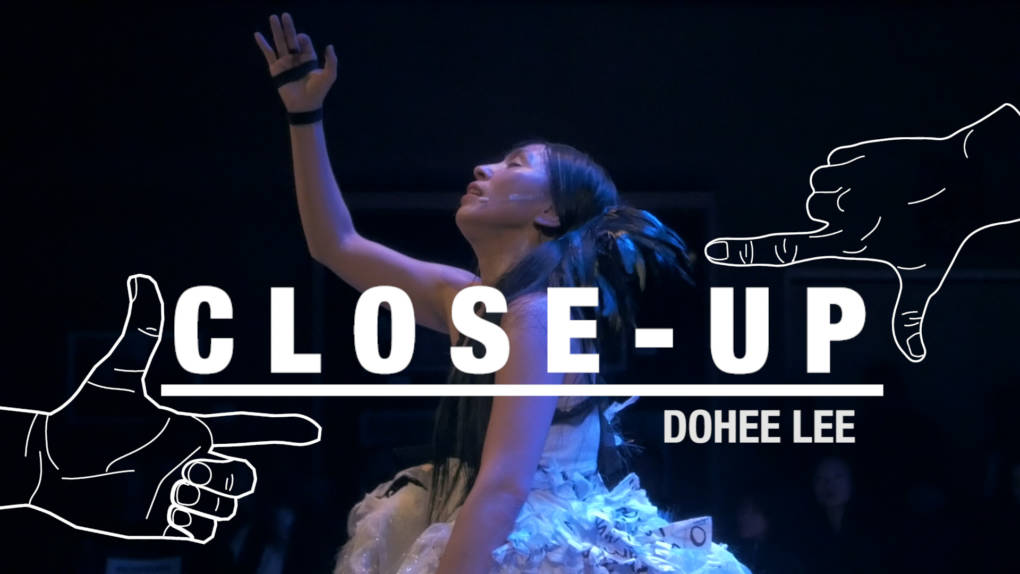
"caption": "Dohee Lee performing ‘Ara Ritual II: Time Weaves’ at Eastside Cultural Center.",
"description": "Dohee Lee performing ‘Ara Ritual II: Time Weaves’ at Eastside Cultural Center ",
"title": "DoheeLeeposterframe",
"credit": "Benjamin Michel",
"status": "inherit",
"isLoading": false,
"fetchFailed": false
},
"arts_12933515": {
"type": "attachments",
"id": "arts_12933515",
"meta": {
"index": "attachments_1716263798",
"site": "arts",
"id": "12933515",
"found": true
},
"parent": 12933514,
"imgSizes": {
"small": {
"file": "https://ww2.kqed.org/app/uploads/sites/2/2017/03/Wyclef-Jean-520x293.jpg",
"width": 520,
"mimeType": "image/jpeg",
"height": 293
},
"twentyfourteen-full-width": {
"file": "https://ww2.kqed.org/app/uploads/sites/2/2017/03/Wyclef-Jean-1038x576.jpg",
"width": 1038,
"mimeType": "image/jpeg",
"height": 576
},
"thumbnail": {
"file": "https://ww2.kqed.org/app/uploads/sites/2/2017/03/Wyclef-Jean-160x90.jpg",
"width": 160,
"mimeType": "image/jpeg",
"height": 90
},
"fd-sm": {
"file": "https://ww2.kqed.org/app/uploads/sites/2/2017/03/Wyclef-Jean-960x540.jpg",
"width": 960,
"mimeType": "image/jpeg",
"height": 540
},
"post-thumbnail": {
"file": "https://ww2.kqed.org/app/uploads/sites/2/2017/03/Wyclef-Jean-672x372.jpg",
"width": 672,
"mimeType": "image/jpeg",
"height": 372
},
"xsmall": {
"file": "https://ww2.kqed.org/app/uploads/sites/2/2017/03/Wyclef-Jean-375x211.jpg",
"width": 375,
"mimeType": "image/jpeg",
"height": 211
},
"kqedFullSize": {
"file": "https://ww2.kqed.org/app/uploads/sites/2/2017/03/Wyclef-Jean.jpg",
"width": 1920,
"height": 1080
},
"large": {
"file": "https://ww2.kqed.org/app/uploads/sites/2/2017/03/Wyclef-Jean-1020x574.jpg",
"width": 1020,
"mimeType": "image/jpeg",
"height": 574
},
"xlarge": {
"file": "https://ww2.kqed.org/app/uploads/sites/2/2017/03/Wyclef-Jean-1180x664.jpg",
"width": 1180,
"mimeType": "image/jpeg",
"height": 664
},
"guest-author-50": {
"file": "https://ww2.kqed.org/app/uploads/sites/2/2017/03/Wyclef-Jean-50x50.jpg",
"width": 50,
"mimeType": "image/jpeg",
"height": 50
},
"guest-author-96": {
"file": "https://ww2.kqed.org/app/uploads/sites/2/2017/03/Wyclef-Jean-96x96.jpg",
"width": 96,
"mimeType": "image/jpeg",
"height": 96
},
"medium": {
"file": "https://ww2.kqed.org/app/uploads/sites/2/2017/03/Wyclef-Jean-800x450.jpg",
"width": 800,
"mimeType": "image/jpeg",
"height": 450
},
"guest-author-64": {
"file": "https://ww2.kqed.org/app/uploads/sites/2/2017/03/Wyclef-Jean-64x64.jpg",
"width": 64,
"mimeType": "image/jpeg",
"height": 64
},
"guest-author-32": {
"file": "https://ww2.kqed.org/app/uploads/sites/2/2017/03/Wyclef-Jean-32x32.jpg",
"width": 32,
"mimeType": "image/jpeg",
"height": 32
},
"fd-lrg": {
"file": "https://ww2.kqed.org/app/uploads/sites/2/2017/03/Wyclef-Jean-1920x1080.jpg",
"width": 1920,
"mimeType": "image/jpeg",
"height": 1080
},
"fd-med": {
"file": "https://ww2.kqed.org/app/uploads/sites/2/2017/03/Wyclef-Jean-1180x664.jpg",
"width": 1180,
"mimeType": "image/jpeg",
"height": 664
},
"full-width": {
"file": "https://ww2.kqed.org/app/uploads/sites/2/2017/03/Wyclef-Jean-1920x1080.jpg",
"width": 1920,
"mimeType": "image/jpeg",
"height": 1080
},
"detail": {
"file": "https://ww2.kqed.org/app/uploads/sites/2/2017/03/Wyclef-Jean-150x150.jpg",
"width": 150,
"mimeType": "image/jpeg",
"height": 150
},
"medium_large": {
"file": "https://ww2.kqed.org/app/uploads/sites/2/2017/03/Wyclef-Jean-768x432.jpg",
"width": 768,
"mimeType": "image/jpeg",
"height": 432
},
"guest-author-128": {
"file": "https://ww2.kqed.org/app/uploads/sites/2/2017/03/Wyclef-Jean-128x128.jpg",
"width": 128,
"mimeType": "image/jpeg",
"height": 128
},
"xxsmall": {
"file": "https://ww2.kqed.org/app/uploads/sites/2/2017/03/Wyclef-Jean-240x135.jpg",
"width": 240,
"mimeType": "image/jpeg",
"height": 135
}
},
"publishDate": 1490123441,
"modified": 1490123493,
"caption": "Wyclef Jean performs at the Bounce Sporting Club in 2016. ",
"description": "Wyclef Jean performs at the Bounce Sporting Club in 2016. ",
"title": "Bounce Sporting Club Celebrates Its 5th Anniversary",
"credit": "Photo: Eugene Gologursky/Getty Images for Bounce Sporting Club",
"status": "inherit",
"isLoading": false,
"fetchFailed": false
},
"arts_12928309": {
"type": "attachments",
"id": "arts_12928309",
"meta": {
"index": "attachments_1716263798",
"site": "arts",
"id": "12928309",
"found": true
},
"parent": 12924079,
"imgSizes": {
"small": {
"file": "https://ww2.kqed.org/app/uploads/sites/2/2017/03/Rayana-Jay-2017-3-by-Vanessa-Vigil-e1490033421671-520x303.jpg",
"width": 520,
"mimeType": "image/jpeg",
"height": 303
},
"twentyfourteen-full-width": {
"file": "https://ww2.kqed.org/app/uploads/sites/2/2017/03/Rayana-Jay-2017-3-by-Vanessa-Vigil-e1490033421671-1038x576.jpg",
"width": 1038,
"mimeType": "image/jpeg",
"height": 576
},
"thumbnail": {
"file": "https://ww2.kqed.org/app/uploads/sites/2/2017/03/Rayana-Jay-2017-3-by-Vanessa-Vigil-e1490033421671-160x93.jpg",
"width": 160,
"mimeType": "image/jpeg",
"height": 93
},
"fd-sm": {
"file": "https://ww2.kqed.org/app/uploads/sites/2/2017/03/Rayana-Jay-2017-3-by-Vanessa-Vigil-e1490033421671-960x559.jpg",
"width": 960,
"mimeType": "image/jpeg",
"height": 559
},
"post-thumbnail": {
"file": "https://ww2.kqed.org/app/uploads/sites/2/2017/03/Rayana-Jay-2017-3-by-Vanessa-Vigil-e1490033421671-672x372.jpg",
"width": 672,
"mimeType": "image/jpeg",
"height": 372
},
"xsmall": {
"file": "https://ww2.kqed.org/app/uploads/sites/2/2017/03/Rayana-Jay-2017-3-by-Vanessa-Vigil-e1490033421671-375x218.jpg",
"width": 375,
"mimeType": "image/jpeg",
"height": 218
},
"kqedFullSize": {
"file": "https://ww2.kqed.org/app/uploads/sites/2/2017/03/Rayana-Jay-2017-3-by-Vanessa-Vigil-e1490033421671.jpg",
"width": 2048,
"height": 1192
},
"large": {
"file": "https://ww2.kqed.org/app/uploads/sites/2/2017/03/Rayana-Jay-2017-3-by-Vanessa-Vigil-e1490033421671-1020x594.jpg",
"width": 1020,
"mimeType": "image/jpeg",
"height": 594
},
"xlarge": {
"file": "https://ww2.kqed.org/app/uploads/sites/2/2017/03/Rayana-Jay-2017-3-by-Vanessa-Vigil-e1490033421671-1180x687.jpg",
"width": 1180,
"mimeType": "image/jpeg",
"height": 687
},
"guest-author-50": {
"file": "https://ww2.kqed.org/app/uploads/sites/2/2017/03/Rayana-Jay-2017-3-by-Vanessa-Vigil-e1490033421671-50x50.jpg",
"width": 50,
"mimeType": "image/jpeg",
"height": 50
},
"guest-author-96": {
"file": "https://ww2.kqed.org/app/uploads/sites/2/2017/03/Rayana-Jay-2017-3-by-Vanessa-Vigil-e1490033421671-96x96.jpg",
"width": 96,
"mimeType": "image/jpeg",
"height": 96
},
"medium": {
"file": "https://ww2.kqed.org/app/uploads/sites/2/2017/03/Rayana-Jay-2017-3-by-Vanessa-Vigil-e1490033421671-800x466.jpg",
"width": 800,
"mimeType": "image/jpeg",
"height": 466
},
"guest-author-64": {
"file": "https://ww2.kqed.org/app/uploads/sites/2/2017/03/Rayana-Jay-2017-3-by-Vanessa-Vigil-e1490033421671-64x64.jpg",
"width": 64,
"mimeType": "image/jpeg",
"height": 64
},
"guest-author-32": {
"file": "https://ww2.kqed.org/app/uploads/sites/2/2017/03/Rayana-Jay-2017-3-by-Vanessa-Vigil-e1490033421671-32x32.jpg",
"width": 32,
"mimeType": "image/jpeg",
"height": 32
},
"fd-lrg": {
"file": "https://ww2.kqed.org/app/uploads/sites/2/2017/03/Rayana-Jay-2017-3-by-Vanessa-Vigil-e1490033421671-1920x1118.jpg",
"width": 1920,
"mimeType": "image/jpeg",
"height": 1118
},
"fd-med": {
"file": "https://ww2.kqed.org/app/uploads/sites/2/2017/03/Rayana-Jay-2017-3-by-Vanessa-Vigil-e1490033421671-1180x687.jpg",
"width": 1180,
"mimeType": "image/jpeg",
"height": 687
},
"full-width": {
"file": "https://ww2.kqed.org/app/uploads/sites/2/2017/03/Rayana-Jay-2017-3-by-Vanessa-Vigil-e1490033421671-1920x1118.jpg",
"width": 1920,
"mimeType": "image/jpeg",
"height": 1118
},
"detail": {
"file": "https://ww2.kqed.org/app/uploads/sites/2/2017/03/Rayana-Jay-2017-3-by-Vanessa-Vigil-e1490033421671-150x150.jpg",
"width": 150,
"mimeType": "image/jpeg",
"height": 150
},
"medium_large": {
"file": "https://ww2.kqed.org/app/uploads/sites/2/2017/03/Rayana-Jay-2017-3-by-Vanessa-Vigil-e1490033421671-768x447.jpg",
"width": 768,
"mimeType": "image/jpeg",
"height": 447
},
"guest-author-128": {
"file": "https://ww2.kqed.org/app/uploads/sites/2/2017/03/Rayana-Jay-2017-3-by-Vanessa-Vigil-e1490033421671-128x128.jpg",
"width": 128,
"mimeType": "image/jpeg",
"height": 128
},
"xxsmall": {
"file": "https://ww2.kqed.org/app/uploads/sites/2/2017/03/Rayana-Jay-2017-3-by-Vanessa-Vigil-e1490033421671-240x140.jpg",
"width": 240,
"mimeType": "image/jpeg",
"height": 140
}
},
"publishDate": 1490033379,
"modified": 1505770314,
"caption": "Rayana Jay ",
"description": null,
"title": "Processed with VSCO with lv03 preset",
"credit": "Vanessa Vigil",
"status": "inherit",
"isLoading": false,
"fetchFailed": false
},
"arts_12925897": {
"type": "attachments",
"id": "arts_12925897",
"meta": {
"index": "attachments_1716263798",
"site": "arts",
"id": "12925897",
"found": true
},
"parent": 12919043,
"imgSizes": {
"small": {
"file": "https://ww2.kqed.org/app/uploads/sites/2/2017/03/SOundboxMarch2017MAIN-520x293.jpg",
"width": 520,
"mimeType": "image/jpeg",
"height": 293
},
"twentyfourteen-full-width": {
"file": "https://ww2.kqed.org/app/uploads/sites/2/2017/03/SOundboxMarch2017MAIN-1038x576.jpg",
"width": 1038,
"mimeType": "image/jpeg",
"height": 576
},
"thumbnail": {
"file": "https://ww2.kqed.org/app/uploads/sites/2/2017/03/SOundboxMarch2017MAIN-160x90.jpg",
"width": 160,
"mimeType": "image/jpeg",
"height": 90
},
"fd-sm": {
"file": "https://ww2.kqed.org/app/uploads/sites/2/2017/03/SOundboxMarch2017MAIN-960x540.jpg",
"width": 960,
"mimeType": "image/jpeg",
"height": 540
},
"post-thumbnail": {
"file": "https://ww2.kqed.org/app/uploads/sites/2/2017/03/SOundboxMarch2017MAIN-672x372.jpg",
"width": 672,
"mimeType": "image/jpeg",
"height": 372
},
"xsmall": {
"file": "https://ww2.kqed.org/app/uploads/sites/2/2017/03/SOundboxMarch2017MAIN-375x211.jpg",
"width": 375,
"mimeType": "image/jpeg",
"height": 211
},
"kqedFullSize": {
"file": "https://ww2.kqed.org/app/uploads/sites/2/2017/03/SOundboxMarch2017MAIN.jpg",
"width": 1920,
"height": 1080
},
"large": {
"file": "https://ww2.kqed.org/app/uploads/sites/2/2017/03/SOundboxMarch2017MAIN-1020x574.jpg",
"width": 1020,
"mimeType": "image/jpeg",
"height": 574
},
"xlarge": {
"file": "https://ww2.kqed.org/app/uploads/sites/2/2017/03/SOundboxMarch2017MAIN-1180x664.jpg",
"width": 1180,
"mimeType": "image/jpeg",
"height": 664
},
"guest-author-50": {
"file": "https://ww2.kqed.org/app/uploads/sites/2/2017/03/SOundboxMarch2017MAIN-50x50.jpg",
"width": 50,
"mimeType": "image/jpeg",
"height": 50
},
"guest-author-96": {
"file": "https://ww2.kqed.org/app/uploads/sites/2/2017/03/SOundboxMarch2017MAIN-96x96.jpg",
"width": 96,
"mimeType": "image/jpeg",
"height": 96
},
"medium": {
"file": "https://ww2.kqed.org/app/uploads/sites/2/2017/03/SOundboxMarch2017MAIN-800x450.jpg",
"width": 800,
"mimeType": "image/jpeg",
"height": 450
},
"guest-author-64": {
"file": "https://ww2.kqed.org/app/uploads/sites/2/2017/03/SOundboxMarch2017MAIN-64x64.jpg",
"width": 64,
"mimeType": "image/jpeg",
"height": 64
},
"guest-author-32": {
"file": "https://ww2.kqed.org/app/uploads/sites/2/2017/03/SOundboxMarch2017MAIN-32x32.jpg",
"width": 32,
"mimeType": "image/jpeg",
"height": 32
},
"fd-lrg": {
"file": "https://ww2.kqed.org/app/uploads/sites/2/2017/03/SOundboxMarch2017MAIN-1920x1080.jpg",
"width": 1920,
"mimeType": "image/jpeg",
"height": 1080
},
"fd-med": {
"file": "https://ww2.kqed.org/app/uploads/sites/2/2017/03/SOundboxMarch2017MAIN-1180x664.jpg",
"width": 1180,
"mimeType": "image/jpeg",
"height": 664
},
"full-width": {
"file": "https://ww2.kqed.org/app/uploads/sites/2/2017/03/SOundboxMarch2017MAIN-1920x1080.jpg",
"width": 1920,
"mimeType": "image/jpeg",
"height": 1080
},
"detail": {
"file": "https://ww2.kqed.org/app/uploads/sites/2/2017/03/SOundboxMarch2017MAIN-150x150.jpg",
"width": 150,
"mimeType": "image/jpeg",
"height": 150
},
"medium_large": {
"file": "https://ww2.kqed.org/app/uploads/sites/2/2017/03/SOundboxMarch2017MAIN-768x432.jpg",
"width": 768,
"mimeType": "image/jpeg",
"height": 432
},
"guest-author-128": {
"file": "https://ww2.kqed.org/app/uploads/sites/2/2017/03/SOundboxMarch2017MAIN-128x128.jpg",
"width": 128,
"mimeType": "image/jpeg",
"height": 128
},
"xxsmall": {
"file": "https://ww2.kqed.org/app/uploads/sites/2/2017/03/SOundboxMarch2017MAIN-240x135.jpg",
"width": 240,
"mimeType": "image/jpeg",
"height": 135
}
},
"publishDate": 1489989289,
"modified": 1489989331,
"caption": "Davone Tines performs at Soundbox on March 17, 2017.",
"description": "Davone Tines performs at Soundbox on March 17, 2017.",
"title": "SOundboxMarch2017MAIN",
"credit": "Jessie Huntsman / Courtesy of the SF Symphony",
"status": "inherit",
"isLoading": false,
"fetchFailed": false
},
"news_11368038": {
"type": "attachments",
"id": "news_11368038",
"meta": {
"index": "attachments_1716263798",
"site": "news",
"id": "11368038",
"found": true
},
"parent": 11363086,
"imgSizes": {
"small": {
"file": "https://ww2.kqed.org/app/uploads/sites/10/2017/03/PianistCameronGraves-520x318.jpg",
"width": 520,
"mimeType": "image/jpeg",
"height": 318
},
"twentyfourteen-full-width": {
"file": "https://ww2.kqed.org/app/uploads/sites/10/2017/03/PianistCameronGraves-1038x576.jpg",
"width": 1038,
"mimeType": "image/jpeg",
"height": 576
},
"thumbnail": {
"file": "https://ww2.kqed.org/app/uploads/sites/10/2017/03/PianistCameronGraves-160x98.jpg",
"width": 160,
"mimeType": "image/jpeg",
"height": 98
},
"fd-sm": {
"file": "https://ww2.kqed.org/app/uploads/sites/10/2017/03/PianistCameronGraves-960x587.jpg",
"width": 960,
"mimeType": "image/jpeg",
"height": 587
},
"post-thumbnail": {
"file": "https://ww2.kqed.org/app/uploads/sites/10/2017/03/PianistCameronGraves-672x372.jpg",
"width": 672,
"mimeType": "image/jpeg",
"height": 372
},
"xsmall": {
"file": "https://ww2.kqed.org/app/uploads/sites/10/2017/03/PianistCameronGraves-375x229.jpg",
"width": 375,
"mimeType": "image/jpeg",
"height": 229
},
"kqedFullSize": {
"file": "https://ww2.kqed.org/app/uploads/sites/10/2017/03/PianistCameronGraves.jpg",
"width": 1920,
"height": 1174
},
"large": {
"file": "https://ww2.kqed.org/app/uploads/sites/10/2017/03/PianistCameronGraves-1020x624.jpg",
"width": 1020,
"mimeType": "image/jpeg",
"height": 624
},
"xlarge": {
"file": "https://ww2.kqed.org/app/uploads/sites/10/2017/03/PianistCameronGraves-1180x722.jpg",
"width": 1180,
"mimeType": "image/jpeg",
"height": 722
},
"guest-author-50": {
"file": "https://ww2.kqed.org/app/uploads/sites/10/2017/03/PianistCameronGraves-50x50.jpg",
"width": 50,
"mimeType": "image/jpeg",
"height": 50
},
"guest-author-96": {
"file": "https://ww2.kqed.org/app/uploads/sites/10/2017/03/PianistCameronGraves-96x96.jpg",
"width": 96,
"mimeType": "image/jpeg",
"height": 96
},
"medium": {
"file": "https://ww2.kqed.org/app/uploads/sites/10/2017/03/PianistCameronGraves-800x489.jpg",
"width": 800,
"mimeType": "image/jpeg",
"height": 489
},
"guest-author-64": {
"file": "https://ww2.kqed.org/app/uploads/sites/10/2017/03/PianistCameronGraves-64x64.jpg",
"width": 64,
"mimeType": "image/jpeg",
"height": 64
},
"guest-author-32": {
"file": "https://ww2.kqed.org/app/uploads/sites/10/2017/03/PianistCameronGraves-32x32.jpg",
"width": 32,
"mimeType": "image/jpeg",
"height": 32
},
"fd-lrg": {
"file": "https://ww2.kqed.org/app/uploads/sites/10/2017/03/PianistCameronGraves-1920x1174.jpg",
"width": 1920,
"mimeType": "image/jpeg",
"height": 1174
},
"fd-med": {
"file": "https://ww2.kqed.org/app/uploads/sites/10/2017/03/PianistCameronGraves-1180x722.jpg",
"width": 1180,
"mimeType": "image/jpeg",
"height": 722
},
"full-width": {
"file": "https://ww2.kqed.org/app/uploads/sites/10/2017/03/PianistCameronGraves-1920x1174.jpg",
"width": 1920,
"mimeType": "image/jpeg",
"height": 1174
},
"detail": {
"file": "https://ww2.kqed.org/app/uploads/sites/10/2017/03/PianistCameronGraves-150x150.jpg",
"width": 150,
"mimeType": "image/jpeg",
"height": 150
},
"guest-author-128": {
"file": "https://ww2.kqed.org/app/uploads/sites/10/2017/03/PianistCameronGraves-128x128.jpg",
"width": 128,
"mimeType": "image/jpeg",
"height": 128
},
"xxsmall": {
"file": "https://ww2.kqed.org/app/uploads/sites/10/2017/03/PianistCameronGraves-240x147.jpg",
"width": 240,
"mimeType": "image/jpeg",
"height": 147
}
},
"publishDate": 1490032692,
"modified": 1490032708,
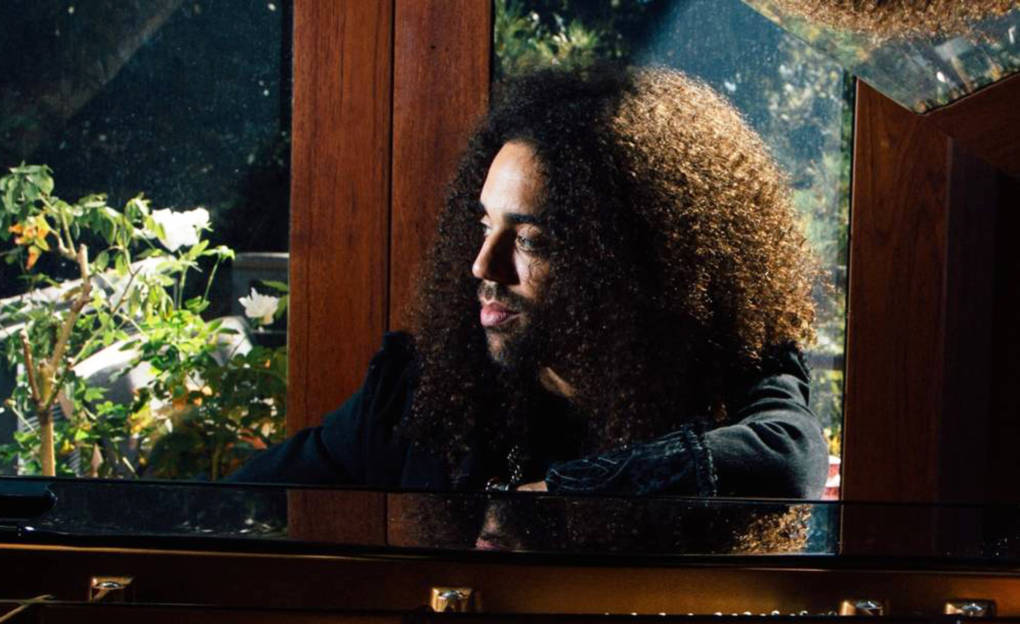
"caption": "Pianist Cameron Graves",
"description": "Pianist Cameron Graves",
"title": "PianistCameronGraves",
"credit": null,
"status": "inherit",
"isLoading": false,
"fetchFailed": false
},
"arts_12919653": {
"type": "attachments",
"id": "arts_12919653",
"meta": {
"index": "attachments_1716263798",
"site": "arts",
"id": "12919653",
"found": true
},
"parent": 12919652,
"imgSizes": {
"small": {
"file": "https://ww2.kqed.org/app/uploads/sites/2/2017/03/gettyimages-74254317-1-_wide-5255286beb0a3411df09fc7779aae9d36ad77298-520x292.jpg",
"width": 520,
"mimeType": "image/jpeg",
"height": 292
},
"twentyfourteen-full-width": {
"file": "https://ww2.kqed.org/app/uploads/sites/2/2017/03/gettyimages-74254317-1-_wide-5255286beb0a3411df09fc7779aae9d36ad77298-1038x576.jpg",
"width": 1038,
"mimeType": "image/jpeg",
"height": 576
},
"thumbnail": {
"file": "https://ww2.kqed.org/app/uploads/sites/2/2017/03/gettyimages-74254317-1-_wide-5255286beb0a3411df09fc7779aae9d36ad77298-160x90.jpg",
"width": 160,
"mimeType": "image/jpeg",
"height": 90
},
"fd-sm": {
"file": "https://ww2.kqed.org/app/uploads/sites/2/2017/03/gettyimages-74254317-1-_wide-5255286beb0a3411df09fc7779aae9d36ad77298-960x540.jpg",
"width": 960,
"mimeType": "image/jpeg",
"height": 540
},
"post-thumbnail": {
"file": "https://ww2.kqed.org/app/uploads/sites/2/2017/03/gettyimages-74254317-1-_wide-5255286beb0a3411df09fc7779aae9d36ad77298-672x372.jpg",
"width": 672,
"mimeType": "image/jpeg",
"height": 372
},
"xsmall": {
"file": "https://ww2.kqed.org/app/uploads/sites/2/2017/03/gettyimages-74254317-1-_wide-5255286beb0a3411df09fc7779aae9d36ad77298-375x211.jpg",
"width": 375,
"mimeType": "image/jpeg",
"height": 211
},
"kqedFullSize": {
"file": "https://ww2.kqed.org/app/uploads/sites/2/2017/03/gettyimages-74254317-1-_wide-5255286beb0a3411df09fc7779aae9d36ad77298.jpg",
"width": 2048,
"height": 1151
},
"large": {
"file": "https://ww2.kqed.org/app/uploads/sites/2/2017/03/gettyimages-74254317-1-_wide-5255286beb0a3411df09fc7779aae9d36ad77298-1020x573.jpg",
"width": 1020,
"mimeType": "image/jpeg",
"height": 573
},
"xlarge": {
"file": "https://ww2.kqed.org/app/uploads/sites/2/2017/03/gettyimages-74254317-1-_wide-5255286beb0a3411df09fc7779aae9d36ad77298-1180x663.jpg",
"width": 1180,
"mimeType": "image/jpeg",
"height": 663
},
"guest-author-50": {
"file": "https://ww2.kqed.org/app/uploads/sites/2/2017/03/gettyimages-74254317-1-_wide-5255286beb0a3411df09fc7779aae9d36ad77298-50x50.jpg",
"width": 50,
"mimeType": "image/jpeg",
"height": 50
},
"guest-author-96": {
"file": "https://ww2.kqed.org/app/uploads/sites/2/2017/03/gettyimages-74254317-1-_wide-5255286beb0a3411df09fc7779aae9d36ad77298-96x96.jpg",
"width": 96,
"mimeType": "image/jpeg",
"height": 96
},
"medium": {
"file": "https://ww2.kqed.org/app/uploads/sites/2/2017/03/gettyimages-74254317-1-_wide-5255286beb0a3411df09fc7779aae9d36ad77298-800x450.jpg",
"width": 800,
"mimeType": "image/jpeg",
"height": 450
},
"guest-author-64": {
"file": "https://ww2.kqed.org/app/uploads/sites/2/2017/03/gettyimages-74254317-1-_wide-5255286beb0a3411df09fc7779aae9d36ad77298-64x64.jpg",
"width": 64,
"mimeType": "image/jpeg",
"height": 64
},
"guest-author-32": {
"file": "https://ww2.kqed.org/app/uploads/sites/2/2017/03/gettyimages-74254317-1-_wide-5255286beb0a3411df09fc7779aae9d36ad77298-32x32.jpg",
"width": 32,
"mimeType": "image/jpeg",
"height": 32
},
"fd-lrg": {
"file": "https://ww2.kqed.org/app/uploads/sites/2/2017/03/gettyimages-74254317-1-_wide-5255286beb0a3411df09fc7779aae9d36ad77298-1920x1079.jpg",
"width": 1920,
"mimeType": "image/jpeg",
"height": 1079
},
"fd-med": {
"file": "https://ww2.kqed.org/app/uploads/sites/2/2017/03/gettyimages-74254317-1-_wide-5255286beb0a3411df09fc7779aae9d36ad77298-1180x663.jpg",
"width": 1180,
"mimeType": "image/jpeg",
"height": 663
},
"full-width": {
"file": "https://ww2.kqed.org/app/uploads/sites/2/2017/03/gettyimages-74254317-1-_wide-5255286beb0a3411df09fc7779aae9d36ad77298-1920x1079.jpg",
"width": 1920,
"mimeType": "image/jpeg",
"height": 1079
},
"detail": {
"file": "https://ww2.kqed.org/app/uploads/sites/2/2017/03/gettyimages-74254317-1-_wide-5255286beb0a3411df09fc7779aae9d36ad77298-150x150.jpg",
"width": 150,
"mimeType": "image/jpeg",
"height": 150
},
"medium_large": {
"file": "https://ww2.kqed.org/app/uploads/sites/2/2017/03/gettyimages-74254317-1-_wide-5255286beb0a3411df09fc7779aae9d36ad77298-768x432.jpg",
"width": 768,
"mimeType": "image/jpeg",
"height": 432
},
"guest-author-128": {
"file": "https://ww2.kqed.org/app/uploads/sites/2/2017/03/gettyimages-74254317-1-_wide-5255286beb0a3411df09fc7779aae9d36ad77298-128x128.jpg",
"width": 128,
"mimeType": "image/jpeg",
"height": 128
},
"xxsmall": {
"file": "https://ww2.kqed.org/app/uploads/sites/2/2017/03/gettyimages-74254317-1-_wide-5255286beb0a3411df09fc7779aae9d36ad77298-240x135.jpg",
"width": 240,
"mimeType": "image/jpeg",
"height": 135
}
},
"publishDate": 1489878151,
"modified": 1489878151,
"caption": null,
"description": "Chuck Berry in 1958, posing with his Gibson hollow-body electricÂ",
"title": "Chuck Berry in 1958, posing with his Gibson hollow-body electric .",
"credit": null,
"status": "inherit",
"isLoading": false,
"fetchFailed": false
},
"arts_12919651": {
"type": "attachments",
"id": "arts_12919651",
"meta": {
"index": "attachments_1716263798",
"site": "arts",
"id": "12919651",
"found": true
},
"parent": 12919650,
"imgSizes": {
"small": {
"file": "https://ww2.kqed.org/app/uploads/sites/2/2017/03/Chuck-Berry-520x293.jpg",
"width": 520,
"mimeType": "image/jpeg",
"height": 293
},
"twentyfourteen-full-width": {
"file": "https://ww2.kqed.org/app/uploads/sites/2/2017/03/Chuck-Berry-1038x576.jpg",
"width": 1038,
"mimeType": "image/jpeg",
"height": 576
},
"thumbnail": {
"file": "https://ww2.kqed.org/app/uploads/sites/2/2017/03/Chuck-Berry-160x90.jpg",
"width": 160,
"mimeType": "image/jpeg",
"height": 90
},
"fd-sm": {
"file": "https://ww2.kqed.org/app/uploads/sites/2/2017/03/Chuck-Berry-960x540.jpg",
"width": 960,
"mimeType": "image/jpeg",
"height": 540
},
"post-thumbnail": {
"file": "https://ww2.kqed.org/app/uploads/sites/2/2017/03/Chuck-Berry-672x372.jpg",
"width": 672,
"mimeType": "image/jpeg",
"height": 372
},
"xsmall": {
"file": "https://ww2.kqed.org/app/uploads/sites/2/2017/03/Chuck-Berry-375x211.jpg",
"width": 375,
"mimeType": "image/jpeg",
"height": 211
},
"kqedFullSize": {
"file": "https://ww2.kqed.org/app/uploads/sites/2/2017/03/Chuck-Berry.jpg",
"width": 1920,
"height": 1080
},
"large": {
"file": "https://ww2.kqed.org/app/uploads/sites/2/2017/03/Chuck-Berry-1020x574.jpg",
"width": 1020,
"mimeType": "image/jpeg",
"height": 574
},
"xlarge": {
"file": "https://ww2.kqed.org/app/uploads/sites/2/2017/03/Chuck-Berry-1180x664.jpg",
"width": 1180,
"mimeType": "image/jpeg",
"height": 664
},
"guest-author-50": {
"file": "https://ww2.kqed.org/app/uploads/sites/2/2017/03/Chuck-Berry-50x50.jpg",
"width": 50,
"mimeType": "image/jpeg",
"height": 50
},
"guest-author-96": {
"file": "https://ww2.kqed.org/app/uploads/sites/2/2017/03/Chuck-Berry-96x96.jpg",
"width": 96,
"mimeType": "image/jpeg",
"height": 96
},
"medium": {
"file": "https://ww2.kqed.org/app/uploads/sites/2/2017/03/Chuck-Berry-800x450.jpg",
"width": 800,
"mimeType": "image/jpeg",
"height": 450
},
"guest-author-64": {
"file": "https://ww2.kqed.org/app/uploads/sites/2/2017/03/Chuck-Berry-64x64.jpg",
"width": 64,
"mimeType": "image/jpeg",
"height": 64
},
"guest-author-32": {
"file": "https://ww2.kqed.org/app/uploads/sites/2/2017/03/Chuck-Berry-32x32.jpg",
"width": 32,
"mimeType": "image/jpeg",
"height": 32
},
"fd-lrg": {
"file": "https://ww2.kqed.org/app/uploads/sites/2/2017/03/Chuck-Berry-1920x1080.jpg",
"width": 1920,
"mimeType": "image/jpeg",
"height": 1080
},
"fd-med": {
"file": "https://ww2.kqed.org/app/uploads/sites/2/2017/03/Chuck-Berry-1180x664.jpg",
"width": 1180,
"mimeType": "image/jpeg",
"height": 664
},
"full-width": {
"file": "https://ww2.kqed.org/app/uploads/sites/2/2017/03/Chuck-Berry-1920x1080.jpg",
"width": 1920,
"mimeType": "image/jpeg",
"height": 1080
},
"detail": {
"file": "https://ww2.kqed.org/app/uploads/sites/2/2017/03/Chuck-Berry-150x150.jpg",
"width": 150,
"mimeType": "image/jpeg",
"height": 150
},
"medium_large": {
"file": "https://ww2.kqed.org/app/uploads/sites/2/2017/03/Chuck-Berry-768x432.jpg",
"width": 768,
"mimeType": "image/jpeg",
"height": 432
},
"guest-author-128": {
"file": "https://ww2.kqed.org/app/uploads/sites/2/2017/03/Chuck-Berry-128x128.jpg",
"width": 128,
"mimeType": "image/jpeg",
"height": 128
},
"xxsmall": {
"file": "https://ww2.kqed.org/app/uploads/sites/2/2017/03/Chuck-Berry-240x135.jpg",
"width": 240,
"mimeType": "image/jpeg",
"height": 135
}
},
"publishDate": 1489878029,
"modified": 1489878145,
"caption": "Chuck Berry performs at the 'Les Legendes Du Rock and Roll' concert in 2008 in Paris, France. ",
"description": "Chuck Berry performs at the 'Les Legendes Du Rock and Roll' concert in 2008 in Paris, France. ",
"title": "Les Legendes Du Rock and Roll",
"credit": "Photo: Francois Durand/Getty Images",
"status": "inherit",
"isLoading": false,
"fetchFailed": false
},
"arts_12919044": {
"type": "attachments",
"id": "arts_12919044",
"meta": {
"index": "attachments_1716263798",
"site": "arts",
"id": "12919044",
"found": true
},
"parent": 12918836,
"imgSizes": {
"small": {
"file": "https://ww2.kqed.org/app/uploads/sites/2/2017/03/TrumpTweetSongs-520x293.jpg",
"width": 520,
"mimeType": "image/jpeg",
"height": 293
},
"twentyfourteen-full-width": {
"file": "https://ww2.kqed.org/app/uploads/sites/2/2017/03/TrumpTweetSongs-1038x576.jpg",
"width": 1038,
"mimeType": "image/jpeg",
"height": 576
},
"thumbnail": {
"file": "https://ww2.kqed.org/app/uploads/sites/2/2017/03/TrumpTweetSongs-160x90.jpg",
"width": 160,
"mimeType": "image/jpeg",
"height": 90
},
"fd-sm": {
"file": "https://ww2.kqed.org/app/uploads/sites/2/2017/03/TrumpTweetSongs-960x540.jpg",
"width": 960,
"mimeType": "image/jpeg",
"height": 540
},
"post-thumbnail": {
"file": "https://ww2.kqed.org/app/uploads/sites/2/2017/03/TrumpTweetSongs-672x372.jpg",
"width": 672,
"mimeType": "image/jpeg",
"height": 372
},
"xsmall": {
"file": "https://ww2.kqed.org/app/uploads/sites/2/2017/03/TrumpTweetSongs-375x211.jpg",
"width": 375,
"mimeType": "image/jpeg",
"height": 211
},
"kqedFullSize": {
"file": "https://ww2.kqed.org/app/uploads/sites/2/2017/03/TrumpTweetSongs.jpg",
"width": 1920,
"height": 1080
},
"large": {
"file": "https://ww2.kqed.org/app/uploads/sites/2/2017/03/TrumpTweetSongs-1020x574.jpg",
"width": 1020,
"mimeType": "image/jpeg",
"height": 574
},
"xlarge": {
"file": "https://ww2.kqed.org/app/uploads/sites/2/2017/03/TrumpTweetSongs-1180x664.jpg",
"width": 1180,
"mimeType": "image/jpeg",
"height": 664
},
"guest-author-50": {
"file": "https://ww2.kqed.org/app/uploads/sites/2/2017/03/TrumpTweetSongs-50x50.jpg",
"width": 50,
"mimeType": "image/jpeg",
"height": 50
},
"guest-author-96": {
"file": "https://ww2.kqed.org/app/uploads/sites/2/2017/03/TrumpTweetSongs-96x96.jpg",
"width": 96,
"mimeType": "image/jpeg",
"height": 96
},
"medium": {
"file": "https://ww2.kqed.org/app/uploads/sites/2/2017/03/TrumpTweetSongs-800x450.jpg",
"width": 800,
"mimeType": "image/jpeg",
"height": 450
},
"guest-author-64": {
"file": "https://ww2.kqed.org/app/uploads/sites/2/2017/03/TrumpTweetSongs-64x64.jpg",
"width": 64,
"mimeType": "image/jpeg",
"height": 64
},
"guest-author-32": {
"file": "https://ww2.kqed.org/app/uploads/sites/2/2017/03/TrumpTweetSongs-32x32.jpg",
"width": 32,
"mimeType": "image/jpeg",
"height": 32
},
"fd-lrg": {
"file": "https://ww2.kqed.org/app/uploads/sites/2/2017/03/TrumpTweetSongs-1920x1080.jpg",
"width": 1920,
"mimeType": "image/jpeg",
"height": 1080
},
"fd-med": {
"file": "https://ww2.kqed.org/app/uploads/sites/2/2017/03/TrumpTweetSongs-1180x664.jpg",
"width": 1180,
"mimeType": "image/jpeg",
"height": 664
},
"full-width": {
"file": "https://ww2.kqed.org/app/uploads/sites/2/2017/03/TrumpTweetSongs-1920x1080.jpg",
"width": 1920,
"mimeType": "image/jpeg",
"height": 1080
},
"detail": {
"file": "https://ww2.kqed.org/app/uploads/sites/2/2017/03/TrumpTweetSongs-150x150.jpg",
"width": 150,
"mimeType": "image/jpeg",
"height": 150
},
"medium_large": {
"file": "https://ww2.kqed.org/app/uploads/sites/2/2017/03/TrumpTweetSongs-768x432.jpg",
"width": 768,
"mimeType": "image/jpeg",
"height": 432
},
"guest-author-128": {
"file": "https://ww2.kqed.org/app/uploads/sites/2/2017/03/TrumpTweetSongs-128x128.jpg",
"width": 128,
"mimeType": "image/jpeg",
"height": 128
},
"xxsmall": {
"file": "https://ww2.kqed.org/app/uploads/sites/2/2017/03/TrumpTweetSongs-240x135.jpg",
"width": 240,
"mimeType": "image/jpeg",
"height": 135
}
},
"publishDate": 1489867896,
"modified": 1489867910,
"caption": null,
"description": null,
"title": "TrumpTweetSongs",
"credit": "Illustration: Gabe Meline",
"status": "inherit",
"isLoading": false,
"fetchFailed": false
},
"arts_12910123": {
"type": "attachments",
"id": "arts_12910123",
"meta": {
"index": "attachments_1716263798",
"site": "arts",
"id": "12910123",
"found": true
},
"parent": 12909511,
"imgSizes": {
"small": {
"file": "https://ww2.kqed.org/app/uploads/sites/2/2017/03/the-sam-chase-150428-standing-comp_orig-520x347.jpg",
"width": 520,
"mimeType": "image/jpeg",
"height": 347
},
"twentyfourteen-full-width": {
"file": "https://ww2.kqed.org/app/uploads/sites/2/2017/03/the-sam-chase-150428-standing-comp_orig-1038x576.jpg",
"width": 1038,
"mimeType": "image/jpeg",
"height": 576
},
"thumbnail": {
"file": "https://ww2.kqed.org/app/uploads/sites/2/2017/03/the-sam-chase-150428-standing-comp_orig-160x107.jpg",
"width": 160,
"mimeType": "image/jpeg",
"height": 107
},
"fd-sm": {
"file": "https://ww2.kqed.org/app/uploads/sites/2/2017/03/the-sam-chase-150428-standing-comp_orig-960x640.jpg",
"width": 960,
"mimeType": "image/jpeg",
"height": 640
},
"post-thumbnail": {
"file": "https://ww2.kqed.org/app/uploads/sites/2/2017/03/the-sam-chase-150428-standing-comp_orig-672x372.jpg",
"width": 672,
"mimeType": "image/jpeg",
"height": 372
},
"xsmall": {
"file": "https://ww2.kqed.org/app/uploads/sites/2/2017/03/the-sam-chase-150428-standing-comp_orig-375x250.jpg",
"width": 375,
"mimeType": "image/jpeg",
"height": 250
},
"kqedFullSize": {
"file": "https://ww2.kqed.org/app/uploads/sites/2/2017/03/the-sam-chase-150428-standing-comp_orig.jpg",
"width": 1100,
"height": 733
},
"large": {
"file": "https://ww2.kqed.org/app/uploads/sites/2/2017/03/the-sam-chase-150428-standing-comp_orig-1020x680.jpg",
"width": 1020,
"mimeType": "image/jpeg",
"height": 680
},
"guest-author-50": {
"file": "https://ww2.kqed.org/app/uploads/sites/2/2017/03/the-sam-chase-150428-standing-comp_orig-50x50.jpg",
"width": 50,
"mimeType": "image/jpeg",
"height": 50
},
"guest-author-96": {
"file": "https://ww2.kqed.org/app/uploads/sites/2/2017/03/the-sam-chase-150428-standing-comp_orig-96x96.jpg",
"width": 96,
"mimeType": "image/jpeg",
"height": 96
},
"medium": {
"file": "https://ww2.kqed.org/app/uploads/sites/2/2017/03/the-sam-chase-150428-standing-comp_orig-800x533.jpg",
"width": 800,
"mimeType": "image/jpeg",
"height": 533
},
"guest-author-64": {
"file": "https://ww2.kqed.org/app/uploads/sites/2/2017/03/the-sam-chase-150428-standing-comp_orig-64x64.jpg",
"width": 64,
"mimeType": "image/jpeg",
"height": 64
},
"guest-author-32": {
"file": "https://ww2.kqed.org/app/uploads/sites/2/2017/03/the-sam-chase-150428-standing-comp_orig-32x32.jpg",
"width": 32,
"mimeType": "image/jpeg",
"height": 32
},
"detail": {
"file": "https://ww2.kqed.org/app/uploads/sites/2/2017/03/the-sam-chase-150428-standing-comp_orig-150x150.jpg",
"width": 150,
"mimeType": "image/jpeg",
"height": 150
},
"medium_large": {
"file": "https://ww2.kqed.org/app/uploads/sites/2/2017/03/the-sam-chase-150428-standing-comp_orig-768x512.jpg",
"width": 768,
"mimeType": "image/jpeg",
"height": 512
},
"guest-author-128": {
"file": "https://ww2.kqed.org/app/uploads/sites/2/2017/03/the-sam-chase-150428-standing-comp_orig-128x128.jpg",
"width": 128,
"mimeType": "image/jpeg",
"height": 128
},
"xxsmall": {
"file": "https://ww2.kqed.org/app/uploads/sites/2/2017/03/the-sam-chase-150428-standing-comp_orig-240x160.jpg",
"width": 240,
"mimeType": "image/jpeg",
"height": 160
}
},
"publishDate": 1489708983,
"modified": 1489709043,
"caption": "The Sam Chase and the Untraditional play The Chapel in San Francisco this Friday, March 24.",
"description": null,
"title": "the-sam-chase-150428-standing-comp_orig",
"credit": null,
"status": "inherit",
"isLoading": false,
"fetchFailed": false
},
"arts_12909713": {
"type": "attachments",
"id": "arts_12909713",
"meta": {
"index": "attachments_1716263798",
"site": "arts",
"id": "12909713",
"found": true
},
"parent": 12909297,
"imgSizes": {
"small": {
"file": "https://ww2.kqed.org/app/uploads/sites/2/2017/03/Nikki-Lane-520x247.jpg",
"width": 520,
"mimeType": "image/jpeg",
"height": 247
},
"thumbnail": {
"file": "https://ww2.kqed.org/app/uploads/sites/2/2017/03/Nikki-Lane-160x76.jpg",
"width": 160,
"mimeType": "image/jpeg",
"height": 76
},
"xsmall": {
"file": "https://ww2.kqed.org/app/uploads/sites/2/2017/03/Nikki-Lane-375x178.jpg",
"width": 375,
"mimeType": "image/jpeg",
"height": 178
},
"kqedFullSize": {
"file": "https://ww2.kqed.org/app/uploads/sites/2/2017/03/Nikki-Lane.jpg",
"width": 620,
"height": 295
},
"guest-author-50": {
"file": "https://ww2.kqed.org/app/uploads/sites/2/2017/03/Nikki-Lane-50x50.jpg",
"width": 50,
"mimeType": "image/jpeg",
"height": 50
},
"guest-author-96": {
"file": "https://ww2.kqed.org/app/uploads/sites/2/2017/03/Nikki-Lane-96x96.jpg",
"width": 96,
"mimeType": "image/jpeg",
"height": 96
},
"guest-author-64": {
"file": "https://ww2.kqed.org/app/uploads/sites/2/2017/03/Nikki-Lane-64x64.jpg",
"width": 64,
"mimeType": "image/jpeg",
"height": 64
},
"detail": {
"file": "https://ww2.kqed.org/app/uploads/sites/2/2017/03/Nikki-Lane-150x150.jpg",
"width": 150,
"mimeType": "image/jpeg",
"height": 150
},
"guest-author-32": {
"file": "https://ww2.kqed.org/app/uploads/sites/2/2017/03/Nikki-Lane-32x32.jpg",
"width": 32,
"mimeType": "image/jpeg",
"height": 32
},
"guest-author-128": {
"file": "https://ww2.kqed.org/app/uploads/sites/2/2017/03/Nikki-Lane-128x128.jpg",
"width": 128,
"mimeType": "image/jpeg",
"height": 128
},
"xxsmall": {
"file": "https://ww2.kqed.org/app/uploads/sites/2/2017/03/Nikki-Lane-240x114.jpg",
"width": 240,
"mimeType": "image/jpeg",
"height": 114
}
},
"publishDate": 1489699979,
"modified": 1489715934,
"caption": "Nikki Lane's new album is called 'Highway Queen.'",
"description": "Nikki Lane's new album is 'Highway Queen'",
"title": "Nikki Lane's new album is 'Highway Queen'",
"credit": "Photo: Courtesy of Nikki Lane",
"status": "inherit",
"isLoading": false,
"fetchFailed": false
},
"arts_12905513": {
"type": "attachments",
"id": "arts_12905513",
"meta": {
"index": "attachments_1716263798",
"site": "arts",
"id": "12905513",
"found": true
},
"parent": 12904249,
"imgSizes": {
"small": {
"file": "https://ww2.kqed.org/app/uploads/sites/2/2017/03/EverySOngEver-520x293.jpg",
"width": 520,
"mimeType": "image/jpeg",
"height": 293
},
"twentyfourteen-full-width": {
"file": "https://ww2.kqed.org/app/uploads/sites/2/2017/03/EverySOngEver-1038x576.jpg",
"width": 1038,
"mimeType": "image/jpeg",
"height": 576
},
"thumbnail": {
"file": "https://ww2.kqed.org/app/uploads/sites/2/2017/03/EverySOngEver-160x90.jpg",
"width": 160,
"mimeType": "image/jpeg",
"height": 90
},
"fd-sm": {
"file": "https://ww2.kqed.org/app/uploads/sites/2/2017/03/EverySOngEver-960x540.jpg",
"width": 960,
"mimeType": "image/jpeg",
"height": 540
},
"post-thumbnail": {
"file": "https://ww2.kqed.org/app/uploads/sites/2/2017/03/EverySOngEver-672x372.jpg",
"width": 672,
"mimeType": "image/jpeg",
"height": 372
},
"xsmall": {
"file": "https://ww2.kqed.org/app/uploads/sites/2/2017/03/EverySOngEver-375x211.jpg",
"width": 375,
"mimeType": "image/jpeg",
"height": 211
},
"kqedFullSize": {
"file": "https://ww2.kqed.org/app/uploads/sites/2/2017/03/EverySOngEver.jpg",
"width": 1920,
"height": 1080
},
"large": {
"file": "https://ww2.kqed.org/app/uploads/sites/2/2017/03/EverySOngEver-1020x574.jpg",
"width": 1020,
"mimeType": "image/jpeg",
"height": 574
},
"xlarge": {
"file": "https://ww2.kqed.org/app/uploads/sites/2/2017/03/EverySOngEver-1180x664.jpg",
"width": 1180,
"mimeType": "image/jpeg",
"height": 664
},
"guest-author-50": {
"file": "https://ww2.kqed.org/app/uploads/sites/2/2017/03/EverySOngEver-50x50.jpg",
"width": 50,
"mimeType": "image/jpeg",
"height": 50
},
"guest-author-96": {
"file": "https://ww2.kqed.org/app/uploads/sites/2/2017/03/EverySOngEver-96x96.jpg",
"width": 96,
"mimeType": "image/jpeg",
"height": 96
},
"medium": {
"file": "https://ww2.kqed.org/app/uploads/sites/2/2017/03/EverySOngEver-800x450.jpg",
"width": 800,
"mimeType": "image/jpeg",
"height": 450
},
"guest-author-64": {
"file": "https://ww2.kqed.org/app/uploads/sites/2/2017/03/EverySOngEver-64x64.jpg",
"width": 64,
"mimeType": "image/jpeg",
"height": 64
},
"guest-author-32": {
"file": "https://ww2.kqed.org/app/uploads/sites/2/2017/03/EverySOngEver-32x32.jpg",
"width": 32,
"mimeType": "image/jpeg",
"height": 32
},
"fd-lrg": {
"file": "https://ww2.kqed.org/app/uploads/sites/2/2017/03/EverySOngEver-1920x1080.jpg",
"width": 1920,
"mimeType": "image/jpeg",
"height": 1080
},
"fd-med": {
"file": "https://ww2.kqed.org/app/uploads/sites/2/2017/03/EverySOngEver-1180x664.jpg",
"width": 1180,
"mimeType": "image/jpeg",
"height": 664
},
"full-width": {
"file": "https://ww2.kqed.org/app/uploads/sites/2/2017/03/EverySOngEver-1920x1080.jpg",
"width": 1920,
"mimeType": "image/jpeg",
"height": 1080
},
"detail": {
"file": "https://ww2.kqed.org/app/uploads/sites/2/2017/03/EverySOngEver-150x150.jpg",
"width": 150,
"mimeType": "image/jpeg",
"height": 150
},
"medium_large": {
"file": "https://ww2.kqed.org/app/uploads/sites/2/2017/03/EverySOngEver-768x432.jpg",
"width": 768,
"mimeType": "image/jpeg",
"height": 432
},
"guest-author-128": {
"file": "https://ww2.kqed.org/app/uploads/sites/2/2017/03/EverySOngEver-128x128.jpg",
"width": 128,
"mimeType": "image/jpeg",
"height": 128
},
"xxsmall": {
"file": "https://ww2.kqed.org/app/uploads/sites/2/2017/03/EverySOngEver-240x135.jpg",
"width": 240,
"mimeType": "image/jpeg",
"height": 135
}
},
"publishDate": 1489624018,
"modified": 1489624047,
"caption": "'Every Song Ever,' by Ben Ratliff.",
"description": "'Every Song Ever,' by Ben Ratliff.",
"title": "EverySOngEver",
"credit": null,
"status": "inherit",
"isLoading": false,
"fetchFailed": false
}
},
"audioPlayerReducer": {
"postId": "stream_live",
"isPaused": true,
"isPlaying": false,
"pfsActive": false,
"pledgeModalIsOpen": true,
"playerDrawerIsOpen": false,
"liveAudioPlayStartedAt": 0,
"liveAudioPlayContext": ""
},
"authorsReducer": {
"byline_arts_12938380": {
"type": "authors",
"id": "byline_arts_12938380",
"meta": {
"override": true
},
"slug": "byline_arts_12938380",
"name": "Anastasia Tsioulcas",
"isLoading": false
},
"byline_arts_12929599": {
"type": "authors",
"id": "byline_arts_12929599",
"meta": {
"override": true
},
"slug": "byline_arts_12929599",
"name": "Benjamin Michel",
"isLoading": false
},
"byline_arts_12933514": {
"type": "authors",
"id": "byline_arts_12933514",
"meta": {
"override": true
},
"slug": "byline_arts_12933514",
"name": "Associated Press",
"isLoading": false
},
"byline_arts_12924079": {
"type": "authors",
"id": "byline_arts_12924079",
"meta": {
"override": true
},
"slug": "byline_arts_12924079",
"name": "Claire Mullen",
"isLoading": false
},
"byline_arts_12919652": {
"type": "authors",
"id": "byline_arts_12919652",
"meta": {
"override": true
},
"slug": "byline_arts_12919652",
"name": "Andrew Flanagan",
"isLoading": false
},
"byline_arts_12919650": {
"type": "authors",
"id": "byline_arts_12919650",
"meta": {
"override": true
},
"slug": "byline_arts_12919650",
"name": "Associated Press",
"isLoading": false
},
"cmusiker": {
"type": "authors",
"id": "32",
"meta": {
"index": "authors_1716337520",
"id": "32",
"found": true
},
"name": "Cy Musiker",
"firstName": "Cy",
"lastName": "Musiker",
"slug": "cmusiker",
"email": "cmusiker@kqed.org",
"display_author_email": false,
"staff_mastheads": [],
"title": "KQED Contributor",
"bio": "Cy Musiker is a former co-host of The Do List and a former reporter covering the arts for KQED News and The California Report. He loves live performance, especially great theater, jazz, roots music, anything by Mahler. Cy has an MJ from UC Berkeley's School of Journalism, and got his BA from Hampshire College. His work has been recognized by the Society for Professional Journalists with their Sigma Delta Chi Award for Public Service in Journalism. When he can, Cy likes to swim in Tomales Bay, run with his dog in the East Bay Hills, and hike the Sierra.",
"avatar": "https://secure.gravatar.com/avatar/05eaba5c5696ce8f062e4ea2df428a43?s=600&d=blank&r=g",
"twitter": null,
"facebook": null,
"instagram": null,
"linkedin": null,
"sites": [
{
"site": "arts",
"roles": [
"Contributor",
"subscriber"
]
},
{
"site": "news",
"roles": [
"author"
]
},
{
"site": "bayareabites",
"roles": [
"contributor"
]
}
],
"headData": {
"title": "Cy Musiker | KQED",
"description": "KQED Contributor",
"ogImgSrc": "https://secure.gravatar.com/avatar/05eaba5c5696ce8f062e4ea2df428a43?s=600&d=blank&r=g",
"twImgSrc": "https://secure.gravatar.com/avatar/05eaba5c5696ce8f062e4ea2df428a43?s=600&d=blank&r=g"
},
"isLoading": false,
"link": "/author/cmusiker"
},
"agilbert": {
"type": "authors",
"id": "86",
"meta": {
"index": "authors_1716337520",
"id": "86",
"found": true
},
"name": "Andrew Gilbert",
"firstName": "Andrew",
"lastName": "Gilbert",
"slug": "agilbert",
"email": "jazzscribe@aol.com",
"display_author_email": false,
"staff_mastheads": [],
"title": "KQED Contributor",
"bio": "A Los Angeles native based in the Berkeley area since 1996, Andrew Gilbert covers jazz, international music and dance for KQED's \u003ci>California Report, \u003c/i>the\u003ci> Mercury News\u003c/i>, \u003ci>San Francisco Chronicle\u003c/i>, \u003ci>Berkeleyside.com\u003c/i>, and other publications. He is available for weddings and bar and bat mitzvahs. #jazzscribe",
"avatar": "https://secure.gravatar.com/avatar/d7bcafdbefdd39e9a68f88724ca616eb4e7a5a6bff9cdfb62de652a1e1751471?s=600&d=blank&r=g",
"twitter": null,
"bluesky": null,
"facebook": null,
"instagram": null,
"linkedin": null,
"sites": [
{
"site": "arts",
"roles": [
"Contributor",
"author"
]
},
{
"site": "news",
"roles": [
"author"
]
}
],
"headData": {
"title": "Andrew Gilbert | KQED",
"description": "KQED Contributor",
"ogImgSrc": "https://secure.gravatar.com/avatar/d7bcafdbefdd39e9a68f88724ca616eb4e7a5a6bff9cdfb62de652a1e1751471?s=600&d=blank&r=g",
"twImgSrc": "https://secure.gravatar.com/avatar/d7bcafdbefdd39e9a68f88724ca616eb4e7a5a6bff9cdfb62de652a1e1751471?s=600&d=blank&r=g"
},
"isLoading": false,
"link": "/author/agilbert"
},
"gmeline": {
"type": "authors",
"id": "185",
"meta": {
"index": "authors_1716337520",
"id": "185",
"found": true
},
"name": "Gabe Meline",
"firstName": "Gabe",
"lastName": "Meline",
"slug": "gmeline",
"email": "gmeline@kqed.org",
"display_author_email": true,
"staff_mastheads": [
"arts"
],
"title": "Senior Editor, KQED Arts & Culture",
"bio": "Gabe Meline entered journalism at age 15 making photocopied zines, and has since earned awards from the Edward R. Murrow Awards, the Society for Professional Journalists, the Online Journalism Awards, the Association of Alternative Newsweeklies and the California Newspaper Publishers Association. Prior to KQED, he was the editor of the \u003cem>North Bay Bohemian\u003c/em> and a touring musician. He lives with his wife and daughter in his hometown of Santa Rosa, CA.",
"avatar": "https://secure.gravatar.com/avatar/5bebe57be0d8bc2dd318934feb47299e2d2d10cba28d09d8d7afb389a2ce2bdd?s=600&d=blank&r=g",
"twitter": null,
"bluesky": null,
"facebook": null,
"instagram": null,
"linkedin": null,
"sites": [
{
"site": "",
"roles": [
"editor"
]
},
{
"site": "arts",
"roles": [
"administrator"
]
},
{
"site": "artschool",
"roles": [
"editor"
]
},
{
"site": "news",
"roles": [
"author"
]
},
{
"site": "pop",
"roles": [
"editor"
]
},
{
"site": "bayareabites",
"roles": [
"editor"
]
},
{
"site": "food",
"roles": [
"editor"
]
},
{
"site": "forum",
"roles": [
"administrator"
]
},
{
"site": "liveblog",
"roles": [
"editor"
]
},
{
"site": "hiphop",
"roles": [
"editor"
]
}
],
"headData": {
"title": "Gabe Meline | KQED",
"description": "Senior Editor, KQED Arts & Culture",
"ogImgSrc": "https://secure.gravatar.com/avatar/5bebe57be0d8bc2dd318934feb47299e2d2d10cba28d09d8d7afb389a2ce2bdd?s=600&d=blank&r=g",
"twImgSrc": "https://secure.gravatar.com/avatar/5bebe57be0d8bc2dd318934feb47299e2d2d10cba28d09d8d7afb389a2ce2bdd?s=600&d=blank&r=g"
},
"isLoading": false,
"link": "/author/gmeline"
},
"esilvers": {
"type": "authors",
"id": "7237",
"meta": {
"index": "authors_1716337520",
"id": "7237",
"found": true
},
"name": "Emma Silvers",
"firstName": "Emma",
"lastName": "Silvers",
"slug": "esilvers",
"email": "esilvers@kqed.org",
"display_author_email": false,
"staff_mastheads": [],
"title": "KQED Contributor",
"bio": "Emma Silvers is an editor at KQED Arts and a former digital producer at KQED News. Born and raised in the Bay Area, she has previously been an arts and entertainment editor at the \u003cem>San Francisco Chronicle\u003c/em>, \u003cem>SF Weekly\u003c/em> and the \u003cem>San Francisco Bay Guardian.\u003c/em> \u003ca href=\"https://www.emmasilvers.com\">Her work\u003c/a> has also appeared in \u003cem>Rolling Stone\u003c/em>, Pitchfork and \u003cem>Mother Jones\u003c/em>. In 2017 she was the recipient of the Society of Professional Journalists-Northern California's award for arts and culture reporting. In 1993 she \u003ca href=\"https://www.kqed.org/pop/16759/wait-what-my-coworker-was-a-voice-over-hyperventilator-for-jurassic-park\">hyperventilated in \u003cem>Jurassic Park\u003c/em>\u003c/a>.",
"avatar": "https://secure.gravatar.com/avatar/247beada39b88ea5759db1f51dba05cf?s=600&d=blank&r=g",
"twitter": "emmaruthless",
"facebook": null,
"instagram": null,
"linkedin": null,
"sites": [
{
"site": "arts",
"roles": [
"editor"
]
},
{
"site": "news",
"roles": [
"editor"
]
},
{
"site": "pop",
"roles": [
"contributor"
]
},
{
"site": "bayareabites",
"roles": [
"editor"
]
},
{
"site": "food",
"roles": [
"contributor"
]
},
{
"site": "liveblog",
"roles": [
"editor"
]
}
],
"headData": {
"title": "Emma Silvers | KQED",
"description": "KQED Contributor",
"ogImgSrc": "https://secure.gravatar.com/avatar/247beada39b88ea5759db1f51dba05cf?s=600&d=blank&r=g",
"twImgSrc": "https://secure.gravatar.com/avatar/247beada39b88ea5759db1f51dba05cf?s=600&d=blank&r=g"
},
"isLoading": false,
"link": "/author/esilvers"
}
},
"pagesReducer": {
"arts_category_music": {
"type": "terms",
"id": "arts_69",
"meta": {
"index": "terms_1716263798",
"site": "arts",
"id": "69",
"score": 10.851818
},
"featImg": null,
"name": "Music",
"description": null,
"taxonomy": "category",
"headData": {
"twImgId": null,
"twTitle": null,
"ogTitle": null,
"ogImgId": null,
"twDescription": null,
"description": null,
"title": "Music Archives | KQED Arts",
"ogDescription": null
},
"ttid": 70,
"slug": "music",
"isLoading": false,
"title": "Music",
"pageMeta": {
"site": "arts",
"WpPageTemplate": "page-topic-editorial",
"currentPage": 242
},
"blocks": [
{
"blockName": "kqed/post-list",
"attrs": {
"layout": "cardArticle2",
"query": "posts/arts?category=music",
"seeMore": false,
"paginated": true,
"page": 242
}
},
{
"blockName": "kqed/ad"
}
]
}
},
"pfsSessionReducer": {},
"postsReducer": {
"stream_live": {
"type": "live",
"id": "stream_live",
"audioUrl": "https://streams.kqed.org/kqedradio",
"title": "Live Stream",
"excerpt": "Live Stream information currently unavailable.",
"link": "/radio",
"featImg": "",
"label": {
"name": "KQED Live",
"link": "/"
}
},
"stream_kqedNewscast": {
"type": "posts",
"id": "stream_kqedNewscast",
"audioUrl": "https://www.kqed.org/.stream/anon/radio/RDnews/newscast.mp3?_=1",
"title": "KQED Newscast",
"featImg": "",
"label": {
"name": "88.5 FM",
"link": "/"
}
},
"arts_12938380": {
"type": "posts",
"id": "arts_12938380",
"meta": {
"index": "posts_1716263798",
"site": "arts",
"id": "12938380",
"score": null,
"sort": [
1490209258000
]
},
"parent": 0,
"labelTerm": {
"site": "arts",
"term": 137
},
"blocks": [],
"publishDate": 1490209258,
"format": "standard",
"title": "Trump's Electronics Restrictions Could Cause Headaches for Touring Musicians",
"headTitle": "Trump’s Electronics Restrictions Could Cause Headaches for Touring Musicians | KQED",
"content": "\u003cp>The news that the U.S. is placing restrictions on what airline passengers can carry in the cabin on direct flights from eight majority-Muslim nations is creating ripples of concern throughout the arts community.\u003c/p>\n\u003cp>\u003ca href=\"http://ww2.kqed.org/arts/2017/01/18/first-100-days-art-in-the-age-of-trump/\">\u003cimg loading=\"lazy\" decoding=\"async\" src=\"https://ww2.kqed.org/arts/wp-content/uploads/sites/2/2017/01/100Days_300x300z-1.jpg\" alt=\"100Days_300x300z\" width=\"300\" height=\"300\" class=\"alignright size-full wp-image-12667846\" srcset=\"https://cdn.kqed.org/wp-content/uploads/sites/2/2017/01/100Days_300x300z-1.jpg 300w, https://cdn.kqed.org/wp-content/uploads/sites/2/2017/01/100Days_300x300z-1-160x160.jpg 160w, https://cdn.kqed.org/wp-content/uploads/sites/2/2017/01/100Days_300x300z-1-240x240.jpg 240w, https://cdn.kqed.org/wp-content/uploads/sites/2/2017/01/100Days_300x300z-1-32x32.jpg 32w, https://cdn.kqed.org/wp-content/uploads/sites/2/2017/01/100Days_300x300z-1-50x50.jpg 50w, https://cdn.kqed.org/wp-content/uploads/sites/2/2017/01/100Days_300x300z-1-64x64.jpg 64w, https://cdn.kqed.org/wp-content/uploads/sites/2/2017/01/100Days_300x300z-1-96x96.jpg 96w, https://cdn.kqed.org/wp-content/uploads/sites/2/2017/01/100Days_300x300z-1-128x128.jpg 128w, https://cdn.kqed.org/wp-content/uploads/sites/2/2017/01/100Days_300x300z-1-150x150.jpg 150w\" sizes=\"(max-width: 300px) 100vw, 300px\">\u003c/a>\u003c/p>\n\u003cp>According to the rules newly issued by President Trump’s administration, passengers must check most electronic devices — including laptops, cameras and tablets — into their checked baggage. Travelers will still be allowed to carry their mobile phones in their hand luggage.\u003c/p>\n\u003cp>Just as international businesspeople and tourists may be concerned about possible thefts, data breaches, lithium battery hazards and other potential forms of damage, musicians are beginning to grapple with the possible effects that these restrictions may have on their live performances. Many artists bring along work gear in the cabin when they tour — and elements of their shows (including electronic music and visual projections) might well be stored on their laptops, tablets and other devices that now will be relegated to the cargo hold, if the artists travel on the affected carriers.\u003c/p>\n\u003cp>The regulations are directed towards flights coming into the U.S. from eight majority-Muslim countries who are all traditionally allies of the U.S.: Egypt, Kuwait, Jordan, Morocco, Qatar, Saudi Arabia, Turkey and the United Arab Emirates. According to our colleague Greg Myre who \u003ca href=\"http://www.npr.org/sections/thetwo-way/2017/03/21/520896835/u-s-limits-electronic-devices-on-flights-from-8-muslim-countries\" target=\"_blank\" rel=\"noopener\">reported\u003c/a> on this story for \u003cem>Morning Edition\u003c/em>, the new rules affect passengers on about 50 incoming flights per day, on travelers traveling on non-U.S. carriers. As Myre also notes, the eight affected countries include “every major travel hub in the region except Israel’s main airport just outside Tel Aviv.”\u003c/p>\n\u003cp>[ad fullwidth]\u003c/p>\n\u003cp>Some of the airports on the list also serve as major transportation hubs to other international destinations, including Dubai (which is now the \u003ca href=\"http://www.telegraph.co.uk/travel/news/busiest-airport-international-passengers/\" target=\"_blank\" rel=\"noopener\">busiest airport\u003c/a> in the world, beating out the likes of London’s Heathrow and Hong Kong); Istanbul, an important connection point between Europe and Asia; and Casablanca, a popular hub for travelers coming to and from elsewhere in Africa.\u003c/p>\n\u003cp>Some prominent American musicians have tour dates in several of these cities in the coming weeks, including pianist and composer Vijay Iyer, who is slated to peform at NYU Abu Dhabi’s Arts Center on March 30 and 31 with his trio Tirtha and ICE (International Contemporary Ensemble); the group Pink Martini, who has dates in Casablanca (April 9 at the Jazzablanca festival) and Istanbul (April 15 at the Volkswagen Arena); and hip-hop artists Earl Sweatshirt and Danny Brown, as well as singer Julianna Barwick, who are all slated to perform in Dubai on April 14 as part of the RBMA Weekender Dubai festival.\u003c/p>\n\u003cp>Iyer says that the Abu Dhabi concerts include quite a bit of the exact kinds of equipment that the new regulations target. The performances are of \u003cem>\u003ca href=\"http://nyuad.nyu.edu/en/news-events/abu-dhabi-events/2017/03/radhe-radhe-rites-of-holi.html\" target=\"_blank\" rel=\"noopener\">Radhe Radhe: Rites of Holi\u003c/a>\u003c/em>, a multi-media, film and live-music project which Iyer created with the late filmmaker Prashant Bhargava.\u003c/p>\n\u003cp>“In \u003cem>Radhe Radhe\u003c/em>,” Iyer explains, “there are multiple laptops involved — one for video run from front of house, one for audio cues run by me from the stage, and whatever system used to run front-of-house sound — not to mention a lot of instruments and gear all around.”\u003c/p>\n\u003cp>“Many of the ICE musicians read their music on iPads,” he continues, “using a foot switch to turn virtual pages. It seems we’d have to check these items only on the way home, but of course then we’d all be worried about loss, damage or theft. I’m guessing we still won’t be allowed to lock these cases.” Iyer points out that if musicians were traveling on an American carrier or routing through Europe, they wouldn’t be having these issues; instead, they’re booked on a foreign carrier.\u003c/p>\n\u003cp>\u003c/p>\n\u003cp>Iyer adds that he, along with other musicians, have spent this morning looking into various solutions for getting gear back home to the U.S. \u003c/p>\n\u003cdiv class=\"fullattribution\">Copyright 2017 NPR. To see more, visit http://www.npr.org/.\u003cimg decoding=\"async\" src=\"https://www.google-analytics.com/__utm.gif?utmac=UA-5828686-4&utmdt=Trump%27s+Electronics+Restrictions+Could+Cause+Headaches+For+Touring+Musicians&utme=8(APIKey)9(MDAxOTAwOTE4MDEyMTkxMDAzNjczZDljZA004)\">\u003c/div>\n\n",
"stats": {
"hasVideo": false,
"hasChartOrMap": false,
"hasAudio": false,
"hasPolis": false,
"wordCount": 683,
"hasGoogleForm": false,
"hasGallery": false,
"hasHearkenModule": false,
"iframeSrcs": [],
"paragraphCount": 13
},
"modified": 1705031164,
"excerpt": "Cities like Dubai, Istanbul, Abu Dhabi and Casablanca have become popular touring destinations for prominent American artists. What effect might the new baggage restrictions have on their work?",
"headData": {
"twImgId": "",
"twTitle": "",
"ogTitle": "",
"ogImgId": "",
"twDescription": "",
"description": "Cities like Dubai, Istanbul, Abu Dhabi and Casablanca have become popular touring destinations for prominent American artists. What effect might the new baggage restrictions have on their work?",
"title": "Trump's Electronics Restrictions Could Cause Headaches for Touring Musicians | KQED",
"ogDescription": "",
"schema": {
"@context": "https://schema.org",
"@type": "Article",
"headline": "Trump's Electronics Restrictions Could Cause Headaches for Touring Musicians",
"datePublished": "2017-03-22T12:00:58-07:00",
"dateModified": "2024-01-11T19:46:04-08:00",
"image": "https://cdn.kqed.org/wp-content/uploads/2020/02/KQED-OG-Image@1x.png"
}
},
"guestAuthors": [],
"slug": "trumps-electronics-restrictions-could-cause-headaches-for-touring-musicians",
"status": "publish",
"nprApiLink": "http://api.npr.org/query?id=520967821&apiKey=MDAxOTAwOTE4MDEyMTkxMDAzNjczZDljZA004",
"nprByline": "Anastasia Tsioulcas",
"nprStoryDate": "Tue, 21 Mar 2017 14:22:00 -0400",
"nprLastModifiedDate": "Wed, 22 Mar 2017 11:28:21 -0400",
"sticky": false,
"nprHtmlLink": "http://www.npr.org/sections/therecord/2017/03/21/520967821/trumps-electronics-restrictions-could-cause-headaches-for-touring-musicians?ft=nprml&f=520967821",
"nprImageAgency": "Getty Images",
"nprImageCredit": "John Moore",
"nprStoryId": "520967821",
"nprRetrievedStory": "1",
"nprPubDate": "Wed, 22 Mar 2017 11:28:00 -0400",
"path": "/arts/12938380/trumps-electronics-restrictions-could-cause-headaches-for-touring-musicians",
"audioTrackLength": null,
"parsedContent": [
{
"type": "contentString",
"content": "\u003cdiv class=\"post-body\">\u003cp>\u003cp>The news that the U.S. is placing restrictions on what airline passengers can carry in the cabin on direct flights from eight majority-Muslim nations is creating ripples of concern throughout the arts community.\u003c/p>\n\u003cp>\u003ca href=\"http://ww2.kqed.org/arts/2017/01/18/first-100-days-art-in-the-age-of-trump/\">\u003cimg loading=\"lazy\" decoding=\"async\" src=\"https://ww2.kqed.org/arts/wp-content/uploads/sites/2/2017/01/100Days_300x300z-1.jpg\" alt=\"100Days_300x300z\" width=\"300\" height=\"300\" class=\"alignright size-full wp-image-12667846\" srcset=\"https://cdn.kqed.org/wp-content/uploads/sites/2/2017/01/100Days_300x300z-1.jpg 300w, https://cdn.kqed.org/wp-content/uploads/sites/2/2017/01/100Days_300x300z-1-160x160.jpg 160w, https://cdn.kqed.org/wp-content/uploads/sites/2/2017/01/100Days_300x300z-1-240x240.jpg 240w, https://cdn.kqed.org/wp-content/uploads/sites/2/2017/01/100Days_300x300z-1-32x32.jpg 32w, https://cdn.kqed.org/wp-content/uploads/sites/2/2017/01/100Days_300x300z-1-50x50.jpg 50w, https://cdn.kqed.org/wp-content/uploads/sites/2/2017/01/100Days_300x300z-1-64x64.jpg 64w, https://cdn.kqed.org/wp-content/uploads/sites/2/2017/01/100Days_300x300z-1-96x96.jpg 96w, https://cdn.kqed.org/wp-content/uploads/sites/2/2017/01/100Days_300x300z-1-128x128.jpg 128w, https://cdn.kqed.org/wp-content/uploads/sites/2/2017/01/100Days_300x300z-1-150x150.jpg 150w\" sizes=\"(max-width: 300px) 100vw, 300px\">\u003c/a>\u003c/p>\n\u003cp>According to the rules newly issued by President Trump’s administration, passengers must check most electronic devices — including laptops, cameras and tablets — into their checked baggage. Travelers will still be allowed to carry their mobile phones in their hand luggage.\u003c/p>\n\u003cp>Just as international businesspeople and tourists may be concerned about possible thefts, data breaches, lithium battery hazards and other potential forms of damage, musicians are beginning to grapple with the possible effects that these restrictions may have on their live performances. Many artists bring along work gear in the cabin when they tour — and elements of their shows (including electronic music and visual projections) might well be stored on their laptops, tablets and other devices that now will be relegated to the cargo hold, if the artists travel on the affected carriers.\u003c/p>\n\u003cp>The regulations are directed towards flights coming into the U.S. from eight majority-Muslim countries who are all traditionally allies of the U.S.: Egypt, Kuwait, Jordan, Morocco, Qatar, Saudi Arabia, Turkey and the United Arab Emirates. According to our colleague Greg Myre who \u003ca href=\"http://www.npr.org/sections/thetwo-way/2017/03/21/520896835/u-s-limits-electronic-devices-on-flights-from-8-muslim-countries\" target=\"_blank\" rel=\"noopener\">reported\u003c/a> on this story for \u003cem>Morning Edition\u003c/em>, the new rules affect passengers on about 50 incoming flights per day, on travelers traveling on non-U.S. carriers. As Myre also notes, the eight affected countries include “every major travel hub in the region except Israel’s main airport just outside Tel Aviv.”\u003c/p>\n\u003cp>\u003c/p>\u003c/div>",
"attributes": {
"named": {},
"numeric": []
}
},
{
"type": "component",
"content": "",
"name": "ad",
"attributes": {
"named": {
"label": "fullwidth"
},
"numeric": [
"fullwidth"
]
}
},
{
"type": "contentString",
"content": "\u003cdiv class=\"post-body\">\u003cp>\u003c/p>\n\u003cp>Some of the airports on the list also serve as major transportation hubs to other international destinations, including Dubai (which is now the \u003ca href=\"http://www.telegraph.co.uk/travel/news/busiest-airport-international-passengers/\" target=\"_blank\" rel=\"noopener\">busiest airport\u003c/a> in the world, beating out the likes of London’s Heathrow and Hong Kong); Istanbul, an important connection point between Europe and Asia; and Casablanca, a popular hub for travelers coming to and from elsewhere in Africa.\u003c/p>\n\u003cp>Some prominent American musicians have tour dates in several of these cities in the coming weeks, including pianist and composer Vijay Iyer, who is slated to peform at NYU Abu Dhabi’s Arts Center on March 30 and 31 with his trio Tirtha and ICE (International Contemporary Ensemble); the group Pink Martini, who has dates in Casablanca (April 9 at the Jazzablanca festival) and Istanbul (April 15 at the Volkswagen Arena); and hip-hop artists Earl Sweatshirt and Danny Brown, as well as singer Julianna Barwick, who are all slated to perform in Dubai on April 14 as part of the RBMA Weekender Dubai festival.\u003c/p>\n\u003cp>Iyer says that the Abu Dhabi concerts include quite a bit of the exact kinds of equipment that the new regulations target. The performances are of \u003cem>\u003ca href=\"http://nyuad.nyu.edu/en/news-events/abu-dhabi-events/2017/03/radhe-radhe-rites-of-holi.html\" target=\"_blank\" rel=\"noopener\">Radhe Radhe: Rites of Holi\u003c/a>\u003c/em>, a multi-media, film and live-music project which Iyer created with the late filmmaker Prashant Bhargava.\u003c/p>\n\u003cp>“In \u003cem>Radhe Radhe\u003c/em>,” Iyer explains, “there are multiple laptops involved — one for video run from front of house, one for audio cues run by me from the stage, and whatever system used to run front-of-house sound — not to mention a lot of instruments and gear all around.”\u003c/p>\n\u003cp>“Many of the ICE musicians read their music on iPads,” he continues, “using a foot switch to turn virtual pages. It seems we’d have to check these items only on the way home, but of course then we’d all be worried about loss, damage or theft. I’m guessing we still won’t be allowed to lock these cases.” Iyer points out that if musicians were traveling on an American carrier or routing through Europe, they wouldn’t be having these issues; instead, they’re booked on a foreign carrier.\u003c/p>\n\u003cp>\u003c/p>\n\u003cp>Iyer adds that he, along with other musicians, have spent this morning looking into various solutions for getting gear back home to the U.S. \u003c/p>\n\u003cdiv class=\"fullattribution\">Copyright 2017 NPR. To see more, visit http://www.npr.org/.\u003cimg decoding=\"async\" src=\"https://www.google-analytics.com/__utm.gif?utmac=UA-5828686-4&utmdt=Trump%27s+Electronics+Restrictions+Could+Cause+Headaches+For+Touring+Musicians&utme=8(APIKey)9(MDAxOTAwOTE4MDEyMTkxMDAzNjczZDljZA004)\">\u003c/div>\n\n\u003c/div>\u003c/p>",
"attributes": {
"named": {},
"numeric": []
}
}
],
"link": "/arts/12938380/trumps-electronics-restrictions-could-cause-headaches-for-touring-musicians",
"authors": [
"byline_arts_12938380"
],
"categories": [
"arts_69",
"arts_235"
],
"tags": [
"arts_1448",
"arts_1118",
"arts_596"
],
"affiliates": [
"arts_137"
],
"featImg": "arts_12938381",
"label": "arts_137"
},
"arts_12929599": {
"type": "posts",
"id": "arts_12929599",
"meta": {
"index": "posts_1716263798",
"site": "arts",
"id": "12929599",
"score": null,
"sort": [
1490133609000
]
},
"guestAuthors": [],
"slug": "korean-born-artist-raises-immigrant-voices-through-performance",
"title": "Korean-Born Artist Raises Immigrant Voices Through Performance",
"publishDate": 1490133609,
"format": "video",
"headTitle": "Korean-Born Artist Raises Immigrant Voices Through Performance | KQED",
"labelTerm": {
"site": "arts"
},
"content": "\u003cp>Since Korean-born performance artist Dohee Lee’s arrival to the Bay Area in 2002, she’s been a force on the traditional and contemporary performing arts scenes — from her work with the Korean Youth Cultural Center to collaborating with experimental dance pioneer Anna Halprin and performing with Kronos Quartet.\u003c/p>\n\u003cp>The 42-year-old native of South Korea’s Jeju Island has also been a vital connector for other struggling immigrant and refugee communities. “Even though we are all different people from different countries, coming here to build new home and community, and everything as a human being, is the same,” says Lee.\u003c/p>\n\u003cp>In Korea, Lee studied traditional dance and music rooted in ancient Shamanistic ritual. When Lee toured the Bay Area as a guest performer in 2000, she was captivated by the freedom and spirit of experimentation she felt here, and two years later decided to emigrate here. Today her work often incorporates improvised movement, electronic music and video projections, creating an amalgam of old and new. “I’m reaching for an unknown place, while respecting my history,” says Lee.\u003c/p>\n\u003cp>For \u003cem>Ara Ritual II: Time Weaves\u003c/em>, staged at Eastside Cultural Center in Oakland earlier this year, Lee partnered with the Bay Area Bhutanese Youth group and the immigrant and refugee artists collective CoRazOn. In a series of workshops Lee organized and led, participants explored through movement, drawing and singing how home connects to the physical body, land and ocean. “My experience working with Dohee has been very empowering and a deep healing process,” says Robin Gurung, a refugee from Bhutan. “It has helped me find my voice.”\u003c/p>\n\u003cp>\u003cimg loading=\"lazy\" decoding=\"async\" class=\"aligncenter size-medium wp-image-12127869\" src=\"https://ww2.kqed.org/arts/wp-content/uploads/sites/2/2016/09/Q.Logo_.Break_-800x78.jpg\" alt=\"Q.Logo.Break\" width=\"800\" height=\"78\" srcset=\"https://cdn.kqed.org/wp-content/uploads/sites/2/2016/09/Q.Logo_.Break_.jpg 800w, https://cdn.kqed.org/wp-content/uploads/sites/2/2016/09/Q.Logo_.Break_-400x39.jpg 400w, https://cdn.kqed.org/wp-content/uploads/sites/2/2016/09/Q.Logo_.Break_-768x75.jpg 768w\" sizes=\"(max-width: 800px) 100vw, 800px\">\u003c/p>\n\u003cdiv class=\"hzWrap-side\">\n\u003cdiv class=\"hzload\" style=\"width: 200px;padding: 10px;margin: auto;text-align: center;background-color: #fff\">\n\u003cp>\u003cimg decoding=\"async\" style=\"width: 75px\" src=\"//huzzaz.com/images/hzload.gif\" alt=\"loading videos\">\u003c/p>\n\u003cdiv>Loading Videos…\u003c/div>\n\u003c/div>\n\u003c/div>\n\u003cp>[ad fullwidth]\u003c/p>\u003cp>\u003c/p>\n",
"blocks": [],
"excerpt": "The 42-year-old native of South Korea’s Jeju Island is a vital connector for struggling immigrant and refugee communities. ",
"status": "publish",
"parent": 0,
"modified": 1726701332,
"stats": {
"hasAudio": false,
"hasVideo": false,
"hasChartOrMap": false,
"iframeSrcs": [],
"hasGoogleForm": false,
"hasGallery": false,
"hasHearkenModule": false,
"hasPolis": false,
"paragraphCount": 8,
"wordCount": 295
},
"headData": {
"title": "Korean-Born Artist Raises Immigrant Voices Through Performance | KQED",
"description": "The 42-year-old native of South Korea’s Jeju Island is a vital connector for struggling immigrant and refugee communities. ",
"ogTitle": "",
"ogDescription": "",
"ogImgId": "",
"twTitle": "",
"twDescription": "",
"twImgId": "",
"schema": {
"@context": "https://schema.org",
"@type": "Article",
"headline": "Korean-Born Artist Raises Immigrant Voices Through Performance",
"datePublished": "2017-03-21T15:00:09-07:00",
"dateModified": "2024-09-18T16:15:32-07:00",
"image": "https://cdn.kqed.org/wp-content/uploads/2020/02/KQED-OG-Image@1x.png"
}
},
"videoEmbed": "https://vimeo.com/209301885",
"sticky": false,
"nprByline": "Benjamin Michel",
"path": "/arts/12929599/korean-born-artist-raises-immigrant-voices-through-performance",
"audioTrackLength": null,
"parsedContent": [
{
"type": "contentString",
"content": "\u003cdiv class=\"post-body\">\u003cp>\u003cp>Since Korean-born performance artist Dohee Lee’s arrival to the Bay Area in 2002, she’s been a force on the traditional and contemporary performing arts scenes — from her work with the Korean Youth Cultural Center to collaborating with experimental dance pioneer Anna Halprin and performing with Kronos Quartet.\u003c/p>\n\u003cp>The 42-year-old native of South Korea’s Jeju Island has also been a vital connector for other struggling immigrant and refugee communities. “Even though we are all different people from different countries, coming here to build new home and community, and everything as a human being, is the same,” says Lee.\u003c/p>\n\u003cp>In Korea, Lee studied traditional dance and music rooted in ancient Shamanistic ritual. When Lee toured the Bay Area as a guest performer in 2000, she was captivated by the freedom and spirit of experimentation she felt here, and two years later decided to emigrate here. Today her work often incorporates improvised movement, electronic music and video projections, creating an amalgam of old and new. “I’m reaching for an unknown place, while respecting my history,” says Lee.\u003c/p>\n\u003cp>For \u003cem>Ara Ritual II: Time Weaves\u003c/em>, staged at Eastside Cultural Center in Oakland earlier this year, Lee partnered with the Bay Area Bhutanese Youth group and the immigrant and refugee artists collective CoRazOn. In a series of workshops Lee organized and led, participants explored through movement, drawing and singing how home connects to the physical body, land and ocean. “My experience working with Dohee has been very empowering and a deep healing process,” says Robin Gurung, a refugee from Bhutan. “It has helped me find my voice.”\u003c/p>\n\u003cp>\u003cimg loading=\"lazy\" decoding=\"async\" class=\"aligncenter size-medium wp-image-12127869\" src=\"https://ww2.kqed.org/arts/wp-content/uploads/sites/2/2016/09/Q.Logo_.Break_-800x78.jpg\" alt=\"Q.Logo.Break\" width=\"800\" height=\"78\" srcset=\"https://cdn.kqed.org/wp-content/uploads/sites/2/2016/09/Q.Logo_.Break_.jpg 800w, https://cdn.kqed.org/wp-content/uploads/sites/2/2016/09/Q.Logo_.Break_-400x39.jpg 400w, https://cdn.kqed.org/wp-content/uploads/sites/2/2016/09/Q.Logo_.Break_-768x75.jpg 768w\" sizes=\"(max-width: 800px) 100vw, 800px\">\u003c/p>\n\u003cdiv class=\"hzWrap-side\">\n\u003cdiv class=\"hzload\" style=\"width: 200px;padding: 10px;margin: auto;text-align: center;background-color: #fff\">\n\u003cp>\u003cimg decoding=\"async\" style=\"width: 75px\" src=\"//huzzaz.com/images/hzload.gif\" alt=\"loading videos\">\u003c/p>\n\u003cdiv>Loading Videos…\u003c/div>\n\u003c/div>\n\u003c/div>\n\u003cp>\u003c/p>\u003c/div>",
"attributes": {
"named": {},
"numeric": []
}
},
{
"type": "component",
"content": "",
"name": "ad",
"attributes": {
"named": {
"label": "fullwidth"
},
"numeric": [
"fullwidth"
]
}
},
{
"type": "contentString",
"content": "\u003cdiv class=\"post-body\">\u003cp>\u003c/p>\u003cp>\u003c/p>\n\u003c/div>\u003c/p>",
"attributes": {
"named": {},
"numeric": []
}
}
],
"link": "/arts/12929599/korean-born-artist-raises-immigrant-voices-through-performance",
"authors": [
"byline_arts_12929599"
],
"categories": [
"arts_966",
"arts_69"
],
"tags": [
"arts_3137",
"arts_1118",
"arts_596",
"arts_1143",
"arts_1007"
],
"featImg": "arts_12929600",
"label": "arts"
},
"arts_12933514": {
"type": "posts",
"id": "arts_12933514",
"meta": {
"index": "posts_1716263798",
"site": "arts",
"id": "12933514",
"score": null,
"sort": [
1490123525000
]
},
"guestAuthors": [],
"slug": "wyclef-jean-says-he-was-mistaken-for-robbery-suspect",
"title": "Wyclef Jean Says he was Mistaken for Robbery Suspect",
"publishDate": 1490123525,
"format": "standard",
"headTitle": "Wyclef Jean Says he was Mistaken for Robbery Suspect | KQED",
"labelTerm": {
"site": "arts"
},
"content": "\u003cp>Grammy-winning musician Wyclef Jean says he was unfairly detained by authorities in Los Angeles County after being mistaken for a robbery suspect.\u003c/p>\n\u003cp>Jean posted a video Tuesday on Twitter showing himself in handcuffs leaned over a patrol car.\u003c/p>\n\u003cp>Jean said he was stopped by Los Angeles police, but he was actually detained by sheriff’s deputies in neighboring West Hollywood.\u003c/p>\n\u003cp>The former Fugees star said he tried to explain that he wasn’t the suspect but was ignored and cuffed.\u003c/p>\n\u003cp>Sheriff’s spokeswoman Nicole Nishida says Jean’s clothing and vehicle matched the description of a suspect in an armed robbery.\u003c/p>\n\u003cp>[ad fullwidth]\u003c/p>\n\u003cp>She says he was detained for a “short time” and then released. The suspects were later arrested.\u003c/p>\n\u003cp>\u003c/p>\n\u003cp>Jean said on Twitter that he was “appalled at this behavior.”\u003c/p>\n\n",
"blocks": [],
"excerpt": "Jean posted a video Tuesday on Twitter showing himself in handcuffs leaned over a patrol car",
"status": "publish",
"parent": 0,
"modified": 1726707704,
"stats": {
"hasAudio": false,
"hasVideo": false,
"hasChartOrMap": false,
"iframeSrcs": [],
"hasGoogleForm": false,
"hasGallery": false,
"hasHearkenModule": false,
"hasPolis": false,
"paragraphCount": 9,
"wordCount": 140
},
"headData": {
"title": "Wyclef Jean Says he was Mistaken for Robbery Suspect | KQED",
"description": "Jean posted a video Tuesday on Twitter showing himself in handcuffs leaned over a patrol car",
"ogTitle": "",
"ogDescription": "",
"ogImgId": "",
"twTitle": "",
"twDescription": "",
"twImgId": "",
"schema": {
"@context": "https://schema.org",
"@type": "Article",
"headline": "Wyclef Jean Says he was Mistaken for Robbery Suspect",
"datePublished": "2017-03-21T12:12:05-07:00",
"dateModified": "2024-09-18T18:01:44-07:00",
"image": "https://cdn.kqed.org/wp-content/uploads/2020/02/KQED-OG-Image@1x.png"
}
},
"sticky": false,
"nprByline": "Associated Press",
"path": "/arts/12933514/wyclef-jean-says-he-was-mistaken-for-robbery-suspect",
"audioTrackLength": null,
"parsedContent": [
{
"type": "contentString",
"content": "\u003cdiv class=\"post-body\">\u003cp>\u003cp>Grammy-winning musician Wyclef Jean says he was unfairly detained by authorities in Los Angeles County after being mistaken for a robbery suspect.\u003c/p>\n\u003cp>Jean posted a video Tuesday on Twitter showing himself in handcuffs leaned over a patrol car.\u003c/p>\n\u003cp>Jean said he was stopped by Los Angeles police, but he was actually detained by sheriff’s deputies in neighboring West Hollywood.\u003c/p>\n\u003cp>The former Fugees star said he tried to explain that he wasn’t the suspect but was ignored and cuffed.\u003c/p>\n\u003cp>Sheriff’s spokeswoman Nicole Nishida says Jean’s clothing and vehicle matched the description of a suspect in an armed robbery.\u003c/p>\n\u003cp>\u003c/p>\u003c/div>",
"attributes": {
"named": {},
"numeric": []
}
},
{
"type": "component",
"content": "",
"name": "ad",
"attributes": {
"named": {
"label": "fullwidth"
},
"numeric": [
"fullwidth"
]
}
},
{
"type": "contentString",
"content": "\u003cdiv class=\"post-body\">\u003cp>\u003c/p>\n\u003cp>She says he was detained for a “short time” and then released. The suspects were later arrested.\u003c/p>\n\u003cp>\u003c/p>\n\u003cp>Jean said on Twitter that he was “appalled at this behavior.”\u003c/p>\n\n\u003c/div>\u003c/p>",
"attributes": {
"named": {},
"numeric": []
}
}
],
"link": "/arts/12933514/wyclef-jean-says-he-was-mistaken-for-robbery-suspect",
"authors": [
"byline_arts_12933514"
],
"categories": [
"arts_69",
"arts_235"
],
"tags": [
"arts_1448",
"arts_596"
],
"featImg": "arts_12933515",
"label": "arts"
},
"arts_12924079": {
"type": "posts",
"id": "arts_12924079",
"meta": {
"index": "posts_1716263798",
"site": "arts",
"id": "12924079",
"score": null,
"sort": [
1490047243000
]
},
"parent": 0,
"labelTerm": {
"site": "arts"
},
"blocks": [],
"publishDate": 1490047243,
"format": "standard",
"title": "Rayana Jay Wants to Talk About Your Messy Breakup",
"headTitle": "Rayana Jay Wants to Talk About Your Messy Breakup | KQED",
"content": "\u003cp>The first time I saw Rayana Jay perform was as the opening act at Local Sirens, an every-few-months show hosted by Women’s Audio Mission that features eclectic lineups of local, all-female bands.\u003c/p>\n\u003cp>Jay took the stage with her DJ, Red Corvette, who started a track. And then Jay’s smoky, soulful voice took over the room. Her music is instantly danceable R&B, with an unconventional edge: her voice bounces between melding to the grooves and breaking into its own rhythm — something like a slow, sensuous rap. By the second or third song, you’d be hard-pressed not to be dancing.\u003c/p>\n\u003cp>Between songs, Jay regularly takes a few moments to joke with the audience. On this particular night, she asked if anyone knew what it was like to go through a bad breakup — cue audible moans, because oh, don’t we all? The EP she released earlier in 2016,\u003cem> Sorry About Last Night\u003c/em>, was based largely off of her own difficult breakup, she explained. It’s catchy, and well-produced, but raw: pretty much the opposite of slick. Turns out \u003ca href=\"http://www.thefader.com/2016/10/25/rayana-jay-sorry-about-last-night-ep-premiere\" target=\"_blank\" rel=\"noopener\">people notice authenticity\u003c/a>.\u003c/p>\n\u003cfigure id=\"attachment_12924481\" class=\"wp-caption aligncenter\" style=\"max-width: 800px\">\u003ca href=\"https://ww2.kqed.org/arts/wp-content/uploads/sites/2/2017/03/coz1hcmukaak0me.jpg_large_1-e1489962498849.jpg\">\u003cimg loading=\"lazy\" decoding=\"async\" class=\"size-medium wp-image-12924481\" src=\"https://ww2.kqed.org/arts/wp-content/uploads/sites/2/2017/03/coz1hcmukaak0me.jpg_large_1-e1489962498849-800x542.jpg\" alt=\"Rayana Jay\" width=\"800\" height=\"542\" srcset=\"https://cdn.kqed.org/wp-content/uploads/sites/2/2017/03/coz1hcmukaak0me.jpg_large_1-e1489962498849-800x542.jpg 800w, https://cdn.kqed.org/wp-content/uploads/sites/2/2017/03/coz1hcmukaak0me.jpg_large_1-e1489962498849-160x108.jpg 160w, https://cdn.kqed.org/wp-content/uploads/sites/2/2017/03/coz1hcmukaak0me.jpg_large_1-e1489962498849-768x520.jpg 768w, https://cdn.kqed.org/wp-content/uploads/sites/2/2017/03/coz1hcmukaak0me.jpg_large_1-e1489962498849-1020x691.jpg 1020w, https://cdn.kqed.org/wp-content/uploads/sites/2/2017/03/coz1hcmukaak0me.jpg_large_1-e1489962498849-1180x799.jpg 1180w, https://cdn.kqed.org/wp-content/uploads/sites/2/2017/03/coz1hcmukaak0me.jpg_large_1-e1489962498849-960x650.jpg 960w, https://cdn.kqed.org/wp-content/uploads/sites/2/2017/03/coz1hcmukaak0me.jpg_large_1-e1489962498849-240x163.jpg 240w, https://cdn.kqed.org/wp-content/uploads/sites/2/2017/03/coz1hcmukaak0me.jpg_large_1-e1489962498849-375x254.jpg 375w, https://cdn.kqed.org/wp-content/uploads/sites/2/2017/03/coz1hcmukaak0me.jpg_large_1-e1489962498849-520x352.jpg 520w, https://cdn.kqed.org/wp-content/uploads/sites/2/2017/03/coz1hcmukaak0me.jpg_large_1-e1489962498849.jpg 1500w\" sizes=\"(max-width: 800px) 100vw, 800px\">\u003c/a>\u003cfigcaption class=\"wp-caption-text\">Rayana Jay.\u003c/figcaption>\u003c/figure>\n\u003cp>“I try to make sure that my music and my writing is always as honest as it can be. I write from experience, and I know if I went through it someone somewhere else has gone through it as well,” she tells me a few months later, adding that people often say they were drawn to her music because they recognize their own lives in her lyrics.\u003c/p>\n\u003cp>“I don’t like to sugarcoat anything, so you’re going to get the love story and you’re also going to get the heartbreak,” she says. “You’re going to get the drinking that came after the heartbreak. You’re gonna get all of it. I write the songs that I would’ve wanted to hear when I was going through it.”\u003c/p>\n\u003cp>[ad fullwidth]\u003c/p>\n\u003cp>https://www.youtube.com/watch?v=dkkSKi-UbGY\u003c/p>\n\u003cp>A native of Richmond, California, Rayana Jay began singing in her church’s choir “pretty much as soon as I could talk,” she says, and went on to teach and direct the choir. She started making her own music at 16, and then began an internship with Youth Radio in downtown Oakland, where she began to see a possible future in music for herself.\u003c/p>\n\u003cp>“That’s when I saw my first professional studio,” she recalls. “And I said ‘Hold on: I can just do what I want to do.’”\u003c/p>\n\u003cp>The rough breakup that became the subject matter for \u003cem>Sorry About Last Night\u003c/em> happened soon after, and initially it drained Jay of her creativity. “I kind of quit the music and put it to the side,” she says. “It was a lack of inspiration. I didn’t have people around me who were keeping me inspired, so I was ready to give it up. I thought about doing artist management. I just couldn’t feel it, couldn’t hear the music anymore.”\u003c/p>\n\u003cp>It took the repeated urging of a friend, Evangeline Elder, to get her to continue.\u003c/p>\n\u003cp>“She said, ‘You can sing. You have a great voice. What are you doing? You’re just sleeping on yourself,'” recalls Jay.\u003c/p>\n\u003cp>When she began making music again, one thing was immediately apparent: Jay writes with a talent beyond her 23 years. Her lyrics speak to the confusion of navigating relationships as a young woman, but also the strength in finding and claiming independence. She \u003ca href=\"http://www.thefader.com/2016/10/25/rayana-jay-sorry-about-last-night-ep-premiere\" target=\"_blank\" rel=\"noopener\">told The Fader last year\u003c/a> that \u003cem>Sorry About Last Night\u003c/em> got its name when she “was sitting going over title ideas in my head and realized that I have said ‘Yo, I am so sorry about whatever happened last night’ more than any other sentence. It was just so personal and I feel like everyone could relate to that.”\u003c/p>\n\u003cp>[soundcloud url=”https://api.soundcloud.com/tracks/311743126″ params=”color=ff5500&auto_play=false&hide_related=false&show_comments=true&show_user=true&show_reposts=false” width=”100%” height=”166″ iframe=”true” /]\u003c/p>\n\u003cp>She also emphasizes that she’s made it this far because of her relationships with other women, including Elder — who’s now her manager — and DJ Red Corvette.\u003c/p>\n\u003cp>With women still making up disproportionately small percentage of people working in the music industry, Jay wants just the fact that she’s here, onstage, taking up space in a largely male-dominated world to signal to other women that there’s room for them too.\u003c/p>\n\u003cp>“When I go to the studio, I never think, ‘Okay, well, this song is going to empower women in some way,’ but I do want people to know that that’s still my goal,” she says. “I think having an all-girl team helps push toward that. Just having my manager be a woman is rare, and then having a woman as a DJ, and we just picked up a photographer who is a woman. I want people to see that. And I want them to say ‘Yeah, she’s all for female power.'”\u003c/p>\n\u003cp>Working in a male-dominated field has been difficult, she’s quick to clarify. She just doesn’t let it limit her personal growth as an artist, nor her expectations. As the buzz around her grows around the Bay Area and beyond, she’s working on a full-length album set for release later in 2017.\u003c/p>\n\u003cp>“I mean it’s tough. It’s \u003cem>so\u003c/em> tough,” she says. “But it’s not so tough that I get discouraged. It makes me want to work even harder. Like, okay I’m a woman, I’m in this space right now. And I’m gonna work so hard so that you’re gonna respect me.\u003c/p>\n\u003cp>“It pushes me,” she says. “And I love it.”\u003c/p>\n\u003cp>\u003cimg loading=\"lazy\" decoding=\"async\" class=\"aligncenter size-full wp-image-12127869\" src=\"https://ww2.kqed.org/arts/wp-content/uploads/sites/2/2016/09/Q.Logo_.Break_.jpg\" alt=\"Q.Logo.Break\" width=\"800\" height=\"78\" srcset=\"https://cdn.kqed.org/wp-content/uploads/sites/2/2016/09/Q.Logo_.Break_.jpg 800w, https://cdn.kqed.org/wp-content/uploads/sites/2/2016/09/Q.Logo_.Break_-400x39.jpg 400w, https://cdn.kqed.org/wp-content/uploads/sites/2/2016/09/Q.Logo_.Break_-768x75.jpg 768w\" sizes=\"(max-width: 800px) 100vw, 800px\">\u003c/p>\n\u003cp>\u003c/p>\n\u003cp>\u003cem>Rayana Jay performs at the \u003ca href=\"https://ww2.kqed.org/arts/2017/03/14/phono-del-sol-festival-2017-lineup-thee-oh-sees-the-coathangers-jay-som-and-more/\" target=\"_blank\" rel=\"noopener\">Phono del Sol festival in San Francisco this June\u003c/a>. \u003c/em>\u003c/p>\n\n",
"stats": {
"hasVideo": true,
"hasChartOrMap": false,
"hasAudio": false,
"hasPolis": false,
"wordCount": 1074,
"hasGoogleForm": false,
"hasGallery": false,
"hasHearkenModule": false,
"iframeSrcs": [],
"paragraphCount": 22
},
"modified": 1705031182,
"excerpt": "You'll want to be on the Rayana Jay bandwagon soon — with confessional, old-soul storytelling and a feminist work ethic, this Richmond, California native is blowing up. ",
"headData": {
"twImgId": "",
"twTitle": "",
"ogTitle": "",
"ogImgId": "",
"twDescription": "",
"description": "You'll want to be on the Rayana Jay bandwagon soon — with confessional, old-soul storytelling and a feminist work ethic, this Richmond, California native is blowing up. ",
"title": "Rayana Jay Wants to Talk About Your Messy Breakup | KQED",
"ogDescription": "",
"schema": {
"@context": "https://schema.org",
"@type": "Article",
"headline": "Rayana Jay Wants to Talk About Your Messy Breakup",
"datePublished": "2017-03-20T15:00:43-07:00",
"dateModified": "2024-01-11T19:46:22-08:00",
"image": "https://cdn.kqed.org/wp-content/uploads/2020/02/KQED-OG-Image@1x.png"
}
},
"guestAuthors": [],
"slug": "rayana-jay-wants-to-talk-about-your-messy-breakup",
"status": "publish",
"nprByline": "Claire Mullen",
"sticky": false,
"path": "/arts/12924079/rayana-jay-wants-to-talk-about-your-messy-breakup",
"audioTrackLength": null,
"parsedContent": [
{
"type": "contentString",
"content": "\u003cdiv class=\"post-body\">\u003cp>\u003cp>The first time I saw Rayana Jay perform was as the opening act at Local Sirens, an every-few-months show hosted by Women’s Audio Mission that features eclectic lineups of local, all-female bands.\u003c/p>\n\u003cp>Jay took the stage with her DJ, Red Corvette, who started a track. And then Jay’s smoky, soulful voice took over the room. Her music is instantly danceable R&B, with an unconventional edge: her voice bounces between melding to the grooves and breaking into its own rhythm — something like a slow, sensuous rap. By the second or third song, you’d be hard-pressed not to be dancing.\u003c/p>\n\u003cp>Between songs, Jay regularly takes a few moments to joke with the audience. On this particular night, she asked if anyone knew what it was like to go through a bad breakup — cue audible moans, because oh, don’t we all? The EP she released earlier in 2016,\u003cem> Sorry About Last Night\u003c/em>, was based largely off of her own difficult breakup, she explained. It’s catchy, and well-produced, but raw: pretty much the opposite of slick. Turns out \u003ca href=\"http://www.thefader.com/2016/10/25/rayana-jay-sorry-about-last-night-ep-premiere\" target=\"_blank\" rel=\"noopener\">people notice authenticity\u003c/a>.\u003c/p>\n\u003cfigure id=\"attachment_12924481\" class=\"wp-caption aligncenter\" style=\"max-width: 800px\">\u003ca href=\"https://ww2.kqed.org/arts/wp-content/uploads/sites/2/2017/03/coz1hcmukaak0me.jpg_large_1-e1489962498849.jpg\">\u003cimg loading=\"lazy\" decoding=\"async\" class=\"size-medium wp-image-12924481\" src=\"https://ww2.kqed.org/arts/wp-content/uploads/sites/2/2017/03/coz1hcmukaak0me.jpg_large_1-e1489962498849-800x542.jpg\" alt=\"Rayana Jay\" width=\"800\" height=\"542\" srcset=\"https://cdn.kqed.org/wp-content/uploads/sites/2/2017/03/coz1hcmukaak0me.jpg_large_1-e1489962498849-800x542.jpg 800w, https://cdn.kqed.org/wp-content/uploads/sites/2/2017/03/coz1hcmukaak0me.jpg_large_1-e1489962498849-160x108.jpg 160w, https://cdn.kqed.org/wp-content/uploads/sites/2/2017/03/coz1hcmukaak0me.jpg_large_1-e1489962498849-768x520.jpg 768w, https://cdn.kqed.org/wp-content/uploads/sites/2/2017/03/coz1hcmukaak0me.jpg_large_1-e1489962498849-1020x691.jpg 1020w, https://cdn.kqed.org/wp-content/uploads/sites/2/2017/03/coz1hcmukaak0me.jpg_large_1-e1489962498849-1180x799.jpg 1180w, https://cdn.kqed.org/wp-content/uploads/sites/2/2017/03/coz1hcmukaak0me.jpg_large_1-e1489962498849-960x650.jpg 960w, https://cdn.kqed.org/wp-content/uploads/sites/2/2017/03/coz1hcmukaak0me.jpg_large_1-e1489962498849-240x163.jpg 240w, https://cdn.kqed.org/wp-content/uploads/sites/2/2017/03/coz1hcmukaak0me.jpg_large_1-e1489962498849-375x254.jpg 375w, https://cdn.kqed.org/wp-content/uploads/sites/2/2017/03/coz1hcmukaak0me.jpg_large_1-e1489962498849-520x352.jpg 520w, https://cdn.kqed.org/wp-content/uploads/sites/2/2017/03/coz1hcmukaak0me.jpg_large_1-e1489962498849.jpg 1500w\" sizes=\"(max-width: 800px) 100vw, 800px\">\u003c/a>\u003cfigcaption class=\"wp-caption-text\">Rayana Jay.\u003c/figcaption>\u003c/figure>\n\u003cp>“I try to make sure that my music and my writing is always as honest as it can be. I write from experience, and I know if I went through it someone somewhere else has gone through it as well,” she tells me a few months later, adding that people often say they were drawn to her music because they recognize their own lives in her lyrics.\u003c/p>\n\u003cp>“I don’t like to sugarcoat anything, so you’re going to get the love story and you’re also going to get the heartbreak,” she says. “You’re going to get the drinking that came after the heartbreak. You’re gonna get all of it. I write the songs that I would’ve wanted to hear when I was going through it.”\u003c/p>\n\u003cp>\u003c/p>\u003c/div>",
"attributes": {
"named": {},
"numeric": []
}
},
{
"type": "component",
"content": "",
"name": "ad",
"attributes": {
"named": {
"label": "fullwidth"
},
"numeric": [
"fullwidth"
]
}
},
{
"type": "contentString",
"content": "\u003cdiv class=\"post-body\">\u003cp>\u003c/p>\u003c/p>\u003cp>\u003cspan class='utils-parseShortcode-shortcodes-__youtubeShortcode__embedYoutube'>\n \u003cspan class='utils-parseShortcode-shortcodes-__youtubeShortcode__embedYoutubeInside'>\n \u003ciframe\n loading='lazy'\n class='utils-parseShortcode-shortcodes-__youtubeShortcode__youtubePlayer'\n type='text/html'\n src='//www.youtube.com/embed/dkkSKi-UbGY'\n title='//www.youtube.com/embed/dkkSKi-UbGY'\n allowfullscreen='true'\n style='border:0;'>\u003c/iframe>\n \u003c/span>\n \u003c/span>\u003c/p>\u003cp>\u003cp>A native of Richmond, California, Rayana Jay began singing in her church’s choir “pretty much as soon as I could talk,” she says, and went on to teach and direct the choir. She started making her own music at 16, and then began an internship with Youth Radio in downtown Oakland, where she began to see a possible future in music for herself.\u003c/p>\n\u003cp>“That’s when I saw my first professional studio,” she recalls. “And I said ‘Hold on: I can just do what I want to do.’”\u003c/p>\n\u003cp>The rough breakup that became the subject matter for \u003cem>Sorry About Last Night\u003c/em> happened soon after, and initially it drained Jay of her creativity. “I kind of quit the music and put it to the side,” she says. “It was a lack of inspiration. I didn’t have people around me who were keeping me inspired, so I was ready to give it up. I thought about doing artist management. I just couldn’t feel it, couldn’t hear the music anymore.”\u003c/p>\n\u003cp>It took the repeated urging of a friend, Evangeline Elder, to get her to continue.\u003c/p>\n\u003cp>“She said, ‘You can sing. You have a great voice. What are you doing? You’re just sleeping on yourself,'” recalls Jay.\u003c/p>\n\u003cp>When she began making music again, one thing was immediately apparent: Jay writes with a talent beyond her 23 years. Her lyrics speak to the confusion of navigating relationships as a young woman, but also the strength in finding and claiming independence. She \u003ca href=\"http://www.thefader.com/2016/10/25/rayana-jay-sorry-about-last-night-ep-premiere\" target=\"_blank\" rel=\"noopener\">told The Fader last year\u003c/a> that \u003cem>Sorry About Last Night\u003c/em> got its name when she “was sitting going over title ideas in my head and realized that I have said ‘Yo, I am so sorry about whatever happened last night’ more than any other sentence. It was just so personal and I feel like everyone could relate to that.”\u003c/p>\n\u003cp>\u003c/p>\u003cp>\u003cdiv class='utils-parseShortcode-shortcodes-__shortcodes__shortcodeWrapper'>\n \u003ciframe width='”100%”' height='”166″'\n scrolling='no' frameborder='no'\n src='https://w.soundcloud.com/player/?url=”https://api.soundcloud.com/tracks/311743126″&visual=true&”color=ff5500&auto_play=false&hide_related=false&show_comments=true&show_user=true&show_reposts=false”'\n title='”https://api.soundcloud.com/tracks/311743126″'>\n \u003c/iframe>\n \u003c/div>\u003c/p>\u003cp>\u003c/p>\n\u003cp>She also emphasizes that she’s made it this far because of her relationships with other women, including Elder — who’s now her manager — and DJ Red Corvette.\u003c/p>\n\u003cp>With women still making up disproportionately small percentage of people working in the music industry, Jay wants just the fact that she’s here, onstage, taking up space in a largely male-dominated world to signal to other women that there’s room for them too.\u003c/p>\n\u003cp>“When I go to the studio, I never think, ‘Okay, well, this song is going to empower women in some way,’ but I do want people to know that that’s still my goal,” she says. “I think having an all-girl team helps push toward that. Just having my manager be a woman is rare, and then having a woman as a DJ, and we just picked up a photographer who is a woman. I want people to see that. And I want them to say ‘Yeah, she’s all for female power.'”\u003c/p>\n\u003cp>Working in a male-dominated field has been difficult, she’s quick to clarify. She just doesn’t let it limit her personal growth as an artist, nor her expectations. As the buzz around her grows around the Bay Area and beyond, she’s working on a full-length album set for release later in 2017.\u003c/p>\n\u003cp>“I mean it’s tough. It’s \u003cem>so\u003c/em> tough,” she says. “But it’s not so tough that I get discouraged. It makes me want to work even harder. Like, okay I’m a woman, I’m in this space right now. And I’m gonna work so hard so that you’re gonna respect me.\u003c/p>\n\u003cp>“It pushes me,” she says. “And I love it.”\u003c/p>\n\u003cp>\u003cimg loading=\"lazy\" decoding=\"async\" class=\"aligncenter size-full wp-image-12127869\" src=\"https://ww2.kqed.org/arts/wp-content/uploads/sites/2/2016/09/Q.Logo_.Break_.jpg\" alt=\"Q.Logo.Break\" width=\"800\" height=\"78\" srcset=\"https://cdn.kqed.org/wp-content/uploads/sites/2/2016/09/Q.Logo_.Break_.jpg 800w, https://cdn.kqed.org/wp-content/uploads/sites/2/2016/09/Q.Logo_.Break_-400x39.jpg 400w, https://cdn.kqed.org/wp-content/uploads/sites/2/2016/09/Q.Logo_.Break_-768x75.jpg 768w\" sizes=\"(max-width: 800px) 100vw, 800px\">\u003c/p>\n\u003cp>\u003c/p>\n\u003cp>\u003cem>Rayana Jay performs at the \u003ca href=\"https://ww2.kqed.org/arts/2017/03/14/phono-del-sol-festival-2017-lineup-thee-oh-sees-the-coathangers-jay-som-and-more/\" target=\"_blank\" rel=\"noopener\">Phono del Sol festival in San Francisco this June\u003c/a>. \u003c/em>\u003c/p>\n\n\u003c/div>\u003c/p>",
"attributes": {
"named": {},
"numeric": []
}
}
],
"link": "/arts/12924079/rayana-jay-wants-to-talk-about-your-messy-breakup",
"authors": [
"byline_arts_12924079"
],
"categories": [
"arts_69"
],
"tags": [
"arts_1118",
"arts_596"
],
"featImg": "arts_12928309",
"label": "arts"
},
"arts_12919043": {
"type": "posts",
"id": "arts_12919043",
"meta": {
"index": "posts_1716263798",
"site": "arts",
"id": "12919043",
"score": null,
"sort": [
1490022016000
]
},
"parent": 0,
"labelTerm": {
"site": "arts"
},
"blocks": [],
"publishDate": 1490022016,
"format": "image",
"title": "Soundbox's Timely 'Rebel' Concert Celebrates a Legacy of Resistance",
"headTitle": "Soundbox’s Timely ‘Rebel’ Concert Celebrates a Legacy of Resistance | KQED",
"content": "\u003cp>In a just world, one in which fame was proportionate to talent, Davóne Tines would be as big as Kanye.\u003c/p>\n\u003cp>In the world we live in — the one where live classical music and its patrons exist in a different orbit entirely from that of rock, pop, hip-hop and even jazz — he’s an alarmingly charismatic bass-baritone, a bright young star of the opera scene, one whose delivery draws clearly from the \u003ca href=\"http://www.latimes.com/entertainment/arts/la-ca-cm-davone-tines-el-nino-20161208-htmlstory.html\" target=\"_blank\" rel=\"noopener\">soulful church music on which he was raised\u003c/a>.\u003c/p>\n\u003cp>I didn’t know his name before last night. And if the San Francisco Symphony hadn’t created \u003ca href=\"https://ww2.kqed.org/arts/2014/12/15/live-review-soundbox-classical-goes-clubbing/\" target=\"_blank\" rel=\"noopener\">Soundbox, a two-year-old experiment that blends the atmosphere of a nightclub with classical performance and visual art installations\u003c/a> for a show curated around a different theme every month, performed over one weekend in a small, warehouse-like room abutting Davies Symphony Hall, I might never have known it.\u003c/p>\n\u003cfigure id=\"attachment_12925684\" class=\"wp-caption aligncenter\" style=\"max-width: 800px\">\u003cimg loading=\"lazy\" decoding=\"async\" class=\"size-medium wp-image-12925684\" src=\"https://ww2.kqed.org/arts/wp-content/uploads/sites/2/2017/03/06A2243-800x533.jpg\" alt=\"Christian Reif conducts members of the San Francisco Symphony at Soundbox on March 17, 2017.\" width=\"800\" height=\"533\" srcset=\"https://cdn.kqed.org/wp-content/uploads/sites/2/2017/03/06A2243-800x533.jpg 800w, https://cdn.kqed.org/wp-content/uploads/sites/2/2017/03/06A2243-160x107.jpg 160w, https://cdn.kqed.org/wp-content/uploads/sites/2/2017/03/06A2243-768x512.jpg 768w, https://cdn.kqed.org/wp-content/uploads/sites/2/2017/03/06A2243-1020x680.jpg 1020w, https://cdn.kqed.org/wp-content/uploads/sites/2/2017/03/06A2243-1920x1280.jpg 1920w, https://cdn.kqed.org/wp-content/uploads/sites/2/2017/03/06A2243-1180x787.jpg 1180w, https://cdn.kqed.org/wp-content/uploads/sites/2/2017/03/06A2243-960x640.jpg 960w, https://cdn.kqed.org/wp-content/uploads/sites/2/2017/03/06A2243-240x160.jpg 240w, https://cdn.kqed.org/wp-content/uploads/sites/2/2017/03/06A2243-375x250.jpg 375w, https://cdn.kqed.org/wp-content/uploads/sites/2/2017/03/06A2243-520x347.jpg 520w, https://cdn.kqed.org/wp-content/uploads/sites/2/2017/03/06A2243.jpg 2048w\" sizes=\"(max-width: 800px) 100vw, 800px\">\u003cfigcaption class=\"wp-caption-text\">Christian Reif conducts members of the San Francisco Symphony at Soundbox on March 17, 2017. \u003ccite>(Jessie Huntsman / Courtesy of the SF Symphony)\u003c/cite>\u003c/figcaption>\u003c/figure>\n\u003cp>Which also means I wouldn’t have experienced the moment Friday night, March 17, when Tines traced a slow lap through the audience, scanning the room as he reached deep into the bottom of his impressive register and emerged with such a powerful performance of Caroline Shaw’s “I’ll Fly Away” that the hair on my arms stood on end for a full five minutes. This man sings the way Olympic gymnasts tumble — \u003cem>How is that body doing that?\u003c/em> \u003cem>Why do I want to laugh and also cry?\u003c/em> He sings like there are stakes to every syllable. “Captivating” doesn’t begin to describe it.\u003c/p>\n\u003cp>That moment was just one of at least a dozen at Soundbox that exceeded any expectations I had for the evening. I am, to be sure, the audience member for whom Soundbox was created: young, city-dwelling, supportive of the arts in theory but in practice, perpetually broke and, relatedly, not prone to buying symphony tickets. Whether or not Soundbox has been a success in this capacity — as a “gateway” classical music drug of sorts, to eventually get young people hooked on the seated, cocktail-less performances in the building next door — will be determined over time. But the show’s popularity speaks for itself: performances tend to sell out about 20 minutes after tickets go on sale. Lining up at the entrance earlier that night, we’d overheard two under-21 attendees trying to figure out how to sneak in.\u003c/p>\n\u003cp>[ad fullwidth]\u003c/p>\n\u003cp>The theme for this evening was \u003cem>Rebel\u003c/em>, and the programming, curated by SFS Resident Conductor Christian Reif, was divided into three geographic regions: broadly, composers from Germany, Russia and the U.S. whose work responded to oppression or censorship.\u003c/p>\n\u003cp>\u003ca href=\"https://ww2.kqed.org/arts/wp-content/uploads/sites/2/2017/03/06A2275.jpg\">\u003cimg loading=\"lazy\" decoding=\"async\" class=\"aligncenter size-medium wp-image-12925690\" src=\"https://ww2.kqed.org/arts/wp-content/uploads/sites/2/2017/03/06A2275-800x533.jpg\" alt=\"_06A2275\" width=\"800\" height=\"533\" srcset=\"https://cdn.kqed.org/wp-content/uploads/sites/2/2017/03/06A2275-800x533.jpg 800w, https://cdn.kqed.org/wp-content/uploads/sites/2/2017/03/06A2275-160x107.jpg 160w, https://cdn.kqed.org/wp-content/uploads/sites/2/2017/03/06A2275-768x512.jpg 768w, https://cdn.kqed.org/wp-content/uploads/sites/2/2017/03/06A2275-1020x680.jpg 1020w, https://cdn.kqed.org/wp-content/uploads/sites/2/2017/03/06A2275-1920x1280.jpg 1920w, https://cdn.kqed.org/wp-content/uploads/sites/2/2017/03/06A2275-1180x787.jpg 1180w, https://cdn.kqed.org/wp-content/uploads/sites/2/2017/03/06A2275-960x640.jpg 960w, https://cdn.kqed.org/wp-content/uploads/sites/2/2017/03/06A2275-240x160.jpg 240w, https://cdn.kqed.org/wp-content/uploads/sites/2/2017/03/06A2275-375x250.jpg 375w, https://cdn.kqed.org/wp-content/uploads/sites/2/2017/03/06A2275-520x347.jpg 520w, https://cdn.kqed.org/wp-content/uploads/sites/2/2017/03/06A2275.jpg 2048w\" sizes=\"(max-width: 800px) 100vw, 800px\">\u003c/a>\u003c/p>\n\u003cp>Over the course of 90 minutes, with audience members lounging on couches or at bar tables, many of them wearing jeans and sneakers, nearly everyone sipping a cocktail or beer, music and video projections transformed the room into the Weimar Republic, then into Soviet Russia, and then again into contemporary America. Three different short stages — one of them square in the middle of the crowd — kept redirecting our attention around the room as groups of SFS players as small as two or as big as 20 performed, essentially, in our faces. It was intimate to say the least. In some cases (like when violinist Dan Carlson’s performance of the final movement of Hartmann’s \u003ci>Concerto funebre \u003c/i>left me half-expecting to see smoke rising from his instrument) the closeness was exhilarating.\u003c/p>\n\u003cfigure id=\"attachment_12925687\" class=\"wp-caption aligncenter\" style=\"max-width: 800px\">\u003ca href=\"https://ww2.kqed.org/arts/wp-content/uploads/sites/2/2017/03/06A2260.jpg\">\u003cimg loading=\"lazy\" decoding=\"async\" class=\"size-medium wp-image-12925687\" src=\"https://ww2.kqed.org/arts/wp-content/uploads/sites/2/2017/03/06A2260-800x533.jpg\" alt=\"Violinist Dan Carlson\" width=\"800\" height=\"533\" srcset=\"https://cdn.kqed.org/wp-content/uploads/sites/2/2017/03/06A2260-800x533.jpg 800w, https://cdn.kqed.org/wp-content/uploads/sites/2/2017/03/06A2260-160x107.jpg 160w, https://cdn.kqed.org/wp-content/uploads/sites/2/2017/03/06A2260-768x512.jpg 768w, https://cdn.kqed.org/wp-content/uploads/sites/2/2017/03/06A2260-1020x680.jpg 1020w, https://cdn.kqed.org/wp-content/uploads/sites/2/2017/03/06A2260-1920x1280.jpg 1920w, https://cdn.kqed.org/wp-content/uploads/sites/2/2017/03/06A2260-1180x787.jpg 1180w, https://cdn.kqed.org/wp-content/uploads/sites/2/2017/03/06A2260-960x640.jpg 960w, https://cdn.kqed.org/wp-content/uploads/sites/2/2017/03/06A2260-240x160.jpg 240w, https://cdn.kqed.org/wp-content/uploads/sites/2/2017/03/06A2260-375x250.jpg 375w, https://cdn.kqed.org/wp-content/uploads/sites/2/2017/03/06A2260-520x347.jpg 520w, https://cdn.kqed.org/wp-content/uploads/sites/2/2017/03/06A2260.jpg 2048w\" sizes=\"(max-width: 800px) 100vw, 800px\">\u003c/a>\u003cfigcaption class=\"wp-caption-text\">Violinist Dan Carlson \u003ccite>(Jessie Huntsman)\u003c/cite>\u003c/figcaption>\u003c/figure>\n\u003cp>Transported to Russia, we were soon in the hands of Shostakovich, a composer who lived something of a double life: forced to compose songs that served as propaganda for the Soviet government, he also quietly produced caustic work that’s now read as satire. Soprano Catherine Cook sang while Rief accompanied her at the piano for \u003cem>Satiri\u003c/em>, a piece full of bitter humor that Shostokovich apparently wrote as he was anticipating forced membership into the Communist Party.\u003c/p>\n\u003cfigure id=\"attachment_12925893\" class=\"wp-caption aligncenter\" style=\"max-width: 800px\">\u003ca href=\"https://ww2.kqed.org/arts/wp-content/uploads/sites/2/2017/03/IMG_4932.jpg\">\u003cimg loading=\"lazy\" decoding=\"async\" class=\"size-medium wp-image-12925893\" src=\"https://ww2.kqed.org/arts/wp-content/uploads/sites/2/2017/03/IMG_4932-800x600.jpg\" alt=\"Catherine Cook\" width=\"800\" height=\"600\" srcset=\"https://cdn.kqed.org/wp-content/uploads/sites/2/2017/03/IMG_4932-800x600.jpg 800w, https://cdn.kqed.org/wp-content/uploads/sites/2/2017/03/IMG_4932-160x120.jpg 160w, https://cdn.kqed.org/wp-content/uploads/sites/2/2017/03/IMG_4932-768x576.jpg 768w, https://cdn.kqed.org/wp-content/uploads/sites/2/2017/03/IMG_4932-1020x765.jpg 1020w, https://cdn.kqed.org/wp-content/uploads/sites/2/2017/03/IMG_4932-1920x1440.jpg 1920w, https://cdn.kqed.org/wp-content/uploads/sites/2/2017/03/IMG_4932-1180x885.jpg 1180w, https://cdn.kqed.org/wp-content/uploads/sites/2/2017/03/IMG_4932-960x720.jpg 960w, https://cdn.kqed.org/wp-content/uploads/sites/2/2017/03/IMG_4932-240x180.jpg 240w, https://cdn.kqed.org/wp-content/uploads/sites/2/2017/03/IMG_4932-375x281.jpg 375w, https://cdn.kqed.org/wp-content/uploads/sites/2/2017/03/IMG_4932-520x390.jpg 520w, https://cdn.kqed.org/wp-content/uploads/sites/2/2017/03/IMG_4932.jpg 2016w\" sizes=\"(max-width: 800px) 100vw, 800px\">\u003c/a>\u003cfigcaption class=\"wp-caption-text\">Catherine Cook \u003ccite>(Emma Silvers)\u003c/cite>\u003c/figcaption>\u003c/figure>\n\u003cp>“Artists have been feared by tyrants, because they speak the truth,” said Reif during a brief break between music. “You can get rid of people, but you can’t get rid of art.”\u003c/p>\n\u003cp>Perhaps unsurprisingly, the most poignant notes of the evening arrived in its final third: when we, as an audience sipping $13 cocktails on a Friday night, were asked to consider the United States’ own history of discrimination, oppression and abuse. If Tines stole the show on that spiritual, the two other pieces were close behind: Selections from \u003cem>Black Angels, \u003c/em>the avant-garde composer George Crumb’s response to the Vietnam War, conjured demons even without the dark video projections.\u003c/p>\n\u003cp>\u003ca href=\"https://ww2.kqed.org/arts/wp-content/uploads/sites/2/2017/03/IMG_4940.jpg\">\u003cimg loading=\"lazy\" decoding=\"async\" class=\"aligncenter size-medium wp-image-12925688\" src=\"https://ww2.kqed.org/arts/wp-content/uploads/sites/2/2017/03/IMG_4940-800x600.jpg\" alt=\"IMG_4940\" width=\"800\" height=\"600\" srcset=\"https://cdn.kqed.org/wp-content/uploads/sites/2/2017/03/IMG_4940-800x600.jpg 800w, https://cdn.kqed.org/wp-content/uploads/sites/2/2017/03/IMG_4940-160x120.jpg 160w, https://cdn.kqed.org/wp-content/uploads/sites/2/2017/03/IMG_4940-768x576.jpg 768w, https://cdn.kqed.org/wp-content/uploads/sites/2/2017/03/IMG_4940-1020x765.jpg 1020w, https://cdn.kqed.org/wp-content/uploads/sites/2/2017/03/IMG_4940-1920x1440.jpg 1920w, https://cdn.kqed.org/wp-content/uploads/sites/2/2017/03/IMG_4940-1180x885.jpg 1180w, https://cdn.kqed.org/wp-content/uploads/sites/2/2017/03/IMG_4940-960x720.jpg 960w, https://cdn.kqed.org/wp-content/uploads/sites/2/2017/03/IMG_4940-240x180.jpg 240w, https://cdn.kqed.org/wp-content/uploads/sites/2/2017/03/IMG_4940-375x281.jpg 375w, https://cdn.kqed.org/wp-content/uploads/sites/2/2017/03/IMG_4940-520x390.jpg 520w, https://cdn.kqed.org/wp-content/uploads/sites/2/2017/03/IMG_4940.jpg 2016w\" sizes=\"(max-width: 800px) 100vw, 800px\">\u003c/a>\u003c/p>\n\u003cp>And the excerpt from Julius Eastman’s emotional, minimalist \u003cem>Gay Guerilla\u003c/em> — which SFS Associate Director of Artistic Planning Richard Londsdorf casually told me after the show had required some interesting translations, it had never been performed with a symphony before — was rendered all the more moving by an introduction in which Reif explained that Eastman, a gay black composer, had died alone and homeless, his work receiving most of its acclaim after his death.\u003c/p>\n\u003cp>By the time the video screens projected images of the American flag around us during Jessie Montgomery’s \u003cem>Banner\u003c/em>, it was impossible to see it not as a sign of pride or patriotism but as a question, a reminder of the crossroads at which we currently find ourselves as Americans. Given the examples we’d just borne witness to — the weight of history, the potential outcomes from fascist regimes — where do we go from here? What kind of country do we want to be? When the protest songs of 2017 are performed 100 years from now, will they be tinged, as songs from Nazi Germany are, with futility?\u003c/p>\n\u003cfigure id=\"attachment_12925689\" class=\"wp-caption aligncenter\" style=\"max-width: 800px\">\u003ca href=\"https://ww2.kqed.org/arts/wp-content/uploads/sites/2/2017/03/06A2265.jpg\">\u003cimg loading=\"lazy\" decoding=\"async\" class=\"size-medium wp-image-12925689\" src=\"https://ww2.kqed.org/arts/wp-content/uploads/sites/2/2017/03/06A2265-800x533.jpg\" alt=\"Christian Reif addresses the audience\" width=\"800\" height=\"533\" srcset=\"https://cdn.kqed.org/wp-content/uploads/sites/2/2017/03/06A2265-800x533.jpg 800w, https://cdn.kqed.org/wp-content/uploads/sites/2/2017/03/06A2265-160x107.jpg 160w, https://cdn.kqed.org/wp-content/uploads/sites/2/2017/03/06A2265-768x512.jpg 768w, https://cdn.kqed.org/wp-content/uploads/sites/2/2017/03/06A2265-1020x680.jpg 1020w, https://cdn.kqed.org/wp-content/uploads/sites/2/2017/03/06A2265-1920x1280.jpg 1920w, https://cdn.kqed.org/wp-content/uploads/sites/2/2017/03/06A2265-1180x787.jpg 1180w, https://cdn.kqed.org/wp-content/uploads/sites/2/2017/03/06A2265-960x640.jpg 960w, https://cdn.kqed.org/wp-content/uploads/sites/2/2017/03/06A2265-240x160.jpg 240w, https://cdn.kqed.org/wp-content/uploads/sites/2/2017/03/06A2265-375x250.jpg 375w, https://cdn.kqed.org/wp-content/uploads/sites/2/2017/03/06A2265-520x347.jpg 520w, https://cdn.kqed.org/wp-content/uploads/sites/2/2017/03/06A2265.jpg 2048w\" sizes=\"(max-width: 800px) 100vw, 800px\">\u003c/a>\u003cfigcaption class=\"wp-caption-text\">Christian Reif addresses the audience. \u003ccite>(Jessie Huntsman)\u003c/cite>\u003c/figcaption>\u003c/figure>\n\u003cp>“Obviously the theme is timely,” the German-born Reif told me a few minutes after the show’s conclusion, as he and several performers, including Tines, mingled with audience members. “But I think artists have always had ways of speaking the truth about what’s happening around them, maybe ways [other people] can’t.” Finding examples of this throughout history, he said, wasn’t difficult.\u003c/p>\n\u003cp>People were beginning to trickle out then, and a playlist of classic anti-war songs (Creedence Clearwater Revival at the symphony, anyone?) was briefly interrupted by a police siren from the street outside. Outside, it was St. Patrick’s Day in 2017 in America, and the bars downtown were filled to the brim with Irish whiskey-swilling humans, many of them likely doing their best to forget the present. It’s an understandable desire.\u003c/p>\n\u003cp>But I also left Soundbox with an oddly calm sense of power, of context: a feeling in my bones that these waters aren’t uncharted. It is both terrifying and reassuring that the human race has been here before. And at every point in history, from pretty much every corner of the globe, artists have left behind important lessons for us, not-so-secret gems of notes for this very purpose — songs as messages in bottles, if you will. We just have to decide, really, to listen.\u003c/p>\n\u003cp>\u003cimg loading=\"lazy\" decoding=\"async\" class=\"aligncenter size-full wp-image-12127869\" src=\"https://ww2.kqed.org/arts/wp-content/uploads/sites/2/2016/09/Q.Logo_.Break_.jpg\" alt=\"Q.Logo.Break\" width=\"800\" height=\"78\" srcset=\"https://cdn.kqed.org/wp-content/uploads/sites/2/2016/09/Q.Logo_.Break_.jpg 800w, https://cdn.kqed.org/wp-content/uploads/sites/2/2016/09/Q.Logo_.Break_-400x39.jpg 400w, https://cdn.kqed.org/wp-content/uploads/sites/2/2016/09/Q.Logo_.Break_-768x75.jpg 768w\" sizes=\"(max-width: 800px) 100vw, 800px\">\u003c/p>\n\u003cp>[ad floatright]\u003c/p>\n\u003cp>\u003cem>The next Soundbox takes place April 14 and 15, curated by SFS trombonist Tim Higgins. \u003ca href=\"http://sfsoundbox.com/\" target=\"_blank\" rel=\"noopener\">Tickets ($45) go on sale Monday, March 20 at 10am; more info here\u003c/a>. \u003c/em>\u003c/p>\n\n",
"stats": {
"hasVideo": false,
"hasChartOrMap": false,
"hasAudio": false,
"hasPolis": false,
"wordCount": 1336,
"hasGoogleForm": false,
"hasGallery": false,
"hasHearkenModule": false,
"iframeSrcs": [],
"paragraphCount": 21
},
"modified": 1705031187,
"excerpt": "The weekend's edition of the SF Symphony's monthly classical-music-in-a-nightclub experiment included powerful performances -- and a world history lesson on art as a form of protest. ",
"headData": {
"twImgId": "",
"twTitle": "",
"ogTitle": "",
"ogImgId": "",
"twDescription": "",
"description": "The weekend's edition of the SF Symphony's monthly classical-music-in-a-nightclub experiment included powerful performances -- and a world history lesson on art as a form of protest. ",
"title": "Soundbox's Timely 'Rebel' Concert Celebrates a Legacy of Resistance | KQED",
"ogDescription": "",
"schema": {
"@context": "https://schema.org",
"@type": "Article",
"headline": "Soundbox's Timely 'Rebel' Concert Celebrates a Legacy of Resistance",
"datePublished": "2017-03-20T08:00:16-07:00",
"dateModified": "2024-01-11T19:46:27-08:00",
"image": "https://cdn.kqed.org/wp-content/uploads/2020/02/KQED-OG-Image@1x.png"
}
},
"guestAuthors": [],
"slug": "a-legacy-of-resistance-celebrated-at-soundboxs-rebel-concert",
"status": "publish",
"excludeFromSiteSearch": "Include",
"sticky": false,
"articleAge": "0",
"path": "/arts/12919043/a-legacy-of-resistance-celebrated-at-soundboxs-rebel-concert",
"audioTrackLength": null,
"parsedContent": [
{
"type": "contentString",
"content": "\u003cdiv class=\"post-body\">\u003cp>\u003cp>In a just world, one in which fame was proportionate to talent, Davóne Tines would be as big as Kanye.\u003c/p>\n\u003cp>In the world we live in — the one where live classical music and its patrons exist in a different orbit entirely from that of rock, pop, hip-hop and even jazz — he’s an alarmingly charismatic bass-baritone, a bright young star of the opera scene, one whose delivery draws clearly from the \u003ca href=\"http://www.latimes.com/entertainment/arts/la-ca-cm-davone-tines-el-nino-20161208-htmlstory.html\" target=\"_blank\" rel=\"noopener\">soulful church music on which he was raised\u003c/a>.\u003c/p>\n\u003cp>I didn’t know his name before last night. And if the San Francisco Symphony hadn’t created \u003ca href=\"https://ww2.kqed.org/arts/2014/12/15/live-review-soundbox-classical-goes-clubbing/\" target=\"_blank\" rel=\"noopener\">Soundbox, a two-year-old experiment that blends the atmosphere of a nightclub with classical performance and visual art installations\u003c/a> for a show curated around a different theme every month, performed over one weekend in a small, warehouse-like room abutting Davies Symphony Hall, I might never have known it.\u003c/p>\n\u003cfigure id=\"attachment_12925684\" class=\"wp-caption aligncenter\" style=\"max-width: 800px\">\u003cimg loading=\"lazy\" decoding=\"async\" class=\"size-medium wp-image-12925684\" src=\"https://ww2.kqed.org/arts/wp-content/uploads/sites/2/2017/03/06A2243-800x533.jpg\" alt=\"Christian Reif conducts members of the San Francisco Symphony at Soundbox on March 17, 2017.\" width=\"800\" height=\"533\" srcset=\"https://cdn.kqed.org/wp-content/uploads/sites/2/2017/03/06A2243-800x533.jpg 800w, https://cdn.kqed.org/wp-content/uploads/sites/2/2017/03/06A2243-160x107.jpg 160w, https://cdn.kqed.org/wp-content/uploads/sites/2/2017/03/06A2243-768x512.jpg 768w, https://cdn.kqed.org/wp-content/uploads/sites/2/2017/03/06A2243-1020x680.jpg 1020w, https://cdn.kqed.org/wp-content/uploads/sites/2/2017/03/06A2243-1920x1280.jpg 1920w, https://cdn.kqed.org/wp-content/uploads/sites/2/2017/03/06A2243-1180x787.jpg 1180w, https://cdn.kqed.org/wp-content/uploads/sites/2/2017/03/06A2243-960x640.jpg 960w, https://cdn.kqed.org/wp-content/uploads/sites/2/2017/03/06A2243-240x160.jpg 240w, https://cdn.kqed.org/wp-content/uploads/sites/2/2017/03/06A2243-375x250.jpg 375w, https://cdn.kqed.org/wp-content/uploads/sites/2/2017/03/06A2243-520x347.jpg 520w, https://cdn.kqed.org/wp-content/uploads/sites/2/2017/03/06A2243.jpg 2048w\" sizes=\"(max-width: 800px) 100vw, 800px\">\u003cfigcaption class=\"wp-caption-text\">Christian Reif conducts members of the San Francisco Symphony at Soundbox on March 17, 2017. \u003ccite>(Jessie Huntsman / Courtesy of the SF Symphony)\u003c/cite>\u003c/figcaption>\u003c/figure>\n\u003cp>Which also means I wouldn’t have experienced the moment Friday night, March 17, when Tines traced a slow lap through the audience, scanning the room as he reached deep into the bottom of his impressive register and emerged with such a powerful performance of Caroline Shaw’s “I’ll Fly Away” that the hair on my arms stood on end for a full five minutes. This man sings the way Olympic gymnasts tumble — \u003cem>How is that body doing that?\u003c/em> \u003cem>Why do I want to laugh and also cry?\u003c/em> He sings like there are stakes to every syllable. “Captivating” doesn’t begin to describe it.\u003c/p>\n\u003cp>That moment was just one of at least a dozen at Soundbox that exceeded any expectations I had for the evening. I am, to be sure, the audience member for whom Soundbox was created: young, city-dwelling, supportive of the arts in theory but in practice, perpetually broke and, relatedly, not prone to buying symphony tickets. Whether or not Soundbox has been a success in this capacity — as a “gateway” classical music drug of sorts, to eventually get young people hooked on the seated, cocktail-less performances in the building next door — will be determined over time. But the show’s popularity speaks for itself: performances tend to sell out about 20 minutes after tickets go on sale. Lining up at the entrance earlier that night, we’d overheard two under-21 attendees trying to figure out how to sneak in.\u003c/p>\n\u003cp>\u003c/p>\u003c/div>",
"attributes": {
"named": {},
"numeric": []
}
},
{
"type": "component",
"content": "",
"name": "ad",
"attributes": {
"named": {
"label": "fullwidth"
},
"numeric": [
"fullwidth"
]
}
},
{
"type": "contentString",
"content": "\u003cdiv class=\"post-body\">\u003cp>\u003c/p>\n\u003cp>The theme for this evening was \u003cem>Rebel\u003c/em>, and the programming, curated by SFS Resident Conductor Christian Reif, was divided into three geographic regions: broadly, composers from Germany, Russia and the U.S. whose work responded to oppression or censorship.\u003c/p>\n\u003cp>\u003ca href=\"https://ww2.kqed.org/arts/wp-content/uploads/sites/2/2017/03/06A2275.jpg\">\u003cimg loading=\"lazy\" decoding=\"async\" class=\"aligncenter size-medium wp-image-12925690\" src=\"https://ww2.kqed.org/arts/wp-content/uploads/sites/2/2017/03/06A2275-800x533.jpg\" alt=\"_06A2275\" width=\"800\" height=\"533\" srcset=\"https://cdn.kqed.org/wp-content/uploads/sites/2/2017/03/06A2275-800x533.jpg 800w, https://cdn.kqed.org/wp-content/uploads/sites/2/2017/03/06A2275-160x107.jpg 160w, https://cdn.kqed.org/wp-content/uploads/sites/2/2017/03/06A2275-768x512.jpg 768w, https://cdn.kqed.org/wp-content/uploads/sites/2/2017/03/06A2275-1020x680.jpg 1020w, https://cdn.kqed.org/wp-content/uploads/sites/2/2017/03/06A2275-1920x1280.jpg 1920w, https://cdn.kqed.org/wp-content/uploads/sites/2/2017/03/06A2275-1180x787.jpg 1180w, https://cdn.kqed.org/wp-content/uploads/sites/2/2017/03/06A2275-960x640.jpg 960w, https://cdn.kqed.org/wp-content/uploads/sites/2/2017/03/06A2275-240x160.jpg 240w, https://cdn.kqed.org/wp-content/uploads/sites/2/2017/03/06A2275-375x250.jpg 375w, https://cdn.kqed.org/wp-content/uploads/sites/2/2017/03/06A2275-520x347.jpg 520w, https://cdn.kqed.org/wp-content/uploads/sites/2/2017/03/06A2275.jpg 2048w\" sizes=\"(max-width: 800px) 100vw, 800px\">\u003c/a>\u003c/p>\n\u003cp>Over the course of 90 minutes, with audience members lounging on couches or at bar tables, many of them wearing jeans and sneakers, nearly everyone sipping a cocktail or beer, music and video projections transformed the room into the Weimar Republic, then into Soviet Russia, and then again into contemporary America. Three different short stages — one of them square in the middle of the crowd — kept redirecting our attention around the room as groups of SFS players as small as two or as big as 20 performed, essentially, in our faces. It was intimate to say the least. In some cases (like when violinist Dan Carlson’s performance of the final movement of Hartmann’s \u003ci>Concerto funebre \u003c/i>left me half-expecting to see smoke rising from his instrument) the closeness was exhilarating.\u003c/p>\n\u003cfigure id=\"attachment_12925687\" class=\"wp-caption aligncenter\" style=\"max-width: 800px\">\u003ca href=\"https://ww2.kqed.org/arts/wp-content/uploads/sites/2/2017/03/06A2260.jpg\">\u003cimg loading=\"lazy\" decoding=\"async\" class=\"size-medium wp-image-12925687\" src=\"https://ww2.kqed.org/arts/wp-content/uploads/sites/2/2017/03/06A2260-800x533.jpg\" alt=\"Violinist Dan Carlson\" width=\"800\" height=\"533\" srcset=\"https://cdn.kqed.org/wp-content/uploads/sites/2/2017/03/06A2260-800x533.jpg 800w, https://cdn.kqed.org/wp-content/uploads/sites/2/2017/03/06A2260-160x107.jpg 160w, https://cdn.kqed.org/wp-content/uploads/sites/2/2017/03/06A2260-768x512.jpg 768w, https://cdn.kqed.org/wp-content/uploads/sites/2/2017/03/06A2260-1020x680.jpg 1020w, https://cdn.kqed.org/wp-content/uploads/sites/2/2017/03/06A2260-1920x1280.jpg 1920w, https://cdn.kqed.org/wp-content/uploads/sites/2/2017/03/06A2260-1180x787.jpg 1180w, https://cdn.kqed.org/wp-content/uploads/sites/2/2017/03/06A2260-960x640.jpg 960w, https://cdn.kqed.org/wp-content/uploads/sites/2/2017/03/06A2260-240x160.jpg 240w, https://cdn.kqed.org/wp-content/uploads/sites/2/2017/03/06A2260-375x250.jpg 375w, https://cdn.kqed.org/wp-content/uploads/sites/2/2017/03/06A2260-520x347.jpg 520w, https://cdn.kqed.org/wp-content/uploads/sites/2/2017/03/06A2260.jpg 2048w\" sizes=\"(max-width: 800px) 100vw, 800px\">\u003c/a>\u003cfigcaption class=\"wp-caption-text\">Violinist Dan Carlson \u003ccite>(Jessie Huntsman)\u003c/cite>\u003c/figcaption>\u003c/figure>\n\u003cp>Transported to Russia, we were soon in the hands of Shostakovich, a composer who lived something of a double life: forced to compose songs that served as propaganda for the Soviet government, he also quietly produced caustic work that’s now read as satire. Soprano Catherine Cook sang while Rief accompanied her at the piano for \u003cem>Satiri\u003c/em>, a piece full of bitter humor that Shostokovich apparently wrote as he was anticipating forced membership into the Communist Party.\u003c/p>\n\u003cfigure id=\"attachment_12925893\" class=\"wp-caption aligncenter\" style=\"max-width: 800px\">\u003ca href=\"https://ww2.kqed.org/arts/wp-content/uploads/sites/2/2017/03/IMG_4932.jpg\">\u003cimg loading=\"lazy\" decoding=\"async\" class=\"size-medium wp-image-12925893\" src=\"https://ww2.kqed.org/arts/wp-content/uploads/sites/2/2017/03/IMG_4932-800x600.jpg\" alt=\"Catherine Cook\" width=\"800\" height=\"600\" srcset=\"https://cdn.kqed.org/wp-content/uploads/sites/2/2017/03/IMG_4932-800x600.jpg 800w, https://cdn.kqed.org/wp-content/uploads/sites/2/2017/03/IMG_4932-160x120.jpg 160w, https://cdn.kqed.org/wp-content/uploads/sites/2/2017/03/IMG_4932-768x576.jpg 768w, https://cdn.kqed.org/wp-content/uploads/sites/2/2017/03/IMG_4932-1020x765.jpg 1020w, https://cdn.kqed.org/wp-content/uploads/sites/2/2017/03/IMG_4932-1920x1440.jpg 1920w, https://cdn.kqed.org/wp-content/uploads/sites/2/2017/03/IMG_4932-1180x885.jpg 1180w, https://cdn.kqed.org/wp-content/uploads/sites/2/2017/03/IMG_4932-960x720.jpg 960w, https://cdn.kqed.org/wp-content/uploads/sites/2/2017/03/IMG_4932-240x180.jpg 240w, https://cdn.kqed.org/wp-content/uploads/sites/2/2017/03/IMG_4932-375x281.jpg 375w, https://cdn.kqed.org/wp-content/uploads/sites/2/2017/03/IMG_4932-520x390.jpg 520w, https://cdn.kqed.org/wp-content/uploads/sites/2/2017/03/IMG_4932.jpg 2016w\" sizes=\"(max-width: 800px) 100vw, 800px\">\u003c/a>\u003cfigcaption class=\"wp-caption-text\">Catherine Cook \u003ccite>(Emma Silvers)\u003c/cite>\u003c/figcaption>\u003c/figure>\n\u003cp>“Artists have been feared by tyrants, because they speak the truth,” said Reif during a brief break between music. “You can get rid of people, but you can’t get rid of art.”\u003c/p>\n\u003cp>Perhaps unsurprisingly, the most poignant notes of the evening arrived in its final third: when we, as an audience sipping $13 cocktails on a Friday night, were asked to consider the United States’ own history of discrimination, oppression and abuse. If Tines stole the show on that spiritual, the two other pieces were close behind: Selections from \u003cem>Black Angels, \u003c/em>the avant-garde composer George Crumb’s response to the Vietnam War, conjured demons even without the dark video projections.\u003c/p>\n\u003cp>\u003ca href=\"https://ww2.kqed.org/arts/wp-content/uploads/sites/2/2017/03/IMG_4940.jpg\">\u003cimg loading=\"lazy\" decoding=\"async\" class=\"aligncenter size-medium wp-image-12925688\" src=\"https://ww2.kqed.org/arts/wp-content/uploads/sites/2/2017/03/IMG_4940-800x600.jpg\" alt=\"IMG_4940\" width=\"800\" height=\"600\" srcset=\"https://cdn.kqed.org/wp-content/uploads/sites/2/2017/03/IMG_4940-800x600.jpg 800w, https://cdn.kqed.org/wp-content/uploads/sites/2/2017/03/IMG_4940-160x120.jpg 160w, https://cdn.kqed.org/wp-content/uploads/sites/2/2017/03/IMG_4940-768x576.jpg 768w, https://cdn.kqed.org/wp-content/uploads/sites/2/2017/03/IMG_4940-1020x765.jpg 1020w, https://cdn.kqed.org/wp-content/uploads/sites/2/2017/03/IMG_4940-1920x1440.jpg 1920w, https://cdn.kqed.org/wp-content/uploads/sites/2/2017/03/IMG_4940-1180x885.jpg 1180w, https://cdn.kqed.org/wp-content/uploads/sites/2/2017/03/IMG_4940-960x720.jpg 960w, https://cdn.kqed.org/wp-content/uploads/sites/2/2017/03/IMG_4940-240x180.jpg 240w, https://cdn.kqed.org/wp-content/uploads/sites/2/2017/03/IMG_4940-375x281.jpg 375w, https://cdn.kqed.org/wp-content/uploads/sites/2/2017/03/IMG_4940-520x390.jpg 520w, https://cdn.kqed.org/wp-content/uploads/sites/2/2017/03/IMG_4940.jpg 2016w\" sizes=\"(max-width: 800px) 100vw, 800px\">\u003c/a>\u003c/p>\n\u003cp>And the excerpt from Julius Eastman’s emotional, minimalist \u003cem>Gay Guerilla\u003c/em> — which SFS Associate Director of Artistic Planning Richard Londsdorf casually told me after the show had required some interesting translations, it had never been performed with a symphony before — was rendered all the more moving by an introduction in which Reif explained that Eastman, a gay black composer, had died alone and homeless, his work receiving most of its acclaim after his death.\u003c/p>\n\u003cp>By the time the video screens projected images of the American flag around us during Jessie Montgomery’s \u003cem>Banner\u003c/em>, it was impossible to see it not as a sign of pride or patriotism but as a question, a reminder of the crossroads at which we currently find ourselves as Americans. Given the examples we’d just borne witness to — the weight of history, the potential outcomes from fascist regimes — where do we go from here? What kind of country do we want to be? When the protest songs of 2017 are performed 100 years from now, will they be tinged, as songs from Nazi Germany are, with futility?\u003c/p>\n\u003cfigure id=\"attachment_12925689\" class=\"wp-caption aligncenter\" style=\"max-width: 800px\">\u003ca href=\"https://ww2.kqed.org/arts/wp-content/uploads/sites/2/2017/03/06A2265.jpg\">\u003cimg loading=\"lazy\" decoding=\"async\" class=\"size-medium wp-image-12925689\" src=\"https://ww2.kqed.org/arts/wp-content/uploads/sites/2/2017/03/06A2265-800x533.jpg\" alt=\"Christian Reif addresses the audience\" width=\"800\" height=\"533\" srcset=\"https://cdn.kqed.org/wp-content/uploads/sites/2/2017/03/06A2265-800x533.jpg 800w, https://cdn.kqed.org/wp-content/uploads/sites/2/2017/03/06A2265-160x107.jpg 160w, https://cdn.kqed.org/wp-content/uploads/sites/2/2017/03/06A2265-768x512.jpg 768w, https://cdn.kqed.org/wp-content/uploads/sites/2/2017/03/06A2265-1020x680.jpg 1020w, https://cdn.kqed.org/wp-content/uploads/sites/2/2017/03/06A2265-1920x1280.jpg 1920w, https://cdn.kqed.org/wp-content/uploads/sites/2/2017/03/06A2265-1180x787.jpg 1180w, https://cdn.kqed.org/wp-content/uploads/sites/2/2017/03/06A2265-960x640.jpg 960w, https://cdn.kqed.org/wp-content/uploads/sites/2/2017/03/06A2265-240x160.jpg 240w, https://cdn.kqed.org/wp-content/uploads/sites/2/2017/03/06A2265-375x250.jpg 375w, https://cdn.kqed.org/wp-content/uploads/sites/2/2017/03/06A2265-520x347.jpg 520w, https://cdn.kqed.org/wp-content/uploads/sites/2/2017/03/06A2265.jpg 2048w\" sizes=\"(max-width: 800px) 100vw, 800px\">\u003c/a>\u003cfigcaption class=\"wp-caption-text\">Christian Reif addresses the audience. \u003ccite>(Jessie Huntsman)\u003c/cite>\u003c/figcaption>\u003c/figure>\n\u003cp>“Obviously the theme is timely,” the German-born Reif told me a few minutes after the show’s conclusion, as he and several performers, including Tines, mingled with audience members. “But I think artists have always had ways of speaking the truth about what’s happening around them, maybe ways [other people] can’t.” Finding examples of this throughout history, he said, wasn’t difficult.\u003c/p>\n\u003cp>People were beginning to trickle out then, and a playlist of classic anti-war songs (Creedence Clearwater Revival at the symphony, anyone?) was briefly interrupted by a police siren from the street outside. Outside, it was St. Patrick’s Day in 2017 in America, and the bars downtown were filled to the brim with Irish whiskey-swilling humans, many of them likely doing their best to forget the present. It’s an understandable desire.\u003c/p>\n\u003cp>But I also left Soundbox with an oddly calm sense of power, of context: a feeling in my bones that these waters aren’t uncharted. It is both terrifying and reassuring that the human race has been here before. And at every point in history, from pretty much every corner of the globe, artists have left behind important lessons for us, not-so-secret gems of notes for this very purpose — songs as messages in bottles, if you will. We just have to decide, really, to listen.\u003c/p>\n\u003cp>\u003cimg loading=\"lazy\" decoding=\"async\" class=\"aligncenter size-full wp-image-12127869\" src=\"https://ww2.kqed.org/arts/wp-content/uploads/sites/2/2016/09/Q.Logo_.Break_.jpg\" alt=\"Q.Logo.Break\" width=\"800\" height=\"78\" srcset=\"https://cdn.kqed.org/wp-content/uploads/sites/2/2016/09/Q.Logo_.Break_.jpg 800w, https://cdn.kqed.org/wp-content/uploads/sites/2/2016/09/Q.Logo_.Break_-400x39.jpg 400w, https://cdn.kqed.org/wp-content/uploads/sites/2/2016/09/Q.Logo_.Break_-768x75.jpg 768w\" sizes=\"(max-width: 800px) 100vw, 800px\">\u003c/p>\n\u003cp>\u003c/p>\u003c/div>",
"attributes": {
"named": {},
"numeric": []
}
},
{
"type": "component",
"content": "",
"name": "ad",
"attributes": {
"named": {
"label": "floatright"
},
"numeric": [
"floatright"
]
}
},
{
"type": "contentString",
"content": "\u003cdiv class=\"post-body\">\u003cp>\u003c/p>\n\u003cp>\u003cem>The next Soundbox takes place April 14 and 15, curated by SFS trombonist Tim Higgins. \u003ca href=\"http://sfsoundbox.com/\" target=\"_blank\" rel=\"noopener\">Tickets ($45) go on sale Monday, March 20 at 10am; more info here\u003c/a>. \u003c/em>\u003c/p>\n\n\u003c/div>\u003c/p>",
"attributes": {
"named": {},
"numeric": []
}
}
],
"link": "/arts/12919043/a-legacy-of-resistance-celebrated-at-soundboxs-rebel-concert",
"authors": [
"7237"
],
"categories": [
"arts_69"
],
"tags": [
"arts_1642",
"arts_15393",
"arts_1312",
"arts_1118",
"arts_596",
"arts_769",
"arts_1367"
],
"featImg": "arts_12925897",
"label": "arts"
},
"news_11363086": {
"type": "posts",
"id": "news_11363086",
"meta": {
"index": "posts_1716263798",
"site": "news",
"id": "11363086",
"score": null,
"sort": [
1489932002000
]
},
"parent": 0,
"labelTerm": {
"site": "news",
"term": 72
},
"blocks": [],
"publishDate": 1489932002,
"format": "audio",
"disqusTitle": "New Jazz Releases from Alex Cline and Cameron Graves Draw on Spiritual Inspiration",
"title": "New Jazz Releases from Alex Cline and Cameron Graves Draw on Spiritual Inspiration",
"headTitle": "The California Report | KQED News",
"content": "\u003cp>Los Angeles is often described as an atomized metropolis where it’s nearly impossible to build a sense of community. The sprawling geography (and soul-sucking traffic!) certainly present daunting challenges, but new albums by two very different L.A. musicians highlight some of the enduring creative networks thriving in the Southland.\u003c/p>\n\u003ch2>Alex Cline\u003c/h2>\n\u003cp>\u003ca href=\"https://cryptogramophone.com/artists/alex-cline\">Percussionist/composer Alex Cline\u003c/a> has been a quiet force on the L.A. scene for nearly four decades, and his sumptuous new double album \u003cem>Oceans of Vows\u003c/em> (Cryptogramophone) flows from relationships that have defined his life (starting with his twin brother, guitarist Nels Cline). Long interested in setting the poetry of Vietnamese Buddhist monk and peace activist \u003ca href=\"http://plumvillage.org/about/thich-nhat-hanh/\">Thich Nhat Hanh\u003c/a> and verses from the \u003ca href=\"https://en.wikipedia.org/wiki/Avatamsaka_Sutra\">Avatamsaka Sutra\u003c/a> to music, he created two expansive suites of five pieces each for the Flower Garland Orchestra, a 14-piece ensemble conducted by new music pianist \u003ca href=\"http://pianospheres.org/artists/another/vicki-ray/\">Vicki Ray\u003c/a>.\u003c/p>\n\u003cp>The music takes some patience. The forms are long and often develop slowly, with improvised stretches emerging seamless from the thrumming orchestrations. I love the way Cline uses twinned instrumentation. Every player has a counterpart. There’s Nels Cline and GE Stinson’s guitars, the electric violins of Jeff Gauthier and Miguel Atwood-Ferguson, and the keyboards of Wayne Peet and Yuka Honda, though Chi Li’s traditional Chinese instruments (two-string erhu, lower-pitched zhonghu, and zither-like zheng) stand out strikingly in the mix. The crystalline vocalist,\u003ca href=\"http://www.arenismiles.com/areni---bio.html\"> Areni Agbabian, \u003c/a>delivers the lyrics at an incantatory tempo and adds wordless vocal textures.\u003c/p>\n\u003cp>\u003c!-- iframe plugin v.4.3 wordpress.org/plugins/iframe/ -->\u003cbr>\n\u003ciframe src=\"https://player.vimeo.com/video/187518937\" width=\"800\" height=\"360\" frameborder=\"0\" scrolling=\"yes\" class=\"iframe-class\">\u003c/iframe>\u003c/p>\n\u003cp>Meditative, roiling and shimmering, the music draws you in, and often arrives at a breathtaking plateau. Enlightenment may not arrive with Atwood-Ferguson’s final solo on the nearly 23-minute closing piece, “The Ten Great Aspirations of Samantabhadra Bodhisattva,” but I felt like I’d completed a rewarding journey.\u003c/p>\n\u003ch2>Cameron Graves\u003c/h2>\n\u003cp>Atwood-Ferguson doesn’t play on pianist/composer Cameron Graves’ debut album “Planetary Prince” (Mack Avenue), but as a Kendrick Lamar collaborator he’s one point of connection between Graves’ West Coast Get Down and Cline’s crew. Like Cline, Graves has surrounded himself with artists he’s been making music with his whole life, and it shows.\u003c/p>\n\u003cp>[ad fullwidth]\u003c/p>\n\u003cp>\u003cimg class=\"aligncenter wp-image-11363815\" src=\"https://ww2.kqed.org/news/wp-content/uploads/sites/10/2017/03/RS24655_MAC1123-Cameron-Graves_Cover_1500pxRGB-qut-800x800.jpg\" alt=\"RS24655_MAC1123-Cameron-Graves_Cover_1500pxRGB-qut\" width=\"800\" height=\"800\" srcset=\"https://ww2.kqed.org/app/uploads/sites/10/2017/03/RS24655_MAC1123-Cameron-Graves_Cover_1500pxRGB-qut-800x800.jpg 800w, https://ww2.kqed.org/app/uploads/sites/10/2017/03/RS24655_MAC1123-Cameron-Graves_Cover_1500pxRGB-qut-160x160.jpg 160w, https://ww2.kqed.org/app/uploads/sites/10/2017/03/RS24655_MAC1123-Cameron-Graves_Cover_1500pxRGB-qut-1020x1020.jpg 1020w, https://ww2.kqed.org/app/uploads/sites/10/2017/03/RS24655_MAC1123-Cameron-Graves_Cover_1500pxRGB-qut-1180x1180.jpg 1180w, https://ww2.kqed.org/app/uploads/sites/10/2017/03/RS24655_MAC1123-Cameron-Graves_Cover_1500pxRGB-qut-960x960.jpg 960w, https://ww2.kqed.org/app/uploads/sites/10/2017/03/RS24655_MAC1123-Cameron-Graves_Cover_1500pxRGB-qut-240x240.jpg 240w, https://ww2.kqed.org/app/uploads/sites/10/2017/03/RS24655_MAC1123-Cameron-Graves_Cover_1500pxRGB-qut-375x375.jpg 375w, https://ww2.kqed.org/app/uploads/sites/10/2017/03/RS24655_MAC1123-Cameron-Graves_Cover_1500pxRGB-qut-520x520.jpg 520w, https://ww2.kqed.org/app/uploads/sites/10/2017/03/RS24655_MAC1123-Cameron-Graves_Cover_1500pxRGB-qut-32x32.jpg 32w, https://ww2.kqed.org/app/uploads/sites/10/2017/03/RS24655_MAC1123-Cameron-Graves_Cover_1500pxRGB-qut-50x50.jpg 50w, https://ww2.kqed.org/app/uploads/sites/10/2017/03/RS24655_MAC1123-Cameron-Graves_Cover_1500pxRGB-qut-64x64.jpg 64w, https://ww2.kqed.org/app/uploads/sites/10/2017/03/RS24655_MAC1123-Cameron-Graves_Cover_1500pxRGB-qut-96x96.jpg 96w, https://ww2.kqed.org/app/uploads/sites/10/2017/03/RS24655_MAC1123-Cameron-Graves_Cover_1500pxRGB-qut-128x128.jpg 128w, https://ww2.kqed.org/app/uploads/sites/10/2017/03/RS24655_MAC1123-Cameron-Graves_Cover_1500pxRGB-qut-150x150.jpg 150w, https://ww2.kqed.org/app/uploads/sites/10/2017/03/RS24655_MAC1123-Cameron-Graves_Cover_1500pxRGB-qut.jpg 1500w\" sizes=\"(max-width: 800px) 100vw, 800px\">\u003c/p>\n\u003cp>Where Cline’s music seems to represent an inward journey, Graves is all about mixing it up in the world, and his music is inspired by a mysterious spiritual tome that appeared in Chicago in the 1920s called “\u003ca href=\"https://en.wikipedia.org/wiki/The_Urantia_Book\">The Urantia Book\u003c/a>” (an esoteric text that also inspired Stockhausen and Hendrix).\u003c/p>\n\u003cp>He’s part of a new wave of jazz musicians who intersected with L.A.'s hip-hop scene, particularly Kendrick Lamar. Like Kamasi Washington, he’s a founding member of the West Coast Get Down collective, and his piano work is all over \u003cem>The Epic\u003c/em>.\u003c/p>\n\u003cp>\u003cem>Planetary Prince\u003c/em> also features Washington’s burly tenor sax, trombonist Ryan Porter, bassist Stephen “Thundercat” Bruner, and his brother, drummer Ronald Bruner Jr. But if you’re expecting “The Epic, Part 2,” you’ll be disappointed. Like Washington, Graves is bursting with ambition and has no shortage of ideas.\u003c/p>\n\u003cp>Listening to a piece like the torrential “El Diablo,” I kept thinking he’s learned a lot from the jazz rock fusion of the 1970s in a good way, as if he took the guitar out of Chick Corea’s Elektric Band and added a horn section instead.\u003c/p>\n\u003cp>https://www.youtube.com/watch?v=GgIEmOitspg\u003c/p>\n\u003cp>\u003c/p>\n\u003cp>With his percussive touch, Graves locks in again and again with Thundercat and Bruner, a remarkable bass and drums tandem. His compositions drill down into grooves and then suddenly spring open, like the stunning \"Satania” and the herky funk of \"End of Corporatism.” Clocking in at a generous 80 minutes, \u003cem>Planetary Prince\u003c/em> is a more fully realized statement than \u003cem>The Epic\u003c/em>, which tended to sprawl and repeat itself. As impressive as it is, I get the sense that \u003cem>Planetary Prince\u003c/em> is just one small chapter in the unfolding book of Cameron Graves.\u003c/p>\n\n",
"disqusIdentifier": "11363086 https://ww2.kqed.org/news/?p=11363086",
"disqusUrl": "https://ww2.kqed.org/news/2017/03/19/new-jazz-releases-from-alex-cline-and-cameron-graves-draw-on-spiritual-inspiration/",
"stats": {
"hasVideo": true,
"hasChartOrMap": false,
"hasAudio": false,
"hasPolis": false,
"wordCount": 690,
"hasGoogleForm": false,
"hasGallery": false,
"hasHearkenModule": false,
"iframeSrcs": [],
"paragraphCount": 14
},
"modified": 1490137639,
"excerpt": "Two new jazz albums from L.A. musicians highlight some of the enduring creative networks thriving in Southern California.",
"headData": {
"twImgId": "",
"twTitle": "",
"ogTitle": "",
"ogImgId": "",
"twDescription": "",
"description": "Two new jazz albums from L.A. musicians highlight some of the enduring creative networks thriving in Southern California.",
"title": "New Jazz Releases from Alex Cline and Cameron Graves Draw on Spiritual Inspiration | KQED",
"ogDescription": "",
"schema": {
"@context": "https://schema.org",
"@type": "NewsArticle",
"headline": "New Jazz Releases from Alex Cline and Cameron Graves Draw on Spiritual Inspiration",
"datePublished": "2017-03-19T07:00:02-07:00",
"dateModified": "2017-03-21T16:07:19-07:00",
"image": "https://cdn.kqed.org/wp-content/uploads/2020/02/KQED-OG-Image@1x.png",
"isAccessibleForFree": "True",
"publisher": {
"@type": "NewsMediaOrganization",
"@id": "https://www.kqed.org/#organization",
"name": "KQED",
"logo": "https://cdn.kqed.org/wp-content/uploads/2020/02/KQED-OG-Image@1x.png",
"url": "https://www.kqed.org",
"sameAs": [
"https://www.facebook.com/KQED",
"https://twitter.com/KQED",
"https://www.instagram.com/kqed/",
"https://www.tiktok.com/@kqedofficial",
"https://www.linkedin.com/company/kqed",
"https://www.youtube.com/channel/UCeC0IOo7i1P_61zVUWbJ4nw"
]
}
}
},
"guestAuthors": [],
"slug": "new-jazz-releases-from-alex-cline-and-cameron-graves-draw-on-spiritual-inspiration",
"status": "publish",
"audioUrl": "http://www.kqed.org/.stream/anon/radio/tcrmag/2017/03/2017-03-17d-tcrmag.mp3",
"guestFields": "0",
"path": "/news/11363086/new-jazz-releases-from-alex-cline-and-cameron-graves-draw-on-spiritual-inspiration",
"audioTrackLength": null,
"parsedContent": [
{
"type": "contentString",
"content": "\u003cdiv class=\"post-body\">\u003cp>\u003cp>Los Angeles is often described as an atomized metropolis where it’s nearly impossible to build a sense of community. The sprawling geography (and soul-sucking traffic!) certainly present daunting challenges, but new albums by two very different L.A. musicians highlight some of the enduring creative networks thriving in the Southland.\u003c/p>\n\u003ch2>Alex Cline\u003c/h2>\n\u003cp>\u003ca href=\"https://cryptogramophone.com/artists/alex-cline\">Percussionist/composer Alex Cline\u003c/a> has been a quiet force on the L.A. scene for nearly four decades, and his sumptuous new double album \u003cem>Oceans of Vows\u003c/em> (Cryptogramophone) flows from relationships that have defined his life (starting with his twin brother, guitarist Nels Cline). Long interested in setting the poetry of Vietnamese Buddhist monk and peace activist \u003ca href=\"http://plumvillage.org/about/thich-nhat-hanh/\">Thich Nhat Hanh\u003c/a> and verses from the \u003ca href=\"https://en.wikipedia.org/wiki/Avatamsaka_Sutra\">Avatamsaka Sutra\u003c/a> to music, he created two expansive suites of five pieces each for the Flower Garland Orchestra, a 14-piece ensemble conducted by new music pianist \u003ca href=\"http://pianospheres.org/artists/another/vicki-ray/\">Vicki Ray\u003c/a>.\u003c/p>\n\u003cp>The music takes some patience. The forms are long and often develop slowly, with improvised stretches emerging seamless from the thrumming orchestrations. I love the way Cline uses twinned instrumentation. Every player has a counterpart. There’s Nels Cline and GE Stinson’s guitars, the electric violins of Jeff Gauthier and Miguel Atwood-Ferguson, and the keyboards of Wayne Peet and Yuka Honda, though Chi Li’s traditional Chinese instruments (two-string erhu, lower-pitched zhonghu, and zither-like zheng) stand out strikingly in the mix. The crystalline vocalist,\u003ca href=\"http://www.arenismiles.com/areni---bio.html\"> Areni Agbabian, \u003c/a>delivers the lyrics at an incantatory tempo and adds wordless vocal textures.\u003c/p>\n\u003cp>\u003c!-- iframe plugin v.4.3 wordpress.org/plugins/iframe/ -->\u003cbr>\n\u003ciframe src=\"https://player.vimeo.com/video/187518937\" width=\"800\" height=\"360\" frameborder=\"0\" scrolling=\"yes\" class=\"iframe-class\">\u003c/iframe>\u003c/p>\n\u003cp>Meditative, roiling and shimmering, the music draws you in, and often arrives at a breathtaking plateau. Enlightenment may not arrive with Atwood-Ferguson’s final solo on the nearly 23-minute closing piece, “The Ten Great Aspirations of Samantabhadra Bodhisattva,” but I felt like I’d completed a rewarding journey.\u003c/p>\n\u003ch2>Cameron Graves\u003c/h2>\n\u003cp>Atwood-Ferguson doesn’t play on pianist/composer Cameron Graves’ debut album “Planetary Prince” (Mack Avenue), but as a Kendrick Lamar collaborator he’s one point of connection between Graves’ West Coast Get Down and Cline’s crew. Like Cline, Graves has surrounded himself with artists he’s been making music with his whole life, and it shows.\u003c/p>\n\u003cp>\u003c/p>\u003c/div>",
"attributes": {
"named": {},
"numeric": []
}
},
{
"type": "component",
"content": "",
"name": "ad",
"attributes": {
"named": {
"label": "fullwidth"
},
"numeric": [
"fullwidth"
]
}
},
{
"type": "contentString",
"content": "\u003cdiv class=\"post-body\">\u003cp>\u003c/p>\n\u003cp>\u003cimg class=\"aligncenter wp-image-11363815\" src=\"https://ww2.kqed.org/news/wp-content/uploads/sites/10/2017/03/RS24655_MAC1123-Cameron-Graves_Cover_1500pxRGB-qut-800x800.jpg\" alt=\"RS24655_MAC1123-Cameron-Graves_Cover_1500pxRGB-qut\" width=\"800\" height=\"800\" srcset=\"https://ww2.kqed.org/app/uploads/sites/10/2017/03/RS24655_MAC1123-Cameron-Graves_Cover_1500pxRGB-qut-800x800.jpg 800w, https://ww2.kqed.org/app/uploads/sites/10/2017/03/RS24655_MAC1123-Cameron-Graves_Cover_1500pxRGB-qut-160x160.jpg 160w, https://ww2.kqed.org/app/uploads/sites/10/2017/03/RS24655_MAC1123-Cameron-Graves_Cover_1500pxRGB-qut-1020x1020.jpg 1020w, https://ww2.kqed.org/app/uploads/sites/10/2017/03/RS24655_MAC1123-Cameron-Graves_Cover_1500pxRGB-qut-1180x1180.jpg 1180w, https://ww2.kqed.org/app/uploads/sites/10/2017/03/RS24655_MAC1123-Cameron-Graves_Cover_1500pxRGB-qut-960x960.jpg 960w, https://ww2.kqed.org/app/uploads/sites/10/2017/03/RS24655_MAC1123-Cameron-Graves_Cover_1500pxRGB-qut-240x240.jpg 240w, https://ww2.kqed.org/app/uploads/sites/10/2017/03/RS24655_MAC1123-Cameron-Graves_Cover_1500pxRGB-qut-375x375.jpg 375w, https://ww2.kqed.org/app/uploads/sites/10/2017/03/RS24655_MAC1123-Cameron-Graves_Cover_1500pxRGB-qut-520x520.jpg 520w, https://ww2.kqed.org/app/uploads/sites/10/2017/03/RS24655_MAC1123-Cameron-Graves_Cover_1500pxRGB-qut-32x32.jpg 32w, https://ww2.kqed.org/app/uploads/sites/10/2017/03/RS24655_MAC1123-Cameron-Graves_Cover_1500pxRGB-qut-50x50.jpg 50w, https://ww2.kqed.org/app/uploads/sites/10/2017/03/RS24655_MAC1123-Cameron-Graves_Cover_1500pxRGB-qut-64x64.jpg 64w, https://ww2.kqed.org/app/uploads/sites/10/2017/03/RS24655_MAC1123-Cameron-Graves_Cover_1500pxRGB-qut-96x96.jpg 96w, https://ww2.kqed.org/app/uploads/sites/10/2017/03/RS24655_MAC1123-Cameron-Graves_Cover_1500pxRGB-qut-128x128.jpg 128w, https://ww2.kqed.org/app/uploads/sites/10/2017/03/RS24655_MAC1123-Cameron-Graves_Cover_1500pxRGB-qut-150x150.jpg 150w, https://ww2.kqed.org/app/uploads/sites/10/2017/03/RS24655_MAC1123-Cameron-Graves_Cover_1500pxRGB-qut.jpg 1500w\" sizes=\"(max-width: 800px) 100vw, 800px\">\u003c/p>\n\u003cp>Where Cline’s music seems to represent an inward journey, Graves is all about mixing it up in the world, and his music is inspired by a mysterious spiritual tome that appeared in Chicago in the 1920s called “\u003ca href=\"https://en.wikipedia.org/wiki/The_Urantia_Book\">The Urantia Book\u003c/a>” (an esoteric text that also inspired Stockhausen and Hendrix).\u003c/p>\n\u003cp>He’s part of a new wave of jazz musicians who intersected with L.A.'s hip-hop scene, particularly Kendrick Lamar. Like Kamasi Washington, he’s a founding member of the West Coast Get Down collective, and his piano work is all over \u003cem>The Epic\u003c/em>.\u003c/p>\n\u003cp>\u003cem>Planetary Prince\u003c/em> also features Washington’s burly tenor sax, trombonist Ryan Porter, bassist Stephen “Thundercat” Bruner, and his brother, drummer Ronald Bruner Jr. But if you’re expecting “The Epic, Part 2,” you’ll be disappointed. Like Washington, Graves is bursting with ambition and has no shortage of ideas.\u003c/p>\n\u003cp>Listening to a piece like the torrential “El Diablo,” I kept thinking he’s learned a lot from the jazz rock fusion of the 1970s in a good way, as if he took the guitar out of Chick Corea’s Elektric Band and added a horn section instead.\u003c/p>\u003c/p>\u003cp>\u003cspan class='utils-parseShortcode-shortcodes-__youtubeShortcode__embedYoutube'>\n \u003cspan class='utils-parseShortcode-shortcodes-__youtubeShortcode__embedYoutubeInside'>\n \u003ciframe\n loading='lazy'\n class='utils-parseShortcode-shortcodes-__youtubeShortcode__youtubePlayer'\n type='text/html'\n src='//www.youtube.com/embed/GgIEmOitspg'\n title='//www.youtube.com/embed/GgIEmOitspg'\n allowfullscreen='true'\n style='border:0;'>\u003c/iframe>\n \u003c/span>\n \u003c/span>\u003c/p>\u003cp>\u003cp>\u003c/p>\n\u003cp>With his percussive touch, Graves locks in again and again with Thundercat and Bruner, a remarkable bass and drums tandem. His compositions drill down into grooves and then suddenly spring open, like the stunning \"Satania” and the herky funk of \"End of Corporatism.” Clocking in at a generous 80 minutes, \u003cem>Planetary Prince\u003c/em> is a more fully realized statement than \u003cem>The Epic\u003c/em>, which tended to sprawl and repeat itself. As impressive as it is, I get the sense that \u003cem>Planetary Prince\u003c/em> is just one small chapter in the unfolding book of Cameron Graves.\u003c/p>\n\n\u003c/div>\u003c/p>",
"attributes": {
"named": {},
"numeric": []
}
}
],
"link": "/news/11363086/new-jazz-releases-from-alex-cline-and-cameron-graves-draw-on-spiritual-inspiration",
"authors": [
"86"
],
"programs": [
"news_72"
],
"categories": [
"news_223"
],
"tags": [
"news_3771",
"news_17051",
"news_17286"
],
"featImg": "news_11368038",
"label": "news_72"
},
"arts_12919652": {
"type": "posts",
"id": "arts_12919652",
"meta": {
"index": "posts_1716263798",
"site": "arts",
"id": "12919652",
"score": null,
"sort": [
1489878192000
]
},
"parent": 0,
"labelTerm": {
"site": "arts"
},
"blocks": [],
"publishDate": 1489878192,
"format": "standard",
"title": "Chuck Berry, Legend Of Rock And Roll, Dies At 90",
"headTitle": "Chuck Berry, Legend Of Rock And Roll, Dies At 90 | KQED",
"content": "\u003cp>Legendary musician Chuck Berry, who was central to the development of rock and roll beginning in the ’50s with indelible hits like “Roll Over Beethoven,” “Rock and Roll Music” and “Johnny B. Goode,” died today in St. Charles County, Mo. He was 90 years old. His death was \u003ca href=\"https://www.facebook.com/StCharlesCountyPD/photos/a.998185063528269.1073741828.747396211940490/1628233677190068/?type=3&theater\">confirmed\u003c/a> by the St. Charles County Police department.\u003c/p>\n\u003cp>Charles Edward Berry grew up in Saint Louis, Mo. the fourth of six children, developing a career that epitomized a bad-boy image which musicians have tried to cop ever since. Berry was the real thing. He spent time in reform school for robbery at 18 (with a nonfunctional pistol, he claimed), went to prison for income tax evasion and transported a minor across state lines for quote “immoral purposes.”\u003c/p>\n\u003cp>Initially beginning his career as a beautician with an lifelong interest in music, Berry began to slowly ease towards the St. Louis nightlife scene in the early ’50s as a member of the Jonnie Johnson trio. As a solo musician, he emulated the smooth vocals of his idol Nat King Cole and admired the gritty blues of another idol, Muddy Waters. Berry told NPR in 2000 that he met Waters after 1955 show in Chicago, who then directed him to Chess Records. From there, it was history.\u003c/p>\n\u003cp>Berry continued creating well into his later years — his \u003ca href=\"http://www.npr.org/sections/allsongs/2016/10/18/498372781/chuck-berrys-90th-birthday-present-a-new-album\">released a record\u003c/a> last October at the age of 90 following a 38-year hiatus.\u003c/p>\n\u003cp>As \u003ca href=\"http://www.npr.org/artists/15405854/john-lennon\" target=\"_self\" rel=\"noopener\">John Lennon\u003c/a> once put it, “If you tried to give rock ‘n’ roll another name, you might have called it \u003ca href=\"http://www.npr.org/artists/15131582/chuck-berry\" target=\"_blank\" rel=\"noopener\">Chuck Berry\u003c/a>.”\u003c/p>\n\u003cp>[ad fullwidth]\u003c/p>\n\u003cp>\u003c/p>\n\u003cp>\u003cem>This is a developing story.\u003c/em>\u003c/p>\n\u003cdiv class=\"fullattribution\">Copyright 2017 NPR. To see more, visit http://www.npr.org/.\u003cimg decoding=\"async\" src=\"https://www.google-analytics.com/__utm.gif?utmac=UA-5828686-4&utmdt=Chuck+Berry%2C+Legend+Of+Rock+And+Roll%2C+Dies+At+90&utme=8(APIKey)9(MDAxOTAwOTE4MDEyMTkxMDAzNjczZDljZA004)\">\u003c/div>\n\n",
"stats": {
"hasVideo": false,
"hasChartOrMap": false,
"hasAudio": false,
"hasPolis": false,
"wordCount": 293,
"hasGoogleForm": false,
"hasGallery": false,
"hasHearkenModule": false,
"iframeSrcs": [],
"paragraphCount": 8
},
"modified": 1705031195,
"excerpt": "Berry was central to the development of rock and roll, with indelible hits like \"Roll Over Beethoven,\" \"Rock and Roll Music\" and \"Johnny B. Goode.\"",
"headData": {
"twImgId": "",
"twTitle": "",
"ogTitle": "",
"ogImgId": "",
"twDescription": "",
"description": "Berry was central to the development of rock and roll, with indelible hits like "Roll Over Beethoven," "Rock and Roll Music" and "Johnny B. Goode."",
"title": "Chuck Berry, Legend Of Rock And Roll, Dies At 90 | KQED",
"ogDescription": "",
"schema": {
"@context": "https://schema.org",
"@type": "Article",
"headline": "Chuck Berry, Legend Of Rock And Roll, Dies At 90",
"datePublished": "2017-03-18T16:03:12-07:00",
"dateModified": "2024-01-11T19:46:35-08:00",
"image": "https://cdn.kqed.org/wp-content/uploads/2020/02/KQED-OG-Image@1x.png"
}
},
"guestAuthors": [],
"slug": "chuck-berry-legend-of-rock-and-roll-dies-at-90",
"status": "publish",
"nprApiLink": "http://api.npr.org/query?id=520679732&apiKey=MDAxOTAwOTE4MDEyMTkxMDAzNjczZDljZA004",
"nprByline": "Andrew Flanagan",
"nprStoryDate": "Sat, 18 Mar 2017 18:43:00 -0400",
"nprLastModifiedDate": "Sat, 18 Mar 2017 19:02:28 -0400",
"sticky": false,
"nprHtmlLink": "http://www.npr.org/sections/thetwo-way/2017/03/18/520679732/chuck-berry-legend-of-rock-and-roll-dies-at-90?ft=nprml&f=520679732",
"nprImageAgency": "Getty Images",
"nprImageCredit": "Michael Ochs Archives",
"nprStoryId": "520679732",
"nprRetrievedStory": "1",
"nprPubDate": "Sat, 18 Mar 2017 19:02:00 -0400",
"path": "/arts/12919652/chuck-berry-legend-of-rock-and-roll-dies-at-90",
"audioTrackLength": null,
"parsedContent": [
{
"type": "contentString",
"content": "\u003cdiv class=\"post-body\">\u003cp>\u003cp>Legendary musician Chuck Berry, who was central to the development of rock and roll beginning in the ’50s with indelible hits like “Roll Over Beethoven,” “Rock and Roll Music” and “Johnny B. Goode,” died today in St. Charles County, Mo. He was 90 years old. His death was \u003ca href=\"https://www.facebook.com/StCharlesCountyPD/photos/a.998185063528269.1073741828.747396211940490/1628233677190068/?type=3&theater\">confirmed\u003c/a> by the St. Charles County Police department.\u003c/p>\n\u003cp>Charles Edward Berry grew up in Saint Louis, Mo. the fourth of six children, developing a career that epitomized a bad-boy image which musicians have tried to cop ever since. Berry was the real thing. He spent time in reform school for robbery at 18 (with a nonfunctional pistol, he claimed), went to prison for income tax evasion and transported a minor across state lines for quote “immoral purposes.”\u003c/p>\n\u003cp>Initially beginning his career as a beautician with an lifelong interest in music, Berry began to slowly ease towards the St. Louis nightlife scene in the early ’50s as a member of the Jonnie Johnson trio. As a solo musician, he emulated the smooth vocals of his idol Nat King Cole and admired the gritty blues of another idol, Muddy Waters. Berry told NPR in 2000 that he met Waters after 1955 show in Chicago, who then directed him to Chess Records. From there, it was history.\u003c/p>\n\u003cp>Berry continued creating well into his later years — his \u003ca href=\"http://www.npr.org/sections/allsongs/2016/10/18/498372781/chuck-berrys-90th-birthday-present-a-new-album\">released a record\u003c/a> last October at the age of 90 following a 38-year hiatus.\u003c/p>\n\u003cp>As \u003ca href=\"http://www.npr.org/artists/15405854/john-lennon\" target=\"_self\" rel=\"noopener\">John Lennon\u003c/a> once put it, “If you tried to give rock ‘n’ roll another name, you might have called it \u003ca href=\"http://www.npr.org/artists/15131582/chuck-berry\" target=\"_blank\" rel=\"noopener\">Chuck Berry\u003c/a>.”\u003c/p>\n\u003cp>\u003c/p>\u003c/div>",
"attributes": {
"named": {},
"numeric": []
}
},
{
"type": "component",
"content": "",
"name": "ad",
"attributes": {
"named": {
"label": "fullwidth"
},
"numeric": [
"fullwidth"
]
}
},
{
"type": "contentString",
"content": "\u003cdiv class=\"post-body\">\u003cp>\u003c/p>\n\u003cp>\u003c/p>\n\u003cp>\u003cem>This is a developing story.\u003c/em>\u003c/p>\n\u003cdiv class=\"fullattribution\">Copyright 2017 NPR. To see more, visit http://www.npr.org/.\u003cimg decoding=\"async\" src=\"https://www.google-analytics.com/__utm.gif?utmac=UA-5828686-4&utmdt=Chuck+Berry%2C+Legend+Of+Rock+And+Roll%2C+Dies+At+90&utme=8(APIKey)9(MDAxOTAwOTE4MDEyMTkxMDAzNjczZDljZA004)\">\u003c/div>\n\n\u003c/div>\u003c/p>",
"attributes": {
"named": {},
"numeric": []
}
}
],
"link": "/arts/12919652/chuck-berry-legend-of-rock-and-roll-dies-at-90",
"authors": [
"byline_arts_12919652"
],
"categories": [
"arts_69",
"arts_235"
],
"featImg": "arts_12919653",
"label": "arts"
},
"arts_12919650": {
"type": "posts",
"id": "arts_12919650",
"meta": {
"index": "posts_1716263798",
"site": "arts",
"id": "12919650",
"score": null,
"sort": [
1489878170000
]
},
"guestAuthors": [],
"slug": "rock-n-roll-legend-chuck-berry-dies-at-90",
"title": "Rock 'N' Roll Legend Chuck Berry Dies at 90",
"publishDate": 1489878170,
"format": "standard",
"headTitle": "Rock ‘N’ Roll Legend Chuck Berry Dies at 90 | KQED",
"labelTerm": {
"site": "arts"
},
"content": "\u003cp>Chuck Berry, rock ‘n’ roll’s founding guitar hero and storyteller who defined the music’s joy and rebellion in such classics as “Johnny B. Goode,” “Sweet Little Sixteen” and “Roll Over Beethoven,” died Saturday at his home in an unincorporated area west of St. Louis. He was 90.\u003c/p>\n\u003cp>Emergency responders summoned to Berry’s residence by his caretaker about 12:40 p.m. found him unresponsive, police in Missouri’s St. Charles County said in a statement. Attempts to revive Berry failed, and he was pronounced shortly before 1:30 p.m., police said.\u003c/p>\n\u003cp>A police spokeswoman, Val Joyner, told The Associated Press she had no additional details about the death of Berry, calling him “really a legend.”\u003c/p>\n\u003cp>Having found a way to play the pumping rhythms of jumping R&B on the guitar (instead of a piano and saxophone,) Berry developed a unique style of guitar playing that became his signature. His solos were accentuated with bent notes that seemed to scream, and movements that seemed to capitalize on his sense of humor, like his opened-mouth gawking at the audience and his long tradition of “duck-walking,” which guitarists like ACDC’s Angus Young would later borrow.\u003c/p>\n\u003cp>\u003ci>Watch Chuck Berry play “No Particular Place to Go” in the 1960s.\u003c/i>\u003c/p>\n\u003cp>[ad fullwidth]\u003c/p>\n\u003cp>https://www.youtube.com/watch?v=cpitvLeNjuE\u003c/p>\n\u003cp>Berry’s core repertoire was some three dozen songs, his influence incalculable, from the Beatles and the Rolling Stones to virtually any group from garage band to arena act that called itself rock ‘n roll. While Elvis Presley gave rock its libidinous, hip-shaking image, Berry was the auteur, setting the template for a new sound and way of life. Well before the rise of Bob Dylan, Berry wedded social commentary to the beat and rush of popular music.\u003c/p>\n\u003cp>“He was singing good lyrics, and intelligent lyrics, in the ’50s when people were singing, “Oh, baby, I love you so,'” John Lennon once observed.\u003cbr>\nBerry, in his late 20s before his first major hit, crafted lyrics that spoke to the teenagers of the day and remained fresh decades later. “Sweet Little Sixteen” captured rock ‘n’ roll fandom, an early and innocent ode to the young girls later known as “groupies.” ”School Day” told of the sing-song trials of the classroom (“American history and practical math; you’re studying hard, hoping to pass…”) and the liberation of rock ‘n’ roll once the day’s final bell rang.\u003c/p>\n\u003cp>“Roll Over Beethoven” was an anthem to rock’s history-making power, while “Rock and Roll Music” was a guidebook for all bands that followed (“It’s got a back beat, you can’t lose it”). “Back in the U.S.A.” was a black man’s straight-faced tribute to his country at a time there was no guarantee Berry would be served at the drive-ins and corner cafes he was celebrating.\u003c/p>\n\u003cp>“Everything I wrote about wasn’t about me, but about the people listening,” he once said.\u003c/p>\n\u003cp>“Johnny B. Goode,” the tale of a guitar-playing country boy whose mother tells him he’ll be a star, was Berry’s signature song, the archetypal narrative for would-be rockers and among the most ecstatic recordings in the music’s history. Berry can hardly contain himself as the words hurry out (“Deep down Louisiana close to New Orleans/Way back up in the woods among the evergreens”) and the downpour of guitar, drums and keyboards amplifies every call of “Go, Johnny Go!”\u003c/p>\n\u003cp>The song was inspired in part by Johnnie Johnson, the boogie-woogie piano master who collaborated on many Berry hits, but the story could have easily been Berry’s, Presley’s or countless others’. Commercial calculation made the song universal: Berry had meant to call Johnny a “colored boy,” but changed “colored” to “country,” enabling not only radio play, but musicians of any color to imagine themselves as stars.\u003c/p>\n\u003cp>“Chances are you have talent,” Berry later wrote of the song. “But will the name and the light come to you? No! You have to go!”\u003c/p>\n\u003cp>“Johnny B. Goode” could have only been a guitarist. The guitar was rock ‘n’ roll’s signature instrument and Berry’s clarion sound, a melting pot of country flash and rhythm ‘n blues drive, turned on at least a generation of musicians, among them the Rolling Stones’ Keith Richards, who once acknowledged he had “lifted every lick” from his hero; the Beatles’ George Harrison; Bruce Springsteen; and the Who’s Pete Townshend.\u003c/p>\n\u003cp>When NASA launched the unmanned Voyager I in 1977, an album was stored on the craft that would explain music on Earth to extraterrestrials. The one rock song included was “Johnny B. Goode.”\u003c/p>\n\u003cp>Charles Edward Anderson Berry was born in St. Louis on Oct. 18, 1926. As a child he practiced a bent-leg stride that enabled him to slip under tables, a prelude to the duck walk of his adult years. His mother, like Johnny B. Goode’s, told him he would make it, and make it big.\u003c/p>\n\u003cp>A fan of blues, swing and boogie woogie, Berry studied the very mechanics of music and how it was transmitted. As a teenager, he loved to take radios apart and put them back together. Using a Nick Manoloff guitar chord book, he learned how to play the hits of the time. He was fascinated by chord progressions and rhythms, discovering that many songs borrowed heavily from the Gershwins’ “I Got Rhythm.”\u003c/p>\n\u003cp>He began his musical career at age 15 when he went on stage at a high school review to do his own version of Jay McShann’s “Confessin’ the Blues.” Berry would never forget the ovation he received.\u003c/p>\n\u003cp>“Long did the encouragement of that performance assist me in programming my songs and even their delivery while performing,” he wrote in his autobiography. “I added and deleted according to the audiences’ response to different gestures, and chose songs to build an act that would constantly stimulate my audience.”\u003c/p>\n\u003cp>Meanwhile, his troubles with the law began, in 1944, when a joy riding trip to Kansas City turned into a crime spree involving armed robberies and car theft. Berry served three years of a 10-year sentence at a reformatory.\u003c/p>\n\u003cp>A year after his October 1947 release, Berry met and married Themetta Suggs, who stayed by his side despite some of his well-publicized indiscretions. Berry then started sitting in with local bands. By 1950, he had graduated to a six-string electric guitar and was making his own crude recordings on a reel to reel machine.\u003c/p>\n\u003cp>On New Year’s Eve 1952 at The Cosmopolitan club in East St. Louis, Illinois, Johnson called Berry to fill in for an ailing saxophonist in his Sir John Trio.\u003c/p>\n\u003cp>“He gave me a break” and his first commercial gig, for $4, Berry later recalled. “I was excited. My best turned into a mess. I stole the group from Johnnie.”\u003c/p>\n\u003cp>Influenced by bandleader Louis Jourdan, blues guitarist T-Bone Walker and jazz man Charlie Christian, but also hip to country music, novelty songs and the emerging teen audiences of the post-World War II era, Berry signed with Chicago’s Chess Records in 1955. “Maybellene” reworked the country song “Ida Red” and rose into the top 10 of the national pop charts, a rare achievement for a black artist at that time. According to Berry, label owner Leonard Chess was taken by the novelty of a “hillbilly song sung by a black man,” an inversion of Presley’s covers of blues songs.\u003c/p>\n\u003cp>Several hits followed, including “Roll Over Beethoven,” ”School Day” and “Sweet Little Sixteen.” Among his other songs: “Too Much Monkey Business,” “Nadine,” ”No Particular Place To Go,” “Almost Grown” and the racy novelty number “My Ding-A-Ling,” which topped the charts in 1972.\u003c/p>\n\u003cp>Berry also appeared in a dozen movies, doing his distinctive bent-legged “duck-walk” in several teen exploitation flicks of the ’50s. Richards organized the well-received 1987 documentary “Hail! Hail! Rock ‘n’ Roll,” a concert at St. Louis’ Fox Theatre to celebrate Berry’s 60th birthday. It featured Eric Clapton, Little Richard and Jerry Lee Lewis, who recalled being told by his own mother that Berry, not he, was the true king of rock ‘n’ roll.\u003c/p>\n\u003cp>\u003ci>John Lennon and Chuck Berry play “Johnny B. Goode\u003c/i>\u003c/p>\n\u003cp>https://www.youtube.com/watch?v=kpTpxbnBWYM\u003c/p>\n\u003cp>Country, pop and rock artists have recorded Berry songs, including the Beatles (“Roll Over Beethoven”), Emmylou Harris (“You Never Can Tell”), Buck Owens (“Johnny B. Goode”) and AC/DC (“School Days”). The Rolling Stones’ first single was a cover of Berry’s “Come On” and they went on to perform and record “Around and Around,” ”Let it Rock” and others. Berry riffs pop up in countless songs, from the Stones’ ravenous “Brown Sugar” to the Eagles’ mellow country-rock ballad “Peaceful Easy Feeling.”\u003c/p>\n\u003cp>Some stars covered him too well. The Beach Boys borrowed the melody of “Sweet Little Sixteen” for their surf anthem “Surfin’ U.S.A.” without initially crediting Berry. The Beatles’ “Come Together,” written by John Lennon, was close enough to Berry’s “You Can’t Catch Me” to inspire a lawsuit by music publisher Morris Levy. In an out of court settlement, Lennon agreed to record “You Can’t Catch Me” for his 1975 “Rock n’ Roll” album.\u003c/p>\n\u003cp>Berry himself was accused of theft. In 2000, Johnson sued Berry over royalties and credit he believed he was due for the songs they composed together over more than 20 years of collaboration. The lawsuit was dismissed two years later, but Richards was among those who believed Johnson had been cheated, writing in his memoir “Life” that Johnson set up the arrangements for Berry and was so essential to the music that many of Berry’s songs were recorded in keys more suited for the piano.\u003c/p>\n\u003cp>Openly money-minded, Berry was an entrepreneur with a St. Louis nightclub and, in a small town west of there, property he dubbed Berry Park, which included a home, guitar-shaped swimming pool, restaurant, cottages and concert venue. He declined to have a regular band and instead used local musicians, willing to work cheap. Springsteen was among those who had an early gig backing Berry.\u003c/p>\n\u003cp>Burned by an industry that demanded a share of his songwriting credits, Berry was deeply suspicious of even his admirers, as anybody could tell from watching him give Richards the business in “Hail! Hail! Rock ‘n’ Roll.” For the movie’s concerts, he confounded Richards by playing songs in different keys and tempos than they had been in rehearsal. Richards would recall turning to his fellow musicians and shrugging, “Wing it, boys.”\u003c/p>\n\u003cp>Berry’s career nearly ended decades earlier, when he was indicted for violating the Mann Act, which barred transportation of a minor across state lines for “immoral purposes.” An all-white jury found him guilty in 1960, but the charges were vacated after the judge made racist comments. A trial in 1961 led to his serving 1 1/2 years of a three-year term. Berry continued to record after getting out, and his legacy was duly honored by the Beatles and the Stones, but his hit-making days were essentially over.\u003c/p>\n\u003cp>“Down from stardom/then I fell/to this lowly prison cell,” Berry wrote as his jail time began.\u003c/p>\n\u003cp>Tax charges came in 1979, and another three-year prison sentence, all but 120 days of which was suspended. Some former female employees later sued him for allegedly videotaping them in the bathroom of his restaurant. The cases were settled in 1994, after Berry paid $1.3 million.\u003c/p>\n\u003cp>“Every 15 years, in fact, it seems I make a big mistake,” Berry acknowledged in his memoir.\u003c/p>\n\u003cp>Still, echoing the lyrics of “Back in the U.S.A.,” he said: “There’s no other place I would rather live, including Africa, than America. I believe in the system.”\u003c/p>\n\u003cp>[ad floatright]\u003c/p>\n\u003cp>\u003ci>Kevin L. Jones contributed to this report.\u003c/i> \u003c/p>\n\n",
"blocks": [],
"excerpt": "Let's be clear: rock 'n' roll would not be what it is today without Chuck Berry. ",
"status": "publish",
"parent": 0,
"modified": 1726707717,
"stats": {
"hasAudio": false,
"hasVideo": true,
"hasChartOrMap": false,
"iframeSrcs": [],
"hasGoogleForm": false,
"hasGallery": false,
"hasHearkenModule": false,
"hasPolis": false,
"paragraphCount": 39,
"wordCount": 2199
},
"headData": {
"title": "Rock 'N' Roll Legend Chuck Berry Dies at 90 | KQED",
"description": "Let's be clear: rock 'n' roll would not be what it is today without Chuck Berry. ",
"ogTitle": "",
"ogDescription": "",
"ogImgId": "",
"twTitle": "",
"twDescription": "",
"twImgId": "",
"schema": {
"@context": "https://schema.org",
"@type": "Article",
"headline": "Rock 'N' Roll Legend Chuck Berry Dies at 90",
"datePublished": "2017-03-18T16:02:50-07:00",
"dateModified": "2024-09-18T18:01:57-07:00",
"image": "https://cdn.kqed.org/wp-content/uploads/2020/02/KQED-OG-Image@1x.png"
}
},
"sticky": false,
"nprByline": "Associated Press",
"path": "/arts/12919650/rock-n-roll-legend-chuck-berry-dies-at-90",
"audioTrackLength": null,
"parsedContent": [
{
"type": "contentString",
"content": "\u003cdiv class=\"post-body\">\u003cp>\u003cp>Chuck Berry, rock ‘n’ roll’s founding guitar hero and storyteller who defined the music’s joy and rebellion in such classics as “Johnny B. Goode,” “Sweet Little Sixteen” and “Roll Over Beethoven,” died Saturday at his home in an unincorporated area west of St. Louis. He was 90.\u003c/p>\n\u003cp>Emergency responders summoned to Berry’s residence by his caretaker about 12:40 p.m. found him unresponsive, police in Missouri’s St. Charles County said in a statement. Attempts to revive Berry failed, and he was pronounced shortly before 1:30 p.m., police said.\u003c/p>\n\u003cp>A police spokeswoman, Val Joyner, told The Associated Press she had no additional details about the death of Berry, calling him “really a legend.”\u003c/p>\n\u003cp>Having found a way to play the pumping rhythms of jumping R&B on the guitar (instead of a piano and saxophone,) Berry developed a unique style of guitar playing that became his signature. His solos were accentuated with bent notes that seemed to scream, and movements that seemed to capitalize on his sense of humor, like his opened-mouth gawking at the audience and his long tradition of “duck-walking,” which guitarists like ACDC’s Angus Young would later borrow.\u003c/p>\n\u003cp>\u003ci>Watch Chuck Berry play “No Particular Place to Go” in the 1960s.\u003c/i>\u003c/p>\n\u003cp>\u003c/p>\u003c/div>",
"attributes": {
"named": {},
"numeric": []
}
},
{
"type": "component",
"content": "",
"name": "ad",
"attributes": {
"named": {
"label": "fullwidth"
},
"numeric": [
"fullwidth"
]
}
},
{
"type": "contentString",
"content": "\u003cdiv class=\"post-body\">\u003cp>\u003c/p>\u003c/p>\u003cp>\u003cspan class='utils-parseShortcode-shortcodes-__youtubeShortcode__embedYoutube'>\n \u003cspan class='utils-parseShortcode-shortcodes-__youtubeShortcode__embedYoutubeInside'>\n \u003ciframe\n loading='lazy'\n class='utils-parseShortcode-shortcodes-__youtubeShortcode__youtubePlayer'\n type='text/html'\n src='//www.youtube.com/embed/cpitvLeNjuE'\n title='//www.youtube.com/embed/cpitvLeNjuE'\n allowfullscreen='true'\n style='border:0;'>\u003c/iframe>\n \u003c/span>\n \u003c/span>\u003c/p>\u003cp>\u003cp>Berry’s core repertoire was some three dozen songs, his influence incalculable, from the Beatles and the Rolling Stones to virtually any group from garage band to arena act that called itself rock ‘n roll. While Elvis Presley gave rock its libidinous, hip-shaking image, Berry was the auteur, setting the template for a new sound and way of life. Well before the rise of Bob Dylan, Berry wedded social commentary to the beat and rush of popular music.\u003c/p>\n\u003cp>“He was singing good lyrics, and intelligent lyrics, in the ’50s when people were singing, “Oh, baby, I love you so,'” John Lennon once observed.\u003cbr>\nBerry, in his late 20s before his first major hit, crafted lyrics that spoke to the teenagers of the day and remained fresh decades later. “Sweet Little Sixteen” captured rock ‘n’ roll fandom, an early and innocent ode to the young girls later known as “groupies.” ”School Day” told of the sing-song trials of the classroom (“American history and practical math; you’re studying hard, hoping to pass…”) and the liberation of rock ‘n’ roll once the day’s final bell rang.\u003c/p>\n\u003cp>“Roll Over Beethoven” was an anthem to rock’s history-making power, while “Rock and Roll Music” was a guidebook for all bands that followed (“It’s got a back beat, you can’t lose it”). “Back in the U.S.A.” was a black man’s straight-faced tribute to his country at a time there was no guarantee Berry would be served at the drive-ins and corner cafes he was celebrating.\u003c/p>\n\u003cp>“Everything I wrote about wasn’t about me, but about the people listening,” he once said.\u003c/p>\n\u003cp>“Johnny B. Goode,” the tale of a guitar-playing country boy whose mother tells him he’ll be a star, was Berry’s signature song, the archetypal narrative for would-be rockers and among the most ecstatic recordings in the music’s history. Berry can hardly contain himself as the words hurry out (“Deep down Louisiana close to New Orleans/Way back up in the woods among the evergreens”) and the downpour of guitar, drums and keyboards amplifies every call of “Go, Johnny Go!”\u003c/p>\n\u003cp>The song was inspired in part by Johnnie Johnson, the boogie-woogie piano master who collaborated on many Berry hits, but the story could have easily been Berry’s, Presley’s or countless others’. Commercial calculation made the song universal: Berry had meant to call Johnny a “colored boy,” but changed “colored” to “country,” enabling not only radio play, but musicians of any color to imagine themselves as stars.\u003c/p>\n\u003cp>“Chances are you have talent,” Berry later wrote of the song. “But will the name and the light come to you? No! You have to go!”\u003c/p>\n\u003cp>“Johnny B. Goode” could have only been a guitarist. The guitar was rock ‘n’ roll’s signature instrument and Berry’s clarion sound, a melting pot of country flash and rhythm ‘n blues drive, turned on at least a generation of musicians, among them the Rolling Stones’ Keith Richards, who once acknowledged he had “lifted every lick” from his hero; the Beatles’ George Harrison; Bruce Springsteen; and the Who’s Pete Townshend.\u003c/p>\n\u003cp>When NASA launched the unmanned Voyager I in 1977, an album was stored on the craft that would explain music on Earth to extraterrestrials. The one rock song included was “Johnny B. Goode.”\u003c/p>\n\u003cp>Charles Edward Anderson Berry was born in St. Louis on Oct. 18, 1926. As a child he practiced a bent-leg stride that enabled him to slip under tables, a prelude to the duck walk of his adult years. His mother, like Johnny B. Goode’s, told him he would make it, and make it big.\u003c/p>\n\u003cp>A fan of blues, swing and boogie woogie, Berry studied the very mechanics of music and how it was transmitted. As a teenager, he loved to take radios apart and put them back together. Using a Nick Manoloff guitar chord book, he learned how to play the hits of the time. He was fascinated by chord progressions and rhythms, discovering that many songs borrowed heavily from the Gershwins’ “I Got Rhythm.”\u003c/p>\n\u003cp>He began his musical career at age 15 when he went on stage at a high school review to do his own version of Jay McShann’s “Confessin’ the Blues.” Berry would never forget the ovation he received.\u003c/p>\n\u003cp>“Long did the encouragement of that performance assist me in programming my songs and even their delivery while performing,” he wrote in his autobiography. “I added and deleted according to the audiences’ response to different gestures, and chose songs to build an act that would constantly stimulate my audience.”\u003c/p>\n\u003cp>Meanwhile, his troubles with the law began, in 1944, when a joy riding trip to Kansas City turned into a crime spree involving armed robberies and car theft. Berry served three years of a 10-year sentence at a reformatory.\u003c/p>\n\u003cp>A year after his October 1947 release, Berry met and married Themetta Suggs, who stayed by his side despite some of his well-publicized indiscretions. Berry then started sitting in with local bands. By 1950, he had graduated to a six-string electric guitar and was making his own crude recordings on a reel to reel machine.\u003c/p>\n\u003cp>On New Year’s Eve 1952 at The Cosmopolitan club in East St. Louis, Illinois, Johnson called Berry to fill in for an ailing saxophonist in his Sir John Trio.\u003c/p>\n\u003cp>“He gave me a break” and his first commercial gig, for $4, Berry later recalled. “I was excited. My best turned into a mess. I stole the group from Johnnie.”\u003c/p>\n\u003cp>Influenced by bandleader Louis Jourdan, blues guitarist T-Bone Walker and jazz man Charlie Christian, but also hip to country music, novelty songs and the emerging teen audiences of the post-World War II era, Berry signed with Chicago’s Chess Records in 1955. “Maybellene” reworked the country song “Ida Red” and rose into the top 10 of the national pop charts, a rare achievement for a black artist at that time. According to Berry, label owner Leonard Chess was taken by the novelty of a “hillbilly song sung by a black man,” an inversion of Presley’s covers of blues songs.\u003c/p>\n\u003cp>Several hits followed, including “Roll Over Beethoven,” ”School Day” and “Sweet Little Sixteen.” Among his other songs: “Too Much Monkey Business,” “Nadine,” ”No Particular Place To Go,” “Almost Grown” and the racy novelty number “My Ding-A-Ling,” which topped the charts in 1972.\u003c/p>\n\u003cp>Berry also appeared in a dozen movies, doing his distinctive bent-legged “duck-walk” in several teen exploitation flicks of the ’50s. Richards organized the well-received 1987 documentary “Hail! Hail! Rock ‘n’ Roll,” a concert at St. Louis’ Fox Theatre to celebrate Berry’s 60th birthday. It featured Eric Clapton, Little Richard and Jerry Lee Lewis, who recalled being told by his own mother that Berry, not he, was the true king of rock ‘n’ roll.\u003c/p>\n\u003cp>\u003ci>John Lennon and Chuck Berry play “Johnny B. Goode\u003c/i>\u003c/p>\u003c/p>\u003cp>\u003cspan class='utils-parseShortcode-shortcodes-__youtubeShortcode__embedYoutube'>\n \u003cspan class='utils-parseShortcode-shortcodes-__youtubeShortcode__embedYoutubeInside'>\n \u003ciframe\n loading='lazy'\n class='utils-parseShortcode-shortcodes-__youtubeShortcode__youtubePlayer'\n type='text/html'\n src='//www.youtube.com/embed/kpTpxbnBWYM'\n title='//www.youtube.com/embed/kpTpxbnBWYM'\n allowfullscreen='true'\n style='border:0;'>\u003c/iframe>\n \u003c/span>\n \u003c/span>\u003c/p>\u003cp>\u003cp>Country, pop and rock artists have recorded Berry songs, including the Beatles (“Roll Over Beethoven”), Emmylou Harris (“You Never Can Tell”), Buck Owens (“Johnny B. Goode”) and AC/DC (“School Days”). The Rolling Stones’ first single was a cover of Berry’s “Come On” and they went on to perform and record “Around and Around,” ”Let it Rock” and others. Berry riffs pop up in countless songs, from the Stones’ ravenous “Brown Sugar” to the Eagles’ mellow country-rock ballad “Peaceful Easy Feeling.”\u003c/p>\n\u003cp>Some stars covered him too well. The Beach Boys borrowed the melody of “Sweet Little Sixteen” for their surf anthem “Surfin’ U.S.A.” without initially crediting Berry. The Beatles’ “Come Together,” written by John Lennon, was close enough to Berry’s “You Can’t Catch Me” to inspire a lawsuit by music publisher Morris Levy. In an out of court settlement, Lennon agreed to record “You Can’t Catch Me” for his 1975 “Rock n’ Roll” album.\u003c/p>\n\u003cp>Berry himself was accused of theft. In 2000, Johnson sued Berry over royalties and credit he believed he was due for the songs they composed together over more than 20 years of collaboration. The lawsuit was dismissed two years later, but Richards was among those who believed Johnson had been cheated, writing in his memoir “Life” that Johnson set up the arrangements for Berry and was so essential to the music that many of Berry’s songs were recorded in keys more suited for the piano.\u003c/p>\n\u003cp>Openly money-minded, Berry was an entrepreneur with a St. Louis nightclub and, in a small town west of there, property he dubbed Berry Park, which included a home, guitar-shaped swimming pool, restaurant, cottages and concert venue. He declined to have a regular band and instead used local musicians, willing to work cheap. Springsteen was among those who had an early gig backing Berry.\u003c/p>\n\u003cp>Burned by an industry that demanded a share of his songwriting credits, Berry was deeply suspicious of even his admirers, as anybody could tell from watching him give Richards the business in “Hail! Hail! Rock ‘n’ Roll.” For the movie’s concerts, he confounded Richards by playing songs in different keys and tempos than they had been in rehearsal. Richards would recall turning to his fellow musicians and shrugging, “Wing it, boys.”\u003c/p>\n\u003cp>Berry’s career nearly ended decades earlier, when he was indicted for violating the Mann Act, which barred transportation of a minor across state lines for “immoral purposes.” An all-white jury found him guilty in 1960, but the charges were vacated after the judge made racist comments. A trial in 1961 led to his serving 1 1/2 years of a three-year term. Berry continued to record after getting out, and his legacy was duly honored by the Beatles and the Stones, but his hit-making days were essentially over.\u003c/p>\n\u003cp>“Down from stardom/then I fell/to this lowly prison cell,” Berry wrote as his jail time began.\u003c/p>\n\u003cp>Tax charges came in 1979, and another three-year prison sentence, all but 120 days of which was suspended. Some former female employees later sued him for allegedly videotaping them in the bathroom of his restaurant. The cases were settled in 1994, after Berry paid $1.3 million.\u003c/p>\n\u003cp>“Every 15 years, in fact, it seems I make a big mistake,” Berry acknowledged in his memoir.\u003c/p>\n\u003cp>Still, echoing the lyrics of “Back in the U.S.A.,” he said: “There’s no other place I would rather live, including Africa, than America. I believe in the system.”\u003c/p>\n\u003cp>\u003c/p>\u003c/div>",
"attributes": {
"named": {},
"numeric": []
}
},
{
"type": "component",
"content": "",
"name": "ad",
"attributes": {
"named": {
"label": "floatright"
},
"numeric": [
"floatright"
]
}
},
{
"type": "contentString",
"content": "\u003cdiv class=\"post-body\">\u003cp>\u003c/p>\n\u003cp>\u003ci>Kevin L. Jones contributed to this report.\u003c/i> \u003c/p>\n\n\u003c/div>\u003c/p>",
"attributes": {
"named": {},
"numeric": []
}
}
],
"link": "/arts/12919650/rock-n-roll-legend-chuck-berry-dies-at-90",
"authors": [
"byline_arts_12919650"
],
"categories": [
"arts_69",
"arts_235"
],
"tags": [
"arts_1448",
"arts_596",
"arts_1091"
],
"featImg": "arts_12919651",
"label": "arts"
},
"arts_12918836": {
"type": "posts",
"id": "arts_12918836",
"meta": {
"index": "posts_1716263798",
"site": "arts",
"id": "12918836",
"score": null,
"sort": [
1489868349000
]
},
"parent": 0,
"labelTerm": {
"site": "arts"
},
"blocks": [],
"publishDate": 1489868349,
"format": "standard",
"title": "Turning the President's Tweets Into Tiny Little Songs",
"headTitle": "Turning the President’s Tweets Into Tiny Little Songs | KQED",
"content": "\u003cp>As \u003ca href=\"http://www.theverge.com/2016/9/26/13068578/transcript-here-are-words-trump-just-used-to-talk-about-the-cyber\" target=\"_blank\" rel=\"noopener\">others have pointed out\u003c/a>, there’s a big difference between hearing President Trump speak and reading a transcription of his comments.\u003c/p>\n\u003cp>\u003ca href=\"http://ww2.kqed.org/arts/2017/01/18/first-100-days-art-in-the-age-of-trump/\">\u003cimg loading=\"lazy\" decoding=\"async\" src=\"https://ww2.kqed.org/arts/wp-content/uploads/sites/2/2017/01/100Days_300x300z-1.jpg\" alt=\"100Days_300x300z\" width=\"250\" height=\"250\" class=\"alignright size-full wp-image-12667846\" srcset=\"https://cdn.kqed.org/wp-content/uploads/sites/2/2017/01/100Days_300x300z-1.jpg 300w, https://cdn.kqed.org/wp-content/uploads/sites/2/2017/01/100Days_300x300z-1-160x160.jpg 160w, https://cdn.kqed.org/wp-content/uploads/sites/2/2017/01/100Days_300x300z-1-240x240.jpg 240w, https://cdn.kqed.org/wp-content/uploads/sites/2/2017/01/100Days_300x300z-1-32x32.jpg 32w, https://cdn.kqed.org/wp-content/uploads/sites/2/2017/01/100Days_300x300z-1-50x50.jpg 50w, https://cdn.kqed.org/wp-content/uploads/sites/2/2017/01/100Days_300x300z-1-64x64.jpg 64w, https://cdn.kqed.org/wp-content/uploads/sites/2/2017/01/100Days_300x300z-1-96x96.jpg 96w, https://cdn.kqed.org/wp-content/uploads/sites/2/2017/01/100Days_300x300z-1-128x128.jpg 128w, https://cdn.kqed.org/wp-content/uploads/sites/2/2017/01/100Days_300x300z-1-150x150.jpg 150w\" sizes=\"(max-width: 250px) 100vw, 250px\">\u003c/a>\u003c/p>\n\u003cp>Ideas which might have appeared to have some weight and import when delivered from a podium in front of a cheering crowd suddenly, on paper, beg further investigation. At times, the \u003ca href=\"http://www.slate.com/blogs/lexicon_valley/2015/07/31/donald_trump_this_run_on_sentence_from_a_speech_in_sun_city_south_carolina.html\" target=\"_blank\" rel=\"noopener\">only apt descriptor\u003c/a> is “word salad.” \u003c/p>\n\u003cp>And then there’s the song project \u003ca href=\"http://wonkles.com/\" target=\"_blank\" rel=\"noopener\">Wonkles\u003c/a>, which takes this idea a step further by contextualizing Trump’s tweets in song form. You can hear the results for yourself in one of the many tiny little songs on the Wonkles \u003ca href=\"http://wonkles.com/\" target=\"_blank\" rel=\"noopener\">website\u003c/a>.\u003c/p>\n\u003cp>Let’s start with “How Often I am Right”:\u003c/p>\n\u003cp>[ad fullwidth]\u003c/p>\n\u003cp>\u003cimg loading=\"lazy\" decoding=\"async\" src=\"https://ww2.kqed.org/arts/wp-content/uploads/sites/2/2017/03/How-Often-I-Am-Right-tweet-e1487291945780.png\" alt=\"How-Often-I-Am-Right-tweet-e1487291945780\" width=\"500\" height=\"261\" class=\"aligncenter size-full wp-image-12918837\" srcset=\"https://cdn.kqed.org/wp-content/uploads/sites/2/2017/03/How-Often-I-Am-Right-tweet-e1487291945780.png 500w, https://cdn.kqed.org/wp-content/uploads/sites/2/2017/03/How-Often-I-Am-Right-tweet-e1487291945780-160x84.png 160w, https://cdn.kqed.org/wp-content/uploads/sites/2/2017/03/How-Often-I-Am-Right-tweet-e1487291945780-240x125.png 240w, https://cdn.kqed.org/wp-content/uploads/sites/2/2017/03/How-Often-I-Am-Right-tweet-e1487291945780-375x196.png 375w\" sizes=\"(max-width: 500px) 100vw, 500px\">\u003c/p>\n\u003cp>[soundcloud url=”https://api.soundcloud.com/tracks/307948661″ params=”color=ff5500″ width=”100%” height=”166″ iframe=”true” /]\u003c/p>\n\u003cp>Now, I don’t know about you, but imagining these words as sung by a skinny Ryan Adams-type neo-folksinger with greasy hair tucked under his fedora while perched on a stool onstage at Freight & Salvage really gives them a new meaning. \u003c/p>\n\u003cp>Let’s try “Losers and Haters”:\u003c/p>\n\u003cp>\u003cimg loading=\"lazy\" decoding=\"async\" src=\"https://ww2.kqed.org/arts/wp-content/uploads/sites/2/2017/03/Losers-and-Haters-tweet-e1487288752772.png\" alt=\"Losers-and-Haters-tweet-e1487288752772\" width=\"500\" height=\"269\" class=\"aligncenter size-full wp-image-12918838\" srcset=\"https://cdn.kqed.org/wp-content/uploads/sites/2/2017/03/Losers-and-Haters-tweet-e1487288752772.png 500w, https://cdn.kqed.org/wp-content/uploads/sites/2/2017/03/Losers-and-Haters-tweet-e1487288752772-160x86.png 160w, https://cdn.kqed.org/wp-content/uploads/sites/2/2017/03/Losers-and-Haters-tweet-e1487288752772-240x129.png 240w, https://cdn.kqed.org/wp-content/uploads/sites/2/2017/03/Losers-and-Haters-tweet-e1487288752772-375x202.png 375w\" sizes=\"(max-width: 500px) 100vw, 500px\">\u003c/p>\n\u003cp>[soundcloud url=”https://api.soundcloud.com/tracks/307952681″ params=”color=ff5500″ width=”100%” height=”166″ iframe=”true” /]\u003c/p>\n\u003cp>It’s a little bit… \u003cem>fun\u003c/em>, right? According to the project’s mission statement, that’s part of the purpose — to combat weariness:\u003c/p>\n\u003cblockquote>\u003cp>I have two goals for this ongoing project. One is to laugh which helps all of us deal with the high anxiety of our times. The second is to shine new light on the absurd, troubled and baffling mind of our 45th President. There’s something utterly satisfying when I hear his words sung in an earnest lilting voice.\u003c/p>\u003c/blockquote>\n\u003cp>One more before we go. Who can forget this classic?\u003c/p>\n\u003cp>\u003cimg loading=\"lazy\" decoding=\"async\" src=\"https://ww2.kqed.org/arts/wp-content/uploads/sites/2/2017/03/I-Love-Hispanics-e1488179943111.jpg\" alt=\"I-Love-Hispanics-e1488179943111\" width=\"500\" height=\"155\" class=\"aligncenter size-full wp-image-12918839\" srcset=\"https://cdn.kqed.org/wp-content/uploads/sites/2/2017/03/I-Love-Hispanics-e1488179943111.jpg 500w, https://cdn.kqed.org/wp-content/uploads/sites/2/2017/03/I-Love-Hispanics-e1488179943111-160x50.jpg 160w, https://cdn.kqed.org/wp-content/uploads/sites/2/2017/03/I-Love-Hispanics-e1488179943111-240x74.jpg 240w, https://cdn.kqed.org/wp-content/uploads/sites/2/2017/03/I-Love-Hispanics-e1488179943111-375x116.jpg 375w\" sizes=\"(max-width: 500px) 100vw, 500px\">\u003c/p>\n\u003cp>[soundcloud url=”https://api.soundcloud.com/tracks/309720514″ params=”color=ff5500″ width=”100%” height=”166″ iframe=”true” /]\u003c/p>\n\u003cp>Each song on the Wonkles site is subtitled the same way: “Hum along in disbelief as our 45th president crushes your dreams.”\u003c/p>\n\u003cp>\u003c/p>\n\u003cp>You can hear more \u003ca href=\"http://wonkles.com/\" target=\"_blank\" rel=\"noopener\">here\u003c/a>.\u003c/p>\n\n",
"stats": {
"hasVideo": false,
"hasChartOrMap": false,
"hasAudio": false,
"hasPolis": false,
"wordCount": 382,
"hasGoogleForm": false,
"hasGallery": false,
"hasHearkenModule": false,
"iframeSrcs": [],
"paragraphCount": 20
},
"modified": 1705031198,
"excerpt": "There's a big difference between hearing Donald Trump speak and reading transcriptions of his comments. As for hearing his words sung, with a guitar? Listen for yourself.",
"headData": {
"twImgId": "",
"twTitle": "",
"ogTitle": "",
"ogImgId": "",
"twDescription": "",
"description": "There's a big difference between hearing Donald Trump speak and reading transcriptions of his comments. As for hearing his words sung, with a guitar? Listen for yourself.",
"title": "Turning the President's Tweets Into Tiny Little Songs | KQED",
"ogDescription": "",
"schema": {
"@context": "https://schema.org",
"@type": "Article",
"headline": "Turning the President's Tweets Into Tiny Little Songs",
"datePublished": "2017-03-18T13:19:09-07:00",
"dateModified": "2024-01-11T19:46:38-08:00",
"image": "https://cdn.kqed.org/wp-content/uploads/2020/02/KQED-OG-Image@1x.png"
}
},
"guestAuthors": [],
"slug": "turning-the-presidents-tweets-into-tiny-little-songs",
"status": "publish",
"sticky": false,
"path": "/arts/12918836/turning-the-presidents-tweets-into-tiny-little-songs",
"audioTrackLength": null,
"parsedContent": [
{
"type": "contentString",
"content": "\u003cdiv class=\"post-body\">\u003cp>\u003cp>As \u003ca href=\"http://www.theverge.com/2016/9/26/13068578/transcript-here-are-words-trump-just-used-to-talk-about-the-cyber\" target=\"_blank\" rel=\"noopener\">others have pointed out\u003c/a>, there’s a big difference between hearing President Trump speak and reading a transcription of his comments.\u003c/p>\n\u003cp>\u003ca href=\"http://ww2.kqed.org/arts/2017/01/18/first-100-days-art-in-the-age-of-trump/\">\u003cimg loading=\"lazy\" decoding=\"async\" src=\"https://ww2.kqed.org/arts/wp-content/uploads/sites/2/2017/01/100Days_300x300z-1.jpg\" alt=\"100Days_300x300z\" width=\"250\" height=\"250\" class=\"alignright size-full wp-image-12667846\" srcset=\"https://cdn.kqed.org/wp-content/uploads/sites/2/2017/01/100Days_300x300z-1.jpg 300w, https://cdn.kqed.org/wp-content/uploads/sites/2/2017/01/100Days_300x300z-1-160x160.jpg 160w, https://cdn.kqed.org/wp-content/uploads/sites/2/2017/01/100Days_300x300z-1-240x240.jpg 240w, https://cdn.kqed.org/wp-content/uploads/sites/2/2017/01/100Days_300x300z-1-32x32.jpg 32w, https://cdn.kqed.org/wp-content/uploads/sites/2/2017/01/100Days_300x300z-1-50x50.jpg 50w, https://cdn.kqed.org/wp-content/uploads/sites/2/2017/01/100Days_300x300z-1-64x64.jpg 64w, https://cdn.kqed.org/wp-content/uploads/sites/2/2017/01/100Days_300x300z-1-96x96.jpg 96w, https://cdn.kqed.org/wp-content/uploads/sites/2/2017/01/100Days_300x300z-1-128x128.jpg 128w, https://cdn.kqed.org/wp-content/uploads/sites/2/2017/01/100Days_300x300z-1-150x150.jpg 150w\" sizes=\"(max-width: 250px) 100vw, 250px\">\u003c/a>\u003c/p>\n\u003cp>Ideas which might have appeared to have some weight and import when delivered from a podium in front of a cheering crowd suddenly, on paper, beg further investigation. At times, the \u003ca href=\"http://www.slate.com/blogs/lexicon_valley/2015/07/31/donald_trump_this_run_on_sentence_from_a_speech_in_sun_city_south_carolina.html\" target=\"_blank\" rel=\"noopener\">only apt descriptor\u003c/a> is “word salad.” \u003c/p>\n\u003cp>And then there’s the song project \u003ca href=\"http://wonkles.com/\" target=\"_blank\" rel=\"noopener\">Wonkles\u003c/a>, which takes this idea a step further by contextualizing Trump’s tweets in song form. You can hear the results for yourself in one of the many tiny little songs on the Wonkles \u003ca href=\"http://wonkles.com/\" target=\"_blank\" rel=\"noopener\">website\u003c/a>.\u003c/p>\n\u003cp>Let’s start with “How Often I am Right”:\u003c/p>\n\u003cp>\u003c/p>\u003c/div>",
"attributes": {
"named": {},
"numeric": []
}
},
{
"type": "component",
"content": "",
"name": "ad",
"attributes": {
"named": {
"label": "fullwidth"
},
"numeric": [
"fullwidth"
]
}
},
{
"type": "contentString",
"content": "\u003cdiv class=\"post-body\">\u003cp>\u003c/p>\n\u003cp>\u003cimg loading=\"lazy\" decoding=\"async\" src=\"https://ww2.kqed.org/arts/wp-content/uploads/sites/2/2017/03/How-Often-I-Am-Right-tweet-e1487291945780.png\" alt=\"How-Often-I-Am-Right-tweet-e1487291945780\" width=\"500\" height=\"261\" class=\"aligncenter size-full wp-image-12918837\" srcset=\"https://cdn.kqed.org/wp-content/uploads/sites/2/2017/03/How-Often-I-Am-Right-tweet-e1487291945780.png 500w, https://cdn.kqed.org/wp-content/uploads/sites/2/2017/03/How-Often-I-Am-Right-tweet-e1487291945780-160x84.png 160w, https://cdn.kqed.org/wp-content/uploads/sites/2/2017/03/How-Often-I-Am-Right-tweet-e1487291945780-240x125.png 240w, https://cdn.kqed.org/wp-content/uploads/sites/2/2017/03/How-Often-I-Am-Right-tweet-e1487291945780-375x196.png 375w\" sizes=\"(max-width: 500px) 100vw, 500px\">\u003c/p>\n\u003cp>\u003c/p>\u003cp>\u003cdiv class='utils-parseShortcode-shortcodes-__shortcodes__shortcodeWrapper'>\n \u003ciframe width='”100%”' height='”166″'\n scrolling='no' frameborder='no'\n src='https://w.soundcloud.com/player/?url=”https://api.soundcloud.com/tracks/307948661″&visual=true&”color=ff5500″'\n title='”https://api.soundcloud.com/tracks/307948661″'>\n \u003c/iframe>\n \u003c/div>\u003c/p>\u003cp>\u003c/p>\n\u003cp>Now, I don’t know about you, but imagining these words as sung by a skinny Ryan Adams-type neo-folksinger with greasy hair tucked under his fedora while perched on a stool onstage at Freight & Salvage really gives them a new meaning. \u003c/p>\n\u003cp>Let’s try “Losers and Haters”:\u003c/p>\n\u003cp>\u003cimg loading=\"lazy\" decoding=\"async\" src=\"https://ww2.kqed.org/arts/wp-content/uploads/sites/2/2017/03/Losers-and-Haters-tweet-e1487288752772.png\" alt=\"Losers-and-Haters-tweet-e1487288752772\" width=\"500\" height=\"269\" class=\"aligncenter size-full wp-image-12918838\" srcset=\"https://cdn.kqed.org/wp-content/uploads/sites/2/2017/03/Losers-and-Haters-tweet-e1487288752772.png 500w, https://cdn.kqed.org/wp-content/uploads/sites/2/2017/03/Losers-and-Haters-tweet-e1487288752772-160x86.png 160w, https://cdn.kqed.org/wp-content/uploads/sites/2/2017/03/Losers-and-Haters-tweet-e1487288752772-240x129.png 240w, https://cdn.kqed.org/wp-content/uploads/sites/2/2017/03/Losers-and-Haters-tweet-e1487288752772-375x202.png 375w\" sizes=\"(max-width: 500px) 100vw, 500px\">\u003c/p>\n\u003cp>\u003c/p>\u003cp>\u003cdiv class='utils-parseShortcode-shortcodes-__shortcodes__shortcodeWrapper'>\n \u003ciframe width='”100%”' height='”166″'\n scrolling='no' frameborder='no'\n src='https://w.soundcloud.com/player/?url=”https://api.soundcloud.com/tracks/307952681″&visual=true&”color=ff5500″'\n title='”https://api.soundcloud.com/tracks/307952681″'>\n \u003c/iframe>\n \u003c/div>\u003c/p>\u003cp>\u003c/p>\n\u003cp>It’s a little bit… \u003cem>fun\u003c/em>, right? According to the project’s mission statement, that’s part of the purpose — to combat weariness:\u003c/p>\n\u003cblockquote>\u003cp>I have two goals for this ongoing project. One is to laugh which helps all of us deal with the high anxiety of our times. The second is to shine new light on the absurd, troubled and baffling mind of our 45th President. There’s something utterly satisfying when I hear his words sung in an earnest lilting voice.\u003c/p>\u003c/blockquote>\n\u003cp>One more before we go. Who can forget this classic?\u003c/p>\n\u003cp>\u003cimg loading=\"lazy\" decoding=\"async\" src=\"https://ww2.kqed.org/arts/wp-content/uploads/sites/2/2017/03/I-Love-Hispanics-e1488179943111.jpg\" alt=\"I-Love-Hispanics-e1488179943111\" width=\"500\" height=\"155\" class=\"aligncenter size-full wp-image-12918839\" srcset=\"https://cdn.kqed.org/wp-content/uploads/sites/2/2017/03/I-Love-Hispanics-e1488179943111.jpg 500w, https://cdn.kqed.org/wp-content/uploads/sites/2/2017/03/I-Love-Hispanics-e1488179943111-160x50.jpg 160w, https://cdn.kqed.org/wp-content/uploads/sites/2/2017/03/I-Love-Hispanics-e1488179943111-240x74.jpg 240w, https://cdn.kqed.org/wp-content/uploads/sites/2/2017/03/I-Love-Hispanics-e1488179943111-375x116.jpg 375w\" sizes=\"(max-width: 500px) 100vw, 500px\">\u003c/p>\n\u003cp>\u003c/p>\u003cp>\u003cdiv class='utils-parseShortcode-shortcodes-__shortcodes__shortcodeWrapper'>\n \u003ciframe width='”100%”' height='”166″'\n scrolling='no' frameborder='no'\n src='https://w.soundcloud.com/player/?url=”https://api.soundcloud.com/tracks/309720514″&visual=true&”color=ff5500″'\n title='”https://api.soundcloud.com/tracks/309720514″'>\n \u003c/iframe>\n \u003c/div>\u003c/p>\u003cp>\u003c/p>\n\u003cp>Each song on the Wonkles site is subtitled the same way: “Hum along in disbelief as our 45th president crushes your dreams.”\u003c/p>\n\u003cp>\u003c/p>\n\u003cp>You can hear more \u003ca href=\"http://wonkles.com/\" target=\"_blank\" rel=\"noopener\">here\u003c/a>.\u003c/p>\n\n\u003c/div>\u003c/p>",
"attributes": {
"named": {},
"numeric": []
}
}
],
"link": "/arts/12918836/turning-the-presidents-tweets-into-tiny-little-songs",
"authors": [
"185"
],
"categories": [
"arts_69"
],
"tags": [
"arts_1642",
"arts_1118",
"arts_596"
],
"featImg": "arts_12919044",
"label": "arts"
},
"arts_12909511": {
"type": "posts",
"id": "arts_12909511",
"meta": {
"index": "posts_1716263798",
"site": "arts",
"id": "12909511",
"score": null,
"sort": [
1489777216000
]
},
"parent": 0,
"labelTerm": {
"site": "arts"
},
"blocks": [],
"publishDate": 1489777216,
"format": "standard",
"title": "Sam Chase Drowns Out Political Chaos With a 'Great White Noise'",
"headTitle": "Sam Chase Drowns Out Political Chaos With a ‘Great White Noise’ | KQED",
"content": "\u003cp>\u003cem>Ed. note: As long as humans have been making music, it’s been used as a form of protest. As part of KQED Arts’ 100 Days project, \u003ca href=\"https://ww2.kqed.org/arts/2017/01/18/first-100-days-art-in-the-age-of-trump/\" target=\"_blank\" rel=\"noopener\">documenting artists’ responses to our new administration\u003c/a> in its earliest days, I’ve asked Bay Area musicians to get in touch with songs they’ve written or recorded that serve as reactions to our current political climate. A new one is posted each week.\u003c/em>\u003c/p>\n\u003cp>In the months leading up to the 2016 presidential election, you’d have had to be in either a cave or a coma to not let the chatter of around-the-clock campaign coverage get under your skin. Most of us weren’t so lucky (though \u003ca href=\"https://twitter.com/emmaruthless/status/757719179692761088\" target=\"_blank\" rel=\"noopener\">not for lack of trying!\u003c/a>).\u003c/p>\n\u003cp>For San Francisco native Sam Chase, bandleader of The Sam Chase and the Untraditional, putting pen to paper was the only thing that helped. He began writing “Great White Noise,” the song that became a single and anchor for the band’s 2016 album of the same name, “around the beginning of the election cycle madness,” says Chase — even before Trump threw his hat into the ring.\u003c/p>\n\u003cp>“It’s sort of like when the Christmas decorations are up in stores a week before Thanksgiving… the realization that the next year and a half of your life is going to be filled up with empty political platitudes, plastic smiles, false equivalencies, and jaw-droppingly transparent insincerity.”\u003c/p>\n\u003cp>https://www.youtube.com/watch?v=6MhULmqn3DU\u003c/p>\n\u003cp>[ad fullwidth]\u003c/p>\n\u003cp>When Trump did emerge as a real contender — when America didn’t reject the values he represents, the way Chase assumed the country would — the in-progress song took on a whole new weight.\u003c/p>\n\u003cp>“I saw other rich white men revving up their rich white man bulldozers, chomping at the bit to demolish anything that our first black president had built,” he says. “I saw big fat-headed white pundits screaming on TV about how ‘blacks’ were the real racists by not acknowledging that ‘all lives mattered.’ I saw religious leaders taking advantage of their followers’ beliefs in order to turn these leaders into the men their holy books always condemned. I saw huge corporations controlling the outcomes of these elections with their pocketbooks. And I saw big pharma keeping us all medicated while exponentially jacking up the cost of life-saving medicines.”\u003c/p>\n\u003cp>So, yeah, that’s where he got the idea for “Great White Noise.” It didn’t help, says Chase, that he turned 34 on election night.\u003c/p>\n\u003cp>In the context of all that’s happened since Trump’s inauguration, the song’s lyrics — which touch on women’s rights and the repressive potential of religion — have the ring of commentary that will be relevant for the forseeable future. Chase also sounds as though he’ll likely have another protest song or two in him over the coming months and years, though he’s careful to note that such things can’t be forced, nor rushed.\u003c/p>\n\u003cp>“There are a lot of local talents that are still wrapping their heads around this whole mess, waiting for their inner social-justice pots to boil over. We will see what they come up with,” he says. “No beautiful movement ever started easily and comfortably. We all need the right solid kick in the head to let the right lyrics fall out. I have faith in our artists. It will be beautiful.”\u003c/p>\n\u003cp>If nothing else: “There is no doubt that they will be better songs than Donald Trump’s songs about us.”\u003c/p>\n\u003cp>\u003cimg loading=\"lazy\" decoding=\"async\" class=\"aligncenter size-full wp-image-12127869\" src=\"https://ww2.kqed.org/arts/wp-content/uploads/sites/2/2016/09/Q.Logo_.Break_.jpg\" alt=\"Q.Logo.Break\" width=\"800\" height=\"78\" srcset=\"https://cdn.kqed.org/wp-content/uploads/sites/2/2016/09/Q.Logo_.Break_.jpg 800w, https://cdn.kqed.org/wp-content/uploads/sites/2/2016/09/Q.Logo_.Break_-400x39.jpg 400w, https://cdn.kqed.org/wp-content/uploads/sites/2/2016/09/Q.Logo_.Break_-768x75.jpg 768w\" sizes=\"(max-width: 800px) 100vw, 800px\">\u003c/p>\n\u003cp>\u003cem>The Sam Chase and the Untraditional perform at 9pm on Friday, March 24, at The Chapel in San Francisco; be sure to catch main support (and San Franciscan) M. Lockwood Porter too. \u003ca href=\"http://www.thechapelsf.com/event/1438225-sam-chase-untraditional-san-francisco/\" target=\"_blank\" rel=\"noopener\">Tickets ($15–$18) and more info here\u003c/a>. \u003c/em>\u003c/p>\n\u003cp>\u003c/p>\n\u003cp>\u003cem>The Sam Chase also plays at the Hopmonk Tavern in Sebastopol on Saturday, March 25; that one’s $15, with \u003ca href=\"http://www.ticketfly.com/purchase/event/1405702?utm_source=fbTfly&utm_medium=ampOfficialEvent\" target=\"_blank\" rel=\"noopener\">details here\u003c/a>. \u003c/em>\u003c/p>\n\n",
"stats": {
"hasVideo": true,
"hasChartOrMap": false,
"hasAudio": false,
"hasPolis": false,
"wordCount": 714,
"hasGoogleForm": false,
"hasGallery": false,
"hasHearkenModule": false,
"iframeSrcs": [],
"paragraphCount": 15
},
"modified": 1705031203,
"excerpt": "It was penned before the election, but lyrics like \"Giving credence to the crazy / Turning crazy into action\" have never felt more relevant. ",
"headData": {
"twImgId": "",
"twTitle": "",
"ogTitle": "",
"ogImgId": "",
"twDescription": "",
"description": "It was penned before the election, but lyrics like "Giving credence to the crazy / Turning crazy into action" have never felt more relevant. ",
"title": "Sam Chase Drowns Out Political Chaos With a 'Great White Noise' | KQED",
"ogDescription": "",
"schema": {
"@context": "https://schema.org",
"@type": "Article",
"headline": "Sam Chase Drowns Out Political Chaos With a 'Great White Noise'",
"datePublished": "2017-03-17T12:00:16-07:00",
"dateModified": "2024-01-11T19:46:43-08:00",
"image": "https://cdn.kqed.org/wp-content/uploads/2020/02/KQED-OG-Image@1x.png"
}
},
"guestAuthors": [],
"slug": "sam-chase-drowns-out-political-chaos-with-a-great-white-noise",
"status": "publish",
"sticky": false,
"path": "/arts/12909511/sam-chase-drowns-out-political-chaos-with-a-great-white-noise",
"audioTrackLength": null,
"parsedContent": [
{
"type": "contentString",
"content": "\u003cdiv class=\"post-body\">\u003cp>\u003cp>\u003cem>Ed. note: As long as humans have been making music, it’s been used as a form of protest. As part of KQED Arts’ 100 Days project, \u003ca href=\"https://ww2.kqed.org/arts/2017/01/18/first-100-days-art-in-the-age-of-trump/\" target=\"_blank\" rel=\"noopener\">documenting artists’ responses to our new administration\u003c/a> in its earliest days, I’ve asked Bay Area musicians to get in touch with songs they’ve written or recorded that serve as reactions to our current political climate. A new one is posted each week.\u003c/em>\u003c/p>\n\u003cp>In the months leading up to the 2016 presidential election, you’d have had to be in either a cave or a coma to not let the chatter of around-the-clock campaign coverage get under your skin. Most of us weren’t so lucky (though \u003ca href=\"https://twitter.com/emmaruthless/status/757719179692761088\" target=\"_blank\" rel=\"noopener\">not for lack of trying!\u003c/a>).\u003c/p>\n\u003cp>For San Francisco native Sam Chase, bandleader of The Sam Chase and the Untraditional, putting pen to paper was the only thing that helped. He began writing “Great White Noise,” the song that became a single and anchor for the band’s 2016 album of the same name, “around the beginning of the election cycle madness,” says Chase — even before Trump threw his hat into the ring.\u003c/p>\n\u003cp>“It’s sort of like when the Christmas decorations are up in stores a week before Thanksgiving… the realization that the next year and a half of your life is going to be filled up with empty political platitudes, plastic smiles, false equivalencies, and jaw-droppingly transparent insincerity.”\u003c/p>\u003c/p>\u003cp>\u003cspan class='utils-parseShortcode-shortcodes-__youtubeShortcode__embedYoutube'>\n \u003cspan class='utils-parseShortcode-shortcodes-__youtubeShortcode__embedYoutubeInside'>\n \u003ciframe\n loading='lazy'\n class='utils-parseShortcode-shortcodes-__youtubeShortcode__youtubePlayer'\n type='text/html'\n src='//www.youtube.com/embed/6MhULmqn3DU'\n title='//www.youtube.com/embed/6MhULmqn3DU'\n allowfullscreen='true'\n style='border:0;'>\u003c/iframe>\n \u003c/span>\n \u003c/span>\u003c/p>\u003cp>\u003cp>\u003c/p>\u003c/div>",
"attributes": {
"named": {},
"numeric": []
}
},
{
"type": "component",
"content": "",
"name": "ad",
"attributes": {
"named": {
"label": "fullwidth"
},
"numeric": [
"fullwidth"
]
}
},
{
"type": "contentString",
"content": "\u003cdiv class=\"post-body\">\u003cp>\u003c/p>\n\u003cp>When Trump did emerge as a real contender — when America didn’t reject the values he represents, the way Chase assumed the country would — the in-progress song took on a whole new weight.\u003c/p>\n\u003cp>“I saw other rich white men revving up their rich white man bulldozers, chomping at the bit to demolish anything that our first black president had built,” he says. “I saw big fat-headed white pundits screaming on TV about how ‘blacks’ were the real racists by not acknowledging that ‘all lives mattered.’ I saw religious leaders taking advantage of their followers’ beliefs in order to turn these leaders into the men their holy books always condemned. I saw huge corporations controlling the outcomes of these elections with their pocketbooks. And I saw big pharma keeping us all medicated while exponentially jacking up the cost of life-saving medicines.”\u003c/p>\n\u003cp>So, yeah, that’s where he got the idea for “Great White Noise.” It didn’t help, says Chase, that he turned 34 on election night.\u003c/p>\n\u003cp>In the context of all that’s happened since Trump’s inauguration, the song’s lyrics — which touch on women’s rights and the repressive potential of religion — have the ring of commentary that will be relevant for the forseeable future. Chase also sounds as though he’ll likely have another protest song or two in him over the coming months and years, though he’s careful to note that such things can’t be forced, nor rushed.\u003c/p>\n\u003cp>“There are a lot of local talents that are still wrapping their heads around this whole mess, waiting for their inner social-justice pots to boil over. We will see what they come up with,” he says. “No beautiful movement ever started easily and comfortably. We all need the right solid kick in the head to let the right lyrics fall out. I have faith in our artists. It will be beautiful.”\u003c/p>\n\u003cp>If nothing else: “There is no doubt that they will be better songs than Donald Trump’s songs about us.”\u003c/p>\n\u003cp>\u003cimg loading=\"lazy\" decoding=\"async\" class=\"aligncenter size-full wp-image-12127869\" src=\"https://ww2.kqed.org/arts/wp-content/uploads/sites/2/2016/09/Q.Logo_.Break_.jpg\" alt=\"Q.Logo.Break\" width=\"800\" height=\"78\" srcset=\"https://cdn.kqed.org/wp-content/uploads/sites/2/2016/09/Q.Logo_.Break_.jpg 800w, https://cdn.kqed.org/wp-content/uploads/sites/2/2016/09/Q.Logo_.Break_-400x39.jpg 400w, https://cdn.kqed.org/wp-content/uploads/sites/2/2016/09/Q.Logo_.Break_-768x75.jpg 768w\" sizes=\"(max-width: 800px) 100vw, 800px\">\u003c/p>\n\u003cp>\u003cem>The Sam Chase and the Untraditional perform at 9pm on Friday, March 24, at The Chapel in San Francisco; be sure to catch main support (and San Franciscan) M. Lockwood Porter too. \u003ca href=\"http://www.thechapelsf.com/event/1438225-sam-chase-untraditional-san-francisco/\" target=\"_blank\" rel=\"noopener\">Tickets ($15–$18) and more info here\u003c/a>. \u003c/em>\u003c/p>\n\u003cp>\u003c/p>\n\u003cp>\u003cem>The Sam Chase also plays at the Hopmonk Tavern in Sebastopol on Saturday, March 25; that one’s $15, with \u003ca href=\"http://www.ticketfly.com/purchase/event/1405702?utm_source=fbTfly&utm_medium=ampOfficialEvent\" target=\"_blank\" rel=\"noopener\">details here\u003c/a>. \u003c/em>\u003c/p>\n\n\u003c/div>\u003c/p>",
"attributes": {
"named": {},
"numeric": []
}
}
],
"link": "/arts/12909511/sam-chase-drowns-out-political-chaos-with-a-great-white-noise",
"authors": [
"7237"
],
"categories": [
"arts_69"
],
"tags": [
"arts_1642",
"arts_1118",
"arts_596"
],
"featImg": "arts_12910123",
"label": "arts"
},
"arts_12909297": {
"type": "posts",
"id": "arts_12909297",
"meta": {
"index": "posts_1716263798",
"site": "arts",
"id": "12909297",
"score": null,
"sort": [
1489712442000
]
},
"parent": 0,
"labelTerm": {
"site": "arts",
"term": 140
},
"blocks": [],
"publishDate": 1489712442,
"format": "standard",
"title": "Cy and David's Picks: Sisters on Stage, Gods and Monsters, and a Highway Queen",
"headTitle": "Cy and David’s Picks: Sisters on Stage, Gods and Monsters, and a Highway Queen | KQED",
"content": "\u003cp>\u003cstrong>KQED’s Cy Musiker and David Wiegand share their picks for great events around the Bay Area this week.\u003c/strong>\u003c/p>\n\u003cp>https://www.podtrac.com/pts/redirect.mp3/www.kqed.org/.stream/mp3splice/radio/thedolist/2017/03/TDL20170317.mp3\u003c/p>\n\u003cp>David and I talked off-air this morning about President Trump’s proposed budget, which we learned this week would kill funding for the \u003ca href=\"http://www.npr.org/2017/03/16/520401246/trumps-budget-plan-cuts-funding-for-arts-humanities-and-public-media\" target=\"_blank\" rel=\"noopener\">National Endowment for the Arts and the National Endowment for the Humanities\u003c/a>. The groups have supported hundreds of Bay Area arts groups and cultural programs over the years, including many we cover on the The Do List. \u003ca href=\"http://www.americansforthearts.org/\" target=\"_blank\" rel=\"noopener\">Americans for the Arts\u003c/a> is encouraging individuals (that’s you, our listeners and readers) to contact their elected representatives to voice their support (or criticism) of the NEA. \u003ca href=\"https://www.votervoice.net/ARTSUSA/Campaigns/47344/Respond\" target=\"_blank\" rel=\"noopener\">Here’s where to go.\u003c/a> And now the show.\u003c/p>\n\u003cp>https://www.youtube.com/watch?v=zcvQL8_ZP20\u003c/p>\n\u003cp>\u003cstrong>March 23\u003c/strong>: \u003ca href=\"https://www.nikkilane.com/\" target=\"_blank\" rel=\"noopener\">Nikki Lane\u003c/a> didn’t start writing songs until a bad breakup at the age of 25. She says she was working too hard, paying the bills, to even dream about a music career. But now Lane is a Nashville singer-songwriter — and successful enough to own her own vintage clothing store called High Class Hillbilly. Her new album is a great example of how to marry rock and country-western without compromising either; just listen to the guitar solo opening “700,000 Rednecks,” her tribute to her South Carolina hometown. This is the soundtrack for my next road trip. Details for her show on March 23 at the Social Hall in San Francisco \u003ca href=\"http://www.socialhallsf.com/events/detail/328647\" target=\"_blank\" rel=\"noopener\">are here\u003c/a>.\u003c/p>\n\u003cp>[ad fullwidth]\u003c/p>\n\u003cp>https://www.youtube.com/watch?v=ColFlk7UPZk\u003c/p>\n\u003cp>\u003cstrong>March 29\u003c/strong>: Travis Wall is a choreographer and dancer best known for his work on the show \u003ca href=\"http://www.fox.com/so-you-think-you-can-dance\" target=\"_blank\" rel=\"noopener\">\u003cem>So You Think You Can Dance\u003c/em>\u003c/a>, where he debuted at the age of 19. (David says it’s still the only TV dance show he likes.) Now Wall is leading the dance company \u003ca href=\"http://www.shapingsoundco.com/\" target=\"_blank\" rel=\"noopener\">Shaping Sound\u003c/a>, and they’re touring with a new show called \u003cem>After The Curtain. \u003c/em>Among the dozen dancers in the company is Nick Lazzarini, who grew up in Mountain View. Expect a mix of modern dance, tap, and the very athletic styles favored by TV choreographers. Details for his show Wednesday at San Jose’s Center for the Performing Arts are \u003ca href=\"http://sanjosetheaters.org/event/travis-walls-shaping-sound-curtain/\" target=\"_blank\" rel=\"noopener\">here.\u003c/a>\u003c/p>\n\u003cp>https://www.youtube.com/watch?v=rPgxT-xV2SU\u003c/p>\n\u003cp>\u003cstrong>March 16–18\u003c/strong>: Tap dancing happens when jazz musicians play a tune with their feet. No one is doing it better today than Michelle Dorrance and her fellow tappers of Dorrance Dance, including Toshi Reagon. They’re cherishing and pushing this tradition in their show \u003cem>The Blues Project\u003c/em>. Details on their three nights at the Yerba Buena Center for the Arts \u003ca href=\"http://sfperformances.org/performances/1617/DorranceDance.html?gclid=CJnGmYun3NICFUJrfgodqQgDWw\" target=\"_blank\" rel=\"noopener\">are here\u003c/a>.\u003c/p>\n\u003cp>https://www.youtube.com/watch?v=wRwNUvCXP_8\u003c/p>\n\u003cp>\u003cstrong>March 22 & June 28–July 1:\u003c/strong> Nicholas Phan is one of our favorite Bay Area singers, a tenor with a gorgeous voice. He’s got a new album out called \u003cem>Gods and Monsters\u003c/em>, for which he’s picked songs from the romantic era, many of which tell stories out of the Greek myths that Phan loved growing up. Phan told me the other day he doesn’t do much opera, and that he’s more at home in an intimate setting singing art songs. “And what’s amazing about it is in these little miniatures,” he said, “there are these giant concepts, and this giant music, and the range that’s required is so big — bigger, in fact, than what’s required in opera sometimes. It’s like Pandora’s box, it looks really tiny on the outside, but you open it up and it’s full of these amazing monstrous and beautiful things inside.” Find details for Phan’s recital at the Hotel Rex on Wednesday \u003ca href=\"http://sfperformances.org/performances/1617/NicholasPhan.html\" target=\"_blank\" rel=\"noopener\">here\u003c/a>. And then he’s paired with Sasha Cooke singing \u003cem>Romeo and Juliet\u003c/em> by Hector Berlioz with the \u003ca href=\"http://www.sfsymphony.org/Buy-Tickets/2016-2017/MTT-conducts-Berlioz-Romeo-and-Juliet.aspx\" target=\"_blank\" rel=\"noopener\">San Francisco Symphony from June 28–July 1st\u003c/a>.\u003c/p>\n\u003cfigure id=\"attachment_12910328\" class=\"wp-caption aligncenter\" style=\"max-width: 800px\">\u003cimg loading=\"lazy\" decoding=\"async\" class=\"size-medium wp-image-12910328\" src=\"https://ww2.kqed.org/arts/wp-content/uploads/sites/2/2017/03/Theatreworks-Calligraphy-photo-by-Kevin-Berne-1-800x533.jpg\" alt=\"‘Calligraphy’ tells the story of two estranged sisters, and their daughters efforts to reunite them\" width=\"800\" height=\"533\" srcset=\"https://cdn.kqed.org/wp-content/uploads/sites/2/2017/03/Theatreworks-Calligraphy-photo-by-Kevin-Berne-1-800x533.jpg 800w, https://cdn.kqed.org/wp-content/uploads/sites/2/2017/03/Theatreworks-Calligraphy-photo-by-Kevin-Berne-1-160x107.jpg 160w, https://cdn.kqed.org/wp-content/uploads/sites/2/2017/03/Theatreworks-Calligraphy-photo-by-Kevin-Berne-1-768x511.jpg 768w, https://cdn.kqed.org/wp-content/uploads/sites/2/2017/03/Theatreworks-Calligraphy-photo-by-Kevin-Berne-1-1020x679.jpg 1020w, https://cdn.kqed.org/wp-content/uploads/sites/2/2017/03/Theatreworks-Calligraphy-photo-by-Kevin-Berne-1-1920x1278.jpg 1920w, https://cdn.kqed.org/wp-content/uploads/sites/2/2017/03/Theatreworks-Calligraphy-photo-by-Kevin-Berne-1-1180x785.jpg 1180w, https://cdn.kqed.org/wp-content/uploads/sites/2/2017/03/Theatreworks-Calligraphy-photo-by-Kevin-Berne-1-960x639.jpg 960w, https://cdn.kqed.org/wp-content/uploads/sites/2/2017/03/Theatreworks-Calligraphy-photo-by-Kevin-Berne-1-240x160.jpg 240w, https://cdn.kqed.org/wp-content/uploads/sites/2/2017/03/Theatreworks-Calligraphy-photo-by-Kevin-Berne-1-375x250.jpg 375w, https://cdn.kqed.org/wp-content/uploads/sites/2/2017/03/Theatreworks-Calligraphy-photo-by-Kevin-Berne-1-520x346.jpg 520w, https://cdn.kqed.org/wp-content/uploads/sites/2/2017/03/Theatreworks-Calligraphy-photo-by-Kevin-Berne-1.jpg 2048w\" sizes=\"(max-width: 800px) 100vw, 800px\">\u003cfigcaption class=\"wp-caption-text\">‘Calligraphy’ tells the story of two estranged sisters, and their daughters’ efforts to reunite them. \u003ccite>(Photo: Kevin Berne/Theatreworks)\u003c/cite>\u003c/figcaption>\u003c/figure>\n\u003cp>\u003cstrong>Continuing through April 2\u003c/strong>: There are a lot of sisters on Bay Area stages right now. \u003ca href=\"https://theatreworks.org\" target=\"_blank\" rel=\"noopener\">Theatreworks \u003c/a>is opening \u003cem>Calligraphy\u003c/em>, by \u003ca href=\"http://www.velinahasuhouston.com/\" target=\"_blank\" rel=\"noopener\">Velina Hasu Houston\u003c/a>. It’s a sometimes comic story about the efforts of two cousins to bring together their mothers, who are estranged Japanese sisters (one living in the U.S., one still in Japan), even as Alzheimer’s strips the Japanese sister of her memories. Details for the run at Theatreworks in Palo Alto \u003ca href=\"https://www.theatreworks.org/calendar/2016-2017-season/calligraphy/\" target=\"_blank\" rel=\"noopener\">are here. \u003c/a>\u003c/p>\n\u003cp>https://www.youtube.com/watch?v=ukrJ4QQEh6c\u003c/p>\n\u003cp>\u003cstrong>Continuing through April 1:\u003c/strong> Meanwhile \u003ca href=\"http://www.crowdedfire.org/\" target=\"_blank\" rel=\"noopener\">Crowded Fire Theater \u003c/a>is doing another story of sisters in Mia Chung’s play \u003cem>You For Me For You. \u003c/em>It’s about two North Korean sisters trying to escape the “Best Nation in the World,” how they’re torn apart, and how they fight to reunite. Details for the show at the Portrero Stage in San Francisco are \u003ca href=\"http://www.crowdedfire.org/you-for-me-for-you/\" target=\"_blank\" rel=\"noopener\">here.\u003c/a>\u003c/p>\n\u003cp>https://www.youtube.com/watch?v=FDOLKSp2AWU\u003c/p>\n\u003cp>\u003cstrong>March 21:\u003c/strong> \u003ca href=\"https://www.mergerecords.com/teenage-fanclub\" target=\"_blank\" rel=\"noopener\">Teenage Fanclub \u003c/a>(Norman Blake, Gerard Love, and Raymond McGinley) make the smoothest, warmest, most uplifting pop you can imagine, and they make it seem easy. They’re back touring the U.S. after a long absence, and with a new album. If you loved them in the ’90s, take a younger friend to their show at the \u003ca href=\"http://www.slimspresents.com/\" target=\"_blank\" rel=\"noopener\">Great American Music Hall\u003c/a> on Tuesday, and enlighten them. Details \u003ca href=\"http://www.slimspresents.com/event/teenage-fanclub-gamh-w-britta-phillips/\" target=\"_blank\" rel=\"noopener\">here.\u003c/a>\u003c/p>\n\u003cp>\u003c/p>\n\u003cp>\u003cimg loading=\"lazy\" decoding=\"async\" class=\"aligncenter size-medium wp-image-12127869\" src=\"https://ww2.kqed.org/arts/wp-content/uploads/sites/2/2016/09/Q.Logo_.Break_-800x78.jpg\" alt=\"Q.Logo.Break\" width=\"800\" height=\"78\" srcset=\"https://cdn.kqed.org/wp-content/uploads/sites/2/2016/09/Q.Logo_.Break_.jpg 800w, https://cdn.kqed.org/wp-content/uploads/sites/2/2016/09/Q.Logo_.Break_-400x39.jpg 400w, https://cdn.kqed.org/wp-content/uploads/sites/2/2016/09/Q.Logo_.Break_-768x75.jpg 768w\" sizes=\"(max-width: 800px) 100vw, 800px\">\u003c/p>\n\n",
"stats": {
"hasVideo": true,
"hasChartOrMap": false,
"hasAudio": false,
"hasPolis": false,
"wordCount": 958,
"hasGoogleForm": false,
"hasGallery": false,
"hasHearkenModule": false,
"iframeSrcs": [],
"paragraphCount": 12
},
"modified": 1705031213,
"excerpt": "This week, The Do List features countrypolitan star Nikki Lane, tenor Nick Phan, two plays about sisters, and the return of Teenage Fanclub.",
"headData": {
"twImgId": "",
"twTitle": "",
"ogTitle": "",
"ogImgId": "",
"twDescription": "",
"description": "This week, The Do List features countrypolitan star Nikki Lane, tenor Nick Phan, two plays about sisters, and the return of Teenage Fanclub.",
"title": "Cy and David's Picks: Sisters on Stage, Gods and Monsters, and a Highway Queen | KQED",
"ogDescription": "",
"schema": {
"@context": "https://schema.org",
"@type": "Article",
"headline": "Cy and David's Picks: Sisters on Stage, Gods and Monsters, and a Highway Queen",
"datePublished": "2017-03-16T18:00:42-07:00",
"dateModified": "2024-01-11T19:46:53-08:00",
"image": "https://cdn.kqed.org/wp-content/uploads/2020/02/KQED-OG-Image@1x.png"
}
},
"guestAuthors": [],
"slug": "cy-and-davids-picks-sisters-on-stage-gods-and-monsters-and-a-highway-queen",
"status": "publish",
"sticky": false,
"path": "/arts/12909297/cy-and-davids-picks-sisters-on-stage-gods-and-monsters-and-a-highway-queen",
"audioTrackLength": null,
"parsedContent": [
{
"type": "contentString",
"content": "\u003cdiv class=\"post-body\">\u003cp>\u003cp>\u003cstrong>KQED’s Cy Musiker and David Wiegand share their picks for great events around the Bay Area this week.\u003c/strong>\u003c/p>\n\u003cp>https://www.podtrac.com/pts/redirect.mp3/www.kqed.org/.stream/mp3splice/radio/thedolist/2017/03/TDL20170317.mp3\u003c/p>\n\u003cp>David and I talked off-air this morning about President Trump’s proposed budget, which we learned this week would kill funding for the \u003ca href=\"http://www.npr.org/2017/03/16/520401246/trumps-budget-plan-cuts-funding-for-arts-humanities-and-public-media\" target=\"_blank\" rel=\"noopener\">National Endowment for the Arts and the National Endowment for the Humanities\u003c/a>. The groups have supported hundreds of Bay Area arts groups and cultural programs over the years, including many we cover on the The Do List. \u003ca href=\"http://www.americansforthearts.org/\" target=\"_blank\" rel=\"noopener\">Americans for the Arts\u003c/a> is encouraging individuals (that’s you, our listeners and readers) to contact their elected representatives to voice their support (or criticism) of the NEA. \u003ca href=\"https://www.votervoice.net/ARTSUSA/Campaigns/47344/Respond\" target=\"_blank\" rel=\"noopener\">Here’s where to go.\u003c/a> And now the show.\u003c/p>\u003c/p>\u003cp>\u003cspan class='utils-parseShortcode-shortcodes-__youtubeShortcode__embedYoutube'>\n \u003cspan class='utils-parseShortcode-shortcodes-__youtubeShortcode__embedYoutubeInside'>\n \u003ciframe\n loading='lazy'\n class='utils-parseShortcode-shortcodes-__youtubeShortcode__youtubePlayer'\n type='text/html'\n src='//www.youtube.com/embed/zcvQL8_ZP20'\n title='//www.youtube.com/embed/zcvQL8_ZP20'\n allowfullscreen='true'\n style='border:0;'>\u003c/iframe>\n \u003c/span>\n \u003c/span>\u003c/p>\u003cp>\u003cp>\u003cstrong>March 23\u003c/strong>: \u003ca href=\"https://www.nikkilane.com/\" target=\"_blank\" rel=\"noopener\">Nikki Lane\u003c/a> didn’t start writing songs until a bad breakup at the age of 25. She says she was working too hard, paying the bills, to even dream about a music career. But now Lane is a Nashville singer-songwriter — and successful enough to own her own vintage clothing store called High Class Hillbilly. Her new album is a great example of how to marry rock and country-western without compromising either; just listen to the guitar solo opening “700,000 Rednecks,” her tribute to her South Carolina hometown. This is the soundtrack for my next road trip. Details for her show on March 23 at the Social Hall in San Francisco \u003ca href=\"http://www.socialhallsf.com/events/detail/328647\" target=\"_blank\" rel=\"noopener\">are here\u003c/a>.\u003c/p>\n\u003cp>\u003c/p>\u003c/div>",
"attributes": {
"named": {},
"numeric": []
}
},
{
"type": "component",
"content": "",
"name": "ad",
"attributes": {
"named": {
"label": "fullwidth"
},
"numeric": [
"fullwidth"
]
}
},
{
"type": "contentString",
"content": "\u003cdiv class=\"post-body\">\u003cp>\u003c/p>\u003c/p>\u003cp>\u003cspan class='utils-parseShortcode-shortcodes-__youtubeShortcode__embedYoutube'>\n \u003cspan class='utils-parseShortcode-shortcodes-__youtubeShortcode__embedYoutubeInside'>\n \u003ciframe\n loading='lazy'\n class='utils-parseShortcode-shortcodes-__youtubeShortcode__youtubePlayer'\n type='text/html'\n src='//www.youtube.com/embed/ColFlk7UPZk'\n title='//www.youtube.com/embed/ColFlk7UPZk'\n allowfullscreen='true'\n style='border:0;'>\u003c/iframe>\n \u003c/span>\n \u003c/span>\u003c/p>\u003cp>\u003cp>\u003cstrong>March 29\u003c/strong>: Travis Wall is a choreographer and dancer best known for his work on the show \u003ca href=\"http://www.fox.com/so-you-think-you-can-dance\" target=\"_blank\" rel=\"noopener\">\u003cem>So You Think You Can Dance\u003c/em>\u003c/a>, where he debuted at the age of 19. (David says it’s still the only TV dance show he likes.) Now Wall is leading the dance company \u003ca href=\"http://www.shapingsoundco.com/\" target=\"_blank\" rel=\"noopener\">Shaping Sound\u003c/a>, and they’re touring with a new show called \u003cem>After The Curtain. \u003c/em>Among the dozen dancers in the company is Nick Lazzarini, who grew up in Mountain View. Expect a mix of modern dance, tap, and the very athletic styles favored by TV choreographers. Details for his show Wednesday at San Jose’s Center for the Performing Arts are \u003ca href=\"http://sanjosetheaters.org/event/travis-walls-shaping-sound-curtain/\" target=\"_blank\" rel=\"noopener\">here.\u003c/a>\u003c/p>\u003c/p>\u003cp>\u003cspan class='utils-parseShortcode-shortcodes-__youtubeShortcode__embedYoutube'>\n \u003cspan class='utils-parseShortcode-shortcodes-__youtubeShortcode__embedYoutubeInside'>\n \u003ciframe\n loading='lazy'\n class='utils-parseShortcode-shortcodes-__youtubeShortcode__youtubePlayer'\n type='text/html'\n src='//www.youtube.com/embed/rPgxT-xV2SU'\n title='//www.youtube.com/embed/rPgxT-xV2SU'\n allowfullscreen='true'\n style='border:0;'>\u003c/iframe>\n \u003c/span>\n \u003c/span>\u003c/p>\u003cp>\u003cp>\u003cstrong>March 16–18\u003c/strong>: Tap dancing happens when jazz musicians play a tune with their feet. No one is doing it better today than Michelle Dorrance and her fellow tappers of Dorrance Dance, including Toshi Reagon. They’re cherishing and pushing this tradition in their show \u003cem>The Blues Project\u003c/em>. Details on their three nights at the Yerba Buena Center for the Arts \u003ca href=\"http://sfperformances.org/performances/1617/DorranceDance.html?gclid=CJnGmYun3NICFUJrfgodqQgDWw\" target=\"_blank\" rel=\"noopener\">are here\u003c/a>.\u003c/p>\u003c/p>\u003cp>\u003cspan class='utils-parseShortcode-shortcodes-__youtubeShortcode__embedYoutube'>\n \u003cspan class='utils-parseShortcode-shortcodes-__youtubeShortcode__embedYoutubeInside'>\n \u003ciframe\n loading='lazy'\n class='utils-parseShortcode-shortcodes-__youtubeShortcode__youtubePlayer'\n type='text/html'\n src='//www.youtube.com/embed/wRwNUvCXP_8'\n title='//www.youtube.com/embed/wRwNUvCXP_8'\n allowfullscreen='true'\n style='border:0;'>\u003c/iframe>\n \u003c/span>\n \u003c/span>\u003c/p>\u003cp>\u003cp>\u003cstrong>March 22 & June 28–July 1:\u003c/strong> Nicholas Phan is one of our favorite Bay Area singers, a tenor with a gorgeous voice. He’s got a new album out called \u003cem>Gods and Monsters\u003c/em>, for which he’s picked songs from the romantic era, many of which tell stories out of the Greek myths that Phan loved growing up. Phan told me the other day he doesn’t do much opera, and that he’s more at home in an intimate setting singing art songs. “And what’s amazing about it is in these little miniatures,” he said, “there are these giant concepts, and this giant music, and the range that’s required is so big — bigger, in fact, than what’s required in opera sometimes. It’s like Pandora’s box, it looks really tiny on the outside, but you open it up and it’s full of these amazing monstrous and beautiful things inside.” Find details for Phan’s recital at the Hotel Rex on Wednesday \u003ca href=\"http://sfperformances.org/performances/1617/NicholasPhan.html\" target=\"_blank\" rel=\"noopener\">here\u003c/a>. And then he’s paired with Sasha Cooke singing \u003cem>Romeo and Juliet\u003c/em> by Hector Berlioz with the \u003ca href=\"http://www.sfsymphony.org/Buy-Tickets/2016-2017/MTT-conducts-Berlioz-Romeo-and-Juliet.aspx\" target=\"_blank\" rel=\"noopener\">San Francisco Symphony from June 28–July 1st\u003c/a>.\u003c/p>\n\u003cfigure id=\"attachment_12910328\" class=\"wp-caption aligncenter\" style=\"max-width: 800px\">\u003cimg loading=\"lazy\" decoding=\"async\" class=\"size-medium wp-image-12910328\" src=\"https://ww2.kqed.org/arts/wp-content/uploads/sites/2/2017/03/Theatreworks-Calligraphy-photo-by-Kevin-Berne-1-800x533.jpg\" alt=\"‘Calligraphy’ tells the story of two estranged sisters, and their daughters efforts to reunite them\" width=\"800\" height=\"533\" srcset=\"https://cdn.kqed.org/wp-content/uploads/sites/2/2017/03/Theatreworks-Calligraphy-photo-by-Kevin-Berne-1-800x533.jpg 800w, https://cdn.kqed.org/wp-content/uploads/sites/2/2017/03/Theatreworks-Calligraphy-photo-by-Kevin-Berne-1-160x107.jpg 160w, https://cdn.kqed.org/wp-content/uploads/sites/2/2017/03/Theatreworks-Calligraphy-photo-by-Kevin-Berne-1-768x511.jpg 768w, https://cdn.kqed.org/wp-content/uploads/sites/2/2017/03/Theatreworks-Calligraphy-photo-by-Kevin-Berne-1-1020x679.jpg 1020w, https://cdn.kqed.org/wp-content/uploads/sites/2/2017/03/Theatreworks-Calligraphy-photo-by-Kevin-Berne-1-1920x1278.jpg 1920w, https://cdn.kqed.org/wp-content/uploads/sites/2/2017/03/Theatreworks-Calligraphy-photo-by-Kevin-Berne-1-1180x785.jpg 1180w, https://cdn.kqed.org/wp-content/uploads/sites/2/2017/03/Theatreworks-Calligraphy-photo-by-Kevin-Berne-1-960x639.jpg 960w, https://cdn.kqed.org/wp-content/uploads/sites/2/2017/03/Theatreworks-Calligraphy-photo-by-Kevin-Berne-1-240x160.jpg 240w, https://cdn.kqed.org/wp-content/uploads/sites/2/2017/03/Theatreworks-Calligraphy-photo-by-Kevin-Berne-1-375x250.jpg 375w, https://cdn.kqed.org/wp-content/uploads/sites/2/2017/03/Theatreworks-Calligraphy-photo-by-Kevin-Berne-1-520x346.jpg 520w, https://cdn.kqed.org/wp-content/uploads/sites/2/2017/03/Theatreworks-Calligraphy-photo-by-Kevin-Berne-1.jpg 2048w\" sizes=\"(max-width: 800px) 100vw, 800px\">\u003cfigcaption class=\"wp-caption-text\">‘Calligraphy’ tells the story of two estranged sisters, and their daughters’ efforts to reunite them. \u003ccite>(Photo: Kevin Berne/Theatreworks)\u003c/cite>\u003c/figcaption>\u003c/figure>\n\u003cp>\u003cstrong>Continuing through April 2\u003c/strong>: There are a lot of sisters on Bay Area stages right now. \u003ca href=\"https://theatreworks.org\" target=\"_blank\" rel=\"noopener\">Theatreworks \u003c/a>is opening \u003cem>Calligraphy\u003c/em>, by \u003ca href=\"http://www.velinahasuhouston.com/\" target=\"_blank\" rel=\"noopener\">Velina Hasu Houston\u003c/a>. It’s a sometimes comic story about the efforts of two cousins to bring together their mothers, who are estranged Japanese sisters (one living in the U.S., one still in Japan), even as Alzheimer’s strips the Japanese sister of her memories. Details for the run at Theatreworks in Palo Alto \u003ca href=\"https://www.theatreworks.org/calendar/2016-2017-season/calligraphy/\" target=\"_blank\" rel=\"noopener\">are here. \u003c/a>\u003c/p>\u003c/p>\u003cp>\u003cspan class='utils-parseShortcode-shortcodes-__youtubeShortcode__embedYoutube'>\n \u003cspan class='utils-parseShortcode-shortcodes-__youtubeShortcode__embedYoutubeInside'>\n \u003ciframe\n loading='lazy'\n class='utils-parseShortcode-shortcodes-__youtubeShortcode__youtubePlayer'\n type='text/html'\n src='//www.youtube.com/embed/ukrJ4QQEh6c'\n title='//www.youtube.com/embed/ukrJ4QQEh6c'\n allowfullscreen='true'\n style='border:0;'>\u003c/iframe>\n \u003c/span>\n \u003c/span>\u003c/p>\u003cp>\u003cp>\u003cstrong>Continuing through April 1:\u003c/strong> Meanwhile \u003ca href=\"http://www.crowdedfire.org/\" target=\"_blank\" rel=\"noopener\">Crowded Fire Theater \u003c/a>is doing another story of sisters in Mia Chung’s play \u003cem>You For Me For You. \u003c/em>It’s about two North Korean sisters trying to escape the “Best Nation in the World,” how they’re torn apart, and how they fight to reunite. Details for the show at the Portrero Stage in San Francisco are \u003ca href=\"http://www.crowdedfire.org/you-for-me-for-you/\" target=\"_blank\" rel=\"noopener\">here.\u003c/a>\u003c/p>\u003c/p>\u003cp>\u003cspan class='utils-parseShortcode-shortcodes-__youtubeShortcode__embedYoutube'>\n \u003cspan class='utils-parseShortcode-shortcodes-__youtubeShortcode__embedYoutubeInside'>\n \u003ciframe\n loading='lazy'\n class='utils-parseShortcode-shortcodes-__youtubeShortcode__youtubePlayer'\n type='text/html'\n src='//www.youtube.com/embed/FDOLKSp2AWU'\n title='//www.youtube.com/embed/FDOLKSp2AWU'\n allowfullscreen='true'\n style='border:0;'>\u003c/iframe>\n \u003c/span>\n \u003c/span>\u003c/p>\u003cp>\u003cp>\u003cstrong>March 21:\u003c/strong> \u003ca href=\"https://www.mergerecords.com/teenage-fanclub\" target=\"_blank\" rel=\"noopener\">Teenage Fanclub \u003c/a>(Norman Blake, Gerard Love, and Raymond McGinley) make the smoothest, warmest, most uplifting pop you can imagine, and they make it seem easy. They’re back touring the U.S. after a long absence, and with a new album. If you loved them in the ’90s, take a younger friend to their show at the \u003ca href=\"http://www.slimspresents.com/\" target=\"_blank\" rel=\"noopener\">Great American Music Hall\u003c/a> on Tuesday, and enlighten them. Details \u003ca href=\"http://www.slimspresents.com/event/teenage-fanclub-gamh-w-britta-phillips/\" target=\"_blank\" rel=\"noopener\">here.\u003c/a>\u003c/p>\n\u003cp>\u003c/p>\n\u003cp>\u003cimg loading=\"lazy\" decoding=\"async\" class=\"aligncenter size-medium wp-image-12127869\" src=\"https://ww2.kqed.org/arts/wp-content/uploads/sites/2/2016/09/Q.Logo_.Break_-800x78.jpg\" alt=\"Q.Logo.Break\" width=\"800\" height=\"78\" srcset=\"https://cdn.kqed.org/wp-content/uploads/sites/2/2016/09/Q.Logo_.Break_.jpg 800w, https://cdn.kqed.org/wp-content/uploads/sites/2/2016/09/Q.Logo_.Break_-400x39.jpg 400w, https://cdn.kqed.org/wp-content/uploads/sites/2/2016/09/Q.Logo_.Break_-768x75.jpg 768w\" sizes=\"(max-width: 800px) 100vw, 800px\">\u003c/p>\n\n\u003c/div>\u003c/p>",
"attributes": {
"named": {},
"numeric": []
}
}
],
"link": "/arts/12909297/cy-and-davids-picks-sisters-on-stage-gods-and-monsters-and-a-highway-queen",
"authors": [
"32"
],
"programs": [
"arts_140"
],
"categories": [
"arts_1",
"arts_966",
"arts_69",
"arts_235",
"arts_967"
],
"tags": [
"arts_1118",
"arts_1006",
"arts_596",
"arts_626"
],
"featImg": "arts_12909713",
"label": "arts_140"
},
"arts_12904249": {
"type": "posts",
"id": "arts_12904249",
"meta": {
"index": "posts_1716263798",
"site": "arts",
"id": "12904249",
"score": null,
"sort": [
1489690835000
]
},
"parent": 0,
"labelTerm": {
"site": "arts"
},
"blocks": [],
"publishDate": 1489690835,
"format": "image",
"title": "A New Toolkit for Listening to Music, Chapter by Chapter",
"headTitle": "A New Toolkit for Listening to Music, Chapter by Chapter | KQED",
"content": "\u003cp>For three days I’ve been fervently enamored with the 1997 album \u003cem>\u003ca href=\"https://www.youtube.com/watch?v=AMIV6JddzVE&list=PLjKnruHn_8TcX64rDUBlLxk-MPzYj-J-h\" target=\"_blank\" rel=\"noopener\">Tri Repetae\u003c/a>\u003c/em>, by the electronic duo Autechre. How I lived 41 years on this planet without hearing it before is a little strange, especially since I’d been so close to discovering it through natural means; over the past 15 years I had bought, completely blind, three of Autechre’s albums at random from record stores. They ranged from puzzling to pleasant.\u003c/p>\n\u003cp>I might have decided to leave it at that, except over the weekend I happened to ask a \u003ca href=\"https://www.instagram.com/parkblvdrecords/\" target=\"_blank\" rel=\"noopener\">record store owner\u003c/a> for an Autechre recommendation. \u003cem>Chiastic Slide\u003c/em> had been too scattered and musique concrète for me, I told him, while \u003cem>Oversteps\u003c/em> had been too mild. I wanted something in between, and so, $27.85 later, I drove 60 miles back home with the album that took me 20 years to discover and which I would immediately play six times in a row.\u003c/p>\n\u003cfigure id=\"attachment_12905516\" class=\"wp-caption alignright\" style=\"max-width: 800px\">\u003cimg loading=\"lazy\" decoding=\"async\" src=\"https://ww2.kqed.org/arts/wp-content/uploads/sites/2/2017/03/Autechre-800x534.jpg\" alt=\"Autchre's 'Tri Repetae.'\" width=\"800\" height=\"534\" class=\"size-medium wp-image-12905516\" srcset=\"https://cdn.kqed.org/wp-content/uploads/sites/2/2017/03/Autechre-800x534.jpg 800w, https://cdn.kqed.org/wp-content/uploads/sites/2/2017/03/Autechre-160x107.jpg 160w, https://cdn.kqed.org/wp-content/uploads/sites/2/2017/03/Autechre-768x512.jpg 768w, https://cdn.kqed.org/wp-content/uploads/sites/2/2017/03/Autechre-960x640.jpg 960w, https://cdn.kqed.org/wp-content/uploads/sites/2/2017/03/Autechre-240x160.jpg 240w, https://cdn.kqed.org/wp-content/uploads/sites/2/2017/03/Autechre-375x250.jpg 375w, https://cdn.kqed.org/wp-content/uploads/sites/2/2017/03/Autechre-520x347.jpg 520w, https://cdn.kqed.org/wp-content/uploads/sites/2/2017/03/Autechre.jpg 1000w\" sizes=\"(max-width: 800px) 100vw, 800px\">\u003cfigcaption class=\"wp-caption-text\">Autchre’s ‘Tri Repetae.’\u003c/figcaption>\u003c/figure>\n\u003cp>I thrive on these “hard” ways of discovering music. I have a self-inflicted condition which dictates that if I haven’t put in some sort of investment into finding music — monetary or otherwise — I value it less. I \u003ca href=\"http://www.bohemian.com/northbay/i-still-make-tapes/Content?oid=2172953\" target=\"_blank\" rel=\"noopener\">still make cassette tapes\u003c/a>, partly for the required attention to detail which connects me tangibly to the music therein. I track down hard-to-find copies of \u003ca href=\"http://www.bohemian.com/northbay/what-happened-to-those-guys/Content?oid=2171304\" target=\"_blank\" rel=\"noopener\">old records\u003c/a> by musicians because I want my search for their music to rival their search for its creation. I have never once listened to a playlist compiled for a streaming service, because that’s too easy. If I’ve put in some work to find music, I’ll get more reward. \u003c/p>\n\u003cp>I admit that in a world where almost all of the world’s commercially released music is available at the tap of a finger on a small black device in my pocket, this is a very limiting way to listen to music — and that may be the point, foolish though it may seem.\u003c/p>\n\u003cp>A smarter way of listening can be found in \u003cem>Every Song Ever\u003c/em>, a new book by Ben Ratliff, who for nearly 20 years worked as a music critic for the \u003cem>New York Times\u003c/em>. Ratliff embraces the instant availability of music and, rather than sorting it into genre — or worse, algorithm-based, activity-focused playlists like “Morning Jog” or “Chill With Friends” — posits an approach to sorting the internet’s endless supply of music based on a different set of characteristics. \u003c/p>\n\u003cfigure id=\"attachment_12905514\" class=\"wp-caption aligncenter\" style=\"max-width: 768px\">\u003cimg loading=\"lazy\" decoding=\"async\" src=\"https://ww2.kqed.org/arts/wp-content/uploads/sites/2/2017/03/ratliff.jpg\" alt=\"Ben Ratliff.\" width=\"768\" height=\"512\" class=\"size-full wp-image-12905514\" srcset=\"https://cdn.kqed.org/wp-content/uploads/sites/2/2017/03/ratliff.jpg 768w, https://cdn.kqed.org/wp-content/uploads/sites/2/2017/03/ratliff-160x107.jpg 160w, https://cdn.kqed.org/wp-content/uploads/sites/2/2017/03/ratliff-240x160.jpg 240w, https://cdn.kqed.org/wp-content/uploads/sites/2/2017/03/ratliff-375x250.jpg 375w, https://cdn.kqed.org/wp-content/uploads/sites/2/2017/03/ratliff-520x347.jpg 520w\" sizes=\"(max-width: 768px) 100vw, 768px\">\u003cfigcaption class=\"wp-caption-text\">Ben Ratliff. \u003ccite>(Kate Fox Reynolds)\u003c/cite>\u003c/figcaption>\u003c/figure>\n\u003cp>Each chapter of Ratliff’s book deals with an aspect of music that traverses genre and era. The first chapter, on repetition, explores James Brown’s reliable funk alongside Steve Reich’s hypnotic phasing. A chapter on slowness deals with the Flamingos’ molasses-like doo-wop hit “I Only Have Eyes for You” as well as Sleep’s stoner-metal opus \u003cem>Dopesmoker\u003c/em>. When discussing speed in music, Ratliff turns to both an 18th-century piano sonata by Domenico Scarlatti and a \u003ca href=\"https://www.youtube.com/watch?v=wlinaPYZovY\" target=\"_blank\" rel=\"noopener\">live show from 1984\u003c/a> by hardcore thrash band D.R.I.\u003c/p>\n\u003cp>[ad fullwidth]\u003c/p>\n\u003cp>There’s a built-in thrill to the variety here, and several times in reading Ratliff’s moving descriptions of these pieces of music, I had to set down the book to consult my own record collection for songs I’d heard many times already, or YouTube for the ones new to me — for once, I \u003cem>wanted\u003c/em> the endless supply of music at my fingertips. But even more thrilling is when these quantifiable aspects of music in the book give way to more abstract measurements. Virtuosity. Sadness. Memory. \u003c/p>\n\u003cfigure id=\"attachment_12905517\" class=\"wp-caption alignright\" style=\"max-width: 800px\">\u003cimg loading=\"lazy\" decoding=\"async\" src=\"https://ww2.kqed.org/arts/wp-content/uploads/sites/2/2017/03/Ronettes-800x815.jpg\" alt=\"The Ronettes' 'Be My Baby' 45.\" width=\"600\" height=\"610\" class=\"size-medium wp-image-12905517\" srcset=\"https://cdn.kqed.org/wp-content/uploads/sites/2/2017/03/Ronettes-800x815.jpg 800w, https://cdn.kqed.org/wp-content/uploads/sites/2/2017/03/Ronettes-160x163.jpg 160w, https://cdn.kqed.org/wp-content/uploads/sites/2/2017/03/Ronettes-960x978.jpg 960w, https://cdn.kqed.org/wp-content/uploads/sites/2/2017/03/Ronettes-240x245.jpg 240w, https://cdn.kqed.org/wp-content/uploads/sites/2/2017/03/Ronettes-375x382.jpg 375w, https://cdn.kqed.org/wp-content/uploads/sites/2/2017/03/Ronettes-520x530.jpg 520w, https://cdn.kqed.org/wp-content/uploads/sites/2/2017/03/Ronettes-32x32.jpg 32w, https://cdn.kqed.org/wp-content/uploads/sites/2/2017/03/Ronettes-50x50.jpg 50w, https://cdn.kqed.org/wp-content/uploads/sites/2/2017/03/Ronettes-64x64.jpg 64w, https://cdn.kqed.org/wp-content/uploads/sites/2/2017/03/Ronettes.jpg 1005w\" sizes=\"(max-width: 600px) 100vw, 600px\">\u003cfigcaption class=\"wp-caption-text\">The Ronettes’ ‘Be My Baby’ 45.\u003c/figcaption>\u003c/figure>\n\u003cp>In this, Ratliff’s strategy is a sly one. Just as he pulls the reader in with a simple concept like tempo before musing on more complex themes (music being “powered by its search for membership,” for one), he dangles a recognizable song and then draws a connecting thread to an obscure one. A chapter that opens with a deep look at the legacy of the \u003ca href=\"https://www.youtube.com/watch?v=NsEgBPw1H0Y\" target=\"_blank\" rel=\"noopener\">famous drumbeat\u003c/a> to “Be My Baby,” by the Ronettes, leads to Barry Manilow, and then the Clash, then the Italian tenor Beniamino Gigli, then Duran Duran, Bill Evans, Pablo Casals and Kanye West.\u003c/p>\n\u003cp>By \u003cem>Every Song Ever\u003c/em>’s end, genre is a futile construct. Overall, the effect of finishing the book reminded me of spending long hours in dark video arcades as a teenager, and stepping out into the world afterward with a rearranged concept of the city. Is a ninja attacker approaching from behind that bush? Can I ollie over this handrail? Shall I take cover from the space invaders behind this electrical box? \u003c/p>\n\u003cp>Which is to say: I hear music differently now. It may wear off, like the lingering filter from video games did. But just as I still do for \u003cem>The Jazz Ear\u003c/em>, another worthwhile Ratliff book about listening, I can see myself years from now pulling \u003cem>Every Song Ever\u003c/em> off the shelf to consult during spans of jaded disinterest. I might also cue up an album I’ve never heard before — like Autechre’s \u003cem>Tri Repetae\u003c/em> — on my phone, instead of waiting 20 years to discover it through convoluted, lengthy means.\u003c/p>\n\u003cp>There’s a hoary maxim about life being 10 percent what happens, and 90 percent how one reacts to it. Too many books about music concern the former. \u003cem>Every Song Ever\u003c/em> works as a chapter-by-chapter toolkit for listening that readers can use for a lifetime.\u003c/p>\n\u003cp>\u003cimg loading=\"lazy\" decoding=\"async\" src=\"https://ww2.kqed.org/arts/wp-content/uploads/sites/2/2016/09/Q.Logo_.Break_.jpg\" alt=\"Q.Logo.Break\" width=\"800\" height=\"78\" class=\"aligncenter size-full wp-image-12127869\" srcset=\"https://cdn.kqed.org/wp-content/uploads/sites/2/2016/09/Q.Logo_.Break_.jpg 800w, https://cdn.kqed.org/wp-content/uploads/sites/2/2016/09/Q.Logo_.Break_-400x39.jpg 400w, https://cdn.kqed.org/wp-content/uploads/sites/2/2016/09/Q.Logo_.Break_-768x75.jpg 768w\" sizes=\"(max-width: 800px) 100vw, 800px\">\u003c/p>\n\u003cp>\u003c/p>\n\u003cp>\u003cem>Ben Ratliff appears in a ‘guided listening’ event, playing music and discussing ideas from ‘Every Song Ever,’ on Sunday, March 19 at the SFJAZZ Center in San Francisco. An author reception follows. Details and more info. \u003ca href=\"https://sfjazz.org/events/2016-17/0319/listening-party-ben-ratliff\" target=\"_blank\" rel=\"noopener\">here\u003c/a>.\u003c/em>\u003c/p>\n\n",
"stats": {
"hasVideo": false,
"hasChartOrMap": false,
"hasAudio": false,
"hasPolis": false,
"wordCount": 1003,
"hasGoogleForm": false,
"hasGallery": false,
"hasHearkenModule": false,
"iframeSrcs": [],
"paragraphCount": 15
},
"modified": 1705031218,
"excerpt": "Ben Ratliff's 'Every Song Ever' is filled with thrilling variety — both in the music it discusses and the useful methods for hearing it.",
"headData": {
"twImgId": "",
"twTitle": "",
"ogTitle": "",
"ogImgId": "",
"twDescription": "",
"description": "Ben Ratliff's 'Every Song Ever' is filled with thrilling variety — both in the music it discusses and the useful methods for hearing it.",
"title": "A New Toolkit for Listening to Music, Chapter by Chapter | KQED",
"ogDescription": "",
"schema": {
"@context": "https://schema.org",
"@type": "Article",
"headline": "A New Toolkit for Listening to Music, Chapter by Chapter",
"datePublished": "2017-03-16T12:00:35-07:00",
"dateModified": "2024-01-11T19:46:58-08:00",
"image": "https://cdn.kqed.org/wp-content/uploads/2020/02/KQED-OG-Image@1x.png"
}
},
"guestAuthors": [],
"slug": "a-new-toolkit-for-listening-to-music-chapter-by-chapter",
"status": "publish",
"sticky": false,
"path": "/arts/12904249/a-new-toolkit-for-listening-to-music-chapter-by-chapter",
"audioTrackLength": null,
"parsedContent": [
{
"type": "contentString",
"content": "\u003cdiv class=\"post-body\">\u003cp>\u003cp>For three days I’ve been fervently enamored with the 1997 album \u003cem>\u003ca href=\"https://www.youtube.com/watch?v=AMIV6JddzVE&list=PLjKnruHn_8TcX64rDUBlLxk-MPzYj-J-h\" target=\"_blank\" rel=\"noopener\">Tri Repetae\u003c/a>\u003c/em>, by the electronic duo Autechre. How I lived 41 years on this planet without hearing it before is a little strange, especially since I’d been so close to discovering it through natural means; over the past 15 years I had bought, completely blind, three of Autechre’s albums at random from record stores. They ranged from puzzling to pleasant.\u003c/p>\n\u003cp>I might have decided to leave it at that, except over the weekend I happened to ask a \u003ca href=\"https://www.instagram.com/parkblvdrecords/\" target=\"_blank\" rel=\"noopener\">record store owner\u003c/a> for an Autechre recommendation. \u003cem>Chiastic Slide\u003c/em> had been too scattered and musique concrète for me, I told him, while \u003cem>Oversteps\u003c/em> had been too mild. I wanted something in between, and so, $27.85 later, I drove 60 miles back home with the album that took me 20 years to discover and which I would immediately play six times in a row.\u003c/p>\n\u003cfigure id=\"attachment_12905516\" class=\"wp-caption alignright\" style=\"max-width: 800px\">\u003cimg loading=\"lazy\" decoding=\"async\" src=\"https://ww2.kqed.org/arts/wp-content/uploads/sites/2/2017/03/Autechre-800x534.jpg\" alt=\"Autchre's 'Tri Repetae.'\" width=\"800\" height=\"534\" class=\"size-medium wp-image-12905516\" srcset=\"https://cdn.kqed.org/wp-content/uploads/sites/2/2017/03/Autechre-800x534.jpg 800w, https://cdn.kqed.org/wp-content/uploads/sites/2/2017/03/Autechre-160x107.jpg 160w, https://cdn.kqed.org/wp-content/uploads/sites/2/2017/03/Autechre-768x512.jpg 768w, https://cdn.kqed.org/wp-content/uploads/sites/2/2017/03/Autechre-960x640.jpg 960w, https://cdn.kqed.org/wp-content/uploads/sites/2/2017/03/Autechre-240x160.jpg 240w, https://cdn.kqed.org/wp-content/uploads/sites/2/2017/03/Autechre-375x250.jpg 375w, https://cdn.kqed.org/wp-content/uploads/sites/2/2017/03/Autechre-520x347.jpg 520w, https://cdn.kqed.org/wp-content/uploads/sites/2/2017/03/Autechre.jpg 1000w\" sizes=\"(max-width: 800px) 100vw, 800px\">\u003cfigcaption class=\"wp-caption-text\">Autchre’s ‘Tri Repetae.’\u003c/figcaption>\u003c/figure>\n\u003cp>I thrive on these “hard” ways of discovering music. I have a self-inflicted condition which dictates that if I haven’t put in some sort of investment into finding music — monetary or otherwise — I value it less. I \u003ca href=\"http://www.bohemian.com/northbay/i-still-make-tapes/Content?oid=2172953\" target=\"_blank\" rel=\"noopener\">still make cassette tapes\u003c/a>, partly for the required attention to detail which connects me tangibly to the music therein. I track down hard-to-find copies of \u003ca href=\"http://www.bohemian.com/northbay/what-happened-to-those-guys/Content?oid=2171304\" target=\"_blank\" rel=\"noopener\">old records\u003c/a> by musicians because I want my search for their music to rival their search for its creation. I have never once listened to a playlist compiled for a streaming service, because that’s too easy. If I’ve put in some work to find music, I’ll get more reward. \u003c/p>\n\u003cp>I admit that in a world where almost all of the world’s commercially released music is available at the tap of a finger on a small black device in my pocket, this is a very limiting way to listen to music — and that may be the point, foolish though it may seem.\u003c/p>\n\u003cp>A smarter way of listening can be found in \u003cem>Every Song Ever\u003c/em>, a new book by Ben Ratliff, who for nearly 20 years worked as a music critic for the \u003cem>New York Times\u003c/em>. Ratliff embraces the instant availability of music and, rather than sorting it into genre — or worse, algorithm-based, activity-focused playlists like “Morning Jog” or “Chill With Friends” — posits an approach to sorting the internet’s endless supply of music based on a different set of characteristics. \u003c/p>\n\u003cfigure id=\"attachment_12905514\" class=\"wp-caption aligncenter\" style=\"max-width: 768px\">\u003cimg loading=\"lazy\" decoding=\"async\" src=\"https://ww2.kqed.org/arts/wp-content/uploads/sites/2/2017/03/ratliff.jpg\" alt=\"Ben Ratliff.\" width=\"768\" height=\"512\" class=\"size-full wp-image-12905514\" srcset=\"https://cdn.kqed.org/wp-content/uploads/sites/2/2017/03/ratliff.jpg 768w, https://cdn.kqed.org/wp-content/uploads/sites/2/2017/03/ratliff-160x107.jpg 160w, https://cdn.kqed.org/wp-content/uploads/sites/2/2017/03/ratliff-240x160.jpg 240w, https://cdn.kqed.org/wp-content/uploads/sites/2/2017/03/ratliff-375x250.jpg 375w, https://cdn.kqed.org/wp-content/uploads/sites/2/2017/03/ratliff-520x347.jpg 520w\" sizes=\"(max-width: 768px) 100vw, 768px\">\u003cfigcaption class=\"wp-caption-text\">Ben Ratliff. \u003ccite>(Kate Fox Reynolds)\u003c/cite>\u003c/figcaption>\u003c/figure>\n\u003cp>Each chapter of Ratliff’s book deals with an aspect of music that traverses genre and era. The first chapter, on repetition, explores James Brown’s reliable funk alongside Steve Reich’s hypnotic phasing. A chapter on slowness deals with the Flamingos’ molasses-like doo-wop hit “I Only Have Eyes for You” as well as Sleep’s stoner-metal opus \u003cem>Dopesmoker\u003c/em>. When discussing speed in music, Ratliff turns to both an 18th-century piano sonata by Domenico Scarlatti and a \u003ca href=\"https://www.youtube.com/watch?v=wlinaPYZovY\" target=\"_blank\" rel=\"noopener\">live show from 1984\u003c/a> by hardcore thrash band D.R.I.\u003c/p>\n\u003cp>\u003c/p>\u003c/div>",
"attributes": {
"named": {},
"numeric": []
}
},
{
"type": "component",
"content": "",
"name": "ad",
"attributes": {
"named": {
"label": "fullwidth"
},
"numeric": [
"fullwidth"
]
}
},
{
"type": "contentString",
"content": "\u003cdiv class=\"post-body\">\u003cp>\u003c/p>\n\u003cp>There’s a built-in thrill to the variety here, and several times in reading Ratliff’s moving descriptions of these pieces of music, I had to set down the book to consult my own record collection for songs I’d heard many times already, or YouTube for the ones new to me — for once, I \u003cem>wanted\u003c/em> the endless supply of music at my fingertips. But even more thrilling is when these quantifiable aspects of music in the book give way to more abstract measurements. Virtuosity. Sadness. Memory. \u003c/p>\n\u003cfigure id=\"attachment_12905517\" class=\"wp-caption alignright\" style=\"max-width: 800px\">\u003cimg loading=\"lazy\" decoding=\"async\" src=\"https://ww2.kqed.org/arts/wp-content/uploads/sites/2/2017/03/Ronettes-800x815.jpg\" alt=\"The Ronettes' 'Be My Baby' 45.\" width=\"600\" height=\"610\" class=\"size-medium wp-image-12905517\" srcset=\"https://cdn.kqed.org/wp-content/uploads/sites/2/2017/03/Ronettes-800x815.jpg 800w, https://cdn.kqed.org/wp-content/uploads/sites/2/2017/03/Ronettes-160x163.jpg 160w, https://cdn.kqed.org/wp-content/uploads/sites/2/2017/03/Ronettes-960x978.jpg 960w, https://cdn.kqed.org/wp-content/uploads/sites/2/2017/03/Ronettes-240x245.jpg 240w, https://cdn.kqed.org/wp-content/uploads/sites/2/2017/03/Ronettes-375x382.jpg 375w, https://cdn.kqed.org/wp-content/uploads/sites/2/2017/03/Ronettes-520x530.jpg 520w, https://cdn.kqed.org/wp-content/uploads/sites/2/2017/03/Ronettes-32x32.jpg 32w, https://cdn.kqed.org/wp-content/uploads/sites/2/2017/03/Ronettes-50x50.jpg 50w, https://cdn.kqed.org/wp-content/uploads/sites/2/2017/03/Ronettes-64x64.jpg 64w, https://cdn.kqed.org/wp-content/uploads/sites/2/2017/03/Ronettes.jpg 1005w\" sizes=\"(max-width: 600px) 100vw, 600px\">\u003cfigcaption class=\"wp-caption-text\">The Ronettes’ ‘Be My Baby’ 45.\u003c/figcaption>\u003c/figure>\n\u003cp>In this, Ratliff’s strategy is a sly one. Just as he pulls the reader in with a simple concept like tempo before musing on more complex themes (music being “powered by its search for membership,” for one), he dangles a recognizable song and then draws a connecting thread to an obscure one. A chapter that opens with a deep look at the legacy of the \u003ca href=\"https://www.youtube.com/watch?v=NsEgBPw1H0Y\" target=\"_blank\" rel=\"noopener\">famous drumbeat\u003c/a> to “Be My Baby,” by the Ronettes, leads to Barry Manilow, and then the Clash, then the Italian tenor Beniamino Gigli, then Duran Duran, Bill Evans, Pablo Casals and Kanye West.\u003c/p>\n\u003cp>By \u003cem>Every Song Ever\u003c/em>’s end, genre is a futile construct. Overall, the effect of finishing the book reminded me of spending long hours in dark video arcades as a teenager, and stepping out into the world afterward with a rearranged concept of the city. Is a ninja attacker approaching from behind that bush? Can I ollie over this handrail? Shall I take cover from the space invaders behind this electrical box? \u003c/p>\n\u003cp>Which is to say: I hear music differently now. It may wear off, like the lingering filter from video games did. But just as I still do for \u003cem>The Jazz Ear\u003c/em>, another worthwhile Ratliff book about listening, I can see myself years from now pulling \u003cem>Every Song Ever\u003c/em> off the shelf to consult during spans of jaded disinterest. I might also cue up an album I’ve never heard before — like Autechre’s \u003cem>Tri Repetae\u003c/em> — on my phone, instead of waiting 20 years to discover it through convoluted, lengthy means.\u003c/p>\n\u003cp>There’s a hoary maxim about life being 10 percent what happens, and 90 percent how one reacts to it. Too many books about music concern the former. \u003cem>Every Song Ever\u003c/em> works as a chapter-by-chapter toolkit for listening that readers can use for a lifetime.\u003c/p>\n\u003cp>\u003cimg loading=\"lazy\" decoding=\"async\" src=\"https://ww2.kqed.org/arts/wp-content/uploads/sites/2/2016/09/Q.Logo_.Break_.jpg\" alt=\"Q.Logo.Break\" width=\"800\" height=\"78\" class=\"aligncenter size-full wp-image-12127869\" srcset=\"https://cdn.kqed.org/wp-content/uploads/sites/2/2016/09/Q.Logo_.Break_.jpg 800w, https://cdn.kqed.org/wp-content/uploads/sites/2/2016/09/Q.Logo_.Break_-400x39.jpg 400w, https://cdn.kqed.org/wp-content/uploads/sites/2/2016/09/Q.Logo_.Break_-768x75.jpg 768w\" sizes=\"(max-width: 800px) 100vw, 800px\">\u003c/p>\n\u003cp>\u003c/p>\n\u003cp>\u003cem>Ben Ratliff appears in a ‘guided listening’ event, playing music and discussing ideas from ‘Every Song Ever,’ on Sunday, March 19 at the SFJAZZ Center in San Francisco. An author reception follows. Details and more info. \u003ca href=\"https://sfjazz.org/events/2016-17/0319/listening-party-ben-ratliff\" target=\"_blank\" rel=\"noopener\">here\u003c/a>.\u003c/em>\u003c/p>\n\n\u003c/div>\u003c/p>",
"attributes": {
"named": {},
"numeric": []
}
}
],
"link": "/arts/12904249/a-new-toolkit-for-listening-to-music-chapter-by-chapter",
"authors": [
"185"
],
"categories": [
"arts_69"
],
"tags": [
"arts_1118",
"arts_596",
"arts_769"
],
"featImg": "arts_12905513",
"label": "arts"
}
},
"podcastsReducer": {
"isFetching": false,
"fetchFailed": false,
"hasFetched": false,
"podcasts": {}
},
"radioProgramsReducer": {
"isFetching": false,
"fetchFailed": false,
"hasFetched": false,
"radioPrograms": {}
},
"radioSearchSegmentsReducer": {},
"programsReducer": {
"all-things-considered": {
"id": "all-things-considered",
"title": "All Things Considered",
"info": "Every weekday, \u003cem>All Things Considered\u003c/em> hosts Robert Siegel, Audie Cornish, Ari Shapiro, and Kelly McEvers present the program's trademark mix of news, interviews, commentaries, reviews, and offbeat features. Michel Martin hosts on the weekends.",
"airtime": "MON-FRI 1pm-2pm, 4:30pm-6:30pm\u003cbr />SAT-SUN 5pm-6pm",
"imageSrc": "https://cdn.kqed.org/wp-content/uploads/2024/04/All-Things-Considered-Podcast-Tile-360x360-1.jpg",
"officialWebsiteLink": "https://www.npr.org/programs/all-things-considered/",
"meta": {
"site": "news",
"source": "npr"
},
"link": "/radio/program/all-things-considered"
},
"american-suburb-podcast": {
"id": "american-suburb-podcast",
"title": "American Suburb: The Podcast",
"tagline": "The flip side of gentrification, told through one town",
"info": "Gentrification is changing cities across America, forcing people from neighborhoods they have long called home. Call them the displaced. Now those priced out of the Bay Area are looking for a better life in an unlikely place. American Suburb follows this migration to one California town along the Delta, 45 miles from San Francisco. But is this once sleepy suburb ready for them?",
"imageSrc": "https://cdn.kqed.org/wp-content/uploads/2024/04/American-Suburb-Podcast-Tile-703x703-1.jpg",
"officialWebsiteLink": "/news/series/american-suburb-podcast",
"meta": {
"site": "news",
"source": "kqed",
"order": 19
},
"link": "/news/series/american-suburb-podcast/",
"subscribe": {
"npr": "https://rpb3r.app.goo.gl/RBrW",
"apple": "https://itunes.apple.com/WebObjects/MZStore.woa/wa/viewPodcast?mt=2&id=1287748328",
"tuneIn": "https://tunein.com/radio/American-Suburb-p1086805/",
"rss": "https://ww2.kqed.org/news/series/american-suburb-podcast/feed/podcast",
"google": "https://podcasts.google.com/feed/aHR0cHM6Ly9mZWVkcy5tZWdhcGhvbmUuZm0vS1FJTkMzMDExODgxNjA5"
}
},
"baycurious": {
"id": "baycurious",
"title": "Bay Curious",
"tagline": "Exploring the Bay Area, one question at a time",
"info": "KQED’s new podcast, Bay Curious, gets to the bottom of the mysteries — both profound and peculiar — that give the Bay Area its unique identity. And we’ll do it with your help! You ask the questions. You decide what Bay Curious investigates. And you join us on the journey to find the answers.",
"imageSrc": "https://cdn.kqed.org/wp-content/uploads/2024/04/Bay-Curious-Podcast-Tile-703x703-1.jpg",
"imageAlt": "KQED Bay Curious",
"officialWebsiteLink": "/news/series/baycurious",
"meta": {
"site": "news",
"source": "kqed",
"order": 3
},
"link": "/podcasts/baycurious",
"subscribe": {
"apple": "https://podcasts.apple.com/us/podcast/bay-curious/id1172473406",
"npr": "https://www.npr.org/podcasts/500557090/bay-curious",
"rss": "https://ww2.kqed.org/news/category/bay-curious-podcast/feed/podcast",
"amazon": "https://music.amazon.com/podcasts/9a90d476-aa04-455d-9a4c-0871ed6216d4/bay-curious",
"stitcher": "https://www.stitcher.com/podcast/kqed/bay-curious",
"spotify": "https://open.spotify.com/show/6O76IdmhixfijmhTZLIJ8k"
}
},
"bbc-world-service": {
"id": "bbc-world-service",
"title": "BBC World Service",
"info": "The day's top stories from BBC News compiled twice daily in the week, once at weekends.",
"airtime": "MON-FRI 9pm-10pm, TUE-FRI 1am-2am",
"imageSrc": "https://cdn.kqed.org/wp-content/uploads/2024/04/BBC-World-Service-Podcast-Tile-360x360-1.jpg",
"officialWebsiteLink": "https://www.bbc.co.uk/sounds/play/live:bbc_world_service",
"meta": {
"site": "news",
"source": "BBC World Service"
},
"link": "/radio/program/bbc-world-service",
"subscribe": {
"apple": "https://itunes.apple.com/us/podcast/global-news-podcast/id135067274?mt=2",
"tuneIn": "https://tunein.com/radio/BBC-World-Service-p455581/",
"rss": "https://podcasts.files.bbci.co.uk/p02nq0gn.rss"
}
},
"californiareport": {
"id": "californiareport",
"title": "The California Report",
"tagline": "California, day by day",
"info": "KQED’s statewide radio news program providing daily coverage of issues, trends and public policy decisions.",
"imageSrc": "https://cdn.kqed.org/wp-content/uploads/2024/04/The-California-Report-Podcast-Tile-703x703-1.jpg",
"imageAlt": "KQED The California Report",
"officialWebsiteLink": "/californiareport",
"meta": {
"site": "news",
"source": "kqed",
"order": 8
},
"link": "/californiareport",
"subscribe": {
"apple": "https://podcasts.apple.com/us/podcast/kqeds-the-california-report/id79681292",
"amazon": "https://music.amazon.com/podcasts/26099305-72af-4542-9dde-ac1807fe36d5/kqed-s-the-california-report",
"npr": "https://www.npr.org/podcasts/432285393/the-california-report",
"stitcher": "https://www.stitcher.com/podcast/kqedfm-kqeds-the-california-report-podcast-8838",
"rss": "https://ww2.kqed.org/news/tag/tcram/feed/podcast"
}
},
"californiareportmagazine": {
"id": "californiareportmagazine",
"title": "The California Report Magazine",
"tagline": "Your state, your stories",
"info": "Every week, The California Report Magazine takes you on a road trip for the ears: to visit the places and meet the people who make California unique. The in-depth storytelling podcast from the California Report.",
"airtime": "FRI 4:30pm-5pm, 6:30pm-7pm, 11pm-11:30pm",
"imageSrc": "https://cdn.kqed.org/wp-content/uploads/2024/04/The-California-Report-Magazine-Podcast-Tile-703x703-1.jpg",
"imageAlt": "KQED The California Report Magazine",
"officialWebsiteLink": "/californiareportmagazine",
"meta": {
"site": "news",
"source": "kqed",
"order": 10
},
"link": "/californiareportmagazine",
"subscribe": {
"apple": "https://podcasts.apple.com/us/podcast/the-california-report-magazine/id1314750545",
"google": "https://podcasts.google.com/feed/aHR0cHM6Ly9mZWVkcy5tZWdhcGhvbmUuZm0vS1FJTkM3NjkwNjk1OTAz",
"npr": "https://www.npr.org/podcasts/564733126/the-california-report-magazine",
"stitcher": "https://www.stitcher.com/podcast/kqed/the-california-report-magazine",
"rss": "https://ww2.kqed.org/news/tag/tcrmag/feed/podcast"
}
},
"city-arts": {
"id": "city-arts",
"title": "City Arts & Lectures",
"info": "A one-hour radio program to hear celebrated writers, artists and thinkers address contemporary ideas and values, often discussing the creative process. Please note: tapes or transcripts are not available",
"imageSrc": "https://ww2.kqed.org/radio/wp-content/uploads/sites/50/2018/05/cityartsandlecture-300x300.jpg",
"officialWebsiteLink": "https://www.cityarts.net/",
"airtime": "SUN 1pm-2pm, TUE 10pm, WED 1am",
"meta": {
"site": "news",
"source": "City Arts & Lectures"
},
"link": "https://www.cityarts.net",
"subscribe": {
"tuneIn": "https://tunein.com/radio/City-Arts-and-Lectures-p692/",
"rss": "https://www.cityarts.net/feed/"
}
},
"closealltabs": {
"id": "closealltabs",
"title": "Close All Tabs",
"tagline": "Your irreverent guide to the trends redefining our world",
"info": "Close All Tabs breaks down how digital culture shapes our world through thoughtful insights and irreverent humor.",
"imageSrc": "https://cdn.kqed.org/wp-content/uploads/2025/02/CAT_2_Tile-scaled.jpg",
"imageAlt": "KQED Close All Tabs",
"officialWebsiteLink": "/podcasts/closealltabs",
"meta": {
"site": "news",
"source": "kqed",
"order": 1
},
"link": "/podcasts/closealltabs",
"subscribe": {
"apple": "https://podcasts.apple.com/us/podcast/close-all-tabs/id214663465",
"rss": "https://feeds.megaphone.fm/KQINC6993880386",
"amazon": "https://music.amazon.com/podcasts/92d9d4ac-67a3-4eed-b10a-fb45d45b1ef2/close-all-tabs",
"spotify": "https://open.spotify.com/show/6LAJFHnGK1pYXYzv6SIol6?si=deb0cae19813417c"
}
},
"code-switch-life-kit": {
"id": "code-switch-life-kit",
"title": "Code Switch / Life Kit",
"info": "\u003cem>Code Switch\u003c/em>, which listeners will hear in the first part of the hour, has fearless and much-needed conversations about race. Hosted by journalists of color, the show tackles the subject of race head-on, exploring how it impacts every part of society — from politics and pop culture to history, sports and more.\u003cbr />\u003cbr />\u003cem>Life Kit\u003c/em>, which will be in the second part of the hour, guides you through spaces and feelings no one prepares you for — from finances to mental health, from workplace microaggressions to imposter syndrome, from relationships to parenting. The show features experts with real world experience and shares their knowledge. Because everyone needs a little help being human.\u003cbr />\u003cbr />\u003ca href=\"https://www.npr.org/podcasts/510312/codeswitch\">\u003cem>Code Switch\u003c/em> offical site and podcast\u003c/a>\u003cbr />\u003ca href=\"https://www.npr.org/lifekit\">\u003cem>Life Kit\u003c/em> offical site and podcast\u003c/a>\u003cbr />",
"airtime": "SUN 9pm-10pm",
"imageSrc": "https://cdn.kqed.org/wp-content/uploads/2024/04/Code-Switch-Life-Kit-Podcast-Tile-360x360-1.jpg",
"meta": {
"site": "radio",
"source": "npr"
},
"link": "/radio/program/code-switch-life-kit",
"subscribe": {
"apple": "https://podcasts.apple.com/podcast/1112190608?mt=2&at=11l79Y&ct=nprdirectory",
"google": "https://podcasts.google.com/feed/aHR0cHM6Ly93d3cubnByLm9yZy9yc3MvcG9kY2FzdC5waHA_aWQ9NTEwMzEy",
"spotify": "https://open.spotify.com/show/3bExJ9JQpkwNhoHvaIIuyV",
"rss": "https://feeds.npr.org/510312/podcast.xml"
}
},
"commonwealth-club": {
"id": "commonwealth-club",
"title": "Commonwealth Club of California Podcast",
"info": "The Commonwealth Club of California is the nation's oldest and largest public affairs forum. As a non-partisan forum, The Club brings to the public airwaves diverse viewpoints on important topics. The Club's weekly radio broadcast - the oldest in the U.S., dating back to 1924 - is carried across the nation on public radio stations and is now podcasting. Our website archive features audio of our recent programs, as well as selected speeches from our long and distinguished history. This podcast feed is usually updated twice a week and is always un-edited.",
"airtime": "THU 10pm, FRI 1am",
"imageSrc": "https://cdn.kqed.org/wp-content/uploads/2024/04/Commonwealth-Club-Podcast-Tile-360x360-1.jpg",
"officialWebsiteLink": "https://www.commonwealthclub.org/podcasts",
"meta": {
"site": "news",
"source": "Commonwealth Club of California"
},
"link": "/radio/program/commonwealth-club",
"subscribe": {
"apple": "https://itunes.apple.com/us/podcast/commonwealth-club-of-california-podcast/id976334034?mt=2",
"google": "https://podcasts.google.com/feed/aHR0cDovL3d3dy5jb21tb253ZWFsdGhjbHViLm9yZy9hdWRpby9wb2RjYXN0L3dlZWtseS54bWw",
"tuneIn": "https://tunein.com/radio/Commonwealth-Club-of-California-p1060/"
}
},
"forum": {
"id": "forum",
"title": "Forum",
"tagline": "The conversation starts here",
"info": "KQED’s live call-in program discussing local, state, national and international issues, as well as in-depth interviews.",
"airtime": "MON-FRI 9am-11am, 10pm-11pm",
"imageSrc": "https://cdn.kqed.org/wp-content/uploads/2024/04/Forum-Podcast-Tile-703x703-1.jpg",
"imageAlt": "KQED Forum with Mina Kim and Alexis Madrigal",
"officialWebsiteLink": "/forum",
"meta": {
"site": "news",
"source": "kqed",
"order": 9
},
"link": "/forum",
"subscribe": {
"apple": "https://podcasts.apple.com/us/podcast/kqeds-forum/id73329719",
"google": "https://podcasts.google.com/feed/aHR0cHM6Ly9mZWVkcy5tZWdhcGhvbmUuZm0vS1FJTkM5NTU3MzgxNjMz",
"npr": "https://www.npr.org/podcasts/432307980/forum",
"stitcher": "https://www.stitcher.com/podcast/kqedfm-kqeds-forum-podcast",
"rss": "https://feeds.megaphone.fm/KQINC9557381633"
}
},
"freakonomics-radio": {
"id": "freakonomics-radio",
"title": "Freakonomics Radio",
"info": "Freakonomics Radio is a one-hour award-winning podcast and public-radio project hosted by Stephen Dubner, with co-author Steve Levitt as a regular guest. It is produced in partnership with WNYC.",
"imageSrc": "https://ww2.kqed.org/news/wp-content/uploads/sites/10/2018/05/freakonomicsRadio.png",
"officialWebsiteLink": "http://freakonomics.com/",
"airtime": "SUN 1am-2am, SAT 3pm-4pm",
"meta": {
"site": "radio",
"source": "WNYC"
},
"link": "/radio/program/freakonomics-radio",
"subscribe": {
"npr": "https://rpb3r.app.goo.gl/4s8b",
"apple": "https://itunes.apple.com/us/podcast/freakonomics-radio/id354668519",
"tuneIn": "https://tunein.com/podcasts/WNYC-Podcasts/Freakonomics-Radio-p272293/",
"rss": "https://feeds.feedburner.com/freakonomicsradio"
}
},
"fresh-air": {
"id": "fresh-air",
"title": "Fresh Air",
"info": "Hosted by Terry Gross, \u003cem>Fresh Air from WHYY\u003c/em> is the Peabody Award-winning weekday magazine of contemporary arts and issues. One of public radio's most popular programs, Fresh Air features intimate conversations with today's biggest luminaries.",
"airtime": "MON-FRI 7pm-8pm",
"imageSrc": "https://cdn.kqed.org/wp-content/uploads/2024/04/Fresh-Air-Podcast-Tile-360x360-1.jpg",
"officialWebsiteLink": "https://www.npr.org/programs/fresh-air/",
"meta": {
"site": "radio",
"source": "npr"
},
"link": "/radio/program/fresh-air",
"subscribe": {
"npr": "https://rpb3r.app.goo.gl/4s8b",
"apple": "https://itunes.apple.com/WebObjects/MZStore.woa/wa/viewPodcast?s=143441&mt=2&id=214089682&at=11l79Y&ct=nprdirectory",
"tuneIn": "https://tunein.com/radio/Fresh-Air-p17/",
"rss": "https://feeds.npr.org/381444908/podcast.xml"
}
},
"here-and-now": {
"id": "here-and-now",
"title": "Here & Now",
"info": "A live production of NPR and WBUR Boston, in collaboration with stations across the country, Here & Now reflects the fluid world of news as it's happening in the middle of the day, with timely, in-depth news, interviews and conversation. Hosted by Robin Young, Jeremy Hobson and Tonya Mosley.",
"airtime": "MON-THU 11am-12pm",
"imageSrc": "https://cdn.kqed.org/wp-content/uploads/2024/04/Here-And-Now-Podcast-Tile-360x360-1.jpg",
"officialWebsiteLink": "http://www.wbur.org/hereandnow",
"meta": {
"site": "news",
"source": "npr"
},
"link": "/radio/program/here-and-now",
"subsdcribe": {
"apple": "https://itunes.apple.com/WebObjects/MZStore.woa/wa/viewPodcast?mt=2&id=426698661",
"tuneIn": "https://tunein.com/radio/Here--Now-p211/",
"rss": "https://feeds.npr.org/510051/podcast.xml"
}
},
"hidden-brain": {
"id": "hidden-brain",
"title": "Hidden Brain",
"info": "Shankar Vedantam uses science and storytelling to reveal the unconscious patterns that drive human behavior, shape our choices and direct our relationships.",
"imageSrc": "https://ww2.kqed.org/radio/wp-content/uploads/sites/50/2018/05/hiddenbrain.jpg",
"officialWebsiteLink": "https://www.npr.org/series/423302056/hidden-brain",
"airtime": "SUN 7pm-8pm",
"meta": {
"site": "news",
"source": "NPR"
},
"link": "/radio/program/hidden-brain",
"subscribe": {
"apple": "https://itunes.apple.com/us/podcast/hidden-brain/id1028908750?mt=2",
"tuneIn": "https://tunein.com/podcasts/Science-Podcasts/Hidden-Brain-p787503/",
"rss": "https://feeds.npr.org/510308/podcast.xml"
}
},
"how-i-built-this": {
"id": "how-i-built-this",
"title": "How I Built This with Guy Raz",
"info": "Guy Raz dives into the stories behind some of the world's best known companies. How I Built This weaves a narrative journey about innovators, entrepreneurs and idealists—and the movements they built.",
"imageSrc": "https://ww2.kqed.org/news/wp-content/uploads/sites/10/2018/05/howIBuiltThis.png",
"officialWebsiteLink": "https://www.npr.org/podcasts/510313/how-i-built-this",
"airtime": "SUN 7:30pm-8pm",
"meta": {
"site": "news",
"source": "npr"
},
"link": "/radio/program/how-i-built-this",
"subscribe": {
"npr": "https://rpb3r.app.goo.gl/3zxy",
"apple": "https://itunes.apple.com/us/podcast/how-i-built-this-with-guy-raz/id1150510297?mt=2",
"tuneIn": "https://tunein.com/podcasts/Arts--Culture-Podcasts/How-I-Built-This-p910896/",
"rss": "https://feeds.npr.org/510313/podcast.xml"
}
},
"hyphenacion": {
"id": "hyphenacion",
"title": "Hyphenación",
"tagline": "Where conversation and cultura meet",
"info": "What kind of no sabo word is Hyphenación? For us, it’s about living within a hyphenation. Like being a third-gen Mexican-American from the Texas border now living that Bay Area Chicano life. Like Xorje! Each week we bring together a couple of hyphenated Latinos to talk all about personal life choices: family, careers, relationships, belonging … everything is on the table. ",
"imageSrc": "https://cdn.kqed.org/wp-content/uploads/2025/03/Hyphenacion_FinalAssets_PodcastTile.png",
"imageAlt": "KQED Hyphenación",
"officialWebsiteLink": "/podcasts/hyphenacion",
"meta": {
"site": "news",
"source": "kqed",
"order": 15
},
"link": "/podcasts/hyphenacion",
"subscribe": {
"apple": "https://podcasts.apple.com/us/podcast/hyphenaci%C3%B3n/id1191591838",
"spotify": "https://open.spotify.com/show/2p3Fifq96nw9BPcmFdIq0o?si=39209f7b25774f38",
"youtube": "https://www.youtube.com/c/kqedarts",
"amazon": "https://music.amazon.com/podcasts/6c3dd23c-93fb-4aab-97ba-1725fa6315f1/hyphenaci%C3%B3n",
"rss": "https://feeds.megaphone.fm/KQINC2275451163"
}
},
"jerrybrown": {
"id": "jerrybrown",
"title": "The Political Mind of Jerry Brown",
"tagline": "Lessons from a lifetime in politics",
"info": "The Political Mind of Jerry Brown brings listeners the wisdom of the former Governor, Mayor, and presidential candidate. Scott Shafer interviewed Brown for more than 40 hours, covering the former governor's life and half-century in the political game – and Brown has some lessons he'd like to share. ",
"imageSrc": "https://cdn.kqed.org/wp-content/uploads/2024/04/The-Political-Mind-of-Jerry-Brown-Podcast-Tile-703x703-1.jpg",
"imageAlt": "KQED The Political Mind of Jerry Brown",
"officialWebsiteLink": "/podcasts/jerrybrown",
"meta": {
"site": "news",
"source": "kqed",
"order": 18
},
"link": "/podcasts/jerrybrown",
"subscribe": {
"npr": "https://www.npr.org/podcasts/790253322/the-political-mind-of-jerry-brown",
"apple": "https://itunes.apple.com/us/podcast/id1492194549",
"rss": "https://ww2.kqed.org/news/series/jerrybrown/feed/podcast/",
"tuneIn": "http://tun.in/pjGcK",
"stitcher": "https://www.stitcher.com/podcast/kqed/the-political-mind-of-jerry-brown",
"spotify": "https://open.spotify.com/show/54C1dmuyFyKMFttY6X2j6r?si=K8SgRCoISNK6ZbjpXrX5-w",
"amazon": "https://music.amazon.com/podcasts/44420f75-3b0e-4301-ab3b-16da6b09e543/the-political-mind-of-jerry-brown"
}
},
"latino-usa": {
"id": "latino-usa",
"title": "Latino USA",
"airtime": "MON 1am-2am, SUN 6pm-7pm",
"info": "Latino USA, the radio journal of news and culture, is the only national, English-language radio program produced from a Latino perspective.",
"imageSrc": "https://ww2.kqed.org/radio/wp-content/uploads/sites/50/2018/04/latinoUsa.jpg",
"officialWebsiteLink": "http://latinousa.org/",
"meta": {
"site": "news",
"source": "npr"
},
"link": "/radio/program/latino-usa",
"subscribe": {
"npr": "https://rpb3r.app.goo.gl/xtTd",
"apple": "https://itunes.apple.com/WebObjects/MZStore.woa/wa/viewPodcast?s=143441&mt=2&id=79681317&at=11l79Y&ct=nprdirectory",
"tuneIn": "https://tunein.com/radio/Latino-USA-p621/",
"rss": "https://feeds.npr.org/510016/podcast.xml"
}
},
"marketplace": {
"id": "marketplace",
"title": "Marketplace",
"info": "Our flagship program, helmed by Kai Ryssdal, examines what the day in money delivered, through stories, conversations, newsworthy numbers and more. Updated Monday through Friday at about 3:30 p.m. PT.",
"airtime": "MON-FRI 4pm-4:30pm, MON-WED 6:30pm-7pm",
"imageSrc": "https://cdn.kqed.org/wp-content/uploads/2024/04/Marketplace-Podcast-Tile-360x360-1.jpg",
"officialWebsiteLink": "https://www.marketplace.org/",
"meta": {
"site": "news",
"source": "American Public Media"
},
"link": "/radio/program/marketplace",
"subscribe": {
"apple": "https://itunes.apple.com/WebObjects/MZStore.woa/wa/viewPodcast?s=143441&mt=2&id=201853034&at=11l79Y&ct=nprdirectory",
"tuneIn": "https://tunein.com/radio/APM-Marketplace-p88/",
"rss": "https://feeds.publicradio.org/public_feeds/marketplace-pm/rss/rss"
}
},
"masters-of-scale": {
"id": "masters-of-scale",
"title": "Masters of Scale",
"info": "Masters of Scale is an original podcast in which LinkedIn co-founder and Greylock Partner Reid Hoffman sets out to describe and prove theories that explain how great entrepreneurs take their companies from zero to a gazillion in ingenious fashion.",
"airtime": "Every other Wednesday June 12 through October 16 at 8pm (repeats Thursdays at 2am)",
"imageSrc": "https://cdn.kqed.org/wp-content/uploads/2024/04/Masters-of-Scale-Podcast-Tile-360x360-1.jpg",
"officialWebsiteLink": "https://mastersofscale.com/",
"meta": {
"site": "radio",
"source": "WaitWhat"
},
"link": "/radio/program/masters-of-scale",
"subscribe": {
"apple": "http://mastersofscale.app.link/",
"rss": "https://rss.art19.com/masters-of-scale"
}
},
"mindshift": {
"id": "mindshift",
"title": "MindShift",
"tagline": "A podcast about the future of learning and how we raise our kids",
"info": "The MindShift podcast explores the innovations in education that are shaping how kids learn. Hosts Ki Sung and Katrina Schwartz introduce listeners to educators, researchers, parents and students who are developing effective ways to improve how kids learn. We cover topics like how fed-up administrators are developing surprising tactics to deal with classroom disruptions; how listening to podcasts are helping kids develop reading skills; the consequences of overparenting; and why interdisciplinary learning can engage students on all ends of the traditional achievement spectrum. This podcast is part of the MindShift education site, a division of KQED News. KQED is an NPR/PBS member station based in San Francisco. You can also visit the MindShift website for episodes and supplemental blog posts or tweet us \u003ca href=\"https://twitter.com/MindShiftKQED\">@MindShiftKQED\u003c/a> or visit us at \u003ca href=\"/mindshift\">MindShift.KQED.org\u003c/a>",
"imageSrc": "https://cdn.kqed.org/wp-content/uploads/2024/04/Mindshift-Podcast-Tile-703x703-1.jpg",
"imageAlt": "KQED MindShift: How We Will Learn",
"officialWebsiteLink": "/mindshift/",
"meta": {
"site": "news",
"source": "kqed",
"order": 12
},
"link": "/podcasts/mindshift",
"subscribe": {
"apple": "https://podcasts.apple.com/us/podcast/mindshift-podcast/id1078765985",
"google": "https://podcasts.google.com/feed/aHR0cHM6Ly9mZWVkcy5tZWdhcGhvbmUuZm0vS1FJTkM1NzY0NjAwNDI5",
"npr": "https://www.npr.org/podcasts/464615685/mind-shift-podcast",
"stitcher": "https://www.stitcher.com/podcast/kqed/stories-teachers-share",
"spotify": "https://open.spotify.com/show/0MxSpNYZKNprFLCl7eEtyx"
}
},
"morning-edition": {
"id": "morning-edition",
"title": "Morning Edition",
"info": "\u003cem>Morning Edition\u003c/em> takes listeners around the country and the world with multi-faceted stories and commentaries every weekday. Hosts Steve Inskeep, David Greene and Rachel Martin bring you the latest breaking news and features to prepare you for the day.",
"airtime": "MON-FRI 3am-9am",
"imageSrc": "https://cdn.kqed.org/wp-content/uploads/2024/04/Morning-Edition-Podcast-Tile-360x360-1.jpg",
"officialWebsiteLink": "https://www.npr.org/programs/morning-edition/",
"meta": {
"site": "news",
"source": "npr"
},
"link": "/radio/program/morning-edition"
},
"onourwatch": {
"id": "onourwatch",
"title": "On Our Watch",
"tagline": "Deeply-reported investigative journalism",
"info": "For decades, the process for how police police themselves has been inconsistent – if not opaque. In some states, like California, these proceedings were completely hidden. After a new police transparency law unsealed scores of internal affairs files, our reporters set out to examine these cases and the shadow world of police discipline. On Our Watch brings listeners into the rooms where officers are questioned and witnesses are interrogated to find out who this system is really protecting. Is it the officers, or the public they've sworn to serve?",
"imageSrc": "https://cdn.kqed.org/wp-content/uploads/2024/04/On-Our-Watch-Podcast-Tile-703x703-1.jpg",
"imageAlt": "On Our Watch from NPR and KQED",
"officialWebsiteLink": "/podcasts/onourwatch",
"meta": {
"site": "news",
"source": "kqed",
"order": 11
},
"link": "/podcasts/onourwatch",
"subscribe": {
"apple": "https://podcasts.apple.com/podcast/id1567098962",
"google": "https://podcasts.google.com/feed/aHR0cHM6Ly9mZWVkcy5ucHIub3JnLzUxMDM2MC9wb2RjYXN0LnhtbD9zYz1nb29nbGVwb2RjYXN0cw",
"npr": "https://rpb3r.app.goo.gl/onourwatch",
"spotify": "https://open.spotify.com/show/0OLWoyizopu6tY1XiuX70x",
"tuneIn": "https://tunein.com/radio/On-Our-Watch-p1436229/",
"stitcher": "https://www.stitcher.com/show/on-our-watch",
"rss": "https://feeds.npr.org/510360/podcast.xml"
}
},
"on-the-media": {
"id": "on-the-media",
"title": "On The Media",
"info": "Our weekly podcast explores how the media 'sausage' is made, casts an incisive eye on fluctuations in the marketplace of ideas, and examines threats to the freedom of information and expression in America and abroad. For one hour a week, the show tries to lift the veil from the process of \"making media,\" especially news media, because it's through that lens that we see the world and the world sees us",
"airtime": "SUN 2pm-3pm, MON 12am-1am",
"imageSrc": "https://ww2.kqed.org/radio/wp-content/uploads/sites/50/2018/04/onTheMedia.png",
"officialWebsiteLink": "https://www.wnycstudios.org/shows/otm",
"meta": {
"site": "news",
"source": "wnyc"
},
"link": "/radio/program/on-the-media",
"subscribe": {
"apple": "https://itunes.apple.com/us/podcast/on-the-media/id73330715?mt=2",
"tuneIn": "https://tunein.com/radio/On-the-Media-p69/",
"rss": "http://feeds.wnyc.org/onthemedia"
}
},
"pbs-newshour": {
"id": "pbs-newshour",
"title": "PBS NewsHour",
"info": "Analysis, background reports and updates from the PBS NewsHour putting today's news in context.",
"airtime": "MON-FRI 3pm-4pm",
"imageSrc": "https://cdn.kqed.org/wp-content/uploads/2024/04/PBS-News-Hour-Podcast-Tile-360x360-1.jpg",
"officialWebsiteLink": "https://www.pbs.org/newshour/",
"meta": {
"site": "news",
"source": "pbs"
},
"link": "/radio/program/pbs-newshour",
"subscribe": {
"apple": "https://itunes.apple.com/us/podcast/pbs-newshour-full-show/id394432287?mt=2",
"tuneIn": "https://tunein.com/radio/PBS-NewsHour---Full-Show-p425698/",
"rss": "https://www.pbs.org/newshour/feeds/rss/podcasts/show"
}
},
"perspectives": {
"id": "perspectives",
"title": "Perspectives",
"tagline": "KQED's series of daily listener commentaries since 1991",
"info": "KQED's series of daily listener commentaries since 1991.",
"imageSrc": "https://cdn.kqed.org/wp-content/uploads/2025/01/Perspectives_Tile_Final.jpg",
"imageAlt": "KQED Perspectives",
"officialWebsiteLink": "/perspectives/",
"meta": {
"site": "radio",
"source": "kqed",
"order": 14
},
"link": "/perspectives",
"subscribe": {
"apple": "https://podcasts.apple.com/us/podcast/id73801135",
"npr": "https://www.npr.org/podcasts/432309616/perspectives",
"rss": "https://ww2.kqed.org/perspectives/category/perspectives/feed/",
"google": "https://podcasts.google.com/feed/aHR0cHM6Ly93dzIua3FlZC5vcmcvcGVyc3BlY3RpdmVzL2NhdGVnb3J5L3BlcnNwZWN0aXZlcy9mZWVkLw"
}
},
"planet-money": {
"id": "planet-money",
"title": "Planet Money",
"info": "The economy explained. Imagine you could call up a friend and say, Meet me at the bar and tell me what's going on with the economy. Now imagine that's actually a fun evening.",
"airtime": "SUN 3pm-4pm",
"imageSrc": "https://ww2.kqed.org/radio/wp-content/uploads/sites/50/2018/04/planetmoney.jpg",
"officialWebsiteLink": "https://www.npr.org/sections/money/",
"meta": {
"site": "news",
"source": "npr"
},
"link": "/radio/program/planet-money",
"subscribe": {
"npr": "https://rpb3r.app.goo.gl/M4f5",
"apple": "https://itunes.apple.com/us/podcast/planet-money/id290783428?mt=2",
"tuneIn": "https://tunein.com/podcasts/Business--Economics-Podcasts/Planet-Money-p164680/",
"rss": "https://feeds.npr.org/510289/podcast.xml"
}
},
"politicalbreakdown": {
"id": "politicalbreakdown",
"title": "Political Breakdown",
"tagline": "Politics from a personal perspective",
"info": "Political Breakdown is a new series that explores the political intersection of California and the nation. Each week hosts Scott Shafer and Marisa Lagos are joined with a new special guest to unpack politics -- with personality — and offer an insider’s glimpse at how politics happens.",
"airtime": "THU 6:30pm-7pm",
"imageSrc": "https://cdn.kqed.org/wp-content/uploads/2024/04/Political-Breakdown-2024-Podcast-Tile-703x703-1.jpg",
"imageAlt": "KQED Political Breakdown",
"officialWebsiteLink": "/podcasts/politicalbreakdown",
"meta": {
"site": "radio",
"source": "kqed",
"order": 5
},
"link": "/podcasts/politicalbreakdown",
"subscribe": {
"apple": "https://podcasts.apple.com/us/podcast/political-breakdown/id1327641087",
"amazon": "https://music.amazon.com/podcasts/e0c2d153-ad36-4c8d-901d-f1da6a724824/political-breakdown",
"npr": "https://www.npr.org/podcasts/572155894/political-breakdown",
"stitcher": "https://www.stitcher.com/podcast/kqed/political-breakdown",
"spotify": "https://open.spotify.com/show/07RVyIjIdk2WDuVehvBMoN",
"rss": "https://ww2.kqed.org/news/tag/political-breakdown/feed/podcast"
}
},
"possible": {
"id": "possible",
"title": "Possible",
"info": "Possible is hosted by entrepreneur Reid Hoffman and writer Aria Finger. Together in Possible, Hoffman and Finger lead enlightening discussions about building a brighter collective future. The show features interviews with visionary guests like Trevor Noah, Sam Altman and Janette Sadik-Khan. Possible paints an optimistic portrait of the world we can create through science, policy, business, art and our shared humanity. It asks: What if everything goes right for once? How can we get there? Each episode also includes a short fiction story generated by advanced AI GPT-4, serving as a thought-provoking springboard to speculate how humanity could leverage technology for good.",
"airtime": "SUN 2pm",
"imageSrc": "https://cdn.kqed.org/wp-content/uploads/2024/04/Possible-Podcast-Tile-360x360-1.jpg",
"officialWebsiteLink": "https://www.possible.fm/",
"meta": {
"site": "news",
"source": "Possible"
},
"link": "/radio/program/possible",
"subscribe": {
"apple": "https://podcasts.apple.com/us/podcast/possible/id1677184070",
"spotify": "https://open.spotify.com/show/730YpdUSNlMyPQwNnyjp4k"
}
},
"pri-the-world": {
"id": "pri-the-world",
"title": "PRI's The World: Latest Edition",
"info": "Each weekday, host Marco Werman and his team of producers bring you the world's most interesting stories in an hour of radio that reminds us just how small our planet really is.",
"airtime": "MON-FRI 2pm-3pm",
"imageSrc": "https://cdn.kqed.org/wp-content/uploads/2024/04/The-World-Podcast-Tile-360x360-1.jpg",
"officialWebsiteLink": "https://www.pri.org/programs/the-world",
"meta": {
"site": "news",
"source": "PRI"
},
"link": "/radio/program/pri-the-world",
"subscribe": {
"apple": "https://itunes.apple.com/us/podcast/pris-the-world-latest-edition/id278196007?mt=2",
"tuneIn": "https://tunein.com/podcasts/News--Politics-Podcasts/PRIs-The-World-p24/",
"rss": "http://feeds.feedburner.com/pri/theworld"
}
},
"radiolab": {
"id": "radiolab",
"title": "Radiolab",
"info": "A two-time Peabody Award-winner, Radiolab is an investigation told through sounds and stories, and centered around one big idea. In the Radiolab world, information sounds like music and science and culture collide. Hosted by Jad Abumrad and Robert Krulwich, the show is designed for listeners who demand skepticism, but appreciate wonder. WNYC Studios is the producer of other leading podcasts including Freakonomics Radio, Death, Sex & Money, On the Media and many more.",
"airtime": "SUN 12am-1am, SAT 2pm-3pm",
"imageSrc": "https://ww2.kqed.org/radio/wp-content/uploads/sites/50/2018/04/radiolab1400.png",
"officialWebsiteLink": "https://www.wnycstudios.org/shows/radiolab/",
"meta": {
"site": "science",
"source": "WNYC"
},
"link": "/radio/program/radiolab",
"subscribe": {
"apple": "https://itunes.apple.com/us/podcast/radiolab/id152249110?mt=2",
"tuneIn": "https://tunein.com/radio/RadioLab-p68032/",
"rss": "https://feeds.wnyc.org/radiolab"
}
},
"reveal": {
"id": "reveal",
"title": "Reveal",
"info": "Created by The Center for Investigative Reporting and PRX, Reveal is public radios first one-hour weekly radio show and podcast dedicated to investigative reporting. Credible, fact based and without a partisan agenda, Reveal combines the power and artistry of driveway moment storytelling with data-rich reporting on critically important issues. The result is stories that inform and inspire, arming our listeners with information to right injustices, hold the powerful accountable and improve lives.Reveal is hosted by Al Letson and showcases the award-winning work of CIR and newsrooms large and small across the nation. In a radio and podcast market crowded with choices, Reveal focuses on important and often surprising stories that illuminate the world for our listeners.",
"airtime": "SAT 4pm-5pm",
"imageSrc": "https://ww2.kqed.org/radio/wp-content/uploads/sites/50/2018/04/reveal300px.png",
"officialWebsiteLink": "https://www.revealnews.org/episodes/",
"meta": {
"site": "news",
"source": "npr"
},
"link": "/radio/program/reveal",
"subscribe": {
"apple": "https://itunes.apple.com/us/podcast/reveal/id886009669",
"tuneIn": "https://tunein.com/radio/Reveal-p679597/",
"rss": "http://feeds.revealradio.org/revealpodcast"
}
},
"rightnowish": {
"id": "rightnowish",
"title": "Rightnowish",
"tagline": "Art is where you find it",
"info": "Rightnowish digs into life in the Bay Area right now… ish. Journalist Pendarvis Harshaw takes us to galleries painted on the sides of liquor stores in West Oakland. We'll dance in warehouses in the Bayview, make smoothies with kids in South Berkeley, and listen to classical music in a 1984 Cutlass Supreme in Richmond. Every week, Pen talks to movers and shakers about how the Bay Area shapes what they create, and how they shape the place we call home.",
"imageSrc": "https://cdn.kqed.org/wp-content/uploads/2024/04/Rightnowish-Podcast-Tile-500x500-1.jpg",
"imageAlt": "KQED Rightnowish with Pendarvis Harshaw",
"officialWebsiteLink": "/podcasts/rightnowish",
"meta": {
"site": "arts",
"source": "kqed",
"order": 16
},
"link": "/podcasts/rightnowish",
"subscribe": {
"npr": "https://www.npr.org/podcasts/721590300/rightnowish",
"rss": "https://ww2.kqed.org/arts/programs/rightnowish/feed/podcast",
"apple": "https://podcasts.apple.com/us/podcast/rightnowish/id1482187648",
"stitcher": "https://www.stitcher.com/podcast/kqed/rightnowish",
"google": "https://podcasts.google.com/feed/aHR0cHM6Ly9mZWVkcy5tZWdhcGhvbmUuZm0vS1FJTkMxMjU5MTY3NDc4",
"spotify": "https://open.spotify.com/show/7kEJuafTzTVan7B78ttz1I"
}
},
"science-friday": {
"id": "science-friday",
"title": "Science Friday",
"info": "Science Friday is a weekly science talk show, broadcast live over public radio stations nationwide. Each week, the show focuses on science topics that are in the news and tries to bring an educated, balanced discussion to bear on the scientific issues at hand. Panels of expert guests join host Ira Flatow, a veteran science journalist, to discuss science and to take questions from listeners during the call-in portion of the program.",
"airtime": "FRI 11am-1pm",
"imageSrc": "https://cdn.kqed.org/wp-content/uploads/2024/04/Science-Friday-Podcast-Tile-360x360-1.jpg",
"officialWebsiteLink": "https://www.wnycstudios.org/shows/science-friday",
"meta": {
"site": "news",
"source": "npr"
},
"link": "/radio/program/science-friday",
"subscribe": {
"apple": "https://itunes.apple.com/WebObjects/MZStore.woa/wa/viewPodcast?s=143441&mt=2&id=73329284&at=11l79Y&ct=nprdirectory",
"tuneIn": "https://tunein.com/radio/Science-Friday-p394/",
"rss": "http://feeds.wnyc.org/science-friday"
}
},
"snap-judgment": {
"id": "snap-judgment",
"title": "Snap Judgment",
"tagline": "Real stories with killer beats",
"info": "The Snap Judgment radio show and podcast mixes real stories with killer beats to produce cinematic, dramatic radio. Snap's musical brand of storytelling dares listeners to see the world through the eyes of another. This is storytelling... with a BEAT!! Snap first aired on public radio stations nationwide in July 2010. Today, Snap Judgment airs on over 450 public radio stations and is brought to the airwaves by KQED & PRX.",
"airtime": "SAT 1pm-2pm, 9pm-10pm",
"imageSrc": "https://cdn.kqed.org/wp-content/uploads/2024/05/Snap-Judgment-Podcast-Tile-703x703-1.jpg",
"imageAlt": "KQED Snap Judgment",
"officialWebsiteLink": "https://snapjudgment.org",
"meta": {
"site": "arts",
"source": "kqed",
"order": 4
},
"link": "https://snapjudgment.org",
"subscribe": {
"apple": "https://podcasts.apple.com/us/podcast/snap-judgment/id283657561",
"npr": "https://www.npr.org/podcasts/449018144/snap-judgment",
"stitcher": "https://www.pandora.com/podcast/snap-judgment/PC:241?source=stitcher-sunset",
"spotify": "https://open.spotify.com/show/3Cct7ZWmxHNAtLgBTqjC5v",
"rss": "https://snap.feed.snapjudgment.org/"
}
},
"soldout": {
"id": "soldout",
"title": "SOLD OUT: Rethinking Housing in America",
"tagline": "A new future for housing",
"info": "Sold Out: Rethinking Housing in America",
"imageSrc": "https://cdn.kqed.org/wp-content/uploads/2024/04/Sold-Out-Podcast-Tile-703x703-1.jpg",
"imageAlt": "KQED Sold Out: Rethinking Housing in America",
"officialWebsiteLink": "/podcasts/soldout",
"meta": {
"site": "news",
"source": "kqed",
"order": 13
},
"link": "/podcasts/soldout",
"subscribe": {
"npr": "https://www.npr.org/podcasts/911586047/s-o-l-d-o-u-t-a-new-future-for-housing",
"apple": "https://podcasts.apple.com/us/podcast/introducing-sold-out-rethinking-housing-in-america/id1531354937",
"rss": "https://feeds.megaphone.fm/soldout",
"spotify": "https://open.spotify.com/show/38dTBSk2ISFoPiyYNoKn1X",
"stitcher": "https://www.stitcher.com/podcast/kqed/sold-out-rethinking-housing-in-america",
"tunein": "https://tunein.com/radio/SOLD-OUT-Rethinking-Housing-in-America-p1365871/"
}
},
"spooked": {
"id": "spooked",
"title": "Spooked",
"tagline": "True-life supernatural stories",
"info": "",
"imageSrc": "https://cdn.kqed.org/wp-content/uploads/2024/10/Spooked-Podcast-Tile-703x703-1.jpg",
"imageAlt": "KQED Spooked",
"officialWebsiteLink": "https://spookedpodcast.org/",
"meta": {
"site": "news",
"source": "kqed",
"order": 7
},
"link": "https://spookedpodcast.org/",
"subscribe": {
"apple": "https://podcasts.apple.com/us/podcast/spooked/id1279361017",
"npr": "https://www.npr.org/podcasts/549547848/snap-judgment-presents-spooked",
"spotify": "https://open.spotify.com/show/76571Rfl3m7PLJQZKQIGCT",
"rss": "https://feeds.simplecast.com/TBotaapn"
}
},
"tech-nation": {
"id": "tech-nation",
"title": "Tech Nation Radio Podcast",
"info": "Tech Nation is a weekly public radio program, hosted by Dr. Moira Gunn. Founded in 1993, it has grown from a simple interview show to a multi-faceted production, featuring conversations with noted technology and science leaders, and a weekly science and technology-related commentary.",
"airtime": "FRI 10pm",
"imageSrc": "https://cdn.kqed.org/wp-content/uploads/2024/04/Tech-Nation-Radio-Podcast-Tile-360x360-1.jpg",
"officialWebsiteLink": "http://technation.podomatic.com/",
"meta": {
"site": "science",
"source": "Tech Nation Media"
},
"link": "/radio/program/tech-nation",
"subscribe": {
"rss": "https://technation.podomatic.com/rss2.xml"
}
},
"ted-radio-hour": {
"id": "ted-radio-hour",
"title": "TED Radio Hour",
"info": "The TED Radio Hour is a journey through fascinating ideas, astonishing inventions, fresh approaches to old problems, and new ways to think and create.",
"airtime": "SUN 3pm-4pm, SAT 10pm-11pm",
"imageSrc": "https://ww2.kqed.org/radio/wp-content/uploads/sites/50/2018/04/tedRadioHour.jpg",
"officialWebsiteLink": "https://www.npr.org/programs/ted-radio-hour/?showDate=2018-06-22",
"meta": {
"site": "news",
"source": "npr"
},
"link": "/radio/program/ted-radio-hour",
"subscribe": {
"npr": "https://rpb3r.app.goo.gl/8vsS",
"apple": "https://itunes.apple.com/WebObjects/MZStore.woa/wa/viewPodcast?s=143441&mt=2&id=523121474&at=11l79Y&ct=nprdirectory",
"tuneIn": "https://tunein.com/radio/TED-Radio-Hour-p418021/",
"rss": "https://feeds.npr.org/510298/podcast.xml"
}
},
"thebay": {
"id": "thebay",
"title": "The Bay",
"tagline": "Local news to keep you rooted",
"info": "Host Devin Katayama walks you through the biggest story of the day with reporters and newsmakers.",
"imageSrc": "https://cdn.kqed.org/wp-content/uploads/2024/04/The-Bay-Podcast-Tile-703x703-1.jpg",
"imageAlt": "KQED The Bay",
"officialWebsiteLink": "/podcasts/thebay",
"meta": {
"site": "radio",
"source": "kqed",
"order": 2
},
"link": "/podcasts/thebay",
"subscribe": {
"apple": "https://podcasts.apple.com/us/podcast/the-bay/id1350043452",
"amazon": "https://music.amazon.com/podcasts/d800ea4c-7a2c-42f2-b861-edaf78a5db0b/the-bay",
"npr": "https://www.npr.org/podcasts/586725995/the-bay",
"stitcher": "https://www.stitcher.com/podcast/kqed/the-bay",
"spotify": "https://open.spotify.com/show/4BIKBKIujizLHlIlBNaAqQ",
"rss": "https://feeds.megaphone.fm/KQINC8259786327"
}
},
"thelatest": {
"id": "thelatest",
"title": "The Latest",
"tagline": "Trusted local news in real time",
"info": "",
"imageSrc": "https://cdn.kqed.org/wp-content/uploads/2025/05/The-Latest-2025-Podcast-Tile-703x703-1.jpg",
"imageAlt": "KQED The Latest",
"officialWebsiteLink": "/thelatest",
"meta": {
"site": "news",
"source": "kqed",
"order": 6
},
"link": "/thelatest",
"subscribe": {
"apple": "https://podcasts.apple.com/us/podcast/the-latest-from-kqed/id1197721799",
"npr": "https://www.npr.org/podcasts/1257949365/the-latest-from-k-q-e-d",
"spotify": "https://open.spotify.com/show/5KIIXMgM9GTi5AepwOYvIZ?si=bd3053fec7244dba",
"rss": "https://feeds.megaphone.fm/KQINC9137121918"
}
},
"theleap": {
"id": "theleap",
"title": "The Leap",
"tagline": "What if you closed your eyes, and jumped?",
"info": "Stories about people making dramatic, risky changes, told by award-winning public radio reporter Judy Campbell.",
"imageSrc": "https://cdn.kqed.org/wp-content/uploads/2024/04/The-Leap-Podcast-Tile-703x703-1.jpg",
"imageAlt": "KQED The Leap",
"officialWebsiteLink": "/podcasts/theleap",
"meta": {
"site": "news",
"source": "kqed",
"order": 17
},
"link": "/podcasts/theleap",
"subscribe": {
"apple": "https://podcasts.apple.com/us/podcast/the-leap/id1046668171",
"npr": "https://www.npr.org/podcasts/447248267/the-leap",
"stitcher": "https://www.stitcher.com/podcast/kqed/the-leap",
"spotify": "https://open.spotify.com/show/3sSlVHHzU0ytLwuGs1SD1U",
"rss": "https://ww2.kqed.org/news/programs/the-leap/feed/podcast"
}
},
"the-moth-radio-hour": {
"id": "the-moth-radio-hour",
"title": "The Moth Radio Hour",
"info": "Since its launch in 1997, The Moth has presented thousands of true stories, told live and without notes, to standing-room-only crowds worldwide. Moth storytellers stand alone, under a spotlight, with only a microphone and a roomful of strangers. The storyteller and the audience embark on a high-wire act of shared experience which is both terrifying and exhilarating. Since 2008, The Moth podcast has featured many of our favorite stories told live on Moth stages around the country. For information on all of our programs and live events, visit themoth.org.",
"airtime": "SAT 8pm-9pm and SUN 11am-12pm",
"imageSrc": "https://ww2.kqed.org/radio/wp-content/uploads/sites/50/2018/04/theMoth.jpg",
"officialWebsiteLink": "https://themoth.org/",
"meta": {
"site": "arts",
"source": "prx"
},
"link": "/radio/program/the-moth-radio-hour",
"subscribe": {
"apple": "https://itunes.apple.com/us/podcast/the-moth-podcast/id275699983?mt=2",
"tuneIn": "https://tunein.com/radio/The-Moth-p273888/",
"rss": "http://feeds.themoth.org/themothpodcast"
}
},
"the-new-yorker-radio-hour": {
"id": "the-new-yorker-radio-hour",
"title": "The New Yorker Radio Hour",
"info": "The New Yorker Radio Hour is a weekly program presented by the magazine's editor, David Remnick, and produced by WNYC Studios and The New Yorker. Each episode features a diverse mix of interviews, profiles, storytelling, and an occasional burst of humor inspired by the magazine, and shaped by its writers, artists, and editors. This isn't a radio version of a magazine, but something all its own, reflecting the rich possibilities of audio storytelling and conversation. Theme music for the show was composed and performed by Merrill Garbus of tUnE-YArDs.",
"airtime": "SAT 10am-11am",
"imageSrc": "https://cdn.kqed.org/wp-content/uploads/2024/04/The-New-Yorker-Podcast-Tile-360x360-1.jpg",
"officialWebsiteLink": "https://www.wnycstudios.org/shows/tnyradiohour",
"meta": {
"site": "arts",
"source": "WNYC"
},
"link": "/radio/program/the-new-yorker-radio-hour",
"subscribe": {
"apple": "https://itunes.apple.com/us/podcast/id1050430296",
"tuneIn": "https://tunein.com/podcasts/WNYC-Podcasts/New-Yorker-Radio-Hour-p803804/",
"rss": "https://feeds.feedburner.com/newyorkerradiohour"
}
},
"the-sam-sanders-show": {
"id": "the-sam-sanders-show",
"title": "The Sam Sanders Show",
"info": "One of public radio's most dynamic voices, Sam Sanders helped launch The NPR Politics Podcast and hosted NPR's hit show It's Been A Minute. Now, the award-winning host returns with something brand new, The Sam Sanders Show. Every week, Sam Sanders and friends dig into the culture that shapes our lives: what's driving the biggest trends, how artists really think, and even the memes you can't stop scrolling past. Sam is beloved for his way of unpacking the world and bringing you up close to fresh currents and engaging conversations. The Sam Sanders Show is smart, funny and always a good time.",
"airtime": "FRI 12-1pm AND SAT 11am-12pm",
"imageSrc": "https://cdn.kqed.org/wp-content/uploads/2025/11/The-Sam-Sanders-Show-Podcast-Tile-400x400-1.jpg",
"officialWebsiteLink": "https://www.kcrw.com/shows/the-sam-sanders-show/latest",
"meta": {
"site": "arts",
"source": "KCRW"
},
"link": "https://www.kcrw.com/shows/the-sam-sanders-show/latest",
"subscribe": {
"rss": "https://feed.cdnstream1.com/zjb/feed/download/ac/28/59/ac28594c-e1d0-4231-8728-61865cdc80e8.xml"
}
},
"the-splendid-table": {
"id": "the-splendid-table",
"title": "The Splendid Table",
"info": "\u003cem>The Splendid Table\u003c/em> hosts our nation's conversations about cooking, sustainability and food culture.",
"imageSrc": "https://cdn.kqed.org/wp-content/uploads/2024/04/The-Splendid-Table-Podcast-Tile-360x360-1.jpg",
"officialWebsiteLink": "https://www.splendidtable.org/",
"airtime": "SUN 10-11 pm",
"meta": {
"site": "radio",
"source": "npr"
},
"link": "/radio/program/the-splendid-table"
},
"this-american-life": {
"id": "this-american-life",
"title": "This American Life",
"info": "This American Life is a weekly public radio show, heard by 2.2 million people on more than 500 stations. Another 2.5 million people download the weekly podcast. It is hosted by Ira Glass, produced in collaboration with Chicago Public Media, delivered to stations by PRX The Public Radio Exchange, and has won all of the major broadcasting awards.",
"airtime": "SAT 12pm-1pm, 7pm-8pm",
"imageSrc": "https://ww2.kqed.org/radio/wp-content/uploads/sites/50/2018/04/thisAmericanLife.png",
"officialWebsiteLink": "https://www.thisamericanlife.org/",
"meta": {
"site": "news",
"source": "wbez"
},
"link": "/radio/program/this-american-life",
"subscribe": {
"apple": "https://itunes.apple.com/WebObjects/MZStore.woa/wa/viewPodcast?s=143441&mt=2&id=201671138&at=11l79Y&ct=nprdirectory",
"rss": "https://www.thisamericanlife.org/podcast/rss.xml"
}
},
"tinydeskradio": {
"id": "tinydeskradio",
"title": "Tiny Desk Radio",
"info": "We're bringing the best of Tiny Desk to the airwaves, only on public radio.",
"airtime": "SUN 8pm and SAT 9pm",
"imageSrc": "https://cdn.kqed.org/wp-content/uploads/2025/04/300x300-For-Member-Station-Logo-Tiny-Desk-Radio-@2x.png",
"officialWebsiteLink": "https://www.npr.org/series/g-s1-52030/tiny-desk-radio",
"meta": {
"site": "news",
"source": "npr"
},
"link": "/radio/program/tinydeskradio",
"subscribe": {
"rss": "https://feeds.npr.org/g-s1-52030/rss.xml"
}
},
"wait-wait-dont-tell-me": {
"id": "wait-wait-dont-tell-me",
"title": "Wait Wait... Don't Tell Me!",
"info": "Peter Sagal and Bill Kurtis host the weekly NPR News quiz show alongside some of the best and brightest news and entertainment personalities.",
"airtime": "SUN 10am-11am, SAT 11am-12pm, SAT 6pm-7pm",
"imageSrc": "https://cdn.kqed.org/wp-content/uploads/2024/04/Wait-Wait-Podcast-Tile-300x300-1.jpg",
"officialWebsiteLink": "https://www.npr.org/programs/wait-wait-dont-tell-me/",
"meta": {
"site": "news",
"source": "npr"
},
"link": "/radio/program/wait-wait-dont-tell-me",
"subscribe": {
"npr": "https://rpb3r.app.goo.gl/Xogv",
"apple": "https://itunes.apple.com/WebObjects/MZStore.woa/wa/viewPodcast?s=143441&mt=2&id=121493804&at=11l79Y&ct=nprdirectory",
"tuneIn": "https://tunein.com/radio/Wait-Wait-Dont-Tell-Me-p46/",
"rss": "https://feeds.npr.org/344098539/podcast.xml"
}
},
"weekend-edition-saturday": {
"id": "weekend-edition-saturday",
"title": "Weekend Edition Saturday",
"info": "Weekend Edition Saturday wraps up the week's news and offers a mix of analysis and features on a wide range of topics, including arts, sports, entertainment, and human interest stories. The two-hour program is hosted by NPR's Peabody Award-winning Scott Simon.",
"airtime": "SAT 5am-10am",
"imageSrc": "https://cdn.kqed.org/wp-content/uploads/2024/04/Weekend-Edition-Podcast-Tile-360x360-1.jpg",
"officialWebsiteLink": "https://www.npr.org/programs/weekend-edition-saturday/",
"meta": {
"site": "news",
"source": "npr"
},
"link": "/radio/program/weekend-edition-saturday"
},
"weekend-edition-sunday": {
"id": "weekend-edition-sunday",
"title": "Weekend Edition Sunday",
"info": "Weekend Edition Sunday features interviews with newsmakers, artists, scientists, politicians, musicians, writers, theologians and historians. The program has covered news events from Nelson Mandela's 1990 release from a South African prison to the capture of Saddam Hussein.",
"airtime": "SUN 5am-10am",
"imageSrc": "https://cdn.kqed.org/wp-content/uploads/2024/04/Weekend-Edition-Podcast-Tile-360x360-1.jpg",
"officialWebsiteLink": "https://www.npr.org/programs/weekend-edition-sunday/",
"meta": {
"site": "news",
"source": "npr"
},
"link": "/radio/program/weekend-edition-sunday"
}
},
"racesReducer": {},
"racesGenElectionReducer": {},
"racesGenElection2026Reducer": {},
"racesGenElection2026PresidentialReducer": {},
"radioSchedulesReducer": {},
"listsReducer": {
"posts/arts?category=music": {
"isFetching": false,
"latestQuery": {
"from": 2892,
"size": 12
},
"vitalsOnly": false,
"totalRequested": 12,
"isLoading": false,
"isLoadingMore": true,
"total": {
"value": 4933,
"relation": "eq"
},
"items": [
"arts_12938380",
"arts_12929599",
"arts_12933514",
"arts_12924079",
"arts_12919043",
"news_11363086",
"arts_12919652",
"arts_12919650",
"arts_12918836",
"arts_12909511",
"arts_12909297",
"arts_12904249"
],
"complete": true
}
},
"recallGuideReducer": {
"intros": {},
"policy": {},
"candidates": {}
},
"savedArticleReducer": {
"articles": [],
"status": {}
},
"newslettersReducer": {
"isFetching": false,
"fetchFailed": false,
"hasFetched": false,
"newsletters": {},
"isSubscribing": false,
"isUnsubscribing": false,
"subscribedNewsletters": {}
},
"termsReducer": {
"about": {
"name": "About",
"type": "terms",
"id": "about",
"slug": "about",
"link": "/about",
"taxonomy": "site"
},
"arts": {
"name": "Arts & Culture",
"grouping": [
"arts",
"pop",
"trulyca"
],
"description": "KQED Arts provides daily in-depth coverage of the Bay Area's music, art, film, performing arts, literature and arts news, as well as cultural commentary and criticism.",
"type": "terms",
"id": "arts",
"slug": "arts",
"link": "/arts",
"taxonomy": "site"
},
"artschool": {
"name": "Art School",
"parent": "arts",
"type": "terms",
"id": "artschool",
"slug": "artschool",
"link": "/artschool",
"taxonomy": "site"
},
"bayareabites": {
"name": "KQED food",
"grouping": [
"food",
"bayareabites",
"checkplease"
],
"parent": "food",
"type": "terms",
"id": "bayareabites",
"slug": "bayareabites",
"link": "/food",
"taxonomy": "site"
},
"bayareahiphop": {
"name": "Bay Area Hiphop",
"type": "terms",
"id": "bayareahiphop",
"slug": "bayareahiphop",
"link": "/bayareahiphop",
"taxonomy": "site"
},
"campaign21": {
"name": "Campaign 21",
"type": "terms",
"id": "campaign21",
"slug": "campaign21",
"link": "/campaign21",
"taxonomy": "site"
},
"careers": {
"name": "Careers",
"type": "terms",
"id": "careers",
"slug": "careers",
"link": "/careers",
"taxonomy": "site"
},
"checkplease": {
"name": "KQED food",
"grouping": [
"food",
"bayareabites",
"checkplease"
],
"parent": "food",
"type": "terms",
"id": "checkplease",
"slug": "checkplease",
"link": "/food",
"taxonomy": "site"
},
"education": {
"name": "Education",
"grouping": [
"education"
],
"type": "terms",
"id": "education",
"slug": "education",
"link": "/education",
"taxonomy": "site"
},
"elections": {
"name": "Elections",
"type": "terms",
"id": "elections",
"slug": "elections",
"link": "/elections",
"taxonomy": "site"
},
"events": {
"name": "Events",
"type": "terms",
"id": "events",
"slug": "events",
"link": "/events",
"taxonomy": "site"
},
"event": {
"name": "Event",
"alias": "events",
"type": "terms",
"id": "event",
"slug": "event",
"link": "/event",
"taxonomy": "site"
},
"filmschoolshorts": {
"name": "Film School Shorts",
"type": "terms",
"id": "filmschoolshorts",
"slug": "filmschoolshorts",
"link": "/filmschoolshorts",
"taxonomy": "site"
},
"food": {
"name": "KQED food",
"grouping": [
"food",
"bayareabites",
"checkplease"
],
"type": "terms",
"id": "food",
"slug": "food",
"link": "/food",
"taxonomy": "site"
},
"forum": {
"name": "Forum",
"relatedContentQuery": "posts/forum?",
"parent": "news",
"type": "terms",
"id": "forum",
"slug": "forum",
"link": "/forum",
"taxonomy": "site"
},
"futureofyou": {
"name": "Future of You",
"grouping": [
"science",
"futureofyou"
],
"parent": "science",
"type": "terms",
"id": "futureofyou",
"slug": "futureofyou",
"link": "/futureofyou",
"taxonomy": "site"
},
"jpepinheart": {
"name": "KQED food",
"relatedContentQuery": "posts/food,bayareabites,checkplease",
"parent": "food",
"type": "terms",
"id": "jpepinheart",
"slug": "jpepinheart",
"link": "/food",
"taxonomy": "site"
},
"liveblog": {
"name": "Live Blog",
"type": "terms",
"id": "liveblog",
"slug": "liveblog",
"link": "/liveblog",
"taxonomy": "site"
},
"livetv": {
"name": "Live TV",
"parent": "tv",
"type": "terms",
"id": "livetv",
"slug": "livetv",
"link": "/livetv",
"taxonomy": "site"
},
"lowdown": {
"name": "The Lowdown",
"relatedContentQuery": "posts/lowdown?",
"parent": "news",
"type": "terms",
"id": "lowdown",
"slug": "lowdown",
"link": "/lowdown",
"taxonomy": "site"
},
"mindshift": {
"name": "Mindshift",
"parent": "news",
"description": "MindShift explores the future of education by highlighting the innovative – and sometimes counterintuitive – ways educators and parents are helping all children succeed.",
"type": "terms",
"id": "mindshift",
"slug": "mindshift",
"link": "/mindshift",
"taxonomy": "site"
},
"news": {
"name": "News",
"grouping": [
"news",
"forum"
],
"type": "terms",
"id": "news",
"slug": "news",
"link": "/news",
"taxonomy": "site"
},
"newsletters": {
"name": "newsletters",
"type": "terms",
"id": "newsletters",
"slug": "newsletters",
"link": "/newsletters",
"taxonomy": "site"
},
"perspectives": {
"name": "Perspectives",
"parent": "radio",
"type": "terms",
"id": "perspectives",
"slug": "perspectives",
"link": "/perspectives",
"taxonomy": "site"
},
"podcasts": {
"name": "Podcasts",
"type": "terms",
"id": "podcasts",
"slug": "podcasts",
"link": "/podcasts",
"taxonomy": "site"
},
"pop": {
"name": "Pop",
"parent": "arts",
"type": "terms",
"id": "pop",
"slug": "pop",
"link": "/pop",
"taxonomy": "site"
},
"pressroom": {
"name": "Pressroom",
"type": "terms",
"id": "pressroom",
"slug": "pressroom",
"link": "/pressroom",
"taxonomy": "site"
},
"quest": {
"name": "Quest",
"parent": "science",
"type": "terms",
"id": "quest",
"slug": "quest",
"link": "/quest",
"taxonomy": "site"
},
"radio": {
"name": "Radio",
"grouping": [
"forum",
"perspectives"
],
"description": "Listen to KQED Public Radio – home of Forum and The California Report – on 88.5 FM in San Francisco, 89.3 FM in Sacramento, 88.3 FM in Santa Rosa and 88.1 FM in Martinez.",
"type": "terms",
"id": "radio",
"slug": "radio",
"link": "/radio",
"taxonomy": "site"
},
"root": {
"name": "KQED",
"image": "https://ww2.kqed.org/app/uploads/2020/02/KQED-OG-Image@1x.png",
"imageWidth": 1200,
"imageHeight": 630,
"headData": {
"title": "KQED | News, Radio, Podcasts, TV | Public Media for Northern California",
"description": "KQED provides public radio, television, and independent reporting on issues that matter to the Bay Area. We’re the NPR and PBS member station for Northern California."
},
"type": "terms",
"id": "root",
"slug": "root",
"link": "/root",
"taxonomy": "site"
},
"science": {
"name": "Science",
"grouping": [
"science",
"futureofyou"
],
"description": "KQED Science brings you award-winning science and environment coverage from the Bay Area and beyond.",
"type": "terms",
"id": "science",
"slug": "science",
"link": "/science",
"taxonomy": "site"
},
"stateofhealth": {
"name": "State of Health",
"parent": "science",
"type": "terms",
"id": "stateofhealth",
"slug": "stateofhealth",
"link": "/stateofhealth",
"taxonomy": "site"
},
"support": {
"name": "Support",
"type": "terms",
"id": "support",
"slug": "support",
"link": "/support",
"taxonomy": "site"
},
"thedolist": {
"name": "The Do List",
"parent": "arts",
"type": "terms",
"id": "thedolist",
"slug": "thedolist",
"link": "/thedolist",
"taxonomy": "site"
},
"trulyca": {
"name": "Truly CA",
"grouping": [
"arts",
"pop",
"trulyca"
],
"parent": "arts",
"type": "terms",
"id": "trulyca",
"slug": "trulyca",
"link": "/trulyca",
"taxonomy": "site"
},
"tv": {
"name": "TV",
"type": "terms",
"id": "tv",
"slug": "tv",
"link": "/tv",
"taxonomy": "site"
},
"voterguide": {
"name": "Voter Guide",
"parent": "elections",
"alias": "elections",
"type": "terms",
"id": "voterguide",
"slug": "voterguide",
"link": "/voterguide",
"taxonomy": "site"
},
"guiaelectoral": {
"name": "Guia Electoral",
"parent": "elections",
"alias": "elections",
"type": "terms",
"id": "guiaelectoral",
"slug": "guiaelectoral",
"link": "/guiaelectoral",
"taxonomy": "site"
},
"arts_category_music": {
"isLoading": true
},
"arts_69": {
"type": "terms",
"id": "arts_69",
"meta": {
"index": "terms_1716263798",
"site": "arts",
"id": "69",
"found": true
},
"relationships": {},
"featImg": null,
"name": "Music",
"description": null,
"taxonomy": "category",
"headData": {
"twImgId": null,
"twTitle": null,
"ogTitle": null,
"ogImgId": null,
"twDescription": null,
"description": null,
"title": "Music Archives | KQED Arts",
"ogDescription": null
},
"ttid": 70,
"slug": "music",
"isLoading": false,
"link": "/arts/category/music"
},
"arts_235": {
"type": "terms",
"id": "arts_235",
"meta": {
"index": "terms_1716263798",
"site": "arts",
"id": "235",
"found": true
},
"relationships": {},
"featImg": null,
"name": "News",
"description": null,
"taxonomy": "category",
"headData": {
"twImgId": null,
"twTitle": null,
"ogTitle": null,
"ogImgId": null,
"twDescription": null,
"description": null,
"title": "News Archives | KQED Arts",
"ogDescription": null
},
"ttid": 236,
"slug": "news",
"isLoading": false,
"link": "/arts/category/news"
},
"arts_1448": {
"type": "terms",
"id": "arts_1448",
"meta": {
"index": "terms_1716263798",
"site": "arts",
"id": "1448",
"found": true
},
"relationships": {},
"featImg": null,
"name": "art wire",
"description": null,
"taxonomy": "tag",
"headData": {
"twImgId": null,
"twTitle": null,
"ogTitle": null,
"ogImgId": null,
"twDescription": null,
"description": null,
"title": "art wire Archives | KQED Arts",
"ogDescription": null
},
"ttid": 1460,
"slug": "art-wire",
"isLoading": false,
"link": "/arts/tag/art-wire"
},
"arts_1118": {
"type": "terms",
"id": "arts_1118",
"meta": {
"index": "terms_1716263798",
"site": "arts",
"id": "1118",
"found": true
},
"relationships": {},
"featImg": null,
"name": "featured",
"description": null,
"taxonomy": "tag",
"headData": {
"twImgId": null,
"twTitle": null,
"ogTitle": null,
"ogImgId": null,
"twDescription": null,
"description": null,
"title": "featured Archives | KQED Arts",
"ogDescription": null
},
"ttid": 1135,
"slug": "featured",
"isLoading": false,
"link": "/arts/tag/featured"
},
"arts_596": {
"type": "terms",
"id": "arts_596",
"meta": {
"index": "terms_1716263798",
"site": "arts",
"id": "596",
"found": true
},
"relationships": {},
"featImg": null,
"name": "ntv",
"description": null,
"taxonomy": "tag",
"headData": {
"twImgId": null,
"twTitle": null,
"ogTitle": null,
"ogImgId": null,
"twDescription": null,
"description": null,
"title": "ntv Archives | KQED Arts",
"ogDescription": null
},
"ttid": 602,
"slug": "ntv",
"isLoading": false,
"link": "/arts/tag/ntv"
},
"arts_137": {
"type": "terms",
"id": "arts_137",
"meta": {
"index": "terms_1716263798",
"site": "arts",
"id": "137",
"found": true
},
"relationships": {},
"featImg": "https://ww2.kqed.org/app/uploads/sites/2/2014/04/logo-npr-lg1.png",
"name": "NPR",
"description": null,
"taxonomy": "affiliate",
"headData": {
"twImgId": null,
"twTitle": null,
"ogTitle": null,
"ogImgId": null,
"twDescription": null,
"description": null,
"title": "NPR Archives | KQED Arts",
"ogDescription": null
},
"ttid": 138,
"slug": "npr",
"isLoading": false,
"link": "/arts/affiliate/npr"
},
"arts_966": {
"type": "terms",
"id": "arts_966",
"meta": {
"index": "terms_1716263798",
"site": "arts",
"id": "966",
"found": true
},
"relationships": {},
"featImg": null,
"name": "Dance",
"description": null,
"taxonomy": "category",
"headData": {
"twImgId": null,
"twTitle": null,
"ogTitle": null,
"ogImgId": null,
"twDescription": null,
"description": null,
"title": "Dance Archives | KQED Arts",
"ogDescription": null
},
"ttid": 984,
"slug": "dance",
"isLoading": false,
"link": "/arts/category/dance"
},
"arts_3137": {
"type": "terms",
"id": "arts_3137",
"meta": {
"index": "terms_1716263798",
"site": "arts",
"id": "3137",
"found": true
},
"relationships": {},
"featImg": null,
"name": "close up",
"description": null,
"taxonomy": "tag",
"headData": {
"twImgId": null,
"twTitle": null,
"ogTitle": null,
"ogImgId": null,
"twDescription": null,
"description": null,
"title": "close up Archives | KQED Arts",
"ogDescription": null
},
"ttid": 3149,
"slug": "close-up",
"isLoading": false,
"link": "/arts/tag/close-up"
},
"arts_1143": {
"type": "terms",
"id": "arts_1143",
"meta": {
"index": "terms_1716263798",
"site": "arts",
"id": "1143",
"found": true
},
"relationships": {},
"featImg": null,
"name": "Oakland",
"description": null,
"taxonomy": "tag",
"headData": {
"twImgId": null,
"twTitle": null,
"ogTitle": null,
"ogImgId": null,
"twDescription": null,
"description": null,
"title": "Oakland Archives | KQED Arts",
"ogDescription": null
},
"ttid": 692,
"slug": "oakland",
"isLoading": false,
"link": "/arts/tag/oakland"
},
"arts_1007": {
"type": "terms",
"id": "arts_1007",
"meta": {
"index": "terms_1716263798",
"site": "arts",
"id": "1007",
"found": true
},
"relationships": {},
"featImg": null,
"name": "video",
"description": null,
"taxonomy": "tag",
"headData": {
"twImgId": null,
"twTitle": null,
"ogTitle": null,
"ogImgId": null,
"twDescription": null,
"description": null,
"title": "video Archives | KQED Arts",
"ogDescription": null
},
"ttid": 1024,
"slug": "video",
"isLoading": false,
"link": "/arts/tag/video"
},
"arts_1642": {
"type": "terms",
"id": "arts_1642",
"meta": {
"index": "terms_1716263798",
"site": "arts",
"id": "1642",
"found": true
},
"relationships": {},
"featImg": null,
"name": "#100daysart",
"description": null,
"taxonomy": "tag",
"headData": {
"twImgId": null,
"twTitle": null,
"ogTitle": null,
"ogImgId": null,
"twDescription": null,
"description": null,
"title": "#100daysart Archives | KQED Arts",
"ogDescription": null
},
"ttid": 1654,
"slug": "100daysart",
"isLoading": false,
"link": "/arts/tag/100daysart"
},
"arts_15393": {
"type": "terms",
"id": "arts_15393",
"meta": {
"index": "terms_1716263798",
"site": "arts",
"id": "15393",
"found": true
},
"relationships": {},
"featImg": null,
"name": "classical",
"description": null,
"taxonomy": "tag",
"headData": {
"twImgId": null,
"twTitle": null,
"ogTitle": null,
"ogImgId": null,
"twDescription": null,
"description": null,
"title": "classical Archives | KQED Arts",
"ogDescription": null
},
"ttid": 15405,
"slug": "classical",
"isLoading": false,
"link": "/arts/tag/classical"
},
"arts_1312": {
"type": "terms",
"id": "arts_1312",
"meta": {
"index": "terms_1716263798",
"site": "arts",
"id": "1312",
"found": true
},
"relationships": {},
"featImg": null,
"name": "classical music",
"description": null,
"taxonomy": "tag",
"headData": {
"twImgId": null,
"twTitle": null,
"socialTitle": "From Symphony Hall to Hidden Gems: Bay Area's Classical Music Stories",
"ogTitle": null,
"ogImgId": null,
"twDescription": null,
"description": "Immerse yourself in the Bay Area's rich classical music world! KQED brings you news, educational resources, and event listings.",
"metaRobotsNoIndex": "index",
"title": "From Symphony Hall to Hidden Gems: Bay Area's Classical Music Stories",
"ogDescription": null
},
"ttid": 1324,
"slug": "classical-music",
"isLoading": false,
"link": "/arts/tag/classical-music"
},
"arts_769": {
"type": "terms",
"id": "arts_769",
"meta": {
"index": "terms_1716263798",
"site": "arts",
"id": "769",
"found": true
},
"relationships": {},
"featImg": null,
"name": "review",
"description": null,
"taxonomy": "tag",
"headData": {
"twImgId": null,
"twTitle": null,
"ogTitle": null,
"ogImgId": null,
"twDescription": null,
"description": null,
"title": "review Archives | KQED Arts",
"ogDescription": null
},
"ttid": 787,
"slug": "review",
"isLoading": false,
"link": "/arts/tag/review"
},
"arts_1367": {
"type": "terms",
"id": "arts_1367",
"meta": {
"index": "terms_1716263798",
"site": "arts",
"id": "1367",
"found": true
},
"relationships": {},
"featImg": null,
"name": "San Francisco Symphony",
"description": null,
"taxonomy": "tag",
"headData": {
"twImgId": null,
"twTitle": null,
"ogTitle": null,
"ogImgId": null,
"twDescription": null,
"description": null,
"title": "San Francisco Symphony Archives | KQED Arts",
"ogDescription": null
},
"ttid": 1379,
"slug": "san-francisco-symphony",
"isLoading": false,
"link": "/arts/tag/san-francisco-symphony"
},
"news_72": {
"type": "terms",
"id": "news_72",
"meta": {
"index": "terms_1716263798",
"site": "news",
"id": "72",
"found": true
},
"relationships": {},
"featImg": "https://ww2.kqed.org/app/uploads/sites/10/2014/10/TCR-2-Logo-Web-Banners-03.png",
"name": "The California Report",
"description": null,
"taxonomy": "program",
"headData": {
"twImgId": null,
"twTitle": null,
"ogTitle": null,
"ogImgId": null,
"twDescription": null,
"description": null,
"title": "The California Report Archives | KQED News",
"ogDescription": null
},
"ttid": 6969,
"slug": "the-california-report",
"isLoading": false,
"link": "/news/program/the-california-report"
},
"news_223": {
"type": "terms",
"id": "news_223",
"meta": {
"index": "terms_1716263798",
"site": "news",
"id": "223",
"found": true
},
"relationships": {},
"featImg": null,
"name": "Arts and Culture",
"description": null,
"taxonomy": "category",
"headData": {
"twImgId": null,
"twTitle": null,
"ogTitle": null,
"ogImgId": null,
"twDescription": null,
"description": null,
"title": "Arts and Culture Archives | KQED News",
"ogDescription": null
},
"ttid": 231,
"slug": "arts-and-culture",
"isLoading": false,
"link": "/news/category/arts-and-culture"
},
"news_3771": {
"type": "terms",
"id": "news_3771",
"meta": {
"index": "terms_1716263798",
"site": "news",
"id": "3771",
"found": true
},
"relationships": {},
"featImg": null,
"name": "jazz",
"description": null,
"taxonomy": "tag",
"headData": {
"twImgId": null,
"twTitle": null,
"ogTitle": null,
"ogImgId": null,
"twDescription": null,
"description": null,
"title": "jazz Archives | KQED News",
"ogDescription": null
},
"ttid": 3789,
"slug": "jazz",
"isLoading": false,
"link": "/news/tag/jazz"
},
"news_17051": {
"type": "terms",
"id": "news_17051",
"meta": {
"index": "terms_1716263798",
"site": "news",
"id": "17051",
"found": true
},
"relationships": {},
"featImg": null,
"name": "Music Review",
"description": null,
"taxonomy": "tag",
"headData": {
"twImgId": null,
"twTitle": null,
"ogTitle": null,
"ogImgId": null,
"twDescription": null,
"description": null,
"title": "Music Review Archives | KQED News",
"ogDescription": null
},
"ttid": 17079,
"slug": "music-review",
"isLoading": false,
"link": "/news/tag/music-review"
},
"news_17286": {
"type": "terms",
"id": "news_17286",
"meta": {
"index": "terms_1716263798",
"site": "news",
"id": "17286",
"found": true
},
"relationships": {},
"featImg": null,
"name": "tcr",
"description": null,
"taxonomy": "tag",
"headData": {
"twImgId": null,
"twTitle": null,
"ogTitle": null,
"ogImgId": null,
"twDescription": null,
"description": null,
"title": "tcr Archives | KQED News",
"ogDescription": null
},
"ttid": 17318,
"slug": "tcr",
"isLoading": false,
"link": "/news/tag/tcr"
},
"arts_1091": {
"type": "terms",
"id": "arts_1091",
"meta": {
"index": "terms_1716263798",
"site": "arts",
"id": "1091",
"found": true
},
"relationships": {},
"featImg": null,
"name": "obit",
"description": null,
"taxonomy": "tag",
"headData": {
"twImgId": null,
"twTitle": null,
"ogTitle": null,
"ogImgId": null,
"twDescription": null,
"description": null,
"title": "obit Archives | KQED Arts",
"ogDescription": null
},
"ttid": 1108,
"slug": "obit",
"isLoading": false,
"link": "/arts/tag/obit"
},
"arts_140": {
"type": "terms",
"id": "arts_140",
"meta": {
"index": "terms_1716263798",
"site": "arts",
"id": "140",
"found": true
},
"relationships": {},
"name": "The Do List",
"slug": "the-do-list",
"taxonomy": "program",
"description": null,
"featImg": "https://cdn.kqed.org/wp-content/uploads/sites/2/2015/11/The-Do-LIst-logo-2014-horizontal-015.png",
"headData": {
"title": "The Do List Archives | KQED Arts",
"description": null,
"ogTitle": null,
"ogDescription": null,
"ogImgId": null,
"twTitle": null,
"twDescription": null,
"twImgId": null
},
"ttid": 141,
"isLoading": false,
"link": "/arts/program/the-do-list"
},
"arts_1": {
"type": "terms",
"id": "arts_1",
"meta": {
"index": "terms_1716263798",
"site": "arts",
"id": "1",
"found": true
},
"relationships": {},
"featImg": null,
"name": "Arts",
"description": null,
"taxonomy": "category",
"headData": {
"twImgId": null,
"twTitle": null,
"ogTitle": null,
"ogImgId": null,
"twDescription": null,
"description": null,
"title": "Arts Archives | KQED Arts",
"ogDescription": null
},
"ttid": 1,
"slug": "arts",
"isLoading": false,
"link": "/arts/category/arts"
},
"arts_967": {
"type": "terms",
"id": "arts_967",
"meta": {
"index": "terms_1716263798",
"site": "arts",
"id": "967",
"found": true
},
"relationships": {},
"featImg": null,
"name": "Theater",
"description": null,
"taxonomy": "category",
"headData": {
"twImgId": null,
"twTitle": null,
"ogTitle": null,
"ogImgId": null,
"twDescription": null,
"description": null,
"title": "Theater Archives | KQED Arts",
"ogDescription": null
},
"ttid": 985,
"slug": "theater",
"isLoading": false,
"link": "/arts/category/theater"
},
"arts_1006": {
"type": "terms",
"id": "arts_1006",
"meta": {
"index": "terms_1716263798",
"site": "arts",
"id": "1006",
"found": true
},
"relationships": {},
"featImg": null,
"name": "guide",
"description": null,
"taxonomy": "tag",
"headData": {
"twImgId": null,
"twTitle": null,
"ogTitle": null,
"ogImgId": null,
"twDescription": null,
"description": null,
"title": "guide Archives | KQED Arts",
"ogDescription": null
},
"ttid": 1023,
"slug": "guide",
"isLoading": false,
"link": "/arts/tag/guide"
},
"arts_626": {
"type": "terms",
"id": "arts_626",
"meta": {
"index": "terms_1716263798",
"site": "arts",
"id": "626",
"found": true
},
"relationships": {},
"featImg": null,
"name": "the-do-list-featured",
"description": null,
"taxonomy": "tag",
"headData": {
"twImgId": null,
"twTitle": null,
"ogTitle": null,
"ogImgId": null,
"twDescription": null,
"description": null,
"title": "the-do-list-featured Archives | KQED Arts",
"ogDescription": null
},
"ttid": 634,
"slug": "the-do-list-featured",
"isLoading": false,
"link": "/arts/tag/the-do-list-featured"
}
},
"userPermissionsReducer": {
"wpLoggedIn": false
},
"eventsReducer": {},
"fssReducer": {},
"tvDailyScheduleReducer": {},
"tvWeeklyScheduleReducer": {},
"tvPrimetimeScheduleReducer": {},
"tvMonthlyScheduleReducer": {},
"userAccountReducer": {
"user": {
"email": null,
"emailStatus": "EMAIL_UNVALIDATED",
"loggedStatus": "LOGGED_OUT",
"loggingChecked": false,
"articles": [],
"firstName": null,
"lastName": null,
"phoneNumber": null,
"fetchingMembership": false,
"membershipError": false,
"memberships": [
{
"id": null,
"startDate": null,
"firstName": null,
"lastName": null,
"familyNumber": null,
"memberNumber": null,
"memberSince": null,
"expirationDate": null,
"pfsEligible": false,
"isSustaining": false,
"membershipLevel": "Prospect",
"membershipStatus": "Non Member",
"lastGiftDate": null,
"renewalDate": null,
"lastDonationAmount": null
}
]
},
"authModal": {
"isOpen": false,
"view": "LANDING_VIEW"
},
"error": null
},
"youthMediaReducer": {},
"checkPleaseReducer": {
"filterData": {
"region": {
"key": "Restaurant Region",
"filters": [
"Any Region"
]
},
"cuisine": {
"key": "Restaurant Cuisine",
"filters": [
"Any Cuisine"
]
}
},
"restaurantDataById": {},
"restaurantIdsSorted": [],
"error": null
},
"userAgentReducer": {
"userAgent": "Mozilla/5.0 AppleWebKit/537.36 (KHTML, like Gecko; compatible; ClaudeBot/1.0; +claudebot@anthropic.com)",
"isBot": true
},
"requestOutcomesReducer": {
"notFound": []
}
}