window.__IS_SSR__=true
window.__INITIAL_STATE__={
"attachmentsReducer": {
"audio_0": {
"type": "attachments",
"id": "audio_0",
"imgSizes": {
"kqedFullSize": {
"file": "https://ww2.kqed.org/news/wp-content/themes/KQED-unified/img/audio_bgs/background0.jpg"
}
}
},
"audio_1": {
"type": "attachments",
"id": "audio_1",
"imgSizes": {
"kqedFullSize": {
"file": "https://ww2.kqed.org/news/wp-content/themes/KQED-unified/img/audio_bgs/background1.jpg"
}
}
},
"audio_2": {
"type": "attachments",
"id": "audio_2",
"imgSizes": {
"kqedFullSize": {
"file": "https://ww2.kqed.org/news/wp-content/themes/KQED-unified/img/audio_bgs/background2.jpg"
}
}
},
"audio_3": {
"type": "attachments",
"id": "audio_3",
"imgSizes": {
"kqedFullSize": {
"file": "https://ww2.kqed.org/news/wp-content/themes/KQED-unified/img/audio_bgs/background3.jpg"
}
}
},
"audio_4": {
"type": "attachments",
"id": "audio_4",
"imgSizes": {
"kqedFullSize": {
"file": "https://ww2.kqed.org/news/wp-content/themes/KQED-unified/img/audio_bgs/background4.jpg"
}
}
},
"placeholder": {
"type": "attachments",
"id": "placeholder",
"imgSizes": {
"thumbnail": {
"file": "https://cdn.kqed.org/wp-content/uploads/2024/12/KQED-Default-Image-816638274-2000x1333-1-160x107.jpg",
"width": 160,
"height": 107,
"mimeType": "image/jpeg"
},
"medium": {
"file": "https://cdn.kqed.org/wp-content/uploads/2024/12/KQED-Default-Image-816638274-2000x1333-1-800x533.jpg",
"width": 800,
"height": 533,
"mimeType": "image/jpeg"
},
"medium_large": {
"file": "https://cdn.kqed.org/wp-content/uploads/2024/12/KQED-Default-Image-816638274-2000x1333-1-768x512.jpg",
"width": 768,
"height": 512,
"mimeType": "image/jpeg"
},
"large": {
"file": "https://cdn.kqed.org/wp-content/uploads/2024/12/KQED-Default-Image-816638274-2000x1333-1-1020x680.jpg",
"width": 1020,
"height": 680,
"mimeType": "image/jpeg"
},
"1536x1536": {
"file": "https://cdn.kqed.org/wp-content/uploads/2024/12/KQED-Default-Image-816638274-2000x1333-1-1536x1024.jpg",
"width": 1536,
"height": 1024,
"mimeType": "image/jpeg"
},
"fd-lrg": {
"file": "https://cdn.kqed.org/wp-content/uploads/2024/12/KQED-Default-Image-816638274-2000x1333-1-1536x1024.jpg",
"width": 1536,
"height": 1024,
"mimeType": "image/jpeg"
},
"fd-med": {
"file": "https://cdn.kqed.org/wp-content/uploads/2024/12/KQED-Default-Image-816638274-2000x1333-1-1020x680.jpg",
"width": 1020,
"height": 680,
"mimeType": "image/jpeg"
},
"fd-sm": {
"file": "https://cdn.kqed.org/wp-content/uploads/2024/12/KQED-Default-Image-816638274-2000x1333-1-800x533.jpg",
"width": 800,
"height": 533,
"mimeType": "image/jpeg"
},
"post-thumbnail": {
"file": "https://cdn.kqed.org/wp-content/uploads/2024/12/KQED-Default-Image-816638274-2000x1333-1-672x372.jpg",
"width": 672,
"height": 372,
"mimeType": "image/jpeg"
},
"twentyfourteen-full-width": {
"file": "https://cdn.kqed.org/wp-content/uploads/2024/12/KQED-Default-Image-816638274-2000x1333-1-1038x576.jpg",
"width": 1038,
"height": 576,
"mimeType": "image/jpeg"
},
"xxsmall": {
"file": "https://cdn.kqed.org/wp-content/uploads/2024/12/KQED-Default-Image-816638274-2000x1333-1-160x107.jpg",
"width": 160,
"height": 107,
"mimeType": "image/jpeg"
},
"xsmall": {
"file": "https://cdn.kqed.org/wp-content/uploads/2024/12/KQED-Default-Image-816638274-2000x1333-1-672x372.jpg",
"width": 672,
"height": 372,
"mimeType": "image/jpeg"
},
"small": {
"file": "https://cdn.kqed.org/wp-content/uploads/2024/12/KQED-Default-Image-816638274-2000x1333-1-672x372.jpg",
"width": 672,
"height": 372,
"mimeType": "image/jpeg"
},
"xlarge": {
"file": "https://cdn.kqed.org/wp-content/uploads/2024/12/KQED-Default-Image-816638274-2000x1333-1-1020x680.jpg",
"width": 1020,
"height": 680,
"mimeType": "image/jpeg"
},
"full-width": {
"file": "https://cdn.kqed.org/wp-content/uploads/2024/12/KQED-Default-Image-816638274-2000x1333-1-1920x1280.jpg",
"width": 1920,
"height": 1280,
"mimeType": "image/jpeg"
},
"guest-author-32": {
"file": "https://cdn.kqed.org/wp-content/uploads/2025/01/KQED-Default-Image-816638274-1333x1333-1-160x160.jpg",
"width": 32,
"height": 32,
"mimeType": "image/jpeg"
},
"guest-author-50": {
"file": "https://cdn.kqed.org/wp-content/uploads/2025/01/KQED-Default-Image-816638274-1333x1333-1-160x160.jpg",
"width": 50,
"height": 50,
"mimeType": "image/jpeg"
},
"guest-author-64": {
"file": "https://cdn.kqed.org/wp-content/uploads/2025/01/KQED-Default-Image-816638274-1333x1333-1-160x160.jpg",
"width": 64,
"height": 64,
"mimeType": "image/jpeg"
},
"guest-author-96": {
"file": "https://cdn.kqed.org/wp-content/uploads/2025/01/KQED-Default-Image-816638274-1333x1333-1-160x160.jpg",
"width": 96,
"height": 96,
"mimeType": "image/jpeg"
},
"guest-author-128": {
"file": "https://cdn.kqed.org/wp-content/uploads/2025/01/KQED-Default-Image-816638274-1333x1333-1-160x160.jpg",
"width": 128,
"height": 128,
"mimeType": "image/jpeg"
},
"detail": {
"file": "https://cdn.kqed.org/wp-content/uploads/2025/01/KQED-Default-Image-816638274-1333x1333-1-160x160.jpg",
"width": 160,
"height": 160,
"mimeType": "image/jpeg"
},
"kqedFullSize": {
"file": "https://cdn.kqed.org/wp-content/uploads/2024/12/KQED-Default-Image-816638274-2000x1333-1.jpg",
"width": 2000,
"height": 1333
}
}
},
"arts_13819929": {
"type": "attachments",
"id": "arts_13819929",
"meta": {
"index": "attachments_1716263798",
"site": "arts",
"id": "13819929",
"found": true
},
"parent": 13819920,
"imgSizes": {
"small": {
"file": "https://ww2.kqed.org/app/uploads/sites/2/2018/01/Circa-brings-Il-ritorno-dUlisses-en-patria-to-Cal-Performances-e1516838233708-520x290.jpg",
"width": 520,
"mimeType": "image/jpeg",
"height": 290
},
"twentyfourteen-full-width": {
"file": "https://ww2.kqed.org/app/uploads/sites/2/2018/01/Circa-brings-Il-ritorno-dUlisses-en-patria-to-Cal-Performances-e1516838233708-1038x576.jpg",
"width": 1038,
"mimeType": "image/jpeg",
"height": 576
},
"thumbnail": {
"file": "https://ww2.kqed.org/app/uploads/sites/2/2018/01/Circa-brings-Il-ritorno-dUlisses-en-patria-to-Cal-Performances-e1516838233708-160x89.jpg",
"width": 160,
"mimeType": "image/jpeg",
"height": 89
},
"fd-sm": {
"file": "https://ww2.kqed.org/app/uploads/sites/2/2018/01/Circa-brings-Il-ritorno-dUlisses-en-patria-to-Cal-Performances-e1516838233708-960x535.jpg",
"width": 960,
"mimeType": "image/jpeg",
"height": 535
},
"post-thumbnail": {
"file": "https://ww2.kqed.org/app/uploads/sites/2/2018/01/Circa-brings-Il-ritorno-dUlisses-en-patria-to-Cal-Performances-e1516838233708-672x372.jpg",
"width": 672,
"mimeType": "image/jpeg",
"height": 372
},
"xsmall": {
"file": "https://ww2.kqed.org/app/uploads/sites/2/2018/01/Circa-brings-Il-ritorno-dUlisses-en-patria-to-Cal-Performances-e1516838233708-375x209.jpg",
"width": 375,
"mimeType": "image/jpeg",
"height": 209
},
"kqedFullSize": {
"file": "https://ww2.kqed.org/app/uploads/sites/2/2018/01/Circa-brings-Il-ritorno-dUlisses-en-patria-to-Cal-Performances-e1516838233708.jpg",
"width": 1280,
"height": 713
},
"large": {
"file": "https://ww2.kqed.org/app/uploads/sites/2/2018/01/Circa-brings-Il-ritorno-dUlisses-en-patria-to-Cal-Performances-e1516838233708-1020x568.jpg",
"width": 1020,
"mimeType": "image/jpeg",
"height": 568
},
"xlarge": {
"file": "https://ww2.kqed.org/app/uploads/sites/2/2018/01/Circa-brings-Il-ritorno-dUlisses-en-patria-to-Cal-Performances-e1516838233708-1180x657.jpg",
"width": 1180,
"mimeType": "image/jpeg",
"height": 657
},
"guest-author-50": {
"file": "https://ww2.kqed.org/app/uploads/sites/2/2018/01/Circa-brings-Il-ritorno-dUlisses-en-patria-to-Cal-Performances-e1516838233708-50x50.jpg",
"width": 50,
"mimeType": "image/jpeg",
"height": 50
},
"guest-author-96": {
"file": "https://ww2.kqed.org/app/uploads/sites/2/2018/01/Circa-brings-Il-ritorno-dUlisses-en-patria-to-Cal-Performances-e1516838233708-96x96.jpg",
"width": 96,
"mimeType": "image/jpeg",
"height": 96
},
"medium": {
"file": "https://ww2.kqed.org/app/uploads/sites/2/2018/01/Circa-brings-Il-ritorno-dUlisses-en-patria-to-Cal-Performances-e1516838233708-800x446.jpg",
"width": 800,
"mimeType": "image/jpeg",
"height": 446
},
"guest-author-64": {
"file": "https://ww2.kqed.org/app/uploads/sites/2/2018/01/Circa-brings-Il-ritorno-dUlisses-en-patria-to-Cal-Performances-e1516838233708-64x64.jpg",
"width": 64,
"mimeType": "image/jpeg",
"height": 64
},
"guest-author-32": {
"file": "https://ww2.kqed.org/app/uploads/sites/2/2018/01/Circa-brings-Il-ritorno-dUlisses-en-patria-to-Cal-Performances-e1516838233708-32x32.jpg",
"width": 32,
"mimeType": "image/jpeg",
"height": 32
},
"fd-med": {
"file": "https://ww2.kqed.org/app/uploads/sites/2/2018/01/Circa-brings-Il-ritorno-dUlisses-en-patria-to-Cal-Performances-e1516838233708-1180x657.jpg",
"width": 1180,
"mimeType": "image/jpeg",
"height": 657
},
"detail": {
"file": "https://ww2.kqed.org/app/uploads/sites/2/2018/01/Circa-brings-Il-ritorno-dUlisses-en-patria-to-Cal-Performances-e1516838233708-150x150.jpg",
"width": 150,
"mimeType": "image/jpeg",
"height": 150
},
"medium_large": {
"file": "https://ww2.kqed.org/app/uploads/sites/2/2018/01/Circa-brings-Il-ritorno-dUlisses-en-patria-to-Cal-Performances-e1516838233708-768x428.jpg",
"width": 768,
"mimeType": "image/jpeg",
"height": 428
},
"guest-author-128": {
"file": "https://ww2.kqed.org/app/uploads/sites/2/2018/01/Circa-brings-Il-ritorno-dUlisses-en-patria-to-Cal-Performances-e1516838233708-128x128.jpg",
"width": 128,
"mimeType": "image/jpeg",
"height": 128
},
"xxsmall": {
"file": "https://ww2.kqed.org/app/uploads/sites/2/2018/01/Circa-brings-Il-ritorno-dUlisses-en-patria-to-Cal-Performances-e1516838233708-240x134.jpg",
"width": 240,
"mimeType": "image/jpeg",
"height": 134
}
},
"publishDate": 1516838107,
"modified": 1516844751,
"caption": "Circa brings 'Il Ritorno' to Cal Performances.",
"description": "Circa brings 'Il Ritorno' to Cal Performances",
"title": "Circa brings 'Il Ritorno' to Cal Performances",
"credit": "Photo: Courtesy of Circa",
"status": "inherit",
"isLoading": false,
"fetchFailed": false
},
"arts_13819934": {
"type": "attachments",
"id": "arts_13819934",
"meta": {
"index": "attachments_1716263798",
"site": "arts",
"id": "13819934",
"found": true
},
"parent": 13819909,
"imgSizes": {
"small": {
"file": "https://ww2.kqed.org/app/uploads/sites/2/2018/01/AV-0101-098-520x263.jpg",
"width": 520,
"mimeType": "image/jpeg",
"height": 263
},
"twentyfourteen-full-width": {
"file": "https://ww2.kqed.org/app/uploads/sites/2/2018/01/AV-0101-098-1038x576.jpg",
"width": 1038,
"mimeType": "image/jpeg",
"height": 576
},
"thumbnail": {
"file": "https://ww2.kqed.org/app/uploads/sites/2/2018/01/AV-0101-098-160x81.jpg",
"width": 160,
"mimeType": "image/jpeg",
"height": 81
},
"fd-sm": {
"file": "https://ww2.kqed.org/app/uploads/sites/2/2018/01/AV-0101-098-960x486.jpg",
"width": 960,
"mimeType": "image/jpeg",
"height": 486
},
"post-thumbnail": {
"file": "https://ww2.kqed.org/app/uploads/sites/2/2018/01/AV-0101-098-672x372.jpg",
"width": 672,
"mimeType": "image/jpeg",
"height": 372
},
"xsmall": {
"file": "https://ww2.kqed.org/app/uploads/sites/2/2018/01/AV-0101-098-375x190.jpg",
"width": 375,
"mimeType": "image/jpeg",
"height": 190
},
"kqedFullSize": {
"file": "https://ww2.kqed.org/app/uploads/sites/2/2018/01/AV-0101-098.jpg",
"width": 2000,
"height": 1012
},
"large": {
"file": "https://ww2.kqed.org/app/uploads/sites/2/2018/01/AV-0101-098-1020x516.jpg",
"width": 1020,
"mimeType": "image/jpeg",
"height": 516
},
"xlarge": {
"file": "https://ww2.kqed.org/app/uploads/sites/2/2018/01/AV-0101-098-1180x597.jpg",
"width": 1180,
"mimeType": "image/jpeg",
"height": 597
},
"guest-author-50": {
"file": "https://ww2.kqed.org/app/uploads/sites/2/2018/01/AV-0101-098-50x50.jpg",
"width": 50,
"mimeType": "image/jpeg",
"height": 50
},
"guest-author-96": {
"file": "https://ww2.kqed.org/app/uploads/sites/2/2018/01/AV-0101-098-96x96.jpg",
"width": 96,
"mimeType": "image/jpeg",
"height": 96
},
"medium": {
"file": "https://ww2.kqed.org/app/uploads/sites/2/2018/01/AV-0101-098-800x405.jpg",
"width": 800,
"mimeType": "image/jpeg",
"height": 405
},
"guest-author-64": {
"file": "https://ww2.kqed.org/app/uploads/sites/2/2018/01/AV-0101-098-64x64.jpg",
"width": 64,
"mimeType": "image/jpeg",
"height": 64
},
"guest-author-32": {
"file": "https://ww2.kqed.org/app/uploads/sites/2/2018/01/AV-0101-098-32x32.jpg",
"width": 32,
"mimeType": "image/jpeg",
"height": 32
},
"fd-lrg": {
"file": "https://ww2.kqed.org/app/uploads/sites/2/2018/01/AV-0101-098-1920x972.jpg",
"width": 1920,
"mimeType": "image/jpeg",
"height": 972
},
"fd-med": {
"file": "https://ww2.kqed.org/app/uploads/sites/2/2018/01/AV-0101-098-1180x597.jpg",
"width": 1180,
"mimeType": "image/jpeg",
"height": 597
},
"full-width": {
"file": "https://ww2.kqed.org/app/uploads/sites/2/2018/01/AV-0101-098-1920x972.jpg",
"width": 1920,
"mimeType": "image/jpeg",
"height": 972
},
"detail": {
"file": "https://ww2.kqed.org/app/uploads/sites/2/2018/01/AV-0101-098-150x150.jpg",
"width": 150,
"mimeType": "image/jpeg",
"height": 150
},
"medium_large": {
"file": "https://ww2.kqed.org/app/uploads/sites/2/2018/01/AV-0101-098-768x389.jpg",
"width": 768,
"mimeType": "image/jpeg",
"height": 389
},
"guest-author-128": {
"file": "https://ww2.kqed.org/app/uploads/sites/2/2018/01/AV-0101-098-128x128.jpg",
"width": 128,
"mimeType": "image/jpeg",
"height": 128
},
"xxsmall": {
"file": "https://ww2.kqed.org/app/uploads/sites/2/2018/01/AV-0101-098-240x121.jpg",
"width": 240,
"mimeType": "image/jpeg",
"height": 121
}
},
"publishDate": 1516839014,
"modified": 1516844472,
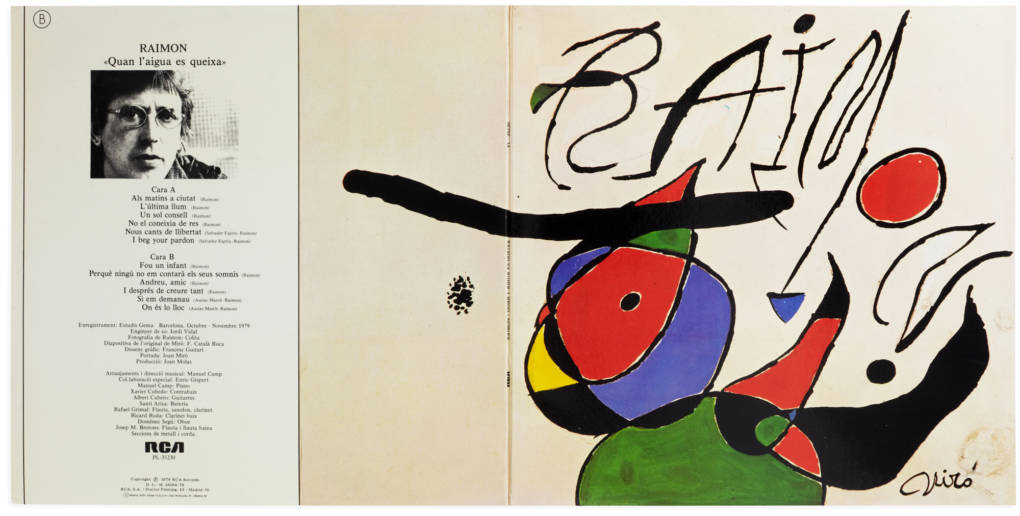
"caption": "JOAN MIRÓ, Quan L’aigua Es Queixa, 1979, part of the 'Art and Vinyl' show at the Fraenkel Gallery.",
"description": "JOAN MIRÓ, Quan L’aigua Es Queixa, 1979, part of the 'Art and Vinyl' show at the Fraenkel Gallery.",
"title": "JOAN MIRÓ, Quan L’aigua Es Queixa, 1979",
"credit": "Photo: Courtesy of Fraenkel Gallery",
"status": "inherit",
"isLoading": false,
"fetchFailed": false
},
"arts_13817788": {
"type": "attachments",
"id": "arts_13817788",
"meta": {
"index": "attachments_1716263798",
"site": "arts",
"id": "13817788",
"found": true
},
"parent": 0,
"imgSizes": {
"small": {
"file": "https://ww2.kqed.org/app/uploads/sites/2/2017/12/SOBxRBE.YouTube-520x293.jpg",
"width": 520,
"mimeType": "image/jpeg",
"height": 293
},
"twentyfourteen-full-width": {
"file": "https://ww2.kqed.org/app/uploads/sites/2/2017/12/SOBxRBE.YouTube-1038x576.jpg",
"width": 1038,
"mimeType": "image/jpeg",
"height": 576
},
"thumbnail": {
"file": "https://ww2.kqed.org/app/uploads/sites/2/2017/12/SOBxRBE.YouTube-160x90.jpg",
"width": 160,
"mimeType": "image/jpeg",
"height": 90
},
"fd-sm": {
"file": "https://ww2.kqed.org/app/uploads/sites/2/2017/12/SOBxRBE.YouTube-960x540.jpg",
"width": 960,
"mimeType": "image/jpeg",
"height": 540
},
"post-thumbnail": {
"file": "https://ww2.kqed.org/app/uploads/sites/2/2017/12/SOBxRBE.YouTube-672x372.jpg",
"width": 672,
"mimeType": "image/jpeg",
"height": 372
},
"xsmall": {
"file": "https://ww2.kqed.org/app/uploads/sites/2/2017/12/SOBxRBE.YouTube-375x211.jpg",
"width": 375,
"mimeType": "image/jpeg",
"height": 211
},
"kqedFullSize": {
"file": "https://ww2.kqed.org/app/uploads/sites/2/2017/12/SOBxRBE.YouTube.jpg",
"width": 1920,
"height": 1080
},
"large": {
"file": "https://ww2.kqed.org/app/uploads/sites/2/2017/12/SOBxRBE.YouTube-1020x574.jpg",
"width": 1020,
"mimeType": "image/jpeg",
"height": 574
},
"xlarge": {
"file": "https://ww2.kqed.org/app/uploads/sites/2/2017/12/SOBxRBE.YouTube-1180x664.jpg",
"width": 1180,
"mimeType": "image/jpeg",
"height": 664
},
"guest-author-50": {
"file": "https://ww2.kqed.org/app/uploads/sites/2/2017/12/SOBxRBE.YouTube-50x50.jpg",
"width": 50,
"mimeType": "image/jpeg",
"height": 50
},
"guest-author-96": {
"file": "https://ww2.kqed.org/app/uploads/sites/2/2017/12/SOBxRBE.YouTube-96x96.jpg",
"width": 96,
"mimeType": "image/jpeg",
"height": 96
},
"medium": {
"file": "https://ww2.kqed.org/app/uploads/sites/2/2017/12/SOBxRBE.YouTube-800x450.jpg",
"width": 800,
"mimeType": "image/jpeg",
"height": 450
},
"guest-author-64": {
"file": "https://ww2.kqed.org/app/uploads/sites/2/2017/12/SOBxRBE.YouTube-64x64.jpg",
"width": 64,
"mimeType": "image/jpeg",
"height": 64
},
"guest-author-32": {
"file": "https://ww2.kqed.org/app/uploads/sites/2/2017/12/SOBxRBE.YouTube-32x32.jpg",
"width": 32,
"mimeType": "image/jpeg",
"height": 32
},
"fd-lrg": {
"file": "https://ww2.kqed.org/app/uploads/sites/2/2017/12/SOBxRBE.YouTube-1920x1080.jpg",
"width": 1920,
"mimeType": "image/jpeg",
"height": 1080
},
"fd-med": {
"file": "https://ww2.kqed.org/app/uploads/sites/2/2017/12/SOBxRBE.YouTube-1180x664.jpg",
"width": 1180,
"mimeType": "image/jpeg",
"height": 664
},
"full-width": {
"file": "https://ww2.kqed.org/app/uploads/sites/2/2017/12/SOBxRBE.YouTube-1920x1080.jpg",
"width": 1920,
"mimeType": "image/jpeg",
"height": 1080
},
"detail": {
"file": "https://ww2.kqed.org/app/uploads/sites/2/2017/12/SOBxRBE.YouTube-150x150.jpg",
"width": 150,
"mimeType": "image/jpeg",
"height": 150
},
"medium_large": {
"file": "https://ww2.kqed.org/app/uploads/sites/2/2017/12/SOBxRBE.YouTube-768x432.jpg",
"width": 768,
"mimeType": "image/jpeg",
"height": 432
},
"guest-author-128": {
"file": "https://ww2.kqed.org/app/uploads/sites/2/2017/12/SOBxRBE.YouTube-128x128.jpg",
"width": 128,
"mimeType": "image/jpeg",
"height": 128
},
"xxsmall": {
"file": "https://ww2.kqed.org/app/uploads/sites/2/2017/12/SOBxRBE.YouTube-240x135.jpg",
"width": 240,
"mimeType": "image/jpeg",
"height": 135
}
},
"publishDate": 1513709853,
"modified": 1513709884,
"caption": "SOBxRBE.",
"description": "SOBxRBE.",
"title": "SOBxRBE.YouTube",
"credit": "YouTube",
"status": "inherit",
"isLoading": false,
"fetchFailed": false
},
"arts_13819787": {
"type": "attachments",
"id": "arts_13819787",
"meta": {
"index": "attachments_1716263798",
"site": "arts",
"id": "13819787",
"found": true
},
"parent": 13819786,
"imgSizes": {
"small": {
"file": "https://ww2.kqed.org/app/uploads/sites/2/2018/01/Rose-Droll-Photo-by-Rachel-McCord-520x293.jpeg",
"width": 520,
"mimeType": "image/jpeg",
"height": 293
},
"thumbnail": {
"file": "https://ww2.kqed.org/app/uploads/sites/2/2018/01/Rose-Droll-Photo-by-Rachel-McCord-160x90.jpeg",
"width": 160,
"mimeType": "image/jpeg",
"height": 90
},
"post-thumbnail": {
"file": "https://ww2.kqed.org/app/uploads/sites/2/2018/01/Rose-Droll-Photo-by-Rachel-McCord-672x372.jpeg",
"width": 672,
"mimeType": "image/jpeg",
"height": 372
},
"xsmall": {
"file": "https://ww2.kqed.org/app/uploads/sites/2/2018/01/Rose-Droll-Photo-by-Rachel-McCord-375x211.jpeg",
"width": 375,
"mimeType": "image/jpeg",
"height": 211
},
"kqedFullSize": {
"file": "https://ww2.kqed.org/app/uploads/sites/2/2018/01/Rose-Droll-Photo-by-Rachel-McCord.jpeg",
"width": 800,
"height": 450
},
"guest-author-50": {
"file": "https://ww2.kqed.org/app/uploads/sites/2/2018/01/Rose-Droll-Photo-by-Rachel-McCord-50x50.jpeg",
"width": 50,
"mimeType": "image/jpeg",
"height": 50
},
"guest-author-96": {
"file": "https://ww2.kqed.org/app/uploads/sites/2/2018/01/Rose-Droll-Photo-by-Rachel-McCord-96x96.jpeg",
"width": 96,
"mimeType": "image/jpeg",
"height": 96
},
"medium": {
"file": "https://ww2.kqed.org/app/uploads/sites/2/2018/01/Rose-Droll-Photo-by-Rachel-McCord-800x450.jpeg",
"width": 800,
"mimeType": "image/jpeg",
"height": 450
},
"guest-author-64": {
"file": "https://ww2.kqed.org/app/uploads/sites/2/2018/01/Rose-Droll-Photo-by-Rachel-McCord-64x64.jpeg",
"width": 64,
"mimeType": "image/jpeg",
"height": 64
},
"guest-author-32": {
"file": "https://ww2.kqed.org/app/uploads/sites/2/2018/01/Rose-Droll-Photo-by-Rachel-McCord-32x32.jpeg",
"width": 32,
"mimeType": "image/jpeg",
"height": 32
},
"detail": {
"file": "https://ww2.kqed.org/app/uploads/sites/2/2018/01/Rose-Droll-Photo-by-Rachel-McCord-150x150.jpeg",
"width": 150,
"mimeType": "image/jpeg",
"height": 150
},
"medium_large": {
"file": "https://ww2.kqed.org/app/uploads/sites/2/2018/01/Rose-Droll-Photo-by-Rachel-McCord-768x432.jpeg",
"width": 768,
"mimeType": "image/jpeg",
"height": 432
},
"guest-author-128": {
"file": "https://ww2.kqed.org/app/uploads/sites/2/2018/01/Rose-Droll-Photo-by-Rachel-McCord-128x128.jpeg",
"width": 128,
"mimeType": "image/jpeg",
"height": 128
},
"xxsmall": {
"file": "https://ww2.kqed.org/app/uploads/sites/2/2018/01/Rose-Droll-Photo-by-Rachel-McCord-240x135.jpeg",
"width": 240,
"mimeType": "image/jpeg",
"height": 135
}
},
"publishDate": 1516722694,
"modified": 1516722719,
"caption": null,
"description": null,
"title": "Rose Droll",
"credit": "Photo by Rachel McCord",
"status": "inherit",
"isLoading": false,
"fetchFailed": false
},
"arts_10442895": {
"type": "attachments",
"id": "arts_10442895",
"meta": {
"index": "attachments_1716263798",
"site": "arts",
"id": "10442895",
"found": true
},
"parent": 10439840,
"imgSizes": {
"twentyfourteen-full-width": {
"file": "https://ww2.kqed.org/app/uploads/sites/2/2015/03/HUGH-MASEKELA-0052-1038x576.jpeg",
"width": 1038,
"mimeType": "image/jpeg",
"height": 576
},
"thumbnail": {
"file": "https://ww2.kqed.org/app/uploads/sites/2/2015/03/HUGH-MASEKELA-0052-400x267.jpeg",
"width": 400,
"mimeType": "image/jpeg",
"height": 267
},
"fd-sm": {
"file": "https://ww2.kqed.org/app/uploads/sites/2/2015/03/HUGH-MASEKELA-0052-320x213.jpeg",
"width": 320,
"mimeType": "image/jpeg",
"height": 213
},
"post-thumbnail": {
"file": "https://ww2.kqed.org/app/uploads/sites/2/2015/03/HUGH-MASEKELA-0052-672x372.jpeg",
"width": 672,
"mimeType": "image/jpeg",
"height": 372
},
"kqedFullSize": {
"file": "https://ww2.kqed.org/app/uploads/sites/2/2015/03/HUGH-MASEKELA-0052.jpeg",
"width": 4500,
"height": 3000
},
"large": {
"file": "https://ww2.kqed.org/app/uploads/sites/2/2015/03/HUGH-MASEKELA-0052-1180x787.jpeg",
"width": 1180,
"mimeType": "image/jpeg",
"height": 787
},
"guest-author-96": {
"file": "https://ww2.kqed.org/app/uploads/sites/2/2015/03/HUGH-MASEKELA-0052-96x96.jpeg",
"width": 96,
"mimeType": "image/jpeg",
"height": 96
},
"medium": {
"file": "https://ww2.kqed.org/app/uploads/sites/2/2015/03/HUGH-MASEKELA-0052-800x533.jpeg",
"width": 800,
"mimeType": "image/jpeg",
"height": 533
},
"guest-author-64": {
"file": "https://ww2.kqed.org/app/uploads/sites/2/2015/03/HUGH-MASEKELA-0052-64x64.jpeg",
"width": 64,
"mimeType": "image/jpeg",
"height": 64
},
"guest-author-32": {
"file": "https://ww2.kqed.org/app/uploads/sites/2/2015/03/HUGH-MASEKELA-0052-32x32.jpeg",
"width": 32,
"mimeType": "image/jpeg",
"height": 32
},
"fd-lrg": {
"file": "https://ww2.kqed.org/app/uploads/sites/2/2015/03/HUGH-MASEKELA-0052-1180x787.jpeg",
"width": 1180,
"mimeType": "image/jpeg",
"height": 787
},
"fd-med": {
"file": "https://ww2.kqed.org/app/uploads/sites/2/2015/03/HUGH-MASEKELA-0052-768x512.jpeg",
"width": 768,
"mimeType": "image/jpeg",
"height": 512
},
"detail": {
"file": "https://ww2.kqed.org/app/uploads/sites/2/2015/03/HUGH-MASEKELA-0052-75x75.jpeg",
"width": 75,
"mimeType": "image/jpeg",
"height": 75
},
"guest-author-128": {
"file": "https://ww2.kqed.org/app/uploads/sites/2/2015/03/HUGH-MASEKELA-0052-128x128.jpeg",
"width": 128,
"mimeType": "image/jpeg",
"height": 128
}
},
"publishDate": 1425526304,
"modified": 1425526304,
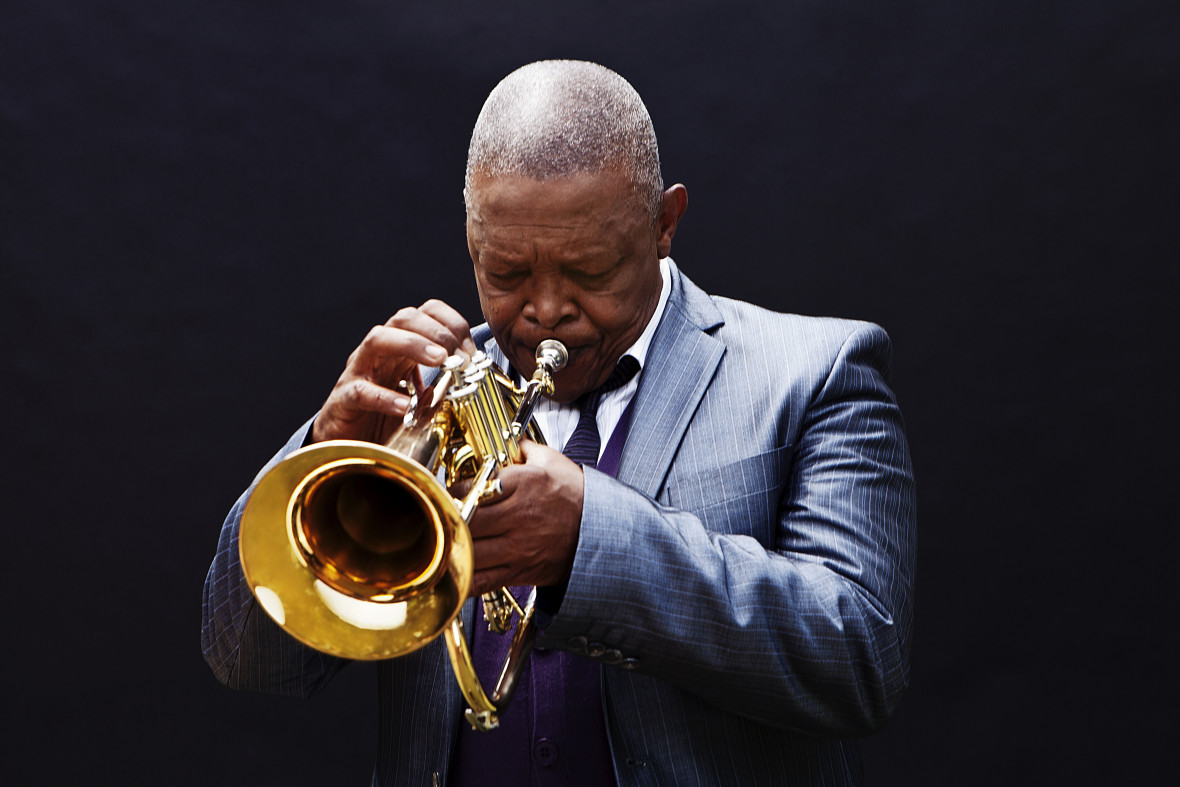
"caption": null,
"description": null,
"title": "HUGH-MASEKELA-0052",
"credit": null,
"status": "inherit",
"isLoading": false,
"fetchFailed": false
},
"arts_10886964": {
"type": "attachments",
"id": "arts_10886964",
"meta": {
"index": "attachments_1716263798",
"site": "arts",
"id": "10886964",
"found": true
},
"parent": 10886808,
"imgSizes": {
"twentyfourteen-full-width": {
"file": "https://ww2.kqed.org/app/uploads/sites/2/2015/08/OL.Kendrick-1038x576.jpg",
"width": 1038,
"mimeType": "image/jpeg",
"height": 576
},
"thumbnail": {
"file": "https://ww2.kqed.org/app/uploads/sites/2/2015/08/OL.Kendrick-400x267.jpg",
"width": 400,
"mimeType": "image/jpeg",
"height": 267
},
"fd-sm": {
"file": "https://ww2.kqed.org/app/uploads/sites/2/2015/08/OL.Kendrick-960x640.jpg",
"width": 960,
"mimeType": "image/jpeg",
"height": 640
},
"post-thumbnail": {
"file": "https://ww2.kqed.org/app/uploads/sites/2/2015/08/OL.Kendrick-672x372.jpg",
"width": 672,
"mimeType": "image/jpeg",
"height": 372
},
"kqedFullSize": {
"file": "https://ww2.kqed.org/app/uploads/sites/2/2015/08/OL.Kendrick.jpg",
"width": 1920,
"height": 1280
},
"large": {
"file": "https://ww2.kqed.org/app/uploads/sites/2/2015/08/OL.Kendrick-1180x787.jpg",
"width": 1180,
"mimeType": "image/jpeg",
"height": 787
},
"guest-author-96": {
"file": "https://ww2.kqed.org/app/uploads/sites/2/2015/08/OL.Kendrick-96x96.jpg",
"width": 96,
"mimeType": "image/jpeg",
"height": 96
},
"medium": {
"file": "https://ww2.kqed.org/app/uploads/sites/2/2015/08/OL.Kendrick-800x533.jpg",
"width": 800,
"mimeType": "image/jpeg",
"height": 533
},
"guest-author-64": {
"file": "https://ww2.kqed.org/app/uploads/sites/2/2015/08/OL.Kendrick-64x64.jpg",
"width": 64,
"mimeType": "image/jpeg",
"height": 64
},
"guest-author-32": {
"file": "https://ww2.kqed.org/app/uploads/sites/2/2015/08/OL.Kendrick-32x32.jpg",
"width": 32,
"mimeType": "image/jpeg",
"height": 32
},
"fd-lrg": {
"file": "https://ww2.kqed.org/app/uploads/sites/2/2015/08/OL.Kendrick-1920x1280.jpg",
"width": 1920,
"mimeType": "image/jpeg",
"height": 1280
},
"fd-med": {
"file": "https://ww2.kqed.org/app/uploads/sites/2/2015/08/OL.Kendrick-1180x787.jpg",
"width": 1180,
"mimeType": "image/jpeg",
"height": 787
},
"detail": {
"file": "https://ww2.kqed.org/app/uploads/sites/2/2015/08/OL.Kendrick-75x75.jpg",
"width": 75,
"mimeType": "image/jpeg",
"height": 75
},
"guest-author-128": {
"file": "https://ww2.kqed.org/app/uploads/sites/2/2015/08/OL.Kendrick-128x128.jpg",
"width": 128,
"mimeType": "image/jpeg",
"height": 128
}
},
"publishDate": 1439137687,
"modified": 1516651561,
"caption": "Kendrick Lamar performs at Outside Lands, Aug. 8, 2015. ",
"description": "Kendrick Lamar performs at Outside Lands, Aug. 8, 2015. (Photo: Gabe Meline/KQED)",
"title": "OL.Kendrick",
"credit": "Gabe Meline",
"status": "inherit",
"isLoading": false,
"fetchFailed": false
},
"arts_13819616": {
"type": "attachments",
"id": "arts_13819616",
"meta": {
"index": "attachments_1716263798",
"site": "arts",
"id": "13819616",
"found": true
},
"parent": 13819588,
"imgSizes": {
"small": {
"file": "https://ww2.kqed.org/app/uploads/sites/2/2018/01/PeterMurphy4_credit_Gabriel_Edvy-520x293.jpg",
"width": 520,
"mimeType": "image/jpeg",
"height": 293
},
"twentyfourteen-full-width": {
"file": "https://ww2.kqed.org/app/uploads/sites/2/2018/01/PeterMurphy4_credit_Gabriel_Edvy-1038x576.jpg",
"width": 1038,
"mimeType": "image/jpeg",
"height": 576
},
"thumbnail": {
"file": "https://ww2.kqed.org/app/uploads/sites/2/2018/01/PeterMurphy4_credit_Gabriel_Edvy-160x90.jpg",
"width": 160,
"mimeType": "image/jpeg",
"height": 90
},
"fd-sm": {
"file": "https://ww2.kqed.org/app/uploads/sites/2/2018/01/PeterMurphy4_credit_Gabriel_Edvy-960x540.jpg",
"width": 960,
"mimeType": "image/jpeg",
"height": 540
},
"post-thumbnail": {
"file": "https://ww2.kqed.org/app/uploads/sites/2/2018/01/PeterMurphy4_credit_Gabriel_Edvy-672x372.jpg",
"width": 672,
"mimeType": "image/jpeg",
"height": 372
},
"xsmall": {
"file": "https://ww2.kqed.org/app/uploads/sites/2/2018/01/PeterMurphy4_credit_Gabriel_Edvy-375x211.jpg",
"width": 375,
"mimeType": "image/jpeg",
"height": 211
},
"kqedFullSize": {
"file": "https://ww2.kqed.org/app/uploads/sites/2/2018/01/PeterMurphy4_credit_Gabriel_Edvy.jpg",
"width": 1920,
"height": 1080
},
"large": {
"file": "https://ww2.kqed.org/app/uploads/sites/2/2018/01/PeterMurphy4_credit_Gabriel_Edvy-1020x574.jpg",
"width": 1020,
"mimeType": "image/jpeg",
"height": 574
},
"xlarge": {
"file": "https://ww2.kqed.org/app/uploads/sites/2/2018/01/PeterMurphy4_credit_Gabriel_Edvy-1180x664.jpg",
"width": 1180,
"mimeType": "image/jpeg",
"height": 664
},
"guest-author-50": {
"file": "https://ww2.kqed.org/app/uploads/sites/2/2018/01/PeterMurphy4_credit_Gabriel_Edvy-50x50.jpg",
"width": 50,
"mimeType": "image/jpeg",
"height": 50
},
"guest-author-96": {
"file": "https://ww2.kqed.org/app/uploads/sites/2/2018/01/PeterMurphy4_credit_Gabriel_Edvy-96x96.jpg",
"width": 96,
"mimeType": "image/jpeg",
"height": 96
},
"medium": {
"file": "https://ww2.kqed.org/app/uploads/sites/2/2018/01/PeterMurphy4_credit_Gabriel_Edvy-800x450.jpg",
"width": 800,
"mimeType": "image/jpeg",
"height": 450
},
"guest-author-64": {
"file": "https://ww2.kqed.org/app/uploads/sites/2/2018/01/PeterMurphy4_credit_Gabriel_Edvy-64x64.jpg",
"width": 64,
"mimeType": "image/jpeg",
"height": 64
},
"guest-author-32": {
"file": "https://ww2.kqed.org/app/uploads/sites/2/2018/01/PeterMurphy4_credit_Gabriel_Edvy-32x32.jpg",
"width": 32,
"mimeType": "image/jpeg",
"height": 32
},
"fd-lrg": {
"file": "https://ww2.kqed.org/app/uploads/sites/2/2018/01/PeterMurphy4_credit_Gabriel_Edvy-1920x1080.jpg",
"width": 1920,
"mimeType": "image/jpeg",
"height": 1080
},
"fd-med": {
"file": "https://ww2.kqed.org/app/uploads/sites/2/2018/01/PeterMurphy4_credit_Gabriel_Edvy-1180x664.jpg",
"width": 1180,
"mimeType": "image/jpeg",
"height": 664
},
"full-width": {
"file": "https://ww2.kqed.org/app/uploads/sites/2/2018/01/PeterMurphy4_credit_Gabriel_Edvy-1920x1080.jpg",
"width": 1920,
"mimeType": "image/jpeg",
"height": 1080
},
"detail": {
"file": "https://ww2.kqed.org/app/uploads/sites/2/2018/01/PeterMurphy4_credit_Gabriel_Edvy-150x150.jpg",
"width": 150,
"mimeType": "image/jpeg",
"height": 150
},
"medium_large": {
"file": "https://ww2.kqed.org/app/uploads/sites/2/2018/01/PeterMurphy4_credit_Gabriel_Edvy-768x432.jpg",
"width": 768,
"mimeType": "image/jpeg",
"height": 432
},
"guest-author-128": {
"file": "https://ww2.kqed.org/app/uploads/sites/2/2018/01/PeterMurphy4_credit_Gabriel_Edvy-128x128.jpg",
"width": 128,
"mimeType": "image/jpeg",
"height": 128
},
"xxsmall": {
"file": "https://ww2.kqed.org/app/uploads/sites/2/2018/01/PeterMurphy4_credit_Gabriel_Edvy-240x135.jpg",
"width": 240,
"mimeType": "image/jpeg",
"height": 135
}
},
"publishDate": 1516405632,
"modified": 1516405718,
"caption": "Bauhaus lead singer Peter Murphy kicks off a series of intimate performances at the Chapel in San Francisco on Jan. 23.",
"description": null,
"title": "PeterMurphy4_credit_Gabriel_Edvy",
"credit": "Gabriel Edvy",
"status": "inherit",
"isLoading": false,
"fetchFailed": false
},
"arts_13819566": {
"type": "attachments",
"id": "arts_13819566",
"meta": {
"index": "attachments_1716263798",
"site": "arts",
"id": "13819566",
"found": true
},
"parent": 13819255,
"imgSizes": {
"small": {
"file": "https://ww2.kqed.org/app/uploads/sites/2/2018/01/Khalid-Elawad-Aswat.rev_-520x293.jpg",
"width": 520,
"mimeType": "image/jpeg",
"height": 293
},
"twentyfourteen-full-width": {
"file": "https://ww2.kqed.org/app/uploads/sites/2/2018/01/Khalid-Elawad-Aswat.rev_-1038x576.jpg",
"width": 1038,
"mimeType": "image/jpeg",
"height": 576
},
"thumbnail": {
"file": "https://ww2.kqed.org/app/uploads/sites/2/2018/01/Khalid-Elawad-Aswat.rev_-160x90.jpg",
"width": 160,
"mimeType": "image/jpeg",
"height": 90
},
"fd-sm": {
"file": "https://ww2.kqed.org/app/uploads/sites/2/2018/01/Khalid-Elawad-Aswat.rev_-960x540.jpg",
"width": 960,
"mimeType": "image/jpeg",
"height": 540
},
"post-thumbnail": {
"file": "https://ww2.kqed.org/app/uploads/sites/2/2018/01/Khalid-Elawad-Aswat.rev_-672x372.jpg",
"width": 672,
"mimeType": "image/jpeg",
"height": 372
},
"xsmall": {
"file": "https://ww2.kqed.org/app/uploads/sites/2/2018/01/Khalid-Elawad-Aswat.rev_-375x211.jpg",
"width": 375,
"mimeType": "image/jpeg",
"height": 211
},
"kqedFullSize": {
"file": "https://ww2.kqed.org/app/uploads/sites/2/2018/01/Khalid-Elawad-Aswat.rev_.jpg",
"width": 1920,
"height": 1080
},
"large": {
"file": "https://ww2.kqed.org/app/uploads/sites/2/2018/01/Khalid-Elawad-Aswat.rev_-1020x574.jpg",
"width": 1020,
"mimeType": "image/jpeg",
"height": 574
},
"xlarge": {
"file": "https://ww2.kqed.org/app/uploads/sites/2/2018/01/Khalid-Elawad-Aswat.rev_-1180x664.jpg",
"width": 1180,
"mimeType": "image/jpeg",
"height": 664
},
"guest-author-50": {
"file": "https://ww2.kqed.org/app/uploads/sites/2/2018/01/Khalid-Elawad-Aswat.rev_-50x50.jpg",
"width": 50,
"mimeType": "image/jpeg",
"height": 50
},
"guest-author-96": {
"file": "https://ww2.kqed.org/app/uploads/sites/2/2018/01/Khalid-Elawad-Aswat.rev_-96x96.jpg",
"width": 96,
"mimeType": "image/jpeg",
"height": 96
},
"medium": {
"file": "https://ww2.kqed.org/app/uploads/sites/2/2018/01/Khalid-Elawad-Aswat.rev_-800x450.jpg",
"width": 800,
"mimeType": "image/jpeg",
"height": 450
},
"guest-author-64": {
"file": "https://ww2.kqed.org/app/uploads/sites/2/2018/01/Khalid-Elawad-Aswat.rev_-64x64.jpg",
"width": 64,
"mimeType": "image/jpeg",
"height": 64
},
"guest-author-32": {
"file": "https://ww2.kqed.org/app/uploads/sites/2/2018/01/Khalid-Elawad-Aswat.rev_-32x32.jpg",
"width": 32,
"mimeType": "image/jpeg",
"height": 32
},
"fd-lrg": {
"file": "https://ww2.kqed.org/app/uploads/sites/2/2018/01/Khalid-Elawad-Aswat.rev_-1920x1080.jpg",
"width": 1920,
"mimeType": "image/jpeg",
"height": 1080
},
"fd-med": {
"file": "https://ww2.kqed.org/app/uploads/sites/2/2018/01/Khalid-Elawad-Aswat.rev_-1180x664.jpg",
"width": 1180,
"mimeType": "image/jpeg",
"height": 664
},
"full-width": {
"file": "https://ww2.kqed.org/app/uploads/sites/2/2018/01/Khalid-Elawad-Aswat.rev_-1920x1080.jpg",
"width": 1920,
"mimeType": "image/jpeg",
"height": 1080
},
"detail": {
"file": "https://ww2.kqed.org/app/uploads/sites/2/2018/01/Khalid-Elawad-Aswat.rev_-150x150.jpg",
"width": 150,
"mimeType": "image/jpeg",
"height": 150
},
"medium_large": {
"file": "https://ww2.kqed.org/app/uploads/sites/2/2018/01/Khalid-Elawad-Aswat.rev_-768x432.jpg",
"width": 768,
"mimeType": "image/jpeg",
"height": 432
},
"guest-author-128": {
"file": "https://ww2.kqed.org/app/uploads/sites/2/2018/01/Khalid-Elawad-Aswat.rev_-128x128.jpg",
"width": 128,
"mimeType": "image/jpeg",
"height": 128
},
"xxsmall": {
"file": "https://ww2.kqed.org/app/uploads/sites/2/2018/01/Khalid-Elawad-Aswat.rev_-240x135.jpg",
"width": 240,
"mimeType": "image/jpeg",
"height": 135
}
},
"publishDate": 1516385533,
"modified": 1516385630,
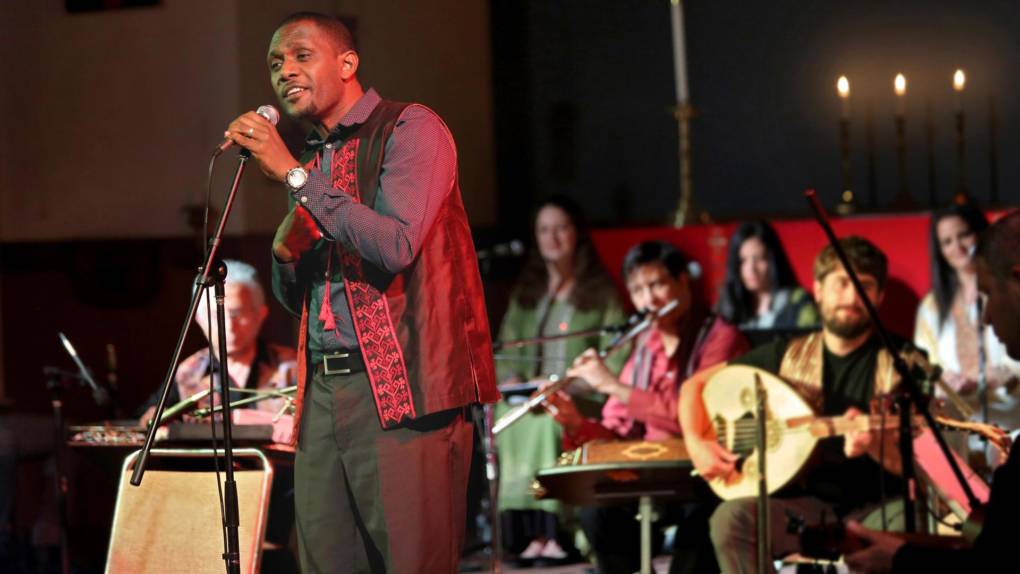
"caption": "Khalid Elawad of the Aswat Ensemble. The group is one of many artists and organizations who remain committed to political issues one year after Trump's inauguration.",
"description": "Khalid Elawad of the Aswat Ensemble. The group is one of many artists and organizations who remain committed to political issues one year after Trump's inauguration.",
"title": "Khalid-Elawad-Aswat.rev",
"credit": "Najib 'Joe' Hakim",
"status": "inherit",
"isLoading": false,
"fetchFailed": false
},
"arts_13819437": {
"type": "attachments",
"id": "arts_13819437",
"meta": {
"index": "attachments_1716263798",
"site": "arts",
"id": "13819437",
"found": true
},
"parent": 13819256,
"imgSizes": {
"small": {
"file": "https://ww2.kqed.org/app/uploads/sites/2/2018/01/GettyImages-176910681-520x293.jpg",
"width": 520,
"mimeType": "image/jpeg",
"height": 293
},
"twentyfourteen-full-width": {
"file": "https://ww2.kqed.org/app/uploads/sites/2/2018/01/GettyImages-176910681-1038x576.jpg",
"width": 1038,
"mimeType": "image/jpeg",
"height": 576
},
"thumbnail": {
"file": "https://ww2.kqed.org/app/uploads/sites/2/2018/01/GettyImages-176910681-160x90.jpg",
"width": 160,
"mimeType": "image/jpeg",
"height": 90
},
"fd-sm": {
"file": "https://ww2.kqed.org/app/uploads/sites/2/2018/01/GettyImages-176910681-960x540.jpg",
"width": 960,
"mimeType": "image/jpeg",
"height": 540
},
"post-thumbnail": {
"file": "https://ww2.kqed.org/app/uploads/sites/2/2018/01/GettyImages-176910681-672x372.jpg",
"width": 672,
"mimeType": "image/jpeg",
"height": 372
},
"xsmall": {
"file": "https://ww2.kqed.org/app/uploads/sites/2/2018/01/GettyImages-176910681-375x211.jpg",
"width": 375,
"mimeType": "image/jpeg",
"height": 211
},
"kqedFullSize": {
"file": "https://ww2.kqed.org/app/uploads/sites/2/2018/01/GettyImages-176910681.jpg",
"width": 1920,
"height": 1080
},
"large": {
"file": "https://ww2.kqed.org/app/uploads/sites/2/2018/01/GettyImages-176910681-1020x574.jpg",
"width": 1020,
"mimeType": "image/jpeg",
"height": 574
},
"xlarge": {
"file": "https://ww2.kqed.org/app/uploads/sites/2/2018/01/GettyImages-176910681-1180x664.jpg",
"width": 1180,
"mimeType": "image/jpeg",
"height": 664
},
"guest-author-50": {
"file": "https://ww2.kqed.org/app/uploads/sites/2/2018/01/GettyImages-176910681-50x50.jpg",
"width": 50,
"mimeType": "image/jpeg",
"height": 50
},
"guest-author-96": {
"file": "https://ww2.kqed.org/app/uploads/sites/2/2018/01/GettyImages-176910681-96x96.jpg",
"width": 96,
"mimeType": "image/jpeg",
"height": 96
},
"medium": {
"file": "https://ww2.kqed.org/app/uploads/sites/2/2018/01/GettyImages-176910681-800x450.jpg",
"width": 800,
"mimeType": "image/jpeg",
"height": 450
},
"guest-author-64": {
"file": "https://ww2.kqed.org/app/uploads/sites/2/2018/01/GettyImages-176910681-64x64.jpg",
"width": 64,
"mimeType": "image/jpeg",
"height": 64
},
"guest-author-32": {
"file": "https://ww2.kqed.org/app/uploads/sites/2/2018/01/GettyImages-176910681-32x32.jpg",
"width": 32,
"mimeType": "image/jpeg",
"height": 32
},
"fd-lrg": {
"file": "https://ww2.kqed.org/app/uploads/sites/2/2018/01/GettyImages-176910681-1920x1080.jpg",
"width": 1920,
"mimeType": "image/jpeg",
"height": 1080
},
"fd-med": {
"file": "https://ww2.kqed.org/app/uploads/sites/2/2018/01/GettyImages-176910681-1180x664.jpg",
"width": 1180,
"mimeType": "image/jpeg",
"height": 664
},
"full-width": {
"file": "https://ww2.kqed.org/app/uploads/sites/2/2018/01/GettyImages-176910681-1920x1080.jpg",
"width": 1920,
"mimeType": "image/jpeg",
"height": 1080
},
"detail": {
"file": "https://ww2.kqed.org/app/uploads/sites/2/2018/01/GettyImages-176910681-150x150.jpg",
"width": 150,
"mimeType": "image/jpeg",
"height": 150
},
"medium_large": {
"file": "https://ww2.kqed.org/app/uploads/sites/2/2018/01/GettyImages-176910681-768x432.jpg",
"width": 768,
"mimeType": "image/jpeg",
"height": 432
},
"guest-author-128": {
"file": "https://ww2.kqed.org/app/uploads/sites/2/2018/01/GettyImages-176910681-128x128.jpg",
"width": 128,
"mimeType": "image/jpeg",
"height": 128
},
"xxsmall": {
"file": "https://ww2.kqed.org/app/uploads/sites/2/2018/01/GettyImages-176910681-240x135.jpg",
"width": 240,
"mimeType": "image/jpeg",
"height": 135
}
},
"publishDate": 1516236206,
"modified": 1516236301,
"caption": "The civil rights leader Martin Luther King waves to supporters on Aug. 28, 1963 at the March on Washington. ",
"description": "The civil rights leader Martin Luther King waves to supporters on Aug. 28, 1963 at the March on Washington. ",
"title": "BIO-MARTIN LUTHER KING-MARCH ON WASHINGTON",
"credit": "AFP/Getty Images",
"status": "inherit",
"isLoading": false,
"fetchFailed": false
},
"arts_13819465": {
"type": "attachments",
"id": "arts_13819465",
"meta": {
"index": "attachments_1716263798",
"site": "arts",
"id": "13819465",
"found": true
},
"parent": 13819451,
"imgSizes": {
"small": {
"file": "https://ww2.kqed.org/app/uploads/sites/2/2018/01/Eames.MAIN_.TDL_-520x293.jpg",
"width": 520,
"mimeType": "image/jpeg",
"height": 293
},
"twentyfourteen-full-width": {
"file": "https://ww2.kqed.org/app/uploads/sites/2/2018/01/Eames.MAIN_.TDL_-1038x576.jpg",
"width": 1038,
"mimeType": "image/jpeg",
"height": 576
},
"thumbnail": {
"file": "https://ww2.kqed.org/app/uploads/sites/2/2018/01/Eames.MAIN_.TDL_-160x90.jpg",
"width": 160,
"mimeType": "image/jpeg",
"height": 90
},
"fd-sm": {
"file": "https://ww2.kqed.org/app/uploads/sites/2/2018/01/Eames.MAIN_.TDL_-960x540.jpg",
"width": 960,
"mimeType": "image/jpeg",
"height": 540
},
"post-thumbnail": {
"file": "https://ww2.kqed.org/app/uploads/sites/2/2018/01/Eames.MAIN_.TDL_-672x372.jpg",
"width": 672,
"mimeType": "image/jpeg",
"height": 372
},
"xsmall": {
"file": "https://ww2.kqed.org/app/uploads/sites/2/2018/01/Eames.MAIN_.TDL_-375x211.jpg",
"width": 375,
"mimeType": "image/jpeg",
"height": 211
},
"kqedFullSize": {
"file": "https://ww2.kqed.org/app/uploads/sites/2/2018/01/Eames.MAIN_.TDL_.jpg",
"width": 1920,
"height": 1080
},
"large": {
"file": "https://ww2.kqed.org/app/uploads/sites/2/2018/01/Eames.MAIN_.TDL_-1020x574.jpg",
"width": 1020,
"mimeType": "image/jpeg",
"height": 574
},
"xlarge": {
"file": "https://ww2.kqed.org/app/uploads/sites/2/2018/01/Eames.MAIN_.TDL_-1180x664.jpg",
"width": 1180,
"mimeType": "image/jpeg",
"height": 664
},
"guest-author-50": {
"file": "https://ww2.kqed.org/app/uploads/sites/2/2018/01/Eames.MAIN_.TDL_-50x50.jpg",
"width": 50,
"mimeType": "image/jpeg",
"height": 50
},
"guest-author-96": {
"file": "https://ww2.kqed.org/app/uploads/sites/2/2018/01/Eames.MAIN_.TDL_-96x96.jpg",
"width": 96,
"mimeType": "image/jpeg",
"height": 96
},
"medium": {
"file": "https://ww2.kqed.org/app/uploads/sites/2/2018/01/Eames.MAIN_.TDL_-800x450.jpg",
"width": 800,
"mimeType": "image/jpeg",
"height": 450
},
"guest-author-64": {
"file": "https://ww2.kqed.org/app/uploads/sites/2/2018/01/Eames.MAIN_.TDL_-64x64.jpg",
"width": 64,
"mimeType": "image/jpeg",
"height": 64
},
"guest-author-32": {
"file": "https://ww2.kqed.org/app/uploads/sites/2/2018/01/Eames.MAIN_.TDL_-32x32.jpg",
"width": 32,
"mimeType": "image/jpeg",
"height": 32
},
"fd-lrg": {
"file": "https://ww2.kqed.org/app/uploads/sites/2/2018/01/Eames.MAIN_.TDL_-1920x1080.jpg",
"width": 1920,
"mimeType": "image/jpeg",
"height": 1080
},
"fd-med": {
"file": "https://ww2.kqed.org/app/uploads/sites/2/2018/01/Eames.MAIN_.TDL_-1180x664.jpg",
"width": 1180,
"mimeType": "image/jpeg",
"height": 664
},
"full-width": {
"file": "https://ww2.kqed.org/app/uploads/sites/2/2018/01/Eames.MAIN_.TDL_-1920x1080.jpg",
"width": 1920,
"mimeType": "image/jpeg",
"height": 1080
},
"detail": {
"file": "https://ww2.kqed.org/app/uploads/sites/2/2018/01/Eames.MAIN_.TDL_-150x150.jpg",
"width": 150,
"mimeType": "image/jpeg",
"height": 150
},
"medium_large": {
"file": "https://ww2.kqed.org/app/uploads/sites/2/2018/01/Eames.MAIN_.TDL_-768x432.jpg",
"width": 768,
"mimeType": "image/jpeg",
"height": 432
},
"guest-author-128": {
"file": "https://ww2.kqed.org/app/uploads/sites/2/2018/01/Eames.MAIN_.TDL_-128x128.jpg",
"width": 128,
"mimeType": "image/jpeg",
"height": 128
},
"xxsmall": {
"file": "https://ww2.kqed.org/app/uploads/sites/2/2018/01/Eames.MAIN_.TDL_-240x135.jpg",
"width": 240,
"mimeType": "image/jpeg",
"height": 135
}
},
"publishDate": 1516242141,
"modified": 1516242190,
"caption": "Dancers from Kristin Damrow's production of 'Eames.'",
"description": null,
"title": "Eames.MAIN.TDL",
"credit": "George E. Baker",
"status": "inherit",
"isLoading": false,
"fetchFailed": false
},
"arts_13819413": {
"type": "attachments",
"id": "arts_13819413",
"meta": {
"index": "attachments_1716263798",
"site": "arts",
"id": "13819413",
"found": true
},
"parent": 13819408,
"imgSizes": {
"small": {
"file": "https://ww2.kqed.org/app/uploads/sites/2/2018/01/LeepErry-520x293.jpg",
"width": 520,
"mimeType": "image/jpeg",
"height": 293
},
"thumbnail": {
"file": "https://ww2.kqed.org/app/uploads/sites/2/2018/01/LeepErry-160x90.jpg",
"width": 160,
"mimeType": "image/jpeg",
"height": 90
},
"post-thumbnail": {
"file": "https://ww2.kqed.org/app/uploads/sites/2/2018/01/LeepErry-672x372.jpg",
"width": 672,
"mimeType": "image/jpeg",
"height": 372
},
"xsmall": {
"file": "https://ww2.kqed.org/app/uploads/sites/2/2018/01/LeepErry-375x211.jpg",
"width": 375,
"mimeType": "image/jpeg",
"height": 211
},
"kqedFullSize": {
"file": "https://ww2.kqed.org/app/uploads/sites/2/2018/01/LeepErry.jpg",
"width": 800,
"height": 450
},
"guest-author-50": {
"file": "https://ww2.kqed.org/app/uploads/sites/2/2018/01/LeepErry-50x50.jpg",
"width": 50,
"mimeType": "image/jpeg",
"height": 50
},
"guest-author-96": {
"file": "https://ww2.kqed.org/app/uploads/sites/2/2018/01/LeepErry-96x96.jpg",
"width": 96,
"mimeType": "image/jpeg",
"height": 96
},
"medium": {
"file": "https://ww2.kqed.org/app/uploads/sites/2/2018/01/LeepErry-800x450.jpg",
"width": 800,
"mimeType": "image/jpeg",
"height": 450
},
"guest-author-64": {
"file": "https://ww2.kqed.org/app/uploads/sites/2/2018/01/LeepErry-64x64.jpg",
"width": 64,
"mimeType": "image/jpeg",
"height": 64
},
"guest-author-32": {
"file": "https://ww2.kqed.org/app/uploads/sites/2/2018/01/LeepErry-32x32.jpg",
"width": 32,
"mimeType": "image/jpeg",
"height": 32
},
"detail": {
"file": "https://ww2.kqed.org/app/uploads/sites/2/2018/01/LeepErry-150x150.jpg",
"width": 150,
"mimeType": "image/jpeg",
"height": 150
},
"medium_large": {
"file": "https://ww2.kqed.org/app/uploads/sites/2/2018/01/LeepErry-768x432.jpg",
"width": 768,
"mimeType": "image/jpeg",
"height": 432
},
"guest-author-128": {
"file": "https://ww2.kqed.org/app/uploads/sites/2/2018/01/LeepErry-128x128.jpg",
"width": 128,
"mimeType": "image/jpeg",
"height": 128
},
"xxsmall": {
"file": "https://ww2.kqed.org/app/uploads/sites/2/2018/01/LeepErry-240x135.jpg",
"width": 240,
"mimeType": "image/jpeg",
"height": 135
}
},
"publishDate": 1516232838,
"modified": 1516232866,
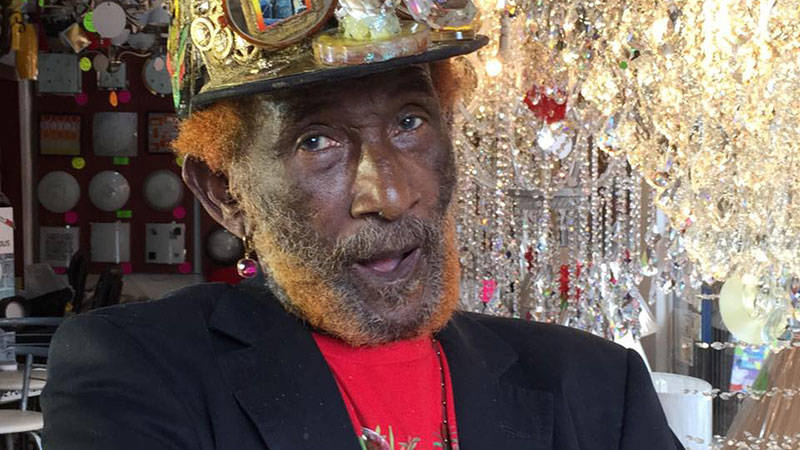
"caption": "Lee \"Scratch\" Perry.",
"description": "Lee \"Scratch\" Perry.",
"title": "LeepErry",
"credit": "Artist Photo",
"status": "inherit",
"isLoading": false,
"fetchFailed": false
},
"arts_13819191": {
"type": "attachments",
"id": "arts_13819191",
"meta": {
"index": "attachments_1716263798",
"site": "arts",
"id": "13819191",
"found": true
},
"parent": 13819186,
"imgSizes": {
"small": {
"file": "https://ww2.kqed.org/app/uploads/sites/2/2018/01/ai-experiment-01-520x272.jpg",
"width": 520,
"mimeType": "image/jpeg",
"height": 272
},
"twentyfourteen-full-width": {
"file": "https://ww2.kqed.org/app/uploads/sites/2/2018/01/ai-experiment-01-1038x576.jpg",
"width": 1038,
"mimeType": "image/jpeg",
"height": 576
},
"thumbnail": {
"file": "https://ww2.kqed.org/app/uploads/sites/2/2018/01/ai-experiment-01-160x84.jpg",
"width": 160,
"mimeType": "image/jpeg",
"height": 84
},
"fd-sm": {
"file": "https://ww2.kqed.org/app/uploads/sites/2/2018/01/ai-experiment-01-960x503.jpg",
"width": 960,
"mimeType": "image/jpeg",
"height": 503
},
"post-thumbnail": {
"file": "https://ww2.kqed.org/app/uploads/sites/2/2018/01/ai-experiment-01-672x372.jpg",
"width": 672,
"mimeType": "image/jpeg",
"height": 372
},
"xsmall": {
"file": "https://ww2.kqed.org/app/uploads/sites/2/2018/01/ai-experiment-01-375x196.jpg",
"width": 375,
"mimeType": "image/jpeg",
"height": 196
},
"kqedFullSize": {
"file": "https://ww2.kqed.org/app/uploads/sites/2/2018/01/ai-experiment-01.jpg",
"width": 2048,
"height": 1072
},
"large": {
"file": "https://ww2.kqed.org/app/uploads/sites/2/2018/01/ai-experiment-01-1020x534.jpg",
"width": 1020,
"mimeType": "image/jpeg",
"height": 534
},
"xlarge": {
"file": "https://ww2.kqed.org/app/uploads/sites/2/2018/01/ai-experiment-01-1180x618.jpg",
"width": 1180,
"mimeType": "image/jpeg",
"height": 618
},
"guest-author-50": {
"file": "https://ww2.kqed.org/app/uploads/sites/2/2018/01/ai-experiment-01-50x50.jpg",
"width": 50,
"mimeType": "image/jpeg",
"height": 50
},
"guest-author-96": {
"file": "https://ww2.kqed.org/app/uploads/sites/2/2018/01/ai-experiment-01-96x96.jpg",
"width": 96,
"mimeType": "image/jpeg",
"height": 96
},
"medium": {
"file": "https://ww2.kqed.org/app/uploads/sites/2/2018/01/ai-experiment-01-800x419.jpg",
"width": 800,
"mimeType": "image/jpeg",
"height": 419
},
"guest-author-64": {
"file": "https://ww2.kqed.org/app/uploads/sites/2/2018/01/ai-experiment-01-64x64.jpg",
"width": 64,
"mimeType": "image/jpeg",
"height": 64
},
"guest-author-32": {
"file": "https://ww2.kqed.org/app/uploads/sites/2/2018/01/ai-experiment-01-32x32.jpg",
"width": 32,
"mimeType": "image/jpeg",
"height": 32
},
"fd-lrg": {
"file": "https://ww2.kqed.org/app/uploads/sites/2/2018/01/ai-experiment-01-1920x1005.jpg",
"width": 1920,
"mimeType": "image/jpeg",
"height": 1005
},
"fd-med": {
"file": "https://ww2.kqed.org/app/uploads/sites/2/2018/01/ai-experiment-01-1180x618.jpg",
"width": 1180,
"mimeType": "image/jpeg",
"height": 618
},
"full-width": {
"file": "https://ww2.kqed.org/app/uploads/sites/2/2018/01/ai-experiment-01-1920x1005.jpg",
"width": 1920,
"mimeType": "image/jpeg",
"height": 1005
},
"detail": {
"file": "https://ww2.kqed.org/app/uploads/sites/2/2018/01/ai-experiment-01-150x150.jpg",
"width": 150,
"mimeType": "image/jpeg",
"height": 150
},
"medium_large": {
"file": "https://ww2.kqed.org/app/uploads/sites/2/2018/01/ai-experiment-01-768x402.jpg",
"width": 768,
"mimeType": "image/jpeg",
"height": 402
},
"guest-author-128": {
"file": "https://ww2.kqed.org/app/uploads/sites/2/2018/01/ai-experiment-01-128x128.jpg",
"width": 128,
"mimeType": "image/jpeg",
"height": 128
},
"xxsmall": {
"file": "https://ww2.kqed.org/app/uploads/sites/2/2018/01/ai-experiment-01-240x126.jpg",
"width": 240,
"mimeType": "image/jpeg",
"height": 126
}
},
"publishDate": 1516048649,
"modified": 1516048749,
"caption": "The possibilities for new sounds are literally limitless with the latest technology.",
"description": "The possibilities for new sounds are literally limitless with the latest technology.",
"title": "ai-experiment-01",
"credit": "Photo: Courtesy of Google",
"status": "inherit",
"isLoading": false,
"fetchFailed": false
}
},
"audioPlayerReducer": {
"postId": "stream_live",
"isPaused": true,
"isPlaying": false,
"pfsActive": false,
"pledgeModalIsOpen": true,
"playerDrawerIsOpen": false,
"liveAudioPlayStartedAt": 0,
"liveAudioPlayContext": ""
},
"authorsReducer": {
"byline_arts_13819801": {
"type": "authors",
"id": "byline_arts_13819801",
"meta": {
"override": true
},
"slug": "byline_arts_13819801",
"name": "Scott Neuman",
"isLoading": false
},
"byline_arts_13819588": {
"type": "authors",
"id": "byline_arts_13819588",
"meta": {
"override": true
},
"slug": "byline_arts_13819588",
"name": "Ned Raggett",
"isLoading": false
},
"cmusiker": {
"type": "authors",
"id": "32",
"meta": {
"index": "authors_1716337520",
"id": "32",
"found": true
},
"name": "Cy Musiker",
"firstName": "Cy",
"lastName": "Musiker",
"slug": "cmusiker",
"email": "cmusiker@kqed.org",
"display_author_email": false,
"staff_mastheads": [],
"title": "KQED Contributor",
"bio": "Cy Musiker is a former co-host of The Do List and a former reporter covering the arts for KQED News and The California Report. He loves live performance, especially great theater, jazz, roots music, anything by Mahler. Cy has an MJ from UC Berkeley's School of Journalism, and got his BA from Hampshire College. His work has been recognized by the Society for Professional Journalists with their Sigma Delta Chi Award for Public Service in Journalism. When he can, Cy likes to swim in Tomales Bay, run with his dog in the East Bay Hills, and hike the Sierra.",
"avatar": "https://secure.gravatar.com/avatar/05eaba5c5696ce8f062e4ea2df428a43?s=600&d=blank&r=g",
"twitter": null,
"facebook": null,
"instagram": null,
"linkedin": null,
"sites": [
{
"site": "arts",
"roles": [
"Contributor",
"subscriber"
]
},
{
"site": "news",
"roles": [
"author"
]
},
{
"site": "bayareabites",
"roles": [
"contributor"
]
}
],
"headData": {
"title": "Cy Musiker | KQED",
"description": "KQED Contributor",
"ogImgSrc": "https://secure.gravatar.com/avatar/05eaba5c5696ce8f062e4ea2df428a43?s=600&d=blank&r=g",
"twImgSrc": "https://secure.gravatar.com/avatar/05eaba5c5696ce8f062e4ea2df428a43?s=600&d=blank&r=g"
},
"isLoading": false,
"link": "/author/cmusiker"
},
"shotchkiss": {
"type": "authors",
"id": "61",
"meta": {
"index": "authors_1716337520",
"id": "61",
"found": true
},
"name": "Sarah Hotchkiss",
"firstName": "Sarah",
"lastName": "Hotchkiss",
"slug": "shotchkiss",
"email": "shotchkiss@kqed.org",
"display_author_email": true,
"staff_mastheads": [
"arts"
],
"title": "Senior Editor",
"bio": "Sarah Hotchkiss is a San Francisco \u003ca href=\"http://www.sarahhotchkiss.com\">artist\u003c/a> and arts writer. In 2019, she received the Dorothea & Leo Rabkin Foundation grant for visual art journalism and in 2020 she received a Society of Professional Journalists, Northern California award for excellence in arts and culture reporting.",
"avatar": "https://secure.gravatar.com/avatar/bc662df144b3d27fd8b1b6f1c2a420d34e91e53154d411bb7ad353cc8b6cea8d?s=600&d=blank&r=g",
"twitter": null,
"bluesky": null,
"facebook": null,
"instagram": null,
"linkedin": null,
"sites": [
{
"site": "",
"roles": [
"editor"
]
},
{
"site": "arts",
"roles": [
"Contributor",
"administrator"
]
},
{
"site": "artschool",
"roles": [
"administrator"
]
},
{
"site": "news",
"roles": [
"editor"
]
},
{
"site": "pop",
"roles": [
"administrator"
]
},
{
"site": "bayareabites",
"roles": [
"editor"
]
},
{
"site": "spark",
"roles": [
"editor"
]
},
{
"site": "checkplease",
"roles": [
"editor"
]
}
],
"headData": {
"title": "Sarah Hotchkiss | KQED",
"description": "Senior Editor",
"ogImgSrc": "https://secure.gravatar.com/avatar/bc662df144b3d27fd8b1b6f1c2a420d34e91e53154d411bb7ad353cc8b6cea8d?s=600&d=blank&r=g",
"twImgSrc": "https://secure.gravatar.com/avatar/bc662df144b3d27fd8b1b6f1c2a420d34e91e53154d411bb7ad353cc8b6cea8d?s=600&d=blank&r=g"
},
"isLoading": false,
"link": "/author/shotchkiss"
},
"baybridged": {
"type": "authors",
"id": "178",
"meta": {
"index": "authors_1716337520",
"id": "178",
"found": true
},
"name": "The Bay Bridged",
"firstName": "The Bay",
"lastName": "Bridged",
"slug": "baybridged",
"email": "thebaybridged@gmail.com",
"display_author_email": false,
"staff_mastheads": [],
"title": "KQED Contributor",
"bio": null,
"avatar": "https://secure.gravatar.com/avatar/211daad5386ad504c39c31f3e16cfae45ec7b0ad32ecca7ee64cfd9b7eb76609?s=600&d=blank&r=g",
"twitter": null,
"bluesky": null,
"facebook": null,
"instagram": null,
"linkedin": null,
"sites": [
{
"site": "arts",
"roles": [
"subscriber"
]
}
],
"headData": {
"title": "The Bay Bridged | KQED",
"description": "KQED Contributor",
"ogImgSrc": "https://secure.gravatar.com/avatar/211daad5386ad504c39c31f3e16cfae45ec7b0ad32ecca7ee64cfd9b7eb76609?s=600&d=blank&r=g",
"twImgSrc": "https://secure.gravatar.com/avatar/211daad5386ad504c39c31f3e16cfae45ec7b0ad32ecca7ee64cfd9b7eb76609?s=600&d=blank&r=g"
},
"isLoading": false,
"link": "/author/baybridged"
},
"gmeline": {
"type": "authors",
"id": "185",
"meta": {
"index": "authors_1716337520",
"id": "185",
"found": true
},
"name": "Gabe Meline",
"firstName": "Gabe",
"lastName": "Meline",
"slug": "gmeline",
"email": "gmeline@kqed.org",
"display_author_email": true,
"staff_mastheads": [
"arts"
],
"title": "Senior Editor, KQED Arts & Culture",
"bio": "Gabe Meline entered journalism at age 15 making photocopied zines, and has since earned awards from the Edward R. Murrow Awards, the Society for Professional Journalists, the Online Journalism Awards, the Association of Alternative Newsweeklies and the California Newspaper Publishers Association. Prior to KQED, he was the editor of the \u003cem>North Bay Bohemian\u003c/em> and a touring musician. He lives with his wife and daughter in his hometown of Santa Rosa, CA.",
"avatar": "https://secure.gravatar.com/avatar/5bebe57be0d8bc2dd318934feb47299e2d2d10cba28d09d8d7afb389a2ce2bdd?s=600&d=blank&r=g",
"twitter": null,
"bluesky": null,
"facebook": null,
"instagram": null,
"linkedin": null,
"sites": [
{
"site": "",
"roles": [
"editor"
]
},
{
"site": "arts",
"roles": [
"administrator"
]
},
{
"site": "artschool",
"roles": [
"editor"
]
},
{
"site": "news",
"roles": [
"author"
]
},
{
"site": "pop",
"roles": [
"editor"
]
},
{
"site": "bayareabites",
"roles": [
"editor"
]
},
{
"site": "food",
"roles": [
"editor"
]
},
{
"site": "forum",
"roles": [
"administrator"
]
},
{
"site": "liveblog",
"roles": [
"editor"
]
},
{
"site": "hiphop",
"roles": [
"editor"
]
}
],
"headData": {
"title": "Gabe Meline | KQED",
"description": "Senior Editor, KQED Arts & Culture",
"ogImgSrc": "https://secure.gravatar.com/avatar/5bebe57be0d8bc2dd318934feb47299e2d2d10cba28d09d8d7afb389a2ce2bdd?s=600&d=blank&r=g",
"twImgSrc": "https://secure.gravatar.com/avatar/5bebe57be0d8bc2dd318934feb47299e2d2d10cba28d09d8d7afb389a2ce2bdd?s=600&d=blank&r=g"
},
"isLoading": false,
"link": "/author/gmeline"
},
"rachael-myrow": {
"type": "authors",
"id": "251",
"meta": {
"index": "authors_1716337520",
"id": "251",
"found": true
},
"name": "Rachael Myrow",
"firstName": "Rachael",
"lastName": "Myrow",
"slug": "rachael-myrow",
"email": "rmyrow@kqed.org",
"display_author_email": true,
"staff_mastheads": [
"news"
],
"title": "Senior Editor of KQED's Silicon Valley News Desk",
"bio": "• I write and edit stories about how Silicon Valley power and policies shape everyday life in California. I’m also passionate about making Bay Area history and culture more accessible to a broad public. • I’ve been a journalist for most of my life, starting in high school with The Franklin Press in Los Angeles, where I grew up. While earning my first degree in English at UC Berkeley, I got my start in public radio at KALX-FM. After completing a second degree in journalism at Cal, I landed my first professional job at Marketplace, then moved on to KPCC (now LAist), and then KQED, where I hosted The California Report for more than seven years. • My reporting has appeared on NPR, The World, WBUR’s \u003ci>Here & Now\u003c/i>, and the BBC. I also guest host for KQED’s \u003ci>Forum\u003c/i>, as well as the Commonwealth Club in San Francisco. • I speak periodically on media, democracy and technology issues, and do voiceover work for documentaries and educational video projects. • Outside of the studio, you'll find me hiking Bay Area trails and whipping up Insta-ready meals in my kitchen. • I do not accept gifts, money, or favors from anyone connected to my reporting, I don't pay people for information, and I do not support or donate to political causes. • I strive to treat the people I report on with fairness, honesty, and respect. I also recognize there are often multiple sides to a story and work to verify information through multiple sources and documentation. If I get something wrong, I correct it.",
"avatar": "https://secure.gravatar.com/avatar/3ed8a3c5f26025e4a805ba634cda8cd764906b97438a6d9ce216b044e340da4e?s=600&d=blank&r=g",
"twitter": "rachaelmyrow",
"bluesky": null,
"facebook": null,
"instagram": null,
"linkedin": "https://www.linkedin.com/in/rachaelmyrow/",
"sites": [
{
"site": "arts",
"roles": [
"administrator"
]
},
{
"site": "news",
"roles": [
"edit_others_posts",
"editor"
]
},
{
"site": "futureofyou",
"roles": [
"editor"
]
},
{
"site": "bayareabites",
"roles": [
"editor"
]
},
{
"site": "stateofhealth",
"roles": [
"editor"
]
},
{
"site": "science",
"roles": [
"editor"
]
},
{
"site": "food",
"roles": [
"editor"
]
},
{
"site": "forum",
"roles": [
"editor"
]
},
{
"site": "liveblog",
"roles": [
"author"
]
}
],
"headData": {
"title": "Rachael Myrow | KQED",
"description": "Senior Editor of KQED's Silicon Valley News Desk",
"ogImgSrc": "https://secure.gravatar.com/avatar/3ed8a3c5f26025e4a805ba634cda8cd764906b97438a6d9ce216b044e340da4e?s=600&d=blank&r=g",
"twImgSrc": "https://secure.gravatar.com/avatar/3ed8a3c5f26025e4a805ba634cda8cd764906b97438a6d9ce216b044e340da4e?s=600&d=blank&r=g"
},
"isLoading": false,
"link": "/author/rachael-myrow"
},
"cveltman": {
"type": "authors",
"id": "8608",
"meta": {
"index": "authors_1716337520",
"id": "8608",
"found": true
},
"name": "Chloe Veltman",
"firstName": "Chloe",
"lastName": "Veltman",
"slug": "cveltman",
"email": "cveltman@kqed.org",
"display_author_email": true,
"staff_mastheads": [],
"title": "Arts and Culture Reporter",
"bio": "Chloe Veltman is a former arts and culture reporter for KQED. Prior to joining the organization, she launched and led the arts bureau at Colorado Public Radio, served as the Bay Area's culture columnist for the New York Times, and was the founder, host and executive producer of VoiceBox, a national award-winning weekly podcast/radio show and live events series all about the human voice. Chloe is the recipient of numerous prizes, grants and fellowships including a Webby Award for her work on interactive storytelling, both the John S Knight Journalism Fellowship and Humanities Center Fellowship at Stanford University, the Sundance Arts Writing Fellowship and a Library of Congress Research Fellowship. She is the author of the book \"On Acting\" and has appeared as a guest lecturer at Yale University and the San Francisco Conservatory of Music among other institutions. She holds a BA in english literature from King's College, Cambridge, and a Masters in Dramaturgy from the Central School of Speech and Drama/Harvard Institute for Advanced Theater Training.\r\n\u003ca href=\"https://www.chloeveltman.com\">www.chloeveltman.com\u003c/a>",
"avatar": "https://secure.gravatar.com/avatar/55403394b00a1ddab683952c2eb2cf85?s=600&d=blank&r=g",
"twitter": "chloeveltman",
"facebook": null,
"instagram": null,
"linkedin": null,
"sites": [
{
"site": "arts",
"roles": []
},
{
"site": "news",
"roles": [
"author"
]
},
{
"site": "pop",
"roles": [
"editor"
]
},
{
"site": "science",
"roles": []
}
],
"headData": {
"title": "Chloe Veltman | KQED",
"description": "Arts and Culture Reporter",
"ogImgSrc": "https://secure.gravatar.com/avatar/55403394b00a1ddab683952c2eb2cf85?s=600&d=blank&r=g",
"twImgSrc": "https://secure.gravatar.com/avatar/55403394b00a1ddab683952c2eb2cf85?s=600&d=blank&r=g"
},
"isLoading": false,
"link": "/author/cveltman"
},
"nvoynovskaya": {
"type": "authors",
"id": "11387",
"meta": {
"index": "authors_1716337520",
"id": "11387",
"found": true
},
"name": "Nastia Voynovskaya",
"firstName": "Nastia",
"lastName": "Voynovskaya",
"slug": "nvoynovskaya",
"email": "nvoynovskaya@kqed.org",
"display_author_email": false,
"staff_mastheads": [
"arts"
],
"title": "Editor and reporter",
"bio": "Nastia Voynovskaya is a reporter, editor and host at KQED Arts & Culture. She's been covering the arts in the Bay Area for over a decade, with a focus on music, queer culture, labor issues and grassroots organizing. She has edited KQED story series such as Trans Bay: A History of San Francisco's Gender-Diverse Community, and co-created KQED's Bay Area hip-hop history project, That's My Word. Nastia's work has been recognized by the Society of Professional Journalists and San Francisco Press Club. She regularly appears on podcasts and radio programs, including NPR's All Songs Considered, and hosts live events where music, culture and conversation meet.",
"avatar": "https://secure.gravatar.com/avatar/5025ee460e5a85d69ca20ea6c6f2f80d7e17795c828f61ea3aecfcd924e9042e?s=600&d=blank&r=g",
"twitter": null,
"bluesky": null,
"facebook": null,
"instagram": "https://www.instagram.com/nananastia/",
"linkedin": null,
"sites": [
{
"site": "",
"roles": [
"editor"
]
},
{
"site": "arts",
"roles": [
"administrator"
]
},
{
"site": "news",
"roles": [
"editor"
]
},
{
"site": "pop",
"roles": [
"administrator"
]
},
{
"site": "bayareabites",
"roles": [
"editor"
]
},
{
"site": "podcasts",
"roles": [
"editor"
]
},
{
"site": "hiphop",
"roles": [
"editor"
]
}
],
"headData": {
"title": "Nastia Voynovskaya | KQED",
"description": "Editor and reporter",
"ogImgSrc": "https://secure.gravatar.com/avatar/5025ee460e5a85d69ca20ea6c6f2f80d7e17795c828f61ea3aecfcd924e9042e?s=600&d=blank&r=g",
"twImgSrc": "https://secure.gravatar.com/avatar/5025ee460e5a85d69ca20ea6c6f2f80d7e17795c828f61ea3aecfcd924e9042e?s=600&d=blank&r=g"
},
"isLoading": false,
"link": "/author/nvoynovskaya"
}
},
"pagesReducer": {
"arts_category_music": {
"type": "terms",
"id": "arts_69",
"meta": {
"index": "terms_1716263798",
"site": "arts",
"id": "69",
"score": 10.851903
},
"featImg": null,
"name": "Music",
"description": null,
"taxonomy": "category",
"headData": {
"twImgId": null,
"twTitle": null,
"ogTitle": null,
"ogImgId": null,
"twDescription": null,
"description": null,
"title": "Music Archives | KQED Arts",
"ogDescription": null
},
"ttid": 70,
"slug": "music",
"isLoading": false,
"title": "Music",
"pageMeta": {
"site": "arts",
"WpPageTemplate": "page-topic-editorial",
"currentPage": 200
},
"blocks": [
{
"blockName": "kqed/post-list",
"attrs": {
"layout": "cardArticle2",
"query": "posts/arts?category=music",
"seeMore": false,
"paginated": true,
"page": 200
}
},
{
"blockName": "kqed/ad"
}
]
}
},
"pfsSessionReducer": {},
"postsReducer": {
"stream_live": {
"type": "live",
"id": "stream_live",
"audioUrl": "https://streams.kqed.org/kqedradio",
"title": "Live Stream",
"excerpt": "Live Stream information currently unavailable.",
"link": "/radio",
"featImg": "",
"label": {
"name": "KQED Live",
"link": "/"
}
},
"stream_kqedNewscast": {
"type": "posts",
"id": "stream_kqedNewscast",
"audioUrl": "https://www.kqed.org/.stream/anon/radio/RDnews/newscast.mp3?_=1",
"title": "KQED Newscast",
"featImg": "",
"label": {
"name": "88.5 FM",
"link": "/"
}
},
"arts_13819920": {
"type": "posts",
"id": "arts_13819920",
"meta": {
"index": "posts_1716263798",
"site": "arts",
"id": "13819920",
"score": null,
"sort": [
1516845072000
]
},
"parent": 0,
"labelTerm": {
"site": "arts",
"term": 140
},
"blocks": [],
"publishDate": 1516845072,
"format": "standard",
"title": "A Daring Mix of Circus, Opera, Dance and Social Commentary",
"headTitle": "A Daring Mix of Circus, Opera, Dance and Social Commentary | KQED",
"content": "\u003cp>Here’s a new recipe: What do you get when you mix circus arts, opera, and theater? The answer is \u003ca href=\"https://circa.org.au/shows/tour-dates/\" rel=\"noopener\" target=\"_blank\">Circa\u003c/a>, the daring Australian circus troupe led by director Yaron Lifschitz, who’s made it his life’s work to see circus acknowledged as a real art form.\u003c/p>\n\u003cp>Circa’s newest show tells the story of \u003cem>The Odyssey\u003c/em>, Homer’s ancient tale of the warrior Ulysses (also known as Odysseus) trying to get home to his son and wife Penelope. Lifschitz mixes the circus with dance and music from Monteverdi’s opera \u003cem>Il Ritorno d’Ulisse in Patria\u003c/em>, performed by a string quartet — and two singers who have to dodge the tumbling performers. Under Lifschitz’s direction, \u003cem>Il Ritorno\u003c/em> is also a story about refugees and their struggle to find a home.\u003c/p>\n\u003cp>https://www.youtube.com/watch?v=C-3YTjnAMNA\u003c/p>\n\u003cp>Circa is known for its raw physicality, so members of the troupe sometimes perform despite injuries, and adjust the show as needed. It’s powerful drama that runs Jan. 26 at the Mondavi Center in Davis and Feb. 2 and 3 at Zellerbach Hall in Berkeley. Details \u003ca href=\"https://circa.org.au/shows/tour-dates/\" target=\"_blank\" rel=\"noopener\">here\u003c/a>.\u003c/p>\n\u003cp>[ad fullwidth]\u003c/p>\u003cp>\u003c/p>\n",
"stats": {
"hasVideo": true,
"hasChartOrMap": false,
"hasAudio": false,
"hasPolis": false,
"wordCount": 204,
"hasGoogleForm": false,
"hasGallery": false,
"hasHearkenModule": false,
"iframeSrcs": [],
"paragraphCount": 5
},
"modified": 1705028705,
"excerpt": "The circus troupe Circa presents a show about refugees with dance, opera, and of course, acrobatics.",
"headData": {
"twImgId": "",
"twTitle": "",
"ogTitle": "",
"ogImgId": "",
"twDescription": "",
"description": "The circus troupe Circa presents a show about refugees with dance, opera, and of course, acrobatics.",
"title": "A Daring Mix of Circus, Opera, Dance and Social Commentary | KQED",
"ogDescription": "",
"schema": {
"@context": "https://schema.org",
"@type": "Article",
"headline": "A Daring Mix of Circus, Opera, Dance and Social Commentary",
"datePublished": "2018-01-24T17:51:12-08:00",
"dateModified": "2024-01-11T19:05:05-08:00",
"image": "https://cdn.kqed.org/wp-content/uploads/2020/02/KQED-OG-Image@1x.png"
}
},
"guestAuthors": [],
"slug": "circa-il-ritorno",
"status": "publish",
"sticky": false,
"path": "/arts/13819920/circa-il-ritorno",
"audioTrackLength": null,
"parsedContent": [
{
"type": "contentString",
"content": "\u003cdiv class=\"post-body\">\u003cp>\u003cp>Here’s a new recipe: What do you get when you mix circus arts, opera, and theater? The answer is \u003ca href=\"https://circa.org.au/shows/tour-dates/\" rel=\"noopener\" target=\"_blank\">Circa\u003c/a>, the daring Australian circus troupe led by director Yaron Lifschitz, who’s made it his life’s work to see circus acknowledged as a real art form.\u003c/p>\n\u003cp>Circa’s newest show tells the story of \u003cem>The Odyssey\u003c/em>, Homer’s ancient tale of the warrior Ulysses (also known as Odysseus) trying to get home to his son and wife Penelope. Lifschitz mixes the circus with dance and music from Monteverdi’s opera \u003cem>Il Ritorno d’Ulisse in Patria\u003c/em>, performed by a string quartet — and two singers who have to dodge the tumbling performers. Under Lifschitz’s direction, \u003cem>Il Ritorno\u003c/em> is also a story about refugees and their struggle to find a home.\u003c/p>\u003c/p>\u003cp>\u003cspan class='utils-parseShortcode-shortcodes-__youtubeShortcode__embedYoutube'>\n \u003cspan class='utils-parseShortcode-shortcodes-__youtubeShortcode__embedYoutubeInside'>\n \u003ciframe\n loading='lazy'\n class='utils-parseShortcode-shortcodes-__youtubeShortcode__youtubePlayer'\n type='text/html'\n src='//www.youtube.com/embed/C-3YTjnAMNA'\n title='//www.youtube.com/embed/C-3YTjnAMNA'\n allowfullscreen='true'\n style='border:0;'>\u003c/iframe>\n \u003c/span>\n \u003c/span>\u003c/p>\u003cp>\u003cp>Circa is known for its raw physicality, so members of the troupe sometimes perform despite injuries, and adjust the show as needed. It’s powerful drama that runs Jan. 26 at the Mondavi Center in Davis and Feb. 2 and 3 at Zellerbach Hall in Berkeley. Details \u003ca href=\"https://circa.org.au/shows/tour-dates/\" target=\"_blank\" rel=\"noopener\">here\u003c/a>.\u003c/p>\n\u003cp>\u003c/p>\u003c/div>",
"attributes": {
"named": {},
"numeric": []
}
},
{
"type": "component",
"content": "",
"name": "ad",
"attributes": {
"named": {
"label": "fullwidth"
},
"numeric": [
"fullwidth"
]
}
},
{
"type": "contentString",
"content": "\u003cdiv class=\"post-body\">\u003cp>\u003c/p>\u003cp>\u003c/p>\n\u003c/div>\u003c/p>",
"attributes": {
"named": {},
"numeric": []
}
}
],
"link": "/arts/13819920/circa-il-ritorno",
"authors": [
"32"
],
"programs": [
"arts_140"
],
"categories": [
"arts_966",
"arts_69",
"arts_967"
],
"tags": [
"arts_2435",
"arts_1707",
"arts_1006",
"arts_596",
"arts_763"
],
"featImg": "arts_13819929",
"label": "arts_140"
},
"arts_13819909": {
"type": "posts",
"id": "arts_13819909",
"meta": {
"index": "posts_1716263798",
"site": "arts",
"id": "13819909",
"score": null,
"sort": [
1516844593000
]
},
"parent": 0,
"labelTerm": {
"site": "arts",
"term": 140
},
"blocks": [],
"publishDate": 1516844593,
"format": "standard",
"title": "At the Intersection of Art and Vinyl",
"headTitle": "At the Intersection of Art and Vinyl | KQED",
"content": "\u003cp>I’m old enough to remember what it was like to spend hours listening to records with nothing more to look at than the album covers, which ranged from Blue Note’s black-and-white photographs of intense stares in smoky studios, to the Beatles’ \u003cem>Sgt. Pepper’s\u003c/em> with its intricate arrangement of subjects and range of meaning. Now, the Fraenkel Gallery in San Francisco hosts a show celebrating album covers designed by artists who made their name in the art world.\u003c/p>\n\u003cfigure id=\"attachment_13819911\" class=\"wp-caption alignleft\" style=\"max-width: 800px\">\u003cimg loading=\"lazy\" decoding=\"async\" class=\"size-medium wp-image-13819911\" src=\"https://ww2.kqed.org/arts/wp-content/uploads/sites/2/2018/01/Paul-Robeson-Pablo-Picasso-e1516835461100-800x774.jpg\" alt=\"Pablo Picasso's painting of a dove decorates Paul Robeson's 'Songs of Peace' from 1949 at the Fraenkel Gallery in San Francisco\" width=\"800\" height=\"774\" srcset=\"https://cdn.kqed.org/wp-content/uploads/sites/2/2018/01/Paul-Robeson-Pablo-Picasso-e1516835461100-800x774.jpg 800w, https://cdn.kqed.org/wp-content/uploads/sites/2/2018/01/Paul-Robeson-Pablo-Picasso-e1516835461100-160x155.jpg 160w, https://cdn.kqed.org/wp-content/uploads/sites/2/2018/01/Paul-Robeson-Pablo-Picasso-e1516835461100-768x743.jpg 768w, https://cdn.kqed.org/wp-content/uploads/sites/2/2018/01/Paul-Robeson-Pablo-Picasso-e1516835461100-1020x987.jpg 1020w, https://cdn.kqed.org/wp-content/uploads/sites/2/2018/01/Paul-Robeson-Pablo-Picasso-e1516835461100-1920x1858.jpg 1920w, https://cdn.kqed.org/wp-content/uploads/sites/2/2018/01/Paul-Robeson-Pablo-Picasso-e1516835461100-1180x1142.jpg 1180w, https://cdn.kqed.org/wp-content/uploads/sites/2/2018/01/Paul-Robeson-Pablo-Picasso-e1516835461100-960x929.jpg 960w, https://cdn.kqed.org/wp-content/uploads/sites/2/2018/01/Paul-Robeson-Pablo-Picasso-e1516835461100-240x232.jpg 240w, https://cdn.kqed.org/wp-content/uploads/sites/2/2018/01/Paul-Robeson-Pablo-Picasso-e1516835461100-375x363.jpg 375w, https://cdn.kqed.org/wp-content/uploads/sites/2/2018/01/Paul-Robeson-Pablo-Picasso-e1516835461100-520x503.jpg 520w, https://cdn.kqed.org/wp-content/uploads/sites/2/2018/01/Paul-Robeson-Pablo-Picasso-e1516835461100-32x32.jpg 32w, https://cdn.kqed.org/wp-content/uploads/sites/2/2018/01/Paul-Robeson-Pablo-Picasso-e1516835461100.jpg 2000w\" sizes=\"(max-width: 800px) 100vw, 800px\">\u003cfigcaption class=\"wp-caption-text\">Pablo Picasso’s painting of a dove decorates Paul Robeson’s ‘Songs of Peace’ from 1949 at the Fraenkel Gallery in San Francisco. \u003ccite>(Photo: Courtesy of Fraenkel Gallery)\u003c/cite>\u003c/figcaption>\u003c/figure>\n\u003cp>The oldest on display is a depiction by Pablo Picasso of a white dove, printed directly onto the surface of a Paul Robeson album called \u003cem>Songs of Peace\u003c/em> from 1949. There’s more recent work by Cindy Sherman and Sol Lewitt; Takashi Murakami’s cover for \u003cem>Graduation\u003c/em> by Kanye West; and Jeff Koons’ collaboration with Lady Gaga. Gerhard Richter painted directly onto an LP of Glenn Gould’s \u003cem>Goldberg Variations\u003c/em>, rendering the album unplayable. The exhibit also features four examples of cover work by Andy Warhol, including his peelable banana for \u003cem>The Velvet Underground and Nico\u003c/em>, and the Mick Jagger crotch with a working zipper on the cover of \u003cem>Sticky Fingers\u003c/em> by the Rolling Stones.\u003c/p>\n\u003cfigure id=\"attachment_13819913\" class=\"wp-caption alignright\" style=\"max-width: 800px\">\u003cimg loading=\"lazy\" decoding=\"async\" class=\"size-medium wp-image-13819913\" src=\"https://ww2.kqed.org/arts/wp-content/uploads/sites/2/2018/01/GERHARD-RICHTER-Goldberg-Variations-1984-800x809.jpg\" alt=\"This rare painting by Gerhard Richter is brushed directly on a copy of the Goldberg Variations recorded by Glenn Gould\" width=\"800\" height=\"809\" srcset=\"https://cdn.kqed.org/wp-content/uploads/sites/2/2018/01/GERHARD-RICHTER-Goldberg-Variations-1984-800x809.jpg 800w, https://cdn.kqed.org/wp-content/uploads/sites/2/2018/01/GERHARD-RICHTER-Goldberg-Variations-1984-160x162.jpg 160w, https://cdn.kqed.org/wp-content/uploads/sites/2/2018/01/GERHARD-RICHTER-Goldberg-Variations-1984-768x777.jpg 768w, https://cdn.kqed.org/wp-content/uploads/sites/2/2018/01/GERHARD-RICHTER-Goldberg-Variations-1984-1020x1031.jpg 1020w, https://cdn.kqed.org/wp-content/uploads/sites/2/2018/01/GERHARD-RICHTER-Goldberg-Variations-1984-1920x1941.jpg 1920w, https://cdn.kqed.org/wp-content/uploads/sites/2/2018/01/GERHARD-RICHTER-Goldberg-Variations-1984-1180x1193.jpg 1180w, https://cdn.kqed.org/wp-content/uploads/sites/2/2018/01/GERHARD-RICHTER-Goldberg-Variations-1984-960x971.jpg 960w, https://cdn.kqed.org/wp-content/uploads/sites/2/2018/01/GERHARD-RICHTER-Goldberg-Variations-1984-240x243.jpg 240w, https://cdn.kqed.org/wp-content/uploads/sites/2/2018/01/GERHARD-RICHTER-Goldberg-Variations-1984-375x379.jpg 375w, https://cdn.kqed.org/wp-content/uploads/sites/2/2018/01/GERHARD-RICHTER-Goldberg-Variations-1984-520x526.jpg 520w, https://cdn.kqed.org/wp-content/uploads/sites/2/2018/01/GERHARD-RICHTER-Goldberg-Variations-1984-32x32.jpg 32w, https://cdn.kqed.org/wp-content/uploads/sites/2/2018/01/GERHARD-RICHTER-Goldberg-Variations-1984-50x50.jpg 50w, https://cdn.kqed.org/wp-content/uploads/sites/2/2018/01/GERHARD-RICHTER-Goldberg-Variations-1984-64x64.jpg 64w, https://cdn.kqed.org/wp-content/uploads/sites/2/2018/01/GERHARD-RICHTER-Goldberg-Variations-1984-96x96.jpg 96w, https://cdn.kqed.org/wp-content/uploads/sites/2/2018/01/GERHARD-RICHTER-Goldberg-Variations-1984-128x128.jpg 128w, https://cdn.kqed.org/wp-content/uploads/sites/2/2018/01/GERHARD-RICHTER-Goldberg-Variations-1984.jpg 1978w\" sizes=\"(max-width: 800px) 100vw, 800px\">\u003cfigcaption class=\"wp-caption-text\">This rare painting by Gerhard Richter is brushed directly on a copy of ‘The Goldberg Variations,’ recorded by Glenn Gould. \u003ccite>(Photo: Courtesy of Fraenkel Gallery)\u003c/cite>\u003c/figcaption>\u003c/figure>\n\u003cp>Gallery co-owner Jeffrey Fraenkel says the collection is a testimony to the passion of French rare book dealer Antoine de Beaupré, who assembled the collection. “We are pitched a lot of inventive ideas all the time. This was a no-brainer. This was like, ‘Whoa!’ That has never been done before. It is such a fresh take on things.”\u003c/p>\n\u003cp>One suggestion: bring your smartphone and earbuds, and if you’ve got a streaming subscription, listen to cuts from the albums as you peruse the exhibit. The show runs Jan. 4–March 3 at the Fraenkel Gallery in San Francisco; admission is free. Details \u003ca href=\"https://fraenkelgallery.com/exhibitions/art-vinyl\" target=\"_blank\" rel=\"noopener\">here.\u003c/a>\u003c/p>\n\u003cfigure id=\"attachment_13819914\" class=\"wp-caption alignleft\" style=\"max-width: 800px\">\u003cimg loading=\"lazy\" decoding=\"async\" class=\"size-medium wp-image-13819914\" src=\"https://ww2.kqed.org/arts/wp-content/uploads/sites/2/2018/01/Andy-Warhols-cover-for-Sticky-Fingers-by-the-Rolling-Stones-e1516835682361-800x488.jpg\" alt=\"Andy Warhol's cover for 'Sticky Fingers' by the Rolling Stones is part of the exhibit 'Art and Vinyl' at the Fraenkel Gallery\" width=\"800\" height=\"488\" srcset=\"https://cdn.kqed.org/wp-content/uploads/sites/2/2018/01/Andy-Warhols-cover-for-Sticky-Fingers-by-the-Rolling-Stones-e1516835682361-800x488.jpg 800w, https://cdn.kqed.org/wp-content/uploads/sites/2/2018/01/Andy-Warhols-cover-for-Sticky-Fingers-by-the-Rolling-Stones-e1516835682361-160x98.jpg 160w, https://cdn.kqed.org/wp-content/uploads/sites/2/2018/01/Andy-Warhols-cover-for-Sticky-Fingers-by-the-Rolling-Stones-e1516835682361-768x468.jpg 768w, https://cdn.kqed.org/wp-content/uploads/sites/2/2018/01/Andy-Warhols-cover-for-Sticky-Fingers-by-the-Rolling-Stones-e1516835682361-1020x622.jpg 1020w, https://cdn.kqed.org/wp-content/uploads/sites/2/2018/01/Andy-Warhols-cover-for-Sticky-Fingers-by-the-Rolling-Stones-e1516835682361-1180x720.jpg 1180w, https://cdn.kqed.org/wp-content/uploads/sites/2/2018/01/Andy-Warhols-cover-for-Sticky-Fingers-by-the-Rolling-Stones-e1516835682361-960x586.jpg 960w, https://cdn.kqed.org/wp-content/uploads/sites/2/2018/01/Andy-Warhols-cover-for-Sticky-Fingers-by-the-Rolling-Stones-e1516835682361-240x146.jpg 240w, https://cdn.kqed.org/wp-content/uploads/sites/2/2018/01/Andy-Warhols-cover-for-Sticky-Fingers-by-the-Rolling-Stones-e1516835682361-375x229.jpg 375w, https://cdn.kqed.org/wp-content/uploads/sites/2/2018/01/Andy-Warhols-cover-for-Sticky-Fingers-by-the-Rolling-Stones-e1516835682361-520x317.jpg 520w, https://cdn.kqed.org/wp-content/uploads/sites/2/2018/01/Andy-Warhols-cover-for-Sticky-Fingers-by-the-Rolling-Stones-e1516835682361.jpg 1200w\" sizes=\"(max-width: 800px) 100vw, 800px\">\u003cfigcaption class=\"wp-caption-text\">Andy Warhol’s cover for ‘Sticky Fingers’ by the Rolling Stones is part of the exhibit ‘Art and Vinyl’ at the Fraenkel Gallery \u003ccite>(Photo: Courtesy of Fraenkel Gallery)\u003c/cite>\u003c/figcaption>\u003c/figure>\n\u003cp>[ad fullwidth]\u003c/p>\u003cp>\u003c/p>\n",
"stats": {
"hasVideo": false,
"hasChartOrMap": false,
"hasAudio": false,
"hasPolis": false,
"wordCount": 413,
"hasGoogleForm": false,
"hasGallery": false,
"hasHearkenModule": false,
"iframeSrcs": [],
"paragraphCount": 6
},
"modified": 1705028706,
"excerpt": "A gallery show celebrates the work of artists illustrating and designing album covers.",
"headData": {
"twImgId": "",
"twTitle": "",
"ogTitle": "",
"ogImgId": "",
"twDescription": "",
"description": "A gallery show celebrates the work of artists illustrating and designing album covers.",
"title": "At the Intersection of Art and Vinyl | KQED",
"ogDescription": "",
"schema": {
"@context": "https://schema.org",
"@type": "Article",
"headline": "At the Intersection of Art and Vinyl",
"datePublished": "2018-01-24T17:43:13-08:00",
"dateModified": "2024-01-11T19:05:06-08:00",
"image": "https://cdn.kqed.org/wp-content/uploads/2020/02/KQED-OG-Image@1x.png"
}
},
"guestAuthors": [],
"slug": "at-the-intersection-of-art-and-vinyl",
"status": "publish",
"sticky": false,
"path": "/arts/13819909/at-the-intersection-of-art-and-vinyl",
"audioTrackLength": null,
"parsedContent": [
{
"type": "contentString",
"content": "\u003cdiv class=\"post-body\">\u003cp>\u003cp>I’m old enough to remember what it was like to spend hours listening to records with nothing more to look at than the album covers, which ranged from Blue Note’s black-and-white photographs of intense stares in smoky studios, to the Beatles’ \u003cem>Sgt. Pepper’s\u003c/em> with its intricate arrangement of subjects and range of meaning. Now, the Fraenkel Gallery in San Francisco hosts a show celebrating album covers designed by artists who made their name in the art world.\u003c/p>\n\u003cfigure id=\"attachment_13819911\" class=\"wp-caption alignleft\" style=\"max-width: 800px\">\u003cimg loading=\"lazy\" decoding=\"async\" class=\"size-medium wp-image-13819911\" src=\"https://ww2.kqed.org/arts/wp-content/uploads/sites/2/2018/01/Paul-Robeson-Pablo-Picasso-e1516835461100-800x774.jpg\" alt=\"Pablo Picasso's painting of a dove decorates Paul Robeson's 'Songs of Peace' from 1949 at the Fraenkel Gallery in San Francisco\" width=\"800\" height=\"774\" srcset=\"https://cdn.kqed.org/wp-content/uploads/sites/2/2018/01/Paul-Robeson-Pablo-Picasso-e1516835461100-800x774.jpg 800w, https://cdn.kqed.org/wp-content/uploads/sites/2/2018/01/Paul-Robeson-Pablo-Picasso-e1516835461100-160x155.jpg 160w, https://cdn.kqed.org/wp-content/uploads/sites/2/2018/01/Paul-Robeson-Pablo-Picasso-e1516835461100-768x743.jpg 768w, https://cdn.kqed.org/wp-content/uploads/sites/2/2018/01/Paul-Robeson-Pablo-Picasso-e1516835461100-1020x987.jpg 1020w, https://cdn.kqed.org/wp-content/uploads/sites/2/2018/01/Paul-Robeson-Pablo-Picasso-e1516835461100-1920x1858.jpg 1920w, https://cdn.kqed.org/wp-content/uploads/sites/2/2018/01/Paul-Robeson-Pablo-Picasso-e1516835461100-1180x1142.jpg 1180w, https://cdn.kqed.org/wp-content/uploads/sites/2/2018/01/Paul-Robeson-Pablo-Picasso-e1516835461100-960x929.jpg 960w, https://cdn.kqed.org/wp-content/uploads/sites/2/2018/01/Paul-Robeson-Pablo-Picasso-e1516835461100-240x232.jpg 240w, https://cdn.kqed.org/wp-content/uploads/sites/2/2018/01/Paul-Robeson-Pablo-Picasso-e1516835461100-375x363.jpg 375w, https://cdn.kqed.org/wp-content/uploads/sites/2/2018/01/Paul-Robeson-Pablo-Picasso-e1516835461100-520x503.jpg 520w, https://cdn.kqed.org/wp-content/uploads/sites/2/2018/01/Paul-Robeson-Pablo-Picasso-e1516835461100-32x32.jpg 32w, https://cdn.kqed.org/wp-content/uploads/sites/2/2018/01/Paul-Robeson-Pablo-Picasso-e1516835461100.jpg 2000w\" sizes=\"(max-width: 800px) 100vw, 800px\">\u003cfigcaption class=\"wp-caption-text\">Pablo Picasso’s painting of a dove decorates Paul Robeson’s ‘Songs of Peace’ from 1949 at the Fraenkel Gallery in San Francisco. \u003ccite>(Photo: Courtesy of Fraenkel Gallery)\u003c/cite>\u003c/figcaption>\u003c/figure>\n\u003cp>The oldest on display is a depiction by Pablo Picasso of a white dove, printed directly onto the surface of a Paul Robeson album called \u003cem>Songs of Peace\u003c/em> from 1949. There’s more recent work by Cindy Sherman and Sol Lewitt; Takashi Murakami’s cover for \u003cem>Graduation\u003c/em> by Kanye West; and Jeff Koons’ collaboration with Lady Gaga. Gerhard Richter painted directly onto an LP of Glenn Gould’s \u003cem>Goldberg Variations\u003c/em>, rendering the album unplayable. The exhibit also features four examples of cover work by Andy Warhol, including his peelable banana for \u003cem>The Velvet Underground and Nico\u003c/em>, and the Mick Jagger crotch with a working zipper on the cover of \u003cem>Sticky Fingers\u003c/em> by the Rolling Stones.\u003c/p>\n\u003cfigure id=\"attachment_13819913\" class=\"wp-caption alignright\" style=\"max-width: 800px\">\u003cimg loading=\"lazy\" decoding=\"async\" class=\"size-medium wp-image-13819913\" src=\"https://ww2.kqed.org/arts/wp-content/uploads/sites/2/2018/01/GERHARD-RICHTER-Goldberg-Variations-1984-800x809.jpg\" alt=\"This rare painting by Gerhard Richter is brushed directly on a copy of the Goldberg Variations recorded by Glenn Gould\" width=\"800\" height=\"809\" srcset=\"https://cdn.kqed.org/wp-content/uploads/sites/2/2018/01/GERHARD-RICHTER-Goldberg-Variations-1984-800x809.jpg 800w, https://cdn.kqed.org/wp-content/uploads/sites/2/2018/01/GERHARD-RICHTER-Goldberg-Variations-1984-160x162.jpg 160w, https://cdn.kqed.org/wp-content/uploads/sites/2/2018/01/GERHARD-RICHTER-Goldberg-Variations-1984-768x777.jpg 768w, https://cdn.kqed.org/wp-content/uploads/sites/2/2018/01/GERHARD-RICHTER-Goldberg-Variations-1984-1020x1031.jpg 1020w, https://cdn.kqed.org/wp-content/uploads/sites/2/2018/01/GERHARD-RICHTER-Goldberg-Variations-1984-1920x1941.jpg 1920w, https://cdn.kqed.org/wp-content/uploads/sites/2/2018/01/GERHARD-RICHTER-Goldberg-Variations-1984-1180x1193.jpg 1180w, https://cdn.kqed.org/wp-content/uploads/sites/2/2018/01/GERHARD-RICHTER-Goldberg-Variations-1984-960x971.jpg 960w, https://cdn.kqed.org/wp-content/uploads/sites/2/2018/01/GERHARD-RICHTER-Goldberg-Variations-1984-240x243.jpg 240w, https://cdn.kqed.org/wp-content/uploads/sites/2/2018/01/GERHARD-RICHTER-Goldberg-Variations-1984-375x379.jpg 375w, https://cdn.kqed.org/wp-content/uploads/sites/2/2018/01/GERHARD-RICHTER-Goldberg-Variations-1984-520x526.jpg 520w, https://cdn.kqed.org/wp-content/uploads/sites/2/2018/01/GERHARD-RICHTER-Goldberg-Variations-1984-32x32.jpg 32w, https://cdn.kqed.org/wp-content/uploads/sites/2/2018/01/GERHARD-RICHTER-Goldberg-Variations-1984-50x50.jpg 50w, https://cdn.kqed.org/wp-content/uploads/sites/2/2018/01/GERHARD-RICHTER-Goldberg-Variations-1984-64x64.jpg 64w, https://cdn.kqed.org/wp-content/uploads/sites/2/2018/01/GERHARD-RICHTER-Goldberg-Variations-1984-96x96.jpg 96w, https://cdn.kqed.org/wp-content/uploads/sites/2/2018/01/GERHARD-RICHTER-Goldberg-Variations-1984-128x128.jpg 128w, https://cdn.kqed.org/wp-content/uploads/sites/2/2018/01/GERHARD-RICHTER-Goldberg-Variations-1984.jpg 1978w\" sizes=\"(max-width: 800px) 100vw, 800px\">\u003cfigcaption class=\"wp-caption-text\">This rare painting by Gerhard Richter is brushed directly on a copy of ‘The Goldberg Variations,’ recorded by Glenn Gould. \u003ccite>(Photo: Courtesy of Fraenkel Gallery)\u003c/cite>\u003c/figcaption>\u003c/figure>\n\u003cp>Gallery co-owner Jeffrey Fraenkel says the collection is a testimony to the passion of French rare book dealer Antoine de Beaupré, who assembled the collection. “We are pitched a lot of inventive ideas all the time. This was a no-brainer. This was like, ‘Whoa!’ That has never been done before. It is such a fresh take on things.”\u003c/p>\n\u003cp>One suggestion: bring your smartphone and earbuds, and if you’ve got a streaming subscription, listen to cuts from the albums as you peruse the exhibit. The show runs Jan. 4–March 3 at the Fraenkel Gallery in San Francisco; admission is free. Details \u003ca href=\"https://fraenkelgallery.com/exhibitions/art-vinyl\" target=\"_blank\" rel=\"noopener\">here.\u003c/a>\u003c/p>\n\u003cfigure id=\"attachment_13819914\" class=\"wp-caption alignleft\" style=\"max-width: 800px\">\u003cimg loading=\"lazy\" decoding=\"async\" class=\"size-medium wp-image-13819914\" src=\"https://ww2.kqed.org/arts/wp-content/uploads/sites/2/2018/01/Andy-Warhols-cover-for-Sticky-Fingers-by-the-Rolling-Stones-e1516835682361-800x488.jpg\" alt=\"Andy Warhol's cover for 'Sticky Fingers' by the Rolling Stones is part of the exhibit 'Art and Vinyl' at the Fraenkel Gallery\" width=\"800\" height=\"488\" srcset=\"https://cdn.kqed.org/wp-content/uploads/sites/2/2018/01/Andy-Warhols-cover-for-Sticky-Fingers-by-the-Rolling-Stones-e1516835682361-800x488.jpg 800w, https://cdn.kqed.org/wp-content/uploads/sites/2/2018/01/Andy-Warhols-cover-for-Sticky-Fingers-by-the-Rolling-Stones-e1516835682361-160x98.jpg 160w, https://cdn.kqed.org/wp-content/uploads/sites/2/2018/01/Andy-Warhols-cover-for-Sticky-Fingers-by-the-Rolling-Stones-e1516835682361-768x468.jpg 768w, https://cdn.kqed.org/wp-content/uploads/sites/2/2018/01/Andy-Warhols-cover-for-Sticky-Fingers-by-the-Rolling-Stones-e1516835682361-1020x622.jpg 1020w, https://cdn.kqed.org/wp-content/uploads/sites/2/2018/01/Andy-Warhols-cover-for-Sticky-Fingers-by-the-Rolling-Stones-e1516835682361-1180x720.jpg 1180w, https://cdn.kqed.org/wp-content/uploads/sites/2/2018/01/Andy-Warhols-cover-for-Sticky-Fingers-by-the-Rolling-Stones-e1516835682361-960x586.jpg 960w, https://cdn.kqed.org/wp-content/uploads/sites/2/2018/01/Andy-Warhols-cover-for-Sticky-Fingers-by-the-Rolling-Stones-e1516835682361-240x146.jpg 240w, https://cdn.kqed.org/wp-content/uploads/sites/2/2018/01/Andy-Warhols-cover-for-Sticky-Fingers-by-the-Rolling-Stones-e1516835682361-375x229.jpg 375w, https://cdn.kqed.org/wp-content/uploads/sites/2/2018/01/Andy-Warhols-cover-for-Sticky-Fingers-by-the-Rolling-Stones-e1516835682361-520x317.jpg 520w, https://cdn.kqed.org/wp-content/uploads/sites/2/2018/01/Andy-Warhols-cover-for-Sticky-Fingers-by-the-Rolling-Stones-e1516835682361.jpg 1200w\" sizes=\"(max-width: 800px) 100vw, 800px\">\u003cfigcaption class=\"wp-caption-text\">Andy Warhol’s cover for ‘Sticky Fingers’ by the Rolling Stones is part of the exhibit ‘Art and Vinyl’ at the Fraenkel Gallery \u003ccite>(Photo: Courtesy of Fraenkel Gallery)\u003c/cite>\u003c/figcaption>\u003c/figure>\n\u003cp>\u003c/p>\u003c/div>",
"attributes": {
"named": {},
"numeric": []
}
},
{
"type": "component",
"content": "",
"name": "ad",
"attributes": {
"named": {
"label": "fullwidth"
},
"numeric": [
"fullwidth"
]
}
},
{
"type": "contentString",
"content": "\u003cdiv class=\"post-body\">\u003cp>\u003c/p>\u003cp>\u003c/p>\n\u003c/div>\u003c/p>",
"attributes": {
"named": {},
"numeric": []
}
}
],
"link": "/arts/13819909/at-the-intersection-of-art-and-vinyl",
"authors": [
"32"
],
"programs": [
"arts_140"
],
"categories": [
"arts_69",
"arts_70"
],
"tags": [
"arts_3740",
"arts_596",
"arts_3741",
"arts_901"
],
"featImg": "arts_13819934",
"label": "arts_140"
},
"arts_13819878": {
"type": "posts",
"id": "arts_13819878",
"meta": {
"index": "posts_1716263798",
"site": "arts",
"id": "13819878",
"score": null,
"sort": [
1516824034000
]
},
"parent": 0,
"labelTerm": {
"site": "arts"
},
"blocks": [],
"publishDate": 1516824034,
"format": "standard",
"title": "Ticket Alert: SOB x RBE at the Fox Theater",
"headTitle": "Ticket Alert: SOB x RBE at the Fox Theater | KQED",
"content": "\u003cp>At this point, it’s impossible to ignore SOB x RBE, the young Vallejo group whose self-titled album quickly thrust them to the top of the Bay Area rap scene last year. (The project even made our \u003ca href=\"https://ww2.kqed.org/arts/2017/12/19/the-10-best-bay-area-albums-of-2017-sob-x-rbe-sob-x-rbe/\" rel=\"noopener\" target=\"_blank\">top-ten local albums\u003c/a> of 2017 list.) Between Yhung T.O.’s sweet melodies, DaBoii’s gravelly delivery, Slimmy B’s charming lisp, and Lul G’s rapid-fire bars, the crew’s four members have a dynamic, irresistible chemistry that’s earned them legions of devoted fans. \u003c/p>\n\u003cp>When SOB x RBE played the Regency Ballroom last year, their show sold out so quickly the venue added a second date — and then a third. Their UC Theatre show in Berkeley also sold out, which is why fans may want to get prepared for their Mar. 17 \u003ca href=\"http://thefoxoakland.com/events/sob-x-rbe\" rel=\"noopener\" target=\"_blank\">Fox Theater show\u003c/a> in Oakland. It’s hosted by KMEL’s Big Von, with openers Cuban Doll — a female rapper from Texas with her own underground buzz — plus Oakland’s ALLBLACK and Guapdad 4000.\u003c/p>\n\u003cp>Tickets go on sale Jan. 26 \u003ca href=\"https://www.ticketmaster.com/sob-x-rbe-oakland-california-03-17-2018/event/1C005436E112EB7D?camefrom=CFC_ANOTHERPLANET_web&brand=anotherplanet\" rel=\"noopener\" target=\"_blank\">here\u003c/a>, but the password “hotpot” unlocks the presale on Jan. 25 at 10am. \u003c/p>\n\u003cp>https://youtu.be/3NsnSbKsZJI\u003c/p>\n\u003cp>\u003cimg loading=\"lazy\" decoding=\"async\" src=\"https://ww2.kqed.org/arts/wp-content/uploads/sites/2/2016/09/Q.Logo_.Break_-800x78.jpg\" alt=\"\" width=\"800\" height=\"78\" class=\"aligncenter size-medium wp-image-12127869\" srcset=\"https://cdn.kqed.org/wp-content/uploads/sites/2/2016/09/Q.Logo_.Break_.jpg 800w, https://cdn.kqed.org/wp-content/uploads/sites/2/2016/09/Q.Logo_.Break_-400x39.jpg 400w, https://cdn.kqed.org/wp-content/uploads/sites/2/2016/09/Q.Logo_.Break_-768x75.jpg 768w\" sizes=\"(max-width: 800px) 100vw, 800px\">\u003c/p>\n\u003cp>[ad fullwidth]\u003c/p>\u003cp>\u003c/p>\n",
"stats": {
"hasVideo": false,
"hasChartOrMap": false,
"hasAudio": false,
"hasPolis": false,
"wordCount": 208,
"hasGoogleForm": false,
"hasGallery": false,
"hasHearkenModule": false,
"iframeSrcs": [],
"paragraphCount": 6
},
"modified": 1705028711,
"excerpt": "How to the catch the presale for the Vallejo crew's Fox Theatre show with Cuban Doll, ALLBLACK, and Guapdad4000. ",
"headData": {
"twImgId": "",
"twTitle": "",
"ogTitle": "",
"ogImgId": "",
"twDescription": "",
"description": "How to the catch the presale for the Vallejo crew's Fox Theatre show with Cuban Doll, ALLBLACK, and Guapdad4000. ",
"title": "Ticket Alert: SOB x RBE at the Fox Theater | KQED",
"ogDescription": "",
"schema": {
"@context": "https://schema.org",
"@type": "Article",
"headline": "Ticket Alert: SOB x RBE at the Fox Theater",
"datePublished": "2018-01-24T12:00:34-08:00",
"dateModified": "2024-01-11T19:05:11-08:00",
"image": "https://cdn.kqed.org/wp-content/uploads/2020/02/KQED-OG-Image@1x.png"
}
},
"guestAuthors": [],
"slug": "ticket-alert-sob-x-rbe-at-the-fox-theatre",
"status": "publish",
"sticky": false,
"path": "/arts/13819878/ticket-alert-sob-x-rbe-at-the-fox-theatre",
"audioTrackLength": null,
"parsedContent": [
{
"type": "contentString",
"content": "\u003cdiv class=\"post-body\">\u003cp>\u003cp>At this point, it’s impossible to ignore SOB x RBE, the young Vallejo group whose self-titled album quickly thrust them to the top of the Bay Area rap scene last year. (The project even made our \u003ca href=\"https://ww2.kqed.org/arts/2017/12/19/the-10-best-bay-area-albums-of-2017-sob-x-rbe-sob-x-rbe/\" rel=\"noopener\" target=\"_blank\">top-ten local albums\u003c/a> of 2017 list.) Between Yhung T.O.’s sweet melodies, DaBoii’s gravelly delivery, Slimmy B’s charming lisp, and Lul G’s rapid-fire bars, the crew’s four members have a dynamic, irresistible chemistry that’s earned them legions of devoted fans. \u003c/p>\n\u003cp>When SOB x RBE played the Regency Ballroom last year, their show sold out so quickly the venue added a second date — and then a third. Their UC Theatre show in Berkeley also sold out, which is why fans may want to get prepared for their Mar. 17 \u003ca href=\"http://thefoxoakland.com/events/sob-x-rbe\" rel=\"noopener\" target=\"_blank\">Fox Theater show\u003c/a> in Oakland. It’s hosted by KMEL’s Big Von, with openers Cuban Doll — a female rapper from Texas with her own underground buzz — plus Oakland’s ALLBLACK and Guapdad 4000.\u003c/p>\n\u003cp>Tickets go on sale Jan. 26 \u003ca href=\"https://www.ticketmaster.com/sob-x-rbe-oakland-california-03-17-2018/event/1C005436E112EB7D?camefrom=CFC_ANOTHERPLANET_web&brand=anotherplanet\" rel=\"noopener\" target=\"_blank\">here\u003c/a>, but the password “hotpot” unlocks the presale on Jan. 25 at 10am. \u003c/p>\u003c/p>\u003cp>\u003cspan class='utils-parseShortcode-shortcodes-__youtubeShortcode__embedYoutube'>\n \u003cspan class='utils-parseShortcode-shortcodes-__youtubeShortcode__embedYoutubeInside'>\n \u003ciframe\n loading='lazy'\n class='utils-parseShortcode-shortcodes-__youtubeShortcode__youtubePlayer'\n type='text/html'\n src='//www.youtube.com/embed/3NsnSbKsZJI'\n title='//www.youtube.com/embed/3NsnSbKsZJI'\n allowfullscreen='true'\n style='border:0;'>\u003c/iframe>\n \u003c/span>\n \u003c/span>\u003c/p>\u003cp>\u003cp>\u003cimg loading=\"lazy\" decoding=\"async\" src=\"https://ww2.kqed.org/arts/wp-content/uploads/sites/2/2016/09/Q.Logo_.Break_-800x78.jpg\" alt=\"\" width=\"800\" height=\"78\" class=\"aligncenter size-medium wp-image-12127869\" srcset=\"https://cdn.kqed.org/wp-content/uploads/sites/2/2016/09/Q.Logo_.Break_.jpg 800w, https://cdn.kqed.org/wp-content/uploads/sites/2/2016/09/Q.Logo_.Break_-400x39.jpg 400w, https://cdn.kqed.org/wp-content/uploads/sites/2/2016/09/Q.Logo_.Break_-768x75.jpg 768w\" sizes=\"(max-width: 800px) 100vw, 800px\">\u003c/p>\n\u003cp>\u003c/p>\u003c/div>",
"attributes": {
"named": {},
"numeric": []
}
},
{
"type": "component",
"content": "",
"name": "ad",
"attributes": {
"named": {
"label": "fullwidth"
},
"numeric": [
"fullwidth"
]
}
},
{
"type": "contentString",
"content": "\u003cdiv class=\"post-body\">\u003cp>\u003c/p>\u003cp>\u003c/p>\n\u003c/div>\u003c/p>",
"attributes": {
"named": {},
"numeric": []
}
}
],
"link": "/arts/13819878/ticket-alert-sob-x-rbe-at-the-fox-theatre",
"authors": [
"11387"
],
"categories": [
"arts_69"
],
"tags": [
"arts_1118",
"arts_596",
"arts_2623"
],
"featImg": "arts_13817788",
"label": "arts"
},
"arts_13819786": {
"type": "posts",
"id": "arts_13819786",
"meta": {
"index": "posts_1716263798",
"site": "arts",
"id": "13819786",
"score": null,
"sort": [
1516809605000
]
},
"parent": 0,
"labelTerm": {
"site": "arts"
},
"blocks": [],
"publishDate": 1516809605,
"format": "audio",
"title": "Mixtape: Bay Area Musicians to Watch in 2018",
"headTitle": "Mixtape: Bay Area Musicians to Watch in 2018 | KQED",
"content": "\u003cp>The many challenges of 2017 didn’t magically disappear when the year ended, but one bright spot in 2018 is the wealth of emerging Bay Area musicians poised for big breaks. This mix showcases 14 local artists to watch in the coming months, highlighting a variety of genres including hip-hop, electronic pop, folk, and punk.\u003c/p>\n\u003cp>Several of the acts included here released acclaimed projects in 2017. \u003ca href=\"https://www.facebook.com/rosedrollmusic/\" target=\"_blank\" rel=\"noopener\">Rose Droll’s\u003c/a> debut EP, \u003cem>Photograph\u003c/em>, introduced an extremely talented singer-songwriter who had, for years, accumulated countless home recordings but only recently began performing live. \u003ca href=\"https://www.facebook.com/madisipesmusic\" target=\"_blank\" rel=\"noopener\">Madi Sipes & The Painted Blue\u003c/a> are getting ready to release a second EP. (Last year’s \u003cem>Sex & Sadness\u003c/em> received an endorsement from Elton John on his radio show.) Oakland rapper \u003ca href=\"https://soundcloud.com/whoisallblack\" target=\"_blank\" rel=\"noopener\">ALLBLACK\u003c/a> had a similarly accomplished 2017, capped by the launch of the \u003cem>KimSon\u003c/em> EP in October and a nomination for “Rookie of the Year” by \u003ca href=\"http://www.thizzler.com/\">Thizzler\u003c/a>.\u003c/p>\n\u003cp>The mix also showcases several exciting, newer projects from great long-time Bay Area musicians. \u003ca href=\"https://www.facebook.com/curlstheband/\" target=\"_blank\" rel=\"noopener\">Curls\u003c/a> was originally a studio collaboration to support the latest solo recordings of Christopher Owens of Girls, but they eventually emerged as a real band. \u003ca href=\"https://www.facebook.com/lapelsings/\" target=\"_blank\" rel=\"noopener\">Lapel\u003c/a> finds local singer-songwriter Debbie Neigher moving away from folk and rock influences, instead exploring a new sound mixing by electronic pop and R&B. And while you might not yet be familiar with the intense post-punk of \u003ca href=\"https://www.facebook.com/alifeofnone/\" target=\"_blank\" rel=\"noopener\">Fearing\u003c/a> or the thrashy hardcore of \u003ca href=\"https://primalrite.bandcamp.com\" target=\"_blank\" rel=\"noopener\">Primal Rite\u003c/a>, these bands draw talented members from local bands Creative Adult and Scalped, respectively.\u003c/p>\n\u003cp>Listen to the mixtape to learn more about all 14 artists.\u003c/p>\n\u003ch2>Tracklist\u003c/h2>\n\u003cp>\u003ca href=\"https://www.facebook.com/rosedrollmusic/\" target=\"_blank\" rel=\"noopener\">Rose Droll\u003c/a>, “A Change in Weather”\u003c/p>\n\u003cp>[ad fullwidth]\u003c/p>\n\u003cp>\u003ca href=\"https://www.facebook.com/curlstheband/\" target=\"_blank\" rel=\"noopener\">Curls\u003c/a>, “Emotion”\u003c/p>\n\u003cp>\u003ca href=\"https://soundcloud.com/rickylakes\" target=\"_blank\" rel=\"noopener\">Ricky Lake\u003c/a>, “Wino”\u003c/p>\n\u003cp>\u003ca href=\"https://spiritualcramp.bandcamp.com/\" target=\"_blank\" rel=\"noopener\">Spiritual Cramp\u003c/a>, “All My Friends Are Out Tonight (Alright)”\u003c/p>\n\u003cp>\u003ca href=\"https://www.facebook.com/ismaymusic/\" target=\"_blank\" rel=\"noopener\">Ismay\u003c/a>, “River of Light (Through the Inland Empire)”\u003c/p>\n\u003cp>\u003ca href=\"https://www.facebook.com/rememberkarenband\" target=\"_blank\" rel=\"noopener\">Remember Karen\u003c/a>, “Afternoon Waking Life”\u003c/p>\n\u003cp>\u003ca href=\"https://www.facebook.com/madisipesmusic\" target=\"_blank\" rel=\"noopener\">Madi Sipes & The Painted Blue\u003c/a>, “Sex & Sadness”\u003c/p>\n\u003cp>\u003ca href=\"https://www.facebook.com/JustRese\" target=\"_blank\" rel=\"noopener\">Just Rese\u003c/a>, “Fluffy Pink Lights”\u003c/p>\n\u003cp>\u003ca href=\"https://www.facebook.com/alifeofnone/\" target=\"_blank\" rel=\"noopener\">Fearing\u003c/a>, “Black Sand”\u003c/p>\n\u003cp>\u003ca href=\"https://primalrite.bandcamp.com\" target=\"_blank\" rel=\"noopener\">Primal Rite\u003c/a>, “Demon”\u003c/p>\n\u003cp>\u003ca href=\"https://www.facebook.com/lapelsings/\" target=\"_blank\" rel=\"noopener\">Lapel\u003c/a>, “Less of a Woman”\u003c/p>\n\u003cp>\u003ca href=\"https://www.facebook.com/thesaxophones\" target=\"_blank\" rel=\"noopener\">The Saxophones\u003c/a>, “If You’re On The Water”\u003c/p>\n\u003cp>\u003ca href=\"https://www.facebook.com/cryderman.band/\" target=\"_blank\" rel=\"noopener\">Cryderman\u003c/a>, “Albatross”\u003c/p>\n\u003cp>\u003ca href=\"https://soundcloud.com/whoisallblack\" target=\"_blank\" rel=\"noopener\">ALLBLACK\u003c/a>, “Change The Gloves”\u003c/p>\n\u003cp>\u003c/p>\n\u003cp>\u003cimg loading=\"lazy\" decoding=\"async\" class=\"aligncenter size-medium wp-image-12127869\" src=\"https://ww2.kqed.org/arts/wp-content/uploads/sites/2/2016/09/Q.Logo_.Break_-800x78.jpg\" alt=\"\" width=\"800\" height=\"78\" srcset=\"https://cdn.kqed.org/wp-content/uploads/sites/2/2016/09/Q.Logo_.Break_.jpg 800w, https://cdn.kqed.org/wp-content/uploads/sites/2/2016/09/Q.Logo_.Break_-400x39.jpg 400w, https://cdn.kqed.org/wp-content/uploads/sites/2/2016/09/Q.Logo_.Break_-768x75.jpg 768w\" sizes=\"(max-width: 800px) 100vw, 800px\">\u003c/p>\n\n",
"stats": {
"hasVideo": false,
"hasChartOrMap": false,
"hasAudio": false,
"hasPolis": false,
"wordCount": 375,
"hasGoogleForm": false,
"hasGallery": false,
"hasHearkenModule": false,
"iframeSrcs": [],
"paragraphCount": 21
},
"modified": 1705028714,
"excerpt": "A playlist of promising new talent in hip-hop, electronic pop, folk, and punk.",
"headData": {
"twImgId": "",
"twTitle": "",
"ogTitle": "",
"ogImgId": "",
"twDescription": "",
"description": "A playlist of promising new talent in hip-hop, electronic pop, folk, and punk.",
"title": "Mixtape: Bay Area Musicians to Watch in 2018 | KQED",
"ogDescription": "",
"schema": {
"@context": "https://schema.org",
"@type": "Article",
"headline": "Mixtape: Bay Area Musicians to Watch in 2018",
"datePublished": "2018-01-24T08:00:05-08:00",
"dateModified": "2024-01-11T19:05:14-08:00",
"image": "https://cdn.kqed.org/wp-content/uploads/2020/02/KQED-OG-Image@1x.png"
}
},
"guestAuthors": [],
"slug": "mixtape-bay-area-musicians-to-watch-in-2018",
"status": "publish",
"audioUrl": "http://media.libsyn.com/media/thebaybridged/Musicians_to_Watch_2018.mp3",
"sticky": false,
"path": "/arts/13819786/mixtape-bay-area-musicians-to-watch-in-2018",
"audioTrackLength": null,
"parsedContent": [
{
"type": "contentString",
"content": "\u003cdiv class=\"post-body\">\u003cp>\u003cp>The many challenges of 2017 didn’t magically disappear when the year ended, but one bright spot in 2018 is the wealth of emerging Bay Area musicians poised for big breaks. This mix showcases 14 local artists to watch in the coming months, highlighting a variety of genres including hip-hop, electronic pop, folk, and punk.\u003c/p>\n\u003cp>Several of the acts included here released acclaimed projects in 2017. \u003ca href=\"https://www.facebook.com/rosedrollmusic/\" target=\"_blank\" rel=\"noopener\">Rose Droll’s\u003c/a> debut EP, \u003cem>Photograph\u003c/em>, introduced an extremely talented singer-songwriter who had, for years, accumulated countless home recordings but only recently began performing live. \u003ca href=\"https://www.facebook.com/madisipesmusic\" target=\"_blank\" rel=\"noopener\">Madi Sipes & The Painted Blue\u003c/a> are getting ready to release a second EP. (Last year’s \u003cem>Sex & Sadness\u003c/em> received an endorsement from Elton John on his radio show.) Oakland rapper \u003ca href=\"https://soundcloud.com/whoisallblack\" target=\"_blank\" rel=\"noopener\">ALLBLACK\u003c/a> had a similarly accomplished 2017, capped by the launch of the \u003cem>KimSon\u003c/em> EP in October and a nomination for “Rookie of the Year” by \u003ca href=\"http://www.thizzler.com/\">Thizzler\u003c/a>.\u003c/p>\n\u003cp>The mix also showcases several exciting, newer projects from great long-time Bay Area musicians. \u003ca href=\"https://www.facebook.com/curlstheband/\" target=\"_blank\" rel=\"noopener\">Curls\u003c/a> was originally a studio collaboration to support the latest solo recordings of Christopher Owens of Girls, but they eventually emerged as a real band. \u003ca href=\"https://www.facebook.com/lapelsings/\" target=\"_blank\" rel=\"noopener\">Lapel\u003c/a> finds local singer-songwriter Debbie Neigher moving away from folk and rock influences, instead exploring a new sound mixing by electronic pop and R&B. And while you might not yet be familiar with the intense post-punk of \u003ca href=\"https://www.facebook.com/alifeofnone/\" target=\"_blank\" rel=\"noopener\">Fearing\u003c/a> or the thrashy hardcore of \u003ca href=\"https://primalrite.bandcamp.com\" target=\"_blank\" rel=\"noopener\">Primal Rite\u003c/a>, these bands draw talented members from local bands Creative Adult and Scalped, respectively.\u003c/p>\n\u003cp>Listen to the mixtape to learn more about all 14 artists.\u003c/p>\n\u003ch2>Tracklist\u003c/h2>\n\u003cp>\u003ca href=\"https://www.facebook.com/rosedrollmusic/\" target=\"_blank\" rel=\"noopener\">Rose Droll\u003c/a>, “A Change in Weather”\u003c/p>\n\u003cp>\u003c/p>\u003c/div>",
"attributes": {
"named": {},
"numeric": []
}
},
{
"type": "component",
"content": "",
"name": "ad",
"attributes": {
"named": {
"label": "fullwidth"
},
"numeric": [
"fullwidth"
]
}
},
{
"type": "contentString",
"content": "\u003cdiv class=\"post-body\">\u003cp>\u003c/p>\n\u003cp>\u003ca href=\"https://www.facebook.com/curlstheband/\" target=\"_blank\" rel=\"noopener\">Curls\u003c/a>, “Emotion”\u003c/p>\n\u003cp>\u003ca href=\"https://soundcloud.com/rickylakes\" target=\"_blank\" rel=\"noopener\">Ricky Lake\u003c/a>, “Wino”\u003c/p>\n\u003cp>\u003ca href=\"https://spiritualcramp.bandcamp.com/\" target=\"_blank\" rel=\"noopener\">Spiritual Cramp\u003c/a>, “All My Friends Are Out Tonight (Alright)”\u003c/p>\n\u003cp>\u003ca href=\"https://www.facebook.com/ismaymusic/\" target=\"_blank\" rel=\"noopener\">Ismay\u003c/a>, “River of Light (Through the Inland Empire)”\u003c/p>\n\u003cp>\u003ca href=\"https://www.facebook.com/rememberkarenband\" target=\"_blank\" rel=\"noopener\">Remember Karen\u003c/a>, “Afternoon Waking Life”\u003c/p>\n\u003cp>\u003ca href=\"https://www.facebook.com/madisipesmusic\" target=\"_blank\" rel=\"noopener\">Madi Sipes & The Painted Blue\u003c/a>, “Sex & Sadness”\u003c/p>\n\u003cp>\u003ca href=\"https://www.facebook.com/JustRese\" target=\"_blank\" rel=\"noopener\">Just Rese\u003c/a>, “Fluffy Pink Lights”\u003c/p>\n\u003cp>\u003ca href=\"https://www.facebook.com/alifeofnone/\" target=\"_blank\" rel=\"noopener\">Fearing\u003c/a>, “Black Sand”\u003c/p>\n\u003cp>\u003ca href=\"https://primalrite.bandcamp.com\" target=\"_blank\" rel=\"noopener\">Primal Rite\u003c/a>, “Demon”\u003c/p>\n\u003cp>\u003ca href=\"https://www.facebook.com/lapelsings/\" target=\"_blank\" rel=\"noopener\">Lapel\u003c/a>, “Less of a Woman”\u003c/p>\n\u003cp>\u003ca href=\"https://www.facebook.com/thesaxophones\" target=\"_blank\" rel=\"noopener\">The Saxophones\u003c/a>, “If You’re On The Water”\u003c/p>\n\u003cp>\u003ca href=\"https://www.facebook.com/cryderman.band/\" target=\"_blank\" rel=\"noopener\">Cryderman\u003c/a>, “Albatross”\u003c/p>\n\u003cp>\u003ca href=\"https://soundcloud.com/whoisallblack\" target=\"_blank\" rel=\"noopener\">ALLBLACK\u003c/a>, “Change The Gloves”\u003c/p>\n\u003cp>\u003c/p>\n\u003cp>\u003cimg loading=\"lazy\" decoding=\"async\" class=\"aligncenter size-medium wp-image-12127869\" src=\"https://ww2.kqed.org/arts/wp-content/uploads/sites/2/2016/09/Q.Logo_.Break_-800x78.jpg\" alt=\"\" width=\"800\" height=\"78\" srcset=\"https://cdn.kqed.org/wp-content/uploads/sites/2/2016/09/Q.Logo_.Break_.jpg 800w, https://cdn.kqed.org/wp-content/uploads/sites/2/2016/09/Q.Logo_.Break_-400x39.jpg 400w, https://cdn.kqed.org/wp-content/uploads/sites/2/2016/09/Q.Logo_.Break_-768x75.jpg 768w\" sizes=\"(max-width: 800px) 100vw, 800px\">\u003c/p>\n\n\u003c/div>\u003c/p>",
"attributes": {
"named": {},
"numeric": []
}
}
],
"link": "/arts/13819786/mixtape-bay-area-musicians-to-watch-in-2018",
"authors": [
"178"
],
"categories": [
"arts_69"
],
"tags": [
"arts_1118",
"arts_21788",
"arts_596"
],
"featImg": "arts_13819787",
"label": "arts"
},
"arts_13819801": {
"type": "posts",
"id": "arts_13819801",
"meta": {
"index": "posts_1716263798",
"site": "arts",
"id": "13819801",
"score": null,
"sort": [
1516732043000
]
},
"parent": 0,
"labelTerm": {
"site": "arts",
"term": 137
},
"blocks": [],
"publishDate": 1516732043,
"format": "standard",
"title": "Hugh Masekela, Father Of South African Jazz, Dies At 78",
"headTitle": "Hugh Masekela, Father Of South African Jazz, Dies At 78 | KQED",
"content": "\u003cp>Hugh Masekela, the legendary South African jazz musician who recorded more than 40 solo albums and collaborated with artists ranging from Harry Belafonte to Paul Simon, has died at 78 after a protracted battle with prostate cancer, his family announced Tuesday.\u003c/p>\n\u003cp>“[Our] hearts beat with profound loss,” the Masekela family said in a statement. “Hugh’s global and activist contribution to and participation in the areas of music, theatre, and the arts in general is contained in the minds and memory of millions across 6 continents …”\u003c/p>\n\u003cp>The trumpeter, composer, flugelhorn player, bandleader, singer and political activist, was born in Witbank, South Africa, on April 4, 1939. He was given his first trumpet by anti-apartheid crusader Father Trevor Huddleston at age 14.\u003c/p>\n\u003cp>“I was always in trouble with the authorities in school,” he told NPR in 2004.\u003c/p>\n\u003cp>He had been inspired by the Kirk Douglas film \u003cem>Young Man with a Horn\u003c/em>. Huddleston, hoping to steer him away from delinquency, asked what it was that would make Masekela happy. “I said, ‘Father, if you can get me a trumpet I won’t bother anybody anymore.'”\u003c/p>\n\u003cp>[ad fullwidth]\u003c/p>\n\u003cp>Masekela soon became part of the Huddleston Jazz Band.\u003c/p>\n\u003cp>By the mid-1950s, he joined the Alfred Herbet’s African Jazz Revue and began creating his signature “Afro-Jazz” sound.\u003c/p>\n\u003cp>In 1960, at the age of 21, as he was coming under pressure from authorities for his anti-apartheid activities, he decided to leave his home country for England.\u003c/p>\n\u003cp>Once in London, his then-girlfriend and future wife, singer Miriam Makeba, encouraged him to come to the U.S., where she had arrived the previous year.\u003c/p>\n\u003cp>“We’d always dreamt of coming to the States, but she came a year earlier and blew the States away,” he told NPR.\u003c/p>\n\u003cp>“So she said, ‘Hey, you got to come, forget about London, this is the place to be.’ And, she was on a first name basis with everybody. Then she and Harry Belafonte gave me a scholarship to Manhattan School of Music. I also had to work part-time in Harry Belafonte’s music publishing, because they ain’t going to give you no money,” Masekela said.\u003c/p>\n\u003cp>In addition to Belafonte, he also worked with legends Louis Armstrong and Miles Davis. Along with Miriam, they all encouraged him to develop his own style.\u003c/p>\n\u003cp>“[They] said, `Listen, if you’re going to play jazz, you’re just going to be a statistic like all of us. Why don’t you infuse some of the stuff from your home into your music, and then maybe you’ll come up with something that will interest everybody and that we can learn from.’ And I guess I came up with some kind of a hybrid,” Masekela told NPR.\u003c/p>\n\u003cp>In 1962, he released his first album, \u003cem>Trumpet Africaine.\u003c/em>\u003c/p>\n\u003cp>https://www.youtube.com/watch?v=a60v-flk1OE\u003c/p>\n\u003cp>Makeba and Masekela wed in 1964, but their marriage lasted a scant two years. Even so, the two remained friends.\u003c/p>\n\u003cp>In 1967, the year of his hit \u003cem>Up, Up and Away\u003c/em>, he also performed alongside Janis Joplin, Otis Redding, Ravi Shankar, The Who and Jimi Hendrix at the Monterey Pop Festival. A year later, he performed on \u003cem>Grazing in the Grass\u003c/em>, which hit U.S. charts and went on to become a global hit.\u003c/p>\n\u003cp>In 1977, Masekela’s \u003cem>Soweto Blues\u003c/em>, about the anti-apartheid Soweto uprising, was recorded by Makeba, and it reached an international audience.\u003c/p>\n\u003cp>He penned the anti-apartheid anthem \u003cem>Bring Home Nelson Mandela\u003c/em> in 1986 and returned to his native South Africa following Mandela’s release.\u003c/p>\n\u003cp>In 1987, he appeared with Paul Simon on his \u003cem>Graceland\u003c/em> album tour alongside South African musicians Ladysmith Black Mambazo and again in 2012 on the 25th anniversary of the Grammy-award winning album’s release.\u003c/p>\n\u003cp>https://youtu.be/D4I_9OXtKUo\u003c/p>\n\u003cp>In 1997, he acknowledged that he had become addicted to alcohol and drugs, and checked himself into a recovery center in England.\u003c/p>\n\u003cp>\u003c/p>\n\u003cp>Masekela performed at the opening ceremony of the FIFA World Cup and tournament in Soweto’s Soccer City in 2010.\u003c/p>\n\u003cdiv class=\"fullattribution\">Copyright 2018 NPR. To see more, visit http://www.npr.org/.\u003cimg decoding=\"async\" src=\"https://www.google-analytics.com/__utm.gif?utmac=UA-5828686-4&utmdt=Hugh+Masekela%2C+Father+Of+South+African+Jazz%2C+Dies+At+78&utme=8(APIKey)9(MDAxOTAwOTE4MDEyMTkxMDAzNjczZDljZA004)\">\u003c/div>\n\u003cdiv>\u003c/div>\n\u003cdiv>\n\u003ch5 class=\"hdr\">Correction\u003cspan class=\"date\">Jan. 23, 2018\u003c/span>\u003c/h5>\n\u003cp>A previous version of this post incorrectly referred to a band as Ladyship Black Mambozo; the band’s name is Ladysmith Black Mambazo.\u003c/p>\n\u003c/div>\n\n",
"stats": {
"hasVideo": true,
"hasChartOrMap": false,
"hasAudio": false,
"hasPolis": false,
"wordCount": 748,
"hasGoogleForm": false,
"hasGallery": false,
"hasHearkenModule": false,
"iframeSrcs": [],
"paragraphCount": 24
},
"modified": 1705028722,
"excerpt": "He recorded more than 40 solo albums and performed with musicians ranging from Harry Belafonte to Paul Simon. Masekela died after a prolonged battle with prostate cancer.",
"headData": {
"twImgId": "",
"twTitle": "",
"ogTitle": "",
"ogImgId": "",
"twDescription": "",
"description": "He recorded more than 40 solo albums and performed with musicians ranging from Harry Belafonte to Paul Simon. Masekela died after a prolonged battle with prostate cancer.",
"title": "Hugh Masekela, Father Of South African Jazz, Dies At 78 | KQED",
"ogDescription": "",
"schema": {
"@context": "https://schema.org",
"@type": "Article",
"headline": "Hugh Masekela, Father Of South African Jazz, Dies At 78",
"datePublished": "2018-01-23T10:27:23-08:00",
"dateModified": "2024-01-11T19:05:22-08:00",
"image": "https://cdn.kqed.org/wp-content/uploads/2020/02/KQED-OG-Image@1x.png"
}
},
"guestAuthors": [],
"slug": "hugh-masekela-father-of-south-african-jazz-dies-at-78",
"status": "publish",
"nprApiLink": "http://api.npr.org/query?id=579885226&apiKey=MDAxOTAwOTE4MDEyMTkxMDAzNjczZDljZA004",
"nprByline": "Scott Neuman",
"nprStoryDate": "Tue, 23 Jan 2018 05:24:00 -0500",
"nprLastModifiedDate": "Tue, 23 Jan 2018 10:10:15 -0500",
"sticky": false,
"nprHtmlLink": "https://www.npr.org/sections/thetwo-way/2018/01/23/579885226/hugh-masekela-father-of-south-african-jazz-dies-at-78?ft=nprml&f=579885226",
"nprImageAgency": "AP",
"nprImageCredit": "Leon Neal",
"nprStoryId": "579885226",
"nprRetrievedStory": "1",
"nprPubDate": "Tue, 23 Jan 2018 10:10:00 -0500",
"path": "/arts/13819801/hugh-masekela-father-of-south-african-jazz-dies-at-78",
"audioTrackLength": null,
"parsedContent": [
{
"type": "contentString",
"content": "\u003cdiv class=\"post-body\">\u003cp>\u003cp>Hugh Masekela, the legendary South African jazz musician who recorded more than 40 solo albums and collaborated with artists ranging from Harry Belafonte to Paul Simon, has died at 78 after a protracted battle with prostate cancer, his family announced Tuesday.\u003c/p>\n\u003cp>“[Our] hearts beat with profound loss,” the Masekela family said in a statement. “Hugh’s global and activist contribution to and participation in the areas of music, theatre, and the arts in general is contained in the minds and memory of millions across 6 continents …”\u003c/p>\n\u003cp>The trumpeter, composer, flugelhorn player, bandleader, singer and political activist, was born in Witbank, South Africa, on April 4, 1939. He was given his first trumpet by anti-apartheid crusader Father Trevor Huddleston at age 14.\u003c/p>\n\u003cp>“I was always in trouble with the authorities in school,” he told NPR in 2004.\u003c/p>\n\u003cp>He had been inspired by the Kirk Douglas film \u003cem>Young Man with a Horn\u003c/em>. Huddleston, hoping to steer him away from delinquency, asked what it was that would make Masekela happy. “I said, ‘Father, if you can get me a trumpet I won’t bother anybody anymore.'”\u003c/p>\n\u003cp>\u003c/p>\u003c/div>",
"attributes": {
"named": {},
"numeric": []
}
},
{
"type": "component",
"content": "",
"name": "ad",
"attributes": {
"named": {
"label": "fullwidth"
},
"numeric": [
"fullwidth"
]
}
},
{
"type": "contentString",
"content": "\u003cdiv class=\"post-body\">\u003cp>\u003c/p>\n\u003cp>Masekela soon became part of the Huddleston Jazz Band.\u003c/p>\n\u003cp>By the mid-1950s, he joined the Alfred Herbet’s African Jazz Revue and began creating his signature “Afro-Jazz” sound.\u003c/p>\n\u003cp>In 1960, at the age of 21, as he was coming under pressure from authorities for his anti-apartheid activities, he decided to leave his home country for England.\u003c/p>\n\u003cp>Once in London, his then-girlfriend and future wife, singer Miriam Makeba, encouraged him to come to the U.S., where she had arrived the previous year.\u003c/p>\n\u003cp>“We’d always dreamt of coming to the States, but she came a year earlier and blew the States away,” he told NPR.\u003c/p>\n\u003cp>“So she said, ‘Hey, you got to come, forget about London, this is the place to be.’ And, she was on a first name basis with everybody. Then she and Harry Belafonte gave me a scholarship to Manhattan School of Music. I also had to work part-time in Harry Belafonte’s music publishing, because they ain’t going to give you no money,” Masekela said.\u003c/p>\n\u003cp>In addition to Belafonte, he also worked with legends Louis Armstrong and Miles Davis. Along with Miriam, they all encouraged him to develop his own style.\u003c/p>\n\u003cp>“[They] said, `Listen, if you’re going to play jazz, you’re just going to be a statistic like all of us. Why don’t you infuse some of the stuff from your home into your music, and then maybe you’ll come up with something that will interest everybody and that we can learn from.’ And I guess I came up with some kind of a hybrid,” Masekela told NPR.\u003c/p>\n\u003cp>In 1962, he released his first album, \u003cem>Trumpet Africaine.\u003c/em>\u003c/p>\u003c/p>\u003cp>\u003cspan class='utils-parseShortcode-shortcodes-__youtubeShortcode__embedYoutube'>\n \u003cspan class='utils-parseShortcode-shortcodes-__youtubeShortcode__embedYoutubeInside'>\n \u003ciframe\n loading='lazy'\n class='utils-parseShortcode-shortcodes-__youtubeShortcode__youtubePlayer'\n type='text/html'\n src='//www.youtube.com/embed/a60v-flk1OE'\n title='//www.youtube.com/embed/a60v-flk1OE'\n allowfullscreen='true'\n style='border:0;'>\u003c/iframe>\n \u003c/span>\n \u003c/span>\u003c/p>\u003cp>\u003cp>Makeba and Masekela wed in 1964, but their marriage lasted a scant two years. Even so, the two remained friends.\u003c/p>\n\u003cp>In 1967, the year of his hit \u003cem>Up, Up and Away\u003c/em>, he also performed alongside Janis Joplin, Otis Redding, Ravi Shankar, The Who and Jimi Hendrix at the Monterey Pop Festival. A year later, he performed on \u003cem>Grazing in the Grass\u003c/em>, which hit U.S. charts and went on to become a global hit.\u003c/p>\n\u003cp>In 1977, Masekela’s \u003cem>Soweto Blues\u003c/em>, about the anti-apartheid Soweto uprising, was recorded by Makeba, and it reached an international audience.\u003c/p>\n\u003cp>He penned the anti-apartheid anthem \u003cem>Bring Home Nelson Mandela\u003c/em> in 1986 and returned to his native South Africa following Mandela’s release.\u003c/p>\n\u003cp>In 1987, he appeared with Paul Simon on his \u003cem>Graceland\u003c/em> album tour alongside South African musicians Ladysmith Black Mambazo and again in 2012 on the 25th anniversary of the Grammy-award winning album’s release.\u003c/p>\u003c/p>\u003cp>\u003cspan class='utils-parseShortcode-shortcodes-__youtubeShortcode__embedYoutube'>\n \u003cspan class='utils-parseShortcode-shortcodes-__youtubeShortcode__embedYoutubeInside'>\n \u003ciframe\n loading='lazy'\n class='utils-parseShortcode-shortcodes-__youtubeShortcode__youtubePlayer'\n type='text/html'\n src='//www.youtube.com/embed/D4I_9OXtKUo'\n title='//www.youtube.com/embed/D4I_9OXtKUo'\n allowfullscreen='true'\n style='border:0;'>\u003c/iframe>\n \u003c/span>\n \u003c/span>\u003c/p>\u003cp>\u003cp>In 1997, he acknowledged that he had become addicted to alcohol and drugs, and checked himself into a recovery center in England.\u003c/p>\n\u003cp>\u003c/p>\n\u003cp>Masekela performed at the opening ceremony of the FIFA World Cup and tournament in Soweto’s Soccer City in 2010.\u003c/p>\n\u003cdiv class=\"fullattribution\">Copyright 2018 NPR. To see more, visit http://www.npr.org/.\u003cimg decoding=\"async\" src=\"https://www.google-analytics.com/__utm.gif?utmac=UA-5828686-4&utmdt=Hugh+Masekela%2C+Father+Of+South+African+Jazz%2C+Dies+At+78&utme=8(APIKey)9(MDAxOTAwOTE4MDEyMTkxMDAzNjczZDljZA004)\">\u003c/div>\n\u003cdiv>\u003c/div>\n\u003cdiv>\n\u003ch5 class=\"hdr\">Correction\u003cspan class=\"date\">Jan. 23, 2018\u003c/span>\u003c/h5>\n\u003cp>A previous version of this post incorrectly referred to a band as Ladyship Black Mambozo; the band’s name is Ladysmith Black Mambazo.\u003c/p>\n\u003c/div>\n\n\u003c/div>\u003c/p>",
"attributes": {
"named": {},
"numeric": []
}
}
],
"link": "/arts/13819801/hugh-masekela-father-of-south-african-jazz-dies-at-78",
"authors": [
"byline_arts_13819801"
],
"categories": [
"arts_69",
"arts_1564"
],
"tags": [
"arts_820",
"arts_1420",
"arts_3539",
"arts_20228"
],
"affiliates": [
"arts_137"
],
"featImg": "arts_10442895",
"label": "arts_137"
},
"arts_13819711": {
"type": "posts",
"id": "arts_13819711",
"meta": {
"index": "posts_1716263798",
"site": "arts",
"id": "13819711",
"score": null,
"sort": [
1516653703000
]
},
"parent": 0,
"labelTerm": {
"site": "arts"
},
"blocks": [],
"publishDate": 1516653703,
"format": "image",
"title": "Ticket Alert: Kendrick Lamar and SZA at Oracle Arena",
"headTitle": "Ticket Alert: Kendrick Lamar and SZA at Oracle Arena | KQED",
"content": "\u003cp>Between Kendrick Lamar’s prophetic poetics, SZA’s meditations on modern love, and Schoolboy Q’s gravelly bars, Top Dawg Entertainment has one of the most solid rosters in hip-hop and R&B right now. Fortunately, they’re making it easy for fans to catch all their faves in one show: TDE’s newly announced Championship Tour.\u003c/p>\n\u003cp>Along with Kendrick, SZA, and Schoolboy, the Championship tour features Jay Rock, rising R&B star SiR, Ab-Soul, and Lance Skiiiwalker. And KQED Arts has the scoop on how to get presale tickets for the \u003ca href=\"https://www1.ticketmaster.com/top-dawg-entertainment-the-championship-tour-oakland-california-05-08-2018/event/1C005432E2AB646B?artistid=1743349&tm_link=tm_homeA_header_search#efeat4212\" target=\"_blank\" rel=\"noopener\">May 8 Oracle Arena show\u003c/a> in Oakland before tickets go on sale to the general public on Jan. 26.\u003c/p>\n\u003cp>Tomorrow, Jan. 23 at 10am, American Express cardholders (and those savvy enough to borrow one and then reimburse the cardholder) get \u003ca href=\"http://www.ticketmaster.com/americanexpress\" target=\"_blank\" rel=\"noopener\">first dibs\u003c/a>. That’s when VIP packages go on sale, as well.\u003c/p>\n\u003cp>Live Nation also has a \u003ca href=\"https://www.livenation.com/events/737092-may-8-2018-top-dawg-entertainment-the-championship-tour\" target=\"_blank\" rel=\"noopener\">presale\u003c/a> on their website and mobile app on Jan. 25 at 10am. If Kendrick Lamar’s last several Bay Area tour dates are any indication, tickets will sell out in seconds.\u003c/p>\n\u003cp>https://youtu.be/bhCfQ8BGow8\u003c/p>\n\u003cp>[ad fullwidth]\u003c/p>\n\u003cp>\u003c/p>\n\u003cp>\u003cimg loading=\"lazy\" decoding=\"async\" class=\"alignright size-medium wp-image-12127869\" src=\"https://ww2.kqed.org/arts/wp-content/uploads/sites/2/2016/09/Q.Logo_.Break_-800x78.jpg\" alt=\"\" width=\"800\" height=\"78\" srcset=\"https://cdn.kqed.org/wp-content/uploads/sites/2/2016/09/Q.Logo_.Break_.jpg 800w, https://cdn.kqed.org/wp-content/uploads/sites/2/2016/09/Q.Logo_.Break_-400x39.jpg 400w, https://cdn.kqed.org/wp-content/uploads/sites/2/2016/09/Q.Logo_.Break_-768x75.jpg 768w\" sizes=\"(max-width: 800px) 100vw, 800px\">\u003c/p>\n\n",
"stats": {
"hasVideo": false,
"hasChartOrMap": false,
"hasAudio": false,
"hasPolis": false,
"wordCount": 197,
"hasGoogleForm": false,
"hasGallery": false,
"hasHearkenModule": false,
"iframeSrcs": [],
"paragraphCount": 7
},
"modified": 1705028728,
"excerpt": "The scoop on where to get presale tickets before the general public for Top Dawg Entertainment's Championship Tour in Oakland. ",
"headData": {
"twImgId": "",
"twTitle": "",
"ogTitle": "",
"ogImgId": "",
"twDescription": "",
"description": "The scoop on where to get presale tickets before the general public for Top Dawg Entertainment's Championship Tour in Oakland. ",
"title": "Ticket Alert: Kendrick Lamar and SZA at Oracle Arena | KQED",
"ogDescription": "",
"schema": {
"@context": "https://schema.org",
"@type": "Article",
"headline": "Ticket Alert: Kendrick Lamar and SZA at Oracle Arena",
"datePublished": "2018-01-22T12:41:43-08:00",
"dateModified": "2024-01-11T19:05:28-08:00",
"image": "https://cdn.kqed.org/wp-content/uploads/2020/02/KQED-OG-Image@1x.png"
}
},
"guestAuthors": [],
"slug": "ticket-alert-kendrick-lamar-and-sza-at-oracle-arena",
"status": "publish",
"sticky": false,
"path": "/arts/13819711/ticket-alert-kendrick-lamar-and-sza-at-oracle-arena",
"audioTrackLength": null,
"parsedContent": [
{
"type": "contentString",
"content": "\u003cdiv class=\"post-body\">\u003cp>\u003cp>Between Kendrick Lamar’s prophetic poetics, SZA’s meditations on modern love, and Schoolboy Q’s gravelly bars, Top Dawg Entertainment has one of the most solid rosters in hip-hop and R&B right now. Fortunately, they’re making it easy for fans to catch all their faves in one show: TDE’s newly announced Championship Tour.\u003c/p>\n\u003cp>Along with Kendrick, SZA, and Schoolboy, the Championship tour features Jay Rock, rising R&B star SiR, Ab-Soul, and Lance Skiiiwalker. And KQED Arts has the scoop on how to get presale tickets for the \u003ca href=\"https://www1.ticketmaster.com/top-dawg-entertainment-the-championship-tour-oakland-california-05-08-2018/event/1C005432E2AB646B?artistid=1743349&tm_link=tm_homeA_header_search#efeat4212\" target=\"_blank\" rel=\"noopener\">May 8 Oracle Arena show\u003c/a> in Oakland before tickets go on sale to the general public on Jan. 26.\u003c/p>\n\u003cp>Tomorrow, Jan. 23 at 10am, American Express cardholders (and those savvy enough to borrow one and then reimburse the cardholder) get \u003ca href=\"http://www.ticketmaster.com/americanexpress\" target=\"_blank\" rel=\"noopener\">first dibs\u003c/a>. That’s when VIP packages go on sale, as well.\u003c/p>\n\u003cp>Live Nation also has a \u003ca href=\"https://www.livenation.com/events/737092-may-8-2018-top-dawg-entertainment-the-championship-tour\" target=\"_blank\" rel=\"noopener\">presale\u003c/a> on their website and mobile app on Jan. 25 at 10am. If Kendrick Lamar’s last several Bay Area tour dates are any indication, tickets will sell out in seconds.\u003c/p>\u003c/p>\u003cp>\u003cspan class='utils-parseShortcode-shortcodes-__youtubeShortcode__embedYoutube'>\n \u003cspan class='utils-parseShortcode-shortcodes-__youtubeShortcode__embedYoutubeInside'>\n \u003ciframe\n loading='lazy'\n class='utils-parseShortcode-shortcodes-__youtubeShortcode__youtubePlayer'\n type='text/html'\n src='//www.youtube.com/embed/bhCfQ8BGow8'\n title='//www.youtube.com/embed/bhCfQ8BGow8'\n allowfullscreen='true'\n style='border:0;'>\u003c/iframe>\n \u003c/span>\n \u003c/span>\u003c/p>\u003cp>\u003cp>\u003c/p>\u003c/div>",
"attributes": {
"named": {},
"numeric": []
}
},
{
"type": "component",
"content": "",
"name": "ad",
"attributes": {
"named": {
"label": "fullwidth"
},
"numeric": [
"fullwidth"
]
}
},
{
"type": "contentString",
"content": "\u003cdiv class=\"post-body\">\u003cp>\u003c/p>\n\u003cp>\u003c/p>\n\u003cp>\u003cimg loading=\"lazy\" decoding=\"async\" class=\"alignright size-medium wp-image-12127869\" src=\"https://ww2.kqed.org/arts/wp-content/uploads/sites/2/2016/09/Q.Logo_.Break_-800x78.jpg\" alt=\"\" width=\"800\" height=\"78\" srcset=\"https://cdn.kqed.org/wp-content/uploads/sites/2/2016/09/Q.Logo_.Break_.jpg 800w, https://cdn.kqed.org/wp-content/uploads/sites/2/2016/09/Q.Logo_.Break_-400x39.jpg 400w, https://cdn.kqed.org/wp-content/uploads/sites/2/2016/09/Q.Logo_.Break_-768x75.jpg 768w\" sizes=\"(max-width: 800px) 100vw, 800px\">\u003c/p>\n\n\u003c/div>\u003c/p>",
"attributes": {
"named": {},
"numeric": []
}
}
],
"link": "/arts/13819711/ticket-alert-kendrick-lamar-and-sza-at-oracle-arena",
"authors": [
"11387"
],
"categories": [
"arts_69"
],
"tags": [
"arts_831",
"arts_1774",
"arts_596",
"arts_1143",
"arts_924",
"arts_4506",
"arts_700",
"arts_4798"
],
"featImg": "arts_10886964",
"label": "arts"
},
"arts_13819588": {
"type": "posts",
"id": "arts_13819588",
"meta": {
"index": "posts_1716263798",
"site": "arts",
"id": "13819588",
"score": null,
"sort": [
1516636841000
]
},
"parent": 0,
"labelTerm": {
"site": "arts"
},
"blocks": [],
"publishDate": 1516636841,
"format": "image",
"title": "Peter Murphy, Godfather of Goth, to Haunt the Chapel",
"headTitle": "Peter Murphy, Godfather of Goth, to Haunt the Chapel | KQED",
"content": "\u003cp>\u003cem>\u003cstrong>Update, March 5, 2019:\u003c/strong>\u003c/em> \u003cem>Peter Murphy’s month-long residency at the Chapel was rescheduled once again for March 2019. Details \u003ca href=\"https://www.thechapelsf.com/event/1633157-peter-murphy-performs-should-san-francisco/\" target=\"_blank\" rel=\"noopener\">here\u003c/a>.\u003c/em>\u003c/p>\n\u003cp>\u003cem>\u003cstrong>Update, Feb. 6, 2018:\u003c/strong> Peter Murphy’s residency at the Chapel has been rescheduled to June and July, according to Murphy’s \u003ca href=\"https://www.facebook.com/petermurphyinfo/posts/1537850969614130\" target=\"_blank\" rel=\"noopener\">Facebook post\u003c/a>. Official dates have not been announced, but check back to \u003ca href=\"https://www.thechapelsf.com/\" target=\"_blank\" rel=\"noopener\">the Chapel’s website for details\u003c/a>.\u003c/em>\u003c/p>\n\u003cp>\u003cem>\u003cb>Update, Jan. 31, 2018:\u003c/b> Peter Murphy’s residency at the Chapel continues to be delayed while he remains stuck in Istanbul \u003ca href=\"http://www.petermurphy.info/post/170173198117/sf-residency-update\" target=\"_blank\" rel=\"noopener\">due to visa issues\u003c/a>. The venue re-scheduled tonight’s show to Feb. 19, and it has been keeping ticket holders updated on the delays and rescheduling. Chapel representatives say full refunds for any rescheduled show are available, and tickets for rescheduled shows will still be accepted. For more updates, visit the \u003ca href=\"https://www.facebook.com/events/1810656435852013/permalink/1946520535598935/\" target=\"_blank\" rel=\"noopener\">event page on Facebook\u003c/a>. \u003c/em>\u003c/p>\n\u003cp>\u003cem>\u003cb>Update:\u003c/b> Due to unforeseen issues with his visa application, Peter Murphy has delayed the Jan.26-28 shows of his residency, but has scheduled makeup concerts for February. According to a Jan. 27 \u003ca href=\"https://www.instagram.com/p/BecCzWVnTM8/\" target=\"_blank\" rel=\"noopener\">Instagram post\u003c/a>, his band and crew are already in San Francisco. “Once Peter Murphy is in the building twill be announced,” it reads. “He’ll most likely fly, and after 18 hrs in the air, land running and on stage that night.(He’s telling us to tell you he can’t wait).”\u003c/em>\u003c/p>\n\u003cp>Thanks to pop culture staples like \u003ca href=\"http://www.imdb.com/title/tt0115963/\" target=\"_blank\" rel=\"noopener\">\u003cem>The Craft\u003c/em>\u003c/a>, \u003cem>Saturday Night Live’s\u003c/em> old “\u003ca href=\"https://youtu.be/0RrXLl7MqLk\" target=\"_blank\" rel=\"noopener\">Goth Talk\u003c/a>” skits, or Neil Gaiman’s famed \u003ca href=\"https://en.wikipedia.org/wiki/The_Sandman_(Vertigo)\" target=\"_blank\" rel=\"noopener\">\u003cem>Sandman\u003c/em>\u003c/a> comic series, it’s pretty easy to come up with a mental image of “goth” — think dark clothes, the potential for melodrama, and more than a little angst.\u003c/p>\n\u003cp>[ad fullwidth]\u003c/p>\n\u003cp>But in the late ’70s and the early ’80s, goth was a burgeoning British subculture that eventually spread throughout the world via music, fashion, and shock value. Among its key architects: the famed UK group Bauhaus, an act that arguably — and totally inadvertently — founded goth rock thanks to their astonishing, late-’70s glam anthem, “Bela Lugosi’s Dead.” Bauhaus isn’t typically featured on classic radio stations alongside the Cure or Depeche Mode, but their two reunions in the ’90s and 2000s attracted crowds all over the world, and the band’s cult following hasn’t disappeared to this day.\u003c/p>\n\u003cp>It’s no surprise then that dates are also selling out for Bauahaus lead singer Peter Murphy’s month-long residency at \u003ca href=\"https://www.thechapelsf.com/\" target=\"_blank\" rel=\"noopener\">the Chapel\u003c/a> in San Francisco, a string of rare, intimate shows starting Jan. 26 where he will perform various solo albums in full, as well as several all-Bauhaus sets. (A fourth date was just added for Murphy’s performance of 1989’s \u003cem>Deep\u003c/em>, which remains a strong touchstone for many fans and features his biggest American hit, “Cuts You Up.”)\u003c/p>\n\u003cp>https://youtu.be/1U1SiIWuZeE\u003c/p>\n\u003cp>Murphy’s been in the industry for 40 years, but he gives off the energy of someone who just started up on stage and is loving every minute of it. “I’m Dorian Gray,” says an engaged, puckish Murphy in a recent phone interview. “The one-and-only last real rockstar that still has to get really big yet. Will do, too!”\u003c/p>\n\u003cp>Despite the fact that Murphy doesn’t believe he’s reached his full potential, it’s safe to say that the ripple effect of Bauhaus’ influence has altered the course of rock history: Nine Inch Nails’ Trent Reznor and Smashing Pumpkins’ Billy Corgan both consider the band a \u003ca href=\"https://www.rollingstone.com/music/features/smashing-pumpkins-19941117\" target=\"_blank\" rel=\"noopener\">major influence\u003c/a>, and both of them have \u003ca href=\"https://www.rollingstone.com/music/news/nine-inch-nails-wave-goodbye-to-new-york-with-bauhaus-murphy-20090827\" target=\"_blank\" rel=\"noopener\">shared the stage\u003c/a> with Murphy during important periods in their careers. Bauhaus’ shadow has moved well beyond music, too. The fact that Murphy was specifically cast for \u003ca href=\"https://pitchfork.com/news/37042-peter-murphy-of-bauhaus-to-cameo-in-next-twilight-movie/\" target=\"_blank\" rel=\"noopener\">a cameo as an ancient vampire\u003c/a> in the \u003cem>Twilight\u003c/em> movie series — over thirty years after Bauhaus’ appearance in another vampire movie, \u003cem>The Hunger\u003c/em> — says it all.\u003c/p>\n\u003cfigure id=\"attachment_13819617\" class=\"wp-caption alignright\" style=\"max-width: 800px\">\u003cimg loading=\"lazy\" decoding=\"async\" class=\"size-medium wp-image-13819617\" src=\"https://ww2.kqed.org/arts/wp-content/uploads/sites/2/2018/01/PeterMurphy1_credit_Cihan_Unalan-800x850.jpg\" alt=\"Known as the Godfather of Goth, Peter Murphy has been a major influence on bands like Nine Inch Nails and the Smashing Pumpkins. \" width=\"800\" height=\"850\" srcset=\"https://cdn.kqed.org/wp-content/uploads/sites/2/2018/01/PeterMurphy1_credit_Cihan_Unalan.jpg 800w, https://cdn.kqed.org/wp-content/uploads/sites/2/2018/01/PeterMurphy1_credit_Cihan_Unalan-160x170.jpg 160w, https://cdn.kqed.org/wp-content/uploads/sites/2/2018/01/PeterMurphy1_credit_Cihan_Unalan-768x816.jpg 768w, https://cdn.kqed.org/wp-content/uploads/sites/2/2018/01/PeterMurphy1_credit_Cihan_Unalan-240x255.jpg 240w, https://cdn.kqed.org/wp-content/uploads/sites/2/2018/01/PeterMurphy1_credit_Cihan_Unalan-375x398.jpg 375w, https://cdn.kqed.org/wp-content/uploads/sites/2/2018/01/PeterMurphy1_credit_Cihan_Unalan-520x553.jpg 520w\" sizes=\"(max-width: 800px) 100vw, 800px\">\u003cfigcaption class=\"wp-caption-text\">Known as the Godfather of Goth, Peter Murphy has been a major influence on bands like Nine Inch Nails and the Smashing Pumpkins. \u003ccite>(Cihan Unalan)\u003c/cite>\u003c/figcaption>\u003c/figure>\n\u003cp>Murphy talks in detail about rehearsing his past solo work with his current band for the residency, noting how some of his earliest efforts were studio constructions never fully played live. It’s not the first time he’s looked back on what’s he done before, though. In recent years, aside from his 2014 album \u003cem>Lion\u003c/em>, his first to chart in America in over two decades, Murphy’s focused on tours looking back at Bauhaus. His Stripped Tour, featuring drumless reinterpretations of his solo work, can be heard on last year’s live album \u003cem>Bare-Boned and Sacred\u003c/em>.\u003c/p>\n\u003cp>It was near the end of that tour, in December 2016, that he got the idea for the Chapel residency — quite by chance and sudden inspiration. “We arrived really early that morning. I met Fred [Barnes], the Chapel manager,” he says. “It was about six in the morning, and I just rolled out of the bus. We sat and chewed the fat, and I just had this great sense that this was somewhere that I was looking forward already to playing that night. It’s also a good size for such a long run, I think.”\u003c/p>\n\u003cp>San Francisco was also an attractive destination for Murphy in general, and he’s looking forward to spending an extended period of time here during the residency. “People are very LA-centric or New York-centric, or whatever major city around the world,” he says. “San Francisco is one of the main stops, but it is just a magical city, which I’ve never really had a chance to be in for longer than a week at the most. So that’s what I’m looking forward to: Rather like a theater run, to just be there, too.”\u003c/p>\n\u003cp>Murphy had initially announced the dates almost a year ago, with a run planned for late June and early July 2017. Some time after tickets went on sale, however, a common affliction among singers cropped up — nodules on his vocal cords, resulting from his steady touring schedule. Murphy had to postpone the shows, as he wasn’t even allowed to speak while waiting on treatment and recovery.\u003c/p>\n\u003cp>https://youtu.be/UrfFHzqGBZI\u003c/p>\n\u003cp>When asked if the prospect of possibly losing his voice had worried him, Murphy responds unhesitatingly, “Always. Of course, it’s interesting. Maybe I’m just one of those ‘it can’t happen to me’ types,” he says. “I turn it into ‘it won’t happen to me,’ and ‘even if it is rough, I’ll go and sing and it’ll be brilliant, because I don’t care.’ But to be serious, my voice is obviously primary to my performance. Luckily, after the operation was done and I checked up, it was going okay. I’m still having it checked up, of course, every week, just to check it out. I have to reduce smoking, which is terrible! But it’s fine, so I’m just now really enjoying working up the actual event.”\u003c/p>\n\u003cp>The final three nights of the residency, which focus on Bauhaus, feature a special guest: David J, Bauhaus’ original bassist. The band’s last reunion had fallen apart in cryptic asperity in 2007, but J, in a comment via email, says, “I was surprised and pleased to receive Peter’s invitation, as these shows have given us an opportunity for reconciliation which has already been accomplished to a great degree simply because we have been talking openly with mutual understanding prior to playing the concerts. Peter is a great and extraordinary artist and I am excited about the prospect of continuing to work with him. Also the band is top notch and great guys to boot!”\u003c/p>\n\u003cp>And Murphy? Though things have been complicated for the band in past years, he seems happy to embrace this twist to the fullest.\u003c/p>\n\u003cp>“It’s like a marriage and brothers and family,” he says. “It comes with memories that are not always accurate, and in fact it was a really great time. It’ll be great to have him there, because it’s scintillating to have Bauhaus members when we are on stage. There’s that unique Bauhaus — all I can say is ‘energy,’ but that word’s really hippie. It just has what it takes.”\u003c/p>\n\u003cp>\u003cimg loading=\"lazy\" decoding=\"async\" class=\"alignright size-medium wp-image-12127869\" src=\"https://ww2.kqed.org/arts/wp-content/uploads/sites/2/2016/09/Q.Logo_.Break_-800x78.jpg\" alt=\"\" width=\"800\" height=\"78\" srcset=\"https://cdn.kqed.org/wp-content/uploads/sites/2/2016/09/Q.Logo_.Break_.jpg 800w, https://cdn.kqed.org/wp-content/uploads/sites/2/2016/09/Q.Logo_.Break_-400x39.jpg 400w, https://cdn.kqed.org/wp-content/uploads/sites/2/2016/09/Q.Logo_.Break_-768x75.jpg 768w\" sizes=\"(max-width: 800px) 100vw, 800px\">\u003c/p>\n\u003cp>[ad floatright]\u003c/p>\n\u003cp>\u003cem>For more information and tickets for Peter Murphy’s Chapel residency, click \u003ca href=\"https://www.thechapelsf.com/\" target=\"_blank\" rel=\"noopener\">here\u003c/a>. \u003c/em>\u003c/p>\n\n",
"stats": {
"hasVideo": false,
"hasChartOrMap": false,
"hasAudio": false,
"hasPolis": false,
"wordCount": 1500,
"hasGoogleForm": false,
"hasGallery": false,
"hasHearkenModule": false,
"iframeSrcs": [],
"paragraphCount": 21
},
"modified": 1705028731,
"excerpt": "The Bauhaus singer kicks off a month-long residency at the Mission district venue on March 5, 2019.",
"headData": {
"twImgId": "",
"twTitle": "",
"ogTitle": "",
"ogImgId": "",
"twDescription": "",
"description": "The Bauhaus singer kicks off a month-long residency at the Mission district venue on March 5, 2019.",
"title": "Peter Murphy, Godfather of Goth, to Haunt the Chapel | KQED",
"ogDescription": "",
"schema": {
"@context": "https://schema.org",
"@type": "Article",
"headline": "Peter Murphy, Godfather of Goth, to Haunt the Chapel",
"datePublished": "2018-01-22T08:00:41-08:00",
"dateModified": "2024-01-11T19:05:31-08:00",
"image": "https://cdn.kqed.org/wp-content/uploads/2020/02/KQED-OG-Image@1x.png"
}
},
"guestAuthors": [],
"slug": "peter-murphy-godfather-of-goth-is-here-to-haunt-the-chapel",
"status": "publish",
"nprByline": "Ned Raggett",
"sticky": false,
"path": "/arts/13819588/peter-murphy-godfather-of-goth-is-here-to-haunt-the-chapel",
"audioTrackLength": null,
"parsedContent": [
{
"type": "contentString",
"content": "\u003cdiv class=\"post-body\">\u003cp>\u003cp>\u003cem>\u003cstrong>Update, March 5, 2019:\u003c/strong>\u003c/em> \u003cem>Peter Murphy’s month-long residency at the Chapel was rescheduled once again for March 2019. Details \u003ca href=\"https://www.thechapelsf.com/event/1633157-peter-murphy-performs-should-san-francisco/\" target=\"_blank\" rel=\"noopener\">here\u003c/a>.\u003c/em>\u003c/p>\n\u003cp>\u003cem>\u003cstrong>Update, Feb. 6, 2018:\u003c/strong> Peter Murphy’s residency at the Chapel has been rescheduled to June and July, according to Murphy’s \u003ca href=\"https://www.facebook.com/petermurphyinfo/posts/1537850969614130\" target=\"_blank\" rel=\"noopener\">Facebook post\u003c/a>. Official dates have not been announced, but check back to \u003ca href=\"https://www.thechapelsf.com/\" target=\"_blank\" rel=\"noopener\">the Chapel’s website for details\u003c/a>.\u003c/em>\u003c/p>\n\u003cp>\u003cem>\u003cb>Update, Jan. 31, 2018:\u003c/b> Peter Murphy’s residency at the Chapel continues to be delayed while he remains stuck in Istanbul \u003ca href=\"http://www.petermurphy.info/post/170173198117/sf-residency-update\" target=\"_blank\" rel=\"noopener\">due to visa issues\u003c/a>. The venue re-scheduled tonight’s show to Feb. 19, and it has been keeping ticket holders updated on the delays and rescheduling. Chapel representatives say full refunds for any rescheduled show are available, and tickets for rescheduled shows will still be accepted. For more updates, visit the \u003ca href=\"https://www.facebook.com/events/1810656435852013/permalink/1946520535598935/\" target=\"_blank\" rel=\"noopener\">event page on Facebook\u003c/a>. \u003c/em>\u003c/p>\n\u003cp>\u003cem>\u003cb>Update:\u003c/b> Due to unforeseen issues with his visa application, Peter Murphy has delayed the Jan.26-28 shows of his residency, but has scheduled makeup concerts for February. According to a Jan. 27 \u003ca href=\"https://www.instagram.com/p/BecCzWVnTM8/\" target=\"_blank\" rel=\"noopener\">Instagram post\u003c/a>, his band and crew are already in San Francisco. “Once Peter Murphy is in the building twill be announced,” it reads. “He’ll most likely fly, and after 18 hrs in the air, land running and on stage that night.(He’s telling us to tell you he can’t wait).”\u003c/em>\u003c/p>\n\u003cp>Thanks to pop culture staples like \u003ca href=\"http://www.imdb.com/title/tt0115963/\" target=\"_blank\" rel=\"noopener\">\u003cem>The Craft\u003c/em>\u003c/a>, \u003cem>Saturday Night Live’s\u003c/em> old “\u003ca href=\"https://youtu.be/0RrXLl7MqLk\" target=\"_blank\" rel=\"noopener\">Goth Talk\u003c/a>” skits, or Neil Gaiman’s famed \u003ca href=\"https://en.wikipedia.org/wiki/The_Sandman_(Vertigo)\" target=\"_blank\" rel=\"noopener\">\u003cem>Sandman\u003c/em>\u003c/a> comic series, it’s pretty easy to come up with a mental image of “goth” — think dark clothes, the potential for melodrama, and more than a little angst.\u003c/p>\n\u003cp>\u003c/p>\u003c/div>",
"attributes": {
"named": {},
"numeric": []
}
},
{
"type": "component",
"content": "",
"name": "ad",
"attributes": {
"named": {
"label": "fullwidth"
},
"numeric": [
"fullwidth"
]
}
},
{
"type": "contentString",
"content": "\u003cdiv class=\"post-body\">\u003cp>\u003c/p>\n\u003cp>But in the late ’70s and the early ’80s, goth was a burgeoning British subculture that eventually spread throughout the world via music, fashion, and shock value. Among its key architects: the famed UK group Bauhaus, an act that arguably — and totally inadvertently — founded goth rock thanks to their astonishing, late-’70s glam anthem, “Bela Lugosi’s Dead.” Bauhaus isn’t typically featured on classic radio stations alongside the Cure or Depeche Mode, but their two reunions in the ’90s and 2000s attracted crowds all over the world, and the band’s cult following hasn’t disappeared to this day.\u003c/p>\n\u003cp>It’s no surprise then that dates are also selling out for Bauahaus lead singer Peter Murphy’s month-long residency at \u003ca href=\"https://www.thechapelsf.com/\" target=\"_blank\" rel=\"noopener\">the Chapel\u003c/a> in San Francisco, a string of rare, intimate shows starting Jan. 26 where he will perform various solo albums in full, as well as several all-Bauhaus sets. (A fourth date was just added for Murphy’s performance of 1989’s \u003cem>Deep\u003c/em>, which remains a strong touchstone for many fans and features his biggest American hit, “Cuts You Up.”)\u003c/p>\u003c/p>\u003cp>\u003cspan class='utils-parseShortcode-shortcodes-__youtubeShortcode__embedYoutube'>\n \u003cspan class='utils-parseShortcode-shortcodes-__youtubeShortcode__embedYoutubeInside'>\n \u003ciframe\n loading='lazy'\n class='utils-parseShortcode-shortcodes-__youtubeShortcode__youtubePlayer'\n type='text/html'\n src='//www.youtube.com/embed/1U1SiIWuZeE'\n title='//www.youtube.com/embed/1U1SiIWuZeE'\n allowfullscreen='true'\n style='border:0;'>\u003c/iframe>\n \u003c/span>\n \u003c/span>\u003c/p>\u003cp>\u003cp>Murphy’s been in the industry for 40 years, but he gives off the energy of someone who just started up on stage and is loving every minute of it. “I’m Dorian Gray,” says an engaged, puckish Murphy in a recent phone interview. “The one-and-only last real rockstar that still has to get really big yet. Will do, too!”\u003c/p>\n\u003cp>Despite the fact that Murphy doesn’t believe he’s reached his full potential, it’s safe to say that the ripple effect of Bauhaus’ influence has altered the course of rock history: Nine Inch Nails’ Trent Reznor and Smashing Pumpkins’ Billy Corgan both consider the band a \u003ca href=\"https://www.rollingstone.com/music/features/smashing-pumpkins-19941117\" target=\"_blank\" rel=\"noopener\">major influence\u003c/a>, and both of them have \u003ca href=\"https://www.rollingstone.com/music/news/nine-inch-nails-wave-goodbye-to-new-york-with-bauhaus-murphy-20090827\" target=\"_blank\" rel=\"noopener\">shared the stage\u003c/a> with Murphy during important periods in their careers. Bauhaus’ shadow has moved well beyond music, too. The fact that Murphy was specifically cast for \u003ca href=\"https://pitchfork.com/news/37042-peter-murphy-of-bauhaus-to-cameo-in-next-twilight-movie/\" target=\"_blank\" rel=\"noopener\">a cameo as an ancient vampire\u003c/a> in the \u003cem>Twilight\u003c/em> movie series — over thirty years after Bauhaus’ appearance in another vampire movie, \u003cem>The Hunger\u003c/em> — says it all.\u003c/p>\n\u003cfigure id=\"attachment_13819617\" class=\"wp-caption alignright\" style=\"max-width: 800px\">\u003cimg loading=\"lazy\" decoding=\"async\" class=\"size-medium wp-image-13819617\" src=\"https://ww2.kqed.org/arts/wp-content/uploads/sites/2/2018/01/PeterMurphy1_credit_Cihan_Unalan-800x850.jpg\" alt=\"Known as the Godfather of Goth, Peter Murphy has been a major influence on bands like Nine Inch Nails and the Smashing Pumpkins. \" width=\"800\" height=\"850\" srcset=\"https://cdn.kqed.org/wp-content/uploads/sites/2/2018/01/PeterMurphy1_credit_Cihan_Unalan.jpg 800w, https://cdn.kqed.org/wp-content/uploads/sites/2/2018/01/PeterMurphy1_credit_Cihan_Unalan-160x170.jpg 160w, https://cdn.kqed.org/wp-content/uploads/sites/2/2018/01/PeterMurphy1_credit_Cihan_Unalan-768x816.jpg 768w, https://cdn.kqed.org/wp-content/uploads/sites/2/2018/01/PeterMurphy1_credit_Cihan_Unalan-240x255.jpg 240w, https://cdn.kqed.org/wp-content/uploads/sites/2/2018/01/PeterMurphy1_credit_Cihan_Unalan-375x398.jpg 375w, https://cdn.kqed.org/wp-content/uploads/sites/2/2018/01/PeterMurphy1_credit_Cihan_Unalan-520x553.jpg 520w\" sizes=\"(max-width: 800px) 100vw, 800px\">\u003cfigcaption class=\"wp-caption-text\">Known as the Godfather of Goth, Peter Murphy has been a major influence on bands like Nine Inch Nails and the Smashing Pumpkins. \u003ccite>(Cihan Unalan)\u003c/cite>\u003c/figcaption>\u003c/figure>\n\u003cp>Murphy talks in detail about rehearsing his past solo work with his current band for the residency, noting how some of his earliest efforts were studio constructions never fully played live. It’s not the first time he’s looked back on what’s he done before, though. In recent years, aside from his 2014 album \u003cem>Lion\u003c/em>, his first to chart in America in over two decades, Murphy’s focused on tours looking back at Bauhaus. His Stripped Tour, featuring drumless reinterpretations of his solo work, can be heard on last year’s live album \u003cem>Bare-Boned and Sacred\u003c/em>.\u003c/p>\n\u003cp>It was near the end of that tour, in December 2016, that he got the idea for the Chapel residency — quite by chance and sudden inspiration. “We arrived really early that morning. I met Fred [Barnes], the Chapel manager,” he says. “It was about six in the morning, and I just rolled out of the bus. We sat and chewed the fat, and I just had this great sense that this was somewhere that I was looking forward already to playing that night. It’s also a good size for such a long run, I think.”\u003c/p>\n\u003cp>San Francisco was also an attractive destination for Murphy in general, and he’s looking forward to spending an extended period of time here during the residency. “People are very LA-centric or New York-centric, or whatever major city around the world,” he says. “San Francisco is one of the main stops, but it is just a magical city, which I’ve never really had a chance to be in for longer than a week at the most. So that’s what I’m looking forward to: Rather like a theater run, to just be there, too.”\u003c/p>\n\u003cp>Murphy had initially announced the dates almost a year ago, with a run planned for late June and early July 2017. Some time after tickets went on sale, however, a common affliction among singers cropped up — nodules on his vocal cords, resulting from his steady touring schedule. Murphy had to postpone the shows, as he wasn’t even allowed to speak while waiting on treatment and recovery.\u003c/p>\u003c/p>\u003cp>\u003cspan class='utils-parseShortcode-shortcodes-__youtubeShortcode__embedYoutube'>\n \u003cspan class='utils-parseShortcode-shortcodes-__youtubeShortcode__embedYoutubeInside'>\n \u003ciframe\n loading='lazy'\n class='utils-parseShortcode-shortcodes-__youtubeShortcode__youtubePlayer'\n type='text/html'\n src='//www.youtube.com/embed/UrfFHzqGBZI'\n title='//www.youtube.com/embed/UrfFHzqGBZI'\n allowfullscreen='true'\n style='border:0;'>\u003c/iframe>\n \u003c/span>\n \u003c/span>\u003c/p>\u003cp>\u003cp>When asked if the prospect of possibly losing his voice had worried him, Murphy responds unhesitatingly, “Always. Of course, it’s interesting. Maybe I’m just one of those ‘it can’t happen to me’ types,” he says. “I turn it into ‘it won’t happen to me,’ and ‘even if it is rough, I’ll go and sing and it’ll be brilliant, because I don’t care.’ But to be serious, my voice is obviously primary to my performance. Luckily, after the operation was done and I checked up, it was going okay. I’m still having it checked up, of course, every week, just to check it out. I have to reduce smoking, which is terrible! But it’s fine, so I’m just now really enjoying working up the actual event.”\u003c/p>\n\u003cp>The final three nights of the residency, which focus on Bauhaus, feature a special guest: David J, Bauhaus’ original bassist. The band’s last reunion had fallen apart in cryptic asperity in 2007, but J, in a comment via email, says, “I was surprised and pleased to receive Peter’s invitation, as these shows have given us an opportunity for reconciliation which has already been accomplished to a great degree simply because we have been talking openly with mutual understanding prior to playing the concerts. Peter is a great and extraordinary artist and I am excited about the prospect of continuing to work with him. Also the band is top notch and great guys to boot!”\u003c/p>\n\u003cp>And Murphy? Though things have been complicated for the band in past years, he seems happy to embrace this twist to the fullest.\u003c/p>\n\u003cp>“It’s like a marriage and brothers and family,” he says. “It comes with memories that are not always accurate, and in fact it was a really great time. It’ll be great to have him there, because it’s scintillating to have Bauhaus members when we are on stage. There’s that unique Bauhaus — all I can say is ‘energy,’ but that word’s really hippie. It just has what it takes.”\u003c/p>\n\u003cp>\u003cimg loading=\"lazy\" decoding=\"async\" class=\"alignright size-medium wp-image-12127869\" src=\"https://ww2.kqed.org/arts/wp-content/uploads/sites/2/2016/09/Q.Logo_.Break_-800x78.jpg\" alt=\"\" width=\"800\" height=\"78\" srcset=\"https://cdn.kqed.org/wp-content/uploads/sites/2/2016/09/Q.Logo_.Break_.jpg 800w, https://cdn.kqed.org/wp-content/uploads/sites/2/2016/09/Q.Logo_.Break_-400x39.jpg 400w, https://cdn.kqed.org/wp-content/uploads/sites/2/2016/09/Q.Logo_.Break_-768x75.jpg 768w\" sizes=\"(max-width: 800px) 100vw, 800px\">\u003c/p>\n\u003cp>\u003c/p>\u003c/div>",
"attributes": {
"named": {},
"numeric": []
}
},
{
"type": "component",
"content": "",
"name": "ad",
"attributes": {
"named": {
"label": "floatright"
},
"numeric": [
"floatright"
]
}
},
{
"type": "contentString",
"content": "\u003cdiv class=\"post-body\">\u003cp>\u003c/p>\n\u003cp>\u003cem>For more information and tickets for Peter Murphy’s Chapel residency, click \u003ca href=\"https://www.thechapelsf.com/\" target=\"_blank\" rel=\"noopener\">here\u003c/a>. \u003c/em>\u003c/p>\n\n\u003c/div>\u003c/p>",
"attributes": {
"named": {},
"numeric": []
}
}
],
"link": "/arts/13819588/peter-murphy-godfather-of-goth-is-here-to-haunt-the-chapel",
"authors": [
"byline_arts_13819588"
],
"categories": [
"arts_69"
],
"tags": [
"arts_1118",
"arts_596"
],
"featImg": "arts_13819616",
"label": "arts"
},
"arts_13819255": {
"type": "posts",
"id": "arts_13819255",
"meta": {
"index": "posts_1716263798",
"site": "arts",
"id": "13819255",
"score": null,
"sort": [
1516386497000
]
},
"guestAuthors": [],
"slug": "one-year-later-how-are-artists-dealing-with-trump",
"title": "One Year Later, How Are Artists Dealing With Trump?",
"publishDate": 1516386497,
"format": "image",
"headTitle": "One Year Later, How Are Artists Dealing With Trump? | KQED",
"labelTerm": {
"site": "arts"
},
"content": "\u003cp>\u003cem>In advance of the president’s first official year in office on Jan. 20, KQED Arts checks back in with some of the artists profiled in our massive ‘\u003ca href=\"https://ww2.kqed.org/arts/2017/01/18/first-100-days-art-in-the-age-of-trump/\" target=\"_blank\" rel=\"noopener\">First 100 Days: Art in the Age of Trump\u003c/a>‘ series from 2017. To get a read on the artistic response to this administration one year on, we ask five local creatives what’s changed for them personally, politically and creatively.\u003c/em>\u003c/p>\n\u003cfigure id=\"attachment_13819563\" class=\"wp-caption aligncenter\" style=\"max-width: 800px\">\u003cimg loading=\"lazy\" decoding=\"async\" class=\"size-medium wp-image-13819563\" src=\"https://ww2.kqed.org/arts/wp-content/uploads/sites/2/2018/01/QuinnNelson-800x450.jpg\" alt=\"Quinn Nelson.\" width=\"800\" height=\"450\" srcset=\"https://cdn.kqed.org/wp-content/uploads/sites/2/2018/01/QuinnNelson-800x450.jpg 800w, https://cdn.kqed.org/wp-content/uploads/sites/2/2018/01/QuinnNelson-160x90.jpg 160w, https://cdn.kqed.org/wp-content/uploads/sites/2/2018/01/QuinnNelson-768x432.jpg 768w, https://cdn.kqed.org/wp-content/uploads/sites/2/2018/01/QuinnNelson-1020x574.jpg 1020w, https://cdn.kqed.org/wp-content/uploads/sites/2/2018/01/QuinnNelson.jpg 1920w, https://cdn.kqed.org/wp-content/uploads/sites/2/2018/01/QuinnNelson-1180x664.jpg 1180w, https://cdn.kqed.org/wp-content/uploads/sites/2/2018/01/QuinnNelson-960x540.jpg 960w, https://cdn.kqed.org/wp-content/uploads/sites/2/2018/01/QuinnNelson-240x135.jpg 240w, https://cdn.kqed.org/wp-content/uploads/sites/2/2018/01/QuinnNelson-375x211.jpg 375w, https://cdn.kqed.org/wp-content/uploads/sites/2/2018/01/QuinnNelson-520x293.jpg 520w\" sizes=\"(max-width: 800px) 100vw, 800px\">\u003cfigcaption class=\"wp-caption-text\">Quinn Nelson. \u003ccite>(Kelly Whalen)\u003c/cite>\u003c/figcaption>\u003c/figure>\n\u003ch2>Quinn Nelson\u003c/h2>\n\u003cp>Last year, 14-year-old teenage artist and political cartoonist Quinn Nelson made a lasting impression on thousands of people who picked up copies of the graphic newspaper \u003ci>RESIST!\u003c/i> at women’s marches across the country. Her political cartoon in response to President Trump’s election depicted a furious girl in overalls and pigtails surrounded by the words “I, but young, fill the void with a scream to tell you that I will fight.”\u003c/p>\n\u003cp>All told, 2017 was a big year for Nelson. In addition to being selected for \u003ci>RESIST!\u003c/i> and \u003ca href=\"https://ww2.kqed.org/arts/2017/03/28/meet-the-oakland-14-year-old-cartooning-the-resistance/\" target=\"_blank\" rel=\"noopener\">profiled in a KQED Arts video\u003c/a>, the Oakland Public Library’s TeenZone hosted an \u003ca href=\"http://oaklandlibrary.org/events/main-library/quinn-nelson-art-exhibit-opening-party\" target=\"_blank\" rel=\"noopener\">exhibition of her drawings\u003c/a> in June; it was her very first show.\u003c/p>\n\u003cp>“I never realized how personal my art was until it was thrust out into the public eye,” she says. “It was a little anxiety-provoking, to be perfectly honest. As of now, I have no shows coming up, which is probably a good thing. My schedule is already so busy with school and sports.”\u003c/p>\n\u003cp>https://youtu.be/WUeydpL15Y8\u003c/p>\n\u003cp>[ad fullwidth]\u003c/p>\n\u003cp>Now 15 and in high school, Nelson says she’s working on her drawing skills and exploring new styles. “I’m studying portraits of people and trying to get a better understanding of how to draw the human body and face,” she says. “So far, it’s been fun and challenging.”\u003c/p>\n\u003cp>As for politics, she remains pragmatic. “I was never too optimistic about this presidency, although I never found myself being truly pessimistic about it either,” she says. “To quote \u003ci>Star Wars\u003c/i>, ‘Darkness rises, and the light to meet it.’ Modern civilization has been perpetually engaged in moral tug-of-war for centuries. I believe that this is just another one of those instances.”\u003c/p>\n\u003cp>That doesn’t mean she’s done fighting. You might even see her at the Women’s March again this year. “The last one was so inspiring and empowering. I firmly believe that protest is essential to a productive society,” she says. “It would be so boring if everyone had the same opinions.” \u003cem>—Sarah Hotchkiss\u003c/em>\u003c/p>\n\u003cp>\u003cimg loading=\"lazy\" decoding=\"async\" class=\"aligncenter size-full wp-image-12904247\" src=\"https://ww2.kqed.org/arts/wp-content/uploads/sites/2/2017/03/Q.Logo_.Break_-400x39.jpg\" alt=\"\" width=\"400\" height=\"39\" srcset=\"https://cdn.kqed.org/wp-content/uploads/sites/2/2017/03/Q.Logo_.Break_-400x39.jpg 400w, https://cdn.kqed.org/wp-content/uploads/sites/2/2017/03/Q.Logo_.Break_-400x39-160x16.jpg 160w, https://cdn.kqed.org/wp-content/uploads/sites/2/2017/03/Q.Logo_.Break_-400x39-240x23.jpg 240w, https://cdn.kqed.org/wp-content/uploads/sites/2/2017/03/Q.Logo_.Break_-400x39-375x37.jpg 375w\" sizes=\"(max-width: 400px) 100vw, 400px\">\u003c/p>\n\u003cfigure id=\"attachment_13819562\" class=\"wp-caption aligncenter\" style=\"max-width: 1920px\">\u003cimg loading=\"lazy\" decoding=\"async\" class=\"size-full wp-image-13819562\" src=\"https://ww2.kqed.org/arts/wp-content/uploads/sites/2/2018/01/MarkHarris.MAIN_.jpg\" alt=\"Mark Harris.\" width=\"1920\" height=\"1200\" srcset=\"https://cdn.kqed.org/wp-content/uploads/sites/2/2018/01/MarkHarris.MAIN_.jpg 1920w, https://cdn.kqed.org/wp-content/uploads/sites/2/2018/01/MarkHarris.MAIN_-160x100.jpg 160w, https://cdn.kqed.org/wp-content/uploads/sites/2/2018/01/MarkHarris.MAIN_-800x500.jpg 800w, https://cdn.kqed.org/wp-content/uploads/sites/2/2018/01/MarkHarris.MAIN_-768x480.jpg 768w, https://cdn.kqed.org/wp-content/uploads/sites/2/2018/01/MarkHarris.MAIN_-1020x638.jpg 1020w, https://cdn.kqed.org/wp-content/uploads/sites/2/2018/01/MarkHarris.MAIN_-1180x738.jpg 1180w, https://cdn.kqed.org/wp-content/uploads/sites/2/2018/01/MarkHarris.MAIN_-960x600.jpg 960w, https://cdn.kqed.org/wp-content/uploads/sites/2/2018/01/MarkHarris.MAIN_-240x150.jpg 240w, https://cdn.kqed.org/wp-content/uploads/sites/2/2018/01/MarkHarris.MAIN_-375x234.jpg 375w, https://cdn.kqed.org/wp-content/uploads/sites/2/2018/01/MarkHarris.MAIN_-520x325.jpg 520w\" sizes=\"(max-width: 1920px) 100vw, 1920px\">\u003cfigcaption class=\"wp-caption-text\">Mark Harris. \u003ccite>(Courtesy Mark Harris/Facebook)\u003c/cite>\u003c/figcaption>\u003c/figure>\n\u003ch2>Mark Harris\u003c/h2>\n\u003cp>San Francisco-based visual artist Mark Harris was already producing politically provocative art when Donald Trump won the White House. So perhaps it’s no surprise to read that Harris, who produced a \u003ca href=\"https://ww2.kqed.org/arts/2017/04/11/mark-harris-creates-postage-stamps-for-a-trumpian-world/\" target=\"_blank\" rel=\"noopener\">series of Trump-related postage stamp art\u003c/a> last year, is still at it. “I’m still exploring racism, gun violence, immigration and police violence. I’ve been delving more into the subtleties of white supremacy, and the role of whiteness and its relation to the social and political power structure in the United States,” Harris tells KQED.\u003c/p>\n\u003cp>That said, Harris insists his morale is high, even higher than it was a year ago, even though “the current administration is no friend of justice, common decency or honor,” he says. (Harris also faced a mini-media frenzy when \u003ca href=\"https://ww2.kqed.org/arts/2017/02/01/black-history-month-art-removed-after-parents-complain/\" target=\"_blank\" rel=\"noopener\">his art was removed from administrative school offices in San Jose\u003c/a> during Black History Month.)\u003c/p>\n\u003cfigure id=\"attachment_13819266\" class=\"wp-caption aligncenter\" style=\"max-width: 800px\">\u003cimg loading=\"lazy\" decoding=\"async\" class=\"size-medium wp-image-13819266\" src=\"https://ww2.kqed.org/arts/wp-content/uploads/sites/2/2018/01/133190BE-2B0B-4DF4-909A-B2ED8D292A95-800x393.jpg\" alt=\"Matthew 19:v30 (But many that are first shall be last; and the last shall be first.) Mixed media collage on panel by Mark Harris (2017)\" width=\"800\" height=\"393\" srcset=\"https://cdn.kqed.org/wp-content/uploads/sites/2/2018/01/133190BE-2B0B-4DF4-909A-B2ED8D292A95-800x393.jpg 800w, https://cdn.kqed.org/wp-content/uploads/sites/2/2018/01/133190BE-2B0B-4DF4-909A-B2ED8D292A95-160x79.jpg 160w, https://cdn.kqed.org/wp-content/uploads/sites/2/2018/01/133190BE-2B0B-4DF4-909A-B2ED8D292A95-768x377.jpg 768w, https://cdn.kqed.org/wp-content/uploads/sites/2/2018/01/133190BE-2B0B-4DF4-909A-B2ED8D292A95-1020x501.jpg 1020w, https://cdn.kqed.org/wp-content/uploads/sites/2/2018/01/133190BE-2B0B-4DF4-909A-B2ED8D292A95-1180x580.jpg 1180w, https://cdn.kqed.org/wp-content/uploads/sites/2/2018/01/133190BE-2B0B-4DF4-909A-B2ED8D292A95-960x472.jpg 960w, https://cdn.kqed.org/wp-content/uploads/sites/2/2018/01/133190BE-2B0B-4DF4-909A-B2ED8D292A95-240x118.jpg 240w, https://cdn.kqed.org/wp-content/uploads/sites/2/2018/01/133190BE-2B0B-4DF4-909A-B2ED8D292A95-375x184.jpg 375w, https://cdn.kqed.org/wp-content/uploads/sites/2/2018/01/133190BE-2B0B-4DF4-909A-B2ED8D292A95-520x256.jpg 520w, https://cdn.kqed.org/wp-content/uploads/sites/2/2018/01/133190BE-2B0B-4DF4-909A-B2ED8D292A95.jpg 1280w\" sizes=\"(max-width: 800px) 100vw, 800px\">\u003cfigcaption class=\"wp-caption-text\">‘Matthew 19:v30 (But many that are first shall be last; and the last shall be first.)’ Mixed media collage on panel by Mark Harris (2017). \u003ccite>(Courtesy of Mark Harris)\u003c/cite>\u003c/figcaption>\u003c/figure>\n\u003cp>“I think the collective shell-shock has worn off, people are waking up, and realizing there is work to be done to keep this thing from going completely off the rails,” the artist says. “I’m really excited to be contributing to the ‘waking up’ part.”\u003c/p>\n\u003cp>Harris has an upcoming show at Era Art Bar & Lounge in Oakland featuring works from his \u003cem>Economy of Souls\u003c/em> series, which reinterprets the $100 bill (see above), and his \u003cem>PWT’s – Poor White Trumpers\u003c/em> series. The show runs Feb. 2–March 2, with an opening reception Feb. 2 from 6pm-9pm. \u003cem>—Rachael Myrow\u003c/em>\u003c/p>\n\u003cp>\u003cimg loading=\"lazy\" decoding=\"async\" class=\"aligncenter size-full wp-image-12904247\" src=\"https://ww2.kqed.org/arts/wp-content/uploads/sites/2/2017/03/Q.Logo_.Break_-400x39.jpg\" alt=\"\" width=\"400\" height=\"39\" srcset=\"https://cdn.kqed.org/wp-content/uploads/sites/2/2017/03/Q.Logo_.Break_-400x39.jpg 400w, https://cdn.kqed.org/wp-content/uploads/sites/2/2017/03/Q.Logo_.Break_-400x39-160x16.jpg 160w, https://cdn.kqed.org/wp-content/uploads/sites/2/2017/03/Q.Logo_.Break_-400x39-240x23.jpg 240w, https://cdn.kqed.org/wp-content/uploads/sites/2/2017/03/Q.Logo_.Break_-400x39-375x37.jpg 375w\" sizes=\"(max-width: 400px) 100vw, 400px\">\u003c/p>\n\u003cfigure id=\"attachment_13819559\" class=\"wp-caption aligncenter\" style=\"max-width: 1920px\">\u003cimg loading=\"lazy\" decoding=\"async\" class=\"size-full wp-image-13819559\" src=\"https://ww2.kqed.org/arts/wp-content/uploads/sites/2/2018/01/Iman-Hassen-Aswat.jpg\" alt=\"Iman Hassen of the Aswat Ensemble.\" width=\"1920\" height=\"1080\" srcset=\"https://cdn.kqed.org/wp-content/uploads/sites/2/2018/01/Iman-Hassen-Aswat.jpg 1920w, https://cdn.kqed.org/wp-content/uploads/sites/2/2018/01/Iman-Hassen-Aswat-160x90.jpg 160w, https://cdn.kqed.org/wp-content/uploads/sites/2/2018/01/Iman-Hassen-Aswat-800x450.jpg 800w, https://cdn.kqed.org/wp-content/uploads/sites/2/2018/01/Iman-Hassen-Aswat-768x432.jpg 768w, https://cdn.kqed.org/wp-content/uploads/sites/2/2018/01/Iman-Hassen-Aswat-1020x574.jpg 1020w, https://cdn.kqed.org/wp-content/uploads/sites/2/2018/01/Iman-Hassen-Aswat-1180x664.jpg 1180w, https://cdn.kqed.org/wp-content/uploads/sites/2/2018/01/Iman-Hassen-Aswat-960x540.jpg 960w, https://cdn.kqed.org/wp-content/uploads/sites/2/2018/01/Iman-Hassen-Aswat-240x135.jpg 240w, https://cdn.kqed.org/wp-content/uploads/sites/2/2018/01/Iman-Hassen-Aswat-375x211.jpg 375w, https://cdn.kqed.org/wp-content/uploads/sites/2/2018/01/Iman-Hassen-Aswat-520x293.jpg 520w\" sizes=\"(max-width: 1920px) 100vw, 1920px\">\u003cfigcaption class=\"wp-caption-text\">Iman Hassen of the Aswat Ensemble. \u003ccite>(Najib 'Joe' Hakim)\u003c/cite>\u003c/figcaption>\u003c/figure>\n\u003ch2>Nabila Mango, Aswat Ensemble\u003c/h2>\n\u003cp>Last year, \u003ca href=\"https://ww2.kqed.org/arts/2017/03/13/music-from-seven-muslim-majority-countries-in-notes-against-the-ban/\" target=\"_blank\" rel=\"noopener\">we introduced you to the Aswat Ensemble’s Notes Against the Ban\u003c/a>, a concert protesting the travel ban affecting six majority-Muslim countries, and addressing growing Islamophobia. “The support we received from the various communities was amazing,” says Aswat founder Nabila Mango, citing sold-out crowds at four different performances in 2017. “So this year we are expanding on that by touching on the themes related to dreamers, immigrants and refugees.”\u003c/p>\n\u003cp>That concert, titled \u003ca href=\"https://www.facebook.com/events/1766132620357972/\" target=\"_blank\" rel=\"noopener\">A Musical Refuge: Salute to Dreamer, Immigrant, and Refugee Resistance\u003c/a>, premieres Jan. 27 at the Islamic Cultural Center in Oakland, featuring collaborations with La Pena Community Chorus, San Jose Taiko, and Vukani Mawethu Choir. (It’s sold out, but will be live-streamed.)\u003c/p>\n\u003cp>“This concert is all about solidarity between communities, celebrating diversity, and resisting the forces that attempt to silence us,” says Mango. “A year on, we are more determined than ever. The communities’ support has empowered us to stand up not only for the Arab and Muslim communities, but to stand together with all communities that face oppression and discrimination. There is no mistaking that xenophobia is on the rise and we cannot sit silently by and observe.”\u003c/p>\n\u003cp>\u003c!-- iframe plugin v.4.3 wordpress.org/plugins/iframe/ -->\u003cbr>\n\u003ciframe loading=\"lazy\" src=\"https://player.vimeo.com/video/215884295?title=0&byline=0&portrait=0\" width=\"640\" height=\"360\" frameborder=\"0\" scrolling=\"yes\" class=\"iframe-class\">\u003c/iframe>\u003c/p>\n\u003cp>In the audience at last year’s Notes Against the Ban premiere was Oakland mayor Libby Schaaf, who invited the ensemble to perform an abbreviated version at her 2017 State of the City address in November. (Just this week, Schaaf made headlines by declaring that she would be willing to go to jail to defend Oakland’s sanctuary policy, which helps protect immigrants from ICE raids and deportation.) In addition to A Musical Refuge, the group will perform Notes Against the Ban once more, in Palo Alto in Februry.\u003c/p>\n\u003cp>Mango says she and her colleagues are hopeful for the future. “By creating a unified resistance to the backwards policies of the current administration,” she says, “we will be able to amplify our voices so that our call for social change and justice will be heard far and wide. We are growing, we are growing stronger, and our voices will be heard.” \u003cem>—Gabe Meline\u003c/em>\u003c/p>\n\u003cp>\u003cimg loading=\"lazy\" decoding=\"async\" class=\"aligncenter size-full wp-image-12904247\" src=\"https://ww2.kqed.org/arts/wp-content/uploads/sites/2/2017/03/Q.Logo_.Break_-400x39.jpg\" alt=\"\" width=\"400\" height=\"39\" srcset=\"https://cdn.kqed.org/wp-content/uploads/sites/2/2017/03/Q.Logo_.Break_-400x39.jpg 400w, https://cdn.kqed.org/wp-content/uploads/sites/2/2017/03/Q.Logo_.Break_-400x39-160x16.jpg 160w, https://cdn.kqed.org/wp-content/uploads/sites/2/2017/03/Q.Logo_.Break_-400x39-240x23.jpg 240w, https://cdn.kqed.org/wp-content/uploads/sites/2/2017/03/Q.Logo_.Break_-400x39-375x37.jpg 375w\" sizes=\"(max-width: 400px) 100vw, 400px\">\u003c/p>\n\u003cfigure id=\"attachment_13084205\" class=\"wp-caption aligncenter\" style=\"max-width: 1897px\">\u003cimg loading=\"lazy\" decoding=\"async\" class=\"size-full wp-image-13084205\" src=\"https://ww2.kqed.org/arts/wp-content/uploads/sites/2/2017/04/POTUS-and-me-e1492730665715.jpg\" alt=\"Oakland artist Jon Proby poses with his painting ‘POTUS and me’.\" width=\"1897\" height=\"1069\" srcset=\"https://cdn.kqed.org/wp-content/uploads/sites/2/2017/04/POTUS-and-me-e1492730665715.jpg 1897w, https://cdn.kqed.org/wp-content/uploads/sites/2/2017/04/POTUS-and-me-e1492730665715-160x90.jpg 160w, https://cdn.kqed.org/wp-content/uploads/sites/2/2017/04/POTUS-and-me-e1492730665715-800x451.jpg 800w, https://cdn.kqed.org/wp-content/uploads/sites/2/2017/04/POTUS-and-me-e1492730665715-768x433.jpg 768w, https://cdn.kqed.org/wp-content/uploads/sites/2/2017/04/POTUS-and-me-e1492730665715-1020x575.jpg 1020w, https://cdn.kqed.org/wp-content/uploads/sites/2/2017/04/POTUS-and-me-e1492730665715-1180x665.jpg 1180w, https://cdn.kqed.org/wp-content/uploads/sites/2/2017/04/POTUS-and-me-e1492730665715-960x541.jpg 960w, https://cdn.kqed.org/wp-content/uploads/sites/2/2017/04/POTUS-and-me-e1492730665715-240x135.jpg 240w, https://cdn.kqed.org/wp-content/uploads/sites/2/2017/04/POTUS-and-me-e1492730665715-375x211.jpg 375w, https://cdn.kqed.org/wp-content/uploads/sites/2/2017/04/POTUS-and-me-e1492730665715-520x293.jpg 520w\" sizes=\"(max-width: 1897px) 100vw, 1897px\">\u003cfigcaption class=\"wp-caption-text\">Oakland artist Jon Proby poses with his painting ‘POTUS.’ \u003ccite>(Courtesy of Jon Proby)\u003c/cite>\u003c/figcaption>\u003c/figure>\n\u003ch2>Jon Proby\u003c/h2>\n\u003cp>In some ways, it’s been a great year for Jon Proby. An ardent supporter of Donald Trump, the 38-year-old California native continues to make outspoken political work from his home base of Oakland.\u003c/p>\n\u003cp>One recent piece of which he’s particularly proud is \u003cem>Modern Warfare\u003c/em>, a painting which illustrates what Proby sees as the political and spiritual conflict going on in the United States. Portraits of Vladimir Putin, Rodrigo Duterte, Trump and other hardline political figures face off on the stormy canvas against the likes of Angela Merkel and Pope Francis — “people who have negative things to say about Trump,” Proby says.\u003c/p>\n\u003cfigure id=\"attachment_13819564\" class=\"wp-caption aligncenter\" style=\"max-width: 1873px\">\u003cimg loading=\"lazy\" decoding=\"async\" class=\"size-full wp-image-13819564\" src=\"https://ww2.kqed.org/arts/wp-content/uploads/sites/2/2018/01/Modern-Warfare-Acrylic-on-C.jpg\" alt=\"'Modern Warfare,' acrylic on canvas, by Jon Proby.\" width=\"1873\" height=\"1292\" srcset=\"https://cdn.kqed.org/wp-content/uploads/sites/2/2018/01/Modern-Warfare-Acrylic-on-C.jpg 1873w, https://cdn.kqed.org/wp-content/uploads/sites/2/2018/01/Modern-Warfare-Acrylic-on-C-160x110.jpg 160w, https://cdn.kqed.org/wp-content/uploads/sites/2/2018/01/Modern-Warfare-Acrylic-on-C-800x552.jpg 800w, https://cdn.kqed.org/wp-content/uploads/sites/2/2018/01/Modern-Warfare-Acrylic-on-C-768x530.jpg 768w, https://cdn.kqed.org/wp-content/uploads/sites/2/2018/01/Modern-Warfare-Acrylic-on-C-1020x704.jpg 1020w, https://cdn.kqed.org/wp-content/uploads/sites/2/2018/01/Modern-Warfare-Acrylic-on-C-1180x814.jpg 1180w, https://cdn.kqed.org/wp-content/uploads/sites/2/2018/01/Modern-Warfare-Acrylic-on-C-960x662.jpg 960w, https://cdn.kqed.org/wp-content/uploads/sites/2/2018/01/Modern-Warfare-Acrylic-on-C-240x166.jpg 240w, https://cdn.kqed.org/wp-content/uploads/sites/2/2018/01/Modern-Warfare-Acrylic-on-C-375x259.jpg 375w, https://cdn.kqed.org/wp-content/uploads/sites/2/2018/01/Modern-Warfare-Acrylic-on-C-520x359.jpg 520w\" sizes=\"(max-width: 1873px) 100vw, 1873px\">\u003cfigcaption class=\"wp-caption-text\">‘Modern Warfare,’ acrylic on canvas, by Jon Proby. \u003ccite>(Courtesy Jon Proby)\u003c/cite>\u003c/figcaption>\u003c/figure>\n\u003cp>We \u003ca href=\"https://ww2.kqed.org/arts/2017/04/25/pro-trump-artist-jon-proby-takes-a-stand-in-oakland/\" target=\"_blank\" rel=\"noopener\">profiled Proby last year\u003c/a> when he participated in a pro-Trump art show in New York. And though he’s not currently able to make a full-time living as an artist — he works construction to pay the rent — Proby does make money through commissions and selling prints.\u003c/p>\n\u003cp>Yet in other ways, the past year hasn’t been easy. Proby relies heavily on social media to market and sell his work, and says he’s “undergone heavy censorship” on social platforms. The artist says Twitter shut down his account after the 2016 presidential election (“I had to start from scratch and I’ve never recovered from that”), and Facebook has repeatedly banned his account for 30-day stretches.\u003c/p>\n\u003cp>Proby says that though his sales are likely to take a hit, he’s planning to move his operations to Gab, the social media platform popular with Trump supporters which touts itself as “a social network that champions free speech, individual liberty, and the free flow of information online.”\u003c/p>\n\u003cp>He’s also had it with California. Proby says he’s nearly ready to move to Texas, where he feels the political climate is more friendly. “I feel like I’m in the wrong place here in California,” he says. “The Bay Area especially is backwards and resisting the changes Trump is bringing to this country.” \u003cem>—Chloe Veltman\u003c/em>\u003c/p>\n\u003cp>\u003cimg loading=\"lazy\" decoding=\"async\" class=\"aligncenter size-full wp-image-12904247\" src=\"https://ww2.kqed.org/arts/wp-content/uploads/sites/2/2017/03/Q.Logo_.Break_-400x39.jpg\" alt=\"\" width=\"400\" height=\"39\" srcset=\"https://cdn.kqed.org/wp-content/uploads/sites/2/2017/03/Q.Logo_.Break_-400x39.jpg 400w, https://cdn.kqed.org/wp-content/uploads/sites/2/2017/03/Q.Logo_.Break_-400x39-160x16.jpg 160w, https://cdn.kqed.org/wp-content/uploads/sites/2/2017/03/Q.Logo_.Break_-400x39-240x23.jpg 240w, https://cdn.kqed.org/wp-content/uploads/sites/2/2017/03/Q.Logo_.Break_-400x39-375x37.jpg 375w\" sizes=\"(max-width: 400px) 100vw, 400px\">\u003c/p>\n\u003cfigure id=\"attachment_13819558\" class=\"wp-caption aligncenter\" style=\"max-width: 1920px\">\u003cimg loading=\"lazy\" decoding=\"async\" class=\"wp-image-13819558 size-full\" src=\"https://ww2.kqed.org/arts/wp-content/uploads/sites/2/2018/01/ChuckSpeery.SHaunRoberts.jpg\" alt=\"Chuck Speery teaches a workshop with a group of students from UC Berkeley and École Polytechnique in late 2017.\" width=\"1920\" height=\"1080\" srcset=\"https://cdn.kqed.org/wp-content/uploads/sites/2/2018/01/ChuckSpeery.SHaunRoberts.jpg 1920w, https://cdn.kqed.org/wp-content/uploads/sites/2/2018/01/ChuckSpeery.SHaunRoberts-160x90.jpg 160w, https://cdn.kqed.org/wp-content/uploads/sites/2/2018/01/ChuckSpeery.SHaunRoberts-800x450.jpg 800w, https://cdn.kqed.org/wp-content/uploads/sites/2/2018/01/ChuckSpeery.SHaunRoberts-768x432.jpg 768w, https://cdn.kqed.org/wp-content/uploads/sites/2/2018/01/ChuckSpeery.SHaunRoberts-1020x574.jpg 1020w, https://cdn.kqed.org/wp-content/uploads/sites/2/2018/01/ChuckSpeery.SHaunRoberts-1180x664.jpg 1180w, https://cdn.kqed.org/wp-content/uploads/sites/2/2018/01/ChuckSpeery.SHaunRoberts-960x540.jpg 960w, https://cdn.kqed.org/wp-content/uploads/sites/2/2018/01/ChuckSpeery.SHaunRoberts-240x135.jpg 240w, https://cdn.kqed.org/wp-content/uploads/sites/2/2018/01/ChuckSpeery.SHaunRoberts-375x211.jpg 375w, https://cdn.kqed.org/wp-content/uploads/sites/2/2018/01/ChuckSpeery.SHaunRoberts-520x293.jpg 520w\" sizes=\"(max-width: 1920px) 100vw, 1920px\">\u003cfigcaption class=\"wp-caption-text\">Chuck Sperry teaches a workshop with a group of students from UC Berkeley and École Polytechnique in late 2017. \u003ccite>(Shaun Roberts)\u003c/cite>\u003c/figcaption>\u003c/figure>\n\u003ch2>Chuck Sperry\u003c/h2>\n\u003cp>As KQED Arts reported last year, rock poster artist Chuck Sperry turned his attention in 2017 toward politics, designing posters for both the \u003ca href=\"https://www.chucksperry.net/resist-poster-for-womens-march-2017/\" target=\"_blank\" rel=\"noopener\">Women’s March\u003c/a> and the \u003ca href=\"https://ww2.kqed.org/arts/2017/04/21/rock-poster-artist-chuck-sperry-turns-focus-to-science-march/\" target=\"_blank\" rel=\"noopener\">March for Science\u003c/a>.\u003c/p>\n\u003cfigure id=\"attachment_13819557\" class=\"wp-caption alignright\" style=\"max-width: 722px\">\u003cimg loading=\"lazy\" decoding=\"async\" class=\"wp-image-13819557 size-full\" src=\"https://ww2.kqed.org/arts/wp-content/uploads/sites/2/2018/01/ChuckSPeery.2018.jpg\" alt=\"'Women Rising,' poster for the Women's March 2018, Chuck Sperry.\" width=\"722\" height=\"960\" srcset=\"https://cdn.kqed.org/wp-content/uploads/sites/2/2018/01/ChuckSPeery.2018.jpg 722w, https://cdn.kqed.org/wp-content/uploads/sites/2/2018/01/ChuckSPeery.2018-160x213.jpg 160w, https://cdn.kqed.org/wp-content/uploads/sites/2/2018/01/ChuckSPeery.2018-240x319.jpg 240w, https://cdn.kqed.org/wp-content/uploads/sites/2/2018/01/ChuckSPeery.2018-375x499.jpg 375w, https://cdn.kqed.org/wp-content/uploads/sites/2/2018/01/ChuckSPeery.2018-520x691.jpg 520w\" sizes=\"(max-width: 722px) 100vw, 722px\">\u003cfigcaption class=\"wp-caption-text\">‘Women Rising,’ poster for the Women’s March 2018, Chuck Sperry. \u003ccite>(Courtesy Chuck Speery)\u003c/cite>\u003c/figcaption>\u003c/figure>\n\u003cp>When we caught up with him this year, he’d just delivered 4,500 posters to Las Vegas and Washington, D.C. for their respective Women’s Marches on Jan. 20. This year, he plans to be in Oakland and San Francisco distributing his posters by hand and protesting the current administration, which he calls “anti-democratic, autocratic even. We need to take back control of Congress.\u003cbr>\nMy efforts are aimed at preserving our democracy, which is a very basic American core issue.”\u003c/p>\n\u003cp>For his part, Sperry vows to continue to create art for marches and other resistance activities until the current administration is removed from power. And he knows he’s not alone.\u003c/p>\n\u003cp>“I have been encouraged by the commitment of people who have spoken out strongly and in no uncertain terms against the ignorance, corruption and bigotry of the government in power,” he says. “The party in power has so debased its own values that there will be a reckoning from the common-sense American voter. We need to keep on the offensive, be seen on the streets, and heard in the media.” \u003cem>—Rachael Myrow\u003c/em>\u003c/p>\n\u003cp>[ad floatright]\u003c/p>\n\u003cp>\u003cimg loading=\"lazy\" decoding=\"async\" class=\"aligncenter size-medium wp-image-12127869\" src=\"https://ww2.kqed.org/arts/wp-content/uploads/sites/2/2016/09/Q.Logo_.Break_-800x78.jpg\" alt=\"\" width=\"800\" height=\"78\" srcset=\"https://cdn.kqed.org/wp-content/uploads/sites/2/2016/09/Q.Logo_.Break_.jpg 800w, https://cdn.kqed.org/wp-content/uploads/sites/2/2016/09/Q.Logo_.Break_-400x39.jpg 400w, https://cdn.kqed.org/wp-content/uploads/sites/2/2016/09/Q.Logo_.Break_-768x75.jpg 768w\" sizes=\"(max-width: 800px) 100vw, 800px\">\u003c/p>\n\n",
"blocks": [],
"excerpt": "We check in with five artists from our 'First 100 Days: Art in the Age of Trump' series to learn what's changed for them personally, politically and creatively.",
"status": "publish",
"parent": 0,
"modified": 1726781908,
"stats": {
"hasAudio": false,
"hasVideo": true,
"hasChartOrMap": false,
"iframeSrcs": [],
"hasGoogleForm": false,
"hasGallery": false,
"hasHearkenModule": false,
"hasPolis": false,
"paragraphCount": 34,
"wordCount": 1798
},
"headData": {
"title": "One Year Later, How Are Artists Dealing With Trump? | KQED",
"description": "We check in with five artists from our 'First 100 Days: Art in the Age of Trump' series to learn what's changed for them personally, politically and creatively.",
"ogTitle": "",
"ogDescription": "",
"ogImgId": "",
"twTitle": "",
"twDescription": "",
"twImgId": "",
"schema": {
"@context": "https://schema.org",
"@type": "Article",
"headline": "One Year Later, How Are Artists Dealing With Trump?",
"datePublished": "2018-01-19T10:28:17-08:00",
"dateModified": "2024-09-19T14:38:28-07:00",
"image": "https://cdn.kqed.org/wp-content/uploads/2020/02/KQED-OG-Image@1x.png"
}
},
"sticky": false,
"path": "/arts/13819255/one-year-later-how-are-artists-dealing-with-trump",
"audioTrackLength": null,
"parsedContent": [
{
"type": "contentString",
"content": "\u003cdiv class=\"post-body\">\u003cp>\u003cp>\u003cem>In advance of the president’s first official year in office on Jan. 20, KQED Arts checks back in with some of the artists profiled in our massive ‘\u003ca href=\"https://ww2.kqed.org/arts/2017/01/18/first-100-days-art-in-the-age-of-trump/\" target=\"_blank\" rel=\"noopener\">First 100 Days: Art in the Age of Trump\u003c/a>‘ series from 2017. To get a read on the artistic response to this administration one year on, we ask five local creatives what’s changed for them personally, politically and creatively.\u003c/em>\u003c/p>\n\u003cfigure id=\"attachment_13819563\" class=\"wp-caption aligncenter\" style=\"max-width: 800px\">\u003cimg loading=\"lazy\" decoding=\"async\" class=\"size-medium wp-image-13819563\" src=\"https://ww2.kqed.org/arts/wp-content/uploads/sites/2/2018/01/QuinnNelson-800x450.jpg\" alt=\"Quinn Nelson.\" width=\"800\" height=\"450\" srcset=\"https://cdn.kqed.org/wp-content/uploads/sites/2/2018/01/QuinnNelson-800x450.jpg 800w, https://cdn.kqed.org/wp-content/uploads/sites/2/2018/01/QuinnNelson-160x90.jpg 160w, https://cdn.kqed.org/wp-content/uploads/sites/2/2018/01/QuinnNelson-768x432.jpg 768w, https://cdn.kqed.org/wp-content/uploads/sites/2/2018/01/QuinnNelson-1020x574.jpg 1020w, https://cdn.kqed.org/wp-content/uploads/sites/2/2018/01/QuinnNelson.jpg 1920w, https://cdn.kqed.org/wp-content/uploads/sites/2/2018/01/QuinnNelson-1180x664.jpg 1180w, https://cdn.kqed.org/wp-content/uploads/sites/2/2018/01/QuinnNelson-960x540.jpg 960w, https://cdn.kqed.org/wp-content/uploads/sites/2/2018/01/QuinnNelson-240x135.jpg 240w, https://cdn.kqed.org/wp-content/uploads/sites/2/2018/01/QuinnNelson-375x211.jpg 375w, https://cdn.kqed.org/wp-content/uploads/sites/2/2018/01/QuinnNelson-520x293.jpg 520w\" sizes=\"(max-width: 800px) 100vw, 800px\">\u003cfigcaption class=\"wp-caption-text\">Quinn Nelson. \u003ccite>(Kelly Whalen)\u003c/cite>\u003c/figcaption>\u003c/figure>\n\u003ch2>Quinn Nelson\u003c/h2>\n\u003cp>Last year, 14-year-old teenage artist and political cartoonist Quinn Nelson made a lasting impression on thousands of people who picked up copies of the graphic newspaper \u003ci>RESIST!\u003c/i> at women’s marches across the country. Her political cartoon in response to President Trump’s election depicted a furious girl in overalls and pigtails surrounded by the words “I, but young, fill the void with a scream to tell you that I will fight.”\u003c/p>\n\u003cp>All told, 2017 was a big year for Nelson. In addition to being selected for \u003ci>RESIST!\u003c/i> and \u003ca href=\"https://ww2.kqed.org/arts/2017/03/28/meet-the-oakland-14-year-old-cartooning-the-resistance/\" target=\"_blank\" rel=\"noopener\">profiled in a KQED Arts video\u003c/a>, the Oakland Public Library’s TeenZone hosted an \u003ca href=\"http://oaklandlibrary.org/events/main-library/quinn-nelson-art-exhibit-opening-party\" target=\"_blank\" rel=\"noopener\">exhibition of her drawings\u003c/a> in June; it was her very first show.\u003c/p>\n\u003cp>“I never realized how personal my art was until it was thrust out into the public eye,” she says. “It was a little anxiety-provoking, to be perfectly honest. As of now, I have no shows coming up, which is probably a good thing. My schedule is already so busy with school and sports.”\u003c/p>\u003c/p>\u003cp>\u003cspan class='utils-parseShortcode-shortcodes-__youtubeShortcode__embedYoutube'>\n \u003cspan class='utils-parseShortcode-shortcodes-__youtubeShortcode__embedYoutubeInside'>\n \u003ciframe\n loading='lazy'\n class='utils-parseShortcode-shortcodes-__youtubeShortcode__youtubePlayer'\n type='text/html'\n src='//www.youtube.com/embed/WUeydpL15Y8'\n title='//www.youtube.com/embed/WUeydpL15Y8'\n allowfullscreen='true'\n style='border:0;'>\u003c/iframe>\n \u003c/span>\n \u003c/span>\u003c/p>\u003cp>\u003cp>\u003c/p>\u003c/div>",
"attributes": {
"named": {},
"numeric": []
}
},
{
"type": "component",
"content": "",
"name": "ad",
"attributes": {
"named": {
"label": "fullwidth"
},
"numeric": [
"fullwidth"
]
}
},
{
"type": "contentString",
"content": "\u003cdiv class=\"post-body\">\u003cp>\u003c/p>\n\u003cp>Now 15 and in high school, Nelson says she’s working on her drawing skills and exploring new styles. “I’m studying portraits of people and trying to get a better understanding of how to draw the human body and face,” she says. “So far, it’s been fun and challenging.”\u003c/p>\n\u003cp>As for politics, she remains pragmatic. “I was never too optimistic about this presidency, although I never found myself being truly pessimistic about it either,” she says. “To quote \u003ci>Star Wars\u003c/i>, ‘Darkness rises, and the light to meet it.’ Modern civilization has been perpetually engaged in moral tug-of-war for centuries. I believe that this is just another one of those instances.”\u003c/p>\n\u003cp>That doesn’t mean she’s done fighting. You might even see her at the Women’s March again this year. “The last one was so inspiring and empowering. I firmly believe that protest is essential to a productive society,” she says. “It would be so boring if everyone had the same opinions.” \u003cem>—Sarah Hotchkiss\u003c/em>\u003c/p>\n\u003cp>\u003cimg loading=\"lazy\" decoding=\"async\" class=\"aligncenter size-full wp-image-12904247\" src=\"https://ww2.kqed.org/arts/wp-content/uploads/sites/2/2017/03/Q.Logo_.Break_-400x39.jpg\" alt=\"\" width=\"400\" height=\"39\" srcset=\"https://cdn.kqed.org/wp-content/uploads/sites/2/2017/03/Q.Logo_.Break_-400x39.jpg 400w, https://cdn.kqed.org/wp-content/uploads/sites/2/2017/03/Q.Logo_.Break_-400x39-160x16.jpg 160w, https://cdn.kqed.org/wp-content/uploads/sites/2/2017/03/Q.Logo_.Break_-400x39-240x23.jpg 240w, https://cdn.kqed.org/wp-content/uploads/sites/2/2017/03/Q.Logo_.Break_-400x39-375x37.jpg 375w\" sizes=\"(max-width: 400px) 100vw, 400px\">\u003c/p>\n\u003cfigure id=\"attachment_13819562\" class=\"wp-caption aligncenter\" style=\"max-width: 1920px\">\u003cimg loading=\"lazy\" decoding=\"async\" class=\"size-full wp-image-13819562\" src=\"https://ww2.kqed.org/arts/wp-content/uploads/sites/2/2018/01/MarkHarris.MAIN_.jpg\" alt=\"Mark Harris.\" width=\"1920\" height=\"1200\" srcset=\"https://cdn.kqed.org/wp-content/uploads/sites/2/2018/01/MarkHarris.MAIN_.jpg 1920w, https://cdn.kqed.org/wp-content/uploads/sites/2/2018/01/MarkHarris.MAIN_-160x100.jpg 160w, https://cdn.kqed.org/wp-content/uploads/sites/2/2018/01/MarkHarris.MAIN_-800x500.jpg 800w, https://cdn.kqed.org/wp-content/uploads/sites/2/2018/01/MarkHarris.MAIN_-768x480.jpg 768w, https://cdn.kqed.org/wp-content/uploads/sites/2/2018/01/MarkHarris.MAIN_-1020x638.jpg 1020w, https://cdn.kqed.org/wp-content/uploads/sites/2/2018/01/MarkHarris.MAIN_-1180x738.jpg 1180w, https://cdn.kqed.org/wp-content/uploads/sites/2/2018/01/MarkHarris.MAIN_-960x600.jpg 960w, https://cdn.kqed.org/wp-content/uploads/sites/2/2018/01/MarkHarris.MAIN_-240x150.jpg 240w, https://cdn.kqed.org/wp-content/uploads/sites/2/2018/01/MarkHarris.MAIN_-375x234.jpg 375w, https://cdn.kqed.org/wp-content/uploads/sites/2/2018/01/MarkHarris.MAIN_-520x325.jpg 520w\" sizes=\"(max-width: 1920px) 100vw, 1920px\">\u003cfigcaption class=\"wp-caption-text\">Mark Harris. \u003ccite>(Courtesy Mark Harris/Facebook)\u003c/cite>\u003c/figcaption>\u003c/figure>\n\u003ch2>Mark Harris\u003c/h2>\n\u003cp>San Francisco-based visual artist Mark Harris was already producing politically provocative art when Donald Trump won the White House. So perhaps it’s no surprise to read that Harris, who produced a \u003ca href=\"https://ww2.kqed.org/arts/2017/04/11/mark-harris-creates-postage-stamps-for-a-trumpian-world/\" target=\"_blank\" rel=\"noopener\">series of Trump-related postage stamp art\u003c/a> last year, is still at it. “I’m still exploring racism, gun violence, immigration and police violence. I’ve been delving more into the subtleties of white supremacy, and the role of whiteness and its relation to the social and political power structure in the United States,” Harris tells KQED.\u003c/p>\n\u003cp>That said, Harris insists his morale is high, even higher than it was a year ago, even though “the current administration is no friend of justice, common decency or honor,” he says. (Harris also faced a mini-media frenzy when \u003ca href=\"https://ww2.kqed.org/arts/2017/02/01/black-history-month-art-removed-after-parents-complain/\" target=\"_blank\" rel=\"noopener\">his art was removed from administrative school offices in San Jose\u003c/a> during Black History Month.)\u003c/p>\n\u003cfigure id=\"attachment_13819266\" class=\"wp-caption aligncenter\" style=\"max-width: 800px\">\u003cimg loading=\"lazy\" decoding=\"async\" class=\"size-medium wp-image-13819266\" src=\"https://ww2.kqed.org/arts/wp-content/uploads/sites/2/2018/01/133190BE-2B0B-4DF4-909A-B2ED8D292A95-800x393.jpg\" alt=\"Matthew 19:v30 (But many that are first shall be last; and the last shall be first.) Mixed media collage on panel by Mark Harris (2017)\" width=\"800\" height=\"393\" srcset=\"https://cdn.kqed.org/wp-content/uploads/sites/2/2018/01/133190BE-2B0B-4DF4-909A-B2ED8D292A95-800x393.jpg 800w, https://cdn.kqed.org/wp-content/uploads/sites/2/2018/01/133190BE-2B0B-4DF4-909A-B2ED8D292A95-160x79.jpg 160w, https://cdn.kqed.org/wp-content/uploads/sites/2/2018/01/133190BE-2B0B-4DF4-909A-B2ED8D292A95-768x377.jpg 768w, https://cdn.kqed.org/wp-content/uploads/sites/2/2018/01/133190BE-2B0B-4DF4-909A-B2ED8D292A95-1020x501.jpg 1020w, https://cdn.kqed.org/wp-content/uploads/sites/2/2018/01/133190BE-2B0B-4DF4-909A-B2ED8D292A95-1180x580.jpg 1180w, https://cdn.kqed.org/wp-content/uploads/sites/2/2018/01/133190BE-2B0B-4DF4-909A-B2ED8D292A95-960x472.jpg 960w, https://cdn.kqed.org/wp-content/uploads/sites/2/2018/01/133190BE-2B0B-4DF4-909A-B2ED8D292A95-240x118.jpg 240w, https://cdn.kqed.org/wp-content/uploads/sites/2/2018/01/133190BE-2B0B-4DF4-909A-B2ED8D292A95-375x184.jpg 375w, https://cdn.kqed.org/wp-content/uploads/sites/2/2018/01/133190BE-2B0B-4DF4-909A-B2ED8D292A95-520x256.jpg 520w, https://cdn.kqed.org/wp-content/uploads/sites/2/2018/01/133190BE-2B0B-4DF4-909A-B2ED8D292A95.jpg 1280w\" sizes=\"(max-width: 800px) 100vw, 800px\">\u003cfigcaption class=\"wp-caption-text\">‘Matthew 19:v30 (But many that are first shall be last; and the last shall be first.)’ Mixed media collage on panel by Mark Harris (2017). \u003ccite>(Courtesy of Mark Harris)\u003c/cite>\u003c/figcaption>\u003c/figure>\n\u003cp>“I think the collective shell-shock has worn off, people are waking up, and realizing there is work to be done to keep this thing from going completely off the rails,” the artist says. “I’m really excited to be contributing to the ‘waking up’ part.”\u003c/p>\n\u003cp>Harris has an upcoming show at Era Art Bar & Lounge in Oakland featuring works from his \u003cem>Economy of Souls\u003c/em> series, which reinterprets the $100 bill (see above), and his \u003cem>PWT’s – Poor White Trumpers\u003c/em> series. The show runs Feb. 2–March 2, with an opening reception Feb. 2 from 6pm-9pm. \u003cem>—Rachael Myrow\u003c/em>\u003c/p>\n\u003cp>\u003cimg loading=\"lazy\" decoding=\"async\" class=\"aligncenter size-full wp-image-12904247\" src=\"https://ww2.kqed.org/arts/wp-content/uploads/sites/2/2017/03/Q.Logo_.Break_-400x39.jpg\" alt=\"\" width=\"400\" height=\"39\" srcset=\"https://cdn.kqed.org/wp-content/uploads/sites/2/2017/03/Q.Logo_.Break_-400x39.jpg 400w, https://cdn.kqed.org/wp-content/uploads/sites/2/2017/03/Q.Logo_.Break_-400x39-160x16.jpg 160w, https://cdn.kqed.org/wp-content/uploads/sites/2/2017/03/Q.Logo_.Break_-400x39-240x23.jpg 240w, https://cdn.kqed.org/wp-content/uploads/sites/2/2017/03/Q.Logo_.Break_-400x39-375x37.jpg 375w\" sizes=\"(max-width: 400px) 100vw, 400px\">\u003c/p>\n\u003cfigure id=\"attachment_13819559\" class=\"wp-caption aligncenter\" style=\"max-width: 1920px\">\u003cimg loading=\"lazy\" decoding=\"async\" class=\"size-full wp-image-13819559\" src=\"https://ww2.kqed.org/arts/wp-content/uploads/sites/2/2018/01/Iman-Hassen-Aswat.jpg\" alt=\"Iman Hassen of the Aswat Ensemble.\" width=\"1920\" height=\"1080\" srcset=\"https://cdn.kqed.org/wp-content/uploads/sites/2/2018/01/Iman-Hassen-Aswat.jpg 1920w, https://cdn.kqed.org/wp-content/uploads/sites/2/2018/01/Iman-Hassen-Aswat-160x90.jpg 160w, https://cdn.kqed.org/wp-content/uploads/sites/2/2018/01/Iman-Hassen-Aswat-800x450.jpg 800w, https://cdn.kqed.org/wp-content/uploads/sites/2/2018/01/Iman-Hassen-Aswat-768x432.jpg 768w, https://cdn.kqed.org/wp-content/uploads/sites/2/2018/01/Iman-Hassen-Aswat-1020x574.jpg 1020w, https://cdn.kqed.org/wp-content/uploads/sites/2/2018/01/Iman-Hassen-Aswat-1180x664.jpg 1180w, https://cdn.kqed.org/wp-content/uploads/sites/2/2018/01/Iman-Hassen-Aswat-960x540.jpg 960w, https://cdn.kqed.org/wp-content/uploads/sites/2/2018/01/Iman-Hassen-Aswat-240x135.jpg 240w, https://cdn.kqed.org/wp-content/uploads/sites/2/2018/01/Iman-Hassen-Aswat-375x211.jpg 375w, https://cdn.kqed.org/wp-content/uploads/sites/2/2018/01/Iman-Hassen-Aswat-520x293.jpg 520w\" sizes=\"(max-width: 1920px) 100vw, 1920px\">\u003cfigcaption class=\"wp-caption-text\">Iman Hassen of the Aswat Ensemble. \u003ccite>(Najib 'Joe' Hakim)\u003c/cite>\u003c/figcaption>\u003c/figure>\n\u003ch2>Nabila Mango, Aswat Ensemble\u003c/h2>\n\u003cp>Last year, \u003ca href=\"https://ww2.kqed.org/arts/2017/03/13/music-from-seven-muslim-majority-countries-in-notes-against-the-ban/\" target=\"_blank\" rel=\"noopener\">we introduced you to the Aswat Ensemble’s Notes Against the Ban\u003c/a>, a concert protesting the travel ban affecting six majority-Muslim countries, and addressing growing Islamophobia. “The support we received from the various communities was amazing,” says Aswat founder Nabila Mango, citing sold-out crowds at four different performances in 2017. “So this year we are expanding on that by touching on the themes related to dreamers, immigrants and refugees.”\u003c/p>\n\u003cp>That concert, titled \u003ca href=\"https://www.facebook.com/events/1766132620357972/\" target=\"_blank\" rel=\"noopener\">A Musical Refuge: Salute to Dreamer, Immigrant, and Refugee Resistance\u003c/a>, premieres Jan. 27 at the Islamic Cultural Center in Oakland, featuring collaborations with La Pena Community Chorus, San Jose Taiko, and Vukani Mawethu Choir. (It’s sold out, but will be live-streamed.)\u003c/p>\n\u003cp>“This concert is all about solidarity between communities, celebrating diversity, and resisting the forces that attempt to silence us,” says Mango. “A year on, we are more determined than ever. The communities’ support has empowered us to stand up not only for the Arab and Muslim communities, but to stand together with all communities that face oppression and discrimination. There is no mistaking that xenophobia is on the rise and we cannot sit silently by and observe.”\u003c/p>\n\u003cp>\u003c!-- iframe plugin v.4.3 wordpress.org/plugins/iframe/ -->\u003cbr>\n\u003ciframe loading=\"lazy\" src=\"https://player.vimeo.com/video/215884295?title=0&byline=0&portrait=0\" width=\"640\" height=\"360\" frameborder=\"0\" scrolling=\"yes\" class=\"iframe-class\">\u003c/iframe>\u003c/p>\n\u003cp>In the audience at last year’s Notes Against the Ban premiere was Oakland mayor Libby Schaaf, who invited the ensemble to perform an abbreviated version at her 2017 State of the City address in November. (Just this week, Schaaf made headlines by declaring that she would be willing to go to jail to defend Oakland’s sanctuary policy, which helps protect immigrants from ICE raids and deportation.) In addition to A Musical Refuge, the group will perform Notes Against the Ban once more, in Palo Alto in Februry.\u003c/p>\n\u003cp>Mango says she and her colleagues are hopeful for the future. “By creating a unified resistance to the backwards policies of the current administration,” she says, “we will be able to amplify our voices so that our call for social change and justice will be heard far and wide. We are growing, we are growing stronger, and our voices will be heard.” \u003cem>—Gabe Meline\u003c/em>\u003c/p>\n\u003cp>\u003cimg loading=\"lazy\" decoding=\"async\" class=\"aligncenter size-full wp-image-12904247\" src=\"https://ww2.kqed.org/arts/wp-content/uploads/sites/2/2017/03/Q.Logo_.Break_-400x39.jpg\" alt=\"\" width=\"400\" height=\"39\" srcset=\"https://cdn.kqed.org/wp-content/uploads/sites/2/2017/03/Q.Logo_.Break_-400x39.jpg 400w, https://cdn.kqed.org/wp-content/uploads/sites/2/2017/03/Q.Logo_.Break_-400x39-160x16.jpg 160w, https://cdn.kqed.org/wp-content/uploads/sites/2/2017/03/Q.Logo_.Break_-400x39-240x23.jpg 240w, https://cdn.kqed.org/wp-content/uploads/sites/2/2017/03/Q.Logo_.Break_-400x39-375x37.jpg 375w\" sizes=\"(max-width: 400px) 100vw, 400px\">\u003c/p>\n\u003cfigure id=\"attachment_13084205\" class=\"wp-caption aligncenter\" style=\"max-width: 1897px\">\u003cimg loading=\"lazy\" decoding=\"async\" class=\"size-full wp-image-13084205\" src=\"https://ww2.kqed.org/arts/wp-content/uploads/sites/2/2017/04/POTUS-and-me-e1492730665715.jpg\" alt=\"Oakland artist Jon Proby poses with his painting ‘POTUS and me’.\" width=\"1897\" height=\"1069\" srcset=\"https://cdn.kqed.org/wp-content/uploads/sites/2/2017/04/POTUS-and-me-e1492730665715.jpg 1897w, https://cdn.kqed.org/wp-content/uploads/sites/2/2017/04/POTUS-and-me-e1492730665715-160x90.jpg 160w, https://cdn.kqed.org/wp-content/uploads/sites/2/2017/04/POTUS-and-me-e1492730665715-800x451.jpg 800w, https://cdn.kqed.org/wp-content/uploads/sites/2/2017/04/POTUS-and-me-e1492730665715-768x433.jpg 768w, https://cdn.kqed.org/wp-content/uploads/sites/2/2017/04/POTUS-and-me-e1492730665715-1020x575.jpg 1020w, https://cdn.kqed.org/wp-content/uploads/sites/2/2017/04/POTUS-and-me-e1492730665715-1180x665.jpg 1180w, https://cdn.kqed.org/wp-content/uploads/sites/2/2017/04/POTUS-and-me-e1492730665715-960x541.jpg 960w, https://cdn.kqed.org/wp-content/uploads/sites/2/2017/04/POTUS-and-me-e1492730665715-240x135.jpg 240w, https://cdn.kqed.org/wp-content/uploads/sites/2/2017/04/POTUS-and-me-e1492730665715-375x211.jpg 375w, https://cdn.kqed.org/wp-content/uploads/sites/2/2017/04/POTUS-and-me-e1492730665715-520x293.jpg 520w\" sizes=\"(max-width: 1897px) 100vw, 1897px\">\u003cfigcaption class=\"wp-caption-text\">Oakland artist Jon Proby poses with his painting ‘POTUS.’ \u003ccite>(Courtesy of Jon Proby)\u003c/cite>\u003c/figcaption>\u003c/figure>\n\u003ch2>Jon Proby\u003c/h2>\n\u003cp>In some ways, it’s been a great year for Jon Proby. An ardent supporter of Donald Trump, the 38-year-old California native continues to make outspoken political work from his home base of Oakland.\u003c/p>\n\u003cp>One recent piece of which he’s particularly proud is \u003cem>Modern Warfare\u003c/em>, a painting which illustrates what Proby sees as the political and spiritual conflict going on in the United States. Portraits of Vladimir Putin, Rodrigo Duterte, Trump and other hardline political figures face off on the stormy canvas against the likes of Angela Merkel and Pope Francis — “people who have negative things to say about Trump,” Proby says.\u003c/p>\n\u003cfigure id=\"attachment_13819564\" class=\"wp-caption aligncenter\" style=\"max-width: 1873px\">\u003cimg loading=\"lazy\" decoding=\"async\" class=\"size-full wp-image-13819564\" src=\"https://ww2.kqed.org/arts/wp-content/uploads/sites/2/2018/01/Modern-Warfare-Acrylic-on-C.jpg\" alt=\"'Modern Warfare,' acrylic on canvas, by Jon Proby.\" width=\"1873\" height=\"1292\" srcset=\"https://cdn.kqed.org/wp-content/uploads/sites/2/2018/01/Modern-Warfare-Acrylic-on-C.jpg 1873w, https://cdn.kqed.org/wp-content/uploads/sites/2/2018/01/Modern-Warfare-Acrylic-on-C-160x110.jpg 160w, https://cdn.kqed.org/wp-content/uploads/sites/2/2018/01/Modern-Warfare-Acrylic-on-C-800x552.jpg 800w, https://cdn.kqed.org/wp-content/uploads/sites/2/2018/01/Modern-Warfare-Acrylic-on-C-768x530.jpg 768w, https://cdn.kqed.org/wp-content/uploads/sites/2/2018/01/Modern-Warfare-Acrylic-on-C-1020x704.jpg 1020w, https://cdn.kqed.org/wp-content/uploads/sites/2/2018/01/Modern-Warfare-Acrylic-on-C-1180x814.jpg 1180w, https://cdn.kqed.org/wp-content/uploads/sites/2/2018/01/Modern-Warfare-Acrylic-on-C-960x662.jpg 960w, https://cdn.kqed.org/wp-content/uploads/sites/2/2018/01/Modern-Warfare-Acrylic-on-C-240x166.jpg 240w, https://cdn.kqed.org/wp-content/uploads/sites/2/2018/01/Modern-Warfare-Acrylic-on-C-375x259.jpg 375w, https://cdn.kqed.org/wp-content/uploads/sites/2/2018/01/Modern-Warfare-Acrylic-on-C-520x359.jpg 520w\" sizes=\"(max-width: 1873px) 100vw, 1873px\">\u003cfigcaption class=\"wp-caption-text\">‘Modern Warfare,’ acrylic on canvas, by Jon Proby. \u003ccite>(Courtesy Jon Proby)\u003c/cite>\u003c/figcaption>\u003c/figure>\n\u003cp>We \u003ca href=\"https://ww2.kqed.org/arts/2017/04/25/pro-trump-artist-jon-proby-takes-a-stand-in-oakland/\" target=\"_blank\" rel=\"noopener\">profiled Proby last year\u003c/a> when he participated in a pro-Trump art show in New York. And though he’s not currently able to make a full-time living as an artist — he works construction to pay the rent — Proby does make money through commissions and selling prints.\u003c/p>\n\u003cp>Yet in other ways, the past year hasn’t been easy. Proby relies heavily on social media to market and sell his work, and says he’s “undergone heavy censorship” on social platforms. The artist says Twitter shut down his account after the 2016 presidential election (“I had to start from scratch and I’ve never recovered from that”), and Facebook has repeatedly banned his account for 30-day stretches.\u003c/p>\n\u003cp>Proby says that though his sales are likely to take a hit, he’s planning to move his operations to Gab, the social media platform popular with Trump supporters which touts itself as “a social network that champions free speech, individual liberty, and the free flow of information online.”\u003c/p>\n\u003cp>He’s also had it with California. Proby says he’s nearly ready to move to Texas, where he feels the political climate is more friendly. “I feel like I’m in the wrong place here in California,” he says. “The Bay Area especially is backwards and resisting the changes Trump is bringing to this country.” \u003cem>—Chloe Veltman\u003c/em>\u003c/p>\n\u003cp>\u003cimg loading=\"lazy\" decoding=\"async\" class=\"aligncenter size-full wp-image-12904247\" src=\"https://ww2.kqed.org/arts/wp-content/uploads/sites/2/2017/03/Q.Logo_.Break_-400x39.jpg\" alt=\"\" width=\"400\" height=\"39\" srcset=\"https://cdn.kqed.org/wp-content/uploads/sites/2/2017/03/Q.Logo_.Break_-400x39.jpg 400w, https://cdn.kqed.org/wp-content/uploads/sites/2/2017/03/Q.Logo_.Break_-400x39-160x16.jpg 160w, https://cdn.kqed.org/wp-content/uploads/sites/2/2017/03/Q.Logo_.Break_-400x39-240x23.jpg 240w, https://cdn.kqed.org/wp-content/uploads/sites/2/2017/03/Q.Logo_.Break_-400x39-375x37.jpg 375w\" sizes=\"(max-width: 400px) 100vw, 400px\">\u003c/p>\n\u003cfigure id=\"attachment_13819558\" class=\"wp-caption aligncenter\" style=\"max-width: 1920px\">\u003cimg loading=\"lazy\" decoding=\"async\" class=\"wp-image-13819558 size-full\" src=\"https://ww2.kqed.org/arts/wp-content/uploads/sites/2/2018/01/ChuckSpeery.SHaunRoberts.jpg\" alt=\"Chuck Speery teaches a workshop with a group of students from UC Berkeley and École Polytechnique in late 2017.\" width=\"1920\" height=\"1080\" srcset=\"https://cdn.kqed.org/wp-content/uploads/sites/2/2018/01/ChuckSpeery.SHaunRoberts.jpg 1920w, https://cdn.kqed.org/wp-content/uploads/sites/2/2018/01/ChuckSpeery.SHaunRoberts-160x90.jpg 160w, https://cdn.kqed.org/wp-content/uploads/sites/2/2018/01/ChuckSpeery.SHaunRoberts-800x450.jpg 800w, https://cdn.kqed.org/wp-content/uploads/sites/2/2018/01/ChuckSpeery.SHaunRoberts-768x432.jpg 768w, https://cdn.kqed.org/wp-content/uploads/sites/2/2018/01/ChuckSpeery.SHaunRoberts-1020x574.jpg 1020w, https://cdn.kqed.org/wp-content/uploads/sites/2/2018/01/ChuckSpeery.SHaunRoberts-1180x664.jpg 1180w, https://cdn.kqed.org/wp-content/uploads/sites/2/2018/01/ChuckSpeery.SHaunRoberts-960x540.jpg 960w, https://cdn.kqed.org/wp-content/uploads/sites/2/2018/01/ChuckSpeery.SHaunRoberts-240x135.jpg 240w, https://cdn.kqed.org/wp-content/uploads/sites/2/2018/01/ChuckSpeery.SHaunRoberts-375x211.jpg 375w, https://cdn.kqed.org/wp-content/uploads/sites/2/2018/01/ChuckSpeery.SHaunRoberts-520x293.jpg 520w\" sizes=\"(max-width: 1920px) 100vw, 1920px\">\u003cfigcaption class=\"wp-caption-text\">Chuck Sperry teaches a workshop with a group of students from UC Berkeley and École Polytechnique in late 2017. \u003ccite>(Shaun Roberts)\u003c/cite>\u003c/figcaption>\u003c/figure>\n\u003ch2>Chuck Sperry\u003c/h2>\n\u003cp>As KQED Arts reported last year, rock poster artist Chuck Sperry turned his attention in 2017 toward politics, designing posters for both the \u003ca href=\"https://www.chucksperry.net/resist-poster-for-womens-march-2017/\" target=\"_blank\" rel=\"noopener\">Women’s March\u003c/a> and the \u003ca href=\"https://ww2.kqed.org/arts/2017/04/21/rock-poster-artist-chuck-sperry-turns-focus-to-science-march/\" target=\"_blank\" rel=\"noopener\">March for Science\u003c/a>.\u003c/p>\n\u003cfigure id=\"attachment_13819557\" class=\"wp-caption alignright\" style=\"max-width: 722px\">\u003cimg loading=\"lazy\" decoding=\"async\" class=\"wp-image-13819557 size-full\" src=\"https://ww2.kqed.org/arts/wp-content/uploads/sites/2/2018/01/ChuckSPeery.2018.jpg\" alt=\"'Women Rising,' poster for the Women's March 2018, Chuck Sperry.\" width=\"722\" height=\"960\" srcset=\"https://cdn.kqed.org/wp-content/uploads/sites/2/2018/01/ChuckSPeery.2018.jpg 722w, https://cdn.kqed.org/wp-content/uploads/sites/2/2018/01/ChuckSPeery.2018-160x213.jpg 160w, https://cdn.kqed.org/wp-content/uploads/sites/2/2018/01/ChuckSPeery.2018-240x319.jpg 240w, https://cdn.kqed.org/wp-content/uploads/sites/2/2018/01/ChuckSPeery.2018-375x499.jpg 375w, https://cdn.kqed.org/wp-content/uploads/sites/2/2018/01/ChuckSPeery.2018-520x691.jpg 520w\" sizes=\"(max-width: 722px) 100vw, 722px\">\u003cfigcaption class=\"wp-caption-text\">‘Women Rising,’ poster for the Women’s March 2018, Chuck Sperry. \u003ccite>(Courtesy Chuck Speery)\u003c/cite>\u003c/figcaption>\u003c/figure>\n\u003cp>When we caught up with him this year, he’d just delivered 4,500 posters to Las Vegas and Washington, D.C. for their respective Women’s Marches on Jan. 20. This year, he plans to be in Oakland and San Francisco distributing his posters by hand and protesting the current administration, which he calls “anti-democratic, autocratic even. We need to take back control of Congress.\u003cbr>\nMy efforts are aimed at preserving our democracy, which is a very basic American core issue.”\u003c/p>\n\u003cp>For his part, Sperry vows to continue to create art for marches and other resistance activities until the current administration is removed from power. And he knows he’s not alone.\u003c/p>\n\u003cp>“I have been encouraged by the commitment of people who have spoken out strongly and in no uncertain terms against the ignorance, corruption and bigotry of the government in power,” he says. “The party in power has so debased its own values that there will be a reckoning from the common-sense American voter. We need to keep on the offensive, be seen on the streets, and heard in the media.” \u003cem>—Rachael Myrow\u003c/em>\u003c/p>\n\u003cp>\u003c/p>\u003c/div>",
"attributes": {
"named": {},
"numeric": []
}
},
{
"type": "component",
"content": "",
"name": "ad",
"attributes": {
"named": {
"label": "floatright"
},
"numeric": [
"floatright"
]
}
},
{
"type": "contentString",
"content": "\u003cdiv class=\"post-body\">\u003cp>\u003c/p>\n\u003cp>\u003cimg loading=\"lazy\" decoding=\"async\" class=\"aligncenter size-medium wp-image-12127869\" src=\"https://ww2.kqed.org/arts/wp-content/uploads/sites/2/2016/09/Q.Logo_.Break_-800x78.jpg\" alt=\"\" width=\"800\" height=\"78\" srcset=\"https://cdn.kqed.org/wp-content/uploads/sites/2/2016/09/Q.Logo_.Break_.jpg 800w, https://cdn.kqed.org/wp-content/uploads/sites/2/2016/09/Q.Logo_.Break_-400x39.jpg 400w, https://cdn.kqed.org/wp-content/uploads/sites/2/2016/09/Q.Logo_.Break_-768x75.jpg 768w\" sizes=\"(max-width: 800px) 100vw, 800px\">\u003c/p>\n\n\u003c/div>\u003c/p>",
"attributes": {
"named": {},
"numeric": []
}
}
],
"link": "/arts/13819255/one-year-later-how-are-artists-dealing-with-trump",
"authors": [
"251",
"61",
"185",
"8608"
],
"categories": [
"arts_1",
"arts_69",
"arts_235",
"arts_70"
],
"tags": [
"arts_1642",
"arts_1118",
"arts_596"
],
"featImg": "arts_13819566",
"label": "arts"
},
"arts_13819256": {
"type": "posts",
"id": "arts_13819256",
"meta": {
"index": "posts_1716263798",
"site": "arts",
"id": "13819256",
"score": null,
"sort": [
1516291206000
]
},
"guestAuthors": [],
"slug": "tell-em-about-the-dream-kronos-quartet-explores-moment-mlk-went-off-script",
"title": "'Tell 'Em About the Dream': Kronos Quartet Explores Moment MLK Went Off-Script",
"publishDate": 1516291206,
"format": "image",
"headTitle": "‘Tell ‘Em About the Dream’: Kronos Quartet Explores Moment MLK Went Off-Script | KQED",
"labelTerm": {
"site": "arts"
},
"content": "\u003cp>Martin Luther King may have never delivered his “\u003ca href=\"https://www.archives.gov/files/press/exhibits/dream-speech.pdf\" target=\"_blank\" rel=\"noopener noreferrer\">I Have a Dream\u003c/a>” speech if it weren’t for two musicians.\u003c/p>\n\u003cp>One of them is King’s personal lawyer and speechwriter, \u003ca href=\"https://www.npr.org/2013/08/27/214224111/clarence-b-jones-a-guiding-hand-behind-i-have-a-dream\" target=\"_blank\" rel=\"noopener noreferrer\">Clarence Jones\u003c/a>, a classically trained clarinetist. Upon meeting King, Jones agreed to join his mission in part because of the young minister’s oratory abilities, particularly the musical qualities of his booming voice. Eventually, Jones’ notes from his conversations with King — about segregation, discrimination, financial disenfranchisement, and voter suppression — made their way into the first several paragraphs of “I Have a Dream.”\u003c/p>\n\u003cp>But it was \u003ca href=\"https://en.wikipedia.org/wiki/Mahalia_Jackson\" target=\"_blank\" rel=\"noopener noreferrer\">Mahalia Jackson\u003c/a>, the New Orleans-born singer widely regarded as the Queen of Gospel, who prompted King to go off-script on Aug. 28, 1963 at the March on Washington. When King was two-thirds of the way into his pre-written delivery, as Jones has recalled in various interviews, she shouted out from behind the podium, “Tell ’em about the dream, Martin.” King moved aside his script and began to improvise the speech’s most iconic passage, and that dream became synonymous with the civil rights movement as we know it today.\u003c/p>\n\u003cp>https://youtu.be/KxlOlynG6FY\u003c/p>\n\u003cp>That seemingly minute yet crucial moment in our nation’s history captivated \u003ca href=\"http://kronosquartet.org\" target=\"_blank\" rel=\"noopener noreferrer\">Kronos Quartet\u003c/a> founder and violinist David Harrington, who reached out to Jones after learning about it on the 50th anniversary of the “I Have a Dream” speech in 2013.\u003c/p>\n\u003cp>[ad fullwidth]\u003c/p>\n\u003cp>“I’m really interested in these pivotal details that kind of shape things,” says Harrington, when I meet him at Kronos Quartet’s Sunset District headquarters. He’s just finished a rehearsal for \u003cem>Peace Be Till\u003c/em>, a new piece based on that historic moment in Washington, D.C., composed by the young, Oakland-based musician \u003ca href=\"http://zacharyjameswatkins.com/bio.html\" target=\"_blank\" rel=\"noopener noreferrer\">Zachary James Watkins\u003c/a>, to be debuted at \u003ca href=\"https://www.carnegiehall.org/\" target=\"_blank\" rel=\"noopener noreferrer\">Carnegie Hall\u003c/a> in New York.\u003c/p>\n\u003cfigure id=\"attachment_13819432\" class=\"wp-caption aligncenter\" style=\"max-width: 800px\">\u003cimg loading=\"lazy\" decoding=\"async\" class=\"size-medium wp-image-13819432\" src=\"https://ww2.kqed.org/arts/wp-content/uploads/sites/2/2018/01/ZJW-x-David-Harrington-800x450.jpg\" alt=\"Zachary James Watkins (left) and David Harrington at Kronos Quartet's rehearsal for 'Peace Be Till.'\" width=\"800\" height=\"450\" srcset=\"https://cdn.kqed.org/wp-content/uploads/sites/2/2018/01/ZJW-x-David-Harrington-800x450.jpg 800w, https://cdn.kqed.org/wp-content/uploads/sites/2/2018/01/ZJW-x-David-Harrington-160x90.jpg 160w, https://cdn.kqed.org/wp-content/uploads/sites/2/2018/01/ZJW-x-David-Harrington-768x432.jpg 768w, https://cdn.kqed.org/wp-content/uploads/sites/2/2018/01/ZJW-x-David-Harrington-1020x574.jpg 1020w, https://cdn.kqed.org/wp-content/uploads/sites/2/2018/01/ZJW-x-David-Harrington.jpg 1920w, https://cdn.kqed.org/wp-content/uploads/sites/2/2018/01/ZJW-x-David-Harrington-1180x664.jpg 1180w, https://cdn.kqed.org/wp-content/uploads/sites/2/2018/01/ZJW-x-David-Harrington-960x540.jpg 960w, https://cdn.kqed.org/wp-content/uploads/sites/2/2018/01/ZJW-x-David-Harrington-240x135.jpg 240w, https://cdn.kqed.org/wp-content/uploads/sites/2/2018/01/ZJW-x-David-Harrington-375x211.jpg 375w, https://cdn.kqed.org/wp-content/uploads/sites/2/2018/01/ZJW-x-David-Harrington-520x293.jpg 520w\" sizes=\"(max-width: 800px) 100vw, 800px\">\u003cfigcaption class=\"wp-caption-text\">Zachary James Watkins (left) and David Harrington at Kronos Quartet’s rehearsal for ‘Peace Be Till.’ \u003ccite>(Nastia Voynovskaya)\u003c/cite>\u003c/figcaption>\u003c/figure>\n\u003cp>After learning about Mahalia Jackson’s exhortation to King, Harrington looked up Jones, who is now 87 years old and lives in Palo Alto. (“I Have a Dream” wasn’t the only crucial role Jones has played in history: He was the first African-American partner at a Wall Street investment bank, and he coordinated legal counsel for King in a landmark Supreme Court case — \u003cem>Sullivan vs. the New York Times\u003c/em> — that came to define our current understanding of libel.) These days, Jones is a visiting professor at the University of San Francisco and a scholar-in-residence at Stanford.\u003c/p>\n\u003cp>“Very quickly, he and I were talking, and basically he told me the whole story,” says Harrington. “He mentioned that he’d grown up wanting to be a clarinetist, and he studied at Julliard. When you start adding things up, Martin Luther King surrounded himself with musicians.”\u003c/p>\n\u003cp>Fast forward to 2017, when Carnegie Hall invited Kronos Quartet to participate in a festival, \u003cem>The ’60s: The Years that Changed America\u003c/em>. Harrington had been thinking of a way to tell the story of Martin Luther King, Jr. and Mahalia Jackson through music. Watkins, best known for his experimental duo \u003ca href=\"https://ww2.kqed.org/arts/2016/07/27/the-time-traversing-sound-of-oaklands-black-spirituals/\" target=\"_blank\" rel=\"noopener noreferrer\">Black Spirituals\u003c/a>, turned out to be the perfect composer for the challenge. With his academic training and DIY approach, his work with Black Spirituals is \u003ca href=\"https://www.nytimes.com/2015/09/24/arts/music/review-black-spirituals-a-duo-that-defies-categories.html?_r=0\" target=\"_blank\" rel=\"noopener noreferrer\">acclaimed\u003c/a> for channeling African-American legacies of music-as-resistance through visceral, emotive improvisation.\u003c/p>\n\u003cp>https://youtu.be/84nQjR9rQho\u003c/p>\n\u003cp>After Harrington tapped him for the project, Watkins, too, became obsessed with that significant interaction between King and Mahalia Jackson. “What is it that Mahalia sensed at that moment? What kinds of skills or qualities does it take to have the instinct to know this timing?” Watkins says, snapping his fingers emphatically. “Timing is part of the art we do. And it’s bigger than performance in this case. It’s about the timing of our consciousness, so she’s a really heavy person in that moment. That’s the weight this piece is attempting to explore.”\u003c/p>\n\u003cp>https://youtu.be/-t99yQQUi4g\u003c/p>\n\u003cp>\u003cem>Peace Be Till\u003c/em> features Watkins’ original score for Kronos Quartet, electronic sound design elements, and audio from his two-hour sit down with Jones at Women’s Audio Mission, where he interviewed him about his first time meeting King and the moments leading up to “I Have a Dream.” Watkins juxtaposes these personal anecdotes with Jones reading from King’s seminal text “\u003ca href=\"https://www.africa.upenn.edu/Articles_Gen/Letter_Birmingham.html\" target=\"_blank\" rel=\"noopener noreferrer\">Letter from a Birmingham Jail\u003c/a>,” which doesn’t mince words in calling out systemic racism and white moderates’ complacency in injustice.\u003c/p>\n\u003cp>The musicality of speech and how it can move people on an emotional level is another important line of inquiry for Watkins in \u003cem>Peace Be Till\u003c/em>. “Never had I heard any human being on two legs with a voice — never, never, ever had I heard anyone speak like that! It was mesmerizing! It was spellbinding,” says Jones of his first impression of King in the interview snippet Watkins uses in the piece. The same could be said about Jones’ own style of speaking: Carefully measured, yet emphatic when it needs to be, with a vigorous delivery that resounds from the chest.\u003c/p>\n\u003cfigure id=\"attachment_13819461\" class=\"wp-caption alignright\" style=\"max-width: 800px\">\u003cimg loading=\"lazy\" decoding=\"async\" class=\"size-medium wp-image-13819461\" src=\"https://ww2.kqed.org/arts/wp-content/uploads/sites/2/2018/01/GettyImages-620166236-800x1136.jpg\" alt=\"Clarence B. Jones attends PTTOW! SESSIONS and WORLDZ Kickoff Party at Spring Place on November 1, 2016 in New York City. \" width=\"800\" height=\"1136\" srcset=\"https://cdn.kqed.org/wp-content/uploads/sites/2/2018/01/GettyImages-620166236.jpg 800w, https://cdn.kqed.org/wp-content/uploads/sites/2/2018/01/GettyImages-620166236-160x227.jpg 160w, https://cdn.kqed.org/wp-content/uploads/sites/2/2018/01/GettyImages-620166236-768x1091.jpg 768w, https://cdn.kqed.org/wp-content/uploads/sites/2/2018/01/GettyImages-620166236-240x341.jpg 240w, https://cdn.kqed.org/wp-content/uploads/sites/2/2018/01/GettyImages-620166236-375x533.jpg 375w, https://cdn.kqed.org/wp-content/uploads/sites/2/2018/01/GettyImages-620166236-520x738.jpg 520w\" sizes=\"(max-width: 800px) 100vw, 800px\">\u003cfigcaption class=\"wp-caption-text\">Clarence B. Jones attends PTTOW! SESSIONS and WORLDZ Kickoff Party at Spring Place on November 1, 2016 in New York City. \u003ccite>(Ilya S. Savenok/Getty Images for PTTOW!)\u003c/cite>\u003c/figcaption>\u003c/figure>\n\u003cp>“That was a big part of the early stage of the piece: Listening and trying to gather musical ideas from [Clarence’s] voice and the tempo of his speaking,” says Watkins.\u003c/p>\n\u003cp>In the section rehearsed from the piece, Watkins chops up Jones’ narration out of chronological order, splicing his memories with drone-like humming, celestial electronics, and booming echoes that create a dreamlike, subliminally emotional effect. Snippets of singing well up throughout like the beginnings of, well, a black spiritual.\u003c/p>\n\u003cp>“Basically he’s talking about how his training in music and his own musical sensibility — how that was a resource for working with Dr. King, especially as a speech writer,” the composer says. “I really appreciated that information because that’s actually very deep, what he’s saying there.”\u003c/p>\n\u003cp>He elaborates: “It’s almost mystical how we are moved by speaking and speakers. And there’s also something that we can understand about oration and congregating and preaching. The voice — pretty powerful.” (Jones poignantly describes King’s speeches as “a symphony of social justice” in \u003cem>Peace Be Till\u003c/em>.)\u003c/p>\n\u003cp>Field recordings Watkins took of chains clanging — evoking the passage of the enslaved from Africa — and the recent Berkeley alt-right protests and counter-protests tether \u003cem>Peace Be Till\u003c/em> to the present as well as America’s inescapable history of subjugation and oppression. But its emphasis is on a historical figure who, perhaps like no other in recent history, united the masses to mobilize for justice — something that’s achingly missing from our deeply divided political moment.\u003c/p>\n\u003cp>One remedy for that? Listening, says Watkins.\u003c/p>\n\u003cp>“I think that we could all listen better,” he says. “That type of hunger to hear and to experience through patience and attentive listening can actually affect your energy, your decision-making, and just your engagement with the world.”\u003c/p>\n\u003cp>\u003cimg loading=\"lazy\" decoding=\"async\" class=\"aligncenter size-medium wp-image-12127869\" src=\"https://ww2.kqed.org/arts/wp-content/uploads/sites/2/2016/09/Q.Logo_.Break_-800x78.jpg\" alt=\"\" width=\"800\" height=\"78\" srcset=\"https://cdn.kqed.org/wp-content/uploads/sites/2/2016/09/Q.Logo_.Break_.jpg 800w, https://cdn.kqed.org/wp-content/uploads/sites/2/2016/09/Q.Logo_.Break_-400x39.jpg 400w, https://cdn.kqed.org/wp-content/uploads/sites/2/2016/09/Q.Logo_.Break_-768x75.jpg 768w\" sizes=\"(max-width: 800px) 100vw, 800px\">\u003c/p>\n\u003cp>\u003cem>More on Kronos Quartet can be found \u003ca href=\"http://www.kronosquartet.org/\" target=\"_blank\" rel=\"noopener noreferrer\">here\u003c/a>.\u003c/em>\u003c/p>\n\u003cp>[ad floatright]\u003c/p>\n\u003cp>\u003cimg loading=\"lazy\" decoding=\"async\" class=\"size-medium wp-image-13819437\" src=\"https://ww2.kqed.org/arts/wp-content/uploads/sites/2/2018/01/GettyImages-176910681-800x450.jpg\" alt=\"The civil rights leader Martin Luther King waves to supporters on Aug. 28, 1963 at the March on Washington.\" width=\"0\" height=\"0\" srcset=\"https://cdn.kqed.org/wp-content/uploads/sites/2/2018/01/GettyImages-176910681-800x450.jpg 800w, https://cdn.kqed.org/wp-content/uploads/sites/2/2018/01/GettyImages-176910681-160x90.jpg 160w, https://cdn.kqed.org/wp-content/uploads/sites/2/2018/01/GettyImages-176910681-768x432.jpg 768w, https://cdn.kqed.org/wp-content/uploads/sites/2/2018/01/GettyImages-176910681-1020x574.jpg 1020w, https://cdn.kqed.org/wp-content/uploads/sites/2/2018/01/GettyImages-176910681.jpg 1920w, https://cdn.kqed.org/wp-content/uploads/sites/2/2018/01/GettyImages-176910681-1180x664.jpg 1180w, https://cdn.kqed.org/wp-content/uploads/sites/2/2018/01/GettyImages-176910681-960x540.jpg 960w, https://cdn.kqed.org/wp-content/uploads/sites/2/2018/01/GettyImages-176910681-240x135.jpg 240w, https://cdn.kqed.org/wp-content/uploads/sites/2/2018/01/GettyImages-176910681-375x211.jpg 375w, https://cdn.kqed.org/wp-content/uploads/sites/2/2018/01/GettyImages-176910681-520x293.jpg 520w\" sizes=\"(max-width: 800px) 100vw, 800px\">\u003c/p>\n\n",
"blocks": [],
"excerpt": "Kronos Quartet commissioned Oakland composer Zachary James Watkins for a piece that explores a minute yet crucial moment in civil rights history. ",
"status": "publish",
"parent": 0,
"modified": 1726781911,
"stats": {
"hasAudio": false,
"hasVideo": false,
"hasChartOrMap": false,
"iframeSrcs": [],
"hasGoogleForm": false,
"hasGallery": false,
"hasHearkenModule": false,
"hasPolis": false,
"paragraphCount": 23,
"wordCount": 1271
},
"headData": {
"title": "'Tell 'Em About the Dream': Kronos Quartet Explores Moment MLK Went Off-Script | KQED",
"description": "Kronos Quartet commissioned Oakland composer Zachary James Watkins for a piece that explores a minute yet crucial moment in civil rights history. ",
"ogTitle": "",
"ogDescription": "",
"ogImgId": "",
"twTitle": "",
"twDescription": "",
"twImgId": "",
"schema": {
"@context": "https://schema.org",
"@type": "Article",
"headline": "'Tell 'Em About the Dream': Kronos Quartet Explores Moment MLK Went Off-Script",
"datePublished": "2018-01-18T08:00:06-08:00",
"dateModified": "2024-09-19T14:38:31-07:00",
"image": "https://cdn.kqed.org/wp-content/uploads/2020/02/KQED-OG-Image@1x.png"
}
},
"sticky": false,
"templateType": "standard",
"featuredImageType": "standard",
"path": "/arts/13819256/tell-em-about-the-dream-kronos-quartet-explores-moment-mlk-went-off-script",
"audioTrackLength": null,
"parsedContent": [
{
"type": "contentString",
"content": "\u003cdiv class=\"post-body\">\u003cp>\u003cp>Martin Luther King may have never delivered his “\u003ca href=\"https://www.archives.gov/files/press/exhibits/dream-speech.pdf\" target=\"_blank\" rel=\"noopener noreferrer\">I Have a Dream\u003c/a>” speech if it weren’t for two musicians.\u003c/p>\n\u003cp>One of them is King’s personal lawyer and speechwriter, \u003ca href=\"https://www.npr.org/2013/08/27/214224111/clarence-b-jones-a-guiding-hand-behind-i-have-a-dream\" target=\"_blank\" rel=\"noopener noreferrer\">Clarence Jones\u003c/a>, a classically trained clarinetist. Upon meeting King, Jones agreed to join his mission in part because of the young minister’s oratory abilities, particularly the musical qualities of his booming voice. Eventually, Jones’ notes from his conversations with King — about segregation, discrimination, financial disenfranchisement, and voter suppression — made their way into the first several paragraphs of “I Have a Dream.”\u003c/p>\n\u003cp>But it was \u003ca href=\"https://en.wikipedia.org/wiki/Mahalia_Jackson\" target=\"_blank\" rel=\"noopener noreferrer\">Mahalia Jackson\u003c/a>, the New Orleans-born singer widely regarded as the Queen of Gospel, who prompted King to go off-script on Aug. 28, 1963 at the March on Washington. When King was two-thirds of the way into his pre-written delivery, as Jones has recalled in various interviews, she shouted out from behind the podium, “Tell ’em about the dream, Martin.” King moved aside his script and began to improvise the speech’s most iconic passage, and that dream became synonymous with the civil rights movement as we know it today.\u003c/p>\u003c/p>\u003cp>\u003cspan class='utils-parseShortcode-shortcodes-__youtubeShortcode__embedYoutube'>\n \u003cspan class='utils-parseShortcode-shortcodes-__youtubeShortcode__embedYoutubeInside'>\n \u003ciframe\n loading='lazy'\n class='utils-parseShortcode-shortcodes-__youtubeShortcode__youtubePlayer'\n type='text/html'\n src='//www.youtube.com/embed/KxlOlynG6FY'\n title='//www.youtube.com/embed/KxlOlynG6FY'\n allowfullscreen='true'\n style='border:0;'>\u003c/iframe>\n \u003c/span>\n \u003c/span>\u003c/p>\u003cp>\u003cp>That seemingly minute yet crucial moment in our nation’s history captivated \u003ca href=\"http://kronosquartet.org\" target=\"_blank\" rel=\"noopener noreferrer\">Kronos Quartet\u003c/a> founder and violinist David Harrington, who reached out to Jones after learning about it on the 50th anniversary of the “I Have a Dream” speech in 2013.\u003c/p>\n\u003cp>\u003c/p>\u003c/div>",
"attributes": {
"named": {},
"numeric": []
}
},
{
"type": "component",
"content": "",
"name": "ad",
"attributes": {
"named": {
"label": "fullwidth"
},
"numeric": [
"fullwidth"
]
}
},
{
"type": "contentString",
"content": "\u003cdiv class=\"post-body\">\u003cp>\u003c/p>\n\u003cp>“I’m really interested in these pivotal details that kind of shape things,” says Harrington, when I meet him at Kronos Quartet’s Sunset District headquarters. He’s just finished a rehearsal for \u003cem>Peace Be Till\u003c/em>, a new piece based on that historic moment in Washington, D.C., composed by the young, Oakland-based musician \u003ca href=\"http://zacharyjameswatkins.com/bio.html\" target=\"_blank\" rel=\"noopener noreferrer\">Zachary James Watkins\u003c/a>, to be debuted at \u003ca href=\"https://www.carnegiehall.org/\" target=\"_blank\" rel=\"noopener noreferrer\">Carnegie Hall\u003c/a> in New York.\u003c/p>\n\u003cfigure id=\"attachment_13819432\" class=\"wp-caption aligncenter\" style=\"max-width: 800px\">\u003cimg loading=\"lazy\" decoding=\"async\" class=\"size-medium wp-image-13819432\" src=\"https://ww2.kqed.org/arts/wp-content/uploads/sites/2/2018/01/ZJW-x-David-Harrington-800x450.jpg\" alt=\"Zachary James Watkins (left) and David Harrington at Kronos Quartet's rehearsal for 'Peace Be Till.'\" width=\"800\" height=\"450\" srcset=\"https://cdn.kqed.org/wp-content/uploads/sites/2/2018/01/ZJW-x-David-Harrington-800x450.jpg 800w, https://cdn.kqed.org/wp-content/uploads/sites/2/2018/01/ZJW-x-David-Harrington-160x90.jpg 160w, https://cdn.kqed.org/wp-content/uploads/sites/2/2018/01/ZJW-x-David-Harrington-768x432.jpg 768w, https://cdn.kqed.org/wp-content/uploads/sites/2/2018/01/ZJW-x-David-Harrington-1020x574.jpg 1020w, https://cdn.kqed.org/wp-content/uploads/sites/2/2018/01/ZJW-x-David-Harrington.jpg 1920w, https://cdn.kqed.org/wp-content/uploads/sites/2/2018/01/ZJW-x-David-Harrington-1180x664.jpg 1180w, https://cdn.kqed.org/wp-content/uploads/sites/2/2018/01/ZJW-x-David-Harrington-960x540.jpg 960w, https://cdn.kqed.org/wp-content/uploads/sites/2/2018/01/ZJW-x-David-Harrington-240x135.jpg 240w, https://cdn.kqed.org/wp-content/uploads/sites/2/2018/01/ZJW-x-David-Harrington-375x211.jpg 375w, https://cdn.kqed.org/wp-content/uploads/sites/2/2018/01/ZJW-x-David-Harrington-520x293.jpg 520w\" sizes=\"(max-width: 800px) 100vw, 800px\">\u003cfigcaption class=\"wp-caption-text\">Zachary James Watkins (left) and David Harrington at Kronos Quartet’s rehearsal for ‘Peace Be Till.’ \u003ccite>(Nastia Voynovskaya)\u003c/cite>\u003c/figcaption>\u003c/figure>\n\u003cp>After learning about Mahalia Jackson’s exhortation to King, Harrington looked up Jones, who is now 87 years old and lives in Palo Alto. (“I Have a Dream” wasn’t the only crucial role Jones has played in history: He was the first African-American partner at a Wall Street investment bank, and he coordinated legal counsel for King in a landmark Supreme Court case — \u003cem>Sullivan vs. the New York Times\u003c/em> — that came to define our current understanding of libel.) These days, Jones is a visiting professor at the University of San Francisco and a scholar-in-residence at Stanford.\u003c/p>\n\u003cp>“Very quickly, he and I were talking, and basically he told me the whole story,” says Harrington. “He mentioned that he’d grown up wanting to be a clarinetist, and he studied at Julliard. When you start adding things up, Martin Luther King surrounded himself with musicians.”\u003c/p>\n\u003cp>Fast forward to 2017, when Carnegie Hall invited Kronos Quartet to participate in a festival, \u003cem>The ’60s: The Years that Changed America\u003c/em>. Harrington had been thinking of a way to tell the story of Martin Luther King, Jr. and Mahalia Jackson through music. Watkins, best known for his experimental duo \u003ca href=\"https://ww2.kqed.org/arts/2016/07/27/the-time-traversing-sound-of-oaklands-black-spirituals/\" target=\"_blank\" rel=\"noopener noreferrer\">Black Spirituals\u003c/a>, turned out to be the perfect composer for the challenge. With his academic training and DIY approach, his work with Black Spirituals is \u003ca href=\"https://www.nytimes.com/2015/09/24/arts/music/review-black-spirituals-a-duo-that-defies-categories.html?_r=0\" target=\"_blank\" rel=\"noopener noreferrer\">acclaimed\u003c/a> for channeling African-American legacies of music-as-resistance through visceral, emotive improvisation.\u003c/p>\u003c/p>\u003cp>\u003cspan class='utils-parseShortcode-shortcodes-__youtubeShortcode__embedYoutube'>\n \u003cspan class='utils-parseShortcode-shortcodes-__youtubeShortcode__embedYoutubeInside'>\n \u003ciframe\n loading='lazy'\n class='utils-parseShortcode-shortcodes-__youtubeShortcode__youtubePlayer'\n type='text/html'\n src='//www.youtube.com/embed/84nQjR9rQho'\n title='//www.youtube.com/embed/84nQjR9rQho'\n allowfullscreen='true'\n style='border:0;'>\u003c/iframe>\n \u003c/span>\n \u003c/span>\u003c/p>\u003cp>\u003cp>After Harrington tapped him for the project, Watkins, too, became obsessed with that significant interaction between King and Mahalia Jackson. “What is it that Mahalia sensed at that moment? What kinds of skills or qualities does it take to have the instinct to know this timing?” Watkins says, snapping his fingers emphatically. “Timing is part of the art we do. And it’s bigger than performance in this case. It’s about the timing of our consciousness, so she’s a really heavy person in that moment. That’s the weight this piece is attempting to explore.”\u003c/p>\u003c/p>\u003cp>\u003cspan class='utils-parseShortcode-shortcodes-__youtubeShortcode__embedYoutube'>\n \u003cspan class='utils-parseShortcode-shortcodes-__youtubeShortcode__embedYoutubeInside'>\n \u003ciframe\n loading='lazy'\n class='utils-parseShortcode-shortcodes-__youtubeShortcode__youtubePlayer'\n type='text/html'\n src='//www.youtube.com/embed/-t99yQQUi4g'\n title='//www.youtube.com/embed/-t99yQQUi4g'\n allowfullscreen='true'\n style='border:0;'>\u003c/iframe>\n \u003c/span>\n \u003c/span>\u003c/p>\u003cp>\u003cp>\u003cem>Peace Be Till\u003c/em> features Watkins’ original score for Kronos Quartet, electronic sound design elements, and audio from his two-hour sit down with Jones at Women’s Audio Mission, where he interviewed him about his first time meeting King and the moments leading up to “I Have a Dream.” Watkins juxtaposes these personal anecdotes with Jones reading from King’s seminal text “\u003ca href=\"https://www.africa.upenn.edu/Articles_Gen/Letter_Birmingham.html\" target=\"_blank\" rel=\"noopener noreferrer\">Letter from a Birmingham Jail\u003c/a>,” which doesn’t mince words in calling out systemic racism and white moderates’ complacency in injustice.\u003c/p>\n\u003cp>The musicality of speech and how it can move people on an emotional level is another important line of inquiry for Watkins in \u003cem>Peace Be Till\u003c/em>. “Never had I heard any human being on two legs with a voice — never, never, ever had I heard anyone speak like that! It was mesmerizing! It was spellbinding,” says Jones of his first impression of King in the interview snippet Watkins uses in the piece. The same could be said about Jones’ own style of speaking: Carefully measured, yet emphatic when it needs to be, with a vigorous delivery that resounds from the chest.\u003c/p>\n\u003cfigure id=\"attachment_13819461\" class=\"wp-caption alignright\" style=\"max-width: 800px\">\u003cimg loading=\"lazy\" decoding=\"async\" class=\"size-medium wp-image-13819461\" src=\"https://ww2.kqed.org/arts/wp-content/uploads/sites/2/2018/01/GettyImages-620166236-800x1136.jpg\" alt=\"Clarence B. Jones attends PTTOW! SESSIONS and WORLDZ Kickoff Party at Spring Place on November 1, 2016 in New York City. \" width=\"800\" height=\"1136\" srcset=\"https://cdn.kqed.org/wp-content/uploads/sites/2/2018/01/GettyImages-620166236.jpg 800w, https://cdn.kqed.org/wp-content/uploads/sites/2/2018/01/GettyImages-620166236-160x227.jpg 160w, https://cdn.kqed.org/wp-content/uploads/sites/2/2018/01/GettyImages-620166236-768x1091.jpg 768w, https://cdn.kqed.org/wp-content/uploads/sites/2/2018/01/GettyImages-620166236-240x341.jpg 240w, https://cdn.kqed.org/wp-content/uploads/sites/2/2018/01/GettyImages-620166236-375x533.jpg 375w, https://cdn.kqed.org/wp-content/uploads/sites/2/2018/01/GettyImages-620166236-520x738.jpg 520w\" sizes=\"(max-width: 800px) 100vw, 800px\">\u003cfigcaption class=\"wp-caption-text\">Clarence B. Jones attends PTTOW! SESSIONS and WORLDZ Kickoff Party at Spring Place on November 1, 2016 in New York City. \u003ccite>(Ilya S. Savenok/Getty Images for PTTOW!)\u003c/cite>\u003c/figcaption>\u003c/figure>\n\u003cp>“That was a big part of the early stage of the piece: Listening and trying to gather musical ideas from [Clarence’s] voice and the tempo of his speaking,” says Watkins.\u003c/p>\n\u003cp>In the section rehearsed from the piece, Watkins chops up Jones’ narration out of chronological order, splicing his memories with drone-like humming, celestial electronics, and booming echoes that create a dreamlike, subliminally emotional effect. Snippets of singing well up throughout like the beginnings of, well, a black spiritual.\u003c/p>\n\u003cp>“Basically he’s talking about how his training in music and his own musical sensibility — how that was a resource for working with Dr. King, especially as a speech writer,” the composer says. “I really appreciated that information because that’s actually very deep, what he’s saying there.”\u003c/p>\n\u003cp>He elaborates: “It’s almost mystical how we are moved by speaking and speakers. And there’s also something that we can understand about oration and congregating and preaching. The voice — pretty powerful.” (Jones poignantly describes King’s speeches as “a symphony of social justice” in \u003cem>Peace Be Till\u003c/em>.)\u003c/p>\n\u003cp>Field recordings Watkins took of chains clanging — evoking the passage of the enslaved from Africa — and the recent Berkeley alt-right protests and counter-protests tether \u003cem>Peace Be Till\u003c/em> to the present as well as America’s inescapable history of subjugation and oppression. But its emphasis is on a historical figure who, perhaps like no other in recent history, united the masses to mobilize for justice — something that’s achingly missing from our deeply divided political moment.\u003c/p>\n\u003cp>One remedy for that? Listening, says Watkins.\u003c/p>\n\u003cp>“I think that we could all listen better,” he says. “That type of hunger to hear and to experience through patience and attentive listening can actually affect your energy, your decision-making, and just your engagement with the world.”\u003c/p>\n\u003cp>\u003cimg loading=\"lazy\" decoding=\"async\" class=\"aligncenter size-medium wp-image-12127869\" src=\"https://ww2.kqed.org/arts/wp-content/uploads/sites/2/2016/09/Q.Logo_.Break_-800x78.jpg\" alt=\"\" width=\"800\" height=\"78\" srcset=\"https://cdn.kqed.org/wp-content/uploads/sites/2/2016/09/Q.Logo_.Break_.jpg 800w, https://cdn.kqed.org/wp-content/uploads/sites/2/2016/09/Q.Logo_.Break_-400x39.jpg 400w, https://cdn.kqed.org/wp-content/uploads/sites/2/2016/09/Q.Logo_.Break_-768x75.jpg 768w\" sizes=\"(max-width: 800px) 100vw, 800px\">\u003c/p>\n\u003cp>\u003cem>More on Kronos Quartet can be found \u003ca href=\"http://www.kronosquartet.org/\" target=\"_blank\" rel=\"noopener noreferrer\">here\u003c/a>.\u003c/em>\u003c/p>\n\u003cp>\u003c/p>\u003c/div>",
"attributes": {
"named": {},
"numeric": []
}
},
{
"type": "component",
"content": "",
"name": "ad",
"attributes": {
"named": {
"label": "floatright"
},
"numeric": [
"floatright"
]
}
},
{
"type": "contentString",
"content": "\u003cdiv class=\"post-body\">\u003cp>\u003c/p>\n\u003cp>\u003cimg loading=\"lazy\" decoding=\"async\" class=\"size-medium wp-image-13819437\" src=\"https://ww2.kqed.org/arts/wp-content/uploads/sites/2/2018/01/GettyImages-176910681-800x450.jpg\" alt=\"The civil rights leader Martin Luther King waves to supporters on Aug. 28, 1963 at the March on Washington.\" width=\"0\" height=\"0\" srcset=\"https://cdn.kqed.org/wp-content/uploads/sites/2/2018/01/GettyImages-176910681-800x450.jpg 800w, https://cdn.kqed.org/wp-content/uploads/sites/2/2018/01/GettyImages-176910681-160x90.jpg 160w, https://cdn.kqed.org/wp-content/uploads/sites/2/2018/01/GettyImages-176910681-768x432.jpg 768w, https://cdn.kqed.org/wp-content/uploads/sites/2/2018/01/GettyImages-176910681-1020x574.jpg 1020w, https://cdn.kqed.org/wp-content/uploads/sites/2/2018/01/GettyImages-176910681.jpg 1920w, https://cdn.kqed.org/wp-content/uploads/sites/2/2018/01/GettyImages-176910681-1180x664.jpg 1180w, https://cdn.kqed.org/wp-content/uploads/sites/2/2018/01/GettyImages-176910681-960x540.jpg 960w, https://cdn.kqed.org/wp-content/uploads/sites/2/2018/01/GettyImages-176910681-240x135.jpg 240w, https://cdn.kqed.org/wp-content/uploads/sites/2/2018/01/GettyImages-176910681-375x211.jpg 375w, https://cdn.kqed.org/wp-content/uploads/sites/2/2018/01/GettyImages-176910681-520x293.jpg 520w\" sizes=\"(max-width: 800px) 100vw, 800px\">\u003c/p>\n\n\u003c/div>\u003c/p>",
"attributes": {
"named": {},
"numeric": []
}
}
],
"link": "/arts/13819256/tell-em-about-the-dream-kronos-quartet-explores-moment-mlk-went-off-script",
"authors": [
"11387"
],
"categories": [
"arts_1",
"arts_69"
],
"tags": [
"arts_5426",
"arts_2733",
"arts_1312",
"arts_1118",
"arts_2244",
"arts_2123",
"arts_596"
],
"featImg": "arts_13819437",
"label": "arts"
},
"arts_13819451": {
"type": "posts",
"id": "arts_13819451",
"meta": {
"index": "posts_1716263798",
"site": "arts",
"id": "13819451",
"score": null,
"sort": [
1516244424000
]
},
"parent": 0,
"labelTerm": {
"site": "arts",
"term": 140
},
"blocks": [],
"publishDate": 1516244424,
"format": "audio",
"title": "On The Air: Suzie and Gabe's Picks for Jan. 19, 2018",
"headTitle": "On The Air: Suzie and Gabe’s Picks for Jan. 19, 2018 | KQED",
"content": "\u003cp>Our main squeeze Cy Musiker is away, which means Suzie Racho is the orange juice to my Champagne for this week’s Do List. We’re talking about three erstwhile traditions in San Francisco — Noir City, Sketchfest and Noise Pop — and a few outliers that caught our eye. All are smooth as a morning cocktail.\u003c/p>\n\u003cp>On with the show!\u003c/p>\n\u003cp>\u003cstrong>Now through Jan. 28\u003c/strong>: There’s some \u003ca href=\"https://ww2.kqed.org/arts/2018/01/17/80s-movies-cabaret-jazz-and-made-up-musicals/\" rel=\"noopener\" target=\"_blank\">offbeat musical mayhem happening at Sketchfest\u003c/a> this year, with Jeff Goldblum, Kevin McDonald and more.\u003c/p>\n\u003cp>\u003cstrong>Jan. 24\u003c/strong>: He sings. He plays. He rambles about aliens. \u003ca href=\"https://ww2.kqed.org/arts/2018/01/17/the-glittery-space-obsessed-reggae-producer-ahead-of-his-time/\" rel=\"noopener\" target=\"_blank\">He’s Lee “Scratch” Perry, and he’s the most innovative thing to happen to the studio remix\u003c/a>. \u003c/p>\n\u003cp>\u003cstrong>Jan. 25–28\u003c/strong>: How does one choreograph a show about midcentury modern furniture? For Kristin Damrow, \u003ca href=\"https://ww2.kqed.org/arts/2018/01/17/a-new-dance-show-about-ray-and-charles-eames/\" rel=\"noopener\" target=\"_blank\">Ray and Charles Eames serve as perfect inspiration\u003c/a>.\u003c/p>\n\u003cp>[ad fullwidth]\u003c/p>\n\u003cp>\u003cstrong>Jan. 26–Feb. 4\u003c/strong>: You ain’t seen nothin’ ’til you’ve seen a film at \u003ca href=\"https://ww2.kqed.org/arts/2018/01/17/on-the-big-screen-noir-tales-from-the-cold-hard-streets/\" rel=\"noopener\" target=\"_blank\">Noir City, the grittiest little long-running film noir festival in town\u003c/a>.\u003c/p>\n\u003cp>\u003cstrong>Feb 19–25\u003c/strong>: Bending with the zeitgeist, \u003ca href=\"https://ww2.kqed.org/arts/2018/01/05/complete-noise-pop-lineup-is-here-now-with-extra-rap-and-rb/\" rel=\"noopener\" target=\"_blank\">Noise Pop has added some rappers and R&B artists\u003c/a>.\u003c/p>\n\u003cp>\u003c/p>\n\u003cp>\u003cimg loading=\"lazy\" decoding=\"async\" src=\"https://ww2.kqed.org/arts/wp-content/uploads/sites/2/2016/09/Q.Logo_.Break_-800x78.jpg\" alt=\"\" width=\"800\" height=\"78\" class=\"aligncenter size-medium wp-image-12127869\" srcset=\"https://cdn.kqed.org/wp-content/uploads/sites/2/2016/09/Q.Logo_.Break_.jpg 800w, https://cdn.kqed.org/wp-content/uploads/sites/2/2016/09/Q.Logo_.Break_-400x39.jpg 400w, https://cdn.kqed.org/wp-content/uploads/sites/2/2016/09/Q.Logo_.Break_-768x75.jpg 768w\" sizes=\"(max-width: 800px) 100vw, 800px\">\u003c/p>\n\n",
"stats": {
"hasVideo": false,
"hasChartOrMap": false,
"hasAudio": false,
"hasPolis": false,
"wordCount": 197,
"hasGoogleForm": false,
"hasGallery": false,
"hasHearkenModule": false,
"iframeSrcs": [],
"paragraphCount": 10
},
"modified": 1705028746,
"excerpt": "This week on the Do List, we're talking about Sketchfest, Noise Pop, Noir City, Lee \"Scratch\" Perry, and an intriguing new dance show based on Ray and Charles Eames.",
"headData": {
"twImgId": "",
"twTitle": "",
"ogTitle": "",
"ogImgId": "",
"twDescription": "",
"description": "This week on the Do List, we're talking about Sketchfest, Noise Pop, Noir City, Lee "Scratch" Perry, and an intriguing new dance show based on Ray and Charles Eames.",
"title": "On The Air: Suzie and Gabe's Picks for Jan. 19, 2018 | KQED",
"ogDescription": "",
"schema": {
"@context": "https://schema.org",
"@type": "Article",
"headline": "On The Air: Suzie and Gabe's Picks for Jan. 19, 2018",
"datePublished": "2018-01-17T19:00:24-08:00",
"dateModified": "2024-01-11T19:05:46-08:00",
"image": "https://cdn.kqed.org/wp-content/uploads/2020/02/KQED-OG-Image@1x.png"
}
},
"guestAuthors": [],
"slug": "on-the-air-suzie-and-gabes-picks-for-jan-19-2018",
"status": "publish",
"audioUrl": "https://www.kqed.org/.stream/anon/radio/thedolist/2018/01/TDL20180119.mp3",
"sticky": false,
"path": "/arts/13819451/on-the-air-suzie-and-gabes-picks-for-jan-19-2018",
"audioTrackLength": null,
"parsedContent": [
{
"type": "contentString",
"content": "\u003cdiv class=\"post-body\">\u003cp>\u003cp>Our main squeeze Cy Musiker is away, which means Suzie Racho is the orange juice to my Champagne for this week’s Do List. We’re talking about three erstwhile traditions in San Francisco — Noir City, Sketchfest and Noise Pop — and a few outliers that caught our eye. All are smooth as a morning cocktail.\u003c/p>\n\u003cp>On with the show!\u003c/p>\n\u003cp>\u003cstrong>Now through Jan. 28\u003c/strong>: There’s some \u003ca href=\"https://ww2.kqed.org/arts/2018/01/17/80s-movies-cabaret-jazz-and-made-up-musicals/\" rel=\"noopener\" target=\"_blank\">offbeat musical mayhem happening at Sketchfest\u003c/a> this year, with Jeff Goldblum, Kevin McDonald and more.\u003c/p>\n\u003cp>\u003cstrong>Jan. 24\u003c/strong>: He sings. He plays. He rambles about aliens. \u003ca href=\"https://ww2.kqed.org/arts/2018/01/17/the-glittery-space-obsessed-reggae-producer-ahead-of-his-time/\" rel=\"noopener\" target=\"_blank\">He’s Lee “Scratch” Perry, and he’s the most innovative thing to happen to the studio remix\u003c/a>. \u003c/p>\n\u003cp>\u003cstrong>Jan. 25–28\u003c/strong>: How does one choreograph a show about midcentury modern furniture? For Kristin Damrow, \u003ca href=\"https://ww2.kqed.org/arts/2018/01/17/a-new-dance-show-about-ray-and-charles-eames/\" rel=\"noopener\" target=\"_blank\">Ray and Charles Eames serve as perfect inspiration\u003c/a>.\u003c/p>\n\u003cp>\u003c/p>\u003c/div>",
"attributes": {
"named": {},
"numeric": []
}
},
{
"type": "component",
"content": "",
"name": "ad",
"attributes": {
"named": {
"label": "fullwidth"
},
"numeric": [
"fullwidth"
]
}
},
{
"type": "contentString",
"content": "\u003cdiv class=\"post-body\">\u003cp>\u003c/p>\n\u003cp>\u003cstrong>Jan. 26–Feb. 4\u003c/strong>: You ain’t seen nothin’ ’til you’ve seen a film at \u003ca href=\"https://ww2.kqed.org/arts/2018/01/17/on-the-big-screen-noir-tales-from-the-cold-hard-streets/\" rel=\"noopener\" target=\"_blank\">Noir City, the grittiest little long-running film noir festival in town\u003c/a>.\u003c/p>\n\u003cp>\u003cstrong>Feb 19–25\u003c/strong>: Bending with the zeitgeist, \u003ca href=\"https://ww2.kqed.org/arts/2018/01/05/complete-noise-pop-lineup-is-here-now-with-extra-rap-and-rb/\" rel=\"noopener\" target=\"_blank\">Noise Pop has added some rappers and R&B artists\u003c/a>.\u003c/p>\n\u003cp>\u003c/p>\n\u003cp>\u003cimg loading=\"lazy\" decoding=\"async\" src=\"https://ww2.kqed.org/arts/wp-content/uploads/sites/2/2016/09/Q.Logo_.Break_-800x78.jpg\" alt=\"\" width=\"800\" height=\"78\" class=\"aligncenter size-medium wp-image-12127869\" srcset=\"https://cdn.kqed.org/wp-content/uploads/sites/2/2016/09/Q.Logo_.Break_.jpg 800w, https://cdn.kqed.org/wp-content/uploads/sites/2/2016/09/Q.Logo_.Break_-400x39.jpg 400w, https://cdn.kqed.org/wp-content/uploads/sites/2/2016/09/Q.Logo_.Break_-768x75.jpg 768w\" sizes=\"(max-width: 800px) 100vw, 800px\">\u003c/p>\n\n\u003c/div>\u003c/p>",
"attributes": {
"named": {},
"numeric": []
}
}
],
"link": "/arts/13819451/on-the-air-suzie-and-gabes-picks-for-jan-19-2018",
"authors": [
"185"
],
"programs": [
"arts_140"
],
"categories": [
"arts_1",
"arts_968",
"arts_966",
"arts_74",
"arts_69"
],
"tags": [
"arts_3670",
"arts_549",
"arts_1118",
"arts_977",
"arts_1022",
"arts_596",
"arts_1406"
],
"featImg": "arts_13819465",
"label": "arts_140"
},
"arts_13819408": {
"type": "posts",
"id": "arts_13819408",
"meta": {
"index": "posts_1716263798",
"site": "arts",
"id": "13819408",
"score": null,
"sort": [
1516233311000
]
},
"parent": 0,
"labelTerm": {
"site": "arts",
"term": 140
},
"blocks": [],
"publishDate": 1516233311,
"format": "standard",
"title": "The Glittery Space-Obsessed Reggae Producer Ahead of His Time",
"headTitle": "The Glittery Space-Obsessed Reggae Producer Ahead of His Time | KQED",
"content": "\u003cp>Can someone who’s 81 still be ahead of his time? Look no further that Lee “Scratch” Perry, the Jamaican producer whose studio innovations and music production ideas are at the heart of every mashup and remix, from Bob Marley to the Clash to Timbaland. As an engineer, Perry experimented and invented ceaselessly in his famed Black Ark studio in Jamaica, and then in his compound in Switzerland — both secret bunkers of musical experimentation.\u003c/p>\n\u003cp>https://www.youtube.com/watch?v=y651C7aNXRc\u003c/p>\n\u003cp>And Lee Scratch Perry’s live shows are a sight to behold, with many clouds of smoke, and Perry wearing crazy shimmering wizard outfits, often talking between songs about outer space and UFOs. In a club setting, the music is killer — a swampy, murky reggae sound that sounds great on a huge sound system. Lee “Scratch” Perry and the Subatomic Sound System are at the Ritz in San Jose on Wednesday, Jan. 24. It’s an early show at 7pm. \u003ca href=\"https://www.ticketfly.com/event/1608467-lee-scratch-perry-san-jose/\" rel=\"noopener\" target=\"_blank\">Details here\u003c/a>.\u003c/p>\n\u003cp>[ad fullwidth]\u003c/p>\u003cp>\u003c/p>\n",
"stats": {
"hasVideo": true,
"hasChartOrMap": false,
"hasAudio": false,
"hasPolis": false,
"wordCount": 174,
"hasGoogleForm": false,
"hasGallery": false,
"hasHearkenModule": false,
"iframeSrcs": [],
"paragraphCount": 4
},
"modified": 1705028754,
"excerpt": "Lee \"Scratch\" Perry's studio innovations are at the heart of every mashup and remix, from Bob Marley to the Clash to Timbaland.",
"headData": {
"twImgId": "",
"twTitle": "",
"ogTitle": "",
"ogImgId": "",
"twDescription": "",
"description": "Lee "Scratch" Perry's studio innovations are at the heart of every mashup and remix, from Bob Marley to the Clash to Timbaland.",
"title": "The Glittery Space-Obsessed Reggae Producer Ahead of His Time | KQED",
"ogDescription": "",
"schema": {
"@context": "https://schema.org",
"@type": "Article",
"headline": "The Glittery Space-Obsessed Reggae Producer Ahead of His Time",
"datePublished": "2018-01-17T15:55:11-08:00",
"dateModified": "2024-01-11T19:05:54-08:00",
"image": "https://cdn.kqed.org/wp-content/uploads/2020/02/KQED-OG-Image@1x.png"
}
},
"guestAuthors": [],
"slug": "the-glittery-space-obsessed-reggae-producer-ahead-of-his-time",
"status": "publish",
"sticky": false,
"path": "/arts/13819408/the-glittery-space-obsessed-reggae-producer-ahead-of-his-time",
"audioTrackLength": null,
"parsedContent": [
{
"type": "contentString",
"content": "\u003cdiv class=\"post-body\">\u003cp>\u003cp>Can someone who’s 81 still be ahead of his time? Look no further that Lee “Scratch” Perry, the Jamaican producer whose studio innovations and music production ideas are at the heart of every mashup and remix, from Bob Marley to the Clash to Timbaland. As an engineer, Perry experimented and invented ceaselessly in his famed Black Ark studio in Jamaica, and then in his compound in Switzerland — both secret bunkers of musical experimentation.\u003c/p>\u003c/p>\u003cp>\u003cspan class='utils-parseShortcode-shortcodes-__youtubeShortcode__embedYoutube'>\n \u003cspan class='utils-parseShortcode-shortcodes-__youtubeShortcode__embedYoutubeInside'>\n \u003ciframe\n loading='lazy'\n class='utils-parseShortcode-shortcodes-__youtubeShortcode__youtubePlayer'\n type='text/html'\n src='//www.youtube.com/embed/y651C7aNXRc'\n title='//www.youtube.com/embed/y651C7aNXRc'\n allowfullscreen='true'\n style='border:0;'>\u003c/iframe>\n \u003c/span>\n \u003c/span>\u003c/p>\u003cp>\u003cp>And Lee Scratch Perry’s live shows are a sight to behold, with many clouds of smoke, and Perry wearing crazy shimmering wizard outfits, often talking between songs about outer space and UFOs. In a club setting, the music is killer — a swampy, murky reggae sound that sounds great on a huge sound system. Lee “Scratch” Perry and the Subatomic Sound System are at the Ritz in San Jose on Wednesday, Jan. 24. It’s an early show at 7pm. \u003ca href=\"https://www.ticketfly.com/event/1608467-lee-scratch-perry-san-jose/\" rel=\"noopener\" target=\"_blank\">Details here\u003c/a>.\u003c/p>\n\u003cp>\u003c/p>\u003c/div>",
"attributes": {
"named": {},
"numeric": []
}
},
{
"type": "component",
"content": "",
"name": "ad",
"attributes": {
"named": {
"label": "fullwidth"
},
"numeric": [
"fullwidth"
]
}
},
{
"type": "contentString",
"content": "\u003cdiv class=\"post-body\">\u003cp>\u003c/p>\u003cp>\u003c/p>\n\u003c/div>\u003c/p>",
"attributes": {
"named": {},
"numeric": []
}
}
],
"link": "/arts/13819408/the-glittery-space-obsessed-reggae-producer-ahead-of-his-time",
"authors": [
"185"
],
"programs": [
"arts_140"
],
"categories": [
"arts_69"
],
"tags": [
"arts_1118",
"arts_596",
"arts_2102"
],
"featImg": "arts_13819413",
"label": "arts_140"
},
"arts_13819186": {
"type": "posts",
"id": "arts_13819186",
"meta": {
"index": "posts_1716263798",
"site": "arts",
"id": "13819186",
"score": null,
"sort": [
1516204807000
]
},
"guestAuthors": [],
"slug": "are-computers-becoming-better-at-composing-music-than-humans",
"title": "Are Computers Becoming Better at Composing Music than Humans?",
"publishDate": 1516204807,
"format": "audio",
"headTitle": "Are Computers Becoming Better at Composing Music than Humans? | KQED",
"labelTerm": {
"site": "arts"
},
"content": "\u003cp>Artificial intelligence is all the rage these days in Silicon Valley – and no wonder. There appears to be no end to the possible applications. Some say AI is simply freeing humans of the \u003ci>boring\u003c/i> tasks, so we can pursue activities that bring us joy. But what if AI is better at those things, too? Like, writing music?\u003c/p>\n\u003cp>For starters, we’re way past the advent of computer-composed music. That hurdle was crossed back in 1957 when professors Lejaren Hiller and Leonard Isaacson at the University of Illinois at Urbana-Champaign programmed the “Illiac Suite for String Quartet,” on the ILLIAC I computer.\u003c/p>\n\u003cp>[youtube https://www.youtube.com/watch?v=n0njBFLQSk8]\u003c/p>\n\u003cp>Another big moment in computer music history: 1996, when \u003ca href=\"https://twitter.com/dark_shark/status/712129070725730304\" target=\"_blank\" rel=\"noopener\">Brian Eno\u003c/a>’s album “Generative Music 1” was released on floppy disk, an old form of data storage familiar to Baby Boomers.\u003c/p>\n\u003cp>Here’s Eno back in the day talking about it on the now defunct BBC Radio 3 program, \u003cem>Mixing It\u003c/em>. “To explain this simply, in the computer there’s a little synthesizer, basically. What I do is provide sets of rules that tell the computer how to make that sound card work,” Eno says.\u003c/p>\n\u003cp>[ad fullwidth]\u003c/p>\n\u003cp>The music his programming generated was different every time the program was run, but the code essentially dictated the output.\u003c/p>\n\u003cp>[youtube https://www.youtube.com/watch?v=yJgAQ3xWMoA]\u003c/p>\n\u003cp>Today, scientists at lots of tech companies are working on something a little more sophisticated. Neural networks develop their own rules from the materials they’re fed.\u003c/p>\n\u003cp>Research scientist Doug Eck runs a group at Google called \u003ca href=\"https://magenta.tensorflow.org/blog/\" target=\"_blank\" rel=\"noopener\">Magenta\u003c/a>. “I think that what we’re doing that’s different from previous attempts to apply technology and computation to art is really caring about machine learning, specifically. Deep neural networks. Recurrent neural networks. Reinforcement learning. I guess the best way to put it is: it’s easier to help a machine learn to solve a problem with data than to try to build the solution in.”\u003c/p>\n\u003cp>Translation: they’re crafting software that loosely imitates how \u003ci>your brain\u003c/i> works.\u003c/p>\n\u003cp>It’s amazing how much we take for granted enjoying just about any composition. \u003cb>\u003c/b>Musicians — and scientists — will tell you there’s a shockingly long list of things your brain is responding to: including rhythm, tonality, repetition, but also the way the melody \u003ci>develops,\u003c/i> so it’s not exactly the same thing you heard a few bars before. You can write code that mimics all that? Scientists are getting there.\u003c/p>\n\u003cp>Software engineer Dan Abolafia says, “We starting to give these neural networks memory, to be able to remember what it did in a piece of music and have more intention about how it wants to build on that— which is surprisingly not something we were able to do not too long ago,” Abolafia says.\u003c/p>\n\u003cfigure id=\"attachment_13819189\" class=\"wp-caption aligncenter\" style=\"max-width: 640px\">\u003cimg loading=\"lazy\" decoding=\"async\" class=\"size-full wp-image-13819189\" src=\"https://ww2.kqed.org/arts/wp-content/uploads/sites/2/2018/01/performance_rnn.gif\" alt=\"AI is getting better all the time. Performance RNN, for instance, is a recurrent neural network from the Google Magenta team designed to model polyphonic music with expressive timing and dynamics.\" width=\"640\" height=\"400\">\u003cfigcaption class=\"wp-caption-text\">AI is getting better all the time. Performance RNN, for instance, is a recurrent neural network from the Google Magenta team designed to model polyphonic music with expressive timing and dynamics. \u003ccite>(Photo: Courtesy of Google)\u003c/cite>\u003c/figcaption>\u003c/figure>\n\u003cp>He adds, “the second, much harder goal is to give the computer an ear, so to speak. To hear the music and decide if it sounds good or not. That’s something that people are starting to do with a technique called reinforcement learning.\u003c/p>\n\u003cp>So where is this all going? The team at Google won’t tell you they’re trying to replace human composers, so much as they’re trying to help human composers with a new set of tools.\u003c/p>\n\u003cp>Eck explains, “We’re talking about building tools for creative people. So at the end of the day, I don’t have this vision that someone is going to take Magenta-generated music and just kind of sit in a chair with two big speakers, and say ‘OK, I’m going to listen to this.’ I want the models to generate interesting music, and interesting art. so that you can try to do some new things.”\u003c/p>\n\u003cp>Think about the advent of photography. It didn’t end visual art. Instead, it shifted what artists wanted to say and how. Google has made its code open to the public, to encourage people like music producer Andrew Huang to play with it (and also promote it).\u003c/p>\n\u003cp>[youtube https://www.youtube.com/watch?v=AaALLWQmCdI]\u003c/p>\n\u003cp>Among other things, Huang got jazzed about the capacity of Google’s software to smerge totally unrelated sounds to create new sounds. “What if we take this baby goat and combine that with that 3D printer? Oops, just summoned Satan,” he says of the result.\u003c/p>\n\u003cp>Huang crowd-sourced a bunch of raw sounds from his social media fans, and sent that along to Google along with some drum samples. Google smerged a bunch of new sounds, sent them back to Huang and he arranged them into a compelling composition.\u003c/p>\n\u003cp>\u003c/p>\n\u003cp>It’s not bad. It’s not quite my cup of tea, either, but a lot of what makes music exciting to me is messy, idiosyncratic and specific to time and place. Then again, wait a few years, and it’s possible AI will be able to replicate that, too.\u003c/p>\n\n",
"blocks": [],
"excerpt": "Artificial intelligence can write sophisticated music now. How good can it get (from a human perspective)?",
"status": "publish",
"parent": 0,
"modified": 1726701479,
"stats": {
"hasAudio": false,
"hasVideo": true,
"hasChartOrMap": false,
"iframeSrcs": [],
"hasGoogleForm": false,
"hasGallery": false,
"hasHearkenModule": false,
"hasPolis": false,
"paragraphCount": 22,
"wordCount": 905
},
"headData": {
"title": "Are Computers Becoming Better at Composing Music than Humans? | KQED",
"description": "Artificial intelligence can write sophisticated music now. How good can it get (from a human perspective)?",
"ogTitle": "",
"ogDescription": "",
"ogImgId": "",
"twTitle": "",
"twDescription": "",
"twImgId": "",
"schema": {
"@context": "https://schema.org",
"@type": "Article",
"headline": "Are Computers Becoming Better at Composing Music than Humans?",
"datePublished": "2018-01-17T08:00:07-08:00",
"dateModified": "2024-09-18T16:17:59-07:00",
"image": "https://cdn.kqed.org/wp-content/uploads/2020/02/KQED-OG-Image@1x.png"
}
},
"audioUrl": "https://www.kqed.org/.stream/anon/radio/RDnews/2018/01/MyrowGoogleMagenta.mp3",
"sticky": false,
"path": "/arts/13819186/are-computers-becoming-better-at-composing-music-than-humans",
"audioTrackLength": null,
"parsedContent": [
{
"type": "contentString",
"content": "\u003cdiv class=\"post-body\">\u003cp>\u003cp>Artificial intelligence is all the rage these days in Silicon Valley – and no wonder. There appears to be no end to the possible applications. Some say AI is simply freeing humans of the \u003ci>boring\u003c/i> tasks, so we can pursue activities that bring us joy. But what if AI is better at those things, too? Like, writing music?\u003c/p>\n\u003cp>For starters, we’re way past the advent of computer-composed music. That hurdle was crossed back in 1957 when professors Lejaren Hiller and Leonard Isaacson at the University of Illinois at Urbana-Champaign programmed the “Illiac Suite for String Quartet,” on the ILLIAC I computer.\u003c/p>\n\u003cp>\u003c/p>\u003cp>\u003cspan class='utils-parseShortcode-shortcodes-__youtubeShortcode__embedYoutube'>\n \u003cspan class='utils-parseShortcode-shortcodes-__youtubeShortcode__embedYoutubeInside'>\n \u003ciframe\n loading='lazy'\n class='utils-parseShortcode-shortcodes-__youtubeShortcode__youtubePlayer'\n type='text/html'\n src='//www.youtube.com/embed/n0njBFLQSk8'\n title='//www.youtube.com/embed/n0njBFLQSk8'\n allowfullscreen='true'\n style='border:0;'>\u003c/iframe>\n \u003c/span>\n \u003c/span>\u003c/p>\u003cp>\u003c/p>\n\u003cp>Another big moment in computer music history: 1996, when \u003ca href=\"https://twitter.com/dark_shark/status/712129070725730304\" target=\"_blank\" rel=\"noopener\">Brian Eno\u003c/a>’s album “Generative Music 1” was released on floppy disk, an old form of data storage familiar to Baby Boomers.\u003c/p>\n\u003cp>Here’s Eno back in the day talking about it on the now defunct BBC Radio 3 program, \u003cem>Mixing It\u003c/em>. “To explain this simply, in the computer there’s a little synthesizer, basically. What I do is provide sets of rules that tell the computer how to make that sound card work,” Eno says.\u003c/p>\n\u003cp>\u003c/p>\u003c/div>",
"attributes": {
"named": {},
"numeric": []
}
},
{
"type": "component",
"content": "",
"name": "ad",
"attributes": {
"named": {
"label": "fullwidth"
},
"numeric": [
"fullwidth"
]
}
},
{
"type": "contentString",
"content": "\u003cdiv class=\"post-body\">\u003cp>\u003c/p>\n\u003cp>The music his programming generated was different every time the program was run, but the code essentially dictated the output.\u003c/p>\n\u003cp>\u003c/p>\u003cp>\u003cspan class='utils-parseShortcode-shortcodes-__youtubeShortcode__embedYoutube'>\n \u003cspan class='utils-parseShortcode-shortcodes-__youtubeShortcode__embedYoutubeInside'>\n \u003ciframe\n loading='lazy'\n class='utils-parseShortcode-shortcodes-__youtubeShortcode__youtubePlayer'\n type='text/html'\n src='//www.youtube.com/embed/yJgAQ3xWMoA'\n title='//www.youtube.com/embed/yJgAQ3xWMoA'\n allowfullscreen='true'\n style='border:0;'>\u003c/iframe>\n \u003c/span>\n \u003c/span>\u003c/p>\u003cp>\u003c/p>\n\u003cp>Today, scientists at lots of tech companies are working on something a little more sophisticated. Neural networks develop their own rules from the materials they’re fed.\u003c/p>\n\u003cp>Research scientist Doug Eck runs a group at Google called \u003ca href=\"https://magenta.tensorflow.org/blog/\" target=\"_blank\" rel=\"noopener\">Magenta\u003c/a>. “I think that what we’re doing that’s different from previous attempts to apply technology and computation to art is really caring about machine learning, specifically. Deep neural networks. Recurrent neural networks. Reinforcement learning. I guess the best way to put it is: it’s easier to help a machine learn to solve a problem with data than to try to build the solution in.”\u003c/p>\n\u003cp>Translation: they’re crafting software that loosely imitates how \u003ci>your brain\u003c/i> works.\u003c/p>\n\u003cp>It’s amazing how much we take for granted enjoying just about any composition. \u003cb>\u003c/b>Musicians — and scientists — will tell you there’s a shockingly long list of things your brain is responding to: including rhythm, tonality, repetition, but also the way the melody \u003ci>develops,\u003c/i> so it’s not exactly the same thing you heard a few bars before. You can write code that mimics all that? Scientists are getting there.\u003c/p>\n\u003cp>Software engineer Dan Abolafia says, “We starting to give these neural networks memory, to be able to remember what it did in a piece of music and have more intention about how it wants to build on that— which is surprisingly not something we were able to do not too long ago,” Abolafia says.\u003c/p>\n\u003cfigure id=\"attachment_13819189\" class=\"wp-caption aligncenter\" style=\"max-width: 640px\">\u003cimg loading=\"lazy\" decoding=\"async\" class=\"size-full wp-image-13819189\" src=\"https://ww2.kqed.org/arts/wp-content/uploads/sites/2/2018/01/performance_rnn.gif\" alt=\"AI is getting better all the time. Performance RNN, for instance, is a recurrent neural network from the Google Magenta team designed to model polyphonic music with expressive timing and dynamics.\" width=\"640\" height=\"400\">\u003cfigcaption class=\"wp-caption-text\">AI is getting better all the time. Performance RNN, for instance, is a recurrent neural network from the Google Magenta team designed to model polyphonic music with expressive timing and dynamics. \u003ccite>(Photo: Courtesy of Google)\u003c/cite>\u003c/figcaption>\u003c/figure>\n\u003cp>He adds, “the second, much harder goal is to give the computer an ear, so to speak. To hear the music and decide if it sounds good or not. That’s something that people are starting to do with a technique called reinforcement learning.\u003c/p>\n\u003cp>So where is this all going? The team at Google won’t tell you they’re trying to replace human composers, so much as they’re trying to help human composers with a new set of tools.\u003c/p>\n\u003cp>Eck explains, “We’re talking about building tools for creative people. So at the end of the day, I don’t have this vision that someone is going to take Magenta-generated music and just kind of sit in a chair with two big speakers, and say ‘OK, I’m going to listen to this.’ I want the models to generate interesting music, and interesting art. so that you can try to do some new things.”\u003c/p>\n\u003cp>Think about the advent of photography. It didn’t end visual art. Instead, it shifted what artists wanted to say and how. Google has made its code open to the public, to encourage people like music producer Andrew Huang to play with it (and also promote it).\u003c/p>\n\u003cp>\u003c/p>\u003cp>\u003cspan class='utils-parseShortcode-shortcodes-__youtubeShortcode__embedYoutube'>\n \u003cspan class='utils-parseShortcode-shortcodes-__youtubeShortcode__embedYoutubeInside'>\n \u003ciframe\n loading='lazy'\n class='utils-parseShortcode-shortcodes-__youtubeShortcode__youtubePlayer'\n type='text/html'\n src='//www.youtube.com/embed/AaALLWQmCdI'\n title='//www.youtube.com/embed/AaALLWQmCdI'\n allowfullscreen='true'\n style='border:0;'>\u003c/iframe>\n \u003c/span>\n \u003c/span>\u003c/p>\u003cp>\u003c/p>\n\u003cp>Among other things, Huang got jazzed about the capacity of Google’s software to smerge totally unrelated sounds to create new sounds. “What if we take this baby goat and combine that with that 3D printer? Oops, just summoned Satan,” he says of the result.\u003c/p>\n\u003cp>Huang crowd-sourced a bunch of raw sounds from his social media fans, and sent that along to Google along with some drum samples. Google smerged a bunch of new sounds, sent them back to Huang and he arranged them into a compelling composition.\u003c/p>\n\u003cp>\u003c/p>\n\u003cp>It’s not bad. It’s not quite my cup of tea, either, but a lot of what makes music exciting to me is messy, idiosyncratic and specific to time and place. Then again, wait a few years, and it’s possible AI will be able to replicate that, too.\u003c/p>\n\n\u003c/div>\u003c/p>",
"attributes": {
"named": {},
"numeric": []
}
}
],
"link": "/arts/13819186/are-computers-becoming-better-at-composing-music-than-humans",
"authors": [
"251"
],
"categories": [
"arts_69",
"arts_235"
],
"tags": [
"arts_3634",
"arts_1118",
"arts_2304",
"arts_596",
"arts_3001"
],
"featImg": "arts_13819191",
"label": "arts"
}
},
"podcastsReducer": {
"isFetching": false,
"fetchFailed": false,
"hasFetched": false,
"podcasts": {}
},
"radioProgramsReducer": {
"isFetching": false,
"fetchFailed": false,
"hasFetched": false,
"radioPrograms": {}
},
"radioSearchSegmentsReducer": {},
"programsReducer": {
"all-things-considered": {
"id": "all-things-considered",
"title": "All Things Considered",
"info": "Every weekday, \u003cem>All Things Considered\u003c/em> hosts Robert Siegel, Audie Cornish, Ari Shapiro, and Kelly McEvers present the program's trademark mix of news, interviews, commentaries, reviews, and offbeat features. Michel Martin hosts on the weekends.",
"airtime": "MON-FRI 1pm-2pm, 4:30pm-6:30pm\u003cbr />SAT-SUN 5pm-6pm",
"imageSrc": "https://cdn.kqed.org/wp-content/uploads/2024/04/All-Things-Considered-Podcast-Tile-360x360-1.jpg",
"officialWebsiteLink": "https://www.npr.org/programs/all-things-considered/",
"meta": {
"site": "news",
"source": "npr"
},
"link": "/radio/program/all-things-considered"
},
"american-suburb-podcast": {
"id": "american-suburb-podcast",
"title": "American Suburb: The Podcast",
"tagline": "The flip side of gentrification, told through one town",
"info": "Gentrification is changing cities across America, forcing people from neighborhoods they have long called home. Call them the displaced. Now those priced out of the Bay Area are looking for a better life in an unlikely place. American Suburb follows this migration to one California town along the Delta, 45 miles from San Francisco. But is this once sleepy suburb ready for them?",
"imageSrc": "https://cdn.kqed.org/wp-content/uploads/2024/04/American-Suburb-Podcast-Tile-703x703-1.jpg",
"officialWebsiteLink": "/news/series/american-suburb-podcast",
"meta": {
"site": "news",
"source": "kqed",
"order": 19
},
"link": "/news/series/american-suburb-podcast/",
"subscribe": {
"npr": "https://rpb3r.app.goo.gl/RBrW",
"apple": "https://itunes.apple.com/WebObjects/MZStore.woa/wa/viewPodcast?mt=2&id=1287748328",
"tuneIn": "https://tunein.com/radio/American-Suburb-p1086805/",
"rss": "https://ww2.kqed.org/news/series/american-suburb-podcast/feed/podcast",
"google": "https://podcasts.google.com/feed/aHR0cHM6Ly9mZWVkcy5tZWdhcGhvbmUuZm0vS1FJTkMzMDExODgxNjA5"
}
},
"baycurious": {
"id": "baycurious",
"title": "Bay Curious",
"tagline": "Exploring the Bay Area, one question at a time",
"info": "KQED’s new podcast, Bay Curious, gets to the bottom of the mysteries — both profound and peculiar — that give the Bay Area its unique identity. And we’ll do it with your help! You ask the questions. You decide what Bay Curious investigates. And you join us on the journey to find the answers.",
"imageSrc": "https://cdn.kqed.org/wp-content/uploads/2024/04/Bay-Curious-Podcast-Tile-703x703-1.jpg",
"imageAlt": "KQED Bay Curious",
"officialWebsiteLink": "/news/series/baycurious",
"meta": {
"site": "news",
"source": "kqed",
"order": 3
},
"link": "/podcasts/baycurious",
"subscribe": {
"apple": "https://podcasts.apple.com/us/podcast/bay-curious/id1172473406",
"npr": "https://www.npr.org/podcasts/500557090/bay-curious",
"rss": "https://ww2.kqed.org/news/category/bay-curious-podcast/feed/podcast",
"amazon": "https://music.amazon.com/podcasts/9a90d476-aa04-455d-9a4c-0871ed6216d4/bay-curious",
"stitcher": "https://www.stitcher.com/podcast/kqed/bay-curious",
"spotify": "https://open.spotify.com/show/6O76IdmhixfijmhTZLIJ8k"
}
},
"bbc-world-service": {
"id": "bbc-world-service",
"title": "BBC World Service",
"info": "The day's top stories from BBC News compiled twice daily in the week, once at weekends.",
"airtime": "MON-FRI 9pm-10pm, TUE-FRI 1am-2am",
"imageSrc": "https://cdn.kqed.org/wp-content/uploads/2024/04/BBC-World-Service-Podcast-Tile-360x360-1.jpg",
"officialWebsiteLink": "https://www.bbc.co.uk/sounds/play/live:bbc_world_service",
"meta": {
"site": "news",
"source": "BBC World Service"
},
"link": "/radio/program/bbc-world-service",
"subscribe": {
"apple": "https://itunes.apple.com/us/podcast/global-news-podcast/id135067274?mt=2",
"tuneIn": "https://tunein.com/radio/BBC-World-Service-p455581/",
"rss": "https://podcasts.files.bbci.co.uk/p02nq0gn.rss"
}
},
"californiareport": {
"id": "californiareport",
"title": "The California Report",
"tagline": "California, day by day",
"info": "KQED’s statewide radio news program providing daily coverage of issues, trends and public policy decisions.",
"imageSrc": "https://cdn.kqed.org/wp-content/uploads/2024/04/The-California-Report-Podcast-Tile-703x703-1.jpg",
"imageAlt": "KQED The California Report",
"officialWebsiteLink": "/californiareport",
"meta": {
"site": "news",
"source": "kqed",
"order": 8
},
"link": "/californiareport",
"subscribe": {
"apple": "https://podcasts.apple.com/us/podcast/kqeds-the-california-report/id79681292",
"amazon": "https://music.amazon.com/podcasts/26099305-72af-4542-9dde-ac1807fe36d5/kqed-s-the-california-report",
"npr": "https://www.npr.org/podcasts/432285393/the-california-report",
"stitcher": "https://www.stitcher.com/podcast/kqedfm-kqeds-the-california-report-podcast-8838",
"rss": "https://ww2.kqed.org/news/tag/tcram/feed/podcast"
}
},
"californiareportmagazine": {
"id": "californiareportmagazine",
"title": "The California Report Magazine",
"tagline": "Your state, your stories",
"info": "Every week, The California Report Magazine takes you on a road trip for the ears: to visit the places and meet the people who make California unique. The in-depth storytelling podcast from the California Report.",
"airtime": "FRI 4:30pm-5pm, 6:30pm-7pm, 11pm-11:30pm",
"imageSrc": "https://cdn.kqed.org/wp-content/uploads/2024/04/The-California-Report-Magazine-Podcast-Tile-703x703-1.jpg",
"imageAlt": "KQED The California Report Magazine",
"officialWebsiteLink": "/californiareportmagazine",
"meta": {
"site": "news",
"source": "kqed",
"order": 10
},
"link": "/californiareportmagazine",
"subscribe": {
"apple": "https://podcasts.apple.com/us/podcast/the-california-report-magazine/id1314750545",
"google": "https://podcasts.google.com/feed/aHR0cHM6Ly9mZWVkcy5tZWdhcGhvbmUuZm0vS1FJTkM3NjkwNjk1OTAz",
"npr": "https://www.npr.org/podcasts/564733126/the-california-report-magazine",
"stitcher": "https://www.stitcher.com/podcast/kqed/the-california-report-magazine",
"rss": "https://ww2.kqed.org/news/tag/tcrmag/feed/podcast"
}
},
"city-arts": {
"id": "city-arts",
"title": "City Arts & Lectures",
"info": "A one-hour radio program to hear celebrated writers, artists and thinkers address contemporary ideas and values, often discussing the creative process. Please note: tapes or transcripts are not available",
"imageSrc": "https://ww2.kqed.org/radio/wp-content/uploads/sites/50/2018/05/cityartsandlecture-300x300.jpg",
"officialWebsiteLink": "https://www.cityarts.net/",
"airtime": "SUN 1pm-2pm, TUE 10pm, WED 1am",
"meta": {
"site": "news",
"source": "City Arts & Lectures"
},
"link": "https://www.cityarts.net",
"subscribe": {
"tuneIn": "https://tunein.com/radio/City-Arts-and-Lectures-p692/",
"rss": "https://www.cityarts.net/feed/"
}
},
"closealltabs": {
"id": "closealltabs",
"title": "Close All Tabs",
"tagline": "Your irreverent guide to the trends redefining our world",
"info": "Close All Tabs breaks down how digital culture shapes our world through thoughtful insights and irreverent humor.",
"imageSrc": "https://cdn.kqed.org/wp-content/uploads/2025/02/CAT_2_Tile-scaled.jpg",
"imageAlt": "KQED Close All Tabs",
"officialWebsiteLink": "/podcasts/closealltabs",
"meta": {
"site": "news",
"source": "kqed",
"order": 1
},
"link": "/podcasts/closealltabs",
"subscribe": {
"apple": "https://podcasts.apple.com/us/podcast/close-all-tabs/id214663465",
"rss": "https://feeds.megaphone.fm/KQINC6993880386",
"amazon": "https://music.amazon.com/podcasts/92d9d4ac-67a3-4eed-b10a-fb45d45b1ef2/close-all-tabs",
"spotify": "https://open.spotify.com/show/6LAJFHnGK1pYXYzv6SIol6?si=deb0cae19813417c"
}
},
"code-switch-life-kit": {
"id": "code-switch-life-kit",
"title": "Code Switch / Life Kit",
"info": "\u003cem>Code Switch\u003c/em>, which listeners will hear in the first part of the hour, has fearless and much-needed conversations about race. Hosted by journalists of color, the show tackles the subject of race head-on, exploring how it impacts every part of society — from politics and pop culture to history, sports and more.\u003cbr />\u003cbr />\u003cem>Life Kit\u003c/em>, which will be in the second part of the hour, guides you through spaces and feelings no one prepares you for — from finances to mental health, from workplace microaggressions to imposter syndrome, from relationships to parenting. The show features experts with real world experience and shares their knowledge. Because everyone needs a little help being human.\u003cbr />\u003cbr />\u003ca href=\"https://www.npr.org/podcasts/510312/codeswitch\">\u003cem>Code Switch\u003c/em> offical site and podcast\u003c/a>\u003cbr />\u003ca href=\"https://www.npr.org/lifekit\">\u003cem>Life Kit\u003c/em> offical site and podcast\u003c/a>\u003cbr />",
"airtime": "SUN 9pm-10pm",
"imageSrc": "https://cdn.kqed.org/wp-content/uploads/2024/04/Code-Switch-Life-Kit-Podcast-Tile-360x360-1.jpg",
"meta": {
"site": "radio",
"source": "npr"
},
"link": "/radio/program/code-switch-life-kit",
"subscribe": {
"apple": "https://podcasts.apple.com/podcast/1112190608?mt=2&at=11l79Y&ct=nprdirectory",
"google": "https://podcasts.google.com/feed/aHR0cHM6Ly93d3cubnByLm9yZy9yc3MvcG9kY2FzdC5waHA_aWQ9NTEwMzEy",
"spotify": "https://open.spotify.com/show/3bExJ9JQpkwNhoHvaIIuyV",
"rss": "https://feeds.npr.org/510312/podcast.xml"
}
},
"commonwealth-club": {
"id": "commonwealth-club",
"title": "Commonwealth Club of California Podcast",
"info": "The Commonwealth Club of California is the nation's oldest and largest public affairs forum. As a non-partisan forum, The Club brings to the public airwaves diverse viewpoints on important topics. The Club's weekly radio broadcast - the oldest in the U.S., dating back to 1924 - is carried across the nation on public radio stations and is now podcasting. Our website archive features audio of our recent programs, as well as selected speeches from our long and distinguished history. This podcast feed is usually updated twice a week and is always un-edited.",
"airtime": "THU 10pm, FRI 1am",
"imageSrc": "https://cdn.kqed.org/wp-content/uploads/2024/04/Commonwealth-Club-Podcast-Tile-360x360-1.jpg",
"officialWebsiteLink": "https://www.commonwealthclub.org/podcasts",
"meta": {
"site": "news",
"source": "Commonwealth Club of California"
},
"link": "/radio/program/commonwealth-club",
"subscribe": {
"apple": "https://itunes.apple.com/us/podcast/commonwealth-club-of-california-podcast/id976334034?mt=2",
"google": "https://podcasts.google.com/feed/aHR0cDovL3d3dy5jb21tb253ZWFsdGhjbHViLm9yZy9hdWRpby9wb2RjYXN0L3dlZWtseS54bWw",
"tuneIn": "https://tunein.com/radio/Commonwealth-Club-of-California-p1060/"
}
},
"forum": {
"id": "forum",
"title": "Forum",
"tagline": "The conversation starts here",
"info": "KQED’s live call-in program discussing local, state, national and international issues, as well as in-depth interviews.",
"airtime": "MON-FRI 9am-11am, 10pm-11pm",
"imageSrc": "https://cdn.kqed.org/wp-content/uploads/2024/04/Forum-Podcast-Tile-703x703-1.jpg",
"imageAlt": "KQED Forum with Mina Kim and Alexis Madrigal",
"officialWebsiteLink": "/forum",
"meta": {
"site": "news",
"source": "kqed",
"order": 9
},
"link": "/forum",
"subscribe": {
"apple": "https://podcasts.apple.com/us/podcast/kqeds-forum/id73329719",
"google": "https://podcasts.google.com/feed/aHR0cHM6Ly9mZWVkcy5tZWdhcGhvbmUuZm0vS1FJTkM5NTU3MzgxNjMz",
"npr": "https://www.npr.org/podcasts/432307980/forum",
"stitcher": "https://www.stitcher.com/podcast/kqedfm-kqeds-forum-podcast",
"rss": "https://feeds.megaphone.fm/KQINC9557381633"
}
},
"freakonomics-radio": {
"id": "freakonomics-radio",
"title": "Freakonomics Radio",
"info": "Freakonomics Radio is a one-hour award-winning podcast and public-radio project hosted by Stephen Dubner, with co-author Steve Levitt as a regular guest. It is produced in partnership with WNYC.",
"imageSrc": "https://ww2.kqed.org/news/wp-content/uploads/sites/10/2018/05/freakonomicsRadio.png",
"officialWebsiteLink": "http://freakonomics.com/",
"airtime": "SUN 1am-2am, SAT 3pm-4pm",
"meta": {
"site": "radio",
"source": "WNYC"
},
"link": "/radio/program/freakonomics-radio",
"subscribe": {
"npr": "https://rpb3r.app.goo.gl/4s8b",
"apple": "https://itunes.apple.com/us/podcast/freakonomics-radio/id354668519",
"tuneIn": "https://tunein.com/podcasts/WNYC-Podcasts/Freakonomics-Radio-p272293/",
"rss": "https://feeds.feedburner.com/freakonomicsradio"
}
},
"fresh-air": {
"id": "fresh-air",
"title": "Fresh Air",
"info": "Hosted by Terry Gross, \u003cem>Fresh Air from WHYY\u003c/em> is the Peabody Award-winning weekday magazine of contemporary arts and issues. One of public radio's most popular programs, Fresh Air features intimate conversations with today's biggest luminaries.",
"airtime": "MON-FRI 7pm-8pm",
"imageSrc": "https://cdn.kqed.org/wp-content/uploads/2024/04/Fresh-Air-Podcast-Tile-360x360-1.jpg",
"officialWebsiteLink": "https://www.npr.org/programs/fresh-air/",
"meta": {
"site": "radio",
"source": "npr"
},
"link": "/radio/program/fresh-air",
"subscribe": {
"npr": "https://rpb3r.app.goo.gl/4s8b",
"apple": "https://itunes.apple.com/WebObjects/MZStore.woa/wa/viewPodcast?s=143441&mt=2&id=214089682&at=11l79Y&ct=nprdirectory",
"tuneIn": "https://tunein.com/radio/Fresh-Air-p17/",
"rss": "https://feeds.npr.org/381444908/podcast.xml"
}
},
"here-and-now": {
"id": "here-and-now",
"title": "Here & Now",
"info": "A live production of NPR and WBUR Boston, in collaboration with stations across the country, Here & Now reflects the fluid world of news as it's happening in the middle of the day, with timely, in-depth news, interviews and conversation. Hosted by Robin Young, Jeremy Hobson and Tonya Mosley.",
"airtime": "MON-THU 11am-12pm",
"imageSrc": "https://cdn.kqed.org/wp-content/uploads/2024/04/Here-And-Now-Podcast-Tile-360x360-1.jpg",
"officialWebsiteLink": "http://www.wbur.org/hereandnow",
"meta": {
"site": "news",
"source": "npr"
},
"link": "/radio/program/here-and-now",
"subsdcribe": {
"apple": "https://itunes.apple.com/WebObjects/MZStore.woa/wa/viewPodcast?mt=2&id=426698661",
"tuneIn": "https://tunein.com/radio/Here--Now-p211/",
"rss": "https://feeds.npr.org/510051/podcast.xml"
}
},
"hidden-brain": {
"id": "hidden-brain",
"title": "Hidden Brain",
"info": "Shankar Vedantam uses science and storytelling to reveal the unconscious patterns that drive human behavior, shape our choices and direct our relationships.",
"imageSrc": "https://ww2.kqed.org/radio/wp-content/uploads/sites/50/2018/05/hiddenbrain.jpg",
"officialWebsiteLink": "https://www.npr.org/series/423302056/hidden-brain",
"airtime": "SUN 7pm-8pm",
"meta": {
"site": "news",
"source": "NPR"
},
"link": "/radio/program/hidden-brain",
"subscribe": {
"apple": "https://itunes.apple.com/us/podcast/hidden-brain/id1028908750?mt=2",
"tuneIn": "https://tunein.com/podcasts/Science-Podcasts/Hidden-Brain-p787503/",
"rss": "https://feeds.npr.org/510308/podcast.xml"
}
},
"how-i-built-this": {
"id": "how-i-built-this",
"title": "How I Built This with Guy Raz",
"info": "Guy Raz dives into the stories behind some of the world's best known companies. How I Built This weaves a narrative journey about innovators, entrepreneurs and idealists—and the movements they built.",
"imageSrc": "https://ww2.kqed.org/news/wp-content/uploads/sites/10/2018/05/howIBuiltThis.png",
"officialWebsiteLink": "https://www.npr.org/podcasts/510313/how-i-built-this",
"airtime": "SUN 7:30pm-8pm",
"meta": {
"site": "news",
"source": "npr"
},
"link": "/radio/program/how-i-built-this",
"subscribe": {
"npr": "https://rpb3r.app.goo.gl/3zxy",
"apple": "https://itunes.apple.com/us/podcast/how-i-built-this-with-guy-raz/id1150510297?mt=2",
"tuneIn": "https://tunein.com/podcasts/Arts--Culture-Podcasts/How-I-Built-This-p910896/",
"rss": "https://feeds.npr.org/510313/podcast.xml"
}
},
"hyphenacion": {
"id": "hyphenacion",
"title": "Hyphenación",
"tagline": "Where conversation and cultura meet",
"info": "What kind of no sabo word is Hyphenación? For us, it’s about living within a hyphenation. Like being a third-gen Mexican-American from the Texas border now living that Bay Area Chicano life. Like Xorje! Each week we bring together a couple of hyphenated Latinos to talk all about personal life choices: family, careers, relationships, belonging … everything is on the table. ",
"imageSrc": "https://cdn.kqed.org/wp-content/uploads/2025/03/Hyphenacion_FinalAssets_PodcastTile.png",
"imageAlt": "KQED Hyphenación",
"officialWebsiteLink": "/podcasts/hyphenacion",
"meta": {
"site": "news",
"source": "kqed",
"order": 15
},
"link": "/podcasts/hyphenacion",
"subscribe": {
"apple": "https://podcasts.apple.com/us/podcast/hyphenaci%C3%B3n/id1191591838",
"spotify": "https://open.spotify.com/show/2p3Fifq96nw9BPcmFdIq0o?si=39209f7b25774f38",
"youtube": "https://www.youtube.com/c/kqedarts",
"amazon": "https://music.amazon.com/podcasts/6c3dd23c-93fb-4aab-97ba-1725fa6315f1/hyphenaci%C3%B3n",
"rss": "https://feeds.megaphone.fm/KQINC2275451163"
}
},
"jerrybrown": {
"id": "jerrybrown",
"title": "The Political Mind of Jerry Brown",
"tagline": "Lessons from a lifetime in politics",
"info": "The Political Mind of Jerry Brown brings listeners the wisdom of the former Governor, Mayor, and presidential candidate. Scott Shafer interviewed Brown for more than 40 hours, covering the former governor's life and half-century in the political game – and Brown has some lessons he'd like to share. ",
"imageSrc": "https://cdn.kqed.org/wp-content/uploads/2024/04/The-Political-Mind-of-Jerry-Brown-Podcast-Tile-703x703-1.jpg",
"imageAlt": "KQED The Political Mind of Jerry Brown",
"officialWebsiteLink": "/podcasts/jerrybrown",
"meta": {
"site": "news",
"source": "kqed",
"order": 18
},
"link": "/podcasts/jerrybrown",
"subscribe": {
"npr": "https://www.npr.org/podcasts/790253322/the-political-mind-of-jerry-brown",
"apple": "https://itunes.apple.com/us/podcast/id1492194549",
"rss": "https://ww2.kqed.org/news/series/jerrybrown/feed/podcast/",
"tuneIn": "http://tun.in/pjGcK",
"stitcher": "https://www.stitcher.com/podcast/kqed/the-political-mind-of-jerry-brown",
"spotify": "https://open.spotify.com/show/54C1dmuyFyKMFttY6X2j6r?si=K8SgRCoISNK6ZbjpXrX5-w",
"amazon": "https://music.amazon.com/podcasts/44420f75-3b0e-4301-ab3b-16da6b09e543/the-political-mind-of-jerry-brown"
}
},
"latino-usa": {
"id": "latino-usa",
"title": "Latino USA",
"airtime": "MON 1am-2am, SUN 6pm-7pm",
"info": "Latino USA, the radio journal of news and culture, is the only national, English-language radio program produced from a Latino perspective.",
"imageSrc": "https://ww2.kqed.org/radio/wp-content/uploads/sites/50/2018/04/latinoUsa.jpg",
"officialWebsiteLink": "http://latinousa.org/",
"meta": {
"site": "news",
"source": "npr"
},
"link": "/radio/program/latino-usa",
"subscribe": {
"npr": "https://rpb3r.app.goo.gl/xtTd",
"apple": "https://itunes.apple.com/WebObjects/MZStore.woa/wa/viewPodcast?s=143441&mt=2&id=79681317&at=11l79Y&ct=nprdirectory",
"tuneIn": "https://tunein.com/radio/Latino-USA-p621/",
"rss": "https://feeds.npr.org/510016/podcast.xml"
}
},
"marketplace": {
"id": "marketplace",
"title": "Marketplace",
"info": "Our flagship program, helmed by Kai Ryssdal, examines what the day in money delivered, through stories, conversations, newsworthy numbers and more. Updated Monday through Friday at about 3:30 p.m. PT.",
"airtime": "MON-FRI 4pm-4:30pm, MON-WED 6:30pm-7pm",
"imageSrc": "https://cdn.kqed.org/wp-content/uploads/2024/04/Marketplace-Podcast-Tile-360x360-1.jpg",
"officialWebsiteLink": "https://www.marketplace.org/",
"meta": {
"site": "news",
"source": "American Public Media"
},
"link": "/radio/program/marketplace",
"subscribe": {
"apple": "https://itunes.apple.com/WebObjects/MZStore.woa/wa/viewPodcast?s=143441&mt=2&id=201853034&at=11l79Y&ct=nprdirectory",
"tuneIn": "https://tunein.com/radio/APM-Marketplace-p88/",
"rss": "https://feeds.publicradio.org/public_feeds/marketplace-pm/rss/rss"
}
},
"masters-of-scale": {
"id": "masters-of-scale",
"title": "Masters of Scale",
"info": "Masters of Scale is an original podcast in which LinkedIn co-founder and Greylock Partner Reid Hoffman sets out to describe and prove theories that explain how great entrepreneurs take their companies from zero to a gazillion in ingenious fashion.",
"airtime": "Every other Wednesday June 12 through October 16 at 8pm (repeats Thursdays at 2am)",
"imageSrc": "https://cdn.kqed.org/wp-content/uploads/2024/04/Masters-of-Scale-Podcast-Tile-360x360-1.jpg",
"officialWebsiteLink": "https://mastersofscale.com/",
"meta": {
"site": "radio",
"source": "WaitWhat"
},
"link": "/radio/program/masters-of-scale",
"subscribe": {
"apple": "http://mastersofscale.app.link/",
"rss": "https://rss.art19.com/masters-of-scale"
}
},
"mindshift": {
"id": "mindshift",
"title": "MindShift",
"tagline": "A podcast about the future of learning and how we raise our kids",
"info": "The MindShift podcast explores the innovations in education that are shaping how kids learn. Hosts Ki Sung and Katrina Schwartz introduce listeners to educators, researchers, parents and students who are developing effective ways to improve how kids learn. We cover topics like how fed-up administrators are developing surprising tactics to deal with classroom disruptions; how listening to podcasts are helping kids develop reading skills; the consequences of overparenting; and why interdisciplinary learning can engage students on all ends of the traditional achievement spectrum. This podcast is part of the MindShift education site, a division of KQED News. KQED is an NPR/PBS member station based in San Francisco. You can also visit the MindShift website for episodes and supplemental blog posts or tweet us \u003ca href=\"https://twitter.com/MindShiftKQED\">@MindShiftKQED\u003c/a> or visit us at \u003ca href=\"/mindshift\">MindShift.KQED.org\u003c/a>",
"imageSrc": "https://cdn.kqed.org/wp-content/uploads/2024/04/Mindshift-Podcast-Tile-703x703-1.jpg",
"imageAlt": "KQED MindShift: How We Will Learn",
"officialWebsiteLink": "/mindshift/",
"meta": {
"site": "news",
"source": "kqed",
"order": 12
},
"link": "/podcasts/mindshift",
"subscribe": {
"apple": "https://podcasts.apple.com/us/podcast/mindshift-podcast/id1078765985",
"google": "https://podcasts.google.com/feed/aHR0cHM6Ly9mZWVkcy5tZWdhcGhvbmUuZm0vS1FJTkM1NzY0NjAwNDI5",
"npr": "https://www.npr.org/podcasts/464615685/mind-shift-podcast",
"stitcher": "https://www.stitcher.com/podcast/kqed/stories-teachers-share",
"spotify": "https://open.spotify.com/show/0MxSpNYZKNprFLCl7eEtyx"
}
},
"morning-edition": {
"id": "morning-edition",
"title": "Morning Edition",
"info": "\u003cem>Morning Edition\u003c/em> takes listeners around the country and the world with multi-faceted stories and commentaries every weekday. Hosts Steve Inskeep, David Greene and Rachel Martin bring you the latest breaking news and features to prepare you for the day.",
"airtime": "MON-FRI 3am-9am",
"imageSrc": "https://cdn.kqed.org/wp-content/uploads/2024/04/Morning-Edition-Podcast-Tile-360x360-1.jpg",
"officialWebsiteLink": "https://www.npr.org/programs/morning-edition/",
"meta": {
"site": "news",
"source": "npr"
},
"link": "/radio/program/morning-edition"
},
"onourwatch": {
"id": "onourwatch",
"title": "On Our Watch",
"tagline": "Deeply-reported investigative journalism",
"info": "For decades, the process for how police police themselves has been inconsistent – if not opaque. In some states, like California, these proceedings were completely hidden. After a new police transparency law unsealed scores of internal affairs files, our reporters set out to examine these cases and the shadow world of police discipline. On Our Watch brings listeners into the rooms where officers are questioned and witnesses are interrogated to find out who this system is really protecting. Is it the officers, or the public they've sworn to serve?",
"imageSrc": "https://cdn.kqed.org/wp-content/uploads/2024/04/On-Our-Watch-Podcast-Tile-703x703-1.jpg",
"imageAlt": "On Our Watch from NPR and KQED",
"officialWebsiteLink": "/podcasts/onourwatch",
"meta": {
"site": "news",
"source": "kqed",
"order": 11
},
"link": "/podcasts/onourwatch",
"subscribe": {
"apple": "https://podcasts.apple.com/podcast/id1567098962",
"google": "https://podcasts.google.com/feed/aHR0cHM6Ly9mZWVkcy5ucHIub3JnLzUxMDM2MC9wb2RjYXN0LnhtbD9zYz1nb29nbGVwb2RjYXN0cw",
"npr": "https://rpb3r.app.goo.gl/onourwatch",
"spotify": "https://open.spotify.com/show/0OLWoyizopu6tY1XiuX70x",
"tuneIn": "https://tunein.com/radio/On-Our-Watch-p1436229/",
"stitcher": "https://www.stitcher.com/show/on-our-watch",
"rss": "https://feeds.npr.org/510360/podcast.xml"
}
},
"on-the-media": {
"id": "on-the-media",
"title": "On The Media",
"info": "Our weekly podcast explores how the media 'sausage' is made, casts an incisive eye on fluctuations in the marketplace of ideas, and examines threats to the freedom of information and expression in America and abroad. For one hour a week, the show tries to lift the veil from the process of \"making media,\" especially news media, because it's through that lens that we see the world and the world sees us",
"airtime": "SUN 2pm-3pm, MON 12am-1am",
"imageSrc": "https://ww2.kqed.org/radio/wp-content/uploads/sites/50/2018/04/onTheMedia.png",
"officialWebsiteLink": "https://www.wnycstudios.org/shows/otm",
"meta": {
"site": "news",
"source": "wnyc"
},
"link": "/radio/program/on-the-media",
"subscribe": {
"apple": "https://itunes.apple.com/us/podcast/on-the-media/id73330715?mt=2",
"tuneIn": "https://tunein.com/radio/On-the-Media-p69/",
"rss": "http://feeds.wnyc.org/onthemedia"
}
},
"pbs-newshour": {
"id": "pbs-newshour",
"title": "PBS NewsHour",
"info": "Analysis, background reports and updates from the PBS NewsHour putting today's news in context.",
"airtime": "MON-FRI 3pm-4pm",
"imageSrc": "https://cdn.kqed.org/wp-content/uploads/2024/04/PBS-News-Hour-Podcast-Tile-360x360-1.jpg",
"officialWebsiteLink": "https://www.pbs.org/newshour/",
"meta": {
"site": "news",
"source": "pbs"
},
"link": "/radio/program/pbs-newshour",
"subscribe": {
"apple": "https://itunes.apple.com/us/podcast/pbs-newshour-full-show/id394432287?mt=2",
"tuneIn": "https://tunein.com/radio/PBS-NewsHour---Full-Show-p425698/",
"rss": "https://www.pbs.org/newshour/feeds/rss/podcasts/show"
}
},
"perspectives": {
"id": "perspectives",
"title": "Perspectives",
"tagline": "KQED's series of daily listener commentaries since 1991",
"info": "KQED's series of daily listener commentaries since 1991.",
"imageSrc": "https://cdn.kqed.org/wp-content/uploads/2025/01/Perspectives_Tile_Final.jpg",
"imageAlt": "KQED Perspectives",
"officialWebsiteLink": "/perspectives/",
"meta": {
"site": "radio",
"source": "kqed",
"order": 14
},
"link": "/perspectives",
"subscribe": {
"apple": "https://podcasts.apple.com/us/podcast/id73801135",
"npr": "https://www.npr.org/podcasts/432309616/perspectives",
"rss": "https://ww2.kqed.org/perspectives/category/perspectives/feed/",
"google": "https://podcasts.google.com/feed/aHR0cHM6Ly93dzIua3FlZC5vcmcvcGVyc3BlY3RpdmVzL2NhdGVnb3J5L3BlcnNwZWN0aXZlcy9mZWVkLw"
}
},
"planet-money": {
"id": "planet-money",
"title": "Planet Money",
"info": "The economy explained. Imagine you could call up a friend and say, Meet me at the bar and tell me what's going on with the economy. Now imagine that's actually a fun evening.",
"airtime": "SUN 3pm-4pm",
"imageSrc": "https://ww2.kqed.org/radio/wp-content/uploads/sites/50/2018/04/planetmoney.jpg",
"officialWebsiteLink": "https://www.npr.org/sections/money/",
"meta": {
"site": "news",
"source": "npr"
},
"link": "/radio/program/planet-money",
"subscribe": {
"npr": "https://rpb3r.app.goo.gl/M4f5",
"apple": "https://itunes.apple.com/us/podcast/planet-money/id290783428?mt=2",
"tuneIn": "https://tunein.com/podcasts/Business--Economics-Podcasts/Planet-Money-p164680/",
"rss": "https://feeds.npr.org/510289/podcast.xml"
}
},
"politicalbreakdown": {
"id": "politicalbreakdown",
"title": "Political Breakdown",
"tagline": "Politics from a personal perspective",
"info": "Political Breakdown is a new series that explores the political intersection of California and the nation. Each week hosts Scott Shafer and Marisa Lagos are joined with a new special guest to unpack politics -- with personality — and offer an insider’s glimpse at how politics happens.",
"airtime": "THU 6:30pm-7pm",
"imageSrc": "https://cdn.kqed.org/wp-content/uploads/2024/04/Political-Breakdown-2024-Podcast-Tile-703x703-1.jpg",
"imageAlt": "KQED Political Breakdown",
"officialWebsiteLink": "/podcasts/politicalbreakdown",
"meta": {
"site": "radio",
"source": "kqed",
"order": 5
},
"link": "/podcasts/politicalbreakdown",
"subscribe": {
"apple": "https://podcasts.apple.com/us/podcast/political-breakdown/id1327641087",
"amazon": "https://music.amazon.com/podcasts/e0c2d153-ad36-4c8d-901d-f1da6a724824/political-breakdown",
"npr": "https://www.npr.org/podcasts/572155894/political-breakdown",
"stitcher": "https://www.stitcher.com/podcast/kqed/political-breakdown",
"spotify": "https://open.spotify.com/show/07RVyIjIdk2WDuVehvBMoN",
"rss": "https://ww2.kqed.org/news/tag/political-breakdown/feed/podcast"
}
},
"possible": {
"id": "possible",
"title": "Possible",
"info": "Possible is hosted by entrepreneur Reid Hoffman and writer Aria Finger. Together in Possible, Hoffman and Finger lead enlightening discussions about building a brighter collective future. The show features interviews with visionary guests like Trevor Noah, Sam Altman and Janette Sadik-Khan. Possible paints an optimistic portrait of the world we can create through science, policy, business, art and our shared humanity. It asks: What if everything goes right for once? How can we get there? Each episode also includes a short fiction story generated by advanced AI GPT-4, serving as a thought-provoking springboard to speculate how humanity could leverage technology for good.",
"airtime": "SUN 2pm",
"imageSrc": "https://cdn.kqed.org/wp-content/uploads/2024/04/Possible-Podcast-Tile-360x360-1.jpg",
"officialWebsiteLink": "https://www.possible.fm/",
"meta": {
"site": "news",
"source": "Possible"
},
"link": "/radio/program/possible",
"subscribe": {
"apple": "https://podcasts.apple.com/us/podcast/possible/id1677184070",
"spotify": "https://open.spotify.com/show/730YpdUSNlMyPQwNnyjp4k"
}
},
"pri-the-world": {
"id": "pri-the-world",
"title": "PRI's The World: Latest Edition",
"info": "Each weekday, host Marco Werman and his team of producers bring you the world's most interesting stories in an hour of radio that reminds us just how small our planet really is.",
"airtime": "MON-FRI 2pm-3pm",
"imageSrc": "https://cdn.kqed.org/wp-content/uploads/2024/04/The-World-Podcast-Tile-360x360-1.jpg",
"officialWebsiteLink": "https://www.pri.org/programs/the-world",
"meta": {
"site": "news",
"source": "PRI"
},
"link": "/radio/program/pri-the-world",
"subscribe": {
"apple": "https://itunes.apple.com/us/podcast/pris-the-world-latest-edition/id278196007?mt=2",
"tuneIn": "https://tunein.com/podcasts/News--Politics-Podcasts/PRIs-The-World-p24/",
"rss": "http://feeds.feedburner.com/pri/theworld"
}
},
"radiolab": {
"id": "radiolab",
"title": "Radiolab",
"info": "A two-time Peabody Award-winner, Radiolab is an investigation told through sounds and stories, and centered around one big idea. In the Radiolab world, information sounds like music and science and culture collide. Hosted by Jad Abumrad and Robert Krulwich, the show is designed for listeners who demand skepticism, but appreciate wonder. WNYC Studios is the producer of other leading podcasts including Freakonomics Radio, Death, Sex & Money, On the Media and many more.",
"airtime": "SUN 12am-1am, SAT 2pm-3pm",
"imageSrc": "https://ww2.kqed.org/radio/wp-content/uploads/sites/50/2018/04/radiolab1400.png",
"officialWebsiteLink": "https://www.wnycstudios.org/shows/radiolab/",
"meta": {
"site": "science",
"source": "WNYC"
},
"link": "/radio/program/radiolab",
"subscribe": {
"apple": "https://itunes.apple.com/us/podcast/radiolab/id152249110?mt=2",
"tuneIn": "https://tunein.com/radio/RadioLab-p68032/",
"rss": "https://feeds.wnyc.org/radiolab"
}
},
"reveal": {
"id": "reveal",
"title": "Reveal",
"info": "Created by The Center for Investigative Reporting and PRX, Reveal is public radios first one-hour weekly radio show and podcast dedicated to investigative reporting. Credible, fact based and without a partisan agenda, Reveal combines the power and artistry of driveway moment storytelling with data-rich reporting on critically important issues. The result is stories that inform and inspire, arming our listeners with information to right injustices, hold the powerful accountable and improve lives.Reveal is hosted by Al Letson and showcases the award-winning work of CIR and newsrooms large and small across the nation. In a radio and podcast market crowded with choices, Reveal focuses on important and often surprising stories that illuminate the world for our listeners.",
"airtime": "SAT 4pm-5pm",
"imageSrc": "https://ww2.kqed.org/radio/wp-content/uploads/sites/50/2018/04/reveal300px.png",
"officialWebsiteLink": "https://www.revealnews.org/episodes/",
"meta": {
"site": "news",
"source": "npr"
},
"link": "/radio/program/reveal",
"subscribe": {
"apple": "https://itunes.apple.com/us/podcast/reveal/id886009669",
"tuneIn": "https://tunein.com/radio/Reveal-p679597/",
"rss": "http://feeds.revealradio.org/revealpodcast"
}
},
"rightnowish": {
"id": "rightnowish",
"title": "Rightnowish",
"tagline": "Art is where you find it",
"info": "Rightnowish digs into life in the Bay Area right now… ish. Journalist Pendarvis Harshaw takes us to galleries painted on the sides of liquor stores in West Oakland. We'll dance in warehouses in the Bayview, make smoothies with kids in South Berkeley, and listen to classical music in a 1984 Cutlass Supreme in Richmond. Every week, Pen talks to movers and shakers about how the Bay Area shapes what they create, and how they shape the place we call home.",
"imageSrc": "https://cdn.kqed.org/wp-content/uploads/2024/04/Rightnowish-Podcast-Tile-500x500-1.jpg",
"imageAlt": "KQED Rightnowish with Pendarvis Harshaw",
"officialWebsiteLink": "/podcasts/rightnowish",
"meta": {
"site": "arts",
"source": "kqed",
"order": 16
},
"link": "/podcasts/rightnowish",
"subscribe": {
"npr": "https://www.npr.org/podcasts/721590300/rightnowish",
"rss": "https://ww2.kqed.org/arts/programs/rightnowish/feed/podcast",
"apple": "https://podcasts.apple.com/us/podcast/rightnowish/id1482187648",
"stitcher": "https://www.stitcher.com/podcast/kqed/rightnowish",
"google": "https://podcasts.google.com/feed/aHR0cHM6Ly9mZWVkcy5tZWdhcGhvbmUuZm0vS1FJTkMxMjU5MTY3NDc4",
"spotify": "https://open.spotify.com/show/7kEJuafTzTVan7B78ttz1I"
}
},
"science-friday": {
"id": "science-friday",
"title": "Science Friday",
"info": "Science Friday is a weekly science talk show, broadcast live over public radio stations nationwide. Each week, the show focuses on science topics that are in the news and tries to bring an educated, balanced discussion to bear on the scientific issues at hand. Panels of expert guests join host Ira Flatow, a veteran science journalist, to discuss science and to take questions from listeners during the call-in portion of the program.",
"airtime": "FRI 11am-1pm",
"imageSrc": "https://cdn.kqed.org/wp-content/uploads/2024/04/Science-Friday-Podcast-Tile-360x360-1.jpg",
"officialWebsiteLink": "https://www.wnycstudios.org/shows/science-friday",
"meta": {
"site": "news",
"source": "npr"
},
"link": "/radio/program/science-friday",
"subscribe": {
"apple": "https://itunes.apple.com/WebObjects/MZStore.woa/wa/viewPodcast?s=143441&mt=2&id=73329284&at=11l79Y&ct=nprdirectory",
"tuneIn": "https://tunein.com/radio/Science-Friday-p394/",
"rss": "http://feeds.wnyc.org/science-friday"
}
},
"snap-judgment": {
"id": "snap-judgment",
"title": "Snap Judgment",
"tagline": "Real stories with killer beats",
"info": "The Snap Judgment radio show and podcast mixes real stories with killer beats to produce cinematic, dramatic radio. Snap's musical brand of storytelling dares listeners to see the world through the eyes of another. This is storytelling... with a BEAT!! Snap first aired on public radio stations nationwide in July 2010. Today, Snap Judgment airs on over 450 public radio stations and is brought to the airwaves by KQED & PRX.",
"airtime": "SAT 1pm-2pm, 9pm-10pm",
"imageSrc": "https://cdn.kqed.org/wp-content/uploads/2024/05/Snap-Judgment-Podcast-Tile-703x703-1.jpg",
"imageAlt": "KQED Snap Judgment",
"officialWebsiteLink": "https://snapjudgment.org",
"meta": {
"site": "arts",
"source": "kqed",
"order": 4
},
"link": "https://snapjudgment.org",
"subscribe": {
"apple": "https://podcasts.apple.com/us/podcast/snap-judgment/id283657561",
"npr": "https://www.npr.org/podcasts/449018144/snap-judgment",
"stitcher": "https://www.pandora.com/podcast/snap-judgment/PC:241?source=stitcher-sunset",
"spotify": "https://open.spotify.com/show/3Cct7ZWmxHNAtLgBTqjC5v",
"rss": "https://snap.feed.snapjudgment.org/"
}
},
"soldout": {
"id": "soldout",
"title": "SOLD OUT: Rethinking Housing in America",
"tagline": "A new future for housing",
"info": "Sold Out: Rethinking Housing in America",
"imageSrc": "https://cdn.kqed.org/wp-content/uploads/2024/04/Sold-Out-Podcast-Tile-703x703-1.jpg",
"imageAlt": "KQED Sold Out: Rethinking Housing in America",
"officialWebsiteLink": "/podcasts/soldout",
"meta": {
"site": "news",
"source": "kqed",
"order": 13
},
"link": "/podcasts/soldout",
"subscribe": {
"npr": "https://www.npr.org/podcasts/911586047/s-o-l-d-o-u-t-a-new-future-for-housing",
"apple": "https://podcasts.apple.com/us/podcast/introducing-sold-out-rethinking-housing-in-america/id1531354937",
"rss": "https://feeds.megaphone.fm/soldout",
"spotify": "https://open.spotify.com/show/38dTBSk2ISFoPiyYNoKn1X",
"stitcher": "https://www.stitcher.com/podcast/kqed/sold-out-rethinking-housing-in-america",
"tunein": "https://tunein.com/radio/SOLD-OUT-Rethinking-Housing-in-America-p1365871/"
}
},
"spooked": {
"id": "spooked",
"title": "Spooked",
"tagline": "True-life supernatural stories",
"info": "",
"imageSrc": "https://cdn.kqed.org/wp-content/uploads/2024/10/Spooked-Podcast-Tile-703x703-1.jpg",
"imageAlt": "KQED Spooked",
"officialWebsiteLink": "https://spookedpodcast.org/",
"meta": {
"site": "news",
"source": "kqed",
"order": 7
},
"link": "https://spookedpodcast.org/",
"subscribe": {
"apple": "https://podcasts.apple.com/us/podcast/spooked/id1279361017",
"npr": "https://www.npr.org/podcasts/549547848/snap-judgment-presents-spooked",
"spotify": "https://open.spotify.com/show/76571Rfl3m7PLJQZKQIGCT",
"rss": "https://feeds.simplecast.com/TBotaapn"
}
},
"tech-nation": {
"id": "tech-nation",
"title": "Tech Nation Radio Podcast",
"info": "Tech Nation is a weekly public radio program, hosted by Dr. Moira Gunn. Founded in 1993, it has grown from a simple interview show to a multi-faceted production, featuring conversations with noted technology and science leaders, and a weekly science and technology-related commentary.",
"airtime": "FRI 10pm",
"imageSrc": "https://cdn.kqed.org/wp-content/uploads/2024/04/Tech-Nation-Radio-Podcast-Tile-360x360-1.jpg",
"officialWebsiteLink": "http://technation.podomatic.com/",
"meta": {
"site": "science",
"source": "Tech Nation Media"
},
"link": "/radio/program/tech-nation",
"subscribe": {
"rss": "https://technation.podomatic.com/rss2.xml"
}
},
"ted-radio-hour": {
"id": "ted-radio-hour",
"title": "TED Radio Hour",
"info": "The TED Radio Hour is a journey through fascinating ideas, astonishing inventions, fresh approaches to old problems, and new ways to think and create.",
"airtime": "SUN 3pm-4pm, SAT 10pm-11pm",
"imageSrc": "https://ww2.kqed.org/radio/wp-content/uploads/sites/50/2018/04/tedRadioHour.jpg",
"officialWebsiteLink": "https://www.npr.org/programs/ted-radio-hour/?showDate=2018-06-22",
"meta": {
"site": "news",
"source": "npr"
},
"link": "/radio/program/ted-radio-hour",
"subscribe": {
"npr": "https://rpb3r.app.goo.gl/8vsS",
"apple": "https://itunes.apple.com/WebObjects/MZStore.woa/wa/viewPodcast?s=143441&mt=2&id=523121474&at=11l79Y&ct=nprdirectory",
"tuneIn": "https://tunein.com/radio/TED-Radio-Hour-p418021/",
"rss": "https://feeds.npr.org/510298/podcast.xml"
}
},
"thebay": {
"id": "thebay",
"title": "The Bay",
"tagline": "Local news to keep you rooted",
"info": "Host Devin Katayama walks you through the biggest story of the day with reporters and newsmakers.",
"imageSrc": "https://cdn.kqed.org/wp-content/uploads/2024/04/The-Bay-Podcast-Tile-703x703-1.jpg",
"imageAlt": "KQED The Bay",
"officialWebsiteLink": "/podcasts/thebay",
"meta": {
"site": "radio",
"source": "kqed",
"order": 2
},
"link": "/podcasts/thebay",
"subscribe": {
"apple": "https://podcasts.apple.com/us/podcast/the-bay/id1350043452",
"amazon": "https://music.amazon.com/podcasts/d800ea4c-7a2c-42f2-b861-edaf78a5db0b/the-bay",
"npr": "https://www.npr.org/podcasts/586725995/the-bay",
"stitcher": "https://www.stitcher.com/podcast/kqed/the-bay",
"spotify": "https://open.spotify.com/show/4BIKBKIujizLHlIlBNaAqQ",
"rss": "https://feeds.megaphone.fm/KQINC8259786327"
}
},
"thelatest": {
"id": "thelatest",
"title": "The Latest",
"tagline": "Trusted local news in real time",
"info": "",
"imageSrc": "https://cdn.kqed.org/wp-content/uploads/2025/05/The-Latest-2025-Podcast-Tile-703x703-1.jpg",
"imageAlt": "KQED The Latest",
"officialWebsiteLink": "/thelatest",
"meta": {
"site": "news",
"source": "kqed",
"order": 6
},
"link": "/thelatest",
"subscribe": {
"apple": "https://podcasts.apple.com/us/podcast/the-latest-from-kqed/id1197721799",
"npr": "https://www.npr.org/podcasts/1257949365/the-latest-from-k-q-e-d",
"spotify": "https://open.spotify.com/show/5KIIXMgM9GTi5AepwOYvIZ?si=bd3053fec7244dba",
"rss": "https://feeds.megaphone.fm/KQINC9137121918"
}
},
"theleap": {
"id": "theleap",
"title": "The Leap",
"tagline": "What if you closed your eyes, and jumped?",
"info": "Stories about people making dramatic, risky changes, told by award-winning public radio reporter Judy Campbell.",
"imageSrc": "https://cdn.kqed.org/wp-content/uploads/2024/04/The-Leap-Podcast-Tile-703x703-1.jpg",
"imageAlt": "KQED The Leap",
"officialWebsiteLink": "/podcasts/theleap",
"meta": {
"site": "news",
"source": "kqed",
"order": 17
},
"link": "/podcasts/theleap",
"subscribe": {
"apple": "https://podcasts.apple.com/us/podcast/the-leap/id1046668171",
"npr": "https://www.npr.org/podcasts/447248267/the-leap",
"stitcher": "https://www.stitcher.com/podcast/kqed/the-leap",
"spotify": "https://open.spotify.com/show/3sSlVHHzU0ytLwuGs1SD1U",
"rss": "https://ww2.kqed.org/news/programs/the-leap/feed/podcast"
}
},
"the-moth-radio-hour": {
"id": "the-moth-radio-hour",
"title": "The Moth Radio Hour",
"info": "Since its launch in 1997, The Moth has presented thousands of true stories, told live and without notes, to standing-room-only crowds worldwide. Moth storytellers stand alone, under a spotlight, with only a microphone and a roomful of strangers. The storyteller and the audience embark on a high-wire act of shared experience which is both terrifying and exhilarating. Since 2008, The Moth podcast has featured many of our favorite stories told live on Moth stages around the country. For information on all of our programs and live events, visit themoth.org.",
"airtime": "SAT 8pm-9pm and SUN 11am-12pm",
"imageSrc": "https://ww2.kqed.org/radio/wp-content/uploads/sites/50/2018/04/theMoth.jpg",
"officialWebsiteLink": "https://themoth.org/",
"meta": {
"site": "arts",
"source": "prx"
},
"link": "/radio/program/the-moth-radio-hour",
"subscribe": {
"apple": "https://itunes.apple.com/us/podcast/the-moth-podcast/id275699983?mt=2",
"tuneIn": "https://tunein.com/radio/The-Moth-p273888/",
"rss": "http://feeds.themoth.org/themothpodcast"
}
},
"the-new-yorker-radio-hour": {
"id": "the-new-yorker-radio-hour",
"title": "The New Yorker Radio Hour",
"info": "The New Yorker Radio Hour is a weekly program presented by the magazine's editor, David Remnick, and produced by WNYC Studios and The New Yorker. Each episode features a diverse mix of interviews, profiles, storytelling, and an occasional burst of humor inspired by the magazine, and shaped by its writers, artists, and editors. This isn't a radio version of a magazine, but something all its own, reflecting the rich possibilities of audio storytelling and conversation. Theme music for the show was composed and performed by Merrill Garbus of tUnE-YArDs.",
"airtime": "SAT 10am-11am",
"imageSrc": "https://cdn.kqed.org/wp-content/uploads/2024/04/The-New-Yorker-Podcast-Tile-360x360-1.jpg",
"officialWebsiteLink": "https://www.wnycstudios.org/shows/tnyradiohour",
"meta": {
"site": "arts",
"source": "WNYC"
},
"link": "/radio/program/the-new-yorker-radio-hour",
"subscribe": {
"apple": "https://itunes.apple.com/us/podcast/id1050430296",
"tuneIn": "https://tunein.com/podcasts/WNYC-Podcasts/New-Yorker-Radio-Hour-p803804/",
"rss": "https://feeds.feedburner.com/newyorkerradiohour"
}
},
"the-sam-sanders-show": {
"id": "the-sam-sanders-show",
"title": "The Sam Sanders Show",
"info": "One of public radio's most dynamic voices, Sam Sanders helped launch The NPR Politics Podcast and hosted NPR's hit show It's Been A Minute. Now, the award-winning host returns with something brand new, The Sam Sanders Show. Every week, Sam Sanders and friends dig into the culture that shapes our lives: what's driving the biggest trends, how artists really think, and even the memes you can't stop scrolling past. Sam is beloved for his way of unpacking the world and bringing you up close to fresh currents and engaging conversations. The Sam Sanders Show is smart, funny and always a good time.",
"airtime": "FRI 12-1pm AND SAT 11am-12pm",
"imageSrc": "https://cdn.kqed.org/wp-content/uploads/2025/11/The-Sam-Sanders-Show-Podcast-Tile-400x400-1.jpg",
"officialWebsiteLink": "https://www.kcrw.com/shows/the-sam-sanders-show/latest",
"meta": {
"site": "arts",
"source": "KCRW"
},
"link": "https://www.kcrw.com/shows/the-sam-sanders-show/latest",
"subscribe": {
"rss": "https://feed.cdnstream1.com/zjb/feed/download/ac/28/59/ac28594c-e1d0-4231-8728-61865cdc80e8.xml"
}
},
"the-splendid-table": {
"id": "the-splendid-table",
"title": "The Splendid Table",
"info": "\u003cem>The Splendid Table\u003c/em> hosts our nation's conversations about cooking, sustainability and food culture.",
"imageSrc": "https://cdn.kqed.org/wp-content/uploads/2024/04/The-Splendid-Table-Podcast-Tile-360x360-1.jpg",
"officialWebsiteLink": "https://www.splendidtable.org/",
"airtime": "SUN 10-11 pm",
"meta": {
"site": "radio",
"source": "npr"
},
"link": "/radio/program/the-splendid-table"
},
"this-american-life": {
"id": "this-american-life",
"title": "This American Life",
"info": "This American Life is a weekly public radio show, heard by 2.2 million people on more than 500 stations. Another 2.5 million people download the weekly podcast. It is hosted by Ira Glass, produced in collaboration with Chicago Public Media, delivered to stations by PRX The Public Radio Exchange, and has won all of the major broadcasting awards.",
"airtime": "SAT 12pm-1pm, 7pm-8pm",
"imageSrc": "https://ww2.kqed.org/radio/wp-content/uploads/sites/50/2018/04/thisAmericanLife.png",
"officialWebsiteLink": "https://www.thisamericanlife.org/",
"meta": {
"site": "news",
"source": "wbez"
},
"link": "/radio/program/this-american-life",
"subscribe": {
"apple": "https://itunes.apple.com/WebObjects/MZStore.woa/wa/viewPodcast?s=143441&mt=2&id=201671138&at=11l79Y&ct=nprdirectory",
"rss": "https://www.thisamericanlife.org/podcast/rss.xml"
}
},
"tinydeskradio": {
"id": "tinydeskradio",
"title": "Tiny Desk Radio",
"info": "We're bringing the best of Tiny Desk to the airwaves, only on public radio.",
"airtime": "SUN 8pm and SAT 9pm",
"imageSrc": "https://cdn.kqed.org/wp-content/uploads/2025/04/300x300-For-Member-Station-Logo-Tiny-Desk-Radio-@2x.png",
"officialWebsiteLink": "https://www.npr.org/series/g-s1-52030/tiny-desk-radio",
"meta": {
"site": "news",
"source": "npr"
},
"link": "/radio/program/tinydeskradio",
"subscribe": {
"rss": "https://feeds.npr.org/g-s1-52030/rss.xml"
}
},
"wait-wait-dont-tell-me": {
"id": "wait-wait-dont-tell-me",
"title": "Wait Wait... Don't Tell Me!",
"info": "Peter Sagal and Bill Kurtis host the weekly NPR News quiz show alongside some of the best and brightest news and entertainment personalities.",
"airtime": "SUN 10am-11am, SAT 11am-12pm, SAT 6pm-7pm",
"imageSrc": "https://cdn.kqed.org/wp-content/uploads/2024/04/Wait-Wait-Podcast-Tile-300x300-1.jpg",
"officialWebsiteLink": "https://www.npr.org/programs/wait-wait-dont-tell-me/",
"meta": {
"site": "news",
"source": "npr"
},
"link": "/radio/program/wait-wait-dont-tell-me",
"subscribe": {
"npr": "https://rpb3r.app.goo.gl/Xogv",
"apple": "https://itunes.apple.com/WebObjects/MZStore.woa/wa/viewPodcast?s=143441&mt=2&id=121493804&at=11l79Y&ct=nprdirectory",
"tuneIn": "https://tunein.com/radio/Wait-Wait-Dont-Tell-Me-p46/",
"rss": "https://feeds.npr.org/344098539/podcast.xml"
}
},
"weekend-edition-saturday": {
"id": "weekend-edition-saturday",
"title": "Weekend Edition Saturday",
"info": "Weekend Edition Saturday wraps up the week's news and offers a mix of analysis and features on a wide range of topics, including arts, sports, entertainment, and human interest stories. The two-hour program is hosted by NPR's Peabody Award-winning Scott Simon.",
"airtime": "SAT 5am-10am",
"imageSrc": "https://cdn.kqed.org/wp-content/uploads/2024/04/Weekend-Edition-Podcast-Tile-360x360-1.jpg",
"officialWebsiteLink": "https://www.npr.org/programs/weekend-edition-saturday/",
"meta": {
"site": "news",
"source": "npr"
},
"link": "/radio/program/weekend-edition-saturday"
},
"weekend-edition-sunday": {
"id": "weekend-edition-sunday",
"title": "Weekend Edition Sunday",
"info": "Weekend Edition Sunday features interviews with newsmakers, artists, scientists, politicians, musicians, writers, theologians and historians. The program has covered news events from Nelson Mandela's 1990 release from a South African prison to the capture of Saddam Hussein.",
"airtime": "SUN 5am-10am",
"imageSrc": "https://cdn.kqed.org/wp-content/uploads/2024/04/Weekend-Edition-Podcast-Tile-360x360-1.jpg",
"officialWebsiteLink": "https://www.npr.org/programs/weekend-edition-sunday/",
"meta": {
"site": "news",
"source": "npr"
},
"link": "/radio/program/weekend-edition-sunday"
}
},
"racesReducer": {},
"racesGenElectionReducer": {},
"racesGenElection2026Reducer": {},
"racesGenElection2026PresidentialReducer": {},
"radioSchedulesReducer": {},
"listsReducer": {
"posts/arts?category=music": {
"isFetching": false,
"latestQuery": {
"from": 2388,
"size": 12
},
"vitalsOnly": false,
"totalRequested": 12,
"isLoading": false,
"isLoadingMore": true,
"total": {
"value": 4934,
"relation": "eq"
},
"items": [
"arts_13819920",
"arts_13819909",
"arts_13819878",
"arts_13819786",
"arts_13819801",
"arts_13819711",
"arts_13819588",
"arts_13819255",
"arts_13819256",
"arts_13819451",
"arts_13819408",
"arts_13819186"
],
"complete": true
}
},
"recallGuideReducer": {
"intros": {},
"policy": {},
"candidates": {}
},
"savedArticleReducer": {
"articles": [],
"status": {}
},
"newslettersReducer": {
"isFetching": false,
"fetchFailed": false,
"hasFetched": false,
"newsletters": {},
"isSubscribing": false,
"isUnsubscribing": false,
"subscribedNewsletters": {}
},
"termsReducer": {
"about": {
"name": "About",
"type": "terms",
"id": "about",
"slug": "about",
"link": "/about",
"taxonomy": "site"
},
"arts": {
"name": "Arts & Culture",
"grouping": [
"arts",
"pop",
"trulyca"
],
"description": "KQED Arts provides daily in-depth coverage of the Bay Area's music, art, film, performing arts, literature and arts news, as well as cultural commentary and criticism.",
"type": "terms",
"id": "arts",
"slug": "arts",
"link": "/arts",
"taxonomy": "site"
},
"artschool": {
"name": "Art School",
"parent": "arts",
"type": "terms",
"id": "artschool",
"slug": "artschool",
"link": "/artschool",
"taxonomy": "site"
},
"bayareabites": {
"name": "KQED food",
"grouping": [
"food",
"bayareabites",
"checkplease"
],
"parent": "food",
"type": "terms",
"id": "bayareabites",
"slug": "bayareabites",
"link": "/food",
"taxonomy": "site"
},
"bayareahiphop": {
"name": "Bay Area Hiphop",
"type": "terms",
"id": "bayareahiphop",
"slug": "bayareahiphop",
"link": "/bayareahiphop",
"taxonomy": "site"
},
"campaign21": {
"name": "Campaign 21",
"type": "terms",
"id": "campaign21",
"slug": "campaign21",
"link": "/campaign21",
"taxonomy": "site"
},
"careers": {
"name": "Careers",
"type": "terms",
"id": "careers",
"slug": "careers",
"link": "/careers",
"taxonomy": "site"
},
"checkplease": {
"name": "KQED food",
"grouping": [
"food",
"bayareabites",
"checkplease"
],
"parent": "food",
"type": "terms",
"id": "checkplease",
"slug": "checkplease",
"link": "/food",
"taxonomy": "site"
},
"education": {
"name": "Education",
"grouping": [
"education"
],
"type": "terms",
"id": "education",
"slug": "education",
"link": "/education",
"taxonomy": "site"
},
"elections": {
"name": "Elections",
"type": "terms",
"id": "elections",
"slug": "elections",
"link": "/elections",
"taxonomy": "site"
},
"events": {
"name": "Events",
"type": "terms",
"id": "events",
"slug": "events",
"link": "/events",
"taxonomy": "site"
},
"event": {
"name": "Event",
"alias": "events",
"type": "terms",
"id": "event",
"slug": "event",
"link": "/event",
"taxonomy": "site"
},
"filmschoolshorts": {
"name": "Film School Shorts",
"type": "terms",
"id": "filmschoolshorts",
"slug": "filmschoolshorts",
"link": "/filmschoolshorts",
"taxonomy": "site"
},
"food": {
"name": "KQED food",
"grouping": [
"food",
"bayareabites",
"checkplease"
],
"type": "terms",
"id": "food",
"slug": "food",
"link": "/food",
"taxonomy": "site"
},
"forum": {
"name": "Forum",
"relatedContentQuery": "posts/forum?",
"parent": "news",
"type": "terms",
"id": "forum",
"slug": "forum",
"link": "/forum",
"taxonomy": "site"
},
"futureofyou": {
"name": "Future of You",
"grouping": [
"science",
"futureofyou"
],
"parent": "science",
"type": "terms",
"id": "futureofyou",
"slug": "futureofyou",
"link": "/futureofyou",
"taxonomy": "site"
},
"jpepinheart": {
"name": "KQED food",
"relatedContentQuery": "posts/food,bayareabites,checkplease",
"parent": "food",
"type": "terms",
"id": "jpepinheart",
"slug": "jpepinheart",
"link": "/food",
"taxonomy": "site"
},
"liveblog": {
"name": "Live Blog",
"type": "terms",
"id": "liveblog",
"slug": "liveblog",
"link": "/liveblog",
"taxonomy": "site"
},
"livetv": {
"name": "Live TV",
"parent": "tv",
"type": "terms",
"id": "livetv",
"slug": "livetv",
"link": "/livetv",
"taxonomy": "site"
},
"lowdown": {
"name": "The Lowdown",
"relatedContentQuery": "posts/lowdown?",
"parent": "news",
"type": "terms",
"id": "lowdown",
"slug": "lowdown",
"link": "/lowdown",
"taxonomy": "site"
},
"mindshift": {
"name": "Mindshift",
"parent": "news",
"description": "MindShift explores the future of education by highlighting the innovative – and sometimes counterintuitive – ways educators and parents are helping all children succeed.",
"type": "terms",
"id": "mindshift",
"slug": "mindshift",
"link": "/mindshift",
"taxonomy": "site"
},
"news": {
"name": "News",
"grouping": [
"news",
"forum"
],
"type": "terms",
"id": "news",
"slug": "news",
"link": "/news",
"taxonomy": "site"
},
"newsletters": {
"name": "newsletters",
"type": "terms",
"id": "newsletters",
"slug": "newsletters",
"link": "/newsletters",
"taxonomy": "site"
},
"perspectives": {
"name": "Perspectives",
"parent": "radio",
"type": "terms",
"id": "perspectives",
"slug": "perspectives",
"link": "/perspectives",
"taxonomy": "site"
},
"podcasts": {
"name": "Podcasts",
"type": "terms",
"id": "podcasts",
"slug": "podcasts",
"link": "/podcasts",
"taxonomy": "site"
},
"pop": {
"name": "Pop",
"parent": "arts",
"type": "terms",
"id": "pop",
"slug": "pop",
"link": "/pop",
"taxonomy": "site"
},
"pressroom": {
"name": "Pressroom",
"type": "terms",
"id": "pressroom",
"slug": "pressroom",
"link": "/pressroom",
"taxonomy": "site"
},
"quest": {
"name": "Quest",
"parent": "science",
"type": "terms",
"id": "quest",
"slug": "quest",
"link": "/quest",
"taxonomy": "site"
},
"radio": {
"name": "Radio",
"grouping": [
"forum",
"perspectives"
],
"description": "Listen to KQED Public Radio – home of Forum and The California Report – on 88.5 FM in San Francisco, 89.3 FM in Sacramento, 88.3 FM in Santa Rosa and 88.1 FM in Martinez.",
"type": "terms",
"id": "radio",
"slug": "radio",
"link": "/radio",
"taxonomy": "site"
},
"root": {
"name": "KQED",
"image": "https://ww2.kqed.org/app/uploads/2020/02/KQED-OG-Image@1x.png",
"imageWidth": 1200,
"imageHeight": 630,
"headData": {
"title": "KQED | News, Radio, Podcasts, TV | Public Media for Northern California",
"description": "KQED provides public radio, television, and independent reporting on issues that matter to the Bay Area. We’re the NPR and PBS member station for Northern California."
},
"type": "terms",
"id": "root",
"slug": "root",
"link": "/root",
"taxonomy": "site"
},
"science": {
"name": "Science",
"grouping": [
"science",
"futureofyou"
],
"description": "KQED Science brings you award-winning science and environment coverage from the Bay Area and beyond.",
"type": "terms",
"id": "science",
"slug": "science",
"link": "/science",
"taxonomy": "site"
},
"stateofhealth": {
"name": "State of Health",
"parent": "science",
"type": "terms",
"id": "stateofhealth",
"slug": "stateofhealth",
"link": "/stateofhealth",
"taxonomy": "site"
},
"support": {
"name": "Support",
"type": "terms",
"id": "support",
"slug": "support",
"link": "/support",
"taxonomy": "site"
},
"thedolist": {
"name": "The Do List",
"parent": "arts",
"type": "terms",
"id": "thedolist",
"slug": "thedolist",
"link": "/thedolist",
"taxonomy": "site"
},
"trulyca": {
"name": "Truly CA",
"grouping": [
"arts",
"pop",
"trulyca"
],
"parent": "arts",
"type": "terms",
"id": "trulyca",
"slug": "trulyca",
"link": "/trulyca",
"taxonomy": "site"
},
"tv": {
"name": "TV",
"type": "terms",
"id": "tv",
"slug": "tv",
"link": "/tv",
"taxonomy": "site"
},
"voterguide": {
"name": "Voter Guide",
"parent": "elections",
"alias": "elections",
"type": "terms",
"id": "voterguide",
"slug": "voterguide",
"link": "/voterguide",
"taxonomy": "site"
},
"guiaelectoral": {
"name": "Guia Electoral",
"parent": "elections",
"alias": "elections",
"type": "terms",
"id": "guiaelectoral",
"slug": "guiaelectoral",
"link": "/guiaelectoral",
"taxonomy": "site"
},
"arts_category_music": {
"isLoading": true
},
"arts_69": {
"type": "terms",
"id": "arts_69",
"meta": {
"index": "terms_1716263798",
"site": "arts",
"id": "69",
"found": true
},
"relationships": {},
"featImg": null,
"name": "Music",
"description": null,
"taxonomy": "category",
"headData": {
"twImgId": null,
"twTitle": null,
"ogTitle": null,
"ogImgId": null,
"twDescription": null,
"description": null,
"title": "Music Archives | KQED Arts",
"ogDescription": null
},
"ttid": 70,
"slug": "music",
"isLoading": false,
"link": "/arts/category/music"
},
"arts_140": {
"type": "terms",
"id": "arts_140",
"meta": {
"index": "terms_1716263798",
"site": "arts",
"id": "140",
"found": true
},
"relationships": {},
"name": "The Do List",
"slug": "the-do-list",
"taxonomy": "program",
"description": null,
"featImg": "https://cdn.kqed.org/wp-content/uploads/sites/2/2015/11/The-Do-LIst-logo-2014-horizontal-015.png",
"headData": {
"title": "The Do List Archives | KQED Arts",
"description": null,
"ogTitle": null,
"ogDescription": null,
"ogImgId": null,
"twTitle": null,
"twDescription": null,
"twImgId": null
},
"ttid": 141,
"isLoading": false,
"link": "/arts/program/the-do-list"
},
"arts_966": {
"type": "terms",
"id": "arts_966",
"meta": {
"index": "terms_1716263798",
"site": "arts",
"id": "966",
"found": true
},
"relationships": {},
"featImg": null,
"name": "Dance",
"description": null,
"taxonomy": "category",
"headData": {
"twImgId": null,
"twTitle": null,
"ogTitle": null,
"ogImgId": null,
"twDescription": null,
"description": null,
"title": "Dance Archives | KQED Arts",
"ogDescription": null
},
"ttid": 984,
"slug": "dance",
"isLoading": false,
"link": "/arts/category/dance"
},
"arts_967": {
"type": "terms",
"id": "arts_967",
"meta": {
"index": "terms_1716263798",
"site": "arts",
"id": "967",
"found": true
},
"relationships": {},
"featImg": null,
"name": "Theater",
"description": null,
"taxonomy": "category",
"headData": {
"twImgId": null,
"twTitle": null,
"ogTitle": null,
"ogImgId": null,
"twDescription": null,
"description": null,
"title": "Theater Archives | KQED Arts",
"ogDescription": null
},
"ttid": 985,
"slug": "theater",
"isLoading": false,
"link": "/arts/category/theater"
},
"arts_2435": {
"type": "terms",
"id": "arts_2435",
"meta": {
"index": "terms_1716263798",
"site": "arts",
"id": "2435",
"found": true
},
"relationships": {},
"featImg": null,
"name": "Cal Performances",
"description": null,
"taxonomy": "tag",
"headData": {
"twImgId": null,
"twTitle": null,
"ogTitle": null,
"ogImgId": null,
"twDescription": null,
"description": null,
"title": "Cal Performances Archives | KQED Arts",
"ogDescription": null
},
"ttid": 2447,
"slug": "cal-performances",
"isLoading": false,
"link": "/arts/tag/cal-performances"
},
"arts_1707": {
"type": "terms",
"id": "arts_1707",
"meta": {
"index": "terms_1716263798",
"site": "arts",
"id": "1707",
"found": true
},
"relationships": {},
"featImg": null,
"name": "Circus",
"description": null,
"taxonomy": "tag",
"headData": {
"twImgId": null,
"twTitle": null,
"ogTitle": null,
"ogImgId": null,
"twDescription": null,
"description": null,
"title": "Circus Archives | KQED Arts",
"ogDescription": null
},
"ttid": 1719,
"slug": "circus",
"isLoading": false,
"link": "/arts/tag/circus"
},
"arts_1006": {
"type": "terms",
"id": "arts_1006",
"meta": {
"index": "terms_1716263798",
"site": "arts",
"id": "1006",
"found": true
},
"relationships": {},
"featImg": null,
"name": "guide",
"description": null,
"taxonomy": "tag",
"headData": {
"twImgId": null,
"twTitle": null,
"ogTitle": null,
"ogImgId": null,
"twDescription": null,
"description": null,
"title": "guide Archives | KQED Arts",
"ogDescription": null
},
"ttid": 1023,
"slug": "guide",
"isLoading": false,
"link": "/arts/tag/guide"
},
"arts_596": {
"type": "terms",
"id": "arts_596",
"meta": {
"index": "terms_1716263798",
"site": "arts",
"id": "596",
"found": true
},
"relationships": {},
"featImg": null,
"name": "ntv",
"description": null,
"taxonomy": "tag",
"headData": {
"twImgId": null,
"twTitle": null,
"ogTitle": null,
"ogImgId": null,
"twDescription": null,
"description": null,
"title": "ntv Archives | KQED Arts",
"ogDescription": null
},
"ttid": 602,
"slug": "ntv",
"isLoading": false,
"link": "/arts/tag/ntv"
},
"arts_763": {
"type": "terms",
"id": "arts_763",
"meta": {
"index": "terms_1716263798",
"site": "arts",
"id": "763",
"found": true
},
"relationships": {},
"featImg": null,
"name": "Opera",
"description": null,
"taxonomy": "tag",
"headData": {
"twImgId": null,
"twTitle": null,
"ogTitle": null,
"ogImgId": null,
"twDescription": null,
"description": null,
"title": "Opera Archives | KQED Arts",
"ogDescription": null
},
"ttid": 781,
"slug": "opera",
"isLoading": false,
"link": "/arts/tag/opera"
},
"arts_70": {
"type": "terms",
"id": "arts_70",
"meta": {
"index": "terms_1716263798",
"site": "arts",
"id": "70",
"found": true
},
"relationships": {},
"featImg": null,
"name": "Visual Arts",
"description": null,
"taxonomy": "category",
"headData": {
"twImgId": null,
"twTitle": null,
"ogTitle": null,
"ogImgId": null,
"twDescription": null,
"description": null,
"title": "Visual Arts Archives | KQED Arts",
"ogDescription": null
},
"ttid": 71,
"slug": "visualarts",
"isLoading": false,
"link": "/arts/category/visualarts"
},
"arts_3740": {
"type": "terms",
"id": "arts_3740",
"meta": {
"index": "terms_1716263798",
"site": "arts",
"id": "3740",
"found": true
},
"relationships": {},
"featImg": null,
"name": "Fraenkel Gallery",
"description": null,
"taxonomy": "tag",
"headData": {
"twImgId": null,
"twTitle": null,
"ogTitle": null,
"ogImgId": null,
"twDescription": null,
"description": null,
"title": "Fraenkel Gallery Archives | KQED Arts",
"ogDescription": null
},
"ttid": 3752,
"slug": "fraenkel-gallery",
"isLoading": false,
"link": "/arts/tag/fraenkel-gallery"
},
"arts_3741": {
"type": "terms",
"id": "arts_3741",
"meta": {
"index": "terms_1716263798",
"site": "arts",
"id": "3741",
"found": true
},
"relationships": {},
"featImg": null,
"name": "Vinyl",
"description": null,
"taxonomy": "tag",
"headData": {
"twImgId": null,
"twTitle": null,
"ogTitle": null,
"ogImgId": null,
"twDescription": null,
"description": null,
"title": "Vinyl Archives | KQED Arts",
"ogDescription": null
},
"ttid": 3753,
"slug": "vinyl",
"isLoading": false,
"link": "/arts/tag/vinyl"
},
"arts_901": {
"type": "terms",
"id": "arts_901",
"meta": {
"index": "terms_1716263798",
"site": "arts",
"id": "901",
"found": true
},
"relationships": {},
"featImg": null,
"name": "visual art",
"description": null,
"taxonomy": "tag",
"headData": {
"twImgId": null,
"twTitle": null,
"ogTitle": null,
"ogImgId": null,
"twDescription": null,
"description": null,
"title": "visual art Archives | KQED Arts",
"ogDescription": null
},
"ttid": 919,
"slug": "visual-art",
"isLoading": false,
"link": "/arts/tag/visual-art"
},
"arts_1118": {
"type": "terms",
"id": "arts_1118",
"meta": {
"index": "terms_1716263798",
"site": "arts",
"id": "1118",
"found": true
},
"relationships": {},
"featImg": null,
"name": "featured",
"description": null,
"taxonomy": "tag",
"headData": {
"twImgId": null,
"twTitle": null,
"ogTitle": null,
"ogImgId": null,
"twDescription": null,
"description": null,
"title": "featured Archives | KQED Arts",
"ogDescription": null
},
"ttid": 1135,
"slug": "featured",
"isLoading": false,
"link": "/arts/tag/featured"
},
"arts_2623": {
"type": "terms",
"id": "arts_2623",
"meta": {
"index": "terms_1716263798",
"site": "arts",
"id": "2623",
"found": true
},
"relationships": {},
"featImg": null,
"name": "SOB x RBE",
"description": null,
"taxonomy": "tag",
"headData": {
"twImgId": null,
"twTitle": null,
"ogTitle": null,
"ogImgId": null,
"twDescription": null,
"description": null,
"title": "SOB x RBE Archives | KQED Arts",
"ogDescription": null
},
"ttid": 2635,
"slug": "sob-x-rbe",
"isLoading": false,
"link": "/arts/tag/sob-x-rbe"
},
"arts_21788": {
"type": "terms",
"id": "arts_21788",
"meta": {
"index": "terms_1716263798",
"site": "arts",
"id": "21788",
"found": true
},
"relationships": {},
"featImg": null,
"name": "indie rock",
"description": null,
"taxonomy": "tag",
"headData": {
"twImgId": null,
"twTitle": null,
"ogTitle": null,
"ogImgId": null,
"twDescription": null,
"description": null,
"title": "indie rock Archives | KQED Arts",
"ogDescription": null
},
"ttid": 21800,
"slug": "indie-rock",
"isLoading": false,
"link": "/arts/tag/indie-rock"
},
"arts_1564": {
"type": "terms",
"id": "arts_1564",
"meta": {
"index": "terms_1716263798",
"site": "arts",
"id": "1564",
"found": true
},
"relationships": {},
"featImg": null,
"name": "Remembrance",
"description": null,
"taxonomy": "category",
"headData": {
"twImgId": null,
"twTitle": null,
"ogTitle": null,
"ogImgId": null,
"twDescription": null,
"description": null,
"title": "Remembrance Archives | KQED Arts",
"ogDescription": null
},
"ttid": 1576,
"slug": "remembrance",
"isLoading": false,
"link": "/arts/category/remembrance"
},
"arts_820": {
"type": "terms",
"id": "arts_820",
"meta": {
"index": "terms_1716263798",
"site": "arts",
"id": "820",
"found": true
},
"relationships": {},
"featImg": null,
"name": "art",
"description": null,
"taxonomy": "tag",
"headData": {
"twImgId": null,
"twTitle": null,
"ogTitle": null,
"ogImgId": null,
"twDescription": null,
"description": null,
"title": "art Archives | KQED Arts",
"ogDescription": null
},
"ttid": 838,
"slug": "art",
"isLoading": false,
"link": "/arts/tag/art"
},
"arts_1420": {
"type": "terms",
"id": "arts_1420",
"meta": {
"index": "terms_1716263798",
"site": "arts",
"id": "1420",
"found": true
},
"relationships": {},
"featImg": null,
"name": "jazz",
"description": null,
"taxonomy": "tag",
"headData": {
"twImgId": null,
"twTitle": null,
"ogTitle": null,
"ogImgId": null,
"twDescription": null,
"description": null,
"title": "jazz Archives | KQED Arts",
"ogDescription": null
},
"ttid": 1432,
"slug": "jazz",
"isLoading": false,
"link": "/arts/tag/jazz"
},
"arts_3539": {
"type": "terms",
"id": "arts_3539",
"meta": {
"index": "terms_1716263798",
"site": "arts",
"id": "3539",
"found": true
},
"relationships": {},
"featImg": null,
"name": "south africa",
"description": null,
"taxonomy": "tag",
"headData": {
"twImgId": null,
"twTitle": null,
"ogTitle": null,
"ogImgId": null,
"twDescription": null,
"description": null,
"title": "south africa Archives | KQED Arts",
"ogDescription": null
},
"ttid": 3551,
"slug": "south-africa",
"isLoading": false,
"link": "/arts/tag/south-africa"
},
"arts_20228": {
"type": "terms",
"id": "arts_20228",
"meta": {
"index": "terms_1716263798",
"site": "arts",
"id": "20228",
"found": true
},
"relationships": {},
"featImg": null,
"name": "world music",
"description": null,
"taxonomy": "tag",
"headData": {
"twImgId": null,
"twTitle": null,
"ogTitle": null,
"ogImgId": null,
"twDescription": null,
"description": null,
"title": "world music Archives | KQED Arts",
"ogDescription": null
},
"ttid": 20240,
"slug": "world-music",
"isLoading": false,
"link": "/arts/tag/world-music"
},
"arts_137": {
"type": "terms",
"id": "arts_137",
"meta": {
"index": "terms_1716263798",
"site": "arts",
"id": "137",
"found": true
},
"relationships": {},
"featImg": "https://ww2.kqed.org/app/uploads/sites/2/2014/04/logo-npr-lg1.png",
"name": "NPR",
"description": null,
"taxonomy": "affiliate",
"headData": {
"twImgId": null,
"twTitle": null,
"ogTitle": null,
"ogImgId": null,
"twDescription": null,
"description": null,
"title": "NPR Archives | KQED Arts",
"ogDescription": null
},
"ttid": 138,
"slug": "npr",
"isLoading": false,
"link": "/arts/affiliate/npr"
},
"arts_831": {
"type": "terms",
"id": "arts_831",
"meta": {
"index": "terms_1716263798",
"site": "arts",
"id": "831",
"found": true
},
"relationships": {},
"featImg": null,
"name": "Hip Hop",
"description": null,
"taxonomy": "tag",
"headData": {
"twImgId": null,
"twTitle": null,
"socialTitle": "Fresh Off the Streets: Get Amped by the Bay's Hottest Hip-Hop Stories",
"ogTitle": null,
"ogImgId": null,
"twDescription": null,
"description": "Discover rising stars, hidden gems, and live events that'll keep your head nodding. Find your next favorite local hip hop artist right here.",
"metaRobotsNoIndex": "index",
"title": "Fresh Off the Streets: Get Amped by the Bay's Hottest Hip-Hop Stories",
"ogDescription": null
},
"ttid": 849,
"slug": "hip-hop",
"isLoading": false,
"link": "/arts/tag/hip-hop"
},
"arts_1774": {
"type": "terms",
"id": "arts_1774",
"meta": {
"index": "terms_1716263798",
"site": "arts",
"id": "1774",
"found": true
},
"relationships": {},
"featImg": null,
"name": "kendrick lamar",
"description": null,
"taxonomy": "tag",
"headData": {
"twImgId": null,
"twTitle": null,
"ogTitle": null,
"ogImgId": null,
"twDescription": null,
"description": null,
"title": "kendrick lamar Archives | KQED Arts",
"ogDescription": null
},
"ttid": 1786,
"slug": "kendrick-lamar",
"isLoading": false,
"link": "/arts/tag/kendrick-lamar"
},
"arts_1143": {
"type": "terms",
"id": "arts_1143",
"meta": {
"index": "terms_1716263798",
"site": "arts",
"id": "1143",
"found": true
},
"relationships": {},
"featImg": null,
"name": "Oakland",
"description": null,
"taxonomy": "tag",
"headData": {
"twImgId": null,
"twTitle": null,
"ogTitle": null,
"ogImgId": null,
"twDescription": null,
"description": null,
"title": "Oakland Archives | KQED Arts",
"ogDescription": null
},
"ttid": 692,
"slug": "oakland",
"isLoading": false,
"link": "/arts/tag/oakland"
},
"arts_924": {
"type": "terms",
"id": "arts_924",
"meta": {
"index": "terms_1716263798",
"site": "arts",
"id": "924",
"found": true
},
"relationships": {},
"featImg": null,
"name": "R&B",
"description": null,
"taxonomy": "tag",
"headData": {
"twImgId": null,
"twTitle": null,
"ogTitle": null,
"ogImgId": null,
"twDescription": null,
"description": null,
"title": "R&B Archives | KQED Arts",
"ogDescription": null
},
"ttid": 942,
"slug": "rb",
"isLoading": false,
"link": "/arts/tag/rb"
},
"arts_4506": {
"type": "terms",
"id": "arts_4506",
"meta": {
"index": "terms_1716263798",
"site": "arts",
"id": "4506",
"found": true
},
"relationships": {},
"featImg": null,
"name": "Sports",
"description": null,
"taxonomy": "tag",
"headData": {
"twImgId": null,
"twTitle": null,
"ogTitle": null,
"ogImgId": null,
"twDescription": null,
"description": null,
"title": "Sports Archives | KQED Arts",
"ogDescription": null
},
"ttid": 4518,
"slug": "sports",
"isLoading": false,
"link": "/arts/tag/sports"
},
"arts_700": {
"type": "terms",
"id": "arts_700",
"meta": {
"index": "terms_1716263798",
"site": "arts",
"id": "700",
"found": true
},
"relationships": {},
"featImg": null,
"name": "ticket alert",
"description": null,
"taxonomy": "tag",
"headData": {
"twImgId": null,
"twTitle": null,
"ogTitle": null,
"ogImgId": null,
"twDescription": null,
"description": null,
"title": "ticket alert Archives | KQED Arts",
"ogDescription": null
},
"ttid": 711,
"slug": "ticket-alert",
"isLoading": false,
"link": "/arts/tag/ticket-alert"
},
"arts_4798": {
"type": "terms",
"id": "arts_4798",
"meta": {
"index": "terms_1716263798",
"site": "arts",
"id": "4798",
"found": true
},
"relationships": {},
"featImg": null,
"name": "tickets",
"description": null,
"taxonomy": "tag",
"headData": {
"twImgId": null,
"twTitle": null,
"ogTitle": null,
"ogImgId": null,
"twDescription": null,
"description": null,
"title": "tickets Archives | KQED Arts",
"ogDescription": null
},
"ttid": 4810,
"slug": "tickets",
"isLoading": false,
"link": "/arts/tag/tickets"
},
"arts_1": {
"type": "terms",
"id": "arts_1",
"meta": {
"index": "terms_1716263798",
"site": "arts",
"id": "1",
"found": true
},
"relationships": {},
"featImg": null,
"name": "Arts",
"description": null,
"taxonomy": "category",
"headData": {
"twImgId": null,
"twTitle": null,
"ogTitle": null,
"ogImgId": null,
"twDescription": null,
"description": null,
"title": "Arts Archives | KQED Arts",
"ogDescription": null
},
"ttid": 1,
"slug": "arts",
"isLoading": false,
"link": "/arts/category/arts"
},
"arts_235": {
"type": "terms",
"id": "arts_235",
"meta": {
"index": "terms_1716263798",
"site": "arts",
"id": "235",
"found": true
},
"relationships": {},
"featImg": null,
"name": "News",
"description": null,
"taxonomy": "category",
"headData": {
"twImgId": null,
"twTitle": null,
"ogTitle": null,
"ogImgId": null,
"twDescription": null,
"description": null,
"title": "News Archives | KQED Arts",
"ogDescription": null
},
"ttid": 236,
"slug": "news",
"isLoading": false,
"link": "/arts/category/news"
},
"arts_1642": {
"type": "terms",
"id": "arts_1642",
"meta": {
"index": "terms_1716263798",
"site": "arts",
"id": "1642",
"found": true
},
"relationships": {},
"featImg": null,
"name": "#100daysart",
"description": null,
"taxonomy": "tag",
"headData": {
"twImgId": null,
"twTitle": null,
"ogTitle": null,
"ogImgId": null,
"twDescription": null,
"description": null,
"title": "#100daysart Archives | KQED Arts",
"ogDescription": null
},
"ttid": 1654,
"slug": "100daysart",
"isLoading": false,
"link": "/arts/tag/100daysart"
},
"arts_5426": {
"type": "terms",
"id": "arts_5426",
"meta": {
"index": "terms_1716263798",
"site": "arts",
"id": "5426",
"found": true
},
"relationships": {},
"name": "1960s",
"slug": "1960s",
"taxonomy": "tag",
"description": null,
"featImg": null,
"headData": {
"title": "1960s | KQED Arts",
"description": null,
"ogTitle": null,
"ogDescription": null,
"ogImgId": null,
"twTitle": null,
"twDescription": null,
"twImgId": null
},
"ttid": 5438,
"isLoading": false,
"link": "/arts/tag/1960s"
},
"arts_2733": {
"type": "terms",
"id": "arts_2733",
"meta": {
"index": "terms_1716263798",
"site": "arts",
"id": "2733",
"found": true
},
"relationships": {},
"featImg": null,
"name": "civil rights",
"description": null,
"taxonomy": "tag",
"headData": {
"twImgId": null,
"twTitle": null,
"ogTitle": null,
"ogImgId": null,
"twDescription": null,
"description": null,
"title": "civil rights Archives | KQED Arts",
"ogDescription": null
},
"ttid": 2745,
"slug": "civil-rights",
"isLoading": false,
"link": "/arts/tag/civil-rights"
},
"arts_1312": {
"type": "terms",
"id": "arts_1312",
"meta": {
"index": "terms_1716263798",
"site": "arts",
"id": "1312",
"found": true
},
"relationships": {},
"featImg": null,
"name": "classical music",
"description": null,
"taxonomy": "tag",
"headData": {
"twImgId": null,
"twTitle": null,
"socialTitle": "From Symphony Hall to Hidden Gems: Bay Area's Classical Music Stories",
"ogTitle": null,
"ogImgId": null,
"twDescription": null,
"description": "Immerse yourself in the Bay Area's rich classical music world! KQED brings you news, educational resources, and event listings.",
"metaRobotsNoIndex": "index",
"title": "From Symphony Hall to Hidden Gems: Bay Area's Classical Music Stories",
"ogDescription": null
},
"ttid": 1324,
"slug": "classical-music",
"isLoading": false,
"link": "/arts/tag/classical-music"
},
"arts_2244": {
"type": "terms",
"id": "arts_2244",
"meta": {
"index": "terms_1716263798",
"site": "arts",
"id": "2244",
"found": true
},
"relationships": {},
"featImg": null,
"name": "Kronos Quartet",
"description": null,
"taxonomy": "tag",
"headData": {
"twImgId": null,
"twTitle": null,
"ogTitle": null,
"ogImgId": null,
"twDescription": null,
"description": null,
"title": "Kronos Quartet Archives | KQED Arts",
"ogDescription": null
},
"ttid": 2256,
"slug": "kronos-quartet",
"isLoading": false,
"link": "/arts/tag/kronos-quartet"
},
"arts_2123": {
"type": "terms",
"id": "arts_2123",
"meta": {
"index": "terms_1716263798",
"site": "arts",
"id": "2123",
"found": true
},
"relationships": {},
"featImg": null,
"name": "martin luther king jr",
"description": null,
"taxonomy": "tag",
"headData": {
"twImgId": null,
"twTitle": null,
"ogTitle": null,
"ogImgId": null,
"twDescription": null,
"description": null,
"title": "martin luther king jr Archives | KQED Arts",
"ogDescription": null
},
"ttid": 2135,
"slug": "martin-luther-king-jr",
"isLoading": false,
"link": "/arts/tag/martin-luther-king-jr"
},
"arts_968": {
"type": "terms",
"id": "arts_968",
"meta": {
"index": "terms_1716263798",
"site": "arts",
"id": "968",
"found": true
},
"relationships": {},
"featImg": null,
"name": "Comedy",
"description": null,
"taxonomy": "category",
"headData": {
"twImgId": null,
"twTitle": null,
"ogTitle": null,
"ogImgId": null,
"twDescription": null,
"description": null,
"title": "Comedy Archives | KQED Arts",
"ogDescription": null
},
"ttid": 986,
"slug": "comedy",
"isLoading": false,
"link": "/arts/category/comedy"
},
"arts_74": {
"type": "terms",
"id": "arts_74",
"meta": {
"index": "terms_1716263798",
"site": "arts",
"id": "74",
"found": true
},
"relationships": {},
"featImg": null,
"name": "Movies",
"description": null,
"taxonomy": "category",
"headData": {
"twImgId": null,
"twTitle": null,
"ogTitle": null,
"ogImgId": null,
"twDescription": null,
"description": null,
"title": "Movies Archives | KQED Arts",
"ogDescription": null
},
"ttid": 75,
"slug": "movies",
"isLoading": false,
"link": "/arts/category/movies"
},
"arts_3670": {
"type": "terms",
"id": "arts_3670",
"meta": {
"index": "terms_1716263798",
"site": "arts",
"id": "3670",
"found": true
},
"relationships": {},
"featImg": null,
"name": "castro theater",
"description": null,
"taxonomy": "tag",
"headData": {
"twImgId": null,
"twTitle": null,
"ogTitle": null,
"ogImgId": null,
"twDescription": null,
"description": null,
"title": "castro theater Archives | KQED Arts",
"ogDescription": null
},
"ttid": 3682,
"slug": "castro-theater",
"isLoading": false,
"link": "/arts/tag/castro-theater"
},
"arts_549": {
"type": "terms",
"id": "arts_549",
"meta": {
"index": "terms_1716263798",
"site": "arts",
"id": "549",
"found": true
},
"relationships": {},
"featImg": null,
"name": "comedy",
"description": null,
"taxonomy": "tag",
"headData": {
"twImgId": null,
"twTitle": null,
"ogTitle": null,
"ogImgId": null,
"twDescription": null,
"description": null,
"title": "comedy Archives | KQED Arts",
"ogDescription": null
},
"ttid": 550,
"slug": "comedy",
"isLoading": false,
"link": "/arts/tag/comedy"
},
"arts_977": {
"type": "terms",
"id": "arts_977",
"meta": {
"index": "terms_1716263798",
"site": "arts",
"id": "977",
"found": true
},
"relationships": {},
"name": "Film",
"slug": "film",
"taxonomy": "tag",
"description": null,
"featImg": null,
"headData": {
"title": "Film Archives | KQED Arts",
"description": null,
"ogTitle": null,
"ogDescription": null,
"ogImgId": null,
"twTitle": null,
"twDescription": null,
"twImgId": null
},
"ttid": 995,
"isLoading": false,
"link": "/arts/tag/film"
},
"arts_1022": {
"type": "terms",
"id": "arts_1022",
"meta": {
"index": "terms_1716263798",
"site": "arts",
"id": "1022",
"found": true
},
"relationships": {},
"featImg": null,
"name": "noise pop",
"description": null,
"taxonomy": "tag",
"headData": {
"twImgId": null,
"twTitle": null,
"ogTitle": null,
"ogImgId": null,
"twDescription": null,
"description": null,
"title": "noise pop Archives | KQED Arts",
"ogDescription": null
},
"ttid": 1039,
"slug": "noise-pop",
"isLoading": false,
"link": "/arts/tag/noise-pop"
},
"arts_1406": {
"type": "terms",
"id": "arts_1406",
"meta": {
"index": "terms_1716263798",
"site": "arts",
"id": "1406",
"found": true
},
"relationships": {},
"featImg": null,
"name": "ODC",
"description": null,
"taxonomy": "tag",
"headData": {
"twImgId": null,
"twTitle": null,
"ogTitle": null,
"ogImgId": null,
"twDescription": null,
"description": null,
"title": "ODC Archives | KQED Arts",
"ogDescription": null
},
"ttid": 1418,
"slug": "odc",
"isLoading": false,
"link": "/arts/tag/odc"
},
"arts_2102": {
"type": "terms",
"id": "arts_2102",
"meta": {
"index": "terms_1716263798",
"site": "arts",
"id": "2102",
"found": true
},
"relationships": {},
"featImg": null,
"name": "the ritz",
"description": null,
"taxonomy": "tag",
"headData": {
"twImgId": null,
"twTitle": null,
"ogTitle": null,
"ogImgId": null,
"twDescription": null,
"description": null,
"title": "the ritz Archives | KQED Arts",
"ogDescription": null
},
"ttid": 2114,
"slug": "the-ritz",
"isLoading": false,
"link": "/arts/tag/the-ritz"
},
"arts_3634": {
"type": "terms",
"id": "arts_3634",
"meta": {
"index": "terms_1716263798",
"site": "arts",
"id": "3634",
"found": true
},
"relationships": {},
"featImg": null,
"name": "artificial intelligence",
"description": null,
"taxonomy": "tag",
"headData": {
"twImgId": null,
"twTitle": null,
"ogTitle": null,
"ogImgId": null,
"twDescription": null,
"description": null,
"title": "artificial intelligence Archives | KQED Arts",
"ogDescription": null
},
"ttid": 3646,
"slug": "artificial-intelligence",
"isLoading": false,
"link": "/arts/tag/artificial-intelligence"
},
"arts_2304": {
"type": "terms",
"id": "arts_2304",
"meta": {
"index": "terms_1716263798",
"site": "arts",
"id": "2304",
"found": true
},
"relationships": {},
"featImg": null,
"name": "Google",
"description": null,
"taxonomy": "tag",
"headData": {
"twImgId": null,
"twTitle": null,
"ogTitle": null,
"ogImgId": null,
"twDescription": null,
"description": null,
"title": "Google Archives | KQED Arts",
"ogDescription": null
},
"ttid": 2316,
"slug": "google",
"isLoading": false,
"link": "/arts/tag/google"
},
"arts_3001": {
"type": "terms",
"id": "arts_3001",
"meta": {
"index": "terms_1716263798",
"site": "arts",
"id": "3001",
"found": true
},
"relationships": {},
"featImg": null,
"name": "silicon valley",
"description": null,
"taxonomy": "tag",
"headData": {
"twImgId": null,
"twTitle": null,
"ogTitle": null,
"ogImgId": null,
"twDescription": null,
"description": null,
"title": "silicon valley Archives | KQED Arts",
"ogDescription": null
},
"ttid": 3013,
"slug": "silicon-valley",
"isLoading": false,
"link": "/arts/tag/silicon-valley"
}
},
"userPermissionsReducer": {
"wpLoggedIn": false
},
"eventsReducer": {},
"fssReducer": {},
"tvDailyScheduleReducer": {},
"tvWeeklyScheduleReducer": {},
"tvPrimetimeScheduleReducer": {},
"tvMonthlyScheduleReducer": {},
"userAccountReducer": {
"user": {
"email": null,
"emailStatus": "EMAIL_UNVALIDATED",
"loggedStatus": "LOGGED_OUT",
"loggingChecked": false,
"articles": [],
"firstName": null,
"lastName": null,
"phoneNumber": null,
"fetchingMembership": false,
"membershipError": false,
"memberships": [
{
"id": null,
"startDate": null,
"firstName": null,
"lastName": null,
"familyNumber": null,
"memberNumber": null,
"memberSince": null,
"expirationDate": null,
"pfsEligible": false,
"isSustaining": false,
"membershipLevel": "Prospect",
"membershipStatus": "Non Member",
"lastGiftDate": null,
"renewalDate": null,
"lastDonationAmount": null
}
]
},
"authModal": {
"isOpen": false,
"view": "LANDING_VIEW"
},
"error": null
},
"youthMediaReducer": {},
"checkPleaseReducer": {
"filterData": {
"region": {
"key": "Restaurant Region",
"filters": [
"Any Region"
]
},
"cuisine": {
"key": "Restaurant Cuisine",
"filters": [
"Any Cuisine"
]
}
},
"restaurantDataById": {},
"restaurantIdsSorted": [],
"error": null
},
"userAgentReducer": {
"userAgent": "Mozilla/5.0 AppleWebKit/537.36 (KHTML, like Gecko; compatible; ClaudeBot/1.0; +claudebot@anthropic.com)",
"isBot": true
},
"requestOutcomesReducer": {
"notFound": []
}
}