window.__IS_SSR__=true
window.__INITIAL_STATE__={
"attachmentsReducer": {
"audio_0": {
"type": "attachments",
"id": "audio_0",
"imgSizes": {
"kqedFullSize": {
"file": "https://ww2.kqed.org/news/wp-content/themes/KQED-unified/img/audio_bgs/background0.jpg"
}
}
},
"audio_1": {
"type": "attachments",
"id": "audio_1",
"imgSizes": {
"kqedFullSize": {
"file": "https://ww2.kqed.org/news/wp-content/themes/KQED-unified/img/audio_bgs/background1.jpg"
}
}
},
"audio_2": {
"type": "attachments",
"id": "audio_2",
"imgSizes": {
"kqedFullSize": {
"file": "https://ww2.kqed.org/news/wp-content/themes/KQED-unified/img/audio_bgs/background2.jpg"
}
}
},
"audio_3": {
"type": "attachments",
"id": "audio_3",
"imgSizes": {
"kqedFullSize": {
"file": "https://ww2.kqed.org/news/wp-content/themes/KQED-unified/img/audio_bgs/background3.jpg"
}
}
},
"audio_4": {
"type": "attachments",
"id": "audio_4",
"imgSizes": {
"kqedFullSize": {
"file": "https://ww2.kqed.org/news/wp-content/themes/KQED-unified/img/audio_bgs/background4.jpg"
}
}
},
"placeholder": {
"type": "attachments",
"id": "placeholder",
"imgSizes": {
"thumbnail": {
"file": "https://cdn.kqed.org/wp-content/uploads/2024/12/KQED-Default-Image-816638274-2000x1333-1-160x107.jpg",
"width": 160,
"height": 107,
"mimeType": "image/jpeg"
},
"medium": {
"file": "https://cdn.kqed.org/wp-content/uploads/2024/12/KQED-Default-Image-816638274-2000x1333-1-800x533.jpg",
"width": 800,
"height": 533,
"mimeType": "image/jpeg"
},
"medium_large": {
"file": "https://cdn.kqed.org/wp-content/uploads/2024/12/KQED-Default-Image-816638274-2000x1333-1-768x512.jpg",
"width": 768,
"height": 512,
"mimeType": "image/jpeg"
},
"large": {
"file": "https://cdn.kqed.org/wp-content/uploads/2024/12/KQED-Default-Image-816638274-2000x1333-1-1020x680.jpg",
"width": 1020,
"height": 680,
"mimeType": "image/jpeg"
},
"1536x1536": {
"file": "https://cdn.kqed.org/wp-content/uploads/2024/12/KQED-Default-Image-816638274-2000x1333-1-1536x1024.jpg",
"width": 1536,
"height": 1024,
"mimeType": "image/jpeg"
},
"fd-lrg": {
"file": "https://cdn.kqed.org/wp-content/uploads/2024/12/KQED-Default-Image-816638274-2000x1333-1-1536x1024.jpg",
"width": 1536,
"height": 1024,
"mimeType": "image/jpeg"
},
"fd-med": {
"file": "https://cdn.kqed.org/wp-content/uploads/2024/12/KQED-Default-Image-816638274-2000x1333-1-1020x680.jpg",
"width": 1020,
"height": 680,
"mimeType": "image/jpeg"
},
"fd-sm": {
"file": "https://cdn.kqed.org/wp-content/uploads/2024/12/KQED-Default-Image-816638274-2000x1333-1-800x533.jpg",
"width": 800,
"height": 533,
"mimeType": "image/jpeg"
},
"post-thumbnail": {
"file": "https://cdn.kqed.org/wp-content/uploads/2024/12/KQED-Default-Image-816638274-2000x1333-1-672x372.jpg",
"width": 672,
"height": 372,
"mimeType": "image/jpeg"
},
"twentyfourteen-full-width": {
"file": "https://cdn.kqed.org/wp-content/uploads/2024/12/KQED-Default-Image-816638274-2000x1333-1-1038x576.jpg",
"width": 1038,
"height": 576,
"mimeType": "image/jpeg"
},
"xxsmall": {
"file": "https://cdn.kqed.org/wp-content/uploads/2024/12/KQED-Default-Image-816638274-2000x1333-1-160x107.jpg",
"width": 160,
"height": 107,
"mimeType": "image/jpeg"
},
"xsmall": {
"file": "https://cdn.kqed.org/wp-content/uploads/2024/12/KQED-Default-Image-816638274-2000x1333-1-672x372.jpg",
"width": 672,
"height": 372,
"mimeType": "image/jpeg"
},
"small": {
"file": "https://cdn.kqed.org/wp-content/uploads/2024/12/KQED-Default-Image-816638274-2000x1333-1-672x372.jpg",
"width": 672,
"height": 372,
"mimeType": "image/jpeg"
},
"xlarge": {
"file": "https://cdn.kqed.org/wp-content/uploads/2024/12/KQED-Default-Image-816638274-2000x1333-1-1020x680.jpg",
"width": 1020,
"height": 680,
"mimeType": "image/jpeg"
},
"full-width": {
"file": "https://cdn.kqed.org/wp-content/uploads/2024/12/KQED-Default-Image-816638274-2000x1333-1-1920x1280.jpg",
"width": 1920,
"height": 1280,
"mimeType": "image/jpeg"
},
"guest-author-32": {
"file": "https://cdn.kqed.org/wp-content/uploads/2025/01/KQED-Default-Image-816638274-1333x1333-1-160x160.jpg",
"width": 32,
"height": 32,
"mimeType": "image/jpeg"
},
"guest-author-50": {
"file": "https://cdn.kqed.org/wp-content/uploads/2025/01/KQED-Default-Image-816638274-1333x1333-1-160x160.jpg",
"width": 50,
"height": 50,
"mimeType": "image/jpeg"
},
"guest-author-64": {
"file": "https://cdn.kqed.org/wp-content/uploads/2025/01/KQED-Default-Image-816638274-1333x1333-1-160x160.jpg",
"width": 64,
"height": 64,
"mimeType": "image/jpeg"
},
"guest-author-96": {
"file": "https://cdn.kqed.org/wp-content/uploads/2025/01/KQED-Default-Image-816638274-1333x1333-1-160x160.jpg",
"width": 96,
"height": 96,
"mimeType": "image/jpeg"
},
"guest-author-128": {
"file": "https://cdn.kqed.org/wp-content/uploads/2025/01/KQED-Default-Image-816638274-1333x1333-1-160x160.jpg",
"width": 128,
"height": 128,
"mimeType": "image/jpeg"
},
"detail": {
"file": "https://cdn.kqed.org/wp-content/uploads/2025/01/KQED-Default-Image-816638274-1333x1333-1-160x160.jpg",
"width": 160,
"height": 160,
"mimeType": "image/jpeg"
},
"kqedFullSize": {
"file": "https://cdn.kqed.org/wp-content/uploads/2024/12/KQED-Default-Image-816638274-2000x1333-1.jpg",
"width": 2000,
"height": 1333
}
}
},
"arts_13828622": {
"type": "attachments",
"id": "arts_13828622",
"meta": {
"index": "attachments_1716263798",
"site": "arts",
"id": "13828622",
"found": true
},
"parent": 13828621,
"imgSizes": {
"small": {
"file": "https://ww2.kqed.org/app/uploads/sites/2/2018/04/mg_1083_hires_custom-99ede83477d0b1ccbcb4db8ab47b9b46ac38c007-520x390.jpg",
"width": 520,
"mimeType": "image/jpeg",
"height": 390
},
"twentyfourteen-full-width": {
"file": "https://ww2.kqed.org/app/uploads/sites/2/2018/04/mg_1083_hires_custom-99ede83477d0b1ccbcb4db8ab47b9b46ac38c007-1038x576.jpg",
"width": 1038,
"mimeType": "image/jpeg",
"height": 576
},
"thumbnail": {
"file": "https://ww2.kqed.org/app/uploads/sites/2/2018/04/mg_1083_hires_custom-99ede83477d0b1ccbcb4db8ab47b9b46ac38c007-160x120.jpg",
"width": 160,
"mimeType": "image/jpeg",
"height": 120
},
"fd-sm": {
"file": "https://ww2.kqed.org/app/uploads/sites/2/2018/04/mg_1083_hires_custom-99ede83477d0b1ccbcb4db8ab47b9b46ac38c007-960x719.jpg",
"width": 960,
"mimeType": "image/jpeg",
"height": 719
},
"post-thumbnail": {
"file": "https://ww2.kqed.org/app/uploads/sites/2/2018/04/mg_1083_hires_custom-99ede83477d0b1ccbcb4db8ab47b9b46ac38c007-672x372.jpg",
"width": 672,
"mimeType": "image/jpeg",
"height": 372
},
"xsmall": {
"file": "https://ww2.kqed.org/app/uploads/sites/2/2018/04/mg_1083_hires_custom-99ede83477d0b1ccbcb4db8ab47b9b46ac38c007-375x281.jpg",
"width": 375,
"mimeType": "image/jpeg",
"height": 281
},
"kqedFullSize": {
"file": "https://ww2.kqed.org/app/uploads/sites/2/2018/04/mg_1083_hires_custom-99ede83477d0b1ccbcb4db8ab47b9b46ac38c007.jpg",
"width": 2048,
"height": 1535
},
"large": {
"file": "https://ww2.kqed.org/app/uploads/sites/2/2018/04/mg_1083_hires_custom-99ede83477d0b1ccbcb4db8ab47b9b46ac38c007-1020x764.jpg",
"width": 1020,
"mimeType": "image/jpeg",
"height": 764
},
"xlarge": {
"file": "https://ww2.kqed.org/app/uploads/sites/2/2018/04/mg_1083_hires_custom-99ede83477d0b1ccbcb4db8ab47b9b46ac38c007-1180x884.jpg",
"width": 1180,
"mimeType": "image/jpeg",
"height": 884
},
"guest-author-50": {
"file": "https://ww2.kqed.org/app/uploads/sites/2/2018/04/mg_1083_hires_custom-99ede83477d0b1ccbcb4db8ab47b9b46ac38c007-50x50.jpg",
"width": 50,
"mimeType": "image/jpeg",
"height": 50
},
"guest-author-96": {
"file": "https://ww2.kqed.org/app/uploads/sites/2/2018/04/mg_1083_hires_custom-99ede83477d0b1ccbcb4db8ab47b9b46ac38c007-96x96.jpg",
"width": 96,
"mimeType": "image/jpeg",
"height": 96
},
"medium": {
"file": "https://ww2.kqed.org/app/uploads/sites/2/2018/04/mg_1083_hires_custom-99ede83477d0b1ccbcb4db8ab47b9b46ac38c007-800x599.jpg",
"width": 800,
"mimeType": "image/jpeg",
"height": 599
},
"guest-author-64": {
"file": "https://ww2.kqed.org/app/uploads/sites/2/2018/04/mg_1083_hires_custom-99ede83477d0b1ccbcb4db8ab47b9b46ac38c007-64x64.jpg",
"width": 64,
"mimeType": "image/jpeg",
"height": 64
},
"guest-author-32": {
"file": "https://ww2.kqed.org/app/uploads/sites/2/2018/04/mg_1083_hires_custom-99ede83477d0b1ccbcb4db8ab47b9b46ac38c007-32x32.jpg",
"width": 32,
"mimeType": "image/jpeg",
"height": 32
},
"fd-lrg": {
"file": "https://ww2.kqed.org/app/uploads/sites/2/2018/04/mg_1083_hires_custom-99ede83477d0b1ccbcb4db8ab47b9b46ac38c007-1920x1439.jpg",
"width": 1920,
"mimeType": "image/jpeg",
"height": 1439
},
"fd-med": {
"file": "https://ww2.kqed.org/app/uploads/sites/2/2018/04/mg_1083_hires_custom-99ede83477d0b1ccbcb4db8ab47b9b46ac38c007-1180x884.jpg",
"width": 1180,
"mimeType": "image/jpeg",
"height": 884
},
"full-width": {
"file": "https://ww2.kqed.org/app/uploads/sites/2/2018/04/mg_1083_hires_custom-99ede83477d0b1ccbcb4db8ab47b9b46ac38c007-1920x1439.jpg",
"width": 1920,
"mimeType": "image/jpeg",
"height": 1439
},
"detail": {
"file": "https://ww2.kqed.org/app/uploads/sites/2/2018/04/mg_1083_hires_custom-99ede83477d0b1ccbcb4db8ab47b9b46ac38c007-150x150.jpg",
"width": 150,
"mimeType": "image/jpeg",
"height": 150
},
"medium_large": {
"file": "https://ww2.kqed.org/app/uploads/sites/2/2018/04/mg_1083_hires_custom-99ede83477d0b1ccbcb4db8ab47b9b46ac38c007-768x575.jpg",
"width": 768,
"mimeType": "image/jpeg",
"height": 575
},
"guest-author-128": {
"file": "https://ww2.kqed.org/app/uploads/sites/2/2018/04/mg_1083_hires_custom-99ede83477d0b1ccbcb4db8ab47b9b46ac38c007-128x128.jpg",
"width": 128,
"mimeType": "image/jpeg",
"height": 128
},
"xxsmall": {
"file": "https://ww2.kqed.org/app/uploads/sites/2/2018/04/mg_1083_hires_custom-99ede83477d0b1ccbcb4db8ab47b9b46ac38c007-240x180.jpg",
"width": 240,
"mimeType": "image/jpeg",
"height": 180
}
},
"publishDate": 1522865946,
"modified": 1522865946,
"caption": null,
"description": "Mary Halvorson.",
"title": "Mary Halvorson.",
"credit": null,
"status": "inherit",
"isLoading": false,
"fetchFailed": false
},
"arts_13828564": {
"type": "attachments",
"id": "arts_13828564",
"meta": {
"index": "attachments_1716263798",
"site": "arts",
"id": "13828564",
"found": true
},
"parent": 13828563,
"imgSizes": {
"small": {
"file": "https://ww2.kqed.org/app/uploads/sites/2/2018/04/gettyimages-932454444-a7bdf689896274991661c5bb9a697fb7fdd6f601-520x390.jpg",
"width": 520,
"mimeType": "image/jpeg",
"height": 390
},
"twentyfourteen-full-width": {
"file": "https://ww2.kqed.org/app/uploads/sites/2/2018/04/gettyimages-932454444-a7bdf689896274991661c5bb9a697fb7fdd6f601-1038x576.jpg",
"width": 1038,
"mimeType": "image/jpeg",
"height": 576
},
"thumbnail": {
"file": "https://ww2.kqed.org/app/uploads/sites/2/2018/04/gettyimages-932454444-a7bdf689896274991661c5bb9a697fb7fdd6f601-160x120.jpg",
"width": 160,
"mimeType": "image/jpeg",
"height": 120
},
"fd-sm": {
"file": "https://ww2.kqed.org/app/uploads/sites/2/2018/04/gettyimages-932454444-a7bdf689896274991661c5bb9a697fb7fdd6f601-960x720.jpg",
"width": 960,
"mimeType": "image/jpeg",
"height": 720
},
"post-thumbnail": {
"file": "https://ww2.kqed.org/app/uploads/sites/2/2018/04/gettyimages-932454444-a7bdf689896274991661c5bb9a697fb7fdd6f601-672x372.jpg",
"width": 672,
"mimeType": "image/jpeg",
"height": 372
},
"xsmall": {
"file": "https://ww2.kqed.org/app/uploads/sites/2/2018/04/gettyimages-932454444-a7bdf689896274991661c5bb9a697fb7fdd6f601-375x281.jpg",
"width": 375,
"mimeType": "image/jpeg",
"height": 281
},
"kqedFullSize": {
"file": "https://ww2.kqed.org/app/uploads/sites/2/2018/04/gettyimages-932454444-a7bdf689896274991661c5bb9a697fb7fdd6f601.jpg",
"width": 1831,
"height": 1373
},
"large": {
"file": "https://ww2.kqed.org/app/uploads/sites/2/2018/04/gettyimages-932454444-a7bdf689896274991661c5bb9a697fb7fdd6f601-1020x765.jpg",
"width": 1020,
"mimeType": "image/jpeg",
"height": 765
},
"xlarge": {
"file": "https://ww2.kqed.org/app/uploads/sites/2/2018/04/gettyimages-932454444-a7bdf689896274991661c5bb9a697fb7fdd6f601-1180x885.jpg",
"width": 1180,
"mimeType": "image/jpeg",
"height": 885
},
"guest-author-50": {
"file": "https://ww2.kqed.org/app/uploads/sites/2/2018/04/gettyimages-932454444-a7bdf689896274991661c5bb9a697fb7fdd6f601-50x50.jpg",
"width": 50,
"mimeType": "image/jpeg",
"height": 50
},
"guest-author-96": {
"file": "https://ww2.kqed.org/app/uploads/sites/2/2018/04/gettyimages-932454444-a7bdf689896274991661c5bb9a697fb7fdd6f601-96x96.jpg",
"width": 96,
"mimeType": "image/jpeg",
"height": 96
},
"medium": {
"file": "https://ww2.kqed.org/app/uploads/sites/2/2018/04/gettyimages-932454444-a7bdf689896274991661c5bb9a697fb7fdd6f601-800x600.jpg",
"width": 800,
"mimeType": "image/jpeg",
"height": 600
},
"guest-author-64": {
"file": "https://ww2.kqed.org/app/uploads/sites/2/2018/04/gettyimages-932454444-a7bdf689896274991661c5bb9a697fb7fdd6f601-64x64.jpg",
"width": 64,
"mimeType": "image/jpeg",
"height": 64
},
"guest-author-32": {
"file": "https://ww2.kqed.org/app/uploads/sites/2/2018/04/gettyimages-932454444-a7bdf689896274991661c5bb9a697fb7fdd6f601-32x32.jpg",
"width": 32,
"mimeType": "image/jpeg",
"height": 32
},
"fd-med": {
"file": "https://ww2.kqed.org/app/uploads/sites/2/2018/04/gettyimages-932454444-a7bdf689896274991661c5bb9a697fb7fdd6f601-1180x885.jpg",
"width": 1180,
"mimeType": "image/jpeg",
"height": 885
},
"detail": {
"file": "https://ww2.kqed.org/app/uploads/sites/2/2018/04/gettyimages-932454444-a7bdf689896274991661c5bb9a697fb7fdd6f601-150x150.jpg",
"width": 150,
"mimeType": "image/jpeg",
"height": 150
},
"medium_large": {
"file": "https://ww2.kqed.org/app/uploads/sites/2/2018/04/gettyimages-932454444-a7bdf689896274991661c5bb9a697fb7fdd6f601-768x576.jpg",
"width": 768,
"mimeType": "image/jpeg",
"height": 576
},
"guest-author-128": {
"file": "https://ww2.kqed.org/app/uploads/sites/2/2018/04/gettyimages-932454444-a7bdf689896274991661c5bb9a697fb7fdd6f601-128x128.jpg",
"width": 128,
"mimeType": "image/jpeg",
"height": 128
},
"xxsmall": {
"file": "https://ww2.kqed.org/app/uploads/sites/2/2018/04/gettyimages-932454444-a7bdf689896274991661c5bb9a697fb7fdd6f601-240x180.jpg",
"width": 240,
"mimeType": "image/jpeg",
"height": 180
}
},
"publishDate": 1522792839,
"modified": 1522793557,
"caption": "Spotify Founder and Chief Executive Officer Daniel Ek speaks onstage during Spotify Investor Day on March 15, 2018 in New York City.",
"description": "Spotify Founder and Chief Executive Officer Daniel Ek speaks onstage during Spotify Investor Day on March 15, 2018 in New York City.",
"title": "Spotify Founder and Chief Executive Officer Daniel Ek speaks onstage during Spotify Investor Day on March 15, 2018 in New York City.",
"credit": "Ilya S. Savenok/Getty Images for Spotify",
"status": "inherit",
"isLoading": false,
"fetchFailed": false
},
"arts_13828533": {
"type": "attachments",
"id": "arts_13828533",
"meta": {
"index": "attachments_1716263798",
"site": "arts",
"id": "13828533",
"found": true
},
"parent": 13828518,
"imgSizes": {
"small": {
"file": "https://ww2.kqed.org/app/uploads/sites/2/2018/04/GettyImages-866873500-520x293.jpg",
"width": 520,
"mimeType": "image/jpeg",
"height": 293
},
"twentyfourteen-full-width": {
"file": "https://ww2.kqed.org/app/uploads/sites/2/2018/04/GettyImages-866873500-1038x576.jpg",
"width": 1038,
"mimeType": "image/jpeg",
"height": 576
},
"thumbnail": {
"file": "https://ww2.kqed.org/app/uploads/sites/2/2018/04/GettyImages-866873500-160x90.jpg",
"width": 160,
"mimeType": "image/jpeg",
"height": 90
},
"fd-sm": {
"file": "https://ww2.kqed.org/app/uploads/sites/2/2018/04/GettyImages-866873500-960x540.jpg",
"width": 960,
"mimeType": "image/jpeg",
"height": 540
},
"post-thumbnail": {
"file": "https://ww2.kqed.org/app/uploads/sites/2/2018/04/GettyImages-866873500-672x372.jpg",
"width": 672,
"mimeType": "image/jpeg",
"height": 372
},
"xsmall": {
"file": "https://ww2.kqed.org/app/uploads/sites/2/2018/04/GettyImages-866873500-375x211.jpg",
"width": 375,
"mimeType": "image/jpeg",
"height": 211
},
"kqedFullSize": {
"file": "https://ww2.kqed.org/app/uploads/sites/2/2018/04/GettyImages-866873500.jpg",
"width": 1920,
"height": 1080
},
"large": {
"file": "https://ww2.kqed.org/app/uploads/sites/2/2018/04/GettyImages-866873500-1020x574.jpg",
"width": 1020,
"mimeType": "image/jpeg",
"height": 574
},
"xlarge": {
"file": "https://ww2.kqed.org/app/uploads/sites/2/2018/04/GettyImages-866873500-1180x664.jpg",
"width": 1180,
"mimeType": "image/jpeg",
"height": 664
},
"guest-author-50": {
"file": "https://ww2.kqed.org/app/uploads/sites/2/2018/04/GettyImages-866873500-50x50.jpg",
"width": 50,
"mimeType": "image/jpeg",
"height": 50
},
"guest-author-96": {
"file": "https://ww2.kqed.org/app/uploads/sites/2/2018/04/GettyImages-866873500-96x96.jpg",
"width": 96,
"mimeType": "image/jpeg",
"height": 96
},
"medium": {
"file": "https://ww2.kqed.org/app/uploads/sites/2/2018/04/GettyImages-866873500-800x450.jpg",
"width": 800,
"mimeType": "image/jpeg",
"height": 450
},
"guest-author-64": {
"file": "https://ww2.kqed.org/app/uploads/sites/2/2018/04/GettyImages-866873500-64x64.jpg",
"width": 64,
"mimeType": "image/jpeg",
"height": 64
},
"guest-author-32": {
"file": "https://ww2.kqed.org/app/uploads/sites/2/2018/04/GettyImages-866873500-32x32.jpg",
"width": 32,
"mimeType": "image/jpeg",
"height": 32
},
"fd-lrg": {
"file": "https://ww2.kqed.org/app/uploads/sites/2/2018/04/GettyImages-866873500-1920x1080.jpg",
"width": 1920,
"mimeType": "image/jpeg",
"height": 1080
},
"fd-med": {
"file": "https://ww2.kqed.org/app/uploads/sites/2/2018/04/GettyImages-866873500-1180x664.jpg",
"width": 1180,
"mimeType": "image/jpeg",
"height": 664
},
"full-width": {
"file": "https://ww2.kqed.org/app/uploads/sites/2/2018/04/GettyImages-866873500-1920x1080.jpg",
"width": 1920,
"mimeType": "image/jpeg",
"height": 1080
},
"detail": {
"file": "https://ww2.kqed.org/app/uploads/sites/2/2018/04/GettyImages-866873500-150x150.jpg",
"width": 150,
"mimeType": "image/jpeg",
"height": 150
},
"medium_large": {
"file": "https://ww2.kqed.org/app/uploads/sites/2/2018/04/GettyImages-866873500-768x432.jpg",
"width": 768,
"mimeType": "image/jpeg",
"height": 432
},
"guest-author-128": {
"file": "https://ww2.kqed.org/app/uploads/sites/2/2018/04/GettyImages-866873500-128x128.jpg",
"width": 128,
"mimeType": "image/jpeg",
"height": 128
},
"xxsmall": {
"file": "https://ww2.kqed.org/app/uploads/sites/2/2018/04/GettyImages-866873500-240x135.jpg",
"width": 240,
"mimeType": "image/jpeg",
"height": 135
}
},
"publishDate": 1522784690,
"modified": 1522784752,
"caption": "The Weeknd performs onstage during 105.1's Powerhouse 2017 at the Barclays Center on October 26, 2017 in the Brooklyn, New York City City. ",
"description": "The Weeknd performs onstage during 105.1's Powerhouse 2017 at the Barclays Center on October 26, 2017 in the Brooklyn, New York City City. ",
"title": "Power 105.1's Powerhouse 2017 - Show",
"credit": "Theo Wargo/Getty Images for iHeartMedia",
"status": "inherit",
"isLoading": false,
"fetchFailed": false
},
"arts_13828423": {
"type": "attachments",
"id": "arts_13828423",
"meta": {
"index": "attachments_1716263798",
"site": "arts",
"id": "13828423",
"found": true
},
"parent": 13827706,
"imgSizes": {
"small": {
"file": "https://ww2.kqed.org/app/uploads/sites/2/2018/03/bitcoin-article-art-ver1-520x293.jpg",
"width": 520,
"mimeType": "image/jpeg",
"height": 293
},
"twentyfourteen-full-width": {
"file": "https://ww2.kqed.org/app/uploads/sites/2/2018/03/bitcoin-article-art-ver1-1038x576.jpg",
"width": 1038,
"mimeType": "image/jpeg",
"height": 576
},
"thumbnail": {
"file": "https://ww2.kqed.org/app/uploads/sites/2/2018/03/bitcoin-article-art-ver1-160x90.jpg",
"width": 160,
"mimeType": "image/jpeg",
"height": 90
},
"fd-sm": {
"file": "https://ww2.kqed.org/app/uploads/sites/2/2018/03/bitcoin-article-art-ver1-960x540.jpg",
"width": 960,
"mimeType": "image/jpeg",
"height": 540
},
"post-thumbnail": {
"file": "https://ww2.kqed.org/app/uploads/sites/2/2018/03/bitcoin-article-art-ver1-672x372.jpg",
"width": 672,
"mimeType": "image/jpeg",
"height": 372
},
"xsmall": {
"file": "https://ww2.kqed.org/app/uploads/sites/2/2018/03/bitcoin-article-art-ver1-375x211.jpg",
"width": 375,
"mimeType": "image/jpeg",
"height": 211
},
"kqedFullSize": {
"file": "https://ww2.kqed.org/app/uploads/sites/2/2018/03/bitcoin-article-art-ver1.jpg",
"width": 1920,
"height": 1080
},
"large": {
"file": "https://ww2.kqed.org/app/uploads/sites/2/2018/03/bitcoin-article-art-ver1-1020x574.jpg",
"width": 1020,
"mimeType": "image/jpeg",
"height": 574
},
"xlarge": {
"file": "https://ww2.kqed.org/app/uploads/sites/2/2018/03/bitcoin-article-art-ver1-1180x664.jpg",
"width": 1180,
"mimeType": "image/jpeg",
"height": 664
},
"guest-author-50": {
"file": "https://ww2.kqed.org/app/uploads/sites/2/2018/03/bitcoin-article-art-ver1-50x50.jpg",
"width": 50,
"mimeType": "image/jpeg",
"height": 50
},
"guest-author-96": {
"file": "https://ww2.kqed.org/app/uploads/sites/2/2018/03/bitcoin-article-art-ver1-96x96.jpg",
"width": 96,
"mimeType": "image/jpeg",
"height": 96
},
"medium": {
"file": "https://ww2.kqed.org/app/uploads/sites/2/2018/03/bitcoin-article-art-ver1-800x450.jpg",
"width": 800,
"mimeType": "image/jpeg",
"height": 450
},
"guest-author-64": {
"file": "https://ww2.kqed.org/app/uploads/sites/2/2018/03/bitcoin-article-art-ver1-64x64.jpg",
"width": 64,
"mimeType": "image/jpeg",
"height": 64
},
"guest-author-32": {
"file": "https://ww2.kqed.org/app/uploads/sites/2/2018/03/bitcoin-article-art-ver1-32x32.jpg",
"width": 32,
"mimeType": "image/jpeg",
"height": 32
},
"fd-lrg": {
"file": "https://ww2.kqed.org/app/uploads/sites/2/2018/03/bitcoin-article-art-ver1-1920x1080.jpg",
"width": 1920,
"mimeType": "image/jpeg",
"height": 1080
},
"fd-med": {
"file": "https://ww2.kqed.org/app/uploads/sites/2/2018/03/bitcoin-article-art-ver1-1180x664.jpg",
"width": 1180,
"mimeType": "image/jpeg",
"height": 664
},
"full-width": {
"file": "https://ww2.kqed.org/app/uploads/sites/2/2018/03/bitcoin-article-art-ver1-1920x1080.jpg",
"width": 1920,
"mimeType": "image/jpeg",
"height": 1080
},
"detail": {
"file": "https://ww2.kqed.org/app/uploads/sites/2/2018/03/bitcoin-article-art-ver1-150x150.jpg",
"width": 150,
"mimeType": "image/jpeg",
"height": 150
},
"medium_large": {
"file": "https://ww2.kqed.org/app/uploads/sites/2/2018/03/bitcoin-article-art-ver1-768x432.jpg",
"width": 768,
"mimeType": "image/jpeg",
"height": 432
},
"guest-author-128": {
"file": "https://ww2.kqed.org/app/uploads/sites/2/2018/03/bitcoin-article-art-ver1-128x128.jpg",
"width": 128,
"mimeType": "image/jpeg",
"height": 128
},
"xxsmall": {
"file": "https://ww2.kqed.org/app/uploads/sites/2/2018/03/bitcoin-article-art-ver1-240x135.jpg",
"width": 240,
"mimeType": "image/jpeg",
"height": 135
}
},
"publishDate": 1522453237,
"modified": 1522453378,
"caption": "Rappers Big Baby Gandhi (left) and Beejus (right) believe in blockchain technology's potential to transform the music industry. ",
"description": "Rappers Big Baby Gandhi (left) and Beejus (right) believe in blockchain technology's potential to transform the music industry. ",
"title": "bitcoin-article-art-ver1",
"credit": "Zaldy Serrano",
"status": "inherit",
"isLoading": false,
"fetchFailed": false
},
"arts_13828472": {
"type": "attachments",
"id": "arts_13828472",
"meta": {
"index": "attachments_1716263798",
"site": "arts",
"id": "13828472",
"found": true
},
"parent": 13828471,
"imgSizes": {
"small": {
"file": "https://ww2.kqed.org/app/uploads/sites/2/2018/04/gettyimages-940811342_wide-e4ef433d55e5cf464f3b36c0d710f6e6136feca9-520x292.jpg",
"width": 520,
"mimeType": "image/jpeg",
"height": 292
},
"twentyfourteen-full-width": {
"file": "https://ww2.kqed.org/app/uploads/sites/2/2018/04/gettyimages-940811342_wide-e4ef433d55e5cf464f3b36c0d710f6e6136feca9-1038x576.jpg",
"width": 1038,
"mimeType": "image/jpeg",
"height": 576
},
"thumbnail": {
"file": "https://ww2.kqed.org/app/uploads/sites/2/2018/04/gettyimages-940811342_wide-e4ef433d55e5cf464f3b36c0d710f6e6136feca9-160x90.jpg",
"width": 160,
"mimeType": "image/jpeg",
"height": 90
},
"fd-sm": {
"file": "https://ww2.kqed.org/app/uploads/sites/2/2018/04/gettyimages-940811342_wide-e4ef433d55e5cf464f3b36c0d710f6e6136feca9-960x540.jpg",
"width": 960,
"mimeType": "image/jpeg",
"height": 540
},
"post-thumbnail": {
"file": "https://ww2.kqed.org/app/uploads/sites/2/2018/04/gettyimages-940811342_wide-e4ef433d55e5cf464f3b36c0d710f6e6136feca9-672x372.jpg",
"width": 672,
"mimeType": "image/jpeg",
"height": 372
},
"xsmall": {
"file": "https://ww2.kqed.org/app/uploads/sites/2/2018/04/gettyimages-940811342_wide-e4ef433d55e5cf464f3b36c0d710f6e6136feca9-375x211.jpg",
"width": 375,
"mimeType": "image/jpeg",
"height": 211
},
"kqedFullSize": {
"file": "https://ww2.kqed.org/app/uploads/sites/2/2018/04/gettyimages-940811342_wide-e4ef433d55e5cf464f3b36c0d710f6e6136feca9.jpg",
"width": 2048,
"height": 1152
},
"large": {
"file": "https://ww2.kqed.org/app/uploads/sites/2/2018/04/gettyimages-940811342_wide-e4ef433d55e5cf464f3b36c0d710f6e6136feca9-1020x574.jpg",
"width": 1020,
"mimeType": "image/jpeg",
"height": 574
},
"xlarge": {
"file": "https://ww2.kqed.org/app/uploads/sites/2/2018/04/gettyimages-940811342_wide-e4ef433d55e5cf464f3b36c0d710f6e6136feca9-1180x664.jpg",
"width": 1180,
"mimeType": "image/jpeg",
"height": 664
},
"guest-author-50": {
"file": "https://ww2.kqed.org/app/uploads/sites/2/2018/04/gettyimages-940811342_wide-e4ef433d55e5cf464f3b36c0d710f6e6136feca9-50x50.jpg",
"width": 50,
"mimeType": "image/jpeg",
"height": 50
},
"guest-author-96": {
"file": "https://ww2.kqed.org/app/uploads/sites/2/2018/04/gettyimages-940811342_wide-e4ef433d55e5cf464f3b36c0d710f6e6136feca9-96x96.jpg",
"width": 96,
"mimeType": "image/jpeg",
"height": 96
},
"medium": {
"file": "https://ww2.kqed.org/app/uploads/sites/2/2018/04/gettyimages-940811342_wide-e4ef433d55e5cf464f3b36c0d710f6e6136feca9-800x450.jpg",
"width": 800,
"mimeType": "image/jpeg",
"height": 450
},
"guest-author-64": {
"file": "https://ww2.kqed.org/app/uploads/sites/2/2018/04/gettyimages-940811342_wide-e4ef433d55e5cf464f3b36c0d710f6e6136feca9-64x64.jpg",
"width": 64,
"mimeType": "image/jpeg",
"height": 64
},
"guest-author-32": {
"file": "https://ww2.kqed.org/app/uploads/sites/2/2018/04/gettyimages-940811342_wide-e4ef433d55e5cf464f3b36c0d710f6e6136feca9-32x32.jpg",
"width": 32,
"mimeType": "image/jpeg",
"height": 32
},
"fd-lrg": {
"file": "https://ww2.kqed.org/app/uploads/sites/2/2018/04/gettyimages-940811342_wide-e4ef433d55e5cf464f3b36c0d710f6e6136feca9-1920x1080.jpg",
"width": 1920,
"mimeType": "image/jpeg",
"height": 1080
},
"fd-med": {
"file": "https://ww2.kqed.org/app/uploads/sites/2/2018/04/gettyimages-940811342_wide-e4ef433d55e5cf464f3b36c0d710f6e6136feca9-1180x664.jpg",
"width": 1180,
"mimeType": "image/jpeg",
"height": 664
},
"full-width": {
"file": "https://ww2.kqed.org/app/uploads/sites/2/2018/04/gettyimages-940811342_wide-e4ef433d55e5cf464f3b36c0d710f6e6136feca9-1920x1080.jpg",
"width": 1920,
"mimeType": "image/jpeg",
"height": 1080
},
"detail": {
"file": "https://ww2.kqed.org/app/uploads/sites/2/2018/04/gettyimages-940811342_wide-e4ef433d55e5cf464f3b36c0d710f6e6136feca9-150x150.jpg",
"width": 150,
"mimeType": "image/jpeg",
"height": 150
},
"medium_large": {
"file": "https://ww2.kqed.org/app/uploads/sites/2/2018/04/gettyimages-940811342_wide-e4ef433d55e5cf464f3b36c0d710f6e6136feca9-768x432.jpg",
"width": 768,
"mimeType": "image/jpeg",
"height": 432
},
"guest-author-128": {
"file": "https://ww2.kqed.org/app/uploads/sites/2/2018/04/gettyimages-940811342_wide-e4ef433d55e5cf464f3b36c0d710f6e6136feca9-128x128.jpg",
"width": 128,
"mimeType": "image/jpeg",
"height": 128
},
"xxsmall": {
"file": "https://ww2.kqed.org/app/uploads/sites/2/2018/04/gettyimages-940811342_wide-e4ef433d55e5cf464f3b36c0d710f6e6136feca9-240x135.jpg",
"width": 240,
"mimeType": "image/jpeg",
"height": 135
}
},
"publishDate": 1522691678,
"modified": 1522691950,
"caption": "A picture provided by North Korea's official Korean Central News Agency shows North Korean leader Kim Jong Un (back, center) and his wife Ri Sol-Ju (second row, sixth from left) posing with South Korean musicians after their performance in the East Pyongyang Grand Theater in Pyongyang.",
"description": "A picture provided by North Korea's official Korean Central News Agency shows North Korean leader Kim Jong Un (back, center) and his wife Ri Sol-Ju (second row, sixth from left) posing with South Korean musicians after their performance in the East Pyongyang Grand Theater in Pyongyang.",
"title": "A picture provided by North Korea's official Korean Central News Agency shows North Korean leader Kim Jong Un (back, center) and his wife Ri Sol-Ju (second row, sixth from left) posing with South Korean musicians after their performance in the East Pyongyang Grand Theater in Pyongyang.",
"credit": "KCNA via KNS/AFP/Getty Images",
"status": "inherit",
"isLoading": false,
"fetchFailed": false
},
"arts_13828384": {
"type": "attachments",
"id": "arts_13828384",
"meta": {
"index": "attachments_1716263798",
"site": "arts",
"id": "13828384",
"found": true
},
"parent": 13828348,
"imgSizes": {
"small": {
"file": "https://ww2.kqed.org/app/uploads/sites/2/2018/03/JanetJacksonMAIN-520x293.jpg",
"width": 520,
"mimeType": "image/jpeg",
"height": 293
},
"twentyfourteen-full-width": {
"file": "https://ww2.kqed.org/app/uploads/sites/2/2018/03/JanetJacksonMAIN-1038x576.jpg",
"width": 1038,
"mimeType": "image/jpeg",
"height": 576
},
"thumbnail": {
"file": "https://ww2.kqed.org/app/uploads/sites/2/2018/03/JanetJacksonMAIN-160x90.jpg",
"width": 160,
"mimeType": "image/jpeg",
"height": 90
},
"fd-sm": {
"file": "https://ww2.kqed.org/app/uploads/sites/2/2018/03/JanetJacksonMAIN-960x540.jpg",
"width": 960,
"mimeType": "image/jpeg",
"height": 540
},
"post-thumbnail": {
"file": "https://ww2.kqed.org/app/uploads/sites/2/2018/03/JanetJacksonMAIN-672x372.jpg",
"width": 672,
"mimeType": "image/jpeg",
"height": 372
},
"xsmall": {
"file": "https://ww2.kqed.org/app/uploads/sites/2/2018/03/JanetJacksonMAIN-375x211.jpg",
"width": 375,
"mimeType": "image/jpeg",
"height": 211
},
"kqedFullSize": {
"file": "https://ww2.kqed.org/app/uploads/sites/2/2018/03/JanetJacksonMAIN.jpg",
"width": 1920,
"height": 1080
},
"large": {
"file": "https://ww2.kqed.org/app/uploads/sites/2/2018/03/JanetJacksonMAIN-1020x574.jpg",
"width": 1020,
"mimeType": "image/jpeg",
"height": 574
},
"xlarge": {
"file": "https://ww2.kqed.org/app/uploads/sites/2/2018/03/JanetJacksonMAIN-1180x664.jpg",
"width": 1180,
"mimeType": "image/jpeg",
"height": 664
},
"guest-author-50": {
"file": "https://ww2.kqed.org/app/uploads/sites/2/2018/03/JanetJacksonMAIN-50x50.jpg",
"width": 50,
"mimeType": "image/jpeg",
"height": 50
},
"guest-author-96": {
"file": "https://ww2.kqed.org/app/uploads/sites/2/2018/03/JanetJacksonMAIN-96x96.jpg",
"width": 96,
"mimeType": "image/jpeg",
"height": 96
},
"medium": {
"file": "https://ww2.kqed.org/app/uploads/sites/2/2018/03/JanetJacksonMAIN-800x450.jpg",
"width": 800,
"mimeType": "image/jpeg",
"height": 450
},
"guest-author-64": {
"file": "https://ww2.kqed.org/app/uploads/sites/2/2018/03/JanetJacksonMAIN-64x64.jpg",
"width": 64,
"mimeType": "image/jpeg",
"height": 64
},
"guest-author-32": {
"file": "https://ww2.kqed.org/app/uploads/sites/2/2018/03/JanetJacksonMAIN-32x32.jpg",
"width": 32,
"mimeType": "image/jpeg",
"height": 32
},
"fd-lrg": {
"file": "https://ww2.kqed.org/app/uploads/sites/2/2018/03/JanetJacksonMAIN-1920x1080.jpg",
"width": 1920,
"mimeType": "image/jpeg",
"height": 1080
},
"fd-med": {
"file": "https://ww2.kqed.org/app/uploads/sites/2/2018/03/JanetJacksonMAIN-1180x664.jpg",
"width": 1180,
"mimeType": "image/jpeg",
"height": 664
},
"full-width": {
"file": "https://ww2.kqed.org/app/uploads/sites/2/2018/03/JanetJacksonMAIN-1920x1080.jpg",
"width": 1920,
"mimeType": "image/jpeg",
"height": 1080
},
"detail": {
"file": "https://ww2.kqed.org/app/uploads/sites/2/2018/03/JanetJacksonMAIN-150x150.jpg",
"width": 150,
"mimeType": "image/jpeg",
"height": 150
},
"medium_large": {
"file": "https://ww2.kqed.org/app/uploads/sites/2/2018/03/JanetJacksonMAIN-768x432.jpg",
"width": 768,
"mimeType": "image/jpeg",
"height": 432
},
"guest-author-128": {
"file": "https://ww2.kqed.org/app/uploads/sites/2/2018/03/JanetJacksonMAIN-128x128.jpg",
"width": 128,
"mimeType": "image/jpeg",
"height": 128
},
"xxsmall": {
"file": "https://ww2.kqed.org/app/uploads/sites/2/2018/03/JanetJacksonMAIN-240x135.jpg",
"width": 240,
"mimeType": "image/jpeg",
"height": 135
}
},
"publishDate": 1522438647,
"modified": 1522438872,
"caption": "Janet Jackson performing in 2016 in the United Arab Emirate of Dubai. Janet Jackson has been announced as a performer at the 2018 Outside Lands festival in San Francisco.\n",
"description": "Janet Jackson performing in 2016 in the United Arab Emirate of Dubai. Janet Jackson has been announced as a performer at the 2018 Outside Lands festival in San Francisco.\n",
"title": "JanetJacksonMAIN",
"credit": "KARIM SAHIB/AFP/Getty Images",
"status": "inherit",
"isLoading": false,
"fetchFailed": false
},
"arts_13828317": {
"type": "attachments",
"id": "arts_13828317",
"meta": {
"index": "attachments_1716263798",
"site": "arts",
"id": "13828317",
"found": true
},
"parent": 13828309,
"imgSizes": {
"small": {
"file": "https://ww2.kqed.org/app/uploads/sites/2/2018/03/GettyImages-844427050-520x347.jpg",
"width": 520,
"mimeType": "image/jpeg",
"height": 347
},
"twentyfourteen-full-width": {
"file": "https://ww2.kqed.org/app/uploads/sites/2/2018/03/GettyImages-844427050-1024x576.jpg",
"width": 1024,
"mimeType": "image/jpeg",
"height": 576
},
"thumbnail": {
"file": "https://ww2.kqed.org/app/uploads/sites/2/2018/03/GettyImages-844427050-160x107.jpg",
"width": 160,
"mimeType": "image/jpeg",
"height": 107
},
"fd-sm": {
"file": "https://ww2.kqed.org/app/uploads/sites/2/2018/03/GettyImages-844427050-960x640.jpg",
"width": 960,
"mimeType": "image/jpeg",
"height": 640
},
"post-thumbnail": {
"file": "https://ww2.kqed.org/app/uploads/sites/2/2018/03/GettyImages-844427050-672x372.jpg",
"width": 672,
"mimeType": "image/jpeg",
"height": 372
},
"xsmall": {
"file": "https://ww2.kqed.org/app/uploads/sites/2/2018/03/GettyImages-844427050-375x250.jpg",
"width": 375,
"mimeType": "image/jpeg",
"height": 250
},
"kqedFullSize": {
"file": "https://ww2.kqed.org/app/uploads/sites/2/2018/03/GettyImages-844427050.jpg",
"width": 1024,
"height": 683
},
"large": {
"file": "https://ww2.kqed.org/app/uploads/sites/2/2018/03/GettyImages-844427050-1020x680.jpg",
"width": 1020,
"mimeType": "image/jpeg",
"height": 680
},
"guest-author-50": {
"file": "https://ww2.kqed.org/app/uploads/sites/2/2018/03/GettyImages-844427050-50x50.jpg",
"width": 50,
"mimeType": "image/jpeg",
"height": 50
},
"guest-author-96": {
"file": "https://ww2.kqed.org/app/uploads/sites/2/2018/03/GettyImages-844427050-96x96.jpg",
"width": 96,
"mimeType": "image/jpeg",
"height": 96
},
"medium": {
"file": "https://ww2.kqed.org/app/uploads/sites/2/2018/03/GettyImages-844427050-800x534.jpg",
"width": 800,
"mimeType": "image/jpeg",
"height": 534
},
"guest-author-64": {
"file": "https://ww2.kqed.org/app/uploads/sites/2/2018/03/GettyImages-844427050-64x64.jpg",
"width": 64,
"mimeType": "image/jpeg",
"height": 64
},
"guest-author-32": {
"file": "https://ww2.kqed.org/app/uploads/sites/2/2018/03/GettyImages-844427050-32x32.jpg",
"width": 32,
"mimeType": "image/jpeg",
"height": 32
},
"detail": {
"file": "https://ww2.kqed.org/app/uploads/sites/2/2018/03/GettyImages-844427050-150x150.jpg",
"width": 150,
"mimeType": "image/jpeg",
"height": 150
},
"medium_large": {
"file": "https://ww2.kqed.org/app/uploads/sites/2/2018/03/GettyImages-844427050-768x512.jpg",
"width": 768,
"mimeType": "image/jpeg",
"height": 512
},
"guest-author-128": {
"file": "https://ww2.kqed.org/app/uploads/sites/2/2018/03/GettyImages-844427050-128x128.jpg",
"width": 128,
"mimeType": "image/jpeg",
"height": 128
},
"xxsmall": {
"file": "https://ww2.kqed.org/app/uploads/sites/2/2018/03/GettyImages-844427050-240x160.jpg",
"width": 240,
"mimeType": "image/jpeg",
"height": 160
}
},
"publishDate": 1522369048,
"modified": 1522369322,
"caption": "Chance the Rapper performs during XQ Super School Live. (Photo by Tommaso Boddi/Getty Images for EIF)",
"description": "Chance the Rapper performs during XQ Super School Live, presented by EIF, at Barker Hangar on September 8, 2017 in Santa California. (Photo by Tommaso Boddi/Getty Images for EIF)",
"title": "EIF Presents: XQ Super School Live at the Barker Hangar - Inside",
"credit": null,
"status": "inherit",
"isLoading": false,
"fetchFailed": false
},
"arts_13828221": {
"type": "attachments",
"id": "arts_13828221",
"meta": {
"index": "attachments_1716263798",
"site": "arts",
"id": "13828221",
"found": true
},
"parent": 13828213,
"imgSizes": {
"small": {
"file": "https://ww2.kqed.org/app/uploads/sites/2/2018/03/Angel-Adedokun-Second-Girl-Sharon-Shao-First-Girl-Caitlin-Tabancay-Austin-Third-Girl-are-in-Iron-Shoes-at-the-Shotgun-Players-in-Berkeley-520x347.jpg",
"width": 520,
"mimeType": "image/jpeg",
"height": 347
},
"twentyfourteen-full-width": {
"file": "https://ww2.kqed.org/app/uploads/sites/2/2018/03/Angel-Adedokun-Second-Girl-Sharon-Shao-First-Girl-Caitlin-Tabancay-Austin-Third-Girl-are-in-Iron-Shoes-at-the-Shotgun-Players-in-Berkeley-1038x576.jpg",
"width": 1038,
"mimeType": "image/jpeg",
"height": 576
},
"thumbnail": {
"file": "https://ww2.kqed.org/app/uploads/sites/2/2018/03/Angel-Adedokun-Second-Girl-Sharon-Shao-First-Girl-Caitlin-Tabancay-Austin-Third-Girl-are-in-Iron-Shoes-at-the-Shotgun-Players-in-Berkeley-160x107.jpg",
"width": 160,
"mimeType": "image/jpeg",
"height": 107
},
"fd-sm": {
"file": "https://ww2.kqed.org/app/uploads/sites/2/2018/03/Angel-Adedokun-Second-Girl-Sharon-Shao-First-Girl-Caitlin-Tabancay-Austin-Third-Girl-are-in-Iron-Shoes-at-the-Shotgun-Players-in-Berkeley-960x640.jpg",
"width": 960,
"mimeType": "image/jpeg",
"height": 640
},
"post-thumbnail": {
"file": "https://ww2.kqed.org/app/uploads/sites/2/2018/03/Angel-Adedokun-Second-Girl-Sharon-Shao-First-Girl-Caitlin-Tabancay-Austin-Third-Girl-are-in-Iron-Shoes-at-the-Shotgun-Players-in-Berkeley-672x372.jpg",
"width": 672,
"mimeType": "image/jpeg",
"height": 372
},
"xsmall": {
"file": "https://ww2.kqed.org/app/uploads/sites/2/2018/03/Angel-Adedokun-Second-Girl-Sharon-Shao-First-Girl-Caitlin-Tabancay-Austin-Third-Girl-are-in-Iron-Shoes-at-the-Shotgun-Players-in-Berkeley-375x250.jpg",
"width": 375,
"mimeType": "image/jpeg",
"height": 250
},
"kqedFullSize": {
"file": "https://ww2.kqed.org/app/uploads/sites/2/2018/03/Angel-Adedokun-Second-Girl-Sharon-Shao-First-Girl-Caitlin-Tabancay-Austin-Third-Girl-are-in-Iron-Shoes-at-the-Shotgun-Players-in-Berkeley.jpg",
"width": 1200,
"height": 800
},
"large": {
"file": "https://ww2.kqed.org/app/uploads/sites/2/2018/03/Angel-Adedokun-Second-Girl-Sharon-Shao-First-Girl-Caitlin-Tabancay-Austin-Third-Girl-are-in-Iron-Shoes-at-the-Shotgun-Players-in-Berkeley-1020x680.jpg",
"width": 1020,
"mimeType": "image/jpeg",
"height": 680
},
"xlarge": {
"file": "https://ww2.kqed.org/app/uploads/sites/2/2018/03/Angel-Adedokun-Second-Girl-Sharon-Shao-First-Girl-Caitlin-Tabancay-Austin-Third-Girl-are-in-Iron-Shoes-at-the-Shotgun-Players-in-Berkeley-1180x787.jpg",
"width": 1180,
"mimeType": "image/jpeg",
"height": 787
},
"guest-author-50": {
"file": "https://ww2.kqed.org/app/uploads/sites/2/2018/03/Angel-Adedokun-Second-Girl-Sharon-Shao-First-Girl-Caitlin-Tabancay-Austin-Third-Girl-are-in-Iron-Shoes-at-the-Shotgun-Players-in-Berkeley-50x50.jpg",
"width": 50,
"mimeType": "image/jpeg",
"height": 50
},
"guest-author-96": {
"file": "https://ww2.kqed.org/app/uploads/sites/2/2018/03/Angel-Adedokun-Second-Girl-Sharon-Shao-First-Girl-Caitlin-Tabancay-Austin-Third-Girl-are-in-Iron-Shoes-at-the-Shotgun-Players-in-Berkeley-96x96.jpg",
"width": 96,
"mimeType": "image/jpeg",
"height": 96
},
"medium": {
"file": "https://ww2.kqed.org/app/uploads/sites/2/2018/03/Angel-Adedokun-Second-Girl-Sharon-Shao-First-Girl-Caitlin-Tabancay-Austin-Third-Girl-are-in-Iron-Shoes-at-the-Shotgun-Players-in-Berkeley-800x533.jpg",
"width": 800,
"mimeType": "image/jpeg",
"height": 533
},
"guest-author-64": {
"file": "https://ww2.kqed.org/app/uploads/sites/2/2018/03/Angel-Adedokun-Second-Girl-Sharon-Shao-First-Girl-Caitlin-Tabancay-Austin-Third-Girl-are-in-Iron-Shoes-at-the-Shotgun-Players-in-Berkeley-64x64.jpg",
"width": 64,
"mimeType": "image/jpeg",
"height": 64
},
"guest-author-32": {
"file": "https://ww2.kqed.org/app/uploads/sites/2/2018/03/Angel-Adedokun-Second-Girl-Sharon-Shao-First-Girl-Caitlin-Tabancay-Austin-Third-Girl-are-in-Iron-Shoes-at-the-Shotgun-Players-in-Berkeley-32x32.jpg",
"width": 32,
"mimeType": "image/jpeg",
"height": 32
},
"fd-med": {
"file": "https://ww2.kqed.org/app/uploads/sites/2/2018/03/Angel-Adedokun-Second-Girl-Sharon-Shao-First-Girl-Caitlin-Tabancay-Austin-Third-Girl-are-in-Iron-Shoes-at-the-Shotgun-Players-in-Berkeley-1180x787.jpg",
"width": 1180,
"mimeType": "image/jpeg",
"height": 787
},
"detail": {
"file": "https://ww2.kqed.org/app/uploads/sites/2/2018/03/Angel-Adedokun-Second-Girl-Sharon-Shao-First-Girl-Caitlin-Tabancay-Austin-Third-Girl-are-in-Iron-Shoes-at-the-Shotgun-Players-in-Berkeley-150x150.jpg",
"width": 150,
"mimeType": "image/jpeg",
"height": 150
},
"medium_large": {
"file": "https://ww2.kqed.org/app/uploads/sites/2/2018/03/Angel-Adedokun-Second-Girl-Sharon-Shao-First-Girl-Caitlin-Tabancay-Austin-Third-Girl-are-in-Iron-Shoes-at-the-Shotgun-Players-in-Berkeley-768x512.jpg",
"width": 768,
"mimeType": "image/jpeg",
"height": 512
},
"guest-author-128": {
"file": "https://ww2.kqed.org/app/uploads/sites/2/2018/03/Angel-Adedokun-Second-Girl-Sharon-Shao-First-Girl-Caitlin-Tabancay-Austin-Third-Girl-are-in-Iron-Shoes-at-the-Shotgun-Players-in-Berkeley-128x128.jpg",
"width": 128,
"mimeType": "image/jpeg",
"height": 128
},
"xxsmall": {
"file": "https://ww2.kqed.org/app/uploads/sites/2/2018/03/Angel-Adedokun-Second-Girl-Sharon-Shao-First-Girl-Caitlin-Tabancay-Austin-Third-Girl-are-in-Iron-Shoes-at-the-Shotgun-Players-in-Berkeley-240x160.jpg",
"width": 240,
"mimeType": "image/jpeg",
"height": 160
}
},
"publishDate": 1522276674,
"modified": 1522276794,
"caption": "Angel Adedokun, Sharon Shao and Caitlin Tabancay Austin are in 'Iron Shoes' at the Shotgun Players in Berkeley",
"description": "Angel Adedokun, Sharon Shao and Caitlin Tabancay Austin are in 'Iron Shoes' at the Shotgun Players in Berkeley",
"title": "Angel Adedokun, Sharon Shao and Caitlin Tabancay Austin are in 'Iron Shoes' at the Shotgun Players in Berkeley",
"credit": "Ben Krantz/Shotgun",
"status": "inherit",
"isLoading": false,
"fetchFailed": false
},
"arts_13828150": {
"type": "attachments",
"id": "arts_13828150",
"meta": {
"index": "attachments_1716263798",
"site": "arts",
"id": "13828150",
"found": true
},
"parent": 13828139,
"imgSizes": {
"small": {
"file": "https://ww2.kqed.org/app/uploads/sites/2/2018/03/fatoumata_diawara-e1522193536851-520x293.jpg",
"width": 520,
"mimeType": "image/jpeg",
"height": 293
},
"twentyfourteen-full-width": {
"file": "https://ww2.kqed.org/app/uploads/sites/2/2018/03/fatoumata_diawara-e1522193536851-1038x576.jpg",
"width": 1038,
"mimeType": "image/jpeg",
"height": 576
},
"thumbnail": {
"file": "https://ww2.kqed.org/app/uploads/sites/2/2018/03/fatoumata_diawara-e1522193536851-160x90.jpg",
"width": 160,
"mimeType": "image/jpeg",
"height": 90
},
"fd-sm": {
"file": "https://ww2.kqed.org/app/uploads/sites/2/2018/03/fatoumata_diawara-e1522193536851-960x540.jpg",
"width": 960,
"mimeType": "image/jpeg",
"height": 540
},
"post-thumbnail": {
"file": "https://ww2.kqed.org/app/uploads/sites/2/2018/03/fatoumata_diawara-e1522193536851-672x372.jpg",
"width": 672,
"mimeType": "image/jpeg",
"height": 372
},
"xsmall": {
"file": "https://ww2.kqed.org/app/uploads/sites/2/2018/03/fatoumata_diawara-e1522193536851-375x211.jpg",
"width": 375,
"mimeType": "image/jpeg",
"height": 211
},
"kqedFullSize": {
"file": "https://ww2.kqed.org/app/uploads/sites/2/2018/03/fatoumata_diawara-e1522193536851.jpg",
"width": 2048,
"height": 1152
},
"large": {
"file": "https://ww2.kqed.org/app/uploads/sites/2/2018/03/fatoumata_diawara-e1522193536851-1020x574.jpg",
"width": 1020,
"mimeType": "image/jpeg",
"height": 574
},
"xlarge": {
"file": "https://ww2.kqed.org/app/uploads/sites/2/2018/03/fatoumata_diawara-e1522193536851-1180x664.jpg",
"width": 1180,
"mimeType": "image/jpeg",
"height": 664
},
"guest-author-50": {
"file": "https://ww2.kqed.org/app/uploads/sites/2/2018/03/fatoumata_diawara-e1522193536851-50x50.jpg",
"width": 50,
"mimeType": "image/jpeg",
"height": 50
},
"guest-author-96": {
"file": "https://ww2.kqed.org/app/uploads/sites/2/2018/03/fatoumata_diawara-e1522193536851-96x96.jpg",
"width": 96,
"mimeType": "image/jpeg",
"height": 96
},
"medium": {
"file": "https://ww2.kqed.org/app/uploads/sites/2/2018/03/fatoumata_diawara-e1522193536851-800x450.jpg",
"width": 800,
"mimeType": "image/jpeg",
"height": 450
},
"guest-author-64": {
"file": "https://ww2.kqed.org/app/uploads/sites/2/2018/03/fatoumata_diawara-e1522193536851-64x64.jpg",
"width": 64,
"mimeType": "image/jpeg",
"height": 64
},
"guest-author-32": {
"file": "https://ww2.kqed.org/app/uploads/sites/2/2018/03/fatoumata_diawara-e1522193536851-32x32.jpg",
"width": 32,
"mimeType": "image/jpeg",
"height": 32
},
"fd-lrg": {
"file": "https://ww2.kqed.org/app/uploads/sites/2/2018/03/fatoumata_diawara-e1522193536851-1920x1080.jpg",
"width": 1920,
"mimeType": "image/jpeg",
"height": 1080
},
"fd-med": {
"file": "https://ww2.kqed.org/app/uploads/sites/2/2018/03/fatoumata_diawara-e1522193536851-1180x664.jpg",
"width": 1180,
"mimeType": "image/jpeg",
"height": 664
},
"full-width": {
"file": "https://ww2.kqed.org/app/uploads/sites/2/2018/03/fatoumata_diawara-e1522193536851-1920x1080.jpg",
"width": 1920,
"mimeType": "image/jpeg",
"height": 1080
},
"detail": {
"file": "https://ww2.kqed.org/app/uploads/sites/2/2018/03/fatoumata_diawara-e1522193536851-150x150.jpg",
"width": 150,
"mimeType": "image/jpeg",
"height": 150
},
"medium_large": {
"file": "https://ww2.kqed.org/app/uploads/sites/2/2018/03/fatoumata_diawara-e1522193536851-768x432.jpg",
"width": 768,
"mimeType": "image/jpeg",
"height": 432
},
"guest-author-128": {
"file": "https://ww2.kqed.org/app/uploads/sites/2/2018/03/fatoumata_diawara-e1522193536851-128x128.jpg",
"width": 128,
"mimeType": "image/jpeg",
"height": 128
},
"xxsmall": {
"file": "https://ww2.kqed.org/app/uploads/sites/2/2018/03/fatoumata_diawara-e1522193536851-240x135.jpg",
"width": 240,
"mimeType": "image/jpeg",
"height": 135
}
},
"publishDate": 1522193052,
"modified": 1522193669,
"caption": "Fatoumata Diawata plays SFJAZZ April 8 as part of an African Diaspora mini-fest",
"description": "Fatoumata Diawata plays SFJAZZ April 8 as part of an African Diaspora mini-fest",
"title": "Fatoumata Diawata plays SFJAZZ April 8 as part of an African Diaspora mini-fest",
"credit": "Aida Muluneh",
"status": "inherit",
"isLoading": false,
"fetchFailed": false
},
"arts_13828126": {
"type": "attachments",
"id": "arts_13828126",
"meta": {
"index": "attachments_1716263798",
"site": "arts",
"id": "13828126",
"found": true
},
"parent": 13828123,
"imgSizes": {
"small": {
"file": "https://ww2.kqed.org/app/uploads/sites/2/2018/03/Im-With-Her-1-Credit-Shervin-Lainez-e1522188269811-520x293.jpg",
"width": 520,
"mimeType": "image/jpeg",
"height": 293
},
"twentyfourteen-full-width": {
"file": "https://ww2.kqed.org/app/uploads/sites/2/2018/03/Im-With-Her-1-Credit-Shervin-Lainez-e1522188269811-1038x576.jpg",
"width": 1038,
"mimeType": "image/jpeg",
"height": 576
},
"thumbnail": {
"file": "https://ww2.kqed.org/app/uploads/sites/2/2018/03/Im-With-Her-1-Credit-Shervin-Lainez-e1522188269811-160x90.jpg",
"width": 160,
"mimeType": "image/jpeg",
"height": 90
},
"fd-sm": {
"file": "https://ww2.kqed.org/app/uploads/sites/2/2018/03/Im-With-Her-1-Credit-Shervin-Lainez-e1522188269811-960x540.jpg",
"width": 960,
"mimeType": "image/jpeg",
"height": 540
},
"post-thumbnail": {
"file": "https://ww2.kqed.org/app/uploads/sites/2/2018/03/Im-With-Her-1-Credit-Shervin-Lainez-e1522188269811-672x372.jpg",
"width": 672,
"mimeType": "image/jpeg",
"height": 372
},
"xsmall": {
"file": "https://ww2.kqed.org/app/uploads/sites/2/2018/03/Im-With-Her-1-Credit-Shervin-Lainez-e1522188269811-375x211.jpg",
"width": 375,
"mimeType": "image/jpeg",
"height": 211
},
"kqedFullSize": {
"file": "https://ww2.kqed.org/app/uploads/sites/2/2018/03/Im-With-Her-1-Credit-Shervin-Lainez-e1522188269811.jpg",
"width": 2048,
"height": 1152
},
"large": {
"file": "https://ww2.kqed.org/app/uploads/sites/2/2018/03/Im-With-Her-1-Credit-Shervin-Lainez-e1522188269811-1020x574.jpg",
"width": 1020,
"mimeType": "image/jpeg",
"height": 574
},
"xlarge": {
"file": "https://ww2.kqed.org/app/uploads/sites/2/2018/03/Im-With-Her-1-Credit-Shervin-Lainez-e1522188269811-1180x664.jpg",
"width": 1180,
"mimeType": "image/jpeg",
"height": 664
},
"guest-author-50": {
"file": "https://ww2.kqed.org/app/uploads/sites/2/2018/03/Im-With-Her-1-Credit-Shervin-Lainez-e1522188269811-50x50.jpg",
"width": 50,
"mimeType": "image/jpeg",
"height": 50
},
"guest-author-96": {
"file": "https://ww2.kqed.org/app/uploads/sites/2/2018/03/Im-With-Her-1-Credit-Shervin-Lainez-e1522188269811-96x96.jpg",
"width": 96,
"mimeType": "image/jpeg",
"height": 96
},
"medium": {
"file": "https://ww2.kqed.org/app/uploads/sites/2/2018/03/Im-With-Her-1-Credit-Shervin-Lainez-e1522188269811-800x450.jpg",
"width": 800,
"mimeType": "image/jpeg",
"height": 450
},
"guest-author-64": {
"file": "https://ww2.kqed.org/app/uploads/sites/2/2018/03/Im-With-Her-1-Credit-Shervin-Lainez-e1522188269811-64x64.jpg",
"width": 64,
"mimeType": "image/jpeg",
"height": 64
},
"guest-author-32": {
"file": "https://ww2.kqed.org/app/uploads/sites/2/2018/03/Im-With-Her-1-Credit-Shervin-Lainez-e1522188269811-32x32.jpg",
"width": 32,
"mimeType": "image/jpeg",
"height": 32
},
"fd-lrg": {
"file": "https://ww2.kqed.org/app/uploads/sites/2/2018/03/Im-With-Her-1-Credit-Shervin-Lainez-e1522188269811-1920x1080.jpg",
"width": 1920,
"mimeType": "image/jpeg",
"height": 1080
},
"fd-med": {
"file": "https://ww2.kqed.org/app/uploads/sites/2/2018/03/Im-With-Her-1-Credit-Shervin-Lainez-e1522188269811-1180x664.jpg",
"width": 1180,
"mimeType": "image/jpeg",
"height": 664
},
"full-width": {
"file": "https://ww2.kqed.org/app/uploads/sites/2/2018/03/Im-With-Her-1-Credit-Shervin-Lainez-e1522188269811-1920x1080.jpg",
"width": 1920,
"mimeType": "image/jpeg",
"height": 1080
},
"detail": {
"file": "https://ww2.kqed.org/app/uploads/sites/2/2018/03/Im-With-Her-1-Credit-Shervin-Lainez-e1522188269811-150x150.jpg",
"width": 150,
"mimeType": "image/jpeg",
"height": 150
},
"medium_large": {
"file": "https://ww2.kqed.org/app/uploads/sites/2/2018/03/Im-With-Her-1-Credit-Shervin-Lainez-e1522188269811-768x432.jpg",
"width": 768,
"mimeType": "image/jpeg",
"height": 432
},
"guest-author-128": {
"file": "https://ww2.kqed.org/app/uploads/sites/2/2018/03/Im-With-Her-1-Credit-Shervin-Lainez-e1522188269811-128x128.jpg",
"width": 128,
"mimeType": "image/jpeg",
"height": 128
},
"xxsmall": {
"file": "https://ww2.kqed.org/app/uploads/sites/2/2018/03/Im-With-Her-1-Credit-Shervin-Lainez-e1522188269811-240x135.jpg",
"width": 240,
"mimeType": "image/jpeg",
"height": 135
}
},
"publishDate": 1522186227,
"modified": 1522188241,
"caption": "I'm With Her's Aoife O'Donovan, Sarah Jarosz and Sara Watkins",
"description": "I'm With Her's Aoife O'Donovan, Sarah Jarosz and Sara Watkins",
"title": "I'm With Her's Aoife O'Donovan, Sarah Jarosz and Sara Watkins",
"credit": "Shervin Lainez",
"status": "inherit",
"isLoading": false,
"fetchFailed": false
},
"arts_13828183": {
"type": "attachments",
"id": "arts_13828183",
"meta": {
"index": "attachments_1716263798",
"site": "arts",
"id": "13828183",
"found": true
},
"parent": 13828181,
"imgSizes": {
"small": {
"file": "https://ww2.kqed.org/app/uploads/sites/2/2018/03/vinson_milfordgraves_4_wide-5f4a1174cffb1fab46164f4e4a4fba0468453238-520x293.jpg",
"width": 520,
"mimeType": "image/jpeg",
"height": 293
},
"twentyfourteen-full-width": {
"file": "https://ww2.kqed.org/app/uploads/sites/2/2018/03/vinson_milfordgraves_4_wide-5f4a1174cffb1fab46164f4e4a4fba0468453238-1038x576.jpg",
"width": 1038,
"mimeType": "image/jpeg",
"height": 576
},
"thumbnail": {
"file": "https://ww2.kqed.org/app/uploads/sites/2/2018/03/vinson_milfordgraves_4_wide-5f4a1174cffb1fab46164f4e4a4fba0468453238-160x90.jpg",
"width": 160,
"mimeType": "image/jpeg",
"height": 90
},
"fd-sm": {
"file": "https://ww2.kqed.org/app/uploads/sites/2/2018/03/vinson_milfordgraves_4_wide-5f4a1174cffb1fab46164f4e4a4fba0468453238-960x540.jpg",
"width": 960,
"mimeType": "image/jpeg",
"height": 540
},
"post-thumbnail": {
"file": "https://ww2.kqed.org/app/uploads/sites/2/2018/03/vinson_milfordgraves_4_wide-5f4a1174cffb1fab46164f4e4a4fba0468453238-672x372.jpg",
"width": 672,
"mimeType": "image/jpeg",
"height": 372
},
"xsmall": {
"file": "https://ww2.kqed.org/app/uploads/sites/2/2018/03/vinson_milfordgraves_4_wide-5f4a1174cffb1fab46164f4e4a4fba0468453238-375x211.jpg",
"width": 375,
"mimeType": "image/jpeg",
"height": 211
},
"kqedFullSize": {
"file": "https://ww2.kqed.org/app/uploads/sites/2/2018/03/vinson_milfordgraves_4_wide-5f4a1174cffb1fab46164f4e4a4fba0468453238.jpg",
"width": 2048,
"height": 1152
},
"large": {
"file": "https://ww2.kqed.org/app/uploads/sites/2/2018/03/vinson_milfordgraves_4_wide-5f4a1174cffb1fab46164f4e4a4fba0468453238-1020x574.jpg",
"width": 1020,
"mimeType": "image/jpeg",
"height": 574
},
"xlarge": {
"file": "https://ww2.kqed.org/app/uploads/sites/2/2018/03/vinson_milfordgraves_4_wide-5f4a1174cffb1fab46164f4e4a4fba0468453238-1180x664.jpg",
"width": 1180,
"mimeType": "image/jpeg",
"height": 664
},
"guest-author-50": {
"file": "https://ww2.kqed.org/app/uploads/sites/2/2018/03/vinson_milfordgraves_4_wide-5f4a1174cffb1fab46164f4e4a4fba0468453238-50x50.jpg",
"width": 50,
"mimeType": "image/jpeg",
"height": 50
},
"guest-author-96": {
"file": "https://ww2.kqed.org/app/uploads/sites/2/2018/03/vinson_milfordgraves_4_wide-5f4a1174cffb1fab46164f4e4a4fba0468453238-96x96.jpg",
"width": 96,
"mimeType": "image/jpeg",
"height": 96
},
"medium": {
"file": "https://ww2.kqed.org/app/uploads/sites/2/2018/03/vinson_milfordgraves_4_wide-5f4a1174cffb1fab46164f4e4a4fba0468453238-800x450.jpg",
"width": 800,
"mimeType": "image/jpeg",
"height": 450
},
"guest-author-64": {
"file": "https://ww2.kqed.org/app/uploads/sites/2/2018/03/vinson_milfordgraves_4_wide-5f4a1174cffb1fab46164f4e4a4fba0468453238-64x64.jpg",
"width": 64,
"mimeType": "image/jpeg",
"height": 64
},
"guest-author-32": {
"file": "https://ww2.kqed.org/app/uploads/sites/2/2018/03/vinson_milfordgraves_4_wide-5f4a1174cffb1fab46164f4e4a4fba0468453238-32x32.jpg",
"width": 32,
"mimeType": "image/jpeg",
"height": 32
},
"fd-lrg": {
"file": "https://ww2.kqed.org/app/uploads/sites/2/2018/03/vinson_milfordgraves_4_wide-5f4a1174cffb1fab46164f4e4a4fba0468453238-1920x1080.jpg",
"width": 1920,
"mimeType": "image/jpeg",
"height": 1080
},
"fd-med": {
"file": "https://ww2.kqed.org/app/uploads/sites/2/2018/03/vinson_milfordgraves_4_wide-5f4a1174cffb1fab46164f4e4a4fba0468453238-1180x664.jpg",
"width": 1180,
"mimeType": "image/jpeg",
"height": 664
},
"full-width": {
"file": "https://ww2.kqed.org/app/uploads/sites/2/2018/03/vinson_milfordgraves_4_wide-5f4a1174cffb1fab46164f4e4a4fba0468453238-1920x1080.jpg",
"width": 1920,
"mimeType": "image/jpeg",
"height": 1080
},
"detail": {
"file": "https://ww2.kqed.org/app/uploads/sites/2/2018/03/vinson_milfordgraves_4_wide-5f4a1174cffb1fab46164f4e4a4fba0468453238-150x150.jpg",
"width": 150,
"mimeType": "image/jpeg",
"height": 150
},
"medium_large": {
"file": "https://ww2.kqed.org/app/uploads/sites/2/2018/03/vinson_milfordgraves_4_wide-5f4a1174cffb1fab46164f4e4a4fba0468453238-768x432.jpg",
"width": 768,
"mimeType": "image/jpeg",
"height": 432
},
"guest-author-128": {
"file": "https://ww2.kqed.org/app/uploads/sites/2/2018/03/vinson_milfordgraves_4_wide-5f4a1174cffb1fab46164f4e4a4fba0468453238-128x128.jpg",
"width": 128,
"mimeType": "image/jpeg",
"height": 128
},
"xxsmall": {
"file": "https://ww2.kqed.org/app/uploads/sites/2/2018/03/vinson_milfordgraves_4_wide-5f4a1174cffb1fab46164f4e4a4fba0468453238-240x135.jpg",
"width": 240,
"mimeType": "image/jpeg",
"height": 135
}
},
"publishDate": 1522256740,
"modified": 1522256961,
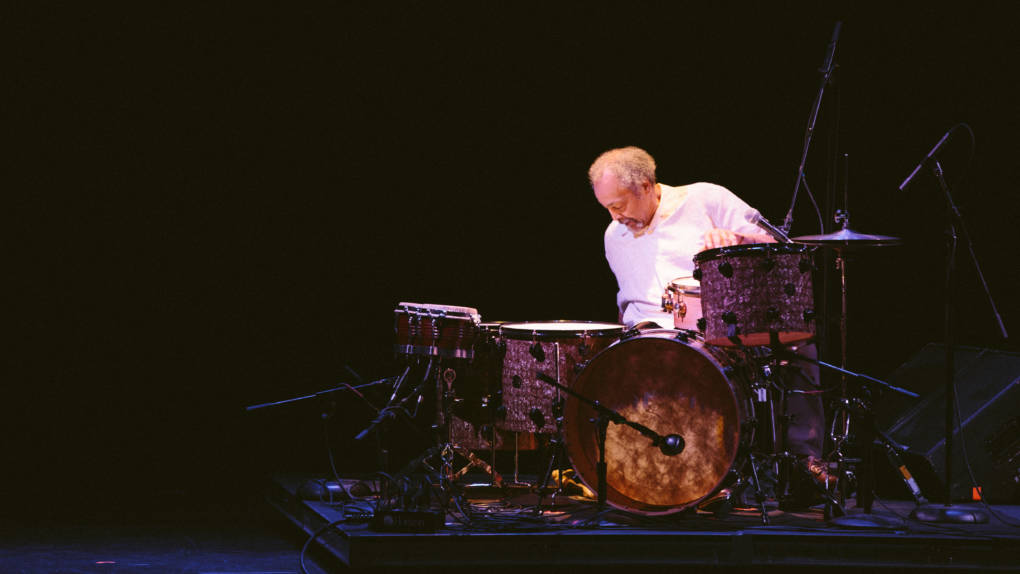
"caption": "Milford Graves, performing at the 2018 Big Ears Festival. The festival has always maintained an eclectic schedule, but this year's bookings belied a fascinating alchemy within the current jazz landscape.",
"description": "Milford Graves, performing at the 2018 Big Ears Festival. The festival has always maintained an eclectic schedule, but this year's bookings belied a fascinating alchemy within the current jazz landscape",
"title": "Milford Graves, performing at the 2018 Big Ears Festival. The festival has always maintained an eclectic schedule, but this year's bookings belied a fascinating alchemy within the current jazz landscape.",
"credit": "Andy Vinson",
"status": "inherit",
"isLoading": false,
"fetchFailed": false
},
"arts_13828164": {
"type": "attachments",
"id": "arts_13828164",
"meta": {
"index": "attachments_1716263798",
"site": "arts",
"id": "13828164",
"found": true
},
"parent": 13828163,
"imgSizes": {
"small": {
"file": "https://ww2.kqed.org/app/uploads/sites/2/2018/03/CameronPaul-520x322.jpg",
"width": 520,
"mimeType": "image/jpeg",
"height": 322
},
"thumbnail": {
"file": "https://ww2.kqed.org/app/uploads/sites/2/2018/03/CameronPaul-160x99.jpg",
"width": 160,
"mimeType": "image/jpeg",
"height": 99
},
"post-thumbnail": {
"file": "https://ww2.kqed.org/app/uploads/sites/2/2018/03/CameronPaul-672x372.jpg",
"width": 672,
"mimeType": "image/jpeg",
"height": 372
},
"xsmall": {
"file": "https://ww2.kqed.org/app/uploads/sites/2/2018/03/CameronPaul-375x233.jpg",
"width": 375,
"mimeType": "image/jpeg",
"height": 233
},
"kqedFullSize": {
"file": "https://ww2.kqed.org/app/uploads/sites/2/2018/03/CameronPaul.jpg",
"width": 800,
"height": 496
},
"guest-author-50": {
"file": "https://ww2.kqed.org/app/uploads/sites/2/2018/03/CameronPaul-50x50.jpg",
"width": 50,
"mimeType": "image/jpeg",
"height": 50
},
"guest-author-96": {
"file": "https://ww2.kqed.org/app/uploads/sites/2/2018/03/CameronPaul-96x96.jpg",
"width": 96,
"mimeType": "image/jpeg",
"height": 96
},
"medium": {
"file": "https://ww2.kqed.org/app/uploads/sites/2/2018/03/CameronPaul-800x496.jpg",
"width": 800,
"mimeType": "image/jpeg",
"height": 496
},
"guest-author-64": {
"file": "https://ww2.kqed.org/app/uploads/sites/2/2018/03/CameronPaul-64x64.jpg",
"width": 64,
"mimeType": "image/jpeg",
"height": 64
},
"guest-author-32": {
"file": "https://ww2.kqed.org/app/uploads/sites/2/2018/03/CameronPaul-32x32.jpg",
"width": 32,
"mimeType": "image/jpeg",
"height": 32
},
"detail": {
"file": "https://ww2.kqed.org/app/uploads/sites/2/2018/03/CameronPaul-150x150.jpg",
"width": 150,
"mimeType": "image/jpeg",
"height": 150
},
"medium_large": {
"file": "https://ww2.kqed.org/app/uploads/sites/2/2018/03/CameronPaul-768x476.jpg",
"width": 768,
"mimeType": "image/jpeg",
"height": 476
},
"guest-author-128": {
"file": "https://ww2.kqed.org/app/uploads/sites/2/2018/03/CameronPaul-128x128.jpg",
"width": 128,
"mimeType": "image/jpeg",
"height": 128
},
"xxsmall": {
"file": "https://ww2.kqed.org/app/uploads/sites/2/2018/03/CameronPaul-240x149.jpg",
"width": 240,
"mimeType": "image/jpeg",
"height": 149
}
},
"publishDate": 1522199294,
"modified": 1522199332,
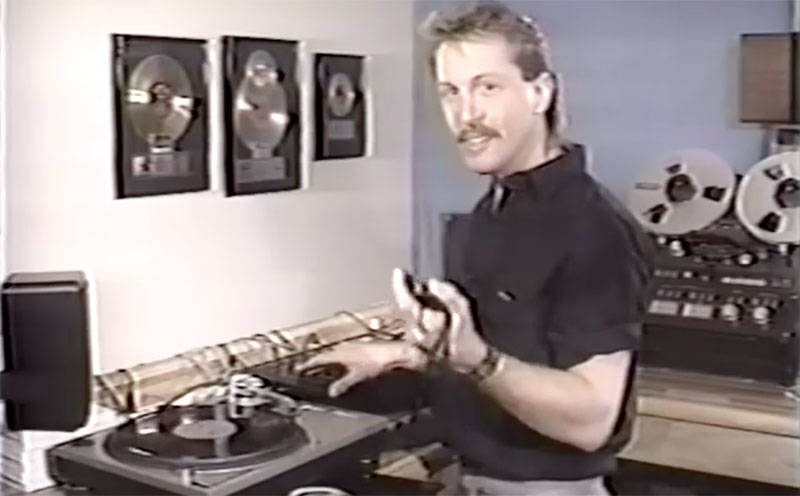
"caption": "Cameron Paul, who died Monday night of cancer, reveals his mixing secrets.",
"description": "Cameron Paul, who died Monday night of cancer, reveals his mixing secrets.",
"title": "CameronPaul",
"credit": "YouTube",
"status": "inherit",
"isLoading": false,
"fetchFailed": false
}
},
"audioPlayerReducer": {
"postId": "stream_live",
"isPaused": true,
"isPlaying": false,
"pfsActive": false,
"pledgeModalIsOpen": true,
"playerDrawerIsOpen": false,
"liveAudioPlayStartedAt": 0,
"liveAudioPlayContext": ""
},
"authorsReducer": {
"byline_arts_13828621": {
"type": "authors",
"id": "byline_arts_13828621",
"meta": {
"override": true
},
"slug": "byline_arts_13828621",
"name": "Nate Chinen",
"isLoading": false
},
"byline_arts_13828563": {
"type": "authors",
"id": "byline_arts_13828563",
"meta": {
"override": true
},
"slug": "byline_arts_13828563",
"name": "Charles Lane",
"isLoading": false
},
"byline_arts_13828471": {
"type": "authors",
"id": "byline_arts_13828471",
"meta": {
"override": true
},
"slug": "byline_arts_13828471",
"name": "Andrew Flanagan",
"isLoading": false
},
"byline_arts_13828309": {
"type": "authors",
"id": "byline_arts_13828309",
"meta": {
"override": true
},
"slug": "byline_arts_13828309",
"name": "Andrew Flanagan",
"isLoading": false
},
"byline_arts_13828181": {
"type": "authors",
"id": "byline_arts_13828181",
"meta": {
"override": true
},
"slug": "byline_arts_13828181",
"name": "Nate Chinen",
"isLoading": false
},
"cmusiker": {
"type": "authors",
"id": "32",
"meta": {
"index": "authors_1716337520",
"id": "32",
"found": true
},
"name": "Cy Musiker",
"firstName": "Cy",
"lastName": "Musiker",
"slug": "cmusiker",
"email": "cmusiker@kqed.org",
"display_author_email": false,
"staff_mastheads": [],
"title": "KQED Contributor",
"bio": "Cy Musiker is a former co-host of The Do List and a former reporter covering the arts for KQED News and The California Report. He loves live performance, especially great theater, jazz, roots music, anything by Mahler. Cy has an MJ from UC Berkeley's School of Journalism, and got his BA from Hampshire College. His work has been recognized by the Society for Professional Journalists with their Sigma Delta Chi Award for Public Service in Journalism. When he can, Cy likes to swim in Tomales Bay, run with his dog in the East Bay Hills, and hike the Sierra.",
"avatar": "https://secure.gravatar.com/avatar/05eaba5c5696ce8f062e4ea2df428a43?s=600&d=blank&r=g",
"twitter": null,
"facebook": null,
"instagram": null,
"linkedin": null,
"sites": [
{
"site": "arts",
"roles": [
"Contributor",
"subscriber"
]
},
{
"site": "news",
"roles": [
"author"
]
},
{
"site": "bayareabites",
"roles": [
"contributor"
]
}
],
"headData": {
"title": "Cy Musiker | KQED",
"description": "KQED Contributor",
"ogImgSrc": "https://secure.gravatar.com/avatar/05eaba5c5696ce8f062e4ea2df428a43?s=600&d=blank&r=g",
"twImgSrc": "https://secure.gravatar.com/avatar/05eaba5c5696ce8f062e4ea2df428a43?s=600&d=blank&r=g"
},
"isLoading": false,
"link": "/author/cmusiker"
},
"gmeline": {
"type": "authors",
"id": "185",
"meta": {
"index": "authors_1716337520",
"id": "185",
"found": true
},
"name": "Gabe Meline",
"firstName": "Gabe",
"lastName": "Meline",
"slug": "gmeline",
"email": "gmeline@kqed.org",
"display_author_email": true,
"staff_mastheads": [
"arts"
],
"title": "Senior Editor, KQED Arts & Culture",
"bio": "Gabe Meline entered journalism at age 15 making photocopied zines, and has since earned awards from the Edward R. Murrow Awards, the Society for Professional Journalists, the Online Journalism Awards, the Association of Alternative Newsweeklies and the California Newspaper Publishers Association. Prior to KQED, he was the editor of the \u003cem>North Bay Bohemian\u003c/em> and a touring musician. He lives with his wife and daughter in his hometown of Santa Rosa, CA.",
"avatar": "https://secure.gravatar.com/avatar/5bebe57be0d8bc2dd318934feb47299e2d2d10cba28d09d8d7afb389a2ce2bdd?s=600&d=blank&r=g",
"twitter": null,
"bluesky": null,
"facebook": null,
"instagram": null,
"linkedin": null,
"sites": [
{
"site": "",
"roles": [
"editor"
]
},
{
"site": "arts",
"roles": [
"administrator"
]
},
{
"site": "artschool",
"roles": [
"editor"
]
},
{
"site": "news",
"roles": [
"author"
]
},
{
"site": "pop",
"roles": [
"editor"
]
},
{
"site": "bayareabites",
"roles": [
"editor"
]
},
{
"site": "food",
"roles": [
"editor"
]
},
{
"site": "forum",
"roles": [
"administrator"
]
},
{
"site": "liveblog",
"roles": [
"editor"
]
},
{
"site": "hiphop",
"roles": [
"editor"
]
}
],
"headData": {
"title": "Gabe Meline | KQED",
"description": "Senior Editor, KQED Arts & Culture",
"ogImgSrc": "https://secure.gravatar.com/avatar/5bebe57be0d8bc2dd318934feb47299e2d2d10cba28d09d8d7afb389a2ce2bdd?s=600&d=blank&r=g",
"twImgSrc": "https://secure.gravatar.com/avatar/5bebe57be0d8bc2dd318934feb47299e2d2d10cba28d09d8d7afb389a2ce2bdd?s=600&d=blank&r=g"
},
"isLoading": false,
"link": "/author/gmeline"
},
"nvoynovskaya": {
"type": "authors",
"id": "11387",
"meta": {
"index": "authors_1716337520",
"id": "11387",
"found": true
},
"name": "Nastia Voynovskaya",
"firstName": "Nastia",
"lastName": "Voynovskaya",
"slug": "nvoynovskaya",
"email": "nvoynovskaya@kqed.org",
"display_author_email": false,
"staff_mastheads": [
"arts"
],
"title": "Editor and reporter",
"bio": "Nastia Voynovskaya is a reporter, editor and host at KQED Arts & Culture. She's been covering the arts in the Bay Area for over a decade, with a focus on music, queer culture, labor issues and grassroots organizing. She has edited KQED story series such as Trans Bay: A History of San Francisco's Gender-Diverse Community, and co-created KQED's Bay Area hip-hop history project, That's My Word. Nastia's work has been recognized by the Society of Professional Journalists and San Francisco Press Club. She regularly appears on podcasts and radio programs, including NPR's All Songs Considered, and hosts live events where music, culture and conversation meet.",
"avatar": "https://secure.gravatar.com/avatar/5025ee460e5a85d69ca20ea6c6f2f80d7e17795c828f61ea3aecfcd924e9042e?s=600&d=blank&r=g",
"twitter": null,
"bluesky": null,
"facebook": null,
"instagram": "https://www.instagram.com/nananastia/",
"linkedin": null,
"sites": [
{
"site": "",
"roles": [
"editor"
]
},
{
"site": "arts",
"roles": [
"administrator"
]
},
{
"site": "news",
"roles": [
"editor"
]
},
{
"site": "pop",
"roles": [
"administrator"
]
},
{
"site": "bayareabites",
"roles": [
"editor"
]
},
{
"site": "podcasts",
"roles": [
"editor"
]
},
{
"site": "hiphop",
"roles": [
"editor"
]
}
],
"headData": {
"title": "Nastia Voynovskaya | KQED",
"description": "Editor and reporter",
"ogImgSrc": "https://secure.gravatar.com/avatar/5025ee460e5a85d69ca20ea6c6f2f80d7e17795c828f61ea3aecfcd924e9042e?s=600&d=blank&r=g",
"twImgSrc": "https://secure.gravatar.com/avatar/5025ee460e5a85d69ca20ea6c6f2f80d7e17795c828f61ea3aecfcd924e9042e?s=600&d=blank&r=g"
},
"isLoading": false,
"link": "/author/nvoynovskaya"
}
},
"pagesReducer": {
"arts_category_music": {
"type": "terms",
"id": "arts_69",
"meta": {
"index": "terms_1716263798",
"site": "arts",
"id": "69",
"score": 10.851903
},
"featImg": null,
"name": "Music",
"description": null,
"taxonomy": "category",
"headData": {
"twImgId": null,
"twTitle": null,
"ogTitle": null,
"ogImgId": null,
"twDescription": null,
"description": null,
"title": "Music Archives | KQED Arts",
"ogDescription": null
},
"ttid": 70,
"slug": "music",
"isLoading": false,
"title": "Music",
"pageMeta": {
"site": "arts",
"WpPageTemplate": "page-topic-editorial",
"currentPage": 190
},
"blocks": [
{
"blockName": "kqed/post-list",
"attrs": {
"layout": "cardArticle2",
"query": "posts/arts?category=music",
"seeMore": false,
"paginated": true,
"page": 190
}
},
{
"blockName": "kqed/ad"
}
]
}
},
"pfsSessionReducer": {},
"postsReducer": {
"stream_live": {
"type": "live",
"id": "stream_live",
"audioUrl": "https://streams.kqed.org/kqedradio",
"title": "Live Stream",
"excerpt": "Live Stream information currently unavailable.",
"link": "/radio",
"featImg": "",
"label": {
"name": "KQED Live",
"link": "/"
}
},
"stream_kqedNewscast": {
"type": "posts",
"id": "stream_kqedNewscast",
"audioUrl": "https://www.kqed.org/.stream/anon/radio/RDnews/newscast.mp3?_=1",
"title": "KQED Newscast",
"featImg": "",
"label": {
"name": "88.5 FM",
"link": "/"
}
},
"arts_13828621": {
"type": "posts",
"id": "arts_13828621",
"meta": {
"index": "posts_1716263798",
"site": "arts",
"id": "13828621",
"score": null,
"sort": [
1522869176000
]
},
"parent": 0,
"labelTerm": {
"site": "arts",
"term": 137
},
"blocks": [],
"publishDate": 1522869176,
"format": "standard",
"title": "Mary Halvorson Re-Engineered Jazz Guitar. Now, She's Hacking Her Own Code",
"headTitle": "Mary Halvorson Re-Engineered Jazz Guitar. Now, She’s Hacking Her Own Code | KQED",
"content": "\u003cp>There’s a telling admission about a minute and a half into \u003cem>Code Girl\u003c/em>, the riveting new double album by \u003ca href=\"https://www.npr.org/event/music/172713493/mary-halvorson-quintet-tiny-desk-concert\" target=\"_blank\" rel=\"noopener\">Mary Halvorson\u003c/a>. It arrives after she sets a mood on guitar, using pedal effects to loop her lines into a web — a tactic you’ll recognize if you know her heralded work as an improviser. \u003c/p>\n\u003cp>“It is not predictable, my mind,” goes the line in question, from a song called “My Mind in Time.” And the message in that refrain, sung with penetrating calm by Amirtha Kidambi, feels almost self-fulfilling. Halvorson’s music has always had the capacity to surprise, but \u003cem>Code Girl \u003c/em>amounts to the most startling move in her solo career. It’s clearly the work of an unpredictable mind, and a personality drawn at once to unruly possibility and fastidious detail.\u003c/p>\n\u003cp>The album, \u003ca href=\"http://maryhalvorson.bandcamp.com/album/code-girl\">just out on Firehouse 12 Records\u003c/a>, features Halvorson and Kidambi alongside \u003ca href=\"https://www.npr.org/artists/114315329/ambrose-akinmusire\" target=\"_blank\" rel=\"noopener\">Ambrose Akinmusire\u003c/a> on trumpet, Michael Formanek on bass and Tomas Fujiwara on drums. These are all musicians rooted in the jazz tradition, though hardly constrained by it. Mobilizing here around a batch of songs bearing Halvorson’s original lyrics, something for which she isn’t widely known, they create a music staunchly unplaceable in style — art-rock? avant-prog? — and mysterious in several other respects.\u003c/p>\n\u003cp>https://www.youtube.com/watch?v=7IW9jZWXN9s\u003c/p>\n\u003cp>“It’s a departure in the sense that it was a totally new concept,” Halvorson said of \u003cem>Code Girl \u003c/em>recently. “I had no idea what was going to happen, because I wrote the lyrics first. Then when I thought, ‘OK, I’m going to turn these into songs,’ it was a big question mark.”\u003c/p>\n\u003cp>[ad fullwidth]\u003c/p>\n\u003cp>Halvorson was speaking in a practice room at the New School for Jazz & Contemporary Music, where she teaches a course called Improvisation Ensemble. She’d just returned to New York City after playing a pair of concerts in Pittsburgh, Pa. and Columbus, Oh. — the first public dates by the \u003cem>Code Girl \u003c/em>crew since recording the album a little over a year ago. “The more we play,” she said, “the more I realize it’s more related to my other bands than I’d previously thought.”\u003c/p>\n\u003cp>Those other bands have been important fixtures on the experimental landscape over the last decade. Along with the acclaimed Mary Halvorson Trio, they have included ensembles of five, seven and eight pieces; her previous release, \u003cem>Away With You\u003c/em>, featured an octet. She has also made a category-exploding solo guitar album, \u003cem>Meltframe\u003c/em>, and worked with a broad array of collaborators, from the multi-reedist \u003ca href=\"https://www.npr.org/artists/15292667/anthony-braxton\" target=\"_blank\" rel=\"noopener\">Anthony Braxton\u003c/a> to the mezzo-soprano Alicia Hall Moran.\u003c/p>\n\u003cfigure id=\"attachment_13828624\" class=\"wp-caption alignright\" style=\"max-width: 800px\">\u003cimg loading=\"lazy\" decoding=\"async\" src=\"https://ww2.kqed.org/arts/wp-content/uploads/sites/2/2018/04/mg_0932_hires_custom-75969c3208c06e6347ee110d4d92f57c9b23edc6-800x1067.jpg\" alt=\"Mary Halvorson.\" width=\"800\" height=\"1067\" class=\"size-medium wp-image-13828624\" srcset=\"https://cdn.kqed.org/wp-content/uploads/sites/2/2018/04/mg_0932_hires_custom-75969c3208c06e6347ee110d4d92f57c9b23edc6-800x1067.jpg 800w, https://cdn.kqed.org/wp-content/uploads/sites/2/2018/04/mg_0932_hires_custom-75969c3208c06e6347ee110d4d92f57c9b23edc6-160x213.jpg 160w, https://cdn.kqed.org/wp-content/uploads/sites/2/2018/04/mg_0932_hires_custom-75969c3208c06e6347ee110d4d92f57c9b23edc6-768x1024.jpg 768w, https://cdn.kqed.org/wp-content/uploads/sites/2/2018/04/mg_0932_hires_custom-75969c3208c06e6347ee110d4d92f57c9b23edc6-1020x1360.jpg 1020w, https://cdn.kqed.org/wp-content/uploads/sites/2/2018/04/mg_0932_hires_custom-75969c3208c06e6347ee110d4d92f57c9b23edc6-1920x2560.jpg 1920w, https://cdn.kqed.org/wp-content/uploads/sites/2/2018/04/mg_0932_hires_custom-75969c3208c06e6347ee110d4d92f57c9b23edc6-1180x1573.jpg 1180w, https://cdn.kqed.org/wp-content/uploads/sites/2/2018/04/mg_0932_hires_custom-75969c3208c06e6347ee110d4d92f57c9b23edc6-960x1280.jpg 960w, https://cdn.kqed.org/wp-content/uploads/sites/2/2018/04/mg_0932_hires_custom-75969c3208c06e6347ee110d4d92f57c9b23edc6-240x320.jpg 240w, https://cdn.kqed.org/wp-content/uploads/sites/2/2018/04/mg_0932_hires_custom-75969c3208c06e6347ee110d4d92f57c9b23edc6-375x500.jpg 375w, https://cdn.kqed.org/wp-content/uploads/sites/2/2018/04/mg_0932_hires_custom-75969c3208c06e6347ee110d4d92f57c9b23edc6-520x693.jpg 520w, https://cdn.kqed.org/wp-content/uploads/sites/2/2018/04/mg_0932_hires_custom-75969c3208c06e6347ee110d4d92f57c9b23edc6.jpg 1536w\" sizes=\"(max-width: 800px) 100vw, 800px\">\u003cfigcaption class=\"wp-caption-text\">Mary Halvorson. \u003ccite>(Ross Mantle for NPR)\u003c/cite>\u003c/figcaption>\u003c/figure>\n\u003cp>It was a stray remark from Braxton, Halvorson’s august mentor, that led her to the term “code girl.” A few years ago she was on a European tour with his band when he uttered the phrase in conversation. Without knowing the context, she jotted it down in a notebook. Later, it struck her as a perfect fit for her ambitious foray into songwriting — “because at that point I’d written a lot of the lyrics,” she recalled, “and they seemed a little bit coded and strange.” \u003c/p>\n\u003cp>Though she generally works within a jazz matrix, Halvorson has also been deeply influenced by songwriters like \u003ca href=\"https://www.npr.org/artists/15796107/robert-wyatt\" target=\"_blank\" rel=\"noopener\">Robert Wyatt\u003c/a> and \u003ca href=\"https://www.npr.org/artists/16521017/elliott-smith\" target=\"_blank\" rel=\"noopener\">Elliott Smith\u003c/a>. She’s even put herself out there as a singer-songwriter of sorts, in an underground band called People and a more \u003ca href=\"https://youtu.be/uxBtw862wDU\" target=\"_blank\" rel=\"noopener\">chamber-folkish duo\u003c/a> with violist Jessica Pavone. But the songs on \u003cem>Code Girl \u003c/em>represent another order of ambition, coming as they do with the full force of her concentration as a composer and arranger.\u003c/p>\n\u003cp>They’re also lyrically intense, not in a confessional sense but in their use of syntactical imbalance and sly connotation, along the lines of language poetry. “My Mind in Time” sketches an oblique portrait of sanity slipping away. A song called “Deepest Similar” rearranges some found text — a remorseful note from an old ex. “Pretty Mountain” is an expression of road-weariness and nostalgia, drawing on correspondence from a pair of friends. “The Unexpected Natural Phenomenon” is an outlier in that it actually recalls a firsthand experience, when Halvorson was swimming in a large pond and was engulfed by a sudden deluge. \u003c/p>\n\u003cp>The caginess in these songs is a function of design. “Some of them aren’t about people, some are about things,” Halvorson explained. “Some of them are really just plays on words. Some of them are about very specific things, which I only know, and then they get abstracted.”\u003c/p>\n\u003cp>That they often don’t \u003cem>feel \u003c/em>abstracted is partly to the credit of Kidambi, a vocalist whose frame of reference includes Hindu devotional music, classical modernism and visionary free jazz. Her delivery of these songs is direct and charged with feeling, even when the lyrics are pointedly abstruse. “I loved that there wasn’t an imposed sort of emotional content or narrative,” says Kidambi. “I’m really into ecstaticism; I like something on the edge that can be unhinged.”\u003c/p>\n\u003cfigure id=\"attachment_13828625\" class=\"wp-caption aligncenter\" style=\"max-width: 800px\">\u003cimg loading=\"lazy\" decoding=\"async\" src=\"https://ww2.kqed.org/arts/wp-content/uploads/sites/2/2018/04/mg_1161_hires_custom-9906c6f038997dba4eb3c6bf673d892e7551f7d3-800x599.jpg\" alt=\"Halvorson rehearses with the 'Code Girl' band: bassist Michael Formanek, singer Amirtha Kidambi, drummer Tomas Fujiwara and trumpeter Ambrose Akinmusire.\" width=\"800\" height=\"599\" class=\"size-medium wp-image-13828625\" srcset=\"https://cdn.kqed.org/wp-content/uploads/sites/2/2018/04/mg_1161_hires_custom-9906c6f038997dba4eb3c6bf673d892e7551f7d3-800x599.jpg 800w, https://cdn.kqed.org/wp-content/uploads/sites/2/2018/04/mg_1161_hires_custom-9906c6f038997dba4eb3c6bf673d892e7551f7d3-160x120.jpg 160w, https://cdn.kqed.org/wp-content/uploads/sites/2/2018/04/mg_1161_hires_custom-9906c6f038997dba4eb3c6bf673d892e7551f7d3-768x575.jpg 768w, https://cdn.kqed.org/wp-content/uploads/sites/2/2018/04/mg_1161_hires_custom-9906c6f038997dba4eb3c6bf673d892e7551f7d3-1020x764.jpg 1020w, https://cdn.kqed.org/wp-content/uploads/sites/2/2018/04/mg_1161_hires_custom-9906c6f038997dba4eb3c6bf673d892e7551f7d3-1920x1439.jpg 1920w, https://cdn.kqed.org/wp-content/uploads/sites/2/2018/04/mg_1161_hires_custom-9906c6f038997dba4eb3c6bf673d892e7551f7d3-1180x884.jpg 1180w, https://cdn.kqed.org/wp-content/uploads/sites/2/2018/04/mg_1161_hires_custom-9906c6f038997dba4eb3c6bf673d892e7551f7d3-960x719.jpg 960w, https://cdn.kqed.org/wp-content/uploads/sites/2/2018/04/mg_1161_hires_custom-9906c6f038997dba4eb3c6bf673d892e7551f7d3-240x180.jpg 240w, https://cdn.kqed.org/wp-content/uploads/sites/2/2018/04/mg_1161_hires_custom-9906c6f038997dba4eb3c6bf673d892e7551f7d3-375x281.jpg 375w, https://cdn.kqed.org/wp-content/uploads/sites/2/2018/04/mg_1161_hires_custom-9906c6f038997dba4eb3c6bf673d892e7551f7d3-520x390.jpg 520w, https://cdn.kqed.org/wp-content/uploads/sites/2/2018/04/mg_1161_hires_custom-9906c6f038997dba4eb3c6bf673d892e7551f7d3.jpg 2048w\" sizes=\"(max-width: 800px) 100vw, 800px\">\u003cfigcaption class=\"wp-caption-text\">Halvorson rehearses with the ‘Code Girl’ band: bassist Michael Formanek, singer Amirtha Kidambi, drummer Tomas Fujiwara and trumpeter Ambrose Akinmusire. \u003ccite>(Ross Mantle for NPR)\u003c/cite>\u003c/figcaption>\u003c/figure>\n\u003cp>Every member of the ensemble on \u003cem>Code Girl \u003c/em>exercises a similar license, while remaining true to the material. Akinmusire, a Blue Note Records artist typically heard in a post-bop framework, applies a range of expressive texture and shading. Formanek and Fujiwara, who also work alongside Halvorson in the collective trio Thumbscrew, bring tactility and tension to the rhythmic pull of the songs. \u003c/p>\n\u003cp>“There’s a level of familiarity with Thumbscrew which allows me to feel totally free to go off the deep end,” Halvorson said approvingly. Along with its part in \u003cem>Code Girl, \u003c/em>Thumbscrew will release a thematically linked pair of albums this spring: \u003cem>Ours\u003c/em>, a set of new originals, and \u003cem>Theirs\u003c/em>, a collection of reimagined standards by the likes of \u003ca href=\"https://www.npr.org/artists/14996543/benny-golson\" target=\"_blank\" rel=\"noopener\">Benny Golson\u003c/a> and \u003ca href=\"https://www.npr.org/artists/15294444/wayne-shorter\" target=\"_blank\" rel=\"noopener\">Wayne Shorter\u003c/a>. (Thumbscrew will make its debut at the Village Vanguard in July.)\u003c/p>\n\u003cp>Just after our conversation, Halvorson took \u003cem>Code Girl \u003c/em>on tour in Europe, followed by dates in Boston and New Haven, with Adam O’Farrill capably filling in for Akinmusire. The band plays its New York album-release show at the Jazz Standard on Tuesday and Wednesday, and will appear (with Akinmusire back in the ranks) at this summer’s \u003ca href=\"http://www.newportjazz.org/\" target=\"_blank\" rel=\"noopener\">Newport Jazz Festival\u003c/a>.\u003c/p>\n\u003cfigure id=\"attachment_13828623\" class=\"wp-caption aligncenter\" style=\"max-width: 800px\">\u003cimg loading=\"lazy\" decoding=\"async\" src=\"https://ww2.kqed.org/arts/wp-content/uploads/sites/2/2018/04/mg_1061_hires_custom-f7926a937ac9d2ca2bdf0e40209f37856f2d4c00-800x599.jpg\" alt=\"Mary Halvorson at The Andy Warhol Museum in Pittsburgh in March, just before a performance of songs from her latest album, <em>Code Girl</em>.\" width=\"800\" height=\"599\" class=\"size-medium wp-image-13828623\" srcset=\"https://cdn.kqed.org/wp-content/uploads/sites/2/2018/04/mg_1061_hires_custom-f7926a937ac9d2ca2bdf0e40209f37856f2d4c00-800x599.jpg 800w, https://cdn.kqed.org/wp-content/uploads/sites/2/2018/04/mg_1061_hires_custom-f7926a937ac9d2ca2bdf0e40209f37856f2d4c00-160x120.jpg 160w, https://cdn.kqed.org/wp-content/uploads/sites/2/2018/04/mg_1061_hires_custom-f7926a937ac9d2ca2bdf0e40209f37856f2d4c00-768x575.jpg 768w, https://cdn.kqed.org/wp-content/uploads/sites/2/2018/04/mg_1061_hires_custom-f7926a937ac9d2ca2bdf0e40209f37856f2d4c00-1020x764.jpg 1020w, https://cdn.kqed.org/wp-content/uploads/sites/2/2018/04/mg_1061_hires_custom-f7926a937ac9d2ca2bdf0e40209f37856f2d4c00-1920x1439.jpg 1920w, https://cdn.kqed.org/wp-content/uploads/sites/2/2018/04/mg_1061_hires_custom-f7926a937ac9d2ca2bdf0e40209f37856f2d4c00-1180x884.jpg 1180w, https://cdn.kqed.org/wp-content/uploads/sites/2/2018/04/mg_1061_hires_custom-f7926a937ac9d2ca2bdf0e40209f37856f2d4c00-960x719.jpg 960w, https://cdn.kqed.org/wp-content/uploads/sites/2/2018/04/mg_1061_hires_custom-f7926a937ac9d2ca2bdf0e40209f37856f2d4c00-240x180.jpg 240w, https://cdn.kqed.org/wp-content/uploads/sites/2/2018/04/mg_1061_hires_custom-f7926a937ac9d2ca2bdf0e40209f37856f2d4c00-375x281.jpg 375w, https://cdn.kqed.org/wp-content/uploads/sites/2/2018/04/mg_1061_hires_custom-f7926a937ac9d2ca2bdf0e40209f37856f2d4c00-520x390.jpg 520w, https://cdn.kqed.org/wp-content/uploads/sites/2/2018/04/mg_1061_hires_custom-f7926a937ac9d2ca2bdf0e40209f37856f2d4c00.jpg 2048w\" sizes=\"(max-width: 800px) 100vw, 800px\">\u003cfigcaption class=\"wp-caption-text\">Mary Halvorson at The Andy Warhol Museum in Pittsburgh in March, just before a performance of songs from her latest album, \u003cem>Code Girl\u003c/em>. \u003ccite>(Ross Mantle for NPR)\u003c/cite>\u003c/figcaption>\u003c/figure>\n\u003cp>Kidambi, speaking the day after the band’s New Haven show, said the music had already revealed more of itself in performance. “It shows what the possibilities can be for something that’s still in the realm of songs,” she said. “Some songs are eight pages, some are three, but you wouldn’t know the difference because there’s so much stretching out.”\u003c/p>\n\u003cp>Halvorson hit on a similar observation about the pliability of the material, suggesting that this had come as a surprise even to herself. “I knew there would be improvisation, but the direction has been way more open,” she said. “As we play shows, I’m seeing it go more and more in an improvisational direction within the framework of the songs.” \u003c/p>\n\u003cp>[ad floatright]\u003c/p>\n\u003cp>In other words, she implied, there’s still a code to be cracked in this music. “And I’m really enjoying that.” \u003c/p>\n\u003cdiv class=\"fullattribution\">Copyright 2018 WBGO. To see more, visit \u003ca href=\"http://www.wbgo.org\">WBGO\u003c/a>.\u003cimg decoding=\"async\" src=\"https://www.google-analytics.com/__utm.gif?utmac=UA-5828686-4&utmdt=Mary+Halvorson+Re-Engineered+Jazz+Guitar.+Now%2C+She%27s+Hacking+Her+Own+Code&utme=8(APIKey)9(MDAxOTAwOTE4MDEyMTkxMDAzNjczZDljZA004)\">\u003c/div>\n\n",
"stats": {
"hasVideo": true,
"hasChartOrMap": false,
"hasAudio": false,
"hasPolis": false,
"wordCount": 1328,
"hasGoogleForm": false,
"hasGallery": false,
"hasHearkenModule": false,
"iframeSrcs": [],
"paragraphCount": 19
},
"modified": 1705028139,
"excerpt": "Both as a player and composer, Halvorson has a decade-strong reputation as one of her field's least predictable. Her latest release, 'Code Girl', might be her most startling move yet.",
"headData": {
"twImgId": "",
"twTitle": "",
"ogTitle": "",
"ogImgId": "",
"twDescription": "",
"description": "Both as a player and composer, Halvorson has a decade-strong reputation as one of her field's least predictable. Her latest release, 'Code Girl', might be her most startling move yet.",
"title": "Mary Halvorson Re-Engineered Jazz Guitar. Now, She's Hacking Her Own Code | KQED",
"ogDescription": "",
"schema": {
"@context": "https://schema.org",
"@type": "Article",
"headline": "Mary Halvorson Re-Engineered Jazz Guitar. Now, She's Hacking Her Own Code",
"datePublished": "2018-04-04T12:12:56-07:00",
"dateModified": "2024-01-11T18:55:39-08:00",
"image": "https://cdn.kqed.org/wp-content/uploads/2020/02/KQED-OG-Image@1x.png"
}
},
"guestAuthors": [],
"slug": "mary-halvorson-re-engineered-jazz-guitar-now-shes-hacking-her-own-code",
"status": "publish",
"nprApiLink": "http://api.npr.org/query?id=598886127&apiKey=MDAxOTAwOTE4MDEyMTkxMDAzNjczZDljZA004",
"nprByline": "Nate Chinen",
"nprStoryDate": "Tue, 03 Apr 2018 07:01:05 -0400",
"nprLastModifiedDate": "Tue, 03 Apr 2018 14:34:59 -0400",
"sticky": false,
"nprHtmlLink": "https://www.npr.org/sections/therecord/2018/04/03/598886127/mary-halvorson-re-engineered-jazz-guitar-now-shes-hacking-her-own-code?ft=nprml&f=598886127",
"nprImageAgency": "Ross Mantle for NPR",
"nprStoryId": "598886127",
"nprRetrievedStory": "1",
"nprPubDate": "Tue, 03 Apr 2018 14:34:00 -0400",
"path": "/arts/13828621/mary-halvorson-re-engineered-jazz-guitar-now-shes-hacking-her-own-code",
"audioTrackLength": null,
"parsedContent": [
{
"type": "contentString",
"content": "\u003cdiv class=\"post-body\">\u003cp>\u003cp>There’s a telling admission about a minute and a half into \u003cem>Code Girl\u003c/em>, the riveting new double album by \u003ca href=\"https://www.npr.org/event/music/172713493/mary-halvorson-quintet-tiny-desk-concert\" target=\"_blank\" rel=\"noopener\">Mary Halvorson\u003c/a>. It arrives after she sets a mood on guitar, using pedal effects to loop her lines into a web — a tactic you’ll recognize if you know her heralded work as an improviser. \u003c/p>\n\u003cp>“It is not predictable, my mind,” goes the line in question, from a song called “My Mind in Time.” And the message in that refrain, sung with penetrating calm by Amirtha Kidambi, feels almost self-fulfilling. Halvorson’s music has always had the capacity to surprise, but \u003cem>Code Girl \u003c/em>amounts to the most startling move in her solo career. It’s clearly the work of an unpredictable mind, and a personality drawn at once to unruly possibility and fastidious detail.\u003c/p>\n\u003cp>The album, \u003ca href=\"http://maryhalvorson.bandcamp.com/album/code-girl\">just out on Firehouse 12 Records\u003c/a>, features Halvorson and Kidambi alongside \u003ca href=\"https://www.npr.org/artists/114315329/ambrose-akinmusire\" target=\"_blank\" rel=\"noopener\">Ambrose Akinmusire\u003c/a> on trumpet, Michael Formanek on bass and Tomas Fujiwara on drums. These are all musicians rooted in the jazz tradition, though hardly constrained by it. Mobilizing here around a batch of songs bearing Halvorson’s original lyrics, something for which she isn’t widely known, they create a music staunchly unplaceable in style — art-rock? avant-prog? — and mysterious in several other respects.\u003c/p>\u003c/p>\u003cp>\u003cspan class='utils-parseShortcode-shortcodes-__youtubeShortcode__embedYoutube'>\n \u003cspan class='utils-parseShortcode-shortcodes-__youtubeShortcode__embedYoutubeInside'>\n \u003ciframe\n loading='lazy'\n class='utils-parseShortcode-shortcodes-__youtubeShortcode__youtubePlayer'\n type='text/html'\n src='//www.youtube.com/embed/7IW9jZWXN9s'\n title='//www.youtube.com/embed/7IW9jZWXN9s'\n allowfullscreen='true'\n style='border:0;'>\u003c/iframe>\n \u003c/span>\n \u003c/span>\u003c/p>\u003cp>\u003cp>“It’s a departure in the sense that it was a totally new concept,” Halvorson said of \u003cem>Code Girl \u003c/em>recently. “I had no idea what was going to happen, because I wrote the lyrics first. Then when I thought, ‘OK, I’m going to turn these into songs,’ it was a big question mark.”\u003c/p>\n\u003cp>\u003c/p>\u003c/div>",
"attributes": {
"named": {},
"numeric": []
}
},
{
"type": "component",
"content": "",
"name": "ad",
"attributes": {
"named": {
"label": "fullwidth"
},
"numeric": [
"fullwidth"
]
}
},
{
"type": "contentString",
"content": "\u003cdiv class=\"post-body\">\u003cp>\u003c/p>\n\u003cp>Halvorson was speaking in a practice room at the New School for Jazz & Contemporary Music, where she teaches a course called Improvisation Ensemble. She’d just returned to New York City after playing a pair of concerts in Pittsburgh, Pa. and Columbus, Oh. — the first public dates by the \u003cem>Code Girl \u003c/em>crew since recording the album a little over a year ago. “The more we play,” she said, “the more I realize it’s more related to my other bands than I’d previously thought.”\u003c/p>\n\u003cp>Those other bands have been important fixtures on the experimental landscape over the last decade. Along with the acclaimed Mary Halvorson Trio, they have included ensembles of five, seven and eight pieces; her previous release, \u003cem>Away With You\u003c/em>, featured an octet. She has also made a category-exploding solo guitar album, \u003cem>Meltframe\u003c/em>, and worked with a broad array of collaborators, from the multi-reedist \u003ca href=\"https://www.npr.org/artists/15292667/anthony-braxton\" target=\"_blank\" rel=\"noopener\">Anthony Braxton\u003c/a> to the mezzo-soprano Alicia Hall Moran.\u003c/p>\n\u003cfigure id=\"attachment_13828624\" class=\"wp-caption alignright\" style=\"max-width: 800px\">\u003cimg loading=\"lazy\" decoding=\"async\" src=\"https://ww2.kqed.org/arts/wp-content/uploads/sites/2/2018/04/mg_0932_hires_custom-75969c3208c06e6347ee110d4d92f57c9b23edc6-800x1067.jpg\" alt=\"Mary Halvorson.\" width=\"800\" height=\"1067\" class=\"size-medium wp-image-13828624\" srcset=\"https://cdn.kqed.org/wp-content/uploads/sites/2/2018/04/mg_0932_hires_custom-75969c3208c06e6347ee110d4d92f57c9b23edc6-800x1067.jpg 800w, https://cdn.kqed.org/wp-content/uploads/sites/2/2018/04/mg_0932_hires_custom-75969c3208c06e6347ee110d4d92f57c9b23edc6-160x213.jpg 160w, https://cdn.kqed.org/wp-content/uploads/sites/2/2018/04/mg_0932_hires_custom-75969c3208c06e6347ee110d4d92f57c9b23edc6-768x1024.jpg 768w, https://cdn.kqed.org/wp-content/uploads/sites/2/2018/04/mg_0932_hires_custom-75969c3208c06e6347ee110d4d92f57c9b23edc6-1020x1360.jpg 1020w, https://cdn.kqed.org/wp-content/uploads/sites/2/2018/04/mg_0932_hires_custom-75969c3208c06e6347ee110d4d92f57c9b23edc6-1920x2560.jpg 1920w, https://cdn.kqed.org/wp-content/uploads/sites/2/2018/04/mg_0932_hires_custom-75969c3208c06e6347ee110d4d92f57c9b23edc6-1180x1573.jpg 1180w, https://cdn.kqed.org/wp-content/uploads/sites/2/2018/04/mg_0932_hires_custom-75969c3208c06e6347ee110d4d92f57c9b23edc6-960x1280.jpg 960w, https://cdn.kqed.org/wp-content/uploads/sites/2/2018/04/mg_0932_hires_custom-75969c3208c06e6347ee110d4d92f57c9b23edc6-240x320.jpg 240w, https://cdn.kqed.org/wp-content/uploads/sites/2/2018/04/mg_0932_hires_custom-75969c3208c06e6347ee110d4d92f57c9b23edc6-375x500.jpg 375w, https://cdn.kqed.org/wp-content/uploads/sites/2/2018/04/mg_0932_hires_custom-75969c3208c06e6347ee110d4d92f57c9b23edc6-520x693.jpg 520w, https://cdn.kqed.org/wp-content/uploads/sites/2/2018/04/mg_0932_hires_custom-75969c3208c06e6347ee110d4d92f57c9b23edc6.jpg 1536w\" sizes=\"(max-width: 800px) 100vw, 800px\">\u003cfigcaption class=\"wp-caption-text\">Mary Halvorson. \u003ccite>(Ross Mantle for NPR)\u003c/cite>\u003c/figcaption>\u003c/figure>\n\u003cp>It was a stray remark from Braxton, Halvorson’s august mentor, that led her to the term “code girl.” A few years ago she was on a European tour with his band when he uttered the phrase in conversation. Without knowing the context, she jotted it down in a notebook. Later, it struck her as a perfect fit for her ambitious foray into songwriting — “because at that point I’d written a lot of the lyrics,” she recalled, “and they seemed a little bit coded and strange.” \u003c/p>\n\u003cp>Though she generally works within a jazz matrix, Halvorson has also been deeply influenced by songwriters like \u003ca href=\"https://www.npr.org/artists/15796107/robert-wyatt\" target=\"_blank\" rel=\"noopener\">Robert Wyatt\u003c/a> and \u003ca href=\"https://www.npr.org/artists/16521017/elliott-smith\" target=\"_blank\" rel=\"noopener\">Elliott Smith\u003c/a>. She’s even put herself out there as a singer-songwriter of sorts, in an underground band called People and a more \u003ca href=\"https://youtu.be/uxBtw862wDU\" target=\"_blank\" rel=\"noopener\">chamber-folkish duo\u003c/a> with violist Jessica Pavone. But the songs on \u003cem>Code Girl \u003c/em>represent another order of ambition, coming as they do with the full force of her concentration as a composer and arranger.\u003c/p>\n\u003cp>They’re also lyrically intense, not in a confessional sense but in their use of syntactical imbalance and sly connotation, along the lines of language poetry. “My Mind in Time” sketches an oblique portrait of sanity slipping away. A song called “Deepest Similar” rearranges some found text — a remorseful note from an old ex. “Pretty Mountain” is an expression of road-weariness and nostalgia, drawing on correspondence from a pair of friends. “The Unexpected Natural Phenomenon” is an outlier in that it actually recalls a firsthand experience, when Halvorson was swimming in a large pond and was engulfed by a sudden deluge. \u003c/p>\n\u003cp>The caginess in these songs is a function of design. “Some of them aren’t about people, some are about things,” Halvorson explained. “Some of them are really just plays on words. Some of them are about very specific things, which I only know, and then they get abstracted.”\u003c/p>\n\u003cp>That they often don’t \u003cem>feel \u003c/em>abstracted is partly to the credit of Kidambi, a vocalist whose frame of reference includes Hindu devotional music, classical modernism and visionary free jazz. Her delivery of these songs is direct and charged with feeling, even when the lyrics are pointedly abstruse. “I loved that there wasn’t an imposed sort of emotional content or narrative,” says Kidambi. “I’m really into ecstaticism; I like something on the edge that can be unhinged.”\u003c/p>\n\u003cfigure id=\"attachment_13828625\" class=\"wp-caption aligncenter\" style=\"max-width: 800px\">\u003cimg loading=\"lazy\" decoding=\"async\" src=\"https://ww2.kqed.org/arts/wp-content/uploads/sites/2/2018/04/mg_1161_hires_custom-9906c6f038997dba4eb3c6bf673d892e7551f7d3-800x599.jpg\" alt=\"Halvorson rehearses with the 'Code Girl' band: bassist Michael Formanek, singer Amirtha Kidambi, drummer Tomas Fujiwara and trumpeter Ambrose Akinmusire.\" width=\"800\" height=\"599\" class=\"size-medium wp-image-13828625\" srcset=\"https://cdn.kqed.org/wp-content/uploads/sites/2/2018/04/mg_1161_hires_custom-9906c6f038997dba4eb3c6bf673d892e7551f7d3-800x599.jpg 800w, https://cdn.kqed.org/wp-content/uploads/sites/2/2018/04/mg_1161_hires_custom-9906c6f038997dba4eb3c6bf673d892e7551f7d3-160x120.jpg 160w, https://cdn.kqed.org/wp-content/uploads/sites/2/2018/04/mg_1161_hires_custom-9906c6f038997dba4eb3c6bf673d892e7551f7d3-768x575.jpg 768w, https://cdn.kqed.org/wp-content/uploads/sites/2/2018/04/mg_1161_hires_custom-9906c6f038997dba4eb3c6bf673d892e7551f7d3-1020x764.jpg 1020w, https://cdn.kqed.org/wp-content/uploads/sites/2/2018/04/mg_1161_hires_custom-9906c6f038997dba4eb3c6bf673d892e7551f7d3-1920x1439.jpg 1920w, https://cdn.kqed.org/wp-content/uploads/sites/2/2018/04/mg_1161_hires_custom-9906c6f038997dba4eb3c6bf673d892e7551f7d3-1180x884.jpg 1180w, https://cdn.kqed.org/wp-content/uploads/sites/2/2018/04/mg_1161_hires_custom-9906c6f038997dba4eb3c6bf673d892e7551f7d3-960x719.jpg 960w, https://cdn.kqed.org/wp-content/uploads/sites/2/2018/04/mg_1161_hires_custom-9906c6f038997dba4eb3c6bf673d892e7551f7d3-240x180.jpg 240w, https://cdn.kqed.org/wp-content/uploads/sites/2/2018/04/mg_1161_hires_custom-9906c6f038997dba4eb3c6bf673d892e7551f7d3-375x281.jpg 375w, https://cdn.kqed.org/wp-content/uploads/sites/2/2018/04/mg_1161_hires_custom-9906c6f038997dba4eb3c6bf673d892e7551f7d3-520x390.jpg 520w, https://cdn.kqed.org/wp-content/uploads/sites/2/2018/04/mg_1161_hires_custom-9906c6f038997dba4eb3c6bf673d892e7551f7d3.jpg 2048w\" sizes=\"(max-width: 800px) 100vw, 800px\">\u003cfigcaption class=\"wp-caption-text\">Halvorson rehearses with the ‘Code Girl’ band: bassist Michael Formanek, singer Amirtha Kidambi, drummer Tomas Fujiwara and trumpeter Ambrose Akinmusire. \u003ccite>(Ross Mantle for NPR)\u003c/cite>\u003c/figcaption>\u003c/figure>\n\u003cp>Every member of the ensemble on \u003cem>Code Girl \u003c/em>exercises a similar license, while remaining true to the material. Akinmusire, a Blue Note Records artist typically heard in a post-bop framework, applies a range of expressive texture and shading. Formanek and Fujiwara, who also work alongside Halvorson in the collective trio Thumbscrew, bring tactility and tension to the rhythmic pull of the songs. \u003c/p>\n\u003cp>“There’s a level of familiarity with Thumbscrew which allows me to feel totally free to go off the deep end,” Halvorson said approvingly. Along with its part in \u003cem>Code Girl, \u003c/em>Thumbscrew will release a thematically linked pair of albums this spring: \u003cem>Ours\u003c/em>, a set of new originals, and \u003cem>Theirs\u003c/em>, a collection of reimagined standards by the likes of \u003ca href=\"https://www.npr.org/artists/14996543/benny-golson\" target=\"_blank\" rel=\"noopener\">Benny Golson\u003c/a> and \u003ca href=\"https://www.npr.org/artists/15294444/wayne-shorter\" target=\"_blank\" rel=\"noopener\">Wayne Shorter\u003c/a>. (Thumbscrew will make its debut at the Village Vanguard in July.)\u003c/p>\n\u003cp>Just after our conversation, Halvorson took \u003cem>Code Girl \u003c/em>on tour in Europe, followed by dates in Boston and New Haven, with Adam O’Farrill capably filling in for Akinmusire. The band plays its New York album-release show at the Jazz Standard on Tuesday and Wednesday, and will appear (with Akinmusire back in the ranks) at this summer’s \u003ca href=\"http://www.newportjazz.org/\" target=\"_blank\" rel=\"noopener\">Newport Jazz Festival\u003c/a>.\u003c/p>\n\u003cfigure id=\"attachment_13828623\" class=\"wp-caption aligncenter\" style=\"max-width: 800px\">\u003cimg loading=\"lazy\" decoding=\"async\" src=\"https://ww2.kqed.org/arts/wp-content/uploads/sites/2/2018/04/mg_1061_hires_custom-f7926a937ac9d2ca2bdf0e40209f37856f2d4c00-800x599.jpg\" alt=\"Mary Halvorson at The Andy Warhol Museum in Pittsburgh in March, just before a performance of songs from her latest album, <em>Code Girl</em>.\" width=\"800\" height=\"599\" class=\"size-medium wp-image-13828623\" srcset=\"https://cdn.kqed.org/wp-content/uploads/sites/2/2018/04/mg_1061_hires_custom-f7926a937ac9d2ca2bdf0e40209f37856f2d4c00-800x599.jpg 800w, https://cdn.kqed.org/wp-content/uploads/sites/2/2018/04/mg_1061_hires_custom-f7926a937ac9d2ca2bdf0e40209f37856f2d4c00-160x120.jpg 160w, https://cdn.kqed.org/wp-content/uploads/sites/2/2018/04/mg_1061_hires_custom-f7926a937ac9d2ca2bdf0e40209f37856f2d4c00-768x575.jpg 768w, https://cdn.kqed.org/wp-content/uploads/sites/2/2018/04/mg_1061_hires_custom-f7926a937ac9d2ca2bdf0e40209f37856f2d4c00-1020x764.jpg 1020w, https://cdn.kqed.org/wp-content/uploads/sites/2/2018/04/mg_1061_hires_custom-f7926a937ac9d2ca2bdf0e40209f37856f2d4c00-1920x1439.jpg 1920w, https://cdn.kqed.org/wp-content/uploads/sites/2/2018/04/mg_1061_hires_custom-f7926a937ac9d2ca2bdf0e40209f37856f2d4c00-1180x884.jpg 1180w, https://cdn.kqed.org/wp-content/uploads/sites/2/2018/04/mg_1061_hires_custom-f7926a937ac9d2ca2bdf0e40209f37856f2d4c00-960x719.jpg 960w, https://cdn.kqed.org/wp-content/uploads/sites/2/2018/04/mg_1061_hires_custom-f7926a937ac9d2ca2bdf0e40209f37856f2d4c00-240x180.jpg 240w, https://cdn.kqed.org/wp-content/uploads/sites/2/2018/04/mg_1061_hires_custom-f7926a937ac9d2ca2bdf0e40209f37856f2d4c00-375x281.jpg 375w, https://cdn.kqed.org/wp-content/uploads/sites/2/2018/04/mg_1061_hires_custom-f7926a937ac9d2ca2bdf0e40209f37856f2d4c00-520x390.jpg 520w, https://cdn.kqed.org/wp-content/uploads/sites/2/2018/04/mg_1061_hires_custom-f7926a937ac9d2ca2bdf0e40209f37856f2d4c00.jpg 2048w\" sizes=\"(max-width: 800px) 100vw, 800px\">\u003cfigcaption class=\"wp-caption-text\">Mary Halvorson at The Andy Warhol Museum in Pittsburgh in March, just before a performance of songs from her latest album, \u003cem>Code Girl\u003c/em>. \u003ccite>(Ross Mantle for NPR)\u003c/cite>\u003c/figcaption>\u003c/figure>\n\u003cp>Kidambi, speaking the day after the band’s New Haven show, said the music had already revealed more of itself in performance. “It shows what the possibilities can be for something that’s still in the realm of songs,” she said. “Some songs are eight pages, some are three, but you wouldn’t know the difference because there’s so much stretching out.”\u003c/p>\n\u003cp>Halvorson hit on a similar observation about the pliability of the material, suggesting that this had come as a surprise even to herself. “I knew there would be improvisation, but the direction has been way more open,” she said. “As we play shows, I’m seeing it go more and more in an improvisational direction within the framework of the songs.” \u003c/p>\n\u003cp>\u003c/p>\u003c/div>",
"attributes": {
"named": {},
"numeric": []
}
},
{
"type": "component",
"content": "",
"name": "ad",
"attributes": {
"named": {
"label": "floatright"
},
"numeric": [
"floatright"
]
}
},
{
"type": "contentString",
"content": "\u003cdiv class=\"post-body\">\u003cp>\u003c/p>\n\u003cp>In other words, she implied, there’s still a code to be cracked in this music. “And I’m really enjoying that.” \u003c/p>\n\u003cdiv class=\"fullattribution\">Copyright 2018 WBGO. To see more, visit \u003ca href=\"http://www.wbgo.org\">WBGO\u003c/a>.\u003cimg decoding=\"async\" src=\"https://www.google-analytics.com/__utm.gif?utmac=UA-5828686-4&utmdt=Mary+Halvorson+Re-Engineered+Jazz+Guitar.+Now%2C+She%27s+Hacking+Her+Own+Code&utme=8(APIKey)9(MDAxOTAwOTE4MDEyMTkxMDAzNjczZDljZA004)\">\u003c/div>\n\n\u003c/div>\u003c/p>",
"attributes": {
"named": {},
"numeric": []
}
}
],
"link": "/arts/13828621/mary-halvorson-re-engineered-jazz-guitar-now-shes-hacking-her-own-code",
"authors": [
"byline_arts_13828621"
],
"categories": [
"arts_69"
],
"tags": [
"arts_1118"
],
"affiliates": [
"arts_137"
],
"featImg": "arts_13828622",
"label": "arts_137"
},
"arts_13828563": {
"type": "posts",
"id": "arts_13828563",
"meta": {
"index": "posts_1716263798",
"site": "arts",
"id": "13828563",
"score": null,
"sort": [
1522793561000
]
},
"guestAuthors": [],
"slug": "spotify-goes-public-valued-at-nearly-30-billion-but-its-future-isnt-guaranteed",
"title": "Spotify Goes Public Valued At Nearly $30 Billion – But Its Future Isn't Guaranteed",
"publishDate": 1522793561,
"format": "standard",
"headTitle": "Spotify Goes Public Valued At Nearly $30 Billion – But Its Future Isn’t Guaranteed | KQED",
"labelTerm": {
"term": 137,
"site": "arts"
},
"content": "\u003cp>The world’s most popular music streaming service, Spotify, went public Tuesday. Shares were expected to start trading around $130 each, but ranges for the opening price went as high as $169, and at the time of this writing its stocks were trading at $155, making the company worth about $27.4 billion. (You could safely expect these figures to fluctuate widely over the coming hours, days, weeks and months.)\u003c/p>\n\u003cp>Spotify brings in almost $5 billion a year, but it pays out 79 percent of that to record labels, producers, songwriters and artists. David Pakman, a venture capitalist who has run several digital music companies including eMusic and Apple’s Music Group, says there’s just not enough left over to make a profit.\u003c/p>\n\u003cp>“It’s a business that’s never made money — and I think it’s unlikely to ever make money, which is a shame because it’s an incredible service,” Pakman tells NPR. He says the problem is that much of recorded music is controlled by just a handful of companies. “They are at the mercy of the record labels, who are really in control of Spotify’s long-term economic success.”\u003c/p>\n\u003cp>Last summer, Spotify renegotiated with the record labels in an effort to reduce what it pays in royalties. The labels agreed, provided they could keep certain albums behind paywalls and as long as Spotify met certain benchmarks.\u003c/p>\n\u003cp>The main point of contention with the recording industry, though, is how few Spotify users actually pay for the service. Nearly two-thirds of listeners use the free version, which is supported by ad revenue, but advertising only contributes 10 percent of Spotify’s revenue.\u003c/p>\n\u003cp>[ad fullwidth]\u003c/p>\n\u003cp>Richard Burgess, head of the American Association of Independent Music, says “when you look at the revenue from the ad-supported section of the service, it pales into insignificance compared to the subscription payments.”\u003c/p>\n\u003cp>In a public dispute, singer Taylor Swift pulled her music from Spotify because “music should not be free,” \u003ca href=\"https://www.wsj.com/articles/for-taylor-swift-the-future-of-music-is-a-love-story-1404763219\">she wrote\u003c/a>. Spotify CEO Daniel Ek \u003ca href=\"https://www.cbsnews.com/news/spotify-ceo-daniel-ek-taylor-swift-ending-feud/\">told CBS\u003c/a> that he went on a campaign to convince her to rejoin Spotify, which she eventually did.\u003c/p>\n\u003cp>This is the chicken-and-the-egg problem. Spotify can’t grow unless it offers a free version, but that doesn’t generate enough cash for the labels or Spotify. The record labels, on the other hand, don’t like to give away music, but very much need a music streaming service like Spotify to succeed.\u003c/p>\n\u003cp>Skeptics, like Pakman, call this “an unhealthy co-dependency.” But Burgess and others in the industry are optimistic Spotify can be profitable eventually.\u003c/p>\n\u003cp>“We need to find that sweet spot, between a price that still works for the labels but that doesn’t crush the streaming services and does encourage them to grow,” Burgess says.\u003c/p>\n\u003cp>For competing services like Apple Music or Amazon Music (36 million paid subscribers) or Amazon Music (\u003ca href=\"https://www.billboard.com/articles/business/8280570/amazon-music-subscriptions-doubled-past-six-months\">“tens of millions”\u003c/a> paid subscribers), not making profit on music is okay, because they have plenty of other profitable products. Spotify doesn’t. The company has tried to branch out into video and podcasts, but the real profit might lie somewhere else — like replacing the record labels.\u003c/p>\n\u003cp>“Record labels used to decide what we listened to. They would decide what songs ended up on the radio and the TV and got released when,” Mark Mulligan, an industry analysts for the investment research firm MIDiA, says. “All of that is changing. Spotify is dismembering the albums, if you like. Taking the best bits, cherry-picking the killer tracks, putting them onto playlists, deciding what goes where, using data to help inform those decisions. And that use of soft power is really terrifying for the record labels.”\u003c/p>\n\u003cp>Spotify has invested heavily in artificial intelligence. The company says almost a third of all listening is chosen not by users but by Spotify and its algorithms. It’s a significant change that undermines the role record labels have traditionally played. However, Mulligan says the new business model opens the doors for new investments into the industry. Those doors have been shut for the last twenty years since people first started pirating music on the internet.\u003c/p>\n\u003cp>“Now is the time when we find out whether the rest of the marketplace feels as confident of the music business as the music business does itself,” Mulligan says.\u003c/p>\n\u003cp>It will likely take at least a few months for Spotify’s stock price to stabilize. Once it does, the major record companies will have to decide how to position themselves — and what to do with the roughly 16 percent stake they took in Spotify in exchange for more favorable licensing terms. The companies have said they will share the windfall with the artists, but there’s nothing in the standard contracts that says how much, if at all. \u003ca href=\"https://www.billboard.com/articles/business/8282584/spotify-shares-nyse-record-labels-sell-stock?curator=MusicREDEF\">\u003cem>Billboard\u003c/em>\u003c/a> reports that the industry is wrestling with those questions now.\u003c/p>\n\u003cp>Songwriters and publishers are also wondering, what about them? They have sued Spotify over miscalculations in their royalty payments. Spotify has settled one suit, but more are pending.\u003c/p>\n\u003cp>\u003c/p>\n\u003cp>All of this over a company that hasn’t yet made a profit. \u003c/p>\n\u003cdiv class=\"fullattribution\">Copyright 2018 NPR. To see more, visit http://www.npr.org/.\u003cimg decoding=\"async\" src=\"https://www.google-analytics.com/__utm.gif?utmac=UA-5828686-4&utmdt=Spotify+Goes+Public+Valued+At+Nearly+%2430+Billion+%E2%80%93+But+Its+Future+Isn%27t+Guaranteed&utme=8(APIKey)9(MDAxOTAwOTE4MDEyMTkxMDAzNjczZDljZA004)\">\u003c/div>\n\n",
"blocks": [],
"excerpt": "Spotify's much-anticipated debut on the New York Stock Exchange arrived today — but the company has never made a profit. To do so, it needs to predict, and define, the future.",
"status": "publish",
"parent": 0,
"modified": 1726701059,
"stats": {
"hasAudio": false,
"hasVideo": false,
"hasChartOrMap": false,
"iframeSrcs": [],
"hasGoogleForm": false,
"hasGallery": false,
"hasHearkenModule": false,
"hasPolis": false,
"paragraphCount": 19,
"wordCount": 905
},
"headData": {
"title": "Spotify Goes Public Valued At Nearly $30 Billion – But Its Future Isn't Guaranteed | KQED",
"description": "Spotify's much-anticipated debut on the New York Stock Exchange arrived today — but the company has never made a profit. To do so, it needs to predict, and define, the future.",
"ogTitle": "",
"ogDescription": "",
"ogImgId": "",
"twTitle": "",
"twDescription": "",
"twImgId": "",
"schema": {
"@context": "https://schema.org",
"@type": "Article",
"headline": "Spotify Goes Public Valued At Nearly $30 Billion – But Its Future Isn't Guaranteed",
"datePublished": "2018-04-03T15:12:41-07:00",
"dateModified": "2024-09-18T16:10:59-07:00",
"image": "https://cdn.kqed.org/wp-content/uploads/2020/02/KQED-OG-Image@1x.png"
}
},
"sticky": false,
"nprImageCredit": "Ilya S. Savenok",
"nprByline": "Charles Lane",
"nprImageAgency": "Getty Images for Spotify",
"nprStoryId": "599131554",
"nprApiLink": "http://api.npr.org/query?id=599131554&apiKey=MDAxOTAwOTE4MDEyMTkxMDAzNjczZDljZA004",
"nprHtmlLink": "https://www.npr.org/sections/therecord/2018/04/03/599131554/spotify-goes-public-valued-at-nearly-30-billion-but-its-future-isnt-guaranteed?ft=nprml&f=599131554",
"nprRetrievedStory": "1",
"nprPubDate": "Tue, 03 Apr 2018 17:59:00 -0400",
"nprStoryDate": "Tue, 03 Apr 2018 14:43:00 -0400",
"nprLastModifiedDate": "Tue, 03 Apr 2018 17:09:02 -0400",
"nprAudio": "https://ondemand.npr.org/anon.npr-mp3/npr/atc/2018/04/20180403_atc_spotify_goes_public_valued_at_nearly_30_billion_but_its_future_isnt_guaranteed.mp3?orgId=1&topicId=1039&aggIds=100920965&d=250&p=2&story=599131554&ft=nprml&f=599131554",
"nprAudioM3u": "http://api.npr.org/m3u/1599240804-1c04d1.m3u?orgId=1&topicId=1039&aggIds=100920965&d=250&p=2&story=599131554&ft=nprml&f=599131554",
"path": "/arts/13828563/spotify-goes-public-valued-at-nearly-30-billion-but-its-future-isnt-guaranteed",
"audioUrl": "https://ondemand.npr.org/anon.npr-mp3/npr/atc/2018/04/20180403_atc_spotify_goes_public_valued_at_nearly_30_billion_but_its_future_isnt_guaranteed.mp3?orgId=1&topicId=1039&aggIds=100920965&d=250&p=2&story=599131554&ft=nprml&f=599131554",
"audioTrackLength": null,
"parsedContent": [
{
"type": "contentString",
"content": "\u003cdiv class=\"post-body\">\u003cp>\u003cp>The world’s most popular music streaming service, Spotify, went public Tuesday. Shares were expected to start trading around $130 each, but ranges for the opening price went as high as $169, and at the time of this writing its stocks were trading at $155, making the company worth about $27.4 billion. (You could safely expect these figures to fluctuate widely over the coming hours, days, weeks and months.)\u003c/p>\n\u003cp>Spotify brings in almost $5 billion a year, but it pays out 79 percent of that to record labels, producers, songwriters and artists. David Pakman, a venture capitalist who has run several digital music companies including eMusic and Apple’s Music Group, says there’s just not enough left over to make a profit.\u003c/p>\n\u003cp>“It’s a business that’s never made money — and I think it’s unlikely to ever make money, which is a shame because it’s an incredible service,” Pakman tells NPR. He says the problem is that much of recorded music is controlled by just a handful of companies. “They are at the mercy of the record labels, who are really in control of Spotify’s long-term economic success.”\u003c/p>\n\u003cp>Last summer, Spotify renegotiated with the record labels in an effort to reduce what it pays in royalties. The labels agreed, provided they could keep certain albums behind paywalls and as long as Spotify met certain benchmarks.\u003c/p>\n\u003cp>The main point of contention with the recording industry, though, is how few Spotify users actually pay for the service. Nearly two-thirds of listeners use the free version, which is supported by ad revenue, but advertising only contributes 10 percent of Spotify’s revenue.\u003c/p>\n\u003cp>\u003c/p>\u003c/div>",
"attributes": {
"named": {},
"numeric": []
}
},
{
"type": "component",
"content": "",
"name": "ad",
"attributes": {
"named": {
"label": "fullwidth"
},
"numeric": [
"fullwidth"
]
}
},
{
"type": "contentString",
"content": "\u003cdiv class=\"post-body\">\u003cp>\u003c/p>\n\u003cp>Richard Burgess, head of the American Association of Independent Music, says “when you look at the revenue from the ad-supported section of the service, it pales into insignificance compared to the subscription payments.”\u003c/p>\n\u003cp>In a public dispute, singer Taylor Swift pulled her music from Spotify because “music should not be free,” \u003ca href=\"https://www.wsj.com/articles/for-taylor-swift-the-future-of-music-is-a-love-story-1404763219\">she wrote\u003c/a>. Spotify CEO Daniel Ek \u003ca href=\"https://www.cbsnews.com/news/spotify-ceo-daniel-ek-taylor-swift-ending-feud/\">told CBS\u003c/a> that he went on a campaign to convince her to rejoin Spotify, which she eventually did.\u003c/p>\n\u003cp>This is the chicken-and-the-egg problem. Spotify can’t grow unless it offers a free version, but that doesn’t generate enough cash for the labels or Spotify. The record labels, on the other hand, don’t like to give away music, but very much need a music streaming service like Spotify to succeed.\u003c/p>\n\u003cp>Skeptics, like Pakman, call this “an unhealthy co-dependency.” But Burgess and others in the industry are optimistic Spotify can be profitable eventually.\u003c/p>\n\u003cp>“We need to find that sweet spot, between a price that still works for the labels but that doesn’t crush the streaming services and does encourage them to grow,” Burgess says.\u003c/p>\n\u003cp>For competing services like Apple Music or Amazon Music (36 million paid subscribers) or Amazon Music (\u003ca href=\"https://www.billboard.com/articles/business/8280570/amazon-music-subscriptions-doubled-past-six-months\">“tens of millions”\u003c/a> paid subscribers), not making profit on music is okay, because they have plenty of other profitable products. Spotify doesn’t. The company has tried to branch out into video and podcasts, but the real profit might lie somewhere else — like replacing the record labels.\u003c/p>\n\u003cp>“Record labels used to decide what we listened to. They would decide what songs ended up on the radio and the TV and got released when,” Mark Mulligan, an industry analysts for the investment research firm MIDiA, says. “All of that is changing. Spotify is dismembering the albums, if you like. Taking the best bits, cherry-picking the killer tracks, putting them onto playlists, deciding what goes where, using data to help inform those decisions. And that use of soft power is really terrifying for the record labels.”\u003c/p>\n\u003cp>Spotify has invested heavily in artificial intelligence. The company says almost a third of all listening is chosen not by users but by Spotify and its algorithms. It’s a significant change that undermines the role record labels have traditionally played. However, Mulligan says the new business model opens the doors for new investments into the industry. Those doors have been shut for the last twenty years since people first started pirating music on the internet.\u003c/p>\n\u003cp>“Now is the time when we find out whether the rest of the marketplace feels as confident of the music business as the music business does itself,” Mulligan says.\u003c/p>\n\u003cp>It will likely take at least a few months for Spotify’s stock price to stabilize. Once it does, the major record companies will have to decide how to position themselves — and what to do with the roughly 16 percent stake they took in Spotify in exchange for more favorable licensing terms. The companies have said they will share the windfall with the artists, but there’s nothing in the standard contracts that says how much, if at all. \u003ca href=\"https://www.billboard.com/articles/business/8282584/spotify-shares-nyse-record-labels-sell-stock?curator=MusicREDEF\">\u003cem>Billboard\u003c/em>\u003c/a> reports that the industry is wrestling with those questions now.\u003c/p>\n\u003cp>Songwriters and publishers are also wondering, what about them? They have sued Spotify over miscalculations in their royalty payments. Spotify has settled one suit, but more are pending.\u003c/p>\n\u003cp>\u003c/p>\n\u003cp>All of this over a company that hasn’t yet made a profit. \u003c/p>\n\u003cdiv class=\"fullattribution\">Copyright 2018 NPR. To see more, visit http://www.npr.org/.\u003cimg decoding=\"async\" src=\"https://www.google-analytics.com/__utm.gif?utmac=UA-5828686-4&utmdt=Spotify+Goes+Public+Valued+At+Nearly+%2430+Billion+%E2%80%93+But+Its+Future+Isn%27t+Guaranteed&utme=8(APIKey)9(MDAxOTAwOTE4MDEyMTkxMDAzNjczZDljZA004)\">\u003c/div>\n\n\u003c/div>\u003c/p>",
"attributes": {
"named": {},
"numeric": []
}
}
],
"link": "/arts/13828563/spotify-goes-public-valued-at-nearly-30-billion-but-its-future-isnt-guaranteed",
"authors": [
"byline_arts_13828563"
],
"categories": [
"arts_69",
"arts_235"
],
"tags": [
"arts_1448",
"arts_4136"
],
"affiliates": [
"arts_137"
],
"featImg": "arts_13828564",
"label": "arts_137"
},
"arts_13828518": {
"type": "posts",
"id": "arts_13828518",
"meta": {
"index": "posts_1716263798",
"site": "arts",
"id": "13828518",
"score": null,
"sort": [
1522784901000
]
},
"parent": 0,
"labelTerm": {
"site": "arts"
},
"blocks": [],
"publishDate": 1522784901,
"format": "image",
"title": "Outside Lands Lineup Announced; Janet Jackson, The Weeknd Headline",
"headTitle": "Outside Lands Lineup Announced; Janet Jackson, The Weeknd Headline | KQED",
"content": "\u003cp>Last week, \u003ca href=\"https://www.kqed.org/arts/13828348/janet-jackson-to-play-outside-lands-ending-10-year-run-of-no-female-headliners\" target=\"_blank\" rel=\"noopener\">Outside Lands hinted\u003c/a> that the festival was ending its ten-year streak of no female headliners by posting a photo of Janet Jackson on social media. And today, it’s confirmed that Jackson is indeed topping this year’s bill, along with indie rockers Florence and the Machine and R&B hitmaker the Weeknd. (A welcome departure from last year’s more nostalgic, male-dominated bill, which featured The Who, Metallica, and Gorillaz in the top spots.)\u003c/p>\n\u003cp>Bay Area festivals like Outside Lands, Treasure Island, and Noise Pop have traditionally been the domains of the indie rock scene, but all three fests have been featuring hip-hop and R&B more prominently in their booking the past few years.\u003c/p>\n\u003cp>This year’s edition of Outside Lands, taking place Aug. 10-12 at Golden Gate Park, is perhaps the most hip-hop-forward yet, with sets from chart-toppers Future and N.E.R.D.; local favorites \u003ca href=\"https://www.kqed.org/arts/13828024/what-happens-to-sob-x-rbe-now-that-yhung-t-o-has-an-interscope-deal\" target=\"_blank\" rel=\"noopener\">SOB x RBE\u003c/a> and \u003ca href=\"https://www.kqed.org/arts/13824564/rapper-caleborate-is-still-a-real-person-despite-his-success\" target=\"_blank\" rel=\"noopener\">Caleborate\u003c/a>; and rising stars GoldLink and \u003ca href=\"https://www.kqed.org/arts/13813433/a-force-for-female-empowerment\" target=\"_blank\" rel=\"noopener\">Lizzo\u003c/a>. Other sets to look forward to include electronic auteur James Blake; a solo performance by Jamie XX; indie favorites Mac Demarco and Chicano Batman; and cult pop icon Carly Rae Jepsen.\u003c/p>\n\u003cp>Check out the full lineup \u003ca href=\"https://www.sfoutsidelands.com/\" target=\"_blank\" rel=\"noopener\">here\u003c/a> and in the flyer below.\u003c/p>\n\u003cp>\u003cimg loading=\"lazy\" decoding=\"async\" class=\"aligncenter size-medium wp-image-13828530\" src=\"https://ww2.kqed.org/arts/wp-content/uploads/sites/2/2018/04/OL18-AdMat_preview-800x800.jpeg\" alt=\"\" width=\"800\" height=\"800\" srcset=\"https://cdn.kqed.org/wp-content/uploads/sites/2/2018/04/OL18-AdMat_preview-800x800.jpeg 800w, https://cdn.kqed.org/wp-content/uploads/sites/2/2018/04/OL18-AdMat_preview-160x160.jpeg 160w, https://cdn.kqed.org/wp-content/uploads/sites/2/2018/04/OL18-AdMat_preview-768x768.jpeg 768w, https://cdn.kqed.org/wp-content/uploads/sites/2/2018/04/OL18-AdMat_preview-1020x1020.jpeg 1020w, https://cdn.kqed.org/wp-content/uploads/sites/2/2018/04/OL18-AdMat_preview-1180x1180.jpeg 1180w, https://cdn.kqed.org/wp-content/uploads/sites/2/2018/04/OL18-AdMat_preview-960x960.jpeg 960w, https://cdn.kqed.org/wp-content/uploads/sites/2/2018/04/OL18-AdMat_preview-240x240.jpeg 240w, https://cdn.kqed.org/wp-content/uploads/sites/2/2018/04/OL18-AdMat_preview-375x375.jpeg 375w, https://cdn.kqed.org/wp-content/uploads/sites/2/2018/04/OL18-AdMat_preview-520x520.jpeg 520w, https://cdn.kqed.org/wp-content/uploads/sites/2/2018/04/OL18-AdMat_preview-32x32.jpeg 32w, https://cdn.kqed.org/wp-content/uploads/sites/2/2018/04/OL18-AdMat_preview-50x50.jpeg 50w, https://cdn.kqed.org/wp-content/uploads/sites/2/2018/04/OL18-AdMat_preview-64x64.jpeg 64w, https://cdn.kqed.org/wp-content/uploads/sites/2/2018/04/OL18-AdMat_preview-96x96.jpeg 96w, https://cdn.kqed.org/wp-content/uploads/sites/2/2018/04/OL18-AdMat_preview-128x128.jpeg 128w, https://cdn.kqed.org/wp-content/uploads/sites/2/2018/04/OL18-AdMat_preview-150x150.jpeg 150w, https://cdn.kqed.org/wp-content/uploads/sites/2/2018/04/OL18-AdMat_preview.jpeg 1200w\" sizes=\"(max-width: 800px) 100vw, 800px\">\u003c/p>\n\u003cp>[ad fullwidth]\u003c/p>\n\u003cp>\u003c/p>\n\u003cp>\u003cimg loading=\"lazy\" decoding=\"async\" class=\"aligncenter size-medium wp-image-12127869\" src=\"https://ww2.kqed.org/arts/wp-content/uploads/sites/2/2016/09/Q.Logo_.Break_-800x78.jpg\" alt=\"\" width=\"800\" height=\"78\" srcset=\"https://cdn.kqed.org/wp-content/uploads/sites/2/2016/09/Q.Logo_.Break_.jpg 800w, https://cdn.kqed.org/wp-content/uploads/sites/2/2016/09/Q.Logo_.Break_-400x39.jpg 400w, https://cdn.kqed.org/wp-content/uploads/sites/2/2016/09/Q.Logo_.Break_-768x75.jpg 768w\" sizes=\"(max-width: 800px) 100vw, 800px\">\u003c/p>\n\n",
"stats": {
"hasVideo": false,
"hasChartOrMap": false,
"hasAudio": false,
"hasPolis": false,
"wordCount": 220,
"hasGoogleForm": false,
"hasGallery": false,
"hasHearkenModule": false,
"iframeSrcs": [],
"paragraphCount": 8
},
"modified": 1705028148,
"excerpt": "Janet Jackson, the Weeknd, and Florence and the Machine top Outside Lands' most hip-hop-forward lineup yet. ",
"headData": {
"twImgId": "",
"twTitle": "",
"ogTitle": "",
"ogImgId": "",
"twDescription": "",
"description": "Janet Jackson, the Weeknd, and Florence and the Machine top Outside Lands' most hip-hop-forward lineup yet. ",
"title": "Outside Lands Lineup Announced; Janet Jackson, The Weeknd Headline | KQED",
"ogDescription": "",
"schema": {
"@context": "https://schema.org",
"@type": "Article",
"headline": "Outside Lands Lineup Announced; Janet Jackson, The Weeknd Headline",
"datePublished": "2018-04-03T12:48:21-07:00",
"dateModified": "2024-01-11T18:55:48-08:00",
"image": "https://cdn.kqed.org/wp-content/uploads/2020/02/KQED-OG-Image@1x.png"
}
},
"guestAuthors": [],
"slug": "outside-lands-lineup-announced-janet-jackson-the-weeknd-headline",
"status": "publish",
"sticky": false,
"path": "/arts/13828518/outside-lands-lineup-announced-janet-jackson-the-weeknd-headline",
"audioTrackLength": null,
"parsedContent": [
{
"type": "contentString",
"content": "\u003cdiv class=\"post-body\">\u003cp>\u003cp>Last week, \u003ca href=\"https://www.kqed.org/arts/13828348/janet-jackson-to-play-outside-lands-ending-10-year-run-of-no-female-headliners\" target=\"_blank\" rel=\"noopener\">Outside Lands hinted\u003c/a> that the festival was ending its ten-year streak of no female headliners by posting a photo of Janet Jackson on social media. And today, it’s confirmed that Jackson is indeed topping this year’s bill, along with indie rockers Florence and the Machine and R&B hitmaker the Weeknd. (A welcome departure from last year’s more nostalgic, male-dominated bill, which featured The Who, Metallica, and Gorillaz in the top spots.)\u003c/p>\n\u003cp>Bay Area festivals like Outside Lands, Treasure Island, and Noise Pop have traditionally been the domains of the indie rock scene, but all three fests have been featuring hip-hop and R&B more prominently in their booking the past few years.\u003c/p>\n\u003cp>This year’s edition of Outside Lands, taking place Aug. 10-12 at Golden Gate Park, is perhaps the most hip-hop-forward yet, with sets from chart-toppers Future and N.E.R.D.; local favorites \u003ca href=\"https://www.kqed.org/arts/13828024/what-happens-to-sob-x-rbe-now-that-yhung-t-o-has-an-interscope-deal\" target=\"_blank\" rel=\"noopener\">SOB x RBE\u003c/a> and \u003ca href=\"https://www.kqed.org/arts/13824564/rapper-caleborate-is-still-a-real-person-despite-his-success\" target=\"_blank\" rel=\"noopener\">Caleborate\u003c/a>; and rising stars GoldLink and \u003ca href=\"https://www.kqed.org/arts/13813433/a-force-for-female-empowerment\" target=\"_blank\" rel=\"noopener\">Lizzo\u003c/a>. Other sets to look forward to include electronic auteur James Blake; a solo performance by Jamie XX; indie favorites Mac Demarco and Chicano Batman; and cult pop icon Carly Rae Jepsen.\u003c/p>\n\u003cp>Check out the full lineup \u003ca href=\"https://www.sfoutsidelands.com/\" target=\"_blank\" rel=\"noopener\">here\u003c/a> and in the flyer below.\u003c/p>\n\u003cp>\u003cimg loading=\"lazy\" decoding=\"async\" class=\"aligncenter size-medium wp-image-13828530\" src=\"https://ww2.kqed.org/arts/wp-content/uploads/sites/2/2018/04/OL18-AdMat_preview-800x800.jpeg\" alt=\"\" width=\"800\" height=\"800\" srcset=\"https://cdn.kqed.org/wp-content/uploads/sites/2/2018/04/OL18-AdMat_preview-800x800.jpeg 800w, https://cdn.kqed.org/wp-content/uploads/sites/2/2018/04/OL18-AdMat_preview-160x160.jpeg 160w, https://cdn.kqed.org/wp-content/uploads/sites/2/2018/04/OL18-AdMat_preview-768x768.jpeg 768w, https://cdn.kqed.org/wp-content/uploads/sites/2/2018/04/OL18-AdMat_preview-1020x1020.jpeg 1020w, https://cdn.kqed.org/wp-content/uploads/sites/2/2018/04/OL18-AdMat_preview-1180x1180.jpeg 1180w, https://cdn.kqed.org/wp-content/uploads/sites/2/2018/04/OL18-AdMat_preview-960x960.jpeg 960w, https://cdn.kqed.org/wp-content/uploads/sites/2/2018/04/OL18-AdMat_preview-240x240.jpeg 240w, https://cdn.kqed.org/wp-content/uploads/sites/2/2018/04/OL18-AdMat_preview-375x375.jpeg 375w, https://cdn.kqed.org/wp-content/uploads/sites/2/2018/04/OL18-AdMat_preview-520x520.jpeg 520w, https://cdn.kqed.org/wp-content/uploads/sites/2/2018/04/OL18-AdMat_preview-32x32.jpeg 32w, https://cdn.kqed.org/wp-content/uploads/sites/2/2018/04/OL18-AdMat_preview-50x50.jpeg 50w, https://cdn.kqed.org/wp-content/uploads/sites/2/2018/04/OL18-AdMat_preview-64x64.jpeg 64w, https://cdn.kqed.org/wp-content/uploads/sites/2/2018/04/OL18-AdMat_preview-96x96.jpeg 96w, https://cdn.kqed.org/wp-content/uploads/sites/2/2018/04/OL18-AdMat_preview-128x128.jpeg 128w, https://cdn.kqed.org/wp-content/uploads/sites/2/2018/04/OL18-AdMat_preview-150x150.jpeg 150w, https://cdn.kqed.org/wp-content/uploads/sites/2/2018/04/OL18-AdMat_preview.jpeg 1200w\" sizes=\"(max-width: 800px) 100vw, 800px\">\u003c/p>\n\u003cp>\u003c/p>\u003c/div>",
"attributes": {
"named": {},
"numeric": []
}
},
{
"type": "component",
"content": "",
"name": "ad",
"attributes": {
"named": {
"label": "fullwidth"
},
"numeric": [
"fullwidth"
]
}
},
{
"type": "contentString",
"content": "\u003cdiv class=\"post-body\">\u003cp>\u003c/p>\n\u003cp>\u003c/p>\n\u003cp>\u003cimg loading=\"lazy\" decoding=\"async\" class=\"aligncenter size-medium wp-image-12127869\" src=\"https://ww2.kqed.org/arts/wp-content/uploads/sites/2/2016/09/Q.Logo_.Break_-800x78.jpg\" alt=\"\" width=\"800\" height=\"78\" srcset=\"https://cdn.kqed.org/wp-content/uploads/sites/2/2016/09/Q.Logo_.Break_.jpg 800w, https://cdn.kqed.org/wp-content/uploads/sites/2/2016/09/Q.Logo_.Break_-400x39.jpg 400w, https://cdn.kqed.org/wp-content/uploads/sites/2/2016/09/Q.Logo_.Break_-768x75.jpg 768w\" sizes=\"(max-width: 800px) 100vw, 800px\">\u003c/p>\n\n\u003c/div>\u003c/p>",
"attributes": {
"named": {},
"numeric": []
}
}
],
"link": "/arts/13828518/outside-lands-lineup-announced-janet-jackson-the-weeknd-headline",
"authors": [
"11387"
],
"categories": [
"arts_69",
"arts_235"
],
"tags": [
"arts_4417",
"arts_1694",
"arts_596"
],
"featImg": "arts_13828533",
"label": "arts"
},
"arts_13827706": {
"type": "posts",
"id": "arts_13827706",
"meta": {
"index": "posts_1716263798",
"site": "arts",
"id": "13827706",
"score": null,
"sort": [
1522767638000
]
},
"parent": 0,
"labelTerm": {
"site": "arts"
},
"blocks": [],
"publishDate": 1522767638,
"format": "image",
"title": "Paid In Full: How the Rap World Embraced Bitcoin",
"headTitle": "Paid In Full: How the Rap World Embraced Bitcoin | KQED",
"content": "\u003cp>When rapper Big Baby Gandhi heard about Bitcoin from his coder friends, he was immediately fascinated — so much so that he made his first album, \u003ca href=\"https://bigbabygandhi.bandcamp.com/album/debut\" target=\"_blank\" rel=\"noopener\">\u003cem>Debut\u003c/em>\u003c/a>, available for purchase via Bitcoin on Bandcamp.\u003c/p>\n\u003cp>That was back in 2013, when Bitcoin was popular mostly among tech workers and 4chan types who used the cryptocurrency for illegal dealings on the \u003ca href=\"https://www.kqed.org/news/113690/the-digital-drug-lord-next-door-feds-bust-alleged-silk-road-mastermind-in-san-francisco\" target=\"_blank\" rel=\"noopener\">deep web\u003c/a>. Big Baby Ghandi’s interest was more holistic, in the possibilities of a decentralized digital currency independent of government. Still, the new technology was niche at the time, and Big Baby Gandhi wasn’t surprised that only a handful of fans opted to pay for his album with Bitcoin.\u003c/p>\n\u003cp>“I got like 30 bucks back then and didn’t look at it again,” says the artist, who is originally from Queens, New York and now lives in Oakland.\u003c/p>\n\u003cfigure id=\"attachment_13828308\" class=\"wp-caption aligncenter\" style=\"max-width: 800px\">\u003cimg loading=\"lazy\" decoding=\"async\" class=\"size-medium wp-image-13828308\" src=\"https://ww2.kqed.org/arts/wp-content/uploads/sites/2/2018/03/nafi-2-800x450.jpg\" alt=\"Big Baby Ghandi, a rapper originally from Queens and based in Oakland, made his first album available for sale via Bitcoin.\" width=\"800\" height=\"450\" srcset=\"https://cdn.kqed.org/wp-content/uploads/sites/2/2018/03/nafi-2-800x450.jpg 800w, https://cdn.kqed.org/wp-content/uploads/sites/2/2018/03/nafi-2-160x90.jpg 160w, https://cdn.kqed.org/wp-content/uploads/sites/2/2018/03/nafi-2-768x432.jpg 768w, https://cdn.kqed.org/wp-content/uploads/sites/2/2018/03/nafi-2-240x135.jpg 240w, https://cdn.kqed.org/wp-content/uploads/sites/2/2018/03/nafi-2-375x211.jpg 375w, https://cdn.kqed.org/wp-content/uploads/sites/2/2018/03/nafi-2-520x293.jpg 520w, https://cdn.kqed.org/wp-content/uploads/sites/2/2018/03/nafi-2.jpg 819w\" sizes=\"(max-width: 800px) 100vw, 800px\">\u003cfigcaption class=\"wp-caption-text\">Big Baby Ghandi, a rapper originally from Queens and based in Oakland, made his first album available for sale via Bitcoin. \u003ccite>(Tarif Anzum)\u003c/cite>\u003c/figcaption>\u003c/figure>\n\u003cp>But about a year ago, when Bitcoin started rising in value and generating press, Big Baby Gandhi checked back on his stash and found that his earnings from his album had quintupled. The small profit inspired him to research Bitcoin and its underlying blockchain technology, and he found that many of its principles align with his left-leaning politics.\u003c/p>\n\u003cp>“There’s no central banking system, and that’s the center of how a lot of political decisions are made,” he says. “All our problems stem from the fact that you have these large powers who make moves based on corporate interests.”\u003c/p>\n\u003cp>[ad fullwidth]\u003c/p>\n\u003cp>As it turns out, the ideas behind cryptocurrency also align with many of hip-hop culture’s values. The genre promotes entrepreneurship and self-reliance, underscored by a distrust in authority — which stems from a long history of corporate and government practices, like \u003ca href=\"https://www.nytimes.com/2018/03/07/opinion/mortage-minority-income.html\" target=\"_blank\" rel=\"noopener\">loan discrimination\u003c/a> and \u003ca href=\"https://www.kqed.org/lowdown/18486\" target=\"_blank\" rel=\"noopener\">redlining\u003c/a>, that have kept communities of color economically disadvantaged. From Eric B. & Rakim’s “\u003ca href=\"https://www.youtube.com/watch?v=E7t8eoA_1jQ\" target=\"_blank\" rel=\"noopener\">Paid in Full\u003c/a>” to Gucci Mane’s “\u003ca href=\"https://www.youtube.com/watch?v=uo14xGYwWd4\" target=\"_blank\" rel=\"noopener\">I Get the Bag\u003c/a>,” financial stability has been a central theme in rap for over three decades. So it makes sense that cryptocurrency, a new, potentially lucrative investment opportunity, would pique the interest of the rap world before any other cultural sphere.\u003c/p>\n\u003ch3>Selling Cryptocurrency’s Cool\u003c/h3>\n\u003cp>Many still consider Bitcoin to be the domain of the Tesla-driving technorati, but prominent rap artists’ growing involvement with cryptocurrency is helping it gain mainstream traction. 50 Cent, for instance, \u003ca href=\"https://www.npr.org/sections/thetwo-way/2018/01/24/580259163/50-cent-i-forgot-taking-700-bitcoins-for-2014-album-stake-is-now-worth-millions\" target=\"_blank\" rel=\"noopener\">boasted\u003c/a> that he took a Bitcoin payment that earned him $7.5 million (a claim that he has since \u003ca href=\"https://www.npr.org/sections/thetwo-way/2018/02/27/589052493/rapper-50-cent-who-bragged-about-owning-bitcoin-now-denies-it\" target=\"_blank\" rel=\"noopener\">refuted\u003c/a> in his ongoing bankruptcy case).\u003c/p>\n\u003cp>Nipsey Hussle, the L.A. rapper whose debut studio album recently hit No. 4 on Billboard, encourages his fans to invest in Bitcoin in his interviews. He \u003ca href=\"http://www.xxlmag.com/lifestyle/tech/2018/01/nipsey-hussle-guide-bitcoin-cryptocurrency/\" target=\"_blank\" rel=\"noopener\">told \u003cem>XXL\u003c/em>\u003c/a> that Marc Ecko, founder of the tastemaking hip-hop publication \u003cem>Complex\u003c/em>, put him onto cryptocurrency in 2013. Even Wu-Tang’s \u003ca href=\"https://www.cnbc.com/2017/10/04/wu-tang-clans-ghostface-killah-is-backing-a-cryptocurrency-venture.html\" target=\"_blank\" rel=\"noopener\">Ghostface Killah\u003c/a> is a Bitcoin evangelist.\u003c/p>\n\u003cp>And with hip-hop becoming the top-selling music genre in recent years, companies are taking notice that rap artists in particular have a knack for selling cryptocurrency’s cool. G-Eazy, for instance, \u003ca href=\"https://www.coindesk.com/now-can-buy-mariah-carey-g-eazy-albums-monero/\" target=\"_blank\" rel=\"noopener\">partnered with the new coin Monero\u003c/a> and \u003ca href=\"https://www.projectcoralreef.com/all-stores/\" target=\"_blank\" rel=\"noopener\">accepts it as payment\u003c/a> in his online store.\u003c/p>\n\u003cp>“Successful rappers are good businessmen — and any good businessman or woman is going to exhaust all options of expanding their portfolio and expanding that bag,” says Oakland rapper \u003ca href=\"https://soundcloud.com/beejusmusic\" target=\"_blank\" rel=\"noopener\">Beejus\u003c/a>, adding that his own recent cryptocurrency investments have yielded enough profit to fund his next international vacation.\u003c/p>\n\u003cfigure id=\"attachment_13828307\" class=\"wp-caption aligncenter\" style=\"max-width: 800px\">\u003cimg loading=\"lazy\" decoding=\"async\" class=\"size-medium wp-image-13828307\" src=\"https://ww2.kqed.org/arts/wp-content/uploads/sites/2/2018/03/beejus-by-chose-800x534.jpg\" alt=\"Oakland rapper Beejus seeks to educate the local indie hip-hop community about cryptocurrency through his podcast.\" width=\"800\" height=\"534\" srcset=\"https://cdn.kqed.org/wp-content/uploads/sites/2/2018/03/beejus-by-chose-800x534.jpg 800w, https://cdn.kqed.org/wp-content/uploads/sites/2/2018/03/beejus-by-chose-160x107.jpg 160w, https://cdn.kqed.org/wp-content/uploads/sites/2/2018/03/beejus-by-chose-768x512.jpg 768w, https://cdn.kqed.org/wp-content/uploads/sites/2/2018/03/beejus-by-chose-1020x681.jpg 1020w, https://cdn.kqed.org/wp-content/uploads/sites/2/2018/03/beejus-by-chose-1180x787.jpg 1180w, https://cdn.kqed.org/wp-content/uploads/sites/2/2018/03/beejus-by-chose-960x640.jpg 960w, https://cdn.kqed.org/wp-content/uploads/sites/2/2018/03/beejus-by-chose-240x160.jpg 240w, https://cdn.kqed.org/wp-content/uploads/sites/2/2018/03/beejus-by-chose-375x250.jpg 375w, https://cdn.kqed.org/wp-content/uploads/sites/2/2018/03/beejus-by-chose-520x347.jpg 520w, https://cdn.kqed.org/wp-content/uploads/sites/2/2018/03/beejus-by-chose.jpg 1334w\" sizes=\"(max-width: 800px) 100vw, 800px\">\u003cfigcaption class=\"wp-caption-text\">Oakland rapper Beejus seeks to educate the local indie hip-hop community about cryptocurrency through his podcast. \u003ccite>(Diario \"Chose\" Auston )\u003c/cite>\u003c/figcaption>\u003c/figure>\n\u003cp>Beejus’s podcast \u003ca href=\"https://soundcloud.com/awkwardconvos\" target=\"_blank\" rel=\"noopener\">\u003cem>Awkward Convos With Beejus\u003c/em>\u003c/a>, popular among the Bay Area’s indie rap community, recently devoted several episodes to discussing cryptocurrencies and their underlying blockchain technology with fellow artists, including hip-hop producers \u003ca href=\"https://soundcloud.com/10mtony\" target=\"_blank\" rel=\"noopener\">10mTony\u003c/a> and \u003ca href=\"https://www.kqed.org/arts/13812001/behind-the-beats-julia-lewis\" target=\"_blank\" rel=\"noopener\">Julia Lewis\u003c/a>. Even as the value of Bitcoin and other cryptocurrencies like Litecoin and Ethereum fluctuates in the current market, Beejus says that he’s confident that blockchain has wide-ranging potential that could change how we use the internet altogether — which could have major impacts on the music industry.\u003c/p>\n\u003cp>Many finance and \u003ca href=\"https://www.theverge.com/2018/3/21/17147574/twitter-ceo-bitcoin-jack-dorsey-square-interview-currency-10-years\" target=\"_blank\" rel=\"noopener\">technology experts\u003c/a> agree. Essentially, \u003ca href=\"https://medium.com/blockchain-education-network/blockchain-101-b62cf28997f3\" target=\"_blank\" rel=\"noopener\">blockchain\u003c/a> is a more streamlined data-transfer system that eliminates many of the current inefficiencies and security risks inherent to how we send all types of files and assets, not just currency. Many tech industry insiders argue that it will transform commerce in the same way that email and social media have transformed communication over the past two decades.\u003c/p>\n\u003cp>https://youtu.be/lD9KAnkZUjU\u003c/p>\n\u003cp>The opportunity to get in early on such a game-changing technology is why Beejus, a West Oakland native, says he’s determined to use his podcast to educate his community about Bitcoin and blockchain. “I wish that people in my community were talking about, ‘You gotta invest in this thing called Google, you have to invest in this thing called Microsoft,’” says Beejus. “There was nobody doing that. So if I have a little bit of understanding about it, I want to spread that knowledge.”\u003c/p>\n\u003cp>“A lot of the people who were profiting [from cryptocurrency] a couple years ago were alt-right people or white gamer types,” says Big Baby Gandhi. “If rap exposes it to a different part of the population, then you’ll have people who have this chance to make money that wouldn’t have.”\u003c/p>\n\u003cp>That push from the rap world seems to have had some sway; the \u003ca href=\"http://fortune.com/2018/01/24/young-men-buying-bitcoin/\" target=\"_blank\" rel=\"noopener\">majority of Bitcoin users\u003c/a> — 58 percent — are young men of color. But cryptocurrency is more than an investment opportunity.\u003c/p>\n\u003cfigure id=\"attachment_13828503\" class=\"wp-caption aligncenter\" style=\"max-width: 800px\">\u003cimg loading=\"lazy\" decoding=\"async\" class=\"size-medium wp-image-13828503\" src=\"https://ww2.kqed.org/arts/wp-content/uploads/sites/2/2018/04/DSC_0618-800x535.jpg\" alt=\"Hip-hop producer 10mTony believes that blockchain has wide-ranging potential to change the music industry.\" width=\"800\" height=\"535\" srcset=\"https://cdn.kqed.org/wp-content/uploads/sites/2/2018/04/DSC_0618-800x535.jpg 800w, https://cdn.kqed.org/wp-content/uploads/sites/2/2018/04/DSC_0618-160x107.jpg 160w, https://cdn.kqed.org/wp-content/uploads/sites/2/2018/04/DSC_0618-768x514.jpg 768w, https://cdn.kqed.org/wp-content/uploads/sites/2/2018/04/DSC_0618-1020x683.jpg 1020w, https://cdn.kqed.org/wp-content/uploads/sites/2/2018/04/DSC_0618.jpg 1920w, https://cdn.kqed.org/wp-content/uploads/sites/2/2018/04/DSC_0618-1180x790.jpg 1180w, https://cdn.kqed.org/wp-content/uploads/sites/2/2018/04/DSC_0618-960x643.jpg 960w, https://cdn.kqed.org/wp-content/uploads/sites/2/2018/04/DSC_0618-240x161.jpg 240w, https://cdn.kqed.org/wp-content/uploads/sites/2/2018/04/DSC_0618-375x251.jpg 375w, https://cdn.kqed.org/wp-content/uploads/sites/2/2018/04/DSC_0618-520x348.jpg 520w\" sizes=\"(max-width: 800px) 100vw, 800px\">\u003cfigcaption class=\"wp-caption-text\">Hip-hop producer 10mTony believes that blockchain has wide-ranging potential to change the music industry. \u003ccite>(Nastia Voynovskaya)\u003c/cite>\u003c/figcaption>\u003c/figure>\n\u003cp>“People in the music industry that understand what blockchain is and cryptocurrency is, I think they see the value in the fact that the ledger is not held by one person, it’s held by everybody,” says 10mTony, referring to the public, yet encrypted, ledger of Bitcoin transactions available to everyone in the network. “When I think about that, I think about the fact that in music, you have all these record labels that own the song or your album or the publishing rights, but with cryptocurrencies and blockchain, you could potentially take that out of their hands and into the public sphere.”\u003c/p>\n\u003ch3>Using Blockchain to Reimagine the Music Industry\u003c/h3>\n\u003cp>A few examples of potential applications of blockchain technology in the music industry are ticket sales, streaming services, and databases and marketplaces for publishing rights. In other words: the spaces where “convenience fees,” crooked managers, corrupt labels, and ticket resellers work their systemic grift on artists and fans.\u003c/p>\n\u003cp>Several startups, like \u003ca href=\"https://aventus.io/\" target=\"_blank\" rel=\"noopener\">Aventus\u003c/a> and \u003ca href=\"https://passagex.com/\" target=\"_blank\" rel=\"noopener\">PassageX\u003c/a>, have launched new ticket-selling platforms that use a blockchain-powered verification system to combat price-inflation and counterfeiting at the hands of scalpers, who often use bots to purchase tickets for high-demand shows and resell them at several times the original price.\u003c/p>\n\u003cp>And \u003ca href=\"https://resonate.is/\" target=\"_blank\" rel=\"noopener\">Resonate\u003c/a>, a new, cooperatively-owned music streaming service still in its beta stage, uses blockchain technology to make streaming more advantageous for artists and users alike. On Resonate, listeners buy credit and use it to stream songs (and streaming for two hours a day adds up to about four dollars a month for listeners). The platform operates on a model called stream-to-own, which breaks up the price of an MP3 download among nine streams. After streaming a track for the ninth time, the listener gets to keep the MP3. Payment credits transfer from listener to artist instantly upon each stream.\u003c/p>\n\u003cp>Right now, on Spotify, it would take 150 streams to equal the price of a download — compared to Resonate’s nine — says Resonate founder Peter Harris, adding that he designed the model with independent artists in mind. He says his team is about a month away from setting up its payment system, but that his eventual goal is instant payments via cryptocurrency.\u003c/p>\n\u003cfigure id=\"attachment_13828424\" class=\"wp-caption aligncenter\" style=\"max-width: 800px\">\u003cimg loading=\"lazy\" decoding=\"async\" class=\"size-medium wp-image-13828424\" src=\"https://ww2.kqed.org/arts/wp-content/uploads/sites/2/2018/03/peter-harris-resonate-800x533.jpg\" alt=\"\" width=\"800\" height=\"533\" srcset=\"https://cdn.kqed.org/wp-content/uploads/sites/2/2018/03/peter-harris-resonate.jpg 800w, https://cdn.kqed.org/wp-content/uploads/sites/2/2018/03/peter-harris-resonate-160x107.jpg 160w, https://cdn.kqed.org/wp-content/uploads/sites/2/2018/03/peter-harris-resonate-768x512.jpg 768w, https://cdn.kqed.org/wp-content/uploads/sites/2/2018/03/peter-harris-resonate-240x160.jpg 240w, https://cdn.kqed.org/wp-content/uploads/sites/2/2018/03/peter-harris-resonate-375x250.jpg 375w, https://cdn.kqed.org/wp-content/uploads/sites/2/2018/03/peter-harris-resonate-520x346.jpg 520w\" sizes=\"(max-width: 800px) 100vw, 800px\">\u003cfigcaption class=\"wp-caption-text\">Peter Harris, founder of the blockchain-powered streaming service Resonate, says the technology can help artists get paid faster and have more control over their followings. \u003ccite>(Santiago da Silva)\u003c/cite>\u003c/figcaption>\u003c/figure>\n\u003cp>“One of the biggest problems in the industry is the length of time it takes to pay artists. Sometimes it can three to four years,” says Harris. “There’s a lot of inefficiency in the industry in the maintenance of the records, the list of rights, and who could get paid for their work. With blockchain, you could get to the point of having a single database. And if you could automate the collections processing of that data, and then payments, everything could move much faster.”\u003c/p>\n\u003cp>Harris also says that Blockchain could eventually safeguard artists from losing followers as they move from platform to platform by creating an independent network. That’s crucial for artists like \u003ca href=\"http://natekodi.com/\" target=\"_blank\" rel=\"noopener\">Nate Kodi\u003c/a>, an L.A. rapper and producer who recently joined Resonate because SoundCloud deleted his account for copyright violation after he posted some of his remixes, causing him to lose his following.\u003c/p>\n\u003cp>“I think blockchain technology will give more power to actual musicians and artists in general,” says Kodi. “When you put something on the blockchain, it can’t be changed, so it’s sort of like a copyright protection in itself.”\u003c/p>\n\u003cp>Kodi is part of an artist collective called \u003ca href=\"https://everipedia.org/wiki/future-modern-builderberg/\" target=\"_blank\" rel=\"noopener\">Future Modern\u003c/a>, which advocates for the use of blockchain technology for artists. (Oakland’s Big Baby Gandhi is another member.) Chibu Ichiban, the founder of the collective, says that hip-hop artists are key players in the mainstreaming of blockchain, which he maintains has power to give more financial and creative control to artists of all disciplines.\u003c/p>\n\u003cp>“I definitely perceive hip-hop as a path for cryptocurrency to be ingrained into mainstream culture or even millennial youth culture,” says Ichiban. “Anything that’s gonna help artists realize their vision with less friction is going to have an impact on society.”\u003c/p>\n\u003cp>[ad floatright]\u003c/p>\n\u003cp>\u003cimg loading=\"lazy\" decoding=\"async\" class=\"aligncenter size-medium wp-image-12127869\" src=\"https://ww2.kqed.org/arts/wp-content/uploads/sites/2/2016/09/Q.Logo_.Break_-800x78.jpg\" alt=\"\" width=\"800\" height=\"78\" srcset=\"https://cdn.kqed.org/wp-content/uploads/sites/2/2016/09/Q.Logo_.Break_.jpg 800w, https://cdn.kqed.org/wp-content/uploads/sites/2/2016/09/Q.Logo_.Break_-400x39.jpg 400w, https://cdn.kqed.org/wp-content/uploads/sites/2/2016/09/Q.Logo_.Break_-768x75.jpg 768w\" sizes=\"(max-width: 800px) 100vw, 800px\">\u003c/p>\n\n",
"stats": {
"hasVideo": false,
"hasChartOrMap": false,
"hasAudio": false,
"hasPolis": false,
"wordCount": 1729,
"hasGoogleForm": false,
"hasGallery": false,
"hasHearkenModule": false,
"iframeSrcs": [],
"paragraphCount": 28
},
"modified": 1705028149,
"excerpt": "Hip-hop's early adopting of cryptocurrency could mean serious changes in the music industry at large.",
"headData": {
"twImgId": "",
"twTitle": "",
"ogTitle": "",
"ogImgId": "",
"twDescription": "",
"description": "Hip-hop's early adopting of cryptocurrency could mean serious changes in the music industry at large.",
"title": "Paid In Full: How the Rap World Embraced Bitcoin | KQED",
"ogDescription": "",
"schema": {
"@context": "https://schema.org",
"@type": "Article",
"headline": "Paid In Full: How the Rap World Embraced Bitcoin",
"datePublished": "2018-04-03T08:00:38-07:00",
"dateModified": "2024-01-11T18:55:49-08:00",
"image": "https://cdn.kqed.org/wp-content/uploads/2020/02/KQED-OG-Image@1x.png"
}
},
"guestAuthors": [],
"slug": "paid-in-full-how-the-rap-world-embraced-bitcoin",
"status": "publish",
"sticky": false,
"path": "/arts/13827706/paid-in-full-how-the-rap-world-embraced-bitcoin",
"audioTrackLength": null,
"parsedContent": [
{
"type": "contentString",
"content": "\u003cdiv class=\"post-body\">\u003cp>\u003cp>When rapper Big Baby Gandhi heard about Bitcoin from his coder friends, he was immediately fascinated — so much so that he made his first album, \u003ca href=\"https://bigbabygandhi.bandcamp.com/album/debut\" target=\"_blank\" rel=\"noopener\">\u003cem>Debut\u003c/em>\u003c/a>, available for purchase via Bitcoin on Bandcamp.\u003c/p>\n\u003cp>That was back in 2013, when Bitcoin was popular mostly among tech workers and 4chan types who used the cryptocurrency for illegal dealings on the \u003ca href=\"https://www.kqed.org/news/113690/the-digital-drug-lord-next-door-feds-bust-alleged-silk-road-mastermind-in-san-francisco\" target=\"_blank\" rel=\"noopener\">deep web\u003c/a>. Big Baby Ghandi’s interest was more holistic, in the possibilities of a decentralized digital currency independent of government. Still, the new technology was niche at the time, and Big Baby Gandhi wasn’t surprised that only a handful of fans opted to pay for his album with Bitcoin.\u003c/p>\n\u003cp>“I got like 30 bucks back then and didn’t look at it again,” says the artist, who is originally from Queens, New York and now lives in Oakland.\u003c/p>\n\u003cfigure id=\"attachment_13828308\" class=\"wp-caption aligncenter\" style=\"max-width: 800px\">\u003cimg loading=\"lazy\" decoding=\"async\" class=\"size-medium wp-image-13828308\" src=\"https://ww2.kqed.org/arts/wp-content/uploads/sites/2/2018/03/nafi-2-800x450.jpg\" alt=\"Big Baby Ghandi, a rapper originally from Queens and based in Oakland, made his first album available for sale via Bitcoin.\" width=\"800\" height=\"450\" srcset=\"https://cdn.kqed.org/wp-content/uploads/sites/2/2018/03/nafi-2-800x450.jpg 800w, https://cdn.kqed.org/wp-content/uploads/sites/2/2018/03/nafi-2-160x90.jpg 160w, https://cdn.kqed.org/wp-content/uploads/sites/2/2018/03/nafi-2-768x432.jpg 768w, https://cdn.kqed.org/wp-content/uploads/sites/2/2018/03/nafi-2-240x135.jpg 240w, https://cdn.kqed.org/wp-content/uploads/sites/2/2018/03/nafi-2-375x211.jpg 375w, https://cdn.kqed.org/wp-content/uploads/sites/2/2018/03/nafi-2-520x293.jpg 520w, https://cdn.kqed.org/wp-content/uploads/sites/2/2018/03/nafi-2.jpg 819w\" sizes=\"(max-width: 800px) 100vw, 800px\">\u003cfigcaption class=\"wp-caption-text\">Big Baby Ghandi, a rapper originally from Queens and based in Oakland, made his first album available for sale via Bitcoin. \u003ccite>(Tarif Anzum)\u003c/cite>\u003c/figcaption>\u003c/figure>\n\u003cp>But about a year ago, when Bitcoin started rising in value and generating press, Big Baby Gandhi checked back on his stash and found that his earnings from his album had quintupled. The small profit inspired him to research Bitcoin and its underlying blockchain technology, and he found that many of its principles align with his left-leaning politics.\u003c/p>\n\u003cp>“There’s no central banking system, and that’s the center of how a lot of political decisions are made,” he says. “All our problems stem from the fact that you have these large powers who make moves based on corporate interests.”\u003c/p>\n\u003cp>\u003c/p>\u003c/div>",
"attributes": {
"named": {},
"numeric": []
}
},
{
"type": "component",
"content": "",
"name": "ad",
"attributes": {
"named": {
"label": "fullwidth"
},
"numeric": [
"fullwidth"
]
}
},
{
"type": "contentString",
"content": "\u003cdiv class=\"post-body\">\u003cp>\u003c/p>\n\u003cp>As it turns out, the ideas behind cryptocurrency also align with many of hip-hop culture’s values. The genre promotes entrepreneurship and self-reliance, underscored by a distrust in authority — which stems from a long history of corporate and government practices, like \u003ca href=\"https://www.nytimes.com/2018/03/07/opinion/mortage-minority-income.html\" target=\"_blank\" rel=\"noopener\">loan discrimination\u003c/a> and \u003ca href=\"https://www.kqed.org/lowdown/18486\" target=\"_blank\" rel=\"noopener\">redlining\u003c/a>, that have kept communities of color economically disadvantaged. From Eric B. & Rakim’s “\u003ca href=\"https://www.youtube.com/watch?v=E7t8eoA_1jQ\" target=\"_blank\" rel=\"noopener\">Paid in Full\u003c/a>” to Gucci Mane’s “\u003ca href=\"https://www.youtube.com/watch?v=uo14xGYwWd4\" target=\"_blank\" rel=\"noopener\">I Get the Bag\u003c/a>,” financial stability has been a central theme in rap for over three decades. So it makes sense that cryptocurrency, a new, potentially lucrative investment opportunity, would pique the interest of the rap world before any other cultural sphere.\u003c/p>\n\u003ch3>Selling Cryptocurrency’s Cool\u003c/h3>\n\u003cp>Many still consider Bitcoin to be the domain of the Tesla-driving technorati, but prominent rap artists’ growing involvement with cryptocurrency is helping it gain mainstream traction. 50 Cent, for instance, \u003ca href=\"https://www.npr.org/sections/thetwo-way/2018/01/24/580259163/50-cent-i-forgot-taking-700-bitcoins-for-2014-album-stake-is-now-worth-millions\" target=\"_blank\" rel=\"noopener\">boasted\u003c/a> that he took a Bitcoin payment that earned him $7.5 million (a claim that he has since \u003ca href=\"https://www.npr.org/sections/thetwo-way/2018/02/27/589052493/rapper-50-cent-who-bragged-about-owning-bitcoin-now-denies-it\" target=\"_blank\" rel=\"noopener\">refuted\u003c/a> in his ongoing bankruptcy case).\u003c/p>\n\u003cp>Nipsey Hussle, the L.A. rapper whose debut studio album recently hit No. 4 on Billboard, encourages his fans to invest in Bitcoin in his interviews. He \u003ca href=\"http://www.xxlmag.com/lifestyle/tech/2018/01/nipsey-hussle-guide-bitcoin-cryptocurrency/\" target=\"_blank\" rel=\"noopener\">told \u003cem>XXL\u003c/em>\u003c/a> that Marc Ecko, founder of the tastemaking hip-hop publication \u003cem>Complex\u003c/em>, put him onto cryptocurrency in 2013. Even Wu-Tang’s \u003ca href=\"https://www.cnbc.com/2017/10/04/wu-tang-clans-ghostface-killah-is-backing-a-cryptocurrency-venture.html\" target=\"_blank\" rel=\"noopener\">Ghostface Killah\u003c/a> is a Bitcoin evangelist.\u003c/p>\n\u003cp>And with hip-hop becoming the top-selling music genre in recent years, companies are taking notice that rap artists in particular have a knack for selling cryptocurrency’s cool. G-Eazy, for instance, \u003ca href=\"https://www.coindesk.com/now-can-buy-mariah-carey-g-eazy-albums-monero/\" target=\"_blank\" rel=\"noopener\">partnered with the new coin Monero\u003c/a> and \u003ca href=\"https://www.projectcoralreef.com/all-stores/\" target=\"_blank\" rel=\"noopener\">accepts it as payment\u003c/a> in his online store.\u003c/p>\n\u003cp>“Successful rappers are good businessmen — and any good businessman or woman is going to exhaust all options of expanding their portfolio and expanding that bag,” says Oakland rapper \u003ca href=\"https://soundcloud.com/beejusmusic\" target=\"_blank\" rel=\"noopener\">Beejus\u003c/a>, adding that his own recent cryptocurrency investments have yielded enough profit to fund his next international vacation.\u003c/p>\n\u003cfigure id=\"attachment_13828307\" class=\"wp-caption aligncenter\" style=\"max-width: 800px\">\u003cimg loading=\"lazy\" decoding=\"async\" class=\"size-medium wp-image-13828307\" src=\"https://ww2.kqed.org/arts/wp-content/uploads/sites/2/2018/03/beejus-by-chose-800x534.jpg\" alt=\"Oakland rapper Beejus seeks to educate the local indie hip-hop community about cryptocurrency through his podcast.\" width=\"800\" height=\"534\" srcset=\"https://cdn.kqed.org/wp-content/uploads/sites/2/2018/03/beejus-by-chose-800x534.jpg 800w, https://cdn.kqed.org/wp-content/uploads/sites/2/2018/03/beejus-by-chose-160x107.jpg 160w, https://cdn.kqed.org/wp-content/uploads/sites/2/2018/03/beejus-by-chose-768x512.jpg 768w, https://cdn.kqed.org/wp-content/uploads/sites/2/2018/03/beejus-by-chose-1020x681.jpg 1020w, https://cdn.kqed.org/wp-content/uploads/sites/2/2018/03/beejus-by-chose-1180x787.jpg 1180w, https://cdn.kqed.org/wp-content/uploads/sites/2/2018/03/beejus-by-chose-960x640.jpg 960w, https://cdn.kqed.org/wp-content/uploads/sites/2/2018/03/beejus-by-chose-240x160.jpg 240w, https://cdn.kqed.org/wp-content/uploads/sites/2/2018/03/beejus-by-chose-375x250.jpg 375w, https://cdn.kqed.org/wp-content/uploads/sites/2/2018/03/beejus-by-chose-520x347.jpg 520w, https://cdn.kqed.org/wp-content/uploads/sites/2/2018/03/beejus-by-chose.jpg 1334w\" sizes=\"(max-width: 800px) 100vw, 800px\">\u003cfigcaption class=\"wp-caption-text\">Oakland rapper Beejus seeks to educate the local indie hip-hop community about cryptocurrency through his podcast. \u003ccite>(Diario \"Chose\" Auston )\u003c/cite>\u003c/figcaption>\u003c/figure>\n\u003cp>Beejus’s podcast \u003ca href=\"https://soundcloud.com/awkwardconvos\" target=\"_blank\" rel=\"noopener\">\u003cem>Awkward Convos With Beejus\u003c/em>\u003c/a>, popular among the Bay Area’s indie rap community, recently devoted several episodes to discussing cryptocurrencies and their underlying blockchain technology with fellow artists, including hip-hop producers \u003ca href=\"https://soundcloud.com/10mtony\" target=\"_blank\" rel=\"noopener\">10mTony\u003c/a> and \u003ca href=\"https://www.kqed.org/arts/13812001/behind-the-beats-julia-lewis\" target=\"_blank\" rel=\"noopener\">Julia Lewis\u003c/a>. Even as the value of Bitcoin and other cryptocurrencies like Litecoin and Ethereum fluctuates in the current market, Beejus says that he’s confident that blockchain has wide-ranging potential that could change how we use the internet altogether — which could have major impacts on the music industry.\u003c/p>\n\u003cp>Many finance and \u003ca href=\"https://www.theverge.com/2018/3/21/17147574/twitter-ceo-bitcoin-jack-dorsey-square-interview-currency-10-years\" target=\"_blank\" rel=\"noopener\">technology experts\u003c/a> agree. Essentially, \u003ca href=\"https://medium.com/blockchain-education-network/blockchain-101-b62cf28997f3\" target=\"_blank\" rel=\"noopener\">blockchain\u003c/a> is a more streamlined data-transfer system that eliminates many of the current inefficiencies and security risks inherent to how we send all types of files and assets, not just currency. Many tech industry insiders argue that it will transform commerce in the same way that email and social media have transformed communication over the past two decades.\u003c/p>\u003c/p>\u003cp>\u003cspan class='utils-parseShortcode-shortcodes-__youtubeShortcode__embedYoutube'>\n \u003cspan class='utils-parseShortcode-shortcodes-__youtubeShortcode__embedYoutubeInside'>\n \u003ciframe\n loading='lazy'\n class='utils-parseShortcode-shortcodes-__youtubeShortcode__youtubePlayer'\n type='text/html'\n src='//www.youtube.com/embed/lD9KAnkZUjU'\n title='//www.youtube.com/embed/lD9KAnkZUjU'\n allowfullscreen='true'\n style='border:0;'>\u003c/iframe>\n \u003c/span>\n \u003c/span>\u003c/p>\u003cp>\u003cp>The opportunity to get in early on such a game-changing technology is why Beejus, a West Oakland native, says he’s determined to use his podcast to educate his community about Bitcoin and blockchain. “I wish that people in my community were talking about, ‘You gotta invest in this thing called Google, you have to invest in this thing called Microsoft,’” says Beejus. “There was nobody doing that. So if I have a little bit of understanding about it, I want to spread that knowledge.”\u003c/p>\n\u003cp>“A lot of the people who were profiting [from cryptocurrency] a couple years ago were alt-right people or white gamer types,” says Big Baby Gandhi. “If rap exposes it to a different part of the population, then you’ll have people who have this chance to make money that wouldn’t have.”\u003c/p>\n\u003cp>That push from the rap world seems to have had some sway; the \u003ca href=\"http://fortune.com/2018/01/24/young-men-buying-bitcoin/\" target=\"_blank\" rel=\"noopener\">majority of Bitcoin users\u003c/a> — 58 percent — are young men of color. But cryptocurrency is more than an investment opportunity.\u003c/p>\n\u003cfigure id=\"attachment_13828503\" class=\"wp-caption aligncenter\" style=\"max-width: 800px\">\u003cimg loading=\"lazy\" decoding=\"async\" class=\"size-medium wp-image-13828503\" src=\"https://ww2.kqed.org/arts/wp-content/uploads/sites/2/2018/04/DSC_0618-800x535.jpg\" alt=\"Hip-hop producer 10mTony believes that blockchain has wide-ranging potential to change the music industry.\" width=\"800\" height=\"535\" srcset=\"https://cdn.kqed.org/wp-content/uploads/sites/2/2018/04/DSC_0618-800x535.jpg 800w, https://cdn.kqed.org/wp-content/uploads/sites/2/2018/04/DSC_0618-160x107.jpg 160w, https://cdn.kqed.org/wp-content/uploads/sites/2/2018/04/DSC_0618-768x514.jpg 768w, https://cdn.kqed.org/wp-content/uploads/sites/2/2018/04/DSC_0618-1020x683.jpg 1020w, https://cdn.kqed.org/wp-content/uploads/sites/2/2018/04/DSC_0618.jpg 1920w, https://cdn.kqed.org/wp-content/uploads/sites/2/2018/04/DSC_0618-1180x790.jpg 1180w, https://cdn.kqed.org/wp-content/uploads/sites/2/2018/04/DSC_0618-960x643.jpg 960w, https://cdn.kqed.org/wp-content/uploads/sites/2/2018/04/DSC_0618-240x161.jpg 240w, https://cdn.kqed.org/wp-content/uploads/sites/2/2018/04/DSC_0618-375x251.jpg 375w, https://cdn.kqed.org/wp-content/uploads/sites/2/2018/04/DSC_0618-520x348.jpg 520w\" sizes=\"(max-width: 800px) 100vw, 800px\">\u003cfigcaption class=\"wp-caption-text\">Hip-hop producer 10mTony believes that blockchain has wide-ranging potential to change the music industry. \u003ccite>(Nastia Voynovskaya)\u003c/cite>\u003c/figcaption>\u003c/figure>\n\u003cp>“People in the music industry that understand what blockchain is and cryptocurrency is, I think they see the value in the fact that the ledger is not held by one person, it’s held by everybody,” says 10mTony, referring to the public, yet encrypted, ledger of Bitcoin transactions available to everyone in the network. “When I think about that, I think about the fact that in music, you have all these record labels that own the song or your album or the publishing rights, but with cryptocurrencies and blockchain, you could potentially take that out of their hands and into the public sphere.”\u003c/p>\n\u003ch3>Using Blockchain to Reimagine the Music Industry\u003c/h3>\n\u003cp>A few examples of potential applications of blockchain technology in the music industry are ticket sales, streaming services, and databases and marketplaces for publishing rights. In other words: the spaces where “convenience fees,” crooked managers, corrupt labels, and ticket resellers work their systemic grift on artists and fans.\u003c/p>\n\u003cp>Several startups, like \u003ca href=\"https://aventus.io/\" target=\"_blank\" rel=\"noopener\">Aventus\u003c/a> and \u003ca href=\"https://passagex.com/\" target=\"_blank\" rel=\"noopener\">PassageX\u003c/a>, have launched new ticket-selling platforms that use a blockchain-powered verification system to combat price-inflation and counterfeiting at the hands of scalpers, who often use bots to purchase tickets for high-demand shows and resell them at several times the original price.\u003c/p>\n\u003cp>And \u003ca href=\"https://resonate.is/\" target=\"_blank\" rel=\"noopener\">Resonate\u003c/a>, a new, cooperatively-owned music streaming service still in its beta stage, uses blockchain technology to make streaming more advantageous for artists and users alike. On Resonate, listeners buy credit and use it to stream songs (and streaming for two hours a day adds up to about four dollars a month for listeners). The platform operates on a model called stream-to-own, which breaks up the price of an MP3 download among nine streams. After streaming a track for the ninth time, the listener gets to keep the MP3. Payment credits transfer from listener to artist instantly upon each stream.\u003c/p>\n\u003cp>Right now, on Spotify, it would take 150 streams to equal the price of a download — compared to Resonate’s nine — says Resonate founder Peter Harris, adding that he designed the model with independent artists in mind. He says his team is about a month away from setting up its payment system, but that his eventual goal is instant payments via cryptocurrency.\u003c/p>\n\u003cfigure id=\"attachment_13828424\" class=\"wp-caption aligncenter\" style=\"max-width: 800px\">\u003cimg loading=\"lazy\" decoding=\"async\" class=\"size-medium wp-image-13828424\" src=\"https://ww2.kqed.org/arts/wp-content/uploads/sites/2/2018/03/peter-harris-resonate-800x533.jpg\" alt=\"\" width=\"800\" height=\"533\" srcset=\"https://cdn.kqed.org/wp-content/uploads/sites/2/2018/03/peter-harris-resonate.jpg 800w, https://cdn.kqed.org/wp-content/uploads/sites/2/2018/03/peter-harris-resonate-160x107.jpg 160w, https://cdn.kqed.org/wp-content/uploads/sites/2/2018/03/peter-harris-resonate-768x512.jpg 768w, https://cdn.kqed.org/wp-content/uploads/sites/2/2018/03/peter-harris-resonate-240x160.jpg 240w, https://cdn.kqed.org/wp-content/uploads/sites/2/2018/03/peter-harris-resonate-375x250.jpg 375w, https://cdn.kqed.org/wp-content/uploads/sites/2/2018/03/peter-harris-resonate-520x346.jpg 520w\" sizes=\"(max-width: 800px) 100vw, 800px\">\u003cfigcaption class=\"wp-caption-text\">Peter Harris, founder of the blockchain-powered streaming service Resonate, says the technology can help artists get paid faster and have more control over their followings. \u003ccite>(Santiago da Silva)\u003c/cite>\u003c/figcaption>\u003c/figure>\n\u003cp>“One of the biggest problems in the industry is the length of time it takes to pay artists. Sometimes it can three to four years,” says Harris. “There’s a lot of inefficiency in the industry in the maintenance of the records, the list of rights, and who could get paid for their work. With blockchain, you could get to the point of having a single database. And if you could automate the collections processing of that data, and then payments, everything could move much faster.”\u003c/p>\n\u003cp>Harris also says that Blockchain could eventually safeguard artists from losing followers as they move from platform to platform by creating an independent network. That’s crucial for artists like \u003ca href=\"http://natekodi.com/\" target=\"_blank\" rel=\"noopener\">Nate Kodi\u003c/a>, an L.A. rapper and producer who recently joined Resonate because SoundCloud deleted his account for copyright violation after he posted some of his remixes, causing him to lose his following.\u003c/p>\n\u003cp>“I think blockchain technology will give more power to actual musicians and artists in general,” says Kodi. “When you put something on the blockchain, it can’t be changed, so it’s sort of like a copyright protection in itself.”\u003c/p>\n\u003cp>Kodi is part of an artist collective called \u003ca href=\"https://everipedia.org/wiki/future-modern-builderberg/\" target=\"_blank\" rel=\"noopener\">Future Modern\u003c/a>, which advocates for the use of blockchain technology for artists. (Oakland’s Big Baby Gandhi is another member.) Chibu Ichiban, the founder of the collective, says that hip-hop artists are key players in the mainstreaming of blockchain, which he maintains has power to give more financial and creative control to artists of all disciplines.\u003c/p>\n\u003cp>“I definitely perceive hip-hop as a path for cryptocurrency to be ingrained into mainstream culture or even millennial youth culture,” says Ichiban. “Anything that’s gonna help artists realize their vision with less friction is going to have an impact on society.”\u003c/p>\n\u003cp>\u003c/p>\u003c/div>",
"attributes": {
"named": {},
"numeric": []
}
},
{
"type": "component",
"content": "",
"name": "ad",
"attributes": {
"named": {
"label": "floatright"
},
"numeric": [
"floatright"
]
}
},
{
"type": "contentString",
"content": "\u003cdiv class=\"post-body\">\u003cp>\u003c/p>\n\u003cp>\u003cimg loading=\"lazy\" decoding=\"async\" class=\"aligncenter size-medium wp-image-12127869\" src=\"https://ww2.kqed.org/arts/wp-content/uploads/sites/2/2016/09/Q.Logo_.Break_-800x78.jpg\" alt=\"\" width=\"800\" height=\"78\" srcset=\"https://cdn.kqed.org/wp-content/uploads/sites/2/2016/09/Q.Logo_.Break_.jpg 800w, https://cdn.kqed.org/wp-content/uploads/sites/2/2016/09/Q.Logo_.Break_-400x39.jpg 400w, https://cdn.kqed.org/wp-content/uploads/sites/2/2016/09/Q.Logo_.Break_-768x75.jpg 768w\" sizes=\"(max-width: 800px) 100vw, 800px\">\u003c/p>\n\n\u003c/div>\u003c/p>",
"attributes": {
"named": {},
"numeric": []
}
}
],
"link": "/arts/13827706/paid-in-full-how-the-rap-world-embraced-bitcoin",
"authors": [
"11387"
],
"categories": [
"arts_69"
],
"tags": [
"arts_1118",
"arts_831",
"arts_596",
"arts_974"
],
"featImg": "arts_13828423",
"label": "arts"
},
"arts_13828471": {
"type": "posts",
"id": "arts_13828471",
"meta": {
"index": "posts_1716263798",
"site": "arts",
"id": "13828471",
"score": null,
"sort": [
1522691983000
]
},
"parent": 0,
"labelTerm": {
"site": "arts",
"term": 137
},
"blocks": [],
"publishDate": 1522691983,
"format": "standard",
"title": "Kim Jong Un was \"Deeply Moved\" After K-Pop Performance",
"headTitle": "Kim Jong Un was “Deeply Moved” After K-Pop Performance | KQED",
"content": "\u003cp>Just two years after K-pop was \u003ca href=\"https://www.npr.org/sections/parallels/2016/01/13/462853390/responding-to-nuclear-test-s-korea-cranks-up-the-k-pop\" target=\"_blank\" rel=\"noopener\">deployed\u003c/a> as a soft weapon against his country, North Korean leader Kim Jong Un said he was “deeply moved” following a two-hour performance by South Korean artists, the North Korean state news agency \u003ca href=\"https://kcnawatch.co/newstream/1522666885-955577091/kim-jong-un-enjoys-performance-of-south-side-art-troupe/\" target=\"_blank\" rel=\"noopener\">KCNA reported Monday\u003c/a>.\u003c/p>\n\u003cp>South Korea’s 160-person delegation — which included the K-pop group Red Velvet and Cho Yong Pil, the last South Korean to have performed in the North, \u003ca href=\"https://www.npr.org/sections/parallels/2018/03/30/597872371/k-pop-stars-red-velvet-set-to-perform-in-pyongyang-this-weekend\">back in 2005\u003c/a> — were in the North Korean capital Pyongyang on Sunday to further stoke a warming of relations between the two countries, which have a summit planned for April 27.\u003c/p>\n\u003cp>https://www.youtube.com/watch?v=WyiIGEHQP8o\u003c/p>\n\u003cp>Kim is the first North Korean leader to publicly attend a performance by South Korean artists in Pyongyang — Cho Yong Pil’s 2005 concert was broadcast on television in North Korea, but Kim Jong Un’s father Kim Jong Il reportedly \u003ca href=\"http://english.chosun.com/site/data/html_dir/2005/08/03/2005080361031.html\" target=\"_blank\" rel=\"noopener\">did not attend\u003c/a> — and was “particularly interested” in Red Velvet, a K-pop girl group, the publicly funded South Korean broadcaster \u003ca href=\"https://www.youtube.com/watch?v=CLoLxM0hd64\" target=\"_blank\" rel=\"noopener\">KBS reported\u003c/a>.\u003c/p>\n\u003cp>The performance was the latest public display in a diplomatic thaw between the two Koreas. In February, North Korea sent its own artistic olive branch to its southern neighbor, dispatching singers, dancers and an orchestra \u003ca href=\"https://www.nytimes.com/2018/02/08/world/asia/north-korea-orchestra-olympics.html\" target=\"_blank\" rel=\"noopener\">for a performance\u003c/a> celebrating the Winter Olympics in Pyeongchang.\u003c/p>\n\u003cp>[ad fullwidth]\u003c/p>\n\u003cp>South Korea’s delegation arrived less than a week after Kim Jong Un was said to have left North Korea for the first time since assuming power in 2011, \u003ca href=\"https://www.npr.org/sections/thetwo-way/2018/03/28/597507942/on-trip-to-china-north-koreas-leader-says-denuclearization-is-reachable\" target=\"_blank\" rel=\"noopener\">traveling to Beijing\u003c/a> for talks with President Xi Jinping.\u003c/p>\n\u003cp>\u003c/p>\n\u003cp>And then there is the matter of the White House accepting an “invitation to talk, based on [North Korea] following through with concrete actions on the promises that they’ve made,” as White House Press Secretary Sarah Huckabee Sanders told reporters at \u003ca href=\"https://www.whitehouse.gov/briefings-statements/press-briefing-press-secretary-sarah-sanders-030918/\" target=\"_blank\" rel=\"noopener\">a briefing on March 9\u003c/a>. “This meeting [between President Trump and Kim Jong Un] won’t take place without concrete actions that match the promises that have been made by North Korea,” Sanders cautioned, citing the North’s promises around denuclearization. \u003c/p>\n\u003cdiv class=\"fullattribution\">Copyright 2018 NPR. To see more, visit http://www.npr.org/.\u003cimg decoding=\"async\" src=\"https://www.google-analytics.com/__utm.gif?utmac=UA-5828686-4&utmdt=Kim+Jong+Un+Was+%27Deeply+Moved%27+After+K-Pop+Performance&utme=8(APIKey)9(MDAxOTAwOTE4MDEyMTkxMDAzNjczZDljZA004)\">\u003c/div>\n\n",
"stats": {
"hasVideo": true,
"hasChartOrMap": false,
"hasAudio": false,
"hasPolis": false,
"wordCount": 371,
"hasGoogleForm": false,
"hasGallery": false,
"hasHearkenModule": false,
"iframeSrcs": [],
"paragraphCount": 8
},
"modified": 1705028153,
"excerpt": "The North Korean leader hosted a South Korean delegation Sunday, becoming the first leader in his country's history to take in the talents of K-pop stars in his capital city.",
"headData": {
"twImgId": "",
"twTitle": "",
"ogTitle": "",
"ogImgId": "",
"twDescription": "",
"description": "The North Korean leader hosted a South Korean delegation Sunday, becoming the first leader in his country's history to take in the talents of K-pop stars in his capital city.",
"title": "Kim Jong Un was \"Deeply Moved\" After K-Pop Performance | KQED",
"ogDescription": "",
"schema": {
"@context": "https://schema.org",
"@type": "Article",
"headline": "Kim Jong Un was \"Deeply Moved\" After K-Pop Performance",
"datePublished": "2018-04-02T10:59:43-07:00",
"dateModified": "2024-01-11T18:55:53-08:00",
"image": "https://cdn.kqed.org/wp-content/uploads/2020/02/KQED-OG-Image@1x.png"
}
},
"guestAuthors": [],
"slug": "kim-jong-un-was-deeply-moved-after-k-pop-performance",
"status": "publish",
"nprApiLink": "http://api.npr.org/query?id=598812832&apiKey=MDAxOTAwOTE4MDEyMTkxMDAzNjczZDljZA004",
"nprByline": "Andrew Flanagan",
"nprStoryDate": "Mon, 02 Apr 2018 12:23:01 -0400",
"nprLastModifiedDate": "Mon, 02 Apr 2018 12:23:01 -0400",
"sticky": false,
"nprHtmlLink": "https://www.npr.org/sections/therecord/2018/04/02/598812832/kim-jong-un-was-deeply-moved-after-k-pop-performance?ft=nprml&f=598812832",
"nprImageAgency": "AFP/Getty Images",
"nprImageCredit": "KCNA via KNS",
"nprStoryId": "598812832",
"nprRetrievedStory": "1",
"nprPubDate": "Mon, 02 Apr 2018 12:23:00 -0400",
"path": "/arts/13828471/kim-jong-un-was-deeply-moved-after-k-pop-performance",
"audioTrackLength": null,
"parsedContent": [
{
"type": "contentString",
"content": "\u003cdiv class=\"post-body\">\u003cp>\u003cp>Just two years after K-pop was \u003ca href=\"https://www.npr.org/sections/parallels/2016/01/13/462853390/responding-to-nuclear-test-s-korea-cranks-up-the-k-pop\" target=\"_blank\" rel=\"noopener\">deployed\u003c/a> as a soft weapon against his country, North Korean leader Kim Jong Un said he was “deeply moved” following a two-hour performance by South Korean artists, the North Korean state news agency \u003ca href=\"https://kcnawatch.co/newstream/1522666885-955577091/kim-jong-un-enjoys-performance-of-south-side-art-troupe/\" target=\"_blank\" rel=\"noopener\">KCNA reported Monday\u003c/a>.\u003c/p>\n\u003cp>South Korea’s 160-person delegation — which included the K-pop group Red Velvet and Cho Yong Pil, the last South Korean to have performed in the North, \u003ca href=\"https://www.npr.org/sections/parallels/2018/03/30/597872371/k-pop-stars-red-velvet-set-to-perform-in-pyongyang-this-weekend\">back in 2005\u003c/a> — were in the North Korean capital Pyongyang on Sunday to further stoke a warming of relations between the two countries, which have a summit planned for April 27.\u003c/p>\u003c/p>\u003cp>\u003cspan class='utils-parseShortcode-shortcodes-__youtubeShortcode__embedYoutube'>\n \u003cspan class='utils-parseShortcode-shortcodes-__youtubeShortcode__embedYoutubeInside'>\n \u003ciframe\n loading='lazy'\n class='utils-parseShortcode-shortcodes-__youtubeShortcode__youtubePlayer'\n type='text/html'\n src='//www.youtube.com/embed/WyiIGEHQP8o'\n title='//www.youtube.com/embed/WyiIGEHQP8o'\n allowfullscreen='true'\n style='border:0;'>\u003c/iframe>\n \u003c/span>\n \u003c/span>\u003c/p>\u003cp>\u003cp>Kim is the first North Korean leader to publicly attend a performance by South Korean artists in Pyongyang — Cho Yong Pil’s 2005 concert was broadcast on television in North Korea, but Kim Jong Un’s father Kim Jong Il reportedly \u003ca href=\"http://english.chosun.com/site/data/html_dir/2005/08/03/2005080361031.html\" target=\"_blank\" rel=\"noopener\">did not attend\u003c/a> — and was “particularly interested” in Red Velvet, a K-pop girl group, the publicly funded South Korean broadcaster \u003ca href=\"https://www.youtube.com/watch?v=CLoLxM0hd64\" target=\"_blank\" rel=\"noopener\">KBS reported\u003c/a>.\u003c/p>\n\u003cp>The performance was the latest public display in a diplomatic thaw between the two Koreas. In February, North Korea sent its own artistic olive branch to its southern neighbor, dispatching singers, dancers and an orchestra \u003ca href=\"https://www.nytimes.com/2018/02/08/world/asia/north-korea-orchestra-olympics.html\" target=\"_blank\" rel=\"noopener\">for a performance\u003c/a> celebrating the Winter Olympics in Pyeongchang.\u003c/p>\n\u003cp>\u003c/p>\u003c/div>",
"attributes": {
"named": {},
"numeric": []
}
},
{
"type": "component",
"content": "",
"name": "ad",
"attributes": {
"named": {
"label": "fullwidth"
},
"numeric": [
"fullwidth"
]
}
},
{
"type": "contentString",
"content": "\u003cdiv class=\"post-body\">\u003cp>\u003c/p>\n\u003cp>South Korea’s delegation arrived less than a week after Kim Jong Un was said to have left North Korea for the first time since assuming power in 2011, \u003ca href=\"https://www.npr.org/sections/thetwo-way/2018/03/28/597507942/on-trip-to-china-north-koreas-leader-says-denuclearization-is-reachable\" target=\"_blank\" rel=\"noopener\">traveling to Beijing\u003c/a> for talks with President Xi Jinping.\u003c/p>\n\u003cp>\u003c/p>\n\u003cp>And then there is the matter of the White House accepting an “invitation to talk, based on [North Korea] following through with concrete actions on the promises that they’ve made,” as White House Press Secretary Sarah Huckabee Sanders told reporters at \u003ca href=\"https://www.whitehouse.gov/briefings-statements/press-briefing-press-secretary-sarah-sanders-030918/\" target=\"_blank\" rel=\"noopener\">a briefing on March 9\u003c/a>. “This meeting [between President Trump and Kim Jong Un] won’t take place without concrete actions that match the promises that have been made by North Korea,” Sanders cautioned, citing the North’s promises around denuclearization. \u003c/p>\n\u003cdiv class=\"fullattribution\">Copyright 2018 NPR. To see more, visit http://www.npr.org/.\u003cimg decoding=\"async\" src=\"https://www.google-analytics.com/__utm.gif?utmac=UA-5828686-4&utmdt=Kim+Jong+Un+Was+%27Deeply+Moved%27+After+K-Pop+Performance&utme=8(APIKey)9(MDAxOTAwOTE4MDEyMTkxMDAzNjczZDljZA004)\">\u003c/div>\n\n\u003c/div>\u003c/p>",
"attributes": {
"named": {},
"numeric": []
}
}
],
"link": "/arts/13828471/kim-jong-un-was-deeply-moved-after-k-pop-performance",
"authors": [
"byline_arts_13828471"
],
"categories": [
"arts_69",
"arts_235",
"arts_75"
],
"tags": [
"arts_1448"
],
"affiliates": [
"arts_137"
],
"featImg": "arts_13828472",
"label": "arts_137"
},
"arts_13828348": {
"type": "posts",
"id": "arts_13828348",
"meta": {
"index": "posts_1716263798",
"site": "arts",
"id": "13828348",
"score": null,
"sort": [
1522438892000
]
},
"parent": 0,
"labelTerm": {
"site": "arts"
},
"blocks": [],
"publishDate": 1522438892,
"format": "standard",
"title": "Janet Jackson to Play Outside Lands, Ending 10-Year Run of No Female Headliners",
"headTitle": "Janet Jackson to Play Outside Lands, Ending 10-Year Run of No Female Headliners | KQED",
"content": "\u003cp>Year after year, fans and \u003ca href=\"https://www.sfgate.com/entertainment/article/Why-aren-t-there-any-female-music-festival-7512529.php\" target=\"_blank\" rel=\"noopener\">critics alike have asked\u003c/a> the organizers of \u003ca href=\"https://www.sfoutsidelands.com/\" target=\"_blank\" rel=\"noopener\">Outside Lands\u003c/a>: Where are the female headliners?\u003c/p>\n\u003cp>That question seemed to be answered today, with the festival’s \u003ca href=\"https://twitter.com/sfoutsidelands/status/979712370216927233\" rel=\"noopener\" target=\"_blank\">announcement on social media\u003c/a> that Janet Jackson will take the stage at this year’s Outside Lands, presumably in a headlining slot.\u003c/p>\n\u003cp>But booking Janet Jackson in 2018 is a case study in too little, too late: in the past 10 years, there have been no single female headliners at Outside Lands, an issue \u003ca href=\"http://noisepop.com/where-are-the-female-festival-headliners/\" rel=\"noopener\" target=\"_blank\">repeatedly raised in recent years by local music journalists\u003c/a>. (The full lineup announcement for this year’s fest, taking place Aug. 10-12 in Golden Gate Park, is coming April 3 at 10am.) \u003c/p>\n\u003cp>https://twitter.com/sfoutsidelands/status/979712370216927233\u003c/p>\n\u003cp>Allen Scott of Another Planet Entertainment, co-producers of Outside Lands, explained the lack of women headliners in a \u003ca href=\"https://consequenceofsound.net/2017/08/the-pride-of-san-francisco-outside-lands-turns-10/4/\" target=\"_blank\" rel=\"noopener\">2017 interview\u003c/a> with Consequence of Sound, promising that his staff had diligently pursued female headliners, but that the “stars just haven’t aligned yet.” But with Outside Lands’ ability to secure performances from in-demand male-fronted acts over the years — expensive acts like Radiohead, Kanye West, and Paul McCartney — it seems surprising that \u003cem>not a single woman\u003c/em> was available to take a top spot on the lineup over the past decade.\u003c/p>\n\u003cp>[ad fullwidth]\u003c/p>\n\u003cp>Of course, with the ongoing #MeToo movement and a \u003ca href=\"http://variety.com/2018/music/news/grammys-so-male-women-recording-academy-president-neil-portnow-1202679902/\" target=\"_blank\" rel=\"noopener\">jarring lack of female winners\u003c/a> at this year’s Grammy’s, pressure for more inclusive festival lineups has reached a fever pitch. Earlier this year, \u003ca href=\"http://keychange.eu/blog/45-international-music-festivals-conferences-pledge-tackle-gender-inequality/\" target=\"_blank\" rel=\"noopener\">45 international music festivals\u003c/a> pledged to have a 50/50 gender balance on their lineups by 2022. (Only two of the festivals that made the pledge are in the U.S.: A2IM Indie Week and NYC Winter Jazzfest.)\u003c/p>\n\u003cp>Janet Jackson might be the perfect person to usher in what will hopefully be a sea change at Outside Lands. After all, Jackson’s career \u003ca href=\"https://www.billboard.com/articles/news/super-bowl/8007041/janet-jackson-justin-timberlake-2004-super-bowl-what-happened\" target=\"_blank\" rel=\"noopener\">took a major hit\u003c/a> after the “wardrobe malfunction” during her performance with Justin Timberlake at the 2004 Super Bowl. Fans were outraged when Timberlake was invited to perform at the Super Bowl again this year, while Jackson \u003ca href=\"https://www.kqed.org/pop/20175\" rel=\"noopener\" target=\"_blank\">never recovered from the incident\u003c/a>.\u003c/p>\n\u003cp>No doubt her Outside Lands performance will help restore her cultural legacy — and hopefully catalyze a new, more inclusive chapter for the festival.\u003c/p>\n\u003cp>\u003c/p>\n\u003cp>\u003cimg loading=\"lazy\" decoding=\"async\" class=\"aligncenter size-medium wp-image-12127869\" src=\"https://ww2.kqed.org/arts/wp-content/uploads/sites/2/2016/09/Q.Logo_.Break_-800x78.jpg\" alt=\"\" width=\"800\" height=\"78\" srcset=\"https://cdn.kqed.org/wp-content/uploads/sites/2/2016/09/Q.Logo_.Break_.jpg 800w, https://cdn.kqed.org/wp-content/uploads/sites/2/2016/09/Q.Logo_.Break_-400x39.jpg 400w, https://cdn.kqed.org/wp-content/uploads/sites/2/2016/09/Q.Logo_.Break_-768x75.jpg 768w\" sizes=\"(max-width: 800px) 100vw, 800px\">\u003c/p>\n\n",
"stats": {
"hasVideo": false,
"hasChartOrMap": false,
"hasAudio": false,
"hasPolis": false,
"wordCount": 394,
"hasGoogleForm": false,
"hasGallery": false,
"hasHearkenModule": false,
"iframeSrcs": [],
"paragraphCount": 10
},
"modified": 1705028158,
"excerpt": "Janet Jackson is set to headline this year's Outside Lands, the first woman to do so in the festival's 11-year history.",
"headData": {
"twImgId": "",
"twTitle": "",
"ogTitle": "",
"ogImgId": "",
"twDescription": "",
"description": "Janet Jackson is set to headline this year's Outside Lands, the first woman to do so in the festival's 11-year history.",
"title": "Janet Jackson to Play Outside Lands, Ending 10-Year Run of No Female Headliners | KQED",
"ogDescription": "",
"schema": {
"@context": "https://schema.org",
"@type": "Article",
"headline": "Janet Jackson to Play Outside Lands, Ending 10-Year Run of No Female Headliners",
"datePublished": "2018-03-30T12:41:32-07:00",
"dateModified": "2024-01-11T18:55:58-08:00",
"image": "https://cdn.kqed.org/wp-content/uploads/2020/02/KQED-OG-Image@1x.png"
}
},
"guestAuthors": [],
"slug": "janet-jackson-to-play-outside-lands-ending-10-year-run-of-no-female-headliners",
"status": "publish",
"sticky": false,
"path": "/arts/13828348/janet-jackson-to-play-outside-lands-ending-10-year-run-of-no-female-headliners",
"audioTrackLength": null,
"parsedContent": [
{
"type": "contentString",
"content": "\u003cdiv class=\"post-body\">\u003cp>\u003cp>Year after year, fans and \u003ca href=\"https://www.sfgate.com/entertainment/article/Why-aren-t-there-any-female-music-festival-7512529.php\" target=\"_blank\" rel=\"noopener\">critics alike have asked\u003c/a> the organizers of \u003ca href=\"https://www.sfoutsidelands.com/\" target=\"_blank\" rel=\"noopener\">Outside Lands\u003c/a>: Where are the female headliners?\u003c/p>\n\u003cp>That question seemed to be answered today, with the festival’s \u003ca href=\"https://twitter.com/sfoutsidelands/status/979712370216927233\" rel=\"noopener\" target=\"_blank\">announcement on social media\u003c/a> that Janet Jackson will take the stage at this year’s Outside Lands, presumably in a headlining slot.\u003c/p>\n\u003cp>But booking Janet Jackson in 2018 is a case study in too little, too late: in the past 10 years, there have been no single female headliners at Outside Lands, an issue \u003ca href=\"http://noisepop.com/where-are-the-female-festival-headliners/\" rel=\"noopener\" target=\"_blank\">repeatedly raised in recent years by local music journalists\u003c/a>. (The full lineup announcement for this year’s fest, taking place Aug. 10-12 in Golden Gate Park, is coming April 3 at 10am.) \u003c/p>\u003c/p>\u003c/div>",
"attributes": {
"named": {},
"numeric": []
}
},
{
"type": "component",
"content": "",
"name": "singleTwitterStatus",
"attributes": {
"named": {
"id": "979712370216927233"
},
"numeric": []
}
},
{
"type": "contentString",
"content": "\u003cdiv class=\"post-body\">\u003cp>\n\u003cp>Allen Scott of Another Planet Entertainment, co-producers of Outside Lands, explained the lack of women headliners in a \u003ca href=\"https://consequenceofsound.net/2017/08/the-pride-of-san-francisco-outside-lands-turns-10/4/\" target=\"_blank\" rel=\"noopener\">2017 interview\u003c/a> with Consequence of Sound, promising that his staff had diligently pursued female headliners, but that the “stars just haven’t aligned yet.” But with Outside Lands’ ability to secure performances from in-demand male-fronted acts over the years — expensive acts like Radiohead, Kanye West, and Paul McCartney — it seems surprising that \u003cem>not a single woman\u003c/em> was available to take a top spot on the lineup over the past decade.\u003c/p>\n\u003cp>\u003c/p>\u003c/div>",
"attributes": {
"named": {},
"numeric": []
}
},
{
"type": "component",
"content": "",
"name": "ad",
"attributes": {
"named": {
"label": "fullwidth"
},
"numeric": [
"fullwidth"
]
}
},
{
"type": "contentString",
"content": "\u003cdiv class=\"post-body\">\u003cp>\u003c/p>\n\u003cp>Of course, with the ongoing #MeToo movement and a \u003ca href=\"http://variety.com/2018/music/news/grammys-so-male-women-recording-academy-president-neil-portnow-1202679902/\" target=\"_blank\" rel=\"noopener\">jarring lack of female winners\u003c/a> at this year’s Grammy’s, pressure for more inclusive festival lineups has reached a fever pitch. Earlier this year, \u003ca href=\"http://keychange.eu/blog/45-international-music-festivals-conferences-pledge-tackle-gender-inequality/\" target=\"_blank\" rel=\"noopener\">45 international music festivals\u003c/a> pledged to have a 50/50 gender balance on their lineups by 2022. (Only two of the festivals that made the pledge are in the U.S.: A2IM Indie Week and NYC Winter Jazzfest.)\u003c/p>\n\u003cp>Janet Jackson might be the perfect person to usher in what will hopefully be a sea change at Outside Lands. After all, Jackson’s career \u003ca href=\"https://www.billboard.com/articles/news/super-bowl/8007041/janet-jackson-justin-timberlake-2004-super-bowl-what-happened\" target=\"_blank\" rel=\"noopener\">took a major hit\u003c/a> after the “wardrobe malfunction” during her performance with Justin Timberlake at the 2004 Super Bowl. Fans were outraged when Timberlake was invited to perform at the Super Bowl again this year, while Jackson \u003ca href=\"https://www.kqed.org/pop/20175\" rel=\"noopener\" target=\"_blank\">never recovered from the incident\u003c/a>.\u003c/p>\n\u003cp>No doubt her Outside Lands performance will help restore her cultural legacy — and hopefully catalyze a new, more inclusive chapter for the festival.\u003c/p>\n\u003cp>\u003c/p>\n\u003cp>\u003cimg loading=\"lazy\" decoding=\"async\" class=\"aligncenter size-medium wp-image-12127869\" src=\"https://ww2.kqed.org/arts/wp-content/uploads/sites/2/2016/09/Q.Logo_.Break_-800x78.jpg\" alt=\"\" width=\"800\" height=\"78\" srcset=\"https://cdn.kqed.org/wp-content/uploads/sites/2/2016/09/Q.Logo_.Break_.jpg 800w, https://cdn.kqed.org/wp-content/uploads/sites/2/2016/09/Q.Logo_.Break_-400x39.jpg 400w, https://cdn.kqed.org/wp-content/uploads/sites/2/2016/09/Q.Logo_.Break_-768x75.jpg 768w\" sizes=\"(max-width: 800px) 100vw, 800px\">\u003c/p>\n\n\u003c/div>\u003c/p>",
"attributes": {
"named": {},
"numeric": []
}
}
],
"link": "/arts/13828348/janet-jackson-to-play-outside-lands-ending-10-year-run-of-no-female-headliners",
"authors": [
"11387"
],
"categories": [
"arts_69",
"arts_235"
],
"tags": [
"arts_1118",
"arts_4417",
"arts_596",
"arts_1739",
"arts_4418"
],
"featImg": "arts_13828384",
"label": "arts"
},
"arts_13828309": {
"type": "posts",
"id": "arts_13828309",
"meta": {
"index": "posts_1716263798",
"site": "arts",
"id": "13828309",
"score": null,
"sort": [
1522369360000
]
},
"guestAuthors": [],
"slug": "when-a-brand-does-well-even-when-its-called-racist",
"title": "When A Brand Does Well Even When It's Called 'Racist'",
"publishDate": 1522369360,
"format": "standard",
"headTitle": "When A Brand Does Well Even When It’s Called ‘Racist’ | KQED",
"labelTerm": {
"term": 137,
"site": "arts"
},
"content": "\u003cp>\u003cstrong>\u003cem>Warning\u003c/em>\u003c/strong>\u003cem>: This post contains language that some people may find offensive.\u003c/em>\u003c/p>\n\u003cp>“I think companies are purposely putting out noticably racist ads so they can get more views,” Chance the Rapper posted on \u003ca href=\"https://twitter.com/chancetherapper/status/978078809995046912\">Twitter\u003c/a> after seeing a recent ad for light beer.\u003c/p>\n\u003cp>https://twitter.com/chancetherapper/status/978078809995046912\u003c/p>\n\u003cp>In it, as reggae music plays, a light-skinned bartender slides a bottle across the bar, past three black people (one playing a guitar), to a light-skinned customer.\u003c/p>\n\u003cp>It ends with the tagline, “Sometimes, lighter is better.” The company Chance called out, Heineken, has since pulled the spot, globally.\u003c/p>\n\u003cp>[ad fullwidth]\u003c/p>\n\u003cp>https://youtu.be/g_u_-OD1_z0\u003c/p>\n\u003cp>Though it may have been lost amid the noise of media reactions to Chance’s recognition of what he saw as the ad’s racist subtext, which was then amplified by its subsequent disavowal by the company, Chance’s point was a good one.\u003c/p>\n\u003cp>In a statement provided to NPR, Heineken says it “missed the mark” but did not respond to a question about whether the ad was purposefully controversial.\u003c/p>\n\u003cp>In the end, it may not really matter. Could having a Grammy-winning artist pillory your brand for being racist actually be beneficial?\u003c/p>\n\u003cp>As the old adage goes, “All press is good press.”\u003c/p>\n\u003cp>In 2014, \u003ca href=\"http://www.adweek.com/digital/bad-news-negative-headlines-get-much-more-attention/\">\u003cem>Adweek\u003c/em> \u003c/a>looked at a study that suggested negative headlines — for instance, several media outlets reporting that a rap star accused a brand of being subtly racist — have a 63 percent higher click-through rate than positive ones.\u003c/p>\n\u003cp>A \u003ca href=\"http://www.pewinternet.org/2018/03/01/social-media-use-in-2018/\">recent study from the Pew Research Center \u003c/a>found that nearly a quarter of Americans are on Twitter and that more than two-thirds are on Facebook.\u003c/p>\n\u003cp>The combination presents a useful overlap for a brand, even if it is the subject of negative attention — if a “controversy” is stoked on Twitter, and news outlets are posting their articles about that controversy to Facebook, it’s reasonable to assume a large audience would be scooped into paying attention to it, relative to the one an ad could have hoped for in the first place. As a 2014 working paper from \u003ca href=\"https://www.hbs.edu/faculty/Publication%20Files/14-055_2ef21e7e-7529-4864-b0f0-c64e4169e17f.pdf\">Harvard Business School titled, “The Rising Cost of Consumer Attention.”\u003c/a> put it: “Before consumers can be affected by advertising messages, they need to first be paying attention.”\u003c/p>\n\u003cp>It later poses the question: “How can brands create ads so compelling that consumers actively seek them out?”\u003c/p>\n\u003cp>Chance’s tweet, and media coverage of it, presents one way. Remember: Fyre Festival, that doomed experiment in entrepreneurial and excess hubris, began as nothing more than an expensive social media marketing campaign.\u003c/p>\n\u003cp>Meanwhile, the fuzzy practice of translating the value of people seeing your advertisement versus reading about your company through an article, what is called “\u003ca href=\"http://apps.prsa.org/intelligence/businesscase/measurementresources/advertisingvalueequivalency/\">advertising value equivalency\u003c/a>,” is not particularly well-regarded by professionals and has largely fallen out of favor as a metric, according to the Public Relations Society of America. Moreover, advertising value equivalency relies on an outdated equation that depended on comparing the total square inches a brand would receive in a physical magazine and then extrapolating its value based on the advertising rates for that publication.\u003c/p>\n\u003cp>The sweet spot, regardless, would be media coverage \u003cem>of\u003c/em> a brand’s advertisement — just as Chance pointed out.\u003c/p>\n\u003cp>There are recent-ish examples of a similar situation. Last fall, a \u003ca href=\"https://www.npr.org/sections/thetwo-way/2017/10/08/556523422/dove-expresses-regret-for-ad-that-missed-the-mark.\">soap brand was forced to express\u003c/a>, like Heineken, its “regret” over a racially insensitive ad showing a black person washing her skin and revealing it to be white. A year ago, Pepsi’s grandiose ad featuring Kendall Jenner was so \u003ca href=\"https://www.npr.org/sections/thetwo-way/2017/04/05/522750764/after-uproar-pepsi-halts-rollout-of-controversial-protest-themed-ad\">laughably out-of-touch\u003c/a> that its rollout was halted, all but forcing \u003cem>Saturday Night Live\u003c/em> to parody it. And on Wednesday, an egregious example from Groupon was \u003ca href=\"https://www.cosmopolitan.com/lifestyle/a19619963/groupon-racial-slur-boots-ad/\">added to the pile\u003c/a>.\u003c/p>\n\u003cp>https://youtu.be/Pn8pwoNWseM\u003c/p>\n\u003cp>In a media landscape with only one common denominator — fragmentation — getting people’s shattered attention spans to focus on one place for any amount of time is a win. Even if that win is \u003ca href=\"https://www.youtube.com/watch?v=phr1pOFK1V8\">achieved by failing\u003c/a>.\u003c/p>\n\u003cp>[contextly_sidebar id=”JSAzu4oJNTLLeWwE0smS7hyeN4MglWHJ”]\u003c/p>\n\u003cp>“In truth, it might not matter whether they ‘meant; to do this or not, when the outcome is the same,” writes Ian Bogost, an editor at \u003ca href=\"https://www.theatlantic.com/technology/archive/2017/04/pepsi-ad-success/522021/\">The Atlantic \u003c/a>and a media studies professor, in an email to NPR Music. “The commercial probably had a much greater effect even though it was technically pulled than it might have had otherwise.”\u003c/p>\n\u003cp>Bogost had similar thoughts around Pepsi’s own experience with failing upwards last year.\u003c/p>\n\u003cp>“It’s a trap: Let the ad lie and risk its seemingly racist message to continue,” Bogost says, “or draw attention to it and spread the marketing message far further than it would have reached. There’s no good move.”\u003c/p>\n\u003cp>“I didnt wanna tweet about it so bad … but its like how can u not,” Chance \u003ca href=\"https://twitter.com/chancetherapper/status/978082289207988231\">wrote\u003c/a>.\u003c/p>\n\u003cp>\u003c/p>\n\u003cp>On Thursday morning, Heineken stock was up — that isn’t proof that it was positively impacted by the controversy, but it certainly shows it wasn’t hurt by it. Late capitalism is strange sometimes.\u003c/p>\n\u003cdiv class=\"fullattribution\">Copyright 2018 NPR. To see more, visit http://www.npr.org/.\u003cimg decoding=\"async\" src=\"https://www.google-analytics.com/__utm.gif?utmac=UA-5828686-4&utmdt=When+A+Brand+Does+Well+Even+When+It%27s+Called+%27Racist%27&utme=8(APIKey)9(MDAxOTAwOTE4MDEyMTkxMDAzNjczZDljZA004)\">\u003c/div>\n\n",
"blocks": [],
"excerpt": "Chance The Rapper took on Heineken for what he saw as a racist ad. Heineken took it down but didn't suffer any consequences. In fact, its stock is up.",
"status": "publish",
"parent": 0,
"modified": 1726771182,
"stats": {
"hasAudio": false,
"hasVideo": false,
"hasChartOrMap": false,
"iframeSrcs": [],
"hasGoogleForm": false,
"hasGallery": false,
"hasHearkenModule": false,
"hasPolis": false,
"paragraphCount": 25,
"wordCount": 888
},
"headData": {
"title": "When A Brand Does Well Even When It's Called 'Racist' | KQED",
"description": "Chance The Rapper took on Heineken for what he saw as a racist ad. Heineken took it down but didn't suffer any consequences. In fact, its stock is up.",
"ogTitle": "",
"ogDescription": "",
"ogImgId": "",
"twTitle": "",
"twDescription": "",
"twImgId": "",
"schema": {
"@context": "https://schema.org",
"@type": "Article",
"headline": "When A Brand Does Well Even When It's Called 'Racist'",
"datePublished": "2018-03-29T17:22:40-07:00",
"dateModified": "2024-09-19T11:39:42-07:00",
"image": "https://cdn.kqed.org/wp-content/uploads/2020/02/KQED-OG-Image@1x.png"
}
},
"sticky": false,
"nprImageCredit": "Frederick M. Brown",
"nprByline": "Andrew Flanagan",
"nprImageAgency": "Getty Images",
"nprStoryId": "597942725",
"nprApiLink": "http://api.npr.org/query?id=597942725&apiKey=MDAxOTAwOTE4MDEyMTkxMDAzNjczZDljZA004",
"nprHtmlLink": "https://www.npr.org/2018/03/29/597942725/when-a-brand-does-well-even-when-its-called-racist?ft=nprml&f=597942725",
"nprRetrievedStory": "1",
"nprPubDate": "Thu, 29 Mar 2018 15:58:00 -0400",
"nprStoryDate": "Thu, 29 Mar 2018 11:09:00 -0400",
"nprLastModifiedDate": "Thu, 29 Mar 2018 15:58:30 -0400",
"path": "/arts/13828309/when-a-brand-does-well-even-when-its-called-racist",
"audioTrackLength": null,
"parsedContent": [
{
"type": "contentString",
"content": "\u003cdiv class=\"post-body\">\u003cp>\u003cp>\u003cstrong>\u003cem>Warning\u003c/em>\u003c/strong>\u003cem>: This post contains language that some people may find offensive.\u003c/em>\u003c/p>\n\u003cp>“I think companies are purposely putting out noticably racist ads so they can get more views,” Chance the Rapper posted on \u003ca href=\"https://twitter.com/chancetherapper/status/978078809995046912\">Twitter\u003c/a> after seeing a recent ad for light beer.\u003c/p>\u003c/p>\u003c/div>",
"attributes": {
"named": {},
"numeric": []
}
},
{
"type": "component",
"content": "",
"name": "singleTwitterStatus",
"attributes": {
"named": {
"id": "978078809995046912"
},
"numeric": []
}
},
{
"type": "contentString",
"content": "\u003cdiv class=\"post-body\">\u003cp>\n\u003cp>In it, as reggae music plays, a light-skinned bartender slides a bottle across the bar, past three black people (one playing a guitar), to a light-skinned customer.\u003c/p>\n\u003cp>It ends with the tagline, “Sometimes, lighter is better.” The company Chance called out, Heineken, has since pulled the spot, globally.\u003c/p>\n\u003cp>\u003c/p>\u003c/div>",
"attributes": {
"named": {},
"numeric": []
}
},
{
"type": "component",
"content": "",
"name": "ad",
"attributes": {
"named": {
"label": "fullwidth"
},
"numeric": [
"fullwidth"
]
}
},
{
"type": "contentString",
"content": "\u003cdiv class=\"post-body\">\u003cp>\u003c/p>\u003c/p>\u003cp>\u003cspan class='utils-parseShortcode-shortcodes-__youtubeShortcode__embedYoutube'>\n \u003cspan class='utils-parseShortcode-shortcodes-__youtubeShortcode__embedYoutubeInside'>\n \u003ciframe\n loading='lazy'\n class='utils-parseShortcode-shortcodes-__youtubeShortcode__youtubePlayer'\n type='text/html'\n src='//www.youtube.com/embed/g_u_-OD1_z0'\n title='//www.youtube.com/embed/g_u_-OD1_z0'\n allowfullscreen='true'\n style='border:0;'>\u003c/iframe>\n \u003c/span>\n \u003c/span>\u003c/p>\u003cp>\u003cp>Though it may have been lost amid the noise of media reactions to Chance’s recognition of what he saw as the ad’s racist subtext, which was then amplified by its subsequent disavowal by the company, Chance’s point was a good one.\u003c/p>\n\u003cp>In a statement provided to NPR, Heineken says it “missed the mark” but did not respond to a question about whether the ad was purposefully controversial.\u003c/p>\n\u003cp>In the end, it may not really matter. Could having a Grammy-winning artist pillory your brand for being racist actually be beneficial?\u003c/p>\n\u003cp>As the old adage goes, “All press is good press.”\u003c/p>\n\u003cp>In 2014, \u003ca href=\"http://www.adweek.com/digital/bad-news-negative-headlines-get-much-more-attention/\">\u003cem>Adweek\u003c/em> \u003c/a>looked at a study that suggested negative headlines — for instance, several media outlets reporting that a rap star accused a brand of being subtly racist — have a 63 percent higher click-through rate than positive ones.\u003c/p>\n\u003cp>A \u003ca href=\"http://www.pewinternet.org/2018/03/01/social-media-use-in-2018/\">recent study from the Pew Research Center \u003c/a>found that nearly a quarter of Americans are on Twitter and that more than two-thirds are on Facebook.\u003c/p>\n\u003cp>The combination presents a useful overlap for a brand, even if it is the subject of negative attention — if a “controversy” is stoked on Twitter, and news outlets are posting their articles about that controversy to Facebook, it’s reasonable to assume a large audience would be scooped into paying attention to it, relative to the one an ad could have hoped for in the first place. As a 2014 working paper from \u003ca href=\"https://www.hbs.edu/faculty/Publication%20Files/14-055_2ef21e7e-7529-4864-b0f0-c64e4169e17f.pdf\">Harvard Business School titled, “The Rising Cost of Consumer Attention.”\u003c/a> put it: “Before consumers can be affected by advertising messages, they need to first be paying attention.”\u003c/p>\n\u003cp>It later poses the question: “How can brands create ads so compelling that consumers actively seek them out?”\u003c/p>\n\u003cp>Chance’s tweet, and media coverage of it, presents one way. Remember: Fyre Festival, that doomed experiment in entrepreneurial and excess hubris, began as nothing more than an expensive social media marketing campaign.\u003c/p>\n\u003cp>Meanwhile, the fuzzy practice of translating the value of people seeing your advertisement versus reading about your company through an article, what is called “\u003ca href=\"http://apps.prsa.org/intelligence/businesscase/measurementresources/advertisingvalueequivalency/\">advertising value equivalency\u003c/a>,” is not particularly well-regarded by professionals and has largely fallen out of favor as a metric, according to the Public Relations Society of America. Moreover, advertising value equivalency relies on an outdated equation that depended on comparing the total square inches a brand would receive in a physical magazine and then extrapolating its value based on the advertising rates for that publication.\u003c/p>\n\u003cp>The sweet spot, regardless, would be media coverage \u003cem>of\u003c/em> a brand’s advertisement — just as Chance pointed out.\u003c/p>\n\u003cp>There are recent-ish examples of a similar situation. Last fall, a \u003ca href=\"https://www.npr.org/sections/thetwo-way/2017/10/08/556523422/dove-expresses-regret-for-ad-that-missed-the-mark.\">soap brand was forced to express\u003c/a>, like Heineken, its “regret” over a racially insensitive ad showing a black person washing her skin and revealing it to be white. A year ago, Pepsi’s grandiose ad featuring Kendall Jenner was so \u003ca href=\"https://www.npr.org/sections/thetwo-way/2017/04/05/522750764/after-uproar-pepsi-halts-rollout-of-controversial-protest-themed-ad\">laughably out-of-touch\u003c/a> that its rollout was halted, all but forcing \u003cem>Saturday Night Live\u003c/em> to parody it. And on Wednesday, an egregious example from Groupon was \u003ca href=\"https://www.cosmopolitan.com/lifestyle/a19619963/groupon-racial-slur-boots-ad/\">added to the pile\u003c/a>.\u003c/p>\u003c/p>\u003cp>\u003cspan class='utils-parseShortcode-shortcodes-__youtubeShortcode__embedYoutube'>\n \u003cspan class='utils-parseShortcode-shortcodes-__youtubeShortcode__embedYoutubeInside'>\n \u003ciframe\n loading='lazy'\n class='utils-parseShortcode-shortcodes-__youtubeShortcode__youtubePlayer'\n type='text/html'\n src='//www.youtube.com/embed/Pn8pwoNWseM'\n title='//www.youtube.com/embed/Pn8pwoNWseM'\n allowfullscreen='true'\n style='border:0;'>\u003c/iframe>\n \u003c/span>\n \u003c/span>\u003c/p>\u003cp>\u003cp>In a media landscape with only one common denominator — fragmentation — getting people’s shattered attention spans to focus on one place for any amount of time is a win. Even if that win is \u003ca href=\"https://www.youtube.com/watch?v=phr1pOFK1V8\">achieved by failing\u003c/a>.\u003c/p>\n\u003cp>\u003c/p>\u003cp>\u003c/p>\u003cp>\u003c/p>\n\u003cp>“In truth, it might not matter whether they ‘meant; to do this or not, when the outcome is the same,” writes Ian Bogost, an editor at \u003ca href=\"https://www.theatlantic.com/technology/archive/2017/04/pepsi-ad-success/522021/\">The Atlantic \u003c/a>and a media studies professor, in an email to NPR Music. “The commercial probably had a much greater effect even though it was technically pulled than it might have had otherwise.”\u003c/p>\n\u003cp>Bogost had similar thoughts around Pepsi’s own experience with failing upwards last year.\u003c/p>\n\u003cp>“It’s a trap: Let the ad lie and risk its seemingly racist message to continue,” Bogost says, “or draw attention to it and spread the marketing message far further than it would have reached. There’s no good move.”\u003c/p>\n\u003cp>“I didnt wanna tweet about it so bad … but its like how can u not,” Chance \u003ca href=\"https://twitter.com/chancetherapper/status/978082289207988231\">wrote\u003c/a>.\u003c/p>\n\u003cp>\u003c/p>\n\u003cp>On Thursday morning, Heineken stock was up — that isn’t proof that it was positively impacted by the controversy, but it certainly shows it wasn’t hurt by it. Late capitalism is strange sometimes.\u003c/p>\n\u003cdiv class=\"fullattribution\">Copyright 2018 NPR. To see more, visit http://www.npr.org/.\u003cimg decoding=\"async\" src=\"https://www.google-analytics.com/__utm.gif?utmac=UA-5828686-4&utmdt=When+A+Brand+Does+Well+Even+When+It%27s+Called+%27Racist%27&utme=8(APIKey)9(MDAxOTAwOTE4MDEyMTkxMDAzNjczZDljZA004)\">\u003c/div>\n\n\u003c/div>\u003c/p>",
"attributes": {
"named": {},
"numeric": []
}
}
],
"link": "/arts/13828309/when-a-brand-does-well-even-when-its-called-racist",
"authors": [
"byline_arts_13828309"
],
"categories": [
"arts_69",
"arts_75"
],
"tags": [
"arts_4410",
"arts_596"
],
"affiliates": [
"arts_137"
],
"featImg": "arts_13828317",
"label": "arts_137"
},
"arts_13828213": {
"type": "posts",
"id": "arts_13828213",
"meta": {
"index": "posts_1716263798",
"site": "arts",
"id": "13828213",
"score": null,
"sort": [
1522281765000
]
},
"guestAuthors": [],
"slug": "walking-a-mile-in-iron-shoes-at-shotgun-players",
"title": "Walking a Mile in 'Iron Shoes' at Shotgun Players",
"publishDate": 1522281765,
"format": "standard",
"headTitle": "Walking a Mile in ‘Iron Shoes’ at Shotgun Players | KQED",
"labelTerm": {
"term": 140,
"site": "arts"
},
"content": "\u003cp>We treasure folk and fairy tales for the insights into our culture that they provide. Disney bowdlerizes and makes movies out of these tales, and we put our children to sleep with them, even though they’re often weird, terrifying, and sexist. So maybe it’s no surprise that the Shotgun Players is presenting the world premiere of \u003cem>Iron Shoes\u003c/em>, a musical deconstruction of three Eastern European folk tales about girls forced to wander the world and wear out a pair (or three pair) of iron shoes, in order to be reunited with a lover or family. The project got its start when Janet Kutulus of the Bay Area’s Kitka, the all woman Balkan music chorus, wrote a song cycle based on the stories. Kutulus then hooked up with director-choreographer Erika Chong Shuch and writer Michelle Carter to put the stories and music on stage. Shuch says the idea was to reevaluate these tales where the girls are powerless, the step-sisters are cruel and the parents are indifferent; and how the storyteller becomes complicit in the suffering.\u003c/p>\n\u003cfigure id=\"attachment_13828222\" class=\"wp-caption aligncenter\" style=\"max-width: 800px\">\u003cimg loading=\"lazy\" decoding=\"async\" class=\"size-medium wp-image-13828222\" src=\"https://ww2.kqed.org/arts/wp-content/uploads/sites/2/2018/03/The-cast-confronts-the-narrator-in-Iron-Shoes-at-the-Shotgun-Players-in-Berkeley-800x533.jpg\" alt=\"The cast confronts the narrator, Beth Wilmurt, in 'Iron Shoes' at the Shotgun Players in Berkeley\" width=\"800\" height=\"533\" srcset=\"https://cdn.kqed.org/wp-content/uploads/sites/2/2018/03/The-cast-confronts-the-narrator-in-Iron-Shoes-at-the-Shotgun-Players-in-Berkeley-800x533.jpg 800w, https://cdn.kqed.org/wp-content/uploads/sites/2/2018/03/The-cast-confronts-the-narrator-in-Iron-Shoes-at-the-Shotgun-Players-in-Berkeley-160x107.jpg 160w, https://cdn.kqed.org/wp-content/uploads/sites/2/2018/03/The-cast-confronts-the-narrator-in-Iron-Shoes-at-the-Shotgun-Players-in-Berkeley-768x512.jpg 768w, https://cdn.kqed.org/wp-content/uploads/sites/2/2018/03/The-cast-confronts-the-narrator-in-Iron-Shoes-at-the-Shotgun-Players-in-Berkeley-1020x680.jpg 1020w, https://cdn.kqed.org/wp-content/uploads/sites/2/2018/03/The-cast-confronts-the-narrator-in-Iron-Shoes-at-the-Shotgun-Players-in-Berkeley-1180x787.jpg 1180w, https://cdn.kqed.org/wp-content/uploads/sites/2/2018/03/The-cast-confronts-the-narrator-in-Iron-Shoes-at-the-Shotgun-Players-in-Berkeley-960x640.jpg 960w, https://cdn.kqed.org/wp-content/uploads/sites/2/2018/03/The-cast-confronts-the-narrator-in-Iron-Shoes-at-the-Shotgun-Players-in-Berkeley-240x160.jpg 240w, https://cdn.kqed.org/wp-content/uploads/sites/2/2018/03/The-cast-confronts-the-narrator-in-Iron-Shoes-at-the-Shotgun-Players-in-Berkeley-375x250.jpg 375w, https://cdn.kqed.org/wp-content/uploads/sites/2/2018/03/The-cast-confronts-the-narrator-in-Iron-Shoes-at-the-Shotgun-Players-in-Berkeley-520x347.jpg 520w, https://cdn.kqed.org/wp-content/uploads/sites/2/2018/03/The-cast-confronts-the-narrator-in-Iron-Shoes-at-the-Shotgun-Players-in-Berkeley.jpg 1200w\" sizes=\"(max-width: 800px) 100vw, 800px\">\u003cfigcaption class=\"wp-caption-text\">The cast confronts the narrator, Beth Wilmurt, in ‘Iron Shoes’ at the Shotgun Players in Berkeley \u003ccite>(Ben Krantz/Shotgun)\u003c/cite>\u003c/figcaption>\u003c/figure>\n\u003cp>“So we started thinking a lot about narration, and who has the right to tell these stories,” Shuch told me backstage at the theater a few days ago. “And for the girls in iron shoes, other people have been telling their stories. But what kind of shift would happen if the person telling their story, actually had to live thru what they lived through?”\u003c/p>\n\u003cp>There’s lots of humor in \u003cem>Iron Shoes\u003c/em>, despite the post-modern approach. And I found the play, especially the music and dance, deeply moving. And what’s best in \u003cem>Iron Shoes\u003c/em>, is the way it asks what it means to be a sympathetic, empathetic person, even when telling a tragic tale. \u003c/p>\n\u003cp>\u003cem>Iron Shoes\u003c/em> continues at The Shotgun Players at the Ashby Stage through May 6.\u003ca href=\"https://shotgunplayers.org/Online/default.asp?doWork::WScontent::loadArticle=Load&BOparam::WScontent::loadArticle::article_id=F72CB6B5-F471-4D48-BA66-D1C249384EAD&menu_id=A9AA731D-A9E2-4E77-ACBB-FF92411BD789&sToken=1%2C890f02ad%2C5abc185b%2C5E2DAF7C-963A-404C-BDA5-8A931B530D2B%2C1Iy0mbR72EO9uySw4KmSI5AKUVM%3D\" target=\"_blank\" rel=\"noopener\"> Details here.\u003c/a>\u003c/p>\n\u003cp>https://www.youtube.com/watch?v=_iaxZEfaL50&list=RDEMLm35Se_-DS4rb606Go27tg\u003c/p>\n\u003cp>[ad fullwidth]\u003c/p>\u003cp>\u003c/p>\n",
"blocks": [],
"excerpt": "Rethinking why girls need to suffer so much in old folk tales like ‘The Iron Shoes‘",
"status": "publish",
"parent": 0,
"modified": 1726771186,
"stats": {
"hasAudio": false,
"hasVideo": true,
"hasChartOrMap": false,
"iframeSrcs": [],
"hasGoogleForm": false,
"hasGallery": false,
"hasHearkenModule": false,
"hasPolis": false,
"paragraphCount": 6,
"wordCount": 358
},
"headData": {
"title": "Walking a Mile in 'Iron Shoes' at Shotgun Players | KQED",
"description": "Rethinking why girls need to suffer so much in old folk tales like ‘The Iron Shoes‘",
"ogTitle": "",
"ogDescription": "",
"ogImgId": "",
"twTitle": "",
"twDescription": "",
"twImgId": "",
"schema": {
"@context": "https://schema.org",
"@type": "Article",
"headline": "Walking a Mile in 'Iron Shoes' at Shotgun Players",
"datePublished": "2018-03-28T17:02:45-07:00",
"dateModified": "2024-09-19T11:39:46-07:00",
"image": "https://cdn.kqed.org/wp-content/uploads/2020/02/KQED-OG-Image@1x.png"
}
},
"sticky": false,
"path": "/arts/13828213/walking-a-mile-in-iron-shoes-at-shotgun-players",
"audioTrackLength": null,
"parsedContent": [
{
"type": "contentString",
"content": "\u003cdiv class=\"post-body\">\u003cp>\u003cp>We treasure folk and fairy tales for the insights into our culture that they provide. Disney bowdlerizes and makes movies out of these tales, and we put our children to sleep with them, even though they’re often weird, terrifying, and sexist. So maybe it’s no surprise that the Shotgun Players is presenting the world premiere of \u003cem>Iron Shoes\u003c/em>, a musical deconstruction of three Eastern European folk tales about girls forced to wander the world and wear out a pair (or three pair) of iron shoes, in order to be reunited with a lover or family. The project got its start when Janet Kutulus of the Bay Area’s Kitka, the all woman Balkan music chorus, wrote a song cycle based on the stories. Kutulus then hooked up with director-choreographer Erika Chong Shuch and writer Michelle Carter to put the stories and music on stage. Shuch says the idea was to reevaluate these tales where the girls are powerless, the step-sisters are cruel and the parents are indifferent; and how the storyteller becomes complicit in the suffering.\u003c/p>\n\u003cfigure id=\"attachment_13828222\" class=\"wp-caption aligncenter\" style=\"max-width: 800px\">\u003cimg loading=\"lazy\" decoding=\"async\" class=\"size-medium wp-image-13828222\" src=\"https://ww2.kqed.org/arts/wp-content/uploads/sites/2/2018/03/The-cast-confronts-the-narrator-in-Iron-Shoes-at-the-Shotgun-Players-in-Berkeley-800x533.jpg\" alt=\"The cast confronts the narrator, Beth Wilmurt, in 'Iron Shoes' at the Shotgun Players in Berkeley\" width=\"800\" height=\"533\" srcset=\"https://cdn.kqed.org/wp-content/uploads/sites/2/2018/03/The-cast-confronts-the-narrator-in-Iron-Shoes-at-the-Shotgun-Players-in-Berkeley-800x533.jpg 800w, https://cdn.kqed.org/wp-content/uploads/sites/2/2018/03/The-cast-confronts-the-narrator-in-Iron-Shoes-at-the-Shotgun-Players-in-Berkeley-160x107.jpg 160w, https://cdn.kqed.org/wp-content/uploads/sites/2/2018/03/The-cast-confronts-the-narrator-in-Iron-Shoes-at-the-Shotgun-Players-in-Berkeley-768x512.jpg 768w, https://cdn.kqed.org/wp-content/uploads/sites/2/2018/03/The-cast-confronts-the-narrator-in-Iron-Shoes-at-the-Shotgun-Players-in-Berkeley-1020x680.jpg 1020w, https://cdn.kqed.org/wp-content/uploads/sites/2/2018/03/The-cast-confronts-the-narrator-in-Iron-Shoes-at-the-Shotgun-Players-in-Berkeley-1180x787.jpg 1180w, https://cdn.kqed.org/wp-content/uploads/sites/2/2018/03/The-cast-confronts-the-narrator-in-Iron-Shoes-at-the-Shotgun-Players-in-Berkeley-960x640.jpg 960w, https://cdn.kqed.org/wp-content/uploads/sites/2/2018/03/The-cast-confronts-the-narrator-in-Iron-Shoes-at-the-Shotgun-Players-in-Berkeley-240x160.jpg 240w, https://cdn.kqed.org/wp-content/uploads/sites/2/2018/03/The-cast-confronts-the-narrator-in-Iron-Shoes-at-the-Shotgun-Players-in-Berkeley-375x250.jpg 375w, https://cdn.kqed.org/wp-content/uploads/sites/2/2018/03/The-cast-confronts-the-narrator-in-Iron-Shoes-at-the-Shotgun-Players-in-Berkeley-520x347.jpg 520w, https://cdn.kqed.org/wp-content/uploads/sites/2/2018/03/The-cast-confronts-the-narrator-in-Iron-Shoes-at-the-Shotgun-Players-in-Berkeley.jpg 1200w\" sizes=\"(max-width: 800px) 100vw, 800px\">\u003cfigcaption class=\"wp-caption-text\">The cast confronts the narrator, Beth Wilmurt, in ‘Iron Shoes’ at the Shotgun Players in Berkeley \u003ccite>(Ben Krantz/Shotgun)\u003c/cite>\u003c/figcaption>\u003c/figure>\n\u003cp>“So we started thinking a lot about narration, and who has the right to tell these stories,” Shuch told me backstage at the theater a few days ago. “And for the girls in iron shoes, other people have been telling their stories. But what kind of shift would happen if the person telling their story, actually had to live thru what they lived through?”\u003c/p>\n\u003cp>There’s lots of humor in \u003cem>Iron Shoes\u003c/em>, despite the post-modern approach. And I found the play, especially the music and dance, deeply moving. And what’s best in \u003cem>Iron Shoes\u003c/em>, is the way it asks what it means to be a sympathetic, empathetic person, even when telling a tragic tale. \u003c/p>\n\u003cp>\u003cem>Iron Shoes\u003c/em> continues at The Shotgun Players at the Ashby Stage through May 6.\u003ca href=\"https://shotgunplayers.org/Online/default.asp?doWork::WScontent::loadArticle=Load&BOparam::WScontent::loadArticle::article_id=F72CB6B5-F471-4D48-BA66-D1C249384EAD&menu_id=A9AA731D-A9E2-4E77-ACBB-FF92411BD789&sToken=1%2C890f02ad%2C5abc185b%2C5E2DAF7C-963A-404C-BDA5-8A931B530D2B%2C1Iy0mbR72EO9uySw4KmSI5AKUVM%3D\" target=\"_blank\" rel=\"noopener\"> Details here.\u003c/a>\u003c/p>\u003c/p>\u003cp>\u003cspan class='utils-parseShortcode-shortcodes-__youtubeShortcode__embedYoutube'>\n \u003cspan class='utils-parseShortcode-shortcodes-__youtubeShortcode__embedYoutubeInside'>\n \u003ciframe\n loading='lazy'\n class='utils-parseShortcode-shortcodes-__youtubeShortcode__youtubePlayer'\n type='text/html'\n src='//www.youtube.com/embed/_iaxZEfaL50'\n title='//www.youtube.com/embed/_iaxZEfaL50'\n allowfullscreen='true'\n style='border:0;'>\u003c/iframe>\n \u003c/span>\n \u003c/span>\u003c/p>\u003cp>\u003cp>\u003c/p>\u003c/div>",
"attributes": {
"named": {},
"numeric": []
}
},
{
"type": "component",
"content": "",
"name": "ad",
"attributes": {
"named": {
"label": "fullwidth"
},
"numeric": [
"fullwidth"
]
}
},
{
"type": "contentString",
"content": "\u003cdiv class=\"post-body\">\u003cp>\u003c/p>\u003cp>\u003c/p>\n\u003c/div>\u003c/p>",
"attributes": {
"named": {},
"numeric": []
}
}
],
"link": "/arts/13828213/walking-a-mile-in-iron-shoes-at-shotgun-players",
"authors": [
"32"
],
"programs": [
"arts_140"
],
"categories": [
"arts_1",
"arts_966",
"arts_69",
"arts_235",
"arts_75",
"arts_967"
],
"tags": [
"arts_15393",
"arts_1006",
"arts_2360",
"arts_1072"
],
"featImg": "arts_13828221",
"label": "arts_140"
},
"arts_13828139": {
"type": "posts",
"id": "arts_13828139",
"meta": {
"index": "posts_1716263798",
"site": "arts",
"id": "13828139",
"score": null,
"sort": [
1522269490000
]
},
"parent": 0,
"labelTerm": {
"site": "arts",
"term": 140
},
"blocks": [],
"publishDate": 1522269490,
"format": "standard",
"title": "African Diaspora Showcase Features Music from Mali, Ethiopia and Cuba",
"headTitle": "African Diaspora Showcase Features Music from Mali, Ethiopia and Cuba | KQED",
"content": "\u003cp>American jazz and blues clearly resulted from the African diaspora. To celebrate the roots of these genres, SFJAZZ is holding a mini-festival with shows by the Bay Area’s Meklit Hadero, born in Ethiopia; Fatoumata Diawara from Mali; and David Sanchez, a master at mixing Afro-Cuban and bebop. \u003c/p>\n\u003cp>Recently, Diawara released a powerful new music video that takes on the tragedy of that diaspora. It’s about African refugees fleeing the continent for Europe, and, in the video, the very rocks of the earth are on the move.\u003c/p>\n\u003cp>https://www.youtube.com/watch?v=4gmGL5SqhaY\u003c/p>\n\u003cp>Meklit Hadero is an amazing Ethiopian born singer-songwriter who has been exploring the music of the Nile Delta for a long time now. Her latest album, \u003cem>When the People Move, the Music Moves Too,\u003c/em> is “a full out Afro-futurist jazz explosion,” to quote guest co-host Eli Wirtschafter. Meanwhile San Francisco singer Paula West does a show about jazz and social justice the same weekend. Woody Guthrie’s “Dust Bowl Refugee” might be appropriate. \u003ca href=\"https://www.sfjazz.org/calendar/?month=4.2018\" target=\"_blank\" rel=\"noopener\">Details for the shows on April 5-8 are here.\u003c/a>\u003c/p>\n\u003cp>https://www.youtube.com/watch?v=JkMHUonNMbs\u003c/p>\n\u003cp>[ad fullwidth]\u003c/p>\u003cp>\u003c/p>\n",
"stats": {
"hasVideo": true,
"hasChartOrMap": false,
"hasAudio": false,
"hasPolis": false,
"wordCount": 201,
"hasGoogleForm": false,
"hasGallery": false,
"hasHearkenModule": false,
"iframeSrcs": [],
"paragraphCount": 5
},
"modified": 1705028177,
"excerpt": "Meklit, Fatoumata Diawara, and David Sanchez make music of the African Diaspora at SFJAZZ.",
"headData": {
"twImgId": "",
"twTitle": "",
"ogTitle": "",
"ogImgId": "",
"twDescription": "",
"description": "Meklit, Fatoumata Diawara, and David Sanchez make music of the African Diaspora at SFJAZZ.",
"title": "African Diaspora Showcase Features Music from Mali, Ethiopia and Cuba | KQED",
"ogDescription": "",
"schema": {
"@context": "https://schema.org",
"@type": "Article",
"headline": "African Diaspora Showcase Features Music from Mali, Ethiopia and Cuba",
"datePublished": "2018-03-28T13:38:10-07:00",
"dateModified": "2024-01-11T18:56:17-08:00",
"image": "https://cdn.kqed.org/wp-content/uploads/2020/02/KQED-OG-Image@1x.png"
}
},
"guestAuthors": [],
"slug": "african-diaspora-showcase-features-music-from-mali-ethiopia-and-cuba",
"status": "publish",
"sticky": false,
"path": "/arts/13828139/african-diaspora-showcase-features-music-from-mali-ethiopia-and-cuba",
"audioTrackLength": null,
"parsedContent": [
{
"type": "contentString",
"content": "\u003cdiv class=\"post-body\">\u003cp>\u003cp>American jazz and blues clearly resulted from the African diaspora. To celebrate the roots of these genres, SFJAZZ is holding a mini-festival with shows by the Bay Area’s Meklit Hadero, born in Ethiopia; Fatoumata Diawara from Mali; and David Sanchez, a master at mixing Afro-Cuban and bebop. \u003c/p>\n\u003cp>Recently, Diawara released a powerful new music video that takes on the tragedy of that diaspora. It’s about African refugees fleeing the continent for Europe, and, in the video, the very rocks of the earth are on the move.\u003c/p>\u003c/p>\u003cp>\u003cspan class='utils-parseShortcode-shortcodes-__youtubeShortcode__embedYoutube'>\n \u003cspan class='utils-parseShortcode-shortcodes-__youtubeShortcode__embedYoutubeInside'>\n \u003ciframe\n loading='lazy'\n class='utils-parseShortcode-shortcodes-__youtubeShortcode__youtubePlayer'\n type='text/html'\n src='//www.youtube.com/embed/4gmGL5SqhaY'\n title='//www.youtube.com/embed/4gmGL5SqhaY'\n allowfullscreen='true'\n style='border:0;'>\u003c/iframe>\n \u003c/span>\n \u003c/span>\u003c/p>\u003cp>\u003cp>Meklit Hadero is an amazing Ethiopian born singer-songwriter who has been exploring the music of the Nile Delta for a long time now. Her latest album, \u003cem>When the People Move, the Music Moves Too,\u003c/em> is “a full out Afro-futurist jazz explosion,” to quote guest co-host Eli Wirtschafter. Meanwhile San Francisco singer Paula West does a show about jazz and social justice the same weekend. Woody Guthrie’s “Dust Bowl Refugee” might be appropriate. \u003ca href=\"https://www.sfjazz.org/calendar/?month=4.2018\" target=\"_blank\" rel=\"noopener\">Details for the shows on April 5-8 are here.\u003c/a>\u003c/p>\u003c/p>\u003cp>\u003cspan class='utils-parseShortcode-shortcodes-__youtubeShortcode__embedYoutube'>\n \u003cspan class='utils-parseShortcode-shortcodes-__youtubeShortcode__embedYoutubeInside'>\n \u003ciframe\n loading='lazy'\n class='utils-parseShortcode-shortcodes-__youtubeShortcode__youtubePlayer'\n type='text/html'\n src='//www.youtube.com/embed/JkMHUonNMbs'\n title='//www.youtube.com/embed/JkMHUonNMbs'\n allowfullscreen='true'\n style='border:0;'>\u003c/iframe>\n \u003c/span>\n \u003c/span>\u003c/p>\u003cp>\u003cp>\u003c/p>\u003c/div>",
"attributes": {
"named": {},
"numeric": []
}
},
{
"type": "component",
"content": "",
"name": "ad",
"attributes": {
"named": {
"label": "fullwidth"
},
"numeric": [
"fullwidth"
]
}
},
{
"type": "contentString",
"content": "\u003cdiv class=\"post-body\">\u003cp>\u003c/p>\u003cp>\u003c/p>\n\u003c/div>\u003c/p>",
"attributes": {
"named": {},
"numeric": []
}
}
],
"link": "/arts/13828139/african-diaspora-showcase-features-music-from-mali-ethiopia-and-cuba",
"authors": [
"32"
],
"programs": [
"arts_140"
],
"categories": [
"arts_69"
],
"tags": [
"arts_2438",
"arts_1006",
"arts_596",
"arts_2048"
],
"featImg": "arts_13828150",
"label": "arts_140"
},
"arts_13828123": {
"type": "posts",
"id": "arts_13828123",
"meta": {
"index": "posts_1716263798",
"site": "arts",
"id": "13828123",
"score": null,
"sort": [
1522260363000
]
},
"parent": 0,
"labelTerm": {
"site": "arts",
"term": 140
},
"blocks": [],
"publishDate": 1522260363,
"format": "standard",
"title": "Three Voices Become One for the Singer-Songwriters of I'm With Her",
"headTitle": "Three Voices Become One for the Singer-Songwriters of I’m With Her | KQED",
"content": "\u003cp>I’m With Her is a super-group of folk singer-songwriters made up of Sara Watkins, Sarah Jarosz and Aoife O’Donovan. My co-host Eli Wirtschafter says he thought that the name was a tribute to the Hillary Clinton presidential campaign, but apparently they had the name before Clinton used it as a slogan. \u003c/p>\n\u003cp>All three women have made great music on their own or with other bands: Sara Watkins played with Nickle Creek and the Watkins Family Hour, while Aoife O’Donovan and Sarah Jarosz were solo artists. And the three harmonize just beautifully, at least partly because they often crowd around a single microphone. They say that’s how their songwriting works too; sometimes they don’t even remember who came up with which part of a song. Does it matter when the music gives you chills? \u003c/p>\n\u003cp>I’m With Her play San Francisco’s Great American Music Hall April 3, and then Santa Rosa’s Luther Burbank Center April 4. \u003ca href=\"https://www.imwithherband.com/\" target=\"_blank\" rel=\"noopener\">Details here.\u003c/a>\u003c/p>\n\u003cp>https://www.youtube.com/watch?v=buKCpcFpxMc\u003c/p>\n\u003cp>[ad fullwidth]\u003c/p>\u003cp>\u003c/p>\n",
"stats": {
"hasVideo": true,
"hasChartOrMap": false,
"hasAudio": false,
"hasPolis": false,
"wordCount": 185,
"hasGoogleForm": false,
"hasGallery": false,
"hasHearkenModule": false,
"iframeSrcs": [],
"paragraphCount": 5
},
"modified": 1705028178,
"excerpt": "Three singer-songwriters blend their talents in perfect harmony in the folk trio I'm With Her.",
"headData": {
"twImgId": "",
"twTitle": "",
"ogTitle": "",
"ogImgId": "",
"twDescription": "",
"description": "Three singer-songwriters blend their talents in perfect harmony in the folk trio I'm With Her.",
"title": "Three Voices Become One for the Singer-Songwriters of I'm With Her | KQED",
"ogDescription": "",
"schema": {
"@context": "https://schema.org",
"@type": "Article",
"headline": "Three Voices Become One for the Singer-Songwriters of I'm With Her",
"datePublished": "2018-03-28T11:06:03-07:00",
"dateModified": "2024-01-11T18:56:18-08:00",
"image": "https://cdn.kqed.org/wp-content/uploads/2020/02/KQED-OG-Image@1x.png"
}
},
"guestAuthors": [],
"slug": "three-voices-become-one-for-the-singer-songwriters-of-im-with-her",
"status": "publish",
"sticky": false,
"path": "/arts/13828123/three-voices-become-one-for-the-singer-songwriters-of-im-with-her",
"audioTrackLength": null,
"parsedContent": [
{
"type": "contentString",
"content": "\u003cdiv class=\"post-body\">\u003cp>\u003cp>I’m With Her is a super-group of folk singer-songwriters made up of Sara Watkins, Sarah Jarosz and Aoife O’Donovan. My co-host Eli Wirtschafter says he thought that the name was a tribute to the Hillary Clinton presidential campaign, but apparently they had the name before Clinton used it as a slogan. \u003c/p>\n\u003cp>All three women have made great music on their own or with other bands: Sara Watkins played with Nickle Creek and the Watkins Family Hour, while Aoife O’Donovan and Sarah Jarosz were solo artists. And the three harmonize just beautifully, at least partly because they often crowd around a single microphone. They say that’s how their songwriting works too; sometimes they don’t even remember who came up with which part of a song. Does it matter when the music gives you chills? \u003c/p>\n\u003cp>I’m With Her play San Francisco’s Great American Music Hall April 3, and then Santa Rosa’s Luther Burbank Center April 4. \u003ca href=\"https://www.imwithherband.com/\" target=\"_blank\" rel=\"noopener\">Details here.\u003c/a>\u003c/p>\u003c/p>\u003cp>\u003cspan class='utils-parseShortcode-shortcodes-__youtubeShortcode__embedYoutube'>\n \u003cspan class='utils-parseShortcode-shortcodes-__youtubeShortcode__embedYoutubeInside'>\n \u003ciframe\n loading='lazy'\n class='utils-parseShortcode-shortcodes-__youtubeShortcode__youtubePlayer'\n type='text/html'\n src='//www.youtube.com/embed/buKCpcFpxMc'\n title='//www.youtube.com/embed/buKCpcFpxMc'\n allowfullscreen='true'\n style='border:0;'>\u003c/iframe>\n \u003c/span>\n \u003c/span>\u003c/p>\u003cp>\u003cp>\u003c/p>\u003c/div>",
"attributes": {
"named": {},
"numeric": []
}
},
{
"type": "component",
"content": "",
"name": "ad",
"attributes": {
"named": {
"label": "fullwidth"
},
"numeric": [
"fullwidth"
]
}
},
{
"type": "contentString",
"content": "\u003cdiv class=\"post-body\">\u003cp>\u003c/p>\u003cp>\u003c/p>\n\u003c/div>\u003c/p>",
"attributes": {
"named": {},
"numeric": []
}
}
],
"link": "/arts/13828123/three-voices-become-one-for-the-singer-songwriters-of-im-with-her",
"authors": [
"32"
],
"programs": [
"arts_140"
],
"categories": [
"arts_69"
],
"tags": [
"arts_2187",
"arts_1006",
"arts_4369",
"arts_6387"
],
"featImg": "arts_13828126",
"label": "arts_140"
},
"arts_13828181": {
"type": "posts",
"id": "arts_13828181",
"meta": {
"index": "posts_1716263798",
"site": "arts",
"id": "13828181",
"score": null,
"sort": [
1522257211000
]
},
"parent": 0,
"labelTerm": {
"site": "arts",
"term": 137
},
"blocks": [],
"publishDate": 1522257211,
"format": "standard",
"title": "Jazz's Bleeding Edge? You Can Find It, Briefly, in Eastern Tennessee",
"headTitle": "Jazz’s Bleeding Edge? You Can Find It, Briefly, in Eastern Tennessee | KQED",
"content": "\u003cp>Milford Graves and Jason Moran were listening hard at the Big Ears Festival on Friday evening, and in this they were far from alone. Their spontaneous musical dialogue, onstage at the elegant Bijou Theater in Knoxville, Tenn., suggested a merging of the ancient and the ultramodern, aglow with an ephemeral sort of grace. At one point, Moran’s deep, mournful sonorities at the piano led Graves toward a murmuring hush at the drums, as if anything else would break the spell.\u003c/p>\n\u003cp>Musically speaking, this was a first-time encounter for Graves, who at 76 is a sagacious elder in the improvising avant-garde, and Moran, 43, whose career has branched out from a position closer to jazz’s center. Their concert was a gemlike centerpiece of Big Ears 2018; capacity at the Bijou is 700, but even with several competing options on the schedule, a lot of people were turned away.\u003c/p>\n\u003cp>Standing in line, I struck up a conversation with a white-bearded Tennesseean who has never missed an edition of the festival. When I asked whether he’d been looking forward to Graves and Moran, he said he didn’t know a thing about either one. His eyes lit up as he said it, like a kid about to open a birthday present. He wasn’t a rare-sound partisan, or a practicing connoisseur; he had just learned to count on musical discovery at Big Ears. “The more bizarre, the better,” he told me.\u003c/p>\n\u003cp>Big Ears will do that to a person. Contained within a walkable radius of historic downtown Knoxville — in a range of ornate landmark theaters, refurbished industrial spaces, art galleries, churches, and clubs — it creates its own atmospheric climate, along with a center of gravity. From its first iteration in 2009, the festival has been a locus of expedition, defined more by a go-anywhere ethos than by any style or genre allegiance. For a few years, the event honored vanguardist classical composers like Terry Riley and Steve Reich. It has skipped some years over the last decade. This was its seventh edition — and my first, despite the best of intentions and the deepest of affinities.\u003c/p>\n\u003cfigure id=\"attachment_13828182\" class=\"wp-caption aligncenter\" style=\"max-width: 800px\">\u003cimg loading=\"lazy\" decoding=\"async\" src=\"https://ww2.kqed.org/arts/wp-content/uploads/sites/2/2018/03/elijohnson_moran-graves_be18-3_wide-5ae8afc75184443b04fd242294118001b9a2a5ac-800x450.jpg\" alt=\"Jason Moran, left, and Milford Graves, right, performing on the second day of the Big Ears Festival in Knoxville, Tennessee.\" width=\"800\" height=\"450\" class=\"size-medium wp-image-13828182\" srcset=\"https://cdn.kqed.org/wp-content/uploads/sites/2/2018/03/elijohnson_moran-graves_be18-3_wide-5ae8afc75184443b04fd242294118001b9a2a5ac-800x450.jpg 800w, https://cdn.kqed.org/wp-content/uploads/sites/2/2018/03/elijohnson_moran-graves_be18-3_wide-5ae8afc75184443b04fd242294118001b9a2a5ac-160x90.jpg 160w, https://cdn.kqed.org/wp-content/uploads/sites/2/2018/03/elijohnson_moran-graves_be18-3_wide-5ae8afc75184443b04fd242294118001b9a2a5ac-768x432.jpg 768w, https://cdn.kqed.org/wp-content/uploads/sites/2/2018/03/elijohnson_moran-graves_be18-3_wide-5ae8afc75184443b04fd242294118001b9a2a5ac-1020x574.jpg 1020w, https://cdn.kqed.org/wp-content/uploads/sites/2/2018/03/elijohnson_moran-graves_be18-3_wide-5ae8afc75184443b04fd242294118001b9a2a5ac-1920x1080.jpg 1920w, https://cdn.kqed.org/wp-content/uploads/sites/2/2018/03/elijohnson_moran-graves_be18-3_wide-5ae8afc75184443b04fd242294118001b9a2a5ac-1180x664.jpg 1180w, https://cdn.kqed.org/wp-content/uploads/sites/2/2018/03/elijohnson_moran-graves_be18-3_wide-5ae8afc75184443b04fd242294118001b9a2a5ac-960x540.jpg 960w, https://cdn.kqed.org/wp-content/uploads/sites/2/2018/03/elijohnson_moran-graves_be18-3_wide-5ae8afc75184443b04fd242294118001b9a2a5ac-240x135.jpg 240w, https://cdn.kqed.org/wp-content/uploads/sites/2/2018/03/elijohnson_moran-graves_be18-3_wide-5ae8afc75184443b04fd242294118001b9a2a5ac-375x211.jpg 375w, https://cdn.kqed.org/wp-content/uploads/sites/2/2018/03/elijohnson_moran-graves_be18-3_wide-5ae8afc75184443b04fd242294118001b9a2a5ac-520x292.jpg 520w, https://cdn.kqed.org/wp-content/uploads/sites/2/2018/03/elijohnson_moran-graves_be18-3_wide-5ae8afc75184443b04fd242294118001b9a2a5ac.jpg 2048w\" sizes=\"(max-width: 800px) 100vw, 800px\">\u003cfigcaption class=\"wp-caption-text\">Jason Moran, left, and Milford Graves, right, performing on the second day of the Big Ears Festival in Knoxville, Tennessee. \u003ccite>(Eli Johnson)\u003c/cite>\u003c/figcaption>\u003c/figure>\n\u003cp>What led me to Big Ears this year, in part, was an unusually high quotient of experimental jazz — or one or another form of unnamable music, like Graves and Moran’s spirit trance, that bore a vestigial relationship to jazz. Increasingly, improvising artists across the style spectrum are accessing multiple vocabularies, reconciling divergent strategies, bringing other disciplines into the frame. This coalescence was also a hallmark of\u003ca href=\"https://www.npr.org/2017/10/18/558549535/at-ojai-music-festival-vijay-iyer-showcases-improvisation\"> last summer’s Ojai Music Festival\u003c/a>, programmed by pianist and composer Vijay Iyer. Like that inspiring event, which featured a few of the same artists, this year’s Big Ears felt right in tune with an emergent, exhilarating frontier. I see this not only as a hopeful turn in the festival’s model of inclusion but also as an indicator of present-day permissions around jazz’s state of the art.\u003c/p>\n\u003cp>[ad fullwidth]\u003c/p>\n\u003cp>Moran is an obvious case in point. Along with the Graves duo, he played a show at the Mill & Mine, around midnight, with his Fats Waller Dance Party, creating a hallucinatory funk jam inspired by one of jazz’s foundational heroes. He also performed at the Bijou with BANGS, a trio that released\u003ca href=\"https://www.npr.org/2017/12/14/570561785/nate-chinens-top-10-actually-21-albums-of-2017\"> one of my favorite albums\u003c/a> last year and sounded even better here.\u003c/p>\n\u003cp>BANGS is all about Moran’s sensitive, shifting rapport with guitarist Mary Halvorson and cornetist Ron Miles, who each brought furious concentration to the task. Sometimes it sounded unmistakably like jazz, sometimes not. A seamless progression from the austere beauty of “White Space” (by Halvorson) to the pastoral reassurance of “Cupid” (by Miles) imparted the sensation of pure possibility, an open road under a billowing sky.\u003c/p>\n\u003cp>The festival abounded with other manifestations of this improv-activated, beyond-the-known-horizon sort of music, too many for a laundry list, let alone a concert agenda. But among other things: the formidable British saxophonist Evan Parker playing both a cathedral recital and in a pair of futuristic bands, his Electro-Acoustic Ensemble and the collective Rocket Science; a solitary explosion of sonic dimensions by trumpeter Peter Evans; two views on the violinist Jenny Scheinman, who first led Mischief & Mayhem, a raucous jazz-rock unit with Nels Cline on guitar and later presented ‘Kannopolis: A Moving Portrait,’ a found-footage-and-string-band experience steeped in Carolina twang; and the Tyshawn Sorey Trio, which developed like a high-pressure front, in an inexorable gyre. \u003c/p>\n\u003cfigure id=\"attachment_13828184\" class=\"wp-caption aligncenter\" style=\"max-width: 800px\">\u003cimg loading=\"lazy\" decoding=\"async\" src=\"https://ww2.kqed.org/arts/wp-content/uploads/sites/2/2018/03/elijohnson_mischief_mayhem_be18-1_wide-9abda366bb647709f0b8748c12f1afbf99b9f791-800x450.jpg\" alt=\"Guitarist Nels Cline, left, with violinist Jenny Scheinman, left background, and bassist Todd Sickafoose of Mischief & Mayhem.\" width=\"800\" height=\"450\" class=\"size-medium wp-image-13828184\" srcset=\"https://cdn.kqed.org/wp-content/uploads/sites/2/2018/03/elijohnson_mischief_mayhem_be18-1_wide-9abda366bb647709f0b8748c12f1afbf99b9f791-800x450.jpg 800w, https://cdn.kqed.org/wp-content/uploads/sites/2/2018/03/elijohnson_mischief_mayhem_be18-1_wide-9abda366bb647709f0b8748c12f1afbf99b9f791-160x90.jpg 160w, https://cdn.kqed.org/wp-content/uploads/sites/2/2018/03/elijohnson_mischief_mayhem_be18-1_wide-9abda366bb647709f0b8748c12f1afbf99b9f791-768x432.jpg 768w, https://cdn.kqed.org/wp-content/uploads/sites/2/2018/03/elijohnson_mischief_mayhem_be18-1_wide-9abda366bb647709f0b8748c12f1afbf99b9f791-1020x574.jpg 1020w, https://cdn.kqed.org/wp-content/uploads/sites/2/2018/03/elijohnson_mischief_mayhem_be18-1_wide-9abda366bb647709f0b8748c12f1afbf99b9f791-1920x1080.jpg 1920w, https://cdn.kqed.org/wp-content/uploads/sites/2/2018/03/elijohnson_mischief_mayhem_be18-1_wide-9abda366bb647709f0b8748c12f1afbf99b9f791-1180x664.jpg 1180w, https://cdn.kqed.org/wp-content/uploads/sites/2/2018/03/elijohnson_mischief_mayhem_be18-1_wide-9abda366bb647709f0b8748c12f1afbf99b9f791-960x540.jpg 960w, https://cdn.kqed.org/wp-content/uploads/sites/2/2018/03/elijohnson_mischief_mayhem_be18-1_wide-9abda366bb647709f0b8748c12f1afbf99b9f791-240x135.jpg 240w, https://cdn.kqed.org/wp-content/uploads/sites/2/2018/03/elijohnson_mischief_mayhem_be18-1_wide-9abda366bb647709f0b8748c12f1afbf99b9f791-375x211.jpg 375w, https://cdn.kqed.org/wp-content/uploads/sites/2/2018/03/elijohnson_mischief_mayhem_be18-1_wide-9abda366bb647709f0b8748c12f1afbf99b9f791-520x292.jpg 520w, https://cdn.kqed.org/wp-content/uploads/sites/2/2018/03/elijohnson_mischief_mayhem_be18-1_wide-9abda366bb647709f0b8748c12f1afbf99b9f791.jpg 2048w\" sizes=\"(max-width: 800px) 100vw, 800px\">\u003cfigcaption class=\"wp-caption-text\">Guitarist Nels Cline, left, with violinist Jenny Scheinman, left background, and bassist Todd Sickafoose of Mischief & Mayhem. \u003ccite>(Eli Johnson)\u003c/cite>\u003c/figcaption>\u003c/figure>\n\u003cp>The pianist and reliable sound sorcerer Craig Taborn, whom I heard in four distinct contexts over the weekend, played the festival’s final slot with his superdynamic quartet. Introducing the band, which appears on his 2017 album \u003cem>Daylight Ghosts\u003c/em>, he gave a shout out to the Big Ears brain trust, “because it’s a festival that kind of represents how I listen to music.”\u003c/p>\n\u003cp>Ashley Capps, the founder and artistic director of Big Ears, would say much the same. He did, in fact, over breakfast on Friday morning. “It kind of unfolds with a logic of its own,” he said of the festival’s programming calculus. “But sometimes there’s something in the air. A clear association with the cultural moment.”\u003c/p>\n\u003cp>In the music industry, Capps is probably best known as a cofounder of the Bonnaroo Music and Arts Festival, which has sprawled out from a baseline of jam-band exuberance — this year’s headliners include Future, Paramore and Eminem. But Capps started out promoting shows in Knoxville during the late ’70s, and ran an eclectic club called Ella Guru’s in the ’80s. “For people who’ve grown up with me and know my taste,” he said, “they’re surprised it took so long for jazz to have such a prominent place at the festival.”\u003c/p>\n\u003cp>The tipping point, he said, was a 2016 Big Ears appearance by the brilliant, sometimes inscrutable composer and multireedist Anthony Braxton. “He played in the Bijou, and that was the first time we had done shows on a Friday afternoon,” Capps recalled, painting a picture just like the one I saw with Graves and Moran: full house, little to no turnover, 200 people shut out in line. “It was so encouraging to me as a programmer or a curator, to realize that we had managed to attract an audience with that level of interest and curiosity.”\u003c/p>\n\u003cp>Since then, Big Ears has featured saxophonist and flutist Henry Threadgill and trumpeter Wadada Leo Smith, who like Braxton are longtime members of the Association for the Advancement of Creative Musicians (AACM). Two of the most galvanic performances I saw were by a guiding elder of that organization, the multi-reedist and composer Roscoe Mitchell.\u003c/p>\n\u003cp>The first was a tumultuous show at The Standard, a converted warehouse where I also saw portions of sets by Rostam and Algiers. Mitchell was leading Trio Five, featuring the younger rhythm team of bassist Junius Paul and drummer Vincent Davis, who met his volcanic outpourings with power and poise. After a long stretch of circular breathing on soprano saxophone, expressive and atonal, Mitchell cued up “Odwalla,” a swinging theme he composed for the Art Ensemble of Chicago.\u003c/p>\n\u003cfigure id=\"attachment_13828188\" class=\"wp-caption alignright\" style=\"max-width: 400px\">\u003cimg loading=\"lazy\" decoding=\"async\" src=\"https://ww2.kqed.org/arts/wp-content/uploads/sites/2/2018/03/Roscoe-MitchellNPR.jpg\" alt=\"Roscoe Mitchell.\" width=\"400\" height=\"601\" class=\"size-full wp-image-13828188\" srcset=\"https://cdn.kqed.org/wp-content/uploads/sites/2/2018/03/Roscoe-MitchellNPR.jpg 400w, https://cdn.kqed.org/wp-content/uploads/sites/2/2018/03/Roscoe-MitchellNPR-160x240.jpg 160w, https://cdn.kqed.org/wp-content/uploads/sites/2/2018/03/Roscoe-MitchellNPR-240x361.jpg 240w, https://cdn.kqed.org/wp-content/uploads/sites/2/2018/03/Roscoe-MitchellNPR-375x563.jpg 375w\" sizes=\"(max-width: 400px) 100vw, 400px\">\u003cfigcaption class=\"wp-caption-text\">Roscoe Mitchell. \u003ccite>(Giles)\u003c/cite>\u003c/figcaption>\u003c/figure>\n\u003cp>The same anthem closed Mitchell’s concert at the Bijou on Saturday night, with a nine-piece confab similar to the one on his double album \u003cem>Bells For the South Side\u003c/em>, released last year. Sorey and Taborn were there alongside Mitchell associates like Hugh Ragin (trumpet), Tani Tabbal (drums) and James Fei (electronics and saxophones). As on the album — which was recorded in 2015, as part of a 50th anniversary celebration for the AACM — this performance began in a stark, accretive mode and gradually led to an incredible, wildly cacophonous squall.\u003c/p>\n\u003cp>Capps, who first presented the Art Ensemble of Chicago at the Bijou in 1980, told me that this performance felt a bit like coming full circle. And he agreed with my suggestion that after decades of marginalization, the AACM had finally begun to see its restless, collectivist methodologies metabolized into the improvised-music mainstream, at least up to a point.\u003c/p>\n\u003cp>“There’s a certain parallel with, say, minimalism — Steve Reich and Philip Glass, the stuff in the ’70s,” he said. “It was totally fringe; they had to form their own bands because nobody else could play it. I think the AACM is part of that tradition. It’s been 50 years of not only putting these ideas out there, but also building a community around the ideas.”\u003c/p>\n\u003cp>Big Ears represents another expression of that community, even if its convergent superabundance is as fleeting as a dream. For all the enlightened sprawl of its programming, which also included a heavy infusion of traditional Appalachian music this year, Capps said his curation was driven first and foremost by a sense of urgency. “Many of these musicians are now in their 70s and 80s,” he said. “Their contribution to art and culture has been profound, for me and for so many others. And I want to acknowledge them and honor that.”\u003c/p>\n\u003cp>Mitchell and Parker were two shining embodiments of this, avatars of uncompromising vision and intergenerational exchange. So too was Milford Graves, who performed a separate solo-percussion-and-vocal concert at the Bijou, to a rapt full house. At one point, after a casual demonstration of mystical Cuban rumba, he stopped to catch his breath. “It’s all in there,” he said of his flowing access to the music. “There’s no free jazz, no avant-garde, no bebop.”\u003c/p>\n\u003cp>He paused, magisterially, and then perked up. “Hey, check this out,” he said, suddenly sounding like a guy handing out flyers outside a hardcore show. “Tomorrow night, Jason Moran and myself. It should be interesting.”\u003c/p>\n\u003chr>\n\u003ch3>\u003cstrong>Beyond Jazz\u003c/strong>\u003c/h3>\n\u003cp>In the Big Ears spirit of roving interests and genre defiance, here are five great performances with little, or no, connection to jazz.\u003c/p>\n\u003cp>\u003cstrong>Arto Lindsay\u003c/strong>, The Mill & Mine\u003c/p>\n\u003cp>The always unclassifiable guitarist, composer and singer Arto Lindsay made this show a fever dream of growling funk, leading a band with Melvin Gibbs on bass, flanked by two excellent drummers. It was political, too — and not only when Lindsay dedicated a song to a black feminist activist who was \u003ca href=\"https://www.npr.org/sections/thetwo-way/2018/03/15/594005158/brazilians-protest-after-black-human-rights-activist-is-murdered\">killed earlier this month \u003c/a>in Rio de Janeiro, Brazil.\u003c/p>\n\u003cp>\u003cstrong>Bang On A Can All-Stars: Julia Wolfe’s \u003c/strong>\u003cem>\u003cstrong>Anthracite Fields\u003c/strong>\u003c/em>, The Mill & Mine\u003c/p>\n\u003cp>Julia Wolfe’s new-music oratorio for choir and chamber sextet, which \u003ca href=\"https://www.npr.org/sections/deceptivecadence/2015/09/26/442917172/a-dark-but-redeeming-tour-of-coal-country-with-composer-julia-wolfe\">won the 2015 Pulitzer Prize\u003c/a> for Music, is a haunting elegy inspired by the plight of Pennsylvania coal country near the turn of the century, and \u003cem>Anthracite Fields \u003c/em>was all the more haunting in the cavernous dark of The Mill & Mine, where much of the audience sat cross-legged on the floor.\u003c/p>\n\u003cp>\u003cstrong>Béla Fleck & Abigail Washburn\u003c/strong>, The Jig & Reel\u003c/p>\n\u003cp>Hours earlier, they were onstage at the Tennessee Theatre, an exquisite hall whose décor has often been likened to the inside of a Fabergé egg. This pop-up show was a lot smaller and scruffier. But where better to hear Washburn’s clarion voice and clawhammer banjo — deftly backed by Fleck, her husband — than in an old Scottish pub in Eastern Tennessee?\u003c/p>\n\u003cp>\u003cstrong>Laurel Halo with Eli Keszler\u003c/strong>, The Standard\u003c/p>\n\u003cp>During an afternoon interview with music critic Ben Ratliff, the experimental electronic artist Laurel Halo and the drummer Eli Keszler talked about their formative influences, free jazz among them. That evening they made an ambient music of shifting layers, hallucinatory at times but rooted in body movement. \u003c/p>\n\u003cp>\u003cstrong>Julie Byrne\u003c/strong>, The Standard\u003c/p>\n\u003cp>[ad floatright]\u003c/p>\n\u003cp>Interiority is a generous condition in the music of Julie Byrne, who worked here with an understated command, singing in a warm, floaty hush and lightly fingerpicking her acoustic guitar. She had two supportive band members, on synthesizer and violin, but what mattered most were her songs, which could feel like spaces to crawl into and disappear. \u003c/p>\n\u003cdiv class=\"fullattribution\">Copyright 2018 WBGO. To see more, visit \u003ca href=\"http://www.wbgo.org\">WBGO\u003c/a>.\u003cimg decoding=\"async\" src=\"https://www.google-analytics.com/__utm.gif?utmac=UA-5828686-4&utmdt=Jazz%27s+Bleeding+Edge%3F+You+Can+Find+It%2C+Briefly%2C+In+Eastern+Tennesse&utme=8(APIKey)9(MDAxOTAwOTE4MDEyMTkxMDAzNjczZDljZA004)\">\u003c/div>\n\n",
"stats": {
"hasVideo": false,
"hasChartOrMap": false,
"hasAudio": false,
"hasPolis": false,
"wordCount": 2124,
"hasGoogleForm": false,
"hasGallery": false,
"hasHearkenModule": false,
"iframeSrcs": [],
"paragraphCount": 33
},
"modified": 1705028180,
"excerpt": "The Big Ears Festival in Knoxville always books a wide range of artists, but this year something particular was afoot.",
"headData": {
"twImgId": "",
"twTitle": "",
"ogTitle": "",
"ogImgId": "",
"twDescription": "",
"description": "The Big Ears Festival in Knoxville always books a wide range of artists, but this year something particular was afoot.",
"title": "Jazz's Bleeding Edge? You Can Find It, Briefly, in Eastern Tennessee | KQED",
"ogDescription": "",
"schema": {
"@context": "https://schema.org",
"@type": "Article",
"headline": "Jazz's Bleeding Edge? You Can Find It, Briefly, in Eastern Tennessee",
"datePublished": "2018-03-28T10:13:31-07:00",
"dateModified": "2024-01-11T18:56:20-08:00",
"image": "https://cdn.kqed.org/wp-content/uploads/2020/02/KQED-OG-Image@1x.png"
}
},
"guestAuthors": [],
"slug": "jazzs-bleeding-edge-you-can-find-it-briefly-in-eastern-tennessee",
"status": "publish",
"nprApiLink": "http://api.npr.org/query?id=597355948&apiKey=MDAxOTAwOTE4MDEyMTkxMDAzNjczZDljZA004",
"nprByline": "Nate Chinen",
"nprStoryDate": "Tue, 27 Mar 2018 15:46:19 -0400",
"nprLastModifiedDate": "Tue, 27 Mar 2018 15:49:14 -0400",
"sticky": false,
"nprHtmlLink": "https://www.npr.org/sections/therecord/2018/03/27/597355948/jazzs-bleeding-edge-you-can-find-it-briefly-in-eastern-tennesse?ft=nprml&f=597355948",
"nprImageAgency": "Eli Johnson",
"nprStoryId": "597355948",
"nprRetrievedStory": "1",
"nprPubDate": "Tue, 27 Mar 2018 15:49:00 -0400",
"path": "/arts/13828181/jazzs-bleeding-edge-you-can-find-it-briefly-in-eastern-tennessee",
"audioTrackLength": null,
"parsedContent": [
{
"type": "contentString",
"content": "\u003cdiv class=\"post-body\">\u003cp>\u003cp>Milford Graves and Jason Moran were listening hard at the Big Ears Festival on Friday evening, and in this they were far from alone. Their spontaneous musical dialogue, onstage at the elegant Bijou Theater in Knoxville, Tenn., suggested a merging of the ancient and the ultramodern, aglow with an ephemeral sort of grace. At one point, Moran’s deep, mournful sonorities at the piano led Graves toward a murmuring hush at the drums, as if anything else would break the spell.\u003c/p>\n\u003cp>Musically speaking, this was a first-time encounter for Graves, who at 76 is a sagacious elder in the improvising avant-garde, and Moran, 43, whose career has branched out from a position closer to jazz’s center. Their concert was a gemlike centerpiece of Big Ears 2018; capacity at the Bijou is 700, but even with several competing options on the schedule, a lot of people were turned away.\u003c/p>\n\u003cp>Standing in line, I struck up a conversation with a white-bearded Tennesseean who has never missed an edition of the festival. When I asked whether he’d been looking forward to Graves and Moran, he said he didn’t know a thing about either one. His eyes lit up as he said it, like a kid about to open a birthday present. He wasn’t a rare-sound partisan, or a practicing connoisseur; he had just learned to count on musical discovery at Big Ears. “The more bizarre, the better,” he told me.\u003c/p>\n\u003cp>Big Ears will do that to a person. Contained within a walkable radius of historic downtown Knoxville — in a range of ornate landmark theaters, refurbished industrial spaces, art galleries, churches, and clubs — it creates its own atmospheric climate, along with a center of gravity. From its first iteration in 2009, the festival has been a locus of expedition, defined more by a go-anywhere ethos than by any style or genre allegiance. For a few years, the event honored vanguardist classical composers like Terry Riley and Steve Reich. It has skipped some years over the last decade. This was its seventh edition — and my first, despite the best of intentions and the deepest of affinities.\u003c/p>\n\u003cfigure id=\"attachment_13828182\" class=\"wp-caption aligncenter\" style=\"max-width: 800px\">\u003cimg loading=\"lazy\" decoding=\"async\" src=\"https://ww2.kqed.org/arts/wp-content/uploads/sites/2/2018/03/elijohnson_moran-graves_be18-3_wide-5ae8afc75184443b04fd242294118001b9a2a5ac-800x450.jpg\" alt=\"Jason Moran, left, and Milford Graves, right, performing on the second day of the Big Ears Festival in Knoxville, Tennessee.\" width=\"800\" height=\"450\" class=\"size-medium wp-image-13828182\" srcset=\"https://cdn.kqed.org/wp-content/uploads/sites/2/2018/03/elijohnson_moran-graves_be18-3_wide-5ae8afc75184443b04fd242294118001b9a2a5ac-800x450.jpg 800w, https://cdn.kqed.org/wp-content/uploads/sites/2/2018/03/elijohnson_moran-graves_be18-3_wide-5ae8afc75184443b04fd242294118001b9a2a5ac-160x90.jpg 160w, https://cdn.kqed.org/wp-content/uploads/sites/2/2018/03/elijohnson_moran-graves_be18-3_wide-5ae8afc75184443b04fd242294118001b9a2a5ac-768x432.jpg 768w, https://cdn.kqed.org/wp-content/uploads/sites/2/2018/03/elijohnson_moran-graves_be18-3_wide-5ae8afc75184443b04fd242294118001b9a2a5ac-1020x574.jpg 1020w, https://cdn.kqed.org/wp-content/uploads/sites/2/2018/03/elijohnson_moran-graves_be18-3_wide-5ae8afc75184443b04fd242294118001b9a2a5ac-1920x1080.jpg 1920w, https://cdn.kqed.org/wp-content/uploads/sites/2/2018/03/elijohnson_moran-graves_be18-3_wide-5ae8afc75184443b04fd242294118001b9a2a5ac-1180x664.jpg 1180w, https://cdn.kqed.org/wp-content/uploads/sites/2/2018/03/elijohnson_moran-graves_be18-3_wide-5ae8afc75184443b04fd242294118001b9a2a5ac-960x540.jpg 960w, https://cdn.kqed.org/wp-content/uploads/sites/2/2018/03/elijohnson_moran-graves_be18-3_wide-5ae8afc75184443b04fd242294118001b9a2a5ac-240x135.jpg 240w, https://cdn.kqed.org/wp-content/uploads/sites/2/2018/03/elijohnson_moran-graves_be18-3_wide-5ae8afc75184443b04fd242294118001b9a2a5ac-375x211.jpg 375w, https://cdn.kqed.org/wp-content/uploads/sites/2/2018/03/elijohnson_moran-graves_be18-3_wide-5ae8afc75184443b04fd242294118001b9a2a5ac-520x292.jpg 520w, https://cdn.kqed.org/wp-content/uploads/sites/2/2018/03/elijohnson_moran-graves_be18-3_wide-5ae8afc75184443b04fd242294118001b9a2a5ac.jpg 2048w\" sizes=\"(max-width: 800px) 100vw, 800px\">\u003cfigcaption class=\"wp-caption-text\">Jason Moran, left, and Milford Graves, right, performing on the second day of the Big Ears Festival in Knoxville, Tennessee. \u003ccite>(Eli Johnson)\u003c/cite>\u003c/figcaption>\u003c/figure>\n\u003cp>What led me to Big Ears this year, in part, was an unusually high quotient of experimental jazz — or one or another form of unnamable music, like Graves and Moran’s spirit trance, that bore a vestigial relationship to jazz. Increasingly, improvising artists across the style spectrum are accessing multiple vocabularies, reconciling divergent strategies, bringing other disciplines into the frame. This coalescence was also a hallmark of\u003ca href=\"https://www.npr.org/2017/10/18/558549535/at-ojai-music-festival-vijay-iyer-showcases-improvisation\"> last summer’s Ojai Music Festival\u003c/a>, programmed by pianist and composer Vijay Iyer. Like that inspiring event, which featured a few of the same artists, this year’s Big Ears felt right in tune with an emergent, exhilarating frontier. I see this not only as a hopeful turn in the festival’s model of inclusion but also as an indicator of present-day permissions around jazz’s state of the art.\u003c/p>\n\u003cp>\u003c/p>\u003c/div>",
"attributes": {
"named": {},
"numeric": []
}
},
{
"type": "component",
"content": "",
"name": "ad",
"attributes": {
"named": {
"label": "fullwidth"
},
"numeric": [
"fullwidth"
]
}
},
{
"type": "contentString",
"content": "\u003cdiv class=\"post-body\">\u003cp>\u003c/p>\n\u003cp>Moran is an obvious case in point. Along with the Graves duo, he played a show at the Mill & Mine, around midnight, with his Fats Waller Dance Party, creating a hallucinatory funk jam inspired by one of jazz’s foundational heroes. He also performed at the Bijou with BANGS, a trio that released\u003ca href=\"https://www.npr.org/2017/12/14/570561785/nate-chinens-top-10-actually-21-albums-of-2017\"> one of my favorite albums\u003c/a> last year and sounded even better here.\u003c/p>\n\u003cp>BANGS is all about Moran’s sensitive, shifting rapport with guitarist Mary Halvorson and cornetist Ron Miles, who each brought furious concentration to the task. Sometimes it sounded unmistakably like jazz, sometimes not. A seamless progression from the austere beauty of “White Space” (by Halvorson) to the pastoral reassurance of “Cupid” (by Miles) imparted the sensation of pure possibility, an open road under a billowing sky.\u003c/p>\n\u003cp>The festival abounded with other manifestations of this improv-activated, beyond-the-known-horizon sort of music, too many for a laundry list, let alone a concert agenda. But among other things: the formidable British saxophonist Evan Parker playing both a cathedral recital and in a pair of futuristic bands, his Electro-Acoustic Ensemble and the collective Rocket Science; a solitary explosion of sonic dimensions by trumpeter Peter Evans; two views on the violinist Jenny Scheinman, who first led Mischief & Mayhem, a raucous jazz-rock unit with Nels Cline on guitar and later presented ‘Kannopolis: A Moving Portrait,’ a found-footage-and-string-band experience steeped in Carolina twang; and the Tyshawn Sorey Trio, which developed like a high-pressure front, in an inexorable gyre. \u003c/p>\n\u003cfigure id=\"attachment_13828184\" class=\"wp-caption aligncenter\" style=\"max-width: 800px\">\u003cimg loading=\"lazy\" decoding=\"async\" src=\"https://ww2.kqed.org/arts/wp-content/uploads/sites/2/2018/03/elijohnson_mischief_mayhem_be18-1_wide-9abda366bb647709f0b8748c12f1afbf99b9f791-800x450.jpg\" alt=\"Guitarist Nels Cline, left, with violinist Jenny Scheinman, left background, and bassist Todd Sickafoose of Mischief & Mayhem.\" width=\"800\" height=\"450\" class=\"size-medium wp-image-13828184\" srcset=\"https://cdn.kqed.org/wp-content/uploads/sites/2/2018/03/elijohnson_mischief_mayhem_be18-1_wide-9abda366bb647709f0b8748c12f1afbf99b9f791-800x450.jpg 800w, https://cdn.kqed.org/wp-content/uploads/sites/2/2018/03/elijohnson_mischief_mayhem_be18-1_wide-9abda366bb647709f0b8748c12f1afbf99b9f791-160x90.jpg 160w, https://cdn.kqed.org/wp-content/uploads/sites/2/2018/03/elijohnson_mischief_mayhem_be18-1_wide-9abda366bb647709f0b8748c12f1afbf99b9f791-768x432.jpg 768w, https://cdn.kqed.org/wp-content/uploads/sites/2/2018/03/elijohnson_mischief_mayhem_be18-1_wide-9abda366bb647709f0b8748c12f1afbf99b9f791-1020x574.jpg 1020w, https://cdn.kqed.org/wp-content/uploads/sites/2/2018/03/elijohnson_mischief_mayhem_be18-1_wide-9abda366bb647709f0b8748c12f1afbf99b9f791-1920x1080.jpg 1920w, https://cdn.kqed.org/wp-content/uploads/sites/2/2018/03/elijohnson_mischief_mayhem_be18-1_wide-9abda366bb647709f0b8748c12f1afbf99b9f791-1180x664.jpg 1180w, https://cdn.kqed.org/wp-content/uploads/sites/2/2018/03/elijohnson_mischief_mayhem_be18-1_wide-9abda366bb647709f0b8748c12f1afbf99b9f791-960x540.jpg 960w, https://cdn.kqed.org/wp-content/uploads/sites/2/2018/03/elijohnson_mischief_mayhem_be18-1_wide-9abda366bb647709f0b8748c12f1afbf99b9f791-240x135.jpg 240w, https://cdn.kqed.org/wp-content/uploads/sites/2/2018/03/elijohnson_mischief_mayhem_be18-1_wide-9abda366bb647709f0b8748c12f1afbf99b9f791-375x211.jpg 375w, https://cdn.kqed.org/wp-content/uploads/sites/2/2018/03/elijohnson_mischief_mayhem_be18-1_wide-9abda366bb647709f0b8748c12f1afbf99b9f791-520x292.jpg 520w, https://cdn.kqed.org/wp-content/uploads/sites/2/2018/03/elijohnson_mischief_mayhem_be18-1_wide-9abda366bb647709f0b8748c12f1afbf99b9f791.jpg 2048w\" sizes=\"(max-width: 800px) 100vw, 800px\">\u003cfigcaption class=\"wp-caption-text\">Guitarist Nels Cline, left, with violinist Jenny Scheinman, left background, and bassist Todd Sickafoose of Mischief & Mayhem. \u003ccite>(Eli Johnson)\u003c/cite>\u003c/figcaption>\u003c/figure>\n\u003cp>The pianist and reliable sound sorcerer Craig Taborn, whom I heard in four distinct contexts over the weekend, played the festival’s final slot with his superdynamic quartet. Introducing the band, which appears on his 2017 album \u003cem>Daylight Ghosts\u003c/em>, he gave a shout out to the Big Ears brain trust, “because it’s a festival that kind of represents how I listen to music.”\u003c/p>\n\u003cp>Ashley Capps, the founder and artistic director of Big Ears, would say much the same. He did, in fact, over breakfast on Friday morning. “It kind of unfolds with a logic of its own,” he said of the festival’s programming calculus. “But sometimes there’s something in the air. A clear association with the cultural moment.”\u003c/p>\n\u003cp>In the music industry, Capps is probably best known as a cofounder of the Bonnaroo Music and Arts Festival, which has sprawled out from a baseline of jam-band exuberance — this year’s headliners include Future, Paramore and Eminem. But Capps started out promoting shows in Knoxville during the late ’70s, and ran an eclectic club called Ella Guru’s in the ’80s. “For people who’ve grown up with me and know my taste,” he said, “they’re surprised it took so long for jazz to have such a prominent place at the festival.”\u003c/p>\n\u003cp>The tipping point, he said, was a 2016 Big Ears appearance by the brilliant, sometimes inscrutable composer and multireedist Anthony Braxton. “He played in the Bijou, and that was the first time we had done shows on a Friday afternoon,” Capps recalled, painting a picture just like the one I saw with Graves and Moran: full house, little to no turnover, 200 people shut out in line. “It was so encouraging to me as a programmer or a curator, to realize that we had managed to attract an audience with that level of interest and curiosity.”\u003c/p>\n\u003cp>Since then, Big Ears has featured saxophonist and flutist Henry Threadgill and trumpeter Wadada Leo Smith, who like Braxton are longtime members of the Association for the Advancement of Creative Musicians (AACM). Two of the most galvanic performances I saw were by a guiding elder of that organization, the multi-reedist and composer Roscoe Mitchell.\u003c/p>\n\u003cp>The first was a tumultuous show at The Standard, a converted warehouse where I also saw portions of sets by Rostam and Algiers. Mitchell was leading Trio Five, featuring the younger rhythm team of bassist Junius Paul and drummer Vincent Davis, who met his volcanic outpourings with power and poise. After a long stretch of circular breathing on soprano saxophone, expressive and atonal, Mitchell cued up “Odwalla,” a swinging theme he composed for the Art Ensemble of Chicago.\u003c/p>\n\u003cfigure id=\"attachment_13828188\" class=\"wp-caption alignright\" style=\"max-width: 400px\">\u003cimg loading=\"lazy\" decoding=\"async\" src=\"https://ww2.kqed.org/arts/wp-content/uploads/sites/2/2018/03/Roscoe-MitchellNPR.jpg\" alt=\"Roscoe Mitchell.\" width=\"400\" height=\"601\" class=\"size-full wp-image-13828188\" srcset=\"https://cdn.kqed.org/wp-content/uploads/sites/2/2018/03/Roscoe-MitchellNPR.jpg 400w, https://cdn.kqed.org/wp-content/uploads/sites/2/2018/03/Roscoe-MitchellNPR-160x240.jpg 160w, https://cdn.kqed.org/wp-content/uploads/sites/2/2018/03/Roscoe-MitchellNPR-240x361.jpg 240w, https://cdn.kqed.org/wp-content/uploads/sites/2/2018/03/Roscoe-MitchellNPR-375x563.jpg 375w\" sizes=\"(max-width: 400px) 100vw, 400px\">\u003cfigcaption class=\"wp-caption-text\">Roscoe Mitchell. \u003ccite>(Giles)\u003c/cite>\u003c/figcaption>\u003c/figure>\n\u003cp>The same anthem closed Mitchell’s concert at the Bijou on Saturday night, with a nine-piece confab similar to the one on his double album \u003cem>Bells For the South Side\u003c/em>, released last year. Sorey and Taborn were there alongside Mitchell associates like Hugh Ragin (trumpet), Tani Tabbal (drums) and James Fei (electronics and saxophones). As on the album — which was recorded in 2015, as part of a 50th anniversary celebration for the AACM — this performance began in a stark, accretive mode and gradually led to an incredible, wildly cacophonous squall.\u003c/p>\n\u003cp>Capps, who first presented the Art Ensemble of Chicago at the Bijou in 1980, told me that this performance felt a bit like coming full circle. And he agreed with my suggestion that after decades of marginalization, the AACM had finally begun to see its restless, collectivist methodologies metabolized into the improvised-music mainstream, at least up to a point.\u003c/p>\n\u003cp>“There’s a certain parallel with, say, minimalism — Steve Reich and Philip Glass, the stuff in the ’70s,” he said. “It was totally fringe; they had to form their own bands because nobody else could play it. I think the AACM is part of that tradition. It’s been 50 years of not only putting these ideas out there, but also building a community around the ideas.”\u003c/p>\n\u003cp>Big Ears represents another expression of that community, even if its convergent superabundance is as fleeting as a dream. For all the enlightened sprawl of its programming, which also included a heavy infusion of traditional Appalachian music this year, Capps said his curation was driven first and foremost by a sense of urgency. “Many of these musicians are now in their 70s and 80s,” he said. “Their contribution to art and culture has been profound, for me and for so many others. And I want to acknowledge them and honor that.”\u003c/p>\n\u003cp>Mitchell and Parker were two shining embodiments of this, avatars of uncompromising vision and intergenerational exchange. So too was Milford Graves, who performed a separate solo-percussion-and-vocal concert at the Bijou, to a rapt full house. At one point, after a casual demonstration of mystical Cuban rumba, he stopped to catch his breath. “It’s all in there,” he said of his flowing access to the music. “There’s no free jazz, no avant-garde, no bebop.”\u003c/p>\n\u003cp>He paused, magisterially, and then perked up. “Hey, check this out,” he said, suddenly sounding like a guy handing out flyers outside a hardcore show. “Tomorrow night, Jason Moran and myself. It should be interesting.”\u003c/p>\n\u003chr>\n\u003ch3>\u003cstrong>Beyond Jazz\u003c/strong>\u003c/h3>\n\u003cp>In the Big Ears spirit of roving interests and genre defiance, here are five great performances with little, or no, connection to jazz.\u003c/p>\n\u003cp>\u003cstrong>Arto Lindsay\u003c/strong>, The Mill & Mine\u003c/p>\n\u003cp>The always unclassifiable guitarist, composer and singer Arto Lindsay made this show a fever dream of growling funk, leading a band with Melvin Gibbs on bass, flanked by two excellent drummers. It was political, too — and not only when Lindsay dedicated a song to a black feminist activist who was \u003ca href=\"https://www.npr.org/sections/thetwo-way/2018/03/15/594005158/brazilians-protest-after-black-human-rights-activist-is-murdered\">killed earlier this month \u003c/a>in Rio de Janeiro, Brazil.\u003c/p>\n\u003cp>\u003cstrong>Bang On A Can All-Stars: Julia Wolfe’s \u003c/strong>\u003cem>\u003cstrong>Anthracite Fields\u003c/strong>\u003c/em>, The Mill & Mine\u003c/p>\n\u003cp>Julia Wolfe’s new-music oratorio for choir and chamber sextet, which \u003ca href=\"https://www.npr.org/sections/deceptivecadence/2015/09/26/442917172/a-dark-but-redeeming-tour-of-coal-country-with-composer-julia-wolfe\">won the 2015 Pulitzer Prize\u003c/a> for Music, is a haunting elegy inspired by the plight of Pennsylvania coal country near the turn of the century, and \u003cem>Anthracite Fields \u003c/em>was all the more haunting in the cavernous dark of The Mill & Mine, where much of the audience sat cross-legged on the floor.\u003c/p>\n\u003cp>\u003cstrong>Béla Fleck & Abigail Washburn\u003c/strong>, The Jig & Reel\u003c/p>\n\u003cp>Hours earlier, they were onstage at the Tennessee Theatre, an exquisite hall whose décor has often been likened to the inside of a Fabergé egg. This pop-up show was a lot smaller and scruffier. But where better to hear Washburn’s clarion voice and clawhammer banjo — deftly backed by Fleck, her husband — than in an old Scottish pub in Eastern Tennessee?\u003c/p>\n\u003cp>\u003cstrong>Laurel Halo with Eli Keszler\u003c/strong>, The Standard\u003c/p>\n\u003cp>During an afternoon interview with music critic Ben Ratliff, the experimental electronic artist Laurel Halo and the drummer Eli Keszler talked about their formative influences, free jazz among them. That evening they made an ambient music of shifting layers, hallucinatory at times but rooted in body movement. \u003c/p>\n\u003cp>\u003cstrong>Julie Byrne\u003c/strong>, The Standard\u003c/p>\n\u003cp>\u003c/p>\u003c/div>",
"attributes": {
"named": {},
"numeric": []
}
},
{
"type": "component",
"content": "",
"name": "ad",
"attributes": {
"named": {
"label": "floatright"
},
"numeric": [
"floatright"
]
}
},
{
"type": "contentString",
"content": "\u003cdiv class=\"post-body\">\u003cp>\u003c/p>\n\u003cp>Interiority is a generous condition in the music of Julie Byrne, who worked here with an understated command, singing in a warm, floaty hush and lightly fingerpicking her acoustic guitar. She had two supportive band members, on synthesizer and violin, but what mattered most were her songs, which could feel like spaces to crawl into and disappear. \u003c/p>\n\u003cdiv class=\"fullattribution\">Copyright 2018 WBGO. To see more, visit \u003ca href=\"http://www.wbgo.org\">WBGO\u003c/a>.\u003cimg decoding=\"async\" src=\"https://www.google-analytics.com/__utm.gif?utmac=UA-5828686-4&utmdt=Jazz%27s+Bleeding+Edge%3F+You+Can+Find+It%2C+Briefly%2C+In+Eastern+Tennesse&utme=8(APIKey)9(MDAxOTAwOTE4MDEyMTkxMDAzNjczZDljZA004)\">\u003c/div>\n\n\u003c/div>\u003c/p>",
"attributes": {
"named": {},
"numeric": []
}
}
],
"link": "/arts/13828181/jazzs-bleeding-edge-you-can-find-it-briefly-in-eastern-tennessee",
"authors": [
"byline_arts_13828181"
],
"categories": [
"arts_69"
],
"tags": [
"arts_1118",
"arts_2297"
],
"affiliates": [
"arts_137"
],
"featImg": "arts_13828183",
"label": "arts_137"
},
"arts_13828163": {
"type": "posts",
"id": "arts_13828163",
"meta": {
"index": "posts_1716263798",
"site": "arts",
"id": "13828163",
"score": null,
"sort": [
1522199428000
]
},
"parent": 0,
"labelTerm": {
"site": "arts"
},
"blocks": [],
"publishDate": 1522199428,
"format": "standard",
"title": "Watch Cameron Paul Give a Masterclass in Early DJing",
"headTitle": "Watch Cameron Paul Give a Masterclass in Early DJing | KQED",
"content": "\u003cp>Cameron Paul, the innovative mixmaster, radio DJ and record label owner, \u003ca href=\"https://www.facebook.com/cameron.paul.986/photos/a.409051295858420.1073741826.408673202562896/1593827274047477/?type=3&theater\" rel=\"noopener\" target=\"_blank\">died Monday night\u003c/a> of complications related to cancer. He has been widely remembered on social media today, especially in the Bay Area, which he called home for decades.\u003c/p>\n\u003cp>As a host on KMEL-FM and in clubs, Paul was a pioneering DJ when it came to the art of the mix, essentially crafting mashups years before the term was coined. His remix of Salt-n-Pepa’s “Push It” was often favored by radio stations instead of the original, and the mixes for his label, Mixx-It Records, became sought-after and studied by DJs nationwide. \u003c/p>\n\u003cp>Paul was notoriously guarded about his DJing secrets. But in the below video, he reveals his tricks for beat-matching, isolating drums, layering and more. Watching it today isn’t necessarily relevant in an era of Ableton and other computer software, but it does provide a close-up look at Paul doing what he did best, with passion and skill, his vibrant personality on full display.\u003c/p>\n\u003cp>RIP, ‘Master of the Mix.’\u003c/p>\n\u003cp>https://www.youtube.com/watch?v=FPrebr2DT1U\u003c/p>\n\u003cp>[ad fullwidth]\u003c/p>\u003cp>\u003c/p>\n",
"stats": {
"hasVideo": true,
"hasChartOrMap": false,
"hasAudio": false,
"hasPolis": false,
"wordCount": 193,
"hasGoogleForm": false,
"hasGallery": false,
"hasHearkenModule": false,
"iframeSrcs": [],
"paragraphCount": 6
},
"modified": 1705028181,
"excerpt": "The innovative mixmaster, radio DJ and record label owner died Monday night of complications related to cancer. ",
"headData": {
"twImgId": "",
"twTitle": "",
"ogTitle": "",
"ogImgId": "",
"twDescription": "",
"description": "The innovative mixmaster, radio DJ and record label owner died Monday night of complications related to cancer. ",
"title": "Watch Cameron Paul Give a Masterclass in Early DJing | KQED",
"ogDescription": "",
"schema": {
"@context": "https://schema.org",
"@type": "Article",
"headline": "Watch Cameron Paul Give a Masterclass in Early DJing",
"datePublished": "2018-03-27T18:10:28-07:00",
"dateModified": "2024-01-11T18:56:21-08:00",
"image": "https://cdn.kqed.org/wp-content/uploads/2020/02/KQED-OG-Image@1x.png"
}
},
"guestAuthors": [],
"slug": "watch-cameron-paul-give-a-masterclass-in-early-djing",
"status": "publish",
"sticky": false,
"path": "/arts/13828163/watch-cameron-paul-give-a-masterclass-in-early-djing",
"audioTrackLength": null,
"parsedContent": [
{
"type": "contentString",
"content": "\u003cdiv class=\"post-body\">\u003cp>\u003cp>Cameron Paul, the innovative mixmaster, radio DJ and record label owner, \u003ca href=\"https://www.facebook.com/cameron.paul.986/photos/a.409051295858420.1073741826.408673202562896/1593827274047477/?type=3&theater\" rel=\"noopener\" target=\"_blank\">died Monday night\u003c/a> of complications related to cancer. He has been widely remembered on social media today, especially in the Bay Area, which he called home for decades.\u003c/p>\n\u003cp>As a host on KMEL-FM and in clubs, Paul was a pioneering DJ when it came to the art of the mix, essentially crafting mashups years before the term was coined. His remix of Salt-n-Pepa’s “Push It” was often favored by radio stations instead of the original, and the mixes for his label, Mixx-It Records, became sought-after and studied by DJs nationwide. \u003c/p>\n\u003cp>Paul was notoriously guarded about his DJing secrets. But in the below video, he reveals his tricks for beat-matching, isolating drums, layering and more. Watching it today isn’t necessarily relevant in an era of Ableton and other computer software, but it does provide a close-up look at Paul doing what he did best, with passion and skill, his vibrant personality on full display.\u003c/p>\n\u003cp>RIP, ‘Master of the Mix.’\u003c/p>\u003c/p>\u003cp>\u003cspan class='utils-parseShortcode-shortcodes-__youtubeShortcode__embedYoutube'>\n \u003cspan class='utils-parseShortcode-shortcodes-__youtubeShortcode__embedYoutubeInside'>\n \u003ciframe\n loading='lazy'\n class='utils-parseShortcode-shortcodes-__youtubeShortcode__youtubePlayer'\n type='text/html'\n src='//www.youtube.com/embed/FPrebr2DT1U'\n title='//www.youtube.com/embed/FPrebr2DT1U'\n allowfullscreen='true'\n style='border:0;'>\u003c/iframe>\n \u003c/span>\n \u003c/span>\u003c/p>\u003cp>\u003cp>\u003c/p>\u003c/div>",
"attributes": {
"named": {},
"numeric": []
}
},
{
"type": "component",
"content": "",
"name": "ad",
"attributes": {
"named": {
"label": "fullwidth"
},
"numeric": [
"fullwidth"
]
}
},
{
"type": "contentString",
"content": "\u003cdiv class=\"post-body\">\u003cp>\u003c/p>\u003cp>\u003c/p>\n\u003c/div>\u003c/p>",
"attributes": {
"named": {},
"numeric": []
}
}
],
"link": "/arts/13828163/watch-cameron-paul-give-a-masterclass-in-early-djing",
"authors": [
"185"
],
"categories": [
"arts_69"
],
"tags": [
"arts_596",
"arts_1091",
"arts_12987"
],
"featImg": "arts_13828164",
"label": "arts"
}
},
"podcastsReducer": {
"isFetching": false,
"fetchFailed": false,
"hasFetched": false,
"podcasts": {}
},
"radioProgramsReducer": {
"isFetching": false,
"fetchFailed": false,
"hasFetched": false,
"radioPrograms": {}
},
"radioSearchSegmentsReducer": {},
"programsReducer": {
"all-things-considered": {
"id": "all-things-considered",
"title": "All Things Considered",
"info": "Every weekday, \u003cem>All Things Considered\u003c/em> hosts Robert Siegel, Audie Cornish, Ari Shapiro, and Kelly McEvers present the program's trademark mix of news, interviews, commentaries, reviews, and offbeat features. Michel Martin hosts on the weekends.",
"airtime": "MON-FRI 1pm-2pm, 4:30pm-6:30pm\u003cbr />SAT-SUN 5pm-6pm",
"imageSrc": "https://cdn.kqed.org/wp-content/uploads/2024/04/All-Things-Considered-Podcast-Tile-360x360-1.jpg",
"officialWebsiteLink": "https://www.npr.org/programs/all-things-considered/",
"meta": {
"site": "news",
"source": "npr"
},
"link": "/radio/program/all-things-considered"
},
"american-suburb-podcast": {
"id": "american-suburb-podcast",
"title": "American Suburb: The Podcast",
"tagline": "The flip side of gentrification, told through one town",
"info": "Gentrification is changing cities across America, forcing people from neighborhoods they have long called home. Call them the displaced. Now those priced out of the Bay Area are looking for a better life in an unlikely place. American Suburb follows this migration to one California town along the Delta, 45 miles from San Francisco. But is this once sleepy suburb ready for them?",
"imageSrc": "https://cdn.kqed.org/wp-content/uploads/2024/04/American-Suburb-Podcast-Tile-703x703-1.jpg",
"officialWebsiteLink": "/news/series/american-suburb-podcast",
"meta": {
"site": "news",
"source": "kqed",
"order": 19
},
"link": "/news/series/american-suburb-podcast/",
"subscribe": {
"npr": "https://rpb3r.app.goo.gl/RBrW",
"apple": "https://itunes.apple.com/WebObjects/MZStore.woa/wa/viewPodcast?mt=2&id=1287748328",
"tuneIn": "https://tunein.com/radio/American-Suburb-p1086805/",
"rss": "https://ww2.kqed.org/news/series/american-suburb-podcast/feed/podcast",
"google": "https://podcasts.google.com/feed/aHR0cHM6Ly9mZWVkcy5tZWdhcGhvbmUuZm0vS1FJTkMzMDExODgxNjA5"
}
},
"baycurious": {
"id": "baycurious",
"title": "Bay Curious",
"tagline": "Exploring the Bay Area, one question at a time",
"info": "KQED’s new podcast, Bay Curious, gets to the bottom of the mysteries — both profound and peculiar — that give the Bay Area its unique identity. And we’ll do it with your help! You ask the questions. You decide what Bay Curious investigates. And you join us on the journey to find the answers.",
"imageSrc": "https://cdn.kqed.org/wp-content/uploads/2024/04/Bay-Curious-Podcast-Tile-703x703-1.jpg",
"imageAlt": "KQED Bay Curious",
"officialWebsiteLink": "/news/series/baycurious",
"meta": {
"site": "news",
"source": "kqed",
"order": 3
},
"link": "/podcasts/baycurious",
"subscribe": {
"apple": "https://podcasts.apple.com/us/podcast/bay-curious/id1172473406",
"npr": "https://www.npr.org/podcasts/500557090/bay-curious",
"rss": "https://ww2.kqed.org/news/category/bay-curious-podcast/feed/podcast",
"amazon": "https://music.amazon.com/podcasts/9a90d476-aa04-455d-9a4c-0871ed6216d4/bay-curious",
"stitcher": "https://www.stitcher.com/podcast/kqed/bay-curious",
"spotify": "https://open.spotify.com/show/6O76IdmhixfijmhTZLIJ8k"
}
},
"bbc-world-service": {
"id": "bbc-world-service",
"title": "BBC World Service",
"info": "The day's top stories from BBC News compiled twice daily in the week, once at weekends.",
"airtime": "MON-FRI 9pm-10pm, TUE-FRI 1am-2am",
"imageSrc": "https://cdn.kqed.org/wp-content/uploads/2024/04/BBC-World-Service-Podcast-Tile-360x360-1.jpg",
"officialWebsiteLink": "https://www.bbc.co.uk/sounds/play/live:bbc_world_service",
"meta": {
"site": "news",
"source": "BBC World Service"
},
"link": "/radio/program/bbc-world-service",
"subscribe": {
"apple": "https://itunes.apple.com/us/podcast/global-news-podcast/id135067274?mt=2",
"tuneIn": "https://tunein.com/radio/BBC-World-Service-p455581/",
"rss": "https://podcasts.files.bbci.co.uk/p02nq0gn.rss"
}
},
"californiareport": {
"id": "californiareport",
"title": "The California Report",
"tagline": "California, day by day",
"info": "KQED’s statewide radio news program providing daily coverage of issues, trends and public policy decisions.",
"imageSrc": "https://cdn.kqed.org/wp-content/uploads/2024/04/The-California-Report-Podcast-Tile-703x703-1.jpg",
"imageAlt": "KQED The California Report",
"officialWebsiteLink": "/californiareport",
"meta": {
"site": "news",
"source": "kqed",
"order": 8
},
"link": "/californiareport",
"subscribe": {
"apple": "https://podcasts.apple.com/us/podcast/kqeds-the-california-report/id79681292",
"amazon": "https://music.amazon.com/podcasts/26099305-72af-4542-9dde-ac1807fe36d5/kqed-s-the-california-report",
"npr": "https://www.npr.org/podcasts/432285393/the-california-report",
"stitcher": "https://www.stitcher.com/podcast/kqedfm-kqeds-the-california-report-podcast-8838",
"rss": "https://ww2.kqed.org/news/tag/tcram/feed/podcast"
}
},
"californiareportmagazine": {
"id": "californiareportmagazine",
"title": "The California Report Magazine",
"tagline": "Your state, your stories",
"info": "Every week, The California Report Magazine takes you on a road trip for the ears: to visit the places and meet the people who make California unique. The in-depth storytelling podcast from the California Report.",
"airtime": "FRI 4:30pm-5pm, 6:30pm-7pm, 11pm-11:30pm",
"imageSrc": "https://cdn.kqed.org/wp-content/uploads/2024/04/The-California-Report-Magazine-Podcast-Tile-703x703-1.jpg",
"imageAlt": "KQED The California Report Magazine",
"officialWebsiteLink": "/californiareportmagazine",
"meta": {
"site": "news",
"source": "kqed",
"order": 10
},
"link": "/californiareportmagazine",
"subscribe": {
"apple": "https://podcasts.apple.com/us/podcast/the-california-report-magazine/id1314750545",
"google": "https://podcasts.google.com/feed/aHR0cHM6Ly9mZWVkcy5tZWdhcGhvbmUuZm0vS1FJTkM3NjkwNjk1OTAz",
"npr": "https://www.npr.org/podcasts/564733126/the-california-report-magazine",
"stitcher": "https://www.stitcher.com/podcast/kqed/the-california-report-magazine",
"rss": "https://ww2.kqed.org/news/tag/tcrmag/feed/podcast"
}
},
"city-arts": {
"id": "city-arts",
"title": "City Arts & Lectures",
"info": "A one-hour radio program to hear celebrated writers, artists and thinkers address contemporary ideas and values, often discussing the creative process. Please note: tapes or transcripts are not available",
"imageSrc": "https://ww2.kqed.org/radio/wp-content/uploads/sites/50/2018/05/cityartsandlecture-300x300.jpg",
"officialWebsiteLink": "https://www.cityarts.net/",
"airtime": "SUN 1pm-2pm, TUE 10pm, WED 1am",
"meta": {
"site": "news",
"source": "City Arts & Lectures"
},
"link": "https://www.cityarts.net",
"subscribe": {
"tuneIn": "https://tunein.com/radio/City-Arts-and-Lectures-p692/",
"rss": "https://www.cityarts.net/feed/"
}
},
"closealltabs": {
"id": "closealltabs",
"title": "Close All Tabs",
"tagline": "Your irreverent guide to the trends redefining our world",
"info": "Close All Tabs breaks down how digital culture shapes our world through thoughtful insights and irreverent humor.",
"imageSrc": "https://cdn.kqed.org/wp-content/uploads/2025/02/CAT_2_Tile-scaled.jpg",
"imageAlt": "KQED Close All Tabs",
"officialWebsiteLink": "/podcasts/closealltabs",
"meta": {
"site": "news",
"source": "kqed",
"order": 1
},
"link": "/podcasts/closealltabs",
"subscribe": {
"apple": "https://podcasts.apple.com/us/podcast/close-all-tabs/id214663465",
"rss": "https://feeds.megaphone.fm/KQINC6993880386",
"amazon": "https://music.amazon.com/podcasts/92d9d4ac-67a3-4eed-b10a-fb45d45b1ef2/close-all-tabs",
"spotify": "https://open.spotify.com/show/6LAJFHnGK1pYXYzv6SIol6?si=deb0cae19813417c"
}
},
"code-switch-life-kit": {
"id": "code-switch-life-kit",
"title": "Code Switch / Life Kit",
"info": "\u003cem>Code Switch\u003c/em>, which listeners will hear in the first part of the hour, has fearless and much-needed conversations about race. Hosted by journalists of color, the show tackles the subject of race head-on, exploring how it impacts every part of society — from politics and pop culture to history, sports and more.\u003cbr />\u003cbr />\u003cem>Life Kit\u003c/em>, which will be in the second part of the hour, guides you through spaces and feelings no one prepares you for — from finances to mental health, from workplace microaggressions to imposter syndrome, from relationships to parenting. The show features experts with real world experience and shares their knowledge. Because everyone needs a little help being human.\u003cbr />\u003cbr />\u003ca href=\"https://www.npr.org/podcasts/510312/codeswitch\">\u003cem>Code Switch\u003c/em> offical site and podcast\u003c/a>\u003cbr />\u003ca href=\"https://www.npr.org/lifekit\">\u003cem>Life Kit\u003c/em> offical site and podcast\u003c/a>\u003cbr />",
"airtime": "SUN 9pm-10pm",
"imageSrc": "https://cdn.kqed.org/wp-content/uploads/2024/04/Code-Switch-Life-Kit-Podcast-Tile-360x360-1.jpg",
"meta": {
"site": "radio",
"source": "npr"
},
"link": "/radio/program/code-switch-life-kit",
"subscribe": {
"apple": "https://podcasts.apple.com/podcast/1112190608?mt=2&at=11l79Y&ct=nprdirectory",
"google": "https://podcasts.google.com/feed/aHR0cHM6Ly93d3cubnByLm9yZy9yc3MvcG9kY2FzdC5waHA_aWQ9NTEwMzEy",
"spotify": "https://open.spotify.com/show/3bExJ9JQpkwNhoHvaIIuyV",
"rss": "https://feeds.npr.org/510312/podcast.xml"
}
},
"commonwealth-club": {
"id": "commonwealth-club",
"title": "Commonwealth Club of California Podcast",
"info": "The Commonwealth Club of California is the nation's oldest and largest public affairs forum. As a non-partisan forum, The Club brings to the public airwaves diverse viewpoints on important topics. The Club's weekly radio broadcast - the oldest in the U.S., dating back to 1924 - is carried across the nation on public radio stations and is now podcasting. Our website archive features audio of our recent programs, as well as selected speeches from our long and distinguished history. This podcast feed is usually updated twice a week and is always un-edited.",
"airtime": "THU 10pm, FRI 1am",
"imageSrc": "https://cdn.kqed.org/wp-content/uploads/2024/04/Commonwealth-Club-Podcast-Tile-360x360-1.jpg",
"officialWebsiteLink": "https://www.commonwealthclub.org/podcasts",
"meta": {
"site": "news",
"source": "Commonwealth Club of California"
},
"link": "/radio/program/commonwealth-club",
"subscribe": {
"apple": "https://itunes.apple.com/us/podcast/commonwealth-club-of-california-podcast/id976334034?mt=2",
"google": "https://podcasts.google.com/feed/aHR0cDovL3d3dy5jb21tb253ZWFsdGhjbHViLm9yZy9hdWRpby9wb2RjYXN0L3dlZWtseS54bWw",
"tuneIn": "https://tunein.com/radio/Commonwealth-Club-of-California-p1060/"
}
},
"forum": {
"id": "forum",
"title": "Forum",
"tagline": "The conversation starts here",
"info": "KQED’s live call-in program discussing local, state, national and international issues, as well as in-depth interviews.",
"airtime": "MON-FRI 9am-11am, 10pm-11pm",
"imageSrc": "https://cdn.kqed.org/wp-content/uploads/2024/04/Forum-Podcast-Tile-703x703-1.jpg",
"imageAlt": "KQED Forum with Mina Kim and Alexis Madrigal",
"officialWebsiteLink": "/forum",
"meta": {
"site": "news",
"source": "kqed",
"order": 9
},
"link": "/forum",
"subscribe": {
"apple": "https://podcasts.apple.com/us/podcast/kqeds-forum/id73329719",
"google": "https://podcasts.google.com/feed/aHR0cHM6Ly9mZWVkcy5tZWdhcGhvbmUuZm0vS1FJTkM5NTU3MzgxNjMz",
"npr": "https://www.npr.org/podcasts/432307980/forum",
"stitcher": "https://www.stitcher.com/podcast/kqedfm-kqeds-forum-podcast",
"rss": "https://feeds.megaphone.fm/KQINC9557381633"
}
},
"freakonomics-radio": {
"id": "freakonomics-radio",
"title": "Freakonomics Radio",
"info": "Freakonomics Radio is a one-hour award-winning podcast and public-radio project hosted by Stephen Dubner, with co-author Steve Levitt as a regular guest. It is produced in partnership with WNYC.",
"imageSrc": "https://ww2.kqed.org/news/wp-content/uploads/sites/10/2018/05/freakonomicsRadio.png",
"officialWebsiteLink": "http://freakonomics.com/",
"airtime": "SUN 1am-2am, SAT 3pm-4pm",
"meta": {
"site": "radio",
"source": "WNYC"
},
"link": "/radio/program/freakonomics-radio",
"subscribe": {
"npr": "https://rpb3r.app.goo.gl/4s8b",
"apple": "https://itunes.apple.com/us/podcast/freakonomics-radio/id354668519",
"tuneIn": "https://tunein.com/podcasts/WNYC-Podcasts/Freakonomics-Radio-p272293/",
"rss": "https://feeds.feedburner.com/freakonomicsradio"
}
},
"fresh-air": {
"id": "fresh-air",
"title": "Fresh Air",
"info": "Hosted by Terry Gross, \u003cem>Fresh Air from WHYY\u003c/em> is the Peabody Award-winning weekday magazine of contemporary arts and issues. One of public radio's most popular programs, Fresh Air features intimate conversations with today's biggest luminaries.",
"airtime": "MON-FRI 7pm-8pm",
"imageSrc": "https://cdn.kqed.org/wp-content/uploads/2024/04/Fresh-Air-Podcast-Tile-360x360-1.jpg",
"officialWebsiteLink": "https://www.npr.org/programs/fresh-air/",
"meta": {
"site": "radio",
"source": "npr"
},
"link": "/radio/program/fresh-air",
"subscribe": {
"npr": "https://rpb3r.app.goo.gl/4s8b",
"apple": "https://itunes.apple.com/WebObjects/MZStore.woa/wa/viewPodcast?s=143441&mt=2&id=214089682&at=11l79Y&ct=nprdirectory",
"tuneIn": "https://tunein.com/radio/Fresh-Air-p17/",
"rss": "https://feeds.npr.org/381444908/podcast.xml"
}
},
"here-and-now": {
"id": "here-and-now",
"title": "Here & Now",
"info": "A live production of NPR and WBUR Boston, in collaboration with stations across the country, Here & Now reflects the fluid world of news as it's happening in the middle of the day, with timely, in-depth news, interviews and conversation. Hosted by Robin Young, Jeremy Hobson and Tonya Mosley.",
"airtime": "MON-THU 11am-12pm",
"imageSrc": "https://cdn.kqed.org/wp-content/uploads/2024/04/Here-And-Now-Podcast-Tile-360x360-1.jpg",
"officialWebsiteLink": "http://www.wbur.org/hereandnow",
"meta": {
"site": "news",
"source": "npr"
},
"link": "/radio/program/here-and-now",
"subsdcribe": {
"apple": "https://itunes.apple.com/WebObjects/MZStore.woa/wa/viewPodcast?mt=2&id=426698661",
"tuneIn": "https://tunein.com/radio/Here--Now-p211/",
"rss": "https://feeds.npr.org/510051/podcast.xml"
}
},
"hidden-brain": {
"id": "hidden-brain",
"title": "Hidden Brain",
"info": "Shankar Vedantam uses science and storytelling to reveal the unconscious patterns that drive human behavior, shape our choices and direct our relationships.",
"imageSrc": "https://ww2.kqed.org/radio/wp-content/uploads/sites/50/2018/05/hiddenbrain.jpg",
"officialWebsiteLink": "https://www.npr.org/series/423302056/hidden-brain",
"airtime": "SUN 7pm-8pm",
"meta": {
"site": "news",
"source": "NPR"
},
"link": "/radio/program/hidden-brain",
"subscribe": {
"apple": "https://itunes.apple.com/us/podcast/hidden-brain/id1028908750?mt=2",
"tuneIn": "https://tunein.com/podcasts/Science-Podcasts/Hidden-Brain-p787503/",
"rss": "https://feeds.npr.org/510308/podcast.xml"
}
},
"how-i-built-this": {
"id": "how-i-built-this",
"title": "How I Built This with Guy Raz",
"info": "Guy Raz dives into the stories behind some of the world's best known companies. How I Built This weaves a narrative journey about innovators, entrepreneurs and idealists—and the movements they built.",
"imageSrc": "https://ww2.kqed.org/news/wp-content/uploads/sites/10/2018/05/howIBuiltThis.png",
"officialWebsiteLink": "https://www.npr.org/podcasts/510313/how-i-built-this",
"airtime": "SUN 7:30pm-8pm",
"meta": {
"site": "news",
"source": "npr"
},
"link": "/radio/program/how-i-built-this",
"subscribe": {
"npr": "https://rpb3r.app.goo.gl/3zxy",
"apple": "https://itunes.apple.com/us/podcast/how-i-built-this-with-guy-raz/id1150510297?mt=2",
"tuneIn": "https://tunein.com/podcasts/Arts--Culture-Podcasts/How-I-Built-This-p910896/",
"rss": "https://feeds.npr.org/510313/podcast.xml"
}
},
"hyphenacion": {
"id": "hyphenacion",
"title": "Hyphenación",
"tagline": "Where conversation and cultura meet",
"info": "What kind of no sabo word is Hyphenación? For us, it’s about living within a hyphenation. Like being a third-gen Mexican-American from the Texas border now living that Bay Area Chicano life. Like Xorje! Each week we bring together a couple of hyphenated Latinos to talk all about personal life choices: family, careers, relationships, belonging … everything is on the table. ",
"imageSrc": "https://cdn.kqed.org/wp-content/uploads/2025/03/Hyphenacion_FinalAssets_PodcastTile.png",
"imageAlt": "KQED Hyphenación",
"officialWebsiteLink": "/podcasts/hyphenacion",
"meta": {
"site": "news",
"source": "kqed",
"order": 15
},
"link": "/podcasts/hyphenacion",
"subscribe": {
"apple": "https://podcasts.apple.com/us/podcast/hyphenaci%C3%B3n/id1191591838",
"spotify": "https://open.spotify.com/show/2p3Fifq96nw9BPcmFdIq0o?si=39209f7b25774f38",
"youtube": "https://www.youtube.com/c/kqedarts",
"amazon": "https://music.amazon.com/podcasts/6c3dd23c-93fb-4aab-97ba-1725fa6315f1/hyphenaci%C3%B3n",
"rss": "https://feeds.megaphone.fm/KQINC2275451163"
}
},
"jerrybrown": {
"id": "jerrybrown",
"title": "The Political Mind of Jerry Brown",
"tagline": "Lessons from a lifetime in politics",
"info": "The Political Mind of Jerry Brown brings listeners the wisdom of the former Governor, Mayor, and presidential candidate. Scott Shafer interviewed Brown for more than 40 hours, covering the former governor's life and half-century in the political game – and Brown has some lessons he'd like to share. ",
"imageSrc": "https://cdn.kqed.org/wp-content/uploads/2024/04/The-Political-Mind-of-Jerry-Brown-Podcast-Tile-703x703-1.jpg",
"imageAlt": "KQED The Political Mind of Jerry Brown",
"officialWebsiteLink": "/podcasts/jerrybrown",
"meta": {
"site": "news",
"source": "kqed",
"order": 18
},
"link": "/podcasts/jerrybrown",
"subscribe": {
"npr": "https://www.npr.org/podcasts/790253322/the-political-mind-of-jerry-brown",
"apple": "https://itunes.apple.com/us/podcast/id1492194549",
"rss": "https://ww2.kqed.org/news/series/jerrybrown/feed/podcast/",
"tuneIn": "http://tun.in/pjGcK",
"stitcher": "https://www.stitcher.com/podcast/kqed/the-political-mind-of-jerry-brown",
"spotify": "https://open.spotify.com/show/54C1dmuyFyKMFttY6X2j6r?si=K8SgRCoISNK6ZbjpXrX5-w",
"amazon": "https://music.amazon.com/podcasts/44420f75-3b0e-4301-ab3b-16da6b09e543/the-political-mind-of-jerry-brown"
}
},
"latino-usa": {
"id": "latino-usa",
"title": "Latino USA",
"airtime": "MON 1am-2am, SUN 6pm-7pm",
"info": "Latino USA, the radio journal of news and culture, is the only national, English-language radio program produced from a Latino perspective.",
"imageSrc": "https://ww2.kqed.org/radio/wp-content/uploads/sites/50/2018/04/latinoUsa.jpg",
"officialWebsiteLink": "http://latinousa.org/",
"meta": {
"site": "news",
"source": "npr"
},
"link": "/radio/program/latino-usa",
"subscribe": {
"npr": "https://rpb3r.app.goo.gl/xtTd",
"apple": "https://itunes.apple.com/WebObjects/MZStore.woa/wa/viewPodcast?s=143441&mt=2&id=79681317&at=11l79Y&ct=nprdirectory",
"tuneIn": "https://tunein.com/radio/Latino-USA-p621/",
"rss": "https://feeds.npr.org/510016/podcast.xml"
}
},
"marketplace": {
"id": "marketplace",
"title": "Marketplace",
"info": "Our flagship program, helmed by Kai Ryssdal, examines what the day in money delivered, through stories, conversations, newsworthy numbers and more. Updated Monday through Friday at about 3:30 p.m. PT.",
"airtime": "MON-FRI 4pm-4:30pm, MON-WED 6:30pm-7pm",
"imageSrc": "https://cdn.kqed.org/wp-content/uploads/2024/04/Marketplace-Podcast-Tile-360x360-1.jpg",
"officialWebsiteLink": "https://www.marketplace.org/",
"meta": {
"site": "news",
"source": "American Public Media"
},
"link": "/radio/program/marketplace",
"subscribe": {
"apple": "https://itunes.apple.com/WebObjects/MZStore.woa/wa/viewPodcast?s=143441&mt=2&id=201853034&at=11l79Y&ct=nprdirectory",
"tuneIn": "https://tunein.com/radio/APM-Marketplace-p88/",
"rss": "https://feeds.publicradio.org/public_feeds/marketplace-pm/rss/rss"
}
},
"masters-of-scale": {
"id": "masters-of-scale",
"title": "Masters of Scale",
"info": "Masters of Scale is an original podcast in which LinkedIn co-founder and Greylock Partner Reid Hoffman sets out to describe and prove theories that explain how great entrepreneurs take their companies from zero to a gazillion in ingenious fashion.",
"airtime": "Every other Wednesday June 12 through October 16 at 8pm (repeats Thursdays at 2am)",
"imageSrc": "https://cdn.kqed.org/wp-content/uploads/2024/04/Masters-of-Scale-Podcast-Tile-360x360-1.jpg",
"officialWebsiteLink": "https://mastersofscale.com/",
"meta": {
"site": "radio",
"source": "WaitWhat"
},
"link": "/radio/program/masters-of-scale",
"subscribe": {
"apple": "http://mastersofscale.app.link/",
"rss": "https://rss.art19.com/masters-of-scale"
}
},
"mindshift": {
"id": "mindshift",
"title": "MindShift",
"tagline": "A podcast about the future of learning and how we raise our kids",
"info": "The MindShift podcast explores the innovations in education that are shaping how kids learn. Hosts Ki Sung and Katrina Schwartz introduce listeners to educators, researchers, parents and students who are developing effective ways to improve how kids learn. We cover topics like how fed-up administrators are developing surprising tactics to deal with classroom disruptions; how listening to podcasts are helping kids develop reading skills; the consequences of overparenting; and why interdisciplinary learning can engage students on all ends of the traditional achievement spectrum. This podcast is part of the MindShift education site, a division of KQED News. KQED is an NPR/PBS member station based in San Francisco. You can also visit the MindShift website for episodes and supplemental blog posts or tweet us \u003ca href=\"https://twitter.com/MindShiftKQED\">@MindShiftKQED\u003c/a> or visit us at \u003ca href=\"/mindshift\">MindShift.KQED.org\u003c/a>",
"imageSrc": "https://cdn.kqed.org/wp-content/uploads/2024/04/Mindshift-Podcast-Tile-703x703-1.jpg",
"imageAlt": "KQED MindShift: How We Will Learn",
"officialWebsiteLink": "/mindshift/",
"meta": {
"site": "news",
"source": "kqed",
"order": 12
},
"link": "/podcasts/mindshift",
"subscribe": {
"apple": "https://podcasts.apple.com/us/podcast/mindshift-podcast/id1078765985",
"google": "https://podcasts.google.com/feed/aHR0cHM6Ly9mZWVkcy5tZWdhcGhvbmUuZm0vS1FJTkM1NzY0NjAwNDI5",
"npr": "https://www.npr.org/podcasts/464615685/mind-shift-podcast",
"stitcher": "https://www.stitcher.com/podcast/kqed/stories-teachers-share",
"spotify": "https://open.spotify.com/show/0MxSpNYZKNprFLCl7eEtyx"
}
},
"morning-edition": {
"id": "morning-edition",
"title": "Morning Edition",
"info": "\u003cem>Morning Edition\u003c/em> takes listeners around the country and the world with multi-faceted stories and commentaries every weekday. Hosts Steve Inskeep, David Greene and Rachel Martin bring you the latest breaking news and features to prepare you for the day.",
"airtime": "MON-FRI 3am-9am",
"imageSrc": "https://cdn.kqed.org/wp-content/uploads/2024/04/Morning-Edition-Podcast-Tile-360x360-1.jpg",
"officialWebsiteLink": "https://www.npr.org/programs/morning-edition/",
"meta": {
"site": "news",
"source": "npr"
},
"link": "/radio/program/morning-edition"
},
"onourwatch": {
"id": "onourwatch",
"title": "On Our Watch",
"tagline": "Deeply-reported investigative journalism",
"info": "For decades, the process for how police police themselves has been inconsistent – if not opaque. In some states, like California, these proceedings were completely hidden. After a new police transparency law unsealed scores of internal affairs files, our reporters set out to examine these cases and the shadow world of police discipline. On Our Watch brings listeners into the rooms where officers are questioned and witnesses are interrogated to find out who this system is really protecting. Is it the officers, or the public they've sworn to serve?",
"imageSrc": "https://cdn.kqed.org/wp-content/uploads/2024/04/On-Our-Watch-Podcast-Tile-703x703-1.jpg",
"imageAlt": "On Our Watch from NPR and KQED",
"officialWebsiteLink": "/podcasts/onourwatch",
"meta": {
"site": "news",
"source": "kqed",
"order": 11
},
"link": "/podcasts/onourwatch",
"subscribe": {
"apple": "https://podcasts.apple.com/podcast/id1567098962",
"google": "https://podcasts.google.com/feed/aHR0cHM6Ly9mZWVkcy5ucHIub3JnLzUxMDM2MC9wb2RjYXN0LnhtbD9zYz1nb29nbGVwb2RjYXN0cw",
"npr": "https://rpb3r.app.goo.gl/onourwatch",
"spotify": "https://open.spotify.com/show/0OLWoyizopu6tY1XiuX70x",
"tuneIn": "https://tunein.com/radio/On-Our-Watch-p1436229/",
"stitcher": "https://www.stitcher.com/show/on-our-watch",
"rss": "https://feeds.npr.org/510360/podcast.xml"
}
},
"on-the-media": {
"id": "on-the-media",
"title": "On The Media",
"info": "Our weekly podcast explores how the media 'sausage' is made, casts an incisive eye on fluctuations in the marketplace of ideas, and examines threats to the freedom of information and expression in America and abroad. For one hour a week, the show tries to lift the veil from the process of \"making media,\" especially news media, because it's through that lens that we see the world and the world sees us",
"airtime": "SUN 2pm-3pm, MON 12am-1am",
"imageSrc": "https://ww2.kqed.org/radio/wp-content/uploads/sites/50/2018/04/onTheMedia.png",
"officialWebsiteLink": "https://www.wnycstudios.org/shows/otm",
"meta": {
"site": "news",
"source": "wnyc"
},
"link": "/radio/program/on-the-media",
"subscribe": {
"apple": "https://itunes.apple.com/us/podcast/on-the-media/id73330715?mt=2",
"tuneIn": "https://tunein.com/radio/On-the-Media-p69/",
"rss": "http://feeds.wnyc.org/onthemedia"
}
},
"pbs-newshour": {
"id": "pbs-newshour",
"title": "PBS NewsHour",
"info": "Analysis, background reports and updates from the PBS NewsHour putting today's news in context.",
"airtime": "MON-FRI 3pm-4pm",
"imageSrc": "https://cdn.kqed.org/wp-content/uploads/2024/04/PBS-News-Hour-Podcast-Tile-360x360-1.jpg",
"officialWebsiteLink": "https://www.pbs.org/newshour/",
"meta": {
"site": "news",
"source": "pbs"
},
"link": "/radio/program/pbs-newshour",
"subscribe": {
"apple": "https://itunes.apple.com/us/podcast/pbs-newshour-full-show/id394432287?mt=2",
"tuneIn": "https://tunein.com/radio/PBS-NewsHour---Full-Show-p425698/",
"rss": "https://www.pbs.org/newshour/feeds/rss/podcasts/show"
}
},
"perspectives": {
"id": "perspectives",
"title": "Perspectives",
"tagline": "KQED's series of daily listener commentaries since 1991",
"info": "KQED's series of daily listener commentaries since 1991.",
"imageSrc": "https://cdn.kqed.org/wp-content/uploads/2025/01/Perspectives_Tile_Final.jpg",
"imageAlt": "KQED Perspectives",
"officialWebsiteLink": "/perspectives/",
"meta": {
"site": "radio",
"source": "kqed",
"order": 14
},
"link": "/perspectives",
"subscribe": {
"apple": "https://podcasts.apple.com/us/podcast/id73801135",
"npr": "https://www.npr.org/podcasts/432309616/perspectives",
"rss": "https://ww2.kqed.org/perspectives/category/perspectives/feed/",
"google": "https://podcasts.google.com/feed/aHR0cHM6Ly93dzIua3FlZC5vcmcvcGVyc3BlY3RpdmVzL2NhdGVnb3J5L3BlcnNwZWN0aXZlcy9mZWVkLw"
}
},
"planet-money": {
"id": "planet-money",
"title": "Planet Money",
"info": "The economy explained. Imagine you could call up a friend and say, Meet me at the bar and tell me what's going on with the economy. Now imagine that's actually a fun evening.",
"airtime": "SUN 3pm-4pm",
"imageSrc": "https://ww2.kqed.org/radio/wp-content/uploads/sites/50/2018/04/planetmoney.jpg",
"officialWebsiteLink": "https://www.npr.org/sections/money/",
"meta": {
"site": "news",
"source": "npr"
},
"link": "/radio/program/planet-money",
"subscribe": {
"npr": "https://rpb3r.app.goo.gl/M4f5",
"apple": "https://itunes.apple.com/us/podcast/planet-money/id290783428?mt=2",
"tuneIn": "https://tunein.com/podcasts/Business--Economics-Podcasts/Planet-Money-p164680/",
"rss": "https://feeds.npr.org/510289/podcast.xml"
}
},
"politicalbreakdown": {
"id": "politicalbreakdown",
"title": "Political Breakdown",
"tagline": "Politics from a personal perspective",
"info": "Political Breakdown is a new series that explores the political intersection of California and the nation. Each week hosts Scott Shafer and Marisa Lagos are joined with a new special guest to unpack politics -- with personality — and offer an insider’s glimpse at how politics happens.",
"airtime": "THU 6:30pm-7pm",
"imageSrc": "https://cdn.kqed.org/wp-content/uploads/2024/04/Political-Breakdown-2024-Podcast-Tile-703x703-1.jpg",
"imageAlt": "KQED Political Breakdown",
"officialWebsiteLink": "/podcasts/politicalbreakdown",
"meta": {
"site": "radio",
"source": "kqed",
"order": 5
},
"link": "/podcasts/politicalbreakdown",
"subscribe": {
"apple": "https://podcasts.apple.com/us/podcast/political-breakdown/id1327641087",
"amazon": "https://music.amazon.com/podcasts/e0c2d153-ad36-4c8d-901d-f1da6a724824/political-breakdown",
"npr": "https://www.npr.org/podcasts/572155894/political-breakdown",
"stitcher": "https://www.stitcher.com/podcast/kqed/political-breakdown",
"spotify": "https://open.spotify.com/show/07RVyIjIdk2WDuVehvBMoN",
"rss": "https://ww2.kqed.org/news/tag/political-breakdown/feed/podcast"
}
},
"possible": {
"id": "possible",
"title": "Possible",
"info": "Possible is hosted by entrepreneur Reid Hoffman and writer Aria Finger. Together in Possible, Hoffman and Finger lead enlightening discussions about building a brighter collective future. The show features interviews with visionary guests like Trevor Noah, Sam Altman and Janette Sadik-Khan. Possible paints an optimistic portrait of the world we can create through science, policy, business, art and our shared humanity. It asks: What if everything goes right for once? How can we get there? Each episode also includes a short fiction story generated by advanced AI GPT-4, serving as a thought-provoking springboard to speculate how humanity could leverage technology for good.",
"airtime": "SUN 2pm",
"imageSrc": "https://cdn.kqed.org/wp-content/uploads/2024/04/Possible-Podcast-Tile-360x360-1.jpg",
"officialWebsiteLink": "https://www.possible.fm/",
"meta": {
"site": "news",
"source": "Possible"
},
"link": "/radio/program/possible",
"subscribe": {
"apple": "https://podcasts.apple.com/us/podcast/possible/id1677184070",
"spotify": "https://open.spotify.com/show/730YpdUSNlMyPQwNnyjp4k"
}
},
"pri-the-world": {
"id": "pri-the-world",
"title": "PRI's The World: Latest Edition",
"info": "Each weekday, host Marco Werman and his team of producers bring you the world's most interesting stories in an hour of radio that reminds us just how small our planet really is.",
"airtime": "MON-FRI 2pm-3pm",
"imageSrc": "https://cdn.kqed.org/wp-content/uploads/2024/04/The-World-Podcast-Tile-360x360-1.jpg",
"officialWebsiteLink": "https://www.pri.org/programs/the-world",
"meta": {
"site": "news",
"source": "PRI"
},
"link": "/radio/program/pri-the-world",
"subscribe": {
"apple": "https://itunes.apple.com/us/podcast/pris-the-world-latest-edition/id278196007?mt=2",
"tuneIn": "https://tunein.com/podcasts/News--Politics-Podcasts/PRIs-The-World-p24/",
"rss": "http://feeds.feedburner.com/pri/theworld"
}
},
"radiolab": {
"id": "radiolab",
"title": "Radiolab",
"info": "A two-time Peabody Award-winner, Radiolab is an investigation told through sounds and stories, and centered around one big idea. In the Radiolab world, information sounds like music and science and culture collide. Hosted by Jad Abumrad and Robert Krulwich, the show is designed for listeners who demand skepticism, but appreciate wonder. WNYC Studios is the producer of other leading podcasts including Freakonomics Radio, Death, Sex & Money, On the Media and many more.",
"airtime": "SUN 12am-1am, SAT 2pm-3pm",
"imageSrc": "https://ww2.kqed.org/radio/wp-content/uploads/sites/50/2018/04/radiolab1400.png",
"officialWebsiteLink": "https://www.wnycstudios.org/shows/radiolab/",
"meta": {
"site": "science",
"source": "WNYC"
},
"link": "/radio/program/radiolab",
"subscribe": {
"apple": "https://itunes.apple.com/us/podcast/radiolab/id152249110?mt=2",
"tuneIn": "https://tunein.com/radio/RadioLab-p68032/",
"rss": "https://feeds.wnyc.org/radiolab"
}
},
"reveal": {
"id": "reveal",
"title": "Reveal",
"info": "Created by The Center for Investigative Reporting and PRX, Reveal is public radios first one-hour weekly radio show and podcast dedicated to investigative reporting. Credible, fact based and without a partisan agenda, Reveal combines the power and artistry of driveway moment storytelling with data-rich reporting on critically important issues. The result is stories that inform and inspire, arming our listeners with information to right injustices, hold the powerful accountable and improve lives.Reveal is hosted by Al Letson and showcases the award-winning work of CIR and newsrooms large and small across the nation. In a radio and podcast market crowded with choices, Reveal focuses on important and often surprising stories that illuminate the world for our listeners.",
"airtime": "SAT 4pm-5pm",
"imageSrc": "https://ww2.kqed.org/radio/wp-content/uploads/sites/50/2018/04/reveal300px.png",
"officialWebsiteLink": "https://www.revealnews.org/episodes/",
"meta": {
"site": "news",
"source": "npr"
},
"link": "/radio/program/reveal",
"subscribe": {
"apple": "https://itunes.apple.com/us/podcast/reveal/id886009669",
"tuneIn": "https://tunein.com/radio/Reveal-p679597/",
"rss": "http://feeds.revealradio.org/revealpodcast"
}
},
"rightnowish": {
"id": "rightnowish",
"title": "Rightnowish",
"tagline": "Art is where you find it",
"info": "Rightnowish digs into life in the Bay Area right now… ish. Journalist Pendarvis Harshaw takes us to galleries painted on the sides of liquor stores in West Oakland. We'll dance in warehouses in the Bayview, make smoothies with kids in South Berkeley, and listen to classical music in a 1984 Cutlass Supreme in Richmond. Every week, Pen talks to movers and shakers about how the Bay Area shapes what they create, and how they shape the place we call home.",
"imageSrc": "https://cdn.kqed.org/wp-content/uploads/2024/04/Rightnowish-Podcast-Tile-500x500-1.jpg",
"imageAlt": "KQED Rightnowish with Pendarvis Harshaw",
"officialWebsiteLink": "/podcasts/rightnowish",
"meta": {
"site": "arts",
"source": "kqed",
"order": 16
},
"link": "/podcasts/rightnowish",
"subscribe": {
"npr": "https://www.npr.org/podcasts/721590300/rightnowish",
"rss": "https://ww2.kqed.org/arts/programs/rightnowish/feed/podcast",
"apple": "https://podcasts.apple.com/us/podcast/rightnowish/id1482187648",
"stitcher": "https://www.stitcher.com/podcast/kqed/rightnowish",
"google": "https://podcasts.google.com/feed/aHR0cHM6Ly9mZWVkcy5tZWdhcGhvbmUuZm0vS1FJTkMxMjU5MTY3NDc4",
"spotify": "https://open.spotify.com/show/7kEJuafTzTVan7B78ttz1I"
}
},
"science-friday": {
"id": "science-friday",
"title": "Science Friday",
"info": "Science Friday is a weekly science talk show, broadcast live over public radio stations nationwide. Each week, the show focuses on science topics that are in the news and tries to bring an educated, balanced discussion to bear on the scientific issues at hand. Panels of expert guests join host Ira Flatow, a veteran science journalist, to discuss science and to take questions from listeners during the call-in portion of the program.",
"airtime": "FRI 11am-1pm",
"imageSrc": "https://cdn.kqed.org/wp-content/uploads/2024/04/Science-Friday-Podcast-Tile-360x360-1.jpg",
"officialWebsiteLink": "https://www.wnycstudios.org/shows/science-friday",
"meta": {
"site": "news",
"source": "npr"
},
"link": "/radio/program/science-friday",
"subscribe": {
"apple": "https://itunes.apple.com/WebObjects/MZStore.woa/wa/viewPodcast?s=143441&mt=2&id=73329284&at=11l79Y&ct=nprdirectory",
"tuneIn": "https://tunein.com/radio/Science-Friday-p394/",
"rss": "http://feeds.wnyc.org/science-friday"
}
},
"snap-judgment": {
"id": "snap-judgment",
"title": "Snap Judgment",
"tagline": "Real stories with killer beats",
"info": "The Snap Judgment radio show and podcast mixes real stories with killer beats to produce cinematic, dramatic radio. Snap's musical brand of storytelling dares listeners to see the world through the eyes of another. This is storytelling... with a BEAT!! Snap first aired on public radio stations nationwide in July 2010. Today, Snap Judgment airs on over 450 public radio stations and is brought to the airwaves by KQED & PRX.",
"airtime": "SAT 1pm-2pm, 9pm-10pm",
"imageSrc": "https://cdn.kqed.org/wp-content/uploads/2024/05/Snap-Judgment-Podcast-Tile-703x703-1.jpg",
"imageAlt": "KQED Snap Judgment",
"officialWebsiteLink": "https://snapjudgment.org",
"meta": {
"site": "arts",
"source": "kqed",
"order": 4
},
"link": "https://snapjudgment.org",
"subscribe": {
"apple": "https://podcasts.apple.com/us/podcast/snap-judgment/id283657561",
"npr": "https://www.npr.org/podcasts/449018144/snap-judgment",
"stitcher": "https://www.pandora.com/podcast/snap-judgment/PC:241?source=stitcher-sunset",
"spotify": "https://open.spotify.com/show/3Cct7ZWmxHNAtLgBTqjC5v",
"rss": "https://snap.feed.snapjudgment.org/"
}
},
"soldout": {
"id": "soldout",
"title": "SOLD OUT: Rethinking Housing in America",
"tagline": "A new future for housing",
"info": "Sold Out: Rethinking Housing in America",
"imageSrc": "https://cdn.kqed.org/wp-content/uploads/2024/04/Sold-Out-Podcast-Tile-703x703-1.jpg",
"imageAlt": "KQED Sold Out: Rethinking Housing in America",
"officialWebsiteLink": "/podcasts/soldout",
"meta": {
"site": "news",
"source": "kqed",
"order": 13
},
"link": "/podcasts/soldout",
"subscribe": {
"npr": "https://www.npr.org/podcasts/911586047/s-o-l-d-o-u-t-a-new-future-for-housing",
"apple": "https://podcasts.apple.com/us/podcast/introducing-sold-out-rethinking-housing-in-america/id1531354937",
"rss": "https://feeds.megaphone.fm/soldout",
"spotify": "https://open.spotify.com/show/38dTBSk2ISFoPiyYNoKn1X",
"stitcher": "https://www.stitcher.com/podcast/kqed/sold-out-rethinking-housing-in-america",
"tunein": "https://tunein.com/radio/SOLD-OUT-Rethinking-Housing-in-America-p1365871/"
}
},
"spooked": {
"id": "spooked",
"title": "Spooked",
"tagline": "True-life supernatural stories",
"info": "",
"imageSrc": "https://cdn.kqed.org/wp-content/uploads/2024/10/Spooked-Podcast-Tile-703x703-1.jpg",
"imageAlt": "KQED Spooked",
"officialWebsiteLink": "https://spookedpodcast.org/",
"meta": {
"site": "news",
"source": "kqed",
"order": 7
},
"link": "https://spookedpodcast.org/",
"subscribe": {
"apple": "https://podcasts.apple.com/us/podcast/spooked/id1279361017",
"npr": "https://www.npr.org/podcasts/549547848/snap-judgment-presents-spooked",
"spotify": "https://open.spotify.com/show/76571Rfl3m7PLJQZKQIGCT",
"rss": "https://feeds.simplecast.com/TBotaapn"
}
},
"tech-nation": {
"id": "tech-nation",
"title": "Tech Nation Radio Podcast",
"info": "Tech Nation is a weekly public radio program, hosted by Dr. Moira Gunn. Founded in 1993, it has grown from a simple interview show to a multi-faceted production, featuring conversations with noted technology and science leaders, and a weekly science and technology-related commentary.",
"airtime": "FRI 10pm",
"imageSrc": "https://cdn.kqed.org/wp-content/uploads/2024/04/Tech-Nation-Radio-Podcast-Tile-360x360-1.jpg",
"officialWebsiteLink": "http://technation.podomatic.com/",
"meta": {
"site": "science",
"source": "Tech Nation Media"
},
"link": "/radio/program/tech-nation",
"subscribe": {
"rss": "https://technation.podomatic.com/rss2.xml"
}
},
"ted-radio-hour": {
"id": "ted-radio-hour",
"title": "TED Radio Hour",
"info": "The TED Radio Hour is a journey through fascinating ideas, astonishing inventions, fresh approaches to old problems, and new ways to think and create.",
"airtime": "SUN 3pm-4pm, SAT 10pm-11pm",
"imageSrc": "https://ww2.kqed.org/radio/wp-content/uploads/sites/50/2018/04/tedRadioHour.jpg",
"officialWebsiteLink": "https://www.npr.org/programs/ted-radio-hour/?showDate=2018-06-22",
"meta": {
"site": "news",
"source": "npr"
},
"link": "/radio/program/ted-radio-hour",
"subscribe": {
"npr": "https://rpb3r.app.goo.gl/8vsS",
"apple": "https://itunes.apple.com/WebObjects/MZStore.woa/wa/viewPodcast?s=143441&mt=2&id=523121474&at=11l79Y&ct=nprdirectory",
"tuneIn": "https://tunein.com/radio/TED-Radio-Hour-p418021/",
"rss": "https://feeds.npr.org/510298/podcast.xml"
}
},
"thebay": {
"id": "thebay",
"title": "The Bay",
"tagline": "Local news to keep you rooted",
"info": "Host Devin Katayama walks you through the biggest story of the day with reporters and newsmakers.",
"imageSrc": "https://cdn.kqed.org/wp-content/uploads/2024/04/The-Bay-Podcast-Tile-703x703-1.jpg",
"imageAlt": "KQED The Bay",
"officialWebsiteLink": "/podcasts/thebay",
"meta": {
"site": "radio",
"source": "kqed",
"order": 2
},
"link": "/podcasts/thebay",
"subscribe": {
"apple": "https://podcasts.apple.com/us/podcast/the-bay/id1350043452",
"amazon": "https://music.amazon.com/podcasts/d800ea4c-7a2c-42f2-b861-edaf78a5db0b/the-bay",
"npr": "https://www.npr.org/podcasts/586725995/the-bay",
"stitcher": "https://www.stitcher.com/podcast/kqed/the-bay",
"spotify": "https://open.spotify.com/show/4BIKBKIujizLHlIlBNaAqQ",
"rss": "https://feeds.megaphone.fm/KQINC8259786327"
}
},
"thelatest": {
"id": "thelatest",
"title": "The Latest",
"tagline": "Trusted local news in real time",
"info": "",
"imageSrc": "https://cdn.kqed.org/wp-content/uploads/2025/05/The-Latest-2025-Podcast-Tile-703x703-1.jpg",
"imageAlt": "KQED The Latest",
"officialWebsiteLink": "/thelatest",
"meta": {
"site": "news",
"source": "kqed",
"order": 6
},
"link": "/thelatest",
"subscribe": {
"apple": "https://podcasts.apple.com/us/podcast/the-latest-from-kqed/id1197721799",
"npr": "https://www.npr.org/podcasts/1257949365/the-latest-from-k-q-e-d",
"spotify": "https://open.spotify.com/show/5KIIXMgM9GTi5AepwOYvIZ?si=bd3053fec7244dba",
"rss": "https://feeds.megaphone.fm/KQINC9137121918"
}
},
"theleap": {
"id": "theleap",
"title": "The Leap",
"tagline": "What if you closed your eyes, and jumped?",
"info": "Stories about people making dramatic, risky changes, told by award-winning public radio reporter Judy Campbell.",
"imageSrc": "https://cdn.kqed.org/wp-content/uploads/2024/04/The-Leap-Podcast-Tile-703x703-1.jpg",
"imageAlt": "KQED The Leap",
"officialWebsiteLink": "/podcasts/theleap",
"meta": {
"site": "news",
"source": "kqed",
"order": 17
},
"link": "/podcasts/theleap",
"subscribe": {
"apple": "https://podcasts.apple.com/us/podcast/the-leap/id1046668171",
"npr": "https://www.npr.org/podcasts/447248267/the-leap",
"stitcher": "https://www.stitcher.com/podcast/kqed/the-leap",
"spotify": "https://open.spotify.com/show/3sSlVHHzU0ytLwuGs1SD1U",
"rss": "https://ww2.kqed.org/news/programs/the-leap/feed/podcast"
}
},
"the-moth-radio-hour": {
"id": "the-moth-radio-hour",
"title": "The Moth Radio Hour",
"info": "Since its launch in 1997, The Moth has presented thousands of true stories, told live and without notes, to standing-room-only crowds worldwide. Moth storytellers stand alone, under a spotlight, with only a microphone and a roomful of strangers. The storyteller and the audience embark on a high-wire act of shared experience which is both terrifying and exhilarating. Since 2008, The Moth podcast has featured many of our favorite stories told live on Moth stages around the country. For information on all of our programs and live events, visit themoth.org.",
"airtime": "SAT 8pm-9pm and SUN 11am-12pm",
"imageSrc": "https://ww2.kqed.org/radio/wp-content/uploads/sites/50/2018/04/theMoth.jpg",
"officialWebsiteLink": "https://themoth.org/",
"meta": {
"site": "arts",
"source": "prx"
},
"link": "/radio/program/the-moth-radio-hour",
"subscribe": {
"apple": "https://itunes.apple.com/us/podcast/the-moth-podcast/id275699983?mt=2",
"tuneIn": "https://tunein.com/radio/The-Moth-p273888/",
"rss": "http://feeds.themoth.org/themothpodcast"
}
},
"the-new-yorker-radio-hour": {
"id": "the-new-yorker-radio-hour",
"title": "The New Yorker Radio Hour",
"info": "The New Yorker Radio Hour is a weekly program presented by the magazine's editor, David Remnick, and produced by WNYC Studios and The New Yorker. Each episode features a diverse mix of interviews, profiles, storytelling, and an occasional burst of humor inspired by the magazine, and shaped by its writers, artists, and editors. This isn't a radio version of a magazine, but something all its own, reflecting the rich possibilities of audio storytelling and conversation. Theme music for the show was composed and performed by Merrill Garbus of tUnE-YArDs.",
"airtime": "SAT 10am-11am",
"imageSrc": "https://cdn.kqed.org/wp-content/uploads/2024/04/The-New-Yorker-Podcast-Tile-360x360-1.jpg",
"officialWebsiteLink": "https://www.wnycstudios.org/shows/tnyradiohour",
"meta": {
"site": "arts",
"source": "WNYC"
},
"link": "/radio/program/the-new-yorker-radio-hour",
"subscribe": {
"apple": "https://itunes.apple.com/us/podcast/id1050430296",
"tuneIn": "https://tunein.com/podcasts/WNYC-Podcasts/New-Yorker-Radio-Hour-p803804/",
"rss": "https://feeds.feedburner.com/newyorkerradiohour"
}
},
"the-sam-sanders-show": {
"id": "the-sam-sanders-show",
"title": "The Sam Sanders Show",
"info": "One of public radio's most dynamic voices, Sam Sanders helped launch The NPR Politics Podcast and hosted NPR's hit show It's Been A Minute. Now, the award-winning host returns with something brand new, The Sam Sanders Show. Every week, Sam Sanders and friends dig into the culture that shapes our lives: what's driving the biggest trends, how artists really think, and even the memes you can't stop scrolling past. Sam is beloved for his way of unpacking the world and bringing you up close to fresh currents and engaging conversations. The Sam Sanders Show is smart, funny and always a good time.",
"airtime": "FRI 12-1pm AND SAT 11am-12pm",
"imageSrc": "https://cdn.kqed.org/wp-content/uploads/2025/11/The-Sam-Sanders-Show-Podcast-Tile-400x400-1.jpg",
"officialWebsiteLink": "https://www.kcrw.com/shows/the-sam-sanders-show/latest",
"meta": {
"site": "arts",
"source": "KCRW"
},
"link": "https://www.kcrw.com/shows/the-sam-sanders-show/latest",
"subscribe": {
"rss": "https://feed.cdnstream1.com/zjb/feed/download/ac/28/59/ac28594c-e1d0-4231-8728-61865cdc80e8.xml"
}
},
"the-splendid-table": {
"id": "the-splendid-table",
"title": "The Splendid Table",
"info": "\u003cem>The Splendid Table\u003c/em> hosts our nation's conversations about cooking, sustainability and food culture.",
"imageSrc": "https://cdn.kqed.org/wp-content/uploads/2024/04/The-Splendid-Table-Podcast-Tile-360x360-1.jpg",
"officialWebsiteLink": "https://www.splendidtable.org/",
"airtime": "SUN 10-11 pm",
"meta": {
"site": "radio",
"source": "npr"
},
"link": "/radio/program/the-splendid-table"
},
"this-american-life": {
"id": "this-american-life",
"title": "This American Life",
"info": "This American Life is a weekly public radio show, heard by 2.2 million people on more than 500 stations. Another 2.5 million people download the weekly podcast. It is hosted by Ira Glass, produced in collaboration with Chicago Public Media, delivered to stations by PRX The Public Radio Exchange, and has won all of the major broadcasting awards.",
"airtime": "SAT 12pm-1pm, 7pm-8pm",
"imageSrc": "https://ww2.kqed.org/radio/wp-content/uploads/sites/50/2018/04/thisAmericanLife.png",
"officialWebsiteLink": "https://www.thisamericanlife.org/",
"meta": {
"site": "news",
"source": "wbez"
},
"link": "/radio/program/this-american-life",
"subscribe": {
"apple": "https://itunes.apple.com/WebObjects/MZStore.woa/wa/viewPodcast?s=143441&mt=2&id=201671138&at=11l79Y&ct=nprdirectory",
"rss": "https://www.thisamericanlife.org/podcast/rss.xml"
}
},
"tinydeskradio": {
"id": "tinydeskradio",
"title": "Tiny Desk Radio",
"info": "We're bringing the best of Tiny Desk to the airwaves, only on public radio.",
"airtime": "SUN 8pm and SAT 9pm",
"imageSrc": "https://cdn.kqed.org/wp-content/uploads/2025/04/300x300-For-Member-Station-Logo-Tiny-Desk-Radio-@2x.png",
"officialWebsiteLink": "https://www.npr.org/series/g-s1-52030/tiny-desk-radio",
"meta": {
"site": "news",
"source": "npr"
},
"link": "/radio/program/tinydeskradio",
"subscribe": {
"rss": "https://feeds.npr.org/g-s1-52030/rss.xml"
}
},
"wait-wait-dont-tell-me": {
"id": "wait-wait-dont-tell-me",
"title": "Wait Wait... Don't Tell Me!",
"info": "Peter Sagal and Bill Kurtis host the weekly NPR News quiz show alongside some of the best and brightest news and entertainment personalities.",
"airtime": "SUN 10am-11am, SAT 11am-12pm, SAT 6pm-7pm",
"imageSrc": "https://cdn.kqed.org/wp-content/uploads/2024/04/Wait-Wait-Podcast-Tile-300x300-1.jpg",
"officialWebsiteLink": "https://www.npr.org/programs/wait-wait-dont-tell-me/",
"meta": {
"site": "news",
"source": "npr"
},
"link": "/radio/program/wait-wait-dont-tell-me",
"subscribe": {
"npr": "https://rpb3r.app.goo.gl/Xogv",
"apple": "https://itunes.apple.com/WebObjects/MZStore.woa/wa/viewPodcast?s=143441&mt=2&id=121493804&at=11l79Y&ct=nprdirectory",
"tuneIn": "https://tunein.com/radio/Wait-Wait-Dont-Tell-Me-p46/",
"rss": "https://feeds.npr.org/344098539/podcast.xml"
}
},
"weekend-edition-saturday": {
"id": "weekend-edition-saturday",
"title": "Weekend Edition Saturday",
"info": "Weekend Edition Saturday wraps up the week's news and offers a mix of analysis and features on a wide range of topics, including arts, sports, entertainment, and human interest stories. The two-hour program is hosted by NPR's Peabody Award-winning Scott Simon.",
"airtime": "SAT 5am-10am",
"imageSrc": "https://cdn.kqed.org/wp-content/uploads/2024/04/Weekend-Edition-Podcast-Tile-360x360-1.jpg",
"officialWebsiteLink": "https://www.npr.org/programs/weekend-edition-saturday/",
"meta": {
"site": "news",
"source": "npr"
},
"link": "/radio/program/weekend-edition-saturday"
},
"weekend-edition-sunday": {
"id": "weekend-edition-sunday",
"title": "Weekend Edition Sunday",
"info": "Weekend Edition Sunday features interviews with newsmakers, artists, scientists, politicians, musicians, writers, theologians and historians. The program has covered news events from Nelson Mandela's 1990 release from a South African prison to the capture of Saddam Hussein.",
"airtime": "SUN 5am-10am",
"imageSrc": "https://cdn.kqed.org/wp-content/uploads/2024/04/Weekend-Edition-Podcast-Tile-360x360-1.jpg",
"officialWebsiteLink": "https://www.npr.org/programs/weekend-edition-sunday/",
"meta": {
"site": "news",
"source": "npr"
},
"link": "/radio/program/weekend-edition-sunday"
}
},
"racesReducer": {},
"racesGenElectionReducer": {},
"racesGenElection2026Reducer": {},
"racesGenElection2026PresidentialReducer": {},
"radioSchedulesReducer": {},
"listsReducer": {
"posts/arts?category=music": {
"isFetching": false,
"latestQuery": {
"from": 2268,
"size": 12
},
"vitalsOnly": false,
"totalRequested": 12,
"isLoading": false,
"isLoadingMore": true,
"total": {
"value": 4934,
"relation": "eq"
},
"items": [
"arts_13828621",
"arts_13828563",
"arts_13828518",
"arts_13827706",
"arts_13828471",
"arts_13828348",
"arts_13828309",
"arts_13828213",
"arts_13828139",
"arts_13828123",
"arts_13828181",
"arts_13828163"
],
"complete": true
}
},
"recallGuideReducer": {
"intros": {},
"policy": {},
"candidates": {}
},
"savedArticleReducer": {
"articles": [],
"status": {}
},
"newslettersReducer": {
"isFetching": false,
"fetchFailed": false,
"hasFetched": false,
"newsletters": {},
"isSubscribing": false,
"isUnsubscribing": false,
"subscribedNewsletters": {}
},
"termsReducer": {
"about": {
"name": "About",
"type": "terms",
"id": "about",
"slug": "about",
"link": "/about",
"taxonomy": "site"
},
"arts": {
"name": "Arts & Culture",
"grouping": [
"arts",
"pop",
"trulyca"
],
"description": "KQED Arts provides daily in-depth coverage of the Bay Area's music, art, film, performing arts, literature and arts news, as well as cultural commentary and criticism.",
"type": "terms",
"id": "arts",
"slug": "arts",
"link": "/arts",
"taxonomy": "site"
},
"artschool": {
"name": "Art School",
"parent": "arts",
"type": "terms",
"id": "artschool",
"slug": "artschool",
"link": "/artschool",
"taxonomy": "site"
},
"bayareabites": {
"name": "KQED food",
"grouping": [
"food",
"bayareabites",
"checkplease"
],
"parent": "food",
"type": "terms",
"id": "bayareabites",
"slug": "bayareabites",
"link": "/food",
"taxonomy": "site"
},
"bayareahiphop": {
"name": "Bay Area Hiphop",
"type": "terms",
"id": "bayareahiphop",
"slug": "bayareahiphop",
"link": "/bayareahiphop",
"taxonomy": "site"
},
"campaign21": {
"name": "Campaign 21",
"type": "terms",
"id": "campaign21",
"slug": "campaign21",
"link": "/campaign21",
"taxonomy": "site"
},
"careers": {
"name": "Careers",
"type": "terms",
"id": "careers",
"slug": "careers",
"link": "/careers",
"taxonomy": "site"
},
"checkplease": {
"name": "KQED food",
"grouping": [
"food",
"bayareabites",
"checkplease"
],
"parent": "food",
"type": "terms",
"id": "checkplease",
"slug": "checkplease",
"link": "/food",
"taxonomy": "site"
},
"education": {
"name": "Education",
"grouping": [
"education"
],
"type": "terms",
"id": "education",
"slug": "education",
"link": "/education",
"taxonomy": "site"
},
"elections": {
"name": "Elections",
"type": "terms",
"id": "elections",
"slug": "elections",
"link": "/elections",
"taxonomy": "site"
},
"events": {
"name": "Events",
"type": "terms",
"id": "events",
"slug": "events",
"link": "/events",
"taxonomy": "site"
},
"event": {
"name": "Event",
"alias": "events",
"type": "terms",
"id": "event",
"slug": "event",
"link": "/event",
"taxonomy": "site"
},
"filmschoolshorts": {
"name": "Film School Shorts",
"type": "terms",
"id": "filmschoolshorts",
"slug": "filmschoolshorts",
"link": "/filmschoolshorts",
"taxonomy": "site"
},
"food": {
"name": "KQED food",
"grouping": [
"food",
"bayareabites",
"checkplease"
],
"type": "terms",
"id": "food",
"slug": "food",
"link": "/food",
"taxonomy": "site"
},
"forum": {
"name": "Forum",
"relatedContentQuery": "posts/forum?",
"parent": "news",
"type": "terms",
"id": "forum",
"slug": "forum",
"link": "/forum",
"taxonomy": "site"
},
"futureofyou": {
"name": "Future of You",
"grouping": [
"science",
"futureofyou"
],
"parent": "science",
"type": "terms",
"id": "futureofyou",
"slug": "futureofyou",
"link": "/futureofyou",
"taxonomy": "site"
},
"jpepinheart": {
"name": "KQED food",
"relatedContentQuery": "posts/food,bayareabites,checkplease",
"parent": "food",
"type": "terms",
"id": "jpepinheart",
"slug": "jpepinheart",
"link": "/food",
"taxonomy": "site"
},
"liveblog": {
"name": "Live Blog",
"type": "terms",
"id": "liveblog",
"slug": "liveblog",
"link": "/liveblog",
"taxonomy": "site"
},
"livetv": {
"name": "Live TV",
"parent": "tv",
"type": "terms",
"id": "livetv",
"slug": "livetv",
"link": "/livetv",
"taxonomy": "site"
},
"lowdown": {
"name": "The Lowdown",
"relatedContentQuery": "posts/lowdown?",
"parent": "news",
"type": "terms",
"id": "lowdown",
"slug": "lowdown",
"link": "/lowdown",
"taxonomy": "site"
},
"mindshift": {
"name": "Mindshift",
"parent": "news",
"description": "MindShift explores the future of education by highlighting the innovative – and sometimes counterintuitive – ways educators and parents are helping all children succeed.",
"type": "terms",
"id": "mindshift",
"slug": "mindshift",
"link": "/mindshift",
"taxonomy": "site"
},
"news": {
"name": "News",
"grouping": [
"news",
"forum"
],
"type": "terms",
"id": "news",
"slug": "news",
"link": "/news",
"taxonomy": "site"
},
"newsletters": {
"name": "newsletters",
"type": "terms",
"id": "newsletters",
"slug": "newsletters",
"link": "/newsletters",
"taxonomy": "site"
},
"perspectives": {
"name": "Perspectives",
"parent": "radio",
"type": "terms",
"id": "perspectives",
"slug": "perspectives",
"link": "/perspectives",
"taxonomy": "site"
},
"podcasts": {
"name": "Podcasts",
"type": "terms",
"id": "podcasts",
"slug": "podcasts",
"link": "/podcasts",
"taxonomy": "site"
},
"pop": {
"name": "Pop",
"parent": "arts",
"type": "terms",
"id": "pop",
"slug": "pop",
"link": "/pop",
"taxonomy": "site"
},
"pressroom": {
"name": "Pressroom",
"type": "terms",
"id": "pressroom",
"slug": "pressroom",
"link": "/pressroom",
"taxonomy": "site"
},
"quest": {
"name": "Quest",
"parent": "science",
"type": "terms",
"id": "quest",
"slug": "quest",
"link": "/quest",
"taxonomy": "site"
},
"radio": {
"name": "Radio",
"grouping": [
"forum",
"perspectives"
],
"description": "Listen to KQED Public Radio – home of Forum and The California Report – on 88.5 FM in San Francisco, 89.3 FM in Sacramento, 88.3 FM in Santa Rosa and 88.1 FM in Martinez.",
"type": "terms",
"id": "radio",
"slug": "radio",
"link": "/radio",
"taxonomy": "site"
},
"root": {
"name": "KQED",
"image": "https://ww2.kqed.org/app/uploads/2020/02/KQED-OG-Image@1x.png",
"imageWidth": 1200,
"imageHeight": 630,
"headData": {
"title": "KQED | News, Radio, Podcasts, TV | Public Media for Northern California",
"description": "KQED provides public radio, television, and independent reporting on issues that matter to the Bay Area. We’re the NPR and PBS member station for Northern California."
},
"type": "terms",
"id": "root",
"slug": "root",
"link": "/root",
"taxonomy": "site"
},
"science": {
"name": "Science",
"grouping": [
"science",
"futureofyou"
],
"description": "KQED Science brings you award-winning science and environment coverage from the Bay Area and beyond.",
"type": "terms",
"id": "science",
"slug": "science",
"link": "/science",
"taxonomy": "site"
},
"stateofhealth": {
"name": "State of Health",
"parent": "science",
"type": "terms",
"id": "stateofhealth",
"slug": "stateofhealth",
"link": "/stateofhealth",
"taxonomy": "site"
},
"support": {
"name": "Support",
"type": "terms",
"id": "support",
"slug": "support",
"link": "/support",
"taxonomy": "site"
},
"thedolist": {
"name": "The Do List",
"parent": "arts",
"type": "terms",
"id": "thedolist",
"slug": "thedolist",
"link": "/thedolist",
"taxonomy": "site"
},
"trulyca": {
"name": "Truly CA",
"grouping": [
"arts",
"pop",
"trulyca"
],
"parent": "arts",
"type": "terms",
"id": "trulyca",
"slug": "trulyca",
"link": "/trulyca",
"taxonomy": "site"
},
"tv": {
"name": "TV",
"type": "terms",
"id": "tv",
"slug": "tv",
"link": "/tv",
"taxonomy": "site"
},
"voterguide": {
"name": "Voter Guide",
"parent": "elections",
"alias": "elections",
"type": "terms",
"id": "voterguide",
"slug": "voterguide",
"link": "/voterguide",
"taxonomy": "site"
},
"guiaelectoral": {
"name": "Guia Electoral",
"parent": "elections",
"alias": "elections",
"type": "terms",
"id": "guiaelectoral",
"slug": "guiaelectoral",
"link": "/guiaelectoral",
"taxonomy": "site"
},
"arts_category_music": {
"isLoading": true
},
"arts_69": {
"type": "terms",
"id": "arts_69",
"meta": {
"index": "terms_1716263798",
"site": "arts",
"id": "69",
"found": true
},
"relationships": {},
"featImg": null,
"name": "Music",
"description": null,
"taxonomy": "category",
"headData": {
"twImgId": null,
"twTitle": null,
"ogTitle": null,
"ogImgId": null,
"twDescription": null,
"description": null,
"title": "Music Archives | KQED Arts",
"ogDescription": null
},
"ttid": 70,
"slug": "music",
"isLoading": false,
"link": "/arts/category/music"
},
"arts_1118": {
"type": "terms",
"id": "arts_1118",
"meta": {
"index": "terms_1716263798",
"site": "arts",
"id": "1118",
"found": true
},
"relationships": {},
"featImg": null,
"name": "featured",
"description": null,
"taxonomy": "tag",
"headData": {
"twImgId": null,
"twTitle": null,
"ogTitle": null,
"ogImgId": null,
"twDescription": null,
"description": null,
"title": "featured Archives | KQED Arts",
"ogDescription": null
},
"ttid": 1135,
"slug": "featured",
"isLoading": false,
"link": "/arts/tag/featured"
},
"arts_137": {
"type": "terms",
"id": "arts_137",
"meta": {
"index": "terms_1716263798",
"site": "arts",
"id": "137",
"found": true
},
"relationships": {},
"featImg": "https://ww2.kqed.org/app/uploads/sites/2/2014/04/logo-npr-lg1.png",
"name": "NPR",
"description": null,
"taxonomy": "affiliate",
"headData": {
"twImgId": null,
"twTitle": null,
"ogTitle": null,
"ogImgId": null,
"twDescription": null,
"description": null,
"title": "NPR Archives | KQED Arts",
"ogDescription": null
},
"ttid": 138,
"slug": "npr",
"isLoading": false,
"link": "/arts/affiliate/npr"
},
"arts_235": {
"type": "terms",
"id": "arts_235",
"meta": {
"index": "terms_1716263798",
"site": "arts",
"id": "235",
"found": true
},
"relationships": {},
"featImg": null,
"name": "News",
"description": null,
"taxonomy": "category",
"headData": {
"twImgId": null,
"twTitle": null,
"ogTitle": null,
"ogImgId": null,
"twDescription": null,
"description": null,
"title": "News Archives | KQED Arts",
"ogDescription": null
},
"ttid": 236,
"slug": "news",
"isLoading": false,
"link": "/arts/category/news"
},
"arts_1448": {
"type": "terms",
"id": "arts_1448",
"meta": {
"index": "terms_1716263798",
"site": "arts",
"id": "1448",
"found": true
},
"relationships": {},
"featImg": null,
"name": "art wire",
"description": null,
"taxonomy": "tag",
"headData": {
"twImgId": null,
"twTitle": null,
"ogTitle": null,
"ogImgId": null,
"twDescription": null,
"description": null,
"title": "art wire Archives | KQED Arts",
"ogDescription": null
},
"ttid": 1460,
"slug": "art-wire",
"isLoading": false,
"link": "/arts/tag/art-wire"
},
"arts_4136": {
"type": "terms",
"id": "arts_4136",
"meta": {
"index": "terms_1716263798",
"site": "arts",
"id": "4136",
"found": true
},
"relationships": {},
"featImg": null,
"name": "Spotify",
"description": null,
"taxonomy": "tag",
"headData": {
"twImgId": null,
"twTitle": null,
"ogTitle": null,
"ogImgId": null,
"twDescription": null,
"description": null,
"title": "Spotify Archives | KQED Arts",
"ogDescription": null
},
"ttid": 4148,
"slug": "spotify",
"isLoading": false,
"link": "/arts/tag/spotify"
},
"arts_4417": {
"type": "terms",
"id": "arts_4417",
"meta": {
"index": "terms_1716263798",
"site": "arts",
"id": "4417",
"found": true
},
"relationships": {},
"featImg": null,
"name": "janet jackson",
"description": null,
"taxonomy": "tag",
"headData": {
"twImgId": null,
"twTitle": null,
"ogTitle": null,
"ogImgId": null,
"twDescription": null,
"description": null,
"title": "janet jackson Archives | KQED Arts",
"ogDescription": null
},
"ttid": 4429,
"slug": "janet-jackson",
"isLoading": false,
"link": "/arts/tag/janet-jackson"
},
"arts_1694": {
"type": "terms",
"id": "arts_1694",
"meta": {
"index": "terms_1716263798",
"site": "arts",
"id": "1694",
"found": true
},
"relationships": {},
"featImg": null,
"name": "music festivals",
"description": null,
"taxonomy": "tag",
"headData": {
"twImgId": null,
"twTitle": null,
"ogTitle": null,
"ogImgId": null,
"twDescription": null,
"description": null,
"title": "music festivals Archives | KQED Arts",
"ogDescription": null
},
"ttid": 1706,
"slug": "music-festivals",
"isLoading": false,
"link": "/arts/tag/music-festivals"
},
"arts_596": {
"type": "terms",
"id": "arts_596",
"meta": {
"index": "terms_1716263798",
"site": "arts",
"id": "596",
"found": true
},
"relationships": {},
"featImg": null,
"name": "ntv",
"description": null,
"taxonomy": "tag",
"headData": {
"twImgId": null,
"twTitle": null,
"ogTitle": null,
"ogImgId": null,
"twDescription": null,
"description": null,
"title": "ntv Archives | KQED Arts",
"ogDescription": null
},
"ttid": 602,
"slug": "ntv",
"isLoading": false,
"link": "/arts/tag/ntv"
},
"arts_831": {
"type": "terms",
"id": "arts_831",
"meta": {
"index": "terms_1716263798",
"site": "arts",
"id": "831",
"found": true
},
"relationships": {},
"featImg": null,
"name": "Hip Hop",
"description": null,
"taxonomy": "tag",
"headData": {
"twImgId": null,
"twTitle": null,
"socialTitle": "Fresh Off the Streets: Get Amped by the Bay's Hottest Hip-Hop Stories",
"ogTitle": null,
"ogImgId": null,
"twDescription": null,
"description": "Discover rising stars, hidden gems, and live events that'll keep your head nodding. Find your next favorite local hip hop artist right here.",
"metaRobotsNoIndex": "index",
"title": "Fresh Off the Streets: Get Amped by the Bay's Hottest Hip-Hop Stories",
"ogDescription": null
},
"ttid": 849,
"slug": "hip-hop",
"isLoading": false,
"link": "/arts/tag/hip-hop"
},
"arts_974": {
"type": "terms",
"id": "arts_974",
"meta": {
"index": "terms_1716263798",
"site": "arts",
"id": "974",
"found": true
},
"relationships": {},
"featImg": null,
"name": "rap",
"description": null,
"taxonomy": "tag",
"headData": {
"twImgId": null,
"twTitle": null,
"ogTitle": null,
"ogImgId": null,
"twDescription": null,
"description": null,
"title": "rap Archives | KQED Arts",
"ogDescription": null
},
"ttid": 992,
"slug": "rap",
"isLoading": false,
"link": "/arts/tag/rap"
},
"arts_75": {
"type": "terms",
"id": "arts_75",
"meta": {
"index": "terms_1716263798",
"site": "arts",
"id": "75",
"found": true
},
"relationships": {},
"featImg": null,
"name": "Pop Culture",
"description": null,
"taxonomy": "category",
"headData": {
"twImgId": null,
"twTitle": null,
"ogTitle": null,
"ogImgId": null,
"twDescription": null,
"description": null,
"title": "Pop Culture Archives | KQED Arts",
"ogDescription": null
},
"ttid": 76,
"slug": "popculture",
"isLoading": false,
"link": "/arts/category/popculture"
},
"arts_1739": {
"type": "terms",
"id": "arts_1739",
"meta": {
"index": "terms_1716263798",
"site": "arts",
"id": "1739",
"found": true
},
"relationships": {},
"name": "Outside Lands",
"slug": "outside-lands",
"taxonomy": "tag",
"description": null,
"featImg": null,
"headData": {
"title": "Outside Lands | KQED Arts",
"description": null,
"ogTitle": null,
"ogDescription": null,
"ogImgId": null,
"twTitle": null,
"twDescription": null,
"twImgId": null
},
"ttid": 1751,
"isLoading": false,
"link": "/arts/tag/outside-lands"
},
"arts_4418": {
"type": "terms",
"id": "arts_4418",
"meta": {
"index": "terms_1716263798",
"site": "arts",
"id": "4418",
"found": true
},
"relationships": {},
"featImg": null,
"name": "outside lands lineup",
"description": null,
"taxonomy": "tag",
"headData": {
"twImgId": null,
"twTitle": null,
"ogTitle": null,
"ogImgId": null,
"twDescription": null,
"description": null,
"title": "outside lands lineup Archives | KQED Arts",
"ogDescription": null
},
"ttid": 4430,
"slug": "outside-lands-lineup",
"isLoading": false,
"link": "/arts/tag/outside-lands-lineup"
},
"arts_4410": {
"type": "terms",
"id": "arts_4410",
"meta": {
"index": "terms_1716263798",
"site": "arts",
"id": "4410",
"found": true
},
"relationships": {},
"featImg": null,
"name": "chance the rapper",
"description": null,
"taxonomy": "tag",
"headData": {
"twImgId": null,
"twTitle": null,
"ogTitle": null,
"ogImgId": null,
"twDescription": null,
"description": null,
"title": "chance the rapper Archives | KQED Arts",
"ogDescription": null
},
"ttid": 4422,
"slug": "chance-the-rapper",
"isLoading": false,
"link": "/arts/tag/chance-the-rapper"
},
"arts_140": {
"type": "terms",
"id": "arts_140",
"meta": {
"index": "terms_1716263798",
"site": "arts",
"id": "140",
"found": true
},
"relationships": {},
"name": "The Do List",
"slug": "the-do-list",
"taxonomy": "program",
"description": null,
"featImg": "https://cdn.kqed.org/wp-content/uploads/sites/2/2015/11/The-Do-LIst-logo-2014-horizontal-015.png",
"headData": {
"title": "The Do List Archives | KQED Arts",
"description": null,
"ogTitle": null,
"ogDescription": null,
"ogImgId": null,
"twTitle": null,
"twDescription": null,
"twImgId": null
},
"ttid": 141,
"isLoading": false,
"link": "/arts/program/the-do-list"
},
"arts_1": {
"type": "terms",
"id": "arts_1",
"meta": {
"index": "terms_1716263798",
"site": "arts",
"id": "1",
"found": true
},
"relationships": {},
"featImg": null,
"name": "Arts",
"description": null,
"taxonomy": "category",
"headData": {
"twImgId": null,
"twTitle": null,
"ogTitle": null,
"ogImgId": null,
"twDescription": null,
"description": null,
"title": "Arts Archives | KQED Arts",
"ogDescription": null
},
"ttid": 1,
"slug": "arts",
"isLoading": false,
"link": "/arts/category/arts"
},
"arts_966": {
"type": "terms",
"id": "arts_966",
"meta": {
"index": "terms_1716263798",
"site": "arts",
"id": "966",
"found": true
},
"relationships": {},
"featImg": null,
"name": "Dance",
"description": null,
"taxonomy": "category",
"headData": {
"twImgId": null,
"twTitle": null,
"ogTitle": null,
"ogImgId": null,
"twDescription": null,
"description": null,
"title": "Dance Archives | KQED Arts",
"ogDescription": null
},
"ttid": 984,
"slug": "dance",
"isLoading": false,
"link": "/arts/category/dance"
},
"arts_967": {
"type": "terms",
"id": "arts_967",
"meta": {
"index": "terms_1716263798",
"site": "arts",
"id": "967",
"found": true
},
"relationships": {},
"featImg": null,
"name": "Theater",
"description": null,
"taxonomy": "category",
"headData": {
"twImgId": null,
"twTitle": null,
"ogTitle": null,
"ogImgId": null,
"twDescription": null,
"description": null,
"title": "Theater Archives | KQED Arts",
"ogDescription": null
},
"ttid": 985,
"slug": "theater",
"isLoading": false,
"link": "/arts/category/theater"
},
"arts_15393": {
"type": "terms",
"id": "arts_15393",
"meta": {
"index": "terms_1716263798",
"site": "arts",
"id": "15393",
"found": true
},
"relationships": {},
"featImg": null,
"name": "classical",
"description": null,
"taxonomy": "tag",
"headData": {
"twImgId": null,
"twTitle": null,
"ogTitle": null,
"ogImgId": null,
"twDescription": null,
"description": null,
"title": "classical Archives | KQED Arts",
"ogDescription": null
},
"ttid": 15405,
"slug": "classical",
"isLoading": false,
"link": "/arts/tag/classical"
},
"arts_1006": {
"type": "terms",
"id": "arts_1006",
"meta": {
"index": "terms_1716263798",
"site": "arts",
"id": "1006",
"found": true
},
"relationships": {},
"featImg": null,
"name": "guide",
"description": null,
"taxonomy": "tag",
"headData": {
"twImgId": null,
"twTitle": null,
"ogTitle": null,
"ogImgId": null,
"twDescription": null,
"description": null,
"title": "guide Archives | KQED Arts",
"ogDescription": null
},
"ttid": 1023,
"slug": "guide",
"isLoading": false,
"link": "/arts/tag/guide"
},
"arts_2360": {
"type": "terms",
"id": "arts_2360",
"meta": {
"index": "terms_1716263798",
"site": "arts",
"id": "2360",
"found": true
},
"relationships": {},
"featImg": null,
"name": "Shotgun Players",
"description": null,
"taxonomy": "tag",
"headData": {
"twImgId": null,
"twTitle": null,
"socialTitle": "Experience Raw & Daring Theatre: Shotgun Players, Berkeley's Gem",
"ogTitle": null,
"ogImgId": null,
"twDescription": null,
"description": "Dive into the electrifying world of Shotgun Players, Berkeley's acclaimed theatre company. Discover immersive productions & intimate experiences.",
"metaRobotsNoIndex": "index",
"title": "Experience Raw & Daring Theatre: Shotgun Players, Berkeley's Gem",
"ogDescription": null
},
"ttid": 2372,
"slug": "shotgun-players",
"isLoading": false,
"link": "/arts/tag/shotgun-players"
},
"arts_1072": {
"type": "terms",
"id": "arts_1072",
"meta": {
"index": "terms_1716263798",
"site": "arts",
"id": "1072",
"found": true
},
"relationships": {},
"featImg": null,
"name": "theater",
"description": null,
"taxonomy": "tag",
"headData": {
"twImgId": null,
"twTitle": null,
"ogTitle": null,
"ogImgId": null,
"twDescription": null,
"description": null,
"title": "theater Archives | KQED Arts",
"ogDescription": null
},
"ttid": 1089,
"slug": "theater",
"isLoading": false,
"link": "/arts/tag/theater"
},
"arts_2438": {
"type": "terms",
"id": "arts_2438",
"meta": {
"index": "terms_1716263798",
"site": "arts",
"id": "2438",
"found": true
},
"relationships": {},
"featImg": null,
"name": "African diaspora",
"description": null,
"taxonomy": "tag",
"headData": {
"twImgId": null,
"twTitle": null,
"ogTitle": null,
"ogImgId": null,
"twDescription": null,
"description": null,
"title": "African diaspora Archives | KQED Arts",
"ogDescription": null
},
"ttid": 2450,
"slug": "african-diaspora",
"isLoading": false,
"link": "/arts/tag/african-diaspora"
},
"arts_2048": {
"type": "terms",
"id": "arts_2048",
"meta": {
"index": "terms_1716263798",
"site": "arts",
"id": "2048",
"found": true
},
"relationships": {},
"featImg": null,
"name": "SFJAZZ",
"description": null,
"taxonomy": "tag",
"headData": {
"twImgId": null,
"twTitle": null,
"ogTitle": null,
"ogImgId": null,
"twDescription": null,
"description": null,
"title": "SFJAZZ Archives | KQED Arts",
"ogDescription": null
},
"ttid": 2060,
"slug": "sfjazz",
"isLoading": false,
"link": "/arts/tag/sfjazz"
},
"arts_2187": {
"type": "terms",
"id": "arts_2187",
"meta": {
"index": "terms_1716263798",
"site": "arts",
"id": "2187",
"found": true
},
"relationships": {},
"featImg": null,
"name": "Great American Music Hall",
"description": null,
"taxonomy": "tag",
"headData": {
"twImgId": null,
"twTitle": null,
"ogTitle": null,
"ogImgId": null,
"twDescription": null,
"description": null,
"title": "Great American Music Hall Archives | KQED Arts",
"ogDescription": null
},
"ttid": 2199,
"slug": "great-american-music-hall",
"isLoading": false,
"link": "/arts/tag/great-american-music-hall"
},
"arts_4369": {
"type": "terms",
"id": "arts_4369",
"meta": {
"index": "terms_1716263798",
"site": "arts",
"id": "4369",
"found": true
},
"relationships": {},
"featImg": null,
"name": "I'm With Her",
"description": null,
"taxonomy": "tag",
"headData": {
"twImgId": null,
"twTitle": null,
"ogTitle": null,
"ogImgId": null,
"twDescription": null,
"description": null,
"title": "I'm With Her Archives | KQED Arts",
"ogDescription": null
},
"ttid": 4381,
"slug": "im-with-her",
"isLoading": false,
"link": "/arts/tag/im-with-her"
},
"arts_6387": {
"type": "terms",
"id": "arts_6387",
"meta": {
"index": "terms_1716263798",
"site": "arts",
"id": "6387",
"found": true
},
"relationships": {},
"featImg": null,
"name": "music venues",
"description": null,
"taxonomy": "tag",
"headData": {
"twImgId": null,
"twTitle": null,
"ogTitle": null,
"ogImgId": null,
"twDescription": null,
"description": null,
"title": "music venues Archives | KQED Arts",
"ogDescription": null
},
"ttid": 6399,
"slug": "music-venues",
"isLoading": false,
"link": "/arts/tag/music-venues"
},
"arts_2297": {
"type": "terms",
"id": "arts_2297",
"meta": {
"index": "terms_1716263798",
"site": "arts",
"id": "2297",
"found": true
},
"relationships": {},
"featImg": null,
"name": "Roscoe Mitchell",
"description": null,
"taxonomy": "tag",
"headData": {
"twImgId": null,
"twTitle": null,
"ogTitle": null,
"ogImgId": null,
"twDescription": null,
"description": null,
"title": "Roscoe Mitchell Archives | KQED Arts",
"ogDescription": null
},
"ttid": 2309,
"slug": "roscoe-mitchell",
"isLoading": false,
"link": "/arts/tag/roscoe-mitchell"
},
"arts_1091": {
"type": "terms",
"id": "arts_1091",
"meta": {
"index": "terms_1716263798",
"site": "arts",
"id": "1091",
"found": true
},
"relationships": {},
"featImg": null,
"name": "obit",
"description": null,
"taxonomy": "tag",
"headData": {
"twImgId": null,
"twTitle": null,
"ogTitle": null,
"ogImgId": null,
"twDescription": null,
"description": null,
"title": "obit Archives | KQED Arts",
"ogDescription": null
},
"ttid": 1108,
"slug": "obit",
"isLoading": false,
"link": "/arts/tag/obit"
},
"arts_12987": {
"type": "terms",
"id": "arts_12987",
"meta": {
"index": "terms_1716263798",
"site": "arts",
"id": "12987",
"found": true
},
"relationships": {},
"featImg": null,
"name": "radio",
"description": null,
"taxonomy": "tag",
"headData": {
"twImgId": null,
"twTitle": null,
"ogTitle": null,
"ogImgId": null,
"twDescription": null,
"description": null,
"title": "radio Archives | KQED Arts",
"ogDescription": null
},
"ttid": 12999,
"slug": "radio",
"isLoading": false,
"link": "/arts/tag/radio"
}
},
"userPermissionsReducer": {
"wpLoggedIn": false
},
"eventsReducer": {},
"fssReducer": {},
"tvDailyScheduleReducer": {},
"tvWeeklyScheduleReducer": {},
"tvPrimetimeScheduleReducer": {},
"tvMonthlyScheduleReducer": {},
"userAccountReducer": {
"user": {
"email": null,
"emailStatus": "EMAIL_UNVALIDATED",
"loggedStatus": "LOGGED_OUT",
"loggingChecked": false,
"articles": [],
"firstName": null,
"lastName": null,
"phoneNumber": null,
"fetchingMembership": false,
"membershipError": false,
"memberships": [
{
"id": null,
"startDate": null,
"firstName": null,
"lastName": null,
"familyNumber": null,
"memberNumber": null,
"memberSince": null,
"expirationDate": null,
"pfsEligible": false,
"isSustaining": false,
"membershipLevel": "Prospect",
"membershipStatus": "Non Member",
"lastGiftDate": null,
"renewalDate": null,
"lastDonationAmount": null
}
]
},
"authModal": {
"isOpen": false,
"view": "LANDING_VIEW"
},
"error": null
},
"youthMediaReducer": {},
"checkPleaseReducer": {
"filterData": {
"region": {
"key": "Restaurant Region",
"filters": [
"Any Region"
]
},
"cuisine": {
"key": "Restaurant Cuisine",
"filters": [
"Any Cuisine"
]
}
},
"restaurantDataById": {},
"restaurantIdsSorted": [],
"error": null
},
"userAgentReducer": {
"userAgent": "Mozilla/5.0 AppleWebKit/537.36 (KHTML, like Gecko; compatible; ClaudeBot/1.0; +claudebot@anthropic.com)",
"isBot": true
},
"requestOutcomesReducer": {
"notFound": []
}
}