window.__IS_SSR__=true
window.__INITIAL_STATE__={
"attachmentsReducer": {
"audio_0": {
"type": "attachments",
"id": "audio_0",
"imgSizes": {
"kqedFullSize": {
"file": "https://ww2.kqed.org/news/wp-content/themes/KQED-unified/img/audio_bgs/background0.jpg"
}
}
},
"audio_1": {
"type": "attachments",
"id": "audio_1",
"imgSizes": {
"kqedFullSize": {
"file": "https://ww2.kqed.org/news/wp-content/themes/KQED-unified/img/audio_bgs/background1.jpg"
}
}
},
"audio_2": {
"type": "attachments",
"id": "audio_2",
"imgSizes": {
"kqedFullSize": {
"file": "https://ww2.kqed.org/news/wp-content/themes/KQED-unified/img/audio_bgs/background2.jpg"
}
}
},
"audio_3": {
"type": "attachments",
"id": "audio_3",
"imgSizes": {
"kqedFullSize": {
"file": "https://ww2.kqed.org/news/wp-content/themes/KQED-unified/img/audio_bgs/background3.jpg"
}
}
},
"audio_4": {
"type": "attachments",
"id": "audio_4",
"imgSizes": {
"kqedFullSize": {
"file": "https://ww2.kqed.org/news/wp-content/themes/KQED-unified/img/audio_bgs/background4.jpg"
}
}
},
"placeholder": {
"type": "attachments",
"id": "placeholder",
"imgSizes": {
"thumbnail": {
"file": "https://cdn.kqed.org/wp-content/uploads/2024/12/KQED-Default-Image-816638274-2000x1333-1-160x107.jpg",
"width": 160,
"height": 107,
"mimeType": "image/jpeg"
},
"medium": {
"file": "https://cdn.kqed.org/wp-content/uploads/2024/12/KQED-Default-Image-816638274-2000x1333-1-800x533.jpg",
"width": 800,
"height": 533,
"mimeType": "image/jpeg"
},
"medium_large": {
"file": "https://cdn.kqed.org/wp-content/uploads/2024/12/KQED-Default-Image-816638274-2000x1333-1-768x512.jpg",
"width": 768,
"height": 512,
"mimeType": "image/jpeg"
},
"large": {
"file": "https://cdn.kqed.org/wp-content/uploads/2024/12/KQED-Default-Image-816638274-2000x1333-1-1020x680.jpg",
"width": 1020,
"height": 680,
"mimeType": "image/jpeg"
},
"1536x1536": {
"file": "https://cdn.kqed.org/wp-content/uploads/2024/12/KQED-Default-Image-816638274-2000x1333-1-1536x1024.jpg",
"width": 1536,
"height": 1024,
"mimeType": "image/jpeg"
},
"fd-lrg": {
"file": "https://cdn.kqed.org/wp-content/uploads/2024/12/KQED-Default-Image-816638274-2000x1333-1-1536x1024.jpg",
"width": 1536,
"height": 1024,
"mimeType": "image/jpeg"
},
"fd-med": {
"file": "https://cdn.kqed.org/wp-content/uploads/2024/12/KQED-Default-Image-816638274-2000x1333-1-1020x680.jpg",
"width": 1020,
"height": 680,
"mimeType": "image/jpeg"
},
"fd-sm": {
"file": "https://cdn.kqed.org/wp-content/uploads/2024/12/KQED-Default-Image-816638274-2000x1333-1-800x533.jpg",
"width": 800,
"height": 533,
"mimeType": "image/jpeg"
},
"post-thumbnail": {
"file": "https://cdn.kqed.org/wp-content/uploads/2024/12/KQED-Default-Image-816638274-2000x1333-1-672x372.jpg",
"width": 672,
"height": 372,
"mimeType": "image/jpeg"
},
"twentyfourteen-full-width": {
"file": "https://cdn.kqed.org/wp-content/uploads/2024/12/KQED-Default-Image-816638274-2000x1333-1-1038x576.jpg",
"width": 1038,
"height": 576,
"mimeType": "image/jpeg"
},
"xxsmall": {
"file": "https://cdn.kqed.org/wp-content/uploads/2024/12/KQED-Default-Image-816638274-2000x1333-1-160x107.jpg",
"width": 160,
"height": 107,
"mimeType": "image/jpeg"
},
"xsmall": {
"file": "https://cdn.kqed.org/wp-content/uploads/2024/12/KQED-Default-Image-816638274-2000x1333-1-672x372.jpg",
"width": 672,
"height": 372,
"mimeType": "image/jpeg"
},
"small": {
"file": "https://cdn.kqed.org/wp-content/uploads/2024/12/KQED-Default-Image-816638274-2000x1333-1-672x372.jpg",
"width": 672,
"height": 372,
"mimeType": "image/jpeg"
},
"xlarge": {
"file": "https://cdn.kqed.org/wp-content/uploads/2024/12/KQED-Default-Image-816638274-2000x1333-1-1020x680.jpg",
"width": 1020,
"height": 680,
"mimeType": "image/jpeg"
},
"full-width": {
"file": "https://cdn.kqed.org/wp-content/uploads/2024/12/KQED-Default-Image-816638274-2000x1333-1-1920x1280.jpg",
"width": 1920,
"height": 1280,
"mimeType": "image/jpeg"
},
"guest-author-32": {
"file": "https://cdn.kqed.org/wp-content/uploads/2025/01/KQED-Default-Image-816638274-1333x1333-1-160x160.jpg",
"width": 32,
"height": 32,
"mimeType": "image/jpeg"
},
"guest-author-50": {
"file": "https://cdn.kqed.org/wp-content/uploads/2025/01/KQED-Default-Image-816638274-1333x1333-1-160x160.jpg",
"width": 50,
"height": 50,
"mimeType": "image/jpeg"
},
"guest-author-64": {
"file": "https://cdn.kqed.org/wp-content/uploads/2025/01/KQED-Default-Image-816638274-1333x1333-1-160x160.jpg",
"width": 64,
"height": 64,
"mimeType": "image/jpeg"
},
"guest-author-96": {
"file": "https://cdn.kqed.org/wp-content/uploads/2025/01/KQED-Default-Image-816638274-1333x1333-1-160x160.jpg",
"width": 96,
"height": 96,
"mimeType": "image/jpeg"
},
"guest-author-128": {
"file": "https://cdn.kqed.org/wp-content/uploads/2025/01/KQED-Default-Image-816638274-1333x1333-1-160x160.jpg",
"width": 128,
"height": 128,
"mimeType": "image/jpeg"
},
"detail": {
"file": "https://cdn.kqed.org/wp-content/uploads/2025/01/KQED-Default-Image-816638274-1333x1333-1-160x160.jpg",
"width": 160,
"height": 160,
"mimeType": "image/jpeg"
},
"kqedFullSize": {
"file": "https://cdn.kqed.org/wp-content/uploads/2024/12/KQED-Default-Image-816638274-2000x1333-1.jpg",
"width": 2000,
"height": 1333
}
}
},
"arts_13852997": {
"type": "attachments",
"id": "arts_13852997",
"meta": {
"index": "attachments_1716263798",
"site": "arts",
"id": "13852997",
"found": true
},
"parent": 13852820,
"imgSizes": {
"twentyfourteen-full-width": {
"file": "https://ww2.kqed.org/app/uploads/sites/2/2019/03/npr-tiny-desk-fantastic-negrito-1038x576.jpg",
"width": 1038,
"mimeType": "image/jpeg",
"height": 576
},
"thumbnail": {
"file": "https://ww2.kqed.org/app/uploads/sites/2/2019/03/npr-tiny-desk-fantastic-negrito-160x90.jpg",
"width": 160,
"mimeType": "image/jpeg",
"height": 90
},
"post-thumbnail": {
"file": "https://ww2.kqed.org/app/uploads/sites/2/2019/03/npr-tiny-desk-fantastic-negrito-672x372.jpg",
"width": 672,
"mimeType": "image/jpeg",
"height": 372
},
"kqedFullSize": {
"file": "https://ww2.kqed.org/app/uploads/sites/2/2019/03/npr-tiny-desk-fantastic-negrito.jpg",
"width": 1280,
"height": 720
},
"large": {
"file": "https://ww2.kqed.org/app/uploads/sites/2/2019/03/npr-tiny-desk-fantastic-negrito-1020x574.jpg",
"width": 1020,
"mimeType": "image/jpeg",
"height": 574
},
"complete_open_graph": {
"file": "https://ww2.kqed.org/app/uploads/sites/2/2019/03/npr-tiny-desk-fantastic-negrito-1200x675.jpg",
"width": 1200,
"mimeType": "image/jpeg",
"height": 675
},
"guest-author-50": {
"file": "https://ww2.kqed.org/app/uploads/sites/2/2019/03/npr-tiny-desk-fantastic-negrito-50x50.jpg",
"width": 50,
"mimeType": "image/jpeg",
"height": 50
},
"guest-author-96": {
"file": "https://ww2.kqed.org/app/uploads/sites/2/2019/03/npr-tiny-desk-fantastic-negrito-96x96.jpg",
"width": 96,
"mimeType": "image/jpeg",
"height": 96
},
"medium": {
"file": "https://ww2.kqed.org/app/uploads/sites/2/2019/03/npr-tiny-desk-fantastic-negrito-800x450.jpg",
"width": 800,
"mimeType": "image/jpeg",
"height": 450
},
"guest-author-64": {
"file": "https://ww2.kqed.org/app/uploads/sites/2/2019/03/npr-tiny-desk-fantastic-negrito-64x64.jpg",
"width": 64,
"mimeType": "image/jpeg",
"height": 64
},
"guest-author-32": {
"file": "https://ww2.kqed.org/app/uploads/sites/2/2019/03/npr-tiny-desk-fantastic-negrito-32x32.jpg",
"width": 32,
"mimeType": "image/jpeg",
"height": 32
},
"medium_large": {
"file": "https://ww2.kqed.org/app/uploads/sites/2/2019/03/npr-tiny-desk-fantastic-negrito-768x432.jpg",
"width": 768,
"mimeType": "image/jpeg",
"height": 432
},
"guest-author-128": {
"file": "https://ww2.kqed.org/app/uploads/sites/2/2019/03/npr-tiny-desk-fantastic-negrito-128x128.jpg",
"width": 128,
"mimeType": "image/jpeg",
"height": 128
}
},
"publishDate": 1552613220,
"modified": 1552613352,
"caption": "Fantastic Negrito performs at NPR's Tiny Desk Concert.",
"description": "Fantastic Negrito performs at NPR's Tiny Desk Concert.",
"title": "npr tiny desk fantastic negrito",
"credit": "NPR/YouTube",
"status": "inherit",
"isLoading": false,
"fetchFailed": false
},
"arts_13874399": {
"type": "attachments",
"id": "arts_13874399",
"meta": {
"index": "attachments_1716263798",
"site": "arts",
"id": "13874399",
"found": true
},
"parent": 0,
"imgSizes": {
"twentyfourteen-full-width": {
"file": "https://ww2.kqed.org/app/uploads/sites/2/2020/02/Miranda-Lambert.BenTusi-1038x576.jpg",
"width": 1038,
"mimeType": "image/jpeg",
"height": 576
},
"thumbnail": {
"file": "https://ww2.kqed.org/app/uploads/sites/2/2020/02/Miranda-Lambert.BenTusi-160x90.jpg",
"width": 160,
"mimeType": "image/jpeg",
"height": 90
},
"post-thumbnail": {
"file": "https://ww2.kqed.org/app/uploads/sites/2/2020/02/Miranda-Lambert.BenTusi-672x372.jpg",
"width": 672,
"mimeType": "image/jpeg",
"height": 372
},
"kqedFullSize": {
"file": "https://ww2.kqed.org/app/uploads/sites/2/2020/02/Miranda-Lambert.BenTusi.jpg",
"width": 1920,
"height": 1080
},
"large": {
"file": "https://ww2.kqed.org/app/uploads/sites/2/2020/02/Miranda-Lambert.BenTusi-1020x574.jpg",
"width": 1020,
"mimeType": "image/jpeg",
"height": 574
},
"full-width": {
"file": "https://ww2.kqed.org/app/uploads/sites/2/2020/02/Miranda-Lambert.BenTusi-1920x1080.jpg",
"width": 1920,
"mimeType": "image/jpeg",
"height": 1080
},
"medium": {
"file": "https://ww2.kqed.org/app/uploads/sites/2/2020/02/Miranda-Lambert.BenTusi-800x450.jpg",
"width": 800,
"mimeType": "image/jpeg",
"height": 450
},
"medium_large": {
"file": "https://ww2.kqed.org/app/uploads/sites/2/2020/02/Miranda-Lambert.BenTusi-768x432.jpg",
"width": 768,
"mimeType": "image/jpeg",
"height": 432
}
},
"publishDate": 1580919414,
"modified": 1580919483,
"caption": "Miranda Lambert.",
"description": "Miranda Lambert.",
"title": "Miranda-Lambert.BenTusi",
"credit": "Ben Tusi",
"status": "inherit",
"isLoading": false,
"fetchFailed": false
},
"arts_13874403": {
"type": "attachments",
"id": "arts_13874403",
"meta": {
"index": "attachments_1716263798",
"site": "arts",
"id": "13874403",
"found": true
},
"parent": 0,
"imgSizes": {
"twentyfourteen-full-width": {
"file": "https://ww2.kqed.org/app/uploads/sites/2/2020/02/TheCookers-1038x576.jpg",
"width": 1038,
"mimeType": "image/jpeg",
"height": 576
},
"thumbnail": {
"file": "https://ww2.kqed.org/app/uploads/sites/2/2020/02/TheCookers-160x90.jpg",
"width": 160,
"mimeType": "image/jpeg",
"height": 90
},
"post-thumbnail": {
"file": "https://ww2.kqed.org/app/uploads/sites/2/2020/02/TheCookers-672x372.jpg",
"width": 672,
"mimeType": "image/jpeg",
"height": 372
},
"kqedFullSize": {
"file": "https://ww2.kqed.org/app/uploads/sites/2/2020/02/TheCookers.jpg",
"width": 1180,
"height": 664
},
"large": {
"file": "https://ww2.kqed.org/app/uploads/sites/2/2020/02/TheCookers-1020x574.jpg",
"width": 1020,
"mimeType": "image/jpeg",
"height": 574
},
"medium": {
"file": "https://ww2.kqed.org/app/uploads/sites/2/2020/02/TheCookers-800x450.jpg",
"width": 800,
"mimeType": "image/jpeg",
"height": 450
},
"medium_large": {
"file": "https://ww2.kqed.org/app/uploads/sites/2/2020/02/TheCookers-768x432.jpg",
"width": 768,
"mimeType": "image/jpeg",
"height": 432
}
},
"publishDate": 1580919447,
"modified": 1580919578,
"caption": "The Cookers.",
"description": "The Cookers.",
"title": "TheCookers",
"credit": "Artist photo",
"status": "inherit",
"isLoading": false,
"fetchFailed": false
},
"arts_13874402": {
"type": "attachments",
"id": "arts_13874402",
"meta": {
"index": "attachments_1716263798",
"site": "arts",
"id": "13874402",
"found": true
},
"parent": 0,
"imgSizes": {
"thumbnail": {
"file": "https://ww2.kqed.org/app/uploads/sites/2/2020/02/Brian-Pohsen-Grandpa-Metal-160x90.jpg",
"width": 160,
"mimeType": "image/jpeg",
"height": 90
},
"post-thumbnail": {
"file": "https://ww2.kqed.org/app/uploads/sites/2/2020/02/Brian-Pohsen-Grandpa-Metal-672x372.jpg",
"width": 672,
"mimeType": "image/jpeg",
"height": 372
},
"kqedFullSize": {
"file": "https://ww2.kqed.org/app/uploads/sites/2/2020/02/Brian-Pohsen-Grandpa-Metal.jpg",
"width": 800,
"height": 450
},
"medium": {
"file": "https://ww2.kqed.org/app/uploads/sites/2/2020/02/Brian-Pohsen-Grandpa-Metal-800x450.jpg",
"width": 800,
"mimeType": "image/jpeg",
"height": 450
},
"medium_large": {
"file": "https://ww2.kqed.org/app/uploads/sites/2/2020/02/Brian-Pohsen-Grandpa-Metal-768x432.jpg",
"width": 768,
"mimeType": "image/jpeg",
"height": 432
}
},
"publishDate": 1580919440,
"modified": 1580919542,
"caption": "Brian Posehn's 'Grandpa Metal.'",
"description": "Brian Posehn's 'Grandpa Metal.'",
"title": "Brian-Pohsen-Grandpa-Metal",
"credit": null,
"status": "inherit",
"isLoading": false,
"fetchFailed": false
},
"arts_13874323": {
"type": "attachments",
"id": "arts_13874323",
"meta": {
"index": "attachments_1716263798",
"site": "arts",
"id": "13874323",
"found": true
},
"parent": 13874322,
"imgSizes": {
"twentyfourteen-full-width": {
"file": "https://ww2.kqed.org/app/uploads/sites/2/2020/02/gettyimages-55945828_wide-084d614343517883364a7b4b838d9b43be3ae882-1038x576.jpg",
"width": 1038,
"mimeType": "image/jpeg",
"height": 576
},
"thumbnail": {
"file": "https://ww2.kqed.org/app/uploads/sites/2/2020/02/gettyimages-55945828_wide-084d614343517883364a7b4b838d9b43be3ae882-160x90.jpg",
"width": 160,
"mimeType": "image/jpeg",
"height": 90
},
"post-thumbnail": {
"file": "https://ww2.kqed.org/app/uploads/sites/2/2020/02/gettyimages-55945828_wide-084d614343517883364a7b4b838d9b43be3ae882-672x372.jpg",
"width": 672,
"mimeType": "image/jpeg",
"height": 372
},
"kqedFullSize": {
"file": "https://ww2.kqed.org/app/uploads/sites/2/2020/02/gettyimages-55945828_wide-084d614343517883364a7b4b838d9b43be3ae882-e1580849260503.jpg",
"width": 1920,
"height": 1079
},
"large": {
"file": "https://ww2.kqed.org/app/uploads/sites/2/2020/02/gettyimages-55945828_wide-084d614343517883364a7b4b838d9b43be3ae882-1020x573.jpg",
"width": 1020,
"mimeType": "image/jpeg",
"height": 573
},
"full-width": {
"file": "https://ww2.kqed.org/app/uploads/sites/2/2020/02/gettyimages-55945828_wide-084d614343517883364a7b4b838d9b43be3ae882-1920x1079.jpg",
"width": 1920,
"mimeType": "image/jpeg",
"height": 1079
},
"medium": {
"file": "https://ww2.kqed.org/app/uploads/sites/2/2020/02/gettyimages-55945828_wide-084d614343517883364a7b4b838d9b43be3ae882-800x450.jpg",
"width": 800,
"mimeType": "image/jpeg",
"height": 450
},
"medium_large": {
"file": "https://ww2.kqed.org/app/uploads/sites/2/2020/02/gettyimages-55945828_wide-084d614343517883364a7b4b838d9b43be3ae882-768x432.jpg",
"width": 768,
"mimeType": "image/jpeg",
"height": 432
}
},
"publishDate": 1580848871,
"modified": 1580849289,
"caption": "Guitarist Andy Gill of Gang Of Four, performing on Oct. 17, 2005 in Los Angeles.",
"description": "Guitarist Andy Gill of Gang Of Four, performing on Oct. 17, 2005 in Los Angeles.",
"title": "Guitarist Andy Gill of Gang Of Four, performing on Oct. 17, 2005 in Los Angeles.",
"credit": "Frazer Harrison/Getty Images",
"status": "inherit",
"isLoading": false,
"fetchFailed": false
},
"arts_13874187": {
"type": "attachments",
"id": "arts_13874187",
"meta": {
"index": "attachments_1716263798",
"site": "arts",
"id": "13874187",
"found": true
},
"parent": 13874024,
"imgSizes": {
"twentyfourteen-full-width": {
"file": "https://ww2.kqed.org/app/uploads/sites/2/2020/01/Jacka-Hands-1038x576.jpg",
"width": 1038,
"mimeType": "image/jpeg",
"height": 576
},
"thumbnail": {
"file": "https://ww2.kqed.org/app/uploads/sites/2/2020/01/Jacka-Hands-160x78.jpg",
"width": 160,
"mimeType": "image/jpeg",
"height": 78
},
"post-thumbnail": {
"file": "https://ww2.kqed.org/app/uploads/sites/2/2020/01/Jacka-Hands-672x372.jpg",
"width": 672,
"mimeType": "image/jpeg",
"height": 372
},
"kqedFullSize": {
"file": "https://ww2.kqed.org/app/uploads/sites/2/2020/01/Jacka-Hands.jpg",
"width": 1920,
"height": 940
},
"large": {
"file": "https://ww2.kqed.org/app/uploads/sites/2/2020/01/Jacka-Hands-1020x499.jpg",
"width": 1020,
"mimeType": "image/jpeg",
"height": 499
},
"complete_open_graph": {
"file": "https://ww2.kqed.org/app/uploads/sites/2/2020/01/Jacka-Hands-1200x588.jpg",
"width": 1200,
"mimeType": "image/jpeg",
"height": 588
},
"full-width": {
"file": "https://ww2.kqed.org/app/uploads/sites/2/2020/01/Jacka-Hands-1920x940.jpg",
"width": 1920,
"mimeType": "image/jpeg",
"height": 940
},
"medium": {
"file": "https://ww2.kqed.org/app/uploads/sites/2/2020/01/Jacka-Hands-800x392.jpg",
"width": 800,
"mimeType": "image/jpeg",
"height": 392
},
"medium_large": {
"file": "https://ww2.kqed.org/app/uploads/sites/2/2020/01/Jacka-Hands-768x376.jpg",
"width": 768,
"mimeType": "image/jpeg",
"height": 376
}
},
"publishDate": 1580500583,
"modified": 1580500771,
"caption": "One of the Bay Area's most respected lyricists, The Jacka gave voice to the complexities and contradictions of following a spiritual path while doing what it took to survive. ",
"description": "One of the Bay Area's most respected lyricists, The Jacka gave voice to the complexities and contradictions of following a spiritual path while doing what it took to survive. ",
"title": "Jacka Hands",
"credit": "Still from The Jacka's forthcoming \"Ask God\" music video",
"status": "inherit",
"isLoading": false,
"fetchFailed": false
},
"arts_13874155": {
"type": "attachments",
"id": "arts_13874155",
"meta": {
"index": "attachments_1716263798",
"site": "arts",
"id": "13874155",
"found": true
},
"parent": 13874146,
"imgSizes": {
"thumbnail": {
"file": "https://ww2.kqed.org/app/uploads/sites/2/2020/01/RS40989_viora-1-1024x5751-qut-160x90.jpg",
"width": 160,
"mimeType": "image/jpeg",
"height": 90
},
"post-thumbnail": {
"file": "https://ww2.kqed.org/app/uploads/sites/2/2020/01/RS40989_viora-1-1024x5751-qut-672x372.jpg",
"width": 672,
"mimeType": "image/jpeg",
"height": 372
},
"kqedFullSize": {
"file": "https://ww2.kqed.org/app/uploads/sites/2/2020/01/RS40989_viora-1-1024x5751-qut.jpg",
"width": 1000,
"height": 563
},
"medium": {
"file": "https://ww2.kqed.org/app/uploads/sites/2/2020/01/RS40989_viora-1-1024x5751-qut-800x450.jpg",
"width": 800,
"mimeType": "image/jpeg",
"height": 450
},
"medium_large": {
"file": "https://ww2.kqed.org/app/uploads/sites/2/2020/01/RS40989_viora-1-1024x5751-qut-768x432.jpg",
"width": 768,
"mimeType": "image/jpeg",
"height": 432
}
},
"publishDate": 1580431825,
"modified": 1580432214,
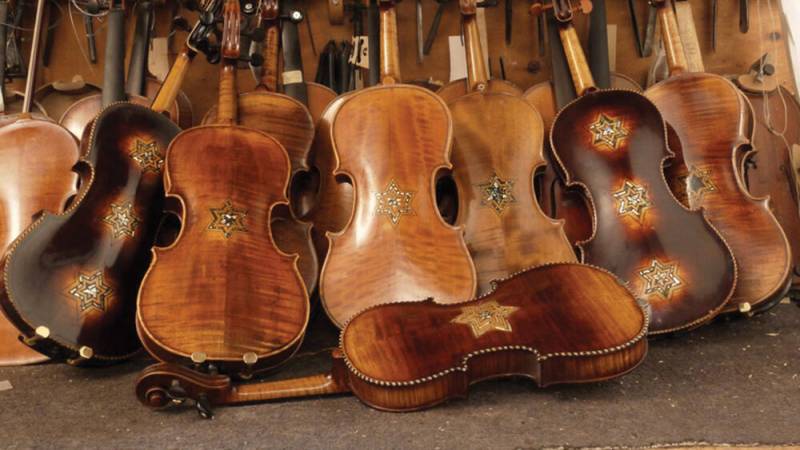
"caption": "A sampling of the Holocaust-era violins collected by Israeli luthiers Amnon and Avshalom Weinstein. The men and the violins are on tour throughout the San Francisco Bay Area as part of \"Violins of Hope,\" running through March 15, 2020.",
"description": "A sampling of the Holocaust-era violins collected by Israeli luthiers Amnon and Avshalom Weinstein. The men and the violins are on tour throughout the San Francisco Bay Area as part of \"Violins of Hope,\" running through March 15, 2020.",
"title": "RS40989_viora-1-1024x575+(1)-qut",
"credit": "Courtesy of Amnon Weinstein",
"status": "inherit",
"isLoading": false,
"fetchFailed": false
},
"arts_13874177": {
"type": "attachments",
"id": "arts_13874177",
"meta": {
"index": "attachments_1716263798",
"site": "arts",
"id": "13874177",
"found": true
},
"parent": 13874070,
"imgSizes": {
"twentyfourteen-full-width": {
"file": "https://ww2.kqed.org/app/uploads/sites/2/2020/01/Swift-1024x576.jpg",
"width": 1024,
"mimeType": "image/jpeg",
"height": 576
},
"thumbnail": {
"file": "https://ww2.kqed.org/app/uploads/sites/2/2020/01/Swift-160x111.jpg",
"width": 160,
"mimeType": "image/jpeg",
"height": 111
},
"post-thumbnail": {
"file": "https://ww2.kqed.org/app/uploads/sites/2/2020/01/Swift-672x372.jpg",
"width": 672,
"mimeType": "image/jpeg",
"height": 372
},
"kqedFullSize": {
"file": "https://ww2.kqed.org/app/uploads/sites/2/2020/01/Swift.jpg",
"width": 1024,
"height": 712
},
"large": {
"file": "https://ww2.kqed.org/app/uploads/sites/2/2020/01/Swift-1020x709.jpg",
"width": 1020,
"mimeType": "image/jpeg",
"height": 709
},
"medium": {
"file": "https://ww2.kqed.org/app/uploads/sites/2/2020/01/Swift-800x556.jpg",
"width": 800,
"mimeType": "image/jpeg",
"height": 556
},
"medium_large": {
"file": "https://ww2.kqed.org/app/uploads/sites/2/2020/01/Swift-768x534.jpg",
"width": 768,
"mimeType": "image/jpeg",
"height": 534
}
},
"publishDate": 1580463160,
"modified": 1580463312,
"caption": "Taylor Swift attends the 2019 American Music Awards in Los Angeles. ",
"description": "Taylor Swift attends the 2019 American Music Awards in Los Angeles. ",
"title": "Taylor Swift attends the 2019 American Music Awards in Los Angeles.",
"credit": "Matt Winkelmeyer/Getty Images for dcp",
"status": "inherit",
"isLoading": false,
"fetchFailed": false
},
"arts_13874106": {
"type": "attachments",
"id": "arts_13874106",
"meta": {
"index": "attachments_1716263798",
"site": "arts",
"id": "13874106",
"found": true
},
"parent": 13874104,
"imgSizes": {
"thumbnail": {
"file": "https://ww2.kqed.org/app/uploads/sites/2/2020/01/0-160x120.jpg",
"width": 160,
"mimeType": "image/jpeg",
"height": 120
},
"post-thumbnail": {
"file": "https://ww2.kqed.org/app/uploads/sites/2/2020/01/0-600x372.jpg",
"width": 600,
"mimeType": "image/jpeg",
"height": 372
},
"kqedFullSize": {
"file": "https://ww2.kqed.org/app/uploads/sites/2/2020/01/0.jpg",
"width": 600,
"height": 450
}
},
"publishDate": 1580401235,
"modified": 1580401260,
"caption": "PK & The Jacka",
"description": "PK & The Jacka",
"title": "PK & The Jacka",
"credit": "PK",
"status": "inherit",
"isLoading": false,
"fetchFailed": false
},
"arts_13874055": {
"type": "attachments",
"id": "arts_13874055",
"meta": {
"index": "attachments_1716263798",
"site": "arts",
"id": "13874055",
"found": true
},
"parent": 13873945,
"imgSizes": {
"twentyfourteen-full-width": {
"file": "https://ww2.kqed.org/app/uploads/sites/2/2020/01/NKOTB-SB-1038x576.jpg",
"width": 1038,
"mimeType": "image/jpeg",
"height": 576
},
"thumbnail": {
"file": "https://ww2.kqed.org/app/uploads/sites/2/2020/01/NKOTB-SB-160x107.jpg",
"width": 160,
"mimeType": "image/jpeg",
"height": 107
},
"post-thumbnail": {
"file": "https://ww2.kqed.org/app/uploads/sites/2/2020/01/NKOTB-SB-672x372.jpg",
"width": 672,
"mimeType": "image/jpeg",
"height": 372
},
"kqedFullSize": {
"file": "https://ww2.kqed.org/app/uploads/sites/2/2020/01/NKOTB-SB-e1580326794481.jpg",
"width": 1920,
"height": 1280
},
"large": {
"file": "https://ww2.kqed.org/app/uploads/sites/2/2020/01/NKOTB-SB-1020x680.jpg",
"width": 1020,
"mimeType": "image/jpeg",
"height": 680
},
"complete_open_graph": {
"file": "https://ww2.kqed.org/app/uploads/sites/2/2020/01/NKOTB-SB-1200x800.jpg",
"width": 1200,
"mimeType": "image/jpeg",
"height": 800
},
"full-width": {
"file": "https://ww2.kqed.org/app/uploads/sites/2/2020/01/NKOTB-SB-1920x1280.jpg",
"width": 1920,
"mimeType": "image/jpeg",
"height": 1280
},
"medium": {
"file": "https://ww2.kqed.org/app/uploads/sites/2/2020/01/NKOTB-SB-800x533.jpg",
"width": 800,
"mimeType": "image/jpeg",
"height": 533
},
"medium_large": {
"file": "https://ww2.kqed.org/app/uploads/sites/2/2020/01/NKOTB-SB-768x512.jpg",
"width": 768,
"mimeType": "image/jpeg",
"height": 512
}
},
"publishDate": 1580326774,
"modified": 1580326912,
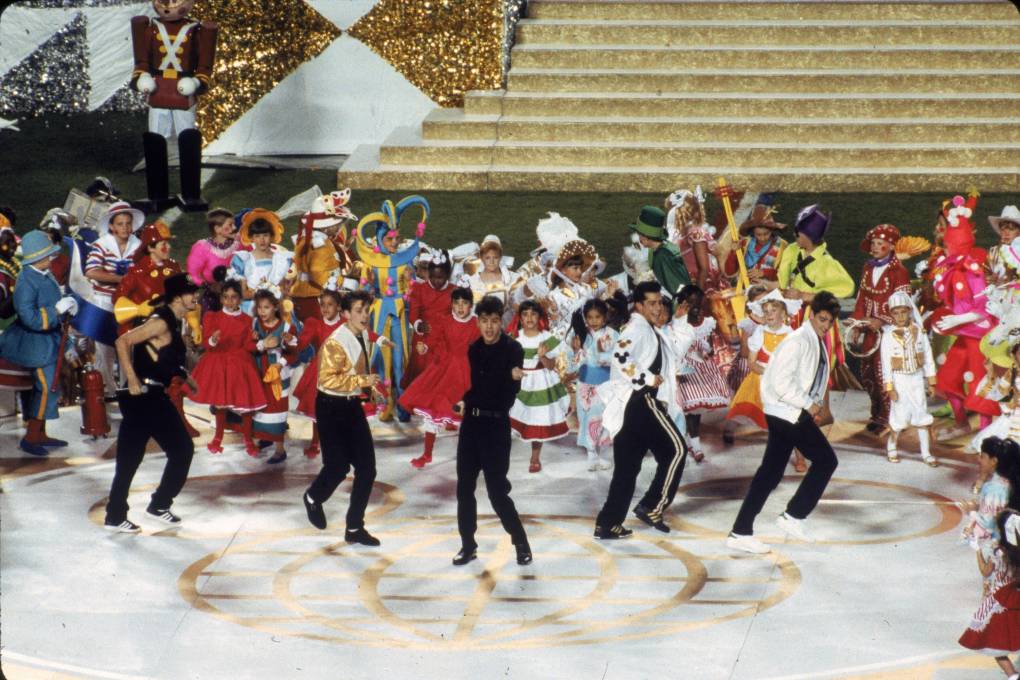
"caption": "New Kids On The Block (and a large number of small children) perform at 1991's Super Bowl XXV in Tampa, Florida. ",
"description": "New Kids On The Block (and a large number of small children) perform at 1991's Super Bowl XXV in Tampa, Florida. ",
"title": "New Kids On The Block (and a large number of small children) perform at 1991's Super Bowl XXV in Tampa, Florida.",
"credit": null,
"status": "inherit",
"isLoading": false,
"fetchFailed": false
},
"arts_11021465": {
"type": "attachments",
"id": "arts_11021465",
"meta": {
"index": "attachments_1716263798",
"site": "arts",
"id": "11021465",
"found": true
},
"parent": 11015034,
"imgSizes": {
"twentyfourteen-full-width": {
"file": "https://ww2.kqed.org/app/uploads/sites/2/2015/10/BlackaliciousListenMAIN-1038x576.jpg",
"width": 1038,
"mimeType": "image/jpeg",
"height": 576
},
"thumbnail": {
"file": "https://ww2.kqed.org/app/uploads/sites/2/2015/10/BlackaliciousListenMAIN-400x225.jpg",
"width": 400,
"mimeType": "image/jpeg",
"height": 225
},
"fd-sm": {
"file": "https://ww2.kqed.org/app/uploads/sites/2/2015/10/BlackaliciousListenMAIN-960x540.jpg",
"width": 960,
"mimeType": "image/jpeg",
"height": 540
},
"post-thumbnail": {
"file": "https://ww2.kqed.org/app/uploads/sites/2/2015/10/BlackaliciousListenMAIN-672x372.jpg",
"width": 672,
"mimeType": "image/jpeg",
"height": 372
},
"kqedFullSize": {
"file": "https://ww2.kqed.org/app/uploads/sites/2/2015/10/BlackaliciousListenMAIN.jpg",
"width": 1277,
"height": 718
},
"large": {
"file": "https://ww2.kqed.org/app/uploads/sites/2/2015/10/BlackaliciousListenMAIN-1180x663.jpg",
"width": 1180,
"mimeType": "image/jpeg",
"height": 663
},
"guest-author-96": {
"file": "https://ww2.kqed.org/app/uploads/sites/2/2015/10/BlackaliciousListenMAIN-96x96.jpg",
"width": 96,
"mimeType": "image/jpeg",
"height": 96
},
"medium": {
"file": "https://ww2.kqed.org/app/uploads/sites/2/2015/10/BlackaliciousListenMAIN-800x450.jpg",
"width": 800,
"mimeType": "image/jpeg",
"height": 450
},
"guest-author-64": {
"file": "https://ww2.kqed.org/app/uploads/sites/2/2015/10/BlackaliciousListenMAIN-64x64.jpg",
"width": 64,
"mimeType": "image/jpeg",
"height": 64
},
"guest-author-32": {
"file": "https://ww2.kqed.org/app/uploads/sites/2/2015/10/BlackaliciousListenMAIN-32x32.jpg",
"width": 32,
"mimeType": "image/jpeg",
"height": 32
},
"fd-med": {
"file": "https://ww2.kqed.org/app/uploads/sites/2/2015/10/BlackaliciousListenMAIN-1180x663.jpg",
"width": 1180,
"mimeType": "image/jpeg",
"height": 663
},
"detail": {
"file": "https://ww2.kqed.org/app/uploads/sites/2/2015/10/BlackaliciousListenMAIN-75x75.jpg",
"width": 75,
"mimeType": "image/jpeg",
"height": 75
},
"guest-author-128": {
"file": "https://ww2.kqed.org/app/uploads/sites/2/2015/10/BlackaliciousListenMAIN-128x128.jpg",
"width": 128,
"mimeType": "image/jpeg",
"height": 128
}
},
"publishDate": 1445277179,
"modified": 1580250416,
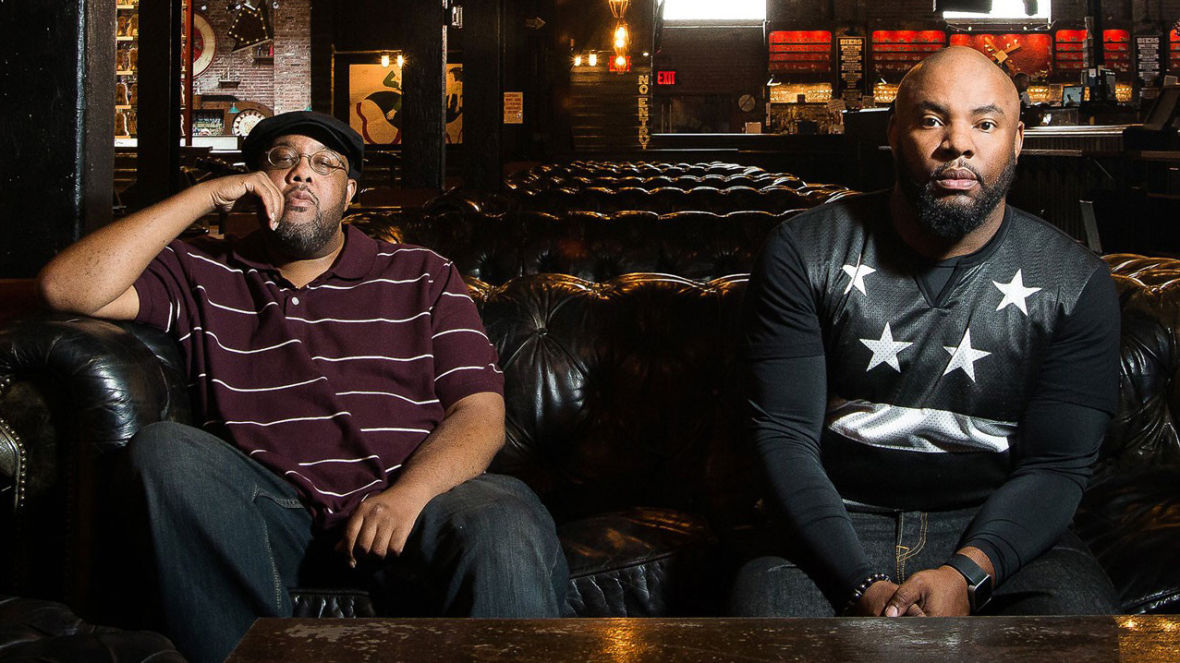
"caption": "Blackalicious' Gift of Gab (L) and Chief Xcel (R).",
"description": "Blackalicious' Gift of Gab (L) and Chief Xcel (R). (Photo: Nicole Mago)",
"title": "BlackaliciousListenMAIN",
"credit": "Nicole Mago",
"status": "inherit",
"isLoading": false,
"fetchFailed": false
},
"arts_13873964": {
"type": "attachments",
"id": "arts_13873964",
"meta": {
"index": "attachments_1716263798",
"site": "arts",
"id": "13873964",
"found": true
},
"parent": 13873747,
"imgSizes": {
"twentyfourteen-full-width": {
"file": "https://ww2.kqed.org/app/uploads/sites/2/2020/01/Anthony_Braxton_by_Peter_Gannushkin-06-1038x576.jpg",
"width": 1038,
"mimeType": "image/jpeg",
"height": 576
},
"thumbnail": {
"file": "https://ww2.kqed.org/app/uploads/sites/2/2020/01/Anthony_Braxton_by_Peter_Gannushkin-06-160x90.jpg",
"width": 160,
"mimeType": "image/jpeg",
"height": 90
},
"post-thumbnail": {
"file": "https://ww2.kqed.org/app/uploads/sites/2/2020/01/Anthony_Braxton_by_Peter_Gannushkin-06-672x372.jpg",
"width": 672,
"mimeType": "image/jpeg",
"height": 372
},
"kqedFullSize": {
"file": "https://ww2.kqed.org/app/uploads/sites/2/2020/01/Anthony_Braxton_by_Peter_Gannushkin-06.jpg",
"width": 1920,
"height": 1080
},
"large": {
"file": "https://ww2.kqed.org/app/uploads/sites/2/2020/01/Anthony_Braxton_by_Peter_Gannushkin-06-1020x574.jpg",
"width": 1020,
"mimeType": "image/jpeg",
"height": 574
},
"complete_open_graph": {
"file": "https://ww2.kqed.org/app/uploads/sites/2/2020/01/Anthony_Braxton_by_Peter_Gannushkin-06-1200x675.jpg",
"width": 1200,
"mimeType": "image/jpeg",
"height": 675
},
"full-width": {
"file": "https://ww2.kqed.org/app/uploads/sites/2/2020/01/Anthony_Braxton_by_Peter_Gannushkin-06-1920x1080.jpg",
"width": 1920,
"mimeType": "image/jpeg",
"height": 1080
},
"medium": {
"file": "https://ww2.kqed.org/app/uploads/sites/2/2020/01/Anthony_Braxton_by_Peter_Gannushkin-06-800x450.jpg",
"width": 800,
"mimeType": "image/jpeg",
"height": 450
},
"medium_large": {
"file": "https://ww2.kqed.org/app/uploads/sites/2/2020/01/Anthony_Braxton_by_Peter_Gannushkin-06-768x432.jpg",
"width": 768,
"mimeType": "image/jpeg",
"height": 432
}
},
"publishDate": 1580161027,
"modified": 1634080463,
"caption": "Avant-garde composer Anthony Braxton has left an indelible mark on jazz in the Bay Area and beyond.",
"description": "Avant-garde composer Anthony Braxton made an indelible mark on jazz in the Bay Area and beyond.",
"title": "Anthony_Braxton_by_Peter_Gannushkin-06",
"credit": "Peter Gannushkin",
"status": "inherit",
"altTag": "Avant-garde composer Anthony Braxton made an indelible mark on jazz in the Bay Area and beyond.",
"isLoading": false,
"fetchFailed": false
}
},
"audioPlayerReducer": {
"postId": "stream_live",
"isPaused": true,
"isPlaying": false,
"pfsActive": false,
"pledgeModalIsOpen": true,
"playerDrawerIsOpen": false,
"liveAudioPlayStartedAt": 0,
"liveAudioPlayContext": ""
},
"authorsReducer": {
"byline_arts_13874435": {
"type": "authors",
"id": "byline_arts_13874435",
"meta": {
"override": true
},
"slug": "byline_arts_13874435",
"name": "Bob Boilen",
"isLoading": false
},
"byline_arts_13874322": {
"type": "authors",
"id": "byline_arts_13874322",
"meta": {
"override": true
},
"slug": "byline_arts_13874322",
"name": "Andrew Flanagan",
"isLoading": false
},
"agilbert": {
"type": "authors",
"id": "86",
"meta": {
"index": "authors_1716337520",
"id": "86",
"found": true
},
"name": "Andrew Gilbert",
"firstName": "Andrew",
"lastName": "Gilbert",
"slug": "agilbert",
"email": "jazzscribe@aol.com",
"display_author_email": false,
"staff_mastheads": [],
"title": "KQED Contributor",
"bio": "A Los Angeles native based in the Berkeley area since 1996, Andrew Gilbert covers jazz, international music and dance for KQED's \u003ci>California Report, \u003c/i>the\u003ci> Mercury News\u003c/i>, \u003ci>San Francisco Chronicle\u003c/i>, \u003ci>Berkeleyside.com\u003c/i>, and other publications. He is available for weddings and bar and bat mitzvahs. #jazzscribe",
"avatar": "https://secure.gravatar.com/avatar/d7bcafdbefdd39e9a68f88724ca616eb4e7a5a6bff9cdfb62de652a1e1751471?s=600&d=blank&r=g",
"twitter": null,
"bluesky": null,
"facebook": null,
"instagram": null,
"linkedin": null,
"sites": [
{
"site": "arts",
"roles": [
"Contributor",
"author"
]
},
{
"site": "news",
"roles": [
"author"
]
}
],
"headData": {
"title": "Andrew Gilbert | KQED",
"description": "KQED Contributor",
"ogImgSrc": "https://secure.gravatar.com/avatar/d7bcafdbefdd39e9a68f88724ca616eb4e7a5a6bff9cdfb62de652a1e1751471?s=600&d=blank&r=g",
"twImgSrc": "https://secure.gravatar.com/avatar/d7bcafdbefdd39e9a68f88724ca616eb4e7a5a6bff9cdfb62de652a1e1751471?s=600&d=blank&r=g"
},
"isLoading": false,
"link": "/author/agilbert"
},
"gmeline": {
"type": "authors",
"id": "185",
"meta": {
"index": "authors_1716337520",
"id": "185",
"found": true
},
"name": "Gabe Meline",
"firstName": "Gabe",
"lastName": "Meline",
"slug": "gmeline",
"email": "gmeline@kqed.org",
"display_author_email": true,
"staff_mastheads": [
"arts"
],
"title": "Senior Editor, KQED Arts & Culture",
"bio": "Gabe Meline entered journalism at age 15 making photocopied zines, and has since earned awards from the Edward R. Murrow Awards, the Society for Professional Journalists, the Online Journalism Awards, the Association of Alternative Newsweeklies and the California Newspaper Publishers Association. Prior to KQED, he was the editor of the \u003cem>North Bay Bohemian\u003c/em> and a touring musician. He lives with his wife and daughter in his hometown of Santa Rosa, CA.",
"avatar": "https://secure.gravatar.com/avatar/5bebe57be0d8bc2dd318934feb47299e2d2d10cba28d09d8d7afb389a2ce2bdd?s=600&d=blank&r=g",
"twitter": null,
"bluesky": null,
"facebook": null,
"instagram": null,
"linkedin": null,
"sites": [
{
"site": "",
"roles": [
"editor"
]
},
{
"site": "arts",
"roles": [
"administrator"
]
},
{
"site": "artschool",
"roles": [
"editor"
]
},
{
"site": "news",
"roles": [
"author"
]
},
{
"site": "pop",
"roles": [
"editor"
]
},
{
"site": "bayareabites",
"roles": [
"editor"
]
},
{
"site": "food",
"roles": [
"editor"
]
},
{
"site": "forum",
"roles": [
"administrator"
]
},
{
"site": "liveblog",
"roles": [
"editor"
]
},
{
"site": "hiphop",
"roles": [
"editor"
]
}
],
"headData": {
"title": "Gabe Meline | KQED",
"description": "Senior Editor, KQED Arts & Culture",
"ogImgSrc": "https://secure.gravatar.com/avatar/5bebe57be0d8bc2dd318934feb47299e2d2d10cba28d09d8d7afb389a2ce2bdd?s=600&d=blank&r=g",
"twImgSrc": "https://secure.gravatar.com/avatar/5bebe57be0d8bc2dd318934feb47299e2d2d10cba28d09d8d7afb389a2ce2bdd?s=600&d=blank&r=g"
},
"isLoading": false,
"link": "/author/gmeline"
},
"rachael-myrow": {
"type": "authors",
"id": "251",
"meta": {
"index": "authors_1716337520",
"id": "251",
"found": true
},
"name": "Rachael Myrow",
"firstName": "Rachael",
"lastName": "Myrow",
"slug": "rachael-myrow",
"email": "rmyrow@kqed.org",
"display_author_email": true,
"staff_mastheads": [
"news"
],
"title": "Senior Editor of KQED's Silicon Valley News Desk",
"bio": "• I write and edit stories about how Silicon Valley power and policies shape everyday life in California. I’m also passionate about making Bay Area history and culture more accessible to a broad public. • I’ve been a journalist for most of my life, starting in high school with The Franklin Press in Los Angeles, where I grew up. While earning my first degree in English at UC Berkeley, I got my start in public radio at KALX-FM. After completing a second degree in journalism at Cal, I landed my first professional job at Marketplace, then moved on to KPCC (now LAist), and then KQED, where I hosted The California Report for more than seven years. • My reporting has appeared on NPR, The World, WBUR’s \u003ci>Here & Now\u003c/i>, and the BBC. I also guest host for KQED’s \u003ci>Forum\u003c/i>, as well as the Commonwealth Club in San Francisco. • I speak periodically on media, democracy and technology issues, and do voiceover work for documentaries and educational video projects. • Outside of the studio, you'll find me hiking Bay Area trails and whipping up Insta-ready meals in my kitchen. • I do not accept gifts, money, or favors from anyone connected to my reporting, I don't pay people for information, and I do not support or donate to political causes. • I strive to treat the people I report on with fairness, honesty, and respect. I also recognize there are often multiple sides to a story and work to verify information through multiple sources and documentation. If I get something wrong, I correct it.",
"avatar": "https://secure.gravatar.com/avatar/3ed8a3c5f26025e4a805ba634cda8cd764906b97438a6d9ce216b044e340da4e?s=600&d=blank&r=g",
"twitter": "rachaelmyrow",
"bluesky": null,
"facebook": null,
"instagram": null,
"linkedin": "https://www.linkedin.com/in/rachaelmyrow/",
"sites": [
{
"site": "arts",
"roles": [
"administrator"
]
},
{
"site": "news",
"roles": [
"edit_others_posts",
"editor"
]
},
{
"site": "futureofyou",
"roles": [
"editor"
]
},
{
"site": "bayareabites",
"roles": [
"editor"
]
},
{
"site": "stateofhealth",
"roles": [
"editor"
]
},
{
"site": "science",
"roles": [
"editor"
]
},
{
"site": "food",
"roles": [
"editor"
]
},
{
"site": "forum",
"roles": [
"editor"
]
},
{
"site": "liveblog",
"roles": [
"author"
]
}
],
"headData": {
"title": "Rachael Myrow | KQED",
"description": "Senior Editor of KQED's Silicon Valley News Desk",
"ogImgSrc": "https://secure.gravatar.com/avatar/3ed8a3c5f26025e4a805ba634cda8cd764906b97438a6d9ce216b044e340da4e?s=600&d=blank&r=g",
"twImgSrc": "https://secure.gravatar.com/avatar/3ed8a3c5f26025e4a805ba634cda8cd764906b97438a6d9ce216b044e340da4e?s=600&d=blank&r=g"
},
"isLoading": false,
"link": "/author/rachael-myrow"
},
"ralexandra": {
"type": "authors",
"id": "11242",
"meta": {
"index": "authors_1716337520",
"id": "11242",
"found": true
},
"name": "Rae Alexandra",
"firstName": "Rae",
"lastName": "Alexandra",
"slug": "ralexandra",
"email": "ralexandra@kqed.org",
"display_author_email": true,
"staff_mastheads": [],
"title": "Reporter/Producer",
"bio": "Rae Alexandra is a Reporter/Producer for KQED Arts & Culture, and the creator/author of the \u003ca href=\"https://www.kqed.org/arts/program/rebel-girls-from-bay-area-history\">Rebel Girls From Bay Area History\u003c/a> and \u003ca href=\"https://www.kqed.org/bizarrebayarea\">Bizarre Bay Area\u003c/a> series. Her debut book, \u003ca href=\"https://citylights.com/politics-current-events-history/unsung-heroines35-women-who-changed/\">Unsung Heroines: 35 Women Who Changed the Bay Area\u003c/a> was published by City Lights in March 2026. In 2023, Rae was awarded an SPJ Excellence in Journalism Award for Arts & Culture. Rae was born and raised in Wales and subsequently — even after two decades in Northern California — still uses phrases that regularly baffle her coworkers.",
"avatar": "https://secure.gravatar.com/avatar/edfee8176c80cc0a382b051190f5341997df378a934a5774dcb0977732dfd401?s=600&d=blank&r=g",
"twitter": null,
"bluesky": null,
"facebook": null,
"instagram": null,
"linkedin": null,
"sites": [
{
"site": "arts",
"roles": [
"subscriber"
]
},
{
"site": "news",
"roles": [
"subscriber"
]
},
{
"site": "pop",
"roles": [
"subscriber"
]
},
{
"site": "bayareabites",
"roles": [
"subscriber"
]
},
{
"site": "science",
"roles": [
"subscriber"
]
}
],
"headData": {
"title": "Rae Alexandra | KQED",
"description": "Reporter/Producer",
"ogImgSrc": "https://secure.gravatar.com/avatar/edfee8176c80cc0a382b051190f5341997df378a934a5774dcb0977732dfd401?s=600&d=blank&r=g",
"twImgSrc": "https://secure.gravatar.com/avatar/edfee8176c80cc0a382b051190f5341997df378a934a5774dcb0977732dfd401?s=600&d=blank&r=g"
},
"isLoading": false,
"link": "/author/ralexandra"
},
"nvoynovskaya": {
"type": "authors",
"id": "11387",
"meta": {
"index": "authors_1716337520",
"id": "11387",
"found": true
},
"name": "Nastia Voynovskaya",
"firstName": "Nastia",
"lastName": "Voynovskaya",
"slug": "nvoynovskaya",
"email": "nvoynovskaya@kqed.org",
"display_author_email": false,
"staff_mastheads": [
"arts"
],
"title": "Editor and reporter",
"bio": "Nastia Voynovskaya is a reporter, editor and host at KQED Arts & Culture. She's been covering the arts in the Bay Area for over a decade, with a focus on music, queer culture, labor issues and grassroots organizing. She has edited KQED story series such as Trans Bay: A History of San Francisco's Gender-Diverse Community, and co-created KQED's Bay Area hip-hop history project, That's My Word. Nastia's work has been recognized by the Society of Professional Journalists and San Francisco Press Club. She regularly appears on podcasts and radio programs, including NPR's All Songs Considered, and hosts live events where music, culture and conversation meet.",
"avatar": "https://secure.gravatar.com/avatar/5025ee460e5a85d69ca20ea6c6f2f80d7e17795c828f61ea3aecfcd924e9042e?s=600&d=blank&r=g",
"twitter": null,
"bluesky": null,
"facebook": null,
"instagram": "https://www.instagram.com/nananastia/",
"linkedin": null,
"sites": [
{
"site": "",
"roles": [
"editor"
]
},
{
"site": "arts",
"roles": [
"administrator"
]
},
{
"site": "news",
"roles": [
"editor"
]
},
{
"site": "pop",
"roles": [
"administrator"
]
},
{
"site": "bayareabites",
"roles": [
"editor"
]
},
{
"site": "podcasts",
"roles": [
"editor"
]
},
{
"site": "hiphop",
"roles": [
"editor"
]
}
],
"headData": {
"title": "Nastia Voynovskaya | KQED",
"description": "Editor and reporter",
"ogImgSrc": "https://secure.gravatar.com/avatar/5025ee460e5a85d69ca20ea6c6f2f80d7e17795c828f61ea3aecfcd924e9042e?s=600&d=blank&r=g",
"twImgSrc": "https://secure.gravatar.com/avatar/5025ee460e5a85d69ca20ea6c6f2f80d7e17795c828f61ea3aecfcd924e9042e?s=600&d=blank&r=g"
},
"isLoading": false,
"link": "/author/nvoynovskaya"
},
"ogpenn": {
"type": "authors",
"id": "11491",
"meta": {
"index": "authors_1716337520",
"id": "11491",
"found": true
},
"name": "Pendarvis Harshaw",
"firstName": "Pendarvis",
"lastName": "Harshaw",
"slug": "ogpenn",
"email": "ogpenn@gmail.com",
"display_author_email": false,
"staff_mastheads": [
"arts"
],
"title": "Community Engagement Reporter",
"bio": "Pendarvis Harshaw is an educator, host and writer with KQED Arts.",
"avatar": "https://secure.gravatar.com/avatar/972b77ee8e3f346ae2b00622661187fbfabd059b5693bbdc1475ea7a722fd4cd?s=600&d=blank&r=g",
"twitter": null,
"bluesky": null,
"facebook": null,
"instagram": "ogpenn",
"linkedin": null,
"sites": [
{
"site": "arts",
"roles": [
"administrator"
]
},
{
"site": "news",
"roles": [
"editor"
]
},
{
"site": "bayareabites",
"roles": [
"author"
]
},
{
"site": "hiphop",
"roles": [
"editor"
]
}
],
"headData": {
"title": "Pendarvis Harshaw | KQED",
"description": "Community Engagement Reporter",
"ogImgSrc": "https://secure.gravatar.com/avatar/972b77ee8e3f346ae2b00622661187fbfabd059b5693bbdc1475ea7a722fd4cd?s=600&d=blank&r=g",
"twImgSrc": "https://secure.gravatar.com/avatar/972b77ee8e3f346ae2b00622661187fbfabd059b5693bbdc1475ea7a722fd4cd?s=600&d=blank&r=g"
},
"isLoading": false,
"link": "/author/ogpenn"
}
},
"pagesReducer": {
"arts_category_music": {
"type": "terms",
"id": "arts_69",
"meta": {
"index": "terms_1716263798",
"site": "arts",
"id": "69",
"score": 10.85186
},
"featImg": null,
"name": "Music",
"description": null,
"taxonomy": "category",
"headData": {
"twImgId": null,
"twTitle": null,
"ogTitle": null,
"ogImgId": null,
"twDescription": null,
"description": null,
"title": "Music Archives | KQED Arts",
"ogDescription": null
},
"ttid": 70,
"slug": "music",
"isLoading": false,
"title": "Music",
"pageMeta": {
"site": "arts",
"WpPageTemplate": "page-topic-editorial",
"currentPage": 128
},
"blocks": [
{
"blockName": "kqed/post-list",
"attrs": {
"layout": "cardArticle2",
"query": "posts/arts?category=music",
"seeMore": false,
"paginated": true,
"page": 128
}
},
{
"blockName": "kqed/ad"
}
]
}
},
"pfsSessionReducer": {},
"postsReducer": {
"stream_live": {
"type": "live",
"id": "stream_live",
"audioUrl": "https://streams.kqed.org/kqedradio",
"title": "Live Stream",
"excerpt": "Live Stream information currently unavailable.",
"link": "/radio",
"featImg": "",
"label": {
"name": "KQED Live",
"link": "/"
}
},
"stream_kqedNewscast": {
"type": "posts",
"id": "stream_kqedNewscast",
"audioUrl": "https://www.kqed.org/.stream/anon/radio/RDnews/newscast.mp3?_=1",
"title": "KQED Newscast",
"featImg": "",
"label": {
"name": "88.5 FM",
"link": "/"
}
},
"arts_13874435": {
"type": "posts",
"id": "arts_13874435",
"meta": {
"index": "posts_1716263798",
"site": "arts",
"id": "13874435",
"score": null,
"sort": [
1580936146000
]
},
"parent": 0,
"labelTerm": {
"site": "arts",
"term": 137
},
"blocks": [],
"publishDate": 1580936146,
"format": "standard",
"title": "The Tiny Desk Contest is Back for 2020",
"headTitle": "The Tiny Desk Contest is Back for 2020 | KQED",
"content": "\u003cp>In the past year, NPR has had some pretty big names come perform at the Tiny Desk: \u003ca href=\"https://www.npr.org/2019/07/29/732097345/lizzo-tiny-desk-concert\">Lizzo\u003c/a>, \u003ca href=\"https://www.npr.org/2020/01/29/800256839/jimmy-eat-world-tiny-desk-concert\">Jimmy Eat World\u003c/a> and \u003ca href=\"https://www.npr.org/2019/10/16/770318649/taylor-swift-tiny-desk-concert\">Taylor Swift\u003c/a>, to name a few.\u003c/p>\n\u003cp>While seeing these artists’ stripped-down sets is impressive, that’s not all the Tiny Desk is about. For me, what’s really magical and memorable about Tiny Desk concerts is discovering and connecting with musicians our audience likely doesn’t know and then getting to share them with our listeners.\u003c/p>\n\u003cp>We started the Tiny Desk Contest in 2014 in an effort to do even more of that: discover and share great unknown artists. Since the Contest’s launch, we’ve had \u003ca href=\"http://tinydeskcontest.npr.org/#previous-winner\">five outstanding winners\u003c/a>, invited \u003ca href=\"https://www.youtube.com/playlist?list=PLy2PCKGkKRVbn9Rsn99a4VhSGWI4SQrm5\">even more Contest artists\u003c/a> to play at the Desk and heard from countless \u003ca href=\"https://www.npr.org/sections/allsongs/2019/05/22/725412654/tiny-desk-top-shelf\">artists we love\u003c/a> along the way. We’re excited today to announce that the 2020 Tiny Desk Contest is here.\u003c/p>\n\u003cp>Here’s what you need to know:\u003c/p>\n\u003cul>\n\u003cli>We’ll start accepting Contest entries next Tuesday, Feb. 11 at 10 a.m. ET. Entries close at midnight ET on Monday, March 30.\u003c/li>\n\u003cli>To be eligible to win, you must be an unsigned musician and at least 18 years old.\u003c/li>\n\u003cli>To enter, record a video of yourself playing one original song at a desk (any desk will do!) and upload it to YouTube.\u003c/li>\n\u003cli>Send us your song by submitting your video at \u003ca href=\"http://npr.org/tinydeskcontest\">npr.org/tinydeskcontest\u003c/a>.\u003c/li>\n\u003cli>The winner will be chosen by a panel of judges. I’ll be joined by some great Tiny Desk alums: \u003ca href=\"https://www.npr.org/2019/10/15/768439696/brittany-howard-tiny-desk-concert\">Brittany Howard\u003c/a>, \u003ca href=\"https://www.npr.org/2015/09/22/441220834/gina-chavez-tiny-desk-concert\">Gina Chavez\u003c/a> and last year’s winner, \u003ca href=\"https://www.npr.org/2019/06/03/728694436/quinn-christopherson-tiny-desk-concert\">Quinn Christopherson\u003c/a>. Bobby Carter, Tiny Desk concert producer extraordinaire, will be part of the team, plus \u003ca href=\"https://www.npr.org/people/774752634/raina-douris\">Raina Douris\u003c/a> of \u003ca href=\"https://xpn.org/\">WXPN\u003c/a>‘s \u003cem>World Cafe\u003c/em> and \u003ca href=\"https://radiomilwaukee.org/about-us/station-staff/tarik-moody/\">Tarik Moody\u003c/a> of \u003ca href=\"https://radiomilwaukee.org/\">88Nine Radio Milwaukee\u003c/a>.\u003c/li>\n\u003c/ul>\n\u003cp>If you want to make sure your video is eligible to win, you can take this \u003ca href=\"https://tinydeskcontest.npr.org/2020/rules-quiz\">easy quiz\u003c/a> or read the \u003ca href=\"https://tinydeskcontest.npr.org/rules\">official rules\u003c/a>.\u003c/p>\n\u003cp>[ad fullwidth]\u003c/p>\n\u003cp>If you win, you’ll play a Tiny Desk concert and then go on tour across the U.S. with NPR Music. And even though we only choose one winner, we feature artists from the \u003ca href=\"https://www.facebook.com/groups/tinydeskcontest/\">Contest community\u003c/a> in plenty of other ways: on \u003ca href=\"https://www.npr.org/sections/allsongs/\">our blog\u003c/a>, in a Contest \u003ca href=\"https://www.youtube.com/watch?v=RtrRzQLxWP0\">supercut video\u003c/a>, on NPR’s \u003ca href=\"https://www.npr.org/sections/allsongs/2019/06/29/736747407/these-tiny-desk-contest-entrants-bring-mini-symphonies-to-the-nyc-subway\">newsmagazines\u003c/a> and at the Tiny Desk Contest On The Road tour stops.\u003c/p>\n\u003cp>Speaking of tour stops, this year, we’re expanding our tour to 10 cities! We’ll be visiting Atlanta, Chicago, Denver, Los Angeles, Nashville, New York, Philadelphia, Phoenix and Seattle. We hope to see you there.\u003c/p>\n\u003cp>\u003c/p>\n\u003cp>We can’t wait to discover even more great music this year and are looking forward to meeting our winner. Could it be you?\u003c/p>\n\u003cdiv class=\"fullattribution\">\u003cem>Copyright 2020 \u003ca href=\"http://npr.org\">NPR\u003c/a>. \u003c/em>\u003c/div>\n\n",
"stats": {
"hasVideo": false,
"hasChartOrMap": false,
"hasAudio": false,
"hasPolis": false,
"wordCount": 460,
"hasGoogleForm": false,
"hasGallery": false,
"hasHearkenModule": false,
"iframeSrcs": [],
"paragraphCount": 10
},
"modified": 1705021349,
"excerpt": "Submissions for NPR's annual music contest open on Feb. 11. ",
"headData": {
"twImgId": "",
"twTitle": "",
"ogTitle": "",
"ogImgId": "",
"twDescription": "",
"description": "Submissions for NPR's annual music contest open on Feb. 11. ",
"title": "The Tiny Desk Contest is Back for 2020 | KQED",
"ogDescription": "",
"schema": {
"@context": "https://schema.org",
"@type": "Article",
"headline": "The Tiny Desk Contest is Back for 2020",
"datePublished": "2020-02-05T12:55:46-08:00",
"dateModified": "2024-01-11T17:02:29-08:00",
"image": "https://cdn.kqed.org/wp-content/uploads/2020/02/KQED-OG-Image@1x.png"
}
},
"guestAuthors": [],
"slug": "the-tiny-desk-contest-is-back-for-2020",
"status": "publish",
"nprApiLink": "http://api.npr.org/query?id=802281228&apiKey=MDAxOTAwOTE4MDEyMTkxMDAzNjczZDljZA004",
"templateType": "standard",
"nprStoryDate": "Tue, 04 Feb 2020 10:00:00 -0500",
"nprLastModifiedDate": "Tue, 04 Feb 2020 17:40:56 -0500",
"featuredImageType": "standard",
"nprHtmlLink": "https://www.npr.org/sections/allsongs/2020/02/04/802281228/the-tiny-desk-contest-is-back-for-2020?ft=nprml&f=802281228",
"nprAudio": "https://ondemand.npr.org/anon.npr-mp3/npr/atc/2020/02/20200204_atc_the_tiny_desk_contest_is_back_for_2020.mp3?orgId=1&topicId=1039&d=193&p=2&story=802281228&ft=nprml&f=802281228",
"nprImageAgency": "NPR",
"nprAudioM3u": "http://api.npr.org/m3u/1802737839-45b1ff.m3u?orgId=1&topicId=1039&d=193&p=2&story=802281228&ft=nprml&f=802281228",
"nprStoryId": "802281228",
"nprByline": "Bob Boilen",
"sticky": false,
"nprRetrievedStory": "1",
"nprPubDate": "Tue, 04 Feb 2020 20:04:00 -0500",
"path": "/arts/13874435/the-tiny-desk-contest-is-back-for-2020",
"audioUrl": "https://ondemand.npr.org/anon.npr-mp3/npr/atc/2020/02/20200204_atc_the_tiny_desk_contest_is_back_for_2020.mp3?orgId=1&topicId=1039&d=193&p=2&story=802281228&ft=nprml&f=802281228",
"audioTrackLength": null,
"parsedContent": [
{
"type": "contentString",
"content": "\u003cdiv class=\"post-body\">\u003cp>\u003cp>In the past year, NPR has had some pretty big names come perform at the Tiny Desk: \u003ca href=\"https://www.npr.org/2019/07/29/732097345/lizzo-tiny-desk-concert\">Lizzo\u003c/a>, \u003ca href=\"https://www.npr.org/2020/01/29/800256839/jimmy-eat-world-tiny-desk-concert\">Jimmy Eat World\u003c/a> and \u003ca href=\"https://www.npr.org/2019/10/16/770318649/taylor-swift-tiny-desk-concert\">Taylor Swift\u003c/a>, to name a few.\u003c/p>\n\u003cp>While seeing these artists’ stripped-down sets is impressive, that’s not all the Tiny Desk is about. For me, what’s really magical and memorable about Tiny Desk concerts is discovering and connecting with musicians our audience likely doesn’t know and then getting to share them with our listeners.\u003c/p>\n\u003cp>We started the Tiny Desk Contest in 2014 in an effort to do even more of that: discover and share great unknown artists. Since the Contest’s launch, we’ve had \u003ca href=\"http://tinydeskcontest.npr.org/#previous-winner\">five outstanding winners\u003c/a>, invited \u003ca href=\"https://www.youtube.com/playlist?list=PLy2PCKGkKRVbn9Rsn99a4VhSGWI4SQrm5\">even more Contest artists\u003c/a> to play at the Desk and heard from countless \u003ca href=\"https://www.npr.org/sections/allsongs/2019/05/22/725412654/tiny-desk-top-shelf\">artists we love\u003c/a> along the way. We’re excited today to announce that the 2020 Tiny Desk Contest is here.\u003c/p>\n\u003cp>Here’s what you need to know:\u003c/p>\n\u003cul>\n\u003cli>We’ll start accepting Contest entries next Tuesday, Feb. 11 at 10 a.m. ET. Entries close at midnight ET on Monday, March 30.\u003c/li>\n\u003cli>To be eligible to win, you must be an unsigned musician and at least 18 years old.\u003c/li>\n\u003cli>To enter, record a video of yourself playing one original song at a desk (any desk will do!) and upload it to YouTube.\u003c/li>\n\u003cli>Send us your song by submitting your video at \u003ca href=\"http://npr.org/tinydeskcontest\">npr.org/tinydeskcontest\u003c/a>.\u003c/li>\n\u003cli>The winner will be chosen by a panel of judges. I’ll be joined by some great Tiny Desk alums: \u003ca href=\"https://www.npr.org/2019/10/15/768439696/brittany-howard-tiny-desk-concert\">Brittany Howard\u003c/a>, \u003ca href=\"https://www.npr.org/2015/09/22/441220834/gina-chavez-tiny-desk-concert\">Gina Chavez\u003c/a> and last year’s winner, \u003ca href=\"https://www.npr.org/2019/06/03/728694436/quinn-christopherson-tiny-desk-concert\">Quinn Christopherson\u003c/a>. Bobby Carter, Tiny Desk concert producer extraordinaire, will be part of the team, plus \u003ca href=\"https://www.npr.org/people/774752634/raina-douris\">Raina Douris\u003c/a> of \u003ca href=\"https://xpn.org/\">WXPN\u003c/a>‘s \u003cem>World Cafe\u003c/em> and \u003ca href=\"https://radiomilwaukee.org/about-us/station-staff/tarik-moody/\">Tarik Moody\u003c/a> of \u003ca href=\"https://radiomilwaukee.org/\">88Nine Radio Milwaukee\u003c/a>.\u003c/li>\n\u003c/ul>\n\u003cp>If you want to make sure your video is eligible to win, you can take this \u003ca href=\"https://tinydeskcontest.npr.org/2020/rules-quiz\">easy quiz\u003c/a> or read the \u003ca href=\"https://tinydeskcontest.npr.org/rules\">official rules\u003c/a>.\u003c/p>\n\u003cp>\u003c/p>\u003c/div>",
"attributes": {
"named": {},
"numeric": []
}
},
{
"type": "component",
"content": "",
"name": "ad",
"attributes": {
"named": {
"label": "fullwidth"
},
"numeric": [
"fullwidth"
]
}
},
{
"type": "contentString",
"content": "\u003cdiv class=\"post-body\">\u003cp>\u003c/p>\n\u003cp>If you win, you’ll play a Tiny Desk concert and then go on tour across the U.S. with NPR Music. And even though we only choose one winner, we feature artists from the \u003ca href=\"https://www.facebook.com/groups/tinydeskcontest/\">Contest community\u003c/a> in plenty of other ways: on \u003ca href=\"https://www.npr.org/sections/allsongs/\">our blog\u003c/a>, in a Contest \u003ca href=\"https://www.youtube.com/watch?v=RtrRzQLxWP0\">supercut video\u003c/a>, on NPR’s \u003ca href=\"https://www.npr.org/sections/allsongs/2019/06/29/736747407/these-tiny-desk-contest-entrants-bring-mini-symphonies-to-the-nyc-subway\">newsmagazines\u003c/a> and at the Tiny Desk Contest On The Road tour stops.\u003c/p>\n\u003cp>Speaking of tour stops, this year, we’re expanding our tour to 10 cities! We’ll be visiting Atlanta, Chicago, Denver, Los Angeles, Nashville, New York, Philadelphia, Phoenix and Seattle. We hope to see you there.\u003c/p>\n\u003cp>\u003c/p>\n\u003cp>We can’t wait to discover even more great music this year and are looking forward to meeting our winner. Could it be you?\u003c/p>\n\u003cdiv class=\"fullattribution\">\u003cem>Copyright 2020 \u003ca href=\"http://npr.org\">NPR\u003c/a>. \u003c/em>\u003c/div>\n\n\u003c/div>\u003c/p>",
"attributes": {
"named": {},
"numeric": []
}
}
],
"link": "/arts/13874435/the-tiny-desk-contest-is-back-for-2020",
"authors": [
"byline_arts_13874435"
],
"categories": [
"arts_69"
],
"tags": [
"arts_1118",
"arts_1377"
],
"affiliates": [
"arts_137"
],
"featImg": "arts_13852997",
"label": "arts_137"
},
"arts_13874418": {
"type": "posts",
"id": "arts_13874418",
"meta": {
"index": "posts_1716263798",
"site": "arts",
"id": "13874418",
"score": null,
"sort": [
1580921932000
]
},
"parent": 0,
"labelTerm": {
"site": "arts",
"term": 140
},
"blocks": [],
"publishDate": 1580921932,
"format": "standard",
"title": "A Mainstream Country Star Even Americana Fans Can Love",
"headTitle": "A Mainstream Country Star Even Americana Fans Can Love | KQED",
"content": "\u003cp>As listeners, and as media, we sure like to divide music up into subgenres. There’s not simply rap—there’s gangsta rap and backback hip-hop, and a hundred shades in between. There’s not just punk—there’s hardcore and pop-punk, completely at odds with each other. Some of these dividing lines are the source of arguments, perhaps none more bitter than the one that pits “new country” against “Americana.”\u003c/p>\n\u003cp>Among those rare singers who can appease both sides, and bridge the two, is Miranda Lambert, a stadium country star who could fit comfortably on any Americana playlist. It’s not unusual to hear her singing a John Prine song, and she’s covered the renegade folk performer Fred Eaglesmith, too. And yet, because she’s on the covers of supermarket tabloids, she gets lumped in with “new country,” which I think is unfair to her immense talent as a songwriter. Live, she’s one of the most electrifying country singers I’ve ever seen, and she returns to the Bay Area on Friday, Feb. 28, at the SAP Center in San Jose.—\u003cem>Gabe Meline\u003c/em>\u003c/p>\n\u003cp>[ad fullwidth]\u003c/p>\u003cp>\u003c/p>\n",
"stats": {
"hasVideo": false,
"hasChartOrMap": false,
"hasAudio": false,
"hasPolis": false,
"wordCount": 208,
"hasGoogleForm": false,
"hasGallery": false,
"hasHearkenModule": false,
"iframeSrcs": [],
"paragraphCount": 4
},
"modified": 1705021352,
"excerpt": "Miranda Lambert sells out stadiums with heartfelt songwriting and covers of folk heroes.",
"headData": {
"twImgId": "",
"twTitle": "",
"ogTitle": "",
"ogImgId": "",
"twDescription": "",
"description": "Miranda Lambert sells out stadiums with heartfelt songwriting and covers of folk heroes.",
"title": "A Mainstream Country Star Even Americana Fans Can Love | KQED",
"ogDescription": "",
"schema": {
"@context": "https://schema.org",
"@type": "Article",
"headline": "A Mainstream Country Star Even Americana Fans Can Love",
"datePublished": "2020-02-05T08:58:52-08:00",
"dateModified": "2024-01-11T17:02:32-08:00",
"image": "https://cdn.kqed.org/wp-content/uploads/2020/02/KQED-OG-Image@1x.png"
}
},
"guestAuthors": [],
"slug": "a-mainstream-country-star-even-americana-fans-can-love",
"status": "publish",
"templateType": "event",
"venueName": "SAP Center",
"featuredImageType": "standard",
"sticky": false,
"startTime": 1582941600,
"endTime": 1582959600,
"startTimeString": "Feb. 28, 2020",
"venueAddress": "525 W. Santa Clara St., San Jose",
"eventLink": "http://www.sapcenter.com/events/detail/miranda-lambert",
"path": "/arts/13874418/a-mainstream-country-star-even-americana-fans-can-love",
"audioTrackLength": null,
"parsedContent": [
{
"type": "contentString",
"content": "\u003cdiv class=\"post-body\">\u003cp>\u003cp>As listeners, and as media, we sure like to divide music up into subgenres. There’s not simply rap—there’s gangsta rap and backback hip-hop, and a hundred shades in between. There’s not just punk—there’s hardcore and pop-punk, completely at odds with each other. Some of these dividing lines are the source of arguments, perhaps none more bitter than the one that pits “new country” against “Americana.”\u003c/p>\n\u003cp>Among those rare singers who can appease both sides, and bridge the two, is Miranda Lambert, a stadium country star who could fit comfortably on any Americana playlist. It’s not unusual to hear her singing a John Prine song, and she’s covered the renegade folk performer Fred Eaglesmith, too. And yet, because she’s on the covers of supermarket tabloids, she gets lumped in with “new country,” which I think is unfair to her immense talent as a songwriter. Live, she’s one of the most electrifying country singers I’ve ever seen, and she returns to the Bay Area on Friday, Feb. 28, at the SAP Center in San Jose.—\u003cem>Gabe Meline\u003c/em>\u003c/p>\n\u003cp>\u003c/p>\u003c/div>",
"attributes": {
"named": {},
"numeric": []
}
},
{
"type": "component",
"content": "",
"name": "ad",
"attributes": {
"named": {
"label": "fullwidth"
},
"numeric": [
"fullwidth"
]
}
},
{
"type": "contentString",
"content": "\u003cdiv class=\"post-body\">\u003cp>\u003c/p>\u003cp>\u003c/p>\n\u003c/div>\u003c/p>",
"attributes": {
"named": {},
"numeric": []
}
}
],
"link": "/arts/13874418/a-mainstream-country-star-even-americana-fans-can-love",
"authors": [
"185"
],
"programs": [
"arts_140"
],
"categories": [
"arts_69"
],
"tags": [
"arts_7534",
"arts_2415"
],
"featImg": "arts_13874399",
"label": "arts_140"
},
"arts_13874407": {
"type": "posts",
"id": "arts_13874407",
"meta": {
"index": "posts_1716263798",
"site": "arts",
"id": "13874407",
"score": null,
"sort": [
1580920437000
]
},
"parent": 0,
"labelTerm": {
"site": "arts",
"term": 140
},
"blocks": [],
"publishDate": 1580920437,
"format": "standard",
"title": "The Best Hard Bop Supergroup Working Today",
"headTitle": "The Best Hard Bop Supergroup Working Today | KQED",
"content": "\u003cp>The golden age of Blue Note Records produced some of the most enduring jazz styles of the 20th century. Chief among them was a sound known as hard bop—an approach that took the innovations of Charlie Parker and Dizzy Gillespie and gave them a slower but more biting edge. One of the best groups performing this style today comes to Oakland this week: The Cookers, named after a 1965 Blue Note album. This is an all-star lineup of players who’ve straddled the avant-garde, like Billy Harper and Billy Hart, and even New Orleans music, like Donald Harrison. Which is to say they take the music in inspiring new directions every time they perform. I’ve seen them twice and they are simply an incomparable force. The Cookers play on Thursday, Feb. 20, at Yoshi’s in Oakland.—\u003cem>Gabe Meline\u003c/em>\u003c/p>\n\u003cp>[ad fullwidth]\u003c/p>\u003cp>\u003c/p>\n",
"stats": {
"hasVideo": false,
"hasChartOrMap": false,
"hasAudio": false,
"hasPolis": false,
"wordCount": 150,
"hasGoogleForm": false,
"hasGallery": false,
"hasHearkenModule": false,
"iframeSrcs": [],
"paragraphCount": 3
},
"modified": 1705021355,
"excerpt": "The Cookers take the music in inspiring new directions every time they perform.",
"headData": {
"twImgId": "",
"twTitle": "",
"ogTitle": "",
"ogImgId": "",
"twDescription": "",
"description": "The Cookers take the music in inspiring new directions every time they perform.",
"title": "The Best Hard Bop Supergroup Working Today | KQED",
"ogDescription": "",
"schema": {
"@context": "https://schema.org",
"@type": "Article",
"headline": "The Best Hard Bop Supergroup Working Today",
"datePublished": "2020-02-05T08:33:57-08:00",
"dateModified": "2024-01-11T17:02:35-08:00",
"image": "https://cdn.kqed.org/wp-content/uploads/2020/02/KQED-OG-Image@1x.png"
}
},
"guestAuthors": [],
"slug": "the-best-hard-bop-supergroup-working-today",
"status": "publish",
"templateType": "event",
"venueName": "Yoshi's",
"featuredImageType": "standard",
"sticky": false,
"startTime": 1582250400,
"endTime": 1582268400,
"startTimeString": "Feb. 20, 2020",
"venueAddress": "510 Embarcadero West, Oakland",
"eventLink": "https://www.yoshis.com/e/the-cookers-67943580077/",
"path": "/arts/13874407/the-best-hard-bop-supergroup-working-today",
"audioTrackLength": null,
"parsedContent": [
{
"type": "contentString",
"content": "\u003cdiv class=\"post-body\">\u003cp>\u003cp>The golden age of Blue Note Records produced some of the most enduring jazz styles of the 20th century. Chief among them was a sound known as hard bop—an approach that took the innovations of Charlie Parker and Dizzy Gillespie and gave them a slower but more biting edge. One of the best groups performing this style today comes to Oakland this week: The Cookers, named after a 1965 Blue Note album. This is an all-star lineup of players who’ve straddled the avant-garde, like Billy Harper and Billy Hart, and even New Orleans music, like Donald Harrison. Which is to say they take the music in inspiring new directions every time they perform. I’ve seen them twice and they are simply an incomparable force. The Cookers play on Thursday, Feb. 20, at Yoshi’s in Oakland.—\u003cem>Gabe Meline\u003c/em>\u003c/p>\n\u003cp>\u003c/p>\u003c/div>",
"attributes": {
"named": {},
"numeric": []
}
},
{
"type": "component",
"content": "",
"name": "ad",
"attributes": {
"named": {
"label": "fullwidth"
},
"numeric": [
"fullwidth"
]
}
},
{
"type": "contentString",
"content": "\u003cdiv class=\"post-body\">\u003cp>\u003c/p>\u003cp>\u003c/p>\n\u003c/div>\u003c/p>",
"attributes": {
"named": {},
"numeric": []
}
}
],
"link": "/arts/13874407/the-best-hard-bop-supergroup-working-today",
"authors": [
"185"
],
"programs": [
"arts_140"
],
"categories": [
"arts_69"
],
"tags": [
"arts_1420",
"arts_1143",
"arts_4107"
],
"featImg": "arts_13874403",
"label": "arts_140"
},
"arts_13874404": {
"type": "posts",
"id": "arts_13874404",
"meta": {
"index": "posts_1716263798",
"site": "arts",
"id": "13874404",
"score": null,
"sort": [
1580920051000
]
},
"parent": 0,
"labelTerm": {
"site": "arts",
"term": 140
},
"blocks": [],
"publishDate": 1580920051,
"format": "standard",
"title": "When Standup Comedy Meets Speed Metal",
"headTitle": "When Standup Comedy Meets Speed Metal | KQED",
"content": "\u003cp>A big part of stand-up comedy is about being misunderstood. And part of being misunderstood often means blasting heavy, fast, loud music. So while on the surface, a collaboration album between comedian Brian Posehn and Anthrax guitarist Scott Ian may sound bizarre, it’s really a natural fit. Posehn, raised in Sonoma, is standup comedy’s resident expert on all things metal, a diehard fan who still scours message boards and record stores to stay up on new metal bands. And Ian’s always had a smile and a laugh that’s a little rare among his colleagues in bands like Slayer or Megadeth. With both of them now over 50, they’ve called their album \u003cem>Grandpa Metal\u003c/em>. Posehn and Ian appear together in a free mini-concert and album signing on Thursday, Feb. 13, at Amoeba Music in San Francisco.—\u003cem>Gabe Meline\u003c/em>\u003c/p>\n\u003cp>[ad fullwidth]\u003c/p>\u003cp>\u003c/p>\n",
"stats": {
"hasVideo": false,
"hasChartOrMap": false,
"hasAudio": false,
"hasPolis": false,
"wordCount": 152,
"hasGoogleForm": false,
"hasGallery": false,
"hasHearkenModule": false,
"iframeSrcs": [],
"paragraphCount": 3
},
"modified": 1705021356,
"excerpt": "Brian Posehn and Scott Ian team up for a free show at Amoeba Music in San Francisco.",
"headData": {
"twImgId": "",
"twTitle": "",
"ogTitle": "",
"ogImgId": "",
"twDescription": "",
"description": "Brian Posehn and Scott Ian team up for a free show at Amoeba Music in San Francisco.",
"title": "When Standup Comedy Meets Speed Metal | KQED",
"ogDescription": "",
"schema": {
"@context": "https://schema.org",
"@type": "Article",
"headline": "When Standup Comedy Meets Speed Metal",
"datePublished": "2020-02-05T08:27:31-08:00",
"dateModified": "2024-01-11T17:02:36-08:00",
"image": "https://cdn.kqed.org/wp-content/uploads/2020/02/KQED-OG-Image@1x.png"
}
},
"guestAuthors": [],
"slug": "when-standup-comedy-meets-speed-metal",
"status": "publish",
"templateType": "event",
"venueName": "Amoeba Music",
"featuredImageType": "standard",
"sticky": false,
"startTime": 1581591600,
"endTime": 1581667200,
"startTimeString": "Feb. 13, 2020",
"venueAddress": "1855 Haight St., San Francisco",
"eventLink": "https://www.amoeba.com/live-shows/upcoming/index.html",
"path": "/arts/13874404/when-standup-comedy-meets-speed-metal",
"audioTrackLength": null,
"parsedContent": [
{
"type": "contentString",
"content": "\u003cdiv class=\"post-body\">\u003cp>\u003cp>A big part of stand-up comedy is about being misunderstood. And part of being misunderstood often means blasting heavy, fast, loud music. So while on the surface, a collaboration album between comedian Brian Posehn and Anthrax guitarist Scott Ian may sound bizarre, it’s really a natural fit. Posehn, raised in Sonoma, is standup comedy’s resident expert on all things metal, a diehard fan who still scours message boards and record stores to stay up on new metal bands. And Ian’s always had a smile and a laugh that’s a little rare among his colleagues in bands like Slayer or Megadeth. With both of them now over 50, they’ve called their album \u003cem>Grandpa Metal\u003c/em>. Posehn and Ian appear together in a free mini-concert and album signing on Thursday, Feb. 13, at Amoeba Music in San Francisco.—\u003cem>Gabe Meline\u003c/em>\u003c/p>\n\u003cp>\u003c/p>\u003c/div>",
"attributes": {
"named": {},
"numeric": []
}
},
{
"type": "component",
"content": "",
"name": "ad",
"attributes": {
"named": {
"label": "fullwidth"
},
"numeric": [
"fullwidth"
]
}
},
{
"type": "contentString",
"content": "\u003cdiv class=\"post-body\">\u003cp>\u003c/p>\u003cp>\u003c/p>\n\u003c/div>\u003c/p>",
"attributes": {
"named": {},
"numeric": []
}
}
],
"link": "/arts/13874404/when-standup-comedy-meets-speed-metal",
"authors": [
"185"
],
"programs": [
"arts_140"
],
"categories": [
"arts_968",
"arts_69"
],
"tags": [
"arts_994",
"arts_1871"
],
"featImg": "arts_13874402",
"label": "arts_140"
},
"arts_13874322": {
"type": "posts",
"id": "arts_13874322",
"meta": {
"index": "posts_1716263798",
"site": "arts",
"id": "13874322",
"score": null,
"sort": [
1580849383000
]
},
"parent": 0,
"labelTerm": {
"site": "arts",
"term": 137
},
"blocks": [],
"publishDate": 1580849383,
"format": "standard",
"title": "Andy Gill, Gang Of Four Guitarist Who Gave Punk Space and Groove, Dead at 64",
"headTitle": "Andy Gill, Gang Of Four Guitarist Who Gave Punk Space and Groove, Dead at 64 | KQED",
"content": "\u003cp>Andy Gill, a guitarist renowned for his sharp, inverted approach to the instrument who founded the post-punk group Gang Of Four and later became a respected producer, died in a London hospital Feb. 1 from a respiratory illness, the group announced \u003ca href=\"https://gangoffour.uk/post/190589274003/andy-gill\" target=\"_blank\" rel=\"noopener noreferrer\">in a statement\u003c/a>. He was 64.\u003c/p>\n\u003cp>As a co-founder of the implacably political Gang Of Four, which formed in Leeds in the late 1970s, Gill’s influence on the silhouette of rock and roll was deep and transformative; if the prevailing winds of style zigged, Gill and his co-founding bandmates—bassist Dave Allen, drummer Hugo Burnham and singer Jon King—could already be found zagging. “Instead of guitar solos, we had anti-solos, where you just stopped playing, left a hole,” Gill says in \u003cem>Rip It Up and Start Again\u003c/em>, a history of post-punk by Simon Reynolds.\u003c/p>\n\u003cp>On its canonical 1979 debut, \u003cem>Entertainment!\u003c/em>, Gang Of Four gave the frenzied sound of punk some breathing room; as Burnham and Allen provided the music’s danceable muscles, Gill’s staticky, stabbing lines—partially inspired by pub-rock group Dr. Feelgood and its guitarist, Wilko Johnson—were the tendons, anchoring and enabling. (Something was in the water in the north of England in 1979—just south of Gang Of Four’s birthplace, Joy Division was releasing its own, drastically different, expansion of punk’s signature squall.)\u003c/p>\n\u003cp>https://www.youtube.com/watch?v=I_QJwR6D9d4\u003c/p>\n\u003cp>On the single “To Hell With Poverty!” released in 1981, a long, punitive screech from Gill becomes a slap-punch of a passage, before Allen and Burnham jump in at an oblique angle, shaping Gill’s tinny tizzy into a stomping boogie. The lyrics’ central couplet, “To hell with poverty / We’ll get drunk on cheap wine,” encapsulates the grain-of-salt political satire that animated and grounded the band.\u003c/p>\n\u003cp>[ad fullwidth]\u003c/p>\n\u003cp>Gang Of Four would release three more lauded albums—\u003cem>Solid Gold\u003c/em>, \u003cem>Songs of the Free\u003c/em> and \u003cem>Hard—\u003c/em>through the early ’80s. The quartet slowly shed its original lineup, with other musicians joining the core of Gill and King; following the ’83 release of \u003cem>Hard, \u003c/em>the group took an extended hiatus.\u003c/p>\n\u003cp>In 1984, Gill produced the self-titled debut album of the Red Hot Chili Peppers. Other notable production credits include the monumental self-titled return of Killing Joke in 2004, two recordings from another legendary post-punk group, The Jesus Lizard, and the posthumous solo album of INXS singer Michael Hutchence in 1999. Around that same time, groups like The Rapture began to emerge, faithfully reproducing and building on the tone and serration of the Gang’s early work.\u003c/p>\n\u003cp>As its influence persisted through the end of the 20th century and the start of the 21st, Gang of Four reunited intermittently, beginning in 1991 with the release of \u003cem>Mall\u003c/em> (featuring Gill and King). In 2004 the group’s original lineup came together to re-record earlier material and tour. Afterwards, Gill and singer Jon King released the album \u003cem>Content\u003c/em> in 2011. After King finally left the group , Gill—the only original member—continued to record and tour as Gang Of Four with new bandmates. In 2019, the group released a new album, \u003cem>Happy Now\u003c/em>.\u003c/p>\n\u003cp>\u003c/p>\n\u003cp>“We’ll remember him for his kindness and generosity, his fearsome intelligence, bad jokes, mad stories and endless cups of Darjeeling tea,” the band wrote in its statement. “He just so happened to be a bit of a genius too.”\u003c/p>\n\u003cdiv class=\"fullattribution\">\u003cem>Copyright 2020 NPR. To see more, visit \u003ca href=\"https://www.npr.org\" target=\"_blank\" rel=\"noopener noreferrer\">NPR\u003c/a>.\u003cimg decoding=\"async\" src=\"https://www.google-analytics.com/__utm.gif?utmac=UA-5828686-4&utmdt=Andy+Gill%2C+Gang+of+Four+Guitarist+Who+Gave+Punk+Space+And+Groove%2C+Dead+At+64&utme=8(APIKey)9(MDAxOTAwOTE4MDEyMTkxMDAzNjczZDljZA004)\">\u003c/em>\u003c/div>\n\n",
"stats": {
"hasVideo": true,
"hasChartOrMap": false,
"hasAudio": false,
"hasPolis": false,
"wordCount": 611,
"hasGoogleForm": false,
"hasGallery": false,
"hasHearkenModule": false,
"iframeSrcs": [],
"paragraphCount": 10
},
"modified": 1705021364,
"excerpt": "Gill and his bandmates rewrote the playbook for punk in 1979 with the release of 'Entertainment!'—incorporating new angles and room to breathe into the frenzied genre.",
"headData": {
"twImgId": "",
"twTitle": "",
"ogTitle": "",
"ogImgId": "",
"twDescription": "",
"description": "Gill and his bandmates rewrote the playbook for punk in 1979 with the release of 'Entertainment!'—incorporating new angles and room to breathe into the frenzied genre.",
"title": "Andy Gill, Gang Of Four Guitarist Who Gave Punk Space and Groove, Dead at 64 | KQED",
"ogDescription": "",
"schema": {
"@context": "https://schema.org",
"@type": "Article",
"headline": "Andy Gill, Gang Of Four Guitarist Who Gave Punk Space and Groove, Dead at 64",
"datePublished": "2020-02-04T12:49:43-08:00",
"dateModified": "2024-01-11T17:02:44-08:00",
"image": "https://cdn.kqed.org/wp-content/uploads/2020/02/KQED-OG-Image@1x.png"
}
},
"guestAuthors": [],
"slug": "andy-gill-gang-of-four-guitarist-who-gave-punk-space-and-groove-dead-at-64",
"status": "publish",
"nprApiLink": "http://api.npr.org/query?id=802407363&apiKey=MDAxOTAwOTE4MDEyMTkxMDAzNjczZDljZA004",
"templateType": "standard",
"nprStoryDate": "Tue, 04 Feb 2020 10:48:33 -0500",
"nprLastModifiedDate": "Tue, 04 Feb 2020 10:48:33 -0500",
"featuredImageType": "standard",
"nprHtmlLink": "https://www.npr.org/2020/02/04/802407363/andy-gill-gang-of-four-guitarist-who-gave-punk-space-and-groove-dead-at-64?ft=nprml&f=802407363",
"nprImageAgency": "Getty Images",
"nprStoryId": "802407363",
"nprByline": "Andrew Flanagan",
"sticky": false,
"nprImageCredit": "Frazer Harrison",
"nprRetrievedStory": "1",
"nprPubDate": "Tue, 04 Feb 2020 10:48:00 -0500",
"path": "/arts/13874322/andy-gill-gang-of-four-guitarist-who-gave-punk-space-and-groove-dead-at-64",
"audioTrackLength": null,
"parsedContent": [
{
"type": "contentString",
"content": "\u003cdiv class=\"post-body\">\u003cp>\u003cp>Andy Gill, a guitarist renowned for his sharp, inverted approach to the instrument who founded the post-punk group Gang Of Four and later became a respected producer, died in a London hospital Feb. 1 from a respiratory illness, the group announced \u003ca href=\"https://gangoffour.uk/post/190589274003/andy-gill\" target=\"_blank\" rel=\"noopener noreferrer\">in a statement\u003c/a>. He was 64.\u003c/p>\n\u003cp>As a co-founder of the implacably political Gang Of Four, which formed in Leeds in the late 1970s, Gill’s influence on the silhouette of rock and roll was deep and transformative; if the prevailing winds of style zigged, Gill and his co-founding bandmates—bassist Dave Allen, drummer Hugo Burnham and singer Jon King—could already be found zagging. “Instead of guitar solos, we had anti-solos, where you just stopped playing, left a hole,” Gill says in \u003cem>Rip It Up and Start Again\u003c/em>, a history of post-punk by Simon Reynolds.\u003c/p>\n\u003cp>On its canonical 1979 debut, \u003cem>Entertainment!\u003c/em>, Gang Of Four gave the frenzied sound of punk some breathing room; as Burnham and Allen provided the music’s danceable muscles, Gill’s staticky, stabbing lines—partially inspired by pub-rock group Dr. Feelgood and its guitarist, Wilko Johnson—were the tendons, anchoring and enabling. (Something was in the water in the north of England in 1979—just south of Gang Of Four’s birthplace, Joy Division was releasing its own, drastically different, expansion of punk’s signature squall.)\u003c/p>\u003c/p>\u003cp>\u003cspan class='utils-parseShortcode-shortcodes-__youtubeShortcode__embedYoutube'>\n \u003cspan class='utils-parseShortcode-shortcodes-__youtubeShortcode__embedYoutubeInside'>\n \u003ciframe\n loading='lazy'\n class='utils-parseShortcode-shortcodes-__youtubeShortcode__youtubePlayer'\n type='text/html'\n src='//www.youtube.com/embed/I_QJwR6D9d4'\n title='//www.youtube.com/embed/I_QJwR6D9d4'\n allowfullscreen='true'\n style='border:0;'>\u003c/iframe>\n \u003c/span>\n \u003c/span>\u003c/p>\u003cp>\u003cp>On the single “To Hell With Poverty!” released in 1981, a long, punitive screech from Gill becomes a slap-punch of a passage, before Allen and Burnham jump in at an oblique angle, shaping Gill’s tinny tizzy into a stomping boogie. The lyrics’ central couplet, “To hell with poverty / We’ll get drunk on cheap wine,” encapsulates the grain-of-salt political satire that animated and grounded the band.\u003c/p>\n\u003cp>\u003c/p>\u003c/div>",
"attributes": {
"named": {},
"numeric": []
}
},
{
"type": "component",
"content": "",
"name": "ad",
"attributes": {
"named": {
"label": "fullwidth"
},
"numeric": [
"fullwidth"
]
}
},
{
"type": "contentString",
"content": "\u003cdiv class=\"post-body\">\u003cp>\u003c/p>\n\u003cp>Gang Of Four would release three more lauded albums—\u003cem>Solid Gold\u003c/em>, \u003cem>Songs of the Free\u003c/em> and \u003cem>Hard—\u003c/em>through the early ’80s. The quartet slowly shed its original lineup, with other musicians joining the core of Gill and King; following the ’83 release of \u003cem>Hard, \u003c/em>the group took an extended hiatus.\u003c/p>\n\u003cp>In 1984, Gill produced the self-titled debut album of the Red Hot Chili Peppers. Other notable production credits include the monumental self-titled return of Killing Joke in 2004, two recordings from another legendary post-punk group, The Jesus Lizard, and the posthumous solo album of INXS singer Michael Hutchence in 1999. Around that same time, groups like The Rapture began to emerge, faithfully reproducing and building on the tone and serration of the Gang’s early work.\u003c/p>\n\u003cp>As its influence persisted through the end of the 20th century and the start of the 21st, Gang of Four reunited intermittently, beginning in 1991 with the release of \u003cem>Mall\u003c/em> (featuring Gill and King). In 2004 the group’s original lineup came together to re-record earlier material and tour. Afterwards, Gill and singer Jon King released the album \u003cem>Content\u003c/em> in 2011. After King finally left the group , Gill—the only original member—continued to record and tour as Gang Of Four with new bandmates. In 2019, the group released a new album, \u003cem>Happy Now\u003c/em>.\u003c/p>\n\u003cp>\u003c/p>\n\u003cp>“We’ll remember him for his kindness and generosity, his fearsome intelligence, bad jokes, mad stories and endless cups of Darjeeling tea,” the band wrote in its statement. “He just so happened to be a bit of a genius too.”\u003c/p>\n\u003cdiv class=\"fullattribution\">\u003cem>Copyright 2020 NPR. To see more, visit \u003ca href=\"https://www.npr.org\" target=\"_blank\" rel=\"noopener noreferrer\">NPR\u003c/a>.\u003cimg decoding=\"async\" src=\"https://www.google-analytics.com/__utm.gif?utmac=UA-5828686-4&utmdt=Andy+Gill%2C+Gang+of+Four+Guitarist+Who+Gave+Punk+Space+And+Groove%2C+Dead+At+64&utme=8(APIKey)9(MDAxOTAwOTE4MDEyMTkxMDAzNjczZDljZA004)\">\u003c/em>\u003c/div>\n\n\u003c/div>\u003c/p>",
"attributes": {
"named": {},
"numeric": []
}
}
],
"link": "/arts/13874322/andy-gill-gang-of-four-guitarist-who-gave-punk-space-and-groove-dead-at-64",
"authors": [
"byline_arts_13874322"
],
"categories": [
"arts_69",
"arts_1564"
],
"tags": [
"arts_913"
],
"affiliates": [
"arts_137"
],
"featImg": "arts_13874323",
"label": "arts_137"
},
"arts_13874024": {
"type": "posts",
"id": "arts_13874024",
"meta": {
"index": "posts_1716263798",
"site": "arts",
"id": "13874024",
"score": null,
"sort": [
1580572802000
]
},
"parent": 0,
"labelTerm": {
"site": "arts"
},
"blocks": [],
"publishDate": 1580572802,
"format": "standard",
"title": "Five Years After His Death, The Jacka's Collaborators Remember His Complex Legacy",
"headTitle": "Five Years After His Death, The Jacka’s Collaborators Remember His Complex Legacy | KQED",
"content": "\u003cp>In the weeks before his untimely passing in 2015, the Jacka was in a fluid, focused creative mode that his longtime collaborator RobLo can only describe as “God flow.”\u003c/p>\n\u003cp>“Whatever Jack went through that day prior to his session with me, he lived that life and put it in his lyrics that day,” says the producer. “As fast as I came up with the music on the spot, he wanted to deliver the lyrics. We called that real-time writing. … I wanted him to express his feelings on the mic without having to use a pen.” [aside postid='arts_13874104']\u003c/p>\n\u003cp>Just days before the Jacka’s life was taken in an East Oakland shooting on Feb. 2 of that year, he, RobLo and another of the Jacka’s longtime collaborators, Husalah, had made a music video in Oakland for a new track called “Sink Deep Into It” with Houston rap legend Paul Wall. Over celestial synths that shine like sunbeams through the bass-heavy beat, the Jacka raps about his life’s suffocating pressures in half-whispered bars. The track is emblematic of the pensive style that made him one of the Bay Area’s most beloved lyricists.\u003c/p>\n\u003cp>The Jacka is most closely associated with Bay Area mobb music, a street rap movement that percolated in the late ’80s and early ’90s as gangster rap took off in Los Angeles. In the late ’90s, the Jacka was a young artist picking up the mantle, and he joined the group Mob Figaz under the mentorship of Sacramento’s C-Bo, a pioneering gangster rapper who had collaborated with Tupac on the album \u003cem> All Eyez on Me\u003c/em>.\u003c/p>\n\u003cp>In the West Coast street rap scene, the Jacka stood out. He didn’t have a flamboyant persona like the Bay Area’s elder statesmen, E-40 and Too $hort; nor was his flow aggressive or gravelly like peers Keak Da Sneak and J. Stalin. Instead, with a melancholic timbre and lush, heartrending instrumentals, his music made space for sadness amid realist dispatches from the East Bay’s criminal underworld. With his lyrics, he embraced life’s gray areas, and gave voice to the moral quandaries in which he found himself while trying to follow a spiritual path and also do what it took to survive.\u003c/p>\n\u003cp>[ad fullwidth]\u003c/p>\n\u003cp>https://youtu.be/43i2pc9pJa8\u003c/p>\n\u003ch2>An Unreleased ‘Full Body of Work’\u003c/h2>\n\u003cp>“He wanted touch people [who were] like him,” says the Jacka’s longtime manager, PK. PK became part of the rapper’s inner circle when the two met as teenagers. The Jacka used to cut PK’s hair, and they maintained a close relationship until the Jacka’s last days.\u003c/p>\n\u003cp>“Those are people who are in the struggle,” PK continues. “Those are people who are lost. Those are people who don’t know who they are, where they come from, don’t have money, haven’t figured it out, are in jail, are in the streets, are in a life of crime, don’t know their mother, don’t know their father, weren’t raised in a proper home. … All that. He had a lot of experiences of those things.”\u003c/p>\n\u003cp>Since the Jacka’s death, PK has spent the past five years collecting unreleased tracks he recorded at studios in Oakland, Richmond, Seattle and Miami. He’s spent countless hours listening to the music, hammering out details with the Jacka’s numerous collaborators and making executive decisions based on the many days he spent by the Jacka’s side as an executive producer and A&R consultant. The culmination is a long-awaited forthcoming album called \u003cem>Murder Weapon\u003c/em>.\u003c/p>\n\u003cp>“It’s as close to what I could present to the world as something he would’ve done,” says PK, adding that he helped the Jacka choose beats and features for career-defining albums like 2005’s \u003cem>The Jack Artist\u003c/em> and 2009’s \u003cem>Tear Gas\u003c/em>. “I had to add some features, or some of the beats were a little messed up and they had to be finished or polished up. … This was a full body of work from him that’s like, this is how he would’ve wanted it to be.”\u003c/p>\n\u003cp>\u003cem>Murder Weapon \u003c/em>includes features from rap heavyweights like Freddie Gibbs, Paul Wall and Currensy, along with the Jacka’s longtime East Bay collaborators Husalah, Fed-X, Rydah J. Klyde, Dubb 20 and Street Knowledge, among others. Infused with the Jacka’s Muslim spiritual beliefs and political consciousness, at times the album feels eerily prophetic: on one track, he muses, “I won’t be here forever, better cherish me.”\u003c/p>\n\u003cp>The songs on \u003cem>Murder Weapon\u003c/em> shed light on the Jacka’s mental state in the years before his death, when he became increasingly interested in esoteric knowledge that sometimes bordered on conspiratorial thinking. He’d spend hours each day on YouTube, PK recalls, watching documentaries about aliens and ancient civilizations.\u003c/p>\n\u003cp>“He’s in a room, he has a bunch of people over, he’s on YouTube, he’s playing stuff, everyone’s entertained by it,” PK says, describing a typical scene. “But what’s going on in his head is he’s downloading and learning and downloading and learning, practicing. … It’s content for raps and for life.”\u003c/p>\n\u003cfigure id=\"attachment_13874186\" class=\"wp-caption aligncenter\" style=\"max-width: 747px\">\u003cimg loading=\"lazy\" decoding=\"async\" class=\"size-full wp-image-13874186\" src=\"https://ww2.kqed.org/app/uploads/sites/2/2020/01/the-jacka-roblo2.jpg\" alt=\"The Jacka with producer RobLo circa 2010.\" width=\"747\" height=\"687\" srcset=\"https://cdn.kqed.org/wp-content/uploads/sites/2/2020/01/the-jacka-roblo2.jpg 747w, https://cdn.kqed.org/wp-content/uploads/sites/2/2020/01/the-jacka-roblo2-160x147.jpg 160w\" sizes=\"(max-width: 747px) 100vw, 747px\">\u003cfigcaption class=\"wp-caption-text\">The Jacka with producer RobLo, circa 2010. \u003ccite>(Courtesy of RobLo)\u003c/cite>\u003c/figcaption>\u003c/figure>\n\u003ch2>Forging a Brotherhood\u003c/h2>\n\u003cp>The Jacka was known as a street rapper first and foremost, yet his voraciousness for new information guided his creative process in expansive directions. One of his last albums, 2014’s \u003ca href=\"https://soundcloud.com/project-groundation/sets/the-jacka-what-happened-to-the-world-street-album-mixed-by-dj-child\" target=\"_blank\" rel=\"noopener noreferrer\">\u003cem>What Happened to the World\u003c/em>\u003c/a>, features soundbites from news clips about Occupy Oakland and the police killing of Oscar Grant.\u003c/p>\n\u003cp>“A lot of the later music is jewels, and that’s why people loved Jack,” says Husalah. “It was knowledge, it was wisdom and understanding. It was every different type of upliftment for the people, because once you’re a street person you can’t abandon that. … In Islam it’s called giving \u003cem>Dawah\u003c/em>, or teaching.”\u003c/p>\n\u003cp>Husalah met the Jacka when the two were young teens in Pittsburg, the Contra Costa County suburb 30 miles east of Oakland. Husalah grew up in Pittsburg’s El Pueblo projects. The Jacka, whose parents were only 14 years old when he was born in Arizona, spent his early years moving between Los Angeles, Stockton, Oakland and Richmond. By the end of his middle school years, his family settled down in Pittsburg, a town that to this day claims him as one of its biggest cultural icons.\u003c/p>\n\u003cp>The Jacka and Husalah clicked instantly over their shared love of sports and music, and their friendship always had an element of brotherly competition. They followed similar paths: both practiced Islam, and both got involved in illegal street activities from a young age. Starting in middle school, they began recording their first raps at RobLo’s house, where they had access to professional equipment because RobLo’s father worked in the music industry.\u003c/p>\n\u003cp>“We developed a friendship, a brotherhood,” Husalah says. “Through each stage of life, we found ourselves around each other.”\u003c/p>\n\u003cfigure id=\"attachment_13874185\" class=\"wp-caption aligncenter\" style=\"max-width: 800px\">\u003cimg loading=\"lazy\" decoding=\"async\" class=\"size-medium wp-image-13874185\" src=\"https://ww2.kqed.org/app/uploads/sites/2/2020/01/husalah-pk-street-knowledge-800x533.jpg\" alt=\"The Jacka's longtime collaborators Husalah (left) and Street Knowledge (center) with his manager, PK (right).\" width=\"800\" height=\"533\" srcset=\"https://cdn.kqed.org/wp-content/uploads/sites/2/2020/01/husalah-pk-street-knowledge-800x533.jpg 800w, https://cdn.kqed.org/wp-content/uploads/sites/2/2020/01/husalah-pk-street-knowledge-160x107.jpg 160w, https://cdn.kqed.org/wp-content/uploads/sites/2/2020/01/husalah-pk-street-knowledge-768x512.jpg 768w, https://cdn.kqed.org/wp-content/uploads/sites/2/2020/01/husalah-pk-street-knowledge-1020x680.jpg 1020w, https://cdn.kqed.org/wp-content/uploads/sites/2/2020/01/husalah-pk-street-knowledge-1200x800.jpg 1200w, https://cdn.kqed.org/wp-content/uploads/sites/2/2020/01/husalah-pk-street-knowledge.jpg 1920w\" sizes=\"(max-width: 800px) 100vw, 800px\">\u003cfigcaption class=\"wp-caption-text\">(L–R) The Jacka’s longtime collaborators Husalah and Street Knowledge, and his manager, PK. \u003ccite>(Nastia Voynovskaya)\u003c/cite>\u003c/figcaption>\u003c/figure>\n\u003ch2>An Expansive Creative Vision\u003c/h2>\n\u003cp>The Jacka and Husalah idolized C-Bo and Tupac, but their influences came from other unexpected places: they loved reggae and dancehall, and studied tapes by Sizzla and Yellowman. British trip-hop band Portishead was in heavy rotation, and, surprisingly, the Jacka was a big fan of pop-punk teen idol Avril Lavigne, Husalah remembers.\u003c/p>\n\u003cp>“We thought more on a broad perspective as far as creating and being dope,” Husalah says. “It led us to so many different genres of music and understanding how dope people were in different cultures.”\u003c/p>\n\u003cp>Along with Husalah and the Jacka, Mob Figaz also included FedX, Rydah J. Klyde and AP.9. After the release of \u003cem>C-Bo’s Mob Figaz\u003c/em> in 1999, the crew never officially split. But momentum slowed on their work as a unit because someone in the group would always be in some kind of legal trouble, Husalah recalls, including the Jacka, who spent time behind bars prior to the debut album’s release.\u003c/p>\n\u003cp>Meanwhile, C-Bo was arrested for parole violations \u003ca href=\"http://www.mtv.com/news/3531/rapper-c-bo-claims-first-amendment-victory/\" target=\"_blank\" rel=\"noopener noreferrer\">because of lyrics\u003c/a> from his 1998 album \u003cem>Til My Casket Drops\u003c/em>, prompting outcries from civil rights groups and free speech advocates. Following the 2 Live Crew’s \u003ca href=\"https://www.nytimes.com/1990/10/17/us/obscenity-or-art-trial-on-rap-lyrics-opens.html\" target=\"_blank\" rel=\"noopener noreferrer\">obscenity trial\u003c/a> and Newt Gingrich’s \u003ca href=\"https://www.spin.com/2013/08/the-worst-moments-of-the-90s-worst-band-names-worst-lyrics-worst-video/130809-worst-of-the-90s-c-delores/\" target=\"_blank\" rel=\"noopener noreferrer\">campaign\u003c/a> to pull advertising from hip-hop radio stations, the ordeal was just one of the many ways rap was politicized and censored in the ’90s.\u003c/p>\n\u003cp>As solo artists, the members of Mob Figaz remained close collaborators, and the Jacka and Husalah’s friendship endured when Husalah went to prison for drug trafficking between 2005 and 2009. “He took the music when I was in prison to a level I never realized,” Husalah says, recalling that he was released around the time that the Jacka’s biggest commercial hit, “Glamorous Lifestyle,” was in heavy rotation on the radio.\u003c/p>\n\u003cp>When Husalah came home, the Jacka brought him back into the fold. “We never really relied on music as our income, we didn’t do music for money,” he says. “But when I went to prison, he made it lucrative.”\u003c/p>\n\u003cp>https://youtu.be/bPbgNHDpgAY\u003c/p>\n\u003ch2>Passing Down the Wisdom\u003c/h2>\n\u003cp>The Jacka’s mainstream buzz quieted down in the years after \u003cem>Tear Gas\u003c/em>, but in the last years of his life, he continued to feed music to his loyal followings in the Bay Area and other regional markets with appreciations for underground rap. In addition to spending a lot of time recording in Seattle, he put out a joint album with Pennsylvania rapper Freeway, \u003cem>Highway Robbery\u003c/em>, and recorded \u003cem>Devilz Rejectz 3\u003c/em> with Akron, Ohio’s Ampichino. (\u003cem>Devilz Rejectz 3\u003c/em> came out posthumously, in 2018).\u003c/p>\n\u003cp>Known for his quiet, tough and generous personality, the Jacka spent his later years mentoring many aspiring rappers. Oakland artist Street Knowledge, who was just starting his music career in the late 2000s, remembers living at the Jacka’s house in Oakland with at least 10 other guys. The house was like a training ground to see who was serious enough to sign to the Jacka’s label, The Artist Records. “He was everybody’s mentor, not just me,” Street Knowledge says, adding that few rappers made the cut. “It’s just a matter of if you was gonna listen to him. He would tell you a bunch of shit you don’t wanna hear, but you need to.”\u003c/p>\n\u003cp>Yet there were times when the Jacka became frustrated with his career. In 2014, after the release of \u003cem>What Happened to the World\u003c/em>, \u003ca href=\"https://pitchfork.com/reviews/albums/20045-what-happened-to-the-world/\" target=\"_blank\" rel=\"noopener noreferrer\">Pitchfork\u003c/a> called the Jacka “one of the decade’s strongest writers—both within and outside of hip-hop.” But PK remembers him feeling like he hit a ceiling within the industry.\u003c/p>\n\u003cp>“He put out really good music and he gave his all. And when I say his all, I don’t just mean the energy with creating the records, but the sacrifices with his family, whether it was his kids, his mother, his sister, just not being around,” PK says. “Or himself—sacrificing himself and not doing certain things.”\u003c/p>\n\u003cfigure id=\"attachment_13854053\" class=\"wp-caption aligncenter\" style=\"max-width: 800px\">\u003cimg loading=\"lazy\" decoding=\"async\" class=\"size-medium wp-image-13854053\" src=\"https://ww2.kqed.org/app/uploads/sites/2/2019/04/13-800x771.png\" alt=\"The Jacka and Nipsey, both on stage in Heaven now\" width=\"800\" height=\"771\" srcset=\"https://cdn.kqed.org/wp-content/uploads/sites/2/2019/04/13-800x771.png 800w, https://cdn.kqed.org/wp-content/uploads/sites/2/2019/04/13-160x154.png 160w, https://cdn.kqed.org/wp-content/uploads/sites/2/2019/04/13-768x741.png 768w, https://cdn.kqed.org/wp-content/uploads/sites/2/2019/04/13-1020x984.png 1020w, https://cdn.kqed.org/wp-content/uploads/sites/2/2019/04/13-32x32.png 32w, https://cdn.kqed.org/wp-content/uploads/sites/2/2019/04/13.png 1091w\" sizes=\"(max-width: 800px) 100vw, 800px\">\u003cfigcaption class=\"wp-caption-text\">The Jacka and Nipsey Hussle perform at the New Parish in Oakland. \u003ccite>(Pendarvis Harshaw)\u003c/cite>\u003c/figcaption>\u003c/figure>\n\u003cp>And then there were the Jacka’s struggles with addiction. He had kicked a heroin habit he acquired as a teenager, but towards the end of his life, he became a regular user of lean, or the opioid codeine. “I know those things had a pretty serious grip on him,” PK says, adding that the Jacka didn’t open up to him about it much. “He had a very strong personality. He wasn’t the one to really ask for a lot of help.”\u003c/p>\n\u003cp>Still, despite his personal battles, the Jacka remained an inspiration and a mentor to many. RobLo thinks of him as a spiritual leader. “He got me and my friends, I mean all 20 of us, to go hop in the van and go to the mosque,” he recalls. “A friend that gets you closer to God is a friend worth having.”\u003c/p>\n\u003cp>To this day, the Jacka’s murder remains unsolved. But through the artists he inspired and the music that he made, his presence continues to be deeply felt in the Bay Area and beyond.\u003c/p>\n\u003cp>[ad floatright]\u003c/p>\n\u003cp>“We’re keeping it lit for him,” Husalah says, “living in his example.”\u003c/p>\n\n",
"stats": {
"hasVideo": false,
"hasChartOrMap": false,
"hasAudio": false,
"hasPolis": false,
"wordCount": 2213,
"hasGoogleForm": false,
"hasGallery": false,
"hasHearkenModule": false,
"iframeSrcs": [],
"paragraphCount": 33
},
"modified": 1705021375,
"excerpt": "The beloved rap lyricist wrote songs that made space for sadness, and embraced life's moral quandaries and gray areas.",
"headData": {
"twImgId": "",
"twTitle": "",
"ogTitle": "",
"ogImgId": "",
"twDescription": "",
"description": "The beloved rap lyricist wrote songs that made space for sadness, and embraced life's moral quandaries and gray areas.",
"title": "Five Years After His Death, The Jacka's Collaborators Remember His Complex Legacy | KQED",
"ogDescription": "",
"schema": {
"@context": "https://schema.org",
"@type": "Article",
"headline": "Five Years After His Death, The Jacka's Collaborators Remember His Complex Legacy",
"datePublished": "2020-02-01T08:00:02-08:00",
"dateModified": "2024-01-11T17:02:55-08:00",
"image": "https://cdn.kqed.org/wp-content/uploads/2020/02/KQED-OG-Image@1x.png"
}
},
"guestAuthors": [],
"slug": "five-years-after-his-death-the-jackas-collaborators-remember-his-complex-legacy",
"status": "publish",
"templateType": "standard",
"featuredImageType": "standard",
"sticky": false,
"path": "/arts/13874024/five-years-after-his-death-the-jackas-collaborators-remember-his-complex-legacy",
"audioTrackLength": null,
"parsedContent": [
{
"type": "contentString",
"content": "\u003cdiv class=\"post-body\">\u003cp>\u003cp>In the weeks before his untimely passing in 2015, the Jacka was in a fluid, focused creative mode that his longtime collaborator RobLo can only describe as “God flow.”\u003c/p>\n\u003cp>“Whatever Jack went through that day prior to his session with me, he lived that life and put it in his lyrics that day,” says the producer. “As fast as I came up with the music on the spot, he wanted to deliver the lyrics. We called that real-time writing. … I wanted him to express his feelings on the mic without having to use a pen.” \u003c/p>\u003c/div>",
"attributes": {
"named": {},
"numeric": []
}
},
{
"type": "component",
"content": "",
"name": "aside",
"attributes": {
"named": {
"postid": "arts_13874104",
"label": ""
},
"numeric": []
}
},
{
"type": "contentString",
"content": "\u003cdiv class=\"post-body\">\u003cp>\u003c/p>\n\u003cp>Just days before the Jacka’s life was taken in an East Oakland shooting on Feb. 2 of that year, he, RobLo and another of the Jacka’s longtime collaborators, Husalah, had made a music video in Oakland for a new track called “Sink Deep Into It” with Houston rap legend Paul Wall. Over celestial synths that shine like sunbeams through the bass-heavy beat, the Jacka raps about his life’s suffocating pressures in half-whispered bars. The track is emblematic of the pensive style that made him one of the Bay Area’s most beloved lyricists.\u003c/p>\n\u003cp>The Jacka is most closely associated with Bay Area mobb music, a street rap movement that percolated in the late ’80s and early ’90s as gangster rap took off in Los Angeles. In the late ’90s, the Jacka was a young artist picking up the mantle, and he joined the group Mob Figaz under the mentorship of Sacramento’s C-Bo, a pioneering gangster rapper who had collaborated with Tupac on the album \u003cem> All Eyez on Me\u003c/em>.\u003c/p>\n\u003cp>In the West Coast street rap scene, the Jacka stood out. He didn’t have a flamboyant persona like the Bay Area’s elder statesmen, E-40 and Too $hort; nor was his flow aggressive or gravelly like peers Keak Da Sneak and J. Stalin. Instead, with a melancholic timbre and lush, heartrending instrumentals, his music made space for sadness amid realist dispatches from the East Bay’s criminal underworld. With his lyrics, he embraced life’s gray areas, and gave voice to the moral quandaries in which he found himself while trying to follow a spiritual path and also do what it took to survive.\u003c/p>\n\u003cp>\u003c/p>\u003c/div>",
"attributes": {
"named": {},
"numeric": []
}
},
{
"type": "component",
"content": "",
"name": "ad",
"attributes": {
"named": {
"label": "fullwidth"
},
"numeric": [
"fullwidth"
]
}
},
{
"type": "contentString",
"content": "\u003cdiv class=\"post-body\">\u003cp>\u003c/p>\u003c/p>\u003cp>\u003cspan class='utils-parseShortcode-shortcodes-__youtubeShortcode__embedYoutube'>\n \u003cspan class='utils-parseShortcode-shortcodes-__youtubeShortcode__embedYoutubeInside'>\n \u003ciframe\n loading='lazy'\n class='utils-parseShortcode-shortcodes-__youtubeShortcode__youtubePlayer'\n type='text/html'\n src='//www.youtube.com/embed/43i2pc9pJa8'\n title='//www.youtube.com/embed/43i2pc9pJa8'\n allowfullscreen='true'\n style='border:0;'>\u003c/iframe>\n \u003c/span>\n \u003c/span>\u003c/p>\u003cp>\u003ch2>An Unreleased ‘Full Body of Work’\u003c/h2>\n\u003cp>“He wanted touch people [who were] like him,” says the Jacka’s longtime manager, PK. PK became part of the rapper’s inner circle when the two met as teenagers. The Jacka used to cut PK’s hair, and they maintained a close relationship until the Jacka’s last days.\u003c/p>\n\u003cp>“Those are people who are in the struggle,” PK continues. “Those are people who are lost. Those are people who don’t know who they are, where they come from, don’t have money, haven’t figured it out, are in jail, are in the streets, are in a life of crime, don’t know their mother, don’t know their father, weren’t raised in a proper home. … All that. He had a lot of experiences of those things.”\u003c/p>\n\u003cp>Since the Jacka’s death, PK has spent the past five years collecting unreleased tracks he recorded at studios in Oakland, Richmond, Seattle and Miami. He’s spent countless hours listening to the music, hammering out details with the Jacka’s numerous collaborators and making executive decisions based on the many days he spent by the Jacka’s side as an executive producer and A&R consultant. The culmination is a long-awaited forthcoming album called \u003cem>Murder Weapon\u003c/em>.\u003c/p>\n\u003cp>“It’s as close to what I could present to the world as something he would’ve done,” says PK, adding that he helped the Jacka choose beats and features for career-defining albums like 2005’s \u003cem>The Jack Artist\u003c/em> and 2009’s \u003cem>Tear Gas\u003c/em>. “I had to add some features, or some of the beats were a little messed up and they had to be finished or polished up. … This was a full body of work from him that’s like, this is how he would’ve wanted it to be.”\u003c/p>\n\u003cp>\u003cem>Murder Weapon \u003c/em>includes features from rap heavyweights like Freddie Gibbs, Paul Wall and Currensy, along with the Jacka’s longtime East Bay collaborators Husalah, Fed-X, Rydah J. Klyde, Dubb 20 and Street Knowledge, among others. Infused with the Jacka’s Muslim spiritual beliefs and political consciousness, at times the album feels eerily prophetic: on one track, he muses, “I won’t be here forever, better cherish me.”\u003c/p>\n\u003cp>The songs on \u003cem>Murder Weapon\u003c/em> shed light on the Jacka’s mental state in the years before his death, when he became increasingly interested in esoteric knowledge that sometimes bordered on conspiratorial thinking. He’d spend hours each day on YouTube, PK recalls, watching documentaries about aliens and ancient civilizations.\u003c/p>\n\u003cp>“He’s in a room, he has a bunch of people over, he’s on YouTube, he’s playing stuff, everyone’s entertained by it,” PK says, describing a typical scene. “But what’s going on in his head is he’s downloading and learning and downloading and learning, practicing. … It’s content for raps and for life.”\u003c/p>\n\u003cfigure id=\"attachment_13874186\" class=\"wp-caption aligncenter\" style=\"max-width: 747px\">\u003cimg loading=\"lazy\" decoding=\"async\" class=\"size-full wp-image-13874186\" src=\"https://ww2.kqed.org/app/uploads/sites/2/2020/01/the-jacka-roblo2.jpg\" alt=\"The Jacka with producer RobLo circa 2010.\" width=\"747\" height=\"687\" srcset=\"https://cdn.kqed.org/wp-content/uploads/sites/2/2020/01/the-jacka-roblo2.jpg 747w, https://cdn.kqed.org/wp-content/uploads/sites/2/2020/01/the-jacka-roblo2-160x147.jpg 160w\" sizes=\"(max-width: 747px) 100vw, 747px\">\u003cfigcaption class=\"wp-caption-text\">The Jacka with producer RobLo, circa 2010. \u003ccite>(Courtesy of RobLo)\u003c/cite>\u003c/figcaption>\u003c/figure>\n\u003ch2>Forging a Brotherhood\u003c/h2>\n\u003cp>The Jacka was known as a street rapper first and foremost, yet his voraciousness for new information guided his creative process in expansive directions. One of his last albums, 2014’s \u003ca href=\"https://soundcloud.com/project-groundation/sets/the-jacka-what-happened-to-the-world-street-album-mixed-by-dj-child\" target=\"_blank\" rel=\"noopener noreferrer\">\u003cem>What Happened to the World\u003c/em>\u003c/a>, features soundbites from news clips about Occupy Oakland and the police killing of Oscar Grant.\u003c/p>\n\u003cp>“A lot of the later music is jewels, and that’s why people loved Jack,” says Husalah. “It was knowledge, it was wisdom and understanding. It was every different type of upliftment for the people, because once you’re a street person you can’t abandon that. … In Islam it’s called giving \u003cem>Dawah\u003c/em>, or teaching.”\u003c/p>\n\u003cp>Husalah met the Jacka when the two were young teens in Pittsburg, the Contra Costa County suburb 30 miles east of Oakland. Husalah grew up in Pittsburg’s El Pueblo projects. The Jacka, whose parents were only 14 years old when he was born in Arizona, spent his early years moving between Los Angeles, Stockton, Oakland and Richmond. By the end of his middle school years, his family settled down in Pittsburg, a town that to this day claims him as one of its biggest cultural icons.\u003c/p>\n\u003cp>The Jacka and Husalah clicked instantly over their shared love of sports and music, and their friendship always had an element of brotherly competition. They followed similar paths: both practiced Islam, and both got involved in illegal street activities from a young age. Starting in middle school, they began recording their first raps at RobLo’s house, where they had access to professional equipment because RobLo’s father worked in the music industry.\u003c/p>\n\u003cp>“We developed a friendship, a brotherhood,” Husalah says. “Through each stage of life, we found ourselves around each other.”\u003c/p>\n\u003cfigure id=\"attachment_13874185\" class=\"wp-caption aligncenter\" style=\"max-width: 800px\">\u003cimg loading=\"lazy\" decoding=\"async\" class=\"size-medium wp-image-13874185\" src=\"https://ww2.kqed.org/app/uploads/sites/2/2020/01/husalah-pk-street-knowledge-800x533.jpg\" alt=\"The Jacka's longtime collaborators Husalah (left) and Street Knowledge (center) with his manager, PK (right).\" width=\"800\" height=\"533\" srcset=\"https://cdn.kqed.org/wp-content/uploads/sites/2/2020/01/husalah-pk-street-knowledge-800x533.jpg 800w, https://cdn.kqed.org/wp-content/uploads/sites/2/2020/01/husalah-pk-street-knowledge-160x107.jpg 160w, https://cdn.kqed.org/wp-content/uploads/sites/2/2020/01/husalah-pk-street-knowledge-768x512.jpg 768w, https://cdn.kqed.org/wp-content/uploads/sites/2/2020/01/husalah-pk-street-knowledge-1020x680.jpg 1020w, https://cdn.kqed.org/wp-content/uploads/sites/2/2020/01/husalah-pk-street-knowledge-1200x800.jpg 1200w, https://cdn.kqed.org/wp-content/uploads/sites/2/2020/01/husalah-pk-street-knowledge.jpg 1920w\" sizes=\"(max-width: 800px) 100vw, 800px\">\u003cfigcaption class=\"wp-caption-text\">(L–R) The Jacka’s longtime collaborators Husalah and Street Knowledge, and his manager, PK. \u003ccite>(Nastia Voynovskaya)\u003c/cite>\u003c/figcaption>\u003c/figure>\n\u003ch2>An Expansive Creative Vision\u003c/h2>\n\u003cp>The Jacka and Husalah idolized C-Bo and Tupac, but their influences came from other unexpected places: they loved reggae and dancehall, and studied tapes by Sizzla and Yellowman. British trip-hop band Portishead was in heavy rotation, and, surprisingly, the Jacka was a big fan of pop-punk teen idol Avril Lavigne, Husalah remembers.\u003c/p>\n\u003cp>“We thought more on a broad perspective as far as creating and being dope,” Husalah says. “It led us to so many different genres of music and understanding how dope people were in different cultures.”\u003c/p>\n\u003cp>Along with Husalah and the Jacka, Mob Figaz also included FedX, Rydah J. Klyde and AP.9. After the release of \u003cem>C-Bo’s Mob Figaz\u003c/em> in 1999, the crew never officially split. But momentum slowed on their work as a unit because someone in the group would always be in some kind of legal trouble, Husalah recalls, including the Jacka, who spent time behind bars prior to the debut album’s release.\u003c/p>\n\u003cp>Meanwhile, C-Bo was arrested for parole violations \u003ca href=\"http://www.mtv.com/news/3531/rapper-c-bo-claims-first-amendment-victory/\" target=\"_blank\" rel=\"noopener noreferrer\">because of lyrics\u003c/a> from his 1998 album \u003cem>Til My Casket Drops\u003c/em>, prompting outcries from civil rights groups and free speech advocates. Following the 2 Live Crew’s \u003ca href=\"https://www.nytimes.com/1990/10/17/us/obscenity-or-art-trial-on-rap-lyrics-opens.html\" target=\"_blank\" rel=\"noopener noreferrer\">obscenity trial\u003c/a> and Newt Gingrich’s \u003ca href=\"https://www.spin.com/2013/08/the-worst-moments-of-the-90s-worst-band-names-worst-lyrics-worst-video/130809-worst-of-the-90s-c-delores/\" target=\"_blank\" rel=\"noopener noreferrer\">campaign\u003c/a> to pull advertising from hip-hop radio stations, the ordeal was just one of the many ways rap was politicized and censored in the ’90s.\u003c/p>\n\u003cp>As solo artists, the members of Mob Figaz remained close collaborators, and the Jacka and Husalah’s friendship endured when Husalah went to prison for drug trafficking between 2005 and 2009. “He took the music when I was in prison to a level I never realized,” Husalah says, recalling that he was released around the time that the Jacka’s biggest commercial hit, “Glamorous Lifestyle,” was in heavy rotation on the radio.\u003c/p>\n\u003cp>When Husalah came home, the Jacka brought him back into the fold. “We never really relied on music as our income, we didn’t do music for money,” he says. “But when I went to prison, he made it lucrative.”\u003c/p>\u003c/p>\u003cp>\u003cspan class='utils-parseShortcode-shortcodes-__youtubeShortcode__embedYoutube'>\n \u003cspan class='utils-parseShortcode-shortcodes-__youtubeShortcode__embedYoutubeInside'>\n \u003ciframe\n loading='lazy'\n class='utils-parseShortcode-shortcodes-__youtubeShortcode__youtubePlayer'\n type='text/html'\n src='//www.youtube.com/embed/bPbgNHDpgAY'\n title='//www.youtube.com/embed/bPbgNHDpgAY'\n allowfullscreen='true'\n style='border:0;'>\u003c/iframe>\n \u003c/span>\n \u003c/span>\u003c/p>\u003cp>\u003ch2>Passing Down the Wisdom\u003c/h2>\n\u003cp>The Jacka’s mainstream buzz quieted down in the years after \u003cem>Tear Gas\u003c/em>, but in the last years of his life, he continued to feed music to his loyal followings in the Bay Area and other regional markets with appreciations for underground rap. In addition to spending a lot of time recording in Seattle, he put out a joint album with Pennsylvania rapper Freeway, \u003cem>Highway Robbery\u003c/em>, and recorded \u003cem>Devilz Rejectz 3\u003c/em> with Akron, Ohio’s Ampichino. (\u003cem>Devilz Rejectz 3\u003c/em> came out posthumously, in 2018).\u003c/p>\n\u003cp>Known for his quiet, tough and generous personality, the Jacka spent his later years mentoring many aspiring rappers. Oakland artist Street Knowledge, who was just starting his music career in the late 2000s, remembers living at the Jacka’s house in Oakland with at least 10 other guys. The house was like a training ground to see who was serious enough to sign to the Jacka’s label, The Artist Records. “He was everybody’s mentor, not just me,” Street Knowledge says, adding that few rappers made the cut. “It’s just a matter of if you was gonna listen to him. He would tell you a bunch of shit you don’t wanna hear, but you need to.”\u003c/p>\n\u003cp>Yet there were times when the Jacka became frustrated with his career. In 2014, after the release of \u003cem>What Happened to the World\u003c/em>, \u003ca href=\"https://pitchfork.com/reviews/albums/20045-what-happened-to-the-world/\" target=\"_blank\" rel=\"noopener noreferrer\">Pitchfork\u003c/a> called the Jacka “one of the decade’s strongest writers—both within and outside of hip-hop.” But PK remembers him feeling like he hit a ceiling within the industry.\u003c/p>\n\u003cp>“He put out really good music and he gave his all. And when I say his all, I don’t just mean the energy with creating the records, but the sacrifices with his family, whether it was his kids, his mother, his sister, just not being around,” PK says. “Or himself—sacrificing himself and not doing certain things.”\u003c/p>\n\u003cfigure id=\"attachment_13854053\" class=\"wp-caption aligncenter\" style=\"max-width: 800px\">\u003cimg loading=\"lazy\" decoding=\"async\" class=\"size-medium wp-image-13854053\" src=\"https://ww2.kqed.org/app/uploads/sites/2/2019/04/13-800x771.png\" alt=\"The Jacka and Nipsey, both on stage in Heaven now\" width=\"800\" height=\"771\" srcset=\"https://cdn.kqed.org/wp-content/uploads/sites/2/2019/04/13-800x771.png 800w, https://cdn.kqed.org/wp-content/uploads/sites/2/2019/04/13-160x154.png 160w, https://cdn.kqed.org/wp-content/uploads/sites/2/2019/04/13-768x741.png 768w, https://cdn.kqed.org/wp-content/uploads/sites/2/2019/04/13-1020x984.png 1020w, https://cdn.kqed.org/wp-content/uploads/sites/2/2019/04/13-32x32.png 32w, https://cdn.kqed.org/wp-content/uploads/sites/2/2019/04/13.png 1091w\" sizes=\"(max-width: 800px) 100vw, 800px\">\u003cfigcaption class=\"wp-caption-text\">The Jacka and Nipsey Hussle perform at the New Parish in Oakland. \u003ccite>(Pendarvis Harshaw)\u003c/cite>\u003c/figcaption>\u003c/figure>\n\u003cp>And then there were the Jacka’s struggles with addiction. He had kicked a heroin habit he acquired as a teenager, but towards the end of his life, he became a regular user of lean, or the opioid codeine. “I know those things had a pretty serious grip on him,” PK says, adding that the Jacka didn’t open up to him about it much. “He had a very strong personality. He wasn’t the one to really ask for a lot of help.”\u003c/p>\n\u003cp>Still, despite his personal battles, the Jacka remained an inspiration and a mentor to many. RobLo thinks of him as a spiritual leader. “He got me and my friends, I mean all 20 of us, to go hop in the van and go to the mosque,” he recalls. “A friend that gets you closer to God is a friend worth having.”\u003c/p>\n\u003cp>To this day, the Jacka’s murder remains unsolved. But through the artists he inspired and the music that he made, his presence continues to be deeply felt in the Bay Area and beyond.\u003c/p>\n\u003cp>\u003c/p>\u003c/div>",
"attributes": {
"named": {},
"numeric": []
}
},
{
"type": "component",
"content": "",
"name": "ad",
"attributes": {
"named": {
"label": "floatright"
},
"numeric": [
"floatright"
]
}
},
{
"type": "contentString",
"content": "\u003cdiv class=\"post-body\">\u003cp>\u003c/p>\n\u003cp>“We’re keeping it lit for him,” Husalah says, “living in his example.”\u003c/p>\n\n\u003c/div>\u003c/p>",
"attributes": {
"named": {},
"numeric": []
}
}
],
"link": "/arts/13874024/five-years-after-his-death-the-jackas-collaborators-remember-his-complex-legacy",
"authors": [
"11387"
],
"categories": [
"arts_69",
"arts_235"
],
"tags": [
"arts_5397",
"arts_9850",
"arts_1118",
"arts_831",
"arts_9847"
],
"featImg": "arts_13874187",
"label": "arts"
},
"arts_13874146": {
"type": "posts",
"id": "arts_13874146",
"meta": {
"index": "posts_1716263798",
"site": "arts",
"id": "13874146",
"score": null,
"sort": [
1580566536000
]
},
"guestAuthors": [],
"slug": "violins-of-hope-survived-the-holocaust-now-they-tour-the-bay-area",
"title": "‘Violins of Hope’ Survived the Holocaust, Now They Tour the Bay Area",
"publishDate": 1580566536,
"format": "standard",
"headTitle": "‘Violins of Hope’ Survived the Holocaust, Now They Tour the Bay Area | KQED",
"labelTerm": {
"site": "arts"
},
"content": "\u003cp>Ask a musician: every instrument has a story behind it. Who played it, where, why and how. One father and son team in Israel has built a collection of 87 violins (and counting) that survived the Holocaust. Now they’re in the San Francisco Bay Area through mid-March, sharing those violins and their stories.\u003c/p>\n\u003cp>Most of the violins have been restored: revarnished, restrung, the bridge, chin rest and other parts replaced. But some have been left untouched, so you can see they’ve been to hell and back, literally. Violins are light enough to carry, even on a death march; valuable enough to bury in the backyard, or sell, if you’re starving.\u003c/p>\n\u003cp>Many musicians in the concentration camps could lengthen their lives by playing in orchestras there, because many Nazis liked to listen to classical music and forced their prisoners to entertain them. A surprising number of violins survived the Holocaust, even though their owners didn’t.\u003c/p>\n\u003cp>Tel Aviv luthier Amnon Weinstein, himself a son of Holocaust survivors from Lithuania, began collecting these violins after another Holocaust survivor brought him one to restore. When Weinstein opened up the man’s violin, he found ashes inside from the concentration camp the man had once played in.\u003c/p>\n\u003cp>Initially appalled, Weinsten began to lovingly restore them as vehicles for the transmission of history. His collection expanded on that of his father’s, who held on to instruments other Holocaust survivors were desperate to discard as they sloughed off all things German to start life anew in Israel.\u003c/p>\n\u003cfigure id=\"attachment_13874165\" class=\"wp-caption aligncenter\" style=\"max-width: 1024px\">\u003cimg loading=\"lazy\" decoding=\"async\" class=\"size-full wp-image-13874165\" src=\"https://ww2.kqed.org/app/uploads/sites/2/2020/02/RS40988_Music-at-Kohl-Amnon-Weinstein-working-on-Violins-of-Hope-photo-courtesy-Amnon-Weinstein-qut.jpg\" alt=\"Amnon Weinstein repairing a violin in his Tel Aviv workshop.\" width=\"1024\" height=\"683\" srcset=\"https://cdn.kqed.org/wp-content/uploads/sites/2/2020/02/RS40988_Music-at-Kohl-Amnon-Weinstein-working-on-Violins-of-Hope-photo-courtesy-Amnon-Weinstein-qut.jpg 1024w, https://cdn.kqed.org/wp-content/uploads/sites/2/2020/02/RS40988_Music-at-Kohl-Amnon-Weinstein-working-on-Violins-of-Hope-photo-courtesy-Amnon-Weinstein-qut-160x107.jpg 160w, https://cdn.kqed.org/wp-content/uploads/sites/2/2020/02/RS40988_Music-at-Kohl-Amnon-Weinstein-working-on-Violins-of-Hope-photo-courtesy-Amnon-Weinstein-qut-800x534.jpg 800w, https://cdn.kqed.org/wp-content/uploads/sites/2/2020/02/RS40988_Music-at-Kohl-Amnon-Weinstein-working-on-Violins-of-Hope-photo-courtesy-Amnon-Weinstein-qut-768x512.jpg 768w, https://cdn.kqed.org/wp-content/uploads/sites/2/2020/02/RS40988_Music-at-Kohl-Amnon-Weinstein-working-on-Violins-of-Hope-photo-courtesy-Amnon-Weinstein-qut-1020x680.jpg 1020w\" sizes=\"(max-width: 1024px) 100vw, 1024px\">\u003cfigcaption class=\"wp-caption-text\">Amnon Weinstein repairing a violin in his Tel Aviv workshop. \u003ccite>(Courtesy of Amnon Weinstein)\u003c/cite>\u003c/figcaption>\u003c/figure>\n\u003cp>Weinstein’s son Avshalom inherited his father’s love of violin-making, as well as his passion for keeping the memory of the Holocaust alive as the world’s collective memory of it fades with passing of the last generation of survivors. “There was music everywhere. Every camp had at least one orchestra,” he said.\u003c/p>\n\u003cp>[ad fullwidth]\u003c/p>\n\u003cp>Now they have 87 violins, a viola and a cello. That may seem like a lot, but consider that almost every Jewish household in Europe owned one or more violin before World War II. Each violin has a story, though not all the violins come with family members who know of it. Sometimes, the story is one of resilience and survival against the odds. Sometimes, the story is one of inevitable tragedy.\u003c/p>\n\u003cp>When the Weinsteins don’t know who the violin belonged to, they name it after a survivor they do know. One restored violin is named, for instance after Amnon’s wife’s grandfather, one of the three brothers who formed the Bielski brigade in Belarus who inspired the movie \u003ca href=\"https://www.youtube.com/watch?v=yw6Rwum7zcU\" target=\"_blank\" rel=\"noopener noreferrer\">\u003cem>Defiance\u003c/em>\u003c/a>.\u003c/p>\n\u003cp>Father and son began touring in 2008, combining stories they know of with performances by local musicians. Both Weinsteins feel these violins must be played, not just put on display.\u003c/p>\n\u003cp>So it was this past week at \u003ca href=\"https://www.numulosgatos.org/exhibitions-2/voh\" target=\"_blank\" rel=\"noopener noreferrer\">New Museum Los Gatos\u003c/a>, that violinist \u003ca href=\"https://hannahtarley.weebly.com\" target=\"_blank\" rel=\"noopener noreferrer\">Hannah Tarley\u003c/a>, whose ancestors hailed from Belarus, picked up one of these surviving violins to play a Yiddish song from the 19th century called \u003cem>Oyfn Pripetshik\u003c/em>. It’s considered one of the most poignant musical memories of pre-holocaust Europe.\u003c/p>\n\u003cp>[soundcloud url=”https://api.soundcloud.com/tracks/752423227″ params=”color=#ff5500&auto_play=false&hide_related=false&show_comments=true&show_user=true&show_reposts=false&show_teaser=true&visual=true” width=”100%” height=”300″ iframe=”true” /]\u003c/p>\n\u003cp>As Tarley played before an audience full of members of \u003ca href=\"https://www.shirhadash.org\" target=\"_blank\" rel=\"noopener noreferrer\">Congregation Shir Hadash\u003c/a> in Los Gatos, many of them began to hum along, haunting proof of the way music has the capacity to survive the loss of so much cultural memory.\u003c/p>\n\u003cp>The lyrics of the fourth stanza reference the long history of persecution of Jews in Europe, but today, they eerily seem to prophesy worse horrors to come:\u003c/p>\n\u003cp>\u003cem>Ir vet, kinder, elter vern,\u003c/em>\u003cbr>\n\u003cem>Vet ir aleyn farshteyn,\u003c/em>\u003cbr>\n\u003cem>Vifl in di oysyes lign trern,\u003c/em>\u003cbr>\n\u003cem>Un vi fil geveyn.\u003c/em>\u003c/p>\n\u003cp>\u003cem>When you grow older, children,\u003c/em>\u003cbr>\n\u003cem>You will understand by yourselves,\u003c/em>\u003cbr>\n\u003cem>How many tears lie in these letters,\u003c/em>\u003cbr>\n\u003cem>And how much lament.\u003c/em>\u003c/p>\n\u003cp>\u003ca href=\"https://violinsofhopesfba.org/\" target=\"_blank\" rel=\"noopener noreferrer\">Violins of Hope San Francisco Bay Area Project\u003c/a> has something — a concert, an exhibition, a classroom visit — planned for eight Bay Area counties. The two-month residency, involving more than 40 local arts, educational, community and religious institutions, is the brainchild of Patricia Kristof Moy, the executive director of \u003ca href=\"https://musicatkohl.org/violins-of-hope-2/\" target=\"_blank\" rel=\"noopener noreferrer\">Music at Kohl Mansion\u003c/a> in Burlingame.\u003c/p>\n\u003cfigure id=\"attachment_13874157\" class=\"wp-caption aligncenter\" style=\"max-width: 1045px\">\u003cimg loading=\"lazy\" decoding=\"async\" class=\"size-full wp-image-13874157\" src=\"https://ww2.kqed.org/app/uploads/sites/2/2020/01/RS40992_Bielski-ViolinWEB.jpeg\" alt=\"Detail of an affordably priced German model circa 1870s, designed for an unknown Klezmer musician, hence the inlaid mother of pearl Star of David.\" width=\"1045\" height=\"695\" srcset=\"https://cdn.kqed.org/wp-content/uploads/sites/2/2020/01/RS40992_Bielski-ViolinWEB.jpeg 1045w, https://cdn.kqed.org/wp-content/uploads/sites/2/2020/01/RS40992_Bielski-ViolinWEB-160x106.jpeg 160w, https://cdn.kqed.org/wp-content/uploads/sites/2/2020/01/RS40992_Bielski-ViolinWEB-800x532.jpeg 800w, https://cdn.kqed.org/wp-content/uploads/sites/2/2020/01/RS40992_Bielski-ViolinWEB-768x511.jpeg 768w, https://cdn.kqed.org/wp-content/uploads/sites/2/2020/01/RS40992_Bielski-ViolinWEB-1020x678.jpeg 1020w\" sizes=\"(max-width: 1045px) 100vw, 1045px\">\u003cfigcaption class=\"wp-caption-text\">Detail of an affordably priced German model circa 1870s, designed for an unknown Klezmer musician, hence the inlaid mother of pearl Star of David. \u003ccite>(Courtesy of Amnon Weinstein)\u003c/cite>\u003c/figcaption>\u003c/figure>\n\u003cp id=\"yui_3_17_2_1_1580435548622_162\">Moy, also the descendent of Holocaust survivors, saw the Weinsteins in Cleveland several years ago and committed herself to lining up the funding and organizational support to bring them to the Bay Area.\u003c/p>\n\u003cp>“We really had no idea when we started planning this five years ago that our world would be in the state of turmoil that it’s in,” she said. “This extraordinary project is more timely than we ever knew. It’s the violins of hope. It’s not the violins of despair. To hope is to be human.”\u003c/p>\n\u003cp>\u003cimg loading=\"lazy\" decoding=\"async\" class=\"aligncenter size-full wp-image-12127869\" src=\"https://ww2.kqed.org/app/uploads/sites/2/2016/09/Q.Logo_.Break_.jpg\" alt=\"\" width=\"800\" height=\"78\" srcset=\"https://cdn.kqed.org/wp-content/uploads/sites/2/2016/09/Q.Logo_.Break_.jpg 800w, https://cdn.kqed.org/wp-content/uploads/sites/2/2016/09/Q.Logo_.Break_-400x39.jpg 400w, https://cdn.kqed.org/wp-content/uploads/sites/2/2016/09/Q.Logo_.Break_-768x75.jpg 768w\" sizes=\"(max-width: 800px) 100vw, 800px\">\u003c/p>\n\u003cp>\u003c/p>\n\u003cp>\u003cem>\u003cstrong>Violins of Hope San Francisco Bay Area Project \u003c/strong>runs through March 15, 2020, featuring more than 70 events region-wide including concerts, lectures, exhibits, films, community forums, ecumenical services, interfaith dialogues and educational workshops. For more information click \u003cstrong>\u003ca href=\"http://violinsofhopesfba.org/events\" target=\"_blank\" rel=\"noopener noreferrer\">here\u003c/a>\u003c/strong>.\u003c/em>\u003c/p>\n\n",
"blocks": [],
"excerpt": "Violins of Hope San Francisco Bay Area Project runs through March 15, 2020, featuring more than 70 events region-wide.",
"status": "publish",
"parent": 0,
"modified": 1726764338,
"stats": {
"hasAudio": false,
"hasVideo": false,
"hasChartOrMap": false,
"iframeSrcs": [],
"hasGoogleForm": false,
"hasGallery": false,
"hasHearkenModule": false,
"hasPolis": false,
"paragraphCount": 21,
"wordCount": 928
},
"headData": {
"title": "‘Violins of Hope’ Survived the Holocaust, Now They Tour the Bay Area | KQED",
"description": "Violins of Hope San Francisco Bay Area Project runs through March 15, 2020, featuring more than 70 events region-wide.",
"ogTitle": "",
"ogDescription": "",
"ogImgId": "",
"twTitle": "",
"twDescription": "",
"twImgId": "",
"schema": {
"@context": "https://schema.org",
"@type": "Article",
"headline": "‘Violins of Hope’ Survived the Holocaust, Now They Tour the Bay Area",
"datePublished": "2020-02-01T06:15:36-08:00",
"dateModified": "2024-09-19T09:45:38-07:00",
"image": "https://cdn.kqed.org/wp-content/uploads/2020/02/KQED-OG-Image@1x.png"
}
},
"sticky": false,
"path": "/arts/13874146/violins-of-hope-survived-the-holocaust-now-they-tour-the-bay-area",
"audioTrackLength": null,
"parsedContent": [
{
"type": "contentString",
"content": "\u003cdiv class=\"post-body\">\u003cp>\u003cp>Ask a musician: every instrument has a story behind it. Who played it, where, why and how. One father and son team in Israel has built a collection of 87 violins (and counting) that survived the Holocaust. Now they’re in the San Francisco Bay Area through mid-March, sharing those violins and their stories.\u003c/p>\n\u003cp>Most of the violins have been restored: revarnished, restrung, the bridge, chin rest and other parts replaced. But some have been left untouched, so you can see they’ve been to hell and back, literally. Violins are light enough to carry, even on a death march; valuable enough to bury in the backyard, or sell, if you’re starving.\u003c/p>\n\u003cp>Many musicians in the concentration camps could lengthen their lives by playing in orchestras there, because many Nazis liked to listen to classical music and forced their prisoners to entertain them. A surprising number of violins survived the Holocaust, even though their owners didn’t.\u003c/p>\n\u003cp>Tel Aviv luthier Amnon Weinstein, himself a son of Holocaust survivors from Lithuania, began collecting these violins after another Holocaust survivor brought him one to restore. When Weinstein opened up the man’s violin, he found ashes inside from the concentration camp the man had once played in.\u003c/p>\n\u003cp>Initially appalled, Weinsten began to lovingly restore them as vehicles for the transmission of history. His collection expanded on that of his father’s, who held on to instruments other Holocaust survivors were desperate to discard as they sloughed off all things German to start life anew in Israel.\u003c/p>\n\u003cfigure id=\"attachment_13874165\" class=\"wp-caption aligncenter\" style=\"max-width: 1024px\">\u003cimg loading=\"lazy\" decoding=\"async\" class=\"size-full wp-image-13874165\" src=\"https://ww2.kqed.org/app/uploads/sites/2/2020/02/RS40988_Music-at-Kohl-Amnon-Weinstein-working-on-Violins-of-Hope-photo-courtesy-Amnon-Weinstein-qut.jpg\" alt=\"Amnon Weinstein repairing a violin in his Tel Aviv workshop.\" width=\"1024\" height=\"683\" srcset=\"https://cdn.kqed.org/wp-content/uploads/sites/2/2020/02/RS40988_Music-at-Kohl-Amnon-Weinstein-working-on-Violins-of-Hope-photo-courtesy-Amnon-Weinstein-qut.jpg 1024w, https://cdn.kqed.org/wp-content/uploads/sites/2/2020/02/RS40988_Music-at-Kohl-Amnon-Weinstein-working-on-Violins-of-Hope-photo-courtesy-Amnon-Weinstein-qut-160x107.jpg 160w, https://cdn.kqed.org/wp-content/uploads/sites/2/2020/02/RS40988_Music-at-Kohl-Amnon-Weinstein-working-on-Violins-of-Hope-photo-courtesy-Amnon-Weinstein-qut-800x534.jpg 800w, https://cdn.kqed.org/wp-content/uploads/sites/2/2020/02/RS40988_Music-at-Kohl-Amnon-Weinstein-working-on-Violins-of-Hope-photo-courtesy-Amnon-Weinstein-qut-768x512.jpg 768w, https://cdn.kqed.org/wp-content/uploads/sites/2/2020/02/RS40988_Music-at-Kohl-Amnon-Weinstein-working-on-Violins-of-Hope-photo-courtesy-Amnon-Weinstein-qut-1020x680.jpg 1020w\" sizes=\"(max-width: 1024px) 100vw, 1024px\">\u003cfigcaption class=\"wp-caption-text\">Amnon Weinstein repairing a violin in his Tel Aviv workshop. \u003ccite>(Courtesy of Amnon Weinstein)\u003c/cite>\u003c/figcaption>\u003c/figure>\n\u003cp>Weinstein’s son Avshalom inherited his father’s love of violin-making, as well as his passion for keeping the memory of the Holocaust alive as the world’s collective memory of it fades with passing of the last generation of survivors. “There was music everywhere. Every camp had at least one orchestra,” he said.\u003c/p>\n\u003cp>\u003c/p>\u003c/div>",
"attributes": {
"named": {},
"numeric": []
}
},
{
"type": "component",
"content": "",
"name": "ad",
"attributes": {
"named": {
"label": "fullwidth"
},
"numeric": [
"fullwidth"
]
}
},
{
"type": "contentString",
"content": "\u003cdiv class=\"post-body\">\u003cp>\u003c/p>\n\u003cp>Now they have 87 violins, a viola and a cello. That may seem like a lot, but consider that almost every Jewish household in Europe owned one or more violin before World War II. Each violin has a story, though not all the violins come with family members who know of it. Sometimes, the story is one of resilience and survival against the odds. Sometimes, the story is one of inevitable tragedy.\u003c/p>\n\u003cp>When the Weinsteins don’t know who the violin belonged to, they name it after a survivor they do know. One restored violin is named, for instance after Amnon’s wife’s grandfather, one of the three brothers who formed the Bielski brigade in Belarus who inspired the movie \u003ca href=\"https://www.youtube.com/watch?v=yw6Rwum7zcU\" target=\"_blank\" rel=\"noopener noreferrer\">\u003cem>Defiance\u003c/em>\u003c/a>.\u003c/p>\n\u003cp>Father and son began touring in 2008, combining stories they know of with performances by local musicians. Both Weinsteins feel these violins must be played, not just put on display.\u003c/p>\n\u003cp>So it was this past week at \u003ca href=\"https://www.numulosgatos.org/exhibitions-2/voh\" target=\"_blank\" rel=\"noopener noreferrer\">New Museum Los Gatos\u003c/a>, that violinist \u003ca href=\"https://hannahtarley.weebly.com\" target=\"_blank\" rel=\"noopener noreferrer\">Hannah Tarley\u003c/a>, whose ancestors hailed from Belarus, picked up one of these surviving violins to play a Yiddish song from the 19th century called \u003cem>Oyfn Pripetshik\u003c/em>. It’s considered one of the most poignant musical memories of pre-holocaust Europe.\u003c/p>\n\u003cp>\u003c/p>\u003cp>\u003cdiv class='utils-parseShortcode-shortcodes-__shortcodes__shortcodeWrapper'>\n \u003ciframe width='”100%”' height='”300″'\n scrolling='no' frameborder='no'\n src='https://w.soundcloud.com/player/?url=”https://api.soundcloud.com/tracks/752423227″&visual=true&”color=#ff5500&auto_play=false&hide_related=false&show_comments=true&show_user=true&show_reposts=false&show_teaser=true&visual=true”'\n title='”https://api.soundcloud.com/tracks/752423227″'>\n \u003c/iframe>\n \u003c/div>\u003c/p>\u003cp>\u003c/p>\n\u003cp>As Tarley played before an audience full of members of \u003ca href=\"https://www.shirhadash.org\" target=\"_blank\" rel=\"noopener noreferrer\">Congregation Shir Hadash\u003c/a> in Los Gatos, many of them began to hum along, haunting proof of the way music has the capacity to survive the loss of so much cultural memory.\u003c/p>\n\u003cp>The lyrics of the fourth stanza reference the long history of persecution of Jews in Europe, but today, they eerily seem to prophesy worse horrors to come:\u003c/p>\n\u003cp>\u003cem>Ir vet, kinder, elter vern,\u003c/em>\u003cbr>\n\u003cem>Vet ir aleyn farshteyn,\u003c/em>\u003cbr>\n\u003cem>Vifl in di oysyes lign trern,\u003c/em>\u003cbr>\n\u003cem>Un vi fil geveyn.\u003c/em>\u003c/p>\n\u003cp>\u003cem>When you grow older, children,\u003c/em>\u003cbr>\n\u003cem>You will understand by yourselves,\u003c/em>\u003cbr>\n\u003cem>How many tears lie in these letters,\u003c/em>\u003cbr>\n\u003cem>And how much lament.\u003c/em>\u003c/p>\n\u003cp>\u003ca href=\"https://violinsofhopesfba.org/\" target=\"_blank\" rel=\"noopener noreferrer\">Violins of Hope San Francisco Bay Area Project\u003c/a> has something — a concert, an exhibition, a classroom visit — planned for eight Bay Area counties. The two-month residency, involving more than 40 local arts, educational, community and religious institutions, is the brainchild of Patricia Kristof Moy, the executive director of \u003ca href=\"https://musicatkohl.org/violins-of-hope-2/\" target=\"_blank\" rel=\"noopener noreferrer\">Music at Kohl Mansion\u003c/a> in Burlingame.\u003c/p>\n\u003cfigure id=\"attachment_13874157\" class=\"wp-caption aligncenter\" style=\"max-width: 1045px\">\u003cimg loading=\"lazy\" decoding=\"async\" class=\"size-full wp-image-13874157\" src=\"https://ww2.kqed.org/app/uploads/sites/2/2020/01/RS40992_Bielski-ViolinWEB.jpeg\" alt=\"Detail of an affordably priced German model circa 1870s, designed for an unknown Klezmer musician, hence the inlaid mother of pearl Star of David.\" width=\"1045\" height=\"695\" srcset=\"https://cdn.kqed.org/wp-content/uploads/sites/2/2020/01/RS40992_Bielski-ViolinWEB.jpeg 1045w, https://cdn.kqed.org/wp-content/uploads/sites/2/2020/01/RS40992_Bielski-ViolinWEB-160x106.jpeg 160w, https://cdn.kqed.org/wp-content/uploads/sites/2/2020/01/RS40992_Bielski-ViolinWEB-800x532.jpeg 800w, https://cdn.kqed.org/wp-content/uploads/sites/2/2020/01/RS40992_Bielski-ViolinWEB-768x511.jpeg 768w, https://cdn.kqed.org/wp-content/uploads/sites/2/2020/01/RS40992_Bielski-ViolinWEB-1020x678.jpeg 1020w\" sizes=\"(max-width: 1045px) 100vw, 1045px\">\u003cfigcaption class=\"wp-caption-text\">Detail of an affordably priced German model circa 1870s, designed for an unknown Klezmer musician, hence the inlaid mother of pearl Star of David. \u003ccite>(Courtesy of Amnon Weinstein)\u003c/cite>\u003c/figcaption>\u003c/figure>\n\u003cp id=\"yui_3_17_2_1_1580435548622_162\">Moy, also the descendent of Holocaust survivors, saw the Weinsteins in Cleveland several years ago and committed herself to lining up the funding and organizational support to bring them to the Bay Area.\u003c/p>\n\u003cp>“We really had no idea when we started planning this five years ago that our world would be in the state of turmoil that it’s in,” she said. “This extraordinary project is more timely than we ever knew. It’s the violins of hope. It’s not the violins of despair. To hope is to be human.”\u003c/p>\n\u003cp>\u003cimg loading=\"lazy\" decoding=\"async\" class=\"aligncenter size-full wp-image-12127869\" src=\"https://ww2.kqed.org/app/uploads/sites/2/2016/09/Q.Logo_.Break_.jpg\" alt=\"\" width=\"800\" height=\"78\" srcset=\"https://cdn.kqed.org/wp-content/uploads/sites/2/2016/09/Q.Logo_.Break_.jpg 800w, https://cdn.kqed.org/wp-content/uploads/sites/2/2016/09/Q.Logo_.Break_-400x39.jpg 400w, https://cdn.kqed.org/wp-content/uploads/sites/2/2016/09/Q.Logo_.Break_-768x75.jpg 768w\" sizes=\"(max-width: 800px) 100vw, 800px\">\u003c/p>\n\u003cp>\u003c/p>\n\u003cp>\u003cem>\u003cstrong>Violins of Hope San Francisco Bay Area Project \u003c/strong>runs through March 15, 2020, featuring more than 70 events region-wide including concerts, lectures, exhibits, films, community forums, ecumenical services, interfaith dialogues and educational workshops. For more information click \u003cstrong>\u003ca href=\"http://violinsofhopesfba.org/events\" target=\"_blank\" rel=\"noopener noreferrer\">here\u003c/a>\u003c/strong>.\u003c/em>\u003c/p>\n\n\u003c/div>\u003c/p>",
"attributes": {
"named": {},
"numeric": []
}
}
],
"link": "/arts/13874146/violins-of-hope-survived-the-holocaust-now-they-tour-the-bay-area",
"authors": [
"251"
],
"categories": [
"arts_1",
"arts_7862",
"arts_69",
"arts_235"
],
"tags": [
"arts_1312",
"arts_1118",
"arts_9830",
"arts_5792",
"arts_596",
"arts_1143",
"arts_4642",
"arts_1146"
],
"featImg": "arts_13874155",
"label": "arts"
},
"arts_13874070": {
"type": "posts",
"id": "arts_13874070",
"meta": {
"index": "posts_1716263798",
"site": "arts",
"id": "13874070",
"score": null,
"sort": [
1580490867000
]
},
"parent": 0,
"labelTerm": {
"site": "arts"
},
"blocks": [],
"publishDate": 1580490867,
"format": "standard",
"title": "In New Documentary 'Miss Americana,' Taylor Swift Shows Girls How to Break Free",
"headTitle": "In New Documentary ‘Miss Americana,’ Taylor Swift Shows Girls How to Break Free | KQED",
"content": "\u003cp>\u003cem>Miss Americana\u003c/em>, the Taylor Swift documentary that premieres on Netflix today, is, on the face of it, about a child star growing up in the public eye and finally finding a voice for herself beyond the world of music. At its heart, though, \u003cem>Miss Americana\u003c/em> is really a film about young women, double standards and the damage wrought by old-fashioned gender roles.\u003c/p>\n\u003cp>You might not notice it at first, if only because of the surreality that accompanies Swift’s level of mega-stardom. We see her coping with fame-related isolation, fear, and bruises to her ego. We also witness her getting dragged into strangers’ marriage proposals, being bullied by Fox News anchors, and casually talking about strangers breaking into her home.\u003c/p>\n\u003cp>But the truth of the matter is that many of the problems Swift faces over the course of the documentary aren’t related to the trappings of fame; they’re related to simply being born female. Swift may deal with these issues on a massively magnified scale because of her particular situation, but many of her struggles are supremely relatable to women across America—especially young women.\u003c/p>\n\u003cp>https://www.youtube.com/watch?v=40RsbcFRwNA\u003c/p>\n\u003cp>We see Swift coping with slut-shaming, cyber-bullying and imposter syndrome—all common problems for young people in the age of the internet. “When you are living for the approval of strangers,” she notes at one point, “and that is where you derive all of your joy and fulfillment, one bad thing can cause everything to crumble.” She’s talking about record and ticket sales and award nominations, but the predicament is the same for every aspiring internet influencer in the country. Hell, \u003cem>all\u003c/em> teens are beholden to “likes” these days.\u003c/p>\n\u003cp>[ad fullwidth]\u003c/p>\n\u003cp>That Swift talks in depth about picking a female archetype in childhood (“the main thing that I always tried to be was just, like, a good girl”), and clinging to it desperately as a means of survival is perhaps the most relatable thing of all. The idea that the world can be separated into good girls and bad girls is both ancient and persistent. (To this day, it’s how women are most commonly pitted against one other.) In \u003cem>Miss Americana\u003c/em> we can see, via Swift’s example, how that dichotomy is used almost exclusively as a means to control women.\u003c/p>\n\u003cp>We see the abject fear built into her over time that being anything less than an agreeable, nice girl will be the end of her. We see her struggling to figure out how to have a voice and still somehow follow the rules. (“A nice girl doesn’t force their opinions on people; a nice girl smiles and waves and says thank you; a nice girl doesn’t make people feel uncomfortable with her views.”) And then, remarkably, we see her realize how those things kept her silent after \u003ca href=\"https://www.bbc.com/news/entertainment-arts-40937429\" target=\"_blank\" rel=\"noopener noreferrer\">she was sexually assaulted\u003c/a>. We see her wake up to the long con, and it is powerful.\u003c/p>\n\u003cp>In a similar vein, confessing to her own struggle with disordered eating, Swift realizes: “There’s always some standard of beauty that you’re not meeting. Because if you’re thin enough, you don’t have that ass that everybody wants. But if you’re eating enough to allow you to have an ass, then your stomach isn’t flat enough. It’s all just \u003cem>f-cking impossible.\u003c/em>”\u003c/p>\n\u003cp>By the end of \u003cem>Miss Americana\u003c/em>, Swift is calling bullshit on many of the things she once used to hold herself up. She admits she’s “trying to deprogram the misogyny in [her] own brain,” sitting with the revelation that: “There is no such thing as a slut, there is no such thing as a bitch, there is no such thing as someone who’s bossy—there’s just a boss. We don’t want to be condemned for being multi-faceted.”\u003c/p>\n\u003cp>Remove the fact that \u003cem>Miss Americana\u003c/em> happens to be about one of the most famous women on Earth, and this is a story that generations of women can relate to. Especially those that, like Swift, bought into an idea of femininity that meant being kind and agreeable at all costs; a world in which women should never rock the boat, even if it’s directly in front of them with a predator sitting in it.\u003c/p>\n\u003cp>In a \u003cem>New York Times\u003c/em> piece, \u003cem>Many Ways to Be a Girl, But One Way to Be a Boy: The New Gender Rules\u003c/em>, \u003ca href=\"https://www.nytimes.com/2018/11/14/learning/gender-norms-pressure.html\" target=\"_blank\" rel=\"noopener noreferrer\">Claire Cain Miller writes\u003c/a> that “About three-quarters of girls 14 to 19 in the survey said they felt judged as a sexual object or unsafe as a girl. By far, they said society considered physical attractiveness to be the most important female trait—a view that adult women share, surveys have found. Girls were also more likely than boys to say they felt a lot of pressure to put others’ feelings before their own.”\u003c/p>\n\u003cp>\u003c/p>\n\u003cp>When Swift tells the film’s audience, “I feel really good about not being muzzled anymore—and it was my own doing,” she’s not just offering up a new, outspoken version of herself to the world. She’s telling other young women that it’s okay to do the same thing.\u003c/p>\n\n",
"stats": {
"hasVideo": true,
"hasChartOrMap": false,
"hasAudio": false,
"hasPolis": false,
"wordCount": 924,
"hasGoogleForm": false,
"hasGallery": false,
"hasHearkenModule": false,
"iframeSrcs": [],
"paragraphCount": 13
},
"modified": 1705021382,
"excerpt": "Swift's struggles—with beauty standards, isolation, bullying and more—are relatable to every young woman in the world.",
"headData": {
"twImgId": "",
"twTitle": "",
"ogTitle": "",
"ogImgId": "",
"twDescription": "",
"description": "Swift's struggles—with beauty standards, isolation, bullying and more—are relatable to every young woman in the world.",
"title": "In New Documentary 'Miss Americana,' Taylor Swift Shows Girls How to Break Free | KQED",
"ogDescription": "",
"schema": {
"@context": "https://schema.org",
"@type": "Article",
"headline": "In New Documentary 'Miss Americana,' Taylor Swift Shows Girls How to Break Free",
"datePublished": "2020-01-31T09:14:27-08:00",
"dateModified": "2024-01-11T17:03:02-08:00",
"image": "https://cdn.kqed.org/wp-content/uploads/2020/02/KQED-OG-Image@1x.png"
}
},
"guestAuthors": [],
"slug": "in-new-documentary-miss-americana-taylor-swift-shows-girls-how-to-break-free",
"status": "publish",
"templateType": "standard",
"featuredImageType": "standard",
"sticky": false,
"path": "/arts/13874070/in-new-documentary-miss-americana-taylor-swift-shows-girls-how-to-break-free",
"audioTrackLength": null,
"parsedContent": [
{
"type": "contentString",
"content": "\u003cdiv class=\"post-body\">\u003cp>\u003cp>\u003cem>Miss Americana\u003c/em>, the Taylor Swift documentary that premieres on Netflix today, is, on the face of it, about a child star growing up in the public eye and finally finding a voice for herself beyond the world of music. At its heart, though, \u003cem>Miss Americana\u003c/em> is really a film about young women, double standards and the damage wrought by old-fashioned gender roles.\u003c/p>\n\u003cp>You might not notice it at first, if only because of the surreality that accompanies Swift’s level of mega-stardom. We see her coping with fame-related isolation, fear, and bruises to her ego. We also witness her getting dragged into strangers’ marriage proposals, being bullied by Fox News anchors, and casually talking about strangers breaking into her home.\u003c/p>\n\u003cp>But the truth of the matter is that many of the problems Swift faces over the course of the documentary aren’t related to the trappings of fame; they’re related to simply being born female. Swift may deal with these issues on a massively magnified scale because of her particular situation, but many of her struggles are supremely relatable to women across America—especially young women.\u003c/p>\u003c/p>\u003cp>\u003cspan class='utils-parseShortcode-shortcodes-__youtubeShortcode__embedYoutube'>\n \u003cspan class='utils-parseShortcode-shortcodes-__youtubeShortcode__embedYoutubeInside'>\n \u003ciframe\n loading='lazy'\n class='utils-parseShortcode-shortcodes-__youtubeShortcode__youtubePlayer'\n type='text/html'\n src='//www.youtube.com/embed/40RsbcFRwNA'\n title='//www.youtube.com/embed/40RsbcFRwNA'\n allowfullscreen='true'\n style='border:0;'>\u003c/iframe>\n \u003c/span>\n \u003c/span>\u003c/p>\u003cp>\u003cp>We see Swift coping with slut-shaming, cyber-bullying and imposter syndrome—all common problems for young people in the age of the internet. “When you are living for the approval of strangers,” she notes at one point, “and that is where you derive all of your joy and fulfillment, one bad thing can cause everything to crumble.” She’s talking about record and ticket sales and award nominations, but the predicament is the same for every aspiring internet influencer in the country. Hell, \u003cem>all\u003c/em> teens are beholden to “likes” these days.\u003c/p>\n\u003cp>\u003c/p>\u003c/div>",
"attributes": {
"named": {},
"numeric": []
}
},
{
"type": "component",
"content": "",
"name": "ad",
"attributes": {
"named": {
"label": "fullwidth"
},
"numeric": [
"fullwidth"
]
}
},
{
"type": "contentString",
"content": "\u003cdiv class=\"post-body\">\u003cp>\u003c/p>\n\u003cp>That Swift talks in depth about picking a female archetype in childhood (“the main thing that I always tried to be was just, like, a good girl”), and clinging to it desperately as a means of survival is perhaps the most relatable thing of all. The idea that the world can be separated into good girls and bad girls is both ancient and persistent. (To this day, it’s how women are most commonly pitted against one other.) In \u003cem>Miss Americana\u003c/em> we can see, via Swift’s example, how that dichotomy is used almost exclusively as a means to control women.\u003c/p>\n\u003cp>We see the abject fear built into her over time that being anything less than an agreeable, nice girl will be the end of her. We see her struggling to figure out how to have a voice and still somehow follow the rules. (“A nice girl doesn’t force their opinions on people; a nice girl smiles and waves and says thank you; a nice girl doesn’t make people feel uncomfortable with her views.”) And then, remarkably, we see her realize how those things kept her silent after \u003ca href=\"https://www.bbc.com/news/entertainment-arts-40937429\" target=\"_blank\" rel=\"noopener noreferrer\">she was sexually assaulted\u003c/a>. We see her wake up to the long con, and it is powerful.\u003c/p>\n\u003cp>In a similar vein, confessing to her own struggle with disordered eating, Swift realizes: “There’s always some standard of beauty that you’re not meeting. Because if you’re thin enough, you don’t have that ass that everybody wants. But if you’re eating enough to allow you to have an ass, then your stomach isn’t flat enough. It’s all just \u003cem>f-cking impossible.\u003c/em>”\u003c/p>\n\u003cp>By the end of \u003cem>Miss Americana\u003c/em>, Swift is calling bullshit on many of the things she once used to hold herself up. She admits she’s “trying to deprogram the misogyny in [her] own brain,” sitting with the revelation that: “There is no such thing as a slut, there is no such thing as a bitch, there is no such thing as someone who’s bossy—there’s just a boss. We don’t want to be condemned for being multi-faceted.”\u003c/p>\n\u003cp>Remove the fact that \u003cem>Miss Americana\u003c/em> happens to be about one of the most famous women on Earth, and this is a story that generations of women can relate to. Especially those that, like Swift, bought into an idea of femininity that meant being kind and agreeable at all costs; a world in which women should never rock the boat, even if it’s directly in front of them with a predator sitting in it.\u003c/p>\n\u003cp>In a \u003cem>New York Times\u003c/em> piece, \u003cem>Many Ways to Be a Girl, But One Way to Be a Boy: The New Gender Rules\u003c/em>, \u003ca href=\"https://www.nytimes.com/2018/11/14/learning/gender-norms-pressure.html\" target=\"_blank\" rel=\"noopener noreferrer\">Claire Cain Miller writes\u003c/a> that “About three-quarters of girls 14 to 19 in the survey said they felt judged as a sexual object or unsafe as a girl. By far, they said society considered physical attractiveness to be the most important female trait—a view that adult women share, surveys have found. Girls were also more likely than boys to say they felt a lot of pressure to put others’ feelings before their own.”\u003c/p>\n\u003cp>\u003c/p>\n\u003cp>When Swift tells the film’s audience, “I feel really good about not being muzzled anymore—and it was my own doing,” she’s not just offering up a new, outspoken version of herself to the world. She’s telling other young women that it’s okay to do the same thing.\u003c/p>\n\n\u003c/div>\u003c/p>",
"attributes": {
"named": {},
"numeric": []
}
}
],
"link": "/arts/13874070/in-new-documentary-miss-americana-taylor-swift-shows-girls-how-to-break-free",
"authors": [
"11242"
],
"categories": [
"arts_74",
"arts_69",
"arts_990"
],
"tags": [
"arts_13672",
"arts_1118",
"arts_1962",
"arts_3324",
"arts_2462",
"arts_3026"
],
"featImg": "arts_13874177",
"label": "arts"
},
"arts_13874104": {
"type": "posts",
"id": "arts_13874104",
"meta": {
"index": "posts_1716263798",
"site": "arts",
"id": "13874104",
"score": null,
"sort": [
1580468406000
]
},
"guestAuthors": [],
"slug": "the-jackas-manager-talks-life-legacy-and-friendship",
"title": "The Jacka’s Manager Talks Life, Legacy and Friendship",
"publishDate": 1580468406,
"format": "audio",
"headTitle": "The Jacka’s Manager Talks Life, Legacy and Friendship | KQED",
"labelTerm": {
"term": 8720,
"site": "arts"
},
"content": "\u003cp>\u003cspan style=\"font-weight: 400\">Beloved Bay Area rapper The Jacka was shot and killed exactly five years ago this Sunday. Carrying on his legacy are his family, friends, fans and former manager, PK, who is working diligently to release a new album of work from the late artist. \u003c/span>\u003c/p>\n\u003cp>\u003cspan style=\"font-weight: 400\">On top of that, PK is continuing to work with a number of other Bay Area based musicians, like Prezi from San Francisco, Philthy Rich from Oakland and producer Traxamillion from San Jose. \u003c/span>\u003c/p>\n\u003cp>\u003cspan style=\"font-weight: 400\">As was the case with The Jacka, PK works to connect these orators of Bay Area culture with crowds from all around the world who appreciate their artwork. The question is: what is it about Bay Area culture that allows it to flourish in other places?\u003c/span>\u003c/p>\n\u003cp>\u003cspan style=\"font-weight: 400\">From doing shows in places like Akron, Ohio to performing in the East African country of Djibouti, I talk to PK about what it means to take Bay Area culture around the world now, and what it was like to do so with The Jacka.\u003c/span>\u003c/p>\n\u003cp>\u003cem>Rightnowish is an arts and culture podcast produced at KQED. Listen to it wherever you get your podcasts or click the play button at the top of this page.\u003c/em>\u003c/p>\n\u003cp>[ad fullwidth]\u003c/p>\u003cp>\u003c/p>\n",
"blocks": [],
"excerpt": "Touring with The Jacka gave manager PK a front row seat to seeing how Bay Area culture is loved around the world.",
"status": "publish",
"parent": 0,
"modified": 1726764345,
"stats": {
"hasAudio": false,
"hasVideo": false,
"hasChartOrMap": false,
"iframeSrcs": [],
"hasGoogleForm": false,
"hasGallery": false,
"hasHearkenModule": false,
"hasPolis": false,
"paragraphCount": 7,
"wordCount": 201
},
"headData": {
"title": "The Jacka’s Manager Talks Life, Legacy and Friendship | KQED",
"description": "Touring with The Jacka gave manager PK a front row seat to seeing how Bay Area culture is loved around the world.",
"ogTitle": "",
"ogDescription": "",
"ogImgId": "",
"twTitle": "",
"twDescription": "",
"twImgId": "",
"schema": {
"@context": "https://schema.org",
"@type": "Article",
"headline": "The Jacka’s Manager Talks Life, Legacy and Friendship",
"datePublished": "2020-01-31T03:00:06-08:00",
"dateModified": "2024-09-19T09:45:45-07:00",
"image": "https://cdn.kqed.org/wp-content/uploads/2020/02/KQED-OG-Image@1x.png"
}
},
"audioUrl": "https://www.kqed.org/.stream/anon/radio/rightnowish/2020/01/RightnowishEp15PK.mp3",
"sticky": false,
"path": "/arts/13874104/the-jackas-manager-talks-life-legacy-and-friendship",
"audioTrackLength": null,
"parsedContent": [
{
"type": "contentString",
"content": "\u003cdiv class=\"post-body\">\u003cp>\u003cp>\u003cspan style=\"font-weight: 400\">Beloved Bay Area rapper The Jacka was shot and killed exactly five years ago this Sunday. Carrying on his legacy are his family, friends, fans and former manager, PK, who is working diligently to release a new album of work from the late artist. \u003c/span>\u003c/p>\n\u003cp>\u003cspan style=\"font-weight: 400\">On top of that, PK is continuing to work with a number of other Bay Area based musicians, like Prezi from San Francisco, Philthy Rich from Oakland and producer Traxamillion from San Jose. \u003c/span>\u003c/p>\n\u003cp>\u003cspan style=\"font-weight: 400\">As was the case with The Jacka, PK works to connect these orators of Bay Area culture with crowds from all around the world who appreciate their artwork. The question is: what is it about Bay Area culture that allows it to flourish in other places?\u003c/span>\u003c/p>\n\u003cp>\u003cspan style=\"font-weight: 400\">From doing shows in places like Akron, Ohio to performing in the East African country of Djibouti, I talk to PK about what it means to take Bay Area culture around the world now, and what it was like to do so with The Jacka.\u003c/span>\u003c/p>\n\u003cp>\u003cem>Rightnowish is an arts and culture podcast produced at KQED. Listen to it wherever you get your podcasts or click the play button at the top of this page.\u003c/em>\u003c/p>\n\u003cp>\u003c/p>\u003c/div>",
"attributes": {
"named": {},
"numeric": []
}
},
{
"type": "component",
"content": "",
"name": "ad",
"attributes": {
"named": {
"label": "fullwidth"
},
"numeric": [
"fullwidth"
]
}
},
{
"type": "contentString",
"content": "\u003cdiv class=\"post-body\">\u003cp>\u003c/p>\u003cp>\u003c/p>\n\u003c/div>\u003c/p>",
"attributes": {
"named": {},
"numeric": []
}
}
],
"link": "/arts/13874104/the-jackas-manager-talks-life-legacy-and-friendship",
"authors": [
"11491"
],
"programs": [
"arts_8720"
],
"categories": [
"arts_1",
"arts_69",
"arts_21759"
],
"tags": [
"arts_1118",
"arts_831",
"arts_1143",
"arts_6764"
],
"featImg": "arts_13874106",
"label": "arts_8720"
},
"arts_13873945": {
"type": "posts",
"id": "arts_13873945",
"meta": {
"index": "posts_1716263798",
"site": "arts",
"id": "13873945",
"score": null,
"sort": [
1580417708000
]
},
"guestAuthors": [],
"slug": "the-weird-and-not-very-wonderful-history-of-the-super-bowl-halftime-show",
"title": "The Weird and (Not Very) Wonderful History of the Super Bowl Halftime Show",
"publishDate": 1580417708,
"format": "standard",
"headTitle": "The Weird and (Not Very) Wonderful History of the Super Bowl Halftime Show | KQED",
"labelTerm": {
"site": "arts"
},
"content": "\u003cp>For non-football types, the Super Bowl halftime show can be the only life raft in a confusing sea of frowning men wearing shoulder pads and over-long commercial breaks. And, since 1993, when Michael Jackson turned in his game-changing, five-song performance in Pasadena, standards for a successful halftime have been incredibly high.\u003c/p>\n\u003cp>No wonder. Super Bowl \u003ca href=\"https://en.wikipedia.org/wiki/Super_Bowl_television_ratings\" target=\"_blank\" rel=\"noopener noreferrer\">viewing figures\u003c/a> haven’t fallen under 100 million since 1981, and are more commonly closer to the 150 million mark—and that’s in America alone.\u003c/p>\n\u003cp>[aside postid='pop_20247']When it’s done right, the halftime show can be a source of national pride (as when \u003ca href=\"https://www.youtube.com/watch?v=pH5tHgXS-2M\" target=\"_blank\" rel=\"noopener noreferrer\">U2 tried to heal\u003c/a> the nation after 9/11). It can have an immediate and lasting impact on pop culture (Katy Perry’s \u003ca href=\"https://www.youtube.com/watch?v=ZD1QrIe--_Y\" target=\"_blank\" rel=\"noopener noreferrer\">Left Shark\u003c/a> will live on as a\u003ca href=\"https://knowyourmeme.com/memes/super-bowl-xlix-halftime-left-shark\" target=\"_blank\" rel=\"noopener noreferrer\"> meme\u003c/a> forever). And it can bring the country together during turbulent times (everyone stopped thinking about 2017’s divisive inauguration the second \u003ca href=\"https://www.youtube.com/watch?v=txXwg712zw4\" target=\"_blank\" rel=\"noopener noreferrer\">Lady Gaga threw herself\u003c/a> off the top of that stadium).\u003c/p>\n\u003cp>So it’s easy to forget quite how much the pre-Jackson Super Bowl halftime, well, sucked.\u003c/p>\n\u003cp>Going all the way back to the beginning, the first three halftime shows (’67-’69) consisted simply of \u003ca href=\"https://www.youtube.com/watch?v=IGj3SFf_VOk\" target=\"_blank\" rel=\"noopener noreferrer\">marching bands\u003c/a>. In 1970, when the NFL decided to jazz things up \u003ca href=\"https://www.theguardian.com/sport/2016/feb/06/carol-channing-super-bowl-broadway\" target=\"_blank\" rel=\"noopener noreferrer\">for Super Bowl IV\u003c/a> in New Orleans, it saw fit to give America \u003ca href=\"https://www.youtube.com/watch?v=IGj3SFf_VOk\" target=\"_blank\" rel=\"noopener noreferrer\">a surreal reenactment\u003c/a> of the 1815 Battle of New Orleans. Cannons, on-field “deaths” and Carol Channing singing “When the Saints Go Marching In” were all involved. (All of which makes \u003ca href=\"https://www.youtube.com/watch?v=NGRfz5_Cuo8\" target=\"_blank\" rel=\"noopener noreferrer\">Black Eyed Peas’ \u003cem>Tron\u003c/em> musical \u003c/a>in 2011 look perfectly reasonable.)\u003c/p>\n\u003cp>[ad fullwidth]\u003c/p>\n\u003cp>Carol Channing was invited back again two years later, when Ella Fitzgerald and Al Hirt performed a rendition of “Mack the Knife” as part of a single-song “tribute to Louis Armstrong.” And by ’73, Andy Williams had been dragged in to pelt the crowd with two easy listening gems while the Michigan Marching Band did its thing.\u003c/p>\n\u003cp>https://www.youtube.com/watch?v=ny-1Q6qxn-A\u003c/p>\n\u003cp>Despite the fact that the flashiest thing about Williams’ performance was his belt, in subsequent years, the decision was made to return to simpler times. For the next 15 years, marching bands performing a grab bag of “themes” dominated.\u003c/p>\n\u003cp>These regimented “salutes” ranged from fairly reasonable celebrations (America’s bicentennial, “the Big Band era,” Hollywood’s 100th Anniversary), to totally random subjects (Duke Ellington, the Caribbean, Motown). And in between, there were moments of abject surreality (“World of Children’s Dreams,” “KaleidoSUPERscope” and “Beat of the Future,” anyone?)\u003c/p>\n\u003cp>Occasionally, flagrant advertising would interrupt proceedings—even more so than Pepsi does now. The most egregious example of this was 1977’s “It’s a Small World.” Produced by The Walt Disney Company, the halftime exhibition featured grinning but under-utilized Mouseketeers, a human reproduction of Disneyland’s “It’s a Small World” ride and, for reasons that remain unclear, green-hooded figures waving white sheets in formations that made… nothing.\u003c/p>\n\u003cp>https://www.youtube.com/watch?v=-K-7je-6Dk0\u003c/p>\n\u003cp>1987’s “\u003ca href=\"https://www.youtube.com/watch?v=oSXMNbK2e98\" target=\"_blank\" rel=\"noopener noreferrer\">Hollywood’s 100th Anniversary\u003c/a>” special with George Burns, as well as New Kids On The Block’s \u003ca href=\"https://www.youtube.com/watch?v=ZTOt6CjYaHc\" target=\"_blank\" rel=\"noopener noreferrer\">weird, child-laden\u003c/a> set in 1991 also served as thinly-veiled Disney commercials.\u003c/p>\n\u003cp>[aside postid='arts_13863975']As late as 1989, the Super Bowl halftime show was such a mess, \u003ca href=\"https://www.youtube.com/watch?v=VqusO8PegFI&t=381s\" target=\"_blank\" rel=\"noopener noreferrer\">the NFL thought nothing of bringing in Elvis Presto, a magician and Elvis impersonator\u003c/a> who spent his time on the field doing one large-scale card trick for the stadium, then a bunch of smaller illusions while singing “Do You Love Me” by The Contours—instead of, you know, an Elvis song.\u003c/p>\n\u003cp>The most noteworthy halftime of that period came in 1988 with a show that answered the question: What happens when you have too many ideas and decide to do all of them at the same time?\u003c/p>\n\u003cp>The final result, featuring 88 grand pianos, 44 Rockettes, four dudes on roller skates, an untold number of “dancersizers,” hundreds of cheerleaders, “the biggest big band ever to swing” and—wouldn’t you know it?—Chubby Checker, is the single most entertaining (and unintentionally hilarious) halftime show of all time. Behold its majesty:\u003c/p>\n\u003cp>https://www.youtube.com/watch?v=wqrksVDVO6w\u003c/p>\n\u003cp>In the last 25 years, the strides made by the Super Bowl halftime show are immense. But we still find reasons to quibble. For every \u003ca href=\"https://www.youtube.com/watch?v=sLrOSZi2pfw\" target=\"_blank\" rel=\"noopener noreferrer\">Destiny’s Child reunion\u003c/a>, there is a \u003ca href=\"https://www.youtube.com/watch?v=0wL8sAr1Ym0\" target=\"_blank\" rel=\"noopener noreferrer\">Bruno Mars trying\u003c/a> (and failing) to make it work with Red Hot Chili Peppers. For every \u003ca href=\"https://www.youtube.com/watch?v=7NN3gsSf-Ys&t=105s\" target=\"_blank\" rel=\"noopener noreferrer\">Prince flawlessly powering through\u003c/a> a thunderstorm, there is an \u003ca href=\"https://www.youtube.com/watch?v=zIwkhEqVq4s\" target=\"_blank\" rel=\"noopener noreferrer\">Adam Levine\u003c/a> assuming that removing his shirt constitutes a grand finale. And for every \u003ca href=\"https://www.youtube.com/watch?v=i4-0nbHFi4o\" target=\"_blank\" rel=\"noopener noreferrer\">inter-generationally loved Bruce Springsteen set\u003c/a>, there’s an \u003ca href=\"https://www.youtube.com/watch?v=X3ik_8QjM3U\" target=\"_blank\" rel=\"noopener noreferrer\">M.I.A. middle finger\u003c/a> or a \u003ca href=\"https://www.kqed.org/pop/20175/nipplegate-revisited-why-america-owes-janet-jackson-a-huge-apology\" target=\"_blank\" rel=\"noopener noreferrer\">Janet Jackson nipple guard\u003c/a>.\u003c/p>\n\u003cp>[aside postid='pop_20175']Right now, there are three guarantees when it comes to the Super Bowl halftime show. It \u003cem>will\u003c/em> be spectacular, it \u003cem>won’t\u003c/em> please everyone and, even at its worst, it’s still about a million times better than it was in its fledgling years. So this Sunday, if you happen to end up sitting next to someone complaining, feel free to send them a gentle reminder of how bad things used to be. The \u003cem>Peanuts\u003c/em>-related fever dream below ought to do it.\u003c/p>\n\u003cp>\u003c/p>\n\u003cp>https://www.youtube.com/watch?v=X4zzu4Jrl4o\u003c/p>\n\n",
"blocks": [],
"excerpt": "The Super Bowl halftime show used to be terrible. Simply terrible.",
"status": "publish",
"parent": 0,
"modified": 1770073540,
"stats": {
"hasAudio": false,
"hasVideo": true,
"hasChartOrMap": false,
"iframeSrcs": [],
"hasGoogleForm": false,
"hasGallery": false,
"hasHearkenModule": false,
"hasPolis": false,
"paragraphCount": 17,
"wordCount": 949
},
"headData": {
"title": "The Weird and (Not Very) Wonderful History of the Super Bowl Halftime Show | KQED",
"description": "The Super Bowl halftime show used to be terrible. Simply terrible.",
"ogTitle": "",
"ogDescription": "",
"ogImgId": "",
"twTitle": "",
"twDescription": "",
"twImgId": "",
"schema": {
"@context": "https://schema.org",
"@type": "Article",
"headline": "The Weird and (Not Very) Wonderful History of the Super Bowl Halftime Show",
"datePublished": "2020-01-30T12:55:08-08:00",
"dateModified": "2026-02-02T15:05:40-08:00",
"image": "https://cdn.kqed.org/wp-content/uploads/2020/02/KQED-OG-Image@1x.png"
}
},
"primaryCategory": {
"termId": 69,
"slug": "music",
"name": "Music"
},
"sticky": false,
"templateType": "standard",
"featuredImageType": "standard",
"excludeFromSiteSearch": "Include",
"articleAge": "0",
"path": "/arts/13873945/the-weird-and-not-very-wonderful-history-of-the-super-bowl-halftime-show",
"audioTrackLength": null,
"parsedContent": [
{
"type": "contentString",
"content": "\u003cdiv class=\"post-body\">\u003cp>\u003cp>For non-football types, the Super Bowl halftime show can be the only life raft in a confusing sea of frowning men wearing shoulder pads and over-long commercial breaks. And, since 1993, when Michael Jackson turned in his game-changing, five-song performance in Pasadena, standards for a successful halftime have been incredibly high.\u003c/p>\n\u003cp>No wonder. Super Bowl \u003ca href=\"https://en.wikipedia.org/wiki/Super_Bowl_television_ratings\" target=\"_blank\" rel=\"noopener noreferrer\">viewing figures\u003c/a> haven’t fallen under 100 million since 1981, and are more commonly closer to the 150 million mark—and that’s in America alone.\u003c/p>\n\u003cp>\u003c/p>\u003c/div>",
"attributes": {
"named": {},
"numeric": []
}
},
{
"type": "component",
"content": "",
"name": "aside",
"attributes": {
"named": {
"postid": "pop_20247",
"label": ""
},
"numeric": []
}
},
{
"type": "contentString",
"content": "\u003cdiv class=\"post-body\">\u003cp>When it’s done right, the halftime show can be a source of national pride (as when \u003ca href=\"https://www.youtube.com/watch?v=pH5tHgXS-2M\" target=\"_blank\" rel=\"noopener noreferrer\">U2 tried to heal\u003c/a> the nation after 9/11). It can have an immediate and lasting impact on pop culture (Katy Perry’s \u003ca href=\"https://www.youtube.com/watch?v=ZD1QrIe--_Y\" target=\"_blank\" rel=\"noopener noreferrer\">Left Shark\u003c/a> will live on as a\u003ca href=\"https://knowyourmeme.com/memes/super-bowl-xlix-halftime-left-shark\" target=\"_blank\" rel=\"noopener noreferrer\"> meme\u003c/a> forever). And it can bring the country together during turbulent times (everyone stopped thinking about 2017’s divisive inauguration the second \u003ca href=\"https://www.youtube.com/watch?v=txXwg712zw4\" target=\"_blank\" rel=\"noopener noreferrer\">Lady Gaga threw herself\u003c/a> off the top of that stadium).\u003c/p>\n\u003cp>So it’s easy to forget quite how much the pre-Jackson Super Bowl halftime, well, sucked.\u003c/p>\n\u003cp>Going all the way back to the beginning, the first three halftime shows (’67-’69) consisted simply of \u003ca href=\"https://www.youtube.com/watch?v=IGj3SFf_VOk\" target=\"_blank\" rel=\"noopener noreferrer\">marching bands\u003c/a>. In 1970, when the NFL decided to jazz things up \u003ca href=\"https://www.theguardian.com/sport/2016/feb/06/carol-channing-super-bowl-broadway\" target=\"_blank\" rel=\"noopener noreferrer\">for Super Bowl IV\u003c/a> in New Orleans, it saw fit to give America \u003ca href=\"https://www.youtube.com/watch?v=IGj3SFf_VOk\" target=\"_blank\" rel=\"noopener noreferrer\">a surreal reenactment\u003c/a> of the 1815 Battle of New Orleans. Cannons, on-field “deaths” and Carol Channing singing “When the Saints Go Marching In” were all involved. (All of which makes \u003ca href=\"https://www.youtube.com/watch?v=NGRfz5_Cuo8\" target=\"_blank\" rel=\"noopener noreferrer\">Black Eyed Peas’ \u003cem>Tron\u003c/em> musical \u003c/a>in 2011 look perfectly reasonable.)\u003c/p>\n\u003cp>\u003c/p>\u003c/div>",
"attributes": {
"named": {},
"numeric": []
}
},
{
"type": "component",
"content": "",
"name": "ad",
"attributes": {
"named": {
"label": "fullwidth"
},
"numeric": [
"fullwidth"
]
}
},
{
"type": "contentString",
"content": "\u003cdiv class=\"post-body\">\u003cp>\u003c/p>\n\u003cp>Carol Channing was invited back again two years later, when Ella Fitzgerald and Al Hirt performed a rendition of “Mack the Knife” as part of a single-song “tribute to Louis Armstrong.” And by ’73, Andy Williams had been dragged in to pelt the crowd with two easy listening gems while the Michigan Marching Band did its thing.\u003c/p>\u003c/p>\u003cp>\u003cspan class='utils-parseShortcode-shortcodes-__youtubeShortcode__embedYoutube'>\n \u003cspan class='utils-parseShortcode-shortcodes-__youtubeShortcode__embedYoutubeInside'>\n \u003ciframe\n loading='lazy'\n class='utils-parseShortcode-shortcodes-__youtubeShortcode__youtubePlayer'\n type='text/html'\n src='//www.youtube.com/embed/ny-1Q6qxn-A'\n title='//www.youtube.com/embed/ny-1Q6qxn-A'\n allowfullscreen='true'\n style='border:0;'>\u003c/iframe>\n \u003c/span>\n \u003c/span>\u003c/p>\u003cp>\u003cp>Despite the fact that the flashiest thing about Williams’ performance was his belt, in subsequent years, the decision was made to return to simpler times. For the next 15 years, marching bands performing a grab bag of “themes” dominated.\u003c/p>\n\u003cp>These regimented “salutes” ranged from fairly reasonable celebrations (America’s bicentennial, “the Big Band era,” Hollywood’s 100th Anniversary), to totally random subjects (Duke Ellington, the Caribbean, Motown). And in between, there were moments of abject surreality (“World of Children’s Dreams,” “KaleidoSUPERscope” and “Beat of the Future,” anyone?)\u003c/p>\n\u003cp>Occasionally, flagrant advertising would interrupt proceedings—even more so than Pepsi does now. The most egregious example of this was 1977’s “It’s a Small World.” Produced by The Walt Disney Company, the halftime exhibition featured grinning but under-utilized Mouseketeers, a human reproduction of Disneyland’s “It’s a Small World” ride and, for reasons that remain unclear, green-hooded figures waving white sheets in formations that made… nothing.\u003c/p>\u003c/p>\u003cp>\u003cspan class='utils-parseShortcode-shortcodes-__youtubeShortcode__embedYoutube'>\n \u003cspan class='utils-parseShortcode-shortcodes-__youtubeShortcode__embedYoutubeInside'>\n \u003ciframe\n loading='lazy'\n class='utils-parseShortcode-shortcodes-__youtubeShortcode__youtubePlayer'\n type='text/html'\n src='//www.youtube.com/embed/-K-7je-6Dk0'\n title='//www.youtube.com/embed/-K-7je-6Dk0'\n allowfullscreen='true'\n style='border:0;'>\u003c/iframe>\n \u003c/span>\n \u003c/span>\u003c/p>\u003cp>\u003cp>1987’s “\u003ca href=\"https://www.youtube.com/watch?v=oSXMNbK2e98\" target=\"_blank\" rel=\"noopener noreferrer\">Hollywood’s 100th Anniversary\u003c/a>” special with George Burns, as well as New Kids On The Block’s \u003ca href=\"https://www.youtube.com/watch?v=ZTOt6CjYaHc\" target=\"_blank\" rel=\"noopener noreferrer\">weird, child-laden\u003c/a> set in 1991 also served as thinly-veiled Disney commercials.\u003c/p>\n\u003cp>\u003c/p>\u003c/div>",
"attributes": {
"named": {},
"numeric": []
}
},
{
"type": "component",
"content": "",
"name": "aside",
"attributes": {
"named": {
"postid": "arts_13863975",
"label": ""
},
"numeric": []
}
},
{
"type": "contentString",
"content": "\u003cdiv class=\"post-body\">\u003cp>As late as 1989, the Super Bowl halftime show was such a mess, \u003ca href=\"https://www.youtube.com/watch?v=VqusO8PegFI&t=381s\" target=\"_blank\" rel=\"noopener noreferrer\">the NFL thought nothing of bringing in Elvis Presto, a magician and Elvis impersonator\u003c/a> who spent his time on the field doing one large-scale card trick for the stadium, then a bunch of smaller illusions while singing “Do You Love Me” by The Contours—instead of, you know, an Elvis song.\u003c/p>\n\u003cp>The most noteworthy halftime of that period came in 1988 with a show that answered the question: What happens when you have too many ideas and decide to do all of them at the same time?\u003c/p>\n\u003cp>The final result, featuring 88 grand pianos, 44 Rockettes, four dudes on roller skates, an untold number of “dancersizers,” hundreds of cheerleaders, “the biggest big band ever to swing” and—wouldn’t you know it?—Chubby Checker, is the single most entertaining (and unintentionally hilarious) halftime show of all time. Behold its majesty:\u003c/p>\u003c/p>\u003cp>\u003cspan class='utils-parseShortcode-shortcodes-__youtubeShortcode__embedYoutube'>\n \u003cspan class='utils-parseShortcode-shortcodes-__youtubeShortcode__embedYoutubeInside'>\n \u003ciframe\n loading='lazy'\n class='utils-parseShortcode-shortcodes-__youtubeShortcode__youtubePlayer'\n type='text/html'\n src='//www.youtube.com/embed/wqrksVDVO6w'\n title='//www.youtube.com/embed/wqrksVDVO6w'\n allowfullscreen='true'\n style='border:0;'>\u003c/iframe>\n \u003c/span>\n \u003c/span>\u003c/p>\u003cp>\u003cp>In the last 25 years, the strides made by the Super Bowl halftime show are immense. But we still find reasons to quibble. For every \u003ca href=\"https://www.youtube.com/watch?v=sLrOSZi2pfw\" target=\"_blank\" rel=\"noopener noreferrer\">Destiny’s Child reunion\u003c/a>, there is a \u003ca href=\"https://www.youtube.com/watch?v=0wL8sAr1Ym0\" target=\"_blank\" rel=\"noopener noreferrer\">Bruno Mars trying\u003c/a> (and failing) to make it work with Red Hot Chili Peppers. For every \u003ca href=\"https://www.youtube.com/watch?v=7NN3gsSf-Ys&t=105s\" target=\"_blank\" rel=\"noopener noreferrer\">Prince flawlessly powering through\u003c/a> a thunderstorm, there is an \u003ca href=\"https://www.youtube.com/watch?v=zIwkhEqVq4s\" target=\"_blank\" rel=\"noopener noreferrer\">Adam Levine\u003c/a> assuming that removing his shirt constitutes a grand finale. And for every \u003ca href=\"https://www.youtube.com/watch?v=i4-0nbHFi4o\" target=\"_blank\" rel=\"noopener noreferrer\">inter-generationally loved Bruce Springsteen set\u003c/a>, there’s an \u003ca href=\"https://www.youtube.com/watch?v=X3ik_8QjM3U\" target=\"_blank\" rel=\"noopener noreferrer\">M.I.A. middle finger\u003c/a> or a \u003ca href=\"https://www.kqed.org/pop/20175/nipplegate-revisited-why-america-owes-janet-jackson-a-huge-apology\" target=\"_blank\" rel=\"noopener noreferrer\">Janet Jackson nipple guard\u003c/a>.\u003c/p>\n\u003cp>\u003c/p>\u003c/div>",
"attributes": {
"named": {},
"numeric": []
}
},
{
"type": "component",
"content": "",
"name": "aside",
"attributes": {
"named": {
"postid": "pop_20175",
"label": ""
},
"numeric": []
}
},
{
"type": "contentString",
"content": "\u003cdiv class=\"post-body\">\u003cp>Right now, there are three guarantees when it comes to the Super Bowl halftime show. It \u003cem>will\u003c/em> be spectacular, it \u003cem>won’t\u003c/em> please everyone and, even at its worst, it’s still about a million times better than it was in its fledgling years. So this Sunday, if you happen to end up sitting next to someone complaining, feel free to send them a gentle reminder of how bad things used to be. The \u003cem>Peanuts\u003c/em>-related fever dream below ought to do it.\u003c/p>\n\u003cp>\u003c/p>\u003c/p>\u003cp>\u003cspan class='utils-parseShortcode-shortcodes-__youtubeShortcode__embedYoutube'>\n \u003cspan class='utils-parseShortcode-shortcodes-__youtubeShortcode__embedYoutubeInside'>\n \u003ciframe\n loading='lazy'\n class='utils-parseShortcode-shortcodes-__youtubeShortcode__youtubePlayer'\n type='text/html'\n src='//www.youtube.com/embed/X4zzu4Jrl4o'\n title='//www.youtube.com/embed/X4zzu4Jrl4o'\n allowfullscreen='true'\n style='border:0;'>\u003c/iframe>\n \u003c/span>\n \u003c/span>\u003c/p>\u003cp>\n\u003c/div>\u003c/p>",
"attributes": {
"named": {},
"numeric": []
}
}
],
"link": "/arts/13873945/the-weird-and-not-very-wonderful-history-of-the-super-bowl-halftime-show",
"authors": [
"11242"
],
"categories": [
"arts_2303",
"arts_69",
"arts_235",
"arts_75"
],
"tags": [
"arts_11323",
"arts_1942",
"arts_2767",
"arts_3114",
"arts_1118",
"arts_8273",
"arts_4417",
"arts_2797",
"arts_1712",
"arts_4919",
"arts_6012",
"arts_4506",
"arts_3842"
],
"featImg": "arts_13874055",
"label": "arts"
},
"arts_13874003": {
"type": "posts",
"id": "arts_13874003",
"meta": {
"index": "posts_1716263798",
"site": "arts",
"id": "13874003",
"score": null,
"sort": [
1580252206000
]
},
"guestAuthors": [],
"slug": "blackalicious-mc-gift-of-gab-to-receive-kidney-transplant-with-fans-help",
"title": "Blackalicious MC Gift of Gab to Receive Kidney Transplant—With Fans' Help",
"publishDate": 1580252206,
"format": "standard",
"headTitle": "Blackalicious MC Gift of Gab to Receive Kidney Transplant—With Fans’ Help | KQED",
"labelTerm": {
"site": "arts"
},
"content": "\u003cp>Amid \u003ca href=\"http://blackalicious.com/\" target=\"_blank\" rel=\"noopener noreferrer\">Blackalicious\u003c/a>‘ busy recording and tour schedule, the duo’s MC, Gift of Gab, has been dealing with some serious health issues. After managing his diabetes for years, he was diagnosed with kidney failure in 2012, and made Blackalicious’ last album, \u003cem>Imani Vol. 1\u003c/em>, and his 2018 solo project \u003cem>Rejoice! Rappers Are Rapping Again!\u003c/em> while on dialysis.\u003c/p>\n\u003cp>“This whole thing man, life is all about turning negatives into positives,” Gift of Gab \u003ca href=\"https://www.kqed.org/news/10719848/blackalicious-hip-hop-duo-turns-obstacles-into-musical-gold\" target=\"_blank\" rel=\"noopener noreferrer\">told KQED in 2015\u003c/a>. “We’re all gonna be handed obstacles. It’s just what you do with them.”\u003c/p>\n\u003cp>Yesterday, Gift of Gab announced that he’ll undergo a kidney transplant in March at Arizona’s Mayo Clinic, and asked fans to donate to his \u003ca href=\"https://www.gofundme.com/f/gift-of-gab-kidney-transplant-recover-fund?utm_source=customer&utm_medium=copy_link&utm_campaign=p_cf+share-flow-1\" target=\"_blank\" rel=\"noopener noreferrer\">GoFundMe\u003c/a>. The fundraiser exceeded its $8,000 goal in less than 24 hours, with 285 donors. In an \u003ca href=\"https://hiphopdx.com/news/id.54295/title.blackalicious-mc-gift-of-gab-launches-gofundme-ahead-of-kidney-transplant\" target=\"_blank\" rel=\"noopener noreferrer\">interview with HipHopDX\u003c/a>, he opened up about the costs associated with the surgery: he’ll have to pay out of pocket for a hotel and caregiver, in addition to being out of work for six weeks.\u003c/p>\n\u003cp>“l’ll get the call any day to get a kidney and I am overwhelmingly grateful for all of the support thus far,” he told HipHopDX.\u003c/p>\n\u003cp>Gift of Gab and producer Chief Xcel founded Blackalicious in the early ’90s after meeting in high school in Sacramento. During Chief Xcel’s college years at UC Davis, the duo was part of a dynamic scene that included fellow Northern California hip-hop icons DJ Shadow and Lyrics Born. In 2000, Blackalicious made waves with their debut album \u003cem>Nia\u003c/em>, which showcased Gift of Gab’s singular gift for tongue-twisting, multi-syllabic rhymes. The duo celebrated the album’s 20th anniversary last September with a show at Slim’s in San Francisco.\u003c/p>\n\u003cp>[ad fullwidth]\u003c/p>\n\u003cp>Gift of Gab promised his GoFundMe donors access to an exclusive solo EP, \u003cem>Offering\u003c/em>, and hinted at a new Blackalicious album on the way.\u003c/p>\n\u003cp>“THANK YOU SO MUCH FOR THE OUTPOURING OF LOVE!” he wrote once the fundraiser reached its goal. “We did it! Even though we hit our goal, any overage will go to extra expenses including transportation, medication costs, housing costs, caregiver costs, food, and a thousand other things. Every dollar makes it a little bit easier for me on the road back to recovery and health.”\u003c/p>\n\u003cp>\u003c/p>\n\u003cp>https://twitter.com/blackalicious_/status/1222229153929236480?s=20\u003c/p>\n\n",
"blocks": [],
"excerpt": "The Northern California hip-hop legend has been on dialysis for seven years despite a busy tour and recording schedule. ",
"status": "publish",
"parent": 0,
"modified": 1721104056,
"stats": {
"hasAudio": false,
"hasVideo": false,
"hasChartOrMap": false,
"iframeSrcs": [],
"hasGoogleForm": false,
"hasGallery": false,
"hasHearkenModule": false,
"hasPolis": false,
"paragraphCount": 9,
"wordCount": 413
},
"headData": {
"title": "Blackalicious MC Gift of Gab to Receive Kidney Transplant—With Fans' Help | KQED",
"description": "The Northern California hip-hop legend has been on dialysis for seven years despite a busy tour and recording schedule. ",
"ogTitle": "",
"ogDescription": "",
"ogImgId": "",
"twTitle": "",
"twDescription": "",
"twImgId": "",
"schema": {
"@context": "https://schema.org",
"@type": "Article",
"headline": "Blackalicious MC Gift of Gab to Receive Kidney Transplant—With Fans' Help",
"datePublished": "2020-01-28T14:56:46-08:00",
"dateModified": "2024-07-15T21:27:36-07:00",
"image": "https://cdn.kqed.org/wp-content/uploads/2020/02/KQED-OG-Image@1x.png"
}
},
"sticky": false,
"templateType": "standard",
"featuredImageType": "standard",
"path": "/arts/13874003/blackalicious-mc-gift-of-gab-to-receive-kidney-transplant-with-fans-help",
"audioTrackLength": null,
"parsedContent": [
{
"type": "contentString",
"content": "\u003cdiv class=\"post-body\">\u003cp>\u003cp>Amid \u003ca href=\"http://blackalicious.com/\" target=\"_blank\" rel=\"noopener noreferrer\">Blackalicious\u003c/a>‘ busy recording and tour schedule, the duo’s MC, Gift of Gab, has been dealing with some serious health issues. After managing his diabetes for years, he was diagnosed with kidney failure in 2012, and made Blackalicious’ last album, \u003cem>Imani Vol. 1\u003c/em>, and his 2018 solo project \u003cem>Rejoice! Rappers Are Rapping Again!\u003c/em> while on dialysis.\u003c/p>\n\u003cp>“This whole thing man, life is all about turning negatives into positives,” Gift of Gab \u003ca href=\"https://www.kqed.org/news/10719848/blackalicious-hip-hop-duo-turns-obstacles-into-musical-gold\" target=\"_blank\" rel=\"noopener noreferrer\">told KQED in 2015\u003c/a>. “We’re all gonna be handed obstacles. It’s just what you do with them.”\u003c/p>\n\u003cp>Yesterday, Gift of Gab announced that he’ll undergo a kidney transplant in March at Arizona’s Mayo Clinic, and asked fans to donate to his \u003ca href=\"https://www.gofundme.com/f/gift-of-gab-kidney-transplant-recover-fund?utm_source=customer&utm_medium=copy_link&utm_campaign=p_cf+share-flow-1\" target=\"_blank\" rel=\"noopener noreferrer\">GoFundMe\u003c/a>. The fundraiser exceeded its $8,000 goal in less than 24 hours, with 285 donors. In an \u003ca href=\"https://hiphopdx.com/news/id.54295/title.blackalicious-mc-gift-of-gab-launches-gofundme-ahead-of-kidney-transplant\" target=\"_blank\" rel=\"noopener noreferrer\">interview with HipHopDX\u003c/a>, he opened up about the costs associated with the surgery: he’ll have to pay out of pocket for a hotel and caregiver, in addition to being out of work for six weeks.\u003c/p>\n\u003cp>“l’ll get the call any day to get a kidney and I am overwhelmingly grateful for all of the support thus far,” he told HipHopDX.\u003c/p>\n\u003cp>Gift of Gab and producer Chief Xcel founded Blackalicious in the early ’90s after meeting in high school in Sacramento. During Chief Xcel’s college years at UC Davis, the duo was part of a dynamic scene that included fellow Northern California hip-hop icons DJ Shadow and Lyrics Born. In 2000, Blackalicious made waves with their debut album \u003cem>Nia\u003c/em>, which showcased Gift of Gab’s singular gift for tongue-twisting, multi-syllabic rhymes. The duo celebrated the album’s 20th anniversary last September with a show at Slim’s in San Francisco.\u003c/p>\n\u003cp>\u003c/p>\u003c/div>",
"attributes": {
"named": {},
"numeric": []
}
},
{
"type": "component",
"content": "",
"name": "ad",
"attributes": {
"named": {
"label": "fullwidth"
},
"numeric": [
"fullwidth"
]
}
},
{
"type": "contentString",
"content": "\u003cdiv class=\"post-body\">\u003cp>\u003c/p>\n\u003cp>Gift of Gab promised his GoFundMe donors access to an exclusive solo EP, \u003cem>Offering\u003c/em>, and hinted at a new Blackalicious album on the way.\u003c/p>\n\u003cp>“THANK YOU SO MUCH FOR THE OUTPOURING OF LOVE!” he wrote once the fundraiser reached its goal. “We did it! Even though we hit our goal, any overage will go to extra expenses including transportation, medication costs, housing costs, caregiver costs, food, and a thousand other things. Every dollar makes it a little bit easier for me on the road back to recovery and health.”\u003c/p>\n\u003cp>\u003c/p>\u003c/p>\u003c/div>",
"attributes": {
"named": {},
"numeric": []
}
},
{
"type": "component",
"content": "",
"name": "singleTwitterStatus",
"attributes": {
"named": {
"id": "1222229153929236480"
},
"numeric": []
}
},
{
"type": "contentString",
"content": "\u003cdiv class=\"post-body\">\u003cp>\n\n\u003c/div>\u003c/p>",
"attributes": {
"named": {},
"numeric": []
}
}
],
"link": "/arts/13874003/blackalicious-mc-gift-of-gab-to-receive-kidney-transplant-with-fans-help",
"authors": [
"11387"
],
"categories": [
"arts_69",
"arts_235"
],
"tags": [
"arts_1118",
"arts_831"
],
"featImg": "arts_11021465",
"label": "arts"
},
"arts_13873747": {
"type": "posts",
"id": "arts_13873747",
"meta": {
"index": "posts_1716263798",
"site": "arts",
"id": "13873747",
"score": null,
"sort": [
1580241608000
]
},
"parent": 0,
"labelTerm": {
"site": "arts",
"term": 140
},
"blocks": [],
"publishDate": 1580241608,
"format": "standard",
"title": "Concerts for Living Legend Anthony Braxton Light Up Bay Area Jazz Scene",
"headTitle": "Concerts for Living Legend Anthony Braxton Light Up Bay Area Jazz Scene | KQED",
"content": "\u003cp>Anthony Braxton’s music can seem chaotic and uproarious, willfully opaque, startlingly beautiful, stripped down to essentials or vauntingly ambitious. A lion of the avant-garde, he’s never settled into a comfortable “mature” style. Dedicated to the creative process as a vehicle for communal and self-discovery, the composer, multi-instrumentalist and \u003ca href=\"https://www.macfound.org/fellows/485/\" target=\"_blank\" rel=\"noopener noreferrer\">MacArthur “Genius” Fellow\u003c/a> has nurtured some of jazz’s most celebrated and inventive improvisers. [aside postid='arts_13869182']\u003c/p>\n\u003cp>A series of upcoming concerts marking Braxton’s 75th birthday offers an opportunity to engage with the living legend’s ever-evolving musical universe, and to gauge his potent and enduring influence on the Bay Area scene. The celebration kicks off on Saturday, Feb. 1, at the \u003ca href=\"https://www.temescalartcenter.org/tacmusic.html\">Temescal Arts Center\u003c/a> in Oakland with a radically expanded version of drummer Jason Levis and bassist Lisa Mezzacappa’s \u003ca href=\"http://www.lisamezzacappa.com/duo_dBxB.html\" target=\"_blank\" rel=\"noopener noreferrer\">duo B. Experimental Band\u003c/a>\u003cem>. \u003c/em>Featuring more than two dozen Bay Area musicians under the guest direction of Santa Fe saxophonist Chris Jonas, the sprawling ensemble explores Braxton’s unrecorded \u003cem>Ghost Trance Music No. 246\u003c/em>, a series of marches from the \u003cem>No. 40\u003c/em> collection, and well-documented pieces from Braxton’s quartet recordings, including compositions \u003cem>6F\u003c/em>, \u003cem>69q\u003c/em> and \u003cem>23c\u003c/em>.\u003c/p>\n\u003cp>Like maps written in secret code, Braxton’s scores are famously open to interpretation, and the duo B. Experimental Band players have spent many hours in rehearsal working out how to navigate them. “His music has that feeling of discovery,” Mezzacappa says. “For us, learning his music over the decades, he’s not a static force. He’s been in motion this whole time. It’s funny and frustrating trying to pin this down. There might be 10 live versions of a piece and each one is very different. Playing his music means immersing yourself in all the possibilities.” [aside postid='arts_13869505']\u003c/p>\n\u003cp>A much smaller version of the duo B. Experimental Band reprises several of the Temescal pieces on Feb. 2 at the \u003ca href=\"https://cjc.edu/concerts/?eid=41388\" target=\"_blank\" rel=\"noopener noreferrer\">California Jazz Conservatory’s\u003c/a> Rendon Hall. The distilled set opens the Electric Squeezebox Orchestra’s weekly CJC residency, putting Braxton’s “outside” music in dialogue with the Squeezebox Orchestra’s “inside” sound, which draws on jazz’s familiar rhythms and harmonic structures.\u003c/p>\n\u003cp>The second half of Braxton75 unfolds in the atrium of the \u003ca href=\"https://bampfa.org/event/ab-west-81-braxton75\" target=\"_blank\" rel=\"noopener noreferrer\">Berkeley Art Museum and Pacific Film Archive\u003c/a> on Feb. 16 when Jonas leads AB West 8+1, a hybrid ensemble featuring Mezzacappa, the Del Sol String Quartet and the Goggle Sax Quartet (with Jonas, Dan Plonsey, Cory Wright, and Randy McKean). Jonas spent several years in the 1990s performing and recording with Braxton, and he’s leading the nine-piece group on Braxton compositions previously performed only once or twice, including \u003cem>Composition 18 \u003c/em>(for string quartet) and \u003cem>Composition 37\u003c/em> (for saxophone quartet). The full ensemble explores \u003cem>Composition 265\u003c/em>, which is one of Braxton’s\u003cem> Ghost Trance Music\u003c/em> pieces, a body of work inspired by his deep study of 19th-century Native American rituals that arose in response to decimated populations and ethnic cleansing.\u003c/p>\n\u003cp>[ad fullwidth]\u003c/p>\n\u003cp>Jonas was performing with Braxton as he developed \u003cem>Ghost Trance Music\u003c/em> compositions, a process that he describes as “an almost scientific exploration of conduction techniques and cuing. We had some marvelous concerts, several of which are available on record. Anthony called me about a month ago and said he was listening to those albums again.”\u003c/p>\n\u003cp>https://www.youtube.com/watch?v=b8wRfX6gd08\u003c/p>\n\u003cp>Where most bandleaders rehearse with an ensemble aiming to attain a particular result, Braxton is often more interested in the journey than the destination. “One of the things you don’t want to have happen is for the music to get too good,” Jonas says. “It loses its expressive capability. When it got miraculous, he disbanded it. A lot of people complain about Braxton that his process leads to unlistenable music. I think we have a greater sense of cultural democracy, a greater range of possibilities because of him. He’s been a vital force in the ecological health of the entire creative world.”\u003c/p>\n\u003cp>While Braxton was an early member of Afrocentric group the Association for the Advancement of Creative Musicians, the Chicago-reared multi-reed player was always a party of one, doggedly pursuing his own vision. He has often cited his primary influences as Dave Brubeck Quartet alto saxophonist Paul Desmond and march king John Philip Sousa. His impact on the creative ecology of the Bay Area was profound. As a professor at Mills College from 1985–90, he worked closely with fellow faculty members (particularly William Winant and David Rosenboom) and Rova Saxophone Quartet while attracting a brilliant cast of graduate students to the school. Among them were John Shiurba, Dan Plonsey, Matt Ingalls, Randy McKean and Gino Robair, performers and composers who went on to reshape the region’s creative music scene. [aside postid='arts_13873204']\u003c/p>\n\u003cp>“He’s so generous and giving of his time to his students,” says Robair, whose large-ensemble performance for Braxton’s 60th birthday at Oakland’s now-closed 21 Grand introduced a new generation to Braxton’s music.\u003c/p>\n\u003cp>“He’d say, ‘We should make a record together,’ and he meant it,” Robair continues. “He realized it was a way for a student he had respect for to enter the world. He was so funny. He’d say it was going to introduce them to his enemies and his friends. That generosity informed the entire scene. He didn’t come here to stake out his claim and create a cult-like status. Anthony didn’t buy into that shit. He was trying to get people to do their own thing.”\u003c/p>\n\u003cp>Rather than offering Braxton a tenured position, Mills let Braxton get away. Promptly hired by Wesleyan University, he set up his \u003ca href=\"https://tricentricfoundation.org\">Tri-Centric Foundation\u003c/a> and fostered a new circle of young artists. Over the years his writing has grown increasingly ambitious as he’s created large scale operas and multimedia productions documented on the releases \u003cem>Trillium J\u003c/em> and the seven-disc box \u003cem>Quintet (Tristano) 2014\u003c/em>.\u003c/p>\n\u003cp>Braxton, who now lives in Connecticut, will be on hand in the spring performing as part of \u003ca href=\"https://www.otherminds.org/other-minds-festival-25/\" target=\"_blank\" rel=\"noopener noreferrer\">Other Minds 25\u003c/a>. The Bay Area’s premiere festival devoted to new music presents him on April 5 in the Veterans Building’s Taube Atrium Theater in a duo with harpist Jacqueline Kerrod. The concert is part of a triple bill that includes pianist Sylvie Courvoisier and guitarist Mary Halvorson (a former student of Braxton’s at Wesleyan who was recently awarded a MacArthur Fellowship).\u003c/p>\n\u003cp>Charles Amirkhanian, the co-founder and artistic director of Other Minds, knows from first-hand experience that with Braxton you have to expect the unexpected.\u003c/p>\n\u003cp>[ad floatright]\u003c/p>\n\u003cp>“My fondest memory of him was in Minneapolis in 1980 at the New Music America concert series,” he says. “He came out on stage with his horn by himself and played for 30 minutes without stopping, only ballads. It was such a contrast to what you think of him doing. He can do that, but he’s trying to find something unprecedented. It was mesmerizing.”\u003c/p>\n\n",
"stats": {
"hasVideo": true,
"hasChartOrMap": false,
"hasAudio": false,
"hasPolis": false,
"wordCount": 1242,
"hasGoogleForm": false,
"hasGallery": false,
"hasHearkenModule": false,
"iframeSrcs": [],
"paragraphCount": 16
},
"modified": 1705021404,
"excerpt": "The genre-bending composer and multi-instrumentalist left an indelible mark on jazz in the Bay Area and beyond. ",
"headData": {
"twImgId": "",
"twTitle": "",
"ogTitle": "",
"ogImgId": "",
"twDescription": "",
"description": "The genre-bending composer and multi-instrumentalist left an indelible mark on jazz in the Bay Area and beyond. ",
"title": "Concerts for Living Legend Anthony Braxton Light Up Bay Area Jazz Scene | KQED",
"ogDescription": "",
"schema": {
"@context": "https://schema.org",
"@type": "Article",
"headline": "Concerts for Living Legend Anthony Braxton Light Up Bay Area Jazz Scene",
"datePublished": "2020-01-28T12:00:08-08:00",
"dateModified": "2024-01-11T17:03:24-08:00",
"image": "https://cdn.kqed.org/wp-content/uploads/2020/02/KQED-OG-Image@1x.png"
}
},
"guestAuthors": [],
"slug": "concerts-for-living-legend-anthony-braxton-light-up-bay-area-jazz-scene",
"status": "publish",
"templateType": "standard",
"featuredImageType": "standard",
"sticky": false,
"path": "/arts/13873747/concerts-for-living-legend-anthony-braxton-light-up-bay-area-jazz-scene",
"audioTrackLength": null,
"parsedContent": [
{
"type": "contentString",
"content": "\u003cdiv class=\"post-body\">\u003cp>\u003cp>Anthony Braxton’s music can seem chaotic and uproarious, willfully opaque, startlingly beautiful, stripped down to essentials or vauntingly ambitious. A lion of the avant-garde, he’s never settled into a comfortable “mature” style. Dedicated to the creative process as a vehicle for communal and self-discovery, the composer, multi-instrumentalist and \u003ca href=\"https://www.macfound.org/fellows/485/\" target=\"_blank\" rel=\"noopener noreferrer\">MacArthur “Genius” Fellow\u003c/a> has nurtured some of jazz’s most celebrated and inventive improvisers. \u003c/p>\u003c/div>",
"attributes": {
"named": {},
"numeric": []
}
},
{
"type": "component",
"content": "",
"name": "aside",
"attributes": {
"named": {
"postid": "arts_13869182",
"label": ""
},
"numeric": []
}
},
{
"type": "contentString",
"content": "\u003cdiv class=\"post-body\">\u003cp>\u003c/p>\n\u003cp>A series of upcoming concerts marking Braxton’s 75th birthday offers an opportunity to engage with the living legend’s ever-evolving musical universe, and to gauge his potent and enduring influence on the Bay Area scene. The celebration kicks off on Saturday, Feb. 1, at the \u003ca href=\"https://www.temescalartcenter.org/tacmusic.html\">Temescal Arts Center\u003c/a> in Oakland with a radically expanded version of drummer Jason Levis and bassist Lisa Mezzacappa’s \u003ca href=\"http://www.lisamezzacappa.com/duo_dBxB.html\" target=\"_blank\" rel=\"noopener noreferrer\">duo B. Experimental Band\u003c/a>\u003cem>. \u003c/em>Featuring more than two dozen Bay Area musicians under the guest direction of Santa Fe saxophonist Chris Jonas, the sprawling ensemble explores Braxton’s unrecorded \u003cem>Ghost Trance Music No. 246\u003c/em>, a series of marches from the \u003cem>No. 40\u003c/em> collection, and well-documented pieces from Braxton’s quartet recordings, including compositions \u003cem>6F\u003c/em>, \u003cem>69q\u003c/em> and \u003cem>23c\u003c/em>.\u003c/p>\n\u003cp>Like maps written in secret code, Braxton’s scores are famously open to interpretation, and the duo B. Experimental Band players have spent many hours in rehearsal working out how to navigate them. “His music has that feeling of discovery,” Mezzacappa says. “For us, learning his music over the decades, he’s not a static force. He’s been in motion this whole time. It’s funny and frustrating trying to pin this down. There might be 10 live versions of a piece and each one is very different. Playing his music means immersing yourself in all the possibilities.” \u003c/p>\u003c/div>",
"attributes": {
"named": {},
"numeric": []
}
},
{
"type": "component",
"content": "",
"name": "aside",
"attributes": {
"named": {
"postid": "arts_13869505",
"label": ""
},
"numeric": []
}
},
{
"type": "contentString",
"content": "\u003cdiv class=\"post-body\">\u003cp>\u003c/p>\n\u003cp>A much smaller version of the duo B. Experimental Band reprises several of the Temescal pieces on Feb. 2 at the \u003ca href=\"https://cjc.edu/concerts/?eid=41388\" target=\"_blank\" rel=\"noopener noreferrer\">California Jazz Conservatory’s\u003c/a> Rendon Hall. The distilled set opens the Electric Squeezebox Orchestra’s weekly CJC residency, putting Braxton’s “outside” music in dialogue with the Squeezebox Orchestra’s “inside” sound, which draws on jazz’s familiar rhythms and harmonic structures.\u003c/p>\n\u003cp>The second half of Braxton75 unfolds in the atrium of the \u003ca href=\"https://bampfa.org/event/ab-west-81-braxton75\" target=\"_blank\" rel=\"noopener noreferrer\">Berkeley Art Museum and Pacific Film Archive\u003c/a> on Feb. 16 when Jonas leads AB West 8+1, a hybrid ensemble featuring Mezzacappa, the Del Sol String Quartet and the Goggle Sax Quartet (with Jonas, Dan Plonsey, Cory Wright, and Randy McKean). Jonas spent several years in the 1990s performing and recording with Braxton, and he’s leading the nine-piece group on Braxton compositions previously performed only once or twice, including \u003cem>Composition 18 \u003c/em>(for string quartet) and \u003cem>Composition 37\u003c/em> (for saxophone quartet). The full ensemble explores \u003cem>Composition 265\u003c/em>, which is one of Braxton’s\u003cem> Ghost Trance Music\u003c/em> pieces, a body of work inspired by his deep study of 19th-century Native American rituals that arose in response to decimated populations and ethnic cleansing.\u003c/p>\n\u003cp>\u003c/p>\u003c/div>",
"attributes": {
"named": {},
"numeric": []
}
},
{
"type": "component",
"content": "",
"name": "ad",
"attributes": {
"named": {
"label": "fullwidth"
},
"numeric": [
"fullwidth"
]
}
},
{
"type": "contentString",
"content": "\u003cdiv class=\"post-body\">\u003cp>\u003c/p>\n\u003cp>Jonas was performing with Braxton as he developed \u003cem>Ghost Trance Music\u003c/em> compositions, a process that he describes as “an almost scientific exploration of conduction techniques and cuing. We had some marvelous concerts, several of which are available on record. Anthony called me about a month ago and said he was listening to those albums again.”\u003c/p>\u003c/p>\u003cp>\u003cspan class='utils-parseShortcode-shortcodes-__youtubeShortcode__embedYoutube'>\n \u003cspan class='utils-parseShortcode-shortcodes-__youtubeShortcode__embedYoutubeInside'>\n \u003ciframe\n loading='lazy'\n class='utils-parseShortcode-shortcodes-__youtubeShortcode__youtubePlayer'\n type='text/html'\n src='//www.youtube.com/embed/b8wRfX6gd08'\n title='//www.youtube.com/embed/b8wRfX6gd08'\n allowfullscreen='true'\n style='border:0;'>\u003c/iframe>\n \u003c/span>\n \u003c/span>\u003c/p>\u003cp>\u003cp>Where most bandleaders rehearse with an ensemble aiming to attain a particular result, Braxton is often more interested in the journey than the destination. “One of the things you don’t want to have happen is for the music to get too good,” Jonas says. “It loses its expressive capability. When it got miraculous, he disbanded it. A lot of people complain about Braxton that his process leads to unlistenable music. I think we have a greater sense of cultural democracy, a greater range of possibilities because of him. He’s been a vital force in the ecological health of the entire creative world.”\u003c/p>\n\u003cp>While Braxton was an early member of Afrocentric group the Association for the Advancement of Creative Musicians, the Chicago-reared multi-reed player was always a party of one, doggedly pursuing his own vision. He has often cited his primary influences as Dave Brubeck Quartet alto saxophonist Paul Desmond and march king John Philip Sousa. His impact on the creative ecology of the Bay Area was profound. As a professor at Mills College from 1985–90, he worked closely with fellow faculty members (particularly William Winant and David Rosenboom) and Rova Saxophone Quartet while attracting a brilliant cast of graduate students to the school. Among them were John Shiurba, Dan Plonsey, Matt Ingalls, Randy McKean and Gino Robair, performers and composers who went on to reshape the region’s creative music scene. \u003c/p>\u003c/div>",
"attributes": {
"named": {},
"numeric": []
}
},
{
"type": "component",
"content": "",
"name": "aside",
"attributes": {
"named": {
"postid": "arts_13873204",
"label": ""
},
"numeric": []
}
},
{
"type": "contentString",
"content": "\u003cdiv class=\"post-body\">\u003cp>\u003c/p>\n\u003cp>“He’s so generous and giving of his time to his students,” says Robair, whose large-ensemble performance for Braxton’s 60th birthday at Oakland’s now-closed 21 Grand introduced a new generation to Braxton’s music.\u003c/p>\n\u003cp>“He’d say, ‘We should make a record together,’ and he meant it,” Robair continues. “He realized it was a way for a student he had respect for to enter the world. He was so funny. He’d say it was going to introduce them to his enemies and his friends. That generosity informed the entire scene. He didn’t come here to stake out his claim and create a cult-like status. Anthony didn’t buy into that shit. He was trying to get people to do their own thing.”\u003c/p>\n\u003cp>Rather than offering Braxton a tenured position, Mills let Braxton get away. Promptly hired by Wesleyan University, he set up his \u003ca href=\"https://tricentricfoundation.org\">Tri-Centric Foundation\u003c/a> and fostered a new circle of young artists. Over the years his writing has grown increasingly ambitious as he’s created large scale operas and multimedia productions documented on the releases \u003cem>Trillium J\u003c/em> and the seven-disc box \u003cem>Quintet (Tristano) 2014\u003c/em>.\u003c/p>\n\u003cp>Braxton, who now lives in Connecticut, will be on hand in the spring performing as part of \u003ca href=\"https://www.otherminds.org/other-minds-festival-25/\" target=\"_blank\" rel=\"noopener noreferrer\">Other Minds 25\u003c/a>. The Bay Area’s premiere festival devoted to new music presents him on April 5 in the Veterans Building’s Taube Atrium Theater in a duo with harpist Jacqueline Kerrod. The concert is part of a triple bill that includes pianist Sylvie Courvoisier and guitarist Mary Halvorson (a former student of Braxton’s at Wesleyan who was recently awarded a MacArthur Fellowship).\u003c/p>\n\u003cp>Charles Amirkhanian, the co-founder and artistic director of Other Minds, knows from first-hand experience that with Braxton you have to expect the unexpected.\u003c/p>\n\u003cp>\u003c/p>\u003c/div>",
"attributes": {
"named": {},
"numeric": []
}
},
{
"type": "component",
"content": "",
"name": "ad",
"attributes": {
"named": {
"label": "floatright"
},
"numeric": [
"floatright"
]
}
},
{
"type": "contentString",
"content": "\u003cdiv class=\"post-body\">\u003cp>\u003c/p>\n\u003cp>“My fondest memory of him was in Minneapolis in 1980 at the New Music America concert series,” he says. “He came out on stage with his horn by himself and played for 30 minutes without stopping, only ballads. It was such a contrast to what you think of him doing. He can do that, but he’s trying to find something unprecedented. It was mesmerizing.”\u003c/p>\n\n\u003c/div>\u003c/p>",
"attributes": {
"named": {},
"numeric": []
}
}
],
"link": "/arts/13873747/concerts-for-living-legend-anthony-braxton-light-up-bay-area-jazz-scene",
"authors": [
"86"
],
"programs": [
"arts_140"
],
"categories": [
"arts_69"
],
"tags": [
"arts_8355",
"arts_1118",
"arts_1420"
],
"featImg": "arts_13873964",
"label": "arts_140"
}
},
"podcastsReducer": {
"isFetching": false,
"fetchFailed": false,
"hasFetched": false,
"podcasts": {}
},
"radioProgramsReducer": {
"isFetching": false,
"fetchFailed": false,
"hasFetched": false,
"radioPrograms": {}
},
"radioSearchSegmentsReducer": {},
"programsReducer": {
"all-things-considered": {
"id": "all-things-considered",
"title": "All Things Considered",
"info": "Every weekday, \u003cem>All Things Considered\u003c/em> hosts Robert Siegel, Audie Cornish, Ari Shapiro, and Kelly McEvers present the program's trademark mix of news, interviews, commentaries, reviews, and offbeat features. Michel Martin hosts on the weekends.",
"airtime": "MON-FRI 1pm-2pm, 4:30pm-6:30pm\u003cbr />SAT-SUN 5pm-6pm",
"imageSrc": "https://cdn.kqed.org/wp-content/uploads/2024/04/All-Things-Considered-Podcast-Tile-360x360-1.jpg",
"officialWebsiteLink": "https://www.npr.org/programs/all-things-considered/",
"meta": {
"site": "news",
"source": "npr"
},
"link": "/radio/program/all-things-considered"
},
"american-suburb-podcast": {
"id": "american-suburb-podcast",
"title": "American Suburb: The Podcast",
"tagline": "The flip side of gentrification, told through one town",
"info": "Gentrification is changing cities across America, forcing people from neighborhoods they have long called home. Call them the displaced. Now those priced out of the Bay Area are looking for a better life in an unlikely place. American Suburb follows this migration to one California town along the Delta, 45 miles from San Francisco. But is this once sleepy suburb ready for them?",
"imageSrc": "https://cdn.kqed.org/wp-content/uploads/2024/04/American-Suburb-Podcast-Tile-703x703-1.jpg",
"officialWebsiteLink": "/news/series/american-suburb-podcast",
"meta": {
"site": "news",
"source": "kqed",
"order": 19
},
"link": "/news/series/american-suburb-podcast/",
"subscribe": {
"npr": "https://rpb3r.app.goo.gl/RBrW",
"apple": "https://itunes.apple.com/WebObjects/MZStore.woa/wa/viewPodcast?mt=2&id=1287748328",
"tuneIn": "https://tunein.com/radio/American-Suburb-p1086805/",
"rss": "https://ww2.kqed.org/news/series/american-suburb-podcast/feed/podcast",
"google": "https://podcasts.google.com/feed/aHR0cHM6Ly9mZWVkcy5tZWdhcGhvbmUuZm0vS1FJTkMzMDExODgxNjA5"
}
},
"baycurious": {
"id": "baycurious",
"title": "Bay Curious",
"tagline": "Exploring the Bay Area, one question at a time",
"info": "KQED’s new podcast, Bay Curious, gets to the bottom of the mysteries — both profound and peculiar — that give the Bay Area its unique identity. And we’ll do it with your help! You ask the questions. You decide what Bay Curious investigates. And you join us on the journey to find the answers.",
"imageSrc": "https://cdn.kqed.org/wp-content/uploads/2024/04/Bay-Curious-Podcast-Tile-703x703-1.jpg",
"imageAlt": "KQED Bay Curious",
"officialWebsiteLink": "/news/series/baycurious",
"meta": {
"site": "news",
"source": "kqed",
"order": 3
},
"link": "/podcasts/baycurious",
"subscribe": {
"apple": "https://podcasts.apple.com/us/podcast/bay-curious/id1172473406",
"npr": "https://www.npr.org/podcasts/500557090/bay-curious",
"rss": "https://ww2.kqed.org/news/category/bay-curious-podcast/feed/podcast",
"amazon": "https://music.amazon.com/podcasts/9a90d476-aa04-455d-9a4c-0871ed6216d4/bay-curious",
"stitcher": "https://www.stitcher.com/podcast/kqed/bay-curious",
"spotify": "https://open.spotify.com/show/6O76IdmhixfijmhTZLIJ8k"
}
},
"bbc-world-service": {
"id": "bbc-world-service",
"title": "BBC World Service",
"info": "The day's top stories from BBC News compiled twice daily in the week, once at weekends.",
"airtime": "MON-FRI 9pm-10pm, TUE-FRI 1am-2am",
"imageSrc": "https://cdn.kqed.org/wp-content/uploads/2024/04/BBC-World-Service-Podcast-Tile-360x360-1.jpg",
"officialWebsiteLink": "https://www.bbc.co.uk/sounds/play/live:bbc_world_service",
"meta": {
"site": "news",
"source": "BBC World Service"
},
"link": "/radio/program/bbc-world-service",
"subscribe": {
"apple": "https://itunes.apple.com/us/podcast/global-news-podcast/id135067274?mt=2",
"tuneIn": "https://tunein.com/radio/BBC-World-Service-p455581/",
"rss": "https://podcasts.files.bbci.co.uk/p02nq0gn.rss"
}
},
"californiareport": {
"id": "californiareport",
"title": "The California Report",
"tagline": "California, day by day",
"info": "KQED’s statewide radio news program providing daily coverage of issues, trends and public policy decisions.",
"imageSrc": "https://cdn.kqed.org/wp-content/uploads/2024/04/The-California-Report-Podcast-Tile-703x703-1.jpg",
"imageAlt": "KQED The California Report",
"officialWebsiteLink": "/californiareport",
"meta": {
"site": "news",
"source": "kqed",
"order": 8
},
"link": "/californiareport",
"subscribe": {
"apple": "https://podcasts.apple.com/us/podcast/kqeds-the-california-report/id79681292",
"amazon": "https://music.amazon.com/podcasts/26099305-72af-4542-9dde-ac1807fe36d5/kqed-s-the-california-report",
"npr": "https://www.npr.org/podcasts/432285393/the-california-report",
"stitcher": "https://www.stitcher.com/podcast/kqedfm-kqeds-the-california-report-podcast-8838",
"rss": "https://ww2.kqed.org/news/tag/tcram/feed/podcast"
}
},
"californiareportmagazine": {
"id": "californiareportmagazine",
"title": "The California Report Magazine",
"tagline": "Your state, your stories",
"info": "Every week, The California Report Magazine takes you on a road trip for the ears: to visit the places and meet the people who make California unique. The in-depth storytelling podcast from the California Report.",
"airtime": "FRI 4:30pm-5pm, 6:30pm-7pm, 11pm-11:30pm",
"imageSrc": "https://cdn.kqed.org/wp-content/uploads/2024/04/The-California-Report-Magazine-Podcast-Tile-703x703-1.jpg",
"imageAlt": "KQED The California Report Magazine",
"officialWebsiteLink": "/californiareportmagazine",
"meta": {
"site": "news",
"source": "kqed",
"order": 10
},
"link": "/californiareportmagazine",
"subscribe": {
"apple": "https://podcasts.apple.com/us/podcast/the-california-report-magazine/id1314750545",
"google": "https://podcasts.google.com/feed/aHR0cHM6Ly9mZWVkcy5tZWdhcGhvbmUuZm0vS1FJTkM3NjkwNjk1OTAz",
"npr": "https://www.npr.org/podcasts/564733126/the-california-report-magazine",
"stitcher": "https://www.stitcher.com/podcast/kqed/the-california-report-magazine",
"rss": "https://ww2.kqed.org/news/tag/tcrmag/feed/podcast"
}
},
"city-arts": {
"id": "city-arts",
"title": "City Arts & Lectures",
"info": "A one-hour radio program to hear celebrated writers, artists and thinkers address contemporary ideas and values, often discussing the creative process. Please note: tapes or transcripts are not available",
"imageSrc": "https://ww2.kqed.org/radio/wp-content/uploads/sites/50/2018/05/cityartsandlecture-300x300.jpg",
"officialWebsiteLink": "https://www.cityarts.net/",
"airtime": "SUN 1pm-2pm, TUE 10pm, WED 1am",
"meta": {
"site": "news",
"source": "City Arts & Lectures"
},
"link": "https://www.cityarts.net",
"subscribe": {
"tuneIn": "https://tunein.com/radio/City-Arts-and-Lectures-p692/",
"rss": "https://www.cityarts.net/feed/"
}
},
"closealltabs": {
"id": "closealltabs",
"title": "Close All Tabs",
"tagline": "Your irreverent guide to the trends redefining our world",
"info": "Close All Tabs breaks down how digital culture shapes our world through thoughtful insights and irreverent humor.",
"imageSrc": "https://cdn.kqed.org/wp-content/uploads/2025/02/CAT_2_Tile-scaled.jpg",
"imageAlt": "KQED Close All Tabs",
"officialWebsiteLink": "/podcasts/closealltabs",
"meta": {
"site": "news",
"source": "kqed",
"order": 1
},
"link": "/podcasts/closealltabs",
"subscribe": {
"apple": "https://podcasts.apple.com/us/podcast/close-all-tabs/id214663465",
"rss": "https://feeds.megaphone.fm/KQINC6993880386",
"amazon": "https://music.amazon.com/podcasts/92d9d4ac-67a3-4eed-b10a-fb45d45b1ef2/close-all-tabs",
"spotify": "https://open.spotify.com/show/6LAJFHnGK1pYXYzv6SIol6?si=deb0cae19813417c"
}
},
"code-switch-life-kit": {
"id": "code-switch-life-kit",
"title": "Code Switch / Life Kit",
"info": "\u003cem>Code Switch\u003c/em>, which listeners will hear in the first part of the hour, has fearless and much-needed conversations about race. Hosted by journalists of color, the show tackles the subject of race head-on, exploring how it impacts every part of society — from politics and pop culture to history, sports and more.\u003cbr />\u003cbr />\u003cem>Life Kit\u003c/em>, which will be in the second part of the hour, guides you through spaces and feelings no one prepares you for — from finances to mental health, from workplace microaggressions to imposter syndrome, from relationships to parenting. The show features experts with real world experience and shares their knowledge. Because everyone needs a little help being human.\u003cbr />\u003cbr />\u003ca href=\"https://www.npr.org/podcasts/510312/codeswitch\">\u003cem>Code Switch\u003c/em> offical site and podcast\u003c/a>\u003cbr />\u003ca href=\"https://www.npr.org/lifekit\">\u003cem>Life Kit\u003c/em> offical site and podcast\u003c/a>\u003cbr />",
"airtime": "SUN 9pm-10pm",
"imageSrc": "https://cdn.kqed.org/wp-content/uploads/2024/04/Code-Switch-Life-Kit-Podcast-Tile-360x360-1.jpg",
"meta": {
"site": "radio",
"source": "npr"
},
"link": "/radio/program/code-switch-life-kit",
"subscribe": {
"apple": "https://podcasts.apple.com/podcast/1112190608?mt=2&at=11l79Y&ct=nprdirectory",
"google": "https://podcasts.google.com/feed/aHR0cHM6Ly93d3cubnByLm9yZy9yc3MvcG9kY2FzdC5waHA_aWQ9NTEwMzEy",
"spotify": "https://open.spotify.com/show/3bExJ9JQpkwNhoHvaIIuyV",
"rss": "https://feeds.npr.org/510312/podcast.xml"
}
},
"commonwealth-club": {
"id": "commonwealth-club",
"title": "Commonwealth Club of California Podcast",
"info": "The Commonwealth Club of California is the nation's oldest and largest public affairs forum. As a non-partisan forum, The Club brings to the public airwaves diverse viewpoints on important topics. The Club's weekly radio broadcast - the oldest in the U.S., dating back to 1924 - is carried across the nation on public radio stations and is now podcasting. Our website archive features audio of our recent programs, as well as selected speeches from our long and distinguished history. This podcast feed is usually updated twice a week and is always un-edited.",
"airtime": "THU 10pm, FRI 1am",
"imageSrc": "https://cdn.kqed.org/wp-content/uploads/2024/04/Commonwealth-Club-Podcast-Tile-360x360-1.jpg",
"officialWebsiteLink": "https://www.commonwealthclub.org/podcasts",
"meta": {
"site": "news",
"source": "Commonwealth Club of California"
},
"link": "/radio/program/commonwealth-club",
"subscribe": {
"apple": "https://itunes.apple.com/us/podcast/commonwealth-club-of-california-podcast/id976334034?mt=2",
"google": "https://podcasts.google.com/feed/aHR0cDovL3d3dy5jb21tb253ZWFsdGhjbHViLm9yZy9hdWRpby9wb2RjYXN0L3dlZWtseS54bWw",
"tuneIn": "https://tunein.com/radio/Commonwealth-Club-of-California-p1060/"
}
},
"forum": {
"id": "forum",
"title": "Forum",
"tagline": "The conversation starts here",
"info": "KQED’s live call-in program discussing local, state, national and international issues, as well as in-depth interviews.",
"airtime": "MON-FRI 9am-11am, 10pm-11pm",
"imageSrc": "https://cdn.kqed.org/wp-content/uploads/2024/04/Forum-Podcast-Tile-703x703-1.jpg",
"imageAlt": "KQED Forum with Mina Kim and Alexis Madrigal",
"officialWebsiteLink": "/forum",
"meta": {
"site": "news",
"source": "kqed",
"order": 9
},
"link": "/forum",
"subscribe": {
"apple": "https://podcasts.apple.com/us/podcast/kqeds-forum/id73329719",
"google": "https://podcasts.google.com/feed/aHR0cHM6Ly9mZWVkcy5tZWdhcGhvbmUuZm0vS1FJTkM5NTU3MzgxNjMz",
"npr": "https://www.npr.org/podcasts/432307980/forum",
"stitcher": "https://www.stitcher.com/podcast/kqedfm-kqeds-forum-podcast",
"rss": "https://feeds.megaphone.fm/KQINC9557381633"
}
},
"freakonomics-radio": {
"id": "freakonomics-radio",
"title": "Freakonomics Radio",
"info": "Freakonomics Radio is a one-hour award-winning podcast and public-radio project hosted by Stephen Dubner, with co-author Steve Levitt as a regular guest. It is produced in partnership with WNYC.",
"imageSrc": "https://ww2.kqed.org/news/wp-content/uploads/sites/10/2018/05/freakonomicsRadio.png",
"officialWebsiteLink": "http://freakonomics.com/",
"airtime": "SUN 1am-2am, SAT 3pm-4pm",
"meta": {
"site": "radio",
"source": "WNYC"
},
"link": "/radio/program/freakonomics-radio",
"subscribe": {
"npr": "https://rpb3r.app.goo.gl/4s8b",
"apple": "https://itunes.apple.com/us/podcast/freakonomics-radio/id354668519",
"tuneIn": "https://tunein.com/podcasts/WNYC-Podcasts/Freakonomics-Radio-p272293/",
"rss": "https://feeds.feedburner.com/freakonomicsradio"
}
},
"fresh-air": {
"id": "fresh-air",
"title": "Fresh Air",
"info": "Hosted by Terry Gross, \u003cem>Fresh Air from WHYY\u003c/em> is the Peabody Award-winning weekday magazine of contemporary arts and issues. One of public radio's most popular programs, Fresh Air features intimate conversations with today's biggest luminaries.",
"airtime": "MON-FRI 7pm-8pm",
"imageSrc": "https://cdn.kqed.org/wp-content/uploads/2024/04/Fresh-Air-Podcast-Tile-360x360-1.jpg",
"officialWebsiteLink": "https://www.npr.org/programs/fresh-air/",
"meta": {
"site": "radio",
"source": "npr"
},
"link": "/radio/program/fresh-air",
"subscribe": {
"npr": "https://rpb3r.app.goo.gl/4s8b",
"apple": "https://itunes.apple.com/WebObjects/MZStore.woa/wa/viewPodcast?s=143441&mt=2&id=214089682&at=11l79Y&ct=nprdirectory",
"tuneIn": "https://tunein.com/radio/Fresh-Air-p17/",
"rss": "https://feeds.npr.org/381444908/podcast.xml"
}
},
"here-and-now": {
"id": "here-and-now",
"title": "Here & Now",
"info": "A live production of NPR and WBUR Boston, in collaboration with stations across the country, Here & Now reflects the fluid world of news as it's happening in the middle of the day, with timely, in-depth news, interviews and conversation. Hosted by Robin Young, Jeremy Hobson and Tonya Mosley.",
"airtime": "MON-THU 11am-12pm",
"imageSrc": "https://cdn.kqed.org/wp-content/uploads/2024/04/Here-And-Now-Podcast-Tile-360x360-1.jpg",
"officialWebsiteLink": "http://www.wbur.org/hereandnow",
"meta": {
"site": "news",
"source": "npr"
},
"link": "/radio/program/here-and-now",
"subsdcribe": {
"apple": "https://itunes.apple.com/WebObjects/MZStore.woa/wa/viewPodcast?mt=2&id=426698661",
"tuneIn": "https://tunein.com/radio/Here--Now-p211/",
"rss": "https://feeds.npr.org/510051/podcast.xml"
}
},
"hidden-brain": {
"id": "hidden-brain",
"title": "Hidden Brain",
"info": "Shankar Vedantam uses science and storytelling to reveal the unconscious patterns that drive human behavior, shape our choices and direct our relationships.",
"imageSrc": "https://ww2.kqed.org/radio/wp-content/uploads/sites/50/2018/05/hiddenbrain.jpg",
"officialWebsiteLink": "https://www.npr.org/series/423302056/hidden-brain",
"airtime": "SUN 7pm-8pm",
"meta": {
"site": "news",
"source": "NPR"
},
"link": "/radio/program/hidden-brain",
"subscribe": {
"apple": "https://itunes.apple.com/us/podcast/hidden-brain/id1028908750?mt=2",
"tuneIn": "https://tunein.com/podcasts/Science-Podcasts/Hidden-Brain-p787503/",
"rss": "https://feeds.npr.org/510308/podcast.xml"
}
},
"how-i-built-this": {
"id": "how-i-built-this",
"title": "How I Built This with Guy Raz",
"info": "Guy Raz dives into the stories behind some of the world's best known companies. How I Built This weaves a narrative journey about innovators, entrepreneurs and idealists—and the movements they built.",
"imageSrc": "https://ww2.kqed.org/news/wp-content/uploads/sites/10/2018/05/howIBuiltThis.png",
"officialWebsiteLink": "https://www.npr.org/podcasts/510313/how-i-built-this",
"airtime": "SUN 7:30pm-8pm",
"meta": {
"site": "news",
"source": "npr"
},
"link": "/radio/program/how-i-built-this",
"subscribe": {
"npr": "https://rpb3r.app.goo.gl/3zxy",
"apple": "https://itunes.apple.com/us/podcast/how-i-built-this-with-guy-raz/id1150510297?mt=2",
"tuneIn": "https://tunein.com/podcasts/Arts--Culture-Podcasts/How-I-Built-This-p910896/",
"rss": "https://feeds.npr.org/510313/podcast.xml"
}
},
"hyphenacion": {
"id": "hyphenacion",
"title": "Hyphenación",
"tagline": "Where conversation and cultura meet",
"info": "What kind of no sabo word is Hyphenación? For us, it’s about living within a hyphenation. Like being a third-gen Mexican-American from the Texas border now living that Bay Area Chicano life. Like Xorje! Each week we bring together a couple of hyphenated Latinos to talk all about personal life choices: family, careers, relationships, belonging … everything is on the table. ",
"imageSrc": "https://cdn.kqed.org/wp-content/uploads/2025/03/Hyphenacion_FinalAssets_PodcastTile.png",
"imageAlt": "KQED Hyphenación",
"officialWebsiteLink": "/podcasts/hyphenacion",
"meta": {
"site": "news",
"source": "kqed",
"order": 15
},
"link": "/podcasts/hyphenacion",
"subscribe": {
"apple": "https://podcasts.apple.com/us/podcast/hyphenaci%C3%B3n/id1191591838",
"spotify": "https://open.spotify.com/show/2p3Fifq96nw9BPcmFdIq0o?si=39209f7b25774f38",
"youtube": "https://www.youtube.com/c/kqedarts",
"amazon": "https://music.amazon.com/podcasts/6c3dd23c-93fb-4aab-97ba-1725fa6315f1/hyphenaci%C3%B3n",
"rss": "https://feeds.megaphone.fm/KQINC2275451163"
}
},
"jerrybrown": {
"id": "jerrybrown",
"title": "The Political Mind of Jerry Brown",
"tagline": "Lessons from a lifetime in politics",
"info": "The Political Mind of Jerry Brown brings listeners the wisdom of the former Governor, Mayor, and presidential candidate. Scott Shafer interviewed Brown for more than 40 hours, covering the former governor's life and half-century in the political game – and Brown has some lessons he'd like to share. ",
"imageSrc": "https://cdn.kqed.org/wp-content/uploads/2024/04/The-Political-Mind-of-Jerry-Brown-Podcast-Tile-703x703-1.jpg",
"imageAlt": "KQED The Political Mind of Jerry Brown",
"officialWebsiteLink": "/podcasts/jerrybrown",
"meta": {
"site": "news",
"source": "kqed",
"order": 18
},
"link": "/podcasts/jerrybrown",
"subscribe": {
"npr": "https://www.npr.org/podcasts/790253322/the-political-mind-of-jerry-brown",
"apple": "https://itunes.apple.com/us/podcast/id1492194549",
"rss": "https://ww2.kqed.org/news/series/jerrybrown/feed/podcast/",
"tuneIn": "http://tun.in/pjGcK",
"stitcher": "https://www.stitcher.com/podcast/kqed/the-political-mind-of-jerry-brown",
"spotify": "https://open.spotify.com/show/54C1dmuyFyKMFttY6X2j6r?si=K8SgRCoISNK6ZbjpXrX5-w",
"amazon": "https://music.amazon.com/podcasts/44420f75-3b0e-4301-ab3b-16da6b09e543/the-political-mind-of-jerry-brown"
}
},
"latino-usa": {
"id": "latino-usa",
"title": "Latino USA",
"airtime": "MON 1am-2am, SUN 6pm-7pm",
"info": "Latino USA, the radio journal of news and culture, is the only national, English-language radio program produced from a Latino perspective.",
"imageSrc": "https://ww2.kqed.org/radio/wp-content/uploads/sites/50/2018/04/latinoUsa.jpg",
"officialWebsiteLink": "http://latinousa.org/",
"meta": {
"site": "news",
"source": "npr"
},
"link": "/radio/program/latino-usa",
"subscribe": {
"npr": "https://rpb3r.app.goo.gl/xtTd",
"apple": "https://itunes.apple.com/WebObjects/MZStore.woa/wa/viewPodcast?s=143441&mt=2&id=79681317&at=11l79Y&ct=nprdirectory",
"tuneIn": "https://tunein.com/radio/Latino-USA-p621/",
"rss": "https://feeds.npr.org/510016/podcast.xml"
}
},
"marketplace": {
"id": "marketplace",
"title": "Marketplace",
"info": "Our flagship program, helmed by Kai Ryssdal, examines what the day in money delivered, through stories, conversations, newsworthy numbers and more. Updated Monday through Friday at about 3:30 p.m. PT.",
"airtime": "MON-FRI 4pm-4:30pm, MON-WED 6:30pm-7pm",
"imageSrc": "https://cdn.kqed.org/wp-content/uploads/2024/04/Marketplace-Podcast-Tile-360x360-1.jpg",
"officialWebsiteLink": "https://www.marketplace.org/",
"meta": {
"site": "news",
"source": "American Public Media"
},
"link": "/radio/program/marketplace",
"subscribe": {
"apple": "https://itunes.apple.com/WebObjects/MZStore.woa/wa/viewPodcast?s=143441&mt=2&id=201853034&at=11l79Y&ct=nprdirectory",
"tuneIn": "https://tunein.com/radio/APM-Marketplace-p88/",
"rss": "https://feeds.publicradio.org/public_feeds/marketplace-pm/rss/rss"
}
},
"masters-of-scale": {
"id": "masters-of-scale",
"title": "Masters of Scale",
"info": "Masters of Scale is an original podcast in which LinkedIn co-founder and Greylock Partner Reid Hoffman sets out to describe and prove theories that explain how great entrepreneurs take their companies from zero to a gazillion in ingenious fashion.",
"airtime": "Every other Wednesday June 12 through October 16 at 8pm (repeats Thursdays at 2am)",
"imageSrc": "https://cdn.kqed.org/wp-content/uploads/2024/04/Masters-of-Scale-Podcast-Tile-360x360-1.jpg",
"officialWebsiteLink": "https://mastersofscale.com/",
"meta": {
"site": "radio",
"source": "WaitWhat"
},
"link": "/radio/program/masters-of-scale",
"subscribe": {
"apple": "http://mastersofscale.app.link/",
"rss": "https://rss.art19.com/masters-of-scale"
}
},
"mindshift": {
"id": "mindshift",
"title": "MindShift",
"tagline": "A podcast about the future of learning and how we raise our kids",
"info": "The MindShift podcast explores the innovations in education that are shaping how kids learn. Hosts Ki Sung and Katrina Schwartz introduce listeners to educators, researchers, parents and students who are developing effective ways to improve how kids learn. We cover topics like how fed-up administrators are developing surprising tactics to deal with classroom disruptions; how listening to podcasts are helping kids develop reading skills; the consequences of overparenting; and why interdisciplinary learning can engage students on all ends of the traditional achievement spectrum. This podcast is part of the MindShift education site, a division of KQED News. KQED is an NPR/PBS member station based in San Francisco. You can also visit the MindShift website for episodes and supplemental blog posts or tweet us \u003ca href=\"https://twitter.com/MindShiftKQED\">@MindShiftKQED\u003c/a> or visit us at \u003ca href=\"/mindshift\">MindShift.KQED.org\u003c/a>",
"imageSrc": "https://cdn.kqed.org/wp-content/uploads/2024/04/Mindshift-Podcast-Tile-703x703-1.jpg",
"imageAlt": "KQED MindShift: How We Will Learn",
"officialWebsiteLink": "/mindshift/",
"meta": {
"site": "news",
"source": "kqed",
"order": 12
},
"link": "/podcasts/mindshift",
"subscribe": {
"apple": "https://podcasts.apple.com/us/podcast/mindshift-podcast/id1078765985",
"google": "https://podcasts.google.com/feed/aHR0cHM6Ly9mZWVkcy5tZWdhcGhvbmUuZm0vS1FJTkM1NzY0NjAwNDI5",
"npr": "https://www.npr.org/podcasts/464615685/mind-shift-podcast",
"stitcher": "https://www.stitcher.com/podcast/kqed/stories-teachers-share",
"spotify": "https://open.spotify.com/show/0MxSpNYZKNprFLCl7eEtyx"
}
},
"morning-edition": {
"id": "morning-edition",
"title": "Morning Edition",
"info": "\u003cem>Morning Edition\u003c/em> takes listeners around the country and the world with multi-faceted stories and commentaries every weekday. Hosts Steve Inskeep, David Greene and Rachel Martin bring you the latest breaking news and features to prepare you for the day.",
"airtime": "MON-FRI 3am-9am",
"imageSrc": "https://cdn.kqed.org/wp-content/uploads/2024/04/Morning-Edition-Podcast-Tile-360x360-1.jpg",
"officialWebsiteLink": "https://www.npr.org/programs/morning-edition/",
"meta": {
"site": "news",
"source": "npr"
},
"link": "/radio/program/morning-edition"
},
"onourwatch": {
"id": "onourwatch",
"title": "On Our Watch",
"tagline": "Deeply-reported investigative journalism",
"info": "For decades, the process for how police police themselves has been inconsistent – if not opaque. In some states, like California, these proceedings were completely hidden. After a new police transparency law unsealed scores of internal affairs files, our reporters set out to examine these cases and the shadow world of police discipline. On Our Watch brings listeners into the rooms where officers are questioned and witnesses are interrogated to find out who this system is really protecting. Is it the officers, or the public they've sworn to serve?",
"imageSrc": "https://cdn.kqed.org/wp-content/uploads/2024/04/On-Our-Watch-Podcast-Tile-703x703-1.jpg",
"imageAlt": "On Our Watch from NPR and KQED",
"officialWebsiteLink": "/podcasts/onourwatch",
"meta": {
"site": "news",
"source": "kqed",
"order": 11
},
"link": "/podcasts/onourwatch",
"subscribe": {
"apple": "https://podcasts.apple.com/podcast/id1567098962",
"google": "https://podcasts.google.com/feed/aHR0cHM6Ly9mZWVkcy5ucHIub3JnLzUxMDM2MC9wb2RjYXN0LnhtbD9zYz1nb29nbGVwb2RjYXN0cw",
"npr": "https://rpb3r.app.goo.gl/onourwatch",
"spotify": "https://open.spotify.com/show/0OLWoyizopu6tY1XiuX70x",
"tuneIn": "https://tunein.com/radio/On-Our-Watch-p1436229/",
"stitcher": "https://www.stitcher.com/show/on-our-watch",
"rss": "https://feeds.npr.org/510360/podcast.xml"
}
},
"on-the-media": {
"id": "on-the-media",
"title": "On The Media",
"info": "Our weekly podcast explores how the media 'sausage' is made, casts an incisive eye on fluctuations in the marketplace of ideas, and examines threats to the freedom of information and expression in America and abroad. For one hour a week, the show tries to lift the veil from the process of \"making media,\" especially news media, because it's through that lens that we see the world and the world sees us",
"airtime": "SUN 2pm-3pm, MON 12am-1am",
"imageSrc": "https://ww2.kqed.org/radio/wp-content/uploads/sites/50/2018/04/onTheMedia.png",
"officialWebsiteLink": "https://www.wnycstudios.org/shows/otm",
"meta": {
"site": "news",
"source": "wnyc"
},
"link": "/radio/program/on-the-media",
"subscribe": {
"apple": "https://itunes.apple.com/us/podcast/on-the-media/id73330715?mt=2",
"tuneIn": "https://tunein.com/radio/On-the-Media-p69/",
"rss": "http://feeds.wnyc.org/onthemedia"
}
},
"pbs-newshour": {
"id": "pbs-newshour",
"title": "PBS NewsHour",
"info": "Analysis, background reports and updates from the PBS NewsHour putting today's news in context.",
"airtime": "MON-FRI 3pm-4pm",
"imageSrc": "https://cdn.kqed.org/wp-content/uploads/2024/04/PBS-News-Hour-Podcast-Tile-360x360-1.jpg",
"officialWebsiteLink": "https://www.pbs.org/newshour/",
"meta": {
"site": "news",
"source": "pbs"
},
"link": "/radio/program/pbs-newshour",
"subscribe": {
"apple": "https://itunes.apple.com/us/podcast/pbs-newshour-full-show/id394432287?mt=2",
"tuneIn": "https://tunein.com/radio/PBS-NewsHour---Full-Show-p425698/",
"rss": "https://www.pbs.org/newshour/feeds/rss/podcasts/show"
}
},
"perspectives": {
"id": "perspectives",
"title": "Perspectives",
"tagline": "KQED's series of daily listener commentaries since 1991",
"info": "KQED's series of daily listener commentaries since 1991.",
"imageSrc": "https://cdn.kqed.org/wp-content/uploads/2025/01/Perspectives_Tile_Final.jpg",
"imageAlt": "KQED Perspectives",
"officialWebsiteLink": "/perspectives/",
"meta": {
"site": "radio",
"source": "kqed",
"order": 14
},
"link": "/perspectives",
"subscribe": {
"apple": "https://podcasts.apple.com/us/podcast/id73801135",
"npr": "https://www.npr.org/podcasts/432309616/perspectives",
"rss": "https://ww2.kqed.org/perspectives/category/perspectives/feed/",
"google": "https://podcasts.google.com/feed/aHR0cHM6Ly93dzIua3FlZC5vcmcvcGVyc3BlY3RpdmVzL2NhdGVnb3J5L3BlcnNwZWN0aXZlcy9mZWVkLw"
}
},
"planet-money": {
"id": "planet-money",
"title": "Planet Money",
"info": "The economy explained. Imagine you could call up a friend and say, Meet me at the bar and tell me what's going on with the economy. Now imagine that's actually a fun evening.",
"airtime": "SUN 3pm-4pm",
"imageSrc": "https://ww2.kqed.org/radio/wp-content/uploads/sites/50/2018/04/planetmoney.jpg",
"officialWebsiteLink": "https://www.npr.org/sections/money/",
"meta": {
"site": "news",
"source": "npr"
},
"link": "/radio/program/planet-money",
"subscribe": {
"npr": "https://rpb3r.app.goo.gl/M4f5",
"apple": "https://itunes.apple.com/us/podcast/planet-money/id290783428?mt=2",
"tuneIn": "https://tunein.com/podcasts/Business--Economics-Podcasts/Planet-Money-p164680/",
"rss": "https://feeds.npr.org/510289/podcast.xml"
}
},
"politicalbreakdown": {
"id": "politicalbreakdown",
"title": "Political Breakdown",
"tagline": "Politics from a personal perspective",
"info": "Political Breakdown is a new series that explores the political intersection of California and the nation. Each week hosts Scott Shafer and Marisa Lagos are joined with a new special guest to unpack politics -- with personality — and offer an insider’s glimpse at how politics happens.",
"airtime": "THU 6:30pm-7pm",
"imageSrc": "https://cdn.kqed.org/wp-content/uploads/2024/04/Political-Breakdown-2024-Podcast-Tile-703x703-1.jpg",
"imageAlt": "KQED Political Breakdown",
"officialWebsiteLink": "/podcasts/politicalbreakdown",
"meta": {
"site": "radio",
"source": "kqed",
"order": 5
},
"link": "/podcasts/politicalbreakdown",
"subscribe": {
"apple": "https://podcasts.apple.com/us/podcast/political-breakdown/id1327641087",
"amazon": "https://music.amazon.com/podcasts/e0c2d153-ad36-4c8d-901d-f1da6a724824/political-breakdown",
"npr": "https://www.npr.org/podcasts/572155894/political-breakdown",
"stitcher": "https://www.stitcher.com/podcast/kqed/political-breakdown",
"spotify": "https://open.spotify.com/show/07RVyIjIdk2WDuVehvBMoN",
"rss": "https://ww2.kqed.org/news/tag/political-breakdown/feed/podcast"
}
},
"possible": {
"id": "possible",
"title": "Possible",
"info": "Possible is hosted by entrepreneur Reid Hoffman and writer Aria Finger. Together in Possible, Hoffman and Finger lead enlightening discussions about building a brighter collective future. The show features interviews with visionary guests like Trevor Noah, Sam Altman and Janette Sadik-Khan. Possible paints an optimistic portrait of the world we can create through science, policy, business, art and our shared humanity. It asks: What if everything goes right for once? How can we get there? Each episode also includes a short fiction story generated by advanced AI GPT-4, serving as a thought-provoking springboard to speculate how humanity could leverage technology for good.",
"airtime": "SUN 2pm",
"imageSrc": "https://cdn.kqed.org/wp-content/uploads/2024/04/Possible-Podcast-Tile-360x360-1.jpg",
"officialWebsiteLink": "https://www.possible.fm/",
"meta": {
"site": "news",
"source": "Possible"
},
"link": "/radio/program/possible",
"subscribe": {
"apple": "https://podcasts.apple.com/us/podcast/possible/id1677184070",
"spotify": "https://open.spotify.com/show/730YpdUSNlMyPQwNnyjp4k"
}
},
"pri-the-world": {
"id": "pri-the-world",
"title": "PRI's The World: Latest Edition",
"info": "Each weekday, host Marco Werman and his team of producers bring you the world's most interesting stories in an hour of radio that reminds us just how small our planet really is.",
"airtime": "MON-FRI 2pm-3pm",
"imageSrc": "https://cdn.kqed.org/wp-content/uploads/2024/04/The-World-Podcast-Tile-360x360-1.jpg",
"officialWebsiteLink": "https://www.pri.org/programs/the-world",
"meta": {
"site": "news",
"source": "PRI"
},
"link": "/radio/program/pri-the-world",
"subscribe": {
"apple": "https://itunes.apple.com/us/podcast/pris-the-world-latest-edition/id278196007?mt=2",
"tuneIn": "https://tunein.com/podcasts/News--Politics-Podcasts/PRIs-The-World-p24/",
"rss": "http://feeds.feedburner.com/pri/theworld"
}
},
"radiolab": {
"id": "radiolab",
"title": "Radiolab",
"info": "A two-time Peabody Award-winner, Radiolab is an investigation told through sounds and stories, and centered around one big idea. In the Radiolab world, information sounds like music and science and culture collide. Hosted by Jad Abumrad and Robert Krulwich, the show is designed for listeners who demand skepticism, but appreciate wonder. WNYC Studios is the producer of other leading podcasts including Freakonomics Radio, Death, Sex & Money, On the Media and many more.",
"airtime": "SUN 12am-1am, SAT 2pm-3pm",
"imageSrc": "https://ww2.kqed.org/radio/wp-content/uploads/sites/50/2018/04/radiolab1400.png",
"officialWebsiteLink": "https://www.wnycstudios.org/shows/radiolab/",
"meta": {
"site": "science",
"source": "WNYC"
},
"link": "/radio/program/radiolab",
"subscribe": {
"apple": "https://itunes.apple.com/us/podcast/radiolab/id152249110?mt=2",
"tuneIn": "https://tunein.com/radio/RadioLab-p68032/",
"rss": "https://feeds.wnyc.org/radiolab"
}
},
"reveal": {
"id": "reveal",
"title": "Reveal",
"info": "Created by The Center for Investigative Reporting and PRX, Reveal is public radios first one-hour weekly radio show and podcast dedicated to investigative reporting. Credible, fact based and without a partisan agenda, Reveal combines the power and artistry of driveway moment storytelling with data-rich reporting on critically important issues. The result is stories that inform and inspire, arming our listeners with information to right injustices, hold the powerful accountable and improve lives.Reveal is hosted by Al Letson and showcases the award-winning work of CIR and newsrooms large and small across the nation. In a radio and podcast market crowded with choices, Reveal focuses on important and often surprising stories that illuminate the world for our listeners.",
"airtime": "SAT 4pm-5pm",
"imageSrc": "https://ww2.kqed.org/radio/wp-content/uploads/sites/50/2018/04/reveal300px.png",
"officialWebsiteLink": "https://www.revealnews.org/episodes/",
"meta": {
"site": "news",
"source": "npr"
},
"link": "/radio/program/reveal",
"subscribe": {
"apple": "https://itunes.apple.com/us/podcast/reveal/id886009669",
"tuneIn": "https://tunein.com/radio/Reveal-p679597/",
"rss": "http://feeds.revealradio.org/revealpodcast"
}
},
"rightnowish": {
"id": "rightnowish",
"title": "Rightnowish",
"tagline": "Art is where you find it",
"info": "Rightnowish digs into life in the Bay Area right now… ish. Journalist Pendarvis Harshaw takes us to galleries painted on the sides of liquor stores in West Oakland. We'll dance in warehouses in the Bayview, make smoothies with kids in South Berkeley, and listen to classical music in a 1984 Cutlass Supreme in Richmond. Every week, Pen talks to movers and shakers about how the Bay Area shapes what they create, and how they shape the place we call home.",
"imageSrc": "https://cdn.kqed.org/wp-content/uploads/2024/04/Rightnowish-Podcast-Tile-500x500-1.jpg",
"imageAlt": "KQED Rightnowish with Pendarvis Harshaw",
"officialWebsiteLink": "/podcasts/rightnowish",
"meta": {
"site": "arts",
"source": "kqed",
"order": 16
},
"link": "/podcasts/rightnowish",
"subscribe": {
"npr": "https://www.npr.org/podcasts/721590300/rightnowish",
"rss": "https://ww2.kqed.org/arts/programs/rightnowish/feed/podcast",
"apple": "https://podcasts.apple.com/us/podcast/rightnowish/id1482187648",
"stitcher": "https://www.stitcher.com/podcast/kqed/rightnowish",
"google": "https://podcasts.google.com/feed/aHR0cHM6Ly9mZWVkcy5tZWdhcGhvbmUuZm0vS1FJTkMxMjU5MTY3NDc4",
"spotify": "https://open.spotify.com/show/7kEJuafTzTVan7B78ttz1I"
}
},
"science-friday": {
"id": "science-friday",
"title": "Science Friday",
"info": "Science Friday is a weekly science talk show, broadcast live over public radio stations nationwide. Each week, the show focuses on science topics that are in the news and tries to bring an educated, balanced discussion to bear on the scientific issues at hand. Panels of expert guests join host Ira Flatow, a veteran science journalist, to discuss science and to take questions from listeners during the call-in portion of the program.",
"airtime": "FRI 11am-1pm",
"imageSrc": "https://cdn.kqed.org/wp-content/uploads/2024/04/Science-Friday-Podcast-Tile-360x360-1.jpg",
"officialWebsiteLink": "https://www.wnycstudios.org/shows/science-friday",
"meta": {
"site": "news",
"source": "npr"
},
"link": "/radio/program/science-friday",
"subscribe": {
"apple": "https://itunes.apple.com/WebObjects/MZStore.woa/wa/viewPodcast?s=143441&mt=2&id=73329284&at=11l79Y&ct=nprdirectory",
"tuneIn": "https://tunein.com/radio/Science-Friday-p394/",
"rss": "http://feeds.wnyc.org/science-friday"
}
},
"snap-judgment": {
"id": "snap-judgment",
"title": "Snap Judgment",
"tagline": "Real stories with killer beats",
"info": "The Snap Judgment radio show and podcast mixes real stories with killer beats to produce cinematic, dramatic radio. Snap's musical brand of storytelling dares listeners to see the world through the eyes of another. This is storytelling... with a BEAT!! Snap first aired on public radio stations nationwide in July 2010. Today, Snap Judgment airs on over 450 public radio stations and is brought to the airwaves by KQED & PRX.",
"airtime": "SAT 1pm-2pm, 9pm-10pm",
"imageSrc": "https://cdn.kqed.org/wp-content/uploads/2024/05/Snap-Judgment-Podcast-Tile-703x703-1.jpg",
"imageAlt": "KQED Snap Judgment",
"officialWebsiteLink": "https://snapjudgment.org",
"meta": {
"site": "arts",
"source": "kqed",
"order": 4
},
"link": "https://snapjudgment.org",
"subscribe": {
"apple": "https://podcasts.apple.com/us/podcast/snap-judgment/id283657561",
"npr": "https://www.npr.org/podcasts/449018144/snap-judgment",
"stitcher": "https://www.pandora.com/podcast/snap-judgment/PC:241?source=stitcher-sunset",
"spotify": "https://open.spotify.com/show/3Cct7ZWmxHNAtLgBTqjC5v",
"rss": "https://snap.feed.snapjudgment.org/"
}
},
"soldout": {
"id": "soldout",
"title": "SOLD OUT: Rethinking Housing in America",
"tagline": "A new future for housing",
"info": "Sold Out: Rethinking Housing in America",
"imageSrc": "https://cdn.kqed.org/wp-content/uploads/2024/04/Sold-Out-Podcast-Tile-703x703-1.jpg",
"imageAlt": "KQED Sold Out: Rethinking Housing in America",
"officialWebsiteLink": "/podcasts/soldout",
"meta": {
"site": "news",
"source": "kqed",
"order": 13
},
"link": "/podcasts/soldout",
"subscribe": {
"npr": "https://www.npr.org/podcasts/911586047/s-o-l-d-o-u-t-a-new-future-for-housing",
"apple": "https://podcasts.apple.com/us/podcast/introducing-sold-out-rethinking-housing-in-america/id1531354937",
"rss": "https://feeds.megaphone.fm/soldout",
"spotify": "https://open.spotify.com/show/38dTBSk2ISFoPiyYNoKn1X",
"stitcher": "https://www.stitcher.com/podcast/kqed/sold-out-rethinking-housing-in-america",
"tunein": "https://tunein.com/radio/SOLD-OUT-Rethinking-Housing-in-America-p1365871/"
}
},
"spooked": {
"id": "spooked",
"title": "Spooked",
"tagline": "True-life supernatural stories",
"info": "",
"imageSrc": "https://cdn.kqed.org/wp-content/uploads/2024/10/Spooked-Podcast-Tile-703x703-1.jpg",
"imageAlt": "KQED Spooked",
"officialWebsiteLink": "https://spookedpodcast.org/",
"meta": {
"site": "news",
"source": "kqed",
"order": 7
},
"link": "https://spookedpodcast.org/",
"subscribe": {
"apple": "https://podcasts.apple.com/us/podcast/spooked/id1279361017",
"npr": "https://www.npr.org/podcasts/549547848/snap-judgment-presents-spooked",
"spotify": "https://open.spotify.com/show/76571Rfl3m7PLJQZKQIGCT",
"rss": "https://feeds.simplecast.com/TBotaapn"
}
},
"tech-nation": {
"id": "tech-nation",
"title": "Tech Nation Radio Podcast",
"info": "Tech Nation is a weekly public radio program, hosted by Dr. Moira Gunn. Founded in 1993, it has grown from a simple interview show to a multi-faceted production, featuring conversations with noted technology and science leaders, and a weekly science and technology-related commentary.",
"airtime": "FRI 10pm",
"imageSrc": "https://cdn.kqed.org/wp-content/uploads/2024/04/Tech-Nation-Radio-Podcast-Tile-360x360-1.jpg",
"officialWebsiteLink": "http://technation.podomatic.com/",
"meta": {
"site": "science",
"source": "Tech Nation Media"
},
"link": "/radio/program/tech-nation",
"subscribe": {
"rss": "https://technation.podomatic.com/rss2.xml"
}
},
"ted-radio-hour": {
"id": "ted-radio-hour",
"title": "TED Radio Hour",
"info": "The TED Radio Hour is a journey through fascinating ideas, astonishing inventions, fresh approaches to old problems, and new ways to think and create.",
"airtime": "SUN 3pm-4pm, SAT 10pm-11pm",
"imageSrc": "https://ww2.kqed.org/radio/wp-content/uploads/sites/50/2018/04/tedRadioHour.jpg",
"officialWebsiteLink": "https://www.npr.org/programs/ted-radio-hour/?showDate=2018-06-22",
"meta": {
"site": "news",
"source": "npr"
},
"link": "/radio/program/ted-radio-hour",
"subscribe": {
"npr": "https://rpb3r.app.goo.gl/8vsS",
"apple": "https://itunes.apple.com/WebObjects/MZStore.woa/wa/viewPodcast?s=143441&mt=2&id=523121474&at=11l79Y&ct=nprdirectory",
"tuneIn": "https://tunein.com/radio/TED-Radio-Hour-p418021/",
"rss": "https://feeds.npr.org/510298/podcast.xml"
}
},
"thebay": {
"id": "thebay",
"title": "The Bay",
"tagline": "Local news to keep you rooted",
"info": "Host Devin Katayama walks you through the biggest story of the day with reporters and newsmakers.",
"imageSrc": "https://cdn.kqed.org/wp-content/uploads/2024/04/The-Bay-Podcast-Tile-703x703-1.jpg",
"imageAlt": "KQED The Bay",
"officialWebsiteLink": "/podcasts/thebay",
"meta": {
"site": "radio",
"source": "kqed",
"order": 2
},
"link": "/podcasts/thebay",
"subscribe": {
"apple": "https://podcasts.apple.com/us/podcast/the-bay/id1350043452",
"amazon": "https://music.amazon.com/podcasts/d800ea4c-7a2c-42f2-b861-edaf78a5db0b/the-bay",
"npr": "https://www.npr.org/podcasts/586725995/the-bay",
"stitcher": "https://www.stitcher.com/podcast/kqed/the-bay",
"spotify": "https://open.spotify.com/show/4BIKBKIujizLHlIlBNaAqQ",
"rss": "https://feeds.megaphone.fm/KQINC8259786327"
}
},
"thelatest": {
"id": "thelatest",
"title": "The Latest",
"tagline": "Trusted local news in real time",
"info": "",
"imageSrc": "https://cdn.kqed.org/wp-content/uploads/2025/05/The-Latest-2025-Podcast-Tile-703x703-1.jpg",
"imageAlt": "KQED The Latest",
"officialWebsiteLink": "/thelatest",
"meta": {
"site": "news",
"source": "kqed",
"order": 6
},
"link": "/thelatest",
"subscribe": {
"apple": "https://podcasts.apple.com/us/podcast/the-latest-from-kqed/id1197721799",
"npr": "https://www.npr.org/podcasts/1257949365/the-latest-from-k-q-e-d",
"spotify": "https://open.spotify.com/show/5KIIXMgM9GTi5AepwOYvIZ?si=bd3053fec7244dba",
"rss": "https://feeds.megaphone.fm/KQINC9137121918"
}
},
"theleap": {
"id": "theleap",
"title": "The Leap",
"tagline": "What if you closed your eyes, and jumped?",
"info": "Stories about people making dramatic, risky changes, told by award-winning public radio reporter Judy Campbell.",
"imageSrc": "https://cdn.kqed.org/wp-content/uploads/2024/04/The-Leap-Podcast-Tile-703x703-1.jpg",
"imageAlt": "KQED The Leap",
"officialWebsiteLink": "/podcasts/theleap",
"meta": {
"site": "news",
"source": "kqed",
"order": 17
},
"link": "/podcasts/theleap",
"subscribe": {
"apple": "https://podcasts.apple.com/us/podcast/the-leap/id1046668171",
"npr": "https://www.npr.org/podcasts/447248267/the-leap",
"stitcher": "https://www.stitcher.com/podcast/kqed/the-leap",
"spotify": "https://open.spotify.com/show/3sSlVHHzU0ytLwuGs1SD1U",
"rss": "https://ww2.kqed.org/news/programs/the-leap/feed/podcast"
}
},
"the-moth-radio-hour": {
"id": "the-moth-radio-hour",
"title": "The Moth Radio Hour",
"info": "Since its launch in 1997, The Moth has presented thousands of true stories, told live and without notes, to standing-room-only crowds worldwide. Moth storytellers stand alone, under a spotlight, with only a microphone and a roomful of strangers. The storyteller and the audience embark on a high-wire act of shared experience which is both terrifying and exhilarating. Since 2008, The Moth podcast has featured many of our favorite stories told live on Moth stages around the country. For information on all of our programs and live events, visit themoth.org.",
"airtime": "SAT 8pm-9pm and SUN 11am-12pm",
"imageSrc": "https://ww2.kqed.org/radio/wp-content/uploads/sites/50/2018/04/theMoth.jpg",
"officialWebsiteLink": "https://themoth.org/",
"meta": {
"site": "arts",
"source": "prx"
},
"link": "/radio/program/the-moth-radio-hour",
"subscribe": {
"apple": "https://itunes.apple.com/us/podcast/the-moth-podcast/id275699983?mt=2",
"tuneIn": "https://tunein.com/radio/The-Moth-p273888/",
"rss": "http://feeds.themoth.org/themothpodcast"
}
},
"the-new-yorker-radio-hour": {
"id": "the-new-yorker-radio-hour",
"title": "The New Yorker Radio Hour",
"info": "The New Yorker Radio Hour is a weekly program presented by the magazine's editor, David Remnick, and produced by WNYC Studios and The New Yorker. Each episode features a diverse mix of interviews, profiles, storytelling, and an occasional burst of humor inspired by the magazine, and shaped by its writers, artists, and editors. This isn't a radio version of a magazine, but something all its own, reflecting the rich possibilities of audio storytelling and conversation. Theme music for the show was composed and performed by Merrill Garbus of tUnE-YArDs.",
"airtime": "SAT 10am-11am",
"imageSrc": "https://cdn.kqed.org/wp-content/uploads/2024/04/The-New-Yorker-Podcast-Tile-360x360-1.jpg",
"officialWebsiteLink": "https://www.wnycstudios.org/shows/tnyradiohour",
"meta": {
"site": "arts",
"source": "WNYC"
},
"link": "/radio/program/the-new-yorker-radio-hour",
"subscribe": {
"apple": "https://itunes.apple.com/us/podcast/id1050430296",
"tuneIn": "https://tunein.com/podcasts/WNYC-Podcasts/New-Yorker-Radio-Hour-p803804/",
"rss": "https://feeds.feedburner.com/newyorkerradiohour"
}
},
"the-sam-sanders-show": {
"id": "the-sam-sanders-show",
"title": "The Sam Sanders Show",
"info": "One of public radio's most dynamic voices, Sam Sanders helped launch The NPR Politics Podcast and hosted NPR's hit show It's Been A Minute. Now, the award-winning host returns with something brand new, The Sam Sanders Show. Every week, Sam Sanders and friends dig into the culture that shapes our lives: what's driving the biggest trends, how artists really think, and even the memes you can't stop scrolling past. Sam is beloved for his way of unpacking the world and bringing you up close to fresh currents and engaging conversations. The Sam Sanders Show is smart, funny and always a good time.",
"airtime": "FRI 12-1pm AND SAT 11am-12pm",
"imageSrc": "https://cdn.kqed.org/wp-content/uploads/2025/11/The-Sam-Sanders-Show-Podcast-Tile-400x400-1.jpg",
"officialWebsiteLink": "https://www.kcrw.com/shows/the-sam-sanders-show/latest",
"meta": {
"site": "arts",
"source": "KCRW"
},
"link": "https://www.kcrw.com/shows/the-sam-sanders-show/latest",
"subscribe": {
"rss": "https://feed.cdnstream1.com/zjb/feed/download/ac/28/59/ac28594c-e1d0-4231-8728-61865cdc80e8.xml"
}
},
"the-splendid-table": {
"id": "the-splendid-table",
"title": "The Splendid Table",
"info": "\u003cem>The Splendid Table\u003c/em> hosts our nation's conversations about cooking, sustainability and food culture.",
"imageSrc": "https://cdn.kqed.org/wp-content/uploads/2024/04/The-Splendid-Table-Podcast-Tile-360x360-1.jpg",
"officialWebsiteLink": "https://www.splendidtable.org/",
"airtime": "SUN 10-11 pm",
"meta": {
"site": "radio",
"source": "npr"
},
"link": "/radio/program/the-splendid-table"
},
"this-american-life": {
"id": "this-american-life",
"title": "This American Life",
"info": "This American Life is a weekly public radio show, heard by 2.2 million people on more than 500 stations. Another 2.5 million people download the weekly podcast. It is hosted by Ira Glass, produced in collaboration with Chicago Public Media, delivered to stations by PRX The Public Radio Exchange, and has won all of the major broadcasting awards.",
"airtime": "SAT 12pm-1pm, 7pm-8pm",
"imageSrc": "https://ww2.kqed.org/radio/wp-content/uploads/sites/50/2018/04/thisAmericanLife.png",
"officialWebsiteLink": "https://www.thisamericanlife.org/",
"meta": {
"site": "news",
"source": "wbez"
},
"link": "/radio/program/this-american-life",
"subscribe": {
"apple": "https://itunes.apple.com/WebObjects/MZStore.woa/wa/viewPodcast?s=143441&mt=2&id=201671138&at=11l79Y&ct=nprdirectory",
"rss": "https://www.thisamericanlife.org/podcast/rss.xml"
}
},
"tinydeskradio": {
"id": "tinydeskradio",
"title": "Tiny Desk Radio",
"info": "We're bringing the best of Tiny Desk to the airwaves, only on public radio.",
"airtime": "SUN 8pm and SAT 9pm",
"imageSrc": "https://cdn.kqed.org/wp-content/uploads/2025/04/300x300-For-Member-Station-Logo-Tiny-Desk-Radio-@2x.png",
"officialWebsiteLink": "https://www.npr.org/series/g-s1-52030/tiny-desk-radio",
"meta": {
"site": "news",
"source": "npr"
},
"link": "/radio/program/tinydeskradio",
"subscribe": {
"rss": "https://feeds.npr.org/g-s1-52030/rss.xml"
}
},
"wait-wait-dont-tell-me": {
"id": "wait-wait-dont-tell-me",
"title": "Wait Wait... Don't Tell Me!",
"info": "Peter Sagal and Bill Kurtis host the weekly NPR News quiz show alongside some of the best and brightest news and entertainment personalities.",
"airtime": "SUN 10am-11am, SAT 11am-12pm, SAT 6pm-7pm",
"imageSrc": "https://cdn.kqed.org/wp-content/uploads/2024/04/Wait-Wait-Podcast-Tile-300x300-1.jpg",
"officialWebsiteLink": "https://www.npr.org/programs/wait-wait-dont-tell-me/",
"meta": {
"site": "news",
"source": "npr"
},
"link": "/radio/program/wait-wait-dont-tell-me",
"subscribe": {
"npr": "https://rpb3r.app.goo.gl/Xogv",
"apple": "https://itunes.apple.com/WebObjects/MZStore.woa/wa/viewPodcast?s=143441&mt=2&id=121493804&at=11l79Y&ct=nprdirectory",
"tuneIn": "https://tunein.com/radio/Wait-Wait-Dont-Tell-Me-p46/",
"rss": "https://feeds.npr.org/344098539/podcast.xml"
}
},
"weekend-edition-saturday": {
"id": "weekend-edition-saturday",
"title": "Weekend Edition Saturday",
"info": "Weekend Edition Saturday wraps up the week's news and offers a mix of analysis and features on a wide range of topics, including arts, sports, entertainment, and human interest stories. The two-hour program is hosted by NPR's Peabody Award-winning Scott Simon.",
"airtime": "SAT 5am-10am",
"imageSrc": "https://cdn.kqed.org/wp-content/uploads/2024/04/Weekend-Edition-Podcast-Tile-360x360-1.jpg",
"officialWebsiteLink": "https://www.npr.org/programs/weekend-edition-saturday/",
"meta": {
"site": "news",
"source": "npr"
},
"link": "/radio/program/weekend-edition-saturday"
},
"weekend-edition-sunday": {
"id": "weekend-edition-sunday",
"title": "Weekend Edition Sunday",
"info": "Weekend Edition Sunday features interviews with newsmakers, artists, scientists, politicians, musicians, writers, theologians and historians. The program has covered news events from Nelson Mandela's 1990 release from a South African prison to the capture of Saddam Hussein.",
"airtime": "SUN 5am-10am",
"imageSrc": "https://cdn.kqed.org/wp-content/uploads/2024/04/Weekend-Edition-Podcast-Tile-360x360-1.jpg",
"officialWebsiteLink": "https://www.npr.org/programs/weekend-edition-sunday/",
"meta": {
"site": "news",
"source": "npr"
},
"link": "/radio/program/weekend-edition-sunday"
}
},
"racesReducer": {},
"racesGenElectionReducer": {},
"racesGenElection2026Reducer": {},
"racesGenElection2026PresidentialReducer": {},
"radioSchedulesReducer": {},
"listsReducer": {
"posts/arts?category=music": {
"isFetching": false,
"latestQuery": {
"from": 1524,
"size": 12
},
"vitalsOnly": false,
"totalRequested": 12,
"isLoading": false,
"isLoadingMore": true,
"total": {
"value": 4933,
"relation": "eq"
},
"items": [
"arts_13874435",
"arts_13874418",
"arts_13874407",
"arts_13874404",
"arts_13874322",
"arts_13874024",
"arts_13874146",
"arts_13874070",
"arts_13874104",
"arts_13873945",
"arts_13874003",
"arts_13873747"
],
"complete": true
}
},
"recallGuideReducer": {
"intros": {},
"policy": {},
"candidates": {}
},
"savedArticleReducer": {
"articles": [],
"status": {}
},
"newslettersReducer": {
"isFetching": false,
"fetchFailed": false,
"hasFetched": false,
"newsletters": {},
"isSubscribing": false,
"isUnsubscribing": false,
"subscribedNewsletters": {}
},
"termsReducer": {
"about": {
"name": "About",
"type": "terms",
"id": "about",
"slug": "about",
"link": "/about",
"taxonomy": "site"
},
"arts": {
"name": "Arts & Culture",
"grouping": [
"arts",
"pop",
"trulyca"
],
"description": "KQED Arts provides daily in-depth coverage of the Bay Area's music, art, film, performing arts, literature and arts news, as well as cultural commentary and criticism.",
"type": "terms",
"id": "arts",
"slug": "arts",
"link": "/arts",
"taxonomy": "site"
},
"artschool": {
"name": "Art School",
"parent": "arts",
"type": "terms",
"id": "artschool",
"slug": "artschool",
"link": "/artschool",
"taxonomy": "site"
},
"bayareabites": {
"name": "KQED food",
"grouping": [
"food",
"bayareabites",
"checkplease"
],
"parent": "food",
"type": "terms",
"id": "bayareabites",
"slug": "bayareabites",
"link": "/food",
"taxonomy": "site"
},
"bayareahiphop": {
"name": "Bay Area Hiphop",
"type": "terms",
"id": "bayareahiphop",
"slug": "bayareahiphop",
"link": "/bayareahiphop",
"taxonomy": "site"
},
"campaign21": {
"name": "Campaign 21",
"type": "terms",
"id": "campaign21",
"slug": "campaign21",
"link": "/campaign21",
"taxonomy": "site"
},
"careers": {
"name": "Careers",
"type": "terms",
"id": "careers",
"slug": "careers",
"link": "/careers",
"taxonomy": "site"
},
"checkplease": {
"name": "KQED food",
"grouping": [
"food",
"bayareabites",
"checkplease"
],
"parent": "food",
"type": "terms",
"id": "checkplease",
"slug": "checkplease",
"link": "/food",
"taxonomy": "site"
},
"education": {
"name": "Education",
"grouping": [
"education"
],
"type": "terms",
"id": "education",
"slug": "education",
"link": "/education",
"taxonomy": "site"
},
"elections": {
"name": "Elections",
"type": "terms",
"id": "elections",
"slug": "elections",
"link": "/elections",
"taxonomy": "site"
},
"events": {
"name": "Events",
"type": "terms",
"id": "events",
"slug": "events",
"link": "/events",
"taxonomy": "site"
},
"event": {
"name": "Event",
"alias": "events",
"type": "terms",
"id": "event",
"slug": "event",
"link": "/event",
"taxonomy": "site"
},
"filmschoolshorts": {
"name": "Film School Shorts",
"type": "terms",
"id": "filmschoolshorts",
"slug": "filmschoolshorts",
"link": "/filmschoolshorts",
"taxonomy": "site"
},
"food": {
"name": "KQED food",
"grouping": [
"food",
"bayareabites",
"checkplease"
],
"type": "terms",
"id": "food",
"slug": "food",
"link": "/food",
"taxonomy": "site"
},
"forum": {
"name": "Forum",
"relatedContentQuery": "posts/forum?",
"parent": "news",
"type": "terms",
"id": "forum",
"slug": "forum",
"link": "/forum",
"taxonomy": "site"
},
"futureofyou": {
"name": "Future of You",
"grouping": [
"science",
"futureofyou"
],
"parent": "science",
"type": "terms",
"id": "futureofyou",
"slug": "futureofyou",
"link": "/futureofyou",
"taxonomy": "site"
},
"jpepinheart": {
"name": "KQED food",
"relatedContentQuery": "posts/food,bayareabites,checkplease",
"parent": "food",
"type": "terms",
"id": "jpepinheart",
"slug": "jpepinheart",
"link": "/food",
"taxonomy": "site"
},
"liveblog": {
"name": "Live Blog",
"type": "terms",
"id": "liveblog",
"slug": "liveblog",
"link": "/liveblog",
"taxonomy": "site"
},
"livetv": {
"name": "Live TV",
"parent": "tv",
"type": "terms",
"id": "livetv",
"slug": "livetv",
"link": "/livetv",
"taxonomy": "site"
},
"lowdown": {
"name": "The Lowdown",
"relatedContentQuery": "posts/lowdown?",
"parent": "news",
"type": "terms",
"id": "lowdown",
"slug": "lowdown",
"link": "/lowdown",
"taxonomy": "site"
},
"mindshift": {
"name": "Mindshift",
"parent": "news",
"description": "MindShift explores the future of education by highlighting the innovative – and sometimes counterintuitive – ways educators and parents are helping all children succeed.",
"type": "terms",
"id": "mindshift",
"slug": "mindshift",
"link": "/mindshift",
"taxonomy": "site"
},
"news": {
"name": "News",
"grouping": [
"news",
"forum"
],
"type": "terms",
"id": "news",
"slug": "news",
"link": "/news",
"taxonomy": "site"
},
"newsletters": {
"name": "newsletters",
"type": "terms",
"id": "newsletters",
"slug": "newsletters",
"link": "/newsletters",
"taxonomy": "site"
},
"perspectives": {
"name": "Perspectives",
"parent": "radio",
"type": "terms",
"id": "perspectives",
"slug": "perspectives",
"link": "/perspectives",
"taxonomy": "site"
},
"podcasts": {
"name": "Podcasts",
"type": "terms",
"id": "podcasts",
"slug": "podcasts",
"link": "/podcasts",
"taxonomy": "site"
},
"pop": {
"name": "Pop",
"parent": "arts",
"type": "terms",
"id": "pop",
"slug": "pop",
"link": "/pop",
"taxonomy": "site"
},
"pressroom": {
"name": "Pressroom",
"type": "terms",
"id": "pressroom",
"slug": "pressroom",
"link": "/pressroom",
"taxonomy": "site"
},
"quest": {
"name": "Quest",
"parent": "science",
"type": "terms",
"id": "quest",
"slug": "quest",
"link": "/quest",
"taxonomy": "site"
},
"radio": {
"name": "Radio",
"grouping": [
"forum",
"perspectives"
],
"description": "Listen to KQED Public Radio – home of Forum and The California Report – on 88.5 FM in San Francisco, 89.3 FM in Sacramento, 88.3 FM in Santa Rosa and 88.1 FM in Martinez.",
"type": "terms",
"id": "radio",
"slug": "radio",
"link": "/radio",
"taxonomy": "site"
},
"root": {
"name": "KQED",
"image": "https://ww2.kqed.org/app/uploads/2020/02/KQED-OG-Image@1x.png",
"imageWidth": 1200,
"imageHeight": 630,
"headData": {
"title": "KQED | News, Radio, Podcasts, TV | Public Media for Northern California",
"description": "KQED provides public radio, television, and independent reporting on issues that matter to the Bay Area. We’re the NPR and PBS member station for Northern California."
},
"type": "terms",
"id": "root",
"slug": "root",
"link": "/root",
"taxonomy": "site"
},
"science": {
"name": "Science",
"grouping": [
"science",
"futureofyou"
],
"description": "KQED Science brings you award-winning science and environment coverage from the Bay Area and beyond.",
"type": "terms",
"id": "science",
"slug": "science",
"link": "/science",
"taxonomy": "site"
},
"stateofhealth": {
"name": "State of Health",
"parent": "science",
"type": "terms",
"id": "stateofhealth",
"slug": "stateofhealth",
"link": "/stateofhealth",
"taxonomy": "site"
},
"support": {
"name": "Support",
"type": "terms",
"id": "support",
"slug": "support",
"link": "/support",
"taxonomy": "site"
},
"thedolist": {
"name": "The Do List",
"parent": "arts",
"type": "terms",
"id": "thedolist",
"slug": "thedolist",
"link": "/thedolist",
"taxonomy": "site"
},
"trulyca": {
"name": "Truly CA",
"grouping": [
"arts",
"pop",
"trulyca"
],
"parent": "arts",
"type": "terms",
"id": "trulyca",
"slug": "trulyca",
"link": "/trulyca",
"taxonomy": "site"
},
"tv": {
"name": "TV",
"type": "terms",
"id": "tv",
"slug": "tv",
"link": "/tv",
"taxonomy": "site"
},
"voterguide": {
"name": "Voter Guide",
"parent": "elections",
"alias": "elections",
"type": "terms",
"id": "voterguide",
"slug": "voterguide",
"link": "/voterguide",
"taxonomy": "site"
},
"guiaelectoral": {
"name": "Guia Electoral",
"parent": "elections",
"alias": "elections",
"type": "terms",
"id": "guiaelectoral",
"slug": "guiaelectoral",
"link": "/guiaelectoral",
"taxonomy": "site"
},
"arts_category_music": {
"isLoading": true
},
"arts_69": {
"type": "terms",
"id": "arts_69",
"meta": {
"index": "terms_1716263798",
"site": "arts",
"id": "69",
"found": true
},
"relationships": {},
"featImg": null,
"name": "Music",
"description": null,
"taxonomy": "category",
"headData": {
"twImgId": null,
"twTitle": null,
"ogTitle": null,
"ogImgId": null,
"twDescription": null,
"description": null,
"title": "Music Archives | KQED Arts",
"ogDescription": null
},
"ttid": 70,
"slug": "music",
"isLoading": false,
"link": "/arts/category/music"
},
"arts_1118": {
"type": "terms",
"id": "arts_1118",
"meta": {
"index": "terms_1716263798",
"site": "arts",
"id": "1118",
"found": true
},
"relationships": {},
"featImg": null,
"name": "featured",
"description": null,
"taxonomy": "tag",
"headData": {
"twImgId": null,
"twTitle": null,
"ogTitle": null,
"ogImgId": null,
"twDescription": null,
"description": null,
"title": "featured Archives | KQED Arts",
"ogDescription": null
},
"ttid": 1135,
"slug": "featured",
"isLoading": false,
"link": "/arts/tag/featured"
},
"arts_1377": {
"type": "terms",
"id": "arts_1377",
"meta": {
"index": "terms_1716263798",
"site": "arts",
"id": "1377",
"found": true
},
"relationships": {},
"featImg": null,
"name": "NPR",
"description": null,
"taxonomy": "tag",
"headData": {
"twImgId": null,
"twTitle": null,
"ogTitle": null,
"ogImgId": null,
"twDescription": null,
"description": null,
"title": "NPR Archives | KQED Arts",
"ogDescription": null
},
"ttid": 1389,
"slug": "npr",
"isLoading": false,
"link": "/arts/tag/npr"
},
"arts_137": {
"type": "terms",
"id": "arts_137",
"meta": {
"index": "terms_1716263798",
"site": "arts",
"id": "137",
"found": true
},
"relationships": {},
"featImg": "https://ww2.kqed.org/app/uploads/sites/2/2014/04/logo-npr-lg1.png",
"name": "NPR",
"description": null,
"taxonomy": "affiliate",
"headData": {
"twImgId": null,
"twTitle": null,
"ogTitle": null,
"ogImgId": null,
"twDescription": null,
"description": null,
"title": "NPR Archives | KQED Arts",
"ogDescription": null
},
"ttid": 138,
"slug": "npr",
"isLoading": false,
"link": "/arts/affiliate/npr"
},
"arts_140": {
"type": "terms",
"id": "arts_140",
"meta": {
"index": "terms_1716263798",
"site": "arts",
"id": "140",
"found": true
},
"relationships": {},
"name": "The Do List",
"slug": "the-do-list",
"taxonomy": "program",
"description": null,
"featImg": "https://cdn.kqed.org/wp-content/uploads/sites/2/2015/11/The-Do-LIst-logo-2014-horizontal-015.png",
"headData": {
"title": "The Do List Archives | KQED Arts",
"description": null,
"ogTitle": null,
"ogDescription": null,
"ogImgId": null,
"twTitle": null,
"twDescription": null,
"twImgId": null
},
"ttid": 141,
"isLoading": false,
"link": "/arts/program/the-do-list"
},
"arts_7534": {
"type": "terms",
"id": "arts_7534",
"meta": {
"index": "terms_1716263798",
"site": "arts",
"id": "7534",
"found": true
},
"relationships": {},
"featImg": null,
"name": "country music",
"description": null,
"taxonomy": "tag",
"headData": {
"twImgId": null,
"twTitle": null,
"ogTitle": null,
"ogImgId": null,
"twDescription": null,
"description": null,
"title": "country music Archives | KQED Arts",
"ogDescription": null
},
"ttid": 7546,
"slug": "country-music",
"isLoading": false,
"link": "/arts/tag/country-music"
},
"arts_2415": {
"type": "terms",
"id": "arts_2415",
"meta": {
"index": "terms_1716263798",
"site": "arts",
"id": "2415",
"found": true
},
"relationships": {},
"featImg": null,
"name": "folk music",
"description": null,
"taxonomy": "tag",
"headData": {
"twImgId": null,
"twTitle": null,
"ogTitle": null,
"ogImgId": null,
"twDescription": null,
"description": null,
"title": "folk music Archives | KQED Arts",
"ogDescription": null
},
"ttid": 2427,
"slug": "folk-music",
"isLoading": false,
"link": "/arts/tag/folk-music"
},
"arts_1420": {
"type": "terms",
"id": "arts_1420",
"meta": {
"index": "terms_1716263798",
"site": "arts",
"id": "1420",
"found": true
},
"relationships": {},
"featImg": null,
"name": "jazz",
"description": null,
"taxonomy": "tag",
"headData": {
"twImgId": null,
"twTitle": null,
"ogTitle": null,
"ogImgId": null,
"twDescription": null,
"description": null,
"title": "jazz Archives | KQED Arts",
"ogDescription": null
},
"ttid": 1432,
"slug": "jazz",
"isLoading": false,
"link": "/arts/tag/jazz"
},
"arts_1143": {
"type": "terms",
"id": "arts_1143",
"meta": {
"index": "terms_1716263798",
"site": "arts",
"id": "1143",
"found": true
},
"relationships": {},
"featImg": null,
"name": "Oakland",
"description": null,
"taxonomy": "tag",
"headData": {
"twImgId": null,
"twTitle": null,
"ogTitle": null,
"ogImgId": null,
"twDescription": null,
"description": null,
"title": "Oakland Archives | KQED Arts",
"ogDescription": null
},
"ttid": 692,
"slug": "oakland",
"isLoading": false,
"link": "/arts/tag/oakland"
},
"arts_4107": {
"type": "terms",
"id": "arts_4107",
"meta": {
"index": "terms_1716263798",
"site": "arts",
"id": "4107",
"found": true
},
"relationships": {},
"featImg": null,
"name": "Yoshis",
"description": null,
"taxonomy": "tag",
"headData": {
"twImgId": null,
"twTitle": null,
"ogTitle": null,
"ogImgId": null,
"twDescription": null,
"description": null,
"title": "Yoshis Archives | KQED Arts",
"ogDescription": null
},
"ttid": 4119,
"slug": "yoshis",
"isLoading": false,
"link": "/arts/tag/yoshis"
},
"arts_968": {
"type": "terms",
"id": "arts_968",
"meta": {
"index": "terms_1716263798",
"site": "arts",
"id": "968",
"found": true
},
"relationships": {},
"featImg": null,
"name": "Comedy",
"description": null,
"taxonomy": "category",
"headData": {
"twImgId": null,
"twTitle": null,
"ogTitle": null,
"ogImgId": null,
"twDescription": null,
"description": null,
"title": "Comedy Archives | KQED Arts",
"ogDescription": null
},
"ttid": 986,
"slug": "comedy",
"isLoading": false,
"link": "/arts/category/comedy"
},
"arts_994": {
"type": "terms",
"id": "arts_994",
"meta": {
"index": "terms_1716263798",
"site": "arts",
"id": "994",
"found": true
},
"relationships": {},
"featImg": null,
"name": "metal",
"description": null,
"taxonomy": "tag",
"headData": {
"twImgId": null,
"twTitle": null,
"ogTitle": null,
"ogImgId": null,
"twDescription": null,
"description": null,
"title": "metal Archives | KQED Arts",
"ogDescription": null
},
"ttid": 1012,
"slug": "metal",
"isLoading": false,
"link": "/arts/tag/metal"
},
"arts_1871": {
"type": "terms",
"id": "arts_1871",
"meta": {
"index": "terms_1716263798",
"site": "arts",
"id": "1871",
"found": true
},
"relationships": {},
"featImg": null,
"name": "standup comedy",
"description": null,
"taxonomy": "tag",
"headData": {
"twImgId": null,
"twTitle": null,
"ogTitle": null,
"ogImgId": null,
"twDescription": null,
"description": null,
"title": "standup comedy Archives | KQED Arts",
"ogDescription": null
},
"ttid": 1883,
"slug": "standup-comedy",
"isLoading": false,
"link": "/arts/tag/standup-comedy"
},
"arts_1564": {
"type": "terms",
"id": "arts_1564",
"meta": {
"index": "terms_1716263798",
"site": "arts",
"id": "1564",
"found": true
},
"relationships": {},
"featImg": null,
"name": "Remembrance",
"description": null,
"taxonomy": "category",
"headData": {
"twImgId": null,
"twTitle": null,
"ogTitle": null,
"ogImgId": null,
"twDescription": null,
"description": null,
"title": "Remembrance Archives | KQED Arts",
"ogDescription": null
},
"ttid": 1576,
"slug": "remembrance",
"isLoading": false,
"link": "/arts/category/remembrance"
},
"arts_913": {
"type": "terms",
"id": "arts_913",
"meta": {
"index": "terms_1716263798",
"site": "arts",
"id": "913",
"found": true
},
"relationships": {},
"featImg": null,
"name": "punk",
"description": null,
"taxonomy": "tag",
"headData": {
"twImgId": null,
"twTitle": null,
"ogTitle": null,
"ogImgId": null,
"twDescription": null,
"description": null,
"title": "punk Archives | KQED Arts",
"ogDescription": null
},
"ttid": 931,
"slug": "punk",
"isLoading": false,
"link": "/arts/tag/punk"
},
"arts_235": {
"type": "terms",
"id": "arts_235",
"meta": {
"index": "terms_1716263798",
"site": "arts",
"id": "235",
"found": true
},
"relationships": {},
"featImg": null,
"name": "News",
"description": null,
"taxonomy": "category",
"headData": {
"twImgId": null,
"twTitle": null,
"ogTitle": null,
"ogImgId": null,
"twDescription": null,
"description": null,
"title": "News Archives | KQED Arts",
"ogDescription": null
},
"ttid": 236,
"slug": "news",
"isLoading": false,
"link": "/arts/category/news"
},
"arts_5397": {
"type": "terms",
"id": "arts_5397",
"meta": {
"index": "terms_1716263798",
"site": "arts",
"id": "5397",
"found": true
},
"relationships": {},
"featImg": null,
"name": "bay area rap",
"description": null,
"taxonomy": "tag",
"headData": {
"twImgId": null,
"twTitle": null,
"ogTitle": null,
"ogImgId": null,
"twDescription": null,
"description": null,
"title": "bay area rap Archives | KQED Arts",
"ogDescription": null
},
"ttid": 5409,
"slug": "bay-area-rap",
"isLoading": false,
"link": "/arts/tag/bay-area-rap"
},
"arts_9850": {
"type": "terms",
"id": "arts_9850",
"meta": {
"index": "terms_1716263798",
"site": "arts",
"id": "9850",
"found": true
},
"relationships": {},
"featImg": null,
"name": "c-bo",
"description": null,
"taxonomy": "tag",
"headData": {
"twImgId": null,
"twTitle": null,
"ogTitle": null,
"ogImgId": null,
"twDescription": null,
"description": null,
"title": "c-bo Archives | KQED Arts",
"ogDescription": null
},
"ttid": 9862,
"slug": "c-bo",
"isLoading": false,
"link": "/arts/tag/c-bo"
},
"arts_831": {
"type": "terms",
"id": "arts_831",
"meta": {
"index": "terms_1716263798",
"site": "arts",
"id": "831",
"found": true
},
"relationships": {},
"featImg": null,
"name": "Hip Hop",
"description": null,
"taxonomy": "tag",
"headData": {
"twImgId": null,
"twTitle": null,
"socialTitle": "Fresh Off the Streets: Get Amped by the Bay's Hottest Hip-Hop Stories",
"ogTitle": null,
"ogImgId": null,
"twDescription": null,
"description": "Discover rising stars, hidden gems, and live events that'll keep your head nodding. Find your next favorite local hip hop artist right here.",
"metaRobotsNoIndex": "index",
"title": "Fresh Off the Streets: Get Amped by the Bay's Hottest Hip-Hop Stories",
"ogDescription": null
},
"ttid": 849,
"slug": "hip-hop",
"isLoading": false,
"link": "/arts/tag/hip-hop"
},
"arts_9847": {
"type": "terms",
"id": "arts_9847",
"meta": {
"index": "terms_1716263798",
"site": "arts",
"id": "9847",
"found": true
},
"relationships": {},
"featImg": null,
"name": "mob figaz",
"description": null,
"taxonomy": "tag",
"headData": {
"twImgId": null,
"twTitle": null,
"ogTitle": null,
"ogImgId": null,
"twDescription": null,
"description": null,
"title": "mob figaz Archives | KQED Arts",
"ogDescription": null
},
"ttid": 9859,
"slug": "mob-figaz",
"isLoading": false,
"link": "/arts/tag/mob-figaz"
},
"arts_1": {
"type": "terms",
"id": "arts_1",
"meta": {
"index": "terms_1716263798",
"site": "arts",
"id": "1",
"found": true
},
"relationships": {},
"featImg": null,
"name": "Arts",
"description": null,
"taxonomy": "category",
"headData": {
"twImgId": null,
"twTitle": null,
"ogTitle": null,
"ogImgId": null,
"twDescription": null,
"description": null,
"title": "Arts Archives | KQED Arts",
"ogDescription": null
},
"ttid": 1,
"slug": "arts",
"isLoading": false,
"link": "/arts/category/arts"
},
"arts_7862": {
"type": "terms",
"id": "arts_7862",
"meta": {
"index": "terms_1716263798",
"site": "arts",
"id": "7862",
"found": true
},
"relationships": {},
"featImg": null,
"name": "History",
"description": null,
"taxonomy": "category",
"headData": {
"twImgId": null,
"twTitle": null,
"ogTitle": null,
"ogImgId": null,
"twDescription": null,
"description": null,
"title": "History Archives | KQED Arts",
"ogDescription": null
},
"ttid": 7874,
"slug": "history",
"isLoading": false,
"link": "/arts/category/history"
},
"arts_1312": {
"type": "terms",
"id": "arts_1312",
"meta": {
"index": "terms_1716263798",
"site": "arts",
"id": "1312",
"found": true
},
"relationships": {},
"featImg": null,
"name": "classical music",
"description": null,
"taxonomy": "tag",
"headData": {
"twImgId": null,
"twTitle": null,
"socialTitle": "From Symphony Hall to Hidden Gems: Bay Area's Classical Music Stories",
"ogTitle": null,
"ogImgId": null,
"twDescription": null,
"description": "Immerse yourself in the Bay Area's rich classical music world! KQED brings you news, educational resources, and event listings.",
"metaRobotsNoIndex": "index",
"title": "From Symphony Hall to Hidden Gems: Bay Area's Classical Music Stories",
"ogDescription": null
},
"ttid": 1324,
"slug": "classical-music",
"isLoading": false,
"link": "/arts/tag/classical-music"
},
"arts_9830": {
"type": "terms",
"id": "arts_9830",
"meta": {
"index": "terms_1716263798",
"site": "arts",
"id": "9830",
"found": true
},
"relationships": {},
"featImg": null,
"name": "Holocaust",
"description": null,
"taxonomy": "tag",
"headData": {
"twImgId": null,
"twTitle": null,
"ogTitle": null,
"ogImgId": null,
"twDescription": null,
"description": null,
"title": "Holocaust Archives | KQED Arts",
"ogDescription": null
},
"ttid": 9842,
"slug": "holocaust",
"isLoading": false,
"link": "/arts/tag/holocaust"
},
"arts_5792": {
"type": "terms",
"id": "arts_5792",
"meta": {
"index": "terms_1716263798",
"site": "arts",
"id": "5792",
"found": true
},
"relationships": {},
"featImg": null,
"name": "Los Gatos",
"description": null,
"taxonomy": "tag",
"headData": {
"twImgId": null,
"twTitle": null,
"ogTitle": null,
"ogImgId": null,
"twDescription": null,
"description": null,
"title": "Los Gatos Archives | KQED Arts",
"ogDescription": null
},
"ttid": 5804,
"slug": "los-gatos",
"isLoading": false,
"link": "/arts/tag/los-gatos"
},
"arts_596": {
"type": "terms",
"id": "arts_596",
"meta": {
"index": "terms_1716263798",
"site": "arts",
"id": "596",
"found": true
},
"relationships": {},
"featImg": null,
"name": "ntv",
"description": null,
"taxonomy": "tag",
"headData": {
"twImgId": null,
"twTitle": null,
"ogTitle": null,
"ogImgId": null,
"twDescription": null,
"description": null,
"title": "ntv Archives | KQED Arts",
"ogDescription": null
},
"ttid": 602,
"slug": "ntv",
"isLoading": false,
"link": "/arts/tag/ntv"
},
"arts_4642": {
"type": "terms",
"id": "arts_4642",
"meta": {
"index": "terms_1716263798",
"site": "arts",
"id": "4642",
"found": true
},
"relationships": {},
"featImg": null,
"name": "Rachael Myrow",
"description": null,
"taxonomy": "tag",
"headData": {
"twImgId": null,
"twTitle": null,
"ogTitle": null,
"ogImgId": null,
"twDescription": null,
"description": null,
"title": "Rachael Myrow Archives | KQED Arts",
"ogDescription": null
},
"ttid": 4654,
"slug": "rachael-myrow",
"isLoading": false,
"link": "/arts/tag/rachael-myrow"
},
"arts_1146": {
"type": "terms",
"id": "arts_1146",
"meta": {
"index": "terms_1716263798",
"site": "arts",
"id": "1146",
"found": true
},
"relationships": {},
"featImg": null,
"name": "San Francisco",
"description": null,
"taxonomy": "tag",
"headData": {
"twImgId": null,
"twTitle": null,
"ogTitle": null,
"ogImgId": null,
"twDescription": null,
"description": null,
"title": "San Francisco Archives | KQED Arts",
"ogDescription": null
},
"ttid": 701,
"slug": "san-francisco",
"isLoading": false,
"link": "/arts/tag/san-francisco"
},
"arts_74": {
"type": "terms",
"id": "arts_74",
"meta": {
"index": "terms_1716263798",
"site": "arts",
"id": "74",
"found": true
},
"relationships": {},
"featImg": null,
"name": "Movies",
"description": null,
"taxonomy": "category",
"headData": {
"twImgId": null,
"twTitle": null,
"ogTitle": null,
"ogImgId": null,
"twDescription": null,
"description": null,
"title": "Movies Archives | KQED Arts",
"ogDescription": null
},
"ttid": 75,
"slug": "movies",
"isLoading": false,
"link": "/arts/category/movies"
},
"arts_990": {
"type": "terms",
"id": "arts_990",
"meta": {
"index": "terms_1716263798",
"site": "arts",
"id": "990",
"found": true
},
"relationships": {},
"featImg": null,
"name": "TV",
"description": null,
"taxonomy": "category",
"headData": {
"twImgId": null,
"twTitle": null,
"ogTitle": null,
"ogImgId": null,
"twDescription": null,
"description": null,
"title": "TV Archives | KQED Arts",
"ogDescription": null
},
"ttid": 1008,
"slug": "tv",
"isLoading": false,
"link": "/arts/category/tv"
},
"arts_13672": {
"type": "terms",
"id": "arts_13672",
"meta": {
"index": "terms_1716263798",
"site": "arts",
"id": "13672",
"found": true
},
"relationships": {},
"name": "Documentaries",
"slug": "documentaries",
"taxonomy": "tag",
"description": null,
"featImg": null,
"headData": {
"title": "Documentaries | KQED Arts",
"description": null,
"ogTitle": null,
"ogDescription": null,
"ogImgId": null,
"twTitle": null,
"twDescription": null,
"twImgId": null
},
"ttid": 13684,
"isLoading": false,
"link": "/arts/tag/documentaries"
},
"arts_1962": {
"type": "terms",
"id": "arts_1962",
"meta": {
"index": "terms_1716263798",
"site": "arts",
"id": "1962",
"found": true
},
"relationships": {},
"featImg": null,
"name": "feminism",
"description": null,
"taxonomy": "tag",
"headData": {
"twImgId": null,
"twTitle": null,
"ogTitle": null,
"ogImgId": null,
"twDescription": null,
"description": null,
"title": "feminism Archives | KQED Arts",
"ogDescription": null
},
"ttid": 1974,
"slug": "feminism",
"isLoading": false,
"link": "/arts/tag/feminism"
},
"arts_3324": {
"type": "terms",
"id": "arts_3324",
"meta": {
"index": "terms_1716263798",
"site": "arts",
"id": "3324",
"found": true
},
"relationships": {},
"featImg": null,
"name": "Netflix",
"description": null,
"taxonomy": "tag",
"headData": {
"twImgId": null,
"twTitle": null,
"ogTitle": null,
"ogImgId": null,
"twDescription": null,
"description": null,
"title": "Netflix Archives | KQED Arts",
"ogDescription": null
},
"ttid": 3336,
"slug": "netflix",
"isLoading": false,
"link": "/arts/tag/netflix"
},
"arts_2462": {
"type": "terms",
"id": "arts_2462",
"meta": {
"index": "terms_1716263798",
"site": "arts",
"id": "2462",
"found": true
},
"relationships": {},
"featImg": null,
"name": "sexual assault",
"description": null,
"taxonomy": "tag",
"headData": {
"twImgId": null,
"twTitle": null,
"ogTitle": null,
"ogImgId": null,
"twDescription": null,
"description": null,
"title": "sexual assault Archives | KQED Arts",
"ogDescription": null
},
"ttid": 2474,
"slug": "sexual-assault",
"isLoading": false,
"link": "/arts/tag/sexual-assault"
},
"arts_3026": {
"type": "terms",
"id": "arts_3026",
"meta": {
"index": "terms_1716263798",
"site": "arts",
"id": "3026",
"found": true
},
"relationships": {},
"featImg": null,
"name": "Taylor Swift",
"description": null,
"taxonomy": "tag",
"headData": {
"twImgId": null,
"twTitle": null,
"ogTitle": null,
"ogImgId": null,
"twDescription": null,
"description": null,
"title": "Taylor Swift Archives | KQED Arts",
"ogDescription": null
},
"ttid": 3038,
"slug": "taylor-swift",
"isLoading": false,
"link": "/arts/tag/taylor-swift"
},
"arts_8720": {
"type": "terms",
"id": "arts_8720",
"meta": {
"index": "terms_1716263798",
"site": "arts",
"id": "8720",
"found": true
},
"relationships": {},
"featImg": null,
"name": "Rightnowish",
"description": null,
"taxonomy": "program",
"headData": {
"twImgId": null,
"twTitle": null,
"ogTitle": null,
"ogImgId": null,
"twDescription": null,
"description": null,
"title": "Rightnowish Archives | KQED Arts",
"ogDescription": null
},
"ttid": 8732,
"slug": "rightnowish",
"isLoading": false,
"link": "/arts/program/rightnowish"
},
"arts_21759": {
"type": "terms",
"id": "arts_21759",
"meta": {
"index": "terms_1716263798",
"site": "arts",
"id": "21759",
"found": true
},
"relationships": {},
"featImg": null,
"name": "Podcast",
"description": null,
"taxonomy": "category",
"headData": {
"twImgId": null,
"twTitle": null,
"ogTitle": null,
"ogImgId": null,
"twDescription": null,
"description": null,
"title": "Podcast Archives | KQED Arts",
"ogDescription": null
},
"ttid": 21771,
"slug": "podcast",
"isLoading": false,
"link": "/arts/category/podcast"
},
"arts_6764": {
"type": "terms",
"id": "arts_6764",
"meta": {
"index": "terms_1716263798",
"site": "arts",
"id": "6764",
"found": true
},
"relationships": {},
"featImg": "https://ww2.kqed.org/app/uploads/sites/2/2019/02/Rightnowish-Link-for-Social.jpg",
"name": "Rightnowish",
"description": "Art is where you find it. Each week, follow lifelong Oaklander, Pendarvis Harshaw, on a brief but memorable trip through the Bay Area’s creative hubs. ",
"taxonomy": "tag",
"headData": {
"twImgId": null,
"twTitle": null,
"ogTitle": null,
"ogImgId": null,
"twDescription": null,
"description": "Art is where you find it. Each week, follow lifelong Oaklander, Pendarvis Harshaw, on a brief but memorable trip through the Bay Area’s creative hubs.",
"title": "Rightnowish Archives | KQED Arts",
"ogDescription": null
},
"ttid": 6776,
"slug": "rightnowish",
"isLoading": false,
"link": "/arts/tag/rightnowish"
},
"arts_2303": {
"type": "terms",
"id": "arts_2303",
"meta": {
"index": "terms_1716263798",
"site": "arts",
"id": "2303",
"found": true
},
"relationships": {},
"featImg": null,
"name": "Commentary",
"description": null,
"taxonomy": "category",
"headData": {
"twImgId": null,
"twTitle": null,
"ogTitle": null,
"ogImgId": null,
"twDescription": null,
"description": null,
"title": "Commentary Archives | KQED Arts",
"ogDescription": null
},
"ttid": 2315,
"slug": "commentary",
"isLoading": false,
"link": "/arts/category/commentary"
},
"arts_75": {
"type": "terms",
"id": "arts_75",
"meta": {
"index": "terms_1716263798",
"site": "arts",
"id": "75",
"found": true
},
"relationships": {},
"featImg": null,
"name": "Pop Culture",
"description": null,
"taxonomy": "category",
"headData": {
"twImgId": null,
"twTitle": null,
"ogTitle": null,
"ogImgId": null,
"twDescription": null,
"description": null,
"title": "Pop Culture Archives | KQED Arts",
"ogDescription": null
},
"ttid": 76,
"slug": "popculture",
"isLoading": false,
"link": "/arts/category/popculture"
},
"arts_11323": {
"type": "terms",
"id": "arts_11323",
"meta": {
"index": "terms_1716263798",
"site": "arts",
"id": "11323",
"found": true
},
"relationships": {},
"featImg": null,
"name": "celebrities",
"description": null,
"taxonomy": "tag",
"headData": {
"twImgId": null,
"twTitle": null,
"ogTitle": null,
"ogImgId": null,
"twDescription": null,
"description": null,
"title": "celebrities Archives | KQED Arts",
"ogDescription": null
},
"ttid": 11335,
"slug": "celebrities",
"isLoading": false,
"link": "/arts/tag/celebrities"
},
"arts_1942": {
"type": "terms",
"id": "arts_1942",
"meta": {
"index": "terms_1716263798",
"site": "arts",
"id": "1942",
"found": true
},
"relationships": {},
"featImg": null,
"name": "comics",
"description": null,
"taxonomy": "tag",
"headData": {
"twImgId": null,
"twTitle": null,
"ogTitle": null,
"ogImgId": null,
"twDescription": null,
"description": null,
"title": "comics Archives | KQED Arts",
"ogDescription": null
},
"ttid": 1954,
"slug": "comics",
"isLoading": false,
"link": "/arts/tag/comics"
},
"arts_2767": {
"type": "terms",
"id": "arts_2767",
"meta": {
"index": "terms_1716263798",
"site": "arts",
"id": "2767",
"found": true
},
"relationships": {},
"featImg": null,
"name": "commentary",
"description": null,
"taxonomy": "tag",
"headData": {
"twImgId": null,
"twTitle": null,
"ogTitle": null,
"ogImgId": null,
"twDescription": null,
"description": null,
"title": "commentary Archives | KQED Arts",
"ogDescription": null
},
"ttid": 2779,
"slug": "commentary",
"isLoading": false,
"link": "/arts/tag/commentary"
},
"arts_3114": {
"type": "terms",
"id": "arts_3114",
"meta": {
"index": "terms_1716263798",
"site": "arts",
"id": "3114",
"found": true
},
"relationships": {},
"featImg": null,
"name": "Disney",
"description": null,
"taxonomy": "tag",
"headData": {
"twImgId": null,
"twTitle": null,
"ogTitle": null,
"ogImgId": null,
"twDescription": null,
"description": null,
"title": "Disney Archives | KQED Arts",
"ogDescription": null
},
"ttid": 3126,
"slug": "disney",
"isLoading": false,
"link": "/arts/tag/disney"
},
"arts_8273": {
"type": "terms",
"id": "arts_8273",
"meta": {
"index": "terms_1716263798",
"site": "arts",
"id": "8273",
"found": true
},
"relationships": {},
"featImg": null,
"name": "football",
"description": null,
"taxonomy": "tag",
"headData": {
"twImgId": null,
"twTitle": null,
"ogTitle": null,
"ogImgId": null,
"twDescription": null,
"description": null,
"title": "football Archives | KQED Arts",
"ogDescription": null
},
"ttid": 8285,
"slug": "football",
"isLoading": false,
"link": "/arts/tag/football"
},
"arts_4417": {
"type": "terms",
"id": "arts_4417",
"meta": {
"index": "terms_1716263798",
"site": "arts",
"id": "4417",
"found": true
},
"relationships": {},
"featImg": null,
"name": "janet jackson",
"description": null,
"taxonomy": "tag",
"headData": {
"twImgId": null,
"twTitle": null,
"ogTitle": null,
"ogImgId": null,
"twDescription": null,
"description": null,
"title": "janet jackson Archives | KQED Arts",
"ogDescription": null
},
"ttid": 4429,
"slug": "janet-jackson",
"isLoading": false,
"link": "/arts/tag/janet-jackson"
},
"arts_2797": {
"type": "terms",
"id": "arts_2797",
"meta": {
"index": "terms_1716263798",
"site": "arts",
"id": "2797",
"found": true
},
"relationships": {},
"featImg": null,
"name": "Lady Gaga",
"description": null,
"taxonomy": "tag",
"headData": {
"twImgId": null,
"twTitle": null,
"ogTitle": null,
"ogImgId": null,
"twDescription": null,
"description": null,
"title": "Lady Gaga Archives | KQED Arts",
"ogDescription": null
},
"ttid": 2809,
"slug": "lady-gaga",
"isLoading": false,
"link": "/arts/tag/lady-gaga"
},
"arts_1712": {
"type": "terms",
"id": "arts_1712",
"meta": {
"index": "terms_1716263798",
"site": "arts",
"id": "1712",
"found": true
},
"relationships": {},
"featImg": null,
"name": "maroon 5",
"description": null,
"taxonomy": "tag",
"headData": {
"twImgId": null,
"twTitle": null,
"ogTitle": null,
"ogImgId": null,
"twDescription": null,
"description": null,
"title": "maroon 5 Archives | KQED Arts",
"ogDescription": null
},
"ttid": 1724,
"slug": "maroon-5",
"isLoading": false,
"link": "/arts/tag/maroon-5"
},
"arts_4919": {
"type": "terms",
"id": "arts_4919",
"meta": {
"index": "terms_1716263798",
"site": "arts",
"id": "4919",
"found": true
},
"relationships": {},
"featImg": null,
"name": "Michael Jackson",
"description": null,
"taxonomy": "tag",
"headData": {
"twImgId": null,
"twTitle": null,
"ogTitle": null,
"ogImgId": null,
"twDescription": null,
"description": null,
"title": "Michael Jackson Archives | KQED Arts",
"ogDescription": null
},
"ttid": 4931,
"slug": "michael-jackson",
"isLoading": false,
"link": "/arts/tag/michael-jackson"
},
"arts_6012": {
"type": "terms",
"id": "arts_6012",
"meta": {
"index": "terms_1716263798",
"site": "arts",
"id": "6012",
"found": true
},
"relationships": {},
"featImg": null,
"name": "pop music",
"description": null,
"taxonomy": "tag",
"headData": {
"twImgId": null,
"twTitle": null,
"ogTitle": null,
"ogImgId": null,
"twDescription": null,
"description": null,
"title": "pop music Archives | KQED Arts",
"ogDescription": null
},
"ttid": 6024,
"slug": "pop-music",
"isLoading": false,
"link": "/arts/tag/pop-music"
},
"arts_4506": {
"type": "terms",
"id": "arts_4506",
"meta": {
"index": "terms_1716263798",
"site": "arts",
"id": "4506",
"found": true
},
"relationships": {},
"featImg": null,
"name": "Sports",
"description": null,
"taxonomy": "tag",
"headData": {
"twImgId": null,
"twTitle": null,
"ogTitle": null,
"ogImgId": null,
"twDescription": null,
"description": null,
"title": "Sports Archives | KQED Arts",
"ogDescription": null
},
"ttid": 4518,
"slug": "sports",
"isLoading": false,
"link": "/arts/tag/sports"
},
"arts_3842": {
"type": "terms",
"id": "arts_3842",
"meta": {
"index": "terms_1716263798",
"site": "arts",
"id": "3842",
"found": true
},
"relationships": {},
"featImg": null,
"name": "Super Bowl",
"description": null,
"taxonomy": "tag",
"headData": {
"twImgId": null,
"twTitle": null,
"ogTitle": null,
"ogImgId": null,
"twDescription": null,
"description": null,
"title": "Super Bowl Archives | KQED Arts",
"ogDescription": null
},
"ttid": 3854,
"slug": "super-bowl",
"isLoading": false,
"link": "/arts/tag/super-bowl"
},
"arts_8355": {
"type": "terms",
"id": "arts_8355",
"meta": {
"index": "terms_1716263798",
"site": "arts",
"id": "8355",
"found": true
},
"relationships": {},
"featImg": null,
"name": "bay area jazz",
"description": null,
"taxonomy": "tag",
"headData": {
"twImgId": null,
"twTitle": null,
"ogTitle": null,
"ogImgId": null,
"twDescription": null,
"description": null,
"title": "bay area jazz Archives | KQED Arts",
"ogDescription": null
},
"ttid": 8367,
"slug": "bay-area-jazz",
"isLoading": false,
"link": "/arts/tag/bay-area-jazz"
}
},
"userPermissionsReducer": {
"wpLoggedIn": false
},
"eventsReducer": {},
"fssReducer": {},
"tvDailyScheduleReducer": {},
"tvWeeklyScheduleReducer": {},
"tvPrimetimeScheduleReducer": {},
"tvMonthlyScheduleReducer": {},
"userAccountReducer": {
"user": {
"email": null,
"emailStatus": "EMAIL_UNVALIDATED",
"loggedStatus": "LOGGED_OUT",
"loggingChecked": false,
"articles": [],
"firstName": null,
"lastName": null,
"phoneNumber": null,
"fetchingMembership": false,
"membershipError": false,
"memberships": [
{
"id": null,
"startDate": null,
"firstName": null,
"lastName": null,
"familyNumber": null,
"memberNumber": null,
"memberSince": null,
"expirationDate": null,
"pfsEligible": false,
"isSustaining": false,
"membershipLevel": "Prospect",
"membershipStatus": "Non Member",
"lastGiftDate": null,
"renewalDate": null,
"lastDonationAmount": null
}
]
},
"authModal": {
"isOpen": false,
"view": "LANDING_VIEW"
},
"error": null
},
"youthMediaReducer": {},
"checkPleaseReducer": {
"filterData": {
"region": {
"key": "Restaurant Region",
"filters": [
"Any Region"
]
},
"cuisine": {
"key": "Restaurant Cuisine",
"filters": [
"Any Cuisine"
]
}
},
"restaurantDataById": {},
"restaurantIdsSorted": [],
"error": null
},
"userAgentReducer": {
"userAgent": "Mozilla/5.0 AppleWebKit/537.36 (KHTML, like Gecko; compatible; ClaudeBot/1.0; +claudebot@anthropic.com)",
"isBot": true
},
"requestOutcomesReducer": {
"notFound": []
}
}