window.__IS_SSR__=true
window.__INITIAL_STATE__={
"attachmentsReducer": {
"audio_0": {
"type": "attachments",
"id": "audio_0",
"imgSizes": {
"kqedFullSize": {
"file": "https://ww2.kqed.org/news/wp-content/themes/KQED-unified/img/audio_bgs/background0.jpg"
}
}
},
"audio_1": {
"type": "attachments",
"id": "audio_1",
"imgSizes": {
"kqedFullSize": {
"file": "https://ww2.kqed.org/news/wp-content/themes/KQED-unified/img/audio_bgs/background1.jpg"
}
}
},
"audio_2": {
"type": "attachments",
"id": "audio_2",
"imgSizes": {
"kqedFullSize": {
"file": "https://ww2.kqed.org/news/wp-content/themes/KQED-unified/img/audio_bgs/background2.jpg"
}
}
},
"audio_3": {
"type": "attachments",
"id": "audio_3",
"imgSizes": {
"kqedFullSize": {
"file": "https://ww2.kqed.org/news/wp-content/themes/KQED-unified/img/audio_bgs/background3.jpg"
}
}
},
"audio_4": {
"type": "attachments",
"id": "audio_4",
"imgSizes": {
"kqedFullSize": {
"file": "https://ww2.kqed.org/news/wp-content/themes/KQED-unified/img/audio_bgs/background4.jpg"
}
}
},
"placeholder": {
"type": "attachments",
"id": "placeholder",
"imgSizes": {
"thumbnail": {
"file": "https://cdn.kqed.org/wp-content/uploads/2024/12/KQED-Default-Image-816638274-2000x1333-1-160x107.jpg",
"width": 160,
"height": 107,
"mimeType": "image/jpeg"
},
"medium": {
"file": "https://cdn.kqed.org/wp-content/uploads/2024/12/KQED-Default-Image-816638274-2000x1333-1-800x533.jpg",
"width": 800,
"height": 533,
"mimeType": "image/jpeg"
},
"medium_large": {
"file": "https://cdn.kqed.org/wp-content/uploads/2024/12/KQED-Default-Image-816638274-2000x1333-1-768x512.jpg",
"width": 768,
"height": 512,
"mimeType": "image/jpeg"
},
"large": {
"file": "https://cdn.kqed.org/wp-content/uploads/2024/12/KQED-Default-Image-816638274-2000x1333-1-1020x680.jpg",
"width": 1020,
"height": 680,
"mimeType": "image/jpeg"
},
"1536x1536": {
"file": "https://cdn.kqed.org/wp-content/uploads/2024/12/KQED-Default-Image-816638274-2000x1333-1-1536x1024.jpg",
"width": 1536,
"height": 1024,
"mimeType": "image/jpeg"
},
"fd-lrg": {
"file": "https://cdn.kqed.org/wp-content/uploads/2024/12/KQED-Default-Image-816638274-2000x1333-1-1536x1024.jpg",
"width": 1536,
"height": 1024,
"mimeType": "image/jpeg"
},
"fd-med": {
"file": "https://cdn.kqed.org/wp-content/uploads/2024/12/KQED-Default-Image-816638274-2000x1333-1-1020x680.jpg",
"width": 1020,
"height": 680,
"mimeType": "image/jpeg"
},
"fd-sm": {
"file": "https://cdn.kqed.org/wp-content/uploads/2024/12/KQED-Default-Image-816638274-2000x1333-1-800x533.jpg",
"width": 800,
"height": 533,
"mimeType": "image/jpeg"
},
"post-thumbnail": {
"file": "https://cdn.kqed.org/wp-content/uploads/2024/12/KQED-Default-Image-816638274-2000x1333-1-672x372.jpg",
"width": 672,
"height": 372,
"mimeType": "image/jpeg"
},
"twentyfourteen-full-width": {
"file": "https://cdn.kqed.org/wp-content/uploads/2024/12/KQED-Default-Image-816638274-2000x1333-1-1038x576.jpg",
"width": 1038,
"height": 576,
"mimeType": "image/jpeg"
},
"xxsmall": {
"file": "https://cdn.kqed.org/wp-content/uploads/2024/12/KQED-Default-Image-816638274-2000x1333-1-160x107.jpg",
"width": 160,
"height": 107,
"mimeType": "image/jpeg"
},
"xsmall": {
"file": "https://cdn.kqed.org/wp-content/uploads/2024/12/KQED-Default-Image-816638274-2000x1333-1-672x372.jpg",
"width": 672,
"height": 372,
"mimeType": "image/jpeg"
},
"small": {
"file": "https://cdn.kqed.org/wp-content/uploads/2024/12/KQED-Default-Image-816638274-2000x1333-1-672x372.jpg",
"width": 672,
"height": 372,
"mimeType": "image/jpeg"
},
"xlarge": {
"file": "https://cdn.kqed.org/wp-content/uploads/2024/12/KQED-Default-Image-816638274-2000x1333-1-1020x680.jpg",
"width": 1020,
"height": 680,
"mimeType": "image/jpeg"
},
"full-width": {
"file": "https://cdn.kqed.org/wp-content/uploads/2024/12/KQED-Default-Image-816638274-2000x1333-1-1920x1280.jpg",
"width": 1920,
"height": 1280,
"mimeType": "image/jpeg"
},
"guest-author-32": {
"file": "https://cdn.kqed.org/wp-content/uploads/2025/01/KQED-Default-Image-816638274-1333x1333-1-160x160.jpg",
"width": 32,
"height": 32,
"mimeType": "image/jpeg"
},
"guest-author-50": {
"file": "https://cdn.kqed.org/wp-content/uploads/2025/01/KQED-Default-Image-816638274-1333x1333-1-160x160.jpg",
"width": 50,
"height": 50,
"mimeType": "image/jpeg"
},
"guest-author-64": {
"file": "https://cdn.kqed.org/wp-content/uploads/2025/01/KQED-Default-Image-816638274-1333x1333-1-160x160.jpg",
"width": 64,
"height": 64,
"mimeType": "image/jpeg"
},
"guest-author-96": {
"file": "https://cdn.kqed.org/wp-content/uploads/2025/01/KQED-Default-Image-816638274-1333x1333-1-160x160.jpg",
"width": 96,
"height": 96,
"mimeType": "image/jpeg"
},
"guest-author-128": {
"file": "https://cdn.kqed.org/wp-content/uploads/2025/01/KQED-Default-Image-816638274-1333x1333-1-160x160.jpg",
"width": 128,
"height": 128,
"mimeType": "image/jpeg"
},
"detail": {
"file": "https://cdn.kqed.org/wp-content/uploads/2025/01/KQED-Default-Image-816638274-1333x1333-1-160x160.jpg",
"width": 160,
"height": 160,
"mimeType": "image/jpeg"
},
"kqedFullSize": {
"file": "https://cdn.kqed.org/wp-content/uploads/2024/12/KQED-Default-Image-816638274-2000x1333-1.jpg",
"width": 2000,
"height": 1333
}
}
},
"arts_10120106": {
"type": "attachments",
"id": "arts_10120106",
"meta": {
"index": "attachments_1716263798",
"site": "arts",
"id": "10120106",
"found": true
},
"parent": 120106,
"imgSizes": {
"kqedFullSize": {
"file": "https://ww2.kqed.org/app/uploads/sites/2/2013/04/lostcat248.jpg",
"width": 248,
"height": 140
},
"guest-author-96": {
"file": "https://ww2.kqed.org/app/uploads/sites/2/2013/04/lostcat248-96x96.jpg",
"width": 96,
"mimeType": "image/jpeg",
"height": 96
},
"guest-author-64": {
"file": "https://ww2.kqed.org/app/uploads/sites/2/2013/04/lostcat248-64x64.jpg",
"width": 64,
"mimeType": "image/jpeg",
"height": 64
},
"detail": {
"file": "https://ww2.kqed.org/app/uploads/sites/2/2013/04/lostcat248-75x75.jpg",
"width": 75,
"mimeType": "image/jpeg",
"height": 75
},
"guest-author-32": {
"file": "https://ww2.kqed.org/app/uploads/sites/2/2013/04/lostcat248-32x32.jpg",
"width": 32,
"mimeType": "image/jpeg",
"height": 32
},
"guest-author-128": {
"file": "https://ww2.kqed.org/app/uploads/sites/2/2013/04/lostcat248-128x128.jpg",
"width": 128,
"mimeType": "image/jpeg",
"height": 128
}
},
"publishDate": 1367369649,
"modified": 1367369649,
"caption": null,
"description": null,
"title": "Caroline Paul's 'Lost Cat', a Tale of Love Between People and Pets-",
"credit": null,
"status": "inherit",
"isLoading": false,
"fetchFailed": false
},
"arts_10119737": {
"type": "attachments",
"id": "arts_10119737",
"meta": {
"index": "attachments_1716263798",
"site": "arts",
"id": "10119737",
"found": true
},
"parent": 119737,
"imgSizes": {
"kqedFullSize": {
"file": "https://ww2.kqed.org/app/uploads/sites/2/2013/04/endofsf2485.jpg",
"width": 248,
"height": 140
},
"detail": {
"file": "https://ww2.kqed.org/app/uploads/sites/2/2013/04/endofsf2485-75x75.jpg",
"width": 75,
"mimeType": "image/jpeg",
"height": 75
}
},
"publishDate": 1366661968,
"modified": 1366661968,
"caption": null,
"description": null,
"title": "Mattilda Bernstein Sycamore's 'The End of San Francisco'-",
"credit": null,
"status": "inherit",
"isLoading": false,
"fetchFailed": false
},
"arts_13829317": {
"type": "attachments",
"id": "arts_13829317",
"meta": {
"index": "attachments_1716263798",
"site": "arts",
"id": "13829317",
"found": true
},
"parent": 117965,
"imgSizes": {
"small": {
"file": "https://ww2.kqed.org/app/uploads/sites/2/2013/03/Jennifer-Egan-520x293.jpg",
"width": 520,
"mimeType": "image/jpeg",
"height": 293
},
"twentyfourteen-full-width": {
"file": "https://ww2.kqed.org/app/uploads/sites/2/2013/03/Jennifer-Egan-1038x576.jpg",
"width": 1038,
"mimeType": "image/jpeg",
"height": 576
},
"thumbnail": {
"file": "https://ww2.kqed.org/app/uploads/sites/2/2013/03/Jennifer-Egan-160x90.jpg",
"width": 160,
"mimeType": "image/jpeg",
"height": 90
},
"fd-sm": {
"file": "https://ww2.kqed.org/app/uploads/sites/2/2013/03/Jennifer-Egan-960x540.jpg",
"width": 960,
"mimeType": "image/jpeg",
"height": 540
},
"post-thumbnail": {
"file": "https://ww2.kqed.org/app/uploads/sites/2/2013/03/Jennifer-Egan-672x372.jpg",
"width": 672,
"mimeType": "image/jpeg",
"height": 372
},
"xsmall": {
"file": "https://ww2.kqed.org/app/uploads/sites/2/2013/03/Jennifer-Egan-375x211.jpg",
"width": 375,
"mimeType": "image/jpeg",
"height": 211
},
"kqedFullSize": {
"file": "https://ww2.kqed.org/app/uploads/sites/2/2013/03/Jennifer-Egan.jpg",
"width": 1920,
"height": 1080
},
"large": {
"file": "https://ww2.kqed.org/app/uploads/sites/2/2013/03/Jennifer-Egan-1020x574.jpg",
"width": 1020,
"mimeType": "image/jpeg",
"height": 574
},
"xlarge": {
"file": "https://ww2.kqed.org/app/uploads/sites/2/2013/03/Jennifer-Egan-1180x664.jpg",
"width": 1180,
"mimeType": "image/jpeg",
"height": 664
},
"complete_open_graph": {
"file": "https://ww2.kqed.org/app/uploads/sites/2/2013/03/Jennifer-Egan-1200x675.jpg",
"width": 1200,
"mimeType": "image/jpeg",
"height": 675
},
"guest-author-50": {
"file": "https://ww2.kqed.org/app/uploads/sites/2/2013/03/Jennifer-Egan-50x50.jpg",
"width": 50,
"mimeType": "image/jpeg",
"height": 50
},
"guest-author-96": {
"file": "https://ww2.kqed.org/app/uploads/sites/2/2013/03/Jennifer-Egan-96x96.jpg",
"width": 96,
"mimeType": "image/jpeg",
"height": 96
},
"medium": {
"file": "https://ww2.kqed.org/app/uploads/sites/2/2013/03/Jennifer-Egan-800x450.jpg",
"width": 800,
"mimeType": "image/jpeg",
"height": 450
},
"guest-author-64": {
"file": "https://ww2.kqed.org/app/uploads/sites/2/2013/03/Jennifer-Egan-64x64.jpg",
"width": 64,
"mimeType": "image/jpeg",
"height": 64
},
"guest-author-32": {
"file": "https://ww2.kqed.org/app/uploads/sites/2/2013/03/Jennifer-Egan-32x32.jpg",
"width": 32,
"mimeType": "image/jpeg",
"height": 32
},
"fd-lrg": {
"file": "https://ww2.kqed.org/app/uploads/sites/2/2013/03/Jennifer-Egan-1920x1080.jpg",
"width": 1920,
"mimeType": "image/jpeg",
"height": 1080
},
"fd-med": {
"file": "https://ww2.kqed.org/app/uploads/sites/2/2013/03/Jennifer-Egan-1180x664.jpg",
"width": 1180,
"mimeType": "image/jpeg",
"height": 664
},
"full-width": {
"file": "https://ww2.kqed.org/app/uploads/sites/2/2013/03/Jennifer-Egan-1920x1080.jpg",
"width": 1920,
"mimeType": "image/jpeg",
"height": 1080
},
"detail": {
"file": "https://ww2.kqed.org/app/uploads/sites/2/2013/03/Jennifer-Egan-150x150.jpg",
"width": 150,
"mimeType": "image/jpeg",
"height": 150
},
"medium_large": {
"file": "https://ww2.kqed.org/app/uploads/sites/2/2013/03/Jennifer-Egan-768x432.jpg",
"width": 768,
"mimeType": "image/jpeg",
"height": 432
},
"guest-author-128": {
"file": "https://ww2.kqed.org/app/uploads/sites/2/2013/03/Jennifer-Egan-128x128.jpg",
"width": 128,
"mimeType": "image/jpeg",
"height": 128
},
"xxsmall": {
"file": "https://ww2.kqed.org/app/uploads/sites/2/2013/03/Jennifer-Egan-240x135.jpg",
"width": 240,
"mimeType": "image/jpeg",
"height": 135
}
},
"publishDate": 1523578490,
"modified": 1523578652,
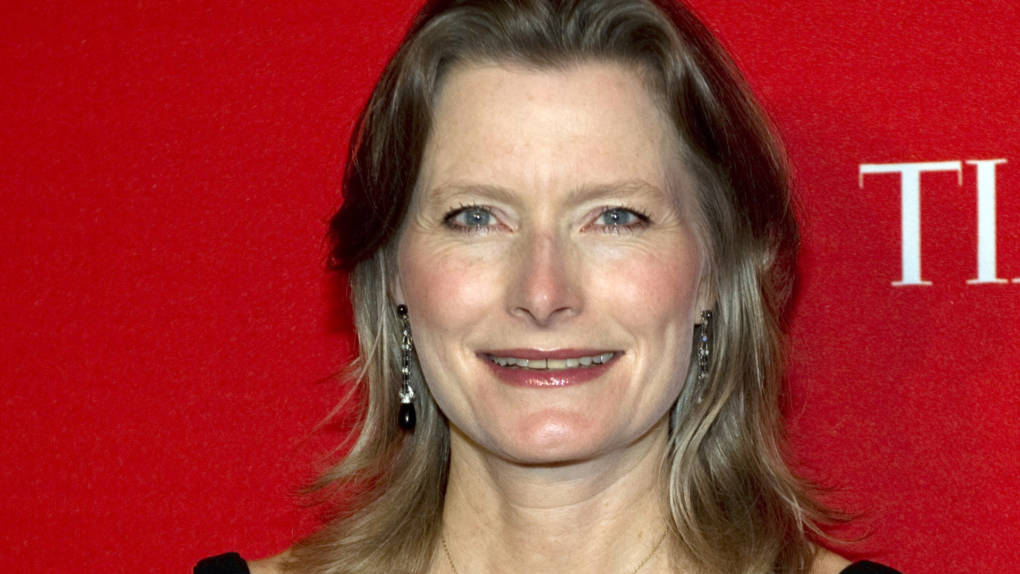
"caption": "American novelist Jennifer Egan arrives at the Time Magazine \"World's 100 Most Influential People\" gala April 26, 2011 in New York. ",
"description": "American novelist Jennifer Egan arrives at the Time Magazine \"World's 100 Most Influential People\" gala April 26, 2011 in New York. ",
"title": "American novelist Jennifer Egan arrives",
"credit": "Don Emmert/AFP/Getty Images",
"status": "inherit",
"isLoading": false,
"fetchFailed": false
},
"arts_13829321": {
"type": "attachments",
"id": "arts_13829321",
"meta": {
"index": "attachments_1716263798",
"site": "arts",
"id": "13829321",
"found": true
},
"parent": 117148,
"imgSizes": {
"small": {
"file": "https://ww2.kqed.org/app/uploads/sites/2/2013/02/David-Sedaris-520x293.jpg",
"width": 520,
"mimeType": "image/jpeg",
"height": 293
},
"twentyfourteen-full-width": {
"file": "https://ww2.kqed.org/app/uploads/sites/2/2013/02/David-Sedaris-1038x576.jpg",
"width": 1038,
"mimeType": "image/jpeg",
"height": 576
},
"thumbnail": {
"file": "https://ww2.kqed.org/app/uploads/sites/2/2013/02/David-Sedaris-160x90.jpg",
"width": 160,
"mimeType": "image/jpeg",
"height": 90
},
"fd-sm": {
"file": "https://ww2.kqed.org/app/uploads/sites/2/2013/02/David-Sedaris-960x540.jpg",
"width": 960,
"mimeType": "image/jpeg",
"height": 540
},
"post-thumbnail": {
"file": "https://ww2.kqed.org/app/uploads/sites/2/2013/02/David-Sedaris-672x372.jpg",
"width": 672,
"mimeType": "image/jpeg",
"height": 372
},
"xsmall": {
"file": "https://ww2.kqed.org/app/uploads/sites/2/2013/02/David-Sedaris-375x211.jpg",
"width": 375,
"mimeType": "image/jpeg",
"height": 211
},
"kqedFullSize": {
"file": "https://ww2.kqed.org/app/uploads/sites/2/2013/02/David-Sedaris.jpg",
"width": 1920,
"height": 1080
},
"large": {
"file": "https://ww2.kqed.org/app/uploads/sites/2/2013/02/David-Sedaris-1020x574.jpg",
"width": 1020,
"mimeType": "image/jpeg",
"height": 574
},
"xlarge": {
"file": "https://ww2.kqed.org/app/uploads/sites/2/2013/02/David-Sedaris-1180x664.jpg",
"width": 1180,
"mimeType": "image/jpeg",
"height": 664
},
"complete_open_graph": {
"file": "https://ww2.kqed.org/app/uploads/sites/2/2013/02/David-Sedaris-1200x675.jpg",
"width": 1200,
"mimeType": "image/jpeg",
"height": 675
},
"guest-author-50": {
"file": "https://ww2.kqed.org/app/uploads/sites/2/2013/02/David-Sedaris-50x50.jpg",
"width": 50,
"mimeType": "image/jpeg",
"height": 50
},
"guest-author-96": {
"file": "https://ww2.kqed.org/app/uploads/sites/2/2013/02/David-Sedaris-96x96.jpg",
"width": 96,
"mimeType": "image/jpeg",
"height": 96
},
"medium": {
"file": "https://ww2.kqed.org/app/uploads/sites/2/2013/02/David-Sedaris-800x450.jpg",
"width": 800,
"mimeType": "image/jpeg",
"height": 450
},
"guest-author-64": {
"file": "https://ww2.kqed.org/app/uploads/sites/2/2013/02/David-Sedaris-64x64.jpg",
"width": 64,
"mimeType": "image/jpeg",
"height": 64
},
"guest-author-32": {
"file": "https://ww2.kqed.org/app/uploads/sites/2/2013/02/David-Sedaris-32x32.jpg",
"width": 32,
"mimeType": "image/jpeg",
"height": 32
},
"fd-lrg": {
"file": "https://ww2.kqed.org/app/uploads/sites/2/2013/02/David-Sedaris-1920x1080.jpg",
"width": 1920,
"mimeType": "image/jpeg",
"height": 1080
},
"fd-med": {
"file": "https://ww2.kqed.org/app/uploads/sites/2/2013/02/David-Sedaris-1180x664.jpg",
"width": 1180,
"mimeType": "image/jpeg",
"height": 664
},
"full-width": {
"file": "https://ww2.kqed.org/app/uploads/sites/2/2013/02/David-Sedaris-1920x1080.jpg",
"width": 1920,
"mimeType": "image/jpeg",
"height": 1080
},
"detail": {
"file": "https://ww2.kqed.org/app/uploads/sites/2/2013/02/David-Sedaris-150x150.jpg",
"width": 150,
"mimeType": "image/jpeg",
"height": 150
},
"medium_large": {
"file": "https://ww2.kqed.org/app/uploads/sites/2/2013/02/David-Sedaris-768x432.jpg",
"width": 768,
"mimeType": "image/jpeg",
"height": 432
},
"guest-author-128": {
"file": "https://ww2.kqed.org/app/uploads/sites/2/2013/02/David-Sedaris-128x128.jpg",
"width": 128,
"mimeType": "image/jpeg",
"height": 128
},
"xxsmall": {
"file": "https://ww2.kqed.org/app/uploads/sites/2/2013/02/David-Sedaris-240x135.jpg",
"width": 240,
"mimeType": "image/jpeg",
"height": 135
}
},
"publishDate": 1523579194,
"modified": 1523579250,
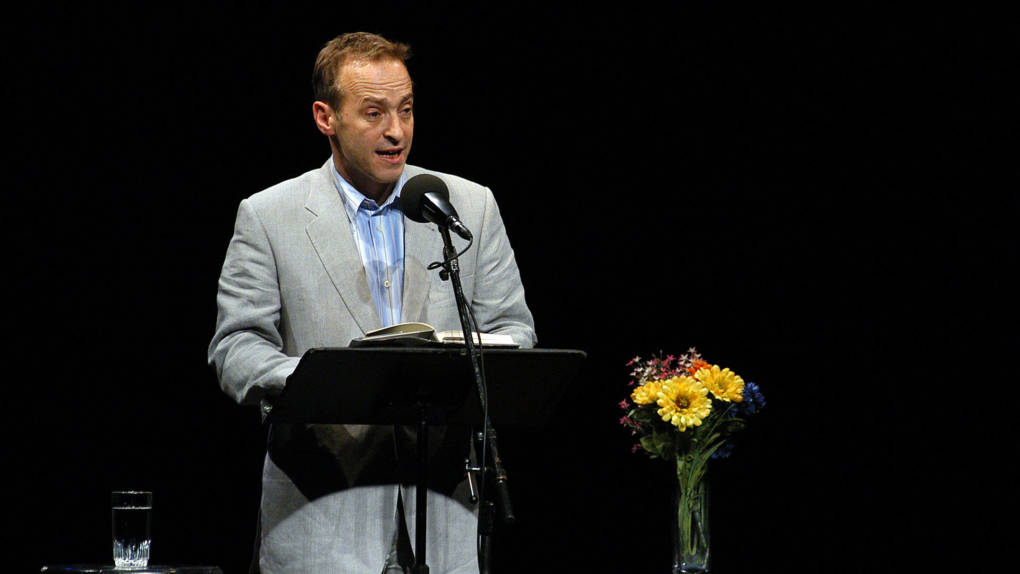
"caption": "David Sedaris reads a short story at the Symphony Space on June 2, 2004 in New York City. ",
"description": "David Sedaris reads a short story at the Symphony Space on June 2, 2004 in New York City. ",
"title": "Symphony Space With David Sedaris Presents Selected Shorts",
"credit": "Bryan Bedder/Getty Images",
"status": "inherit",
"isLoading": false,
"fetchFailed": false
},
"arts_13829324": {
"type": "attachments",
"id": "arts_13829324",
"meta": {
"index": "attachments_1716263798",
"site": "arts",
"id": "13829324",
"found": true
},
"title": "'mother!' NYC Premiere",
"publishDate": 1523579828,
"status": "inherit",
"parent": 116323,
"modified": 1725993383,
"caption": "Patti Smith performs during the New York premiere of 'mother!' at Radio City Music Hall on Sept. 13, 2017 in New York City.",
"credit": "Michael Loccisano/Getty Images for Paramount Pictures",
"altTag": "Patti Smith performs during the New York premiere of 'mother!' at Radio City Music Hall on September 13, 2017 in New York, New York.",
"description": "Patti Smith performs during the New York premiere of 'mother!' at Radio City Music Hall on September 13, 2017 in New York, New York. ",
"imgSizes": {
"thumbnail": {
"file": "https://cdn.kqed.org/wp-content/uploads/sites/2/2013/02/PAtti-Smith-reading-160x90.jpg",
"width": 160,
"height": 90,
"mimeType": "image/jpeg"
},
"medium": {
"file": "https://cdn.kqed.org/wp-content/uploads/sites/2/2013/02/PAtti-Smith-reading-800x450.jpg",
"width": 800,
"height": 450,
"mimeType": "image/jpeg"
},
"medium_large": {
"file": "https://cdn.kqed.org/wp-content/uploads/sites/2/2013/02/PAtti-Smith-reading-768x432.jpg",
"width": 768,
"height": 432,
"mimeType": "image/jpeg"
},
"large": {
"file": "https://cdn.kqed.org/wp-content/uploads/sites/2/2013/02/PAtti-Smith-reading-1020x574.jpg",
"width": 1020,
"height": 574,
"mimeType": "image/jpeg"
},
"complete_open_graph": {
"file": "https://cdn.kqed.org/wp-content/uploads/sites/2/2013/02/PAtti-Smith-reading-1200x675.jpg",
"width": 1200,
"height": 675,
"mimeType": "image/jpeg"
},
"fd-lrg": {
"file": "https://cdn.kqed.org/wp-content/uploads/sites/2/2013/02/PAtti-Smith-reading-1920x1080.jpg",
"width": 1920,
"height": 1080,
"mimeType": "image/jpeg"
},
"fd-med": {
"file": "https://cdn.kqed.org/wp-content/uploads/sites/2/2013/02/PAtti-Smith-reading-1180x664.jpg",
"width": 1180,
"height": 664,
"mimeType": "image/jpeg"
},
"fd-sm": {
"file": "https://cdn.kqed.org/wp-content/uploads/sites/2/2013/02/PAtti-Smith-reading-960x540.jpg",
"width": 960,
"height": 540,
"mimeType": "image/jpeg"
},
"post-thumbnail": {
"file": "https://cdn.kqed.org/wp-content/uploads/sites/2/2013/02/PAtti-Smith-reading-672x372.jpg",
"width": 672,
"height": 372,
"mimeType": "image/jpeg"
},
"twentyfourteen-full-width": {
"file": "https://cdn.kqed.org/wp-content/uploads/sites/2/2013/02/PAtti-Smith-reading-1038x576.jpg",
"width": 1038,
"height": 576,
"mimeType": "image/jpeg"
},
"xxsmall": {
"file": "https://cdn.kqed.org/wp-content/uploads/sites/2/2013/02/PAtti-Smith-reading-240x135.jpg",
"width": 240,
"height": 135,
"mimeType": "image/jpeg"
},
"xsmall": {
"file": "https://cdn.kqed.org/wp-content/uploads/sites/2/2013/02/PAtti-Smith-reading-375x211.jpg",
"width": 375,
"height": 211,
"mimeType": "image/jpeg"
},
"small": {
"file": "https://cdn.kqed.org/wp-content/uploads/sites/2/2013/02/PAtti-Smith-reading-520x293.jpg",
"width": 520,
"height": 293,
"mimeType": "image/jpeg"
},
"xlarge": {
"file": "https://cdn.kqed.org/wp-content/uploads/sites/2/2013/02/PAtti-Smith-reading-1180x664.jpg",
"width": 1180,
"height": 664,
"mimeType": "image/jpeg"
},
"full-width": {
"file": "https://cdn.kqed.org/wp-content/uploads/sites/2/2013/02/PAtti-Smith-reading-1920x1080.jpg",
"width": 1920,
"height": 1080,
"mimeType": "image/jpeg"
},
"guest-author-32": {
"file": "https://cdn.kqed.org/wp-content/uploads/sites/2/2013/02/PAtti-Smith-reading-32x32.jpg",
"width": 32,
"height": 32,
"mimeType": "image/jpeg"
},
"guest-author-50": {
"file": "https://cdn.kqed.org/wp-content/uploads/sites/2/2013/02/PAtti-Smith-reading-50x50.jpg",
"width": 50,
"height": 50,
"mimeType": "image/jpeg"
},
"guest-author-64": {
"file": "https://cdn.kqed.org/wp-content/uploads/sites/2/2013/02/PAtti-Smith-reading-64x64.jpg",
"width": 64,
"height": 64,
"mimeType": "image/jpeg"
},
"guest-author-96": {
"file": "https://cdn.kqed.org/wp-content/uploads/sites/2/2013/02/PAtti-Smith-reading-96x96.jpg",
"width": 96,
"height": 96,
"mimeType": "image/jpeg"
},
"guest-author-128": {
"file": "https://cdn.kqed.org/wp-content/uploads/sites/2/2013/02/PAtti-Smith-reading-128x128.jpg",
"width": 128,
"height": 128,
"mimeType": "image/jpeg"
},
"detail": {
"file": "https://cdn.kqed.org/wp-content/uploads/sites/2/2013/02/PAtti-Smith-reading-150x150.jpg",
"width": 150,
"height": 150,
"mimeType": "image/jpeg"
},
"kqedFullSize": {
"file": "https://cdn.kqed.org/wp-content/uploads/sites/2/2013/02/PAtti-Smith-reading.jpg",
"width": 1920,
"height": 1080
}
},
"isLoading": false,
"fetchFailed": false
},
"arts_10116235": {
"type": "attachments",
"id": "arts_10116235",
"meta": {
"index": "attachments_1716263798",
"site": "arts",
"id": "10116235",
"found": true
},
"parent": 116235,
"imgSizes": {
"kqedFullSize": {
"file": "https://ww2.kqed.org/app/uploads/sites/2/2013/02/booklove248.jpg",
"width": 248,
"height": 140
},
"guest-author-96": {
"file": "https://ww2.kqed.org/app/uploads/sites/2/2013/02/booklove248-96x96.jpg",
"width": 96,
"mimeType": "image/jpeg",
"height": 96
},
"guest-author-64": {
"file": "https://ww2.kqed.org/app/uploads/sites/2/2013/02/booklove248-64x64.jpg",
"width": 64,
"mimeType": "image/jpeg",
"height": 64
},
"detail": {
"file": "https://ww2.kqed.org/app/uploads/sites/2/2013/02/booklove248-75x75.jpg",
"width": 75,
"mimeType": "image/jpeg",
"height": 75
},
"guest-author-32": {
"file": "https://ww2.kqed.org/app/uploads/sites/2/2013/02/booklove248-32x32.jpg",
"width": 32,
"mimeType": "image/jpeg",
"height": 32
},
"guest-author-128": {
"file": "https://ww2.kqed.org/app/uploads/sites/2/2013/02/booklove248-128x128.jpg",
"width": 128,
"mimeType": "image/jpeg",
"height": 128
}
},
"publishDate": 1360714960,
"modified": 1360714960,
"caption": null,
"description": null,
"title": "Sexy Books, Unsexy Books: A Valentine's Day Slideshow-",
"credit": null,
"status": "inherit",
"isLoading": false,
"fetchFailed": false
},
"arts_10116192": {
"type": "attachments",
"id": "arts_10116192",
"meta": {
"index": "attachments_1716263798",
"site": "arts",
"id": "10116192",
"found": true
},
"parent": 116192,
"imgSizes": {
"kqedFullSize": {
"file": "https://ww2.kqed.org/app/uploads/sites/2/2013/02/16162484.jpg",
"width": 248,
"height": 140
},
"detail": {
"file": "https://ww2.kqed.org/app/uploads/sites/2/2013/02/16162484-75x75.jpg",
"width": 75,
"mimeType": "image/jpeg",
"height": 75
}
},
"publishDate": 1360652303,
"modified": 1360652303,
"caption": null,
"description": null,
"title": "'1616': A Single Thrilling Year in a Changing World-",
"credit": null,
"status": "inherit",
"isLoading": false,
"fetchFailed": false
},
"arts_10116049": {
"type": "attachments",
"id": "arts_10116049",
"meta": {
"index": "attachments_1716263798",
"site": "arts",
"id": "10116049",
"found": true
},
"parent": 116049,
"imgSizes": {
"kqedFullSize": {
"file": "https://ww2.kqed.org/app/uploads/sites/2/2013/02/aiweiwei2486.jpg",
"width": 248,
"height": 140
},
"detail": {
"file": "https://ww2.kqed.org/app/uploads/sites/2/2013/02/aiweiwei2486-75x75.jpg",
"width": 75,
"mimeType": "image/jpeg",
"height": 75
}
},
"publishDate": 1360430316,
"modified": 1360430316,
"caption": null,
"description": null,
"title": "Art Book Round Up: Banksy, Bullfighting, Weiwei, and Warhol-",
"credit": null,
"status": "inherit",
"isLoading": false,
"fetchFailed": false
},
"arts_13829329": {
"type": "attachments",
"id": "arts_13829329",
"meta": {
"index": "attachments_1716263798",
"site": "arts",
"id": "13829329",
"found": true
},
"parent": 115691,
"imgSizes": {
"small": {
"file": "https://ww2.kqed.org/app/uploads/sites/2/2013/02/John-Waters-520x293.jpg",
"width": 520,
"mimeType": "image/jpeg",
"height": 293
},
"twentyfourteen-full-width": {
"file": "https://ww2.kqed.org/app/uploads/sites/2/2013/02/John-Waters-1038x576.jpg",
"width": 1038,
"mimeType": "image/jpeg",
"height": 576
},
"thumbnail": {
"file": "https://ww2.kqed.org/app/uploads/sites/2/2013/02/John-Waters-160x90.jpg",
"width": 160,
"mimeType": "image/jpeg",
"height": 90
},
"fd-sm": {
"file": "https://ww2.kqed.org/app/uploads/sites/2/2013/02/John-Waters-960x540.jpg",
"width": 960,
"mimeType": "image/jpeg",
"height": 540
},
"post-thumbnail": {
"file": "https://ww2.kqed.org/app/uploads/sites/2/2013/02/John-Waters-672x372.jpg",
"width": 672,
"mimeType": "image/jpeg",
"height": 372
},
"xsmall": {
"file": "https://ww2.kqed.org/app/uploads/sites/2/2013/02/John-Waters-375x211.jpg",
"width": 375,
"mimeType": "image/jpeg",
"height": 211
},
"kqedFullSize": {
"file": "https://ww2.kqed.org/app/uploads/sites/2/2013/02/John-Waters.jpg",
"width": 1920,
"height": 1080
},
"large": {
"file": "https://ww2.kqed.org/app/uploads/sites/2/2013/02/John-Waters-1020x574.jpg",
"width": 1020,
"mimeType": "image/jpeg",
"height": 574
},
"xlarge": {
"file": "https://ww2.kqed.org/app/uploads/sites/2/2013/02/John-Waters-1180x664.jpg",
"width": 1180,
"mimeType": "image/jpeg",
"height": 664
},
"complete_open_graph": {
"file": "https://ww2.kqed.org/app/uploads/sites/2/2013/02/John-Waters-1200x675.jpg",
"width": 1200,
"mimeType": "image/jpeg",
"height": 675
},
"guest-author-50": {
"file": "https://ww2.kqed.org/app/uploads/sites/2/2013/02/John-Waters-50x50.jpg",
"width": 50,
"mimeType": "image/jpeg",
"height": 50
},
"guest-author-96": {
"file": "https://ww2.kqed.org/app/uploads/sites/2/2013/02/John-Waters-96x96.jpg",
"width": 96,
"mimeType": "image/jpeg",
"height": 96
},
"medium": {
"file": "https://ww2.kqed.org/app/uploads/sites/2/2013/02/John-Waters-800x450.jpg",
"width": 800,
"mimeType": "image/jpeg",
"height": 450
},
"guest-author-64": {
"file": "https://ww2.kqed.org/app/uploads/sites/2/2013/02/John-Waters-64x64.jpg",
"width": 64,
"mimeType": "image/jpeg",
"height": 64
},
"guest-author-32": {
"file": "https://ww2.kqed.org/app/uploads/sites/2/2013/02/John-Waters-32x32.jpg",
"width": 32,
"mimeType": "image/jpeg",
"height": 32
},
"fd-lrg": {
"file": "https://ww2.kqed.org/app/uploads/sites/2/2013/02/John-Waters-1920x1080.jpg",
"width": 1920,
"mimeType": "image/jpeg",
"height": 1080
},
"fd-med": {
"file": "https://ww2.kqed.org/app/uploads/sites/2/2013/02/John-Waters-1180x664.jpg",
"width": 1180,
"mimeType": "image/jpeg",
"height": 664
},
"full-width": {
"file": "https://ww2.kqed.org/app/uploads/sites/2/2013/02/John-Waters-1920x1080.jpg",
"width": 1920,
"mimeType": "image/jpeg",
"height": 1080
},
"detail": {
"file": "https://ww2.kqed.org/app/uploads/sites/2/2013/02/John-Waters-150x150.jpg",
"width": 150,
"mimeType": "image/jpeg",
"height": 150
},
"medium_large": {
"file": "https://ww2.kqed.org/app/uploads/sites/2/2013/02/John-Waters-768x432.jpg",
"width": 768,
"mimeType": "image/jpeg",
"height": 432
},
"guest-author-128": {
"file": "https://ww2.kqed.org/app/uploads/sites/2/2013/02/John-Waters-128x128.jpg",
"width": 128,
"mimeType": "image/jpeg",
"height": 128
},
"xxsmall": {
"file": "https://ww2.kqed.org/app/uploads/sites/2/2013/02/John-Waters-240x135.jpg",
"width": 240,
"mimeType": "image/jpeg",
"height": 135
}
},
"publishDate": 1523581305,
"modified": 1523581347,
"caption": "John Waters speaks onstage during the The 57th Annual GRAMMY Awards Premiere Ceremony at Nokia Theatre L.A. Live on February 8, 2015 in Los Angeles, California. ",
"description": "John Waters speaks onstage during the The 57th Annual GRAMMY Awards Premiere Ceremony at Nokia Theatre L.A. Live on February 8, 2015 in Los Angeles, California. ",
"title": "57th GRAMMY Awards - Premiere Ceremony",
"credit": "Kevork Djansezian/Getty Images",
"status": "inherit",
"isLoading": false,
"fetchFailed": false
},
"arts_13829340": {
"type": "attachments",
"id": "arts_13829340",
"meta": {
"index": "attachments_1716263798",
"site": "arts",
"id": "13829340",
"found": true
},
"parent": 114344,
"imgSizes": {
"small": {
"file": "https://ww2.kqed.org/app/uploads/sites/2/2013/01/skagboys-jacket-cover_wide-d369dc349021609f28b63d7c9665a69f7b34ffcf-520x292.jpg",
"width": 520,
"mimeType": "image/jpeg",
"height": 292
},
"twentyfourteen-full-width": {
"file": "https://ww2.kqed.org/app/uploads/sites/2/2013/01/skagboys-jacket-cover_wide-d369dc349021609f28b63d7c9665a69f7b34ffcf-1038x576.jpg",
"width": 1038,
"mimeType": "image/jpeg",
"height": 576
},
"thumbnail": {
"file": "https://ww2.kqed.org/app/uploads/sites/2/2013/01/skagboys-jacket-cover_wide-d369dc349021609f28b63d7c9665a69f7b34ffcf-160x90.jpg",
"width": 160,
"mimeType": "image/jpeg",
"height": 90
},
"fd-sm": {
"file": "https://ww2.kqed.org/app/uploads/sites/2/2013/01/skagboys-jacket-cover_wide-d369dc349021609f28b63d7c9665a69f7b34ffcf-960x538.jpg",
"width": 960,
"mimeType": "image/jpeg",
"height": 538
},
"post-thumbnail": {
"file": "https://ww2.kqed.org/app/uploads/sites/2/2013/01/skagboys-jacket-cover_wide-d369dc349021609f28b63d7c9665a69f7b34ffcf-672x372.jpg",
"width": 672,
"mimeType": "image/jpeg",
"height": 372
},
"xsmall": {
"file": "https://ww2.kqed.org/app/uploads/sites/2/2013/01/skagboys-jacket-cover_wide-d369dc349021609f28b63d7c9665a69f7b34ffcf-375x210.jpg",
"width": 375,
"mimeType": "image/jpeg",
"height": 210
},
"kqedFullSize": {
"file": "https://ww2.kqed.org/app/uploads/sites/2/2013/01/skagboys-jacket-cover_wide-d369dc349021609f28b63d7c9665a69f7b34ffcf.jpg",
"width": 1311,
"height": 735
},
"large": {
"file": "https://ww2.kqed.org/app/uploads/sites/2/2013/01/skagboys-jacket-cover_wide-d369dc349021609f28b63d7c9665a69f7b34ffcf-1020x572.jpg",
"width": 1020,
"mimeType": "image/jpeg",
"height": 572
},
"xlarge": {
"file": "https://ww2.kqed.org/app/uploads/sites/2/2013/01/skagboys-jacket-cover_wide-d369dc349021609f28b63d7c9665a69f7b34ffcf-1180x662.jpg",
"width": 1180,
"mimeType": "image/jpeg",
"height": 662
},
"complete_open_graph": {
"file": "https://ww2.kqed.org/app/uploads/sites/2/2013/01/skagboys-jacket-cover_wide-d369dc349021609f28b63d7c9665a69f7b34ffcf-1200x673.jpg",
"width": 1200,
"mimeType": "image/jpeg",
"height": 673
},
"guest-author-50": {
"file": "https://ww2.kqed.org/app/uploads/sites/2/2013/01/skagboys-jacket-cover_wide-d369dc349021609f28b63d7c9665a69f7b34ffcf-50x50.jpg",
"width": 50,
"mimeType": "image/jpeg",
"height": 50
},
"guest-author-96": {
"file": "https://ww2.kqed.org/app/uploads/sites/2/2013/01/skagboys-jacket-cover_wide-d369dc349021609f28b63d7c9665a69f7b34ffcf-96x96.jpg",
"width": 96,
"mimeType": "image/jpeg",
"height": 96
},
"medium": {
"file": "https://ww2.kqed.org/app/uploads/sites/2/2013/01/skagboys-jacket-cover_wide-d369dc349021609f28b63d7c9665a69f7b34ffcf-800x449.jpg",
"width": 800,
"mimeType": "image/jpeg",
"height": 449
},
"guest-author-64": {
"file": "https://ww2.kqed.org/app/uploads/sites/2/2013/01/skagboys-jacket-cover_wide-d369dc349021609f28b63d7c9665a69f7b34ffcf-64x64.jpg",
"width": 64,
"mimeType": "image/jpeg",
"height": 64
},
"guest-author-32": {
"file": "https://ww2.kqed.org/app/uploads/sites/2/2013/01/skagboys-jacket-cover_wide-d369dc349021609f28b63d7c9665a69f7b34ffcf-32x32.jpg",
"width": 32,
"mimeType": "image/jpeg",
"height": 32
},
"fd-med": {
"file": "https://ww2.kqed.org/app/uploads/sites/2/2013/01/skagboys-jacket-cover_wide-d369dc349021609f28b63d7c9665a69f7b34ffcf-1180x662.jpg",
"width": 1180,
"mimeType": "image/jpeg",
"height": 662
},
"detail": {
"file": "https://ww2.kqed.org/app/uploads/sites/2/2013/01/skagboys-jacket-cover_wide-d369dc349021609f28b63d7c9665a69f7b34ffcf-150x150.jpg",
"width": 150,
"mimeType": "image/jpeg",
"height": 150
},
"medium_large": {
"file": "https://ww2.kqed.org/app/uploads/sites/2/2013/01/skagboys-jacket-cover_wide-d369dc349021609f28b63d7c9665a69f7b34ffcf-768x431.jpg",
"width": 768,
"mimeType": "image/jpeg",
"height": 431
},
"guest-author-128": {
"file": "https://ww2.kqed.org/app/uploads/sites/2/2013/01/skagboys-jacket-cover_wide-d369dc349021609f28b63d7c9665a69f7b34ffcf-128x128.jpg",
"width": 128,
"mimeType": "image/jpeg",
"height": 128
},
"xxsmall": {
"file": "https://ww2.kqed.org/app/uploads/sites/2/2013/01/skagboys-jacket-cover_wide-d369dc349021609f28b63d7c9665a69f7b34ffcf-240x135.jpg",
"width": 240,
"mimeType": "image/jpeg",
"height": 135
}
},
"publishDate": 1523640615,
"modified": 1523640696,
"caption": "'Skagboys' jacket cover.",
"description": "'Skagboys' jacket cover.",
"title": "skagboys-jacket-cover",
"credit": "Courtesy of NPR",
"status": "inherit",
"isLoading": false,
"fetchFailed": false
},
"arts_12168409": {
"type": "attachments",
"id": "arts_12168409",
"meta": {
"index": "attachments_1716263798",
"site": "arts",
"id": "12168409",
"found": true
},
"parent": 12168408,
"imgSizes": {
"twentyfourteen-full-width": {
"file": "https://ww2.kqed.org/app/uploads/sites/2/2016/10/gettyimages-570481205_wide-7e09ae33efda722229d441964ace6d37e4078158-1038x576.jpg",
"width": 1038,
"mimeType": "image/jpeg",
"height": 576
},
"thumbnail": {
"file": "https://ww2.kqed.org/app/uploads/sites/2/2016/10/gettyimages-570481205_wide-7e09ae33efda722229d441964ace6d37e4078158-400x225.jpg",
"width": 400,
"mimeType": "image/jpeg",
"height": 225
},
"fd-sm": {
"file": "https://ww2.kqed.org/app/uploads/sites/2/2016/10/gettyimages-570481205_wide-7e09ae33efda722229d441964ace6d37e4078158-960x540.jpg",
"width": 960,
"mimeType": "image/jpeg",
"height": 540
},
"post-thumbnail": {
"file": "https://ww2.kqed.org/app/uploads/sites/2/2016/10/gettyimages-570481205_wide-7e09ae33efda722229d441964ace6d37e4078158-672x372.jpg",
"width": 672,
"mimeType": "image/jpeg",
"height": 372
},
"kqedFullSize": {
"file": "https://ww2.kqed.org/app/uploads/sites/2/2016/10/gettyimages-570481205_wide-7e09ae33efda722229d441964ace6d37e4078158.jpg",
"width": 3259,
"height": 1833
},
"large": {
"file": "https://ww2.kqed.org/app/uploads/sites/2/2016/10/gettyimages-570481205_wide-7e09ae33efda722229d441964ace6d37e4078158-1180x664.jpg",
"width": 1180,
"mimeType": "image/jpeg",
"height": 664
},
"guest-author-50": {
"file": "https://ww2.kqed.org/app/uploads/sites/2/2016/10/gettyimages-570481205_wide-7e09ae33efda722229d441964ace6d37e4078158-50x50.jpg",
"width": 50,
"mimeType": "image/jpeg",
"height": 50
},
"guest-author-96": {
"file": "https://ww2.kqed.org/app/uploads/sites/2/2016/10/gettyimages-570481205_wide-7e09ae33efda722229d441964ace6d37e4078158-96x96.jpg",
"width": 96,
"mimeType": "image/jpeg",
"height": 96
},
"medium": {
"file": "https://ww2.kqed.org/app/uploads/sites/2/2016/10/gettyimages-570481205_wide-7e09ae33efda722229d441964ace6d37e4078158-800x450.jpg",
"width": 800,
"mimeType": "image/jpeg",
"height": 450
},
"guest-author-64": {
"file": "https://ww2.kqed.org/app/uploads/sites/2/2016/10/gettyimages-570481205_wide-7e09ae33efda722229d441964ace6d37e4078158-64x64.jpg",
"width": 64,
"mimeType": "image/jpeg",
"height": 64
},
"guest-author-32": {
"file": "https://ww2.kqed.org/app/uploads/sites/2/2016/10/gettyimages-570481205_wide-7e09ae33efda722229d441964ace6d37e4078158-32x32.jpg",
"width": 32,
"mimeType": "image/jpeg",
"height": 32
},
"fd-lrg": {
"file": "https://ww2.kqed.org/app/uploads/sites/2/2016/10/gettyimages-570481205_wide-7e09ae33efda722229d441964ace6d37e4078158-1920x1080.jpg",
"width": 1920,
"mimeType": "image/jpeg",
"height": 1080
},
"fd-med": {
"file": "https://ww2.kqed.org/app/uploads/sites/2/2016/10/gettyimages-570481205_wide-7e09ae33efda722229d441964ace6d37e4078158-1180x664.jpg",
"width": 1180,
"mimeType": "image/jpeg",
"height": 664
},
"detail": {
"file": "https://ww2.kqed.org/app/uploads/sites/2/2016/10/gettyimages-570481205_wide-7e09ae33efda722229d441964ace6d37e4078158-150x150.jpg",
"width": 150,
"mimeType": "image/jpeg",
"height": 150
},
"medium_large": {
"file": "https://ww2.kqed.org/app/uploads/sites/2/2016/10/gettyimages-570481205_wide-7e09ae33efda722229d441964ace6d37e4078158-768x432.jpg",
"width": 768,
"mimeType": "image/jpeg",
"height": 432
},
"guest-author-128": {
"file": "https://ww2.kqed.org/app/uploads/sites/2/2016/10/gettyimages-570481205_wide-7e09ae33efda722229d441964ace6d37e4078158-128x128.jpg",
"width": 128,
"mimeType": "image/jpeg",
"height": 128
}
},
"publishDate": 1475787666,
"modified": 1523662999,
"caption": "Books!",
"description": "Books!",
"title": "Books!",
"credit": null,
"status": "inherit",
"isLoading": false,
"fetchFailed": false
},
"arts_10113131": {
"type": "attachments",
"id": "arts_10113131",
"meta": {
"index": "attachments_1716263798",
"site": "arts",
"id": "10113131",
"found": true
},
"parent": 113131,
"imgSizes": {
"kqedFullSize": {
"file": "https://ww2.kqed.org/app/uploads/sites/2/2012/12/maya2484.jpg",
"width": 248,
"height": 140
},
"detail": {
"file": "https://ww2.kqed.org/app/uploads/sites/2/2012/12/maya2484-75x75.jpg",
"width": 75,
"mimeType": "image/jpeg",
"height": 75
}
},
"publishDate": 1356073456,
"modified": 1356073456,
"caption": null,
"description": null,
"title": "The End of the World: Musings from Notable Writers-",
"credit": null,
"status": "inherit",
"isLoading": false,
"fetchFailed": false
}
},
"audioPlayerReducer": {
"postId": "stream_live",
"isPaused": true,
"isPlaying": false,
"pfsActive": false,
"pledgeModalIsOpen": true,
"playerDrawerIsOpen": false,
"liveAudioPlayStartedAt": 0,
"liveAudioPlayContext": ""
},
"authorsReducer": {
"byline_arts_117965": {
"type": "authors",
"id": "byline_arts_117965",
"meta": {
"override": true
},
"slug": "byline_arts_117965",
"name": "Jennifer Egan",
"isLoading": false
},
"byline_arts_117148": {
"type": "authors",
"id": "byline_arts_117148",
"meta": {
"override": true
},
"slug": "byline_arts_117148",
"name": "David Sedaris",
"isLoading": false
},
"byline_arts_116323": {
"type": "authors",
"id": "byline_arts_116323",
"meta": {
"override": true
},
"slug": "byline_arts_116323",
"name": "Patti Smith",
"isLoading": false
},
"byline_arts_115691": {
"type": "authors",
"id": "byline_arts_115691",
"meta": {
"override": true
},
"slug": "byline_arts_115691",
"name": "John Waters",
"isLoading": false
},
"byline_arts_114344": {
"type": "authors",
"id": "byline_arts_114344",
"meta": {
"override": true
},
"slug": "byline_arts_114344",
"name": "Irvine Welsh",
"isLoading": false
},
"kfarr": {
"type": "authors",
"id": "16",
"meta": {
"index": "authors_1716337520",
"id": "16",
"found": true
},
"name": "Kristin Farr",
"firstName": "Kristin",
"lastName": "Farr",
"slug": "kfarr",
"email": "kfarr@kqed.org",
"display_author_email": false,
"staff_mastheads": [],
"title": null,
"bio": "Kristin Farr is the creator and producer of KQED's Emmy Award-winning web video series, Art School, and she is also a contributing editor for Juxtapoz magazine. Her artwork has been exhibited at galleries around the Bay Area including YBCA, Fifty24SF, Anno Domini and The Bedford Gallery. Her FarrOut art app for iOS was released in 2013. She lives in the East Bay and her favorite color is all of them.",
"avatar": "https://secure.gravatar.com/avatar/96aae7842c46004b98e00051e9e0d71f?s=600&d=blank&r=g",
"twitter": "kristinfarr",
"facebook": null,
"instagram": null,
"linkedin": null,
"sites": [
{
"site": "arts",
"roles": [
"Contributor",
"contributor"
]
},
{
"site": "artschool",
"roles": [
"subscriber"
]
}
],
"headData": {
"title": "Kristin Farr | KQED",
"description": null,
"ogImgSrc": "https://secure.gravatar.com/avatar/96aae7842c46004b98e00051e9e0d71f?s=600&d=blank&r=g",
"twImgSrc": "https://secure.gravatar.com/avatar/96aae7842c46004b98e00051e9e0d71f?s=600&d=blank&r=g"
},
"isLoading": false,
"link": "/author/kfarr"
},
"ehapsis": {
"type": "authors",
"id": "27",
"meta": {
"index": "authors_1716337520",
"id": "27",
"found": true
},
"name": "Emmanuel Hapsis",
"firstName": "Emmanuel",
"lastName": "Hapsis",
"slug": "ehapsis",
"email": "ehapsis@kqed.org",
"display_author_email": false,
"staff_mastheads": [],
"title": "KQED Contributor",
"bio": "Emmanuel Hapsis is the creator and editor of KQED Pop and also the host of \u003cem>\u003ca href=\"https://itunes.apple.com/us/podcast/the-cooler/id1041117499?mt=2\">The Cooler\u003c/a>\u003c/em>. He studied creative writing at University of Maryland and went on to receive his MFA in the field from California College of the Arts. In his free time, he sings his heart out at karaoke.",
"avatar": "https://secure.gravatar.com/avatar/6302b6f7ef8b2dcd3acd9e2c6bc570b7?s=600&d=blank&r=g",
"twitter": "xcusemybeauty",
"facebook": null,
"instagram": null,
"linkedin": null,
"sites": [
{
"site": "arts",
"roles": [
"Contributor",
"subscriber"
]
},
{
"site": "pop",
"roles": [
"contributor"
]
}
],
"headData": {
"title": "Emmanuel Hapsis | KQED",
"description": "KQED Contributor",
"ogImgSrc": "https://secure.gravatar.com/avatar/6302b6f7ef8b2dcd3acd9e2c6bc570b7?s=600&d=blank&r=g",
"twImgSrc": "https://secure.gravatar.com/avatar/6302b6f7ef8b2dcd3acd9e2c6bc570b7?s=600&d=blank&r=g"
},
"isLoading": false,
"link": "/author/ehapsis"
},
"irojascontreras": {
"type": "authors",
"id": "78",
"meta": {
"index": "authors_1716337520",
"id": "78",
"found": true
},
"name": "Ingrid Rojas Contreras",
"firstName": "Ingrid",
"lastName": "Rojas Contreras",
"slug": "irojascontreras",
"email": "ingrid.rojas.c@gmail.com",
"display_author_email": false,
"staff_mastheads": [],
"title": null,
"bio": "Ingrid Rojas Contreras lives in San Francisco with her books. Her debut novel\u003cem> Fruit of the Drunken Tree \u003c/em>is forthcoming from Doubleday (Summer 2018). Find more at \u003ca href=\"http://www.ingridrojascontreras.com\">www.ingridrojascontreras.com\u003c/a>.",
"avatar": "https://secure.gravatar.com/avatar/908d94de9342e71b9d5ceaa8152a16a0?s=600&d=blank&r=g",
"twitter": null,
"facebook": null,
"instagram": null,
"linkedin": null,
"sites": [
{
"site": "arts",
"roles": [
"Contributor",
"contributor"
]
}
],
"headData": {
"title": "Ingrid Rojas Contreras | KQED",
"description": null,
"ogImgSrc": "https://secure.gravatar.com/avatar/908d94de9342e71b9d5ceaa8152a16a0?s=600&d=blank&r=g",
"twImgSrc": "https://secure.gravatar.com/avatar/908d94de9342e71b9d5ceaa8152a16a0?s=600&d=blank&r=g"
},
"isLoading": false,
"link": "/author/irojascontreras"
}
},
"pagesReducer": {
"arts_category_literature": {
"type": "terms",
"id": "arts_73",
"meta": {
"index": "terms_1716263798",
"site": "arts",
"id": "73",
"score": 12.797728
},
"featImg": null,
"name": "Books",
"description": null,
"taxonomy": "category",
"headData": {
"twImgId": null,
"twTitle": null,
"ogTitle": null,
"ogImgId": null,
"twDescription": null,
"description": null,
"title": "Books Archives | KQED Arts",
"ogDescription": null
},
"ttid": 74,
"slug": "literature",
"isLoading": false,
"title": "Books",
"pageMeta": {
"site": "arts",
"WpPageTemplate": "page-topic-editorial",
"currentPage": 112
},
"blocks": [
{
"blockName": "kqed/post-list",
"attrs": {
"layout": "cardArticle2",
"query": "posts/arts?category=literature",
"seeMore": false,
"paginated": true,
"page": 112
}
},
{
"blockName": "kqed/ad"
}
]
}
},
"pfsSessionReducer": {},
"postsReducer": {
"stream_live": {
"type": "live",
"id": "stream_live",
"audioUrl": "https://streams.kqed.org/kqedradio",
"title": "Live Stream",
"excerpt": "Live Stream information currently unavailable.",
"link": "/radio",
"featImg": "",
"label": {
"name": "KQED Live",
"link": "/"
}
},
"stream_kqedNewscast": {
"type": "posts",
"id": "stream_kqedNewscast",
"audioUrl": "https://www.kqed.org/.stream/anon/radio/RDnews/newscast.mp3?_=1",
"title": "KQED Newscast",
"featImg": "",
"label": {
"name": "88.5 FM",
"link": "/"
}
},
"arts_120106": {
"type": "posts",
"id": "arts_120106",
"meta": {
"index": "posts_1716263798",
"site": "arts",
"id": "120106",
"score": null,
"sort": [
1367366049000
]
},
"parent": 0,
"labelTerm": {
"site": "arts"
},
"blocks": [],
"publishDate": 1367366049,
"format": "standard",
"title": "Caroline Paul's 'Lost Cat', a Tale of Love Between People and Pets",
"headTitle": "Caroline Paul’s ‘Lost Cat’, a Tale of Love Between People and Pets | KQED",
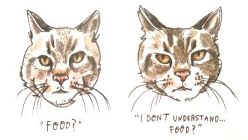
"content": "\u003cp>You may have already heard about San Francisco author Caroline Paul’s new book \u003ca href=\"http://lostcatbook.com/\">\u003ci>Lost Cat\u003c/i>\u003c/a> on a recent episode of KQED’s \u003ca href=\"http://www.kqed.org/a/forum/R201304101000\">Forum\u003c/a>. Or you might have heard of it through mentions by media outlets such as \u003ci>The New York Times\u003c/i>, who recently called 2013 \u003ca href=\"http://www.nytimes.com/2013/04/28/fashion/the-year-of-the-cat-books-of-style.html?_r=0\">The Year of the Cat\u003c/a>. Cats are famous these days, from the internet, to literature, to \u003ca href=\"http://www.oaklandcatvidfest.com/\">film festivals\u003c/a>, and \u003ci>Lost Cat\u003c/i> is a nice, psychologically-charged gem of a story to add to the mix.\u003c/p>\n\u003cp>When I started reading \u003ci>Lost Cat\u003c/i>, I immediately realized it was more than just a story about trying to find out where cats go when they’re off on their own. Paul was recovering from a serious injury when her beloved cat Tibby disappeared for five weeks, before returning with a completely new attitude. The author went to extreme lengths to figure out what he’d been up to. Running parallel to the narrative of Paul’s obsession with Tibby is the story of her new (human) relationship, forming a complex tale about love between both people and pets.\u003c/p>\n\u003cp>\u003c/p>\u003ccenter> \u003cimg decoding=\"async\" src=\"http://u.s.kqed.net/2013/04/30/lostcat2.jpg\" style=\"margin-bottom: 10px;\" alt=\"\">\u003c/center>\n\u003cp>The story has unique characters described in detail by Paul and illustrated by her partner, Wendy MacNaughton. MacNaughton is one of our favorite local illustrators, you might recognize her work from \u003ca href=\"http://therumpus.net/author/wendy-macnaughton/\">The Rumpus\u003c/a> or our recent \u003ca href=\"http://www.kqed.org/arts/visualarts/article.jsp?essid=118704\">studio visit\u003c/a>. Her signature journalistic illustrations are the perfect match for Paul’s wry tone. The illustrations are subtle and frequent, adding richness and color to the emotion and humor of the story.\u003c/p>\n\u003cp>\u003ci>Lost Cat\u003c/i> brings up unexpected debates, like the argument about indoor vs. outdoor cats, what it means to be a crazy cat person now that 90% of the world seems to be crazy about cats, and whether cats have true relationships with their owners beyond the cat chow. Paul’s incessant obsession with her furry pal’s whereabouts and her feelings of being snubbed by him will speak to any pet owner. And her raw, revealing portrait of herself and her relationships is completely relatable. \u003ci>Lost Cat\u003c/i> emphasizes that life is hard, but life with the right cats (and people) is full of mystery and wonder.\u003c/p>\n\u003cp>[ad fullwidth]\u003c/p>\u003cp>\u003c/p>\n",
"stats": {
"hasVideo": false,
"hasChartOrMap": false,
"hasAudio": false,
"hasPolis": false,
"wordCount": 365,
"hasGoogleForm": false,
"hasGallery": false,
"hasHearkenModule": false,
"iframeSrcs": [],
"paragraphCount": 7
},
"modified": 1705049997,
"excerpt": "A story of one woman's obsession with her cat's whereabouts, beautifully illustrated by real-life partner Wendy MacNaughton.",
"headData": {
"twImgId": "",
"twTitle": "",
"ogTitle": "",
"ogImgId": "",
"twDescription": "",
"description": "A story of one woman's obsession with her cat's whereabouts, beautifully illustrated by real-life partner Wendy MacNaughton.",
"title": "Caroline Paul's 'Lost Cat', a Tale of Love Between People and Pets | KQED",
"ogDescription": "",
"schema": {
"@context": "https://schema.org",
"@type": "Article",
"headline": "Caroline Paul's 'Lost Cat', a Tale of Love Between People and Pets",
"datePublished": "2013-04-30T16:54:09-07:00",
"dateModified": "2024-01-12T00:59:57-08:00",
"image": "https://cdn.kqed.org/wp-content/uploads/2020/02/KQED-OG-Image@1x.png"
}
},
"guestAuthors": [],
"slug": "caroline_pauls_lost_cat_a_tale_of_love_between_people_and_pets",
"status": "publish",
"sourceUrl": "http://www.kqed.org/arts/category/literature/literature-review/",
"sticky": false,
"path": "/arts/120106/caroline_pauls_lost_cat_a_tale_of_love_between_people_and_pets",
"audioTrackLength": null,
"parsedContent": [
{
"type": "contentString",
"content": "\u003cdiv class=\"post-body\">\u003cp>\u003cp>You may have already heard about San Francisco author Caroline Paul’s new book \u003ca href=\"http://lostcatbook.com/\">\u003ci>Lost Cat\u003c/i>\u003c/a> on a recent episode of KQED’s \u003ca href=\"http://www.kqed.org/a/forum/R201304101000\">Forum\u003c/a>. Or you might have heard of it through mentions by media outlets such as \u003ci>The New York Times\u003c/i>, who recently called 2013 \u003ca href=\"http://www.nytimes.com/2013/04/28/fashion/the-year-of-the-cat-books-of-style.html?_r=0\">The Year of the Cat\u003c/a>. Cats are famous these days, from the internet, to literature, to \u003ca href=\"http://www.oaklandcatvidfest.com/\">film festivals\u003c/a>, and \u003ci>Lost Cat\u003c/i> is a nice, psychologically-charged gem of a story to add to the mix.\u003c/p>\n\u003cp>When I started reading \u003ci>Lost Cat\u003c/i>, I immediately realized it was more than just a story about trying to find out where cats go when they’re off on their own. Paul was recovering from a serious injury when her beloved cat Tibby disappeared for five weeks, before returning with a completely new attitude. The author went to extreme lengths to figure out what he’d been up to. Running parallel to the narrative of Paul’s obsession with Tibby is the story of her new (human) relationship, forming a complex tale about love between both people and pets.\u003c/p>\n\u003cp>\u003c/p>\u003ccenter> \u003cimg decoding=\"async\" src=\"http://u.s.kqed.net/2013/04/30/lostcat2.jpg\" style=\"margin-bottom: 10px;\" alt=\"\">\u003c/center>\n\u003cp>The story has unique characters described in detail by Paul and illustrated by her partner, Wendy MacNaughton. MacNaughton is one of our favorite local illustrators, you might recognize her work from \u003ca href=\"http://therumpus.net/author/wendy-macnaughton/\">The Rumpus\u003c/a> or our recent \u003ca href=\"http://www.kqed.org/arts/visualarts/article.jsp?essid=118704\">studio visit\u003c/a>. Her signature journalistic illustrations are the perfect match for Paul’s wry tone. The illustrations are subtle and frequent, adding richness and color to the emotion and humor of the story.\u003c/p>\n\u003cp>\u003ci>Lost Cat\u003c/i> brings up unexpected debates, like the argument about indoor vs. outdoor cats, what it means to be a crazy cat person now that 90% of the world seems to be crazy about cats, and whether cats have true relationships with their owners beyond the cat chow. Paul’s incessant obsession with her furry pal’s whereabouts and her feelings of being snubbed by him will speak to any pet owner. And her raw, revealing portrait of herself and her relationships is completely relatable. \u003ci>Lost Cat\u003c/i> emphasizes that life is hard, but life with the right cats (and people) is full of mystery and wonder.\u003c/p>\n\u003cp>\u003c/p>\u003c/div>",
"attributes": {
"named": {},
"numeric": []
}
},
{
"type": "component",
"content": "",
"name": "ad",
"attributes": {
"named": {
"label": "fullwidth"
},
"numeric": [
"fullwidth"
]
}
},
{
"type": "contentString",
"content": "\u003cdiv class=\"post-body\">\u003cp>\u003c/p>\u003cp>\u003c/p>\n\u003c/div>\u003c/p>",
"attributes": {
"named": {},
"numeric": []
}
}
],
"link": "/arts/120106/caroline_pauls_lost_cat_a_tale_of_love_between_people_and_pets",
"authors": [
"16"
],
"categories": [
"arts_73"
],
"tags": [
"arts_596",
"arts_769"
],
"featImg": "arts_10120106",
"label": "arts"
},
"arts_119737": {
"type": "posts",
"id": "arts_119737",
"meta": {
"index": "posts_1716263798",
"site": "arts",
"id": "119737",
"score": null,
"sort": [
1366658368000
]
},
"parent": 0,
"labelTerm": {
"site": "arts"
},
"blocks": [],
"publishDate": 1366658368,
"format": "standard",
"title": "Mattilda Bernstein Sycamore's 'The End of San Francisco'",
"headTitle": "Mattilda Bernstein Sycamore’s ‘The End of San Francisco’ | KQED",
"content": "\u003cp>\u003ci>The End of San Francisco\u003c/i>, out by City Lights last month, is Mattilda Bernstein Sycamore’s potent memoir about longing: longing for good sex, meaningful relationships, a father’s admission of sexual abuse, an LGBT community that supports and questions itself, and most longing for release. The most surprising truth in this memoir is the crux of Sycamore’s appetite — her appetite for seamless belonging is equally matched by an agitated addiction to pursue and lose herself in her ecstasies, a road that she dutifully travels each time only to discover that her ecstasies are ephemeral and haunting.\u003c/p>\n\u003cp>Written in nine parts, \u003ci>The End of San Francisco\u003c/i> is a conversational, disordered account of the author’s anxiety-riddled childhood, her sexual encounters, and a life of clubbing, partying, and stirring activism. The writing is urgent, poignant, high-pitched, then expository. But it is this unevenness that makes the book sound more like an authentic monologue: Sycamore alternately purring in your ear, yelling in your face, or sedately stating the intricacies and repressions she sees in the LGBT community.\u003c/p>\n\u003cp>The first part of the book is harrowing, as Sycamore shares her charged return home. To Sycamore, home is a place of exile. Her family calls her “Matthew” — there is a layer of terror to the telling. She is there to confront her father, who is heavily medicated and on his deathbed, to ask him once again to admit to the sexual abuse. It is unclear how much is getting through to her father and there is no answer on his part. Sycamore writes, “then there are so many layers to my sobbing: there’s holding the chest while spasming anyway; there’s tears gliding smoothly down skin; there’s tears in eyes, face, inside everything.”\u003c/p>\n\u003cp>This book is filled with sounds of the 1990s club scene. Some of the most beautiful writing is on the experience of dancing, perhaps heightened by the fact that Sycamore suffers from fibromyalgia, making it sometimes painful to dance. Here is Cajmere’s “Brighter Days,” which I recommend you listen to as you read Sycamore’s writing on the experience of dancing to it just beneath:\u003c/p>\n\u003cp>[youtube http://www.youtube.com/watch?v=OSusQJPHRzA?rel=0&w=480&h=270]\u003c/p>\n\u003cp>“Screaming when the beat got knock-you-down over-whelming and breathe-deep soothing at the same time or that sample came at the exact moment when you couldn’t possibly handle it or just because you saw the wrong person at the right time or the right person at the wrong time or because there was something missing I mean there was nothing missing for just that moment with the sweat pouring down your face your eyes bringing the beat into your body your body taking it.”\u003c/p>\n\u003cp>[ad fullwidth]\u003c/p>\n\u003cp>Sycamore came to San Francisco in the 1990s, a budding queer activist and part, she writes, “of a whole generation of queers who came to San Francisco to try and cope.” Sycamore was seeking to join something of a queer utopia in San Francisco, but found it lacking, which made her up and move to New York, then Seattle, then San Francisco again, and Seattle again. To this reader it seems that she was on a quest for what she describes elsewhere as “transcendence through an engagement with gestures of public desire.” The end of that road is a sobering one, as Sycamore loses her hope for transcendence both in the bedroom and in San Francisco: “I understand why so many […] give up hoping that sex will become anything other than something lost, over and over again this loss or maybe I mean lack, this sense that something is lacking and some people go to great lengths to keep it that way. Others just follow the rules, and the rest of us slowly lose our sense that sex will ever illuminate anything.”\u003c/p>\n\u003cp>For Sycamore, the San Francisco of her mythology, the place where queerness and activism and otherness could thrive, is over. \u003ci>The End of San Francisco\u003c/i> could be the most insightful break-up memoir the city has ever received.\u003c/p>\n\u003cp>\u003c/p>\n\u003cp>Mattilda Bernstein Sycamore will be reading from \u003ci>The End of San Francisco\u003c/i> on April 30, 7:00pm at City Lights Bookstore in San Francisco, and on May 2nd, 7:30pm, at Pegasus Bookstore in Berkeley. For more information, visit \u003ca href=\"http://www.citylights.com/\">City Lights\u003c/a> and \u003ca href=\"http://www.pegasusbookstore.com/\">Pegasus Books\u003c/a>.\u003c/p>\n\n",
"stats": {
"hasVideo": true,
"hasChartOrMap": false,
"hasAudio": false,
"hasPolis": false,
"wordCount": 756,
"hasGoogleForm": false,
"hasGallery": false,
"hasHearkenModule": false,
"iframeSrcs": [],
"paragraphCount": 11
},
"modified": 1705050016,
"excerpt": "A new memoir by Mattilda Bernstein Sycamore is an urgent, moving, and insightful break-up with the city of San Francisco.",
"headData": {
"twImgId": "",
"twTitle": "",
"ogTitle": "",
"ogImgId": "",
"twDescription": "",
"description": "A new memoir by Mattilda Bernstein Sycamore is an urgent, moving, and insightful break-up with the city of San Francisco.",
"title": "Mattilda Bernstein Sycamore's 'The End of San Francisco' | KQED",
"ogDescription": "",
"schema": {
"@context": "https://schema.org",
"@type": "Article",
"headline": "Mattilda Bernstein Sycamore's 'The End of San Francisco'",
"datePublished": "2013-04-22T12:19:28-07:00",
"dateModified": "2024-01-12T01:00:16-08:00",
"image": "https://cdn.kqed.org/wp-content/uploads/2020/02/KQED-OG-Image@1x.png"
}
},
"guestAuthors": [],
"slug": "mattilda_bernstein_sycamores_the_end_of_san_francisco",
"status": "publish",
"sourceUrl": "http://www.kqed.org/arts/category/literature/literature-review/",
"sticky": false,
"path": "/arts/119737/mattilda_bernstein_sycamores_the_end_of_san_francisco",
"audioTrackLength": null,
"parsedContent": [
{
"type": "contentString",
"content": "\u003cdiv class=\"post-body\">\u003cp>\u003cp>\u003ci>The End of San Francisco\u003c/i>, out by City Lights last month, is Mattilda Bernstein Sycamore’s potent memoir about longing: longing for good sex, meaningful relationships, a father’s admission of sexual abuse, an LGBT community that supports and questions itself, and most longing for release. The most surprising truth in this memoir is the crux of Sycamore’s appetite — her appetite for seamless belonging is equally matched by an agitated addiction to pursue and lose herself in her ecstasies, a road that she dutifully travels each time only to discover that her ecstasies are ephemeral and haunting.\u003c/p>\n\u003cp>Written in nine parts, \u003ci>The End of San Francisco\u003c/i> is a conversational, disordered account of the author’s anxiety-riddled childhood, her sexual encounters, and a life of clubbing, partying, and stirring activism. The writing is urgent, poignant, high-pitched, then expository. But it is this unevenness that makes the book sound more like an authentic monologue: Sycamore alternately purring in your ear, yelling in your face, or sedately stating the intricacies and repressions she sees in the LGBT community.\u003c/p>\n\u003cp>The first part of the book is harrowing, as Sycamore shares her charged return home. To Sycamore, home is a place of exile. Her family calls her “Matthew” — there is a layer of terror to the telling. She is there to confront her father, who is heavily medicated and on his deathbed, to ask him once again to admit to the sexual abuse. It is unclear how much is getting through to her father and there is no answer on his part. Sycamore writes, “then there are so many layers to my sobbing: there’s holding the chest while spasming anyway; there’s tears gliding smoothly down skin; there’s tears in eyes, face, inside everything.”\u003c/p>\n\u003cp>This book is filled with sounds of the 1990s club scene. Some of the most beautiful writing is on the experience of dancing, perhaps heightened by the fact that Sycamore suffers from fibromyalgia, making it sometimes painful to dance. Here is Cajmere’s “Brighter Days,” which I recommend you listen to as you read Sycamore’s writing on the experience of dancing to it just beneath:\u003c/p>\n\u003cp>\u003c/p>\u003cp>\u003cspan class='utils-parseShortcode-shortcodes-__youtubeShortcode__embedYoutube'>\n \u003cspan class='utils-parseShortcode-shortcodes-__youtubeShortcode__embedYoutubeInside'>\n \u003ciframe\n loading='lazy'\n class='utils-parseShortcode-shortcodes-__youtubeShortcode__youtubePlayer'\n type='text/html'\n src='//www.youtube.com/embed/OSusQJPHRzA?rel=0'\n title='//www.youtube.com/embed/OSusQJPHRzA?rel=0'\n allowfullscreen='true'\n style='border:0;'>\u003c/iframe>\n \u003c/span>\n \u003c/span>\u003c/p>\u003cp>\u003c/p>\n\u003cp>“Screaming when the beat got knock-you-down over-whelming and breathe-deep soothing at the same time or that sample came at the exact moment when you couldn’t possibly handle it or just because you saw the wrong person at the right time or the right person at the wrong time or because there was something missing I mean there was nothing missing for just that moment with the sweat pouring down your face your eyes bringing the beat into your body your body taking it.”\u003c/p>\n\u003cp>\u003c/p>\u003c/div>",
"attributes": {
"named": {},
"numeric": []
}
},
{
"type": "component",
"content": "",
"name": "ad",
"attributes": {
"named": {
"label": "fullwidth"
},
"numeric": [
"fullwidth"
]
}
},
{
"type": "contentString",
"content": "\u003cdiv class=\"post-body\">\u003cp>\u003c/p>\n\u003cp>Sycamore came to San Francisco in the 1990s, a budding queer activist and part, she writes, “of a whole generation of queers who came to San Francisco to try and cope.” Sycamore was seeking to join something of a queer utopia in San Francisco, but found it lacking, which made her up and move to New York, then Seattle, then San Francisco again, and Seattle again. To this reader it seems that she was on a quest for what she describes elsewhere as “transcendence through an engagement with gestures of public desire.” The end of that road is a sobering one, as Sycamore loses her hope for transcendence both in the bedroom and in San Francisco: “I understand why so many […] give up hoping that sex will become anything other than something lost, over and over again this loss or maybe I mean lack, this sense that something is lacking and some people go to great lengths to keep it that way. Others just follow the rules, and the rest of us slowly lose our sense that sex will ever illuminate anything.”\u003c/p>\n\u003cp>For Sycamore, the San Francisco of her mythology, the place where queerness and activism and otherness could thrive, is over. \u003ci>The End of San Francisco\u003c/i> could be the most insightful break-up memoir the city has ever received.\u003c/p>\n\u003cp>\u003c/p>\n\u003cp>Mattilda Bernstein Sycamore will be reading from \u003ci>The End of San Francisco\u003c/i> on April 30, 7:00pm at City Lights Bookstore in San Francisco, and on May 2nd, 7:30pm, at Pegasus Bookstore in Berkeley. For more information, visit \u003ca href=\"http://www.citylights.com/\">City Lights\u003c/a> and \u003ca href=\"http://www.pegasusbookstore.com/\">Pegasus Books\u003c/a>.\u003c/p>\n\n\u003c/div>\u003c/p>",
"attributes": {
"named": {},
"numeric": []
}
}
],
"link": "/arts/119737/mattilda_bernstein_sycamores_the_end_of_san_francisco",
"authors": [
"153"
],
"categories": [
"arts_73"
],
"tags": [
"arts_596",
"arts_769"
],
"featImg": "arts_10119737",
"label": "arts"
},
"arts_117965": {
"type": "posts",
"id": "arts_117965",
"meta": {
"index": "posts_1716263798",
"site": "arts",
"id": "117965",
"score": null,
"sort": [
1363589051000
]
},
"guestAuthors": [],
"slug": "greatest_hits_jennifer_egan",
"title": "Greatest Hits: 'A Visit From The Goon Squad'",
"publishDate": 1363589051,
"format": "audio",
"headTitle": "Greatest Hits: ‘A Visit From The Goon Squad’ | KQED",
"labelTerm": {
"site": "arts"
},
"content": "\u003cp>After more than 7 years of weekly readings, \u003cem>The Writers’ Block\u003c/em> is evolving into something new! But, before we get to where we’re going, let’s take a look back at where we’ve been. Jennifer Egan reads a passage about a kleptomaniac from her 2011 Pultizer Prize-winning novel, \u003ci>A Visit from the Goon Squad\u003c/i>.\u003c/p>\n\u003cp>[audio src=\"https://www.kqed.org/.stream/anon/radio//2018/04/KQED128019493.mp3\" title=\"Listen to Jennifer Egan read from her 2011 Pultizer Prize-winning novel, \u003ci>A Visit from the Goon Squad\u003c/i>\" program=”The Writers' Block” image=\"https://ww2.kqed.org/arts/wp-content/uploads/sites/2/2013/03/Jennifer-Egan-1180x664.jpg\"]\u003c/p>\n\u003cp>[ad fullwidth]\u003c/p>\u003cp>\u003c/p>\n",
"blocks": [],
"excerpt": "The Writers' Block is evolving into something new! But, before we get to where we're going, let's take a look back at where we've been. Jennifer Egan reads from her 2011 Pultizer Prize winning novel, \u003ci>A Visit from the Goon Squad\u003c/i>.",
"status": "publish",
"parent": 0,
"modified": 1726705645,
"stats": {
"hasAudio": true,
"hasVideo": false,
"hasChartOrMap": false,
"iframeSrcs": [],
"hasGoogleForm": false,
"hasGallery": false,
"hasHearkenModule": false,
"hasPolis": false,
"paragraphCount": 3,
"wordCount": 118
},
"headData": {
"title": "Greatest Hits: 'A Visit From The Goon Squad' | KQED",
"description": "The Writers' Block is evolving into something new! But, before we get to where we're going, let's take a look back at where we've been. Jennifer Egan reads from her 2011 Pultizer Prize winning novel, A Visit from the Goon Squad.",
"ogTitle": "",
"ogDescription": "",
"ogImgId": "",
"twTitle": "",
"twDescription": "",
"twImgId": "",
"schema": {
"@context": "https://schema.org",
"@type": "Article",
"headline": "Greatest Hits: 'A Visit From The Goon Squad'",
"datePublished": "2013-03-17T23:44:11-07:00",
"dateModified": "2024-09-18T17:27:25-07:00",
"image": "https://cdn.kqed.org/wp-content/uploads/2020/02/KQED-OG-Image@1x.png"
}
},
"sourceUrl": "http://www.kqed.org/arts/programs/writersblock/",
"audioUrl": "https://www.kqed.org/.stream/anon/radio//2018/04/KQED128019493.mp3",
"sticky": false,
"nprByline": "Jennifer Egan",
"path": "/arts/117965/greatest_hits_jennifer_egan",
"audioDuration": null,
"audioTrackLength": null,
"parsedContent": [
{
"type": "contentString",
"content": "\u003cdiv class=\"post-body\">\u003cp>\u003cp>After more than 7 years of weekly readings, \u003cem>The Writers’ Block\u003c/em> is evolving into something new! But, before we get to where we’re going, let’s take a look back at where we’ve been. Jennifer Egan reads a passage about a kleptomaniac from her 2011 Pultizer Prize-winning novel, \u003ci>A Visit from the Goon Squad\u003c/i>.\u003c/p>\n\u003cp>\u003c/p>\u003c/div>",
"attributes": {
"named": {},
"numeric": []
}
},
{
"type": "component",
"content": "",
"name": "audio",
"attributes": {
"named": {
"src": "https://www.kqed.org/.stream/anon/radio//2018/04/KQED128019493.mp3",
"title": "Listen to Jennifer Egan read from her 2011 Pultizer Prize-winning novel, \u003ci>A Visit from the Goon Squad\u003c/i>",
"program": "”The",
"image": "https://ww2.kqed.org/arts/wp-content/uploads/sites/2/2013/03/Jennifer-Egan-1180x664.jpg",
"label": "Writers' Block”"
},
"numeric": [
"Writers'",
"Block”"
]
}
},
{
"type": "contentString",
"content": "\u003cdiv class=\"post-body\">\u003cp>\u003c/p>\n\u003cp>\u003c/p>\u003c/div>",
"attributes": {
"named": {},
"numeric": []
}
},
{
"type": "component",
"content": "",
"name": "ad",
"attributes": {
"named": {
"label": "fullwidth"
},
"numeric": [
"fullwidth"
]
}
},
{
"type": "contentString",
"content": "\u003cdiv class=\"post-body\">\u003cp>\u003c/p>\u003cp>\u003c/p>\n\u003c/div>\u003c/p>",
"attributes": {
"named": {},
"numeric": []
}
}
],
"link": "/arts/117965/greatest_hits_jennifer_egan",
"authors": [
"byline_arts_117965"
],
"categories": [
"arts_73"
],
"tags": [
"arts_330"
],
"featImg": "arts_13829317",
"label": "arts"
},
"arts_117148": {
"type": "posts",
"id": "arts_117148",
"meta": {
"index": "posts_1716263798",
"site": "arts",
"id": "117148",
"score": null,
"sort": [
1362102451000
]
},
"guestAuthors": [],
"slug": "greatest_hits_david_sedaris",
"title": "Greatest Hits: David Sedaris",
"publishDate": 1362102451,
"format": "audio",
"headTitle": "Greatest Hits: David Sedaris | KQED",
"labelTerm": {
"site": "arts"
},
"content": "\u003cp>After more than 7 years of weekly readings, \u003cem>The Writers’ Block\u003c/em> is evolving into something new! But, before we get to where we’re going, let’s take a look back at where we’ve been. The one and only David Sedaris reads “Author, Author?,” a story about the joys of book tours, giant boxes of condoms, and Costco.\u003c/p>\n\u003cp>[audio src=\"https://www.kqed.org/.stream/anon/radio//2018/04/KQED106089049.mp3\" title=\"Listen to David Sedaris read his short story, \u003ci>Author, Author?\u003c/i>\" program=”The Writers' Block” image=\"https://ww2.kqed.org/arts/wp-content/uploads/sites/2/2013/02/David-Sedaris-1180x664.jpg\"]\u003c/p>\n\u003cp>[ad fullwidth]\u003c/p>\u003cp>\u003c/p>\n",
"blocks": [],
"excerpt": "The Writers' Block is evolving into something new! But, before we get to where we're going, let's take a look back at where we've been. The one and only David Sedaris reads \"Author, Author?,\" a story about the joys of book tours, giant boxes of condoms, and Costco.",
"status": "publish",
"parent": 0,
"modified": 1726705653,
"stats": {
"hasAudio": true,
"hasVideo": false,
"hasChartOrMap": false,
"iframeSrcs": [],
"hasGoogleForm": false,
"hasGallery": false,
"hasHearkenModule": false,
"hasPolis": false,
"paragraphCount": 3,
"wordCount": 114
},
"headData": {
"title": "Greatest Hits: David Sedaris | KQED",
"description": "The Writers' Block is evolving into something new! But, before we get to where we're going, let's take a look back at where we've been. The one and only David Sedaris reads "Author, Author?," a story about the joys of book tours, giant boxes of condoms, and Costco.",
"ogTitle": "",
"ogDescription": "",
"ogImgId": "",
"twTitle": "",
"twDescription": "",
"twImgId": "",
"schema": {
"@context": "https://schema.org",
"@type": "Article",
"headline": "Greatest Hits: David Sedaris",
"datePublished": "2013-02-28T17:47:31-08:00",
"dateModified": "2024-09-18T17:27:33-07:00",
"image": "https://cdn.kqed.org/wp-content/uploads/2020/02/KQED-OG-Image@1x.png"
}
},
"sourceUrl": "http://www.kqed.org/arts/programs/writersblock/",
"audioUrl": "https://www.kqed.org/.stream/anon/radio//2018/04/KQED106089049.mp3",
"sticky": false,
"nprByline": "David Sedaris",
"path": "/arts/117148/greatest_hits_david_sedaris",
"audioDuration": null,
"audioTrackLength": null,
"parsedContent": [
{
"type": "contentString",
"content": "\u003cdiv class=\"post-body\">\u003cp>\u003cp>After more than 7 years of weekly readings, \u003cem>The Writers’ Block\u003c/em> is evolving into something new! But, before we get to where we’re going, let’s take a look back at where we’ve been. The one and only David Sedaris reads “Author, Author?,” a story about the joys of book tours, giant boxes of condoms, and Costco.\u003c/p>\n\u003cp>\u003c/p>\u003c/div>",
"attributes": {
"named": {},
"numeric": []
}
},
{
"type": "component",
"content": "",
"name": "audio",
"attributes": {
"named": {
"src": "https://www.kqed.org/.stream/anon/radio//2018/04/KQED106089049.mp3",
"title": "Listen to David Sedaris read his short story, \u003ci>Author, Author?\u003c/i>",
"program": "”The",
"image": "https://ww2.kqed.org/arts/wp-content/uploads/sites/2/2013/02/David-Sedaris-1180x664.jpg",
"label": "Writers' Block”"
},
"numeric": [
"Writers'",
"Block”"
]
}
},
{
"type": "contentString",
"content": "\u003cdiv class=\"post-body\">\u003cp>\u003c/p>\n\u003cp>\u003c/p>\u003c/div>",
"attributes": {
"named": {},
"numeric": []
}
},
{
"type": "component",
"content": "",
"name": "ad",
"attributes": {
"named": {
"label": "fullwidth"
},
"numeric": [
"fullwidth"
]
}
},
{
"type": "contentString",
"content": "\u003cdiv class=\"post-body\">\u003cp>\u003c/p>\u003cp>\u003c/p>\n\u003c/div>\u003c/p>",
"attributes": {
"named": {},
"numeric": []
}
}
],
"link": "/arts/117148/greatest_hits_david_sedaris",
"authors": [
"byline_arts_117148"
],
"categories": [
"arts_73"
],
"tags": [
"arts_330"
],
"featImg": "arts_13829321",
"label": "arts"
},
"arts_116323": {
"type": "posts",
"id": "arts_116323",
"meta": {
"index": "posts_1716263798",
"site": "arts",
"id": "116323",
"score": null,
"sort": [
1360798274000
]
},
"guestAuthors": [],
"slug": "greatest_hits_patti_smith",
"title": "Greatest Hits: Patti Smith & 'Just Kids'",
"publishDate": 1360798274,
"format": "audio",
"headTitle": "Greatest Hits: Patti Smith & ‘Just Kids’ | KQED",
"labelTerm": {
"site": "arts"
},
"content": "\u003cp>After more than 7 years of weekly readings, \u003cem>The Writers’ Block\u003c/em> is evolving into something new! But, before we get to where we’re going, let’s take a look back at where we’ve been. Allow Patti Smith, the Godmother of Punk, to take you on a trip to back to ’60s New York with a reading from \u003ci>Just Kids\u003c/i>!\u003c/p>\n\u003cp>[audio src=\"https://www.kqed.org/.stream/anon/radio//2018/04/KQED123312055.mp3\" title=\"Listen to Patti Smith read an excerpt from \u003ci>Just Kids\u003c/i>\" program=\"The Writers' Block\" image=\"https://ww2.kqed.org/arts/wp-content/uploads/sites/2/2013/02/PAtti-Smith-reading-1180x664.jpg\"]\u003c/p>\n\u003cp>[ad fullwidth]\u003c/p>\u003cp>\u003c/p>\n",
"blocks": [],
"excerpt": "The Writers' Block is evolving into something new! But, before we get to where we're going, let's take a look back at where we've been. Patti Smith takes us on a trip to '60s New York with a reading from \u003ci>Just Kids\u003c/i>!",
"status": "publish",
"parent": 0,
"modified": 1726705658,
"stats": {
"hasAudio": true,
"hasVideo": false,
"hasChartOrMap": false,
"iframeSrcs": [],
"hasGoogleForm": false,
"hasGallery": false,
"hasHearkenModule": false,
"hasPolis": false,
"paragraphCount": 3,
"wordCount": 114
},
"headData": {
"title": "Greatest Hits: Patti Smith & 'Just Kids' | KQED",
"description": "The Writers' Block is evolving into something new! But, before we get to where we're going, let's take a look back at where we've been. Patti Smith takes us on a trip to '60s New York with a reading from Just Kids!",
"ogTitle": "",
"ogDescription": "",
"ogImgId": "",
"twTitle": "",
"twDescription": "",
"twImgId": "",
"schema": {
"@context": "https://schema.org",
"@type": "Article",
"headline": "Greatest Hits: Patti Smith & 'Just Kids'",
"datePublished": "2013-02-13T15:31:14-08:00",
"dateModified": "2024-09-18T17:27:38-07:00",
"image": "https://cdn.kqed.org/wp-content/uploads/2020/02/KQED-OG-Image@1x.png"
}
},
"sourceUrl": "https://www.kqed.org/arts/program/the-writers-block",
"audioUrl": "https://www.kqed.org/.stream/anon/radio//2018/04/KQED123312055.mp3",
"sticky": false,
"nprByline": "Patti Smith",
"path": "/arts/116323/greatest_hits_patti_smith",
"audioDuration": null,
"audioTrackLength": null,
"parsedContent": [
{
"type": "contentString",
"content": "\u003cdiv class=\"post-body\">\u003cp>\u003cp>After more than 7 years of weekly readings, \u003cem>The Writers’ Block\u003c/em> is evolving into something new! But, before we get to where we’re going, let’s take a look back at where we’ve been. Allow Patti Smith, the Godmother of Punk, to take you on a trip to back to ’60s New York with a reading from \u003ci>Just Kids\u003c/i>!\u003c/p>\n\u003cp>\u003c/p>\u003c/div>",
"attributes": {
"named": {},
"numeric": []
}
},
{
"type": "component",
"content": "",
"name": "audio",
"attributes": {
"named": {
"src": "https://www.kqed.org/.stream/anon/radio//2018/04/KQED123312055.mp3",
"title": "Listen to Patti Smith read an excerpt from \u003ci>Just Kids\u003c/i>",
"program": "The Writers' Block",
"image": "https://ww2.kqed.org/arts/wp-content/uploads/sites/2/2013/02/PAtti-Smith-reading-1180x664.jpg",
"label": ""
},
"numeric": []
}
},
{
"type": "contentString",
"content": "\u003cdiv class=\"post-body\">\u003cp>\u003c/p>\n\u003cp>\u003c/p>\u003c/div>",
"attributes": {
"named": {},
"numeric": []
}
},
{
"type": "component",
"content": "",
"name": "ad",
"attributes": {
"named": {
"label": "fullwidth"
},
"numeric": [
"fullwidth"
]
}
},
{
"type": "contentString",
"content": "\u003cdiv class=\"post-body\">\u003cp>\u003c/p>\u003cp>\u003c/p>\n\u003c/div>\u003c/p>",
"attributes": {
"named": {},
"numeric": []
}
}
],
"link": "/arts/116323/greatest_hits_patti_smith",
"authors": [
"byline_arts_116323"
],
"categories": [
"arts_73"
],
"tags": [
"arts_330"
],
"featImg": "arts_13829324",
"label": "arts"
},
"arts_116235": {
"type": "posts",
"id": "arts_116235",
"meta": {
"index": "posts_1716263798",
"site": "arts",
"id": "116235",
"score": null,
"sort": [
1360714960000
]
},
"parent": 0,
"labelTerm": {
"site": "arts"
},
"blocks": [],
"publishDate": 1360714960,
"format": "standard",
"title": "Sexy Books, Unsexy Books: A Valentine's Day Slideshow",
"headTitle": "Sexy Books, Unsexy Books: A Valentine’s Day Slideshow | KQED",
"content": "\u003cp>Have you ever fallen in (or out) of love with someone because of (or through) a book?\u003c/p>\n\u003cp> That’s the question I’ve been putting to book-browsers and sellers peopling the bookstores of the Bay Area. At \u003ca href=\"http://www.booksinc.net/\">Books Inc.\u003c/a> I talked to a woman who told me about the books she and her husband had read out loud together, and at a bar I heard how a book replete with sexual adventure inspired a retreat from a too-safe relationship. Another book taught another gentleman to be wary of an unhinged girlfriend claiming pregnancy. Inevitably in these conversations, the question always turns back to me.\u003c/p>\n\u003cp>I fell in love while reading Hemingway out loud with my partner. Later I became engaged to him because of Kafka’s \u003ca href=\"http://en.wikipedia.org/wiki/Letters_to_Felice\">\u003ci>Letters to Felice\u003c/i>\u003c/a>. It’s a volume of Kafka’s letters to his once-upon-a-time fiancée (whom he vehemently seduced and then just as vehemently repelled, first by sending over-zealous love letters and then ardent essays detailing all the ways in which he, \u003ca href=\"http://en.wikipedia.org/wiki/Franz_Kafka\">Franz Kafka\u003c/a>, left much to be desired). It’s a body of work more substantial than anything he’s ever written, and it just boggles the mind.\u003c/p>\n\u003cp>I looked for a copy of the book for years when one day in Chicago at \u003ca href=\"http://www.quimbys.com/\">Quimby’s Bookstore\u003c/a>, I found it. The problem was that my partner, equally fanatic about Kafka, found it too. There was a stare-down in that small aisle on the second floor of Quimby’s. At length we broke our silence and argued over who should buy the volume. Who liked Kafka more? Finally, at a standstill, I said, “Listen, I’ll buy the book, but I want you to know that from now on I want my books to be your books.” He was taken aback. Surely he was thinking of all the ways in which I had been overprotective of my collection — refusing flatly at times to even let him borrow a book.\u003c/p>\n\u003cp>\u003ci>“Are you proposing to me?”\u003c/i> he asked. I considered what I could possibly mean by offering him ownership of my personal library and then, in disbelief of what I was about to do, I nodded, “Yes,” I said. “I suppose I am.”\u003c/p>\n\u003cp>[ad fullwidth]\u003c/p>\n\u003cp>I do have a literary break-up story, but it wasn’t a book that turned me away from a person — it was the other way around. A boy once asked me out by giving me a Basquiat biography. Our first kiss was oddly unappetizing. We awkwardly said goodbye and then avoided each other for days until I finally broke things off. Since then, every time I see a \u003ca href=\"http://en.wikipedia.org/wiki/Basquiat\">Basquiat\u003c/a>-anything I remember that very bad kiss (\u003ci>sorry, I hope you never read this\u003c/i>) and run the other way.\u003c/p>\n\u003cp> Please \u003ca href=\"mailto:sexy.unsexy.books@gmail.com\">send us your photos\u003c/a> (love/break-up stories voluntary) and in the meantime, feast your eyes on this (highly biased) collection of love and break-up books. (Press fullscreen and ‘show info’ to see which is which.):\u003c/p>\n\u003cp>\u003c/p>\u003ccenter>\u003cobject width=\"400\" height=\"300\">\u003cparam name=\"flashvars\" value=\"offsite=true&lang=en-us&page_show_url=%2Fphotos%2Fingrid_rojas_c%2Fsets%2F72157632725046121%2Fshow%2F&page_show_back_url=%2Fphotos%2Fingrid_rojas_c%2Fsets%2F72157632725046121%2F&set_id=72157632725046121&jump_to=\">\u003cparam name=\"movie\" value=\"http://www.flickr.com/apps/slideshow/show.swf?v=124984\">\u003cparam name=\"allowFullScreen\" value=\"true\">\u003cembed type=\"application/x-shockwave-flash\" src=\"http://www.flickr.com/apps/slideshow/show.swf?v=124984\" allowfullscreen=\"true\" flashvars=\"offsite=true&lang=en-us&page_show_url=%2Fphotos%2Fingrid_rojas_c%2Fsets%2F72157632725046121%2Fshow%2F&page_show_back_url=%2Fphotos%2Fingrid_rojas_c%2Fsets%2F72157632725046121%2F&set_id=72157632725046121&jump_to=\" width=\"400\" height=\"300\">\u003c/embed>\u003c/object>\u003c/center>\n\u003cp>\u003c/p>\n\u003cp>Thanks to all the staff at \u003ca href=\"http://www.booksinc.net/\">Books Inc.\u003c/a> on California Street, \u003ca href=\"http://citylights.com/\">City Lights\u003c/a>, \u003ca href=\"http://www.greenapplebooks.com/\">Green Apple Books\u003c/a>, \u003ca href=\"http://www.borderlands-books.com/\">Borderlands Books\u003c/a>, \u003ca href=\"http://www.dogearedbooks.com/\">Dog Eared Books\u003c/a>, and \u003ca href=\"http://booksmith.com/\">The Booksmith\u003c/a>.\u003c/p>\n\n",
"stats": {
"hasVideo": false,
"hasChartOrMap": false,
"hasAudio": false,
"hasPolis": false,
"wordCount": 552,
"hasGoogleForm": false,
"hasGallery": false,
"hasHearkenModule": false,
"iframeSrcs": [],
"paragraphCount": 11
},
"modified": 1705050172,
"excerpt": "Shoppers and booksellers share the books that have shaped their romantic lives. Share your photos and stories by emailing \u003ca href=\"mailto:sexy.unsexy.books@gmail.com\">sexy.unsexy.books@gmail.com\u003c/a>!",
"headData": {
"twImgId": "",
"twTitle": "",
"ogTitle": "",
"ogImgId": "",
"twDescription": "",
"description": "Shoppers and booksellers share the books that have shaped their romantic lives. Share your photos and stories by emailing sexy.unsexy.books@gmail.com!",
"title": "Sexy Books, Unsexy Books: A Valentine's Day Slideshow | KQED",
"ogDescription": "",
"schema": {
"@context": "https://schema.org",
"@type": "Article",
"headline": "Sexy Books, Unsexy Books: A Valentine's Day Slideshow",
"datePublished": "2013-02-12T16:22:40-08:00",
"dateModified": "2024-01-12T01:02:52-08:00",
"image": "https://cdn.kqed.org/wp-content/uploads/2020/02/KQED-OG-Image@1x.png"
}
},
"guestAuthors": [],
"slug": "sexy_books_unsexy_books_a_valentines_day_slideshow",
"status": "publish",
"sourceUrl": "http://www.kqed.org/arts/category/literature/",
"sticky": false,
"path": "/arts/116235/sexy_books_unsexy_books_a_valentines_day_slideshow",
"audioTrackLength": null,
"parsedContent": [
{
"type": "contentString",
"content": "\u003cdiv class=\"post-body\">\u003cp>\u003cp>Have you ever fallen in (or out) of love with someone because of (or through) a book?\u003c/p>\n\u003cp> That’s the question I’ve been putting to book-browsers and sellers peopling the bookstores of the Bay Area. At \u003ca href=\"http://www.booksinc.net/\">Books Inc.\u003c/a> I talked to a woman who told me about the books she and her husband had read out loud together, and at a bar I heard how a book replete with sexual adventure inspired a retreat from a too-safe relationship. Another book taught another gentleman to be wary of an unhinged girlfriend claiming pregnancy. Inevitably in these conversations, the question always turns back to me.\u003c/p>\n\u003cp>I fell in love while reading Hemingway out loud with my partner. Later I became engaged to him because of Kafka’s \u003ca href=\"http://en.wikipedia.org/wiki/Letters_to_Felice\">\u003ci>Letters to Felice\u003c/i>\u003c/a>. It’s a volume of Kafka’s letters to his once-upon-a-time fiancée (whom he vehemently seduced and then just as vehemently repelled, first by sending over-zealous love letters and then ardent essays detailing all the ways in which he, \u003ca href=\"http://en.wikipedia.org/wiki/Franz_Kafka\">Franz Kafka\u003c/a>, left much to be desired). It’s a body of work more substantial than anything he’s ever written, and it just boggles the mind.\u003c/p>\n\u003cp>I looked for a copy of the book for years when one day in Chicago at \u003ca href=\"http://www.quimbys.com/\">Quimby’s Bookstore\u003c/a>, I found it. The problem was that my partner, equally fanatic about Kafka, found it too. There was a stare-down in that small aisle on the second floor of Quimby’s. At length we broke our silence and argued over who should buy the volume. Who liked Kafka more? Finally, at a standstill, I said, “Listen, I’ll buy the book, but I want you to know that from now on I want my books to be your books.” He was taken aback. Surely he was thinking of all the ways in which I had been overprotective of my collection — refusing flatly at times to even let him borrow a book.\u003c/p>\n\u003cp>\u003ci>“Are you proposing to me?”\u003c/i> he asked. I considered what I could possibly mean by offering him ownership of my personal library and then, in disbelief of what I was about to do, I nodded, “Yes,” I said. “I suppose I am.”\u003c/p>\n\u003cp>\u003c/p>\u003c/div>",
"attributes": {
"named": {},
"numeric": []
}
},
{
"type": "component",
"content": "",
"name": "ad",
"attributes": {
"named": {
"label": "fullwidth"
},
"numeric": [
"fullwidth"
]
}
},
{
"type": "contentString",
"content": "\u003cdiv class=\"post-body\">\u003cp>\u003c/p>\n\u003cp>I do have a literary break-up story, but it wasn’t a book that turned me away from a person — it was the other way around. A boy once asked me out by giving me a Basquiat biography. Our first kiss was oddly unappetizing. We awkwardly said goodbye and then avoided each other for days until I finally broke things off. Since then, every time I see a \u003ca href=\"http://en.wikipedia.org/wiki/Basquiat\">Basquiat\u003c/a>-anything I remember that very bad kiss (\u003ci>sorry, I hope you never read this\u003c/i>) and run the other way.\u003c/p>\n\u003cp> Please \u003ca href=\"mailto:sexy.unsexy.books@gmail.com\">send us your photos\u003c/a> (love/break-up stories voluntary) and in the meantime, feast your eyes on this (highly biased) collection of love and break-up books. (Press fullscreen and ‘show info’ to see which is which.):\u003c/p>\n\u003cp>\u003c/p>\u003ccenter>\u003cobject width=\"400\" height=\"300\">\u003cparam name=\"flashvars\" value=\"offsite=true&lang=en-us&page_show_url=%2Fphotos%2Fingrid_rojas_c%2Fsets%2F72157632725046121%2Fshow%2F&page_show_back_url=%2Fphotos%2Fingrid_rojas_c%2Fsets%2F72157632725046121%2F&set_id=72157632725046121&jump_to=\">\u003cparam name=\"movie\" value=\"http://www.flickr.com/apps/slideshow/show.swf?v=124984\">\u003cparam name=\"allowFullScreen\" value=\"true\">\u003cembed type=\"application/x-shockwave-flash\" src=\"http://www.flickr.com/apps/slideshow/show.swf?v=124984\" allowfullscreen=\"true\" flashvars=\"offsite=true&lang=en-us&page_show_url=%2Fphotos%2Fingrid_rojas_c%2Fsets%2F72157632725046121%2Fshow%2F&page_show_back_url=%2Fphotos%2Fingrid_rojas_c%2Fsets%2F72157632725046121%2F&set_id=72157632725046121&jump_to=\" width=\"400\" height=\"300\">\u003c/embed>\u003c/object>\u003c/center>\n\u003cp>\u003c/p>\n\u003cp>Thanks to all the staff at \u003ca href=\"http://www.booksinc.net/\">Books Inc.\u003c/a> on California Street, \u003ca href=\"http://citylights.com/\">City Lights\u003c/a>, \u003ca href=\"http://www.greenapplebooks.com/\">Green Apple Books\u003c/a>, \u003ca href=\"http://www.borderlands-books.com/\">Borderlands Books\u003c/a>, \u003ca href=\"http://www.dogearedbooks.com/\">Dog Eared Books\u003c/a>, and \u003ca href=\"http://booksmith.com/\">The Booksmith\u003c/a>.\u003c/p>\n\n\u003c/div>\u003c/p>",
"attributes": {
"named": {},
"numeric": []
}
}
],
"link": "/arts/116235/sexy_books_unsexy_books_a_valentines_day_slideshow",
"authors": [
"78"
],
"categories": [
"arts_73"
],
"featImg": "arts_10116235",
"label": "arts"
},
"arts_116192": {
"type": "posts",
"id": "arts_116192",
"meta": {
"index": "posts_1716263798",
"site": "arts",
"id": "116192",
"score": null,
"sort": [
1360652303000
]
},
"parent": 0,
"labelTerm": {
"site": "arts"
},
"blocks": [],
"publishDate": 1360652303,
"format": "standard",
"title": "'1616': A Single Thrilling Year in a Changing World",
"headTitle": "‘1616’: A Single Thrilling Year in a Changing World | KQED",
"content": "\u003cp>\u003ci>1616: The World in Motion\u003c/i> is everything I could ever want in a history book. Let me come clean. I am not really the type of reader who picks up history books. In fact, I usually steer clear of that dreary aisle in bookstores and head instead into the expansive fiction section, or I grab a bench in the airy poetry corner, and then look at some art books until my feet hurt from standing. If I happen to come upon the history section, I am befuddled. The word \u003ci>war\u003c/i> seems to loom from everywhere, presidential faces peer out, and country names are set in ominous typefaces. I retreat slowly.\u003c/p>\n\u003cp>\u003ci>1616: The World in Motion\u003c/i> is no ordinary history book. It is illustrated, lyrical, and focuses on a single year, jumping through stories across the globe. It is beautiful to look at, containing engravings from around the world, watercolors from the Mughal court, maps from odd perspectives, soft, fleshy paintings, ink scrolls, and sketches. It is also pleasant to read, touching on the silk trade, witch-hunts, court intrigues, pirates, alchemy, wanderlust on sea and land, slaves, and refugees. Few books are conceived of in this way.\u003c/p>\n\u003cp>Thomas Christensen writes in the preface of this book that one day he simply woke up with the strange resolve to research and write about the year 1616 — it became an obsession. “Some years,” Christensen writes, “1066, 1492, 1776, 1945 — are emblazoned in everyone’s consciousness.” While 1616 is not one of these, Christensen argues this a good thing. “Cathartic events can so dominate an era that they make it difficult to see the deeper forces that drive long-term change.”\u003c/p>\n\u003cp>1616 reveals a world on the verge: science and spirituality are about to rip apart forever; globalization begins to erode the notion of the world as a magical, mysterious place; women rising to some stature suffer dire grievances; world religions clash but business is a uniting force; and people everywhere are confronted with the strange sights of foreign emissaries, opportunists, and outlaws decked in curious dress parading into their previously isolated pockets of civilization.\u003c/p>\n\u003cp>The book is not chronologically told, but organized around ideas. The opening chapter focuses on the silk trade and the first multinational corporation ever, the Dutch East India Company. While buoyed with interesting tidbits (“Silkworms were said to have been carried to Central Asia by a woman who hid moth eggs in her headband; eastern Christian monks supposedly brought eggs to Turkey hidden in their long walking staffs,”) international trade just fails to capture the imagination.\u003c/p>\n\u003cp>[ad fullwidth]\u003c/p>\n\u003cp>The next three parts — which dwell on emerging roles for women, the visual arts, and the state of science and spirituality in the world of 1616 (with the intriguing title “Witch Hunters and Truth Seekers; Science, Signs, and Secret Knowledge”) — are absolutely riveting.\u003c/p>\n\u003cp>Part two opens with the following impeccable passage: “In June 1616 a desk clerk in a London hotel checked in a party of travelers that was remarkable even to his jaded eyes. The lodgers were a mixed group of about ten or twelve men, women, and children. The most startling was a shaman named Uttamatomakkin. His face was boldly painted in bright colors. His hair was shaved on one side of his head and braided to a length of several feet on the other. He wore a breechcloth and carried a long, notched stick, on which he had tried for a time to record an estimate of England’s population before giving up the attempt hopeless.”\u003c/p>\n\u003cp>The shaman is Pocahontas’ father. Christensen expertly navigates female trajectories of the era. In some cases women are oppressed by male-centric traditions, and in other cases, they are able to subvert these traditions. Pocahontas found herself in England being shown off as a savage converted and saved by religion. English poet Mary Wroth was punished by society when she published a folio. Cross-dresser Catalina de Erauso successfully fought in the New World as a soldier, killing many natives in Peru and Chile, and acquiring a reputation as quick-tempered and absolutely sanguinary. When her true identity was discovered, Catalina de Erauso didn’t suffer much of a consequence. In the end, she even got special permission from the Pope to wear men’s clothes. People referred to her as “Lieutenant Antonio de Erauso.”\u003c/p>\n\u003cp>The third part of the book surveys the visual arts in 1616, and Christensen shows a field increasingly influenced by foreign worldviews. The paintings from the Moghul court are probably the most exemplary of this change. The Moghul emperor had his own personal atelier “to document the events and personages of his reign, as well as the curious creatures that made their way to his court.” They are filled with strange symbolism (Mughal emperor Jahangir seated atop a large sand clock upon which angels are writing; Jahangir standing on a globe resting on a goat which in turn stands upon a fish) and they also feature foreign emissaries and ambassadors in what translates into a visual culture clash.\u003c/p>\n\u003cp>Chapter four, “Witch Hunters and Truth Seekers”, is the most compelling in the book, centering on the rift that developed in the sciences. Largely focused around Johannes Kepler (who among other things was preoccupied with discovering God’s plan through the geometry of the universe) and Tycho Brahe (who lost part of his nose in a duel and so wore a prosthetic metal one), 1616 finds science divided. On the one hand it is seriously entwined with divination, religion, and the inquisition, and on the other hand (as exemplified by Galileo) it makes a resolute break with the ethereal.\u003c/p>\n\u003cp>In \u003ci>1616: A World in Motion\u003c/i> Christensen uses decisively modern narrative techniques. In the beginning of the book we learn about “the Overbury murder,” a case that involves King James’ court, an extramarital affair, a marriage annulment, and a sonnet. Two chapters later, as we read about China, Christensen pulls the curtain back to a connection to the Overbury murder. Yet another chapter later, when you least expect him to, Christensen will do it again. Christensen’s intention may be clearly humorous, but the feeling conveyed is profound. Upon each new successive, side-long connection to the Overbury trial, an invitation to ponder what a small world it was, even in 1616, slowly cements itself.\u003c/p>\n\u003cp>The simplicity of reading only about one year is a profound one, providing a feeling of omniscience and a kind of deep pleasure upon witnessing the same year open again and again in different cultures and empires. As I reached the end of the book and sighed in satisfaction my partner smiled at me, asking, “What happened? Did it finally become 16\u003ci>17\u003c/i>?” “Yeah,” I tell him. “It kind of did.”\u003c/p>\n\u003cp>[ad floatright]\u003c/p>\n\u003cp>\u003ci>1616: The World in Motion\u003c/i> is available at \u003ca href=\"http://www.amazon.com/1616-World-Motion-Thomas-Christensen/dp/161902067X\">amazon.com\u003c/a>.\u003c/p>\n\n",
"stats": {
"hasVideo": false,
"hasChartOrMap": false,
"hasAudio": false,
"hasPolis": false,
"wordCount": 1176,
"hasGoogleForm": false,
"hasGallery": false,
"hasHearkenModule": false,
"iframeSrcs": [],
"paragraphCount": 15
},
"modified": 1705050176,
"excerpt": "Thomas Christensen's book covering a single year in history is beautiful to look at, pleasant to read, and filled with tantalizing details about \u003ci>The World in Motion\u003c/i>.",
"headData": {
"twImgId": "",
"twTitle": "",
"ogTitle": "",
"ogImgId": "",
"twDescription": "",
"description": "Thomas Christensen's book covering a single year in history is beautiful to look at, pleasant to read, and filled with tantalizing details about The World in Motion.",
"title": "'1616': A Single Thrilling Year in a Changing World | KQED",
"ogDescription": "",
"schema": {
"@context": "https://schema.org",
"@type": "Article",
"headline": "'1616': A Single Thrilling Year in a Changing World",
"datePublished": "2013-02-11T22:58:23-08:00",
"dateModified": "2024-01-12T01:02:56-08:00",
"image": "https://cdn.kqed.org/wp-content/uploads/2020/02/KQED-OG-Image@1x.png"
}
},
"guestAuthors": [],
"slug": "1616_a_single_thrilling_year_in_a_changing_world",
"status": "publish",
"sourceUrl": "http://www.kqed.org/arts/category/literature/literature-review/",
"sticky": false,
"path": "/arts/116192/1616_a_single_thrilling_year_in_a_changing_world",
"audioTrackLength": null,
"parsedContent": [
{
"type": "contentString",
"content": "\u003cdiv class=\"post-body\">\u003cp>\u003cp>\u003ci>1616: The World in Motion\u003c/i> is everything I could ever want in a history book. Let me come clean. I am not really the type of reader who picks up history books. In fact, I usually steer clear of that dreary aisle in bookstores and head instead into the expansive fiction section, or I grab a bench in the airy poetry corner, and then look at some art books until my feet hurt from standing. If I happen to come upon the history section, I am befuddled. The word \u003ci>war\u003c/i> seems to loom from everywhere, presidential faces peer out, and country names are set in ominous typefaces. I retreat slowly.\u003c/p>\n\u003cp>\u003ci>1616: The World in Motion\u003c/i> is no ordinary history book. It is illustrated, lyrical, and focuses on a single year, jumping through stories across the globe. It is beautiful to look at, containing engravings from around the world, watercolors from the Mughal court, maps from odd perspectives, soft, fleshy paintings, ink scrolls, and sketches. It is also pleasant to read, touching on the silk trade, witch-hunts, court intrigues, pirates, alchemy, wanderlust on sea and land, slaves, and refugees. Few books are conceived of in this way.\u003c/p>\n\u003cp>Thomas Christensen writes in the preface of this book that one day he simply woke up with the strange resolve to research and write about the year 1616 — it became an obsession. “Some years,” Christensen writes, “1066, 1492, 1776, 1945 — are emblazoned in everyone’s consciousness.” While 1616 is not one of these, Christensen argues this a good thing. “Cathartic events can so dominate an era that they make it difficult to see the deeper forces that drive long-term change.”\u003c/p>\n\u003cp>1616 reveals a world on the verge: science and spirituality are about to rip apart forever; globalization begins to erode the notion of the world as a magical, mysterious place; women rising to some stature suffer dire grievances; world religions clash but business is a uniting force; and people everywhere are confronted with the strange sights of foreign emissaries, opportunists, and outlaws decked in curious dress parading into their previously isolated pockets of civilization.\u003c/p>\n\u003cp>The book is not chronologically told, but organized around ideas. The opening chapter focuses on the silk trade and the first multinational corporation ever, the Dutch East India Company. While buoyed with interesting tidbits (“Silkworms were said to have been carried to Central Asia by a woman who hid moth eggs in her headband; eastern Christian monks supposedly brought eggs to Turkey hidden in their long walking staffs,”) international trade just fails to capture the imagination.\u003c/p>\n\u003cp>\u003c/p>\u003c/div>",
"attributes": {
"named": {},
"numeric": []
}
},
{
"type": "component",
"content": "",
"name": "ad",
"attributes": {
"named": {
"label": "fullwidth"
},
"numeric": [
"fullwidth"
]
}
},
{
"type": "contentString",
"content": "\u003cdiv class=\"post-body\">\u003cp>\u003c/p>\n\u003cp>The next three parts — which dwell on emerging roles for women, the visual arts, and the state of science and spirituality in the world of 1616 (with the intriguing title “Witch Hunters and Truth Seekers; Science, Signs, and Secret Knowledge”) — are absolutely riveting.\u003c/p>\n\u003cp>Part two opens with the following impeccable passage: “In June 1616 a desk clerk in a London hotel checked in a party of travelers that was remarkable even to his jaded eyes. The lodgers were a mixed group of about ten or twelve men, women, and children. The most startling was a shaman named Uttamatomakkin. His face was boldly painted in bright colors. His hair was shaved on one side of his head and braided to a length of several feet on the other. He wore a breechcloth and carried a long, notched stick, on which he had tried for a time to record an estimate of England’s population before giving up the attempt hopeless.”\u003c/p>\n\u003cp>The shaman is Pocahontas’ father. Christensen expertly navigates female trajectories of the era. In some cases women are oppressed by male-centric traditions, and in other cases, they are able to subvert these traditions. Pocahontas found herself in England being shown off as a savage converted and saved by religion. English poet Mary Wroth was punished by society when she published a folio. Cross-dresser Catalina de Erauso successfully fought in the New World as a soldier, killing many natives in Peru and Chile, and acquiring a reputation as quick-tempered and absolutely sanguinary. When her true identity was discovered, Catalina de Erauso didn’t suffer much of a consequence. In the end, she even got special permission from the Pope to wear men’s clothes. People referred to her as “Lieutenant Antonio de Erauso.”\u003c/p>\n\u003cp>The third part of the book surveys the visual arts in 1616, and Christensen shows a field increasingly influenced by foreign worldviews. The paintings from the Moghul court are probably the most exemplary of this change. The Moghul emperor had his own personal atelier “to document the events and personages of his reign, as well as the curious creatures that made their way to his court.” They are filled with strange symbolism (Mughal emperor Jahangir seated atop a large sand clock upon which angels are writing; Jahangir standing on a globe resting on a goat which in turn stands upon a fish) and they also feature foreign emissaries and ambassadors in what translates into a visual culture clash.\u003c/p>\n\u003cp>Chapter four, “Witch Hunters and Truth Seekers”, is the most compelling in the book, centering on the rift that developed in the sciences. Largely focused around Johannes Kepler (who among other things was preoccupied with discovering God’s plan through the geometry of the universe) and Tycho Brahe (who lost part of his nose in a duel and so wore a prosthetic metal one), 1616 finds science divided. On the one hand it is seriously entwined with divination, religion, and the inquisition, and on the other hand (as exemplified by Galileo) it makes a resolute break with the ethereal.\u003c/p>\n\u003cp>In \u003ci>1616: A World in Motion\u003c/i> Christensen uses decisively modern narrative techniques. In the beginning of the book we learn about “the Overbury murder,” a case that involves King James’ court, an extramarital affair, a marriage annulment, and a sonnet. Two chapters later, as we read about China, Christensen pulls the curtain back to a connection to the Overbury murder. Yet another chapter later, when you least expect him to, Christensen will do it again. Christensen’s intention may be clearly humorous, but the feeling conveyed is profound. Upon each new successive, side-long connection to the Overbury trial, an invitation to ponder what a small world it was, even in 1616, slowly cements itself.\u003c/p>\n\u003cp>The simplicity of reading only about one year is a profound one, providing a feeling of omniscience and a kind of deep pleasure upon witnessing the same year open again and again in different cultures and empires. As I reached the end of the book and sighed in satisfaction my partner smiled at me, asking, “What happened? Did it finally become 16\u003ci>17\u003c/i>?” “Yeah,” I tell him. “It kind of did.”\u003c/p>\n\u003cp>\u003c/p>\u003c/div>",
"attributes": {
"named": {},
"numeric": []
}
},
{
"type": "component",
"content": "",
"name": "ad",
"attributes": {
"named": {
"label": "floatright"
},
"numeric": [
"floatright"
]
}
},
{
"type": "contentString",
"content": "\u003cdiv class=\"post-body\">\u003cp>\u003c/p>\n\u003cp>\u003ci>1616: The World in Motion\u003c/i> is available at \u003ca href=\"http://www.amazon.com/1616-World-Motion-Thomas-Christensen/dp/161902067X\">amazon.com\u003c/a>.\u003c/p>\n\n\u003c/div>\u003c/p>",
"attributes": {
"named": {},
"numeric": []
}
}
],
"link": "/arts/116192/1616_a_single_thrilling_year_in_a_changing_world",
"authors": [
"153"
],
"categories": [
"arts_73"
],
"tags": [
"arts_596",
"arts_769"
],
"featImg": "arts_10116192",
"label": "arts"
},
"arts_116049": {
"type": "posts",
"id": "arts_116049",
"meta": {
"index": "posts_1716263798",
"site": "arts",
"id": "116049",
"score": null,
"sort": [
1360430316000
]
},
"parent": 0,
"labelTerm": {
"site": "arts"
},
"blocks": [],
"publishDate": 1360430316,
"format": "standard",
"title": "Art Book Round Up: Banksy, Bullfighting, Weiwei, and Warhol",
"headTitle": "Art Book Round Up: Banksy, Bullfighting, Weiwei, and Warhol | KQED",
"content": "\u003cp>We’ve received a handful of notable art books this month at KQED and thought we’d take a moment to share them with you.\u003c/p>\n\u003cp> \u003c/p>\n\u003cp>\u003cb>\u003ca href=\"http://us.macmillan.com/banksy/WillEllsworthJones\">\u003ci>Banksy: The Man Behind the Wall\u003c/i>\u003c/a>, Will Ellsworth-Jones\u003c/b>\u003c/p>\n\u003cp> \u003c/p>\n\u003cp>If you want to know who the real Banksy is, this book is not for you. Reporter Ellsworth-Jones explains on page one that his book “does not attempt to unmask him,” but rather uncovers the trajectory of Banksy’s path from street art criminal to contemporary art world darling. Written in a conversational, sometimes cheeky tone, the book comes with a photo insert and an amazing array of images, and would definitely be a solid addition to any obsessive Banksy fan’s collection.\u003c/p>\n\u003cp>[ad fullwidth]\u003c/p>\n\u003cp> \u003c/p>\n\u003cp>\u003cimg decoding=\"async\" src=\"http://u.s.kqed.net/2013/02/09/bullfight1.jpg\" style=\"margin-bottom: 10px\">\u003c/p>\n\u003cp>\u003cb>\u003ci>\u003ca href=\"http://glitteratiincorporated.com/artist.php?id=bullfight&aview=acclaim&nid=6585\">Bullfight: The Pas de Deux\u003c/a>\u003c/i>, Ricardo B. Sanchez\u003c/b>\u003c/p>\n\u003cp>It doesn’t take much to picture this hefty, full-color photo book on your coffee table, impressing your friends. It is filled with long-exposure photographs of bullfighters waving brightly colored muletas at their beastly opponents, and aims to highlight the dance and precision of movement between matador and bull. The images are all similar, yet striking in different ways. The artistic choice to shoot out-of-focus motion shots results in painterly works subtly representative of the struggle between man and nature: they take turns overpowering each other.\u003c/p>\n\u003cp>\u003c/p>\n\u003cp>\u003cimg decoding=\"async\" src=\"http://u.s.kqed.net/2013/02/09/aiweiweibook.jpg\" style=\"margin-bottom: 10px\">\u003c/p>\n\u003cp>\u003cb>\u003ca href=\"http://press.princeton.edu/titles/9924.html\">\u003ci>Weiwei-isms\u003c/i>\u003c/a>, Ai Weiwei edited by Larry Warsh\u003c/b>\u003c/p>\n\u003cp>It’s no surprise that Chinese artist Ai Weiwei is full of wisdom, and it’s only fitting that quotes pulled from his writings, interviews, and tweets would be published in a pocket-sized hardcover gem of a book. The quotes are organized around themes related to government, power, the digital world, and the future. I flipped the book open to: “The Earth is a sphere, there is no East or West.” Boom. That’s the power of Weiwei.\u003c/p>\n\u003cp>\u003c/p>\n\u003cp>\u003cimg decoding=\"async\" src=\"http://u.s.kqed.net/2013/02/09/warhol.jpg\" style=\"margin-bottom: 10px\">\u003c/p>\n\u003cp>\u003cb>\u003ci>\u003ca href=\"http://glitteratiincorporated.com/artist.php?id=thankyouandywarhol&aview=pub&rid=1903\">Thank You Andy Warhol\u003c/a>\u003c/i>, Catherine Johnson\u003c/b>\u003c/p>\n\u003cp>\u003c/p>\n\u003cp>There is no denying that Andy Warhol busted down art world walls in ways that are still unmatched. I’ve always thought that if it weren’t for him, many people wouldn’t be recognized for the kind of art they make today. He paved the way. This new book is filled with images of his art, photographs, sketches, and ephemera (and not the stuff you’ve already seen a million times). But the visuals are secondary to the amazing stories about him and his influence, written by luminaries such as Bob Colacello, Betsey Johnson, Jeffrey Deitch, Kara Walker, and countless other creative types and people from his life, including a heartfelt account from his nephew. Just when I thought I knew nearly everything about Warhol, this book came out and schooled me. Did you know he practically invented snakeskin sandals? Neither did I. I’ll be wrapped up in this one for a while.\u003c/p>\n\n",
"stats": {
"hasVideo": false,
"hasChartOrMap": false,
"hasAudio": false,
"hasPolis": false,
"wordCount": 485,
"hasGoogleForm": false,
"hasGallery": false,
"hasHearkenModule": false,
"iframeSrcs": [],
"paragraphCount": 19
},
"modified": 1705050177,
"excerpt": "Notable art books for your bedside table or coffee table include a survey of Banksy's career, photographs of balletic bullfighting, life lessons from Ai Weiwei, and a collection of testaments to the lasting influence of Andy Warhol.",
"headData": {
"twImgId": "",
"twTitle": "",
"ogTitle": "",
"ogImgId": "",
"twDescription": "",
"description": "Notable art books for your bedside table or coffee table include a survey of Banksy's career, photographs of balletic bullfighting, life lessons from Ai Weiwei, and a collection of testaments to the lasting influence of Andy Warhol.",
"title": "Art Book Round Up: Banksy, Bullfighting, Weiwei, and Warhol | KQED",
"ogDescription": "",
"schema": {
"@context": "https://schema.org",
"@type": "Article",
"headline": "Art Book Round Up: Banksy, Bullfighting, Weiwei, and Warhol",
"datePublished": "2013-02-09T09:18:36-08:00",
"dateModified": "2024-01-12T01:02:57-08:00",
"image": "https://cdn.kqed.org/wp-content/uploads/2020/02/KQED-OG-Image@1x.png"
}
},
"guestAuthors": [],
"slug": "art_book_round_up_banksy_bullfighting_weiwei_and_warhol",
"status": "publish",
"sourceUrl": "http://www.kqed.org/arts/category/literature/literature-review/",
"sticky": false,
"path": "/arts/116049/art_book_round_up_banksy_bullfighting_weiwei_and_warhol",
"audioTrackLength": null,
"parsedContent": [
{
"type": "contentString",
"content": "\u003cdiv class=\"post-body\">\u003cp>\u003cp>We’ve received a handful of notable art books this month at KQED and thought we’d take a moment to share them with you.\u003c/p>\n\u003cp> \u003c/p>\n\u003cp>\u003cb>\u003ca href=\"http://us.macmillan.com/banksy/WillEllsworthJones\">\u003ci>Banksy: The Man Behind the Wall\u003c/i>\u003c/a>, Will Ellsworth-Jones\u003c/b>\u003c/p>\n\u003cp> \u003c/p>\n\u003cp>If you want to know who the real Banksy is, this book is not for you. Reporter Ellsworth-Jones explains on page one that his book “does not attempt to unmask him,” but rather uncovers the trajectory of Banksy’s path from street art criminal to contemporary art world darling. Written in a conversational, sometimes cheeky tone, the book comes with a photo insert and an amazing array of images, and would definitely be a solid addition to any obsessive Banksy fan’s collection.\u003c/p>\n\u003cp>\u003c/p>\u003c/div>",
"attributes": {
"named": {},
"numeric": []
}
},
{
"type": "component",
"content": "",
"name": "ad",
"attributes": {
"named": {
"label": "fullwidth"
},
"numeric": [
"fullwidth"
]
}
},
{
"type": "contentString",
"content": "\u003cdiv class=\"post-body\">\u003cp>\u003c/p>\n\u003cp> \u003c/p>\n\u003cp>\u003cimg decoding=\"async\" src=\"http://u.s.kqed.net/2013/02/09/bullfight1.jpg\" style=\"margin-bottom: 10px\">\u003c/p>\n\u003cp>\u003cb>\u003ci>\u003ca href=\"http://glitteratiincorporated.com/artist.php?id=bullfight&aview=acclaim&nid=6585\">Bullfight: The Pas de Deux\u003c/a>\u003c/i>, Ricardo B. Sanchez\u003c/b>\u003c/p>\n\u003cp>It doesn’t take much to picture this hefty, full-color photo book on your coffee table, impressing your friends. It is filled with long-exposure photographs of bullfighters waving brightly colored muletas at their beastly opponents, and aims to highlight the dance and precision of movement between matador and bull. The images are all similar, yet striking in different ways. The artistic choice to shoot out-of-focus motion shots results in painterly works subtly representative of the struggle between man and nature: they take turns overpowering each other.\u003c/p>\n\u003cp>\u003c/p>\n\u003cp>\u003cimg decoding=\"async\" src=\"http://u.s.kqed.net/2013/02/09/aiweiweibook.jpg\" style=\"margin-bottom: 10px\">\u003c/p>\n\u003cp>\u003cb>\u003ca href=\"http://press.princeton.edu/titles/9924.html\">\u003ci>Weiwei-isms\u003c/i>\u003c/a>, Ai Weiwei edited by Larry Warsh\u003c/b>\u003c/p>\n\u003cp>It’s no surprise that Chinese artist Ai Weiwei is full of wisdom, and it’s only fitting that quotes pulled from his writings, interviews, and tweets would be published in a pocket-sized hardcover gem of a book. The quotes are organized around themes related to government, power, the digital world, and the future. I flipped the book open to: “The Earth is a sphere, there is no East or West.” Boom. That’s the power of Weiwei.\u003c/p>\n\u003cp>\u003c/p>\n\u003cp>\u003cimg decoding=\"async\" src=\"http://u.s.kqed.net/2013/02/09/warhol.jpg\" style=\"margin-bottom: 10px\">\u003c/p>\n\u003cp>\u003cb>\u003ci>\u003ca href=\"http://glitteratiincorporated.com/artist.php?id=thankyouandywarhol&aview=pub&rid=1903\">Thank You Andy Warhol\u003c/a>\u003c/i>, Catherine Johnson\u003c/b>\u003c/p>\n\u003cp>\u003c/p>\n\u003cp>There is no denying that Andy Warhol busted down art world walls in ways that are still unmatched. I’ve always thought that if it weren’t for him, many people wouldn’t be recognized for the kind of art they make today. He paved the way. This new book is filled with images of his art, photographs, sketches, and ephemera (and not the stuff you’ve already seen a million times). But the visuals are secondary to the amazing stories about him and his influence, written by luminaries such as Bob Colacello, Betsey Johnson, Jeffrey Deitch, Kara Walker, and countless other creative types and people from his life, including a heartfelt account from his nephew. Just when I thought I knew nearly everything about Warhol, this book came out and schooled me. Did you know he practically invented snakeskin sandals? Neither did I. I’ll be wrapped up in this one for a while.\u003c/p>\n\n\u003c/div>\u003c/p>",
"attributes": {
"named": {},
"numeric": []
}
}
],
"link": "/arts/116049/art_book_round_up_banksy_bullfighting_weiwei_and_warhol",
"authors": [
"16"
],
"categories": [
"arts_73",
"arts_70"
],
"tags": [
"arts_596",
"arts_769"
],
"featImg": "arts_10116049",
"label": "arts"
},
"arts_115691": {
"type": "posts",
"id": "arts_115691",
"meta": {
"index": "posts_1716263798",
"site": "arts",
"id": "115691",
"score": null,
"sort": [
1360019819000
]
},
"guestAuthors": [],
"slug": "greatest_hits_john_waters",
"title": "Greatest Hits: John Waters & 'Role Models'",
"publishDate": 1360019819,
"format": "audio",
"headTitle": "Greatest Hits: John Waters & ‘Role Models’ | KQED",
"labelTerm": {
"site": "arts"
},
"content": "\u003cp>After more than 7 years of weekly readings, The Writers’ Block is evolving into something new! But, before we get to where we’re going, let’s take a look back at where we’ve been. In light of Baltimore’s Super Bowl win, it makes sense to kick off this Greatest Hits bi-weekly sub-series with the one and only John Waters!\u003c/p>\n\u003cp>[audio src=\"https://www.kqed.org/.stream/anon/radio//2018/04/KQED127551961.mp3\" title=\"Listen to John Waters read an excerpt from \u003ci>Role Models\u003c/i>\" program=\"The Writers' Block\" image=\"https://ww2.kqed.org/arts/wp-content/uploads/sites/2/2013/02/John-Waters-1180x664.jpg\"]\u003c/p>\n\u003cp>[ad fullwidth]\u003c/p>\u003cp>\u003c/p>\n",
"blocks": [],
"excerpt": "The Writers' Block is evolving into something new! But, before we get to where we're going, let's take a look back at where we've been. In light of Baltimore's Super Bowl win, it makes sense to kick things off with John Waters!",
"status": "publish",
"parent": 0,
"modified": 1726705662,
"stats": {
"hasAudio": true,
"hasVideo": false,
"hasChartOrMap": false,
"iframeSrcs": [],
"hasGoogleForm": false,
"hasGallery": false,
"hasHearkenModule": false,
"hasPolis": false,
"paragraphCount": 3,
"wordCount": 116
},
"headData": {
"title": "Greatest Hits: John Waters & 'Role Models' | KQED",
"description": "The Writers' Block is evolving into something new! But, before we get to where we're going, let's take a look back at where we've been. In light of Baltimore's Super Bowl win, it makes sense to kick things off with John Waters!",
"ogTitle": "",
"ogDescription": "",
"ogImgId": "",
"twTitle": "",
"twDescription": "",
"twImgId": "",
"schema": {
"@context": "https://schema.org",
"@type": "Article",
"headline": "Greatest Hits: John Waters & 'Role Models'",
"datePublished": "2013-02-04T15:16:59-08:00",
"dateModified": "2024-09-18T17:27:42-07:00",
"image": "https://cdn.kqed.org/wp-content/uploads/2020/02/KQED-OG-Image@1x.png"
}
},
"sourceUrl": "https://www.kqed.org/arts/program/the-writers-block",
"audioUrl": "https://www.kqed.org/.stream/anon/radio//2018/04/KQED127551961.mp3",
"sticky": false,
"nprByline": "John Waters",
"path": "/arts/115691/greatest_hits_john_waters",
"audioDuration": null,
"audioTrackLength": null,
"parsedContent": [
{
"type": "contentString",
"content": "\u003cdiv class=\"post-body\">\u003cp>\u003cp>After more than 7 years of weekly readings, The Writers’ Block is evolving into something new! But, before we get to where we’re going, let’s take a look back at where we’ve been. In light of Baltimore’s Super Bowl win, it makes sense to kick off this Greatest Hits bi-weekly sub-series with the one and only John Waters!\u003c/p>\n\u003cp>\u003c/p>\u003c/div>",
"attributes": {
"named": {},
"numeric": []
}
},
{
"type": "component",
"content": "",
"name": "audio",
"attributes": {
"named": {
"src": "https://www.kqed.org/.stream/anon/radio//2018/04/KQED127551961.mp3",
"title": "Listen to John Waters read an excerpt from \u003ci>Role Models\u003c/i>",
"program": "The Writers' Block",
"image": "https://ww2.kqed.org/arts/wp-content/uploads/sites/2/2013/02/John-Waters-1180x664.jpg",
"label": ""
},
"numeric": []
}
},
{
"type": "contentString",
"content": "\u003cdiv class=\"post-body\">\u003cp>\u003c/p>\n\u003cp>\u003c/p>\u003c/div>",
"attributes": {
"named": {},
"numeric": []
}
},
{
"type": "component",
"content": "",
"name": "ad",
"attributes": {
"named": {
"label": "fullwidth"
},
"numeric": [
"fullwidth"
]
}
},
{
"type": "contentString",
"content": "\u003cdiv class=\"post-body\">\u003cp>\u003c/p>\u003cp>\u003c/p>\n\u003c/div>\u003c/p>",
"attributes": {
"named": {},
"numeric": []
}
}
],
"link": "/arts/115691/greatest_hits_john_waters",
"authors": [
"byline_arts_115691"
],
"categories": [
"arts_73"
],
"tags": [
"arts_330"
],
"featImg": "arts_13829329",
"label": "arts"
},
"arts_114344": {
"type": "posts",
"id": "arts_114344",
"meta": {
"index": "posts_1716263798",
"site": "arts",
"id": "114344",
"score": null,
"sort": [
1357938234000
]
},
"guestAuthors": [],
"slug": "skagboys",
"title": "'Skagboys'",
"publishDate": 1357938234,
"format": "audio",
"headTitle": "‘Skagboys’ | KQED",
"labelTerm": {
"site": "arts"
},
"content": "\u003cp>Prequel to the best-selling phenomenon \u003ci>Trainspotting\u003c/i>, this exhilarating and moving novel shows how Welsh’s colorful miscreants first went wrong.\u003c/p>\n\u003cp>Marked by Irvine Welsh’s scabrous humor and raw Scottish vernacular, \u003ci>Skagboys\u003c/i> transports us to 1980s Edinburgh, where the \u003ci>Trainspotting\u003c/i> crew is just getting started. Mark Renton has it all: the first in his family to attend university, he has a pretty girlfriend and a great social life. But when economic uncertainties and family problems intervene, Rent succumbs to the defeatism — not to mention the drug use — that has taken hold in Edinburgh’s tougher quarters. His friends are responding according to personality. Laid off, Spud Murphy is paralyzed in the face of long-term unemployment. Sick Boy, supreme manipulator of the opposite sex, is scamming and hustling for money and drugs. And meanwhile, psycho Franco Begbie is scaring the hell out of everyone. Darkly humorous, \u003cem>Skagboys\u003c/em> gives a gritty and gripping portrait of a time, not unlike ours, when money was scarce, unemployment was high, and drugs seemed the answer.\u003c/p>\n\u003cp>[audio src=\"https://www.kqed.org/.stream/anon/radio//2018/04/KQED169610962.mp3\" title=\"Listen to Irvine Welsh read an excerpt from \u003ci>Skagboys\u003c/i>\" program=\"The Writers' Block\" image=\"https://ww2.kqed.org/arts/wp-content/uploads/sites/2/2018/04/Irvine-Welsh.jpg\"]\u003c/p>\n\u003cp>[ad fullwidth]\u003c/p>\u003cp>\u003c/p>\n",
"blocks": [],
"excerpt": "Irvine Welsh, the man behind the best-selling phenomenon 'Trainspotting', reads a passage from its prequel, 'Skagboys'.",
"status": "publish",
"parent": 0,
"modified": 1726705667,
"stats": {
"hasAudio": true,
"hasVideo": false,
"hasChartOrMap": false,
"iframeSrcs": [],
"hasGoogleForm": false,
"hasGallery": false,
"hasHearkenModule": false,
"hasPolis": false,
"paragraphCount": 4,
"wordCount": 222
},
"headData": {
"title": "'Skagboys' | KQED",
"description": "Irvine Welsh, the man behind the best-selling phenomenon 'Trainspotting', reads a passage from its prequel, 'Skagboys'.",
"ogTitle": "",
"ogDescription": "",
"ogImgId": "",
"twTitle": "",
"twDescription": "",
"twImgId": "",
"schema": {
"@context": "https://schema.org",
"@type": "Article",
"headline": "'Skagboys'",
"datePublished": "2013-01-11T13:03:54-08:00",
"dateModified": "2024-09-18T17:27:47-07:00",
"image": "https://cdn.kqed.org/wp-content/uploads/2020/02/KQED-OG-Image@1x.png"
}
},
"sourceUrl": "http://www.kqed.org/arts/programs/writersblock/",
"audioUrl": "https://www.kqed.org/.stream/anon/radio//2018/04/KQED169610962.mp3",
"sticky": false,
"nprByline": "Irvine Welsh",
"path": "/arts/114344/skagboys",
"audioDuration": null,
"audioTrackLength": null,
"parsedContent": [
{
"type": "contentString",
"content": "\u003cdiv class=\"post-body\">\u003cp>\u003cp>Prequel to the best-selling phenomenon \u003ci>Trainspotting\u003c/i>, this exhilarating and moving novel shows how Welsh’s colorful miscreants first went wrong.\u003c/p>\n\u003cp>Marked by Irvine Welsh’s scabrous humor and raw Scottish vernacular, \u003ci>Skagboys\u003c/i> transports us to 1980s Edinburgh, where the \u003ci>Trainspotting\u003c/i> crew is just getting started. Mark Renton has it all: the first in his family to attend university, he has a pretty girlfriend and a great social life. But when economic uncertainties and family problems intervene, Rent succumbs to the defeatism — not to mention the drug use — that has taken hold in Edinburgh’s tougher quarters. His friends are responding according to personality. Laid off, Spud Murphy is paralyzed in the face of long-term unemployment. Sick Boy, supreme manipulator of the opposite sex, is scamming and hustling for money and drugs. And meanwhile, psycho Franco Begbie is scaring the hell out of everyone. Darkly humorous, \u003cem>Skagboys\u003c/em> gives a gritty and gripping portrait of a time, not unlike ours, when money was scarce, unemployment was high, and drugs seemed the answer.\u003c/p>\n\u003cp>\u003c/p>\u003c/div>",
"attributes": {
"named": {},
"numeric": []
}
},
{
"type": "component",
"content": "",
"name": "audio",
"attributes": {
"named": {
"src": "https://www.kqed.org/.stream/anon/radio//2018/04/KQED169610962.mp3",
"title": "Listen to Irvine Welsh read an excerpt from \u003ci>Skagboys\u003c/i>",
"program": "The Writers' Block",
"image": "https://ww2.kqed.org/arts/wp-content/uploads/sites/2/2018/04/Irvine-Welsh.jpg",
"label": ""
},
"numeric": []
}
},
{
"type": "contentString",
"content": "\u003cdiv class=\"post-body\">\u003cp>\u003c/p>\n\u003cp>\u003c/p>\u003c/div>",
"attributes": {
"named": {},
"numeric": []
}
},
{
"type": "component",
"content": "",
"name": "ad",
"attributes": {
"named": {
"label": "fullwidth"
},
"numeric": [
"fullwidth"
]
}
},
{
"type": "contentString",
"content": "\u003cdiv class=\"post-body\">\u003cp>\u003c/p>\u003cp>\u003c/p>\n\u003c/div>\u003c/p>",
"attributes": {
"named": {},
"numeric": []
}
}
],
"link": "/arts/114344/skagboys",
"authors": [
"byline_arts_114344"
],
"categories": [
"arts_73"
],
"tags": [
"arts_330"
],
"featImg": "arts_13829340",
"label": "arts"
},
"arts_113654": {
"type": "posts",
"id": "arts_113654",
"meta": {
"index": "posts_1716263798",
"site": "arts",
"id": "113654",
"score": null,
"sort": [
1356942921000
]
},
"guestAuthors": [],
"slug": "best_of_the_writers_block_2012",
"title": "Best of The Writers' Block 2012",
"publishDate": 1356942921,
"format": "audio",
"headTitle": "Best of The Writers’ Block 2012 | KQED",
"labelTerm": {
"site": "arts"
},
"content": "\u003cp>2012 was a really great year for books and an even better one for KQED’s book-lovin’ podcast, \u003cem>The Writers’ Block\u003c/em>. Although, as the program’s Producer, every episode is a home run in my book, here’s a rundown of a few authors that truly blew me away.\u003c/p>\n\u003cp>\u003cb>ALISON BECHDEL: \u003cem>ARE YOU MY MOTHER?\u003c/em>\u003c/b>\u003c/p>\n\u003cp>I was super nervous to meet Alison Bechdel. What if she was one of those intelligent people who are jerks about knowing more than you? Or what if she didn’t like my sense of humor? Or my hair? I’m happy to report that she is delightful and spent 15 minutes in my cube and laughed at my weird jokes and said that, if we were in a relationship, she would solve my Libran indecision by making all the decisions on where we would eat and what movies we would watch (seriously). I’m also happy to say that her latest graphic novel \u003ci>Are You My Mother?\u003c/i>, an impeccably crafted peek into psychoanalysis and her relationship with her mother, was well worth the six year wait since her last magnum opus (\u003ci>Fun Home\u003c/i>). It’ll make you feel things!\u003c/p>\n\u003cp>https://www.youtube.com/watch?v=-eMuW6yLBl4\u003c/p>\n\u003cp>\u003cb>MOLLY RINGWALD: WHEN IT HAPPENS TO YOU\u003c/b>\u003c/p>\n\u003cp>[ad fullwidth]\u003c/p>\n\u003cp>Pee-Wee. E.T. Ferris Bueller. The Garbage Pail Kids. They all ruled the ’80s, but no one had a stronger stranglehold on the decade than everyone’s favorite redhead, Molly Ringwald. With her silver screen my-parents-forgot-my-fing-birthday eye rolls behind her, Ringwald has since moved onto writing. Her first collection, \u003ci>When It Happens to You\u003c/i>, will have you \u003ca href=\"http://images4.fanpop.com/image/photos/21800000/Duckie-3-pretty-in-pink-21868641-500-287.jpg?1356944177192\">falling for her all over again, Duckie style\u003c/a>.\u003c/p>\n\u003cp>[audio src=\"https://www.kqed.org/.stream/anon/radio//2018/04/KQED160708252.mp3\" title=\"Listen to Molly Ringwald read an excerpt from \u003ci>When It Happens to You\u003c/i>\" program=\"The Writers' Block\" image=\"https://ww2.kqed.org/arts/wp-content/uploads/sites/2/2012/09/Molly-Ringwald.jpg\"]\u003c/p>\n\u003chr>\n\u003cp>\u003cb>CHERYL STRAYED: \u003cem>TINY BEAUTIFUL THINGS\u003c/em>\u003c/b>\u003c/p>\n\u003cp>Life is full of questions. And Cheryl Strayed, the woman behind the once-anonymous advice column \u003cem>Dear Sugar\u003c/em>, has the answers (\u003ca href=\"http://www.oprah.com/omagazine/Cheryl-Strayed-Interview-with-Oprah-Wild\" target=\"_blank\" rel=\"noopener\">even Almighty Oprah thinks so\u003c/a>). \u003ci>Tiny Beautiful Things\u003c/i> compiles her best columns, along with unpublished ones, all of which are equal parts wisdom and wisecrack. Click play. Clarity awaits you.\u003c/p>\n\u003cp>[audio src=\"https://www.kqed.org/.stream/anon/radio//2018/04/KQED158124592.mp3\" title=\"Listen to Cheryl Strayed read an excerpt from \u003ci>Tiny Beautiful Things\u003c/i>\" program=\"The Writers' Block\" image=\"https://ww2.kqed.org/arts/wp-content/uploads/sites/2/2012/08/Cheryl-Strayed.jpg\"]\u003c/p>\n\u003chr>\n\u003cp>\u003cb>COLIN MELOY: \u003cem>UNDER WILDWOOD\u003c/em>\u003c/b>\u003c/p>\n\u003cp>You’re probably used to hearing this particular voice \u003ca href=\"http://youtu.be/CaNV7eCU2R0\" target=\"_blank\" rel=\"noopener\">sing about sailor-gobbling whales\u003c/a>, but that’s not the only medium in which Colin Meloy, the lead singer of the Decemberists, excels. In the latest installment of the Wildwood series, Meloy, with the help of his illustrator wife Carson Ellis, brings a fantastical parallel universe to life, modeled on Portland’s Forest Park. It almost makes you understand why all your friends keep talking about moving there.\u003c/p>\n\u003cp>[audio src=\"https://www.kqed.org/.stream/anon/radio//2018/04/KQED163727177.mp3\" title=\"Listen to Colin Meloy read an excerpt from \u003ci>Under Wildwood\u003c/i>\" program=\"The Writers' Block\" image=\"https://ww2.kqed.org/arts/wp-content/uploads/sites/2/2012/10/Colin-Meloy.jpg\"]\u003c/p>\n\u003chr>\n\u003cp>\u003cb>CASSIE J. SNEIDER: \u003cem>FINE FINE MUSIC\u003c/em>\u003c/b>\u003c/p>\n\u003cp>The first time I met Cassie Sneider I got this rumbling in my chest, a feeling from playgrounds of my past. It could only be one thing: the best friend crush. This happens when someone is so cool and hilarious and brilliant that you just have to play light-as-a-feather-stiff-as-a-board with them. Put simply, Cassie’s writing is the equivalent of jumping on the bed with your bestie at a slumber party that never has to end.\u003c/p>\n\u003cp>[audio src=\"https://www.kqed.org/.stream/anon/radio//2018/04/KQED160285338.mp3\" title=\"Listen to Cassie J. Sneider read an excerpt from \u003ci>Fine Fine Music\u003c/i>\" program=\"The Writers' Block\" image=\"https://ww2.kqed.org/arts/wp-content/uploads/sites/2/2012/08/Cassie-J-Sneider.jpg\"]\u003c/p>\n\u003cp>\u003c/p>\n\u003cp>For all of my other favorite readings, \u003ca href=\"https://www.kqed.org/arts/program/the-writers-block\" target=\"_blank\" rel=\"noopener\">click here\u003c/a>.\u003c/p>\n\n",
"blocks": [],
"excerpt": "2012 was a really great year for books and an even better one for KQED's book-lovin' podcast, The Writers' Block. Although, as the program's Producer, every episode is a home run in my book, here's a rundown of a few authors that truly blew me away.",
"status": "publish",
"parent": 0,
"modified": 1726705672,
"stats": {
"hasAudio": true,
"hasVideo": true,
"hasChartOrMap": false,
"iframeSrcs": [],
"hasGoogleForm": false,
"hasGallery": false,
"hasHearkenModule": false,
"hasPolis": false,
"paragraphCount": 14,
"wordCount": 716
},
"headData": {
"title": "Best of The Writers' Block 2012 | KQED",
"description": "2012 was a really great year for books and an even better one for KQED's book-lovin' podcast, The Writers' Block. Although, as the program's Producer, every episode is a home run in my book, here's a rundown of a few authors that truly blew me away.",
"ogTitle": "",
"ogDescription": "",
"ogImgId": "",
"twTitle": "",
"twDescription": "",
"twImgId": "",
"schema": {
"@context": "https://schema.org",
"@type": "Article",
"headline": "Best of The Writers' Block 2012",
"datePublished": "2012-12-31T00:35:21-08:00",
"dateModified": "2024-09-18T17:27:52-07:00",
"image": "https://cdn.kqed.org/wp-content/uploads/2020/02/KQED-OG-Image@1x.png"
}
},
"sourceUrl": "https://www.kqed.org/arts/program/the-writers-block/",
"sticky": false,
"path": "/arts/113654/best_of_the_writers_block_2012",
"audioUrl": "https://www.kqed.org/.stream/anon/radio//2018/04/KQED160708252.mp3",
"audioDuration": null,
"audioTrackLength": null,
"parsedContent": [
{
"type": "contentString",
"content": "\u003cdiv class=\"post-body\">\u003cp>\u003cp>2012 was a really great year for books and an even better one for KQED’s book-lovin’ podcast, \u003cem>The Writers’ Block\u003c/em>. Although, as the program’s Producer, every episode is a home run in my book, here’s a rundown of a few authors that truly blew me away.\u003c/p>\n\u003cp>\u003cb>ALISON BECHDEL: \u003cem>ARE YOU MY MOTHER?\u003c/em>\u003c/b>\u003c/p>\n\u003cp>I was super nervous to meet Alison Bechdel. What if she was one of those intelligent people who are jerks about knowing more than you? Or what if she didn’t like my sense of humor? Or my hair? I’m happy to report that she is delightful and spent 15 minutes in my cube and laughed at my weird jokes and said that, if we were in a relationship, she would solve my Libran indecision by making all the decisions on where we would eat and what movies we would watch (seriously). I’m also happy to say that her latest graphic novel \u003ci>Are You My Mother?\u003c/i>, an impeccably crafted peek into psychoanalysis and her relationship with her mother, was well worth the six year wait since her last magnum opus (\u003ci>Fun Home\u003c/i>). It’ll make you feel things!\u003c/p>\u003c/p>\u003cp>\u003cspan class='utils-parseShortcode-shortcodes-__youtubeShortcode__embedYoutube'>\n \u003cspan class='utils-parseShortcode-shortcodes-__youtubeShortcode__embedYoutubeInside'>\n \u003ciframe\n loading='lazy'\n class='utils-parseShortcode-shortcodes-__youtubeShortcode__youtubePlayer'\n type='text/html'\n src='//www.youtube.com/embed/-eMuW6yLBl4'\n title='//www.youtube.com/embed/-eMuW6yLBl4'\n allowfullscreen='true'\n style='border:0;'>\u003c/iframe>\n \u003c/span>\n \u003c/span>\u003c/p>\u003cp>\u003cp>\u003cb>MOLLY RINGWALD: WHEN IT HAPPENS TO YOU\u003c/b>\u003c/p>\n\u003cp>\u003c/p>\u003c/div>",
"attributes": {
"named": {},
"numeric": []
}
},
{
"type": "component",
"content": "",
"name": "ad",
"attributes": {
"named": {
"label": "fullwidth"
},
"numeric": [
"fullwidth"
]
}
},
{
"type": "contentString",
"content": "\u003cdiv class=\"post-body\">\u003cp>\u003c/p>\n\u003cp>Pee-Wee. E.T. Ferris Bueller. The Garbage Pail Kids. They all ruled the ’80s, but no one had a stronger stranglehold on the decade than everyone’s favorite redhead, Molly Ringwald. With her silver screen my-parents-forgot-my-fing-birthday eye rolls behind her, Ringwald has since moved onto writing. Her first collection, \u003ci>When It Happens to You\u003c/i>, will have you \u003ca href=\"http://images4.fanpop.com/image/photos/21800000/Duckie-3-pretty-in-pink-21868641-500-287.jpg?1356944177192\">falling for her all over again, Duckie style\u003c/a>.\u003c/p>\n\u003cp>\u003c/p>\u003c/div>",
"attributes": {
"named": {},
"numeric": []
}
},
{
"type": "component",
"content": "",
"name": "audio",
"attributes": {
"named": {
"src": "https://www.kqed.org/.stream/anon/radio//2018/04/KQED160708252.mp3",
"title": "Listen to Molly Ringwald read an excerpt from \u003ci>When It Happens to You\u003c/i>",
"program": "The Writers' Block",
"image": "https://ww2.kqed.org/arts/wp-content/uploads/sites/2/2012/09/Molly-Ringwald.jpg",
"label": ""
},
"numeric": []
}
},
{
"type": "contentString",
"content": "\u003cdiv class=\"post-body\">\u003cp>\u003c/p>\n\u003chr>\n\u003cp>\u003cb>CHERYL STRAYED: \u003cem>TINY BEAUTIFUL THINGS\u003c/em>\u003c/b>\u003c/p>\n\u003cp>Life is full of questions. And Cheryl Strayed, the woman behind the once-anonymous advice column \u003cem>Dear Sugar\u003c/em>, has the answers (\u003ca href=\"http://www.oprah.com/omagazine/Cheryl-Strayed-Interview-with-Oprah-Wild\" target=\"_blank\" rel=\"noopener\">even Almighty Oprah thinks so\u003c/a>). \u003ci>Tiny Beautiful Things\u003c/i> compiles her best columns, along with unpublished ones, all of which are equal parts wisdom and wisecrack. Click play. Clarity awaits you.\u003c/p>\n\u003cp>\u003c/p>\u003c/div>",
"attributes": {
"named": {},
"numeric": []
}
},
{
"type": "component",
"content": "",
"name": "audio",
"attributes": {
"named": {
"src": "https://www.kqed.org/.stream/anon/radio//2018/04/KQED158124592.mp3",
"title": "Listen to Cheryl Strayed read an excerpt from \u003ci>Tiny Beautiful Things\u003c/i>",
"program": "The Writers' Block",
"image": "https://ww2.kqed.org/arts/wp-content/uploads/sites/2/2012/08/Cheryl-Strayed.jpg",
"label": ""
},
"numeric": []
}
},
{
"type": "contentString",
"content": "\u003cdiv class=\"post-body\">\u003cp>\u003c/p>\n\u003chr>\n\u003cp>\u003cb>COLIN MELOY: \u003cem>UNDER WILDWOOD\u003c/em>\u003c/b>\u003c/p>\n\u003cp>You’re probably used to hearing this particular voice \u003ca href=\"http://youtu.be/CaNV7eCU2R0\" target=\"_blank\" rel=\"noopener\">sing about sailor-gobbling whales\u003c/a>, but that’s not the only medium in which Colin Meloy, the lead singer of the Decemberists, excels. In the latest installment of the Wildwood series, Meloy, with the help of his illustrator wife Carson Ellis, brings a fantastical parallel universe to life, modeled on Portland’s Forest Park. It almost makes you understand why all your friends keep talking about moving there.\u003c/p>\n\u003cp>\u003c/p>\u003c/div>",
"attributes": {
"named": {},
"numeric": []
}
},
{
"type": "component",
"content": "",
"name": "audio",
"attributes": {
"named": {
"src": "https://www.kqed.org/.stream/anon/radio//2018/04/KQED163727177.mp3",
"title": "Listen to Colin Meloy read an excerpt from \u003ci>Under Wildwood\u003c/i>",
"program": "The Writers' Block",
"image": "https://ww2.kqed.org/arts/wp-content/uploads/sites/2/2012/10/Colin-Meloy.jpg",
"label": ""
},
"numeric": []
}
},
{
"type": "contentString",
"content": "\u003cdiv class=\"post-body\">\u003cp>\u003c/p>\n\u003chr>\n\u003cp>\u003cb>CASSIE J. SNEIDER: \u003cem>FINE FINE MUSIC\u003c/em>\u003c/b>\u003c/p>\n\u003cp>The first time I met Cassie Sneider I got this rumbling in my chest, a feeling from playgrounds of my past. It could only be one thing: the best friend crush. This happens when someone is so cool and hilarious and brilliant that you just have to play light-as-a-feather-stiff-as-a-board with them. Put simply, Cassie’s writing is the equivalent of jumping on the bed with your bestie at a slumber party that never has to end.\u003c/p>\n\u003cp>\u003c/p>\u003c/div>",
"attributes": {
"named": {},
"numeric": []
}
},
{
"type": "component",
"content": "",
"name": "audio",
"attributes": {
"named": {
"src": "https://www.kqed.org/.stream/anon/radio//2018/04/KQED160285338.mp3",
"title": "Listen to Cassie J. Sneider read an excerpt from \u003ci>Fine Fine Music\u003c/i>",
"program": "The Writers' Block",
"image": "https://ww2.kqed.org/arts/wp-content/uploads/sites/2/2012/08/Cassie-J-Sneider.jpg",
"label": ""
},
"numeric": []
}
},
{
"type": "contentString",
"content": "\u003cdiv class=\"post-body\">\u003cp>\u003c/p>\n\u003cp>\u003c/p>\n\u003cp>For all of my other favorite readings, \u003ca href=\"https://www.kqed.org/arts/program/the-writers-block\" target=\"_blank\" rel=\"noopener\">click here\u003c/a>.\u003c/p>\n\n\u003c/div>\u003c/p>",
"attributes": {
"named": {},
"numeric": []
}
}
],
"link": "/arts/113654/best_of_the_writers_block_2012",
"authors": [
"27"
],
"categories": [
"arts_73"
],
"tags": [
"arts_330"
],
"featImg": "arts_12168409",
"label": "arts"
},
"arts_113131": {
"type": "posts",
"id": "arts_113131",
"meta": {
"index": "posts_1716263798",
"site": "arts",
"id": "113131",
"score": null,
"sort": [
1356073456000
]
},
"parent": 0,
"labelTerm": {
"site": "arts"
},
"blocks": [],
"publishDate": 1356073456,
"format": "standard",
"title": "The End of the World: Musings from Notable Writers",
"headTitle": "The End of the World: Musings from Notable Writers | KQED",
"content": "\u003cp>Every few years the question of the end of the world rises up to plague us. It always seems to begin with a foreseen glitch, sometimes a tie-in to a myth, and then articles crop up everywhere, passionately asserting and debunking the end of the world. To poet \u003ca href=\"http://www.poetryfoundation.org/bio/eavan-boland\">Eavan Boland\u003c/a> our recurrent fantasy of the end of the world is tied to our myth-making minds. In her writing for this collection, she asks, “Why do we conceive of the world’s end when so many of us begin every day hoping for a new beginning?” I asked a slew of notable writers to take up this question of finality, our desire for finality, and their vision of apocalypse, be it Mayan or otherwise.\u003c/p>\n\u003cp>\u003ca id=\"muse.top\">\u003c/a>\u003c/p>\n\u003cp>\u003ca href=\"http://www.poets.org/poet.php/prmPID/194\">Robert Hass\u003c/a> recommends his favorite walk, followed by his favorite wine.\u003c/p>\n\u003cp>The end of the world will be eerily comfortable. Or so \u003ca href=\"http://en.wikipedia.org/wiki/Michelle_Tea\">Michelle Tea\u003c/a> imagines.\u003c/p>\n\u003cp>Screw 2012. \u003ca href=\"http://www.teddywayne.com/\">Teddy Wayne\u003c/a> has other, more ominous numerical alignments in mind. \u003c/p>\n\u003cp>[ad fullwidth]\u003c/p>\n\u003cp>To Eavan Boland poetry and apocalypse go well together. \u003c/p>\n\u003cp>\u003ca href=\"http://www.eloisekleinhealy.com/\">Eloise Klein\u003c/a> spends some of her time reading death poems, which provide all she needs to know about apocalypse.\u003c/p>\n\u003cp>\u003ca href=\"http://en.wikipedia.org/wiki/Juan_Felipe_Herrera\">Juan Felipe Herrera\u003c/a> says the end will be like the beginning — endless, formless, infinite.\u003c/p>\n\u003cp>For those seeking an apocalyptically appropriate book, \u003ca href=\"http://www.robinekiss.com/\">Robin Ekiss\u003c/a> obliges. \u003c/p>\n\u003cp>In Pittsburgh, \u003ca href=\"http://adiele.com/\">Faith Adiele\u003c/a> fondly remembers, you can train to survive a Zombie apocalypse.\u003c/p>\n\u003cp>\u003ca href=\"http://en.wikipedia.org/wiki/Alejandro_Murgu%C3%ADa\">Alejandro Murguía\u003c/a> sides with the Aztecs; Dec. 21st is not an apocalypse, but the beginning of the \u003cem>Sixth Sun\u003c/em>.\u003c/p>\n\u003cp>\u003cstrong>Robert Hass\u003c/strong>\u003cbr>“I do think the best way to get over the disappointment of the world notending is either (a) a long walk on a west-facing hillside of MountTamalpais, say the Matt Davis trail, on a cold mid-morning with the sunburning through the fog or (b) an afternoon glass of Stag’s Leapcabernet with a couple of slices of a nutty cheese — maybe Jarlsberg,not expensive, and a sesame cracker or two. After which people shouldstart calling their friends and planning to get to LA to protest theAcademy Awards if they nominate a movie that glorifies the torture ofprisoners. First a gentle farewell to the possibilities of apocalypse, andthen the world’s work.”\u003c/p>\n\u003cp>\u003ci>Robert Hass is a former U.S. Poet Laureate. The movie he is referencing is Kathryn Bigelow’s \u003ca href=\"http://www.zerodarkthirty-movie.com/\">\u003ci>Zero Dark Thirty\u003c/i>\u003c/a>. He was recently \u003ca href=\"http://www.kqed.org/a/forum/R201208221000\">in conversation\u003c/a> with KQED’s Michael Krasny discussing his new book of essays, \u003ci>\u003ca href=\"http://www.indiebound.org/book/9780061923920\">What Light Can Do\u003c/a>\u003c/i>.\u003c/i>\u003c/p>\n\u003cp>\u003cstrong>Michelle Tea\u003c/strong>\u003cbr>“The end of the world is weirdly comforting, I guess because we all die together. The thing about death that sucks is you have to leave the party while it’s still happening. The only way I have found to console myself about it is that it’s going to happen to everyone. There are so many people I don’t want to die, but the fact that they will makes it easier for me. Some friend. Now, if we were all to go out together, a big sha-bam, like global suicide pact, it would be sad, sure, but not too tragic. I could cuddle up on the couch with my beloved and our little dog and watch some End-of-the-World programming on the flat screen and just sort of — I don’t know, wait for whatever happens. A weird blip into nothingness, like switching off the television? Some sort of wrenching gust, do we get slammed by an asteroid, how is the world supposed to end, exactly?\u003c/p>\n\u003cp>“I remember being a kid, seeing something somewhere that the world was meant to end later that week. I ran home with it. “Ma, Ma, the world is ending Wednesday! Did you know that?” It seemed like big news. My mother laughed. “The world is always ending,” she said. “And don’t worry, it never does.” I wasn’t exactly worried. It was too much to comprehend and still is. I’ll be at home, working, just like I am now. When my person comes home I’ll make us dinner and we’ll eat it on the couch, where we will likely fall asleep. We’ll come to, confused and cramped, at some point, and stumble into our proper bed, and in the morning we’ll wake up, not dead.”\u003c/p>\n\u003cp>\u003cem>Michelle Tea is the director of the popular RADAR reading series. She is the author of five novels. She recently edited \u003ca href=\"http://www.indiebound.org/book/9780872865662\">\u003ci>Sister Spit\u003c/i>\u003c/a>.\u003c/em> \u003c/p>\n\u003cp>\u003cstrong>Teddy Wayne\u003c/strong>\u003cbr>“I’m less concerned about 12/21/12 and more worried about 13/31/13. Thirteen, as we all know is, unlucky, and the thirteenth month mathematically translates to the first month of the next year, so it’s actually 1/31/14. Therefore, we’re really fine for about another thirteen months — except that thirteen-month intersection is itself unlucky. So the next stretch until 1/31/14 will be terrible, and 12/21/12 will just be like any other day within it: bad.”\u003c/p>\n\u003cp>\u003cem>\u003ca href=\"http://www.mcsweeneys.net/columns/teddy-waynes-unpopular-proverbs\">Teddy Wayne’s Unpopular Proverbs\u003c/a> are a regular thing over at McSweeney’s. He is the author of the novels Kapitoil and most recently of \u003ca href=\"http://www.indiebound.org/book/9781476705859\">The Love Song of Jonny Valentine\u003c/a>.\u003c/em>\u003c/p>\n\u003cp>\u003cimg decoding=\"async\" src=\"http://u.s.kqed.net/2012/12/20/boland2.jpg\" style=\"margin-bottom: 10px\">\u003c/p>\n\u003cp>\u003cstrong>Eavan Boland\u003c/strong>\u003cbr>“From the very beginning the word apocalypse has bemused me. Four horsemen don’t seem nearly as convincing as the slow apocalypse Ireland endured for centuries — the blighted crops, the coffin ships. That was real. Beside that, the four horsemen have always looked to me like movie extras. And yet they have their source in a different reality. They belong to the myth-making which comes into play when we face disaster. And poetry has a place in that.\u003c/p>\n\u003cp>“Poetry and apocalypse go well together. Certainly, if I ever found myself in the second I would reach for the first. And the reason apocalypse and poetry combine is that the first is a temporal event and the second is a fugitive art. The lines, cadences, remembered images, and perfect syntax of poetry can wind around disaster, can fill up the spaces of disbelief, can give a language to terror.\u003c/p>\n\u003cp>“When I look at the past, I sometimes think our sense of apocalypse is not nearly as powerful or long-lived as the myths we make to meet it. Big poems, wildly colored movies, haunting songs. They outlive the occasions of terror they were fashioned to meet. In his \u003ca href=\"http://www.poets.org/viewmedia.php/prmMID/19195\">“A Song on the End of the World”\u003c/a> Czeslaw Milosz paints the apocalypse as a humdrum scene, where the bees continue in the clover, the fishermen go on mending their nets and “those who expected lightning and thunder/Are disappointed./And those who expected signs and archangels’ trumps/Do not believe it is happening now.\u003c/p>\n\u003cp>“So why do we do this? Why do we conceive of the world’s end when so many of us begin every day hoping for a new beginning? Do we need the terror to make the myth? Or is this just one of our human quirks — a profound need from time to time to renew our love for the planet by imagining circumstances in which neither of us will survive.”\u003c/p>\n\u003cp>\u003cem>For reading before, after, or during an apocalypse Eavan Boland recommends Yeats’s \u003ca>“The Stare’s Nest By My Window”\u003c/a> from his sequence Meditations in Time of Civil War. “This is a poem about a mind in its own apocalypse, disoriented by violence, trying to make a small myth of renewal.” Eavan Boland is an Irish poet. She has published ten volumes of poetry, the most recent being \u003ca href=\"http://www.indiebound.org/book/9780393337303\">New Collected Poems\u003c/a>.\u003c/em>\u003c/p>\n\u003cp>\u003cstrong>Eloise Klein\u003c/strong>\u003cbr>“I often read Japanese death poems, the small poems written by monks near the moment of their death. Writing ‘death poems’ became such a popular practice that monks started writing them regardless of health or lack of it. I have written two ‘death poems.’ One of them chooses a scene I would like to visualize at the time of my death — the final photograph I would hope to hold in my mind. Like those monks, I know I’m not going to limit myself to one ‘last look’ poem. It’s probably better to have a few good images to be able to call upon in that extreme finality of the body. I don’t pay much attention to the many predictions about the world ending on a certain date. I don’t hold to the idea that it is worthwhile worrying about it. The world is always ending for someone. That holds more weight for me.”\u003c/p>\n\u003cp>\u003cem>Eloise Klein is the author of six collections of poetry and founder of Arktoi Books. Her most recent book is \u003ca href=\"http://redhen.org/book/?uuid=3B90F2D1-5336-33FD-A491-F46512D666CF\">A Wild Surmise\u003c/a>. \u003c/em>\u003c/p>\n\u003cp>\u003cimg decoding=\"async\" src=\"http://u.s.kqed.net/2012/12/20/herrera2.jpg\" style=\"margin-bottom: 10px\">\u003c/p>\n\u003cp>\u003cstrong>Juan Felipe Herrera\u003c/strong>\u003cbr>“The Mayan End is the Beginning El Principio”\u003c/p>\n\u003cp>The end will be like the beginning formless trembling infinite \u003cbr>Infinito abierto where all walk hand in hand outside of violence \u003cbr>It is violence that separates us \u003cbr>It is violence that tears the sky threads into weeping \u003cbr>It happened at the orange-red soaked stones of Tikal \u003cbr>It happened at the multi-voiced roots of the ancient Ceiba \u003cbr>So we dance with the whirlwind named Kukulkan \u003cbr>We bow at the split pyramids at the foot of our house \u003cbr>In its low-obsidian knife song \u003cbr>It does not matter what the prophecy says \u003cbr>We rise up when we rise up \u003cbr>Our plumed heart pours compassion \u003cbr>And all is restored\u003c/p>\n\u003cp>\u003cem>Juan Felipe Herrera is the author of over twenty books. His most recent is \u003ca href=\"http://redhen.org/book/?uuid=3B90F2D1-5336-33FD-A491-F46512D666CF\">SkateFate\u003c/a>.\u003c/em>\u003c/p>\n\u003cp>\u003cstrong>Robin Ekiss\u003c/strong>\u003cbr>“I can’t help thinking the upside of the apocalypse is not having to read about it on Facebook.\u003c/p>\n\u003cp>“For apocalyptically appropriate reading: try prose poems from Charles Simic’s \u003ca href=\"http://www.indiebound.org/book/9780156983501\">The World Doesn’t End\u003c/a>.\u003c/p>\n\u003cp>‘He held the Beast of the Apocalypse by its tail, the stupid kid! Oh beards on fire, our doom appeared sealed. The buildings were tottering; the computer screens were as dark as our grandmother’s cupboards. We were too frightened to plead. Another century gone to hell — and for what? Just because some people don’t know how to bring their children up!'”\u003c/p>\n\u003cp>\u003cem>Robin Ekiss lives in San Francisco. She is the author of \u003ca href=\"http://redhen.org/book/?uuid=3B90F2D1-5336-33FD-A491-F46512D666CF\">The Mansion of Happiness\u003c/a>.\u003c/em>\u003c/p>\n\u003cp>\u003cimg decoding=\"async\" src=\"http://u.s.kqed.net/2012/12/20/adiele2.jpg\" style=\"margin-bottom: 10px\">\u003c/p>\n\u003cp>\u003cstrong>Faith Adiele\u003c/strong>\u003cbr>“Before coming to the Bay Area I lived in Pittsburgh, Pennsylvania, which is all about zombies. You can train to survive a Zombie Apocalypse. You can re-enact \u003ci>Dawn of the Dead\u003c/i> at the Monroeville Mall. One of my students used to dog-sit for director George Romero, and we held class in his mansion, which is filled with movie props I was terrified they’d touch! That might come back to haunt me.\u003c/p>\n\u003cp>“I’ve always loved post-apocalyptic movies. Maybe because I grew up in the semi-desert of eastern Washington, and my grandfather worked at the Hanford Nuclear Reservation. Maybe because I saw \u003ci>Road Warrior\u003c/i> as a teenager, and it topped anything I could see through the barbed war at Hanford. Of course, that was long before we knew Mel Gibson was nuts. But he is responsible for the celluloid Mayan bloodbath, \u003ci>Apocalypto\u003c/i>, and I am excited about the prospect of a Mayan Apocalypse — mainly for the chocolate and spices.\u003c/p>\n\u003cp>“A nice last evening might be curling up with Charles C. Mann’s riveting mélange of archeology, literature, anthropology, science, and history: \u003ca href=\"http://www.indiebound.org/book/9781400032051\">\u003ci>1491: New Revelations of the Americas Before Columbus\u003c/i>\u003c/a> (which I just bought my mom for Christmas and which, at 541 pages, won’t end until long after the world does, whether or not the Maya got it right). And doing shots of Flaming B-52s (since it’s the end of the world, screw calories).\u003c/p>\n\u003cp>“1/3 shot Kahlua \u003cbr>1/3 shot Irish Cream \u003cbr>1/3 shot Grand Marnier or Cointreau \u003cbr>Couple drops of 151 Rum \u003cbr>Mexican cinnamon \u003cbr>Fill a shot glass 1/3 full of Kahlua. Layer the Irish Cream on top by pouring it onto the back of the spoon held against the rim of the shot glass. Layer the Grand Marnier the same way. Add a drop or two of 151 and light it! For even more drama, sprinkle cinnamon on the flame.\u003c/p>\n\u003cp>“If necessary, shot can be used as a Molotov Cocktail (invented by my mother’s people, the Finns) and hurled at approaching zombies.”\u003c/p>\n\u003cp>\u003cem>Faith Adiele is the author of \u003ca href=\"http://redhen.org/book/?uuid=3B90F2D1-5336-33FD-A491-F46512D666CF\">Meeting Faith; The Forest Journals of a Black Buddhist Nun\u003c/a>. She is currently working on a memoir about growing up Nigerian/Nordic/American. \u003c/em>\u003c/p>\n\u003cp>\u003cstrong>Alejandro Murguía \u003c/strong>\u003c/p>\n\u003cp>\u003cem>The Bay Area knows Alejandro Murguía as the new San Francisco poet laureate, professor of Latino Studies at SFSU, and founder of the Mission Cultural Center. I talked with him on December 16th on the telephone. We discussed the misinterpretations of the Mayan calendar, the apocalyptic lens of the Bible, and the coming of the Sixth Sun. Below is an excerpt of that conversation.\u003c/em>\u003c/p>\n\u003cp>\u003cem>Have you ever considered the possibility of a Mayan apocalypse?\u003c/em>\u003c/p>\n\u003cp>“Well, if we were to go back into the Christian past, it’s the Christians, really, who are obsessed with the end of the world. Christians have always been paranoid about some pending end of the world. All you have to do is read the scriptures. I think the misinterpretation of the Mayan cycle comes from this Western belief. But the Bible does not apply to the Mayan world, because, if you notice, there are no Mayans in the Bible. The other thing that is important to realize about the Maya is that time for them is cyclical. Time never ends for the Mayans. The earth never ends. Civilization does not end. But it keeps going in a cycle and it keeps repeating itself.\u003c/p>\n\u003cp>“But here’s the important thing — the Mayan calendar spread to other Mesoamerican communities a little bit North to the Maya (what we would call the Aztecs, but they called themselves the Mexica) and here’s how we should interpret this — this is why we don’t hear about it, because this is perhaps the most correct interpretation — and it is this: The cycle that is ending now in the Aztec nahuatl would be the end of the Fifth Sun. The end of the Fifth Sun, which is the sun we are living in, is characterized by violence, by earthquakes, turmoil. But the new sun, the one that begins Dec. 21st, is the Sixth Sun and that is characterized by compassion, community, cooperation, solidarity, brotherhood, sisterhood. And that’s why, for example, the society in the United States does not want to truly reflect on what the cycles mean. Because, as you see, in today’s morning news, and this incredible massacre of children in Connecticut, we prefer in this society in the United States a world of chaos and violence, fear, paranoia, and prejudice. So why would we welcome a cycle that would be the opposite of that?”\u003c/p>\n\u003cp>\u003cem>Are you doing anything special to welcome the Sixth Sun?\u003c/em>\u003c/p>\n\u003cp>“Yes. I’ll be attending ceremonies here in the Mission, but also on January 3rd at the Focus Gallery in North Beach. I will be hosting a poetry reading of Latino poets to celebrate and welcome the Sexto Sol. It’s also part of a celebration and exhibit by Lawrence Ferlinghetti.”\u003c/p>\n\u003cp>\u003cem>Join Alejandro Murguía in welcoming the Sixth Sun at 6:30pm on January 3, 2013, at Focus Gallery. For \u003ca href=\"www.focusgallerysf.org\">more information\u003c/a>, visit at focusgallerysf.org. You can also catch Alejandro Murguía at the San Francisco Library on Jan 27, 2013 for his inaugural address as San Francisco’s new Poet Laureate. \u003ca href=\"http://sfpl.org/index.php?pg=1011658701\">More information\u003c/a> at sfpl.org.\u003c/em>\u003c/p>\n\u003cp>[ad floatright]\u003c/p>\n\u003cp>Illustrations by Jeremiah Barber.\u003c/p>\n\n",
"stats": {
"hasVideo": false,
"hasChartOrMap": false,
"hasAudio": false,
"hasPolis": false,
"wordCount": 2701,
"hasGoogleForm": false,
"hasGallery": false,
"hasHearkenModule": false,
"iframeSrcs": [],
"paragraphCount": 52
},
"modified": 1705050276,
"excerpt": "Several Bay Area writers contemplate the meaning of December 21, the end of the Mayan Calendar -- and hopefully the beginning of a new, more compassionate era.",
"headData": {
"twImgId": "",
"twTitle": "",
"ogTitle": "",
"ogImgId": "",
"twDescription": "",
"description": "Several Bay Area writers contemplate the meaning of December 21, the end of the Mayan Calendar -- and hopefully the beginning of a new, more compassionate era.",
"title": "The End of the World: Musings from Notable Writers | KQED",
"ogDescription": "",
"schema": {
"@context": "https://schema.org",
"@type": "Article",
"headline": "The End of the World: Musings from Notable Writers",
"datePublished": "2012-12-20T23:04:16-08:00",
"dateModified": "2024-01-12T01:04:36-08:00",
"image": "https://cdn.kqed.org/wp-content/uploads/2020/02/KQED-OG-Image@1x.png"
}
},
"guestAuthors": [],
"slug": "the_end_of_the_world_musings_from_notable_writers",
"status": "publish",
"sourceUrl": "http://www.kqed.org/arts/category/literature/literature-popculture/",
"sticky": false,
"path": "/arts/113131/the_end_of_the_world_musings_from_notable_writers",
"audioTrackLength": null,
"parsedContent": [
{
"type": "contentString",
"content": "\u003cdiv class=\"post-body\">\u003cp>\u003cp>Every few years the question of the end of the world rises up to plague us. It always seems to begin with a foreseen glitch, sometimes a tie-in to a myth, and then articles crop up everywhere, passionately asserting and debunking the end of the world. To poet \u003ca href=\"http://www.poetryfoundation.org/bio/eavan-boland\">Eavan Boland\u003c/a> our recurrent fantasy of the end of the world is tied to our myth-making minds. In her writing for this collection, she asks, “Why do we conceive of the world’s end when so many of us begin every day hoping for a new beginning?” I asked a slew of notable writers to take up this question of finality, our desire for finality, and their vision of apocalypse, be it Mayan or otherwise.\u003c/p>\n\u003cp>\u003ca id=\"muse.top\">\u003c/a>\u003c/p>\n\u003cp>\u003ca href=\"http://www.poets.org/poet.php/prmPID/194\">Robert Hass\u003c/a> recommends his favorite walk, followed by his favorite wine.\u003c/p>\n\u003cp>The end of the world will be eerily comfortable. Or so \u003ca href=\"http://en.wikipedia.org/wiki/Michelle_Tea\">Michelle Tea\u003c/a> imagines.\u003c/p>\n\u003cp>Screw 2012. \u003ca href=\"http://www.teddywayne.com/\">Teddy Wayne\u003c/a> has other, more ominous numerical alignments in mind. \u003c/p>\n\u003cp>\u003c/p>\u003c/div>",
"attributes": {
"named": {},
"numeric": []
}
},
{
"type": "component",
"content": "",
"name": "ad",
"attributes": {
"named": {
"label": "fullwidth"
},
"numeric": [
"fullwidth"
]
}
},
{
"type": "contentString",
"content": "\u003cdiv class=\"post-body\">\u003cp>\u003c/p>\n\u003cp>To Eavan Boland poetry and apocalypse go well together. \u003c/p>\n\u003cp>\u003ca href=\"http://www.eloisekleinhealy.com/\">Eloise Klein\u003c/a> spends some of her time reading death poems, which provide all she needs to know about apocalypse.\u003c/p>\n\u003cp>\u003ca href=\"http://en.wikipedia.org/wiki/Juan_Felipe_Herrera\">Juan Felipe Herrera\u003c/a> says the end will be like the beginning — endless, formless, infinite.\u003c/p>\n\u003cp>For those seeking an apocalyptically appropriate book, \u003ca href=\"http://www.robinekiss.com/\">Robin Ekiss\u003c/a> obliges. \u003c/p>\n\u003cp>In Pittsburgh, \u003ca href=\"http://adiele.com/\">Faith Adiele\u003c/a> fondly remembers, you can train to survive a Zombie apocalypse.\u003c/p>\n\u003cp>\u003ca href=\"http://en.wikipedia.org/wiki/Alejandro_Murgu%C3%ADa\">Alejandro Murguía\u003c/a> sides with the Aztecs; Dec. 21st is not an apocalypse, but the beginning of the \u003cem>Sixth Sun\u003c/em>.\u003c/p>\n\u003cp>\u003cstrong>Robert Hass\u003c/strong>\u003cbr>“I do think the best way to get over the disappointment of the world notending is either (a) a long walk on a west-facing hillside of MountTamalpais, say the Matt Davis trail, on a cold mid-morning with the sunburning through the fog or (b) an afternoon glass of Stag’s Leapcabernet with a couple of slices of a nutty cheese — maybe Jarlsberg,not expensive, and a sesame cracker or two. After which people shouldstart calling their friends and planning to get to LA to protest theAcademy Awards if they nominate a movie that glorifies the torture ofprisoners. First a gentle farewell to the possibilities of apocalypse, andthen the world’s work.”\u003c/p>\n\u003cp>\u003ci>Robert Hass is a former U.S. Poet Laureate. The movie he is referencing is Kathryn Bigelow’s \u003ca href=\"http://www.zerodarkthirty-movie.com/\">\u003ci>Zero Dark Thirty\u003c/i>\u003c/a>. He was recently \u003ca href=\"http://www.kqed.org/a/forum/R201208221000\">in conversation\u003c/a> with KQED’s Michael Krasny discussing his new book of essays, \u003ci>\u003ca href=\"http://www.indiebound.org/book/9780061923920\">What Light Can Do\u003c/a>\u003c/i>.\u003c/i>\u003c/p>\n\u003cp>\u003cstrong>Michelle Tea\u003c/strong>\u003cbr>“The end of the world is weirdly comforting, I guess because we all die together. The thing about death that sucks is you have to leave the party while it’s still happening. The only way I have found to console myself about it is that it’s going to happen to everyone. There are so many people I don’t want to die, but the fact that they will makes it easier for me. Some friend. Now, if we were all to go out together, a big sha-bam, like global suicide pact, it would be sad, sure, but not too tragic. I could cuddle up on the couch with my beloved and our little dog and watch some End-of-the-World programming on the flat screen and just sort of — I don’t know, wait for whatever happens. A weird blip into nothingness, like switching off the television? Some sort of wrenching gust, do we get slammed by an asteroid, how is the world supposed to end, exactly?\u003c/p>\n\u003cp>“I remember being a kid, seeing something somewhere that the world was meant to end later that week. I ran home with it. “Ma, Ma, the world is ending Wednesday! Did you know that?” It seemed like big news. My mother laughed. “The world is always ending,” she said. “And don’t worry, it never does.” I wasn’t exactly worried. It was too much to comprehend and still is. I’ll be at home, working, just like I am now. When my person comes home I’ll make us dinner and we’ll eat it on the couch, where we will likely fall asleep. We’ll come to, confused and cramped, at some point, and stumble into our proper bed, and in the morning we’ll wake up, not dead.”\u003c/p>\n\u003cp>\u003cem>Michelle Tea is the director of the popular RADAR reading series. She is the author of five novels. She recently edited \u003ca href=\"http://www.indiebound.org/book/9780872865662\">\u003ci>Sister Spit\u003c/i>\u003c/a>.\u003c/em> \u003c/p>\n\u003cp>\u003cstrong>Teddy Wayne\u003c/strong>\u003cbr>“I’m less concerned about 12/21/12 and more worried about 13/31/13. Thirteen, as we all know is, unlucky, and the thirteenth month mathematically translates to the first month of the next year, so it’s actually 1/31/14. Therefore, we’re really fine for about another thirteen months — except that thirteen-month intersection is itself unlucky. So the next stretch until 1/31/14 will be terrible, and 12/21/12 will just be like any other day within it: bad.”\u003c/p>\n\u003cp>\u003cem>\u003ca href=\"http://www.mcsweeneys.net/columns/teddy-waynes-unpopular-proverbs\">Teddy Wayne’s Unpopular Proverbs\u003c/a> are a regular thing over at McSweeney’s. He is the author of the novels Kapitoil and most recently of \u003ca href=\"http://www.indiebound.org/book/9781476705859\">The Love Song of Jonny Valentine\u003c/a>.\u003c/em>\u003c/p>\n\u003cp>\u003cimg decoding=\"async\" src=\"http://u.s.kqed.net/2012/12/20/boland2.jpg\" style=\"margin-bottom: 10px\">\u003c/p>\n\u003cp>\u003cstrong>Eavan Boland\u003c/strong>\u003cbr>“From the very beginning the word apocalypse has bemused me. Four horsemen don’t seem nearly as convincing as the slow apocalypse Ireland endured for centuries — the blighted crops, the coffin ships. That was real. Beside that, the four horsemen have always looked to me like movie extras. And yet they have their source in a different reality. They belong to the myth-making which comes into play when we face disaster. And poetry has a place in that.\u003c/p>\n\u003cp>“Poetry and apocalypse go well together. Certainly, if I ever found myself in the second I would reach for the first. And the reason apocalypse and poetry combine is that the first is a temporal event and the second is a fugitive art. The lines, cadences, remembered images, and perfect syntax of poetry can wind around disaster, can fill up the spaces of disbelief, can give a language to terror.\u003c/p>\n\u003cp>“When I look at the past, I sometimes think our sense of apocalypse is not nearly as powerful or long-lived as the myths we make to meet it. Big poems, wildly colored movies, haunting songs. They outlive the occasions of terror they were fashioned to meet. In his \u003ca href=\"http://www.poets.org/viewmedia.php/prmMID/19195\">“A Song on the End of the World”\u003c/a> Czeslaw Milosz paints the apocalypse as a humdrum scene, where the bees continue in the clover, the fishermen go on mending their nets and “those who expected lightning and thunder/Are disappointed./And those who expected signs and archangels’ trumps/Do not believe it is happening now.\u003c/p>\n\u003cp>“So why do we do this? Why do we conceive of the world’s end when so many of us begin every day hoping for a new beginning? Do we need the terror to make the myth? Or is this just one of our human quirks — a profound need from time to time to renew our love for the planet by imagining circumstances in which neither of us will survive.”\u003c/p>\n\u003cp>\u003cem>For reading before, after, or during an apocalypse Eavan Boland recommends Yeats’s \u003ca>“The Stare’s Nest By My Window”\u003c/a> from his sequence Meditations in Time of Civil War. “This is a poem about a mind in its own apocalypse, disoriented by violence, trying to make a small myth of renewal.” Eavan Boland is an Irish poet. She has published ten volumes of poetry, the most recent being \u003ca href=\"http://www.indiebound.org/book/9780393337303\">New Collected Poems\u003c/a>.\u003c/em>\u003c/p>\n\u003cp>\u003cstrong>Eloise Klein\u003c/strong>\u003cbr>“I often read Japanese death poems, the small poems written by monks near the moment of their death. Writing ‘death poems’ became such a popular practice that monks started writing them regardless of health or lack of it. I have written two ‘death poems.’ One of them chooses a scene I would like to visualize at the time of my death — the final photograph I would hope to hold in my mind. Like those monks, I know I’m not going to limit myself to one ‘last look’ poem. It’s probably better to have a few good images to be able to call upon in that extreme finality of the body. I don’t pay much attention to the many predictions about the world ending on a certain date. I don’t hold to the idea that it is worthwhile worrying about it. The world is always ending for someone. That holds more weight for me.”\u003c/p>\n\u003cp>\u003cem>Eloise Klein is the author of six collections of poetry and founder of Arktoi Books. Her most recent book is \u003ca href=\"http://redhen.org/book/?uuid=3B90F2D1-5336-33FD-A491-F46512D666CF\">A Wild Surmise\u003c/a>. \u003c/em>\u003c/p>\n\u003cp>\u003cimg decoding=\"async\" src=\"http://u.s.kqed.net/2012/12/20/herrera2.jpg\" style=\"margin-bottom: 10px\">\u003c/p>\n\u003cp>\u003cstrong>Juan Felipe Herrera\u003c/strong>\u003cbr>“The Mayan End is the Beginning El Principio”\u003c/p>\n\u003cp>The end will be like the beginning formless trembling infinite \u003cbr>Infinito abierto where all walk hand in hand outside of violence \u003cbr>It is violence that separates us \u003cbr>It is violence that tears the sky threads into weeping \u003cbr>It happened at the orange-red soaked stones of Tikal \u003cbr>It happened at the multi-voiced roots of the ancient Ceiba \u003cbr>So we dance with the whirlwind named Kukulkan \u003cbr>We bow at the split pyramids at the foot of our house \u003cbr>In its low-obsidian knife song \u003cbr>It does not matter what the prophecy says \u003cbr>We rise up when we rise up \u003cbr>Our plumed heart pours compassion \u003cbr>And all is restored\u003c/p>\n\u003cp>\u003cem>Juan Felipe Herrera is the author of over twenty books. His most recent is \u003ca href=\"http://redhen.org/book/?uuid=3B90F2D1-5336-33FD-A491-F46512D666CF\">SkateFate\u003c/a>.\u003c/em>\u003c/p>\n\u003cp>\u003cstrong>Robin Ekiss\u003c/strong>\u003cbr>“I can’t help thinking the upside of the apocalypse is not having to read about it on Facebook.\u003c/p>\n\u003cp>“For apocalyptically appropriate reading: try prose poems from Charles Simic’s \u003ca href=\"http://www.indiebound.org/book/9780156983501\">The World Doesn’t End\u003c/a>.\u003c/p>\n\u003cp>‘He held the Beast of the Apocalypse by its tail, the stupid kid! Oh beards on fire, our doom appeared sealed. The buildings were tottering; the computer screens were as dark as our grandmother’s cupboards. We were too frightened to plead. Another century gone to hell — and for what? Just because some people don’t know how to bring their children up!'”\u003c/p>\n\u003cp>\u003cem>Robin Ekiss lives in San Francisco. She is the author of \u003ca href=\"http://redhen.org/book/?uuid=3B90F2D1-5336-33FD-A491-F46512D666CF\">The Mansion of Happiness\u003c/a>.\u003c/em>\u003c/p>\n\u003cp>\u003cimg decoding=\"async\" src=\"http://u.s.kqed.net/2012/12/20/adiele2.jpg\" style=\"margin-bottom: 10px\">\u003c/p>\n\u003cp>\u003cstrong>Faith Adiele\u003c/strong>\u003cbr>“Before coming to the Bay Area I lived in Pittsburgh, Pennsylvania, which is all about zombies. You can train to survive a Zombie Apocalypse. You can re-enact \u003ci>Dawn of the Dead\u003c/i> at the Monroeville Mall. One of my students used to dog-sit for director George Romero, and we held class in his mansion, which is filled with movie props I was terrified they’d touch! That might come back to haunt me.\u003c/p>\n\u003cp>“I’ve always loved post-apocalyptic movies. Maybe because I grew up in the semi-desert of eastern Washington, and my grandfather worked at the Hanford Nuclear Reservation. Maybe because I saw \u003ci>Road Warrior\u003c/i> as a teenager, and it topped anything I could see through the barbed war at Hanford. Of course, that was long before we knew Mel Gibson was nuts. But he is responsible for the celluloid Mayan bloodbath, \u003ci>Apocalypto\u003c/i>, and I am excited about the prospect of a Mayan Apocalypse — mainly for the chocolate and spices.\u003c/p>\n\u003cp>“A nice last evening might be curling up with Charles C. Mann’s riveting mélange of archeology, literature, anthropology, science, and history: \u003ca href=\"http://www.indiebound.org/book/9781400032051\">\u003ci>1491: New Revelations of the Americas Before Columbus\u003c/i>\u003c/a> (which I just bought my mom for Christmas and which, at 541 pages, won’t end until long after the world does, whether or not the Maya got it right). And doing shots of Flaming B-52s (since it’s the end of the world, screw calories).\u003c/p>\n\u003cp>“1/3 shot Kahlua \u003cbr>1/3 shot Irish Cream \u003cbr>1/3 shot Grand Marnier or Cointreau \u003cbr>Couple drops of 151 Rum \u003cbr>Mexican cinnamon \u003cbr>Fill a shot glass 1/3 full of Kahlua. Layer the Irish Cream on top by pouring it onto the back of the spoon held against the rim of the shot glass. Layer the Grand Marnier the same way. Add a drop or two of 151 and light it! For even more drama, sprinkle cinnamon on the flame.\u003c/p>\n\u003cp>“If necessary, shot can be used as a Molotov Cocktail (invented by my mother’s people, the Finns) and hurled at approaching zombies.”\u003c/p>\n\u003cp>\u003cem>Faith Adiele is the author of \u003ca href=\"http://redhen.org/book/?uuid=3B90F2D1-5336-33FD-A491-F46512D666CF\">Meeting Faith; The Forest Journals of a Black Buddhist Nun\u003c/a>. She is currently working on a memoir about growing up Nigerian/Nordic/American. \u003c/em>\u003c/p>\n\u003cp>\u003cstrong>Alejandro Murguía \u003c/strong>\u003c/p>\n\u003cp>\u003cem>The Bay Area knows Alejandro Murguía as the new San Francisco poet laureate, professor of Latino Studies at SFSU, and founder of the Mission Cultural Center. I talked with him on December 16th on the telephone. We discussed the misinterpretations of the Mayan calendar, the apocalyptic lens of the Bible, and the coming of the Sixth Sun. Below is an excerpt of that conversation.\u003c/em>\u003c/p>\n\u003cp>\u003cem>Have you ever considered the possibility of a Mayan apocalypse?\u003c/em>\u003c/p>\n\u003cp>“Well, if we were to go back into the Christian past, it’s the Christians, really, who are obsessed with the end of the world. Christians have always been paranoid about some pending end of the world. All you have to do is read the scriptures. I think the misinterpretation of the Mayan cycle comes from this Western belief. But the Bible does not apply to the Mayan world, because, if you notice, there are no Mayans in the Bible. The other thing that is important to realize about the Maya is that time for them is cyclical. Time never ends for the Mayans. The earth never ends. Civilization does not end. But it keeps going in a cycle and it keeps repeating itself.\u003c/p>\n\u003cp>“But here’s the important thing — the Mayan calendar spread to other Mesoamerican communities a little bit North to the Maya (what we would call the Aztecs, but they called themselves the Mexica) and here’s how we should interpret this — this is why we don’t hear about it, because this is perhaps the most correct interpretation — and it is this: The cycle that is ending now in the Aztec nahuatl would be the end of the Fifth Sun. The end of the Fifth Sun, which is the sun we are living in, is characterized by violence, by earthquakes, turmoil. But the new sun, the one that begins Dec. 21st, is the Sixth Sun and that is characterized by compassion, community, cooperation, solidarity, brotherhood, sisterhood. And that’s why, for example, the society in the United States does not want to truly reflect on what the cycles mean. Because, as you see, in today’s morning news, and this incredible massacre of children in Connecticut, we prefer in this society in the United States a world of chaos and violence, fear, paranoia, and prejudice. So why would we welcome a cycle that would be the opposite of that?”\u003c/p>\n\u003cp>\u003cem>Are you doing anything special to welcome the Sixth Sun?\u003c/em>\u003c/p>\n\u003cp>“Yes. I’ll be attending ceremonies here in the Mission, but also on January 3rd at the Focus Gallery in North Beach. I will be hosting a poetry reading of Latino poets to celebrate and welcome the Sexto Sol. It’s also part of a celebration and exhibit by Lawrence Ferlinghetti.”\u003c/p>\n\u003cp>\u003cem>Join Alejandro Murguía in welcoming the Sixth Sun at 6:30pm on January 3, 2013, at Focus Gallery. For \u003ca href=\"www.focusgallerysf.org\">more information\u003c/a>, visit at focusgallerysf.org. You can also catch Alejandro Murguía at the San Francisco Library on Jan 27, 2013 for his inaugural address as San Francisco’s new Poet Laureate. \u003ca href=\"http://sfpl.org/index.php?pg=1011658701\">More information\u003c/a> at sfpl.org.\u003c/em>\u003c/p>\n\u003cp>\u003c/p>\u003c/div>",
"attributes": {
"named": {},
"numeric": []
}
},
{
"type": "component",
"content": "",
"name": "ad",
"attributes": {
"named": {
"label": "floatright"
},
"numeric": [
"floatright"
]
}
},
{
"type": "contentString",
"content": "\u003cdiv class=\"post-body\">\u003cp>\u003c/p>\n\u003cp>Illustrations by Jeremiah Barber.\u003c/p>\n\n\u003c/div>\u003c/p>",
"attributes": {
"named": {},
"numeric": []
}
}
],
"link": "/arts/113131/the_end_of_the_world_musings_from_notable_writers",
"authors": [
"78"
],
"categories": [
"arts_1",
"arts_73"
],
"featImg": "arts_10113131",
"label": "arts"
}
},
"podcastsReducer": {
"isFetching": false,
"fetchFailed": false,
"hasFetched": false,
"podcasts": {}
},
"radioProgramsReducer": {
"isFetching": false,
"fetchFailed": false,
"hasFetched": false,
"radioPrograms": {}
},
"radioSearchSegmentsReducer": {},
"programsReducer": {
"all-things-considered": {
"id": "all-things-considered",
"title": "All Things Considered",
"info": "Every weekday, \u003cem>All Things Considered\u003c/em> hosts Robert Siegel, Audie Cornish, Ari Shapiro, and Kelly McEvers present the program's trademark mix of news, interviews, commentaries, reviews, and offbeat features. Michel Martin hosts on the weekends.",
"airtime": "MON-FRI 1pm-2pm, 4:30pm-6:30pm\u003cbr />SAT-SUN 5pm-6pm",
"imageSrc": "https://cdn.kqed.org/wp-content/uploads/2024/04/All-Things-Considered-Podcast-Tile-360x360-1.jpg",
"officialWebsiteLink": "https://www.npr.org/programs/all-things-considered/",
"meta": {
"site": "news",
"source": "npr"
},
"link": "/radio/program/all-things-considered"
},
"american-suburb-podcast": {
"id": "american-suburb-podcast",
"title": "American Suburb: The Podcast",
"tagline": "The flip side of gentrification, told through one town",
"info": "Gentrification is changing cities across America, forcing people from neighborhoods they have long called home. Call them the displaced. Now those priced out of the Bay Area are looking for a better life in an unlikely place. American Suburb follows this migration to one California town along the Delta, 45 miles from San Francisco. But is this once sleepy suburb ready for them?",
"imageSrc": "https://cdn.kqed.org/wp-content/uploads/2024/04/American-Suburb-Podcast-Tile-703x703-1.jpg",
"officialWebsiteLink": "/news/series/american-suburb-podcast",
"meta": {
"site": "news",
"source": "kqed",
"order": 19
},
"link": "/news/series/american-suburb-podcast/",
"subscribe": {
"npr": "https://rpb3r.app.goo.gl/RBrW",
"apple": "https://itunes.apple.com/WebObjects/MZStore.woa/wa/viewPodcast?mt=2&id=1287748328",
"tuneIn": "https://tunein.com/radio/American-Suburb-p1086805/",
"rss": "https://ww2.kqed.org/news/series/american-suburb-podcast/feed/podcast",
"google": "https://podcasts.google.com/feed/aHR0cHM6Ly9mZWVkcy5tZWdhcGhvbmUuZm0vS1FJTkMzMDExODgxNjA5"
}
},
"baycurious": {
"id": "baycurious",
"title": "Bay Curious",
"tagline": "Exploring the Bay Area, one question at a time",
"info": "KQED’s new podcast, Bay Curious, gets to the bottom of the mysteries — both profound and peculiar — that give the Bay Area its unique identity. And we’ll do it with your help! You ask the questions. You decide what Bay Curious investigates. And you join us on the journey to find the answers.",
"imageSrc": "https://cdn.kqed.org/wp-content/uploads/2024/04/Bay-Curious-Podcast-Tile-703x703-1.jpg",
"imageAlt": "KQED Bay Curious",
"officialWebsiteLink": "/news/series/baycurious",
"meta": {
"site": "news",
"source": "kqed",
"order": 3
},
"link": "/podcasts/baycurious",
"subscribe": {
"apple": "https://podcasts.apple.com/us/podcast/bay-curious/id1172473406",
"npr": "https://www.npr.org/podcasts/500557090/bay-curious",
"rss": "https://ww2.kqed.org/news/category/bay-curious-podcast/feed/podcast",
"amazon": "https://music.amazon.com/podcasts/9a90d476-aa04-455d-9a4c-0871ed6216d4/bay-curious",
"stitcher": "https://www.stitcher.com/podcast/kqed/bay-curious",
"spotify": "https://open.spotify.com/show/6O76IdmhixfijmhTZLIJ8k"
}
},
"bbc-world-service": {
"id": "bbc-world-service",
"title": "BBC World Service",
"info": "The day's top stories from BBC News compiled twice daily in the week, once at weekends.",
"airtime": "MON-FRI 9pm-10pm, TUE-FRI 1am-2am",
"imageSrc": "https://cdn.kqed.org/wp-content/uploads/2024/04/BBC-World-Service-Podcast-Tile-360x360-1.jpg",
"officialWebsiteLink": "https://www.bbc.co.uk/sounds/play/live:bbc_world_service",
"meta": {
"site": "news",
"source": "BBC World Service"
},
"link": "/radio/program/bbc-world-service",
"subscribe": {
"apple": "https://itunes.apple.com/us/podcast/global-news-podcast/id135067274?mt=2",
"tuneIn": "https://tunein.com/radio/BBC-World-Service-p455581/",
"rss": "https://podcasts.files.bbci.co.uk/p02nq0gn.rss"
}
},
"californiareport": {
"id": "californiareport",
"title": "The California Report",
"tagline": "California, day by day",
"info": "KQED’s statewide radio news program providing daily coverage of issues, trends and public policy decisions.",
"imageSrc": "https://cdn.kqed.org/wp-content/uploads/2024/04/The-California-Report-Podcast-Tile-703x703-1.jpg",
"imageAlt": "KQED The California Report",
"officialWebsiteLink": "/californiareport",
"meta": {
"site": "news",
"source": "kqed",
"order": 8
},
"link": "/californiareport",
"subscribe": {
"apple": "https://podcasts.apple.com/us/podcast/kqeds-the-california-report/id79681292",
"amazon": "https://music.amazon.com/podcasts/26099305-72af-4542-9dde-ac1807fe36d5/kqed-s-the-california-report",
"npr": "https://www.npr.org/podcasts/432285393/the-california-report",
"stitcher": "https://www.stitcher.com/podcast/kqedfm-kqeds-the-california-report-podcast-8838",
"rss": "https://ww2.kqed.org/news/tag/tcram/feed/podcast"
}
},
"californiareportmagazine": {
"id": "californiareportmagazine",
"title": "The California Report Magazine",
"tagline": "Your state, your stories",
"info": "Every week, The California Report Magazine takes you on a road trip for the ears: to visit the places and meet the people who make California unique. The in-depth storytelling podcast from the California Report.",
"airtime": "FRI 4:30pm-5pm, 6:30pm-7pm, 11pm-11:30pm",
"imageSrc": "https://cdn.kqed.org/wp-content/uploads/2024/04/The-California-Report-Magazine-Podcast-Tile-703x703-1.jpg",
"imageAlt": "KQED The California Report Magazine",
"officialWebsiteLink": "/californiareportmagazine",
"meta": {
"site": "news",
"source": "kqed",
"order": 10
},
"link": "/californiareportmagazine",
"subscribe": {
"apple": "https://podcasts.apple.com/us/podcast/the-california-report-magazine/id1314750545",
"google": "https://podcasts.google.com/feed/aHR0cHM6Ly9mZWVkcy5tZWdhcGhvbmUuZm0vS1FJTkM3NjkwNjk1OTAz",
"npr": "https://www.npr.org/podcasts/564733126/the-california-report-magazine",
"stitcher": "https://www.stitcher.com/podcast/kqed/the-california-report-magazine",
"rss": "https://ww2.kqed.org/news/tag/tcrmag/feed/podcast"
}
},
"city-arts": {
"id": "city-arts",
"title": "City Arts & Lectures",
"info": "A one-hour radio program to hear celebrated writers, artists and thinkers address contemporary ideas and values, often discussing the creative process. Please note: tapes or transcripts are not available",
"imageSrc": "https://ww2.kqed.org/radio/wp-content/uploads/sites/50/2018/05/cityartsandlecture-300x300.jpg",
"officialWebsiteLink": "https://www.cityarts.net/",
"airtime": "SUN 1pm-2pm, TUE 10pm, WED 1am",
"meta": {
"site": "news",
"source": "City Arts & Lectures"
},
"link": "https://www.cityarts.net",
"subscribe": {
"tuneIn": "https://tunein.com/radio/City-Arts-and-Lectures-p692/",
"rss": "https://www.cityarts.net/feed/"
}
},
"closealltabs": {
"id": "closealltabs",
"title": "Close All Tabs",
"tagline": "Your irreverent guide to the trends redefining our world",
"info": "Close All Tabs breaks down how digital culture shapes our world through thoughtful insights and irreverent humor.",
"imageSrc": "https://cdn.kqed.org/wp-content/uploads/2025/02/CAT_2_Tile-scaled.jpg",
"imageAlt": "KQED Close All Tabs",
"officialWebsiteLink": "/podcasts/closealltabs",
"meta": {
"site": "news",
"source": "kqed",
"order": 1
},
"link": "/podcasts/closealltabs",
"subscribe": {
"apple": "https://podcasts.apple.com/us/podcast/close-all-tabs/id214663465",
"rss": "https://feeds.megaphone.fm/KQINC6993880386",
"amazon": "https://music.amazon.com/podcasts/92d9d4ac-67a3-4eed-b10a-fb45d45b1ef2/close-all-tabs",
"spotify": "https://open.spotify.com/show/6LAJFHnGK1pYXYzv6SIol6?si=deb0cae19813417c"
}
},
"code-switch-life-kit": {
"id": "code-switch-life-kit",
"title": "Code Switch / Life Kit",
"info": "\u003cem>Code Switch\u003c/em>, which listeners will hear in the first part of the hour, has fearless and much-needed conversations about race. Hosted by journalists of color, the show tackles the subject of race head-on, exploring how it impacts every part of society — from politics and pop culture to history, sports and more.\u003cbr />\u003cbr />\u003cem>Life Kit\u003c/em>, which will be in the second part of the hour, guides you through spaces and feelings no one prepares you for — from finances to mental health, from workplace microaggressions to imposter syndrome, from relationships to parenting. The show features experts with real world experience and shares their knowledge. Because everyone needs a little help being human.\u003cbr />\u003cbr />\u003ca href=\"https://www.npr.org/podcasts/510312/codeswitch\">\u003cem>Code Switch\u003c/em> offical site and podcast\u003c/a>\u003cbr />\u003ca href=\"https://www.npr.org/lifekit\">\u003cem>Life Kit\u003c/em> offical site and podcast\u003c/a>\u003cbr />",
"airtime": "SUN 9pm-10pm",
"imageSrc": "https://cdn.kqed.org/wp-content/uploads/2024/04/Code-Switch-Life-Kit-Podcast-Tile-360x360-1.jpg",
"meta": {
"site": "radio",
"source": "npr"
},
"link": "/radio/program/code-switch-life-kit",
"subscribe": {
"apple": "https://podcasts.apple.com/podcast/1112190608?mt=2&at=11l79Y&ct=nprdirectory",
"google": "https://podcasts.google.com/feed/aHR0cHM6Ly93d3cubnByLm9yZy9yc3MvcG9kY2FzdC5waHA_aWQ9NTEwMzEy",
"spotify": "https://open.spotify.com/show/3bExJ9JQpkwNhoHvaIIuyV",
"rss": "https://feeds.npr.org/510312/podcast.xml"
}
},
"commonwealth-club": {
"id": "commonwealth-club",
"title": "Commonwealth Club of California Podcast",
"info": "The Commonwealth Club of California is the nation's oldest and largest public affairs forum. As a non-partisan forum, The Club brings to the public airwaves diverse viewpoints on important topics. The Club's weekly radio broadcast - the oldest in the U.S., dating back to 1924 - is carried across the nation on public radio stations and is now podcasting. Our website archive features audio of our recent programs, as well as selected speeches from our long and distinguished history. This podcast feed is usually updated twice a week and is always un-edited.",
"airtime": "THU 10pm, FRI 1am",
"imageSrc": "https://cdn.kqed.org/wp-content/uploads/2024/04/Commonwealth-Club-Podcast-Tile-360x360-1.jpg",
"officialWebsiteLink": "https://www.commonwealthclub.org/podcasts",
"meta": {
"site": "news",
"source": "Commonwealth Club of California"
},
"link": "/radio/program/commonwealth-club",
"subscribe": {
"apple": "https://itunes.apple.com/us/podcast/commonwealth-club-of-california-podcast/id976334034?mt=2",
"google": "https://podcasts.google.com/feed/aHR0cDovL3d3dy5jb21tb253ZWFsdGhjbHViLm9yZy9hdWRpby9wb2RjYXN0L3dlZWtseS54bWw",
"tuneIn": "https://tunein.com/radio/Commonwealth-Club-of-California-p1060/"
}
},
"forum": {
"id": "forum",
"title": "Forum",
"tagline": "The conversation starts here",
"info": "KQED’s live call-in program discussing local, state, national and international issues, as well as in-depth interviews.",
"airtime": "MON-FRI 9am-11am, 10pm-11pm",
"imageSrc": "https://cdn.kqed.org/wp-content/uploads/2024/04/Forum-Podcast-Tile-703x703-1.jpg",
"imageAlt": "KQED Forum with Mina Kim and Alexis Madrigal",
"officialWebsiteLink": "/forum",
"meta": {
"site": "news",
"source": "kqed",
"order": 9
},
"link": "/forum",
"subscribe": {
"apple": "https://podcasts.apple.com/us/podcast/kqeds-forum/id73329719",
"google": "https://podcasts.google.com/feed/aHR0cHM6Ly9mZWVkcy5tZWdhcGhvbmUuZm0vS1FJTkM5NTU3MzgxNjMz",
"npr": "https://www.npr.org/podcasts/432307980/forum",
"stitcher": "https://www.stitcher.com/podcast/kqedfm-kqeds-forum-podcast",
"rss": "https://feeds.megaphone.fm/KQINC9557381633"
}
},
"freakonomics-radio": {
"id": "freakonomics-radio",
"title": "Freakonomics Radio",
"info": "Freakonomics Radio is a one-hour award-winning podcast and public-radio project hosted by Stephen Dubner, with co-author Steve Levitt as a regular guest. It is produced in partnership with WNYC.",
"imageSrc": "https://ww2.kqed.org/news/wp-content/uploads/sites/10/2018/05/freakonomicsRadio.png",
"officialWebsiteLink": "http://freakonomics.com/",
"airtime": "SUN 1am-2am, SAT 3pm-4pm",
"meta": {
"site": "radio",
"source": "WNYC"
},
"link": "/radio/program/freakonomics-radio",
"subscribe": {
"npr": "https://rpb3r.app.goo.gl/4s8b",
"apple": "https://itunes.apple.com/us/podcast/freakonomics-radio/id354668519",
"tuneIn": "https://tunein.com/podcasts/WNYC-Podcasts/Freakonomics-Radio-p272293/",
"rss": "https://feeds.feedburner.com/freakonomicsradio"
}
},
"fresh-air": {
"id": "fresh-air",
"title": "Fresh Air",
"info": "Hosted by Terry Gross, \u003cem>Fresh Air from WHYY\u003c/em> is the Peabody Award-winning weekday magazine of contemporary arts and issues. One of public radio's most popular programs, Fresh Air features intimate conversations with today's biggest luminaries.",
"airtime": "MON-FRI 7pm-8pm",
"imageSrc": "https://cdn.kqed.org/wp-content/uploads/2024/04/Fresh-Air-Podcast-Tile-360x360-1.jpg",
"officialWebsiteLink": "https://www.npr.org/programs/fresh-air/",
"meta": {
"site": "radio",
"source": "npr"
},
"link": "/radio/program/fresh-air",
"subscribe": {
"npr": "https://rpb3r.app.goo.gl/4s8b",
"apple": "https://itunes.apple.com/WebObjects/MZStore.woa/wa/viewPodcast?s=143441&mt=2&id=214089682&at=11l79Y&ct=nprdirectory",
"tuneIn": "https://tunein.com/radio/Fresh-Air-p17/",
"rss": "https://feeds.npr.org/381444908/podcast.xml"
}
},
"here-and-now": {
"id": "here-and-now",
"title": "Here & Now",
"info": "A live production of NPR and WBUR Boston, in collaboration with stations across the country, Here & Now reflects the fluid world of news as it's happening in the middle of the day, with timely, in-depth news, interviews and conversation. Hosted by Robin Young, Jeremy Hobson and Tonya Mosley.",
"airtime": "MON-THU 11am-12pm",
"imageSrc": "https://cdn.kqed.org/wp-content/uploads/2024/04/Here-And-Now-Podcast-Tile-360x360-1.jpg",
"officialWebsiteLink": "http://www.wbur.org/hereandnow",
"meta": {
"site": "news",
"source": "npr"
},
"link": "/radio/program/here-and-now",
"subsdcribe": {
"apple": "https://itunes.apple.com/WebObjects/MZStore.woa/wa/viewPodcast?mt=2&id=426698661",
"tuneIn": "https://tunein.com/radio/Here--Now-p211/",
"rss": "https://feeds.npr.org/510051/podcast.xml"
}
},
"hidden-brain": {
"id": "hidden-brain",
"title": "Hidden Brain",
"info": "Shankar Vedantam uses science and storytelling to reveal the unconscious patterns that drive human behavior, shape our choices and direct our relationships.",
"imageSrc": "https://ww2.kqed.org/radio/wp-content/uploads/sites/50/2018/05/hiddenbrain.jpg",
"officialWebsiteLink": "https://www.npr.org/series/423302056/hidden-brain",
"airtime": "SUN 7pm-8pm",
"meta": {
"site": "news",
"source": "NPR"
},
"link": "/radio/program/hidden-brain",
"subscribe": {
"apple": "https://itunes.apple.com/us/podcast/hidden-brain/id1028908750?mt=2",
"tuneIn": "https://tunein.com/podcasts/Science-Podcasts/Hidden-Brain-p787503/",
"rss": "https://feeds.npr.org/510308/podcast.xml"
}
},
"how-i-built-this": {
"id": "how-i-built-this",
"title": "How I Built This with Guy Raz",
"info": "Guy Raz dives into the stories behind some of the world's best known companies. How I Built This weaves a narrative journey about innovators, entrepreneurs and idealists—and the movements they built.",
"imageSrc": "https://ww2.kqed.org/news/wp-content/uploads/sites/10/2018/05/howIBuiltThis.png",
"officialWebsiteLink": "https://www.npr.org/podcasts/510313/how-i-built-this",
"airtime": "SUN 7:30pm-8pm",
"meta": {
"site": "news",
"source": "npr"
},
"link": "/radio/program/how-i-built-this",
"subscribe": {
"npr": "https://rpb3r.app.goo.gl/3zxy",
"apple": "https://itunes.apple.com/us/podcast/how-i-built-this-with-guy-raz/id1150510297?mt=2",
"tuneIn": "https://tunein.com/podcasts/Arts--Culture-Podcasts/How-I-Built-This-p910896/",
"rss": "https://feeds.npr.org/510313/podcast.xml"
}
},
"hyphenacion": {
"id": "hyphenacion",
"title": "Hyphenación",
"tagline": "Where conversation and cultura meet",
"info": "What kind of no sabo word is Hyphenación? For us, it’s about living within a hyphenation. Like being a third-gen Mexican-American from the Texas border now living that Bay Area Chicano life. Like Xorje! Each week we bring together a couple of hyphenated Latinos to talk all about personal life choices: family, careers, relationships, belonging … everything is on the table. ",
"imageSrc": "https://cdn.kqed.org/wp-content/uploads/2025/03/Hyphenacion_FinalAssets_PodcastTile.png",
"imageAlt": "KQED Hyphenación",
"officialWebsiteLink": "/podcasts/hyphenacion",
"meta": {
"site": "news",
"source": "kqed",
"order": 15
},
"link": "/podcasts/hyphenacion",
"subscribe": {
"apple": "https://podcasts.apple.com/us/podcast/hyphenaci%C3%B3n/id1191591838",
"spotify": "https://open.spotify.com/show/2p3Fifq96nw9BPcmFdIq0o?si=39209f7b25774f38",
"youtube": "https://www.youtube.com/c/kqedarts",
"amazon": "https://music.amazon.com/podcasts/6c3dd23c-93fb-4aab-97ba-1725fa6315f1/hyphenaci%C3%B3n",
"rss": "https://feeds.megaphone.fm/KQINC2275451163"
}
},
"jerrybrown": {
"id": "jerrybrown",
"title": "The Political Mind of Jerry Brown",
"tagline": "Lessons from a lifetime in politics",
"info": "The Political Mind of Jerry Brown brings listeners the wisdom of the former Governor, Mayor, and presidential candidate. Scott Shafer interviewed Brown for more than 40 hours, covering the former governor's life and half-century in the political game – and Brown has some lessons he'd like to share. ",
"imageSrc": "https://cdn.kqed.org/wp-content/uploads/2024/04/The-Political-Mind-of-Jerry-Brown-Podcast-Tile-703x703-1.jpg",
"imageAlt": "KQED The Political Mind of Jerry Brown",
"officialWebsiteLink": "/podcasts/jerrybrown",
"meta": {
"site": "news",
"source": "kqed",
"order": 18
},
"link": "/podcasts/jerrybrown",
"subscribe": {
"npr": "https://www.npr.org/podcasts/790253322/the-political-mind-of-jerry-brown",
"apple": "https://itunes.apple.com/us/podcast/id1492194549",
"rss": "https://ww2.kqed.org/news/series/jerrybrown/feed/podcast/",
"tuneIn": "http://tun.in/pjGcK",
"stitcher": "https://www.stitcher.com/podcast/kqed/the-political-mind-of-jerry-brown",
"spotify": "https://open.spotify.com/show/54C1dmuyFyKMFttY6X2j6r?si=K8SgRCoISNK6ZbjpXrX5-w",
"amazon": "https://music.amazon.com/podcasts/44420f75-3b0e-4301-ab3b-16da6b09e543/the-political-mind-of-jerry-brown"
}
},
"latino-usa": {
"id": "latino-usa",
"title": "Latino USA",
"airtime": "MON 1am-2am, SUN 6pm-7pm",
"info": "Latino USA, the radio journal of news and culture, is the only national, English-language radio program produced from a Latino perspective.",
"imageSrc": "https://ww2.kqed.org/radio/wp-content/uploads/sites/50/2018/04/latinoUsa.jpg",
"officialWebsiteLink": "http://latinousa.org/",
"meta": {
"site": "news",
"source": "npr"
},
"link": "/radio/program/latino-usa",
"subscribe": {
"npr": "https://rpb3r.app.goo.gl/xtTd",
"apple": "https://itunes.apple.com/WebObjects/MZStore.woa/wa/viewPodcast?s=143441&mt=2&id=79681317&at=11l79Y&ct=nprdirectory",
"tuneIn": "https://tunein.com/radio/Latino-USA-p621/",
"rss": "https://feeds.npr.org/510016/podcast.xml"
}
},
"marketplace": {
"id": "marketplace",
"title": "Marketplace",
"info": "Our flagship program, helmed by Kai Ryssdal, examines what the day in money delivered, through stories, conversations, newsworthy numbers and more. Updated Monday through Friday at about 3:30 p.m. PT.",
"airtime": "MON-FRI 4pm-4:30pm, MON-WED 6:30pm-7pm",
"imageSrc": "https://cdn.kqed.org/wp-content/uploads/2024/04/Marketplace-Podcast-Tile-360x360-1.jpg",
"officialWebsiteLink": "https://www.marketplace.org/",
"meta": {
"site": "news",
"source": "American Public Media"
},
"link": "/radio/program/marketplace",
"subscribe": {
"apple": "https://itunes.apple.com/WebObjects/MZStore.woa/wa/viewPodcast?s=143441&mt=2&id=201853034&at=11l79Y&ct=nprdirectory",
"tuneIn": "https://tunein.com/radio/APM-Marketplace-p88/",
"rss": "https://feeds.publicradio.org/public_feeds/marketplace-pm/rss/rss"
}
},
"masters-of-scale": {
"id": "masters-of-scale",
"title": "Masters of Scale",
"info": "Masters of Scale is an original podcast in which LinkedIn co-founder and Greylock Partner Reid Hoffman sets out to describe and prove theories that explain how great entrepreneurs take their companies from zero to a gazillion in ingenious fashion.",
"airtime": "Every other Wednesday June 12 through October 16 at 8pm (repeats Thursdays at 2am)",
"imageSrc": "https://cdn.kqed.org/wp-content/uploads/2024/04/Masters-of-Scale-Podcast-Tile-360x360-1.jpg",
"officialWebsiteLink": "https://mastersofscale.com/",
"meta": {
"site": "radio",
"source": "WaitWhat"
},
"link": "/radio/program/masters-of-scale",
"subscribe": {
"apple": "http://mastersofscale.app.link/",
"rss": "https://rss.art19.com/masters-of-scale"
}
},
"mindshift": {
"id": "mindshift",
"title": "MindShift",
"tagline": "A podcast about the future of learning and how we raise our kids",
"info": "The MindShift podcast explores the innovations in education that are shaping how kids learn. Hosts Ki Sung and Katrina Schwartz introduce listeners to educators, researchers, parents and students who are developing effective ways to improve how kids learn. We cover topics like how fed-up administrators are developing surprising tactics to deal with classroom disruptions; how listening to podcasts are helping kids develop reading skills; the consequences of overparenting; and why interdisciplinary learning can engage students on all ends of the traditional achievement spectrum. This podcast is part of the MindShift education site, a division of KQED News. KQED is an NPR/PBS member station based in San Francisco. You can also visit the MindShift website for episodes and supplemental blog posts or tweet us \u003ca href=\"https://twitter.com/MindShiftKQED\">@MindShiftKQED\u003c/a> or visit us at \u003ca href=\"/mindshift\">MindShift.KQED.org\u003c/a>",
"imageSrc": "https://cdn.kqed.org/wp-content/uploads/2024/04/Mindshift-Podcast-Tile-703x703-1.jpg",
"imageAlt": "KQED MindShift: How We Will Learn",
"officialWebsiteLink": "/mindshift/",
"meta": {
"site": "news",
"source": "kqed",
"order": 12
},
"link": "/podcasts/mindshift",
"subscribe": {
"apple": "https://podcasts.apple.com/us/podcast/mindshift-podcast/id1078765985",
"google": "https://podcasts.google.com/feed/aHR0cHM6Ly9mZWVkcy5tZWdhcGhvbmUuZm0vS1FJTkM1NzY0NjAwNDI5",
"npr": "https://www.npr.org/podcasts/464615685/mind-shift-podcast",
"stitcher": "https://www.stitcher.com/podcast/kqed/stories-teachers-share",
"spotify": "https://open.spotify.com/show/0MxSpNYZKNprFLCl7eEtyx"
}
},
"morning-edition": {
"id": "morning-edition",
"title": "Morning Edition",
"info": "\u003cem>Morning Edition\u003c/em> takes listeners around the country and the world with multi-faceted stories and commentaries every weekday. Hosts Steve Inskeep, David Greene and Rachel Martin bring you the latest breaking news and features to prepare you for the day.",
"airtime": "MON-FRI 3am-9am",
"imageSrc": "https://cdn.kqed.org/wp-content/uploads/2024/04/Morning-Edition-Podcast-Tile-360x360-1.jpg",
"officialWebsiteLink": "https://www.npr.org/programs/morning-edition/",
"meta": {
"site": "news",
"source": "npr"
},
"link": "/radio/program/morning-edition"
},
"onourwatch": {
"id": "onourwatch",
"title": "On Our Watch",
"tagline": "Deeply-reported investigative journalism",
"info": "For decades, the process for how police police themselves has been inconsistent – if not opaque. In some states, like California, these proceedings were completely hidden. After a new police transparency law unsealed scores of internal affairs files, our reporters set out to examine these cases and the shadow world of police discipline. On Our Watch brings listeners into the rooms where officers are questioned and witnesses are interrogated to find out who this system is really protecting. Is it the officers, or the public they've sworn to serve?",
"imageSrc": "https://cdn.kqed.org/wp-content/uploads/2024/04/On-Our-Watch-Podcast-Tile-703x703-1.jpg",
"imageAlt": "On Our Watch from NPR and KQED",
"officialWebsiteLink": "/podcasts/onourwatch",
"meta": {
"site": "news",
"source": "kqed",
"order": 11
},
"link": "/podcasts/onourwatch",
"subscribe": {
"apple": "https://podcasts.apple.com/podcast/id1567098962",
"google": "https://podcasts.google.com/feed/aHR0cHM6Ly9mZWVkcy5ucHIub3JnLzUxMDM2MC9wb2RjYXN0LnhtbD9zYz1nb29nbGVwb2RjYXN0cw",
"npr": "https://rpb3r.app.goo.gl/onourwatch",
"spotify": "https://open.spotify.com/show/0OLWoyizopu6tY1XiuX70x",
"tuneIn": "https://tunein.com/radio/On-Our-Watch-p1436229/",
"stitcher": "https://www.stitcher.com/show/on-our-watch",
"rss": "https://feeds.npr.org/510360/podcast.xml"
}
},
"on-the-media": {
"id": "on-the-media",
"title": "On The Media",
"info": "Our weekly podcast explores how the media 'sausage' is made, casts an incisive eye on fluctuations in the marketplace of ideas, and examines threats to the freedom of information and expression in America and abroad. For one hour a week, the show tries to lift the veil from the process of \"making media,\" especially news media, because it's through that lens that we see the world and the world sees us",
"airtime": "SUN 2pm-3pm, MON 12am-1am",
"imageSrc": "https://ww2.kqed.org/radio/wp-content/uploads/sites/50/2018/04/onTheMedia.png",
"officialWebsiteLink": "https://www.wnycstudios.org/shows/otm",
"meta": {
"site": "news",
"source": "wnyc"
},
"link": "/radio/program/on-the-media",
"subscribe": {
"apple": "https://itunes.apple.com/us/podcast/on-the-media/id73330715?mt=2",
"tuneIn": "https://tunein.com/radio/On-the-Media-p69/",
"rss": "http://feeds.wnyc.org/onthemedia"
}
},
"pbs-newshour": {
"id": "pbs-newshour",
"title": "PBS NewsHour",
"info": "Analysis, background reports and updates from the PBS NewsHour putting today's news in context.",
"airtime": "MON-FRI 3pm-4pm",
"imageSrc": "https://cdn.kqed.org/wp-content/uploads/2024/04/PBS-News-Hour-Podcast-Tile-360x360-1.jpg",
"officialWebsiteLink": "https://www.pbs.org/newshour/",
"meta": {
"site": "news",
"source": "pbs"
},
"link": "/radio/program/pbs-newshour",
"subscribe": {
"apple": "https://itunes.apple.com/us/podcast/pbs-newshour-full-show/id394432287?mt=2",
"tuneIn": "https://tunein.com/radio/PBS-NewsHour---Full-Show-p425698/",
"rss": "https://www.pbs.org/newshour/feeds/rss/podcasts/show"
}
},
"perspectives": {
"id": "perspectives",
"title": "Perspectives",
"tagline": "KQED's series of daily listener commentaries since 1991",
"info": "KQED's series of daily listener commentaries since 1991.",
"imageSrc": "https://cdn.kqed.org/wp-content/uploads/2025/01/Perspectives_Tile_Final.jpg",
"imageAlt": "KQED Perspectives",
"officialWebsiteLink": "/perspectives/",
"meta": {
"site": "radio",
"source": "kqed",
"order": 14
},
"link": "/perspectives",
"subscribe": {
"apple": "https://podcasts.apple.com/us/podcast/id73801135",
"npr": "https://www.npr.org/podcasts/432309616/perspectives",
"rss": "https://ww2.kqed.org/perspectives/category/perspectives/feed/",
"google": "https://podcasts.google.com/feed/aHR0cHM6Ly93dzIua3FlZC5vcmcvcGVyc3BlY3RpdmVzL2NhdGVnb3J5L3BlcnNwZWN0aXZlcy9mZWVkLw"
}
},
"planet-money": {
"id": "planet-money",
"title": "Planet Money",
"info": "The economy explained. Imagine you could call up a friend and say, Meet me at the bar and tell me what's going on with the economy. Now imagine that's actually a fun evening.",
"airtime": "SUN 3pm-4pm",
"imageSrc": "https://ww2.kqed.org/radio/wp-content/uploads/sites/50/2018/04/planetmoney.jpg",
"officialWebsiteLink": "https://www.npr.org/sections/money/",
"meta": {
"site": "news",
"source": "npr"
},
"link": "/radio/program/planet-money",
"subscribe": {
"npr": "https://rpb3r.app.goo.gl/M4f5",
"apple": "https://itunes.apple.com/us/podcast/planet-money/id290783428?mt=2",
"tuneIn": "https://tunein.com/podcasts/Business--Economics-Podcasts/Planet-Money-p164680/",
"rss": "https://feeds.npr.org/510289/podcast.xml"
}
},
"politicalbreakdown": {
"id": "politicalbreakdown",
"title": "Political Breakdown",
"tagline": "Politics from a personal perspective",
"info": "Political Breakdown is a new series that explores the political intersection of California and the nation. Each week hosts Scott Shafer and Marisa Lagos are joined with a new special guest to unpack politics -- with personality — and offer an insider’s glimpse at how politics happens.",
"airtime": "THU 6:30pm-7pm",
"imageSrc": "https://cdn.kqed.org/wp-content/uploads/2024/04/Political-Breakdown-2024-Podcast-Tile-703x703-1.jpg",
"imageAlt": "KQED Political Breakdown",
"officialWebsiteLink": "/podcasts/politicalbreakdown",
"meta": {
"site": "radio",
"source": "kqed",
"order": 5
},
"link": "/podcasts/politicalbreakdown",
"subscribe": {
"apple": "https://podcasts.apple.com/us/podcast/political-breakdown/id1327641087",
"amazon": "https://music.amazon.com/podcasts/e0c2d153-ad36-4c8d-901d-f1da6a724824/political-breakdown",
"npr": "https://www.npr.org/podcasts/572155894/political-breakdown",
"stitcher": "https://www.stitcher.com/podcast/kqed/political-breakdown",
"spotify": "https://open.spotify.com/show/07RVyIjIdk2WDuVehvBMoN",
"rss": "https://ww2.kqed.org/news/tag/political-breakdown/feed/podcast"
}
},
"possible": {
"id": "possible",
"title": "Possible",
"info": "Possible is hosted by entrepreneur Reid Hoffman and writer Aria Finger. Together in Possible, Hoffman and Finger lead enlightening discussions about building a brighter collective future. The show features interviews with visionary guests like Trevor Noah, Sam Altman and Janette Sadik-Khan. Possible paints an optimistic portrait of the world we can create through science, policy, business, art and our shared humanity. It asks: What if everything goes right for once? How can we get there? Each episode also includes a short fiction story generated by advanced AI GPT-4, serving as a thought-provoking springboard to speculate how humanity could leverage technology for good.",
"airtime": "SUN 2pm",
"imageSrc": "https://cdn.kqed.org/wp-content/uploads/2024/04/Possible-Podcast-Tile-360x360-1.jpg",
"officialWebsiteLink": "https://www.possible.fm/",
"meta": {
"site": "news",
"source": "Possible"
},
"link": "/radio/program/possible",
"subscribe": {
"apple": "https://podcasts.apple.com/us/podcast/possible/id1677184070",
"spotify": "https://open.spotify.com/show/730YpdUSNlMyPQwNnyjp4k"
}
},
"pri-the-world": {
"id": "pri-the-world",
"title": "PRI's The World: Latest Edition",
"info": "Each weekday, host Marco Werman and his team of producers bring you the world's most interesting stories in an hour of radio that reminds us just how small our planet really is.",
"airtime": "MON-FRI 2pm-3pm",
"imageSrc": "https://cdn.kqed.org/wp-content/uploads/2024/04/The-World-Podcast-Tile-360x360-1.jpg",
"officialWebsiteLink": "https://www.pri.org/programs/the-world",
"meta": {
"site": "news",
"source": "PRI"
},
"link": "/radio/program/pri-the-world",
"subscribe": {
"apple": "https://itunes.apple.com/us/podcast/pris-the-world-latest-edition/id278196007?mt=2",
"tuneIn": "https://tunein.com/podcasts/News--Politics-Podcasts/PRIs-The-World-p24/",
"rss": "http://feeds.feedburner.com/pri/theworld"
}
},
"radiolab": {
"id": "radiolab",
"title": "Radiolab",
"info": "A two-time Peabody Award-winner, Radiolab is an investigation told through sounds and stories, and centered around one big idea. In the Radiolab world, information sounds like music and science and culture collide. Hosted by Jad Abumrad and Robert Krulwich, the show is designed for listeners who demand skepticism, but appreciate wonder. WNYC Studios is the producer of other leading podcasts including Freakonomics Radio, Death, Sex & Money, On the Media and many more.",
"airtime": "SUN 12am-1am, SAT 2pm-3pm",
"imageSrc": "https://ww2.kqed.org/radio/wp-content/uploads/sites/50/2018/04/radiolab1400.png",
"officialWebsiteLink": "https://www.wnycstudios.org/shows/radiolab/",
"meta": {
"site": "science",
"source": "WNYC"
},
"link": "/radio/program/radiolab",
"subscribe": {
"apple": "https://itunes.apple.com/us/podcast/radiolab/id152249110?mt=2",
"tuneIn": "https://tunein.com/radio/RadioLab-p68032/",
"rss": "https://feeds.wnyc.org/radiolab"
}
},
"reveal": {
"id": "reveal",
"title": "Reveal",
"info": "Created by The Center for Investigative Reporting and PRX, Reveal is public radios first one-hour weekly radio show and podcast dedicated to investigative reporting. Credible, fact based and without a partisan agenda, Reveal combines the power and artistry of driveway moment storytelling with data-rich reporting on critically important issues. The result is stories that inform and inspire, arming our listeners with information to right injustices, hold the powerful accountable and improve lives.Reveal is hosted by Al Letson and showcases the award-winning work of CIR and newsrooms large and small across the nation. In a radio and podcast market crowded with choices, Reveal focuses on important and often surprising stories that illuminate the world for our listeners.",
"airtime": "SAT 4pm-5pm",
"imageSrc": "https://ww2.kqed.org/radio/wp-content/uploads/sites/50/2018/04/reveal300px.png",
"officialWebsiteLink": "https://www.revealnews.org/episodes/",
"meta": {
"site": "news",
"source": "npr"
},
"link": "/radio/program/reveal",
"subscribe": {
"apple": "https://itunes.apple.com/us/podcast/reveal/id886009669",
"tuneIn": "https://tunein.com/radio/Reveal-p679597/",
"rss": "http://feeds.revealradio.org/revealpodcast"
}
},
"rightnowish": {
"id": "rightnowish",
"title": "Rightnowish",
"tagline": "Art is where you find it",
"info": "Rightnowish digs into life in the Bay Area right now… ish. Journalist Pendarvis Harshaw takes us to galleries painted on the sides of liquor stores in West Oakland. We'll dance in warehouses in the Bayview, make smoothies with kids in South Berkeley, and listen to classical music in a 1984 Cutlass Supreme in Richmond. Every week, Pen talks to movers and shakers about how the Bay Area shapes what they create, and how they shape the place we call home.",
"imageSrc": "https://cdn.kqed.org/wp-content/uploads/2024/04/Rightnowish-Podcast-Tile-500x500-1.jpg",
"imageAlt": "KQED Rightnowish with Pendarvis Harshaw",
"officialWebsiteLink": "/podcasts/rightnowish",
"meta": {
"site": "arts",
"source": "kqed",
"order": 16
},
"link": "/podcasts/rightnowish",
"subscribe": {
"npr": "https://www.npr.org/podcasts/721590300/rightnowish",
"rss": "https://ww2.kqed.org/arts/programs/rightnowish/feed/podcast",
"apple": "https://podcasts.apple.com/us/podcast/rightnowish/id1482187648",
"stitcher": "https://www.stitcher.com/podcast/kqed/rightnowish",
"google": "https://podcasts.google.com/feed/aHR0cHM6Ly9mZWVkcy5tZWdhcGhvbmUuZm0vS1FJTkMxMjU5MTY3NDc4",
"spotify": "https://open.spotify.com/show/7kEJuafTzTVan7B78ttz1I"
}
},
"science-friday": {
"id": "science-friday",
"title": "Science Friday",
"info": "Science Friday is a weekly science talk show, broadcast live over public radio stations nationwide. Each week, the show focuses on science topics that are in the news and tries to bring an educated, balanced discussion to bear on the scientific issues at hand. Panels of expert guests join host Ira Flatow, a veteran science journalist, to discuss science and to take questions from listeners during the call-in portion of the program.",
"airtime": "FRI 11am-1pm",
"imageSrc": "https://cdn.kqed.org/wp-content/uploads/2024/04/Science-Friday-Podcast-Tile-360x360-1.jpg",
"officialWebsiteLink": "https://www.wnycstudios.org/shows/science-friday",
"meta": {
"site": "news",
"source": "npr"
},
"link": "/radio/program/science-friday",
"subscribe": {
"apple": "https://itunes.apple.com/WebObjects/MZStore.woa/wa/viewPodcast?s=143441&mt=2&id=73329284&at=11l79Y&ct=nprdirectory",
"tuneIn": "https://tunein.com/radio/Science-Friday-p394/",
"rss": "http://feeds.wnyc.org/science-friday"
}
},
"snap-judgment": {
"id": "snap-judgment",
"title": "Snap Judgment",
"tagline": "Real stories with killer beats",
"info": "The Snap Judgment radio show and podcast mixes real stories with killer beats to produce cinematic, dramatic radio. Snap's musical brand of storytelling dares listeners to see the world through the eyes of another. This is storytelling... with a BEAT!! Snap first aired on public radio stations nationwide in July 2010. Today, Snap Judgment airs on over 450 public radio stations and is brought to the airwaves by KQED & PRX.",
"airtime": "SAT 1pm-2pm, 9pm-10pm",
"imageSrc": "https://cdn.kqed.org/wp-content/uploads/2024/05/Snap-Judgment-Podcast-Tile-703x703-1.jpg",
"imageAlt": "KQED Snap Judgment",
"officialWebsiteLink": "https://snapjudgment.org",
"meta": {
"site": "arts",
"source": "kqed",
"order": 4
},
"link": "https://snapjudgment.org",
"subscribe": {
"apple": "https://podcasts.apple.com/us/podcast/snap-judgment/id283657561",
"npr": "https://www.npr.org/podcasts/449018144/snap-judgment",
"stitcher": "https://www.pandora.com/podcast/snap-judgment/PC:241?source=stitcher-sunset",
"spotify": "https://open.spotify.com/show/3Cct7ZWmxHNAtLgBTqjC5v",
"rss": "https://snap.feed.snapjudgment.org/"
}
},
"soldout": {
"id": "soldout",
"title": "SOLD OUT: Rethinking Housing in America",
"tagline": "A new future for housing",
"info": "Sold Out: Rethinking Housing in America",
"imageSrc": "https://cdn.kqed.org/wp-content/uploads/2024/04/Sold-Out-Podcast-Tile-703x703-1.jpg",
"imageAlt": "KQED Sold Out: Rethinking Housing in America",
"officialWebsiteLink": "/podcasts/soldout",
"meta": {
"site": "news",
"source": "kqed",
"order": 13
},
"link": "/podcasts/soldout",
"subscribe": {
"npr": "https://www.npr.org/podcasts/911586047/s-o-l-d-o-u-t-a-new-future-for-housing",
"apple": "https://podcasts.apple.com/us/podcast/introducing-sold-out-rethinking-housing-in-america/id1531354937",
"rss": "https://feeds.megaphone.fm/soldout",
"spotify": "https://open.spotify.com/show/38dTBSk2ISFoPiyYNoKn1X",
"stitcher": "https://www.stitcher.com/podcast/kqed/sold-out-rethinking-housing-in-america",
"tunein": "https://tunein.com/radio/SOLD-OUT-Rethinking-Housing-in-America-p1365871/"
}
},
"spooked": {
"id": "spooked",
"title": "Spooked",
"tagline": "True-life supernatural stories",
"info": "",
"imageSrc": "https://cdn.kqed.org/wp-content/uploads/2024/10/Spooked-Podcast-Tile-703x703-1.jpg",
"imageAlt": "KQED Spooked",
"officialWebsiteLink": "https://spookedpodcast.org/",
"meta": {
"site": "news",
"source": "kqed",
"order": 7
},
"link": "https://spookedpodcast.org/",
"subscribe": {
"apple": "https://podcasts.apple.com/us/podcast/spooked/id1279361017",
"npr": "https://www.npr.org/podcasts/549547848/snap-judgment-presents-spooked",
"spotify": "https://open.spotify.com/show/76571Rfl3m7PLJQZKQIGCT",
"rss": "https://feeds.simplecast.com/TBotaapn"
}
},
"tech-nation": {
"id": "tech-nation",
"title": "Tech Nation Radio Podcast",
"info": "Tech Nation is a weekly public radio program, hosted by Dr. Moira Gunn. Founded in 1993, it has grown from a simple interview show to a multi-faceted production, featuring conversations with noted technology and science leaders, and a weekly science and technology-related commentary.",
"airtime": "FRI 10pm",
"imageSrc": "https://cdn.kqed.org/wp-content/uploads/2024/04/Tech-Nation-Radio-Podcast-Tile-360x360-1.jpg",
"officialWebsiteLink": "http://technation.podomatic.com/",
"meta": {
"site": "science",
"source": "Tech Nation Media"
},
"link": "/radio/program/tech-nation",
"subscribe": {
"rss": "https://technation.podomatic.com/rss2.xml"
}
},
"ted-radio-hour": {
"id": "ted-radio-hour",
"title": "TED Radio Hour",
"info": "The TED Radio Hour is a journey through fascinating ideas, astonishing inventions, fresh approaches to old problems, and new ways to think and create.",
"airtime": "SUN 3pm-4pm, SAT 10pm-11pm",
"imageSrc": "https://ww2.kqed.org/radio/wp-content/uploads/sites/50/2018/04/tedRadioHour.jpg",
"officialWebsiteLink": "https://www.npr.org/programs/ted-radio-hour/?showDate=2018-06-22",
"meta": {
"site": "news",
"source": "npr"
},
"link": "/radio/program/ted-radio-hour",
"subscribe": {
"npr": "https://rpb3r.app.goo.gl/8vsS",
"apple": "https://itunes.apple.com/WebObjects/MZStore.woa/wa/viewPodcast?s=143441&mt=2&id=523121474&at=11l79Y&ct=nprdirectory",
"tuneIn": "https://tunein.com/radio/TED-Radio-Hour-p418021/",
"rss": "https://feeds.npr.org/510298/podcast.xml"
}
},
"thebay": {
"id": "thebay",
"title": "The Bay",
"tagline": "Local news to keep you rooted",
"info": "Host Devin Katayama walks you through the biggest story of the day with reporters and newsmakers.",
"imageSrc": "https://cdn.kqed.org/wp-content/uploads/2024/04/The-Bay-Podcast-Tile-703x703-1.jpg",
"imageAlt": "KQED The Bay",
"officialWebsiteLink": "/podcasts/thebay",
"meta": {
"site": "radio",
"source": "kqed",
"order": 2
},
"link": "/podcasts/thebay",
"subscribe": {
"apple": "https://podcasts.apple.com/us/podcast/the-bay/id1350043452",
"amazon": "https://music.amazon.com/podcasts/d800ea4c-7a2c-42f2-b861-edaf78a5db0b/the-bay",
"npr": "https://www.npr.org/podcasts/586725995/the-bay",
"stitcher": "https://www.stitcher.com/podcast/kqed/the-bay",
"spotify": "https://open.spotify.com/show/4BIKBKIujizLHlIlBNaAqQ",
"rss": "https://feeds.megaphone.fm/KQINC8259786327"
}
},
"thelatest": {
"id": "thelatest",
"title": "The Latest",
"tagline": "Trusted local news in real time",
"info": "",
"imageSrc": "https://cdn.kqed.org/wp-content/uploads/2025/05/The-Latest-2025-Podcast-Tile-703x703-1.jpg",
"imageAlt": "KQED The Latest",
"officialWebsiteLink": "/thelatest",
"meta": {
"site": "news",
"source": "kqed",
"order": 6
},
"link": "/thelatest",
"subscribe": {
"apple": "https://podcasts.apple.com/us/podcast/the-latest-from-kqed/id1197721799",
"npr": "https://www.npr.org/podcasts/1257949365/the-latest-from-k-q-e-d",
"spotify": "https://open.spotify.com/show/5KIIXMgM9GTi5AepwOYvIZ?si=bd3053fec7244dba",
"rss": "https://feeds.megaphone.fm/KQINC9137121918"
}
},
"theleap": {
"id": "theleap",
"title": "The Leap",
"tagline": "What if you closed your eyes, and jumped?",
"info": "Stories about people making dramatic, risky changes, told by award-winning public radio reporter Judy Campbell.",
"imageSrc": "https://cdn.kqed.org/wp-content/uploads/2024/04/The-Leap-Podcast-Tile-703x703-1.jpg",
"imageAlt": "KQED The Leap",
"officialWebsiteLink": "/podcasts/theleap",
"meta": {
"site": "news",
"source": "kqed",
"order": 17
},
"link": "/podcasts/theleap",
"subscribe": {
"apple": "https://podcasts.apple.com/us/podcast/the-leap/id1046668171",
"npr": "https://www.npr.org/podcasts/447248267/the-leap",
"stitcher": "https://www.stitcher.com/podcast/kqed/the-leap",
"spotify": "https://open.spotify.com/show/3sSlVHHzU0ytLwuGs1SD1U",
"rss": "https://ww2.kqed.org/news/programs/the-leap/feed/podcast"
}
},
"the-moth-radio-hour": {
"id": "the-moth-radio-hour",
"title": "The Moth Radio Hour",
"info": "Since its launch in 1997, The Moth has presented thousands of true stories, told live and without notes, to standing-room-only crowds worldwide. Moth storytellers stand alone, under a spotlight, with only a microphone and a roomful of strangers. The storyteller and the audience embark on a high-wire act of shared experience which is both terrifying and exhilarating. Since 2008, The Moth podcast has featured many of our favorite stories told live on Moth stages around the country. For information on all of our programs and live events, visit themoth.org.",
"airtime": "SAT 8pm-9pm and SUN 11am-12pm",
"imageSrc": "https://ww2.kqed.org/radio/wp-content/uploads/sites/50/2018/04/theMoth.jpg",
"officialWebsiteLink": "https://themoth.org/",
"meta": {
"site": "arts",
"source": "prx"
},
"link": "/radio/program/the-moth-radio-hour",
"subscribe": {
"apple": "https://itunes.apple.com/us/podcast/the-moth-podcast/id275699983?mt=2",
"tuneIn": "https://tunein.com/radio/The-Moth-p273888/",
"rss": "http://feeds.themoth.org/themothpodcast"
}
},
"the-new-yorker-radio-hour": {
"id": "the-new-yorker-radio-hour",
"title": "The New Yorker Radio Hour",
"info": "The New Yorker Radio Hour is a weekly program presented by the magazine's editor, David Remnick, and produced by WNYC Studios and The New Yorker. Each episode features a diverse mix of interviews, profiles, storytelling, and an occasional burst of humor inspired by the magazine, and shaped by its writers, artists, and editors. This isn't a radio version of a magazine, but something all its own, reflecting the rich possibilities of audio storytelling and conversation. Theme music for the show was composed and performed by Merrill Garbus of tUnE-YArDs.",
"airtime": "SAT 10am-11am",
"imageSrc": "https://cdn.kqed.org/wp-content/uploads/2024/04/The-New-Yorker-Podcast-Tile-360x360-1.jpg",
"officialWebsiteLink": "https://www.wnycstudios.org/shows/tnyradiohour",
"meta": {
"site": "arts",
"source": "WNYC"
},
"link": "/radio/program/the-new-yorker-radio-hour",
"subscribe": {
"apple": "https://itunes.apple.com/us/podcast/id1050430296",
"tuneIn": "https://tunein.com/podcasts/WNYC-Podcasts/New-Yorker-Radio-Hour-p803804/",
"rss": "https://feeds.feedburner.com/newyorkerradiohour"
}
},
"the-sam-sanders-show": {
"id": "the-sam-sanders-show",
"title": "The Sam Sanders Show",
"info": "One of public radio's most dynamic voices, Sam Sanders helped launch The NPR Politics Podcast and hosted NPR's hit show It's Been A Minute. Now, the award-winning host returns with something brand new, The Sam Sanders Show. Every week, Sam Sanders and friends dig into the culture that shapes our lives: what's driving the biggest trends, how artists really think, and even the memes you can't stop scrolling past. Sam is beloved for his way of unpacking the world and bringing you up close to fresh currents and engaging conversations. The Sam Sanders Show is smart, funny and always a good time.",
"airtime": "FRI 12-1pm AND SAT 11am-12pm",
"imageSrc": "https://cdn.kqed.org/wp-content/uploads/2025/11/The-Sam-Sanders-Show-Podcast-Tile-400x400-1.jpg",
"officialWebsiteLink": "https://www.kcrw.com/shows/the-sam-sanders-show/latest",
"meta": {
"site": "arts",
"source": "KCRW"
},
"link": "https://www.kcrw.com/shows/the-sam-sanders-show/latest",
"subscribe": {
"rss": "https://feed.cdnstream1.com/zjb/feed/download/ac/28/59/ac28594c-e1d0-4231-8728-61865cdc80e8.xml"
}
},
"the-splendid-table": {
"id": "the-splendid-table",
"title": "The Splendid Table",
"info": "\u003cem>The Splendid Table\u003c/em> hosts our nation's conversations about cooking, sustainability and food culture.",
"imageSrc": "https://cdn.kqed.org/wp-content/uploads/2024/04/The-Splendid-Table-Podcast-Tile-360x360-1.jpg",
"officialWebsiteLink": "https://www.splendidtable.org/",
"airtime": "SUN 10-11 pm",
"meta": {
"site": "radio",
"source": "npr"
},
"link": "/radio/program/the-splendid-table"
},
"this-american-life": {
"id": "this-american-life",
"title": "This American Life",
"info": "This American Life is a weekly public radio show, heard by 2.2 million people on more than 500 stations. Another 2.5 million people download the weekly podcast. It is hosted by Ira Glass, produced in collaboration with Chicago Public Media, delivered to stations by PRX The Public Radio Exchange, and has won all of the major broadcasting awards.",
"airtime": "SAT 12pm-1pm, 7pm-8pm",
"imageSrc": "https://ww2.kqed.org/radio/wp-content/uploads/sites/50/2018/04/thisAmericanLife.png",
"officialWebsiteLink": "https://www.thisamericanlife.org/",
"meta": {
"site": "news",
"source": "wbez"
},
"link": "/radio/program/this-american-life",
"subscribe": {
"apple": "https://itunes.apple.com/WebObjects/MZStore.woa/wa/viewPodcast?s=143441&mt=2&id=201671138&at=11l79Y&ct=nprdirectory",
"rss": "https://www.thisamericanlife.org/podcast/rss.xml"
}
},
"tinydeskradio": {
"id": "tinydeskradio",
"title": "Tiny Desk Radio",
"info": "We're bringing the best of Tiny Desk to the airwaves, only on public radio.",
"airtime": "SUN 8pm and SAT 9pm",
"imageSrc": "https://cdn.kqed.org/wp-content/uploads/2025/04/300x300-For-Member-Station-Logo-Tiny-Desk-Radio-@2x.png",
"officialWebsiteLink": "https://www.npr.org/series/g-s1-52030/tiny-desk-radio",
"meta": {
"site": "news",
"source": "npr"
},
"link": "/radio/program/tinydeskradio",
"subscribe": {
"rss": "https://feeds.npr.org/g-s1-52030/rss.xml"
}
},
"wait-wait-dont-tell-me": {
"id": "wait-wait-dont-tell-me",
"title": "Wait Wait... Don't Tell Me!",
"info": "Peter Sagal and Bill Kurtis host the weekly NPR News quiz show alongside some of the best and brightest news and entertainment personalities.",
"airtime": "SUN 10am-11am, SAT 11am-12pm, SAT 6pm-7pm",
"imageSrc": "https://cdn.kqed.org/wp-content/uploads/2024/04/Wait-Wait-Podcast-Tile-300x300-1.jpg",
"officialWebsiteLink": "https://www.npr.org/programs/wait-wait-dont-tell-me/",
"meta": {
"site": "news",
"source": "npr"
},
"link": "/radio/program/wait-wait-dont-tell-me",
"subscribe": {
"npr": "https://rpb3r.app.goo.gl/Xogv",
"apple": "https://itunes.apple.com/WebObjects/MZStore.woa/wa/viewPodcast?s=143441&mt=2&id=121493804&at=11l79Y&ct=nprdirectory",
"tuneIn": "https://tunein.com/radio/Wait-Wait-Dont-Tell-Me-p46/",
"rss": "https://feeds.npr.org/344098539/podcast.xml"
}
},
"weekend-edition-saturday": {
"id": "weekend-edition-saturday",
"title": "Weekend Edition Saturday",
"info": "Weekend Edition Saturday wraps up the week's news and offers a mix of analysis and features on a wide range of topics, including arts, sports, entertainment, and human interest stories. The two-hour program is hosted by NPR's Peabody Award-winning Scott Simon.",
"airtime": "SAT 5am-10am",
"imageSrc": "https://cdn.kqed.org/wp-content/uploads/2024/04/Weekend-Edition-Podcast-Tile-360x360-1.jpg",
"officialWebsiteLink": "https://www.npr.org/programs/weekend-edition-saturday/",
"meta": {
"site": "news",
"source": "npr"
},
"link": "/radio/program/weekend-edition-saturday"
},
"weekend-edition-sunday": {
"id": "weekend-edition-sunday",
"title": "Weekend Edition Sunday",
"info": "Weekend Edition Sunday features interviews with newsmakers, artists, scientists, politicians, musicians, writers, theologians and historians. The program has covered news events from Nelson Mandela's 1990 release from a South African prison to the capture of Saddam Hussein.",
"airtime": "SUN 5am-10am",
"imageSrc": "https://cdn.kqed.org/wp-content/uploads/2024/04/Weekend-Edition-Podcast-Tile-360x360-1.jpg",
"officialWebsiteLink": "https://www.npr.org/programs/weekend-edition-sunday/",
"meta": {
"site": "news",
"source": "npr"
},
"link": "/radio/program/weekend-edition-sunday"
}
},
"racesReducer": {},
"racesGenElectionReducer": {},
"racesGenElection2026Reducer": {},
"racesGenElection2026PresidentialReducer": {},
"radioSchedulesReducer": {},
"listsReducer": {
"posts/arts?category=literature": {
"isFetching": false,
"latestQuery": {
"from": 1332,
"size": 12
},
"vitalsOnly": false,
"totalRequested": 12,
"isLoading": false,
"isLoadingMore": true,
"total": {
"value": 1928,
"relation": "eq"
},
"items": [
"arts_120106",
"arts_119737",
"arts_117965",
"arts_117148",
"arts_116323",
"arts_116235",
"arts_116192",
"arts_116049",
"arts_115691",
"arts_114344",
"arts_113654",
"arts_113131"
],
"complete": true
}
},
"recallGuideReducer": {
"intros": {},
"policy": {},
"candidates": {}
},
"savedArticleReducer": {
"articles": [],
"status": {}
},
"newslettersReducer": {
"isFetching": false,
"fetchFailed": false,
"hasFetched": false,
"newsletters": {},
"isSubscribing": false,
"isUnsubscribing": false,
"subscribedNewsletters": {}
},
"termsReducer": {
"about": {
"name": "About",
"type": "terms",
"id": "about",
"slug": "about",
"link": "/about",
"taxonomy": "site"
},
"arts": {
"name": "Arts & Culture",
"grouping": [
"arts",
"pop",
"trulyca"
],
"description": "KQED Arts provides daily in-depth coverage of the Bay Area's music, art, film, performing arts, literature and arts news, as well as cultural commentary and criticism.",
"type": "terms",
"id": "arts",
"slug": "arts",
"link": "/arts",
"taxonomy": "site"
},
"artschool": {
"name": "Art School",
"parent": "arts",
"type": "terms",
"id": "artschool",
"slug": "artschool",
"link": "/artschool",
"taxonomy": "site"
},
"bayareabites": {
"name": "KQED food",
"grouping": [
"food",
"bayareabites",
"checkplease"
],
"parent": "food",
"type": "terms",
"id": "bayareabites",
"slug": "bayareabites",
"link": "/food",
"taxonomy": "site"
},
"bayareahiphop": {
"name": "Bay Area Hiphop",
"type": "terms",
"id": "bayareahiphop",
"slug": "bayareahiphop",
"link": "/bayareahiphop",
"taxonomy": "site"
},
"campaign21": {
"name": "Campaign 21",
"type": "terms",
"id": "campaign21",
"slug": "campaign21",
"link": "/campaign21",
"taxonomy": "site"
},
"careers": {
"name": "Careers",
"type": "terms",
"id": "careers",
"slug": "careers",
"link": "/careers",
"taxonomy": "site"
},
"checkplease": {
"name": "KQED food",
"grouping": [
"food",
"bayareabites",
"checkplease"
],
"parent": "food",
"type": "terms",
"id": "checkplease",
"slug": "checkplease",
"link": "/food",
"taxonomy": "site"
},
"education": {
"name": "Education",
"grouping": [
"education"
],
"type": "terms",
"id": "education",
"slug": "education",
"link": "/education",
"taxonomy": "site"
},
"elections": {
"name": "Elections",
"type": "terms",
"id": "elections",
"slug": "elections",
"link": "/elections",
"taxonomy": "site"
},
"events": {
"name": "Events",
"type": "terms",
"id": "events",
"slug": "events",
"link": "/events",
"taxonomy": "site"
},
"event": {
"name": "Event",
"alias": "events",
"type": "terms",
"id": "event",
"slug": "event",
"link": "/event",
"taxonomy": "site"
},
"filmschoolshorts": {
"name": "Film School Shorts",
"type": "terms",
"id": "filmschoolshorts",
"slug": "filmschoolshorts",
"link": "/filmschoolshorts",
"taxonomy": "site"
},
"food": {
"name": "KQED food",
"grouping": [
"food",
"bayareabites",
"checkplease"
],
"type": "terms",
"id": "food",
"slug": "food",
"link": "/food",
"taxonomy": "site"
},
"forum": {
"name": "Forum",
"relatedContentQuery": "posts/forum?",
"parent": "news",
"type": "terms",
"id": "forum",
"slug": "forum",
"link": "/forum",
"taxonomy": "site"
},
"futureofyou": {
"name": "Future of You",
"grouping": [
"science",
"futureofyou"
],
"parent": "science",
"type": "terms",
"id": "futureofyou",
"slug": "futureofyou",
"link": "/futureofyou",
"taxonomy": "site"
},
"jpepinheart": {
"name": "KQED food",
"relatedContentQuery": "posts/food,bayareabites,checkplease",
"parent": "food",
"type": "terms",
"id": "jpepinheart",
"slug": "jpepinheart",
"link": "/food",
"taxonomy": "site"
},
"liveblog": {
"name": "Live Blog",
"type": "terms",
"id": "liveblog",
"slug": "liveblog",
"link": "/liveblog",
"taxonomy": "site"
},
"livetv": {
"name": "Live TV",
"parent": "tv",
"type": "terms",
"id": "livetv",
"slug": "livetv",
"link": "/livetv",
"taxonomy": "site"
},
"lowdown": {
"name": "The Lowdown",
"relatedContentQuery": "posts/lowdown?",
"parent": "news",
"type": "terms",
"id": "lowdown",
"slug": "lowdown",
"link": "/lowdown",
"taxonomy": "site"
},
"mindshift": {
"name": "Mindshift",
"parent": "news",
"description": "MindShift explores the future of education by highlighting the innovative – and sometimes counterintuitive – ways educators and parents are helping all children succeed.",
"type": "terms",
"id": "mindshift",
"slug": "mindshift",
"link": "/mindshift",
"taxonomy": "site"
},
"news": {
"name": "News",
"grouping": [
"news",
"forum"
],
"type": "terms",
"id": "news",
"slug": "news",
"link": "/news",
"taxonomy": "site"
},
"newsletters": {
"name": "newsletters",
"type": "terms",
"id": "newsletters",
"slug": "newsletters",
"link": "/newsletters",
"taxonomy": "site"
},
"perspectives": {
"name": "Perspectives",
"parent": "radio",
"type": "terms",
"id": "perspectives",
"slug": "perspectives",
"link": "/perspectives",
"taxonomy": "site"
},
"podcasts": {
"name": "Podcasts",
"type": "terms",
"id": "podcasts",
"slug": "podcasts",
"link": "/podcasts",
"taxonomy": "site"
},
"pop": {
"name": "Pop",
"parent": "arts",
"type": "terms",
"id": "pop",
"slug": "pop",
"link": "/pop",
"taxonomy": "site"
},
"pressroom": {
"name": "Pressroom",
"type": "terms",
"id": "pressroom",
"slug": "pressroom",
"link": "/pressroom",
"taxonomy": "site"
},
"quest": {
"name": "Quest",
"parent": "science",
"type": "terms",
"id": "quest",
"slug": "quest",
"link": "/quest",
"taxonomy": "site"
},
"radio": {
"name": "Radio",
"grouping": [
"forum",
"perspectives"
],
"description": "Listen to KQED Public Radio – home of Forum and The California Report – on 88.5 FM in San Francisco, 89.3 FM in Sacramento, 88.3 FM in Santa Rosa and 88.1 FM in Martinez.",
"type": "terms",
"id": "radio",
"slug": "radio",
"link": "/radio",
"taxonomy": "site"
},
"root": {
"name": "KQED",
"image": "https://ww2.kqed.org/app/uploads/2020/02/KQED-OG-Image@1x.png",
"imageWidth": 1200,
"imageHeight": 630,
"headData": {
"title": "KQED | News, Radio, Podcasts, TV | Public Media for Northern California",
"description": "KQED provides public radio, television, and independent reporting on issues that matter to the Bay Area. We’re the NPR and PBS member station for Northern California."
},
"type": "terms",
"id": "root",
"slug": "root",
"link": "/root",
"taxonomy": "site"
},
"science": {
"name": "Science",
"grouping": [
"science",
"futureofyou"
],
"description": "KQED Science brings you award-winning science and environment coverage from the Bay Area and beyond.",
"type": "terms",
"id": "science",
"slug": "science",
"link": "/science",
"taxonomy": "site"
},
"stateofhealth": {
"name": "State of Health",
"parent": "science",
"type": "terms",
"id": "stateofhealth",
"slug": "stateofhealth",
"link": "/stateofhealth",
"taxonomy": "site"
},
"support": {
"name": "Support",
"type": "terms",
"id": "support",
"slug": "support",
"link": "/support",
"taxonomy": "site"
},
"thedolist": {
"name": "The Do List",
"parent": "arts",
"type": "terms",
"id": "thedolist",
"slug": "thedolist",
"link": "/thedolist",
"taxonomy": "site"
},
"trulyca": {
"name": "Truly CA",
"grouping": [
"arts",
"pop",
"trulyca"
],
"parent": "arts",
"type": "terms",
"id": "trulyca",
"slug": "trulyca",
"link": "/trulyca",
"taxonomy": "site"
},
"tv": {
"name": "TV",
"type": "terms",
"id": "tv",
"slug": "tv",
"link": "/tv",
"taxonomy": "site"
},
"voterguide": {
"name": "Voter Guide",
"parent": "elections",
"alias": "elections",
"type": "terms",
"id": "voterguide",
"slug": "voterguide",
"link": "/voterguide",
"taxonomy": "site"
},
"guiaelectoral": {
"name": "Guia Electoral",
"parent": "elections",
"alias": "elections",
"type": "terms",
"id": "guiaelectoral",
"slug": "guiaelectoral",
"link": "/guiaelectoral",
"taxonomy": "site"
},
"arts_category_literature": {
"isLoading": true
},
"arts_73": {
"type": "terms",
"id": "arts_73",
"meta": {
"index": "terms_1716263798",
"site": "arts",
"id": "73",
"found": true
},
"relationships": {},
"featImg": null,
"name": "Books",
"description": null,
"taxonomy": "category",
"headData": {
"twImgId": null,
"twTitle": null,
"ogTitle": null,
"ogImgId": null,
"twDescription": null,
"description": null,
"title": "Books Archives | KQED Arts",
"ogDescription": null
},
"ttid": 74,
"slug": "literature",
"isLoading": false,
"link": "/arts/category/literature"
},
"arts_596": {
"type": "terms",
"id": "arts_596",
"meta": {
"index": "terms_1716263798",
"site": "arts",
"id": "596",
"found": true
},
"relationships": {},
"featImg": null,
"name": "ntv",
"description": null,
"taxonomy": "tag",
"headData": {
"twImgId": null,
"twTitle": null,
"ogTitle": null,
"ogImgId": null,
"twDescription": null,
"description": null,
"title": "ntv Archives | KQED Arts",
"ogDescription": null
},
"ttid": 602,
"slug": "ntv",
"isLoading": false,
"link": "/arts/tag/ntv"
},
"arts_769": {
"type": "terms",
"id": "arts_769",
"meta": {
"index": "terms_1716263798",
"site": "arts",
"id": "769",
"found": true
},
"relationships": {},
"featImg": null,
"name": "review",
"description": null,
"taxonomy": "tag",
"headData": {
"twImgId": null,
"twTitle": null,
"ogTitle": null,
"ogImgId": null,
"twDescription": null,
"description": null,
"title": "review Archives | KQED Arts",
"ogDescription": null
},
"ttid": 787,
"slug": "review",
"isLoading": false,
"link": "/arts/tag/review"
},
"arts_330": {
"type": "terms",
"id": "arts_330",
"meta": {
"index": "terms_1716263798",
"site": "arts",
"id": "330",
"found": true
},
"relationships": {},
"featImg": null,
"name": "The Writers' Block",
"description": null,
"taxonomy": "tag",
"headData": {
"twImgId": null,
"twTitle": null,
"ogTitle": null,
"ogImgId": null,
"twDescription": null,
"description": null,
"title": "The Writers' Block Archives | KQED Arts",
"ogDescription": null
},
"ttid": 331,
"slug": "writersblock",
"isLoading": false,
"link": "/arts/tag/writersblock"
},
"arts_70": {
"type": "terms",
"id": "arts_70",
"meta": {
"index": "terms_1716263798",
"site": "arts",
"id": "70",
"found": true
},
"relationships": {},
"featImg": null,
"name": "Visual Arts",
"description": null,
"taxonomy": "category",
"headData": {
"twImgId": null,
"twTitle": null,
"ogTitle": null,
"ogImgId": null,
"twDescription": null,
"description": null,
"title": "Visual Arts Archives | KQED Arts",
"ogDescription": null
},
"ttid": 71,
"slug": "visualarts",
"isLoading": false,
"link": "/arts/category/visualarts"
},
"arts_1": {
"type": "terms",
"id": "arts_1",
"meta": {
"index": "terms_1716263798",
"site": "arts",
"id": "1",
"found": true
},
"relationships": {},
"featImg": null,
"name": "Arts",
"description": null,
"taxonomy": "category",
"headData": {
"twImgId": null,
"twTitle": null,
"ogTitle": null,
"ogImgId": null,
"twDescription": null,
"description": null,
"title": "Arts Archives | KQED Arts",
"ogDescription": null
},
"ttid": 1,
"slug": "arts",
"isLoading": false,
"link": "/arts/category/arts"
}
},
"userPermissionsReducer": {
"wpLoggedIn": false
},
"eventsReducer": {},
"fssReducer": {},
"tvDailyScheduleReducer": {},
"tvWeeklyScheduleReducer": {},
"tvPrimetimeScheduleReducer": {},
"tvMonthlyScheduleReducer": {},
"userAccountReducer": {
"user": {
"email": null,
"emailStatus": "EMAIL_UNVALIDATED",
"loggedStatus": "LOGGED_OUT",
"loggingChecked": false,
"articles": [],
"firstName": null,
"lastName": null,
"phoneNumber": null,
"fetchingMembership": false,
"membershipError": false,
"memberships": [
{
"id": null,
"startDate": null,
"firstName": null,
"lastName": null,
"familyNumber": null,
"memberNumber": null,
"memberSince": null,
"expirationDate": null,
"pfsEligible": false,
"isSustaining": false,
"membershipLevel": "Prospect",
"membershipStatus": "Non Member",
"lastGiftDate": null,
"renewalDate": null,
"lastDonationAmount": null
}
]
},
"authModal": {
"isOpen": false,
"view": "LANDING_VIEW"
},
"error": null
},
"youthMediaReducer": {},
"checkPleaseReducer": {
"filterData": {
"region": {
"key": "Restaurant Region",
"filters": [
"Any Region"
]
},
"cuisine": {
"key": "Restaurant Cuisine",
"filters": [
"Any Cuisine"
]
}
},
"restaurantDataById": {},
"restaurantIdsSorted": [],
"error": null
},
"userAgentReducer": {
"userAgent": "Mozilla/5.0 AppleWebKit/537.36 (KHTML, like Gecko; compatible; ClaudeBot/1.0; +claudebot@anthropic.com)",
"isBot": true
},
"requestOutcomesReducer": {
"notFound": []
}
}