window.__IS_SSR__=true
window.__INITIAL_STATE__={
"attachmentsReducer": {
"audio_0": {
"type": "attachments",
"id": "audio_0",
"imgSizes": {
"kqedFullSize": {
"file": "https://ww2.kqed.org/news/wp-content/themes/KQED-unified/img/audio_bgs/background0.jpg"
}
}
},
"audio_1": {
"type": "attachments",
"id": "audio_1",
"imgSizes": {
"kqedFullSize": {
"file": "https://ww2.kqed.org/news/wp-content/themes/KQED-unified/img/audio_bgs/background1.jpg"
}
}
},
"audio_2": {
"type": "attachments",
"id": "audio_2",
"imgSizes": {
"kqedFullSize": {
"file": "https://ww2.kqed.org/news/wp-content/themes/KQED-unified/img/audio_bgs/background2.jpg"
}
}
},
"audio_3": {
"type": "attachments",
"id": "audio_3",
"imgSizes": {
"kqedFullSize": {
"file": "https://ww2.kqed.org/news/wp-content/themes/KQED-unified/img/audio_bgs/background3.jpg"
}
}
},
"audio_4": {
"type": "attachments",
"id": "audio_4",
"imgSizes": {
"kqedFullSize": {
"file": "https://ww2.kqed.org/news/wp-content/themes/KQED-unified/img/audio_bgs/background4.jpg"
}
}
},
"placeholder": {
"type": "attachments",
"id": "placeholder",
"imgSizes": {
"thumbnail": {
"file": "https://cdn.kqed.org/wp-content/uploads/2024/12/KQED-Default-Image-816638274-2000x1333-1-160x107.jpg",
"width": 160,
"height": 107,
"mimeType": "image/jpeg"
},
"medium": {
"file": "https://cdn.kqed.org/wp-content/uploads/2024/12/KQED-Default-Image-816638274-2000x1333-1-800x533.jpg",
"width": 800,
"height": 533,
"mimeType": "image/jpeg"
},
"medium_large": {
"file": "https://cdn.kqed.org/wp-content/uploads/2024/12/KQED-Default-Image-816638274-2000x1333-1-768x512.jpg",
"width": 768,
"height": 512,
"mimeType": "image/jpeg"
},
"large": {
"file": "https://cdn.kqed.org/wp-content/uploads/2024/12/KQED-Default-Image-816638274-2000x1333-1-1020x680.jpg",
"width": 1020,
"height": 680,
"mimeType": "image/jpeg"
},
"1536x1536": {
"file": "https://cdn.kqed.org/wp-content/uploads/2024/12/KQED-Default-Image-816638274-2000x1333-1-1536x1024.jpg",
"width": 1536,
"height": 1024,
"mimeType": "image/jpeg"
},
"fd-lrg": {
"file": "https://cdn.kqed.org/wp-content/uploads/2024/12/KQED-Default-Image-816638274-2000x1333-1-1536x1024.jpg",
"width": 1536,
"height": 1024,
"mimeType": "image/jpeg"
},
"fd-med": {
"file": "https://cdn.kqed.org/wp-content/uploads/2024/12/KQED-Default-Image-816638274-2000x1333-1-1020x680.jpg",
"width": 1020,
"height": 680,
"mimeType": "image/jpeg"
},
"fd-sm": {
"file": "https://cdn.kqed.org/wp-content/uploads/2024/12/KQED-Default-Image-816638274-2000x1333-1-800x533.jpg",
"width": 800,
"height": 533,
"mimeType": "image/jpeg"
},
"post-thumbnail": {
"file": "https://cdn.kqed.org/wp-content/uploads/2024/12/KQED-Default-Image-816638274-2000x1333-1-672x372.jpg",
"width": 672,
"height": 372,
"mimeType": "image/jpeg"
},
"twentyfourteen-full-width": {
"file": "https://cdn.kqed.org/wp-content/uploads/2024/12/KQED-Default-Image-816638274-2000x1333-1-1038x576.jpg",
"width": 1038,
"height": 576,
"mimeType": "image/jpeg"
},
"xxsmall": {
"file": "https://cdn.kqed.org/wp-content/uploads/2024/12/KQED-Default-Image-816638274-2000x1333-1-160x107.jpg",
"width": 160,
"height": 107,
"mimeType": "image/jpeg"
},
"xsmall": {
"file": "https://cdn.kqed.org/wp-content/uploads/2024/12/KQED-Default-Image-816638274-2000x1333-1-672x372.jpg",
"width": 672,
"height": 372,
"mimeType": "image/jpeg"
},
"small": {
"file": "https://cdn.kqed.org/wp-content/uploads/2024/12/KQED-Default-Image-816638274-2000x1333-1-672x372.jpg",
"width": 672,
"height": 372,
"mimeType": "image/jpeg"
},
"xlarge": {
"file": "https://cdn.kqed.org/wp-content/uploads/2024/12/KQED-Default-Image-816638274-2000x1333-1-1020x680.jpg",
"width": 1020,
"height": 680,
"mimeType": "image/jpeg"
},
"full-width": {
"file": "https://cdn.kqed.org/wp-content/uploads/2024/12/KQED-Default-Image-816638274-2000x1333-1-1920x1280.jpg",
"width": 1920,
"height": 1280,
"mimeType": "image/jpeg"
},
"guest-author-32": {
"file": "https://cdn.kqed.org/wp-content/uploads/2025/01/KQED-Default-Image-816638274-1333x1333-1-160x160.jpg",
"width": 32,
"height": 32,
"mimeType": "image/jpeg"
},
"guest-author-50": {
"file": "https://cdn.kqed.org/wp-content/uploads/2025/01/KQED-Default-Image-816638274-1333x1333-1-160x160.jpg",
"width": 50,
"height": 50,
"mimeType": "image/jpeg"
},
"guest-author-64": {
"file": "https://cdn.kqed.org/wp-content/uploads/2025/01/KQED-Default-Image-816638274-1333x1333-1-160x160.jpg",
"width": 64,
"height": 64,
"mimeType": "image/jpeg"
},
"guest-author-96": {
"file": "https://cdn.kqed.org/wp-content/uploads/2025/01/KQED-Default-Image-816638274-1333x1333-1-160x160.jpg",
"width": 96,
"height": 96,
"mimeType": "image/jpeg"
},
"guest-author-128": {
"file": "https://cdn.kqed.org/wp-content/uploads/2025/01/KQED-Default-Image-816638274-1333x1333-1-160x160.jpg",
"width": 128,
"height": 128,
"mimeType": "image/jpeg"
},
"detail": {
"file": "https://cdn.kqed.org/wp-content/uploads/2025/01/KQED-Default-Image-816638274-1333x1333-1-160x160.jpg",
"width": 160,
"height": 160,
"mimeType": "image/jpeg"
},
"kqedFullSize": {
"file": "https://cdn.kqed.org/wp-content/uploads/2024/12/KQED-Default-Image-816638274-2000x1333-1.jpg",
"width": 2000,
"height": 1333
}
}
},
"pop_7546": {
"type": "attachments",
"id": "pop_7546",
"meta": {
"index": "attachments_1716263798",
"site": "pop",
"id": "7546",
"found": true
},
"parent": 7542,
"imgSizes": {
"thumbnail": {
"file": "https://ww2.kqed.org/app/uploads/sites/12/2013/08/book-club-400x225.jpg",
"width": 400,
"mimeType": "image/jpeg",
"height": 225
},
"kqedFullSize": {
"file": "https://ww2.kqed.org/app/uploads/sites/12/2013/08/book-club.jpg",
"width": 640,
"height": 360
},
"guest-author-96": {
"file": "https://ww2.kqed.org/app/uploads/sites/12/2013/08/book-club-96x96.jpg",
"width": 96,
"mimeType": "image/jpeg",
"height": 96
},
"guest-author-64": {
"file": "https://ww2.kqed.org/app/uploads/sites/12/2013/08/book-club-64x64.jpg",
"width": 64,
"mimeType": "image/jpeg",
"height": 64
},
"detail": {
"file": "https://ww2.kqed.org/app/uploads/sites/12/2013/08/book-club-75x75.jpg",
"width": 75,
"mimeType": "image/jpeg",
"height": 75
},
"guest-author-32": {
"file": "https://ww2.kqed.org/app/uploads/sites/12/2013/08/book-club-32x32.jpg",
"width": 32,
"mimeType": "image/jpeg",
"height": 32
},
"guest-author-128": {
"file": "https://ww2.kqed.org/app/uploads/sites/12/2013/08/book-club-128x128.jpg",
"width": 128,
"mimeType": "image/jpeg",
"height": 128
}
},
"publishDate": 1376605487,
"modified": 1376605487,
"caption": "Photo: Thinkstock",
"description": null,
"title": "book-club",
"credit": null,
"status": "inherit",
"isLoading": false,
"fetchFailed": false
},
"arts_10124511": {
"type": "attachments",
"id": "arts_10124511",
"meta": {
"index": "attachments_1716263798",
"site": "arts",
"id": "10124511",
"found": true
},
"parent": 124511,
"imgSizes": {
"thumbnail": {
"file": "https://ww2.kqed.org/app/uploads/sites/2/2013/08/booktrailer360-400x226.jpg",
"width": 400,
"mimeType": "image/jpeg",
"height": 226
},
"kqedFullSize": {
"file": "https://ww2.kqed.org/app/uploads/sites/2/2013/08/booktrailer360.jpg",
"width": 640,
"height": 363
},
"guest-author-96": {
"file": "https://ww2.kqed.org/app/uploads/sites/2/2013/08/booktrailer360-96x96.jpg",
"width": 96,
"mimeType": "image/jpeg",
"height": 96
},
"medium": {
"file": "https://ww2.kqed.org/app/uploads/sites/2/2013/08/booktrailer360-300x170.jpg",
"width": 300,
"mimeType": "image/jpeg",
"height": 170
},
"guest-author-64": {
"file": "https://ww2.kqed.org/app/uploads/sites/2/2013/08/booktrailer360-64x64.jpg",
"width": 64,
"mimeType": "image/jpeg",
"height": 64
},
"detail": {
"file": "https://ww2.kqed.org/app/uploads/sites/2/2013/08/booktrailer360-75x75.jpg",
"width": 75,
"mimeType": "image/jpeg",
"height": 75
},
"guest-author-32": {
"file": "https://ww2.kqed.org/app/uploads/sites/2/2013/08/booktrailer360-32x32.jpg",
"width": 32,
"mimeType": "image/jpeg",
"height": 32
},
"guest-author-128": {
"file": "https://ww2.kqed.org/app/uploads/sites/2/2013/08/booktrailer360-128x128.jpg",
"width": 128,
"mimeType": "image/jpeg",
"height": 128
}
},
"publishDate": 1376103958,
"modified": 1376103958,
"caption": null,
"description": null,
"title": "Coming Attractions: A Top Five Countdown of the Year's Book Trailers-",
"credit": null,
"status": "inherit",
"isLoading": false,
"fetchFailed": false
},
"arts_10124294": {
"type": "attachments",
"id": "arts_10124294",
"meta": {
"index": "attachments_1716263798",
"site": "arts",
"id": "10124294",
"found": true
},
"parent": 124294,
"imgSizes": {
"thumbnail": {
"file": "https://ww2.kqed.org/app/uploads/sites/2/2013/08/coolgray360-400x225.jpg",
"width": 400,
"mimeType": "image/jpeg",
"height": 225
},
"kqedFullSize": {
"file": "https://ww2.kqed.org/app/uploads/sites/2/2013/08/coolgray360.jpg",
"width": 638,
"height": 359
},
"guest-author-96": {
"file": "https://ww2.kqed.org/app/uploads/sites/2/2013/08/coolgray360-96x96.jpg",
"width": 96,
"mimeType": "image/jpeg",
"height": 96
},
"medium": {
"file": "https://ww2.kqed.org/app/uploads/sites/2/2013/08/coolgray360-300x168.jpg",
"width": 300,
"mimeType": "image/jpeg",
"height": 168
},
"guest-author-64": {
"file": "https://ww2.kqed.org/app/uploads/sites/2/2013/08/coolgray360-64x64.jpg",
"width": 64,
"mimeType": "image/jpeg",
"height": 64
},
"detail": {
"file": "https://ww2.kqed.org/app/uploads/sites/2/2013/08/coolgray360-75x75.jpg",
"width": 75,
"mimeType": "image/jpeg",
"height": 75
},
"guest-author-32": {
"file": "https://ww2.kqed.org/app/uploads/sites/2/2013/08/coolgray360-32x32.jpg",
"width": 32,
"mimeType": "image/jpeg",
"height": 32
},
"guest-author-128": {
"file": "https://ww2.kqed.org/app/uploads/sites/2/2013/08/coolgray360-128x128.jpg",
"width": 128,
"mimeType": "image/jpeg",
"height": 128
}
},
"publishDate": 1375821579,
"modified": 1375821579,
"caption": null,
"description": null,
"title": "On Foot and In Love: Interview with Author Gary Kamiya-",
"credit": null,
"status": "inherit",
"isLoading": false,
"fetchFailed": false
},
"arts_10123900": {
"type": "attachments",
"id": "arts_10123900",
"meta": {
"index": "attachments_1716263798",
"site": "arts",
"id": "10123900",
"found": true
},
"parent": 123900,
"imgSizes": {
"thumbnail": {
"file": "https://ww2.kqed.org/app/uploads/sites/2/2013/07/bombshell3607-400x225.jpg",
"width": 400,
"mimeType": "image/jpeg",
"height": 225
},
"kqedFullSize": {
"file": "https://ww2.kqed.org/app/uploads/sites/2/2013/07/bombshell3607.jpg",
"width": 640,
"height": 360
},
"medium": {
"file": "https://ww2.kqed.org/app/uploads/sites/2/2013/07/bombshell3607-300x168.jpg",
"width": 300,
"mimeType": "image/jpeg",
"height": 168
},
"detail": {
"file": "https://ww2.kqed.org/app/uploads/sites/2/2013/07/bombshell3607-75x75.jpg",
"width": 75,
"mimeType": "image/jpeg",
"height": 75
}
},
"publishDate": 1375115110,
"modified": 1375115110,
"caption": null,
"description": null,
"title": "Summer Reading Pick: James Reich's Bombshell-",
"credit": null,
"status": "inherit",
"isLoading": false,
"fetchFailed": false
},
"pop_110247": {
"type": "attachments",
"id": "pop_110247",
"meta": {
"index": "attachments_1716263798",
"site": "pop",
"id": "110247",
"found": true
},
"parent": 6592,
"imgSizes": {
"twentyfourteen-full-width": {
"file": "https://ww2.kqed.org/app/uploads/sites/12/2013/07/antoine-therizols-174175-unsplash-1038x576.jpg",
"width": 1038,
"mimeType": "image/jpeg",
"height": 576
},
"thumbnail": {
"file": "https://ww2.kqed.org/app/uploads/sites/12/2013/07/antoine-therizols-174175-unsplash-160x90.jpg",
"width": 160,
"mimeType": "image/jpeg",
"height": 90
},
"post-thumbnail": {
"file": "https://ww2.kqed.org/app/uploads/sites/12/2013/07/antoine-therizols-174175-unsplash-672x372.jpg",
"width": 672,
"mimeType": "image/jpeg",
"height": 372
},
"kqedFullSize": {
"file": "https://ww2.kqed.org/app/uploads/sites/12/2013/07/antoine-therizols-174175-unsplash.jpg",
"width": 2048,
"height": 1152
},
"large": {
"file": "https://ww2.kqed.org/app/uploads/sites/12/2013/07/antoine-therizols-174175-unsplash-1020x574.jpg",
"width": 1020,
"mimeType": "image/jpeg",
"height": 574
},
"complete_open_graph": {
"file": "https://ww2.kqed.org/app/uploads/sites/12/2013/07/antoine-therizols-174175-unsplash-1200x675.jpg",
"width": 1200,
"mimeType": "image/jpeg",
"height": 675
},
"guest-author-50": {
"file": "https://ww2.kqed.org/app/uploads/sites/12/2013/07/antoine-therizols-174175-unsplash-50x50.jpg",
"width": 50,
"mimeType": "image/jpeg",
"height": 50
},
"guest-author-96": {
"file": "https://ww2.kqed.org/app/uploads/sites/12/2013/07/antoine-therizols-174175-unsplash-96x96.jpg",
"width": 96,
"mimeType": "image/jpeg",
"height": 96
},
"medium": {
"file": "https://ww2.kqed.org/app/uploads/sites/12/2013/07/antoine-therizols-174175-unsplash-800x450.jpg",
"width": 800,
"mimeType": "image/jpeg",
"height": 450
},
"guest-author-64": {
"file": "https://ww2.kqed.org/app/uploads/sites/12/2013/07/antoine-therizols-174175-unsplash-64x64.jpg",
"width": 64,
"mimeType": "image/jpeg",
"height": 64
},
"guest-author-32": {
"file": "https://ww2.kqed.org/app/uploads/sites/12/2013/07/antoine-therizols-174175-unsplash-32x32.jpg",
"width": 32,
"mimeType": "image/jpeg",
"height": 32
},
"full-width": {
"file": "https://ww2.kqed.org/app/uploads/sites/12/2013/07/antoine-therizols-174175-unsplash-1920x1080.jpg",
"width": 1920,
"mimeType": "image/jpeg",
"height": 1080
},
"medium_large": {
"file": "https://ww2.kqed.org/app/uploads/sites/12/2013/07/antoine-therizols-174175-unsplash-768x432.jpg",
"width": 768,
"mimeType": "image/jpeg",
"height": 432
},
"guest-author-128": {
"file": "https://ww2.kqed.org/app/uploads/sites/12/2013/07/antoine-therizols-174175-unsplash-128x128.jpg",
"width": 128,
"mimeType": "image/jpeg",
"height": 128
}
},
"publishDate": 1552202471,
"modified": 1552202507,
"caption": null,
"description": null,
"title": "antoine-therizols-174175-unsplash",
"credit": "Antoine Therizols/Unsplash",
"status": "inherit",
"isLoading": false,
"fetchFailed": false
},
"arts_10122689": {
"type": "attachments",
"id": "arts_10122689",
"meta": {
"index": "attachments_1716263798",
"site": "arts",
"id": "10122689",
"found": true
},
"parent": 122689,
"imgSizes": {
"thumbnail": {
"file": "https://ww2.kqed.org/app/uploads/sites/2/2013/06/faraway-360-400x225.jpg",
"width": 400,
"mimeType": "image/jpeg",
"height": 225
},
"kqedFullSize": {
"file": "https://ww2.kqed.org/app/uploads/sites/2/2013/06/faraway-360.jpg",
"width": 640,
"height": 360
},
"guest-author-96": {
"file": "https://ww2.kqed.org/app/uploads/sites/2/2013/06/faraway-360-96x96.jpg",
"width": 96,
"mimeType": "image/jpeg",
"height": 96
},
"medium": {
"file": "https://ww2.kqed.org/app/uploads/sites/2/2013/06/faraway-360-300x168.jpg",
"width": 300,
"mimeType": "image/jpeg",
"height": 168
},
"guest-author-64": {
"file": "https://ww2.kqed.org/app/uploads/sites/2/2013/06/faraway-360-64x64.jpg",
"width": 64,
"mimeType": "image/jpeg",
"height": 64
},
"detail": {
"file": "https://ww2.kqed.org/app/uploads/sites/2/2013/06/faraway-360-75x75.jpg",
"width": 75,
"mimeType": "image/jpeg",
"height": 75
},
"guest-author-32": {
"file": "https://ww2.kqed.org/app/uploads/sites/2/2013/06/faraway-360-32x32.jpg",
"width": 32,
"mimeType": "image/jpeg",
"height": 32
},
"guest-author-128": {
"file": "https://ww2.kqed.org/app/uploads/sites/2/2013/06/faraway-360-128x128.jpg",
"width": 128,
"mimeType": "image/jpeg",
"height": 128
}
},
"publishDate": 1372363778,
"modified": 1372363778,
"caption": null,
"description": null,
"title": "Rebecca Solnit Explores the Fairy Tale Nature of Real Life in 'The Faraway Nearby'-",
"credit": null,
"status": "inherit",
"isLoading": false,
"fetchFailed": false
},
"arts_10122448": {
"type": "attachments",
"id": "arts_10122448",
"meta": {
"index": "attachments_1716263798",
"site": "arts",
"id": "10122448",
"found": true
},
"parent": 122448,
"imgSizes": {
"thumbnail": {
"file": "https://ww2.kqed.org/app/uploads/sites/2/2013/06/citylights360-400x225.jpg",
"width": 400,
"mimeType": "image/jpeg",
"height": 225
},
"kqedFullSize": {
"file": "https://ww2.kqed.org/app/uploads/sites/2/2013/06/citylights360.jpg",
"width": 640,
"height": 360
},
"guest-author-96": {
"file": "https://ww2.kqed.org/app/uploads/sites/2/2013/06/citylights360-96x96.jpg",
"width": 96,
"mimeType": "image/jpeg",
"height": 96
},
"medium": {
"file": "https://ww2.kqed.org/app/uploads/sites/2/2013/06/citylights360-300x168.jpg",
"width": 300,
"mimeType": "image/jpeg",
"height": 168
},
"guest-author-64": {
"file": "https://ww2.kqed.org/app/uploads/sites/2/2013/06/citylights360-64x64.jpg",
"width": 64,
"mimeType": "image/jpeg",
"height": 64
},
"detail": {
"file": "https://ww2.kqed.org/app/uploads/sites/2/2013/06/citylights360-75x75.jpg",
"width": 75,
"mimeType": "image/jpeg",
"height": 75
},
"guest-author-32": {
"file": "https://ww2.kqed.org/app/uploads/sites/2/2013/06/citylights360-32x32.jpg",
"width": 32,
"mimeType": "image/jpeg",
"height": 32
},
"guest-author-128": {
"file": "https://ww2.kqed.org/app/uploads/sites/2/2013/06/citylights360-128x128.jpg",
"width": 128,
"mimeType": "image/jpeg",
"height": 128
}
},
"publishDate": 1371854590,
"modified": 1371854590,
"caption": null,
"description": null,
"title": "City Lights Turns 60 and You're Invited to the Celebration-",
"credit": null,
"status": "inherit",
"isLoading": false,
"fetchFailed": false
},
"arts_10122043": {
"type": "attachments",
"id": "arts_10122043",
"meta": {
"index": "attachments_1716263798",
"site": "arts",
"id": "10122043",
"found": true
},
"parent": 122043,
"imgSizes": {
"kqedFullSize": {
"file": "https://ww2.kqed.org/app/uploads/sites/2/2013/06/cacophony-248.jpg",
"width": 248,
"height": 140
},
"guest-author-96": {
"file": "https://ww2.kqed.org/app/uploads/sites/2/2013/06/cacophony-248-96x96.jpg",
"width": 96,
"mimeType": "image/jpeg",
"height": 96
},
"guest-author-64": {
"file": "https://ww2.kqed.org/app/uploads/sites/2/2013/06/cacophony-248-64x64.jpg",
"width": 64,
"mimeType": "image/jpeg",
"height": 64
},
"detail": {
"file": "https://ww2.kqed.org/app/uploads/sites/2/2013/06/cacophony-248-75x75.jpg",
"width": 75,
"mimeType": "image/jpeg",
"height": 75
},
"guest-author-32": {
"file": "https://ww2.kqed.org/app/uploads/sites/2/2013/06/cacophony-248-32x32.jpg",
"width": 32,
"mimeType": "image/jpeg",
"height": 32
},
"guest-author-128": {
"file": "https://ww2.kqed.org/app/uploads/sites/2/2013/06/cacophony-248-128x128.jpg",
"width": 128,
"mimeType": "image/jpeg",
"height": 128
}
},
"publishDate": 1371156150,
"modified": 1371156150,
"caption": null,
"description": null,
"title": "Telling Tales: The SF Cacophony Society-",
"credit": null,
"status": "inherit",
"isLoading": false,
"fetchFailed": false
},
"arts_10121771": {
"type": "attachments",
"id": "arts_10121771",
"meta": {
"index": "attachments_1716263798",
"site": "arts",
"id": "10121771",
"found": true
},
"parent": 121771,
"imgSizes": {
"kqedFullSize": {
"file": "https://ww2.kqed.org/app/uploads/sites/2/2013/06/salmal248.jpg",
"width": 248,
"height": 140
},
"guest-author-96": {
"file": "https://ww2.kqed.org/app/uploads/sites/2/2013/06/salmal248-96x96.jpg",
"width": 96,
"mimeType": "image/jpeg",
"height": 96
},
"guest-author-64": {
"file": "https://ww2.kqed.org/app/uploads/sites/2/2013/06/salmal248-64x64.jpg",
"width": 64,
"mimeType": "image/jpeg",
"height": 64
},
"detail": {
"file": "https://ww2.kqed.org/app/uploads/sites/2/2013/06/salmal248-75x75.jpg",
"width": 75,
"mimeType": "image/jpeg",
"height": 75
},
"guest-author-32": {
"file": "https://ww2.kqed.org/app/uploads/sites/2/2013/06/salmal248-32x32.jpg",
"width": 32,
"mimeType": "image/jpeg",
"height": 32
},
"guest-author-128": {
"file": "https://ww2.kqed.org/app/uploads/sites/2/2013/06/salmal248-128x128.jpg",
"width": 128,
"mimeType": "image/jpeg",
"height": 128
}
},
"publishDate": 1370553820,
"modified": 1370553820,
"caption": null,
"description": null,
"title": "Ru Freeman's On Sal Mal Lane-",
"credit": null,
"status": "inherit",
"isLoading": false,
"fetchFailed": false
},
"arts_10121102": {
"type": "attachments",
"id": "arts_10121102",
"meta": {
"index": "attachments_1716263798",
"site": "arts",
"id": "10121102",
"found": true
},
"parent": 121102,
"imgSizes": {
"kqedFullSize": {
"file": "https://ww2.kqed.org/app/uploads/sites/2/2013/05/nbcabooks248.jpg",
"width": 248,
"height": 140
},
"guest-author-96": {
"file": "https://ww2.kqed.org/app/uploads/sites/2/2013/05/nbcabooks248-96x96.jpg",
"width": 96,
"mimeType": "image/jpeg",
"height": 96
},
"guest-author-64": {
"file": "https://ww2.kqed.org/app/uploads/sites/2/2013/05/nbcabooks248-64x64.jpg",
"width": 64,
"mimeType": "image/jpeg",
"height": 64
},
"detail": {
"file": "https://ww2.kqed.org/app/uploads/sites/2/2013/05/nbcabooks248-75x75.jpg",
"width": 75,
"mimeType": "image/jpeg",
"height": 75
},
"guest-author-32": {
"file": "https://ww2.kqed.org/app/uploads/sites/2/2013/05/nbcabooks248-32x32.jpg",
"width": 32,
"mimeType": "image/jpeg",
"height": 32
},
"guest-author-128": {
"file": "https://ww2.kqed.org/app/uploads/sites/2/2013/05/nbcabooks248-128x128.jpg",
"width": 128,
"mimeType": "image/jpeg",
"height": 128
}
},
"publishDate": 1369208000,
"modified": 1369208000,
"caption": null,
"description": null,
"title": "The 32nd Northern California Book Awards-",
"credit": null,
"status": "inherit",
"isLoading": false,
"fetchFailed": false
},
"arts_10121099": {
"type": "attachments",
"id": "arts_10121099",
"meta": {
"index": "attachments_1716263798",
"site": "arts",
"id": "10121099",
"found": true
},
"parent": 121099,
"imgSizes": {
"kqedFullSize": {
"file": "https://ww2.kqed.org/app/uploads/sites/2/2013/05/popup2487.jpg",
"width": 248,
"height": 140
},
"detail": {
"file": "https://ww2.kqed.org/app/uploads/sites/2/2013/05/popup2487-75x75.jpg",
"width": 75,
"mimeType": "image/jpeg",
"height": 75
}
},
"publishDate": 1369206141,
"modified": 1369206141,
"caption": null,
"description": null,
"title": "Pop-Up Magazine's \"The Song Reader Issue\" Celebrates Music Written, Remembered, and Reinvented-",
"credit": null,
"status": "inherit",
"isLoading": false,
"fetchFailed": false
},
"arts_10121016": {
"type": "attachments",
"id": "arts_10121016",
"meta": {
"index": "attachments_1716263798",
"site": "arts",
"id": "10121016",
"found": true
},
"parent": 121016,
"imgSizes": {
"kqedFullSize": {
"file": "https://ww2.kqed.org/app/uploads/sites/2/2013/05/ensler248.jpg",
"width": 248,
"height": 140
},
"guest-author-96": {
"file": "https://ww2.kqed.org/app/uploads/sites/2/2013/05/ensler248-96x96.jpg",
"width": 96,
"mimeType": "image/jpeg",
"height": 96
},
"guest-author-64": {
"file": "https://ww2.kqed.org/app/uploads/sites/2/2013/05/ensler248-64x64.jpg",
"width": 64,
"mimeType": "image/jpeg",
"height": 64
},
"detail": {
"file": "https://ww2.kqed.org/app/uploads/sites/2/2013/05/ensler248-75x75.jpg",
"width": 75,
"mimeType": "image/jpeg",
"height": 75
},
"guest-author-32": {
"file": "https://ww2.kqed.org/app/uploads/sites/2/2013/05/ensler248-32x32.jpg",
"width": 32,
"mimeType": "image/jpeg",
"height": 32
},
"guest-author-128": {
"file": "https://ww2.kqed.org/app/uploads/sites/2/2013/05/ensler248-128x128.jpg",
"width": 128,
"mimeType": "image/jpeg",
"height": 128
}
},
"publishDate": 1369020667,
"modified": 1369020667,
"caption": null,
"description": null,
"title": "Eve Ensler: 'In the Body of the World'-",
"credit": null,
"status": "inherit",
"isLoading": false,
"fetchFailed": false
}
},
"audioPlayerReducer": {
"postId": "stream_live",
"isPaused": true,
"isPlaying": false,
"pfsActive": false,
"pledgeModalIsOpen": true,
"playerDrawerIsOpen": false,
"liveAudioPlayStartedAt": 0,
"liveAudioPlayContext": ""
},
"authorsReducer": {
"irojascontreras": {
"type": "authors",
"id": "78",
"meta": {
"index": "authors_1716337520",
"id": "78",
"found": true
},
"name": "Ingrid Rojas Contreras",
"firstName": "Ingrid",
"lastName": "Rojas Contreras",
"slug": "irojascontreras",
"email": "ingrid.rojas.c@gmail.com",
"display_author_email": false,
"staff_mastheads": [],
"title": null,
"bio": "Ingrid Rojas Contreras lives in San Francisco with her books. Her debut novel\u003cem> Fruit of the Drunken Tree \u003c/em>is forthcoming from Doubleday (Summer 2018). Find more at \u003ca href=\"http://www.ingridrojascontreras.com\">www.ingridrojascontreras.com\u003c/a>.",
"avatar": "https://secure.gravatar.com/avatar/908d94de9342e71b9d5ceaa8152a16a0?s=600&d=blank&r=g",
"twitter": null,
"facebook": null,
"instagram": null,
"linkedin": null,
"sites": [
{
"site": "arts",
"roles": [
"Contributor",
"contributor"
]
}
],
"headData": {
"title": "Ingrid Rojas Contreras | KQED",
"description": null,
"ogImgSrc": "https://secure.gravatar.com/avatar/908d94de9342e71b9d5ceaa8152a16a0?s=600&d=blank&r=g",
"twImgSrc": "https://secure.gravatar.com/avatar/908d94de9342e71b9d5ceaa8152a16a0?s=600&d=blank&r=g"
},
"isLoading": false,
"link": "/author/irojascontreras"
},
"kqedpop": {
"type": "authors",
"id": "2421",
"meta": {
"index": "authors_1716337520",
"id": "2421",
"found": true
},
"name": "KQED Pop",
"firstName": "KQED",
"lastName": "Pop",
"slug": "kqedpop",
"email": "pop@kqed.org",
"display_author_email": false,
"staff_mastheads": [],
"title": "KQED Contributor",
"bio": "KQED Pop is a daily blog edited by Emmanuel Hapsis that critically examines the social and cultural impact of music, movies, television, advertisements, fashion, the internet and all the other collective experiences that make us laugh, cringe and cry. We focus on local, national and international experiences with a Bay Area lens. We don’t do reviews.",
"avatar": "https://secure.gravatar.com/avatar/28b423a68ba9acb207fe107dd55b9e6882c1ba6805a4c8af8b7cae7079f362b9?s=600&d=blank&r=g",
"twitter": "KQEDpop",
"bluesky": null,
"facebook": null,
"instagram": null,
"linkedin": null,
"sites": [
{
"site": "arts",
"roles": [
"contributor"
]
},
{
"site": "pop",
"roles": [
"contributor"
]
}
],
"headData": {
"title": "KQED Pop | KQED",
"description": "KQED Contributor",
"ogImgSrc": "https://secure.gravatar.com/avatar/28b423a68ba9acb207fe107dd55b9e6882c1ba6805a4c8af8b7cae7079f362b9?s=600&d=blank&r=g",
"twImgSrc": "https://secure.gravatar.com/avatar/28b423a68ba9acb207fe107dd55b9e6882c1ba6805a4c8af8b7cae7079f362b9?s=600&d=blank&r=g"
},
"isLoading": false,
"link": "/author/kqedpop"
},
"tonybravo": {
"type": "authors",
"id": "2436",
"meta": {
"index": "authors_1716337520",
"id": "2436",
"found": true
},
"name": "Tony Bravo",
"firstName": "Tony",
"lastName": "Bravo",
"slug": "tonybravo",
"email": "mrtonybravo@gmail.com",
"display_author_email": false,
"staff_mastheads": [],
"title": null,
"bio": "Tony Bravo is a San Francisco freelancer covering fashion, menswear, lifestyle and entertainment stories. He is a regular contributor to The Bold Italic and the San Francisco Chronicle's Style section.",
"avatar": "https://secure.gravatar.com/avatar/dbf4e1ca0ae547c324ab218b5b01c466?s=600&d=blank&r=g",
"twitter": "velvetgoldminer",
"facebook": null,
"instagram": null,
"linkedin": null,
"sites": [
{
"site": "pop",
"roles": [
"contributor"
]
}
],
"headData": {
"title": "Tony Bravo | KQED",
"description": null,
"ogImgSrc": "https://secure.gravatar.com/avatar/dbf4e1ca0ae547c324ab218b5b01c466?s=600&d=blank&r=g",
"twImgSrc": "https://secure.gravatar.com/avatar/dbf4e1ca0ae547c324ab218b5b01c466?s=600&d=blank&r=g"
},
"isLoading": false,
"link": "/author/tonybravo"
},
"bgilsdorf": {
"type": "authors",
"id": "12027",
"meta": {
"index": "authors_1716337520",
"id": "12027",
"found": true
},
"name": "Bean Gilsdorf",
"firstName": "Bean",
"lastName": "Gilsdorf",
"slug": "bgilsdorf",
"email": "beangilsdorf@gmail.com",
"display_author_email": false,
"staff_mastheads": [],
"title": "KQED Contributor",
"bio": null,
"avatar": "https://secure.gravatar.com/avatar/39e61196b9066e59a790b9d1099f0a7cee1d0dd8d78bf964bf09963069f3c991?s=600&d=blank&r=g",
"twitter": null,
"bluesky": null,
"facebook": null,
"instagram": null,
"linkedin": null,
"sites": [
{
"site": "arts",
"roles": [
"contributor"
]
}
],
"headData": {
"title": "Bean Gilsdorf | KQED",
"description": "KQED Contributor",
"ogImgSrc": "https://secure.gravatar.com/avatar/39e61196b9066e59a790b9d1099f0a7cee1d0dd8d78bf964bf09963069f3c991?s=600&d=blank&r=g",
"twImgSrc": "https://secure.gravatar.com/avatar/39e61196b9066e59a790b9d1099f0a7cee1d0dd8d78bf964bf09963069f3c991?s=600&d=blank&r=g"
},
"isLoading": false,
"link": "/author/bgilsdorf"
}
},
"pagesReducer": {
"arts_category_literature": {
"type": "terms",
"id": "arts_73",
"meta": {
"index": "terms_1716263798",
"site": "arts",
"id": "73",
"score": 12.797771
},
"featImg": null,
"name": "Books",
"description": null,
"taxonomy": "category",
"headData": {
"twImgId": null,
"twTitle": null,
"ogTitle": null,
"ogImgId": null,
"twDescription": null,
"description": null,
"title": "Books Archives | KQED Arts",
"ogDescription": null
},
"ttid": 74,
"slug": "literature",
"isLoading": false,
"title": "Books",
"pageMeta": {
"site": "arts",
"WpPageTemplate": "page-topic-editorial",
"currentPage": 111
},
"blocks": [
{
"blockName": "kqed/post-list",
"attrs": {
"layout": "cardArticle2",
"query": "posts/arts?category=literature",
"seeMore": false,
"paginated": true,
"page": 111
}
},
{
"blockName": "kqed/ad"
}
]
}
},
"pfsSessionReducer": {},
"postsReducer": {
"stream_live": {
"type": "live",
"id": "stream_live",
"audioUrl": "https://streams.kqed.org/kqedradio",
"title": "Live Stream",
"excerpt": "Live Stream information currently unavailable.",
"link": "/radio",
"featImg": "",
"label": {
"name": "KQED Live",
"link": "/"
}
},
"stream_kqedNewscast": {
"type": "posts",
"id": "stream_kqedNewscast",
"audioUrl": "https://www.kqed.org/.stream/anon/radio/RDnews/newscast.mp3?_=1",
"title": "KQED Newscast",
"featImg": "",
"label": {
"name": "88.5 FM",
"link": "/"
}
},
"pop_7542": {
"type": "posts",
"id": "pop_7542",
"meta": {
"index": "posts_1716263798",
"site": "pop",
"id": "7542",
"score": null,
"sort": [
1376658014000
]
},
"parent": 0,
"labelTerm": {
"site": "pop"
},
"blocks": [],
"publishDate": 1376658014,
"format": "aside",
"disqusTitle": "Not Your Mother's Book Club: 7 Tips for Reading with Friends",
"title": "Not Your Mother's Book Club: 7 Tips for Reading with Friends",
"headTitle": "KQED Pop | KQED Arts",
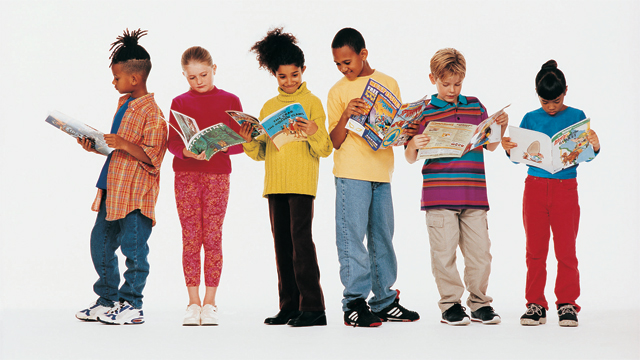
"content": "\u003cfigure id=\"attachment_7546\" class=\"wp-caption aligncenter\" style=\"max-width: 640px\">\u003ca href=\"http://blogs.kqed.org/pop/2013/08/16/not-your-mothers-book-club-7-tips/book-club/\" rel=\"attachment wp-att-7546\">\u003cimg class=\"size-full wp-image-7546\" src=\"http://ww2.kqed.org/pop/wp-content/uploads/sites/12/2013/08/book-club.jpg\" alt=\"Photo: Thinkstock\" width=\"640\" height=\"360\" srcset=\"https://ww2.kqed.org/app/uploads/sites/12/2013/08/book-club.jpg 640w, https://ww2.kqed.org/app/uploads/sites/12/2013/08/book-club-400x225.jpg 400w\" sizes=\"(max-width: 640px) 100vw, 640px\">\u003c/a>\u003cfigcaption class=\"wp-caption-text\">Photo: Thinkstock\u003c/figcaption>\u003c/figure>\n\u003ch4 id=\"docs-internal-guid-198075d6-839f-81a3-f38d-f04c9aa0c192\">Post by contributor Ninna Gaensler-Debs\u003c/h4>\n\u003cp dir=\"ltr\">It was getting to the point where no one would go to bookstores with me -- and I spend a lot of time in bookstores. I wasn’t trying to be obnoxious; it was just that, as soon as I spied a familiar title, I couldn’t help spouting opinions, fun facts, or whatever else came into my little head. Shockingly, most people just want to pick out their own books without a running commentary, thank you very much, and I realized I needed another outlet to talk about the things I read.\u003c/p>\n\u003cp dir=\"ltr\">I was initially vehemently opposed to joining any book clubs; in my mind such an act would be analogous to purchasing jeans with a stretchy waistband, or taking up scrapbooking (i.e. really lame -- sorry, scrapbookers). It took me a while to realize that book clubs don’t have to be lame. If I created my own book club, I could outlaw \u003cem>Twilight\u003c/em> or \u003cem>50 Shades of Gray\u003c/em> or any tome with the phrases “heaving bosom” or “throbbing member.” If done right, a book club could actually function as it is supposed to: a space for great people to have interesting conversations about the things they read.\u003c/p>\n\u003cp dir=\"ltr\">And so, Emperor Norton’s Literary Society was born. (If you don’t know who Emperor Norton was, \u003ca href=\"http://en.wikipedia.org/wiki/Emperor_Norton\">read up on him here\u003c/a>. He’s awesome). And so far, I think it’s been going pretty well. A couple of caveats: the club has only been around for a couple of months, and our last meeting has been delayed due to members (normal, non-throbbing) not reading the book in time. So we’re not perfect. But I think I’ve started to get the hang of what makes a good book club, and I thought I’d share my tips with you fine people.\u003c/p>\n\u003cp dir=\"ltr\">1) \u003cstrong>Narrow your focus.\u003c/strong> You don’t have to have a theme (although we do -- we only read things that have some pertinence to the Bay Area). You might choose a genre, or even just what kind of books you will exclude (see above reference to \u003cem>Twilight\u003c/em>).\u003c/p>\n\u003cp dir=\"ltr\">2) \u003cstrong>Choose members carefully.\u003c/strong> You don’t want snarky know-it-alls (like myself...I mean...wait...), nor do you want people who will show up every week and say “ummm, I read the first 17 pages...”. You definitely do want people who are enthusiastic about the idea of a book club because, if it starts to feel like homework, you can be sure that nobody will be reading the assigned pages. Speaking of assigned pages...\u003c/p>\n\u003cp>[ad fullwidth]\u003c/p>\n\u003cp dir=\"ltr\">3) \u003cstrong>Be reasonable with expectations, but have some.\u003c/strong> Unless you have demi-god status readers in your midst, it is unlikely that \u003cem>Infinite Jest\u003c/em> will be a great choice. Personally, I think it makes the most sense not to break up the book into pieces, but to have a meeting for each full book read. One book a month is not unreasonable, as long as it weighs less than 5 lbs. There will of course be meetings where people have not read the entire book, which is totally fine. What isn’t so fine is when it gets to a point that people sit there staring at each other until someone suggests just watching an episode of \u003cem>Game of Thrones\u003c/em> instead because no one actually cared to read more than a chapter.\u003c/p>\n\u003cp dir=\"ltr\">4) \u003cstrong>Pair food and drink with your readings.\u003c/strong> Honestly, this should probably be #1. For our first book, we read \u003cem>Cannery Row\u003c/em>, so we had beer milkshakes (actually delicious, I promise), a sad-looking but great tasting ‘Happy Birthday Doc’ cake, and drank out of our interpretation of a ‘winin’ jug’ -- all of which feature in the book. Booze will always help people shrug off anxiety about public speaking. Plus, everyone likes to eat and drink things, and having a tangible element of the book helps make you feel more connected to the text. English professors take note: serve some clam chowder with \u003cem>Moby Dick\u003c/em>; mint juleps with \u003cem>The Great Gatsby\u003c/em>. Just you wait and see what impact those delectables have on attendance!\u003c/p>\n\u003cp dir=\"ltr\">5) \u003cstrong>Always contextualize the reading.\u003c/strong> I realize this sounds a little like your AP English syllabus, but it’s essential. Have one person moderate each book discussion (and it’s probably best if that position rotates), and have her come with some information about the author, the period in which the book was written, etc. For example, if you’re going to read \u003cem>Ulysses\u003c/em>, you probably want to have a working knowledge of Dublin’s geography, the Bible, The Odyssey...here’s a tip: don’t read \u003cem>Ulysses\u003c/em>.\u003c/p>\n\u003cp dir=\"ltr\">6) \u003cstrong>Have some kind of consistent throughline.\u003c/strong> I think this is what will hold your club together. Maybe there’s one philosophical question you ask of every book, or maybe you do an interpretive dance based on each text. By doing this, you place each book within the larger narrative (see what I did there?!) of the club.\u003c/p>\n\u003cp>\u003c/p>\n\u003cp dir=\"ltr\">7) \u003cstrong>Don’t take it too seriously.\u003c/strong> As Oscar Wilde once said, “Seriousness is the only refuge of the shallow.” Sure, it’s important to respect books and the people who write them, but Shakespeare was occasionally a show-off, and Dickens can be a little dry at times. Reading is something you’re choosing to do with your free time, so make sure you’re having fun with it!\u003c/p>\n\n",
"disqusIdentifier": "7542 http://blogs.kqed.org/pop/?p=7542",
"disqusUrl": "https://ww2.kqed.org/pop/2013/08/16/not-your-mothers-book-club-7-tips/",
"stats": {
"hasVideo": false,
"hasChartOrMap": false,
"hasAudio": false,
"hasPolis": false,
"wordCount": 946,
"hasGoogleForm": false,
"hasGallery": false,
"hasHearkenModule": false,
"iframeSrcs": [],
"paragraphCount": 2
},
"modified": 1382053935,
"excerpt": "7 tips on what makes a good book club.",
"headData": {
"twImgId": "",
"twTitle": "",
"ogTitle": "",
"ogImgId": "",
"twDescription": "",
"description": "7 tips on what makes a good book club.",
"title": "Not Your Mother's Book Club: 7 Tips for Reading with Friends | KQED",
"ogDescription": "",
"schema": {
"@context": "https://schema.org",
"@type": "Article",
"headline": "Not Your Mother's Book Club: 7 Tips for Reading with Friends",
"datePublished": "2013-08-16T06:00:14-07:00",
"dateModified": "2013-10-17T16:52:15-07:00",
"image": "https://cdn.kqed.org/wp-content/uploads/2020/02/KQED-OG-Image@1x.png"
}
},
"guestAuthors": [],
"slug": "not-your-mothers-book-club-7-tips",
"status": "publish",
"path": "/pop/7542/not-your-mothers-book-club-7-tips",
"audioTrackLength": null,
"parsedContent": [
{
"type": "contentString",
"content": "\u003cdiv class=\"post-body\">\u003cp>\u003cfigure id=\"attachment_7546\" class=\"wp-caption aligncenter\" style=\"max-width: 640px\">\u003ca href=\"http://blogs.kqed.org/pop/2013/08/16/not-your-mothers-book-club-7-tips/book-club/\" rel=\"attachment wp-att-7546\">\u003cimg class=\"size-full wp-image-7546\" src=\"http://ww2.kqed.org/pop/wp-content/uploads/sites/12/2013/08/book-club.jpg\" alt=\"Photo: Thinkstock\" width=\"640\" height=\"360\" srcset=\"https://ww2.kqed.org/app/uploads/sites/12/2013/08/book-club.jpg 640w, https://ww2.kqed.org/app/uploads/sites/12/2013/08/book-club-400x225.jpg 400w\" sizes=\"(max-width: 640px) 100vw, 640px\">\u003c/a>\u003cfigcaption class=\"wp-caption-text\">Photo: Thinkstock\u003c/figcaption>\u003c/figure>\n\u003ch4 id=\"docs-internal-guid-198075d6-839f-81a3-f38d-f04c9aa0c192\">Post by contributor Ninna Gaensler-Debs\u003c/h4>\n\u003cp dir=\"ltr\">It was getting to the point where no one would go to bookstores with me -- and I spend a lot of time in bookstores. I wasn’t trying to be obnoxious; it was just that, as soon as I spied a familiar title, I couldn’t help spouting opinions, fun facts, or whatever else came into my little head. Shockingly, most people just want to pick out their own books without a running commentary, thank you very much, and I realized I needed another outlet to talk about the things I read.\u003c/p>\n\u003cp dir=\"ltr\">I was initially vehemently opposed to joining any book clubs; in my mind such an act would be analogous to purchasing jeans with a stretchy waistband, or taking up scrapbooking (i.e. really lame -- sorry, scrapbookers). It took me a while to realize that book clubs don’t have to be lame. If I created my own book club, I could outlaw \u003cem>Twilight\u003c/em> or \u003cem>50 Shades of Gray\u003c/em> or any tome with the phrases “heaving bosom” or “throbbing member.” If done right, a book club could actually function as it is supposed to: a space for great people to have interesting conversations about the things they read.\u003c/p>\n\u003cp dir=\"ltr\">And so, Emperor Norton’s Literary Society was born. (If you don’t know who Emperor Norton was, \u003ca href=\"http://en.wikipedia.org/wiki/Emperor_Norton\">read up on him here\u003c/a>. He’s awesome). And so far, I think it’s been going pretty well. A couple of caveats: the club has only been around for a couple of months, and our last meeting has been delayed due to members (normal, non-throbbing) not reading the book in time. So we’re not perfect. But I think I’ve started to get the hang of what makes a good book club, and I thought I’d share my tips with you fine people.\u003c/p>\n\u003cp dir=\"ltr\">1) \u003cstrong>Narrow your focus.\u003c/strong> You don’t have to have a theme (although we do -- we only read things that have some pertinence to the Bay Area). You might choose a genre, or even just what kind of books you will exclude (see above reference to \u003cem>Twilight\u003c/em>).\u003c/p>\n\u003cp dir=\"ltr\">2) \u003cstrong>Choose members carefully.\u003c/strong> You don’t want snarky know-it-alls (like myself...I mean...wait...), nor do you want people who will show up every week and say “ummm, I read the first 17 pages...”. You definitely do want people who are enthusiastic about the idea of a book club because, if it starts to feel like homework, you can be sure that nobody will be reading the assigned pages. Speaking of assigned pages...\u003c/p>\n\u003cp>\u003c/p>\u003c/div>",
"attributes": {
"named": {},
"numeric": []
}
},
{
"type": "component",
"content": "",
"name": "ad",
"attributes": {
"named": {
"label": "fullwidth"
},
"numeric": [
"fullwidth"
]
}
},
{
"type": "contentString",
"content": "\u003cdiv class=\"post-body\">\u003cp>\u003c/p>\n\u003cp dir=\"ltr\">3) \u003cstrong>Be reasonable with expectations, but have some.\u003c/strong> Unless you have demi-god status readers in your midst, it is unlikely that \u003cem>Infinite Jest\u003c/em> will be a great choice. Personally, I think it makes the most sense not to break up the book into pieces, but to have a meeting for each full book read. One book a month is not unreasonable, as long as it weighs less than 5 lbs. There will of course be meetings where people have not read the entire book, which is totally fine. What isn’t so fine is when it gets to a point that people sit there staring at each other until someone suggests just watching an episode of \u003cem>Game of Thrones\u003c/em> instead because no one actually cared to read more than a chapter.\u003c/p>\n\u003cp dir=\"ltr\">4) \u003cstrong>Pair food and drink with your readings.\u003c/strong> Honestly, this should probably be #1. For our first book, we read \u003cem>Cannery Row\u003c/em>, so we had beer milkshakes (actually delicious, I promise), a sad-looking but great tasting ‘Happy Birthday Doc’ cake, and drank out of our interpretation of a ‘winin’ jug’ -- all of which feature in the book. Booze will always help people shrug off anxiety about public speaking. Plus, everyone likes to eat and drink things, and having a tangible element of the book helps make you feel more connected to the text. English professors take note: serve some clam chowder with \u003cem>Moby Dick\u003c/em>; mint juleps with \u003cem>The Great Gatsby\u003c/em>. Just you wait and see what impact those delectables have on attendance!\u003c/p>\n\u003cp dir=\"ltr\">5) \u003cstrong>Always contextualize the reading.\u003c/strong> I realize this sounds a little like your AP English syllabus, but it’s essential. Have one person moderate each book discussion (and it’s probably best if that position rotates), and have her come with some information about the author, the period in which the book was written, etc. For example, if you’re going to read \u003cem>Ulysses\u003c/em>, you probably want to have a working knowledge of Dublin’s geography, the Bible, The Odyssey...here’s a tip: don’t read \u003cem>Ulysses\u003c/em>.\u003c/p>\n\u003cp dir=\"ltr\">6) \u003cstrong>Have some kind of consistent throughline.\u003c/strong> I think this is what will hold your club together. Maybe there’s one philosophical question you ask of every book, or maybe you do an interpretive dance based on each text. By doing this, you place each book within the larger narrative (see what I did there?!) of the club.\u003c/p>\n\u003cp>\u003c/p>\n\u003cp dir=\"ltr\">7) \u003cstrong>Don’t take it too seriously.\u003c/strong> As Oscar Wilde once said, “Seriousness is the only refuge of the shallow.” Sure, it’s important to respect books and the people who write them, but Shakespeare was occasionally a show-off, and Dickens can be a little dry at times. Reading is something you’re choosing to do with your free time, so make sure you’re having fun with it!\u003c/p>\n\n\u003c/div>\u003c/p>",
"attributes": {
"named": {},
"numeric": []
}
}
],
"link": "/pop/7542/not-your-mothers-book-club-7-tips",
"authors": [
"2421"
],
"categories": [
"pop_5"
],
"tags": [
"pop_1114",
"pop_108"
],
"featImg": "pop_7546",
"label": "pop"
},
"arts_124511": {
"type": "posts",
"id": "arts_124511",
"meta": {
"index": "posts_1716263798",
"site": "arts",
"id": "124511",
"score": null,
"sort": [
1376103958000
]
},
"parent": 0,
"labelTerm": {
"site": "arts"
},
"blocks": [],
"publishDate": 1376103958,
"format": "standard",
"title": "Coming Attractions: A Top Five Countdown of the Year's Book Trailers",
"headTitle": "Coming Attractions: A Top Five Countdown of the Year’s Book Trailers | KQED",
"content": "\u003cp>\u003cb>Five\u003c/b>\u003cbr>\u003ci>The Rathbones\u003c/i>, released this month, is the debut novel by Janice Clark, “a gothic literary adventure” set amidst the 19th-century New England whaling industry. The reviews of this book are so intriguing, I have to quote one here: “Think Moby Dick directed by David Lynch from a screenplay by Gabriel Garcia Marquez,” says the Millions. The trailer is moody and features beautiful illustrations and a captivating excerpt that will leave you hooked. It has all the elements a good opening has — an intrigue (“If I hadn’t heard the singing voice that night, none of the rest might have happened…”), a mystical touch (pet crows), and a voyage with an unanticipated turn (the search for a lost father unfurls instead into the discovery of a mysterious family history). The narrator delivers the prose with a muted, but a powerful voice, and the nuanced writing is paired perfectly with black ink drawings of whales, octopi, and strange sea creatures set starkly against old maps and discolored, handwritten notes. Definitely intriguing:\u003c/p>\n\u003cp>\u003c/p>\u003ccenter>\u003ciframe loading=\"lazy\" width=\"480\" height=\"360\" src=\"//www.youtube.com/embed/-X8R4hRYP9c\" frameborder=\"0\" allowfullscreen>\u003c/iframe>\n\u003cp>\u003c/p>\u003c/center>\n\u003cp>\u003cb>Four\u003c/b>\u003cbr>Have you read David Sedaris’ \u003ci>Let’s Explore Diabetes with Owls\u003c/i>? I haven’t, but this trailer made me open a different tab in my web browser to order a copy. Seriously. Sedaris’ has a perfect delivery in this short anecdote. On a plane, he decides to share with a fellow passenger his dream book title: \u003ci>Let’s Explore Diabetes with Owls\u003c/i>. The animation is sparse but liminal, putting you in a space between tactile remembrance of paper cut outs and digital awareness of geometric shapes. The animations consistently reach beyond illustration and land on opinionated humorous visual asides — in turn a perfect mirror of a Sedaris-like language. Take a look:\u003c/p>\n\u003cp>\u003c/p>\u003ccenter>\u003ciframe loading=\"lazy\" width=\"480\" height=\"270\" src=\"//www.youtube.com/embed/uL6R6X1x6gE\" frameborder=\"0\" allowfullscreen>\u003c/iframe>\n\u003cp>\u003c/p>\u003c/center>\n\u003cp>\u003cb>Three\u003c/b>\u003cbr>Oakland-based Mary Roach is one of my Bay Area favorites. Roach has made her name by writing compellingly and humorously about body science. Her oeuvre (\u003ci>Stiff\u003c/i>, a book on death; \u003ci>Bonk\u003c/i>, a book on sex; and \u003ci>Spooked\u003c/i>, a book on the afterlife) finds its beginnings, weirdly, in a plastic torso with removable organs in her fifth-grade class. \u003ci>Gulp: Adventures on the Alimentary Canal\u003c/i> is the latest in Roach’s inquisitive line of books. “Never has Ms. Roach’s affinity for the comedic and bizarre been put to better use,” \u003ca href=\"http://www.nytimes.com/2013/04/05/books/gulp-adventures-on-the-alimentary-canal-by-mary-roach.html\">says the \u003ci>New York Times\u003c/i>\u003c/a>. The trailer is a glib, thoroughly enjoyable interpretation of the title — literally, a joy ride featuring a cast of vegetables making their way through an intestinal amusement park. My favorite moment is that of a single corn kernel and a piece of broccoli posing for a souvenir photo that hilariously reads, “We made a memory in The Alimentary.”\u003c/p>\n\u003cp>[ad fullwidth]\u003c/p>\n\u003cp>\u003c/p>\u003ccenter>\u003ciframe loading=\"lazy\" width=\"480\" height=\"270\" src=\"//www.youtube.com/embed/hiIrq3OP4JA\" frameborder=\"0\" allowfullscreen>\u003c/iframe>\n\u003cp>\u003c/p>\u003c/center>\n\u003cp>\u003cb>Two\u003c/b>\u003cbr>\u003ci>The Stench of Honolulu\u003c/i> is Jack Handey’s latest book. Recently, on NPR’s \u003ci>Weekend Edition\u003c/i>, \u003ca href=\"http://www.npr.org/templates/story/story.php?storyId=208825152\">Handey spoke of the catharsis for the book\u003c/a>, “I had been thinking for a long time about just sort of getting the ‘Deep Thoughts’ character out in the field, see what kind of destruction he would cause. And Hawaii seemed like a good place for him to go ’cause it’s so beautiful and pristine. So, at first, I was thinking, you know, the Deep Thoughts character and [his friend] Don would just go on vacation to Hawaii but then [….] I thought that wasn’t ominous enough, so I sort of made them go on a treasure hunt. And then I thought I had to make it more ominous, so I just sort of changed the whole nature of Hawaii to make it very stinky and dangerous.” Anyone already familiar with Handey’s style will find even the first few seconds of this trailer uproariously hilarious: \u003c/p>\n\u003cp>\u003c/p>\u003ccenter>\u003ciframe loading=\"lazy\" src=\"http://www.funnyordie.com/embed/d3b2d834a3\" width=\"480\" height=\"308\" frameborder=\"0\">\u003c/iframe>\n\u003cp>\u003c/p>\u003c/center>\n\u003cp>You can \u003ca href=\"http://www.newyorker.com/online/blogs/shouts/2013/07/from-the-stench-of-honolulu.html\">read an excerpt\u003c/a> of \u003ci>The Stench of Honolulu\u003c/i> online at the \u003ci>New Yorker\u003c/i>. \u003c/p>\n\u003cp>\u003cb>One\u003c/b>\u003cbr>Elizabeth Gilbert is all colloquial exuberance and intelligence in this book trailer for \u003ci>The Signature of All Things\u003c/i>, a sprawling novel of 19th century botanical exploration due out in October. This is a trailer that shows Gilbert in contact with the things that inspired her to write \u003ci>The Signature of All Things\u003c/i>: a beautiful 1783 edition of \u003ci>Captain Cook’s Voyages\u003c/i>, “leather bound and made to look like something in a magician’s library,” Gilbert says, and the empty mansion in Philadelphia, baring chipped walls filmed in golden light, that inspired the fictional estate in \u003ci>The Signature of All Things\u003c/i>. Watching Gilbert walk through the space, her hair held up with quirky hair clasps, has meta implications (Gilbert walking through the physical space from which she created a fictional space in which her characters dwell). It also illuminates the author at her most spellbound. Her enthrallment is enthralling. She is maybe the most captivating author ever captured on film. \u003c/p>\n\u003cp>\u003c/p>\u003ccenter>\u003ciframe loading=\"lazy\" width=\"480\" height=\"270\" src=\"//www.youtube.com/embed/4LHVU3SGEng\" frameborder=\"0\" allowfullscreen>\u003c/iframe>\n\u003cp>\u003c/p>\u003c/center>\n\u003cp>\u003c/p>\n\u003cp>Are you \u003ci>not\u003c/i> captivated? Known for \u003ci>Eat, Pray, Love\u003c/i>, Gilbert has never failed to deliver a good book.\u003c/p>\n\n",
"stats": {
"hasVideo": true,
"hasChartOrMap": true,
"hasAudio": false,
"hasPolis": false,
"wordCount": 829,
"hasGoogleForm": false,
"hasGallery": false,
"hasHearkenModule": false,
"iframeSrcs": [
"http://www.funnyordie.com/embed/d3b2d834a3"
],
"paragraphCount": 19
},
"modified": 1705049792,
"excerpt": "From quirky to riotous, this year's book trailers are really something to see.",
"headData": {
"twImgId": "",
"twTitle": "",
"ogTitle": "",
"ogImgId": "",
"twDescription": "",
"description": "From quirky to riotous, this year's book trailers are really something to see.",
"title": "Coming Attractions: A Top Five Countdown of the Year's Book Trailers | KQED",
"ogDescription": "",
"schema": {
"@context": "https://schema.org",
"@type": "Article",
"headline": "Coming Attractions: A Top Five Countdown of the Year's Book Trailers",
"datePublished": "2013-08-09T20:05:58-07:00",
"dateModified": "2024-01-12T00:56:32-08:00",
"image": "https://cdn.kqed.org/wp-content/uploads/2020/02/KQED-OG-Image@1x.png"
}
},
"guestAuthors": [],
"slug": "coming_attractions_a_top_five_countdown_of_the_years_book",
"status": "publish",
"sourceUrl": "http://www.kqed.org/arts/category/literature/",
"sticky": false,
"path": "/arts/124511/coming_attractions_a_top_five_countdown_of_the_years_book",
"audioTrackLength": null,
"parsedContent": [
{
"type": "contentString",
"content": "\u003cdiv class=\"post-body\">\u003cp>\u003cp>\u003cb>Five\u003c/b>\u003cbr>\u003ci>The Rathbones\u003c/i>, released this month, is the debut novel by Janice Clark, “a gothic literary adventure” set amidst the 19th-century New England whaling industry. The reviews of this book are so intriguing, I have to quote one here: “Think Moby Dick directed by David Lynch from a screenplay by Gabriel Garcia Marquez,” says the Millions. The trailer is moody and features beautiful illustrations and a captivating excerpt that will leave you hooked. It has all the elements a good opening has — an intrigue (“If I hadn’t heard the singing voice that night, none of the rest might have happened…”), a mystical touch (pet crows), and a voyage with an unanticipated turn (the search for a lost father unfurls instead into the discovery of a mysterious family history). The narrator delivers the prose with a muted, but a powerful voice, and the nuanced writing is paired perfectly with black ink drawings of whales, octopi, and strange sea creatures set starkly against old maps and discolored, handwritten notes. Definitely intriguing:\u003c/p>\n\u003cp>\u003c/p>\u003ccenter>\u003ciframe loading=\"lazy\" width=\"480\" height=\"360\" src=\"//www.youtube.com/embed/-X8R4hRYP9c\" frameborder=\"0\" allowfullscreen>\u003c/iframe>\n\u003cp>\u003c/p>\u003c/center>\n\u003cp>\u003cb>Four\u003c/b>\u003cbr>Have you read David Sedaris’ \u003ci>Let’s Explore Diabetes with Owls\u003c/i>? I haven’t, but this trailer made me open a different tab in my web browser to order a copy. Seriously. Sedaris’ has a perfect delivery in this short anecdote. On a plane, he decides to share with a fellow passenger his dream book title: \u003ci>Let’s Explore Diabetes with Owls\u003c/i>. The animation is sparse but liminal, putting you in a space between tactile remembrance of paper cut outs and digital awareness of geometric shapes. The animations consistently reach beyond illustration and land on opinionated humorous visual asides — in turn a perfect mirror of a Sedaris-like language. Take a look:\u003c/p>\n\u003cp>\u003c/p>\u003ccenter>\u003ciframe loading=\"lazy\" width=\"480\" height=\"270\" src=\"//www.youtube.com/embed/uL6R6X1x6gE\" frameborder=\"0\" allowfullscreen>\u003c/iframe>\n\u003cp>\u003c/p>\u003c/center>\n\u003cp>\u003cb>Three\u003c/b>\u003cbr>Oakland-based Mary Roach is one of my Bay Area favorites. Roach has made her name by writing compellingly and humorously about body science. Her oeuvre (\u003ci>Stiff\u003c/i>, a book on death; \u003ci>Bonk\u003c/i>, a book on sex; and \u003ci>Spooked\u003c/i>, a book on the afterlife) finds its beginnings, weirdly, in a plastic torso with removable organs in her fifth-grade class. \u003ci>Gulp: Adventures on the Alimentary Canal\u003c/i> is the latest in Roach’s inquisitive line of books. “Never has Ms. Roach’s affinity for the comedic and bizarre been put to better use,” \u003ca href=\"http://www.nytimes.com/2013/04/05/books/gulp-adventures-on-the-alimentary-canal-by-mary-roach.html\">says the \u003ci>New York Times\u003c/i>\u003c/a>. The trailer is a glib, thoroughly enjoyable interpretation of the title — literally, a joy ride featuring a cast of vegetables making their way through an intestinal amusement park. My favorite moment is that of a single corn kernel and a piece of broccoli posing for a souvenir photo that hilariously reads, “We made a memory in The Alimentary.”\u003c/p>\n\u003cp>\u003c/p>\u003c/div>",
"attributes": {
"named": {},
"numeric": []
}
},
{
"type": "component",
"content": "",
"name": "ad",
"attributes": {
"named": {
"label": "fullwidth"
},
"numeric": [
"fullwidth"
]
}
},
{
"type": "contentString",
"content": "\u003cdiv class=\"post-body\">\u003cp>\u003c/p>\n\u003cp>\u003c/p>\u003ccenter>\u003ciframe loading=\"lazy\" width=\"480\" height=\"270\" src=\"//www.youtube.com/embed/hiIrq3OP4JA\" frameborder=\"0\" allowfullscreen>\u003c/iframe>\n\u003cp>\u003c/p>\u003c/center>\n\u003cp>\u003cb>Two\u003c/b>\u003cbr>\u003ci>The Stench of Honolulu\u003c/i> is Jack Handey’s latest book. Recently, on NPR’s \u003ci>Weekend Edition\u003c/i>, \u003ca href=\"http://www.npr.org/templates/story/story.php?storyId=208825152\">Handey spoke of the catharsis for the book\u003c/a>, “I had been thinking for a long time about just sort of getting the ‘Deep Thoughts’ character out in the field, see what kind of destruction he would cause. And Hawaii seemed like a good place for him to go ’cause it’s so beautiful and pristine. So, at first, I was thinking, you know, the Deep Thoughts character and [his friend] Don would just go on vacation to Hawaii but then [….] I thought that wasn’t ominous enough, so I sort of made them go on a treasure hunt. And then I thought I had to make it more ominous, so I just sort of changed the whole nature of Hawaii to make it very stinky and dangerous.” Anyone already familiar with Handey’s style will find even the first few seconds of this trailer uproariously hilarious: \u003c/p>\n\u003cp>\u003c/p>\u003ccenter>\u003ciframe loading=\"lazy\" src=\"http://www.funnyordie.com/embed/d3b2d834a3\" width=\"480\" height=\"308\" frameborder=\"0\">\u003c/iframe>\n\u003cp>\u003c/p>\u003c/center>\n\u003cp>You can \u003ca href=\"http://www.newyorker.com/online/blogs/shouts/2013/07/from-the-stench-of-honolulu.html\">read an excerpt\u003c/a> of \u003ci>The Stench of Honolulu\u003c/i> online at the \u003ci>New Yorker\u003c/i>. \u003c/p>\n\u003cp>\u003cb>One\u003c/b>\u003cbr>Elizabeth Gilbert is all colloquial exuberance and intelligence in this book trailer for \u003ci>The Signature of All Things\u003c/i>, a sprawling novel of 19th century botanical exploration due out in October. This is a trailer that shows Gilbert in contact with the things that inspired her to write \u003ci>The Signature of All Things\u003c/i>: a beautiful 1783 edition of \u003ci>Captain Cook’s Voyages\u003c/i>, “leather bound and made to look like something in a magician’s library,” Gilbert says, and the empty mansion in Philadelphia, baring chipped walls filmed in golden light, that inspired the fictional estate in \u003ci>The Signature of All Things\u003c/i>. Watching Gilbert walk through the space, her hair held up with quirky hair clasps, has meta implications (Gilbert walking through the physical space from which she created a fictional space in which her characters dwell). It also illuminates the author at her most spellbound. Her enthrallment is enthralling. She is maybe the most captivating author ever captured on film. \u003c/p>\n\u003cp>\u003c/p>\u003ccenter>\u003ciframe loading=\"lazy\" width=\"480\" height=\"270\" src=\"//www.youtube.com/embed/4LHVU3SGEng\" frameborder=\"0\" allowfullscreen>\u003c/iframe>\n\u003cp>\u003c/p>\u003c/center>\n\u003cp>\u003c/p>\n\u003cp>Are you \u003ci>not\u003c/i> captivated? Known for \u003ci>Eat, Pray, Love\u003c/i>, Gilbert has never failed to deliver a good book.\u003c/p>\n\n\u003c/div>\u003c/p>",
"attributes": {
"named": {},
"numeric": []
}
}
],
"link": "/arts/124511/coming_attractions_a_top_five_countdown_of_the_years_book",
"authors": [
"78"
],
"categories": [
"arts_73"
],
"featImg": "arts_10124511",
"label": "arts"
},
"arts_124294": {
"type": "posts",
"id": "arts_124294",
"meta": {
"index": "posts_1716263798",
"site": "arts",
"id": "124294",
"score": null,
"sort": [
1375821579000
]
},
"guestAuthors": [],
"slug": "on_foot_and_in_love_interview_with_author_gary_kamiya",
"title": "On Foot and In Love: Interview with Author Gary Kamiya",
"publishDate": 1375821579,
"format": "standard",
"headTitle": "On Foot and In Love: Interview with Author Gary Kamiya | KQED",
"labelTerm": {
"site": "arts"
},
"content": "\u003cp>Gary Kamiya’s \u003ci>Cool Gray City of Love\u003c/i> is a walking tour, a fact-rich history, and a collection of honest, funny, and tender first-person anecdotes that all work together to create a beautifully subjective account of San Francisco. “Every writer,” explains Kamiya, “always describes, or creates, the city that is closest to his or her heart.” In the forty-nine chapters that take the reader from the geological creation of the peninsula to the Occupy Movement — and around the forty-nine square miles of the city’s physical terrain — Kamiya has created a detailed portrait of “the last place to have a drink before America stops and the endless ocean begins.” Kamiya and I talked on the phone last week while he walked around the city. \u003c/p>\n\u003cp>\u003cb>Bean Gilsdorf: \u003c/b> How did the project of writing \u003ci>Cool Gray City of Love\u003c/i> begin? \u003c/p>\n\u003cp>\u003cb>Gary Kamiya: \u003c/b> It’s been brewing in the back of my brain for much of my adult life. I’m a passionate lover of San Francisco and have written about it for \u003ca href=\"http://www.salon.com/\">Salon.com\u003c/a> and the \u003ca href=\"http://www.sfexaminer.com/\">\u003ci>San Francisco Examiner\u003c/i>\u003c/a>. I was always thinking about it and came up with a rough idea for it years before I did it. I was thinking about approaching the city from a variety of different perspectives — scientifically, sociologically — a Cubist approach, if you will. But a little over three years ago I decided it was time to do this project, and that’s when I hit upon the idea of each of the chapters being a separate essay on a different location.\u003c/p>\n\u003cp>\u003cb>BG:\u003c/b> I love that you call it a “Cubist approach.” How did you decide on the structure of the book? \u003c/p>\n\u003cp>\u003cb>GK:\u003c/b> I was trying to mix the perfect San Francisco cocktail. It’s a very experiential book, a combination of left brain and right brain. There’s an enormous amount of research and reporting and personal experience in the book, but there’s also a love of place that’s driving it at all times. I wanted to start at the Farallon Islands because they embody San Francisco’s wildest, most unmistakable quality: how riddled it is with nature. And from there I wanted to go into the grittiest, raunchiest, dirtiest part of the city: the Tenderloin. The book begins with geological time at the Farallons and after the Tenderloin we move into the earliest Indian inhabitants hunting megafauna at what is now the bottom of San Francisco Bay, so there is a chronological through-line. It’s just constantly interrupted by space. This is not a one-thing-after-another history; the book reflects the chaotic, effervescent, unpredictable quality that one actually has when walking through the city. \u003c/p>\n\u003cp>\u003ccenter>\u003cimg decoding=\"async\" src=\"http://u.s.kqed.net/2013/08/06/kamiya500.jpg\" style=\"margin-bottom: 10px;\" alt=\"\" />\u003cbr />Author Gary Kamiya\u003cbr />\u003c/center>\u003c/p>\n\u003cp>\u003cb>BG:\u003c/b> And you bring that chronology all the way to the present, with the Occupy Movement and the second-wave dot-com bubble that’s happening now. You wrote, “Cities are kept alive by heterogeneity — the juxtaposition of radically different things in a small space.” Where do you think the city needs help right now? \u003c/p>\n\u003cp>\u003cb>GK:\u003c/b> San Francisco is in danger of being flattened out by the extraordinary influx of money, especially with the tech sector just exploding here. At the same time, it’s neither desirable nor possible to stop a city from being prosperous — but it is possible to try to preserve the heterogeneity of it. Traditionally, quirkiness and individuality have been a huge part of the charm of this city and, optimistically, we don’t know what’s going to happen. The tech thing is a danger for any city as a place, because when communication itself is foregrounded — as it is in social media — \u003ci>place\u003c/i> moves into the background, and we need actual communities instead of disembodied ones. I think that the city needs to try to preserve its free spiritedness and its maverick qualities, but that doesn’t come from top-down planning, that comes from the people that live in the city. There’s reason to be concerned, but there’s also reason to be hopeful. \u003c/p>\n\u003cp>\u003cb>BG:\u003c/b> One of the things that I really liked about the book was that you go from extremely subjective, experiential accounts to really specific, granular facts like how many commuters crossed the bay by ferry in 1913, or the price of washing a dozen shirts in 1849. And from that, I got a real sense of the city’s history, and also a sense that there must have been a lot that you left out. \u003c/p>\n\u003cp>\u003cb>GK:\u003c/b> Oh my god! Yeah, you should talk to my editors about that! I had 10,000 words on the Vigilance Committee, this extraordinary citizen militia in early San Francisco and one of the most controversial episodes in the city’s history. Actually, when I first approached the book, I was tilting toward more of the deep, granular history and my editor, Kathy Belden, said, “Look, I think you’re getting away from your original idea,” which was more mixed, more personal, more sui generis. Probably unconsciously I was pulling back from that, just because once you start writing like that, you’ve jumped off a bridge. I’ve written lots and lots of deeply personal essays, but writing a mix of the personal and factual is a trickier animal. So yeah, a lot of things, personal and historical, got left on the cutting room floor. \u003c/p>\n\u003cp>\u003ccenter>\u003cimg decoding=\"async\" src=\"http://u.s.kqed.net/2013/08/06/11mission500.jpg\" style=\"margin-bottom: 10px;\" alt=\"\" />\u003cbr /> Jon Adams, illustration for Chapter 11, \u003ci>Cool Gray City of Love\u003c/i>, 2013.\u003cbr />\u003c/center>\u003c/p>\n\u003cp>\u003cb>BG:\u003c/b> Does that mean we can expect another volume? \u003c/p>\n\u003cp>\u003cb>GK:\u003c/b> It’s possible, I certainly have the material for it! I’ll probably always write about San Francisco, but whether I want to take on another book about it remains to be seen. [laughing] Maybe I can put a Director’s Cut into cyberspace! \u003c/p>\n\u003cp>\u003cb>BG:\u003c/b> Last question: where are you now? \u003c/p>\n\u003cp>\u003cb>GK:\u003c/b> I’m in a mini-park directly over the Broadway Tunnel, looking at the trees planted right behind a ventilator shaft. There’s some very cunning use of minute public space in San Francisco, and here on Broadway off of Hyde they have to have these ventilator shafts, but they’ve turned the lemons into lemonade by making a really small park, a little urban oasis. It’s not one of the dramatic ones like Glen Canyon, it’s a little respite — and San Francisco is full of such places.\u003c/p>\n",
"blocks": [],
"excerpt": "\u003ci>Cool Gray City of Love\u003c/i> is a walking tour, a fact-rich history, and a collection of honest, funny, and tender first-person anecdotes that all work together to create a beautifully subjective account of San Francisco.",
"status": "publish",
"parent": 0,
"modified": 1788971509,
"stats": {
"hasAudio": false,
"hasVideo": false,
"hasChartOrMap": false,
"iframeSrcs": [],
"hasGoogleForm": false,
"hasGallery": false,
"hasHearkenModule": false,
"hasPolis": false,
"paragraphCount": 15,
"wordCount": 1111
},
"headData": {
"title": "On Foot and In Love: Interview with Author Gary Kamiya | KQED",
"description": "Cool Gray City of Love is a walking tour, a fact-rich history, and a collection of honest, funny, and tender first-person anecdotes that all work together to create a beautifully subjective account of San Francisco.",
"ogTitle": "",
"ogDescription": "",
"ogImgId": "",
"twTitle": "",
"twDescription": "",
"twImgId": "",
"schema": {
"@context": "https://schema.org",
"@type": "Article",
"headline": "On Foot and In Love: Interview with Author Gary Kamiya",
"datePublished": "2013-08-06T13:39:39-07:00",
"dateModified": "2026-09-09T09:31:49-07:00",
"image": "https://cdn.kqed.org/wp-content/uploads/2020/02/KQED-OG-Image@1x.png"
}
},
"primaryCategory": {
"termId": 73,
"slug": "literature",
"name": "Books"
},
"sourceUrl": "http://www.kqed.org/arts/category/literature/",
"sticky": false,
"nprStoryId": "kqed-124294",
"templateType": "standard",
"featuredImageType": "standard",
"excludeFromSiteSearch": "Include",
"articleAge": "0",
"path": "/arts/124294/on_foot_and_in_love_interview_with_author_gary_kamiya",
"audioTrackLength": null,
"parsedContent": [
{
"type": "contentString",
"content": "\u003cdiv class=\"post-body\">\u003cp>\u003cp>Gary Kamiya’s \u003ci>Cool Gray City of Love\u003c/i> is a walking tour, a fact-rich history, and a collection of honest, funny, and tender first-person anecdotes that all work together to create a beautifully subjective account of San Francisco. “Every writer,” explains Kamiya, “always describes, or creates, the city that is closest to his or her heart.” In the forty-nine chapters that take the reader from the geological creation of the peninsula to the Occupy Movement — and around the forty-nine square miles of the city’s physical terrain — Kamiya has created a detailed portrait of “the last place to have a drink before America stops and the endless ocean begins.” Kamiya and I talked on the phone last week while he walked around the city. \u003c/p>\n\u003cp>\u003cb>Bean Gilsdorf: \u003c/b> How did the project of writing \u003ci>Cool Gray City of Love\u003c/i> begin? \u003c/p>\n\u003cp>\u003cb>Gary Kamiya: \u003c/b> It’s been brewing in the back of my brain for much of my adult life. I’m a passionate lover of San Francisco and have written about it for \u003ca href=\"http://www.salon.com/\">Salon.com\u003c/a> and the \u003ca href=\"http://www.sfexaminer.com/\">\u003ci>San Francisco Examiner\u003c/i>\u003c/a>. I was always thinking about it and came up with a rough idea for it years before I did it. I was thinking about approaching the city from a variety of different perspectives — scientifically, sociologically — a Cubist approach, if you will. But a little over three years ago I decided it was time to do this project, and that’s when I hit upon the idea of each of the chapters being a separate essay on a different location.\u003c/p>\n\u003cp>\u003cb>BG:\u003c/b> I love that you call it a “Cubist approach.” How did you decide on the structure of the book? \u003c/p>\n\u003cp>\u003cb>GK:\u003c/b> I was trying to mix the perfect San Francisco cocktail. It’s a very experiential book, a combination of left brain and right brain. There’s an enormous amount of research and reporting and personal experience in the book, but there’s also a love of place that’s driving it at all times. I wanted to start at the Farallon Islands because they embody San Francisco’s wildest, most unmistakable quality: how riddled it is with nature. And from there I wanted to go into the grittiest, raunchiest, dirtiest part of the city: the Tenderloin. The book begins with geological time at the Farallons and after the Tenderloin we move into the earliest Indian inhabitants hunting megafauna at what is now the bottom of San Francisco Bay, so there is a chronological through-line. It’s just constantly interrupted by space. This is not a one-thing-after-another history; the book reflects the chaotic, effervescent, unpredictable quality that one actually has when walking through the city. \u003c/p>\n\u003cp>\u003ccenter>\u003cimg decoding=\"async\" src=\"http://u.s.kqed.net/2013/08/06/kamiya500.jpg\" style=\"margin-bottom: 10px;\" alt=\"\" />\u003cbr />Author Gary Kamiya\u003cbr />\u003c/center>\u003c/p>\n\u003cp>\u003cb>BG:\u003c/b> And you bring that chronology all the way to the present, with the Occupy Movement and the second-wave dot-com bubble that’s happening now. You wrote, “Cities are kept alive by heterogeneity — the juxtaposition of radically different things in a small space.” Where do you think the city needs help right now? \u003c/p>\n\u003cp>\u003cb>GK:\u003c/b> San Francisco is in danger of being flattened out by the extraordinary influx of money, especially with the tech sector just exploding here. At the same time, it’s neither desirable nor possible to stop a city from being prosperous — but it is possible to try to preserve the heterogeneity of it. Traditionally, quirkiness and individuality have been a huge part of the charm of this city and, optimistically, we don’t know what’s going to happen. The tech thing is a danger for any city as a place, because when communication itself is foregrounded — as it is in social media — \u003ci>place\u003c/i> moves into the background, and we need actual communities instead of disembodied ones. I think that the city needs to try to preserve its free spiritedness and its maverick qualities, but that doesn’t come from top-down planning, that comes from the people that live in the city. There’s reason to be concerned, but there’s also reason to be hopeful. \u003c/p>\n\u003cp>\u003cb>BG:\u003c/b> One of the things that I really liked about the book was that you go from extremely subjective, experiential accounts to really specific, granular facts like how many commuters crossed the bay by ferry in 1913, or the price of washing a dozen shirts in 1849. And from that, I got a real sense of the city’s history, and also a sense that there must have been a lot that you left out. \u003c/p>\n\u003cp>\u003cb>GK:\u003c/b> Oh my god! Yeah, you should talk to my editors about that! I had 10,000 words on the Vigilance Committee, this extraordinary citizen militia in early San Francisco and one of the most controversial episodes in the city’s history. Actually, when I first approached the book, I was tilting toward more of the deep, granular history and my editor, Kathy Belden, said, “Look, I think you’re getting away from your original idea,” which was more mixed, more personal, more sui generis. Probably unconsciously I was pulling back from that, just because once you start writing like that, you’ve jumped off a bridge. I’ve written lots and lots of deeply personal essays, but writing a mix of the personal and factual is a trickier animal. So yeah, a lot of things, personal and historical, got left on the cutting room floor. \u003c/p>\n\u003cp>\u003ccenter>\u003cimg decoding=\"async\" src=\"http://u.s.kqed.net/2013/08/06/11mission500.jpg\" style=\"margin-bottom: 10px;\" alt=\"\" />\u003cbr /> Jon Adams, illustration for Chapter 11, \u003ci>Cool Gray City of Love\u003c/i>, 2013.\u003cbr />\u003c/center>\u003c/p>\n\u003cp>\u003cb>BG:\u003c/b> Does that mean we can expect another volume? \u003c/p>\n\u003cp>\u003cb>GK:\u003c/b> It’s possible, I certainly have the material for it! I’ll probably always write about San Francisco, but whether I want to take on another book about it remains to be seen. [laughing] Maybe I can put a Director’s Cut into cyberspace! \u003c/p>\n\u003cp>\u003cb>BG:\u003c/b> Last question: where are you now? \u003c/p>\n\u003cp>\u003cb>GK:\u003c/b> I’m in a mini-park directly over the Broadway Tunnel, looking at the trees planted right behind a ventilator shaft. There’s some very cunning use of minute public space in San Francisco, and here on Broadway off of Hyde they have to have these ventilator shafts, but they’ve turned the lemons into lemonade by making a really small park, a little urban oasis. It’s not one of the dramatic ones like Glen Canyon, it’s a little respite — and San Francisco is full of such places.\u003c/p>\n\u003c/div>\u003c/p>",
"attributes": {
"named": {},
"numeric": []
}
}
],
"link": "/arts/124294/on_foot_and_in_love_interview_with_author_gary_kamiya",
"authors": [
"12027"
],
"categories": [
"arts_73"
],
"featImg": "arts_10124294",
"label": "arts"
},
"arts_123900": {
"type": "posts",
"id": "arts_123900",
"meta": {
"index": "posts_1716263798",
"site": "arts",
"id": "123900",
"score": null,
"sort": [
1375111510000
]
},
"parent": 0,
"labelTerm": {
"site": "arts"
},
"blocks": [],
"publishDate": 1375111510,
"format": "standard",
"title": "Summer Reading Pick: James Reich's Bombshell",
"headTitle": "Summer Reading Pick: James Reich’s Bombshell | KQED",
"content": "\u003cp>When hunting for a summer read, the obvious thing to look for is explosions. Explosions and something a little sexy, a little decadent, a little radical. Moving cars, motels, an impossible goal, down-and-out characters. James Reich’s \u003ci>Bombshell\u003c/i> is all of these except inside out. Imagine an unhinged heroine, a criminal road trip, a dark race to jumpstart America’s first total nuclear meltdown. \u003ci>Bombshell\u003c/i> is an entirely creative recasting of the summer read, peppered with historical tidbits that will inspire both your fascination and repulsion.\u003c/p>\n\u003cp>The book opens twenty-five years after the 1986 Chernobyl disaster, with radical feminist Varyushka Cash sneaking across the New Mexico desert armed with explosives and dressed in fatigues making her way to the Trinity Obelisk, which commemorates the first detonation of a nuclear device on U.S. soil. She wires it with plastic explosives and begins the countdown of her own bomb, rushing to make it to the same spot from which J. Robert Oppenheimer (aka the Father of the Atomic Bomb) watched his own detonation. \u003c/p>\n\u003cp>\u003cimg decoding=\"async\" src=\"http://u.s.kqed.net/2013/07/29/trinity.jpg\" style=\"margin-bottom:\">\u003cbr>The Trinity Explosion, 16 milliseconds after detonation. Image: \u003ca href=\"http://en.wikipedia.org/wiki/File:Trinity_Test_Fireball_16ms.jpg\">Wikimedia Commons\u003c/a>\u003c/p>\n\u003cp>But the destruction of the obelisk is only the first in Cash’s carefully planned terrorist itinerary — the real target is the Indian Point Nuclear Plant thirty-eight miles north of New York City. Told in thrilling spurts, between Cash’s stealth mission and the CIA’s effort to discover the terrorist’s identity before another attack, \u003ci>Bombshell\u003c/i> is the perfect excuse to take a tour though American nuclear history. I promise you will be surprised.\u003c/p>\n\u003cp>As a character, Cash is everything you would want from a rabble-rouser — raised in a women-only shelter, intimately familiar with San Francisco’s Tenderloin, and possessor of a magical, miracle birth: Reich writes, “At the exact moment that Cash’s scalp crowned out of her mother and the first blood of her placenta touched the rubber sheets of the hospital bed, the meltdown [of Chernobyl] had begun.” She’s also fanatic about Valerie Solanas (infamous for shooting Andy Warhol and writing the S.C.U.M. manifesto).\u003c/p>\n\u003cp>[ad fullwidth]\u003c/p>\n\u003cp>\u003cimg decoding=\"async\" src=\"http://u.s.kqed.net/2013/07/29/scumback.jpg\" style=\"margin-bottom:\">\u003c/p>\n\u003cp>Bombshell is an interesting take on the immigrant story. Cash, born in the Zone of Alienation, is an exile who can never return home. In dreams, Cash reimagines the Pripyat abandoned hospital. She sees peeling paint, cobwebs, intravenous drips standing “with their collapsed sacs and tubes dangling where the evacuees had been hastily connected,” an albino swallow’s nest in the padding of a wheelchair, X-ray prints “hang black against dead light boxes,” and charts and files lie scattered on the floor. (If this peaks your interest\u003ca href=\"http://www.time.com/time/photogallery/0,29307,2067393_2268610,00.html\">, take a look at these unreal photos\u003c/a> taken at the Zone of Alienation by \u003ci>Time Magazine\u003c/i> twenty-five years after the Chernobyl incident.)\u003c/p>\n\u003cp>Reich tends to adopt a mellifluous tone, but he is at his best when evoking the visual language of comic books. In one scene Cash jumps into the Rio Grande to escape the authorities. Her clothes and bag become dead weight and she struggles to stay afloat. Reich writes, “Water flecked and then poured into her windpipe as the current hauled her down. Cash began to drown, kicking weakly and reaching blindly into the nothingness that swallowed her. She coughed water into water. Silver bulbs exploded.” Very \u003ci>Tank Girl\u003c/i>. Explosions, heroines, terrorists. It’s what summer is all about. \u003c/p>\n\u003cp>\u003c/p>\n\u003cp>[youtube http://www.youtube.com/watch?v=6Uv-9mJCTkk&w=480&h=270]\u003c/p>\n\n",
"stats": {
"hasVideo": true,
"hasChartOrMap": false,
"hasAudio": false,
"hasPolis": false,
"wordCount": 598,
"hasGoogleForm": false,
"hasGallery": false,
"hasHearkenModule": false,
"iframeSrcs": [],
"paragraphCount": 11
},
"modified": 1705049815,
"excerpt": "Everything you could want from a summer read, James Reich's \u003ci>Bombshell\u003c/i> follows an unhinged heroine on a criminal road trip in a dark race to jumpstart America's first total nuclear meltdown.",
"headData": {
"twImgId": "",
"twTitle": "",
"ogTitle": "",
"ogImgId": "",
"twDescription": "",
"description": "Everything you could want from a summer read, James Reich's Bombshell follows an unhinged heroine on a criminal road trip in a dark race to jumpstart America's first total nuclear meltdown.",
"title": "Summer Reading Pick: James Reich's Bombshell | KQED",
"ogDescription": "",
"schema": {
"@context": "https://schema.org",
"@type": "Article",
"headline": "Summer Reading Pick: James Reich's Bombshell",
"datePublished": "2013-07-29T08:25:10-07:00",
"dateModified": "2024-01-12T00:56:55-08:00",
"image": "https://cdn.kqed.org/wp-content/uploads/2020/02/KQED-OG-Image@1x.png"
}
},
"guestAuthors": [],
"slug": "summer_reading_pick_james_reichs_bombshell",
"status": "publish",
"sourceUrl": "http://www.kqed.org/arts/category/literature/literature-review/",
"sticky": false,
"path": "/arts/123900/summer_reading_pick_james_reichs_bombshell",
"audioTrackLength": null,
"parsedContent": [
{
"type": "contentString",
"content": "\u003cdiv class=\"post-body\">\u003cp>\u003cp>When hunting for a summer read, the obvious thing to look for is explosions. Explosions and something a little sexy, a little decadent, a little radical. Moving cars, motels, an impossible goal, down-and-out characters. James Reich’s \u003ci>Bombshell\u003c/i> is all of these except inside out. Imagine an unhinged heroine, a criminal road trip, a dark race to jumpstart America’s first total nuclear meltdown. \u003ci>Bombshell\u003c/i> is an entirely creative recasting of the summer read, peppered with historical tidbits that will inspire both your fascination and repulsion.\u003c/p>\n\u003cp>The book opens twenty-five years after the 1986 Chernobyl disaster, with radical feminist Varyushka Cash sneaking across the New Mexico desert armed with explosives and dressed in fatigues making her way to the Trinity Obelisk, which commemorates the first detonation of a nuclear device on U.S. soil. She wires it with plastic explosives and begins the countdown of her own bomb, rushing to make it to the same spot from which J. Robert Oppenheimer (aka the Father of the Atomic Bomb) watched his own detonation. \u003c/p>\n\u003cp>\u003cimg decoding=\"async\" src=\"http://u.s.kqed.net/2013/07/29/trinity.jpg\" style=\"margin-bottom:\">\u003cbr>The Trinity Explosion, 16 milliseconds after detonation. Image: \u003ca href=\"http://en.wikipedia.org/wiki/File:Trinity_Test_Fireball_16ms.jpg\">Wikimedia Commons\u003c/a>\u003c/p>\n\u003cp>But the destruction of the obelisk is only the first in Cash’s carefully planned terrorist itinerary — the real target is the Indian Point Nuclear Plant thirty-eight miles north of New York City. Told in thrilling spurts, between Cash’s stealth mission and the CIA’s effort to discover the terrorist’s identity before another attack, \u003ci>Bombshell\u003c/i> is the perfect excuse to take a tour though American nuclear history. I promise you will be surprised.\u003c/p>\n\u003cp>As a character, Cash is everything you would want from a rabble-rouser — raised in a women-only shelter, intimately familiar with San Francisco’s Tenderloin, and possessor of a magical, miracle birth: Reich writes, “At the exact moment that Cash’s scalp crowned out of her mother and the first blood of her placenta touched the rubber sheets of the hospital bed, the meltdown [of Chernobyl] had begun.” She’s also fanatic about Valerie Solanas (infamous for shooting Andy Warhol and writing the S.C.U.M. manifesto).\u003c/p>\n\u003cp>\u003c/p>\u003c/div>",
"attributes": {
"named": {},
"numeric": []
}
},
{
"type": "component",
"content": "",
"name": "ad",
"attributes": {
"named": {
"label": "fullwidth"
},
"numeric": [
"fullwidth"
]
}
},
{
"type": "contentString",
"content": "\u003cdiv class=\"post-body\">\u003cp>\u003c/p>\n\u003cp>\u003cimg decoding=\"async\" src=\"http://u.s.kqed.net/2013/07/29/scumback.jpg\" style=\"margin-bottom:\">\u003c/p>\n\u003cp>Bombshell is an interesting take on the immigrant story. Cash, born in the Zone of Alienation, is an exile who can never return home. In dreams, Cash reimagines the Pripyat abandoned hospital. She sees peeling paint, cobwebs, intravenous drips standing “with their collapsed sacs and tubes dangling where the evacuees had been hastily connected,” an albino swallow’s nest in the padding of a wheelchair, X-ray prints “hang black against dead light boxes,” and charts and files lie scattered on the floor. (If this peaks your interest\u003ca href=\"http://www.time.com/time/photogallery/0,29307,2067393_2268610,00.html\">, take a look at these unreal photos\u003c/a> taken at the Zone of Alienation by \u003ci>Time Magazine\u003c/i> twenty-five years after the Chernobyl incident.)\u003c/p>\n\u003cp>Reich tends to adopt a mellifluous tone, but he is at his best when evoking the visual language of comic books. In one scene Cash jumps into the Rio Grande to escape the authorities. Her clothes and bag become dead weight and she struggles to stay afloat. Reich writes, “Water flecked and then poured into her windpipe as the current hauled her down. Cash began to drown, kicking weakly and reaching blindly into the nothingness that swallowed her. She coughed water into water. Silver bulbs exploded.” Very \u003ci>Tank Girl\u003c/i>. Explosions, heroines, terrorists. It’s what summer is all about. \u003c/p>\n\u003cp>\u003c/p>\n\u003cp>\u003c/p>\u003cp>\u003cspan class='utils-parseShortcode-shortcodes-__youtubeShortcode__embedYoutube'>\n \u003cspan class='utils-parseShortcode-shortcodes-__youtubeShortcode__embedYoutubeInside'>\n \u003ciframe\n loading='lazy'\n class='utils-parseShortcode-shortcodes-__youtubeShortcode__youtubePlayer'\n type='text/html'\n src='//www.youtube.com/embed/6Uv-9mJCTkk'\n title='//www.youtube.com/embed/6Uv-9mJCTkk'\n allowfullscreen='true'\n style='border:0;'>\u003c/iframe>\n \u003c/span>\n \u003c/span>\u003c/p>\u003cp>\u003c/p>\n\n\u003c/div>\u003c/p>",
"attributes": {
"named": {},
"numeric": []
}
}
],
"link": "/arts/123900/summer_reading_pick_james_reichs_bombshell",
"authors": [
"153"
],
"categories": [
"arts_73"
],
"tags": [
"arts_596",
"arts_769"
],
"featImg": "arts_10123900",
"label": "arts"
},
"pop_6592": {
"type": "posts",
"id": "pop_6592",
"meta": {
"index": "posts_1716263798",
"site": "pop",
"id": "6592",
"score": null,
"sort": [
1373304828000
]
},
"parent": 0,
"labelTerm": {
"site": "pop"
},
"blocks": [],
"publishDate": 1373304828,
"format": "aside",
"disqusTitle": "Beach Reads for Brainiacs",
"title": "Beach Reads for Brainiacs",
"headTitle": "KQED Pop | KQED Arts",
"content": "\u003cp>I don't know when the tradition of bad beach reading started (I'm guessing the '70s--bad things usually have their roots in that decade) but I do know when it ends: right now. We all love a few trashy thrills while we're baking ourselves to melanoma on the sand but there's no reason you can't get all that and more from a book that won't plummet your IQ or cause you embarrassment. Below are a few suggestions from my summer reading list perfect for the beach, poolside, countryside or anywhere else the season may take you. Who knows: with books like these in your beach bag you might even learn something! Also, if you send me a three page, double spaced report on any of these books I'll totally give you school credit.\u003c/p>\n\u003cp>\u003ca href=\"http://blogs.kqed.org/pop/2013/07/08/beach-reads-for-brainiacs/in-cold-blood/\" rel=\"attachment wp-att-6598\">\u003cimg class=\"wp-image-6598 alignleft\" src=\"http://ww2.kqed.org/pop/wp-content/uploads/sites/12/2013/07/in-cold-blood.jpg\" alt=\"in cold blood\" width=\"192\" height=\"277\">\u003c/a>\u003c/p>\n\u003cp>\u003cem>\u003cstrong>In Cold Blood\u003c/strong>\u003c/em> by Truman Capote\u003c/p>\n\u003cp>\u003cstrong>What:\u003c/strong> Truman Capote's career defining masterwork, the 1966 \"nonfiction novel\" tells the story of the murder of a Kansas farm family and the hunt for the killers. A true story told in the form of a novel, an innovation Capote invented that not only put you inside the heads of the victims but also their killers.\u003c/p>\n\u003cp>\u003cstrong>Read if:\u003c/strong> you like thrillers, murder mysteries or want to know what was going on in the two Truman Capote movies that came out a couple years ago.\u003c/p>\n\u003cp>[ad fullwidth]\u003c/p>\n\u003cp>\u003cstrong>Beach summary:\u003c/strong> A family massacred! The killers are on the loose and a farm town is in a panic. Only the master sleuthing of local law enforcement, aided by a pint sized homosexual from out of town, can bring the killers to justice.\u003c/p>\n\u003cp>\u003cstrong>Why it's good for the beach:\u003c/strong> A page-turner like no other this bestseller pulls off the hat trick of keeping you guessing even though you know that the action is all leading up to the grisly murder that gives the book its title.\u003c/p>\n\u003cp>\u003cstrong>Why it's good for you:\u003c/strong> If you missed \u003cem>In Cold Blood\u003c/em> in high school or college there's no time like beach time to catch up. Almost every true crime book to follow was influenced by Capote's blend of nonfiction told through the techniques of a novel. Isn't it time you read the original?\u003c/p>\n\u003cp>\u003ca href=\"http://blogs.kqed.org/pop/2013/07/08/beach-reads-for-brainiacs/the-group/\" rel=\"attachment wp-att-6600\">\u003cimg class=\"wp-image-6600 alignleft\" src=\"http://ww2.kqed.org/pop/wp-content/uploads/sites/12/2013/07/the-group.jpg\" alt=\"the group\" width=\"176\" height=\"277\">\u003c/a>\u003c/p>\n\u003cp>\u003cem>\u003cstrong>The Group \u003c/strong>\u003c/em>by Mary McCarthy\u003c/p>\n\u003cp>\u003cstrong>What:\u003c/strong> Author and respected literary critic Mary McCarthy set out to tell the story of a group of Vassar classmates as they confronted the changes in themselves and their country through the Great Depression, WWII and the postwar baby boom. As new doors open for the women of the group the men in their lives fear just what their wives and daughters will become. In some cases, they do whatever they can to stifle the women's new found voices.\u003c/p>\n\u003cp>\u003cstrong>Read if:\u003c/strong> you like gossip, backstabbing, cheating and all those other amenities female friendship provides.\u003c/p>\n\u003cp>\u003cstrong>Beach summary:\u003c/strong> Before the confessions of the \u003cem>Gossip Girl\u003c/em> or anyone was having \u003cem>Sex in the City\u003c/em>, Mary McCarthy's women of\u003cem> The Group\u003c/em> were tearing through New York exploring sex, booze, marriages of convenience, lesbianism, contraception and everything else we take for granted on a Saturday night.\u003c/p>\n\u003cp>\u003cstrong>Why it's good for the beach\u003c/strong>: McCarthy's gift for truth telling about what really goes on between women friends (not just the good but the bad and the ugly) is the centerpiece of the story and remains as timeless today as when it was first published.\u003c/p>\n\u003cp>\u003cstrong>Why it's good for you:\u003c/strong> \u003cem>The Group \u003c/em>was published in 1963 mere minutes before second wave feminism tackled issues of social, sexual and economic equality for women and it anticipated the rising movement with its frank discussions of women's lives and priorities. \u003cem>The Group \u003c/em>is as much a document of social history as it is literature. It's a reminder of how far we've come as a society in the enfranchisement of women socially and politically and how far we still need to go.\u003c/p>\n\u003cp>\u003ca href=\"http://blogs.kqed.org/pop/2013/07/08/beach-reads-for-brainiacs/dirty-wars-book/\" rel=\"attachment wp-att-6601\">\u003cimg class=\"wp-image-6601 alignleft\" src=\"http://ww2.kqed.org/pop/wp-content/uploads/sites/12/2013/07/Dirty-Wars-book.jpg\" alt=\"Dirty Wars book\" width=\"182\" height=\"277\">\u003c/a>\u003c/p>\n\u003cp>\u003cstrong>\u003cem>Dirty Wars\u003c/em>\u003c/strong> by Jeremey Scahill\u003c/p>\n\u003cp>\u003cstrong>What: \u003c/strong>Jeremy Scahill's new exposé (a companion to his 2013 \u003ca href=\"http://blogs.kqed.org/pop/2013/06/12/getting-the-dirt-on-our-dirty-wars-abroad-jeremy-scahill-middle-east/\">documentary of the same name\u003c/a>) takes an inside look at the secret wars the United States is waging abroad using drones, faulty intelligence and the ultra secret JSOC (Joint Special Operations Command) force all in the name of \"security.\"\u003c/p>\n\u003cp>\u003cstrong>Read if: \u003c/strong>you like spy capers and are suspicious of what exactly the U.S. is doing in the Middle East these days.\u003c/p>\n\u003cp>\u003cstrong>Beach summary: \u003c/strong>An Afghani wedding ends in a bloodbath, a secret military unit that operates without congressional oversight, a journalist in prison for exposing U.S. bombings in Yemen and the one man who is willing to expose it all.\u003c/p>\n\u003cp>\u003cstrong>Why it's good for the beach:\u003c/strong> Even though the book is filled with political histories of the Middle East and multi-syllabic names of villages you can't pronounce it's an extraordinarily accessible read on an often inaccessible topic. Also, there's lots of warlords chewing drugs and telling good stories.\u003c/p>\n\u003cp>\u003cstrong>Why it's good for you: \u003c/strong>See above. Also, for anyone who needs a tutorial on what the U.S.'s \u003cem>real \u003c/em>foreign policy is this is the perfect study guide.\u003c/p>\n\u003cp>\u003ca href=\"http://blogs.kqed.org/pop/2013/07/08/beach-reads-for-brainiacs/myra/\" rel=\"attachment wp-att-6602\">\u003cimg class=\" wp-image-6602 alignleft\" src=\"http://ww2.kqed.org/pop/wp-content/uploads/sites/12/2013/07/myra.jpg\" alt=\"myra\" width=\"219\" height=\"346\">\u003c/a>\u003c/p>\n\u003cp>\u003cstrong>\u003cem>Myra Breckinridge\u003c/em>\u003c/strong> by Gore Vidal\u003c/p>\n\u003cp>\u003cstrong>What: \u003c/strong>Gore Vidal's sexual revolution shocker that combines old Hollywood kitsch with 1960s liberation.\u003c/p>\n\u003cp>\u003cstrong>Read if: \u003c/strong>you like surprises, you love Gore Vidal, you can't get enough polemics on the Golden Age of Movies.\u003c/p>\n\u003cp>\u003cstrong>Beach summary: \u003c/strong>Myra is a lady with a plan: to subjugate men the way they've subjugated women for thousands of years and she'll do it with glee! She's also a \"lady\" with a secret... But shhhhhh we're not telling.\u003c/p>\n\u003cp>\u003cstrong>Why it's good for the beach: \u003c/strong>Myra's chapter long rants about film, sex, masculinity, the power of women, classic movie musicals, westerns and her views of youth culture are laugh out loud funny. Even the notorious \"appendage\" chapter is written as a comic romp instead of a scene from a horror film (as it would have played had Norman Mailer written it).\u003c/p>\n\u003cp>\u003cstrong>Why it's good for you: \u003c/strong>Anything written by Gore Vidal can only improve your brain but \u003cem>Myra\u003c/em> in particular challenges readers to see the underside of mass produced, homogenized American culture and the kinds of citizens it produces. Also, what's more fun that reading jokes about feminism by a gay man? I like to think he's laughing WITH feminists but you can be the judge.\u003c/p>\n\u003cp>\u003ca href=\"http://blogs.kqed.org/pop/2013/07/08/beach-reads-for-brainiacs/monuments-men/\" rel=\"attachment wp-att-6603\">\u003cimg class=\"wp-image-6603 alignleft\" src=\"http://ww2.kqed.org/pop/wp-content/uploads/sites/12/2013/07/monuments-men.jpg\" alt=\"monuments men\" width=\"179\" height=\"277\">\u003c/a>\u003c/p>\n\u003cp>\u003cem>\u003cstrong>The Monuments Men\u003c/strong>\u003c/em> by Robert Edsel\u003c/p>\n\u003cp>\u003cstrong>What: \u003c/strong>The chronicle of the brave men and women who fought to keep the great cultural and artistic treasures of Europe from falling into the hands of Nazi invaders and being lost to time forever. The fates of the priceless artifacts that tell the story of Western Civilization were almost an afterthought.\u003c/p>\n\u003cp>\u003cstrong>Read if: \u003c/strong>you like Indiana Jones and want to know more about the real treasure hunting Nazi fighters, you thought art history needed more suspense, you want to get ready for the George Clooney film adaptation coming this Thanksgiving.\u003c/p>\n\u003cp>\u003cstrong>Beach summary: \u003c/strong>A train loaded with stolen loot stalled on its way to Nazi Berlin, a hardened Louvre official determined to save her country's greatest works of art, advancing American armies and Nazis angrily facing defeat. Can the world's treasures be recovered before they're lost to war?\u003c/p>\n\u003cp>\u003cstrong>Why it's good for the beach: \u003c/strong>With Nazi officials, black market thieves, smugglers, spies and collaborators around every corner you're gasping with excitement as you await the final outcome of masterpieces by Raphael, da Vinci, Monet, and other greats.\u003c/p>\n\u003cp>\u003cstrong>Why it's good for you: \u003c/strong>It's a WWII and art history lesson all in one!\u003c/p>\n\u003cp>\u003ca href=\"http://blogs.kqed.org/pop/2013/07/08/beach-reads-for-brainiacs/holy-anorexia/\" rel=\"attachment wp-att-6604\">\u003cimg class=\"wp-image-6604 alignleft\" src=\"http://ww2.kqed.org/pop/wp-content/uploads/sites/12/2013/07/holy-anorexia.jpg\" alt=\"holy anorexia\" width=\"259\" height=\"259\" srcset=\"https://ww2.kqed.org/app/uploads/sites/12/2013/07/holy-anorexia.jpg 300w, https://ww2.kqed.org/app/uploads/sites/12/2013/07/holy-anorexia-32x32.jpg 32w, https://ww2.kqed.org/app/uploads/sites/12/2013/07/holy-anorexia-64x64.jpg 64w, https://ww2.kqed.org/app/uploads/sites/12/2013/07/holy-anorexia-96x96.jpg 96w, https://ww2.kqed.org/app/uploads/sites/12/2013/07/holy-anorexia-128x128.jpg 128w, https://ww2.kqed.org/app/uploads/sites/12/2013/07/holy-anorexia-75x75.jpg 75w\" sizes=\"(max-width: 259px) 100vw, 259px\">\u003c/a>\u003c/p>\n\u003cp>\u003cstrong>\u003cem>Holy Anorexia\u003c/em>\u003c/strong> by Rudolph M. Bell\u003c/p>\n\u003cp>\u003cstrong>What: \u003c/strong>The lives and eating disorders of the saints (and other holy persons) exposed, no, celebrated in all its weird, malnourished glory. From fasting to eating the tumors of the poor there's an eating disorder for everyone whether they be sinner, saint or some only-in-Catholicism combination of both.\u003c/p>\n\u003cp>\u003cstrong>Read if: \u003c/strong>you like weirdness, you enjoy Catholic history as not reported in parochial school, other diet books have let you down.\u003c/p>\n\u003cp>\u003cstrong>Beach summary: \u003c/strong>Want the sunken eyes and hollow cheeks of Saint Theresa? Want the rock hard abs of Saint Sebastian (pre-death by archery squad)? Look no further! The pounds will shed like a martyr's tears!\u003c/p>\n\u003cp>\u003cstrong>Why it's good for the beach: \u003c/strong>Even if you won't admit it, we all love to read about crazy diets, especially when we're not the ones on them.\u003c/p>\n\u003cp>\u003cstrong>Why it's good for you: \u003c/strong>No book this summer will give you better small talk subject matter than this one. Example: \"speaking of cancer, did you know Saint Catherine used to chew the sores off cancer patients and then offer them to God? One hopes she didn't do this with her mouth full.\"\u003c/p>\n\u003cp>[ad floatright]\u003c/p>\n\u003cp> \u003c/p>\n\n",
"disqusIdentifier": "6592 http://blogs.kqed.org/pop/?p=6592",
"disqusUrl": "https://ww2.kqed.org/pop/2013/07/08/beach-reads-for-brainiacs/",
"stats": {
"hasVideo": false,
"hasChartOrMap": false,
"hasAudio": false,
"hasPolis": false,
"wordCount": 1541,
"hasGoogleForm": false,
"hasGallery": false,
"hasHearkenModule": false,
"iframeSrcs": [],
"paragraphCount": 45
},
"modified": 1552202515,
"excerpt": "There's no reason to waste your summer reading books that plummet your IQ and cause you embarrassment. Check out these entertaining and mind-expanding alternative beach reads.",
"headData": {
"twImgId": "",
"twTitle": "",
"ogTitle": "",
"ogImgId": "",
"twDescription": "",
"description": "There's no reason to waste your summer reading books that plummet your IQ and cause you embarrassment. Check out these entertaining and mind-expanding alternative beach reads.",
"title": "Beach Reads for Brainiacs | KQED",
"ogDescription": "",
"schema": {
"@context": "https://schema.org",
"@type": "Article",
"headline": "Beach Reads for Brainiacs",
"datePublished": "2013-07-08T10:33:48-07:00",
"dateModified": "2019-03-09T23:21:55-08:00",
"image": "https://cdn.kqed.org/wp-content/uploads/2020/02/KQED-OG-Image@1x.png"
}
},
"guestAuthors": [],
"slug": "beach-reads-for-brainiacs",
"status": "publish",
"path": "/pop/6592/beach-reads-for-brainiacs",
"audioTrackLength": null,
"parsedContent": [
{
"type": "contentString",
"content": "\u003cdiv class=\"post-body\">\u003cp>\u003cp>I don't know when the tradition of bad beach reading started (I'm guessing the '70s--bad things usually have their roots in that decade) but I do know when it ends: right now. We all love a few trashy thrills while we're baking ourselves to melanoma on the sand but there's no reason you can't get all that and more from a book that won't plummet your IQ or cause you embarrassment. Below are a few suggestions from my summer reading list perfect for the beach, poolside, countryside or anywhere else the season may take you. Who knows: with books like these in your beach bag you might even learn something! Also, if you send me a three page, double spaced report on any of these books I'll totally give you school credit.\u003c/p>\n\u003cp>\u003ca href=\"http://blogs.kqed.org/pop/2013/07/08/beach-reads-for-brainiacs/in-cold-blood/\" rel=\"attachment wp-att-6598\">\u003cimg class=\"wp-image-6598 alignleft\" src=\"http://ww2.kqed.org/pop/wp-content/uploads/sites/12/2013/07/in-cold-blood.jpg\" alt=\"in cold blood\" width=\"192\" height=\"277\">\u003c/a>\u003c/p>\n\u003cp>\u003cem>\u003cstrong>In Cold Blood\u003c/strong>\u003c/em> by Truman Capote\u003c/p>\n\u003cp>\u003cstrong>What:\u003c/strong> Truman Capote's career defining masterwork, the 1966 \"nonfiction novel\" tells the story of the murder of a Kansas farm family and the hunt for the killers. A true story told in the form of a novel, an innovation Capote invented that not only put you inside the heads of the victims but also their killers.\u003c/p>\n\u003cp>\u003cstrong>Read if:\u003c/strong> you like thrillers, murder mysteries or want to know what was going on in the two Truman Capote movies that came out a couple years ago.\u003c/p>\n\u003cp>\u003c/p>\u003c/div>",
"attributes": {
"named": {},
"numeric": []
}
},
{
"type": "component",
"content": "",
"name": "ad",
"attributes": {
"named": {
"label": "fullwidth"
},
"numeric": [
"fullwidth"
]
}
},
{
"type": "contentString",
"content": "\u003cdiv class=\"post-body\">\u003cp>\u003c/p>\n\u003cp>\u003cstrong>Beach summary:\u003c/strong> A family massacred! The killers are on the loose and a farm town is in a panic. Only the master sleuthing of local law enforcement, aided by a pint sized homosexual from out of town, can bring the killers to justice.\u003c/p>\n\u003cp>\u003cstrong>Why it's good for the beach:\u003c/strong> A page-turner like no other this bestseller pulls off the hat trick of keeping you guessing even though you know that the action is all leading up to the grisly murder that gives the book its title.\u003c/p>\n\u003cp>\u003cstrong>Why it's good for you:\u003c/strong> If you missed \u003cem>In Cold Blood\u003c/em> in high school or college there's no time like beach time to catch up. Almost every true crime book to follow was influenced by Capote's blend of nonfiction told through the techniques of a novel. Isn't it time you read the original?\u003c/p>\n\u003cp>\u003ca href=\"http://blogs.kqed.org/pop/2013/07/08/beach-reads-for-brainiacs/the-group/\" rel=\"attachment wp-att-6600\">\u003cimg class=\"wp-image-6600 alignleft\" src=\"http://ww2.kqed.org/pop/wp-content/uploads/sites/12/2013/07/the-group.jpg\" alt=\"the group\" width=\"176\" height=\"277\">\u003c/a>\u003c/p>\n\u003cp>\u003cem>\u003cstrong>The Group \u003c/strong>\u003c/em>by Mary McCarthy\u003c/p>\n\u003cp>\u003cstrong>What:\u003c/strong> Author and respected literary critic Mary McCarthy set out to tell the story of a group of Vassar classmates as they confronted the changes in themselves and their country through the Great Depression, WWII and the postwar baby boom. As new doors open for the women of the group the men in their lives fear just what their wives and daughters will become. In some cases, they do whatever they can to stifle the women's new found voices.\u003c/p>\n\u003cp>\u003cstrong>Read if:\u003c/strong> you like gossip, backstabbing, cheating and all those other amenities female friendship provides.\u003c/p>\n\u003cp>\u003cstrong>Beach summary:\u003c/strong> Before the confessions of the \u003cem>Gossip Girl\u003c/em> or anyone was having \u003cem>Sex in the City\u003c/em>, Mary McCarthy's women of\u003cem> The Group\u003c/em> were tearing through New York exploring sex, booze, marriages of convenience, lesbianism, contraception and everything else we take for granted on a Saturday night.\u003c/p>\n\u003cp>\u003cstrong>Why it's good for the beach\u003c/strong>: McCarthy's gift for truth telling about what really goes on between women friends (not just the good but the bad and the ugly) is the centerpiece of the story and remains as timeless today as when it was first published.\u003c/p>\n\u003cp>\u003cstrong>Why it's good for you:\u003c/strong> \u003cem>The Group \u003c/em>was published in 1963 mere minutes before second wave feminism tackled issues of social, sexual and economic equality for women and it anticipated the rising movement with its frank discussions of women's lives and priorities. \u003cem>The Group \u003c/em>is as much a document of social history as it is literature. It's a reminder of how far we've come as a society in the enfranchisement of women socially and politically and how far we still need to go.\u003c/p>\n\u003cp>\u003ca href=\"http://blogs.kqed.org/pop/2013/07/08/beach-reads-for-brainiacs/dirty-wars-book/\" rel=\"attachment wp-att-6601\">\u003cimg class=\"wp-image-6601 alignleft\" src=\"http://ww2.kqed.org/pop/wp-content/uploads/sites/12/2013/07/Dirty-Wars-book.jpg\" alt=\"Dirty Wars book\" width=\"182\" height=\"277\">\u003c/a>\u003c/p>\n\u003cp>\u003cstrong>\u003cem>Dirty Wars\u003c/em>\u003c/strong> by Jeremey Scahill\u003c/p>\n\u003cp>\u003cstrong>What: \u003c/strong>Jeremy Scahill's new exposé (a companion to his 2013 \u003ca href=\"http://blogs.kqed.org/pop/2013/06/12/getting-the-dirt-on-our-dirty-wars-abroad-jeremy-scahill-middle-east/\">documentary of the same name\u003c/a>) takes an inside look at the secret wars the United States is waging abroad using drones, faulty intelligence and the ultra secret JSOC (Joint Special Operations Command) force all in the name of \"security.\"\u003c/p>\n\u003cp>\u003cstrong>Read if: \u003c/strong>you like spy capers and are suspicious of what exactly the U.S. is doing in the Middle East these days.\u003c/p>\n\u003cp>\u003cstrong>Beach summary: \u003c/strong>An Afghani wedding ends in a bloodbath, a secret military unit that operates without congressional oversight, a journalist in prison for exposing U.S. bombings in Yemen and the one man who is willing to expose it all.\u003c/p>\n\u003cp>\u003cstrong>Why it's good for the beach:\u003c/strong> Even though the book is filled with political histories of the Middle East and multi-syllabic names of villages you can't pronounce it's an extraordinarily accessible read on an often inaccessible topic. Also, there's lots of warlords chewing drugs and telling good stories.\u003c/p>\n\u003cp>\u003cstrong>Why it's good for you: \u003c/strong>See above. Also, for anyone who needs a tutorial on what the U.S.'s \u003cem>real \u003c/em>foreign policy is this is the perfect study guide.\u003c/p>\n\u003cp>\u003ca href=\"http://blogs.kqed.org/pop/2013/07/08/beach-reads-for-brainiacs/myra/\" rel=\"attachment wp-att-6602\">\u003cimg class=\" wp-image-6602 alignleft\" src=\"http://ww2.kqed.org/pop/wp-content/uploads/sites/12/2013/07/myra.jpg\" alt=\"myra\" width=\"219\" height=\"346\">\u003c/a>\u003c/p>\n\u003cp>\u003cstrong>\u003cem>Myra Breckinridge\u003c/em>\u003c/strong> by Gore Vidal\u003c/p>\n\u003cp>\u003cstrong>What: \u003c/strong>Gore Vidal's sexual revolution shocker that combines old Hollywood kitsch with 1960s liberation.\u003c/p>\n\u003cp>\u003cstrong>Read if: \u003c/strong>you like surprises, you love Gore Vidal, you can't get enough polemics on the Golden Age of Movies.\u003c/p>\n\u003cp>\u003cstrong>Beach summary: \u003c/strong>Myra is a lady with a plan: to subjugate men the way they've subjugated women for thousands of years and she'll do it with glee! She's also a \"lady\" with a secret... But shhhhhh we're not telling.\u003c/p>\n\u003cp>\u003cstrong>Why it's good for the beach: \u003c/strong>Myra's chapter long rants about film, sex, masculinity, the power of women, classic movie musicals, westerns and her views of youth culture are laugh out loud funny. Even the notorious \"appendage\" chapter is written as a comic romp instead of a scene from a horror film (as it would have played had Norman Mailer written it).\u003c/p>\n\u003cp>\u003cstrong>Why it's good for you: \u003c/strong>Anything written by Gore Vidal can only improve your brain but \u003cem>Myra\u003c/em> in particular challenges readers to see the underside of mass produced, homogenized American culture and the kinds of citizens it produces. Also, what's more fun that reading jokes about feminism by a gay man? I like to think he's laughing WITH feminists but you can be the judge.\u003c/p>\n\u003cp>\u003ca href=\"http://blogs.kqed.org/pop/2013/07/08/beach-reads-for-brainiacs/monuments-men/\" rel=\"attachment wp-att-6603\">\u003cimg class=\"wp-image-6603 alignleft\" src=\"http://ww2.kqed.org/pop/wp-content/uploads/sites/12/2013/07/monuments-men.jpg\" alt=\"monuments men\" width=\"179\" height=\"277\">\u003c/a>\u003c/p>\n\u003cp>\u003cem>\u003cstrong>The Monuments Men\u003c/strong>\u003c/em> by Robert Edsel\u003c/p>\n\u003cp>\u003cstrong>What: \u003c/strong>The chronicle of the brave men and women who fought to keep the great cultural and artistic treasures of Europe from falling into the hands of Nazi invaders and being lost to time forever. The fates of the priceless artifacts that tell the story of Western Civilization were almost an afterthought.\u003c/p>\n\u003cp>\u003cstrong>Read if: \u003c/strong>you like Indiana Jones and want to know more about the real treasure hunting Nazi fighters, you thought art history needed more suspense, you want to get ready for the George Clooney film adaptation coming this Thanksgiving.\u003c/p>\n\u003cp>\u003cstrong>Beach summary: \u003c/strong>A train loaded with stolen loot stalled on its way to Nazi Berlin, a hardened Louvre official determined to save her country's greatest works of art, advancing American armies and Nazis angrily facing defeat. Can the world's treasures be recovered before they're lost to war?\u003c/p>\n\u003cp>\u003cstrong>Why it's good for the beach: \u003c/strong>With Nazi officials, black market thieves, smugglers, spies and collaborators around every corner you're gasping with excitement as you await the final outcome of masterpieces by Raphael, da Vinci, Monet, and other greats.\u003c/p>\n\u003cp>\u003cstrong>Why it's good for you: \u003c/strong>It's a WWII and art history lesson all in one!\u003c/p>\n\u003cp>\u003ca href=\"http://blogs.kqed.org/pop/2013/07/08/beach-reads-for-brainiacs/holy-anorexia/\" rel=\"attachment wp-att-6604\">\u003cimg class=\"wp-image-6604 alignleft\" src=\"http://ww2.kqed.org/pop/wp-content/uploads/sites/12/2013/07/holy-anorexia.jpg\" alt=\"holy anorexia\" width=\"259\" height=\"259\" srcset=\"https://ww2.kqed.org/app/uploads/sites/12/2013/07/holy-anorexia.jpg 300w, https://ww2.kqed.org/app/uploads/sites/12/2013/07/holy-anorexia-32x32.jpg 32w, https://ww2.kqed.org/app/uploads/sites/12/2013/07/holy-anorexia-64x64.jpg 64w, https://ww2.kqed.org/app/uploads/sites/12/2013/07/holy-anorexia-96x96.jpg 96w, https://ww2.kqed.org/app/uploads/sites/12/2013/07/holy-anorexia-128x128.jpg 128w, https://ww2.kqed.org/app/uploads/sites/12/2013/07/holy-anorexia-75x75.jpg 75w\" sizes=\"(max-width: 259px) 100vw, 259px\">\u003c/a>\u003c/p>\n\u003cp>\u003cstrong>\u003cem>Holy Anorexia\u003c/em>\u003c/strong> by Rudolph M. Bell\u003c/p>\n\u003cp>\u003cstrong>What: \u003c/strong>The lives and eating disorders of the saints (and other holy persons) exposed, no, celebrated in all its weird, malnourished glory. From fasting to eating the tumors of the poor there's an eating disorder for everyone whether they be sinner, saint or some only-in-Catholicism combination of both.\u003c/p>\n\u003cp>\u003cstrong>Read if: \u003c/strong>you like weirdness, you enjoy Catholic history as not reported in parochial school, other diet books have let you down.\u003c/p>\n\u003cp>\u003cstrong>Beach summary: \u003c/strong>Want the sunken eyes and hollow cheeks of Saint Theresa? Want the rock hard abs of Saint Sebastian (pre-death by archery squad)? Look no further! The pounds will shed like a martyr's tears!\u003c/p>\n\u003cp>\u003cstrong>Why it's good for the beach: \u003c/strong>Even if you won't admit it, we all love to read about crazy diets, especially when we're not the ones on them.\u003c/p>\n\u003cp>\u003cstrong>Why it's good for you: \u003c/strong>No book this summer will give you better small talk subject matter than this one. Example: \"speaking of cancer, did you know Saint Catherine used to chew the sores off cancer patients and then offer them to God? One hopes she didn't do this with her mouth full.\"\u003c/p>\n\u003cp>\u003c/p>\u003c/div>",
"attributes": {
"named": {},
"numeric": []
}
},
{
"type": "component",
"content": "",
"name": "ad",
"attributes": {
"named": {
"label": "floatright"
},
"numeric": [
"floatright"
]
}
},
{
"type": "contentString",
"content": "\u003cdiv class=\"post-body\">\u003cp>\u003c/p>\n\u003cp> \u003c/p>\n\n\u003c/div>\u003c/p>",
"attributes": {
"named": {},
"numeric": []
}
}
],
"link": "/pop/6592/beach-reads-for-brainiacs",
"authors": [
"2436"
],
"categories": [
"pop_1057"
],
"tags": [
"pop_1001",
"pop_108",
"pop_696",
"pop_993",
"pop_949"
],
"featImg": "pop_110247",
"label": "pop"
},
"arts_122689": {
"type": "posts",
"id": "arts_122689",
"meta": {
"index": "posts_1716263798",
"site": "arts",
"id": "122689",
"score": null,
"sort": [
1372360178000
]
},
"parent": 0,
"labelTerm": {
"site": "arts"
},
"blocks": [],
"publishDate": 1372360178,
"format": "standard",
"title": "Rebecca Solnit Explores the Fairy Tale Nature of Real Life in 'The Faraway Nearby'",
"headTitle": "Rebecca Solnit Explores the Fairy Tale Nature of Real Life in ‘The Faraway Nearby’ | KQED",
"content": "\u003cp>There’s a story about the Tang dynasty painter Wu Daozi that Rebecca Solnit remembers well. It is said that once, when Daozi presented a finished mural to the emperor, he pointed out a cave in the painted landscape and then set forth and disappeared into it. “All readers are Wu Daozi,” Solnit writes in her latest, \u003ci>The Faraway Nearby\u003c/i>. It’s a book as much about the stories we tell, empathy, and the nature of storytelling, as it is about Solnit’s ailing mother, Alzheimer’s, and one hundred pounds of apricots.\u003c/p>\n\u003cp>“They were an impressive sight,” Solnit writes. “A mountain of apricots […] upholstered in a fine velvet […]” The apricots are the last harvest from her mother’s tree, picked by her brother before he goes about selling their childhood house and installing their mother in a home for the elderly. At first, Solnit thinks of the apricots as a bountiful inheritance, but as the apricots begin to rot they remind her of something else: “[Fairy tales] are full of overwhelming piles and heaps that need to be contended with, the roomful of straw the poor girl in “Rumpelstiltskin” needs to spin into gold overnight, the thousand pearls scattered into the forest moss the youngest son needs to gather in order to win the princess, the mountain of sand to be moved by teaspoon.”\u003c/p>\n\u003cp>\u003c/p>\u003ccenter>\u003cimg decoding=\"async\" src=\"http://a.s.kqed.net/img/arts/blog/apricot.jpg\" style=\"margin-bottom:10px;\">\u003cbr>An engraving after a drawing by Augusta Innes Withers. Image: \u003ca href=\"http://commons.wikimedia.org/wiki/File:Turkey_apricot_RHS.jpeg\">Wikimedia Commons\u003c/a>\u003cbr>\u003c/center>\n\u003cp>A task, a tale.\u003c/p>\n\u003cp>\u003ci>The Faraway Nearby\u003c/i> is easily described as a fairy tale. Solnit’s mother is like “a book coming apart, pages drifting away, phrases blurring, letters falling off, the paper returning to white, a book disappearing from the back because the newest memories faded first, and nothing was being added.” Solnit as the hero of the tale needs breast surgery and goes under (in fairy tale terms takes a journey to the underworld) and emerges a different person. She is then beckoned to Iceland, where “everyone walks on water, which is solid. Ice is blue. Snow insulates. Water crystallizes into floating mountains that destroy whatever collides with them […] Nothing decays, and so time stops for the dead, if not for the living.”\u003c/p>\n\u003cp>[ad fullwidth]\u003c/p>\n\u003cp>Following Solnit’s reasoning is one of the delights in this book. Her style is dizzying, a kind of shout-out to Scheherazade’s unraveling tales in \u003ci>Arabian Nights\u003c/i>. Solnit jumps from metaphor to history, emerging with new metaphors, continuing forth, looping across time and disciplines, touching on themes as unlikely as cannibalism, leper colonies, vanitas paintings, and Frankenstein. To Solnit, all stories take the form of a labyrinth, “but fairy tales are often particularly labyrinth-like. Something happens […] you twist and turn, turn away from the center, journey to the farthest reaches before you can reach your destination […]” Solnit could easily be describing her own book. \u003c/p>\n\u003cp>And in this book, fairy tales continuously serve that purpose, vehicles through which Solnit banks at a shore and travels to another. As Solnit’s mother’s health declines, she seeks in stories the path to healing their tense relationship. At first, she lands unexpectedly on the story of Snow White, surprising herself by quoting that well-known “Mirror, mirror, on the wall.” Solnit describes a jealous mother who is self-involved and unsupportive.\u003c/p>\n\u003cp>\u003c/p>\u003ccenter>\u003cimg decoding=\"async\" src=\"http://a.s.kqed.net/img/arts/blog/mirrormirror.jpg\" style=\"margin-bottom:10px;\">\u003cbr>An illustration from an Icelandic translation of Snow White. Image: \u003ca href=\"http://commons.wikimedia.org/wiki/File:Snow_White_Mirror_1.png\">Wikimedia Commons\u003c/a>.\u003cbr>\u003c/center>\n\u003cp>While fairy tales provide Solnit with useful thought-experiments, they fall short of providing life lessons. Fairy tales embody important questions about who we are, what we desire, and how to lead our lives, but in their resolution, Solnit writes, they “break with their own principles and unleash an avalanche of conventional stuff: palaces, riches, and revenge.” Instead Solnit turns to “anti-fairy tales.” These are the stories that begin in reverse, with protagonists who have riches and leave their riches for a more altruistic path. Siddhartha, for example, or Ché Guevara, whose lives were both transformed by empathy.\u003c/p>\n\u003cp>Most useful of all is Ché Guevara’s story. Born into an aristocratic family, the young Guevara takes leave of medical school to travel South America by motorcycle. “The long road trip on the motorcycle that kept breaking down and was eventually abandoned is how and when Guevara woke up to a particular kind of pain himself and then to his sense of purpose on earth.” Guevara saw the destitute, dispossessed, and outcast, but it was on his visits to leper colonies that he was moved by his patients’ tears. No other doctor had dared to touch them. Guevara made up his mind to become a revolutionary.\u003c/p>\n\u003cp>\u003c/p>\u003ccenter>\u003cimg decoding=\"async\" src=\"http://a.s.kqed.net/img/arts/blog/cheonraft.jpg\" style=\"margin-bottom:10px;\">\u003cbr>Ché Guevara, right, aboard a raft given to his group by lepers from a leper colony. Image from: \u003ca href=\"http://en.wikipedia.org/wiki/File:CheOnRaft1952.jpg#file\">Wikimedia Commons\u003c/a>\u003cbr>\u003c/center>\n\u003cp>The common understanding of leprosy is that it eats away at a patient’s limbs, but Solnit discovers that the disease kills off the nerves that signal pain and infection. “You begin nicking, burning, bruising, abrading, and otherwise wearing out your fingers, toes, feet, hands, and then losing them.” Here Solnit finds a metaphor — one in which the organism of humanity is undone by emotional numbness, and expanded by empathy. In empathy, Solnit goes from Snow White to Guevara and is able to find forgiveness.\u003c/p>\n\u003cp>There is also a line of text that runs at the footer throughout the whole book, one I chose to get to once I reached the end. It is as magical as anything in the text. “Moths drink the tears of sleeping birds,” it begins. “This is the title of a short scientific report from 2006, and the moths are a species on the island of Magadascar named \u003ci>Hemiceratoides hieroglyphica\u003c/i>, but the title is a sentence, and the sentence reads like a ballad of one line or a history compressed down to its barest essentials. There are two protagonists in it, a sleeper and a drinker, a giver and a taker, and what are tears to the former is food to the latter. The story tells us everything we ever wanted a story to tell. There is difference. There is contact. You can feed on sorrow. Your tears are delicious.” A meditation on what it means for us to get vitality and experience from stories, “to live on other’s sorrow,” this last story for me is the big one.\u003c/p>\n\u003cp>You can \u003ca href=\"http://www.guernicamag.com/features/the-faraway-nearby/\">read an excerpt of \u003ci>The Faraway Nearby\u003c/i>\u003c/a> in \u003ci>Guernica Magazine\u003c/i> at guernicamag.com.\u003c/p>\n\u003cp>[ad floatright]\u003c/p>\n\u003cp>\u003ci>The Faraway Nearby\u003c/i> is \u003ca href=\"http://www.indiebound.org/book/9780670025961\">on sale\u003c/a> now at indiebound.org.\u003c/p>\n\n",
"stats": {
"hasVideo": false,
"hasChartOrMap": false,
"hasAudio": false,
"hasPolis": false,
"wordCount": 1133,
"hasGoogleForm": false,
"hasGallery": false,
"hasHearkenModule": false,
"iframeSrcs": [],
"paragraphCount": 17
},
"modified": 1705049872,
"excerpt": "A book about the stories we tell, empathy, and the nature of storytelling, \u003ci>The Faraway Nearby\u003c/i> chronicles Solnit's mother's vanishing personal history as it is lost to Alzheimer's disease.",
"headData": {
"twImgId": "",
"twTitle": "",
"ogTitle": "",
"ogImgId": "",
"twDescription": "",
"description": "A book about the stories we tell, empathy, and the nature of storytelling, The Faraway Nearby chronicles Solnit's mother's vanishing personal history as it is lost to Alzheimer's disease.",
"title": "Rebecca Solnit Explores the Fairy Tale Nature of Real Life in 'The Faraway Nearby' | KQED",
"ogDescription": "",
"schema": {
"@context": "https://schema.org",
"@type": "Article",
"headline": "Rebecca Solnit Explores the Fairy Tale Nature of Real Life in 'The Faraway Nearby'",
"datePublished": "2013-06-27T12:09:38-07:00",
"dateModified": "2024-01-12T00:57:52-08:00",
"image": "https://cdn.kqed.org/wp-content/uploads/2020/02/KQED-OG-Image@1x.png"
}
},
"guestAuthors": [],
"slug": "rebecca_solnit_explores_the_fairy_tale_nature_of_real_life_in",
"status": "publish",
"sourceUrl": "http://www.kqed.org/arts/category/literature/literature-review/",
"sticky": false,
"path": "/arts/122689/rebecca_solnit_explores_the_fairy_tale_nature_of_real_life_in",
"audioTrackLength": null,
"parsedContent": [
{
"type": "contentString",
"content": "\u003cdiv class=\"post-body\">\u003cp>\u003cp>There’s a story about the Tang dynasty painter Wu Daozi that Rebecca Solnit remembers well. It is said that once, when Daozi presented a finished mural to the emperor, he pointed out a cave in the painted landscape and then set forth and disappeared into it. “All readers are Wu Daozi,” Solnit writes in her latest, \u003ci>The Faraway Nearby\u003c/i>. It’s a book as much about the stories we tell, empathy, and the nature of storytelling, as it is about Solnit’s ailing mother, Alzheimer’s, and one hundred pounds of apricots.\u003c/p>\n\u003cp>“They were an impressive sight,” Solnit writes. “A mountain of apricots […] upholstered in a fine velvet […]” The apricots are the last harvest from her mother’s tree, picked by her brother before he goes about selling their childhood house and installing their mother in a home for the elderly. At first, Solnit thinks of the apricots as a bountiful inheritance, but as the apricots begin to rot they remind her of something else: “[Fairy tales] are full of overwhelming piles and heaps that need to be contended with, the roomful of straw the poor girl in “Rumpelstiltskin” needs to spin into gold overnight, the thousand pearls scattered into the forest moss the youngest son needs to gather in order to win the princess, the mountain of sand to be moved by teaspoon.”\u003c/p>\n\u003cp>\u003c/p>\u003ccenter>\u003cimg decoding=\"async\" src=\"http://a.s.kqed.net/img/arts/blog/apricot.jpg\" style=\"margin-bottom:10px;\">\u003cbr>An engraving after a drawing by Augusta Innes Withers. Image: \u003ca href=\"http://commons.wikimedia.org/wiki/File:Turkey_apricot_RHS.jpeg\">Wikimedia Commons\u003c/a>\u003cbr>\u003c/center>\n\u003cp>A task, a tale.\u003c/p>\n\u003cp>\u003ci>The Faraway Nearby\u003c/i> is easily described as a fairy tale. Solnit’s mother is like “a book coming apart, pages drifting away, phrases blurring, letters falling off, the paper returning to white, a book disappearing from the back because the newest memories faded first, and nothing was being added.” Solnit as the hero of the tale needs breast surgery and goes under (in fairy tale terms takes a journey to the underworld) and emerges a different person. She is then beckoned to Iceland, where “everyone walks on water, which is solid. Ice is blue. Snow insulates. Water crystallizes into floating mountains that destroy whatever collides with them […] Nothing decays, and so time stops for the dead, if not for the living.”\u003c/p>\n\u003cp>\u003c/p>\u003c/div>",
"attributes": {
"named": {},
"numeric": []
}
},
{
"type": "component",
"content": "",
"name": "ad",
"attributes": {
"named": {
"label": "fullwidth"
},
"numeric": [
"fullwidth"
]
}
},
{
"type": "contentString",
"content": "\u003cdiv class=\"post-body\">\u003cp>\u003c/p>\n\u003cp>Following Solnit’s reasoning is one of the delights in this book. Her style is dizzying, a kind of shout-out to Scheherazade’s unraveling tales in \u003ci>Arabian Nights\u003c/i>. Solnit jumps from metaphor to history, emerging with new metaphors, continuing forth, looping across time and disciplines, touching on themes as unlikely as cannibalism, leper colonies, vanitas paintings, and Frankenstein. To Solnit, all stories take the form of a labyrinth, “but fairy tales are often particularly labyrinth-like. Something happens […] you twist and turn, turn away from the center, journey to the farthest reaches before you can reach your destination […]” Solnit could easily be describing her own book. \u003c/p>\n\u003cp>And in this book, fairy tales continuously serve that purpose, vehicles through which Solnit banks at a shore and travels to another. As Solnit’s mother’s health declines, she seeks in stories the path to healing their tense relationship. At first, she lands unexpectedly on the story of Snow White, surprising herself by quoting that well-known “Mirror, mirror, on the wall.” Solnit describes a jealous mother who is self-involved and unsupportive.\u003c/p>\n\u003cp>\u003c/p>\u003ccenter>\u003cimg decoding=\"async\" src=\"http://a.s.kqed.net/img/arts/blog/mirrormirror.jpg\" style=\"margin-bottom:10px;\">\u003cbr>An illustration from an Icelandic translation of Snow White. Image: \u003ca href=\"http://commons.wikimedia.org/wiki/File:Snow_White_Mirror_1.png\">Wikimedia Commons\u003c/a>.\u003cbr>\u003c/center>\n\u003cp>While fairy tales provide Solnit with useful thought-experiments, they fall short of providing life lessons. Fairy tales embody important questions about who we are, what we desire, and how to lead our lives, but in their resolution, Solnit writes, they “break with their own principles and unleash an avalanche of conventional stuff: palaces, riches, and revenge.” Instead Solnit turns to “anti-fairy tales.” These are the stories that begin in reverse, with protagonists who have riches and leave their riches for a more altruistic path. Siddhartha, for example, or Ché Guevara, whose lives were both transformed by empathy.\u003c/p>\n\u003cp>Most useful of all is Ché Guevara’s story. Born into an aristocratic family, the young Guevara takes leave of medical school to travel South America by motorcycle. “The long road trip on the motorcycle that kept breaking down and was eventually abandoned is how and when Guevara woke up to a particular kind of pain himself and then to his sense of purpose on earth.” Guevara saw the destitute, dispossessed, and outcast, but it was on his visits to leper colonies that he was moved by his patients’ tears. No other doctor had dared to touch them. Guevara made up his mind to become a revolutionary.\u003c/p>\n\u003cp>\u003c/p>\u003ccenter>\u003cimg decoding=\"async\" src=\"http://a.s.kqed.net/img/arts/blog/cheonraft.jpg\" style=\"margin-bottom:10px;\">\u003cbr>Ché Guevara, right, aboard a raft given to his group by lepers from a leper colony. Image from: \u003ca href=\"http://en.wikipedia.org/wiki/File:CheOnRaft1952.jpg#file\">Wikimedia Commons\u003c/a>\u003cbr>\u003c/center>\n\u003cp>The common understanding of leprosy is that it eats away at a patient’s limbs, but Solnit discovers that the disease kills off the nerves that signal pain and infection. “You begin nicking, burning, bruising, abrading, and otherwise wearing out your fingers, toes, feet, hands, and then losing them.” Here Solnit finds a metaphor — one in which the organism of humanity is undone by emotional numbness, and expanded by empathy. In empathy, Solnit goes from Snow White to Guevara and is able to find forgiveness.\u003c/p>\n\u003cp>There is also a line of text that runs at the footer throughout the whole book, one I chose to get to once I reached the end. It is as magical as anything in the text. “Moths drink the tears of sleeping birds,” it begins. “This is the title of a short scientific report from 2006, and the moths are a species on the island of Magadascar named \u003ci>Hemiceratoides hieroglyphica\u003c/i>, but the title is a sentence, and the sentence reads like a ballad of one line or a history compressed down to its barest essentials. There are two protagonists in it, a sleeper and a drinker, a giver and a taker, and what are tears to the former is food to the latter. The story tells us everything we ever wanted a story to tell. There is difference. There is contact. You can feed on sorrow. Your tears are delicious.” A meditation on what it means for us to get vitality and experience from stories, “to live on other’s sorrow,” this last story for me is the big one.\u003c/p>\n\u003cp>You can \u003ca href=\"http://www.guernicamag.com/features/the-faraway-nearby/\">read an excerpt of \u003ci>The Faraway Nearby\u003c/i>\u003c/a> in \u003ci>Guernica Magazine\u003c/i> at guernicamag.com.\u003c/p>\n\u003cp>\u003c/p>\u003c/div>",
"attributes": {
"named": {},
"numeric": []
}
},
{
"type": "component",
"content": "",
"name": "ad",
"attributes": {
"named": {
"label": "floatright"
},
"numeric": [
"floatright"
]
}
},
{
"type": "contentString",
"content": "\u003cdiv class=\"post-body\">\u003cp>\u003c/p>\n\u003cp>\u003ci>The Faraway Nearby\u003c/i> is \u003ca href=\"http://www.indiebound.org/book/9780670025961\">on sale\u003c/a> now at indiebound.org.\u003c/p>\n\n\u003c/div>\u003c/p>",
"attributes": {
"named": {},
"numeric": []
}
}
],
"link": "/arts/122689/rebecca_solnit_explores_the_fairy_tale_nature_of_real_life_in",
"authors": [
"153"
],
"categories": [
"arts_73"
],
"tags": [
"arts_596",
"arts_769"
],
"featImg": "arts_10122689",
"label": "arts"
},
"arts_122448": {
"type": "posts",
"id": "arts_122448",
"meta": {
"index": "posts_1716263798",
"site": "arts",
"id": "122448",
"score": null,
"sort": [
1371850990000
]
},
"parent": 0,
"labelTerm": {
"site": "arts"
},
"blocks": [],
"publishDate": 1371850990,
"format": "standard",
"title": "City Lights Turns 60 and You're Invited to the Celebration",
"headTitle": "City Lights Turns 60 and You’re Invited to the Celebration | KQED",
"content": "\u003cp>Every writer who happens to be passing through San Francisco — on literary tour, on vacation, on a business trip — visits City Lights, who knows why? To ogle at the booksellers perhaps? To look at Lawrence Ferlinghetti’s signs hung around the store (“Printer’s Ink Is the Great Explosive,” “Where the Streets of the World Meet the Avenue of the Mind”). To relax in the safe-haven of well-curated books (with sections like “Muckraking,” “Commodity Aesthetics,” “Topographies,” and “Stolen Continents”). To discover the remnants left behind by a Christian sect in the basement (half-covered by bookshelves you can still make out “Remember Lot’s Wife” and “I Am the Door” on the walls). Perhaps they go to walk around and look for a vortex of Beat irreverence, searching the bookstore for the same qualities Allen Ginsberg once allotted to the Beat Generation: “exuberance, libertarian optimism, erotic humor, frankness, continuous energy, invention, collaborative amity.”\u003c/p>\n\u003cp>Whatever the case, City Lights is a literary mecca.\u003c/p>\n\u003cp>So much so that it often carries the bulk of the city’s literary legend. The rise of the Beats marks a pivot point in San Francisco history, and if we step back, everything that comes before or after seems to be almost eclipsed.\u003c/p>\n\u003cp>Of course, you’ve seen this book:\u003c/p>\n\u003cp>\u003c/p>\u003ccenter>\u003cimg decoding=\"async\" src=\"http://u.s.kqed.net/2013/06/21/cityhowl.jpg\" style=\"margin-bottom:10px;\" alt=\"\">\u003c/center>\n\u003cp>It was the book that publsher Lawrence Ferlinghetti and City Lights clerk Shig Murao were arrested over, on an obscenity charge. During the trial, \u003ci>Howl\u003c/i> became insanely popular and, soon after City Lights won its lawsuit, the book and its publisher were seen as important beacons in the Free Press movement. Grove Press used the case as precedent and went ahead with the publication of D.H. Lawrence’s \u003ci>Lady Chatterley’s Lover\u003c/i> and Henry Miller’s \u003ci>Tropic of Cancer\u003c/i>.\u003c/p>\n\u003cp>[ad fullwidth]\u003c/p>\n\u003cp>Ginsberg himself knew \u003ci>Howl\u003c/i> could land him in trouble. On the second reading of the work at San Francisco State University, he was asked to skip the expletives. His reaction was to replace expletives with the word “censored” to hilarious results: “…who let themselves be \u003ci>censored \u003c/i>in the \u003ci>censored\u003c/i> by saintly motorcyclists.” It is a book of boisterous self-expression in an era marked by button-down conformity.\u003c/p>\n\u003cp>Often in articles written about City Lights, the Beat Generation claims center spotlight, with little said about the bookstore and publishing house’s recent history. \u003c/p>\n\u003cp>My favorite thing about City Lights is its role in the community. I spoke to Elaine Katzenberger, City Lights’ Director about the poetic gestures the bookshop provides its patrons. I mentioned that I read once that Ferlinghetti kept clippings of Walt Whitman’s grass on display — and I talked about how enriching that must have been for pedestrians and shoppers. She smiled and said, “It’s hanging right there,” then took a small frame from the wall and handed it to me. I stared at the yellowed grass, crackly and withered, and then at Ferlinghetti’s writing in ghostly brown ink, “LEAVES OF GRASS from Whitman’s Grave (1978).”\u003c/p>\n\u003cp>\u003c/p>\u003ccenter>\u003cimg decoding=\"async\" src=\"http://u.s.kqed.net/2013/06/21/citygrass.jpg\" style=\"margin-bottom:10px;\" alt=\"\">\u003c/center>\n\u003cp>Aside from alluring gestures, City Lights has also remained outspoken in important moments. From 2001 to 2006, City Lights collaborated with the San Francisco Print Collective on a series of \u003ca href=\"http://www.sfprintcollective.com/banners.html\">provocative banners\u003c/a>. The first set appeared in the windows of the bookstore’s second floor in October 2001. The banners depicted high-contrast black and white portraits of different types of Americans (a woman, an older man, a general) with a U.S. flag covering their mouths — five portraits, five banners, and across them the following phrase: \u003ci>Dissent is Not Un-American\u003c/i>. Katzenberger said that people would came into the shop crying in reaction to the banners, expressing gratitude that someone was speaking up in dissent. \u003c/p>\n\u003cp>In 2003, City Lights celebrated its 50th anniversary, and a third set of banners was installed that featured the line, “Tyrrany Cuts Off the Singer’s Head,” from a Pablo Neruda poem. Katzenberg said, “The night before the big event we had [the San Francisco Print Collective] come and install the banners. There were a few thousand people in front of the store. There were policemen around helping put up the barricades and supervising and I remember talking to one of them. He said, ‘That is so great, you guys are putting that up there.’ It had a big effect. The image has been repeated — I’ve seen t-shirts made out of it, it makes the rounds all over the Internet. It’s what we stand for here.\u003c/p>\n\u003cp>“City Lights is not only a place where you buy books, but where you encounter others. The idea of the literary meeting place has always been true. It goes back full circle to the founding era of City Lights when the conformism of the ’50s busted open into a response tool. I feel that we are living through a similar thing, where everybody marches to the tune of technological giants and our lives are being shaped in ways we don’t necessarily think about. I think that what City Lights is here to represent is a critical way of assessing and an ability to understand, and a place where you can communicate with someone so that maybe the two of you can understand together, so that maybe the two of you can have a crack at society. I have a very strong belief that books play a huge role in that.”\u003c/p>\n\u003cp>\u003c/p>\u003ccenter>\u003cimg decoding=\"async\" src=\"http://u.s.kqed.net/2013/06/21/citystreets.jpg\" style=\"margin-bottom:10px;\" alt=\"\">\u003c/center>\n\u003cp>When I asked Katzenberger if there was a piece of writing by Ferlinghetti that she found inspirational as she lead the publishing house into this century, she pointed me to an introduction Ferlinghetti wrote for the \u003ci>City Lights Pocket Poets Anthology\u003c/i>, published on the press’s 40th anniversary. “It’s always been my inspiration as an editor/publisher, and now director of the company,” she e-mailed. “I’ve added a couple of bracketed additions, to expand it:”\u003c/p>\n\u003cp>“Even though some say that an avant-garde in literature no longer exists, the smaller independent publisher [and bookseller] is itself still a true avant-garde, its place still out there, scouting the unknown… The function of the independent press (besides being essentially dissident) is still to discover, to find the new voices and give voice to them… I had in mind rather an international, dissident, insurgent ferment. What has proved most fascinating are the continuing cross-currents and cross-fertilizations between [writers] widely separated by language or geography… So may our little cultural exchange program continue into the 21st century in a world without walls in which poetry is still the best news.”\u003c/p>\n\u003cp>Katzenberger signs off, “Beautiful, no?”\u003c/p>\n\u003cp>Birthdays are an important marker of time. At City Lights, it is easy to think of the anniversary as a measurement to hold yourself up against. While City Lights celebrates its sixtieth anniversary, Katzenberger just had her 25th. When asked about the synchronicity of the anniversaries, she gets a little teary-eyed. Sitting in her sunny office on the second floor of the bookshop, she is quick to smile and then for a while we chat about everyone’s age in relation to the bookstore. Bob Sharrad, Senior Editor, is the exact same age as City Lights. Paul Miyazaki, the buyer for the bookstore, is two or three years older than City Lights. \u003c/p>\n\u003cp>Five years ago, I did an internship for a few months at City Lights. I remember sitting at a desk (once used by Jack Kerouac) composing query letters to the press and hearing at the exact hour every day the overhead speaker of a passing tour bus travel by the window, “And here is the legendary City Lights…” Afterward, no longer an intern, I spent many hours browsing books, spending too much time in sections I never thought I had an interest in, and wondering whether any Beat dust was still around.\u003c/p>\n\u003cp>\u003c/p>\u003ccenter>\u003cimg decoding=\"async\" src=\"http://u.s.kqed.net/2013/06/21/cityfergy.jpg\" style=\"margin-bottom:10px;\" alt=\"\">\u003c/center>\n\u003cp>I think about how Lawrence Ferlinghetti, founder, and as Katzenberger calls him “the soul of the place,” is ninety-four. He is one of the most beloved poets of our city. Not only a renowned poet, but also a painter, Katzenberger doubts he had a long-term plan for the future when he started City Lights in 1953. “I’ve never asked him at what point he was sure that City Lights was going to outlive him, but I think that, as someone who until very recently has thought of himself as immortal, in some way, he really didn’t think about it.” We are both quiet, contemplating her pronouncement. “May Lawrence live another twenty years,” she said. “He is a huge inspiration.” \u003c/p>\n\u003cp>Hear, hear.\u003c/p>\n\u003cp>[ad floatright]\u003c/p>\n\u003cp>City Lights celebrates its 60th anniversary starting this Sunday, June 23, 2-5pm with a special event in the San Francisco bookstore, kicking off a host of readings and other activities at various locations throughout the city. For \u003ca href=\"http://www.blogcitylights.com/city-lights-at-60-special-events/\">more information\u003c/a> visit www.citylights.com.\u003c/p>\n\n",
"stats": {
"hasVideo": false,
"hasChartOrMap": false,
"hasAudio": false,
"hasPolis": false,
"wordCount": 1555,
"hasGoogleForm": false,
"hasGallery": false,
"hasHearkenModule": false,
"iframeSrcs": [],
"paragraphCount": 25
},
"modified": 1705049883,
"excerpt": "More than a beloved bookstore, City Lights is San Francisco's literary standard bearer, a mecca for writers and readers from around the world.",
"headData": {
"twImgId": "",
"twTitle": "",
"ogTitle": "",
"ogImgId": "",
"twDescription": "",
"description": "More than a beloved bookstore, City Lights is San Francisco's literary standard bearer, a mecca for writers and readers from around the world.",
"title": "City Lights Turns 60 and You're Invited to the Celebration | KQED",
"ogDescription": "",
"schema": {
"@context": "https://schema.org",
"@type": "Article",
"headline": "City Lights Turns 60 and You're Invited to the Celebration",
"datePublished": "2013-06-21T14:43:10-07:00",
"dateModified": "2024-01-12T00:58:03-08:00",
"image": "https://cdn.kqed.org/wp-content/uploads/2020/02/KQED-OG-Image@1x.png"
}
},
"guestAuthors": [],
"slug": "city_lights_turns_60_and_youre_invited_to_the_celebration",
"status": "publish",
"sourceUrl": "http://www.kqed.org/arts/category/literature/literature-event/",
"sticky": false,
"path": "/arts/122448/city_lights_turns_60_and_youre_invited_to_the_celebration",
"audioTrackLength": null,
"parsedContent": [
{
"type": "contentString",
"content": "\u003cdiv class=\"post-body\">\u003cp>\u003cp>Every writer who happens to be passing through San Francisco — on literary tour, on vacation, on a business trip — visits City Lights, who knows why? To ogle at the booksellers perhaps? To look at Lawrence Ferlinghetti’s signs hung around the store (“Printer’s Ink Is the Great Explosive,” “Where the Streets of the World Meet the Avenue of the Mind”). To relax in the safe-haven of well-curated books (with sections like “Muckraking,” “Commodity Aesthetics,” “Topographies,” and “Stolen Continents”). To discover the remnants left behind by a Christian sect in the basement (half-covered by bookshelves you can still make out “Remember Lot’s Wife” and “I Am the Door” on the walls). Perhaps they go to walk around and look for a vortex of Beat irreverence, searching the bookstore for the same qualities Allen Ginsberg once allotted to the Beat Generation: “exuberance, libertarian optimism, erotic humor, frankness, continuous energy, invention, collaborative amity.”\u003c/p>\n\u003cp>Whatever the case, City Lights is a literary mecca.\u003c/p>\n\u003cp>So much so that it often carries the bulk of the city’s literary legend. The rise of the Beats marks a pivot point in San Francisco history, and if we step back, everything that comes before or after seems to be almost eclipsed.\u003c/p>\n\u003cp>Of course, you’ve seen this book:\u003c/p>\n\u003cp>\u003c/p>\u003ccenter>\u003cimg decoding=\"async\" src=\"http://u.s.kqed.net/2013/06/21/cityhowl.jpg\" style=\"margin-bottom:10px;\" alt=\"\">\u003c/center>\n\u003cp>It was the book that publsher Lawrence Ferlinghetti and City Lights clerk Shig Murao were arrested over, on an obscenity charge. During the trial, \u003ci>Howl\u003c/i> became insanely popular and, soon after City Lights won its lawsuit, the book and its publisher were seen as important beacons in the Free Press movement. Grove Press used the case as precedent and went ahead with the publication of D.H. Lawrence’s \u003ci>Lady Chatterley’s Lover\u003c/i> and Henry Miller’s \u003ci>Tropic of Cancer\u003c/i>.\u003c/p>\n\u003cp>\u003c/p>\u003c/div>",
"attributes": {
"named": {},
"numeric": []
}
},
{
"type": "component",
"content": "",
"name": "ad",
"attributes": {
"named": {
"label": "fullwidth"
},
"numeric": [
"fullwidth"
]
}
},
{
"type": "contentString",
"content": "\u003cdiv class=\"post-body\">\u003cp>\u003c/p>\n\u003cp>Ginsberg himself knew \u003ci>Howl\u003c/i> could land him in trouble. On the second reading of the work at San Francisco State University, he was asked to skip the expletives. His reaction was to replace expletives with the word “censored” to hilarious results: “…who let themselves be \u003ci>censored \u003c/i>in the \u003ci>censored\u003c/i> by saintly motorcyclists.” It is a book of boisterous self-expression in an era marked by button-down conformity.\u003c/p>\n\u003cp>Often in articles written about City Lights, the Beat Generation claims center spotlight, with little said about the bookstore and publishing house’s recent history. \u003c/p>\n\u003cp>My favorite thing about City Lights is its role in the community. I spoke to Elaine Katzenberger, City Lights’ Director about the poetic gestures the bookshop provides its patrons. I mentioned that I read once that Ferlinghetti kept clippings of Walt Whitman’s grass on display — and I talked about how enriching that must have been for pedestrians and shoppers. She smiled and said, “It’s hanging right there,” then took a small frame from the wall and handed it to me. I stared at the yellowed grass, crackly and withered, and then at Ferlinghetti’s writing in ghostly brown ink, “LEAVES OF GRASS from Whitman’s Grave (1978).”\u003c/p>\n\u003cp>\u003c/p>\u003ccenter>\u003cimg decoding=\"async\" src=\"http://u.s.kqed.net/2013/06/21/citygrass.jpg\" style=\"margin-bottom:10px;\" alt=\"\">\u003c/center>\n\u003cp>Aside from alluring gestures, City Lights has also remained outspoken in important moments. From 2001 to 2006, City Lights collaborated with the San Francisco Print Collective on a series of \u003ca href=\"http://www.sfprintcollective.com/banners.html\">provocative banners\u003c/a>. The first set appeared in the windows of the bookstore’s second floor in October 2001. The banners depicted high-contrast black and white portraits of different types of Americans (a woman, an older man, a general) with a U.S. flag covering their mouths — five portraits, five banners, and across them the following phrase: \u003ci>Dissent is Not Un-American\u003c/i>. Katzenberger said that people would came into the shop crying in reaction to the banners, expressing gratitude that someone was speaking up in dissent. \u003c/p>\n\u003cp>In 2003, City Lights celebrated its 50th anniversary, and a third set of banners was installed that featured the line, “Tyrrany Cuts Off the Singer’s Head,” from a Pablo Neruda poem. Katzenberg said, “The night before the big event we had [the San Francisco Print Collective] come and install the banners. There were a few thousand people in front of the store. There were policemen around helping put up the barricades and supervising and I remember talking to one of them. He said, ‘That is so great, you guys are putting that up there.’ It had a big effect. The image has been repeated — I’ve seen t-shirts made out of it, it makes the rounds all over the Internet. It’s what we stand for here.\u003c/p>\n\u003cp>“City Lights is not only a place where you buy books, but where you encounter others. The idea of the literary meeting place has always been true. It goes back full circle to the founding era of City Lights when the conformism of the ’50s busted open into a response tool. I feel that we are living through a similar thing, where everybody marches to the tune of technological giants and our lives are being shaped in ways we don’t necessarily think about. I think that what City Lights is here to represent is a critical way of assessing and an ability to understand, and a place where you can communicate with someone so that maybe the two of you can understand together, so that maybe the two of you can have a crack at society. I have a very strong belief that books play a huge role in that.”\u003c/p>\n\u003cp>\u003c/p>\u003ccenter>\u003cimg decoding=\"async\" src=\"http://u.s.kqed.net/2013/06/21/citystreets.jpg\" style=\"margin-bottom:10px;\" alt=\"\">\u003c/center>\n\u003cp>When I asked Katzenberger if there was a piece of writing by Ferlinghetti that she found inspirational as she lead the publishing house into this century, she pointed me to an introduction Ferlinghetti wrote for the \u003ci>City Lights Pocket Poets Anthology\u003c/i>, published on the press’s 40th anniversary. “It’s always been my inspiration as an editor/publisher, and now director of the company,” she e-mailed. “I’ve added a couple of bracketed additions, to expand it:”\u003c/p>\n\u003cp>“Even though some say that an avant-garde in literature no longer exists, the smaller independent publisher [and bookseller] is itself still a true avant-garde, its place still out there, scouting the unknown… The function of the independent press (besides being essentially dissident) is still to discover, to find the new voices and give voice to them… I had in mind rather an international, dissident, insurgent ferment. What has proved most fascinating are the continuing cross-currents and cross-fertilizations between [writers] widely separated by language or geography… So may our little cultural exchange program continue into the 21st century in a world without walls in which poetry is still the best news.”\u003c/p>\n\u003cp>Katzenberger signs off, “Beautiful, no?”\u003c/p>\n\u003cp>Birthdays are an important marker of time. At City Lights, it is easy to think of the anniversary as a measurement to hold yourself up against. While City Lights celebrates its sixtieth anniversary, Katzenberger just had her 25th. When asked about the synchronicity of the anniversaries, she gets a little teary-eyed. Sitting in her sunny office on the second floor of the bookshop, she is quick to smile and then for a while we chat about everyone’s age in relation to the bookstore. Bob Sharrad, Senior Editor, is the exact same age as City Lights. Paul Miyazaki, the buyer for the bookstore, is two or three years older than City Lights. \u003c/p>\n\u003cp>Five years ago, I did an internship for a few months at City Lights. I remember sitting at a desk (once used by Jack Kerouac) composing query letters to the press and hearing at the exact hour every day the overhead speaker of a passing tour bus travel by the window, “And here is the legendary City Lights…” Afterward, no longer an intern, I spent many hours browsing books, spending too much time in sections I never thought I had an interest in, and wondering whether any Beat dust was still around.\u003c/p>\n\u003cp>\u003c/p>\u003ccenter>\u003cimg decoding=\"async\" src=\"http://u.s.kqed.net/2013/06/21/cityfergy.jpg\" style=\"margin-bottom:10px;\" alt=\"\">\u003c/center>\n\u003cp>I think about how Lawrence Ferlinghetti, founder, and as Katzenberger calls him “the soul of the place,” is ninety-four. He is one of the most beloved poets of our city. Not only a renowned poet, but also a painter, Katzenberger doubts he had a long-term plan for the future when he started City Lights in 1953. “I’ve never asked him at what point he was sure that City Lights was going to outlive him, but I think that, as someone who until very recently has thought of himself as immortal, in some way, he really didn’t think about it.” We are both quiet, contemplating her pronouncement. “May Lawrence live another twenty years,” she said. “He is a huge inspiration.” \u003c/p>\n\u003cp>Hear, hear.\u003c/p>\n\u003cp>\u003c/p>\u003c/div>",
"attributes": {
"named": {},
"numeric": []
}
},
{
"type": "component",
"content": "",
"name": "ad",
"attributes": {
"named": {
"label": "floatright"
},
"numeric": [
"floatright"
]
}
},
{
"type": "contentString",
"content": "\u003cdiv class=\"post-body\">\u003cp>\u003c/p>\n\u003cp>City Lights celebrates its 60th anniversary starting this Sunday, June 23, 2-5pm with a special event in the San Francisco bookstore, kicking off a host of readings and other activities at various locations throughout the city. For \u003ca href=\"http://www.blogcitylights.com/city-lights-at-60-special-events/\">more information\u003c/a> visit www.citylights.com.\u003c/p>\n\n\u003c/div>\u003c/p>",
"attributes": {
"named": {},
"numeric": []
}
}
],
"link": "/arts/122448/city_lights_turns_60_and_youre_invited_to_the_celebration",
"authors": [
"153"
],
"categories": [
"arts_73"
],
"featImg": "arts_10122448",
"label": "arts"
},
"arts_122043": {
"type": "posts",
"id": "arts_122043",
"meta": {
"index": "posts_1716263798",
"site": "arts",
"id": "122043",
"score": null,
"sort": [
1371152550000
]
},
"parent": 0,
"labelTerm": {
"site": "arts"
},
"blocks": [],
"publishDate": 1371152550,
"format": "standard",
"title": "Telling Tales: The SF Cacophony Society",
"headTitle": "Telling Tales: The SF Cacophony Society | KQED",
"content": "\u003cp>A new book is out chronicling the history of the San Francisco Cacophony Society, a Dada-inspired art collective from the ’80s and ’90s that claims responsibility for the early organization of Burning Man, Chuck Palahniuk’s \u003ci>Fight Club\u003c/i>, a performance art run for Mayor of San Francisco and a menagerie of other pranks pulled over the years. The society describes itself as “a randomly gathered network of free spirits in the pursuit of experiences beyond the pale of mainstream society.” What such vague language turned out to mean was something close to today’s flash mobs, large groups showing up in public spaces, often dressed in wild costumes, and participating in fun if not profoundly meaningful pranks and performances focused on deconstructing the supposed rationality of daily life and reveling in the absurd.\u003c/p>\n\u003cp>\u003ci>Tales of the San Francisco Cacophony Society\u003c/i> is both a history text and a role call for the society’s leading members, all wrapped up in the visual texture of an early pop comic book. Besides the insultingly ablist line on the first page “they danced like Special Olympics,” the book is full of stories of absurdist happenings: a rain of giblets, a pilgrimage to Emperor Norton’s grave, and the day everyone spoke in tongues. These art parties sometimes took on sculptural form, such as toy store shelves seeded with cement filled teddy bears with tags printed with the chilling text: “Unfortunate child, do not mistake me for a living thing, nor seek in me the warmth denied you by your parents. For beneath my plush surface lies a hardness as impervious and unforgiving as this world’s own indifference to your mortal struggle. Hold on to me when you are sad, and I will weigh you down, but bear this weight throughout your years, and it will strengthen your limbs and harden your will so that one day no man dare oppose you.” This type of epic assertion was a common thread in the philosophy of the group.\u003c/p>\n\u003cp>\u003cimg decoding=\"async\" style=\"margin-bottom: 10px;\" alt=\"\" src=\"http://a.s.kqed.net/img/arts/blog/cacophony.jpg\">\u003c/p>\n\u003cp>With no claims at changing the world, the society’s stunts can hardly be judged ineffective, and they seem, at least looking back at them through the lens of the book, intentionally pointless. Why rappel off a cliff in formal attire while carrying an umbrella? Because you can; the pointlessness is the point — and the resulting visual will be amazing. The group’s events took on surrealistic subversion as a rallying ethos. In this light the book becomes not only a history text, but a menu of possible activities to recreate in your free time.\u003c/p>\n\u003cp>\u003cimg decoding=\"async\" style=\"margin-bottom: 10px;\" alt=\"\" src=\"http://a.s.kqed.net/img/arts/blog/cacophony2.jpg\">\u003c/p>\n\u003cp>[ad fullwidth]\u003c/p>\n\u003cp>The book, edited by John Law, Kevin Evans, and Carrie Galbraith and released by underground book publisher, Last Gasp, is a pastiche of flyers, memos, newsletters and previously unpublished photographs from the group’s more active days. It chronicles the birthing ground for today’s Burning Man ethos, and paints the Society as precursors to today’s tactical media jammers like the Yes Men and even Anonymous. The book, a memoir of a subculture, is an interesting insight into the ’80s and ’90s for those of us who, at the time, were focused more on legos and sleepovers than art movements. Read it for its alternate history, its retro aesthetic, and to remind yourself to try something new, something silly, something pointless, just because you can.\u003c/p>\n\u003cp>\u003c/p>\n\u003cp>The <a href=”http://talesofsfcacophony.com/”book and online extras can be found at talesofsfcacophony.com.\u003c/p>\n\n",
"stats": {
"hasVideo": false,
"hasChartOrMap": false,
"hasAudio": false,
"hasPolis": false,
"wordCount": 597,
"hasGoogleForm": false,
"hasGallery": false,
"hasHearkenModule": false,
"iframeSrcs": [],
"paragraphCount": 9
},
"modified": 1705049905,
"excerpt": "A new book chronicles the history of the Dada-inspired art collective that spent the '80s and '90s concocting elaborate public pranks and performances.",
"headData": {
"twImgId": "",
"twTitle": "",
"ogTitle": "",
"ogImgId": "",
"twDescription": "",
"description": "A new book chronicles the history of the Dada-inspired art collective that spent the '80s and '90s concocting elaborate public pranks and performances.",
"title": "Telling Tales: The SF Cacophony Society | KQED",
"ogDescription": "",
"schema": {
"@context": "https://schema.org",
"@type": "Article",
"headline": "Telling Tales: The SF Cacophony Society",
"datePublished": "2013-06-13T12:42:30-07:00",
"dateModified": "2024-01-12T00:58:25-08:00",
"image": "https://cdn.kqed.org/wp-content/uploads/2020/02/KQED-OG-Image@1x.png"
}
},
"guestAuthors": [],
"slug": "tales_of_the_san_francisco_cacophony_society",
"status": "publish",
"sourceUrl": "http://www.kqed.org/arts/category/literature/literature-review/",
"sticky": false,
"path": "/arts/122043/tales_of_the_san_francisco_cacophony_society",
"audioTrackLength": null,
"parsedContent": [
{
"type": "contentString",
"content": "\u003cdiv class=\"post-body\">\u003cp>\u003cp>A new book is out chronicling the history of the San Francisco Cacophony Society, a Dada-inspired art collective from the ’80s and ’90s that claims responsibility for the early organization of Burning Man, Chuck Palahniuk’s \u003ci>Fight Club\u003c/i>, a performance art run for Mayor of San Francisco and a menagerie of other pranks pulled over the years. The society describes itself as “a randomly gathered network of free spirits in the pursuit of experiences beyond the pale of mainstream society.” What such vague language turned out to mean was something close to today’s flash mobs, large groups showing up in public spaces, often dressed in wild costumes, and participating in fun if not profoundly meaningful pranks and performances focused on deconstructing the supposed rationality of daily life and reveling in the absurd.\u003c/p>\n\u003cp>\u003ci>Tales of the San Francisco Cacophony Society\u003c/i> is both a history text and a role call for the society’s leading members, all wrapped up in the visual texture of an early pop comic book. Besides the insultingly ablist line on the first page “they danced like Special Olympics,” the book is full of stories of absurdist happenings: a rain of giblets, a pilgrimage to Emperor Norton’s grave, and the day everyone spoke in tongues. These art parties sometimes took on sculptural form, such as toy store shelves seeded with cement filled teddy bears with tags printed with the chilling text: “Unfortunate child, do not mistake me for a living thing, nor seek in me the warmth denied you by your parents. For beneath my plush surface lies a hardness as impervious and unforgiving as this world’s own indifference to your mortal struggle. Hold on to me when you are sad, and I will weigh you down, but bear this weight throughout your years, and it will strengthen your limbs and harden your will so that one day no man dare oppose you.” This type of epic assertion was a common thread in the philosophy of the group.\u003c/p>\n\u003cp>\u003cimg decoding=\"async\" style=\"margin-bottom: 10px;\" alt=\"\" src=\"http://a.s.kqed.net/img/arts/blog/cacophony.jpg\">\u003c/p>\n\u003cp>With no claims at changing the world, the society’s stunts can hardly be judged ineffective, and they seem, at least looking back at them through the lens of the book, intentionally pointless. Why rappel off a cliff in formal attire while carrying an umbrella? Because you can; the pointlessness is the point — and the resulting visual will be amazing. The group’s events took on surrealistic subversion as a rallying ethos. In this light the book becomes not only a history text, but a menu of possible activities to recreate in your free time.\u003c/p>\n\u003cp>\u003cimg decoding=\"async\" style=\"margin-bottom: 10px;\" alt=\"\" src=\"http://a.s.kqed.net/img/arts/blog/cacophony2.jpg\">\u003c/p>\n\u003cp>\u003c/p>\u003c/div>",
"attributes": {
"named": {},
"numeric": []
}
},
{
"type": "component",
"content": "",
"name": "ad",
"attributes": {
"named": {
"label": "fullwidth"
},
"numeric": [
"fullwidth"
]
}
},
{
"type": "contentString",
"content": "\u003cdiv class=\"post-body\">\u003cp>\u003c/p>\n\u003cp>The book, edited by John Law, Kevin Evans, and Carrie Galbraith and released by underground book publisher, Last Gasp, is a pastiche of flyers, memos, newsletters and previously unpublished photographs from the group’s more active days. It chronicles the birthing ground for today’s Burning Man ethos, and paints the Society as precursors to today’s tactical media jammers like the Yes Men and even Anonymous. The book, a memoir of a subculture, is an interesting insight into the ’80s and ’90s for those of us who, at the time, were focused more on legos and sleepovers than art movements. Read it for its alternate history, its retro aesthetic, and to remind yourself to try something new, something silly, something pointless, just because you can.\u003c/p>\n\u003cp>\u003c/p>\n\u003cp>The <a href=”http://talesofsfcacophony.com/”book and online extras can be found at talesofsfcacophony.com.\u003c/p>\n\n\u003c/div>\u003c/p>",
"attributes": {
"named": {},
"numeric": []
}
}
],
"link": "/arts/122043/tales_of_the_san_francisco_cacophony_society",
"authors": [
"139"
],
"categories": [
"arts_73"
],
"tags": [
"arts_596",
"arts_769"
],
"featImg": "arts_10122043",
"label": "arts"
},
"arts_121771": {
"type": "posts",
"id": "arts_121771",
"meta": {
"index": "posts_1716263798",
"site": "arts",
"id": "121771",
"score": null,
"sort": [
1370550220000
]
},
"parent": 0,
"labelTerm": {
"site": "arts"
},
"blocks": [],
"publishDate": 1370550220,
"format": "standard",
"title": "Ru Freeman's On Sal Mal Lane",
"headTitle": "Ru Freeman’s On Sal Mal Lane | KQED",
"content": "\u003cp>Ru Freeman’s \u003ci>On Sal Mal Lane\u003c/i> is one of those books you love for revealing a complex subject simply. Freeman explores the years leading to Sri Lanka’s civil war through the lives unfolding on one small street in Colombo, the country’s largest city. The comings and goings on Sal Mal Lane center around the arrival of one charmed family, the Heraths, and the static divisions they encounter among neighbors — Sinhalese, Burgher, Tamil, Muslim — that can be traced back to British rule, which favored the Tamil minority and is reinforced by the ensuing violence against the Tamil people after independence. On Sal Mal Lane these divisions melt away with the type of radical acceptance of which only children are capable.\u003c/p>\n\u003cp>The prologue in this book is a masterful unveiling of narrative. Freeman writes, “In 1976, on the fifth day of the month of May, a month during which most of the people who lived in the country celebrated the birth, death, and attainment of nirvana of the Lord Buddha, with paper lanterns, fragrant incense, fresh flowers, and prayers mingling with temple bells late into the night, in the remote jungles of Jaffna, in the Northern Province of Sri Lanka, a man stood before a group of youth and launched a war that, he promised, would bring his people, the Tamil people, a state of their own.”\u003c/p>\n\u003cp>Here lies a powerful axis that Freeman freely exploits, presenting the rumblings of a country on the verge of war as background noise, while directing her unilateral attention to the lives of small, innocent children as that rumbling grows near. The language is beautiful; Freeman writes of the Herath house brimming with talent, good-naturedness and brightness. As the lives of the four Herath children — Suren, Rashmi, Nihil, and Devi — come into focus through descriptions of piano lessons, games of cricket, and shifting alliances, we are lulled and stand in awe at that special halo that surrounds blessed families. Everything is in order; the children are not only obedient, but gifted. Of the eldest child’s piano lessons at the house across the lane, where they are tutored by Kala Niles, a proud Catholic Tamil, Freeman writes: “At his touch, demi-semi-quavers rippled and staccatos clapped with an urgency that, once a week, brought Kala Niles to a state of ecstasy that could only be grounded with the heartbreak of his elongated \u003ci>breves\u003c/i>, quivering in the silence of a remembered note and making the tick-tock of her metronome sound like guns.”\u003c/p>\n\u003cp>The first two parts of the book, however, are filled with fits and stops, the threads of the story getting lost — first in scenes of characters becoming acquainted with one other and then with the expository nature of political complexities being introduced to the children of the lane through question and answer scenes. Freeman dutifully casts her nets, nonetheless, gathering the folds of the story back with thoughtfully placed lines that turn the reader’s eye to a constantly darkening future.\u003c/p>\n\u003cp>But it is after this lull where the writing, the story, the talent is not to be missed. Under our watch, old racial lines are retraced over the fabric of the peaceful community on Sal Mal Lane and innocence begins to be lost. It starts with two boys: one, a Tamil outcast, the other, a proud Sinhalese — boys who are eager to join the brewing fight against the Tamil Tigers and in misplaced discontent begin to single out the Tamil families on the lane. Devi, the youngest of the Herath children, is the most fearless and unaffected. Her preoccupations lie elsewhere as, increasingly, all the children and adults around her grow nervous and expect the worst. As old Mrs. Joseph tells her son, for example, that they can expect to be under the thumb of the new government for many years to come, she jabs “the thick pad of her right thumb hard onto her left hand.” Devi doesn’t seem to understand the fear and anger Mrs. Joseph feels, but absorbs only the gesture as something she can use on her siblings when she wants to impress them.\u003c/p>\n\u003cp>[ad fullwidth]\u003c/p>\n\u003cp>In the final part in this book, allocated for the year 1983, when tensions between Tamil and Sinhalese erupt in riots, this quiet community finds itself lost in a melee where lines of violence toward citizens are drawn cruelly between who is Tamil and who is not. One of the most surreal scenes is of the children walking through the ruins of an all-Tamil neighborhood where everything has been burned down. Like all horrifying images, it holds its own kind of wonder and raises its own kinds of questions:\u003c/p>\n\u003cp>“Imagine a place isolated by design, nobody there to cry out for help. Imagine, fires unhurriedly set at two ends and a neighborhood uncomplicated by difference left to burn. Imagine a ghost town constructed entirely of ash. Imagine houses, still standing, but not one among them that displays signs of human struggle or salvage. Houses whose walls are entirely gray, full of form yet without substance, for if the children touched one thing, a fence post, a door, it disappeared with soft relief like dreams that fade into the dawn, barely a sound that rose like a sob and enveloped the children in gray powder. Imagine, the road itself, covered with blown ash, and their footsteps falling in clear outlines as they walk down the road that no one has visited except, for a last time, with fire. Nothing here has been taken. Everything remains as it was, the tables upright, the chairs too, the windows opened, lunch boxes packed, handbags on bureaus, suitcases under beds, all of it either burnt through, as far as the fire could go until there was nothing left to feed it, or covered in ash. Imagine all this, then listen to the voices of these children.”\u003c/p>\n\u003cp>[ad floatright]\u003c/p>\n\u003cp>Ru Freeman will be reading from \u003ci>On Sal Mal Lane\u003c/i> June 10, 6pm at Book Passage in San Francisco. For \u003ca href=\"http://bookpassage.com/event/ru-freeman-sal-mal-lane\">more information\u003c/a>, visit bookpassage.com.\u003c/p>\n\n",
"stats": {
"hasVideo": false,
"hasChartOrMap": false,
"hasAudio": false,
"hasPolis": false,
"wordCount": 1032,
"hasGoogleForm": false,
"hasGallery": false,
"hasHearkenModule": false,
"iframeSrcs": [],
"paragraphCount": 10
},
"modified": 1705049922,
"excerpt": "Unfolding in the years leading up to Sri Lanka's civil war, \u003ci>On Sal Mal Lane\u003c/i> explores the ethnic divisions that erupt into violence through the eyes of the children on one small street in Colombo, the nation's largest city.",
"headData": {
"twImgId": "",
"twTitle": "",
"ogTitle": "",
"ogImgId": "",
"twDescription": "",
"description": "Unfolding in the years leading up to Sri Lanka's civil war, On Sal Mal Lane explores the ethnic divisions that erupt into violence through the eyes of the children on one small street in Colombo, the nation's largest city.",
"title": "Ru Freeman's On Sal Mal Lane | KQED",
"ogDescription": "",
"schema": {
"@context": "https://schema.org",
"@type": "Article",
"headline": "Ru Freeman's On Sal Mal Lane",
"datePublished": "2013-06-06T13:23:40-07:00",
"dateModified": "2024-01-12T00:58:42-08:00",
"image": "https://cdn.kqed.org/wp-content/uploads/2020/02/KQED-OG-Image@1x.png"
}
},
"guestAuthors": [],
"slug": "ru_freemans_on_sal_mal_lane",
"status": "publish",
"sourceUrl": "http://www.kqed.org/arts/category/literature/literature-review/",
"sticky": false,
"path": "/arts/121771/ru_freemans_on_sal_mal_lane",
"audioTrackLength": null,
"parsedContent": [
{
"type": "contentString",
"content": "\u003cdiv class=\"post-body\">\u003cp>\u003cp>Ru Freeman’s \u003ci>On Sal Mal Lane\u003c/i> is one of those books you love for revealing a complex subject simply. Freeman explores the years leading to Sri Lanka’s civil war through the lives unfolding on one small street in Colombo, the country’s largest city. The comings and goings on Sal Mal Lane center around the arrival of one charmed family, the Heraths, and the static divisions they encounter among neighbors — Sinhalese, Burgher, Tamil, Muslim — that can be traced back to British rule, which favored the Tamil minority and is reinforced by the ensuing violence against the Tamil people after independence. On Sal Mal Lane these divisions melt away with the type of radical acceptance of which only children are capable.\u003c/p>\n\u003cp>The prologue in this book is a masterful unveiling of narrative. Freeman writes, “In 1976, on the fifth day of the month of May, a month during which most of the people who lived in the country celebrated the birth, death, and attainment of nirvana of the Lord Buddha, with paper lanterns, fragrant incense, fresh flowers, and prayers mingling with temple bells late into the night, in the remote jungles of Jaffna, in the Northern Province of Sri Lanka, a man stood before a group of youth and launched a war that, he promised, would bring his people, the Tamil people, a state of their own.”\u003c/p>\n\u003cp>Here lies a powerful axis that Freeman freely exploits, presenting the rumblings of a country on the verge of war as background noise, while directing her unilateral attention to the lives of small, innocent children as that rumbling grows near. The language is beautiful; Freeman writes of the Herath house brimming with talent, good-naturedness and brightness. As the lives of the four Herath children — Suren, Rashmi, Nihil, and Devi — come into focus through descriptions of piano lessons, games of cricket, and shifting alliances, we are lulled and stand in awe at that special halo that surrounds blessed families. Everything is in order; the children are not only obedient, but gifted. Of the eldest child’s piano lessons at the house across the lane, where they are tutored by Kala Niles, a proud Catholic Tamil, Freeman writes: “At his touch, demi-semi-quavers rippled and staccatos clapped with an urgency that, once a week, brought Kala Niles to a state of ecstasy that could only be grounded with the heartbreak of his elongated \u003ci>breves\u003c/i>, quivering in the silence of a remembered note and making the tick-tock of her metronome sound like guns.”\u003c/p>\n\u003cp>The first two parts of the book, however, are filled with fits and stops, the threads of the story getting lost — first in scenes of characters becoming acquainted with one other and then with the expository nature of political complexities being introduced to the children of the lane through question and answer scenes. Freeman dutifully casts her nets, nonetheless, gathering the folds of the story back with thoughtfully placed lines that turn the reader’s eye to a constantly darkening future.\u003c/p>\n\u003cp>But it is after this lull where the writing, the story, the talent is not to be missed. Under our watch, old racial lines are retraced over the fabric of the peaceful community on Sal Mal Lane and innocence begins to be lost. It starts with two boys: one, a Tamil outcast, the other, a proud Sinhalese — boys who are eager to join the brewing fight against the Tamil Tigers and in misplaced discontent begin to single out the Tamil families on the lane. Devi, the youngest of the Herath children, is the most fearless and unaffected. Her preoccupations lie elsewhere as, increasingly, all the children and adults around her grow nervous and expect the worst. As old Mrs. Joseph tells her son, for example, that they can expect to be under the thumb of the new government for many years to come, she jabs “the thick pad of her right thumb hard onto her left hand.” Devi doesn’t seem to understand the fear and anger Mrs. Joseph feels, but absorbs only the gesture as something she can use on her siblings when she wants to impress them.\u003c/p>\n\u003cp>\u003c/p>\u003c/div>",
"attributes": {
"named": {},
"numeric": []
}
},
{
"type": "component",
"content": "",
"name": "ad",
"attributes": {
"named": {
"label": "fullwidth"
},
"numeric": [
"fullwidth"
]
}
},
{
"type": "contentString",
"content": "\u003cdiv class=\"post-body\">\u003cp>\u003c/p>\n\u003cp>In the final part in this book, allocated for the year 1983, when tensions between Tamil and Sinhalese erupt in riots, this quiet community finds itself lost in a melee where lines of violence toward citizens are drawn cruelly between who is Tamil and who is not. One of the most surreal scenes is of the children walking through the ruins of an all-Tamil neighborhood where everything has been burned down. Like all horrifying images, it holds its own kind of wonder and raises its own kinds of questions:\u003c/p>\n\u003cp>“Imagine a place isolated by design, nobody there to cry out for help. Imagine, fires unhurriedly set at two ends and a neighborhood uncomplicated by difference left to burn. Imagine a ghost town constructed entirely of ash. Imagine houses, still standing, but not one among them that displays signs of human struggle or salvage. Houses whose walls are entirely gray, full of form yet without substance, for if the children touched one thing, a fence post, a door, it disappeared with soft relief like dreams that fade into the dawn, barely a sound that rose like a sob and enveloped the children in gray powder. Imagine, the road itself, covered with blown ash, and their footsteps falling in clear outlines as they walk down the road that no one has visited except, for a last time, with fire. Nothing here has been taken. Everything remains as it was, the tables upright, the chairs too, the windows opened, lunch boxes packed, handbags on bureaus, suitcases under beds, all of it either burnt through, as far as the fire could go until there was nothing left to feed it, or covered in ash. Imagine all this, then listen to the voices of these children.”\u003c/p>\n\u003cp>\u003c/p>\u003c/div>",
"attributes": {
"named": {},
"numeric": []
}
},
{
"type": "component",
"content": "",
"name": "ad",
"attributes": {
"named": {
"label": "floatright"
},
"numeric": [
"floatright"
]
}
},
{
"type": "contentString",
"content": "\u003cdiv class=\"post-body\">\u003cp>\u003c/p>\n\u003cp>Ru Freeman will be reading from \u003ci>On Sal Mal Lane\u003c/i> June 10, 6pm at Book Passage in San Francisco. For \u003ca href=\"http://bookpassage.com/event/ru-freeman-sal-mal-lane\">more information\u003c/a>, visit bookpassage.com.\u003c/p>\n\n\u003c/div>\u003c/p>",
"attributes": {
"named": {},
"numeric": []
}
}
],
"link": "/arts/121771/ru_freemans_on_sal_mal_lane",
"authors": [
"153"
],
"categories": [
"arts_73"
],
"tags": [
"arts_596",
"arts_769"
],
"featImg": "arts_10121771",
"label": "arts"
},
"arts_121102": {
"type": "posts",
"id": "arts_121102",
"meta": {
"index": "posts_1716263798",
"site": "arts",
"id": "121102",
"score": null,
"sort": [
1369208000000
]
},
"parent": 0,
"labelTerm": {
"site": "arts"
},
"blocks": [],
"publishDate": 1369208000,
"format": "standard",
"title": "The 32nd Northern California Book Awards",
"headTitle": "The 32nd Northern California Book Awards | KQED",
"content": "\u003cp>While the very hip of the Bay went out to enjoy the sun this past Sunday, May 19, 2013, frolicking in vinyl and silver fabrics at Bay to Breakers, a group of book lovers holed up at the Koret Auditorium at the San Francisco Main Library to celebrate yesteryear’s darlings for the 2013 Northern California Book Awards.\u003c/p>\n\u003cp> \u003c/p>\n\u003cp>\u003cb>About the winners:\u003c/b>\u003c/p>\n\u003cp> \u003c/p>\n\u003cp>\u003cb>The Fred Cody Lifetime Achievement Award\u003c/b> went to Kay Ryan, the 2008 U.S. Poet Laureate. She has coined the most amazing word: “blander.” You can read the poem \u003ca href=\"http://www.poetryfoundation.org/poem/172276\">online\u003c/a>. Her latest book is \u003ci>The Best of It: New and Selected Poems\u003c/i>.\u003c/p>\n\u003cp>[ad fullwidth]\u003c/p>\n\u003cp> \u003c/p>\n\u003cp>\u003cb>Fiction:\u003c/b> \u003ci>A Partial History of Lost Causes\u003c/i> by Jennifer DuBois, a debut novel about the meeting of unlikely characters.\u003c/p>\n\u003cp> \u003c/p>\n\u003cp>\u003cb>Poetry:\u003c/b> D.A. Powell’s \u003ci>Useless Landscape, or a Guide for Boys\u003c/i>, described as a “book of erotic, even cosmic regret” by NPR’s Kevin Young.\u003c/p>\n\u003cp> \u003c/p>\n\u003cp>\u003cb>General Non-fiction:\u003c/b> \u003ci>Green Illusions: The Dirty Secrets of Clean Energy and the Future of Environmentalism\u003c/i> by Ozzie Zehner details all the ways in which we do not have an energy crisis, but a consumption crisis.\u003c/p>\n\u003cp> \u003c/p>\n\u003cp>\u003cb>Creative Non-fiction:\u003c/b> \u003ci>God’s Hotel: A Doctor, a Hospital, and a Pilgrimage to the Heart of Medicine\u003c/i> by Victoria Sweet, a memoir of working at the country’s last almshouse and the nature of caring for others.\u003c/p>\n\u003cp> \u003c/p>\n\u003cp>\u003cb>Children’s Literature:\u003c/b> \u003ci>Baby Bear Sees Blue\u003c/i> by Ashley Wolff and \u003ci>Who Could That Be at This Hour\u003c/i> by Lemony Snicket will both be a child’s delight.\u003c/p>\n\u003cp> \u003c/p>\n\u003cp>\u003cb>Translation in Fiction:\u003c/b> Claudio Magris’ \u003ci>Blindly\u003c/i>, translated by Anne Milano Appel, is narrated by a lucid madman whose telling extends throughout two centuries.\u003c/p>\n\u003cp> \u003c/p>\n\u003cp>\u003cb>Translation in Poetry:\u003c/b> \u003ci>Opera Omnia\u003c/i> translated by Art Beck is the work by the 6th-century Roman poet, Luxorius.\u003c/p>\n\u003cp> \u003c/p>\n\u003cp>Last but not least, \u003ci>Al-Mutanabbi Street Starts Here: Poets and Writers Respond to the March 5, 2007, Bombing of Baghdad’s “Street of the Booksellers”\u003c/i> received special recognition.\u003c/p>\n\u003cp> \u003c/p>\n\u003cp>\u003c/p>\u003ccenter>\u003ciframe loading=\"lazy\" align=\"center\" src=\"http://www.flickr.com/slideShow/index.gne?group_id=&user_id=63729367@N02&set_id=72157633549352699&text=\" frameborder=\"0\" width=\"500\" height=\"500\" scrolling=\"no\">\u003c/iframe>\u003c/center>\n\n\u003cp> \u003c/p>\n\u003cp>The 32nd Northern California Book Awards took place May 19, 2013 at the San Francisco Library. For \u003ca href=\"www.poetryflash.org\">more information\u003c/a> on this and future award ceremonies visit poetryflash.org.\u003c/p>\n\u003cp>\u003c/p>\n\u003cp>All photos by Ingrid Rojas Contreras.\u003c/p>\n\n",
"stats": {
"hasVideo": false,
"hasChartOrMap": true,
"hasAudio": false,
"hasPolis": false,
"wordCount": 384,
"hasGoogleForm": false,
"hasGallery": false,
"hasHearkenModule": false,
"iframeSrcs": [
"http://www.flickr.com/slideShow/index.gne"
],
"paragraphCount": 16
},
"modified": 1705049960,
"excerpt": "Forget Bay to Breakers, this Sunday the annual NCBA handed out its prizes to worthy authors, poets, and translators in a celebration of the past year's best books.",
"headData": {
"twImgId": "",
"twTitle": "",
"ogTitle": "",
"ogImgId": "",
"twDescription": "",
"description": "Forget Bay to Breakers, this Sunday the annual NCBA handed out its prizes to worthy authors, poets, and translators in a celebration of the past year's best books.",
"title": "The 32nd Northern California Book Awards | KQED",
"ogDescription": "",
"schema": {
"@context": "https://schema.org",
"@type": "Article",
"headline": "The 32nd Northern California Book Awards",
"datePublished": "2013-05-22T00:33:20-07:00",
"dateModified": "2024-01-12T00:59:20-08:00",
"image": "https://cdn.kqed.org/wp-content/uploads/2020/02/KQED-OG-Image@1x.png"
}
},
"guestAuthors": [],
"slug": "the_32nd_northern_california_book_awards",
"status": "publish",
"sourceUrl": "http://www.kqed.org/arts/category/literature/",
"sticky": false,
"path": "/arts/121102/the_32nd_northern_california_book_awards",
"audioTrackLength": null,
"parsedContent": [
{
"type": "contentString",
"content": "\u003cdiv class=\"post-body\">\u003cp>\u003cp>While the very hip of the Bay went out to enjoy the sun this past Sunday, May 19, 2013, frolicking in vinyl and silver fabrics at Bay to Breakers, a group of book lovers holed up at the Koret Auditorium at the San Francisco Main Library to celebrate yesteryear’s darlings for the 2013 Northern California Book Awards.\u003c/p>\n\u003cp> \u003c/p>\n\u003cp>\u003cb>About the winners:\u003c/b>\u003c/p>\n\u003cp> \u003c/p>\n\u003cp>\u003cb>The Fred Cody Lifetime Achievement Award\u003c/b> went to Kay Ryan, the 2008 U.S. Poet Laureate. She has coined the most amazing word: “blander.” You can read the poem \u003ca href=\"http://www.poetryfoundation.org/poem/172276\">online\u003c/a>. Her latest book is \u003ci>The Best of It: New and Selected Poems\u003c/i>.\u003c/p>\n\u003cp>\u003c/p>\u003c/div>",
"attributes": {
"named": {},
"numeric": []
}
},
{
"type": "component",
"content": "",
"name": "ad",
"attributes": {
"named": {
"label": "fullwidth"
},
"numeric": [
"fullwidth"
]
}
},
{
"type": "contentString",
"content": "\u003cdiv class=\"post-body\">\u003cp>\u003c/p>\n\u003cp> \u003c/p>\n\u003cp>\u003cb>Fiction:\u003c/b> \u003ci>A Partial History of Lost Causes\u003c/i> by Jennifer DuBois, a debut novel about the meeting of unlikely characters.\u003c/p>\n\u003cp> \u003c/p>\n\u003cp>\u003cb>Poetry:\u003c/b> D.A. Powell’s \u003ci>Useless Landscape, or a Guide for Boys\u003c/i>, described as a “book of erotic, even cosmic regret” by NPR’s Kevin Young.\u003c/p>\n\u003cp> \u003c/p>\n\u003cp>\u003cb>General Non-fiction:\u003c/b> \u003ci>Green Illusions: The Dirty Secrets of Clean Energy and the Future of Environmentalism\u003c/i> by Ozzie Zehner details all the ways in which we do not have an energy crisis, but a consumption crisis.\u003c/p>\n\u003cp> \u003c/p>\n\u003cp>\u003cb>Creative Non-fiction:\u003c/b> \u003ci>God’s Hotel: A Doctor, a Hospital, and a Pilgrimage to the Heart of Medicine\u003c/i> by Victoria Sweet, a memoir of working at the country’s last almshouse and the nature of caring for others.\u003c/p>\n\u003cp> \u003c/p>\n\u003cp>\u003cb>Children’s Literature:\u003c/b> \u003ci>Baby Bear Sees Blue\u003c/i> by Ashley Wolff and \u003ci>Who Could That Be at This Hour\u003c/i> by Lemony Snicket will both be a child’s delight.\u003c/p>\n\u003cp> \u003c/p>\n\u003cp>\u003cb>Translation in Fiction:\u003c/b> Claudio Magris’ \u003ci>Blindly\u003c/i>, translated by Anne Milano Appel, is narrated by a lucid madman whose telling extends throughout two centuries.\u003c/p>\n\u003cp> \u003c/p>\n\u003cp>\u003cb>Translation in Poetry:\u003c/b> \u003ci>Opera Omnia\u003c/i> translated by Art Beck is the work by the 6th-century Roman poet, Luxorius.\u003c/p>\n\u003cp> \u003c/p>\n\u003cp>Last but not least, \u003ci>Al-Mutanabbi Street Starts Here: Poets and Writers Respond to the March 5, 2007, Bombing of Baghdad’s “Street of the Booksellers”\u003c/i> received special recognition.\u003c/p>\n\u003cp> \u003c/p>\n\u003cp>\u003c/p>\u003ccenter>\u003ciframe loading=\"lazy\" align=\"center\" src=\"http://www.flickr.com/slideShow/index.gne?group_id=&user_id=63729367@N02&set_id=72157633549352699&text=\" frameborder=\"0\" width=\"500\" height=\"500\" scrolling=\"no\">\u003c/iframe>\u003c/center>\n\n\u003cp> \u003c/p>\n\u003cp>The 32nd Northern California Book Awards took place May 19, 2013 at the San Francisco Library. For \u003ca href=\"www.poetryflash.org\">more information\u003c/a> on this and future award ceremonies visit poetryflash.org.\u003c/p>\n\u003cp>\u003c/p>\n\u003cp>All photos by Ingrid Rojas Contreras.\u003c/p>\n\n\u003c/div>\u003c/p>",
"attributes": {
"named": {},
"numeric": []
}
}
],
"link": "/arts/121102/the_32nd_northern_california_book_awards",
"authors": [
"78"
],
"categories": [
"arts_73"
],
"featImg": "arts_10121102",
"label": "arts"
},
"arts_121099": {
"type": "posts",
"id": "arts_121099",
"meta": {
"index": "posts_1716263798",
"site": "arts",
"id": "121099",
"score": null,
"sort": [
1369206141000
]
},
"guestAuthors": [],
"slug": "pop-up_magazines_the_song_reader_issue_celebrates_music_written_remembered_and_reinvented",
"title": "Pop-Up Magazine's \"The Song Reader Issue\" Celebrates Music Written, Remembered, and Reinvented",
"publishDate": 1369206141,
"format": "standard",
"headTitle": "Pop-Up Magazine’s “The Song Reader Issue” Celebrates Music Written, Remembered, and Reinvented | KQED",
"labelTerm": {
"site": "arts"
},
"content": "\u003cp>\u003ca href=\"http://popupmagazine.com/\">\u003ci>Pop-Up Magazine\u003c/i>\u003c/a> has become the It event for the Bay Area’s hipster intelligentsia, particularly those adept at hitting refresh during the 15-minute window before tickets sell out online. Monday night’s tenth incarnation of the live magazine was a special collaboration between \u003ci>Pop-Up\u003c/i>, McSweeney’s, and the musician Beck.\u003c/p>\n\u003cp>The one-night only event has grown out of its original Brava Theater venue and now fills Davies Symphony Hall. With no print (or digitized) footprint, \u003ci>Pop-Up Magazine\u003c/i> thrives on being live, impermanent, and offline, “We like the idea that a super wired community might unplug for a couple of hours,” said editor Douglas McGray.\u003c/p>\n\u003cp>Monday night’s \u003ca href=\"http://popupmagazine.com/song-reader-issue/\">“Song Reader Issue”\u003c/a> was inspired by Beck’s \u003ci>Song Reader\u003c/i>, a collection of sheet music written by Beck and \u003ca href=\"https://store.mcsweeneys.net/products/song-reader\">published by McSweeneys.\u003c/a> The print edition of \u003ci>Song Reader\u003c/i> is a beautiful assemblage of neo-vintage sheet music for songs written by Beck, to be performed by anyone but him. These songs don’t appear on any Beck album and they have no definitive rendition. It’s a project in musical populism that invites folks to play it themselves.\u003c/p>\n\u003cp>The latest \u003ci>Pop Up Magazine\u003c/i> issue featured, among other things, musical performances from \u003ci>Song Reader\u003c/i>. As \u003ca href=\"http://www.newyorker.com/online/blogs/culture/2012/11/beck-a-preface-to-song-reader.html/\">Beck explained\u003c/a>, \u003ci>Song Reader\u003c/i> is “an album that could only be heard by playing the songs.” With its evocative, old-timey cover art by artists like Marcel Dzama, the volume harkens back to a time before people purchased recordings, be they LPs, CDs or iTunes files. And yet it’s a project that has also been enhanced by technology; musicians can post their own performances of the songs to \u003ci>Song Reader\u003c/i>‘s \u003ca href=\"http://songreader.net\">official website\u003c/a>.\u003c/p>\n\u003cp>Douglas McGray said Beck’s project and the \u003ci>Pop-Up\u003c/i> concept are kindred spirits. “He’s making something that’s kind of like an album that’s actually a book, and we’re doing something that’s kind of like a magazine but it’s actually a show,” said McGray. “There’s a natural affinity.” \u003ci>Pop-Up\u003c/i> doesn’t usually do theme issues, but McGray said he wanted to use \u003ci>Song Reader\u003c/i> as a jumping-off point for “a really broad eclectic investigation of music, how it works and how it matters to us and what it means in our lives and where its come from.”\u003c/p>\n\u003cp>[ad fullwidth]\u003c/p>\n\u003cp>Yes, there was lots of exciting music in the show. Ledisi, John Reilly and Friends, The Kronos Quartet, and Beck all performed. But, as McGray promised, the show also featured segments on the science of sound, the sounds of silence, tonal experiments, instrument demonstrations, profiles of pioneers, and reflections on forgotten performers.\u003c/p>\n\u003cp>\u003cimg decoding=\"async\" style=\"margin-bottom: 10px;\" src=\"http://u.s.kqed.net/2013/05/21/popup1.jpg\" alt=\"\">\u003c/p>\n\u003cp>Each \u003ci>Pop-Up Magazine\u003c/i> I’ve been lucky enough to snag a ticket to has presented a varied array of spoken stories. Many of the pieces in this most recent issue reflected a common wistfulness and often a collective nostalgia. There’s a powerful emotional connection between music and memory and many of the performers spoke of this. Author Laurel Braitman talked about discovering her father’s love for the song “Unchained Melody” shortly before he died. And when we hear The Righteous Brothers sing it, we can experience her own pining.\u003c/p>\n\u003cp>We can appreciate Daniel Handler’s disappointment when he described a time that he didn’t get to show off his encyclopedic knowledge of his favorite band, Eurythmics, on MTV. And we have a new appreciation for Charlie Rich when journalist Joe Hagan shares letters written by Charlie Rich fan club members. “The Most Beautiful Girl” may have been a corny song on the radio, but it meant a lot to a lot of people and fandom is something most of us can relate to.\u003c/p>\n\u003cp>The show’s musical numbers featured some wonderful performances reflecting a wide range of Beck interpretations. \u003ci>The Song Reader\u003c/i> website presents a variety of versions but listening to \u003ca href=\"http://www.ledisi.com/\">Ledisi\u003c/a> sing “Do We? We Do”, it’s hard to imagine this isn’t her own song. Eclectic, eccentric ensembles such as The International Space Orchestra and the Green Street Mortuary Band also performed. Styles ranged from folk to big band, from indie to electronica. Fusion hybrids encompassed Ethiopian influences, Chinese instruments, jazz strains and kid rockers. Beck himself was pared down, unplugged, and melodious. His performances sounded a bit like R.E.M. at times. He has written that he was inspired to write the sheet music when he realized that his past albums, full of samples, screams and found sounds, couldn’t be transcribed into playable notes.\u003c/p>\n\u003cp>In between all of this, writer \u003ca href=\"http://www.susanorlean.com\">Susan Orlean\u003c/a> (\u003ci>The Orchid Thief\u003c/i>) interviewed Beck in an on-stage Q&A session. She noted that music has never been as “disembodied” as it is now and so Beck’s tangible sheet music is a “contrarian” undertaking. “I think there’s something human in sheet music, something that doesn’t depend on technology to facilitate it — it’s a way of opening music up to what someone else is able to bring to it,” Beck has written. The \u003ci>Song Reader\u003c/i> project has the distinction of being very modern and very old school. Whether you put the sheet music on your piano stand or upload it to a website, it is essentially an open-source enterprise. \u003ci>Pop-Up Magazine\u003c/i>‘s take on \u003ci>Song Reader\u003c/i> gives the music yet another platform.\u003c/p>\n\u003cp>\u003c/p>\n\u003cp>\u003ci>Song Reader\u003c/i> is \u003ca href=\"http://store.mcsweeneys.net/products/song-reader\">available online\u003c/a> at store.mcsweeneys.net. Visit the album’s \u003ca href=\"http://songreader.net\">official website\u003c/a> to upload your own versions of the songs at songreader.net. And for \u003ca href=\"http://popupmagazine.com\">tickets\u003c/a> to the next, as yet unannounced issue of \u003ci>Pop-Up Magazine\u003c/i> visit popupmagazine.com.\u003c/p>\n\n",
"blocks": [],
"excerpt": "\u003ci>Pop-Up Magazine\u003c/i> devoted their tenth issue to Beck's sheet music album, \u003ci>Song Reader\u003c/i> filling Davies Symphony Hall with musical guests, tonal experiments, and theme-appropriate stories.",
"status": "publish",
"parent": 0,
"modified": 1726782180,
"stats": {
"hasAudio": false,
"hasVideo": false,
"hasChartOrMap": false,
"iframeSrcs": [],
"hasGoogleForm": false,
"hasGallery": false,
"hasHearkenModule": false,
"hasPolis": false,
"paragraphCount": 14,
"wordCount": 992
},
"headData": {
"title": "Pop-Up Magazine's \"The Song Reader Issue\" Celebrates Music Written, Remembered, and Reinvented | KQED",
"description": "Pop-Up Magazine devoted their tenth issue to Beck's sheet music album, Song Reader filling Davies Symphony Hall with musical guests, tonal experiments, and theme-appropriate stories.",
"ogTitle": "",
"ogDescription": "",
"ogImgId": "",
"twTitle": "",
"twDescription": "",
"twImgId": "",
"schema": {
"@context": "https://schema.org",
"@type": "Article",
"headline": "Pop-Up Magazine's \"The Song Reader Issue\" Celebrates Music Written, Remembered, and Reinvented",
"datePublished": "2013-05-22T00:02:21-07:00",
"dateModified": "2024-09-19T14:43:00-07:00",
"image": "https://cdn.kqed.org/wp-content/uploads/2020/02/KQED-OG-Image@1x.png"
}
},
"sourceUrl": "http://www.kqed.org/arts/category/performance/performance-event/",
"sticky": false,
"path": "/arts/121099/pop-up_magazines_the_song_reader_issue_celebrates_music_written_remembered_and_reinvented",
"audioTrackLength": null,
"parsedContent": [
{
"type": "contentString",
"content": "\u003cdiv class=\"post-body\">\u003cp>\u003cp>\u003ca href=\"http://popupmagazine.com/\">\u003ci>Pop-Up Magazine\u003c/i>\u003c/a> has become the It event for the Bay Area’s hipster intelligentsia, particularly those adept at hitting refresh during the 15-minute window before tickets sell out online. Monday night’s tenth incarnation of the live magazine was a special collaboration between \u003ci>Pop-Up\u003c/i>, McSweeney’s, and the musician Beck.\u003c/p>\n\u003cp>The one-night only event has grown out of its original Brava Theater venue and now fills Davies Symphony Hall. With no print (or digitized) footprint, \u003ci>Pop-Up Magazine\u003c/i> thrives on being live, impermanent, and offline, “We like the idea that a super wired community might unplug for a couple of hours,” said editor Douglas McGray.\u003c/p>\n\u003cp>Monday night’s \u003ca href=\"http://popupmagazine.com/song-reader-issue/\">“Song Reader Issue”\u003c/a> was inspired by Beck’s \u003ci>Song Reader\u003c/i>, a collection of sheet music written by Beck and \u003ca href=\"https://store.mcsweeneys.net/products/song-reader\">published by McSweeneys.\u003c/a> The print edition of \u003ci>Song Reader\u003c/i> is a beautiful assemblage of neo-vintage sheet music for songs written by Beck, to be performed by anyone but him. These songs don’t appear on any Beck album and they have no definitive rendition. It’s a project in musical populism that invites folks to play it themselves.\u003c/p>\n\u003cp>The latest \u003ci>Pop Up Magazine\u003c/i> issue featured, among other things, musical performances from \u003ci>Song Reader\u003c/i>. As \u003ca href=\"http://www.newyorker.com/online/blogs/culture/2012/11/beck-a-preface-to-song-reader.html/\">Beck explained\u003c/a>, \u003ci>Song Reader\u003c/i> is “an album that could only be heard by playing the songs.” With its evocative, old-timey cover art by artists like Marcel Dzama, the volume harkens back to a time before people purchased recordings, be they LPs, CDs or iTunes files. And yet it’s a project that has also been enhanced by technology; musicians can post their own performances of the songs to \u003ci>Song Reader\u003c/i>‘s \u003ca href=\"http://songreader.net\">official website\u003c/a>.\u003c/p>\n\u003cp>Douglas McGray said Beck’s project and the \u003ci>Pop-Up\u003c/i> concept are kindred spirits. “He’s making something that’s kind of like an album that’s actually a book, and we’re doing something that’s kind of like a magazine but it’s actually a show,” said McGray. “There’s a natural affinity.” \u003ci>Pop-Up\u003c/i> doesn’t usually do theme issues, but McGray said he wanted to use \u003ci>Song Reader\u003c/i> as a jumping-off point for “a really broad eclectic investigation of music, how it works and how it matters to us and what it means in our lives and where its come from.”\u003c/p>\n\u003cp>\u003c/p>\u003c/div>",
"attributes": {
"named": {},
"numeric": []
}
},
{
"type": "component",
"content": "",
"name": "ad",
"attributes": {
"named": {
"label": "fullwidth"
},
"numeric": [
"fullwidth"
]
}
},
{
"type": "contentString",
"content": "\u003cdiv class=\"post-body\">\u003cp>\u003c/p>\n\u003cp>Yes, there was lots of exciting music in the show. Ledisi, John Reilly and Friends, The Kronos Quartet, and Beck all performed. But, as McGray promised, the show also featured segments on the science of sound, the sounds of silence, tonal experiments, instrument demonstrations, profiles of pioneers, and reflections on forgotten performers.\u003c/p>\n\u003cp>\u003cimg decoding=\"async\" style=\"margin-bottom: 10px;\" src=\"http://u.s.kqed.net/2013/05/21/popup1.jpg\" alt=\"\">\u003c/p>\n\u003cp>Each \u003ci>Pop-Up Magazine\u003c/i> I’ve been lucky enough to snag a ticket to has presented a varied array of spoken stories. Many of the pieces in this most recent issue reflected a common wistfulness and often a collective nostalgia. There’s a powerful emotional connection between music and memory and many of the performers spoke of this. Author Laurel Braitman talked about discovering her father’s love for the song “Unchained Melody” shortly before he died. And when we hear The Righteous Brothers sing it, we can experience her own pining.\u003c/p>\n\u003cp>We can appreciate Daniel Handler’s disappointment when he described a time that he didn’t get to show off his encyclopedic knowledge of his favorite band, Eurythmics, on MTV. And we have a new appreciation for Charlie Rich when journalist Joe Hagan shares letters written by Charlie Rich fan club members. “The Most Beautiful Girl” may have been a corny song on the radio, but it meant a lot to a lot of people and fandom is something most of us can relate to.\u003c/p>\n\u003cp>The show’s musical numbers featured some wonderful performances reflecting a wide range of Beck interpretations. \u003ci>The Song Reader\u003c/i> website presents a variety of versions but listening to \u003ca href=\"http://www.ledisi.com/\">Ledisi\u003c/a> sing “Do We? We Do”, it’s hard to imagine this isn’t her own song. Eclectic, eccentric ensembles such as The International Space Orchestra and the Green Street Mortuary Band also performed. Styles ranged from folk to big band, from indie to electronica. Fusion hybrids encompassed Ethiopian influences, Chinese instruments, jazz strains and kid rockers. Beck himself was pared down, unplugged, and melodious. His performances sounded a bit like R.E.M. at times. He has written that he was inspired to write the sheet music when he realized that his past albums, full of samples, screams and found sounds, couldn’t be transcribed into playable notes.\u003c/p>\n\u003cp>In between all of this, writer \u003ca href=\"http://www.susanorlean.com\">Susan Orlean\u003c/a> (\u003ci>The Orchid Thief\u003c/i>) interviewed Beck in an on-stage Q&A session. She noted that music has never been as “disembodied” as it is now and so Beck’s tangible sheet music is a “contrarian” undertaking. “I think there’s something human in sheet music, something that doesn’t depend on technology to facilitate it — it’s a way of opening music up to what someone else is able to bring to it,” Beck has written. The \u003ci>Song Reader\u003c/i> project has the distinction of being very modern and very old school. Whether you put the sheet music on your piano stand or upload it to a website, it is essentially an open-source enterprise. \u003ci>Pop-Up Magazine\u003c/i>‘s take on \u003ci>Song Reader\u003c/i> gives the music yet another platform.\u003c/p>\n\u003cp>\u003c/p>\n\u003cp>\u003ci>Song Reader\u003c/i> is \u003ca href=\"http://store.mcsweeneys.net/products/song-reader\">available online\u003c/a> at store.mcsweeneys.net. Visit the album’s \u003ca href=\"http://songreader.net\">official website\u003c/a> to upload your own versions of the songs at songreader.net. And for \u003ca href=\"http://popupmagazine.com\">tickets\u003c/a> to the next, as yet unannounced issue of \u003ci>Pop-Up Magazine\u003c/i> visit popupmagazine.com.\u003c/p>\n\n\u003c/div>\u003c/p>",
"attributes": {
"named": {},
"numeric": []
}
}
],
"link": "/arts/121099/pop-up_magazines_the_song_reader_issue_celebrates_music_written_remembered_and_reinvented",
"authors": [
"144"
],
"categories": [
"arts_1",
"arts_73"
],
"featImg": "arts_10121099",
"label": "arts"
},
"arts_121016": {
"type": "posts",
"id": "arts_121016",
"meta": {
"index": "posts_1716263798",
"site": "arts",
"id": "121016",
"score": null,
"sort": [
1369017067000
]
},
"parent": 0,
"labelTerm": {
"site": "arts"
},
"blocks": [],
"publishDate": 1369017067,
"format": "standard",
"title": "Eve Ensler: 'In the Body of the World'",
"headTitle": "Eve Ensler: ‘In the Body of the World’ | KQED",
"content": "\u003cp>There are some stories that get under your skin and into your psyche and they change everything. For Eve Ensler, activist and playwright best known for \u003ci>The Vagina Monologues\u003c/i>, one such story caused her to lose faith in humanity. It marked the beginning of her journey into the world of cancer. How you interpret Eve Ensler’s new memoir, \u003ci>In the Body of the World\u003c/i>, depends on how much power you think stories have. Did Ensler’s uterine cancer come from hearing so many stories of rape and violence, stories that inhabited her body, got under her skin? Did it come from the environment?\u003c/p>\n\u003cp>A chapter titled “How’d I Get It?” broadens this question and collapses it in humor:\u003c/p>\n\u003cp>\u003c/p>\u003ccenter>\n\u003cp>Was it turquoise Popsicles?\u003cbr>Was it Epstein-Barr?\u003cbr>Was it in my blood?\u003cbr>Was it already decided?\u003cbr>Was it deet?\u003cbr>Was it that I didn’t cry enough?\u003cbr>Or cried too much?\u003cbr>Was it promiscuous sex?\u003cbr>All those arrests at nuclear power plants?\u003cbr>Sleeping in radioactive dust?\u003cbr>Was it my IUD?\u003cbr>Was it birth control pills?\u003cbr>Was it not enough boundaries?\u003cbr>Was it too many walls?\u003c/p>\n\u003cp>\u003c/p>\u003c/center>\n\u003cp>\u003ci>In the Body of the World\u003c/i> is an intriguing meditation on illness and the power of stories, itself artfully wrapped around the thirteen-year-old conflict of one country — the Democratic Republic of Congo — and \u003ca href=\"http://www.guardian.co.uk/world/2013/apr/11/congo-rapes-g8-soldier\">her persecuted women\u003c/a>. In the introduction of this book Ensler describes how her father’s sexual abuse caused her to become disassociated from her body, and how this exile made her hunger for other women’s stories (stories about abuse and endurance), because she saw these stories as a way back home to her body. That is how Ensler finds herself in the Congo, where the atrocities committed against women do not bring her home, but rather cause despair.\u003c/p>\n\u003cp>It is cancer, actually, that reveals a way home: “Cancer,” she writes, “threw me through the window of my disassociation into the center of my body’s crisis. The Congo threw me deep into the crisis of the world, and these two experiences merged as I faced the disease and what I felt was the beginning of the end.”\u003c/p>\n\u003cp>[ad fullwidth]\u003c/p>\n\u003cp>This memoir is written in brief chapters called “scans”, as Ensler scrutinizes several moments from her illness and the process of building City of Joy — a UNICEF-supported place for female victims of gender violence in the Congo. Ensler wrote the “scans” while submitting her body to CAT scans. Actually, many things in this book hold parallels with Eve Ensler’s body — humankind denying climate change and Ensler denying the signs of cancer in her body; the BP oil spill poisoning the Gulf Coast at the same time an internal abscess spilled pus into Ensler’s body; Congolese women suffering from damaged sexual organs because of rape and Ensler’s sexual organs suffering the same damage because of cancer. Even the doctors are surprised at that last one.\u003c/p>\n\u003cp>Ensler explains, “Cells of endometrial (uterine) cancer had created a tumor between the vagina and the bowel and had ‘fistulated’ the rectum. Essentially, the cancer had done exactly what rape had done to so many thousands of women in the Congo.” One of Ensler’s doctors e-mails another saying he had been unable to sleep because of the mystery of what they had found. He wrote, “These findings are not medical, they are not science. They are spiritual.”\u003c/p>\n\u003cp>\u003c/p>\u003ccenter>\u003cimg decoding=\"async\" src=\"http://u.s.kqed.net/2013/05/19/bodyoftheworldcover.jpg\" style=\"margin-bottom: 10px;\" alt=\"\">\u003c/center>\n\u003cp>Ensler’s cleverness shines in these leaping parallels, which gather profundity as the narrative builds. There is a sense of Ensler directly speaking to the reader, a trait that can be either effective or obstructive. At the moment of finding out there are tumors in her uterus, colon, and rectum, for example, the writing is flat and matter of fact: “It is bad news. The worst news. This is the worst day of my life. This is the day I am told I am going to die. My heart is racing.” But a few paragraphs below the writing gathers a lucid patina of grief, “Then a calm comes over me, the same calm that used to descend as I approached a beating by my father. I am calm. I am not panicked. I am going to die. This is the beginning of the end.”\u003c/p>\n\u003cp>Although the writing is times uneven, Ensler’s compassionate view into the Congo and the prowess of her poetic mind carry this book to surprising conclusions. Reading the book is like taking a journey alongside Ensler to near-death and back. Along the way, Ensler’s capacity for poetry never disappoints. To Ensler, her tumor is not a tumor but a flesh monument. “Huge and round,” she writes. “A taut ball of cellular yarn spun out of the stories of women, made of tears, silent screams, rocking torsos, and the particular loneliness of violence. A flesh creature birthed out of the secrets of brutality, each blood vessel a ribbon of story. My body has been sculpting this tumor for years, molding the pieces of pain, the clay residue of memories.”\u003c/p>\n\u003cp>\u003c/p>\n\u003cp>Eve Ensler will be reading from \u003ci>In the Body of the World\u003c/i> on May 20, 7:30pm at First Congregational Church in Oakland, and on May 21, 7:00pm, at Grace Cathedral in San Francisco. For more information visit \u003ca href=\"http://www.pegasusbookstore.com/event/eve-ensler-first-congregational-church\">Pegasus Books\u003c/a> and \u003ca href=\"http://www.booksinc.net/event/eve-ensler-grace-cathedral\">Books Inc.\u003c/a>\u003ci>In the Body of the World\u003c/i> is \u003ca href=\"http://www.indiebound.org/book/9780805095180\">on sale\u003c/a> now.\u003c/p>\n\n",
"stats": {
"hasVideo": false,
"hasChartOrMap": false,
"hasAudio": false,
"hasPolis": false,
"wordCount": 938,
"hasGoogleForm": false,
"hasGallery": false,
"hasHearkenModule": false,
"iframeSrcs": [],
"paragraphCount": 15
},
"modified": 1705049967,
"excerpt": "The activist and playwright takes readers on a journey to near-death and back, following her work in the Congo and her own battle with cancer in her poetic memoir \u003ci>In the Body of the World\u003c/i>.",
"headData": {
"twImgId": "",
"twTitle": "",
"ogTitle": "",
"ogImgId": "",
"twDescription": "",
"description": "The activist and playwright takes readers on a journey to near-death and back, following her work in the Congo and her own battle with cancer in her poetic memoir In the Body of the World.",
"title": "Eve Ensler: 'In the Body of the World' | KQED",
"ogDescription": "",
"schema": {
"@context": "https://schema.org",
"@type": "Article",
"headline": "Eve Ensler: 'In the Body of the World'",
"datePublished": "2013-05-19T19:31:07-07:00",
"dateModified": "2024-01-12T00:59:27-08:00",
"image": "https://cdn.kqed.org/wp-content/uploads/2020/02/KQED-OG-Image@1x.png"
}
},
"guestAuthors": [],
"slug": "eve_ensler_in_the_body_of_the_world",
"status": "publish",
"sourceUrl": "http://www.kqed.org/arts/category/literature/literature-review/",
"sticky": false,
"path": "/arts/121016/eve_ensler_in_the_body_of_the_world",
"audioTrackLength": null,
"parsedContent": [
{
"type": "contentString",
"content": "\u003cdiv class=\"post-body\">\u003cp>\u003cp>There are some stories that get under your skin and into your psyche and they change everything. For Eve Ensler, activist and playwright best known for \u003ci>The Vagina Monologues\u003c/i>, one such story caused her to lose faith in humanity. It marked the beginning of her journey into the world of cancer. How you interpret Eve Ensler’s new memoir, \u003ci>In the Body of the World\u003c/i>, depends on how much power you think stories have. Did Ensler’s uterine cancer come from hearing so many stories of rape and violence, stories that inhabited her body, got under her skin? Did it come from the environment?\u003c/p>\n\u003cp>A chapter titled “How’d I Get It?” broadens this question and collapses it in humor:\u003c/p>\n\u003cp>\u003c/p>\u003ccenter>\n\u003cp>Was it turquoise Popsicles?\u003cbr>Was it Epstein-Barr?\u003cbr>Was it in my blood?\u003cbr>Was it already decided?\u003cbr>Was it deet?\u003cbr>Was it that I didn’t cry enough?\u003cbr>Or cried too much?\u003cbr>Was it promiscuous sex?\u003cbr>All those arrests at nuclear power plants?\u003cbr>Sleeping in radioactive dust?\u003cbr>Was it my IUD?\u003cbr>Was it birth control pills?\u003cbr>Was it not enough boundaries?\u003cbr>Was it too many walls?\u003c/p>\n\u003cp>\u003c/p>\u003c/center>\n\u003cp>\u003ci>In the Body of the World\u003c/i> is an intriguing meditation on illness and the power of stories, itself artfully wrapped around the thirteen-year-old conflict of one country — the Democratic Republic of Congo — and \u003ca href=\"http://www.guardian.co.uk/world/2013/apr/11/congo-rapes-g8-soldier\">her persecuted women\u003c/a>. In the introduction of this book Ensler describes how her father’s sexual abuse caused her to become disassociated from her body, and how this exile made her hunger for other women’s stories (stories about abuse and endurance), because she saw these stories as a way back home to her body. That is how Ensler finds herself in the Congo, where the atrocities committed against women do not bring her home, but rather cause despair.\u003c/p>\n\u003cp>It is cancer, actually, that reveals a way home: “Cancer,” she writes, “threw me through the window of my disassociation into the center of my body’s crisis. The Congo threw me deep into the crisis of the world, and these two experiences merged as I faced the disease and what I felt was the beginning of the end.”\u003c/p>\n\u003cp>\u003c/p>\u003c/div>",
"attributes": {
"named": {},
"numeric": []
}
},
{
"type": "component",
"content": "",
"name": "ad",
"attributes": {
"named": {
"label": "fullwidth"
},
"numeric": [
"fullwidth"
]
}
},
{
"type": "contentString",
"content": "\u003cdiv class=\"post-body\">\u003cp>\u003c/p>\n\u003cp>This memoir is written in brief chapters called “scans”, as Ensler scrutinizes several moments from her illness and the process of building City of Joy — a UNICEF-supported place for female victims of gender violence in the Congo. Ensler wrote the “scans” while submitting her body to CAT scans. Actually, many things in this book hold parallels with Eve Ensler’s body — humankind denying climate change and Ensler denying the signs of cancer in her body; the BP oil spill poisoning the Gulf Coast at the same time an internal abscess spilled pus into Ensler’s body; Congolese women suffering from damaged sexual organs because of rape and Ensler’s sexual organs suffering the same damage because of cancer. Even the doctors are surprised at that last one.\u003c/p>\n\u003cp>Ensler explains, “Cells of endometrial (uterine) cancer had created a tumor between the vagina and the bowel and had ‘fistulated’ the rectum. Essentially, the cancer had done exactly what rape had done to so many thousands of women in the Congo.” One of Ensler’s doctors e-mails another saying he had been unable to sleep because of the mystery of what they had found. He wrote, “These findings are not medical, they are not science. They are spiritual.”\u003c/p>\n\u003cp>\u003c/p>\u003ccenter>\u003cimg decoding=\"async\" src=\"http://u.s.kqed.net/2013/05/19/bodyoftheworldcover.jpg\" style=\"margin-bottom: 10px;\" alt=\"\">\u003c/center>\n\u003cp>Ensler’s cleverness shines in these leaping parallels, which gather profundity as the narrative builds. There is a sense of Ensler directly speaking to the reader, a trait that can be either effective or obstructive. At the moment of finding out there are tumors in her uterus, colon, and rectum, for example, the writing is flat and matter of fact: “It is bad news. The worst news. This is the worst day of my life. This is the day I am told I am going to die. My heart is racing.” But a few paragraphs below the writing gathers a lucid patina of grief, “Then a calm comes over me, the same calm that used to descend as I approached a beating by my father. I am calm. I am not panicked. I am going to die. This is the beginning of the end.”\u003c/p>\n\u003cp>Although the writing is times uneven, Ensler’s compassionate view into the Congo and the prowess of her poetic mind carry this book to surprising conclusions. Reading the book is like taking a journey alongside Ensler to near-death and back. Along the way, Ensler’s capacity for poetry never disappoints. To Ensler, her tumor is not a tumor but a flesh monument. “Huge and round,” she writes. “A taut ball of cellular yarn spun out of the stories of women, made of tears, silent screams, rocking torsos, and the particular loneliness of violence. A flesh creature birthed out of the secrets of brutality, each blood vessel a ribbon of story. My body has been sculpting this tumor for years, molding the pieces of pain, the clay residue of memories.”\u003c/p>\n\u003cp>\u003c/p>\n\u003cp>Eve Ensler will be reading from \u003ci>In the Body of the World\u003c/i> on May 20, 7:30pm at First Congregational Church in Oakland, and on May 21, 7:00pm, at Grace Cathedral in San Francisco. For more information visit \u003ca href=\"http://www.pegasusbookstore.com/event/eve-ensler-first-congregational-church\">Pegasus Books\u003c/a> and \u003ca href=\"http://www.booksinc.net/event/eve-ensler-grace-cathedral\">Books Inc.\u003c/a>\u003ci>In the Body of the World\u003c/i> is \u003ca href=\"http://www.indiebound.org/book/9780805095180\">on sale\u003c/a> now.\u003c/p>\n\n\u003c/div>\u003c/p>",
"attributes": {
"named": {},
"numeric": []
}
}
],
"link": "/arts/121016/eve_ensler_in_the_body_of_the_world",
"authors": [
"153"
],
"categories": [
"arts_73"
],
"tags": [
"arts_596",
"arts_769"
],
"featImg": "arts_10121016",
"label": "arts"
}
},
"podcastsReducer": {
"isFetching": false,
"fetchFailed": false,
"hasFetched": false,
"podcasts": {}
},
"radioProgramsReducer": {
"isFetching": false,
"fetchFailed": false,
"hasFetched": false,
"radioPrograms": {}
},
"radioSearchSegmentsReducer": {},
"programsReducer": {
"all-things-considered": {
"id": "all-things-considered",
"title": "All Things Considered",
"info": "Every weekday, \u003cem>All Things Considered\u003c/em> hosts Robert Siegel, Audie Cornish, Ari Shapiro, and Kelly McEvers present the program's trademark mix of news, interviews, commentaries, reviews, and offbeat features. Michel Martin hosts on the weekends.",
"airtime": "MON-FRI 1pm-2pm, 4:30pm-6:30pm\u003cbr />SAT-SUN 5pm-6pm",
"imageSrc": "https://cdn.kqed.org/wp-content/uploads/2024/04/All-Things-Considered-Podcast-Tile-360x360-1.jpg",
"officialWebsiteLink": "https://www.npr.org/programs/all-things-considered/",
"meta": {
"site": "news",
"source": "npr"
},
"link": "/radio/program/all-things-considered"
},
"american-suburb-podcast": {
"id": "american-suburb-podcast",
"title": "American Suburb: The Podcast",
"tagline": "The flip side of gentrification, told through one town",
"info": "Gentrification is changing cities across America, forcing people from neighborhoods they have long called home. Call them the displaced. Now those priced out of the Bay Area are looking for a better life in an unlikely place. American Suburb follows this migration to one California town along the Delta, 45 miles from San Francisco. But is this once sleepy suburb ready for them?",
"imageSrc": "https://cdn.kqed.org/wp-content/uploads/2024/04/American-Suburb-Podcast-Tile-703x703-1.jpg",
"officialWebsiteLink": "/news/series/american-suburb-podcast",
"meta": {
"site": "news",
"source": "kqed",
"order": 19
},
"link": "/news/series/american-suburb-podcast/",
"subscribe": {
"npr": "https://rpb3r.app.goo.gl/RBrW",
"apple": "https://itunes.apple.com/WebObjects/MZStore.woa/wa/viewPodcast?mt=2&id=1287748328",
"tuneIn": "https://tunein.com/radio/American-Suburb-p1086805/",
"rss": "https://ww2.kqed.org/news/series/american-suburb-podcast/feed/podcast",
"google": "https://podcasts.google.com/feed/aHR0cHM6Ly9mZWVkcy5tZWdhcGhvbmUuZm0vS1FJTkMzMDExODgxNjA5"
}
},
"baycurious": {
"id": "baycurious",
"title": "Bay Curious",
"tagline": "Exploring the Bay Area, one question at a time",
"info": "KQED’s new podcast, Bay Curious, gets to the bottom of the mysteries — both profound and peculiar — that give the Bay Area its unique identity. And we’ll do it with your help! You ask the questions. You decide what Bay Curious investigates. And you join us on the journey to find the answers.",
"imageSrc": "https://cdn.kqed.org/wp-content/uploads/2024/04/Bay-Curious-Podcast-Tile-703x703-1.jpg",
"imageAlt": "KQED Bay Curious",
"officialWebsiteLink": "/news/series/baycurious",
"meta": {
"site": "news",
"source": "kqed",
"order": 3
},
"link": "/podcasts/baycurious",
"subscribe": {
"apple": "https://podcasts.apple.com/us/podcast/bay-curious/id1172473406",
"npr": "https://www.npr.org/podcasts/500557090/bay-curious",
"rss": "https://ww2.kqed.org/news/category/bay-curious-podcast/feed/podcast",
"amazon": "https://music.amazon.com/podcasts/9a90d476-aa04-455d-9a4c-0871ed6216d4/bay-curious",
"stitcher": "https://www.stitcher.com/podcast/kqed/bay-curious",
"spotify": "https://open.spotify.com/show/6O76IdmhixfijmhTZLIJ8k"
}
},
"bbc-world-service": {
"id": "bbc-world-service",
"title": "BBC World Service",
"info": "The day's top stories from BBC News compiled twice daily in the week, once at weekends.",
"airtime": "MON-FRI 9pm-10pm, TUE-FRI 1am-2am",
"imageSrc": "https://cdn.kqed.org/wp-content/uploads/2024/04/BBC-World-Service-Podcast-Tile-360x360-1.jpg",
"officialWebsiteLink": "https://www.bbc.co.uk/sounds/play/live:bbc_world_service",
"meta": {
"site": "news",
"source": "BBC World Service"
},
"link": "/radio/program/bbc-world-service",
"subscribe": {
"apple": "https://itunes.apple.com/us/podcast/global-news-podcast/id135067274?mt=2",
"tuneIn": "https://tunein.com/radio/BBC-World-Service-p455581/",
"rss": "https://podcasts.files.bbci.co.uk/p02nq0gn.rss"
}
},
"californiareport": {
"id": "californiareport",
"title": "The California Report",
"tagline": "California, day by day",
"info": "KQED’s statewide radio news program providing daily coverage of issues, trends and public policy decisions.",
"imageSrc": "https://cdn.kqed.org/wp-content/uploads/2024/04/The-California-Report-Podcast-Tile-703x703-1.jpg",
"imageAlt": "KQED The California Report",
"officialWebsiteLink": "/californiareport",
"meta": {
"site": "news",
"source": "kqed",
"order": 8
},
"link": "/californiareport",
"subscribe": {
"apple": "https://podcasts.apple.com/us/podcast/kqeds-the-california-report/id79681292",
"amazon": "https://music.amazon.com/podcasts/26099305-72af-4542-9dde-ac1807fe36d5/kqed-s-the-california-report",
"npr": "https://www.npr.org/podcasts/432285393/the-california-report",
"stitcher": "https://www.stitcher.com/podcast/kqedfm-kqeds-the-california-report-podcast-8838",
"rss": "https://ww2.kqed.org/news/tag/tcram/feed/podcast"
}
},
"californiareportmagazine": {
"id": "californiareportmagazine",
"title": "The California Report Magazine",
"tagline": "Your state, your stories",
"info": "Every week, The California Report Magazine takes you on a road trip for the ears: to visit the places and meet the people who make California unique. The in-depth storytelling podcast from the California Report.",
"airtime": "FRI 4:30pm-5pm, 6:30pm-7pm, 11pm-11:30pm",
"imageSrc": "https://cdn.kqed.org/wp-content/uploads/2024/04/The-California-Report-Magazine-Podcast-Tile-703x703-1.jpg",
"imageAlt": "KQED The California Report Magazine",
"officialWebsiteLink": "/californiareportmagazine",
"meta": {
"site": "news",
"source": "kqed",
"order": 10
},
"link": "/californiareportmagazine",
"subscribe": {
"apple": "https://podcasts.apple.com/us/podcast/the-california-report-magazine/id1314750545",
"google": "https://podcasts.google.com/feed/aHR0cHM6Ly9mZWVkcy5tZWdhcGhvbmUuZm0vS1FJTkM3NjkwNjk1OTAz",
"npr": "https://www.npr.org/podcasts/564733126/the-california-report-magazine",
"stitcher": "https://www.stitcher.com/podcast/kqed/the-california-report-magazine",
"rss": "https://ww2.kqed.org/news/tag/tcrmag/feed/podcast"
}
},
"city-arts": {
"id": "city-arts",
"title": "City Arts & Lectures",
"info": "A one-hour radio program to hear celebrated writers, artists and thinkers address contemporary ideas and values, often discussing the creative process. Please note: tapes or transcripts are not available",
"imageSrc": "https://ww2.kqed.org/radio/wp-content/uploads/sites/50/2018/05/cityartsandlecture-300x300.jpg",
"officialWebsiteLink": "https://www.cityarts.net/",
"airtime": "SUN 1pm-2pm, TUE 10pm, WED 1am",
"meta": {
"site": "news",
"source": "City Arts & Lectures"
},
"link": "https://www.cityarts.net",
"subscribe": {
"tuneIn": "https://tunein.com/radio/City-Arts-and-Lectures-p692/",
"rss": "https://www.cityarts.net/feed/"
}
},
"closealltabs": {
"id": "closealltabs",
"title": "Close All Tabs",
"tagline": "Your irreverent guide to the trends redefining our world",
"info": "Close All Tabs breaks down how digital culture shapes our world through thoughtful insights and irreverent humor.",
"imageSrc": "https://cdn.kqed.org/wp-content/uploads/2025/02/CAT_2_Tile-scaled.jpg",
"imageAlt": "KQED Close All Tabs",
"officialWebsiteLink": "/podcasts/closealltabs",
"meta": {
"site": "news",
"source": "kqed",
"order": 1
},
"link": "/podcasts/closealltabs",
"subscribe": {
"apple": "https://podcasts.apple.com/us/podcast/close-all-tabs/id214663465",
"rss": "https://feeds.megaphone.fm/KQINC6993880386",
"amazon": "https://music.amazon.com/podcasts/92d9d4ac-67a3-4eed-b10a-fb45d45b1ef2/close-all-tabs",
"spotify": "https://open.spotify.com/show/6LAJFHnGK1pYXYzv6SIol6?si=deb0cae19813417c"
}
},
"code-switch-life-kit": {
"id": "code-switch-life-kit",
"title": "Code Switch / Life Kit",
"info": "\u003cem>Code Switch\u003c/em>, which listeners will hear in the first part of the hour, has fearless and much-needed conversations about race. Hosted by journalists of color, the show tackles the subject of race head-on, exploring how it impacts every part of society — from politics and pop culture to history, sports and more.\u003cbr />\u003cbr />\u003cem>Life Kit\u003c/em>, which will be in the second part of the hour, guides you through spaces and feelings no one prepares you for — from finances to mental health, from workplace microaggressions to imposter syndrome, from relationships to parenting. The show features experts with real world experience and shares their knowledge. Because everyone needs a little help being human.\u003cbr />\u003cbr />\u003ca href=\"https://www.npr.org/podcasts/510312/codeswitch\">\u003cem>Code Switch\u003c/em> offical site and podcast\u003c/a>\u003cbr />\u003ca href=\"https://www.npr.org/lifekit\">\u003cem>Life Kit\u003c/em> offical site and podcast\u003c/a>\u003cbr />",
"airtime": "SUN 9pm-10pm",
"imageSrc": "https://cdn.kqed.org/wp-content/uploads/2024/04/Code-Switch-Life-Kit-Podcast-Tile-360x360-1.jpg",
"meta": {
"site": "radio",
"source": "npr"
},
"link": "/radio/program/code-switch-life-kit",
"subscribe": {
"apple": "https://podcasts.apple.com/podcast/1112190608?mt=2&at=11l79Y&ct=nprdirectory",
"google": "https://podcasts.google.com/feed/aHR0cHM6Ly93d3cubnByLm9yZy9yc3MvcG9kY2FzdC5waHA_aWQ9NTEwMzEy",
"spotify": "https://open.spotify.com/show/3bExJ9JQpkwNhoHvaIIuyV",
"rss": "https://feeds.npr.org/510312/podcast.xml"
}
},
"commonwealth-club": {
"id": "commonwealth-club",
"title": "Commonwealth Club of California Podcast",
"info": "The Commonwealth Club of California is the nation's oldest and largest public affairs forum. As a non-partisan forum, The Club brings to the public airwaves diverse viewpoints on important topics. The Club's weekly radio broadcast - the oldest in the U.S., dating back to 1924 - is carried across the nation on public radio stations and is now podcasting. Our website archive features audio of our recent programs, as well as selected speeches from our long and distinguished history. This podcast feed is usually updated twice a week and is always un-edited.",
"airtime": "THU 10pm, FRI 1am",
"imageSrc": "https://cdn.kqed.org/wp-content/uploads/2024/04/Commonwealth-Club-Podcast-Tile-360x360-1.jpg",
"officialWebsiteLink": "https://www.commonwealthclub.org/podcasts",
"meta": {
"site": "news",
"source": "Commonwealth Club of California"
},
"link": "/radio/program/commonwealth-club",
"subscribe": {
"apple": "https://itunes.apple.com/us/podcast/commonwealth-club-of-california-podcast/id976334034?mt=2",
"google": "https://podcasts.google.com/feed/aHR0cDovL3d3dy5jb21tb253ZWFsdGhjbHViLm9yZy9hdWRpby9wb2RjYXN0L3dlZWtseS54bWw",
"tuneIn": "https://tunein.com/radio/Commonwealth-Club-of-California-p1060/"
}
},
"forum": {
"id": "forum",
"title": "Forum",
"tagline": "The conversation starts here",
"info": "KQED’s live call-in program discussing local, state, national and international issues, as well as in-depth interviews.",
"airtime": "MON-FRI 9am-11am, 10pm-11pm",
"imageSrc": "https://cdn.kqed.org/wp-content/uploads/2024/04/Forum-Podcast-Tile-703x703-1.jpg",
"imageAlt": "KQED Forum with Mina Kim and Alexis Madrigal",
"officialWebsiteLink": "/forum",
"meta": {
"site": "news",
"source": "kqed",
"order": 9
},
"link": "/forum",
"subscribe": {
"apple": "https://podcasts.apple.com/us/podcast/kqeds-forum/id73329719",
"google": "https://podcasts.google.com/feed/aHR0cHM6Ly9mZWVkcy5tZWdhcGhvbmUuZm0vS1FJTkM5NTU3MzgxNjMz",
"npr": "https://www.npr.org/podcasts/432307980/forum",
"stitcher": "https://www.stitcher.com/podcast/kqedfm-kqeds-forum-podcast",
"rss": "https://feeds.megaphone.fm/KQINC9557381633"
}
},
"freakonomics-radio": {
"id": "freakonomics-radio",
"title": "Freakonomics Radio",
"info": "Freakonomics Radio is a one-hour award-winning podcast and public-radio project hosted by Stephen Dubner, with co-author Steve Levitt as a regular guest. It is produced in partnership with WNYC.",
"imageSrc": "https://ww2.kqed.org/news/wp-content/uploads/sites/10/2018/05/freakonomicsRadio.png",
"officialWebsiteLink": "http://freakonomics.com/",
"airtime": "SUN 1am-2am, SAT 3pm-4pm",
"meta": {
"site": "radio",
"source": "WNYC"
},
"link": "/radio/program/freakonomics-radio",
"subscribe": {
"npr": "https://rpb3r.app.goo.gl/4s8b",
"apple": "https://itunes.apple.com/us/podcast/freakonomics-radio/id354668519",
"tuneIn": "https://tunein.com/podcasts/WNYC-Podcasts/Freakonomics-Radio-p272293/",
"rss": "https://feeds.feedburner.com/freakonomicsradio"
}
},
"fresh-air": {
"id": "fresh-air",
"title": "Fresh Air",
"info": "Hosted by Terry Gross, \u003cem>Fresh Air from WHYY\u003c/em> is the Peabody Award-winning weekday magazine of contemporary arts and issues. One of public radio's most popular programs, Fresh Air features intimate conversations with today's biggest luminaries.",
"airtime": "MON-FRI 7pm-8pm",
"imageSrc": "https://cdn.kqed.org/wp-content/uploads/2024/04/Fresh-Air-Podcast-Tile-360x360-1.jpg",
"officialWebsiteLink": "https://www.npr.org/programs/fresh-air/",
"meta": {
"site": "radio",
"source": "npr"
},
"link": "/radio/program/fresh-air",
"subscribe": {
"npr": "https://rpb3r.app.goo.gl/4s8b",
"apple": "https://itunes.apple.com/WebObjects/MZStore.woa/wa/viewPodcast?s=143441&mt=2&id=214089682&at=11l79Y&ct=nprdirectory",
"tuneIn": "https://tunein.com/radio/Fresh-Air-p17/",
"rss": "https://feeds.npr.org/381444908/podcast.xml"
}
},
"here-and-now": {
"id": "here-and-now",
"title": "Here & Now",
"info": "A live production of NPR and WBUR Boston, in collaboration with stations across the country, Here & Now reflects the fluid world of news as it's happening in the middle of the day, with timely, in-depth news, interviews and conversation. Hosted by Robin Young, Jeremy Hobson and Tonya Mosley.",
"airtime": "MON-THU 11am-12pm",
"imageSrc": "https://cdn.kqed.org/wp-content/uploads/2024/04/Here-And-Now-Podcast-Tile-360x360-1.jpg",
"officialWebsiteLink": "http://www.wbur.org/hereandnow",
"meta": {
"site": "news",
"source": "npr"
},
"link": "/radio/program/here-and-now",
"subsdcribe": {
"apple": "https://itunes.apple.com/WebObjects/MZStore.woa/wa/viewPodcast?mt=2&id=426698661",
"tuneIn": "https://tunein.com/radio/Here--Now-p211/",
"rss": "https://feeds.npr.org/510051/podcast.xml"
}
},
"hidden-brain": {
"id": "hidden-brain",
"title": "Hidden Brain",
"info": "Shankar Vedantam uses science and storytelling to reveal the unconscious patterns that drive human behavior, shape our choices and direct our relationships.",
"imageSrc": "https://ww2.kqed.org/radio/wp-content/uploads/sites/50/2018/05/hiddenbrain.jpg",
"officialWebsiteLink": "https://www.npr.org/series/423302056/hidden-brain",
"airtime": "SUN 7pm-8pm",
"meta": {
"site": "news",
"source": "NPR"
},
"link": "/radio/program/hidden-brain",
"subscribe": {
"apple": "https://itunes.apple.com/us/podcast/hidden-brain/id1028908750?mt=2",
"tuneIn": "https://tunein.com/podcasts/Science-Podcasts/Hidden-Brain-p787503/",
"rss": "https://feeds.npr.org/510308/podcast.xml"
}
},
"how-i-built-this": {
"id": "how-i-built-this",
"title": "How I Built This with Guy Raz",
"info": "Guy Raz dives into the stories behind some of the world's best known companies. How I Built This weaves a narrative journey about innovators, entrepreneurs and idealists—and the movements they built.",
"imageSrc": "https://ww2.kqed.org/news/wp-content/uploads/sites/10/2018/05/howIBuiltThis.png",
"officialWebsiteLink": "https://www.npr.org/podcasts/510313/how-i-built-this",
"airtime": "SUN 7:30pm-8pm",
"meta": {
"site": "news",
"source": "npr"
},
"link": "/radio/program/how-i-built-this",
"subscribe": {
"npr": "https://rpb3r.app.goo.gl/3zxy",
"apple": "https://itunes.apple.com/us/podcast/how-i-built-this-with-guy-raz/id1150510297?mt=2",
"tuneIn": "https://tunein.com/podcasts/Arts--Culture-Podcasts/How-I-Built-This-p910896/",
"rss": "https://feeds.npr.org/510313/podcast.xml"
}
},
"hyphenacion": {
"id": "hyphenacion",
"title": "Hyphenación",
"tagline": "Where conversation and cultura meet",
"info": "What kind of no sabo word is Hyphenación? For us, it’s about living within a hyphenation. Like being a third-gen Mexican-American from the Texas border now living that Bay Area Chicano life. Like Xorje! Each week we bring together a couple of hyphenated Latinos to talk all about personal life choices: family, careers, relationships, belonging … everything is on the table. ",
"imageSrc": "https://cdn.kqed.org/wp-content/uploads/2025/03/Hyphenacion_FinalAssets_PodcastTile.png",
"imageAlt": "KQED Hyphenación",
"officialWebsiteLink": "/podcasts/hyphenacion",
"meta": {
"site": "news",
"source": "kqed",
"order": 15
},
"link": "/podcasts/hyphenacion",
"subscribe": {
"apple": "https://podcasts.apple.com/us/podcast/hyphenaci%C3%B3n/id1191591838",
"spotify": "https://open.spotify.com/show/2p3Fifq96nw9BPcmFdIq0o?si=39209f7b25774f38",
"youtube": "https://www.youtube.com/c/kqedarts",
"amazon": "https://music.amazon.com/podcasts/6c3dd23c-93fb-4aab-97ba-1725fa6315f1/hyphenaci%C3%B3n",
"rss": "https://feeds.megaphone.fm/KQINC2275451163"
}
},
"jerrybrown": {
"id": "jerrybrown",
"title": "The Political Mind of Jerry Brown",
"tagline": "Lessons from a lifetime in politics",
"info": "The Political Mind of Jerry Brown brings listeners the wisdom of the former Governor, Mayor, and presidential candidate. Scott Shafer interviewed Brown for more than 40 hours, covering the former governor's life and half-century in the political game – and Brown has some lessons he'd like to share. ",
"imageSrc": "https://cdn.kqed.org/wp-content/uploads/2024/04/The-Political-Mind-of-Jerry-Brown-Podcast-Tile-703x703-1.jpg",
"imageAlt": "KQED The Political Mind of Jerry Brown",
"officialWebsiteLink": "/podcasts/jerrybrown",
"meta": {
"site": "news",
"source": "kqed",
"order": 18
},
"link": "/podcasts/jerrybrown",
"subscribe": {
"npr": "https://www.npr.org/podcasts/790253322/the-political-mind-of-jerry-brown",
"apple": "https://itunes.apple.com/us/podcast/id1492194549",
"rss": "https://ww2.kqed.org/news/series/jerrybrown/feed/podcast/",
"tuneIn": "http://tun.in/pjGcK",
"stitcher": "https://www.stitcher.com/podcast/kqed/the-political-mind-of-jerry-brown",
"spotify": "https://open.spotify.com/show/54C1dmuyFyKMFttY6X2j6r?si=K8SgRCoISNK6ZbjpXrX5-w",
"amazon": "https://music.amazon.com/podcasts/44420f75-3b0e-4301-ab3b-16da6b09e543/the-political-mind-of-jerry-brown"
}
},
"latino-usa": {
"id": "latino-usa",
"title": "Latino USA",
"airtime": "MON 1am-2am, SUN 6pm-7pm",
"info": "Latino USA, the radio journal of news and culture, is the only national, English-language radio program produced from a Latino perspective.",
"imageSrc": "https://ww2.kqed.org/radio/wp-content/uploads/sites/50/2018/04/latinoUsa.jpg",
"officialWebsiteLink": "http://latinousa.org/",
"meta": {
"site": "news",
"source": "npr"
},
"link": "/radio/program/latino-usa",
"subscribe": {
"npr": "https://rpb3r.app.goo.gl/xtTd",
"apple": "https://itunes.apple.com/WebObjects/MZStore.woa/wa/viewPodcast?s=143441&mt=2&id=79681317&at=11l79Y&ct=nprdirectory",
"tuneIn": "https://tunein.com/radio/Latino-USA-p621/",
"rss": "https://feeds.npr.org/510016/podcast.xml"
}
},
"marketplace": {
"id": "marketplace",
"title": "Marketplace",
"info": "Our flagship program, helmed by Kai Ryssdal, examines what the day in money delivered, through stories, conversations, newsworthy numbers and more. Updated Monday through Friday at about 3:30 p.m. PT.",
"airtime": "MON-FRI 4pm-4:30pm, MON-WED 6:30pm-7pm",
"imageSrc": "https://cdn.kqed.org/wp-content/uploads/2024/04/Marketplace-Podcast-Tile-360x360-1.jpg",
"officialWebsiteLink": "https://www.marketplace.org/",
"meta": {
"site": "news",
"source": "American Public Media"
},
"link": "/radio/program/marketplace",
"subscribe": {
"apple": "https://itunes.apple.com/WebObjects/MZStore.woa/wa/viewPodcast?s=143441&mt=2&id=201853034&at=11l79Y&ct=nprdirectory",
"tuneIn": "https://tunein.com/radio/APM-Marketplace-p88/",
"rss": "https://feeds.publicradio.org/public_feeds/marketplace-pm/rss/rss"
}
},
"masters-of-scale": {
"id": "masters-of-scale",
"title": "Masters of Scale",
"info": "Masters of Scale is an original podcast in which LinkedIn co-founder and Greylock Partner Reid Hoffman sets out to describe and prove theories that explain how great entrepreneurs take their companies from zero to a gazillion in ingenious fashion.",
"airtime": "Every other Wednesday June 12 through October 16 at 8pm (repeats Thursdays at 2am)",
"imageSrc": "https://cdn.kqed.org/wp-content/uploads/2024/04/Masters-of-Scale-Podcast-Tile-360x360-1.jpg",
"officialWebsiteLink": "https://mastersofscale.com/",
"meta": {
"site": "radio",
"source": "WaitWhat"
},
"link": "/radio/program/masters-of-scale",
"subscribe": {
"apple": "http://mastersofscale.app.link/",
"rss": "https://rss.art19.com/masters-of-scale"
}
},
"mindshift": {
"id": "mindshift",
"title": "MindShift",
"tagline": "A podcast about the future of learning and how we raise our kids",
"info": "The MindShift podcast explores the innovations in education that are shaping how kids learn. Hosts Ki Sung and Katrina Schwartz introduce listeners to educators, researchers, parents and students who are developing effective ways to improve how kids learn. We cover topics like how fed-up administrators are developing surprising tactics to deal with classroom disruptions; how listening to podcasts are helping kids develop reading skills; the consequences of overparenting; and why interdisciplinary learning can engage students on all ends of the traditional achievement spectrum. This podcast is part of the MindShift education site, a division of KQED News. KQED is an NPR/PBS member station based in San Francisco. You can also visit the MindShift website for episodes and supplemental blog posts or tweet us \u003ca href=\"https://twitter.com/MindShiftKQED\">@MindShiftKQED\u003c/a> or visit us at \u003ca href=\"/mindshift\">MindShift.KQED.org\u003c/a>",
"imageSrc": "https://cdn.kqed.org/wp-content/uploads/2024/04/Mindshift-Podcast-Tile-703x703-1.jpg",
"imageAlt": "KQED MindShift: How We Will Learn",
"officialWebsiteLink": "/mindshift/",
"meta": {
"site": "news",
"source": "kqed",
"order": 12
},
"link": "/podcasts/mindshift",
"subscribe": {
"apple": "https://podcasts.apple.com/us/podcast/mindshift-podcast/id1078765985",
"google": "https://podcasts.google.com/feed/aHR0cHM6Ly9mZWVkcy5tZWdhcGhvbmUuZm0vS1FJTkM1NzY0NjAwNDI5",
"npr": "https://www.npr.org/podcasts/464615685/mind-shift-podcast",
"stitcher": "https://www.stitcher.com/podcast/kqed/stories-teachers-share",
"spotify": "https://open.spotify.com/show/0MxSpNYZKNprFLCl7eEtyx"
}
},
"morning-edition": {
"id": "morning-edition",
"title": "Morning Edition",
"info": "\u003cem>Morning Edition\u003c/em> takes listeners around the country and the world with multi-faceted stories and commentaries every weekday. Hosts Steve Inskeep, David Greene and Rachel Martin bring you the latest breaking news and features to prepare you for the day.",
"airtime": "MON-FRI 3am-9am",
"imageSrc": "https://cdn.kqed.org/wp-content/uploads/2024/04/Morning-Edition-Podcast-Tile-360x360-1.jpg",
"officialWebsiteLink": "https://www.npr.org/programs/morning-edition/",
"meta": {
"site": "news",
"source": "npr"
},
"link": "/radio/program/morning-edition"
},
"onourwatch": {
"id": "onourwatch",
"title": "On Our Watch",
"tagline": "Deeply-reported investigative journalism",
"info": "For decades, the process for how police police themselves has been inconsistent – if not opaque. In some states, like California, these proceedings were completely hidden. After a new police transparency law unsealed scores of internal affairs files, our reporters set out to examine these cases and the shadow world of police discipline. On Our Watch brings listeners into the rooms where officers are questioned and witnesses are interrogated to find out who this system is really protecting. Is it the officers, or the public they've sworn to serve?",
"imageSrc": "https://cdn.kqed.org/wp-content/uploads/2024/04/On-Our-Watch-Podcast-Tile-703x703-1.jpg",
"imageAlt": "On Our Watch from NPR and KQED",
"officialWebsiteLink": "/podcasts/onourwatch",
"meta": {
"site": "news",
"source": "kqed",
"order": 11
},
"link": "/podcasts/onourwatch",
"subscribe": {
"apple": "https://podcasts.apple.com/podcast/id1567098962",
"google": "https://podcasts.google.com/feed/aHR0cHM6Ly9mZWVkcy5ucHIub3JnLzUxMDM2MC9wb2RjYXN0LnhtbD9zYz1nb29nbGVwb2RjYXN0cw",
"npr": "https://rpb3r.app.goo.gl/onourwatch",
"spotify": "https://open.spotify.com/show/0OLWoyizopu6tY1XiuX70x",
"tuneIn": "https://tunein.com/radio/On-Our-Watch-p1436229/",
"stitcher": "https://www.stitcher.com/show/on-our-watch",
"rss": "https://feeds.npr.org/510360/podcast.xml"
}
},
"on-the-media": {
"id": "on-the-media",
"title": "On The Media",
"info": "Our weekly podcast explores how the media 'sausage' is made, casts an incisive eye on fluctuations in the marketplace of ideas, and examines threats to the freedom of information and expression in America and abroad. For one hour a week, the show tries to lift the veil from the process of \"making media,\" especially news media, because it's through that lens that we see the world and the world sees us",
"airtime": "SUN 2pm-3pm, MON 12am-1am",
"imageSrc": "https://ww2.kqed.org/radio/wp-content/uploads/sites/50/2018/04/onTheMedia.png",
"officialWebsiteLink": "https://www.wnycstudios.org/shows/otm",
"meta": {
"site": "news",
"source": "wnyc"
},
"link": "/radio/program/on-the-media",
"subscribe": {
"apple": "https://itunes.apple.com/us/podcast/on-the-media/id73330715?mt=2",
"tuneIn": "https://tunein.com/radio/On-the-Media-p69/",
"rss": "http://feeds.wnyc.org/onthemedia"
}
},
"pbs-newshour": {
"id": "pbs-newshour",
"title": "PBS NewsHour",
"info": "Analysis, background reports and updates from the PBS NewsHour putting today's news in context.",
"airtime": "MON-FRI 3pm-4pm",
"imageSrc": "https://cdn.kqed.org/wp-content/uploads/2024/04/PBS-News-Hour-Podcast-Tile-360x360-1.jpg",
"officialWebsiteLink": "https://www.pbs.org/newshour/",
"meta": {
"site": "news",
"source": "pbs"
},
"link": "/radio/program/pbs-newshour",
"subscribe": {
"apple": "https://itunes.apple.com/us/podcast/pbs-newshour-full-show/id394432287?mt=2",
"tuneIn": "https://tunein.com/radio/PBS-NewsHour---Full-Show-p425698/",
"rss": "https://www.pbs.org/newshour/feeds/rss/podcasts/show"
}
},
"perspectives": {
"id": "perspectives",
"title": "Perspectives",
"tagline": "KQED's series of daily listener commentaries since 1991",
"info": "KQED's series of daily listener commentaries since 1991.",
"imageSrc": "https://cdn.kqed.org/wp-content/uploads/2025/01/Perspectives_Tile_Final.jpg",
"imageAlt": "KQED Perspectives",
"officialWebsiteLink": "/perspectives/",
"meta": {
"site": "radio",
"source": "kqed",
"order": 14
},
"link": "/perspectives",
"subscribe": {
"apple": "https://podcasts.apple.com/us/podcast/id73801135",
"npr": "https://www.npr.org/podcasts/432309616/perspectives",
"rss": "https://ww2.kqed.org/perspectives/category/perspectives/feed/",
"google": "https://podcasts.google.com/feed/aHR0cHM6Ly93dzIua3FlZC5vcmcvcGVyc3BlY3RpdmVzL2NhdGVnb3J5L3BlcnNwZWN0aXZlcy9mZWVkLw"
}
},
"planet-money": {
"id": "planet-money",
"title": "Planet Money",
"info": "The economy explained. Imagine you could call up a friend and say, Meet me at the bar and tell me what's going on with the economy. Now imagine that's actually a fun evening.",
"airtime": "SUN 3pm-4pm",
"imageSrc": "https://ww2.kqed.org/radio/wp-content/uploads/sites/50/2018/04/planetmoney.jpg",
"officialWebsiteLink": "https://www.npr.org/sections/money/",
"meta": {
"site": "news",
"source": "npr"
},
"link": "/radio/program/planet-money",
"subscribe": {
"npr": "https://rpb3r.app.goo.gl/M4f5",
"apple": "https://itunes.apple.com/us/podcast/planet-money/id290783428?mt=2",
"tuneIn": "https://tunein.com/podcasts/Business--Economics-Podcasts/Planet-Money-p164680/",
"rss": "https://feeds.npr.org/510289/podcast.xml"
}
},
"politicalbreakdown": {
"id": "politicalbreakdown",
"title": "Political Breakdown",
"tagline": "Politics from a personal perspective",
"info": "Political Breakdown is a new series that explores the political intersection of California and the nation. Each week hosts Scott Shafer and Marisa Lagos are joined with a new special guest to unpack politics -- with personality — and offer an insider’s glimpse at how politics happens.",
"airtime": "THU 6:30pm-7pm",
"imageSrc": "https://cdn.kqed.org/wp-content/uploads/2024/04/Political-Breakdown-2024-Podcast-Tile-703x703-1.jpg",
"imageAlt": "KQED Political Breakdown",
"officialWebsiteLink": "/podcasts/politicalbreakdown",
"meta": {
"site": "radio",
"source": "kqed",
"order": 5
},
"link": "/podcasts/politicalbreakdown",
"subscribe": {
"apple": "https://podcasts.apple.com/us/podcast/political-breakdown/id1327641087",
"amazon": "https://music.amazon.com/podcasts/e0c2d153-ad36-4c8d-901d-f1da6a724824/political-breakdown",
"npr": "https://www.npr.org/podcasts/572155894/political-breakdown",
"stitcher": "https://www.stitcher.com/podcast/kqed/political-breakdown",
"spotify": "https://open.spotify.com/show/07RVyIjIdk2WDuVehvBMoN",
"rss": "https://ww2.kqed.org/news/tag/political-breakdown/feed/podcast"
}
},
"possible": {
"id": "possible",
"title": "Possible",
"info": "Possible is hosted by entrepreneur Reid Hoffman and writer Aria Finger. Together in Possible, Hoffman and Finger lead enlightening discussions about building a brighter collective future. The show features interviews with visionary guests like Trevor Noah, Sam Altman and Janette Sadik-Khan. Possible paints an optimistic portrait of the world we can create through science, policy, business, art and our shared humanity. It asks: What if everything goes right for once? How can we get there? Each episode also includes a short fiction story generated by advanced AI GPT-4, serving as a thought-provoking springboard to speculate how humanity could leverage technology for good.",
"airtime": "SUN 2pm",
"imageSrc": "https://cdn.kqed.org/wp-content/uploads/2024/04/Possible-Podcast-Tile-360x360-1.jpg",
"officialWebsiteLink": "https://www.possible.fm/",
"meta": {
"site": "news",
"source": "Possible"
},
"link": "/radio/program/possible",
"subscribe": {
"apple": "https://podcasts.apple.com/us/podcast/possible/id1677184070",
"spotify": "https://open.spotify.com/show/730YpdUSNlMyPQwNnyjp4k"
}
},
"pri-the-world": {
"id": "pri-the-world",
"title": "PRI's The World: Latest Edition",
"info": "Each weekday, host Marco Werman and his team of producers bring you the world's most interesting stories in an hour of radio that reminds us just how small our planet really is.",
"airtime": "MON-FRI 2pm-3pm",
"imageSrc": "https://cdn.kqed.org/wp-content/uploads/2024/04/The-World-Podcast-Tile-360x360-1.jpg",
"officialWebsiteLink": "https://www.pri.org/programs/the-world",
"meta": {
"site": "news",
"source": "PRI"
},
"link": "/radio/program/pri-the-world",
"subscribe": {
"apple": "https://itunes.apple.com/us/podcast/pris-the-world-latest-edition/id278196007?mt=2",
"tuneIn": "https://tunein.com/podcasts/News--Politics-Podcasts/PRIs-The-World-p24/",
"rss": "http://feeds.feedburner.com/pri/theworld"
}
},
"radiolab": {
"id": "radiolab",
"title": "Radiolab",
"info": "A two-time Peabody Award-winner, Radiolab is an investigation told through sounds and stories, and centered around one big idea. In the Radiolab world, information sounds like music and science and culture collide. Hosted by Jad Abumrad and Robert Krulwich, the show is designed for listeners who demand skepticism, but appreciate wonder. WNYC Studios is the producer of other leading podcasts including Freakonomics Radio, Death, Sex & Money, On the Media and many more.",
"airtime": "SUN 12am-1am, SAT 2pm-3pm",
"imageSrc": "https://ww2.kqed.org/radio/wp-content/uploads/sites/50/2018/04/radiolab1400.png",
"officialWebsiteLink": "https://www.wnycstudios.org/shows/radiolab/",
"meta": {
"site": "science",
"source": "WNYC"
},
"link": "/radio/program/radiolab",
"subscribe": {
"apple": "https://itunes.apple.com/us/podcast/radiolab/id152249110?mt=2",
"tuneIn": "https://tunein.com/radio/RadioLab-p68032/",
"rss": "https://feeds.wnyc.org/radiolab"
}
},
"reveal": {
"id": "reveal",
"title": "Reveal",
"info": "Created by The Center for Investigative Reporting and PRX, Reveal is public radios first one-hour weekly radio show and podcast dedicated to investigative reporting. Credible, fact based and without a partisan agenda, Reveal combines the power and artistry of driveway moment storytelling with data-rich reporting on critically important issues. The result is stories that inform and inspire, arming our listeners with information to right injustices, hold the powerful accountable and improve lives.Reveal is hosted by Al Letson and showcases the award-winning work of CIR and newsrooms large and small across the nation. In a radio and podcast market crowded with choices, Reveal focuses on important and often surprising stories that illuminate the world for our listeners.",
"airtime": "SAT 4pm-5pm",
"imageSrc": "https://ww2.kqed.org/radio/wp-content/uploads/sites/50/2018/04/reveal300px.png",
"officialWebsiteLink": "https://www.revealnews.org/episodes/",
"meta": {
"site": "news",
"source": "npr"
},
"link": "/radio/program/reveal",
"subscribe": {
"apple": "https://itunes.apple.com/us/podcast/reveal/id886009669",
"tuneIn": "https://tunein.com/radio/Reveal-p679597/",
"rss": "http://feeds.revealradio.org/revealpodcast"
}
},
"rightnowish": {
"id": "rightnowish",
"title": "Rightnowish",
"tagline": "Art is where you find it",
"info": "Rightnowish digs into life in the Bay Area right now… ish. Journalist Pendarvis Harshaw takes us to galleries painted on the sides of liquor stores in West Oakland. We'll dance in warehouses in the Bayview, make smoothies with kids in South Berkeley, and listen to classical music in a 1984 Cutlass Supreme in Richmond. Every week, Pen talks to movers and shakers about how the Bay Area shapes what they create, and how they shape the place we call home.",
"imageSrc": "https://cdn.kqed.org/wp-content/uploads/2024/04/Rightnowish-Podcast-Tile-500x500-1.jpg",
"imageAlt": "KQED Rightnowish with Pendarvis Harshaw",
"officialWebsiteLink": "/podcasts/rightnowish",
"meta": {
"site": "arts",
"source": "kqed",
"order": 16
},
"link": "/podcasts/rightnowish",
"subscribe": {
"npr": "https://www.npr.org/podcasts/721590300/rightnowish",
"rss": "https://ww2.kqed.org/arts/programs/rightnowish/feed/podcast",
"apple": "https://podcasts.apple.com/us/podcast/rightnowish/id1482187648",
"stitcher": "https://www.stitcher.com/podcast/kqed/rightnowish",
"google": "https://podcasts.google.com/feed/aHR0cHM6Ly9mZWVkcy5tZWdhcGhvbmUuZm0vS1FJTkMxMjU5MTY3NDc4",
"spotify": "https://open.spotify.com/show/7kEJuafTzTVan7B78ttz1I"
}
},
"science-friday": {
"id": "science-friday",
"title": "Science Friday",
"info": "Science Friday is a weekly science talk show, broadcast live over public radio stations nationwide. Each week, the show focuses on science topics that are in the news and tries to bring an educated, balanced discussion to bear on the scientific issues at hand. Panels of expert guests join host Ira Flatow, a veteran science journalist, to discuss science and to take questions from listeners during the call-in portion of the program.",
"airtime": "FRI 11am-1pm",
"imageSrc": "https://cdn.kqed.org/wp-content/uploads/2024/04/Science-Friday-Podcast-Tile-360x360-1.jpg",
"officialWebsiteLink": "https://www.wnycstudios.org/shows/science-friday",
"meta": {
"site": "news",
"source": "npr"
},
"link": "/radio/program/science-friday",
"subscribe": {
"apple": "https://itunes.apple.com/WebObjects/MZStore.woa/wa/viewPodcast?s=143441&mt=2&id=73329284&at=11l79Y&ct=nprdirectory",
"tuneIn": "https://tunein.com/radio/Science-Friday-p394/",
"rss": "http://feeds.wnyc.org/science-friday"
}
},
"snap-judgment": {
"id": "snap-judgment",
"title": "Snap Judgment",
"tagline": "Real stories with killer beats",
"info": "The Snap Judgment radio show and podcast mixes real stories with killer beats to produce cinematic, dramatic radio. Snap's musical brand of storytelling dares listeners to see the world through the eyes of another. This is storytelling... with a BEAT!! Snap first aired on public radio stations nationwide in July 2010. Today, Snap Judgment airs on over 450 public radio stations and is brought to the airwaves by KQED & PRX.",
"airtime": "SAT 1pm-2pm, 9pm-10pm",
"imageSrc": "https://cdn.kqed.org/wp-content/uploads/2024/05/Snap-Judgment-Podcast-Tile-703x703-1.jpg",
"imageAlt": "KQED Snap Judgment",
"officialWebsiteLink": "https://snapjudgment.org",
"meta": {
"site": "arts",
"source": "kqed",
"order": 4
},
"link": "https://snapjudgment.org",
"subscribe": {
"apple": "https://podcasts.apple.com/us/podcast/snap-judgment/id283657561",
"npr": "https://www.npr.org/podcasts/449018144/snap-judgment",
"stitcher": "https://www.pandora.com/podcast/snap-judgment/PC:241?source=stitcher-sunset",
"spotify": "https://open.spotify.com/show/3Cct7ZWmxHNAtLgBTqjC5v",
"rss": "https://snap.feed.snapjudgment.org/"
}
},
"soldout": {
"id": "soldout",
"title": "SOLD OUT: Rethinking Housing in America",
"tagline": "A new future for housing",
"info": "Sold Out: Rethinking Housing in America",
"imageSrc": "https://cdn.kqed.org/wp-content/uploads/2024/04/Sold-Out-Podcast-Tile-703x703-1.jpg",
"imageAlt": "KQED Sold Out: Rethinking Housing in America",
"officialWebsiteLink": "/podcasts/soldout",
"meta": {
"site": "news",
"source": "kqed",
"order": 13
},
"link": "/podcasts/soldout",
"subscribe": {
"npr": "https://www.npr.org/podcasts/911586047/s-o-l-d-o-u-t-a-new-future-for-housing",
"apple": "https://podcasts.apple.com/us/podcast/introducing-sold-out-rethinking-housing-in-america/id1531354937",
"rss": "https://feeds.megaphone.fm/soldout",
"spotify": "https://open.spotify.com/show/38dTBSk2ISFoPiyYNoKn1X",
"stitcher": "https://www.stitcher.com/podcast/kqed/sold-out-rethinking-housing-in-america",
"tunein": "https://tunein.com/radio/SOLD-OUT-Rethinking-Housing-in-America-p1365871/"
}
},
"spooked": {
"id": "spooked",
"title": "Spooked",
"tagline": "True-life supernatural stories",
"info": "",
"imageSrc": "https://cdn.kqed.org/wp-content/uploads/2024/10/Spooked-Podcast-Tile-703x703-1.jpg",
"imageAlt": "KQED Spooked",
"officialWebsiteLink": "https://spookedpodcast.org/",
"meta": {
"site": "news",
"source": "kqed",
"order": 7
},
"link": "https://spookedpodcast.org/",
"subscribe": {
"apple": "https://podcasts.apple.com/us/podcast/spooked/id1279361017",
"npr": "https://www.npr.org/podcasts/549547848/snap-judgment-presents-spooked",
"spotify": "https://open.spotify.com/show/76571Rfl3m7PLJQZKQIGCT",
"rss": "https://feeds.simplecast.com/TBotaapn"
}
},
"tech-nation": {
"id": "tech-nation",
"title": "Tech Nation Radio Podcast",
"info": "Tech Nation is a weekly public radio program, hosted by Dr. Moira Gunn. Founded in 1993, it has grown from a simple interview show to a multi-faceted production, featuring conversations with noted technology and science leaders, and a weekly science and technology-related commentary.",
"airtime": "FRI 10pm",
"imageSrc": "https://cdn.kqed.org/wp-content/uploads/2024/04/Tech-Nation-Radio-Podcast-Tile-360x360-1.jpg",
"officialWebsiteLink": "http://technation.podomatic.com/",
"meta": {
"site": "science",
"source": "Tech Nation Media"
},
"link": "/radio/program/tech-nation",
"subscribe": {
"rss": "https://technation.podomatic.com/rss2.xml"
}
},
"ted-radio-hour": {
"id": "ted-radio-hour",
"title": "TED Radio Hour",
"info": "The TED Radio Hour is a journey through fascinating ideas, astonishing inventions, fresh approaches to old problems, and new ways to think and create.",
"airtime": "SUN 3pm-4pm, SAT 10pm-11pm",
"imageSrc": "https://ww2.kqed.org/radio/wp-content/uploads/sites/50/2018/04/tedRadioHour.jpg",
"officialWebsiteLink": "https://www.npr.org/programs/ted-radio-hour/?showDate=2018-06-22",
"meta": {
"site": "news",
"source": "npr"
},
"link": "/radio/program/ted-radio-hour",
"subscribe": {
"npr": "https://rpb3r.app.goo.gl/8vsS",
"apple": "https://itunes.apple.com/WebObjects/MZStore.woa/wa/viewPodcast?s=143441&mt=2&id=523121474&at=11l79Y&ct=nprdirectory",
"tuneIn": "https://tunein.com/radio/TED-Radio-Hour-p418021/",
"rss": "https://feeds.npr.org/510298/podcast.xml"
}
},
"thebay": {
"id": "thebay",
"title": "The Bay",
"tagline": "Local news to keep you rooted",
"info": "Host Devin Katayama walks you through the biggest story of the day with reporters and newsmakers.",
"imageSrc": "https://cdn.kqed.org/wp-content/uploads/2024/04/The-Bay-Podcast-Tile-703x703-1.jpg",
"imageAlt": "KQED The Bay",
"officialWebsiteLink": "/podcasts/thebay",
"meta": {
"site": "radio",
"source": "kqed",
"order": 2
},
"link": "/podcasts/thebay",
"subscribe": {
"apple": "https://podcasts.apple.com/us/podcast/the-bay/id1350043452",
"amazon": "https://music.amazon.com/podcasts/d800ea4c-7a2c-42f2-b861-edaf78a5db0b/the-bay",
"npr": "https://www.npr.org/podcasts/586725995/the-bay",
"stitcher": "https://www.stitcher.com/podcast/kqed/the-bay",
"spotify": "https://open.spotify.com/show/4BIKBKIujizLHlIlBNaAqQ",
"rss": "https://feeds.megaphone.fm/KQINC8259786327"
}
},
"thelatest": {
"id": "thelatest",
"title": "The Latest",
"tagline": "Trusted local news in real time",
"info": "",
"imageSrc": "https://cdn.kqed.org/wp-content/uploads/2025/05/The-Latest-2025-Podcast-Tile-703x703-1.jpg",
"imageAlt": "KQED The Latest",
"officialWebsiteLink": "/thelatest",
"meta": {
"site": "news",
"source": "kqed",
"order": 6
},
"link": "/thelatest",
"subscribe": {
"apple": "https://podcasts.apple.com/us/podcast/the-latest-from-kqed/id1197721799",
"npr": "https://www.npr.org/podcasts/1257949365/the-latest-from-k-q-e-d",
"spotify": "https://open.spotify.com/show/5KIIXMgM9GTi5AepwOYvIZ?si=bd3053fec7244dba",
"rss": "https://feeds.megaphone.fm/KQINC9137121918"
}
},
"theleap": {
"id": "theleap",
"title": "The Leap",
"tagline": "What if you closed your eyes, and jumped?",
"info": "Stories about people making dramatic, risky changes, told by award-winning public radio reporter Judy Campbell.",
"imageSrc": "https://cdn.kqed.org/wp-content/uploads/2024/04/The-Leap-Podcast-Tile-703x703-1.jpg",
"imageAlt": "KQED The Leap",
"officialWebsiteLink": "/podcasts/theleap",
"meta": {
"site": "news",
"source": "kqed",
"order": 17
},
"link": "/podcasts/theleap",
"subscribe": {
"apple": "https://podcasts.apple.com/us/podcast/the-leap/id1046668171",
"npr": "https://www.npr.org/podcasts/447248267/the-leap",
"stitcher": "https://www.stitcher.com/podcast/kqed/the-leap",
"spotify": "https://open.spotify.com/show/3sSlVHHzU0ytLwuGs1SD1U",
"rss": "https://ww2.kqed.org/news/programs/the-leap/feed/podcast"
}
},
"the-moth-radio-hour": {
"id": "the-moth-radio-hour",
"title": "The Moth Radio Hour",
"info": "Since its launch in 1997, The Moth has presented thousands of true stories, told live and without notes, to standing-room-only crowds worldwide. Moth storytellers stand alone, under a spotlight, with only a microphone and a roomful of strangers. The storyteller and the audience embark on a high-wire act of shared experience which is both terrifying and exhilarating. Since 2008, The Moth podcast has featured many of our favorite stories told live on Moth stages around the country. For information on all of our programs and live events, visit themoth.org.",
"airtime": "SAT 8pm-9pm and SUN 11am-12pm",
"imageSrc": "https://ww2.kqed.org/radio/wp-content/uploads/sites/50/2018/04/theMoth.jpg",
"officialWebsiteLink": "https://themoth.org/",
"meta": {
"site": "arts",
"source": "prx"
},
"link": "/radio/program/the-moth-radio-hour",
"subscribe": {
"apple": "https://itunes.apple.com/us/podcast/the-moth-podcast/id275699983?mt=2",
"tuneIn": "https://tunein.com/radio/The-Moth-p273888/",
"rss": "http://feeds.themoth.org/themothpodcast"
}
},
"the-new-yorker-radio-hour": {
"id": "the-new-yorker-radio-hour",
"title": "The New Yorker Radio Hour",
"info": "The New Yorker Radio Hour is a weekly program presented by the magazine's editor, David Remnick, and produced by WNYC Studios and The New Yorker. Each episode features a diverse mix of interviews, profiles, storytelling, and an occasional burst of humor inspired by the magazine, and shaped by its writers, artists, and editors. This isn't a radio version of a magazine, but something all its own, reflecting the rich possibilities of audio storytelling and conversation. Theme music for the show was composed and performed by Merrill Garbus of tUnE-YArDs.",
"airtime": "SAT 10am-11am",
"imageSrc": "https://cdn.kqed.org/wp-content/uploads/2024/04/The-New-Yorker-Podcast-Tile-360x360-1.jpg",
"officialWebsiteLink": "https://www.wnycstudios.org/shows/tnyradiohour",
"meta": {
"site": "arts",
"source": "WNYC"
},
"link": "/radio/program/the-new-yorker-radio-hour",
"subscribe": {
"apple": "https://itunes.apple.com/us/podcast/id1050430296",
"tuneIn": "https://tunein.com/podcasts/WNYC-Podcasts/New-Yorker-Radio-Hour-p803804/",
"rss": "https://feeds.feedburner.com/newyorkerradiohour"
}
},
"the-sam-sanders-show": {
"id": "the-sam-sanders-show",
"title": "The Sam Sanders Show",
"info": "One of public radio's most dynamic voices, Sam Sanders helped launch The NPR Politics Podcast and hosted NPR's hit show It's Been A Minute. Now, the award-winning host returns with something brand new, The Sam Sanders Show. Every week, Sam Sanders and friends dig into the culture that shapes our lives: what's driving the biggest trends, how artists really think, and even the memes you can't stop scrolling past. Sam is beloved for his way of unpacking the world and bringing you up close to fresh currents and engaging conversations. The Sam Sanders Show is smart, funny and always a good time.",
"airtime": "FRI 12-1pm AND SAT 11am-12pm",
"imageSrc": "https://cdn.kqed.org/wp-content/uploads/2025/11/The-Sam-Sanders-Show-Podcast-Tile-400x400-1.jpg",
"officialWebsiteLink": "https://www.kcrw.com/shows/the-sam-sanders-show/latest",
"meta": {
"site": "arts",
"source": "KCRW"
},
"link": "https://www.kcrw.com/shows/the-sam-sanders-show/latest",
"subscribe": {
"rss": "https://feed.cdnstream1.com/zjb/feed/download/ac/28/59/ac28594c-e1d0-4231-8728-61865cdc80e8.xml"
}
},
"the-splendid-table": {
"id": "the-splendid-table",
"title": "The Splendid Table",
"info": "\u003cem>The Splendid Table\u003c/em> hosts our nation's conversations about cooking, sustainability and food culture.",
"imageSrc": "https://cdn.kqed.org/wp-content/uploads/2024/04/The-Splendid-Table-Podcast-Tile-360x360-1.jpg",
"officialWebsiteLink": "https://www.splendidtable.org/",
"airtime": "SUN 10-11 pm",
"meta": {
"site": "radio",
"source": "npr"
},
"link": "/radio/program/the-splendid-table"
},
"this-american-life": {
"id": "this-american-life",
"title": "This American Life",
"info": "This American Life is a weekly public radio show, heard by 2.2 million people on more than 500 stations. Another 2.5 million people download the weekly podcast. It is hosted by Ira Glass, produced in collaboration with Chicago Public Media, delivered to stations by PRX The Public Radio Exchange, and has won all of the major broadcasting awards.",
"airtime": "SAT 12pm-1pm, 7pm-8pm",
"imageSrc": "https://ww2.kqed.org/radio/wp-content/uploads/sites/50/2018/04/thisAmericanLife.png",
"officialWebsiteLink": "https://www.thisamericanlife.org/",
"meta": {
"site": "news",
"source": "wbez"
},
"link": "/radio/program/this-american-life",
"subscribe": {
"apple": "https://itunes.apple.com/WebObjects/MZStore.woa/wa/viewPodcast?s=143441&mt=2&id=201671138&at=11l79Y&ct=nprdirectory",
"rss": "https://www.thisamericanlife.org/podcast/rss.xml"
}
},
"tinydeskradio": {
"id": "tinydeskradio",
"title": "Tiny Desk Radio",
"info": "We're bringing the best of Tiny Desk to the airwaves, only on public radio.",
"airtime": "SUN 8pm and SAT 9pm",
"imageSrc": "https://cdn.kqed.org/wp-content/uploads/2025/04/300x300-For-Member-Station-Logo-Tiny-Desk-Radio-@2x.png",
"officialWebsiteLink": "https://www.npr.org/series/g-s1-52030/tiny-desk-radio",
"meta": {
"site": "news",
"source": "npr"
},
"link": "/radio/program/tinydeskradio",
"subscribe": {
"rss": "https://feeds.npr.org/g-s1-52030/rss.xml"
}
},
"wait-wait-dont-tell-me": {
"id": "wait-wait-dont-tell-me",
"title": "Wait Wait... Don't Tell Me!",
"info": "Peter Sagal and Bill Kurtis host the weekly NPR News quiz show alongside some of the best and brightest news and entertainment personalities.",
"airtime": "SUN 10am-11am, SAT 11am-12pm, SAT 6pm-7pm",
"imageSrc": "https://cdn.kqed.org/wp-content/uploads/2024/04/Wait-Wait-Podcast-Tile-300x300-1.jpg",
"officialWebsiteLink": "https://www.npr.org/programs/wait-wait-dont-tell-me/",
"meta": {
"site": "news",
"source": "npr"
},
"link": "/radio/program/wait-wait-dont-tell-me",
"subscribe": {
"npr": "https://rpb3r.app.goo.gl/Xogv",
"apple": "https://itunes.apple.com/WebObjects/MZStore.woa/wa/viewPodcast?s=143441&mt=2&id=121493804&at=11l79Y&ct=nprdirectory",
"tuneIn": "https://tunein.com/radio/Wait-Wait-Dont-Tell-Me-p46/",
"rss": "https://feeds.npr.org/344098539/podcast.xml"
}
},
"weekend-edition-saturday": {
"id": "weekend-edition-saturday",
"title": "Weekend Edition Saturday",
"info": "Weekend Edition Saturday wraps up the week's news and offers a mix of analysis and features on a wide range of topics, including arts, sports, entertainment, and human interest stories. The two-hour program is hosted by NPR's Peabody Award-winning Scott Simon.",
"airtime": "SAT 5am-10am",
"imageSrc": "https://cdn.kqed.org/wp-content/uploads/2024/04/Weekend-Edition-Podcast-Tile-360x360-1.jpg",
"officialWebsiteLink": "https://www.npr.org/programs/weekend-edition-saturday/",
"meta": {
"site": "news",
"source": "npr"
},
"link": "/radio/program/weekend-edition-saturday"
},
"weekend-edition-sunday": {
"id": "weekend-edition-sunday",
"title": "Weekend Edition Sunday",
"info": "Weekend Edition Sunday features interviews with newsmakers, artists, scientists, politicians, musicians, writers, theologians and historians. The program has covered news events from Nelson Mandela's 1990 release from a South African prison to the capture of Saddam Hussein.",
"airtime": "SUN 5am-10am",
"imageSrc": "https://cdn.kqed.org/wp-content/uploads/2024/04/Weekend-Edition-Podcast-Tile-360x360-1.jpg",
"officialWebsiteLink": "https://www.npr.org/programs/weekend-edition-sunday/",
"meta": {
"site": "news",
"source": "npr"
},
"link": "/radio/program/weekend-edition-sunday"
}
},
"racesReducer": {},
"racesGenElectionReducer": {},
"racesGenElection2026Reducer": {},
"racesGenElection2026PresidentialReducer": {},
"radioSchedulesReducer": {},
"listsReducer": {
"posts/arts?category=literature": {
"isFetching": false,
"latestQuery": {
"from": 1320,
"size": 12
},
"vitalsOnly": false,
"totalRequested": 12,
"isLoading": false,
"isLoadingMore": true,
"total": {
"value": 1928,
"relation": "eq"
},
"items": [
"pop_7542",
"arts_124511",
"arts_124294",
"arts_123900",
"pop_6592",
"arts_122689",
"arts_122448",
"arts_122043",
"arts_121771",
"arts_121102",
"arts_121099",
"arts_121016"
],
"complete": true
}
},
"recallGuideReducer": {
"intros": {},
"policy": {},
"candidates": {}
},
"savedArticleReducer": {
"articles": [],
"status": {}
},
"newslettersReducer": {
"isFetching": false,
"fetchFailed": false,
"hasFetched": false,
"newsletters": {},
"isSubscribing": false,
"isUnsubscribing": false,
"subscribedNewsletters": {}
},
"termsReducer": {
"about": {
"name": "About",
"type": "terms",
"id": "about",
"slug": "about",
"link": "/about",
"taxonomy": "site"
},
"arts": {
"name": "Arts & Culture",
"grouping": [
"arts",
"pop",
"trulyca"
],
"description": "KQED Arts provides daily in-depth coverage of the Bay Area's music, art, film, performing arts, literature and arts news, as well as cultural commentary and criticism.",
"type": "terms",
"id": "arts",
"slug": "arts",
"link": "/arts",
"taxonomy": "site"
},
"artschool": {
"name": "Art School",
"parent": "arts",
"type": "terms",
"id": "artschool",
"slug": "artschool",
"link": "/artschool",
"taxonomy": "site"
},
"bayareabites": {
"name": "KQED food",
"grouping": [
"food",
"bayareabites",
"checkplease"
],
"parent": "food",
"type": "terms",
"id": "bayareabites",
"slug": "bayareabites",
"link": "/food",
"taxonomy": "site"
},
"bayareahiphop": {
"name": "Bay Area Hiphop",
"type": "terms",
"id": "bayareahiphop",
"slug": "bayareahiphop",
"link": "/bayareahiphop",
"taxonomy": "site"
},
"campaign21": {
"name": "Campaign 21",
"type": "terms",
"id": "campaign21",
"slug": "campaign21",
"link": "/campaign21",
"taxonomy": "site"
},
"careers": {
"name": "Careers",
"type": "terms",
"id": "careers",
"slug": "careers",
"link": "/careers",
"taxonomy": "site"
},
"checkplease": {
"name": "KQED food",
"grouping": [
"food",
"bayareabites",
"checkplease"
],
"parent": "food",
"type": "terms",
"id": "checkplease",
"slug": "checkplease",
"link": "/food",
"taxonomy": "site"
},
"education": {
"name": "Education",
"grouping": [
"education"
],
"type": "terms",
"id": "education",
"slug": "education",
"link": "/education",
"taxonomy": "site"
},
"elections": {
"name": "Elections",
"type": "terms",
"id": "elections",
"slug": "elections",
"link": "/elections",
"taxonomy": "site"
},
"events": {
"name": "Events",
"type": "terms",
"id": "events",
"slug": "events",
"link": "/events",
"taxonomy": "site"
},
"event": {
"name": "Event",
"alias": "events",
"type": "terms",
"id": "event",
"slug": "event",
"link": "/event",
"taxonomy": "site"
},
"filmschoolshorts": {
"name": "Film School Shorts",
"type": "terms",
"id": "filmschoolshorts",
"slug": "filmschoolshorts",
"link": "/filmschoolshorts",
"taxonomy": "site"
},
"food": {
"name": "KQED food",
"grouping": [
"food",
"bayareabites",
"checkplease"
],
"type": "terms",
"id": "food",
"slug": "food",
"link": "/food",
"taxonomy": "site"
},
"forum": {
"name": "Forum",
"relatedContentQuery": "posts/forum?",
"parent": "news",
"type": "terms",
"id": "forum",
"slug": "forum",
"link": "/forum",
"taxonomy": "site"
},
"futureofyou": {
"name": "Future of You",
"grouping": [
"science",
"futureofyou"
],
"parent": "science",
"type": "terms",
"id": "futureofyou",
"slug": "futureofyou",
"link": "/futureofyou",
"taxonomy": "site"
},
"jpepinheart": {
"name": "KQED food",
"relatedContentQuery": "posts/food,bayareabites,checkplease",
"parent": "food",
"type": "terms",
"id": "jpepinheart",
"slug": "jpepinheart",
"link": "/food",
"taxonomy": "site"
},
"liveblog": {
"name": "Live Blog",
"type": "terms",
"id": "liveblog",
"slug": "liveblog",
"link": "/liveblog",
"taxonomy": "site"
},
"livetv": {
"name": "Live TV",
"parent": "tv",
"type": "terms",
"id": "livetv",
"slug": "livetv",
"link": "/livetv",
"taxonomy": "site"
},
"lowdown": {
"name": "The Lowdown",
"relatedContentQuery": "posts/lowdown?",
"parent": "news",
"type": "terms",
"id": "lowdown",
"slug": "lowdown",
"link": "/lowdown",
"taxonomy": "site"
},
"mindshift": {
"name": "Mindshift",
"parent": "news",
"description": "MindShift explores the future of education by highlighting the innovative – and sometimes counterintuitive – ways educators and parents are helping all children succeed.",
"type": "terms",
"id": "mindshift",
"slug": "mindshift",
"link": "/mindshift",
"taxonomy": "site"
},
"news": {
"name": "News",
"grouping": [
"news",
"forum"
],
"type": "terms",
"id": "news",
"slug": "news",
"link": "/news",
"taxonomy": "site"
},
"newsletters": {
"name": "newsletters",
"type": "terms",
"id": "newsletters",
"slug": "newsletters",
"link": "/newsletters",
"taxonomy": "site"
},
"perspectives": {
"name": "Perspectives",
"parent": "radio",
"type": "terms",
"id": "perspectives",
"slug": "perspectives",
"link": "/perspectives",
"taxonomy": "site"
},
"podcasts": {
"name": "Podcasts",
"type": "terms",
"id": "podcasts",
"slug": "podcasts",
"link": "/podcasts",
"taxonomy": "site"
},
"pop": {
"name": "Pop",
"parent": "arts",
"type": "terms",
"id": "pop",
"slug": "pop",
"link": "/pop",
"taxonomy": "site"
},
"pressroom": {
"name": "Pressroom",
"type": "terms",
"id": "pressroom",
"slug": "pressroom",
"link": "/pressroom",
"taxonomy": "site"
},
"quest": {
"name": "Quest",
"parent": "science",
"type": "terms",
"id": "quest",
"slug": "quest",
"link": "/quest",
"taxonomy": "site"
},
"radio": {
"name": "Radio",
"grouping": [
"forum",
"perspectives"
],
"description": "Listen to KQED Public Radio – home of Forum and The California Report – on 88.5 FM in San Francisco, 89.3 FM in Sacramento, 88.3 FM in Santa Rosa and 88.1 FM in Martinez.",
"type": "terms",
"id": "radio",
"slug": "radio",
"link": "/radio",
"taxonomy": "site"
},
"root": {
"name": "KQED",
"image": "https://ww2.kqed.org/app/uploads/2020/02/KQED-OG-Image@1x.png",
"imageWidth": 1200,
"imageHeight": 630,
"headData": {
"title": "KQED | News, Radio, Podcasts, TV | Public Media for Northern California",
"description": "KQED provides public radio, television, and independent reporting on issues that matter to the Bay Area. We’re the NPR and PBS member station for Northern California."
},
"type": "terms",
"id": "root",
"slug": "root",
"link": "/root",
"taxonomy": "site"
},
"science": {
"name": "Science",
"grouping": [
"science",
"futureofyou"
],
"description": "KQED Science brings you award-winning science and environment coverage from the Bay Area and beyond.",
"type": "terms",
"id": "science",
"slug": "science",
"link": "/science",
"taxonomy": "site"
},
"stateofhealth": {
"name": "State of Health",
"parent": "science",
"type": "terms",
"id": "stateofhealth",
"slug": "stateofhealth",
"link": "/stateofhealth",
"taxonomy": "site"
},
"support": {
"name": "Support",
"type": "terms",
"id": "support",
"slug": "support",
"link": "/support",
"taxonomy": "site"
},
"thedolist": {
"name": "The Do List",
"parent": "arts",
"type": "terms",
"id": "thedolist",
"slug": "thedolist",
"link": "/thedolist",
"taxonomy": "site"
},
"trulyca": {
"name": "Truly CA",
"grouping": [
"arts",
"pop",
"trulyca"
],
"parent": "arts",
"type": "terms",
"id": "trulyca",
"slug": "trulyca",
"link": "/trulyca",
"taxonomy": "site"
},
"tv": {
"name": "TV",
"type": "terms",
"id": "tv",
"slug": "tv",
"link": "/tv",
"taxonomy": "site"
},
"voterguide": {
"name": "Voter Guide",
"parent": "elections",
"alias": "elections",
"type": "terms",
"id": "voterguide",
"slug": "voterguide",
"link": "/voterguide",
"taxonomy": "site"
},
"guiaelectoral": {
"name": "Guia Electoral",
"parent": "elections",
"alias": "elections",
"type": "terms",
"id": "guiaelectoral",
"slug": "guiaelectoral",
"link": "/guiaelectoral",
"taxonomy": "site"
},
"arts_category_literature": {
"isLoading": true
},
"arts_73": {
"type": "terms",
"id": "arts_73",
"meta": {
"index": "terms_1716263798",
"site": "arts",
"id": "73",
"found": true
},
"relationships": {},
"featImg": null,
"name": "Books",
"description": null,
"taxonomy": "category",
"headData": {
"twImgId": null,
"twTitle": null,
"ogTitle": null,
"ogImgId": null,
"twDescription": null,
"description": null,
"title": "Books Archives | KQED Arts",
"ogDescription": null
},
"ttid": 74,
"slug": "literature",
"isLoading": false,
"link": "/arts/category/literature"
},
"pop_5": {
"type": "terms",
"id": "pop_5",
"meta": {
"index": "terms_1716263798",
"site": "pop",
"id": "5",
"found": true
},
"relationships": {},
"featImg": null,
"name": "The Internet",
"description": null,
"taxonomy": "category",
"headData": {
"twImgId": null,
"twTitle": null,
"ogTitle": null,
"ogImgId": null,
"twDescription": null,
"description": null,
"title": "The Internet Archives | KQED Arts",
"ogDescription": null
},
"ttid": 5,
"slug": "theinternet",
"isLoading": false,
"link": "/pop/category/theinternet"
},
"pop_1114": {
"type": "terms",
"id": "pop_1114",
"meta": {
"index": "terms_1716263798",
"site": "pop",
"id": "1114",
"found": true
},
"relationships": {},
"featImg": null,
"name": "book club",
"description": null,
"taxonomy": "tag",
"headData": {
"twImgId": null,
"twTitle": null,
"ogTitle": null,
"ogImgId": null,
"twDescription": null,
"description": null,
"title": "book club Archives | KQED Arts",
"ogDescription": null
},
"ttid": 1115,
"slug": "book-club",
"isLoading": false,
"link": "/pop/tag/book-club"
},
"pop_108": {
"type": "terms",
"id": "pop_108",
"meta": {
"index": "terms_1716263798",
"site": "pop",
"id": "108",
"found": true
},
"relationships": {},
"featImg": null,
"name": "books",
"description": null,
"taxonomy": "tag",
"headData": {
"twImgId": null,
"twTitle": null,
"ogTitle": null,
"ogImgId": null,
"twDescription": null,
"description": null,
"title": "books Archives | KQED Arts",
"ogDescription": null
},
"ttid": 108,
"slug": "books",
"isLoading": false,
"link": "/pop/tag/books"
},
"arts_596": {
"type": "terms",
"id": "arts_596",
"meta": {
"index": "terms_1716263798",
"site": "arts",
"id": "596",
"found": true
},
"relationships": {},
"featImg": null,
"name": "ntv",
"description": null,
"taxonomy": "tag",
"headData": {
"twImgId": null,
"twTitle": null,
"ogTitle": null,
"ogImgId": null,
"twDescription": null,
"description": null,
"title": "ntv Archives | KQED Arts",
"ogDescription": null
},
"ttid": 602,
"slug": "ntv",
"isLoading": false,
"link": "/arts/tag/ntv"
},
"arts_769": {
"type": "terms",
"id": "arts_769",
"meta": {
"index": "terms_1716263798",
"site": "arts",
"id": "769",
"found": true
},
"relationships": {},
"featImg": null,
"name": "review",
"description": null,
"taxonomy": "tag",
"headData": {
"twImgId": null,
"twTitle": null,
"ogTitle": null,
"ogImgId": null,
"twDescription": null,
"description": null,
"title": "review Archives | KQED Arts",
"ogDescription": null
},
"ttid": 787,
"slug": "review",
"isLoading": false,
"link": "/arts/tag/review"
},
"pop_1057": {
"type": "terms",
"id": "pop_1057",
"meta": {
"index": "terms_1716263798",
"site": "pop",
"id": "1057",
"found": true
},
"relationships": {},
"featImg": null,
"name": "BEST OF SUMMER",
"description": null,
"taxonomy": "category",
"headData": {
"twImgId": null,
"twTitle": null,
"ogTitle": null,
"ogImgId": null,
"twDescription": null,
"description": null,
"title": "BEST OF SUMMER Archives | KQED Arts",
"ogDescription": null
},
"ttid": 1058,
"slug": "best-of-summer",
"isLoading": false,
"link": "/pop/category/best-of-summer"
},
"pop_1001": {
"type": "terms",
"id": "pop_1001",
"meta": {
"index": "terms_1716263798",
"site": "pop",
"id": "1001",
"found": true
},
"relationships": {},
"featImg": null,
"name": "beach reads",
"description": null,
"taxonomy": "tag",
"headData": {
"twImgId": null,
"twTitle": null,
"ogTitle": null,
"ogImgId": null,
"twDescription": null,
"description": null,
"title": "beach reads Archives | KQED Arts",
"ogDescription": null
},
"ttid": 1002,
"slug": "beach-reads",
"isLoading": false,
"link": "/pop/tag/beach-reads"
},
"pop_696": {
"type": "terms",
"id": "pop_696",
"meta": {
"index": "terms_1716263798",
"site": "pop",
"id": "696",
"found": true
},
"relationships": {},
"featImg": null,
"name": "summer",
"description": null,
"taxonomy": "tag",
"headData": {
"twImgId": null,
"twTitle": null,
"ogTitle": null,
"ogImgId": null,
"twDescription": null,
"description": null,
"title": "summer Archives | KQED Arts",
"ogDescription": null
},
"ttid": 697,
"slug": "summer",
"isLoading": false,
"link": "/pop/tag/summer"
},
"pop_993": {
"type": "terms",
"id": "pop_993",
"meta": {
"index": "terms_1716263798",
"site": "pop",
"id": "993",
"found": true
},
"relationships": {},
"featImg": null,
"name": "summer reading",
"description": null,
"taxonomy": "tag",
"headData": {
"twImgId": null,
"twTitle": null,
"ogTitle": null,
"ogImgId": null,
"twDescription": null,
"description": null,
"title": "summer reading Archives | KQED Arts",
"ogDescription": null
},
"ttid": 994,
"slug": "summer-reading",
"isLoading": false,
"link": "/pop/tag/summer-reading"
},
"pop_949": {
"type": "terms",
"id": "pop_949",
"meta": {
"index": "terms_1716263798",
"site": "pop",
"id": "949",
"found": true
},
"relationships": {},
"featImg": null,
"name": "summertime",
"description": null,
"taxonomy": "tag",
"headData": {
"twImgId": null,
"twTitle": null,
"ogTitle": null,
"ogImgId": null,
"twDescription": null,
"description": null,
"title": "summertime Archives | KQED Arts",
"ogDescription": null
},
"ttid": 950,
"slug": "summertime",
"isLoading": false,
"link": "/pop/tag/summertime"
},
"arts_1": {
"type": "terms",
"id": "arts_1",
"meta": {
"index": "terms_1716263798",
"site": "arts",
"id": "1",
"found": true
},
"relationships": {},
"featImg": null,
"name": "Arts",
"description": null,
"taxonomy": "category",
"headData": {
"twImgId": null,
"twTitle": null,
"ogTitle": null,
"ogImgId": null,
"twDescription": null,
"description": null,
"title": "Arts Archives | KQED Arts",
"ogDescription": null
},
"ttid": 1,
"slug": "arts",
"isLoading": false,
"link": "/arts/category/arts"
}
},
"userPermissionsReducer": {
"wpLoggedIn": false
},
"eventsReducer": {},
"fssReducer": {},
"tvDailyScheduleReducer": {},
"tvWeeklyScheduleReducer": {},
"tvPrimetimeScheduleReducer": {},
"tvMonthlyScheduleReducer": {},
"userAccountReducer": {
"user": {
"email": null,
"emailStatus": "EMAIL_UNVALIDATED",
"loggedStatus": "LOGGED_OUT",
"loggingChecked": false,
"articles": [],
"firstName": null,
"lastName": null,
"phoneNumber": null,
"fetchingMembership": false,
"membershipError": false,
"memberships": [
{
"id": null,
"startDate": null,
"firstName": null,
"lastName": null,
"familyNumber": null,
"memberNumber": null,
"memberSince": null,
"expirationDate": null,
"pfsEligible": false,
"isSustaining": false,
"membershipLevel": "Prospect",
"membershipStatus": "Non Member",
"lastGiftDate": null,
"renewalDate": null,
"lastDonationAmount": null
}
]
},
"authModal": {
"isOpen": false,
"view": "LANDING_VIEW"
},
"error": null
},
"youthMediaReducer": {},
"checkPleaseReducer": {
"filterData": {
"region": {
"key": "Restaurant Region",
"filters": [
"Any Region"
]
},
"cuisine": {
"key": "Restaurant Cuisine",
"filters": [
"Any Cuisine"
]
}
},
"restaurantDataById": {},
"restaurantIdsSorted": [],
"error": null
},
"userAgentReducer": {
"userAgent": "Mozilla/5.0 AppleWebKit/537.36 (KHTML, like Gecko; compatible; ClaudeBot/1.0; +claudebot@anthropic.com)",
"isBot": true
},
"requestOutcomesReducer": {
"notFound": []
}
}