window.__IS_SSR__=true
window.__INITIAL_STATE__={
"attachmentsReducer": {
"audio_0": {
"type": "attachments",
"id": "audio_0",
"imgSizes": {
"kqedFullSize": {
"file": "https://ww2.kqed.org/news/wp-content/themes/KQED-unified/img/audio_bgs/background0.jpg"
}
}
},
"audio_1": {
"type": "attachments",
"id": "audio_1",
"imgSizes": {
"kqedFullSize": {
"file": "https://ww2.kqed.org/news/wp-content/themes/KQED-unified/img/audio_bgs/background1.jpg"
}
}
},
"audio_2": {
"type": "attachments",
"id": "audio_2",
"imgSizes": {
"kqedFullSize": {
"file": "https://ww2.kqed.org/news/wp-content/themes/KQED-unified/img/audio_bgs/background2.jpg"
}
}
},
"audio_3": {
"type": "attachments",
"id": "audio_3",
"imgSizes": {
"kqedFullSize": {
"file": "https://ww2.kqed.org/news/wp-content/themes/KQED-unified/img/audio_bgs/background3.jpg"
}
}
},
"audio_4": {
"type": "attachments",
"id": "audio_4",
"imgSizes": {
"kqedFullSize": {
"file": "https://ww2.kqed.org/news/wp-content/themes/KQED-unified/img/audio_bgs/background4.jpg"
}
}
},
"placeholder": {
"type": "attachments",
"id": "placeholder",
"imgSizes": {
"thumbnail": {
"file": "https://cdn.kqed.org/wp-content/uploads/2024/12/KQED-Default-Image-816638274-2000x1333-1-160x107.jpg",
"width": 160,
"height": 107,
"mimeType": "image/jpeg"
},
"medium": {
"file": "https://cdn.kqed.org/wp-content/uploads/2024/12/KQED-Default-Image-816638274-2000x1333-1-800x533.jpg",
"width": 800,
"height": 533,
"mimeType": "image/jpeg"
},
"medium_large": {
"file": "https://cdn.kqed.org/wp-content/uploads/2024/12/KQED-Default-Image-816638274-2000x1333-1-768x512.jpg",
"width": 768,
"height": 512,
"mimeType": "image/jpeg"
},
"large": {
"file": "https://cdn.kqed.org/wp-content/uploads/2024/12/KQED-Default-Image-816638274-2000x1333-1-1020x680.jpg",
"width": 1020,
"height": 680,
"mimeType": "image/jpeg"
},
"1536x1536": {
"file": "https://cdn.kqed.org/wp-content/uploads/2024/12/KQED-Default-Image-816638274-2000x1333-1-1536x1024.jpg",
"width": 1536,
"height": 1024,
"mimeType": "image/jpeg"
},
"fd-lrg": {
"file": "https://cdn.kqed.org/wp-content/uploads/2024/12/KQED-Default-Image-816638274-2000x1333-1-1536x1024.jpg",
"width": 1536,
"height": 1024,
"mimeType": "image/jpeg"
},
"fd-med": {
"file": "https://cdn.kqed.org/wp-content/uploads/2024/12/KQED-Default-Image-816638274-2000x1333-1-1020x680.jpg",
"width": 1020,
"height": 680,
"mimeType": "image/jpeg"
},
"fd-sm": {
"file": "https://cdn.kqed.org/wp-content/uploads/2024/12/KQED-Default-Image-816638274-2000x1333-1-800x533.jpg",
"width": 800,
"height": 533,
"mimeType": "image/jpeg"
},
"post-thumbnail": {
"file": "https://cdn.kqed.org/wp-content/uploads/2024/12/KQED-Default-Image-816638274-2000x1333-1-672x372.jpg",
"width": 672,
"height": 372,
"mimeType": "image/jpeg"
},
"twentyfourteen-full-width": {
"file": "https://cdn.kqed.org/wp-content/uploads/2024/12/KQED-Default-Image-816638274-2000x1333-1-1038x576.jpg",
"width": 1038,
"height": 576,
"mimeType": "image/jpeg"
},
"xxsmall": {
"file": "https://cdn.kqed.org/wp-content/uploads/2024/12/KQED-Default-Image-816638274-2000x1333-1-160x107.jpg",
"width": 160,
"height": 107,
"mimeType": "image/jpeg"
},
"xsmall": {
"file": "https://cdn.kqed.org/wp-content/uploads/2024/12/KQED-Default-Image-816638274-2000x1333-1-672x372.jpg",
"width": 672,
"height": 372,
"mimeType": "image/jpeg"
},
"small": {
"file": "https://cdn.kqed.org/wp-content/uploads/2024/12/KQED-Default-Image-816638274-2000x1333-1-672x372.jpg",
"width": 672,
"height": 372,
"mimeType": "image/jpeg"
},
"xlarge": {
"file": "https://cdn.kqed.org/wp-content/uploads/2024/12/KQED-Default-Image-816638274-2000x1333-1-1020x680.jpg",
"width": 1020,
"height": 680,
"mimeType": "image/jpeg"
},
"full-width": {
"file": "https://cdn.kqed.org/wp-content/uploads/2024/12/KQED-Default-Image-816638274-2000x1333-1-1920x1280.jpg",
"width": 1920,
"height": 1280,
"mimeType": "image/jpeg"
},
"guest-author-32": {
"file": "https://cdn.kqed.org/wp-content/uploads/2025/01/KQED-Default-Image-816638274-1333x1333-1-160x160.jpg",
"width": 32,
"height": 32,
"mimeType": "image/jpeg"
},
"guest-author-50": {
"file": "https://cdn.kqed.org/wp-content/uploads/2025/01/KQED-Default-Image-816638274-1333x1333-1-160x160.jpg",
"width": 50,
"height": 50,
"mimeType": "image/jpeg"
},
"guest-author-64": {
"file": "https://cdn.kqed.org/wp-content/uploads/2025/01/KQED-Default-Image-816638274-1333x1333-1-160x160.jpg",
"width": 64,
"height": 64,
"mimeType": "image/jpeg"
},
"guest-author-96": {
"file": "https://cdn.kqed.org/wp-content/uploads/2025/01/KQED-Default-Image-816638274-1333x1333-1-160x160.jpg",
"width": 96,
"height": 96,
"mimeType": "image/jpeg"
},
"guest-author-128": {
"file": "https://cdn.kqed.org/wp-content/uploads/2025/01/KQED-Default-Image-816638274-1333x1333-1-160x160.jpg",
"width": 128,
"height": 128,
"mimeType": "image/jpeg"
},
"detail": {
"file": "https://cdn.kqed.org/wp-content/uploads/2025/01/KQED-Default-Image-816638274-1333x1333-1-160x160.jpg",
"width": 160,
"height": 160,
"mimeType": "image/jpeg"
},
"kqedFullSize": {
"file": "https://cdn.kqed.org/wp-content/uploads/2024/12/KQED-Default-Image-816638274-2000x1333-1.jpg",
"width": 2000,
"height": 1333
}
}
},
"pop_9627": {
"type": "attachments",
"id": "pop_9627",
"meta": {
"index": "attachments_1716263798",
"site": "pop",
"id": "9627",
"found": true
},
"parent": 9605,
"imgSizes": {
"thumbnail": {
"file": "https://ww2.kqed.org/app/uploads/sites/12/2013/11/anne-and-chris1-400x225.jpg",
"width": 400,
"mimeType": "image/jpeg",
"height": 225
},
"kqedFullSize": {
"file": "https://ww2.kqed.org/app/uploads/sites/12/2013/11/anne-and-chris1.jpg",
"width": 640,
"height": 360
},
"guest-author-96": {
"file": "https://ww2.kqed.org/app/uploads/sites/12/2013/11/anne-and-chris1-96x96.jpg",
"width": 96,
"mimeType": "image/jpeg",
"height": 96
},
"guest-author-64": {
"file": "https://ww2.kqed.org/app/uploads/sites/12/2013/11/anne-and-chris1-64x64.jpg",
"width": 64,
"mimeType": "image/jpeg",
"height": 64
},
"detail": {
"file": "https://ww2.kqed.org/app/uploads/sites/12/2013/11/anne-and-chris1-75x75.jpg",
"width": 75,
"mimeType": "image/jpeg",
"height": 75
},
"guest-author-32": {
"file": "https://ww2.kqed.org/app/uploads/sites/12/2013/11/anne-and-chris1-32x32.jpg",
"width": 32,
"mimeType": "image/jpeg",
"height": 32
},
"guest-author-128": {
"file": "https://ww2.kqed.org/app/uploads/sites/12/2013/11/anne-and-chris1-128x128.jpg",
"width": 128,
"mimeType": "image/jpeg",
"height": 128
}
},
"publishDate": 1383931790,
"modified": 1383931790,
"caption": null,
"description": null,
"title": "anne-and-chris",
"credit": null,
"status": "inherit",
"isLoading": false,
"fetchFailed": false
},
"pop_9425": {
"type": "attachments",
"id": "pop_9425",
"meta": {
"index": "attachments_1716263798",
"site": "pop",
"id": "9425",
"found": true
},
"parent": 9422,
"imgSizes": {
"thumbnail": {
"file": "https://ww2.kqed.org/app/uploads/sites/12/2013/10/50shades-400x224.jpg",
"width": 400,
"mimeType": "image/jpeg",
"height": 224
},
"kqedFullSize": {
"file": "https://ww2.kqed.org/app/uploads/sites/12/2013/10/50shades.jpg",
"width": 637,
"height": 358
},
"guest-author-96": {
"file": "https://ww2.kqed.org/app/uploads/sites/12/2013/10/50shades-96x96.jpg",
"width": 96,
"mimeType": "image/jpeg",
"height": 96
},
"guest-author-64": {
"file": "https://ww2.kqed.org/app/uploads/sites/12/2013/10/50shades-64x64.jpg",
"width": 64,
"mimeType": "image/jpeg",
"height": 64
},
"detail": {
"file": "https://ww2.kqed.org/app/uploads/sites/12/2013/10/50shades-75x75.jpg",
"width": 75,
"mimeType": "image/jpeg",
"height": 75
},
"guest-author-32": {
"file": "https://ww2.kqed.org/app/uploads/sites/12/2013/10/50shades-32x32.jpg",
"width": 32,
"mimeType": "image/jpeg",
"height": 32
},
"guest-author-128": {
"file": "https://ww2.kqed.org/app/uploads/sites/12/2013/10/50shades-128x128.jpg",
"width": 128,
"mimeType": "image/jpeg",
"height": 128
}
},
"publishDate": 1383166203,
"modified": 1383166203,
"caption": null,
"description": null,
"title": "50shades",
"credit": null,
"status": "inherit",
"isLoading": false,
"fetchFailed": false
},
"arts_10127916": {
"type": "attachments",
"id": "arts_10127916",
"meta": {
"index": "attachments_1716263798",
"site": "arts",
"id": "10127916",
"found": true
},
"parent": 127916,
"imgSizes": {
"thumbnail": {
"file": "https://ww2.kqed.org/app/uploads/sites/2/2013/10/circle-360-400x225.jpg",
"width": 400,
"mimeType": "image/jpeg",
"height": 225
},
"kqedFullSize": {
"file": "https://ww2.kqed.org/app/uploads/sites/2/2013/10/circle-360.jpg",
"width": 640,
"height": 360
},
"guest-author-96": {
"file": "https://ww2.kqed.org/app/uploads/sites/2/2013/10/circle-360-96x96.jpg",
"width": 96,
"mimeType": "image/jpeg",
"height": 96
},
"medium": {
"file": "https://ww2.kqed.org/app/uploads/sites/2/2013/10/circle-360-300x168.jpg",
"width": 300,
"mimeType": "image/jpeg",
"height": 168
},
"guest-author-64": {
"file": "https://ww2.kqed.org/app/uploads/sites/2/2013/10/circle-360-64x64.jpg",
"width": 64,
"mimeType": "image/jpeg",
"height": 64
},
"detail": {
"file": "https://ww2.kqed.org/app/uploads/sites/2/2013/10/circle-360-75x75.jpg",
"width": 75,
"mimeType": "image/jpeg",
"height": 75
},
"guest-author-32": {
"file": "https://ww2.kqed.org/app/uploads/sites/2/2013/10/circle-360-32x32.jpg",
"width": 32,
"mimeType": "image/jpeg",
"height": 32
},
"guest-author-128": {
"file": "https://ww2.kqed.org/app/uploads/sites/2/2013/10/circle-360-128x128.jpg",
"width": 128,
"mimeType": "image/jpeg",
"height": 128
}
},
"publishDate": 1383095575,
"modified": 1383095575,
"caption": null,
"description": null,
"title": "The Circle: a Silicon Valley Sci-fi-",
"credit": null,
"status": "inherit",
"isLoading": false,
"fetchFailed": false
},
"pop_9343": {
"type": "attachments",
"id": "pop_9343",
"meta": {
"index": "attachments_1716263798",
"site": "pop",
"id": "9343",
"found": true
},
"parent": 9342,
"imgSizes": {
"thumbnail": {
"file": "https://ww2.kqed.org/app/uploads/sites/12/2013/10/thecircle-400x225.jpg",
"width": 400,
"mimeType": "image/jpeg",
"height": 225
},
"kqedFullSize": {
"file": "https://ww2.kqed.org/app/uploads/sites/12/2013/10/thecircle.jpg",
"width": 640,
"height": 360
},
"guest-author-96": {
"file": "https://ww2.kqed.org/app/uploads/sites/12/2013/10/thecircle-96x96.jpg",
"width": 96,
"mimeType": "image/jpeg",
"height": 96
},
"guest-author-64": {
"file": "https://ww2.kqed.org/app/uploads/sites/12/2013/10/thecircle-64x64.jpg",
"width": 64,
"mimeType": "image/jpeg",
"height": 64
},
"detail": {
"file": "https://ww2.kqed.org/app/uploads/sites/12/2013/10/thecircle-75x75.jpg",
"width": 75,
"mimeType": "image/jpeg",
"height": 75
},
"guest-author-32": {
"file": "https://ww2.kqed.org/app/uploads/sites/12/2013/10/thecircle-32x32.jpg",
"width": 32,
"mimeType": "image/jpeg",
"height": 32
},
"guest-author-128": {
"file": "https://ww2.kqed.org/app/uploads/sites/12/2013/10/thecircle-128x128.jpg",
"width": 128,
"mimeType": "image/jpeg",
"height": 128
}
},
"publishDate": 1382658657,
"modified": 1382658657,
"caption": null,
"description": null,
"title": "thecircle",
"credit": null,
"status": "inherit",
"isLoading": false,
"fetchFailed": false
},
"arts_10127121": {
"type": "attachments",
"id": "arts_10127121",
"meta": {
"index": "attachments_1716263798",
"site": "arts",
"id": "10127121",
"found": true
},
"parent": 127121,
"imgSizes": {
"thumbnail": {
"file": "https://ww2.kqed.org/app/uploads/sites/2/2013/10/litcrawl2013-3604-400x225.jpg",
"width": 400,
"mimeType": "image/jpeg",
"height": 225
},
"kqedFullSize": {
"file": "https://ww2.kqed.org/app/uploads/sites/2/2013/10/litcrawl2013-3604.jpg",
"width": 640,
"height": 360
},
"medium": {
"file": "https://ww2.kqed.org/app/uploads/sites/2/2013/10/litcrawl2013-3604-300x168.jpg",
"width": 300,
"mimeType": "image/jpeg",
"height": 168
},
"detail": {
"file": "https://ww2.kqed.org/app/uploads/sites/2/2013/10/litcrawl2013-3604-75x75.jpg",
"width": 75,
"mimeType": "image/jpeg",
"height": 75
}
},
"publishDate": 1381959723,
"modified": 1381959723,
"caption": null,
"description": null,
"title": "Choose Your Own Adventure at Lit Crawl 2013-",
"credit": null,
"status": "inherit",
"isLoading": false,
"fetchFailed": false
},
"pop_9057": {
"type": "attachments",
"id": "pop_9057",
"meta": {
"index": "attachments_1716263798",
"site": "pop",
"id": "9057",
"found": true
},
"parent": 9050,
"imgSizes": {
"thumbnail": {
"file": "https://ww2.kqed.org/app/uploads/sites/12/2013/10/dazed-and-confused-1-400x225.jpg",
"width": 400,
"mimeType": "image/jpeg",
"height": 225
},
"kqedFullSize": {
"file": "https://ww2.kqed.org/app/uploads/sites/12/2013/10/dazed-and-confused-1.jpg",
"width": 640,
"height": 360
},
"guest-author-96": {
"file": "https://ww2.kqed.org/app/uploads/sites/12/2013/10/dazed-and-confused-1-96x96.jpg",
"width": 96,
"mimeType": "image/jpeg",
"height": 96
},
"guest-author-64": {
"file": "https://ww2.kqed.org/app/uploads/sites/12/2013/10/dazed-and-confused-1-64x64.jpg",
"width": 64,
"mimeType": "image/jpeg",
"height": 64
},
"detail": {
"file": "https://ww2.kqed.org/app/uploads/sites/12/2013/10/dazed-and-confused-1-75x75.jpg",
"width": 75,
"mimeType": "image/jpeg",
"height": 75
},
"guest-author-32": {
"file": "https://ww2.kqed.org/app/uploads/sites/12/2013/10/dazed-and-confused-1-32x32.jpg",
"width": 32,
"mimeType": "image/jpeg",
"height": 32
},
"guest-author-128": {
"file": "https://ww2.kqed.org/app/uploads/sites/12/2013/10/dazed-and-confused-1-128x128.jpg",
"width": 128,
"mimeType": "image/jpeg",
"height": 128
}
},
"publishDate": 1381793204,
"modified": 1381793204,
"caption": null,
"description": null,
"title": "dazed-and-confused-1",
"credit": null,
"status": "inherit",
"isLoading": false,
"fetchFailed": false
},
"arts_10126877": {
"type": "attachments",
"id": "arts_10126877",
"meta": {
"index": "attachments_1716263798",
"site": "arts",
"id": "10126877",
"found": true
},
"parent": 126877,
"imgSizes": {
"thumbnail": {
"file": "https://ww2.kqed.org/app/uploads/sites/2/2013/10/cookby-360-400x225.jpg",
"width": 400,
"mimeType": "image/jpeg",
"height": 225
},
"kqedFullSize": {
"file": "https://ww2.kqed.org/app/uploads/sites/2/2013/10/cookby-360.jpg",
"width": 640,
"height": 360
},
"guest-author-96": {
"file": "https://ww2.kqed.org/app/uploads/sites/2/2013/10/cookby-360-96x96.jpg",
"width": 96,
"mimeType": "image/jpeg",
"height": 96
},
"medium": {
"file": "https://ww2.kqed.org/app/uploads/sites/2/2013/10/cookby-360-300x168.jpg",
"width": 300,
"mimeType": "image/jpeg",
"height": 168
},
"guest-author-64": {
"file": "https://ww2.kqed.org/app/uploads/sites/2/2013/10/cookby-360-64x64.jpg",
"width": 64,
"mimeType": "image/jpeg",
"height": 64
},
"detail": {
"file": "https://ww2.kqed.org/app/uploads/sites/2/2013/10/cookby-360-75x75.jpg",
"width": 75,
"mimeType": "image/jpeg",
"height": 75
},
"guest-author-32": {
"file": "https://ww2.kqed.org/app/uploads/sites/2/2013/10/cookby-360-32x32.jpg",
"width": 32,
"mimeType": "image/jpeg",
"height": 32
},
"guest-author-128": {
"file": "https://ww2.kqed.org/app/uploads/sites/2/2013/10/cookby-360-128x128.jpg",
"width": 128,
"mimeType": "image/jpeg",
"height": 128
}
},
"publishDate": 1381359674,
"modified": 1381359674,
"caption": null,
"description": null,
"title": "Recipes in Fiction-",
"credit": null,
"status": "inherit",
"isLoading": false,
"fetchFailed": false
},
"arts_10126835": {
"type": "attachments",
"id": "arts_10126835",
"meta": {
"index": "attachments_1716263798",
"site": "arts",
"id": "10126835",
"found": true
},
"parent": 126835,
"imgSizes": {
"thumbnail": {
"file": "https://ww2.kqed.org/app/uploads/sites/2/2013/10/litquake2013-360-400x225.jpg",
"width": 400,
"mimeType": "image/jpeg",
"height": 225
},
"kqedFullSize": {
"file": "https://ww2.kqed.org/app/uploads/sites/2/2013/10/litquake2013-360.jpg",
"width": 640,
"height": 360
},
"guest-author-96": {
"file": "https://ww2.kqed.org/app/uploads/sites/2/2013/10/litquake2013-360-96x96.jpg",
"width": 96,
"mimeType": "image/jpeg",
"height": 96
},
"medium": {
"file": "https://ww2.kqed.org/app/uploads/sites/2/2013/10/litquake2013-360-300x168.jpg",
"width": 300,
"mimeType": "image/jpeg",
"height": 168
},
"guest-author-64": {
"file": "https://ww2.kqed.org/app/uploads/sites/2/2013/10/litquake2013-360-64x64.jpg",
"width": 64,
"mimeType": "image/jpeg",
"height": 64
},
"detail": {
"file": "https://ww2.kqed.org/app/uploads/sites/2/2013/10/litquake2013-360-75x75.jpg",
"width": 75,
"mimeType": "image/jpeg",
"height": 75
},
"guest-author-32": {
"file": "https://ww2.kqed.org/app/uploads/sites/2/2013/10/litquake2013-360-32x32.jpg",
"width": 32,
"mimeType": "image/jpeg",
"height": 32
},
"guest-author-128": {
"file": "https://ww2.kqed.org/app/uploads/sites/2/2013/10/litquake2013-360-128x128.jpg",
"width": 128,
"mimeType": "image/jpeg",
"height": 128
}
},
"publishDate": 1381276973,
"modified": 1381276973,
"caption": null,
"description": null,
"title": "Nine Picks from Litquake 2013-",
"credit": null,
"status": "inherit",
"isLoading": false,
"fetchFailed": false
},
"arts_10125402": {
"type": "attachments",
"id": "arts_10125402",
"meta": {
"index": "attachments_1716263798",
"site": "arts",
"id": "10125402",
"found": true
},
"parent": 125402,
"imgSizes": {
"thumbnail": {
"file": "https://ww2.kqed.org/app/uploads/sites/2/2013/08/blueplate360-400x225.jpg",
"width": 400,
"mimeType": "image/jpeg",
"height": 225
},
"kqedFullSize": {
"file": "https://ww2.kqed.org/app/uploads/sites/2/2013/08/blueplate360.jpg",
"width": 640,
"height": 360
},
"guest-author-96": {
"file": "https://ww2.kqed.org/app/uploads/sites/2/2013/08/blueplate360-96x96.jpg",
"width": 96,
"mimeType": "image/jpeg",
"height": 96
},
"medium": {
"file": "https://ww2.kqed.org/app/uploads/sites/2/2013/08/blueplate360-300x168.jpg",
"width": 300,
"mimeType": "image/jpeg",
"height": 168
},
"guest-author-64": {
"file": "https://ww2.kqed.org/app/uploads/sites/2/2013/08/blueplate360-64x64.jpg",
"width": 64,
"mimeType": "image/jpeg",
"height": 64
},
"detail": {
"file": "https://ww2.kqed.org/app/uploads/sites/2/2013/08/blueplate360-75x75.jpg",
"width": 75,
"mimeType": "image/jpeg",
"height": 75
},
"guest-author-32": {
"file": "https://ww2.kqed.org/app/uploads/sites/2/2013/08/blueplate360-32x32.jpg",
"width": 32,
"mimeType": "image/jpeg",
"height": 32
},
"guest-author-128": {
"file": "https://ww2.kqed.org/app/uploads/sites/2/2013/08/blueplate360-128x128.jpg",
"width": 128,
"mimeType": "image/jpeg",
"height": 128
}
},
"publishDate": 1377966439,
"modified": 1377966439,
"caption": null,
"description": null,
"title": "Kate Christensen's Pursuit of Happiness: A Review of 'Blue Plate Special'-",
"credit": null,
"status": "inherit",
"isLoading": false,
"fetchFailed": false
},
"arts_10125140": {
"type": "attachments",
"id": "arts_10125140",
"meta": {
"index": "attachments_1716263798",
"site": "arts",
"id": "10125140",
"found": true
},
"parent": 125140,
"imgSizes": {
"thumbnail": {
"file": "https://ww2.kqed.org/app/uploads/sites/2/2013/08/100apocalypse-3605-400x225.jpg",
"width": 400,
"mimeType": "image/jpeg",
"height": 225
},
"kqedFullSize": {
"file": "https://ww2.kqed.org/app/uploads/sites/2/2013/08/100apocalypse-3605.jpg",
"width": 640,
"height": 360
},
"medium": {
"file": "https://ww2.kqed.org/app/uploads/sites/2/2013/08/100apocalypse-3605-300x168.jpg",
"width": 300,
"mimeType": "image/jpeg",
"height": 168
},
"detail": {
"file": "https://ww2.kqed.org/app/uploads/sites/2/2013/08/100apocalypse-3605-75x75.jpg",
"width": 75,
"mimeType": "image/jpeg",
"height": 75
}
},
"publishDate": 1377555470,
"modified": 1377555470,
"caption": null,
"description": null,
"title": "Looking Forward to the End Times: 'One Hundred Apocalypses and Other Apocalypses'-",
"credit": null,
"status": "inherit",
"isLoading": false,
"fetchFailed": false
},
"arts_10125065": {
"type": "attachments",
"id": "arts_10125065",
"meta": {
"index": "attachments_1716263798",
"site": "arts",
"id": "10125065",
"found": true
},
"parent": 125065,
"imgSizes": {
"thumbnail": {
"file": "https://ww2.kqed.org/app/uploads/sites/2/2013/08/rubbersoul3606-400x225.jpg",
"width": 400,
"mimeType": "image/jpeg",
"height": 225
},
"kqedFullSize": {
"file": "https://ww2.kqed.org/app/uploads/sites/2/2013/08/rubbersoul3606.jpg",
"width": 640,
"height": 360
},
"medium": {
"file": "https://ww2.kqed.org/app/uploads/sites/2/2013/08/rubbersoul3606-300x168.jpg",
"width": 300,
"mimeType": "image/jpeg",
"height": 168
},
"detail": {
"file": "https://ww2.kqed.org/app/uploads/sites/2/2013/08/rubbersoul3606-75x75.jpg",
"width": 75,
"mimeType": "image/jpeg",
"height": 75
}
},
"publishDate": 1377285347,
"modified": 1377285347,
"caption": null,
"description": null,
"title": "'Rubber Soul' Imagines The Beatles' Early Love of Vinyl-",
"credit": null,
"status": "inherit",
"isLoading": false,
"fetchFailed": false
},
"pop_7619": {
"type": "attachments",
"id": "pop_7619",
"meta": {
"index": "attachments_1716263798",
"site": "pop",
"id": "7619",
"found": true
},
"parent": 7607,
"imgSizes": {
"thumbnail": {
"file": "https://ww2.kqed.org/app/uploads/sites/12/2013/08/adobe-400x225.jpg",
"width": 400,
"mimeType": "image/jpeg",
"height": 225
},
"kqedFullSize": {
"file": "https://ww2.kqed.org/app/uploads/sites/12/2013/08/adobe.jpg",
"width": 640,
"height": 360
},
"guest-author-96": {
"file": "https://ww2.kqed.org/app/uploads/sites/12/2013/08/adobe-96x96.jpg",
"width": 96,
"mimeType": "image/jpeg",
"height": 96
},
"guest-author-64": {
"file": "https://ww2.kqed.org/app/uploads/sites/12/2013/08/adobe-64x64.jpg",
"width": 64,
"mimeType": "image/jpeg",
"height": 64
},
"detail": {
"file": "https://ww2.kqed.org/app/uploads/sites/12/2013/08/adobe-75x75.jpg",
"width": 75,
"mimeType": "image/jpeg",
"height": 75
},
"guest-author-32": {
"file": "https://ww2.kqed.org/app/uploads/sites/12/2013/08/adobe-32x32.jpg",
"width": 32,
"mimeType": "image/jpeg",
"height": 32
},
"guest-author-128": {
"file": "https://ww2.kqed.org/app/uploads/sites/12/2013/08/adobe-128x128.jpg",
"width": 128,
"mimeType": "image/jpeg",
"height": 128
}
},
"publishDate": 1376940076,
"modified": 1376940076,
"caption": null,
"description": null,
"title": "adobe",
"credit": null,
"status": "inherit",
"isLoading": false,
"fetchFailed": false
}
},
"audioPlayerReducer": {
"postId": "stream_live",
"isPaused": true,
"isPlaying": false,
"pfsActive": false,
"pledgeModalIsOpen": true,
"playerDrawerIsOpen": false,
"liveAudioPlayStartedAt": 0,
"liveAudioPlayContext": ""
},
"authorsReducer": {
"shotchkiss": {
"type": "authors",
"id": "61",
"meta": {
"index": "authors_1716337520",
"id": "61",
"found": true
},
"name": "Sarah Hotchkiss",
"firstName": "Sarah",
"lastName": "Hotchkiss",
"slug": "shotchkiss",
"email": "shotchkiss@kqed.org",
"display_author_email": true,
"staff_mastheads": [
"arts"
],
"title": "Senior Editor",
"bio": "Sarah Hotchkiss is a San Francisco \u003ca href=\"http://www.sarahhotchkiss.com\">artist\u003c/a> and arts writer. In 2019, she received the Dorothea & Leo Rabkin Foundation grant for visual art journalism and in 2020 she received a Society of Professional Journalists, Northern California award for excellence in arts and culture reporting.",
"avatar": "https://secure.gravatar.com/avatar/bc662df144b3d27fd8b1b6f1c2a420d34e91e53154d411bb7ad353cc8b6cea8d?s=600&d=blank&r=g",
"twitter": null,
"bluesky": null,
"facebook": null,
"instagram": null,
"linkedin": null,
"sites": [
{
"site": "",
"roles": [
"editor"
]
},
{
"site": "arts",
"roles": [
"Contributor",
"administrator"
]
},
{
"site": "artschool",
"roles": [
"administrator"
]
},
{
"site": "news",
"roles": [
"editor"
]
},
{
"site": "pop",
"roles": [
"administrator"
]
},
{
"site": "bayareabites",
"roles": [
"editor"
]
},
{
"site": "spark",
"roles": [
"editor"
]
},
{
"site": "checkplease",
"roles": [
"editor"
]
}
],
"headData": {
"title": "Sarah Hotchkiss | KQED",
"description": "Senior Editor",
"ogImgSrc": "https://secure.gravatar.com/avatar/bc662df144b3d27fd8b1b6f1c2a420d34e91e53154d411bb7ad353cc8b6cea8d?s=600&d=blank&r=g",
"twImgSrc": "https://secure.gravatar.com/avatar/bc662df144b3d27fd8b1b6f1c2a420d34e91e53154d411bb7ad353cc8b6cea8d?s=600&d=blank&r=g"
},
"isLoading": false,
"link": "/author/shotchkiss"
},
"irojascontreras": {
"type": "authors",
"id": "78",
"meta": {
"index": "authors_1716337520",
"id": "78",
"found": true
},
"name": "Ingrid Rojas Contreras",
"firstName": "Ingrid",
"lastName": "Rojas Contreras",
"slug": "irojascontreras",
"email": "ingrid.rojas.c@gmail.com",
"display_author_email": false,
"staff_mastheads": [],
"title": null,
"bio": "Ingrid Rojas Contreras lives in San Francisco with her books. Her debut novel\u003cem> Fruit of the Drunken Tree \u003c/em>is forthcoming from Doubleday (Summer 2018). Find more at \u003ca href=\"http://www.ingridrojascontreras.com\">www.ingridrojascontreras.com\u003c/a>.",
"avatar": "https://secure.gravatar.com/avatar/908d94de9342e71b9d5ceaa8152a16a0?s=600&d=blank&r=g",
"twitter": null,
"facebook": null,
"instagram": null,
"linkedin": null,
"sites": [
{
"site": "arts",
"roles": [
"Contributor",
"contributor"
]
}
],
"headData": {
"title": "Ingrid Rojas Contreras | KQED",
"description": null,
"ogImgSrc": "https://secure.gravatar.com/avatar/908d94de9342e71b9d5ceaa8152a16a0?s=600&d=blank&r=g",
"twImgSrc": "https://secure.gravatar.com/avatar/908d94de9342e71b9d5ceaa8152a16a0?s=600&d=blank&r=g"
},
"isLoading": false,
"link": "/author/irojascontreras"
},
"lizzyacker": {
"type": "authors",
"id": "2130",
"meta": {
"index": "authors_1716337520",
"id": "2130",
"found": true
},
"name": "Lizzy Acker",
"firstName": "Lizzy",
"lastName": "Acker",
"slug": "lizzyacker",
"email": "lacker@kqed.org",
"display_author_email": false,
"staff_mastheads": [],
"title": null,
"bio": "Lizzy Acker’s work has been published in Nano Fiction, Fanzine, Joyland, Eleven Eleven and elsewhere. She has read with Bang Out, RADAR, Quiet Lightening and others. Her first book, Monster Party, was released in December of 2010 by Small Desk Press.",
"avatar": "https://secure.gravatar.com/avatar/659fd561ef42f446dfa609a7be2e5383?s=600&d=blank&r=g",
"twitter": "lizzzyacker",
"facebook": "lizzy.acker",
"instagram": null,
"linkedin": null,
"sites": [
{
"site": "pop",
"roles": [
"contributor"
]
}
],
"headData": {
"title": "Lizzy Acker | KQED",
"description": null,
"ogImgSrc": "https://secure.gravatar.com/avatar/659fd561ef42f446dfa609a7be2e5383?s=600&d=blank&r=g",
"twImgSrc": "https://secure.gravatar.com/avatar/659fd561ef42f446dfa609a7be2e5383?s=600&d=blank&r=g"
},
"isLoading": false,
"link": "/author/lizzyacker"
},
"kqedpop": {
"type": "authors",
"id": "2421",
"meta": {
"index": "authors_1716337520",
"id": "2421",
"found": true
},
"name": "KQED Pop",
"firstName": "KQED",
"lastName": "Pop",
"slug": "kqedpop",
"email": "pop@kqed.org",
"display_author_email": false,
"staff_mastheads": [],
"title": "KQED Contributor",
"bio": "KQED Pop is a daily blog edited by Emmanuel Hapsis that critically examines the social and cultural impact of music, movies, television, advertisements, fashion, the internet and all the other collective experiences that make us laugh, cringe and cry. We focus on local, national and international experiences with a Bay Area lens. We don’t do reviews.",
"avatar": "https://secure.gravatar.com/avatar/28b423a68ba9acb207fe107dd55b9e6882c1ba6805a4c8af8b7cae7079f362b9?s=600&d=blank&r=g",
"twitter": "KQEDpop",
"bluesky": null,
"facebook": null,
"instagram": null,
"linkedin": null,
"sites": [
{
"site": "arts",
"roles": [
"contributor"
]
},
{
"site": "pop",
"roles": [
"contributor"
]
}
],
"headData": {
"title": "KQED Pop | KQED",
"description": "KQED Contributor",
"ogImgSrc": "https://secure.gravatar.com/avatar/28b423a68ba9acb207fe107dd55b9e6882c1ba6805a4c8af8b7cae7079f362b9?s=600&d=blank&r=g",
"twImgSrc": "https://secure.gravatar.com/avatar/28b423a68ba9acb207fe107dd55b9e6882c1ba6805a4c8af8b7cae7079f362b9?s=600&d=blank&r=g"
},
"isLoading": false,
"link": "/author/kqedpop"
},
"tonybravo": {
"type": "authors",
"id": "2436",
"meta": {
"index": "authors_1716337520",
"id": "2436",
"found": true
},
"name": "Tony Bravo",
"firstName": "Tony",
"lastName": "Bravo",
"slug": "tonybravo",
"email": "mrtonybravo@gmail.com",
"display_author_email": false,
"staff_mastheads": [],
"title": null,
"bio": "Tony Bravo is a San Francisco freelancer covering fashion, menswear, lifestyle and entertainment stories. He is a regular contributor to The Bold Italic and the San Francisco Chronicle's Style section.",
"avatar": "https://secure.gravatar.com/avatar/dbf4e1ca0ae547c324ab218b5b01c466?s=600&d=blank&r=g",
"twitter": "velvetgoldminer",
"facebook": null,
"instagram": null,
"linkedin": null,
"sites": [
{
"site": "pop",
"roles": [
"contributor"
]
}
],
"headData": {
"title": "Tony Bravo | KQED",
"description": null,
"ogImgSrc": "https://secure.gravatar.com/avatar/dbf4e1ca0ae547c324ab218b5b01c466?s=600&d=blank&r=g",
"twImgSrc": "https://secure.gravatar.com/avatar/dbf4e1ca0ae547c324ab218b5b01c466?s=600&d=blank&r=g"
},
"isLoading": false,
"link": "/author/tonybravo"
}
},
"pagesReducer": {
"arts_category_literature": {
"type": "terms",
"id": "arts_73",
"meta": {
"index": "terms_1716263798",
"site": "arts",
"id": "73",
"score": 12.797771
},
"featImg": null,
"name": "Books",
"description": null,
"taxonomy": "category",
"headData": {
"twImgId": null,
"twTitle": null,
"ogTitle": null,
"ogImgId": null,
"twDescription": null,
"description": null,
"title": "Books Archives | KQED Arts",
"ogDescription": null
},
"ttid": 74,
"slug": "literature",
"isLoading": false,
"title": "Books",
"pageMeta": {
"site": "arts",
"WpPageTemplate": "page-topic-editorial",
"currentPage": 110
},
"blocks": [
{
"blockName": "kqed/post-list",
"attrs": {
"layout": "cardArticle2",
"query": "posts/arts?category=literature",
"seeMore": false,
"paginated": true,
"page": 110
}
},
{
"blockName": "kqed/ad"
}
]
}
},
"pfsSessionReducer": {},
"postsReducer": {
"stream_live": {
"type": "live",
"id": "stream_live",
"audioUrl": "https://streams.kqed.org/kqedradio",
"title": "Live Stream",
"excerpt": "Live Stream information currently unavailable.",
"link": "/radio",
"featImg": "",
"label": {
"name": "KQED Live",
"link": "/"
}
},
"stream_kqedNewscast": {
"type": "posts",
"id": "stream_kqedNewscast",
"audioUrl": "https://www.kqed.org/.stream/anon/radio/RDnews/newscast.mp3?_=1",
"title": "KQED Newscast",
"featImg": "",
"label": {
"name": "88.5 FM",
"link": "/"
}
},
"pop_9605": {
"type": "posts",
"id": "pop_9605",
"meta": {
"index": "posts_1716263798",
"site": "pop",
"id": "9605",
"score": null,
"sort": [
1383853272000
]
},
"parent": 0,
"labelTerm": {
"site": "pop"
},
"blocks": [],
"publishDate": 1383853272,
"format": "aside",
"disqusTitle": "Anne and Christopher Rice: Fall In Love With This Mother-Son Author Team",
"title": "Anne and Christopher Rice: Fall In Love With This Mother-Son Author Team",
"headTitle": "KQED Pop | KQED Arts",
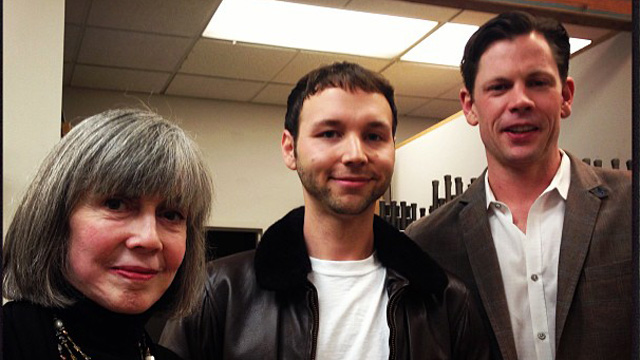
"content": "\u003cfigure id=\"attachment_9610\" class=\"wp-caption aligncenter\" style=\"max-width: 640px\">\u003ca href=\"http://blogs.kqed.org/pop/2013/11/07/anne-and-christopher-rice-fall-in-love-with-this-mother-son-author-team/anne-and-chris/\" rel=\"attachment wp-att-9610\">\u003cimg class=\"size-full wp-image-9610 \" src=\"http://ww2.kqed.org/pop/wp-content/uploads/sites/12/2013/11/anne-and-chris.jpg\" alt=\"Anne Rice, Christopher Rice and KQED Pop's Tony Bravo between them.\" width=\"640\" height=\"640\" srcset=\"https://ww2.kqed.org/app/uploads/sites/12/2013/11/anne-and-chris.jpg 640w, https://ww2.kqed.org/app/uploads/sites/12/2013/11/anne-and-chris-400x400.jpg 400w, https://ww2.kqed.org/app/uploads/sites/12/2013/11/anne-and-chris-32x32.jpg 32w, https://ww2.kqed.org/app/uploads/sites/12/2013/11/anne-and-chris-64x64.jpg 64w, https://ww2.kqed.org/app/uploads/sites/12/2013/11/anne-and-chris-96x96.jpg 96w, https://ww2.kqed.org/app/uploads/sites/12/2013/11/anne-and-chris-128x128.jpg 128w, https://ww2.kqed.org/app/uploads/sites/12/2013/11/anne-and-chris-75x75.jpg 75w\" sizes=\"(max-width: 640px) 100vw, 640px\">\u003c/a>\u003cfigcaption class=\"wp-caption-text\">Authors Anne Rice and Christopher Rice with KQED Pop's Tony Bravo between them.\u003c/figcaption>\u003c/figure>\n\u003cp>When Queen of the Damned \u003cstrong>Anne Rice \u003c/strong>and her son \u003cstrong>Christopher Rice \u003c/strong>came to San Francisco promoting their newest novels (\u003cem>The Wolves of Midwinter \u003c/em>for her, \u003cem>The \u003c/em>\u003cem>Heavens Rise \u003c/em>for him) we knew that \u003cem>KQED Pop\u003c/em> had to be there for our first ever mother-son author interview. The bestselling pair's bantering, Big and Little Edie-esque rapport (they responded to the \u003cem>Grey Gardens \u003c/em>comparison with good humor, for the record) was exactly what we hoped the creator of the \u003cem>Vampire Chronicles \u003c/em>and her equally prolific author son (both gay icons in their own rights) would be like in person. We spoke to them shortly before their jam packed signing at the Opera Plaza Books Inc. about everything from their loves of New Orleans and San Francisco (Christopher is a native of the Castro), hitting the road together as a team and what it would be like if the authors' gay fanbases ever got into an old fashioned rumble.\u003c/p>\n\u003cp>\u003cstrong>Since you're touring together have you done a lot of joint interviews?\u003c/strong>\u003c/p>\n\u003cp>\u003cstrong>Christopher:\u003c/strong> On this one, we have\u003c/p>\n\u003cp>\u003cstrong>Anne:\u003c/strong> We've done a few. Not as many as many as you would think though.\u003c/p>\n\u003cp>\u003cstrong>Christopher:\u003c/strong> There was that one interview where you got the first 30 minutes and I got the second 30 minutes but we were both sitting there in the radio studio. It was taped. So I had to sit there and was like \"he's never going to ask me a question, I'm just going to sit here.\" Then he turned to me and ignored her for 30 minutes. It was strange.\u003c/p>\n\u003cp>[ad fullwidth]\u003c/p>\n\u003cp>\u003cstrong>I'd like to avoid that situation.\u003c/strong>\u003c/p>\n\u003cp>\u003cstrong>Christopher:\u003c/strong> So far so good!\u003c/p>\n\u003cp>\u003cstrong>Tell me about the fun and perils of doing mother-son appearances. Do you get to spend a lot of time together regularly or is this a bit of a reunion?\u003c/strong>\u003c/p>\n\u003cp>\u003cstrong>Anne:\u003c/strong> I'll tell you what's great for me. We've done stage events together where we interview each other: Chris interviews me, I talk to him and I love doing them with him because Chris keeps the audience laughing and keeps the whole thing very relaxed. If I have to do stage events alone, they're generally extremely stressful for me and I'm going to miss that if we have to tour separately. I'd like to have them bring him in for all the stage events.\u003c/p>\n\u003cp>\u003cstrong>Christopher:\u003c/strong> [in a comically exaggerated deadpan] Basically, I'm the comedy relief.\u003c/p>\n\u003cp>\u003cstrong>With two writers in the family, does it ever get competitive about \u003cem>Times\u003c/em> listings when you have books out at the same time?\u003c/strong>\u003c/p>\n\u003cp>\u003cstrong>Anne and Chris: \u003c/strong>No.\u003c/p>\n\u003cfigure id=\"attachment_9611\" class=\"wp-caption alignright\" style=\"max-width: 242px\">\u003ca href=\"http://blogs.kqed.org/pop/2013/11/07/anne-and-christopher-rice-fall-in-love-with-this-mother-son-author-team/rice_author-photo/\" rel=\"attachment wp-att-9611\">\u003cimg class=\" wp-image-9611 \" src=\"http://ww2.kqed.org/pop/wp-content/uploads/sites/12/2013/11/Rice_Author-Photo.jpg\" alt=\"Anne Rice\" width=\"242\" height=\"303\" srcset=\"https://ww2.kqed.org/app/uploads/sites/12/2013/11/Rice_Author-Photo.jpg 1122w, https://ww2.kqed.org/app/uploads/sites/12/2013/11/Rice_Author-Photo-400x500.jpg 400w, https://ww2.kqed.org/app/uploads/sites/12/2013/11/Rice_Author-Photo-800x1000.jpg 800w\" sizes=\"(max-width: 242px) 100vw, 242px\">\u003c/a>\u003cfigcaption class=\"wp-caption-text\">Anne Rice\u003c/figcaption>\u003c/figure>\n\u003cp>\u003cstrong>Christopher:\u003c/strong> She sells so many more books than I do and she always has. It's sweet that people ask that question but she's in a completely different league.\u003c/p>\n\u003cp>\u003cstrong>Anne:\u003c/strong> There will come a time when they say \"Anne, guess who is number three and guess who is number eight?\" and I'll say \"Okay, I couldn't be happier!\" He's my son. My heir.\u003c/p>\n\u003cp>\u003cstrong>Christopher:\u003c/strong> Also, they give you a \u003cem>New York Times\u003c/em> ranking so you don't really get to fight over it.\u003c/p>\n\u003cp>\u003cstrong>Anne:\u003c/strong> But that would be something if they called and said \"Okay...\"\u003c/p>\n\u003cp>\u003cstrong>Christopher:\u003c/strong> \"Who's going to take three and who's going to take four?\"\u003c/p>\n\u003cp>\u003cstrong>Duel for it.\u003c/strong>\u003c/p>\n\u003cp>\u003cstrong>Anne and Christopher:\u003c/strong> Exactly.\u003c/p>\n\u003cp>\u003cstrong>Anne, this is your second book since returning to the supernatural genre and the second book in the new wolves series. What prompted you, after so famously exploring vampires and witches, to look at the werewolf, um, \"community?\"\u003c/strong>\u003c/p>\n\u003cp>\u003cstrong>Anne:\u003c/strong> Jeff Eastin, the television producer who created \u003cem>White Collar\u003c/em>, suggested it. Jeff sent me an email one day that said he had seen a special on werewolves and if I ever decided to tackle the subject he would certainly buy the book and for some reason he just said that at the right time. I was stuck on what I was doing and didn't like it and I thought \"why don't I try that? It's something completely different.\" It was brand new and it worked and that's why I dedicated \u003cem>The Wolf Gift\u003c/em> to Jeff, among other people.\u003c/p>\n\u003cp>\u003cstrong>You said in another interview it was a challenge to make werewolves sexy at first.\u003c/strong>\u003c/p>\n\u003cp>\u003cstrong>Anne:\u003c/strong> I made my wolves real primates, a man-wolf that was conscious and talking and sensitive. I can't imagine anything more sexy than that: a beast that can talk to you and sing. I had seen a movie called \u003cem>Greystoke\u003c/em> and there's a scene in it where Tarzan goes into the bedroom with Andie MacDowell...\u003c/p>\n\u003cp>\u003cstrong>Christopher:\u003c/strong> That's the movie where Andie is dubbed entirely by Glenn Close.\u003c/p>\n\u003cp>\u003cstrong>Anne:\u003c/strong> There's a scene by a four-poster bed and he lets out this growl that could come out of a lion and I thought: \"That's what I want with my man-wolf.\"\u003c/p>\n\u003cp>\u003cstrong>Christopher:\u003c/strong> Did you know that? Did you know Glenn Close dubbed that entire role?\u003c/p>\n\u003cp>\u003cstrong>Anne:\u003c/strong> I did, they both talked about it.\u003c/p>\n\u003cp>\u003cstrong>Christopher:\u003c/strong> You had to carry me out of that movie, I was traumatized by it. I was four.\u003c/p>\n\u003cp>\u003cstrong>Chris, you were born in San Francisco while your parents were living here in the '70s and spent your childhood here. How does it feel to come back on tours? Is it still home in some ways? \u003c/strong>\u003c/p>\n\u003cfigure id=\"attachment_9612\" class=\"wp-caption alignleft\" style=\"max-width: 222px\">\u003ca href=\"http://blogs.kqed.org/pop/2013/11/07/anne-and-christopher-rice-fall-in-love-with-this-mother-son-author-team/authorphoto-crice/\" rel=\"attachment wp-att-9612\">\u003cimg class=\" wp-image-9612 \" src=\"http://ww2.kqed.org/pop/wp-content/uploads/sites/12/2013/11/AuthorPhoto.CRice_.jpg\" alt=\"Christopher Rice\" width=\"222\" height=\"291\">\u003c/a>\u003cfigcaption class=\"wp-caption-text\">Christopher Rice\u003c/figcaption>\u003c/figure>\n\u003cp>\u003cstrong>Christopher:\u003c/strong> It's very emotional to go back to the Castro where we lived; we were in a grey Victorian on 17th and Noe and the Castro doesn't look that different. The rest of the city has changed dramatically--you never went south of Market--but the Castro is very much the same. The view looking up from my bedroom was really looking up at Sutro Tower. You couldn't see the tower but there was a giant pink apartment building on the hill that I looked at as a child and that view is completely unchanged. We left in 1988 and it was a dark time here; lots of people were sick [with AIDS]. It was a while before I came back but I come back frequently and I have a new impression of San Francisco. I love it here. I would love to live here again someday.\u003c/p>\n\u003cp>\u003cstrong>Anne:\u003c/strong> We're trying to figure out if we could live here part of the year.\u003c/p>\n\u003cp>\u003cstrong>Speaking of living arrangements, Anne, it's rumored you're considering a move back to New Orleans.\u003c/strong>\u003c/p>\n\u003cp>\u003cstrong>Anne:\u003c/strong> Right now I live right outside Los Angeles. I'd like to live in New Orleans maybe part of the year.\u003c/p>\n\u003cp>\u003cstrong>Christopher:\u003c/strong> I'm not letting her move back to New Orleans full time.\u003c/p>\n\u003cp>\u003cstrong>Would you consider another historic property?\u003c/strong>\u003c/p>\n\u003cp>\u003cstrong>Anne:\u003c/strong> Those days are over for me. I would love just a lovely little apartment in the French Quarter where I could walk to everything.\u003c/p>\n\u003cp>\u003cstrong>Christopher:\u003c/strong> Hopefully where the roof isn't falling in...\u003c/p>\n\u003cp>\u003cstrong>Anne:\u003c/strong> The French Quarter people are way ahead of everyone--they started preservation of the historic buildings way back.\u003c/p>\n\u003cp>\u003cstrong>Chris, your new book again starts in a high school setting, a motif that's reoccurred in many of your novels.\u003c/strong>\u003c/p>\n\u003cp>\u003cstrong>Christopher:\u003c/strong> A lot of writers spend a lot of time writing about their youth. I think it's a southern tradition to write a story where there's a great trauma in your early years that gets healed through a series of painful revelations. My first novel, \u003cem>A Density of Souls,\u003c/em> was very much an angry young man's novel; there were some groups of people I wanted to get back at through fiction. This was not that book. I wanted to write another book that was set in New Orleans and I wanted to write a kinder, gentler perspective on the city and the characters. It wasn't going to be a kinder, gentler story. It was going to be a dark, supernatural thriller, but it was very much a desire to celebrate the city even in the context of something that was thematically very dark.\u003c/p>\n\u003cp>\u003cstrong>You deal with one of the darkest chapters in New Orleans history with the novel's allusions to Hurricane Katrina.\u003c/strong>\u003c/p>\n\u003cp>\u003cstrong>Christopher: \u003c/strong>I do and what was important to me was not to set a story in the midst of Katrina; it's one of those strange tragedies that everyone thinks they lived through because of the news coverage. It was a desire to explore the impact of it and I did that by hopscotching in the chronology of the book. You see the characters before as you know Katrina is coming and you get them after as they deal with the fallout of what they've been through.\u003c/p>\n\u003cp>\u003cstrong>The supernatural element of \u003cem>The\u003c/em>\u003cem> Heavens Rise \u003c/em>is almost somewhere between supernatural and science fiction.\u003c/strong>\u003c/p>\n\u003cp>\u003cstrong>Christopher: \u003c/strong>I knew early on the book was going to be about mind control but I didn't want to identify the source of the power. I was on the hunt for an explanation that was as clear and elegant as her explanation of what tied the vampires together. More and more people are responding to it as science fiction because I think they're expecting the more ethereal worlds of her books but it's not that: it's muddy, down here on earth cosmology. It's Lovecraftian even though I don't like Lovecraft but it's true.\u003c/p>\n\u003cp>\u003cstrong>You've both written stories that really use New Orleans as characters. You do it in such different ways as such different writers. What's it like writing about the city post-Katrina?\u003c/strong>\u003c/p>\n\u003cp>\u003cstrong>Anne: \u003c/strong>For me it's the same city. Everything I love about it is still there: the oak trees, the French Quarter, the crazy spirit of the people. I don't see any change.\u003c/p>\n\u003cp>\u003cstrong>Christopher: \u003c/strong>The emotional and spiritual recovery of the city is so much better than people ever expected it could be at the time of the flood. People were really writing the obituary for the city; they never thought it would stand up again, that it had been really destroyed. There are still real problems we have to talk about but at the same time we have to recognize the extent to which it's come back. I write about it differently because I'm older: I'm 35 and I was 21 when I wrote my first book so my perspective has changed, Katrina or no Katrina.\u003c/p>\n\u003cp>\u003cstrong>Let's talk about titles, Chris. You have amazing, Tennessee Williams-Douglas Sirk poetic titles. \u003c/strong>\u003c/p>\n\u003cp>\u003cstrong>Christopher: \u003c/strong>I get titles before I get books. They don't necessarily yield the story and a lot of times they are vague and roomy enough to accommodate a lot of stories. \u003cem>A Density of Souls\u003c/em> was originally the title of a very self-indulgent one-act play I wrote as an angry young gay man: \"they all should have slept with me and they didn't\" sort of thing.\u003c/p>\n\u003cp>\u003cstrong>Let's talk about fan experiences. Anne Rice fans certainly know how to decorate themselves for a signing. Any fabulous recent fan encounters?\u003c/strong>\u003c/p>\n\u003cp>\u003cstrong>Christopher: \u003c/strong>They're so emotional if they haven't met her before. It's very moving to see because it's something great her work brings out in people, this love between people who felt like outsiders. With me the funniest thing was the first person in the Minneapolis line skipping past her because he didn't have her book. That's very rare but it was very cute; she had a great reaction.\u003c/p>\n\u003cp>\u003cstrong>Anne: \u003c/strong>And then the only two gay guys who were married didn't know who you were!\u003c/p>\n\u003cp>\u003cstrong>Christopher: \u003c/strong>It was at The Mall of America...it was super weird. We were in the bowels of The Mall of America and looking around at the pictures of the authors who had been there and it was like...Sarah Palin and the cast of \u003cem>The Hunger Games...\u003c/em>it was really strange. I think the weirdest experience I had was being asked to sign a young man's stomach with a Sharpie and looking up and realizing he was about 15 as I was writing my name on his stomach.\u003c/p>\n\u003cp>\u003cstrong>I, on the other hand, Chris, am completely of age if it comes up later.\u003c/strong>\u003c/p>\n\u003cp>\u003cstrong>Christopher: \u003c/strong>[laughing] Then we're good. Do you have a pen?\u003c/p>\n\u003cp>\u003cstrong>Your relationship with your fans, Anne, has been one of the most open author-fan relationships in recent memory. What's the reaction been like in your return to the genre that made you famous?\u003c/strong>\u003c/p>\n\u003cp>\u003cstrong>Anne: \u003c/strong>It's been wonderful, overwhelmingly positive.\u003c/p>\n\u003cp>\u003cstrong>I feel like being the gay son of Anne Rice must be a little like being the gay son of Cher in terms of gay iconography. Have there been any weird situations that have arisen from that?\u003c/strong>\u003c/p>\n\u003cp>\u003cstrong>Christopher: \u003c/strong>There was a period there where I don't think I went out on a date with anyone who hadn't read her \u003cem>Sleeping Beauty\u003c/em> books. I haven't read them so that was kind of weird...I can't read my mother's erotica. I might someday! I always feel like I'm not gay enough for Anne Rice. Her gay friends were always more sophisticated and interesting than I am. Generationally, we've gotten Kei$ha-fied.\u003c/p>\n\u003cp>\u003cstrong>With your huge gay fanbases, what would it look like if there was a rumble?\u003c/strong>\u003c/p>\n\u003cp>\u003cstrong>Christopher: \u003c/strong>I don't know! That's something to think about.\u003c/p>\n\u003cp>\u003cstrong>Anne: \u003c/strong>That's an interesting question.\u003c/p>\n\u003cp>\u003cstrong>Christopher: \u003c/strong>I think it would be like, discreet, military looking gay guys on my side verses goths. Preppy guys who could maybe pass for straight on my team mostly.\u003c/p>\n\u003cp>\u003cstrong>You both write so extensively about outsider experiences. How does that continue to evolve in your work?\u003c/strong>\u003c/p>\n\u003cp>\u003cstrong>Anne: \u003c/strong>It's going to continue in my work no matter what. It just happens and there's nothing I can do about it. Even when I wrote about Jesus I wrote about him as an outsider. The ultimate outsider walking around in Nazareth, feeling very alone.\u003c/p>\n\u003cp>\u003cstrong>Christopher: \u003c/strong>My outsiders are no longer gay; my gay characters have assimilated with the times. My outsiders feel guilt; that's what renders them outsiders. They feel a great sense of guilt over something they haven't made amends for. Once they make that reparation they can return to the light.\u003c/p>\n\u003cp>[ad floatright]\u003c/p>\n\u003cp>\u003ca href=\"http://www.amazon.com/The-Wolves-Midwinter-Wolf-Chronicles/dp/0385349963\" target=\"_blank\">\u003cem>The Wolves of Midwinter\u003c/em>\u003c/a> by Anne Rice and \u003cem>\u003ca href=\"https://www.goodreads.com/book/show/17571317-the-heavens-rise\" target=\"_blank\">The Heavens Rise\u003c/a> \u003c/em>by Christopher Rice are both available wherever books are sold. You can also catch Christopher Rice on his webseries \u003cem>\u003ca href=\"www.thedinnerpartyshow.com\" target=\"_blank\">The Dinner Party Show\u003c/a>.\u003c/em>\u003c/p>\n\n",
"disqusIdentifier": "9605 http://blogs.kqed.org/pop/?p=9605",
"disqusUrl": "https://ww2.kqed.org/pop/2013/11/07/anne-and-christopher-rice-fall-in-love-with-this-mother-son-author-team/",
"stats": {
"hasVideo": false,
"hasChartOrMap": false,
"hasAudio": false,
"hasPolis": false,
"wordCount": 2490,
"hasGoogleForm": false,
"hasGallery": false,
"hasHearkenModule": false,
"iframeSrcs": [],
"paragraphCount": 69
},
"modified": 1383932822,
"excerpt": "When Queen of the Damned Anne Rice and her son Christopher Rice came to San Francisco, we knew that KQED Pop had to be there for our first ever mother-son author interview.",
"headData": {
"twImgId": "",
"twTitle": "",
"ogTitle": "",
"ogImgId": "",
"twDescription": "",
"description": "When Queen of the Damned Anne Rice and her son Christopher Rice came to San Francisco, we knew that KQED Pop had to be there for our first ever mother-son author interview.",
"title": "Anne and Christopher Rice: Fall In Love With This Mother-Son Author Team | KQED",
"ogDescription": "",
"schema": {
"@context": "https://schema.org",
"@type": "Article",
"headline": "Anne and Christopher Rice: Fall In Love With This Mother-Son Author Team",
"datePublished": "2013-11-07T11:41:12-08:00",
"dateModified": "2013-11-08T09:47:02-08:00",
"image": "https://cdn.kqed.org/wp-content/uploads/2020/02/KQED-OG-Image@1x.png"
}
},
"guestAuthors": [],
"slug": "anne-and-christopher-rice-fall-in-love-with-this-mother-son-author-team",
"status": "publish",
"path": "/pop/9605/anne-and-christopher-rice-fall-in-love-with-this-mother-son-author-team",
"audioTrackLength": null,
"parsedContent": [
{
"type": "contentString",
"content": "\u003cdiv class=\"post-body\">\u003cp>\u003cfigure id=\"attachment_9610\" class=\"wp-caption aligncenter\" style=\"max-width: 640px\">\u003ca href=\"http://blogs.kqed.org/pop/2013/11/07/anne-and-christopher-rice-fall-in-love-with-this-mother-son-author-team/anne-and-chris/\" rel=\"attachment wp-att-9610\">\u003cimg class=\"size-full wp-image-9610 \" src=\"http://ww2.kqed.org/pop/wp-content/uploads/sites/12/2013/11/anne-and-chris.jpg\" alt=\"Anne Rice, Christopher Rice and KQED Pop's Tony Bravo between them.\" width=\"640\" height=\"640\" srcset=\"https://ww2.kqed.org/app/uploads/sites/12/2013/11/anne-and-chris.jpg 640w, https://ww2.kqed.org/app/uploads/sites/12/2013/11/anne-and-chris-400x400.jpg 400w, https://ww2.kqed.org/app/uploads/sites/12/2013/11/anne-and-chris-32x32.jpg 32w, https://ww2.kqed.org/app/uploads/sites/12/2013/11/anne-and-chris-64x64.jpg 64w, https://ww2.kqed.org/app/uploads/sites/12/2013/11/anne-and-chris-96x96.jpg 96w, https://ww2.kqed.org/app/uploads/sites/12/2013/11/anne-and-chris-128x128.jpg 128w, https://ww2.kqed.org/app/uploads/sites/12/2013/11/anne-and-chris-75x75.jpg 75w\" sizes=\"(max-width: 640px) 100vw, 640px\">\u003c/a>\u003cfigcaption class=\"wp-caption-text\">Authors Anne Rice and Christopher Rice with KQED Pop's Tony Bravo between them.\u003c/figcaption>\u003c/figure>\n\u003cp>When Queen of the Damned \u003cstrong>Anne Rice \u003c/strong>and her son \u003cstrong>Christopher Rice \u003c/strong>came to San Francisco promoting their newest novels (\u003cem>The Wolves of Midwinter \u003c/em>for her, \u003cem>The \u003c/em>\u003cem>Heavens Rise \u003c/em>for him) we knew that \u003cem>KQED Pop\u003c/em> had to be there for our first ever mother-son author interview. The bestselling pair's bantering, Big and Little Edie-esque rapport (they responded to the \u003cem>Grey Gardens \u003c/em>comparison with good humor, for the record) was exactly what we hoped the creator of the \u003cem>Vampire Chronicles \u003c/em>and her equally prolific author son (both gay icons in their own rights) would be like in person. We spoke to them shortly before their jam packed signing at the Opera Plaza Books Inc. about everything from their loves of New Orleans and San Francisco (Christopher is a native of the Castro), hitting the road together as a team and what it would be like if the authors' gay fanbases ever got into an old fashioned rumble.\u003c/p>\n\u003cp>\u003cstrong>Since you're touring together have you done a lot of joint interviews?\u003c/strong>\u003c/p>\n\u003cp>\u003cstrong>Christopher:\u003c/strong> On this one, we have\u003c/p>\n\u003cp>\u003cstrong>Anne:\u003c/strong> We've done a few. Not as many as many as you would think though.\u003c/p>\n\u003cp>\u003cstrong>Christopher:\u003c/strong> There was that one interview where you got the first 30 minutes and I got the second 30 minutes but we were both sitting there in the radio studio. It was taped. So I had to sit there and was like \"he's never going to ask me a question, I'm just going to sit here.\" Then he turned to me and ignored her for 30 minutes. It was strange.\u003c/p>\n\u003cp>\u003c/p>\u003c/div>",
"attributes": {
"named": {},
"numeric": []
}
},
{
"type": "component",
"content": "",
"name": "ad",
"attributes": {
"named": {
"label": "fullwidth"
},
"numeric": [
"fullwidth"
]
}
},
{
"type": "contentString",
"content": "\u003cdiv class=\"post-body\">\u003cp>\u003c/p>\n\u003cp>\u003cstrong>I'd like to avoid that situation.\u003c/strong>\u003c/p>\n\u003cp>\u003cstrong>Christopher:\u003c/strong> So far so good!\u003c/p>\n\u003cp>\u003cstrong>Tell me about the fun and perils of doing mother-son appearances. Do you get to spend a lot of time together regularly or is this a bit of a reunion?\u003c/strong>\u003c/p>\n\u003cp>\u003cstrong>Anne:\u003c/strong> I'll tell you what's great for me. We've done stage events together where we interview each other: Chris interviews me, I talk to him and I love doing them with him because Chris keeps the audience laughing and keeps the whole thing very relaxed. If I have to do stage events alone, they're generally extremely stressful for me and I'm going to miss that if we have to tour separately. I'd like to have them bring him in for all the stage events.\u003c/p>\n\u003cp>\u003cstrong>Christopher:\u003c/strong> [in a comically exaggerated deadpan] Basically, I'm the comedy relief.\u003c/p>\n\u003cp>\u003cstrong>With two writers in the family, does it ever get competitive about \u003cem>Times\u003c/em> listings when you have books out at the same time?\u003c/strong>\u003c/p>\n\u003cp>\u003cstrong>Anne and Chris: \u003c/strong>No.\u003c/p>\n\u003cfigure id=\"attachment_9611\" class=\"wp-caption alignright\" style=\"max-width: 242px\">\u003ca href=\"http://blogs.kqed.org/pop/2013/11/07/anne-and-christopher-rice-fall-in-love-with-this-mother-son-author-team/rice_author-photo/\" rel=\"attachment wp-att-9611\">\u003cimg class=\" wp-image-9611 \" src=\"http://ww2.kqed.org/pop/wp-content/uploads/sites/12/2013/11/Rice_Author-Photo.jpg\" alt=\"Anne Rice\" width=\"242\" height=\"303\" srcset=\"https://ww2.kqed.org/app/uploads/sites/12/2013/11/Rice_Author-Photo.jpg 1122w, https://ww2.kqed.org/app/uploads/sites/12/2013/11/Rice_Author-Photo-400x500.jpg 400w, https://ww2.kqed.org/app/uploads/sites/12/2013/11/Rice_Author-Photo-800x1000.jpg 800w\" sizes=\"(max-width: 242px) 100vw, 242px\">\u003c/a>\u003cfigcaption class=\"wp-caption-text\">Anne Rice\u003c/figcaption>\u003c/figure>\n\u003cp>\u003cstrong>Christopher:\u003c/strong> She sells so many more books than I do and she always has. It's sweet that people ask that question but she's in a completely different league.\u003c/p>\n\u003cp>\u003cstrong>Anne:\u003c/strong> There will come a time when they say \"Anne, guess who is number three and guess who is number eight?\" and I'll say \"Okay, I couldn't be happier!\" He's my son. My heir.\u003c/p>\n\u003cp>\u003cstrong>Christopher:\u003c/strong> Also, they give you a \u003cem>New York Times\u003c/em> ranking so you don't really get to fight over it.\u003c/p>\n\u003cp>\u003cstrong>Anne:\u003c/strong> But that would be something if they called and said \"Okay...\"\u003c/p>\n\u003cp>\u003cstrong>Christopher:\u003c/strong> \"Who's going to take three and who's going to take four?\"\u003c/p>\n\u003cp>\u003cstrong>Duel for it.\u003c/strong>\u003c/p>\n\u003cp>\u003cstrong>Anne and Christopher:\u003c/strong> Exactly.\u003c/p>\n\u003cp>\u003cstrong>Anne, this is your second book since returning to the supernatural genre and the second book in the new wolves series. What prompted you, after so famously exploring vampires and witches, to look at the werewolf, um, \"community?\"\u003c/strong>\u003c/p>\n\u003cp>\u003cstrong>Anne:\u003c/strong> Jeff Eastin, the television producer who created \u003cem>White Collar\u003c/em>, suggested it. Jeff sent me an email one day that said he had seen a special on werewolves and if I ever decided to tackle the subject he would certainly buy the book and for some reason he just said that at the right time. I was stuck on what I was doing and didn't like it and I thought \"why don't I try that? It's something completely different.\" It was brand new and it worked and that's why I dedicated \u003cem>The Wolf Gift\u003c/em> to Jeff, among other people.\u003c/p>\n\u003cp>\u003cstrong>You said in another interview it was a challenge to make werewolves sexy at first.\u003c/strong>\u003c/p>\n\u003cp>\u003cstrong>Anne:\u003c/strong> I made my wolves real primates, a man-wolf that was conscious and talking and sensitive. I can't imagine anything more sexy than that: a beast that can talk to you and sing. I had seen a movie called \u003cem>Greystoke\u003c/em> and there's a scene in it where Tarzan goes into the bedroom with Andie MacDowell...\u003c/p>\n\u003cp>\u003cstrong>Christopher:\u003c/strong> That's the movie where Andie is dubbed entirely by Glenn Close.\u003c/p>\n\u003cp>\u003cstrong>Anne:\u003c/strong> There's a scene by a four-poster bed and he lets out this growl that could come out of a lion and I thought: \"That's what I want with my man-wolf.\"\u003c/p>\n\u003cp>\u003cstrong>Christopher:\u003c/strong> Did you know that? Did you know Glenn Close dubbed that entire role?\u003c/p>\n\u003cp>\u003cstrong>Anne:\u003c/strong> I did, they both talked about it.\u003c/p>\n\u003cp>\u003cstrong>Christopher:\u003c/strong> You had to carry me out of that movie, I was traumatized by it. I was four.\u003c/p>\n\u003cp>\u003cstrong>Chris, you were born in San Francisco while your parents were living here in the '70s and spent your childhood here. How does it feel to come back on tours? Is it still home in some ways? \u003c/strong>\u003c/p>\n\u003cfigure id=\"attachment_9612\" class=\"wp-caption alignleft\" style=\"max-width: 222px\">\u003ca href=\"http://blogs.kqed.org/pop/2013/11/07/anne-and-christopher-rice-fall-in-love-with-this-mother-son-author-team/authorphoto-crice/\" rel=\"attachment wp-att-9612\">\u003cimg class=\" wp-image-9612 \" src=\"http://ww2.kqed.org/pop/wp-content/uploads/sites/12/2013/11/AuthorPhoto.CRice_.jpg\" alt=\"Christopher Rice\" width=\"222\" height=\"291\">\u003c/a>\u003cfigcaption class=\"wp-caption-text\">Christopher Rice\u003c/figcaption>\u003c/figure>\n\u003cp>\u003cstrong>Christopher:\u003c/strong> It's very emotional to go back to the Castro where we lived; we were in a grey Victorian on 17th and Noe and the Castro doesn't look that different. The rest of the city has changed dramatically--you never went south of Market--but the Castro is very much the same. The view looking up from my bedroom was really looking up at Sutro Tower. You couldn't see the tower but there was a giant pink apartment building on the hill that I looked at as a child and that view is completely unchanged. We left in 1988 and it was a dark time here; lots of people were sick [with AIDS]. It was a while before I came back but I come back frequently and I have a new impression of San Francisco. I love it here. I would love to live here again someday.\u003c/p>\n\u003cp>\u003cstrong>Anne:\u003c/strong> We're trying to figure out if we could live here part of the year.\u003c/p>\n\u003cp>\u003cstrong>Speaking of living arrangements, Anne, it's rumored you're considering a move back to New Orleans.\u003c/strong>\u003c/p>\n\u003cp>\u003cstrong>Anne:\u003c/strong> Right now I live right outside Los Angeles. I'd like to live in New Orleans maybe part of the year.\u003c/p>\n\u003cp>\u003cstrong>Christopher:\u003c/strong> I'm not letting her move back to New Orleans full time.\u003c/p>\n\u003cp>\u003cstrong>Would you consider another historic property?\u003c/strong>\u003c/p>\n\u003cp>\u003cstrong>Anne:\u003c/strong> Those days are over for me. I would love just a lovely little apartment in the French Quarter where I could walk to everything.\u003c/p>\n\u003cp>\u003cstrong>Christopher:\u003c/strong> Hopefully where the roof isn't falling in...\u003c/p>\n\u003cp>\u003cstrong>Anne:\u003c/strong> The French Quarter people are way ahead of everyone--they started preservation of the historic buildings way back.\u003c/p>\n\u003cp>\u003cstrong>Chris, your new book again starts in a high school setting, a motif that's reoccurred in many of your novels.\u003c/strong>\u003c/p>\n\u003cp>\u003cstrong>Christopher:\u003c/strong> A lot of writers spend a lot of time writing about their youth. I think it's a southern tradition to write a story where there's a great trauma in your early years that gets healed through a series of painful revelations. My first novel, \u003cem>A Density of Souls,\u003c/em> was very much an angry young man's novel; there were some groups of people I wanted to get back at through fiction. This was not that book. I wanted to write another book that was set in New Orleans and I wanted to write a kinder, gentler perspective on the city and the characters. It wasn't going to be a kinder, gentler story. It was going to be a dark, supernatural thriller, but it was very much a desire to celebrate the city even in the context of something that was thematically very dark.\u003c/p>\n\u003cp>\u003cstrong>You deal with one of the darkest chapters in New Orleans history with the novel's allusions to Hurricane Katrina.\u003c/strong>\u003c/p>\n\u003cp>\u003cstrong>Christopher: \u003c/strong>I do and what was important to me was not to set a story in the midst of Katrina; it's one of those strange tragedies that everyone thinks they lived through because of the news coverage. It was a desire to explore the impact of it and I did that by hopscotching in the chronology of the book. You see the characters before as you know Katrina is coming and you get them after as they deal with the fallout of what they've been through.\u003c/p>\n\u003cp>\u003cstrong>The supernatural element of \u003cem>The\u003c/em>\u003cem> Heavens Rise \u003c/em>is almost somewhere between supernatural and science fiction.\u003c/strong>\u003c/p>\n\u003cp>\u003cstrong>Christopher: \u003c/strong>I knew early on the book was going to be about mind control but I didn't want to identify the source of the power. I was on the hunt for an explanation that was as clear and elegant as her explanation of what tied the vampires together. More and more people are responding to it as science fiction because I think they're expecting the more ethereal worlds of her books but it's not that: it's muddy, down here on earth cosmology. It's Lovecraftian even though I don't like Lovecraft but it's true.\u003c/p>\n\u003cp>\u003cstrong>You've both written stories that really use New Orleans as characters. You do it in such different ways as such different writers. What's it like writing about the city post-Katrina?\u003c/strong>\u003c/p>\n\u003cp>\u003cstrong>Anne: \u003c/strong>For me it's the same city. Everything I love about it is still there: the oak trees, the French Quarter, the crazy spirit of the people. I don't see any change.\u003c/p>\n\u003cp>\u003cstrong>Christopher: \u003c/strong>The emotional and spiritual recovery of the city is so much better than people ever expected it could be at the time of the flood. People were really writing the obituary for the city; they never thought it would stand up again, that it had been really destroyed. There are still real problems we have to talk about but at the same time we have to recognize the extent to which it's come back. I write about it differently because I'm older: I'm 35 and I was 21 when I wrote my first book so my perspective has changed, Katrina or no Katrina.\u003c/p>\n\u003cp>\u003cstrong>Let's talk about titles, Chris. You have amazing, Tennessee Williams-Douglas Sirk poetic titles. \u003c/strong>\u003c/p>\n\u003cp>\u003cstrong>Christopher: \u003c/strong>I get titles before I get books. They don't necessarily yield the story and a lot of times they are vague and roomy enough to accommodate a lot of stories. \u003cem>A Density of Souls\u003c/em> was originally the title of a very self-indulgent one-act play I wrote as an angry young gay man: \"they all should have slept with me and they didn't\" sort of thing.\u003c/p>\n\u003cp>\u003cstrong>Let's talk about fan experiences. Anne Rice fans certainly know how to decorate themselves for a signing. Any fabulous recent fan encounters?\u003c/strong>\u003c/p>\n\u003cp>\u003cstrong>Christopher: \u003c/strong>They're so emotional if they haven't met her before. It's very moving to see because it's something great her work brings out in people, this love between people who felt like outsiders. With me the funniest thing was the first person in the Minneapolis line skipping past her because he didn't have her book. That's very rare but it was very cute; she had a great reaction.\u003c/p>\n\u003cp>\u003cstrong>Anne: \u003c/strong>And then the only two gay guys who were married didn't know who you were!\u003c/p>\n\u003cp>\u003cstrong>Christopher: \u003c/strong>It was at The Mall of America...it was super weird. We were in the bowels of The Mall of America and looking around at the pictures of the authors who had been there and it was like...Sarah Palin and the cast of \u003cem>The Hunger Games...\u003c/em>it was really strange. I think the weirdest experience I had was being asked to sign a young man's stomach with a Sharpie and looking up and realizing he was about 15 as I was writing my name on his stomach.\u003c/p>\n\u003cp>\u003cstrong>I, on the other hand, Chris, am completely of age if it comes up later.\u003c/strong>\u003c/p>\n\u003cp>\u003cstrong>Christopher: \u003c/strong>[laughing] Then we're good. Do you have a pen?\u003c/p>\n\u003cp>\u003cstrong>Your relationship with your fans, Anne, has been one of the most open author-fan relationships in recent memory. What's the reaction been like in your return to the genre that made you famous?\u003c/strong>\u003c/p>\n\u003cp>\u003cstrong>Anne: \u003c/strong>It's been wonderful, overwhelmingly positive.\u003c/p>\n\u003cp>\u003cstrong>I feel like being the gay son of Anne Rice must be a little like being the gay son of Cher in terms of gay iconography. Have there been any weird situations that have arisen from that?\u003c/strong>\u003c/p>\n\u003cp>\u003cstrong>Christopher: \u003c/strong>There was a period there where I don't think I went out on a date with anyone who hadn't read her \u003cem>Sleeping Beauty\u003c/em> books. I haven't read them so that was kind of weird...I can't read my mother's erotica. I might someday! I always feel like I'm not gay enough for Anne Rice. Her gay friends were always more sophisticated and interesting than I am. Generationally, we've gotten Kei$ha-fied.\u003c/p>\n\u003cp>\u003cstrong>With your huge gay fanbases, what would it look like if there was a rumble?\u003c/strong>\u003c/p>\n\u003cp>\u003cstrong>Christopher: \u003c/strong>I don't know! That's something to think about.\u003c/p>\n\u003cp>\u003cstrong>Anne: \u003c/strong>That's an interesting question.\u003c/p>\n\u003cp>\u003cstrong>Christopher: \u003c/strong>I think it would be like, discreet, military looking gay guys on my side verses goths. Preppy guys who could maybe pass for straight on my team mostly.\u003c/p>\n\u003cp>\u003cstrong>You both write so extensively about outsider experiences. How does that continue to evolve in your work?\u003c/strong>\u003c/p>\n\u003cp>\u003cstrong>Anne: \u003c/strong>It's going to continue in my work no matter what. It just happens and there's nothing I can do about it. Even when I wrote about Jesus I wrote about him as an outsider. The ultimate outsider walking around in Nazareth, feeling very alone.\u003c/p>\n\u003cp>\u003cstrong>Christopher: \u003c/strong>My outsiders are no longer gay; my gay characters have assimilated with the times. My outsiders feel guilt; that's what renders them outsiders. They feel a great sense of guilt over something they haven't made amends for. Once they make that reparation they can return to the light.\u003c/p>\n\u003cp>\u003c/p>\u003c/div>",
"attributes": {
"named": {},
"numeric": []
}
},
{
"type": "component",
"content": "",
"name": "ad",
"attributes": {
"named": {
"label": "floatright"
},
"numeric": [
"floatright"
]
}
},
{
"type": "contentString",
"content": "\u003cdiv class=\"post-body\">\u003cp>\u003c/p>\n\u003cp>\u003ca href=\"http://www.amazon.com/The-Wolves-Midwinter-Wolf-Chronicles/dp/0385349963\" target=\"_blank\">\u003cem>The Wolves of Midwinter\u003c/em>\u003c/a> by Anne Rice and \u003cem>\u003ca href=\"https://www.goodreads.com/book/show/17571317-the-heavens-rise\" target=\"_blank\">The Heavens Rise\u003c/a> \u003c/em>by Christopher Rice are both available wherever books are sold. You can also catch Christopher Rice on his webseries \u003cem>\u003ca href=\"www.thedinnerpartyshow.com\" target=\"_blank\">The Dinner Party Show\u003c/a>.\u003c/em>\u003c/p>\n\n\u003c/div>\u003c/p>",
"attributes": {
"named": {},
"numeric": []
}
}
],
"link": "/pop/9605/anne-and-christopher-rice-fall-in-love-with-this-mother-son-author-team",
"authors": [
"2436"
],
"categories": [
"pop_7"
],
"tags": [
"pop_1340",
"pop_1344",
"pop_1342",
"pop_108",
"pop_1341",
"pop_1238",
"pop_1345",
"pop_1343"
],
"featImg": "pop_9627",
"label": "pop"
},
"pop_9422": {
"type": "posts",
"id": "pop_9422",
"meta": {
"index": "posts_1716263798",
"site": "pop",
"id": "9422",
"score": null,
"sort": [
1383162003000
]
},
"parent": 0,
"labelTerm": {
"site": "pop"
},
"blocks": [],
"publishDate": 1383162003,
"format": "aside",
"disqusTitle": "Explaining Fifty Shades of Grey With Our Anonymous Panel of Experts",
"title": "Explaining Fifty Shades of Grey With Our Anonymous Panel of Experts",
"headTitle": "KQED Pop | KQED Arts",
"content": "\u003cfigure id=\"attachment_9425\" class=\"wp-caption aligncenter\" style=\"max-width: 637px\">\u003ca href=\"http://blogs.kqed.org/pop/2013/10/30/explaining-fifty-shades-of-grey-with-our-anonymous-panel-of-experts/50shades/\" rel=\"attachment wp-att-9425\">\u003cimg class=\" wp-image-9425\" src=\"http://ww2.kqed.org/pop/wp-content/uploads/sites/12/2013/10/50shades.jpg\" alt=\"50shades\" width=\"637\" height=\"358\" srcset=\"https://ww2.kqed.org/app/uploads/sites/12/2013/10/50shades.jpg 637w, https://ww2.kqed.org/app/uploads/sites/12/2013/10/50shades-400x224.jpg 400w\" sizes=\"(max-width: 637px) 100vw, 637px\">\u003c/a>\u003cfigcaption class=\"wp-caption-text\">Image by Lizzy Acker\u003c/figcaption>\u003c/figure>\n\u003cp> \u003c/p>\n\u003cp>It seemed to dissipate for a while but then, with news of the casting of its film version, that Trojan gift to literature \u003cem>Fifty Shades of Grey\u003c/em> was back on our pop culture consciousness with a vengeance. (Latest news: \u003cem>The Sons of Anarchy\u003c/em> star Charlie Hunman is out and \u003cem>Once Upon a Time\u003c/em> actor Jamie Dornan is in as spank happy Christian Grey.)\u003c/p>\n\u003cp>Like the Highlander or the herp, \u003cem>Fifty Shades \u003c/em>never really goes away.\u003c/p>\n\u003cp>For those of you blissfully unaware of the housewife friendly BDSM phenom, \u003cem>KQED Pop\u003c/em> enlisted a panel of closet Fifty Shadies (a new term we just invented for fans of the trilogy) to explain to us some of the very basics of the \"novels,\" their reaction to casting news and whether or not \u003cem>Grey\u003c/em> is destined to become trash for the ages.\u003c/p>\n\u003cp>Panelists\u003c/p>\n\u003cp>[ad fullwidth]\u003c/p>\n\u003cp>P1: 29-years-old, works in the fashion industry. Generally reads classic literature with a few palette cleansing forays into trash between excursions into Victor Hugo\u003c/p>\n\u003cp>P2: 23-years-old, newly engaged college student. Tastes range from waiting in line for comic book film adaptions to big budget musicals and all manner of sports viewing.\u003c/p>\n\u003cp>P3: 37-years-old, former tech executive, current stay-at-home-mom and member of several ladies auxiliaries. Loves classic punk rock, early Tex Avery cartoons and subscribes to \u003cem>The New Yorker\u003c/em>.\u003c/p>\n\u003cp>\u003cstrong>KQED\u003c/strong>: Hi panelists. Thanks for talking to us. As promised your identities will be protected. First and foremost, in words that people who don't care can understand, what are the \u003cem>Fifty Shades of Grey\u003c/em>? Do they start with sort of a battleship and go all the way to charcoal?\u003c/p>\n\u003cp>\u003cstrong>P1\u003c/strong>: Haha. No.\u003c/p>\n\u003cp>\u003cstrong>P2\u003c/strong>: I'd summarize the books with this: a sex crazed billionaire who gets everything he wants when he wants it by any means necessary is forced to learn patience and trust when he meets a special lady.\u003c/p>\n\u003cp>\u003cstrong>P3\u003c/strong>: Just say \"a journey of self discovery and boundary pushing sexually and emotionally\" yada yada blah.\u003c/p>\n\u003cp>\u003cstrong>KQED\u003c/strong>: What are your credentials for explaining this \"literature\": i.e. what other \"literature\" have you read?\u003c/p>\n\u003cp>\u003cstrong>P1\u003c/strong>: I assume when you say \"literature\" with those air quotes you mean \"trash.\"\u003c/p>\n\u003cp>\u003cstrong>P3\u003c/strong>: I read my share of early Anne Rice and romance novels growing up.\u003c/p>\n\u003cp>\u003cstrong>P2\u003c/strong>: I buzzed through the \u003cem>Twilight\u003c/em> series when I had mono.\u003c/p>\n\u003cp>\u003cstrong>P1\u003c/strong>: I prefer the classics: \u003cem>Peyton Place\u003c/em>, \u003cem>Valley of the Dolls\u003c/em>, \u003cem>Marjory Morningstar\u003c/em>.\u003c/p>\n\u003cp>\u003cstrong>KQED\u003c/strong>: Who are the major characters?\u003c/p>\n\u003cp>\u003cstrong>P2\u003c/strong>: Sexy, kinky billionaire Christian \"50 Shades\" Grey and Anastasia Steele, English lit major with some hang-ups, are the primaries.\u003c/p>\n\u003cp>\u003cstrong>P1\u003c/strong>: Secondarily we have Ana's best friend and roommate Katherine (Kate) Kavanagh, Anastasia's photographer friend Jose (who's in love with her), Christian's brother Elliot Grey (love interest of Kate), Mia Grey (Christian's sister), Ethan Kavanagh (Kate's bro and Mia's love interest), Jack Hyde (Ana's boss) and Elena Lincoln (Mrs. Robinson) Christian's friend/business partner and the woman who introduced him to BDSM at the age of 15.\u003c/p>\n\u003cp>\u003cstrong>KQED\u003c/strong>: Now that we know who they are, what's wrong with these people?\u003c/p>\n\u003cp>\u003cstrong>P1\u003c/strong>: Anastasia is beautiful, but unaware of it, and thinks she's not attractive enough for Christian. She's also uncomfortable with his wealth and it is often a source of discord between them.\u003c/p>\n\u003cp>\u003cstrong>P3\u003c/strong>: Christian was abused as a child by his prostitute mother's pimp and adopted/rescued when he was 4 by his adoptive parents the Greys\u003c/p>\n\u003cp>\u003cstrong>KQED\u003c/strong>: Let's just cut to the chase: talk about the hitting.\u003c/p>\n\u003cp>\u003cstrong>P2\u003c/strong>: As a result of how he was treated as a child, Christian had anger issues and lashed out at school and home. At 15 one of his mother's friends decided she knew a way to channel his anger, and she becomes his dominant and introduces him to BDSM. Eventually he decided he wanted to be dominant and leaves the \"relationship\"\u003c/p>\n\u003cp>\u003cstrong>KQED\u003c/strong>: At 15?\u003c/p>\n\u003cp>\u003cstrong>P1\u003c/strong>: It's very \u003cem>The Reader\u003c/em>.\u003c/p>\n\u003cp>\u003cstrong>KQED\u003c/strong>: So, apparently it's three books? Why in God's name is it three books?\u003c/p>\n\u003cp>\u003cstrong>P3\u003c/strong>: Yes! \u003cem>Fifty Shades\u003c/em>, \u003cem>Fifty Shades: Darker\u003c/em> and \u003cem>Fifty Shades: Freed.\u003c/em>\u003c/p>\n\u003cp>\u003cstrong>P2\u003c/strong>: The first book sets up the relationship with Ana and Christian: their meeting, dating (or whatever you can call it), hooking up \"vanilla style\", then not so vanilla. She wants to know how spicy it can get, he shows her, she can't deal with it and it ends with them breaking up.\u003c/p>\n\u003cp>\u003cstrong>P1\u003c/strong> In the second book Ana gets her first job out of college, becomes an assistant to Jack Hyde at a publishing company, reunites with Fifty (after he makes some concessions). Then Ana meets Mrs. Robinson, and gets stalked by one of Fifty's old subs. Christian, being the jealous, over-protective and the controlling megalomaniac that he is, decides to buy the company that Ana works for. Ana's boss Jack makes very forceful unwanted sexual advances towards her, she tells Christian and he fires him when he takes over the company. It ends at a party at Christian's parents house, where he announces he and Ana are engaged while Jack lurks outside, plotting.\u003c/p>\n\u003cp>\u003cstrong>P3\u003c/strong>: The third book is...honeymoon meow...the boss trying to extract revenge...Ana finally getting through to Christian about how Mrs. Robinson is not really his friend, she's a child molester who took advantage of him and despite all her protests to the contrary actually wants Christian back. Phew, drama! Ana gets preggo, Fifty takes some convincing on the future parent front, for obvious reasons, and evil Jack gets served! They move into a house Fifty designed for them and have another baby. They live happily ever after (whip cracking sound).\u003c/p>\n\u003cp>\u003cstrong>P1\u003c/strong>: Shoot! I forgot the red room of pain, the plane crash, the shooting and the fire!!!!\u003c/p>\n\u003cp>\u003cstrong>KQED\u003c/strong>: Clarification: when you say \"Mrs. Robinson\" do you mean the lady from \u003cem>The Graduate\u003c/em> and when you say \"Fifty\" do people actually call him that, like 50 Cent?\u003c/p>\n\u003cp>\u003cstrong>P2\u003c/strong>: Kind of.\u003c/p>\n\u003cp>\u003cstrong>KQED\u003c/strong>: So, on a scale of V.C. Andrews (high) to Stephanie Meyer (low), how trashy is it?\u003c/p>\n\u003cp>\u003cstrong>P1\u003c/strong>: \u003cem>Twilight\u003c/em> wasn't trashy at all, at least not by Harlequin standards: there's really only one descriptive sex scene and it's obviously written by a Mormon. I never read \u003cem>Flowers in the Attic\u003c/em> or other V.C. Andrews books: I was too busy reading trashy predictable Harlequin \"romances\" and actual works of literature. I hope I don't lose my street cred with that admission.\u003c/p>\n\u003cp>\u003cstrong>P2\u003c/strong>: It's somewhere between later V.C. Andrews and early erotica Anne Rice.\u003c/p>\n\u003cp>\u003cstrong>P3\u003c/strong>: Agreed.\u003c/p>\n\u003cp>\u003cstrong>KQED\u003c/strong>: As fans, do you think \u003cem>Fifty Shades of Grey\u003c/em> can really be filmed?\u003c/p>\n\u003cp>\u003cstrong>P2\u003c/strong>: Honestly, we will see.\u003c/p>\n\u003cp>\u003cstrong>P1\u003c/strong>: You could make an okay film with all the non-sexual drama in the book, there's lots of action.\u003c/p>\n\u003cp>\u003cstrong>P3\u003c/strong>: In actuality the main focus of the book is their relationship, and how it evolves physically and emotionally: physically being the key word. A main point of contention between them is him thinking he needs the BDSM and her struggle to understand/accept that and learn her boundaries, while also pushing his.\u003c/p>\n\u003cp>\u003cstrong>P2\u003c/strong>: Leaving out the sex in the movie version would be like leaving out a number in an equation.\u003c/p>\n\u003cp>\u003cstrong>KQED\u003c/strong>: What do you think of the film casting?\u003c/p>\n\u003cp>\u003cstrong>P2\u003c/strong>: I like it for the most part. I'm happy with the Christian change.\u003c/p>\n\u003cp>\u003cstrong>P1\u003c/strong>: Dornan physically looks more like Christian as described in the books. Luke Grimes as Elliot is perfect: I totally see him as an approachable, laid back, ladies man.\u003c/p>\n\u003cp>\u003cstrong>P3\u003c/strong>: I don't know how I feel about Jennifer Ehle playing Ana's mom Carla: she's Lizzy Bennet to me. My poor brain, \u003cem>Pride and Prejudice\u003c/em> mixing with \u003cem>Fifty Shades\u003c/em>. Jane Austin is harrumphing in Mr. Darcy's grave I bet.\u003c/p>\n\u003cp>\u003cstrong>KQED\u003c/strong>: Is there an ideal Christian among you?\u003c/p>\n\u003cp>\u003cstrong>P3\u003c/strong>: We all agree on Matt Bomer: hair, eyes, body, perfect.\u003c/p>\n\u003cp>\u003cstrong>P2\u003c/strong>: 2nd place, Ian Somerhalder. He's got the smoldering introspection down!\u003c/p>\n\u003cp>\u003cstrong>KQED\u003c/strong>: And an ideal Anastasia?\u003c/p>\n\u003cp>\u003cstrong>P2\u003c/strong>: Dakota Johnson looks more like a Kate: confident, poised, blond and traditionally beautiful, Alexis Bledel would be a better Ana, reserved, unknowingly beautiful, convincingly naive, shy, and a little clumsy.\u003c/p>\n\u003cp>\u003cstrong>KQED\u003c/strong>: How much longer do you think I'm going to hear about this? Is it trash for the ages?\u003c/p>\n\u003cp>\u003cstrong>P1\u003c/strong>: Until something \"better\" comes along. Part of why I think people are so fascinated is you can spend hours debating whether it's a detriment or asset to feminism.\u003c/p>\n\u003cp>\u003cstrong>KQED\u003c/strong>: Honestly: have you been inspired to hit anyone during the act since you read the books?\u003c/p>\n\u003cp>\u003cstrong>P1\u003c/strong>: No but a good spanking never hurt anyone.\u003c/p>\n\u003cp>\u003cstrong>P2\u003c/strong>: A little.\u003c/p>\n\u003cp>\u003cstrong>P3\u003c/strong>: Yes, but only in anger and only because he deserved it. I'm kidding. No.\u003c/p>\n\u003cp>\u003cstrong>KQED\u003c/strong>:If you were going to make a comedy parody who would you cast?\u003c/p>\n\u003cp>(The following have been agreed upon by all three panelists)\u003c/p>\n\u003cp>Seth Myers as Fifty\u003cbr>\nTina Fey as Ana\u003cbr>\nAmy Poehler as Kate\u003cbr>\nSkinny Seth Rogan as Elliot Grey\u003cbr>\nZach Galifianakis as Jose\u003cbr>\nSarah Jessica Parker as Mrs Robinson\u003c/p>\n\u003cp>\u003cstrong>KQED\u003c/strong>: In conclusion, you're all smart, well-balanced ladies with fantastic taste in all other areas. Why do you like this book?\u003c/p>\n\u003cp>\u003cstrong>P3\u003c/strong>: Besides the mommy porn?\u003c/p>\n\u003cp>\u003cstrong>P1\u003c/strong> Well, forgetting that it's not actually well-written, I like that Christian and Ana struggle, that they have depth and a hint of layers, especially compared with other \"romance\" novel characters. I like men that know themselves and what they want, who take charge, and get things done. It' sexy. And I think a lot of woman feel this way.\u003c/p>\n\u003cp>\u003cstrong>P2\u003c/strong>: Because women are problem solvers, who doesn't like a fixer upper in the guise of a grown man who can't be touched and has trust issues? We feel guilty; our feminists fore-mothers are shaming us from the grave. He takes over her life, I can hear them saying, \"he's demanding, over bearing, bossy, stalky and micro-managy,\" which isn't a word, whatever, and he is all those things! And she fights it, and embraces it at the same time. I think women have a similar struggle: we want someone to be that \"into\" us, to consume us, while still keeping our identities. Ana often enjoys relinquishing control to him, like a weight has been lifted. Again, I hear them groaning, threatening to come at me with pitchforks.\u003c/p>\n\u003cp>\u003cstrong>P3\u003c/strong>: At first glance it's so predictable... attractive, broody, emotionally aloof billionaire whisks hardworking, poor girl off her feet. It's a rescue fantasy, white knight included, what we all secretly wish for and are embarrassed by. I know I'm supposed to be a strong independent woman, but sometimes you just want someone else to pay the bills and make the decisions.\u003c/p>\n\u003cp>\u003cstrong>P2\u003c/strong>: Just deal with it Elizabeth Cady Stanton, and shove that down your PANTS Betty Friedan! Sorry, that was too far, where was I... oh yes, here's where the fairytale and \u003cem>Fifty Shades\u003c/em> diverge... Cinderella never got flogged, or spanked, never got silver balls put up her princess parts, never enjoyed getting an A+ in you-know-what jobs 101, and Prince Charming didn't have a bondage room in the castle and a non-disclosure agreement to keep Cinderella from blabbing to the tabloids.\u003c/p>\n\u003cp>[ad floatright]\u003c/p>\n\u003cp>\u003cstrong>P1\u003c/strong>: I think \u003cem>Fifty Shades\u003c/em> \"secretly\" lets woman indulge in a fantasy of submission that we are supposed to be embarrassed/repelled/angered by. And while Christian Grey is an extremely exaggerated version of that fantasy, it exists none-the-less.\u003c/p>\n\n",
"disqusIdentifier": "9422 http://blogs.kqed.org/pop/?p=9422",
"disqusUrl": "https://ww2.kqed.org/pop/2013/10/30/explaining-fifty-shades-of-grey-with-our-anonymous-panel-of-experts/",
"stats": {
"hasVideo": false,
"hasChartOrMap": false,
"hasAudio": false,
"hasPolis": false,
"wordCount": 1953,
"hasGoogleForm": false,
"hasGallery": false,
"hasHearkenModule": false,
"iframeSrcs": [],
"paragraphCount": 70
},
"modified": 1383240464,
"excerpt": "We enlisted a panel of closet Fifty Shadies to explain to us some of the very basics of the \"novels,\" their reaction to casting news and whether or not Grey is destined to become trash for the ages.",
"headData": {
"twImgId": "",
"twTitle": "",
"ogTitle": "",
"ogImgId": "",
"twDescription": "",
"description": "We enlisted a panel of closet Fifty Shadies to explain to us some of the very basics of the "novels," their reaction to casting news and whether or not Grey is destined to become trash for the ages.",
"title": "Explaining Fifty Shades of Grey With Our Anonymous Panel of Experts | KQED",
"ogDescription": "",
"schema": {
"@context": "https://schema.org",
"@type": "Article",
"headline": "Explaining Fifty Shades of Grey With Our Anonymous Panel of Experts",
"datePublished": "2013-10-30T12:40:03-07:00",
"dateModified": "2013-10-31T10:27:44-07:00",
"image": "https://cdn.kqed.org/wp-content/uploads/2020/02/KQED-OG-Image@1x.png"
}
},
"guestAuthors": [],
"slug": "explaining-fifty-shades-of-grey-with-our-anonymous-panel-of-experts",
"status": "publish",
"path": "/pop/9422/explaining-fifty-shades-of-grey-with-our-anonymous-panel-of-experts",
"audioTrackLength": null,
"parsedContent": [
{
"type": "contentString",
"content": "\u003cdiv class=\"post-body\">\u003cp>\u003cfigure id=\"attachment_9425\" class=\"wp-caption aligncenter\" style=\"max-width: 637px\">\u003ca href=\"http://blogs.kqed.org/pop/2013/10/30/explaining-fifty-shades-of-grey-with-our-anonymous-panel-of-experts/50shades/\" rel=\"attachment wp-att-9425\">\u003cimg class=\" wp-image-9425\" src=\"http://ww2.kqed.org/pop/wp-content/uploads/sites/12/2013/10/50shades.jpg\" alt=\"50shades\" width=\"637\" height=\"358\" srcset=\"https://ww2.kqed.org/app/uploads/sites/12/2013/10/50shades.jpg 637w, https://ww2.kqed.org/app/uploads/sites/12/2013/10/50shades-400x224.jpg 400w\" sizes=\"(max-width: 637px) 100vw, 637px\">\u003c/a>\u003cfigcaption class=\"wp-caption-text\">Image by Lizzy Acker\u003c/figcaption>\u003c/figure>\n\u003cp> \u003c/p>\n\u003cp>It seemed to dissipate for a while but then, with news of the casting of its film version, that Trojan gift to literature \u003cem>Fifty Shades of Grey\u003c/em> was back on our pop culture consciousness with a vengeance. (Latest news: \u003cem>The Sons of Anarchy\u003c/em> star Charlie Hunman is out and \u003cem>Once Upon a Time\u003c/em> actor Jamie Dornan is in as spank happy Christian Grey.)\u003c/p>\n\u003cp>Like the Highlander or the herp, \u003cem>Fifty Shades \u003c/em>never really goes away.\u003c/p>\n\u003cp>For those of you blissfully unaware of the housewife friendly BDSM phenom, \u003cem>KQED Pop\u003c/em> enlisted a panel of closet Fifty Shadies (a new term we just invented for fans of the trilogy) to explain to us some of the very basics of the \"novels,\" their reaction to casting news and whether or not \u003cem>Grey\u003c/em> is destined to become trash for the ages.\u003c/p>\n\u003cp>Panelists\u003c/p>\n\u003cp>\u003c/p>\u003c/div>",
"attributes": {
"named": {},
"numeric": []
}
},
{
"type": "component",
"content": "",
"name": "ad",
"attributes": {
"named": {
"label": "fullwidth"
},
"numeric": [
"fullwidth"
]
}
},
{
"type": "contentString",
"content": "\u003cdiv class=\"post-body\">\u003cp>\u003c/p>\n\u003cp>P1: 29-years-old, works in the fashion industry. Generally reads classic literature with a few palette cleansing forays into trash between excursions into Victor Hugo\u003c/p>\n\u003cp>P2: 23-years-old, newly engaged college student. Tastes range from waiting in line for comic book film adaptions to big budget musicals and all manner of sports viewing.\u003c/p>\n\u003cp>P3: 37-years-old, former tech executive, current stay-at-home-mom and member of several ladies auxiliaries. Loves classic punk rock, early Tex Avery cartoons and subscribes to \u003cem>The New Yorker\u003c/em>.\u003c/p>\n\u003cp>\u003cstrong>KQED\u003c/strong>: Hi panelists. Thanks for talking to us. As promised your identities will be protected. First and foremost, in words that people who don't care can understand, what are the \u003cem>Fifty Shades of Grey\u003c/em>? Do they start with sort of a battleship and go all the way to charcoal?\u003c/p>\n\u003cp>\u003cstrong>P1\u003c/strong>: Haha. No.\u003c/p>\n\u003cp>\u003cstrong>P2\u003c/strong>: I'd summarize the books with this: a sex crazed billionaire who gets everything he wants when he wants it by any means necessary is forced to learn patience and trust when he meets a special lady.\u003c/p>\n\u003cp>\u003cstrong>P3\u003c/strong>: Just say \"a journey of self discovery and boundary pushing sexually and emotionally\" yada yada blah.\u003c/p>\n\u003cp>\u003cstrong>KQED\u003c/strong>: What are your credentials for explaining this \"literature\": i.e. what other \"literature\" have you read?\u003c/p>\n\u003cp>\u003cstrong>P1\u003c/strong>: I assume when you say \"literature\" with those air quotes you mean \"trash.\"\u003c/p>\n\u003cp>\u003cstrong>P3\u003c/strong>: I read my share of early Anne Rice and romance novels growing up.\u003c/p>\n\u003cp>\u003cstrong>P2\u003c/strong>: I buzzed through the \u003cem>Twilight\u003c/em> series when I had mono.\u003c/p>\n\u003cp>\u003cstrong>P1\u003c/strong>: I prefer the classics: \u003cem>Peyton Place\u003c/em>, \u003cem>Valley of the Dolls\u003c/em>, \u003cem>Marjory Morningstar\u003c/em>.\u003c/p>\n\u003cp>\u003cstrong>KQED\u003c/strong>: Who are the major characters?\u003c/p>\n\u003cp>\u003cstrong>P2\u003c/strong>: Sexy, kinky billionaire Christian \"50 Shades\" Grey and Anastasia Steele, English lit major with some hang-ups, are the primaries.\u003c/p>\n\u003cp>\u003cstrong>P1\u003c/strong>: Secondarily we have Ana's best friend and roommate Katherine (Kate) Kavanagh, Anastasia's photographer friend Jose (who's in love with her), Christian's brother Elliot Grey (love interest of Kate), Mia Grey (Christian's sister), Ethan Kavanagh (Kate's bro and Mia's love interest), Jack Hyde (Ana's boss) and Elena Lincoln (Mrs. Robinson) Christian's friend/business partner and the woman who introduced him to BDSM at the age of 15.\u003c/p>\n\u003cp>\u003cstrong>KQED\u003c/strong>: Now that we know who they are, what's wrong with these people?\u003c/p>\n\u003cp>\u003cstrong>P1\u003c/strong>: Anastasia is beautiful, but unaware of it, and thinks she's not attractive enough for Christian. She's also uncomfortable with his wealth and it is often a source of discord between them.\u003c/p>\n\u003cp>\u003cstrong>P3\u003c/strong>: Christian was abused as a child by his prostitute mother's pimp and adopted/rescued when he was 4 by his adoptive parents the Greys\u003c/p>\n\u003cp>\u003cstrong>KQED\u003c/strong>: Let's just cut to the chase: talk about the hitting.\u003c/p>\n\u003cp>\u003cstrong>P2\u003c/strong>: As a result of how he was treated as a child, Christian had anger issues and lashed out at school and home. At 15 one of his mother's friends decided she knew a way to channel his anger, and she becomes his dominant and introduces him to BDSM. Eventually he decided he wanted to be dominant and leaves the \"relationship\"\u003c/p>\n\u003cp>\u003cstrong>KQED\u003c/strong>: At 15?\u003c/p>\n\u003cp>\u003cstrong>P1\u003c/strong>: It's very \u003cem>The Reader\u003c/em>.\u003c/p>\n\u003cp>\u003cstrong>KQED\u003c/strong>: So, apparently it's three books? Why in God's name is it three books?\u003c/p>\n\u003cp>\u003cstrong>P3\u003c/strong>: Yes! \u003cem>Fifty Shades\u003c/em>, \u003cem>Fifty Shades: Darker\u003c/em> and \u003cem>Fifty Shades: Freed.\u003c/em>\u003c/p>\n\u003cp>\u003cstrong>P2\u003c/strong>: The first book sets up the relationship with Ana and Christian: their meeting, dating (or whatever you can call it), hooking up \"vanilla style\", then not so vanilla. She wants to know how spicy it can get, he shows her, she can't deal with it and it ends with them breaking up.\u003c/p>\n\u003cp>\u003cstrong>P1\u003c/strong> In the second book Ana gets her first job out of college, becomes an assistant to Jack Hyde at a publishing company, reunites with Fifty (after he makes some concessions). Then Ana meets Mrs. Robinson, and gets stalked by one of Fifty's old subs. Christian, being the jealous, over-protective and the controlling megalomaniac that he is, decides to buy the company that Ana works for. Ana's boss Jack makes very forceful unwanted sexual advances towards her, she tells Christian and he fires him when he takes over the company. It ends at a party at Christian's parents house, where he announces he and Ana are engaged while Jack lurks outside, plotting.\u003c/p>\n\u003cp>\u003cstrong>P3\u003c/strong>: The third book is...honeymoon meow...the boss trying to extract revenge...Ana finally getting through to Christian about how Mrs. Robinson is not really his friend, she's a child molester who took advantage of him and despite all her protests to the contrary actually wants Christian back. Phew, drama! Ana gets preggo, Fifty takes some convincing on the future parent front, for obvious reasons, and evil Jack gets served! They move into a house Fifty designed for them and have another baby. They live happily ever after (whip cracking sound).\u003c/p>\n\u003cp>\u003cstrong>P1\u003c/strong>: Shoot! I forgot the red room of pain, the plane crash, the shooting and the fire!!!!\u003c/p>\n\u003cp>\u003cstrong>KQED\u003c/strong>: Clarification: when you say \"Mrs. Robinson\" do you mean the lady from \u003cem>The Graduate\u003c/em> and when you say \"Fifty\" do people actually call him that, like 50 Cent?\u003c/p>\n\u003cp>\u003cstrong>P2\u003c/strong>: Kind of.\u003c/p>\n\u003cp>\u003cstrong>KQED\u003c/strong>: So, on a scale of V.C. Andrews (high) to Stephanie Meyer (low), how trashy is it?\u003c/p>\n\u003cp>\u003cstrong>P1\u003c/strong>: \u003cem>Twilight\u003c/em> wasn't trashy at all, at least not by Harlequin standards: there's really only one descriptive sex scene and it's obviously written by a Mormon. I never read \u003cem>Flowers in the Attic\u003c/em> or other V.C. Andrews books: I was too busy reading trashy predictable Harlequin \"romances\" and actual works of literature. I hope I don't lose my street cred with that admission.\u003c/p>\n\u003cp>\u003cstrong>P2\u003c/strong>: It's somewhere between later V.C. Andrews and early erotica Anne Rice.\u003c/p>\n\u003cp>\u003cstrong>P3\u003c/strong>: Agreed.\u003c/p>\n\u003cp>\u003cstrong>KQED\u003c/strong>: As fans, do you think \u003cem>Fifty Shades of Grey\u003c/em> can really be filmed?\u003c/p>\n\u003cp>\u003cstrong>P2\u003c/strong>: Honestly, we will see.\u003c/p>\n\u003cp>\u003cstrong>P1\u003c/strong>: You could make an okay film with all the non-sexual drama in the book, there's lots of action.\u003c/p>\n\u003cp>\u003cstrong>P3\u003c/strong>: In actuality the main focus of the book is their relationship, and how it evolves physically and emotionally: physically being the key word. A main point of contention between them is him thinking he needs the BDSM and her struggle to understand/accept that and learn her boundaries, while also pushing his.\u003c/p>\n\u003cp>\u003cstrong>P2\u003c/strong>: Leaving out the sex in the movie version would be like leaving out a number in an equation.\u003c/p>\n\u003cp>\u003cstrong>KQED\u003c/strong>: What do you think of the film casting?\u003c/p>\n\u003cp>\u003cstrong>P2\u003c/strong>: I like it for the most part. I'm happy with the Christian change.\u003c/p>\n\u003cp>\u003cstrong>P1\u003c/strong>: Dornan physically looks more like Christian as described in the books. Luke Grimes as Elliot is perfect: I totally see him as an approachable, laid back, ladies man.\u003c/p>\n\u003cp>\u003cstrong>P3\u003c/strong>: I don't know how I feel about Jennifer Ehle playing Ana's mom Carla: she's Lizzy Bennet to me. My poor brain, \u003cem>Pride and Prejudice\u003c/em> mixing with \u003cem>Fifty Shades\u003c/em>. Jane Austin is harrumphing in Mr. Darcy's grave I bet.\u003c/p>\n\u003cp>\u003cstrong>KQED\u003c/strong>: Is there an ideal Christian among you?\u003c/p>\n\u003cp>\u003cstrong>P3\u003c/strong>: We all agree on Matt Bomer: hair, eyes, body, perfect.\u003c/p>\n\u003cp>\u003cstrong>P2\u003c/strong>: 2nd place, Ian Somerhalder. He's got the smoldering introspection down!\u003c/p>\n\u003cp>\u003cstrong>KQED\u003c/strong>: And an ideal Anastasia?\u003c/p>\n\u003cp>\u003cstrong>P2\u003c/strong>: Dakota Johnson looks more like a Kate: confident, poised, blond and traditionally beautiful, Alexis Bledel would be a better Ana, reserved, unknowingly beautiful, convincingly naive, shy, and a little clumsy.\u003c/p>\n\u003cp>\u003cstrong>KQED\u003c/strong>: How much longer do you think I'm going to hear about this? Is it trash for the ages?\u003c/p>\n\u003cp>\u003cstrong>P1\u003c/strong>: Until something \"better\" comes along. Part of why I think people are so fascinated is you can spend hours debating whether it's a detriment or asset to feminism.\u003c/p>\n\u003cp>\u003cstrong>KQED\u003c/strong>: Honestly: have you been inspired to hit anyone during the act since you read the books?\u003c/p>\n\u003cp>\u003cstrong>P1\u003c/strong>: No but a good spanking never hurt anyone.\u003c/p>\n\u003cp>\u003cstrong>P2\u003c/strong>: A little.\u003c/p>\n\u003cp>\u003cstrong>P3\u003c/strong>: Yes, but only in anger and only because he deserved it. I'm kidding. No.\u003c/p>\n\u003cp>\u003cstrong>KQED\u003c/strong>:If you were going to make a comedy parody who would you cast?\u003c/p>\n\u003cp>(The following have been agreed upon by all three panelists)\u003c/p>\n\u003cp>Seth Myers as Fifty\u003cbr>\nTina Fey as Ana\u003cbr>\nAmy Poehler as Kate\u003cbr>\nSkinny Seth Rogan as Elliot Grey\u003cbr>\nZach Galifianakis as Jose\u003cbr>\nSarah Jessica Parker as Mrs Robinson\u003c/p>\n\u003cp>\u003cstrong>KQED\u003c/strong>: In conclusion, you're all smart, well-balanced ladies with fantastic taste in all other areas. Why do you like this book?\u003c/p>\n\u003cp>\u003cstrong>P3\u003c/strong>: Besides the mommy porn?\u003c/p>\n\u003cp>\u003cstrong>P1\u003c/strong> Well, forgetting that it's not actually well-written, I like that Christian and Ana struggle, that they have depth and a hint of layers, especially compared with other \"romance\" novel characters. I like men that know themselves and what they want, who take charge, and get things done. It' sexy. And I think a lot of woman feel this way.\u003c/p>\n\u003cp>\u003cstrong>P2\u003c/strong>: Because women are problem solvers, who doesn't like a fixer upper in the guise of a grown man who can't be touched and has trust issues? We feel guilty; our feminists fore-mothers are shaming us from the grave. He takes over her life, I can hear them saying, \"he's demanding, over bearing, bossy, stalky and micro-managy,\" which isn't a word, whatever, and he is all those things! And she fights it, and embraces it at the same time. I think women have a similar struggle: we want someone to be that \"into\" us, to consume us, while still keeping our identities. Ana often enjoys relinquishing control to him, like a weight has been lifted. Again, I hear them groaning, threatening to come at me with pitchforks.\u003c/p>\n\u003cp>\u003cstrong>P3\u003c/strong>: At first glance it's so predictable... attractive, broody, emotionally aloof billionaire whisks hardworking, poor girl off her feet. It's a rescue fantasy, white knight included, what we all secretly wish for and are embarrassed by. I know I'm supposed to be a strong independent woman, but sometimes you just want someone else to pay the bills and make the decisions.\u003c/p>\n\u003cp>\u003cstrong>P2\u003c/strong>: Just deal with it Elizabeth Cady Stanton, and shove that down your PANTS Betty Friedan! Sorry, that was too far, where was I... oh yes, here's where the fairytale and \u003cem>Fifty Shades\u003c/em> diverge... Cinderella never got flogged, or spanked, never got silver balls put up her princess parts, never enjoyed getting an A+ in you-know-what jobs 101, and Prince Charming didn't have a bondage room in the castle and a non-disclosure agreement to keep Cinderella from blabbing to the tabloids.\u003c/p>\n\u003cp>\u003c/p>\u003c/div>",
"attributes": {
"named": {},
"numeric": []
}
},
{
"type": "component",
"content": "",
"name": "ad",
"attributes": {
"named": {
"label": "floatright"
},
"numeric": [
"floatright"
]
}
},
{
"type": "contentString",
"content": "\u003cdiv class=\"post-body\">\u003cp>\u003c/p>\n\u003cp>\u003cstrong>P1\u003c/strong>: I think \u003cem>Fifty Shades\u003c/em> \"secretly\" lets woman indulge in a fantasy of submission that we are supposed to be embarrassed/repelled/angered by. And while Christian Grey is an extremely exaggerated version of that fantasy, it exists none-the-less.\u003c/p>\n\n\u003c/div>\u003c/p>",
"attributes": {
"named": {},
"numeric": []
}
}
],
"link": "/pop/9422/explaining-fifty-shades-of-grey-with-our-anonymous-panel-of-experts",
"authors": [
"2436"
],
"categories": [
"pop_7",
"pop_51",
"pop_1041"
],
"tags": [
"pop_1329",
"pop_108",
"pop_1327",
"pop_158",
"pop_1328",
"pop_1330"
],
"featImg": "pop_9425",
"label": "pop"
},
"arts_127916": {
"type": "posts",
"id": "arts_127916",
"meta": {
"index": "posts_1716263798",
"site": "arts",
"id": "127916",
"score": null,
"sort": [
1383091975000
]
},
"parent": 0,
"labelTerm": {
"site": "arts"
},
"blocks": [],
"publishDate": 1383091975,
"format": "standard",
"title": "The Circle: a Silicon Valley Sci-fi",
"headTitle": "The Circle: a Silicon Valley Sci-fi | KQED",
"content": "\u003cp>Sci-fi comes to Silicon Valley in Dave Egger’s fifth novel, \u003ci>The Circle\u003c/i>, but it is not an army of robots who threaten apocalypse this time but the CEOs of an Internet company. Set in the not-too-distant future, the Internet catchall company the Circle has subsumed not only the giants of our generation (Facebook, Google, Twitter), but those of future generations (Alacrity, Zoopa, Jefe, Quan). Eggers is (as always) confident and capable, and the characters and places of this book are so memorable and easy to read, you will rush through all 491 pages.\u003c/p>\n\u003cp>The book begins with Mae Holland, a 24-year-old recent graduate, hired at the Circle thanks to her friend Annie, who has already risen to a position in the Gang of 40, as in, the forty most crucial minds of the company. Let me treat you to the opening lines: “My God, Mae thought. It’s heaven. The campus was vast and rambling, wild with Pacific color, and yet the smallest detail had been carefully considered, shaped by the most eloquent hands.”\u003c/p>\n\u003cp>The Circle is the company behind TruYou, a service that doles out to users one and \u003ci>only one\u003c/i> Internet identity for the rest of their lives. But like so many current giants, the Circle is also a company that can allow itself philanthropist airs and develop whatever whimsical or practical gadgets it chooses.\u003c/p>\n\u003cp>Like in all Sci-fi, architecture is important. For the first few pages, Eggers treats us to a gliding, sunny description of the Circle campus, complete with Calder mobiles, fountains, volleyball and tennis courts, organic farms, bowling alleys, grocery stores, picnic areas, undulating grass, and buildings made of glass. However, something sinister lurks behind, and it isn’t until Mae sits down at her office station, that the chill becomes clear. Superiors in offices with glass walls surround Mae at her station, and down below there are more workers, seen through glass floors. Everything and everyone is seen and tracked at all times at the Circle, so that it is always known where they are, a series of red dots pulsing on a screen. It is like this, dropping hints here and there, that Eggers contextualizes an old idea — that of the Panopticon — into the landscape of social media.\u003c/p>\n\u003cp>\u003c/p>\u003ccenter>\u003cimg decoding=\"async\" src=\"http://a.s.kqed.net/img/arts/blog/applecampus2.jpg\" style=\"margin-bottom: 10px;\">\u003cbr>Is it life imitating art that Apple’s proposed new campus is a glass circle? The \u003ca href=\"https://s3.amazonaws.com/apple-campus2-project/Renderings-Submittal2.pdf\">renderings were submitted\u003c/a> to the City of Cupertino in 2011.\u003cbr>\u003c/center>\n\u003cp>Mae, for one, never wants to leave the Circle. “Outside the walls of the Circle,” Eggers writes, “all was noise and struggle, failure and filth. But here, all had been perfected. The best people had made the best systems and the best systems had reaped funds, unlimited funds, that made possible this, the best place to work. And it was natural that it was so, Mae thought. Who else but Utopians could make Utopia?”\u003c/p>\n\u003cp>[ad fullwidth]\u003c/p>\n\u003cp>In an increasingly comical piling of gadgets and screens Mae has to watch as part of her job, she is transformed, without her knowing, into a Circler — that is, one who shares everything, measures everything, wants to know everything, and has an increasingly sickening duty to transparency and a decreasing worry for a dissipating personal privacy.\u003c/p>\n\u003cp>Mae wears a bracelet on her left wrist to track her vitals, a bracelet on her right to track comments from her followers, and on her desk there are four screens: one to do work in, one to stay in touch with her team, one to supervise new members, and another to stay in touch with her company peers and everyone who follows her. Not to mention the headset Mae wears when she is at her desk, which pours a series of innocuous questions into her ear — \u003ci>How do you feel about shoes? What do you think about organic hair products? Would you be willing to pay 1200 dollars for a weeklong trip down the Grand Canyon?\u003c/i> — to which Mae can answer by saying smile, frown, or meh. If Mae fails to answer a question, she hears her own voice calling her attention, not a sound byte she recorded, but a digital rendering of her voice producing the sound of her name. Mae becomes increasingly obsessed with this digital rendition of her voice. It “sent a strange swirling wind through her [….] It was odd, just a few inches from normal.”\u003c/p>\n\u003cp>Soon enough there is a call from two of the three Wise Men directing the Circle for politicians to go \u003ci>transparent\u003c/i>, that is to wear a live-feed camera around their neck at all times in order for constituents to know their every move and conversation. The language coming from the Wise Men is of the utopian sort we are already used to hearing — \u003ci>All that happens must be known\u003c/i>, for example, — but in Egger’s dystopian future, when everything is traceable, stored on the cloud, and undeletable, these goals carry grave consequences.\u003c/p>\n\u003cp>Through the ups and downs of corporate life, Mae’s personal existence falls apart. She isolates her parents and an ex-boyfriend as she shares everything they do and places cameras (the size of lollipops) on their lawns. There is also a mysterious, enigmatic man Mae gets romantically entangled with, but she only knows his first name and can’t seem to locate him anywhere on campus. The terror of uncertainty in the face of so many certainties makes Mae deeply unstable. She finds succor in the voice calling her through her headset, familiar yet strange, and it becomes a kind of life-line, a resounding echo by which she can calm herself as she increasingly loses contact with her own person in favor of her digital presence, which is each time more calculated and performative.\u003c/p>\n\u003cp>While some of Eggers’ criticisms of the Internet seem trite, the central question is quite clever and will send a chill down your spine — what happens to free will when being watched becomes ubiquitous? If we adjust our behavior when we know we are being watched, who do we become? The word Panopticon never enters the novel, but the intimations are everywhere: glass buildings, the name of the company itself, and the Wise Men’s vague urging that the Circle must be complete. The question this book seems to ask is, are we getting used to the idea of a Panopticon?\u003c/p>\n\u003cp>[ad floatright]\u003c/p>\n\u003cp>\u003ca href=\"http://www.nytimes.com/2013/09/29/magazine/dave-eggers-fiction.html?_r=0\">Read an excerpt of \u003ci>The Circle\u003c/i>\u003c/a> over at \u003ci>The New York Times\u003c/i>. \u003ci>The Circle\u003c/i> is \u003ca href=\"http://www.indiebound.org/book/9780385351393\">in stores\u003c/a> now. Read \u003ca href=\"http://blogs.kqed.org/pop/2013/10/25/dave-eggers-the-circle-and-why-im-leaving-the-bay-area/\">another review\u003c/a> of \u003ci>The Circle\u003c/i> at KQED Pop.\u003c/p>\n\n",
"stats": {
"hasVideo": false,
"hasChartOrMap": false,
"hasAudio": false,
"hasPolis": false,
"wordCount": 1115,
"hasGoogleForm": false,
"hasGallery": false,
"hasHearkenModule": false,
"iframeSrcs": [],
"paragraphCount": 14
},
"modified": 1705049618,
"excerpt": "Dave Eggers latest novel takes current social media trends into the not-so-distant future.",
"headData": {
"twImgId": "",
"twTitle": "",
"ogTitle": "",
"ogImgId": "",
"twDescription": "",
"description": "Dave Eggers latest novel takes current social media trends into the not-so-distant future.",
"title": "The Circle: a Silicon Valley Sci-fi | KQED",
"ogDescription": "",
"schema": {
"@context": "https://schema.org",
"@type": "Article",
"headline": "The Circle: a Silicon Valley Sci-fi",
"datePublished": "2013-10-29T17:12:55-07:00",
"dateModified": "2024-01-12T00:53:38-08:00",
"image": "https://cdn.kqed.org/wp-content/uploads/2020/02/KQED-OG-Image@1x.png"
}
},
"guestAuthors": [],
"slug": "the_circle",
"status": "publish",
"sourceUrl": "http://www.kqed.org/arts/category/literature/literature-review/",
"sticky": false,
"path": "/arts/127916/the_circle",
"audioTrackLength": null,
"parsedContent": [
{
"type": "contentString",
"content": "\u003cdiv class=\"post-body\">\u003cp>\u003cp>Sci-fi comes to Silicon Valley in Dave Egger’s fifth novel, \u003ci>The Circle\u003c/i>, but it is not an army of robots who threaten apocalypse this time but the CEOs of an Internet company. Set in the not-too-distant future, the Internet catchall company the Circle has subsumed not only the giants of our generation (Facebook, Google, Twitter), but those of future generations (Alacrity, Zoopa, Jefe, Quan). Eggers is (as always) confident and capable, and the characters and places of this book are so memorable and easy to read, you will rush through all 491 pages.\u003c/p>\n\u003cp>The book begins with Mae Holland, a 24-year-old recent graduate, hired at the Circle thanks to her friend Annie, who has already risen to a position in the Gang of 40, as in, the forty most crucial minds of the company. Let me treat you to the opening lines: “My God, Mae thought. It’s heaven. The campus was vast and rambling, wild with Pacific color, and yet the smallest detail had been carefully considered, shaped by the most eloquent hands.”\u003c/p>\n\u003cp>The Circle is the company behind TruYou, a service that doles out to users one and \u003ci>only one\u003c/i> Internet identity for the rest of their lives. But like so many current giants, the Circle is also a company that can allow itself philanthropist airs and develop whatever whimsical or practical gadgets it chooses.\u003c/p>\n\u003cp>Like in all Sci-fi, architecture is important. For the first few pages, Eggers treats us to a gliding, sunny description of the Circle campus, complete with Calder mobiles, fountains, volleyball and tennis courts, organic farms, bowling alleys, grocery stores, picnic areas, undulating grass, and buildings made of glass. However, something sinister lurks behind, and it isn’t until Mae sits down at her office station, that the chill becomes clear. Superiors in offices with glass walls surround Mae at her station, and down below there are more workers, seen through glass floors. Everything and everyone is seen and tracked at all times at the Circle, so that it is always known where they are, a series of red dots pulsing on a screen. It is like this, dropping hints here and there, that Eggers contextualizes an old idea — that of the Panopticon — into the landscape of social media.\u003c/p>\n\u003cp>\u003c/p>\u003ccenter>\u003cimg decoding=\"async\" src=\"http://a.s.kqed.net/img/arts/blog/applecampus2.jpg\" style=\"margin-bottom: 10px;\">\u003cbr>Is it life imitating art that Apple’s proposed new campus is a glass circle? The \u003ca href=\"https://s3.amazonaws.com/apple-campus2-project/Renderings-Submittal2.pdf\">renderings were submitted\u003c/a> to the City of Cupertino in 2011.\u003cbr>\u003c/center>\n\u003cp>Mae, for one, never wants to leave the Circle. “Outside the walls of the Circle,” Eggers writes, “all was noise and struggle, failure and filth. But here, all had been perfected. The best people had made the best systems and the best systems had reaped funds, unlimited funds, that made possible this, the best place to work. And it was natural that it was so, Mae thought. Who else but Utopians could make Utopia?”\u003c/p>\n\u003cp>\u003c/p>\u003c/div>",
"attributes": {
"named": {},
"numeric": []
}
},
{
"type": "component",
"content": "",
"name": "ad",
"attributes": {
"named": {
"label": "fullwidth"
},
"numeric": [
"fullwidth"
]
}
},
{
"type": "contentString",
"content": "\u003cdiv class=\"post-body\">\u003cp>\u003c/p>\n\u003cp>In an increasingly comical piling of gadgets and screens Mae has to watch as part of her job, she is transformed, without her knowing, into a Circler — that is, one who shares everything, measures everything, wants to know everything, and has an increasingly sickening duty to transparency and a decreasing worry for a dissipating personal privacy.\u003c/p>\n\u003cp>Mae wears a bracelet on her left wrist to track her vitals, a bracelet on her right to track comments from her followers, and on her desk there are four screens: one to do work in, one to stay in touch with her team, one to supervise new members, and another to stay in touch with her company peers and everyone who follows her. Not to mention the headset Mae wears when she is at her desk, which pours a series of innocuous questions into her ear — \u003ci>How do you feel about shoes? What do you think about organic hair products? Would you be willing to pay 1200 dollars for a weeklong trip down the Grand Canyon?\u003c/i> — to which Mae can answer by saying smile, frown, or meh. If Mae fails to answer a question, she hears her own voice calling her attention, not a sound byte she recorded, but a digital rendering of her voice producing the sound of her name. Mae becomes increasingly obsessed with this digital rendition of her voice. It “sent a strange swirling wind through her [….] It was odd, just a few inches from normal.”\u003c/p>\n\u003cp>Soon enough there is a call from two of the three Wise Men directing the Circle for politicians to go \u003ci>transparent\u003c/i>, that is to wear a live-feed camera around their neck at all times in order for constituents to know their every move and conversation. The language coming from the Wise Men is of the utopian sort we are already used to hearing — \u003ci>All that happens must be known\u003c/i>, for example, — but in Egger’s dystopian future, when everything is traceable, stored on the cloud, and undeletable, these goals carry grave consequences.\u003c/p>\n\u003cp>Through the ups and downs of corporate life, Mae’s personal existence falls apart. She isolates her parents and an ex-boyfriend as she shares everything they do and places cameras (the size of lollipops) on their lawns. There is also a mysterious, enigmatic man Mae gets romantically entangled with, but she only knows his first name and can’t seem to locate him anywhere on campus. The terror of uncertainty in the face of so many certainties makes Mae deeply unstable. She finds succor in the voice calling her through her headset, familiar yet strange, and it becomes a kind of life-line, a resounding echo by which she can calm herself as she increasingly loses contact with her own person in favor of her digital presence, which is each time more calculated and performative.\u003c/p>\n\u003cp>While some of Eggers’ criticisms of the Internet seem trite, the central question is quite clever and will send a chill down your spine — what happens to free will when being watched becomes ubiquitous? If we adjust our behavior when we know we are being watched, who do we become? The word Panopticon never enters the novel, but the intimations are everywhere: glass buildings, the name of the company itself, and the Wise Men’s vague urging that the Circle must be complete. The question this book seems to ask is, are we getting used to the idea of a Panopticon?\u003c/p>\n\u003cp>\u003c/p>\u003c/div>",
"attributes": {
"named": {},
"numeric": []
}
},
{
"type": "component",
"content": "",
"name": "ad",
"attributes": {
"named": {
"label": "floatright"
},
"numeric": [
"floatright"
]
}
},
{
"type": "contentString",
"content": "\u003cdiv class=\"post-body\">\u003cp>\u003c/p>\n\u003cp>\u003ca href=\"http://www.nytimes.com/2013/09/29/magazine/dave-eggers-fiction.html?_r=0\">Read an excerpt of \u003ci>The Circle\u003c/i>\u003c/a> over at \u003ci>The New York Times\u003c/i>. \u003ci>The Circle\u003c/i> is \u003ca href=\"http://www.indiebound.org/book/9780385351393\">in stores\u003c/a> now. Read \u003ca href=\"http://blogs.kqed.org/pop/2013/10/25/dave-eggers-the-circle-and-why-im-leaving-the-bay-area/\">another review\u003c/a> of \u003ci>The Circle\u003c/i> at KQED Pop.\u003c/p>\n\n\u003c/div>\u003c/p>",
"attributes": {
"named": {},
"numeric": []
}
}
],
"link": "/arts/127916/the_circle",
"authors": [
"153"
],
"categories": [
"arts_73"
],
"tags": [
"arts_596",
"arts_769"
],
"featImg": "arts_10127916",
"label": "arts"
},
"pop_9342": {
"type": "posts",
"id": "pop_9342",
"meta": {
"index": "posts_1716263798",
"site": "pop",
"id": "9342",
"score": null,
"sort": [
1382706051000
]
},
"parent": 0,
"labelTerm": {
"site": "pop"
},
"blocks": [],
"publishDate": 1382706051,
"format": "aside",
"disqusTitle": "Dave Eggers, The Circle and Why I’m Leaving the Bay Area",
"title": "Dave Eggers, The Circle and Why I’m Leaving the Bay Area",
"headTitle": "KQED Pop | KQED Arts",
"content": "\u003cp>\u003ca href=\"http://blogs.kqed.org/pop/2013/10/25/dave-eggers-the-circle-and-why-im-leaving-the-bay-area/thecircle/\" rel=\"attachment wp-att-9343\">\u003cimg class=\"aligncenter size-full wp-image-9343\" src=\"http://ww2.kqed.org/pop/wp-content/uploads/sites/12/2013/10/thecircle.jpg\" alt=\"thecircle\" width=\"640\" height=\"360\" srcset=\"https://ww2.kqed.org/app/uploads/sites/12/2013/10/thecircle.jpg 640w, https://ww2.kqed.org/app/uploads/sites/12/2013/10/thecircle-400x225.jpg 400w\" sizes=\"(max-width: 640px) 100vw, 640px\">\u003c/a>\u003c/p>\n\u003cp>I can't tell you definitively what brought me to San Francisco seven years ago. I mean, graduate school, but why did I apply to San Francisco State? There was the British guy who lived across the street from me who I had a crush on who said I would love it here. That's the \"it's always about a boy\" answer. I needed to leave Portland and become an adult and SFSU was the only school that didn't require essays in their application and as a 23-year-old I was mainly too drunk to write admissions essays.\u003c/p>\n\u003cp>But there was also Dave Eggers. I read \u003cem>A Heartbreaking Work of Staggering Genius \u003c/em>when I was 18, in my senior year of high school. I read it again my freshman year of college. It blew my mind and changed my life in a way no other book really ever has. A concrete way. While reading the Bible and all of JD Salinger's non-\u003cem>Catcher in the Rye \u003c/em>work and Kurt Vonnegut (the other things I was really into at age 18) were moving and gave me vague ideas about spirituality, \u003cem>A Heartbreaking Work \u003c/em>gave me permission to write the way I wanted to write, the way I had tentatively started writing, which was just: about being myself. I couldn't believe this was actually allowed. That book also gave me an idea that the Bay Area was the place to be, a place where you could be a better version of yourself, a place where standing on the beach and throwing a Frisbee a million miles was possible, a place where tragedy and happiness could coexist.\u003c/p>\n\u003cp>I also liked the idea of Dave Eggers’ pirate supply store.\u003c/p>\n\u003cp>So in 2006 I got a tattoo of the state of Oregon on my chest so no one would forget where I was from and left Portland, moving out of the apartment I was sharing with my little brother and allowing all the drunk calls from the non-boyfriend guy I was sort of dating to go to voice mail.\u003c/p>\n\u003cp>[ad fullwidth]\u003c/p>\n\u003cp>In San Francisco, I became a new person, just like \u003cem>A Heartbreaking Work \u003c/em>made me believe was possible. No one knew a single thing about me. I wasn't held back by the expectations of people who'd known me since I was 13 months old, or four or eight or 14. People met me as Lizzy Acker, the adult. I got to be a writer, a friend, a dependable employee. I wasn't the girl who totaled her family car in middle school or the girl who cried in Calculus class or staged an unsuccessful boycott of the Mr. Spartan Pageant or who looked like a boy up until sixth grade or who didn't lose her virginity until she was 22.\u003c/p>\n\u003cp>I did a lot of amazing things here, had a million adventures. I fell in love, I finished graduate school, I wrote a book, I got my heart broken, I got a good job. I've had a very seriously eventful seven years. But a few months ago, I decided that it was time to go home.\u003c/p>\n\u003cp>In the same way I can't pin down the thing that brought me here, what is making me leave is elusive and has changed a few times in the last couple months. I mean, as with everything, it's about a boy. But after reading Dave Egger's newest book, \u003cem>The Circle\u003c/em>, I realize that there is more to it than just one boy.\u003c/p>\n\u003cp>I read \u003cem>The Circle \u003c/em>like I haven't read a book in a really long time. I read while walking to work, in line at Starbucks, sneakily in the bathroom, hiding it behind my back when I walked out. I was done in about two days. I couldn't believe Dave Eggers had written another book that seemed to be so directly meant for me.\u003c/p>\n\u003cp>\u003cem>The Circle \u003c/em>is the story of a girl, the Bay Area and social networking. The girl, Mae, starts working at a Google/Facebook monolith and quickly becomes subsumed by its culture and dogma, to the point where she truly believes the only way to be happy is to record every second of her life, is to have no secrets and no privacy. As a counterpoint to the glittery, safe, antiseptic tech wonderland of the Circle, Eggers uses Richardson Bay (never named) and the anarchic anchor-out community just off the shore of Sausalito. Weirdly, I spent all of September and still spend many of my weekends, out on this part of the Bay in a boat for an art project, so I knew it immediately. To me, this has become the Bay that I love, a beautiful place that still contains magic, while I've seen the city of San Francisco go from a place fueled by creativity and struggle, into a super-connected, spiritless town deadened by unquestioning Worship of the App. In \u003cem>The Circle\u003c/em>\u003cem>,\u003c/em> the changes in behavior and intense connectivity have gone farther than they currently are, but not by much. Mae is only a little connected when she starts out at her job at the Circle, with the equivalent of one Facebook page and one Twitter account, but by the end she has millions of followers on the all-inclusive Circle, nine screens, a camera around her neck and two bracelets to give her real-time physical and audience feedback. The only time she isn’t connected is when she goes to the bathroom and even then, only the audio is off.\u003c/p>\n\u003cp>It's important to me that Eggers, who is famous for telling absolutely everything about himself in \u003cem>A Heartbreaking Work\u003c/em>, is wrestling with the question of radical honesty online. I write about my life very openly--I like to and it feels right for me to be my own version of honest. However, I don't want to tell you everything. I like to reserve the right to create my own narrative and I make things up sometimes. I change events to make them sound better or worse. And I like to keep some things--secret moments, two-person dance parties, a hand on my knee, mixed tapes--for myself.\u003c/p>\n\u003cp>In \u003cem>The Circle\u003c/em>\u003cem>,\u003c/em>\u003cem> \u003c/em>Dave Eggers is pointing out how quickly we in the Bay, the nexus of the current startup movement which is completely reshaping world culture, are willing to adopt things that make our lives \"easier,\" without thinking of their logical consequences. How in a few years we have gone from defining ourselves by the feedback we get from the people immediately around us, to defining ourselves by the feedback we're getting, the likes and shares and upvotes, from hordes of strangers. He is asking if it is really safe to allow a massive corporation, whose goal is to constantly make more money at a faster rate, to have all our information and mediate all our purchases, communications and media consumption, to mediate our whole lives.\u003c/p>\n\u003cp>As I'm writing this, my headphones are on and Facebook is making a pinging noise in my ears and immediately I am feeling that hope, desire that someone is acknowledging my existence, sharing something I wrote, liking something I said, saying I look cute in a picture. Later, I will check the analytics on this blog and maybe on a story I wrote somewhere else, earlier this week. I'll probably check Twitter for any mentions of my name. I will be disappointed if there aren't any.\u003c/p>\n\u003cp>I know my decision to leave San Francisco and to stop working in social media is the correct one.\u003c/p>\n\u003cp>I'm not a hundred percent sure what I will do when I leave. But at least for a little while, I am going home to Oregon, where I can measure my worth within myself and against the faces and real-life smiles of people I have known for 16, 25, 31 years.\u003c/p>\n\u003cp>I'm going to miss a lot of things here: the water in Sausalito, the sunshine, the seals, The Giant Dipper on the Santa Cruz Beach Boardwalk, my friends, my coworkers. But I won't miss the three-screen experience that is my life mostly every day. I won't miss the mediated communication with the people who have eye balls I would like to look into, who have hands I would like to hold. I won't miss the lack of time for reflection.\u003c/p>\n\u003cp>Changing things is terrifying but in July my very best friend and I got matching tattoos of geometric California bears that he had drawn. I’m going to miss him so much I can barely think about it, but it’s time to leave and find a new place to be a new version of myself before I get lost in a mess of analytics, likes, shares and smiley faces. Of course, I’m giving notice and not leaving until December. I wanted to give you some time to process the whole thing. But after that, if you want, let’s start sending each other letters.\u003c/p>\n\u003cp>[ad floatright]\u003c/p>\n\u003cp> \u003c/p>\n\n",
"disqusIdentifier": "9342 http://blogs.kqed.org/pop/?p=9342",
"disqusUrl": "https://ww2.kqed.org/pop/2013/10/25/dave-eggers-the-circle-and-why-im-leaving-the-bay-area/",
"stats": {
"hasVideo": false,
"hasChartOrMap": false,
"hasAudio": false,
"hasPolis": false,
"wordCount": 1554,
"hasGoogleForm": false,
"hasGallery": false,
"hasHearkenModule": false,
"iframeSrcs": [],
"paragraphCount": 19
},
"modified": 1397690089,
"excerpt": "A Heartbreaking Work of Staggering Genius brought me to the Bay and The Circle will see me out.",
"headData": {
"twImgId": "",
"twTitle": "",
"ogTitle": "",
"ogImgId": "",
"twDescription": "",
"description": "A Heartbreaking Work of Staggering Genius brought me to the Bay and The Circle will see me out.",
"title": "Dave Eggers, The Circle and Why I’m Leaving the Bay Area | KQED",
"ogDescription": "",
"schema": {
"@context": "https://schema.org",
"@type": "Article",
"headline": "Dave Eggers, The Circle and Why I’m Leaving the Bay Area",
"datePublished": "2013-10-25T06:00:51-07:00",
"dateModified": "2014-04-16T16:14:49-07:00",
"image": "https://cdn.kqed.org/wp-content/uploads/2020/02/KQED-OG-Image@1x.png"
}
},
"guestAuthors": [],
"slug": "dave-eggers-the-circle-and-why-im-leaving-the-bay-area",
"status": "publish",
"path": "/pop/9342/dave-eggers-the-circle-and-why-im-leaving-the-bay-area",
"audioTrackLength": null,
"parsedContent": [
{
"type": "contentString",
"content": "\u003cdiv class=\"post-body\">\u003cp>\u003cp>\u003ca href=\"http://blogs.kqed.org/pop/2013/10/25/dave-eggers-the-circle-and-why-im-leaving-the-bay-area/thecircle/\" rel=\"attachment wp-att-9343\">\u003cimg class=\"aligncenter size-full wp-image-9343\" src=\"http://ww2.kqed.org/pop/wp-content/uploads/sites/12/2013/10/thecircle.jpg\" alt=\"thecircle\" width=\"640\" height=\"360\" srcset=\"https://ww2.kqed.org/app/uploads/sites/12/2013/10/thecircle.jpg 640w, https://ww2.kqed.org/app/uploads/sites/12/2013/10/thecircle-400x225.jpg 400w\" sizes=\"(max-width: 640px) 100vw, 640px\">\u003c/a>\u003c/p>\n\u003cp>I can't tell you definitively what brought me to San Francisco seven years ago. I mean, graduate school, but why did I apply to San Francisco State? There was the British guy who lived across the street from me who I had a crush on who said I would love it here. That's the \"it's always about a boy\" answer. I needed to leave Portland and become an adult and SFSU was the only school that didn't require essays in their application and as a 23-year-old I was mainly too drunk to write admissions essays.\u003c/p>\n\u003cp>But there was also Dave Eggers. I read \u003cem>A Heartbreaking Work of Staggering Genius \u003c/em>when I was 18, in my senior year of high school. I read it again my freshman year of college. It blew my mind and changed my life in a way no other book really ever has. A concrete way. While reading the Bible and all of JD Salinger's non-\u003cem>Catcher in the Rye \u003c/em>work and Kurt Vonnegut (the other things I was really into at age 18) were moving and gave me vague ideas about spirituality, \u003cem>A Heartbreaking Work \u003c/em>gave me permission to write the way I wanted to write, the way I had tentatively started writing, which was just: about being myself. I couldn't believe this was actually allowed. That book also gave me an idea that the Bay Area was the place to be, a place where you could be a better version of yourself, a place where standing on the beach and throwing a Frisbee a million miles was possible, a place where tragedy and happiness could coexist.\u003c/p>\n\u003cp>I also liked the idea of Dave Eggers’ pirate supply store.\u003c/p>\n\u003cp>So in 2006 I got a tattoo of the state of Oregon on my chest so no one would forget where I was from and left Portland, moving out of the apartment I was sharing with my little brother and allowing all the drunk calls from the non-boyfriend guy I was sort of dating to go to voice mail.\u003c/p>\n\u003cp>\u003c/p>\u003c/div>",
"attributes": {
"named": {},
"numeric": []
}
},
{
"type": "component",
"content": "",
"name": "ad",
"attributes": {
"named": {
"label": "fullwidth"
},
"numeric": [
"fullwidth"
]
}
},
{
"type": "contentString",
"content": "\u003cdiv class=\"post-body\">\u003cp>\u003c/p>\n\u003cp>In San Francisco, I became a new person, just like \u003cem>A Heartbreaking Work \u003c/em>made me believe was possible. No one knew a single thing about me. I wasn't held back by the expectations of people who'd known me since I was 13 months old, or four or eight or 14. People met me as Lizzy Acker, the adult. I got to be a writer, a friend, a dependable employee. I wasn't the girl who totaled her family car in middle school or the girl who cried in Calculus class or staged an unsuccessful boycott of the Mr. Spartan Pageant or who looked like a boy up until sixth grade or who didn't lose her virginity until she was 22.\u003c/p>\n\u003cp>I did a lot of amazing things here, had a million adventures. I fell in love, I finished graduate school, I wrote a book, I got my heart broken, I got a good job. I've had a very seriously eventful seven years. But a few months ago, I decided that it was time to go home.\u003c/p>\n\u003cp>In the same way I can't pin down the thing that brought me here, what is making me leave is elusive and has changed a few times in the last couple months. I mean, as with everything, it's about a boy. But after reading Dave Egger's newest book, \u003cem>The Circle\u003c/em>, I realize that there is more to it than just one boy.\u003c/p>\n\u003cp>I read \u003cem>The Circle \u003c/em>like I haven't read a book in a really long time. I read while walking to work, in line at Starbucks, sneakily in the bathroom, hiding it behind my back when I walked out. I was done in about two days. I couldn't believe Dave Eggers had written another book that seemed to be so directly meant for me.\u003c/p>\n\u003cp>\u003cem>The Circle \u003c/em>is the story of a girl, the Bay Area and social networking. The girl, Mae, starts working at a Google/Facebook monolith and quickly becomes subsumed by its culture and dogma, to the point where she truly believes the only way to be happy is to record every second of her life, is to have no secrets and no privacy. As a counterpoint to the glittery, safe, antiseptic tech wonderland of the Circle, Eggers uses Richardson Bay (never named) and the anarchic anchor-out community just off the shore of Sausalito. Weirdly, I spent all of September and still spend many of my weekends, out on this part of the Bay in a boat for an art project, so I knew it immediately. To me, this has become the Bay that I love, a beautiful place that still contains magic, while I've seen the city of San Francisco go from a place fueled by creativity and struggle, into a super-connected, spiritless town deadened by unquestioning Worship of the App. In \u003cem>The Circle\u003c/em>\u003cem>,\u003c/em> the changes in behavior and intense connectivity have gone farther than they currently are, but not by much. Mae is only a little connected when she starts out at her job at the Circle, with the equivalent of one Facebook page and one Twitter account, but by the end she has millions of followers on the all-inclusive Circle, nine screens, a camera around her neck and two bracelets to give her real-time physical and audience feedback. The only time she isn’t connected is when she goes to the bathroom and even then, only the audio is off.\u003c/p>\n\u003cp>It's important to me that Eggers, who is famous for telling absolutely everything about himself in \u003cem>A Heartbreaking Work\u003c/em>, is wrestling with the question of radical honesty online. I write about my life very openly--I like to and it feels right for me to be my own version of honest. However, I don't want to tell you everything. I like to reserve the right to create my own narrative and I make things up sometimes. I change events to make them sound better or worse. And I like to keep some things--secret moments, two-person dance parties, a hand on my knee, mixed tapes--for myself.\u003c/p>\n\u003cp>In \u003cem>The Circle\u003c/em>\u003cem>,\u003c/em>\u003cem> \u003c/em>Dave Eggers is pointing out how quickly we in the Bay, the nexus of the current startup movement which is completely reshaping world culture, are willing to adopt things that make our lives \"easier,\" without thinking of their logical consequences. How in a few years we have gone from defining ourselves by the feedback we get from the people immediately around us, to defining ourselves by the feedback we're getting, the likes and shares and upvotes, from hordes of strangers. He is asking if it is really safe to allow a massive corporation, whose goal is to constantly make more money at a faster rate, to have all our information and mediate all our purchases, communications and media consumption, to mediate our whole lives.\u003c/p>\n\u003cp>As I'm writing this, my headphones are on and Facebook is making a pinging noise in my ears and immediately I am feeling that hope, desire that someone is acknowledging my existence, sharing something I wrote, liking something I said, saying I look cute in a picture. Later, I will check the analytics on this blog and maybe on a story I wrote somewhere else, earlier this week. I'll probably check Twitter for any mentions of my name. I will be disappointed if there aren't any.\u003c/p>\n\u003cp>I know my decision to leave San Francisco and to stop working in social media is the correct one.\u003c/p>\n\u003cp>I'm not a hundred percent sure what I will do when I leave. But at least for a little while, I am going home to Oregon, where I can measure my worth within myself and against the faces and real-life smiles of people I have known for 16, 25, 31 years.\u003c/p>\n\u003cp>I'm going to miss a lot of things here: the water in Sausalito, the sunshine, the seals, The Giant Dipper on the Santa Cruz Beach Boardwalk, my friends, my coworkers. But I won't miss the three-screen experience that is my life mostly every day. I won't miss the mediated communication with the people who have eye balls I would like to look into, who have hands I would like to hold. I won't miss the lack of time for reflection.\u003c/p>\n\u003cp>Changing things is terrifying but in July my very best friend and I got matching tattoos of geometric California bears that he had drawn. I’m going to miss him so much I can barely think about it, but it’s time to leave and find a new place to be a new version of myself before I get lost in a mess of analytics, likes, shares and smiley faces. Of course, I’m giving notice and not leaving until December. I wanted to give you some time to process the whole thing. But after that, if you want, let’s start sending each other letters.\u003c/p>\n\u003cp>\u003c/p>\u003c/div>",
"attributes": {
"named": {},
"numeric": []
}
},
{
"type": "component",
"content": "",
"name": "ad",
"attributes": {
"named": {
"label": "floatright"
},
"numeric": [
"floatright"
]
}
},
{
"type": "contentString",
"content": "\u003cdiv class=\"post-body\">\u003cp>\u003c/p>\n\u003cp> \u003c/p>\n\n\u003c/div>\u003c/p>",
"attributes": {
"named": {},
"numeric": []
}
}
],
"link": "/pop/9342/dave-eggers-the-circle-and-why-im-leaving-the-bay-area",
"authors": [
"2130"
],
"categories": [
"pop_6",
"pop_5"
],
"tags": [
"pop_1315",
"pop_108",
"pop_1316",
"pop_1184",
"pop_1314"
],
"featImg": "pop_9343",
"label": "pop"
},
"arts_127121": {
"type": "posts",
"id": "arts_127121",
"meta": {
"index": "posts_1716263798",
"site": "arts",
"id": "127121",
"score": null,
"sort": [
1381956123000
]
},
"parent": 0,
"labelTerm": {
"site": "arts"
},
"blocks": [],
"publishDate": 1381956123,
"format": "standard",
"title": "Choose Your Own Adventure at Lit Crawl 2013",
"headTitle": "Choose Your Own Adventure at Lit Crawl 2013 | KQED",
"content": "\u003cp>Lit Crawl has always felt a little bit like a scavenger hunt to me, except instead of silly caps or matching t-shirts, everyone is smartly heeled, a little harried, and prone to bouts of hilarity. The reason? There are eighty-three readings — featuring 517 writers — happening simultaneously — in galleries, bookstores, cafés, restaurants, and even a police station — all of them within a span of three hours.\u003c/p>\n\u003cp>There are three phases in which readings take place — from 6pm to 7pm, 7:15 to 8:15, and 8:30 to 9:30 — and while this makes the event more doable, I’ve seen some Lit Crawlers who take the scavenger hunt part out of Lit Crawl and just attend one event at the end of the night (recognize them by the self-satisfied revelry with which they take up a whole table at a late-night event, sipping a cocktail, giving smug looks to everyone who is vying for standing room).\u003c/p>\n\u003cp>Okay, fine. I’ve done this, too.\u003c/p>\n\u003cp>But this year, I am down for the scavenging. Here are four different tours through Lit Crawl (with printable maps!) so you can choose your own adventure this coming Saturday, October 19, 2013.\u003c/p>\n\u003cdiv class=\"features-list\">\u003c!-- features-list -->\u003c!-- image -->\t \n\u003cdiv class=\"features-list-pic-left\">\u003c!-- features-list-pic-left -->\u003ca href=\"http://a.s.kqed.net/img/arts/blog/litcrawl-steam.pdf\">\u003cimg loading=\"lazy\" decoding=\"async\" src=\"http://a.s.kqed.net/img/arts/blog/litcrawl-steamy.jpg\" width=\"200\" height=\"200\" alt=\"\" style=\"margin-bottom: 10px\">\u003c/a> \u003c/div>\n\u003cp>\u003c!-- features-list-pic-left --> \u003c/p>\n\u003cp>Bring all significant others along to the \u003cb>\u003ci>Steam Up Your Reading Glasses \u003c/i>\u003c/b> crawl. I promise erotic poems, a sexologist who will reveal once and for all which sex organ is the biggest, and writers raving about their first times. \u003ca href=\"http://a.s.kqed.net/img/arts/blog/litcrawl-steam.pdf\">Print map\u003c/a> (PDF).\u003c/p>\n\u003c/div>\n\u003cp>\u003c!-- /features-list -->\u003c/p>\n\u003cdiv class=\"clearfix10\">\u003c!-- -->\u003c/div>\n\u003cdiv class=\"features-list\">\u003c!-- features-list -->\u003c!-- image -->\t \n\u003cdiv class=\"features-list-pic-left\">\u003c!-- features-list-pic-left -->\u003ca href=\"http://a.s.kqed.net/img/arts/blog/litcrawl-irreverent.pdf\">\u003cimg loading=\"lazy\" decoding=\"async\" src=\"http://a.s.kqed.net/img/arts/blog/litcrawl-rant.jpg\" width=\"200\" height=\"200\" alt=\"\" style=\"margin-bottom: 10px\">\u003c/a> \u003c/div>\n\u003cp>\u003c!-- features-list-pic-left --> \u003c/p>\n\u003cp>If you’re in the mood for a rallying night follow the \u003cb>\u003ci>Big Night! Rant Out!\u003c/i>\u003c/b> crawl, featuring stories that lack maturity or good judgment, a show/poetry slam that has been banned in two cities, and tales of the terrible and laughable. \u003ca href=\"http://a.s.kqed.net/img/arts/blog/litcrawl-irreverent.pdf\">Print map\u003c/a> (PDF).\u003c/p>\n\u003c/div>\n\u003cp>\u003c!-- /features-list -->\u003c/p>\n\u003cdiv class=\"clearfix10\">\u003c!-- -->\u003c/div>\n\u003cdiv class=\"features-list\">\u003c!-- features-list -->\u003c!-- image -->\t \n\u003cdiv class=\"features-list-pic-left\">\u003c!-- features-list-pic-left -->\u003ca href=\"http://a.s.kqed.net/img/arts/blog/litcrawl-awardwinners.pdf\">\u003cimg loading=\"lazy\" decoding=\"async\" src=\"http://a.s.kqed.net/img/arts/blog/litcrawl-awards.jpg\" width=\"200\" height=\"200\" alt=\"\" style=\"margin-bottom: 10px\">\u003c/a> \u003c/div>\n\u003cp>\u003c!-- features-list-pic-left --> \u003c/p>\n\u003cp>Take \u003cb>\u003ci>The Lauded and Decorated\u003c/i> \u003c/b>crawl to see the biggest and most promising names in town. Begin by celebrating ZYZZYVA’s fall issue (Zubair Ahmed and Gary Kamiya), then head to the Flannery O’Connor 30th anniversary (Molly Giles and Lori Ostlund), and top off your night with \u003ci>Narrative Magazine\u003c/i> and their star-studded line-up (Carol Edgarian, Ann Packer, Kirstin Valdez Quade). \u003ca href=\"http://a.s.kqed.net/img/arts/blog/litcrawl-awardwinners.pdf\">Print map\u003c/a> (PDF).\u003c/p>\n\u003c/div>\n\u003cp>\u003c!-- /features-list -->\u003c/p>\n\u003cdiv class=\"clearfix10\">\u003c!-- -->\u003c/div>\n\u003cdiv class=\"features-list\">\u003c!-- features-list -->\u003c!-- image -->\t \n\u003cdiv class=\"features-list-pic-left\">\u003c!-- features-list-pic-left -->\u003ca href=\"http://a.s.kqed.net/img/arts/blog/litcrawl-othervoices.pdf\">\u003cimg loading=\"lazy\" decoding=\"async\" src=\"http://a.s.kqed.net/img/arts/blog/litcrawl-other.jpg\" width=\"200\" height=\"200\" alt=\"\" style=\"margin-bottom: 10px\">\u003c/a> \u003c/div>\n\u003cp>\u003c!-- features-list-pic-left --> \u003c/p>\n\u003cp>For something a little different, follow the \u003cb>\u003ci>Not Your Mother’s Literary Tour\u003c/i>\u003c/b>, where you will encounter forward-thinking black artists, gay writers reading atop a pool table (including the amazing Ali Liebegott), and San Francisco’s Poet Laureate Alejandro Murguía getting you started on Day of the Dead celebrations. \u003ca href=\"http://a.s.kqed.net/img/arts/blog/litcrawl-othervoices.pdf\">Print map\u003c/a> (PDF).\u003c/p>\n\u003c/div>\n\u003cp>\u003c!-- /features-list -->\u003c/p>\n\u003cdiv class=\"clearfix10\">\u003c!-- -->\u003c/div>\n\u003cp>Some words of advice:\u003cbr>While some Lit Crawlers say it cannot be done — attending all three phases, I mean — I say, if you bring a bike, everything is possible.\u003c/p>\n\u003cp>[ad fullwidth]\u003c/p>\n\u003cp>If you’re on foot, opt to attend two readings, perhaps choose one from phase one and another from phase three.\u003c/p>\n\u003cp>And remember to have dinner (with drinks) before you start out.\u003c/p>\n\u003cp>See you there!\u003c/p>\n\u003cp>Lit Crawl is Saturday, October 19 at various San Francisco Mission District locations. For \u003ca href=\"http://litcrawl.org/sf/\">more information\u003c/a> visit litcrawl.org.\u003c/p>\n\u003cp>\u003c/p>\n\u003cp>Maps and Illustrations by Andy Warner.\u003c/p>\n\n",
"stats": {
"hasVideo": false,
"hasChartOrMap": false,
"hasAudio": false,
"hasPolis": false,
"wordCount": 518,
"hasGoogleForm": false,
"hasGallery": false,
"hasHearkenModule": false,
"iframeSrcs": [],
"paragraphCount": 24
},
"modified": 1705049647,
"excerpt": "Lit Crawl is a one-night literary extravaganza (83 events, 517 writers in 3 hours) that takes over San Francisco's Mission District every year at the close of the annual Litquake festival. These four curated adventures -- with printable maps -- just scratch the surface.",
"headData": {
"twImgId": "",
"twTitle": "",
"ogTitle": "",
"ogImgId": "",
"twDescription": "",
"description": "Lit Crawl is a one-night literary extravaganza (83 events, 517 writers in 3 hours) that takes over San Francisco's Mission District every year at the close of the annual Litquake festival. These four curated adventures -- with printable maps -- just scratch the surface.",
"title": "Choose Your Own Adventure at Lit Crawl 2013 | KQED",
"ogDescription": "",
"schema": {
"@context": "https://schema.org",
"@type": "Article",
"headline": "Choose Your Own Adventure at Lit Crawl 2013",
"datePublished": "2013-10-16T13:42:03-07:00",
"dateModified": "2024-01-12T00:54:07-08:00",
"image": "https://cdn.kqed.org/wp-content/uploads/2020/02/KQED-OG-Image@1x.png"
}
},
"guestAuthors": [],
"slug": "choose_your_own_adventure_at_lit_crawl_2013",
"status": "publish",
"sourceUrl": "http://www.kqed.org/arts/category/literature/literature-event/",
"sticky": false,
"path": "/arts/127121/choose_your_own_adventure_at_lit_crawl_2013",
"audioTrackLength": null,
"parsedContent": [
{
"type": "contentString",
"content": "\u003cdiv class=\"post-body\">\u003cp>\u003cp>Lit Crawl has always felt a little bit like a scavenger hunt to me, except instead of silly caps or matching t-shirts, everyone is smartly heeled, a little harried, and prone to bouts of hilarity. The reason? There are eighty-three readings — featuring 517 writers — happening simultaneously — in galleries, bookstores, cafés, restaurants, and even a police station — all of them within a span of three hours.\u003c/p>\n\u003cp>There are three phases in which readings take place — from 6pm to 7pm, 7:15 to 8:15, and 8:30 to 9:30 — and while this makes the event more doable, I’ve seen some Lit Crawlers who take the scavenger hunt part out of Lit Crawl and just attend one event at the end of the night (recognize them by the self-satisfied revelry with which they take up a whole table at a late-night event, sipping a cocktail, giving smug looks to everyone who is vying for standing room).\u003c/p>\n\u003cp>Okay, fine. I’ve done this, too.\u003c/p>\n\u003cp>But this year, I am down for the scavenging. Here are four different tours through Lit Crawl (with printable maps!) so you can choose your own adventure this coming Saturday, October 19, 2013.\u003c/p>\n\u003cdiv class=\"features-list\">\u003c!-- features-list -->\u003c!-- image -->\t \n\u003cdiv class=\"features-list-pic-left\">\u003c!-- features-list-pic-left -->\u003ca href=\"http://a.s.kqed.net/img/arts/blog/litcrawl-steam.pdf\">\u003cimg loading=\"lazy\" decoding=\"async\" src=\"http://a.s.kqed.net/img/arts/blog/litcrawl-steamy.jpg\" width=\"200\" height=\"200\" alt=\"\" style=\"margin-bottom: 10px\">\u003c/a> \u003c/div>\n\u003cp>\u003c!-- features-list-pic-left --> \u003c/p>\n\u003cp>Bring all significant others along to the \u003cb>\u003ci>Steam Up Your Reading Glasses \u003c/i>\u003c/b> crawl. I promise erotic poems, a sexologist who will reveal once and for all which sex organ is the biggest, and writers raving about their first times. \u003ca href=\"http://a.s.kqed.net/img/arts/blog/litcrawl-steam.pdf\">Print map\u003c/a> (PDF).\u003c/p>\n\u003c/div>\n\u003cp>\u003c!-- /features-list -->\u003c/p>\n\u003cdiv class=\"clearfix10\">\u003c!-- -->\u003c/div>\n\u003cdiv class=\"features-list\">\u003c!-- features-list -->\u003c!-- image -->\t \n\u003cdiv class=\"features-list-pic-left\">\u003c!-- features-list-pic-left -->\u003ca href=\"http://a.s.kqed.net/img/arts/blog/litcrawl-irreverent.pdf\">\u003cimg loading=\"lazy\" decoding=\"async\" src=\"http://a.s.kqed.net/img/arts/blog/litcrawl-rant.jpg\" width=\"200\" height=\"200\" alt=\"\" style=\"margin-bottom: 10px\">\u003c/a> \u003c/div>\n\u003cp>\u003c!-- features-list-pic-left --> \u003c/p>\n\u003cp>If you’re in the mood for a rallying night follow the \u003cb>\u003ci>Big Night! Rant Out!\u003c/i>\u003c/b> crawl, featuring stories that lack maturity or good judgment, a show/poetry slam that has been banned in two cities, and tales of the terrible and laughable. \u003ca href=\"http://a.s.kqed.net/img/arts/blog/litcrawl-irreverent.pdf\">Print map\u003c/a> (PDF).\u003c/p>\n\u003c/div>\n\u003cp>\u003c!-- /features-list -->\u003c/p>\n\u003cdiv class=\"clearfix10\">\u003c!-- -->\u003c/div>\n\u003cdiv class=\"features-list\">\u003c!-- features-list -->\u003c!-- image -->\t \n\u003cdiv class=\"features-list-pic-left\">\u003c!-- features-list-pic-left -->\u003ca href=\"http://a.s.kqed.net/img/arts/blog/litcrawl-awardwinners.pdf\">\u003cimg loading=\"lazy\" decoding=\"async\" src=\"http://a.s.kqed.net/img/arts/blog/litcrawl-awards.jpg\" width=\"200\" height=\"200\" alt=\"\" style=\"margin-bottom: 10px\">\u003c/a> \u003c/div>\n\u003cp>\u003c!-- features-list-pic-left --> \u003c/p>\n\u003cp>Take \u003cb>\u003ci>The Lauded and Decorated\u003c/i> \u003c/b>crawl to see the biggest and most promising names in town. Begin by celebrating ZYZZYVA’s fall issue (Zubair Ahmed and Gary Kamiya), then head to the Flannery O’Connor 30th anniversary (Molly Giles and Lori Ostlund), and top off your night with \u003ci>Narrative Magazine\u003c/i> and their star-studded line-up (Carol Edgarian, Ann Packer, Kirstin Valdez Quade). \u003ca href=\"http://a.s.kqed.net/img/arts/blog/litcrawl-awardwinners.pdf\">Print map\u003c/a> (PDF).\u003c/p>\n\u003c/div>\n\u003cp>\u003c!-- /features-list -->\u003c/p>\n\u003cdiv class=\"clearfix10\">\u003c!-- -->\u003c/div>\n\u003cdiv class=\"features-list\">\u003c!-- features-list -->\u003c!-- image -->\t \n\u003cdiv class=\"features-list-pic-left\">\u003c!-- features-list-pic-left -->\u003ca href=\"http://a.s.kqed.net/img/arts/blog/litcrawl-othervoices.pdf\">\u003cimg loading=\"lazy\" decoding=\"async\" src=\"http://a.s.kqed.net/img/arts/blog/litcrawl-other.jpg\" width=\"200\" height=\"200\" alt=\"\" style=\"margin-bottom: 10px\">\u003c/a> \u003c/div>\n\u003cp>\u003c!-- features-list-pic-left --> \u003c/p>\n\u003cp>For something a little different, follow the \u003cb>\u003ci>Not Your Mother’s Literary Tour\u003c/i>\u003c/b>, where you will encounter forward-thinking black artists, gay writers reading atop a pool table (including the amazing Ali Liebegott), and San Francisco’s Poet Laureate Alejandro Murguía getting you started on Day of the Dead celebrations. \u003ca href=\"http://a.s.kqed.net/img/arts/blog/litcrawl-othervoices.pdf\">Print map\u003c/a> (PDF).\u003c/p>\n\u003c/div>\n\u003cp>\u003c!-- /features-list -->\u003c/p>\n\u003cdiv class=\"clearfix10\">\u003c!-- -->\u003c/div>\n\u003cp>Some words of advice:\u003cbr>While some Lit Crawlers say it cannot be done — attending all three phases, I mean — I say, if you bring a bike, everything is possible.\u003c/p>\n\u003cp>\u003c/p>\u003c/div>",
"attributes": {
"named": {},
"numeric": []
}
},
{
"type": "component",
"content": "",
"name": "ad",
"attributes": {
"named": {
"label": "fullwidth"
},
"numeric": [
"fullwidth"
]
}
},
{
"type": "contentString",
"content": "\u003cdiv class=\"post-body\">\u003cp>\u003c/p>\n\u003cp>If you’re on foot, opt to attend two readings, perhaps choose one from phase one and another from phase three.\u003c/p>\n\u003cp>And remember to have dinner (with drinks) before you start out.\u003c/p>\n\u003cp>See you there!\u003c/p>\n\u003cp>Lit Crawl is Saturday, October 19 at various San Francisco Mission District locations. For \u003ca href=\"http://litcrawl.org/sf/\">more information\u003c/a> visit litcrawl.org.\u003c/p>\n\u003cp>\u003c/p>\n\u003cp>Maps and Illustrations by Andy Warner.\u003c/p>\n\n\u003c/div>\u003c/p>",
"attributes": {
"named": {},
"numeric": []
}
}
],
"link": "/arts/127121/choose_your_own_adventure_at_lit_crawl_2013",
"authors": [
"153"
],
"categories": [
"arts_73"
],
"featImg": "arts_10127121",
"label": "arts"
},
"pop_9050": {
"type": "posts",
"id": "pop_9050",
"meta": {
"index": "posts_1716263798",
"site": "pop",
"id": "9050",
"score": null,
"sort": [
1381793503000
]
},
"parent": 0,
"labelTerm": {
"site": "pop"
},
"blocks": [],
"publishDate": 1381793503,
"format": "aside",
"disqusTitle": "1993 Was 20 Years Ago (You're Officially Old Now)",
"title": "1993 Was 20 Years Ago (You're Officially Old Now)",
"headTitle": "KQED Pop | KQED Arts",
"content": "\u003cp>\u003cstrong>Warning: The following clip contains a lot of swearing and some really bad ideas.\u003c/strong>\u003c/p>\n\u003cdiv class=\"single-video\">\u003ciframe src=\"//www.youtube.com/embed/wknywxfcE5M\" frameborder=\"0\" width=\"560\" height=\"315\">\u003c/iframe>\u003c/div>\n\u003cp>It was brought to my attention, when searching through the internet with that specific Monday afternoon desperation, hoping something amazing was happening somewhere, that \u003ca href=\"http://www.huffingtonpost.com/mike-ryan/dazed-and-confused-20-years_b_4085398.html?utm_hp_ref=entertainment\" target=\"_blank\">\u003cem>Dazed and Confused \u003c/em>came out 20 years ago\u003c/a>.\u003c/p>\n\u003cp>I'm just going to let that sink in for a minute.\u003c/p>\n\u003cp>That movie, the one that seemed like it was set in the deep distant past that maybe your DAD might understand, but was also about something you yourself were experiencing, going from being a little kid to being a teenager maybe, or maybe just a bigger kid, but someone with more responsibility and a better bike who might consider trying alcohol, that movie is 20 years old. And you know the most messed-up part? \u003cem>Dazed and Confused \u003c/em>was set only 17 years before it came out.\u003c/p>\n\u003cp>Do the math friend. You are old.\u003c/p>\n\u003cp>[ad fullwidth]\u003c/p>\n\u003cp>Personally, I was 11 in 1993, which means I was just beginning to start feeling feelings hard. Reading romantic books with orphan heroines in bed late at night, talking to boys on the phone, crying in movies, crying in Humanities class, that sort of thing. I am old too.\u003c/p>\n\u003cp>In the spirit of 20th anniversary of \u003cem>Dazed and Confused\u003c/em>, I suggest we take that movie's lead and get super nostalgic. Here are some of the things that made me cry in 1993:\u003c/p>\n\u003cp>\u003cstrong>Soul Asylum singing \"Runaway Train\" \u003c/strong>and the names of actual runaways:\u003c/p>\n\u003cdiv class=\"single-video\">\u003ciframe src=\"//www.youtube.com/embed/NRtvqT_wMeY\" frameborder=\"0\" width=\"420\" height=\"315\">\u003c/iframe>\u003c/div>\n\u003cp>\u003cstrong>\u003cem>The Joy Luck Club:\u003c/em> \u003c/strong>(the movie--I read the book at some earlier point)...there's nothing sadder than being a subjugated girl through history.\u003c/p>\n\u003cdiv class=\"single-video\">\u003ciframe src=\"//www.youtube.com/embed/_axV-_Wz7L0\" frameborder=\"0\" width=\"420\" height=\"315\">\u003c/iframe>\u003c/div>\n\u003cp>\u003cstrong>\u003cem>The\u003c/em>\u003cem> Giver\u003c/em> \u003c/strong>because it was the best book ever and it meant so much and it was about both puberty and a distopian future:\u003c/p>\n\u003cp style=\"text-align: center\">\u003ca href=\"http://blogs.kqed.org/pop/2013/10/14/1993-was-20-years-ago-youre-officially-old-now/the_giver_cover/\" rel=\"attachment wp-att-9055\">\u003cimg class=\"aligncenter wp-image-9055\" src=\"http://ww2.kqed.org/pop/wp-content/uploads/sites/12/2013/10/The_Giver_Cover.gif\" alt=\"The_Giver_Cover\" width=\"220\" height=\"333\">\u003c/a>\u003c/p>\n\u003cp>\u003cstrong>The Proclaimers singing \"I'm Gonna Be (500 Miles)\" \u003c/strong>and wondering if any boys would ever walk 1,000 miles for me (I would have also cried at \u003cem>Benny and Joon\u003c/em> if I'd seen it):\u003c/p>\n\u003cdiv class=\"single-video\">\u003ciframe src=\"//www.youtube.com/embed/tbNlMtqrYS0\" frameborder=\"0\" width=\"420\" height=\"315\">\u003c/iframe>\u003c/div>\n\u003cp>\u003cstrong>\u003cem>The Good Son\u003c/em> \u003c/strong>and they were tears of terror--WHO LET ME WATCH THIS MOVIE??\u003c/p>\n\u003cdiv class=\"single-video\">\u003ciframe src=\"//www.youtube.com/embed/pP4P-VgcM4s\" frameborder=\"0\" width=\"420\" height=\"315\">\u003c/iframe>\u003c/div>\n\u003cp>\u003c/p>\n\u003cp>What am I missing? Tell me your favorite 1993 thing in the comments!\u003c/p>\n\n",
"disqusIdentifier": "9050 http://blogs.kqed.org/pop/?p=9050",
"disqusUrl": "https://ww2.kqed.org/pop/2013/10/14/1993-was-20-years-ago-youre-officially-old-now/",
"stats": {
"hasVideo": true,
"hasChartOrMap": false,
"hasAudio": false,
"hasPolis": false,
"wordCount": 367,
"hasGoogleForm": false,
"hasGallery": false,
"hasHearkenModule": false,
"iframeSrcs": [],
"paragraphCount": 15
},
"modified": 1382054437,
"excerpt": "Dazed and Confused is 20 years old. In honor of that epic anniversary, here are 5 more things that made you feel feelings in 1993.",
"headData": {
"twImgId": "",
"twTitle": "",
"ogTitle": "",
"ogImgId": "",
"twDescription": "",
"description": "Dazed and Confused is 20 years old. In honor of that epic anniversary, here are 5 more things that made you feel feelings in 1993.",
"title": "1993 Was 20 Years Ago (You're Officially Old Now) | KQED",
"ogDescription": "",
"schema": {
"@context": "https://schema.org",
"@type": "Article",
"headline": "1993 Was 20 Years Ago (You're Officially Old Now)",
"datePublished": "2013-10-14T16:31:43-07:00",
"dateModified": "2013-10-17T17:00:37-07:00",
"image": "https://cdn.kqed.org/wp-content/uploads/2020/02/KQED-OG-Image@1x.png"
}
},
"guestAuthors": [],
"slug": "1993-was-20-years-ago-youre-officially-old-now",
"status": "publish",
"path": "/pop/9050/1993-was-20-years-ago-youre-officially-old-now",
"audioTrackLength": null,
"parsedContent": [
{
"type": "contentString",
"content": "\u003cdiv class=\"post-body\">\u003cp>\u003cp>\u003cstrong>Warning: The following clip contains a lot of swearing and some really bad ideas.\u003c/strong>\u003c/p>\n\u003cdiv class=\"single-video\">\u003ciframe src=\"//www.youtube.com/embed/wknywxfcE5M\" frameborder=\"0\" width=\"560\" height=\"315\">\u003c/iframe>\u003c/div>\n\u003cp>It was brought to my attention, when searching through the internet with that specific Monday afternoon desperation, hoping something amazing was happening somewhere, that \u003ca href=\"http://www.huffingtonpost.com/mike-ryan/dazed-and-confused-20-years_b_4085398.html?utm_hp_ref=entertainment\" target=\"_blank\">\u003cem>Dazed and Confused \u003c/em>came out 20 years ago\u003c/a>.\u003c/p>\n\u003cp>I'm just going to let that sink in for a minute.\u003c/p>\n\u003cp>That movie, the one that seemed like it was set in the deep distant past that maybe your DAD might understand, but was also about something you yourself were experiencing, going from being a little kid to being a teenager maybe, or maybe just a bigger kid, but someone with more responsibility and a better bike who might consider trying alcohol, that movie is 20 years old. And you know the most messed-up part? \u003cem>Dazed and Confused \u003c/em>was set only 17 years before it came out.\u003c/p>\n\u003cp>Do the math friend. You are old.\u003c/p>\n\u003cp>\u003c/p>\u003c/div>",
"attributes": {
"named": {},
"numeric": []
}
},
{
"type": "component",
"content": "",
"name": "ad",
"attributes": {
"named": {
"label": "fullwidth"
},
"numeric": [
"fullwidth"
]
}
},
{
"type": "contentString",
"content": "\u003cdiv class=\"post-body\">\u003cp>\u003c/p>\n\u003cp>Personally, I was 11 in 1993, which means I was just beginning to start feeling feelings hard. Reading romantic books with orphan heroines in bed late at night, talking to boys on the phone, crying in movies, crying in Humanities class, that sort of thing. I am old too.\u003c/p>\n\u003cp>In the spirit of 20th anniversary of \u003cem>Dazed and Confused\u003c/em>, I suggest we take that movie's lead and get super nostalgic. Here are some of the things that made me cry in 1993:\u003c/p>\n\u003cp>\u003cstrong>Soul Asylum singing \"Runaway Train\" \u003c/strong>and the names of actual runaways:\u003c/p>\n\u003cdiv class=\"single-video\">\u003ciframe src=\"//www.youtube.com/embed/NRtvqT_wMeY\" frameborder=\"0\" width=\"420\" height=\"315\">\u003c/iframe>\u003c/div>\n\u003cp>\u003cstrong>\u003cem>The Joy Luck Club:\u003c/em> \u003c/strong>(the movie--I read the book at some earlier point)...there's nothing sadder than being a subjugated girl through history.\u003c/p>\n\u003cdiv class=\"single-video\">\u003ciframe src=\"//www.youtube.com/embed/_axV-_Wz7L0\" frameborder=\"0\" width=\"420\" height=\"315\">\u003c/iframe>\u003c/div>\n\u003cp>\u003cstrong>\u003cem>The\u003c/em>\u003cem> Giver\u003c/em> \u003c/strong>because it was the best book ever and it meant so much and it was about both puberty and a distopian future:\u003c/p>\n\u003cp style=\"text-align: center\">\u003ca href=\"http://blogs.kqed.org/pop/2013/10/14/1993-was-20-years-ago-youre-officially-old-now/the_giver_cover/\" rel=\"attachment wp-att-9055\">\u003cimg class=\"aligncenter wp-image-9055\" src=\"http://ww2.kqed.org/pop/wp-content/uploads/sites/12/2013/10/The_Giver_Cover.gif\" alt=\"The_Giver_Cover\" width=\"220\" height=\"333\">\u003c/a>\u003c/p>\n\u003cp>\u003cstrong>The Proclaimers singing \"I'm Gonna Be (500 Miles)\" \u003c/strong>and wondering if any boys would ever walk 1,000 miles for me (I would have also cried at \u003cem>Benny and Joon\u003c/em> if I'd seen it):\u003c/p>\n\u003cdiv class=\"single-video\">\u003ciframe src=\"//www.youtube.com/embed/tbNlMtqrYS0\" frameborder=\"0\" width=\"420\" height=\"315\">\u003c/iframe>\u003c/div>\n\u003cp>\u003cstrong>\u003cem>The Good Son\u003c/em> \u003c/strong>and they were tears of terror--WHO LET ME WATCH THIS MOVIE??\u003c/p>\n\u003cdiv class=\"single-video\">\u003ciframe src=\"//www.youtube.com/embed/pP4P-VgcM4s\" frameborder=\"0\" width=\"420\" height=\"315\">\u003c/iframe>\u003c/div>\n\u003cp>\u003c/p>\n\u003cp>What am I missing? Tell me your favorite 1993 thing in the comments!\u003c/p>\n\n\u003c/div>\u003c/p>",
"attributes": {
"named": {},
"numeric": []
}
}
],
"link": "/pop/9050/1993-was-20-years-ago-youre-officially-old-now",
"authors": [
"2130"
],
"categories": [
"pop_6",
"pop_51",
"pop_4"
],
"tags": [
"pop_108",
"pop_394",
"pop_595"
],
"featImg": "pop_9057",
"label": "pop"
},
"arts_126877": {
"type": "posts",
"id": "arts_126877",
"meta": {
"index": "posts_1716263798",
"site": "arts",
"id": "126877",
"score": null,
"sort": [
1381359674000
]
},
"parent": 0,
"labelTerm": {
"site": "arts"
},
"blocks": [],
"publishDate": 1381359674,
"format": "standard",
"title": "Recipes in Fiction",
"headTitle": "Recipes in Fiction | KQED",
"content": "\u003cp>There are all kinds of unexpected things you can stumble upon when reading fiction. In the excellent \u003ci>The Mistress of Spices\u003c/i> by Chitra Divakaruni, you learn that a “measure of pepper at the foot of the bed, shaped into a crescent, cures you of a nightmare.” Also that “vanilla beans soaked soft in goat’s milk and rubbed on the wristbone can guard against the evil eye.” These are anomalous among the more traditional kind of recipes teeming in fiction. \u003ci>The Debt to Pleasure\u003c/i> by John Lanchester is probably the most cookbook-like novel around, and it is my favorite. Imagine Humbert Humbert as a snobby epicurean. That is, essentially, Tarquin Winot, the fictional memoirist penning \u003ci>The Debt to Pleasure\u003c/i>. There is a winter menu in this book I find completely appealing: \u003c/p>\n\u003cp>\u003ci>Goat’s Cheese Salad\u003c/i>\u003c/p>\n\u003cp>Fish Stew\u003c/p>\n\u003cp>Lemon Tart\u003c/p>\n\u003cp>“It is a common fallacy to assume,” Winot tells us, “that winter food should partake of the obvious associations evoked by winter: large viscid stews, unspillably thick soups, colossal puddings… This menu is designed and intended to give a sense of warmth, sunlight, the same feeling of opening out of the year ahead that one gets when encountering one’s first glimpse, in January, of the upthrusting tenacious insouciant virginal snowdrop.”\u003c/p>\n\u003cp>[ad fullwidth]\u003c/p>\n\u003cp>\u003c/p>\u003ccenter>\u003cimg decoding=\"async\" src=\"http://a.s.kqed.net/img/arts/blog/debttopleasure.jpg\" style=\"margin-bottom: 10 px;\">\u003c/center>\n\u003cp>For the goat cheese salad, mix a variety of lettuces (I used spinach only and it was delicious). Make vinaigrette using seven parts olive oil to one part balsamic vinegar. Whisk with a fork until it becomes cloudy and emulsified. Arrange the lettuces and “luxuriantly nap them with your vinaigrette.” Put slices of goat’s cheese on bread (one per person) and place them under your oven’s grill. Remove just as the cheese starts to bubble and brown. Place toast and cheese in the middle of the dressed plates and serve.\u003c/p>\n\u003cp>For the bouillabaisse stew, pick five different types of fish: Winot suggests red scorpionfish, sea robin, anglerfish, moon wrasse, and cuckoo wrasse. But since most of the Mediterranean fish Winot suggests are hard to come by on our coast, I suggest you \u003ca href=\"http://www.epicurious.com/recipes/food/views/Bouillabaisse-238411\">look at this recipe\u003c/a> to get some ideas for substitutes.\u003c/p>\n\u003cp>Clean the fish and chop into big chunks. Sweat 2 cloves of chopped garlic in one cup of Provençale olive oil. Add one can of chopped tomatoes and a pinch of saffron, and 12 cups of water and boil furiously. Put in the firmer textured fish and another cup of olive oil and boil hard for fifteen minutes. Add the softer textured fish and cook for five minutes. Place whole fish and big chunks on large soup plates and serve the broth separately with croutons and \u003ci>rouille\u003c/i>. “I can’t be bothered to go into details about the \u003ci>rouille\u003c/i> since my fingers are starting to go wrinkly in the bath here,” Lanchester as Winot writes. Here’s a \u003ca href=\"http://www.epicurious.com/recipes/food/views/Rouille-238412\">link to an easy recipe\u003c/a>. \u003c/p>\n\u003cp>My favorite is cooking dessert though. And Laura Kalpakian’s \u003ci>American Cookery\u003c/i> is filled with some great ones. Told by a Mormon woman from a long line of women whose instinct was to “preside, to direct, and when necessary to defend”, \u003ci>American Cookery\u003c/i> is effortlessly buoyed by recipes. “There’s a recipe for everything in life,” Kalpakian writes. “A recipe is a license for invention. You take what you have and you turn it into what you want. It requires imagination.”\u003c/p>\n\u003cp>\u003c/p>\u003ccenter>\u003cimg decoding=\"async\" src=\"http://a.s.kqed.net/img/arts/blog/cookery_oranges.jpg\" style=\"margin-bottom:10px;\">\u003c/center>\n\u003cp>\u003ci>Chocolate Tangerines\u003c/i>\u003c/p>\n\u003cp>Peel 4 tangerines (I had to make do with oranges), and pick off white pith. Set some water to heat on a double boiler and melt 1/3 cup bittersweet chocolate. Pour some honey in a shallow bowl and turn each tangerine until coated. Place in a saucer. When your chocolate has melted, ladle the chocolate on top of the tangerine. With a toothpick, “pop” the center of the tangerine so the chocolate will go down the center. Use a knife edge to drape or lace in threads and swirls around the saucer. To serve, put a dash of Cointreau outside the circle of honey. Eat with a knife and fork. \u003c/p>\n\u003cp>\u003c/p>\u003ccenter>\u003cimg decoding=\"async\" src=\"http://a.s.kqed.net/img/arts/blog/pomegranate_elephant.jpg\" style=\"margin-bottom:10px;\">\u003c/center>\n\u003cp>Here is another dessert, of the fried variety, from \u003ci>Pomegranate Soup\u003c/i> by Marsha Mehran, a novel about three sisters exiled by the Iranian revolution. This recipe carries the lovely name of \u003ci>Elephant Ears\u003c/i>:\u003c/p>\n\u003cp>\u003c/p>\n\u003cp>Beat 1 egg in a bowl. Add 1/2 cup milk, 1/4 cup sugar, 1/4 cup rosewater, and 1/2 teaspoon ground cardamom. Slowly mix in 3 3/4 cups of all-purpose flour, kneading into a dough. Roll out until it is paper-thin. Using the rim of a wide-mouthed cup, trace and cut out a circle. Pinch the center of the circle with your thumb and forefinger to form a bow. Set aside. Repeat until all circles (approximately 15) are done. Heat 6 cups vegetable oil in a deep pan. Fry each ear for 1 minute. Lay pastries on paper towels to cool. Sprinkle with sugar and cinnamon mixture (1 cup confectioner’s sugar and 2 teaspoons ground cinnamon).\u003c/p>\n\n",
"stats": {
"hasVideo": false,
"hasChartOrMap": false,
"hasAudio": false,
"hasPolis": false,
"wordCount": 864,
"hasGoogleForm": false,
"hasGallery": false,
"hasHearkenModule": false,
"iframeSrcs": [],
"paragraphCount": 18
},
"modified": 1705049666,
"excerpt": "I got some of my favorite recipes from fictional people and so can you!",
"headData": {
"twImgId": "",
"twTitle": "",
"ogTitle": "",
"ogImgId": "",
"twDescription": "",
"description": "I got some of my favorite recipes from fictional people and so can you!",
"title": "Recipes in Fiction | KQED",
"ogDescription": "",
"schema": {
"@context": "https://schema.org",
"@type": "Article",
"headline": "Recipes in Fiction",
"datePublished": "2013-10-09T16:01:14-07:00",
"dateModified": "2024-01-12T00:54:26-08:00",
"image": "https://cdn.kqed.org/wp-content/uploads/2020/02/KQED-OG-Image@1x.png"
}
},
"guestAuthors": [],
"slug": "recipes_in_fiction_i_got_my_recipes_from_fictional_people_and_so",
"status": "publish",
"sourceUrl": "http://www.kqed.org/arts/category/literature/",
"sticky": false,
"path": "/arts/126877/recipes_in_fiction_i_got_my_recipes_from_fictional_people_and_so",
"audioTrackLength": null,
"parsedContent": [
{
"type": "contentString",
"content": "\u003cdiv class=\"post-body\">\u003cp>\u003cp>There are all kinds of unexpected things you can stumble upon when reading fiction. In the excellent \u003ci>The Mistress of Spices\u003c/i> by Chitra Divakaruni, you learn that a “measure of pepper at the foot of the bed, shaped into a crescent, cures you of a nightmare.” Also that “vanilla beans soaked soft in goat’s milk and rubbed on the wristbone can guard against the evil eye.” These are anomalous among the more traditional kind of recipes teeming in fiction. \u003ci>The Debt to Pleasure\u003c/i> by John Lanchester is probably the most cookbook-like novel around, and it is my favorite. Imagine Humbert Humbert as a snobby epicurean. That is, essentially, Tarquin Winot, the fictional memoirist penning \u003ci>The Debt to Pleasure\u003c/i>. There is a winter menu in this book I find completely appealing: \u003c/p>\n\u003cp>\u003ci>Goat’s Cheese Salad\u003c/i>\u003c/p>\n\u003cp>Fish Stew\u003c/p>\n\u003cp>Lemon Tart\u003c/p>\n\u003cp>“It is a common fallacy to assume,” Winot tells us, “that winter food should partake of the obvious associations evoked by winter: large viscid stews, unspillably thick soups, colossal puddings… This menu is designed and intended to give a sense of warmth, sunlight, the same feeling of opening out of the year ahead that one gets when encountering one’s first glimpse, in January, of the upthrusting tenacious insouciant virginal snowdrop.”\u003c/p>\n\u003cp>\u003c/p>\u003c/div>",
"attributes": {
"named": {},
"numeric": []
}
},
{
"type": "component",
"content": "",
"name": "ad",
"attributes": {
"named": {
"label": "fullwidth"
},
"numeric": [
"fullwidth"
]
}
},
{
"type": "contentString",
"content": "\u003cdiv class=\"post-body\">\u003cp>\u003c/p>\n\u003cp>\u003c/p>\u003ccenter>\u003cimg decoding=\"async\" src=\"http://a.s.kqed.net/img/arts/blog/debttopleasure.jpg\" style=\"margin-bottom: 10 px;\">\u003c/center>\n\u003cp>For the goat cheese salad, mix a variety of lettuces (I used spinach only and it was delicious). Make vinaigrette using seven parts olive oil to one part balsamic vinegar. Whisk with a fork until it becomes cloudy and emulsified. Arrange the lettuces and “luxuriantly nap them with your vinaigrette.” Put slices of goat’s cheese on bread (one per person) and place them under your oven’s grill. Remove just as the cheese starts to bubble and brown. Place toast and cheese in the middle of the dressed plates and serve.\u003c/p>\n\u003cp>For the bouillabaisse stew, pick five different types of fish: Winot suggests red scorpionfish, sea robin, anglerfish, moon wrasse, and cuckoo wrasse. But since most of the Mediterranean fish Winot suggests are hard to come by on our coast, I suggest you \u003ca href=\"http://www.epicurious.com/recipes/food/views/Bouillabaisse-238411\">look at this recipe\u003c/a> to get some ideas for substitutes.\u003c/p>\n\u003cp>Clean the fish and chop into big chunks. Sweat 2 cloves of chopped garlic in one cup of Provençale olive oil. Add one can of chopped tomatoes and a pinch of saffron, and 12 cups of water and boil furiously. Put in the firmer textured fish and another cup of olive oil and boil hard for fifteen minutes. Add the softer textured fish and cook for five minutes. Place whole fish and big chunks on large soup plates and serve the broth separately with croutons and \u003ci>rouille\u003c/i>. “I can’t be bothered to go into details about the \u003ci>rouille\u003c/i> since my fingers are starting to go wrinkly in the bath here,” Lanchester as Winot writes. Here’s a \u003ca href=\"http://www.epicurious.com/recipes/food/views/Rouille-238412\">link to an easy recipe\u003c/a>. \u003c/p>\n\u003cp>My favorite is cooking dessert though. And Laura Kalpakian’s \u003ci>American Cookery\u003c/i> is filled with some great ones. Told by a Mormon woman from a long line of women whose instinct was to “preside, to direct, and when necessary to defend”, \u003ci>American Cookery\u003c/i> is effortlessly buoyed by recipes. “There’s a recipe for everything in life,” Kalpakian writes. “A recipe is a license for invention. You take what you have and you turn it into what you want. It requires imagination.”\u003c/p>\n\u003cp>\u003c/p>\u003ccenter>\u003cimg decoding=\"async\" src=\"http://a.s.kqed.net/img/arts/blog/cookery_oranges.jpg\" style=\"margin-bottom:10px;\">\u003c/center>\n\u003cp>\u003ci>Chocolate Tangerines\u003c/i>\u003c/p>\n\u003cp>Peel 4 tangerines (I had to make do with oranges), and pick off white pith. Set some water to heat on a double boiler and melt 1/3 cup bittersweet chocolate. Pour some honey in a shallow bowl and turn each tangerine until coated. Place in a saucer. When your chocolate has melted, ladle the chocolate on top of the tangerine. With a toothpick, “pop” the center of the tangerine so the chocolate will go down the center. Use a knife edge to drape or lace in threads and swirls around the saucer. To serve, put a dash of Cointreau outside the circle of honey. Eat with a knife and fork. \u003c/p>\n\u003cp>\u003c/p>\u003ccenter>\u003cimg decoding=\"async\" src=\"http://a.s.kqed.net/img/arts/blog/pomegranate_elephant.jpg\" style=\"margin-bottom:10px;\">\u003c/center>\n\u003cp>Here is another dessert, of the fried variety, from \u003ci>Pomegranate Soup\u003c/i> by Marsha Mehran, a novel about three sisters exiled by the Iranian revolution. This recipe carries the lovely name of \u003ci>Elephant Ears\u003c/i>:\u003c/p>\n\u003cp>\u003c/p>\n\u003cp>Beat 1 egg in a bowl. Add 1/2 cup milk, 1/4 cup sugar, 1/4 cup rosewater, and 1/2 teaspoon ground cardamom. Slowly mix in 3 3/4 cups of all-purpose flour, kneading into a dough. Roll out until it is paper-thin. Using the rim of a wide-mouthed cup, trace and cut out a circle. Pinch the center of the circle with your thumb and forefinger to form a bow. Set aside. Repeat until all circles (approximately 15) are done. Heat 6 cups vegetable oil in a deep pan. Fry each ear for 1 minute. Lay pastries on paper towels to cool. Sprinkle with sugar and cinnamon mixture (1 cup confectioner’s sugar and 2 teaspoons ground cinnamon).\u003c/p>\n\n\u003c/div>\u003c/p>",
"attributes": {
"named": {},
"numeric": []
}
}
],
"link": "/arts/126877/recipes_in_fiction_i_got_my_recipes_from_fictional_people_and_so",
"authors": [
"78"
],
"categories": [
"arts_73"
],
"featImg": "arts_10126877",
"label": "arts"
},
"arts_126835": {
"type": "posts",
"id": "arts_126835",
"meta": {
"index": "posts_1716263798",
"site": "arts",
"id": "126835",
"score": null,
"sort": [
1381276973000
]
},
"parent": 0,
"labelTerm": {
"site": "arts"
},
"blocks": [],
"publishDate": 1381276973,
"format": "standard",
"title": "Nine Picks from Litquake 2013",
"headTitle": "Nine Picks from Litquake 2013 | KQED",
"content": "\u003cp>Every year writers flock from near and far to the Bay in October for Litquake. You may notice them in your favorite coffee shops, restaurants, and definitely in your bookstores. This year the festival is featuring 850 writers over the course of a week, so remember Litquake is really an exercise in endurance. Pace yourself, drink enough liquids, and remember that Litcrawl is just around the corner.\u003c/p>\n\u003cp>\u003c/p>\u003ccenter>\u003cimg decoding=\"async\" src=\"http://a.s.kqed.net/img/arts/blog/litquake-lapham.jpg\" style=\"margin-bottom: 10px;\">\u003c/center>\n\u003cp>\u003cb>Death and Dying\u003c/b> (Saturday, Oct 12, 11am, Hotel Rex, SF)\u003cbr>Okay, 11 am \u003ci>may\u003c/i> be too early to think about death and dying, but when else are you going hear Lewis L. Lapham discuss gallows humor, the will to live, and the fear of dying with John Crowley (whose work Harold Bloom called “a neglected masterpiece”)? Lapham is just a pleasure to listen to. He is really one of the most erudite men alive today. Bring all your existential questions!Also on the panel: Jeff Sharlet and the editors of \u003ci>Lapham’s Quarterly\u003c/i>. \u003c/p>\n\u003cp>And as long as you’re at the Hotel Rex, you might as well soothe your concerns about dying by staying for the \u003cb>Poetic License\u003c/b> reading at 12:30pm, featuring Stegner fellows and Atsuro Riley, whose first book of poems won a Whiting Writer’s Award.\u003c/p>\n\u003cp>\u003c/p>\u003ccenter>\u003cimg decoding=\"async\" src=\"http://a.s.kqed.net/img/arts/blog/litquake-lisick.jpg\" style=\"margin-bottom: 10px;\">\u003c/center>\n\u003cp>\u003cb>Yokohama Threeway: Beth Lisick\u003c/b> (Sunday, Oct 13, 4pm, Edinburgh Castle, SF)\u003cbr>I have been a fan of every book in City Light’s new imprint series Sister Spit, edited by Michelle Tea. The newest in the series is a mordant, quick-witted book by Beth Lisick titled \u003ci>Yokohama Threeway and Other Small Shames\u003c/i>. I can’t think of a better way to spend your Sunday than with a drink in hand while listening to Beth Lisick in conversation with Alan Black, whose Glasgow accent, I hear, is enchanting.\u003c/p>\n\u003cp>[ad fullwidth]\u003c/p>\n\u003cp>\u003cb>Sometimes It’s Hard to Be a Writer: Stories about Doubt, Debt, Drugs, and Determination\u003c/b> (Monday, Oct 14, 8pm, Verdi Club, SF)\u003cbr>Mondays are hard, but end your day with this special Litquake edition of the Porchlight Series, because listening to writerly tales of doubt and failure and determination will no doubt (a) leave you feeling better about yourself and (b) inspire you. Featuring the \u003ci>New York Times\u003c/i> best-selling author Jamie Ford, Sandra Tsing Loh of NPR’s \u003ci>Morning Edition\u003c/i> and \u003ci>This American Life\u003c/i>, Jerry Stahl, Carrie Galbraith, John Vanderslice, and Kent and Keith Zimmerman. \u003c/p>\n\u003cp>\u003cb>2013 Poetry World Series: Litquake Edition\u003c/b> (Tuesday, Oct 15, 6pm, The Make Out Room, SF)\u003cbr>This is probably the most sport-like a reading will get. If you are a fan of baseball, head over for this fast-paced reading where teams of award-winning poets take on topics pitched by the audience. The judges include Susan Orlean, Cristina Garcia, and Troy Jollimore. Who will take the series title? Comedian Will Durst will emcee.\u003c/p>\n\u003cp>\u003c/p>\u003ccenter>\u003cimg decoding=\"async\" src=\"http://a.s.kqed.net/img/arts/blog/litquake-packer.jpg\" style=\"margin-bottom: 10px;\">\u003c/center>\n\u003cp>\u003cb>In Conversation: ZZ Packer and Sarah Ladipo Manyika\u003c/b> (Thursday, Oct 17, 6:30pm, Museum of the African Diaspora, SF)\u003cbr>If you haven’t read ZZ Packer’s \u003ci>Drinking Coffee Elsewhere\u003c/i>, this is your chance to get acquainted with this talented and assured writer. Her new novel, \u003ci>Thousands\u003c/i>, was excerpted a few years ago in \u003ci>The New Yorker’s\u003c/i> “20 Under 40” Fiction Issue, and Packer will read some more from it this night. I am personally thrilled.\u003c/p>\n\u003cp>\u003c/p>\u003ccenter>\u003cimg decoding=\"async\" src=\"http://a.s.kqed.net/img/arts/blog/litquake-versus.jpg\" style=\"margin-bottom: 10px;\">\u003c/center>\n\u003cp>Friday, you have a hard choice to make. For one, there is \u003cb>Mary Gaitskill at CCA\u003c/b> (Friday, Oct 18, 7pm, CCA, SF), and then there is \u003cb>Gum-Chewing Angel: An Evening With T.C. Boyle\u003c/b> (Friday, Oct. 18, 8pm, Z Space, SF). Gaitskill is the writer of the stunning short story collection \u003ci>Bad Behavior\u003c/i> — one story of which was adapted into the film \u003ci>Secretary\u003c/i>. Gaitskill has a perturbing eye for detail and an incisive style. I might choose to go see T.C. Boyle, in the off-chance he reads from my favorite short story, \u003ci>The Night of the Satellite\u003c/i>, \u003ca href=\"http://www.newyorker.com/fiction/features/2013/04/15/130415fi_fiction_boyle\">published in \u003ci>The New Yorker\u003c/i>\u003c/a>\u003ca>\u003c/a>. Then again, I might just flip a coin.\u003c/p>\n\u003cp>\u003cb>Words on the Waves\u003c/b> (Saturday, Oct 19, 1-5pm, Private Houseboat Pier, Sausalito)\u003cbr>Make sure you get your tickets early for this popular event at Sausalito’s Pier, where you get to spend an hour or so listening to stories while in a boat. At 1pm get on Boat 3 for “Tales of the Deep” (featuring the fantastic Laurel Braitman and the amazing Jon Mooallem, author of \u003ci>Wild Ones: A Sometimes Dismaying, Weirdly Reassuring Story About Looking at People Looking at Animals in America\u003c/i>) to hear about such intriguing topics as sea lion suicide and wayward whales. At 2pm head to Boat 34 for Six-word Memoirs: Loose Lips Sink Ships, featuring Piper Kerman (of \u003ci>Orange is the New Black\u003c/i>), Joe Loya, and Joyce Maynard. Bring your own six-word memoir, too! Emceed by Larry Smith. Then at 3pm, head over to common area for readings by Phil Bronstein (who was once almost seduced by Imelda Marcos) and Joyce Maynard (who is most known for her memoir about her relationship with J.D. Salinger) and enjoy the paella party at the dock.\u003c/p>\n\u003cp>\u003c/p>\n\u003cp>Litquake runs October 11-19, 2013 at various Bay Area locations. For \u003ca href=\"http://www.litquake.org/\">tickets and information\u003c/a>, visit litquake.org.\u003c/p>\n\n",
"stats": {
"hasVideo": false,
"hasChartOrMap": false,
"hasAudio": false,
"hasPolis": false,
"wordCount": 874,
"hasGoogleForm": false,
"hasGallery": false,
"hasHearkenModule": false,
"iframeSrcs": [],
"paragraphCount": 16
},
"modified": 1705049670,
"excerpt": "This year the festival is featuring 850 writers over the course of a week, so it's pretty near impossible to pick just a few to attend. Litquake is a marathon, not a sprint. Pace yourself, drink plenty of liquids, start with these nine events -- and then go from there.",
"headData": {
"twImgId": "",
"twTitle": "",
"ogTitle": "",
"ogImgId": "",
"twDescription": "",
"description": "This year the festival is featuring 850 writers over the course of a week, so it's pretty near impossible to pick just a few to attend. Litquake is a marathon, not a sprint. Pace yourself, drink plenty of liquids, start with these nine events -- and then go from there.",
"title": "Nine Picks from Litquake 2013 | KQED",
"ogDescription": "",
"schema": {
"@context": "https://schema.org",
"@type": "Article",
"headline": "Nine Picks from Litquake 2013",
"datePublished": "2013-10-08T17:02:53-07:00",
"dateModified": "2024-01-12T00:54:30-08:00",
"image": "https://cdn.kqed.org/wp-content/uploads/2020/02/KQED-OG-Image@1x.png"
}
},
"guestAuthors": [],
"slug": "litquake_2013",
"status": "publish",
"sourceUrl": "http://www.kqed.org/arts/category/literature/",
"sticky": false,
"path": "/arts/126835/litquake_2013",
"audioTrackLength": null,
"parsedContent": [
{
"type": "contentString",
"content": "\u003cdiv class=\"post-body\">\u003cp>\u003cp>Every year writers flock from near and far to the Bay in October for Litquake. You may notice them in your favorite coffee shops, restaurants, and definitely in your bookstores. This year the festival is featuring 850 writers over the course of a week, so remember Litquake is really an exercise in endurance. Pace yourself, drink enough liquids, and remember that Litcrawl is just around the corner.\u003c/p>\n\u003cp>\u003c/p>\u003ccenter>\u003cimg decoding=\"async\" src=\"http://a.s.kqed.net/img/arts/blog/litquake-lapham.jpg\" style=\"margin-bottom: 10px;\">\u003c/center>\n\u003cp>\u003cb>Death and Dying\u003c/b> (Saturday, Oct 12, 11am, Hotel Rex, SF)\u003cbr>Okay, 11 am \u003ci>may\u003c/i> be too early to think about death and dying, but when else are you going hear Lewis L. Lapham discuss gallows humor, the will to live, and the fear of dying with John Crowley (whose work Harold Bloom called “a neglected masterpiece”)? Lapham is just a pleasure to listen to. He is really one of the most erudite men alive today. Bring all your existential questions!Also on the panel: Jeff Sharlet and the editors of \u003ci>Lapham’s Quarterly\u003c/i>. \u003c/p>\n\u003cp>And as long as you’re at the Hotel Rex, you might as well soothe your concerns about dying by staying for the \u003cb>Poetic License\u003c/b> reading at 12:30pm, featuring Stegner fellows and Atsuro Riley, whose first book of poems won a Whiting Writer’s Award.\u003c/p>\n\u003cp>\u003c/p>\u003ccenter>\u003cimg decoding=\"async\" src=\"http://a.s.kqed.net/img/arts/blog/litquake-lisick.jpg\" style=\"margin-bottom: 10px;\">\u003c/center>\n\u003cp>\u003cb>Yokohama Threeway: Beth Lisick\u003c/b> (Sunday, Oct 13, 4pm, Edinburgh Castle, SF)\u003cbr>I have been a fan of every book in City Light’s new imprint series Sister Spit, edited by Michelle Tea. The newest in the series is a mordant, quick-witted book by Beth Lisick titled \u003ci>Yokohama Threeway and Other Small Shames\u003c/i>. I can’t think of a better way to spend your Sunday than with a drink in hand while listening to Beth Lisick in conversation with Alan Black, whose Glasgow accent, I hear, is enchanting.\u003c/p>\n\u003cp>\u003c/p>\u003c/div>",
"attributes": {
"named": {},
"numeric": []
}
},
{
"type": "component",
"content": "",
"name": "ad",
"attributes": {
"named": {
"label": "fullwidth"
},
"numeric": [
"fullwidth"
]
}
},
{
"type": "contentString",
"content": "\u003cdiv class=\"post-body\">\u003cp>\u003c/p>\n\u003cp>\u003cb>Sometimes It’s Hard to Be a Writer: Stories about Doubt, Debt, Drugs, and Determination\u003c/b> (Monday, Oct 14, 8pm, Verdi Club, SF)\u003cbr>Mondays are hard, but end your day with this special Litquake edition of the Porchlight Series, because listening to writerly tales of doubt and failure and determination will no doubt (a) leave you feeling better about yourself and (b) inspire you. Featuring the \u003ci>New York Times\u003c/i> best-selling author Jamie Ford, Sandra Tsing Loh of NPR’s \u003ci>Morning Edition\u003c/i> and \u003ci>This American Life\u003c/i>, Jerry Stahl, Carrie Galbraith, John Vanderslice, and Kent and Keith Zimmerman. \u003c/p>\n\u003cp>\u003cb>2013 Poetry World Series: Litquake Edition\u003c/b> (Tuesday, Oct 15, 6pm, The Make Out Room, SF)\u003cbr>This is probably the most sport-like a reading will get. If you are a fan of baseball, head over for this fast-paced reading where teams of award-winning poets take on topics pitched by the audience. The judges include Susan Orlean, Cristina Garcia, and Troy Jollimore. Who will take the series title? Comedian Will Durst will emcee.\u003c/p>\n\u003cp>\u003c/p>\u003ccenter>\u003cimg decoding=\"async\" src=\"http://a.s.kqed.net/img/arts/blog/litquake-packer.jpg\" style=\"margin-bottom: 10px;\">\u003c/center>\n\u003cp>\u003cb>In Conversation: ZZ Packer and Sarah Ladipo Manyika\u003c/b> (Thursday, Oct 17, 6:30pm, Museum of the African Diaspora, SF)\u003cbr>If you haven’t read ZZ Packer’s \u003ci>Drinking Coffee Elsewhere\u003c/i>, this is your chance to get acquainted with this talented and assured writer. Her new novel, \u003ci>Thousands\u003c/i>, was excerpted a few years ago in \u003ci>The New Yorker’s\u003c/i> “20 Under 40” Fiction Issue, and Packer will read some more from it this night. I am personally thrilled.\u003c/p>\n\u003cp>\u003c/p>\u003ccenter>\u003cimg decoding=\"async\" src=\"http://a.s.kqed.net/img/arts/blog/litquake-versus.jpg\" style=\"margin-bottom: 10px;\">\u003c/center>\n\u003cp>Friday, you have a hard choice to make. For one, there is \u003cb>Mary Gaitskill at CCA\u003c/b> (Friday, Oct 18, 7pm, CCA, SF), and then there is \u003cb>Gum-Chewing Angel: An Evening With T.C. Boyle\u003c/b> (Friday, Oct. 18, 8pm, Z Space, SF). Gaitskill is the writer of the stunning short story collection \u003ci>Bad Behavior\u003c/i> — one story of which was adapted into the film \u003ci>Secretary\u003c/i>. Gaitskill has a perturbing eye for detail and an incisive style. I might choose to go see T.C. Boyle, in the off-chance he reads from my favorite short story, \u003ci>The Night of the Satellite\u003c/i>, \u003ca href=\"http://www.newyorker.com/fiction/features/2013/04/15/130415fi_fiction_boyle\">published in \u003ci>The New Yorker\u003c/i>\u003c/a>\u003ca>\u003c/a>. Then again, I might just flip a coin.\u003c/p>\n\u003cp>\u003cb>Words on the Waves\u003c/b> (Saturday, Oct 19, 1-5pm, Private Houseboat Pier, Sausalito)\u003cbr>Make sure you get your tickets early for this popular event at Sausalito’s Pier, where you get to spend an hour or so listening to stories while in a boat. At 1pm get on Boat 3 for “Tales of the Deep” (featuring the fantastic Laurel Braitman and the amazing Jon Mooallem, author of \u003ci>Wild Ones: A Sometimes Dismaying, Weirdly Reassuring Story About Looking at People Looking at Animals in America\u003c/i>) to hear about such intriguing topics as sea lion suicide and wayward whales. At 2pm head to Boat 34 for Six-word Memoirs: Loose Lips Sink Ships, featuring Piper Kerman (of \u003ci>Orange is the New Black\u003c/i>), Joe Loya, and Joyce Maynard. Bring your own six-word memoir, too! Emceed by Larry Smith. Then at 3pm, head over to common area for readings by Phil Bronstein (who was once almost seduced by Imelda Marcos) and Joyce Maynard (who is most known for her memoir about her relationship with J.D. Salinger) and enjoy the paella party at the dock.\u003c/p>\n\u003cp>\u003c/p>\n\u003cp>Litquake runs October 11-19, 2013 at various Bay Area locations. For \u003ca href=\"http://www.litquake.org/\">tickets and information\u003c/a>, visit litquake.org.\u003c/p>\n\n\u003c/div>\u003c/p>",
"attributes": {
"named": {},
"numeric": []
}
}
],
"link": "/arts/126835/litquake_2013",
"authors": [
"78"
],
"categories": [
"arts_73"
],
"featImg": "arts_10126835",
"label": "arts"
},
"arts_125402": {
"type": "posts",
"id": "arts_125402",
"meta": {
"index": "posts_1716263798",
"site": "arts",
"id": "125402",
"score": null,
"sort": [
1377962839000
]
},
"parent": 0,
"labelTerm": {
"site": "arts"
},
"blocks": [],
"publishDate": 1377962839,
"format": "standard",
"title": "Kate Christensen's Pursuit of Happiness: A Review of 'Blue Plate Special'",
"headTitle": "Kate Christensen’s Pursuit of Happiness: A Review of ‘Blue Plate Special’ | KQED",
"content": "\u003cp>“Food is important,” says Kate Christensen. It ushers us through all the events of our lives. It is also what comes back, as this PEN Award recipient trains her eye on her past in her latest book, \u003ci>Blue Plate Special: An Autobiography of My Appetites\u003c/i>. Food colors all manners of being in this memoir: as a child, Christensen remembers enjoying “chicken pot pies, those magical things that […] were put into the oven in their individual little aluminum pie pans to turn golden brown on top and bubbling and savory inside, with chunks of peas, carrots, and chicken suspended in hot, salty, ambrosial glue.” As an adult, reeling from a divorce, she remembers cooking, “one broiled chicken thigh, or even two, with a baked sweet potato and side of garlicky red chard.” At the end of her search for contentment, somewhat older but definitely happy, she remembers the food her lover cooked: “roast leg of lamb with green pepper-apple-onion curry, arborio rice, and mango chutney.”\u003c/p>\n\u003cp>Falling somewhere between M.F.K Fisher and Joan Didion, Christensen’s memoir covers a span of forty years — from childhood, to college, marriage, divorce, to true love. And threading it all together is Christensen’s nearly religious fervor for food (with actual recipes!).\u003c/p>\n\u003cp>\u003c/p>\u003ccenter>\u003cimg decoding=\"async\" src=\"http://u.s.kqed.net/2013/08/31/kate500.jpg\" style=\"margin-bottom: 10 px;\">\u003c/center>\n\u003cp>The storytelling style is all her own. Christensen tends to back into her stories, and things are often revealed backwards, without fanfare — to an alarming effect. Christensen writes: “When I was a kid, on what passed for chilly mornings in Berkeley, my mother used to make my sisters and me soft-boiled eggs with pieces of buttered toast broken into them.” She goes on to describe the tablescape of one such morning, the littler of plates and eggshells and toast crumbs, but also the sun coming through the windows. Next, as Christensen’s father is about to go out the door, her mother calls him back, asking for a bit of help. Maybe it’s the normalcy of what she says — “Please stay and help me, Ralph. I just need some help. Don’t leave yet,” — that makes the following absolutely chilling:\u003c/p>\n\u003cp>“My father paused in the kitchen doorway, looking back at us all at the table. Something seemed to snap in his head. Instead of either walking out or staying to help my mother, he leaped at her and began punching her in a silent knot of rage. It went on for a while.”\u003c/p>\n\u003cp>[ad fullwidth]\u003c/p>\n\u003cp>Christensen’s father was lawyer to the Black Panthers, draft-dodgers, and “rabble-rousing politicos,” and while an upstanding member of his community, behind doors he was prone to violent tantrums. So began Christensen’s hunger, for a caring father but also for food and literature and belonging. \u003c/p>\n\u003cp>Read this book with a good glass of wine, and prepare for a journey between questioning anxiety and sensual satiety as Christensen takes you back and forth between the throes and woes of her swashbuckling life and the satisfaction and wholeness of food. And when you are done with it, I promise you will keep reaching for it, to re-read here and there Christensen’s haunting voice, but also to curate your cooking around your personal failures and victories, because if there is anything that is extraordinary about Christensen, it is her ability to treat ailments and joy with food. \u003c/p>\n\u003cp>I tried one of the recipes, and must say I rarely get excited about soup, but this amazingly accurate title caught my eye:\u003c/p>\n\u003cp>\u003c/p>\u003ccenter>\u003cimg decoding=\"async\" src=\"http://u.s.kqed.net/2013/08/31/soup.jpg\" style=\"margin-bottom: 10 px;\">\u003cbr>\u003ci>Dark Night of the Soul Soup\u003c/i>\u003cbr>\u003c/center>\n\u003cp>Recipe:\u003cbr>Peel, core, and chop a small butternut squash and 3 apples into bite-size pieces.\u003cbr>Peel and cut up a red onion.\u003cbr>Coarsely chop a knob of ginger and peel 8 cloves of garlic.\u003cbr>Coat everything in peanut oil and roast on a cookie sheet for 40 minutes or so at 375 degrees, or until everything softens and caramelizes.\u003cbr>Puree with enough chicken broth to make a thick soup, adding half-and-half as desired.\u003cbr>Salt and pepper to taste.\u003cbr>Heat in a saucepan.\u003cbr>Serve in large shallow soup bowls with goat cheese and toasted pine nuts on top.\u003c/p>\n\u003cp>You may \u003ca href=\"http://www.npr.org/2013/07/10/198047489/blue-plate-special-a-generous-helping-of-life\">hear an interview with Kate Christensen\u003c/a> about \u003ci>Blue Plate Special\u003c/i> at NPR. \u003ca href=\"http://katechristensen.wordpress.com\">Her blog\u003c/a> is an internet gem; read it katechristensen.wordpress.com.\u003c/p>\n\u003cp>\u003c/p>\n\u003cp>\u003ci>Blue Plate Special\u003c/i> is \u003ca href=\"http://www.indiebound.org/book/9780385536264\">on sale\u003c/a> now. \u003c/p>\n\n",
"stats": {
"hasVideo": false,
"hasChartOrMap": false,
"hasAudio": false,
"hasPolis": false,
"wordCount": 746,
"hasGoogleForm": false,
"hasGallery": false,
"hasHearkenModule": false,
"iframeSrcs": [],
"paragraphCount": 14
},
"modified": 1705049743,
"excerpt": "Subtitled \"An Autobiography of My Appetites,\" Kate Christensen's memoir chronicles her unusual upbringing and complex relationship with food.",
"headData": {
"twImgId": "",
"twTitle": "",
"ogTitle": "",
"ogImgId": "",
"twDescription": "",
"description": "Subtitled "An Autobiography of My Appetites," Kate Christensen's memoir chronicles her unusual upbringing and complex relationship with food.",
"title": "Kate Christensen's Pursuit of Happiness: A Review of 'Blue Plate Special' | KQED",
"ogDescription": "",
"schema": {
"@context": "https://schema.org",
"@type": "Article",
"headline": "Kate Christensen's Pursuit of Happiness: A Review of 'Blue Plate Special'",
"datePublished": "2013-08-31T08:27:19-07:00",
"dateModified": "2024-01-12T00:55:43-08:00",
"image": "https://cdn.kqed.org/wp-content/uploads/2020/02/KQED-OG-Image@1x.png"
}
},
"guestAuthors": [],
"slug": "kate_christensens_pursuit_of_happiness_a_review_of_blue_plate_special",
"status": "publish",
"sourceUrl": "http://www.kqed.org/arts/category/literature/literature-review/",
"sticky": false,
"path": "/arts/125402/kate_christensens_pursuit_of_happiness_a_review_of_blue_plate_special",
"audioTrackLength": null,
"parsedContent": [
{
"type": "contentString",
"content": "\u003cdiv class=\"post-body\">\u003cp>\u003cp>“Food is important,” says Kate Christensen. It ushers us through all the events of our lives. It is also what comes back, as this PEN Award recipient trains her eye on her past in her latest book, \u003ci>Blue Plate Special: An Autobiography of My Appetites\u003c/i>. Food colors all manners of being in this memoir: as a child, Christensen remembers enjoying “chicken pot pies, those magical things that […] were put into the oven in their individual little aluminum pie pans to turn golden brown on top and bubbling and savory inside, with chunks of peas, carrots, and chicken suspended in hot, salty, ambrosial glue.” As an adult, reeling from a divorce, she remembers cooking, “one broiled chicken thigh, or even two, with a baked sweet potato and side of garlicky red chard.” At the end of her search for contentment, somewhat older but definitely happy, she remembers the food her lover cooked: “roast leg of lamb with green pepper-apple-onion curry, arborio rice, and mango chutney.”\u003c/p>\n\u003cp>Falling somewhere between M.F.K Fisher and Joan Didion, Christensen’s memoir covers a span of forty years — from childhood, to college, marriage, divorce, to true love. And threading it all together is Christensen’s nearly religious fervor for food (with actual recipes!).\u003c/p>\n\u003cp>\u003c/p>\u003ccenter>\u003cimg decoding=\"async\" src=\"http://u.s.kqed.net/2013/08/31/kate500.jpg\" style=\"margin-bottom: 10 px;\">\u003c/center>\n\u003cp>The storytelling style is all her own. Christensen tends to back into her stories, and things are often revealed backwards, without fanfare — to an alarming effect. Christensen writes: “When I was a kid, on what passed for chilly mornings in Berkeley, my mother used to make my sisters and me soft-boiled eggs with pieces of buttered toast broken into them.” She goes on to describe the tablescape of one such morning, the littler of plates and eggshells and toast crumbs, but also the sun coming through the windows. Next, as Christensen’s father is about to go out the door, her mother calls him back, asking for a bit of help. Maybe it’s the normalcy of what she says — “Please stay and help me, Ralph. I just need some help. Don’t leave yet,” — that makes the following absolutely chilling:\u003c/p>\n\u003cp>“My father paused in the kitchen doorway, looking back at us all at the table. Something seemed to snap in his head. Instead of either walking out or staying to help my mother, he leaped at her and began punching her in a silent knot of rage. It went on for a while.”\u003c/p>\n\u003cp>\u003c/p>\u003c/div>",
"attributes": {
"named": {},
"numeric": []
}
},
{
"type": "component",
"content": "",
"name": "ad",
"attributes": {
"named": {
"label": "fullwidth"
},
"numeric": [
"fullwidth"
]
}
},
{
"type": "contentString",
"content": "\u003cdiv class=\"post-body\">\u003cp>\u003c/p>\n\u003cp>Christensen’s father was lawyer to the Black Panthers, draft-dodgers, and “rabble-rousing politicos,” and while an upstanding member of his community, behind doors he was prone to violent tantrums. So began Christensen’s hunger, for a caring father but also for food and literature and belonging. \u003c/p>\n\u003cp>Read this book with a good glass of wine, and prepare for a journey between questioning anxiety and sensual satiety as Christensen takes you back and forth between the throes and woes of her swashbuckling life and the satisfaction and wholeness of food. And when you are done with it, I promise you will keep reaching for it, to re-read here and there Christensen’s haunting voice, but also to curate your cooking around your personal failures and victories, because if there is anything that is extraordinary about Christensen, it is her ability to treat ailments and joy with food. \u003c/p>\n\u003cp>I tried one of the recipes, and must say I rarely get excited about soup, but this amazingly accurate title caught my eye:\u003c/p>\n\u003cp>\u003c/p>\u003ccenter>\u003cimg decoding=\"async\" src=\"http://u.s.kqed.net/2013/08/31/soup.jpg\" style=\"margin-bottom: 10 px;\">\u003cbr>\u003ci>Dark Night of the Soul Soup\u003c/i>\u003cbr>\u003c/center>\n\u003cp>Recipe:\u003cbr>Peel, core, and chop a small butternut squash and 3 apples into bite-size pieces.\u003cbr>Peel and cut up a red onion.\u003cbr>Coarsely chop a knob of ginger and peel 8 cloves of garlic.\u003cbr>Coat everything in peanut oil and roast on a cookie sheet for 40 minutes or so at 375 degrees, or until everything softens and caramelizes.\u003cbr>Puree with enough chicken broth to make a thick soup, adding half-and-half as desired.\u003cbr>Salt and pepper to taste.\u003cbr>Heat in a saucepan.\u003cbr>Serve in large shallow soup bowls with goat cheese and toasted pine nuts on top.\u003c/p>\n\u003cp>You may \u003ca href=\"http://www.npr.org/2013/07/10/198047489/blue-plate-special-a-generous-helping-of-life\">hear an interview with Kate Christensen\u003c/a> about \u003ci>Blue Plate Special\u003c/i> at NPR. \u003ca href=\"http://katechristensen.wordpress.com\">Her blog\u003c/a> is an internet gem; read it katechristensen.wordpress.com.\u003c/p>\n\u003cp>\u003c/p>\n\u003cp>\u003ci>Blue Plate Special\u003c/i> is \u003ca href=\"http://www.indiebound.org/book/9780385536264\">on sale\u003c/a> now. \u003c/p>\n\n\u003c/div>\u003c/p>",
"attributes": {
"named": {},
"numeric": []
}
}
],
"link": "/arts/125402/kate_christensens_pursuit_of_happiness_a_review_of_blue_plate_special",
"authors": [
"153"
],
"categories": [
"arts_73"
],
"tags": [
"arts_596",
"arts_769"
],
"featImg": "arts_10125402",
"label": "arts"
},
"arts_125140": {
"type": "posts",
"id": "arts_125140",
"meta": {
"index": "posts_1716263798",
"site": "arts",
"id": "125140",
"score": null,
"sort": [
1377551870000
]
},
"parent": 0,
"labelTerm": {
"site": "arts"
},
"blocks": [],
"publishDate": 1377551870,
"format": "standard",
"title": "Looking Forward to the End Times: 'One Hundred Apocalypses and Other Apocalypses'",
"headTitle": "Looking Forward to the End Times: ‘One Hundred Apocalypses and Other Apocalypses’ | KQED",
"content": "\u003cp>“Like anything else, the thing about an apocalypse is it can’t go on forever, and this is what saves it and saves us in the end.” Lucy Corin’s apocalypses are not the final and complete destruction of the world, but — as she relates in the above quote from the one-page story “Wanting” — moments of change and realization. In her newest book, \u003ci>One Hundred Apocalypses and Other Apocalypses\u003c/i>, Corin creates a series of dreamscapes in which the apocalypse becomes a set piece for melancholy, humorous, beautiful, and lonely ruminations.\u003c/p>\n\u003cp>\u003ci>One Hundred Apocalypses and Other Apocalypses\u003c/i> is a collection of three short stories and 100 very short stories. The first, “Eyes of Dogs” is Corin’s take on a Hans Christian Andersen tale of a soldier returning from war. The language is fable-like, but the story delivers no happy ending, just the stark realization of a one-night stand completely devoid of any magical elements. In a sidebar to the main text, Corin offers up Andersen’s more traditional version with some narrative commentary, deciding the story is “all very plausible enough, except perhaps for the part about the flour.”\u003c/p>\n\u003cp>Corin’s dry wit builds in the collection’s second story, “Madmen,” set in an alternative world of institutionalized madness. In this reality, young men and women undergo a right of passage into adulthood by visiting a facility and selecting their very own madman to bring home and care for. Told in the young woman’s voice, the story leads the reader into the asylum of Dancing Fools and Cretins as if it were the most ordinary thing in the world, delicately balancing the narrator’s understanding of this acceptable social process with the discordant psychoses of her own nuclear family. “My parents are such a classic couple,” she states matter-of-factly. “They’ll either get divorced or he’ll get smaller and smaller and she’ll get bigger and bigger until they die.” The apocalypse in “Madmen” is a personal one, as the narrator’s childhood ends in more than one way. In this and the following story, “Godzilla Versus the Smog Monster,” Corin perfectly captures the inner monologues of her young narrators as they reflect on insular family dynamics.\u003c/p>\n\u003cp>In “Godzilla Versus the Smog Monster” the state of California is burning, but this is just background for the kinds of teenage dramas that exist separate from all natural or unnatural disasters. The world in this story is familiar, relatable, and the most realistic of the three longer sections in \u003ci>One Hundred Apocalypses\u003c/i>, making it all the more jarring when the second half of the story collection begins “After so many people were washed away by the disasters‚”\u003c/p>\n\u003cp>The hundred stories that follow range from two sentences to three pages in length. Each captures a different tone, a different narrator, funny apocalypses, terribly sad apocalypses, and poetic ones. One is even an Amazon-like series of reviews of the made-up 2012 film \u003ci>Baby Alive\u003c/i>, starring Sissy Spacek and a pack of reality TV stars from \u003ci>Teen Mom\u003c/i> and \u003ci>16 and Pregnant\u003c/i>. If you want horror that blurs the line between fact and fiction (and John Stamos), this is the film for you.\u003c/p>\n\u003cp>[ad fullwidth]\u003c/p>\n\u003cp>While the longer stories in the collection have time to build characters’ voices, relationships, and a sense of drama, these ultra-short blurbs rely entirely on Corin’s impeccable word choice and her deft ability to convey much with little. My favorite apocalypses within the hundred struck a familiar chord. “Thief” is reminiscent of the story told about painter Francis Bacon’s first encounter with his eventual lover George Dyer — they apparently first met when Dyer was attempting to break into Bacon’s flat. “Nice Day” seems to point to \u003ci>One Hundred Apocalypses\u003c/i> itself, in a wonderfully eerie meta moment: “You feel like you’re learning something for a while but then as soon as you catch on, you think, \u003ci>If I keep reading this book is it just going to be more examples?\u003c/i>” Unlike the book in “Nice Day” \u003ci>One Hundred Apocalypses and Other Apocalypses\u003c/i> doesn’t grow old, repetitive, or boring in any respect. The stories are such that I can imagine revisiting them again and again, reading them in different orders, and enjoying them more each time.\u003c/p>\n\u003cp>The apocalypse can’t go on forever, but for a short while, you can get lost in its pages completely.\u003c/p>\n\u003cp>\u003c/p>\n\u003cp>One Hundred Apocalypses and Other Apocalypses is available from McSweeney’s. For \u003ca href=\"https://store.mcsweeneys.net/products/one-hundred-apocalypses-and-other-apocalypses\">more information\u003c/a>, visit mcsweeneys.com/books.\u003c/p>\n\n",
"stats": {
"hasVideo": false,
"hasChartOrMap": false,
"hasAudio": false,
"hasPolis": false,
"wordCount": 811,
"hasGoogleForm": false,
"hasGallery": false,
"hasHearkenModule": false,
"iframeSrcs": [],
"paragraphCount": 10
},
"modified": 1705049755,
"excerpt": "Lucy Corin's newest book offers up possibilities for all kinds of apocalypses, each one sure to draw the reader further into her quietly entertaining world of possible presents, pasts, and futures.",
"headData": {
"twImgId": "",
"twTitle": "",
"ogTitle": "",
"ogImgId": "",
"twDescription": "",
"description": "Lucy Corin's newest book offers up possibilities for all kinds of apocalypses, each one sure to draw the reader further into her quietly entertaining world of possible presents, pasts, and futures.",
"title": "Looking Forward to the End Times: 'One Hundred Apocalypses and Other Apocalypses' | KQED",
"ogDescription": "",
"schema": {
"@context": "https://schema.org",
"@type": "Article",
"headline": "Looking Forward to the End Times: 'One Hundred Apocalypses and Other Apocalypses'",
"datePublished": "2013-08-26T14:17:50-07:00",
"dateModified": "2024-01-12T00:55:55-08:00",
"image": "https://cdn.kqed.org/wp-content/uploads/2020/02/KQED-OG-Image@1x.png"
}
},
"guestAuthors": [],
"slug": "looking_forward_to_the_end_times_one_hundred_apocalypses",
"status": "publish",
"sourceUrl": "http://www.kqed.org/arts/category/literature/literature-review/",
"sticky": false,
"path": "/arts/125140/looking_forward_to_the_end_times_one_hundred_apocalypses",
"audioTrackLength": null,
"parsedContent": [
{
"type": "contentString",
"content": "\u003cdiv class=\"post-body\">\u003cp>\u003cp>“Like anything else, the thing about an apocalypse is it can’t go on forever, and this is what saves it and saves us in the end.” Lucy Corin’s apocalypses are not the final and complete destruction of the world, but — as she relates in the above quote from the one-page story “Wanting” — moments of change and realization. In her newest book, \u003ci>One Hundred Apocalypses and Other Apocalypses\u003c/i>, Corin creates a series of dreamscapes in which the apocalypse becomes a set piece for melancholy, humorous, beautiful, and lonely ruminations.\u003c/p>\n\u003cp>\u003ci>One Hundred Apocalypses and Other Apocalypses\u003c/i> is a collection of three short stories and 100 very short stories. The first, “Eyes of Dogs” is Corin’s take on a Hans Christian Andersen tale of a soldier returning from war. The language is fable-like, but the story delivers no happy ending, just the stark realization of a one-night stand completely devoid of any magical elements. In a sidebar to the main text, Corin offers up Andersen’s more traditional version with some narrative commentary, deciding the story is “all very plausible enough, except perhaps for the part about the flour.”\u003c/p>\n\u003cp>Corin’s dry wit builds in the collection’s second story, “Madmen,” set in an alternative world of institutionalized madness. In this reality, young men and women undergo a right of passage into adulthood by visiting a facility and selecting their very own madman to bring home and care for. Told in the young woman’s voice, the story leads the reader into the asylum of Dancing Fools and Cretins as if it were the most ordinary thing in the world, delicately balancing the narrator’s understanding of this acceptable social process with the discordant psychoses of her own nuclear family. “My parents are such a classic couple,” she states matter-of-factly. “They’ll either get divorced or he’ll get smaller and smaller and she’ll get bigger and bigger until they die.” The apocalypse in “Madmen” is a personal one, as the narrator’s childhood ends in more than one way. In this and the following story, “Godzilla Versus the Smog Monster,” Corin perfectly captures the inner monologues of her young narrators as they reflect on insular family dynamics.\u003c/p>\n\u003cp>In “Godzilla Versus the Smog Monster” the state of California is burning, but this is just background for the kinds of teenage dramas that exist separate from all natural or unnatural disasters. The world in this story is familiar, relatable, and the most realistic of the three longer sections in \u003ci>One Hundred Apocalypses\u003c/i>, making it all the more jarring when the second half of the story collection begins “After so many people were washed away by the disasters‚”\u003c/p>\n\u003cp>The hundred stories that follow range from two sentences to three pages in length. Each captures a different tone, a different narrator, funny apocalypses, terribly sad apocalypses, and poetic ones. One is even an Amazon-like series of reviews of the made-up 2012 film \u003ci>Baby Alive\u003c/i>, starring Sissy Spacek and a pack of reality TV stars from \u003ci>Teen Mom\u003c/i> and \u003ci>16 and Pregnant\u003c/i>. If you want horror that blurs the line between fact and fiction (and John Stamos), this is the film for you.\u003c/p>\n\u003cp>\u003c/p>\u003c/div>",
"attributes": {
"named": {},
"numeric": []
}
},
{
"type": "component",
"content": "",
"name": "ad",
"attributes": {
"named": {
"label": "fullwidth"
},
"numeric": [
"fullwidth"
]
}
},
{
"type": "contentString",
"content": "\u003cdiv class=\"post-body\">\u003cp>\u003c/p>\n\u003cp>While the longer stories in the collection have time to build characters’ voices, relationships, and a sense of drama, these ultra-short blurbs rely entirely on Corin’s impeccable word choice and her deft ability to convey much with little. My favorite apocalypses within the hundred struck a familiar chord. “Thief” is reminiscent of the story told about painter Francis Bacon’s first encounter with his eventual lover George Dyer — they apparently first met when Dyer was attempting to break into Bacon’s flat. “Nice Day” seems to point to \u003ci>One Hundred Apocalypses\u003c/i> itself, in a wonderfully eerie meta moment: “You feel like you’re learning something for a while but then as soon as you catch on, you think, \u003ci>If I keep reading this book is it just going to be more examples?\u003c/i>” Unlike the book in “Nice Day” \u003ci>One Hundred Apocalypses and Other Apocalypses\u003c/i> doesn’t grow old, repetitive, or boring in any respect. The stories are such that I can imagine revisiting them again and again, reading them in different orders, and enjoying them more each time.\u003c/p>\n\u003cp>The apocalypse can’t go on forever, but for a short while, you can get lost in its pages completely.\u003c/p>\n\u003cp>\u003c/p>\n\u003cp>One Hundred Apocalypses and Other Apocalypses is available from McSweeney’s. For \u003ca href=\"https://store.mcsweeneys.net/products/one-hundred-apocalypses-and-other-apocalypses\">more information\u003c/a>, visit mcsweeneys.com/books.\u003c/p>\n\n\u003c/div>\u003c/p>",
"attributes": {
"named": {},
"numeric": []
}
}
],
"link": "/arts/125140/looking_forward_to_the_end_times_one_hundred_apocalypses",
"authors": [
"61"
],
"categories": [
"arts_73"
],
"tags": [
"arts_596",
"arts_769"
],
"featImg": "arts_10125140",
"label": "arts"
},
"arts_125065": {
"type": "posts",
"id": "arts_125065",
"meta": {
"index": "posts_1716263798",
"site": "arts",
"id": "125065",
"score": null,
"sort": [
1377281747000
]
},
"parent": 0,
"labelTerm": {
"site": "arts"
},
"blocks": [],
"publishDate": 1377281747,
"format": "standard",
"title": "'Rubber Soul' Imagines The Beatles' Early Love of Vinyl",
"headTitle": "‘Rubber Soul’ Imagines The Beatles’ Early Love of Vinyl | KQED",
"content": "\u003cp>You’ve probably heard Greg Kihn on your morning commute. He was on KFOX every morning for sixteen years. You may also know him from MTV, in the ’80s his song \u003ca href=\"http://www.youtube.com/watch?v=3tCEQwww65g\">“Jeopardy”\u003c/a> was in heavy rotation for awhile. Greg Kihn is to another generation our James Franco — you know the type: the actor slash producer slash author slash etcetera. Except instead of actor turned author, Kihn is a songwriter slash musician slash radio host slash author. As a people, we seem to have formed a consensus on this: too many slashes mean one or a couple of categories get undercooked. Indeed, \u003ca href=\"http://jezebel.com/5668840/critics-divided-on-james-francos-raw-unsettling-short-stories\">criticism of Franco’s books\u003c/a> all tend to boil down to the same thing: the writing is promising, but the performance on the page doesn’t reach the heights of Franco’s performance in front of a camera. Ditto Kihn. His literary efforts don’t reach his sharpness as a pop star or radio host.\u003c/p>\n\u003cp>\u003ci>Rubber Soul\u003c/i> is Kihn’s fifth book, and the idea behind it is a catchy one. In his incarnation as a radio host, Kihn had the opportunity to interview three Beatles: Paul McCartney, Ringo Starr, and Pete Best. He asked about the early days, when the Beatles were just another local cover band in Liverpool with an American rock n’ roll repertoire. What Kihn wanted to know was — how did the Beatles get a hold of vinyl records that were only being released in America? The answer is the band had contacts within the marines. Marines, traveling back and forth between Liverpool and the United States, fed the Beatles the newest releases from America. It’s a good premise for a book: sailors with vinyl contraband frequenting ports and dark alleys and the Beatles. From there, Greg Kihn crafted his novel. It wasn’t many marines who supplied the Beatles with the new vinyl releases from America, but just one: Dust Bin Bob.\u003c/p>\n\u003cp>\u003ci>Rubber Soul\u003c/i> is meticulously researched, using real events and situations, but making up everything else. Kihn’s lines can be nuanced, explosive, and vividly seen. In describing a faded, older woman, Kihn writes, “She might have been pretty once, and the ghost of it still haunted her face.” But more often than not, the book feels like musical scholarship in the excuse of a novel. The prose is often subverted by expository knowledge. This passage, for example, begins expertly well, but soon loses momentum: “Bobby pulled the stack of thick 45rpm records out of the box. The paper sleeves rustled through his fingers like bills in stacks of currency. Bobby knew American 45s better than most U.S. teenagers did. He knew they’d begun as disks for American jukeboxes, playing music in bars and roadhouses Bobby could only imagine. He knew that their huge spindle holes were a carryover from that original jukebox function which made it easier for a machine to handle them.” Hardly the stuff I thirst to know on page four.\u003c/p>\n\u003cp>\u003cimg decoding=\"async\" src=\"http://u.s.kqed.net/2013/08/23/fabs.jpg\" style=\"margin-bottom: 10 px\">\u003cbr> The Fab Four by United Press International. Image: \u003ca href=\"http://commons.wikimedia.org/wiki/File%3AThe_Beatles%2C_Kennedy_Airport%2C_February_1964.jpg\">Wikimedia Commons \u003c/a> \u003c/p>\n\u003cp>At other times, Kihn’s delight in music is palpable. In one early occasion, Dust Bin Bob lets his teenage peers (John Lennon, George Harrison, Paul McCartney) listen to his records. Barret Strong’s “Money” spellbinds the three and immediately they busy themselves with reproducing it. “Bobby felt goose bumps rise on his arms and neck. The others came in one by one, layering each enthusiastic vocal on top of the next, building to a crazy crescendo. Musical energy crackled in the air like electricity. Bobby’s fingers and toes twitched. The harmonies were dead on, sung with exuberance. But it was more than that. The intangible quality he listened for between the grooves was there.”\u003c/p>\n\u003cp>[ad fullwidth]\u003c/p>\n\u003cp>The driving force behind this book is in the imagining of the Beatles’ private lives, but Kihn makes the mistake of following too closely the oscillating angst of Dust Bin Bob — whose inner turmoil is ironically never truly explored but only told from a distance. A book that could be splitting at the hems with excitement due to its explosive ingredients (the Beatles! the Beatles using drugs! the Beatles in fistfights! Beatlemania! the Beatles barely escaping the Phillipines!), is instead a muted tale told chronologically, not because Kihn is not a capable writer but because he doesn’t seem to know how to exploit his characters and material.\u003c/p>\n\u003cp>[youtube http://www.youtube.com/watch?v=OMNPPwq8I2Y&w=480&h=270]\u003c/p>\n\u003cp>For some good reading featuring the Beatles you may \u003ca href=\"http://authors.simonandschuster.com/Philip-Norman/18228509/\">turn to\u003c/a> Philip Norman’s \u003ci>Shout!\u003c/i>, which the \u003ci>New York Times\u003c/i> calls “Nothing less than thrilling,” and the Guardian calls “a glorious example of how to write about music, while also writing about much more.” And if you are longing for an inside look, \u003ca href=\"http://books.google.com/books?id=qGMvsIavUmIC&printsec=frontcover&source=gbs_ge_summary_r&cad=0#v=onepage&q&f=false\">try\u003c/a> \u003ci>The Longest Cocktail Party\u003c/i>, the memoir of Richard DiLello, who worked for the Beatles’ Apple company as “house hippy,” rolling joints and making tea and at times helping with the PR.\u003c/p>\n\u003cp>\u003c/p>\n\u003cp>\u003ci>Rubber Soul\u003c/i> is \u003ca href=\"http://www.indiebound.org/book/9781624670947\">on sale\u003c/a> now. \u003c/p>\n\n",
"stats": {
"hasVideo": true,
"hasChartOrMap": false,
"hasAudio": false,
"hasPolis": false,
"wordCount": 873,
"hasGoogleForm": false,
"hasGallery": false,
"hasHearkenModule": false,
"iframeSrcs": [],
"paragraphCount": 11
},
"modified": 1705049760,
"excerpt": "Local radio host, pop star and author Greg Kihn's fifth book has a catchy premise, but gets bogged down in insignificant details.",
"headData": {
"twImgId": "",
"twTitle": "",
"ogTitle": "",
"ogImgId": "",
"twDescription": "",
"description": "Local radio host, pop star and author Greg Kihn's fifth book has a catchy premise, but gets bogged down in insignificant details.",
"title": "'Rubber Soul' Imagines The Beatles' Early Love of Vinyl | KQED",
"ogDescription": "",
"schema": {
"@context": "https://schema.org",
"@type": "Article",
"headline": "'Rubber Soul' Imagines The Beatles' Early Love of Vinyl",
"datePublished": "2013-08-23T11:15:47-07:00",
"dateModified": "2024-01-12T00:56:00-08:00",
"image": "https://cdn.kqed.org/wp-content/uploads/2020/02/KQED-OG-Image@1x.png"
}
},
"guestAuthors": [],
"slug": "rubber_soul_imagines_the_beatles_early_love_of_vinyl",
"status": "publish",
"sourceUrl": "http://www.kqed.org/arts/category/literature/literature-review/",
"sticky": false,
"path": "/arts/125065/rubber_soul_imagines_the_beatles_early_love_of_vinyl",
"audioTrackLength": null,
"parsedContent": [
{
"type": "contentString",
"content": "\u003cdiv class=\"post-body\">\u003cp>\u003cp>You’ve probably heard Greg Kihn on your morning commute. He was on KFOX every morning for sixteen years. You may also know him from MTV, in the ’80s his song \u003ca href=\"http://www.youtube.com/watch?v=3tCEQwww65g\">“Jeopardy”\u003c/a> was in heavy rotation for awhile. Greg Kihn is to another generation our James Franco — you know the type: the actor slash producer slash author slash etcetera. Except instead of actor turned author, Kihn is a songwriter slash musician slash radio host slash author. As a people, we seem to have formed a consensus on this: too many slashes mean one or a couple of categories get undercooked. Indeed, \u003ca href=\"http://jezebel.com/5668840/critics-divided-on-james-francos-raw-unsettling-short-stories\">criticism of Franco’s books\u003c/a> all tend to boil down to the same thing: the writing is promising, but the performance on the page doesn’t reach the heights of Franco’s performance in front of a camera. Ditto Kihn. His literary efforts don’t reach his sharpness as a pop star or radio host.\u003c/p>\n\u003cp>\u003ci>Rubber Soul\u003c/i> is Kihn’s fifth book, and the idea behind it is a catchy one. In his incarnation as a radio host, Kihn had the opportunity to interview three Beatles: Paul McCartney, Ringo Starr, and Pete Best. He asked about the early days, when the Beatles were just another local cover band in Liverpool with an American rock n’ roll repertoire. What Kihn wanted to know was — how did the Beatles get a hold of vinyl records that were only being released in America? The answer is the band had contacts within the marines. Marines, traveling back and forth between Liverpool and the United States, fed the Beatles the newest releases from America. It’s a good premise for a book: sailors with vinyl contraband frequenting ports and dark alleys and the Beatles. From there, Greg Kihn crafted his novel. It wasn’t many marines who supplied the Beatles with the new vinyl releases from America, but just one: Dust Bin Bob.\u003c/p>\n\u003cp>\u003ci>Rubber Soul\u003c/i> is meticulously researched, using real events and situations, but making up everything else. Kihn’s lines can be nuanced, explosive, and vividly seen. In describing a faded, older woman, Kihn writes, “She might have been pretty once, and the ghost of it still haunted her face.” But more often than not, the book feels like musical scholarship in the excuse of a novel. The prose is often subverted by expository knowledge. This passage, for example, begins expertly well, but soon loses momentum: “Bobby pulled the stack of thick 45rpm records out of the box. The paper sleeves rustled through his fingers like bills in stacks of currency. Bobby knew American 45s better than most U.S. teenagers did. He knew they’d begun as disks for American jukeboxes, playing music in bars and roadhouses Bobby could only imagine. He knew that their huge spindle holes were a carryover from that original jukebox function which made it easier for a machine to handle them.” Hardly the stuff I thirst to know on page four.\u003c/p>\n\u003cp>\u003cimg decoding=\"async\" src=\"http://u.s.kqed.net/2013/08/23/fabs.jpg\" style=\"margin-bottom: 10 px\">\u003cbr> The Fab Four by United Press International. Image: \u003ca href=\"http://commons.wikimedia.org/wiki/File%3AThe_Beatles%2C_Kennedy_Airport%2C_February_1964.jpg\">Wikimedia Commons \u003c/a> \u003c/p>\n\u003cp>At other times, Kihn’s delight in music is palpable. In one early occasion, Dust Bin Bob lets his teenage peers (John Lennon, George Harrison, Paul McCartney) listen to his records. Barret Strong’s “Money” spellbinds the three and immediately they busy themselves with reproducing it. “Bobby felt goose bumps rise on his arms and neck. The others came in one by one, layering each enthusiastic vocal on top of the next, building to a crazy crescendo. Musical energy crackled in the air like electricity. Bobby’s fingers and toes twitched. The harmonies were dead on, sung with exuberance. But it was more than that. The intangible quality he listened for between the grooves was there.”\u003c/p>\n\u003cp>\u003c/p>\u003c/div>",
"attributes": {
"named": {},
"numeric": []
}
},
{
"type": "component",
"content": "",
"name": "ad",
"attributes": {
"named": {
"label": "fullwidth"
},
"numeric": [
"fullwidth"
]
}
},
{
"type": "contentString",
"content": "\u003cdiv class=\"post-body\">\u003cp>\u003c/p>\n\u003cp>The driving force behind this book is in the imagining of the Beatles’ private lives, but Kihn makes the mistake of following too closely the oscillating angst of Dust Bin Bob — whose inner turmoil is ironically never truly explored but only told from a distance. A book that could be splitting at the hems with excitement due to its explosive ingredients (the Beatles! the Beatles using drugs! the Beatles in fistfights! Beatlemania! the Beatles barely escaping the Phillipines!), is instead a muted tale told chronologically, not because Kihn is not a capable writer but because he doesn’t seem to know how to exploit his characters and material.\u003c/p>\n\u003cp>\u003c/p>\u003cp>\u003cspan class='utils-parseShortcode-shortcodes-__youtubeShortcode__embedYoutube'>\n \u003cspan class='utils-parseShortcode-shortcodes-__youtubeShortcode__embedYoutubeInside'>\n \u003ciframe\n loading='lazy'\n class='utils-parseShortcode-shortcodes-__youtubeShortcode__youtubePlayer'\n type='text/html'\n src='//www.youtube.com/embed/OMNPPwq8I2Y'\n title='//www.youtube.com/embed/OMNPPwq8I2Y'\n allowfullscreen='true'\n style='border:0;'>\u003c/iframe>\n \u003c/span>\n \u003c/span>\u003c/p>\u003cp>\u003c/p>\n\u003cp>For some good reading featuring the Beatles you may \u003ca href=\"http://authors.simonandschuster.com/Philip-Norman/18228509/\">turn to\u003c/a> Philip Norman’s \u003ci>Shout!\u003c/i>, which the \u003ci>New York Times\u003c/i> calls “Nothing less than thrilling,” and the Guardian calls “a glorious example of how to write about music, while also writing about much more.” And if you are longing for an inside look, \u003ca href=\"http://books.google.com/books?id=qGMvsIavUmIC&printsec=frontcover&source=gbs_ge_summary_r&cad=0#v=onepage&q&f=false\">try\u003c/a> \u003ci>The Longest Cocktail Party\u003c/i>, the memoir of Richard DiLello, who worked for the Beatles’ Apple company as “house hippy,” rolling joints and making tea and at times helping with the PR.\u003c/p>\n\u003cp>\u003c/p>\n\u003cp>\u003ci>Rubber Soul\u003c/i> is \u003ca href=\"http://www.indiebound.org/book/9781624670947\">on sale\u003c/a> now. \u003c/p>\n\n\u003c/div>\u003c/p>",
"attributes": {
"named": {},
"numeric": []
}
}
],
"link": "/arts/125065/rubber_soul_imagines_the_beatles_early_love_of_vinyl",
"authors": [
"153"
],
"categories": [
"arts_73",
"arts_69"
],
"tags": [
"arts_596",
"arts_769"
],
"featImg": "arts_10125065",
"label": "arts"
},
"pop_7607": {
"type": "posts",
"id": "pop_7607",
"meta": {
"index": "posts_1716263798",
"site": "pop",
"id": "7607",
"score": null,
"sort": [
1376941553000
]
},
"parent": 0,
"labelTerm": {
"site": "pop"
},
"blocks": [],
"publishDate": 1376941553,
"format": "aside",
"disqusTitle": "Big Changes at Adobe Books",
"title": "Big Changes at Adobe Books",
"headTitle": "KQED Pop | KQED Arts",
"content": "\u003cp>Written by \u003ca href=\"http://www.thebolditalic.com/contributors/AndrewMcKinley\">Andrew McKinley\u003c/a> and designed by \u003ca href=\"http://www.thebolditalic.com/contributors/islabell\">Isla Bell Murray\u003c/a> for \u003ca href=\"http://www.thebolditalic.com/\">\u003cem>The Bold Italic\u003c/em>\u003c/a>\u003c/p>\n\u003cp>\u003ca href=\"http://blogs.kqed.org/pop/2013/08/19/big-changes-at-adobe-books/adobe1/\" rel=\"attachment wp-att-7618\">\u003cimg class=\"aligncenter size-full wp-image-7618\" src=\"http://ww2.kqed.org/pop/wp-content/uploads/sites/12/2013/08/adobe1.jpg\" alt=\"adobe1\" width=\"640\" height=\"327\" srcset=\"https://ww2.kqed.org/app/uploads/sites/12/2013/08/adobe1.jpg 640w, https://ww2.kqed.org/app/uploads/sites/12/2013/08/adobe1-400x204.jpg 400w\" sizes=\"(max-width: 640px) 100vw, 640px\">\u003c/a>\u003cem>Editor's Note: As part of our \u003ca href=\"http://www.thebolditalic.com/blog_posts/3538-facing-change-in-san-francisco-\">Facing Change package\u003c/a>, we invited Mission icon Andrew McKinley to write a piece about having to move his beloved shop, Adobe Books, after his landlord raised the rent by a significant amount. Adobe Books was more than a lit hub, it has also hosted generations of artists thanks to its dedicated owner and volunteer staff. Andrew was kind enough to accept our offer to contribute, with the caveat that his piece would need to be hand written since he doesn't own a computer or use email. We were thrilled at the idea of publishing such a personalized essay, and have for you here both the transcribed version of Andrew's story as well as \u003ca href=\"http://thebolditalic.com.s3.amazonaws.com/arbitrary_files/adobedays.pdf\" target=\"_blank\">a copy of the original piece\u003c/a>, should you prefer to read it in his own writing. \u003c/em>\u003c/p>\n\u003cp>\u003ca href=\"http://blogs.kqed.org/pop/2013/08/19/big-changes-at-adobe-books/quote01/\" rel=\"attachment wp-att-7612\">\u003cimg class=\"size-full wp-image-7612 aligncenter\" src=\"http://ww2.kqed.org/pop/wp-content/uploads/sites/12/2013/08/quote01.png\" alt=\"quote01\" width=\"700\" height=\"186\" srcset=\"https://ww2.kqed.org/app/uploads/sites/12/2013/08/quote01.png 700w, https://ww2.kqed.org/app/uploads/sites/12/2013/08/quote01-400x106.png 400w\" sizes=\"(max-width: 700px) 100vw, 700px\">\u003c/a>\u003c/p>\n\u003cp>The demolition team was quick, and they did an excellent job. There is nothing left but fragile, perishable memories.\u003c/p>\n\u003cp>For 25 years, I had a bookstore in the Mission district. I started with the hope of selling good, interesting, and useful books at low prices. I never expected to attach myself to a locale that would provide me with so much entertainment, stimulation, and cultural connections.\u003c/p>\n\u003cp>[ad fullwidth]\u003c/p>\n\u003cp>I am pleased with the bargain I have made, for I know there is a rich story from all that occupancy. It was important to take the risk to build a space and then watch it fill not just with books, but with the people who give life to a community and make a place special so that it will always be known as a special place.\u003c/p>\n\u003cp>\u003ca href=\"http://blogs.kqed.org/pop/2013/08/19/big-changes-at-adobe-books/adobeimage1/\" rel=\"attachment wp-att-7611\">\u003cimg class=\" wp-image-7611 aligncenter\" src=\"http://ww2.kqed.org/pop/wp-content/uploads/sites/12/2013/08/adobeimage1.jpg\" alt=\"adobeimage1\" width=\"560\" height=\"405\" srcset=\"https://ww2.kqed.org/app/uploads/sites/12/2013/08/adobeimage1.jpg 700w, https://ww2.kqed.org/app/uploads/sites/12/2013/08/adobeimage1-400x289.jpg 400w\" sizes=\"(max-width: 560px) 100vw, 560px\">\u003c/a>\u003c/p>\n\u003cp>\u003ca href=\"http://blogs.kqed.org/pop/2013/08/19/big-changes-at-adobe-books/welcome/\" rel=\"attachment wp-att-7614\">\u003cimg class=\"alignright size-full wp-image-7614\" src=\"http://ww2.kqed.org/pop/wp-content/uploads/sites/12/2013/08/welcome.png\" alt=\"welcome\" width=\"221\" height=\"427\">\u003c/a>\u003c/p>\n\u003cp>When I first opened Adobe, I remember remarking on how so many of the people who wandered in the door were artistic – lots of young people starting out on their careers and adventures. The place was emptier then, and all those who cared to visit were therefore more precious and more welcome. Perhaps we had the hospitality of the old Western frontier – a welcome way station in what appeared to some as a savage wilderness. Only now do I realize what a rare thing it was to have so many young and vibrant people gathered around – and not in a school situation. I will always be grateful for my school days, but the best part of my education has been right here on 16th Street. Here I came up against the very face of life in all its diverse and sometimes pathetic forms. Never have I lived in a neighborhood so diverse or where the different cultures and races have mixed so harmoniously. People feel comfortable in the Mission, and when you are comfortable, truly great things can begin to happen.\u003c/p>\n\u003cp>I always wanted great people to congregate in my store – who doesn’t? If something happened, if there was a scene that located in the Adobe space, if we helped to foster an era or an art movement, then I am grateful. But it certainly takes time, and book-selling paid the rent so that other things – artistic things – could happen in the space. In the dense and crowded world of the urban Mission, people needed a place to unwind and entertain – not everyone has a great home life or living situation, and I always wanted everyone to feel welcome. Getting people to hang out was no problem, and letting people put their art up on the walls seemed like the gracious thing to do. I hired artists as clerks, and I made it easy and free for people to use the space for displays. I allowed motivated people to promote their own work or their friends’ work. In the early days, we would never think of charging commissions.\u003c/p>\n\u003cp>\u003ca href=\"http://blogs.kqed.org/pop/2013/08/19/big-changes-at-adobe-books/adobeimage2/\" rel=\"attachment wp-att-7610\">\u003cimg class=\"aligncenter wp-image-7610\" src=\"http://ww2.kqed.org/pop/wp-content/uploads/sites/12/2013/08/adobeimage2.jpg\" alt=\"adobeimage2\" width=\"560\" height=\"400\" srcset=\"https://ww2.kqed.org/app/uploads/sites/12/2013/08/adobeimage2.jpg 700w, https://ww2.kqed.org/app/uploads/sites/12/2013/08/adobeimage2-400x285.jpg 400w\" sizes=\"(max-width: 560px) 100vw, 560px\">\u003c/a>\u003c/p>\n\u003cp>\u003ca href=\"http://blogs.kqed.org/pop/2013/08/19/big-changes-at-adobe-books/collaborationquote1/\" rel=\"attachment wp-att-7609\">\u003cimg class=\"alignleft wp-image-7609\" src=\"http://ww2.kqed.org/pop/wp-content/uploads/sites/12/2013/08/collaborationquote1.png\" alt=\"collaborationquote1\" width=\"275\" height=\"558\" srcset=\"https://ww2.kqed.org/app/uploads/sites/12/2013/08/collaborationquote1.png 459w, https://ww2.kqed.org/app/uploads/sites/12/2013/08/collaborationquote1-400x810.png 400w\" sizes=\"(max-width: 275px) 100vw, 275px\">\u003c/a>\u003c/p>\n\u003cp>When Amanda Eicher offered to build a gallery in the back of the store and then curate a few shows, I was delighted. She created an intimate space that focused on the work similar to what more formal galleries offered. The back-room gallery became a cut above showing art in a cafe, with none of the attitude and politics that most traditional galleries seem to foster. It was a perfect place for young emerging artists to start out without the discomfort or pressure of a full-scale gallery. The times saw the return of making art close to the street level, where artists drew inspiration directly from the things around them – urban decay, graffiti – an almost naive style based on street experience. All this began to command a growing respect.\u003c/p>\n\u003cp>There was a collaboration not only between artists but also between artists and poets, and between artists and musicians. I guess this has been happening for years, but it is important when creative people relax and begin to help each other. This spirit of mutual respect and assistance – this is what helped to mold and shape what some people would like to call a Mission School. The bookstore was a comfortable place for artists of all kinds, and we are lucky if any great attention is now paid to this particular time.\u003c/p>\n\u003cp>All this great stuff was happening while book-selling paid the bills and subsidized whatever scene was percolating, but over time something happened to book-selling, and what happened is probably why I am writing this as a bit of a historical memoir.\u003c/p>\n\u003cp>\u003c/p>\n\u003cp>\u003ca href=\"http://www.thebolditalic.com/AndrewMcKinley/stories/3444-big-changes-at-adobe-books\">Read the rest of Andrew McKinley's letter at \u003cem>The Bold Italic\u003c/em>\u003c/a>. And make sure to check out the rest of their \u003ca href=\"http://www.thebolditalic.com/blog_posts/3538-facing-change-in-san-francisco-\">Facing Change package\u003c/a>!\u003c/p>\n\n",
"disqusIdentifier": "7607 http://blogs.kqed.org/pop/?p=7607",
"disqusUrl": "https://ww2.kqed.org/pop/2013/08/19/big-changes-at-adobe-books/",
"stats": {
"hasVideo": false,
"hasChartOrMap": false,
"hasAudio": false,
"hasPolis": false,
"wordCount": 944,
"hasGoogleForm": false,
"hasGallery": false,
"hasHearkenModule": false,
"iframeSrcs": [],
"paragraphCount": 18
},
"modified": 1382053960,
"excerpt": "Andrew McKinley, Mission icon and the man behind Adobe Books, ponders the major shifts in his world.",
"headData": {
"twImgId": "",
"twTitle": "",
"ogTitle": "",
"ogImgId": "",
"twDescription": "",
"description": "Andrew McKinley, Mission icon and the man behind Adobe Books, ponders the major shifts in his world.",
"title": "Big Changes at Adobe Books | KQED",
"ogDescription": "",
"schema": {
"@context": "https://schema.org",
"@type": "Article",
"headline": "Big Changes at Adobe Books",
"datePublished": "2013-08-19T12:45:53-07:00",
"dateModified": "2013-10-17T16:52:40-07:00",
"image": "https://cdn.kqed.org/wp-content/uploads/2020/02/KQED-OG-Image@1x.png"
}
},
"guestAuthors": [],
"slug": "big-changes-at-adobe-books",
"status": "publish",
"path": "/pop/7607/big-changes-at-adobe-books",
"audioTrackLength": null,
"parsedContent": [
{
"type": "contentString",
"content": "\u003cdiv class=\"post-body\">\u003cp>\u003cp>Written by \u003ca href=\"http://www.thebolditalic.com/contributors/AndrewMcKinley\">Andrew McKinley\u003c/a> and designed by \u003ca href=\"http://www.thebolditalic.com/contributors/islabell\">Isla Bell Murray\u003c/a> for \u003ca href=\"http://www.thebolditalic.com/\">\u003cem>The Bold Italic\u003c/em>\u003c/a>\u003c/p>\n\u003cp>\u003ca href=\"http://blogs.kqed.org/pop/2013/08/19/big-changes-at-adobe-books/adobe1/\" rel=\"attachment wp-att-7618\">\u003cimg class=\"aligncenter size-full wp-image-7618\" src=\"http://ww2.kqed.org/pop/wp-content/uploads/sites/12/2013/08/adobe1.jpg\" alt=\"adobe1\" width=\"640\" height=\"327\" srcset=\"https://ww2.kqed.org/app/uploads/sites/12/2013/08/adobe1.jpg 640w, https://ww2.kqed.org/app/uploads/sites/12/2013/08/adobe1-400x204.jpg 400w\" sizes=\"(max-width: 640px) 100vw, 640px\">\u003c/a>\u003cem>Editor's Note: As part of our \u003ca href=\"http://www.thebolditalic.com/blog_posts/3538-facing-change-in-san-francisco-\">Facing Change package\u003c/a>, we invited Mission icon Andrew McKinley to write a piece about having to move his beloved shop, Adobe Books, after his landlord raised the rent by a significant amount. Adobe Books was more than a lit hub, it has also hosted generations of artists thanks to its dedicated owner and volunteer staff. Andrew was kind enough to accept our offer to contribute, with the caveat that his piece would need to be hand written since he doesn't own a computer or use email. We were thrilled at the idea of publishing such a personalized essay, and have for you here both the transcribed version of Andrew's story as well as \u003ca href=\"http://thebolditalic.com.s3.amazonaws.com/arbitrary_files/adobedays.pdf\" target=\"_blank\">a copy of the original piece\u003c/a>, should you prefer to read it in his own writing. \u003c/em>\u003c/p>\n\u003cp>\u003ca href=\"http://blogs.kqed.org/pop/2013/08/19/big-changes-at-adobe-books/quote01/\" rel=\"attachment wp-att-7612\">\u003cimg class=\"size-full wp-image-7612 aligncenter\" src=\"http://ww2.kqed.org/pop/wp-content/uploads/sites/12/2013/08/quote01.png\" alt=\"quote01\" width=\"700\" height=\"186\" srcset=\"https://ww2.kqed.org/app/uploads/sites/12/2013/08/quote01.png 700w, https://ww2.kqed.org/app/uploads/sites/12/2013/08/quote01-400x106.png 400w\" sizes=\"(max-width: 700px) 100vw, 700px\">\u003c/a>\u003c/p>\n\u003cp>The demolition team was quick, and they did an excellent job. There is nothing left but fragile, perishable memories.\u003c/p>\n\u003cp>For 25 years, I had a bookstore in the Mission district. I started with the hope of selling good, interesting, and useful books at low prices. I never expected to attach myself to a locale that would provide me with so much entertainment, stimulation, and cultural connections.\u003c/p>\n\u003cp>\u003c/p>\u003c/div>",
"attributes": {
"named": {},
"numeric": []
}
},
{
"type": "component",
"content": "",
"name": "ad",
"attributes": {
"named": {
"label": "fullwidth"
},
"numeric": [
"fullwidth"
]
}
},
{
"type": "contentString",
"content": "\u003cdiv class=\"post-body\">\u003cp>\u003c/p>\n\u003cp>I am pleased with the bargain I have made, for I know there is a rich story from all that occupancy. It was important to take the risk to build a space and then watch it fill not just with books, but with the people who give life to a community and make a place special so that it will always be known as a special place.\u003c/p>\n\u003cp>\u003ca href=\"http://blogs.kqed.org/pop/2013/08/19/big-changes-at-adobe-books/adobeimage1/\" rel=\"attachment wp-att-7611\">\u003cimg class=\" wp-image-7611 aligncenter\" src=\"http://ww2.kqed.org/pop/wp-content/uploads/sites/12/2013/08/adobeimage1.jpg\" alt=\"adobeimage1\" width=\"560\" height=\"405\" srcset=\"https://ww2.kqed.org/app/uploads/sites/12/2013/08/adobeimage1.jpg 700w, https://ww2.kqed.org/app/uploads/sites/12/2013/08/adobeimage1-400x289.jpg 400w\" sizes=\"(max-width: 560px) 100vw, 560px\">\u003c/a>\u003c/p>\n\u003cp>\u003ca href=\"http://blogs.kqed.org/pop/2013/08/19/big-changes-at-adobe-books/welcome/\" rel=\"attachment wp-att-7614\">\u003cimg class=\"alignright size-full wp-image-7614\" src=\"http://ww2.kqed.org/pop/wp-content/uploads/sites/12/2013/08/welcome.png\" alt=\"welcome\" width=\"221\" height=\"427\">\u003c/a>\u003c/p>\n\u003cp>When I first opened Adobe, I remember remarking on how so many of the people who wandered in the door were artistic – lots of young people starting out on their careers and adventures. The place was emptier then, and all those who cared to visit were therefore more precious and more welcome. Perhaps we had the hospitality of the old Western frontier – a welcome way station in what appeared to some as a savage wilderness. Only now do I realize what a rare thing it was to have so many young and vibrant people gathered around – and not in a school situation. I will always be grateful for my school days, but the best part of my education has been right here on 16th Street. Here I came up against the very face of life in all its diverse and sometimes pathetic forms. Never have I lived in a neighborhood so diverse or where the different cultures and races have mixed so harmoniously. People feel comfortable in the Mission, and when you are comfortable, truly great things can begin to happen.\u003c/p>\n\u003cp>I always wanted great people to congregate in my store – who doesn’t? If something happened, if there was a scene that located in the Adobe space, if we helped to foster an era or an art movement, then I am grateful. But it certainly takes time, and book-selling paid the rent so that other things – artistic things – could happen in the space. In the dense and crowded world of the urban Mission, people needed a place to unwind and entertain – not everyone has a great home life or living situation, and I always wanted everyone to feel welcome. Getting people to hang out was no problem, and letting people put their art up on the walls seemed like the gracious thing to do. I hired artists as clerks, and I made it easy and free for people to use the space for displays. I allowed motivated people to promote their own work or their friends’ work. In the early days, we would never think of charging commissions.\u003c/p>\n\u003cp>\u003ca href=\"http://blogs.kqed.org/pop/2013/08/19/big-changes-at-adobe-books/adobeimage2/\" rel=\"attachment wp-att-7610\">\u003cimg class=\"aligncenter wp-image-7610\" src=\"http://ww2.kqed.org/pop/wp-content/uploads/sites/12/2013/08/adobeimage2.jpg\" alt=\"adobeimage2\" width=\"560\" height=\"400\" srcset=\"https://ww2.kqed.org/app/uploads/sites/12/2013/08/adobeimage2.jpg 700w, https://ww2.kqed.org/app/uploads/sites/12/2013/08/adobeimage2-400x285.jpg 400w\" sizes=\"(max-width: 560px) 100vw, 560px\">\u003c/a>\u003c/p>\n\u003cp>\u003ca href=\"http://blogs.kqed.org/pop/2013/08/19/big-changes-at-adobe-books/collaborationquote1/\" rel=\"attachment wp-att-7609\">\u003cimg class=\"alignleft wp-image-7609\" src=\"http://ww2.kqed.org/pop/wp-content/uploads/sites/12/2013/08/collaborationquote1.png\" alt=\"collaborationquote1\" width=\"275\" height=\"558\" srcset=\"https://ww2.kqed.org/app/uploads/sites/12/2013/08/collaborationquote1.png 459w, https://ww2.kqed.org/app/uploads/sites/12/2013/08/collaborationquote1-400x810.png 400w\" sizes=\"(max-width: 275px) 100vw, 275px\">\u003c/a>\u003c/p>\n\u003cp>When Amanda Eicher offered to build a gallery in the back of the store and then curate a few shows, I was delighted. She created an intimate space that focused on the work similar to what more formal galleries offered. The back-room gallery became a cut above showing art in a cafe, with none of the attitude and politics that most traditional galleries seem to foster. It was a perfect place for young emerging artists to start out without the discomfort or pressure of a full-scale gallery. The times saw the return of making art close to the street level, where artists drew inspiration directly from the things around them – urban decay, graffiti – an almost naive style based on street experience. All this began to command a growing respect.\u003c/p>\n\u003cp>There was a collaboration not only between artists but also between artists and poets, and between artists and musicians. I guess this has been happening for years, but it is important when creative people relax and begin to help each other. This spirit of mutual respect and assistance – this is what helped to mold and shape what some people would like to call a Mission School. The bookstore was a comfortable place for artists of all kinds, and we are lucky if any great attention is now paid to this particular time.\u003c/p>\n\u003cp>All this great stuff was happening while book-selling paid the bills and subsidized whatever scene was percolating, but over time something happened to book-selling, and what happened is probably why I am writing this as a bit of a historical memoir.\u003c/p>\n\u003cp>\u003c/p>\n\u003cp>\u003ca href=\"http://www.thebolditalic.com/AndrewMcKinley/stories/3444-big-changes-at-adobe-books\">Read the rest of Andrew McKinley's letter at \u003cem>The Bold Italic\u003c/em>\u003c/a>. And make sure to check out the rest of their \u003ca href=\"http://www.thebolditalic.com/blog_posts/3538-facing-change-in-san-francisco-\">Facing Change package\u003c/a>!\u003c/p>\n\n\u003c/div>\u003c/p>",
"attributes": {
"named": {},
"numeric": []
}
}
],
"link": "/pop/7607/big-changes-at-adobe-books",
"authors": [
"2421"
],
"categories": [
"pop_1041"
],
"tags": [
"pop_1128",
"pop_108",
"pop_2788",
"pop_684"
],
"featImg": "pop_7619",
"label": "pop"
}
},
"podcastsReducer": {
"isFetching": false,
"fetchFailed": false,
"hasFetched": false,
"podcasts": {}
},
"radioProgramsReducer": {
"isFetching": false,
"fetchFailed": false,
"hasFetched": false,
"radioPrograms": {}
},
"radioSearchSegmentsReducer": {},
"programsReducer": {
"all-things-considered": {
"id": "all-things-considered",
"title": "All Things Considered",
"info": "Every weekday, \u003cem>All Things Considered\u003c/em> hosts Robert Siegel, Audie Cornish, Ari Shapiro, and Kelly McEvers present the program's trademark mix of news, interviews, commentaries, reviews, and offbeat features. Michel Martin hosts on the weekends.",
"airtime": "MON-FRI 1pm-2pm, 4:30pm-6:30pm\u003cbr />SAT-SUN 5pm-6pm",
"imageSrc": "https://cdn.kqed.org/wp-content/uploads/2024/04/All-Things-Considered-Podcast-Tile-360x360-1.jpg",
"officialWebsiteLink": "https://www.npr.org/programs/all-things-considered/",
"meta": {
"site": "news",
"source": "npr"
},
"link": "/radio/program/all-things-considered"
},
"american-suburb-podcast": {
"id": "american-suburb-podcast",
"title": "American Suburb: The Podcast",
"tagline": "The flip side of gentrification, told through one town",
"info": "Gentrification is changing cities across America, forcing people from neighborhoods they have long called home. Call them the displaced. Now those priced out of the Bay Area are looking for a better life in an unlikely place. American Suburb follows this migration to one California town along the Delta, 45 miles from San Francisco. But is this once sleepy suburb ready for them?",
"imageSrc": "https://cdn.kqed.org/wp-content/uploads/2024/04/American-Suburb-Podcast-Tile-703x703-1.jpg",
"officialWebsiteLink": "/news/series/american-suburb-podcast",
"meta": {
"site": "news",
"source": "kqed",
"order": 19
},
"link": "/news/series/american-suburb-podcast/",
"subscribe": {
"npr": "https://rpb3r.app.goo.gl/RBrW",
"apple": "https://itunes.apple.com/WebObjects/MZStore.woa/wa/viewPodcast?mt=2&id=1287748328",
"tuneIn": "https://tunein.com/radio/American-Suburb-p1086805/",
"rss": "https://ww2.kqed.org/news/series/american-suburb-podcast/feed/podcast",
"google": "https://podcasts.google.com/feed/aHR0cHM6Ly9mZWVkcy5tZWdhcGhvbmUuZm0vS1FJTkMzMDExODgxNjA5"
}
},
"baycurious": {
"id": "baycurious",
"title": "Bay Curious",
"tagline": "Exploring the Bay Area, one question at a time",
"info": "KQED’s new podcast, Bay Curious, gets to the bottom of the mysteries — both profound and peculiar — that give the Bay Area its unique identity. And we’ll do it with your help! You ask the questions. You decide what Bay Curious investigates. And you join us on the journey to find the answers.",
"imageSrc": "https://cdn.kqed.org/wp-content/uploads/2024/04/Bay-Curious-Podcast-Tile-703x703-1.jpg",
"imageAlt": "KQED Bay Curious",
"officialWebsiteLink": "/news/series/baycurious",
"meta": {
"site": "news",
"source": "kqed",
"order": 3
},
"link": "/podcasts/baycurious",
"subscribe": {
"apple": "https://podcasts.apple.com/us/podcast/bay-curious/id1172473406",
"npr": "https://www.npr.org/podcasts/500557090/bay-curious",
"rss": "https://ww2.kqed.org/news/category/bay-curious-podcast/feed/podcast",
"amazon": "https://music.amazon.com/podcasts/9a90d476-aa04-455d-9a4c-0871ed6216d4/bay-curious",
"stitcher": "https://www.stitcher.com/podcast/kqed/bay-curious",
"spotify": "https://open.spotify.com/show/6O76IdmhixfijmhTZLIJ8k"
}
},
"bbc-world-service": {
"id": "bbc-world-service",
"title": "BBC World Service",
"info": "The day's top stories from BBC News compiled twice daily in the week, once at weekends.",
"airtime": "MON-FRI 9pm-10pm, TUE-FRI 1am-2am",
"imageSrc": "https://cdn.kqed.org/wp-content/uploads/2024/04/BBC-World-Service-Podcast-Tile-360x360-1.jpg",
"officialWebsiteLink": "https://www.bbc.co.uk/sounds/play/live:bbc_world_service",
"meta": {
"site": "news",
"source": "BBC World Service"
},
"link": "/radio/program/bbc-world-service",
"subscribe": {
"apple": "https://itunes.apple.com/us/podcast/global-news-podcast/id135067274?mt=2",
"tuneIn": "https://tunein.com/radio/BBC-World-Service-p455581/",
"rss": "https://podcasts.files.bbci.co.uk/p02nq0gn.rss"
}
},
"californiareport": {
"id": "californiareport",
"title": "The California Report",
"tagline": "California, day by day",
"info": "KQED’s statewide radio news program providing daily coverage of issues, trends and public policy decisions.",
"imageSrc": "https://cdn.kqed.org/wp-content/uploads/2024/04/The-California-Report-Podcast-Tile-703x703-1.jpg",
"imageAlt": "KQED The California Report",
"officialWebsiteLink": "/californiareport",
"meta": {
"site": "news",
"source": "kqed",
"order": 8
},
"link": "/californiareport",
"subscribe": {
"apple": "https://podcasts.apple.com/us/podcast/kqeds-the-california-report/id79681292",
"amazon": "https://music.amazon.com/podcasts/26099305-72af-4542-9dde-ac1807fe36d5/kqed-s-the-california-report",
"npr": "https://www.npr.org/podcasts/432285393/the-california-report",
"stitcher": "https://www.stitcher.com/podcast/kqedfm-kqeds-the-california-report-podcast-8838",
"rss": "https://ww2.kqed.org/news/tag/tcram/feed/podcast"
}
},
"californiareportmagazine": {
"id": "californiareportmagazine",
"title": "The California Report Magazine",
"tagline": "Your state, your stories",
"info": "Every week, The California Report Magazine takes you on a road trip for the ears: to visit the places and meet the people who make California unique. The in-depth storytelling podcast from the California Report.",
"airtime": "FRI 4:30pm-5pm, 6:30pm-7pm, 11pm-11:30pm",
"imageSrc": "https://cdn.kqed.org/wp-content/uploads/2024/04/The-California-Report-Magazine-Podcast-Tile-703x703-1.jpg",
"imageAlt": "KQED The California Report Magazine",
"officialWebsiteLink": "/californiareportmagazine",
"meta": {
"site": "news",
"source": "kqed",
"order": 10
},
"link": "/californiareportmagazine",
"subscribe": {
"apple": "https://podcasts.apple.com/us/podcast/the-california-report-magazine/id1314750545",
"google": "https://podcasts.google.com/feed/aHR0cHM6Ly9mZWVkcy5tZWdhcGhvbmUuZm0vS1FJTkM3NjkwNjk1OTAz",
"npr": "https://www.npr.org/podcasts/564733126/the-california-report-magazine",
"stitcher": "https://www.stitcher.com/podcast/kqed/the-california-report-magazine",
"rss": "https://ww2.kqed.org/news/tag/tcrmag/feed/podcast"
}
},
"city-arts": {
"id": "city-arts",
"title": "City Arts & Lectures",
"info": "A one-hour radio program to hear celebrated writers, artists and thinkers address contemporary ideas and values, often discussing the creative process. Please note: tapes or transcripts are not available",
"imageSrc": "https://ww2.kqed.org/radio/wp-content/uploads/sites/50/2018/05/cityartsandlecture-300x300.jpg",
"officialWebsiteLink": "https://www.cityarts.net/",
"airtime": "SUN 1pm-2pm, TUE 10pm, WED 1am",
"meta": {
"site": "news",
"source": "City Arts & Lectures"
},
"link": "https://www.cityarts.net",
"subscribe": {
"tuneIn": "https://tunein.com/radio/City-Arts-and-Lectures-p692/",
"rss": "https://www.cityarts.net/feed/"
}
},
"closealltabs": {
"id": "closealltabs",
"title": "Close All Tabs",
"tagline": "Your irreverent guide to the trends redefining our world",
"info": "Close All Tabs breaks down how digital culture shapes our world through thoughtful insights and irreverent humor.",
"imageSrc": "https://cdn.kqed.org/wp-content/uploads/2025/02/CAT_2_Tile-scaled.jpg",
"imageAlt": "KQED Close All Tabs",
"officialWebsiteLink": "/podcasts/closealltabs",
"meta": {
"site": "news",
"source": "kqed",
"order": 1
},
"link": "/podcasts/closealltabs",
"subscribe": {
"apple": "https://podcasts.apple.com/us/podcast/close-all-tabs/id214663465",
"rss": "https://feeds.megaphone.fm/KQINC6993880386",
"amazon": "https://music.amazon.com/podcasts/92d9d4ac-67a3-4eed-b10a-fb45d45b1ef2/close-all-tabs",
"spotify": "https://open.spotify.com/show/6LAJFHnGK1pYXYzv6SIol6?si=deb0cae19813417c"
}
},
"code-switch-life-kit": {
"id": "code-switch-life-kit",
"title": "Code Switch / Life Kit",
"info": "\u003cem>Code Switch\u003c/em>, which listeners will hear in the first part of the hour, has fearless and much-needed conversations about race. Hosted by journalists of color, the show tackles the subject of race head-on, exploring how it impacts every part of society — from politics and pop culture to history, sports and more.\u003cbr />\u003cbr />\u003cem>Life Kit\u003c/em>, which will be in the second part of the hour, guides you through spaces and feelings no one prepares you for — from finances to mental health, from workplace microaggressions to imposter syndrome, from relationships to parenting. The show features experts with real world experience and shares their knowledge. Because everyone needs a little help being human.\u003cbr />\u003cbr />\u003ca href=\"https://www.npr.org/podcasts/510312/codeswitch\">\u003cem>Code Switch\u003c/em> offical site and podcast\u003c/a>\u003cbr />\u003ca href=\"https://www.npr.org/lifekit\">\u003cem>Life Kit\u003c/em> offical site and podcast\u003c/a>\u003cbr />",
"airtime": "SUN 9pm-10pm",
"imageSrc": "https://cdn.kqed.org/wp-content/uploads/2024/04/Code-Switch-Life-Kit-Podcast-Tile-360x360-1.jpg",
"meta": {
"site": "radio",
"source": "npr"
},
"link": "/radio/program/code-switch-life-kit",
"subscribe": {
"apple": "https://podcasts.apple.com/podcast/1112190608?mt=2&at=11l79Y&ct=nprdirectory",
"google": "https://podcasts.google.com/feed/aHR0cHM6Ly93d3cubnByLm9yZy9yc3MvcG9kY2FzdC5waHA_aWQ9NTEwMzEy",
"spotify": "https://open.spotify.com/show/3bExJ9JQpkwNhoHvaIIuyV",
"rss": "https://feeds.npr.org/510312/podcast.xml"
}
},
"commonwealth-club": {
"id": "commonwealth-club",
"title": "Commonwealth Club of California Podcast",
"info": "The Commonwealth Club of California is the nation's oldest and largest public affairs forum. As a non-partisan forum, The Club brings to the public airwaves diverse viewpoints on important topics. The Club's weekly radio broadcast - the oldest in the U.S., dating back to 1924 - is carried across the nation on public radio stations and is now podcasting. Our website archive features audio of our recent programs, as well as selected speeches from our long and distinguished history. This podcast feed is usually updated twice a week and is always un-edited.",
"airtime": "THU 10pm, FRI 1am",
"imageSrc": "https://cdn.kqed.org/wp-content/uploads/2024/04/Commonwealth-Club-Podcast-Tile-360x360-1.jpg",
"officialWebsiteLink": "https://www.commonwealthclub.org/podcasts",
"meta": {
"site": "news",
"source": "Commonwealth Club of California"
},
"link": "/radio/program/commonwealth-club",
"subscribe": {
"apple": "https://itunes.apple.com/us/podcast/commonwealth-club-of-california-podcast/id976334034?mt=2",
"google": "https://podcasts.google.com/feed/aHR0cDovL3d3dy5jb21tb253ZWFsdGhjbHViLm9yZy9hdWRpby9wb2RjYXN0L3dlZWtseS54bWw",
"tuneIn": "https://tunein.com/radio/Commonwealth-Club-of-California-p1060/"
}
},
"forum": {
"id": "forum",
"title": "Forum",
"tagline": "The conversation starts here",
"info": "KQED’s live call-in program discussing local, state, national and international issues, as well as in-depth interviews.",
"airtime": "MON-FRI 9am-11am, 10pm-11pm",
"imageSrc": "https://cdn.kqed.org/wp-content/uploads/2024/04/Forum-Podcast-Tile-703x703-1.jpg",
"imageAlt": "KQED Forum with Mina Kim and Alexis Madrigal",
"officialWebsiteLink": "/forum",
"meta": {
"site": "news",
"source": "kqed",
"order": 9
},
"link": "/forum",
"subscribe": {
"apple": "https://podcasts.apple.com/us/podcast/kqeds-forum/id73329719",
"google": "https://podcasts.google.com/feed/aHR0cHM6Ly9mZWVkcy5tZWdhcGhvbmUuZm0vS1FJTkM5NTU3MzgxNjMz",
"npr": "https://www.npr.org/podcasts/432307980/forum",
"stitcher": "https://www.stitcher.com/podcast/kqedfm-kqeds-forum-podcast",
"rss": "https://feeds.megaphone.fm/KQINC9557381633"
}
},
"freakonomics-radio": {
"id": "freakonomics-radio",
"title": "Freakonomics Radio",
"info": "Freakonomics Radio is a one-hour award-winning podcast and public-radio project hosted by Stephen Dubner, with co-author Steve Levitt as a regular guest. It is produced in partnership with WNYC.",
"imageSrc": "https://ww2.kqed.org/news/wp-content/uploads/sites/10/2018/05/freakonomicsRadio.png",
"officialWebsiteLink": "http://freakonomics.com/",
"airtime": "SUN 1am-2am, SAT 3pm-4pm",
"meta": {
"site": "radio",
"source": "WNYC"
},
"link": "/radio/program/freakonomics-radio",
"subscribe": {
"npr": "https://rpb3r.app.goo.gl/4s8b",
"apple": "https://itunes.apple.com/us/podcast/freakonomics-radio/id354668519",
"tuneIn": "https://tunein.com/podcasts/WNYC-Podcasts/Freakonomics-Radio-p272293/",
"rss": "https://feeds.feedburner.com/freakonomicsradio"
}
},
"fresh-air": {
"id": "fresh-air",
"title": "Fresh Air",
"info": "Hosted by Terry Gross, \u003cem>Fresh Air from WHYY\u003c/em> is the Peabody Award-winning weekday magazine of contemporary arts and issues. One of public radio's most popular programs, Fresh Air features intimate conversations with today's biggest luminaries.",
"airtime": "MON-FRI 7pm-8pm",
"imageSrc": "https://cdn.kqed.org/wp-content/uploads/2024/04/Fresh-Air-Podcast-Tile-360x360-1.jpg",
"officialWebsiteLink": "https://www.npr.org/programs/fresh-air/",
"meta": {
"site": "radio",
"source": "npr"
},
"link": "/radio/program/fresh-air",
"subscribe": {
"npr": "https://rpb3r.app.goo.gl/4s8b",
"apple": "https://itunes.apple.com/WebObjects/MZStore.woa/wa/viewPodcast?s=143441&mt=2&id=214089682&at=11l79Y&ct=nprdirectory",
"tuneIn": "https://tunein.com/radio/Fresh-Air-p17/",
"rss": "https://feeds.npr.org/381444908/podcast.xml"
}
},
"here-and-now": {
"id": "here-and-now",
"title": "Here & Now",
"info": "A live production of NPR and WBUR Boston, in collaboration with stations across the country, Here & Now reflects the fluid world of news as it's happening in the middle of the day, with timely, in-depth news, interviews and conversation. Hosted by Robin Young, Jeremy Hobson and Tonya Mosley.",
"airtime": "MON-THU 11am-12pm",
"imageSrc": "https://cdn.kqed.org/wp-content/uploads/2024/04/Here-And-Now-Podcast-Tile-360x360-1.jpg",
"officialWebsiteLink": "http://www.wbur.org/hereandnow",
"meta": {
"site": "news",
"source": "npr"
},
"link": "/radio/program/here-and-now",
"subsdcribe": {
"apple": "https://itunes.apple.com/WebObjects/MZStore.woa/wa/viewPodcast?mt=2&id=426698661",
"tuneIn": "https://tunein.com/radio/Here--Now-p211/",
"rss": "https://feeds.npr.org/510051/podcast.xml"
}
},
"hidden-brain": {
"id": "hidden-brain",
"title": "Hidden Brain",
"info": "Shankar Vedantam uses science and storytelling to reveal the unconscious patterns that drive human behavior, shape our choices and direct our relationships.",
"imageSrc": "https://ww2.kqed.org/radio/wp-content/uploads/sites/50/2018/05/hiddenbrain.jpg",
"officialWebsiteLink": "https://www.npr.org/series/423302056/hidden-brain",
"airtime": "SUN 7pm-8pm",
"meta": {
"site": "news",
"source": "NPR"
},
"link": "/radio/program/hidden-brain",
"subscribe": {
"apple": "https://itunes.apple.com/us/podcast/hidden-brain/id1028908750?mt=2",
"tuneIn": "https://tunein.com/podcasts/Science-Podcasts/Hidden-Brain-p787503/",
"rss": "https://feeds.npr.org/510308/podcast.xml"
}
},
"how-i-built-this": {
"id": "how-i-built-this",
"title": "How I Built This with Guy Raz",
"info": "Guy Raz dives into the stories behind some of the world's best known companies. How I Built This weaves a narrative journey about innovators, entrepreneurs and idealists—and the movements they built.",
"imageSrc": "https://ww2.kqed.org/news/wp-content/uploads/sites/10/2018/05/howIBuiltThis.png",
"officialWebsiteLink": "https://www.npr.org/podcasts/510313/how-i-built-this",
"airtime": "SUN 7:30pm-8pm",
"meta": {
"site": "news",
"source": "npr"
},
"link": "/radio/program/how-i-built-this",
"subscribe": {
"npr": "https://rpb3r.app.goo.gl/3zxy",
"apple": "https://itunes.apple.com/us/podcast/how-i-built-this-with-guy-raz/id1150510297?mt=2",
"tuneIn": "https://tunein.com/podcasts/Arts--Culture-Podcasts/How-I-Built-This-p910896/",
"rss": "https://feeds.npr.org/510313/podcast.xml"
}
},
"hyphenacion": {
"id": "hyphenacion",
"title": "Hyphenación",
"tagline": "Where conversation and cultura meet",
"info": "What kind of no sabo word is Hyphenación? For us, it’s about living within a hyphenation. Like being a third-gen Mexican-American from the Texas border now living that Bay Area Chicano life. Like Xorje! Each week we bring together a couple of hyphenated Latinos to talk all about personal life choices: family, careers, relationships, belonging … everything is on the table. ",
"imageSrc": "https://cdn.kqed.org/wp-content/uploads/2025/03/Hyphenacion_FinalAssets_PodcastTile.png",
"imageAlt": "KQED Hyphenación",
"officialWebsiteLink": "/podcasts/hyphenacion",
"meta": {
"site": "news",
"source": "kqed",
"order": 15
},
"link": "/podcasts/hyphenacion",
"subscribe": {
"apple": "https://podcasts.apple.com/us/podcast/hyphenaci%C3%B3n/id1191591838",
"spotify": "https://open.spotify.com/show/2p3Fifq96nw9BPcmFdIq0o?si=39209f7b25774f38",
"youtube": "https://www.youtube.com/c/kqedarts",
"amazon": "https://music.amazon.com/podcasts/6c3dd23c-93fb-4aab-97ba-1725fa6315f1/hyphenaci%C3%B3n",
"rss": "https://feeds.megaphone.fm/KQINC2275451163"
}
},
"jerrybrown": {
"id": "jerrybrown",
"title": "The Political Mind of Jerry Brown",
"tagline": "Lessons from a lifetime in politics",
"info": "The Political Mind of Jerry Brown brings listeners the wisdom of the former Governor, Mayor, and presidential candidate. Scott Shafer interviewed Brown for more than 40 hours, covering the former governor's life and half-century in the political game – and Brown has some lessons he'd like to share. ",
"imageSrc": "https://cdn.kqed.org/wp-content/uploads/2024/04/The-Political-Mind-of-Jerry-Brown-Podcast-Tile-703x703-1.jpg",
"imageAlt": "KQED The Political Mind of Jerry Brown",
"officialWebsiteLink": "/podcasts/jerrybrown",
"meta": {
"site": "news",
"source": "kqed",
"order": 18
},
"link": "/podcasts/jerrybrown",
"subscribe": {
"npr": "https://www.npr.org/podcasts/790253322/the-political-mind-of-jerry-brown",
"apple": "https://itunes.apple.com/us/podcast/id1492194549",
"rss": "https://ww2.kqed.org/news/series/jerrybrown/feed/podcast/",
"tuneIn": "http://tun.in/pjGcK",
"stitcher": "https://www.stitcher.com/podcast/kqed/the-political-mind-of-jerry-brown",
"spotify": "https://open.spotify.com/show/54C1dmuyFyKMFttY6X2j6r?si=K8SgRCoISNK6ZbjpXrX5-w",
"amazon": "https://music.amazon.com/podcasts/44420f75-3b0e-4301-ab3b-16da6b09e543/the-political-mind-of-jerry-brown"
}
},
"latino-usa": {
"id": "latino-usa",
"title": "Latino USA",
"airtime": "MON 1am-2am, SUN 6pm-7pm",
"info": "Latino USA, the radio journal of news and culture, is the only national, English-language radio program produced from a Latino perspective.",
"imageSrc": "https://ww2.kqed.org/radio/wp-content/uploads/sites/50/2018/04/latinoUsa.jpg",
"officialWebsiteLink": "http://latinousa.org/",
"meta": {
"site": "news",
"source": "npr"
},
"link": "/radio/program/latino-usa",
"subscribe": {
"npr": "https://rpb3r.app.goo.gl/xtTd",
"apple": "https://itunes.apple.com/WebObjects/MZStore.woa/wa/viewPodcast?s=143441&mt=2&id=79681317&at=11l79Y&ct=nprdirectory",
"tuneIn": "https://tunein.com/radio/Latino-USA-p621/",
"rss": "https://feeds.npr.org/510016/podcast.xml"
}
},
"marketplace": {
"id": "marketplace",
"title": "Marketplace",
"info": "Our flagship program, helmed by Kai Ryssdal, examines what the day in money delivered, through stories, conversations, newsworthy numbers and more. Updated Monday through Friday at about 3:30 p.m. PT.",
"airtime": "MON-FRI 4pm-4:30pm, MON-WED 6:30pm-7pm",
"imageSrc": "https://cdn.kqed.org/wp-content/uploads/2024/04/Marketplace-Podcast-Tile-360x360-1.jpg",
"officialWebsiteLink": "https://www.marketplace.org/",
"meta": {
"site": "news",
"source": "American Public Media"
},
"link": "/radio/program/marketplace",
"subscribe": {
"apple": "https://itunes.apple.com/WebObjects/MZStore.woa/wa/viewPodcast?s=143441&mt=2&id=201853034&at=11l79Y&ct=nprdirectory",
"tuneIn": "https://tunein.com/radio/APM-Marketplace-p88/",
"rss": "https://feeds.publicradio.org/public_feeds/marketplace-pm/rss/rss"
}
},
"masters-of-scale": {
"id": "masters-of-scale",
"title": "Masters of Scale",
"info": "Masters of Scale is an original podcast in which LinkedIn co-founder and Greylock Partner Reid Hoffman sets out to describe and prove theories that explain how great entrepreneurs take their companies from zero to a gazillion in ingenious fashion.",
"airtime": "Every other Wednesday June 12 through October 16 at 8pm (repeats Thursdays at 2am)",
"imageSrc": "https://cdn.kqed.org/wp-content/uploads/2024/04/Masters-of-Scale-Podcast-Tile-360x360-1.jpg",
"officialWebsiteLink": "https://mastersofscale.com/",
"meta": {
"site": "radio",
"source": "WaitWhat"
},
"link": "/radio/program/masters-of-scale",
"subscribe": {
"apple": "http://mastersofscale.app.link/",
"rss": "https://rss.art19.com/masters-of-scale"
}
},
"mindshift": {
"id": "mindshift",
"title": "MindShift",
"tagline": "A podcast about the future of learning and how we raise our kids",
"info": "The MindShift podcast explores the innovations in education that are shaping how kids learn. Hosts Ki Sung and Katrina Schwartz introduce listeners to educators, researchers, parents and students who are developing effective ways to improve how kids learn. We cover topics like how fed-up administrators are developing surprising tactics to deal with classroom disruptions; how listening to podcasts are helping kids develop reading skills; the consequences of overparenting; and why interdisciplinary learning can engage students on all ends of the traditional achievement spectrum. This podcast is part of the MindShift education site, a division of KQED News. KQED is an NPR/PBS member station based in San Francisco. You can also visit the MindShift website for episodes and supplemental blog posts or tweet us \u003ca href=\"https://twitter.com/MindShiftKQED\">@MindShiftKQED\u003c/a> or visit us at \u003ca href=\"/mindshift\">MindShift.KQED.org\u003c/a>",
"imageSrc": "https://cdn.kqed.org/wp-content/uploads/2024/04/Mindshift-Podcast-Tile-703x703-1.jpg",
"imageAlt": "KQED MindShift: How We Will Learn",
"officialWebsiteLink": "/mindshift/",
"meta": {
"site": "news",
"source": "kqed",
"order": 12
},
"link": "/podcasts/mindshift",
"subscribe": {
"apple": "https://podcasts.apple.com/us/podcast/mindshift-podcast/id1078765985",
"google": "https://podcasts.google.com/feed/aHR0cHM6Ly9mZWVkcy5tZWdhcGhvbmUuZm0vS1FJTkM1NzY0NjAwNDI5",
"npr": "https://www.npr.org/podcasts/464615685/mind-shift-podcast",
"stitcher": "https://www.stitcher.com/podcast/kqed/stories-teachers-share",
"spotify": "https://open.spotify.com/show/0MxSpNYZKNprFLCl7eEtyx"
}
},
"morning-edition": {
"id": "morning-edition",
"title": "Morning Edition",
"info": "\u003cem>Morning Edition\u003c/em> takes listeners around the country and the world with multi-faceted stories and commentaries every weekday. Hosts Steve Inskeep, David Greene and Rachel Martin bring you the latest breaking news and features to prepare you for the day.",
"airtime": "MON-FRI 3am-9am",
"imageSrc": "https://cdn.kqed.org/wp-content/uploads/2024/04/Morning-Edition-Podcast-Tile-360x360-1.jpg",
"officialWebsiteLink": "https://www.npr.org/programs/morning-edition/",
"meta": {
"site": "news",
"source": "npr"
},
"link": "/radio/program/morning-edition"
},
"onourwatch": {
"id": "onourwatch",
"title": "On Our Watch",
"tagline": "Deeply-reported investigative journalism",
"info": "For decades, the process for how police police themselves has been inconsistent – if not opaque. In some states, like California, these proceedings were completely hidden. After a new police transparency law unsealed scores of internal affairs files, our reporters set out to examine these cases and the shadow world of police discipline. On Our Watch brings listeners into the rooms where officers are questioned and witnesses are interrogated to find out who this system is really protecting. Is it the officers, or the public they've sworn to serve?",
"imageSrc": "https://cdn.kqed.org/wp-content/uploads/2024/04/On-Our-Watch-Podcast-Tile-703x703-1.jpg",
"imageAlt": "On Our Watch from NPR and KQED",
"officialWebsiteLink": "/podcasts/onourwatch",
"meta": {
"site": "news",
"source": "kqed",
"order": 11
},
"link": "/podcasts/onourwatch",
"subscribe": {
"apple": "https://podcasts.apple.com/podcast/id1567098962",
"google": "https://podcasts.google.com/feed/aHR0cHM6Ly9mZWVkcy5ucHIub3JnLzUxMDM2MC9wb2RjYXN0LnhtbD9zYz1nb29nbGVwb2RjYXN0cw",
"npr": "https://rpb3r.app.goo.gl/onourwatch",
"spotify": "https://open.spotify.com/show/0OLWoyizopu6tY1XiuX70x",
"tuneIn": "https://tunein.com/radio/On-Our-Watch-p1436229/",
"stitcher": "https://www.stitcher.com/show/on-our-watch",
"rss": "https://feeds.npr.org/510360/podcast.xml"
}
},
"on-the-media": {
"id": "on-the-media",
"title": "On The Media",
"info": "Our weekly podcast explores how the media 'sausage' is made, casts an incisive eye on fluctuations in the marketplace of ideas, and examines threats to the freedom of information and expression in America and abroad. For one hour a week, the show tries to lift the veil from the process of \"making media,\" especially news media, because it's through that lens that we see the world and the world sees us",
"airtime": "SUN 2pm-3pm, MON 12am-1am",
"imageSrc": "https://ww2.kqed.org/radio/wp-content/uploads/sites/50/2018/04/onTheMedia.png",
"officialWebsiteLink": "https://www.wnycstudios.org/shows/otm",
"meta": {
"site": "news",
"source": "wnyc"
},
"link": "/radio/program/on-the-media",
"subscribe": {
"apple": "https://itunes.apple.com/us/podcast/on-the-media/id73330715?mt=2",
"tuneIn": "https://tunein.com/radio/On-the-Media-p69/",
"rss": "http://feeds.wnyc.org/onthemedia"
}
},
"pbs-newshour": {
"id": "pbs-newshour",
"title": "PBS NewsHour",
"info": "Analysis, background reports and updates from the PBS NewsHour putting today's news in context.",
"airtime": "MON-FRI 3pm-4pm",
"imageSrc": "https://cdn.kqed.org/wp-content/uploads/2024/04/PBS-News-Hour-Podcast-Tile-360x360-1.jpg",
"officialWebsiteLink": "https://www.pbs.org/newshour/",
"meta": {
"site": "news",
"source": "pbs"
},
"link": "/radio/program/pbs-newshour",
"subscribe": {
"apple": "https://itunes.apple.com/us/podcast/pbs-newshour-full-show/id394432287?mt=2",
"tuneIn": "https://tunein.com/radio/PBS-NewsHour---Full-Show-p425698/",
"rss": "https://www.pbs.org/newshour/feeds/rss/podcasts/show"
}
},
"perspectives": {
"id": "perspectives",
"title": "Perspectives",
"tagline": "KQED's series of daily listener commentaries since 1991",
"info": "KQED's series of daily listener commentaries since 1991.",
"imageSrc": "https://cdn.kqed.org/wp-content/uploads/2025/01/Perspectives_Tile_Final.jpg",
"imageAlt": "KQED Perspectives",
"officialWebsiteLink": "/perspectives/",
"meta": {
"site": "radio",
"source": "kqed",
"order": 14
},
"link": "/perspectives",
"subscribe": {
"apple": "https://podcasts.apple.com/us/podcast/id73801135",
"npr": "https://www.npr.org/podcasts/432309616/perspectives",
"rss": "https://ww2.kqed.org/perspectives/category/perspectives/feed/",
"google": "https://podcasts.google.com/feed/aHR0cHM6Ly93dzIua3FlZC5vcmcvcGVyc3BlY3RpdmVzL2NhdGVnb3J5L3BlcnNwZWN0aXZlcy9mZWVkLw"
}
},
"planet-money": {
"id": "planet-money",
"title": "Planet Money",
"info": "The economy explained. Imagine you could call up a friend and say, Meet me at the bar and tell me what's going on with the economy. Now imagine that's actually a fun evening.",
"airtime": "SUN 3pm-4pm",
"imageSrc": "https://ww2.kqed.org/radio/wp-content/uploads/sites/50/2018/04/planetmoney.jpg",
"officialWebsiteLink": "https://www.npr.org/sections/money/",
"meta": {
"site": "news",
"source": "npr"
},
"link": "/radio/program/planet-money",
"subscribe": {
"npr": "https://rpb3r.app.goo.gl/M4f5",
"apple": "https://itunes.apple.com/us/podcast/planet-money/id290783428?mt=2",
"tuneIn": "https://tunein.com/podcasts/Business--Economics-Podcasts/Planet-Money-p164680/",
"rss": "https://feeds.npr.org/510289/podcast.xml"
}
},
"politicalbreakdown": {
"id": "politicalbreakdown",
"title": "Political Breakdown",
"tagline": "Politics from a personal perspective",
"info": "Political Breakdown is a new series that explores the political intersection of California and the nation. Each week hosts Scott Shafer and Marisa Lagos are joined with a new special guest to unpack politics -- with personality — and offer an insider’s glimpse at how politics happens.",
"airtime": "THU 6:30pm-7pm",
"imageSrc": "https://cdn.kqed.org/wp-content/uploads/2024/04/Political-Breakdown-2024-Podcast-Tile-703x703-1.jpg",
"imageAlt": "KQED Political Breakdown",
"officialWebsiteLink": "/podcasts/politicalbreakdown",
"meta": {
"site": "radio",
"source": "kqed",
"order": 5
},
"link": "/podcasts/politicalbreakdown",
"subscribe": {
"apple": "https://podcasts.apple.com/us/podcast/political-breakdown/id1327641087",
"amazon": "https://music.amazon.com/podcasts/e0c2d153-ad36-4c8d-901d-f1da6a724824/political-breakdown",
"npr": "https://www.npr.org/podcasts/572155894/political-breakdown",
"stitcher": "https://www.stitcher.com/podcast/kqed/political-breakdown",
"spotify": "https://open.spotify.com/show/07RVyIjIdk2WDuVehvBMoN",
"rss": "https://ww2.kqed.org/news/tag/political-breakdown/feed/podcast"
}
},
"possible": {
"id": "possible",
"title": "Possible",
"info": "Possible is hosted by entrepreneur Reid Hoffman and writer Aria Finger. Together in Possible, Hoffman and Finger lead enlightening discussions about building a brighter collective future. The show features interviews with visionary guests like Trevor Noah, Sam Altman and Janette Sadik-Khan. Possible paints an optimistic portrait of the world we can create through science, policy, business, art and our shared humanity. It asks: What if everything goes right for once? How can we get there? Each episode also includes a short fiction story generated by advanced AI GPT-4, serving as a thought-provoking springboard to speculate how humanity could leverage technology for good.",
"airtime": "SUN 2pm",
"imageSrc": "https://cdn.kqed.org/wp-content/uploads/2024/04/Possible-Podcast-Tile-360x360-1.jpg",
"officialWebsiteLink": "https://www.possible.fm/",
"meta": {
"site": "news",
"source": "Possible"
},
"link": "/radio/program/possible",
"subscribe": {
"apple": "https://podcasts.apple.com/us/podcast/possible/id1677184070",
"spotify": "https://open.spotify.com/show/730YpdUSNlMyPQwNnyjp4k"
}
},
"pri-the-world": {
"id": "pri-the-world",
"title": "PRI's The World: Latest Edition",
"info": "Each weekday, host Marco Werman and his team of producers bring you the world's most interesting stories in an hour of radio that reminds us just how small our planet really is.",
"airtime": "MON-FRI 2pm-3pm",
"imageSrc": "https://cdn.kqed.org/wp-content/uploads/2024/04/The-World-Podcast-Tile-360x360-1.jpg",
"officialWebsiteLink": "https://www.pri.org/programs/the-world",
"meta": {
"site": "news",
"source": "PRI"
},
"link": "/radio/program/pri-the-world",
"subscribe": {
"apple": "https://itunes.apple.com/us/podcast/pris-the-world-latest-edition/id278196007?mt=2",
"tuneIn": "https://tunein.com/podcasts/News--Politics-Podcasts/PRIs-The-World-p24/",
"rss": "http://feeds.feedburner.com/pri/theworld"
}
},
"radiolab": {
"id": "radiolab",
"title": "Radiolab",
"info": "A two-time Peabody Award-winner, Radiolab is an investigation told through sounds and stories, and centered around one big idea. In the Radiolab world, information sounds like music and science and culture collide. Hosted by Jad Abumrad and Robert Krulwich, the show is designed for listeners who demand skepticism, but appreciate wonder. WNYC Studios is the producer of other leading podcasts including Freakonomics Radio, Death, Sex & Money, On the Media and many more.",
"airtime": "SUN 12am-1am, SAT 2pm-3pm",
"imageSrc": "https://ww2.kqed.org/radio/wp-content/uploads/sites/50/2018/04/radiolab1400.png",
"officialWebsiteLink": "https://www.wnycstudios.org/shows/radiolab/",
"meta": {
"site": "science",
"source": "WNYC"
},
"link": "/radio/program/radiolab",
"subscribe": {
"apple": "https://itunes.apple.com/us/podcast/radiolab/id152249110?mt=2",
"tuneIn": "https://tunein.com/radio/RadioLab-p68032/",
"rss": "https://feeds.wnyc.org/radiolab"
}
},
"reveal": {
"id": "reveal",
"title": "Reveal",
"info": "Created by The Center for Investigative Reporting and PRX, Reveal is public radios first one-hour weekly radio show and podcast dedicated to investigative reporting. Credible, fact based and without a partisan agenda, Reveal combines the power and artistry of driveway moment storytelling with data-rich reporting on critically important issues. The result is stories that inform and inspire, arming our listeners with information to right injustices, hold the powerful accountable and improve lives.Reveal is hosted by Al Letson and showcases the award-winning work of CIR and newsrooms large and small across the nation. In a radio and podcast market crowded with choices, Reveal focuses on important and often surprising stories that illuminate the world for our listeners.",
"airtime": "SAT 4pm-5pm",
"imageSrc": "https://ww2.kqed.org/radio/wp-content/uploads/sites/50/2018/04/reveal300px.png",
"officialWebsiteLink": "https://www.revealnews.org/episodes/",
"meta": {
"site": "news",
"source": "npr"
},
"link": "/radio/program/reveal",
"subscribe": {
"apple": "https://itunes.apple.com/us/podcast/reveal/id886009669",
"tuneIn": "https://tunein.com/radio/Reveal-p679597/",
"rss": "http://feeds.revealradio.org/revealpodcast"
}
},
"rightnowish": {
"id": "rightnowish",
"title": "Rightnowish",
"tagline": "Art is where you find it",
"info": "Rightnowish digs into life in the Bay Area right now… ish. Journalist Pendarvis Harshaw takes us to galleries painted on the sides of liquor stores in West Oakland. We'll dance in warehouses in the Bayview, make smoothies with kids in South Berkeley, and listen to classical music in a 1984 Cutlass Supreme in Richmond. Every week, Pen talks to movers and shakers about how the Bay Area shapes what they create, and how they shape the place we call home.",
"imageSrc": "https://cdn.kqed.org/wp-content/uploads/2024/04/Rightnowish-Podcast-Tile-500x500-1.jpg",
"imageAlt": "KQED Rightnowish with Pendarvis Harshaw",
"officialWebsiteLink": "/podcasts/rightnowish",
"meta": {
"site": "arts",
"source": "kqed",
"order": 16
},
"link": "/podcasts/rightnowish",
"subscribe": {
"npr": "https://www.npr.org/podcasts/721590300/rightnowish",
"rss": "https://ww2.kqed.org/arts/programs/rightnowish/feed/podcast",
"apple": "https://podcasts.apple.com/us/podcast/rightnowish/id1482187648",
"stitcher": "https://www.stitcher.com/podcast/kqed/rightnowish",
"google": "https://podcasts.google.com/feed/aHR0cHM6Ly9mZWVkcy5tZWdhcGhvbmUuZm0vS1FJTkMxMjU5MTY3NDc4",
"spotify": "https://open.spotify.com/show/7kEJuafTzTVan7B78ttz1I"
}
},
"science-friday": {
"id": "science-friday",
"title": "Science Friday",
"info": "Science Friday is a weekly science talk show, broadcast live over public radio stations nationwide. Each week, the show focuses on science topics that are in the news and tries to bring an educated, balanced discussion to bear on the scientific issues at hand. Panels of expert guests join host Ira Flatow, a veteran science journalist, to discuss science and to take questions from listeners during the call-in portion of the program.",
"airtime": "FRI 11am-1pm",
"imageSrc": "https://cdn.kqed.org/wp-content/uploads/2024/04/Science-Friday-Podcast-Tile-360x360-1.jpg",
"officialWebsiteLink": "https://www.wnycstudios.org/shows/science-friday",
"meta": {
"site": "news",
"source": "npr"
},
"link": "/radio/program/science-friday",
"subscribe": {
"apple": "https://itunes.apple.com/WebObjects/MZStore.woa/wa/viewPodcast?s=143441&mt=2&id=73329284&at=11l79Y&ct=nprdirectory",
"tuneIn": "https://tunein.com/radio/Science-Friday-p394/",
"rss": "http://feeds.wnyc.org/science-friday"
}
},
"snap-judgment": {
"id": "snap-judgment",
"title": "Snap Judgment",
"tagline": "Real stories with killer beats",
"info": "The Snap Judgment radio show and podcast mixes real stories with killer beats to produce cinematic, dramatic radio. Snap's musical brand of storytelling dares listeners to see the world through the eyes of another. This is storytelling... with a BEAT!! Snap first aired on public radio stations nationwide in July 2010. Today, Snap Judgment airs on over 450 public radio stations and is brought to the airwaves by KQED & PRX.",
"airtime": "SAT 1pm-2pm, 9pm-10pm",
"imageSrc": "https://cdn.kqed.org/wp-content/uploads/2024/05/Snap-Judgment-Podcast-Tile-703x703-1.jpg",
"imageAlt": "KQED Snap Judgment",
"officialWebsiteLink": "https://snapjudgment.org",
"meta": {
"site": "arts",
"source": "kqed",
"order": 4
},
"link": "https://snapjudgment.org",
"subscribe": {
"apple": "https://podcasts.apple.com/us/podcast/snap-judgment/id283657561",
"npr": "https://www.npr.org/podcasts/449018144/snap-judgment",
"stitcher": "https://www.pandora.com/podcast/snap-judgment/PC:241?source=stitcher-sunset",
"spotify": "https://open.spotify.com/show/3Cct7ZWmxHNAtLgBTqjC5v",
"rss": "https://snap.feed.snapjudgment.org/"
}
},
"soldout": {
"id": "soldout",
"title": "SOLD OUT: Rethinking Housing in America",
"tagline": "A new future for housing",
"info": "Sold Out: Rethinking Housing in America",
"imageSrc": "https://cdn.kqed.org/wp-content/uploads/2024/04/Sold-Out-Podcast-Tile-703x703-1.jpg",
"imageAlt": "KQED Sold Out: Rethinking Housing in America",
"officialWebsiteLink": "/podcasts/soldout",
"meta": {
"site": "news",
"source": "kqed",
"order": 13
},
"link": "/podcasts/soldout",
"subscribe": {
"npr": "https://www.npr.org/podcasts/911586047/s-o-l-d-o-u-t-a-new-future-for-housing",
"apple": "https://podcasts.apple.com/us/podcast/introducing-sold-out-rethinking-housing-in-america/id1531354937",
"rss": "https://feeds.megaphone.fm/soldout",
"spotify": "https://open.spotify.com/show/38dTBSk2ISFoPiyYNoKn1X",
"stitcher": "https://www.stitcher.com/podcast/kqed/sold-out-rethinking-housing-in-america",
"tunein": "https://tunein.com/radio/SOLD-OUT-Rethinking-Housing-in-America-p1365871/"
}
},
"spooked": {
"id": "spooked",
"title": "Spooked",
"tagline": "True-life supernatural stories",
"info": "",
"imageSrc": "https://cdn.kqed.org/wp-content/uploads/2024/10/Spooked-Podcast-Tile-703x703-1.jpg",
"imageAlt": "KQED Spooked",
"officialWebsiteLink": "https://spookedpodcast.org/",
"meta": {
"site": "news",
"source": "kqed",
"order": 7
},
"link": "https://spookedpodcast.org/",
"subscribe": {
"apple": "https://podcasts.apple.com/us/podcast/spooked/id1279361017",
"npr": "https://www.npr.org/podcasts/549547848/snap-judgment-presents-spooked",
"spotify": "https://open.spotify.com/show/76571Rfl3m7PLJQZKQIGCT",
"rss": "https://feeds.simplecast.com/TBotaapn"
}
},
"tech-nation": {
"id": "tech-nation",
"title": "Tech Nation Radio Podcast",
"info": "Tech Nation is a weekly public radio program, hosted by Dr. Moira Gunn. Founded in 1993, it has grown from a simple interview show to a multi-faceted production, featuring conversations with noted technology and science leaders, and a weekly science and technology-related commentary.",
"airtime": "FRI 10pm",
"imageSrc": "https://cdn.kqed.org/wp-content/uploads/2024/04/Tech-Nation-Radio-Podcast-Tile-360x360-1.jpg",
"officialWebsiteLink": "http://technation.podomatic.com/",
"meta": {
"site": "science",
"source": "Tech Nation Media"
},
"link": "/radio/program/tech-nation",
"subscribe": {
"rss": "https://technation.podomatic.com/rss2.xml"
}
},
"ted-radio-hour": {
"id": "ted-radio-hour",
"title": "TED Radio Hour",
"info": "The TED Radio Hour is a journey through fascinating ideas, astonishing inventions, fresh approaches to old problems, and new ways to think and create.",
"airtime": "SUN 3pm-4pm, SAT 10pm-11pm",
"imageSrc": "https://ww2.kqed.org/radio/wp-content/uploads/sites/50/2018/04/tedRadioHour.jpg",
"officialWebsiteLink": "https://www.npr.org/programs/ted-radio-hour/?showDate=2018-06-22",
"meta": {
"site": "news",
"source": "npr"
},
"link": "/radio/program/ted-radio-hour",
"subscribe": {
"npr": "https://rpb3r.app.goo.gl/8vsS",
"apple": "https://itunes.apple.com/WebObjects/MZStore.woa/wa/viewPodcast?s=143441&mt=2&id=523121474&at=11l79Y&ct=nprdirectory",
"tuneIn": "https://tunein.com/radio/TED-Radio-Hour-p418021/",
"rss": "https://feeds.npr.org/510298/podcast.xml"
}
},
"thebay": {
"id": "thebay",
"title": "The Bay",
"tagline": "Local news to keep you rooted",
"info": "Host Devin Katayama walks you through the biggest story of the day with reporters and newsmakers.",
"imageSrc": "https://cdn.kqed.org/wp-content/uploads/2024/04/The-Bay-Podcast-Tile-703x703-1.jpg",
"imageAlt": "KQED The Bay",
"officialWebsiteLink": "/podcasts/thebay",
"meta": {
"site": "radio",
"source": "kqed",
"order": 2
},
"link": "/podcasts/thebay",
"subscribe": {
"apple": "https://podcasts.apple.com/us/podcast/the-bay/id1350043452",
"amazon": "https://music.amazon.com/podcasts/d800ea4c-7a2c-42f2-b861-edaf78a5db0b/the-bay",
"npr": "https://www.npr.org/podcasts/586725995/the-bay",
"stitcher": "https://www.stitcher.com/podcast/kqed/the-bay",
"spotify": "https://open.spotify.com/show/4BIKBKIujizLHlIlBNaAqQ",
"rss": "https://feeds.megaphone.fm/KQINC8259786327"
}
},
"thelatest": {
"id": "thelatest",
"title": "The Latest",
"tagline": "Trusted local news in real time",
"info": "",
"imageSrc": "https://cdn.kqed.org/wp-content/uploads/2025/05/The-Latest-2025-Podcast-Tile-703x703-1.jpg",
"imageAlt": "KQED The Latest",
"officialWebsiteLink": "/thelatest",
"meta": {
"site": "news",
"source": "kqed",
"order": 6
},
"link": "/thelatest",
"subscribe": {
"apple": "https://podcasts.apple.com/us/podcast/the-latest-from-kqed/id1197721799",
"npr": "https://www.npr.org/podcasts/1257949365/the-latest-from-k-q-e-d",
"spotify": "https://open.spotify.com/show/5KIIXMgM9GTi5AepwOYvIZ?si=bd3053fec7244dba",
"rss": "https://feeds.megaphone.fm/KQINC9137121918"
}
},
"theleap": {
"id": "theleap",
"title": "The Leap",
"tagline": "What if you closed your eyes, and jumped?",
"info": "Stories about people making dramatic, risky changes, told by award-winning public radio reporter Judy Campbell.",
"imageSrc": "https://cdn.kqed.org/wp-content/uploads/2024/04/The-Leap-Podcast-Tile-703x703-1.jpg",
"imageAlt": "KQED The Leap",
"officialWebsiteLink": "/podcasts/theleap",
"meta": {
"site": "news",
"source": "kqed",
"order": 17
},
"link": "/podcasts/theleap",
"subscribe": {
"apple": "https://podcasts.apple.com/us/podcast/the-leap/id1046668171",
"npr": "https://www.npr.org/podcasts/447248267/the-leap",
"stitcher": "https://www.stitcher.com/podcast/kqed/the-leap",
"spotify": "https://open.spotify.com/show/3sSlVHHzU0ytLwuGs1SD1U",
"rss": "https://ww2.kqed.org/news/programs/the-leap/feed/podcast"
}
},
"the-moth-radio-hour": {
"id": "the-moth-radio-hour",
"title": "The Moth Radio Hour",
"info": "Since its launch in 1997, The Moth has presented thousands of true stories, told live and without notes, to standing-room-only crowds worldwide. Moth storytellers stand alone, under a spotlight, with only a microphone and a roomful of strangers. The storyteller and the audience embark on a high-wire act of shared experience which is both terrifying and exhilarating. Since 2008, The Moth podcast has featured many of our favorite stories told live on Moth stages around the country. For information on all of our programs and live events, visit themoth.org.",
"airtime": "SAT 8pm-9pm and SUN 11am-12pm",
"imageSrc": "https://ww2.kqed.org/radio/wp-content/uploads/sites/50/2018/04/theMoth.jpg",
"officialWebsiteLink": "https://themoth.org/",
"meta": {
"site": "arts",
"source": "prx"
},
"link": "/radio/program/the-moth-radio-hour",
"subscribe": {
"apple": "https://itunes.apple.com/us/podcast/the-moth-podcast/id275699983?mt=2",
"tuneIn": "https://tunein.com/radio/The-Moth-p273888/",
"rss": "http://feeds.themoth.org/themothpodcast"
}
},
"the-new-yorker-radio-hour": {
"id": "the-new-yorker-radio-hour",
"title": "The New Yorker Radio Hour",
"info": "The New Yorker Radio Hour is a weekly program presented by the magazine's editor, David Remnick, and produced by WNYC Studios and The New Yorker. Each episode features a diverse mix of interviews, profiles, storytelling, and an occasional burst of humor inspired by the magazine, and shaped by its writers, artists, and editors. This isn't a radio version of a magazine, but something all its own, reflecting the rich possibilities of audio storytelling and conversation. Theme music for the show was composed and performed by Merrill Garbus of tUnE-YArDs.",
"airtime": "SAT 10am-11am",
"imageSrc": "https://cdn.kqed.org/wp-content/uploads/2024/04/The-New-Yorker-Podcast-Tile-360x360-1.jpg",
"officialWebsiteLink": "https://www.wnycstudios.org/shows/tnyradiohour",
"meta": {
"site": "arts",
"source": "WNYC"
},
"link": "/radio/program/the-new-yorker-radio-hour",
"subscribe": {
"apple": "https://itunes.apple.com/us/podcast/id1050430296",
"tuneIn": "https://tunein.com/podcasts/WNYC-Podcasts/New-Yorker-Radio-Hour-p803804/",
"rss": "https://feeds.feedburner.com/newyorkerradiohour"
}
},
"the-sam-sanders-show": {
"id": "the-sam-sanders-show",
"title": "The Sam Sanders Show",
"info": "One of public radio's most dynamic voices, Sam Sanders helped launch The NPR Politics Podcast and hosted NPR's hit show It's Been A Minute. Now, the award-winning host returns with something brand new, The Sam Sanders Show. Every week, Sam Sanders and friends dig into the culture that shapes our lives: what's driving the biggest trends, how artists really think, and even the memes you can't stop scrolling past. Sam is beloved for his way of unpacking the world and bringing you up close to fresh currents and engaging conversations. The Sam Sanders Show is smart, funny and always a good time.",
"airtime": "FRI 12-1pm AND SAT 11am-12pm",
"imageSrc": "https://cdn.kqed.org/wp-content/uploads/2025/11/The-Sam-Sanders-Show-Podcast-Tile-400x400-1.jpg",
"officialWebsiteLink": "https://www.kcrw.com/shows/the-sam-sanders-show/latest",
"meta": {
"site": "arts",
"source": "KCRW"
},
"link": "https://www.kcrw.com/shows/the-sam-sanders-show/latest",
"subscribe": {
"rss": "https://feed.cdnstream1.com/zjb/feed/download/ac/28/59/ac28594c-e1d0-4231-8728-61865cdc80e8.xml"
}
},
"the-splendid-table": {
"id": "the-splendid-table",
"title": "The Splendid Table",
"info": "\u003cem>The Splendid Table\u003c/em> hosts our nation's conversations about cooking, sustainability and food culture.",
"imageSrc": "https://cdn.kqed.org/wp-content/uploads/2024/04/The-Splendid-Table-Podcast-Tile-360x360-1.jpg",
"officialWebsiteLink": "https://www.splendidtable.org/",
"airtime": "SUN 10-11 pm",
"meta": {
"site": "radio",
"source": "npr"
},
"link": "/radio/program/the-splendid-table"
},
"this-american-life": {
"id": "this-american-life",
"title": "This American Life",
"info": "This American Life is a weekly public radio show, heard by 2.2 million people on more than 500 stations. Another 2.5 million people download the weekly podcast. It is hosted by Ira Glass, produced in collaboration with Chicago Public Media, delivered to stations by PRX The Public Radio Exchange, and has won all of the major broadcasting awards.",
"airtime": "SAT 12pm-1pm, 7pm-8pm",
"imageSrc": "https://ww2.kqed.org/radio/wp-content/uploads/sites/50/2018/04/thisAmericanLife.png",
"officialWebsiteLink": "https://www.thisamericanlife.org/",
"meta": {
"site": "news",
"source": "wbez"
},
"link": "/radio/program/this-american-life",
"subscribe": {
"apple": "https://itunes.apple.com/WebObjects/MZStore.woa/wa/viewPodcast?s=143441&mt=2&id=201671138&at=11l79Y&ct=nprdirectory",
"rss": "https://www.thisamericanlife.org/podcast/rss.xml"
}
},
"tinydeskradio": {
"id": "tinydeskradio",
"title": "Tiny Desk Radio",
"info": "We're bringing the best of Tiny Desk to the airwaves, only on public radio.",
"airtime": "SUN 8pm and SAT 9pm",
"imageSrc": "https://cdn.kqed.org/wp-content/uploads/2025/04/300x300-For-Member-Station-Logo-Tiny-Desk-Radio-@2x.png",
"officialWebsiteLink": "https://www.npr.org/series/g-s1-52030/tiny-desk-radio",
"meta": {
"site": "news",
"source": "npr"
},
"link": "/radio/program/tinydeskradio",
"subscribe": {
"rss": "https://feeds.npr.org/g-s1-52030/rss.xml"
}
},
"wait-wait-dont-tell-me": {
"id": "wait-wait-dont-tell-me",
"title": "Wait Wait... Don't Tell Me!",
"info": "Peter Sagal and Bill Kurtis host the weekly NPR News quiz show alongside some of the best and brightest news and entertainment personalities.",
"airtime": "SUN 10am-11am, SAT 11am-12pm, SAT 6pm-7pm",
"imageSrc": "https://cdn.kqed.org/wp-content/uploads/2024/04/Wait-Wait-Podcast-Tile-300x300-1.jpg",
"officialWebsiteLink": "https://www.npr.org/programs/wait-wait-dont-tell-me/",
"meta": {
"site": "news",
"source": "npr"
},
"link": "/radio/program/wait-wait-dont-tell-me",
"subscribe": {
"npr": "https://rpb3r.app.goo.gl/Xogv",
"apple": "https://itunes.apple.com/WebObjects/MZStore.woa/wa/viewPodcast?s=143441&mt=2&id=121493804&at=11l79Y&ct=nprdirectory",
"tuneIn": "https://tunein.com/radio/Wait-Wait-Dont-Tell-Me-p46/",
"rss": "https://feeds.npr.org/344098539/podcast.xml"
}
},
"weekend-edition-saturday": {
"id": "weekend-edition-saturday",
"title": "Weekend Edition Saturday",
"info": "Weekend Edition Saturday wraps up the week's news and offers a mix of analysis and features on a wide range of topics, including arts, sports, entertainment, and human interest stories. The two-hour program is hosted by NPR's Peabody Award-winning Scott Simon.",
"airtime": "SAT 5am-10am",
"imageSrc": "https://cdn.kqed.org/wp-content/uploads/2024/04/Weekend-Edition-Podcast-Tile-360x360-1.jpg",
"officialWebsiteLink": "https://www.npr.org/programs/weekend-edition-saturday/",
"meta": {
"site": "news",
"source": "npr"
},
"link": "/radio/program/weekend-edition-saturday"
},
"weekend-edition-sunday": {
"id": "weekend-edition-sunday",
"title": "Weekend Edition Sunday",
"info": "Weekend Edition Sunday features interviews with newsmakers, artists, scientists, politicians, musicians, writers, theologians and historians. The program has covered news events from Nelson Mandela's 1990 release from a South African prison to the capture of Saddam Hussein.",
"airtime": "SUN 5am-10am",
"imageSrc": "https://cdn.kqed.org/wp-content/uploads/2024/04/Weekend-Edition-Podcast-Tile-360x360-1.jpg",
"officialWebsiteLink": "https://www.npr.org/programs/weekend-edition-sunday/",
"meta": {
"site": "news",
"source": "npr"
},
"link": "/radio/program/weekend-edition-sunday"
}
},
"racesReducer": {},
"racesGenElectionReducer": {},
"racesGenElection2026Reducer": {},
"racesGenElection2026PresidentialReducer": {},
"radioSchedulesReducer": {},
"listsReducer": {
"posts/arts?category=literature": {
"isFetching": false,
"latestQuery": {
"from": 1308,
"size": 12
},
"vitalsOnly": false,
"totalRequested": 12,
"isLoading": false,
"isLoadingMore": true,
"total": {
"value": 1928,
"relation": "eq"
},
"items": [
"pop_9605",
"pop_9422",
"arts_127916",
"pop_9342",
"arts_127121",
"pop_9050",
"arts_126877",
"arts_126835",
"arts_125402",
"arts_125140",
"arts_125065",
"pop_7607"
],
"complete": true
}
},
"recallGuideReducer": {
"intros": {},
"policy": {},
"candidates": {}
},
"savedArticleReducer": {
"articles": [],
"status": {}
},
"newslettersReducer": {
"isFetching": false,
"fetchFailed": false,
"hasFetched": false,
"newsletters": {},
"isSubscribing": false,
"isUnsubscribing": false,
"subscribedNewsletters": {}
},
"termsReducer": {
"about": {
"name": "About",
"type": "terms",
"id": "about",
"slug": "about",
"link": "/about",
"taxonomy": "site"
},
"arts": {
"name": "Arts & Culture",
"grouping": [
"arts",
"pop",
"trulyca"
],
"description": "KQED Arts provides daily in-depth coverage of the Bay Area's music, art, film, performing arts, literature and arts news, as well as cultural commentary and criticism.",
"type": "terms",
"id": "arts",
"slug": "arts",
"link": "/arts",
"taxonomy": "site"
},
"artschool": {
"name": "Art School",
"parent": "arts",
"type": "terms",
"id": "artschool",
"slug": "artschool",
"link": "/artschool",
"taxonomy": "site"
},
"bayareabites": {
"name": "KQED food",
"grouping": [
"food",
"bayareabites",
"checkplease"
],
"parent": "food",
"type": "terms",
"id": "bayareabites",
"slug": "bayareabites",
"link": "/food",
"taxonomy": "site"
},
"bayareahiphop": {
"name": "Bay Area Hiphop",
"type": "terms",
"id": "bayareahiphop",
"slug": "bayareahiphop",
"link": "/bayareahiphop",
"taxonomy": "site"
},
"campaign21": {
"name": "Campaign 21",
"type": "terms",
"id": "campaign21",
"slug": "campaign21",
"link": "/campaign21",
"taxonomy": "site"
},
"careers": {
"name": "Careers",
"type": "terms",
"id": "careers",
"slug": "careers",
"link": "/careers",
"taxonomy": "site"
},
"checkplease": {
"name": "KQED food",
"grouping": [
"food",
"bayareabites",
"checkplease"
],
"parent": "food",
"type": "terms",
"id": "checkplease",
"slug": "checkplease",
"link": "/food",
"taxonomy": "site"
},
"education": {
"name": "Education",
"grouping": [
"education"
],
"type": "terms",
"id": "education",
"slug": "education",
"link": "/education",
"taxonomy": "site"
},
"elections": {
"name": "Elections",
"type": "terms",
"id": "elections",
"slug": "elections",
"link": "/elections",
"taxonomy": "site"
},
"events": {
"name": "Events",
"type": "terms",
"id": "events",
"slug": "events",
"link": "/events",
"taxonomy": "site"
},
"event": {
"name": "Event",
"alias": "events",
"type": "terms",
"id": "event",
"slug": "event",
"link": "/event",
"taxonomy": "site"
},
"filmschoolshorts": {
"name": "Film School Shorts",
"type": "terms",
"id": "filmschoolshorts",
"slug": "filmschoolshorts",
"link": "/filmschoolshorts",
"taxonomy": "site"
},
"food": {
"name": "KQED food",
"grouping": [
"food",
"bayareabites",
"checkplease"
],
"type": "terms",
"id": "food",
"slug": "food",
"link": "/food",
"taxonomy": "site"
},
"forum": {
"name": "Forum",
"relatedContentQuery": "posts/forum?",
"parent": "news",
"type": "terms",
"id": "forum",
"slug": "forum",
"link": "/forum",
"taxonomy": "site"
},
"futureofyou": {
"name": "Future of You",
"grouping": [
"science",
"futureofyou"
],
"parent": "science",
"type": "terms",
"id": "futureofyou",
"slug": "futureofyou",
"link": "/futureofyou",
"taxonomy": "site"
},
"jpepinheart": {
"name": "KQED food",
"relatedContentQuery": "posts/food,bayareabites,checkplease",
"parent": "food",
"type": "terms",
"id": "jpepinheart",
"slug": "jpepinheart",
"link": "/food",
"taxonomy": "site"
},
"liveblog": {
"name": "Live Blog",
"type": "terms",
"id": "liveblog",
"slug": "liveblog",
"link": "/liveblog",
"taxonomy": "site"
},
"livetv": {
"name": "Live TV",
"parent": "tv",
"type": "terms",
"id": "livetv",
"slug": "livetv",
"link": "/livetv",
"taxonomy": "site"
},
"lowdown": {
"name": "The Lowdown",
"relatedContentQuery": "posts/lowdown?",
"parent": "news",
"type": "terms",
"id": "lowdown",
"slug": "lowdown",
"link": "/lowdown",
"taxonomy": "site"
},
"mindshift": {
"name": "Mindshift",
"parent": "news",
"description": "MindShift explores the future of education by highlighting the innovative – and sometimes counterintuitive – ways educators and parents are helping all children succeed.",
"type": "terms",
"id": "mindshift",
"slug": "mindshift",
"link": "/mindshift",
"taxonomy": "site"
},
"news": {
"name": "News",
"grouping": [
"news",
"forum"
],
"type": "terms",
"id": "news",
"slug": "news",
"link": "/news",
"taxonomy": "site"
},
"newsletters": {
"name": "newsletters",
"type": "terms",
"id": "newsletters",
"slug": "newsletters",
"link": "/newsletters",
"taxonomy": "site"
},
"perspectives": {
"name": "Perspectives",
"parent": "radio",
"type": "terms",
"id": "perspectives",
"slug": "perspectives",
"link": "/perspectives",
"taxonomy": "site"
},
"podcasts": {
"name": "Podcasts",
"type": "terms",
"id": "podcasts",
"slug": "podcasts",
"link": "/podcasts",
"taxonomy": "site"
},
"pop": {
"name": "Pop",
"parent": "arts",
"type": "terms",
"id": "pop",
"slug": "pop",
"link": "/pop",
"taxonomy": "site"
},
"pressroom": {
"name": "Pressroom",
"type": "terms",
"id": "pressroom",
"slug": "pressroom",
"link": "/pressroom",
"taxonomy": "site"
},
"quest": {
"name": "Quest",
"parent": "science",
"type": "terms",
"id": "quest",
"slug": "quest",
"link": "/quest",
"taxonomy": "site"
},
"radio": {
"name": "Radio",
"grouping": [
"forum",
"perspectives"
],
"description": "Listen to KQED Public Radio – home of Forum and The California Report – on 88.5 FM in San Francisco, 89.3 FM in Sacramento, 88.3 FM in Santa Rosa and 88.1 FM in Martinez.",
"type": "terms",
"id": "radio",
"slug": "radio",
"link": "/radio",
"taxonomy": "site"
},
"root": {
"name": "KQED",
"image": "https://ww2.kqed.org/app/uploads/2020/02/KQED-OG-Image@1x.png",
"imageWidth": 1200,
"imageHeight": 630,
"headData": {
"title": "KQED | News, Radio, Podcasts, TV | Public Media for Northern California",
"description": "KQED provides public radio, television, and independent reporting on issues that matter to the Bay Area. We’re the NPR and PBS member station for Northern California."
},
"type": "terms",
"id": "root",
"slug": "root",
"link": "/root",
"taxonomy": "site"
},
"science": {
"name": "Science",
"grouping": [
"science",
"futureofyou"
],
"description": "KQED Science brings you award-winning science and environment coverage from the Bay Area and beyond.",
"type": "terms",
"id": "science",
"slug": "science",
"link": "/science",
"taxonomy": "site"
},
"stateofhealth": {
"name": "State of Health",
"parent": "science",
"type": "terms",
"id": "stateofhealth",
"slug": "stateofhealth",
"link": "/stateofhealth",
"taxonomy": "site"
},
"support": {
"name": "Support",
"type": "terms",
"id": "support",
"slug": "support",
"link": "/support",
"taxonomy": "site"
},
"thedolist": {
"name": "The Do List",
"parent": "arts",
"type": "terms",
"id": "thedolist",
"slug": "thedolist",
"link": "/thedolist",
"taxonomy": "site"
},
"trulyca": {
"name": "Truly CA",
"grouping": [
"arts",
"pop",
"trulyca"
],
"parent": "arts",
"type": "terms",
"id": "trulyca",
"slug": "trulyca",
"link": "/trulyca",
"taxonomy": "site"
},
"tv": {
"name": "TV",
"type": "terms",
"id": "tv",
"slug": "tv",
"link": "/tv",
"taxonomy": "site"
},
"voterguide": {
"name": "Voter Guide",
"parent": "elections",
"alias": "elections",
"type": "terms",
"id": "voterguide",
"slug": "voterguide",
"link": "/voterguide",
"taxonomy": "site"
},
"guiaelectoral": {
"name": "Guia Electoral",
"parent": "elections",
"alias": "elections",
"type": "terms",
"id": "guiaelectoral",
"slug": "guiaelectoral",
"link": "/guiaelectoral",
"taxonomy": "site"
},
"arts_category_literature": {
"isLoading": true
},
"arts_73": {
"type": "terms",
"id": "arts_73",
"meta": {
"index": "terms_1716263798",
"site": "arts",
"id": "73",
"found": true
},
"relationships": {},
"featImg": null,
"name": "Books",
"description": null,
"taxonomy": "category",
"headData": {
"twImgId": null,
"twTitle": null,
"ogTitle": null,
"ogImgId": null,
"twDescription": null,
"description": null,
"title": "Books Archives | KQED Arts",
"ogDescription": null
},
"ttid": 74,
"slug": "literature",
"isLoading": false,
"link": "/arts/category/literature"
},
"pop_7": {
"type": "terms",
"id": "pop_7",
"meta": {
"index": "terms_1716263798",
"site": "pop",
"id": "7",
"found": true
},
"relationships": {},
"featImg": null,
"name": "Celebrity",
"description": null,
"taxonomy": "category",
"headData": {
"twImgId": null,
"twTitle": null,
"ogTitle": null,
"ogImgId": null,
"twDescription": null,
"description": null,
"title": "Celebrity Archives | KQED Arts",
"ogDescription": null
},
"ttid": 7,
"slug": "celebrity",
"isLoading": false,
"link": "/pop/category/celebrity"
},
"pop_1340": {
"type": "terms",
"id": "pop_1340",
"meta": {
"index": "terms_1716263798",
"site": "pop",
"id": "1340",
"found": true
},
"relationships": {},
"featImg": null,
"name": "Anne Rice",
"description": null,
"taxonomy": "tag",
"headData": {
"twImgId": null,
"twTitle": null,
"ogTitle": null,
"ogImgId": null,
"twDescription": null,
"description": null,
"title": "Anne Rice Archives | KQED Arts",
"ogDescription": null
},
"ttid": 1342,
"slug": "anne-rice",
"isLoading": false,
"link": "/pop/tag/anne-rice"
},
"pop_1344": {
"type": "terms",
"id": "pop_1344",
"meta": {
"index": "terms_1716263798",
"site": "pop",
"id": "1344",
"found": true
},
"relationships": {},
"featImg": null,
"name": "as heavens rise",
"description": null,
"taxonomy": "tag",
"headData": {
"twImgId": null,
"twTitle": null,
"ogTitle": null,
"ogImgId": null,
"twDescription": null,
"description": null,
"title": "as heavens rise Archives | KQED Arts",
"ogDescription": null
},
"ttid": 1346,
"slug": "as-heavens-rise",
"isLoading": false,
"link": "/pop/tag/as-heavens-rise"
},
"pop_1342": {
"type": "terms",
"id": "pop_1342",
"meta": {
"index": "terms_1716263798",
"site": "pop",
"id": "1342",
"found": true
},
"relationships": {},
"featImg": null,
"name": "author interviews",
"description": null,
"taxonomy": "tag",
"headData": {
"twImgId": null,
"twTitle": null,
"ogTitle": null,
"ogImgId": null,
"twDescription": null,
"description": null,
"title": "author interviews Archives | KQED Arts",
"ogDescription": null
},
"ttid": 1344,
"slug": "author-interviews",
"isLoading": false,
"link": "/pop/tag/author-interviews"
},
"pop_108": {
"type": "terms",
"id": "pop_108",
"meta": {
"index": "terms_1716263798",
"site": "pop",
"id": "108",
"found": true
},
"relationships": {},
"featImg": null,
"name": "books",
"description": null,
"taxonomy": "tag",
"headData": {
"twImgId": null,
"twTitle": null,
"ogTitle": null,
"ogImgId": null,
"twDescription": null,
"description": null,
"title": "books Archives | KQED Arts",
"ogDescription": null
},
"ttid": 108,
"slug": "books",
"isLoading": false,
"link": "/pop/tag/books"
},
"pop_1341": {
"type": "terms",
"id": "pop_1341",
"meta": {
"index": "terms_1716263798",
"site": "pop",
"id": "1341",
"found": true
},
"relationships": {},
"featImg": null,
"name": "Christopher Rice",
"description": null,
"taxonomy": "tag",
"headData": {
"twImgId": null,
"twTitle": null,
"ogTitle": null,
"ogImgId": null,
"twDescription": null,
"description": null,
"title": "Christopher Rice Archives | KQED Arts",
"ogDescription": null
},
"ttid": 1343,
"slug": "christopher-rice",
"isLoading": false,
"link": "/pop/tag/christopher-rice"
},
"pop_1238": {
"type": "terms",
"id": "pop_1238",
"meta": {
"index": "terms_1716263798",
"site": "pop",
"id": "1238",
"found": true
},
"relationships": {},
"featImg": null,
"name": "family",
"description": null,
"taxonomy": "tag",
"headData": {
"twImgId": null,
"twTitle": null,
"ogTitle": null,
"ogImgId": null,
"twDescription": null,
"description": null,
"title": "family Archives | KQED Arts",
"ogDescription": null
},
"ttid": 1239,
"slug": "family",
"isLoading": false,
"link": "/pop/tag/family"
},
"pop_1345": {
"type": "terms",
"id": "pop_1345",
"meta": {
"index": "terms_1716263798",
"site": "pop",
"id": "1345",
"found": true
},
"relationships": {},
"featImg": null,
"name": "q & a",
"description": null,
"taxonomy": "tag",
"headData": {
"twImgId": null,
"twTitle": null,
"ogTitle": null,
"ogImgId": null,
"twDescription": null,
"description": null,
"title": "q & a Archives | KQED Arts",
"ogDescription": null
},
"ttid": 1347,
"slug": "q-a",
"isLoading": false,
"link": "/pop/tag/q-a"
},
"pop_1343": {
"type": "terms",
"id": "pop_1343",
"meta": {
"index": "terms_1716263798",
"site": "pop",
"id": "1343",
"found": true
},
"relationships": {},
"featImg": null,
"name": "the wolves of midwinter",
"description": null,
"taxonomy": "tag",
"headData": {
"twImgId": null,
"twTitle": null,
"ogTitle": null,
"ogImgId": null,
"twDescription": null,
"description": null,
"title": "the wolves of midwinter Archives | KQED Arts",
"ogDescription": null
},
"ttid": 1345,
"slug": "the-wolves-of-midwinter",
"isLoading": false,
"link": "/pop/tag/the-wolves-of-midwinter"
},
"pop_51": {
"type": "terms",
"id": "pop_51",
"meta": {
"index": "terms_1716263798",
"site": "pop",
"id": "51",
"found": true
},
"relationships": {},
"featImg": null,
"name": "Movies",
"description": null,
"taxonomy": "category",
"headData": {
"twImgId": null,
"twTitle": null,
"ogTitle": null,
"ogImgId": null,
"twDescription": null,
"description": null,
"title": "Movies Archives | KQED Arts",
"ogDescription": null
},
"ttid": 51,
"slug": "movies",
"isLoading": false,
"link": "/pop/category/movies"
},
"pop_1041": {
"type": "terms",
"id": "pop_1041",
"meta": {
"index": "terms_1716263798",
"site": "pop",
"id": "1041",
"found": true
},
"relationships": {},
"featImg": null,
"name": "Zeitgeist",
"description": null,
"taxonomy": "category",
"headData": {
"twImgId": null,
"twTitle": null,
"ogTitle": null,
"ogImgId": null,
"twDescription": null,
"description": null,
"title": "Zeitgeist Archives | KQED Arts",
"ogDescription": null
},
"ttid": 1042,
"slug": "zeitgeist",
"isLoading": false,
"link": "/pop/category/zeitgeist"
},
"pop_1329": {
"type": "terms",
"id": "pop_1329",
"meta": {
"index": "terms_1716263798",
"site": "pop",
"id": "1329",
"found": true
},
"relationships": {},
"featImg": null,
"name": "bdsm",
"description": null,
"taxonomy": "tag",
"headData": {
"twImgId": null,
"twTitle": null,
"ogTitle": null,
"ogImgId": null,
"twDescription": null,
"description": null,
"title": "bdsm Archives | KQED Arts",
"ogDescription": null
},
"ttid": 1331,
"slug": "bdsm",
"isLoading": false,
"link": "/pop/tag/bdsm"
},
"pop_1327": {
"type": "terms",
"id": "pop_1327",
"meta": {
"index": "terms_1716263798",
"site": "pop",
"id": "1327",
"found": true
},
"relationships": {},
"featImg": null,
"name": "Fifty Shades of Grey",
"description": null,
"taxonomy": "tag",
"headData": {
"twImgId": null,
"twTitle": null,
"ogTitle": null,
"ogImgId": null,
"twDescription": null,
"description": null,
"title": "Fifty Shades of Grey Archives | KQED Arts",
"ogDescription": null
},
"ttid": 1329,
"slug": "fifty-shades-of-grey",
"isLoading": false,
"link": "/pop/tag/fifty-shades-of-grey"
},
"pop_158": {
"type": "terms",
"id": "pop_158",
"meta": {
"index": "terms_1716263798",
"site": "pop",
"id": "158",
"found": true
},
"relationships": {},
"featImg": null,
"name": "romance",
"description": null,
"taxonomy": "tag",
"headData": {
"twImgId": null,
"twTitle": null,
"ogTitle": null,
"ogImgId": null,
"twDescription": null,
"description": null,
"title": "romance Archives | KQED Arts",
"ogDescription": null
},
"ttid": 158,
"slug": "romance",
"isLoading": false,
"link": "/pop/tag/romance"
},
"pop_1328": {
"type": "terms",
"id": "pop_1328",
"meta": {
"index": "terms_1716263798",
"site": "pop",
"id": "1328",
"found": true
},
"relationships": {},
"featImg": null,
"name": "sex",
"description": null,
"taxonomy": "tag",
"headData": {
"twImgId": null,
"twTitle": null,
"ogTitle": null,
"ogImgId": null,
"twDescription": null,
"description": null,
"title": "sex Archives | KQED Arts",
"ogDescription": null
},
"ttid": 1330,
"slug": "sex",
"isLoading": false,
"link": "/pop/tag/sex"
},
"pop_1330": {
"type": "terms",
"id": "pop_1330",
"meta": {
"index": "terms_1716263798",
"site": "pop",
"id": "1330",
"found": true
},
"relationships": {},
"featImg": null,
"name": "trashy",
"description": null,
"taxonomy": "tag",
"headData": {
"twImgId": null,
"twTitle": null,
"ogTitle": null,
"ogImgId": null,
"twDescription": null,
"description": null,
"title": "trashy Archives | KQED Arts",
"ogDescription": null
},
"ttid": 1332,
"slug": "trashy",
"isLoading": false,
"link": "/pop/tag/trashy"
},
"arts_596": {
"type": "terms",
"id": "arts_596",
"meta": {
"index": "terms_1716263798",
"site": "arts",
"id": "596",
"found": true
},
"relationships": {},
"featImg": null,
"name": "ntv",
"description": null,
"taxonomy": "tag",
"headData": {
"twImgId": null,
"twTitle": null,
"ogTitle": null,
"ogImgId": null,
"twDescription": null,
"description": null,
"title": "ntv Archives | KQED Arts",
"ogDescription": null
},
"ttid": 602,
"slug": "ntv",
"isLoading": false,
"link": "/arts/tag/ntv"
},
"arts_769": {
"type": "terms",
"id": "arts_769",
"meta": {
"index": "terms_1716263798",
"site": "arts",
"id": "769",
"found": true
},
"relationships": {},
"featImg": null,
"name": "review",
"description": null,
"taxonomy": "tag",
"headData": {
"twImgId": null,
"twTitle": null,
"ogTitle": null,
"ogImgId": null,
"twDescription": null,
"description": null,
"title": "review Archives | KQED Arts",
"ogDescription": null
},
"ttid": 787,
"slug": "review",
"isLoading": false,
"link": "/arts/tag/review"
},
"pop_6": {
"type": "terms",
"id": "pop_6",
"meta": {
"index": "terms_1716263798",
"site": "pop",
"id": "6",
"found": true
},
"relationships": {},
"featImg": null,
"name": "Ceremonies",
"description": null,
"taxonomy": "category",
"headData": {
"twImgId": null,
"twTitle": null,
"ogTitle": null,
"ogImgId": null,
"twDescription": null,
"description": null,
"title": "Ceremonies Archives | KQED Arts",
"ogDescription": null
},
"ttid": 6,
"slug": "ceremonies",
"isLoading": false,
"link": "/pop/category/ceremonies"
},
"pop_5": {
"type": "terms",
"id": "pop_5",
"meta": {
"index": "terms_1716263798",
"site": "pop",
"id": "5",
"found": true
},
"relationships": {},
"featImg": null,
"name": "The Internet",
"description": null,
"taxonomy": "category",
"headData": {
"twImgId": null,
"twTitle": null,
"ogTitle": null,
"ogImgId": null,
"twDescription": null,
"description": null,
"title": "The Internet Archives | KQED Arts",
"ogDescription": null
},
"ttid": 5,
"slug": "theinternet",
"isLoading": false,
"link": "/pop/category/theinternet"
},
"pop_1315": {
"type": "terms",
"id": "pop_1315",
"meta": {
"index": "terms_1716263798",
"site": "pop",
"id": "1315",
"found": true
},
"relationships": {},
"featImg": null,
"name": "A Heartbreaking Work of Staggering Genius",
"description": null,
"taxonomy": "tag",
"headData": {
"twImgId": null,
"twTitle": null,
"ogTitle": null,
"ogImgId": null,
"twDescription": null,
"description": null,
"title": "A Heartbreaking Work of Staggering Genius Archives | KQED Arts",
"ogDescription": null
},
"ttid": 1317,
"slug": "a-heartbreaking-work-of-staggering-genius",
"isLoading": false,
"link": "/pop/tag/a-heartbreaking-work-of-staggering-genius"
},
"pop_1316": {
"type": "terms",
"id": "pop_1316",
"meta": {
"index": "terms_1716263798",
"site": "pop",
"id": "1316",
"found": true
},
"relationships": {},
"featImg": null,
"name": "Dave Eggers",
"description": null,
"taxonomy": "tag",
"headData": {
"twImgId": null,
"twTitle": null,
"ogTitle": null,
"ogImgId": null,
"twDescription": null,
"description": null,
"title": "Dave Eggers Archives | KQED Arts",
"ogDescription": null
},
"ttid": 1318,
"slug": "dave-eggers",
"isLoading": false,
"link": "/pop/tag/dave-eggers"
},
"pop_1184": {
"type": "terms",
"id": "pop_1184",
"meta": {
"index": "terms_1716263798",
"site": "pop",
"id": "1184",
"found": true
},
"relationships": {},
"featImg": null,
"name": "social media",
"description": null,
"taxonomy": "tag",
"headData": {
"twImgId": null,
"twTitle": null,
"ogTitle": null,
"ogImgId": null,
"twDescription": null,
"description": null,
"title": "social media Archives | KQED Arts",
"ogDescription": null
},
"ttid": 1185,
"slug": "social-media",
"isLoading": false,
"link": "/pop/tag/social-media"
},
"pop_1314": {
"type": "terms",
"id": "pop_1314",
"meta": {
"index": "terms_1716263798",
"site": "pop",
"id": "1314",
"found": true
},
"relationships": {},
"featImg": null,
"name": "The Circle",
"description": null,
"taxonomy": "tag",
"headData": {
"twImgId": null,
"twTitle": null,
"ogTitle": null,
"ogImgId": null,
"twDescription": null,
"description": null,
"title": "The Circle Archives | KQED Arts",
"ogDescription": null
},
"ttid": 1316,
"slug": "the-circle",
"isLoading": false,
"link": "/pop/tag/the-circle"
},
"pop_4": {
"type": "terms",
"id": "pop_4",
"meta": {
"index": "terms_1716263798",
"site": "pop",
"id": "4",
"found": true
},
"relationships": {},
"featImg": null,
"name": "Music",
"description": null,
"taxonomy": "category",
"headData": {
"twImgId": null,
"twTitle": null,
"ogTitle": null,
"ogImgId": null,
"twDescription": null,
"description": null,
"title": "Music Archives | KQED Arts",
"ogDescription": null
},
"ttid": 4,
"slug": "music",
"isLoading": false,
"link": "/pop/category/music"
},
"pop_394": {
"type": "terms",
"id": "pop_394",
"meta": {
"index": "terms_1716263798",
"site": "pop",
"id": "394",
"found": true
},
"relationships": {},
"featImg": null,
"name": "Dazed and Confused",
"description": null,
"taxonomy": "tag",
"headData": {
"twImgId": null,
"twTitle": null,
"ogTitle": null,
"ogImgId": null,
"twDescription": null,
"description": null,
"title": "Dazed and Confused Archives | KQED Arts",
"ogDescription": null
},
"ttid": 394,
"slug": "dazed-and-confused",
"isLoading": false,
"link": "/pop/tag/dazed-and-confused"
},
"pop_595": {
"type": "terms",
"id": "pop_595",
"meta": {
"index": "terms_1716263798",
"site": "pop",
"id": "595",
"found": true
},
"relationships": {},
"featImg": null,
"name": "nostalgia",
"description": null,
"taxonomy": "tag",
"headData": {
"twImgId": null,
"twTitle": null,
"ogTitle": null,
"ogImgId": null,
"twDescription": null,
"description": null,
"title": "nostalgia Archives | KQED Arts",
"ogDescription": null
},
"ttid": 596,
"slug": "nostalgia",
"isLoading": false,
"link": "/pop/tag/nostalgia"
},
"arts_69": {
"type": "terms",
"id": "arts_69",
"meta": {
"index": "terms_1716263798",
"site": "arts",
"id": "69",
"found": true
},
"relationships": {},
"featImg": null,
"name": "Music",
"description": null,
"taxonomy": "category",
"headData": {
"twImgId": null,
"twTitle": null,
"ogTitle": null,
"ogImgId": null,
"twDescription": null,
"description": null,
"title": "Music Archives | KQED Arts",
"ogDescription": null
},
"ttid": 70,
"slug": "music",
"isLoading": false,
"link": "/arts/category/music"
},
"pop_1128": {
"type": "terms",
"id": "pop_1128",
"meta": {
"index": "terms_1716263798",
"site": "pop",
"id": "1128",
"found": true
},
"relationships": {},
"featImg": null,
"name": "Adobe Books",
"description": null,
"taxonomy": "tag",
"headData": {
"twImgId": null,
"twTitle": null,
"ogTitle": null,
"ogImgId": null,
"twDescription": null,
"description": null,
"title": "Adobe Books Archives | KQED Arts",
"ogDescription": null
},
"ttid": 1129,
"slug": "adobe-books",
"isLoading": false,
"link": "/pop/tag/adobe-books"
},
"pop_2788": {
"type": "terms",
"id": "pop_2788",
"meta": {
"index": "terms_1716263798",
"site": "pop",
"id": "2788",
"found": true
},
"relationships": {},
"featImg": null,
"name": "San Francisco",
"description": null,
"taxonomy": "tag",
"headData": {
"twImgId": null,
"twTitle": null,
"ogTitle": null,
"ogImgId": null,
"twDescription": null,
"description": null,
"title": "San Francisco Archives | KQED Arts",
"ogDescription": null
},
"ttid": 46,
"slug": "san-francisco",
"isLoading": false,
"link": "/pop/tag/san-francisco"
},
"pop_684": {
"type": "terms",
"id": "pop_684",
"meta": {
"index": "terms_1716263798",
"site": "pop",
"id": "684",
"found": true
},
"relationships": {},
"featImg": null,
"name": "The Bold Italic",
"description": null,
"taxonomy": "tag",
"headData": {
"twImgId": null,
"twTitle": null,
"ogTitle": null,
"ogImgId": null,
"twDescription": null,
"description": null,
"title": "The Bold Italic Archives | KQED Arts",
"ogDescription": null
},
"ttid": 685,
"slug": "the-bold-italic",
"isLoading": false,
"link": "/pop/tag/the-bold-italic"
}
},
"userPermissionsReducer": {
"wpLoggedIn": false
},
"eventsReducer": {},
"fssReducer": {},
"tvDailyScheduleReducer": {},
"tvWeeklyScheduleReducer": {},
"tvPrimetimeScheduleReducer": {},
"tvMonthlyScheduleReducer": {},
"userAccountReducer": {
"user": {
"email": null,
"emailStatus": "EMAIL_UNVALIDATED",
"loggedStatus": "LOGGED_OUT",
"loggingChecked": false,
"articles": [],
"firstName": null,
"lastName": null,
"phoneNumber": null,
"fetchingMembership": false,
"membershipError": false,
"memberships": [
{
"id": null,
"startDate": null,
"firstName": null,
"lastName": null,
"familyNumber": null,
"memberNumber": null,
"memberSince": null,
"expirationDate": null,
"pfsEligible": false,
"isSustaining": false,
"membershipLevel": "Prospect",
"membershipStatus": "Non Member",
"lastGiftDate": null,
"renewalDate": null,
"lastDonationAmount": null
}
]
},
"authModal": {
"isOpen": false,
"view": "LANDING_VIEW"
},
"error": null
},
"youthMediaReducer": {},
"checkPleaseReducer": {
"filterData": {
"region": {
"key": "Restaurant Region",
"filters": [
"Any Region"
]
},
"cuisine": {
"key": "Restaurant Cuisine",
"filters": [
"Any Cuisine"
]
}
},
"restaurantDataById": {},
"restaurantIdsSorted": [],
"error": null
},
"userAgentReducer": {
"userAgent": "Mozilla/5.0 AppleWebKit/537.36 (KHTML, like Gecko; compatible; ClaudeBot/1.0; +claudebot@anthropic.com)",
"isBot": true
},
"requestOutcomesReducer": {
"notFound": []
}
}